WILLOW BROOK CHRISTIAN HOME
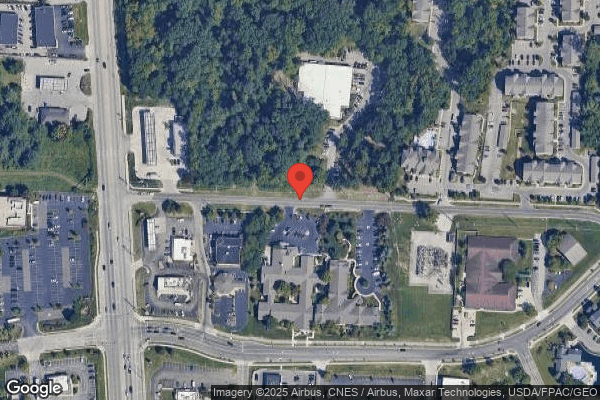
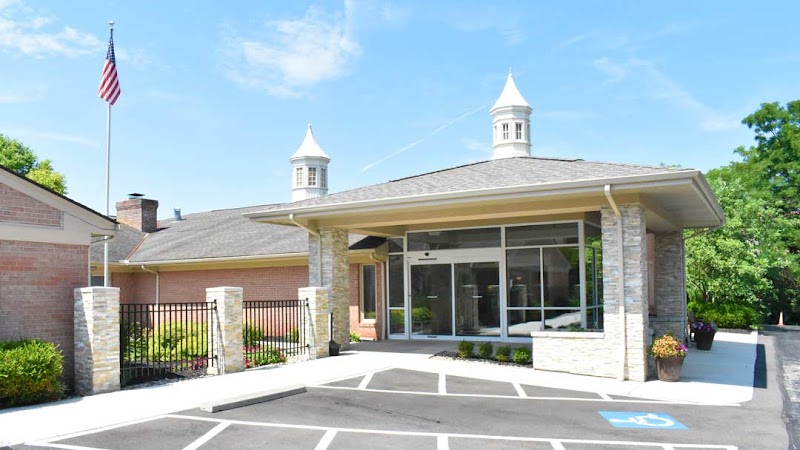
55 LAZELLE RD, COLUMBUS, OH 43235 (614) 885-3300
Non profit - Church related 50 Beds Independent Data: November 2025
Trust Grade
65/100
#378 of 913 in OH
Last Inspection: November 2024

Within standard 12-15 month inspection cycle. Federal law requires annual inspections.

Overview

Willow Brook Christian Home in Columbus, Ohio, has a Trust Grade of C+, indicating it is slightly above average in quality among nursing homes. It ranks #378 out of 913 facilities in Ohio, placing it in the top half, and #11 out of 56 in Franklin County, suggesting it has a decent reputation locally. The facility is improving, with issues decreasing from 12 in 2024 to just 1 in 2025. Staffing is a strength, rated at 4 out of 5 stars with a turnover rate of 44%, which is below the state average, and there is more RN coverage than 97% of Ohio facilities, providing enhanced care. However, there have been serious incidents, including a resident experiencing significant injury due to improper use of a mechanical lift, resulting in multiple rib fractures, and concerns about the facility's failure to follow its Legionella prevention plan, which could affect all residents. While the home has strong staffing and no fines, these incidents highlight the need for careful consideration.

Trust Score
C+
65/100
In Ohio
#378/913
Top 41%
Safety Record
Moderate
Needs review
Inspections
Getting Better
12 → 1 violations
Staff Stability
○ Average
44% turnover. Near Ohio's 48% average. Typical for the industry.
Penalties
✓ Good
No fines on record. Clean compliance history, better than most Ohio facilities.
Skilled Nurses
✓ Good
Each resident gets 66 minutes of Registered Nurse (RN) attention daily — more than 97% of Ohio nursing homes. RNs are the most trained staff who catch health problems before they become serious.
Violations
⚠ Watch
26 deficiencies on record. Higher than average. Multiple issues found across inspections.
★★★★☆
4.0
Overall Rating
★★★★☆
4.0
Staff Levels
★★★★★
5.0
Care Quality
★★★☆☆
3.0
Inspection Score
Stable
2024: 12 issues
2025: 1 issues

The Good

  • 4-Star Staffing Rating · Above-average nurse staffing levels
  • 5-Star Quality Measures · Strong clinical quality outcomes
  • Full Sprinkler Coverage · Fire safety systems throughout facility
  • No fines on record
  • Staff turnover below average (44%)

    4 points below Ohio average of 48%

Facility shows strength in staffing levels, quality measures, fire safety.

The Bad

Staff Turnover: 44%

Near Ohio avg (46%)

Typical for the industry

The Ugly 26 deficiencies on record

1 actual harm
Sept 2025 1 deficiency 1 Harm
SERIOUS (G) 📢 Someone Reported This

A family member, employee, or ombudsman was alarmed enough to file a formal complaint

Actual Harm - a resident was hurt due to facility failures

Accident Prevention (Tag F0689)

A resident was harmed · This affected 1 resident

**NOTE- TERMS IN BRACKETS HAVE BEEN EDITED TO PROTECT CONFIDENTIALITY** Based on medical record review, hospital record review, interview, observation, review of the mechanical lift instructions, and ...

Read full inspector narrative →
**NOTE- TERMS IN BRACKETS HAVE BEEN EDITED TO PROTECT CONFIDENTIALITY** Based on medical record review, hospital record review, interview, observation, review of the mechanical lift instructions, and policy review, the facility failed to use appropriate slings for the mechanical lift and failed to maintain the mechanical lift per the manufacturer's instructions resulting in significant resident injury with mechanical lift transfers. Actual harm occurred on 07/20/25 when Resident #4, who required extensive assistance from two staff members and a mechanical lift with transfers, experienced a fall during a mechanical lift transfer when staff used the incorrect sling and the sling straps broke. The resident was transferred to the emergency room for evaluation and subsequently admitted to the surgical trauma intensive care unit overnight due to multiple rib fractures and a right occipital scalp contusion and hematoma. Additionally, an incident of actual harm occurred on 07/18/25 when Resident #1, who required extensive assistance from two staff members and the use of a mechanical lift with transfers, was transferred from her bed to her wheelchair and was struck in the forehead with the swivel bar of the mechanical lift after the transfer was completed. The resident sustained a laceration to the forehead requiring four staples. This affected two (Resident #1 and Resident #4) of three residents reviewed for falls. The facility census was 48. Findings include: 1. Review of Resident #4's medical record revealed the resident was admitted to the facility on [DATE] with diagnoses including schizoaffective disorder, diabetes mellitus, Parkinson's disease, kidney failure, congestive heart failure, syncope and collapse, and mild cognitive impairment.Review of the care plan, dated 07/21/25, revealed the resident had activities of daily living (ADL) self-care deficits related to general decline and collapse and was dependent upon staff for transfers with a mechanical lift. Review of the Minimum Data Set (MDS) 3.0 assessment, dated 05/27/25, revealed the resident had intact cognition and required physical staff assistance for transfers and mobility. Review of a nursing progress note, dated 07/20/25 at 9:05 A.M., revealed Registered Nurse (RN) #70 was called into the room by a Certified Nursing Assistant (CNA) and observed Resident #4 on the floor, lying on his left side. The CNA (unidentified) stated while using the mechanical lift, the sling broke/ripped and the resident fell to the floor, on his left shoulder, head, neck, left ribs, and left hip. The resident stated it hurt to take a deep breath, and he was tearful. Nine-one one (911) was called. The physician and family were notified. The resident was transported to the Emergency Department (ED).Review of the Fall Investigation/Incident Report revealed on 07/20/25 at 9:05 A.M. revealed Resident #4 was being transferred into bed with a mechanical lift when suddenly the sling broke and the resident fell onto the floor, hitting the left side of his head, neck, ribs, shoulder and hip. The sling being used was not the appropriate mechanical lift sling and was a thin, hospital sling. The immediate intervention implemented was to ensure the correct sling is used. All thin, hospital slings were removed to ensure they would not be used again. Review of the After Visit Summary from the ED dated 07/20/25-07/21/25 revealed the resident was admitted to the Surgical Trauma Intensive Care Unit (ICU) due to fracture of multiple ribs. Imaging tests included computed tomography (CT) of the cervical spine, chest, abdomen, pelvis, maxillofacial, and head, and x-rays of the chest, pelvis, and right knee. The resident sustained an acute mildly displaced fracture of the left sixth lateral rib. There were multiple additional remote bilateral rib fractures. Upon discharge back to the facility, the resident was prescribed oxycodone for pain control.Interview on 08/29/25 at 11:20 A.M. with Resident #4 revealed he fell from the Hoyer lift when the sling broke and he hit his head and broke his rib.Interview with CNA #72 on 08/29/25 at 1:18 P.M. revealed she and another CNA were transferring Resident #4 with the wrong type of sling when it broke during the transfer resulting in the resident falling (from the lift) and caused the resident to hit the floor. CNA #72 stated the sling was already beneath the resident (when they secured the sling to the mechanical/Hoyer lift) and they didn't change the sling to a correct one. Interview on 08/29/25 at 11:59 P.M. with the Assistant Director of Nursing (ADON) confirmed Resident #4 fell during a mechanical lift transfer due to the night shift staff placing an incorrect, thin hospital sling under him. The day shift staff utilized the incorrect sling, and it broke during the transfer resulting in Resident #4 suffering fractured ribs. Review of the manufacturer's pamphlet titled, Electric Patient Lift, revealed specific slings are made for the Electric Patient Lifts. For the safety of the patient, do not intermix slings and patient lifts of different manufacturers.Review of the facility's policy titled, Safe Resident Handling/Transfers, revision date of 07/18/25, revealed it is the policy of this facility to ensure that residents are handled and transferred safely to prevent or minimize risks for injury and provide and promote a safe, secure and comfortable experience for the resident while keeping the employees safe in accordance with current standards and guidelines. Guidelines include ensuring the sling designed for the lift is utilized with that specific lift and two staff members must be utilized when transferring residents with a mechanical lift.2. Review of Resident #1's medical record revealed the resident was admitted to the facility on [DATE] with diagnoses including dementia, convulsions, mood disorder, heart failure, hemiplegia and hemiparesis, and a history of transient ischemic attack and cerebral infarction.Review of the care plan, dated 01/13/25, revealed the resident had activities of daily living (ADL) self-care deficits related to hemiparesis and was dependent upon staff for transfers with a mechanical lift. Review of the quarterly Minimum Data Set (MDS) 3.0 assessment, dated 06/27/25, revealed the resident was rarely understood and required physical staff assistance for transfers and mobility. The assessment indicated there was impairment on one side of the upper extremities and impairment on both sides of the lower extremities. Review of the Fall Investigation/Incident Report revealed on 07/18/25 at 7:15 A.M. Resident #1 was injured from the Hoyer lift after being placed in a chair. The resident sustained a one to one and a half inch laceration on the top, left area of her head. The wound continued to bleed and 911 was called. Interview with Certified Nursing Assistant (CNA) #62 stated she was moving the mechanical lift away from the chair when the metal part made contact with the resident's head and caused the laceration. The resident received four staples in the ED. The immediate intervention implemented was to fit the mechanical lift cradle swing bar (swivel bar) with padding (as included with the lift as a main component of the assembly) to prevent further injury.Review of a nursing progress note, dated 07/18/25 at 10:16 A.M., revealed Resident #1 was injured this morning while getting out of bed via Hoyer lift and sustained a 1-1.5-inch laceration to the head. The wound was bleeding continuously, and the resident was sent to the emergency department (ED). The resident's daughter was notified. Review of the After Visit Summary from the ED dated 07/18/25 revealed the resident was seen due to a head injury and laceration of the scalp. Imaging tests included computed tomography (CT) of the cervical spine and head, and x-rays of the chest, right femur, right forearm, right hip with pelvis, right humerus, and right tibia fibula. The laceration was closed with four staples. Diphtheria, Tetanus Toxoid, and Acellular Pertussis immunization was administered.Interview with CNA #62 on 08/29/25 at 1:21 P.M. revealed she and CNA #68 transferred the resident from her bed to the wheelchair. At this point, CNA #68 left the room. While moving the mechanical lift away from the wheelchair, CNA #62 stated the metal edge of the cradle hit the resident in the head and she immediately started bleeding from the laceration. CNA #62 stated she applied a towel to the resident's head and called for the nurse. CNA #62 stated to prevent this from happening again she will always have two staff present until the mechanical lift is moved away from the resident. Interview on 08/29/25 at 1:32 P.M. with the Assistant Director of Nursing (ADON) confirmed Resident #1 was struck in the head with the cradle of the mechanical lift when CNA #62 was moving the mechanical lift away from the resident's wheelchair. The ADON stated the intervention put into place following the accident was for padding to be placed on the swing arm of the mechanical lift, as advised in the manufacturer's instructions.Observation on 08/29/25 at 1:45 P.M. of the mechanical lift revealed a swivel bar fabric protective cover that resembled the wrap illustrated in the Electric Lift Patient Manual.Review of the manufacturer's pamphlet titled, Electric Patient Lift, revealed the lift included a swivel bar protective covering as part of the main assembly components.This deficiency represents non-compliance investigated under Complaint Number 2566262.
Nov 2024 12 deficiencies
CONCERN (D)

Potential for Harm - no one hurt, but risky conditions existed

Resident Rights (Tag F0550)

Could have caused harm · This affected 1 resident

**NOTE- TERMS IN BRACKETS HAVE BEEN EDITED TO PROTECT CONFIDENTIALITY** Based on observation, record review, staff interviews, and resident interviews, the facility failed to ensure all residents rece...

Read full inspector narrative →
**NOTE- TERMS IN BRACKETS HAVE BEEN EDITED TO PROTECT CONFIDENTIALITY** Based on observation, record review, staff interviews, and resident interviews, the facility failed to ensure all residents received dignified choices to remain in their room. This affected one (Resident #300) out of one resident reviewed for dignity. The facility census was 45. Findings include: Review of the medical record for Resident #300 revealed an admission date of 10/15/24 and diagnoses of hypertension, hyperlipidemia, hypothyroidism, chronic pain syndrome, anxiety disorder, primary insomnia, depression, polyneuropathy, tachycardia, urinary tract infection (UTI), and encephalopathy. Review of the admission Minimum Data Set (MDS) assessment dated [DATE] for Resident #300 revealed a Brief Interview for Mental Status (BIMS) score of 15 out of 15, indicating the resident was cognitively intact. Resident #300 had no behavioral problems. Review of the care plan for Resident #300 revealed a goal that the resident will be free of falls. The intervention stated, personal alarm when in bed or chair at all times. Review of the physician orders for Resident #300 dated 10/15/24 revealed an order for the resident not to be in room by herself and a personal alarm to chair and bed at all times. Review of the progress note for Resident #300 on 10/16/24 at 3:20 P.M. revealed the Assistant Director of Nursing (ADON) found Resident #300 trying to get out of bed without support and noted she would need to be monitored at all times outside of her room. Additionally, on 10/20/24 at 10:57 A.M. a nursing note stated Resident #300 requested to spend time in her room and she was advised by a nurse that she needed to stay with the group at all times for her safety. On 10/24/24 at 9:06 P.M. a nursing note reported Resident #300 was upset and doesn't understand why she can't be in her room by herself. During an interview on 11/04/24 at 11:26 A.M., Resident #300 became visibly upset and cried, she expressed frustration stating she wanted to return to her room more frequently even if just to use the bathroom. Resident #300 reported she hears the staff whispering, don't let her go back to her room. Observation on 11/05/24 from 1:28 P.M. to 1:55 P.M. revealed Resident #300 sitting in her wheelchair sleeping or watching television (TV) in the common area with her personal alarm attached to her gown. Observation on 11/05/24 at 2:30 P.M. revealed Resident #300 sitting back in the common area watching TV During an interview on 11/05/24 at 2:30 P.M., Certified Nursing Assistant (CNA) #157 stated Resident #300 needs more assistance with one-on-one staffing due to a high fall risk, so staff keep her in the common areas for additional help. She stated they do it for her safety and when the resident isn't at an activity with a group, staff usually have her sit in the common area in front of the TV when staff are busy so they can keep an eye on her.
CONCERN (D)

Potential for Harm - no one hurt, but risky conditions existed

Safe Environment (Tag F0584)

Could have caused harm · This affected 1 resident

Based on observation, staff interviews, and resident interviews, the facility failed to provide a comfortable, homelike environment for Resident #35. This affected one resident (#35) of six residents ...

Read full inspector narrative →
Based on observation, staff interviews, and resident interviews, the facility failed to provide a comfortable, homelike environment for Resident #35. This affected one resident (#35) of six residents reviewed for comfortable living spaces. The facility census was 45. Findings Include: Resident #35 had an admission date of 12/08/20 with diagnoses including retention of urine, hypertension, neuromuscular dysfunction of bladder, age related osteoporosis with current pathological fracture of vertebrae, assistance with personal care, muscle weakness, abnormalities of gait and mobility, insomnia, urinary tract infection, and anxiety disorder. Observations on 11/04/24, 11/05/24, and 11/06/24 revealed a minimum of 11, and a maximum of 12 packages of incontinence briefs stacked and stored along the wall in Resident #35's bathroom. Some packages were opened with briefs scattered randomly about the space on the floor and on top of the unopened packages creating a disorderly, and uncomfortable living space for Resident #35. Interview with Resident #35 on 11/04/24 at 9:52 A.M. confirmed that she didn't like her bathroom being used for storage of her personal incontinence briefs because the bathroom isn't a closet. I've asked them several times to put them in my closet. Resident #35 confirmed that she felt the space was disorderly and uncomfortable due to the briefs being scattered about the bathroom. Interview with Certified Nursing Assistant (CNA) #157 on 11/06/24 at 10:07 AM confirmed that Resident #35 had 11 bags of incontinence briefs stacked and stored in her bathroom, with some briefs scattered randomly about the space on the floor and on top of the unopened packages. CNA #157 stated that staff keep the briefs in the resident's bathrooms for easy access, unless they have a closet large enough to store them. CNA #157 stated that Resident #35 had a small closet, so the briefs were stored in her bathroom.
CONCERN (D)

Potential for Harm - no one hurt, but risky conditions existed

Deficiency F0604 (Tag F0604)

Could have caused harm · This affected 1 resident

**NOTE- TERMS IN BRACKETS HAVE BEEN EDITED TO PROTECT CONFIDENTIALITY** 2. Review of the medical record for Resident #300 revealed an admission date of 10/15/24 and diagnoses of hypertension, hyperlip...

Read full inspector narrative →
**NOTE- TERMS IN BRACKETS HAVE BEEN EDITED TO PROTECT CONFIDENTIALITY** 2. Review of the medical record for Resident #300 revealed an admission date of 10/15/24 and diagnoses of hypertension, hyperlipidemia, hypothyroidism, chronic pain syndrome, anxiety disorder, primary insomnia, depression, polyneuropathy, tachycardia, urinary tract infection (UTI), and encephalopathy. Review of Resident #300's Minimum Data Set (MDS) assessment dated [DATE] revealed Resident #300 had intact cognition with no behavioral problems. Review of Resident #300's physician orders dated 10/15/24 revealed an order for personal alarm to chair and bed at all times. Review of Resident #300's progress note on 10/16/24 revealed Resident #300 was attempting to get out of bed without support. She was found by the Assistant Director of Nursing (ADON) and was immediately redirected to put her feet back on the bed. The resident will need to be monitored at all times outside of her room. Review of Resident #300's assessments from 10/15/24 to 11/07/24 revealed no evidence of a restraint assessment. Observation on 11/04/24 at 11:26 A.M. revealed Resident #300 sitting on the side of her bed with an alarm in place. Interview on 11/04/24 at 11:26 A.M. with Resident #300 revealed the resident did not like the sound the alarms made, stating, they make an awful noise when I stand up. Observation on 11/05/24 from 1:28 P.M. to 1:55 P.M. revealed Resident #300 sitting in her wheelchair with an alarm in place. Interview on 11/05/26 at 4:08 P.M. with the Director of Nursing (DON) confirmed the facility did not conduct a restraint assessment for Resident #300. Observation on 11/06/24 at 9:15 A.M. revealed Resident #300 sitting in her wheelchair with an alarm in place. Based on observation, resident and staff interview, and record review, the facility failed to document ongoing assessments to evaluate the need for the use of physical restraints. This affected two residents (#28 and #300) of eight residents reviewed for the use of restraints. The facility census was 45. Findings include: 1. Resident #28 had an admission date of 11/27/19 with diagnoses including major depressive disorder, cardiac arrhythmia, hypertension, overactive bladder, gastroesophageal reflux disease (GERD), diverticulosis, cognitive communication deficit, and dementia. Review of the care plan dated 11/09/22 for Resident #28 on 11/07/24 at 12:53 P.M. revealed that Resident #28 was a high risk for fall, and had an intervention listed to place a personal alarm to wheelchair and recliner every shift. Review of the medical record for Resident #28 on 11/07/24 at 11:02 A.M. revealed no initial assessment, nor ongoing assessments for the use of alarm devices and/or restraints. Review of the medical record for Resident #28 on 11/07/24 at 12:53 P.M. revealed a progress note entry dated 09/17/24 at 10:13 A.M., Licensed Dietician (LD) #180 documented that on 9/16/24, LD #180 heard Resident #28's chair alarm sounding. LD #180 entered Resident #28's room and found Resident #28 standing in front of her recliner. LD #180 cautioned Resident #28 to sit down in her recliner and Resident #28 did return to sitting position in her recliner. LD #180 educated Resident #28 on use of the call light to get help instead of standing up. Resident #28 agreed. Observation on 11/05/24 at 1:16 P.M. revealed Resident #28 in her room seated in the recliner with non-slip material and a chair alarm visible and in place. Interview with Resident #28 on 11/05/24 at 1:16 P.M. confirmed Resident #28 was aware of the chair alarm, and felt restricted with her voluntary body movement because the alarm would make a loud, audible signal to alert the staff. Resident #28 stated that she wouldn't stand, because if she stood up, the alarm would make a very loud sound that you can hear in the front of the building and they all come running in here! Resident #28 stated that she can still walk, but the office and the nurses won't allow her to walk by herself, or get up by herself so she doesn't fall. Interview with the Director of Nursing (DON) on 11/05/24 at 4:09 P.M. confirmed that the facility does not complete restraint assessments for alarms, because they aren't considered to be restraints. The DON stated that there are physician's orders for the alarms and the nurses check to ensure that they are in place. The DON confirmed the alarms should be used to notify staff of the resident falling, but should not be used to prevent a resident from getting up.
CONCERN (D)

Potential for Harm - no one hurt, but risky conditions existed

Deficiency F0625 (Tag F0625)

Could have caused harm · This affected 1 resident

Based on record review, resident family interview, staff interview, and facility policy review, the facility failed to provide the resident or resident representative with a written notice of a bed ho...

Read full inspector narrative →
Based on record review, resident family interview, staff interview, and facility policy review, the facility failed to provide the resident or resident representative with a written notice of a bed hold. This affected one (Resident #25) out of two residents reviewed for hospital transfers. The facility census was 45. Findings include: Review of the medical record for Resident #25 revealed an admission date of 09/27/24 with diagnoses of dementia, chronic kidney disease, type two diabetes mellitus, parkinsonism, hypertension and muscle weakness. Review of the admission Minimum Data Set (MDS) 3.0 assessment completed 10/09/24 revealed Resident #25 was moderately cognitively impaired, exhibited no behaviors, and required partial/moderate assistance with toileting and bathing. The resident required substantial/maximal assistance with bed mobility. Review of progress notes dated 10/09/24 revealed Resident #25's wife shared concerns about finances and the resident's long-term stay. She noted that while they had long-term care insurance, it only covered $100 per day, and she was worried they would run out of funds. Review of progress notes dated 10/17/24 revealed Resident #25's wife expressed frustration with the United States of America's medical system, citing that Resident #25 had medical needs and issues their finances could not fully cover. She stated she was very concerned they would run out of money. Review of progress notes dated 10/18/24 revealed Resident #25 was discharged to the local hospital due to a change in condition. The notes indicate the wife will reach out with any questions. However, there was no confirmation a bed-hold notice was given to the family at the time of transfer. Review of bed-hold notice dated 10/18/24 for Resident #25 revealed residents with Medicare will be charged a bed-hold rate of $373.00 per day. However, the notice did not include a signature confirming the resident or their representative had received the bed-hold notice. Interview on 11/06/24 at 9:53 A.M. with Resident #25's wife denied that she or the resident had received a copy of the bed-hold notice, which should have included the daily rate upon transfer to the hospital. The wife stated had she seen the bed rate, it may have influenced her decision regarding the facility's bed-hold policy. She expressed continued concerns about the financial strain of her husband's stay in the facility. Interview on 11/06/24 at 10:02 A.M. with Administrative Coordinator (AC) #102 and #103 said nursing staff are responsible for completing the bed-hold notice before a transfer occurs. This notice is then provided to emergency medical personnel, who are responsible for delivering it to hospital staff. AC #102 and #103 confirmed the medical record for Resident #25 did not contain any evidence indicating the bed-hold notice had been properly delivered to the wife. They further explained all residents transferred out of the facility are required to receive a bed-hold notice, and admission staff are expected to contact the resident's family within 24 hours of transfer to review the bed-hold details. AC #102 and #103 confirmed the wife was called; however, they could not provide documentation to support this. Interview on 11/06/24 at 3:11 P.M. with Registered Nurse (RN) #122 confirmed nursing staff are responsible for completing the bed-hold notice prior to transfer. These notices are handed off to emergency medical personnel along with the resident's medications list. However, RN #122 stated she does not follow up with residents to ensure they receive the bed-hold notice and does not have a system in place to confirm delivery. She also denied completing a bed-hold notice for Resident #25, stating long-term residents are not required to receive the notice since they pay on a monthly rate. Review of bed-hold notice upon transfer policy dated 02/18/24 revealed the facility is required to provide the resident and/or resident representative with written notice specifying the duration of the bed-hold policy, as well as explaining the return of the resident to the next available bed. In the event of an emergency transfer, the facility is to provide written notice within 24 hours. The policy also stated the facility will keep a signed and dated copy of the bed-hold notice in the resident's file.
CONCERN (D)

Potential for Harm - no one hurt, but risky conditions existed

Quality of Care (Tag F0684)

Could have caused harm · This affected 1 resident

**NOTE- TERMS IN BRACKETS HAVE BEEN EDITED TO PROTECT CONFIDENTIALITY** Based on observation, interview, record review, and review of facility policy, the facility failed to ensure Resident #34's dres...

Read full inspector narrative →
**NOTE- TERMS IN BRACKETS HAVE BEEN EDITED TO PROTECT CONFIDENTIALITY** Based on observation, interview, record review, and review of facility policy, the facility failed to ensure Resident #34's dressing changes for a skin tear were completed as ordered. This affected one resident (#34) of two residents reviewed for skin conditions. The facility census was 45. Findings include: Review of Resident #34's medical record revealed an admission date of 08/18/20 with diagnoses including major depressive disorder, anxiety disorder, Parkinson's disease, occipital neuralgia, and spondylosis without myelopathy. Review of Resident #34's quarterly Minimum Data Set (MDS) assessment dated [DATE] revealed she had moderate cognitive impairment. Review of Resident #34's progress note dated 10/26/24 revealed she had a fall and obtained an 'area on the left hand.' She was sent to the hospital due to a different injury. Review of Resident #34's fall investigation dated 10/26/24 revealed she had a fall and received first aide, there was a dressing on the left hand. Review of Resident #34's progress note dated 10/27/24 revealed she returned from the hospital. There were no mentions of her left hand injury. Review of Resident #34's physician order dated 10/28/24 revealed an order related to the left hand skin tear. Nursing was to cleanse the area with normal saline, pat the area dry, apply xeroform and then a nonadherent dressing, and wrap with Kerlix. This was to be done every Monday, Wednesday, and Friday. Review of Resident #34's skin assessment dated [DATE] revealed she had two skin tears to her left palm. One measuring 2.2 centimeters (cm) by 0.2 cm by 0.1 cm and one measuring 3.0 cm by 0.4 cm by 0.1 cm. Observation on 11/04/24 at 9:02 A.M. of Resident #34 revealed her left hand was wrapped in gauze dated 10/30/24. Interview on 11/04/24 at 9:12 A.M. with Certified Nursing Assistant (CNA) #126 verified her bandage was dated 10/30/24. Interview on 11/04/24 at 9:17 A.M. with Licensed Practical Nurse (LPN) #129 reported the treatment nurse was supposed to change her dressing on Monday, Wednesday, and Friday. Interview on 11/07/24 at 9:16 A.M. with the Director of Nursing (DON) verified there were no wound measurements until 10/28/24. Review of the policy 'Wound Treatment Management' dated 02/18/24 revealed wound treatments were to be provided in accordance with physician's orders including frequency of dressing changes.
CONCERN (D)

Potential for Harm - no one hurt, but risky conditions existed

Accident Prevention (Tag F0689)

Could have caused harm · This affected 1 resident

Based on observation and record review the facility failed to ensure the resident environment remained free of accident hazards by safely storing portable oxygen per the facility policy/procedure. Thi...

Read full inspector narrative →
Based on observation and record review the facility failed to ensure the resident environment remained free of accident hazards by safely storing portable oxygen per the facility policy/procedure. This had the potential to affect one (Residents #38) of one resident reviewed. The facility census was 45. Findings include: Observation on 11/04/24 at 9:22 A.M. revealed three portable oxygen tanks stored in Resident #38's room. Two of the tanks were stored using a transport cart, one tank was freestanding and unsecured, leaning against the wall. Interview with Certified Nursing Assistant (CNA) #157 confirmed the oxygen tanks stored in Resident #38's room were not currently in use, and the one oxygen tank that was freestanding and unsecured, should be on a cart. CNA #157 confirmed the three oxygen tanks should be returned to the designated oxygen storage room. Review of the facility's policy titled, Oxygen Safety dated 02/18/22, and revised on 02/18/24, on revealed the facility's policy was to provide a safe environment for residents, staff, and the public. Compliance guideline number four stated oxygen storage locations shall be in an enclosure, or within an enclosed interior space with doors or gates that can be secured against unauthorized entry. Cylinders should be properly chained or supported in racks or other fastenings (i.e. sturdy portable carts, approved stands) to secure all cylinders from falling, whether connected, unconnected, full, or empty.
CONCERN (D)

Potential for Harm - no one hurt, but risky conditions existed

Deficiency F0692 (Tag F0692)

Could have caused harm · This affected 1 resident

**NOTE- TERMS IN BRACKETS HAVE BEEN EDITED TO PROTECT CONFIDENTIALITY** Based on record review and interview the facility failed to document nutritional supplement intake and complete an annual nutrit...

Read full inspector narrative →
**NOTE- TERMS IN BRACKETS HAVE BEEN EDITED TO PROTECT CONFIDENTIALITY** Based on record review and interview the facility failed to document nutritional supplement intake and complete an annual nutrition assessment. This affected three (Resident #25, #36 and #41) of eleven reviewed for the use of nutritional supplements. The facility census was 45. Findings include: 1. Review of the medical record for Resident #25 revealed an admission date of 09/27/24 with diagnoses of acute kidney failure, dementia, type two diabetes mellitus, protein calorie malnutrition and parkinsonism. Review of the Minimum Data Set (MDS) assessment completed 10/09/24 revealed Resident #25 was moderately cognitively impaired and required setup or clean-up assistance with eating. Review of weight summary dated 09/25/24 revealed Resident #25 weighed 200 pounds, and on 11/01/24, Resident #25 weighed 189 pounds, reflecting a 5.5% weight loss over a two-month period. Review of Nutrition - Fluids plan of care response history revealed no documented fluid intakes from 10/07/24-11/07/24 for Resident #25. Review of physician orders dated 10/10/24 revealed Resident #25 was ordered to receive Glucerna (nutritional supplement) with meals, with dietary to provide the shake at each meal. Review of the care plan dated 10/10/24 revealed Resident #25 had a nutritional problem or potential nutritional problem. Interventions include providing and serving supplements as ordered: 8 ounces of Glucerna three times a day with meals. Review of Mini Nutritional Assessment completed 10/08/24 revealed Resident #25 had a moderate decrease in food intake, is bed/chair bound, had mild dementia, and a basal metabolic rate of 31 (overweight). These factors placed Resident #25 at a high risk for malnutrition. Interview on 11/06/24 at 11:40 A.M. with Registered Nurse #117 confirmed Resident #25 received Glucerna supplements. She was not responsible for administering the supplement, as dietary staff provided it during meal tray pass. She confirmed she has no way to verify whether the resident actually received the supplement or how much was consumed. The nurse noted that dietary staff documents the amount of food the resident eats, but the amount of the supplement consumed was not recorded. The nurse explained on some days, Resident #25 drinks all of the supplement, while on other days, the resident may drink half or none. Interview on 11/07/24 at 8:57 A.M. with the Director of Nursing (DON) and Assistant Director of Nursing (ADON) #115 revealed that intakes, specifically the amount of Glucerna consumed, are not available in the electronic medical record. Staff do not document how much of the supplement is consumed; only the percentage of food and drinks the resident eats is recorded. The DON and ADON acknowledged the gap in tracking the resident's complete nutritional intake and confirmed this omission could potentially affect the ability to monitor Resident #25's nutritional progress and needs accurately. Interview on 11/07/24 at 9:06 A.M. with Dietician #111 revealed Resident #25's medical record does not include specific documentation of the amount of supplement consumed. Dietician #111 confirmed that for an accurate reflection of the resident's nutritional status and to ensure appropriate adjustments to the care plan, the intake of supplements should be documented. She confirmed the lack of detailed documentation could result in missed opportunities for timely intervention or adjustments in the resident's care. 2. Review of the medical record for Resident #41 revealed an admission date of 07/28/24 with diagnoses of dementia, metabolic encephalopathy, dysphasia, cerebral infarction, muscle weakness and protein-calorie malnutrition. Review of the MDS assessment completed 10/01/24 revealed Resident #41 is severely cognitively impaired and requires setup or clean-up assistance with eating. Review of Weight Summary revealed on 08/02/24 Resident #41 weighed 142.0 pounds and on 10/25/24 he weighed 145.5 pounds. Review of Nutrition - Fluids plan of care response history revealed no intakes documented from 10/07/24-11/07/24 noting the resident's fluid intakes. Review of physician orders dated 07/30/24 for Resident #41 revealed an order for a Magic cup (nutritional supplement to add calories and protein for those experiencing involuntary weight loss) with meals and an additional order placed on 09/27/24 for Resident #41 to receive Ensure (nutritional supplement) at bedtime. Review of the care plan dated 08/15/24 revealed Resident #41 had a nutritional problem of underweight basal metabolic rate, significant unplanned weight loss, and inadequate oral intake of food and beverages. Interventions included providing and serving supplements as ordered and monitoring intakes, recording every meal. Review of Medical Nutritional Therapy assessment dated [DATE] revealed Resident #41 was underweight, needs improved oral intake with supervision at meals, had chewing and swallowing problems, and required improvement in meal intake to 75%. Magic cups were consumed three times daily to meet needs. Interview on 11/07/24 at 8:57 A.M. with the DON and ADON #115 revealed intakes, specifically the amount of Ensure and Magic cups consumed, are not available in the electronic medical record. Staff do not document how much residents drink of the supplements; they only record the percentage of food and drink they consume as a whole on the tray. The DON and ADON acknowledged the gap in tracking the resident's full nutritional intake. They confirmed the omission could potentially affect the ability to monitor Resident #41's nutritional progress and needs accurately. Interview on 11/07/24 at 9:06 A.M. with Dietician #111 revealed Resident #41's medical record does not include the specific amount of the supplement he drinks. Dietician #111 stated in order to have an accurate reflection of the resident's nutritional status and ensure appropriate adjustments to the care plan, the intake of supplements should be fully documented. She confirmed this lack of detailed documentation could potentially lead to missed opportunities for intervention or adjustment in the resident's care. 3. Resident #36 was admitted to the facility on [DATE]. Her diagnoses were hypertension, anemia, atherosclerotic heart disease, overactive bladder, acute respiratory failure, osteoporosis, cognitive communication deficit, and cerebral infarction. Review of the MDS assessment dated [DATE] revealed Resident #36 had a severe cognitive impairment. Review of Resident #36's nutritional assessments found her most recent assessment was completed on 06/01/23. There was not another assessment completed until 11/05/24. Review of Resident #36's physician/nutritional orders, dated 10/22/24, revealed an order for Ensure with dinner. There was nothing listed in the order or nutritional notes to indicate how much Ensure was to be given to Resident #36 during dinner. Review of Resident #36's Medication Administration Records (MAR) dated October 2024 to November 2024, revealed no documentation to support how much of the Ensure Resident #35 consumed during each offering. Interview with Dietitian #180 on 11/05/24 at 3:00 P.M., 3:35 P.M. and 11/06/24 at 9:30 A.M. confirmed she did not complete an annual nutritional assessment as required for Resident #36. She confirmed the assessments had been completed on 06/01/23 and 11/05/24. Also, she confirmed there was no documentation to support the amount of nutritional supplement Resident #36 consumed each time it was given; she stated she will simply monitor weights and determine if a new interventions should be put in place. Interview with Registered Nurse (RN) #117 on 11/06/24 at 10:20 A.M. confirmed they do not document the amount of a nutritional supplement consumed by a resident; they simply document if it was provided to the resident or not.
CONCERN (D)

Potential for Harm - no one hurt, but risky conditions existed

Deficiency F0757 (Tag F0757)

Could have caused harm · This affected 1 resident

Based on record review and staff interview, the facility failed to follow ordered medication administration parameters, and failed monitor a resident for side effects of anticoagulant use. This affect...

Read full inspector narrative →
Based on record review and staff interview, the facility failed to follow ordered medication administration parameters, and failed monitor a resident for side effects of anticoagulant use. This affected two (Resident #33 and Resident #25) of six resident reviewed for medications. The facility census was 45. Findings include: 1. Review of the medical record for Resident #33 revealed an admission date of 09/09/24 with diagnoses of pseudomonas, muscle weakness, type II diabetes, anxiety disorder, paroxysmal atrial fibrillation, hypertension, hyperlipidemia, primary osteoarthritis, glaucoma, protein calorie malnutrition, and urinary tract infection (UTI). Review of the Minimum Data Set (MDS) assessment completed 09/27/24 revealed a Brief Interview for Mental Status (BIMS) score of nine indicating the resident had cognitive impairment with no behavioral problems in place. Review of Resident #33's care plan dated 09/09/24 revealed the resident had hypertension and atrial fibrillation and will remain free of complications. Interventions included give anti-hypertensive medications as ordered. Review of Resident #33's physician order dated 09/09/24 revealed Sotalol (antiarrhythmic that can decrease blood pressure) tablet 80 milligrams (mg) by mouth one time daily for hypertension, hold if blood pressure is less than 110/70 or heart rate is less than 60. Review of Resident #33's Medication Administration Record (MAR) from 10/01/24 to 11/07/24 revealed Resident #33 received Sotalol 80 mg on days when the blood pressure (BP) was outside the ordered parameters for administration as follows: 10/02/24 BP 109/60, 10/09/24 BP 98/56, 10/16/24 BP 93/74, 10/21/24 BP 111/65 medication held, 10/30/24 BP not taken, 10/31/24 BP not taken, 11/01/24 BP not taken, 11/02/24 BP not taken, 11/03/24 BP not taken, 11/04/24 BP not taken. Additionally, Resident#33's MAR did not have any documentation of the resident's pulse being taken at the time of the Sotalol administration for any of the doses provided. Interview on 11/06/24 at 9:40 A.M. with the Director of Nursing (DON) revealed the nursing staff will follow the parameters for medication administration prior to administering medications to the residents. The DON confirmed Sotalol was being administered outside of the parameters for Resident #33. 2. Review of the medical record for Resident #25 revealed an admission date of 09/27/24 with diagnoses of acute kidney failure, dementia, type two diabetes mellitus, protein calorie malnutrition, atrial fibrillation, atrioventricular block and parkinsonism. Review of the MDS assessment completed 10/09/24 revealed Resident #25 was moderately cognitively impaired, had a diagnosis of atrial fibrillation or other dysrhythmias, and was prescribed an anticoagulant. Review of physician orders dated 09/27/24 revealed an order for Rivaroxaban (anticoagulant) 15 milligrams by mouth in the evening for atrial fibrillation. Additional orders dated 10/28/24 indicated a change to Apixaban (anticoagulant) 2.5 milligrams orally, twice a day, for atrial fibrillation. Review of the care plan dated 10/18/24 revealed that Resident #25 was on anticoagulant therapy for atrial fibrillation. Interventions included daily skin inspection, monitoring for abnormal bleeding or bruising, and documenting any adverse reactions related to anticoagulant therapy. Review of the medical record from 09/27/24 to 11/04/24 revealed no documentation indicating the monitoring of bleeding or bruising was completed due to anticoagulant therapy for Resident #25. Review of physician orders dated 11/05/24 for Resident #25 revealed updated orders to monitor for prolonged signs of bruising or bleeding, including daily checks for bleeding or bruises due to anticoagulant therapy, in accordance with recommended clinical practices for anticoagulant use. Interview on 11/05/24 at 1:33 P.M. with the Administrator confirmed that documentation supporting the monitoring of bleeding or bruising due to anticoagulant therapy was not available in the medical record. Interview on 11/07/24 at 8:59 A.M. with Assistant Director of Nursing #115 confirmed that the medical record did not include evidence supporting the monitoring of increased bruising and/or bleeding for Resident #25. This monitoring is typically part of routine anticoagulant management to prevent undetected complications.
CONCERN (D)

Potential for Harm - no one hurt, but risky conditions existed

Medication Errors (Tag F0758)

Could have caused harm · This affected 1 resident

**NOTE- TERMS IN BRACKETS HAVE BEEN EDITED TO PROTECT CONFIDENTIALITY** Based on medical record review and staff interview, the facility failed to adequately identify and monitor targeted behaviors fo...

Read full inspector narrative →
**NOTE- TERMS IN BRACKETS HAVE BEEN EDITED TO PROTECT CONFIDENTIALITY** Based on medical record review and staff interview, the facility failed to adequately identify and monitor targeted behaviors for residents who use psychotropic medications. This affected one (Resident #15) of five residents reviewed for unnecessary medications. The census was 45. Findings include: Resident #15 was admitted to the facility on [DATE]. Her diagnoses were atrial fibrillation, pain in shoulder, rhabdomyolysis, lymphedema, hypertension., hyperlipidemia, candidiasis, and heart failure. Review of Resident #15's Minimum Data Set (MDS) assessment dated [DATE] revealed she was cognitively intact. Review of Resident #15's current physician orders found she was prescribed Zoloft (anti-depressant) 25 milligrams (mg) at bedtime for depression. This ordered was started in June 2024. Review of Resident #15's current care plan revealed no care plan to identify the use of Zoloft, nor any interventions or documentation to identify targeted behaviors for the use of an anti-depressant. Review of Resident #15's behavior tracking documents dated 10/07/24 to 11/06/24 revealed the following behaviors were listed on the tracking form: frequent crying, repeated movements, yelling/screaming, kicking/hitting, pushing, grabbing, pinching/scratching/spitting, biting, wandering, abusive language, threatening behavior, sexually inappropriate, rejection of care, none of the above observed, resident not available, resident refused, and non applicable. There was nothing listed within the behavior tracking document nor other medical documents that identified specific/targeted behaviors for Resident #15's use of Zoloft. Interview with MDS Nurse #113 on 11/05/24 at 3:15 P.M. confirmed there was no care plan for the use of Zoloft. She confirmed there should have been a care plan for this medication. She confirmed there was no care plan or documentation to support targeted behaviors for Resident #15's use of Zoloft. Interview with Director of Nursing (DON) on 11/05/24 at 3:45 P.M. confirmed the facility documented behaviors on a hard copy log for each resident. She confirmed they do not individualize the behavior tracking logs, they have all possible behaviors listed on it. She confirmed there were no identified targeted behaviors listed or being tracked/monitored for Resident #15.
CONCERN (D)

Potential for Harm - no one hurt, but risky conditions existed

Infection Control (Tag F0880)

Could have caused harm · This affected 1 resident

Based on observation, staff interview, and record review, the facility failed to remove, inactivate, or destroy pathogenic organisms on the surface of a multi-use device (glucometer) to the point wher...

Read full inspector narrative →
Based on observation, staff interview, and record review, the facility failed to remove, inactivate, or destroy pathogenic organisms on the surface of a multi-use device (glucometer) to the point where it was rendered safe for handling and re-use. This had the potential to affect three residents (#9, #297, #25) receiving glucometer checks on the Skilled Unit. The census was 45. Findings include: Observation on 11/06/24 at 11:46 A.M. of Registered Nurse (RN) #117 completing a finger stick blood glucose stick (FSBS) on Resident #297 revealed prior to going into the resident room, RN #117 swiped the top of the glucometer with a sani wipe, and then entered Resident #297's room, placed the glucometer on the over bed table without placing a barrier on the table, performed the FSBS check, exited the room after performing hand hygiene and then placed the glucometer on top of the medication cart without the use of a barrier. RN #117 then documented the FSBS in the electronic health record and placed the glucometer in the top drawer of the medication cart without cleansing or sanitizing the glucometer. Interview with RN #117 after she placed the glucometer in the medication cart confirmed there was one glucometer used for the three residents on the skilled unit who required FSBS checks. RN #117 verified she had completed the FSBS procedure. When asked if she sanitized the glucometer prior to placing it back in the medication cart she verified she had not. Observation of the sani-wipe container with the RN at this time also confirmed the manufacturer's direction for dry time on the sani-wipe used to swipe the top of the glucometer prior to the procedure required a two-minute dry time. The nurse confirmed the glucometer was just swiped and did not have the two minute dry time as recommended by the manufacture. Review of the facility's policy titled Glucometer Policy and Procedure, undated, on 11/06/24 at 2:12 P.M. revealed that the policy of the facility is to prevent the spread of bloodborne pathogens. The policy listed recommendations (guidance) for cleaning and decontamination of glucometers that may be contaminated with blood and body fluids. The recommendations included to clean and disinfect glucometers if they must be reused between patients, disinfect the exterior surfaces of the glucometer after each use (even if there is no visible blood or soil) following the manufacturer's directions.
CONCERN (D)

Potential for Harm - no one hurt, but risky conditions existed

Antibiotic Stewardship (Tag F0881)

Could have caused harm · This affected 1 resident

2. Review of the medical record for Resident #33 revealed an admission date of 09/09/24 with diagnoses of pseudomonas, muscle weakness, type II diabetes, anxiety disorder, paroxysmal atrial fibrillati...

Read full inspector narrative →
2. Review of the medical record for Resident #33 revealed an admission date of 09/09/24 with diagnoses of pseudomonas, muscle weakness, type II diabetes, anxiety disorder, paroxysmal atrial fibrillation, hypertension, hyperlipidemia, primary osteoarthritis, glaucoma, protein calorie malnutrition, and urinary tract infection (UTI). Review of end of protective payment stay (PPS) part A stay Minimum Data Set (MDS) Assessment completed 9/27/24 revealed a brief interview for mental status (BIMS) score of 09 indicating the resident had cognitive impairment with no behavioral problems in place. Review of progress note on 10/17/24 revealed Resident #33 started experiencing hallucinations and his son stated, that is his behavior when UTI is started. An order for stat urine was obtained. Urine was collected per straight catheterization. Review of the physician orders on 10/17/24 revealed orders to obtain a urine analysis. Review of progress note on 10/18/24 the urine sample was sent to the lab for analysis and culture. MD was notified and ordered to start Keflex three times daily, two days prior to receiving the urine culture results. Review of the infection log confirmed Resident #33 had an identified organism of pseudomonas aeruginosa with date of onset on 10/18/24. Review of physician orders start date 10/18/24 and end date 10/21/24 revealed Keflex oral capsule 500 milligram by mouth three times daily. Review of the lab results for the urine culture was collected by American health associates was collected on 10/18/24 and reported on 10/21/24. Review of progress note on 10/21/24 the physician was notified of the urine analysis lab results. Review of physician orders revealed the resident was ordered to have Cipro oral tablet 250 milligrams by mouth three times daily, with a start date 10/21/23 and discontinued date 10/23/24. Review of physicians note on 10/23/24 revealed due to the urine culture results the physician changed the antibiotic from Cipro to Cefepime due to the urine culture results. Review of physician orders revealed Cefepime Hydrochlorothiazide (HCI) injection solution reconstituted one gram injected intramuscularly every 12 hours, with a start date 10/24/24 and completed date 10/29/24. Review of the progress note on 10/30/24 revealed Resident #33's son was concerned about the resident's confusion and the doctor advised three more days on Cefepime and placed the order. Review of the physician orders revealed Cefepime Hydrochlorothiazide (HCI) injection solution reconstituted one gram injected intramuscularly every 12 hours, with a start date of 10/31/24 and completed date 11/01/24. Review of the physician orders on 11/01/24 revealed orders to obtain a urine analysis stat. Review of progress note on 11/01/24 revealed clean catch urine is ready for stat pickup. Review of progress note on 11/04/24 revealed the stat order had not been received. Review of the Medication Administration Record (MAR) revealed the first dose of Keflex began on 10/18/24 and ended on 10/21/24. Additionally, revealed the first does of Cipro began 10/21/24 and ended on 10/23/24, and the first dose of Cefepime began 10/24/24 and ended on 10/28/24. The second order of Cefepime began 10/31/24 and ended 11/02/24. Review of the care plan dated 09/09/24 for Resident #33 revealed the resident's risk for septicemia will be minimized/prevented via prompt recognition and treatment of symptoms of UTI with interventions including monitoring/document for signs and symptoms of UTI. Review of the medical record revealed no evidence of a urine culture to support a diagnosis of a UTI prior to the start of Keflex or the extension of Cefepime. Interview on 11/06/24 at 9:22 A.M. with LPN #129, confirmed when a UTI is suspected after a resident has signs and symptoms of a UTI they will notify the doctor to let them know what symptoms they are seeing. The physician will order a urine analysis and await the results and notify the responsible party of the order. Once the order is received, the physician will prescribe an antibiotic based on the results of the culture and notify the responsible party of the medication. Interview on 11/06/24 at 9:30 A.M. with director of nursing (DON), confirmed the process for UTI's is to wait for a urine analysis result prior to administering any medications directed towards a UTI. DON confirmed the physician was waiting for the results from the urine culture and the physician started Resident #33 on Keflex. DON stated once the culture came back it appeared to be something different, so they switched him to Cipro. DON stated they switched him to Cefepime because Cipro was causing more confusion. The urine analysis stat request was sent on 11/1/24. DON reported they contacted the lab on 11/04/24 but the culture was still not available. Review of the revised McGeer criteria for infection surveillance checklist revealed that a UTI without indwelling catheter requires both signs and symptoms and microbiologic criteria prior to administering antibiotics. Based on record review and interview the facility failed to follow guidance within their antibiotic stewardship program to ensure antibiotics were ordered appropriately. This affected two (Resident #33 and #101) out of three reviewed for appropriate antibiotic usage. The facility census was 45. Findings include: 1. Review of the medical record for Resident #101 revealed an admission date of 09/06/24 with diagnoses of spinal stenosis, Crohn's disease, anxiety, urinary tract infection, osteoporosis and anemia. Review of Minimum Data Set (MDS) 3.0 assessment completed 09/13/24 revealed Resident #101 was cognitively intact, required substantial to maximal assistance with toileting, and was occasionally incontinent of urine. Review of hospital records dated 09/06/24 revealed Resident #101 was admitted for elective decompression and fusion of the L3-L5 vertebrae. Complications during the hospital stay included acute-on-chronic anemia and a urinary tract infection (UTI) (possibly present on admission). It was noted the UTI was suspected to have developed during the hospital stay, although it was unclear whether symptoms of dysuria or increased urinary frequency were present at admission. No culture and sensitivity testing was performed. Review of admission vitals from 09/06/24 revealed no concerns for fever or increased temperature. The hospital record showed Resident #101 received the first dose of Macrobid (antibiotic) on 09/06/24 at 9:16 A.M. Review of the Medication Administration Record (MAR) for September 2024 showed Resident #101 received Macrobid 100 mg capsules, administered by mouth two times a day for infection. The second dose was given on 09/06/24 at 9:00 P.M., with a discontinue dated of 09/08/24 at 9:00 A.M. Review of the Temperature Summary from admission to 09/19/24 revealed no abnormal temperatures. Review of the infection control log dated 09/06/24 to 09/30/24 revealed Resident #101 had a community-acquired urinary tract infection (UTI) with an onset date of 09/06/24, acquired during hospitalization. The prescribed antibiotic therapy was Macrobid 100 mg, two times a day for two days, as ordered by the hospital. Review of the Revised McGeer Criteria for Infection Surveillance Checklist dated 09/06/24 for Resident #101 revealed the infection checklist had not been completed and had not noted appropriate antibiotic usage according to McGeer criteria for urinary tract infections. McGeer criteria for prescribing antibiotics require the presence of either: -Marked acute dysuria or pain, swelling, or tenderness, and fever with at least one of the following symptoms: suprapubic pain, gross hematuria, increased incontinence, increased urgency, or frequency; OR if there is no fever or leukocytosis, then at least two of the above symptoms must be present. -Additionally, a urine sample must show greater than or equal to 10,000 CFU/mL (colony-forming units per milliliter) or no more than two species of organisms. Review of Resident #101 medical revealed she did not meet these criteria. No symptoms such as fever, suprapubic pain, or increased incontinence were documented, and a urine culture was not obtained to support the diagnosis. Therefore, the decision to prescribe antibiotics was not fully aligned with the McGeer criteria for UTI management. Interview on 11/07/24 at 8:44 A.M. with Assistant Director of Nursing (ADON) #115 confirmed Resident #101 did not meet the McGeer criteria for antibiotic usage. ADON #115 explained that, despite not meeting the criteria, there are constant difficulties in obtaining lab results from the hospital once residents admit to the facility. She confirmed that she did not have the necessary lab results for Resident #101 to confirm whether the antibiotic usage was appropriate nor documentation supporting these records were requested. Furthermore, the medical record did not indicate physical signs or resident complaints consistent with a urinary tract infection, such as dysuria, fever, or increased urinary frequency. ADON #115 stated that she did not see the need to discontinue the antibiotics ordered by the hospital, given that the UTI diagnosis was made during hospitalization and antibiotic treatment had already been initiated.
CONCERN (E)

Potential for Harm - no one hurt, but risky conditions existed

Comprehensive Care Plan (Tag F0656)

Could have caused harm · This affected multiple residents

**NOTE- TERMS IN BRACKETS HAVE BEEN EDITED TO PROTECT CONFIDENTIALITY** 3. Review of the medical record for Resident #12 revealed an admission date of 01/18/18 with diagnoses of hypertension, hypothyr...

Read full inspector narrative →
**NOTE- TERMS IN BRACKETS HAVE BEEN EDITED TO PROTECT CONFIDENTIALITY** 3. Review of the medical record for Resident #12 revealed an admission date of 01/18/18 with diagnoses of hypertension, hypothyroidism, anemia, major depressive disorder, gastro-esophageal reflux disease, and muscle weakness. Review of the quarterly MDS assessment completed 09/13/24 revealed Resident #12 had minimal difficulty with hearing when wearing a hearing aid or other hearing appliance and is moderately cognitively impaired. Review of progress notes dated 10/05/24 revealed Resident #12 is scheduled to see the Audiologist on 11/11/24. Review of Resident #12's care plan does not note the current hearing impairment, nor does it include interventions to address or manage this issue. Interview on 11/04/24 at 11:31 A.M. with Resident #12 revealed the resident voiced concerns about her hearing aid, stating that it has been broken for some time and that she has not received any updates regarding its repair or replacement. Resident #12 was unable to provide further details due to severe hearing impairment without the hearing aid. Interview on 11/05/24 at 9:33 A.M. with Scheduling Certified Nursing Assistant (CNA) #133 confirmed that Resident #12 had a hearing aid and requires some assistance with its use. CNA #133 also confirmed the resident is currently experiencing issues with the functioning of the hearing aid. CNA #133 noted Resident #12 is very social and struggles with communication when the hearing aid is not working, as it is extremely difficult for her to engage without it. Interview on 11/05/24 at 3:23 P.M. with MDS Nurse #113 confirmed Resident #12's care plan did not include her hearing impairment, nor were there interventions in place to manage or prevent complications related to her hearing impairment. 4. Review of the medical record for Resident #41 revealed an admission date of 07/28/24 with diagnoses of dementia, metabolic encephalopathy, dysphasia, cerebral infarction, muscle weakness, and insomnia. Review of the MDS assessment completed 10/01/24 revealed Resident #41 is severely cognitively impaired, requires partial/moderate assistance for walking 10 feet and wheeling 50 feet, and had no wander alarms in place. Review of Wandering Risk assessment completed 07/28/24 and 10/01/24 revealed Resident #41 cannot follow instructions, can move independently in a wheelchair, cannot communicate, and had a medical diagnosis of dementia, placing him at high risk for wandering. Review of the care plan revealed no interventions were implemented to prevent Resident #41 from wandering or eloping from the facility. Review of physician orders dated 10/05/24 for Resident #41 revealed new orders stating the resident should never be left alone in his room while in the wheelchair. Interview on 10/07/24 at 9:08 A.M. with ADON #115 revealed Resident #41 was assessed on 07/28/24 and 10/01/24 as being at risk for wandering. ADON #115 confirmed the care plan should reflect the risk of elopement due to wandering, along with interventions to prevent it. Based on record review, interview and review of facility policy, the facility failed to develop comprehensive care plans for Resident #10, #12, #15, #34, and #41. This affected five residents (#10, #12, #15, #34, and #41) of 18 records reviewed for care planning. The facility census was 45. Findings include: 1. Review of Resident #34's medical record revealed an admission date of 08/18/20 with diagnoses including major depressive disorder, anxiety disorder, Parkinson's disease, occipital neuralgia, and spondylosis without myelopathy. Review of Resident #34's quarterly Minimum Data Set (MDS) 3.0 assessment dated [DATE] revealed she had a moderate cognitive impairment. Review of Resident #34's physician order dated 06/05/24 revealed an order for Clonazepam (benzodiazepine) 0.5 milligrams (mg) one tablet by mouth for anxiety. Review of Resident #34's physician order dated 09/01/24 revealed an order for Sertraline (antidepressant) tablet 75 mg by mouth one time a day for depression and anxiety. Review of Resident #34's physician order dated 09/27/24 revealed an order for Lorazepam (anti-anxiety) 0.5 mg for anxiety. Review of Resident #34's plan of care on 11/04/24 revealed it did not address the resident's use of medications for anxiety and depression. Interview on 11/05/24 at 3:19 P.M. with MDS Nurse #113 verified Resident #34's medications for anxiety and depression were not addressed in the care plan. 2. Review of Resident #10's medical record revealed an admission date of 01/05/24 with diagnoses including chronic respiratory failure, hypertension, chronic pain, osteoporosis, unspecified dementia, and chronic obstructive pulmonary disease. Review of Resident #10's quarterly Minimum Data Set (MDS) 3.0 assessment dated [DATE] revealed the resident had impaired cognition. Review of Resident #10's physician order dated 10/10/24 revealed an order for chlorthalidone (a diuretic) 25 milligrams one time a day. Review of Resident #10's skin assessment dated [DATE] revealed she had a vascular wound to her left shin and left posterior calf. Review of Resident #10's skin assessment dated [DATE] revealed the resident had a vascular wound to her left calf and her left shin wound had healed. Review of Resident #10's skin assessments dated 10/21/24, 10/28/24, and 11/4/24, revealed the resident's vascular wound to her left calf remained. Review of Resident #10's plan of care on 11/04/24 revealed it did not include the use of diuretics and the resident's vascular wounds. Interview on 11/05/24 at 3:19 P.M. with MDS Nurse #113 revealed she updated care plans quarterly with MDS assessments. She verified there were no wound or diuretic care plans for Resident #10 and there should have been. 5. Resident #15 was admitted to the facility on [DATE]. Her diagnoses were atrial fibrillation, pain in shoulder, rhabdomyolysis, lymphedema, hypertension., hyperlipidemia, candidiasis, and heart failure. Review of her MDS assessment, dated 10/01/24, revealed she was cognitively intact. Review of Resident #15's current physician orders found that she was prescribed Zoloft (anti-depressant) 25 milligrams (mg) at bedtime for depression, This order was started in June 2024. Review of Resident #15's current care plan revealed no care plan to identify the use of Zoloft (anti-depressant), no interventions or documentation to identify targeted behaviors for the use of an anti-depressant. Interview with MDS Nurse #113 on 11/05/24 at 3:15 P.M. confirmed there was no care plan for the use of Zoloft. She confirmed there should have been a care plan for this medication. Review of the policy, Care Plans-Comprehensive, undated, revealed an interdisciplinary team should develop and maintain a comprehensive care plan for each resident that identified problem areas, incorporate risk factors associated with identified problems, reflecting treatment goals and objectives, identifying the professional services that are responsible for elements of care, prevented declines in the resident's functional status, and enhance the optimal functioning of the resident by focusing on a rehabilitated program. The comprehensive care plan should be developed within seven days of the completion of the resident's comprehensive assessment Care plans were to be revised as changes in the resident's condition dictates.
May 2023 1 deficiency
CONCERN (D) 📢 Someone Reported This

A family member, employee, or ombudsman was alarmed enough to file a formal complaint

Potential for Harm - no one hurt, but risky conditions existed

Deficiency F0839 (Tag F0839)

Could have caused harm · This affected 1 resident

Based on personnel record review and staff interview, the facility failed to ensure a nurse had a valid license. This affected one (Former Staff #59) of 23 nurses who work in the long term care sectio...

Read full inspector narrative →
Based on personnel record review and staff interview, the facility failed to ensure a nurse had a valid license. This affected one (Former Staff #59) of 23 nurses who work in the long term care section of the facility. Findings include: Review of Former Licensed Practical Nurse (LPN) #59 by the Board of Nursing on an unrelated matter revealed LPN #59 was employed by the facility without a valid state license. It was determined by the Board of Nursing through the e-license system that LPN #59 was issued a temporary LPN license under Ohio Governors Covid 19 Omnibus Amendment. LPN #59 failed to complete the NCLEX exam within the 90 day period and his license was closed and abandoned as of 03/01/21. LPN #59 continued to work as a nurse at the facility until 05/07/23 without a valid state license. Review of LPN #59's personnel file revealed a hire date of January 2021. The facility verified LPN #59's license on on 01/07/21 which documented LPN #59's license was current through 10/31/22. There was no indication LPN #59 had a temporary license due to COVID 19 and still needed to take his NCLEX exam. Review of license checks revealed the facility checked for current licenses on 08/24/22. In February they identified they missed checking LPN #59's license. On 02/28/23 at 2:26 P.M., LPN #59's license check was done and the license was listed as closed, sub status abandoned. The license issue date was 12/24/20 and expiration date 03/01/21. Review of the payroll records revealed LPN #59's last day of work was 05/07/23. Review of the termination notice revealed LPN #59 was terminated 05/10/23 for not having a current license. During an interview 05/26/23 at 2:18 P.M., Human Resource Staff #60 stated when LPN #59 was hired, the facility did not know he had a temporary license. She does not check the licenses every two years to see if they are current. The facility discovered there was an issue with LPN#59's license when an employee called in a complaint to the board for an unrelated matter. During interview 05/26/23 at 5:22 P.M., the Director of Nursing (DON) stated the Assistant Director of Nursing (ADON) did a license check on LPN #59 in February, but neither she or the ADON read the report. They verified licenses in August 2022 and should have checked in October, because they expire the end of October. During an interview 05/26/23 at 5:30 P.M., the Administrator stated LPN #59 had been employed without a valid nursing license. This deficiency represents non-compliance investigated under Complaint Number OH00142799.
Feb 2022 6 deficiencies
CONCERN (D)

Potential for Harm - no one hurt, but risky conditions existed

Report Alleged Abuse (Tag F0609)

Could have caused harm · This affected 1 resident

**NOTE- TERMS IN BRACKETS HAVE BEEN EDITED TO PROTECT CONFIDENTIALITY** Based on medical record review, resident interview, staff interview, self-reported incident review and facility policy review, t...

Read full inspector narrative →
**NOTE- TERMS IN BRACKETS HAVE BEEN EDITED TO PROTECT CONFIDENTIALITY** Based on medical record review, resident interview, staff interview, self-reported incident review and facility policy review, the facility failed to timely notify the Administrator and state agency (Ohio Department of Health (ODH) of an alleged incident of abuse/neglect. This affected one (#9) of one resident reviewed for abuse. The census was 44. Findings include: Review of the medical record for Resident #9 revealed an admission date of 11/22/21, with the diagnoses of elevated liver enzymes, chronic obstructive pulmonary disease, syncope and collapse, encephalopathy, and bipolar disorder. Review of the admission Minimum Data Set (MDS) assessment dated [DATE] revealed the resident had intact cognition and required limited assistance of one staff for bed mobility, extensive assistance of one staff for transfers, locomotion, toilet use and personal hygiene. It also stated the resident had no behaviors. Review of the care plan dated 12/08/21 revealed the resident had bowel incontinence with interventions to utilize briefs and change as needed, check and change every two hours, encourage fluids during the day to promote prompted voiding responses, monitor and document for signs of urinary tract infection. Interview on 02/22/22 at 11:27 A.M., with Resident #9 revealed she had a portion of her colon removed and it caused her to have diarrhea often. She stated one aide (who she refused to tell the name of), would point her finger at her and holler at her saying she shouldn't poop the bed, but she had no control of her bowel. She stated that staff made her get out of bed and go to the bathroom and clean herself up. When the aide eventually helped her clean herself, she was rough with wiping and it caused her to cry. She stated she told State Tested Nurse Assistant (STNA) #132 about the interactions. Interview on 02/22/22 at 11:48 A.M., with STNA #132 revealed Resident #9 never told her another aide was mean to her. Resident #9 mentioned to her that one of the aides thinks she can do more than she can do, but never that the person was abusive or neglectful. She stated she spoke to STNA #138 who she thought the resident was talking about. STNA #132 stated STNA #138 stated she asked the resident if she could get up to go to the bathroom and if she could, then she should to encourage her. STNA #132 stated she had seen STNA #138 interact with the resident before and she was never frightening, abusive or mean, and if so, she would tell the nurse and report. STNA #132 verified she did not report this incident to anyone. Interview on 02/22/22 at 12:00 P.M., with the Administrator revealed he was unaware of Resident #9 reporting the incident to STNA #132 and the surveyor notified the Administrator of the allegation of abuse/neglect for Resident #9. The Administrator verified the facility did not report the alleged incident to the state agency. Review of the SRI #218237, initiated on 02/22/22 at 7:08 P.M., for physical and verbal abuse revealed an ODH Surveyor during the facility annual survey, interviewed residents. The surveyor stated that Resident #9 made an allegation regarding possible emotional/verbal abuse and rough care. Surveyor indicated that the resident stated an STNA had said things that upset her regarding her needing personal assistance with personal care. The allegation was substantiated with corrective action taken. Review of the policy titled, Abuse, Mistreatment, Neglect, Exploitation and Misappropriation of Resident Property, dated 2017, revealed abuse is defined as the willful infliction of injury, confinement, intimidation, or punishment with resulting physical harm, pain or mental anguish, and it also includes the deprivation by an individual including a caretaker of goods or services that are necessary to attain or maintain physical, mental, and psychosocial well-being. The Administrator should be notified by informing him/her in person, calling via telephone, or sending an email or text message. It further stated the Administrator or designee will notify the Ohio Department of Health (ODH) of all alleged violations involving mistreatment, neglect, and abuse as soon as possible but no later than 24 hours from the time the incident/allegation was made known to the staff member. If the event that caused the allegation involves an allegation of abuse or serious bodily injury, it should be reported to ODH immediately, but not later than two hours after the allegations is made.
CONCERN (D)

Potential for Harm - no one hurt, but risky conditions existed

Assessment Accuracy (Tag F0641)

Could have caused harm · This affected 1 resident

**NOTE- TERMS IN BRACKETS HAVE BEEN EDITED TO PROTECT CONFIDENTIALITY** Based on medical record review and staff interview, the facility failed to accurately reflect resident wounds. This affected two...

Read full inspector narrative →
**NOTE- TERMS IN BRACKETS HAVE BEEN EDITED TO PROTECT CONFIDENTIALITY** Based on medical record review and staff interview, the facility failed to accurately reflect resident wounds. This affected two (#19 and #32) of three reviewed for resident assessments. The facility census was 44. Findings include: 1. Review of the medical record revealed Resident #32 revealed an admission on [DATE], with diagnoses including hypertension, hyperlipidemia, peripheral vascular disease, major depressive disorder, gastro-esophageal reflux disease without esophagitis, type two diabetes mellitus, and personal history of other venous thrombosis and embolism. Review of the comprehensive Minimum Data Set (MDS) assessment dated [DATE], revealed Resident #32 had intact cognition. Review of the assessment revealed Resident #32 did not have any unhealed pressure ulcers or injuries. Resident #32 was identified as having a diabetic foot ulcer. Review of the wound note dated 01/10/22 for Resident #32 revealed she did not have a diabetic foot ulcer. Resident #32 was listed as having a stage two pressure ulcer and an unstageable pressure ulcer. Interview on 02/23/22 at 2:10 P.M., with MDS Nurse #107 confirmed Resident #32 had been coded as having a diabetic wound when she had pressure ulcers. 2. Review of the medical record revealed Resident #19 revealed an admission on [DATE], with diagnoses including type two diabetes mellitus, personal history of pulmonary embolism, bipolar disorder, dysphagia, other schizoaffective disorder, major depressive disorder, anemia, and metabolic encephalopathy. Review of the Minimum Data Set (MDS) assessment dated [DATE] revealed Resident #19 did not have any unhealed pressure ulcers or injuries. The resident was identified as having a diabetic foot ulcer and infection of the foot. Review of Resident #19's wound note dated 12/20/21 revealed the resident had an unstageable pressure ulcer to his left heel and traumatic wounds to his left thigh, shin, knee, and 1st metatarsal. Interview on 02/23/22 at 2:10 P.M., with MDS Nurse #107 confirmed Resident #19's wounds were coded incorrectly. She stated she had realized it had not been documented correctly on 02/22/22 and had begun a modification of the assessment.
CONCERN (D)

Potential for Harm - no one hurt, but risky conditions existed

Deficiency F0645 (Tag F0645)

Could have caused harm · This affected 1 resident

**NOTE- TERMS IN BRACKETS HAVE BEEN EDITED TO PROTECT CONFIDENTIALITY** Based on medical record review and staff interview, the facility failed to complete a Preadmission Screening and Resident Review...

Read full inspector narrative →
**NOTE- TERMS IN BRACKETS HAVE BEEN EDITED TO PROTECT CONFIDENTIALITY** Based on medical record review and staff interview, the facility failed to complete a Preadmission Screening and Resident Review (PASARR) for a resident. This affected one (#19) of one resident reviewed for PASARR. The facility census was 44. Findings include: Review of the medical record revealed Resident #19 revealed an admission of 12/16/21, with diagnoses including type two diabetes mellitus, personal history of pulmonary embolism, bipolar disorder, dysphagia, other schizoaffective disorder, major depressive disorder, anemia, and metabolic encephalopathy. Review of the comprehensive Minimum Data Set (MDS) assessment dated [DATE] revealed Resident #19 had intact cognition. Review of the medical record for Resident #19 on 02/22/22 at 11:00 A.M., revealed no evidence a Preadmission Screening and Resident Review (PASARR) had been completed following admission. Review of the PASARR dated 02/22/22 revealed the assessment was completed due to an expiring hospital exemption. Interview on 02/23/22 at 11:22 A.M., with Social Worker #179 confirmed hospital exemptions were to be completed within 30 days of admission and she had completed his on 02/22/22, which was outside of 30 days.
CONCERN (D)

Potential for Harm - no one hurt, but risky conditions existed

Unnecessary Medications (Tag F0759)

Could have caused harm · This affected 1 resident

Based on observation, medical record review, staff interview and policy review, the facility failed to ensure a medication error rate of less than 5 percent (%). There were three medication errors out...

Read full inspector narrative →
Based on observation, medical record review, staff interview and policy review, the facility failed to ensure a medication error rate of less than 5 percent (%). There were three medication errors out of 33 opportunities to equal an error rate of 9.09%. This affected three (#4, #6, and #7) of eight residents observed during the medication administration observation. The census was 44. Findings Include: 1. Review of the medical record for Resident #4 revealed an admission date of 01/28/12 and the diagnoses of high blood pressure, diabetes type two, fatigue, and heart failure. Review of the monthly physician orders for February 2022 revealed the resident was ordered a stool softener-laxative twice daily for constipation and the order stated in bright red letters Dose check not performed. There was no medication specified and no dosage specified. Observation on 02/22/22 at 3:16 P.M. with Registered Nurse (RN) #117 revealed she administered Senna Plus 8.6-50 milligrams (mg) to Resident #4. Interview on 02/23/22 at 3:37 P.M., with RN #117 confirmed the residents stool softener-laxative medication had no medication specified and no dose on the order, and she further confirmed the Senna medication just came from the pharmacy even with that order not being specific. 2. Review of the medical record for Resident #6 revealed an admission date of 08/18/21 and the diagnoses of chronic kidney disease, high blood pressure, and anxiety. Observation on 02/23/22 at 8:10 A.M., with Registered Nurse (RN) #112 revealed she obtained Resident #6's blood pressure which read 110/60. RN #112 had Resident #6's Lisinopril separated from other medications because it was only administered based on her blood pressure reading. Immediately after taking the blood pressure reading, she administered all other medications and did not administer the Lisinopril, she stated it was being held due to the order stating not to administer for a systolic blood pressure less than 110. Review of the monthly physician orders for February 2022 revealed orders for Lisinopril 20 milligrams (mg) daily with instructions to give one tablet by mouth daily and hold for a systolic blood pressure less than 100. Review of the medication administration record revealed the resident's blood pressure was 100/60 and the medications was held. The documentation was inaccurate based on that same observation. Interview on 02/23/22 at 9:17 A.M., with RN #112 confirmed Resident #6's order was to not administer the medication for a systolic blood pressure below 100, and the medication should not have been held. She stated she would go administer the medication. 3. Review of the medical record for Resident #7 revealed an admission dated of 02/16/18 and the diagnoses of high blood pressure, diabetes, and glaucoma. Review of monthly physician orders for February 2022 revealed orders for Combigan 0.2%-0.5% eye drops, with instructions to administer one eye drop to the right eye twice daily for glaucoma. Observation on 02/23/22 at 7:45 A.M., with Registered Nurse (RN) #110 revealed she administered Resident #7's Combigan eye drops to both eyes. Interview on 02/23/22 at 9:15 A.M., with RN #110 confirmed Resident #7's Combigan eye drop order was for the right eye only. Review of the policy titled, Medication Pass, dated February 2022, revealed nursing duties during medication administration were to check the medication orders in the Medication Administration Record (MAR) against the medication, check the correct medication route, check the correct medication dose, check vital signs as ordered for certain medications, and chart the medications given on the MAR immediately after administration.
CONCERN (E)

Potential for Harm - no one hurt, but risky conditions existed

Quality of Care (Tag F0684)

Could have caused harm · This affected multiple residents

**NOTE- TERMS IN BRACKETS HAVE BEEN EDITED TO PROTECT CONFIDENTIALITY** Based on observation, medical record review, resident interview, staff interview, family interview, and policy review, the facil...

Read full inspector narrative →
**NOTE- TERMS IN BRACKETS HAVE BEEN EDITED TO PROTECT CONFIDENTIALITY** Based on observation, medical record review, resident interview, staff interview, family interview, and policy review, the facility failed to monitor resident's skin impairments and edema. This affected four (#6, #9, #13, and #40) of four residents reviewed for skin impairments. The census was 44. Findings include: 1. Review of the medical record for Resident #9 revealed an admission date of 11/22/21 and the diagnoses of elevated liver enzymes, chronic obstructive pulmonary disease, volvulus, syncope and collapse, encephalopathy, and bipolar disorder. Review of the admission Minimum Data Set (MDS) assessment dated [DATE] revealed the resident had intact cognition and required limited assistance of one staff for bed mobility, extensive assistance of one staff for transfers, locomotion, toilet use and personal hygiene. Review of the care plan dated 12/08/21 revealed Resident #9 had an activities of daily living (ADL) self-care performance deficit related to weakness, syncope, demyelating disease and diarrhea with interventions to provide a sponge bath when a full bath or shower cannot be tolerated, extensive assistance with bed mobility, and skin inspections: the resident requires skin inspections daily with care and twice weekly with bathing/showering, observe for redness, open areas, scratches, cuts, bruises and report changes to the nurse. Review of Resident #9's shower sheets/skin observations revealed on 02/08/22, 02/12/22, and 02/15/22 the resident refused showers, therefor skin assessments were not completed. On 02/22/22, the skin observation sheet stated the resident refused her shower but a bruise was noted to her left shoulder. Review of the nurses notes revealed on 02/14/22, Resident #9 fell on the previous shift and the residents left shoulder was now swollen and she was unable to move the arm. Pain medications were given with positive effect and she denied to go to the hospital. The physician was notified and ordered an X-ray. On 02/14/22, Resident #9's X-ray showed a fracture of the surgical neck, the physician was notified and arrangements were made for the resident to see an orthopedic doctor. The residents family was also notified. On 02/22/22 at 8:00 P.M., the resident continued to refuse showers and bed baths. On 02/23/22 at 1:57 P.M., the resident was assessed to have bruises on her left upper arm believed to be a delayed injury from a previous fall. The residents family and physician were notified and it will be monitored per her care plan. On 02/24/22 at 10:43 A.M., the bruises to her left arm were still present and not looking worse. There were no open areas or swelling and she is on daily aspirin. Observation and interview on 02/22/22 at 11:37 A.M., with Resident #9 revealed staff does not monitor her left arm bruise. She stated she has a fractured shoulder from a fall and that's where the bruise came from. The bruise was approximately the size of a baseball above her left elbow and was light to medium purple in color. Interview on 02/23/22 at 11:52 A.M., with the Director of Nursing (DON) revealed Resident #9's X-ray stated she had a subtle hairline fracture to the surgical neck of the left humorous. The orthopedic physician did not recommend any surgical interventions, only a sling as tolerated. She stated staff are monitoring the bruise as needed and the aides complete skin assessments when they give them showers, then the nurses sign off on the skin assessments. The DON later stated they were not monitoring the bruise because they know how it occurred, but when the nurses give her medications they're suppose to monitor it. If it was getting worse they would know, even without continuous documentation. Review of the physician orders dated 02/23/22 revealed a new order to monitor the left upper arm bruises every shift and notify the physician if it worsened. Interview on 02/24/22 at 9:41 A.M., with the DON revealed in the event that a resident refused a shower, the aides are suppose to fill out a form saying they refused, but they still receive a skin assessment and should still be documenting what they see. She confirmed Resident #9 had three shower refusals recently and no documented skin assessments. The surveyor showed her the aide skin assessment from 02/22/22 which stated the resident had bruising to left shoulder. The DON nodded her head yes that the location of the bruise was to the left elbow, not shoulder, but she then refused to confirm that saying the bruise is just on the arm. The DON then stated, Aides don't know anatomy, but further confirmed the aides are the ones completing the resident's skin assessments. 2. Review of the medical record for Resident #40 revealed an admission date of 01/21/21 and the diagnoses of diabetes type two, difficulty walking, muscle weakness, high blood pressure, obesity, chronic kidney disease (CKD) stage three, hemiplegia and hemiparesis affecting left non-dominant side, depression, and frontotemporal dementia. Review of the annual MDS assessment dated [DATE], revealed the resident had moderate cognitive impairment and required total dependence of two staff for bed mobility, transfers, total dependence of two staff for toilet use and limited assistance of two staff for personal hygiene. It further stated the resident had no wounds and was at risk for pressure ulcers. Review of the care plan dated 05/10/21 revealed Resident #40 had an activities of daily living (ADL) self-care performance deficit related to hemiplegia, impaired balance, and history of cardio vascular accident with interventions to perform skin inspections: the resident requires skin inspections daily with care and twice weekly with bathing/showering, observe for redness, open areas, scratches, cuts, bruises and report changes to the nurse. It further stated the resident had the potential for impairment to skin integrity related to fragile skin, urinary incontinence and mobility deficits with interventions to follow facility protocols for treatment of injuries. Review of Resident #40's most recent shower sheets/skin observation dated 02/14/22 revealed the resident refused a shower/skin check. There were no other more recent skin assessments provided. Observation and interview on 02/22/22 at 11:12 A.M., with Resident #40 revealed the right thumb and knuckle was dark red and dark purple. Resident #40 stated she was not sure how it happened but that staff may have agitated it when she got out of bed, she stated she is on an anticoagulant and staff don't monitor the bruised area. Interview on 02/23/22 at 3:45 P.M., with Registered Nurse (RN) #111 revealed last week either Tuesday (02/15/22) or Wednesday (02/16/22), Resident #40 had a blood draw and had tape and gauze on that area on her right hand. She stated she worked Monday (02/21/22) and there was a very slight, very faint bruise. She stated there was nothing in report about it and she didn't notify anyone about it, she just passed it on for nurses to monitor it. She stated she didn't think it was anything major because the resident just had blood work and she is on aspirin. She stated the monitoring of skin is based on team work with aides and nurses, aides do the skin checks on the shower days, and there were no signs of pain and she was able to use that hand with no trouble. Interview on 02/23/22 at 12:35 P.M., with State Tested Nurse Assistant (STNA) #151 revealed she noticed the bruise Tuesday (02/22/22) and told the nurse immediately. The nurse assessed it and Resident #40 said she scratched it. When the residents daughter came in that Tuesday she said that the wound had probably been there a while because it was so dark (which is not accurate for bruising). Interview on 02/23/22 at 12:24 P.M., with RN #110 revealed an aide told her about Resident #40's bruise on 02/22/22, and she assessed it, but she doesn't know where it came from. She confirmed she didn't notify the physician because she figured all of the appropriate notifications were made because the daughter was aware, and she also stated she thought everyone was aware besides her. Review of the nurses notes dated 02/23/22 at 4:22 P.M., revealed on 02/22/22, an STNA reported to the nurse, bruising to Resident #40's right thumb and hand. There were no complaints of pain. The resident said her daughter was aware, there was a blood was draw on 02/15/22 and the physician was notified of the bruise. A new order was received to monitor the bruise. Interview on 02/23/22 at 12:05 P.M., with the Director of Nursing (DON) revealed she was not notified of a bruise until now and she was not sure how Resident #40 got the bruise. She stated she expected staff to notify her if there was a new bruise. Review of the physician monthly orders revealed orders for Aspirin 81 milligrams (mg) daily for prevention. Review of the new physician orders dated 02/24/22, revealed the resident had a new order to monitor the bruise to her right thumb, wrist, and hand daily until resolved. Interview on 02/24/22 at 8:56 A.M., with Family Member #1 revealed she saw Resident #40's right hand on Tuesday (02/22/22), it was a swollen bruise that was a darker purple like it was new. She stated she is a hospital nurse. She further stated when she came in Tuesday the aide told her about it and said she notified the nurse, but she was unsure if the physician was notified. She stated Resident #40 was unaware how it occurred but stated maybe it was from when staff were getting her up or something. She stated she was not notified prior to Tuesday about the bruise, there were no signs of pain, and she saw her at the facility Saturday (02/19/22) or Sunday (02/20/22). Interview on 02/24/22 at 9:41 A.M., with the DON revealed in the event that a resident refused a shower, the aides are suppose to fill out a form saying they refused, but they still receive a skin assessment and should still be documenting what they see. She confirmed Resident #40's most recent documented skin assessment was 02/14/22. 3. Review of the medical record for Resident #13 revealed an admission date on 06/21/21. Medical diagnoses included fracture of T11-T12 vertebra, type II Diabetes Mellitus, heart failure, and unspecified dementia without behavioral disturbance. Review of quarterly MDS assessment dated [DATE] revealed Resident #13 had moderately impaired cognition and required extensive assistance to total dependence on staff to complete Activities of Daily Living (ADLs). There were no skin issues noted in the assessment. Review of the care plan revised 12/06/21 revealed bruising to Resident #13's forearms and hands was not addressed. Review of the physician orders for February 2022 revealed Resident #13 did not have any orders for monitoring the bruising on both forearms and hands. Resident #13 did not have any orders for anticoagulant medications. Resident #13 was admitted to hospice services on 09/02/21. Review of progress notes dated from admission on [DATE] to current revealed no indication of Resident #13's bruising to his forearms and hands. Review of resident assessments since admission on [DATE] to current revealed there were no skin observation assessments completed related to the bruising on the resident's forearms and hands. Review of the shower sheets/skin assessment sheets dated from 01/02/22 through current revealed the bruising on Resident #13's hands and forearms was not identified on any of the shower/skin sheets. Review of the hospice notes dated from 10/26/21 through current revealed the bruising on Resident #13's forearms and hands was not addressed. Observations of Resident #13 on 02/22/22 at 12:32 P.M. and 02/23/22 at 11:10 A.M., revealed Resident #13 had scattered bruising on bilateral hands and forearms from the back of his palms up to his elbows. The bruise varied in size and color with some bruises being dime-size and others being quarter-size with colors ranging from deep purple to a green-yellowish color. Interview on 02/23/22 at 11:10 A.M., with Resident #13 revealed the resident could not recall how he obtained the bruises on both arms and hands. Resident #13 reported he had discomfort sometimes from the marks. Resident #13 reported he tried not to bump into things if he could help it. Resident #13 stated, Everybody knows they are there but has not done anything about it. Interview on 02/23/22 at 11:23 A.M., with Registered Nurse (RN) #110 revealed she was familiar with Resident #13 and had provided care for him before. RN #110 stated Resident #13 always had bruising. RN #110 stated there had not been any changes with the bruising. RN #110 confirmed Resident #13 was not taking any anticoagulant medications and was not sure what the cause of the resident's bruising on his forearms and hands was. RN #110 stated she did not complete any regular skin checks or monitoring of the bruising. RN #110 stated the nurse aides completed skin assessments during shower days but nurses did not complete skin assessments. Interview on 02/23/22 at 11:37 A.M., with RN #112 revealed the facility's protocol for a resident with bruising and not on any anticoagulant medication included conducting an investigation to determine the cause of the bruising and rule out any abuse to the resident. Then, the bruising should be documented in the nurse notes. RN #112 stated continued monitoring of the bruising should be documented in the progress notes, including any changes or newly identified areas. Interview on 02/23/22 at 12:45 P.M., with the Director of Nursing (DON) confirmed Resident #13's bruising on both of his forearms and hands had not been monitored. 4. Review of the medical record for Resident #6 revealed the resident admitted on [DATE] with diagnoses including chronic kidney disease, hyperlipidemia, anxiety disorder, major depressive disorder, osteoporosis, occlusion of stenosis, atherosclerotic heart disease, and fracture of unspecified part of neck of right femur. Review of the quarterly MDS assessment dated [DATE] revealed Resident #6 had intact cognition. Review of the plan of care dated 09/07/21 revealed the resident had hypertension. Interventions included monitoring for any signs of malignant hypertension, monitor abnormalities for urinary output, monitor for and document any edema and notify doctors, and give antihypertensive medications as ordered. Review of the plan of care dated 02/22/22 revealed the resident had a potential or actual impairment to skin the heels/buttocks related to edema, fragile skin, surgical wound, suspected deep tissue injury to the right heel. Interventions included applying pressure reduction boots while in bed, avoiding scratching and keeping hands and body parts from excessive moisture, follow facility protocols for treatment of injury, encourage good nutrition and hydration, identify and document potential causative factors and eliminate resolve where possible, use caution during transfers and bad mobility to prevent striking arms, legs, and hands against any sharp or hard surface. Review of the medical record from 02/01/22 to 02/22/22 revealed nothing related to Resident #6's bruising or the edema on her hands. Review of the skin observation tool dated 02/21/22 revealed Resident #6 had a pressure ulcer to her right heel. No other skin issues were identified. Review of the progress note dated 02/23/21 at 12:21 P.M. revealed Resident #6 was assessed to have some swelling in her left hand. She was encouraged to elevate her hand and the physician was notified. The note indicated the area would be monitored. On 02/24/22 at 12:14 P.M. revealed Resident #6's left hand still had some swelling and bruising. The are did not look worse and the skin was intact. The note stated the resident was on Plavix and Aspirin. Review of the 01/28/22 thru 02/20/22 revealed skin observation revealed Resident #6 refused, there was no documentation related to the condition of her skin. Observation of Resident #6 on 02/22/22 at 2:36 P.M. and on 02/23/22 at 12:11 A.M., revealed the resident had black and purple bruising to her bilateral hands the bruising covered most of the back of her hand. Additionally, Resident #6 had swelling to her left hand and fingers. Interview with Resident #6 on 02/22/22 at 2:36 P.M., revealed she was unsure how she got the bruising or swelling and was unsure how long it had been going on. Interview on 02/23/22 at 8:26 A.M. and 12:11 P.M., with Registered Nurse (RN) #112 revealed she was Resident #6's nurse and had been in to see the resident that day. RN #112 verified the resident had bruising to her bilateral hands that she had already been aware of. RN #112 reported bruises are to be monitored through progress notes. Observation at 12:11 P.M. with RN #112 additionally confirmed Resident #6's left hand was swollen. She reported with new edema they would monitor it and notify the physician if it persisted. RN #112 reported the aides did skin checks during resident care, she stated nurses only did skin checks of aides reported a problem. Interview on 02/23/22 at 8:28 A.M., with RN #110 revealed nurses did not do weekly skin checks. She reported nurses were to assess if aides reported any skin concerns. Interview on 02/23/22 at 12:21 P.M. and on 02/24/22 at 9:41 A.M. with the Director of Nursing (DON) revealed aides are to notify nurses of any skin changes in residents. She confirmed aides should have let nursing know of Resident #6's edema if it had been ongoing since 02/22/22. She revealed the physician was to be notified of any new onset edema. The DON revealed skin observations are to occur if the resident refuses a shower and if a resident is refusing the skin observation a nurse should be told. The DON confirmed that even when residents refuse full skin observations, aides should document any skin concerns they can observe. The DON confirmed the bruises on Resident #6's hands could be observed without a full skin observation. The DON confirmed that the skin observations did not consistently identify wounds, including ones they were already aware of like Resident #6's pressure ulcer. The DON stated the aides are not very exact. On 02/24/22 at 11:25 A.M., the DON confirmed they had not yet documented on the bruises confirmed by RN #112 the day before, and verified they should have been documented on. Review of the undated policy titled, Care and Prevention of Skin Breakdown, revealed skin observation sheets will be filled out with every shower or bath at least twice weekly, and if a shower or bath is refused the skin will still be checked. They will be signed off by the floor nurse and then passed on to the wound nurse if any issues were identified.
CONCERN (F)

Potential for Harm - no one hurt, but risky conditions existed

Infection Control (Tag F0880)

Could have caused harm · This affected most or all residents

Based on record review, staff interview, and policy review, the facility failed to implement Legionella prevention plan according to the facility water management plan. This had the potential to affec...

Read full inspector narrative →
Based on record review, staff interview, and policy review, the facility failed to implement Legionella prevention plan according to the facility water management plan. This had the potential to affect 44 of 44 residents in the facility. Facility census was 44. Findings include: Review of the Legionella maintenance plan revealed weekly maintenance plans included weekly water temperature logs of cold water systems, hot water systems, hot water boilers and hot water tanks. The maintenance plan revealed weekly visual inspection of the spa tubs. The maintenance plan revealed monthly visual inspections to be completed of the showerheads and aerators and quarterly plans for visual inspections of the ice machines, water dispensers, and drinking fountains. Interview on 02/24/22 at 9:00 A.M., with Maintenance Director (MD) #188 revealed when a room is vacant for over two weeks, or water source goes unused, the pipes will be flushed for at least five minutes prior to their next use. MD #188 revealed the water drinking fountains were closed during the COVID outbreak and have reopened. MD #188 confirmed no documentation of the water fountains being flushed for 5 minutes prior to use. MD #188 confirmed water temps were last completed on 12/09/21 and confirmed these are to be done weekly. MD #188 confirmed the visual inspections have been completed in the middle of the month and the visual inspection had not been done in about 5-6 weeks. MD #188 revealed these tasks have not been able to be completed due to staffing in the maintenance department. Review of the policy titled Water Management Program dated 09/01/21, revealed the facility would establish water management plans for reducing the risk of Legionella an other opportunistic pathogens in the facilities water system. The policy revealed facility will develop a plan and the water management team should regularly verify the program was being implemented and documentation of all activities should be maintained in the water management binder for three years.
Sept 2019 6 deficiencies
CONCERN (D)

Potential for Harm - no one hurt, but risky conditions existed

Deficiency F0655 (Tag F0655)

Could have caused harm · This affected 1 resident

Based on record review, review of facility policy and staff interview, the facility failed to ensure baseline care plans were completed in 48 hours and a copy was provided to the resident. This affect...

Read full inspector narrative →
Based on record review, review of facility policy and staff interview, the facility failed to ensure baseline care plans were completed in 48 hours and a copy was provided to the resident. This affected one (Resident #44) of one resident reviewed for baseline care plans. The facility census was 40. Findings Include: Review of the medical record for Resident #44 revealed an admission date of 07/03/19 with diagnoses including congestive heart failure, chronic respiratory failure and chronic kidney disease. Review of the interim care plan for Resident #44 revealed it was started and completed on 07/08/19. There was no indication in the medical record that Resident #44 was provided with a copy of the interim care plan. Interview with Minimum Data Set Coordinator #30 on 09/05/19 at 1:01 P.M. verified the baseline care plan was not started and completed until 07/08/19 and the resident did not receive a copy of the baseline care plan. Review of the undated policy titled Care Plans-Preliminary revealed to assure that the residents immediate care needs are met and maintained, and a preliminary care plan is developed upon admission.
CONCERN (D)

Potential for Harm - no one hurt, but risky conditions existed

Comprehensive Care Plan (Tag F0656)

Could have caused harm · This affected 1 resident

**NOTE- TERMS IN BRACKETS HAVE BEEN EDITED TO PROTECT CONFIDENTIALITY** 3. Review of the closed medical record for Resident #44 revealed an admission date of 07/03/19 with diagnoses including chronic ...

Read full inspector narrative →
**NOTE- TERMS IN BRACKETS HAVE BEEN EDITED TO PROTECT CONFIDENTIALITY** 3. Review of the closed medical record for Resident #44 revealed an admission date of 07/03/19 with diagnoses including chronic respiratory failure, congestive heart failure and chronic kidney disease. Review of the nurse's note, dated 07/25/19 at 1:24 P.M., revealed at 1:10 P.M. Resident #44 was complaining of shortness of breath and pressure in his chest and wanted to be sent out to the hospital. There was no comprehensive care plan in place for the resident's chronic respiratory failure and congestive heart failure. Interview with MDS Coordinator #30 on 09/05/19 at 1:01 P.M. verified Resident #44's comprehensive care plan did not address congestive heart failure and chronic respiratory failure. Review of the undated policy titled Care Plans-Comprehensive revealed the comprehensive care plan has been designed to incorporate identified problem areas, incorporate risk factors associated with identified problems, build on the resident's strengths, reflect treatment goals and objectives in measurable outcomes, identify the professional services that are responsible for each element of care, prevent declines in the resident's functional status and/or functional levels, and enhance the optimal functioning of the resident by focusing on a rehabilitative program. 2. Record review for Resident #9 revealed the resident was admitted to the facility on [DATE] with diagnoses including chronic obstructive lung disease, major depression disorder and hallucinations. On 06/09/19, the resident was diagnosed with senile degeneration of the brain and was noted to exhibit short-term and long-term memory loss. Review of the quarterly Minimum Data Set (MDS) assessment revealed Resident #9 was cognitively intact in 01/2019 and was cognitively impaired in 06/2019. Review of Resident #9's plan of care, last revised on 08/29/19, revealed the resident was a high risk for falls related to deconditioning, gait and balance problems, limited mobility, muscle weakness and has had repeated falls. With interventions, the resident was to be free of falls through the next review date of 10/03/19. As of 08/29/19, the resident had one fall. The interventions did not include Resident #9's cognitive changes nor were the interventions revised to address her diminished cognitive level to prevent her from falling. Observation of Resident #9 on 09/05/19 at 7:00 A.M. revealed the resident to be in a low bed with a mat. Resident #9's care plan as of 09/05/19 did not include a low bed with a mat. Interview on 09/04/19 at 5:00 P.M. with the Director of Nursing (DON) and Registered Nurse #2 confirmed the plan of care has not been updated to reflect the changes in Resident #9's cognitive level nor does it reflect new interventions to prevent further falls for someone who displayed increased cognitive impairment. Based on review of the medical record and staff interview, the facility failed to ensure a resident receiving psychotropic medications had a comprehensive care plan with measurable objectives and interventions to ensure appropriate care was being provided, a resident with multiple falls had a comprehensive care plan with appropriate goals and outcomes, and a resident with congestive heart failure and chronic respiratory failure had a comprehensive care plan with measurable objectives and interventions. This affected three (Resident #8, #9 and #44) of 12 residents reviewed for comprehensive care plans. The facility census was 40. Findings include: 1. Review of the medical record for Resident #8 revealed the resident was admitted on [DATE] with diagnoses to include anxiety disorder, major depression, fibromyalgia, insomnia and Alzheimer's disease. Review of the physician's orders, dated 03/19/19, revealed an order for Trazadone (antidepressant) 50 milligrams (mg.) one tablet by mouth at bedtime for insomnia written on 03/19/19. A physician order, dated 08/07/19, revealed an order for Melatonin tablet three mg. at bedtime for insomnia. Review of the care plan revealed the care plan did not include the resident was having difficulty with insomnia and therefore did not have any non-pharmalogical interventions to promote sleep without using medications and/or using [NAME] medications to treat the residents symptoms of insomnia and monitoring the resident for insomnia. Interview with Minimum Data Set (MDS) Coordinator #30 on 09/04/19 at 1:12 P.M. confirmed there was no care plan for insomnia. She stated she was sure the nurses would be monitoring her sleep and the resident was able to tell them. She agreed there was no evidence in the medical record of the resident not being able to sleep or any interventions to help promote sleep.
CONCERN (D)

Potential for Harm - no one hurt, but risky conditions existed

Medication Errors (Tag F0758)

Could have caused harm · This affected 1 resident

**NOTE- TERMS IN BRACKETS HAVE BEEN EDITED TO PROTECT CONFIDENTIALITY** Based on record review and staff interview, the facility failed to ensure a resident receiving psychotropic medications was asse...

Read full inspector narrative →
**NOTE- TERMS IN BRACKETS HAVE BEEN EDITED TO PROTECT CONFIDENTIALITY** Based on record review and staff interview, the facility failed to ensure a resident receiving psychotropic medications was assessed for the need and continued need of the medications which included monitoring of behaviors. This affected one (Resident #8) of five residents reviewed for unnecessary medications. The facility census was 40. Findings include: Review of the medical record for Resident #8 revealed the resident was admitted on [DATE] with diagnoses to include anxiety disorder, major depression, insomnia and Alzheimer's disease. Review of the physician's orders revealed an order to increase Buspirone 7.5 milligram (mg.) by mouth for anxiety, three times a day written on 08/21/19. Melatonin tablet three mg. was at bedtime for insomnia was added on 08/07/19. Trazadone 50 mg. (antidepressant) one tablet by mouth at bedtime for insomnia written on 03/19/19. Review of the nursing progress notes, dated 08/21/19, revealed the resident complained of increased anxiety, the cause was unknown and the physician/nurse practitioner was made aware. The physician/nurse practitioner increased Buspirone to 7.5 mg. three times a day. Review of the care plan revealed the care plan did not include the presence of insomnia. There was no assessment completed to determine the cause of the insomnia or any non-pharmalogical interventions to help promote sleep. Further review of the resident's medical record revealed there was no evidence the resident was monitored for anxiety behaviors. The medications were increased on 08/21/19 for increased anxiety but no increased anxiety was noted in the record by the nursing staff. Interview with Registered Nurse #560 on 09/04/19 at 1:12 P.M. confirmed there was no evidence in the medical record of the resident not being able to sleep or any interventions to help promote sleep. She confirmed there was no assessment completed to determine the cause of the insomnia. Interview with the Director of Nursing on 09/05/19 at 8:30 A.M. stated they only monitor behaviors with medications that were ordered as needed and not for scheduled medications. She confirmed they increased the anti-anxiety medication on 08/21/19 and there was only the one documentation of increased anxiety. She agreed the increased anxiety entry by the nurse did not include what symptoms the resident was experiencing or for how long, if this was a one time experience or if there were any non-pharmacological interventions attempted prior to getting the anti-anxiety medication increased.
CONCERN (D)

Potential for Harm - no one hurt, but risky conditions existed

Deficiency F0849 (Tag F0849)

Could have caused harm · This affected 1 resident

**NOTE- TERMS IN BRACKETS HAVE BEEN EDITED TO PROTECT CONFIDENTIALITY** Based on staff interviews and record reviews, the facility failed to have hospice services documentation addressed on residents'...

Read full inspector narrative →
**NOTE- TERMS IN BRACKETS HAVE BEEN EDITED TO PROTECT CONFIDENTIALITY** Based on staff interviews and record reviews, the facility failed to have hospice services documentation addressed on residents' charts. This affected one (Resident #9) of one resident reviewed for hospice services. The facility identified eight residents receiving hospice services. The facility census was 40. Findings include: Record review for Resident #9 revealed the resident was admitted to the facility on [DATE] with diagnoses including chronic obstructive lung disease. Review of the medical record revealed Resident #9 was admitted to Hospice Entity #505 on 06/09/19 with a diagnosis of senile degeneration of the brain. Review of the hospice binder for Hospice Entity #505 revealed there were no hospice progress notes for Resident #9 available since 06/25/19. Interview on 09/05/19 at 9:30 A.M. with the Director of Nursing verified no hospice progress notes since 06/25/19 were available in the facility. Telephone interview on 09/05/19 at 1:20 P.M. with Hospice Supervisor #510 revealed they do not leave progress notes in the facility after each visit. Review of the facility-hospice agreement with Hospice Entity #505, dated 11/27/18, revealed the facility and hospice will prepare and maintain complete medical records for hospice patients receiving facility services in accordance with this agreement and will include all treatments, progress notes, authorizations, physician orders and other pertinent information. Documentation of care and services provided by hospice will be filed and maintained in the facility chart
CONCERN (E)

Potential for Harm - no one hurt, but risky conditions existed

Deficiency F0570 (Tag F0570)

Could have caused harm · This affected multiple residents

Based on staff interview and record review, the facility failed to ensure the resident personal care needs accounts were insured for the balance of all the resident's funds accounts. This had the pote...

Read full inspector narrative →
Based on staff interview and record review, the facility failed to ensure the resident personal care needs accounts were insured for the balance of all the resident's funds accounts. This had the potential to affect all 15 residents who had a personal funds account with the facility. Findings include: Review of the Personal Care Needs total account balance sheet, dated 07/31/19, revealed the balance was $5,762.32. Review of the Continuation Certificate, dated 04/11/19, revealed the facility's surety bond was for $5,000 dollars. On 09/03/19 at 5:00 P.M., an interview with the Administrator revealed there were 15 residents in the facility who authorized the facility to handle their personal care needs accounts. He confirmed the grand total of the 15 accounts was $5,762.32. The facility's surety bond, dated 04/11/19, was for $5,000.00 dollars. He explained the facility increased the surety bond to $10,000 effective 09/03/19.
MINOR (C)

Minor Issue - procedural, no safety impact

Staffing Information (Tag F0732)

Minor procedural issue · This affected most or all residents

Based on review of the facility's Daily Staffing Information Sheet, observation and staff interview, the facility failed to ensure that daily staffing was posted with the correct daily census number a...

Read full inspector narrative →
Based on review of the facility's Daily Staffing Information Sheet, observation and staff interview, the facility failed to ensure that daily staffing was posted with the correct daily census number and the actual hours worked by staff for resident care was completed each shift. This had the potential to affect all 40 residents who resided in the facility. Findings include: Observation during the initial tour on 09/03/19 at 9:00 A.M. revealed the daily Staffing Information Sheet was posted at the nurse's station located in the back of the building on the rehabilitation unit. Review of the sheet revealed it was dated and completed for the entire week 09/02/19 to 09/06/19 with a census of 50 each day. The nursing hours were not included on the form to reflect the actual hours worked for each shift. Interview on 09/03/19 at 1:35 P.M. with the Director of Nursing revealed on 09/03/19, the facility census was 41, on 09/04/19, the facility census was 44 and on 09/05/19, the facility censuses was 45. The DON did not realize the sheet needed to include actual hours worked for each shift and confirmed the census was not updated.
Understanding Severity Codes (click to expand)
Life-Threatening (Immediate Jeopardy)
J - Isolated K - Pattern L - Widespread
Actual Harm
G - Isolated H - Pattern I - Widespread
Potential for Harm
D - Isolated E - Pattern F - Widespread
No Harm (Minor)
A - Isolated B - Pattern C - Widespread

Questions to Ask on Your Visit

  • "Can I speak with families of current residents?"
  • "What's your RN coverage like on weekends and overnight?"

Our Honest Assessment

Strengths
  • • No fines on record. Clean compliance history, better than most Ohio facilities.
  • • 44% turnover. Below Ohio's 48% average. Good staff retention means consistent care.
Concerns
  • • 26 deficiencies on record, including 1 serious (caused harm) violation. Ask about corrective actions taken.
Bottom line: Mixed indicators with Trust Score of 65/100. Visit in person and ask pointed questions.

About This Facility

What is Willow Brook Christian Home's CMS Rating?

CMS assigns WILLOW BROOK CHRISTIAN HOME an overall rating of 4 out of 5 stars, which is considered above average nationally. Within Ohio, this rating places the facility higher than 99% of the state's 100 nursing homes. This rating reflects solid performance across the metrics CMS uses to evaluate nursing home quality.
How is Willow Brook Christian Home Staffed?

CMS rates WILLOW BROOK CHRISTIAN HOME's staffing level at 4 out of 5 stars, which is above average compared to other nursing homes. Staff turnover is 44%, compared to the Ohio average of 46%. This relatively stable workforce can support continuity of care.

What Have Inspectors Found at Willow Brook Christian Home?

State health inspectors documented 26 deficiencies at WILLOW BROOK CHRISTIAN HOME during 2019 to 2025. These included: 1 that caused actual resident harm, 24 with potential for harm, and 1 minor or isolated issues. Deficiencies causing actual harm indicate documented cases where residents experienced negative health consequences.

Who Owns and Operates Willow Brook Christian Home?

WILLOW BROOK CHRISTIAN HOME is owned by a non-profit organization. Non-profit facilities reinvest revenue into operations rather than distributing to shareholders. The facility operates independently rather than as part of a larger chain. With 50 certified beds and approximately 47 residents (about 94% occupancy), it is a smaller facility located in COLUMBUS, Ohio.

How Does Willow Brook Christian Home Compare to Other Ohio Nursing Homes?

Compared to the 100 nursing homes in Ohio, WILLOW BROOK CHRISTIAN HOME's overall rating (4 stars) is above the state average of 3.2, staff turnover (44%) is near the state average of 46%, and health inspection rating (3 stars) is at the national benchmark.

What Should Families Ask When Visiting Willow Brook Christian Home?

Based on this facility's data, families visiting should ask: "Can I visit during a mealtime to observe dining assistance and food quality?" "How do you handle medical emergencies, and what is your hospital transfer rate?" "Can I speak with family members of current residents about their experience?"

Is Willow Brook Christian Home Safe?

Based on CMS inspection data, WILLOW BROOK CHRISTIAN HOME has a clean safety record: no substantiated abuse findings (meaning no confirmed cases of resident harm), no Immediate Jeopardy citations (the most serious violation level indicating risk of serious injury or death), and is not on the Special Focus Facility watch list (a federal program monitoring the lowest-performing 1% of nursing homes). The facility has a 4-star overall rating and ranks #1 of 100 nursing homes in Ohio. While no facility is perfect, families should still ask about staff-to-resident ratios and recent inspection results during their visit.

Do Nurses at Willow Brook Christian Home Stick Around?

WILLOW BROOK CHRISTIAN HOME has a staff turnover rate of 44%, which is about average for Ohio nursing homes (state average: 46%). Moderate turnover is common in nursing homes, but families should still ask about staff tenure and how the facility maintains care continuity when employees leave.

Was Willow Brook Christian Home Ever Fined?

WILLOW BROOK CHRISTIAN HOME has no federal fines on record. CMS issues fines when nursing homes fail to meet care standards or don't correct problems found during inspections. The absence of fines suggests the facility has either maintained compliance or corrected any issues before penalties were assessed. This is a positive indicator, though families should still review recent inspection reports for the full picture.

Is Willow Brook Christian Home on Any Federal Watch List?

WILLOW BROOK CHRISTIAN HOME is not on any federal watch list. The most significant is the Special Focus Facility (SFF) program, which identifies the bottom 1% of nursing homes nationally based on persistent, serious quality problems. Not being on this list means the facility has avoided the pattern of deficiencies that triggers enhanced federal oversight. This is a positive indicator, though families should still review the facility's inspection history directly.