WORTHINGTON CHRISTIAN VILLAGE
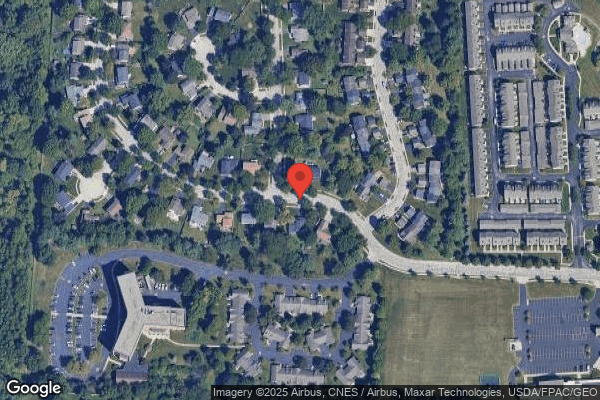
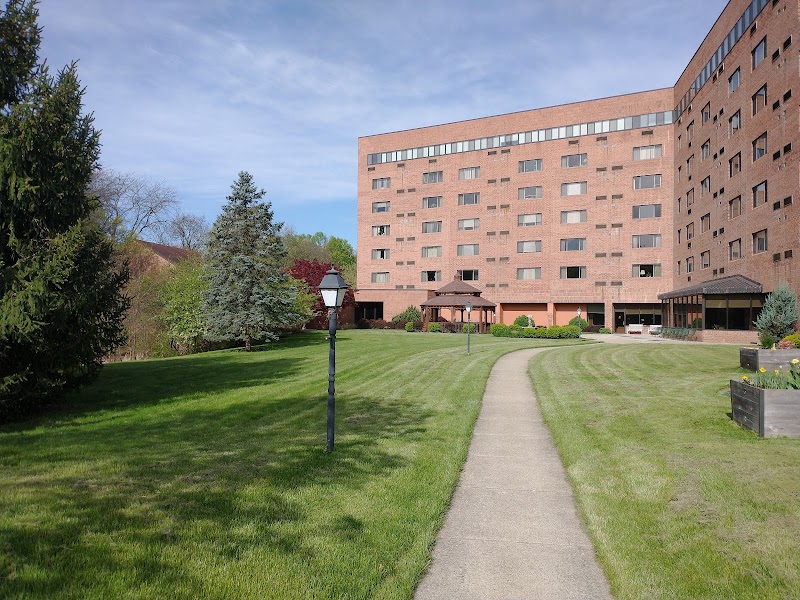
165 HIGHBLUFFS BLVD, COLUMBUS, OH 43235 (614) 846-6076
Non profit - Church related 41 Beds Independent Data: November 2025
Trust Grade
90/100
#205 of 913 in OH
Last Inspection: March 2024

Within standard 12-15 month inspection cycle. Federal law requires annual inspections.

Overview

Worthington Christian Village in Columbus, Ohio, has an excellent Trust Grade of A, indicating it is highly recommended and performs well overall. It ranks #205 out of 913 facilities in Ohio, placing it in the top half of nursing homes in the state, and #8 of 56 in Franklin County, meaning only seven local options are better. However, the facility is experiencing a worsening trend in care issues, increasing from 4 in 2021 to 7 in 2024. Staffing is a strength, with a perfect 5-star rating and a turnover rate of 31%, which is significantly lower than the state average. On the downside, there have been concerns regarding food safety and hygiene practices, including improper food portioning and inadequate storage, as well as a failure to maintain sanitary conditions in the kitchen, which could impact resident health. Despite these weaknesses, the nursing home maintains good RN coverage, exceeding 86% of similar facilities, which helps ensure quality care.

Trust Score
A
90/100
In Ohio
#205/913
Top 22%
Safety Record
Low Risk
No red flags
Inspections
Getting Worse
4 → 7 violations
Staff Stability
○ Average
31% turnover. Near Ohio's 48% average. Typical for the industry.
Penalties
✓ Good
No fines on record. Clean compliance history, better than most Ohio facilities.
Skilled Nurses
✓ Good
Each resident gets 81 minutes of Registered Nurse (RN) attention daily — more than 97% of Ohio nursing homes. RNs are the most trained staff who catch health problems before they become serious.
Violations
⚠ Watch
11 deficiencies on record. Higher than average. Multiple issues found across inspections.
★★★★★
5.0
Overall Rating
★★★★★
5.0
Staff Levels
★★★★★
5.0
Care Quality
★★★☆☆
3.0
Inspection Score
Stable
2021: 4 issues
2024: 7 issues

The Good

  • 5-Star Staffing Rating · Excellent nurse staffing levels
  • 5-Star Quality Measures · Strong clinical quality outcomes
  • Full Sprinkler Coverage · Fire safety systems throughout facility
  • No fines on record
  • Staff turnover below average (31%)

    17 points below Ohio average of 48%

Facility shows strength in staffing levels, quality measures, fire safety.

The Bad

Staff Turnover: 31%

15pts below Ohio avg (46%)

Typical for the industry

The Ugly 11 deficiencies on record

Mar 2024 7 deficiencies
CONCERN (D)

Potential for Harm - no one hurt, but risky conditions existed

Drug Regimen Review (Tag F0756)

Could have caused harm · This affected 1 resident

**NOTE- TERMS IN BRACKETS HAVE BEEN EDITED TO PROTECT CONFIDENTIALITY** 2. Review of Resident #178's medical record revealed an admission date of 11/03/22. Diagnoses included Alzheimer's disease, inso...

Read full inspector narrative →
**NOTE- TERMS IN BRACKETS HAVE BEEN EDITED TO PROTECT CONFIDENTIALITY** 2. Review of Resident #178's medical record revealed an admission date of 11/03/22. Diagnoses included Alzheimer's disease, insomnia, and depression. Review of the quarterly Minimum Data Set (MDS) assessment dated [DATE] revealed Resident #178 was severely cognitively impaired and received antidepressants. Review of the pharmacy recommendations completed on 07/14/23 for Resident #178 revealed a request to decrease Trazodone (antidepressant) from 37.5 milligrams (mg) to 25 mg. The physician responded on 07/20/23 to decrease Trazodone from 37.5 mg to 25 mg. There was no physician order written on 07/20/23. The progress note dated 07/25/23 for Resident #178 revealed the pharmacist was at bedside and suggested reduction of Trazodone from 37.5 mg to 25 mg. The physician reviewed and agreed. There was no physician order written on 07/25/23. Review of the Medication Administration Record (MAR) for 07/2023, 08/2023 and 09/2023 revealed Resident #178 was receiving 37.5 mg of Trazodone one time a day. Review of the pharmacy recommendations completed on 10/11/23 for Resident #178 revealed a request to decrease Trazodone from 37.5 mg to 25 mg. The physician responded on 10/12/23 with agreement to decrease dosage. On 10/19/23, a physician order was written to decrease Trazodone to 25 mg. Interview on 03/21/24 at 11:48 A.M. with the Director of Nursing (DON) confirmed Trazodone was not decreased after pharmacist recommendation and physician agreement on 07/20/23 or 07/25/23. The DON confirmed Trazodone dosage was decreased after an additional recommendation was conducted from the pharmacist on 10/11/23. The DON confirmed Resident #178 received Trazodone 37.5 mg until 10/19/23. Review of the facility's undated policy titled Pharmacy Review Policy, revealed the pharmacist will report any irregularities found in the monthly review to the attending physician, the facility medical director, and director of nursing. Irregularities include, but are not limited to, any drug that meets the criteria of an unnecessary medication. Documentation will be in the resident's medical record by the attending physician that the finding has been reviewed and what, if any, action has been taken to address it. If there is to be no change in the medication, the attending physician should document his or her rationale in the resident's medical record. Based on record review, staff interview, and facility policy review, the facility failed to timely follow up on a pharmacy recommendations and implement the physician's response to the pharmacy recommendations. This affected two residents (Residents #10 and #178) of five residents reviewed for unnecessary medications. The facility census was 32. Findings include: 1. Review of the medical record for Resident #10 revealed a readmission date on 01/06/24. Diagnoses included metabolic encephalopathy and heart disease. Review of the annual Minimum Data Set (MDS) 3.0 assessment dated [DATE] revealed Resident #10 had mild impaired cognition. Review of the pharmacy recommendation dated 05/19/23 revealed the pharmacist recommended to recheck Resident #10's thyroid-stimulating hormone (TSH) (measures how much of this hormone is in your blood) and thyroxine test (free T4) (measures the level of T4 in your blood) due to a dosage increase in Synthroid. The physician agreed and ordered to have TSH and free T4 labs completed every three months. The physician signed the recommendation and dated it 05/23/23. There was no physician order or labs drawn for TSH and free T4 tests from 05/23/23 to 06/13/23. Review of the pharmacy recommendation for Resident #10 dated 06/14/23 revealed the physician agreed to have a repeat thyroid lab (TSH and free T4) per progress note on 05/23/23. However, there was not a new order or any new lab results received. Review of the laboratory test results for Resident #10 revealed there was no TSH or free T4 tests completed from 05/23/23 to 07/09/23. The TSH and free T4 lab tests were not completed until 07/10/23. The resident's TSH level was high at 34.769 with a normal range being 0.340-5.500 ulU/mL. The next TSH lab drawn was five months later on 12/14/23 and it was low at 0.253 and there was no free T4 lab drawn. The follow TSH lab drawn was on 02/15/24 and the TSH was high again at 7.506 and there was no free T4 lab drawn. Review of the physician orders for Resident #10 dated March 2024 revealed there was not an order for TSH and free T4 labs to be drawn every three months. Interview on 03/20/24 at 4:02 P.M. with the Director of Nursing (DON) confirmed the pharmacy recommendations and the physician response were not implemented timely and there was no physician order to have a TSH and free T4 lab drawn every three months. The DON also confirmed the free T4 levels have not be drawn since 07/10/23.
CONCERN (D)

Potential for Harm - no one hurt, but risky conditions existed

Deficiency F0757 (Tag F0757)

Could have caused harm · This affected 1 resident

**NOTE- TERMS IN BRACKETS HAVE BEEN EDITED TO PROTECT CONFIDENTIALITY** Based on record review, review of the facility policy, and staff interview the facility failed to ensure residents were free fro...

Read full inspector narrative →
**NOTE- TERMS IN BRACKETS HAVE BEEN EDITED TO PROTECT CONFIDENTIALITY** Based on record review, review of the facility policy, and staff interview the facility failed to ensure residents were free from unnecessary medications. This affected three (Resident #2, #9, and #10) of five residents reviewed for unnecessary medication use. The facility census was 32. Findings include: 1. Review of Resident #9's medical record revealed an admission date of 03/04/24. Diagnoses included altered mental status, urinary incontinence, and urinary tract infection (UTI). Review of the quarterly Minimum Data Set (MDS) assessment, dated 02/13/24, revealed the resident had impaired cognition and was taking an antibiotic. Review of Resident #9's urine culture and sensitivity collected on 03/11/24 with a report date of 03/14/24 revealed Resident #9 had a UTI with Serratia Marcescens and Enterococcus Faecium present. The report stated Resident #9 should be treated for Enterococcus Faecium bacteria. Review of the antibiotics effective to treat Enterococcus Faecium showed nitrofurantoin, tetracycline, and vancomycin. Review of the antibiotics resistant to the bacteria revealed the penicillin class. Review of the infectious disease progress note for Resident #9 completed on 03/14/24 at 1:06 P.M. revealed a urine culture was obtained showing Enterococcus and Serratia. During this appointment, an order to start Amoxicillin-Clavulanate (Penicillin antibiotic) for 10 days was placed. Review of Resident #9's physician orders revealed an order for Amoxicillin- Pot Clavulanate with a start date of 03/15/24 for treatment of UTI. Review of the fax transmittal dated 03/21/24 from Columbus infectious disease (CID) specialist revealed Resident #9 was started on Amoxicillin-Clavulanate because Enterococcus Faecium was traditionally sensitive to penicillins. Review of Resident #9's progress notes between 03/14/24 and 03/21/24 revealed the infectious disease doctor was not notified of the culture and sensitivity result. Review of Resident #9's physician orders revealed an order for Doxycycline Hyclate (Tetracycline antibiotic) for treatment of UTI with a start date of 03/21/24. Interview on 03/21/24 at 5:22 P.M. with the Director of Nursing (DON) confirmed CID specialists were not notified of Resident #9's culture and sensitivity. DON #9 confirmed Amoxicillin Pot Clavulanate (Penicillin) was resistant to Enterococcus Faecium, stated CID specialists were notified on 03/21/24 of the results, and started the resident on the proper antibiotic to treat the infection. 2. Review of the medical record for Resident #2 revealed an admission date on 10/06/23. Diagnoses included retention of urine, urinary incontinence, and sepsis. Review of the quarterly Minimum Data Set (MDS) 3.0 assessment dated [DATE] revealed Resident #2 had impaired cognition. Review of the progress notes revealed on 12/19/23 at 3:14 P.M., Registered Nurse (RN) #85 contacted Resident #2's community urologist's office and discussed the resident's long-term use of antibiotics for UTI. Resident #2 had a history of chronic infections and the urologist started Resident #2 on a prophylactic antibiotic. The resident's family agreed with the therapy due to no negative impact on the resident. Review of the physician orders for Resident #2 revealed the resident had the following orders: Cephalexin (Keflex-an antibiotic) 250 milligrams (mg) daily for prophylactic dated 01/24/24 and discontinued 02/20/24, Contact isolation for extended-spectrum beta-lactamase (ESBL) dated 01/26/24 and discontinued 01/31/24, Straight cath for a urinalysis (UA) and culture if needed dated 02/09/24 and discontinued on 02/13/24. Review of the Society for Healthcare Epidemiology of America ([NAME]) infection criteria for surveillance of infections dated 02/09/24 for Resident #2 revealed the resident did not meet the criteria for a UTI. The criteria for a resident without an indwelling criteria indicated both criteria #1 and #2 must be present. Resident #2 met criteria #2 only. There was a hand written note that stated, Zero true infection at the top of the sheet. (Resident #2 continued on Cephalexin) Review of the UA with culture laboratory test dated 02/14/24 and reported 02/17/24 revealed Resident #2 had a positive culture with an identified organism of Enterococcus Faecium. Vancomycin was the only susceptible antibiotic listed. Other antibiotics were listed as resistant. Review of the physician order dated 02/20/24 revealed an order for Vancomycin Hydrochloride (HCl) Oral Solution Reconstituted (an antibiotic) 25 mg/milliliter (mL) give 10 mL twice daily for UTI. The Vancoycin was discontinued on 02/26/24. On 02/27/24, an order for Cephalexin 250 mg daily for prophylactic use and it was discontinued on 03/12/24. On 03/11/24, an order was to collect UA and culture due to increase in behavior and on 03/12/24, an order for Bactrim DS Oral Tablet 800-160 mg twice daily for UTI for five days and discontinued 03/17/24. On 03/15/24, the results of the UA culture revealed Resident #2 had a positive urine culture with the same identified organism, Enterococcus Faecium. Macrobid was a susceptible antibiotic, however, the change did not occur for three additional days after results were reported to the facility. Nitrofurantoin and vancomycin were the only two susceptible antibiotics listed for the organism.Macrobid oral capsule 100 mg every 12 hours for UTI for seven days dated 03/18/24 and was scheduled to end on 03/25/24 Review of the [NAME] infection criteria for surveillance of infections dated 03/11/24 revealed there were not any specific symptoms or criteria marked on the surveillance form for a UTI but indicated Resident #2 met appropriate surveillance criteria for an infection. Resident #2 started on Bactrim antibiotic on 03/12/24. Review of the Medication Administration Records (MARs) dated February and March 2024 revealed Resident #2 received antibiotics as physician ordered. Interview on 03/21/24 at 4:27 P.M. with the Director of Nursing (DON) confirmed Resident #2 was on a long-term antibiotic use therapy as a prophylactic for chronic UTIs that was ordered by an outside urologist prior to the Resident #2's admission to the facility. The DON confirmed Resident #2 had continued to show positive results for UTIs despite the prophylactic antibiotic use. The DON confirmed Resident #2 did not have any of the symptoms listed on the infection criteria sheet such as fever, blood in her urine, pain, or increased urgency, frequency, or incontinence. The DON stated Resident #2 displayed increased behaviors such as yelling out and refused care. The DON confirmed neither of these symptoms were listed on the infection surveillance sheet. The DON confirmed there was no evidence in Resident #2's medical record that prophylactic antibiotic had been reevaluated for appropriateness or effectiveness and had not been discussed with the outside urologist since December (three months ago). The DON confirmed he had not provided any education to Resident #2's family since the resident's urine culture showed ESBL (an antibiotic resistant bacteria). 3. Review of the medical record for Resident #10 revealed a readmission date on 01/06/24. Diagnoses included urinary tract infection (UTI) and seizures. Review of the annual Minimum Data Set (MDS) 3.0 assessment dated [DATE] revealed Resident #10 had mildly impaired cognition. Review of the physician orders dated March 2024 revealed Resident #10 had the following orders: urinalysis with culture and sensitivity (UA C & S) for abnormal behavior dated 03/04/24 and Cipro oral tablet (an antibiotic) 250 milligrams (mg) twice daily for seven days for UTI prevention dated 03/05/24 and ended on 03/12/24. Review of the progress notes revealed on 03/03/24 at 4:39 P.M., a nurse noted she attempted to straight catheterize Resident #10 for urine collection but was unsuccessful due to the resident fighting and kicking at the nurse. On 03/05/24 at 2:31 P.M., the physician was updated that staff were not able to obtain a urine sample after making several attempts. The physician ordered to start Cipro 250 mg twice daily for seven days for possible UTI. On 03/05/24 and 03/06/24, Resident #10 was noted to refuse medications. Review of the [NAME] infection surveillance criteria dated 03/03/24 revealed there was no symptoms indicated on the sheet for a UTI. Resident #2 was noted to have increased behaviors. Resident #2 received Cipro antibiotic for twice daily for seven days. A urine culture was not completed due to inability to obtain. Review of the Medication Administration Record (MAR) dated March 2024 revealed Resident #10 refused the antibiotic on 03/06/24 in the morning and was sleeping on 03/10/24. Resident #10 received all other scheduled doses of the antibiotic. Interview on 03/21/24 at 4:27 P.M. with the Director of Nursing (DON) confirmed Resident #2 received an antibiotic without meeting the appropriate criteria for a UTI and a urine culture was not able to be obtained to confirm an infection and organism. Review of the facility's undated policy titled Antibiotic Stewardship revealed antibiotic treatment will be prescribed and administered to residents under the guidance of the facility's antibiotic stewardship program. The purpose is to define and identify infections and adopt the [NAME] definitions of infection as standardized definitions of infection for use in surveillance. The following conditions apply to all of the definitions: all symptoms must be new or acutely worse, many residents have chronic symptoms, such as cough or urinary urgency, which are not associated with infection. Identification of infection should not be based on a single piece of evidence. Physician diagnosis should be accompanied by compatible signs and symptoms of infection. Antibiotic use will be monitored.
CONCERN (D)

Potential for Harm - no one hurt, but risky conditions existed

Medication Errors (Tag F0758)

Could have caused harm · This affected 1 resident

**NOTE- TERMS IN BRACKETS HAVE BEEN EDITED TO PROTECT CONFIDENTIALITY** Based on record review and staff interview, the facility failed to ensure the residents received ongoing monitoring of medicatio...

Read full inspector narrative →
**NOTE- TERMS IN BRACKETS HAVE BEEN EDITED TO PROTECT CONFIDENTIALITY** Based on record review and staff interview, the facility failed to ensure the residents received ongoing monitoring of medication side effects for psychotropic and antianxiety medication. This affected two (Residents #8 and #19) of five residents reviewed for unnecessary medications. The facility census was 32. Finding include: 1. Review of Resident #8's medical record revealed an admission date of 07/25/16 with diagnoses of depression and anxiety. Review of the most recent quarterly Minimum Data Set (MDS) assessment completed on 01/08/24 revealed the resident was cognitively impaired and receiving antipsychotics on a routine basis. Review of the care plan completed on 12/20/23 for Resident #8 revealed staff should administer medications as ordered and monitor and document for side effects. Review of Resident #8's current physician orders for 03/2024 revealed an order where the staff were required to monitor for adverse side effects of antipsychotics, initiated on 08/10/23. If side effects are noted, staff should indicate in the Medication Administration Record (MAR) with a N, and document side effects in nurse's notes. Orders for medication administrations for Resident #8 revealed an order for Rexulti (Antipsychotic) with a start date of 02/28/24 for dementia and behavioral disturbance. Review of the medication administration record (MAR) for Resident #8 between 03/01/24 and 03/20/24 revealed adverse side effects were noted seven times on the following dates and time: on 03/05/24 on day and night shift, on 03/15/24 during day shift, on 03/17/24 during day shift, on 03/18/24 during night shift, and on 03/19/24 during day and night shift. The MAR did not describe the side effects Resident #8 exhibited. Resident #8 received daily administration of Rexulti between 03/01/24 to 03/20/24. Review of the progress notes for Resident #8 revealed there was no documentation of the side effects Resident #8 exhibited on 03/05/24 on day and night shift, on 03/15/24 during day shift, on 03/17/24 during day shift, on 03/18/24 during night shift, and on 03/19/24 during day and night shift. Interview on 03/20/24 at 3:24 P.M. with the Director of Nursing (DON) confirmed the staff were required to document observed side effects in the progress notes. The DON confirmed the documentation was not in Resident #8's progress notes for the seven times Resident #8 exhibited side effects noted in the MAR in March 2024. 2. Review of Resident #19's medical record revealed an admission date of 01/21/24 with diagnoses of dementia, depression, and anxiety. Review of the quarterly Minimum Data Set (MDS) assessment dated [DATE] revealed the resident was severely cognitively impaired. Review of Resident #19's physician orders dated 01/21/24 revealed an order where staff are required to monitor and document side effects of antianxiety medications in the progress notes. Resident #19 had an order for Ativan (antianxiety medication) with a start date of 02/29/24 for anxiety and restlessness. Review of the medication administration record (MAR) for Resident #19 revealed identified side effects were noted on 03/05/24 during the day and night shift. The MAR did not describe the side effects Resident #19 exhibited. Resident #19 received Ativan on 03/04/24 at 12:56 P.M. and 03/05/24 at 2:00 P.M. Review of the progress notes from 03/05/24 to 03/06/24 for Resident #19 revealed there was no documentation of the side effects Resident #19 exhibited on 03/05/24 during the day and night shift. Interview on 03/20/24 at 3:24 P.M. with the Director of Nursing (DON) confirmed the staff were required to document observed side effects in the progress notes. The DON confirmed the documentation was not in Resident #19's progress notes for the times Resident #19 exhibited side effects noted in the MAR in March 2024.
CONCERN (D)

Potential for Harm - no one hurt, but risky conditions existed

Infection Control (Tag F0880)

Could have caused harm · This affected 1 resident

**NOTE- TERMS IN BRACKETS HAVE BEEN EDITED TO PROTECT CONFIDENTIALITY** Based on review of the facility policy, staff interview, observation, and record review, the facility failed to ensure staff san...

Read full inspector narrative →
**NOTE- TERMS IN BRACKETS HAVE BEEN EDITED TO PROTECT CONFIDENTIALITY** Based on review of the facility policy, staff interview, observation, and record review, the facility failed to ensure staff sanitized their hands after glove changes during a suprapubic indwelling catheter dressing change. This affected one (Resident #21) of three residents reviewed for urinary catheter or urinary tract infection. The facility identified three residents with urinary catheters. The facility census was 32. Findings include: Record review of Resident #21 revealed an admission date of 12/15/23. Diagnoses included obstructive and reflux uropathy and urinary retention. Review of the admission Minimum Data Set (MDS) assessment dated [DATE] revealed Resident #21 was moderately cognitively impaired and had an indwelling urinary catheter. Review of the physician's order dated 03/13/24 revealed an order to cleanse super pubic cath stoma (insertion site) with normal saline, gauze, pad dry . Apply chamosyn cream to super pubic catheter stoma for redness daily. Every day shift for redness. Observation of Resident #21's suprapubic indwelling catheter dressing change on 03/20/24 at 2:48 P.M. revealed Registered Nurse (RN) #74 gathered her supplies and she washed her hands with soap and water and put on clean gloves. RN #74 removed the old dressing surrounding the suprapubic catheter insertion site. RN #74 washed her hands and changed gloves then cleaned the site with body wash. She took off her soiled gloves and put on new gloves. RN #74 did not wash hands or use hand sanitizer after removing her soiled gloves and before putting on gloves. RN #74 used normal saline nd gauze to clean the site. She then put chamosyn cream on the site and placed the gauze around the site then took off her soiled gloves. RN #74 did not wash her hands or use hand sanitizer and then put on clean gloves and placed tape around the dressing while holding the dressing down with her gloves. Interview with RN #74 on 03/20/24 at 3:03 P.M. verified she did not wash hands or use hand sanitizer after removing her soiled gloves two different times during Resident #21's dressing change. Review of the undated handwashing policy revealed appropriate 20 seconds hand washing with antimicrobial or non-antimicrobial soap and water must be performed under the following conditions: after handling items potentially contaminated with blood, body fluids, or secretions; after patient/resident care; if hands are not visibly soiled, an alcohol-based hand rub, can be utilized for no more than three-fourths of the times, or following manufactures guidelines. But always wash hands if water and sink are available. Gel to be used only if hand washing tools not available. Under the following conditions: after removing gloves.
CONCERN (D)

Potential for Harm - no one hurt, but risky conditions existed

Antibiotic Stewardship (Tag F0881)

Could have caused harm · This affected 1 resident

**NOTE- TERMS IN BRACKETS HAVE BEEN EDITED TO PROTECT CONFIDENTIALITY** Based on record review, staff interviews, and facility policy review, the facility failed to implement their antibiotic stewards...

Read full inspector narrative →
**NOTE- TERMS IN BRACKETS HAVE BEEN EDITED TO PROTECT CONFIDENTIALITY** Based on record review, staff interviews, and facility policy review, the facility failed to implement their antibiotic stewardship program to ensure infections and antibiotics were monitored. This affected two (Residents #2 and #10) of three residents reviewed for antibiotic use. The facility census was 32. Findings include: 1. Review of the medical record for Resident #2 revealed an admission date on 10/06/23. Diagnoses included retention of urine, urinary incontinence, and sepsis. Review of the physician orders for Resident #2 revealed the resident had the following orders: Cephalexin (Keflex-an antibiotic) 250 milligrams (mg) daily for prophylactic dated 01/24/24 and discontinued 02/20/24. Review of the Society for Healthcare Epidemiology of America ([NAME]) infection criteria for surveillance of infections dated 02/09/24 for Resident #2 revealed the resident did not meet the criteria for a UTI. The criteria for a resident without an indwelling criteria indicated both criteria #1 and #2 must be present. Resident #2 met criteria #2 only. There was a hand written note that stated, Zero true infection at the top of the sheet. (Resident #2 continued on Cephalexin.) On 03/11/24, an order was to collect UA and culture due to increase in behavior and on 03/12/24, an order for Bactrim DS Oral Tablet 800-160 mg twice daily for UTI for five days and discontinued 03/17/24. Review of the [NAME] infection criteria for surveillance of infections dated 03/11/24 revealed there were not any specific symptoms or criteria marked on the surveillance form for a UTI but indicated Resident #2 met appropriate surveillance criteria for an infection. Resident #2 started on Bactrim antibiotic on 03/12/24. Interview on 03/21/24 at 4:27 P.M. with the Director of Nursing (DON) confirmed Resident #2 was on a long-term antibiotic use therapy as a prophylactic for chronic UTIs that was ordered by an outside urologist prior to the Resident #2's admission to the facility. The DON confirmed Resident #2 had continued to show positive results for UTIs despite the prophylactic antibiotic use. The DON confirmed Resident #2 did not have any of the symptoms listed on the infection criteria sheet such as fever, blood in her urine, pain, or increased urgency, frequency, or incontinence. The DON stated Resident #2 displayed increased behaviors such as yelling out and refused care. The DON confirmed neither of these symptoms were listed on the infection surveillance sheet. The DON confirmed there was no evidence in Resident #2's medical record that prophylactic antibiotic had been reevaluated for appropriateness or effectiveness and had not been discussed with the outside urologist since December (three months ago). 2. Review of the medical record for Resident #10 revealed a readmission date on 01/06/24. Diagnoses included urinary tract infection (UTI) and seizures. Review of the physician orders dated March 2024 revealed Resident #10 had the following orders: urinalysis with culture and sensitivity (UA C & S) for abnormal behavior dated 03/04/24 and Cipro oral tablet (an antibiotic) 250 milligrams (mg) twice daily for seven days for UTI prevention dated 03/05/24 and ended on 03/12/24. Review of the [NAME] infection surveillance criteria dated 03/03/24 revealed there was no symptoms indicated on the sheet for a UTI. Resident #2 was noted to have increased behaviors. Resident #2 received Cipro antibiotic for twice daily for seven days. A urine culture was not completed due to inability to obtain. Interview on 03/21/24 at 4:27 P.M. with the Director of Nursing (DON) confirmed Resident #2 received an antibiotic without meeting the appropriate criteria for a UTI and a urine culture was not able to be obtained to confirm an infection and organism. Review of the facility's undated policy titled Antibiotic Stewardship revealed antibiotic treatment will be prescribed and administered to residents under the guidance of the facility's antibiotic stewardship program. The purpose is to define and identify infections and adopt the [NAME] definitions of infection as standardized definitions of infection for use in surveillance. The following conditions apply to all of the definitions: all symptoms must be new or acutely worse, many residents have chronic symptoms, such as cough or urinary urgency, which are not associated with infection. Identification of infection should not be based on a single piece of evidence. Physician diagnosis should be accompanied by compatible signs and symptoms of infection. Antibiotic use will be monitored.
CONCERN (F)

Potential for Harm - no one hurt, but risky conditions existed

Menu Adequacy (Tag F0803)

Could have caused harm · This affected most or all residents

Based on observation, staff interview, review of the dietary spreadsheets, and facility policy review, the facility failed to ensure residents received appropriate portion sizes during a lunch meal. T...

Read full inspector narrative →
Based on observation, staff interview, review of the dietary spreadsheets, and facility policy review, the facility failed to ensure residents received appropriate portion sizes during a lunch meal. This had the potential to affect all 32 residents who received food from the kitchen. Findings include: Observation of lunch meal service on 03/20/24 at 12:00 P.M. with Server #30 revealed a medium sized metal container was filled with various serving scoops, ladles, and spoons in it. Server #30 did not have a dietary spreadsheet to use for reference when he placed the serving utensils in each food item. Interview on 03/20/24 at 12:08 P.M. with Server #30 confirmed the following serving utensils were used for the following food items: • Breakfast Casserole: #10 scoop (half a cup) • Regular beef stroganoff: #8 scoop (three eights of a cup) • Regular green beans: a large slotted spoon without a portion size • Regular buttered noodles: large spoon without any slots and without a portion size indicated • Pureed green beans: #10 scoop • Pureed noodles: #16 scoop (one-fourth cup) • Pureed broccoli: #16 scoop • Pureed pears: #16 scoop Review of the dietary spreadsheets for the lunch meal on 03/20/24 revealed the following discrepancies on what was actually served to the residents and what should have been served: • The residents were to receive breakfast casserole with a #8 scoop (but received #10 scoop) • Regular beef stroganoff: #10 scoop (but received #8 scoop) • Regular green beans: #8 scoop (but a slotted spoon was utilized) • Regular buttered noodles: #8 scoop (but a slotted spoon was utilized) • Pureed green beans: #8 scoop (but received #10 scoop) • Pureed noodles: #8 scoop (but received #16 scoop) • Pureed pears: #8 scoop: (but received #16 scoop) Interview on 03/20/24 at 12:35 P.M. with Dining Director (DD) #108 confirmed the large spoons (slotted and unslotted) were not to be used for portion control and should not have been used to serve the meal unless it was specifically indicated on the dietary spreadsheet. DD #108 confirmed the appropriate portions and scoops were not used during the meal service. Review of the facility's undated policy titled Portion Control revealed the menu should list the specific portion size for each food item. Menus should be posted on the tray line so staff can refer to the proper portions for each diet. Food should be served with ladles, scoops, spoodles, and spoons of standard sizes. Portions that are too small result in the individual not receiving the nutrients needed. Portions that are too large increase food as well as providing the individual with more food than needed. Review of the facility's undated policy titled Accuracy and Quality of Tray Line revealed the menu extensions (food items and amounts for each regular or therapeutic diet) should be displayed where the tray line staff can easily see them. The meal will be checked against the therapeutic diet spreadsheets to assure that foods are served as listed on the menu. Each meal tray will be checked for: accuracy of following the therapeutic diet extension and proper portion sizes.
CONCERN (F)

Potential for Harm - no one hurt, but risky conditions existed

Food Safety (Tag F0812)

Could have caused harm · This affected most or all residents

Based on observations, staff interviews, and facility policy review, the facility failed to properly store and date food items in the freezer area of the kitchen and failed to utilize appropriate hand...

Read full inspector narrative →
Based on observations, staff interviews, and facility policy review, the facility failed to properly store and date food items in the freezer area of the kitchen and failed to utilize appropriate hand hygiene during lunch meal service. This had the potential to affect all 32 residents who received food from the kitchen. Findings include: During the initial tour of the kitchen on 03/19/24 at 10:32 A.M. with Dining Director (DD) #108, the following food items were found to be stored inappropriately and not dated in the freezer: a large plastic bag of chili lime tilapia which had been opened with no date, a plastic bag of chicken fingers which had been opened with no date, a plastic bag of popcorn shrimp which had been opened with no date, a bag of Texas Toast which had been opened and was missing four pieces of toast did not have a date, a bag of frozen sub buns in a blue plastic bag which had been torn open, exposing the buns directly to the cold air, and did not have a date on it, and a bag of egg rolls which had been opened with no date. DD #108 confirmed all of the above findings. Review of the facility policy titled Food Storage, dated 03/2023, revealed under frozen foods: all foods should be covered, labeled, and dated. 2. Observation of the lunch meal service on 03/20/24 at 12:00 P.M. with Server #30 revealed the server first checked all of the food temperatures using napkins and alcohol wipes to clean the thermometer in between foods. After food temperatures were completed, Server #30 transitioned to tray line. Server #30 did not wash his hands between taking the food temperatures and donning clean gloves to start the lunch tray service. Continuous observation of Server #30 revealed the server touching resident's plates and bowls with the potentially contaminated gloves. Server #30 did not change his gloves or wash his hands during the duration of the meal service observation. Interview on 03/20/24 at 12:35 P.M. with Dining Director (DD) #108 confirmed Server #30 should have washed his hands with soap and water prior to donning clean gloves. Review of the facility policy titled Hand Washing, dated 2023, revealed when to wash hands: before donning disposable gloves for working with food and after gloves are removed.
Sept 2021 4 deficiencies
CONCERN (D)

Potential for Harm - no one hurt, but risky conditions existed

Medication Errors (Tag F0758)

Could have caused harm · This affected 1 resident

**NOTE- TERMS IN BRACKETS HAVE BEEN EDITED TO PROTECT CONFIDENTIALITY** 2. Resident #5 admitted on [DATE] with diagnoses that included but were not limited to end stage renal disease, hypo-osmolality ...

Read full inspector narrative →
**NOTE- TERMS IN BRACKETS HAVE BEEN EDITED TO PROTECT CONFIDENTIALITY** 2. Resident #5 admitted on [DATE] with diagnoses that included but were not limited to end stage renal disease, hypo-osmolality and hyponatremia, acidosis, sepsis, hypertensive heart failure, and acute pulmonary edema. Review of most recent MDS assessment dated [DATE] revealed Resident #5 had moderately impaired cognition, had no behaviors, did not wander, and did not reject care. The resident was a two-person physical assist, and required extensive assistance with bed mobility, dressing, eating, toileting, and personal hygiene, and total assistance with transfers and locomotion. Review of care plan dated 06/18/2021 revealed Resident #5 admitted to hospice services due to terminal disease presence. She is prescribed Anxiolytic medications to ease breathing and to decrease Anxiety. Interventions included administer anti-anxiety medications as ordered and monitor for side effects/effectiveness, educate resident/family to risks versus benefits, monitor for target behavior symptoms. Further review of care plan revealed the resident was at risk for changes in mood/behaviors related to chronic pain, cognitive communication deficit, and history of cerebrovascular accident. Resident #5 had history of expressing feeling down and having trouble sleeping, history of having low energy and feeling bad about self, history of telling staff she gets a bed bath then reporting she wasn't bathed, and history of declining medications, insulin, preventative interventions, and false allegations due to forgetfulness. Interventions included arrange for psych consult/follow-up as needed, individualized activities program, encourage the resident to express feelings, offer intervention/distraction as needed for behaviors (TV, religious music, talking), encourage meds and treatments as ordered, report signs and symptoms of depression, and offer adequate rest periods. Review of the medical record revealed Resident #5 had physician orders dated 08/18/21 for Ativan Tablet 0.5 mg tablet by mouth every four hours as needed for anxiety for 90 days. 3. Record review revealed Resident #15 admitted on [DATE] with diagnoses that included but were not limited to chronic diastolic heart failure, unspecified dementia, and hypertension. Review of most recent MDS assessment dated [DATE] revealed the resident had severely impaired cognition, had verbal behaviors, did not wander, and did not reject care. The resident was a two-person physical assist and required extensive assistance with transfers, eating, toileting, and personal hygiene, and total dependence with transfers and locomotion. Review of physician orders revealed Resident #15 had orders on 12/23/20 for Ativan tablet 0.5 mg by mouth as needed for anxiety during the night (last ordered 04/30/21). Interview on 09/09/2021 at 9:03 A.M. Administrator verified Resident #15's as needed Ativan was continued beyond 14 days. Attempt to interview House Physician #9 via telephone on 09/09/2021 at 3:19 P.M. was unsuccessful. Based on medical record review and staff interviews, the facility failed to ensure residents were free from unnecessary psychotropic drugs when the facility failed to ensure as needed orders for anti-anxiety medications (Lorazepam) was limited to 14 days. This affected three (#21, #5 and #15) out of five residents reviewed for unnecessary medications. Facility census was 23. Findings include: 1. Review of medical record for Resident #21 revealed an admission on [DATE] with cognitive deficits. Diagnoses include congestive heart failure, cardiac arrhythmia, heart failure, type two diabetes mellitus, and hypertension. Review Resident #21's minimum data set (MDS) assessment, dated 08/10/21 revealed resident requires one person assist with activities of daily living. A care plan relative to psychological and medical needs revealed individualized interventions with measurable goals. Review of the Medications Administration Record (MAR) dated 09/01/21 revealed Resident #21 receives Lorazepam tablet 0.5 milligrams (mg) one tablet by mouth every four hours as needed for Anxiety. Review of the Physician summary order report revealed on 08/03/21 Resident #21 was ordered Lorazepam Tablet 0.5 mg one tablet by mouth every four hours as needed for Anxiety. Review of the physician progress notes revealed no documentation to indicate review of the medication or the reason to continue the medication as needed. On 09/08/21, at 11:40 A.M. interview with Registered Nurse (RN) #27 verified the physician had not reviewed or documented on the use of Lorazepam for Resident #21 every 14 days and there was no stop date for the Lorazepam.
CONCERN (F)

Potential for Harm - no one hurt, but risky conditions existed

Food Safety (Tag F0812)

Could have caused harm · This affected most or all residents

Based on observation and staff interview, the facility failed to ensure a sanitary environment for food preparation. This had the potential to affect all 23 residents residing in the facility. Facilit...

Read full inspector narrative →
Based on observation and staff interview, the facility failed to ensure a sanitary environment for food preparation. This had the potential to affect all 23 residents residing in the facility. Facility census was 23. Findings include: 1. Observation on 09/07/21 at 9:22 A.M. revealed a fan, approximately 18 inches in diameter, attached to the wall in the dishroom. The fan was observed on and faced toward clean dishes within the dish room and had a black, sticky, and furry substance all over the front and back of the fan. Interview on 09/07/21 at 9:22 A.M., Director of Dining Services (DDS) #72 verified the fan in the dish room had a black, sticky, and furry substance on the front and back surfaces. 2. Observation on 09/08/21 at 10:35 A.M. revealed the DDS #72 in the kitchen wearing a hairnet with her bangs uncovered. DDS #73 prepared pureed deviled eggs, ham salad, and carrots with a blender. Interview on 09/08/21 at 10:50 A.M., DDS #72 verified the hairnet did not fully cover her hair and further stated, it keeps falling off. DDS #72 removed the hairnet and placed it in the trash. Observation on 09/08/21 at 10:52 A.M. revealed DDS #72 remained in the kitchen not wearing a hairnet. DDS #72 was observed checking temperatures of foods on the steam table and entered the the walk-in refrigerator. Interview on 09/08/21 at 10:58 A.M., DDS #72 verified she was not wearing a hairnet and stated she forgot to put on a new hairnet when she removed the previous hairnet. 3. Observation on 09/08/21 at 10:45 A.M. revealed a large trash can uncovered near the food preparation area and a large trash can in the food preparation area, which was partially covered, and a large trash can in the dish room, which was not covered. Interview on 09/08/21 at 10:50 A.M. DDS #72 verified the trash cans in the food preparation area and dish room were not covered. The lid for the trash can in the food preparation area was located behind a storage rack and the lid for the trash can in the dish room was located beside the sink 4. Observation on 09/08/21 at 10:51 A.M. revealed DDS #72 washed and dried her hands with a paper towel, lifted the lid to the trash can with her bare hand, and placed the paper towel in the trash can. Concurrent interview on 09/08/21 at 10:51 A.M., DDS #72 verified she touched a contaminated surface immediately after washing her hands. The facility confirmed all 23 residents receive meals from the kitchen.
CONCERN (F)

Potential for Harm - no one hurt, but risky conditions existed

Safe Environment (Tag F0921)

Could have caused harm · This affected most or all residents

Based on observation and staff interview, the facility failed to ensure a safe environment when staff propped open a fire door. This had the potential to affect all 23 residents residing in the facili...

Read full inspector narrative →
Based on observation and staff interview, the facility failed to ensure a safe environment when staff propped open a fire door. This had the potential to affect all 23 residents residing in the facility. Facility census was 23. Findings include: Observation on 09/07/21 at 9:18 A.M. revealed the fire door leading to the kitchen to a hallway propped open with a plastic dish rack. Interview on 09/07/21 at 9:18 A.M., Director of Dining Services (DDS) #72 verified the door was propped with a plastic dish rack. DDS #72 further confirmed the door was a fire door and should not be propped.
MINOR (C)

Minor Issue - procedural, no safety impact

Staffing Information (Tag F0732)

Minor procedural issue · This affected most or all residents

Based on observations, review of the posted staffing information and staff interview, the facility failed to post complete and accurate numbers of nurse staffing information as required. This had the ...

Read full inspector narrative →
Based on observations, review of the posted staffing information and staff interview, the facility failed to post complete and accurate numbers of nurse staffing information as required. This had the potential to affect all 23 residents residing in the facility. The census was 23. Findings include: On 09/09/21 at 11:37 A.M. observations and review of the the Report of Nursing Staff directly Responsible for Resident Care Sheets from 09/05/21 to 09/09/21 revealed 09/05/21, 09/06/21, 09/07/21 and 09/09/21 did not indicate total hours worked. On 09/08/21 the total hours of nursing staff did not match with the Nursing Full Time Equivalents (FTEs) indicated. On 09/09/21 at 11:37 A.M. interview and review of the staff posting with the Administrator confirmed the Report of Nursing Staff directly Responsible for Resident Care Sheets were inaccurate and incomplete.
Understanding Severity Codes (click to expand)
Life-Threatening (Immediate Jeopardy)
J - Isolated K - Pattern L - Widespread
Actual Harm
G - Isolated H - Pattern I - Widespread
Potential for Harm
D - Isolated E - Pattern F - Widespread
No Harm (Minor)
A - Isolated B - Pattern C - Widespread

Questions to Ask on Your Visit

  • "Can I speak with families of current residents?"
  • "What's your RN coverage like on weekends and overnight?"

Our Honest Assessment

Strengths
  • • Grade A (90/100). Above average facility, better than most options in Ohio.
  • • No major safety red flags. No abuse findings, life-threatening violations, or SFF status.
  • • No fines on record. Clean compliance history, better than most Ohio facilities.
  • • 31% turnover. Below Ohio's 48% average. Good staff retention means consistent care.
Concerns
  • • 11 deficiencies on record. Higher than average. Multiple issues found across inspections.
Bottom line: Generally positive indicators. Standard due diligence and a personal visit recommended.

About This Facility

What is Worthington Christian Village's CMS Rating?

CMS assigns WORTHINGTON CHRISTIAN VILLAGE an overall rating of 5 out of 5 stars, which is considered much above average nationally. Within Ohio, this rating places the facility higher than 99% of the state's 100 nursing homes. This rating reflects solid performance across the metrics CMS uses to evaluate nursing home quality.

How is Worthington Christian Village Staffed?

CMS rates WORTHINGTON CHRISTIAN VILLAGE's staffing level at 5 out of 5 stars, which is much above average compared to other nursing homes. Staff turnover is 31%, compared to the Ohio average of 46%. This relatively stable workforce can support continuity of care.

What Have Inspectors Found at Worthington Christian Village?

State health inspectors documented 11 deficiencies at WORTHINGTON CHRISTIAN VILLAGE during 2021 to 2024. These included: 10 with potential for harm and 1 minor or isolated issues.

Who Owns and Operates Worthington Christian Village?

WORTHINGTON CHRISTIAN VILLAGE is owned by a non-profit organization. Non-profit facilities reinvest revenue into operations rather than distributing to shareholders. The facility operates independently rather than as part of a larger chain. With 41 certified beds and approximately 32 residents (about 78% occupancy), it is a smaller facility located in COLUMBUS, Ohio.

How Does Worthington Christian Village Compare to Other Ohio Nursing Homes?

Compared to the 100 nursing homes in Ohio, WORTHINGTON CHRISTIAN VILLAGE's overall rating (5 stars) is above the state average of 3.2, staff turnover (31%) is significantly lower than the state average of 46%, and health inspection rating (3 stars) is at the national benchmark.

What Should Families Ask When Visiting Worthington Christian Village?

Based on this facility's data, families visiting should ask: "Can I visit during a mealtime to observe dining assistance and food quality?" "How do you handle medical emergencies, and what is your hospital transfer rate?" "Can I speak with family members of current residents about their experience?"

Is Worthington Christian Village Safe?

Based on CMS inspection data, WORTHINGTON CHRISTIAN VILLAGE has a clean safety record: no substantiated abuse findings (meaning no confirmed cases of resident harm), no Immediate Jeopardy citations (the most serious violation level indicating risk of serious injury or death), and is not on the Special Focus Facility watch list (a federal program monitoring the lowest-performing 1% of nursing homes). The facility has a 5-star overall rating and ranks #1 of 100 nursing homes in Ohio. While no facility is perfect, families should still ask about staff-to-resident ratios and recent inspection results during their visit.

Do Nurses at Worthington Christian Village Stick Around?

WORTHINGTON CHRISTIAN VILLAGE has a staff turnover rate of 31%, which is about average for Ohio nursing homes (state average: 46%). Moderate turnover is common in nursing homes, but families should still ask about staff tenure and how the facility maintains care continuity when employees leave.

Was Worthington Christian Village Ever Fined?

WORTHINGTON CHRISTIAN VILLAGE has no federal fines on record. CMS issues fines when nursing homes fail to meet care standards or don't correct problems found during inspections. The absence of fines suggests the facility has either maintained compliance or corrected any issues before penalties were assessed. This is a positive indicator, though families should still review recent inspection reports for the full picture.

Is Worthington Christian Village on Any Federal Watch List?

WORTHINGTON CHRISTIAN VILLAGE is not on any federal watch list. The most significant is the Special Focus Facility (SFF) program, which identifies the bottom 1% of nursing homes nationally based on persistent, serious quality problems. Not being on this list means the facility has avoided the pattern of deficiencies that triggers enhanced federal oversight. This is a positive indicator, though families should still review the facility's inspection history directly.