LAKE POINTE REHABILITATION AND NURSING CENTER
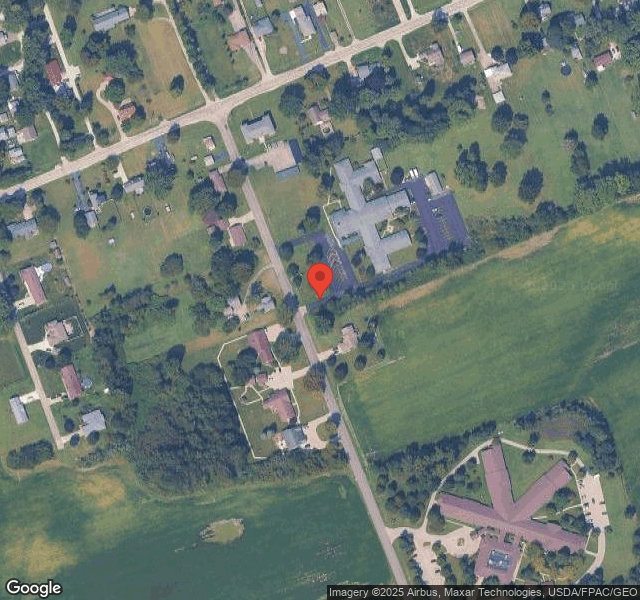

22 PARRISH ROAD, CONNEAUT, OH 44030 (440) 593-6266
For profit - Corporation 74 Beds AOM HEALTHCARE Data: November 2025
Trust Grade
30/100
#709 of 913 in OH
Last Inspection: November 2023

Within standard 12-15 month inspection cycle. Federal law requires annual inspections.

Overview

Lake Pointe Rehabilitation and Nursing Center has received a Trust Grade of F, indicating significant concerns about the quality of care provided. With a state ranking of #709 out of 913 facilities in Ohio, they are in the bottom half, and they rank #11 out of 12 in Ashtabula County, meaning there is only one local option that performs worse. The facility's trend is worsening, with the number of issues increasing from 5 in 2023 to 7 in 2024. Staffing is notably poor, with a rating of 1 out of 5 stars and a concerning turnover rate of 70%, significantly higher than the state average of 49%. While there have been no fines reported, which is a positive aspect, RN coverage is less than that of 77% of Ohio facilities, meaning there may not be enough registered nurses available to address resident needs effectively. Specific incidents include a resident developing a new pressure ulcer due to inadequate care and another resident suffering a fracture from a fall because required checks were not performed. Overall, while there are some strengths, such as the absence of fines, the facility's many weaknesses, including high turnover and recent incidents of harm, raise serious concerns for families considering this nursing home.

Trust Score
F
30/100
In Ohio
#709/913
Bottom 23%
Safety Record
Moderate
Needs review
Inspections
Getting Worse
5 → 7 violations
Staff Stability
⚠ Watch
70% turnover. Very high, 22 points above average. Constant new faces learning your loved one's needs.
Penalties
✓ Good
No fines on record. Clean compliance history, better than most Ohio facilities.
Skilled Nurses
⚠ Watch
Each resident gets only 25 minutes of Registered Nurse (RN) attention daily — below average for Ohio. Fewer RN minutes means fewer trained eyes watching for problems.
Violations
⚠ Watch
32 deficiencies on record. Higher than average. Multiple issues found across inspections.
★★☆☆☆
2.0
Overall Rating
★☆☆☆☆
1.0
Staff Levels
★★★★☆
4.0
Care Quality
★★★☆☆
3.0
Inspection Score
Stable
2023: 5 issues
2024: 7 issues

The Good

  • 4-Star Quality Measures · Strong clinical quality outcomes
  • Full Sprinkler Coverage · Fire safety systems throughout facility
  • No fines on record

Facility shows strength in quality measures, fire safety.

The Bad

2-Star Overall Rating

Below Ohio average (3.2)

Below average - review inspection findings carefully

Staff Turnover: 70%

24pts above Ohio avg (46%)

Frequent staff changes - ask about care continuity

Chain: AOM HEALTHCARE

Part of a multi-facility chain

Ask about local staffing decisions and management

Staff turnover is very high (70%)

22 points above Ohio average of 48%

The Ugly 32 deficiencies on record

2 actual harm
Nov 2024 1 deficiency
CONCERN (D) 📢 Someone Reported This

A family member, employee, or ombudsman was alarmed enough to file a formal complaint

Potential for Harm - no one hurt, but risky conditions existed

Accident Prevention (Tag F0689)

Could have caused harm · This affected 1 resident

**NOTE- TERMS IN BRACKETS HAVE BEEN EDITED TO PROTECT CONFIDENTIALITY** Based on record review, review of the facility investigation, and interview the facility failed to maintain a safe environment t...

Read full inspector narrative →
**NOTE- TERMS IN BRACKETS HAVE BEEN EDITED TO PROTECT CONFIDENTIALITY** Based on record review, review of the facility investigation, and interview the facility failed to maintain a safe environment to prevent accidents for Resident #44. This affected one resident (#44) of three resident reviewed for accidents. The facility census was 54. Findings include: Review of Resident #44's medical record revealed an admission date of 05/02/24 with diagnoses including paraplegia, traumatic brain injury, suicidal ideations, transsexualism, suicidal behavior, conversion disorder with seizures, cognitive communication deficit, major depressive disorder, post-traumatic stress disorder (PTSD), and borderline personality disorder. Review of Resident #44's quarterly Minimum Data Set (MDS) 3.0 assessment dated [DATE] revealed the resident had intact cognition. She required setup or clean up help with eating, oral hygiene, substantial to maximal assistance with toileting hygiene, dressing, personal hygiene, showers, and bed mobility. Transfers were completed with the use of the Hoyer (mechanical) lift and two staff members. Review of Resident #44's care plan dated 08/19/24 revealed there was a care plan present related to psychosocial well-being fluctuations related to mental health and mood disorders. Resident #44 had a legal guardian due to her mental health fluctuations with delusions, auditory hallucinations, and suicidal ideations. The goal was to be the resident will verbalize feelings related to her emotional state. Interventions included staff to assist with identification of potential solutions to present problems, assist to identify causative and contributing factors, assist to reduce or eliminate causative factors, assist to set realistic goals, avoid loud tones and loud noises in general due to they may trigger PTSD memories, staff were to encourage tolerance to increase communication between residents, family, and caregivers related to care and living environment, and staff were to explain all procedures, treatments, medications, results of lab work and tests, her conditions and any changes, rules, and options. Additionally, there was a care plan reviewed for a history or trauma related to PTSD, sexual assault, self-harm and traumatic brain injury. The goal was the resident would exhibit minimal signs and symptoms of stress or PTSD triggers as evidence by presenting with a calm appearance or voicing on set of triggers. Interventions included all activities in activities room were to be supervised by a staff member at all times, staff were to approach the resident in an unhurried manner, be respectful verbally of the resident's personal space, all staff were to avoid culturally inappropriate or insensitive items in the physical environment, help the resident to manage conflict appropriately, include the resident and/or responsible party in treatment plan, update the physician as indicated by change in condition or treatment, keep noise levels low, keep the resident in touch with their community, cultural heritage, former lifestyle, and religious practices. Staff were to maintain health interpersonal boundaries, provide community required interventions as indicated, provide low lighting when indicated, provide support groups including via [NAME] to provide therapeutic behavior services, room to randomly be searched and any and all items would be removed from the resident's room if they could be harmful or used to cause harm to self, including but not limited to cords, rope, silverware, batteries etc. Staff were to speak in a calm manner, staff were to be aware of their own emotional responses to the resident's trauma. Staff were to update the physician as indicated for change in condition and treatment, utilize calm music throughout the task, and staff were to make sure the resident felt welcome and supported. All staff were to adjust tone and volume of speech to achieve a calming environment. Review of Resident #44's progress notes dated 07/30/24 at 4:44 P.M. authored by Licensed Practical Nurse (LPN) #205 revealed the resident turned on her call light and stated, I cut myself. The resident was observed with an activity's cutter (box cutter) and a superficial laceration to her left wrist. The activity cutter was removed from the room, and the area was cleansed with normal saline and left open to air. The resident stated she took the cutter from the activities room, and she did not know why she did it. One on one and emotional support were provided and effective. One on one staff provided at this time for the resident's safety. The Nurse Practitioner was notified and gave an order to send the resident to the emergency room (ER) for evaluation and treatment for psych services to evaluate. Resident #44's guardian and mother were notified of the transfer and of the incident. Emergency medical services (EMS) were notified as well as the police. Further review of Resident #44's progress notes revealed on 07/31/24 the Interdisciplinary Team (IDT) had a meeting and reviewed the incident. The resident's room was searched, and all items which could be used for self-harming were removed. The Guardian was made aware. At this time, the Guardian made the Director of Nursing (DON) aware the hospital was giving her a hard time getting psych assistance for the resident. The DON called the ER, and they stated she was denied from five behavioral units. The DON provided additional places the resident could go. The ER called back at 5:00 P.M. and stated they could not find placement, they felt she was no longer at risk, and she would be returned to the facility. Progress notes revealed the resident did not require treatment to the left wrist and returned to the facility on [DATE] at 9:00 P.M. with new orders for Bactrim DS 800-160 milligrams (mg) (antibiotic) twice a day for five days because she was positive for a urinary tract infection (UTI). Interview on 11/04/24 at 11:02 A.M. with Activity Director (AD) #203 revealed on 07/30/24, Resident #44 was brought down to the small activity room by staff. Resident #44 put a box cutter that was on the table in her bag and took it to her room and cut her wrist. She was sent to the hospital. AD #203 stated the facility administrative team spoke to her about the incident. She stated she was not disciplined for it due to the box cutter being the old maintenance directors, and she stated she never heard about it again after that. Interview on 11/04/24 at 1:28 P.M. with the DON revealed the DON provided a screen shot of AD #203's social media page indicating AD #203 lied to surveyors to get the facility in trouble for the incident that occurred on 07/30/24 regarding Resident #44. The DON stated AD #203 had turned in her notice and was quitting and just wanted to cause trouble. The DON stated that through the investigation completed by facility administrative team, it was determined the box cutter was in the small activity room on a shelf, and it was very dusty, dirty, and dull. Resident #44 informed the DON that she found it in the activity room and decided to self-harm. She placed it in a small spiderman backpack that belonged to AD #203's son, propelled herself down to her room, she stopped staff in the hallway and asked to be laid down in the bed, which they did, when she was in bed, she asked for her tray table and the backpack. Ten to 15 minutes later, Resident #44 turned her call light on and as soon as staff entered the room she pulled the box cutter out and attempted to cut her wrist. Interview on 11/04/24 at 2:00 P.M. with LPN #205 revealed she was assigned to care for Resident #44 on 07/30/24 when she obtained a box cutter from the activity room and attempted to cut her left wrist with it. LPN #205 stated Resident #44 self-propelled down to the small activity room and when she returned, she had a spiderman bookbag on her lap and requested to be put to bed. The assigned certified nurse aide (CNA) requested help, and two staff members used the Hoyer lift and put the resident to bed. Approximately ten to 15 minutes later, Resident #44 put her call light on, and when LPN #205 entered the room, Resident #44 took out the box cutter and attempted to cut her wrist. LPN #205 stated Resident #44 had a superficial laceration or scratch to her left wrist. She immediately removed the box cutter from Resident #44 and attended to her left wrist. LPN #205 stated she cleansed the area with normal saline and left it open to air as it was not bleeding and was not deep at all. She notified the Nurse Practitioner and the Guardian. She was instructed by the Nurse Practitioner to send the resident to the ER. LPN #205 stated the resident had one on one supervision until she left the facility with EMS. LPN #205 stated she notified the DON and Administrator and was instructed to search the resident's room and to obtain statements from all the staff in the facility. LPN #205 stated the backpack had AD #203's sons initials in it. Review of the facility investigation dated 07/30/24 revealed all like residents were interviewed, skin assessments were completed on all residents at risk for self-harm, all staff were interviewed, and witness statements were obtained. The investigation determined Resident #44 found the box cutter in the small activity room on a shelf, it appeared to have been there for some time as it had dust built up on it. It was determined the box cutter was left there by an old maintenance man who no longer worked at the facility due to his initials being found on the box cutter. All areas of the facility were searched for any items residents could use for self-harm and if found, items were removed. This deficiency represents non-compliance investigated under Master Complaint Number OH00159634 and Complaint Number OH00159198.
Jun 2024 6 deficiencies
CONCERN (D) 📢 Someone Reported This

A family member, employee, or ombudsman was alarmed enough to file a formal complaint

Potential for Harm - no one hurt, but risky conditions existed

Resident Rights (Tag F0550)

Could have caused harm · This affected 1 resident

Based on observation, record review, and interview the facility failed to treat residents with dignity and respect by maintaining uncovered urinary catheter drainage bags in public view. This affected...

Read full inspector narrative →
Based on observation, record review, and interview the facility failed to treat residents with dignity and respect by maintaining uncovered urinary catheter drainage bags in public view. This affected two residents (#15 and #37) of six residents with urinary catheters. The facility census was 56. Findings include: 1. Review of the medical record for Resident #15 revealed an admission date of 06/06/24. Diagnoses included chronic respiratory failure, chronic kidney disease stage III, and obstructive and reflux uropathy. Review of the physician orders effective June 2024 revealed Resident #15 required routine urinary catheter related care daily. Observation on 06/17/24 at 8:20 A.M. revealed Resident #15 lying in bed with an uncovered urinary catheter drainage bag hanging on the bed frame facing the doorway which was visible from the hallway outside of the room. Observation on 06/17/24 at 8:58 A.M. revealed Resident #15 lying in bed with an uncovered urinary catheter drainage bag hanging on the bed frame facing the doorway visible from the hallway outside of the room. Interview at the time of the observation with the Director of Nursing (DON) verified Resident #15 had an uncovered drainage bag hanging in public view. 2. Review of the medical record for Resident #37 revealed an admission date of 06/13/24. Diagnoses included diabetes mellitus type II with chronic kidney disease. Review of the baseline care plan dated 06/14/24 revealed an indwelling urinary catheter with catheter care required daily and as needed. Observation on 06/18/24 at 8:36 A.M. revealed Resident #37 lying in bed with an uncovered urinary catheter drainage bag hanging on the bed frame facing the doorway visible from the hallway outside of the room. Interview at the time of the observation with State Tested Nursing Assistant (STNA) #344 verified Resident #37 had an uncovered drainage bag hanging in public view. This deficiency was an incidental finding identified during the complaint investigation.
CONCERN (D) 📢 Someone Reported This

A family member, employee, or ombudsman was alarmed enough to file a formal complaint

Potential for Harm - no one hurt, but risky conditions existed

Report Alleged Abuse (Tag F0609)

Could have caused harm · This affected 1 resident

**NOTE- TERMS IN BRACKETS HAVE BEEN EDITED TO PROTECT CONFIDENTIALITY** Based on interview, record review, and facility policy review the facility failed to report an allegation of misappropriation by...

Read full inspector narrative →
**NOTE- TERMS IN BRACKETS HAVE BEEN EDITED TO PROTECT CONFIDENTIALITY** Based on interview, record review, and facility policy review the facility failed to report an allegation of misappropriation by medication diversion involving Residents #2, #16 and #42. This affected three residents (#2, #16 and #42) of four residents reviewed for abuse, neglect, and misappropriation. The facility census was 56. Findings include: Interview on 06/17/24 at 9:52 A.M. with Licensed Practical Nurse (LPN) #358 indicated gossip was circulating with facility staff about controlled medications being misused but denied knowledge of any details. Interview on 06/17/24 at 10:50 A.M. with the Director of Nursing (DON) confirmed an allegation was made by Registered Nurse (RN) #333 against an agency nurse, LPN #369, on 06/09/24. RN #333 reported feeling a couple of the controlled medication signatures were forged by LPN #369. Immediately LPN #369 was removed from the schedule and the facility worked with the pharmacy on an investigation. RN #333 submitted copies of controlled medication records which she believed to be questionable. One of the records involved Resident #16. The DON verified an SRI (self-reported incident) was not filed but indicated the pharmacy was first trying to determine if it was misappropriation. RN #333 had claimed someone else was signing out narcotics so the pharmacy looked at it and determined it was not misappropriation because forged signatures could not be proved. The DON stated that normally an SRI was completed, but RN #333 had all the facility nurses upset and questioning signatures so too many nurses were getting involved. The facility did not usually question allegations but it was because so many were getting involved. The DON verified that abuse allegations including misappropriation should not be filtered through to determine validity before being reported. Interview on 06/17/24 at 11:05 A.M. with the Administrator confirmed knowledge of the misappropriation allegation on 06/09/24 and indicated people investigated it. The Administrator described the reported allegation as hearsay but agreed allegations were not known to be credible unless investigated, so the allegation should have been reported as required. Review of the facility investigation for the misappropriation allegation reported on 06/09/24 revealed an incident report dated 06/11/24 at 12:12 P.M. The incident report described a nurse alleged a controlled medication was signed out with a forged signature. Immediate actions taken were removing both the accused nurse and reporting nurse from the schedule. The pharmacy was notified on 06/10/24 who confirmed and accounted for all controlled medication deliveries. The medical director and DON reviewed the allegation, and it was unsubstantiated as misappropriation. The pharmacy was scheduled to return to the facility on [DATE]. The plan was to educate and monitor staff on appropriate use of controlled medication records and wean residents from controlled medications when able. Review of the written statement from RN #333, dated 06/08/24, revealed when looking at the controlled medication sheets for the assignment, there was a sheet for Resident #16 in which her signature dated 05/25/24 appeared forged because it was misspelled, despite having worked on that date and assignment. RN #333 reported it to the DON and Administrator and submitted highlighted controlled medication sheets with questionable signatures involving Residents #2, #16, and #42. Review of the written statement from the DON, dated 06/10/24, revealed the agency nurse, LPN #369, was contacted as the accused and refused to discuss the allegation, but the agency stated they would do an independent investigation through quality assurance. Interview on 06/17/24 at 2:39 P.M. with the DON reported all questionable signatures identified by RN #333 on controlled medication sheets for Residents #2, #16 and #42 were not forged. The one misspelled signature made on 05/25/24 was not proven to be made by any other individual. The accused agency nurse, LPN #369, had no access to the facility and did not work on any of the dates in question. The DON verified the misappropriation allegation and investigation results were not reported to the state agency as required. Review of the facility policy, Identifying Exploitation, Theft and Misappropriation of Resident Property, dated April 2021, revealed examples of misappropriation of resident property, including drug diversion (the taking of a resident's medication). Staff and providers were expected to report suspected misappropriation of resident property. Review of the undated facility policy, Residents Right to Freedom from Abuse, Neglect, and Exploitation Policy and Procedure revealed the facility had a duty to report all alleged violations of abuse, neglect, exploitation, or mistreatment and misappropriation of resident property. The facility must report the alleged violation to the state survey agency immediately for alleged violations which involved abuse, neglect, exploitation or mistreatment, and misappropriation of resident property but not later than two hours if the alleged violation involved abuse or resulted in serious bodily injury, or 24 hours if the alleged violation did not involve abuse and did not result in serious bodily injury. The results of all investigations of alleged violations would be reported within five working days of the incident. This deficiency represents non-compliance investigated under Master Complaint Number OH00154716.
CONCERN (D) 📢 Someone Reported This

A family member, employee, or ombudsman was alarmed enough to file a formal complaint

Potential for Harm - no one hurt, but risky conditions existed

Incontinence Care (Tag F0690)

Could have caused harm · This affected 1 resident

**NOTE- TERMS IN BRACKETS HAVE BEEN EDITED TO PROTECT CONFIDENTIALITY** Based on observation, interview, and record review the facility failed to obtain physician orders and provide sufficient care fo...

Read full inspector narrative →
**NOTE- TERMS IN BRACKETS HAVE BEEN EDITED TO PROTECT CONFIDENTIALITY** Based on observation, interview, and record review the facility failed to obtain physician orders and provide sufficient care for an indwelling urinary catheter. This affected one resident (#37) of four residents reviewed for urinary catheters. The facility census was 56. Findings include: Observation on 06/18/24 at 8:36 A.M. revealed Resident #37 lying in bed with an uncovered urinary catheter drainage bag hanging on the bed frame facing the doorway visible from the hallway outside of the room. Review of the medical record for Resident #37 revealed an admission date of 06/13/24. Diagnoses included diabetes mellitus type II with chronic kidney disease, and benign prostatic hyperplasia without lower urinary tract symptoms. There was no evidence of a diagnosis or justification for use of an indwelling urinary catheter. Review of the physician orders for June 2024 revealed no orders to monitor, maintain, or care for a urinary catheter. Review of the medication and treatment administration records for June 2024 revealed no evidence of monitoring, maintaining, or caring for a urinary catheter. Review of the nursing progress notes for June 2024 revealed an indwelling catheter was in place upon admission on [DATE]. There was no evidence of justification for or the monitoring, maintaining, or caring for the urinary catheter. Review of the baseline care plan dated 06/14/24 revealed an indwelling urinary catheter was in place with catheter care required daily and as needed. Review of the activities of daily living flow records for June 2024 revealed Resident #37 was to receive catheter care on every shift. Catheter care was documented as provided from 06/14/24 to 06/17/24 daily on day shift and from 06/15/24 to 06/17/24 daily on night shift. There was no evidence catheter care was provided on 06/13/24 day or night shift nor on 06/14/24 night shift. Interview on 06/18/24 at 1:22 P.M. with the Director of Nursing (DON) verified the above findings and confirmed there remained no justification for Resident #37's continued use of an indwelling urinary catheter. This deficiency was an incidental finding identified during the complaint investigation.
CONCERN (D) 📢 Someone Reported This

A family member, employee, or ombudsman was alarmed enough to file a formal complaint

Potential for Harm - no one hurt, but risky conditions existed

Medical Records (Tag F0842)

Could have caused harm · This affected 1 resident

Based on interview, record review, and facility policy review, the facility failed to accurately document controlled drug administration for Resident #1 to prevent a potential significant medication e...

Read full inspector narrative →
Based on interview, record review, and facility policy review, the facility failed to accurately document controlled drug administration for Resident #1 to prevent a potential significant medication error. This affected one resident (#1) of three residents reviewed for controlled drug administration. The facility identified 30 residents (#1, #3, #7, #8, #9, #10, #12, #14, #15, #16, #17, #23, #24, #26, #28, #35, #36, #39, #40, #41, #42, #43, #44, #45, #46, #48, #50, #54 and #55) who received controlled medications. The facility census was 55. Findings include: Review of the medical record for Resident #1 revealed an admission date of 01/11/24 with a diagnosis of chronic pain syndrome. Review of Resident #1's physician orders revealed an order dated 01/10/24 for morphine 15 milligrams (mg) (opioid pain medication) twice daily for pain, and an order dated 06/13/24 for morphine 15 mg every eight hours as needed (PRN) for pain. Review of the medication administration record (MAR) and controlled drug records (CDR) for Resident #1's morphine from 06/20/24 to 07/10/24 revealed administration of morphine 15 mg was documented as follows: • 06/21/24 at 2:00 A.M. it was removed for PRN administration on the CDR but not documented as administered on the MAR • 06/22/24 at 2:00 A.M. it was removed for PRN administration on the CDR but not documented as administered on the MAR • 06/22/24 at 3:00 P.M. it was removed for PRN administration on the CDR but not documented as administered on the MAR until 4:22 P.M. • 06/22/24 at 8:30 P.M. it was removed for PRN administration on the CDR but documented on the MAR as administered on 06/23/24 at 12:00 A.M. A corresponding progress note which documented administration was created on 06/23/24 at 5:09 A.M. with an effective date of 06/23/24 at 12:00 A.M. • 06/24/24 at 4:00 P.M. it was removed for PRN administration on the CDR but not documented as administered on the MAR • 06/25/24 at 3:00 A.M. it was administered PRN on the MAR but documented as removed on the CDR on 06/24/24 at 3:00 A.M. • 06/25/24 at 2:30 P.M. it was removed for PRN administration on the CDR but not documented as administered on the MAR • 06/26/24 at 2:00 A.M. it was removed for PRN administration on the CDR but not documented as administered on the MAR • 06/26/24 at 8:30 P.M. it was administered routinely on the MAR but documented as removed for administration on the CDR on 06/27/24 at 9:00 P.M. • 06/28/24 at 2:30 A.M. it was removed for PRN administration on the CDR but not documented as administered on the MAR • 06/29/24 at 2:30 A.M. it was removed for PRN administration on the CDR but not documented as administered on the MAR • 07/03/24 at 3:00 A.M. it was removed for PRN administration on the CDR but not documented as administered on the MAR • 07/05/24 at 3:00 A.M. it was removed for PRN administration on the CDR but not documented as administered on the MAR • 07/08/24 at 3:00 A.M. it was removed for PRN administration on the CDR but not documented as administered on the MAR • 07/10/24 at 4:00 A.M. it was removed for PRN administration on the CDR but not documented as administered on the MAR Interview on 07/10/24 at 2:45 P.M. with the Director of Nursing (DON) verified the above findings, and confirmed the nurses were required to administer and document controlled medications using both the MAR and CDR to prevent medication errors. Review of the facility policy, Controlled Substances, revised November 2022, revealed the system of reconciling the receipt, dispensing and disposition of controlled substances included using medication administration records and declining inventory records.
CONCERN (E) 📢 Someone Reported This

A family member, employee, or ombudsman was alarmed enough to file a formal complaint

Potential for Harm - no one hurt, but risky conditions existed

Deficiency F0760 (Tag F0760)

Could have caused harm · This affected multiple residents

Based on interview, record review, and facility policy review the facility failed to prevent significant medication errors for Residents #16 and #42 when medications were signed out from the controlle...

Read full inspector narrative →
Based on interview, record review, and facility policy review the facility failed to prevent significant medication errors for Residents #16 and #42 when medications were signed out from the controlled drug records without evidence of administering the medication on the medication administration record (MAR) and verifying the medication was being administered as ordered by the physician. This affected two residents (#16 and #42) reviewed for controlled drug administration and had the potential to affect 25 additional residents (#2, #6, #10, #12, #15, #18, #19, #21, #23, #24, #25, #27, #28, #29, #30, #31, #37, #39, #41, #44, #47, #48, #49, #52 and #56) who received controlled medications. The facility census was 56. Findings include: 1. Review of the medical record for Resident #16 revealed an admission date of 07/08/21. Diagnoses included low back pain and chronic pain. Review of Resident #16's physician orders revealed an order dated 09/06/23 for oxycodone 10-325 mg (milligrams) (opioid pain medication) every eight hours as needed for moderate to severe pain and no more than two administrations within 24 hours which was discontinued on 05/23/24. Review of the MAR and controlled drug records (CDR) for Resident #16's oxycodone from 04/11/24 to 05/23/24 revealed oxycodone 10-325 mg was signed out of the CDR and signed as administered on the MAR as follows: • 04/11/24 at 11:30 P.M. from the CDR and MAR and at 8:00 A.M. from the CDR only. • 04/12/24 at 8:00 A.M. from the CDR only • 04/13/24 at 2:40 (AM/PM not specified) from the CDR only • 04/14/24 at 6:15 A.M. from the CDR only • 04/15/24 at 8:00 A.M. from the CDR only and at 8:54 P.M. from the CDR and MAR • 04/16/24 at 9:00 P.M. from the CDR only • 04/17/24 at 8:00 A.M., 4:00 P.M., and 9:00 P.M. from the CDR only (the medication was administered sooner than every eight hours as ordered and exceeded the maximum ordered doses of twice daily) • 04/18/24 at 9:00 P.M. from the CDR only • 04/19/24 at 8:00 A.M. and 3:00 P.M. from the CDR only (the medication was administered sooner than every eight hours as ordered) • 04/20/24 at 3:59 A.M. from the CDR and MAR and at 8:18 P.M. from the CDR only • 04/22/24 at 9:30 (AM/PM not specified) from the CDR only • 04/23/24 at 8:00 A.M. and 8:00 P.M. from the CDR only • 04/24/24 at 8:00 A.M. from the CDR only • 04/25/24 at 8:00 P.M. from the CDR only • 04/29/24 at 3:12 P.M. from the CDR and MAR • 04/30/24 at 8:38 P.M. from the CDR and MAR • 05/01/24 at 3:00 A.M. from the CDR only and at 4:20 P.M. from the CDR and MAR (the medication was administered sooner than every eight hours as ordered) • 05/02/24 at 8:00 A.M. and 8:00 P.M. from the CDR only • 05/03/24 at 1:30 A.M. from the CDR only and at 10:30 P.M. from the CDR and MAR (the medication was administered sooner than every eight hours as ordered) • 05/06/24 at 8:00 A.M. from the CDR only • 05/07/24 at 7:49 P.M. from the CDR and MAR • 05/08/24 at 3:00 A.M. and 8:00 A.M. from the CDR only and at 5:07 P.M. from the CDR and MAR (the medication was administered sooner than every eight hours as ordered and exceeded the maximum ordered doses of twice daily) • 05/09/24 at 10:00 A.M. and 8:00 P.M. from the CDR only • 05/10/24 at 8:00 P.M. from the CDR only • 05/11/24 at 2:30 A.M. and 10:00 A.M. from the CDR only (the medication was administered sooner than every eight hours as ordered) • 05/12/24 at 12:34 P.M. from the CDR and MAR and at 9:00 P.M. from the CDR only • 05/13/24 at 3:00 A.M. and 9:10 A.M. from the CDR only and at 5:21 P.M. from the CDR and MAR (the medication was administered sooner than every eight hours as ordered and exceeded the maximum ordered doses of twice daily) • 05/14/24 at 11:32 A.M. from the CDR and MAR and at 9:00 P.M. from the CDR only • 05/15/24 at 8:00 A.M. and 9:00 P.M. from the CDR only • 05/16/24 at 8:00 A.M., 2:00 P.M. and 10:00 P.M. from the CDR only (the medication was administered sooner than every eight hours as ordered and exceeded the maximum ordered doses of twice daily) • 05/17/24 at 8:00 A.M. from the CDR only • 05/18/24 at 2:22 P.M. from the CDR and MAR and at 8:00 P.M. from the CDR only (the medication was administered sooner than every eight hours as ordered) • 05/19/24 at 9:00 A.M. and 10:15 P.M. from the CDR only and at 4:15 P.M. from the CDR and MAR (the medication was administered sooner than every eight hours as ordered and exceeded the maximum ordered doses of twice daily) • 05/20/24 at 7:48 A.M. and 11:55 P.M. from the CDR only and at 3:53 P.M. from the CDR and MAR (the medication was administered sooner than every eight hours as ordered and exceeded the maximum ordered doses of twice daily) • 05/21/24 at 8:15 A.M. from the CDR only and at 4:21 P.M. from the CDR and MAR • 05/22/24 at 9:00 A.M. and 12:30 P.M. from the CDR only and at 7:58 P.M. from the CDR and MAR (the medication was administered sooner than every eight hours as ordered and exceeded the maximum ordered doses of twice daily) • 05/23/24 at 8:00 A.M. and 8:00 P.M. from the CDR only Review of Resident #16's physician orders revealed an order dated 05/23/24 for oxycodone 10-325 mg once daily at bedtime for pain which was discontinued on 06/13/24. Review of the MAR and CDR for Resident #16's oxycodone from 05/24/24 to 06/04/24 revealed oxycodone 10-325 mg was signed out of the CDR and signed as administered on the MAR as follows: • 05/24/24 at 8:00 A.M. and 4:15 P.M. from the CDR only and at 8:16 P.M. from the CDR and MAR (the medication was administered twice without a physician's order) • 05/25/24 at 9:00 A.M. from the CDR only and at 9:00 P.M. from the CDR and MAR (the medication was administered once without a physician's order) • 05/26/24 at 8:00 A.M. and 4:30 P.M. from the CDR only and at 9:30 P.M. from the CDR and MAR (the medication was administered twice without a physician's order) • 05/27/24 at 7:35 A.M. and 3:45 P.M. from the CDR only and at 8:30 P.M. from the CDR and MAR (the medication was administered twice without a physician's order) • 05/28/24 at 8:00 A.M. from the CDR only and at 8:00 P.M. from the CDR and MAR (the medication was administered once without a physician's order) • 05/29/24 at 3:00 A.M. and 9:00 A.M. from the CDR only and at 5:10 P.M. from the CDR and MAR (the medication was administered twice without a physician's order and ordered dose was administered too early • 05/30/24 at 4:00 A.M. and 1:00 P.M. from the CDR only and at 9:00 P.M. from the CDR and MAR (the medication was administered twice without a physician's order) • 05/31/24 at 6:00 A.M. and 1:11 P.M. from the CDR only and at 8:00 P.M. from the CDR and MAR (the medication was administered twice without a physician's order) • 06/01/24 at 8:00 P.M. from the CDR and MAR • 06/02/24 at 2:00 P.M. from the CDR only and at 8:00 P.M. from the CDR and MAR (the medication was administered once without a physician's order) • 06/03/24 at 8:00 A.M. and 4:00 P.M. from the CDR only and at 8:00 P.M. from the CDR and MAR (the medication was administered twice without a physician's order) • 06/04/24 at 8:00 A.M. and 4:11 P.M. from the CDR only and at 9:00 P.M. from the CDR and MAR (the medication was administered twice without a physician's order) Interview on 06/17/24 at 2:39 P.M. with the Director of Nursing (DON) verified the above findings. The DON indicated the nurses used the CDR to administer medications instead of the required MAR to verify the order and it caused multiple medication errors and an inaccurate administration record. The DON confirmed the errors had occurred with multiple other residents who received controlled medications and by multiple nurses. 2. Review of the medical record for Resident #42 revealed an admission date of 07/08/19. Diagnoses included arthritis, closed displaced intertrochanteric fracture of left femur, multiple bilateral rib fractures, and pain in left shoulder. Review of Resident #42's physician orders revealed an order dated 04/30/24 for oxycodone 2.5 mg every four hours as needed for moderate to severe pain which was discontinued on 05/03/24. Review of the MAR and CDR for Resident #42's oxycodone from 04/30/24 to 05/03/24 revealed oxycodone 2.5 mg was signed out of the CDR and signed as administered on the MAR as follows: • 04/30/24 at 3:30 A.M. and 3:00 P.M. from the CDR only • 05/01/24 at 11:55 P.M. from the CDR and MAR • 05/02/24 at 7:30 A.M. 11:30 A.M. and 4:00 P.M. from the CDR only and at 8:52 P.M. from the CDR and MAR • 05/03/24 at 6:12 A.M. from the CDR and MAR and at 10:00 A.M., 2:00 P.M. and 10:00 P.M. from the CDR only (the medication was administered sooner than every four hours as ordered) Review of Resident #42's physician orders revealed an order dated 05/03/24 for oxycodone 5 mg every four hours for moderate to severe pain which was discontinued on 05/16/24. Review of the MAR and CDR for Resident #42's oxycodone from 05/04/24 to 05/16/24 revealed oxycodone 5 mg was signed out of the CDR and signed as administered on the MAR as follows: • 05/04/24 at 5:00 A.M. and 10:00 P.M. from the CDR only and at 1:30 P.M. from the CDR and MAR • 05/05/24 at 5:00 P.M. from the CDR only • 05/06/24 at 7:15 A.M., 10:50 A.M., 3:00 P.M. and 7:00 P.M. from the CDR only (the medication was administered sooner than every four hours as ordered) • 05/07/24 at 6:15 A.M. and 8:00 P.M. from the CDR only • 05/08/24 at 12:10 A.M., 2:00 A.M., 3:00 A.M., 6:00 A.M., 10:00 A.M., 2:11 P.M. and 10:30 P.M. from the CDR only and at 6:14 P.M. from the CDR and MAR (the medication was administered sooner than every four hours as ordered and exceeded the maximum ordered doses six daily) • 05/09/24 at 4:00 A.M., 10:00 A.M. and 2:30 P.M. from the CDR only • 05/10/24 at 11:03 A.M. from the CDR and MAR and at 9:30 P.M. from the CDR only • 05/11/24 at 4:00 A.M. and 11:00 A.M. from the CDR only and at 3:47 P.M. and 7:51 P.M. from the CDR and MAR • 05/12/24 at 3:00 A.M. and 5:41 P.M. from the CDR only • 05/13/24 at 6:52 A.M., 5:47 P.M. and 10:30 P.M. from the CDR and MAR and at 9:45 A.M. and 1:45 P.M. from the CDR only (the medication was administered sooner than every four hours as ordered) • 05/14/24 at 8:30 A.M. from the CDR only • 05/15/24 at 3:30 P.M. from the CDR only • 05/16/24 at 4:35 A.M. from the CDR and MAR and at 8:30 A.M., 12:30 P.M. and 4:30 P.M. from the CDR only (the medication was administered sooner than every four hours as ordered) Review of Resident #42's physician orders revealed an order dated 05/16/24 for oxycodone 5 mg three times daily and must be given at least six hours apart for moderate to severe pain which was discontinued on 05/30/24. Review of the MAR and CDR for Resident #42's oxycodone from 05/17/24 to 05/30/24 revealed oxycodone 5 mg was signed out of the CDR and signed as administered on the MAR as follows: • 05/17/24 at 5:25 A.M. from the CDR and MAR and at 11:00 A.M. and 10:00 P.M. from the CDR only (the medication was administered sooner than every six hours as ordered) • 05/18/24 at 4:00 A.M., 8:14 A.M., 12:21 P.M. and 4:51 P.M. from the CDR only (the medication was administered sooner than every six hours as ordered and exceeded the maximum ordered doses of three daily) • 05/19/24 at 6:18 A.M. and 6:31 P.M. from the CDR and MAR and at 10:30 A.M. and 6:30 P.M. from the CDR only (the medication was administered sooner than every six hours as ordered and exceeded the maximum ordered doses of three daily) • 05/20/24 at 7:00 A.M. and 1:00 P.M. from the CDR only and at 7:00 P.M. from the CDR and MAR • 05/21/24 at 1:30 A.M., 10:30 A.M. and 2:30 P.M. from the CDR only and at 6:11 A.M. and 6:30 P.M. from the CDR and MAR (the medication was administered sooner than every six hours as ordered and exceeded the maximum ordered doses of three daily) • 05/22/24 at 8:15 A.M. and 2:48 P.M. from the CDR and MAR • 05/23/24 at 8:47 A.M. from the CDR and MAR and at 2:48 P.M. and 9:00 P.M. from the CDR only • 05/24/24 at 3:00 A.M., 9:04 A.M. and 9:00 P.M. from the CDR only and at 3:11 P.M. from the CDR and MAR (the medication was administered sooner than every six hours as ordered and exceeded the maximum ordered doses of three daily) • 05/25/24 at 4:00 A.M., 10:00 A.M. and 3:00 P.M. from the CDR only (the medication was administered sooner than every six hours as ordered) • 05/26/24 at 7:31 A.M., 1:33 P.M. and 7:30 P.M. from the CDR only (the medication was administered sooner than every six hours as ordered) • 05/27/24 at 7:20 A.M., 1:00 P.M. and 7:00 P.M. from the CDR only (the medication was administered sooner than every six hours as ordered) • 05/28/24 at 11:39 A.M. from the CDR and MAR • 05/30/24 at 5:30 A.M. and 11:30 P.M. from the CDR only and at 11:35 A.M. and 5:45 P.M. from the CDR and MAR (the medication was administered sooner than every six hours as ordered and exceeded the maximum ordered doses of three daily) Review of Resident #42's physician orders revealed an order dated 06/01/24 for oxycodone 5 mg every six hours as needed for pain which was discontinued on 06/06/24. Review of the MAR and CDR for Resident #42's oxycodone from 06/01/24 to 06/06/24 revealed oxycodone 5 mg was signed out of the CDR and signed as administered on the MAR as follows: • 06/01/24 at 8:10 A.M. from the CDR only • 06/01/24 at 3:15 P.M. from the CDR and MAR • 06/02/24 at 8:00 A.M. and 2:00 P.M. from the CDR only • 06/03/24 at 8:00 A.M. from the CDR only • 06/04/24 at 8:10 A.M. from the CDR only Interview on 06/18/24 at 10:02 A.M. with the DON verified the above findings. The DON indicated the nurses were required to administer controlled medications using both the MAR and CDR and verify the current physician's order on the MAR to prevent medication errors. Review of the facility policy titled, Controlled Substances, revised November 2022, revealed the system of reconciling the receipt, dispensing and disposition of controlled substances included using medication administration records and declining inventory records. This deficiency was an incidental finding identified during the complaint investigation.
CONCERN (F) 📢 Someone Reported This

A family member, employee, or ombudsman was alarmed enough to file a formal complaint

Potential for Harm - no one hurt, but risky conditions existed

Infection Control (Tag F0880)

Could have caused harm · This affected most or all residents

Based on observation, interview, record review, and facility policy review the facility failed to maintain enhanced barrier precautions (EBP) and transmission-based precautions (TBP) appropriately as ...

Read full inspector narrative →
Based on observation, interview, record review, and facility policy review the facility failed to maintain enhanced barrier precautions (EBP) and transmission-based precautions (TBP) appropriately as required. This affected nine residents (#2, #4, #12, #15, #21, #24, #39, #49 and #55) and had the potential to affect all 56 residents residing in the facility. Findings include: Observation on 06/17/24 at 8:20 A.M. during a facility tour revealed the following: • An EBP sign was posted at the entrance of Resident #2's room. There was a storage bin to the left of the entrance door which held personal protective equipment (PPE). Next to the PPE storage bin placed along the hallway wall were two large garbage containers, one for soiled linen and the other for infectious garbage lined with a red trash bag. • An EBP sign was posted at the entrance of Resident #4's room. There was no available PPE at or near the entrance for staff use with EBP. • A TBP sign which did not designate the type of precautions and an EBP sign were posted at the entrance of Resident #21's room. The storage bin which contained PPE for staff use was moved to Resident #21's bedside and held a running large fan pointed toward Resident #21 who was lying in bed. Due to the positioning of the PPE bin, the drawers were not easily accessible to obtain PPE when needed. • A TBP sign for contact precautions was posted at the entrance of Resident #49's room. There was no available PPE at or near the entrance for staff use with TBP. • There was an intravenous pole at the bedside in Resident #55's room. Interview at the time of the observation with Resident #55 revealed a wound was treated with antibiotic therapy. There was no EBP posted and no PPE available at or near the room entrance. • Resident #12 was lying in bed with a tracheostomy and an enteral feeding machine running. There was no EBP posted and no PPE available at or near the room entrance. • Resident #39 was lying in bed with a tracheostomy. There was no EBP posted and no PPE available at or near the room entrance. • Resident #15 was lying in bed with a tracheostomy and a urinary catheter drainage bag secured to the left bedside facing the entrance door. There was a PPE storage bin located outside of the room with no signage posted to indicate the type of precautions needed. • Resident #24 was lying in bed with a tracheostomy. There was no EBP posted and no PPE available at or near the room entrance. Review of the medical record for Resident #2 revealed an admission date of 01/11/24. Diagnoses included pressure ulcer of sacral region stage IV (full thickness tissue loss with exposure of bone, muscle or tendon). A physician order dated 06/06/24 indicated contact precautions due to presence of multi-drug resistant organisms (MDRO). Review of the medical record for Resident #4 revealed an admission date of 06/23/11. Diagnoses included diabetes mellitus type II. Physician orders effective June 2024 indicated wound treatment to the left abdomen daily. Review of the medical record for Resident #21 revealed an admission date of 11/07/22. Diagnoses included diabetes mellitus type II. Physician orders effective June 2024 indicated contact isolation for the presence of a MDRO in the urine until 06/22/24. Review of the medical record for Resident #49 revealed an admission date of 12/11/20. Diagnoses included chronic kidney disease and acute kidney failure. A physician order dated 06/13/24 indicated contact precautions due to the presence of a MDRO in the urine for 14 days. Review of the medical record for Resident #55 revealed an admission date of 08/18/22. Diagnoses included osteomyelitis of the vertebra, sacral and sacrococcygeal region and diabetes mellitus type II. Physician orders active June 2024 indicated daily wound treatment to the sacrum. A wound note dated 06/10/24 described a stage IV coccyx wound. Review of the medical record for Resident #12 revealed an admission date of 11/30/22. Diagnoses included tracheostomy and gastrostomy status. Physician orders effective June 2024 indicated tracheostomy and gastrostomy tube care daily with enteral feedings. Review of the medical record for Resident #39 revealed an admission date of 04/17/23. Diagnoses included tracheostomy status and gastrostomy status. Physician orders effective June 2024 indicated tracheostomy and gastrostomy tube care daily with enteral feedings. Review of the medical record for Resident #15 revealed an admission date of 06/06/24. Diagnoses included obstructive and reflux uropathy and tracheostomy status. Physician orders effective June 2024 indicated tracheostomy and urinary catheter care daily. Review of the medical record for Resident #24 revealed an admission date of 08/25/21. Diagnoses included tracheostomy status. Physician orders effective June 2024 indicated tracheostomy care daily. Interview on 06/17/24 at 8:58 A.M. with the Director of Nursing (DON) verified the above findings and confirmed resident rooms were not appropriately equipped with EBP and TBP, infectious garbage and soiled linen should not be in the facility hallways, and fans should not be in use on top of PPE storage bins. Review of the facility policy titled, Policy on Disease-Specific Isolation/Precautions, initiated 04/01/24, revealed EBP referred to an infection control intervention designed to reduce transmission of MDRO that employed targeted gown and glove use during high contact resident care activities. EBP were indicated for residents with an infection or colonization with a MDRO when contact precautions did not apply, wounds, and/or indwelling medical devices even if MDRO status was unknown. Contact precautions were intended to prevent transmission of infections that were spread by direct or indirect contact with the resident or environment and required the use of appropriate PPE including a gown and gloves upon entering the room (i.e., before making contact with the resident or the resident's environment). This deficiency was an incidental finding identified during the complaint investigation.
Nov 2023 3 deficiencies
CONCERN (D) 📢 Someone Reported This

A family member, employee, or ombudsman was alarmed enough to file a formal complaint

Potential for Harm - no one hurt, but risky conditions existed

Resident Rights (Tag F0550)

Could have caused harm · This affected 1 resident

**NOTE- TERMS IN BRACKETS HAVE BEEN EDITED TO PROTECT CONFIDENTIALITY** Based on interview, record review, and review of the Self-Reported Incident (SRI) number (#)238223 the facility failed to ensure...

Read full inspector narrative →
**NOTE- TERMS IN BRACKETS HAVE BEEN EDITED TO PROTECT CONFIDENTIALITY** Based on interview, record review, and review of the Self-Reported Incident (SRI) number (#)238223 the facility failed to ensure Residents #39 and #42 were treated with respect and dignity. This affected two residents (#39 and #42) of four residents reviewed for dignity and respect (#14, #27, #39 and #42). The facility census was 58. Findings include: Interview on 11/06/23 at 9:05 A.M. with Resident #39 reported an (unnamed) agency State Tested Nursing Assistant (STNA) pushed a tray cart into Resident #39 which caused a cut to the arm. The STNA had an attitude and complained about things. Review of the medical record for Resident #39 revealed an admission date of 08/25/21. Diagnoses included chronic obstructive pulmonary disease, cognitive communication deficit, lymphedema, anxiety disorder, rheumatoid arthritis, tracheostomy status, chronic respiratory failure, and morbid severe obesity due to excess calories. Review of the Medicare 5-day Minimum Data Set (MDS) assessment dated [DATE] revealed Resident #39 had no cognitive impairment. Resident #39 was dependent on staff for toileting, dressing and bed mobility. Set-up assistance was required for locomotion using a motorized wheelchair. Review of the skin/wound evaluation dated 08/17/23 revealed a new area was noted. Two bruises with a small skin tear were in the center of Resident #39's right posterior forearm. Review of Resident #39's progress notes for August 2023 revealed on 08/17/23 there was an altercation between Resident #39 and an unnamed agency STNA. Resident #39 reported talking to a different unnamed non-agency STNA while the agency STNA pushed the food cart. The non-agency STNA brought Resident #39's dinner tray into the room. The agency STNA followed behind the non-agency STNA and stated, what the [expletive] is your problem. The argument escalated and Resident #39 asked the agency STNA to leave the room and the agency STNA replied, I don't have to. Shortly thereafter, Resident #39 was in the hallway and the agency STNA stated, excuse me. Resident #39 indicated to wait, and then the agency STNA rammed the food cart into Resident #39 which caused bruising and a small skin tear to the right forearm. Resident #39 and the agency STNA were told to quit yelling and cursing, and the agency STNA was asked to leave the area. Review of SRI #238223 dated 08/17/23 revealed the alleged wrong doer was STNA #464. The witness statement dated 08/17/23 from STNA #464 indicated while passing dinner trays, Resident #39 was talking bad about STNA #464 to STNA #443 so STNA #464 confronted Resident #39 by asking was there a problem with me. Resident #39 started cursing and calling STNA #464 a black [expletive] while demanding STNA #464 leave the room. As STNA #464 continued to pass meal trays, Resident #39 continued to curse and call STNA #464 names in the hall. Resident #39 tried to take the food cart and a tray almost fell, so STNA #464 moved the cart out of Resident #39's way so the dinner trays would not be destroyed. The witness statement dated 08/17/23 from Resident #39 indicated words were had in the hallway with STNA #464, then while in Resident #39's room talking with STNA #443, STNA #464 entered the room yelling and asked what Resident #39's problem was. Resident #39 and STNA #464 yelled and cursed at each other. Resident #39 asked STNA #464 to leave the room three times and STNA #464 responded not having to. Resident #39 then left the room and sat in the hallway. STNA #464 came up behind Resident #39 and said, excuse me. Resident #39 stated, hold on, because of the power chair, then STNA #464 ran the food cart into Resident #39's arm which caused a cut. Resident #39 and STNA #464 yelled and cursed at each other again before both left the area. The witness statement dated 08/17/23 from STNA #443 indicated being in Resident #39's room when STNA #464 entered yelling and getting in Resident #39's face asking if Resident #39 had a problem while swearing at Resident #39 who then told STNA #464 to get out of the room, but STNA #464 continued to yell and swear. STNA #464 continued to yell and swear at Resident #39 while pushing the food cart of dinner trays. The food cart was then pushed into Resident #39 which caused a cut on Resident #39's arm and spilled drinks on the dinner trays while STNA #464 was still yelling and swearing. STNA #443 went to find the (unnamed) nurse. The witness statement dated 08/17/23 from Licensed Practical Nurse (LPN) #423 indicated STNA #443 reported an altercation between Resident #39 and STNA #464. When LPN #423 arrived in the hallway both Resident #39 and STNA #464 were yelling and cursing. Resident #39 reported STNA #464 hit Resident #39 with the food cart. Resident #39's arm had a scant amount of blood, a small skin tear, and scattered bruising. LPN #423 separated Resident #39 and STNA #464 by having them leave the area. The witness statement dated 08/17/23 from STNA #436 indicated while in a substation in the area Resident #39 and STNA #464 were heard arguing followed by a crash in the hallway and continued arguing. Resident #39 reported STNA #464 hit Resident #39 with the food cart. Interviews were conducted with all residents able to answer questions which resulted in no concerns except for Resident #42. The interview with Resident #42 dated 08/18/23 from Resident #42 indicated feeling mistreated by STNA #464 who Resident #42 felt was rude. Review of Resident #39's progress notes for August 2023 revealed after the altercation on 08/17/23, Resident #39 declined law enforcement notification and reported doing well and feeling safe. Resident #39 was apologetic for the incident and reported being upset by STNA #464 for being lazy and doing anything while watching other nursing assistants run around. Interview on 11/07/23 at 3:14 P.M. with Administrator revealed there were no witnesses who saw STNA #464 hit Resident #39 with the cart so it could not be determined if it was purposeful. STNA #464 reported Resident #39 tried to grab the cart, but Resident #39 denied it. Resident #39 was not aggressive, so it was unlikely Resident #39 grabbed the food cart. It was more likely STNA #464 was impatient and did not wait long enough for Resident #39 to move out of the way of the food cart. Administrator verified STNA #464 was an agency aide who was no longer permitted to return to the facility, and due to the altercation on 08/17/23 was terminated from the agency because of poor customer service. Resident #42 was no longer in the facility but reported on the date of the incident, STNA #464 was rude because STNA #464 entered the room, set the dinner tray down and left without speaking to Resident #42. Interview on 11/07/23 at 3:21 P.M. with STNA #443 stated being in Resident #39's room on 08/17/23 talking to Resident #39 about Resident #39 not liking STNA #464's demeanor. STNA #464 barged into Resident #39's room and asked what Resident #39's problem was. Resident #39 tried to get STNA #464 to leave the room while STNA #464 stated it was [expletive] and [expletive] this but did not witness STNA #464 call Resident #39 any names. This deficiency represents non-compliance investigated under Complaint Number OH00147304.
CONCERN (E)

Potential for Harm - no one hurt, but risky conditions existed

Safe Environment (Tag F0584)

Could have caused harm · This affected multiple residents

Based on observation and interview the facility failed to maintain a clean and homelike environment for Residents #1, #2, #3, #5, #10, #11, #12, #14, #16, #18, #19, #20, #22, #23, #24, #25, #26, #27, ...

Read full inspector narrative →
Based on observation and interview the facility failed to maintain a clean and homelike environment for Residents #1, #2, #3, #5, #10, #11, #12, #14, #16, #18, #19, #20, #22, #23, #24, #25, #26, #27, #28, #29, #30, #31, #32, #33, #34, #35, #36, #37, #38, #39, #40, #45, #46, #48, #51, #53, #54, #55, #57, #58, #263 and #264. The facility census was 58. Findings include: Interview on 11/06/23 at 10:02 A.M. with family of Resident #18 stated the window blinds were old, broken, or bent. Throughout the facility the windows were dirty, and several walls required repair or painting. Observation of the environment during a facility tour on 11/08/23 at 8:32 A.M. revealed the following: • Resident #29's room had a large gouge in the lower wall underneath the light fixture. • The exit door adjacent to Resident #31's room, and the right hallway wall by Resident #31's entry door had multiple scuffs, chips in the paint, and deep scrapes in the material. • Doorway frames and entry room doors for the small and large activity areas, and for Residents #2, #11, #19, #29, #31, #38 and #51 had multiple areas of chipped paint, scrapes, and dents. • The center of the hallway wall to the right of Resident #48's room had two large shallow areas of missing wall material. The dry wall was exposed. • The hallway wall across from Resident #48's room had large deep scrapes and one small deep hole with dry wall exposed. • Dirty windows with dirt buildup, dried dirt smudges and smears, window streaks and cloudy appearance were observed in all areas of the large activity room, adjacent to exit doors #8 and #10, and in the rooms of Residents #1, #3, #5, #10, #12, #14, #16, #18, #19, #20, #22, #23, #24, #25, #26, #27, #28, #30, #32, #33, #34, #35, #36, #37, #39, #40, #45, #46, #48, #53, #54, #55, #57, #58, #263 and #264. • Window blinds with multiple broken, missing or bent slats were observed in the rooms of Residents #1, #10, #12, #14, #18, #20, #22, #32, #33, #37, #40, #48, #55, #57, #58 and #263. Interview on 11/08/23 at 8:59 A.M. with Resident #264 stated he would be able to see outside better if the window was cleaned. Interview on 11/08/23 at 9:04 A.M. with Resident #34 stated the window was very dirty and had been for quite a while. It was difficult to watch the leaves change colors and fall from the trees, which was enjoyable. Interview on 11/08/23 at 9:08 A.M. with Resident #12 stated the window was dirty, and the window blinds break easily when touched because it was so old. Observation and interview on 11/08/23 at 9:16 A.M. during an environmental tour with Maintenance Director #409 verified all the above findings.
CONCERN (F)

Potential for Harm - no one hurt, but risky conditions existed

Garbage Disposal (Tag F0814)

Could have caused harm · This affected most or all residents

Based on observation and interview the facility failed to ensure the garbage/dumpster area was maintained in a clean and sanitary manner. This had the potential to affect all 58 residents residing in ...

Read full inspector narrative →
Based on observation and interview the facility failed to ensure the garbage/dumpster area was maintained in a clean and sanitary manner. This had the potential to affect all 58 residents residing in the facility. Findings include: Observation of the facility dumpster area with Dietary Manager (DM) #461 on 11/06/23 at 10:28 A.M. revealed a door of the dumpster was open. A mattress, chair, and two wood pallets were stacked beside the dumpster. DM #461 verified the findings at the time of the observation.
Jul 2023 2 deficiencies
CONCERN (F) 📢 Someone Reported This

A family member, employee, or ombudsman was alarmed enough to file a formal complaint

Potential for Harm - no one hurt, but risky conditions existed

Employment Screening (Tag F0606)

Could have caused harm · This affected most or all residents

**NOTE- TERMS IN BRACKETS HAVE BEEN EDITED TO PROTECT CONFIDENTIALITY** Based on observation, record review, facility policy and procedure review and interview the facility failed to ensure Dietary Em...

Read full inspector narrative →
**NOTE- TERMS IN BRACKETS HAVE BEEN EDITED TO PROTECT CONFIDENTIALITY** Based on observation, record review, facility policy and procedure review and interview the facility failed to ensure Dietary Employee (DE) #203, who was a registered tier three sex offender was not employed in a position that included direct resident contact. This had the potential to affect all 61 residents residing in the facility. Findings included: Record review of Dietary Employee (DE) #203's personnel file revealed the employee was hired as a cook through the facility dietary services contract company who assigned him to work in the dietary department at the facility. DE #203's first date of employment with the facility was 10/05/22. Review of the facility's dietary staffing schedule dated 05/28/23 through 07/07/23 revealed DE #203 worked 21 shifts in the facility dietary department as an A.M. and P.M. dietary aide and three shifts as an A.M. and P.M. cook. Review of the Job Flow: Dietary Aide AM and Job Flow: Dietary Aide PM job descriptions provided to the surveyor by Director of Operations of Ohio (DOO) #300 from the dietary contract company revealed dietary aides worked both inside the kitchen, in the resident dining room and delivered trays, snacks and ice chests to the resident units. Additional duties included greeting residents, assisting with seating, putting on resident clothing protectors, taking food orders from residents and turning food orders in to the kitchen during meal service. Review of a document printed out by the facility on 07/06/23 at 3:09 P.M. titled Ohio Attorney General's Office Offender Watch sex offender management, mapping and email alert program revealed DE #203 was a level three Child Victim Offender. Review of a document titled Notice of Registration Duties of Sexually Oriented Offender or Child-Victim Offender ([NAME]) Adult Offender Information revealed DE #203 had been previously convicted of second-degree sexual conduct (multiple variables) in the state of Michigan on 06/09/2003 and on 06/23/2003 a conviction in the state of Michigan of criminal sexual conduct second degree (person under 13). Review of a document titled Ashtabula County Sheriff's Office, dated 07/06/23, revealed DE #203 had no current warrants out for his arrest and noted his employment at the facility through the dietary contract company was verified by the Sheriff's Office. There was no information on the letter to indicate the facility he was employed at was a nursing home nor that the facility admitted residents under the age of 18. On 07/06/23 at 2:45 P.M. interview with the Administrator revealed about two months ago he had heard some scuttlebutt that DE #203 had possibly been a sexual offender. In response to the scuttlebutt the Administrator checked the Ohio Attorney General's website and said he found no findings when running DE #203's name so did not pursue the matter any further. The Administrator stated he had no verifying evidence he had run the check, but stated if he had verified DE #203 was a tier three sexual offender, he would have fired him immediately. The surveyor requested confirmation of background checks being completed for DE #203 and all dietary staff. The Administrator then indicated he received confirmation DE #203 had been convicted and was a tier three Child Victim Offender. The Administrator then indicated this was the first knowledge he had of DE #203's prior convictions and stated he had not been alerted by the dietary contract company, as they were the entity responsible for doing the background checks for their individual employees, including DE #203. Interview on 07/07/23 at 11:55 A.M. with Director of Operation of Ohio (DOO) #300, who was a director for the dietary contract company, revealed both DOO #300 and DE #203 told the Administrator they had paperwork from the county Sheriff's office saying it was OK for DE #203 to be employed in the dietary department and he had confirmed after talking to the Sheriff's Department it was no concern DE #203 was working in a nursing facility kitchen. However, DOO #300 stated he could not confirm if there had been a complete background check done on DE #203 because DE #203 was hired on 10/05/22, he had only taken over the DOO position about two and a half months ago and the previous DOO (DOO #400) had taken the employee files upon leaving. DOO #300 stated he would try to get DE #203's file from the Corporate Office in New Jersey. An interview was conducted on 07/10/23 at 11:53 A.M. with Lieutenant (LT) #700 who stated she was the Lieutenant for Ashtabula County with responsibility for approving or disproving employment placement for persons with charges of sexual offenses. LT #700 explained she had approved DE #203 for employment in the kitchen at the facility because his conviction was 20 years ago, and the type of sexual offence did not exclude him from employment at the facility working in the kitchen because he would just stay in the kitchen. LT #700 said kitchen jobs were one of the few placements she could employment find for sex offenders. LT #700 verified DE #203 was a tier three child sex offender. LT #700 did not verbalize understanding nor acknowledge the facility admitted residents under the age of 18 when the surveyor asked if she was aware adolescents were part of the demographic at the facility or of the employee's interaction with facility residents outside the kitchen based on the job duties of the employee's position. Interview on 07/11/23 at approximately 11:00 A.M. with the Director of Human Resources and Payroll (DHRP) #104 revealed she did the background checks for facility staff, but had not been responsible for the background checks for the contracted staff working in the dietary department. DHRP ##104 said she was not aware DE #203 was a tier three registered sex offender until 07/06/23 or 07/07/23 when she was informed by the Administrator. DHRP #104 stated DOO #300 and DE #203 told the Administrator they had paperwork from the county Sheriff's office saying it was OK for DE #203 to be employed in the dietary department. DHRP # 104 explained that having the tier three child sex offender in the facility was concerning to her because the facility admitted residents under the age of 18 and this would exclude him from employment in a nursing home. Interviews were conducted on 07/11/23 from 11:15 A.M. to 11:25 A.M. with Licensed Practical Nurse (LPN) #147, State Tested Nursing Assistant (STNA) #126, and STNA#150. During the interviews, each staff member informed the surveyor it was the dietary aides' responsibility to bring the tray carts from the kitchen to the resident units for those residents eating on the units instead of in the dining room, so dietary aides (including DE #203) did come out of the kitchen into the resident population. On 07/11/23 from 11:22 A.M. to 11:49 A.M. observations of the main dining room, general facility environment, the kitchen environment, and the lunch dining room service in the facility revealed the kitchen was connected to the resident's dining room via a door and the dietary aide from the kitchen was observed bringing a beverage cart into the dining room while multiple residents sat waiting to be served. The kitchen was adjacent to the therapy gym and common area for resident activities. Interview on 07/11/23 at approximately 12:30 P.M. with Dietary Manager (DM) #200 revealed she became aware of DE #203's conviction as a sex offender about two months ago and did bring it to the attention of the former boss of the kitchen (Director of Operations of Ohio #400). DM #200 added DE #203 had been dating a nurse aide at the facility and they had gotten into an argument and the nurse aide told staff in the facility DE #203 was a sex offender. DM #200 verified DE #203 worked as both a cook and dietary aide and the dietary aide position did require DE #203 to be outside of the kitchen and around the facility to deliver tray carts, snacks and hydration to residents. Interview on 07/11/23 at 4:30 P.M. with the Administrator verified DE #203 was not appropriate for employment in the facility due his disqualifying offense and indicated prior Dietary Manager (DM) #900 had been responsible for completing the background checks for DE #203. The Administrator explained it would have been the responsibility of the contract company and DM #900 to run background checks on the dietary employees to ensure they did not have any disqualifying convictions for employment in the facility. Interview on 07/11/23 at approximately 5:55 P.M. with the Administrator verified the facility accepted and admitted residents under the age of 18 with the youngest accepted age being [AGE] years old. Review of the facility policy titled Abuse Prevention Program, revised August 2006, revealed the facility would not knowingly employ any individual who had been convicted of abusing, neglecting or mistreating individuals. This deficiency represents non-compliance identified during the investigation of Complaint Number OH00144289.
CONCERN (F) 📢 Someone Reported This

A family member, employee, or ombudsman was alarmed enough to file a formal complaint

Potential for Harm - no one hurt, but risky conditions existed

Abuse Prevention Policies (Tag F0607)

Could have caused harm · This affected most or all residents

Based on record review, review of facility policy and interviews, the facility failed to ensure Dietary Manager (DM) #200, Dietary Employee (DE) #203, DE #204 and DE #205 were properly screened accord...

Read full inspector narrative →
Based on record review, review of facility policy and interviews, the facility failed to ensure Dietary Manager (DM) #200, Dietary Employee (DE) #203, DE #204 and DE #205 were properly screened according to abuse prevention policy and procedures. The facility also failed to implement the policy to avoid hiring DE #203 having a disqualifying criminal conviction. This had the potential to affect all 61 residents living in the facility. Findings included: Review of the personnel records for Dietary Employee (DE) #203 revealed a hire date of 10/05/22. Review of the dietary staffing schedules for May 2023 through July 2023 revealed DE #203 worked as a dietary aide on the A.M. and P.M. shifts as well as working as a Cook. Review of the online Attorney Generals Sexual Offenders for Ohio database search by the surveyor revealed DE #203 was a Tier Three Sexual Offender. Review of the facilities Bureau of Criminal Identification and Investigation (BCI) log revealed DE #203's name did not show up on the log nor did three additional dietary employees including the current Dietary Manager (DM) #200, DE #204 and DE #205, as well as for DE #203. Review of additional personnel records for DM #200 revealed a date of hire (DOH) of 02/16/23. DOH for DE #205 was 08/07/22 and DOH for DE #204 was 05/30/23. Interview was conducted on 07/11/23 at approximately 11:00 A.M. with the Director of Human Resources and Payroll (DHRP) #104 who revealed she did the background checks for facility staff, but had not been responsible for the background checks for the contracted staff working in the dietary department and that was why DE #203, DE #204, DE #205 and DM #200 were not showing on the BCI log. On 7/10/23 at 12:49 P.M. an interview with the Administrator revealed he had discovered the dietary contract company had not done background checks on all the employees contracted to work in the dietary department at the facility. After reviewing the files, the Administrator determined he did not have criminal background BCI checks on three additional employees including Dietary Manager #200 with a hire date 02/16/23, Dietary Employee #205, hire date 08/07/22, and Dietary Employee #204 with a hire date 05/30/23. The Administrator stated he sent them out immediately to have the BCI background check done. The Administrator also stated he had immediately checked the three employees against the Nurse Aide Registry and Ohio Attorney Generals Sexual Offenders Registry and found no concerns. The Administrator informed the surveyor DE #203 was terminated from employment at the facility upon discovery of his sex offender registry status. Review of the facility's Human Resources (HR) Checklist for Onboarding stated a background and physical must be done before the start date of the employee. Review of the facility policy titled Abuse Prevention Program, dated 08/2006, stated it was the policy of the facility to conduct employee background checks of all employees. Review of the facility policy titled Preventing Resident Abuse, dated 12/2013, stated it was the policy of the facility to conduct background investigations to avoid hiring persons who have been found guilty (by a court of law) of abusing, neglecting, or mistreating individuals or those who have had a finding of such action entered into the state nurse aide registry or state sex offender registry. This deficiency represents non-compliance identified during the investigation of Complaint Number OH00144289.
Oct 2021 11 deficiencies
CONCERN (D)

Potential for Harm - no one hurt, but risky conditions existed

Notification of Changes (Tag F0580)

Could have caused harm · This affected 1 resident

Based on interview and record review, the facility failed to ensure resident condition changes were communicated to the physician, dietitian, and resident responsible parties. This affected one (Resid...

Read full inspector narrative →
Based on interview and record review, the facility failed to ensure resident condition changes were communicated to the physician, dietitian, and resident responsible parties. This affected one (Resident #42) of four residents reviewed for changes in condition. The facility census was 39 residents. Findings include: Review of the medical record for Resident #42 revealed an admission date of 09/03/21 with diagnoses which included heart disease, cancer of the larynx (throat cancer), dysphagia (difficulty swallowing), absence of part of digestive tract, ileostomy (portion of the small intestine removed with an opening through the abdomen) , encephalopathy (disease affecting the brain), acute respiratory failure with hypoxia (low oxygen), bacteremia (bacteria in the blood), and septic shock. Review of the weights recorded in the medical record for Resident #42 dated 09/06/21 revealed the resident weighed 137.4 pounds. Review of the plan of care for Resident #42 dated 09/09/21 revealed the resident had a tube feeding to assist in maintaining or improving nutritional status related to diagnoses of dysphagia and malnutrition, with goals which included to maintain adequate nutrition and hydration as evidenced by stable weight and no signs or symptoms of malnutrition and dehydration. Interventions included to administer the tube feeding, water flushes, treatments, and medications according to physician orders; monitor for effectiveness, side effects and to report to the physician as needed; monitor for side effects of feeding intolerance such as aspiration, diarrhea, nausea and vomiting, increased cough, shortness of breath and report to the physician as needed; and to monitor weight according to policy and orders, record the weight, and notify the physician of significant weight changes as needed. Review of the plan of care for Resident #42 dated 09/16/21 revealed the resident required limited assistance to complete most of his activities of daily living such as transfers, mobility, dressing, bathing, and hygiene and was dependent on staff for eating with interventions which included to provide assistance as needed, to praise efforts at self-care, to encourage the resident to participate in the fullest extent possible, and to monitor for changes in self-care performance, document changes, and report changes to physician. Review of the 5-day admission Minimum Data Set 3.0 assessment (MDS) for Resident #42 dated 09/10/21 revealed the resident was cognitively intact, was totally dependent on staff for eating and received over 51 percent of his kilocalories needed through the tube feeding. Review of the progress note written by Licensed Practical Nurse (LPN) #239 dated 09/21/21 at 5:17 P.M., revealed the Resident #42 was weighed twice with a weight of 122.4 pounds. There was no documented evidence that the physician, dietitian, or the resident's family were notified. Review of the progress note for Resident #42 dated 09/21/21 at 10:30 P.M. written by Registered Nurse (RN) #218 revealed the resident had a tube feeding colored emesis. There was no documented evidence that the physician, dietitian, or the resident's family were notified. Interview on 10/27/21 at 10:26 A.M. with the Director of Nursing (DON) confirmed there was no physician or family notification documented after Resident #42 had an emesis (vomited) on 09/21/21, and no physician or family notification of Resident #42's 15-pound weight loss since his admission. Interview on 10/27/21 at 11:02 A.M. with Dietetic Technician (DT) #249 revealed Resident #42 was on weekly weights, but DT #249 confirmed she was not notified of any weekly weights and was not notified of the fifteen-pound weight loss. DT #249 said she was not notified by nursing services of Resident #42's emesis on 09/21/21. DT #249 said she did not communicate with the physician for Resident #42 related to the resident's condition. Interview on 10/28/21 at 08:57 A.M. with LPN #239 revealed nursing staff documented total tube feeding amount administered in each shift on the treatment administration record (TAR). LPN #239 revealed it was reported that Resident #42 had an emesis on 09/21/21 on the night shift and his tube feeding was turned off by night shift staff. LPN #239 revealed she was not aware if the physician was notified of the emesis. LPN #239 revealed she turned the tube feeding on again when she came in for day shift on 09/22/21. LPN #239 revealed she was not aware of a definite time the tube feeding was turned off and confirmed the tube feed was turned off for a few hours. LPN #239 revealed she weighed Resident #42 on 09/21/21 and obtained a weight of 122.4 pounds. LPN #239 said she notified DT #249 of the weight loss, but there was no documentation of this notification, or of physician notification. Interviews on 10/28/21 at 10:03 A.M. and 12:28 P.M. with the DON confirmed Resident #42 had a documented weight loss of fifteen pounds in two weeks without notification to the physician, the dietitian, or the family members. The DON confirmed Resident #42 had an emesis on 09/21/21 without notification to the physician, the dietitian, or the family members. Review of the facility policy titled Policy/Procedure for Weights dated 01/20/20 revealed the facility policy required weights to be obtained weekly for four weeks following admission. Review of the facility policy titled Enteral Nutrition dated 11/18 revealed the nursing staff and the provider were to monitor the resident for signs and symptoms of inadequate nutrition altered hydration, hypo-hyperglycemia, and altered electrolytes. The policy also revealed staff caring for residents with feeding tubes were also trained on how to recognize and report complications related to the administration of enteral feeding (tube feeding) such as nausea, vomiting, diarrhea, cramping, metabolic abnormalities, and inadequate nutrition. Review of the facility policy titled Lake Pointe Rehabilitation Health Center Notification of Change In Resident Status Policy and Procedure dated 08/03/11 revealed the physician and family were to be notified of significant changes in a resident's health such as deterioration in health and life threatening conditions or clinical complications. This deficiency substantiates Complaint Numbers OH00114831 and OH00114806.
CONCERN (D)

Potential for Harm - no one hurt, but risky conditions existed

Accident Prevention (Tag F0689)

Could have caused harm · This affected 1 resident

Based on observations, record review, and staff interviews, the facility failed to ensure fall interventions were implemented and care planned. This affected two (Residents #15 and #292) of three resi...

Read full inspector narrative →
Based on observations, record review, and staff interviews, the facility failed to ensure fall interventions were implemented and care planned. This affected two (Residents #15 and #292) of three residents reviewed for falls. The facility census was 39 residents. Findings include: 1. Medical record review for Resident #292 revealed an admission date of 10/19/21 with diagnoses including cardiovascular accident (stroke) and pain. Resident #292 did not have a baseline care plan available in her chart that should have been completed within 48 hours. Review of the nursing progress notes revealed Resident #292 had falls on 10/19/21 (two falls), 10/22/21, and on 10/25/21. The falls on 10/19/21 had fall interventions placed to assist in preventing future falls. However, the falls on 10/22/21 and 10/25/21 revealed the facility staff did not implement new interventions to prevent future falls. Interview on 10/26/21 at 2:00 P.M. with the Director of Nursing (DON) revealed the fall interventions for Resident #292 were to provide a low bed to the resident on 10/22/21, and a scoop mattress on 10/25/21. The DON also verified Resident #292 did not have a baseline care plan or comprehensive care plan in her medical record. Interview on 10/26/21 at 2:40 P.M. with State Tested Nurse Aide (STNA) #236 revealed Resident #292's fall interventions would be listed on the resident's care plan. STNA #236 was unable to state any fall interventions for Resident #292. Observation on 10/27/21 at 8:31 A.M. of Resident #292 revealed the resident was in a regular bed without a scoop mattress. The Director of Nursing (DON) verified Resident #292 was not in a low bed with a scoop mattress. Review of the facility policy titled, Assessing Falls and Their Causes, revised March 2018, revealed information should be recorded in the medical record including appropriate interventions taken to prevent future falls. 2. Medical record review for Resident #15 revealed an admission date of 12/06/20 with diagnoses including difficulty walking, weakness, below knee amputation, and repeated falls. Review of the nursing progress notes revealed Resident #15 had a fall on 10/20/21. Resident #15 was reaching for an item on the floor and fell out of her wheelchair. There were no fall interventions listed in the nursing progress notes to prevent future falls. Review of the care plan dated 12/07/20 revealed Resident #15 had the potential for falls due to unsteadiness and left below knee amputation. There were no interventions listed for the fall on 10/20/21. Review of the facility Post Fall Evaluation dated 10/21/21 revealed the new intervention for Resident #15's fall was to not leave the resident unattended while in her wheelchair. Interview on 10/27/21 at 11:30 A.M. with Licensed Practical Nurse (LPN) #246 verified there were no interventions listed in the nursing progress notes, physician orders or care plan for Resident #15's fall on 10/20/21. LPN #246 did not know the resident was not to be left unattended in her wheelchair. Review of the facility policy titled, Assessing Falls and Their Causes, revised March 2018, revealed information should be recorded in the medical record including appropriate interventions taken to prevent future falls. This deficiency substantiates Complaint Number OH00114831 and Complaint Number OH00114806.
CONCERN (D)

Potential for Harm - no one hurt, but risky conditions existed

Deficiency F0712 (Tag F0712)

Could have caused harm · This affected 1 resident

**NOTE- TERMS IN BRACKETS HAVE BEEN EDITED TO PROTECT CONFIDENTIALITY** Based on interview and record review, the facility failed to ensure physician visits for the residents as required. This affecte...

Read full inspector narrative →
**NOTE- TERMS IN BRACKETS HAVE BEEN EDITED TO PROTECT CONFIDENTIALITY** Based on interview and record review, the facility failed to ensure physician visits for the residents as required. This affected three residents (#15, #24 and #36) of three residents reviewed for primary care physician visits. The census was 39 residents. Findings include: 1. Record review revealed Resident #15 was admitted to the facility on [DATE] with diagnoses including diabetes mellitus, hyperglycemia, obesity, dependence on renal dialysis, restless leg syndrome, muscle weakness, hypothyroidism, and dependence on supplemental oxygen. Review of physician progress notes revealed one physician visit dated 08/07/21. There were no additional physician visits available for review in the medical record since the previous annual survey dated 03/14/19. Interview on 10/28/21 at 10:23 A.M. with the Director of Nursing confirmed there was one physician visit dated 08/07/21 documented for Resident #15 in the medical record since 03/14/19. 2. Record review revealed Resident #24 was admitted to the facility on [DATE] with diagnoses including acidosis, dysphagia, hyperlipidemia, muscle weakness, dementia without behavioral disturbance, heart failure, and atrial fibrillation. Review of physician progress notes revealed a physician visit on admission which was undated, a second visit after admission dated 11/04/20, and the third physician visit was documented on 06/23/21. There was no physician visit documented between 11/04/20 and 06/23/21 to meet the 30-day requirement for initial visits after admission. Interview on 10/27/21 at 4:12 P.M. with the Director of Nursing confirmed the physician did not visit the resident timely as required after admission. 3. Record review revealed Resident #36 was admitted to the facility on [DATE] with diagnoses including acute kidney failure, hyperlipidemia, psoriasis, gastro-esophageal reflux disease without esophagitis, diabetes mellitus type 2, sleep apnea, vitamin D deficiency, and osteoarthritis. Review of physician progress notes revealed a physician visit on 08/07/21. There were no additional physician visits available for review in the medical record since the previous annual survey dated 03/14/19. Interview on 10/28/21 at 10:23 A.M. with the Director of Nursing confirmed there was one physician visit dated 08/07/21 documented for Resident #36 in the medical record since 03/14/19.
CONCERN (D)

Potential for Harm - no one hurt, but risky conditions existed

Deficiency F0742 (Tag F0742)

Could have caused harm · This affected 1 resident

**NOTE- TERMS IN BRACKETS HAVE BEEN EDITED TO PROTECT CONFIDENTIALITY** Based on interview and record review, the facility failed to ensure psychosocial services were provided for the residents. This ...

Read full inspector narrative →
**NOTE- TERMS IN BRACKETS HAVE BEEN EDITED TO PROTECT CONFIDENTIALITY** Based on interview and record review, the facility failed to ensure psychosocial services were provided for the residents. This affected two (Residents #14 and #39) of eight residents reviewed for psychosocial services. The facility census was 39 residents. Findings include: 1. Resident #14 was admitted to the facility on [DATE] with diagnosis of morbid obesity and acute respiratory failure. Review of the quarterly Minimum Data Set (MDS) assessment dated [DATE] indicated the resident was cognitively intact, and had feelings of depression, hopelessness, and feeling down. The resident was documented as overeating and had trouble concentrating on things like the newspaper and watching TV. The resident rejected care and assessments. Review of the progress notes revealed on 06/02/2021 the resident was irritable and much one-on-one with nursing staff was ineffective. Nursing spoke to social services about concerns and social services indicated they would speak with the resident. There was no documentation that this occurred. A progress note dated 08/10/2021 indicated the resident was having behaviors that shift, and the state tested nursing assistants (STNAs) were trying to meet the residents needs in a timely manner. The resident felt it took to long and turned on his side and had a bowel movement on the floor. Later in the shift the nurse answered the residents call light and he stated he had to go to the bathroom and if she did not hurry up he would s__t on the floor again. There was no documentation in social services notes to indicate that Social Service Designee (SSD) #247 addressed this behavior. A progress note dated 10/01/2021 revealed the nurse removed the residents' nebulizer tubing due to the resident filling the chamber with mouth wash. When the nurse attempted to speak with the resident about this behavior, he started to snore. On 10/07/2021 it was documented that the resident was constantly removing his oxygen, causing his oxygenation level to drop to 80 (normal is between 95 and 100). The resident thought that this would justify asking nursing for a PRN (as needed) narcotic, muscle relaxer, and ibuprofen at one time. A progress note indicated on 10/10/2021, the nurse was giving the resident his morning medications and the resident became agitated because the nurse would not leave the medications at the bedside, and because she put breathing treatment in the machine. The resident began yelling and using foul language towards the nurse. There were no social service notes addressing this behavior. Review of the resident's care plan revealed social services was to discuss the residents' behaviors with him and reinforce why the behaviors were inappropriate and/or unacceptable. Another intervention was to intervene as necessary to protect the rights and safety of others. Interview with Resident #39, who was Resident #14's roommate, revealed he would like to change rooms due to Resident #14 behavior of being on the call light continuously, treating the staff badly, and yelling and cursing at the staff. He said he could not take it and just told social service he wants to be moved. Observation of Resident #14 on 10/24/2021 at 9:53 A.M. revealed he was in bed laying on his stomach while using his computer. There were empty wrappers of candy bars and chips, in and/or near the bed. The resident complained about call lights not being answered timely, and not receiving his diabetic diet. He did not speak of his behavior towards staff. On 10/27/2021, interview with the director of nursing revealed Resident #14's behaviors were monitored, but did not indicate that SSD #247 was part of the intervention to help manage the resident's behaviors. 2. Resident #39 was admitted to the facility on [DATE] with the diagnosis of depressive disorders. The admission MDS dated [DATE] indicated the resident was cognitively intact, had feelings of hopelessness, depression, feeling down, feeling tired, feeling bad about himself/or that he was a failure and has let his family down. The resident anticipated his stay to be short term. Review of the care plan dated 10/05/2021 revealed there was no social service documentation. On 10/27/2021 at 10:23 A.M., during interview with the SSD the surveyor asked the SSD if he was providing 1:1 services with the residents as the care plans state was to be done. He did not understand what the term 1:1 meant. The surveyor explained the terminology 1:1 and asked if he attended the interdisciplinary team meetings. The SSD stated no. He further indicated his college degree was in wildlife and had not worked in a setting like the nursing home. The SSD provided no evidence to indicate 1:1 psychosocial services were being provided.
CONCERN (D)

Potential for Harm - no one hurt, but risky conditions existed

Deficiency F0745 (Tag F0745)

Could have caused harm · This affected 1 resident

**NOTE- TERMS IN BRACKETS HAVE BEEN EDITED TO PROTECT CONFIDENTIALITY** 3. Record review revealed Resident #24 was admitted to the facility on [DATE] with diagnoses including pain, dementia without be...

Read full inspector narrative →
**NOTE- TERMS IN BRACKETS HAVE BEEN EDITED TO PROTECT CONFIDENTIALITY** 3. Record review revealed Resident #24 was admitted to the facility on [DATE] with diagnoses including pain, dementia without behavioral disturbance, generalized anxiety disorder, major depressive disorder recurrent, and heart failure. Review of the care plan, initiated 10/07/20, revealed the resident had a diagnosis of depression. Interventions included to monitor, document and report as needed any signs or symptoms of depression, including hopelessness, anxiety, sadness, insomnia, anorexia, verbalizing negative statements, repetitive anxious or health-related complaints, and tearfulness. Review of a social service progress note dated 09/02/21 at 1:35 P.M. revealed Resident #24 made comments regarding a desire to be dead without a plan for self-harm or suicide. It was documented nursing staff was informed of the statement and social service would continue to monitor. Review of social service progress note dated 09/24/21 at 2:00 P.M. revealed Resident #24 displayed no evidence of moods and social service would continue to monitor. Review of progress notes from September 2021 and October 2021 revealed no additional social service documentation after 09/24/21. Review of physician orders effective October 2021 revealed orders for memantine 5 milligrams daily for dementia. There were no orders documented for monitoring of mood or behavior. Review of the Medication Administration Record and Treatment Administration Record for September 2021 and October 2021 revealed no documentation for monitoring of mood or behavior. Review of counseling service notes revealed Resident #24 received counseling services on 09/13/21, 09/22/21, 09/29/21, 10/20/21 and 10/25/21. There was no documentation in the counseling service notes regarding the resident's expressed statement made on 09/02/21. Interview on 10/28/21 at 8:22 A.M. with Social Services Designee (SSD) #247 verified there was no documentation SSD #247 communicated the resident's expressed statement made on 09/02/21 with Resident #24's counselor, and confirmed SSD #247 did not provide psychosocial intervention which included monitoring of the resident as SSD #247 indicated. Based on interview and record review the facility failed to ensure psychosocial services were provided for the residents This affected three (Residents #14, #24, and #39) of eight residents reviewed for behavioral and emotional services. The facility census was 39 residents. Findings include: 1. Resident #14 was admitted to the facility on [DATE] with diagnosis of morbid obesity and acute respiratory failure. Review of the quarterly Minimum Data Set (MDS) assessment dated [DATE] indicated the resident was cognitively intact, and had feelings of depression, hopelessness, and feeling down. The resident was documented as overeating and had trouble concentrating on things like the newspaper and watching TV. The resident rejected care and assessments. Review of the progress notes revealed on 06/02/2021 the resident was irritable and much one-on-one with nursing staff was ineffective. Nursing spoke to social services about concerns and social services indicated they would speak with the resident. There was no documentation that this occurred. A progress note dated 08/10/2021 indicated the resident was having behaviors that shift, and the state tested nursing assistants (STNAs) were trying to meet the residents needs in a timely manner. The resident felt it took to long and turned on his side and had a bowel movement on the floor. Later in the shift the nurse answered the residents call light and he stated he had to go to the bathroom and if she did not hurry up he would s__t on the floor again. There was no documentation in social services notes to indicate that Social Service Designee (SSD) #247 addressed this behavior. A progress note dated 10/01/2021 revealed the nurse removed the residents' nebulizer tubing due to the resident filling the chamber with mouth wash. When the nurse attempted to speak with the resident about this behavior, he started to snore. On 10/07/2021 it was documented that the resident was constantly removing his oxygen, causing his oxygenation level to drop to 80 (normal is between 95 and 100). The resident thought that this would justify asking nursing for a PRN (as needed) narcotic, muscle relaxer, and ibuprofen at one time. A progress note indicated on 10/10/2021, the nurse was giving the resident his morning medications and the resident became agitated because the nurse would not leave the medications at the bedside, and because she put breathing treatment in the machine. The resident began yelling and using foul language towards the nurse. There were no social service notes addressing this behavior. Review of the resident's care plan revealed social services was to discuss the residents' behaviors with him and reinforce why the behaviors were inappropriate and/or unacceptable. Another intervention was to intervene as necessary to protect the rights and safety of others. Interview with Resident #39, who was Resident #14's roommate, revealed he would like to change rooms due to Resident #14 behavior of being on the call light continuously, treating the staff badly, and yelling and cursing at the staff. He said he could not take it and just told social service he wants to be moved. Observation of Resident #14 on 10/24/2021 at 9:53 A.M. revealed he was in bed laying on his stomach while using his computer. There were empty wrappers of candy bars and chips, in and/or near the bed. The resident complained about call lights not being answered timely, and not receiving his diabetic diet. He did not speak of his behavior towards staff. On 10/27/2021, interview with the director of nursing revealed Resident #14's behaviors were monitored, but did not indicate that SSD #247 was part of the intervention to help manage the resident's behaviors. 2. Resident #39 was admitted to the facility on [DATE] with the diagnosis of depressive disorders. The admission MDS dated [DATE] indicated the resident was cognitively intact, and had feelings of hopelessness, depression, feeling down, feeling tired, feeling bad about himself/or that he was a failure and has let his family down. The resident anticipated his stay to be short term. Review of the care plan dated 10/05/2021 revealed there was no social service interventions for the residents depression. On 10/27/2021 at 10:23 A.M., interview with SSD #247 revealed he did not understand what 1:1 services meant, when asked if he as providing 1:1 services as the care plan indicated. The surveyor then explained the terminology 1:1 and asked if he attended the interdisciplinary team (IDT) meetings. He stated no, he did not attend the IDT meetings. He further indicated his college degree was in wildlife and had not worked in a setting like the nursing home.
CONCERN (E)

Potential for Harm - no one hurt, but risky conditions existed

Deficiency F0692 (Tag F0692)

Could have caused harm · This affected multiple residents

Based on record review and interview, the facility failed to ensure one resident, who was dependent on a tube feeding as the sole means of nutritional support, received the tube feeding as ordered by ...

Read full inspector narrative →
Based on record review and interview, the facility failed to ensure one resident, who was dependent on a tube feeding as the sole means of nutritional support, received the tube feeding as ordered by the physician to meet their hydration and nutritional needs. This affected one (Resident #42) of four residents reviewed for nutrition. The facility census was 39 residents. Findings include: Review of the medical record for Resident #42 revealed an admission date of 09/03/21 with diagnoses which included heart disease, cancer of the larynx (throat cancer), dysphagia (difficulty swallowing), absence of part of digestive tract, ileostomy (portion of the small intestine removed with an opening through the abdomen) , encephalopathy (disease affecting the brain), acute respiratory failure with hypoxia (low oxygen), bacteremia (bacteria in the blood), and septic shock. Review of the hospital transfer orders for Resident #42 dated 09/03/21 revealed the resident was ordered to be NPO (he was to have nothing by mouth) and to have all of his nutritional needs met through his feeding tube (a tube which enters through the abdomen and empties directly into the stomach) only. The hospital transfer orders also revealed the resident was ordered tube feeding (a nutritional formula administered through the resident's feeding tube) continuous at 66 milliliters per hour via his feeding tube. Review of the weights in the medical record for Resident #42 dated 09/06/21 revealed the resident weighed 137.4 pounds. Review of the physician orders for Resident #42 dated 09/06/21 revealed the resident was ordered to have nothing by mouth, and a 1.5 calorie per cubic centimeter (cc) tube feeding was to be given at 66 milliliters per hour continuous via his feeding tube. Review of the physician orders for Resident #42 revealed an order for the total milliliters of tube feeding each shift was to be documented. Review of the physician orders for Resident #42 dated 09/07/21 revealed specific tube feeding product was changed to a different 1.5 calorie per cc tube feeding product but remained administered continuous at 66 milliliters per hour Review of Resident #42's medical record revealed there was no documented evidence of the amount of tube feeding administered to Resident #42 on 09/03/21 (from when he was admitted to the facility), 09/04/21, or 09/05/21. Review of the treatment administration record (TAR) for Resident #42 dated from 09/06/21 to 09/23/21 revealed the resident was administered daily tube feeding amounts as follows: On 09/06/21: 150 milliliters of tube feeding administered. On 09/07/21: 1,150 milliliters of tube feeding administered. On 09/08/21: 792 milliliters of tube feeding administered. On 09/09/21: 760 milliliters of tube feeding administered. On 09/10/21: 1,190 milliliters of tube feeding administered. On 09/11/21: 1,574 milliliters of tube feeding administered. On 09/13/21: 792 milliliters of tube feeding administered. On 09/14/21: 1,050 milliliters of tube feeding administered. On 09/15/21: 1,514 milliliters of tube feeding administered. On 09/16/21: 1,526 milliliters of tube feeding administered. On 09/17/21: 1,584 milliliters of tube feeding administered. On 09/18/21: 792 milliliters of tube feeding administered. On 09/19/21: 1,584 milliliters of tube feeding administered. On 09/20/21: 1,386 milliliters of tube feeding administered. On 09/21/21: 1,122 milliliters of tube feeding administered. On 09/22/21: 792 milliliters of tube feeding administered. On 09/23/21: no documented administration of the tube feeding. Review of the progress note for Resident #42 dated 09/09/21 at 2:16 P.M. written by Dietetic Technician (DT) #249 revealed the resident was to have nothing by mouth and was ordered a tube feeding at 66 milliliters each hour through his tube feeding. The progress note revealed Resident #42 required 30-35 kilocalories for each kilogram of his body weight daily, 1.25-1.5 grams of protein for each kilogram of his body weight daily, and 30 milliliters of fluid for each kilogram of his body weight daily. The progress note revealed DT #249 determined that Resident #42 would receive 2376 kilocalories, 106 grams of protein, and 1784 milliliters of total fluid volume daily (which included tube feeding and water flushes) through the amount of tube feed that had been ordered. Review of the plan of care for Resident #42 dated 09/09/21 revealed the resident had a tube feeding to assist in maintaining or improving nutritional status related to diagnoses of dysphagia and malnutrition with goals to maintain adequate nutrition and hydration as evidenced by stable weight and no signs or symptoms of malnutrition and dehydration. Interventions included to administer tube feeding, water flushes, treatments, and medications according to physician orders; monitor for effectiveness and side effects and to report to the physician as needed; monitor for side effects of feed intolerance such as aspiration, diarrhea, nausea and vomiting, increased cough, shortness of breath and report to the physician as needed; and to monitor weight according to policy and orders, record the weight, and notify the physician of significant weight changes as needed. Review of the plan of care for Resident #42 dated 09/16/21 revealed the resident required limited assistance to complete most of his activities of daily living such as transfers, mobility, dressing, bathing, and hygiene and was dependent on staff for eating with interventions which included to provide assistance as needed, to praise efforts at self-care, to encourage the resident to participate in the fullest extent possible, and to monitor for changes in self-care performance, document changes, and report changes to physician. Review of the 5-day admission Minimum Data Set 3.0 assessment for Resident #42 dated 09/10/21 revealed the resident was cognitively intact and exhibited no behaviors. The MDS for Resident #42 revealed the resident was totally dependent on staff for eating and received over 51 percent of his kilocalories needed through tube feeding. Review of the progress note for Resident #42 dated 09/21/21 at 5:17 P.M. written by Licensed Practical Nurse (LPN) #239 revealed the resident was weighed twice with a weight of 122.4 pounds. There was no documented evidence that the physician, dietitian, or the resident's family were notified. Review of the progress note for Resident #42 dated 09/21/21 at 10:30 P.M. nursing note written by Registered Nurse (RN) #218 revealed the resident had a tube feeding colored emesis. There was no documented evidence that the physician, dietitian, or to resident's family were notified. Interview on 10/27/21 at 10:18 A.M. with LPN #245 revealed weekly weights were obtained by the nurse or a state tested nursing assistant (STNA) and were documented in point click care and were not documented anywhere else. Interview on 10/27/21 at 10:26 A.M. with the Director of Nursing (DON) confirmed there was no physician or family notification documented after Resident #42 had an emesis (vomited) on 09/21/21, and no physician or family notification of Resident #42's 15 pound weight loss since his admission. Interview on 10/27/21 at 11:02 A.M. with DT #249 revealed Resident #42 was on weekly weights, however, she was not notified of any weekly weights and was not notified of the 15 pound weight loss. DT #249 revealed she determined Resident #42's tube feeding and fluid need according to protocol. DT #249 revealed Resident #42 was at the highest nutritional risk and required 30 to 35 kilocalories for each kilogram of his body weight daily, 1.25 to 1.5 grams of protein for each kilogram of his body weight daily, and 30 milliliters of fluid for each kilogram of his body weight daily. DT #249 said the total fluid requirement for Resident #42 was 1830 milliliters daily. DT #249 said she was not notified of the abnormal hydration lab results for Resident #42. DT #249 said she was not notified by nursing services of Resident #42's emesis on 09/21/21. DT #249 also said she did not communicate with Resident #42's physician related to the resident's condition. Interview on 10/28/21 at 08:57 A.M. with LPN #239 revealed nursing staff documented the total tube feeding amount administered in each shift on the TAR. LPN #239 said it was reported that Resident #42 had an emesis on 09/21/21 on the night shift and his tube feeding was turned off by night shift staff. LPN #239 said she was not aware if the physician was notified of the emesis. LPN #239 said she turned the tube feeding on again when she came in for day shift on 09/22/21. LPN #239 said she was not aware of a definite time the tube feeding was turned off and confirmed the tube feeding was turned off for a few hours. LPN #239 revealed she weighed Resident #42 on 09/21/21 and obtained a weight of 122.4 pounds. This was a 15 pound weight loss since the last weight on 09/06/21 (15 days). LPN #239 revealed Resident #42 had no other emesis before or after 09/21/21 to her knowledge and the tube feeding had not been turned off at any other time. Interviews on 10/28/21 at 10:03 A.M. and 12:28 P.M. with the DON confirmed tube feeding formula was Resident #42's only form of nutrition. The DON confirmed the skilled nursing note for Resident #42's admission had no documented evidence of tube feeding administration, and there was no documented evidence of tube feed administration until 09/06/21. The DON verified Resident #42 was not receiving the ordered amount of tube feed formula, and Resident #42 had a documented weight loss of 15 pounds in 15 days. Review of the facility policy titled Policy/Procedure for Weights dated 01/20/20 revealed the facility policy required weights to be obtained weekly for four weeks following admission. Review of the facility policy titled Enteral Nutrition dated 11/18 revealed the nursing staff and the provider were to monitor the resident for signs and symptoms of inadequate nutrition altered hydration, hypo-hyperglycemia, and altered electrolytes. The policy also revealed staff caring for residents with feeding tubes were also trained on how to recognize and report complications related to the administration of enteral feeding (tube feeding) such as nausea, vomiting, diarrhea, cramping, metabolic abnormalities, and inadequate nutrition.
CONCERN (E)

Potential for Harm - no one hurt, but risky conditions existed

Deficiency F0800 (Tag F0800)

Could have caused harm · This affected multiple residents

**NOTE- TERMS IN BRACKETS HAVE BEEN EDITED TO PROTECT CONFIDENTIALITY** Based on observation, interview, and record review, the facility failed to serve food at the proper portion size to meet the res...

Read full inspector narrative →
**NOTE- TERMS IN BRACKETS HAVE BEEN EDITED TO PROTECT CONFIDENTIALITY** Based on observation, interview, and record review, the facility failed to serve food at the proper portion size to meet the residents' nutritional needs. This affected 38 out of 39 residents who received meals prepared in the facility kitchen. Resident #19 did not receive any foods by mouth. The facility census was 39 residents. Findings include: Observation 10/26/21 at 11:31 A.M. of the tray line revealed a serving spoon was going to be utilized for service. Dietary Manager (DM) #206 changed it to a 4 ounce spoodle and prepared two plates with four ounces of pasta [NAME]. DM #206 then portioned eight ounces of pasta [NAME] for the rest of the regular consistency diets. DM #206 had a four ounce number eight scoop for the puree consistency diets and served four ounces of pasta [NAME] on two plates, then served the proper portion for pureed pasta [NAME]. Further observation of trayline on 10/26/21 at 12:00 P.M. revealed that DM #206 had to prepare more pasta [NAME] after 21 residents were served. Interview at the time of observation revealed that DM #206 was not aware what the portion size that should be seved for the pasta [NAME] because he did not review the menu prior to service for regular consistency diets and did not have a spreadsheet available for other consistency and therapeutic diets. Interview on 10/27/21 at 9:04 A.M. with Diet Tech (DT) #249 revealed she was in the facility most Fridays. She stated she spent time in the kitchen during lunch. She stated she set up the spreadsheet book in kitchen. Interview on 10/27/21 at 3:35 P.M. with Registered Dietitian (RD) #250 verified she was consulted by the facility for pediatric residents only and was recently hired in August 2021. RD #250 did not review menus, provide consultation in the kitchen, or sign off on DT #249's notes. Review of the menu revealed that the menu had the portion sizes for the regular consistency menu with no restrictions and stated that eight ounces should be served in regards to the pasta [NAME]. This deficiency substantiates Complaint Number OH00111570.
CONCERN (E)

Potential for Harm - no one hurt, but risky conditions existed

Deficiency F0801 (Tag F0801)

Could have caused harm · This affected multiple residents

Based on record review and interview, the facility failed to ensure Dietary Manager (DM) #206 met the minimum qualifications to serve as the director of food and nutrition services. This had the poten...

Read full inspector narrative →
Based on record review and interview, the facility failed to ensure Dietary Manager (DM) #206 met the minimum qualifications to serve as the director of food and nutrition services. This had the potential to affect 38 of 39 residents who received meals prepared in the facility kitchen. Resident #19 did not receive anything by mouth. The facility census was 39 residents. Findings include: Initial tour of the kitchen on 10/25/21 at 8:25 A.M. revealed DM #206 was the only dietary employee that morning due to staffing issues. Interview on 10/26/21 at 2:44 P.M. with DM #206 revealed he was asked to cover the management position while maintaining the role of cook. He stated he did not do the training to become a Certified Dietary Manager (CDM) and verified he was unqualified for the position. He stated he has been acting as cook, aide, and manager for at least a year. Interview on 10/26/21 at 3:06 P.M. with the Administrator verified DM #206 was unqualified as a CDM. The Administrator stated he had been in that position prior to her employment in March 2021. She verified DM #206 stated he only wanted to cook. Review of the personnel record for DM #206 revealed no evidence of qualifications or training for the position of dietary manager or CDM. This deficiency substantiates Complaint Number OH00111570.
CONCERN (E)

Potential for Harm - no one hurt, but risky conditions existed

Deficiency F0802 (Tag F0802)

Could have caused harm · This affected multiple residents

Based on observation, interview, and record review, the facility failed to ensure there was sufficient dietary staff to prepare resident meals and snacks, and to serve resident meals. This affected 38...

Read full inspector narrative →
Based on observation, interview, and record review, the facility failed to ensure there was sufficient dietary staff to prepare resident meals and snacks, and to serve resident meals. This affected 38 of 39 residents who received meals and snacks from the kitchen. Resident #19 did not receive anything by mouth. The facility census was 39 residents. Findings include: Initial tour of the kitchen on 10/25/21 at 8:25 A.M. revealed Dietary Manager (DM) #206 was the only dietary employee that morning due to staffing issues. DM #206 stated the dietary aide was off due to COVID-19. Interview on 10/25/21 at 8:26 A.M. with DM #206 verified breakfast was late in being served. He stated there have been many meals that have been late due to staffing issues. Observation on 10/25/21 at 9:17 A.M. revealed the last food cart was delivered to the back hall of the 100 hall unit. Observation on 10/25/21 at 12:45 P.M. revealed the first food cart for lunch was delivered to the 100 hall unit. Interview on 10/26/21 at 2:44 P.M. with DM #206 revealed a dietary schedule was not available. He stated he was working 7:00 A.M. to 7:00 P.M. covering the cook, aide, and dietary manager positions. He stated he has been working as the manager for over a year. Interview on 10/26/21 at 3:06 P.M. with the Administrator verified DM #206 was covering as cook and manager. She stated there are staffing needs in dietary. Review of the mealtimes revealed breakfast was to be served from 7:45 A.M. to 8:15 A.M., and lunch was to be served from 11:45 A.M. to 12:15 P.M. Review of the October 2021 schedule provided by the Administrator on 10/28/21 revealed DM #206 was scheduled as the cook and morning (A.M.) dietary aide on 10/01/21, 10/02/21, 10/03/21, 10/07/21, 10/08/21, 10/09/21, 10/13/21, 10/15/21, 10/21/21, 10/25/21, 10/26/21, 10/27/21, 10/28/21, 10/29/21, 10/30/21, and 10/31/21. DM #206 was scheduled as the A.M. cook and afternoon (P.M.) cook on 10/13/21. Review of the policy titled Staffing, revised October 2017 stated the facility was to provide sufficient staff, including supportive services such as dietary, to ensure the residents' needs were met. This deficiency substantiates Complaint Number OH00111570.
CONCERN (E)

Potential for Harm - no one hurt, but risky conditions existed

Menu Adequacy (Tag F0803)

Could have caused harm · This affected multiple residents

Based on observation, interview, and record review, the facility failed to ensure a registered dietitian reviewed the menus for nutritional adequacy, and a standardized menu was followed for meal prep...

Read full inspector narrative →
Based on observation, interview, and record review, the facility failed to ensure a registered dietitian reviewed the menus for nutritional adequacy, and a standardized menu was followed for meal preparation. This affected 38 of 39 residents who received meals prepared in the facility kitchen. Findings include: Observation on 10/25/21 at 12:45 P.M. revealed the posted menu on the 100 hallway was dated July 19, 2021 through July 25, 2021. Interview with Dietary Manager (DM) #206 on 10/26/21 revealed he did not post the menus on the units consistently due to a lack of time related to dietary staffing. He stated he did not have access to the menus until after his food was ordered, stating the meals do not match the current menu at times. Interview on 10/27/21 at 9:04 A.M. with Diet Technician (DT) #249 revealed she was at the facility on most Fridays. She did not check to see if menus were posted. Interview on 10/27/21 at 3:35 P.M. with Registered Dietitian (RD) #250 revealed she has not been to the facility since her hire date in August 2021. She stated she does not check the menus or have anything to do with the kitchen. Review of the current menu revealed the meal to be served on 10/25/21 was braised pork and apples with noodles. The meal observed on 10/25/21 was beef stir fry over rice. This deficiency substantiates Complaint Number OH00111570.
CONCERN (F)

Potential for Harm - no one hurt, but risky conditions existed

Deficiency F0839 (Tag F0839)

Could have caused harm · This affected most or all residents

Based on interview and review of the personnel records, the facility failed to ensure the Social Service Designee was appropriately trained and supervised to provide medical behavioral services. This ...

Read full inspector narrative →
Based on interview and review of the personnel records, the facility failed to ensure the Social Service Designee was appropriately trained and supervised to provide medical behavioral services. This had the potential to affect all 39 residents currently residing in the facility. Findings include: Review of the personnel record for the Social Service Designee (SSD) #247 revealed he was hired on 07/01/21. The application indicated he had a two year degree in wildlife and worked in several occupations, most recently as a Patient Service Representative. The record consisted of training in resident rights, and abuse, but did not contain documentation of his job description. Interview on 10/27/21 at 10:23 A.M. with SSD #247 revealed he received one day of training on social work from the SSD from another facility and was told he would learn as he goes. He stated he was also told to get an LOC for new admissions as he was also the admissions coordinator. When staff asked him where the LOCs were documented he stated he wasn't sure what they were asking him because he thought LOC meant level of consciousness. He was not aware LOC is the acronym used for level of care which is commonly used to determine if a person is eligible for Medicaid-funded, nursing home care. When asked if he was providing 1:1 services for Residents #15 and #39 he asked what a 1:1 was and where was that information found? He was told it was in the plan of care for the residents. When asked if he participated in IDT (interdisciplinary team) meetings. He stated no. Interview on 10/27/21 at 3:45 P.M. with the Administrator revealed she did not have a signed copy of the job description in the SSD's personnel record. There were 28 of 39 Residents identified by the facility as having behaviors eleven (Residents #10, #14, #15, #17, #27, #31, #33, #37, #290, #291, and #292) were not identified as having behaviors. All residents had the potential of needing the psychosocial services.
Mar 2019 9 deficiencies 2 Harm
SERIOUS (G)

Actual Harm - a resident was hurt due to facility failures

Pressure Ulcer Prevention (Tag F0686)

A resident was harmed · This affected 1 resident

**NOTE- TERMS IN BRACKETS HAVE BEEN EDITED TO PROTECT CONFIDENTIALITY** Based on record review, observation and interviews the facility to ensure Resident #92 received care and services to prevent a n...

Read full inspector narrative →
**NOTE- TERMS IN BRACKETS HAVE BEEN EDITED TO PROTECT CONFIDENTIALITY** Based on record review, observation and interviews the facility to ensure Resident #92 received care and services to prevent a new pressure ulcer to her right gluteal area and to heal the pressure ulcers present on admission. The facility also failed to ensure comprehensive assessments were completed of Resident #92's pressure ulcers. Actual harm occurred when Resident #92 who was admitted with two Stage III pressure ulcers and was dependent on staff for turns, repositioning, toileting and hygiene developed an additional Stage III pressure ulcer to the right gluteus, as well as worsening of an existing pressure ulcer present upon admission. This affected one of two residents reviewed for pressure ulcers. Findings included: Record review for Resident #92 revealed she was admitted on [DATE] with diagnoses including left below the knee amputation, heart failure, diabetes mellitus, major depressive disorder and chronic pain. Review of the Skin Wound Evaluation for Resident #92 dated 02/25/19 revealed she was admitted with a posterior right thigh pressure ulcer, a Stage III. A Stage III pressure ulcer is a full-thickness loss of skin, in which subcutaneous fat may be visible in the ulcer and granulation tissue and epibole (rolled wound edges) are often present but, fascia, muscle, tendon, ligament, cartilage and/or bone are not exposed. Undermining and tunneling may occur. Slough and/or eschar (devitalized/dead yellowish, tan, black, brown tissue) may be visible but does not obscure the depth of tissue loss. This ulcer was documented as 6.0 centimeters (cm) long by 5.0 cm wide and no depth measurement was listed on the evaluation. Resident #92 was documented as having a Stage III pressure ulcer on her left gluteal fold, measuring 10.0 cm long by 8.0 cm wide and 6.0 cm in depth. The narrative wound description indicated that the left gluteal fold was beefy red with slough (dead, yellow, soft tissue) and the posterior left below knee amputation pressure ulcer had a red wound base with slough and a black area noted at the lateral border. There was no additional description on the evaluation to include any drainage, odor or the condition area around the pressure ulcer. The initial plan of care dated 02/25/19 indicated Resident #92 was incontinent of bowel and had a urinary catheter, a bladder drainage system. The plan of care also indicated that Resident #92 needed a pressure reducing mattress and said she had been going to the wound clinic for care of her pressure ulcers. Review of the physician order dated 02/26/19 directed nursing staff to cleanse the posterior left thigh pressure ulcer with normal saline, pat dry, apply Xeroform dressing (a petroleum infused fine mesh dressing that is non-adhering), cover with a thick absorbent pad (ABD pad) and wrap with an elastic wrap (ACE wrap). For the left gluteal fold, the physician order dated 02/28/19 directed nursing staff to cleanse the left thigh/buttock wound with Dakin's solution (dilute sodium hypochlorite solution), pack with iodofoam (foam with iodine) and cover with a clean dry dressing. The Skin Wound Assessments dated 02/27/19, 03/04/19 and 03/06/19 indicated Resident #92 had a right thigh (posterior) Stage III pressure area measuring 6.0 cm in length by 5.0 cm in width by 0.1 cm depth, and a left gluteal fold Stage III pressure area measuring 10.0 cm in length by 8.0 cm in width by 6.0 cm in depth. There was no further wound description or assessment documented. The admission Minimum Data Set (MDS) assessment dated [DATE] indicated Resident #92 was alert and oriented and had no memory or cognitive deficits and she needed extensive assistance from staff for bed mobility, transfers, toileting and hygiene. This assessment indicated Resident #92 was admitted with two Stage III pressure ulcers. Resident #92 was observed on 03/11/19 at 9:40 P.M. laying on her back in bed watching television. Resident #92 was laying on a pressure reducing mattress and was covered with a blanket. Resident #92 said she entered the facility on 02/25/19 with two pressure sores and now had four wounds being treated by a wound clinic. Resident #92 said that she had been living at home with her husband and her pressure sores became infected at home. She said she then needed to be in a care facility for antibiotic therapy, wound healing and physical therapy. Resident #92 explained that she was incontinent of urine, so she used a urinary catheter in order to stay dry. Resident #92 said she was incontinent of stool and would have to sit in her stool in the bed for over 30 minutes before the staff were able to come and change her. Resident #92 said she could not turn to her side without help and said the staff never came in to assist her to turn off her back unless she asked them. Resident #92 said she was concerned her wounds were going to get worse because she was not being kept clean and turned every two hours. Resident #92 said she did not receive the care she needed because there was just not enough staff to care for all the residents in a timely manner on her unit. Resident #92 said she went to the wound clinic on 03/11/19 and was told she had a new pressure ulcer since they last saw her on 02/18/19. Observation was conducted on 03/12/19 at 9:24 A.M. and 11:24 A.M. and revealed Resident #92 laying on her back in bed. On each observation, Resident #92 said she had not been turned off her back by staff. Further observations the same day at 3:55 P.M., 4:07 P.M. and 5:45 P.M. revealed Resident #92 laying on her back in bed and she said staff had not been in to assist her to turn and reposition. Interview was conducted on 03/13/19 at 10:12 A.M. with Licensed Practical Nurse (LPN) #605 who revealed Resident #92's hard chart should have copies of the wound clinic reports. Record review revealed no pressure ulcer documentation that described the resident's wounds from the wound clinic. There was only a copy of the of the physician orders from the wound clinic dated 03/11/19 which identified four wounds: left schism, left lower leg, right gluteus and anterior left knee with orders to treat all the wounds three times a week by cleansing with normal saline and applying hydrofoil with silver dressing and a foam border. Interview was conducted on 03/13/19 at 10:17 A.M. with Registered Nurse (RN) #606 who identified herself as the part-time wound nurse at the facility. RN #606 revealed that Resident #92 was followed by the local wound clinic, so RN #606 would only complete her dressing change on Wednesdays and take her measurements at that time. RN #606 clarified that Resident #92 did not have a Stage III pressure ulcer on her right posterior thigh. She said she had been documenting her measurements on the wrong thigh on the Skin Wound Assessment reports. RN #606 verified the documentation was incorrect from 02/25/19 through 03/06/19. RN #606 stated that the wound clinic documentation must be wrong because she was not aware of a Stage III pressure area on Resident #92's right gluteus. RN #606 said that she had not looked at any of the wound reports from the wound clinic since the resident's admission. She said that would be the responsibility of the floor nurse who did dressing changes on Fridays. She said the wound clinic saw Resident #92 every Monday. Interview was conducted on 03/13/19 at 10:20 A.M. with LPN #607 who was working on Resident #92's unit. The interview revealed that LPN #607 had only been working in the building for two weeks and was not aware of the size or location of Resident #92's pressure ulcers or if the facility had any documentation from the wound clinic. She said maybe RN #801, the nursing instructor, would know. Observation was conducted on 3/13/19 at 10:35 A.M. of Resident #92's dressing changes with RN #801, who identified herself as a nursing instructor who was at the facility with student nurses. RN #801 was not an employee of the facility. RN #801 revealed she was only changing Resident #92's dressings and said she was not recording the measurements as that was the responsibility of RN #606. RN #801 verified Resident #92 did have a third open area to her right gluteus which was pin point in size and looked like a tiny blister that popped and was open. The Skin Wound assessment dated [DATE] and authored by RN #606 at 10:43 A.M. indicated Resident #92's left thigh (posterior) Stage III pressure ulcer worsened and was larger, measuring 7.0 cm in length by 5.7 cm in width by 0.1 cm in depth, a left gluteal fold Stage III pressure area measuring 6.0 cm in length by 5.1 cm in width and 6.0 cm in depth. There was no documentation for the pressure ulcer identified on Resident #92's right gluteus area as noted by RN #801. The narrative wound description stated that wound clinic provided treatment for the left gluteal fold and left posterior knee wounds. There was no further description of the wounds. Interview was conducted on 03/13/19 at 11:04 A.M. with LPN #605 verified the comprehensive plan of care to address all of Resident #92's skin impairments was not completed yet. LPN #605 verified there were no detailed reports from the wound clinic in the facility to coordinate care for Resident #92. LPN #605 stated she was not aware if Resident #92 had a new pressure ulcer to her right gluteus. Interview was conducted on 03/13/19 at 2:10 P.M. with the spouse of Resident #92 who was at the bedside. The spouse explained that he cared for his wife at home, but it was becoming unmanageable for him, so he wanted her placed in a care facility to get better. The spouse said he regretted bringing her to the facility due to the staff shortage and lack of care causing his wife to lay in bed, wet with urine for 1.5 hours on two occasions when her urinary catheter was out. He said he and Resident #92 requested the urinary catheter be put back in so she could stay dry. The spouse stated that he is in the facility six to eight hours a day every day and has observed her sit in stool for over one hour. He said he had to go insist staff come into her room to clean her. The spouse said that the staff had not come in to turn and reposition her until today. He said his wife was told by staff to turn herself in bed they did not have to do it for her. The spouse appeared to frown, and his eyes filled with tears as he said some nights there was no one at the nurse's station or in the halls to answer his wife's need to be cleaned because there was only one nurse and one nurse's aide helping other residents. The spouse said he regretted bringing her to the facility because she now had another pressure ulcer and an injury to her knee needing treatment at the wound clinic. He said he believed the lack of sufficient staff to provide care contributed to her new pressure ulcer wound. Interview was conducted via telephone on 03/13/19 at 4:24 P.M. with Clinical RN Manager #802 from the wound clinic. The interview revealed that Resident #92 had been going to the wound clinic since 02/04/19 for the treatment of two Stage III pressure ulcers. Clinical RN Manager #802 explained that Resident #92 presented on 03/11/19 with a new pressure ulcer, a Stage III pressure area of the right gluteus measuring 0.2 cm length by 0.2 cm width by 0.1 cm deep, requiring treatment. Observation of Resident #92's wounds was conducted on 03/14/19 from 10:19 A.M. to 10:53 A.M. with RN #801, the Director of Nursing (DON), LPN #604 and Resident #92's spouse. The staff verified there was a right gluteal pin point size pressure ulcer with a red wound base. There was a left ischium gluteal fold pressure ulcer which was large and deep and was packed with gauze. There was bloody drainage from this pressure ulcer after removal of the gauze packing. There was a left lower posterior leg pressure ulcer with a reddened base with eschar (black/brown dead tissue) The resident had no complaints of pain during the observation. The Multi Wound Chart Details provided via fax from the wound clinic where Resident #92 was treated on 03/14/19 at 8:27 A.M. The details were dated 03/11/19 and reported as follows: Wound #1, left ischium Stage III pressure injury, date acquired 12/03/18 measuring 6.0 cm in length by 7.0 cm in width by 4.1 cm in depth; Wound #2, left lower leg Stage III pressure injury date acquired 12/03/18 measuring 4.5 cm length by 5.0 cm width by 0.3 cm depth; Wound #3: right gluteus Stage III pressure injury dated acquired 03/11/19 measuring 0.2 cm length by 0.2 cm width by 0.1 cm depth. Interview was conducted on 03/14/19 at 4:12 P.M. with the Director of Nursing (DON). Resident #92's pressure ulcer documentation was reviewed with the DON. The DON who verified the documentation on the wound report and stated the facility had not made any attempt to collect the wound clinic reports until it was requested by the state agent during the annual survey. The DON verified the pressure ulcer wound documentation/assessments were incomplete and did not include descriptions of the area around the ulcer, any odor and the presence of any drainage.
SERIOUS (G)

Actual Harm - a resident was hurt due to facility failures

Accident Prevention (Tag F0689)

A resident was harmed · This affected 1 resident

**NOTE- TERMS IN BRACKETS HAVE BEEN EDITED TO PROTECT CONFIDENTIALITY** Based on observation, record review and interview the facility failed to ensure interventions were in place and implemented as p...

Read full inspector narrative →
**NOTE- TERMS IN BRACKETS HAVE BEEN EDITED TO PROTECT CONFIDENTIALITY** Based on observation, record review and interview the facility failed to ensure interventions were in place and implemented as planned and adequate supervision was provided to prevent falls for Resident #15 and Resident #38. Actual harm occurred on 02/21/19 at 9:15 P.M. when Resident #38, who had a history of falls and had an order for every 15-minute checks, sustained a fall resulting in a fracture to her right ankle when the 15-minute checks were not being completed. This affected two residents (Resident #15 and #38) of two residents reviewed for falls. Findings include: 1. Record review revealed Resident #38 was admitted to the facility on [DATE] with diagnoses that included displaced bimalleolar fracture of right lower leg, delirium, and hallucinations. Review of a post fall evaluation investigation dated 01/26/19 at 12:30 A.M. revealed Resident #38 was observed on the floor in her room pounding on the door. Resident #38 had no injuries noted. The facility investigation revealed following the incident a new intervention was implemented for staff was to complete 15-minute checks. Record review revealed on 01/26/19 a physician order was obtained for 15-minute checks. Review of the facility documentation for Resident #38's 15-minute checks revealed the 15-minute checks were completed on 01/26/19 and 01/28/19. There was no additional documentation of any 15-minute checks being completed for Resident #38 after 01/28/19. Review of care plan dated 02/05/19 revealed Resident #38 was at risk for falls related to balance issues, medication use and history of falls prior to admission. Review of a post fall evaluation dated 02/09/19 at 5:30 P.M. revealed Resident #38 was observed on the floor in her room laying on her stomach. The fall investigation revealed Resident #38 had last been observed 20 minutes prior to incident (although the resident had order was to be on 15-minute checks at the time of the fall). Interventions documented that were in place prior to fall included 15-minute checks. New interventions implemented after the fall were to encourage the resident to be in dining room for meals and continue current interventions. Review of a fall assessment dated [DATE] revealed Resident #38 was at high risk for falls. Review of a post fall evaluation dated 02/21/19 at 9:15 P.M. revealed staff responded to a noise in Resident #38's room and observed Resident #38 seated on the floor with her legs straight out in front of her. Resident #38 complained of right leg pain and her right leg appeared shorter than the left and was rotated outward. Resident #38 was sent to the hospital for evaluation. Interventions documented on the post fall evaluation that were in place prior to the fall included 15-minute checks. However, the evaluation did not include evidence the 15 minutes checks were being completed prior to this fall as care planned and ordered. New intervention listed after the fall for Resident #38 noted the resident was sent to the hospital, initiate neurological checks and continue current interventions. Review of hospital x-ray report dated 02/22/19 at 12:08 A.M. revealed the resident had a trimalleolar (ankle) fracture with widening of the medical clear space. Review of 30-day Minimum Data Set (MDS) 3.0 dated 02/22/19 revealed Resident #38 had intact cognition with delusions. The assessment revealed Resident #38 required extensive assist from two persons with transfers and toileting. Review of a post fall evaluation dated 03/02/19 at 11:30 P.M. revealed Resident #38 was observed on the floor in a sitting position. Interventions listed as in place prior to fall noted 15-minute checks. New interventions included after the fall included the use of non-skid socks and to continue 15-minute checks. Interview on 03/13/19 at 5:12 P.M. with State Tested Nursing Assistant (STNA) #600 revealed she usually worked on Resident #38's unit. The STNA revealed she was not aware Resident #38 was to have every 15-minute checks. She revealed she remembered several months ago there were 15-minute forms to document on but that she had not seen the forms recently. STNA #600 then indicated she thought the resident's 15-minute checks were discontinued months ago. Interview on 03/13/19 at 5:15 P.M. with STNA #601 revealed she routinely worked on Resident #38's unit. The STNA indicated she was not aware Resident #38 was on 15-minute checks and revealed she had not completed 15-minute checks for several months. The STNA revealed when the resident had been on 15-minute checks it had only been for a couple days. She stated there had not been 15-minute forms to be completed so she thought this had been discontinued a while ago. Interview on 03/13/19 at 5:20 P.M. with Licensed Practical Nurse (LPN) #602 revealed she did not believe Resident #38 was on 15-minute checks although she had been for a couple days a while ago after a fall. LPN #602 revealed Resident #38 was currently in the hospital but that she was the nurse for her on 03/12/19 and verified 15-minute checks were not completed on this date as she was unaware the resident had an order for the checks. Interview on 03/14/19 at 9:08 A.M. with the Director of Nursing verified Resident #38 had a current order to be on 15-minute checks and that the order had been initiated on 01/26/19. The DON verified the only evidence of staff completing the 15-minute checks was on 01/26/19 and 01/28/19. The DON also verified there was no evidence the 15-minute checks were being completed at the time of the above falls. 2. Record review revealed Resident #15 was admitted to the facility on [DATE] with diagnoses that included dementia with behavioral disturbances, major depression with recurrent severe psychotic symptoms, moderate bipolar disease and arthritis. Review of the care plan dated 02/15/16 revealed Resident #15 had a potential for falls due to balance issues, antidepressant use, and recent history of falls. Resident #15 was unsteady and used a wheelchair. Interventions included 15-minute checks to ensure the pressure sensitive alarm was intact and functioning as Resident #15 was shutting off her alarm. An intervention dated 01/04/19 revealed Resident #15 was always to have a Dycem (a non-slip rubber- like plastic) to wheelchair and an intervention, dated 01/10/19 for a Dycem to the edge of bed at all times. Review of physician's orders for Resident #15 revealed an order, dated 10/02/18 to maintain Dycem to edge of bed for safe transfers and an order dated 01/03/19 for Dycem to wheelchair. Review of the post fall evaluation investigation dated 11/23/18 at 9:45 P.M. revealed Resident #15 was observed on the floor. Interventions listed prior to the fall on the investigation were 15-minute checks. Interventions included after the fall for Resident #15 was to initiate a grabber to pick up items and continue current interventions. Review of the post fall evaluation dated 12/30/18 at 5:50 P.M. revealed staff heard Resident #15 yelling for help and upon entering the room Resident #15 was observed sitting on the floor. The resident stated she slid out of her wheelchair. Interventions listed prior to fall noted 15-minute checks. Intervention after the fall included to add Dycem to Resident #15's wheelchair and continue current interventions in place. Review of the post fall, evaluation dated 02/17/19 revealed Resident #15 stood up to pull up her underwear and her wheelchair rolled, and she fell to the floor. Interventions listed prior to the fall on the investigation for Resident #15 included 15-minute checks and a Dycem to the wheelchair. Intervention implemented after the fall included anti-roll backs to the wheelchair and continue current interventions in place. Review of fall assessment dated [DATE] revealed Resident #15 was at moderate risk for falls due to history of falls, multiple falls, loss of balance, agitated behavior and decreased muscle coordination. Review of Resident #15's 15-minute documentation revealed 15-minute documentation was completed from 01/01/19 to 01/30/19. There was no evidence of the 15-minute checks being completed after 01/30/19. Interview on 03/13/19 at 5:12 P.M. with STNA #600 revealed she usually works on Resident #15's unit and that she was not aware Resident #15 was currently on 15-minute checks. She revealed she remembered a month ago she had 15-minute forms to document the 15-minute checks as Resident #15 turns off her alarm and self-transfers but that she had not seen the forms recently. STNA #600 revealed she thought the 15-minute checks were discontinued. STNA #600 verified that she did not complete 15-minute checks today, 03/13/19. Interview on 03/13/19 at 5:15 P.M. with STNA #601 revealed that she usually works on Resident #15's unit and that she was not aware Resident #15 was on 15-minute checks. She had not completed 15-minute checks since there were no 15-minute forms to be completed so she thought this had been discontinued a while ago. She verified she did not complete 15- minute checks on this date, 03/13/19. Interview on 03/13/19 at 5:20 P.M. with LPN #602 revealed she did not think Resident #15 was on 15-minute checks to her knowledge but that she used to be because she shuts off her alarms and self- transfers. LPN #602 revealed Resident #15 continued to shut off her personal alarm to her chair and bed. LPN #602 verified that 15-minute checks were not completed on 03/13/19 per Resident #15's care plan recommendation to prevent falls. Observation on 03/13/19 at 5:09 P.M. revealed Resident #15 was up in her wheelchair. The resident was not observed to have a Dycem to her wheelchair or bed at that time. Interview on 03/13/19 at 6:30 P.M. with STNA #600 verified Resident #15 who was up in her wheelchair did not have a Dycem to her wheelchair or on her bed. STNA #600 verified Resident #15 was to have a Dycem to her bed and wheelchair as a fall intervention. Interview on 03/14/19 at 9:08 A.M. with the DON verified Resident #15 had fall interventions in her care plan for 15-minute checks and a Dycem to the wheelchair and bed. The DON also verified that 15-minute checks had not been completed since 01/30/19. Review of facility policy titled, Falls- Clinical Protocol, dated September 2012 revealed the staff and physician would identify pertinent interventions to try to prevent subsequent falls and to address risks of serious consequences of falling.
CONCERN (D)

Potential for Harm - no one hurt, but risky conditions existed

Resident Rights (Tag F0550)

Could have caused harm · This affected 1 resident

**NOTE- TERMS IN BRACKETS HAVE BEEN EDITED TO PROTECT CONFIDENTIALITY** Based on observation, record review and interview the facility failed to provide a dignity cover or pouch for Resident #192's in...

Read full inspector narrative →
**NOTE- TERMS IN BRACKETS HAVE BEEN EDITED TO PROTECT CONFIDENTIALITY** Based on observation, record review and interview the facility failed to provide a dignity cover or pouch for Resident #192's indwelling urinary or Foley catheter bag. This affected one resident (Resident #192) of one resident reviewed for urinary (Foley) catheters. Findings include: Record review revealed Resident #192 was admitted to the facility on [DATE] with diagnoses including end stage renal disease and urine retention. Review of admission Minimum Data Set (MDS) 3.0 assessment dated [DATE] revealed Resident #192 had an indwelling (a tube inserted into the bladder to drain urine) Foley catheter. Review of the care plan for Resident #192 dated 03/06/19 revealed Resident #192 had an indwelling Foley catheter due to neurogenic bladder and stage five kidney failure that required dialysis. Observation on 03/13/19 at 7:31 A.M. revealed Resident #192 was laying in his bed with his catheter bag hanging on the side of the bed towards the hallway door without a dignity pouch or cover on the urine collection bag. Resident #192's catheter bag was half way full of urine and could be seen from the hallway. Interview on 03/13/19 at 8:28 A.M. with State Tested Nursing Assistant (STNA) #601 verified Resident #192's catheter bag was not covered with a dignity pouch and that urine inside the catheter bag could be seen from the hallway. STNA #601 verified urine collection bags were to be covered inside a dignity pouch. Interview on 03/14/19 at 3:10 P.M. with the Director of Nursing revealed the facility does not have a policy regarding providing dignity pouches for urine collection bags but verified they are to be covered with dignity pouches to maintain dignity for the resident.
CONCERN (D)

Potential for Harm - no one hurt, but risky conditions existed

Deficiency F0561 (Tag F0561)

Could have caused harm · This affected 1 resident

**NOTE- TERMS IN BRACKETS HAVE BEEN EDITED TO PROTECT CONFIDENTIALITY** 2. Review of Resident #37's medical record revealed the resident was admitted to the facility on [DATE] with diagnoses including...

Read full inspector narrative →
**NOTE- TERMS IN BRACKETS HAVE BEEN EDITED TO PROTECT CONFIDENTIALITY** 2. Review of Resident #37's medical record revealed the resident was admitted to the facility on [DATE] with diagnoses including schizoaffective disorder, anxiety disorder, congestive heart failure and hypertension. Review of a facility Self-Reported Incident Report (SRI), dated 02/25/19 revealed on 02/20/19 around 8:30 P.M., Resident #37 asked STNA #609 to put bed linens on her bed. The report revealed STNA #609 never went back to Resident #37's room to put linens on her bed until around 1:00 A.M. when the Resident #37 had to remind the STNA that she was waiting for her bed to be made. Resident #37 became angry with STNA #609 and started yelling and cursing at STNA #609 for not making her bed. Review of the quarterly MDS 3.0 assessment, dated 03/01/19 revealed Resident #37 had intact cognition and verbal behaviors towards others and rejection of care and delusions. Interview on 03/11/19 at 8:39 P.M. with Resident #37 revealed she was angry with STNA #609 for not making her bed as she requested on 02/20/19. Interview on 03/13/19 at 7:10 P.M. with LPN #603 revealed she had witnessed the incident on 02/20/19 where Resident #37 cursed and yelled at STNA #609 about not making her bed for her. Based on observation, record review and interview the facility failed to ensure Resident #37's preference for bathing was honored and failed to ensure Resident #92's bed was made timely per her request. This affected two residents (Resident #37 and #92) of 11 residents reviewed for choices. Findings include: 1. Record review revealed Resident #92 was admitted to the facility on [DATE] with diagnoses that included heart failure, diabetes mellitus, major depressive disorder and chronic pain. Review of the shower schedule for Resident #92 revealed Resident #92 was on the schedule to receive a shower on Sunday and Wednesday during the 7:00 P.M. to 7:00 A.M. shift. The document indicated that anyone who preferred a bed bath would be care planned as such and a BB would be marked by their name on the shower schedule. There was no BB marked by Resident #92's name on the shower schedule. Review of the bathing task record for Resident #92 from 02/26/19 to 03/12/19 revealed Resident #92 received bed baths on 13 days, refused on one day and was not provided a bed bath, bath or shower on 02/26/19, 03/02/19, 03/05/19, 03/09/19 or 03/11/19. Review of the Minimum Data Set (MDS) 3.0 assessment, dated 03/08/19 revealed Resident #92 had no memory or cognitive deficits and was dependent on two staff for hygiene and bathing. The plan of care with an initial date of 03/13/19 indicated Resident #92 was admitted to the facility with two Stage III pressure ulcers and was at risk for infection due to the altered skin integrity. The plan of care did not contain any information related to the residents bath/shower preferences. Interview on 03/11/19 at 9:18 P.M. with Resident #92 revealed she wished she could have a tub bath but had not been given this choice by staff. Resident #92 revealed the staff told her without explaining why that she had to have a bed bath if she preferred a bath instead of a shower. Resident #92 revealed she had pressure sores on her left leg and left buttocks and was incontinent of stool, and thought that receiving a tub bath would be helpful in keeping her skin free from infection. Resident #92 said she told the staff she preferred a tub bath when she was admitted to the facility but had not received one since she was admitted a couple weeks ago. Interview on 03/11/19 at 9:26 P.M. with Licensed Practical Nurse (LPN) #607 revealed that due to being short staffed on night shift, showers, bed baths and repositioning did not always get done as they should for the residents. Interview on 03/13/19 at 10:25 A.M. with Registered Nurse (RN) #606 revealed she was the facility wound care nurse. RN #606 verified Resident #92 had come to the facility for treatment of an infected pressure wound, but stated there was no reason she could not receive a tub bath or shower if that was what the resident preferred. Observation on 03/14/19 from 10:03 A.M. to 10:09 A.M. of the 100 unit shower room and the 200 unit shower room revealed in the 100 unit shower room there was no bath tub, but there was evidence of piping and an outline on the floor where there had been a tub. In the 200 unit shower room there was a whirlpool tub being used as a storage container for linens and various parts of equipment. Review of the document titled Detailed Preference Interview, dated 03/02/19, for Resident #92 revealed it was very important for Resident #92 to receive a daily bath in the morning and the method she preferred was documented to be a sponge bath in bed. However, this information contradicted what Resident #92 stated upon interview regarding her preferring a tub bath on 03/11/19. Interview on 03/14/19 at 10:14 A.M. with LPN #604 revealed while completing the Detailed Preference Interview, if a resident tells her they want a tub bath she marks them down for wanting a bed bath since the facility tub does not work. There was no evidence the resident was told the facility did not have a working tub bath at the time of the interview. Interview on 03/14/19 at 10:16 A.M. with the Director of Nursing revealed she did not know why the whirlpool tub did not work but stated it had been broken since at least 2016 that she could recall. The facility had no way to provide any resident, including Resident #92 a tub bath if they preferred a tub bath. Review of the facility policy titled Bathing/Shower Policy, dated April 2007 revealed residents were to receive per choice at least once a week a bath or shower and requests for showers more frequently would be honored.
CONCERN (D)

Potential for Harm - no one hurt, but risky conditions existed

Report Alleged Abuse (Tag F0609)

Could have caused harm · This affected 1 resident

**NOTE- TERMS IN BRACKETS HAVE BEEN EDITED TO PROTECT CONFIDENTIALITY** Based on observation, record review and interview the facility failed to ensure incidents of potential sexual abuse were immedia...

Read full inspector narrative →
**NOTE- TERMS IN BRACKETS HAVE BEEN EDITED TO PROTECT CONFIDENTIALITY** Based on observation, record review and interview the facility failed to ensure incidents of potential sexual abuse were immediately reported to administrative staff and the State agency as required. This affected three residents (Resident #14, #15 and #22) of seven residents reviewed for abuse. Findings include: 1. Record review revealed Resident #15 was admitted to the facility on [DATE] with diagnoses including unspecified dementia with behavioral disturbances, generalized anxiety, major depression with severe psychotic symptoms, and moderate bipolar. Review of Resident #15 probate court judgement entry dated 02/04/11 revealed Resident #15 was incompetent by reason of dementia and therefore is incapable of taking proper care of herself and guardianship is necessary. The court appointed a guardian. Review of a psychiatric progress note, dated 12/06/18 revealed Resident #15 had mild impairment with cognition and judgement was limited. Review of a care plan, dated 01/29/18 for Resident #15 revealed the resident had a Brief Interview for Mental Status (BIMS) score of 14 (cognitively intact) with signs of forgetfulness. She had a diagnosis of dementia as well as behavioral symptoms. Interventions on the plan of care included to ask yes and no questions to determine the resident's needs and cue, reorient and supervise as needed. Review of a physician's order, dated 01/10/19 revealed Resident #15 was to be checked every 15 minutes to ensure proper placement and function on pressure alarms. Review of annual Minimum Data Set (MDS) 3.0 dated 01/21/19 revealed Resident #15 had a BIMS score of 14 and required extensive assist of two persons for bed mobility and transfer. Review of nursing note, dated 03/07/19 at 11:02 A.M. for Resident #15 revealed the guardian was notified the resident was observed to be laying in the bed with a male resident. Redirection was attempted with no effect. The note indicated the guardian would be notified if any further incident. Interview with the Director of Nursing (DON) on 03/12/19 at 6:24 P.M. revealed Resident #15 was in Resident #22's bed on 03/07/19 (during the night shift). The Director of Nursing revealed the nurse working at the time of the incident did not intervene with the residents or notify the Administrator or DON immediately of the incident at the time it occurred. The DON revealed she was notified when she came to work the morning of 03/07/19. She revealed a nursing assessment was not completed for Resident #15 or Resident #22 and an investigation was not completed related to the incident. She also revealed Resident #15 and Resident #22's physicians' were not notified of the incident and that the incident was not reported to the State agency. Record review revealed Resident #22 was admitted to the facility on [DATE] with diagnoses including chronic viral hepatitis C, alcohol dependence with alcohol-induced persisting dementia and severe major depressive disorder. Review of Resident #22's probate court letter of guardianship dated 05/10/17 revealed Resident #22 was incompetent and assigned a guardian for person and estate. Review of a quarterly Minimum data Set (MDS) 3.0 assessment, for Resident #22 dated 01/12/19 revealed a Brief Interview for Mental Status (BIMS) score of 15 indicating the resident was cognitively intact. The assessment revealed the resident was independent with bed mobility, transfers and walking in room. Interview with STNA #604 on 03/13/19 at 10:23 A.M. revealed she was the only STNA for the entire building on 03/06/17 from 11:00 P.M. until 5:00 A.M. STNA #604 revealed they had several call offs and this night it was difficult to ensure all the needs of the residents' were met. She revealed she last saw Resident #15 at approximately 11:00 P.M. on 03/06/19 during Resident #15's smoke break but then she had to go to the other side of the building to complete rounds. She revealed when she returned to the hall Resident #15 resides on at approximately 12:30 P.M. on 03/07/19 she saw Resident #15 was not in her bed. She indicated she located Resident #15 in Resident #22's bed. She revealed Resident #15's wheelchair was at the side of the bed with her personal chair alarm turned off. She revealed both residents were sleeping as their eyes were closed. They both had shirts on, but she was unsure if they had bottoms on as there was a red and black comforter over them. She revealed she notified Licensed Practical Nurse (LPN) #603, who was on duty and working on the hallway with her. She revealed LPN #603 stated there was not much they could do about the incident and that they did not wake either resident or intervene with the residents. STNA #604 revealed she saw Resident #15 come out of Resident #22's bed and return to her own room a few hours later. She revealed she did not talk to Resident #15 about the incident. STNA #604 revealed she had not been completing the every 15 minutes checks for Resident #15 per physician order that night as she had to work the other side of building as she was the only STNA working. Interview with the Administrator on 03/13/19 at 11:04 A.M. revealed she was not notified of the incident with Resident #15 being in Resident #22's bed until she arrived at the facility the morning of 03/07/19. She stated there was not an investigation or nursing assessment completed as a result of the incident. Interview on 03/13/19 at 6:55 P.M. with LPN #603 revealed STNA #604 reported to her that Resident #15 was in Resident #22's bed on 03/07/19. LPN #603 revealed no clothes were on the floor and the cover was not pulled all the way up, so she could see that they were both clothed. She revealed she did attempt to wake them, but they did not hear her as they were sleeping and that she did not intervene any further. She revealed she did not report the incident to the Administrator, complete a nursing assessment, talk with Resident #15 about the incident or notify Resident #15 or Resident #22's physician. She revealed she saw Resident #15 return to her room one to two hours later. Review of facility policy titled Abuse, Neglect, Exploitation and Misappropriation, dated 11/28/17 revealed sexual abuse was non-consensual sexual contact of any type with a resident if the resident either appeared to want the contact to occur but lacked the cognitive ability to consent. The policy revealed the abuse coordinator or designee shall investigate all reports or allegations of abuse, and exploitation. Immediately upon an allegation the suspects shall be segregated pending the investigation of the allegation. The nurse shall perform a thorough nursing evaluation and notify the attending physician. An incident report shall be filed by the individual who received the report in conjunction with the person reported the abuse. The resident would be evaluated for any signs of injury including a physical exam. The abuse coordinator shall take witness statements from the victim, the suspects and all possible witnesses. Upon completion of the investigation a detailed report shall be prepared. 2. Record review revealed Resident #14 was admitted to the facility on [DATE] with diagnoses that included psychosis, anoxic brain damage, amnesia, and intracranial injury. Review of probate court letter of guardianship dated 01/21/09 revealed Resident #14 was incompetent, and a guardian was appointed for estate and person. Review of nursing note for Resident #14, dated 11/28/18 at 8:44 A.M. revealed the facility spoke with Resident #14's guardian regarding another resident going into her room and having the door closed. Resident #14 requested that if Resident #14 was with another resident that the door remain open. Review of quarterly MDS 3.0 assessment for Resident #14 revealed the resident had a BIMS score of 14 (cognitively intact) with verbal outburst occurring. She was independent with bed mobility, transfers and ambulation. Interview with STNA #604 on 03/13/19 at 10:23 A.M. revealed there was an incident a few months ago between Resident #14 and Resident #22. She revealed she had walked by the door of Resident #14's room and the door was cracked and she could see Resident #14 and Resident #22 in bed on top of the covers with their clothes on. She revealed she notified LPN #700 and that the nurse immediately intervened and the residents got out of bed. Interview with the Administrator on 03/13/19 at 11:04 A.M. revealed she was not notified of the incident with Resident #14 being in Resident #22's bed until the next morning. She stated there was not an investigation or nursing assessment completed. The Administrator revealed they called the guardians for Resident #14 and #22. Resident #14's guardian requested the door be open if Resident #14 and Resident #22 were in the same room. The incident was not reported to the State agency. Interview with Resident #14 on 03/13/19 at 3:21 P.M. revealed she has amnesia and can not remember day to day what happens. She revealed she cannot usually remember the next day what happened the previous day. Resident #14 revealed she was not aware who Resident #22 was and that if anything had happened between Resident #22 and herself she could not remember. Interview with the DON 03/14/19 at 9:08 A.M. revealed Resident #14 and #22 were in bed together in November 2018 and the nurse intervened. The DON revealed she was not notified of the incident until she arrived to work the next morning. The DON revealed a nursing assessment and investigation were not completed after the incident. The DON revealed the guardian of Resident #14 was notified of the incident and the guardian wanted the door to remain open anytime Resident #14 and Resident #22 were in the same room. The Director of Nursing verified the physician for Resident #14 and Resident #22 were not notified of the incident. Observation on 03/14/19 at 12:04 P.M. revealed Resident #22 knocked on Resident #14's door and proceeded to walk in and shut the door behind him. Housekeeper #608 was in the hallway as Resident #22 went into Resident #14's room and shut the door. Interview with LPN #607 on 03/14/19 at 12:05 P.M. revealed after notifying him of Resident #22 being in Resident #14's room with the door closed he educated Resident #14 and Resident #22 that the door needed to remain open. Review of facility policy titled Abuse, Neglect, Exploitation and Misappropriation, dated 11/28/17 revealed sexual abuse was non-consensual sexual contact of any type with a resident if the resident either appeared to want the contact to occur but lacked the cognitive ability to consent. The policy revealed the abuse coordinator or designee shall investigate all reports or allegations of abuse, and exploitation. Immediately upon an allegation the suspects shall be segregated pending the investigation of the allegation. The nurse shall perform a thorough nursing evaluation and notify the attending physician. An incident report shall be filed by the individual who received the report in conjunction with the person reported the abuse. The resident would be evaluated for any signs of injury including a physical exam. The abuse coordinator shall take witness statements from the victim, the suspects and all possible witnesses. Upon completion of the investigation a detailed report shall be prepared.
CONCERN (D)

Potential for Harm - no one hurt, but risky conditions existed

Comprehensive Care Plan (Tag F0656)

Could have caused harm · This affected 1 resident

**NOTE- TERMS IN BRACKETS HAVE BEEN EDITED TO PROTECT CONFIDENTIALITY** Based on observation, record review and interview the facility failed to ensure Resident #14 and Resident #22's care plans were ...

Read full inspector narrative →
**NOTE- TERMS IN BRACKETS HAVE BEEN EDITED TO PROTECT CONFIDENTIALITY** Based on observation, record review and interview the facility failed to ensure Resident #14 and Resident #22's care plans were updated to reflect the door to the resident's rooms were to remain open if the residents were in the room together and failed to ensure all staff were knowledgeable to implement this provision of care. This affected two residents (Resident #14 and #22) of seven residents reviewed for abuse and exploitation. Findings include: Record review revealed Resident #14 was admitted to the facility on [DATE] with diagnoses that included psychosis, anoxic brain damage, amnesia, and intracranial injury. Review of probate court letter of guardianship dated 01/21/09 revealed Resident #14 was incompetent and a guardian was appointed for estate and person. Record review revealed Resident #22 as admitted to the facility on [DATE] with diagnoses including chronic viral hepatitis C, alcohol dependence with alcohol-induced persisting dementia and severe major depressive disorder. Review of Resident #22's probate court letter of guardianship dated 05/10/17 revealed Resident #22 was incompetent and assigned a guardian for person and estate. Review of nursing note for Resident #14, dated 11/28/18 at 8:44 A.M. revealed the facility spoke with Resident #14's guardian regarding another resident going into her room and having the door closed. Resident #14's guardian requested that if Resident #14 was with another resident that the door remain open. Review of the quarterly Minimum Data Set (MDS) 3.0 assessment, dated 01/12/19 for Resident #22 revealed a Brief Interview for Mental Status (BIMS) score of 15 which reflected the resident was cognitively intact. The resident was assessed to be independent for bed mobility, transfers and walking in room. Review of the quarterly MDS 3.0 assessment, dated 01/29/19 for Resident #14 revealed a BIMS score of 14, which indicated the resident was cognitively intact. The assessment revealed the resident did have verbal outbursts and noted she was independent with bed mobility, transfers and ambulation. Review of both Resident #14 and Resident #22's care plans revealed neither resident's care plan had been updated to included interventions regarding if Resident #14 and Resident #22 were in the same room that the door was to be opened as noted following the nursing progress note for Resident #14 dated 11/28/18. Interview with State tested nursing assistant (STNA) #604 on 03/13/19 at 10:23 A.M. revealed there had been an incident a few months ago with Resident #14 and #22. She revealed she had walked by the door of Resident #14's room and the door was cracked and she could see Resident #14 and #22 in bed on top of the covers with their clothes on. She revealed she notified Licensed Practical Nurse (LPN) #700 and the nurse immediately intervened, and the residents got out of the bed. Interview with the Administrator on 03/13/19 at 11:04 A.M. revealed she was not notified of the incident with Resident #14 being in Resident #22's bed until the next morning. She stated there was not an investigation or nursing assessment completed at the time of the incident. The Administrator revealed staff had only called the legal guardians for Resident #14 and #22. She revealed Resident #14's guardian requested the door be open if Resident #14 and Resident #22 were in the same room. Interview with Resident #14 on 03/13/19 at 3:21 P.M. revealed she has amnesia and can not remember day to day what happens. She revealed she cannot usually remember the next day what happened the previous day. Resident #14 revealed she was not aware who Resident #22 was or if anything had happened between Resident #22 and herself. Interview with the Director of Nursing (DON) on 03/14/19 at 9:08 A.M. revealed in 11/2018 Resident #14 and #22 were in bed together and the nurse intervened. The DON revealed she was not notified of the incident until she arrived to work the next morning. The DON revealed a nursing assessment or investigation was not completed after the incident. The DON revealed the guardian of Resident #14 was notified of the incident and the guardian wanted the door to remain open anytime Resident #14 and Resident #22 were in the same room. Observation on 03/14/19 at 12:04 P.M. revealed Resident #22 knocked on Resident #14's door and proceeded to walk in and shut the door behind him. Housekeeper #608 was in the hallway as Resident #22 went into Resident #14's room and shut the door. Interview with Licensed Practical Nurse (LPN) #605 on 03/14/19 11:49 A.M. verified neither Resident #14 or Resident #22's care plans included to keep the door open when they were in the same room as an intervention. Interview with LPN #607 on 03/14/19 at 12:05 P.M. revealed after notifying him of Resident #22 being in Resident #14's room with the door closed he educated Resident #14 and Resident #22 the door needed to remain open. Interview with Housekeeper #608 on 03/14/19 at 12:13 P.M. revealed she was not aware Resident #22 was not to be in Resident #14's room with the door closed. She revealed the facility does not notify housekeepers of that type of information. Review of facility policy, titled, Abuse, Neglect, Exploitation and Misappropriation, dated 11/28/17 revealed sexual abuse was non-consensual sexual contact of any type with a resident if the resident either appears to want the contact to occur but lacks the cognitive ability to consent. The facility was committed to the prevention of abuse and exploitation. Monitoring of residents who may be at risk was the responsibility of all facility staff. This included monitoring of residents who were at risk or vulnerable for abuse.
CONCERN (D)

Potential for Harm - no one hurt, but risky conditions existed

Medication Errors (Tag F0758)

Could have caused harm · This affected 1 resident

**NOTE- TERMS IN BRACKETS HAVE BEEN EDITED TO PROTECT CONFIDENTIALITY** Based on record review and interview the facility failed to ensure a rational to extend the use of an as needed antianxiety medi...

Read full inspector narrative →
**NOTE- TERMS IN BRACKETS HAVE BEEN EDITED TO PROTECT CONFIDENTIALITY** Based on record review and interview the facility failed to ensure a rational to extend the use of an as needed antianxiety medication was in place for Resident #10. This affected one resident (Resident #10) of five residents reviewed for unnecessary medication use. Findings include: Record review revealed Resident #10 was admitted to the facility on [DATE] with diagnoses that included respiratory failure, tracheostomy, heart failure, kidney failure on hemodialysis and depression. Record review revealed a physician's order, dated 01/15/19 for the antianxiety medication, Ativan 0.5 milligrams (mg) every eight hours as needed for anxiety related to major depression. A plan of care with an initial date of 01/25/19 reflected Resident #10 received Ativan for a diagnosis of depression. Review of the the Medication Administration Records from 01/15/19 through 03/13/19 revealed Resident #10 received the Ativan medication 11 to 19 times per month. Review of the progress note, dated 01/31/19 and authored by Certified Nurse Practitioner (CNP) #700 revealed Resident #10 was taking Ativan for anxiety. The progress note did not address the duration for use nor describe a rationale for continued use of the Ativan A nurse practitioner note, dated 02/14/19 did not address the duration for use nor describe a rationale for continued use of the Ativan. Review of the Medication Regimen Review by Consultant Pharmacist #800 revealed Resident #10's drug regimen was reviewed on 01/16/19 with no irregularities found and on 02/13/19 with noted irregularities unrelated to the Ativan. There were no recommendations by the Consultant Pharmacist regarding the Ativan prescription. Interview on 03/13/19 at 6:47 P.M. with the Administrator verified there was no reviews completed of the as needed Ativan order by the pharmacist or CNP after the initial order was received at the time of the resident's admission. Interview on 03/14/19 at 9:15 A.M. with the Director of Nursing (DON) revealed she had spoken to CNP #700 and told her that she had to start writing a rationale as to why Resident #10 needed to continue the as needed Ativan. Interview on 03/14/19 at 11:23 A.M. with Licensed Practical Nurse (LPN) #605 revealed the facility did not have a policy on monitoring the use of as needed psychotropic medications including Ativan. LPN #605 revealed the DON just eyeballs the orders and keeps on top of it, so no policy had been written.
CONCERN (E)

Potential for Harm - no one hurt, but risky conditions existed

Investigate Abuse (Tag F0610)

Could have caused harm · This affected multiple residents

**NOTE- TERMS IN BRACKETS HAVE BEEN EDITED TO PROTECT CONFIDENTIALITY** 2. Record review revealed Resident #15 was admitted to the facility on [DATE] with diagnoses including unspecified dementia with...

Read full inspector narrative →
**NOTE- TERMS IN BRACKETS HAVE BEEN EDITED TO PROTECT CONFIDENTIALITY** 2. Record review revealed Resident #15 was admitted to the facility on [DATE] with diagnoses including unspecified dementia with behavioral disturbances, generalized anxiety, major depression with severe psychotic symptoms, and moderate bipolar. Review of Resident #15 probate court judgement entry dated 02/04/11 revealed Resident #15 was incompetent by reason of dementia and therefore is incapable of taking proper care of herself and guardianship is necessary. The court appointed a guardian. Review of a psychiatric progress note, dated 12/06/18 revealed Resident #15 had mild impairment with cognition and judgement was limited. Review of a care plan, dated 01/29/18 for Resident #15 revealed she had a Brief Interview for Mental Status (BIMS) score of 14 (cognitively intact) with signs of forgetfulness. She had a diagnosis of dementia as well as behavioral symptoms. Interventions on the plan of care included to ask yes and no questions to determine the resident's needs and cue, reorient and supervise as needed. Review of a physician's order, dated 01/10/19 revealed Resident #15 was to be checked every 15 minutes to ensure proper placement and function on pressure alarms. Review of annual Minimum Data Set (MDS) 3.0 dated 01/21/19 revealed Resident #15 had a BIMS score of 14 and required extensive assist of two persons for bed mobility and transfers. Review of nursing note, dated 03/07/19 at 11:02 A.M. for Resident #15 revealed the guardian was notified the resident was observed to be laying in the bed with male co-resident. Redirection was attempted with no effect. The note indicated the guardian would be notified if any further incident. Interview with the Director of Nursing (DON) on 03/12/19 at 6:24 P.M. revealed Resident #15 was in Resident #22's bed on 03/07/19 (during the night shift). The Director of Nursing revealed the nurse working at the time of the incident did not intervene with the residents or notify the Administrator or DON immediately of the incident. The DON revealed she was notified when she came to work the morning of 03/07/19. She revealed a nursing assessment was not completed on Resident #15 or Resident #22 and an investigation was not completed after the incident. She also revealed Resident #15 and Resident #22's physicians were not notified of the incident. Record review revealed Resident #22 was admitted to the facility on [DATE] with diagnoses including chronic viral hepatitis C, alcohol dependence with alcohol-induced persisting dementia and severe major depressive disorder. Review of Resident #22's probate court letter of guardianship dated 05/10/17 revealed Resident #22 was incompetent and assigned a guardian for person and estate. Review of a quarterly Minimum data Set (MDS) 3.0 assessment, for Resident #22 dated 01/12/19 revealed a Brief Interview for Mental Status (BIMS) score of 15 indicating the resident was cognitively intact. The assessment revealed the resident was independent with bed mobility, transfers and walking in room. Interview with STNA #604 on 03/13/19 at 10:23 A.M. revealed she was the only STNA for the entire building on 03/06/17 from 11:00 P.M. until 5:00 A.M. STNA #604 revealed they had several call offs and this night it was difficult to ensure all the needs of the residents were met. She revealed she last saw Resident #15 at approximately 11:00 P.M. on 03/06/19 during Resident #15's smoke break but then she had to go to the other side of the building to complete rounds. She revealed when she returned to the hall Resident #15 resides on at approximately 12:30 P.M. on 03/07/19 she saw Resident #15 was not in her bed. She revealed she located Resident #15 in Resident #22's bed. She revealed Resident #15's wheelchair was at the side of the bed with her personal chair alarm turned off. She revealed both residents were sleeping as their eyes were closed. They both had shirts on, but she was unsure if they had bottoms on as there was a red and black comforter over them. She revealed she notified Licensed Practical Nurse (LPN) #603, who was on duty and working on the hallway with her. She revealed LPN #603 stated there was not much they could do about the incident and that they did not wake either resident or intervene with the residents. STNA #604 revealed she saw Resident #15 come out of Resident #22's bed and return to her own room a few hours later. She revealed she did not talk to Resident #15 about the incident. STNA #604 revealed she had not been completing the every 15 minutes checks for Resident #15 per physician order that night as she had to work the other side of building as she was the only STNA working. Interview with the Administrator on 03/13/19 at 11:04 A.M. revealed she was not notified of the incident with Resident #15 being in Resident #22's bed until she arrived at the facility the morning of 03/07/19. She stated there was not an investigation or nursing assessment completed as a result of the incident. Interview on 03/13/19 at 6:55 P.M. with LPN #603 revealed STNA #604 reported to her that Resident #15 was in Resident #22's bed on 03/07/19. LPN #603 revealed no clothes were on the floor and the cover was not pulled all the way up, so she could see that they were both clothed. She revealed she did attempt to wake them, but they did not hear her as they were sleeping and that she did not intervene any further. She revealed she did not report the incident to the Administrator, complete a nursing assessment, talk with Resident #15 about the incident or notify Resident #15 or Resident #22's physician. She revealed she saw Resident #15 return to her room one to two hours later. Review of facility policy titled Abuse, Neglect, Exploitation and Misappropriation, dated 11/28/17 revealed sexual abuse was non-consensual sexual contact of any type with a resident if the resident either appeared to want the contact to occur but lacked the cognitive ability to consent. The policy revealed the abuse coordinator or designee shall investigate all reports or allegations of abuse, and exploitation. Immediately upon an allegation the suspects shall be segregated pending the investigation of the allegation. The nurse shall perform a thorough nursing evaluation and notify the attending physician. An incident report shall be filed by the individual who received the report in conjunction with the person reported the abuse. The resident would be evaluated for any signs of injury including a physical exam. The abuse coordinator shall take witness statements from the victim, the suspects and all possible witnesses. Upon completion of the investigation a detailed report shall be prepared. 3. Record review revealed Resident #14 was admitted to the facility on [DATE] with diagnoses that included psychosis, anoxic brain damage, amnesia, and intracranial injury. Review of probate court letter of guardianship dated 01/21/09 revealed Resident #14 was incompetent, and a guardian was appointed for estate and person. Review of nursing note for Resident #14, dated 11/28/18 at 8:44 A.M. revealed the facility spoke with Resident #14's guardian regarding another resident going into her room and having the door closed. Resident #14 requested that if Resident #14 was with another resident that the door remain open. Review of quarterly MDS 3.0 assessment for Resident #14 revealed the resident had a BIMS score of 14 (cognitively intact) with verbal outburst occurring. She was independent with bed mobility, transfers and ambulation. Interview with STNA #604 on 03/13/19 at 10:23 A.M. revealed there was an incident a few months ago between Resident #14 and Resident #22. She revealed she had walked by the door of Resident #14's room and the door was cracked and she could see Resident #14 and Resident #22 in bed on top of the covers with their clothes on. She revealed she notified LPN #700 and that the nurse immediately intervened and the residents got out of bed. Interview with the Administrator on 03/13/19 at 11:04 A.M. revealed she was not notified of the incident with Resident #14 being in Resident #22's bed until the next morning. She stated there was not an investigation or nursing assessment completed. The Administrator revealed they called the guardians for Resident #14 and #22. Resident #14's guardian requested the door be open if Resident #14 and Resident #22 were in the same room. Interview with Resident #14 on 03/13/19 at 3:21 P.M. revealed she has amnesia and can not remember day to day what happens. She revealed she cannot usually remember the next day what happened the previous day. Resident #14 revealed she was not aware who Resident #22 was and that if anything had happened between Resident #22 and herself she could not remember. Interview with the DON 03/14/19 at 9:08 A.M. revealed Resident #14 and #22 were in bed together in November 2018 and the nurse intervened. The DON revealed she was not notified of the incident until she arrived to work the next morning. The DON revealed a nursing assessment and investigation were not completed after the incident. The DON revealed the guardian of Resident #14 was notified of the incident and the guardian wanted the door to remain open anytime Resident #14 and Resident #22 were in the same room. The Director of Nursing verified the physician for Resident #14 and Resident #22 were not notified of the incident. Observation on 03/14/19 at 12:04 P.M. revealed Resident #22 knocked on Resident #14's door and proceeded to walk in and shut the door behind him. Housekeeper #608 was in the hallway as Resident #22 went into Resident #14's room and shut the door. Interview with LPN #607 on 03/14/19 at 12:05 P.M. revealed after notifying him of Resident #22 being in Resident #14's room with the door closed he educated Resident #14 and Resident #22 that the door needed to remain open. Review of facility policy titled Abuse, Neglect, Exploitation and Misappropriation, dated 11/28/17 revealed sexual abuse was non-consensual sexual contact of any type with a resident if the resident either appeared to want the contact to occur but lacked the cognitive ability to consent. The policy revealed the abuse coordinator or designee shall investigate all reports or allegations of abuse, and exploitation. Immediately upon an allegation the suspects shall be segregated pending the investigation of the allegation. The nurse shall perform a thorough nursing evaluation and notify the attending physician. An incident report shall be filed by the individual who received the report in conjunction with the person reported the abuse. The resident would be evaluated for any signs of injury including a physical exam. The abuse coordinator shall take witness statements from the victim, the suspects and all possible witnesses. Upon completion of the investigation a detailed report shall be prepared. Based on observation, record review and interview the facility failed to ensure incidents of potential abuse were thoroughly investigated. This affected four residents (Resident #14, #15, #22 and #37) of seven residents reviewed for abuse. Findings include: 1. Review of Resident #37's medical record revealed the resident was admitted to the facility on [DATE] with diagnoses including schizoaffective disorder, anxiety disorder, congestive heart failure and hypertension. Review of the quarterly Minimum Data Set (MDS) 3.0 assessment, dated 03/01/19 revealed Resident #37 had intact cognition, verbal behaviors towards others and rejection of care with delusions. Interview on 03/11/19 at 9:21 P.M. with Resident #37 revealed, on an unspecified date around 8:00 P.M. or 9:00 P.M., she asked a State Tested Nursing Assistant (STNA) to put clean linens on her bed so she could go to bed that night. She stated her bed had been stripped earlier in the night and had no linens on it Review of a facility Self-Reported Incident (SRI) report, dated 02/25/19 revealed on 02/20/19 around 8:30 P.M., Resident #37 asked STNA #609 to put bed linens on her bed. The report revealed STNA #609 never went back to Resident #37's room to put linens on her bed until around 1:00 A.M. when the Resident #37 had to remind the STNA that she was waiting for her bed to be made. Resident #37 became angry with STNA #609 and started yelling and cursing at STNA #609 for not making her bed. Review of the facility investigation revealed no evidence the investigation included any additional resident interviews to ensure other residents were not affected. Interview on 03/13/19 at 11:08 A.M. with the Administrator verified she had not documented any additional relevant interviews of other residents during her verbal abuse and neglect investigation initiated on 02/25/19. She stated she interviewed and documented interviews of four residents and two staff who were allegedly involved or witnessed the alleged verbal abuse and neglect in her investigation. She stated she also interviewed several other residents who denied concerns, but she did not document their responses. The Administrator also reported she could not recall which residents she interviewed or the dates and times of her interviews. Review of facility policy titled, Residents Right to Freedom from Abuse, Neglect and Exploitation, dated 2017 revealed the facility would prohibit and would take steps to prevent any associates from engaging in behaviors or actions that may result in abuse, neglect and exploitation of residents or misappropriation of property, ensure associates were properly trained and any suspicion would be reported to the quality assurance performance improvement (QAPI) program. Review of facility policy titled Abuse, Neglect, Exploitation and Misappropriation, dated 11/28/17 revealed the abuse coordinator or designee shall investigate all reports or allegations of abuse, and exploitation. Immediately upon an allegation the suspects shall be segregated pending the investigation of the allegation. The nurse shall perform a thorough nursing evaluation and notify the attending physician. An incident report shall be filed by the individual who received the report in conjunction with the person reported the abuse. The resident would be evaluated for any signs of injury including a physical exam. The abuse coordinator shall take witness statements from the victim, the suspects and all possible witnesses. Upon completion of the investigation a detailed report shall be prepared.
CONCERN (F)

Potential for Harm - no one hurt, but risky conditions existed

Deficiency F0725 (Tag F0725)

Could have caused harm · This affected most or all residents

**NOTE- TERMS IN BRACKETS HAVE BEEN EDITED TO PROTECT CONFIDENTIALITY** Based on observation, record review, staff, resident and family interview and interview with the Ombudsman the facility failed t...

Read full inspector narrative →
**NOTE- TERMS IN BRACKETS HAVE BEEN EDITED TO PROTECT CONFIDENTIALITY** Based on observation, record review, staff, resident and family interview and interview with the Ombudsman the facility failed to maintain sufficient levels of nursing staff to meet the total care needs of all residents. This affected four residents (Resident #15, #22, #38 and #92) and had the potential to affect all 45 residents residing in the facility. Findings include: 1. Observation was conducted on 03/11/19 from 7:25 P.M. to 9:26 P.M. of the facility staffing which revealed two Licensed Practical Nurses (LPNs) and two State Tested Nursing Assistants (STNAs) were present in the facility which had two units and 43 residents. The staff present included LPN #710 who was working 4.5 hours as an LPN and then eight hours as an STNA, LPN #610, STNA #711 who was staying over from day shift for four hours and STNA #709. Interview on 03/11/19 at 9:26 P.M. with LPN #610 revealed more help was needed on the night shift due to report offs and a lack of STNA staff. LPN #610 shared that the STNA on her unit (STNA #709) was only scheduled from 7:00 P.M. to 3:00 A.M. which would leave the facility short staffed. Review of the posted daily staffing sheet, dated 03/11/19 revealed the nurses and STNAs were scheduled 12 hour shifts, from 7:00 A.M. to 7:00 P.M. and 7:00 P.M. to 7:00 A.M. For 03/11/19 on the 100 unit LPN #606 was scheduled 10.5 hours of the 12 hour shift from 7:00 A.M. to 7:00 P.M. and RN #708 was scheduled the whole 12 hours from 7:00 A.M. to 7:00 P.M. STNA #711 was scheduled from 7:00 A.M. to 7:00 P.M. on the 100 unit but was working 16.25 hours due to an STNA report off for the second shift. LPN #710 was going to be working as an STNA on the second shift. Interview on 03/13/19 at 5:50 P.M. with the director of nursing (DON) revealed the facility had a current staffing problem. The DON indicated she did not have an answer for the staffing issues that were occurring in the facility. The DON said she only had four full-time STNAs to cover 21 shifts on second shift so she had STNAs working 16 hour days and nurses working as STNAs to attempt to fill the required scheduled slots. The DON shared that the facility had recently signed a contract with a local staffing agency but they had no staff to send her as of this time. Interview on 03/14/19 at 8:53 A.M. with the Ombudsman revealed four residents who chose to remain anonymous had been complaining to her about the facility being short staffed. The Ombudsman reported the residents had shared that it took staff up to 45 minutes to answer call lights due to lack of staff. The Ombudsman indicated that she had shared the staffing concerns with the Administrator. Interview on 03/14/19 at 9:39 A.M. with the Administrator verified there were problems with call light response time voiced by the residents a few months back but she was not aware of any recent concerns with call light response time. Review of the Facility Assessment, dated 01/02/19 revealed for a census of 45 residents the staffing ratios for RN and LPN coverage was 1.0 hour per resident per day and the STNA ratio was 1.5 to 2.0 hours per resident per day. Interview on 03/14/19 at 4:12 P.M. with the DON revealed the Facility Assessment only allowed for one hour of licensed nursing services per resident per day which concerned her due to the level of care required by the current residents in the facility. The DON explained that they have two pediatric residents with one being on mechanical ventilation and another pediatric resident under the age of two on a tube feeding who both required increased care and time. Review of the Resident Census and Condition of Residents document, dated 03/12/19 and completed by LPN #604 revealed out of 45 residents residing in the facility, 38 needed staff assistance for transferring and toileting, 23 needed staff assistance for eating, 40 needed staff assistance for dressing and 39 needed staff assistance for bathing. 2. Record review revealed Resident #92 was admitted to the facility on [DATE] with diagnoses that included left below knee amputation, heart failure, diabetes mellitus, major depressive disorder and chronic pain. The initial plan of care, dated 02/25/19 revealed Resident #92 was incontinent of bowel and had a urinary catheter. The plan of care also indicated Resident #92 needed a pressure reducing mattress and had been going to the wound clinic for her pressure ulcers. The Minimum Data Set (MDS) assessment dated [DATE] indicated Resident #92 had no memory or cognitive deficits and required extensive assistance from staff for bed mobility, transfers, toileting and hygiene. The MDS also indicated Resident #92 was admitted to the facility with two Stage III pressure ulcers. At the time of the annual survey, Resident #92 was receiving pressure ulcer treatment. (See additional findings under F686). Interview on 03/11/19 at 9:26 P.M. with LPN #610 revealed that showers could not get completed some evenings nor could every two hour turns and incontinence care get done in a timely manner and as needed. Observation on 03/11/19 at 9:40 P.M. revealed Resident #92 was laying on her back in bed watching television. Resident #92 was laying on a pressure reducing mattress and was covered with a blanket. Interview on 03/11/19 at 9:40 P.M. with Resident #92 revealed she had entered the facility on 02/25/19 with two pressure sores and now had four wounds being treated by a wound clinic. Resident #92 said that she had been living at home with her husband and had gotten her pressure sores infected at home and needed to be in a care facility for antibiotic therapy, wound healing and physical therapy. Resident #92 explained that she was incontinent of urine so she used a urinary catheter to keep dry. During the interview, Resident #92 revealed she was incontinent of stool and would have to sit in her stool for over 30 minutes before staff were available to come and change her. During the interview Resident #92 also revealed she could not turn on her sides without help and the staff never came in to turn her off her back unless she asked. Resident #92 said that she was concerned her wounds were going to get worse because she was not being kept clean and turned every two hours because there were not enough staff to provide her this care. Observation on 03/12/19 at 9:24 A.M. and 11:24 A.M. revealed Resident #92 was laying on her back in bed. The resident stated at both observations she had not be turned off her back by staff. Further observation on 03/12/19 at 3:55 P.M., 4:07 P.M. and 5:45 P.M. revealed the resident was laying on her back in bed. The resident voiced concerns that no staff had been in to assist her to turn/reposition in bed. Interview on 03/13/19 at 2:10 P.M. with the spouse of Resident #92 revealed he cared for his wife at home but it had become unmanageable for him so he wanted her placed in a care facility to get better. The spouse said he regretted bringing her to this facility due to the staff shortage and lack of care causing his wife to lay in bed wet for an hour and a half on two occasions when her urinary catheter was out. He revealed following these incidents, both he and Resident #92 requested the catheter be put back in so she could stay dry. The spouse stated he was in the facility six to eight hours a day every day and had observed Resident #92 sit in stool for over one hour which resulted in him having to go and insist staff come into her room to clean her. The spouse also shared concerns that staff had not once entered the residents room to turn or reposition her until today stating on prior nights the resident was told by staff to turn herself in bed they did not have to do it for her. During the interview the resident's spouse was visibly upset with a frown on his face and with his eyes filling with tears as he said some nights there was no one at the nurse's station or in the halls to answer his wife's need to be clean and dry because there was only one nurse and one STNA working. During the interview the spouse repeated that he regretted bringing the resident to the facility because she now had two new wounds (pressure ulcers) that needed treatment at the wound clinic and he believed the lack of staff to provide timely care contributed to her new wounds. 3. Record review revealed Resident #15 was admitted to the facility on [DATE] with diagnoses including unspecified dementia with behavioral disturbances, generalized anxiety, major depression with severe psychotic symptoms, and moderate bipolar. Review of Resident #15 probate court judgement entry dated 02/04/11 revealed Resident #15 was incompetent by reason of dementia and therefore is incapable of taking proper care of herself and guardianship is necessary. The court appointed a guardian. Review of a psychiatric progress note, dated 12/06/18 revealed Resident #15 had mild impairment with cognition and judgement was limited. Review of a care plan, dated 01/29/18 for Resident #15 revealed she had a Brief Interview for Mental Status (BIMS) score of 14 (cognitively intact) with signs of forgetfulness. She had a diagnosis of dementia as well as behavioral symptoms. Interventions on the plan of care included to ask yes and no questions to determine the resident's needs and cue, reorient and supervise as needed. Review of a physician's order, dated 01/10/19 revealed Resident #15 was to be checked every 15-minutes to ensure proper placement and function on pressure alarms. Review of annual Minimum Data Set (MDS) 3.0 assessment, dated 01/21/19 revealed Resident #15 had a BIMS score of 14 and required extensive assist of two person for bed mobility and transfer. Review of nursing note, dated 03/07/19 at 11:02 A.M. for Resident #15 revealed the guardian was notified the resident was observed to be laying in the bed with male co-resident. Redirection was attempted with no effect. The note indicated the guardian would be notified if any further incident. Record review revealed Resident #22 was admitted to the facility on [DATE] with diagnoses including chronic viral hepatitis C, alcohol dependence with alcohol-induced persisting dementia and severe major depressive disorder. Review of Resident #22's probate court letter of guardianship dated 05/10/17 revealed Resident #22 was incompetent and assigned a guardian for person and estate. Review of a quarterly Minimum data Set (MDS) 3.0 assessment, for Resident #22 dated 01/12/19 revealed a Brief Interview for Mental Status (BIMS) score of 15 indicating the resident was cognitively intact. The assessment revealed the resident was independent with bed mobility, transfers and walking in room. Interview with STNA #604 on 03/13/19 at 10:23 A.M. revealed she was the only STNA for the entire building on 03/06/17 from 11:00 P.M. until 5:00 A.M. STNA #604 revealed they had several call offs and this night it was difficult to ensure all the needs of the residents were met. She revealed she last saw Resident #15 at approximately 11:00 P.M. on 03/06/19 during Resident #15's smoke break but then she had to go to the other side of the building to complete rounds. She revealed when she returned to the hall Resident #15 resides on at approximately 12:30 P.M. on 03/07/19 she saw Resident #15 was not in her bed. She revealed she located Resident #15 in Resident #22's bed. She revealed Resident #15's wheelchair was at the side of the bed with her personal chair alarm turned off. She revealed both residents were sleeping as their eyes were closed. They both had shirts on, but she was unsure if they had bottoms on as there was a red and black comforter over them. She revealed she notified Licensed Practical Nurse (LPN) #603, who was on duty and working on the hallway with her. She revealed LPN #603 stated there was not much they could do about the incident and that they did not wake either resident or intervene with the residents. STNA #604 revealed she saw Resident #15 come out of Resident #22's bed and return to her own room a few hours later. She revealed she did not talk to Resident #15 about the incident. STNA #604 revealed she had not been completing the every 15-minutes checks for Resident #15 per physician order that night as she had to work the other side of building as she was the only STNA working. 4. Record review revealed Resident #38 was admitted to the facility on [DATE] with diagnoses that included displaced bimalleolar fracture of right lower leg, delirium, and hallucinations. Review of a physician's order, dated 01/26/19 revealed Resident #38 was to be on 15-minute checks. Record review revealed this was as a result of a fall sustained by the resident. (See findings under F689 for additional information). Review of facility documentation for Resident #38's 15-minute checks revealed 15-minute checks were completed on 01/26/19 and 01/28/19. Record review revealed Resident #38 had no evidence that 15-minute checks were completed on any other dates between 01/26/19 and 03/13/19. Interview on 03/13/19 at 5:20 P.M. with LPN #602 revealed Resident #38 was not on 15-minute checks currently and was only on the 15-minute checks for a couple days a while ago after a fall. LPN #602 revealed Resident #38 was currently in the hospital but verified she was the nurse for Resident #38 on 03/12/19 and that 15-minute checks were not completed as she did not know the resident had a current order for them. However, during the interview LPN #602 revealed she did not feel there were enough staff working to complete the 15-minute checks for the resident. 5. Record review revealed Resident #15 was admitted to the facility on [DATE] with diagnoses that included dementia with behavioral disturbances, major depression with recurrent severe psychotic symptoms, moderate bipolar and arthritis. Review of care plan dated 02/15/16 revealed Resident #15 had a potential for fall due to balance issue, antidepressant use, and recent history of falls. Resident #15 was unsteady and uses a wheelchair. Review of the plan of care revealed an intervention, dated 01/03/19 for the resident to be on every 15-minute checks to ensure the resident's pressure sensitive alarm was intact and functioning as Resident #15 was shutting off her alarm. Review of Resident #15's 15-minute documentation from January 2019 through 03/13/19 revealed 15 minute documentation was completed until 01/30/19. There was no evidence of any 15-minute checks being provided to Resident #15 after 01/30/19. Interview on 03/13/19 at 5:12 P.M. with STNA #600 revealed she works usually on Resident #15's unit and she was not aware Resident #15 was currently on 15-minute checks. She revealed she remembered a month ago she had 15-minute forms to document the 15-minute checks as Resident #15 turned off her alarm and self-transferred but stated she had not seen the forms recently. STNA #600 revealed she thought the 15-minute checks were discontinued. STNA #600 verified she did not complete 15-minute checks today 03/13/19. She revealed 15-minute checks were very difficult to complete as there were not enough staff working to complete the increased monitoring of the resident. Interview on 03/13/19 at 5:20 P.M. with LPN #602 revealed she did not think Resident #15 was currently on 15-minute checks to her knowledge but that she used to be because the resident would shut off her alarms and self- transfers. LPN #602 revealed Resident #15 continued to shut off her personal alarm to her chair and bed. LPN #602 also verified 15-checks were not completed today 03/13/19 per Resident #15's care plan recommendation to prevent falls and indicated she did not feel there were enough staff working to complete the 15-minute checks for the resident. Interview on 03/13/19 at 6:55 P.M. with LPN #603 revealed on 03/06/19 from 11:00 P.M. to 5:00 A.M. STNA #604 was the only STNA working in the facility and that 15-minute checks were not completed on Resident #15 that night per physician order because there were not enough staff. Interview on 03/14/19 at 9:08 A.M. with the DON verified Resident #15 had a fall intervention in her care plan for 15-minute checks to be completed. The DON verified 15 minute checks had not been completed since 01/30/19. Review of facility policy titled, Falls- Clinical Protocol, dated September 2012 revealed the staff and physician would identify pertinent interventions to try to prevent subsequent falls and to address risks of serious consequences of falling.
Understanding Severity Codes (click to expand)
Life-Threatening (Immediate Jeopardy)
J - Isolated K - Pattern L - Widespread
Actual Harm
G - Isolated H - Pattern I - Widespread
Potential for Harm
D - Isolated E - Pattern F - Widespread
No Harm (Minor)
A - Isolated B - Pattern C - Widespread

Questions to Ask on Your Visit

  • "Why is there high staff turnover? How do you retain staff?"
  • "Can I speak with families of current residents?"
  • "What's your RN coverage like on weekends and overnight?"

Our Honest Assessment

Strengths
  • • No fines on record. Clean compliance history, better than most Ohio facilities.
Concerns
  • • 32 deficiencies on record, including 2 serious (caused harm) violations. Ask about corrective actions taken.
  • • Grade F (30/100). Below average facility with significant concerns.
  • • 70% turnover. Very high, 22 points above average. Constant new faces learning your loved one's needs.
Bottom line: Trust Score of 30/100 indicates significant concerns. Thoroughly evaluate alternatives.

About This Facility

What is Lake Pointe Rehabilitation And Nursing Center's CMS Rating?

CMS assigns LAKE POINTE REHABILITATION AND NURSING CENTER an overall rating of 2 out of 5 stars, which is considered below average nationally. Within Ohio, this rating places the facility higher than 0% of the state's 100 nursing homes. A rating at this level reflects concerns identified through health inspections, staffing assessments, or quality measures that families should carefully consider.

How is Lake Pointe Rehabilitation And Nursing Center Staffed?

CMS rates LAKE POINTE REHABILITATION AND NURSING CENTER's staffing level at 1 out of 5 stars, which is much below average compared to other nursing homes. Staff turnover is 70%, which is 24 percentage points above the Ohio average of 46%. High turnover can affect care consistency as new staff learn residents' individual needs.

What Have Inspectors Found at Lake Pointe Rehabilitation And Nursing Center?

State health inspectors documented 32 deficiencies at LAKE POINTE REHABILITATION AND NURSING CENTER during 2019 to 2024. These included: 2 that caused actual resident harm and 30 with potential for harm. Deficiencies causing actual harm indicate documented cases where residents experienced negative health consequences.

Who Owns and Operates Lake Pointe Rehabilitation And Nursing Center?

LAKE POINTE REHABILITATION AND NURSING CENTER is owned by a for-profit company. For-profit facilities operate as businesses with obligations to shareholders or private owners. The facility is operated by AOM HEALTHCARE, a chain that manages multiple nursing homes. With 74 certified beds and approximately 52 residents (about 70% occupancy), it is a smaller facility located in CONNEAUT, Ohio.

How Does Lake Pointe Rehabilitation And Nursing Center Compare to Other Ohio Nursing Homes?

Compared to the 100 nursing homes in Ohio, LAKE POINTE REHABILITATION AND NURSING CENTER's overall rating (2 stars) is below the state average of 3.2, staff turnover (70%) is significantly higher than the state average of 46%, and health inspection rating (3 stars) is at the national benchmark.

What Should Families Ask When Visiting Lake Pointe Rehabilitation And Nursing Center?

Based on this facility's data, families visiting should ask: "How do you ensure continuity of care given staff turnover, and what is your staff retention strategy?" "Can you walk me through typical staffing levels on day, evening, and night shifts?" "Can I visit during a mealtime to observe dining assistance and food quality?" "How do you handle medical emergencies, and what is your hospital transfer rate?" These questions are particularly relevant given the facility's high staff turnover rate and the below-average staffing rating.

Is Lake Pointe Rehabilitation And Nursing Center Safe?

Based on CMS inspection data, LAKE POINTE REHABILITATION AND NURSING CENTER has a clean safety record: no substantiated abuse findings (meaning no confirmed cases of resident harm), no Immediate Jeopardy citations (the most serious violation level indicating risk of serious injury or death), and is not on the Special Focus Facility watch list (a federal program monitoring the lowest-performing 1% of nursing homes). The facility has a 2-star overall rating and ranks #100 of 100 nursing homes in Ohio. While no facility is perfect, families should still ask about staff-to-resident ratios and recent inspection results during their visit.

Do Nurses at Lake Pointe Rehabilitation And Nursing Center Stick Around?

Staff turnover at LAKE POINTE REHABILITATION AND NURSING CENTER is high. At 70%, the facility is 24 percentage points above the Ohio average of 46%. High turnover means new staff may not know residents' individual needs, medications, or preferences. It can also be disorienting for residents, especially those with dementia who rely on familiar faces. Families should ask: What is causing the turnover? What retention programs are in place? How do you ensure care continuity during staff transitions?

Was Lake Pointe Rehabilitation And Nursing Center Ever Fined?

LAKE POINTE REHABILITATION AND NURSING CENTER has no federal fines on record. CMS issues fines when nursing homes fail to meet care standards or don't correct problems found during inspections. The absence of fines suggests the facility has either maintained compliance or corrected any issues before penalties were assessed. This is a positive indicator, though families should still review recent inspection reports for the full picture.

Is Lake Pointe Rehabilitation And Nursing Center on Any Federal Watch List?

LAKE POINTE REHABILITATION AND NURSING CENTER is not on any federal watch list. The most significant is the Special Focus Facility (SFF) program, which identifies the bottom 1% of nursing homes nationally based on persistent, serious quality problems. Not being on this list means the facility has avoided the pattern of deficiencies that triggers enhanced federal oversight. This is a positive indicator, though families should still review the facility's inspection history directly.