
CORTLAND CENTER

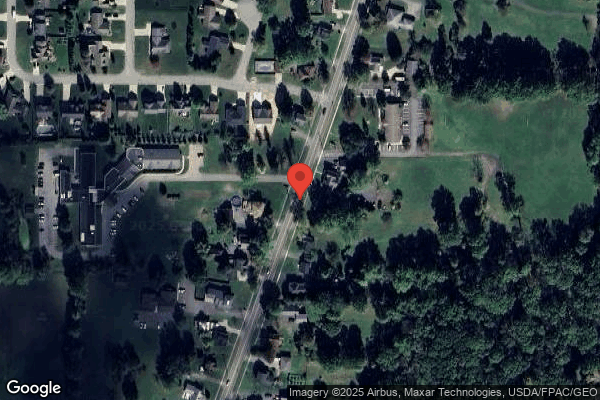
369 N HIGH STREET, CORTLAND, OH 44410 (330) 638-4015
For profit - Corporation 68 Beds SABER HEALTHCARE GROUP Data: November 2025
Trust Grade
90/100
#45 of 913 in OH
Last Inspection: July 2023

Over 2 years since last inspection. Current conditions may differ from available data.

Overview

Cortland Center in Cortland, Ohio, has a Trust Grade of A, which means it is highly recommended and considered excellent in quality. It ranks #45 out of 913 nursing homes in Ohio, placing it in the top half of facilities in the state, and #2 of 17 in Trumbull County, indicating only one local option is better. The facility's trend is stable, with one issue reported in both 2024 and 2025. While staffing is a concern with a 2/5 star rating and less RN coverage than 75% of Ohio facilities, the turnover rate of 35% is better than the state average, suggesting some staff stability. On the downside, there were 11 issues found during inspections, including concerns about meal quality-residents reported food being served cold and not palatable, which could affect their nutrition and satisfaction.

Trust Score
A
90/100
In Ohio
#45/913
Top 4%
Safety Record
Low Risk
No red flags
Inspections
Holding Steady
1 → 1 violations
Staff Stability
○ Average
35% turnover. Near Ohio's 48% average. Typical for the industry.
Penalties
✓ Good
No fines on record. Clean compliance history, better than most Ohio facilities.
Skilled Nurses
⚠ Watch
Each resident gets only 27 minutes of Registered Nurse (RN) attention daily — below average for Ohio. Fewer RN minutes means fewer trained eyes watching for problems.
Violations
⚠ Watch
11 deficiencies on record. Higher than average. Multiple issues found across inspections.
★★★★★
5.0
Overall Rating
★★☆☆☆
2.0
Staff Levels
★★★★★
5.0
Care Quality
★★★★☆
4.0
Inspection Score
Stable
2024: 1 issues
2025: 1 issues

The Good

  • 5-Star Quality Measures · Strong clinical quality outcomes
  • Full Sprinkler Coverage · Fire safety systems throughout facility
  • No fines on record
  • Staff turnover below average (35%)

    13 points below Ohio average of 48%

Facility shows strength in quality measures, fire safety.

The Bad

Staff Turnover: 35%

11pts below Ohio avg (46%)

Typical for the industry

Chain: SABER HEALTHCARE GROUP

Part of a multi-facility chain

Ask about local staffing decisions and management

The Ugly 11 deficiencies on record

May 2025 1 deficiency
CONCERN (D) 📢 Someone Reported This

A family member, employee, or ombudsman was alarmed enough to file a formal complaint

Potential for Harm - no one hurt, but risky conditions existed

Infection Control (Tag F0880)

Could have caused harm · This affected 1 resident

**NOTE- TERMS IN BRACKETS HAVE BEEN EDITED TO PROTECT CONFIDENTIALITY** Based on record review, observation, interview, and facility policy review, the facility failed to use appropriate infection con...

Read full inspector narrative →
**NOTE- TERMS IN BRACKETS HAVE BEEN EDITED TO PROTECT CONFIDENTIALITY** Based on record review, observation, interview, and facility policy review, the facility failed to use appropriate infection control precautions while providing wound care to Resident #50 who was in enhanced barrier precautions. This affected one Resident #50 but had the potential to affect all 29 residents who were ordered enhanced barrier precautions, Residents #5, #8, #9, #11, #12, #14, #15, #16, #17, #18, #19, #20, #21, #23, #24, #30, #31, #33, #36, #37, #40, #44, #46, #50, #58, #61, #63, and #64. The facility census was 64. Findings include: Review of the medical record for Resident #50 revealed an admission date of 06/17/24. Diagnoses included chronic obstructive pulmonary disease, hypertension, and heart failure. Review of the care plan dated 06/17/24 revealed Resident #50 had impaired skin integrity on her left breast and left side of her neck. Interventions included providing wound care as ordered and enhanced barrier precautions. Review of the physician's order dated 09/16/24 revealed an order for enhanced barrier precautions. Review of the quarterly Minimum Data Set (MDS) assessment dated [DATE] revealed Resident #50 had moderate cognitive impairment. Resident #50 required extensive assistance for all activities of daily living. Observation and interview on 05/22/25 at 11:15 A.M. of wound care for Resident #50 with Registered Nurse (RN) #502 revealed on the front of Resident #50's door signage that she was in enhanced barrier precautions. The sign stated for staff to wear a gown, gloves, and use hand hygiene when providing personal care including wound care. RN #502 entered the room, set up her area, washed her hands, and began performing the wound care. RN #502 maintained good hand hygiene during the wound care and changed her gloves often using hand sanitizer before applying new gloves. After the procedure was over RN #502 cleaned up her area, removed her gloves and washed her hands. Upon exiting the room, RN #502 confirmed Resident #50 was in enhanced barrier precautions and a gown was not worn during the procedure. RN #502 also confirmed that there was signage on Resident #50's door with personal protective equipment. Review of the facility policy infection prevention and control program policy, revised 02/19/24, revealed it is the policy to maintain an organized, effective facility-wide program designed to systemically prevent, identify, control, and reduce the risk of acquiring and transmitting infections among employees, volunteers, visitors, and contract healthcare workers; to conduct surveillance of communicable disease and infectious outbreaks; and to monitor employee health. This deficiency represents an incidental finding identified during the complaint investigation.
Feb 2024 1 deficiency
CONCERN (D) 📢 Someone Reported This

A family member, employee, or ombudsman was alarmed enough to file a formal complaint

Potential for Harm - no one hurt, but risky conditions existed

Quality of Care (Tag F0684)

Could have caused harm · This affected 1 resident

**NOTE- TERMS IN BRACKETS HAVE BEEN EDITED TO PROTECT CONFIDENTIALITY** Based on observation, record review, facility policy review, and interview the facility failed to ensure Resident #24's left foo...

Read full inspector narrative →
**NOTE- TERMS IN BRACKETS HAVE BEEN EDITED TO PROTECT CONFIDENTIALITY** Based on observation, record review, facility policy review, and interview the facility failed to ensure Resident #24's left foot was assessed after State Tested Nursing Assistant (STNA) #610 bumped her foot on her bedroom doorframe, failed to complete documentation of the incident, and failed to ensure the physician was notified timely. This affected one resident (#24) of three residents reviewed for injuries. The facility census was 51. Findings include: Review of the medical record for Resident #24 revealed an admission date of 03/29/21 with diagnoses including diabetes, chronic obstructive pulmonary disease (COPD), hypertension, and osteoarthritis. Review of the care plan dated 06/13/23 revealed Resident #24 had a self-care deficit and was dependent on staff for activities of daily living. Interventions included custom power chair, mechanical lift with transfers, and assist with activities of daily living (ADL) including transfers. Review of the annual Minimum Data Set (MDS) assessment dated [DATE] revealed Resident #24 had intact cognition. She used a wheelchair for locomotion. She was dependent on staff assist for transfers and bathing. Review of the nursing notes for Resident #24 dated from 11/01/23 to 02/06/24 revealed no documentation regarding Resident #24 bumping her left foot on the doorframe. No documented evidence of an assessment of her left foot after STNA #610 bumped her foot, no documentation of a bruised area to her left great toe and/or notification to the physician of the incident. Review of the Incident Accident Log dated from 11/01/23 to 02/05/24 revealed no incidents involving Resident #24 including staff bumping her left foot on the doorframe were contained on the log. Review of the Bath/ Shower Sheet dated from 12/01/23 to 02/05/24 revealed no documentation Resident #24's left foot was bumped on the doorframe while transferring her to the shower. Review of the Weekly Skin Evaluations dated 01/09/24, 01/16/24, 01/23/24, and 01/30/24 had revealed no documentation regarding any abnormalities to Resident #24's left great toe. Review of the Wound Progress Note dated 02/05/24 completed by Wound Nurse Practitioner (NP) #607 revealed Resident #24 stated her left great toe was bumped and she was concerned about further bruising to her left toes. The note revealed her left great toe was ecchymotic (bruised), stable without drainage, swelling and/or redness. She had no other bruising to her other digits on her left foot. She recommended monitoring her left great toenail for signs of infection and/or instability. Interview on 02/05/24 at 7:52 A.M. with Resident #24 revealed she was a diabetic and felt her left foot was now permanently scarred. She revealed a few months ago STNA #610 was rushing while pushing her in the shower chair and her left foot hit the doorframe causing injury to her foot. She then revealed a few weeks ago the same STNA, STNA #610, hit her left foot again on her bedroom doorframe when she was pushing her in the shower chair out of her room. She revealed STNA #610 laughed and stated, you left enough blood for DNA (deoxyribonucleic acid). She revealed she did not find the incident funny as she was concerned regarding injuries to her feet especially since she was diabetic. She revealed STNA #610 told her that she had reported the incident to Licensed Practical Nurse (LPN) #606. She revealed she did not feel LPN #606 did anything about the incident as she does not feel STNA #610 was disciplined for the incident especially since it was STNA #610's second time hitting her foot on the doorframe causing injury. She revealed she was upset as she did not want STNA #610 to continue to injure her feet when she gave her showers. Interview on 02/05/24 at 9:15 A.M. with LPN #606 revealed there was one time approximately six months or even longer when an aide (she could not remember who) bumped Resident #24's toe while transferring her. She revealed she could not remember the details. She revealed she was not notified of any incident recently within the last month that was brought to her attention of any staff bumping her foot again during care. Observation on 02/05/24 at 10:05 A.M. of wound care for Resident #24 completed by Wound NP #607 and Assistant Director of Nursing (ADON) / Registered Nurse (RN) #600 revealed Resident #24's had bruising to her left great toenail. ADON/ RN #600 had revealed he was not aware she had a bruised left great toenail. Interview on 02/05/24 at 10:10 A.M. with Wound NP #607 revealed the left great toenail was bruised but that the toenail was at this time secured and there were no signs of infection. She revealed she was unsure if Resident #24 would lose her toenail and at this time she recommended the facility to monitor the area. Interview on 02/05/24 at 3:17 P.M. with STNA #610 revealed she had worked at the facility since 08/2022. She revealed after she had first started at the facility, she was pushing Resident #24 in a shower chair to the shower and accidentally bumped her foot (she could not remember which foot) on the doorframe. She revealed Resident #24's foot was bleeding and she had notified the nurse who checked and treated it. She revealed recently approximately two or three weeks ago the same thing had happened. She revealed she was pushing Resident #24 in a shower chair out of her room and her toe bumped the side of the doorframe. She revealed she had checked her toe and there was no bleeding or signs of injury. She revealed she notified the nurse but could not remember the nurses' name that she reported the incident to. She revealed she felt the cause of bumping her foot was she was small in stature, so it was hard to control the shower chair as she pushed it. Interview on 02/05/24 at 3:52 P.M. with the Director of Nursing verified there was no documentation an assessment was completed for Resident #24 after STNA #610 bumped her left great toe on the door frame, no incident report, documentation in the nursing notes, and/or documentation Primary Care Physician #612 was notified of the incident. Review of the personnel file for STNA #610 revealed a hire date of 08/03/22. There was no evidence in her file STNA #610 was re-trained on assisting residents in shower chairs to prevent injuries after the incidents with Resident #24. Review of the facility policy titled Resident Change in Condition, dated 07/02/21, revealed the licensed nurse would recognize and intervene in the event of a change in resident condition. The policy revealed the physician would be notified when there was an accident or incident involving the resident. The policy revealed the nurse would record the information related to the change in condition and subsequent events in the resident's health record. This deficiency represents non-compliance investigated under Complaint Number OH00150107.
Dec 2023 3 deficiencies
CONCERN (D) 📢 Someone Reported This

A family member, employee, or ombudsman was alarmed enough to file a formal complaint

Potential for Harm - no one hurt, but risky conditions existed

Deficiency F0558 (Tag F0558)

Could have caused harm · This affected 1 resident

**NOTE- TERMS IN BRACKETS HAVE BEEN EDITED TO PROTECT CONFIDENTIALITY** Based on observation, interview, record review, review of the Centers for Medicare and Medicaid (CMS) State Operations Manual, a...

Read full inspector narrative →
**NOTE- TERMS IN BRACKETS HAVE BEEN EDITED TO PROTECT CONFIDENTIALITY** Based on observation, interview, record review, review of the Centers for Medicare and Medicaid (CMS) State Operations Manual, and review of the facility policy the facility failed to ensure Resident #2 was able to be transferred from his bed to a padded wheelchair using a mechanical lift when he requested the transfer. This affected one resident (#2) out of three residents reviewed for transfers. The facility census was 55. Findings include: Review of Resident #2's medical record revealed an admission date of 06/06/16 with diagnoses including morbid obesity due to excess calories, congestive heart failure, and chronic obstructive pulmonary disease. Review of Resident #2's physician orders dated 06/20/23 revealed Resident #2's preference to be up from bed around 10:00 A.M. Review of Resident #2's care plan revised 07/17/23 included Resident #2 had a self-care deficit. Resident #2 required extensive assistance with activities of daily living (ADL) and might require more or less assistance at times. Resident #2's needs would be met. Interventions included Resident #2 used a mechanical lift for transfers, assist with ADL, dressing, grooming, toileting, feeding, oral care, transfers, and bed mobility every shift; Resident #2 preferred showers on day shift Monday, Wednesday, and Friday; Resident #2 preferred to be up from bed around 10:00 A.M. Review of Resident #2's Quarterly Minimum Data Set (MDS) 3.0 assessment dated [DATE] revealed Resident #2 was cognitively intact. Resident #2 was dependent on staff for toileting, bathing, transfers from bed to chair and chair to bed. Observation on 12/07/23 at 11:50 A.M. of Resident #2 revealed he was lying in bed watching television, and the head of his bed was elevated. Interview on 12/07/23 at 11:50 A.M. of Resident #2 revealed the staff were slow to do things, he would put his call light on, and it took a long time for it to be answered at times. Resident #2 stated he asked the nurses and aides to get him out of bed and was told he could not get up because there were no clean mechanical lift pads available. Resident #2 stated this happened frequently. Resident #2 stated he wanted to get up earlier today, but now changed his mind because he was just so tired of not getting up when he asked the staff. Observation on 12/07/23 at 1:15 P.M. with State Tested Nursing Assistant (STNA) #239 revealed there were no mechanical lift pads including bariatric lift pads available on either long-term care nursing unit or the skilled nursing unit. Further observation revealed Resident #2 did not have a mechanical lift pad on his padded wheelchair or in his room. Observation of the laundry area revealed five bariatric mechanical lift pads were hanging in the laundry area and were wet. STNA #239 stated Resident #2 needed a bariatric mechanical lift pad, and the mechanical lift pads needed to be dry before they could be used. When asked if Resident #2 wanted to get out of bed now would he be able to, STNA #239 stated Resident #2 would not be able to get up at this time and would need to wait for the mechanical lift pads to dry. Interview on 12/11/23 at 1:12 P.M. of Maintenance Supervisor #200 revealed the bariatric mechanical lift pads could be dried at low temperature. Interview on 12/11/23 at 1:52 P.M. of Assistant Director of Nursing (ADON) #240 revealed mechanical lift pads could be placed in the dryer at low temperature but it was preferred to have them air dry because they lasted longer if they were air dried. Review of the facility policy titled Resident Rights and Facility Responsibilities, revised 09/03/20, included references were CMS, 2017, State Operations Manual, F483.10, Resident Rights. Review of the CMS, 2017, State Operations Manual, F483.10 Resident Rights included the resident had a right to a dignified existence, self-determination, and communication with and access to persons and services inside and outside the facility. This deficiency was an incidental finding discovered during the complaint investigation.
CONCERN (D) 📢 Someone Reported This

A family member, employee, or ombudsman was alarmed enough to file a formal complaint

Potential for Harm - no one hurt, but risky conditions existed

Quality of Care (Tag F0684)

Could have caused harm · This affected 1 resident

**NOTE- TERMS IN BRACKETS HAVE BEEN EDITED TO PROTECT CONFIDENTIALITY** Based on interview, closed record review, review of the facility policy and review of the Centers for Medicare and Medicaid Serv...

Read full inspector narrative →
**NOTE- TERMS IN BRACKETS HAVE BEEN EDITED TO PROTECT CONFIDENTIALITY** Based on interview, closed record review, review of the facility policy and review of the Centers for Medicare and Medicaid Services (CMS) guidance the facility failed to ensure Resident #56's eye infection was treated while she resided in the facility. This affected one resident (#56) out of three residents reviewed for infections. The facility census was 55. Findings include: Review of Resident #56's closed medical record revealed an admission date of 10/07/23, and a re-entry date of 10/09/23. Resident #56's diagnoses included Alzheimer's Disease, dementia without behavioral disturbance, and fracture of the left pubis. Resident #56 was discharged from the facility on 11/07/23. Review of Resident #56's admission Minimum Data Set (MDS) 3.0 assessment dated [DATE] revealed Resident #56 had moderate cognitive impairment. Resident #56 required partial assistance from another person to complete bathing, dressing, using the toilet, eating, and walking from room to room. Resident #56 used a walker. Resident #56 had two unstageable pressure ulcer injuries (full thickness tissue loss in which the base of the ulcer is covered by slough (yellow, tan, gray, green or brown) and/or eschar (tan, brown or black) in the wound bed) presenting as deep tissue injury (purple or maroon localized area of discolored intact skin or blood-filled blister due to damage of underlying soft tissue due to pressure and/or shear) present upon admission to the facility. Review of Resident #56's facility Discharge Instructions dated 11/07/23 did not reveal documentation that Resident #56's eyes were red and draining or had a discharge. Review of Resident #56's Hospice Face-to-Face Encounter Report dated 11/07/23 included Resident #56 resided at home with a primary hospice diagnosis of late onset Alzheimer's Disease. Resident #56's son was the primary caregiver. Resident #56 was incontinent of bowel and bladder. Resident #56 had a recent fall with a pelvic fracture, was mostly in bed during rehab, was frailer and now mostly in chair. Resident #56 was wobbly and required the assistance of a rollator. Resident #56 required maximum assistance with activities of daily living (ADL). Resident #56 was discharged today (11/07/23) from the facility and had deconditioning (deteriorating condition), extreme weakness, and required assistance of one person for transfers and ambulation and was unsteady. Resident #56 was alert to self and home; her skin was dry and flaky, her right and left eyes were red, and her left eye was draining. A new order was received for Tobramycin (antibiotic) eye drops, give one drop in both eyes four times a day for seven days. Interview on 12/07/23 at 8:54 A.M. of Resident #56's son revealed the resident was admitted to the facility from the hospital for rehabilitation from a fracture. He stated Resident #56 fell at home, had a fracture, and was hospitalized a week before she was admitted to the facility. He stated Resident #56 was fine when she left the hospital and when he picked Resident #56 from the facility she had bedsores on her feet, her eyes were pussed shut, and she had an infection in both eyes, she smelled bad and when he touched her she was incontinent of urine and the urine just drained off of her into his hands when he touched her. He stated Resident #56 wore incontinence briefs. Interview on 12/07/23 at 11:40 A.M. of Hospice Nurse (HN) #268 revealed Resident #56 did look rough when she arrived home from the facility. HN #268 stated Resident #56's hair was disheveled and did not look like it was brushed for days, her face was oily and had dry skin, she had an odor, wounds to both heels and the wounds were pretty bad looking. HN #268 stated Resident #56 had green drainage coming out of the left eye, and the hospice physician prescribed antibiotic eye drops for her. HN #268 stated Resident #56 was discharged from hospice when she was admitted to the hospital and was readmitted to hospice on 11/07/23. HN #268 stated she had 17 years' experience as a long-term nurse and she could not believe the condition Resident #56 was sent home in. Interview on 12/11/23 at 3:41 P.M. of Licensed Practical Nurse (LPN) #261 revealed she discharged Resident #56 from the facility on 11/07/23 and did not remember if Resident #56's eyes were red and draining or had a discharge from them. Interview on 12/11/23 at 4:14 P.M. of Assistant Director of Nursing (ADON) #240 revealed he was not aware of Resident #56 having an eye condition. ADON #240 stated staff would notify him of any abnormalities concerning residents, and he could follow-up; he did not receive a notification from any staff member regarding Resident #56's eye infection. Review of the facility policy titled Resident Rights and Facility Responsibilities, revised 09/03/20, included references were CMS 2017, State Operations Manual, F483.10, Resident Rights. Review of the CMS, 2017, State Operations Manual, F483.10 Resident Rights included the resident had a right to a dignified existence, self-determination, and communication with and access to persons and services inside and outside the facility. This deficiency represents non-compliance investigated under Complaint Number OH00148356.
CONCERN (D) 📢 Someone Reported This

A family member, employee, or ombudsman was alarmed enough to file a formal complaint

Potential for Harm - no one hurt, but risky conditions existed

Pressure Ulcer Prevention (Tag F0686)

Could have caused harm · This affected 1 resident

**NOTE- TERMS IN BRACKETS HAVE BEEN EDITED TO PROTECT CONFIDENTIALITY** Based on observation, interview, closed record review, and review of the facility policy the facility failed to thoroughly docum...

Read full inspector narrative →
**NOTE- TERMS IN BRACKETS HAVE BEEN EDITED TO PROTECT CONFIDENTIALITY** Based on observation, interview, closed record review, and review of the facility policy the facility failed to thoroughly document the appearance of Resident #56's bilateral heel deep tissue injuries (DTI). This affected one resident (#56) out of three residents reviewed for pressure ulcer injuries. The facility census was 55. Findings include: Review of Resident #56's closed medical record revealed an admission date of 10/07/23, and a re-entry date of 10/09/23. Resident #56's diagnoses included Alzheimer's Disease, dementia without behavioral disturbance, and fracture of the left pubis. Resident #56 was discharged from the facility on 11/07/23. Review of Resident #56's progress notes dated 10/09/23 through 11/07/23 did not reveal documentation related to the appearance of Resident #56's bilateral heel DTIs (purple or maroon localized area of discolored intact skin or blood-filled blister due to damage of underlying soft tissue due to pressure and/or shear). Further review revealed the discharge instructions dated 11/07/23 at 5:53 A.M. did not reveal instructions for the care of Resident #56's bilateral heel DTIs. Review of Resident #56's care plan dated 10/10/23 included Resident #56 had the potential for skin breakdown related to diagnosis, mobility status, and incontinence. The goal was Resident #56's skin would remain intact through the next review. Interventions included completing skin assessments per protocol, to elevate heels off the mattress per routine and/or as needed as Resident #56 allowed. Review of Resident #56's Weekly Wound assessment dated [DATE] revealed Resident #56 had a DTI of the left heel which was community acquired and present on admission to the facility. The measurements were 3.0 centimeters (cm) in length by 3.0 cm in width by a depth of unable to be determined, and there was no drainage. There was no description of the wound bed or peri wound (skin surrounding the wound) appearance as the wound bed and peri wound appearance were marked as not applicable. The family and physician were notified, and treatment was to apply Skin-Prep (liquid film-forming skin protectant that prepares damaged skin for tapes and adhesive dressings) BID (twice a day) and as needed and a foam dressing to pad and protect. Review of Resident #56's Weekly Wound assessment dated [DATE] revealed Resident #56 had a DTI of the right heel which was community acquired and present on admission to the facility. The measurements were 0.3 cm in length by 0.3 cm in width by a depth of unable to be determined, and there was no drainage. There was no description of the wound bed or peri wound appearance as the wound bed and peri wound appearance were marked as not applicable. The family and physician were notified, and treatment was to apply Skin-Prep BID and as needed and a foam dressing to pad and protect. Review of Resident #56's admission Minimum Data Set (MDS) 3.0 assessment dated [DATE] revealed Resident #56 had moderate cognitive impairment. Resident #56 required partial assistance from another person to complete bathing, dressing, using the toilet, eating, and walking from room to room. Resident #56 used a walker. Resident #56 had two unstageable pressure ulcer injuries (full thickness tissue loss in which the base of the ulcer is covered by slough (yellow, tan, gray, green or brown) and/or eschar (tan, brown or black) in the wound bed) presenting as DTIs present upon admission to the facility. Review of Resident #56's Weekly Wound assessment dated [DATE] revealed Resident #56 had a DTI of the right heel which was community acquired. The measurements were 3.0 cm in length by 2.0 cm in width 2 cm by a depth of unable to be determined, and there was no drainage. There was no description of the wound bed or peri wound appearance as the wound bed and peri wound appearance were marked as not applicable. The wound status was marked as wound was deteriorating. The family and physician were notified. The treatment was applying Skin-Prep BID and as needed and a foam dressing to pad and protect. There was a new order for PRAFO boots (a device worn on the lower leg and foot designed to assist with the management of pressure related problems to the heel and ankles). Review of Resident #56's Weekly Wound assessment dated [DATE] revealed Resident #56 had a DTI of the left heel which was community acquired. The measurements were 3.0 cm in length by 3.0 cm in width by a depth of unable to be determined, and there was no drainage. There was no description of the wound bed or peri wound appearance as the wound bed and peri wound appearance were marked as not applicable. The wound status was marked as unchanged. The family and physician were notified, and the treatment was to apply Skin-Prep BID and as needed, and a foam dressing to pad and protect. There was a new order for PRAFO boots. Review of Resident #56's Weekly Wound assessment dated [DATE] revealed Resident #56 had a DTI of the right heel which was community acquired. The measurements were 2.0 cm in length by 2.4 cm in width by a depth of 0, and there was no drainage. There was no description of the wound bed or peri wound appearance as the wound bed and peri wound appearance were marked as not applicable. The wound status was improving. The family and physician were notified, and the treatment was to apply Skin-Prep BID and as needed, a foam dressing to pad and protect, and PRAFO boots. Review of Resident #56's Weekly Wound assessment dated [DATE] revealed Resident #56 had a DTI of the left heel which was community acquired. The measurements were 3.0 cm in length by 2.4 cm in width by a depth of 0, and there was no drainage. There was no description of the wound bed or peri wound appearance as the wound bed and peri wound appearance were marked as not applicable. The wound status was marked as improving. The family and physician were notified, and the treatment was to apply Skin-Prep BID and as needed, a foam dressing to pad and protect, and PRAFO boots. Review of Resident #56's Weekly Wound assessment dated [DATE] revealed Resident #56 had a DTI of the right heel which was community acquired and measurements were 2.0 cm in length by 2.2 cm in width by a depth of 0, and there was no drainage. There was no description of the wound bed or peri wound appearance as the wound bed and peri wound appearance were marked as not applicable. The wound status was marked as improving, and family and the physician were notified. The family and physician were notified, and the treatment was to apply Skin-Prep BID and as needed, a foam dressing to pad and protect, and PRAFO boots. Review of Resident #56's Weekly Wound assessment dated [DATE] revealed Resident #56 had a DTI of the left heel which was community acquired. The measurements were 2.8 cm in length by 2.1 cm in width by a depth of 0 and there was no drainage. There was no description of the wound bed appearance or peri wound appearance and both were marked not applicable. The wound status was marked as improving. The family and physician were notified, and the treatment was to apply Skin-Prep BID and as needed, a foam dressing to pad and protect, and PRAFO boots. Review of Resident #56's Discharge Instructions from the facility dated 11/07/23 included for the question asking if wounds were present, the No box was marked. Further review did not reveal instructions for the care of Resident #56's bilateral heel DTIs. Review of Resident #56's Hospice Wound Record Report revealed the onset date was 11/07/23, and Resident #56 had bilateral unstageable DTIs to her right and left heels. Further review revealed on 11/09/23 Resident #56's left heel unstageable DTI measured 2.5 cm in length by 3.0 cm in width by a depth of 0, and 26 to 50 percent of the wound had soft black slough and eschar. On 11/09/23 Resident #56's right heel unstageable DTI measured 1.5 cm in length by 2.0 cm width by a depth of 0, and 0 to 25 percent of the tissue was necrotic tissue slough and eschar. Interview on 12/07/23 at 8:54 A.M. Resident #56's son revealed she was admitted to the facility for rehabilitation. He stated Resident #56 had a fall at home, had a fracture, and was hospitalized for about a week for the fracture, then was admitted to the facility for rehabilitation. He stated when he picked Resident #56 up at the facility on 11/07/23, when she was discharged , he was not given instructions on her bilateral bedsores on her feet, and was really upset when he got home and saw how bad the sores on her heels were. He stated in addition to the sores on her feet, her eyes were pussed shut, she smelled very bad and was soaked with urine stating, the urine just ran off Resident #56 into his hands. He stated the facility was supposed to help, not kill Resident #56. Interview on 12/07/23 at 11:40 A.M. of Hospice Nurse (HN) #268 revealed Resident #56 looked rough when she arrived home from the facility. HN #268 stated Resident #56's hair was disheveled and did not look like it was brushed for days, her face was oily and had dry skin, she had an odor, wounds to both heels, and the wounds were pretty bad looking. HN #268 stated Resident #56 had green drainage coming out of the right eye, and the hospice physician prescribed antibiotic eye drops for her. HN #268 stated Resident #56 was discharged from hospice when she was admitted to the hospital and was readmitted to hospice on 11/07/23. HN #268 stated she had 17 years' experience as a long-term nurse, and she could not believe the condition Resident #56 was sent home in. Interview on 12/11/23 at 2:18 P.M. of Assistant Director of Nursing (ADON) #240 revealed the facility did not follow a specific protocol for a low air loss mattress. ADON #240 stated if a resident had a wound that was worsening, he would reach out to the resident's physician to see if a low air loss mattress and PRAFO boots would be beneficial. ADON #240 stated Resident #56's DTIs of her left heel got bigger on 10/16/23, and he notified the Director of Nursing (DON). ADON #240 stated on 10/23/23 both of Resident #56's DTIs worsened, and that was when we received orders for Resident #56's low air loss mattress and PRAFO boots. ADON #240 stated before Resident #56 had orders for a low air loss mattress and PRAFO boots, she had interventions to elevate her heels off the bed as tolerated. ADON #240 stated when he noticed Resident #56's left heel was deteriorating he made sure nurses were aware Resident #56's heels needed to be elevated off the bed. ADON #240 stated when Resident #56's bilateral heels deteriorated he told Medical Director #269 and obtained orders for a low air loss mattress and PRAFO boots. ADON #240 stated Resident #56 did not have orders for a low air loss mattress or PRAFO boots when she was first admitted , because he wanted to see if the treatment for pad and protect the heels was effective. ADON #240 stated Resident #56's bilateral DTIs did not become open wounds, and when she was first admitted the heels were deep red in color with some maroon. ADON #240 indicated on 10/23/23 Resident #56's areas on her heels were larger and the same color as when she was admitted . ADON #240 confirmed he did not document the appearance of Resident #56's bilateral heel DTIs wound bed color or peri wound appearance. ADON #240 stated the wound nurse practitioner (WNP) did not evaluate Resident #56's bilateral heel DTIs because they were not open wounds. ADON #240 stated it was not the practice to consult the WNP until the DTI became an open wound. ADON #240 stated the last time he observed Resident #56's DTIs of her heels was on 11/06/23. Interview on 12/11/23 at 3:31 P.M. of Medical Director #269 revealed it was hard to remember details about residents because she had so many patients. Medical Director #269 stated she always looked at resident wounds but did not always document the wounds in her notes. Medical Director #269 stated the last time she saw Resident #56 was on 11/01/23, and she had positive pedal pulses. Medical Director #269 stated she did not document the wound bed appearance of Resident #56's bilateral heel DTIs, or the peri wound appearance in her notes, but she remembered the wound beds were reddish in color. Interview on 12/11/23 at 3:41 P.M. of Licensed Practical Nurse (LPN) #261 revealed she discharged Resident #56 from the facility on 11/07/23. LPN #261 stated she did not remember looking at Resident #56's bilateral heel DTI wounds or giving Resident #56's son instructions on the treatment of Resident #56's bilateral heel DTI wounds before Resident #56 was discharged . Observation on 12/11/23 at 4:14 P.M. of pictures sent by Resident #56's son of her bilateral heel wounds with ADON #240 revealed the pictures were taken on 11/07/23 after Resident #56 was discharged from the facility. Observation of Resident #56's first picture of her heel wounds revealed a large circular area on the heel, and the outer perimeter of the circle was dark, black appearing tissue. The inner wound bed had purple, dark purple, and deep red areas noted. The peri wound tissue appeared red in color. Observation of the second picture of her heel wounds revealed a large circular area on the heel, and the wound bed appeared to have pink, light purple, and a couple dark red areas noted. The peri wound tissue was a dark greyish color with some yellow areas noted. ADON #240 confirmed the appearance of Resident #56's heel wounds in both pictures and stated Resident #56's heels did not look like that on 11/06/23, and if they looked like that, he would have consulted the WNP. ADON #240 stated his documentation showed Resident #56's bilateral heel DTIs were getting smaller and improving. ADON #240 stated the outer edge, which was black and looked like eschar, would be debrided by the WNP. ADON #240 stated he did not discharge Resident #56 from the facility, but Resident #56's responsible party was given a printout of orders for the treatment of Resident #56's bilateral heel DTIs. Review of the facility policy titled Pressure Injury Prevention and Treatment Policy, revised 09/18/23, included pressure injuries identified would be assessed initially and at least weekly thereafter, until closed. All assessments would include the following elements including wound bed color and type of tissue and character including evidence of healing for example granulation tissue, maceration as appropriate, and appearance of surrounding tissue. This deficiency represents non-compliance investigated under Complaint Number OH00148356.
Jul 2023 2 deficiencies
CONCERN (D)

Potential for Harm - no one hurt, but risky conditions existed

Infection Control (Tag F0880)

Could have caused harm · This affected 1 resident

Based on observation, interview, and facility policy review, the facility failed to ensure proper hand hygiene was completed during medication administration including hand washing and wearing gloves....

Read full inspector narrative →
Based on observation, interview, and facility policy review, the facility failed to ensure proper hand hygiene was completed during medication administration including hand washing and wearing gloves. This affected three Residents (Residents #4, #32, and #101) out of seven residents administered medications. The facility census was 49. Findings include: Observations made on 07/19/23 from 7:59 A.M. to 12:30 P.M. of medication administration by Licensed Practical Nurse (LPN) #223, LPN #234, and LPN #265 of 25 administrations made for seven residents (Residents #4, #14, #16, #32, #35, #101 and #103) revealed LPN #223 did not perform hand hygiene before or after administering medications to Resident #4. LPN #223 was observed dispensing medication into her bare hand then placing them into a medication cup, crushing them, placing in applesauce, and then administered the medications to Resident #4. Additional observation of LPN #223 revealed she did not perform hand hygiene before or after, or wear gloves while administering insulin to Resident #101. Observation during Medication Administration of LPN #265 revealed she did not wear gloves or perform hand hygiene before or after administering insulin to Resident #32. Interview conducted on 07/19/23 at 8:45 A.M. with LPN #223 revealed she did not perform hand hygiene before or after administering medications to Resident #4. Interview conducted on 07/19/23 at 11:30 A.M. with LPN #265 confirmed she did not perform hand hygiene before or after administering insulin to Resident #32. LPN #265 also confirmed she did not wear gloves while administering the insulin to Resident #32. Interview conducted on 07/19/23 at 12:00 PM with LPN #223 confirmed she did not perform hand hygiene before or after administering insulin to Resident #101. LPN #223 also confirmed she did not wear gloves while administering the insulin to Resident #101. Review of facility policy titled General Dose Preparation and Medication Administration, last revised 01/01/22 revealed the facility staff failed to follow their policy for medication administration under Procedure headline, bullet point number two Prior to preparing or administering medications, authorized and competent facility staff should follow facility's infection control policy, including hand hygiene, and under bullet point number 3.4 Facility staff should not touch the medication when opening the bottle or unit dose package.
CONCERN (F)

Potential for Harm - no one hurt, but risky conditions existed

Deficiency F0804 (Tag F0804)

Could have caused harm · This affected most or all residents

Based on interview, observation and record review, the facility failed to ensure meals served looked appetizing and were served at palatable temperatures. This had the potential to affect all resident...

Read full inspector narrative →
Based on interview, observation and record review, the facility failed to ensure meals served looked appetizing and were served at palatable temperatures. This had the potential to affect all residents receiving meals from the kitchen with the exception of Residents #1 and #10 who received no nutrition by mouth. The facility census was 49. Findings include: Interview on 07/17/23 at 2:08 P.M. with Resident #3 revealed hot foods were served cold upon meal service. Interview on 07/17/23 at 2:21 P.M. with Resident #45's sister revealed while at the facility, Resident #45 did not eat the food because Resident #45 said it did not taste good. Interview on 07/17/23 at 2:32 P.M. with Resident #19 revealed the food was overcooked, soggy and terrible. Observation of a test tray on 07/17/23 at 5:45 P.M. with Dietary Manager (DM) #210 revealed the meal consisted of chicken tenders, french fries, zucchini and mandarin oranges. Temperatures were obtained with the chicken tenders revealing a temperature of 119 degrees Fahrenheit (F) and the zucchini revealing a temperature of 126 degrees F. The french fries were noted to be undercooked and soft. Interview on 07/17/23 at 5:50 P.M. with DM #210 revealed DM #210 stated all hot foods should be served above 140 degrees F. Interview on 07/18/23 at 9:15 A.M. with Resident #46 revealed the food was often cold and tasteless. Review of the facility policy titled Food Temperature Policy dated 08/28/19 revealed hot foods should not fall below 135 degrees while holding after cooking and hot food should be palatable when delivered.
Jan 2020 2 deficiencies
CONCERN (D)

Potential for Harm - no one hurt, but risky conditions existed

Deficiency F0697 (Tag F0697)

Could have caused harm · This affected 1 resident

**NOTE- TERMS IN BRACKETS HAVE BEEN EDITED TO PROTECT CONFIDENTIALITY** Based on record review, observation and interviews the facility failed to ensure Resident #40 received adequate pain management ...

Read full inspector narrative →
**NOTE- TERMS IN BRACKETS HAVE BEEN EDITED TO PROTECT CONFIDENTIALITY** Based on record review, observation and interviews the facility failed to ensure Resident #40 received adequate pain management when routine pain medication was not given per a physician order. This affected one of three residents reviewed for pain (Resident #40). The facility census was 56. Findings included: Record review was conducted for Resident #40 who was admitted to the facility on [DATE] with diagnoses including low back pain, neuropathy, systemic lupus, fibromyalgia, chronic kidney disease and brain tumor. The Minimum Data Set assessment dated [DATE] revealed the resident was cognitively intact, needed extensive assistance by staff for bed mobility, transfers, toileting and hygiene, was on a scheduled pain medication regimen and took opioids daily. The Plan of Care with a date initiated of 12/11/19 identified Resident #40 had a problem with generalized pain and listed interventions as administer pharmacological interventions as indicated per physician order, assess for verbal and nonverbal signs of pain, implement non-pharmacological interventions to release the pain, provide education to the resident and family and provide rest periods. A physician order written 12/11/19 indicated Resident #40 was to be administered Oxycodone HCL ( a narcotic pain pill ) 10 milligrams (mg) four times a day straight. Record review was conducted of the Medication Administration Record (MAR) dated 01/01/20 to 01/31/20 for Resident #40. The MAR indicated Resident #40 was to received the Oxycodone HCL dose at 12:00 A.M., 6:00 A.M., 12:00 P.M. and 6:00 P.M. The MAR showed pain levels were being assessed and the resident did have ongoing pain ranging between a level five to level nine on a ten point rating scale with ten being the worst level of pain. Fifty (50)of 75 pain assessments between 01/01/20 to 01/23/20 indicated Resident #40's pain was between a five to nine. On 01/23/20 the 12:00 A.M. dose was not given and reader should refer to the nurses note authored by Registered Nurse (RN) #601. Review of the Medication Administration Note authored by RN#601 at 3:19 A.M. revealed Resident #40 was sleeping so the pain medication was not given to her. Record review was conducted of the Medication Administration Note dated 01/21/20 authored by RN#601 at 1:51 A.M. revealed Resident #40 woke up around 1:00 A.M. and asked if she could have her pain pill. Review of the MAR dated 01/20/20 at 6:00 P.M. authored by LPN#500 revealed Resident #40 did not receive her pain medication. The resident was not in the facility for the 6:00 P.M. dose on 01/20/20 as she was still out for her brain procedure and returned after 8:00 P.M. that evening. Observation was conducted on 01/21/20 at 10:55 A.M. of Resident #40 who was found laying in her bed with two bandages on each side of her forehead, rapidly shaking her left foot and frowning. She was alert and oriented to person, place, time and conversation. The surveyor asked Resident #40 if she was having pain and Resident #40 revealed she had brain surgery the day before, her head was hurting and she was waiting for her pain medication to be given soon and did not feel like talking to the surveyor. Resident #40 said the staff was aware she needed her pain medication. Observation and interview were conducted on 01/23/20 at 11:55 A.M. with Resident #40 who was found sitting up on the side of her bed with her head down to her chest and arms to her sides pressing up on the bed frame as to alleviate pressure on her bottom. Resident #40 indicated her pain was a level eight and she had told State Tested Nurse Aide (STNA) #402 about an hour prior that she needed her pain medication. When asked if her pain medication was effective she revealed she did not always get her medication when she needed it but if she did it helped a lot but she had chronic pain. When asked for further detail she said the staff will not wake her for the pain medication if she is sleeping. She said it had happened on a few occasions with the same nurse ( resident named RN#601 ) or if she asked for her pain medication an hour early they would leave her waiting for an hour or more because they were too busy to bring it to her. Resident #40 shared she wanted to be woken up to receive her pain pill or else when she did wake up her pain would be to the point where she could not function. Resident #40 shared she had a degenerative spine and it was really hurting her and she was upset it had been almost an hour since she told STNA#402 to tell the nurse she needed her pain pill. Interview was conducted on 01/23/20 at 12:13 P.M. with LPN#500 and RN#600 who were both at the medication carts at the nurses station. LPN#500 identified herself as the nurse caring for Resident #40. When asked if STNA#402 had told her about the residents pain LPN#500 revealed STNA#402 told her 40 minutes ago and she knew it was 40 minutes ago because she looked at the clock but could not get her pain pill because she was busy doing an admission. She stated she knew her pain pill was scheduled at noon. When asked what pain pill the resident needed she verified it was Oxycodone HCL to be given every 6 hours straight. When asked if the resident was sleeping would she give the Oxycodone LPN#500 said if the resident was sleeping they must not be in pain so no she would not wake them to give the pain pill even though the order stated every six hours. When RN#600 was asked the same question she replied if the physician order stated the pain pill was to be given four times a day then if the resident was sleeping she would need to wake the resident to administer the pain pill as that helped keep the resident's pain under control. At 12:14 P.M. LPN#500 said she was going to give Resident #40 her pain pill. Interview was conducted on 01/23/20 at approximately 12:29 P.M. with the Director of Nursing (DON) to review the concern with the MAR showing a routine pain medication was not administered by RN #601 on 01/23/20, the resident's expressed concerns about nurses not waking her to give her pain medications and the interview with LPN#500. The DON replied Resident #40 had been out of the facility on 01/20/20 for a brain procedure and the daughter had expressed to her she wanted her mom to get rest so the nurse probably let her sleep to get rest. The DON verified the order for the Oxycodone HCL was to be given straight every six hours. The DON verified there was no pain medication sent with the Resident #40 nor given when she returned to the facility on [DATE]. The DON stated RN#601 was a new nurse and she would educate her about following the doctor's order, and that she would look into possibly changing the administration times for Resident #40 so she did not have to be woke up. Record review was conducted of the facility policy titled Pain Management and Pain Protocol, dated 05/21/15. The policy stated the facility would ensure pain management for any resident identified as having a potential for pain per the plan of care.
CONCERN (E)

Potential for Harm - no one hurt, but risky conditions existed

Food Safety (Tag F0812)

Could have caused harm · This affected multiple residents

**NOTE- TERMS IN BRACKETS HAVE BEEN EDITED TO PROTECT CONFIDENTIALITY** Based on record review, observation and interviews the facility failed to store foods brought in from outside the facility for t...

Read full inspector narrative →
**NOTE- TERMS IN BRACKETS HAVE BEEN EDITED TO PROTECT CONFIDENTIALITY** Based on record review, observation and interviews the facility failed to store foods brought in from outside the facility for the residents were under sanitary and safe conditions. This had the potential to affect all 38 residents ( #1,#2,#3,#4,#5,#6,#7,#8,#9,#10,#12,#13,#15,#16,#17,#18,#19,#20,#21,#22,#23,#24,#25,#26,#28,#29,#31,#32,#33,#34,#35,#37,#39,#41,#43,#44,#48,#203) and also affected Resident #204 residing on the Walnut and Maple units in the facility. The facility census was 56. Findings included: Interview was conducted from 9:23 A.M. to 9:25 A.M. on 01/23/20 with State Tested Nursing Assistant (STNA) #400 and STNA #401 who revealed if foods are brought in from family and visitors they are to write the resident's name on it, the date it was brought in and place the food in the refrigerator in the employee break room for those residents who resided on the Maple and Walnut units and for those residents who resided on the Cherry unit those items are stored in the kitchenette fridge on the Cherry unit. Interview was conducted on 01/23/20 at 9:36 A.M. with Dietary Manager (DM) #800 who revealed if visitors and family bring food in for the residents it is to be kept in the refrigerator in the employee break room for residents on Maple and Walnut units and in the kitchenette fridge on the Cherry unit. Observation was conducted on 01/23/20 from 9:37 A.M. to 9:51 A.M. with Registered Dietitian (RD) #900 of the refrigerator freezer unit located off the Maple and Walnut units in the employee break room where resident food was stored. There was no temperature log on or around the freezer for January 2020 and that was verified with RD #900 at 9:37 A.M. The top freezer portion of the unit contained an internal thermometer reading at 14 degrees Fahrenheit (F). The bottom floor of the freezer unit was heavily coated with food particles, brown and yellow sticky substances as if it had not been cleaned recently. Within the freezer portion were two pints of ice cream from a popular creamery dated 04/24 and labeled with Resident #204's last name, a cup of unlabeled, white ice cream with nuts and a heavy accumulation of freezer frost on top of it, an unlabeled piece of pie from a popular fast food restaurant and an unlabeled, half full large, clear, plastic cup of brown substance with a plastic straw frozen within the substance. In the refrigerator section there was an internal thermometer reading at 38 degrees F. There were multiple outdated and compromised food items and items that were not labeled with a name and/ or date as follows: a box of pizza with Resident #17's name but no date, on a Styrofoam plate that was open to air there was what appeared to be an approximate one cup portion of cheese potato with two spots of black, fuzzy mold growth on it, a metal fork that was stuck to the foam plate and no name or date. That plate was sitting on top of yogurt containers labeled for Resident #22; a large Styrofoam cup filled with a pink substance without a name or date, a small foam box contained pasta in red sauce and a yellow pie-type dessert with whip topping dated 01/10/20 looked like it had a shiny biofilm on the filling part of the dessert. There was a bag of seven fresh oranges covered with brown spots on the oranges with no name or date, a plastic bag with no name or date contained two pieces of white cheese wrapped in tin foil and a plastic container of what RD#900 described as pasta Alfredo. There was a gallon of unopened apple cider with a manufacturer use by date of 11/17/19 and a half pint of milk with an expiration date of 01/03/20. Resident #22 had multiple outdated foods in the refrigerator with her name on them that were expired such as five cup-size yogurts with manufactures expiration dates of 12/19/19, 12/30/19, 01/02/20, 01/07/20, 01/09/20, one vanilla [NAME] protein shake with a manufactures expiration date of 11/09/19 and two vanilla bean protein plus shakes with facility date labels reading 10/11/19 and 11/13/19 with manufacturer expiration dates of 12/23/19 and 01/09/20. RD#900 was present throughout the observation and verified all of the above findings. RD#900 said she did not know who was responsible for making sure the food items and cleanliness of the refrigerator freezer were maintained in safe and sanitary condition. Observation was conducted on 01/23/20 at 9:53 A.M. with RD#900 of the Cherry unit fridge used to store resident foods. The unit was found to be clean with no outdated or unlabeled foods. A temperature log was up to date and documented acceptable temperatures averaging 38 degrees F. Interview was conducted on 01/23/20 at 10:07 A.M. with Dietary Manager (DM) #800 who revealed nursing services was responsible for labeling and dating the residents food before putting it in the refrigerator freezers on the units for the residents. DM#800 explained the sanitation of each refrigerator was to be maintained daily by dietary staff or housekeeping staff but there was no planned system for who the designated staff person was to check the fridge on a day by day basis. DM#800 shared she would typically check it but she was down a few positions in the kitchen and had been filling in as a cook in the kitchen. DM#800 said she did not know where the January 2020 refrigerator temperature log was for refrigerator freezer unit in the employee break room. An interview was conducted on 01/23/20 at 10:19 A.M. with the Administrator to inform him of the findings and ask who was responsible to maintain the refrigerator freezer units. The Administrator revealed he was not sure of who should have been doing it but would find out. Record review was conducted of the facility policy titled Food Brought in From Outside the Facility, date revised 02/25/19. The policy stated food would be stored in a clean, sealed container labeled with the name of the food item, resident name, dated and placed in a non-dietary refrigerator. Food dated by facility staff will be discarded within seven days from the date mark.
Nov 2018 2 deficiencies
CONCERN (E)

Potential for Harm - no one hurt, but risky conditions existed

Infection Control (Tag F0880)

Could have caused harm · This affected multiple residents

**NOTE- TERMS IN BRACKETS HAVE BEEN EDITED TO PROTECT CONFIDENTIALITY** Based on observation, record review and interview the facility failed to ensure a shared blood glucose monitoring machine was pr...

Read full inspector narrative →
**NOTE- TERMS IN BRACKETS HAVE BEEN EDITED TO PROTECT CONFIDENTIALITY** Based on observation, record review and interview the facility failed to ensure a shared blood glucose monitoring machine was properly cleaned and disinfected after use for Resident #39 to prevent the spread of infection. The facility also failed to ensure Resident #36 and #37's respiratory equipment was maintained in a clean sanitary manner to prevent the spread of infection. This had the potential to affect four residents (Resident #27, #33, #34 and #37) who received blood glucose monitoring on Maple Run hallway who used the same glucometer and two residents (Resident #36 and #37) of six residents sampled for sanitary condition of their respiratory equipment. The facility census was 55. Findings include: 1. Record review revealed Resident #39 had an admission date of 09/21/18 with diagnoses that included Clostridium Difficle (C-Diff), a bacterial infection found within the feces that can spread through contaminated hands and diabetes mellitus with hyperglycemia. Review of Resident #39's physician orders, dated 11/03/18 revealed the resident was in contact/droplet isolation per facility policy. The resident also had a physician order, dated 11/06/18 for a fasting blood glucose at hour of sleep for hyperglycemia with no coverage. Review of Resident #39's care plan, initiated 11/05/18 revealed the resident had a communicable infections disease- C-Diff with interventions that included isolation per policy, and review necessity of infection control measures. Interview on 11/19/18 at 1:46 P.M. with Licensed Practical Nurse (LPN) #602 revealed that each cart had a blood glucose monitor machine and that she used the super Sani wipe to clean the monitor between each resident including those resident's in isolation for C-Diff. Interview on 11/19/18 at 1:26 P.M. with LPN #600 currently working the hall Resident #39 was residing revealed the nurses use the super Sani- cloth germicidal disposable wipe in the purple top container to clean the blood glucose monitor. LPN #600 revealed that she uses the blood glucose monitor in the cart on all residents on the hall including Resident #39 and uses this wipe between each use including for anyone on isolation with C-Diff. Interview on 11/19/18 at 1:53 P.M. with LPN #603 revealed that she uses the super Sani wipe in the purple top container to clean the glucometer between each resident including those on isolation for C-Diff. Interview on 11/19/18 at 2:44 P.M. with LPN #604 revealed that she uses alcohol wipes to clean the blood glucose monitor between each resident use but if a resident is in isolation then she uses the super Sani wipe with the purple top including those residents that have C-Diff. Review of super Sani-Cloth Germicidal Disposable Wipe manufacturing label revealed bacterial organisms' efficacy that were killed by this wipe, however, the C-Diff bacteria was not listed as an organism that was killed by this wipe. Interview on 11/19/18 at 4:33 P.M. with the Director of Nursing verified the super Sani wipe that the nurses were using to disinfect the blood glucose monitor does not kill the C-Diff bacteria and that Resident #39 had a C-Diff infection and received a blood glucose monitoring every night. The Director of Nursing verified the blood glucose monitors were shared between each resident including Resident #39 and Resident #27, #33, #34 and #37 who resided on the same hallway. Review of the policy, dated July 2018 titled, Blood Glucose Meter; Cleaning Of Equipment revealed the facility would ensure proper technique was conducted to reduce and prevent infections using glucometer meters. The procedure included if using super Sani - Cloth germicidal wipe that the wipe was effective against antibiotic resistant organisms' Methicillin-resistant staphylococcus Aureus, Vancomycin-resistant Enterococci, extended spectrum beta- lactamases, and escherichia coli. The policy does not include how to clean a glucometer against the bacteria C-Diff. 2. Record review revealed Resident #36 was admitted to the facility on [DATE] and had a diagnosis that included sleep apnea. Record review revealed the resident utilized respiratory therapy. Resident #36 had a physician order dated 08/21/18 to wash bilevel position airway pressure (BiPap) mask and tube with warm soapy water, rinse and hang dry in the mornings when resident gets out of bed. Review of a care plan for Resident #36, initiated 06/23/17 revealed he used a BiPap (respiratory therapy machine) at night. Observation on 11/18/18 at 10:59 A.M. of Resident #36 revealed his BiPap mask was laying on the dresser had a whitish film in the inside of the mask. Observation on 11/18/18 at 5:22 P.M. of Resident #36 revealed his BiPap mask was on his bed under towels and continued to have a whitish film in the inside of the mask. Interview on 11/18/18 at 5:22 P.M. with Resident #36 revealed the nurse had not cleaned his BiPap mask today and that the nurses rarely clean his BiPap mask. Interview on 11/18/18 at 5:31 P.M. with Licensed Practical Nurse (LPN) #605 revealed that she did not realize the physician order was for day shift to clean Resident #36's BiPap mask and that she did not clean the mask today. LPN #605 revealed that she signed off that she had cleaned the mask by mistake but had not cleaned it. Interview on 11/19/18 at 11:58 A.M. with Director of Nursing verified Resident #36's BiPap mask and tubing should be cleaned daily per physician order. 3. Record review revealed Resident #37 was admitted to the facility on [DATE] with diagnoses that included acute respiratory failure, obstructive sleep apnea, and chronic obstructive pulmonary disease. Review of a physician order dated 09/03/18 revealed an order for Brovana nebulization solution 15 micrograms per two milliliters, inhale orally through neubulizer two times a day related to chronic obstructive disease. A physician order, dated 09/03/18 for fraction of inspired oxygen 50 percent full face mask at bedtime and during naps with a backup rate of 22. Place on resident at 12:30 A.M. every night shift related to chronic obstructive pulmonary disease. Observation on 11/18/18 at 9:12 A.M. revealed the aerosol mask was sitting on Resident #37's dresser with a white film in the inside of the mask and his bilevel position airway pressure (BiPap) mask laying in his bed with a yellowish film to the inside of the mask. Observation on 11/18/18 at 05:25 P.M. revealed the aerosol and BiPap mask in the same location and condition. Interview on 11/18/18 at 5:25 P.M. with Resident #37 revealed the nurse did not clean his respiratory masks today and that staff rarely clean his aerosol or BiPap mask. Interview on 11/18/18 at 5:31 P.M. with Licensed Practical Nurse (LPN) #605 revealed she was Resident #37's nurse and that she did not clean Resident #37's neubulizer mask or BiPap mask today. Interview on 11/19/18 at 11:58 A.M. with Director of Nursing verified that Resident #37 does not have a physician order when to clean his BiPap mask or neubulizer mask but that the BiPap mask should be cleaned daily and the neubulizer mask should be cleaned after each use.
CONCERN (F)

Potential for Harm - no one hurt, but risky conditions existed

Deficiency F0727 (Tag F0727)

Could have caused harm · This affected most or all residents

Based on record review and interview the facility failed to ensure a minimum of eight hours of registered nurse (RN) coverage per day for two of the seven days reviewed for staffing from 10/28/18 to 1...

Read full inspector narrative →
Based on record review and interview the facility failed to ensure a minimum of eight hours of registered nurse (RN) coverage per day for two of the seven days reviewed for staffing from 10/28/18 to 11/03/18. This had the potential to affect all 55 residents residing in the facility, the census was 53 on 10 /28/18 and 52 on 11/03/18, the days without adequate RN coverage. Findings include: Review of the daily staffing sheets for 10/28/18 and 11/03/18 revealed there was no RN working on 10/28/18 and only six hours of RN coverage on 11/03/18. Interview on 11/20/18 8:46 A.M. with the Director if Nursing (DON) and Human Resource Manager (HR) #601 and review of the facility staffing from 10/28/18 to 11/03/18 revealed there was no RN coverage on 10/28/18 and only six hours of RN coverage on 11/03/18. The DON verified the lack of RN coverage and stated the facility was aware of the problem and had recently hired two RN's to provide adequate coverage.
Understanding Severity Codes (click to expand)
Life-Threatening (Immediate Jeopardy)
J - Isolated K - Pattern L - Widespread
Actual Harm
G - Isolated H - Pattern I - Widespread
Potential for Harm
D - Isolated E - Pattern F - Widespread
No Harm (Minor)
A - Isolated B - Pattern C - Widespread

Questions to Ask on Your Visit

  • "Can I speak with families of current residents?"
  • "What's your RN coverage like on weekends and overnight?"

Our Honest Assessment

Strengths
  • • Grade A (90/100). Above average facility, better than most options in Ohio.
  • • No major safety red flags. No abuse findings, life-threatening violations, or SFF status.
  • • No fines on record. Clean compliance history, better than most Ohio facilities.
  • • 35% turnover. Below Ohio's 48% average. Good staff retention means consistent care.
Concerns
  • • 11 deficiencies on record. Higher than average. Multiple issues found across inspections.
Bottom line: Generally positive indicators. Standard due diligence and a personal visit recommended.

About This Facility

What is Cortland Center's CMS Rating?

CMS assigns CORTLAND CENTER an overall rating of 5 out of 5 stars, which is considered much above average nationally. Within Ohio, this rating places the facility higher than 99% of the state's 100 nursing homes. This rating reflects solid performance across the metrics CMS uses to evaluate nursing home quality.

How is Cortland Center Staffed?

CMS rates CORTLAND CENTER's staffing level at 2 out of 5 stars, which is below average compared to other nursing homes. Staff turnover is 35%, compared to the Ohio average of 46%. This relatively stable workforce can support continuity of care. RN turnover specifically is 82%, which is notably high. RNs provide skilled clinical oversight, so turnover in this role can affect medical care quality.

What Have Inspectors Found at Cortland Center?

State health inspectors documented 11 deficiencies at CORTLAND CENTER during 2018 to 2025. These included: 11 with potential for harm.

Who Owns and Operates Cortland Center?

CORTLAND CENTER is owned by a for-profit company. For-profit facilities operate as businesses with obligations to shareholders or private owners. The facility is operated by SABER HEALTHCARE GROUP, a chain that manages multiple nursing homes. With 68 certified beds and approximately 60 residents (about 88% occupancy), it is a smaller facility located in CORTLAND, Ohio.

How Does Cortland Center Compare to Other Ohio Nursing Homes?

Compared to the 100 nursing homes in Ohio, CORTLAND CENTER's overall rating (5 stars) is above the state average of 3.2, staff turnover (35%) is significantly lower than the state average of 46%, and health inspection rating (4 stars) is above the national benchmark.

What Should Families Ask When Visiting Cortland Center?

Based on this facility's data, families visiting should ask: "Can you walk me through typical staffing levels on day, evening, and night shifts?" "Can I visit during a mealtime to observe dining assistance and food quality?" "How do you handle medical emergencies, and what is your hospital transfer rate?" "Can I speak with family members of current residents about their experience?" These questions are particularly relevant given the below-average staffing rating.

Is Cortland Center Safe?

Based on CMS inspection data, CORTLAND CENTER has a clean safety record: no substantiated abuse findings (meaning no confirmed cases of resident harm), no Immediate Jeopardy citations (the most serious violation level indicating risk of serious injury or death), and is not on the Special Focus Facility watch list (a federal program monitoring the lowest-performing 1% of nursing homes). The facility has a 5-star overall rating and ranks #1 of 100 nursing homes in Ohio. While no facility is perfect, families should still ask about staff-to-resident ratios and recent inspection results during their visit.

Do Nurses at Cortland Center Stick Around?

CORTLAND CENTER has a staff turnover rate of 35%, which is about average for Ohio nursing homes (state average: 46%). Moderate turnover is common in nursing homes, but families should still ask about staff tenure and how the facility maintains care continuity when employees leave.

Was Cortland Center Ever Fined?

CORTLAND CENTER has no federal fines on record. CMS issues fines when nursing homes fail to meet care standards or don't correct problems found during inspections. The absence of fines suggests the facility has either maintained compliance or corrected any issues before penalties were assessed. This is a positive indicator, though families should still review recent inspection reports for the full picture.

Is Cortland Center on Any Federal Watch List?

CORTLAND CENTER is not on any federal watch list. The most significant is the Special Focus Facility (SFF) program, which identifies the bottom 1% of nursing homes nationally based on persistent, serious quality problems. Not being on this list means the facility has avoided the pattern of deficiencies that triggers enhanced federal oversight. This is a positive indicator, though families should still review the facility's inspection history directly.