STILLWATER SKILLED NURSING AND REHABILITATION
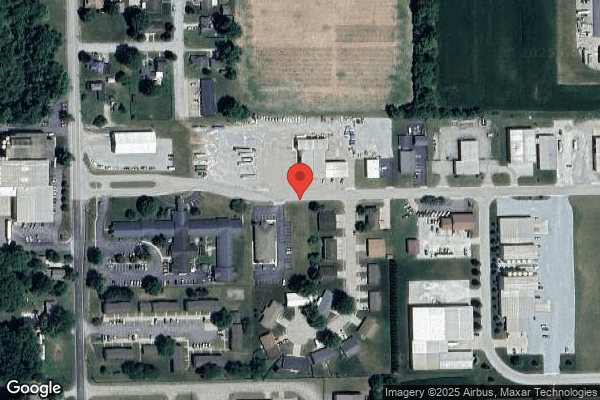
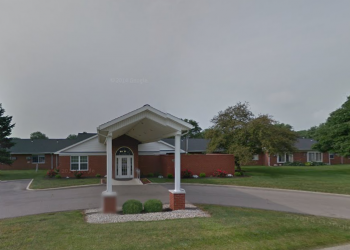
75 MOTE DRIVE, COVINGTON, OH 45318 (937) 473-2075
For profit - Corporation 75 Beds MICHAEL SLYK Data: November 2025
Trust Grade
45/100
#789 of 913 in OH
Last Inspection: March 2023

Over 2 years since last inspection. Current conditions may differ from available data.

Overview

Stillwater Skilled Nursing and Rehabilitation in Covington, Ohio, has a Trust Grade of D, indicating below-average quality with some concerns. Ranking #789 out of 913 facilities in Ohio places them in the bottom half, and they are #5 out of 6 in Miami County, meaning there is only one local option rated higher. The facility shows an improving trend, with issues decreasing from 14 in 2023 to just 1 in 2025, which is a positive sign. Staffing is currently rated 2 out of 5 stars, with a turnover rate of 59%, which is average compared to the state. Although they have no fines, which is good, there have been concerning incidents, such as insufficient dietary staff leading to closed dining services and failure to ensure adequate registered nurse coverage, which could affect all residents. Overall, while there are some strengths in their trend and absence of fines, families should consider the staffing ratings and specific concerns highlighted in recent inspections.

Trust Score
D
45/100
In Ohio
#789/913
Bottom 14%
Safety Record
Low Risk
No red flags
Inspections
Getting Better
14 → 1 violations
Staff Stability
⚠ Watch
59% turnover. Above average. Higher turnover means staff may not know residents' routines.
Penalties
✓ Good
No fines on record. Clean compliance history, better than most Ohio facilities.
Skilled Nurses
○ Average
Each resident gets 36 minutes of Registered Nurse (RN) attention daily — about average for Ohio. RNs are the most trained staff who monitor for health changes.
Violations
⚠ Watch
25 deficiencies on record. Higher than average. Multiple issues found across inspections.
★★☆☆☆
2.0
Overall Rating
★★☆☆☆
2.0
Staff Levels
★☆☆☆☆
1.0
Care Quality
★★★☆☆
3.0
Inspection Score
Stable
2023: 14 issues
2025: 1 issues

The Good

  • Full Sprinkler Coverage · Fire safety systems throughout facility
  • No fines on record

Facility shows strength in fire safety.

The Bad

2-Star Overall Rating

Below Ohio average (3.2)

Below average - review inspection findings carefully

Staff Turnover: 59%

13pts above Ohio avg (46%)

Frequent staff changes - ask about care continuity

Chain: MICHAEL SLYK

Part of a multi-facility chain

Ask about local staffing decisions and management

Staff turnover is elevated (59%)

11 points above Ohio average of 48%

The Ugly 25 deficiencies on record

Jun 2025 1 deficiency
CONCERN (D) 📢 Someone Reported This

A family member, employee, or ombudsman was alarmed enough to file a formal complaint

Potential for Harm - no one hurt, but risky conditions existed

Deficiency F0559 (Tag F0559)

Could have caused harm · This affected 1 resident

Based on medical record review, interviews with staff and Resident Representative, and facility policy review, the facility failed to ensure Resident Representative was notified of room change prior t...

Read full inspector narrative →
Based on medical record review, interviews with staff and Resident Representative, and facility policy review, the facility failed to ensure Resident Representative was notified of room change prior to a room change. This affected one resident (#54) out of the three residents reviewed for room change notification. The facility census was 55. Findings include: Review of the medical record for Resident #54 revealed an admission date of 10/19/23 with medical diagnoses of mild neurocognitive disorder due to known physiological condition with behavioral disturbances, degenerative disease of the nervous system, depression, dementia, and cerebral atherosclerosis. Review of the medical record for Resident #54 revealed a quarterly Minimum Data Set (MDS) assessment, dated 04/09/25, which indicated Resident #54 had moderate cognitive impairment and was dependent upon staff for all Activities of Daily Living (ADLs). Review of the medical record for Resident #54 revealed the resident had room moves on 01/01/25, 02/27/25 and on 04/14/25. Review of the medical record for Resident #54 revealed a nurses' note dated 02/28/25 which stated notified resident/family of room move. Review of the medical record revealed a late entry note on 06/06/25 at 12:48 P.M. for 01/01/25 at 12:46 P.M. which stated the resident was moved rooms due to bed reductions. The note stated Resident Representative aware of room moves and of bed reductions. Further review of the nurses' notes revealed a late entry note on 06/06/25 at 1:02 P.M. for 04/14/25 at 12:58 P.M. which stated the resident was moved from a rehab hall to a long-term private room where the resident would be more visible to staff to visualize due to the need for frequent checks and large space for family to visit. Discussed with Resident Representative in advance and in agreement with change. Physician Assistant was notified. Interview on 06/06/25 at 2:08 P.M. with Director of Nursing (DON) stated Resident #54's husband was aware of the room changes but the facility staff had not documented the room changes in the medical record until 06/06/25. DON confirmed the medical record for Resident #54 indicated on 02/28/25 that Resident #54's husband was notified of room change that occurred on 02/27/25. Interview on 06/06/25 at 2:53 P.M. with Resident #54's Representative stated the facility notified him of one of Resident #54's room changes but was not notified of the other recent room changes. Review of the facility policy titled, Transfer, Room to Room, revised December 2016 stated the purpose of the procedure was to provide guidelines for safely transferring residents from one room to another when such a transfer has been approved in accordance with facility policies. The policy stated the residents were to be oriented to the transfer in a form and manner that the residents could understand. The policy stated the information must include where the room is located, who the resident's new roommate, if any, would be, who will be providing the resident's care, that his/her family and visitors would be informed of the room change and why the transfer was taking place. The policy continued to state the following information should be recorded in the resident's medical record: date/time of room transfer was made, the names and titles of the individual(s) who assisted in the move, all assessment data obtained during the move, how the resident tolerated the move, if the resident refused the move and the resident why, and the signature and title of the person recording the data. This deficiency represents non-compliance investigated under Complaint Number OH00165133.
Aug 2023 2 deficiencies
CONCERN (D) 📢 Someone Reported This

A family member, employee, or ombudsman was alarmed enough to file a formal complaint

Potential for Harm - no one hurt, but risky conditions existed

Unnecessary Medications (Tag F0759)

Could have caused harm · This affected 1 resident

Based on observation, medical record review, staff interview and review of policies, the facility failed to ensure medications were administered according to physician's order, resulting in a medicati...

Read full inspector narrative →
Based on observation, medical record review, staff interview and review of policies, the facility failed to ensure medications were administered according to physician's order, resulting in a medication error rate which exceeded 5 percent (%). Thirty-five opportunities were observed with four medications errors, resulting in 11.42% error rate. This affected three (#1, #33, #43) of three residents observed during medications administration. The census was 61. Findings included: 1. Review of the medical chart for Resident #1 revealed an admission date of 09/02/15, with diagnosis included hyperlipidemia. Review of the physician's order dated 06/20/23, for Resident #1, revealed an order for Fish Oil 500 milligrams (mg) tablet to give two tablets, one time a day for supplement. Observation of medication administration with Licensed Practical Nurse (LPN) #151 on 08/22/23 at 7:15 A.M., to Resident #1, revealed LPN #151 gave Fish Oil 1000 mg 2 tablets by mouth. Interview with LPN #151 on 08/22/23 at 8:52 A.M., verified she gave Resident #1 Fish Oil 1000 mg two tablets by mouth. Interview with Director of Nursing (DON) on 08/22/23 at 8:23 A.M., verified Resident #1 was to be given Fish Oil 1000 mg total with two tablets of 500 mg, which was not given per physician's order. 2. Review of the medical record for Resident #33 revealed an admission date of 08/14/21, with diagnosis included diabetes mellitus. Review of physician orders for Resident #33 revealed an order for Novolog Flex Pen 100 unit per milliliters (ml), to give six units with meals for diabetes mellitus. Observation of insulin injection on 08/22/23 at 7:40 A.M., revealed LPN #151 took out the Novolog Flex Pen, placed a new needle on and dialed up six units of insulin. She injected Resident #33 in the left abdomen. This surveyor did not observe the nurse prime the Flex Pen prior to dialing up the dosage amount. Interview on 08/22/23 at 7:40 A.M., with LPN #151 verified she did not prime the Flex Pen with two unit prior to dialing up the dosage of six unit for Resident #33. Interview with Unit Manager #107 verified the Flex Pen needle needs to be primed with two units before dialing up the dosage amount of insulin. 3. Review of the medical record for Resident #43 revealed an admission date of 02/09/23, with diagnosis included hypertension. Review of the physician orders for Resident #43 revealed an order dated 08/14/23 for Metoprolol Tartrate 25 mg to give 0.5 tablet by mouth two times a day for hypertension hold for systolic blood pressure less than 100 or pulse less than 60 and a completed order dated 08/14/23 for Tetracycline HCI capsule 500 mg, to give one capsule two times per day for urinary tract infection for 14 administrations. Review of Resident #43's medication administration record revealed Tetracycline HCI capsule 500 mg, to give one capsule two times per day for urinary tract infection for 14 administrations was started on 08/14/23 at 8:00 P.M. and received her 14 th dose on 08/21/23 at 8:00 A.M. Observation of LPN #157's medication administration with Resident #43 on 08/22/23 at 7:03 A.M., revealed the resident received Metoprolol 25 mg one-half tablet orally and one Tetracycline 500 mg one tablet orally. The resident blood pressure was taken and was 89 systolic and 59 diastolic with a pulse of 64 beats per minute. Interview with LPN #157 on 08/22/23 at 8:58 A.M., revealed she gave Resident #43 the medications: Metoprolol Tartrate 25 mg to give 0.5 tablet by mouth and Tetracycline HCI capsule 500 mg, to give one capsule. LPN #157 verified the order for the Metoprolol does have perimeters to hold if systolic was less than 100 and the Tetracycline was not on the medication administration record for her to give for the date of 08/22/23 which she did administer. Review of the undated policy titled, Administering Insulin via a Flex Pen, revealed Step 6: Prime the insulin pen. Priming means removing the air bubbles form the needled and ensures the needle is open and working. The pen must be primed before each injection. Step 7: To prime the insulin pen, turn the dosage kob to 2 units indicator. With the pen pointing upward, push the knob all the way up. At least one drop of insulin should appear. Review of the policy titled, Administering Medications dated April 2019 revealed medications are administered in a safe and timely manner, and as prescribed. The individual administering the medication will verify the right resident, right medication, right dosage. Right time and right method (route) of administration before giving the medication. This deficiency represents non-compliance investigated under Complaint Number OH00145373.
CONCERN (D) 📢 Someone Reported This

A family member, employee, or ombudsman was alarmed enough to file a formal complaint

Potential for Harm - no one hurt, but risky conditions existed

Deficiency F0760 (Tag F0760)

Could have caused harm · This affected 1 resident

Based on observation, medical record review, staff interview, and policy review, the facility failed to ensure staff primed the insulin Flex Pen prior to dialing up medication dose, thus resulting in ...

Read full inspector narrative →
Based on observation, medical record review, staff interview, and policy review, the facility failed to ensure staff primed the insulin Flex Pen prior to dialing up medication dose, thus resulting in significant medication error due to resident not receiving the correct amount of insulin. This affected one (#33) of one resident observed for insulin administration. The census was 61. Findings included: Review of the medical record for Resident #33 revealed an admission date of 08/14/21, with diagnosis included diabetes mellitus. Review of physician orders for Resident #33 revealed an order for Novolog Flex Pen 100 unit per milliliters (ml), to give six units with meals for diabetes mellitus. Observation of insulin injection on 08/22/23 at 7:40 A.M., revealed Licensed Practical Nurse (LPN) #151 took out the Novolog Flex Pen, placed a new needle on and dialed up six units of insulin. She injected Resident #33 in the left abdomen. This surveyor did not observe the nurse prime the Flex Pen prior to dialing up the dosage amount. Interview on 08/22/23 at 7:40 A.M., with LPN #151 verified she did not prime the Flex Pen with two unit prior to dialing up the dosage of six unit for Resident #33. Interview with Unit Manager #107 verified the Flex Pen needle needs to be primed with two units before dialing up the dosage amount of insulin. Review of the undated policy titled, Administering Insulin via a Flex Pen, revealed Step 6: Prime the insulin pen. Priming means removing the air bubbles form the needled and ensures the needle is open and working. The pen must be primed before each injection. Step 7: To prime the insulin pen, turn the dosage kob to 2 units indicator. With the pen pointing upward, push the knob all the way up. At least one drop of insulin should appear. This deficiency represents non-compliance investigated under Complaint Number OH00145373.
Mar 2023 12 deficiencies
CONCERN (D) 📢 Someone Reported This

A family member, employee, or ombudsman was alarmed enough to file a formal complaint

Potential for Harm - no one hurt, but risky conditions existed

Resident Rights (Tag F0550)

Could have caused harm · This affected 1 resident

**NOTE- TERMS IN BRACKETS HAVE BEEN EDITED TO PROTECT CONFIDENTIALITY** Based on medical record review, observation, staff interview and review of the policy, the facility failed to ensure incontinenc...

Read full inspector narrative →
**NOTE- TERMS IN BRACKETS HAVE BEEN EDITED TO PROTECT CONFIDENTIALITY** Based on medical record review, observation, staff interview and review of the policy, the facility failed to ensure incontinence care was provided in a dignified manner. This affected one (#4) of one resident reviewed for infection urinary catheter care. The facility census was 56. Findings include Medical record review for Resident #4 revealed an admission on [DATE] with diagnoses include Schizophrenia, history of Coronavirus Disease 2019 (COVID-19), neuromuscular dysfunction bladder, insomnia, urine retention, cognitive communication deficit, type two diabetes mellitus, anxiety, memory deficit following cerebrovascular disease. Review of the annual Minimum Data Set (MDS) dated [DATE] for Resident #4 revealed the resident is rarely or never understood. Resident #4 required extensive assist with two staff members for bed mobility, transfers, and extensive assist from two staff members for toileting. Resident #4 requires extensive assist for eating. Resident #4 was coded as having an indwelling Foley catheter. Review of the plan of care dated 7/18/22 for Resident #4 revealed the resident at risk for urinary tract infection secondary to the use of a Foley catheter due to diagnoses of neurogenic bladder. Interventions include change Foley catheter as needed for obstruction or displacement as ordered, change Foley catheter bag per policy, encourage leg strap, flush catheter as ordered, position catheter bad and tubing below the level of the bladder and ensure that tubing is not resident under the resident and provide Foley catheter care as ordered. Observation 03/14/23 at 3:49 P.M. of incontinent care for Resident #4 with Licensed Practical Nurse (LPN) #129 and State Tested Nursing Assistant (STNA) #86 revealed LPN #129 positioned the bed away from the wall to allow for staff to assist on both sides of the bed. The bed was positioned with the headboard in the corner of the room. Resident #4 was uncovered to expose perineal area for incontinent care. Resident #4 was rolled from side to side for task and replacement of incontinent products, exposing bare body from the perineal region to her feet for Resident #4 on three occasions. The privacy curtain was not pulled around Resident #4 side of the room and this allowed roommate to see completion of incontinent care and exposure of perineal regions of Resident #4. Interview on 03/14/23 at 4:04 P.M. with STNA #86 verified she did not pull the curtain and should have to prevent exposure of Resident #4. Review of the facility policy titled Catheter Care, Urinary dated 09/2014, revealed staff will provide privacy during care. This deficiency represents non-compliance investigated under Complaint Number OH00141216.
CONCERN (D)

Potential for Harm - no one hurt, but risky conditions existed

Comprehensive Assessments (Tag F0636)

Could have caused harm · This affected 1 resident

Based on medical record review, staff interview and review of the Resident Assessment Instrument (RAI) Manual 3.0, the facility failed to complete a comprehensive Minimum Data Set Assessment (MDS) wit...

Read full inspector narrative →
Based on medical record review, staff interview and review of the Resident Assessment Instrument (RAI) Manual 3.0, the facility failed to complete a comprehensive Minimum Data Set Assessment (MDS) within the required time frame. This affected two (#58 and #259) of two residents reviewed for comprehensive assessments. The facility census was 56. Findings include: 1. Review of the medical record for Resident #259 revealed an admission date of 02/18/23 with medical diagnoses of Alzheimer's disease, unspecified psychosis, hypertension, chronic obstructive pulmonary disease (COPD), and depression. Review of the medical record for Resident #259 revealed an admission comprehensive MDS, with assessment reference date (ARD) of 02/23/23, which indicated Resident #259 had moderate cognitive impairment and required supervision with bed mobility, transfers, toileting, ambulation and eating. Review of the MDS revealed a completion date of 03/08/23. 2. Review of the medical record for Resident #58 revealed an admission date of 12/30/22 with medical diagnoses of rhabdomyolysis, hyperlipidemia, obesity, diabetes mellitus with neuropathy, and hypertension. Review of the medical record for Resident #58 revealed an admission comprehensive MDS, with ARD 01/10/23, which indicated Resident #58 was cognitively intact and required extensive assist with bed mobility, transfers, toileting, and dependent for bathing. Review of the MDS revealed a completion date of 01/17/23. Interview on 03/15/23 at 9:37 A.M. with Regional Nurse #34 stated the facility utilized the RAI manual for their MDS policy and followed the RAI guidelines for MDS completion date requirements. Interview on 03/15/23 at 3:12 P.M. with Regional MDS Nurse #176 confirmed Resident #259 and #58's comprehensive MDS assessments were not completed on the 14th day of the resident's admission to the facility as per the RAI guidelines. Review of the RAI manual revealed an admission comprehensive MDS must be completed on the 14th day of the resident's admission to the facility.
CONCERN (D)

Potential for Harm - no one hurt, but risky conditions existed

Deficiency F0637 (Tag F0637)

Could have caused harm · This affected 1 resident

Based on medical record review, staff interview and review of the Resident Assessment Instrument (RAI) Manual 3.0, the facility failed to complete a significant change in status assessment (SCSA) Mini...

Read full inspector narrative →
Based on medical record review, staff interview and review of the Resident Assessment Instrument (RAI) Manual 3.0, the facility failed to complete a significant change in status assessment (SCSA) Minimum Data Set Assessment (MDS) within the required time frame. This affected one (#52) of two residents reviewed for Hospice services. The facility census was 56. Findings include: Review of the medical record for Resident #52 revealed an admission date of 03/09/22 with medical diagnoses of diverticulitis of intestine, atherosclerotic heart disease (ASHD), major Depression, schizophrenia, unspecified psychosis, and dementia. Review of the medical record for Resident #52 revealed a SCSA MDS with assessment reference date (ARD) 02/28/23 which indicated Resident #52 had severely cognitive impairment and required extensive assistance with bed mobility, transfers, toileting, and was dependent for bathing. The MDS indicated Resident #52 received Hospice services. The completion date for Resident #52's SCSA MDS was dated 03/14/23. Review of the medical record for Resident #52 revealed a physician order dated 02/24/23 for Hospice services. Interview on 03/15/23 at 9:37 A.M. with Regional Nurse #34 stated the facility utilized the RAI manual for their MDS policy and followed the RAI guidelines for MDS completion date requirements. Interview on 3/15/23 at 3:12 P.M. with Regional MDS Nurse #176 confirmed Resident #52's SCSA MDS was not completed per RAI guidelines. Review of the RAI manual, hospice election is an automatic requirement for a significant change in status assessment. The ARD must be within 14 days from the effective date of the hospice election and the SCSA MDS completion date can be no later than the 14th calendar day after determination date (hospice election date).
CONCERN (D)

Potential for Harm - no one hurt, but risky conditions existed

Deficiency F0638 (Tag F0638)

Could have caused harm · This affected 1 resident

Based on medical record review, staff interview and review of the Resident Assessment Instrument (RAI) Manual 3.0, the facility failed to complete quarterly Minimum Data Set Assessment (MDS) within th...

Read full inspector narrative →
Based on medical record review, staff interview and review of the Resident Assessment Instrument (RAI) Manual 3.0, the facility failed to complete quarterly Minimum Data Set Assessment (MDS) within the required time frame. This affected three (#24, #26, and #52) of three residents reviewed for quarterly assessments. The facility census was 56. Findings include: 1. Review of the medical record for Resident #24 revealed an admission date of 08/11/22 with medical diagnoses of schizoaffective disorder, hypertension, Intellectual disabilities, major Depression, bipolar disorder, and anxiety. Review of the medical record for Resident #24 revealed a quarterly MDS, with ARD 02/23/23, which indicated Resident #24 was cognitively intact and required extensive assistance with bed mobility, transfers, toileting and bathing. Review of the MDS revealed a completion date of 03/09/23. 2. Review of the medical record for Resident #26 revealed an admission date of 11/08/19 with medical diagnoses of schizoaffective disorder, major depression, diabetes mellitus, and psychotic disorders with delusions. Review of the medical record for Resident #26 revealed a quarterly MDS, with ARD 01/23/23, which indicated Resident #26 was severely cognitively impaired and required supervision with bed mobility, transfers, ambulation, dressing, and toileting. Review of the MDS revealed a completion date of 02/07/23. 3. Review of the medical record for Resident #52 revealed an admission date of 03/09/22 with medical diagnoses of diverticulitis of intestine, atherosclerotic heart disease (ASHD), major Depression, schizophrenia, unspecified psychosis, and dementia. Review of the medical record for Resident #52 revealed a quarterly MDS, with ARD of 01/22/23, indicated severe cognitive impairment and required extensive assist with bed mobility, transfers, dressing, toileting, and was dependent upon staff for bathing. Review of the MDS revealed a completion date of 02/06/23. Interview on 03/15/23 at 9:37 A.M. with Regional Nurse #34 stated the facility utilized the RAI manual for their MDS policy and followed the RAI guidelines for MDS completion date requirements. Interview on 3/15/23 at 3:12 P.M. with Regional MDS Nurse #176 confirmed Residents #24, #26, and #52 quarterly MDS assessments were not completed timely as per the RAI guidelines. Review of the RAI manual revealed a quarterly MDS completion date must be no later than 14 days after the ARD.
CONCERN (D)

Potential for Harm - no one hurt, but risky conditions existed

Assessment Accuracy (Tag F0641)

Could have caused harm · This affected 1 resident

**NOTE- TERMS IN BRACKETS HAVE BEEN EDITED TO PROTECT CONFIDENTIALITY** Based on record review, staff interviews, and review of the Resident Assessment Instrument (RAI) Manual 3.0, the facility failed...

Read full inspector narrative →
**NOTE- TERMS IN BRACKETS HAVE BEEN EDITED TO PROTECT CONFIDENTIALITY** Based on record review, staff interviews, and review of the Resident Assessment Instrument (RAI) Manual 3.0, the facility failed to accurately code Minimum Data Set (MDS) assessments. This affected two (#4 and #26) out of the six residents reviewed for MDS accuracy. The facility census was 56. Findings include: 1. Review of the medical record for Resident #26 revealed an admission date of 11/08/19 with medical diagnoses of schizoaffective disorder, major depression, diabetes mellitus, and psychotic disorders with delusions. Review of the medical record for Resident #26 revealed a quarterly MDS, with an assessment reference date (ARD) of 01/23/23, which indicated Resident #26 was severely cognitively impaired and required supervision with bed mobility, transfers, ambulation, dressing, and toileting. Review of the MDS revealed Resident #26 received an antibiotic for two days during the review period. Review of the medical record for Resident #26 revealed the January Medication Administration Record (MAR) did not have documentation to support Resident #26 received an antibiotic during the review period. Interview on 03/16/23 at 1:09 P.M. with Regional MDS Nurse #176 confirmed Resident #26 did not receive an antibiotic during the review period. 2. Medical record review for Resident #4 revealed an admission on [DATE] with diagnoses including but not limited to schizophrenia, history of Coronavirus Disease 2019 (COVID-19), neuromuscular dysfunction bladder, insomnia, urine retention, cognitive communication deficit, type two diabetes mellitus, anxiety, memory deficit following cerebrovascular disease. Review of the annual MDS, with an ARD of 01/09/23 for Resident #4 revealed resident is rarely or never understood. Verbal behaviors towards others occurred one to three days during the assessment period. Resident #4 required extensive assist with two staff members for bed mobility, transfers, and extensive assist from two staff members for toileting. Resident #4 required extensive assist for eating. No hospice was coded. Review of the plan of care dated 03/07/23 for Resident #4 revealed resident received hospice services related to failure to thrive due to schizophrenia and anxiety. Resident #4 is followed by hospice. Interventions included contact Hospice for changes in resident condition, hospice services as ordered, hospice to collaborate care with facility staff, inspect skin during care, provide emotional support and comfort measures, and provide oral hygiene frequently. Interview on 03/14/23 at 9:30 A.M. with Licensed Practical Nurse (LPN) #129 stated Resident #4 was on hospice services but it has been discontinued last month. Interview on 03/15/23 at 10:14 A.M. with Regional MDS/Registered Nurse (RN) #176 stated Resident #4 was only receiving palliative services from hospice from 02/04/21 through 02/20/23. Interview on 03/15/21 at 3:17 P.M. with Registered Nurse (RN) #34 verified Resident #4 was no longer receiving palliative hospice services. Further stated the hospice plan of care was added in error and would be deleted. Request for a policy related to MDS coding during the survey and was advised the facility follows the Resident Assessment Manual. Review of the RAI Manual 3.0 page 4-11 states the residents care plan must be reviewed after each assessment and revised based on changing goals, preferences and need of the resident and in response to current interventions. Further review of the RAI Manual 3.0 page 1-7 stated the RAI process has multiple regulatory requirements that require the assessment to accurately reflect the resident health at the time of completion. Review of the RAI manual, stated the assessment should indicate the number of days the resident received medications, by pharmacological classification, for the review period. Per the RAI manual, the pharmacological classifications that require documentation of medications given during the review period include antipsychotic, antianxiety, antidepressant, hypnotic, anticoagulant, antibiotic, diuretic, and opioid medications.
CONCERN (D)

Potential for Harm - no one hurt, but risky conditions existed

Deficiency F0645 (Tag F0645)

Could have caused harm · This affected 1 resident

**NOTE- TERMS IN BRACKETS HAVE BEEN EDITED TO PROTECT CONFIDENTIALITY** Based on medical record review, staff interview, review of the facility policy and review of the Ohio Department of Medicaid web...

Read full inspector narrative →
**NOTE- TERMS IN BRACKETS HAVE BEEN EDITED TO PROTECT CONFIDENTIALITY** Based on medical record review, staff interview, review of the facility policy and review of the Ohio Department of Medicaid website, the facility failed to ensure the Preadmission Screening and Resident Review (PASARR) was accurately completed. This affected one (#39) of one resident reviewed for PASARR accuracy. The facility censes was 56. Findings include: Medical record review for Resident #39 revealed an admission on [DATE] with diagnoses altered mental status, psychosis, depression, pain in left knee, gastroesophageal reflux disease, anxiety, obesity, spinal stenosis, hypertension, disease of spinal cord, encephalopathy, low back pain, viral hepatitis C, bipolar disorder, hypothyroidism, adult failure to thrive, paranoid personality, delusional disorder, infectious and parasitic disease, and hyperlipidemia. Review of quarterly Minimum Data Set (MDS) assessment for Resident #39 dated 02/08/23 revealed impaired cognition. Resident #39 required limited assist for bed mobility, transfers, and toileting from one staff member. Resident #39 was supervised for meal consumption. Resident #39 received antipsychotic's, and antidepressants during the look back period. Review of the plan of care for Resident #39 revealed resident was at risk for side effects related to psychotropic and antidepressant medications. Interventions included administer and monitor lab tests as ordered and report to physician and/or nurse practitioner, administer medications as ordered, complete abnormal involuntary movement scale (AIMS) assessment, monitor for psychotropic/antidepressant drug related complications, monitor resident for side effects from medications, and notify physician or nurse practitioner if side effects or indicators of overdose are observed, and psychological evaluations as needed. Review of the Preadmission Screening and Resident Review for Resident #39 dated 11/09/22 revealed mood disorder and psychotic disorder was not documented on the screening. Interview on 03/15/23 at 10:25 A.M. with Social Service Designee (SSD) #10 verified bipolar disorder and psychosis should have been on Resident #39's PASARR and it was not. A policy for the completion of the PASARR was requested during the survey and the facility advised they follow the PASARR rule. Review of the Ohio Department of Medicaid website for PASARR completion revealed the purpose of the PASARR is to ensure individuals are admitted to the most appropriate settings. The PASARR should include a complete and accurate information to the best of their knowledge. The facility failed to ensure all current mental diagnoses were included on the screen after readmission from the hospital.
CONCERN (D)

Potential for Harm - no one hurt, but risky conditions existed

Deficiency F0685 (Tag F0685)

Could have caused harm · This affected 1 resident

**NOTE- TERMS IN BRACKETS HAVE BEEN EDITED TO PROTECT CONFIDENTIALITY** Based on medical record review, observations, staff interview and facility policy review, the facility failed to provide care an...

Read full inspector narrative →
**NOTE- TERMS IN BRACKETS HAVE BEEN EDITED TO PROTECT CONFIDENTIALITY** Based on medical record review, observations, staff interview and facility policy review, the facility failed to provide care and services to maintain or improve communication. This affected one (#16) of one residents reviewed for communication. The facility census was 56. Findings include: Medical record review for Resident #16 revealed an admission on [DATE] with diagnoses include fracture of left pubis, anxiety, urinary tract infection, repeated falls, diabetes with neuropathy, delusional disorders, osteoarthritis, gastroesophageal reflux disease, low back pain, extended spectrum beta lactamase resistance, and psychotic disorder with delusions. Review of the minimum data set (MDS) assessment dated [DATE] for Resident #16 revealed impaired cognition. Resident #16 was coded with adequate hearing. Resident #16 requires supervision for bed mobility, eating and toileting. Review of the plan of care for Resident #16 dated 05/13/17 and revised on 05/11/22 revealed the resident has difficulty at times understanding what is being communicated to her related to mild impaired cognition, psychotic disorder with delusions, vascular dementia, paranoid personality, anxiety, and depression. Content may need to be repeated and/or rephrased. Interventions include if Resident #16 is unable to comprehend what is being said, use brief simple wording or rephrase wording, minimize, or eliminate environmental distractions, monitor and report to physician any significant changes in residents' communication ability, monitor need for consultation, provide treatment as ordered for speech therapy, speak clearly and slowly to resident, when speaking to resident, and stand where resident can see your face and mouth. Review of audiology visit for Resident #16 dated 02/20/23 revealed a referral was made on 11/02/22 for complaints of vertigo and newly decreased hearing. Further review of the document revealed an area for additional comments and revealed wax needs removed from both ears, too deep for curette (high powered lighted microscope with loop) removal. Review of physician orders for Resident #16 revealed an order dated 01/15/20 for Resident #16, may consult with dentist, podiatrist, audiology an psych services as needed and an order dated 03/16/23 for an appointment with ears, nose and throat (ENT) physician on 05/09/23 at 2:50 P.M. Interview on 03/13/23 at 1:33 P.M. with Resident #16 stated someone came to the facility and looked at my ears. Resident #16 stated they were not able to remove the wax in my ears and took impressions for hearing aids. Resident #16 stated that was a month ago and they have not been back. Resident #16 states that her hearing is getting worse and need to ask people to repeat conversations now and didn't have to do that before as much. Interview on 03/16/23 at 2:35 P.M. with [NAME] President of Operations #36 verified the appointment was not made regarding Resident #16's follow up appointment. A request for policy or procedure regarding follow up appointments or referrals was requested during the survey and not provided for review.
CONCERN (E) 📢 Someone Reported This

A family member, employee, or ombudsman was alarmed enough to file a formal complaint

Potential for Harm - no one hurt, but risky conditions existed

Safe Environment (Tag F0584)

Could have caused harm · This affected multiple residents

**NOTE- TERMS IN BRACKETS HAVE BEEN EDITED TO PROTECT CONFIDENTIALITY** Based on medical record review, observations, resident and staff interviews, review of facility water temperature logs and revie...

Read full inspector narrative →
**NOTE- TERMS IN BRACKETS HAVE BEEN EDITED TO PROTECT CONFIDENTIALITY** Based on medical record review, observations, resident and staff interviews, review of facility water temperature logs and review of invoices, the facility failed to ensure comfortable water temperatures were maintained for residents bathrooms and shower room. This affected three (#31, #45, and #46) of three residents reviewed for the physical environment and had the potential to affect 13 (#2, #6, #9, #11, #14, #23, #31, #32, #38, #45, #46, #118, and #309) residents residing on the West-hall. The current census is 56. Findings include: 1. Record review of Resident #45 revealed the resident was admitted to the facility on [DATE]. Diagnoses include conversion disorder with seizures, bipolar disorder, autism, and adjustment disorder. Review of Resident #45's comprehensive Minimum Data Set (MDS) assessment dated [DATE] revealed there was no assessment completed for the mental score. Review of Resident #45's assessments dated 03/08/23 revealed a mental score assessment was conducted and Resident #45 was scored at a 10, indicating cognitive impairment. Review of Resident #45's care plans dated 02/2023 revealed a focus for activities of daily living (ADL) performance in refusal of showers. Interventions include encourage resident to participate, make ADL routine consistent, provide necessary equipment, and notify of complaints and discomfort. Interview and observation on 03/13/23 at 10:53 A.M. of Resident #45 revealed the resident was ambulating through the hallways. Resident #45 had a full facial beard and appeared unkept. Resident #45 answered simple questions and stated he did not know when the last time he showered. Resident #45 did not respond when asked about his bathroom sink water. Observation and interview on 03/13/23 at 2:30 P.M. of Resident #45 revealed the resident was clean shaven and well groomed. Resident #45 stated he had to walk to the other hall to get a shower and it 'bothered' him. 2. Record review of Resident #46 revealed the resident was admitted to the facility on [DATE]. Diagnoses include paraplegia, bipolar disorder, chronic obstructive pulmonary disease, post-traumatic stress disorder, neuromuscular dysfunction, and chronic pain. Review of the comprehensive MDS assessment dated [DATE] revealed the resident had intact cognition and was an extensive two-person assist for ADL. Review of Resident #46's care plans dated 01/26/22 revealed a focus for ADL decline and requiring an extensive assist for ADL's. Interventions include preventative skin care, monitor skin, bed mobility with two assist, transfers with lift, turning and repositioning and peri-care after incontinence. Interview on 03/13/23 at 10:37 A.M. with Resident #46 revealed the resident stated there was no hot water in his bathroom. Resident #46 stated there was also no hot water in the shower room on the West-hall, the hall where he resides. Resident #46 stated the hot water has been gone for about a month. Resident #46 stated he is unable to ambulate down to the other shower room in the East-hall due to his paralysis. Resident #46 stated due to his mobility he has to have bed baths. Resident #46 stated due to there being no hot water in his bathroom his bed baths are often cold and uncomfortable because the aide will use the water out of the bathroom to fill the basins for his baths. Resident #46 stated he has reported the issues to the Maintenance Manager many times with no repairs being made. Observation on 03/13/23 at 10:44 A.M. of Resident #46's water temperature in the bathroom revealed the sink water was turned on to 'hot' and did not warm up to touch. The water temperature never reached a comfortable warm temperature and stayed lukewarm during the observations. 3. Record review of Resident #31 was admitted to the facility on [DATE]. Diagnoses include fracture of left humerus, heart failure, dwarfism, hemiplegia, abnormal posture, and depression. Review of the comprehensive MDS assessment dated [DATE] revealed the resident had intact cognition and was a two-person assist for ADL. Review of Resident #31's care plans dated 09/2017 revealed a focus for ADL required assistance due to hemiplegia. Interventions include assist resident with showers twice a week and as needed upon request, if resident refuses care re-approach at later time, and allow time for a task do not rush. Interview on 03/14/23 at 1:22 P.M. with Resident #31 revealed the resident was alert and oriented and able to recall details of past days. Resident #31 stated it had been over a month since the hot water had been functional in her bathroom and on the West-hall. Resident #31 stated the aides will tell her she is refusing to take a shower or bed bath if she tells them she wants warm or hot water brought to her room for her bed bath. Resident #31 stated she is tired of ambulating to the other hall's shower room to take a hot shower. Resident #31 stated the other hall has a lot of residents waiting to take showers and she feels uncomfortable ambulating back from the shower room. Resident #31 stated she will accept bed baths but only when the aides get hot water from some other area and bring it to her room to wash her up. Resident #31 stated she has not refused any baths, but stated she request hot water to bath with. Interview on 03/13/23 at 12:40 P.M. during an environmental tour with Director of Maintenance (DM) #16 stated the plumber repaired a cartridge for the West-hall on 03/10/23 and was to return on 03/15/23. DM #16 stated he has received reports from residents and staff regarding the cold temperatures of the water in the West-hall and stated the only rooms affected were Resident #7, Resident #46, and the shower room. DM #16 stated most residents are able to ambulate down to the East-hall shower room but stated he understood there were residents unable to bath in the other hall's shower room. DM #16 stated the West-hall water supply has been affected by the broken cartridge since 02/2023. DM #16 stated he was told by the plumber the valves and cartridges needed replaced but they would have to wait until the facility's warranty was checked and the new parts would be sent after replacement parts were available. DM #16 stated he had to wait for approval for the replaced old parts instead of new parts being purchased. Observation of the water temperature in the West-hall shower room revealed the water temperature did not rise above 100 degrees Fahrenheit (F). DM #16 stated the normal range for water temperatures is 105 degrees F to 115 degrees F. DM #16 verified Resident #46, #45, and Resident #31's bathrooms were affected by the cold-water temperature issue and stated he scheduled the plumber to return on 03/15/23 to repair the hot water supply. Interviews on 03/13/23 and 03/14/23 throughout the survey with Licensed Practical Nurse (LPN) #58 and State Tested Nurse Aide (STNA) #82 revealed all residents on the West-hall have reported the issues with the cold water. Per the staff the residents who are able to ambulate are taken down the other hall for their showers. Per the staff the showers are often given when the other hall residents are not using the shower room and the schedule does get hectic. The staff stated the staff are to get hot water from the other halls bathrooms in the basins and bring it to the rooms of the residents on the West-hall who are to receive bed baths. Per STNA #82 there have been resident complaint regarding bed bath water being uncomfortable due to the temperatures. The staff stated they have reported to DM #16 about the water temperatures and are told it is being worked on. The facility confirmed there were 13 (#2, #6, #9, #11, #14, #23, #31, #32, #38, #45, #46, #118, and #309) residents residing on the West-hall that could potentially be affected. Review of the facility's water temperature logs dating from 02/2023 to 03/2023 revealed the facility was not testing the West-hall resident rooms or the West-hall shower room. Review of the facility's work invoices from the plumber and emails regarding the repairs revealed on 02/06/23 the facility sent an email requesting a replacement Mixing Valve-Flow be sent to the facility. The response dated 02/09/23 revealed the plumbing company requested the facility send back the broken valve for warranty and replacement. The facility was informed the process to replace the valve could take 10 business days. On 02/16/23 the facility was notified by email the replacement part would arrive in five to seven business days. Review of the facility's invoices revealed on 03/10/23 the plumber installed a new mixing valve. Per the invoice on 03/15/23 the plumber returned and stated he found more issues with the cartridge and other elements on the hot water heater. This deficiency represents non-compliance investigated under Complaint Number OH00140630.
CONCERN (E)

Potential for Harm - no one hurt, but risky conditions existed

Deficiency F0657 (Tag F0657)

Could have caused harm · This affected multiple residents

**NOTE- TERMS IN BRACKETS HAVE BEEN EDITED TO PROTECT CONFIDENTIALITY** Based on record review, staff and resident interviews, review of Resident Assessment Instrument Manual (RAI) 3.0, the facility f...

Read full inspector narrative →
**NOTE- TERMS IN BRACKETS HAVE BEEN EDITED TO PROTECT CONFIDENTIALITY** Based on record review, staff and resident interviews, review of Resident Assessment Instrument Manual (RAI) 3.0, the facility failed to conduct care plan review meetings quarterly and failed to include the resident, members of the facility interdisciplinary team (IDT), or resident representative in the care plan review meetings. This affected four (#26, #31, #41, and #48) of the six residents reviewed for quarterly care plan meetings. Additionally, the facility failed to remove a hospice care plan when the services were discontinued. This affected one (#4) of one residents reviewed for hospice services. The facility census was 56. Findings include: 1. Review of the medical record for Resident #26 revealed an admission date of 11/08/19 with medical diagnoses of schizoaffective disorder, major depression, diabetes mellitus, and psychotic disorders with delusions. Review of the medical record for Resident #26 revealed a quarterly Minimum Data Set (MDS), with an assessment reference date (ARD) of 01/23/23, which indicated Resident #26 was severely cognitively impaired and required supervision with bed mobility, transfers, ambulation, dressing, and toileting. Review of the medical record for Resident #26 revealed a care planning meeting note, dated 11/30/22, which did not have documentation to support the resident, resident representative or guardian were invited or attended the meeting. The care plan meeting note had signatures of two staff members that attended the meeting. Further review of the medical record for Resident #26 revealed a late entry note for a care plan review meeting dated 02/17/22. The note stated the IDT was present and guardian was notified. The note did not have documentation to support the names or disciplines of the members of the IDT that were present for the meeting or if the guardian attended in person or via phone. Interview on 03/15/22 at 3:02 P.M. with [NAME] President of Operations (VPO) #36 confirmed the medical record for Resident #26 did not contain documentation to support the Resident #26 or the resident's guardian attended the care plan review meeting. VPO #36 also confirmed the documentation did not include the disciplines or the names of the members of the IDT that were present for the meeting on 02/17/23. 2. Review of the medical record for Resident #41 revealed an admission date of 12/09/20 with medical diagnoses of benign paroxysmal vertigo, chronic obstructive pulmonary disease (COPD), chronic kidney disease stage III, and protein calorie malnutrition. Review of the medical record for Resident #41 revealed a quarterly MDS, with an ARD of 01/04/23, which indicated Resident #41 was severely cognitively impaired and required supervision with bed mobility, transfers, ambulation, toileting and extensive assistance with bathing. Review of the medical record for Resident #41 revealed a care plan meeting note, dated 10/12/22 which indicated members of the IDT were present but did not include the IDT member disciplines or names and stated the guardian was notified. The care plan meeting note did not have documentation to support the resident or guardian attended in person or via phone. Further review of the medical record for Resident #41 revealed no documentation to support the facility conducted a care plan review meeting since 10/12/22. Interview on 03/15/22 at 3:02 P.M. with VPO #36 confirmed the medical record for Resident #41 did not contain documentation to support the facility conducted a quarterly care plan review meeting since the meeting on 10/12/22. 3. Review of the medical record for Resident #48 revealed an admission date of 07/1/22 with medical diagnoses of hypertension, COPD, adjustment mood disorder, dementia with behavioral disturbances and major depression. Review of the medical record for Resident #48 revealed a quarterly MDS, with an ARD of 01/06/23 which indicated Resident #48 had severe cognitive impairment and required limited assistance with bed mobility and transfers and extensive assistance with toileting and bathing. Review of the medical record for Resident #48 revealed a care plan review meeting was conducted on 10/12/22. The care plan meeting note indicated the IDT was present and the guardian was updated. Further review of the medical record for Resident #48 revealed no documentation to support the facility conducted a care plan review meeting since 10/12/22. Interview on 03/15/23 at 3:02 P.M. with VPO #36 confirmed the medical record for Resident #48 did not contain documentation to support the facility conducted a care plan review meeting since 10/12/22. 4. Record review for Resident #31 revealed the resident was admitted to the facility on [DATE]. Diagnoses for Resident #31 include fracture of the left humerus, obesity, dwarfism, cerebral infarction, heart failure, chronic obstructive pulmonary disease, hemiplegia, osteoarthritis, convulsion, and fibromyalgia. Review of Resident #31's comprehensive MDS assessment dated [DATE] revealed Resident #31 had intact cognition. Review of Resident #31's social work progress notes revealed a care conference dated 08/06/22 was the last document entered into the resident's medical record for care conferences. Interview on 03/14/23 at 1:17 P.M. with Resident #31 revealed the resident was alert and oriented and able to recall dates and details. Resident #31 stated the facility has not invited her to a care conference since 08/2022. Per the interview with Resident #31, she has requested a care conference recently to discuss with the team her recent injury and the plan to get her back into her motorized wheelchair. Resident #31 stated the staff are not updating her on her care plans or the changes of care. Resident #31 denied being invited to any care conferences within the last two quarters. Review of Resident #31's most recent care conference document, not located in the resident's electronic or paper chart, was dated 11/16/22 revealed only two staff members attended a care conference for Resident #31. Per the document the resident nor a representative was present at the conference. Interview on 03/15/23 at 3:00 P.M. with Regional Quality Assurance (QA) Nurse #34 verified Resident #31 had not had a care conference in 2023. Per the QA Nurse #34 there was no evidence Resident #31 was invited to the care conference on 11/16/22. Interview on 03/15/23 at 3:15 P.M. with Resident #31 revealed the resident did not recall being invited to the care conference held on 11/16/22. Per the resident if she were invited, she would have attended to discuss her care. 5. Medical record review for Resident #4 revealed an admission on [DATE] with diagnoses including but not limited to schizophrenia, history of Coronavirus Disease 2019 (COVID-19), neuromuscular dysfunction bladder, insomnia, urine retention, cognitive communication deficit, type two diabetes mellitus, anxiety, memory deficit following cerebrovascular disease. Review of the annual MDS dated [DATE] for Resident #4 revealed resident is rarely or never understood. Verbal behaviors towards others occurred one to three days during the assessment period. Resident #4 required extensive assist with two staff members for bed mobility, transfers, and extensive assist from two staff members for toileting. Resident #4 required extensive assist for eating. No hospice was coded. Review of the plan of care dated 03/07/23 for Resident #4 revealed the resident received hospice services related to failure to thrive due to schizophrenia and anxiety. Resident #4 is followed by hospice. Interventions included contact Hospice for changes in resident condition, hospice services as ordered, hospice to collaborate care with facility staff, inspect skin during care, provide emotional support and comfort measures, and provide oral hygiene frequently. Interview on 03/14/23 at 9:30 A.M. with Licensed Practical Nurse (LPN) #129 stated Resident #4 was on hospice services but it has been discontinued last month. Interview on 03/15/23 at 10:14 A.M. with Regional MDS/Registered Nurse (RN) #176 stated Resident #4 was only receiving palliative services from hospice from 02/04/21 through 02/20/23. Interview on 03/15/21 at 3:17 P.M. with RN #34 verified Resident #4 was no longer receiving palliative hospice services. RN #34 further stated the hospice plan of care was added in error and would be deleted. Interview on 03/16/23 at 2:36 P.M. with VPO #36 stated the facility did not have a policy for review of care plans or care plan review meetings and was advised the facility follows the RAI manual for procedures for care plan reviews. Review of the RAI Manual 3.0 page 4-11 states the residents care plan must be reviewed after each assessment and revised based on changing goals, preferences and need of the resident and in response to current interventions.
CONCERN (E)

Potential for Harm - no one hurt, but risky conditions existed

Deficiency F0761 (Tag F0761)

Could have caused harm · This affected multiple residents

**NOTE- TERMS IN BRACKETS HAVE BEEN EDITED TO PROTECT CONFIDENTIALITY** Based on observation, staff interview, and review of facility policy, the facility failed to ensure medications were properly st...

Read full inspector narrative →
**NOTE- TERMS IN BRACKETS HAVE BEEN EDITED TO PROTECT CONFIDENTIALITY** Based on observation, staff interview, and review of facility policy, the facility failed to ensure medications were properly stored. This affected one (Resident #46) with the potential to affect five (Residents #50, #32, #37, #22, and #27) identified by the facility as cognitively impaired and ambulatory. The facility's census was 56. Findings include: Medical record review for Resident #46 revealed an admission date of 12/26/22 with diagnoses including chronic pain, low back pain, bipolar disorder, chronic obstructive pulmonary disease, depression, migraine disorder, chronic insomnia due to mental disorder, chronic constipation, pressure ulcer, hypertension, obesity, osteomyelitis, type two diabetes, and Coronavirus 2019 (COVID-19). Review of the quarterly Minimum Data Set (MDS) assessment dated [DATE] revealed Resident #46 had intact cognition. Resident #46 required extensive assistance to total assistance for bed mobility, transfers, and toileting. Resident #46 was supervised for meal consumption. Review of the active physician orders for Resident #46 revealed orders for Humalog (insulin) solution 100 unit/milliliter (ml) inject per sliding scale at 6:00 A.M., 11:00 A.M. and 4:00 P.M., and oxycodone (pain medication) oral tablet 5 milligrams (mg) one tablet by mouth every six hours as needed for pain. Observation on 03/13/23 at 11:53 A.M. revealed Licensed Practical Nurse (LPN) #58 set a medication administration cup with one small white pill, a bottle of Flonase, a glucometer with a testing strip in the device, an alcohol pad, and artificial eye drops on top of a three drawer cart outside of Resident #46's room. LPN #58 turned her back and walked back to the medication cart, sitting in front of the nurse's station, leaving the medication unattended, to retrieve an insulin vial. Resident #7 was observed ambulating past the unattended medication. Interview on 03/13/23 at 11:55 A.M. with LPN #58 verified she forgot the resident's insulin and left medication on the three-drawer cart outside of the room unattended, while she went to the medication cart by the nurse's station. LPN #58 verified she should not have left medications unattended. During the time of the interview, LPN #58 did not know what the medication was in the medication administration cup. Review of the Medication Administration Record (MAR) revealed Resident #16 was administered oxycodone on 03/13/23 at 11:46 A.M. indicating the white pill was the oxycodone. Review of the staff education dated 03/13/23 revealed Clinical Operations Specialist Registered Nurse (RN) #32 educated LPN #58 to the proper storage and administration of medications. Document was physically signed by LPN #58 and RN #32. Review of a highlighted list provided by the facility revealed Residents #50, #32, #37, #22, and #27 were cognitively impaired and mobile. Review of the facility policy titled, Storage of Medication, dated 04/2019 revealed drugs and biologicals used in the facility are stored in locked compartments under proper temperature, light, and humidity controls.
CONCERN (E)

Potential for Harm - no one hurt, but risky conditions existed

Infection Control (Tag F0880)

Could have caused harm · This affected multiple residents

**NOTE- TERMS IN BRACKETS HAVE BEEN EDITED TO PROTECT CONFIDENTIALITY** Based on medical record review, observation, staff interview, review of facility policy, and of Centers of Disease Control and P...

Read full inspector narrative →
**NOTE- TERMS IN BRACKETS HAVE BEEN EDITED TO PROTECT CONFIDENTIALITY** Based on medical record review, observation, staff interview, review of facility policy, and of Centers of Disease Control and Prevention (CDC) guidance, the facility failed to ensure a urinary catheter bag was appropriately secured off the floor. This affected one (Resident #4) of one resident reviewed for urinary catheter bag infection control. The facility failed to follow proper isolation procedures for a resident positive with Coronavirus 2019 (COVID-19). This affected one (Resident #46) of one resident reviewed for COVID-19 isolation procedures. The facility failed to ensure staff utilized appropriate Personal Protective Equipment (PPE) when interacting with residents, while the facility had an outbreak of COVID-19 and the community transmission rate was high. This affected one (Resident #15) observed during a staff interaction. Additionally, the facility failed to administer medications following infection control procedures. This affected one (Resident #48) of one resident observed for infection control procedures during medication administration. The facility's census was 56. Findings include: 1. Medical record review for Resident #4 revealed an admission on [DATE] with diagnoses including schizophrenia, history of COVID-19, neuromuscular dysfunction bladder, and type two diabetes mellitus. Review of the comprehensive Minimum Data Set (MDS) assessment dated [DATE], revealed Resident #4 was rarely or never understood. Resident #4 required extensive assistance of two staff members for bed mobility, transfers, and toileting. Resident #4 required extensive assistance with eating. Resident #4 was coded as having an indwelling catheter. Review of the plan of care dated [DATE], revealed Resident #4 was at risk for urinary tract infections secondary to use of a Foley catheter due to neurogenic bladder. Interventions included change Foley catheter as needed for obstruction, plugging or displacement, administer antibiotics as ordered/when ordered, change Foley catheter bag per policy and as needed, encourage leg strap, flush catheter as ordered, if change in urine color, consistency output or signs of infection are noted notify the physician, provide catheter care as ordered, and if resident becomes symptomatic, take vital signs and notify physician. Review of the active physician orders for Resident #4 revealed an order dated [DATE] for a urinary catheter, as needed, for neuromuscular dysfunction of bladder. Observation on [DATE] at 2:10 P.M. revealed Resident #4 resting in bed with a catheter bag attached to the metal bed frame. The catheter bag was resting on the floor and did not have a barrier bag between the floor mat and the bag. A dignity bag was placed over the top of the bag only and did not cover the bottom. Interview on [DATE] at 2:10 P.M. with Licensed Practical Nurse (LPN) #129 verified Resident #4's catheter bag was resting on the floor and did not have a barrier between the floor mat and the bag. LPN #129 verified the bag should not be touching the floor. Observation on [DATE] at 8:49 A.M. revealed Resident #4 resting in bed with catheter bag attached to the metal bed frame. The catheter bag was resting on the floor and did not have a barrier bag between the floor mat and the bag. A dignity bag was placed over the top of the bag only and did not cover the bottom. Interview on [DATE] at 9:01 A.M. with LPN #48 verified the catheter bag was resting on the floor and did not have a barrier between the floor mat and the bag. LPN #48 verified the bag should not be touching the floor. Review of the facility policy titled, Catheter Care, Urinary, dated 09/2014 revealed under the section titled, Infection Control, under letter b, the policy stated, Be sure the catheter tubing and the drainage bag are kept off the floor. 2. Medical record review for Resident #46 revealed an admission date of [DATE] with diagnoses including chronic pain, low back pain, bipolar disorder, chronic obstructive pulmonary disease, depression, migraine disorder, chronic insomnia due to mental disorder, chronic constipation, pressure ulcer, hypertension, obesity, osteomyelitis, type two diabetes, and COVID-19. Review of the quarterly Minimum Data Set (MDS) assessment dated [DATE] revealed Resident #46 had intact cognition. Resident #46 required extensive assistance to total assistance for bed mobility, transfers, and toileting. Resident #46 required supervision for meal consumption. Resident #46 did not have any behaviors or rejection of care during the look back period. Resident #46 did not have a diagnoses of claustrophobia coded. Review of the plan of care dated [DATE] revealed Resident #46 required isolation due to testing positive for COVID-19. Interventions included educate resident on droplet isolation procedure, encourage resident to keep door shut, encourage resident to practice stress relief techniques to help with anxiety from door being closed, isolation maintained by staff during acute infections period, isolation to be discontinued as soon as infections no longer exists, resident will be served every meal in room on disposable dinnerware, and staff to monitor resident for signs and symptoms of depression. An intervention was added on [DATE] after surveyor intervention to reflect the resident's preference to keep his door open. The facility would honor the resident's preferences. Review of the plan of care dated [DATE] revealed no goals and interventions in place related to claustrophobia. Further review of the medical record, including progress notes from [DATE] to [DATE] revealed no documentation related to diagnoses or assessments related to Resident #46 suffering from claustrophobia. Observation on [DATE] at 7:40 A.M. revealed Resident #46's door was open to the hallway, and there was no barrier in place. Resident #46's door had signage posted stating the resident was on droplet precautions due to COVID-19. Resident #46 was in the first bed, closet to the doorway to the facility hallway. Interview on [DATE] at 7:45 A.M. with State Tested Nursing Assistant (STNA) #88 revealed Resident #46's door was left open due to the resident being claustrophobic. STNA #88 stated Resident #46's room door was always open. Interview on [DATE] at 5:00 P.M. with Infection Control Licensed Practical Nurse (LPN) #6 and Clinical Operation Specialist/Interim Director of Nursing Registered Nurse (RN) #32 revealed Resident #46 was claustrophobic and could not have his door closed. Additionally, LPN #6 and RN #32 reported a health care association had advised facilities they were not allowed to utilize any barriers related to COVID-19 positive residents, as the wavier had expired. RN #32 verified Resident #46's door did not have any kind of respiratory barrier in place during the isolation period, at any time, during his isolation for COVID-19 from [DATE] through [DATE]. Review of the facility's infection control policy titled, Coronavirus Disease (COVID-19)- Identification and Management of Ill Residents, dated 09/2022 revealed residents with suspected or confirmed SARs-CoV-2 (COVID-19) infections are placed in a single person room. The door will be kept closed (if safe to do so) and ideally the resident will have a dedicated bathroom. Review of the CDC guidance titled, Infection Control Guidance, dated [DATE] revealed a patient with suspected or confirmed SARS-CoV-2 infection in a single-person room and the door should be kept closed if safe to do so. 3. Medical record review for Resident #15 revealed an admission date of [DATE] with diagnoses including hypertension, pain, anemia, hemiplegia, and hemiparesis following a stroke. Review of the quarterly Minimum Data Set (MDS) assessment dated [DATE] revealed Resident #15 had intact cognition. Resident #15 required extensive assistance for bed mobility, transfers, and toileting. Resident #15 was supervised for meal consumption. Observation on [DATE] at 10:15 A.M. revealed Social Services Designee (SSD) #10 was sitting in her office with Resident #15 sitting in his wheelchair, close to the right side of SSD #10's desk. Further observation revealed SSD #10 had her surgical mask below her chin, exposing her mouth and nose. SSD #10's face shield was pulled over the top of her head, exposing her nose and mouth during conversation with the resident. SSD #10 and Resident #15 were within six feet of each other for longer than 15 minutes. Resident #15 did not have a mask on at the time of the observation. Interview on [DATE] at 10:25 A.M. SSD #10 stated she did not have to wear a mask when she was in her office, regardless if residents were in the office with her, as it was considered a private space. Interview on [DATE] at 5:00 P.M. with Infection Control LPN #6, Clinical Operation Specialist/Interim Director of Nursing Registered Nurse (RN) #32 stated staff were educated on the use of face masks and face shields. When the facility community transmission rate was red (high), all staff were required to wear surgical masks. When the facility had an outbreak (one of more residents test positive for COVID-19, face shields are implemented by all staff). RN #32 verified staff were not to be in offices with residents without face shields and masks in place. Review of the CDC COVID Data Tracker revealed on [DATE] the county in which the facility resides in had a community transmission level of red, indicating the transmission level was high. Review of the CDC guidance titled, Infection Control Guidance, dated [DATE] revealed when SARS-CoV-2 (COVID-19) Community Transmission levels are high, source control was recommended for everyone in a health care setting when they could encounter patients. 4. Medical record review of Resident #48 revealed an admission date of [DATE] with diagnoses including COVID-19, kidney failure, dementia, hypokalemia, and post laminectomy. Review of the quarterly Minimum Data Set (MDS) assessment dated [DATE] revealed Resident #48 had impaired cognition. Resident #48 required limited assistance for bed mobility and transfers, extensive assistance with toileting, and supervision for eating. Review of the plan of care for Resident #48 dated [DATE] revealed Resident #48 was at risk for elopement/wandering related to dementia. Interventions include involve in activities of choice, one-on-one (1:1) allow to vent feelings, assess risk factors per facility procedures, follow facility elopement procedures, monitor, and report changes in behavior: restlessness, pacing, etc, provide diversional activities of interest as needed, redirect as needed, resident resides on secured unit for safety. Review of the physician orders for Resident #48 revealed orders for Flonase Suspension 50 micrograms (MCG), one spray in both nostrils in the morning for allergies dated /1/2023, Loratadine Tablet Give 10 mg by mouth in the morning for allergies dated [DATE] and house liquid protein in the morning for nutritional supplementation for nutritional support dated [DATE]. Observation on [DATE] at 8:09 A.M. revealed License Practical Nurse (LPN) #48 preparing medications for administration to Resident #48. LPN #48 poured nutritional support 30 milliliters (ml) into a medication administration cup and set it on the top of the medication cart. LPN #48 then retrieved Flonase nasal inhaler from the medication cart and set it on the top of the medication cart. LPN #48 then prepared allergy relief one 10 milligram (mg) tablet in a second medication cup, setting it on the medication cart. LPN #48 picked up the nutritional liquid and set it inside of the second medication administration cup with the allergy relief tablet so the bottom of the medication cup that was previously sitting on the medication cart was directly on top of the tablet and touching. LPN #48 proceeded into Resident #48's room and administered the medication to the resident. Interview on [DATE] at 8:13 A.M. with LPN #48 verified she did not clean the top of the medication cart prior to preparing the medication. LPN #48 verified she stacked the medication administration cups on top of each other, allowing the bottom of one cup to touch the medication inside the second cup and should not have. Review of the nurse education dated [DATE] revealed Clinical Operation Specialist RN #32 educated LPN #48 that it was never acceptable to place medication cups, that have been placed on an un-sanitized surface, on anything ingestible such as medication. Review of the facility policy titled, Administering Medication, dated 04/2019 revealed staff will follow established facility infection control procedures for the administration of medication.
CONCERN (F)

Potential for Harm - no one hurt, but risky conditions existed

Deficiency F0802 (Tag F0802)

Could have caused harm · This affected most or all residents

Based on observation and staff interview, the facility failed to ensure there was sufficient dietary staff to carry out functions of the nutrition services. This affected four (Residents #46, #23, #19...

Read full inspector narrative →
Based on observation and staff interview, the facility failed to ensure there was sufficient dietary staff to carry out functions of the nutrition services. This affected four (Residents #46, #23, #19, and #31) and had the potential to affect all residents residing in the facility, as all residents received their meals from the facility's kitchen. The facility's census was 56. Findings include: Interview on 03/13/23 at 9:05 A.M. with Dietary Manager (DM) #24 stated there were two aides and one cook working in the facility's kitchen, which was not enough staff to serve residents in the main dining room and halls. DM #24 verified the dining room was closed due to insufficient kitchen staffing. DM #24 reported she requested additional staff, and the facility did hire one new cook who started training on 03/13/23. Observations on 03/13/23, 03/14/23, 03/15/23, and 03/16/23 during mealtimes revealed the main dining room was closed to residents, and meals were served via hall trays to resident rooms. Interview on 03/13/23 at 10:47 A.M. Resident #46 verified the dining room was closed and the resident's preference was to be able to eat their meals in the dining room instead of their room. Interview on 03/13/23 at 11:50 A.M. Resident #23 verified the dining room was closed and the resident's preference was to be able to eat their meals in the dining room instead of their room. Interview on 03/14/23 at 9:54 A.M. Resident #19 verified the dining room was closed and the resident's preference was to be able to eat their meals in the dining room instead of their room. Interview on 03/14/23 at 1:19 P.M. Resident #31 verified the dining room was closed and the resident's preference was to be able to eat their meals in the dining room instead of their room. Observation and interview on 03/15/23 at 11:00 A.M. of the lunch meal service revealed DM #24 was not present. Director of Dietary (DD) #180 reported she worked for a sister facility and was helping the facility during the annual survey. DD #180 reported DM #24 and the new cook who started training on 03/13/23, both quit on 03/13/23. DD #180 verified when DM #24 and the cook quit, the kitchen was left with only two aides for dietary staff. DD #180 reported she was only scheduled to work in the facility until 03/17/23, the end of the annual survey. Interview on 03/15/23 at 11:30 A.M. with Dietary Aide (DA) #104 verified after 03/17/23, there would be only two aides working in the kitchen, herself and DA #104. DA #112 verified the facility was not serving meals in the dining room due to there not being enough aides to serve the residents in the dining room and prepare and deliver the hall trays. DA #112 appeared rushed, stressed, and sorrowful throughout the interview as evidenced by looking as if she was about to cry, and she never stopped working plating food, throughout the interview. DA #112 also reported DA #104 was a newer staff member, so she was also juggling training DA #104 at the same time. Interview on 03/16/23 at 3:30 P.M. [NAME] President (VP) of Operation #36 verified the insufficient staffing levels for the dietary department. Per VP #36, the plan was to hire a new director. VP #36 stated after 03/17/23, the facility's administrator would be cooking and serving meals, however when requested to provide the administrator's dietary credentials, nothing was provided. A kitchen staffing schedule was requested on 03/13/23 and 03/15/23 and was not provided.
Oct 2019 2 deficiencies
CONCERN (D)

Potential for Harm - no one hurt, but risky conditions existed

Deficiency F0757 (Tag F0757)

Could have caused harm · This affected 1 resident

**NOTE- TERMS IN BRACKETS HAVE BEEN EDITED TO PROTECT CONFIDENTIALITY** Based on medical record review, staff interview and facility policy review ,the facility failed to monitor laboratory tests in a...

Read full inspector narrative →
**NOTE- TERMS IN BRACKETS HAVE BEEN EDITED TO PROTECT CONFIDENTIALITY** Based on medical record review, staff interview and facility policy review ,the facility failed to monitor laboratory tests in accordance with physician orders to ensure the adequate use of medications for one resident (#44) of five reviewed for unnecessary medications. The faciltiy census was 60. Findings include: Medical record review revealed Resident #44 was admitted to the facility on [DATE] with diagnoses including cerebral infarction (stroke), epilepsy, diabetes mellitus type II, major depressive disorder severe recurrent with psychotic symptoms, chronic obstructive pulmonary disease, and hypertension. Review of Resident #44's current physician orders revealed the resident was ordered Glucotrol 5 milligrams (mg) twice a day, 15 units of Basaglar insulin twice a day, and Trulicity injection of 0.5 milliliter (0.75 mg) every Tuesday. The resident was also ordered to have laboratory tests every three months which consisted of a complete blood count (CBC-to evaluate overall health), comprehensive metabolic panel (CMP- body's fluid balance), and a Hemoglobin A1c (HBA1c-average of blood glucose levels). Review of Resident #44's medical record revealed the last lab tests completed were 03/01/19 and 09/06/19. There was no evidence the labs had been drawn in June 2019 as ordered. Interview with the Director of Nursing (DON) on 10/02/19 at 2:19 P.M. verified labs ordered for Resident #44 had not been done in June 2019. Review of a facility policy titled Lab and Diagnostic Test Results-Clinical Protocol with a revision date of November 2018 revealed the physician will identify and order diagnostic and lab testing based on the resident's diagnostic and monitoring need. The staff will process test requisitions and arrange for tests.
CONCERN (D)

Potential for Harm - no one hurt, but risky conditions existed

Deficiency F0849 (Tag F0849)

Could have caused harm · This affected 1 resident

**NOTE- TERMS IN BRACKETS HAVE BEEN EDITED TO PROTECT CONFIDENTIALITY** Based on medical record review, staff interview, and facility policy review, the facility failed to have hospice progress notes ...

Read full inspector narrative →
**NOTE- TERMS IN BRACKETS HAVE BEEN EDITED TO PROTECT CONFIDENTIALITY** Based on medical record review, staff interview, and facility policy review, the facility failed to have hospice progress notes available for review. This affected one (#26) of one resident reviewed for hospice services. The facility census was 60. Findings include: Medical record review revealed Resident #23 was admitted to the facility on [DATE] with diagnoses including dementia, dysphagia, atherosclerotic heart disease, psychosis, hypertension, malignant neoplasm of breast (cancer), and Alzheimer's disease. The resident was admitted to Hospice services on 05/17/19 with an end stage diagnosis of Alzheimer's disease. Interview on 10/01/19 at 1:08 P.M. with the Unit Licensed Practical Nurse (LPN) #219 revealed the Hospice nurse visits Resident #23 one to two times per week. There was no evidences of any hospice notes in the resident's medical record. Review of the Hospice binder on the unit revealed a comprehensive assessment and hospice care plan dated 05/19/19 were the only notes for Resident #23. Interview on 10/05/19 at 11:45 A.M. with the Director of Nursing (DON) verified there were no Hospice progress notes available in the facility for Resident #23. Review of the facility Hospice agreement dated 05/17/19 revealed the facility and hospice will prepare and maintain complete medical records for hospice patients receiving facility services in accordance with this agreement and will include all treatments, progress notes, authorizations, physician orders and other pertinent information. Documentation of care and services provided by hospice will be filed and maintained in the facility chart.
Aug 2018 8 deficiencies
CONCERN (D)

Potential for Harm - no one hurt, but risky conditions existed

Deficiency F0569 (Tag F0569)

Could have caused harm · This affected 1 resident

Based on review of resident funds, staff interview and policy review, the facility failed to issue spend down notifications to resident when their funds account was within $200.00 of the Medicaid reso...

Read full inspector narrative →
Based on review of resident funds, staff interview and policy review, the facility failed to issue spend down notifications to resident when their funds account was within $200.00 of the Medicaid resource limit. This practice affected two (#4 and #27) out of four residents reviewed for resident funds. Facility census was 57. Findings include: Review of the resident funds account information revealed there were no evidence of spend down notifications issued to Resident #4 with a balance of $2,609.21 or to Resident #27 with a current balance of $1821.95. Interview on 08/30/18 at 1:00 P.M. with Human Resource (HR) #350 and Medical Records (MR) #340 provided verification of the lack of notification of spend down being sent to Residents #4 or #27. Review of the facility policy titled Resident Trust Fund dated 12/01/14 revealed a notification letter to the resident or representative whenever the funds were within $200.00 of the resource limit.
CONCERN (D)

Potential for Harm - no one hurt, but risky conditions existed

Deficiency F0655 (Tag F0655)

Could have caused harm · This affected 1 resident

**NOTE- TERMS IN BRACKETS HAVE BEEN EDITED TO PROTECT CONFIDENTIALITY** Based on resident record review and staff interview, the facility failed to develop a baseline care plan for a resident who was ...

Read full inspector narrative →
**NOTE- TERMS IN BRACKETS HAVE BEEN EDITED TO PROTECT CONFIDENTIALITY** Based on resident record review and staff interview, the facility failed to develop a baseline care plan for a resident who was administered an anticoagulant medication. This affected one (#256) of six residents reviewed for unnecessary medication use. The census was 57. Findings include: Review of the medical record for Resident #257 revealed the resident was admitted to the facility on [DATE]. Diagnoses include chronic bronchitis, upper respiratory infection, chronic obstructive pulmonary disease, hypertension, chronic atrial fibrillation, atherosclerotic heart disease, alcohol abuse, morbid obesity, hypersomnia, acute metabolic encephalopathy, hyponatremia, and hypokalemia. Review of Resident #257's physician orders dated 08/17/18, revealed an order for the anticoagulant medication Pradaxa (dabigatran) 150 milligrams (mg) one capsule to be administered by mouth two times a day. Review of the medication administration record dated 08/18 revealed Pradaxa was administered to Resident #257 twice a day on 08/18/18, 08/19/18, 08/20/18, 08/22/18, 08/23/18, and 08/24/18, and once a day on 08/25/18, 08/26/18, and 08/28/18. Review of the baseline care plan dated 08/17/18 revealed the care plan was incomplete. The baseline care plan did not identify Resident #257 was ordered an anticoagulant medication and did not include monitoring for anticoagulant side effects. Interview on 08/30/18 at 1:33 P.M. with the director of nursing (DON) verified the baseline careplan for Resident #257 was incomplete. The DON verified the careplan did not identify Resident #257's anticoagulant use or monitoring for anticoagulant medication side effects. The DON further verified the medical record for Resident #257 contained no documentation of the facility monitoring for anticoagulant medication side effects.
CONCERN (D)

Potential for Harm - no one hurt, but risky conditions existed

Incontinence Care (Tag F0690)

Could have caused harm · This affected 1 resident

Based on medical record review, staff interview, and review of a facility policy, the facility failed to ensure justification for a resident's urinary catheter. This affected one (#2) of one residents...

Read full inspector narrative →
Based on medical record review, staff interview, and review of a facility policy, the facility failed to ensure justification for a resident's urinary catheter. This affected one (#2) of one residents reviewed for urinary catheters. The facility identified one resident with a urinary catheter. Facility census was 57. Findings include: Review of Resident #2's medical record revealed an admission date of 07/24/16. Medical diagnoses included diabetes mellitus, constipation, hypertension, major depressive disorder, dementia without behavioral disturbance, polyneuropathy, retention of urine, and cerebral atherosclerosis. Review of the resident's physician's orders revealed an order written on 06/11/18 for a urinary catheter to help with healing of a wound. On 06/25/18, an order was written to change the diagnosis for the urinary catheter to urinary retention. Review of the resident's nursing notes revealed an entry on 07/23/18 indicating the resident's coccyx wounds were healed, but remained tender. Continued review of the medical record revealed no evidence indicating the resident had been checked for urinary residuals. Review of the resident's care plan dated 06/18/18 revealed the resident was at risk for complications from usage of urinary catheter to help promote healing of skin due to moderate skin erosion. On 06/26/18, the care plan was revised to include a new diagnosis of urinary retention. Interview with the Director of Nursing (DON) on 08/29/18 at 2:47 P.M. verified there was no clinical justification for the resident's diagnosis of urinary retention. She stated she spoke with the medical director regarding the resident's urinary catheter and requested supporting documentation. The medical director gave the DON an order to discontinue the urinary catheter and to check for residual every shift, call the medical director if residual greater than 300 milliliters. The DON verified there was no documentation of residuals prior to 08/29/18. Review of an undated facility policy titled Incontinence Management revealed appropriate indications for use of a chronic indwelling catheter in the long-term care setting included urinary retention that: causes persistent overflow incontinence, symptomatic infections, or renal dysfunction, cannot be corrected surgically or medically, cannot be practically managed with intermittent catheterization, short-term for skin wounds or pressure ulcers when other measures are not viable and healing is enhanced by keeping the area dry, provision of palliative care or care of severely impaired residents for whom bed and clothing changes are uncomfortable or disruptive, preference of a resident who has not responded to more specific treatments.
CONCERN (D)

Potential for Harm - no one hurt, but risky conditions existed

Pharmacy Services (Tag F0755)

Could have caused harm · This affected 1 resident

**NOTE- TERMS IN BRACKETS HAVE BEEN EDITED TO PROTECT CONFIDENTIALITY** Based on resident record review and resident and staff interviews, the facility failed to administer anticoagulant medication as...

Read full inspector narrative →
**NOTE- TERMS IN BRACKETS HAVE BEEN EDITED TO PROTECT CONFIDENTIALITY** Based on resident record review and resident and staff interviews, the facility failed to administer anticoagulant medication as ordered by the physician. This affected one (#257) of six residents reviewed for unnecessary medication use. Facility census was 57. Findings include: Review of the medical record for Resident #257 revealed the resident was admitted to the facility on [DATE]. Diagnoses include chronic bronchitis, upper respiratory infection, chronic obstructive pulmonary disease, hypertension, chronic atrial fibrillation, atherosclerotic heart disease, alcohol abuse, morbid obesity, hypersomnia, acute metabolic encephalopathy, hyponatremia, and hypokalemia. Review of Resident #257's physician orders dated 08/17/18, revealed an order for the anticoagulant medication Pradaxa (dabigatran) 150 milligrams (mg), one capsule to be administered by mouth two times a day. Review of the medication administration record (MAR) dated 08/18, revealed Pradaxa was not administered to Resident #257 on 08/21/18 at 8:00 A.M. and 4:00 P.M., 08/25/18 at 4:00 P.M., 08/26/18 at 4:00 P.M. and 08/27/18 at 8:00 A.M. and 4:00 P.M. Continued review of the MAR revealed documentation the Pradaxa was not available from pharmacy. Review of the nurse progress notes dated 08/20/18 to 08/27/18 revealed no documentation of the physician being notified Resident #257 was not administered Pradaxa. Interview on 08/27/18 at 10:32 A.M. with Resident #257 revealed Pradaxa was not administered for the last three days. Resident #257 reported the staff were made aware of the importance of the anticoagulant medication by this resident on several occasions. Resident #257 reported being told by staff the medication was not available from the pharmacy. Interview on 08/28/18 at 2:40 P.M. with licensed practical nurse (LPN) #320 revealed the nurse was unable to locate Resident #257's Pradaxa this morning. LPN #320 revealed after searching the medication cart, the Pradaxa was found in the wrong drawer. Interview on 08/28/18 at 4:06 P.M. with a registered pharmacy technician revealed a 14 day supply of Pradaxa for Resident #257 was delivered to the facility on [DATE]. Interview on 08/29/18 at 7:38 A.M. with LPN #310 revealed when initials are circled on the MAR it indicated a medication was not administered to the resident. LPN #310 verified Pradaxa was not given to Resident #257 on 08/21/18 at 8:00 A.M. and 4:00 P.M., 08/25/18 at 4:00 P.M., 08/26/18 at 4:00 P.M. and on 08/27/18 at 8:00 A.M. and 4:00 P.M. LPN #310 reported the Pradaxa was not administered to Resident #257 because it was not available from pharmacy.
CONCERN (D)

Potential for Harm - no one hurt, but risky conditions existed

Medication Errors (Tag F0758)

Could have caused harm · This affected 1 resident

**NOTE- TERMS IN BRACKETS HAVE BEEN EDITED TO PROTECT CONFIDENTIALITY** Based on medical record review, staff interview, and review of a facility policy, the facility failed to ensure an as needed (PR...

Read full inspector narrative →
**NOTE- TERMS IN BRACKETS HAVE BEEN EDITED TO PROTECT CONFIDENTIALITY** Based on medical record review, staff interview, and review of a facility policy, the facility failed to ensure an as needed (PRN) antianxiety psychotropic medication was time limited to fourteen days. In addition, the facility failed to ensure a resident received non-pharmacological interventions (NPI's) prior to the administration of an as needed antianxiety psychotropic medication. This affected one (#56) of five residents reviewed for unnecessary medications. The facility identified 19 residents who receive antianxiety psychotropic medications. The facility census was 57. Findings include: Review of Resident #56's medical record revealed an admission date of 08/04/18. Medical diagnoses included orthopedic aftercare, diabetes mellitus, chronic kidney disease, peripheral vascular disease, and osteoarthritis. Review of the resident's Minimum Data Set (MDS) dated [DATE] revealed the resident received antianxiety medication six times during the look back assessment period. The resident's brief interview for mental status exam score was 11, indicating moderate impairment in cognition. Review of the resident's physician's orders dated 08/08/18 revealed an order for alprazolam (psychotropic antianxiety medication) one milligram (mg) by mouth three times daily (tid) PRN for anxiety, 90 tablets. There was no justification to extend the order beyond 14 days. Review of the resident's Medication Administration Record (MAR) for August 2018 revealed the resident received the PRN alprazolam ten times. Continued review of the MAR revealed the back of the MAR contained three entries (08/04/18, 08/05/18, and 08/25/18) regarding the administration of alprazolam for increased anxiety. There was no documentation of NPI's attempted prior to the administration of the alprazolam. Review of the resident's nursing notes from 08/04/18 through 08/30/18 revealed an entry on 08/08/18 and 08/21/18 indicating the resident requested and received her PRN alprazolam. Review of the resident's care plan dated 08/14/18 revealed a care plan for the resident's risk of side effects due to use of psychotropic drug use related to anxiety/depression. Interventions included behavior tracking per facility policy. There was no intervention to address NPI's prior to the administration of alprazolam. Interview with the Director of Nursing (DON) on 08/30/18 at 10:00 A.M. verified the resident's PRN alprazolam order was not time limited to 14 days and there was no justification to extend the order past 14 days. She also verified there were only five times the nursing staff documented when the resident received her PRN alprazolam. She stated they did not document NPI's prior to giving PRN alprazolam as the resident just requested it. Review of an undated facility policy titled Behavior Management revealed the interdisciplinary team was to ensure the following was completed before a psychoactive medication was administered: appropriate NPI's have been identified prior and implemented based on an individual resident assessment that included modification of the resident's environment, modification/elimination of psychological stressors to accommodate the resident's previous lifelong activities, habits or roles, modification of staff/resident interactions and behavioral interventions.
CONCERN (F)

Potential for Harm - no one hurt, but risky conditions existed

Deficiency F0727 (Tag F0727)

Could have caused harm · This affected most or all residents

Based on time sheet review, review of staff schedule, and staff interview, the facility failed to provide registered nurse (RN) coverage for eight consecutive hours seven days a week. This had the pot...

Read full inspector narrative →
Based on time sheet review, review of staff schedule, and staff interview, the facility failed to provide registered nurse (RN) coverage for eight consecutive hours seven days a week. This had the potential to affect all 57 residents residing at the facility. The census was 57. Finding include: Review of Registered Nurse (RN) #330's time sheet dated 08/01/19 to 08/26/18, revealed on Saturday, 08/04/18 RN #330 provided six hours of coverage at the facility. Further review of the time sheet revealed on Saturday, 08/25/18, the RN provided coverage at the facility for five and a half hours (10:00 A.M. to 3:30 P.M.) and on Sunday, 08/26/18, RN coverage was provided for five and a half hours (12:00 P.M. to 5:30 P.M.). Review of the director of nursing's (DON)'s monthly schedule dated 08/18, revealed the DON was not at the facility on 08/04/18. Continued review of the DON's schedule revealed the DON was at the facility on 08/18/18 from 12:00 P.M. to 7:00 P.M. and on 08/19/18 from 1:30 P.M. to 8:30 P.M. Documentation revealed on 08/18/18 and 08/19/18 the hours worked by the DON were to provide state tested nurse aid (STNA) hours. Further review of the DON's schedule revealed the DON was at the facility on 08/25/18 from 9:00 P.M. to 12:00 A.M. Documentation revealed the hours worked by the DON on 08/25/18 were for STNA duties. Review of the DON's schedule dated 08/26/18 revealed the DON logged hours work on from 12:00 A.M. to 12:30 A.M. and 7:00 P.M. to 9:30 P.M. Documentation revealed the hours worked by the DON 08/26/18 were worked to provide residents with STNA care. Review of RN #330's time sheet and the DON's monthly schedule revealed RN coverage was not provided for eight consecutive hours on 08/04/18, 08/18/18, 08/19/18, 08/25/18, or 08/26/18. Interview on 08/29/18 at 4:00 P.M. with the DON revealed the DON did not work weekend. The DON reported the ADON was responsible for providing RN coverage every weekend. The DON revealed the ADON was paid a set salary wage during the week for the ADON position and clocked in and out on the weekends when providing the required RN coverage. Interview on 08/30/18 at 9:50 A.M. with RN #330 revealed the RN worked at the facility every weekend unless he/she had personal things to do. RN #330 verified six hours of RN coverage was provided on Saturday 08/04/18. The RN further verified he/she was not at the facility on Saturday, 08/11/18; Sunday, 08/12/18; Saturday, 08/18/18, or Sunday, 08/19/18. RN #330 verified RN coverage was provided on Saturday, 08/25/18 for five and a half hours, and on Sunday, 08/26/18 for five and a half hours. The facility confirmed this had the potential to affect all 57 residing in the facility.
CONCERN (F)

Potential for Harm - no one hurt, but risky conditions existed

Infection Control (Tag F0880)

Could have caused harm · This affected most or all residents

Based on review of facility infection control surveillance, staff interview, and review of a facility policy, the facility failed to ensure culture results were monitored and tracked. This had the pot...

Read full inspector narrative →
Based on review of facility infection control surveillance, staff interview, and review of a facility policy, the facility failed to ensure culture results were monitored and tracked. This had the potential to affect all 57 residents. Facility census was 57. Findings include: Review of the facility monthly infection control surveillance logs for July and August 2018 revealed there were no results of cultures obtained and it was not indicated if a culture was obtained in every instance. Interview with Assistant Director of Nursing (ADON) #330 on 08/30/18 at 1:36 P.M. verified the facility infection control log did not contain results of cultures and did not always indicate if a culture was obtained. The facility confirmed this had the potential to affect all 57 residents residing in the facility. Review of a facility policy titled Antibiotic Stewardship Program revealed the infection control coordinator will track all new antibiotics for clinical assessment, prescription documentation, antibiotic selection, amount of antibiotics used in the facility, in-house infection rates, community based infection rates, antibiotic use patterns, impact of antibiotic stewardship program, organisms identified, adverse outcomes, and resistant organisms.
CONCERN (F)

Potential for Harm - no one hurt, but risky conditions existed

Antibiotic Stewardship (Tag F0881)

Could have caused harm · This affected most or all residents

Based on review of facility infection control surveillance, staff interview, and review of a facility policy, the facility failed to ensure an adequate antibiotic stewardship program. This had the pot...

Read full inspector narrative →
Based on review of facility infection control surveillance, staff interview, and review of a facility policy, the facility failed to ensure an adequate antibiotic stewardship program. This had the potential to affect all 57 residents. Facility census was 57. Findings include: Review of the facility monthly infection control surveillance logs for July and August 2018 revealed there were no results of cultures obtained and it was not indicated if a culture was obtained in every instance. Additionally, the floor nurse was responsible for completing a facility form dated 06/16 titled, Infection/Antibiotic Report for each antibiotic prescribed. The form included McGreer's Criteria (criteria for infections in long term care facilities) for infections but did not indicate what criteria indicated a true infection and did not contain the most updated McGreer's criteria guidelines. Interview with Assistant Director of Nursing (ADON) #330 on 08/30/18 at 1:36 P.M. verified the facility form Infection/Antibiotic Report did not indicate what criteria indicated a true infection and did not contain the most updated McGreer's criteria guidelines. She verified not all infections listed on the log qualified as true infections based on current McGreer's Criteria. The facility confirmed this had the potential to affect all 57 residents residing in the facility. Review of a facility policy titled Antibiotic Stewardship Program revealed the infection control coordinator would track antibiotic starts, monitoring adherence to McGreer's Criteria. The facility would follow McGreer's infection criteria for determination of actual infections.
Understanding Severity Codes (click to expand)
Life-Threatening (Immediate Jeopardy)
J - Isolated K - Pattern L - Widespread
Actual Harm
G - Isolated H - Pattern I - Widespread
Potential for Harm
D - Isolated E - Pattern F - Widespread
No Harm (Minor)
A - Isolated B - Pattern C - Widespread

Questions to Ask on Your Visit

  • "Why is there high staff turnover? How do you retain staff?"
  • "Can I speak with families of current residents?"
  • "What's your RN coverage like on weekends and overnight?"

Our Honest Assessment

Strengths
  • • No major safety red flags. No abuse findings, life-threatening violations, or SFF status.
  • • No fines on record. Clean compliance history, better than most Ohio facilities.
Concerns
  • • 25 deficiencies on record. Higher than average. Multiple issues found across inspections.
  • • Grade D (45/100). Below average facility with significant concerns.
  • • 59% turnover. Above average. Higher turnover means staff may not know residents' routines.
Bottom line: Trust Score of 45/100 indicates significant concerns. Thoroughly evaluate alternatives.

About This Facility

What is Stillwater Skilled Nursing And Rehabilitation's CMS Rating?

CMS assigns STILLWATER SKILLED NURSING AND REHABILITATION an overall rating of 2 out of 5 stars, which is considered below average nationally. Within Ohio, this rating places the facility higher than 0% of the state's 100 nursing homes. A rating at this level reflects concerns identified through health inspections, staffing assessments, or quality measures that families should carefully consider.
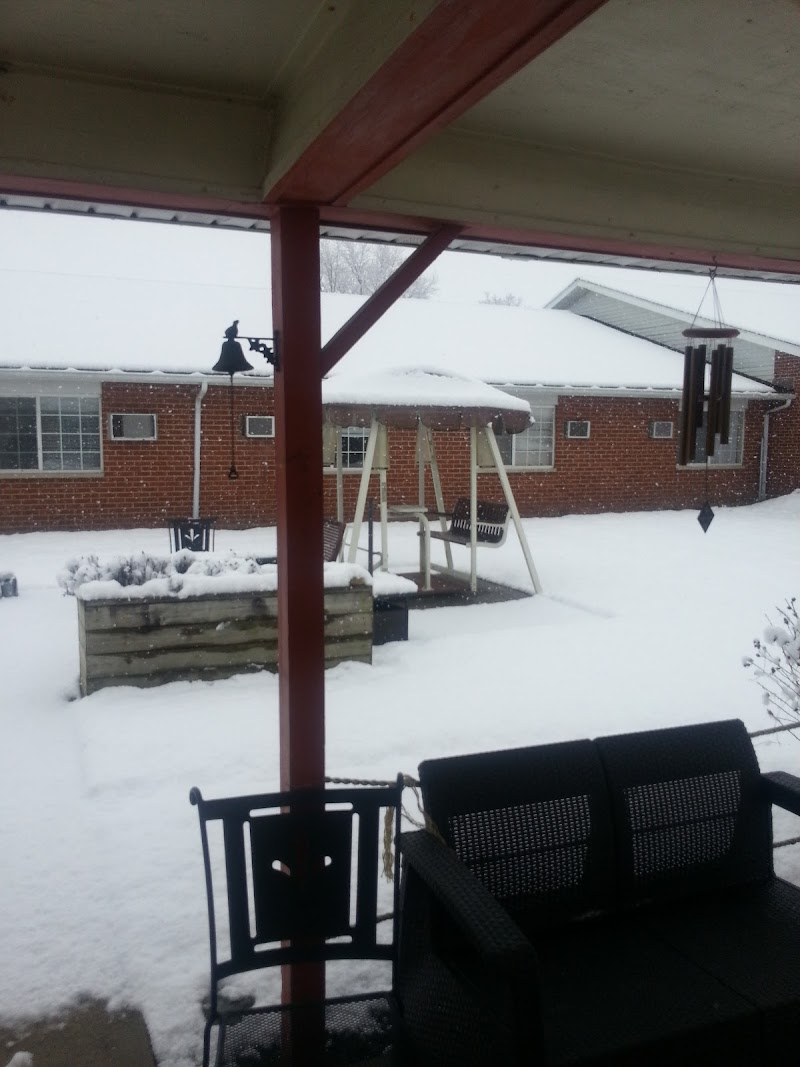
How is Stillwater Skilled Nursing And Rehabilitation Staffed?

CMS rates STILLWATER SKILLED NURSING AND REHABILITATION's staffing level at 2 out of 5 stars, which is below average compared to other nursing homes. Staff turnover is 59%, which is 13 percentage points above the Ohio average of 46%. High turnover can affect care consistency as new staff learn residents' individual needs.

What Have Inspectors Found at Stillwater Skilled Nursing And Rehabilitation?

State health inspectors documented 25 deficiencies at STILLWATER SKILLED NURSING AND REHABILITATION during 2018 to 2025. These included: 25 with potential for harm.
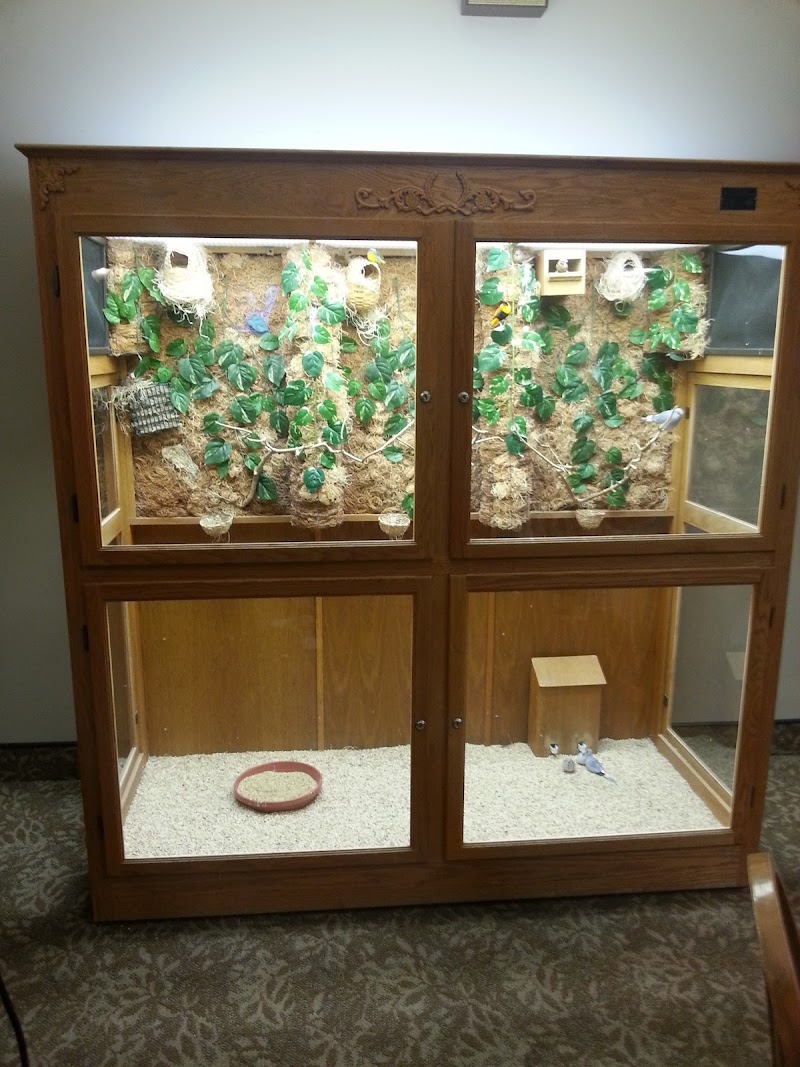
Who Owns and Operates Stillwater Skilled Nursing And Rehabilitation?

STILLWATER SKILLED NURSING AND REHABILITATION is owned by a for-profit company. For-profit facilities operate as businesses with obligations to shareholders or private owners. The facility is operated by MICHAEL SLYK, a chain that manages multiple nursing homes. With 75 certified beds and approximately 55 residents (about 73% occupancy), it is a smaller facility located in COVINGTON, Ohio.
How Does Stillwater Skilled Nursing And Rehabilitation Compare to Other Ohio Nursing Homes?

Compared to the 100 nursing homes in Ohio, STILLWATER SKILLED NURSING AND REHABILITATION's overall rating (2 stars) is below the state average of 3.2, staff turnover (59%) is significantly higher than the state average of 46%, and health inspection rating (3 stars) is at the national benchmark.

What Should Families Ask When Visiting Stillwater Skilled Nursing And Rehabilitation?

Based on this facility's data, families visiting should ask: "How do you ensure continuity of care given staff turnover, and what is your staff retention strategy?" "Can you walk me through typical staffing levels on day, evening, and night shifts?" "Can I visit during a mealtime to observe dining assistance and food quality?" "How do you handle medical emergencies, and what is your hospital transfer rate?" These questions are particularly relevant given the facility's high staff turnover rate and the below-average staffing rating.

Is Stillwater Skilled Nursing And Rehabilitation Safe?

Based on CMS inspection data, STILLWATER SKILLED NURSING AND REHABILITATION has a clean safety record: no substantiated abuse findings (meaning no confirmed cases of resident harm), no Immediate Jeopardy citations (the most serious violation level indicating risk of serious injury or death), and is not on the Special Focus Facility watch list (a federal program monitoring the lowest-performing 1% of nursing homes). The facility has a 2-star overall rating and ranks #100 of 100 nursing homes in Ohio. While no facility is perfect, families should still ask about staff-to-resident ratios and recent inspection results during their visit.

Do Nurses at Stillwater Skilled Nursing And Rehabilitation Stick Around?

Staff turnover at STILLWATER SKILLED NURSING AND REHABILITATION is high. At 59%, the facility is 13 percentage points above the Ohio average of 46%. High turnover means new staff may not know residents' individual needs, medications, or preferences. It can also be disorienting for residents, especially those with dementia who rely on familiar faces. Families should ask: What is causing the turnover? What retention programs are in place? How do you ensure care continuity during staff transitions?

Was Stillwater Skilled Nursing And Rehabilitation Ever Fined?

STILLWATER SKILLED NURSING AND REHABILITATION has no federal fines on record. CMS issues fines when nursing homes fail to meet care standards or don't correct problems found during inspections. The absence of fines suggests the facility has either maintained compliance or corrected any issues before penalties were assessed. This is a positive indicator, though families should still review recent inspection reports for the full picture.

Is Stillwater Skilled Nursing And Rehabilitation on Any Federal Watch List?

STILLWATER SKILLED NURSING AND REHABILITATION is not on any federal watch list. The most significant is the Special Focus Facility (SFF) program, which identifies the bottom 1% of nursing homes nationally based on persistent, serious quality problems. Not being on this list means the facility has avoided the pattern of deficiencies that triggers enhanced federal oversight. This is a positive indicator, though families should still review the facility's inspection history directly.