CRIDERSVILLE NURSING AND REHAB
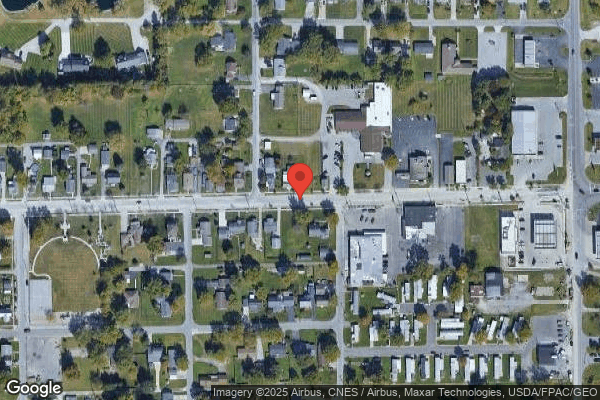
603 EAST MAIN STREET, CRIDERSVILLE, OH 45806 (419) 645-4468
For profit - Corporation 50 Beds LIONSTONE CARE Data: November 2025 2 Immediate Jeopardy citations
Trust Grade
0/100
#855 of 913 in OH
Last Inspection: August 2024

Within standard 12-15 month inspection cycle. Federal law requires annual inspections.

Overview

Cridersville Nursing and Rehab has received a Trust Grade of F, indicating significant concerns about the quality of care provided. Ranking #855 out of 913 facilities in Ohio places it in the bottom half, and it is the lowest-ranked facility in Auglaize County. Unfortunately, the trend is worsening, with the number of issues increasing from 8 in 2024 to 12 in 2025. Staffing is a concern here, with a rating of 2 out of 5 stars and a high turnover rate of 68%, significantly above the state average. The facility has incurred $95,265 in fines, which is troubling and suggests ongoing compliance issues. While RN coverage is better than 89% of Ohio facilities, recent inspector findings reveal serious deficiencies. For example, a resident was not given immediate CPR when found unresponsive, leading to potential life-threatening harm. Additionally, another resident did not receive timely care for respiratory issues, which could have resulted in serious negative health outcomes. A third incident involved a preventable fall that caused a significant injury to a resident. Families should weigh these strengths and weaknesses carefully when considering this facility for their loved ones.

Trust Score
F
0/100
In Ohio
#855/913
Bottom 7%
Safety Record
High Risk
Review needed
Inspections
Getting Worse
8 → 12 violations
Staff Stability
⚠ Watch
68% turnover. Above average. Higher turnover means staff may not know residents' routines.
Penalties
○ Average
$95,265 in fines. Higher than 70% of Ohio facilities. Some compliance issues.
Skilled Nurses
✓ Good
Each resident gets 51 minutes of Registered Nurse (RN) attention daily — more than average for Ohio. RNs are trained to catch health problems early.
Violations
⚠ Watch
36 deficiencies on record. Higher than average. Multiple issues found across inspections.
★☆☆☆☆
1.0
Overall Rating
★★☆☆☆
2.0
Staff Levels
★★★★☆
4.0
Care Quality
★☆☆☆☆
1.0
Inspection Score
Stable
2024: 8 issues
2025: 12 issues

The Good

  • 4-Star Quality Measures · Strong clinical quality outcomes
  • Full Sprinkler Coverage · Fire safety systems throughout facility
  • No fines on record

Facility shows strength in quality measures, fire safety.

The Bad

1-Star Overall Rating

Below Ohio average (3.2)

Significant quality concerns identified by CMS

Staff Turnover: 68%

21pts above Ohio avg (46%)

Frequent staff changes - ask about care continuity

Federal Fines: $95,265

Well above median ($33,413)

Moderate penalties - review what triggered them

Chain: LIONSTONE CARE

Part of a multi-facility chain

Ask about local staffing decisions and management

Staff turnover is elevated (68%)

20 points above Ohio average of 48%

The Ugly 36 deficiencies on record

2 life-threatening 3 actual harm
Sept 2025 3 deficiencies 1 Harm
SERIOUS (G) 📢 Someone Reported This

A family member, employee, or ombudsman was alarmed enough to file a formal complaint

Actual Harm - a resident was hurt due to facility failures

Accident Prevention (Tag F0689)

A resident was harmed · This affected 1 resident

**NOTE- TERMS IN BRACKETS HAVE BEEN EDITED TO PROTECT CONFIDENTIALITY** Based on medical record review, review of hospital documents, and resident and staff interview, the facility failed to prevent a...

Read full inspector narrative →
**NOTE- TERMS IN BRACKETS HAVE BEEN EDITED TO PROTECT CONFIDENTIALITY** Based on medical record review, review of hospital documents, and resident and staff interview, the facility failed to prevent an avoidable fall. Actual harm occurred on 08/10/25 when Resident #33 was in the bathroom leaning on the sink. The sink broke loose from the wall, fell to the floor, and broke into pieces. Resident #33 subsequently fell on top of a sharp piece of the sink and sustained a five millimeter (mm) laceration which hemorrhaged blood and required hospitalization with sutures needed to close the wound. This affected one (Resident #33) of three residents reviewed for accidents. The census was 41. Findings include: Record review for Resident #33 revealed the resident was admitted to the facility on [DATE]. Diagnoses included hemiplegia, malnutrition, difficulty walking, and cerebral infarction. Review of the Minimum Data Set (MDS) comprehensive assessment dated [DATE] revealed Resident #33 had mildly impaired cognition and required set-up only for daily hygiene. Review of Resident #33's care plans dated 06/10/25 revealed a focus for falls. Interventions include keeping the bedside table within reach, keeping the call light within reach, keeping the room free of clutter, and therapy as ordered. Review of Resident #33's weight records recorded on 08/02/25 revealed the resident weighed 115 pounds. Review of Resident #33's progress notes dated 08/10/25 at 7:30 P.M. revealed the nurse was alerted by staff and other residents that the resident had an unwitnessed fall. The nurse noted a trail of blood from the outer hallway to the bathroom and bedroom door. Resident #33 was found groaning in pain. There was a moderate amount of blood hemorrhaging from Resident #33's lower back side. The resident was assessed by the nurse, attempts to stop the bleeding were applied, and emergency medical services were contacted. The nurse documented Resident #33 said she was leaning against the sink momentarily to finish hygiene when the sink detached from the wall. She fell and the sink fell to the floor. Resident #33 said she landed on a sharp piece of the sink causing a laceration to the lower lumbar area. Resident #33 was transported to the hospital for evaluation and treatment, and the nurse contacted the maintenance director due to not being able to completely turn off the water flooding into the bathroom and hallway. Review of Resident #33's hospital documents, dated 08/10/25, revealed the resident was admitted to the hospital for treatment to a laceration obtained after a fall onto a sink at the nursing home. Resident #33 suffered a 5 mm laceration on her back and required six sutures for closure. The resident was treated for pain at the hospital and sent back to the facility on [DATE] with instructions on wound care. During an interview on 09/23/25 at 10:02 A.M., Resident #35 and Resident #16, both residents stated they did not see the actual fall Resident #33 sustained on 08/10/25 in the bathroom. Resident #35 and Resident #16 stated they heard Resident #33 fall and then cry out for help. Resident #16 stated she went to get staff help, and Resident #35 stated she activated her call light and went to see if she could help Resident #33. Both residents stated the staff responded quickly to help Resident #33 and emergency medical services took the resident quickly to the hospital. Resident #16 stated she and other residents reported their concerns with the broken sink to other staff including the maintenance department prior to 08/10/25. During an interview on 09/23/25 at 10:41 A.M., Corporate Maintenance Director (CMD) #1 verified the sink in the shower room was non-functional since 08/10/25 when the sink fell off the wall. During an interview on 09/23/25 at 1:12 P.M., Resident #33 stated the bathroom sink had been in disrepair since July 2025 but was totally broken after her fall in August 2025. Resident #33 did not provide any details regarding the fall at the time of the original interview but stated since the sink was still broken at the time of the survey and she was unable to do her daily hygiene regularly in her own bathroom. Resident #33 stated she was upset she had to walk down the hall to the other shower room on the other side of building in order to do simple tasks such as washing her face and brushing her teeth. During an interview on 09/23/25 at 5:00 P.M. Resident #33 stated she was showering and had her clothes on the sink. Resident #33 stated she was alone in the bathroom getting dressed after her shower when she felt she felt unstable. Resident #33 stated she leaned on the sink to steady herself and the sink then wobbled off the wall onto the ground causing her to fall on top of the sink and it cut her back. Resident #33 stated she was not using the water sink for hygiene at the time of the fall and stated the sink was wobbly prior to the day of her fall. Resident #33 stated she received sutures for the laceration and the staff acted quickly and got her to the hospital fast. Resident #33 stated she did have pain in her back from the laceration immediately after the fall; however, the resident stated she had no continued pain with the injury and the wound had since healed. During an interview on 09/23/25 at 4:22 P.M., Maintenance Director (MD) #116 stated on 08/10/25 the sink in the shared shower room adjacent to room [ROOM NUMBER] fell to the floor causing a break in the water lines. MD #116 stated the nurse was able to turn off the water to the sink, but MD #116 came to the facility the night of the incident and had to shut off water supply to the sink to prevent further flooding. MD #116 stated he was informed Resident #33 fell while she was using the sink. MD #116 stated the sink was old and only mounted to the wall by the studs and did not have any support legs. MD #116 stated he did not know the condition of the sink prior to 08/10/25 as he did not perform any routine maintenance checks on sinks in the facility. MD #116 stated he had conducted a sink audit on 08/11/25 and found three other wall mounted sinks in the facility similar to the sink in the shared shower room. MD #116 stated he could not recall any reports of the other sinks being in disrepair prior to the sink audit. MD #116 verified the new sink arrived at the facility on 09/10/25, was put in storage, and was currently being installed as of 09/23/25 during the survey. MD #116 stated the new sink would be installed with a support structure. During an interview on 09/23/25 at 5:30 P.M., the Administrator verified Resident #33 fell on [DATE] while she was using the sink in the resident's room which also was the shared shower room for the South unit. Resident #33 leaned her whole weight on the sink causing it to come loose from the wall and fall to the floor. The Administrator verified Resident #33 only weighed 115 pounds at the time of the fall. The Administrator stated, due to the age of the building, there was no way to determine the age of the wall mounted sink in the bathroom but stated she believed the sink to be in working order at the time of the fall. The Administrator denied Resident #33 suffered any pain from the injury and stated if the resident had not leaned on the sink, it would not have fallen causing her to fall to the ground. The Administrator verified there had been no witnesses to the fall and stated Resident #33 stated she was changing her clothes in the room when she grabbed the sink. The Administrator stated she believed the resident had to have applied greater force than 115 pounds in order for the sink to have come loose and fallen to the floor. The Administrator verified there were no routine maintenance checks on the sinks in the facility prior to the fall on 08/10/25.This deficiency represents an incidental finding discovered during the complaint investigation.
CONCERN (D) 📢 Someone Reported This

A family member, employee, or ombudsman was alarmed enough to file a formal complaint

Potential for Harm - no one hurt, but risky conditions existed

Comprehensive Care Plan (Tag F0656)

Could have caused harm · This affected 1 resident

Based on medical record review and staff interview, the facility failed to initiate a care plan related to anticoagulation medication use. This affected one (#24) of three residents reviewed for care ...

Read full inspector narrative →
Based on medical record review and staff interview, the facility failed to initiate a care plan related to anticoagulation medication use. This affected one (#24) of three residents reviewed for care plans. The census was 41. Findings include: Review of medical record for Resident #24 revealed admission date of 06/24/25. The resident was admitted with diagnoses including end stage renal disease, diabetes mellitus, hyperkalemia, dependence on renal dialysis, heart failure, and intellectual disabilities. Review of Resident #24's physician orders dated 01/17/25 for revealed orders for the anticoagulant warfarin sodium Tablet eight (8) milligram (mg) and one (1) mg; to give 0.5 tablet of 1 mg with 8 mg to equal 8.5 mg by mouth one time a day for treating and preventing blood clots. Review of Resident #24's care plan dated 07/20/25 revealed the plan was absent for anticoagulants. Interview with the Director of Nursing (DON) on 09/24/25 at 2:34 P.M. verified Resident #24 did not have a plan of care for anticoagulant medication use. This deficiency represents an incidental finding discovered during the complaint investigation.
CONCERN (E) 📢 Someone Reported This

A family member, employee, or ombudsman was alarmed enough to file a formal complaint

Potential for Harm - no one hurt, but risky conditions existed

Safe Environment (Tag F0584)

Could have caused harm · This affected multiple residents

**NOTE- TERMS IN BRACKETS HAVE BEEN EDITED TO PROTECT CONFIDENTIALITY** Based on observation, medical record review, resident and staff interview, and review of invoices and receipts, the facility fai...

Read full inspector narrative →
**NOTE- TERMS IN BRACKETS HAVE BEEN EDITED TO PROTECT CONFIDENTIALITY** Based on observation, medical record review, resident and staff interview, and review of invoices and receipts, the facility failed to maintain a homelike environment for its residents. This affected four (#9, #16, #33, and #35) of 25 residents reviewed for physical environment. The census was 41. Findings include: 1. Record review for Resident #9 revealed the resident was admitted to the facility on [DATE]. Diagnoses included cerebral infarction, muscle weakness, and schizoaffective disorder.Review of the comprehensive Minimum Data Set (MDS) assessment dated [DATE] revealed Resident #9 had impaired cognition and required assist from staff for bathing and daily hygiene needs.Review of Resident #9's care plans dated 08/19/25 revealed a focus for activity of daily living (ADLs) deficits. Interventions included staff to assist with all personal care.Observation on 09/23/25 at 10:00 A.M., during the initial tour, revealed Resident #9 was observed resting in her room. Resident #9 was unable to be interviewed due to her medical condition.2. Record review for Resident #16 revealed the resident was admitted to the facility on [DATE]. Diagnoses included encephalopathy, mood disorder, and chronic obstructive pulmonary disease.Review of the MDS comprehensive assessment dated [DATE] revealed Resident #16 had intact cognition and required only set-up assistance for daily hygiene. Observation on 09/23/25 at 10:00 A.M. revealed Resident #16 resided in the same room with Resident #9. Resident #16 was sitting on the side of her bed in the room. Interview on 09/23/25 at 10:02 A.M. with Resident #16 revealed since her admission to the facility in June 2025, the sink in her bathroom had been in disrepair. Resident #16 stated it disturbed her to have to walk to the other shower room down the hall in order to wash her face and brush her teeth. Resident #16 stated she was bothered by the fact she has to wait for all other residents, including the two (#12 and #30) residents residing in the room connected to the other shower room, to complete their care before her and her roommates could use the sink. Resident #16 stated she used the visitor bathrooms at times but those are also farther away from her room and during the evenings she would prefer to be able to use her own bathroom.3. Record review for Resident #35 revealed the resident was admitted to the facility on [DATE]. Diagnoses included acute kidney failure, diabetes type two, weakness, and malnutrition.Review of the MDS comprehensive assessment dated [DATE] revealed Resident #35 had intact cognition and required only set-up assistance for daily hygiene. Observation on 09/23/25 at 10:05 A.M. revealed Resident #35 was sitting on her bed in the same room as Resident #16 and Resident #9.Interview on 09/23/25 at 10:10 A.M. with Resident #35 revealed the resident stated the sink in her shared bathroom did not work properly when she admitted to the facility. Per Resident #35, the roommates and herself all reported the sink to the maintenance staff and were told the parts to fix the sink were being ordered. Resident #35 stated it was inconvenient to have to walk all the way down the hall to use some other resident's bathroom just to wash her hands. Resident #35 stated she reported her concerns with the bathroom issues to the staff with no resolution when she first admitted to the facility in July 2025. 4. Record review for Resident #33 revealed the resident was admitted to the facility on [DATE]. Diagnoses included hemiplegia, malnutrition, difficulty walking, and cerebral infarction. Review of the MDS comprehensive assessment dated [DATE] revealed Resident #33 had mildly impaired cognition and was a set-up only for daily hygiene. Interview on 09/23/25 at 10:15 A.M. with Resident #33 revealed she had fallen in the bathroom due to the sink being in disrepair in August 2025. Per Resident #33, the sink had been leaking in the past and was wobbly. Resident #33 stated she reported the sink to staff before in July 2025 and was told the sink was on back order and would be replaced but at the time of survey it still had not been fixed. Resident #33 stated it was inconvenient to walk all the way to the other shower room or visitor bathrooms to wash her hands or complete simple daily hygiene tasks. Observation on 09/23/25 at 10:40 A.M. of the shower room on the South unit revealed the room was accessible from the hallway and the room shared by Resident #9, Resident #16, Resident #33, and Resident #35. In the shower room there was a toilet and a shower with a shower curtain. Located next to the toilet there were water lines connected to a faucet and there was no porcelain basin connected to the wall. Interview on 09/23/25 at 1:35 P.M. with Certified Nurse Aide (CNA) #118 revealed the sink in the room shared by Resident #9, Resident #16, Resident #33, and Resident #35 on the South unit had been in disrepair for a long time. Per CNA #118 the staff and residents reported the need to repair the sink to the maintenance department and was told the sink was on a list of repairs and was ordered to be replaced. CNA #118 stated all personal care requiring a sink required the residents in the room to go to the other shared shower room or the visitor bathrooms. CNA #118 stated when staff care for Resident #9 the obtain water from the shower stall. Review of the undated list of projects in the facility for repairs revealed there were no repairs for any shower rooms or bathroom sink listed on the document. Review of the invoice dated 09/06/25 revealed a new porcelain sink basin had been ordered by the facility. Review of the receipt invoice dated 09/10/25 revealed the new porcelain sink basin had been received and shipped to the facility. Interview on 09/23/25 at 10:41 A.M. with the Corporate Maintenance Director (CMD) verified the sink in the shower room was non-functional since 08/10/25 when the sink fell off the wall. Per the CMD, the sink was being repaired and was on the scheduled list to be repaired soon. The CMD did not give any actual date for the completion of the repair. Interview on 09/23/25 at 11:25 A.M. with the Administrator revealed there was a list of projects to be completed. The Administrator verified the sink in the room shared by Resident #9, Resident #16, Resident #33, and Resident #35 had fallen off the wall on 08/10/25 and had been non-functional since. The Administrator verified there were no repairs to the shower rooms or bathrooms noted on the list of work-orders and projects to be completed. Per the Administrator all repairs were in progress but had no dates listed on the form provided. Interview on 09/23/25 at 4:22 P.M. with Maintenance Director (MD) #116 revealed on 08/10/25 the sink in the shared shower room adjacent to Resident #9, Resident #16, Resident #33, and Resident #35's room fell to the floor causing a break in the water lines. Per MD #116, the nurse was able to turn off the water to the sink, but MD #116 came to the facility the night of the incident and had to shut off water supply to the sink to prevent further flooding. MD #116 stated on 08/11/25 he reported to his supervisors and the Administrator on 08/11/25 the sink would need to be replaced, and a new basin would have to be ordered. MD #116 verified the projects list had no dates and no shower room or sink repairs noted on the list of work orders to be completed. MD #116 verified the new sink arrived at the facility on 09/10/25 and had been in storage until 09/23/25 when the surveyor observed the bathroom missing the sink and the he had been instructed to start the repair to replace the sink. This deficiency represents non-compliance investigated under Complaint Number OH00167414 (1261183).
Jun 2025 1 deficiency
CONCERN (D) 📢 Someone Reported This

A family member, employee, or ombudsman was alarmed enough to file a formal complaint

Potential for Harm - no one hurt, but risky conditions existed

Free from Abuse/Neglect (Tag F0600)

Could have caused harm · This affected 1 resident

Based on medical record reviews, staff, resident and resident representative interviews, review of Self-Reported Incidents (SRI's), and policy review, the facility failed to ensure a resident was free...

Read full inspector narrative →
Based on medical record reviews, staff, resident and resident representative interviews, review of Self-Reported Incidents (SRI's), and policy review, the facility failed to ensure a resident was free from sexual abuse. This affected one (#12) out of three residents reviewed for abuse. The facility census was 39. Findings include: 1. Review of the medical record for Resident #12 revealed an admission date of 02/18/25 with medical diagnoses of cerebral infarction, dementia with other behavioral disturbance, psychotic disorder with delusions, and hypertension. Review of the medical record for Resident #12 revealed a quarterly Minimum Data Set (MDS) assessment, dated 05/20/25, which indicated Resident #12 had severely impaired cognition and required supervision with eating and toilet hygiene, substantial/maximum staff assistance for bathing, and partial/moderate staff assistance with bed mobility and transfers. Review of Resident #12's medical record revealed the resident resided on a secured/locked unit at the facility. Review of the medical record for Resident #12 a nurses' note, dated 05/17/25 at 5:48 P.M. which stated Resident #12 was observed with her curtain pulled in her room with another resident. The note stated Resident #12 was observed with her pants below her waist line and the other resident was seen touching her when this writer questioned Resident #12. Resident #12 stated he wasn't doing nothing but making her feel good. The note stated the residents were immediately separated and the nurse was notified. The note continued to stated a head to toe assessment was completed, and no injuries were noted. The note stated the family and physician were notified and Resident #12 declined to seek medical attention. 2. Review of the medical record for Resident #07 revealed an admission date of 07/27/22 with medical diagnoses of Intellectual Disabilities, diabetes mellitus, end stage renal disease, and depression. Review of the medical record revealed an annual MDS assessment, dated 04/24/25, which indicated Resident #07 was cognitively intact and was independent with eating and required supervision with showers, toilet hygiene, bed mobility, and transfers. Review of Resident #07's medical record revealed the resident resided on a secured/locked unit at the facility. Review of the medical record for Resident #07 revealed a nurses' note, dated 05/17/25 at 6:10 P.M., which stated Resident #07 was observed in another resident's room touching her while her pants were down. The note stated the writer questioned Resident #07 about what was going on and Resident #07 stated he was talking to the female resident about outside. The note stated Resident #07 was his own person and the Administrator was notified. Review of the facility SRI, dated 05/17/25, revealed the facility investigated a sexual abuse allegation against Resident #12 by Resident #07. The SRI revealed staff reported finding Resident #07 in Resident #12's room with his hand on her peri-area. The investigation included staff interviews, physical assessment for Resident #12, and notification to the Resident #12's family and the police department. Interview on 06/03/25 at 11:06 A.M. with Certified Nursing Assistant (CNA) #102 stated she walked into Resident #12's room and observed Resident #12 lying on her bed with her pants to her knees and Resident #07 sitting in his wheelchair next to her bed with his hand in her peri-area. CNA #102 stated she immediately separated the residents and notified the nurse. CNA #102 stated she asked Resident #12 what was going on and Resident #12 stated he was making her feel good. CNA #102 confirmed Resident #12 had impaired cognition and resided on a secured unit. Interview on 06/03/25 at 11:28 A.M. with Director of Nursing (DON) confirmed Resident #07 was found in Resident #12's room with his hand on her peri-area. DON confirmed the facility had not provided education to all staff on abuse or follow-up audits/monitoring of concerns for abuse. Interview on 06/03/25 at 11:44 A.M. with Licensed Practical Nurse (LPN) #105 stated he was notified by CNA #102 that Resident #07 was observed in Resident #12's room with her hand in her peri-area. LPN #105 confirmed CNA #102 immediately separated the residents and the Administrator was notified. LPN #105 stated a head to toe assessment was completed on Resident #12 with no apparent injuries. Interview on 06/03/25 at 11:55 A.M. with Resident #12's son stated he was not Resident #12's power of attorney (POA) but he was not aware of any allegation of abuse. Resident #12's son stated at times Resident #12 is alert and oriented but other times Resident #12 has no idea what was going on or where she was at. Interview on 06/03/25 at 1:05 P.M. with Resident #07 stated he and Resident #12 were friends and denied touching Resident #12 in her peri-area. Interview on 06/03/25 at 2:08 P.M. with Social Service Director (SSD) #110 stated Resident #12 had moderately impaired cognition and was able to answer some questions appropriately but stated she was not sure if Resident #12 was able to comprehend everything that was told to her. SSD #110 stated Resident #12 did not have the cognitive capacity to consent to a sexual encounter. Interview on 06/03/25 at 3:05 P.M. with Resident #12 revealed she was alert to person, place, and year. Resident #12 stated she recalled Resident #07 touching her in her peri-area but could not recall if she consented to allowing Resident #07 touch her. Interview on 06/03/25 at 3:15 P.M. with Administrator confirmed he initiated a SRI and completed an investigation into the sexual abuse allegation for Resident #12. Administrator stated after speaking with staff he did not feel there was a sexual assault by Resident #07 because he felt the sexual encounter was a mutual decision by Resident #12 and Resident #07. Administrator stated Resident #07 was put on 15-minute checks after the incident until the investigation was completed . Administrator stated at times Resident #12 will seek out Resident #07 and speak to him inappropriately. Administrator stated the police department were contacted but did not investigate the incident. Administrator confirmed the facility completed the investigation and did not substantiate the allegation of abuse. Review of the facility policy titled, Abuse, Mistreatment, Neglect, Exploitation and Misappropriate of Resident Property, stated the residents have a right to be free from abuse, neglect, exploitation, and misappropriation of resident property. This included, but was not limited to, freedom from corporal punishment, involuntary seclusion, and any physician or chemical restraint that was not required to treat the resident's medical symptoms. The policy stated sexual abuse was non-consensual sexual contact of any type with a resident. The policy stated the facility would investigate all alleged violations involving Abuse, Neglect, Misappropriation of Resident Property, Exploitation or Mistreatment, including injuries of unknown source. The policy stated abuse included verbal abuse, sexual abuse, physical abuse, and mental abuse, including abuse facilitated or enabled through the use of technology, such as photographs and recording devices to demean or humiliate a resident. The policy continued to state if a resident was accused or suspected the facility would ensure other residents are protected as determined by the circumstances, which may include but are not limited to, increased supervision of the alleged perpetrator and/or other residents, room or staffing changes, and immediate transfer or discharge, if indicated. This deficiency represents non-compliance investigated under Complaint Number OH00166012 and OH00165956.
May 2025 6 deficiencies 1 IJ
CRITICAL (J) 📢 Someone Reported This

A family member, employee, or ombudsman was alarmed enough to file a formal complaint

Immediate Jeopardy (IJ) - the most serious Medicare violation

Deficiency F0678 (Tag F0678)

Someone could have died · This affected 1 resident

**NOTE- TERMS IN BRACKETS HAVE BEEN EDITED TO PROTECT CONFIDENTIALITY** Based on review of a closed medical record, staff interview, policy review, Emergency Medical Services (EMS) run sheet, and revi...

Read full inspector narrative →
**NOTE- TERMS IN BRACKETS HAVE BEEN EDITED TO PROTECT CONFIDENTIALITY** Based on review of a closed medical record, staff interview, policy review, Emergency Medical Services (EMS) run sheet, and review of staff statements, the facility failed to immediately start and continue Cardio-Pulmonary Resuscitation (CPR) until EMS were on scene for one resident (Resident #42) who was identified as a Full Code status and was found unresponsive without vital signs. This resulted in serious life-threatening harm and/or death when Resident #42 did not receive immediate and continuous CPR prior to EMS services arriving at the facility. This affected one (Resident #42) of three residents reviewed for code response. The facility identified 24 residents residing in the facility designated with Full Code status. The facility census was 40. On 05/07/25 at 2:30 P.M., the Administrator and the Director of Nursing (DON) were notified that Immediate Jeopardy began on 05/04/25 at 7:45 A.M. when Resident #42 was found without vital signs Registered Nurse (RN) #164 failed to initiate CPR immediately and stopped CPR prior to the arrival of EMS. Resident #42 expired at the hospital. The Immediate Jeopardy was removed on 05/05/24, when the facility implemented the following corrective actions: • On 05/04/25 at approximately 7:45 A.M., Resident #42 was found without vital signs. • On 05/04/25, the DON completed education on the CPR policy for all licensed nursing staff. • On 05/04/25, the licensed nurse (RN #164) who did not perform continuous CPR on the full code status resident (#42) was removed from the facility and the agency notified of the situation and investigation. • On 05/04/25, the Administrator and DON reviewed the policies and procedures related to code status. There was no revision to the policy made. • On 05/04/25, a Root Cause Analysis was performed using a fishbone diagram for the incident. This was completed by the Regional Director of Operation (RDO) #700, Regional Director of Clinical Operation (RDCO) #200, and the DON. • On 05/04/25, disciplinary actions were taken by the facility on the licensed nurse (RN #164) who did not initiate continuous CPR on a full code resident by notifying the board of nursing of the situation through filing a complaint and notifying the staff agency of the situation and marking the nurse as a do not return (DNR) on the facility profile. • On 05/04/25, additional training by the DON or designee was completed on the facility's policy and procedure for initiating CPR. • On 05/04/25, the DON or designee audited all residents advanced directives to the physician's orders and care plan for accuracy and listing in Electronic Medical Records (EMR). Findings are to be reviewed at the monthly Quality Assessment and Assurance (QAA) committee meeting. • On 05/04/25, the DON or designee performed a Code Blue drill with licensed practical nursing staff. Code Blue drills will continue to be completed three times per week for a period of three weeks including off shifts. Findings will be reviewed at the monthly QAA meetings. • On 05/04/25, the DON or designee audited all licensed staff files to verify all licensed staff have an active CPR certification. • On 05/04/25, the crash cart was audited to ensure all items were stocked and functional. Audits will continue for four weeks three times per week. • On 05/04/25, the facility notified the staffing agency of the CPR policy and has it uploaded as a read and sign prior to any staff picking up a shift at the facility through the agency. • On 05/04/25, an ad hoc Quality Assurance Performance and Improvement (QAPI) meeting was conducted to review the plan of correction and abatement including education and audits. Although the Immediate Jeopardy was removed on 05/05/25, the facility remained out of compliance at Severity Level 2 (no actual harm with potential for more than minimal harm that is not Immediate Jeopardy) as the facility is still in the process of implementing their corrective action plan and monitoring to ensure on-going compliance. Findings include: Review of the closed medical record for Resident #42 revealed an admission date of 03/20/25. The resident was admitted with diagnoses including chronic obstructive pulmonary disease, atrial fibrillation, bipolar disorder and acute respiratory failure. Review of the Minimum Data Set (MDS) assessment dated [DATE] revealed a Brief Interview for Mental Status (BIMS) score of 15, indicating intact cognition. The resident was independently ambulatory. Review of the physician's orders revealed the resident was a Full Code status indicating all resuscitative measures were to be done if she were to go into cardiac arrest. Review of the plan of care dated 03/27/25 revealed the resident chooses to be a full code. The goal is for CPR to be initiated in any event of arrest. Life sustaining measures will be implemented as needed to honor the resident's wishes. The interventions included the facility will implement CPR and life sustaining measures and the resident's advanced directives will be honored. Review of the nursing progress note dated 05/04/25 at 9:26 A.M. revealed at 8:00 A.M., upon the aide doing rounds, she found Resident #42 blue and unresponsive. Immediately the staff and this nurse, RN #164, ran to check the status of the resident. The resident had no pulse, and staff immediately began 30 compressions per 2 breaths continuously for 20 minutes. The resident remained unresponsive with no pulse. EMS arrived shortly after and began compressions. The DON was notified, and staff also made several attempts to contact the family. Review of Fire Department #1's EMS run report revealed they received the call on 05/04/25 at 8:05 A.M. and arrived at the facility at 8:11 A.M. The patient narrative of the incident was dispatched to location for a [AGE] year-old male, CPR in progress. Arrived on location to find patient on the floor, apneic, and pulseless. No CPR was being done upon arrival. EMS crew began CPR on this patient. Facility aides came into the room and were asked who initially started CPR. They advised the aides had begun CPR, followed by the nurse in charge of the patient's care. The nurse completed one cycle of CPR and made the statement, I am going to call this, and we are going to stop CPR. CPR was not being done on this patient for approximately five minutes prior to EMS arrival on scene. CPR was completed for two cycles and then placed on the LUCAS (automatic chest compression system) device for continuous CPR. Patient was lifted from the ground onto the cot and transported emergently to the hospital. Interview on 05/07/25 at 9:30 A.M. with Certified Nursing Assistant (CNA) #155 revealed the CNA worked on 05/04/25 from 6:00 A.M. to 6:00 P.M. The roommate of Resident #42 came out of the room and stated the resident is not eating and needed CNA #155 to go in and get him up to eat. Upon arrival to the room, the resident was unresponsive and lying on the right side. CNA #155 touched the resident's arm and face to get him to respond. The resident felt warm, so he was turned over onto his back and felt for a pulse. The resident was a bluish color and did not seem to be breathing. CNA #155 ran out of the room and told the agency nurse and other aides she needed help. The aides and nurse went to the room and got the other agency nurse. The nurse, RN #164, went to get the code status of the resident and Licensed Practical Nurse (LPN) #163 brought the crash cart. CNA#161 and CNA#155 lowered the resident to the floor because they did not have a back board on the crash cart. CNA #161 started compressions after knowing the resident was a full code status (unknown how long it was before CPR was initiated) and the agency nurse was doing breaths with a paper towel with a hole in it to cover the mouth due not having a mouthpiece for the Ambu bag. CNA#161 asked RN #164 to take over CPR and she did one round of compressions and stated, There is no pulse, stop CPR. LPN #163 stated she is just an LPN and RN #164 had authority over her. CNA #161 told RN #164, You cannot call a code you are not a doctor. RN #164 told her not to tell her how to do her job. It was about five to seven minutes before the EMS got on scene, and they were livid to find out that staff had stopped CPR. The EMS started CPR immediately upon arrival. Interview on 05/07/25 at 10:06 A.M. with RN #164 revealed she was notified around 7:30 A.M. to 8:00 A.M. Resident #42 was not responsive and went to the room. The resident was cyanotic and had no pulse. RN #164 left the room to check code status and found out the resident was a full code and yelled this down the hall to the nurse aides in the room. CNA #161 and LPN #163 took the crash cart to the room. The oxygen tank on the cart was empty and staff were unable to find any oxygen. A call was made to the DON and 911. RN #164 went to the room and took over CPR compressions. Then after one round, the resident did not have a pulse, was cyanotic and limp. Staff all just stopped doing the CPR, due to being in shock. RN #164 denied telling anyone to stop CPR. The facility made RN #164 write out a report and RN #164 had to leave the job around 11:19 A.M. When asked what they did wrong, the DON said, CPR should have continued until EMS arrived and not stopped. RN #164 agreed they should not have stopped CPR. Interview on 05/07/25 at 10:16 A.M. with CNA #161 revealed CNA #161 was in the hallway when CNA #162 was coming down the hallway saying something was wrong and Resident #42 was not breathing. CNA #161went to Resident #42's room at 7:50 A.M. and RN #164 came into the room and just looked at him and walked away to get the code status. LPN #163 brought down the crash cart and there was not a backboard on it, so staff placed the resident on the floor. At 8:00 A.M., code status was confirmed as full code and staff started CPR. The crash cart had an empty oxygen tank and the Ambu bag did not have a face mask, and no other face mask was found. LPN #163 had to use a paper towel with a hole in it to give breaths. RN #164 came back to the room and was asked to take over CPR. RN #164 was doing compressions as CNA #161went into the hallway to look for EMS. CNA #161 heard RN #164 say, I'm stopping compressions, he is already gone. CNA #162 said, You are not supposed to stop CPR. RN #164 said, Do not tell me how to do my job. When EMS showed up about five to seven minutes later, they asked, What happened, why was CPR stopped? When the DON showed up and had all the staff write up statements, the DON was notified of the crash cart being empty of essential items, and by the time staff left for the day, the crash cart was full of those items. Interview on 05/07/25 at 2:45 P.M. with the Administrator and DON both confirmed Resident #42 was a full code and RN #164 called the code due to the resident having passed away. The Administrator and DON verified RN #164 should not have stopped the CPR. The DON removed RN #164 from the building and placed her on a DNR (do not return) with the agency. The DON, the Administrator, and supervisory staff immediately began in-servicing the nurses on code status of residents as well as beginning an audit of all charts for code status. All of the nurses had been in-serviced regarding code status. The agency was updated on DNR policy and all nurses who picked up a shift will sign before working at the facility. Interview on 05/07/25 at 3:55 P.M. with CNA#162 revealed the food trays came to the hall and Resident #42's tray was delivered to his room. At that time, around 7:30 A.M., Resident #42 was still lying in bed, and the tray was set on the bedside tray table beside the bed. A little bit later (before 8:00 A.M.), CNA#155 yelled she needed help and CNA #162 ran down the hall to Resident #42's room. There was a bruise on the left side of the resident's face and CNA #155 said something was wrong. They both tried to wake up Resident #42 and he did not respond. The resident's pulse was taken and could not be found. CNA #155 stayed in the room as CNA #162 ran to the nurse, RN#164. The nurse was told the resident does not have a pulse and was not breathing. The nurse was just standing there and stated, I do not know the code status. CNA #161 had gone down to the room waiting for a code status, which took around five to seven minutes. She went to the locked hall and got the nurse who grabbed the crash cart and ran to the room while waiting for the code status, but no one was doing CPR. The nurse still did not have the code status and went down to show where it was on the EMR, and she yelled at the staff the resident was a full code. CNA#162 went to the room, and CNA#161 started CPR and LPN #163 looked for a face mask, not present in crash cart and ended up using a paper towel for giving breaths. RN #164 came to the room and watched them doing CPR, when CNA #161 asked to be switched out. RN #164 took over compressions and completed one round, then stopped. RN #164 told all of the staff to stop, and she was calling the code. CNA# 162 said, Once CPR is started, it should not be stopped until the squad gets here. RN #164 stated, He does not have a pulse; he is gone and do not continue CPR. RN #164 also stated, I am a RN and do not tell me what my job is. RN #164 was threatening all staff with write ups if they touched Resident #42 to do any more CPR. He was making gurgling sounds and CNA #162 wanted to continue CPR and didn't because she had no authority. The squad got there after about five to seven minutes and was upset that no one was doing CPR. It was explained RN #164 called the code and she was at the medication cart on the phone. The EMS wanted to know the name of the nurse and stated she cannot call a code and stop CPR. Review of the 911 call from Fire Chief #2, revealed the call came in on 05/04/25 at 8:06 A.M. for Resident #42 who was a full code. When asked are you doing CPR? RN #164 replied, Yes we are. When asked how long have you been doing CPR? RN #164 replied, For about three minutes. Review of the written statement from RN #164 revealed on 05/04/25 she arrived at the facility and shortly after getting report, around 8:00 A.M. the aide informed her that Resident #42 was not responding. Upon arrival to the room, the resident had no pulse, face blue and was not responding. Staff did CPR for 20 minutes. The ambulance was called and were notified. The ambulance arrived five minutes before CPR was stopped. Review of CNA #161's statement given on 05/04/25 revealed CNA#155 came running up the front hall and said she thinks something is wrong with a resident. CNAs #161 and #155 went down to Resident #42's room. The resident was on his right side and his face was purple. Then RN #164 came into the room and just looked at the resident. CNA #161 asked for the resident's code status and a crash cart. It took RN #164 seven to 10 minutes to get the code status. CNA #161 and #155 placed Resident #42 on the floor and started the code. LPN #163 came into the room and was looking through the crash cart looking for stuff. The oxygen tanks were empty. LPN #163 was doing the breaths and CNA #161 was doing compressions, which was started at 8:00 A.M. RN #164 came back to the room and was asked to do the compressions. RN #164 started doing compression and CNA #161 was leaving the room to check for the EMS. CNA #161 heard RN #164 stop the code and say he is already gone. Once the EMS showed up, CNA #161 went back to the unit. Review of the statement given by CNA #162 around 8:00 A.M., revealed CNA#155 came to get help because she found Resident #42 not breathing. Resident #42 was lying on his right side, and he had a bruise on the left side of his face. CNAs #155 and #162 immediately got the nurse. Upon getting the nurse, she was trying to find his code status (which took several minutes). CNAs #155 and #161 moved the resident off his bed to the floor. The nurse did not start compressions, CNA#161 started the CPR. CNA#162 went to get the other nurse, LPN #163, who grabbed the crash cart and proceeded to the room. When entering the room, CNA #161 was doing compressions. RN #164 stated she was calling the code. CNA #162 stated, You cannot cancel the code. CNA#162 went to get all the residents away from the door of his room. The squad arrived and wanted to know why CPR was stopped, and CNA #155 told them RN #164 had called the code. The EMS stated she was not allowed to do that, and they started life saving measures again immediately. The EMS stated they needed to report the nurse and wanted to know her name. Review of the statement on 05/04/25 from CNA#155 revealed at approximately 8:00 A.M., a resident came to her and told her his roommate (Resident #42) was not eating and requested that CNA #155 wake him up. When CNA #155 entered the room, Resident #42 was lying in his bed completely covered up with a blanket. The resident was on his right side and the left side of his face was bruised. CNA #155 called his name, shook his arm, tapped his cheek and got no response. CNA #155 ran down the hall and yelled for help. Two aides (CNA #161 and CNA #162) and the two nurses (RN #164 and LPN #163) came to help. CNAs #161 and #155 moved the resident to the floor and CNA #161 started CPR. LPN #163 came in and started doing breaths. RN #164 came to the room with the crash cart. CNA #161 requested for RN #164 to take over compressions. RN #164 did one round of compressions while LPN #163 was doing breaths. RN #164 then stated she was, Calling the code, told staff to stop CPR. From the time CPR was stopped until the EMS arrived was about five minutes. The EMS questioned why CPR was stopped and CNA #155 explained that RN #164 had, Called the code and told staff to stop. RN #164 was the highest authority in the building at the time. The EMS immediately started life saving measures again. The EMS stated that they were reporting RN #164 for stopping CPR. Review of the statement on 05/04/25 from LPN #163 revealed at 8:00 A.M., the nurse was doing morning medication pass when an aide called the nurse to run down to Resident #42's room. While running to the room, the resident was on the bed, the resident's face was purple, and he was unresponsive. While waiting for RN #164 to get the code status, LPN #163 ran to get the crash cart. After six minutes, RN#164 told staff Resident #42 was a full code. CNA #161 started doing 30 compressions and LPN #163 gave two breaths. LPN #163 heard the bones crack and while giving breaths, she heard gurgling sounds. The crash cart was not properly stocked, no backboard, and the oxygen tank was empty. While doing CPR for twenty minutes, RN #164 told CNA #161 that she is doing compressions now. RN #164 only did one set of compressions and after LPN #163 gave two breaths, RN#164 stopped the code and said, I'm calling it, he is gone. RN #164 stayed in the room and LPN #163 left the room because she was upset with what happened and waited for EMS to arrive. Review of the facility's policy, Cardiopulmonary Resuscitation (CPR), dated 04/28/25 revealed that it is the policy of the facility to adhere to residents' rights to formulate advanced directives. In accordance with these rights, this facility will implement guidelines regarding CPR. This deficiency represents non-compliance investigated under Master Complaint Number OH00165420 and Complaint Numbers OH00165380 and OH00165034.
SERIOUS (G) 📢 Someone Reported This

A family member, employee, or ombudsman was alarmed enough to file a formal complaint

Actual Harm - a resident was hurt due to facility failures

Respiratory Care (Tag F0695)

A resident was harmed · This affected 1 resident

**NOTE- TERMS IN BRACKETS HAVE BEEN EDITED TO PROTECT CONFIDENTIALITY** Based on medical record review, staff interview, and review of the outside provider respiratory notes, the facility failed to e...

Read full inspector narrative →
**NOTE- TERMS IN BRACKETS HAVE BEEN EDITED TO PROTECT CONFIDENTIALITY** Based on medical record review, staff interview, and review of the outside provider respiratory notes, the facility failed to ensure a Bilevel Positive Airway Pressure (BiPAP) was ordered after a resident returned from the hospital. This resulted in Actual Harm when Resident #34 was admitted to the hospital with an oxygen (O2) level of 38 percent (%) and was admitted to the hospital and placed on a ventilator. This affected one resident (#34) out of three residents reviewed for oxygen. The census was 40. Findings included: Review of the medical record for Resident #34 revealed an admission date of 03/11/25 and re-entry of 04/21/25. The resident was admitted with diagnoses including acute and chronic respiratory failure with hypercapnia, chronic obstructive pulmonary disease (COPD), and anxiety. The resident was discharged on 05/04/25 to the hospital. Review of the Minimum Data Set (MDS) assessment dated [DATE] revealed a Brief Interview for Mental Status (BIMS) score of 15 indicating intact cognition. The resident was on intermittent O2 therapy and uses a non-invasive mechanical ventilator (BiPAP). Review of the plan of care dated 03/20/25 revealed the resident has potential for alteration in respiratory function related to COPD and respiratory failure. The interventions included for the resident to maintain O2 levels at or greater than 90%, Continuous Positive Airway Pressure (CPAP) or BiPAP therapy for Obstructive Sleep Apnea, resident will adhere to CPAP or BiPAP regimen, educate resident or representative on the importance of CPAP or BiPAP therapy, encourage resident's use of CPAP or BiPAP and to provide BiPAP at pressure of 12 centimeters (cm) of water (H2O) during inhalation (IPAP) and six cm H2O during exhalation (EPAP) (12/6 CM/H2O) pressure with heated humidification at bedtime (hs) 40% bled in. Review of the discharge orders from the hospital dated 04/07/25 revealed an order for BiPAP settings confirmed with attending is 12/6, humification and 40% O2 bled in, to use at night and during any naps. Review of the progress note dated 04/08/25 at 9:02 P.M. revealed the resident had new orders for CPAP given to the Director of Nursing (DON) so respiratory can be contacted. Review of the Advanced Respiratory Services document dated 04/22/25 revealed the recommendation was for four liters per minute of O2 continuous with BiPAP settings of 10/5 decreased in settings. The medication recommendations were made for clarification of BiPAP orders. The additional notes were that the resident states BiPAP is not blowing enough air pressure. The settings were decreased and educated the resident on the change. The respiratory therapist spoke with DON and the NP. Review of the current physician's orders revealed no orders for BiPAP. Review of the Medication Administration Record (MAR) for 04/25 and 05/24 revealed the resident had an order dated 03/13/25 with a discontinue date of 04/07/25 for BiPAP at 12/6 CM/H2O pressure with heated humidification at hs with 40% bled in. The MAR was absent from any order or documentation for BiPAP the months 04/25 and 05/25. Further review of Resident #42's medical record including the Treatment Administration Record (TAR) revealed there was no documentation of the BiPAP being implemented after the hospitalization on 04/07/25. Review of the progress notes dated 05/04/25 at 10:07 A.M. revealed the Certified Nurse Aide (CNA) called for help. The resident was in a wheelchair and was having difficulty breathing. She had just come from smoking, and she was not able to walk to her room and was placed in a wheelchair. She was taken to her room, and this DON placed her on O2 and O2 was at 38%. The resident was groggy but responded to voice commands. She was placed on supplemental O2, and she went up to 60% on six liters per minute (LPM) via nasal cannula (NC). This DON called 911 and Emergency Medical [NAME] (EMS) arrived, and she was assisted to the cart. She was able to follow commands and transfer to cart. Discussed with the EMS's her smoking and her noncompliance with fluid and salt intake. She was transferred to the care of EMS. Sent to hospital for evaluation. The physician was made aware of emergent transfer. Review of the hospital admission documentation dated 05/04/25 revealed the assessment plan as acute hypercapnic respiratory failure, the resident was intubated due to inability to protect airway. The resident's laboratory tests revealed arterial blood gas (ABG) the PH was 7.24 which indicated acidosis (normal 7.35 to 7.45), partial pressure of carbon dioxide indicates hypercapnia (PCO2) 91 (normal is 35 to 45 millimeters of mercury (mmHg), partial pressure of O2 indicating hyperoxia (PO2) 245 (normal is 75 to 100 mmHg) and bicarbonate (HCO3) 39 indicates metabolic alkalosis (normal is 22 to 26 milliequivalents per liter (meq/l)). Interview with DON on 05/07/25 at 3:25 P.M. stated that she felt Resident #42 had been using her BiPAP machine and the staff was putting it on her every night. The DON would not verify the absence of the order in the physician's orders or on the MAR and there were not any progress notes on the use of the BiPAP or refusals by the resident. When the DON was shown the progress note on 04/08/25 which stated resident had new BiPAP order which was given to DON, DON stated she had the respiratory therapist come out and give a note which was dated 04/22/25, which she said was the day the respiratory therapist came to see the resident. The therapist made a recommendation for the BiPAP setting and this did not get put into the physicians order. This was 14 days later after the progress note. Further interview on 05/14/25, when shown the document of the BiPAP document which was taken from the memory card of the machine, the DON verified the BiPAP was not on the night before the resident was taken to the hospital. Interview with the Assistant Director of Nursing (ADON) on 05/07/25 at 3:20 P.M. verified the absence of an order for the use of the BiPAP in physician's orders, the absence of documentation in the MAR and in the progress notes that the BiPAP was being used and or refusals by Resident #42. Interview with the Nurse Practitioner (NP) #175 on 05/07/25 at 3:25 P.M. verified there was not an order in the current physician's orders for the BiPAP settings for Resident #42. Interview on 05/08/25 at 4:50 P.M with the Administrator revealed there is a memory card in the BiPAP machine and they are going to download the information and send it. This will prove the staff were placing the BiPAP machine on at nighttime. Interview on 05/12/25 at 7:00 A.M. the Administrator verified the respiratory document, which was downloaded from the BIPAP machine, gave the dates of when the resident used the machine. Interview on 05/12/25 at 11:50 A.M. with Respiratory Supervisor #250 revealed the documentation shows the resident was being placed on the BiPAP machine at night. She verified there were six days where she did not have the BiPAP on which were 04/10/25, 04/13/25, 04/14/25 and resident went to the hospital on [DATE] until 04/20/25. The resident then did not have the BiPAP on 05/01/25 and 05/03/25 and left the facility to the hospital on [DATE]. Respiratory Supervisor #250 stated the resident was non-compliant with using the BIPAP but could not provide documentation of the resident refusals. Review of the documentation sent from Respiratory Supervisor #250 revealed Resident #42 was using the BiPAP at nighttime during the dates of 04/07/25 to 05/04/25 and did not have it on for the days of 04/10/25, 04/13/25, 04/15/25, 05/01/25 and 05/03/25. This documentation did not give any reason why the BIPAP was not applied on those missing days and after each time the resident missed two days, she was hospitalized with hypercapnia (a condition where there's an excessive amount of carbon dioxide (CO2) in the bloodstream).
CONCERN (D) 📢 Someone Reported This

A family member, employee, or ombudsman was alarmed enough to file a formal complaint

Potential for Harm - no one hurt, but risky conditions existed

Notification of Changes (Tag F0580)

Could have caused harm · This affected 1 resident

Based on medical record review, staff interview, and review of the facility policy, the facility failed to ensure the physician was notified of a change in condition when the resident had an elevated ...

Read full inspector narrative →
Based on medical record review, staff interview, and review of the facility policy, the facility failed to ensure the physician was notified of a change in condition when the resident had an elevated blood pressure. This affected one (Resident #34) of three reviewed for change in condition. The facility census was 40. Findings include: Review of closed medical record for Resident #42 revealed admission date of 03/20/25. The resident was admitted with diagnoses including chronic obstructive pulmonary disease, atrial fibrillation, bipolar disorder and acute respiratory failure. Review of the plan of care dated 03/27/25 revealed the resident had a plan for altered cardiovascular status related to atrial fibrillation with interventions which included monitor, document, and report to physician ant signs or symptoms of coronary artery disease. Review of the physician's orders revealed an order dated 03/26/25 and placed on hold on 05/04/25, for metoprolol succinate oral capsule extended release 24-hour sprinkle 25 milligrams (mg), to give one capsule by mouth one time a day for blood pressure (bp); hold if systolic bp is less than 90. Review of the Medication Administration Record (MAR) for 05/25 revealed an order for metoprolol succinate oral capsule extended release 24-hour sprinkle 25 milligrams (mg), to give one capsule by mouth one time a day for blood pressure (bp); hold if systolic bp is less than 90. On 05/03/25, the residents bp was documented as 167 systolic and 124 diastolic. The MAR was absent of any further documentation of the residents bp. Review of the vitals tab in the Electronic Medical Record (EMR) revealed Resident #42 blood pressure was 167 systolic and 124 diastolic. The vital tab was absent of any follow up documentation regarding bp. The progress notes for the dates of 05/03/25 and 05/04/25 were absent of documentation of increased bp, or notification to physician and any follow up bp taken. Interview on 05/07/25 at 11:25 A.M. with the Director of Nursing (DON) verified the resident's vital signs should have been documented in the vitals tab in the EMR. The DON verified the physician was not notified of the blood pressures. The staff will call the doctor if the concern needs immediate attention such as this high blood pressure of 167 systolic and 124 diastolic. Staff can use fax, but this is only for minor concerns. There are on-call doctors and if they do not get back to staff, staff can call the medical director. Review if the facility's policy titled, Change in Condition, dated 04/02/25 revealed the facility shall notify the resident, his or her medical practitioner, and representative of changes in the resident's medical conditions. The nurse supervisor or charge nurse will notify the residents medical practitioner or on-call medical practitioner when there has been a change in resident's condition. The nurse supervisor or charge nurse will record in the resident's medical record information relative to changes in the resident's medical condition or status. This deficiency represents non-compliance investigated under Complaint Number OH00165420.
CONCERN (D) 📢 Someone Reported This

A family member, employee, or ombudsman was alarmed enough to file a formal complaint

Potential for Harm - no one hurt, but risky conditions existed

Comprehensive Care Plan (Tag F0656)

Could have caused harm · This affected 1 resident

**NOTE- TERMS IN BRACKETS HAVE BEEN EDITED TO PROTECT CONFIDENTIALITY** Based on medical record review and staff interview, the facility failed to ensure a resident's care plan had goals and intervent...

Read full inspector narrative →
**NOTE- TERMS IN BRACKETS HAVE BEEN EDITED TO PROTECT CONFIDENTIALITY** Based on medical record review and staff interview, the facility failed to ensure a resident's care plan had goals and interventions in place for wound care. This affected one (Resident #45) of three residents reviewed for wound care. The facility census was 40. Findings include: Medical record review for Resident #45 revealed an admission date of 01/17/25. Diagnoses included asthma, Chronic Obstructive Pulmonary Disease (COPD), depression, obesity, cutaneous abscess of left lower limb, cutaneous abscess of right lower limb, abscess of bursa, anxiety, hyperlipidemia, essential primary hypertension, and anemia. Review of the Minimum Data Set (MDS) assessment dated [DATE] revealed Resident #45 was cognitively intact. Review of the wound assessment dated [DATE] revealed Resident #45 had surgical incisions to the right and left hip with a wound vac applied to the left hip. Review of Resident #45's care plan revealed no goals or interventions in place for wounds or the use of a wound vac. Interview on 05/07/25 at 3:15 P.M. with the Director of Nursing (DON) verified Resident #45's care plan did not have goals or interventions in place for wounds or use of a wound vac. This deficiency represents non-compliance investigated under Complaint Number OH00165034.
CONCERN (D) 📢 Someone Reported This

A family member, employee, or ombudsman was alarmed enough to file a formal complaint

Potential for Harm - no one hurt, but risky conditions existed

Quality of Care (Tag F0684)

Could have caused harm · This affected 1 resident

**NOTE- TERMS IN BRACKETS HAVE BEEN EDITED TO PROTECT CONFIDENTIALITY** Based on medical record review and staff interview, the facility failed to complete weekly wound assessments. This affected one ...

Read full inspector narrative →
**NOTE- TERMS IN BRACKETS HAVE BEEN EDITED TO PROTECT CONFIDENTIALITY** Based on medical record review and staff interview, the facility failed to complete weekly wound assessments. This affected one (Resident #43) of three residents reviewed for wounds. Additionally, the facility failed to complete wound treatments as ordered. This affected one (Resident #12) of three residents reviewed for wound care. Lastly, the facility failed to ensure a resident made it to a scheduled outside doctor's appointment. This affected one (Resident #12) of three residents reviewed for appointments. The facility census was 40. Findings include: 1. Review of the medical record for Resident #43 revealed an admission date of 10/31/24. Diagnoses included cellulitis of left lower limb, non-pressure chronic ulcer of left foot, muscle weakness, type 2 diabetes, hyperlipidemia, essential primary hypertension, hypomagnesemia, Chronic Obstructive Pulmonary Disease (COPD), adult antisocial behavior, and depression. Review of the Minimum Data Set assessment dated [DATE] revealed Resident #43 was cognitively intact. Review of the care plan with a date initiated of 11/07/24 revealed goals and interventions for wound management. Interventions included wound will be free of signs and symptoms of infection, administer antibiotic therapy as prescribed, encourage resident to elevate legs, and evaluate ulcer characteristics. Review of the weekly wound assessment dated [DATE] revealed Resident #43 had a diabetic ulcer to the left plantar foot measuring 2.0 centimeters (cm) by (x) 2.9 cm x 0.3 cm. Further review of wound assessments revealed no weekly wound assessments with measurements were completed for Resident #43 in March 2025. Review of the progress note dated 03/11/25 revealed podiatry saw Resident #43 outside the facility regarding his wound to foot, indicating the wound was still present in March 2025. Interview on 05/07/25 at 3:14 P.M. with the Director of Nursing (DON) verified there were no weekly wound assessments for Resident #43's wound in March 2025. 2. Review of Resident #12's medical record revealed an admission date of 01/22/25. Diagnoses included superficial frostbite of the right foot, left foot, right hand, and tissue necrosis of the left foot and left hand, homelessness, and cerebral vascular accident. The frostbite resulted in amputation of the right small finger and amputation of all digits on the left hand. Review of Resident #12's quarterly Minimum Data Set (MDS) dated [DATE] revealed the resident's cognition was intact. The resident had unhealed surgical wounds. Review of Resident #12's medical record revealed a physician's order dated 12/19/24 to cleanse the right hand with wound cleanser, apply betadine to wound bed of all affected areas, cover with abdominal pad, and wrap with rolled gauze daily and as needed for soiling/dislodgement. Review of Resident #12's medical record revealed a physician's order dated 12/19/24 to cleanse the left hip with wound cleanser, apply skin prep to peri-wound skin, apply calcium alginate to wound bed, and cover with border foam daily and as needed for soiling/dislodgement. Review of Resident #12's medical record revealed a physician's order dated 12/20/24 to cleanse the left foot with wound cleanser, apply betadine to wound bed of all affected areas, cover with abdominal pad, and wrap with rolled gauze daily and as needed for soiling/dislodgement. Review of Resident #12's medical record revealed a physician's order dated 12/20/24 to cleanse the left hand with wound cleanser, apply betadine to wound bed of all affected areas, cover with abdominal pad, and wrap with rolled gauze daily and as needed for soiling/dislodgement. Review of Resident #12's January 2025's Treatment Administration Record (TAR) revealed the resident's right hand, left foot, left hand, and left hip wound care was failed to be completed on 01/03/25 and 01/06/25. Review of Resident #12's medical record revealed a physician's order dated 02/05/25 to cleanse the left hand with wound cleanser, apply betadine to wound bed of all affected areas, cover with an abdominal pad, and wrap with rolled gauze daily and as needed. Review of Resident #12's TAR dated February 2025 revealed the left-hand dressing change failed to be completed on 02/05/25, 02/05/25, and 02/16/25. Review of Resident #12's medical record revealed a physician's order dated 02/06/25 for the left foot to cleanse the wound with wound cleanser, apply betadine-soaked gauze to wound and between toes, cover with a dry 4 x 4, and wrap with Kerlix daily and as needed for soiling/dislodgement every day shift for wound care initial and date dressing. Document wound appearance with every dressing change. Review of Resident #12's TAR dated February 2025 revealed the left foot wound care failed to be completed on 02/09/25 and 02/13/25. Review of Resident #12's medical record revealed a physician's order dated 02/13/25 revealed to cleanse the right foot with wound cleanser. Apply betadine-soaked gauze to the wound. Cover with an abdominal pad, wrap in Kerlix, and wrap with an elastic wrap daily and as needed for soiling/dislodgement. Review of Resident #12's medical record revealed a physician's order dated 02/13/25 revealed to cleanse the left foot with wound cleanser, apply betadine-soaked gauze to wound and between toes, cover with an abdominal pad or 4 x 4's and wrap with Kerlix daily and as needed for soiling/dislodgement every night shift for wound care. Initial and date dressing. Document wound appearance with every dressing change and as needed for soiling/dislodgement. Initial and date dressing. Document wound appearance with every dressing change. Review of Resident #12's medical record revealed physician orders dated 02/17/25 to cleanse the left hand with wound cleanser. Apply betadine to the wound bed of all affected areas, cover with an abdominal pad, and wrap with rolled gauze daily and as needed every night shift for wound care. Document wound appearance every dressing change and as need for soiling/dislodgement. Initial and date dressing. Document wound appearance with every dressing change. Review of Resident #12's medical record revealed a physician's order dated 02/17/25 to cleanse the right hand with wound cleanser. Apply skin prep to all affected areas. Leave open to air daily and as needed every night shift for wound care. Initial and date dressing. Document wound appearance with every dressing change and as needed for soiling/dislodgement. Initial and date dressing. Document wound appearance with every dressing change. Review of Resident #12's February 2025 TAR revealed the right hand wound care was failed to be completed on 02/05/25, 02/09/25, and 02/13/25, 02/18/25, and 02/19/25. Review of Resident #12's February 2025 TAR revealed the right foot wound care was failed to be completed on 02/14/35, 02/15/25, 02/16/25, 02/18/25, and 02/19/25. Review of Resident #12's March 2025 TAR revealed left foot treatment failed to be completed on 02/14/25, 02/14/25, 02/15/25, 02/18/25, and 02/19/25. Review of Resident #12's medical record revealed a physician's order dated 03/07/25 for left foot care. Cleanse with in house wound cleanser, pat dry, apply betadine-soaked gauze to surgical incision, cover with 4x4s, Kerlix, and elastic wrap. Change every night shift for wound care. Review of Resident #12's TAR dated March 2025 revealed the resident's left foot wound care failed to be completed on 03/09/25. Review of Resident #12's medical record revealed the record was absent of documentation regarding the missing wound care information. Interview with Resident #12 on 05/08/25 at 11:10 A.M. revealed his wound care failed to be completed timely, especially on the night shift. Interview with the Assistant Director of Nursing (ADON) on 02/13/25 at 9:22 A.M. verified Resident #12's wound care failed to be completed timely as physician ordered. Review of the facility policy titled, Wound Care, reviewed 04/28/25 revealed the purpose of the procedure is to provide guidelines for the care of wounds to promote healing. Verify that there was a physician's order for the procedure. Document that treatment was completed in the electronic medical record. If the resident refused the treatment and the reason(s) why. 3. Review of Resident #12's medical record revealed an admission date of 01/22/25. Diagnosis included superficial frostbite of the right foot, left foot, right hand, and tissue necrosis of the left foot and left hand, homelessness, and cerebral vascular accident. The frostbite resulted in amputation of the right small finger and amputation of all digits on the left hand. Review of Resident #12's quarterly Minimum Data Set (MDS) dated [DATE] revealed the resident's cognition was intact. The resident had unhealed surgical wounds. Review of Resident #12's most recent care plan revealed he was at risk for impaired skin integrity. Review of Resident #12's orthopaedic physician note dated 03/10/25 revealed the resident was seen for post status right small finger amputation and amputation of all digits on the left side. The physician ordered to see the resident in two weeks. An appointment was scheduled for 03/24/25. Interview with the Administrator on 05/08/25 at 10:32 A.M. revealed Resident #12 had missed the appointment on 03/24/25 because the resident called the orthopaedic office and canceled the appointment. Interview with Resident #12 on 05/08/25 at 1:12 P.M. denied canceling any appointments. He stated his wound healing was important. Telephone interview with Nurse #200 at the orthopaedic physician's office on 05/08/25 at 1:27 P.M. revealed Resident #12 was to see the physician on 03/24/25 and he failed to arrive to the appointment. She stated the patient did not call and cancel the appointment. Interview with staff revealed the facility had no policy regarding resident appointments. This represents non-comliance investigated under Complaint Number OH00165034.
CONCERN (D) 📢 Someone Reported This

A family member, employee, or ombudsman was alarmed enough to file a formal complaint

Potential for Harm - no one hurt, but risky conditions existed

Deficiency F0760 (Tag F0760)

Could have caused harm · This affected 1 resident

**NOTE- TERMS IN BRACKETS HAVE BEEN EDITED TO PROTECT CONFIDENTIALITY** Based on record review, staff interview, and facility policy review, the facility failed to ensure physician orders were followe...

Read full inspector narrative →
**NOTE- TERMS IN BRACKETS HAVE BEEN EDITED TO PROTECT CONFIDENTIALITY** Based on record review, staff interview, and facility policy review, the facility failed to ensure physician orders were followed during medication administration. This affected one resident (#12) of three reviewed for medication administration. The facility census was 40. . Findings included: Review of Resident #12's medical record revealed an admission date of 01/22/25. Diagnoses included superficial frostbite of the right foot, left foot, right hand, and tissue necrosis of the left foot and left hand, homelessness, and cerebral vascular accident. Review of Resident #12's quarterly Minimum Data Set (MDS) dated [DATE] revealed the resident's cognition was intact. The resident had a diagnosis of hypertension. Review of Resident #12's care plan revealed the resident had decreased cardiac output. The goal was to have a normal heart rate and rhythm. Interventions included to evaluate the blood pressure, heart rate, character, and rhythm. Review of Resident #12's medical record revealed a physician's order dated 03/05/25 for Metoprolol Tartrate (beta blocker) 50 milligrams (mg). Administer by mouth two times a day for hypertension. Hold for systolic blood pressure under 110 or a heart rate below 60. Review of Resident #12's Medication Administration Record dated May 2025 revealed on 05/01/25 the resident's blood pressure was 104/54 in the evening, and the Metoprolol Tartrate was administered. On 05/03/25 in the morning the resident's blood pressure was 100/71 and his medication was administered. On 05/05/25 in the morning the blood pressure was 100/70, on 05/06/25 in the evening the blood pressure was 109/74 and on 05/07/25 in the evening his blood pressure was 106/52 and the medication was administered each time. Interview with the Director of Nursing (DON) and Assistant Director of Nursing (ADON) on 05/12/25 at 9:25 A.M. verified Resident #12's Metoprolol Tartrate was administered beyond the perimeters directed by the physician. Review of Resident #12's medical record revealed he had no negative effects as a result of the medication administration. Review of the facility policy titled, Administering Medications, reviewed 04/28/25 revealed medications must be administered in accordance with the orders, including any required time frames. This deficiency represents non-compliance investigated under Complaint Number OH00165420.
Apr 2025 1 deficiency
CONCERN (E) 📢 Someone Reported This

A family member, employee, or ombudsman was alarmed enough to file a formal complaint

Potential for Harm - no one hurt, but risky conditions existed

Infection Control (Tag F0880)

Could have caused harm · This affected multiple residents

**NOTE- TERMS IN BRACKETS HAVE BEEN EDITED TO PROTECT CONFIDENTIALITY** Based on medical record review, staff interview, review of facility policy, and review of the Centers of Disease Control and Pre...

Read full inspector narrative →
**NOTE- TERMS IN BRACKETS HAVE BEEN EDITED TO PROTECT CONFIDENTIALITY** Based on medical record review, staff interview, review of facility policy, and review of the Centers of Disease Control and Prevention (CDC) guidance, the facility failed to timely cohort COVID-19 positive residents. This affected four (Residents #39, #11, #29, and #34) of four residents reviewed for COVID-19 isolation. The facility census was 42. Findings include: 1. Review of the medical record revealed Resident #39 was admitted on [DATE]. Diagnoses included cerebral palsy, contracture of muscle multiple sites, hyperlipidemia, and chronic obstructive pulmonary disease. Review of the Minimum Data Set (MDS) assessment, dated 02/18/25, revealed the resident is rarely understood. Review of census data revealed Resident #39 has not experienced a room move since 03/14/25. Review of nursing progress notes, dated 04/11/25, revealed the resident tested positive for COVID-19. The resident was symptomatic and was sent to the emergency room for further evaluation due to risk factors for respiratory disease. Review of nursing progress notes, dated 04/11/25, revealed the resident returned from the hospital with a new prednisone order. Review of the medical record revealed Resident #11 was admitted on [DATE]. Diagnoses included Alzheimer's disease, dysphagia, cognitive communication deficit, major depressive disorder recurrent, unspecified dementia, hyperlipidemia, and pressure ulcer of the sacral region stage 3. Review of the MDS assessment, dated 03/06/25, revealed the resident is rarely understood. Review of census data revealed Resident #11 shared a room with Resident #39 since 03/14/25. Review of nursing progress notes, dated 04/13/25, revealed the resident tested positive for COVID-19. Interview on 04/17/25 at 8:41 A.M. with the Director of Nursing (DON) verified Resident #39 tested positive on 04/11/25, was sent to the hospital, and returned the facility the same day. The DON verified upon returning, Resident #39 was placed in a room with two negative residents (#11 and #19) and a room move was not made until 04/14/25. The DON verified Resident #11 tested positive for COVID-19 on 04/13/25. 2. Review of the medical record review revealed Resident #29 was admitted on [DATE]. Diagnoses included atherosclerotic heart disease of native coronary artery without angina pectoris, chronic obstructive pulmonary disease, type two diabetes mellitus with diabetic nephropathy, heart failure, unspecified dementia, acute kidney failure. Review of the MDS assessment, dated 03/24/24, revealed the resident is rarely understood Review of census data revealed resident has resided in the same room since 01/20/25. Review of nursing progress notes, dated 04/11/25, revealed the resident tested positive for COVID-19. The resident was not cooperative with isolation and refuses to wear a mask in the hallway. Resident #29 is angry about staying in his room. The physician and family were notified. Review of the medical record revealed Resident #34 was admitted on [DATE]. Diagnoses included primary generalized osteoarthritis, type two diabetes mellitus, heart failure, major depressive disorder recurrent, hyperlipidemia. Review of the MDS assessment, dated 03/03/25, revealed the resident was cognitively intact. Review of census data revealed Resident #34 shared a room with Resident #29 since 03/05/25. Review of nursing progress note, dated 04/15/25, revealed Resident #34 tested positive for COVID-19. Interview on 04/17/25 at 8:41 A.M. with the DON verified Resident #29 tested positive on 04/11/25 and roommate, Resident #34 was not moved from the room until 04/14/25 and tested positive for COVID-19 on 04/15/25. Review of policy, Responding to a Newly Identified SARS-CoV-2 infection Healthcare Personnel or Resident, reviewed September 2024, verified when performing an outbreak response to a known case, facilities should always defer to the recommendations of the jurisdiction's public health authority. Review of CDC guidance titled, Testing and Management Considerations for Nursing Home Residents with Acute Respiratory Illness Symptoms when SARS-CoV-2 and Influenza Viruses are Co-circulating, dated 11/14/23, and located at https://www.cdc.gov/flu/hcp/testing-methods/nursing-homes.html verified residents confirmed to have SARS-CoV-2 infection should be placed in a single room, if available, or housed with other residents with only SARS-CoV-2 infection. If unable to move a resident, he or she should remain in the current room with measures in place to reduce transmission to roommates. This deficiency represents non-compliance investigated under Complaint Number OH00164725.
Mar 2025 1 deficiency
CONCERN (D) 📢 Someone Reported This

A family member, employee, or ombudsman was alarmed enough to file a formal complaint

Potential for Harm - no one hurt, but risky conditions existed

Report Alleged Abuse (Tag F0609)

Could have caused harm · This affected 1 resident

Based on review of facility submitted Self-Reported Incidents (SRIs), medical record review, staff interview, review of the facility investigation and review of facility policy, the facility failed to...

Read full inspector narrative →
Based on review of facility submitted Self-Reported Incidents (SRIs), medical record review, staff interview, review of the facility investigation and review of facility policy, the facility failed to report an allegation of resident abuse to the Ohio Department of Health (ODH). This affected one (#03) of three residents reviewed for abuse. The facility census was 43. Findings include: Review of Resident #03's medical record revealed an admission date of 08/09/24. Diagnoses include dementia, depression, anxiety disorder, and psychotic disorder with delusions. Review of the quarterly Minimum Data Set (MDS) assessment, dated 01/21/25, revealed Resident #03 was cognitively impaired and required maximal staff assistance with activities of daily living (ADLs) and supervision with ambulation. Further review of Resident #03's medical record revealed no evidence of an incident involving potential abuse. Review of the facility submitted SRIs from 01/30/25 through 03/10/25 revealed no reported allegations of abuse involving Resident #03. Interview on 03/19/25 at 8:35 A.M. with the Administrator revealed on 03/03/25 ,Certified Nursing Assistant (CNA) #110 reported an allegation of abuse against Resident #03, perpetrated by Registered Nurse (RN) #112. CNA #110 did not witness the alleged abuse, but was informed about it by CNA #175. Former Director of Nursing (FDON) #200 was immediately notified and interviewed CNA #108, CNA #107, and RN #112. The Administrator stated Resident #03 had required a lot of attention from RN #112 that day. A CNA reported to RN #112 that another resident was having respiratory distress and needed RN #112. Reportedly, RN #112 rushed past Resident #03 and bumped shoulder to shoulder with the resident. Resident #03 did not stumble or fall during the incident. The Administrator stated CNA #110 apologized before the end of the shift and retracted the allegation. The Administrator confirmed the incident was not reported to the Ohio Department of Health as she felt the incident had been fully investigated and found the facility was not out of compliance. Review of the facility investigation, dated 03/03/25, confirmed the facility investigated the allegation of abuse, with no negative findings. Review of the facility policy titled, Abuse, Mistreatment, Exploitation, and Misappropriation of Resident Property, undated, revealed all allegations of abuse or serious bodily injury should be reported to ODH immediately, but no later than two hours after the allegation was made. All other allegations involving neglect, exploitation, mistreatment, misappropriation of resident property and injuries of unknown source should be reported immediately, but in no event later than 24 hours from the time the incident/allegation was made known to the staff member. Further review revealed once the Administrator and ODH were notified, an investigation of the allegation violation would be conducted. This was an incidental finding discovered during the complaint investigation.
Aug 2024 6 deficiencies
CONCERN (D)

Potential for Harm - no one hurt, but risky conditions existed

Quality of Care (Tag F0684)

Could have caused harm · This affected 1 resident

**NOTE- TERMS IN BRACKETS HAVE BEEN EDITED TO PROTECT CONFIDENTIALITY** Based on medical record review, resident and staff interview, and policy review, the facility failed to ensure one resident revi...

Read full inspector narrative →
**NOTE- TERMS IN BRACKETS HAVE BEEN EDITED TO PROTECT CONFIDENTIALITY** Based on medical record review, resident and staff interview, and policy review, the facility failed to ensure one resident reviewed assistance to maintain regular bowel movements. This affected one (#81) of one resident reviewed for bowel movements. The facility census was 29. Findings include: Interview on 08/19/24 at 9:51 A.M., with Resident #81 revealed he had asked for a laxative last night as he has not had a bowel movement in days. To his knowledge he has not received one yet. Review of the medical record of Resident #81 revealed an admission date of 08/13/24. Diagnoses include back pain, hypertension, coronary artery disease, sick sinus syndrome, and hyperlipidemia. No minimum data assessment had been completed. The Brief Interview of Mental Status assessment dated [DATE] revealed him to be cognitively intact. Review of the documentation revealed Resident #81 had no bowel movement on 08/16/24, 08/17/24, 08/18/24, or 08/19/24. Review of the physician orders revealed an order for docusate 100 milligrams twice daily. There was no as needed laxatives ordered. Review of the medication administration record and nursing notes revealed no as needed medication regimen had been administered to Resident #81. Interview on 08/21/24 at 10:30 A.M., with Assistant Director of Nursing #146 provided verification of no documentation of a bowel movement (BM) for Resident #81 in the four days indicated and no evidence of the bowel protocol having been started. Review of the undated policy titled Bowel Elimination Policy and Procedure, revealed the following steps to take: if no BM in 48 hours, give 120 centimeters (cc) of prune juice or bran mixture; assessment of the abdomen for pain and/or distention as well as bowel sounds; if no BM for 72 hours (24 hours after prune juice or bran mixture) nurse will consider administering an osmotic laxative such as milk of magnesia; if no BM after eight hours after the osmotic the nurse will obtain an order for a stimulant laxative such as Dulcolax suppository and administer; if still no BM the nurse will administer a phosphate enema as ordered by the physician.
CONCERN (D)

Potential for Harm - no one hurt, but risky conditions existed

Pressure Ulcer Prevention (Tag F0686)

Could have caused harm · This affected 1 resident

**NOTE- TERMS IN BRACKETS HAVE BEEN EDITED TO PROTECT CONFIDENTIALITY** Based on medical record review, staff interview, and review of the policy, the facility failed to complete skin assessments and ...

Read full inspector narrative →
**NOTE- TERMS IN BRACKETS HAVE BEEN EDITED TO PROTECT CONFIDENTIALITY** Based on medical record review, staff interview, and review of the policy, the facility failed to complete skin assessments and document skin alterations for a resident. This affected one (#81) of three resident reviewed for pressure ulcers. The facility census was 29. Findings include: Review of the medical record of Resident #81 revealed an admission date of 08/13/24. Diagnoses included back pain, hypertension, coronary artery disease, sick sinus syndrome, and hyperlipidemia. No minimum data assessment had been completed. The Brief Interview of Mental Status assessment dated [DATE] revealed him to be cognitively intact. Review of the progress note dated 08/13/24 at 2:39 P.M., revealed Resident #81 arrived to the facility. The note had a entry skin assessed noted to have biopsy on 8/12 to back dressing and skin assessed see Point Click Care (PCC) assessment also noted to have bed sore. Review of the PCC admission assessment revealed a lesion on the upper back of Resident #81, no notation related to a bed sore. Review of the physician orders revealed an order dated 08/13/24 to apply a dry foam dressing to the coccyx and change daily. An order to apply Mupirocin ointment 2% to the lesion on the upper back twice daily and leave open to air. Further review of the medical record revealed no evidence of description of either the wound on the coccyx or the lesion on the upper back until 08/21/24, when the wound nurse arrived and assessed. On 08/21/24, the upper back lesion was assessed as a surgical biopsy site measuring five centimeters (cm) in length, 0.1 cm in width, and 0.1 cm in depth with approximately 100% epithelial tissue, the edges were approximated, and the surrounding tissue was fragile, and no drainage was noted. Six sutures were observed. The description of the coccyx wound was a stage three pressure ulcer measuring one cm in length, 0.5 cm in width, and 0.2 cm in depth surrounded by two cm in length, two cm in width, and 0.1 cm in depth of moisture associated skin disorder. The pressure wound was assessed as 90% epithelial tissue and 10% granulation tissue. Scant amount of serous drainage was noted and a border gauze dressing was applied and a pressure reducing cushion was suggested. Interview on 08/21/24 at 1:30 P.M., with Registered Nurse #158 verified there was no description of the wounds to Resident #81 had been documented until 08/21/24 after surveyor questioned. Review of the policy titled, Pressure Injury Risk Assessment, dated August 2022, revealed all residents will have a visual assessment of their skin. A complete head-to-toe skin check is completed by the licensed nurse upon admission.
CONCERN (D)

Potential for Harm - no one hurt, but risky conditions existed

Deficiency F0697 (Tag F0697)

Could have caused harm · This affected 1 resident

**NOTE- TERMS IN BRACKETS HAVE BEEN EDITED TO PROTECT CONFIDENTIALITY** Based on medical record review, observations, staff interviews, and resident interview, the faciliy failed to ensure a resident ...

Read full inspector narrative →
**NOTE- TERMS IN BRACKETS HAVE BEEN EDITED TO PROTECT CONFIDENTIALITY** Based on medical record review, observations, staff interviews, and resident interview, the faciliy failed to ensure a resident experiencing pain was provided pain management. This affected one (#11) of one residents reviewed for pain management. The faciliy census was 29. Findings included: Record review for Resident #11 revealed the resident admitted to the facility on [DATE]. Diagnoses for Resident #11 included: paraplegia, chronic pain, obesity, pneumonia, bladder disorder, sepsis, heart failure, and neuromuscular dysfunction of bladder. Review of Resident #11 care plans dated [DATE] revealed a focus for alteration in comfort as evidence of verbalizing complaints of pain. Interventions include administer pain medications per order. Review of Resident #11's medication orders revealed on [DATE] the resident was ordered to receive Oxycodone 5 milligrams (mg) every 6 hours as needed for pain. Review of Resident #11's Medication Administration Record (MAR) dated [DATE] revealed the last dose administered of the as needed Oxycodone was on [DATE] at 4:07 A.M. Observation and interview on [DATE] at 9:20 A.M., revealed Resident #11 getting into her bed. Resident #11 stated she was having a lot of pain, rating it a 6 out of 10 on the pain scale. Resident #11 stated she had requested her as need Oxycodone medication last night before bed but was told by the night nurse there was no supply of oxycodone for her in the medication cart. Resident #11 stated the nurse informed her the pharmacy was contacted and they were awaiting the shipment of the oxycodone to the facility. Resident #11 stated she has been in pain ranging from a 5-7 since [DATE] evening when she requested the pain medication. Interview on [DATE] at 9:27 A.M., with Licensed Practical Nurse (LPN) #111 verified Resident #11 had an order for Oxycodone 5 mg every 6 hours as needed for pain. LPN #111 verified there was no supply of Oxycodone in the medication cart for Resident #11. LPN #111 stated she would contact the pharmacy and request an emergency dose for Resident #11's request. LPN #111 stated there was a supply of oxycodone in the emergency supply and the pharmacy could supply a code to the nurse to retrieve the pain medication. LPN #111 stated the pharmacy would then have to supply the medication at the next shipment. Review of Resident #11's pain monitoring revealed on [DATE] at 9:31 A.M., the resident reported to the nurse a pain level of 8 out of 10. Interview on [DATE] at 10:30 A.M., with LPN #111 stated the pharmacy refused to supply a code for the emergency medication due to the hand written prescription being expired. LPN #111 stated there was an active order in Resident #11's medical records for the Oxycodone, however the actual script had expired and the provider was notified of the expired script and a new script was requested to be written so LPN #111 could fax the new prescription to the pharmacy. LPN #111 stated she was waiting for the new prescription and the nurse would then notify pharmacy for the emergency code. Per LPN #111 as soon as the pharmacy responded with the code for the new prescription she would administer the pain medication to Resident #11. Interview on [DATE] at 11:00 A.M., with the Assistant Director of Nursing (ADON) #146 verified the Oxycodone order on the narcotic sheet was not expired and was available for a refill on [DATE]. ADON #146 verified there was Oxycodone in the emergency supply. During the interview with ADON #146, LPN #111 entered the office and stated she had not contacted the pharmacy or the provider regarding the prescription for the Oxycodone.
CONCERN (D)

Potential for Harm - no one hurt, but risky conditions existed

Deficiency F0757 (Tag F0757)

Could have caused harm · This affected 1 resident

**NOTE- TERMS IN BRACKETS HAVE BEEN EDITED TO PROTECT CONFIDENTIALITY** Based on record review, review of the infection control logs, resident interview, and staff interview, the facility failed to en...

Read full inspector narrative →
**NOTE- TERMS IN BRACKETS HAVE BEEN EDITED TO PROTECT CONFIDENTIALITY** Based on record review, review of the infection control logs, resident interview, and staff interview, the facility failed to ensure a resident did not receive unnecessary medications. This affected one (#11) of six residents reviewed for unnecessary medications. The current census is 29. Findings include: Record review for Resident #11 revealed the resident admitted to the facility on [DATE]. Diagnoses for Resident #11 include paraplegia, chronic pain, obesity, pneumonia, bladder disorder, sepsis, heart failure, and neuromuscular dysfunction of bladder. Review of Resident #11's prescribed medications revealed on 05/23/24 the resident was ordered to receive Amoxicillin-Pot Clavulanate Oral Tablet 875-125 milligrams (mg) Give 1 tablet by mouth one time a day related to cellulitis of abdominal wall. No end date of the medications was noted in the orders. Review of the facility's infection control log from June 2024 to August 2024 revealed Resident #11 was not listed as a resident with an active infection receiving an antibiotic for cellulitis of abdominal wall. Interview on 08/20/24 at 10:00 A.M., with Resident #11 revealed the resident has been receiving antibiotics for unknown reasons and unknown length of time. Interview on 08/21/24 at 3:00 P.M., with Registered Nurse (RN) #158 identified as the Infection Control Preventionist, revealed Resident #11 was receiving an antibiotic since 05/23/24 and there was no end date until 08/20/24. Per RN #158, Resident #11 did not have an active infection and was receiving the antibiotics as a preventative medication for a resolved abscess.
CONCERN (D)

Potential for Harm - no one hurt, but risky conditions existed

Medical Records (Tag F0842)

Could have caused harm · This affected 1 resident

**NOTE- TERMS IN BRACKETS HAVE BEEN EDITED TO PROTECT CONFIDENTIALITY** Based on record review and staff interview, the facility failed to ensure narcotic medication administration was documented in t...

Read full inspector narrative →
**NOTE- TERMS IN BRACKETS HAVE BEEN EDITED TO PROTECT CONFIDENTIALITY** Based on record review and staff interview, the facility failed to ensure narcotic medication administration was documented in the medical records for residents. This affected one (#11) of five residents reviewed for medication administration documentation. The current census is 29. Findings include: Record review for Resident #11 revealed the resident admitted to the facility on [DATE]. Diagnoses for Resident #11 included: paraplegia, chronic pain, obesity, pneumonia, bladder disorder, sepsis, heart failure, and neuromuscular dysfunction of bladder. Review of Resident #11 care plans dated 02/23/24 revealed a focus for alteration in comfort as evidence of verbalizing complaints of pain. Interventions include administer pain medications per order. Review of Resident #11's medication orders revealed on 07/26/24 the resident was ordered to receive Oxycodone 5 milligrams (mg) every 6 hours as needed for pain. Review of Resident #11's narcotic sign out sheets dated July 2024 revealed on 07/18/24 the nurses signed an Oxycodone tablet at 3:00 P.M. and at 9:32 P.M., on 07/19/24 at 2:00 P.M., on 07/20/24 at 5:00 A.M., on 07/21/24 at 10:00 P.M. Review of Resident #11's Medication Administration Records (MAR)s dated July 2024 revealed no corresponding documentation of the Oxycodone being administered to the resident on 07/18/24 at 3:00 P.M. and at 9:32 P.M., on 07/19/24 at 2:00 P.M., on 07/20/24 at 5:00 A.M., on 07/21/24 at 10:00 P.M. Review of Resident #11's narcotic sign out sheets dated August 2024 revealed the nurses signed out an Oxycodone tablet on 08/11/24 at 8:00 P.M., 08/11/24 at 7:28 P.M., 08/18/24 at 4:30 A.M., and on 08/18/24 at 10:30 P.M. Review of Resident #11's Medication Administration Records (MAR)s dated August 2024 revealed no corresponding documentation of the Oxycodone being administered to the resident on 08/11/24 at 8:00 P.M., 08/11/24 at 7:28 P.M., 08/18/24 at 4:30 A.M., and on 08/18/24 at 10:30 P.M. Observations of a narcotic count for Resident #11's in the medication locked box revealed no concerns. Interview on 08/21/24 at 3:30 P.M., with ADON #146 verified the documentation errors. The ADON #146 stated there has been no discrepancy with narcotic counts and verified if a nurse signs out a narcotic from the locked box they are to document the administration of the medication into the electronic records.
CONCERN (D)

Potential for Harm - no one hurt, but risky conditions existed

Infection Control (Tag F0880)

Could have caused harm · This affected 1 resident

**NOTE- TERMS IN BRACKETS HAVE BEEN EDITED TO PROTECT CONFIDENTIALITY** Based on observation, medical record review, staff interview, and policy review, the facility failed to place one resident in En...

Read full inspector narrative →
**NOTE- TERMS IN BRACKETS HAVE BEEN EDITED TO PROTECT CONFIDENTIALITY** Based on observation, medical record review, staff interview, and policy review, the facility failed to place one resident in Enhanced Barrier Precautions (EBP) to prevent the spread of infection. This affected one (#81) of one resident reviewed for infection control. The facility census was 29. Findings include: Review of the medical record of Resident #81 revealed an admission date of 08/13/24. Diagnoses include back pain, hypertension, coronary artery disease, sick sinus syndrome, and hyperlipidemia. No minimum data assessment had been completed. The Brief Interview of Mental Status assessment dated [DATE] revealed him to be cognitively intact. Review of the admission assessment dated [DATE] revealed Resident #81 had a surgical lesion site on the upper back. Review of the physician orders revealed an order for Mupirocin ointment (an antibiotic) to be applied twice daily and the site left open to air. No documentation as to the reason for the antibiotic ointment or description of the wound was located in the medical record. Interview on 08/21/24 at 10:00 A.M., with Assistant Director of Nursing (ADON) #146 revealed the facility was unaware of the nature or reason of the surgical biopsy site and would obtain additional information. Review of the progress note from the previous facility, received on 08/21/24 at 11:43 A.M., revealed the surgical biopsy site on the upper back of Resident #81 was growing Staphylococcus. Interview on 08/21/24 at 1:00 P.M., with ADON #146 revealed Resident #81 had not been placed in EBP as the facility was unaware of the need until today when the new information was obtained from the previous facility. Review of the policy titled, Enhanced Barrier Precautions, dated 04/01/24 revealed EBP are indicated when for residents with any of the following to include wounds.
Jun 2024 2 deficiencies 1 IJ
CRITICAL (J) 📢 Someone Reported This

A family member, employee, or ombudsman was alarmed enough to file a formal complaint

Immediate Jeopardy (IJ) - the most serious Medicare violation

Quality of Care (Tag F0684)

Someone could have died · This affected 1 resident

**NOTE- TERMS IN BRACKETS HAVE BEEN EDITED TO PROTECT CONFIDENTIALITY** Based on review of a closed medical record, review of hospital documentation, review of an emergency medical services (EMS) run ...

Read full inspector narrative →
**NOTE- TERMS IN BRACKETS HAVE BEEN EDITED TO PROTECT CONFIDENTIALITY** Based on review of a closed medical record, review of hospital documentation, review of an emergency medical services (EMS) run detail report, review of a facsimile (fax) document, staff interviews, and review of facility policy, the facility failed to ensure a resident (#30) was provided appropriate and timely treatment, care, and services when the resident was assessed with changes in condition. This resulted in Immediate Jeopardy and the potential for serious life-threatening harm, negative health outcomes, and/or death when Resident #30 was ordered supplemental oxygen and a non-invasive ventilator (NIV) for use to aid the resident's respiratory status. Resident #30 was noted to refuse the NIV without notification to the physician and subsequently was assessed with low blood pressure and a low oxygen saturation rate on [DATE] which were not timely or appropriately reassessed, reported to the physician, or rechecked prior to providing medications to the resident. The lack of timely and appropriate care, services, and notification to the physician contributed to Resident #30's untimely death when she was found in her room with blue lips, removing her shirt and supplemental oxygen, was unable to answer questions, and her eyes were rolled in the back of her head. Resident #30 became unresponsive and absent of vital signs and was sent to the hospital where the resident was placed on a ventilator in the intensive care unit (ICU) and subsequently died. This affected one (#30) of three residents reviewed for appropriate care and services. The facility census was 30. On [DATE] at 3:19 P.M., the facility Administrator and Interim Director of Nursing (IDON) #600 were notified Immediate Jeopardy began on [DATE] at 6:42 A.M. when staff failed to provide Resident #30 with appropriate and timely treatment, care, and services after being assessed with a change in condition. Resident #30 was assessed as hypotensive (low blood pressure) on [DATE] at 6:42 A.M. and had low oxygen saturation levels at 2:42 P.M. with no recheck of the resident's blood pressure, no follow up assessments completed, no notification to the physician regarding the low oxygen saturation levels was made, and no recheck of the oxygen saturation level or respiratory assessment was completed. Resident #30 was then given antianxiety and narcotic pain medications at 4:15 P.M. and subsequently was found in her room with blue lips, removing her shirt and supplemental oxygen, was unable to answer questions, and her eyes were rolled in the back of her head. Resident #30 became unresponsive and absent of vital signs which required the facility staff to initiate cardiopulmonary resuscitation (CPR). Resident #30 was sent to the hospital via EMS where the resident was placed on a ventilator in the ICU and subsequently died on [DATE]. The Immediate Jeopardy was removed on [DATE] when the facility implemented the following corrective actions: • On [DATE] at 4:00 P.M., an interdisciplinary team (IDT) Quality Assessment and Assurance (QAA) meeting was held to discuss and develop a plan with Medical Director #800. The plan was reviewed through discussion with the Administrator, Regional Director of Operations (RDO) #700, IDON #600, and the [NAME] President Director of Clinical Services (VPDCS) #707. • On [DATE] at 4:00 P.M., MD #800 was notified of the Immediate Jeopardy and review of the facility change in condition policy and plan for corrective action was reviewed with no changes made. • On [DATE] at 4:00 P.M., the change in condition policy was reviewed by the Administrator and IDON #600 with no changes made. • On [DATE] at 4:00 P.M., IDON #600 and Assistant Director of Nursing (ADON) #500 provided education to all Licensed Practical Nurses (LPNs) and Registered Nurses (RNs), including managers, on the facility change in condition policy and staff response to a change in condition. All nurses were educated by 9:50 P.M. with a plan for no nurses on leave and no agency nurses would be able to work without receiving the education. • On [DATE] at 4:30 P.M., all resident medical records were reviewed by IDON #600 and ADON #500 to review vital signs, oxygen saturation, and the resident's physical condition. The focus of the medical review reviews was to determine if the resident was within their normal baseline and if not, notification to the physician would be made. • On [DATE] at 7:00 P.M., all resident medical records were reviewed by IDON #600 and ADON #500 to review for change in condition. All identified changes in resident condition were notified to the physician. • On [DATE], an audit tool was implemented to monitor resident charts relating to any change in condition, adverse effects, and specifically, assessments for changes in condition as it related to change in condition notification. IDON #600 and/or ADON #500 will review documentation of at least 20 percent (%) of the total resident census utilizing the audit tool to ensure notification of change was made and proper care and services were implemented. The audits will continue daily for two weeks, then three times a week for the third week, and then twice a week for the fourth week to ensure compliance. The audit tools will be presented in weekly QAA committee meetings for four weeks to determine the need to continue the plan, make any changes to the plan, or stop the audits if compliance has been achieved. • On [DATE], two (#20 and #25) additional resident medical records were reviewed for appropriate care and services with a change in condition with no concerns identified. • On [DATE], between 9:00 A.M. and 4:00 P.M., LPN #203, LPN #206, ADON #500, and IDON #600, verified they were educated on the facility's polices related to treatment of a change in condition, physician notification of a change in condition, and to document all assessments, including follow up assessments, of all abnormal vital signs. All staff members interviewed were knowledgeable about the education content and felt confident the information could be applied during their work tasks. Although the Immediate Jeopardy was removed on [DATE], the facility remained out of compliance at Severity Level 2 (no actual harm with potential for more than minimal harm that is not Immediate Jeopardy) as the facility is still in the process of implementing their corrective action plan and monitoring to ensure on-going compliance. Findings include: Review of the closed medical record for Resident #30 revealed an admission date of [DATE]. Diagnoses included bipolar disorder, respiratory failure, chronic obstructive pulmonary disease (COPD), diabetes mellitus, fatigue, chronic pain syndrome, dependence on respirator, cocaine abuse, schizoaffective disorder, and non-compliance with medication regimen. The resident was discharged to the hospital on [DATE]. Review of a Minimum Data Set (MDS) assessment for Resident #30 from [DATE] revealed the resident was assessed with modified independence in regard to decision-making. Resident #30 was assessed to utilize supplemental oxygen or NIV with no refusal of care assessed during the review period. Review of Resident #30's care plan for potential for alteration in respiratory function related to COPD, pneumonia, and sleep apnea, dated [DATE] and reviewed [DATE], revealed interventions which included to administer medications as ordered, administer supplemental oxygen and may use a portable oxygen tank, notify the physician of changes in respiratory status, and observe for signs or symptoms of dyspnea (shortness in breath). Review of Resident #30's care plan for chronic pain, dated [DATE] and reviewed [DATE], revealed interventions which included to administer analgesics per order, anticipate need for pain relief and respond immediately to complaints of pain, evaluate effectiveness of pain interventions, and identify and record side effects and impact on function. Review of the physician orders for Resident #30 revealed an order dated [DATE] for the narcotic pain medications Tramadol 50 milligrams (mg) to give two tablets by mouth four times a day and an ordered Percocet 5-325 mg to give one tablet by mouth four times a day for pain on [DATE]. Resident #30 was ordered the antianxiety medication Lorazepam one (1) mg to give one tablet by mouth once every 24 hours as needed on [DATE]. Resident #30 was ordered the blood pressure medication Metoprolol 50 mg to give one tablet by mouth daily with instructions to hold for systolic blood pressure less than 110 millimeters of mercury (mmHg) or heart rate less than 60 beats per minute on [DATE]. Resident #30 was ordered the antianxiety medication Clonazepam 1 mg by mouth three times daily. Resident #30 was ordered the combination drug for treatment of COPD Ipratropium 0.5 mg - albuterol three (3) mg (2.5 mg base) per milliliter (ml) to inhale 3 mls orally every four hours as needed for shortness of breath on [DATE]. Further review of Resident #30's physician orders revealed an order dated [DATE] that Resident #30 may use a portable oxygen concentrator with activity at two (2) liters via nasal cannula to maintain saturation greater than 90% every shift related to COPD. Resident #30 also had an order dated [DATE] for nursing to notify the physician if the resident's systolic blood pressure was less than 100 mmHg or greater than 175 mmHg, the diastolic blood pressure was less than 60 mmHg or greater than 100 mmHg, and heart rate was less than 50 beats per minute every day shift related to hypertension and every night shift for NIV with use completed nightly. The order contained specific settings for the NIV for nighttime use and as needed for naps and could be titrated for the resident's comfort every night. If abnormalities are noted, staff are to notify the physician and document notifications and abnormalities. Review of Resident #30's vital signs between [DATE] and [DATE] revealed the resident's vital signs were within normal limits except on [DATE] when the residents blood pressure was 95/65 mmHg. Review of the vital signs for Resident #30 revealed on [DATE] at 6:42 A.M. the resident had a blood pressure of 82/71 mmHg with a heart rate of 55 beats per minute. Further review of Resident #30's vital signs revealed Resident #30 had no other documented blood pressure obtained on [DATE]. Further review of Resident #30's vital signs record between [DATE] and [DATE] revealed the resident's oxygen saturation rates were obtained as ordered and were within normal limits except on [DATE] at 2:42 P.M. which revealed an 80% oxygen saturation rate with no further documentation of oxygen saturation rates obtained on [DATE]. It was also noted Resident #30's oxygen saturation rates obtained on [DATE], [DATE], and [DATE] were the only entries that indicated Resident #30 utilized the NIV at night as ordered. Review of Resident #30's nursing progress notes from [DATE] to [DATE] revealed multiple entries related to the resident not using her NIV as ordered and the nurses provided education to Resident #30. There was no documentation in the progress notes of the physician or nurse practitioner being notified of Resident #30 not wearing the NIV. Further review of the progress notes revealed on [DATE], Resident #30 was educated by a previous director of nursing that serious bodily injury, including death, was possible if poisonous gases reached a level in the resident's body at night if she did not wear her oxygen as ordered. Review of a nurse practitioner progress note dated [DATE] revealed Resident #30 was non-compliant with wearing oxygen, following a fluid restriction, and wearing compression stockings. The nurse practitioner documented the resident was compliant with wearing NIV at bedtime due to resident's chronic respiratory condition to reduce risk if resident developing significant adverse medical complications and frequent hospitalizations. Review of nursing progress notes between [DATE] and [DATE] revealed no significant issues with Resident #30's blood pressure or oxygen saturation rates, and no identification of any changes in condition. Review of a fax document sent to Medical Director #800 on [DATE] at 6:47 A.M. revealed LPN #207 sent a notification that Resident #30 had a blood pressure of 82/71 mmHg and a heart rate of 55 beats per minute. LPN #207 documented Resident #30 had her blood pressure medication held. Further review of a return fax document from Medical Director #800 revealed no instructions to the nurse for continued assessment, treatment, or care of Resident #30 following the low blood pressure reading. The only documentation from Medical Director #800 on the returned fax document was an illegible mark on the bottom right corner of the document. Review of Resident #30's [DATE] medication administration record (MAR) revealed on [DATE] the resident received an as needed breathing treatment of Ipratropium albuterol solution 3 mls inhaled for shortness of breath at 1:06 P.M. at which time the resident's oxygen saturation rate was 97%. At 2:07 P.M., Resident #30 received as needed Lorazepam for anxiety. Further review of the [DATE] MAR revealed Resident #30 received scheduled Tramadol 50 mg and Clonazepam 1 mg by mouth both at 3:00 P.M. as ordered. Resident #30 was also administered both Percocet 5-325 mg and Clonazepam 1 mg at 4:15 P.M. A review of nursing progress notes on [DATE] revealed a note entered at 1:06 P.M. which revealed Resident #30 received a breathing treatment due to the resident stating she could not breathe. Review of a progress note entered at 9:04 P.M. revealed Resident #30 was given Clonazepam 1 mg and Percocet 5-325 mg at 4:15 P.M. on [DATE]. State Tested Nurse Aide (STNA) #124 entered the resident's room to answer the resident's call light. STNA#124 entered the room to find Resident #30 removing her shirt and oxygen tubing, and STNA #124 noticed Resident #30's lips were blue. STNA #124 asked Resident #30 what she needed but when the resident tried to respond, she was not able to talk and continued to remove her shirt and oxygen tubing. LPN #208 went to assess the situation and the nurse discovered Resident #30's eyes were rolled back in her head. Resident #30 was moved to the floor and staff began CPR. EMS were called while staff continued CPR until EMS arrival. Resident #30 was sent to a local hospital and at last report was on a ventilator and moved to the ICU. Further review of progress notes from [DATE] revealed no documented evidence of staff reassessing the resident's respiratory status, oxygen saturation levels, or notification to the physician regarding the resident's change in condition until Resident #30 left the facility via EMS. Review of an EMS run detail report dated [DATE] at 4:26 P.M. revealed dispatch was initiated for an unresponsive but breathing female (Resident #30). Upon response, dispatch was advised CPR was being initiated by nurses. EMS arrived on scene to find Resident #30 supine on the floor with CPR in progress. Resident #30 was unresponsive, apneic (not breathing), and had no pulse upon EMS arrival at the facility. Resident #30's skin was pale, dry, and cool to the touch. EMS continued CPR while the resident was transported to the hospital; however, the resident remained in asystole (no heart activity) throughout the transport. Resident #30's nurse advised that she came to check on the resident and noticed she was unresponsive and barely breathing. The nurse checked for a pulse, but no pulse was found. Review of hospital documentation revealed Resident #30 was examined on [DATE] with a chief complaint of pulseless electrical activity (PEA). Per the nursing facility, Resident #30 stated she was not feeling well, was given three different medications, then suddenly collapsed without a pulse. Resident #30 was transported to the hospital via EMS. A computed tomography scan of the resident's chest revealed there was not a pulmonary embolism but identified severe pneumonia bilaterally with infectious agents of extended-spectrum beta-lactamase (ESBL) and Methicillin-Resistant Staphylococcus Aureus (MRSA) which was highly suspicious for an aspiration event resulting in pneumonia, likely from the facility. Resident #30 was diagnosed were PEA, anoxic brain injury, sepsis with shock, acute chronic hypoxia hypercapnic respiratory failure with aspiration pneumonia, new onset of atrial flutter with rapid ventricular rate (RVR), acute kidney injury, renal failure, and subacute T6 mildly commuted fracture. Interview on [DATE] at 2:00 P.M. with ADON #500 revealed the residents, including Resident #30, who are supposed to wear their NIV at night are not compliant with using them. ADON #500 stated the facility staff educated the residents on the importance of using the devices but verified she had not notified the physician of the residents' non-compliance with the NIV. Interview on [DATE] at 10:11 A.M. with Medical Director #800 revealed he was not notified of Resident #30's low blood pressure or low oxygen level on [DATE]. MD #800 stated he did not receive any notifications about the resident until after she left the facility via EMS. MD #800 stated, after reviewing the events of [DATE], he would have probably had the nursing staff observe Resident #30. MD #800 stated he was not specifically notified of Resident #30's refusals to wear her NIV, but verified he knew the resident was non-compliant with her supplemental oxygen at times. MD #800 notified the surveyor that Resident #30 died on the morning of [DATE]. Interview on [DATE] at 11:44 A.M. with LPN #222 revealed she worked on [DATE] from 2:00 P.M. to 10:00 P.M. LPN #222 verified she received shift report from the nurse working the previous shift but did not receive information that Resident #30 had a low blood pressure. LPN #222 stated she was the staff member who found Resident #30 without her supplemental oxygen on and stated she put the oxygen back on the resident. LPN #222 stated Resident #30's oxygen saturation rate at that time was 80%, and verified she did not recheck the resident's oxygen levels after that. LPN #222 stated she just figured the resident's oxygen saturation rate would go up since she put the supplemental oxygen back on the resident. LPN #222 verified she would not have administered Resident #30 her narcotic pain medications and antianxiety medications on her shift if she had known the resident's blood pressure was so low earlier in the morning. LPN #222 explained the medications she gave Resident #30 would suppress her respiratory system. LPN #222 confirmed she gave Resident #30 Clonazepam 1 mg and Percocet 5-325 one tablet by mouth at 4:15 P.M. on [DATE] and Resident #30 took them without any issues. LPN #222 stated around 4:20 P.M., STNA #124 told her she was needed in Resident #30's room as she was found unresponsive. LPN #222 stated she and STNA #124 moved Resident #30 to the floor and initiated CPR until EMS arrived at the facility. Interview on [DATE] at 4:40 P.M. with LPN #224 revealed she faxed the doctor about Resident #30's low blood pressure on [DATE]. LPN #224 stated she had Resident #30 elevate her feet and stated she rechecked the resident's blood pressure but could not remember what the blood pressure was or if she documented it. LPN #224 stated she informed the oncoming nurse about Resident #30's low blood pressure because the physician had not faxed back yet. LPN #224 verified she did not update the physician about Resident #30's ongoing low blood pressure. Review of the facility policy titled, Change in Residents Condition, dated 08/23, revealed the facility shall notify the resident, his or her representative of changes in the residents medical or mental condition. The nurse supervisor or charge nurse will notify the residents attending physician or on call physician when there has been a change in the resident's condition.
CONCERN (D) 📢 Someone Reported This

A family member, employee, or ombudsman was alarmed enough to file a formal complaint

Potential for Harm - no one hurt, but risky conditions existed

Notification of Changes (Tag F0580)

Could have caused harm · This affected 1 resident

Based on review of medical records, resident and staff interview, and policy review, the facility failed to ensure the physician was notified when residents were not using non-invasive ventilators (NI...

Read full inspector narrative →
Based on review of medical records, resident and staff interview, and policy review, the facility failed to ensure the physician was notified when residents were not using non-invasive ventilators (NIVs) as ordered and notify the physician of abnormal vital signs. This affected three (#20, #25, and #30) of three residents reviewed who used NIVs in a facility census of 30. Findings included: 1. Review of the medical record for Resident #30 revealed admission date of 08/09/23. Diagnoses included bipolar disorder, respiratory failure, chronic obstructive pulmonary disease (COPD), and dependence on respirator. The resident was discharged on 06/05/24 to the hospital. Review of the Minimum Data Set (MDS) assessment from March 2024 revealed the resident was assessed with modified independence with decision making and required the use of supplemental oxygen and the need for NIV with no documentation of refusals during the assessment time frame. Review of Resident #30's care plan for potential for alteration in respiratory function related to COPD, pneumonia, and sleep apnea 01/07/22, reviewed on 04/20/24, revealed interventions which included to administer medications as ordered, administer supplemental oxygen and may use a portable oxygen tank, notify the physician of changes in respiratory status, and observe for signs or symptoms of dyspnea (shortness in breath). Review of Resident #30's physician orders revealed an order dated 04/01/24 that Resident #30 may use a portable oxygen concentrator with activity at two (2) liters via nasal cannula to maintain saturation greater than 90 percent (%) every shift related to COPD. Resident #30 also had an order dated 04/26/24 nursing to notify the physician if the resident's systolic blood pressure was less than 100 millimeters of mercury (mmHg) or greater than 175 mmHg, the diastolic blood pressure was less than 60 mmHg or greater than 100 mmHg, and heart rare was less than 50 beats per minute every day shift related to hypertension and every night shift for NIV with use complete nightly. The order contained specific settings for the NIV for nighttime use and as needed for naps and could be titrated for the resident's comfort every night. If abnormalities are noted, staff are to notify the physician and document notifications and abnormalities. Review of Resident #30's vital signs record between 05/19/24 and 06/02/24 revealed the resident's oxygen saturation rates were obtained as ordered and were within normal limits except on 06/02/24 at 2:42 P.M. which revealed an 80% oxygen saturation rate with no further documentation of oxygen saturation rates obtained on 06/02/24. It was also noted Resident #30's oxygen saturation rates obtained on 05/20/24, 05/29/24, and 05/30/24 were the only entries that indicated Resident #30 utilized the NIV at night as ordered. Review of Resident #30's nursing progress notes from 05/17/24 to 06/02/24 revealed multiple entries related to the resident not using her NIV as ordered and the nurses provided education to Resident #30. There was no documentation in the progress notes of the physician or nurse practitioner being notified of Resident #30 not wearing the NIV. Further review of the progress notes revealed on 05/17/24 Resident #30 was educated by a previous director of nursing that serious bodily injury, including death, was possible if poisonous gases reached a level in the resident's body at night if she did not wear her oxygen as ordered. There was no documentation in the progress notes of the physician being notified on 06/02/24 of the resident's oxygen saturation being 80%. Review of a nurse practitioner progress note dated 05/23/24 revealed Resident #30 was non-compliant with wearing oxygen, following a fluid restriction, and wearing compression stockings. The nurse practitioner documented the resident was compliant with wearing NIV at bedtime due to resident's chronic respiratory condition to reduce risk if resident developing significant adverse medical complications and frequent hospitalizations. Interview on 06/06/24 at 10:11 A.M. with Medical Director (MD) #800 revealed he was not notified of Resident #30's low oxygen level on 06/02/24. MD #800 stated he did not receive any notifications about the resident until after she left the facility via emergency medical service (EMS). MD #800 stated he was not specifically notified of Resident #30's refusals to wear her NIV, but verified he knew the resident was non-compliant with her supplemental oxygen at times. Interview on 06/06/24 at 11:44 A.M. with Licensed Practical Nurse (LPN) #222 revealed she worked on 06/02/24 from 2:00 P.M. to 10:00 P.M. LPN #222 stated on 06/02/24 she found Resident #30 without her supplemental oxygen on and stated she put the oxygen back on the resident. LPN #222 stated Resident #30's oxygen saturation rate at that time was 80%, and verified she did not recheck the resident's oxygen levels after that or notify the physician. LPN #222 stated he just figured the resident's oxygen saturation rate would go up since she put the supplemental oxygen back on the resident. 2. Review of the medical record for Resident #20 revealed an admission date of 01/31/14 with a most recent readmission date of 01/31/23. Diagnoses included acute respiratory failure, with hypoxia, dependence on respirator, COPD, and obstructive sleep disorder. Review of the most recent MDS assessment revealed Resident #20 was assessed with intact cognition, received oxygen therapy, and used a non-invasive mechanical ventilator. Review of Resident #20's current plan of care related to poor oxygen absorption revealed interventions which included monitoring and documenting changes in orientation, monitor for signs and symptoms of respiratory distress, and report to the doctor. Review of Resident #20's current physician's orders revealed the resident was ordered to offer an NIV for naps or rest periods every day and evening shift for acute respiratory failure with hypoxia. Any abnormalities with respiratory status were to be documented with notification to the physician nightly. Review of Resident #20's progress notes revealed on 05/21/24, 05/22/24, 05/25/24, 05/26/24, 05/30/24, 05/31/24, 06/03/24, and 06/04/24 the resident refused to wear the NIV at night time and was educated on benefits of wearing the device as ordered. Further review of the progress notes were absent for notification to the physician regarding refusals. 3. Review of the medical record for Resident #25 revealed an admission date of 02/17/23. Diagnoses included paraplegia, chronic respiratory failure, and dependence on a respirator. Review of an MDS assessment from March 2024 revealed Resident #25 had intact cognition, required oxygen therapy, and utilized NIV. Review of Resident #25's most recent plan of care related to poor oxygen absorption included interventions to monitor and document changes in orientation, monitor signs and symptoms of respiratory distress, and report to the doctor. Review of Resident #25's current physician orders revealed an order for a NIV every night related to dependence on respirator. If abnormalities are noted, staff are to notify the physician and document notifications and abnormalities. Interview on 06/04/24 at 4:30 P.M. with Resident #25 revealed she had an NIV for some time now, but did not like to use it. Resident #25 stated she recently had concerns with her respiratory status, so she tired to wear it more often, but was not wearing every night as ordered. Review of Resident #25's progress notes from 05/16/24 to 06/05/24 were absent for notifications to the physician regarding Resident #25 not using the NIV at night time. Interview on 06/05/24 at 2:30 P.M. with the assistant director of nursing (ADON)# 600 revealed residents (#20, # 25, #30) here who are to wear the NIV at night are not compliant with using it, we educate the residents on the importance of wearing the device. She had not made notification to the doctor regarding non-compliance of NIV. Interview on 06/06/24 at 10:11 A.M. with Medical Director revealed he was not notified of the low blood pressure or low oxygen level. He did not receive any notifications about the resident until after the squad had left with the resident. He stated he would have probably had them observe her. He was not specifically notified of her refusals for NIV but he knew she was non-compliant with her 02 at times. He also informed me she passed away in the morning of 06/05/24. Interview on 06/05/24 at 2:00 P.M. with Assistant Director of Nursing (ADON) #500 revealed the residents who are supposed to wear their NIV at night are not compliant with using them. ADON #500 stated the facility staff educated the residents on the importance of using the devices but verified she had not notified the physician of the residents' non-compliance with the NIV. Interview on 06/10/24 at 2:05 P. M. with Interim Director of Nursing (IDON) #600 verified Resident #20, Resident #25, and Resident #30 were not complaint with wearing their NIV and their was no documentation to the physician regarding their refusals. IDON #600 stated the documentation in the nurse practitioner's progress note regarding Resident #30's compliance with her NIV verified the nurse practitioner was not notified of the resident's non-compliance because Resident #30 was not compliant. Review of the facility policy titled, Change in Condition or Status, revealed the facility shall notify the resident, his or her attending physician, and representatives of changes in the residents medical or mental status. The nurse will notify the resident's attending physician or physician on call when there has been a significant change with specific instructions to notify the physician of changes in the resident's condition or vital signs being outside the recommended parameters.
Aug 2023 8 deficiencies
CONCERN (D) 📢 Someone Reported This

A family member, employee, or ombudsman was alarmed enough to file a formal complaint

Potential for Harm - no one hurt, but risky conditions existed

ADL Care (Tag F0677)

Could have caused harm · This affected 1 resident

**NOTE- TERMS IN BRACKETS HAVE BEEN EDITED TO PROTECT CONFIDENTIALITY** Based on observation, record review, staff and resident interviews, the facility failed to assist residents who were dependent o...

Read full inspector narrative →
**NOTE- TERMS IN BRACKETS HAVE BEEN EDITED TO PROTECT CONFIDENTIALITY** Based on observation, record review, staff and resident interviews, the facility failed to assist residents who were dependent on care, with showers. This affected three (#19, #25, #31) of three residents reviewed for activities of daily living. The facility census was 29. Findings include: 1. Review of medical record for Resident #19 revealed admission date of 07/27/23. Medical diagnoses included: hemiplegia, hemiparesis non dominant side following a stroke, stroke, Diabetes Mellitus Type two, dementia, and Parkinson's Disease, depression, schizoaffective disorder, bipolar type. Review of the quarterly Minimum Data Set (MDS) assessment dated [DATE] revealed the resident had intact cognition and required extensive two person assistance for toileting, one person assistance for bed mobility, bathing, transfers, and supervision for eating. Observation during interview on 08/07/23 at 9:57 A.M., of Resident #19 revealed his appearance to be disheveled. Observations throughout the survey revealed no change in his appearance. Interview on 08/07/23 at 9:57 A.M., with Resident #19 revealed he did not receive showers or bed baths routinely. Record review for Resident #19's showers from 07/01/23 to present date revealed documentation for showers on 07/14/23, 07/21/23, 08/02/23, 08/04/23, 08/05/23 and 08/06/23. 2. Review of medical record for Resident #25 revealed admission date of 03/23/22. Medical diagnoses included: Alzheimer's, psychotic disorders with hallucinations, paranoid personality disorder, violent behaviors and depression. Review of the quarterly MDS assessment dated [DATE] revealed the resident was severely impaired cognition and required extensive one person assistance for bed mobility, bathing, transfers, toileting, and supervision for eating. Record review for Resident #25's showers from 07/01/23 to present date revealed documentation for showers on 07/10/23, 07/18/23, 08/02/23, and 08/06/23. 3. Review of medical record for Resident #31 revealed admission date of 03/21/23. Medical diagnoses included: respiratory failure, stage four kidney disease, depression, stroke, and Diabetes Mellitus. Review of the quarterly MDS assessment, dated 07/25/23 revealed the resident had intact cognition and required one person assistance for bed mobility, bathing, transfers, toileting and supervision for eating. Record review for Resident #31's showers from 07/01/23 to present date revealed documentation for showers on 07/14/23, 07/27/23, 08/01/23, 08/02/23, 08/05/23 and 08/06/23. Interview on 08/07/23 at 9:57 A.M., with Resident #31 revealed she did not receive showers or bed baths routinely. Interview on 08/08/23 at 1:43 P.M., with State Tested Nurse Assistant (STNA) #18 revealed there was not always time to ensure residents received their showers timely, especially if there were only two STNAs scheduled which she stated happened weekly. Interview on 08/09/23 at 8:42 A.M., with the Director of Nursing (DON) acknowledged there was no other shower documentation to verify more showers were provided to Residents #19, #25 and #31. This deficiency represents non-compliance investigated under Complaint Number OH00145017.
CONCERN (D) 📢 Someone Reported This

A family member, employee, or ombudsman was alarmed enough to file a formal complaint

Potential for Harm - no one hurt, but risky conditions existed

Quality of Care (Tag F0684)

Could have caused harm · This affected 1 resident

**NOTE- TERMS IN BRACKETS HAVE BEEN EDITED TO PROTECT CONFIDENTIALITY** Based on record review, observations, and staff interview, the facility also failed to ensure skin assessments and wound measure...

Read full inspector narrative →
**NOTE- TERMS IN BRACKETS HAVE BEEN EDITED TO PROTECT CONFIDENTIALITY** Based on record review, observations, and staff interview, the facility also failed to ensure skin assessments and wound measurement were completed timely. This affected two (#21 and #31) of three residents reviewed for skin impairment. The facility census was 29. Findings include: 1. Review of medical record for Resident #21 revealed admission date of 07/22/23. Medical diagnoses included kidney failure, gastroparesis, Diabetes Mellitus type 2 and anxiety. Review of the admission Minimum Data Set assessment dated [DATE] revealed the resident had intact cognition and was independent or required only limited assistance for his activities of daily living. Review of the electronic medical record for Resident #21 revealed a non-pressure skin assessment and a weekly wound assessment dated [DATE] for a left knee blister. No skin reassessment was completed until 08/08/23 which revealed a decrease in size, area pink with no drainage. No signs or symptoms if infection and the physician was to be updated. Review of the electronic medical record for Resident #21 revealed a non-pressure skin assessment dated and a weekly wound assessment 07/29/23 for right ankle skin tear, no measurements documented. No reassessment was completed until 08/08/23 which revealed the area documented as 2.0 centimeters (cm) by (x) 2.0 cm x 0.0 cm depth. Area healing with scant amount of drainage no signs or symptoms of infection. A treatment of Bactroban (topical antibiotic) and dry dressing was to be applied. 2. Review of medical record for Resident #31 revealed admission date of 03/21/23. Medical diagnoses included: respiratory failure, stage four kidney disease, depression, stroke, and Diabetes Mellitus. Review of the quarterly MDS assessment, dated 07/25/23 revealed the resident had intact cognition and required one person assistance for bed mobility, bathing, transfers, toileting and supervision for eating. Review of the electronic medical record for Resident #31 revealed a non-pressure skin assessment and a weekly assessment form dated 07/18/23 for Moisture Associated Skin Damage (MASD) to left buttock, measuring length 9.5 cm x 5.0 cm x 0.1 cm depth. There were no further weekly skin assessments completed until 08/08/23. The area was assessed as healed. Observation on 08/08/23 at 2:16 P.M. with Licensed Practical Nurse (LPN) #14 of Resident #31 revealed no concern for MASD on her buttocks. Interview on 08/08/23 at 2:33 P.M., with Corporate Regional Nurse (CRN) #19 verified weekly assessment and measurement had not been completed for Resident #21 and #31's skin impairments. This deficiency represents non-compliance investigated under Complaint Number OH00145017.
CONCERN (D) 📢 Someone Reported This

A family member, employee, or ombudsman was alarmed enough to file a formal complaint

Potential for Harm - no one hurt, but risky conditions existed

Pressure Ulcer Prevention (Tag F0686)

Could have caused harm · This affected 1 resident

**NOTE- TERMS IN BRACKETS HAVE BEEN EDITED TO PROTECT CONFIDENTIALITY** Based on record review, observations, and staff interview, the facility also failed to ensure skin assessments and wound measure...

Read full inspector narrative →
**NOTE- TERMS IN BRACKETS HAVE BEEN EDITED TO PROTECT CONFIDENTIALITY** Based on record review, observations, and staff interview, the facility also failed to ensure skin assessments and wound measurement were completed timely. This affected one (#18) of three residents reviewed for skin impairment. The facility census was 29. Findings include: Review of medical record for Resident #18 revealed admission date of 07/07/23. Medical diagnoses included bipolar disease, pulmonary embolism, stage four sacral pressure ulcer and multiple sclerosis. Review of five day Minimum Data Set (MDS) assessment dated [DATE] revealed the resident intact cognition and required extensive one person assistance for bed mobility, total dependence for toileting and supervision for eating. Record review of the 07/27/23 hospital records for Resident #18 revealed an unstageable sacral wound measuring 6.5 centimeters (cm) x 6.0 cm 2.5 cm. Record review of the 07/28/23 admission assessment for Resident #18 revealed documentation for sacral wound, unstageable with no measurements. There were no other assessments until 08/08/23 with the wound measuring 6.0 cm x 5.0 cm x 2.5 cm with minimum/moderate serosanguinous drainage. Progress of the wound was improving and continue with current plan of care. Observation on 08/07/23 at 2:12 P.M., with Licensed Practical Nurse (LPN) #14 of Resident #18's wound revealed the dressing was dated 08/07/23, no purulent drainage when removed. Wound bed noted to be beefy red, no slough, no odor, surrounding tissue intact and no obvious signs or symptoms of infection and Resident #18 stated she had pain at the site in the past, but had no concern recently. Interview on 08/08/23 at 2:33 P.M., with Corporate Regional Nurse (CRN) #19 verified weekly assessment and measurement had not been completed for Resident #18's skin impairment. This deficiency represents non-compliance investigated under Complaint Number OH00145017.
CONCERN (D) 📢 Someone Reported This

A family member, employee, or ombudsman was alarmed enough to file a formal complaint

Potential for Harm - no one hurt, but risky conditions existed

Incontinence Care (Tag F0690)

Could have caused harm · This affected 1 resident

**NOTE- TERMS IN BRACKETS HAVE BEEN EDITED TO PROTECT CONFIDENTIALITY** Based on record review, policy review, resident and staff interviews, the facility failed to provide catheter care as ordered. T...

Read full inspector narrative →
**NOTE- TERMS IN BRACKETS HAVE BEEN EDITED TO PROTECT CONFIDENTIALITY** Based on record review, policy review, resident and staff interviews, the facility failed to provide catheter care as ordered. This affected three (#19, #31, #37) of three residents reviewed for the care and treatment of a catheter. The facility census was 29. Findings include: 1. Review of medical record for Resident #19 revealed admission date of 07/27/23. Medical diagnoses included: hemiplegia, hemiparesis non dominant side following a stroke, stroke, Diabetes Mellitus Type two, dementia, and Parkinson's Disease, depression, schizoaffective disorder, bipolar type. Review of the quarterly Minimum Data Set (MDS) assessment dated [DATE] revealed the resident had intact cognition and required extensive two person assistance for toileting, one person assistance for bed mobility, bathing, transfers, and supervision for eating. Interview on 08/07/23 at 9:57 A.M., with Resident #19 revealed staff did not always clean around his catheter. Review of the August 2023 physician orders for Resident #19, revealed an order for catheter care every shift. Record review of the August Treatment Administration Record (TAR) for Resident #19 revealed no documentation catheter care was provided day shift on 08/02/23, evening and night shift on 08/05/23 or night shift 08/06/23. 2. Review of medical record for Resident #31 revealed admission date of 03/21/23. Medical diagnoses included: respiratory failure, stage four kidney disease, depression, stroke, and Diabetes Mellitus. Review of the quarterly MDS assessment, dated 07/25/23 revealed the resident had intact cognition and required one person assistance for bed mobility, bathing, transfers, toileting and supervision for eating Record review of the July and August 2023 physician orders for Resident #31 revealed an order for supra pubic catheter care every shift and to change the suprapubic catheter monthly at the facility on the 26 th of every month. Record review of the July and August TAR for Resident #31 revealed no documentation catheter care was provided on evening shift 07/01/21, 07/08/23, 07/18/23, 07/22/23, 07/27/23, and 08/05/23; on the day shift 07/14/23, 07/15/23, 07/26/2; and the night shift 07/08/23, 07/12/23, 07/18/23, 07/22/23 or 07/27/23, 08/05/23 or 08/06/23. Further review revealed no documentation of supra pubic catheter change as ordered on 07/26/23. 3. Review of medical record for Resident #37 revealed admission date of 02/17/23. Medical diagnoses included: chronic obstructive pulmonary disease, bipolar disease and Diabetes Mellitus. Review of quarterly MDS assessment dated [DATE] revealed the resident had intact cognition and required supervision of activities of daily living. Record review of the August 2023 physician orders for Resident #37 revealed an order for suprapubic catheter care every shift. Record review of the August TAR for Resident #37 revealed no documentation catheter care was provided day shift on 08/01/23; on evening shift on 08/02/23, 08/05/23 08/06/23; and the night shift on 08/02/23, 08/05/23 or 08/06/23. Interview on 08/08/23 at 1:43 P.M., with State Tested Nurse Aide (STNA) #18 revealed there was not always time to ensure residents received incontinence/catheter care timely, especially if there were only two STNA's scheduled, which she stated happened weekly. Interview on 08/09/23 at 11:17 A.M. with the Director of Nursing (DON) acknowledged there was no documentation to verify catheter care was provided on the aforementioned dates for catheter care for Residents #19, #31 or #37. Review of the policy titled Catheter Care dated August 2022, indicated documentation-the following information should be recorded in the resident's medical record: Catheter care was given. This deficiency represents non-compliance investigated under Complaint Number OH00145017.
CONCERN (D) 📢 Someone Reported This

A family member, employee, or ombudsman was alarmed enough to file a formal complaint

Potential for Harm - no one hurt, but risky conditions existed

Pharmacy Services (Tag F0755)

Could have caused harm · This affected 1 resident

**NOTE- TERMS IN BRACKETS HAVE BEEN EDITED TO PROTECT CONFIDENTIALITY** Based on medical record review, observation, policy review and staff interview, the facility failed to ensure medications were a...

Read full inspector narrative →
**NOTE- TERMS IN BRACKETS HAVE BEEN EDITED TO PROTECT CONFIDENTIALITY** Based on medical record review, observation, policy review and staff interview, the facility failed to ensure medications were available for administration and administered per physician orders. This affected three (#17, #32, #39) of four residents reviewed for medication administration. The facility census was 29. Findings include: 1. Review of medical record for Resident #17 revealed admission date of 02/25/22. Medical diagnosis included Alzheimer's Disease. Review of the annual Minimum Data Set (MDS) assessment dated [DATE], revealed the resident had intact cognition and required extensive one person assistance for bed mobility, transfers, toileting and supervision for eating. Record review of the August 2023 Mediation Administration Record (MAR) for Resident #17 revealed Percocet five milligram (mg)/325 milligram for pain, was unavailable for administration on 08/08/23, 08/09/23. N-Acetyl Cysteine Oral Tablet (amino acids) 600 mg (supplement) was unavailable for administration on 08/05/23, 08/06/23, 08/08/23 and 08/09/23. Interview on 08/09/23 at 11:17 A.M., with the Director of Nursing (DON) verified the medication was documented as not being available for administration. 2. Review of medical record for Resident #32 revealed admission date of 06/15/23. Medical diagnoses included stroke, hemiplegia right dominant side, dementia without behaviors, and chronic obstructive pulmonary disease. Review of the admission MDS assessment dated [DATE], revealed the resident's cognition was not assessed. He required extensive two person assistance for bed mobility, transfers, toileting and one person assistance for eating. Record review of the August 2023 MAR for Resident #32 revealed tricagrelor (antiplatelet) 90 milligram ordered twice daily was unavailable on 08/01/23 at 9:00 P.M. and on 08/07/23 and 08/08/23 at 9:00 A.M. Observation of medication administration on 08/08/23 at 8:24 A.M., of Licensed Practical Nurse (LPN) #14 for Resident #32 revealed LPN #14 stated Sodium Chloride one gram (supplement) and ticagrelor 90 milligrams (antiplatelet) were not located in the medicine cart and not available to administer. LPN #14 was observed to crush Acetaminophen 650 milligrams (pain/fever) extended release prior to adding to applesauce for administration. Interview at the observation revealed LPN #14 acknowledged extended-release medication should not be crushed. Interview on 08/09/23 at 11:17 A.M., with the DON verified the medication was documented as not being available for administration. 3. Review of medical record for Resident #39 revealed admission date of 05/15/22. Medical diagnoses included non-traumatic brain dysfunction, Diabetes Mellitus and dementia. Review of the quarterly MDS assessment dated [DATE], revealed the cognition interview was unable to be completed and required supervision to limited assistance with all activities of daily living. Observation of medication administration on 08/07/23 of Registered Nurse (RN) #13 at 11:14 A.M., revealed she crushed the extended-release Potassium (supplement) prior to adding it to applesauce and administering to Resident #17. Interview at the time of the observation, RN #13 acknowledged extended-release medication should not be crushed. Record review of the August [DATE] for Resident #39 revealed Ativan (anxiety) 0.5 milligrams ordered three times daily was unavailable on 08/05/23 for the 6:00 P.M. dose and on 08/06/23 for the 12:00 P.M. and 6:00 P.M. dose. Interview on 08/09/23 at 11:17 A.M., with the DON verified the medication was documented as not being available for administration. Interview and observation on 08/09/23 at 11:17 A.M., with the Director of Nursing (DON) of the medication cart revealed the medication ticagrelor was dispensed under the brand name of Brilinta. The DON updated the MAR to include this information to avoid omission. Review of the policy titled Administering Medications dated December 2012, revealed medications must be administered in accordance with orders. This deficiency represents non-compliance investigated under Complaint Number OH00145017.
CONCERN (D) 📢 Someone Reported This

A family member, employee, or ombudsman was alarmed enough to file a formal complaint

Potential for Harm - no one hurt, but risky conditions existed

Unnecessary Medications (Tag F0759)

Could have caused harm · This affected 1 resident

**NOTE- TERMS IN BRACKETS HAVE BEEN EDITED TO PROTECT CONFIDENTIALITY** Based on observation, medical record, policy review and staff interviews, the facility failed to ensure residents were free of m...

Read full inspector narrative →
**NOTE- TERMS IN BRACKETS HAVE BEEN EDITED TO PROTECT CONFIDENTIALITY** Based on observation, medical record, policy review and staff interviews, the facility failed to ensure residents were free of medication errors five percent or greater. There was a total of four medication observed of 25 opportunities, which resulted in a 16 percent (%) error rate. This affected two (#17 and #32) of four residents observed for medication administration. The facility census was 29. Findings include: 1. Review of medical record for Resident #17 revealed admission date of 02/25/22. Medical diagnosis included Alzheimer's Disease. Review of the annual Minimum Data Set (MDS) assessment dated [DATE], revealed the resident had intact cognition and required extensive one person assistance for bed mobility, transfers, toileting and supervision for eating. Observation of medication administration on 08/07/23 at 11:14 A.M., of Registered Nurse (RN) #13 revealed she crushed the extended-release Potassium (supplement) prior to adding it to applesauce and administering to Resident #17. Interview at the time of the observation, RN #13 acknowledged extended-release medication should not be crushed. 2. Review of medical record for Resident #32 revealed admission date of 06/15/23. Medical diagnoses included stroke, hemiplegia right dominant side, dementia without behaviors, and chronic obstructive pulmonary disease. Review of the admission MDS assessment dated [DATE], revealed the resident's cognition was not assessed. He required extensive two person assistance for bed mobility, transfers, toileting and one person assistance for eating. Observation of medication administration on 08/08/23 at 8:24 A.M. of Licensed Practical Nurse (LPN) #14 for Resident #32 revealed LPN #14 stated Sodium Chloride one gram (supplement) and Ticagrelor 90 milligrams (antiplatelet) were not located in the medicine cart. LPN #14 was observed to crush Acetaminophen 650 milligrams (pain/fever) extended release prior to adding to applesauce for administration. Interview at the observation revealed LPN #14 acknowledged extended-release medication should not be crushed. Interview and observation on 08/09/23 at 11:17 A.M., with the Director of Nursing (DON) of the medication cart revealed the medication ticagrelor was dispensed under the brand name of Brilinta. The DON updated the MAR to include this information to avoid omission. Review of the policy titled Administering Medications dated December 2012, revealed medications must be administered in accordance with orders. This deficiency represents non-compliance investigated under Complaint Number OH00145017.
CONCERN (D) 📢 Someone Reported This

A family member, employee, or ombudsman was alarmed enough to file a formal complaint

Potential for Harm - no one hurt, but risky conditions existed

Infection Control (Tag F0880)

Could have caused harm · This affected 1 resident

**NOTE- TERMS IN BRACKETS HAVE BEEN EDITED TO PROTECT CONFIDENTIALITY** Based on observation, medical record review, policy review, staff and resident interview, the facility failed to ensure proper i...

Read full inspector narrative →
**NOTE- TERMS IN BRACKETS HAVE BEEN EDITED TO PROTECT CONFIDENTIALITY** Based on observation, medical record review, policy review, staff and resident interview, the facility failed to ensure proper infection control measures were followed for residents. This affected two (#18 and #21) of four residents observed for infection control. The facility census was 29. Findings include: 1. Review of medical record for Resident #18 revealed admission date of 07/07/23. Medical diagnoses included bipolar disease, pulmonary embolism, stage four sacral pressure ulcer and multiple sclerosis. Review of five day Minimum Data Set (MDS) assessment dated [DATE] revealed the resident intact cognition and required extensive one person assistance for bed mobility, total dependence for toileting and supervision for eating. Observation on 08/08/23 at 2:12 P.M., of Licensed Practical Nurse (LPN) #14 providing wound care for Resident #18 revealed the resident was assisted to the right side. The soiled dressing was removed and placed on the incontinent product. LPN #14 did not remove gloves and wash hands prior to proceeding with dressing change. A 4.0 inch by 4.0 inch gauze moistened with five percent (%) Dakins solution (wound care), was packed loosely into the wound, and covered with dated Mepilex (foam dressing) with no concern. The old dressing was gathered, and LPN #14 removed her gloves, disposed of them at no time during the observation, did LPN #14 perform hand hygiene. Interview with LPN #14, after she left the room and entered the hall, verified she did complete hand hygiene or change her gloves. Observation on 08/09/23 at 8:54 A.M., of incontinence care revealed after cleansing and drying Resident #18, State Tested Nursing Assistant (STNA) #16 placed the soiled washcloth and towel on the floor at the head of the bed. STNA #16 proceeded to apply a new incontinence product and pad, pulled down Resident #18's gown, covered and repositioned her without removing her soiled gloves. STNA #16 then removed her gloves and went behind the curtain and returned with a pair of compression stockings, at no time did STNA #16 perform hand hygiene. Interview with STNA #16, after the observation, acknowledged she usually placed soiled linens on the floor during incontinence care, and verified she did not change her gloves after providing incontinence care or wash her hands after she did remove her gloves. 2. Review of medical record for Resident #21 revealed admission date of 07/22/23. Medical diagnoses included kidney failure, gastroparesis, Diabetes Mellitus type 2 and anxiety. Review of the admission MDS assessment dated [DATE] revealed the resident had intact cognition and was independent or required only limited assistance for his activities of daily living. Record review of the 07/21/23 hospital admission documentation of Resident #21 revealed an admission with Clostridium Difficile (C. Diff). Review of the progress note dated 07/26/23 revealed Resident #21 was found in his room having a seizure, glucose was 28. Glucagon (given emergently for hypoglycemia) was given and Emergency Medical Services (EMS) were called. Review of the emergency room notes dated 07/26/23 revealed Resident #21 presented with hypoglycemia, hypothermia and covered in feces. Addendum to the note revealed the emergency medical squad (EMS) reported Resident #21 had C. Diff, arrived with stool coming out of his depends (incontinence product), and bed pads were soiled. A large amount of stool was noted. Record review of the physician orders dated 07/26/23 for Resident #21 revealed an order for Dificid (C. Diff) 200 milligrams two times daily for positive C. Diff culture until 08/01/23. Record review of the electronic medical for Resident #21 revealed loose stool/diarrhea was documented at least once a day 07/27/23 through 08/04/23, 08/05/23 revealed no documentation of stool, loose stool/diarrhea was again documented on 08/06/23 and 08/07/23. Interview on 08/07/23 at 10:50 A.M., with Resident #21 revealed he continued to have loose bowel movements. Interview on 08/08/23 at 2:01 P.M., with the Director of Nursing (DON) revealed Resident #21 was admitted with C. diff and placed in isolation. Resident #21 was not confined to his room during isolation. Resident #21 was removed from isolation upon return from the hospital on [DATE], because there was no order for isolation on the discharge orders. The DON stated Resident #21 denied having loose stools upon return to the facility. The DON verified he did not look at the bowel charting for Resident #21, and the reason for the emergency room visit was emergent for hypoglycemia and acknowledged isolation may not be addressed. DON stated in retrospect the physician should have been notified for clarification. Review of the policy titled Wound Care Policy dated August 2022, revealed after the dressing was removed, hands should be washed and dried. After discarding of soiled items, hands should be washed and dried thoroughly. Review of the policy Incontinence Care dated August 2022 revealed to remove the soiled linen, place in a plastic a bag, remove gloves, and wash hands prior to repositioning resident. Review of the policy titled Transmission-Based (isolation) Precautions implement date of 10/24/22, revealed C. Diff required contact precautions for the duration of the illness. Residents on transmission-based precautions should remain in their rooms except for medically necessary care. This deficiency represents non-compliance investigated under Complaint Number OH00145017.
MINOR (C) 📢 Someone Reported This

A family member, employee, or ombudsman was alarmed enough to file a formal complaint

Minor Issue - procedural, no safety impact

Deficiency F0730 (Tag F0730)

Minor procedural issue · This affected most or all residents

Based on record review and staff interview, the facility failed to complete annual evaluations of nursing assistants as required. This had the potential to affect all 29 residents residing in the faci...

Read full inspector narrative →
Based on record review and staff interview, the facility failed to complete annual evaluations of nursing assistants as required. This had the potential to affect all 29 residents residing in the facility. The facility census was 29. Findings include: Record review of the personnel file for State Tested Nursing Assistants (STNA) #20 revealed STNA #20 had a hire date of 02/10/23. There was no evidence of an annual evaluation being completed. Record review of the personnel files for STNA #21 revealed TNA #21 had a hire date of 02/15/22. There was no evidence of an annual evaluation being completed. Interview on 08/09/23 at 8:37 A.M., with the Administrator verified STNA #20 and #21 did not have an annual performance evaluation completed. He added he had identified this as a concern for all employees shortly after taking his position. This deficiency represents non-compliance investigated under Complaint Number OH00145017.
Apr 2022 6 deficiencies 1 Harm
SERIOUS (G)

Actual Harm - a resident was hurt due to facility failures

Accident Prevention (Tag F0689)

A resident was harmed · This affected 1 resident

**NOTE- TERMS IN BRACKETS HAVE BEEN EDITED TO PROTECT CONFIDENTIALITY** Based on resident record reviews, staff interviews, and review of facility policy, the facility failed to conduct thorough root ...

Read full inspector narrative →
**NOTE- TERMS IN BRACKETS HAVE BEEN EDITED TO PROTECT CONFIDENTIALITY** Based on resident record reviews, staff interviews, and review of facility policy, the facility failed to conduct thorough root cause analysis to identify potential hazards and resident-specific interventions to reduce and/or eliminate falls and falls with injury, resulting in actual harm when a resident experienced repeated falls resulting in fractures. This affected one resident (#30) of three residents reviewed for falls. The census was 30. Finding include: Review of the medical record for Resident #30 revealed the resident was admitted to the facility on [DATE]. Diagnoses included dementia, Alzheimer's disease, unsteadiness on feet, psychotic disorder, major depression, and cognitive communication deficit. Review of fall risk assessment dated [DATE], revealed Resident #30 was at moderate risk for falls. Review of admission Minimum Data Set (MDS) assessment dated [DATE], revealed Resident #30 was severely cognitively impaired. The resident required extensive assistance of two people for bed mobility and toilet use and limited assistance of one person for transfers. The assessment revealed Resident #30 had a history of falls prior to admission. Review of care plan revised 01/13/22, revealed Resident #30 was at risk for falls and fall related injuries. Documentation revealed the resident did not realize physical limitations caused by a chronic medical condition and had a history of reoccurring falls. The resident had poor impulse control and poor muscle coordination due to weakness and a fractured right ankle, incontinence, and acute mental status changes which caused poor safety awareness. Interventions included, weight bearing to right foot with boot in place, check on safety during daily care rounds, check room while providing care, keep pathways free of clutter/obstacles, complete fall risk assessment per protocol, anticipate needs, position objects that are frequently used in proximity, encourage use of reacher, nonskid footwear, and mechanical lift for all transfers. Review of a document titled, Incident Audit Report, dated 01/04/22 at 11:42 P.M., revealed Resident #30 was sitting on the floor in his room with his back leaning against the recliner chair, no injury was noted. The resident reported toothpaste was dropped on the floor and he was attempting to pick it up. Resident #30 was assisted to the recliner and education was provided on the importance of using the call light and waiting for staff assistance. Further review revealed the resident was noncompliant with waiting for staff assistance due to cognition. The intervention was to continue to re-educate the resident for the importance of staff assistance. Continued review revealed the resident was alert and oriented to person and ambulatory with assistance. Fall factors were documented as confused, gait imbalance, impaired memory, incontinent, and weakness/fainted. The care plan was documented as reviewed. Review of a document titled, Incident Audit Report, dated 01/04/22 at 2:41 P.M., revealed Resident #30 was noted to be sitting on the bathroom floor with his back resting against the toilet. The resident complained of right ankle pain. Documentation revealed the resident was trying to go to the bathroom and the resident's ankle gave out. Resident #30 had swelling to his right ankle and was non-weight bearing. Two staff assisted Resident #30 to his wheelchair and the physician was called with orders received for Resident #30 to be sent to the hospital for evaluation and treatment. The resident was assessed as alert and oriented to self and ambulatory with assistance. Fall factors included gait imbalance, impaired memory, and ambulating without assistance. The resident was found to have a fracture of the right ankle. Actions included, non-weight bearing until seen by physician, mechanical lift for transfers, and therapy to work with resident cognitive barriers. Review of fall risk evaluation dated 01/04/22 at 2:47 P.M. revealed Resident #30 had a history of three or more falls in the past three months and was ambulatory/incontinent. The resident was assessed to have balance problems while standing, balance problems while walking, decreased muscular coordination, change in gait pattern when walking through doorway, and required use of assistive devices. The document included clinical suggestions such as rubber-soled shoes or nonskid slippers to be worn for ambulation, utilize toileting program, and utilize personal/pressure sensor alarms. None of the clinical suggestions were selected. The score for the assessment was 19, which indicated Resident #30 was at high risk for falls. Review of document titled, Incident Audit Report, dated 03/12/22 at 12:23 P.M., revealed Resident #30 was found on the bathroom floor. Documentation revealed the resident's bottom was on the floor and legs/feet were pointing south. The resident reported attempting to get on the toilet and slid off and onto the floor. The resident denied pain and denied hitting his head. Resident #30's family and physician were notified. Fall factors included impaired memory, incontinent, ambulating without assist, and improper footwear. Documentation revealed the interdisciplinary team (IDT) reviewed and agreed the resident was currently receiving therapy services, who would assess and make recommendations due to the poor cognition of Resident #30. Review of a fall risk evaluation dated 03/19/22 at 9:09 P.M. revealed Resident #30 had intermittent confusion. The resident had a history of one to two falls in past three months. The resident was noted to be chairbound and required restraints and assistance with elimination. The resident was assessed to have balance problems while standing, balance problems while walking, and required use of assistive devices. The document included clinical suggestions such as rubber-soled shoes or nonskid slippers to be worn for ambulation, utilize toileting program, and utilize personal/pressure sensor alarms. None of the clinical suggestions were selected. The score for the assessment was 15, which Resident #30 was at high risk for falls. Review of a document titled, Incident Audit Report, dated 04/12/22, revealed Resident #30 was sitting on the floor next to the bed. Resident #30 was noted to be incontinent of urine. The resident reported trying to get up to go to the bathroom. Documentation revealed the resident was alert and oriented to person and wheelchair bound. Fall factors included gait imbalance, impaired memory, incontinent, and ambulating without assistance. Further review revealed the IDT reviewed and agreed with physician order for an x-ray to Resident #30's right ankle. Resident #30 was documented as unteachable or redirectable to not ambulate without assistance. Review of radiology interpretation dated 04/13/22, revealed the impression was severe osteopenia, nondisplaced fracture through the bases of the second through fifth metatarsals, and soft tissue swelling. Acute fracture noted through the right distal fibula. Periosteal thickening in the proximal fibula may represent old injury. Review of a progress note dated 04/13/22 at 11:55 A.M. revealed the physician was made aware of the radiology results and a new order was received to send Resident #30 to the hospital for evaluation and treatment. Review of a progress note dated 04/13/22 at 8:55 P.M. revealed the resident returned to the facility from the hospital. The resident was non-weight bearing. A splint was noted on the right lower extremity and the splint was to remain in place until follow-up with the physician. Interview on 04/13/22 at 8:32 A.M. with Registered Nurse (RN) #105 revealed Resident #30 was not able to use the toilet or urinal. RN #105 revealed the resident was to be monitored for incontinence and provided care as needed. Interview on 04/13/22 at 11:20 A.M. with Therapy Staff (TS) #300 revealed Resident #30 received occupational and physical therapy. TS #300 reported the resident had a long-term goal for toileting. TS #300 revealed the resident required a mechanical lift for transfers and was currently a max assist of three staff for up to 15 seconds. TS #300 reported the resident was not safe to be on the toilet or a bedside commode related to poor trunk control, leaning, recall of less than a minute, and weakness. TS #300 reported therapy was working with the resident on trunk control and strengthening to reduce leaning. TS #300 revealed Resident #30 was able to self-propel in the wheelchair to his room and use the urinal. Interview on 04/13/22 at 4:25 P.M. with the Regional Nurse Consultant (RNC) revealed Resident #30 had a Brief Interview of Mental Status (BIMS) score of five, indicating Resident #30 was severely cognitively impaired. Resident #30 was not teachable, therefore the RNC felt the resident was not appropriate for a toileting program or scheduled toileting. The RNC verified the resident had three falls while attempting to take self to the toilet, two of which resulted in fractures. The RNC verified the intervention for the fall dated 01/04/22 at 11:42 was educating the resident to wait for staff assistance, the intervention for the fall dated 01/04/22 at 2:41 P.M. was hospital evaluation/treatment and mechanical lift for transfers, intervention for the fall dated 03/12/22 was therapy services, and the intervention for the fall dated 04/12/22 was x-ray of the right ankle. The RNC verified the interventions did not address toileting needs of Resident #30. Interview on 04/13/22 at 4:47 P.M. with the Director of Nursing (DON) revealed Resident #30 was not able to use a urinal because the resident was shaky and would spill the urine. Interview on 04/14/22 at 11:40 A.M. with the DON revealed the facility's incident audit report was their root cause investigation form. Interview on 04/14/22 at 1:21 P.M. with the DON revealed there was no policy for root cause analysis, they just followed the form. Review of undated facility policy titled, Falls Policy and Procedure, revealed, based upon assessment, the IDT would develop interventions based upon the resident risk factors and individual needs.
CONCERN (D)

Potential for Harm - no one hurt, but risky conditions existed

Deficiency F0657 (Tag F0657)

Could have caused harm · This affected 1 resident

**NOTE- TERMS IN BRACKETS HAVE BEEN EDITED TO PROTECT CONFIDENTIALITY** Based on resident record review, resident and staff interviews, and policy review, the facility failed ensure residents/resident...

Read full inspector narrative →
**NOTE- TERMS IN BRACKETS HAVE BEEN EDITED TO PROTECT CONFIDENTIALITY** Based on resident record review, resident and staff interviews, and policy review, the facility failed ensure residents/resident representatives were given the opportunity to participate in the care planning process. This affected one (#2) of one resident reviewed for care planning. The census was 30. Findings include: Review of the medical record for Resident #2 revealed the resident was admitted to the facility on [DATE]. Diagnoses include paranoid schizophrenia, diabetes mellitus type two, chronic obstructive pulmonary disease, anxiety, and major depression. Review of a quarterly minimum data set (MDS) assessment dated [DATE], revealed Resident #2 was cognitively intact. Review of progress note dated 03/18/21 at 11:29 A.M. revealed a care conference was held for Resident #2. The resident's guardian was documented as in attendance via telephone. Documentation revealed the existing plan of care was reviewed with no changes. Further review of the medical record for Resident #2 revealed no evidence of care conference being offered or conducted since 03/2021. Interview on 04/11/22 at approximately 4:00 P.M. with Resident #2 revealed the resident was not invited to a care conference and was not given the opportunity to participate in the care planning process. Interview on 04/13/22 at 11:29 A.M. the Administrator verified the last documented care conference for Resident #2 was 03/18/21. The Administrator did not know why care conferences were not conducted during the second, third, and fourth quarter of 2021 or 2022. Review of undated facility policy titled, Plan of Care Meeting, revealed all residents would have a care plan meeting scheduled at least every 90 days. Care plan meeting would be held whether or not the responsible party chooses to attend. Care conferences would be held at a time that is mutually agreed upon by the resident, responsible party, and the interdisciplinary team (IDT). The minimum data set (MDS) nurse would document a care conference note including attendees. The note must include an explanation if it was determined that participation by resident and representative is not practicable.
CONCERN (D)

Potential for Harm - no one hurt, but risky conditions existed

Pressure Ulcer Prevention (Tag F0686)

Could have caused harm · This affected 1 resident

**NOTE- TERMS IN BRACKETS HAVE BEEN EDITED TO PROTECT CONFIDENTIALITY** Based on observation, resident record review, and staff interview, the facility failed to ensure pressure reduction intervention...

Read full inspector narrative →
**NOTE- TERMS IN BRACKETS HAVE BEEN EDITED TO PROTECT CONFIDENTIALITY** Based on observation, resident record review, and staff interview, the facility failed to ensure pressure reduction interventions were utilized as ordered by the physician. This affected one (#8) of three resident reviewed for pressure ulcers. The census was 30. Findings include: Review of the medical record for Resident #8 revealed the resident was admitted to the facility on [DATE]. Diagnoses include Alzheimer's disease, cognitive communication deficit, anxiety, insomnia, contracture of the right hand, affective mood disorder, psychosis, and history of right heel pressure ulcer. Review of an assessment titled, Braden Scale for Predicting Pressure Score Risk, dated 07/16/21, revealed Resident #8 was a high risk for developing pressure ulcers. Review of Resident #8's active physician orders revealed on 07/19/21 the resident was ordered to wear heel protectors to bilateral heels every shift. Continued review of the active orders revealed on 07/20/21 the resident was ordered a hand roll to the right hand, check every shift. Review of a care plan dated 01/19/22, revealed Resident #8 had a pressure ulcer or the potential for pressure ulcer development related to a history of ulcers and impaired mobility. Interventions included, administer treatments as ordered and monitor for effectiveness, check hand roll to right hand every shift, follow facility policies and protocols for prevention/treatment of skin breakdown, and heel protectors to bilateral heels every shift. Observation on 04/11/22 at 9:37 A.M. of Resident #8 revealed the resident was seated in a wheelchair, sleeping, with the television on. Heel protectors were noted to be sitting in the resident's recliner chair and not placed on the resident. The resident was observed with no hand roll in the right hand. Observation on 04/12/22 at 8:00 A.M. and 10:30 A.M. of Resident #8 revealed the heel protectors and hand roll were not in place. Interview on 04/12/22 at 10:44 A.M. State Tested Nurse Aide (STNA) #100 verified Resident #8's heel protectors were to be on at all times and roll should be in place. The STNA reported the resident was provided A.M. care by third shift staff and third shift staff should have put on the heel protectors and placed the hand roll in Resident #8's right hand. STNA #100 further verified the resident was not wearing heel protectors and there was no hand roll in the resident's right hand.
CONCERN (E)

Potential for Harm - no one hurt, but risky conditions existed

Deficiency F0883 (Tag F0883)

Could have caused harm · This affected multiple residents

**NOTE- TERMS IN BRACKETS HAVE BEEN EDITED TO PROTECT CONFIDENTIALITY** Based on record review and interview with the Director of Nursing, the facility failed to offer vaccination for pneumonia to res...

Read full inspector narrative →
**NOTE- TERMS IN BRACKETS HAVE BEEN EDITED TO PROTECT CONFIDENTIALITY** Based on record review and interview with the Director of Nursing, the facility failed to offer vaccination for pneumonia to residents. This affected four residents (#1, #8, #19, and #24) of five residents reviewed for pneumonia vaccination. The census was 30. Findings include: Review of Resident #1's record revealed the resident was admitted on [DATE]. No declination or consent for a pneumonia vaccination was noted in Resident #1's paper chart or electronic chart. Review of Resident #8's record revealed the resident was admitted on [DATE]. No declination or consent for a pneumonia vaccination was noted in Resident #8's paper chart or electronic chart. Review of Resident #19's record revealed the resident was admitted on [DATE]. No declination or consent for a pneumonia vaccination was noted in Resident #19's paper chart or electronic chart. Review of Resident #24's record revealed the resident was admitted on [DATE]. No declination or consent for a pneumonia vaccination was noted in Resident #24's paper chart or electronic chart. Interview on 04/13/22 at 11:40 A.M. the Director of Nursing (DON) verified there was no documentation stating Residents #1, #8, #19, and #24 were offered pneumonia vaccinations. Review of facility policy titled, Influenza and Pneumococcal Vaccine Policy, revised 07/25/07 revealed all newly admitted residents would be assessed for pneumococcal vaccine status upon admission. Residents without proof of previous pneumococcal vaccination should receive one dose of pneumonia vaccine per Center for Disease Control (CDC) guidance.
CONCERN (F)

Potential for Harm - no one hurt, but risky conditions existed

Food Safety (Tag F0812)

Could have caused harm · This affected most or all residents

Based on observation and staff interview, the facility failed to ensure food was prepared and stored in a safe and sanitary manner. This had the potential to affect all 31 residents residing in the fa...

Read full inspector narrative →
Based on observation and staff interview, the facility failed to ensure food was prepared and stored in a safe and sanitary manner. This had the potential to affect all 31 residents residing in the facility. The census was 30. Findings include: Observation of the kitchen on 04/11/22 at 10:30 A.M. revealed Dietary Manager (DM) #410 without a hairnet while preparing breakfast. Further observations revealed a refrigerator with a temperature of 42 degrees Fahrenheit. Additionally, chemicals of rinse agent, sanitizer, and dish detergent were stored on the floor next to bottled water, sports drinks, and open boxes of Styrofoam cups. The label on the rinse agent stated, Harmful if swallowed. The label on the sanitizer stated, Danger, keep out of reach of children. Lastly, the label on the dish detergent stated, Danger, harmful to eyes. Interview with DM #410 at 10:42 A.M. verified he was not wearing a hairnet while preparing breakfast. DM #410 also verified the containers of chemicals stored on the floor next to beverages. Observations of lunch service on 04/11/22 at 11:20 A.M. revealed the same refrigerator observed at 10:30 A.M. continued to be 42 degrees Fahrenheit. Cottage cheese prepared for lunch was 51 degrees Fahrenheit (10 degrees higher than the required temperature). Interview on 04/11/22 at 11:29 A.M. DM #410 verified the temperatures of the refrigerator and cottage cheese did not meet required temperatures.
CONCERN (F)

Potential for Harm - no one hurt, but risky conditions existed

Deficiency F0868 (Tag F0868)

Could have caused harm · This affected most or all residents

Based on review of facility records, staff interview, and review of facility policy, the facility failed to hold Quality Assessment and Assurance meetings at least quarterly. This had the potential to...

Read full inspector narrative →
Based on review of facility records, staff interview, and review of facility policy, the facility failed to hold Quality Assessment and Assurance meetings at least quarterly. This had the potential to affect all 31 residents in the facility. The facility census was 30. Findings Include: Review of the Quality Assurance (QA) sign in sheets revealed a QA meeting was held on 01/27/22. No other meetings were documented as being completed. There were no meetings documented taking place from March 2021 to October 2021. Interview on 04/14/22 at 1:42 P.M. the Administrator verified there were no QA meetings held from March 2021 through October 2021. Review of the undated facility policy titled, Quality Assurance Committee, revealed the QA committee shall meet at least quarterly and as needed.
Jun 2019 2 deficiencies
CONCERN (D)

Potential for Harm - no one hurt, but risky conditions existed

Deficiency F0657 (Tag F0657)

Could have caused harm · This affected 1 resident

**NOTE- TERMS IN BRACKETS HAVE BEEN EDITED TO PROTECT CONFIDENTIALITY** Based on medical record review, facility staff interview, and facility policy review the facility failed to timely revise care p...

Read full inspector narrative →
**NOTE- TERMS IN BRACKETS HAVE BEEN EDITED TO PROTECT CONFIDENTIALITY** Based on medical record review, facility staff interview, and facility policy review the facility failed to timely revise care plans. This affected two (#29 and #8) of 13 residents reviewed for care plans. The total facility census was 30. Findings include: 1. Review of Resident #29's medical record revealed the resident was admitted to the facility on [DATE]. Diagnoses included dementia, anxiety, hypertensive crisis, hemorrhoids, urinary incontinence, atherosclerotic heart disease of native coronary artery without angina pectoris, depression, hyperlipidemia, psychosis, gastro esophageal reflux disease, hypothyroidism, allergic rhinitis, peripheral vascular disease, and osteoarthritis. Review of the most recent minimum data set (MDS) dated [DATE] revealed the resident was cognitively impaired, had no delusions, hallucinations, or behaviors during the review period. The resident required extensive assist for bed mobility, transfers, walking in the room, corridor, locomotion on and off the unit, dressing and toileting. the resident requires supervision with eating. The resident was occasionally incontinent of bladder and always continent of bowel. The resident was on a therapeutic diet. The resident was coded as receiving seven days of antipsychotic medication, antianxiety medication, antidepressant medication and opioid medication. The resident was on oxygen. The resident was coded as receiving the flu vaccination on 10/24/18, and as being up to date on their pneumococcal vaccination. Review of resident monthly orders revealed the resident was on Plavix and Aspirin (antiplatelet agents) daily. Review of the resident care plans revealed the care plan was silent to the use of Plavix, the risk associated with increased bleeding and bruising and what interventions the staff should take and how the staff should monitor the resident. During an interview with MDS nurse #205 on 06/05/19 at 11:16 A.M. revealed the care plans were updated daily from the daily telephone orders. During an interview with the Director of Nursing (DON) on 06/05/19 at 11:43 A.M. it was verified Resident #29's care plan did not contain a care plan to address the use of the Plavix and aspirin which increase the resident risk for bleeding and bruising. 2. Review of Resident #8's medical record revealed the resident was admitted to the facility on [DATE]. Diagnoses included paranoid schizophrenia, peptic ulcer, anesthesia, hematemesis, personal history of other diseases of circulatory system, diaphragmatic hernia, osteoarthritis, acute kidney failure, paresthesia of skin, hypotension, depressive disorder, history of falls, anxiety disorder, type two diabetes, acidosis, and hypertensive crisis. Review of the most recent annual MDS dated [DATE] revealed the resident was cognitively intact, had delusions, required limited assist with personal hygiene, but was supervision for all other activities of daily living. The resident was occasionally incontinent of bladder and always continent of bowel. The resident received seven days of antipsychotic medication, and antidepressant medication. Antipsychotic medications were coded as only being received on a routine basis. A gradual dose reduction was coded as documented as clinically contraindicated on 01/18/19. Review of Resident #8's psychoactive medications revealed the resident was administered the following psychoactive medications on a routine basis: Doxepin (antidepressant) 50 milligram (mg) daily, Fanapt (antipsychotic) 6 mg twice daily, risperdal consta (antipsychotic) inject 50 mg intramuscularly every 2 weeks, and risperidone (antipsychotic) 2 mg twice a day. Review of the Physician Recommendation Form dated 05/14/19 the recommendation indicated per guidelines for the psychotropic drug therapy, the following antidepressant was due for evaluation for continued use: Doxepin 50 mg. The physician denied the recommendation; however, the recommendation referred and classified the medication as an antidepressant. Review of the resident care plan revealed the resident had a care plan in place indicating the resident was at risk due to receiving antianxiety medication with a created date of 05/12/15. Further review of the medical record, revealed the record was silent to the resident receiving an antianxiety medication. During an interview with MDS nurse # 205 on 06/05/19 at 11:16 A.M. it was revealed the care plans were updated daily from the daily telephone orders. During an interview with the DON on 06/05/19 at 11:43 A.M. verified Resident # 8's care plan indicated the resident was receiving an antianxiety medication when in fact the resident was not receiving an antianxiety medication. Review of the policy titled care planning policy dated November 2017 it was revealed Medical care plans for any diagnosis or for any medication that could potentially have or currently does have an adverse impact on the resident's functional ability. These may include, but are not limited to: -anticoagulants, Psychotropic medications are recommended to be care planned separately from the mood and behavior care plans so that greater focus can be placed on monitoring for adverse side effects. The comprehensive care plan may be completed for skilled residents using the available paper care plan library or it may be entered into the computer software. All care plans that are initiated for long term care residents or revised and reworked for annual and significant change care plans must be entered into the computer program available for this in the computer software program.
CONCERN (D)

Potential for Harm - no one hurt, but risky conditions existed

Deficiency F0679 (Tag F0679)

Could have caused harm · This affected 1 resident

**NOTE- TERMS IN BRACKETS HAVE BEEN EDITED TO PROTECT CONFIDENTIALITY** Based on resident record review, observation, review of the activities calendar, and staff interview; the facility failed to pro...

Read full inspector narrative →
**NOTE- TERMS IN BRACKETS HAVE BEEN EDITED TO PROTECT CONFIDENTIALITY** Based on resident record review, observation, review of the activities calendar, and staff interview; the facility failed to provide an individualized activities program designed to meet the interests and needs of a resident who resided on the memory care unit. This affected one (#30) of one resident reviewed for activities. The census was 30. Findings include: Review of the medical record for Resident #30 revealed the resident was admitted to the facility on [DATE]. Diagnoses included dementia without behavioral disturbances, anxiety disorder, diabetes mellitus type two, pseudobulbar affect, anemia, dysphagia, Parkinson's disease, heart failure, atrial fibrillation, somatoform disorder, borderline personality disorder, major depressive disorder, dissociative and conversion disorder, cerebrovascular disease, and osteoarthritis. Review of Resident #30's activities care plan revision date 10/16/18, revealed the resident would be invited to small group activities which reflect his/her interests targeting bingo, gardening, and spiritual activities and would attend small group activities of her choosing. Documentation revealed the resident would show satisfaction with small groups that are attended. Review of the the annual minimum data set assessment (MDS) dated [DATE], revealed Resident #30 was interviewed for daily and activity preference. Review of the daily activity preference revealed listening to music, keeping up with the news, and doing things with groups of people, and doing the resident favorite activities, and participating in religious service or practice was very important to the resident. Review of the activities attendance log dated 05/2019 revealed the resident was not provided activities or given the opportunity to refuse activity participation on 05/03/19, 05/04/19, 05/05/19, 05/06/19, 05/08/19, 05/10/19, 05/11/19, 05/12/19, 05/13/19, 05/14/19, 05/15/19, 05/16/19, 05/18/19, 05/19/19, 05/20/19, 05/22/19, 05/23/19, 05/24/19, 05/25/19, 05/27/19, 05/28/19, 05/29/19, 05/30/19, and 05/31/19. Review of the activities log revealed the resident was not offered activities on 24 of 31 days. Review of the activities schedule dated 06/2019 revealed on 06/03/19 at 9:00 A.M. the activity titled beach ball was scheduled. Observation on 06/03/19 from 8:55 A.M. to 9:45 A.M. revealed Resident #30 was sitting in the locked unit communal area. The resident was observed sitting in a wheel chair sleeping at the dining room table. Continued observation of the locked unit communal area revealed the activity titled beach ball did not occur. Interview on 06/05/19 at 2:32 P.M. with state tested nurse aide (STNA) #215 revealed Resident #30 would refuse to participate in group activities most of the time and preferred one on one activities such as reminiscence. STNA #215 revealed activities were scheduled for the resident on a daily basis, some of the scheduled activities were not appropriate for residents that reside on the locked unit. STNA #215 verified the activities attendance log dated 05/2019 for Resident #30 was incomplete and contained many areas that did not document whether activities were offered. The STNA reported when activities were not documented it indicated that the activity did not occur.
Understanding Severity Codes (click to expand)
Life-Threatening (Immediate Jeopardy)
J - Isolated K - Pattern L - Widespread
Actual Harm
G - Isolated H - Pattern I - Widespread
Potential for Harm
D - Isolated E - Pattern F - Widespread
No Harm (Minor)
A - Isolated B - Pattern C - Widespread

Questions to Ask on Your Visit

  • "What changes have you made since the serious inspection findings?"
  • "Why is there high staff turnover? How do you retain staff?"
  • "Can I speak with families of current residents?"
  • "What's your RN coverage like on weekends and overnight?"

Our Honest Assessment

Strengths
  • • Licensed and certified facility. Meets minimum state requirements.
Concerns
  • • Multiple safety concerns identified: 2 life-threatening violation(s), 3 harm violation(s), $95,265 in fines. Review inspection reports carefully.
  • • 36 deficiencies on record, including 2 critical (life-threatening) violations. These warrant careful review before choosing this facility.
  • • $95,265 in fines. Extremely high, among the most fined facilities in Ohio. Major compliance failures.
  • • Grade F (0/100). Below average facility with significant concerns.
Bottom line: Trust Score of 0/100 indicates significant concerns. Thoroughly evaluate alternatives.

About This Facility

What is Cridersville Nursing And Rehab's CMS Rating?

CMS assigns CRIDERSVILLE NURSING AND REHAB an overall rating of 1 out of 5 stars, which is considered much below average nationally. Within Ohio, this rating places the facility higher than 0% of the state's 100 nursing homes. A rating at this level reflects concerns identified through health inspections, staffing assessments, or quality measures that families should carefully consider.
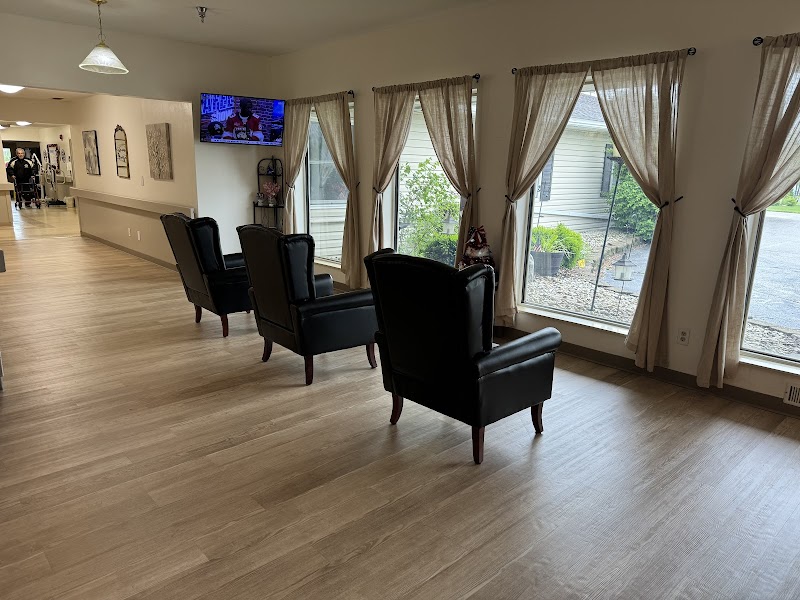
How is Cridersville Nursing And Rehab Staffed?

CMS rates CRIDERSVILLE NURSING AND REHAB's staffing level at 2 out of 5 stars, which is below average compared to other nursing homes. Staff turnover is 68%, which is 21 percentage points above the Ohio average of 46%. High turnover can affect care consistency as new staff learn residents' individual needs. RN turnover specifically is 83%, which is notably high. RNs provide skilled clinical oversight, so turnover in this role can affect medical care quality.

What Have Inspectors Found at Cridersville Nursing And Rehab?

State health inspectors documented 36 deficiencies at CRIDERSVILLE NURSING AND REHAB during 2019 to 2025. These included: 2 Immediate Jeopardy (the most serious level, indicating potential for serious harm or death), 3 that caused actual resident harm, 30 with potential for harm, and 1 minor or isolated issues. Immediate Jeopardy findings are rare and represent the most serious regulatory concerns. They require immediate corrective action.
Who Owns and Operates Cridersville Nursing And Rehab?

CRIDERSVILLE NURSING AND REHAB is owned by a for-profit company. For-profit facilities operate as businesses with obligations to shareholders or private owners. The facility is operated by LIONSTONE CARE, a chain that manages multiple nursing homes. With 50 certified beds and approximately 38 residents (about 76% occupancy), it is a smaller facility located in CRIDERSVILLE, Ohio.
How Does Cridersville Nursing And Rehab Compare to Other Ohio Nursing Homes?

Compared to the 100 nursing homes in Ohio, CRIDERSVILLE NURSING AND REHAB's overall rating (1 stars) is below the state average of 3.2, staff turnover (68%) is significantly higher than the state average of 46%, and health inspection rating (1 stars) is much below the national benchmark.

What Should Families Ask When Visiting Cridersville Nursing And Rehab?

Based on this facility's data, families visiting should ask: "What changes have been made since the serious inspection findings, and how are you preventing similar issues?" "How do you ensure continuity of care given staff turnover, and what is your staff retention strategy?" "Can you walk me through typical staffing levels on day, evening, and night shifts?" "Can I visit during a mealtime to observe dining assistance and food quality?" These questions are particularly relevant given the facility's Immediate Jeopardy citations, the facility's high staff turnover rate, and the below-average staffing rating.

Is Cridersville Nursing And Rehab Safe?

Based on CMS inspection data, CRIDERSVILLE NURSING AND REHAB has documented safety concerns. Inspectors have issued 2 Immediate Jeopardy citations (the most serious violation level indicating risk of serious injury or death). The facility has a 1-star overall rating and ranks #100 of 100 nursing homes in Ohio. Families considering this facility should ask detailed questions about what corrective actions have been taken since these incidents.

Do Nurses at Cridersville Nursing And Rehab Stick Around?

Staff turnover at CRIDERSVILLE NURSING AND REHAB is high. At 68%, the facility is 21 percentage points above the Ohio average of 46%. Registered Nurse turnover is particularly concerning at 83%. RNs handle complex medical decisions and coordinate care — frequent RN changes can directly impact care quality. High turnover means new staff may not know residents' individual needs, medications, or preferences. It can also be disorienting for residents, especially those with dementia who rely on familiar faces. Families should ask: What is causing the turnover? What retention programs are in place? How do you ensure care continuity during staff transitions?

Was Cridersville Nursing And Rehab Ever Fined?

CRIDERSVILLE NURSING AND REHAB has been fined $95,265 across 2 penalty actions. This is above the Ohio average of $34,032. Fines in this range indicate compliance issues significant enough for CMS to impose meaningful financial consequences. Common causes include delayed correction of deficiencies, repeat violations, or care failures affecting resident safety. Families should ask facility leadership what changes have been made since these penalties.

Is Cridersville Nursing And Rehab on Any Federal Watch List?

CRIDERSVILLE NURSING AND REHAB is not on any federal watch list. The most significant is the Special Focus Facility (SFF) program, which identifies the bottom 1% of nursing homes nationally based on persistent, serious quality problems. Not being on this list means the facility has avoided the pattern of deficiencies that triggers enhanced federal oversight. This is a positive indicator, though families should still review the facility's inspection history directly.