OTTERBEIN-CRIDERSVILLE
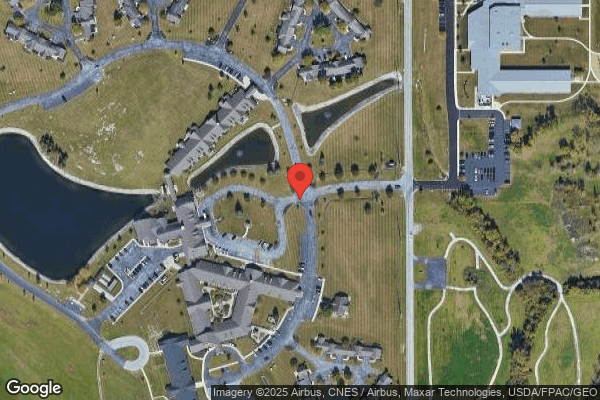
100 RED OAK DRIVE, CRIDERSVILLE, OH 45806 (419) 645-5114
Non profit - Corporation 50 Beds OTTERBEIN SENIORLIFE Data: November 2025
Trust Grade
65/100
#527 of 913 in OH
Last Inspection: April 2025

Within standard 12-15 month inspection cycle. Federal law requires annual inspections.

Overview

Otterbein-Cridersville has a Trust Grade of C+, indicating it is slightly above average but not without concerns. It ranks #527 out of 913 nursing homes in Ohio, placing it in the bottom half, and #6 out of 8 in Auglaize County, meaning only two local facilities are rated higher. Unfortunately, the facility is experiencing a worsening trend, with issues increasing from 6 in 2023 to 8 in 2025. Staffing is a notable weakness, receiving a rating of 2 out of 5 stars and a turnover rate of 46%, which is below the state average but still concerning. On the positive side, the facility has no fines recorded, which reflects a commitment to compliance, and it has good RN coverage, exceeding 79% of Ohio facilities; however, there were specific concerns about improper medication storage, inadequate water management for Legionella risk, and dishwasher sanitation temperatures not being met, which could affect resident safety.

Trust Score
C+
65/100
In Ohio
#527/913
Bottom 43%
Safety Record
Low Risk
No red flags
Inspections
Getting Worse
6 → 8 violations
Staff Stability
⚠ Watch
46% turnover. Above average. Higher turnover means staff may not know residents' routines.
Penalties
✓ Good
No fines on record. Clean compliance history, better than most Ohio facilities.
Skilled Nurses
○ Average
Each resident gets 41 minutes of Registered Nurse (RN) attention daily — about average for Ohio. RNs are the most trained staff who monitor for health changes.
Violations
⚠ Watch
20 deficiencies on record. Higher than average. Multiple issues found across inspections.
★★★☆☆
3.0
Overall Rating
★★☆☆☆
2.0
Staff Levels
★★★★☆
4.0
Care Quality
★★★☆☆
3.0
Inspection Score
Stable
2023: 6 issues
2025: 8 issues

The Good

  • 4-Star Quality Measures · Strong clinical quality outcomes
  • Full Sprinkler Coverage · Fire safety systems throughout facility
  • No fines on record

Facility shows strength in quality measures, fire safety.

The Bad

3-Star Overall Rating

Near Ohio average (3.2)

Meets federal standards, typical of most facilities

Staff Turnover: 46%

Near Ohio avg (46%)

Higher turnover may affect care consistency

Chain: OTTERBEIN SENIORLIFE

Part of a multi-facility chain

Ask about local staffing decisions and management

The Ugly 20 deficiencies on record

Apr 2025 8 deficiencies
CONCERN (D)

Potential for Harm - no one hurt, but risky conditions existed

Resident Rights (Tag F0550)

Could have caused harm · This affected 1 resident

**NOTE- TERMS IN BRACKETS HAVE BEEN EDITED TO PROTECT CONFIDENTIALITY** Based on observation, staff interview and review of the facility policy, the facility failed to ensure a resident was provided a...

Read full inspector narrative →
**NOTE- TERMS IN BRACKETS HAVE BEEN EDITED TO PROTECT CONFIDENTIALITY** Based on observation, staff interview and review of the facility policy, the facility failed to ensure a resident was provided a dignified dining experience. This affected one resident (#197) of five residents observed in the rehab dining. The facility census was 44. Findings Include: Medical record review of Resident #197 revealed the resident was admitted [DATE] with diagnoses of rheumatoid arthritis, diabetes type two, chronic kidney disease, and angina. Review of Resident #197's Minimum Data Set (MDS) assessment, dated 04/10/25, revealed Resident #197 was cognitively intact, no psychological issues or behaviors, and was independent with Activities of Daily Living (ADLs). Further review of the medical record revealed blood glucose ordered to be taken before meals times, 8:00 A.M., 12:00 P.M., and 4:00 P.M Resident #197 was ordered Lantus SoloStar Subcutaneous Solution Pen-injector 100 unit/milliliter (ml) (Insulin Glargine), inject 40 units subcutaneous one time a day and HumaLOG KwikPen Subcutaneous Solution Pen-injector 100 unit/ml (Insulin Lispro) with meals (8:00 A.M., 12:00 P.M., 4:00 P.M.) according to sliding scale. Observation on 04/17/25 at 11:45 A.M. revealed Registered Nurse (RN) #214 walked up to Resident #197, set the glucose monitor machine on the dinning table, picked his left hand up and completed a blood glucose. Two residents were sitting at the dining table with Resident #214. RN #214 did not ask permission or explain to Resident #197 what she was doing. Once blood glucose was completed, RN #214 gathered supplies and walked way. Interview on 04/17/25 at 11:50 A.M. with RN #214 revealed RN #214 verified blood glucose was completed at dining table with two other resident at the table without Resident #197's permission or without RN #214 explaining what she was going to do. Interview on 04/17/25 at 11:55 A.M. with Resident #214 revealed Resident #214 did not give permission to complete blood glucose and RN #214 did not even speak to him before, after, or during blood glucose. Review of the facility policy titled, Resident Rights & Facility Responsibilities, dated 01/22/20, revealed residents were to be treated at all time with courtesy, respect, and full recognition of dignity and individuality.
CONCERN (D)

Potential for Harm - no one hurt, but risky conditions existed

Pressure Ulcer Prevention (Tag F0686)

Could have caused harm · This affected 1 resident

**NOTE- TERMS IN BRACKETS HAVE BEEN EDITED TO PROTECT CONFIDENTIALITY** Based on medical record review, observations, staff interviews and policy review, the facility failed to timely implement treatm...

Read full inspector narrative →
**NOTE- TERMS IN BRACKETS HAVE BEEN EDITED TO PROTECT CONFIDENTIALITY** Based on medical record review, observations, staff interviews and policy review, the facility failed to timely implement treatment orders for a newly identified pressure ulcer. This affected one (#38) out of three reviewed for pressure ulcers. The facility census was 44. Findings include: Review of the medical record for Resident #38 revealed an admission on [DATE] with diagnoses including with traumatic subdural hemorrhage with loss of consciousness, cord compression, type two diabetes mellitus with diabetic polyneuropathy, pulmonary hypertension, chronic diastolic congestive heart failure. Review of the Minimum Data Set (MDS) assessment dated [DATE] for Resident #38 revealed the resident was cognitively intact. Resident #38 required supervision to maximum assist with activities of daily living. Resident #38 was coded at risk for pressure ulcer development. Resident #38 did not have any skin issues coded at the time of the assessment. Review of the plan of care for Resident #38 dated 03/03/25 revealed the resident has actual impairment to skin integrity related to pressure wound to left heel. Interventions include encourage good nutrition, educate resident and family of causative factors, monitor location, size, and treatment of wound, weekly skin screens, enhanced barrier precautions, and encourage frequent turning and repositioning for pressure relief. Review of the active physicians' orders for Resident #38 revealed an order dated 03/03/25 for enhanced barrier precautions, gloves and gown with treatment and or care related to wound, float heels when in bed dated 01/23/25, low air loss mattress to bed dated 03/10/25, left heel dressing change apply medihoney, collagen powder and border gauze to area every night shift dated 04/08/25, monitor left heel dressing and replace as needed dated 03/10/25, skin prep to right heel every shift for preventative dated 04/14/25 and weekly skin assessment to be completed by a licensed nurse under the forms tab every Wednesday dated 02/10/25 with a start date of 02/12/25. Review of the discontinued physicians' orders for Resident #38 revealed an order dated 02/16/25 with a start date of 02/17/25 for the application of medihoney and bordered gauze to left heal every day for wound care, an order dated 02/21/25 with a start date of 02/22/25 to apply Santyl and bordered gauze to left heal every day and as needed (PRN) for wound care and an order to monitor left heel dressing and replace as needed dated 02/16/25 and discontinued on 02/16/25. Review of Wound Nurse Notification form dated 02/12/25 for Resident #38 revealed documentation of a pressure ulcer to the right heel measuring 2.5 cm x 3.0 cm. Further review of the form revealed treatment was initiated with medihoney and bordered gauze was applied. Review of the Treatment Administration Record (TAR) for Resident #38 for the month of February 2025 revealed an order to monitor left heel dressing and replace as needed dated 02/16/25, an order dated 02/26/25 for Santyl external ointment 250 unit per gram apply to left heel topically every day shift for wound and apply bordered gauze daily and as needed, an order dated 12/21/24 for weekly wound assessment to be completed by a licensed nurse every Saturday night and documented under the forms tab and discontinued on 02/10/25, an order for weekly wound assessment to be completed by a licensed nurse every Wednesday dated 02/12/25, and an order for skin prep to bilateral heels every shift for preventative for dated 12/15/24 and discontinued on 04/14/25. Review of the weekly skin observation tool dated 02/09/25 for Resident #38 was not completed as the resident was not available. Review of the Braden scale completed on 02/10/25 for Resident #38 revealed the resident was at risk for the development of pressure ulcers. Review of the nurse's progress notes dated 02/12/25 at 8:57 P.M. for Resident #38 revealed the resident was yelling out while this nurse was in room that his foot was hurting. Upon assessing a pressure ulcer on the left heel was found. Drainage present. No odor or signs and symptoms of infection were noted. Wound was measured and dressed with medihoney and bordered gauze. Wound paper filled out for wound physician. Review of the initial wound evaluation for wound physicians for Resident #38 dated 02/18/25 revealed the resident was alert to person, place time and situation with right and left foot sensation intact. Wound site number one revealed an unstageable (due to necrosis) of the left heel, full thickness measuring 3.0 cm x 5 cm x unmeasured due to present of non viable tissue and necrosis. Wound site number one was assessed with light serous exudate and thick adherent black necrotic eschar. Observation on 04/17/25 at 1:09 P.M. of Resident #38's left heel revealed the extremity was elevated in a moon boot resting on the bed. Resident #38's sock was removed to reveal the dressing was rolled up exposing partial area of the wound left heel. Left heel posterior distal heel revealed an open area with macerated edges, pale pink tissue on the wound bed and small amount of draining on the dressing. Interview on 04/17/25 at 11:45 A.M. with the Assistant Director of Nursing (ADON) verified the treatment for the left heel was written and then discontinued on the same day on 02/12/25. ADON verified the TAR did not reflect any treatments were in place until 02/18/25 after Resident #38 was seen by the wound physician. Review of the facility policy titled Skin Care Management Procedure, dated 12/09/22 revealed under dressing and treatments that determination of the need for a dressing for an ulcer is based on the individual practitioner's clinical judgement and facility protocol based on current professional standards of practice. Additionally, the policy states that staff should evaluate and document identified changes as follows, evaluation of site if not dressing and weekly skin assessments will be completed and documented in the electronic health record to identify new or potential areas of concerns.
CONCERN (D)

Potential for Harm - no one hurt, but risky conditions existed

Deficiency F0687 (Tag F0687)

Could have caused harm · This affected 1 resident

Based on medical record review, observation, and staff and resident interviews, the facility failed to ensure resident's toenails were adequately trimmed. This affected one (#01) of one resident revie...

Read full inspector narrative →
Based on medical record review, observation, and staff and resident interviews, the facility failed to ensure resident's toenails were adequately trimmed. This affected one (#01) of one resident reviewed for podiatrist visits. The facility census was 44. Findings include: Review of the medical record for Resident #01 revealed an admission date of 11/14/24 with medical diagnoses of cerebral infarction, diabetes mellitus, congestive heart failure, chronic kidney disease, and hypertension. Review of the medical record for Resident #01 revealed a quarterly Minimum Data Set (MDS) assessment, dated 04/02/25, which indicated Resident #01 had moderately impaired cognitive impairment and required partial/moderate staff assistance with toilet hygiene, supervision with bathing and transfers, and was independent with bed mobility. Review of the medical record for Resident #01 revealed no documentation to support Resident #01 was seen by podiatrist since admission to facility. Observation with interview on 04/14/25 at 10:56 A.M. of Resident #01 revealed toenails on bilateral feet to be long, jagged, and thick. The observation revealed several of Resident #01's toenails appeared to be curved downward toward the bottom of the toes. Interview with Resident #01 stated his toenails had not been trimmed since prior to admission to facility. Interview on 04/16/25 at 10:15 A.M. with Director of Nursing (DON) confirmed Resident #01's toenails appeared long, jagged, and thick with some of the toenails observed to be curved downward. DON confirmed the podiatrist was at the facility on 03/03/25 and 03/18/25 and Resident #01 was not seen by the podiatrist on those dates.
CONCERN (D)

Potential for Harm - no one hurt, but risky conditions existed

Deficiency F0698 (Tag F0698)

Could have caused harm · This affected 1 resident

**NOTE- TERMS IN BRACKETS HAVE BEEN EDITED TO PROTECT CONFIDENTIALITY** Based on record review and staff interview, the facility failed to perform post dialysis assessments. This affected one (#199) o...

Read full inspector narrative →
**NOTE- TERMS IN BRACKETS HAVE BEEN EDITED TO PROTECT CONFIDENTIALITY** Based on record review and staff interview, the facility failed to perform post dialysis assessments. This affected one (#199) out of one resident reviewed for dialysis. The facility census was 44. Findings include: Review of the medical record for Resident #199 revealed an admission date of 03/01/25 with diagnoses of acute and chronic respiratory failure with hypoxia, chronic obstructive pulmonary disease, and end stage renal disease. Review of the Medicare 5-day Minimum Data Set (MDS) dated [DATE] revealed resident was cognitively intact. Resident required set-up assistance with eating and oral hygiene. Resident required partial assistance with ambulation up to 50 feet and resident required substantial assistance with toileting hygiene, bathing, dressing, bed mobility, and transfers. Resident also required hemodialysis. Review of the physician orders revealed an order dated 03/02/25 and 04/14/25 for Post Dialysis Form to be completed every Monday, Wednesday, and Friday. Review of the care plan dated 03/11/25 revealed Resident #199 needs hemodialysis related to end stage renal disease (ESRD) on Monday, Wednesday, and Friday with intervention of monitor vital signs as directed and notify physician of significant abnormalities. Further review of Resident #199's medical record revealed post dialysis assessments form were completed on 03/07/25 and 04/14/25. The post dialysis assessment form was not completed on 03/03/25, 03/05/25, 03/10/25, 03/12/25, 03/14/25, 03/17/25, and 03/19/25. Interview on 04/16/25 at 2:51 P.M. with the Director of Nursing (DON) confirmed there were only two post-dialysis form assessments completed on Resident #199. Interview confirmed Resident #199 should have had a post dialysis form assessment completed in the electronic health record after returning from dialysis every Monday, Wednesday, and Friday. Interview with the DON confirmed the only post dialysis assessment form were completed on 03/07/25 and 04/14/25. Interview with the DON also confirmed the post dialysis assessment form was not completed on 03/03/25, 03/05/25, 03/10/25, 03/12/25, 03/14/25, 03/17/25, and 03/19/25. The DON confirmed residents returning from dialysis should have a post dialysis assessment but was was unable to provide a policy on post dialysis assessments.
CONCERN (D)

Potential for Harm - no one hurt, but risky conditions existed

Medical Records (Tag F0842)

Could have caused harm · This affected 1 resident

Based on medical record review and staff interview, the facility failed to ensure a complete and accurate medical record. This affected one (#15) out of six residents reviewed for medication administr...

Read full inspector narrative →
Based on medical record review and staff interview, the facility failed to ensure a complete and accurate medical record. This affected one (#15) out of six residents reviewed for medication administration. The facility census was 44. Findings include: Review of the medical record for Resident #15 revealed an admission date of 08/09/22 with medical diagnoses of right hemiplegia following cerebral infarction, trichomoniasis, aphasia, diabetes mellitus, and anemia. Review of the medical record for Resident #15 revealed a quarterly Minimum Data Set (MDS) assessment, dated 04/10/25, which stated Resident #15 had modified independence with decision making skills and required substantial/maximum staff assistance for toilet hygiene, bathing, transfers and partial/moderate assistance for bed mobility. The MDS indicated Resident #15 received seven days of insulin injections. Review of the medical record for Resident #15 revealed a physician order dated 02/03/25 for glucagon (an emergency medication used to treat severe hypoglycemia or low blood sugar levels) emergency injection to inject one milligram (mg) subcutaneously one time only for hypoglycemia. Review of the medical record for Resident #15 revealed on 02/03/25 a finger stick blood sugar (FSBS) reading of 55. Review of the medical record revealed no other documentation related to FSBS reading of 55, physician or family notification, or follow-up care after low blood sugar reading. Review of the facility nurse report sheet, dated 02/03/25, stated for Resident #18 had a low blood sugar of 55 and an order for glucagon one time was given. The report sheet stated Resident #18's daughter was notified, the glucagon was effective, and blood sugar was within normal limits. Interview on 04/16/25 at 11:26 A.M. with Director of Nursing (DON) confirmed the medical record for Resident #18 did not have any documentation to support the facility notified the physician and received an order for the glucagon, notified Resident #15's family, or any monitoring of Resident #15's FSBS after the administration of the glucagon. DON stated the facility did not have a policy on accurate documentation in medical record.
CONCERN (D)

Potential for Harm - no one hurt, but risky conditions existed

Infection Control (Tag F0880)

Could have caused harm · This affected 1 resident

**NOTE- TERMS IN BRACKETS HAVE BEEN EDITED TO PROTECT CONFIDENTIALITY** Based on medical record reviews, observations, staff interviews and policy review, the facility staff failed to complete hand hy...

Read full inspector narrative →
**NOTE- TERMS IN BRACKETS HAVE BEEN EDITED TO PROTECT CONFIDENTIALITY** Based on medical record reviews, observations, staff interviews and policy review, the facility staff failed to complete hand hygiene after resident contact and failed to wear proper Personal Protective Equipment (PPE) when providing resident care for a residents in Enhanced Barrier Precautions (EBP). This affected three (#2, #8 and #38) of four residents reviewed for the infection control. The facility census was 44. Findings include: 1. Review of the medical record for Resident #38 revealed an admission on [DATE] with diagnoses including with traumatic subdural hemorrhage with loss of consciousness, cord compression, type two diabetes mellitus with diabetic polyneuropathy, Pulmonary hypertension, chronic diastolic congestive heart failure. Review of the Minimum Data Set (MDS) assessment dated [DATE] for Resident #38 revealed resident was cognitively intact. Resident #38 required supervision to maximum assist with activities of daily living. Resident #38 was coded at risk for pressure ulcer development. Resident #38 did not have any skin issues coded. Review of the plan of care for Resident #38 dated 03/03/25 revealed the resident has actual impairment to skin integrity related to pressure wound to left heel. Interventions include encourage good nutrition, education for resident and family of causative factors, monitor location, size, and treatment of wound, weekly skin screens, enhanced barrier precautions, and encourage frequent turning and repositioning for pressure relief. Review of the active physicians' orders for Resident #38 revealed an order dated 03/03/25 for enhanced barrier precautions, gloves and gown with treatment and or care related to wound, float heels when in bed dated 01/23/25, low air loss mattress to bed dated 03/10/25, left heel dressing change apply medihoney, collagen powder and border gauze to area every night shift dated 04/08/25, monitor left heel dressing and replace as needed dated 03/10/25, skin prep to right heel every shift for preventative dated 04/14/25 and weekly skin assessment to be completed by a licensed nurse under the forms tab every Wednesday dated 02/10/25 with a start date of 02/12/25. Observation on 04/14/25 at 11:20 A.M. of EBP information sheet from the United States Department of Health and Human Services Center for Disease Control and Prevention attached to door to Resident #38's. EBP had a stop sign on both upper corners, large type advising everyone must: clean their hands, including before entering the room and when leaving the room. The sign had small photo of alcohol-based hand rub in a white box beside the information. Additionally, the sign advised providers and staff must: wear gloves and a gown for the following high contact resident care activities: dressing, bathing, showering, transferring, changing linens, providing hygiene, changing briefs or assisting with toileting, device care of use including central line, urinary catheter, feeding tube, tracheostomy and wound care for any skin opening requiring a dressing. Observation on 04/14/25 at 11:23 A.M. of Resident #38 revealed two Certified Nurse Aide (CNA) #223 and #235 at the side of the bed in Resident #38's room. CNA #235 and #223 were not wearing protective gowns over clothing, only gloves on both hands. CNA #235 removed the covers from Resident #35 lower extremities and remove the protective boot from Resident #38 left lower extremity. CNA #235 and #223 assisted the resident to a sitting position on the edge of the bed and proceeded to assist the resident with transfers to a wheelchair. CNA #235 then exited the room with gloves still on both hands walked down the hallway removing gloves, dropping the gloves into the trash container on the medication cart. CNA #235 did not complete hand hygiene before walking over to Resident #00 and handing her a small red handbag. Interview on 04/14/25 at 11:30 A.M. with CNA #235 confirmed she had assisted Resident #38 with transfers from his bed to his wheelchair without a gown on. CNA #235 verified CNA #223 was not wearing a gown either and they did not have to wear them with transfers, only with incontinent care or catheter care. Additionally, CNA #235 verified that she had exited Resident #38's room with gloves on both hands, removing them as she walked towards the dining area and did not complete hand hygiene prior to touching Resident #26 personal belongings. Interview on 04/15/25 at 11: 45 A.M. with the Director of Nursing (DON) verified staff should be wearing gowns and gloves when transferring to the residents in EBP. Review of the facility policy titled Infection Prevention and Control Program, dated 11/05/21 stated it is the facility's practice to prevent, recognize and control to the extent possible the onset and the spread of infection. Additionally, the policy states the development, implementation and maintenance of an effective infection prevention and control program to include implementation of practices consistent with accepted standards that will help reduce the spread of infections and prevent cross contamination. Review of the policy titled , Isolation Precautions Process, revised August 2022 documented EBP would be utilized for residents with wounds. EBP included wearing gloves and gowns during high contact resident care including transfers. 2. Observation on 04/14/25 at 12:16 P.M. revealed CNA #316 delivered room tray to Resident #8. CNA #316 placed tray on bedside tray table, set head of bed up, adjusted Resident #8's covers, moved items on bedside tray, placed bedside tray in front of Resident #8, raised height of bedside tray, and removed plastic wrap from food. CNA #316 went from Resident #8's room into Resident #2 room to answer a question and closed her closet door. CNA #316 proceeded next to Resident #24's room with a lunch tray. CNA #316 place lunch tray down, removed plastic from food, removed dessert on tray and placed on bedside table. Observations revealed CNA #316 did not perform hand hygiene was completed in between resident's meal tray passing when staff involved in direct resident contact. Interview on 04/14/25 at 12:21 P.M. with CNA #316 revealed no hand hygiene was completed in between meal tray passing after direct resident contact for Resident #8 and #2. Review of facility policy Hand Hygiene Procedure, dated 03/27/25, revealed hand hygiene is required after contact with inanimate objects in the immediate vicinity of the patient.
CONCERN (E)

Potential for Harm - no one hurt, but risky conditions existed

Deficiency F0761 (Tag F0761)

Could have caused harm · This affected multiple residents

**NOTE- TERMS IN BRACKETS HAVE BEEN EDITED TO PROTECT CONFIDENTIALITY** Based on medical record review, observation, staff interview and policy review, the facility failed to ensure medication were st...

Read full inspector narrative →
**NOTE- TERMS IN BRACKETS HAVE BEEN EDITED TO PROTECT CONFIDENTIALITY** Based on medical record review, observation, staff interview and policy review, the facility failed to ensure medication were stored securely and not at the bedside. Additionally, the facility also failed to ensure medication cart was securely locked when unattended on Rehab Hall. This affected three (#147, #22 and #38) of three residents reviewed for medication storage and had the potential to affect 13 (#20, #29, #41, #196, #197, #198, 199, #200, #201, #202, #203, #204, and #205) residents the facility identified as independently mobile and cognitively impaired. The facility census was 44. Findings include: 1. Medical record review for Resident #22 revealed an admission on [DATE] with diagnoses including but not limited to Parkinson disease, altered mental status, hypertension, and history of falling. Review of the quarterly Minimum Data Set (MDS) assessment dated [DATE] for Resident #22 revealed a severely impaired cognition. Resident #22 required moderate to total assistance for activities of daily living. Resident #22 was coded with ointment application to areas other than feet. Review of the plan of care for Resident #22 dated 12/18/24 revealed resident had potential impairment to skin integrity related to incontinence and impaired mobility. Interventions included avoid scratching keep fingernails short, keep skin clean and dry, pressure reducing devices as ordered, encourage frequent turning and repositioning with weekly skin assessment. Review of the weekly skin assessment dated [DATE] revealed no areas on concern identified. Review of the active physicians orders for Resident #22 was silent for orders for antifungal powder. Observation on 04/14/25 at 3:37 P.M. revealed open unlabeled three ounce bottle of antifungal powder with miconazole nitrate two percent sitting on the bedside table next to residents bed. Resident #22 was in bed at the time of observation. Further observation of label on antifungal powder revealed a warning label stating if swallowed get medical help or contact the poison control center Interview on 04/14/25 at 3:41 P.M. with Licensed Practical Nurse (LPN) #224 verified the observation of antifungal powder at the bedside and without orders for application by Certified Nurse Assistance (CNA). 2. Review of the medical record for Resident #38 revealed an admission on [DATE] with diagnoses including with traumatic subdural hemorrhage with loss of consciousness, spinal cord compression, type two diabetes mellitus with diabetic polyneuropathy, pulmonary hypertension, and chronic diastolic congestive heart failure. Review of the MDS assessment dated [DATE] for Resident #38 revealed resident was cognitively intact. Resident #38 required supervision to maximum assist with activities of daily living. Resident #38 was coded at risk for pressure ulcer development. Resident #38 did not have any skin issues coded. Review of the plan of care for Resident #38 dated 03/03/25 revealed the resident has actual impairment to skin integrity related to pressure wound to left heel. Interventions include encourage good nutrition, educate resident and family of causative factors, monitor location, size, and treatment of wound, weekly skin screens, enhanced barrier precautions, and encourage frequent turning and repositioning for pressure relief. Review of the active physicians' orders for Resident #38 was silent for orders to keep antifungal powder at bedside. Review of the weekly skin observation tool dated 04/08/25 for Resident #38 revealed no identified concerns for antifungal powder administration. Observation on 04/15/24 at 2:34 P.M. revealed an open unlabeled three ounce bottle of antifungal powder with miconazole nitrate two percent. Further observation of label on antifungal powder revealed a warning label stating if swallowed get medical help or contact the poison control center. Interview 04/16/25 at 10:19 A.M. with LPN #224 verified Resident #38 did not have orders for the antifungal powder to be left at the bedside. Interview on 04/16/25 at 11:00 A.M. with the Director of Nursing (DON) verified the antifungal powder should not be left in the room without an order authorizing the staff to apply it as needed for skin irritation. 3. Review of the medical record for Resident #147 revealed an admission dated of 04/09/25 with diagnoses including but not limited to hypertensive heart disease with heart failure, arthritis, malignant neoplasm of colon, peripheral vascular disease, hypothyroidism, and osteoporosis. Review of the Comprehensive Minimum Data Set (MDS) assessment for Resident #147 dated 04/16/24 was in progress and not completed at the time of the survey. Review of the plan of care for Resident #147 dated 04/09/25 revealed resident had a self care deficit due to impaired ability to perform or completed activities of daily living (ADL) such as feeding, dressing, bathing, toileting, related to shortness of breath, cellulitis, edema of lower extremities and advanced age. Interventions include assist as needed to complete ADL's. Review of the physician's orders for Resident #147 were silent for any orders for medications to be left at bedside for self administration or staff application. Observation on 04/14/25 at 11:10 A.M. of an opened bottle of natural eye tears without a pharmacy label at bedside and an open unlabeled three ounce bottle of antifungal powder with miconazole nitrate two percent. Further observation of label on antifungal powder revealed a warning label stating if swallowed get medical help or contact the poison control center. Interview on 04/14/25 11:41 A.M. with LPN #224 verified the resident are allowed to have medication at bedside with orders. LPN #224 stated she will have to look to see if she has orders to keep the items at bedside. If she does not have any orders she will contact the physician for permission. LPN #224 stated they have to have orders for medications to be in the room. LPN #224 stated the resident just moved over to the long term care area from assisted living on April ninth. Review of the facility's policy titled Medication Storage, dated 07/09/21 revealed medication will be locked and only accessible by a licensed nurse. 4. Observation of the facility on 04/17/25 at 11:45 A.M., revealed a medication cart on Rehab Hall in front of nurse's station was unlocked and unattended with no staff present. Interview on 04/17/25 at 11:50 A.M. with Registered Nurse (RN) #214 with diabetic supplies in her hand and stated she forgot to lock the medication cart when she walked away. The facility confirmed there were 13 (#20, #29, #41, #196, #197, #198, 199, #200, #201, #202, #203, #204, and #205) residents who were independently mobile and cognitively impaired who could access unlocked/unsecured medications or a unlocked medication cart.
CONCERN (F)

Potential for Harm - no one hurt, but risky conditions existed

Food Safety (Tag F0812)

Could have caused harm · This affected most or all residents

Based on observation, staff interviews, review of dishwasher temperature logs and review of the dishwasher manual, the facility failed to ensure the dishwasher was washing and rinsing dishes at the pr...

Read full inspector narrative →
Based on observation, staff interviews, review of dishwasher temperature logs and review of the dishwasher manual, the facility failed to ensure the dishwasher was washing and rinsing dishes at the proper temperatures to sanitize the dishes. This had the potential to affect all 44 residents residing in the facility. The facility census was 44. Findings include: Observation on 04/14/25 at 8:17 A.M. with Director of Culinary Services #324 revealed the main kitchen dishwasher rinse cycle was 176 degrees Fahrenheit (F). Interview on 04/14/25 at 8:17 A.M., at time of observation, with Director of Culinary Services #324 confirmed the dishwasher rinse cycle should be 180 degrees F. Observation on 04/14/25 at 8:19 A.M. with Director of Culinary Services #324 revealed the Long Term Care (LTC) area dishwasher wash cycle was 136 degrees F, and the rinse cycle was 188 degrees F. Observation on 04/14/25 at 8:20 A.M. with Director of Culinary Services #324 revealed the LTC area dishwasher wash cycle was 141 degrees F, and the rinse cycle was 191 degrees F. Interview on 04/14/25 at 8:20 A.M., at time of observation, with Director of Culinary Services #324 confirmed the dishwasher wash cycle should be 150 degrees F. Observation on 04/14/25 at 8:26 A.M. with Director of Culinary Services #324 revealed the post-acute area dishwasher wash cycle was 144 degrees F and the rinse cycle was 184 degrees F. Interview on 04/14/25 at 8:26 A.M., at time of observation, with Director of Culinary Services #324 confirmed the dishwasher wash cycle should be 150 degrees F. Interview also confirmed the dishwashers in the facility have been worked on weekly by the contractor. Observation on 04/14/25 at 12:27 P.M. with [NAME] #291 in the post-acute kitchen revealed the post-acute area dishwasher wash cycle was 146 degrees F and the rinse cycle ran at 178 degrees F. Interview on 04/14/25 at 12:27 P.M., at the time of observation, with [NAME] #291 confirmed the post-acute dishwasher wash cycle should be 150 degrees F, and the rinse cycle should be 180 degrees F. Interview on 04/14/25 at 12:44 P.M. with Director of Culinary Services #324 confirmed the dietary staff know what the temperatures should be when running the dishwashers and it is listed on the bottom of the Weekly Temperature Logs that staff is to fill out daily. The interview also confirmed that staff did not notify her of the dishwashers not meeting the temperature levels needed that were logged on the Weekly Temperature Logs for the weekly of 04/06/25 and for 04/13/25. Interview on 04/14/25 at 3:45 P.M. with the Administrator confirmed the manual supplied for the dishwashers revealed the wash temperature should be 150 degrees F and the rinse temperature should be 180 degrees F. The facility confirmed all 44 residents residing in the facility receive their meals/food from the kitchen. Review of the Weekly Temperature Logs for week of 04/06/25 for the skilled nursing dishwasher revealed on 04/08/25 a wash temperature and rinse temperature were not obtained on all three dishwasher cycles. On 04/09/25 the morning (AM) wash temperature was 148 degrees F, the mid-day wash temperature was 135 degrees F, and the PM wash and rinse cycle did not have temperatures logged. On 04/10/25 the AM wash temperature was 148 degrees F, the mid-day wash temperature was 135 degrees F, and the PM wash temperature was 148 degrees F. On 04/11/25 the AM wash temperature was 148 degrees F, the mid-day wash temperature was 135 degrees F, and the PM wash temperature was 140 degrees F. On 04/12/25 the AM wash temperature was 148 degrees F, and the mid-day temperature was 135 degrees F. The bottom of the log revealed the dishwasher temperature should be at least 150 degrees F, the dishwasher rinse temperature should be at least 180 degrees F and that if temperatures are not within the parameters, you must contact the Director of Culinary Services #324 or cook on duty. Review of the Weekly Temperature Logs for 04/13/25 for the post-acute dishwasher revealed a wash temperature of 15 degrees F and a rinse temperature of 180 degrees F for the evening (PM) cycle. The bottom of the log revealed the dishwasher temperature should be at least 150 degrees F, the dishwasher rinse temperature should be at least 180 degrees F and that if temperatures are not within the parameters, you must contact the Director of Culinary Services #324 or cook on duty. Review of the Weekly Temperature Logs for 04/13/25 for the skilled nursing dishwasher revealed a wash temperature of 145 degrees F for morning (AM) cycle, a wash temperature of 145 degrees F for the mid-day cycle, and a wash temperature of 144 degrees F for the PM cycle. The bottom of the log revealed the dishwasher temperature should be at least 150 degrees F, the dishwasher rinse temperature should be at least 180 degrees F and that if temperatures are not within the parameters, you must contact the Director of Culinary Services #324 or cook on duty. Review of the Dish Washer Manual revealed the wash cycle temperatures should be 150 degrees F and the rinse cycle should be 180 degrees F.
Jun 2023 6 deficiencies
CONCERN (D)

Potential for Harm - no one hurt, but risky conditions existed

Notification of Changes (Tag F0580)

Could have caused harm · This affected 1 resident

**NOTE- TERMS IN BRACKETS HAVE BEEN EDITED TO PROTECT CONFIDENTIALITY** Based on medical record review, staff interview, and review of the facility policy, the facility failed to ensure the physician ...

Read full inspector narrative →
**NOTE- TERMS IN BRACKETS HAVE BEEN EDITED TO PROTECT CONFIDENTIALITY** Based on medical record review, staff interview, and review of the facility policy, the facility failed to ensure the physician was notified when a resident's medications were not available and not administered as ordered. This affected one resident (#34) of one reviewed for mood and behaviors. The facility census was 38. Findings include: Review of Resident #34's medical record revealed an admission date of 01/18/23. Diagnoses included alcohol induced dementia, adult failure to thrive, anxiety disorder, conduct disorder, and emphysema. Review of Resident #34's Minimum Data Set (MDS) dated [DATE] revealed a Brief Interview for Mental Status (BIMS) score of six, indicating he was severely cognitively impaired. Resident #34 required supervision set up only with bed mobility, transfer, and toilet use. Resident #34 required limited assistance with dressing and personal hygiene. Resident #34 displayed no behaviors during the review period. Resident #34 reported feeling down, depressed or hopeless two to six days during the review period. Review of Resident #34's care plan revised 05/06/23 revealed supports and interventions in place for self-care deficit, impaired thought process, potential for pain, and behavior problem related to excessive sexual urges. Interventions for excessive sexual urges included administer medications as ordered, assist to develop more appropriate methods of coping, educate resident on need to be in private room with door and blinds being shut if participating in sexual activity, and intervene when necessary to protect the rights and safety of others. Review of Resident #34's physician orders revealed an order dated 04/20/23 and discontinued 06/02/23 for Depo-Provera intramuscular suspension inject 150 milligrams (mg) at bedtime every 14 days for sexualized behaviors. Review of the corresponding Medication Administration Record (MAR) revealed Resident #34's injection was not administered on 05/18/23 or 06/01/23. Further review of Resident #34's physician orders revealed an order dated 06/03/23 for Depo-Provera intramuscular suspension inject 150 milligrams (mg) at bedtime every 14 days for sexualized behaviors. Review of the corresponding MAR revealed Resident #34 was not administered his ordered medication on 06/03/23 or 06/17/23. Review of Resident #34's progress notes found no evidence Resident #34's physician was notified of the missed medications. Interview on 06/21/23 at 8:40 A.M. with Licensed Practical Nurse (LPN) #521 verified Resident #34 had an order for Depo-Provera 150 mg every 14 days and it had not been administered as it was not available on 05/18/23, 06/01/23, 06/03/23, and 06/17/23. LPN #521 was not able to see where the physician was notified of the medication not being administered. Interview on 06/21/23 at 2:31 P.M. with the Director of Nursing (DON) verified Resident #34's Depo-Provera was not administered on 05/18/23, 06/01/23, 06/03/23, or 06/17/23. The DON stated she would get in touch with the pharmacy to see if any notifications were made to the physician. Interview on 06/22/23 at 10:41 A.M. with the DON verified the physician was not notified when Resident #34's medication was not administered. Review of facility policy titled, Medication Administration Procedure, revised 11/09/21 revealed if a regular scheduled medication was withheld, refused or given at a time other than the scheduled time this would be documented in the electronic medical record. An explanatory note was entered within the residents chart including the physician notification.
CONCERN (D)

Potential for Harm - no one hurt, but risky conditions existed

Deficiency F0688 (Tag F0688)

Could have caused harm · This affected 1 resident

**NOTE- TERMS IN BRACKETS HAVE BEEN EDITED TO PROTECT CONFIDENTIALITY** Based on record review, observation, and interview, the facility failed to to ensure mobility positioning devices were in place ...

Read full inspector narrative →
**NOTE- TERMS IN BRACKETS HAVE BEEN EDITED TO PROTECT CONFIDENTIALITY** Based on record review, observation, and interview, the facility failed to to ensure mobility positioning devices were in place as ordered. This affected one (Resident #18) of two residents reviewed for position and mobility. The facility census was 38. Findings Include: Review of the medical record for Resident #18 revealed an admission date of 04/26/23 with medical diagnoses including diabetes type II, urine retention, acute kidney failure, and pain in left and right leg. Review of the Minimum Data Set (MDS) assessment dated [DATE] revealed Resident #18 was cognitively intact and required extensive assistance for bed mobility, transfers, walking, dressing, personal hygiene, and toileting. Review of Resident #18's care plan dated 04/27/23 revealed a self-care deficit for impaired ability to perform or complete Activities of Daily Living (ADLs). Review of Resident #18's physician orders dated 04/26/23 revealed Resident #18 had a physician order for a bilateral positioning bar (bars for the bed to assist with mobility/positioning) every shift for mobility. Observation on 06/20/23 at 10:37 A.M. revealed Resident #18 was lying in bed with the head of the bed elevated and no positioning bars in place. Interview on 6/20/23 at 10:40 A.M. with Resident #18 revealed he would like mobility bars added to his bed for turning and repositioning. Resident #18 reported he requested the mobility bars be applied to his bed to help with bed mobility and transfers. Resident #18 stated mobility bars were in his closet. Coinciding observation revealed mobility bars stored in the closet. Interview on 6/21/23 at 12:00 P.M. with Licensed Practical Nurse (LPN) #444 verified positioning bars were not applied to Resident #18's bed as ordered. Interview on 06/21/23 at 12:01 P.M. with Resident #18 revealed the resident told LPN #444, he requested enabler bars for his bed to help with his bed mobility, as he had them prior to his relocation to his current room. Resident #18 further indicated mobility bars were in his room in the closet and proceeded to point to the open door of the closet, revealing the enabler bars in his closet. LPN #444 verified mobility bars were not in place and would look into getting them attached. Review of policy titled, Assistive Devices, dated 10/31/22, indicated the use of assistive devices were for the purpose of supporting the function and ability of the resident with ADL functions.
CONCERN (D)

Potential for Harm - no one hurt, but risky conditions existed

Deficiency F0697 (Tag F0697)

Could have caused harm · This affected 1 resident

**NOTE- TERMS IN BRACKETS HAVE BEEN EDITED TO PROTECT CONFIDENTIALITY** Based on medical record review, resident interview, and staff interview, the facility failed to ensure a resident's pain was man...

Read full inspector narrative →
**NOTE- TERMS IN BRACKETS HAVE BEEN EDITED TO PROTECT CONFIDENTIALITY** Based on medical record review, resident interview, and staff interview, the facility failed to ensure a resident's pain was managed in a reasonable time. This affected one (Resident #295) of one resident reviewed for pain management. The facility census was 38. Findings include: Review of the medical record revealed Resident #295 was admitted on [DATE]. Diagnoses included type two diabetes mellitus with foot ulcer, non-pressure chronic ulcer of unspecified heel and midfoot with fat layer exposed, cellulitis of left lower lib, unspecified atrial fibrillation, unspecified systolic (congestive) heart failure, arthropathy, essential hypertension, major depressive disorder, hyperlipidemia, and hypothyroidism. Review of the care plan dated 06/14/23, revealed Resident #295 had the potential for pain with interventions including to monitor for pain characteristics and to notify the physician if interventions are unsuccessful or if the current complaint is a significant change from the resident's past experience of pain. Review of the physician order dated 06/14/23, revealed an order for hydrocodone-acetaminophen oral tablet 5-325 milligram (MG), give one tablet by mouth as needed three times a day (3 tabs only). Review of the Medication Administration Record (MAR) dated June 2023, revealed Resident #295 received hydrocodone-acetaminophen 5-325 MG on 06/14/23 with a pain scale rating of 5, on 06/15/23 with a pain scale of rating of 7, and on 06/16/23 with a pain scale rating of 8. Further review revealed the MAR had no documentation for pain medication administration or pain documentation for 6/17/23, 06/18/23, 06/19/23, and 06/20/23. On 06/21/23 Resident #295 received hydrocodone-acetaminophen 5-325 MG with a pain scale rating of 7. Interview on 06/20/23 at 11:34 A.M. revealed Resident #295 reported she had been asking for a pain pill since 06/16/23, and stated her pain was currently at a pain scale level of 7. Resident #295 stated she was at the facility because her heels were debrided. Subsequent observation revealed Registered Nurse (RN) #432 enter the resident's room. Resident #295 asked if the pain medication had been filled yet and stated approval needed to be provided to the pharmacy. RN #432 stated she was working with the physician for approval. Interview on 06/21/23 at 11:27 A.M. with RN #432 revealed prior to entry, Resident #295 had both heels debrided by the podiatrist and he only prescribed three tabs of pain medication. RN #432 reported on 06/16/23, before the physician left the facility, she provided a controlled substance form for the physician to sign for approval for the pain medication. RN #432 stated she followed up on 06/20/23 with the physician's office and the resident received the pain medication today. RN #432 stated she offered Tylenol yesterday, but the resident refused. Interview on 06/21/23 at approximately 4:30 P.M. with the Director of Nursing (DON) verified she was aware Resident #432 was asking for the pain medication to be refilled throughout the past weekend. The DON stated she instructed staff to offer the resident Tylenol and the resident refused. Further reivew of Resident #295's medical record revealed the resident did not even have an order for Tylenol.
CONCERN (D)

Potential for Harm - no one hurt, but risky conditions existed

Deficiency F0760 (Tag F0760)

Could have caused harm · This affected 1 resident

**NOTE- TERMS IN BRACKETS HAVE BEEN EDITED TO PROTECT CONFIDENTIALITY** Based on medical record review, staff interview, and review of facility policy, the facility failed to ensure medications for se...

Read full inspector narrative →
**NOTE- TERMS IN BRACKETS HAVE BEEN EDITED TO PROTECT CONFIDENTIALITY** Based on medical record review, staff interview, and review of facility policy, the facility failed to ensure medications for sexualized behaviors were administered as ordered. This affected one resident (#34) of one reviewed for mood and behaviors. The facility census was 38. Findings Include: Review of Resident #34's medical record revealed an admission date of 01/18/23. Diagnoses included alcohol induced dementia, adult failure to thrive, anxiety disorder, conduct disorder, and emphysema. Review of Resident #34's Minimum Data Set (MDS) dated [DATE] revealed a Brief Interview for Mental Status (BIMS) score of six, indicating he was severely cognitively impaired. Resident #34 required supervision set up only with bed mobility, transfer, and toilet use. Resident #34 required limited assistance with dressing and personal hygiene. Resident #34 displayed no behaviors during the review period. Resident #34 reported feeling down, depressed or hopeless two to six days during the review period. Review of Resident #34's care plan revised 05/06/23 revealed supports and interventions in place for self-care deficit, impaired thought process, potential for pain, and behavior problem related to excessive sexual urges. Interventions for excessive sexual urges included administer medications as ordered, assist to develop more appropriate methods of coping, educate resident on need to be in a private room with the door and blinds shut if participating in sexual activity, and intervene when necessary to protect the rights and safety of others. Review of Resident #34's physician orders revealed an order dated 04/20/23 and discontinued 06/02/23 for Depo-Provera intramuscular suspension inject 150 milligrams (mg) at bedtime every 14 days for sexualized behaviors. Review of the corresponding Medication Administration Record (MAR) revealed Resident #34's injection was administered on 04/20/23 and 05/04/23. Resident #34's injection was not administered on 05/18/23 or 06/01/23. Further review of Resident #34's physician orders revealed an order dated 06/03/23 for Depo-Provera intramuscular suspension inject 150 milligrams (mg) at bedtime every 14 days for sexualized behaviors. Review of the corresponding MAR revealed Resident #34 was not administered his ordered Depo-Provera medication injection on 06/03/23 or 06/17/23. Resident #34 was provided no Depo-Provera medication in the month of June. Review of Resident #34's State Tested Nursing Assistant (STNA) Tasks for the last 60 days revealed Resident #34's behaviors were monitored daily. Resident #34 was noted to have had sexual inappropriate behaviors on 05/04/23, 05/09/23, 05/12/23, 05/13/23, 06/05/23, 06/08/23, 06/10/23, 06/11/23, 06/12/23, 06/16/23 and 06/19/23. An increase in sexualized behaviors was found increasing from four instances from 05/01/23 to 06/04/23, to seven instances taking place between 06/05/22 to 06/21/23. Interview on 06/21/23 at 8:40 A.M. with Licensed Practical Nurse (LPN) #521 verified Resident #34 had an order for Depo-Provera 150 mg every 14 days, and it had not been administered on 05/18/23, 06/01/23, 06/03/23, or 06/17/23 due to the medication being unavailable. Interview on 06/21/23 at 2:31 P.M. with the Director of Nursing (DON) verified Resident #34's Depo-Provera was not administered on 05/18/23, 06/01/23, 06/03/23, or 06/17/23. Resident #34's increased behaviors between 06/04/23 and 06/21/23 were reviewed. There were seven occurrences in the last 17 days, where there were only four occurrences in the prior 33 days. The DON stated she would get in touch with the pharmacy to see if anything else had been done related to the missed dosages and behaviors. Interview on 06/22/23 at 10:41 A.M. with the DON verified Resident #34's medications were not administered and no adjustments were made regarding the order, following the lack of administration. The DON reported she spoke with the pharmacy, and they learned Resident #34's Depo-Provera needed to be re-ordered every two weeks or it would not be available. The DON said they now know and would be making the necessary changes to ensure the medication was available. The DON reported Resident #34 was administered his Depo-Provera shot today as his 06/03/23 injection was located in the medication cart. Review of facility policy titled, Medication Administration Procedure, revised 11/09/21 revealed medications were to be administered according to physician orders.
CONCERN (E)

Potential for Harm - no one hurt, but risky conditions existed

Accident Prevention (Tag F0689)

Could have caused harm · This affected multiple residents

**NOTE- TERMS IN BRACKETS HAVE BEEN EDITED TO PROTECT CONFIDENTIALITY** Based on medical record review, observation, staff interview, and review of facility policy, the facility failed to ensure hot w...

Read full inspector narrative →
**NOTE- TERMS IN BRACKETS HAVE BEEN EDITED TO PROTECT CONFIDENTIALITY** Based on medical record review, observation, staff interview, and review of facility policy, the facility failed to ensure hot water was within appropriate parameters to potentially avoid burns. This had the potential to affect three residents (#15, #296, and #297) whose water supply shared the same water heater. In addition, the facility failed to ensure resident fall interventions were in place as ordered. This affected one resident (#32) of three reviewed for falls. The facility census was 38. Findings Include: Observation on 06/21/23 at approximately 9:52 A.M. revealed Former Resident #298's resident room revealed the resident bathroom sink temperature tempted at 130 degrees Fahrenheit. Interview on 06/21/23 at 10:00 A.M. with the Administrator verified Former Resident #298's resident bathroom sink water tempted at 130 degrees Fahrenheit. The Administrator stated there had been no reports of the water being too hot or burns/blisters that had resulted due to hot water. The Administrator notified staff to halt any shower activity and notified maintenance. Water temperatures of other rooms were unable to be checked prior to the facility turning the temperature down. Interview on 06/21/23 at 10:07 A.M. with Environmental Director #463 stated the water temperature had been lowered and the hot water was being flushed out. Upon temping the bathroom sink again, the temperature was 127 degrees and after approximately five seconds began to drop down to 111 degrees Fahrenheit. Environmental Director #463 verified the water tank supplied and affected water to Resident #15, #296, and #297's rooms, in addition to a portion of the assisted living. Interview on 06/21/23 at approximately 11:30 A.M. revealed skin assessments had been completed on all residents with no concerns related to hot water. Review of policy Water Temperature Testing Procedure, dated 12/28/08, revealed water should be a minimum of 105 degrees Fahrenheit and not to exceed 120 degrees Fahrenheit. If water is outside the parameters, the maintenance partner shall make an adjustment to the house's hot water tank or call a service technician. 2. Review of Resident #32's medical record revealed an admission date of 04/13/23. Diagnoses included fracture of upper and lower end of right fibula subsequent encounter, protein calorie malnutrition, heart disease, Bell's palsy, cognitive communication deficit, and altered mental status. Review of Resident #32's Minimum Data Set (MDS) dated [DATE] revealed a Brief Interview for Mental Status (BIMS) score of 10, indicating Resident #32 was moderately cognitively impaired. Resident #32 required extensive assistance with bed mobility, transfer, dressing, and personal hygiene. Resident #32 displayed no behaviors during the review period. Resident #32 had a fall prior to entry and no noted falls since admission at the time of the review. Review of Resident #32's care plan revised 06/20/23 revealed supports and interventions for self-care deficit and risk for falls. Fall interventions included anticipate and meet needs, be sure call light was within reach, bed against the wall to decrease chances of fall from bed (added 06/02/23), bed in low position at all times while in bed (05/05/23), keep area clutter free, keep needed items within reach, and mat by bedside while in bed (added 06/02/23). Review of Resident #32's Fall Risk assessment dated [DATE] revealed Resident #32 was at risk for falls. Review of Resident #32's physician orders revealed an order dated 06/02/23 for Resident #32 to have a fall mat by her bed when she was in bed. Observation on 06/20/23 at 10:07 A.M. revealed Resident #32 in bed in her room. Resident #32's bed was against the wall and she did not have a fall mat on the floor next to her bed. Observation on 06/21/23 at 8:29 A.M. revealed Resident #32 in bed in her room. Her bed continued to be against the wall. There was no fall mat on the floor next to her bed. Interview on 06/21/23 at 8:32 A.M. with Licensed Practical Nurse (LPN) #521 verified there was an order for Resident #32 to have a fall mat next to her bed when she was in her bed. Observation on 06/21/23 at 8:38 A.M. of Resident #32 found she continued to be in bed with no fall mat on the floor next to her. Coinciding interview with LPN #521 verified the ordered fall mat was not on the floor next Resident #32's bed. The fall mat was found folded up against the wall behind the recliner. Review of the facility policy titled, Falls Management, revised 12/03/19 revealed following a fall the facility was to institute interventions to prevent a further fall.
CONCERN (F)

Potential for Harm - no one hurt, but risky conditions existed

Infection Control (Tag F0880)

Could have caused harm · This affected most or all residents

Based on staff interview, review of facility policies, and review of the Centers for Disease Control (CDC) guidance, the facility failed to have an appropriate Legionella water management program in p...

Read full inspector narrative →
Based on staff interview, review of facility policies, and review of the Centers for Disease Control (CDC) guidance, the facility failed to have an appropriate Legionella water management program in place. This had the potential to affect all 38 residents in the facility. The census was 38. Findings include: Review of the facility's undated, Legionella Water Management for Legionella Risk Reduction, policy revealed the facility would do the following: • Implement a water management program that included control measures such as physical controls, temperature management, disinfectant level control, visual inspections, and environmental testing for pathogens. • Specify testing protocols and acceptable ranges for control measures and document the results of testing and corrective actions taken when control limits are not maintained. Interview on 6/22/23 at approximately 10:50 A.M. with Environmental Director #463 admitted he was unaware what the requirements were for the water management program and verified he had yet to do anything regarding water testing, flushing of empty rooms due to stagnant water, and did not have a risk assessment, did not complete a map/flow diagram of the facility and confirmed the only documentation for Legionella was the policy provided. The facility did not have additional documentation pertaining to Legionella besides the policies. Review of the facility's policy titled, Legionnaires Policy, effective date 09/06/17, revealed all relevant procedures and recordings related to the program will be kept, maintained, and reviewed as necessary. Review of the undated CDC guidance titled, Overview of Water Management Programs, revealed water management programs identify hazardous conditions and take steps to minimize the growth and transmission of Legionella and other waterborne pathogens in building water systems. Developing and maintaining a water management program is a multi-step process that requires continuous review. Seven key elements of a Legionella water management program are to: • Establish a water management program team • Describe the building water systems using text and flow diagrams • Burden of Waterborne Disease • Read about various illnesses, including Legionnaires' disease, in CDC's first estimates of the impact of waterborne disease in the United States. • Identify areas where Legionella could grow and spread • Decide where control measures should be applied and how to monitor them • Establish ways to intervene when control limits are not met • Make sure the program is running as designed (verification) and is effective (validation) • Document and communicate all the activities
May 2021 6 deficiencies
CONCERN (D)

Potential for Harm - no one hurt, but risky conditions existed

Notification of Changes (Tag F0580)

Could have caused harm · This affected 1 resident

Based on medical record review, staff interviews and policy review, the facility failed to notify a physician when a resident had a fall. This affected one (#28) out of one resident reviewed for falls...

Read full inspector narrative →
Based on medical record review, staff interviews and policy review, the facility failed to notify a physician when a resident had a fall. This affected one (#28) out of one resident reviewed for falls. The census was 35. Findings include: Review of medical record for Resident #28 revealed an admission date of 04/24/21 with diagnoses including transient cerebral ischemic attack, seizures, history of falling and anxiety. Resident #28 was alert and oriented to person, place, and time. Resident #28 was discharged from the hospital to the facility for rehabilitation services. Review of Resident #28's plan of care last updated on 04/26/21 confirmed she is a risk for falling. Staff are to ensure Resident #28 has her call light within reach and encourage her to use it, wear nonslip socks, and have a fall mat next to her bed while sleeping. Staff is to offer toileting and peri care upon rising, before and after meals, before bed and as needed. Review of Resident #28's nurses' progress notes from 04/29/21 to 05/08/21 revealed she experienced a fall on 05/07/21. At 1:00 A.M. Resident #28 was found in her bathroom on the floor under the vanity. Resident #28 told the nurse she tried to get off the toilet on her own, then fell and hit the left side of head. She complained of forehead pain. The nurse called Resident #28's son, who stated, if she was in bed comfortable and sleeping, no additional action is needed. Following the notification of Resident #28's son, the nurse called the resident's granddaughter who agreed with the Resident's son, no action was needed if she was sleeping. Review of the daily nursing shift report from 11:00 P.M. to 7:00 A.M. dated 05/07/21 revealed after her fall Resident #28 was refusing care, confused and paranoid. She had a black eye and bruising to the left side of her face. Review of the fall incident report dated 05/07/21 revealed Resident #28's physician was not notified of the fall. On 05/19/21, at 8:45 A.M. an interview with the Director of Nursing (DON) confirmed Resident #28's physician was not notified of the 1:00 A.M. fall on 05/07/21. Review of the policy and procedure of Falls Management 12/03/19 revealed after a complete physical assessment of the resident for injury, provide immediate care and notify the family and physician of the fall and findings following the immediate assessment.
CONCERN (D)

Potential for Harm - no one hurt, but risky conditions existed

Comprehensive Care Plan (Tag F0656)

Could have caused harm · This affected 1 resident

Based on medical record review, observation and resident and staff interviews, the facility failed to ensure residents plan of care reflected the residents use of hearing aids. This affected one (#9) ...

Read full inspector narrative →
Based on medical record review, observation and resident and staff interviews, the facility failed to ensure residents plan of care reflected the residents use of hearing aids. This affected one (#9) out of one resident reviewed for vision and hearing. Facility census was 35. Findings include: Review of medical record for Resident #9 revealed a readmission date of 01/01/2021 with diagnoses including heart disease, chronic embolism, and thrombosis of deep veins of right lower extremity and depression. Review of Resident #9's Minimum Data Set (MDS) assessments dated 11/6/21, 02/05/21, and 03/10/21, specifically Section B indicated the resident has minimal hearing difficulties and has no hearing aids or other appliances. Review of Resident #9's plan of care last updated on 02/16/21 revealed the residents use of bilateral hearings aids was not part of the plan of care. On 05/17/21, at 8:40 A.M. interview and observation with Resident #9 revealed she has bilateral hearing aids but is not currently wearing them. On 05/18/21, at 2:05 P.M. an interview with MDS Coordinator #18 confirmed Resident #9's hearing aids are not addressed in the residents plan of care.
CONCERN (D)

Potential for Harm - no one hurt, but risky conditions existed

Deficiency F0685 (Tag F0685)

Could have caused harm · This affected 1 resident

Based on medical record review, observation and resident and staff interviews, the facility failed to ensure a resident was provided and/or assisted with her bilateral hearing aids each morning. This ...

Read full inspector narrative →
Based on medical record review, observation and resident and staff interviews, the facility failed to ensure a resident was provided and/or assisted with her bilateral hearing aids each morning. This affected one (#9) out of one resident reviewed for vision and hearing. The census was 35. Findings include: Review of medical record for Resident #9 revealed a readmission date of 01/01/2021 with diagnoses including heart disease, chronic embolism, and thrombosis of deep veins of right lower extremity and depression. Review of Resident #9's Minimum Data Set (MDS) assessments dated 11/6/21, 02/05/21, and 03/10/21, specifically Section B indicated the resident has minimal hearing difficulties and has no hearing aids or other appliances. Review of Resident #9's plan of care last updated on 02/16/21 revealed the residents use of bilateral hearings aids was not part of the plan of care. On 05/17/21, at 8:40 A.M. an interview and observations with Resident #9 revealed she was not wearing her bilateral hearing aids. Resident #9 stated, A nurse or an aid are to bring them to me every morning and help me put them in, but they never do. An aide was observed bringing her hearing aids in during the interview. On 05/18/21, at 1:55 P.M. observation of Resident #9 revealed she had no hearing aids in her ears. 05/18/21, 1:58 P.M. an interview with State Tested Nursing Assistant (STNA) #17 confirmed Resident #9 keeps her hearing aids at the nurses' station overnight and the STNA's are to help her put them in every morning. On 05/18/21, 1:59 P.M. an interview with Registered Nurse (RN) #19 confirmed Resident #9 is to have her hearing aids put in every morning. They keep the residents' hearing aids in the nurses' station nightly to prevent the resident from losing them. On 05/20/21, at 9:40 A.M. an observation and interview with Resident #9 revealed she did not have her bilateral hearing aids in place. On 05/20/21, at 9:45 A.M. an interview and observation with STNA #15 confirmed Resident #9's bilateral hearing aids were sitting on the charger in the nurses' station.
CONCERN (D)

Potential for Harm - no one hurt, but risky conditions existed

Deficiency F0760 (Tag F0760)

Could have caused harm · This affected 1 resident

**NOTE- TERMS IN BRACKETS HAVE BEEN EDITED TO PROTECT CONFIDENTIALITY** Based on medical record review, staff interviews, review of incident report, and review of facility policies, the facility faile...

Read full inspector narrative →
**NOTE- TERMS IN BRACKETS HAVE BEEN EDITED TO PROTECT CONFIDENTIALITY** Based on medical record review, staff interviews, review of incident report, and review of facility policies, the facility failed to ensure a resident received the correct medications when staff administered medications to the wrong resident resulting in significant medication errors. This affected one (#8) out of five reviewed for potential medication errors. The facilities census was 35. Findings included: Medical record review for Resident #8 revealed an admission dated of 07/18/20. Diagnoses included, Alzheimer's disease, dementia, high blood pressure, rheumatoid arthritis, anxiety disorder, hypothyroidism, and history of falling. Review of Resident #8's Minimum Data Set 3.0 (MDS) assessment dated [DATE] revealed a Brief Interview for Mental Status (BIMS) score of three out of 15, indicating Resident #8 was cognitively impaired. Review of Resident #8's progress notes revealed on 05/17/21, the resident was given her roommate's (Resident #6) medication due to Resident #8 responding to Resident #6's name. Resident #8 was monitored for adverse reactions, her vital signs were taken, and she had no distress or discomfort. Interview on 05/19/21 at 12:26 P.M. with Licensed Practical Nurse (LPN) #12 reported he was an agency nurse and just started working at the facility. LPN #12 verified on 05/17/21 he administered Resident #6's medications to Resident #8 in error. LPN #12 reported he asked Resident #8 if she was Resident #6 and she responded she was, so he administered Resident #6's medication to Resident #8. LPN #12 stated the doctor was called and LPN #12 was instructed to proceed with administering Resident #8's medications as well. LPN #12 reported he thought the doctor instructed to hold one medication due to it being the same as Resident #6's that she had already received, but he could not remember. LPN #12 reported he was working the evening shift when the incident occurred. Interview on 05/19/21 at 12:55 P.M. with LPN #12 reported Resident #8 received all of Resident #6's medication including Xanax (anti-anxiety medication) and Hydralazine (high blood pressure medication) during the evening shift on 05/17/21. LPN #12 reported Resident #8 had no negative outcome. Interview on 05/19/21 at 2:28 P.M. with the Director of Nursing (DON) verified LPN #12 administered Resident #6's medications to Resident #8 on 05/17/21. The DON verified Resident #8 was cognitively impaired. Interview on 05/19/21 at 2:44 P.M. with LPN #14 verified LPN #12 administered Resident #6's medications to Resident #8 on 05/17/21. LPN #14 reported she notified the doctor and LPN #12 had been instructed to monitor Resident #8 for adverse outcomes. There were no negative outcomes. Further review of Resident #8's Medication Administration Record (MAR) for 05/17/21 revealed Resident #8 received the following medications in the evening: Donepezil 10 milligrams (mg) (for Alzheimer's), Bupropion 100 mg (for anxiety), and Buspirone five mg (for anxiety) in addition to receiving Resident #6's medications. Review of Resident #6's MAR for 05/17/21 revealed Resident #6 was ordered the following medications to be administered in the evening: Melatonin five mg (for sleep), Buspirone 10 mg (for anxiety), Docusate Sodium 100 mg (for constipation), Calcium Carbonate Antacid 750 mg (for acid reflux), Hydralazine 25 mg (for high blood pressure), NuLev 0.125 mg (for diarrhea), Sucralfate one gram (for acid reflux), and Xanax 0.5 mg (for anxiety). All medications listed were administered to Resident #8. Review of incident report dated 05/17/21 revealed during medication pass, Resident #8 received Resident #6's night medications. Resident #8's vital signs were within normal limits and was monitored for adverse reactions. Review of facility policy titled, Medication Administration, dated 06/21/17 revealed the resident would be identified before administering medication. The resident would be asked their name without prompting or cueing. Review of facility policy titled, Medication Error Policy, dated 11/20/17 revealed the resident would be identified by using at least two resident identifiers, the right medication could be selected, and proper dose would be administered.
CONCERN (D)

Potential for Harm - no one hurt, but risky conditions existed

Deficiency F0806 (Tag F0806)

Could have caused harm · This affected 1 resident

**NOTE- TERMS IN BRACKETS HAVE BEEN EDITED TO PROTECT CONFIDENTIALITY** Based on medical record review, observations and staff interview, the facility failed to ensure a resident was not served and fe...

Read full inspector narrative →
**NOTE- TERMS IN BRACKETS HAVE BEEN EDITED TO PROTECT CONFIDENTIALITY** Based on medical record review, observations and staff interview, the facility failed to ensure a resident was not served and fed food listed as an allergy. This affected one (#5) out of one resident reviewed for nutrition. The facility's census was 35. Findings included: Medical record review for Resident #5 revealed an admission date of 09/19/20. Diagnoses included, Parkinson's disease, generalized anxiety disorder, major depressive disorder, hyperlipidemia, hypothyroidism, and syncope and collapse. Review Resident #5's Minimum Data Set 3.0 (MDS) assessment dated [DATE] revealed a Brief Interview for Mental Status (BIMS) score of three out of 15, indicating Resident #5 was cognitively impaired. Resident #5 required extensive assistance with eating. Review of Resident #5's allergies revealed the resident was allergic to apples, Benadryl, Cephalosporins, chicken, Doxycycline, Flagyl, milk, peanuts, and Penicillin's. Review of Resident #5's progress notes revealed on 01/25/21, Resident #5 ate apple pie for lunch and on 02/08/21, Resident #5 was given a bite of apple sauce. Observation on 05/17/21 at 12:49 P.M. revealed State Tested Nurse Aide (STNA) #16 delivered lunch to Resident #5 and began feeding Resident #5. STNA #16 verified Resident #5 required staff to feed her. Interview on 05/19/21 at 12:09 P.M. Licensed Practical Nurse (LPN) #13 verified Resident #5's allergies, including an allergy to apples. LPN #13 further verified further verified Resident #5 ate apple pie on 01/25/21 and apple sauce on 02/08/21 during mealtimes when STNA's fed her. The facility did not have a policy to address resident allergies.
CONCERN (D)

Potential for Harm - no one hurt, but risky conditions existed

Infection Control (Tag F0880)

Could have caused harm · This affected 1 resident

**NOTE- TERMS IN BRACKETS HAVE BEEN EDITED TO PROTECT CONFIDENTIALITY** Based on medical record review, observations, staff interviews, review of an electronic mail (e-mail) communication and policy r...

Read full inspector narrative →
**NOTE- TERMS IN BRACKETS HAVE BEEN EDITED TO PROTECT CONFIDENTIALITY** Based on medical record review, observations, staff interviews, review of an electronic mail (e-mail) communication and policy review, the facility failed to ensure visitors followed proper infection control guidelines while visiting a resident who was quarantined to potentially prevent the spread of Coronavirus Disease 2019 (COVID-19). This affected one (#25) out of three residents reviewed who were quarantined. The census was 35. Findings include: Review of medical record for Resident #25 revealed the resident was originally admitted to the facility on [DATE]. Diagnoses include acute respiratory failure, chronic obstructive pulmonary disease, and chronic kidney disease stage 3. Resident #25 was discharged to the hospital on [DATE] for complaints of weakness and lower extremity swelling. Resident #25 was readmitted to the facility on [DATE]. Review of Resident #25's admission Minimum Data Set (MDS) assessment dated [DATE] revealed the resident to be cognitively intact with a brief interview for mental status (BIMS) of 15 out of 15. Further record review revealed Resident #25 has not been COVID-19 vaccinated and quarantined for 14 days. On 05/18/21, at 11:15 A.M. an observation with Registered Nurse (RN) #10 revealed two family members were visiting Resident #25 in her room. The two family member were wearing a loop mask and no other personal protective equipment (PPE). Prior to entering Resident #25's room there is a sign on the door stating, STOP! This room requires full PPE to enter, including N95 mask. A second sign, Before entering room, put following items on, mask, shield or goggles, gown, and gloves. A cart outside of Resident #25's room contained the necessary PPE items for use. The visitors explained they did not know they needed to put additional PPE on before entering the room. RN #10 explained to the visitors why they needed to wear the PPE. On 05/18/21, at 11:20 A.M. an interview with the Administrator, Director of Nursing (DON) and the Regional Clinical Director #11 revealed upon entry to the facility every visitor is screened and asked who they are visiting. At that time, the visitor is educated on what type of PPE is required to visit the resident. The family members of Resident #25 should have been told prior to entering their family members room they needed to put on additional PPE before entering Resident #25's room. On 05/19/21, at 1:41 P.M. review of an e-mail from the Administrator confirmed Resident #25's visit was a compassionate visit on 05/18/21. Review of the Facility's Precaution Guideline revealed if someone is on any type of transmission-based precautions (contact, droplet and airborne) individuals are to wear gloves, a masks or respirator and gown. Review of the COVID-19 policy and procedure revealed newly admitted residents to the facility who are not vaccinated, are required to quarantine in their private room and Transmission Based Precautions are in affect. Visitors and employees entering a quarantined room are to wear gloves, isolation gown, facemask, and an N-95 mask. Review of the Isolation Precautions Process policy (12/19) reveals Transmission Base Precautions include gowns, gloves, and mask (N-95) or respirator when entering a quarantined room. Review of a CMS Clinical Standards and Quality/Survey & Certification Group (CMS) QSO-20-39 Nursing Home Visitation -COVID-19 Memorandum revised 04/27/21, revealed residents who are on transmission based-precautions for COVID-19 should only receive visits that are virtual, through windows, or in-person for compassionate care situations, with adherence to transmission-based precautions.
Understanding Severity Codes (click to expand)
Life-Threatening (Immediate Jeopardy)
J - Isolated K - Pattern L - Widespread
Actual Harm
G - Isolated H - Pattern I - Widespread
Potential for Harm
D - Isolated E - Pattern F - Widespread
No Harm (Minor)
A - Isolated B - Pattern C - Widespread

Questions to Ask on Your Visit

  • "Can I speak with families of current residents?"
  • "What's your RN coverage like on weekends and overnight?"

Our Honest Assessment

Strengths
  • • No major safety red flags. No abuse findings, life-threatening violations, or SFF status.
  • • No fines on record. Clean compliance history, better than most Ohio facilities.
Concerns
  • • 20 deficiencies on record. Higher than average. Multiple issues found across inspections.
Bottom line: Mixed indicators with Trust Score of 65/100. Visit in person and ask pointed questions.

About This Facility

What is Otterbein-Cridersville's CMS Rating?

CMS assigns OTTERBEIN-CRIDERSVILLE an overall rating of 3 out of 5 stars, which is considered average nationally. Within Ohio, this rating places the facility higher than 0% of the state's 100 nursing homes. This mid-range rating indicates the facility meets federal standards but may have areas for improvement.

How is Otterbein-Cridersville Staffed?

CMS rates OTTERBEIN-CRIDERSVILLE's staffing level at 2 out of 5 stars, which is below average compared to other nursing homes. Staff turnover is 46%, compared to the Ohio average of 46%.

What Have Inspectors Found at Otterbein-Cridersville?

State health inspectors documented 20 deficiencies at OTTERBEIN-CRIDERSVILLE during 2021 to 2025. These included: 20 with potential for harm.
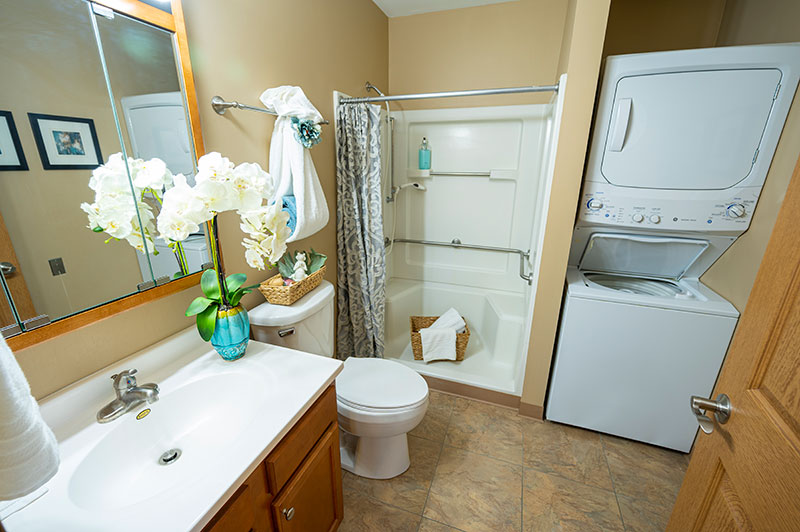
Who Owns and Operates Otterbein-Cridersville?

OTTERBEIN-CRIDERSVILLE is owned by a non-profit organization. Non-profit facilities reinvest revenue into operations rather than distributing to shareholders. The facility is operated by OTTERBEIN SENIORLIFE, a chain that manages multiple nursing homes. With 50 certified beds and approximately 49 residents (about 98% occupancy), it is a smaller facility located in CRIDERSVILLE, Ohio.

How Does Otterbein-Cridersville Compare to Other Ohio Nursing Homes?

Compared to the 100 nursing homes in Ohio, OTTERBEIN-CRIDERSVILLE's overall rating (3 stars) is below the state average of 3.2, staff turnover (46%) is near the state average of 46%, and health inspection rating (3 stars) is at the national benchmark.

What Should Families Ask When Visiting Otterbein-Cridersville?

Based on this facility's data, families visiting should ask: "Can you walk me through typical staffing levels on day, evening, and night shifts?" "Can I visit during a mealtime to observe dining assistance and food quality?" "How do you handle medical emergencies, and what is your hospital transfer rate?" "Can I speak with family members of current residents about their experience?" These questions are particularly relevant given the below-average staffing rating.

Is Otterbein-Cridersville Safe?

Based on CMS inspection data, OTTERBEIN-CRIDERSVILLE has a clean safety record: no substantiated abuse findings (meaning no confirmed cases of resident harm), no Immediate Jeopardy citations (the most serious violation level indicating risk of serious injury or death), and is not on the Special Focus Facility watch list (a federal program monitoring the lowest-performing 1% of nursing homes). The facility has a 3-star overall rating and ranks #100 of 100 nursing homes in Ohio. While no facility is perfect, families should still ask about staff-to-resident ratios and recent inspection results during their visit.

Do Nurses at Otterbein-Cridersville Stick Around?

OTTERBEIN-CRIDERSVILLE has a staff turnover rate of 46%, which is about average for Ohio nursing homes (state average: 46%). Moderate turnover is common in nursing homes, but families should still ask about staff tenure and how the facility maintains care continuity when employees leave.

Was Otterbein-Cridersville Ever Fined?

OTTERBEIN-CRIDERSVILLE has no federal fines on record. CMS issues fines when nursing homes fail to meet care standards or don't correct problems found during inspections. The absence of fines suggests the facility has either maintained compliance or corrected any issues before penalties were assessed. This is a positive indicator, though families should still review recent inspection reports for the full picture.

Is Otterbein-Cridersville on Any Federal Watch List?

OTTERBEIN-CRIDERSVILLE is not on any federal watch list. The most significant is the Special Focus Facility (SFF) program, which identifies the bottom 1% of nursing homes nationally based on persistent, serious quality problems. Not being on this list means the facility has avoided the pattern of deficiencies that triggers enhanced federal oversight. This is a positive indicator, though families should still review the facility's inspection history directly.