ARC AT TROTWOOD LLC

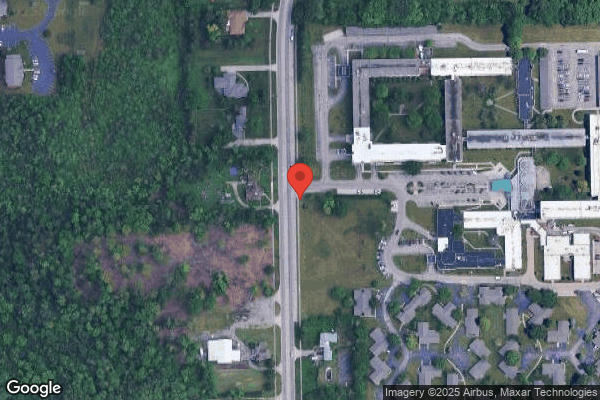
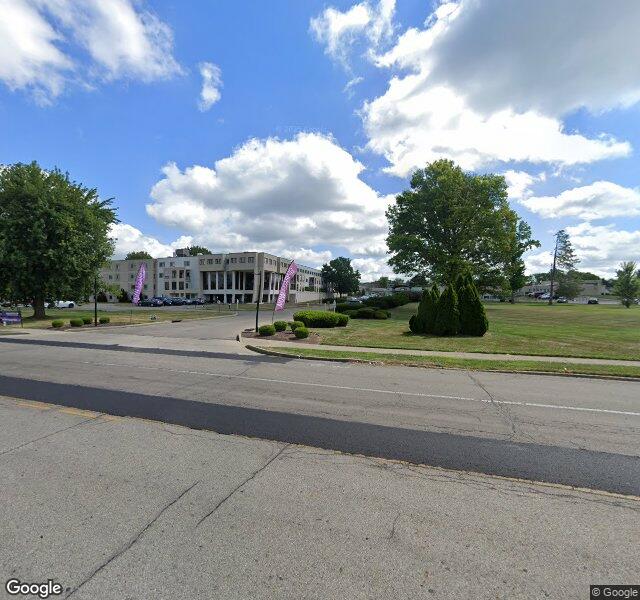
5790 DENLINGER ROAD, DAYTON, OH 45426 (937) 837-5581
For profit - Limited Liability company 127 Beds ARCADIA CARE Data: November 2025 2 Immediate Jeopardy citations
Trust Grade
0/100
#600 of 913 in OH
Last Inspection: May 2025

Inspected within the last 6 months. Data reflects current conditions.

Overview

ARC at Trotwood LLC in Dayton, Ohio, has received a Trust Grade of F, indicating poor quality and significant concerns about care. Ranking #600 out of 913 facilities in Ohio places it in the bottom half, while a county rank of #25 out of 40 means there are only a few options that are worse. The facility is improving slightly, with a decrease in issues from 14 in 2024 to 13 in 2025, but it still faces serious challenges, including a concerning staffing turnover rate of 69%, which is much higher than the state average. Additionally, the nursing home has accumulated $105,979 in fines, indicating compliance problems that are worse than 88% of Ohio facilities. Specific incidents of concern include a failure to provide required IV antibiotics to a resident with a severe infection, leading to critical health risks, and another case where a resident experienced uncontrolled pain without proper management. While the facility boasts excellent quality measures, these serious deficiencies indicate that families should approach with caution.

Trust Score
F
0/100
In Ohio
#600/913
Bottom 35%
Safety Record
High Risk
Review needed
Inspections
Getting Better
14 → 13 violations
Staff Stability
⚠ Watch
69% turnover. Above average. Higher turnover means staff may not know residents' routines.
Penalties
✓ Good
$105,979 in fines. Lower than most Ohio facilities. Relatively clean record.
Skilled Nurses
○ Average
Each resident gets 36 minutes of Registered Nurse (RN) attention daily — about average for Ohio. RNs are the most trained staff who monitor for health changes.
Violations
⚠ Watch
65 deficiencies on record. Higher than average. Multiple issues found across inspections.
★★☆☆☆
2.0
Overall Rating
★☆☆☆☆
1.0
Staff Levels
★★★★★
5.0
Care Quality
★☆☆☆☆
1.0
Inspection Score
Stable
2024: 14 issues
2025: 13 issues

The Good

  • 5-Star Quality Measures · Strong clinical quality outcomes
  • Full Sprinkler Coverage · Fire safety systems throughout facility
  • No fines on record

Facility shows strength in quality measures, fire safety.

The Bad

2-Star Overall Rating

Below Ohio average (3.2)

Below average - review inspection findings carefully

Staff Turnover: 69%

23pts above Ohio avg (46%)

Frequent staff changes - ask about care continuity

Federal Fines: $105,979

Well above median ($33,413)

Significant penalties indicating serious issues

Chain: ARCADIA CARE

Part of a multi-facility chain

Ask about local staffing decisions and management

Staff turnover is elevated (69%)

21 points above Ohio average of 48%

The Ugly 65 deficiencies on record

2 life-threatening 2 actual harm
Aug 2025 3 deficiencies
CONCERN (D) 📢 Someone Reported This

A family member, employee, or ombudsman was alarmed enough to file a formal complaint

Potential for Harm - no one hurt, but risky conditions existed

Deficiency F0761 (Tag F0761)

Could have caused harm · This affected 1 resident

**NOTE- TERMS IN BRACKETS HAVE BEEN EDITED TO PROTECT CONFIDENTIALITY** Based on observation, interview, medical record and facility policy review, the facility failed to securely store medications. T...

Read full inspector narrative →
**NOTE- TERMS IN BRACKETS HAVE BEEN EDITED TO PROTECT CONFIDENTIALITY** Based on observation, interview, medical record and facility policy review, the facility failed to securely store medications. This affected one resident (#57) of five reviewed for medication administration. The facility census was 89.Findings include:Review of the medical record for Resident #57 revealed an admission date of 01/22/25 with diagnoses including but not limited to dysphagia following cerebral infarction, type two diabetes, hemiplegia and hemiparesis affected the non-dominant side. Review of the quarterly Minimum Data Set (MDS) assessment dated [DATE] for Resident #57 revealed an intact cognition. Resident #57 required set up assistance for eating. Resident #57 was totally dependent on staff for toileting, transfers and bed mobility.Review of the physician orders for Resident #57 revealed an order stating resident required assistance from staff to complete self-care and mobility due to hemiplegia dated 06/17/25 and an order for Fluticasone Propionate Nasal Suspension 50 micrograms two spray in both nostrils two times a day for allergies dated 05/16/25. The resident did not have an order to self-administer medications. Observation on 08/26/25 at 8:18 A.M. of medication administration with Licensed Practical Nurse (LPN) #281 revealed nurse prepared medication for Resident #57 including gathering the Fluticasone Propionate Nasal Suspension 50 micrograms nasal spray and entered the resident room. LPN #281 attempted to administer Fluticasone Propionate Nasal Suspension 50 micrograms to resident when he responded that he already did that pointing a bottle of nasal spray which was sitting on his bedside table. Resident #57 stated the night shift left the nasal spray in his room the night before. LPN #281 administered the other prescribed medications, removing the bottle of Fluticasone Propionate Nasal Suspension 50 micrograms off of the resident's bedside table when she left the room.Interview on 08/26/25 at 8:25 A.M. with LPN #281 verified the bottle of Fluticasone Propionate Nasal Suspension 50 micrograms should not have been in the room and verified the resident did not have a physician order for medication self-administration. Interview on 08/26/25 at 2:41 P.M. with Director of Nursing (DON) verified medications should not be left in the resident's room. Review of the facility policy titled Medication Labeling and Storage dated 02/2023 states that medications and biologicals are in locked in compartments and only authorized personnel have access to keys.
CONCERN (D) 📢 Someone Reported This

A family member, employee, or ombudsman was alarmed enough to file a formal complaint

Potential for Harm - no one hurt, but risky conditions existed

Medical Records (Tag F0842)

Could have caused harm · This affected 1 resident

**NOTE- TERMS IN BRACKETS HAVE BEEN EDITED TO PROTECT CONFIDENTIALITY** Based on observation, interview, medical record and facility policy review, the facility failed to ensure the medical record was...

Read full inspector narrative →
**NOTE- TERMS IN BRACKETS HAVE BEEN EDITED TO PROTECT CONFIDENTIALITY** Based on observation, interview, medical record and facility policy review, the facility failed to ensure the medical record was accurate. The facility documented medication as administered by facility staff when it was self-administered by the resident without nursing supervision. This affected one resident (#57) of five reviewed for medication administration. The facility census was 89.Findings Include:Review of the medical record for Resident #57 revealed an admission date of 01/22/25 with diagnoses including but not limited to dysphagia following cerebral infarction, type two diabetes, hemiplegia and hemiparesis affected the non-dominant side. Review of the quarterly Minimum Data Set (MDS) assessment dated [DATE] for Resident #57 revealed an intact cognition. Resident #57 required set up assistance for eating. Resident #57 was totally dependent on staff for toileting, transfers and bed mobility.Review of the physician orders for Resident #57 revealed an order stating resident required assistance from staff to complete self-care and mobility due to hemiplegia dated 06/17/25 and an order for Fluticasone Propionate Nasal Suspension 50 micrograms two spray in both nostrils two times a day for allergies dated 05/16/25. The resident did not have an order to self-administer medications.Observation on 08/26/25 at 8:18 A.M. of medication administration with Licensed Practical Nurse (LPN) #281 revealed nurse prepared medication for Resident #57 including gathering the Fluticasone Propionate Nasal Suspension 50 micrograms nasal spray and entered the resident room. LPN #281 attempted to administer Fluticasone Propionate Nasal Suspension 50 micrograms to resident when he responded that he already did that pointing a bottle of nasal spray which was sitting on his bedside table, Resident #57 stated the night shift left the nasal spray in his room the night before. Observation on 08/26/25 at 8:23 A.M. LPN #281 was observed to sign the medication administration record (MAR) for Resident #57 for Fluticasone Propionate Nasal Suspension 50 micrograms indicating it was administered by LPN #281. Interview on 08/26/25 at 2:41 P.M. with Director of Nursing (DON) verified the nurse should not have documented the Fluticasone Propionate Nasal Suspension 50 micrograms as administered in the MAR when it was not witnessed by the nurse as being administered. Review of the facility policy titled Administering Medications dated 04/2019 states the individual administering the medication initials the resident MAR on the appropriate line after giving each medication and before administering the next one. This violation represents non-compliance investigated under Complaint Number 2575242.
CONCERN (D) 📢 Someone Reported This

A family member, employee, or ombudsman was alarmed enough to file a formal complaint

Potential for Harm - no one hurt, but risky conditions existed

Infection Control (Tag F0880)

Could have caused harm · This affected 1 resident

**NOTE- TERMS IN BRACKETS HAVE BEEN EDITED TO PROTECT CONFIDENTIALITY** Based on observation, interview, record review, and facility policy review, the facility failed to ensure medications were admin...

Read full inspector narrative →
**NOTE- TERMS IN BRACKETS HAVE BEEN EDITED TO PROTECT CONFIDENTIALITY** Based on observation, interview, record review, and facility policy review, the facility failed to ensure medications were administered in a way to avoid cross contamination. This affected one resident (#86) of five residents observed during medication administration. The Facility census was 89. Findings Include: Medical record review for Resident #86 revealed the resident was admitted to the facility on [DATE] with diagnoses including but not limited to chronic obstructive pulmonary disease, epilepsy, and nontraumatic intracerebral hemorrhage. Review of the quarterly Minimum Data Set (MDS) assessment for Resident #86 dated 08/12/25 revealed intact cognition. Resident #86 required set up assistance to moderate assistance for activities of daily living. Review of the physician orders for Resident #86 for the month of August 2025 revealed resident had an order for Aspirin enteric coated delayed release 81 milligram (mg) tablet, give one tablet one time a day dated 12/15/24. Observation of medication pass on 08/26/25 at 7:47 A.M. with Licensed Practical Nurse (LPN) #278 revealed hand hygiene was completed then the nurse was observed to retrieved medication cart keys, unlocked medication cart, pulled open cart drawer and touch multiple bottles before opening a stock bottle of aspirin. LPN #278 dispensed one tablet into the lid of the stock bottle and in the process dropped one tablet onto the medication cart. LPN #278 picked up the aspirin from the surface of the medication cart and put it back in the multiple dose bottle, securing the cap and was observed to place the bottle back in the medication cart. Interview on 08/26/25 at 7:57 A.M. with LPN #278 verified she picked up the tablet and put it back into the bottle with the other tablets. LPN #278 stated she probably should have thrown the tablet away. Interview on 08/26/25 at 2:41 P.M. with the Director of Nursing (DON) verified nurses are not to touch medications with bare hands. Review of the facility policy titled Administering Medication dated 04/2019 states staff follows established facility infection control procedures for the administration of medications. This violation represents non-compliance investigated under Complaint Number 1377238.
May 2025 10 deficiencies
CONCERN (D) 📢 Someone Reported This

A family member, employee, or ombudsman was alarmed enough to file a formal complaint

Potential for Harm - no one hurt, but risky conditions existed

Grievances (Tag F0585)

Could have caused harm · This affected 1 resident

Based on interview, record review, facility document review, and facility policy review, the facility failed to resolve a concern in a timely manner for 1 (Resident #66) of 2 residents reviewed for gr...

Read full inspector narrative →
Based on interview, record review, facility document review, and facility policy review, the facility failed to resolve a concern in a timely manner for 1 (Resident #66) of 2 residents reviewed for grievances. In addition, the facility failed to document concerns, ensure resolution, and provide feedback for 1 (Resident #57) of 2 residents reviewed for grievances. Findings included: A facility policy titled, Grievances, effective 03/2024, revealed, Purpose: To ensure prompt resolution of all grievances with respect to care and treatment which has been furnished as well as that which has not been furnished, the behavior of staff and of other residents, and other concerns regarding their stay at this campus. The Grievances policy specified, Grievances may be filed orally (meaning spoken), in writing, or anonymously. The policy revealed, Every effort shall be made to resolve grievances in a timely manner, usually within 5 business days (excludes weekends and holidays). 1. An admission Record revealed the facility admitted Resident #66 on 03/07/2025. According to the admission Record, the resident had a medical history that included diagnoses of left non-dominant side hemiplegia (paralysis) and hemiparesis (muscle weakness) and cerebral infarction (stroke). An admission Minimum Data Set (MDS), with an Assessment Reference Date (ARD) of 03/14/2025, revealed Resident #66 had a Brief Interview for Mental Status (BIMS) score of 15, which indicated the resident had intact cognition. The MDS revealed Resident #66 had functional limitations in range of motion, impairment on one side of their upper and lower extremities and utilized a wheelchair for a mobility device. Resident #66's Care Plan Report, included a focus area initiated 03/08/2025, that revealed the resident had an activities of daily living (ADL) self-care performance deficit. Interventions directed staff to offer to assist the resident out of bed into a wheelchair daily (initiated 04/11/2025). A Concern/Compliment Form, dated 04/16/2025, revealed Resident #66 and their family member reported a concern via phone. The form specified, Nature of Concern/Compliment: Wheelchair 'Hydraulics' system is Broken. The Concern/Compliment Form revealed the facility's findings were that the wheelchair was the resident's personal wheelchair, and the facility's maintenance staff could not do anything with it. The form indicated a representative of the wheelchair manufacturer would be called. The Concern/Compliment Form revealed the facility followed up with Resident #66 on 04/21/2025, but the document was incomplete as it did not indicate whether the resident was satisfied with the outcome and actions taken. The form was signed by the notifying staff, the Administrator/Assistant Administrator, and the Grievance Official. During an interview on 05/12/2025 at 10:48 AM, Resident #66 stated they and their family member spoke to facility staff regarding their wheelchair not working properly. Resident #66 stated that the wheelchair's hydraulic system did not work. During an interview on 05/16/2025 at 9:16 AM, Resident #66 stated that the functions on the wheelchair control panel did not always work. Resident #66 stated they were told the therapy department would assist with their wheelchair. During an interview on 05/19/2025 at 9:43 AM, Family Member (FM) #40 stated the hydraulic system of Resident #66's wheelchair had not worked properly for a couple of months. FM #40 said they contacted the wheelchair company at the telephone numbers that were listed on the sticker on the wheelchair, and they were told the facility would have to make contact to get the wheelchair repaired. FM #40 confirmed they spoke to the Social Services Director (SSD) regarding the resident's wheelchair and the SSD stated she was not aware of the concern but would look into getting the wheelchair repaired. FM #40 stated they spoke to maintenance staff who stated they could not fix the wheelchair, and did not know what to tell the resident. FM #40 stated they told the Administrator that nothing was being done about the resident's wheelchair, and he stated he would look into it, but had not provided any response. During an interview on 05/16/2025 at 9:29 AM, the SSD confirmed Resident #66 filed a concern form regarding their wheelchair not working properly. The SSD stated the concern form was completed on 04/16/2025, but she had not contacted the wheelchair manufacturer's representative to come out and service the wheelchair. During an interview on 05/16/2025 at 9:49 AM, the Maintenance Director stated the facility did not complete repairs on residents' personal wheelchairs, but facility staff would contact the wheelchair manufacturer's representative to complete service and repairs. The Maintenance Director stated that the therapy department was responsible for contacting the representative. During an interview on 05/16/2025 at 10:14 AM, the Rehabilitation Director stated the facility would reach out to the durable medical equipment supplier for repair of a resident's personal wheelchair. The Rehabilitation Director stated she was not aware of a concern form regarding Resident #66's wheelchair needing repairs. She said maintenance staff could have notified the supplier's representative as there was a sticker (on the wheelchair) with the supplier's name and contact information. During an interview on 05/17/2025 at 10:34 AM, the Maintenance Director stated he would normally inform the therapy department about a broken wheelchair. The Maintenance Director stated he had not contacted a wheelchair company representative to have Resident #66's wheelchair repaired. The Maintenance Director stated the resident's concern was discussed in the morning meeting on 04/21/2025, but he did not know if there was any follow-up to ensure the wheelchair was repaired. During an interview on 05/17/2025 at 1:50 PM, the Director of Nursing (DON) stated he was not aware of any unresolved grievances for Resident #66 and was not aware that the resident's wheelchair needed to be repaired. During an interview on 05/18/2025 at 8:15 AM, the Administrator stated he was not aware of a concern regarding Resident #66's wheelchair. 2. An admission Record indicated the facility admitted Resident #57 on 07/02/2023. According to the admission Record, the resident had a medical history that included diagnoses of cerebral palsy, heart failure, and chronic obstructive pulmonary disease (COPD). A quarterly Minimum Data Set (MDS), with an Assessment Reference Date (ARD) of 04/23/2025, revealed Resident #57 had a Brief Interview for Mental Status (BIMS) score of 15, which indicated the resident had intact cognition. The MDS indicated Resident #57 required substantial to maximal assistance with showers and bathing themselves and was dependent on staff for personal hygiene and chair/bed-to-chair transfers. Resident #57's Progress Notes, dated 03/13/2025, revealed a Behavior note that indicated the resident stated she had not received any medication since the prior afternoon. The note indicated the resident accused the nurse of stealing their albuterol inhaler that the day shift nurse left on their table. Resident #57's Progress Notes, dated 03/26/2025, revealed a Behavior note that indicated the resident was angry that a state tested nurse aide (STNA) would not change them every 45 minutes as indicated by the wound physician, per the resident. The note revealed Resident #57 stated Licensed Practical Nurse (LPN) #21 broke their nebulizer on purpose and their oxygen tubing had a hole. The note indicated the supply room was locked, but nurses retrieved oxygen tubing from the resident's drawer, replaced the tubing, and attempted to redirect them. The note revealed the resident stated they had issues on the day shift as all STNA's in the facility were lazy. The note indicated the Director of Nursing (DON) was notified of the resident's behaviors. Resident #57's Progress Notes, dated 04/01/2025 at 6:16 PM, revealed a Behavior note that indicated the resident was at the nurses' station and complained they had not received a breathing treatment or pain medication, and had been waiting to be changed since 4:00 PM. The note indicated LPN #21 placed the medication in the nebulizer and the resident yelled that the machine did not work, and that the nurse broke it. The note indicated that during change of shift report, the day shift nurse informed LPN #21 that Resident #57 had continuous behaviors on the day shift, and LPN #21 notified the Assistant Director of Nursing (ADON) of continued behaviors. During an interview on 05/19/2025 at 8:32 AM, Resident #57 stated they spoke with the Assistant Director of Nursing (ADON) in March (2025) about concerns. Resident #57 stated staff did not listen to them when they needed to be changed, and they were upset about how staff hung their clothes. During an interview on 05/19/2025 at 9:14 AM, STNA #16 stated if a resident had complaints or concerns, she would inform nurses, but she did not file grievances on behalf of residents. According to STNA #16, Resident #57 had a lot of complaints and complained to everyone. She stated the resident had concerns about not getting their medications if they were given five minutes after they were due, getting out of bed, and not being changed fast enough. STNA #16 said the nurses and the DON were aware of the resident's concerns. STNA #16 stated she did not have the time to write down all the resident's concerns and did not always communicate the concerns to nursing staff. During an interview on 05/19/2025 at 8:48 AM, the Social Services Director (SSD) revealed that any concerns shared with nursing staff, whether from a resident or a family member, must be reported. The SSD stated complaints could be verbal or written, and if the concern was filed verbally, it would be placed on a concern form. The SSD stated she expected STNA's to handle issues, but if an issue were ongoing, it would go to the next level and the concern should be reported to the nurse in charge. According to the SSD, she was only aware of Resident #57's concern regarding hearing aids, which the facility already addressed. The SSD stated she was not aware of Resident #57's concerns related to oxygen tubing not being available, not receiving timely incontinence care, not receiving timely response to their call light, or that staff were not getting them out of bed. During an interview on 05/19/2025 at 11:19 AM, LPN #15 revealed Resident #57 always had complaints about something, and staff did not always document the resident's concerns. LPN #15 stated she did not know why she did not document or report the concerns, but the resident was always speaking with the DON and management staff, so she assumed the concerns were shared. LPN #15 stated Resident #57's concerns included not having supplies available, staff not getting them up quickly enough, not getting their medications on time, activities, and not having things to do at the facility. LPN #15 confirmed she had not documented the concerns in progress notes or on a complaint form. During an interview on 05/19/2025 at 12:58 PM, the ADON stated a grievance form would be completed if the residents' concerns could not be rectified immediately. The ADON stated residents' concerns should be reported to the charge nurse, the DON, or the Administrator. He stated the facility addressed residents' concerns in the morning meetings; department heads worked on the concerns and returned the form within five days. According to the ADON, he was not informed of any concern for Resident #57 regarding supplies, timely incontinent care, STNA's, staff not getting the resident out of bed, not getting medications or treatments, and activities. He stated he would have expected staff to document or provide details about the resident's concerns. During an interview on 05/19/2025 at 1:28 PM, the DON stated residents' concerns must be reported to the nursing staff and they would write them on concern forms, or residents could express their concerns verbally. The DON stated he was not aware of any of Resident #57's concerns and would have expected staff to inform him of the concerns. The DON confirmed the facility did not have documentation of Resident #57's concerns. He stated accountability in the facility was lacking. During an interview on 05/19/2025 at 1:49 PM, the Administrator stated that when a resident shared concerns with the nursing staff, the concerns needed to get to the managers. He stated if staff could fix the issues right away, then no concern form should be completed, but if the concern could not be immediately resolved, then a concern form would be completed. The Administrator stated he was not aware of any concerns regarding Resident #57, and he would have expected the concerns to be documented on the concern form. This deficiency represents non-compliance investigated under Complaint Number OH00164128.
CONCERN (D)

Potential for Harm - no one hurt, but risky conditions existed

Assessment Accuracy (Tag F0641)

Could have caused harm · This affected 1 resident

Based on interview, record review, and facility policy review, the facility failed to ensure Minimum Data Set (MDS) assessments were accurately coded related to the use of a non-invasive mechanical ve...

Read full inspector narrative →
Based on interview, record review, and facility policy review, the facility failed to ensure Minimum Data Set (MDS) assessments were accurately coded related to the use of a non-invasive mechanical ventilator for 1 (Resident #57) of 2 residents reviewed for respiratory services. Findings included: A facility policy titled, Certifying Accuracy of the Resident Assessment, revised 11/2019, indicated, Any person completing a portion of the Minimum Data Set/MDS (Resident Assessment Instrument) must sign and certify the accuracy of that portion of the assessment. The policy revealed, 3. The information captured on the assessment reflects the status of the resident during the observation (look-back) period for that assessment. An admission Record indicated the facility admitted Resident #57 on 07/02/2023. According to the admission Record, the resident had a medical history that included diagnoses of heart failure, chronic obstructive pulmonary disease (COPD), sleep apnea, lobar pneumonia, and dependence on supplemental oxygen. A quarterly Minimum Data Set (MDS), with an Assessment Reference date (ARD) of 04/23/2025, revealed Resident #57 had a Brief Interview for Mental Status (BIMS) score of 15, which indicated the resident had intact cognition. The MDS indicated the resident received oxygen therapy and did not use a non-invasive mechanical ventilator. Resident #57's Care Plan Report, included a focus area initiated 06/25/2024, that indicated the resident had altered respiratory status/difficulty breathing related to respiratory failure, shortness of breath, sleep apnea, and COPD. Resident #57's April 2025 Treatment Administration Record [TAR], revealed a transcription of an order with a start date of 07/21/2024 and a discontinue date of 04/17/2025, for Treatment CPAP [continuous positive airway pressure, a non-invasive mechanical ventilator] at night at setting of 8. at bedtime. The TAR revealed staff documented that the CPAP was administered on 04/09/2025, 04/10/2025, 04/11/2025, 04/12/2025, and 04/16/2025 which was during the 14-day look-back period for the quarterly MDS with an ARD of 04/23/2025. During an interview on 05/18/2025 at 12:33 PM, the Director of Nursing (DON) stated it was important for MDS assessments to accurately reflect residents' conditions. He stated the information (for the MDS assessments) came from documentation and interviews. The DON stated observations of the resident should also be done. The DON confirmed the use of CPAP machines should be included in MDS assessments and MDS staff should see the machines when they did their observations of residents. During an interview on 05/18/2025 at 1:48 PM, the Administrator stated that the accuracy of MDS assessments was important because it provided a snapshot of the resident. He stated that the information for the MDS came from assessments, documents, interviews, and observations by different departments. The Administrator confirmed that the use of non-invasive mechanical ventilators should be captured on MDS assessments.
CONCERN (D)

Potential for Harm - no one hurt, but risky conditions existed

Deficiency F0645 (Tag F0645)

Could have caused harm · This affected 1 resident

Based on interview, record review, and facility policy review, the facility failed to ensure a Level I Preadmission Screening and Resident Review (PASARR) accurately reflected all diagnosed mental dis...

Read full inspector narrative →
Based on interview, record review, and facility policy review, the facility failed to ensure a Level I Preadmission Screening and Resident Review (PASARR) accurately reflected all diagnosed mental disorders and prescribed psychotropic medications for 2 (Resident #16 and Resident #92) of 4 residents reviewed for PASARR requirements. Findings included: A facility policy titled, Preadmission Screening and Annual [sic] Resident Review (PASARR), effective 03/2024, indicated, It is the policy to screen all potential admissions on an individualized basis. As part of the preadmission process, the facility participates in the Preadmission Screening and Resident Review (PASARR) screening process (Level I) for all new and readmissions per requirement to determine if the individual meets the criterion for mental disorder (SMI/SMD) [serious mental illness/serious mental disorder], intellectual disability (ID) or related condition. 1. An admission Record revealed the facility originally admitted Resident #16 on 02/21/2025 and most recently admitted the resident on 04/19/2025. According to the admission Record, the resident had a medical history that included diagnoses of post-traumatic stress disorder; major depressive disorder, recurrent severe without psychotic features; and a history of a suicide attempt. The admission Record indicated each of these diagnoses were classified as, Present on Admission. An admission Minimum Data Set (MDS), with an Assessment Reference Date (ARD) of 03/06/2025, revealed Resident #16 had a Brief Interview for Mental Status (BIMS) score of 15, which indicated the resident had intact cognition. The MDS revealed the resident had active diagnoses at the time of the assessment that included depression, post-traumatic stress disorder, and suicide attempt. The MDS indicated Resident #16 received antipsychotic, antianxiety, and antidepressant medications during the seven-day assessment look-back period. Resident #16's 02/2025 Medication Administration Record (MAR) revealed the transcription of the following orders: - an order started on 02/22/2025 and discontinued on 03/14/2025 for aripiprazole (an atypical antipsychotic medication) 5 milligrams (mg) once daily for depression; - an order started on 02/22/2025 and discontinued on 03/06/2025 for duloxetine hydrochloride delayed release (an antidepressant medication) 60 mg, two capsules in the morning for depression; - an order started on 02/22/2025 and discontinued on 03/14/2025 for escitalopram oxalate (an antidepressant medication) 20 mg in the morning for depression; - an order started on 02/22/2025 and discontinued on 03/14/2025 for amitriptyline hydrochloride (an antidepressant medication) 50 mg twice daily for depression; and - an order started on 02/22/2025 and discontinued on 03/06/2025 for buspirone hydrochloride (an anti-anxiety medication) 15 mg three times daily for anxiety. Resident #16's Level I PASARR, signed by the Social Services Director on 03/18/2025, revealed a Resident Review was completed due to an expiring hospital exemption. The Level I PASARR indicated Resident #16 had not received psychotropic medications including antipsychotic, antidepressant, and antianxiety medications in the past six months. During an interview on 05/17/2025 at 2:44 PM, the Social Service Director (SSD) stated she completed Resident #16's PASARR form and she confirmed it did not reflect the psychotropic medications the resident received. The SSD stated she did not know who currently reviewed PASARR forms for accuracy. During an interview on 05/18/2025 at 7:43 AM, the Director of Nursing (DON) stated admissions staff and the social worker were responsible for the PASARR process. The DON stated the PASARR process was to ensure residents' mental health issues were recognized and addressed. The DON stated he expected PASARR forms to be complete and accurate. The DON reviewed Resident #16's PASARR form and stated it was not accurate, because the resident received psychotropic medications. During an interview on 05/18/2025 at 12:09 PM, the Administrator stated he expected residents' PASARR forms to be accurate. The Administrator stated the purpose of the PASARR was to determine if residents needed a Level II review to determine if they needed more services. 2. An admission Record revealed the facility admitted Resident #92 on 12/10/2024. According to the admission Record, the resident had a medical history that included a diagnosis of schizophrenia, which was present at the time of admission. An admission Minimum Data Set (MDS), with an Assessment Reference Date (ARD) of 12/17/2024, revealed Resident #92 had a Brief Interview for Mental Status (BIMS) score of 15, which indicated the resident had intact cognition. The MDS revealed the resident had a diagnosis of schizophrenia and received antipsychotic, antidepressant, and anticonvulsant medications in the prior seven days. Resident #92's Order Summary Report, listing active orders as of 05/15/2025, included the following orders: - an order dated 12/10/2024 for divalproex sodium extended release (an anti-seizure medication sometimes used as a mood stabilizer) 250 milligrams (mg), one tablet once daily for behaviors; - an order dated 12/10/2024 for divalproex sodium extended release 250 mg, three tablets at bedtime for behaviors; - an order dated 12/15/202 for haloperidol (an antipsychotic medication) 5 mg three times daily for behaviors; - an order dated 12/10/2024 for sertraline hydrochloride (an antidepressant medication) 150 mg once daily for depression; and - an order dated 12/10/2024 for olanzapine (an antipsychotic medication) 20 mg at bedtime for behaviors. Resident #92's Level I PASARR, dated 12/06/2024, indicated Resident #92 had none of the listed diagnoses of mental disorders, which included schizophrenia. The screening form indicated the resident had not received psychotropic medications including antipsychotic, antidepressant, and mood stabilizer medications in the past six months. During an interview on 05/17/2025 at 2:44 PM, the Social Services Director (SSD) stated admissions staff were responsible for ensuring the PASARR was correct before the resident got to the facility. During an interview on 05/18/2025 at 7:43 AM, the Director of Nursing (DON) stated admissions staff and the social worker were responsible for the PASARR process. The DON stated the PASARR process was to ensure residents' mental health issues were recognized and addressed. The DON stated he expected PASARR forms to be complete and accurate. The DON reviewed Resident #92's PASARR form and confirmed there were no mental health diagnoses checked, and the form indicated no psychotropic medications were prescribed for the resident. The DON stated that upon admission to the facility, Resident #92 had orders for Zyprexa (olanzapine) and Depakote (divalproex sodium) which should have been noted on the PASARR form. The DON said the resident's PASARR was wrong (on admission), and the facility should have submitted another Level I PASARR form. During an interview on 05/18/2025 at 12:09 PM, the Administrator stated he expected residents' PASARR forms to be accurate. The Administrator stated the purpose of the PASARR was to determine if residents needed a Level II review to determine if they needed more services.
CONCERN (D) 📢 Someone Reported This

A family member, employee, or ombudsman was alarmed enough to file a formal complaint

Potential for Harm - no one hurt, but risky conditions existed

Deficiency F0658 (Tag F0658)

Could have caused harm · This affected 1 resident

Based on observation, interview, record review, and facility policy review, the facility failed to ensure staff documented the administration of medications in accordance with acceptable standards of ...

Read full inspector narrative →
Based on observation, interview, record review, and facility policy review, the facility failed to ensure staff documented the administration of medications in accordance with acceptable standards of practice. Specifically, staff documented the administration of medication prior to actually administering the medication for 1 (Resident #57) of 4 residents observed during medication administration. Findings included: A facility policy titled, Medication Administration Policy, revised 01/2015, revealed the section titled, I. Level of Responsibility, included, - Licensed nurse (RN [registered nurse], LPN [licensed practical nurse]) may; a) prepare, b) administer, and c) record the administration of medications. An admission Record indicated the facility admitted Resident #57 on 07/02/2023. According to the admission Record, the resident had a medical history that included diagnoses of cerebral palsy, heart failure, chronic obstructive pulmonary disease, and type 2 diabetes mellitus. A quarterly Minimum Data Set (MDS), with an Assessment Reference Date (ARD) of 04/23/2025, revealed Resident #57 had a Brief Interview for Mental Status (BIMS) score of MDS 15, which indicated the resident had intact cognition. Resident #57's Order Summary Report, with active orders as of 05/14/2025, included an order dated 05/12/2025, for Lantus (insulin glargine) 100 unit/milliliter (ml), with instructions to inject 22 units subcutaneously every 12 hours for diabetes mellitus. An observation on 05/14/2025 at 9:05 PM revealed Registered Nurse (RN) #4 administered Resident #57's medications that included the resident's scheduled 8:00 PM dose of Lantus. Resident #57's Medication Administration Record [MAR], dated 05/2025, indicated that on 05/14/2025 the resident's 8:00 PM dose of Lantus was documented by RN #4 as administered at 7:32 PM. During an interview on 05/15/2025 at 8:10 AM, RN #4 stated that he signed the medication (Lantus) off (documented that it was administered) on the MAR before he had administered it and that it was a mistake, and he should not have done that. RN #4 stated the process was to check the MAR, check the medication, administer the medication, then sign off on the MAR. During an interview on 05/15/2025 at 12:05 PM, the Director of Nursing (DON) stated the process for administering medications was to observe the resident taking the medications then document the administration of the medications on the MAR. The DON stated the medications should be administered before the nurse documented on the MAR because the computer would not let adjustments be made if the resident did not accept or take the medication. The DON stated he expected the medication to be administered before it was signed off on the MAR. During an interview on 05/15/2025 at 12:27 PM, the Administrator stated he expected medications to be pulled, administered, and then signed for on the MAR.
CONCERN (D) 📢 Someone Reported This

A family member, employee, or ombudsman was alarmed enough to file a formal complaint

Potential for Harm - no one hurt, but risky conditions existed

Incontinence Care (Tag F0690)

Could have caused harm · This affected 1 resident

Based on observation, interview, record review, and facility policy review, the facility failed to ensure staff checked for incontinence every two hours and provided incontinence care when indicated f...

Read full inspector narrative →
Based on observation, interview, record review, and facility policy review, the facility failed to ensure staff checked for incontinence every two hours and provided incontinence care when indicated for 1 (Resident #57) 1 sampled resident reviewed for urinary tract infections. Specifically, during the dayshift on 05/15/2025, Resident #57 was not checked for incontinence or provided incontinence care until 10:40 AM. Findings included: A facility policy titled, Incontinence Care, dated 10/2024, indicated, Purpose: To prevent excoriation and skin breakdown, discomfort and maintain dignity. Guidelines: Incontinent resident will be checked periodically in accordance with the assessed incontinent episodes or approximately every two hours and provided perineal and genital care after each episode. An admission Record indicated the facility admitted Resident #57 on 07/02/2023. According to the admission Record, the resident had a medical history that included diagnoses of type two diabetes mellitus, urinary tract infection, overactive bladder, and dementia. A quarterly Minimum Data Set (MDS), with an Assessment Reference Date (ARD) of 04/23/2025, revealed Resident #57 had a Brief Interview for Mental Status (BIMS) score of 15, which indicated the resident had intact cognition. The MDS indicated Resident #57 was not on a toileting program and was always incontinence of urine and bowel. Resident #57's Care Plan Report, included a focus area, revised 03/04/2025, that indicated the resident had an activity of daily living (ADL) self-care performance deficit. This focus area indicated the resident was incontinent and wore briefs. Another focus area, initiated 5/08/2025, indicated the resident had bowel incontinence. Interventions dated 05/08/2025 directed staff to check Resident #57 every two hours (for incontinence), assist with toileting as needed, and provide perineal care after each incontinent episode. During an interview on 05/15/2025 at 9:40 AM, Resident #57 stated they had not yet been changed that morning, and their bed was soaking wet. Resident #57 stated they were waiting for staff to come in, clean them, and get them up. During a concurrent interview and observation of Resident #57's room on 05/15/2025 at 9:54 AM, two basins of water and towels were noted on the resident's over-the-bed table. Resident #57 stated that State Tested Nurse Aide (STNA) #1 told the resident they would be back to take care of them in about fifteen minutes. A concurrent observation and interview on 05/15/2025 at 10:40 AM revealed STNA #1 and STNA #37 entered Resident #57's room to provide care. The observation revealed STNA #1 pulled down the covers and removed Resident #57's gown. A folded-up bath blanket positioned under the resident and the mattress were saturated. STNA #1 stated she had not provided any personal care to Resident #57 yet that morning, because she had other residents she had to get to first due to physician appointments. During an interview on 05/16/2025 at 11:17 AM, Unit Manager (UM) #9 should be checked for incontinence and changed (if found to have had an incontinent episode) at least every two hours. During an interview on 05/16/2025 at 12:13 PM, the Assistant Director of Nursing (ADON) stated Resident #57 should be checked for incontinence and changed (if found to have had an incontinent episode) every two hours. During an interview on 05/16/2025 at 5:45 PM, Licensed Practical Nurse (LPN) #21 stated Resident #57 was supposed to be checked and changed (if found to have had an incontinent episode) every two hours. During an interview on 05/16/2025 at 7:06 PM, STNA #1 stated they normally conducted rounds (systematic, scheduled nursing staff visits to check on residents) immediately when coming on shift. STNA #1 stated that on 05/15/2025 several residents had appointments and she also had to deliver trays and provide feeding assistance, so she got done late. STNA #1 stated she usually changed Resident #57 before breakfast, but she was not able to do that on 05/15/2025. During an interview on 05/18/2025 at 12:33 PM, the Director of Nursing (DON) stated incontinence care should be provided every two hours and as needed. During an interview on 05/18/2025 at 1:48 PM, the Administrator stated incontinence care should be provided every two hours. This deficiency represents non-compliance investigated under Complaint Number OH00164128.
CONCERN (D)

Potential for Harm - no one hurt, but risky conditions existed

Deficiency F0804 (Tag F0804)

Could have caused harm · This affected 1 resident

Based on observation, interview, record review, and facility policy review, the facility failed to provide residents with food at an appetizing temperature for 1 (Resident #5) of 20 sampled residents....

Read full inspector narrative →
Based on observation, interview, record review, and facility policy review, the facility failed to provide residents with food at an appetizing temperature for 1 (Resident #5) of 20 sampled residents. Findings included: A facility policy titled, Food Temp [Temperature] Point of Service Guidelines, updated 11/2024, revealed, Food will be served at an appropriate and palatable temperature for hot food items equal to or greater than 115-120 degrees Fahrenheit per stated guidelines F483.60: Proper 'safe and appetizing temperature' means both appetizing to the resident and minimizing the risks for scalding and burns. An admission Record revealed the facility admitted Resident #5 on 06/04/2024. According to the admission Record, the resident had a medical history that included a diagnosis of end stage renal failure. A quarterly Minimum Data Set (MDS), with an Assessment Reference Date (ARD) of 02/07/20255, revealed Resident #5 had a Brief Interview for Mental Status (BIMS) score of 15, which indicated the resident had intact cognition. The MDS revealed Resident #5 required setup or clean up assistance with eating. Resident #5's Care Plan Report, included a focus area revised 05/05/2025, that indicated Resident #5 was at risk for potential nutritional problems related to the diagnosis of congestive heart failure. Interventions directed staff to monitor, document, and report as needed any signs and symptoms of dysphagia (difficulty swallowing) which included the resident refusing to eat. The Care Plan Report included a focus area revised 02/17/2025 that indicated the resident needed dialysis related to renal failure. Interventions directed staff that the resident's dialysis treatments were three times a week at 9:45 AM on Mondays, Wednesdays, and Fridays. During an observation on 05/14/2025 at 12:29 PM, Resident #5's lunch meal tray sat on the bedside table, though the resident was not in the room. During an observation on 05/14/2025 at 12:47 PM, Resident #5's lunch meal tray remained on the bedside table. During an observation on 05/14/2025 at 1:24 PM and 1:57 PM, the same lunch tray for Resident #5 remained on the bedside table. During an observation on 05/14/2025 at 2:30 PM, Resident #5 had returned from the dialysis center, and the resident's lunch tray remained on the bedside table. During an interview on 05/14/2025 at 2:32 PM, Resident #5 stated a lunch tray was often on the bedside table after the resident returned from the dialysis center. Resident #5 stated the lunch meal tray was not warmed or reheated. Resident #5 stated they were not aware they could request a fresh tray from the kitchen. Resident #5 stated the food was cold. During an interview on 05/14/2025 at 2:42 PM, State Tested Nurse Aide (STNA) #11 stated she left Resident #5's lunch tray on the bedside table until the resident returned from the dialysis center. STNA #11 stated Resident #5 normally returned from the dialysis center around 2:30 PM to 3:00 PM. STNA #11 stated Resident #5's lunch meal tray was placed in the resident's room around 12:00 PM to 12:15 PM. STNA #11 stated she would place the lunch tray in the microwave if the resident requested. During an interview on 05/14/2025 at 2:50 PM, the Dietary Director stated he was not aware of Resident #5's lunch tray being on the bedside table for two hours or more. He stated he expected the nursing staff to inform him when Resident #5 returned to provide a freshly made lunch tray for the resident. He stated he had not received notification Resident #5 had returned and needed a new tray. The Dietary Director stated he was not aware of Resident #5's lunch tray being re-heated. The Dietary Director stated the food should be discarded after two hours of being left out without refrigeration. During an interview on 05/14/2025 at 3:08 PM, Licensed Practical Nurse (LPN) #12 revealed that when Resident #5 went to the dialysis center, the resident's lunch tray was left in the room on the bedside table. She stated Resident #5's lunch tray remained in the room for around two hours. She stated the meal trays were placed in the room around noon. During an interview on 05/17/2205 at 2:00 PM, the Director of Nursing (DON) stated he was not aware of the facility staff placing the resident's food trays in the room for over two hours while the resident was not in the room. He stated he expected the residents to get safe food; the residents should get cold food that was cold and hot foods that were hot. During an interview on 05/18/2025 at 8:15 AM, the Administrator stated he expected the lunch trays to be provided at a proper temperature. The Administrator stated the facility should provide the residents with an appetizing lunch.
CONCERN (D) 📢 Someone Reported This

A family member, employee, or ombudsman was alarmed enough to file a formal complaint

Potential for Harm - no one hurt, but risky conditions existed

Medical Records (Tag F0842)

Could have caused harm · This affected 1 resident

Based on interview, record review, and facility policy review, the facility failed to ensure residents' medical records were accurate and complete for 2 (Resident #57 and Resident #204) of 22 sampled ...

Read full inspector narrative →
Based on interview, record review, and facility policy review, the facility failed to ensure residents' medical records were accurate and complete for 2 (Resident #57 and Resident #204) of 22 sampled residents. Findings included: A facility policy titled, Medical Record Policy, revised 06/2022, revealed, It is the policy of this facility that an organized, accurate and complete written record will be maintained for each resident in accordance with applicable State and Federal guidelines and laws. The Standards section of the policy revealed, 1. The Director of Nursing/designee with the support of the Medical Records Technician shall assure that medical records are maintained in accordance with the facility/s [sic] policies and procedures, and applicable federal and state regulations. Further review revealed, 6. The resident record shall contain at least the following information: k. Record of Medications and Treatments. Medication and treatment records, including records of oxygen administration, alcoholic beverages, skin treatments, catheter/ostomy care, etc. [et cetera, and so forth] and supplements will be documented, indicating the time, name of medication or treatment, dosage (if applicable), the reason for the and results of PRN [pro re nata, as needed] medications and treatment, and name and initials of the person administering the drug or treatment. l. Treatment or Medication Refusal. Residents/responsible parties have a right to refuse any treatment or medication. Notations of any refusals will be documented in the medical record. 1. An admission Record revealed the facility admitted Resident #204 on 03/18/2025. According to the admission Record, the resident had a medical history that included diagnoses of paraplegia and a Stage 4 pressure ulcer of the sacral region. An admission Minimum Data Set (MDS), with an Assessment Reference Date (ARD) of 03/26/2025, revealed Resident #204 had a Brief Interview for Mental Status (BIMS) score of 15, which indicated the resident had intact cognition. The MDS revealed the resident had two Stage 3 pressure ulcers, one deep tissue injury, and one unstageable pressure ulcer that were present on admission. According to the MDS, the resident also had surgical wound(s). The MDS further revealed that the resident was receiving pressure ulcer/injury care, surgical wound care, and nonsurgical dressings. Resident #204's Care Plan Report, included an undated focus area that indicated the resident had skin impairment of the right lateral ankle, right heel, right lower lateral leg, right lateral thigh, medial right knee, right medial ankle, right hip, left great toe, scrotum, left hip, coccyx, right buttock, and from the left buttock to the posterior leg. Interventions directed staff to provide treatment as ordered. Resident #204's March 2025 Treatment Administration Record [TAR], revealed the transcription of the following orders and corresponding documentation of treatment administration: - An order dated 03/21/2025 to cleanse the area from left the buttock down to the posterior left leg with normal saline (NS), pat the area dry, and cover with a clean dry dressing every day shift. Per the TAR, there was no documented evidence staff provided the treatment on 03/24/2025. - An order dated 03/21/2025 to cleanse the coccyx and the right buttock with NS, pat the area dry, and cover with a dry dressing every day shift. The TAR revealed no documented evidence that treatment was provided on 03/24/2025. - An order dated 03/20/2025 to cleanse the right lateral ankle with NS, pat the area dry, apply silver alginate to the wound bed, and cover with clean dry dressing every day shift. Per the TAR, there was no documented evidence staff provided the treatment on 03/20/2025 and 03/24/2025. - An order dated 03/20/2025 to cleanse the right lateral thigh with NS, pat the area dry, apply silver alginate, and cover with a clean dry dressing every day shift. The TAR revealed that there was no documented evidence staff provided the treatments on 03/20/2025 and 03/24/2025. - An order dated 03/21/2025 to cleanse the scrotum and the superior area with saline, pat the area dry, and cover the area with a clean dry dressing every day shift. Per the TAR, there was no documented evidence staff provided the treatments on 03/24/2025. - An order dated 03/27/2025 to cleanse the area superior to the scrotum with NS, pat the area dry, pack the wound bed with silver alginate rope, and cover with a bordered foam dressing every shift. Per the TAR, there was no documented evidence staff provided the treatment on night shift on 03/27/2025. - An order dated 03/27/2025 to cleanse the coccyx and the right buttock with NS, pat the area dry, pack the area with silver alginate rope, and cover the area with a dry clean dressing every shift. The TAR revealed that there was no documented evidence staff provided the treatment on the night shift on 03/27/2025. - An order dated 03/20/2025 to cleanse the lateral lower right leg with NS every shift, pat the area dry, apply skin prep to the area, and leave the area open to air. Per the TAR, there was no documented evidence staff provided the treatments on day shift on 03/25/2025 and on night shift on 03/27/2025. - An order dated 03/20/2025 to cleanse the left hip with NS, pat the area dry, apply Triad to the area, and cover the area with an abdominal dressing every shift. Per the TAR, there was no documented evidence staff provided the treatments during the day shifts on 03/24/2025. - An order dated 03/20/2025 to cleanse the medial right knee with NS every shift, pat the area dry, apply skin prep to the area, and leave the area open to air. The TAR revealed no documented evidence staff provided the treatments during the day shift on 03/24/2025. - An order dated 03/20/2025 to cleanse the right heel with NS, pat the area dry, apply skin prep to the area, cover with a bordered foam dressing for padding, and heel boots as tolerated every shift. Per the TAR, there was no documented evidence staff provided the treatments on day shift on 03/24/2025 and on night shift on 03/27/2025. - An order dated 03/20/2025 to cleanse the right medial ankle with NS, pat the area dry, apply skin prep to the area. leave the area open to air and apply heel boots for offloading as tolerated. The TAR revealed no documented evidence that staff provided treatments on 03/20/2025 and 03/24/2025. - An order dated 03/26/2025 to cleanse the right medial ankle with NS, pat the area dry, apply Xeroform to the ankle, cover with a dry clean dressing, and apply heel boots for offloading as tolerated every shift. Per the TAR, there was no documented evidence staff provided the treatment on night shift on 03/27/2025. During an interview on 05/17/2025 at 10:58 AM, Licensed Practical Nurse (LPN) #19 (the nurse assigned to Resident #204's unit on 03/24/2025) revealed she completed wound care for Resident #204 but had not always documented on the TAR following the treatment. During an interview on 05/13/2025 at 1:42 PM, Unit Manager #9 revealed that Resident #204 had received wound care treatment; however, she stated that some of the nurses may not have signed the TAR after completing the treatment. During an interview on 05/19/2025 at 5:00 PM, the Wound Nurse Practitioner (NP) stated Resident #204's wound care was being provided and there were no concerns with wound care. The Wound NP stated the resident had extensive, chronic wounds that were healing. During an interview on 05/17/2025 at 2:00 PM, the Director of Nursing (DON) stated the nurses should document on the resident's TAR when a treatment was provided. An interview with the Administrator on 05/18/2025 at 8:15 AM revealed he expected the nursing staff to sign the TAR when completing wound care. 2. An admission Record indicated the facility admitted Resident #57 on 07/02/2023. According to the admission Record, the resident had a medical history that included diagnoses of cerebral palsy, heart failure, chronic obstructive pulmonary disease (COPD) with dependence on supplemental oxygen, type 2 diabetes mellitus, polyneuropathy, overactive bladder, urinary tract infection, pneumonia, unspecified chest pain, and pain in left and right shoulders. A quarterly Minimum Data Set (MDS), with an Assessment Reference Date (ARD) of 04/23/2025, revealed Resident #57 had a Brief Interview for Mental Status (BIMS) score of 15, which indicated the resident had intact cognition. The MDS indicated Resident #57 received insulin injections daily, an opioid, and oxygen therapy while a resident during the assessment's look-back period. Resident #57's Order Recap [Recapitulation] Report, for the timeframe from 01/01/2025 through 05/14/2025 included the following orders: - An order with a start date of 03/18/2025 and end date of 04/17/2025, for DuoNeb Solution 0.5-2.5 milligrams (mg) /3 milliliter (ml), with instructions to inhale 3 ml orally every four hours for shortness of breath or wheezing. - An order with a start date of 04/18/2025, for Humalog KwikPen 100 units/ml, with instructions to inject 20 units subcutaneously with meals for diabetes. - An order with a start date of 04/17/2025 and end date of 05/12/2025, for Lantus SoloStar 100 unit/ml, with instructions to inject 20 units subcutaneously every 12 hours for elevated blood sugar. - An order with a start date of 05/13/2025, for Lantus SoloStar 100 unit/ml, with instructions to inject 22 units subcutaneously every 12 hours for diabetes mellitus. - An order with a start date of 01/17/2025 and end date of 04/17/2025, for Percocet 7.5-325 mg, with instructions to give one tablet by mouth every six hours for pain. - An order with a start date of 04/17/2025, for Percocet 7.5-325 mg, with instructions to give one tablet by mouth every six hours for pain. Resident #57's March 2025 Medication Administration Record [MAR], revealed no staff documentation to indicate whether or not the resident's Percocet was administered on 03/12/2025 at 6:00 PM, 03/18/2025 at 12:00 PM and 6:00 PM, 03/20/2025 at 6:00 AM, 03/24/2025 at 6:00 PM, 03/25/2025 at 12:00 PM and 6:00 PM, and on 03/31/2025 at 6:00 PM. Further review revealed no staff documentation to indicate whether or not the resident's DuoNeb Solution was administered on 03/18/2025 at 2:00 PM and 6:00 PM, 03/24/2025 at 6:00 PM, 03/25/2025 at 2:00 PM and 6:00 PM and 03/31/2025 at 10:00 PM. Resident #57's April 2025 Medication Administration Record, revealed no staff documentation to indicate whether or not the resident's Percocet was administered on 04/01/2025 at 12:00 AM, 6:00 AM, 12:00 PM, and 6:00 PM, 04/07/2025 at 6:00 PM, 04/08/2025 at 6:00 PM, 04/10/2025 at 6:00 AM, 04/22/2025 at 12:00 PM and 6:00 PM, 04/23/2025 at 6:00 PM, 04/28/2025 at 12:00 PM, 04/29/2025 at 12:00 PM, and 04/30/2025 at 12:00 PM. The MAR revealed no staff documentation to indicate whether or not the resident's Humalog was administered on 04/22/2025 at 8:00 AM, 12:00 PM and 5:00 PM, 04/23/2025 at 12:00 PM and 5:00 PM, and 04/28/2025 through 04/30/2025 at 8:00 AM, 12:00 PM and 5:00 PM. Further review revealed no staff documentation to indicate whether or not the resident's 9:00 AM dose of Lantus was administered on 04/28/2025 through 04/30/2025. Resident #57's Medication Administration Record, for the timeframe from 05/01/2025 through 05/13/2025, revealed no staff documentation to indicate whether or not the resident's Lantus was administered on 05/06/2025 at 9:00 AM. The MAR revealed no staff documentation to indicate whether or not the resident's Humalog was administered on 05/06/2025 at 8:00 AM, 12:00 PM, and 5:00 PM. Further review revealed no staff documentation to indicate whether or not the resident's Percocet was administered on 05/05/2025 at 6:00 PM, 05/06/2025 at 12:00 PM and 6:00 PM, 05/07/2025 at 6:00 PM, and 05/13/2025 at 6:00 PM. During an interview on 05/16/2025 at 5:45 PM, Licensed Practical Nurse (LPN) #21 stated she worked nights at the facility as needed. LPN #21 stated she gave Resident #57 a 6:00 PM dose of Percocet but was not able to sign it out on the MAR because it was on the day shift MAR. LPN #21 stated they had internet and computer issues. During an interview on 05/16/2025 at 7:06 PM, State Tested Nursing Aide (STNA) #1 stated she documented as much as she could, but they had a lot of computer problems such as getting locked out or booted out while documenting. During an interview on 05/17/2025 at 1:30 PM, Registered Nurse (RN) #17 stated she had problems with the computer and the internet. RN #17 stated she got kicked out of the system all the time. RN #17 stated she would put in a nurses note and save it but then later it would not be there. RN #17 stated she told the Director of Nursing (DON) about the issues. RN #17 stated sometimes it would not even accept her login identification. During an interview on 05/17/2025 at 1:50 PM, LPN #29 stated she had trouble with the computer not always saving her work after she was done, so it looked like the medications were not passed but they were. LPN #29 stated she could not remember specifically when it happened, but management was aware of it. During an interview on 05/18/2025 at 12:33 PM, the DON stated that he had one nurse tell him that they were not able to complete their documentation because of computer problems, he was able to fix it, and no one else had mentioned it to him. During an interview on 05/18/2025 at 1:48 PM, the Administrator stated he was not aware of any computer issues.
CONCERN (D)

Potential for Harm - no one hurt, but risky conditions existed

Infection Control (Tag F0880)

Could have caused harm · This affected 1 resident

Based on observation, interview, record review, and facility policy review, the facility failed to ensure medications were administered in a way to avoid transmission of communicable diseases and infe...

Read full inspector narrative →
Based on observation, interview, record review, and facility policy review, the facility failed to ensure medications were administered in a way to avoid transmission of communicable diseases and infections. Specifically, facility staff touched resident medications with their bare hands when administering medication, which affected 2 (Resident #20 and Resident #57) of 4 residents observed during medication administration. Findings included: A facility policy titled, Infection Control Program, revised 11/2017, revealed, 1. The facility has established an Infection Control Program which addresses all phases of the organization's operation to reduce or prevent the risks of nosocomial infections in residents and healthcare workers. A facility policy titled, Medication Administration Policy, revised 01/2015, revealed it did not include a procedure of medication administration of oral medications. 1. An admission Record indicated the facility admitted Resident #20 on 04/14/2025. According to the admission Record, the resident had a medical history that included diagnoses of a history of pulmonary embolism, chronic systolic heart failure, hypertension (high blood pressure), low back pain, muscle weakness, morbid obesity, and intraspinal abscess and granuloma. An admission Minimum Data Set (MDS), with an Assessment Reference Date (ARD) of 04/21/2025, revealed Resident #20 had a Brief Interview for Mental Status (BIMS) score of 15, which indicated the resident had intact cognition. Resident #20's Order Summary Report, with active orders as of 05/15/2025, included the following orders: - An order dated 04/15/2025, for allopurinol (a xanthine oxidase inhibitor) 100 milligrams (mg), with instructions to give one tablet in the morning for elevated blood pressure. - An order dated 04/15/2025, for apixaban (an anticoagulant) 5 mg, with instructions to give one tablet two times a day for elevated blood pressure. - An order dated 04/15/2025, for gabapentin (a gamma-aminobutyric acid analog) 300 mg, with instructions to give one capsule three times a day for muscle spasms. - An order dated 04/15/2025, for sacubitril-valsartan (an angiotensin receptor blocker and neprilysin inhibitor) 49-51 mg, with instructions to give one half tablet two times a day for elevated blood pressure. - An order dated 04/15/2025, for vitamin D, with instructions to give one tablet in the morning for vitamin supplement. - An order dated 05/13/2025, for empagliflozin (a sodium-glucose co-transporter 2 [SGLT2] inhibitor) 10 mg, with instructions to give one tablet one time a day for hyperglycemia (high blood sugar). - An order dated 05/13/2025, for metoprolol succinate (a cardio selective beta blocker) extended release 25 mg, with instructions to give one tablet one time a day for elevated blood pressure. During an observation on 05/14/2025 at 8:22 AM, Licensed Practical Nurse (LPN) #3 prepared Resident #20's medications. LPN #3 dispensed one tablet of allopurinol 100 mg and one tablet of apixaban 5 mg directly into her hand from medication blister cards then placed the medications in a calibrated medicine cup. During a concurrent interview, LPN #3 stated she should not dispense medications into her hands because hands were dirty. LPN #3 then continued to dispense one capsule of gabapentin 300 mg, one half tablet of sacubitril-valsartan 49-51 mg, one tablet of vitamin D, one tablet of empagliflozin 10 mg, and one tablet of metoprolol succinate extended release 25 mg into the cup with the allopurinol and apixaban. LPN #3 locked the medication cart, initiated the computer privacy screen, then picked up the medication cups when the surveyor stopped her. LPN #3 stated that she should dispense the medication into the cup, not her hand. LPN #3 stated the two medications were considered contaminated, so all the medications in the cup were contaminated at that point. LPN #3 disposed of the medications and started over. During an interview on 05/15/2025 at 11:44 AM, the Assistant Director of Nursing (ADON), who was also the Infection Preventionist, stated medications should be dispensed from the medication card directly into a medication cup to avoid cross-contamination. The ADON stated he expected nurses to not dispense medications into their bare hands. During an interview on 05/15/2025 at 12:05 PM, the Director of Nursing (DON) stated the medication administration process was to pull medication cards from the cart and compare them with the medication administration record (MAR) and dispense the medication into a cup, not a hand. The DON stated medication should be dispensed into the cup because dispensing into the hand was an infection control issue. The DON stated he expected medication to not be dispensed into a bare hand then placed into the medication cup for administration. During an interview on 05/15/2025 at 12:27 PM, the Administrator stated the nurses should not dispense medication into their bare hand because that was an infection control issue, and if they put the contaminated medication in a cup with other medications, they were all contaminated. The Administrator stated he expected medications to be dispensed directly into a cup for infection control purposes. The Administrator stated he was not aware of any other facility policy that would address dispensing medication into a bare hand. 2. An admission Record indicated the facility admitted Resident #57 on 07/02/2023. According to the admission Record, the resident had a medical history that included diagnoses of cerebral palsy, heart failure, chronic obstructive pulmonary disease, and type 2 diabetes mellitus. A quarterly Minimum Data Set (MDS), with an Assessment Reference Date (ARD) of 04/23/2025, revealed Resident #57 had a Brief Interview for Mental Status (BIMS) score of 15, which indicated the resident had intact cognition. Resident #57's Order Summary Report, with active orders as of 05/14/2025, included an order dated 04/17/2025, for atorvastatin calcium (a lipid-lowering agent) 20 milligrams (mg), with instructions to give one tablet at bedtime for hyperlipidemia (a condition of high levels of fats in the blood). During an observation on 05/14/2025 at 9:05 PM, Registered Nurse (RN) #4 prepared Resident #57's medications. RN #4 dispensed one atorvastatin calcium 20 mg tablet directly into his bare hand from a medication blister card. During a concurrent interview, RN #4 stated he should not have dispensed the medication into his hand because then it was contaminated. RN #4 discarded the medication and obtained a new tablet. During an interview on 05/15/2025 at 11:44 AM, the Assistant Director of Nursing (ADON), who was also the Infection Preventionist, stated medications should be dispensed from the medication card directly into a medication cup to avoid cross-contamination. The ADON stated he expected nurses to not dispense medications into their bare hands. During an interview on 05/15/2025 at 12:05 PM, the Director of Nursing (DON) stated the medication administration process was to pull medication cards from the cart and compare them with the medication administration record (MAR) and dispense the medication into a cup, not a hand. The DON stated medication should be dispensed into the cup because dispensing into the hand was an infection control issue. The DON stated he expected medication to not be dispensed into a bare hand then placed into the medication cup for administration. During an interview on 05/15/2025 at 12:27 PM, the Administrator stated the nurses should not dispense medication into their bare hand because that was an infection control issue. The Administrator stated he expected medications to be dispensed directly into a cup for infection control purposes. The Administrator stated he was not aware of any other facility policy that would address dispensing medication into a bare hand.
CONCERN (E)

Potential for Harm - no one hurt, but risky conditions existed

Deficiency F0569 (Tag F0569)

Could have caused harm · This affected multiple residents

Based on interview and record review, the facility failed to notify residents that the amount of funds in their accounts was 200 dollars less than the Medicaid resource limit and that the residents ma...

Read full inspector narrative →
Based on interview and record review, the facility failed to notify residents that the amount of funds in their accounts was 200 dollars less than the Medicaid resource limit and that the residents may lose eligibility for Medicaid. This affected six (#10, #43, #5, #29, #27 and #11) out of seven residents reviewed for personal funds. The facility census was 97. Findings include: On 05/21/25 at 12:11 PM, during review of the list of resident funds documentation provided by the facility during the survey it was noted that Resident #10, #43, #5, #29, #27 and #11 were all Medicaid recipients and all had balances over $2,000 dollars in their funds accounts. Interview with Business Office Manager (BOM) #4 confirmed Resident #10, #43, #5, #29, #27 and #11 were Medicaid recipients and their balances were over the maximum amount allowed by Medicaid. BOM #4 was asked to provide spend down notification letters that were sent to the residents. BOM #4 stated that there were no spend down notification letters sent to the residents. BOM #4 stated that letters were on her desk but have not been sent.
CONCERN (E)

Potential for Harm - no one hurt, but risky conditions existed

Deficiency F0638 (Tag F0638)

Could have caused harm · This affected multiple residents

Based on interview, record review, facility policy review, and review of the Centers for Medicare & Medicaid Services (CMS) Long-Term Care Facility Resident Assessment Instrument [RAI] 3.0 User's Manu...

Read full inspector narrative →
Based on interview, record review, facility policy review, and review of the Centers for Medicare & Medicaid Services (CMS) Long-Term Care Facility Resident Assessment Instrument [RAI] 3.0 User's Manual, the facility failed to complete a quarterly Minimum Data Set (MDS) assessment within 92 days of the prior MDS assessment for 1 (Resident #49) of 9 residents reviewed for the resident assessment task. In addition, the facility failed to ensure quarterly MDS assessments were signed as complete within 14 days of the Assessment Reference Date (ARD) for 3 (Residents #4, #34, and #46) of 9 residents reviewed for the resident assessment task. Findings included: A facility policy titled, MDS Completion and Submission Timeframes, revised 10/2023, revealed, Our facility will conduct and submit resident assessments in accordance with current federal and state submission timeframes. The policy specified, 2. Timeframes for completion and submission of assessments is based on the current requirements published in the Resident Assessment Instrument Manual. The CMS Long-Term Care Facility RAI 3.0 User's Manual, Version 1.19.1, dated 10/2024, revealed, Chapter 2: Assessments for the RAI, section 05. Quarterly Assessments, specified The Quarterly assessment is an OBRA [Omnibus Budget Reconciliation Act] non-comprehensive assessment for a resident that must be completed at least every 92 days following the previous OBRA assessment of any type. It is used to track a resident's status between comprehensive assessments to ensure critical indicators of gradual change in a resident's status are monitored. The manual specified, The MDS completion date (item Z0500B) must be no later than 14 days after the ARD (ARD + 14 calendar days). 1. An admission Record revealed the facility admitted Resident #49 on 05/20/2020. According to the admission Record, the resident had a medical history that included diagnoses of acute on chronic diastolic (congestive) heart failure and type two diabetes mellitus without complications. Resident #49's MDS history contained within their electronic health record (EHR) revealed their most recently completed MDS was a quarterly MDS, with an ARD of 01/02/2025. The MDS history indicated the resident's next quarterly MDS was 27 days overdue. According to the MDS history, a quarterly MDS, with an ARD of 04/02/2025, had a status of, In Progress. During an interview on 05/17/2025 at 2:00 PM, the Director of Nursing (DON) stated quarterly MDS assessments were due every 92 days. During an interview on 05/18/2025 at 8:15 AM, the Administrator stated he was aware the facility was behind on some MDS assessments. He said this was due to staff transitions, and the MDS Coordinator had only been in the role for about two weeks. During an interview on 05/18/2025 at 2:42 PM, the Administrator stated he expected the MDS assessments to be completed timely, according to the RAI manual. 2. An admission Record indicated the facility admitted Resident #4 on 02/02/2018. According to the admission Record, the resident had a medical history that included diagnoses of unspecified dementia and type two diabetes mellitus without complications. Resident #4's quarterly MDS, with an ARD of 04/03/2025, revealed the assessment was not signed as complete until 05/16/2025. During an interview on 05/17/2025 at 2:00 PM, the Director of Nursing (DON) stated MDS assessments should be completed within 14 days of the ARD. During an interview on 05/18/2025 at 8:15 AM, the Administrator stated he was aware the facility was behind on some MDS assessments. He said this was due to staff transitions, and the MDS Coordinator had only been in the role for about two weeks. During an interview on 05/18/2025 at 2:42 PM, the Administrator stated he expected the MDS assessments to be completed timely, according to the RAI manual. 3. An admission Record indicated the facility admitted Resident #34 on 01/18/2016. According to the admission Record, the resident had a medical history that included diagnoses of unspecified cerebral infarction and essential (primary) hypertension. Resident #34's quarterly MDS, with an ARD of 04/01/2025, revealed the assessment was not signed as complete until 05/16/2025. During an interview on 05/17/2025 at 2:00 PM, the Director of Nursing (DON) stated MDS assessments should be completed within 14 days of the ARD. During an interview on 05/18/2025 at 8:15 AM, the Administrator stated he was aware the facility was behind on some MDS assessments. He said this was due to staff transitions, and the MDS Coordinator had only been in the role for about two weeks. During an interview on 05/18/2025 at 2:42 PM, the Administrator stated he expected the MDS assessments to be completed timely, according to the RAI manual. 4. An admission Record indicated the facility admitted Resident #46 on 11/01/2024. According to the admission Record, the resident had a medical history that included diagnoses of unspecified stage three chronic kidney disease and cerebrovascular disease. Resident #46's quarterly MDS, with an ARD of 04/03/2025, revealed the assessment was not signed as complete until 05/16/2025. During an interview on 05/17/2025 at 2:00 PM, the Director of Nursing (DON) stated MDS assessments should be completed within 14 days of the ARD. During an interview on 05/18/2025 at 8:15 AM, the Administrator stated he was aware the facility was behind on some MDS assessments. He said this was due to staff transitions, and the MDS Coordinator had only been in the role for about two weeks. During an interview on 05/18/2025 at 2:42 PM, the Administrator stated he expected the MDS assessments to be completed timely, according to the RAI manual.
Oct 2024 2 deficiencies
CONCERN (D) 📢 Someone Reported This

A family member, employee, or ombudsman was alarmed enough to file a formal complaint

Potential for Harm - no one hurt, but risky conditions existed

Comprehensive Care Plan (Tag F0656)

Could have caused harm · This affected 1 resident

Based on medical record review, staff interview, and review of the Resident Assessment Instrument (RAI) manual, the facility failed to develop a comprehensive person-centered care plan for a resident ...

Read full inspector narrative →
Based on medical record review, staff interview, and review of the Resident Assessment Instrument (RAI) manual, the facility failed to develop a comprehensive person-centered care plan for a resident who developed pressure ulcers while residing in the facility. This affected one (#30) out of the three residents reviewed for pressure ulcer care and services. The facility census was 68. Findings include: Review of the medical record for the Resident #30 revealed an admission date of 08/31/24 with medical diagnoses of metabolic encephalopathy, diabetes mellitus, history of cerebral infarction, dysphagia, hypertension, and hypothyroidism. Review of the medical record revealed a discharge date of 10/16/24. Review of the medical record for Resident #30 revealed an admission Minimum Data Set (MDS) assessment, dated 09/09/24, which indicated Resident #30 had moderate cognitive impairment. The MDS indicated Resident #30 required supervision/touching assistance with eating and was dependent upon staff for toilet hygiene and transfers and required substantial/maximum assistance for bathing and bed mobility. The MDS revealed Resident #30 was always incontinent of bladder and bowel, was at risk for skin breakdown, and did not have any skin breakdown present upon admission. Review of the medical record for Resident #30 revealed a skin assessment, dated 10/01/24, for an unstageable pressure ulcer to mid-sacrum which was first observed on 09/30/24. The measurements were 3 centimeters (cm) by 2.5 cm by 1 cm with 100% slough present and no tunneling noted. The assessment indicated a treatment was ordered, family was notified, and interventions in place included pressure relieving cushion to bed and chair, wound care, turn and reposition every two hours and as needed, daily skin checks by Certified Nursing Assistant (CNA) and off-loading. Review of the skin assessment, dated 10/15/24, revealed the unstageable pressure ulcer to mid-sacrum measured 13 cm by 5.5 cm prior to debridement and had 100% slough. The skin assessment noted the wound had worsened and had an odor and large amount of purulent drainage. The skin assessment also revealed a deep tissue injury (DTI) to right buttock which measured 5.5 cm by 2.0 cm with 100% necrotic tissue and a DTI to left buttock which measured 6 cm by 2 cm with 100% necrotic tissue. Review of the medical record for Resident #30 revealed a physician order dated 09/30/24 for low air loss mattress, and an order dated 10/02/24 to cleanse mid-sacral wound with normal saline, apply Santyl, nickel thick layer, cover with moist gauze and cover with dry clean dressing daily and as needed which was discontinued on 10/08/24. Review of the orders revealed an order dated 10/08/24 to cleanse mid-sacral wound with normal saline, apply Santyl, nickel thick layer, cover with moist gauze and cover with dry clean dressing daily and as needed and to apply 20% zinc around the wound. The order was discontinued on 10/15/24. The medical record revealed an order dated 10/15/24 to cleanse mid-sacral wound with normal saline, apply Santyl nickel thick layer, cover with moist gauze and cover with dry clean dressing daily and as needed and orders to cleanse left and right buttocks with normal saline, apply xeroform to wound bed and cover with dry clean dressing every shift and as needed. Review of the medical record for Resident #30 revealed a baseline care plan dated 09/01/24 which indicated the resident was at risk for skin breakdown and the interventions included encourage good nutrition, keep skin clean and dry, provide pressure reliving or reducing devices, minimize pressure over boney prominence's, and record skin changes. Further review of the medical record for Resident #30 revealed no documentation to support the facility developed a comprehensive person-centered care plan for Resident #30's newly developed pressure ulcers. Interview on 10/22/24 at 1:55 P.M. with MDS Nurse #215 confirmed the medical record for Resident #30 did not have documentation to support the facility developed a comprehensive person-centered care plan for Resident #30's pressure ulcers. MDS Nurse #215 stated the facility utilized the RAI manual 3.0 for guidelines on care plan development. Review of the RAI 3.0 manual, dated October 2023, page 4-8, stated the comprehensive care plan is an interdisciplinary communication tool that must include measurable objectives and time frames. The comprehensive care plan must describe the services that are to be furnished to attain or maintain the resident's highest practicable physical, mental, and psychosocial well-being. The RAI manual continued to state the care plan must be reviewed and revised periodically, and the services provided or arranged must be consistent with each resident's written plan of care. This deficiency represents non-compliance investigated under Complaint Numbers OH00158988, OH00158969 and OH00158968.
CONCERN (D) 📢 Someone Reported This

A family member, employee, or ombudsman was alarmed enough to file a formal complaint

Potential for Harm - no one hurt, but risky conditions existed

Infection Control (Tag F0880)

Could have caused harm · This affected 1 resident

**NOTE- TERMS IN BRACKETS HAVE BEEN EDITED TO PROTECT CONFIDENTIALITY** Based on medical record review, observations and staff interview, the facility failed to follow infection control procedures whi...

Read full inspector narrative →
**NOTE- TERMS IN BRACKETS HAVE BEEN EDITED TO PROTECT CONFIDENTIALITY** Based on medical record review, observations and staff interview, the facility failed to follow infection control procedures while performing wound care. This affected one (#11) out of three residents reviewed for infection control. The facility census was 68. Findings include: Review of the medical record for Resident #11 revealed an admission date of 06/04/24 with medical diagnoses of end stage renal disease, diabetes mellitus, obesity, right sided hemiparesis, and atherosclerotic heart disease. Review of the medical record for Resident #11 revealed a quarterly Minimum Data Set (MDS), dated [DATE], which indicated Resident #11 had moderate cognitive impairment and required substantial/maximum staff assistance for toilet hygiene, bathing, and bed mobility and was dependent upon staff for transfers. Review of the medical record for Resident #11 revealed a skin assessment, dated 10/15/24, which indicated Resident #11 had a deep tissue injury (DTI) to left heel which measured 2 centimeters (cm) by 2 cm with 100% eschar. The assessment revealed the DTI was first observed 06/18/24. Review of the medical record for Resident #11 revealed a physician order dated 07/10/24 to apply barrier wipe/spray to left heel daily and as needed. Review of the physician orders revealed no documentation to support an order for Enhanced Barrier Precautions (EBP). Observation on 10/22/24 at 9:42 A.M. revealed Director of Nursing (DON) and Wound Physician #230 provided wound care for Resident #11 pressure ulcer to her left heel. The observation revealed DON wash hands, apply gloves and remove old dressing. Wound Physician #230 measured the wound and provided the description of the wound to Licensed Practical Nurse (LPN) #209. Wound Physician #230 stated the pressure ulcer to Resident #11's left heel was 2 cm by 2 cm with 80% eschar and wet granulation, with no infection noted. DON was observed to wash hands and apply new gloves and the treatment to Resident #11's left heel was completed as ordered. The observation revealed DON did not donn a gown during wound care. The observation also revealed Resident #11's room did not have a sign posted for EBP or personal protective equipment (PPE) available near Resident #11's room. Interview on 10/22/24 at 1:30 P.M. with DON confirmed he had not donned a gown for Resident #11's wound care. DON stated the facility did not follow EBP for Resident #11 and the resident should have been in EBP. The deficiency is based on incidental findings discovered during the course of this complaint investigation.
Aug 2024 1 deficiency
CONCERN (D) 📢 Someone Reported This

A family member, employee, or ombudsman was alarmed enough to file a formal complaint

Potential for Harm - no one hurt, but risky conditions existed

Investigate Abuse (Tag F0610)

Could have caused harm · This affected 1 resident

**NOTE- TERMS IN BRACKETS HAVE BEEN EDITED TO PROTECT CONFIDENTIALITY** Based on record review, staff and resident interviews, review of self-reported incidents (SRIs) and policy review, the facility ...

Read full inspector narrative →
**NOTE- TERMS IN BRACKETS HAVE BEEN EDITED TO PROTECT CONFIDENTIALITY** Based on record review, staff and resident interviews, review of self-reported incidents (SRIs) and policy review, the facility failed to thoroughly investigate an allegation of misappropriation. This affected one (#51) resident of the three residents reviewed for misappropriation. The facility census was 79. Findings include: Review of the medical record for Resident #51 revealed an admission date of 03/14/24. Diagnoses included chronic obstructive pulmonary disease (COPD), dementia, psychotic disturbance, mood disturbance, and anxiety. Review of the most recent Minimum Data Set (MDS) assessment dated [DATE], revealed Resident #51 was cognitively intact. Review of the facility's SRI dated 07/26/24 at 2:23 P.M., revealed Resident #52's relative stole a check from Resident #51 and cashed it. Resident #51 reported Resident #52 had a niece that wrote a check out to Resident #52's account. Resident #51 was assisted to the bank to file a fraud claim and called the police to file a report. Resident #52''s niece had been in Resident #51's room helping the resident write out checks because her handwriting was not the best and Resident #51 was signing the checks. Resident #52 was interviewed and was not aware of anything. The SRI was substantiated for misappropriation, verified by evidence and the suspected abuser was prohibited from entering the community until the matter was resolved. The police were notified, and a bank grievance was completed to get reimbursement. Interview with the Administrator on 08/13/24 at 2:00 P.M., revealed the facility was notified of allegations of misappropriation on 07/26/24 by Resident #51. The Administrator stated one of Resident #51's personal checks went missing and it was discovered being cashed for $200.00 in Resident #52's name. Resident#51 reported Resident #52's niece had been assisting her with writing checks because her writing is not the best and stated the niece must have taken the check. The Administrator stated Resident #51 was assisted to the bank to file a fraud alert and called the police to file a theft report. Interview with Resident #51 on 08/13/24 at 2:45 P.M., revealed on 07/26/24 she reported to the facility staff that a $200.00 check had been cashed in her roommate's (Resident #52) name. The resident stated she did not authorize the check to be written to Resident #52. Resident #51 stated the facility took her to the bank on 07/26/24 and she filed a fraud report, and then a police report alleging Resident #52's niece as the suspect. Resident #51 stated Resident #52's niece had been assisting her with writing checks recently due to her handwriting not being the best and the niece made a check out to Resident #52 and deposited it into her checking account. Follow-up interview with the Administrator on 08/14/24 at 11:15 A.M., revealed Resident #51's missing check was believed to be an isolated incident and Resident #52's niece did not visit other residents. The Administrator verified the facility did not complete a thorough investigation involving the allegations of misappropriation. Interview with the Director of Nursing (DON) on 08/14/24 at 12:45 P.M., revealed he was not aware of the need to thoroughly investigate the allegations of misappropriation when Resident #51 alleged Resident #52's niece had taken a check and cashed it. Review of the Abuse Prevention and Reporting policy dated 08/2023 revealed the facility affirms the right of our residents to be free from abuse, neglect, exploitation, misappropriation of property, deprivation of goods and services by staff or mistreatment. The facility will promptly and aggressively investigate all reports and allegations of abuse, neglect, exploitation, misappropriation of property and mistreatment, and making the necessary changes to prevent future occurrences. This deficiency represents non-compliance investigated under Complaint Number OH00156365.
Aug 2024 1 deficiency
CONCERN (D) 📢 Someone Reported This

A family member, employee, or ombudsman was alarmed enough to file a formal complaint

Potential for Harm - no one hurt, but risky conditions existed

Resident Rights (Tag F0550)

Could have caused harm · This affected 1 resident

Based on observation, medical record review, staff and resident interviews, and policy review, the facility failed to ensure a resident's urine collection bag was covered with a privacy bag. This affe...

Read full inspector narrative →
Based on observation, medical record review, staff and resident interviews, and policy review, the facility failed to ensure a resident's urine collection bag was covered with a privacy bag. This affected one (#13) of one resident observed with an indwelling catheter and an urine collection bag. The facility identified three (#13, #14, and #15) residents with indwelling catheters. The facility census was 78. Findings include: Review of the medical record for Resident #13 revealed an admission date of 02/07/20, with medical diagnoses of dementia, conversion disorder with seizures, neuromuscular dysfunction of bladder, and hypertension. Review of the medical record for Resident #13 revealed a quarterly Minimum Data Set (MDS) assessment, dated 07/15/24, which indicated Resident #13 had severe cognitive impairment, was dependent upon staff for toilet hygiene, and had an indwelling catheter in place. Review of Resident #13's physician orders revealed a physician order dated 07/09/24, for skilled nursing to exchange 16 French suprapubic tube monthly and to flush suprapubic catheter with 20 cubic centimeters (cc) of sterile saline daily and as needed. Observation with interview on 08/01/24 at 7:53 A.M., with Resident #13 revealed he was wheeling himself down the hall with an urine collection bag hanging off the side of his wheelchair with urine visible. The urine collection bag was not covered by a privacy bag. Interview with Resident #13, at the time of the observation, stated he did not like having his urine visible to everyone. Resident #13 stated the staff had assisted him with the transfer into the wheelchair and hooked the urine collection bag onto his wheelchair. Interview on 08/01/24 at 7:56 A.M., with State Tested Nursing Assistant (STNA) #68 confirmed Resident #13 was in the hallway, his urine collection bag was not covered by a privacy bag, and urine was visible to staff, residents and visitors. Review of the policy titled, Dignity, revised in April 2018, stated the facility shall promote care for residents in a manner and in an environment that maintains or enhances each resident's dignity and respect in full recognition of his or her individuality. The policy continued to state that maintaining a resident's dignity should include refraining from practices that would be demeaning to residents such as leaving urinary catheter bags uncovered. The deficiency was based on incidental findings discovered during the course of this complaint investigation.
Jun 2024 1 deficiency
CONCERN (D) 📢 Someone Reported This

A family member, employee, or ombudsman was alarmed enough to file a formal complaint

Potential for Harm - no one hurt, but risky conditions existed

Safe Environment (Tag F0584)

Could have caused harm · This affected 1 resident

**NOTE- TERMS IN BRACKETS HAVE BEEN EDITED TO PROTECT CONFIDENTIALITY** Based on observation, resident and staff interviews, and review of a medical record, the facility failed to maintain flooring in...

Read full inspector narrative →
**NOTE- TERMS IN BRACKETS HAVE BEEN EDITED TO PROTECT CONFIDENTIALITY** Based on observation, resident and staff interviews, and review of a medical record, the facility failed to maintain flooring in resident rooms in a safe and homelike manner. This affected one (#17) of seven residents reviewed for environment. The facility census was 68 Findings include: Review of the medical record for Resident #17 revealed an admission date of 01/05/24 with diagnoses of acute encephalopathy, pressure ulcer of both feet, stage three (full-thickness skin loss), and sepsis. Review of the Minimum Data Set (MDS) assessment dated [DATE] revealed Resident #17 was cognitively intact, required set-up assistance for eating, supervision assistance for oral hygiene, toileting hygiene, and wheelchair mobility, and required partial assistance for bathing, dressing, personal hygiene, bed mobility, and transfers. Observation on 06/25/24 at 11:00 A.M. of Resident #17's bedroom noted two areas of missing flooring by the foot of the bed measuring approximately three inches long by six inches wide by 0.5 inches deep. There was also a seam down the middle of the floor with missing flooring measuring approximately 10 inches long by 1.5 inches wide by 0.5 inches deep. Interview with Resident #17 on 06/25/24 at 11:00 A.M. confirmed the two areas missing flooring and the seam in the middle of the floor, and stated the floor was missing since his admission to the room. Resident #17 stated he assumed there was some kind of equipment that sat in the area previous which caused the damage to the floor. Interview on 06/25/24 at 2:28 P.M. with Licensed Practical Nurse (LPN) #200 confirmed the floor in Resident #17's room had two areas of missing flooring measuring approximately three inches long by six inches wide by 0.5 inches deep and also a seam down the middle of the floor with missing flooring measuring approximately 10 inches long by 1.5 inches wide by 0.5 inches deep. LPN #200 also confirmed the areas of the floor had been damaged since Resident #17 was admitted and that the areas with missing flooring seemed moist and was peeling back. Interview on 06/25/24 at 3:01 P.M. with Maintenance Assistant (MA) #201 confirmed the two areas of missing flooring and the seam down the middle of the floor in Resident #17's room. MA #201 also confirmed the areas where the flooring was missing were moist and peeling back. This deficiency represents non-compliance investigated under Complaint Number OH00154760 and Complaint Number OH00154449.
Jun 2024 5 deficiencies
CONCERN (D) 📢 Someone Reported This

A family member, employee, or ombudsman was alarmed enough to file a formal complaint

Potential for Harm - no one hurt, but risky conditions existed

Quality of Care (Tag F0684)

Could have caused harm · This affected 1 resident

**NOTE- TERMS IN BRACKETS HAVE BEEN EDITED TO PROTECT CONFIDENTIALITY** Based on medical record review, observation, staff interview, and review of the facility policy, the facility failed to timely a...

Read full inspector narrative →
**NOTE- TERMS IN BRACKETS HAVE BEEN EDITED TO PROTECT CONFIDENTIALITY** Based on medical record review, observation, staff interview, and review of the facility policy, the facility failed to timely a assess and treat resident injuries following falls. This affected one (Resident #67) resident of three residents reviewed for falls. The facility census was 76 residents. Findings include: Review of the medical record for Resident #67 revealed an admission date of 10/25/23 with diagnoses including pulmonary hypertension and chronic kidney disease. Review of the care plan for Resident #67 dated 11/01/23 revealed the resident was at risk for falls related to new surroundings, impaired safety awareness, and history of falls. Interventions included the following: anticipate and meet the resident's needs, ensure call light was within reach, keep personal items within reach, monitor for behavior changes, monitor for side effects from medications. Review of the quarterly Minimum Data Set (MDS) assessment for Resident #67 dated 04/13/24 revealed the resident had intact cognition, was dependent with toileting, and required moderate assistance with bathing, dressing, and transfers. Review of the timeline for Resident #67's fall revealed the resident fell on [DATE] at approximately 9:00 P.M. while receiving incontinence care. There was no documentation made in the resident's medical record on 05/03/24 regarding the fall or a post-fall assessment. On 05/04/24 at approximately 8:23 A.M. State Tested Nursing Assistant (STNA) #16 notified Registered Nurse (RN) #30 that Resident #67 was unable to transfer related to pain, swelling, and bruising to right lower extremity. The physician was notified, and an x-ray was ordered at approximately 8:40 A.M. on 05/04/24. The x-ray results were finalized at 12:34 P.M. on 05/04/24 with multiple fractures noted to Resident #67's right and left leg. On 05/04/24 at approximately 1:30 P.M. emergency services arrived at the facility and took Resident #67 to the hospital. Review of the progress note for Resident #67 dated 05/04/24 timed at 8:23 A.M. revealed the resident reported she had fallen on night shift and was unable to transfer related to pain. Resident #67 had swelling and bruising on her right leg and was complaining of severe pain. RN #30 spoke to LPN #26, who worked night shift on 05/03/24. Licensed Practical Nurse (LPN) #26 reported STNA #15 had lowered Resident #67 to the floor. RN #30 notified Resident #67's physician of findings and received an order for x-rays. The x-ray technician arrived at the facility the morning after the fall, and results showed an acute comminuted moderately displaced fracture to the tibia and fibula neck on right lower extremity and an acute mildly displaced fracture of the femur with reactive soft tissue swelling on left lower extremity. Emergency services were called, and Resident #67 was sent to the hospital. Review of the progress note for Resident #67 dated 05/06/24 timed at 4:48 P.M. revealed the note was a late entry for a fall which occurred on 05/03/24 at approximately 9:00 P.M. Resident #67 was being assisted with incontinence care and was standing while facing the chair. Resident #67's legs gave way, and she fell onto her knees and then backwards on the floor. Staff assessed the resident and lifted her into bed. Resident #67 declined to go the hospital against staff recommendation. Resident #67 had increased pain in the morning, and staff received orders for an x-ray and was sent to the emergency room the morning following the fall related to results from x-ray and pain and discomfort. Review of the witness statement per STNA #15 dated 05/06/24 revealed Resident #67 was standing up next to bed while receiving incontinence care when the resident fell to the floor onto her knees. STNA #15 went to get LPN #26 after the fall. STNA #15 reported Resident #67 refused to be moved off of the floor because it was too painful. LPN #26 tried to convince Resident #67 to go to the hospital, but she refused and allowed STNA #15 and LPN #26 to put her back into bed. Review of the witness statement dated 05/06/24 by LPN #26 revealed Resident #67 was lowered to the floor by staff. LPN #26 assessed Resident #67, and she did not want to go to the hospital. Resident #67 was assessed for injuries and did not appear to have any open areas or discoloration noted. Resident #67 was assisted back to bed, and the physician was notified. Review of the x-ray order for Resident #67 dated 05/04/24 revealed a stat (immediate) x-ray was submitted for the resident for right and left knee related to localized swelling and pain. Review of the x-ray results dated 05/04/24 revealed Resident #67 had an acute, comminuted moderately displaced fracture of the right tibia and fibula and a mildly displaced fracture of the left femur. Interview on 05/30/24 at 1:04 P.M. with Regional Nurse #40 confirmed LPN #26 was terminated for failure to follow protocol on a residents fall according to the facility policy, because the nurse did not assess and treat Rsident #67 for injuried following the resident's fall on 05/03/24. Interview on 05/31/24 at 9:22 A.M. with x-ray company staff confirmed a stat x-ray was ordered for Resident #67 on 05/04/24 by phone at approximately 8:40 A.M. per RN #30. The x-ray company staff further confirmed stat x-rays should be completed within four to six hours of ordering. Review of the facility policy titled Change in Condition dated March 2018 revealed the staff would assess residents for change in condition and would monitor and document the resident's progress and would notify the attending physician so treatment could be adjusted accordingly. This deficiency represents noncompliance investigated under Complaint Number OH00153637.
CONCERN (D) 📢 Someone Reported This

A family member, employee, or ombudsman was alarmed enough to file a formal complaint

Potential for Harm - no one hurt, but risky conditions existed

Deficiency F0697 (Tag F0697)

Could have caused harm · This affected 1 resident

**NOTE- TERMS IN BRACKETS HAVE BEEN EDITED TO PROTECT CONFIDENTIALITY** Based on medical record review, observation, resident interview, staff interview, and review of the facility policy, the facilit...

Read full inspector narrative →
**NOTE- TERMS IN BRACKETS HAVE BEEN EDITED TO PROTECT CONFIDENTIALITY** Based on medical record review, observation, resident interview, staff interview, and review of the facility policy, the facility failed to adequately assess and treat resident pain following a fall. This affected one (Resident #67) of three residents reviewed for falls. The facility census was 76. Findings include: Review of the medical record for Resident #67 revealed an admission date of 10/25/23 with diagnoses including pulmonary hypertension and chronic kidney disease. Review of the care plan for Resident #67 dated 11/01/23 revealed the resident had the potential for pain/alteration in comfort related to osteoarthritis, weakness, and history of falls. Interventions included the following: monitor need for scheduled analgesics, evaluate the effectiveness of pain intervention, review for compliance, alleviating of symptoms, dosing schedules and residents satisfaction with results, impact of functional ability and impact on cognition, monitor/document for probable cause of each pain episode, remove/limit causes where possible, monitor/document for side effects of pain medication, monitor/record pain characteristics: quality, severity, anatomical location, onset, duration, aggravating factors, relieving factors, monitor/report to the nurse any signs and symptoms of non-verbal pain, notify physician if interventions are unsuccessful or if current complaint is a significant change from resident's past experience of pain, report to nurse resident complaints of pain or request for pain treatment. Review of the quarterly Minimum Data Set (MDS) assessment for Resident #67 dated 04/13/24 revealed the resident had intact cognition, was dependent with toileting, and required moderate assistance with bathing, dressing, and transfers. Review of the progress note for Resident #67 dated 05/06/24 at 4:48 P.M. revealed the note was a late entry documenting a witnessed fall which occurred on 05/03/24 at approximately 9:00 P.M. Further review of the note revealed it did not include an assessment of the resident's pain level at the time of the fall. Resident #67 complained of pain in the morning and the facility obtained an order for an x-ray which showed multiple fractures, and the resident was transported to the hospital. Review of the x-ray results dated 05/04/24 revealed Resident #67 had an acute, comminuted moderately displaced fracture of the right tibia and fibula and a mildly displaced fracture of the left femur. Review of the physician's orders for Resident #67 revealed an order dated 11/18/23 for Tylenol extra strength 500 milligrams (mg), give two tablets by mouth every six hours a day routinely for pain at 12:00 A.M., 6:00 A.M., 12:00 P.M., and 6:00 P.M. Review of the Medication Administration Record (MAR) for Resident #67 dated May 2024 revealed the resident received Tylenol as ordered on 05/04/24 at 12:00 A.M., 6:00 A.M., and 12:00 P.M. before the resident was sent to the hospital for fractures related to the fall on 05/03/24. Review of the medical record revealed Resident #67 did not receive pain medication until approximately three hours after the incident occurred nor did the record include an assessment of the resident's pain following the incident until 05/04/24 at 8:23 A.M. Review of the progress note for Resident #67 dated 05/04/24 timed at 8:23 A.M. revealed the resident was complaining of severe pain to her lower extremities and was unable to move due to swelling and bruising to the lower extremities. Review of the record revealed it did not include documentation of facility staff interventions for the resident's pain. Interview on 05/30/24 at 11:47 A.M. with Resident #67 confirmed she was in excruciating pain following her fall which occurred on 05/03/24 at approximately 9:00 P.M. Resident #67 confirmed she received no pain medication following the fall except for her routine Tylenol, and she did not receive a dose of Tylenol until approximately three hours following the fall. Interview on 05/30/24 at 1:51 P.M. with State Tested Nursing Assistant (STNA) #16 confirmed Resident #67 did not want to get out of bed in the morning on 05/04/24, and the resident complained of pain and discomfort to the bilateral lower extremities. STNA #16 reported Resident #67 had bruising, dark purple and black in color, and extreme swelling from her knee down to her ankle on her right leg. STNA #16 also stated she was not notified in report by STNA #15 that Resident #67 had fallen on the previous shift. Interview on 05/30/24 at 1:59 P.M. with Resident #66, Resident #67's roommate, confirmed after Resident #67 fell on [DATE] at approximately 9:00 P.M. the resident was crying and screaming out all night in pain. Interview on 05/30/24 at 2:22 P.M. with the Director of Nursing (DON) confirmed Resident #67 had a fall on 05/03/24 at approximately 9:00 P.M. The DON confirmed Resident #67's medical record did not include an assessment of the resident's pain following the fall and the resident did not receive pain medication until three hours after the fall. The DON confirmed the facility staff documented the resident was in excruciating pain on 05/04/23 at 8:23 A.M. but the staff did not obtain orders for additional pain medication nor did the staff document the implementation of nonpharmacological measures for pain. Review of the facility policy titled Administering Pain Medications dated October 2022 revealed the pain management program was based on a facility-wide commitment to appropriate assessment and treatment of pain, based on professional standards of practice, the comprehensive care plan, and the resident's choices related to pain management. Acute pain should be assessed every 30 to 60 minutes after onset and reassessed as indicated until relief was obtained. Facility staff should also evaluate and document the effectiveness of nonpharmacological interventions for pain management. This deficiency represents noncompliance investigated under Complaint Number OH00153637.
CONCERN (D) 📢 Someone Reported This

A family member, employee, or ombudsman was alarmed enough to file a formal complaint

Potential for Harm - no one hurt, but risky conditions existed

Infection Control (Tag F0880)

Could have caused harm · This affected 1 resident

Based on record review, observation, staff interview, and review of the facility policy, the facility failed to provide adequate incontinence care in a sanitary manner. This affected one (Resident #13...

Read full inspector narrative →
Based on record review, observation, staff interview, and review of the facility policy, the facility failed to provide adequate incontinence care in a sanitary manner. This affected one (Resident #13) of three residents reviewed for incontinence care. The facility census was 76. Findings include: Review of the medical record for Resident #13 revealed an admission date of 07/02/23 with diagnoses including cerebral palsy, heart failure, schizoaffective disorder, and type two diabetes mellitus. Review of the quarterly Minimum Data Set (MDS) assessment for Resident #13 dated 04/17/24 the resident had intact cognition was dependent on staff with toileting and was always incontinent of bowel and bladder. Review of the physician's order for Resident #13 revealed an order dated 05/03/24 for staff to apply zinc oxide topical ointment to the peri-area and buttocks after each incontinent episode. Observation of incontinence care on 05/28/24 at 1:09 P.M. for Resident #13 per State Tested Nursing Assistants (STNAs) #10 and #11 revealed the resident's incontinence brief was heavily saturated with urine. The STNAs removed Resident #13's soiled brief, and STNA #11 cleansed the front of the resident's peri area with a washcloth and then immediately used the same soiled washcloth to cleanse the resident's buttocks. STNA #11 then applied zinc oxide and a clean incontinence brief. Interview on 05/28/24 at 1:35 P.M. with STNA #11 confirmed she used the same washcloth to clean Resident #13's front peri area and then immediately cleansed the resident's buttocks using the same soiled washcloth before applying zinc oxide and a clean incontinence brief. Interview on 05/28/24 at 1:49 P.M. with the Director of Nursing (DON) confirmed staff should not use the same washcloth for cleaning a resident front to back during incontinence care. Review of the facility policy titled Supporting Activities of Daily Living dated March 2018 revealed residents would be provided with care, treatment, and services as appropriate to maintain or improve their ability to carry out activities of daily living. Residents who were unable to carry out activities of daily living independently would receive the services necessary to maintain good nutrition, grooming, and personal and oral hygiene. This deficiency represents noncompliance investigated under Complaint Number OH00153552.
CONCERN (E) 📢 Someone Reported This

A family member, employee, or ombudsman was alarmed enough to file a formal complaint

Potential for Harm - no one hurt, but risky conditions existed

Food Safety (Tag F0812)

Could have caused harm · This affected multiple residents

Based on observation, staff interview, review of the facility policy, and review of Material Safety Data Sheets (MSDS), the facility failed to store, prepare, and distribute food in a sanitary manner....

Read full inspector narrative →
Based on observation, staff interview, review of the facility policy, and review of Material Safety Data Sheets (MSDS), the facility failed to store, prepare, and distribute food in a sanitary manner. This had the potential to affect 75 residents residing at the facility. The facility identified one (Resident #50) who did not receive food from the facility kitchen. The facility census was 76. Findings include: Initial tour of the facility kitchen on 05/28/24 at 8:57 A.M. with Dietary Director (DD) #301 revealed there was a large hole in the floor with a missing floor tile at the end of the tray line counter. There was rust and metal flaking off the end of the tray line counter that was used for food preparation. The tray line counter also had food debris and splatter running down the side. The trash cans located in the kitchen had food splatter running down the sides and did not have lids on them. There was black dirt, black smudge, and food debris all along the walls and under the appliances. There were grease stains on the front of the oven. There was a large container of oven and grill cleaner chemical cleaner sitting on a lower table near the oven in the food preparation area. There was a tall metal cart which contained nine loaves of expired bread and half a pack of expired hamburger buns with a use by date of 03/11/24. Interview on 05/28/24 at 8:57 A.M. and during the tour with DD #301 confirmed the hole in the floor, the rust and metal flaking on the counter, the dirt and debris on the tray line counter and trash cans, the absence of lids for the trash cans, the presence of general dirt and debris on the walls and the under appliances, the presence of hazardous cleaning chemicals in the food preparation area and the expired bread and hamburger buns. Observation of the walk-in refrigerator on 05/28/24 at 9:10 A.M. with DD #301 revealed the refrigerator contained the following items: a sliced tomato, wrapped in plastic and undated, a large plastic bag of cheese which was open and undated, nine individual dessert cups of pudding which were unlabeled and undated, a large metal container of mashed potatoes which was unlabeled and undated, an undated unlabeled and opened package of sliced turkey, a large metal container of unlabeled and undated mechanical soft chicken, a large opened plastic bag of coleslaw undated, a large opened plastic bag of lettuce undated, a large metal pan of tomato sauce undated, two large metal containers of greens beans undated. Interview on 05/28/24 at 9:10 A.M. and during the tour with DD #301 confirmed the identity of all unlabeled foods observed. DD #301 confirmed all the observations of opened and undated food and confirmed all stored foods should be labeled and should be dated when opened. Observation on 05/28/24 at 11:24 A.M. with Maintenance Supervisor (MS) #300 revealed the facility garbage disposal was broken. MS #300 approached the sink in the facility kitchen and used flashlight to illuminate the inside of the garbage disposal which revealed rotten food debris and brown looking sludge. The sludge from the broken disposal was leaking onto the floor below. There were numerous gnats flying around the garbage disposal. There was a yellow tag on the garbage disposal dated 08/16/23. Interview on 05/28/24 at 11:24 A.M. with MS #300 confirmed the garbage disposal had not been working for several months and he could not get payment approved for repair. MS #300 confirmed the rotten food debris in the disposal, the sludge leaking onto the floor below, and the presence of gnats flying around the garbage disposal. Interview on 05/28/24 at 11:25 A.M. with DD #301 confirmed the yellow tag hanging from the garbage disposal was dated 08/16/23 and indicated the disposal had been taken out of service at that time. DD #301 further confirmed the yellow tag was hung to prevent staff from using broken equipment. Review of the facility policy titled Sanitization dated October 2008 revealed the facility food service area should be maintained in a clean and sanitary manner. The facility kitchen areas should be kept clean and free of litter, rubbish, and insects. Further review of the policy confirmed the kitchen surfaces not in contact with food should be cleaned on a regular schedule to prevent the accumulation of grime. This deficiency represents noncompliance investigated under Complaint Number OH00153570.
CONCERN (F) 📢 Someone Reported This

A family member, employee, or ombudsman was alarmed enough to file a formal complaint

Potential for Harm - no one hurt, but risky conditions existed

Room Equipment (Tag F0908)

Could have caused harm · This affected most or all residents

Based on observation, staff interview, and review of the facility policy the facility failed to maintain mechanical equipment in a safe operating condition. This had the potential to affect all reside...

Read full inspector narrative →
Based on observation, staff interview, and review of the facility policy the facility failed to maintain mechanical equipment in a safe operating condition. This had the potential to affect all residents residing in the facility. The facility census was 76. Findings include: Observation of the laundry room on 05/28/24 at 8:47 A.M. with the Maintenance Supervisor (MS) # 300 revealed the facility had three dryers in use for resident laundry. All three dryers had a thick layer of lint on the vents. Interview on 05/28/24 at 8:47 A.M. with MS #300 confirmed the lint on all three dryer vents was very thick and it appeared they had not been cleaned for several loads or possibly even several days of use. MS #300 confirmed the vents should be cleared of lint after each load of laundry. MS #300 confirmed the facility should have a lint cleaning log in the laundry with signatures of staff to verify cleaning of the vents after each load, but the facility did not have a record of the dryer vent cleaning. Interview on 05/28/24 at 8:49 A.M. with Laundry Worker (LW) #302 confirmed he had completed several loads of laundry since the beginning of the shift, and he had not cleaned the dryer vents since 05/27/24. Interview on 06/03/24 at 8:16 A.M. with the Administrator confirmed the staff should clean the lint from the dryers after each load as an environmental safety measure and should sign off completion of the task. Review of the facility job description titled Laundry Worker undated revealed the laundry worker was to establish safety precautions when performing tasks and when using equipment. Review of the facility policy titled Homelike Environment dated February 2021 revealed residents should be provided with a safe, clean, comfortable, and homelike environment. This deficiency represents noncompliance investigated under Complaint Number OH00153570.
Mar 2024 2 deficiencies
CONCERN (D) 📢 Someone Reported This

A family member, employee, or ombudsman was alarmed enough to file a formal complaint

Potential for Harm - no one hurt, but risky conditions existed

Accident Prevention (Tag F0689)

Could have caused harm · This affected 1 resident

**NOTE- TERMS IN BRACKETS HAVE BEEN EDITED TO PROTECT CONFIDENTIALITY** Based on medical record reviews, staff interviews, and policy review, the facility failed to assess a resident's fall risk upon ...

Read full inspector narrative →
**NOTE- TERMS IN BRACKETS HAVE BEEN EDITED TO PROTECT CONFIDENTIALITY** Based on medical record reviews, staff interviews, and policy review, the facility failed to assess a resident's fall risk upon admission to the facility. This affected two (#5 and #84) out of three residents reviewed for falls. The facility census was 81. Findings included: 1. Review of the medical record for Resident #5 revealed an admission date of 09/26/23 with medical diagnoses of cerebral infarction, Parkinsonism, schizoaffective disorder, and hemiparesis. Review of the medical record for Resident #5 revealed a quarterly Minimum Data Set (MDS) assessment, dated 01/15/24, which indicated Resident #5 was cognitively intact and required supervision for eating, maximum staff assistance for toilet hygiene, transfers, and bed mobility and was dependent upon staff for bathing. The MDS indicated Resident #5 had two or more falls without injury since the last assessment. Review of the medical record for Resident #5 revealed a Nursing admission Assessment, dated 09/27/24, which stated the unable to determine fall history. Further review of the medical record for Resident #5 revealed the facility completed a Fall Risk assessment on 03/25/24. Review of the medical record for Resident #5 revealed an At Risk for Fall Care Plan, dated 09/27/23. Review of the care plan revealed the following interventions: 11/11/23 dycem to wheelchair, 11/13/23 drop seat to wheelchair to prevent falling forward, 12/31/23 sent to emergency room, 02/28/24 encourage resident to use call light and lock wheelchair when standing, and 03/19/24 provide resident education on use of call light with transfers. Review of the medical record for Resident #5 revealed a nurse's note, dated 12/31/23 at 7:30 P.M. which stated Resident #5 was found sitting on the floor on buttocks in front of the wheelchair and no injuries were noted. Further review revealed a nurse's note, dated 02/28/24, which stated Resident #5 was observed to be sitting in on the floor in front of the wheelchair next to her bed and no injuries were noted. The medical record revealed a nurse's note, dated 03/19/24, which stated Resident #5 found lying on her stomach beside the bed and resident stated she slid while trying to transfer from the bed to the chair. The note stated no injuries were noted. 2. Review of the medical record for Resident #84 revealed an admission date of 11/21/23 with medical diagnoses of anemia, hypothyroidism, dementia, diabetes mellitus, and hypertension. Review of the medical record for Resident #84 revealed a quarterly MDS, dated [DATE], which indicated Resident #84 had moderately impaired cognition and required moderate staff assistance for bed mobility and transfers, maximum staff assistance for bathing and was dependent for toilet hygiene. Review of the MDS revealed no history of falls noted. Review of the medical record for Resident #84 revealed an At Risk for Fall Care Plan dated 12/10/23. Review of the care plan revealed the following interventions dated 12/10/23 for call light in reach, monitor for side effects of medications, and anticipate and meet resident needs, 02/25/24 ask resident if she would like to lay down after meals, and for 03/01/24 sent to emergency room. Review of the medical record for Resident #84 revealed an Nursing admission Assessment, dated 12/12/23, which indicated Resident #84 had no history of falls. Further review of the medical record revealed a Fall Risk assessment, completed 03/01/24, which indicated Resident #84 was a high risk for falls. Review of the medical record for Resident #84 revealed a nurse's note, dated 02/26/24 at 4:49 A.M. which was a late entry for 02/25/24 at 8:00 P.M. which stated resident was found lying on her side on the floor and no injuries were noted. Further review revealed a nurse's note, dated 03/01/23 at 6:14 P.M., which stated Resident #84 was found sitting on the floor on the left side in the dining room. Addendum to the note stated Resident #84 was transferred from wheelchair to the bed and was noted to have pain with movement. Resident #84 was sent to the hospital for further examination and was determined to have a fracture. Review of the facility incident log revealed Resident #84 had a fall on 02/25/24 with no injuries and on 03/01/24 with fracture. Interview on 03/25/24 at 1:03 P.M. with Director of Nursing (DON) confirmed the facility expectation is to conduct fall risk assessments upon a resident admission to the facility. The DON confirmed the facility staff had not completed fall risk assessments upon admission for Resident #5 and #84. DON confirmed Residents #5 and #84 had fall care plans in place which indicated both residents were at risk for falls and interventions were put into place to prevent falls. DON stated Resident #84's fall on 03/01/24 was in the dining room around 5:00 P.M. when staff were bringing other residents into the dining room for supper. DON stated Resident #84 attempted to stand and fell and suffered a fracture. DON confirmed the facility reviews each resident's fall to ensure all fall preventive measures are in place. This deficiency represents non-compliance investigated under Complaint Numbers OH00151969 and OH00151833.
CONCERN (D) 📢 Someone Reported This

A family member, employee, or ombudsman was alarmed enough to file a formal complaint

Potential for Harm - no one hurt, but risky conditions existed

Safe Environment (Tag F0921)

Could have caused harm · This affected 1 resident

Based on record review, observations and staff interviews, the facility failed to provide a safe and homelike environment. This affected one (#27) resident out of the three residents reviewed for envi...

Read full inspector narrative →
Based on record review, observations and staff interviews, the facility failed to provide a safe and homelike environment. This affected one (#27) resident out of the three residents reviewed for environment. The facility census was 81. Findings included: Review of the medical record for Resident #27 revealed an admission date of 12/21/23 with medical diagnoses of congestive heart failure, bipolar disease, dementia, and hypertension. Review of the medical record for Resident #27 revealed an admission Minimum Data Set (MDS) assessment, dated 12/28/23, which indicated Resident #27 was cognitively intact and required maximum staff assistance with toilet hygiene, moderate staff assistance with transfers, and supervision with eating and bed mobility. Observation on 03/21/24 at 10:50 A.M. of Resident #27 revealed the resident lying in bed. Resident #27's room was noted to have five floor tiles broken with sections of each tile missing, a soap dispenser hanging off the wall near the sink, and wires exposed from the bottom of the heating register which was located near Resident #27's bed. Observation with interview on 03/21/24 at 11:00 A.M. of Resident #27's room with State Tested Nursing Assistant (STNA) #202 confirmed Resident #27's room had five floor tiles that were broken and missing a section of each tile, the soap dispenser hanging off the wall near the sink, and wires exposed at the bottom of the heating register. Observation with interview on 03/21/24 at 1:46 P.M. of Resident #27's room with Maintenance Director #232 confirmed Resident #27's room had five floor tiles that were broken and missing sections from each tile, the soap dispenser near the sink was hanging off the wall, and the heating register was missing the bottom grate and wires were exposed. Maintenance Director #232 stated he was not aware of the environmental issues in Resident #27's room but he would fix them right away. This deficiency represents non-compliance investigated under Complaint Number OH00151943.
Feb 2024 2 deficiencies
CONCERN (D) 📢 Someone Reported This

A family member, employee, or ombudsman was alarmed enough to file a formal complaint

Potential for Harm - no one hurt, but risky conditions existed

Quality of Care (Tag F0684)

Could have caused harm · This affected 1 resident

**NOTE- TERMS IN BRACKETS HAVE BEEN EDITED TO PROTECT CONFIDENTIALITY** Based on record review, and staff and physician interviews, the facility failed to ensure non-pressure ulcer skin conditions wer...

Read full inspector narrative →
**NOTE- TERMS IN BRACKETS HAVE BEEN EDITED TO PROTECT CONFIDENTIALITY** Based on record review, and staff and physician interviews, the facility failed to ensure non-pressure ulcer skin conditions were appropriately assessed and monitored. Additionally, the facility failed to ensure treatments were implemented for non-pressure ulcer skin conditions. This affected one (#9) out of three residents reviewed for wounds. The facility census was 86. Findings include : Review of medical record for Resident #9 revealed admission date of 12/05/23. Diagnoses include pneumonia, Chronic Obstructive Pulmonary Disease and anemia. The resident was discharged on 12/24/23. The discharge Minimum Data Set (MDS) dated [DATE] revealed Resident #9 was independent for eating and bed mobility and refused transfers. Record review of the 12/05/23 admission wound assessment for Resident #9 revealed an arterial ulcer to the right second toe measuring 1.3 centimeters (cm) by (x) 1.4 cm x 0.1 cm. A second wound was documented as excoriation to the right chest measuring 2.7 cm x 3.0 cm. A third wound was documented as an arterial ulcer to the left lower great toe measuring 1.0 cm x .8 cm. A fourth wound was documented on 12/06/23 of an arterial wound to left toe measuring 1.3 cm x 1.5 cm. Review of the Wound Physician documentation dated 12/12/23 documented a right breast skin tear measuring 2.4 cm x 2.6 cm and unable to determine depth with a wound onset date of 12/11/23. A second wound was to the right anterior leg described as a venous ulcer, measuring 2.0 cm x 1 cm x scab cm with a wound onset date of 12/22/23 and a third wound was documented as a diabetic wound to left plantar foot measuring 5.7 cm by 1.7 cm x unable to determine depth with a wound onset date of 12/22/23. Further record review revealed there was no further assessments or monitoring available of Resident #9's wounds. Review of the December 2023 Treatment Administration Record (TAR) revealed no treatment for the right breast until 12/09/23, no treatment for the left great toe until 12/12/23 and no treatment for the right great toe through the time of her discharge. Review of the physician orders and December 2023 TAR revealed there was no treatment order for the right breast skin tear, the right anterior leg wound or the left plantar foot wound though her discharge. Interview on 02/21/24 at 2:14 P.M. with Physician #119 revealed he recalled there were computer issues during his 12/12/24 visit and he was unable to update the treatments for Resident #9. Physician #119 did not specifically recall Resident #9's wounds or the treatment orders. Physician #119 agreed to investigate and return the call to the surveyor on 02/22/24. A call was not received. A second call was placed to Physician #119 on 02/26/24 at 12:37 P.M. revealed no further clarification of Resident #9's wounds or treatments. Interview on 02/26/24 at 3:40 P.M. with Regional Clinical Director #114 verified there was no further documentation of the right toe, or left toe wounds after the initial assessment until the time of discharge. Regional Clinical Director #114 verified there was no treatment for Resident #9's right toe, right anterior leg or the right breast skin tear documented by the Physician #117 on 12/12/24. Regional Clinical Director #114 verified there was a discrepancy between the wound documentation of the facility staff and the wound physician as well as the treatment orders. This deficiency represents non-compliance investigated under Complaint Number OH00150376.
CONCERN (D) 📢 Someone Reported This

A family member, employee, or ombudsman was alarmed enough to file a formal complaint

Potential for Harm - no one hurt, but risky conditions existed

Deficiency F0760 (Tag F0760)

Could have caused harm · This affected 1 resident

**NOTE- TERMS IN BRACKETS HAVE BEEN EDITED TO PROTECT CONFIDENTIALITY** Based on record review, staff interviews and review of medication information from Medscape, the facility failed to ensure insul...

Read full inspector narrative →
**NOTE- TERMS IN BRACKETS HAVE BEEN EDITED TO PROTECT CONFIDENTIALITY** Based on record review, staff interviews and review of medication information from Medscape, the facility failed to ensure insulin was administered as physician ordered resulting in significant medication errors. This affected two (#16 and #40) out of three residents reviewed for medication administration. The facility census was 86. Findings include: 1. Review of medical record for Resident #40 revealed admission date of 09/21/23. The resident was admitted with diagnoses including asthma, depression, and stage four kidney disease. The resident remains in the facility. The quarterly Minimum Data Set (MDS) dated [DATE] revealed Resident #40 had a Brief Interview for Mental Status (BIMS) score of eight indicating impaired cognition. He required set up assistance for eating, moderated assistance for bed mobility and was dependent on transfers. Record review of the physician orders revealed an order to give six units of Humalog (short acting insulin) subcutaneously before meals and at bedtime every day with a start date of 11/28/23. Record review of the progress notes on 02/19/24 revealed a glucose level of 456 milligrams (mg) per (/) deciliter (dl) (normal 74 mg/dl to 106 mg/dl). The physician was contacted, and a new order was given to give an additional two units of Humalog and recheck glucose level in two hours. Record review of the December 2023 Medication Administration Record (MAR) revealed an order to give two units of Humalog subcutaneously and recheck in two hours with a start date of 02/19/24 with no end date. Further review revealed the February 2024 MAR revealed the Humalog order was provided to Resident #40 on 02/17/24, 02/19/24 and 02/20/24. Record review of the February 2024 MAR revealed there was omissions of Resident #40's Humalog on 02/15/24, 02/16/24, and 02/17/24 at 6:00 A.M.; on 02/03/24, 02/11/24, 02/15/24 at 11:00 A.M.; and on 02/15/24, 02/16/24, and 02/17/24 at 4:30 P.M. Further review revealed the insulin was documented with an N (key was not given) and no glucose result was documented on 02/15/24, 02/16/24, and 02/17/24 at 6:00 A.M. on 02/03/24, 02/11/24, 02/15/24 at 11:00 A.M. on 02/15/24, 02/16/24, and 02/17/24 at 4:30 P.M. No blood glucose results were listed on any of these dates. Record review of the progress notes for Resident #40 revealed no documentation to explain why the medication had not been given. Interview on 02/26/24 at 1:30 P.M. with the Director of Nursing (DON) revealed she was unsure of the reason for the omissions and holds of the Humalog insulin for Resident #40 in the month of February 2024. The DON stated she would seek clarification. The DON provided no further clarification on the omissions of the Humalog insulin. Interview on 02/22/24 at 2:33 P.M. with the DON verified the order was put into the electronic medical chart wrong with no end date and should have been a onetime order. The DON confirmed Resident #40 received the Humalog insulin on 02/17/24, 02/19/24 and 02/20/24 without an order. Interview on 02/26/24 at 3:40 P.M. with Regional Clinical Director #114 verified the omissions for Humalog insulin for Resident #40 on 02/15/24, 02/16/24, and 02/17/24 at 6:00 A.M. on 02/03/24, 02/11/24, 02/15/24 at 11:00 A.M. on 02/15/24, 02/16/24, and 02/17/24 at 4:30 P.M. and there was no documentation for the reason insulin was held 02/15/24, 02/16/24, and 02/17/24 at 6:00 A.M. on 02/03/24, 02/11/24, 02/15/24 at 11:00 A.M. on 02/15/24, 02/16/24, and 02/17/24 at 4:30 P.M. 2. Review of medical record for Resident #16 revealed admission date of 10/20/23. Diagnoses include Parkinson's, Chronic Obstructive Pulmonary Disease (COPD), and stroke. The resident remains in the facility. The quarterly Minimum Data Set (MDS) dated [DATE] revealed Resident #16 had a BIMS score of ten indicating impaired cognition. Resident #16 required supervision for eating, dependent transfers, toileting and mod assist for bed mobility. Record review of the physician orders revealed an order to give six units of Humalog (short acting insulin) subcutaneously at 8:00 A.M.,12:00 P.M. and 4:00 P.M. with a start date of 10/24/23. Record review of the December 2023 MAR revealed the medication was documented with an N (key was not given) and no glucose result was documented on 12/02/23, 12/03/23, 12/04/23, 12/05/23, 12/09/23, 12/10/23, 12/13/23, 12/14/23, 12/18/23, 12/25/23 at 8:00 A.M. or 12/02/23, 12/03/23, 12/05/23 and 12/08/23 at 12:00 PM. or 12/02/23, 12/03/23, 12/05, 12/06/23 and 12/07/23 at 4:00 P.M. Review of the progress notes revealed no documentation to explain why the medication was not given. Further review of the December 2023 MAR revealed on 12/04/23 at 12:00 P.M. the glucose was documented as 30 and the medication was documented as given. Interview on 02/26/24 at 1:30 P.M. with the DON revealed she was unsure of the reason for the omissions and holds of the insulin for Resident #16 and would seek clarification. The DON provided no further clarification regarding Resident #16's insulin. Interview on 02/26/24 at 3:40 P.M. with Regional Clinical Director #114 verified there was no documentation the medication was not given on 12/02/23, 12/03/23, 12/04/23, 12/05/23, 12/09/23, 12/10/23, 12/13/23, 12/14/23, 12/18/23, 12/25/23 at 8:00 A.M. or 12/02/23, 12/03/23, 12/05/23 and 12/08/23 at 12:00 PM. or 12/02/23, 12/03/23, 12/05, 12/06/23 and 12/07/23 at 4:00 P.M. as well as the medication was documented as given for a blood glucose of 30. Review of medication information from Medscape at https://reference.medscape.com/drug/admelog-humalog-insulin-lispro-999005 revealed Humalog is a Rapid-Acting Insulin. Humalog is used to treat Type 1 and 2 Diabetes Mellitus. Humalog should not be started, stopped, or changed without a doctor's approval. This deficiency represents non-compliance investigated under Complaint Numbers OH00151315 and OH00151040.
Dec 2023 2 deficiencies
CONCERN (D) 📢 Someone Reported This

A family member, employee, or ombudsman was alarmed enough to file a formal complaint

Potential for Harm - no one hurt, but risky conditions existed

ADL Care (Tag F0677)

Could have caused harm · This affected 1 resident

**NOTE- TERMS IN BRACKETS HAVE BEEN EDITED TO PROTECT CONFIDENTIALITY** Based on medical record review, observations, staff and resident interviews and policy review, the facility failed to ensure res...

Read full inspector narrative →
**NOTE- TERMS IN BRACKETS HAVE BEEN EDITED TO PROTECT CONFIDENTIALITY** Based on medical record review, observations, staff and resident interviews and policy review, the facility failed to ensure residents were given routine showers/bathes for three (#86, #88, and #114) residents out of four residents reviewed for showers/bathes. Additionally, the facility failed to ensure fingernail care was completed for one (#86) resident out of the four reviewed for fingernail care. The facility census was 77. Findings included: 1. Review of the medical record for Resident #86 revealed an admission date of 12/20/16 with medical diagnoses of chronic obstructive pulmonary disease (COPD), hypertension (HTN), and stroke with hemiparesis. Review of the medical record for Resident #86 revealed a quarterly Minimum Data Set (MDS), dated [DATE], which indicated Resident #86 had moderate cognitive impairment and required partial to moderate staff assistance with toileting, transfers, bathing and substantial to maximum staff assistance for personal hygiene. Review of the medical record for Resident #86 revealed an Activity of Daily Living (ADL) care plan, dated 04/01/21, which stated Resident #86 required staff assistance with bathing and preferred to shower two times per week on Tuesday and Friday nights. Review of the medical record for Resident #86 revealed documentation Resident #86 received a shower on 12/07/23. Review of the medical record revealed Resident #86's showers for 12/09/23 and 12/10/23 were rescheduled with no reason given as to why the showers were rescheduled. Further review of the medical record revealed Resident #86 refused a shower on 12/11/23. The medical record contained no documentation to support Resident #86 was offered or given a shower from 12/12/23 to 12/20/23. Review of the medical record revealed Resident #86 received a shower on 12/21/23 and 12/27/23. Review of the medical record revealed no documentation to support Resident #86 was offered or given a shower between 12/22/23 to 12/26/23 or received fingernail care with showers. Observation with interview on 12/20/23 at 2:51 P.M. of Resident #86 revealed Resident #86 lying in his bed watching television. Resident #86 was dressed in a hospital gown and the fingernails to both hands appeared long with jagged edges and dark brown debris/dirt under all the fingernails. Resident #86 stated he was not offered showers as scheduled and staff do not assist with trimming or cleaning underneath his fingernails. Observation with interview on 12/27/23 at 8:40 A.M. of Resident #86 revealed Resident #86 sitting on the side of his bed eating breakfast. Resident #86 was observed to be in a hospital gown and the fingernails to both hands were long with jagged edges and dark brown debris/dirt under the fingernails. Resident #86 stated he had not had a shower or bath since 12/21/23 and no one had offered to trim or clean his fingernails. Interview on 12/27/23 at 8:49 A.M. with State Tested Nursing Assistant (STNA) #21 confirmed Resident #86's fingernails to both hands were long with jagged edges and had dark brown debris/dirt underneath. STNA #21 stated all residents should be offered fingernail care when the residents receive a shower or bath. STNA #21 stated she was not aware of the last time Resident #86 received a bath/shower or had fingernail care completed. Interview on 12/27/23 at 2:00 P.M. with Director of Nursing (DON) confirmed the staff are to provide residents with fingernail care on their shower days as needed. DON confirmed the medical record for Resident #86 did not contain documentation to support fingernail care was completed for Resident #86 with showers. DON also confirmed the medical record did not contain documentation to support Resident #86 was offered or given a shower from 12/12/23 until 12/21/23. DON stated Resident #86 was given a shower and his fingernails were trimmed and cleaned on 12/27/23 after she was notified of concerns related to showers and fingernail care. 2. Review of the medical record for Resident #88 revealed an admission date of 07/02/23 with medical diagnoses of heart failure, diabetes mellitus (DM), dementia, schizoaffective disorder, delusional disorder, and obesity. Review of the medical record for Resident #88 revealed a quarterly MDS, dated [DATE], which indicated Resident #88 was cognitively intact and was dependent upon staff for toilet hygiene, bathing, and lower body dressing. Review of the medical record for Resident #88 revealed no documentation to support Resident #88 received a bath from 12/10/23 to 12/18/23. Interview on 12/20/23 at 8:00 A.M. with Resident #88 stated she did not receive baths as scheduled and stated she requested her baths to be given on first shift. Interview on 12/20/23 at 8:17 A.M. with DON confirmed the medical record for Resident #88 did not contain documentation to support Resident #88 was offered or given a bath from 12/11/23 to 12/18/23. 3. Review of the medical record for Resident #114 revealed an admission date of 11/12/21 with medical diagnoses of COPD, DM, anemia, HTN, and schizophrenia. Review of the medical record for Resident #114 revealed a quarterly MDS, dated [DATE], which indicated Resident #114 was cognitively intact with psychosis hallucinations noted. The MDS indicated Resident #114 required supervision with bathing, dressing, and transfers. Review of the medical record for Resident #114 revealed no documentation to support Resident #114 was offered or given a shower from 11/17/23 to 12/04/23. Interview on 12/19/23 at 11:50 A.M. with Resident #114 stated he was not offered showers by the facility staff routinely. Interview on 12/27/23 at 2:00 P.M. with DON confirmed the medical record for Resident #114 did not have documentation to support Resident #114 was offered or given a shower from 11/17/23 to 12/04/23. Review of the facility policy titled, Activities of Daily Living, revised March 2018, stated the residents would be provided with care, treatment, and services as appropriate to maintain or improve their ability to carry out their ADL's. The policy also stated residents who are unable to carry out ADL's independently would receive the services necessary to maintain good nutrition, grooming, and oral hygiene. This deficiency represents non-compliance investigated under Master Complaint Number OH00149131 and Complaint number OH00148748.
CONCERN (D) 📢 Someone Reported This

A family member, employee, or ombudsman was alarmed enough to file a formal complaint

Potential for Harm - no one hurt, but risky conditions existed

Pharmacy Services (Tag F0755)

Could have caused harm · This affected 1 resident

**NOTE- TERMS IN BRACKETS HAVE BEEN EDITED TO PROTECT CONFIDENTIALITY** Based on medical record review and staff and resident interviews, the facility failed to ensure medications were administered as...

Read full inspector narrative →
**NOTE- TERMS IN BRACKETS HAVE BEEN EDITED TO PROTECT CONFIDENTIALITY** Based on medical record review and staff and resident interviews, the facility failed to ensure medications were administered as ordered. This affected two (#94 and #114) out of the four residents reviewed for medication administration. The facility census was 77. Findings included: 1. Review of the medical record for Resident #94 revealed an admission date of 09/12/23 with medical diagnoses of lumbago with sciatica, left and right sides, diabetes mellitus (DM), congestive heart failure, hypothyroidism, chronic obstructive pulmonary disease (COPD), and morbid obesity. Review of the medical record for Resident #94 revealed a quarterly Minimum Data Set (MDS), dated [DATE], which indicated Resident #94 was cognitively intact and required supervision with bathing, dressing, and bed mobility. The MDS indicated Resident #94 received insulin injections, a diuretic, an opioid, and an antibiotic during the reference period. Review of the medical record for Resident #94 revealed physician orders dated 09/15/23 for levothyroxine 137 micrograms (mcg) tab by mouth daily, 09/19/23 for Zetia 10 milligram (mg) tablet by mouth daily, 09/12/23 for clindamycin 1% gel, apply to two times per day to bilateral groin, 09/12/23 for Ketoconazole 2% topical cream, apply two times per day to bilateral groin, 09/20/23 for Novolog 100 units/milliliter (ml) Flexpen to inject six units subcutaneously (SQ) before meals, 11/07/23 for losartan 100 mg-hydrochlorothiazide 25 mg tablet by mouth daily and to record blood pressure (BP), 09/18/23 for aspirin 81 mg tablet by mouth daily, 09/18/23 for progesterone 100 mg capsule by mouth daily, 09/18/23 for myrbetrig 50 mg tablet by mouth daily, 11/07/23 for Coreg 25 mg tablet by mouth two times per day, hold is systolic blood pressure (SBP) was less than 110, heart rate less than 60 beats per minute and to record SBP and heart rate, 09/21/23 for Lidocaine patch 5% apply topically at 7:00 A.M. and 7:00 P.M., 11/01/23 for psyllium fiber 0.52 grams take two capsules two times per day by mouth, 09/12/23 for alpha lipoic acid 100 mg capsule by mouth daily, 09/12/23 Genteal tears severe 3% eye gel, administer one drop in each eye daily, 09/12/23 for azelstine 137 mcg 0.1% nasal spray, one spray each nostril daily, 09/12/23 for multivitamin one tablet by mouth daily, 09/12/23 for Zyrtec 10 mg tablet by mouth daily, 09/12/23 for probiotic 10 billion cell capsule, one capsule daily, and 09/12/23 for spironolactone 25 mg tablet by mouth daily. Review of the Resident #94's Medication Administration Record (MAR) from 12/05/23 to 12/15/23 revealed no documentation to support Resident #94 received levothyroxine as ordered on 12/07/23, 12/14/23, and 12/15/23; Zetia as ordered on 12/07/23 and 12/13/23; clindamycin gel as ordered on 12/07/23, 1212/23, and 12/15/23; Ketoconazole cream as ordered on 12/06/23, 12/07/23, 12/12/23, and 12/15/23; Novolog Flexpen as ordered on 12/06/23, 12/07/23, 12/09/23, 12/10/23, 12/11/23, 12/12/23, 12/14/23, and 12/15/23; losartan-hydrochlorothiazide as ordered 12/06/23, 12/07/23, 12/12/23, 12/14/23 and 12/15/23; aspirin as ordered on 12/13/23; progesterone as ordered on 12/06/23 and 12/13/23; myrbetrig as ordered on 12/07/23 and 12/13/23; Coreg as ordered on 12/06/23, 12/07/23, 12/12/23, 12/13/23, and 12/15/23; lidocaine patch as ordered on 12/06/23, 12/07/23, 12/11/23, 12/12/23, and 12/15/23; psyllium fiber as ordered on 12/06/23, 12/07/23, 12/12/23, and 12/15/23; alpha lipoic acid as ordered on 12/06/23, 12/07/23, 12/12/23, and 12/15/23; Genteal tears severe gel as ordered on 12/06/23, 12/07/23, 12/12/23, and 12/15/23; azelstine as ordered on 12/06/23, 12/07/23, 12/12/23 and 12/15/23; multivitamin as ordered on 12/06/23, 12/07/23, 12/12/23, and 12/15/23; Zyrtec as ordered on 12/06/23, 12/07/23, 12/12/23, and 12/15/23; probiotic capsule as ordered on 12/06/23, 12/07/23, 12/12/23, and 12/15/23; and spironolactone as ordered on 12/06/23, 12/07/23, 12/12/23 and 12/15/23. Interview on 12/19/23 at 8:57 A.M. with Resident #94 stated medications are not administered timely or administered at all some days. 2. Review of the medical record for Resident #114 revealed an admission date of 11/12/21 with medical diagnoses of COPD, DM, anemia, hypertension, and schizophrenia. Review of the medical record for Resident #114 revealed a quarterly MDS, dated [DATE], which indicated Resident #114 was cognitively intact with psychosis hallucinations noted. The MDS indicated Resident #114 required supervision with bathing, dressing, and transfers. Review of the medical record for Resident #114 revealed physician orders dated 07/03/23 for Lasix 40 mg tablet by mouth two times per day, 12/06/23 for trazadone 50 mg tablet by mouth every evening, 07/06/23 for haloperidol two mg tablet by mouth two times per day, 09/18/23 for Latuda 80 mg tablet by mouth two times per day, 04/18/23 for propranolol 10 mg tablet by mouth two times per day, 10/09/23 for Triderm 0/1% topical cream , apply two times per day, 04/18/23 for Xarelto 20 mg tablet by mouth daily, 09/18/23 for divalproex 500 mg tablet by mouth two times per day, 12/01/23 for hydralazine 50 mg tablet by mouth three times per day, 09/18/23 for potassium chloride eight milliequivalent tablet by mouth daily, 04/18/23 for carvedilol 25 mg tablet by mouth two times per day, 04/18/23 for amlodipine 10 mg tablet by mouth daily, 04/18/23 for aspirin 81 mg tablet by mouth daily, 04/18/23 for isosorbide mononitrate extended release 120 mg tablet by mouth daily, 04/18/23 for lovastatin 20 mg tablet by mouth daily, and 04/18/23 melatonin three mg tablet by mouth every evening. The medical record revealed an order dated 09/18/23 to check Resident #114's blood glucose levels before meals and at bedtime. The order stated to notify the physician if blood glucose levels were below 70 or greater than 250. Review of the Resident #94's MAR from 12/05/23 to 12/15/23 revealed no documentation to support Resident #114 received Lasix as ordered on 12/06/23, 12/07/23, and 12/12/23; trazadone as ordered on 12/07/23, 12/13/23, and 12/14/23; haloperidol as ordered on 12/06/23, 12/07/23, 12/09/23, 12/12/23, 12/14/23, and 12/15/23; Latuda as ordered on 12/06/23, 12/07/23, 12/09/23, and 12/12/23; propranolol as ordered on 12/06/23, 12/07/23, 12/12/23, 12/13/23, and 12/14/23; Triderm cream as ordered on 12/06/23, 12/07/23, 12/09/23, 12/12/23, 12/13/23, and 12/14/23; Xarelto as ordered on 12/06/23, 12/07/23, 12/12/23, 12/14/23, and 12/15/23; divalproex as ordered on 12/06/23, 12/07/23, 12/09/23, 12/12/23, 12/13/23, and 12/14/23; hydralazine as ordered on 12/06/23, 12/07/23, 12/09/23, 12/12/23, 12/13/23, 12/14/23, and 12/15/23; potassium chloride as ordered on 12/06/23, 12/07/23, 12/09/23, and 12/12/23; carvedilol as ordered on 12/06/23, 12/07/23, 12/12/23, 12/14/23, and 12/15/23; amlodipine as ordered on 12/06/23, 12/07/23, 12/09/23, and 12/12/23; aspirin as ordered on 12/06/23, 12/07/23, 12/09/23, and 12/12/23; isosorbide mononitrate as ordered on 12/06/23, 12/07/23, 12/09/23, and 12/12/23; lovastatin as ordered on 12/06/23, 12/07/23, 12/09/23, and 12/12/23; and melatonin as ordered on 12/07/23, 12/13/23, and 12/14/23. Further review of the MAR revealed no documentation to support Resident #114's blood sugar levels were checked as ordered on 12/05/23 to 12/14/23. Interview on 12/19/23 at 11:50 A.M. with Resident #114 stated he does not get his medications at times Interview on 12/20/23 at 2:34 P.M. interview with Director of Nursing (DON) confirmed the medical records for Residents #94 and #114 did not contain documentation to support the residents received their medications as ordered for the above dates. DON stated Licensed Practical Nurse (LPN) #95 administered the medications to Residents #94 and #114 on 12/06/23 and 12/07/23 but did not sign the medications as given in the electronic health records properly. DON stated she was unable to provide any documentation to confirm the medications for Residents #94 and #114 were given on 12/06/23 or 12/07/23. DON also confirmed that the medical record for Resident #94 did not contain blood pressure and heart rate readings as ordered for the dates above and the medical record for Resident #114 did not contain blood glucose readings for the dates above. This deficiency represents non-compliance investigated under Master Complaint Number OH00149131 and Complaint number OH00148748.
Aug 2023 4 deficiencies
CONCERN (D) 📢 Someone Reported This

A family member, employee, or ombudsman was alarmed enough to file a formal complaint

Potential for Harm - no one hurt, but risky conditions existed

Report Alleged Abuse (Tag F0609)

Could have caused harm · This affected 1 resident

**NOTE- TERMS IN BRACKETS HAVE BEEN EDITED TO PROTECT CONFIDENTIALITY** Based on medical record review, review of a police report, review of concern reports, staff interview, resident interview, revie...

Read full inspector narrative →
**NOTE- TERMS IN BRACKETS HAVE BEEN EDITED TO PROTECT CONFIDENTIALITY** Based on medical record review, review of a police report, review of concern reports, staff interview, resident interview, review of self-reported incidents (SRIs), and policy review, the facility failed to report resident allegations of abuse and misappropriation to the State Survey Agency. This affected two (#21 and #71) of the six residents reviewed for abuse. The facility census was 68. Findings include: 1. Review of the medical record for Resident #71 revealed an admission date of 12/05/16 with medical diagnoses of neoplasm of the nasopharynx, chronic kidney disease stage III, and hypothyroidism. The medical record revealed Resident #71 was discharged on 07/09/23. Review of the medical record for Resident #71 revealed a Minimum Data Set (MDS) assessment dated [DATE] which indicated Resident #71 was cognitively intact, required extensive staff assistance for bed mobility, transfers, and toileting, and was dependent for eating. Review of a facility form titled, Report of Concern, dated 07/13/23, completed by LSW #100 revealed Resident #71's spouse reported concerns that a nurse aide, who still worked at the facility, would stand in Resident #71's doorway and stare at Resident #71 as a form of intimidation. The form revealed Resident #71's spouse described the aide as a black female who always wore her hair up. Further review of the form revealed documentation which stated the results of the investigation were the former Administrator and former Director of Nursing (DON) were unable to determine the name of the aide in the concern. The concern form was signed on 07/14/23 by the current Administrator. Interview on 08/23/23 at 3:13 P.M. with Administrator stated he was aware of Resident #71's spouse's concerns related to a mental abuse allegation she made in January or February of 2023, and he was not employed at the facility at the time. The Administrator stated Resident #71's spouse stated a state tested nurse aide (STNA) allegedly would stand in Resident #71's doorway and stare at Resident #71 as a form of intimidation. The Administrator was unable to provide documentation that an investigation into the mental abuse allegation was completed or the allegation was reported to the State Survey Agency. The Administrator confirmed Licensed Social Worker (LSW) #100 completed a report of concern form on 07/13/23 which revealed Resident #71's spouse reported concerns related to a female aide, who still worked at the facility, was allegedly intimidating Resident #71. The Administrator confirmed he was working at the facility at that time of the concern form dated 07/13/23 was completed, and that he did not complete an investigation into the allegations or report the allegation to the State Survey Agency. Interview on 08/24/23 at 3:17 P.M. with LSW #100 stated Resident #71's spouse voiced concerns related to mental abuse allegations on 07/13/23. LSW #100 stated Resident #71's spouse stated the STNA still worked at the facility, and she was concerned the STNA continued to intimidate residents. LSW #100 confirmed Resident #71's spouse stated she initially voiced her concerns related to mental abuse in January or February 2023, and the facility did not investigate the allegation. LSW #100 confirmed she completed a report of concern form on 07/13/23, which indicated the concerns voiced by Resident #71's spouse, and the form was given to the current Administrator. 2. Review of Resident #21's medical record revealed an admission date of 07/02/23. Diagnoses listed included dementia, congestive heart failure (CHF), major depressive disorder, schizoaffective disorder, blindness in one eye, obesity, and delusional disorders. Review of a comprehensive MDS assessment dated [DATE] revealed Resident #21 was cognitively intact, was totally dependent for bed mobility and toileting, and required extensive assistance with hygiene. Review of Resident #21's comprehensive care plan revealed she refused dietary intake and fluid recommendations, made false allegations, was abusive to staff especially therapy staff, took psychotropic medications for psychiatric conditions, and had hearing and vision deficits. Resident #21 was discharged from the facility on 08/18/23 to an inpatient psychiatric hospital, and returned to the facility on [DATE]. Review of progress notes revealed Resident #21 reported to a nurse aide on 07/17/23 that someone had taken one of her cell phones. The nurse aide found a phone and then Resident #21 indicated multiple phones had been taken. On 07/17/23 at 12:16 P.M., Licensed Practical Nurse (LPN) #130 called the local police per Resident #21's request to make an incident report. Review of a report of concerns form dated 07/17/23 revealed Resident #21 reported a cell phone was taken from her room and an electronic tablet was indicating the phone was out of the facility on a bus several miles away. Resident #21 contacted the police department. Review of a police report revealed a police officer responded to the Resident #21's room regarding a missing phone on 07/17/23 at 12:37 P.M. Resident #21 reported that someone came into her room overnight and stole her phone. The phone was electronically tracked to a local bus station. The phone was currently unable to be located and could be either turned off or had a dead battery. Resident #21 reported it may have been hospital staff. During an interview on 08/23/23 at 3:10 P.M., the Administrator stated Resident #21 reported a cell phone was missing, and the cell phone was tracked by using her electronic tablet and was discovered to be on a bus. The Administrator stated Resident #21 indicated she had given the phone to someone. The Administrator did not interview other residents about missing any items. The Administrator was unable to provide a completed investigation related to Resident #21 cell phone. The Administrator stated that police did not come to the building to investigate. During an interview on 08/28/23 at 7:45 A.M., LPN #130 stated he called the police for Resident #21 who reported he cell phone was missing, and local police came to take a report from Resident #21. During an interview on 08/28/23 at 8:40 A.M., Resident #21 stated that someone at the facility stole her cell phone, and it was likely someone on second shift. Resident #21 stated she was told by the previous Director of Nursing (DON) that the cell phone and protective case would be replaced and that had not happened. During an interview on 08/28/23 at 9:14 A.M., STNA #160 stated she did not know of any extra cell phone that Resident #21 had. Resident #21 currently had a black cell phone and Resident #21 was able to track another cell phone with her electronic tablet. During an interview on 08/28/23 at 3:50 P.M., the Administrator and the Director of Nursing (DON) confirmed that an investigation was not thoroughly completed for the alleged theft of Resident #21's cell phone. The allegation of misappropriation had not been reported to the State Survey Agency. Review of SRIs dated between December 2022 and August 2023 revealed Resident #21 and Resident #71's allegations regarding abuse and misappropriation had not been reported to the State Survey Agency. Review of a policy titled, Abuse, Neglect, and Exploitation dated 07/01/20, revealed the facility was to provide protections for the health, welfare, and rights of each resident by developing and implementing written policies and procedures that prohibit and prevent abuse, neglect, exploitation, and misappropriation of resident property. The facility will complete an immediate investigation when a suspicion of abuse, neglect, or exploitation or reports of abuse, neglect, or exploitation occur. The facility should provide complete and thorough documentation of the investigation. The facility would report allegations to the state agency immediately, but not later than two hours after the allegation is made, if the events that cause the allegation involve abuse or result in serious bodily injury, or not later than 24 hours if the events that cause the allegation do not involve abuse and do not result in serious bodily injury. This deficiency represents non-compliance investigated under Master Complaint Number OH00145707 and Complaint Number OH00145630.
CONCERN (D) 📢 Someone Reported This

A family member, employee, or ombudsman was alarmed enough to file a formal complaint

Potential for Harm - no one hurt, but risky conditions existed

Investigate Abuse (Tag F0610)

Could have caused harm · This affected 1 resident

**NOTE- TERMS IN BRACKETS HAVE BEEN EDITED TO PROTECT CONFIDENTIALITY** Based on medical record review, staff interview, resident interview, review of concern forms, review of a police report, and pol...

Read full inspector narrative →
**NOTE- TERMS IN BRACKETS HAVE BEEN EDITED TO PROTECT CONFIDENTIALITY** Based on medical record review, staff interview, resident interview, review of concern forms, review of a police report, and policy review, the facility failed to thoroughly investigate allegations of abuse and misappropriation. This affected two (#21 and #71) of the six residents reviewed for abuse. The facility census was 68. Findings include: 1. Review of the medical record for Resident #71 revealed an admission date of 12/05/16 with medical diagnoses of neoplasm of the nasopharynx, chronic kidney disease stage III, and hypothyroidism. The medical record revealed Resident #71 was discharged on 07/09/23. Review of the medical record for Resident #71 revealed a Minimum Data Set (MDS) assessment dated [DATE] which indicated Resident #71 was cognitively intact, required extensive staff assistance for bed mobility, transfers, and toileting, and was dependent for eating. Review of a facility form titled, Report of Concern, dated 07/13/23, completed by LSW #100 revealed Resident #71's spouse reported concerns that a nurse aide, who still worked at the facility, would stand in Resident #71's doorway and stare at Resident #71 as a form of intimidation. The form indicated Resident #71's spouse described the aide as a black female who always wore her hair up. Further review of the form revealed documentation which indicated the results of the investigation were the former Administrator and former Director of Nursing (DON) were unable to determine the name of the aide in the concern. The concern form was signed on 07/14/23 by the current Administrator. Interview on 08/23/23 at 3:13 P.M. with Administrator stated he was notified Resident #71's spouse voiced concerns related to alleged mental abuse in January or February of 2023, and he was not employed at the facility at the time. The Administrator stated Resident #71's spouse indicated a stated tested nurse aide (STNA) allegedly would stand in Resident #71's doorway and stare at Resident #71 as a form of intimidation. The Administrator was unable to provide documentation an investigation into the abuse allegation was completed in January or February 2023 when Resident #71's spouse initially reported the alleged mental abuse. The Administrator confirmed Licensed Social Worker (LSW) #100 completed a report of concern form on 07/13/23 which indicated Resident #71's spouse reported concerns related to a female aide was allegedly intimidating Resident #71. The Administrator stated neither Resident #71, nor his spouse, were able to provide the name of the STNA but provided a description of an African American female who always wore her hair up. The Administrator stated he had many STNAs that fit that description, and was unable to determine who the staff member was based on the description alone. The Administrator confirmed the concern form, dated 07/13/23, indicated the STNA still worked at the facility. The Administrator confirmed he was working at the facility at that time the concern form dated 07/13/23 was completed, and verified he did not complete an investigation into the allegations documented on the concern form because he believed the concern was investigated in January or February 2023. Interview on 08/24/23 at 12:21 P.M. with Assistant Director of Nursing (ADON) #113 stated Resident #71's spouse notified the staff of concerns related to alleged mental abuse that occurred in January or February 2023. ADON #113 stated she spoke with Resident #71 in January or February 2023 and he denied any concerns. ADON #113 stated she made observations of Resident #71, and the hall he resided for concerns related to the allegations, and no concerns were found. ADON #113 provided two handwritten statements that indicated ADON #113 spoke with Resident #71 and made observations. ADON #113 confirmed the handwritten statements were not dated and had no documentation to support any staff members were interviewed related to concerns related to abuse. ADON #113 stated she was not aware of any recent concerns voiced by Resident #71's spouse. Interview on 08/24/23 at 3:17 P.M. with LSW #100 stated she felt Resident #71's spouse presented the concerns related to mental abuse allegations her as current concerns because the STNA still worked at the facility, and she was concerned the STNA was intimidating residents. LSW #100 confirmed Resident #71's spouse stated she voiced her concerns in January or February 2023, and the facility did not investigate the allegation at that time. LSW #100 confirmed she completed a report of concern form on 07/13/23, which revealed the concerns voiced by Resident #71's spouse, and the form was given to the current Administrator. 2. Review of Resident #21's medical record revealed an admission date of 07/02/23. Diagnoses listed included dementia, congestive heart failure (CHF), major depressive disorder, schizoaffective disorder, blindness in one eye, obesity, and delusional disorders. Review of a comprehensive MDS assessment dated [DATE] revealed Resident #21 was cognitively intact, was totally dependent for bed mobility and toileting, and required extensive assistance with hygiene. Review of Resident #21's comprehensive care plan revealed she refused dietary intake and fluid recommendations, made false allegations, was abusive to staff especially therapy staff, took psychotropic medications for psychiatric conditions, and had hearing and vision deficits. Resident #21 was discharged from the facility on 08/18/23 to an inpatient psychiatric hospital, and returned to the facility on [DATE]. Review of progress notes revealed Resident #21 reported to a nurse aide on 07/17/23 that someone took one of her cell phones. The nurse aide found a phone, and then Resident #21 indicated multiple phones had been taken. On 07/17/23 at 12:16 P.M., Licensed Practical Nurse (LPN) #130 called local police per Resident #21's request to make an incident report. Review of a report of concerns form dated 07/17/23 revealed Resident #21 reported a cell phone was taken from her room and an electronic tablet was indicating the phone was out of the facility on a bus several miles away. Resident #21 contacted the police department. Review of a police report revealed a police officer responded to the Resident #21's room regarding a missing phone on 07/17/23 at 12:37 P.M. Resident #21 reported someone came into her room overnight and stole her phone. The phone was electronically tracked to a local bus station. The phone was currently unable to be located and could be either turned off or has a dead battery. Resident #21 reported it may have been hospital staff. During an interview on 08/23/23 at 3:10 P.M., the Administrator stated Resident #21 reported a cell phone was missing. The cell phone was tracked by using her electronic tablet and was discovered to be on a bus. The Administrator stated Resident #21 indicated she had given the phone to someone. The Administrator stated the facility did not interview other residents about missing any items, and the Administrator was unable to provide a completed investigation. The Administrator stated police did not come to the building to investigate. During an interview on 08/28/23 at 7:45 A.M., LPN #130 stated he called the police for Resident #21 who reported her cell phone was missing, and local police came to take a report from Resident #21. During an interview on 08/28/23 at 8:40 A.M., Resident #21 stated someone at the facility stole her cell phone, and it was likely someone on second shift. Resident #21 was told by the previous Director of Nursing (DON) that the cell phone and protective case would be replaced and that had not happened. During an interview on 08/28/23 at 9:14 A.M. STNA #160 stated she did not know of any extra cell phone that Resident #21 had. Resident #21 currently had a black cell phone, and Resident #21 was able to track another cell phone with her electronic tablet. During an interview on 08/28/23 at 3:50 P.M., the Administrator and the DON confirmed an investigation was not thoroughly completed for the alleged misappropriation of Resident #21's cell phone. Review of a policy titled, Abuse, Neglect and Exploitation, dated 07/01/20, revealed the facility was to provide protections for the health, welfare, and rights of each resident by developing and implementing written policies and procedures that prohibit and prevent abuse, neglect, exploitation, and misappropriation of resident property. The facility will complete an immediate investigation when a suspicion of abuse, neglect, or exploitation or reports of abuse, neglect, or exploitation occur. The facility should provide complete and thorough documentation of the investigation. This deficiency represents non-compliance investigated under Master Complaint Number OH00145707 and Complaint Number OH00145630.
CONCERN (D) 📢 Someone Reported This

A family member, employee, or ombudsman was alarmed enough to file a formal complaint

Potential for Harm - no one hurt, but risky conditions existed

Deficiency F0657 (Tag F0657)

Could have caused harm · This affected 1 resident

**NOTE- TERMS IN BRACKETS HAVE BEEN EDITED TO PROTECT CONFIDENTIALITY** Based on medical record review and staff interview, the facility failed to complete quarterly care conferences to ensure the res...

Read full inspector narrative →
**NOTE- TERMS IN BRACKETS HAVE BEEN EDITED TO PROTECT CONFIDENTIALITY** Based on medical record review and staff interview, the facility failed to complete quarterly care conferences to ensure the resident and resident representative was involved in care planning decisions. This affected three (#38, #50, and #71) of six residents reviewed for participation in their plan of care. The census was 68. Findings include: 1. Review of the medical record for Resident #71 revealed an admission date of 12/05/16 with medical diagnoses of neoplasm of the nasopharynx, chronic kidney disease stage III, and hypothyroidism. The medical record revealed Resident #71 was discharged on 07/09/23. Review of the medical record for Resident #71 revealed a Minimum Data Set (MDS) assessment, with Assessment Reference Date (ARD) of 06/06/23, which indicated Resident #71 was cognitively intact, required extensive staff assistance for bed mobility, transfers, and toileting, and was dependent for eating. The medical record revealed the facility completed quarterly MDS assessments with ARDs on 12/05/22 and 03/03/23. Review of the medical record for Resident #71 revealed a quarterly care conference was completed on 09/12/22. Review of the medical record revealed no documentation to support the facility conducted a quarterly care conference since 09/12/22. Interview on 08/224/23 at 11:40 A.M. with the Director of Nursing (DON) confirmed Resident #71 had not had a care conference since 09/12/22. The DON stated the facility did not have a care conference policy. 2. Review of Resident #38's medical record revealed an admission date of 11/20/20. Diagnoses included altered mental status, anemia, hallucinations, hypertension, and dysphagia. Review of a quarterly MDS assessment dated [DATE] revealed Resident #38 was assessed with intact cognition. An annual MDS assessment was completed on 04/04/23 and quarterly MDS assessments were completed on 03/13/23 and 02/21/23. Further review of Resident #38's medical record revealed a care conference was last held on 01/02/23. There were no other care conferences were documented since 01/20/23. 3. Review Resident #50's medical record revealed an admission date of 02/01/22. Diagnoses included morbid obesity, hypertension, heart failure, and depressive mood disorder. Review of a quarterly MDS assessment dated [DATE] revealed Resident #50 was cognitively intact. A quarterly MDS assessment was completed on 05/01/23 and an annual MDS assessment was completed on 02/01/23. Further review of Resident #50's medical record revealed a care conference was last held on 11/02/22. No other care conferences were documented since 11/02/22. During an interview on 08/24/23 at 11:54 A.M., Regional Director of Clinical Operations (RDCO) #110 confirmed there were problems with long term care residents having care conferences. RDCO #110 confirmed Resident #38, #50, and #71 had not had required care conferences. This deficiency represents non-compliance investigated under Master Complaint Number OH00145707 and Complaint Number OH00145630.
CONCERN (D) 📢 Someone Reported This

A family member, employee, or ombudsman was alarmed enough to file a formal complaint

Potential for Harm - no one hurt, but risky conditions existed

Deficiency F0761 (Tag F0761)

Could have caused harm · This affected 1 resident

Based on observation, staff interview, and policy review, the facility failed to ensure medications were stored in a safe and effective manner. This affected one (#41) of the four residents observed f...

Read full inspector narrative →
Based on observation, staff interview, and policy review, the facility failed to ensure medications were stored in a safe and effective manner. This affected one (#41) of the four residents observed for medication administration. The facility census was 68. Finding include: Review of the medical record for Resident #41 revealed an admission date of 06/09/23 with medical diagnoses of right sided hemiparesis, hypertension, hypothyroidism, anxiety, and chronic obstructive pulmonary disease. Review of the medical record for Resident #41 revealed a Minimum Data Set (MDS) assessment, with Assessment Reference Date (ARD) of 07/13/23, which indicated Resident #41 was cognitively intact and dependent for bed mobility, transfers, toileting, and bathing. Review of the medical record for Resident #41 revealed no documentation to support a self-administration medication assessment was completed by the facility. Observation on 08/23/23 at 9:14 A.M. revealed Resident #41 sitting up in her bed with a medication pill cup sitting in her lap with four unidentified medications in the pill cup. Observation revealed no licensed nurse present in Resident #41's room or in the hallway outside the resident's room. Interview on 08/23/23 at 9:16 A.M., with Licensed Practical Nurse (LPN) #126 confirmed Resident #41 was sitting up in bed with a medication pill cup on her lap with four unidentified medications in the pill cup. LPN #126 confirmed there was not a nurse present to observe Resident #41 consume her medications. Review of the policy titled, Administering Medications, revised April 2019, stated medications are to be administered in a safe and timely manner and as prescribed. The policy stated residents may self-administer their own mediations only if the attending physician, in conjunction with the interdisciplinary care planning team, has determined that they have the decision-making capacity to do so safely. The policy also stated the individual administering the medication records in the resident's medical record any results achieved and when those results were observed.
Feb 2023 4 deficiencies 2 IJ
CRITICAL (J) 📢 Someone Reported This

A family member, employee, or ombudsman was alarmed enough to file a formal complaint

Immediate Jeopardy (IJ) - the most serious Medicare violation

Free from Abuse/Neglect (Tag F0600)

Someone could have died · This affected 1 resident

**NOTE- TERMS IN BRACKETS HAVE BEEN EDITED TO PROTECT CONFIDENTIALITY** Based on review of medical records, review of the emergency squad run report, review of hospital records, review of email commun...

Read full inspector narrative →
**NOTE- TERMS IN BRACKETS HAVE BEEN EDITED TO PROTECT CONFIDENTIALITY** Based on review of medical records, review of the emergency squad run report, review of hospital records, review of email communications, review of policies on Lab and Diagnostic Test Results - Clinical Protocol, Adverse Consequences and Medication Errors and Change in a Resident's Condition or Status, staff interviews, physician interview, family interview, interview with the hospital social worker, and interview with pharmacy staff, the facility failed to ensure one resident (Resident #79) was free from neglect when the facility staff failed to provide appropriate services to ensure the resident received his intravenous (IV) antibiotic as ordered for a surgical wound infected with Methicillin-resistant Staphylococcus aureus (MRSA), failed to ensure laboratory tests were completed and results reported for medication dosing, and failed to ensure accurate assessments were being completed. This resulted in Immediate Jeopardy and the potential for serious life-threatening harm, injuries and/or death, when Resident #79 was found by the transport company staff upon arriving at the facility to be confused, aphasic, and had abnormal vital signs. The resident was determined to be in an emergent situation and was taken to the emergency room at which time his body temperature was 88.9 degrees Fahrenheit (F) and wounds were noted on bilateral inner thighs, left posterior thigh and excoriated areas on the buttocks, that the facility was unaware of. Upon admission to the emergency room, the resident was diagnosed with altered mental status, septic shock, leukocytosis with multiple sources of infection: including indwelling catheter, intravenous cite red and warm, wounds on back and groin area with erythematous, urinary tract infection, hypothermia, acute renal failure, metabolic acidosis, and hyperkalemia and was admitted to critical care. This affected one (#79) of three residents (#78, #79, and #80) reviewed for change in condition. The facility census was 74. On 02/14/23 at 5:34 P.M., the Administrator, Director of Nursing (DON), Regional [NAME] President #10, Regional Nurse #500 and Campus Executive Director #50 were notified Immediate Jeopardy began on 11/20/22 when Resident #79 was admitted to the facility from the hospital with a physician order for Vancomycin that was not administered for five days (11/20/22, 11/21/22, 11/22/22, 11/23/22, 12/15/22), and on 12/21/22, he was administered the medication when it was placed on hold; then from 12/22/22 to 12/30/22 he did not receive the medication for a period of eight days. Consequently, on 12/30/22, Resident #79 was found by the Emergency Medical Technician (EMT), who was there to take him home, to be severely confused with incoherent speech and was hypotensive. He was taken emergently to the hospital resulting in the resident receiving peripheral vasoconstrictor, intravenous fluids, warming protocol, and multiple antibiotics which led to the resident being placed in the intensive care unit (ICU). Resident #79 was admitted with diagnoses including altered mental status, septic shock, leukocytosis with multiple sources of infection: including indwelling catheter, intravenous cite red and warm, wounds on back and groin area with erythematous, urinary tract infection, hypothermia, acute renal failure, metabolic acidosis, and hyperkalemia and was admitted to critical care. The Immediate Jeopardy was removed on 02/15/23, when the facility implemented the following corrective actions: • On 12/30/22 at approximately 6:30 P.M., Resident #79 was discharged from the facility. • On 02/07/23 at approximately 12:00 P.M., the DON had discussed the communication process from the pharmacy to the facility with Registered Nurse (RN) #420, Account Representative for [NAME]'s Pharmacy. They collaboratively established a contingency plan in the event the pharmacy is unable to contact the facility directly. This plan included a call to the cell phone of the DON. If unable to reach the DON, the pharmacy is to call the cell phone of the Administrator. If unable to reach the Administrator, the pharmacy is to call the cell phone of the Regional Director of Clinical Operations (RDCO) #208. • On 02/08/23 at approximately 4:30 P.M., an audit was completed by the DON of all current residents' medical records, and it was determined there were no current patients on IV antibiotics. • On 02/08/23, an audit was completed by the DON of all residents with current orders for antibiotics, to include all routes of administration, and to verify all doses were being administered as prescribed. • Beginning on 02/08/23, education was completed by the DON with all nurses regarding the company policy titled Medication Utilization and Prescribing-Clinical Protocol. • On 02/08/23 at approximately 5:00 P.M., an ad hoc Quality Assurance and Performance Improvement (QAPI) meeting was conducted with the Administrator, the DON, RDCO #208 and Medical Director (MD) #100 (via phone). A root cause analysis was conducted during this meeting with the same team members. • On 02/14/23 at 10:00 A.M., the DON, the Administrator, and RDCO #208 met in person with pharmacy representatives including Owner #440 of [NAME] Pharmacy, RN #420 Account Representative, and Pharmacist #400 to confirm an on-going communication plan is in place to monitor and address any issues or concerns. • On 02/14/23, at approximately 8:00 P.M., the DON completed an audit of all current laboratory orders to ensure they were completed as ordered. • On 02/14/23, at approximately 8:00 P.M. the DON completed the on-going audit of all residents with current orders for antibiotics, to include all routes of administration, and to verify all doses were administered as prescribed. • On 02/14/23, during the night shift, staff nurses completed a physical assessment to include vital signs and a full body skin inspection on all residents. • On 02/14/23, at approximately 9:00 P.M., the DON provided all licensed nurses in-servicing on obtaining laboratory tests and reporting results, administering medication per orders, discharge assessment, and any changes to policy and procedures, specifically education on policies titled Administering Medications, Lab and Diagnostic Test Results-Clinical Protocol, and Change in a Residents Condition or Status. • On 02/14/23 at 6:00 P.M., an ad hoc QAPI meeting was conducted with the Administrator, the DON, RDCO #208 and MD #100 (via phone). Review of the root cause analysis that had been completed on 02/08/23 was reviewed and remains unchanged. • On 02/14/23 at approximately 7:00 P.M., the Administrator initiated education to all staff regarding the facility abuse policy titled Abuse Policy and Reporting. • On 02/15/23, an audit of all residents Medication Administration Records (MAR) was conducted to ensure medications were administered as ordered. This was completed by Licensed Practical Nurse (LPN) #260. • On 02/15/23, all residents without cognitive impairment were interviewed by members of the Intradisciplinary Team (IDT) to ensure neglect was not present. • Beginning on 02/15/23, the DON or designee will complete the following audits 2x/week for 4 weeks, then monthly thereafter: Antibiotic Administration, Laboratory Orders and Notifications, Medication Administration, Change of Resident Condition and Skin Integrity. Results will be reported and reviewed by the facility QAPI committee with the need for continuance evaluated and determined at that time • On 02/15/23, interviews were conducted over various shifts with LPN #200, LPN #202, LPN #280, and LPN #284 who verified they had all received the training regarding medication administration, obtaining laboratory tests, reporting laboratory test results to the pharmacy or physician, completing body audits, recognizing change of condition and abuse and neglect. Although the Immediate Jeopardy was removed on 02/15/23, the facility remained out of compliance at Severity Level 2 (no actual harm with potential for more than minimal harm that is not Immediate Jeopardy) as the facility was in the process of implementing their corrective action plan and monitoring to ensure on-going compliance. Findings include: Review of the closed medical record for Resident #79 revealed an admission date of 11/18/22 with admitting diagnoses including sepsis, MRSA in surgical wound, diabetes mellitus and neuromuscular dysfunction of bladder. The resident was discharged to the hospital on [DATE]. Review of the Minimum Data Set (MDS) assessment, dated 11/24/22, for Resident #79 revealed a brief interview for mental status (BIMS) score of 00, indicating severe impaired cognition. Resident #79 was totally dependent on staff for all care. Resident #79 did not have any pressure ulcers but had a surgical wound, had an indwelling foley catheter and was always incontinent of bowel. Review of the care plan for Resident #79 revealed the resident had potential for skin breakdown. The care plan contained individualized interventions such as treatment and preventative treatment per orders, inspect and chart skin weekly and as needed (PRN), with measurable goals. Review of the Braden scale risk assessment, dated 11/08/22, revealed Resident #79 had a score of 15, which indicated at risk for development of pressure ulcers. Review of the physician's orders for Resident #79 revealed an order dated 11/18/22 for weekly skin and body assessment per nurse and document any new negative findings in nurse's notes on day shift. A physician order dated 11/18/22 for Vancomycin (antibiotic) 1.5 gram (gm) IV solution per 1750 milliliters (ml) to be infused over 75 minutes daily for two weeks, Vancomycin trough (measures how much medication is in the blood) stat (immediately) on 11/19/22, fax results to pharmacy for dosing. A physician order dated 11/21/22 for Vancomycin IV 1 gm per 200 ml with 0.9 % Normal Saline to be infused over 75 minutes. A physician order dated 11/23/22 for laboratory tests of Complete Blood Count (CBC), Basic Metabolic Panel (BMP), Pre-Albumin and Vancomycin trough (measures how much medication is in the blood) every Friday. A physician order dated 12/03/22 for Vancomycin IV 750 milligram (mg) per150 ml, to infuse 150 ml over 75 minutes for two doses. A physician order dated 12/06/22 for Vancomycin IV 750 mg per 150 ml to be infused over 75minutes. Review of a physician ordered treatment, dated 11/18/22, revealed to change out wound vacuum to right shoulder every other day. An order dated 12/22/23 revealed to cleanse wound to back of right shoulder with normal saline then pat dry, apply calcium alginate, and cover with foam dressing, every shift. There were no physician orders to address the dressing to the Peripherally Inserted Central Catheter (PICC) intravenous line dressing. Review of the Treatment Administration Record (TAR) for Resident #79 revealed the resident received all treatments for the wound on the back as ordered. The TAR revealed weekly skin assessments were completed and no other wounds were noted. Review of the Wound Assessment Reports for Resident #79 revealed at admission on [DATE], the right shoulder surgical wound measured 6.4 centimeters (cm) by 4.20 cm by 1.5 cm. On the last assessment on 12/22/22 it measured 6.19 cm by 4.05 cm by 1.25 cm with the wound status improving. This was documented on every week and showed continued improvement. This was the only wound the facility had documentation about. Review of the Medication Administration Record (MAR) for November 2022 for Resident #79 revealed there was no evidence of the administration of the IV Vancomycin at 9:00A.M. on 11/20/22, 11/21/22, 11/22/22, 11/23/22, 12/15/22 and from 12/22/22 to 12/30/22. Interview on 02/06/23 at 3:30 P.M. with the DON revealed the pharmacy calls and informs the facility if they are to hold or administer the Vancomycin. When the DON was asked about the process of dosing Vancomycin and the missed doses from 12/20/22 to 12/30/22, he explained We follow the pharmacy's recommendations, and we only have this one document dated 12/20/22 which says to hold the dose until labs are drawn. Interview on 02/07/23 at 10:43 A.M., the DON stated he was not able to receive any further documents from pharmacy to explain why the doses were held. When asked why the doses were missed in November and December 2022, the DON did not respond to the question. The DON verified there was Vancomycin in the E-box (emergency box) which could have been accessed by the staff. The DON verified the medication Resident #79 required would have been in the E-box for the staff to be able to administer. Interview on 02/07/23 at 12:30 P.M. with Resident #79's Family Member #12 revealed Resident #79 had passed away on 01/20/23 at Miami Valley hospital. Per Family Member #12, Resident #79 was supposed to come home on [DATE] and the facility called and said he was not acting right. Family Member #12 stated she told them to send Resident #79 to the emergency room. Resident #79 was admitted for being septic due to the wounds and a urinary tract infection. Family Member #12 stated she was unaware of any other wounds other than the one on his shoulder but was told he had them on his buttocks. Resident #79 was placed in ICU and put on a lot of antibiotics, developed a rash and he was sent to Miami for the burn wound unit. Interview on 02/07/23 at 12:44 P.M. with Social Worker #300 (from the hospital) revealed the resident was admitted to the intensive care unit with sepsis and a urinary tract infection. He had multiple wounds on his buttocks, and she was not sure when these wounds were documented, but there were four extensive wounds. Interview on 02/09/23 at 10:50 A.M. with Pharmacist #400 from [NAME]'s pharmacy revealed the pharmacy had a hold on the Vancomycin and had requested a trough to be completed on 12/22/22. The pharmacy never received the trough level and no communication from the facility. The pharmacy had many problems with the facility getting trough levels when requested during this time. The facility requested for a rundown on 02/08/23 of administration and laboratory results from the pharmacy. Pharmacist #400 stated this was sent to the DON who informed Pharmacist #400, the DON would not pass this information on to the surveyor who asked for the information. Pharmacist #400 stated she would send the surveyor a rundown of when the pharmacy spoke to facility; Vancomycin troughs; doses the pharmacy recommended; and the lack of the facility to get back to them with a trough after 12/20/22. Pharmacist #400 stated she would forward an email from the facility they received on 02/06/23, with all the resident's laboratory values. Pharmacist #400 verified Resident #79 would have been given Vancomycin for the dates of 12/22/22 to 12/30/22, based on these trough values, if they had received them at the time the trough levels were obtained. Review of the document sent from Pharmacist #400 revealed the following breakdown of the Vancomycin laboratory orders and dosing: • On 11/18/22, order received for Vancomycin 1.5 gram (g) with instructions for trough to be obtained on 11/19/22. Vancomycin sent on evening delivery of 11/18/22. • On 11/18/22 at 8:38 P.M, on call service received call from Friendship Village Nursing Home, LPN #280 requesting a consultation. She believed that patient got a Vancomycin rash from mid shoulders to mid-thigh and won't stop scratching - bleeding from the scratching. Please note, at this time the Vancomycin had not been delivered to building. Friendship Village Nursing Home later stated they felt that this was due to the linens/hygiene. • On 11/19/22 at 2:29P.M., Pharmacist #400 was able to get in touch with LPN #284. LPN #284 stated that the Vancomycin was not administered until the morning hours of 11/19/22, which resulted in them being unable to pull a trough. At this time, pharmacy requested troughs to be obtained, so that pharmacy could appropriately and effectively dose the Vancomycin. Trough was collected on 11/19/22 at 10:50 P.M. and results were finalized on 11/20/22 at 1:07 P.M. Fax containing the trough was sent to pharmacy on 11/21/22 at 6:46 AM., with trough being 20.5. • On 11/21/22 at 1:50 P.M., Pharmacist #400 spoke with LPN #244 who confirmed trough was drawn on 11/20/22. At this time, Resident #79's weight and height were verified. Vancomycin was dosed at 1000 mg every 24 hours with extended infusion time given previous rash, though little evidence supporting a rash due to Vancomycin as patient had not been given Vancomycin at the facility. Another trough was requested on the morning of 11/22/22. Vancomycin sent to Friendship Village Nursing Home for administration on 11/21/22. • On 11/22/22, Vancomycin trough drawn at 1:00 PM and reported to the pharmacy at 5:41 PM as pending. • On 11/23/22 to 11/25/22, Vancomycin sent to Friendship Village Nursing Home by pharmacy despite no trough. On 11/23/22, bags sent for 11/24/22 and 11/25/22. On 11/25/22 bags were sent for 11/26/22, 11/27/22, and 11/28/22. • On 11/30/22, trough received at 10:12 A.M. This was the trough drawn on 11/22/22 at 1:00 P.M. Trough resulted at 4.8. Pharmacy concerned with inconsistencies in trough obtained. (Trough obtained from 11/19/22 was at 10:50 P.M., this trough obtained was at 1:00 P.M. - please note, this was with 24-hour dosing). Given the very low trough, we requested further information from the Director of Nursing, including timing of doses in relation to troughs being obtained and if the patient had received consistent doses. Nurse Account Manager attempted to contact the DON on 11/30/22, with no response. • On 12/03/22 per nurse RN #244, a trough was finally drawn on 12/02/22 at 3:30 A.M., and resulted at 20.7. DON stated the 1gm dose has been given at 9:00A.M. for at least the past three days while he worked. Based on pharmacy dispense history, he would have missed the last 3 doses since starting on 11/22/22. Pharmacist #400 requested a repeat trough on Monday, 12/05/22. It was recommended to hold the 12/03/22 dose and then start 750 mg every 24 hours for two doses until trough received. • On 12/05/22, trough level was not received despite being requested on 12/03/22. Stat trough order requested, and 750 mg dose sent to facility. • On 12/06/22, trough level obtained at 5:18 A.M. and resulted at 16.5. Pharmacist #400 instructed facility to continue 750 mg every 24 hours. • On 12/15/22, the trough level was sent to pharmacy. Collected at 7:07 A.M., reported at 11:56 A.M. and sent to pharmacy at 3:44 P.M. Trough level results at 15.4. Pharmacist #400 spoke with RN #244. RN #244 stated resident missed 12/14/22 dose and 12/15/22 dose. At this time, Pharmacist #400 advised that enough Vancomycin will be sent to get the resident through Monday but that Saturday (12/17/22) a trough level needed to be obtained. • On 12/20/22 at 11:58 A.M., the trough level was reported that was obtained on 12/19/22 at 2:21 A.M. The level was sent to the pharmacy. • On 12/20/22 at 5:04 A.M., the trough level resulted at 26.2. At this time, pharmacy called and faxed facility stating to hold Vancomycin doses and to take another trough level on Thursday (12/22/22) for further doses and instructions. • On 12/23/22, still no trough level received. Pharmacist#400 called multiple times and re-faxed request for tough levels twice with no response. Pharmacist #400 emailed the nurse account manager who then passed email along to the DON to get assistance. Pharmacist #400 email to nurse account manager: I have tried to contact FVSN (Friendship Village Skilled Nursing) via phone calls and fax multiple times to get a new trough since the last one we received on 12/19/22 that was supratherapeutic. However, I have not received any communication on this. Could you check with DON to see if a trough level is something we can get today or tomorrow? • Nurse account manager email to DON and ADON: Good morning! Could you assist with the below? Please let me know if you have any questions or concerns Pharmacy never received further troughs, response, or communication from the facility following the email on 12/23/22. Review of the email communication from RN #420 (pharmacy RN) to Friendship Village Nursing Home dated 11/28/22, revealed an onsite visit to stock Nexus and IV supplies. During the visit she met with LPN #272 to advise of the need for a trough level. Reviewed concerns regarding managing the trough levels and previous laboratory issues and timing of getting laboratory levels for Resident #79. She advised she would investigate the issue. On 11/30/22, called Friendship Village Nursing Home and advised still needed trough levels. Called and spoke to LPN #272 and she advised she would get them faxed over. Review of the American Health Associates (AHA) laboratory report sent from the pharmacy dated 12/19/22 at 11:58 A.M. for Resident #79, revealed the notes on 12/20/22 (Tuesday) holding dose, will call facility later to tell them to get another trough on Thursday, for further doses or instructions. The pharmacy called and faxed facility stating to hold vancomycin and take another trough on 12/22/22. On 12/23/22, (Friday) still no trough received at the pharmacy. The pharmacists called multiple times and refaxed request for laboratory test twice, with no response and emailed facility. The call to the facility was made multiple times and faxed, with no response. The pharmacist emailed nurse account manager at facility, who passed along the email to the DON to get assistance. The email from the pharmacist stated I have tried to contact FVSN (Friendship Village Nursing Home) via phone calls and fax multiple times to get a new trough, since that last one we received on 12/19/22 was supratherapeutic. However, I have not received any communication on this. Could you check with the DON to see if trough is something we can get tomorrow? The pharmacy never received further troughs, response or communication from the facility following the email sent on 12/23/22. Review of Resident #79's Discharge summary, dated [DATE], included a vital signs section which listed a pulse of 64 beats per minute (bpm) and respirations at eight per minute were obtained on 12/30/22 at 2:20 A.M. The blood pressure (BP) on the form was documented as obtained on 11/18/22 and identified the BP to be 137/87 millimeters of mercury (mmHg). No temperature was listed on the form. This was signed by Licensed Social Worker #600, LPN #272 with a notation of verbal education given to spouse on 12/30/22 at 11:55 A.M. The record contained no evidence any of the resident's vital signs were obtained after 2:20 A.M. on 12/30/22. Review of the progress note for Resident #79 dated 12/30/22 at 6:45 P.M., revealed the resident was scheduled to be discharged home with his wife. The EMT arrived and expressed concerns about getting him safely into the apartment. Resident #79 was disoriented, confused, and unable to respond to them. This nurse spoke with the wife, and she would like him sent to the hospital. Review of the Patient Care Report dated 12/30/22 at 6:06 P.M., revealed the EMT documented the resident's BP was 72/46 mmHg, pulse 66 bpm, respirations 20, and oxygen level was 92% on room air. At 6:16 P.M., BP was 74/44 mmHg, pulse 63 bpm, respirations 20, and oxygen level was 92% on room air. Upon arrival on scene Resident #79 was severely confused with incoherent speech. Resident #79's stroke scale positive with unequal grip, facial droppage and aphasia. Report from nursing home staff is this is not normal for Resident #79. EMT crew advised nursing home staff that for the safety of Resident #79 and well-being, transport to emergency room would be best. Given Resident #79's status and vitals, decision made to upgrade run from non-emergent to emergent. Review of the hospital report dated 12/30/22 at 6:42 P.M., revealed Resident #79 arrived from the nursing home with midline insertion site and right upper extremity noted to be red. It appears infected where the midline IV dressing had not been changed since 12/24/22 per dressing sticker. Resident #79 is yelling and screaming, not saying words, or answering questions. Resident #79's vital signs were: BP 142/78 mmHg, temperature 88.9 degrees F, and pulse was 44 bpm. A consult with internal medicine revealed the ill appearing elderly man presently from Friendship Village. Based on Resident #79's appearance, report from EMT, and an old bandage from PICC line, there is concerns for neglect at the Extended Care Facility (ECF). Resident #79 is hypothermic (low body temperature) and bradycardic (slow heart rate). The hospital was initiating warming protocol. Blood pressure was marginal but improving with IV fluids. Blood Pressure was 92/61, temperature was 91.8 F, respirations were nine. Treated with antibiotics due to thickness of his urine. Resident #79 is hyperkalemic (elevated potassium level) which is likely to be contributing to his bradycardia dysrhythmia. Resident #79's medical condition was assessed as severe deterioration that posed to be life threatening which required critical care to be rendered. Resident #79's diagnoses included septic shock, urinary tract infection, hypothermic, acute renal failure, metabolic acidosis, and leukocytosis with multiple sources of infection from indwelling urinary catheter; PICC line was warm and red; wounds on back and groin with erythematous in multiple areas and was recently hospitalized for MRSA abscess requiring debridement and Vancomycin. Resident #79's urine was described as chocolate milk colored urine. Review of the pictures of the wounds taken in the emergency room revealed two posterior left thigh open wounds. The upper wound measuring approximately 2 cm by 1 cm, right lower wound approximately 2 cm by 2 cm and both appear to have slough. The anterior right inner thigh measuring approximately 6 cm by 0.5 cm appears to have slough. The left anterior inner thigh had a wound measuring approximately 4 cm by 0.5 cm with red serous drainage. The buttocks were observed to be bright red with blood and bowel noted on the depends. Interview on 02/07/23 at 2:01 P.M. with Medical Director (MD) #100, revealed when Resident #79 was seen in the emergency room, he was in septic shock. MD #100 stated his body temperature was 88 degrees F and his pulse was around 50. Review of the nursing document titled Skin Inspection Report for Resident #79 revealed the assessments were completed on 11/18/22 which identified skin as not intact-existing (area was previously present). On 11/25/22 and 12/02/22 the assessment identified skin as intact. On 12/09/22, 12/16/22, and 12/23/22 the report identified skin as not intact-existing and on 12/30/22 the assessment continued to identify the resident's skin to be not intact-existing area. There was not a time listed on the 12/30/22 inspection identifying when the assessment was completed. None of the skin inspection reports identified any description of the non-intact skin. Interview on 02/09/23 at 3:45 P.M. with Regional Nurse #500 verified she only had knowledge of Resident #79 having the wound on the shoulder. The facility was not aware of any other wound on the resident. When asked to look at facility skin assessments, Regional Nurse #500 stated what she gave for wounds was all they had. Regional Nurse #500 explained the only thing the skin assessment has is a check off box which states either Skin intact, Skin not intact - existing or Skin not intact new. Regional Nurse #500 verified the skin reports reviewed only had Skin not intact-existing and Skin Intact marked. Interview on 02/13/23 at 1:30 P.M. with STNA #300 revealed she was the primary aide for the rehabilitation unit where Resident #79 was located. STNA #300 verified she was applying cream to the buttocks of resident due to redness and she did not recall any open wound on him. Resident #79 did not refuse any type of care for her during his stay. Interview on 02/13/23 at 4:15 P.M. with RDCO #208 stated the facility bears their responsibility for this occurring but the pharmacy needs to bear their own responsibility by not contacting upper management in the facility about the missing Vancomycin troughs. RDCO #208 stated LPN #242 who took care of Resident #79 was fired due to lack of assessments of the resident. Review of the policy titled Change in a Resident's Condition or Status, dated April 2014, revealed our facility shall promptly notify the resident, his or her attending Physician, and representative, consistent with his or her authority of changes in the resident's medical or mental condition and or status. Review of the policy titled Lab and Diagnostic Test Results - Clinical Protocol, dated September 2012, revealed the staff will process test requisitions and arrange for tests, a nurse will review all results and will identify the urgency of communicating with the attending physician based on physician request, the seriousness of abnormality, and the individual's current condition. Review of the facility policy titled Abuse Prevention/Reporting Policy and Procedure, last updated 05/09/18 revealed every resident has the right to be free from mistreatment, neglect, and misappropriation of property. Neglect was defined as the failure of the facility, its employees or service providers to provide goods and services necessary to avoid physical harm, pain, mental anguish, or emotional distress. This represents non-compliance related to Master Complaint Number OH00139489, Complaint Number OH00139264, and Complaint Number OH00139095.
CRITICAL (J) 📢 Someone Reported This

A family member, employee, or ombudsman was alarmed enough to file a formal complaint

Immediate Jeopardy (IJ) - the most serious Medicare violation

Deficiency F0760 (Tag F0760)

Someone could have died · This affected 1 resident

**NOTE- TERMS IN BRACKETS HAVE BEEN EDITED TO PROTECT CONFIDENTIALITY** Based on observations, review of medical records, review of the emergency squad run report, review of hospital records, review o...

Read full inspector narrative →
**NOTE- TERMS IN BRACKETS HAVE BEEN EDITED TO PROTECT CONFIDENTIALITY** Based on observations, review of medical records, review of the emergency squad run report, review of hospital records, review of email communications, review of policies on Lab and Diagnostic Test Results - Clinical Protocol, Adverse Consequences and Medication Errors and BD Auto Shield Duo Safety Pen Needles, staff interviews, physician interview, and interview with pharmacy staff, the facility failed to ensure one resident (Resident #79) was free from significant medication errors when Resident #79 was admitted to the facility with diagnosis of sepsis with Methicillin-Resistant Staphylococcus Aureus?(MRSA) in a surgical wound and was not administered the intravenous (IV) antibiotic medication as ordered and failed to ensure laboratory tests were completed and results reported to the pharmacy for dosing of the IV antibiotic. This resulted in Immediate Jeopardy and the potential for serious life-threatening harm, injuries and/or death, when Resident #79 was found by the transport company staff upon arriving at the facility, to be confused, aphasic, and had abnormal vital signs. The resident was determined to be in an emergent situation and was taken to the emergency room at which time his body temperature was 88.9 degrees Fahrenheit(F) and he was subsequently taken to the Intensive Care Unit (ICU) for septic shock. Upon admission to emergency room, the resident was diagnosed with altered mental status, septic shock, leukocytosis with multiple sources of infection: including indwelling catheter, intravenous cite red and warm, wounds on back and groin area with erythematous, urinary tract infection, hypothermia, acute renal failure, metabolic acidosis, and hyperkalemia and was admitted to critical care. Additionally, the facility failed to ensure insulin medications, administered via Flex Pen, were primed prior to dialing up the ordered dose for two residents (#48 and #72) resulting in the residents not receiving the correct amount of medication as ordered by the physician that placed these residents at potential risk for more than minimal harm that is not Immediate Jeopardy. This affected two (#48 and #72) of five residents reviewed for medication administration. The facility census was 74. On 02/14/23 at 5:34 P.M., the Administrator, Director of Nursing (DON), Regional [NAME] President #10, Regional Nurse #500 and Campus Executive Director #50 were notified Immediate Jeopardy began on 11/20/22 when Resident #79 was admitted to the facility from the hospital with a physician order for Vancomycin that was not administered not administered for five days (11/20/22, 11/21/22, 11/22/22, 11/23/22, 12/15/22), and on 12/21/22, he was administered the medication when it was placed on hold; then from 12/22/22 to 12/30/22 he did not receive the medication for a period of eight days. Consequently, on 12/30/22, Resident #79 was found by the Emergency Medical Team (EMT), who was there to take him home, to be severely confused with incoherent speech and was hypotensive. He was taken emergently to the hospital resulting in the resident receiving peripheral vasoconstrictor, intravenous fluids, warming protocol, and multiple antibiotics which lead to the resident being placed in the ICU. Resident #79 was admitted with diagnoses including altered mental status, septic shock, leukocytosis with multiple sources of infection: including indwelling catheter, intravenous cite red and warm, wounds on back and groin area with erythematous, urinary tract infection, hypothermia, acute renal failure, metabolic acidosis, and hyperkalemia and was admitted to critical care. The Immediate Jeopardy was removed on 02/15/23 when the facility implemented the following corrective actions: • On 12/30/22 at approximately 6:30 P.M., Resident #79 was discharged from the facility. • On 02/07/23 at approximately 12:00 P.M., the DON, had discussed the communication process from the pharmacy to the facility with Registered Nurse (RN) #420, Account Representative for [NAME]'s Pharmacy. They collaboratively established a contingency plan in the event the pharmacy is unable to contact the facility directly. This plan included a call to the cell phone of the DON. If unable to reach the DON, the pharmacy is to call the cell phone of the Administrator. If unable to reach the Administrator, the pharmacy is to call the cell phone of the Regional Director of Clinical Operations (RDCO) #208. • On 02/08/23 at approximately 4:30 P.M., an audit was completed by the DON of all current residents' medical records, and it was determined that there were no current patients on IV antibiotics. • On 02/08/23, an audit was completed by the DON of all residents with current orders for antibiotics, to include all routes of administration, and to verify all doses were being administered as prescribed. • Beginning on 02/08/23, education was completed by DON, with all nurses regarding the company policy titled Medication Utilization and Prescribing-Clinical Protocol. • On 02/08/23 at approximately 5:00 P.M., an ad hoc Quality Assurance and Performance Improvement (QAPI) meeting was conducted with the Administrator, the DON, RDCO #208 and Medical Director (MD) #100 (via phone). A root cause analysis for medication errors was conducted during this meeting with the same team members. • On 02/14/23 at 10:00 A.M., the DON, the Administrator, and RDCO #208 met in person with pharmacy representatives including Owner #440 of [NAME] Pharmacy, RN #420 Account Representative and Pharmacist #400 to confirm an on-going communication plan is in place to monitor and address any issues or concerns. • On 02/14/23 at approximately 8:00 P.M., the DON completed an audit of all current laboratory orders to ensure they were completed as ordered. • On 02/14/23 at approximately 8:00 P.M., the DON completed the on-going audit of all residents with current orders for antibiotics, to include all routes of administration, and to verify all doses were administered as prescribed. • On 02/14/23, at approximately 9:00 P.M., the DON provided all licensed nurses in-servicing on obtaining laboratory tests and reporting results, administering medication per orders, and any changes to policy and procedures, specifically education on policies titled Administering Medications, and Lab and Diagnostic Test Results-Clinical Protocol. • On 02/14/23 at 6:00 P.M., an ad hoc QAPI meeting was conducted with the Administrator, the DON, RDCO #208 and MD #100 (via phone). Review of the root cause analysis for medication errors that had been completed on 02/08/23 was reviewed and remains unchanged. • On 02/15/23, an audit of all resident Medication Administration Records (MAR) was conducted for antibiotics and laboratory tests being completed. This was completed by Licensed Practical Nurse (LPN) #260. • Beginning on 02/15/23, the DON or designee will complete the following audits 2x/week for 4 weeks, then monthly thereafter. Results will be reported and reviewed by the facility QAPI committee with the need for continuance evaluated and determined at that time: Antibiotic Administration; Laboratory Orders and Notifications, and Medication Administration. • On 02/15/23, interviews were conducted over various shifts with LPNs #200, #202, #280, and #284 who verified they had all received the training regarding medication administration, obtaining laboratory tests, and reporting laboratory test results to the pharmacy or physician. Although the Immediate Jeopardy was removed on 02/15/23, the facility remained out of compliance at Severity Level 2 (no actual harm with potential for more than minimal harm that is not Immediate Jeopardy) as the facility was in the process of implementing their corrective action plan and monitoring to ensure on-going compliance. Findings include: 1) Review of the closed medical record for Resident #79 revealed an admission date of 11/18/22 with admitting diagnoses including sepsis, MRSA in surgical wound, diabetes mellitus and neuromuscular dysfunction of bladder. The resident was discharged to the hospital on [DATE]. Review of the Minimum Data Set (MDS) assessment dated [DATE] for Resident #79 revealed a brief interview for mental status (BIMS) score of 00 indicating severe impaired cognition. Resident #79 was totally dependent on staff for all care. Review of the physician's orders for Resident #79 revealed an order dated 11/18/22 for weekly skin and body assessment per nurse and document any new negative findings in nurse's notes on day shift. A physician order dated 11/18/22 for Vancomycin (antibiotic) 1.5-gram (gm) IV solution per 1750 milliliters (ml) to be infused over 75 minutes daily for two weeks, Vancomycin trough (measures how much medication is in the blood) stat (immediately) on 11/19/22, fax results to pharmacy for dosing. A physician order dated 11/21/22 for Vancomycin IV 1 gm per 200 ml with 0.9 % Normal Saline to be infused over 75 minutes. A physician order dated 11/23/22 for Vancomycin trough every Friday. A physician order dated 12/03/22 for Vancomycin IV 750 milligram (mg) per 150 ml, to infuse 150 ml over 75 minutes for two doses. A physician order dated 12/06/22 for Vancomycin IV 750 mg per 150 ml to be infused over 75minutes. Review of the MAR for November 2022 for Resident #79 revealed there was no evidence of the administration of the Vancomycin at 9:00A.M. on 11/20/22, 11/21/22, 11/22/22, 11/23/22, 12/15/22 and from 12/22/22 to 12/30/22. There was no indication as to why the medications was not administered. Review of the American Health Associates (AHA) laboratory test for Resident #79 revealed a Vancomycin trough result dated 12/23/22 of 20.2 micrograms per milliliter (mcg/mL) with a normal range of 10 mcg/mL to 20 mcg/mL. Vancomycin trough result on 12/26/22 was 19.0 mcg/mL and on 12/30/22 was 19.6 mcg/mL. There was no evidence these results were sent to the pharmacy for dosing. Review of the nurse's progress notes on 12/28/22 at 3:15 P.M., revealed the nurse spoke to pharmacy person in reference to Vancomycin current order of Vancomycin IV 750 mg per 150 ml to be infused over 75minutes. This writer was advised Vancomycin still on hold. Pharmacy needs trough results, then pharmacy can send out Vancomycin. Interview on 02/06/23 at 3:30 P.M. with the DON revealed the pharmacy calls and informs the facility if they are to hold or administer the Vancomycin. When the DON was asked about the process of dosing Vancomycin and the missed doses for 12/20/22 to 12/30/22, he explained We follow the pharmacy's recommendations, and we only have this one document dated 12/20/22 which says to hold the dose until labs are drawn. Interview on 02/09/23 at 10:50 A.M. with Pharmacists #400 from [NAME]'s pharmacy revealed the pharmacy had a hold on the Vancomycin and had requested a trough to be completed on 12/22/22. The pharmacy never received the trough level and there was no communication from the facility. The pharmacy had many problems with the facility obtaining trough levels when requested by the pharmacy during this time. The facility requested a rundown on 02/08/23 of administration and laboratory results from the pharmacy. Pharmacist #400 stated this was sent to the DON who informed Pharmacist #400, the DON would not pass this information on to the surveyor who asked for the information. Pharmacist #400 stated she would send the surveyor a rundown of when the pharmacy spoke to facility; the Vancomycin troughs; the doses the pharmacy recommended; and the lack of the facility to get back to them with a trough after 12/20/22. Pharmacist #400 stated she would forward an email from the facility they received on 02/06/23, with all the resident's laboratory values. Pharmacist #400 verified Resident #79 would have been given Vancomycin for the dates of 12/22/22 to 12/30/22, based on these trough values, if they had received them at the time the trough levels were obtained. Review of the document sent from the Pharmacist #400 revealed the following breakdown of the Vancomycin laboratory orders and dosing: • On 11/18/22, order received for Vancomycin 1.5 gram (g) with instructions for trough to be obtained on 11/19/22. Vancomycin sent on evening delivery of 11/18/22. • On 11/18/22 at 8:38 P.M, on call service received call from Friendship Village Nursing Home, LPN #280 requesting a consultation. She believed that patient got a Vancomycin rash from mid shoulders to mid-thigh and won't stop scratching - bleeding from the scratching. Please note, at this time the Vancomycin had not been delivered to building. Friendship Village Nursing Home later stated they felt that this was due to the linens/hygiene. • On 11/19/22 at 2:29P.M., Pharmacist #400 was able to get in touch with LPN #284. LPN #284 stated that the Vancomycin was not administered until the morning hours of 11/19/22, which resulted in them being unable to pull a trough. At this time, pharmacy requested troughs to be obtained, so that pharmacy could appropriately and effectively dose the Vancomycin. Trough was collected on 11/19/22 at 10:50 P.M. and results were finalized on 11/20/22 at 1:07 P.M. Fax containing the trough was sent to pharmacy on 11/21/22 at 6:46 AM., with trough being 20.5. • On 11/21/22 at 1:50 P.M., Pharmacist #400 spoke with LPN #244 who confirmed trough was drawn on 11/20/22. At this time, Resident #79's weight and height were verified. Vancomycin was dosed at 1000 mg every 24 hours with extended infusion time given previous rash, though little evidence supporting a rash due to Vancomycin as patient had not been given Vancomycin at the facility. Another trough was requested on the morning of 11/22/22. Vancomycin sent to Friendship Village Nursing Home for administration on 11/21/22. • On 11/22/22, Vancomycin trough drawn at 1:00 PM and reported to the pharmacy at 5:41 PM as 'pending'. • On 11/23/22 to 11/25/22, Vancomycin sent to Friendship Village Nursing Home by pharmacy despite no trough. On 11/23/22, bags sent for 11/24/22 and 11/25/22. On 11/25/22, bags sent for 11/26/22, 11/27/22, and 11/28/22. • On 11/30/22, trough received at 10:12 A.M. This was the trough drawn on 11/22/22 at 1:00 P.M. Trough resulted at 4.8. Pharmacy concerned with inconsistencies in trough obtained. (Trough obtained from 11/19/22 was at 10:50 P.M., this trough obtained was at 1:00 P.M. - please note, this was with 24-hour dosing). Given the very low trough, we requested further information from the Director of Nursing, including timing of doses in relation to troughs being obtained and if the patient had received consistent doses. Nurse Account Manager attempted to contact the DON on 11/30/22, with no response. • On 12/03/22 per nurse RN #244, a trough was finally drawn on 12/02/22 at 3:30 A.M., and resulted at 20.7. DON stated that the 1g dose has been given at 9:00A.M., for at least the past three days while he worked. Based on pharmacy dispense history, he would have missed the last 3 doses since starting on 11/22/22. Pharmacist #400 requested a repeat trough on Monday, 12/05/22. It was recommended to hold the 12/03/22 dose and then start 750 mg every 24 hours for two doses until trough received. • On 12/05/22, trough level was not received despite being requested on 12/03/22. Stat trough order requested, and 750 mg dose sent to facility. • On 12/06/22, trough level obtained at 5:18 A.M. and resulted at 16.5. Pharmacist #400 instructed facility to continue 750 mg every 24 hours. • On 12/15/22, the trough level was sent to pharmacy. Collected at 7:07 A.M., reported at 11:56 A.M. and sent to pharmacy at 3:44 P.M. Trough level results at 15.4. Pharmacist #400 spoke with RN #244. RN #244 stated resident missed 12/14/22 dose and 12/15/22 dose. At this time, Pharmacist #400 advised that enough Vancomycin will be sent to get the resident through Monday but that Saturday (12/17/22) a trough level needed to be obtained. • On 12/20/22 at 11:58 A.M., the trough level was reported that was obtained on 12/19/22 at 2:21 A.M. The level was sent to the pharmacy. • On 12/20/22 at 5:04 A.M., the trough level resulted at 26.2. At this time, pharmacy called and faxed facility stating to hold Vancomycin doses and to take another trough level on Thursday (12/22/22) for further doses and instructions. • On 12/23/22, still no trough level received. Pharmacist#400 called multiple times and re-faxed request for tough levels twice with no response. Pharmacist #400 emailed the nurse account manager who then passed email along to the DON to get assistance. Pharmacist #400 email to nurse account manager: I have tried to contact FVSN (Friendship Village Skilled Nursing) via phone calls and fax multiple times to get a new trough since the last one we received on 12/19/22 that was supratherapeutic. However, I have not received any communication on this. Could you check with DON to see if a trough level is something we can get today or tomorrow? • Nurse account manager email to DON and ADON: Good morning! Could you assist with the below? Please let me know if you have any questions or concerns Pharmacy never received further troughs, response, or communication from the facility following the email on 12/23/22. Review of the email communication from RN #420 (pharmacy RN) to Friendship Village Nursing Home dated 11/28/22, revealed an onsite visit to stock Nexus and IV supplies. During the visit she met with LPN #272 to advise of the need for a trough level. Reviewed concerns regarding managing the trough levels and previous laboratory issues and timing of getting laboratory levels for Resident #79. She advised she would investigate the issue. On 11/30/22, called Friendship Village Nursing Home and advised still needed trough levels. Called and spoke to LPN #272 and she advised she would get them faxed over. Review of the American Health Associates (AHA) laboratory report sent from the pharmacy dated 12/19/22 at 11:58 A.M., for Resident #79 revealed the notes on 12/20/22 (Tuesday) holding dose, will call facility later to tell them to get another trough on Thursday, for further doses or instructions. The pharmacy called and faxed facility stating to hold vancomycin and take another trough on 12/22/22. On 12/23/22, (Friday) still no trough received at the pharmacy. The pharmacists called multiple times and refaxed request for laboratory test twice, with no response and emailed facility. The call to the facility was made multiple times and faxed, with no response. The pharmacist emailed nurse account manager at facility, who passed along the email to the DON to get assistance. The email from the pharmacist stated I have tried to contact FVSN (Friendship Village Nursing Home) via phone calls and fax multiple times to get a new trough, since that last one, we received on 12/19/22 was supratherapeutic. However, I have not received any communication on this. Could you check with the DON to see if trough is something we can get tomorrow? The pharmacy never received further troughs, response or communication from the facility following the email sent on 12/23/22. Review of the progress note for Resident #79 dated 12/30/22 at 6:45 P.M., revealed the resident was scheduled to be discharged home with his wife. The EMT arrived and expressed concerns about getting him safely into the apartment. Resident #79 was disoriented, confused, and unable to respond to them. This nurse spoke with the wife, and she would like him sent to the hospital. Review of the Patient Care Report dated 12/30/22 at 6:06 P.M., revealed the EMT documented the blood pressure (BP) was 72/46 mmHg, pulse 66 beats per minute (bpm), respirations 20, and oxygen level was 92% on room air. At 6:16 P.M., BP was 74/44 mmHg, pulse 63 bpm, respirations 20, and oxygen level was 92% on room air. Upon arrival on scene Resident #79 was severely confused with incoherent speech. Resident #79's stroke scale positive with unequal grip, facial droppage and aphasia. Report from nursing home staff is this is not normal for Resident #79. EMT crew advised nursing home staff that for the safety of Resident #79 and well-being, transport to emergency room would be best. Given Resident #79's status and vitals, decision made to upgrade run from non-emergent to emergent. Review of the hospital report dated 12/30/22 at 6:42 P.M., revealed Resident #79 arrived from the nursing home with midline insertion site and right upper extremity noted to be red. It appears infected where the midline IV dressing had not been changed since 12/24/22 per dressing sticker. Resident #79 is yelling and screaming, not saying words, or answering questions. Resident #79's vital signs were: BP 142/78 mmHg, temperature 88.9 degrees F, and pulse was 44 bpm. A consult with internal medicine revealed the ill appearing elderly man presently from Friendship Village. Based on Resident #79's appearance, report from EMT, and an old bandage from PICC line, there is concerns for neglect at the Extended Care Facility (ECF). Resident #79 is hypothermic (low body temperature) and bradycardic (slow heart rate). The hospital was initiating warming protocol. Blood pressure was marginal but improving with IV fluids. Blood Pressure was 92/61, temperature was 91.8 F, respirations were nine. Treated with antibiotics due to thickness of his urine. Resident #79 is hyperkalemic (elevated potassium level) which is likely to be contributing to his bradycardia dysrhythmia. Resident #79's medical condition was assessed as severe deterioration that posed to be life threatening which required critical care to be rendered. Resident #79's diagnoses included septic shock, urinary tract infection, hypothermic, acute renal failure, metabolic acidosis, and leukocytosis with multiple sources of infection from indwelling urinary catheter; PICC line was warm and red; wounds on back and groin with erythematous in multiple areas and was recently hospitalized for MRSA abscess requiring debridement and Vancomycin. Resident #79's urine was described as chocolate milk colored urine. Interview on 02/07/23 at 2:01 P.M., with Medical Director (MD) #100, revealed when Resident #79 was seen in the emergency room, he was in septic shock. MD #100 stated his body temperature was 88 degrees F and his pulse was around 50 bpm. Interview on 02/07/23 at 10:43 A.M. with the DON he stated he was not able to receive any further documents from pharmacy to explain why the doses were held. When asked why the doses were missed in November and December 2022, he did not respond to the question. He verified there was Vancomycin in the E-box (emergency box) which could have been accessed by the staff. The DON verified the medication Resident #79 required would have been in the E-box for the staff to be able to administer. Interview on 02/13/23 at 4:15 P.M. with RDCO #208 stated the facility bears their responsibility for this occurring but the pharmacy needs to bear their own responsibility by not contacting upper management in the facility about the missing Vancomycin troughs. 2) Review of the medical record for Resident #48 revealed an admission date of 04/04/18 with a diagnosis of diabetes mellitus. Review of the MDS assessment for Resident #48 dated 01/09/23, revealed she had moderate impaired cognition and received insulin seven days a week. Review of the plan of care for Resident #48 revealed a plan for potential for hypoglycemia or hyperglycemia with an intervention which included administer insulin as ordered. Review of the physician's order for Resident #48 revealed an order dated 03/09/22, for Lantus 100 unit per ml vial, to give eight units subcutaneously in the morning. Observation of medication administration on 02/01/23 at 8:45 A.M. with LPN #200, revealed he took the Lantus 100 unit per ml out of the cart for Resident #48. LPN #200 cleansed the end with alcohol pad with a gloved hand, then proceeded to dial up eight units of Lantus. LPN #200 did not prime the needle with two units of insulin. Interview on 02/01/23 at 10:20 A.M. with LPN#200 verified he did not prime the needle for Resident #48 due to the needle is already primed. 3) Review of the medical record for Resident #72 revealed an admission date of 05/24/18 with a diagnosis including diabetes mellitus. Review of the MDS assessment for Resident #72 dated 01/11/23, revealed she had moderate impaired cognition and received insulin seven days a week. Review of the plan of care for Resident #72 revealed a plan for diabetes with an intervention which included administer insulin as ordered. Review of the physician's orders for Resident #72 revealed an order for Basaglar insulin 100 unit per ml Kwik pen, to give 25 units subcutaneous daily. Observation on 02/01/23 at 10:15 A.M. revealed LPN #200 pulled Resident #72's Basaglar insulin 100 unit per ml out of the medication cart. LPN #200 cleaned the end of pen with gloved hand then dialed up 25 units of the Basaglar insulin. Before entering the room, the surveyor asked LPN #200 if he needed to prime the pen prior to dialing up the 25 units and LPN #200 explained he did not need to prime the needle because it was already primed. LPN #200 proceeded to give the 25 units of Basaglar insulin. Interview on 02/01/23 at 10:25 A.M. with RDCO #208 verified the needles for the flex pens are not pre-primed and need to be primed with two units prior to dialing up the dose per physician's order. She will call the doctor and inform him of the residents who did not receive their full dose and see if the doctor wants the two units given to these residents. Observation on 02/01/23 at 10:35 A.M. with Clinical Team Manger (CTM) #204 of the insulin needle containers which are used for flex pens verified it did not indicate the needles were a pre-primed insulin needle. CTM #204 opened the box and the instructions inside indicated to dial up two units and push down then put in the dose of insulin required by the physician. Review of the undated form titled BD Auto Shield Duo Safety Pen Needles revealed the instructions for use in section one to check if the pen needle is attached correctly then dial two units, point the pen up and press the thumb button. If liquid does not appear at the needle tip, repeat this step as recommended by the pen instructions. If liquids still do not appear, change the needle, and repeat the above steps. To performing the injection, dial the prescribed dose on the pen. Review of the policy titled Adverse Consequences and Medication Errors, dated April 2014, revealed a medication error is defined as the preparation or administration of drugs or biological which is not in accordance with physician's order or manufacturer's specifications such as wrong dose or failure to follow manufacturer's instructions. Review of the policy titled Lab and Diagnostic Test Results - Clinical Protocol, dated September 2019 revealed the staff will process test requisitions and arrange for tests, a nurse will review all results and will identify the urgency of communicating with the attending physician based on physician request, the seriousness of abnormality, and the individual's current condition. This represents non-compliance found with Master Complaint Number OH00139489 and Complaint Number OH0039424.
CONCERN (D) 📢 Someone Reported This

A family member, employee, or ombudsman was alarmed enough to file a formal complaint

Potential for Harm - no one hurt, but risky conditions existed

Deficiency F0569 (Tag F0569)

Could have caused harm · This affected 1 resident

Based on medical record review, staff interview and review of the funds documents, the facility failed to ensure one resident received re-imbursement of funds within 30 days of discharge. This affecte...

Read full inspector narrative →
Based on medical record review, staff interview and review of the funds documents, the facility failed to ensure one resident received re-imbursement of funds within 30 days of discharge. This affected one (#80) of two residents reviewed for funds. The census was 74. Findings included: Review of medical record for Resident #80 revealed admission date of 09/03/22 with a discharge date of 09/21/22 to hospital. Diagnoses included wedge compression fracture of vertebrae, muscle weakness, abnormality of gait and mobility, cerebral infarction and cirrhosis of liver. Review of the Minimum Data Set (MDS) assessment for Resident #80 revealed the resident had severe cognitive impairment. Review of the Payment Reconciliation summary for Resident #80 revealed payment of $11,730.00 charges were $4,273.17 with a difference of $7,456.83. Review of the A/R Refund document dated 10/13/22 for Resident #80 revealed the total amount of the refund is $7,456.83 reason in detail, this is a true credit. Resident #80 admitted to the facility for private pay and wrote a check for $11,730. Resident #80 decided to discharge home before the 30 days was used up. Resident #80 has called twice inquiring about her reimbursement. Please see the attached payment reconciliation summary. Signed by the Business Office Manager #20. Review of the Copy of the Check for Resident #80 dated 02/07/23 was for $7,456.83. Interview with the Administrator on 02/08/23 at 1:30 P.M., verified this was not within the thirty days in which funds are to be returned but this was sent in October 2022 to the corporate office and they just now issued the check. There is nothing she can do in this situation. This deficiency represents non-compliance investigated under Complaint Number OH00139489.
CONCERN (D) 📢 Someone Reported This

A family member, employee, or ombudsman was alarmed enough to file a formal complaint

Potential for Harm - no one hurt, but risky conditions existed

Unnecessary Medications (Tag F0759)

Could have caused harm · This affected 1 resident

Based on observations, medical record review, staff interview, review of facility form titled form BD Auto Shield Duo Safety Pen Needles, and review of facility policy, the facility failed to ensure a...

Read full inspector narrative →
Based on observations, medical record review, staff interview, review of facility form titled form BD Auto Shield Duo Safety Pen Needles, and review of facility policy, the facility failed to ensure a medication error rate was less than five percent (%). There was 30 opportunities with two medications errors for a medication error rate of 6.67%. This affected two (#48, #72) of six residents observed for medication pass. The census was 74. Findings include: 1) Review of the medical record for Resident #48 revealed an admission date of 04/04/18 with a diagnosis of diabetes mellitus. Review of the Minimum Data Set (MDS) assessment for Resident #48 dated 01/09/23, revealed she had moderate impaired cognition and received insulin seven days a week. Review of the plan of care for Resident #48 revealed a plan for potential for hypoglycemia or hyperglycemia with an intervention which included administer insulin as ordered. Review of the physician's order for Resident #48 revealed an order dated 03/09/22 for Lantus 100 unit per milliliter (ml) vial, to give eight units subcutaneously in the morning. Observation of medication administration on 02/01/23 at 8:45 A.M. with Licensed Practical Nurse (LPN) #200, revealed he took the Lantus 100 unit per ml out of the cart for Resident #48. LPN #200 cleansed the end with alcohol pad with a gloved hand then proceeded to dial up eight units of Lantus. LPN #200 did not prime the needle with two units of insulin. Interview on 02/01/23 at 10:20 A.M. with LPN#200 verified he did not prime the needle for Resident #48 as the needle is already primed. 3) Review of the medical record for Resident #72 revealed an admission date of 05/24/18 with a diagnosis including diabetes mellitus. Review of the MDS assessment for Resident #72 dated 01/11/23, revealed she had moderate impaired cognition and received insulin seven days a week. Review of the plan of care for Resident #72 revealed a plan for diabetes with an intervention which included administer insulin as ordered. Review of the physician's orders for Resident #72 revealed an order for Basaglar insulin 100 unit per ml Kwik pen, to give 25 units subcutaneous daily. Observation on 02/01/23 at 10:15 A.M. revealed LPN #200 pulled Resident #72's Basaglar insulin 100 unit per ml out of the medication cart. LPN #200 cleaned the end of pen with gloved hand then dialed up 25 units of the Basaglar insulin. Before entering the room, the surveyor asked LPN #200 if he needed to prime the pen prior to dialing up the 25 units and LPN #200 explained he did not need to prime the needle because it was already primed. LPN #200 proceeded to give the 25 units of Basaglar insulin. Interview on 02/01/23 at 10:25 A.M. with Regional Director of Clinical Operations (RDCO) #208 verified the needles for the flex pens are not pre-primed and need to be primed with two units prior to dialing up the dose per physician's order. She will call the doctor and inform him of the residents who did not receive their full dose and see if the doctor wants the two units given to these residents. Observation on 02/01/23 at 10:35 A.M. with Clinical Team Manger (CTM) #204 of the insulin needle containers which are used for flex pens verified it did not indicate the needles were a pre-primed insulin needle. CTM #204 opened the box and the instructions inside indicated to dial up two units and push down then put in the dose of insulin required by the physician. Review of the undated form titled BD Auto Shield Duo Safety Pen Needles revealed the instructions for use in section one to check if the pen needle is attached correctly then dial two units, point the pen up and press the thumb button. If liquid does not appear at the needle tip, repeat this step as recommended by the pen instructions. If liquids still do not appear, change the needle, and repeat the above steps. To performing the injection, dial the prescribed dose on the pen. Review of the policy titled Adverse Consequences and Medication Errors, dated April 2014, revealed a medication error is defined as the preparation or administration of drugs or biological which is not in accordance with physician's order or manufacturer's specifications such as wrong dose or failure to follow manufacturer's instructions. This represents non-compliance found with Complaint Number OH0039424.
Jul 2022 17 deficiencies
CONCERN (D)

Potential for Harm - no one hurt, but risky conditions existed

Transfer Notice (Tag F0623)

Could have caused harm · This affected 1 resident

**NOTE- TERMS IN BRACKETS HAVE BEEN EDITED TO PROTECT CONFIDENTIALITY** 3. Review of the medical record for Resident #68 revealed he was admitted to the facility on [DATE] and discharged to the hospit...

Read full inspector narrative →
**NOTE- TERMS IN BRACKETS HAVE BEEN EDITED TO PROTECT CONFIDENTIALITY** 3. Review of the medical record for Resident #68 revealed he was admitted to the facility on [DATE] and discharged to the hospital on [DATE]. He was re-admitted to the facility on [DATE]. Diagnoses included vascular dementia with behavioral disturbance, type two diabetes mellitus without complications, and cerebral infarction. Review of the significant change MDS assessment, dated 05/10/22, revealed Resident #68 had severely impaired cognition. Review of the nursing progress note dated 05/21/22 revealed Resident #68 was sent to the hospital for further evaluation following a fall. Review of the facility form titled Notice of Resident Transfer or Discharge, dated 05/23/22, revealed Resident #68 was discharged to the hospital on [DATE]. There was no evidence the facility provided the notification to the Office of the State Long-Term Care Ombudsman. Interview on 07/21/22 at 2:30 P.M. with the Administrator confirmed there was no evidence of notification to the Office of the State Long-Term Care Ombudsman. Review of the facility policy titled, Transfer or Discharge Notice, revised December 2016, revealed the facility will notify the resident and/or representative of discharge in writing, and a copy of the notice will be sent to the Office of the State Long-Term Care Ombudsman. Based on staff interview, medical record review, and review of the facility policy, the facility failed to provide written notification to the Office of Long-Term Care Ombudsman regarding resident transfers to the hospital. This affected three (Residents #32, #65, and #68) out of three residents reviewed for transfers. The facility census was 61. Findings include: 1. Review of the medical record for Resident #32 revealed Resident #32 was readmitted to the facility on [DATE]. Her diagnoses included history of Coronavirus 2019, metabolic enchephalopathy, and non-rheumatic mitral valve prolapse. Review of the medical record for Resident #32 revealed she was discharged from the facility to the hospital on [DATE] and readmitted back to the facility on [DATE] . Review of the quarterly Minimum Data Set (MDS) assessment for Resident #32, dated 04/27/22, revealed she had impaired cognition. Review of the facility form titled, Notice of Resident Transfer or Discharge, dated 07/04/22, for Resident #32 revealed she was discharged to the hospital on [DATE]. There was no evidence the facility provided the notification to the Office of Long-Term Care Ombudsman. 2. Review of the medical record for Resident #65 revealed Resident #65 readmitted to the facility on [DATE]. Her diagnoses included encephalopathy, pericardial effusion, bradycardia, and vascular dementia. Review of the medical record for Resident #65 revealed she was discharged from the facility to the hospital on [DATE] and readmitted back to the facility on [DATE]. Review of the quarterly MDS assessment dated , 05/31/22, revealed Resident #65 had impaired cognition. Review of the facility form titled, Notice of Resident Transfer or Discharge, dated 05/03/22, for Resident #65 revealed she was discharged to the hospital on [DATE]. There was no evidence the facility provided the notification to the Office of Long-term Care Ombudsman. Interview on 07/21/22 at 2:30 P.M. with the Administrator, confirmed the facility failed to notify the Long-Term Care Ombudsman of the discharges from the facility from January 2022 through July 2022.
CONCERN (D)

Potential for Harm - no one hurt, but risky conditions existed

Deficiency F0645 (Tag F0645)

Could have caused harm · This affected 1 resident

**NOTE- TERMS IN BRACKETS HAVE BEEN EDITED TO PROTECT CONFIDENTIALITY** 2. Review of the medical record for Resident #24 revealed an admission date of [DATE]. His diagnoses included acute kidney failu...

Read full inspector narrative →
**NOTE- TERMS IN BRACKETS HAVE BEEN EDITED TO PROTECT CONFIDENTIALITY** 2. Review of the medical record for Resident #24 revealed an admission date of [DATE]. His diagnoses included acute kidney failure, insomnia, cerebrovascular disease, depression, and diabetes mellitus two. Review of the MDS assessment for Resident #24, dated [DATE], revealed he was cognitively intact. Further review of the MDS assessment revealed he required assistance from staff with bed mobility, transfers, dressing, toilet use, and personal hygiene. Review of Resident #24's physician orders revealed an order for Trazodone (antidepressant medication) 100 milligram (mg), take one tablet by mouth everyday at bedtime and Sertraline HCL (antidepressant medication) 25 mg tablet give one and a half tablets daily at bedtime. Review of the Care Plans for Resident #24 revealed he had a care plan in place for depression with an onset date of [DATE]. Further review of the Care Plan for depression revealed a goal of showing at least one physical sign that stress is being alleviated by no episodes of uneasiness through the next 90 days dated [DATE]. The approaches included psychiatric services to see resident as needed, administer medications as ordered, monitor for increased signs/symptoms, notify physician, encourage resident to participate in activities, and encourage family to visit. Review of the progress notes for Resident #24, dated [DATE], revealed Resident #24 stated he wanted to harm himself and was placed on suicidal watch, including fifteen minute checks. Further review of the note revealed the nurse contacted the physician and he advised her to contact the suicidal hotline with the resident. The progress notes revealed the resident was seeing a counselor at veteran affairs and management was made aware. The fifteen minute check order remained effective until the order was discontinued on [DATE]. Review of Resident #24's Preadmission Screening and Resident Review (PASRR) Identification Screen, dated [DATE], revealed it was blank for any type of mental health disorder. The PASRR was marked No for the question, within the last two years, has the individual utilized psych services (listed below) due to the mental disorder? Review of the letter written by the facility Medical Director (MD) dated, [DATE], revealed Resident #24 was very well known to the MD and the hospital. The letter stated Resident #24 has a history of adjustment disorder with depressed mood, recurrent major depressive episodes and history of suicidal ideation. Interview on [DATE] at 11:12 A.M. with Resident #24 revealed he was depressed because his father, son, and brother died within one year. Resident #24 stated that was why he was in the hospital because he felt like giving up prior to being admitted to the facility. Interview on [DATE] at 4:44 P.M. with the Administrator confirmed Resident #24 utilized the veteran's hospital for mental health services. The interview confirmed there were no other PASRR screen on file for Resident #24. Interview on [DATE] at 8:54 A.M. with Regional Nurse (RN) #950 revealed Resident #24 was dropped off at the facility on [DATE]. Resident #24 was not admitted , however, they transferred him to the emergency room for evaluation. Resident #24 was then admitted to the facility. The facility doctor placed him on a fifteen minute check and saw him daily related to a history of suicidal ideation. RN #950 stated Resident #24 was known at the hospital for suicidal ideations. Based on medical record review and staff interview, the facility failed to complete a new Preadmission Screening and Record Review (PASARR) when a thirty-day hospital exemption lapsed and failed to ensure PASARR's accurately reflected the resident's status. This affected two residents (#24 and #64) out of two residents reviewed for PASARR's. The facility census was 61. Findings include: 1. Review of Resident #64's medical record revealed an admission date of [DATE]. admission diagnoses included chronic respiratory failure, diabetes, heart failure, major depressive disorder, and bipolar disorder. Review of Resident #64's Minimum Data Set (MDS) assessment dated [DATE] revealed Resident #64 was cognitively intact. The MDS revealed Resident #64 required dependent two-person assistance for bed mobility, transfers, dressing, toileting, and personal hygiene. Review of Resident #64's undated plan of care revealed the resident was at risk for a decline in mood and side effects related to the use of antidepressant medication. Review of Resident #64's Hospital Exemption from Preadmission Screening Notification revealed it was dated and signed by the physician on [DATE]. Further review revealed Resident #64 was thought to require less than 30 days in the nursing home at the time the hospital exemption form was signed. Interview with the Director of Nursing (DON) on [DATE] at 1:44 P.M. confirmed the facility should have completed a PASARR after the thirty-day hospital exemption had expired. The DON confirmed the facility was not able to provide an updated PASARR for Resident #64.
CONCERN (D)

Potential for Harm - no one hurt, but risky conditions existed

Deficiency F0657 (Tag F0657)

Could have caused harm · This affected 1 resident

**NOTE- TERMS IN BRACKETS HAVE BEEN EDITED TO PROTECT CONFIDENTIALITY** 3. Review of the medical record for Resident #27 revealed the resident was admitted to the facility on [DATE] and was discharged...

Read full inspector narrative →
**NOTE- TERMS IN BRACKETS HAVE BEEN EDITED TO PROTECT CONFIDENTIALITY** 3. Review of the medical record for Resident #27 revealed the resident was admitted to the facility on [DATE] and was discharged to the hospital on [DATE]. He was re-admitted to the facility on [DATE] and was discharged back to the hospital on [DATE]. Resident #27 was then re-admitted to the facility on [DATE]. Diagnoses included malignant neoplasm of prostate, obstructive and reflux uropathy, hypertension, and chronic kidney disease stage three. Review of the five-day MDS assessment, dated 05/19/22, revealed Resident #27 had intact cognition. This resident was assessed to require extensive assistance for bed mobility, dressing, toileting, and personal hygiene, and was totally dependent on staff for eating. Further review of the medical record for Resident #27 revealed no documentation regarding care conferences. Interview on 07/18/22 at 2:30 P.M. with Resident #27 revealed he had not attended a care conference at the facility as he had never been invited. Interview on 07/21/22 at 9:05 A.M. with the Director of Nursing (DON) confirmed the facility had no documentation related to care conferences for Resident #27. Review of the facility policy titled Resident Participation - Assessment/Care Plans, revised December 2016, revealed residents and their representatives are encouraged to participate in the resident's assessment and in the development and implementation of the resident's care plan. Further review of the policy revealed a seven-day advance notice of the care planning conference is provided to the resident and his or her representative. Based on medical record review, resident interview, staff interview, and policy review, the facility failed to hold care conferences and ensure residents and/or resident representatives had the opportunity to participate in the development of the resident's plan of care. This affected three (Residents #27, #28, and #67) out of four residents reviewed for care planning. The facility census was 61. Findings include: 1. Review of the medical record for Resident #28 revealed an admission date of 11/28/21. Her diagnoses included stroke, hypertension, diabetes mellitus two, hyperlipidemia, aphasia, and depression, Review of the MDS assessment, dated 04/26/22, for Resident #28 revealed she was cognitively impaired. Further review of the MDS assessment revealed Resident #28 was totally dependent on staff for assistance with bed mobility, transfers, eating, dressing, toilet use, and personal hygiene. Interview with Resident #28's Representative on 07/18/22 at 3:06 P.M. revealed he did not recall ever having a care conference to discuss Resident #28's plan of care. Review of the medical record for Resident #28 revealed no evidence of a care conference having been held with Resident #28 and/or Resident #28's Representative. Interview on 07/21/22 at 9:05 A.M. with the Director of Nursing (DON) confirmed the facility had no information regarding care planning conferences held for Resident #28. 2. Review of Resident #64's medical record revealed an admission date of 10/19/21. admission diagnoses included chronic respiratory failure, diabetes, heart failure, major depressive disorder, bipolar disorder, and unspecified protein calorie malnutrition. Review of Resident #64's MDS assessment dated [DATE] revealed Resident #64 was cognitively intact. The MDS revealed the resident required dependent two-person assistance for bed mobility, transfers, dressing, toileting, and personal hygiene. Review of the medical record for Resident #64 revealed no evidence of a care conference having been held with Resident #64. Interview with Resident #64 on 07/18/22 at 1:44 P.M. revealed he had not been invited to nor had he attended any care conference. Resident #64 denied any staff discussion related to his goals or preferences in regard to his care at the facility. Interview on 07/21/22 at 9:05 A.M. with the Director of Nursing revealed the facility had no documentation of a care conference for Resident #64.
CONCERN (D)

Potential for Harm - no one hurt, but risky conditions existed

Pressure Ulcer Prevention (Tag F0686)

Could have caused harm · This affected 1 resident

**NOTE- TERMS IN BRACKETS HAVE BEEN EDITED TO PROTECT CONFIDENTIALITY** Based on medical record review, observation, resident interview, and staff interview, the facility failed to timely identify a p...

Read full inspector narrative →
**NOTE- TERMS IN BRACKETS HAVE BEEN EDITED TO PROTECT CONFIDENTIALITY** Based on medical record review, observation, resident interview, and staff interview, the facility failed to timely identify a pressure ulcer. This affected one (Resident #32) out of two residents reviewed for pressure ulcers. The facility census was 61. Findings include: Review of the medical record for Resident #32 revealed Resident #32 was discharged from the facility to the hospital on [DATE] and readmitted to the facility on [DATE]. Her diagnosis included history of Coronavirus disease 2019, metabolic encephalopathy, anemia, and non-rheumatic mitral valve prolapse. Review of the quarterly Minimum Data Set (MDS) assessment for Resident #32, dated 04/27/22, revealed she had impaired cognition. Further review of the MDS assessment revealed Resident #32 was totally dependent on staff for dressing, bed mobility, toilet use, and personal hygiene. Review of the the Treatment Administration Record (TAR) for Resident #32 dated July 2022 revealed an order dated 07/13/22 to apply house barrier cream after each incontinent episode. Review of Resident #32's form titled Wound Assessment Report, dated 07/21/22, revealed Resident #32 was found to have a stage two pressure ulcer to the coccyx on 07/21/22. The staff received orders from the physician to clean the area with normal saline, pat dry, apply collagen, and cover with mepilex daily and as needed. Staff were to continue weekly and as needed assessments at that time. The wound measured 0.30 centimeters (cm) in length, 0.10 cm in width, and 0.10 cm. in depth. Review of Resident #32's medical record revealed there was no evidence of a skin assessment having been performed, after Resident #32 returned from the hospital on [DATE], until 07/21/22. Interview on 07/19/22 at 10:01 A.M. with Resident #32 revealed she had sores on her bottom. Interview on 07/21/22 at 2:57 P.M. with the Director of Nursing (DON) confirmed Resident #32 was discharged to the hospital on [DATE] and returned to the facility on [DATE]. The DON confirmed the facility failed to obtain a skin assessment and could not confirm if Resident #32 had open sores on her bottom when Resident #32 readmitted to the facility from the hospital on [DATE]. Observation on 07/21/22 at 3:57 P.M. of Resident #32's posterior buttock area with the DON revealed an open area was noted on the resident's coccyx. The open area was identified by the DON as a stage two pressure wound. The DON revealed the resident's skin had previously healed areas and the wound appeared to have been an area that had reopened. Review of the facility policy titled, Prevention of Pressure Ulcers/Injuries, dated July 2017, revealed assess the resident after admission for existing pressure ulcer/injury risk factors. The policy further revealed inspect the skin on a daily bases when performing or assisting with personal care or ADLS (activity of daily living).
CONCERN (D)

Potential for Harm - no one hurt, but risky conditions existed

Accident Prevention (Tag F0689)

Could have caused harm · This affected 1 resident

Based on medical record review, observation, and staff interview, the facility failed to ensure a resident did not have access to hazardous substances. This affected one (Resident #24) out of one resi...

Read full inspector narrative →
Based on medical record review, observation, and staff interview, the facility failed to ensure a resident did not have access to hazardous substances. This affected one (Resident #24) out of one resident reviewed for medication storage. The facility census was 61. Findings include: Review of the medical record for Resident #24 revealed an admission date of 06/29/22. His diagnosis included acute kidney failure, cerebrovascular disease, depression, and diabetes mellitus two. Review of the Minimum Data Set (MDS) assessment for Resident #24, dated 07/19/22, revealed he was cognitively intact. Further review of the MDS assessment revealed Resident #24 required assistance from staff with bed mobility, transfers, dressing, toilet use, and personal hygiene. Resident #24 was independent with eating. Review of the Care Plans for Resident #24 revealed he had a care plan in place for depression with an onset date of 04/23/22. Further review of the care plan for depression affirmed a goal dated 07/26/22 to show at least one physical sign that stress is being alleviated by no episodes of uneasiness through the next 90 days. Resident #24 had approaches which included psychiatric services to see as needed, administer medications as ordered, monitor for increased signs/symptoms, notify the physician, encourage resident to participate in activities, and encourage family to visit. Review of the progress notes for Resident #24 dated 07/02/22, revealed Resident #24 stated he wanted to harm himself and was placed on suicidal watch, including fifteen minute checks. Further review of the note revealed the nurse contacted the physician and he advised her to contact the suicide hotline with the resident. The progress notes revealed the resident was seeing a counselor at veterans affairs and management was made aware. The fifteen minute check order remained effective until the order was discontinued on 07/07/22. Review of the letter written by the facility Medical Director, dated 07/20/22, revealed Resident #24 was very well known to the MD and the hospital. The letter stated Resident #24 has a history of adjustment disorder with depressed mood, recurrent major depressive episodes, and history of suicidal ideation. Interview on 07/19/22 with the Administrator revealed Resident #24 utilized the veteran hospital for mental health services. Observation on 07/20/22 at 8:54 A.M. with Resident #24 revealed he was sitting at the side of his bed with his bedside table in front of him. The observation revealed there was an open bottle of 70% rubbing alcohol on Resident #24's bedside table. Interview on 07/20/22 at 8:55 A.M. with Registered Nurse (RN) #210 confirmed Resident #24 had an open bottle of 70% rubbing alcohol on his bedside table. RN #210 asked Resident #24 why he had the rubbing alcohol. Resident #24 inquired why she asked, did she think he would drink it. Resident #24 stated his skin itched. Resident #24 allowed RN #210 to take the bottle of rubbing alcohol from the room.
CONCERN (D)

Potential for Harm - no one hurt, but risky conditions existed

Incontinence Care (Tag F0690)

Could have caused harm · This affected 1 resident

**NOTE- TERMS IN BRACKETS HAVE BEEN EDITED TO PROTECT CONFIDENTIALITY** Based on medical record review, resident and staff interviews, and policy review, the facility failed to ensure catheter care wa...

Read full inspector narrative →
**NOTE- TERMS IN BRACKETS HAVE BEEN EDITED TO PROTECT CONFIDENTIALITY** Based on medical record review, resident and staff interviews, and policy review, the facility failed to ensure catheter care was completed as ordered. This affected one (Resident #27) out of two residents reviewed for catheter care. The facility census was 61. Findings include: Review of the medical record for Resident #27 revealed the resident was admitted to the facility on [DATE]. Diagnoses included malignant neoplasm of prostate, obstructive and reflux uropathy, and chronic kidney disease stage three. Review of the five-day Minimum Data Set assessment, dated 05/19/22, revealed Resident #27 had intact cognition. Resident #27 was assessed to require extensive assistance for bed mobility, dressing, toileting, and personal hygiene, and was totally dependent on staff for eating. Review of the plan of care dated 02/23/22 revealed Resident #27 was at risk for infection and trauma to the urinary tract due to indwelling catheter related to diagnoses of obstructive uropathy and prostate cancer. Interventions included catheter care per facility protocol, monitor for signs and symptoms of urinary tract infection, and change catheter per facility protocol. Review of the current physician orders for Resident #27 revealed an order dated 05/13/22 to clean the catheter with soap and water every shift. Review of Resident #27's Medication Administration Record and Treatment Administration Record dated 07/01/22 through 07/21/22 revealed no documentation related to catheter care. Interview on 07/18/22 at 2:38 P.M. with Resident #27 revealed a lack of consistency with regards to Resident #27 receiving catheter care as ordered. Interview on 07/21/22 at 11:11 A.M. with the Director of Nursing confirmed there was no documentation for Resident #27 related to catheter care. Review of the facility policy titled Urinary Catheter Care, revised September 2014, revealed the following information should be recorded in the resident's medical record: the date and time that catheter care was given, the name and title of the individual(s) giving the catheter care, character of urine such as color, and if the resident refused the procedure, the reason(s) why and the intervention taken.
CONCERN (D)

Potential for Harm - no one hurt, but risky conditions existed

Deficiency F0692 (Tag F0692)

Could have caused harm · This affected 1 resident

**NOTE- TERMS IN BRACKETS HAVE BEEN EDITED TO PROTECT CONFIDENTIALITY** Based on medical record review, staff interview, and policy review, the facility failed to ensure resident meal intakes and weig...

Read full inspector narrative →
**NOTE- TERMS IN BRACKETS HAVE BEEN EDITED TO PROTECT CONFIDENTIALITY** Based on medical record review, staff interview, and policy review, the facility failed to ensure resident meal intakes and weights were routinely monitored. This affected two (Resident #27 and #43) out of two residents reviewed for nutrition. The facility census was 61. Findings include: 1. Review of the medical record for Resident #27 revealed the resident was admitted to the facility on [DATE] and was discharged to the hospital on [DATE]. He was re-admitted to the facility on [DATE] and was discharged back to the hospital on [DATE]. Resident #27 was then re-admitted to the facility on [DATE]. Diagnoses included malignant neoplasm of prostate, obstructive and reflux uropathy, obesity, and chronic kidney disease stage three. Review of the five-day Minimum Data Set (MDS) assessment, dated 05/19/22, revealed Resident #27 had intact cognition. Resident #27 was totally dependent on staff for eating. Review of Resident #27's Plan of Care dated 02/07/22 revealed the resident was at risk for a nutritional decline related to lung mass, history of Coronavirus (COVID-19), poor appetite with risk for significant weight loss, compromised skin and malnutrition. Interventions included monitor food intake at each meal and offer appropriate substitutes for uneaten food items, obtain weights per facility policy and record, and document percentage consumed on flow sheet every meal. Review of the current physician orders for Resident #27 revealed no physician orders related to weights. Review of the weight history for Resident #27 revealed a weight was obtained upon admission on [DATE] and another weight was obtained on 04/30/22. No additional weights were documented for Resident #27. Further review of the medical record for Resident #27 revealed no documentation related to meal intakes. Interview on 07/20/22 at 5:25 P.M. with Registered Dietitian #850 revealed there had been challenges at the facility with obtaining weekly weights several months ago. Interviews on 07/21/22 from 8:39 A.M. to 11:08 A.M. with the Director of Nursing (DON) revealed there were no meal intakes available for review for Resident #27. The DON also confirmed only two weights had been documented for Resident #27 which were on 02/01/22 and 04/30/22. 2. Review of the medical record for Resident #43 revealed he was re-admitted to the facility on [DATE]. Diagnoses included malignant neoplasm of prostate, secondary malignant neoplasm of bone, end stage renal disease, other specified diabetes mellitus with diabetic neuropathy, dysphagia, and nausea with vomiting. Review of the significant change MDS assessment, dated 05/17/22, revealed Resident #43 had severely impaired cognition. Resident #43 was assessed to require supervision assistance for eating. Review of Resident #43's Plan of Care dated 02/26/21 revealed the resident was at risk for altered nutrition related to hypertension, end stage renal disease on hemodialysis, type two diabetes mellitus, significant weight loss, and received nutritional supplements. Interventions included collaborate care with dialysis, provide diet as ordered, and offer substitute meal or supplement if intakes are less than 50 percent. Further review of the medical record for Resident #43 revealed no documentation related to meal intakes. Interview on 07/21/22 at 8:39 A.M. with the DON confirmed there was no documentation available regarding meal intakes for Resident #43. Review of the facility policy titled Nutrition (Impaired)/Unplanned Weight Loss - Clinical Protocol, revised September 2017, revealed the nursing staff will monitor and document the weight and dietary intake of residents in a format which permits comparisons over time.
CONCERN (D)

Potential for Harm - no one hurt, but risky conditions existed

Respiratory Care (Tag F0695)

Could have caused harm · This affected 1 resident

**NOTE- TERMS IN BRACKETS HAVE BEEN EDITED TO PROTECT CONFIDENTIALITY** 2. Review of the medical record for Resident #42 revealed an admission date of 07/29/21. Her diagnoses included atrial fibrillat...

Read full inspector narrative →
**NOTE- TERMS IN BRACKETS HAVE BEEN EDITED TO PROTECT CONFIDENTIALITY** 2. Review of the medical record for Resident #42 revealed an admission date of 07/29/21. Her diagnoses included atrial fibrillation, heart failure, and respiratory failure. Review of the significant change MDS assessment, dated 03/16/22, revealed Resident #42 was cognitively intact. Further review of the MDS assessment revealed she required extensive assistance from staff with bed mobility and dressing. Resident #42 was totally dependent on staff for transfers, toilet use, and personal hygiene. Observation on 07/18/22 at 12:15 P.M. of Resident #42 revealed she was sitting in her wheelchair bedside her bed with oxygen tubing in place which was dated 06/28/22. Interview on 07/18/22 at 12:15 P.M. with the Director of Nursing (DON) confirmed Resident #42's oxygen tubing was dated 06/28/22. Interview with the DON on 07/21/22 at 10:17 A.M. confirmed the facility does not have a written policy regarding changing oxygen tubing, however, he stated the expectation is to change the oxygen tubing every seven days. Based on medical record review, observation, staff interview, and facility policy review, the facility failed to ensure residents had the appropriate emergency tracheostomy supplies at bedside and had oxygen tubing changed timely. This affected two (Resident #3 and #42) out of three residents reviewed for respiratory care. The facility census was 61. Findings include: 1. Review of Resident #3's medical record dated 09/13/17 revealed an admission date of 09/13/17. admission diagnoses included dysphagia, malignant neoplasm of nasopharynx, and acute embolism and thrombus of the lower extremities. Review of Resident #3's Minimum Data Set (MDS) assessment dated [DATE] revealed Resident #3 was cognitively intact. Further review of the MDS revealed Resident #3 required extensive two-person assistance for toileting, and required supervision with one-person physical assistance for bed mobility, dressing, and personal hygiene. The MDS further identified the resident had a tracheostomy. Review of Resident #3's plan of care dated 03/23/20 revealed the resident had a tracheostomy related to malignant neoplasm of nasopharynx. Interventions included to assess lung sounds daily, perform tracheostomy care per facility protocol, and to administer oxygen as ordered. Interview and observation of Resident #3's room with Registered Respiratory Technician (RRT) #500 on 07/21/22 at 10:22 A.M. confirmed Resident #3's ambu-bag did not have a soft ostomy mask available, in the event the tracheostomy was dislodged. RRT #500 confirmed the soft tracheostomy mask and ambu bag was a standard of care to have at the bedside for residents with a tracheostomy. RRT #500 also confirmed the resident's humidified oxygen cannister was empty. RRT #500 stated the nurses have been instructed to always keep water in the cannister. Review of the facility policy titled, Tracheostomy Care-Disposable Inner Cannula, dated 08/2013, revealed to ensure an emergency tracheostomy set up was at the resident's bedside.
CONCERN (D)

Potential for Harm - no one hurt, but risky conditions existed

Deficiency F0698 (Tag F0698)

Could have caused harm · This affected 1 resident

**NOTE- TERMS IN BRACKETS HAVE BEEN EDITED TO PROTECT CONFIDENTIALITY** 2. Review of the medical record for Resident #43 revealed he was re-admitted to the facility on [DATE]. Diagnoses included malig...

Read full inspector narrative →
**NOTE- TERMS IN BRACKETS HAVE BEEN EDITED TO PROTECT CONFIDENTIALITY** 2. Review of the medical record for Resident #43 revealed he was re-admitted to the facility on [DATE]. Diagnoses included malignant neoplasm of prostate, secondary malignant neoplasm of bone, end stage renal disease, other specified diabetes mellitus with diabetic neuropathy. Review of the Significant Change MDS assessment, dated 05/17/22, revealed Resident #43 had severely impaired cognition. The resident was assessed to require extensive assistance for bed mobility, transfer, dressing, and toileting, and was totally dependent on staff for personal hygiene. Review of the plan of care dated 11/24/20 revealed Resident #43 required hemodialysis three times per week related to end stage renal disease. Interventions included monitor access site for bruit and thrill every shift, and monitor, document, report as needed for signs and symptoms of infection to access site, and location of venous access was right upper arm A/V fistula. Review of Resident #43's current physician orders revealed no orders related to monitoring the dialysis access site. Interview on 07/21/22 at 11:18 A.M. with the Director of Nursing (DON) confirmed Resident #43 was receiving dialysis, and there was no order in place for monitoring the dialysis access site. The DON expressed the lack of physician order was the reason there was no documentation related to monitoring of the dialysis site in the record. Review of the facility policy titled Hemodialysis Access Care, revised September 2010, revealed the nurse should document in the resident's medical record every shift as follows: the location of the catheter, condition of dressing, and observations post-dialysis. Based on medical record review, observation, resident interview, and staff interview, the facility failed to appropriately monitor and assess resident dialysis access sites. This affected two (Resident #15 and #43) out of two residents reviewed for dialysis. The facility census was 61. Findings include: 1. Review of Resident #15's medical record revealed an admission date of 12/14/21. admission diagnoses included end stage renal disease, diabetes, chronic kidney disease, and heart failure. Review of Resident #15's Minimum Data Set (MDS) dated [DATE] revealed the resident was cognitively intact. The MDS revealed the resident required extensive two-person assistance for bed mobility and toileting. The resident required extensive one-person assistance for dressing, and personal hygiene. The resident required limited one-person assistance for transfers. Review of Resident #15's plan of care dated 07/18/22 revealed the resident received dialysis three times a week related to end-stage renal disease. Interventions revealed to monitor for signs and symptoms of bleeding. The interventions included to monitor any sign or symptom of redness, swelling, warmth or drainage. The plan of care revealed to monitor arterial/venous (AV) fistula bruit/fistula in the left arm per facility per protocol. Review of Resident #15's physician orders dated 12/15/21 revealed to monitor dialysis fistula for excessive bleeding and to monitor for thrill and bruit. Interview on 07/18/22 at 1:11 P.M. with Resident #15 revealed she had a central vascular access port until 07/15/22, at which time she had surgery for the renal A/V fistula. The resident stated there were no nurses who checked or followed up with her following the surgery. The resident revealed her renal A/V fistula was in her left upper arm. The resident stated there have been no nurses who have asked to see or to check on her either prior to or after her dialysis appointments. The resident stated she returns from dialysis with a dressing, and she removes the dressing herself the next day. The resident denied any nurse listening or feeling for a thrill or bruit on her A/V fistula. Interview and observation on 07/21/22 at 9:10 A.M. with Resident #15 revealed the resident was in the hallway sitting in her wheelchair because it was time to go to her dialysis appointment. Resident #15 stated she had asked her roommate, (Resident #28) to put on her call light for someone to assist in putting on the footrests on her wheelchair so she could go to dialysis. Resident #15 confirmed no nurse had assessed her renal fistula that morning. While talking with Resident #15, Licensed Practical Nurse (LPN) #252 walked down the hall to answer Resident #28's call light. LPN #28 was observed placing Resident #15's footrests on the wheelchair and handing Resident #15 her dialysis bag. The observation revealed the nurse did not check Resident #15's A/V fistula. Interview on 07/21/22 09:20 A.M. with LPN #252 revealed he was familiar with the residents on the hall and had provided care for Resident #15. When asked by the surveyor if he had checked Resident #15's renal fistula/port, the LPN #252 denied he had checked her fistula. LPN #252 was not able to correctly identify where Resident #15's fistula was located on Resident #15. LPN #252 initially said the fistula was on the right arm. When the resident corrected LPN #252, he said it was previously in the right arm. The resident corrected him again and said she previously had a central vascular port in her chest wall. LPN #252 confirmed he had not assessed Resident #15's port and confirmed the accepted standard of care was to assess the port prior to and upon return from dialysis. Interview with the Director of Nursing (DON) on 07/21/22 at 10:11 A.M. revealed the DON was not able to provide any documentation related to monitoring and assessments of Resident #15's dialysis port or fistula prior to and following dialysis appointments. Review of the facility policy titled, Hemodialysis Access Care, dated 09/2010, revealed the nurse should document in the resident's medical record every shift as follows: the location of the catheter and the conditions of the dressing.
CONCERN (D)

Potential for Harm - no one hurt, but risky conditions existed

Drug Regimen Review (Tag F0756)

Could have caused harm · This affected 1 resident

**NOTE- TERMS IN BRACKETS HAVE BEEN EDITED TO PROTECT CONFIDENTIALITY** Based on medical record review, staff interview, and facility policy review, the facility failed to timely implement a pharmacy ...

Read full inspector narrative →
**NOTE- TERMS IN BRACKETS HAVE BEEN EDITED TO PROTECT CONFIDENTIALITY** Based on medical record review, staff interview, and facility policy review, the facility failed to timely implement a pharmacy recommendation which was approved by the physician. This affected one (Resident #64) out of six residents reviewed for unnecessary medications. The facility census was 61. Findings include: Review of Resident #64's medical record revealed an admission date of 10/19/21. admission diagnoses included chronic respiratory failure, diabetes, heart failure, and unspecified protein calorie malnutrition. Review of Resident #64's Minimum Data Set (MDS) dated [DATE] revealed the resident was cognitively intact. Review of Resident #64's undated plan of care revealed the resident was at risk for ineffective breathing related to congestive heart failure and chronic obstructive pulmonary disease. Interventions included to administer medications as ordered. The plan of care revealed the resident was at risk for decline in mood and side effects due to the use of antidepressants. Review of Resident #64's Pharmacy Recommendation Note to the Attending Physician/Prescriber dated 03/17/22 revealed to ensure the Questran (medication used to reduce cholesterol) was given one hour before or two hours after other medications or food. Further review of the form revealed the physician signed the form on 04/11/22 and indicated agree with the recommendation. Review of Resident #64's Medication Administration Record (MAR) for the month of July 2022 revealed an order for Questran Powder with directions to take one scoop by mouth daily at 8:00 A.M. Further review of the MAR revealed no additional directions as recommended by the pharmacy and approved by the physician. Review of Resident #64's physician orders revealed the pharmacy recommendation dated 03/17/22 was not listed in the physician's orders. Interview on 07/21/22 at 9:44 A.M. with Licensed Practical Nurse (LPN) #252 revealed he administered the Questran Powder at the same time as Resident #64's medications. LPN #252 denied being aware of the pharmacy recommendation. Interview on 07/21/22 at 1:11 P.M. with the Director of Nursing confirmed the pharmacy recommendation dated 03/17/22, approved by the physician on 04/11/22, had not been properly transcribed to the MAR and was not being administered as ordered. Review of the facility policy titled, Medication Administration, dated 12/2012, revealed medications are to be administered in accordance with the orders, including any required time frame.
CONCERN (D)

Potential for Harm - no one hurt, but risky conditions existed

Deficiency F0761 (Tag F0761)

Could have caused harm · This affected 1 resident

**NOTE- TERMS IN BRACKETS HAVE BEEN EDITED TO PROTECT CONFIDENTIALITY** Based on observation, interview, and medical record review, the facility failed to ensure a medications were stored appropriatel...

Read full inspector narrative →
**NOTE- TERMS IN BRACKETS HAVE BEEN EDITED TO PROTECT CONFIDENTIALITY** Based on observation, interview, and medical record review, the facility failed to ensure a medications were stored appropriately. This affected one (Resident #24) out of one resident reviewed for medication storage. The facility census was 61. Findings include: Review of the medical record for Resident #24 revealed an admission date of 06/29/22. His diagnoses included acute kidney failure, cerebrovascular disease, depression, and diabetes mellitus two. Review of the Minimum Data Set (MDS) assessment for Resident #24, dated 07/19/22, revealed he was cognitively intact. Further review of the MDS assessment revealed Resident #24 required assistance from staff with bed mobility, transfers, dressing, toilet use, and personal hygiene. Resident #24 was independent with eating. Further review of the nursing progress notes for Resident #24, dated 07/18/22 at 11:25 A.M. revealed a bottle of Milk [NAME] (dietary supplement) and diclofenac gel (non-steroidal anti-inflammatory drug) as well as artificial tears (eyedrops used to lubricate the eyes) were found. Observation on 07/20/22 at 11:12 A.M. during an interview with Resident #24 revealed he had a bottle of Milk [NAME] and diclofenac gel in his open bedside table. Interview on 07/20/22 at 11:13 A.M. with Licensed Practical Nurse #242 confirmed there was a bottle of Milk [NAME] and diclofenac gel in Resident #24's room.
CONCERN (D)

Potential for Harm - no one hurt, but risky conditions existed

Dental Services (Tag F0791)

Could have caused harm · This affected 1 resident

Based on medical record review, staff interview, and policy review, the facility failed to ensure residents were provided dental services in a timely manner. This affected one (Resident #50) out of on...

Read full inspector narrative →
Based on medical record review, staff interview, and policy review, the facility failed to ensure residents were provided dental services in a timely manner. This affected one (Resident #50) out of one resident reviewed for dental services. The facility census was 61. Findings include: Review of the medical record for Resident #50 revealed an admission date of 01/04/22. Diagnoses included Parkinson's disease, unspecified dementia without behavioral disturbance, glaucoma, and alcohol abuse. Review of the quarterly Minimum Data Set (MDS) assessment, dated 05/16/22, revealed the resident had severely impaired cognition. The resident was assessed to require supervision for eating. Review of the nursing progress note dated 03/30/22 revealed Resident #50 had a cracked tooth. The note indicated the resident was added to the list to see the dentist. Review of the medical record for Resident #50 revealed no evidence the resident saw the dentist after being placed on the list on 03/30/22. Interview on 07/21/22 at 3:14 P.M. with the Administrator revealed Resident #50 was on the list to see the dentist as of 06/11/22. The Administrator reported the next dental visit was scheduled for 11/04/22. Review of the facility policy titled Dental Services, revised December 2016, revealed routine and emergency dental services are available to meet the resident's oral health services in accordance with the resident's assessment and plan of care.
CONCERN (D)

Potential for Harm - no one hurt, but risky conditions existed

Medical Records (Tag F0842)

Could have caused harm · This affected 1 resident

**NOTE- TERMS IN BRACKETS HAVE BEEN EDITED TO PROTECT CONFIDENTIALITY** Based on medical record review and staff interview, the facility failed to accurately document the administration of tube feedin...

Read full inspector narrative →
**NOTE- TERMS IN BRACKETS HAVE BEEN EDITED TO PROTECT CONFIDENTIALITY** Based on medical record review and staff interview, the facility failed to accurately document the administration of tube feeding. This affected one (Resident #27) out of one resident reviewed for tube feeding. The facility census was 61. Findings include: Review of the medical record for Resident #27 revealed the resident was admitted to the facility on [DATE] and was discharged to the hospital on [DATE]. He was re-admitted to the facility on [DATE] and was discharged back to the hospital on [DATE]. Resident #27 was then re-admitted to the facility on [DATE]. Diagnoses included malignant neoplasm of prostate, obesity, and chronic kidney disease stage three. Review of the five-day Minimum Data Set (MDS) assessment, dated 05/19/22, revealed Resident #27 had intact cognition. This resident was assessed to require extensive assistance for bed mobility, dressing, toileting, and personal hygiene, and was totally dependent on staff for eating. Review of the plan of care dated 06/17/22 revealed the resident required the use of a feeding tube related to being unable to maintain adequate intakes, prostate cancer, and chemotherapy medication. Interventions included check the tube placement and gastric contents/residual volume per facility protocol and record and provide local care to the site as ordered. Review of the current physician orders revealed an order dated 05/31/22 for Jevity 1.5 at 60 milliliters (ml) per hour continuously via gastrostomy tube feeding with water flush of 150 ml every four hours. Review of the Medication Administration Record (MAR) and Treatment Administration Record (TAR) for 07/01/22 through 07/21/22 revealed no documentation related to the feeding tube administration or management. Interview on 07/21/22 at 11:03 A.M. with the Director of Nursing (DON) confirmed the order for the Jevity and flushes, but expressed the order was not on the administration record. The DON reported the facility had no documentation related to management of Resident #27's feeding tube.
CONCERN (D)

Potential for Harm - no one hurt, but risky conditions existed

Infection Control (Tag F0880)

Could have caused harm · This affected 1 resident

**NOTE- TERMS IN BRACKETS HAVE BEEN EDITED TO PROTECT CONFIDENTIALITY** Based on medical record review, observation, and staff interview, the facility failed to practice proper hand hygiene during a w...

Read full inspector narrative →
**NOTE- TERMS IN BRACKETS HAVE BEEN EDITED TO PROTECT CONFIDENTIALITY** Based on medical record review, observation, and staff interview, the facility failed to practice proper hand hygiene during a wound dressing change. This affected one (Resident #27) out of one resident observed for wound dressing changes. The facility census was 61 Findings include: Review of the medical record for Resident #27 revealed the resident was admitted to the facility on [DATE]. Diagnoses included malignant neoplasm of prostate, obstructive and reflux uropathy, and chronic kidney disease stage three. Review of the five-day Minimum Data Set (MDS) assessment, dated 05/19/22, revealed Resident #27 had intact cognition. The resident was assessed to require extensive assistance for bed mobility, dressing, toileting, and personal hygiene. Review of the physician order for Resident #27 dated 07/17/22, revealed an order to cleanse right calf with normal saline, pat dry. Apply betadine moistened gauze, cover with dressing, and change two times a day. Observation on 07/21/22 at 3:06 P.M. of wound care for Resident #27 revealed Licensed Practical Nurse (LPN) #305 washed her hands prior to removing the soiled dressing on Resident #27's leg. After removing the soiled bandages, LPN #305 changed her soiled gloves without washing her hands and placed a clean dressing on Resident #27's wound. Interview on 07/21/22 at 3:19 P.M. with LPN #305 confirmed she did not wash her hands after removing the soiled gloves and placing new gloves on prior to placing a clean dressing on Resident #27's wound.
CONCERN (F)

Potential for Harm - no one hurt, but risky conditions existed

Deficiency F0727 (Tag F0727)

Could have caused harm · This affected most or all residents

Based on review of facility time punches and staff interview, the facility failed to ensure Registered Nurse (RN) coverage was provided for at least eight hours a day, seven days a week. This had the ...

Read full inspector narrative →
Based on review of facility time punches and staff interview, the facility failed to ensure Registered Nurse (RN) coverage was provided for at least eight hours a day, seven days a week. This had the potential to affect all 61 residents at the facility. The facility census was 61. Findings include: Review of the facility's RN documented hours from 06/04/22 through 07/20/22, provided by the Administrator, revealed four days in which the facility had a census of greater than sixty residents and did not have the required eight hours of Registered Nurse coverage. On 06/09/22, RN #390 worked 1.42 hours, RN #400 worked 0.67 hours, and no additional RN coverage was provided for 06/09/22. On 06/14/22, RN #400 worked 2.3 hours, and the Interim Director of Nursing, who was an RN, worked 4.0 hours over her scheduled time for a total of 6.3 hours of RN coverage on 06/14/22. On 06/16/22, RN #390 worked 0.62 hours and no additional hours for RN coverage was provided for 06/16/22. On 07/01/22, RN #390 worked 0.78 hours and no additional RN coverage was provided for 07/01/22. Interview with the RN #210 on 07/21/22 at 1:11 P.M. confirmed there were days in which the required eight hours of Registered Nurse coverage did not occur. The Interim Director of Nursing revealed she worked additional hours which were included in the documentation provided by the facility. Interview on 07/21/22 at 3:43 P.M. with the Administrator confirmed the facility failed to meet the required RN coverage on the four days identified. The Administrator was not able to provide any additional documentation of additional RN coverage hours. This deficiency substantiates Complaint Number OH00133891.
CONCERN (F)

Potential for Harm - no one hurt, but risky conditions existed

Deficiency F0730 (Tag F0730)

Could have caused harm · This affected most or all residents

Based on staff interview and personnel file review, the facility failed to complete annual performance evaluations for State Tested Nursing Assistants (STNA). This affected two (STNA #155 and #190) ou...

Read full inspector narrative →
Based on staff interview and personnel file review, the facility failed to complete annual performance evaluations for State Tested Nursing Assistants (STNA). This affected two (STNA #155 and #190) out of three STNA's reviewed who were employed at the facility for longer than one year. This had the potential to affect all 61 residents at the facility. The facility census was 61. Findings include: 1. Review of STNA #155's personnel file revealed a hire date of 03/01/21. Further review of the STNA's file revealed no evidence of an annual performance evaluation. 2. Review of STNA #190's personnel file revealed a hire date of 11/07/19. Further review of the STNA's file revealed no evidence of an annual performance evaluation. Interview with the Human Resources Manager (HR) #291 on 07/19/22 at 12:29 P.M. confirmed there was no evidence of an annual performance evaluation having been completed for STNA #155 and STNA #190.
CONCERN (F)

Potential for Harm - no one hurt, but risky conditions existed

Social Worker (Tag F0850)

Could have caused harm · This affected most or all residents

Based on review of a staff roster and staff interview, the facility failed to ensure a full-time Licensed Social Worker was employed on a full-time basis. This had the potential to affect all 61 resid...

Read full inspector narrative →
Based on review of a staff roster and staff interview, the facility failed to ensure a full-time Licensed Social Worker was employed on a full-time basis. This had the potential to affect all 61 residents residing in the facility. The facility census was 61. Findings include: Review of the facility's staff roster revealed there was no Licensed Social Worker (LSW) listed as a current employee. Interview on 07/21/22 at 9:05 A.M. with the Director of Nursing (DON) revealed he believed the facility had been without a LSW since January 2022. Interview on 07/21/22 at 2:30 P.M. with the Administrator revealed there had been an LSW employed from 03/31/21 to 01/17/22. The Administrator reported an LSW was hired to fill the vacant position on 04/25/22 but resigned on 05/06/22.
Jun 2019 11 deficiencies 2 Harm
SERIOUS (G)

Actual Harm - a resident was hurt due to facility failures

Deficiency F0697 (Tag F0697)

A resident was harmed · This affected 1 resident

**NOTE- TERMS IN BRACKETS HAVE BEEN EDITED TO PROTECT CONFIDENTIALITY** Based on medical record review, observations, staff and resident interviews, policy review and review of medication information ...

Read full inspector narrative →
**NOTE- TERMS IN BRACKETS HAVE BEEN EDITED TO PROTECT CONFIDENTIALITY** Based on medical record review, observations, staff and resident interviews, policy review and review of medication information from Medscape, the facility failed to ensure a resident's pain was properly managed. This resulted in actual harm when Resident #24 experienced uncontrolled severe pain and had difficulty sleeping. This affected one (#24) of two residents reviewed for Pain Management during the survey. The facility census was 113. Findings include: Review of the medical record revealed Resident #24 was admitted to the facility on [DATE]. Diagnoses include polyarthritis, rheumatoid arthritis (RA), muscle weakness, reduced mobility, need for assistance with personal care, systemic lupus, cardiac arrhythmia, major depressive disorder, type two diabetes, convulsions, anxiety disorder, and hypertension. Review of the Minimum Data Set (MDS) assessment dated [DATE] revealed Resident #24 had moderate cognitive impairment, Brief Interview for Mental Status (BIMS) score of 11, with no noted behavior and/or rejection of care noted. Review of Section J-Health Conditions revealed the resident had frequent pain, with scheduled and as need pain medication regimen. Review of Section N-Medication revealed the resident received opioids on four of the seven days. Review of Resident #24's Social Services progress note dated 06/14/19 and again on 06/24/19 revealed the resident was alert and oriented, with a BIMS of 15, which revealed the resident was cognitively intact. Review of Resident #24's care plan dated 05/14/19 revealed the resident had pain related to her diagnoses of RA, Lupus, depression, insomnia, anemia, and seizures. The goal was to maintain her pain at a tolerable level with interventions including assess pain, observe for nonverbal signs of pain, discuss what precipitates pain, and administer pain medications as ordered and monitor for effectiveness. Review of Physician Orders revealed Resident #24 was ordered Norco (pain medication), ordered 06/17/19, 5-325 milligram (mg) tablet every six hours as needed, and Robaxin (muscle relaxer) every six hours as needed. Review of the Medication admission Record (MAR) for 06/19 revealed the resident had received the Norco, on 06/17/19 at 10:57 A.M. and 8:42 A.M., on 06/18/19 at 8:47 A.M., on 06/19/19 at 1:30 A.M., 8:01 A.M., and at 9:13 P.M., and on 06/20/19 at 8:07 A.M. Further review of the medical record revealed the resident did not receive her Norco again until 06/25/19. Review of the physician response fax dated 06/23/19 revealed the on-call physician received a fax request for Resident #23's Norco 5-325 mg refill. The returned fax noted the on-call physician replied, our office does not refill narcotics on the weekend please address with tomorrow for the facility physician. Interview and observation conducted on 06/24/19 at 2:56 P.M. with Resident #24 revealed the resident was observed in her wheelchair at her bedside, grimacing and rubbing her hands, and stated the facility had been out of her pain medication since 06/21/19 and they still have not gotten it in yet. During a follow-up interview conducted on 06/27/19 at 1:31 P.M. with Resident #24 she stated over the weekend her pain was so bad she would rate it between a seven and eight (out of 10 pain scale, with ten being the worst pain) during the day but it was worse in the morning and she would rate it at a nine. Resident #24 stated during the mornings she could barely move her hands, elbow and shoulder, knees and back. Resident #24 stated her RA and Lupus cause her a lot of pain. Resident #24 stated she usually asked for her pain medicine in the morning and again at night. Resident #24 stated she was asking for her pain medicine over the weekend and the staff told her the doctor didn't sign the prescription. Resident #24 stated when she gets her pain medication her pain level is a five or six out of 10. Resident #24 stated it was hard for her to sleep without her pain medication, and when she finally received her medication she was in pain and ended up throwing up her first dose. Resident #24 stated she was finally feeling better after receiving her second dose of her medication. Interview conducted on 06/26/19 at 11:06 A.M. with Licensed Practical Nurse (LPN) #499 revealed Resident #24 had chronic pain all the time. LPN #499 verified the facility was out of Resident #24's pain medication since Friday 06/21/19. LPN #499 stated the resident ran out of her medication, a fax was sent over, and the on-call physician would not order the medication over the weekend. LPN #499 verified the facility physician did not sign an order for the residents pain medication until Tuesday, 06/25/19. LPN #499 stated at that time, the pharmacy was able to approve for an emergency pull from the facility supply and the medication was then provided to Resident #24. Interview conducted on 06/27/19 at 1:24 P.M. with LPN #411 revealed Resident #24 was completely alert and oriented, and was able to inform staff when she had pain and needed medication. LPN #411 stated the resident had pain over the weekend and requested medication, but there was no signed order. LPN #411 stated they never had an issue with the on-call physicians signing for pain medication prior to the incident with Resident #24 over the weekend. LPN #411 verified the MAR documented no pain medication administration during the four days she was without her pain medication. Interview conducted on 06/27/19 at 2:58 P.M. with Unit Manager (UM) #402 revealed she spoke with Resident #24 on 06/24/19 and she was very upset and having a lot of pain. UM #402 stated she would expect for her staff to obtain a prescription from the doctor and not accept the response provided by the on-call doctor. UM #402 stated she would have called and gotten something, and the on-call physician can give short term prescriptions until the staff was able to reach the physician on Monday. Review of the facility policy, Pain-Clinical Protocol dated 03/18 revealed when a resident has pain, the physician would order appropriate non-pharmacologic and medication interventions to address the individual's pain. Review of medication information from Medscape revealed Hydrocodone/Acetaminophen (Norco) is an opioid analgesic used for moderate-to-severe pain. The medication should be taken as prescribed by the physician. Further review revealed precise and systematic pain assessment is required to make the correct diagnosis and determine the most efficacious treatment plan for patients presenting with pain. During a Pain Assessment the resident's pain is assessed on a zero to 10 scale with zero being no pain and 10 being the most severe pain. It was also indicated that pain medications work best if used at first signs of pain, if delay the medication may not work as well.
SERIOUS (G)

Actual Harm - a resident was hurt due to facility failures

Deficiency F0757 (Tag F0757)

A resident was harmed · This affected 1 resident

**NOTE- TERMS IN BRACKETS HAVE BEEN EDITED TO PROTECT CONFIDENTIALITY** Based on observation, medical record review, staff and resident interview, review of facility policy and review of medication in...

Read full inspector narrative →
**NOTE- TERMS IN BRACKETS HAVE BEEN EDITED TO PROTECT CONFIDENTIALITY** Based on observation, medical record review, staff and resident interview, review of facility policy and review of medication information from Medscape, the facility failed to ensure a resident on anti-coagulation therapy received adequate monitoring of blood coagulation time via laboratory testing as ordered by the physician. This resulted in actual harm when Resident #110 experience a critically high blood coagulation time after bi-weekly blood coagulation monitoring tests had not been completed over a two week period and subsequently required administration of Vitamin K to reverse the over-anticoagulation of the resident's blood. This affected one (#110) of five residents reviewed for unnecessary medications. The facility census was 113. Findings include: Review of Resident #110's medical record revealed the resident was originally admitted to the facility on [DATE], and readmitted on [DATE]. Diagnoses include presence of automatic cardiac defibrillator, coronary angioplasty, old myocardial infarction, acute embolism and deep vein thrombosis, history of pulmonary embolism, ventricle tachycardia, unspecified atrial flutter, and unspecified dementia without behavioral disturbance. The facility completed a Minimum Data Set (MDS) 3.0 assessment of the resident's cognitive and physical functional status dated 05/01/19. The assessment identified the resident as having moderate cognitive impairment, and requiring the physical assistance of one staff person for bed mobility, transfer, and personal hygiene, and as receiving anti-coagulant medication on six out of the seven assessment days. Review of Resident #110's comprehensive plan of care revealed a plan of care was initiated on 05/10/19, after the resident had sustained a critically high blood coagulation time on 04/30/19. The plan of care specified the resident was at risk for injury related to anticoagulant therapy, bruising easily, prolonged bleeding, and tarry stools. The goal was for the resident to be free of bruising, bleeding, or injury. The goal for the resident to have a therapeutic blood clotting time, i.e. International Normalized Ratio (INR) was not included. The interventions included monitoring the resident's laboratory reports. Review of Resident #110's physician's orders revealed the resident was ordered to receive Coumadin (a blood thinning medication) since readmission to the facility on [DATE]. The resident's current order was for a total of 3.5 milligrams (mgs) of Coumadin daily. In addition, the resident was receiving 75 mgs of Plavix (an anti-platelet medication) daily since 04/03/19. Review of Resident #110's physician ordered laboratory tests revealed an order written on 04/12/19 for the resident's PT/INR (Prothrombin Time and International Normalized Ratio-a test to determine the clotting ability of blood) to be tested every Monday and Thursday. On 06/18/19, the physician changed the order for the PT/INR to be checked weekly on Monday. The resident had a PT/INR laboratory test done on 04/11/19 which indicated the resident's PT/INR was within acceptable range for this resident and the physician did not order any changes to her anti-coagulant medication. Further review of Resident #110's medical record failed to revealed any laboratory testing to monitor the resident's blood clotting times via the physician ordered PT/INR for the resident on Mondays and Thursdays. There was no documentation to support that the PT/INR had been tested for the resident since 04/11/19 until 04/30/19. This represented 18 consecutive days the resident's blood coagulation tendencies were not monitored to ensure the safety and efficacy of the use of the anti-coagulant medication. Review of Resident #110's completed PT/INR laboratory tests revealed that on 04/30/19 the residents PT was 88.1 which was reported High, and her INR was 7.7 which was reported as Critically High. The laboratory report dated 04/30/19 indicated that a normal range for PT is 9.5 to 11.8 seconds, and that an INR of 2.5 to 3.5 represented aggressive anti-coagulant therapy. The physician was notified and ordered to hold the coumadin for three days, and to check the resident's PT/INR again on 05/01/19 and 05/02/19. On 05/01/19 the resident's PT/INR was tested again which revealed the resident's PT as 88.1 which was reported as High, and an INR of 8.2 which was reported as Critically High. The resident's physician was notified and ordered for the resident to receive a 5 milligram tablet of vitamin K related to an elevated INR of 8.2. The residents PT/INR was rechecked on 05/02/19 and her PT was 60.8 and the INR was 5.6 reported as Critically High. The resident's PT/INR was tested on [DATE] and resulted in a PT of 37.7 and and INR of 3.5. Further review of Resident #110's PT/INR Coumadin (Warfarin) flow record affirmed that no PT/INR laboratory tests were completed for this resident between 04/11/19 and 04/30/19. Resident #110 was observed and interviewed on 06/25/19 at 9:15 A.M. The resident was alert to herself with some confusion. Resident #110 could not recall if she was taking a blood thinning medication but stated she did bruise easily. Observations revealed there were no obvious areas of bruising or bleeding noted to the resident at the time of the interview. An interview was conducted with the Director of Nursing (DON) ON 06/26/19 at 4:20 P.M. During the interview, Resident #110's PT/INR laboratory reports scheduled to have been completed on 04/22/19 and 04/25/19 were requested. The DON reported that the PT/INR laboratory reports for 04/22/19 and 04/25/19 were not drawn. The DON was asked to provide evidence that the PT/INR laboratory reports scheduled to have been completed for the resident on 04/15/19 and 04/18/19 were completed. During a follow up interview, on 06/27/19 at 8:46 A.M. the DON reported that Resident #110's PT/INR laboratory tests scheduled for 04/15/19 and 04/18/19 were not done. The DON confirmed there was no PT/INR monitoring between 04/11/19 and 04/30/19 and the faciliy continued to administer Coumadin. The DON further confirmed when Resident #110's INR was obtained on 04/30/19 it was 7.7 representing a critically high level. The DON confirmed Resident #110 required the administration of Vitamin D. The facility's Clinical Protocol for Anticoagulation was requested and reviewed. The Anticoagulation protocol under the monitoring and follow-up section specified the physician will order appropriate lab testing to monitor anticoagulant therapy and potential complications; for example, periodically checking hemoglobin/hematocrit, platelets, PT/INR, and stool for occult blood. Staff should use a Warfarin (coumadin) flow sheet or comparable monitoring tool to follow trends in anticoagulant dosage and response. Review of medication information from Medscape revealed Coumadin is an anticoagulant used to treat venous thrombosis, pulmonary embolism, stroke, thromboembolism, cardiac valve replacement, post-myocardial infarction, rheumatic valve disease. According to Medscape Coumadin can cause major or fatal bleeding and bleeding is more likely to occur with higher doses resulting in higher INR's. Regular monitoring of INR should be performed on all patients. Further review of Medscape revealed Vitamin K is used to reverse Coumadin effects.
CONCERN (D)

Potential for Harm - no one hurt, but risky conditions existed

Deficiency F0558 (Tag F0558)

Could have caused harm · This affected 1 resident

**NOTE- TERMS IN BRACKETS HAVE BEEN EDITED TO PROTECT CONFIDENTIALITY** Based on observation, medical record review, and staff and resident interview, the facility failed to accommodate a residents ne...

Read full inspector narrative →
**NOTE- TERMS IN BRACKETS HAVE BEEN EDITED TO PROTECT CONFIDENTIALITY** Based on observation, medical record review, and staff and resident interview, the facility failed to accommodate a residents needs by ensuring the call lights were made readily available to residents who were capable of using them. This affected one (#110) of 32 residents observed for access to call lights. The facility census was 113. Findings include: Review of Resident #110's medical record revealed the resident was originally admitted to the facility on [DATE], and readmitted on [DATE]. Diagnoses include presence of automatic cardiac defibrillator, coronary angioplasty status, old myocardial infarction, acute embolism and deep vein thrombosis, history of pulmonary embolism ventricle tachycardia, unspecified atrial flutter, and unspecified dementia without behavioral disturbance. The facility completed a minimum data set assessment (MDS 3.0) of the resident's cognitive and physical functional status dated 05/01/19. The assessment identified the resident a having moderate cognitive impairment, and requiring the physical assistance of one staff person for bed mobility, transfer, and personal hygiene. On 06/24/19 at 4:56 P.M. the resident was calling out from her room. She was lying in bed and stated she wanted to call the nurse to get her up. When asked if she knew when her call light was to call the nursing staff she reported she could not find it. Observation revealed the resident's call light was located at the head of the bed between he mattress and the bed frame with the call button dangling beneath the wire bed frame out of the resident's sight and reach. The surveyor provided the resident with the call light and she activated the button independently to call the nursing staff. At 4:59 P.M. Licensed Practical Nurse (LPN) #481 arrived to the resident's room to assist the resident. LPN #481 affirmed the resident was capable of using and did use the call light. On 06/27/19 at 1:45 P.M. Resident #110 was observed sitting in her wheel chair calling out for assistance as this surveyor passed by her room. She stated she needed someone to help her get to bed. When asked where her call light was she reported she did not know where it was. The call light was located wrapped around the arm of a chair that was behind the resident. The call light button was out of the resident sight and reach. The surveyor assisted the resident in obtaining the call light which she then activated to call for assistance. This deficiency substantiates Complaint Number OH00105177.
CONCERN (D)

Potential for Harm - no one hurt, but risky conditions existed

Safe Environment (Tag F0584)

Could have caused harm · This affected 1 resident

**NOTE- TERMS IN BRACKETS HAVE BEEN EDITED TO PROTECT CONFIDENTIALITY** Based on medical record review, staff and resident interviews, and review of facility policy, the facility failed to timely resp...

Read full inspector narrative →
**NOTE- TERMS IN BRACKETS HAVE BEEN EDITED TO PROTECT CONFIDENTIALITY** Based on medical record review, staff and resident interviews, and review of facility policy, the facility failed to timely respond to resident concerns with missing personal property. This affected two (#24 and #93) of three reviewed for personal property during the investigation stage of the annual survey. The facility census was 113. Findings include: 1. Review of the medical record revealed Resident #24 was admitted to the facility on [DATE] with diagnoses including polyarthritis, rheumatoid arthritis, muscle weakness, reduced mobility, need for assistance with personal care, systemic lupus, cardiac arrhythmia, major depressive disorder, type two diabetes, convulsions, anxiety disorder, and hypertension. Review of Social Services Progress Note dated 06/14/19 and again on 06/24/19 revealed Resident #24 had been reassessed and was upgraded to alert and oriented with a new BIMS score of 15, which revealed the resident was cognitively intact. Interview conducted on 06/24/19 at 2:47 P.M. Resident #24 stated she had missing brand new items her daughter recently purchased for her including a missing blouse with flowers that matches her pajamas pants, two new white and one beige bras, and her new socks. Resident #24 stated her things had been missing for a couple weeks, and she had reported it a while back, but never heard anything. Resident #24 stated she hadn't even worn them yet, that someone took them right out of her dresser. Interview conducted on 06/27/19 8:02 A.M. with Social Services Designee (SS) #473 stated Resident #24 reported on 06/10/19 that she was missing six pair of socks, three bras, and some clothes. SS #473 stated when items are reported missing she takes a statement and gives copies to the Director of Nursing, Administrator, and Laundry (if appropriate). SS #473 stated missing items are discussed in the morning meetings to review if the items are found and she tries to follow up. Follow up interview conducted on 06/27/19 at 9:45 A.M. SS #473 stated she went and looked for Resident #24's missing items and she was able to find the residents new bras and socks boxed up in the laundry room, and brought them back and gave them to her. SS #473 stated Resident #24's items were put in laundry to have her name added to them, she is unsure why they were never returned. 2. Review of the medical record revealed Resident #93 was admitted to the facility on [DATE] with diagnoses including abscess of groin, muscle weakness, type two diabetes, anemia, need for assistance with personal care, end stage renal disease, heart disease, peripheral vascular disease, chronic ulcer of right foot, and altered mental status. Review of the medical record revealed the Resident #93 was admitted to the facility on originally 04/13/19 and discharged to the hospital on [DATE]. Resident #93 was readmitted to the facility on [DATE] from the hospital. Further review of the residents medical record was silent of an inventory list completed on admission revealing the residents personal belonging brought into the facility. Interview conducted on 06/25/19 at 8:04 A.M. Resident #93 stated he was in the facility and then was sent out to the hospital. Resident #93 stated when he came back to his room, all of his belongings including his clothes, shoes and walker were gone. Resident #93 stated he had asked multiple staff about his missing items, but he still hasn't had his belongings returned. Interview conducted on 06/27/19 at 8:28 A.M. with Registered Nurse Unit Manager(UM) #461 verified there was no inventory list in the resident record to verify personal belongings brought into the facility. UM #461 stated she was new to the facility and when Resident #93 returned from the hospital in May, he has only been seen in hospital gowns. Follow-up interview conducted on 06/27/19 at 2:47 P.M. UM #461 stated Resident #93's belongings were found bagged up in the social worker office. UM #461 stated they were sure the items belonged to the resident because his wallet was also in the bag along with his glasses, coat, and shoes. Review of the facility policy Personal Property dated 09/12 revealed when residents are admitted staff would inventory and document personal belongings. If staff report items in the facility as missing, the facility will promptly investigate.
CONCERN (D)

Potential for Harm - no one hurt, but risky conditions existed

Transfer Notice (Tag F0623)

Could have caused harm · This affected 1 resident

**NOTE- TERMS IN BRACKETS HAVE BEEN EDITED TO PROTECT CONFIDENTIALITY** Based on medical record review and resident and staff interview, the facility failed to provide written notification of transfer...

Read full inspector narrative →
**NOTE- TERMS IN BRACKETS HAVE BEEN EDITED TO PROTECT CONFIDENTIALITY** Based on medical record review and resident and staff interview, the facility failed to provide written notification of transfer when a resident was transferred out of the facility to the hospital. This affected one (#93) out of two residents reviewed for Hospitalizations during the survey. The facility census was 113. Findings include: Review of the medical record revealed Resident #93 was admitted to the facility on [DATE] with diagnoses including abscess of groin, muscle weakness, type two diabetes, anemia, need for assistance with personal care, end stage renal disease, heart disease, peripheral vascular disease, chronic ulcer of right foot, and altered mental status. Review of the five-day Minimum Data Set (MDS) assessment dated [DATE] revealed the resident was severely cognitively impaired with disorganized think and inattention behaviors continuously present. Review of Section E-Behavior revealed the resident had verbal behavioral symptoms directed toward others and rejection of care noted one to three days during the look back period. Review of Section G-Functional Status revealed the resident required extensive two-person assistance with bed mobility, transfers, extensive one-person assistance with locomotion on the unit, dressing, toileting, personal hygiene, bathing, supervision with one-person assistance with eating, total one-person assistance with locomotion off the unit, and walking did not occur the resident used wheelchair for mobility. Further review of the medical record revealed Resident #93 was admitted to the facility on [DATE] and discharged to the hospital on [DATE], readmitted on [DATE], and discharged again to the hospital on [DATE]. Review of Resident #93's medical record revealed the resident and the residents representative were not notified of the transfer/admission to the hospital. Interview conducted on 06/25/19 at 8:09 A.M. Resident #93 stated he was not provided any written notices when he was sent out to the hospital. Interview conducted on 06/27/19 at 8:54 A.M. with Registered Nurse Unit Manager (UM) #461 stated residents are not provided written notices when they are transferred out to the hospital, they are only told verbally.
CONCERN (D)

Potential for Harm - no one hurt, but risky conditions existed

Assessment Accuracy (Tag F0641)

Could have caused harm · This affected 1 resident

**NOTE- TERMS IN BRACKETS HAVE BEEN EDITED TO PROTECT CONFIDENTIALITY** Based on medical record review and staff interview, the facility failed to ensure an Minimum Data Set (MDS) assessments was code...

Read full inspector narrative →
**NOTE- TERMS IN BRACKETS HAVE BEEN EDITED TO PROTECT CONFIDENTIALITY** Based on medical record review and staff interview, the facility failed to ensure an Minimum Data Set (MDS) assessments was coded accurately. This affected one (#115) of three residents closed records reviewed for MDS assessment accuracy. The census was 113. Findings include: Review of Resident #115's closed record on 06/27/19 at 2:00 P.M. showed the resident was discharged on 04/29/19. Review of the MDS 3.0 assessment dated [DATE] showed the resident's discharge was an unplanned discharge with return not anticipated to an acute hospital. Review of Nurse's Note dated 04/29/19 revealed discharge instructions were reviewed. The resident was provided with a five day supply of medications and 14 Oxycontin 10 mg tablets to take home. The resident verbalized understanding and was waiting for a friend to pick her up. Review of Social Services Note dated 04/30/19 showed the resident discharged to home on [DATE] with home health care services. Interview with MDS Nurse #467 on 06/27/19 at 2:32 P.M. verified the MDS assessment was completed incorrectly as a discharge to the hospital. MDS Nurse #467 verified Resident #115 was discharged home with home health care services.
CONCERN (D)

Potential for Harm - no one hurt, but risky conditions existed

Comprehensive Care Plan (Tag F0656)

Could have caused harm · This affected 1 resident

**NOTE- TERMS IN BRACKETS HAVE BEEN EDITED TO PROTECT CONFIDENTIALITY** Based on observation, medical record review, staff and resident interview and policy review, the facility failed to develop and ...

Read full inspector narrative →
**NOTE- TERMS IN BRACKETS HAVE BEEN EDITED TO PROTECT CONFIDENTIALITY** Based on observation, medical record review, staff and resident interview and policy review, the facility failed to develop and implement comprehensive plans of care related for contracture care and management. This affected two (#15 and #59) of two reviewed for Positioning/Mobility. The facility census was 113. Findings include: 1. Resident #15 was admitted to the facility on [DATE] with diagnoses including hemiplegia following cerebrovascular disease, chronic pain, major depressive disorder, contracture left knee, contracture of unspecified joint, and subluxation of left shoulder joint. The facility completed a quarterly minimum data set assessment (MDS 3.0) of Resident #15's cognitive and physical functional status dated 05/15/19. The 05/15/19 assessment identified the resident as having good memory and recall, and required the physical assistance of one staff person to complete bed mobility, dressing toileting, and personal hygiene. The resident did not transfer or walk during the assessment period. Resident #15 was also assessed as having functional limitations in his range of motion to one upper extremity and both lower extremities. The resident received Occupational Therapy (OT) during five of seven days during the assessment period. Review of Resident #15's current comprehensive plan of care failed to reveal a comprehensive plan of care to address the resident's contractures and use of splint devices for contracture management. Review of Resident #15's current physician's orders revealed the resident had an order dated 05/18/19 to wear a left hinged elbow brace daily five hours per day for contracture management. On 06/25/19 at 11:19 A.M. Resident #15 was observed and interviewed. The resident appear to have significant contracture to the fingers of his left hand and well as his left elbow. The resident affirmed that his left hand/elbow/shoulder were contracted and that he has a splint that therapy applied, and would stay on for four to five hours. He reported it was not on yesterday, and no one put it on today. He stated that OT told him the State Tested Nurse Aides (STNA's) could put it on for him but they don't. On 06/25/19 at 2:22 P.M. Resident #15 was observed in his room lying in bed. He was not wearing the left elbow splint. The resident's left elbow splint was lying on the night stand to the left of his bed. On 06/25/19 at 5:00 P.M. Resident #15 was observed in his room lying in bed. He was not wearing the left elbow splint. The resident's left elbow splint was lying on the night stand to the left of his bed. An interview was conducted with therapy service manager, Physical Therapy Assistant (PTA) #627 on 06/26/19 at 9:58 A.M. regarding Resident #15's contractures and splint wearing schedule. PTA #627 reported the resident was seen by OT from 05/08/19 through 05/17/19 for splint management. She reported the goal was for the resident to wear the left elbow splint for up to five hours daily. PTA #627 reviewed the OT discharge summary with the surveyor which specified that a range of motion program was established for Resident #15, the resident tolerates the left elbow splint for up to five hours, and that staff were to continue application. On 06/26/19 at 10:19 A.M. a follow-up interview was conducted with Resident #15 regarding the left elbow splint. He reported that no one ever put the splint one him yesterday and reported it has probably been a couple of weeks that any one i.e. nurse/STNA had put the splint on him or offered to put it on him. The left elbow splint was not on the resident at this time. The splint was setting on the night stand to his left. On 06/26/19 at 3:28 P.M. Resident #15 was observed in his room lying in bed. He was not wearing the left elbow splint. The resident's left elbow splint was lying on the night stand to the left of his bed. On 06/26/19 at 3:31 P.M. STNA #509 was queried about Resident #15's left elbow splint and splint wearing scheduled. She stated the resident was wearing the splint but not recently. She reported the resident is saying the boil on his shoulder hurts and he can't wear it. STNA #509 reported she did not have the resident on her assignment until this afternoon, and stated the splint is to be applied in the morning after breakfast and taken off in the afternoon/early evening. She communicated that STNA #483 was taking care of Resident #15 yesterday and he didn't have the splint on then as he refused. On 06/26/19 at 3:37 P.M. and interview was conducted with STNA #429 who was providing care for Resident #15 during the morning hours on 06/26/19. When asked about Resident #15's splint and splint wearing schedule, she reported that she was unsure of the resident's splint wearing scheduled or who was responsible. STNA #429 affirmed the resident's splint was not on today. A follow-up interview was conducted with Resident #15 on 06/26/19 at 3:41 P.M. Resident #15 was asked if he had been offered and declined to wear the left elbow splint at anytime over the past three days. He denied that any aide had offered to apply the splint, and denied that it would hurt to wear the brace related to the boil on his back. The facility developed a comprehensive plan of care for Resident #15's contractures dated 06/26/19. The problem/need specified that the resident is at risk for skin breakdown, pain, and further complications related to contractures to the left side, and was at risk for additional contractures related to decreased mobility. The interventions included but were not limited to providing range of motion as tolerated with daily care. The interventions did not address the physician ordered left elbow splint, or any splint wearing schedule. On 06/26/19 at 4:25 P.M. the new Plan of Care for Resident #15's contractures was reviewed with the Director of Nursing (DON). The DON affirmed the plan of care did not include any mention of the left elbow splint, a wearing schedule per physician's order, or who was responsible for application of the splint. 2. Resident #59 was admitted to the facility on [DATE] with diagnoses including cerebral infarction, hemiplegia following cerebral infarction, dysphagia, diabetes mellitus type 2, hypertension, and major depressive disorder. The facility completed a MDS 3.0 assessment of the resident's cognitive and physical functional status dated 06/17/19. The 06/17/19 assessment identified the resident as having short and long term memory problems, severely impaired cognitive skills, and requiring the physical assistance of two staff for bed mobility, and personal hygiene. The resident received all nutrition and hydration via a gastrostomy tube. She was also assessed as having functional limitations in range of motion in both upper and both lower extremities. Resident #59 was observed lying in bed on 06/25/19 at 9:27 A.M. The resident appeared to have severe contractures to the fingers of both hands, with the fingers of the right hand curled into the palm. The fingernails on the resident's left hand were very long and soiled, the fingernails to resident's right hand appeared to be excessively long and curly. On 06/25/19 at 9:30 A.M. the Director of Nursing (DON) was in the corridor outside Resident #59's room and was asked to view the resident's hands/fingers with the surveyor, with consent of the resident. The DON asked the resident if her fingers/nails could be observed. The resident was alert to herself and indicated that it was okay. The DON gently opened the resident's right hand to the extent the resident could tolerate revealing the fingernails to the resident's middle, ring, and pinky finger were excessively long and curling upwards away from the palm. There was an unpleasant body odor coming from the resident's palm. The skin of the resident's hand was without injury from the nails. Resident #59 denied any pain to the hand. The DON verified the condition of the resident's fingernails to her left and right hands as described above, and confirmed they were excessively long. She reported the resident was currently being bathed/showered by Hospice services. On 06/25/19 at 9:54 A.M. the DON and Corporate MDS RN #600 opened and washed Resident #59's right hand to the extent possible without causing the resident pain. Corporate MDS RN #600 affirmed the resident's fingernails to the right hand were excessively long and would have not have been trimmed over weeks of time. RN #600 gently slid a clean dry wash cloth between the fingers of the resident's right hand and her palm. The DON commented that now the resident's nails could be trimmed. On 06/25/19 at 9:38 A.M. an interview was conducted with State Tested Nurse Aide (STNA) #483, who was assigned to the unit where Resident #59 resided, regarding how often resident's dependent for care were to receive nail cleaning and trimming. STNA #483 did not give a firm time frame or frequency, only stating that we have been a little short lately, but that he tried to check and clip resident's nails about twice a week. On 06/25/19 at 9:40 A.M., and interview was conducted with STNA #509, who was assigned to the unit where Resident #59 resided, regarding how often resident's dependent for care were to receive nail cleaning and trimming. STNA #509 reported she would typically check/clip resident's nails on shower days and also liked to check daily to see if there was a problem. On 06/25/19 at 10:20 A.M., unit manager Licensed Practical Nurse (LPN) #442 reported to the surveyor that Resident #59's physician had been contacted and notified regarding the resident's nails. She communicated the resident ordered hand soaks three times a day for fifteen minutes. LPN #442 stated the resident's nails should be checked and trimmed by Hospice services as they were the ones bathing the resident. LPN #442 the communicated that even though the resident was receiving Hospice services she was aware the facility was still responsible for any care given or not given by outside staff in their facility. On 06/25/19 at 10:34 A.M. the DON also reported that the physician was made aware of the condition of the resident's nails, and hand soaks were ordered. She reported she also started in-service education with the nurses and STNA's regarding resident nail care. The DON stated the STNAs would generally be responsible for clipping resident's nails, unless they were a diabetic, then the nurse would be responsible. However, the DON reported that the nurses were responsible overall to ensure that resident nail care and trimming was completed. Further review of Resident #59's comprehensive plan of care related to having a self-care deficit with a goal date of 07/23/19 was reviewed. The plan of care specified the resident would be clean, dry, odor-free, and well-groomed daily. Interventions included extensive to total assistance of two staff to complete grooming. Further review of Resident #59's comprehensive plan of care failed to reveal a plan of care related to the resident's contractures. A plan of care was developed and provided on 06/26/19. The plan of care specified that the resident was at risk for skin breakdown, pain, and further complications related to contractures to the right hand. The facility care procedure titled Care of Fingernails/Toenails was requested and reviewed. Review of the care procedure revealed the purpose of the procedure was to clean the nail bed, to keep nails trimmed, and to prevent infections. The general guidelines specified that nail care included daily cleaning and regular trimming.
CONCERN (D)

Potential for Harm - no one hurt, but risky conditions existed

ADL Care (Tag F0677)

Could have caused harm · This affected 1 resident

**NOTE- TERMS IN BRACKETS HAVE BEEN EDITED TO PROTECT CONFIDENTIALITY** 2. Review of the medical record revealed Resident #24 was admitted to the facility on [DATE] with diagnoses including polyarthri...

Read full inspector narrative →
**NOTE- TERMS IN BRACKETS HAVE BEEN EDITED TO PROTECT CONFIDENTIALITY** 2. Review of the medical record revealed Resident #24 was admitted to the facility on [DATE] with diagnoses including polyarthritis, rheumatoid arthritis, muscle weakness, reduced mobility, need for assistance with personal care, systemic lupus, cardiac arrhythmia, major depressive disorder, type two diabetes, convulsions, anxiety disorder, and hypertension. Review of the MDS 3.0 assessment dated [DATE] revealed Resident #24 had moderate cognitive impairment with Brief Interview for Mental Status (BIMS) score of 11, with no noted behavior and/or rejection of care noted. Review of Section G-Functional Status revealed the resident required extensive two-person assistance with bed, transfer, total one person dependence for bathing, limited one person assistance with locomotion on the unit, extensive one-person assistance with locomotion off the unit, dressing, personal hygiene, independent with setup assistance for eating, and walking did not occur. Resident #24 was noted as having one-sided impairment in upper extremities, and impairment on both sides for lower extremities, requiring the use of a wheelchair for mobility. Review of Social Services Progress Note dated 06/14/19 and again on 06/24/19 revealed Resident #24 had been reassessed and was upgraded to alert and oriented with a new BIMS score of 15, which revealed the resident was cognitively intact. Review of Resident #24 Care Plan dated 05/14/19 revealed Resident #24 had a deficit in self care with bathing, dressing, grooming, personal hygiene and toileting, does not ambulate, and requires assist with ADL's. Goal included the resident will be clean, dry, odor-free and well groomed daily. Interventions include dressing, grooming, and personal hygiene required extensive assistance of one to two staff. Observation and interview conducted on 06/24/19 at 2:54 P.M. Resident #24 was observed sitting up in her wheelchair with long brittle nails about a half (1/2) inch in length. Resident #24 was noted with the right thumb nail broken and hanging at the base of her finger. Resident #24 stated no one has helped her cut them since she got to the facility in March. Resident #24 stated she was unable to cut them herself, and she prefers them much shorter. Interviews conducted on 06/24/19 from 3:04 PM to 3:11 P.M. with STNA #496 and LPN #478 both verified the length of Resident #24's nails. STNA #496 stated staff should have been cutting them when they assist with her showers. STNA #496 stated she was her aid, and she has never assisted her with cutting her nails. LPN #478 and STNA #496 both stated it doesn't appear the resident's nails have been cut since admission to the facility. The facility care procedure titled Care of Fingernails/Toenails was requested and reviewed. Review of the care procedure revealed the purpose of the procedure was to clean the nail bed, to keep nails trimmed, and to prevent infections. The general guidelines specified that nail care included daily cleaning and regular trimming. This deficiency substantiates Complaint Number OH00105179. Based on observation, medical record review, staff and resident interview, and policy review, the facility failed to ensure that each resident who was unable to carry out activities of daily living received the necessary services to maintain good grooming related to nail care. This affected two (#59 and #24) of five residents reviewed for Activities of Daily Living. The facility census was 113. Findings include: 1. Review of Resident #59's medical record revealed the resident was admitted to the facility on [DATE] with diagnoses including cerebral infarction, hemiplegia following cerebral infarction, dysphagia, diabetes mellitus type 2, hypertension, and major depressive disorder. The facility completed a minimum data set assessment (MDS 3.0) of the resident's cognitive and physical functional status dated 06/17/19. The 06/17/19 assessment identified the resident as having short and long term memory problems, severely impaired cognitive skills, and requiring the physical assistance of two staff for bed mobility, and personal hygiene. The resident received all nutrition and hydration via a gastrostomy tube. She was also assessed as having functional limitations in range of motion in both upper and both lower extremities. Resident #59 was observed lying in bed on 06/25/19 at 9:27 A.M. The resident appeared to have severe contractures to the fingers of both hands, with the fingers of the right hand curled into the palm. The fingernails on the resident's left hand were very long and soiled, the fingernails to resident's right hand appeared to be excessively long and curly. On 06/25/19 at 9:30 A.M. the Director of Nursing (DON) was in the corridor outside Resident #59's room and was asked to view the resident's hands/fingers with the surveyor, with consent of the resident. The DON asked the resident if her fingers/nails could be observed. The resident was alert to herself and indicated that it was okay. The DON gently opened the resident's right hand to the extent the resident could tolerate revealing the fingernails to the resident's middle, ring, and pinky finger were excessively long and curling upwards away from the palm. There was an unpleasant body odor coming from the resident's palm. The skin of the resident's hand was without injury from the nails. Resident #59 denied any pain to the hand. The DON verified the condition of the resident's fingernails to her left and right hands as described above, and confirmed they were excessively long. She reported the resident was currently being bathed/showered by Hospice services. On 06/25/19 at 9:54 A.M. the DON and Corporate MDS RN #600 opened and washed Resident #59's right hand to the extent possible without causing the resident pain. Corporate MDS RN #600 affirmed the resident's fingernails to the right hand were excessively long and would have not have been trimmed over weeks of time. RN #600 gently slid a clean dry wash cloth between the fingers of the resident's right hand and her palm. The DON commented that now the resident's nails could be trimmed. On 06/25/19 at 9:38 A.M. an interview was conducted with State Tested Nurse Aide (STNA) #483, who was assigned to the unit where Resident #59 resided, regarding how often resident's dependent for care were to receive nail cleaning and trimming. STNA #483 did not give a firm time frame or frequency, only stating that we have been a little short lately, but that he tried to check and clip resident's nails about twice a week. On 06/25/19 at 9:40 A.M., and interview was conducted with STNA #509, who was assigned to the unit where Resident #59 resided, regarding how often resident's dependent for care were to receive nail cleaning and trimming. STNA #509 reported she would typically check/clip resident's nails on shower days and also liked to check daily to see if there was a problem. On 06/25/19 at 10:20 A.M., unit manager Licensed Practical Nurse (LPN) #442 reported to the surveyor that Resident #59's physician had been contacted and notified regarding the resident's nails. She communicated the resident ordered hand soaks three times a day for fifteen minutes. LPN #442 stated the resident's nails should be checked and trimmed by Hospice services as they were the ones bathing the resident. LPN #442 the communicated that even though the resident was receiving Hospice services she was aware the facility was still responsible for any care given or not given by outside staff in their facility. On 06/25/19 at 10:34 A.M. the DON also reported that the physician was made aware of the condition of the resident's nails, and hand soaks were ordered. She reported she also started in-service education with the nurses and STNA's regarding resident nail care. The DON stated the STNA's would generally be responsible for clipping resident's nails, unless they were a diabetic, then the nurse would be responsible. However, the DON reported that the nurses were responsible overall to ensure that resident nail care and trimming was completed.
CONCERN (D)

Potential for Harm - no one hurt, but risky conditions existed

Deficiency F0688 (Tag F0688)

Could have caused harm · This affected 1 resident

**NOTE- TERMS IN BRACKETS HAVE BEEN EDITED TO PROTECT CONFIDENTIALITY** Based on observation, medical record review, and staff and resident interview, the facility failed to ensure that each resident ...

Read full inspector narrative →
**NOTE- TERMS IN BRACKETS HAVE BEEN EDITED TO PROTECT CONFIDENTIALITY** Based on observation, medical record review, and staff and resident interview, the facility failed to ensure that each resident with limited range of motion received appropriate treatment, services, and devices to improve range of motion or prevent further decline. This affected one (#15) of two residents reviewed for Positioning/Mobility. The facility census was 113. Findings include: Review of Resident #15's medical record revealed the resident was admitted to the facility on [DATE] with diagnoses including hemiplegia following cerebrovascular disease, chronic pain, major depressive disorder, contracture left knee, contracture of unspecified joint, and subluxation of left shoulder joint. The facility completed a quarterly minimum data set assessment (MDS 3.0) of Resident #15's cognitive and physical functional status dated 05/15/19. The 05/15/19 assessment identified the resident as having good memory and recall, and required the physical assistance of one staff person to complete bed mobility, dressing toileting, and personal hygiene. The resident did not transfer or walk during the assessment period. Resident #15 was also assessed as having functional limitations in his range of motion to one upper extremity and both lower extremities. The resident received Occupational Therapy (OT) during five of seven days during the assessment period. Review of Resident #15's current comprehensive plan of care failed to reveal a comprehensive plan of care to address the resident's contractures and use of splint devices for contracture management. Review of Resident #15's current physician's orders revealed the resident had an order dated 05/18/19 to wear a left hinged elbow brace daily five hours per day for contracture management. On 06/25/19 at 11:19 A.M. Resident #15 was observed and interviewed. The resident appear to have significant contracture to the fingers of his left hand and well as his left elbow. The resident affirmed that his left hand/elbow/shoulder were contracted and that he has a splint that therapy applied, and would stay on for four to five hours. He reported it was not on yesterday, and no one put it on today. He stated that OT told him the State Tested Nurse Aides (STNA's) could put it on for him but they don't. On 06/25/19 at 2:22 P.M. Resident #15 was observed in his room lying in bed. He was not wearing the left elbow splint. The resident's left elbow splint was lying on the night stand to the left of his bed. On 06/25/19 at 5:00 P.M. Resident #15 was observed in his room lying in bed. He was not wearing the left elbow splint. The resident's left elbow splint was lying on the night stand to the left of his bed. An interview was conducted with therapy service manager, Physical Therapy Assistant (PTA) #627 on 06/26/19 at 9:58 A.M. regarding Resident #15's contractures and splint wearing schedule. PTA #627 reported the resident was seen by OT from 05/08/19 through 05/17/19 for splint management. She reported the goal was for the resident to wear the left elbow splint for up to five hours daily. PTA #627 reviewed the OT discharge summary with the surveyor which specified that a range of motion program was established for Resident #15, the resident tolerates the left elbow splint for up to five hours, and that staff were to continue application. On 06/26/19 at 10:19 A.M. a follow-up interview was conducted with Resident #15 regarding the left elbow splint. He reported that no one ever put it one him yesterday and reported it has probably been a couple of weeks that any one i.e. nurse/STNA had put the splint on him or offered to put it on him. The left elbow splint was not on the resident at this time. The splint was setting on the night stand to his left. On 06/26/19 at 3:28 P.M. Resident #15 was observed in his room lying in bed. He was not wearing the left elbow splint. The resident's left elbow splint was lying on the night stand to the left of his bed. On 06/26/19 at 3:31 P.M. STNA #509 was queried about Resident #15's left elbow splint and splint wearing scheduled. She stated the resident was wearing the splint but not recently. She reported the resident is saying the boil on his shoulder hurts and he can't wear it. STNA #509 reported she did not have the resident on her assignment until this afternoon, and stated the splint is to be applied in the morning after breakfast and taken off in the afternoon/early evening. She communicated that STNA #483 was taking care of Resident #15 yesterday and he didn't have the splint on then as he refused. On 06/26/19 at 3:37 P.M. an interview was conducted with STNA #429 who was providing care for Resident #15 during the morning hours on 06/26/19. When asked about Resident #15's splint and splint wearing schedule, she reported that she was unsure of the resident's splint wearing scheduled or who was responsible. STNA #429 affirmed the resident's splint was not on today. A follow-up interview was conducted with Resident #15 on 06/26/19 at 3:41 P.M. Resident #15 was asked if he had been offered and declined to wear the left elbow splint at anytime over the past three days. He denied that any aide had offered to apply the splint, and denied that it would hurt to wear the brace related to the boil on his back. Further review of the facility developed a comprehensive plan of care for Resident #15's contractures dated 06/26/19. The problem/need specified that the resident is at risk for skin breakdown, pain, and further complications related to contractures to the left side, and was at risk for additional contractures related to decreased mobility. The interventions included but were not limited to providing range of motion as tolerated with daily care. The interventions did not address the physician ordered left elbow splint, or any splint wearing schedule. On 06/26/19 at 4:25 P.M. the new plan of care for Resident #15's contractures was reviewed with the DON. The DON affirmed the plan of care did not include any mention of the left elbow splint, a wearing schedule per physician's order, or who was responsible for application of the splint.
CONCERN (D)

Potential for Harm - no one hurt, but risky conditions existed

Deficiency F0919 (Tag F0919)

Could have caused harm · This affected 1 resident

Based on observation, medical record review, and staff and resident interview, the facility failed to maintain the resident call system in good working order. This affected one (#37) of 32 residents o...

Read full inspector narrative →
Based on observation, medical record review, and staff and resident interview, the facility failed to maintain the resident call system in good working order. This affected one (#37) of 32 residents observed for access to call lights. The facility census was 113. Findings include: Review of Resident #37's medical record revealed the resident was admitted to the facility 04/27/18. Diagnoses include contractures of the left and right knee, Alzheimer's disease, major depressive disorder, peripheral vascular disease, need for assistance with personal care, left below the knee amputation, and repeated falls. The facility completed a minimum data set assessment (MDS 3.0) of the facility's cognitive and physical functional status dates 04/30/19. The 04/30/19 assessment identified the resident as having good memory and recall and requiring the physical assistance of one staff person for bed mobility and transfer. On 06/24/19 at 3:48 P.M. Resident #37 was observed and interviewed regarding call light function and use. He reported he was able to and did use his call light to alert staff when he needed something. When asked to demonstrate how he was able to use the call light the resident could not find the call light button. Further observation revealed the call light button was lying on the floor out of the resident's reach. When the call light button was depressed it did not initiate an audible or visual signal. Then is was noted the entire call light cord was out of the wall and lying on the floor. On 06/25/19 at 3:51 P.M. Maintenance Director (MD) #405 was in the corridor outside Resident #37's room and was asked to come into Resident #37's room and check the call light. He affirmed the call light was unplugged from the wall and laying on the floor. MD #405 stated he would start making repairs to the call light/call light box immediately. This deficinecy substantiates Complaint Number OH00105177.
CONCERN (E)

Potential for Harm - no one hurt, but risky conditions existed

Deficiency F0761 (Tag F0761)

Could have caused harm · This affected multiple residents

Based on observation, staff interview, and review of facility policy, the facility failed to properly store resident medication. This had the potential to affect 46 resident's (#9, #16, #18, #20, #21,...

Read full inspector narrative →
Based on observation, staff interview, and review of facility policy, the facility failed to properly store resident medication. This had the potential to affect 46 resident's (#9, #16, #18, #20, #21, #22, #23, #27, #30, #32, #35, #36, #37, #38, #40, #46, #47, #52, #54, #56, #57, #60, #61, #66, #69, #70, #72, #74, #76, #77, #80, #81, #84, #92, #96, #97, #101, #103, #104, #105, #106, #110, #111, #422, #423, and #424) the facility identified as cognitively impaired and independently mobile and that could access the unsecured medications. The facility census was 113. Findings include: Observation conducted on 06/26/19 at 6:14 A.M. revealed medication sitting on the top of the counter at the nurses station at the entrance of the facility. Review of the medication revealed medications including Metformin (diabetic medication) 60 tablets, Trazodone (antidepressant and sedative) 15 tablets 50 mg each, Vimpat (anti-seizure/controlled substance) 28 tablets 200 mg each, Norco (narcotic pain medication) 30 tablets 5-325 mg each, and one bottle of Fluticasone (nasal spray) 50 micrograms. Interview conducted on 06/26/19 at 6:20 A.M. State Tested Nursing Assistant (STNA) #413 stated pharmacy came into the facility between 2:30 A.M. and 3:00 A.M. A nurse came up to the nurses station from the other side when the medications arrived. Then they left the medication on the counter and left. The nurse that was working the hall didn't know the medication was there because the nurse wasn't there when they left them there. STNA #413 stated the medication was left sitting there since then. Interview conducted on 06/26/19 at 6:25 A.M. with Licensed Practical Nurse (LPN) #900 stated she works for agency and she does not normally work in the facility. LPN #900 stated she did receive the medication from the pharmacy, she did not know they were there. LPN #900 verified all previously mentioned medications, stating really, those are narcs just sitting there. LPN #900 stated she was never informed of the medication, and it should be locked up all the time. LPN #900 stated she was not aware of who received the meds. LPN #900 then took all of the medication and locked it in her cart. Interview conducted on 06/26/19 at 6:32 A.M. with LPN #487 verified she had signed for the medication from the pharmacy when they arrived. LPN #487 stated LPN #900 was at the desk when pharmacy was dropping off the medication. LPN #487 stated she took the medication that belonged to her assignment and left the others on the counter for the other nurse to take, then she walked the pharmacy back to the rehab unit to deliver the rest of the medication. LPN #487 verified the agency nurse did not usually work in the building, and was probably not aware the medication on the counter was for her. LPN #487 verified LPN #900 would have had no way of knowing the medications were hers because she did not tell her, and she doesn't usually work in the facility. Interview conducted on 06/27/19 at 12:10 P.M. the Director of Nursing (DON) stated staff are to sign for medication when it arrives from the pharmacy. Then the two nurses sign them into the carts together. Medication is not to be left out and or unattended. The DON confirmed there are 46 resident's (#9, #16, #18, #20, #21, #22, #23, #27, #30, #32, #35, #36, #37, #38, #40, #46, #47, #52, #54, #56, #57, #60, #61, #66, #69, #70, #72, #74, #76, #77, #80, #81, #84, #92, #96, #97, #101, #103, #104, #105, #106, #110, #111, #422, #423, and #424) who are cognitively impaired and independently mobile and could have accessed the unsecured medications. Review of the facility policy, Storage of Medications dated 04/07 revealed the facility shall store all drugs and biologicals in a safe, secure and orderly manner. This deficiency substantiates Complaint Number OH00105177.
Understanding Severity Codes (click to expand)
Life-Threatening (Immediate Jeopardy)
J - Isolated K - Pattern L - Widespread
Actual Harm
G - Isolated H - Pattern I - Widespread
Potential for Harm
D - Isolated E - Pattern F - Widespread
No Harm (Minor)
A - Isolated B - Pattern C - Widespread

Questions to Ask on Your Visit

  • "What changes have you made since the serious inspection findings?"
  • "Why is there high staff turnover? How do you retain staff?"
  • "Can I speak with families of current residents?"
  • "What's your RN coverage like on weekends and overnight?"

Our Honest Assessment

Strengths
  • • Licensed and certified facility. Meets minimum state requirements.
Concerns
  • • Multiple safety concerns identified: 2 life-threatening violation(s), 2 harm violation(s), $105,979 in fines, Payment denial on record. Review inspection reports carefully.
  • • 65 deficiencies on record, including 2 critical (life-threatening) violations. These warrant careful review before choosing this facility.
  • • $105,979 in fines. Extremely high, among the most fined facilities in Ohio. Major compliance failures.
  • • Grade F (0/100). Below average facility with significant concerns.
Bottom line: Trust Score of 0/100 indicates significant concerns. Thoroughly evaluate alternatives.

About This Facility

What is Arc At Trotwood Llc's CMS Rating?

CMS assigns ARC AT TROTWOOD LLC an overall rating of 2 out of 5 stars, which is considered below average nationally. Within Ohio, this rating places the facility higher than 0% of the state's 100 nursing homes. A rating at this level reflects concerns identified through health inspections, staffing assessments, or quality measures that families should carefully consider.

How is Arc At Trotwood Llc Staffed?

CMS rates ARC AT TROTWOOD LLC's staffing level at 1 out of 5 stars, which is much below average compared to other nursing homes. Staff turnover is 69%, which is 23 percentage points above the Ohio average of 46%. High turnover can affect care consistency as new staff learn residents' individual needs. RN turnover specifically is 67%, which is notably high. RNs provide skilled clinical oversight, so turnover in this role can affect medical care quality.

What Have Inspectors Found at Arc At Trotwood Llc?

State health inspectors documented 65 deficiencies at ARC AT TROTWOOD LLC during 2019 to 2025. These included: 2 Immediate Jeopardy (the most serious level, indicating potential for serious harm or death), 2 that caused actual resident harm, and 61 with potential for harm. Immediate Jeopardy findings are rare and represent the most serious regulatory concerns. They require immediate corrective action.

Who Owns and Operates Arc At Trotwood Llc?

ARC AT TROTWOOD LLC is owned by a for-profit company. For-profit facilities operate as businesses with obligations to shareholders or private owners. The facility is operated by ARCADIA CARE, a chain that manages multiple nursing homes. With 127 certified beds and approximately 94 residents (about 74% occupancy), it is a mid-sized facility located in DAYTON, Ohio.

How Does Arc At Trotwood Llc Compare to Other Ohio Nursing Homes?

Compared to the 100 nursing homes in Ohio, ARC AT TROTWOOD LLC's overall rating (2 stars) is below the state average of 3.2, staff turnover (69%) is significantly higher than the state average of 46%, and health inspection rating (1 stars) is much below the national benchmark.

What Should Families Ask When Visiting Arc At Trotwood Llc?

Based on this facility's data, families visiting should ask: "What changes have been made since the serious inspection findings, and how are you preventing similar issues?" "How do you ensure continuity of care given staff turnover, and what is your staff retention strategy?" "Can you walk me through typical staffing levels on day, evening, and night shifts?" "Can I visit during a mealtime to observe dining assistance and food quality?" These questions are particularly relevant given the facility's Immediate Jeopardy citations, the facility's high staff turnover rate, and the below-average staffing rating.

Is Arc At Trotwood Llc Safe?

Based on CMS inspection data, ARC AT TROTWOOD LLC has documented safety concerns. Inspectors have issued 2 Immediate Jeopardy citations (the most serious violation level indicating risk of serious injury or death). The facility has a 2-star overall rating and ranks #100 of 100 nursing homes in Ohio. Families considering this facility should ask detailed questions about what corrective actions have been taken since these incidents.

Do Nurses at Arc At Trotwood Llc Stick Around?

Staff turnover at ARC AT TROTWOOD LLC is high. At 69%, the facility is 23 percentage points above the Ohio average of 46%. Registered Nurse turnover is particularly concerning at 67%. RNs handle complex medical decisions and coordinate care — frequent RN changes can directly impact care quality. High turnover means new staff may not know residents' individual needs, medications, or preferences. It can also be disorienting for residents, especially those with dementia who rely on familiar faces. Families should ask: What is causing the turnover? What retention programs are in place? How do you ensure care continuity during staff transitions?

Was Arc At Trotwood Llc Ever Fined?

ARC AT TROTWOOD LLC has been fined $105,979 across 1 penalty action. This is 3.1x the Ohio average of $34,139. Fines at this level are uncommon and typically indicate a pattern of serious deficiencies, repeated violations, or failure to correct problems promptly. CMS reserves penalties of this magnitude for facilities that pose significant, documented risk to resident health or safety. Families should request specific documentation of what issues led to these fines and what systemic changes have been implemented.

Is Arc At Trotwood Llc on Any Federal Watch List?

ARC AT TROTWOOD LLC is not on any federal watch list. The most significant is the Special Focus Facility (SFF) program, which identifies the bottom 1% of nursing homes nationally based on persistent, serious quality problems. Not being on this list means the facility has avoided the pattern of deficiencies that triggers enhanced federal oversight. This is a positive indicator, though families should still review the facility's inspection history directly.