BEAVERCREEK POST ACUTE
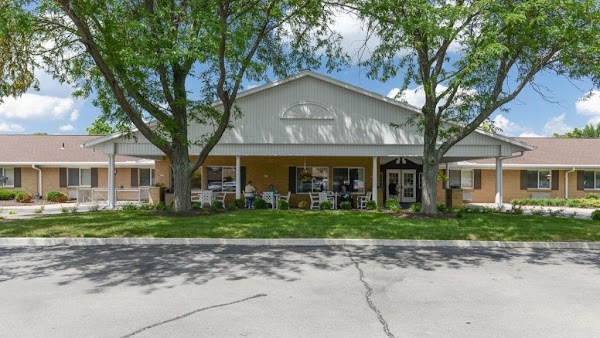
1974 NORTH FAIRFIELD ROAD, DAYTON, OH 45432 (937) 429-1106
For profit - Corporation 110 Beds LEGACY HEALTH SERVICES Data: November 2025
Trust Grade
30/100
#619 of 913 in OH
Last Inspection: March 2025

Within standard 12-15 month inspection cycle. Federal law requires annual inspections.

Overview

Beavercreek Post Acute in Dayton, Ohio, has received a Trust Grade of F, indicating significant concerns about its quality of care. It ranks #619 out of 913 nursing homes in Ohio, placing it in the bottom half of facilities statewide, and #27 out of 40 in Montgomery County, suggesting limited options for better care nearby. The facility is experiencing a worsening trend, with issues increasing from 4 in 2024 to 11 in 2025. Staffing ratings are below average at 2 out of 5 stars, but turnover is a bit better than the state average at 46%. However, the facility has faced significant fines of $66,420, higher than 85% of Ohio facilities, which raises red flags about compliance issues. There are serious incidents to note, including a resident who suffered from constipation and abdominal pain due to inadequate assessment and was later hospitalized for treatment. Additionally, another resident experienced a fall that resulted in fractured femurs because a staff member did not follow proper lifting procedures. While the facility has some good quality measures, these concerning incidents highlight the need for families to carefully consider their options.

Trust Score
F
30/100
In Ohio
#619/913
Bottom 33%
Safety Record
High Risk
Review needed
Inspections
Getting Worse
4 → 11 violations
Staff Stability
⚠ Watch
46% turnover. Above average. Higher turnover means staff may not know residents' routines.
Penalties
✓ Good
$66,420 in fines. Lower than most Ohio facilities. Relatively clean record.
Skilled Nurses
○ Average
Each resident gets 36 minutes of Registered Nurse (RN) attention daily — about average for Ohio. RNs are the most trained staff who monitor for health changes.
Violations
⚠ Watch
29 deficiencies on record. Higher than average. Multiple issues found across inspections.
★★☆☆☆
2.0
Overall Rating
★★☆☆☆
2.0
Staff Levels
★★★★☆
4.0
Care Quality
★★☆☆☆
2.0
Inspection Score
Stable
2024: 4 issues
2025: 11 issues

The Good

  • 4-Star Quality Measures · Strong clinical quality outcomes
  • Full Sprinkler Coverage · Fire safety systems throughout facility
  • No fines on record

Facility shows strength in quality measures, fire safety.

The Bad

2-Star Overall Rating

Below Ohio average (3.2)

Below average - review inspection findings carefully

Staff Turnover: 46%

Near Ohio avg (46%)

Higher turnover may affect care consistency

Federal Fines: $66,420

Above median ($33,413)

Moderate penalties - review what triggered them

Chain: LEGACY HEALTH SERVICES

Part of a multi-facility chain

Ask about local staffing decisions and management

The Ugly 29 deficiencies on record

2 actual harm
Mar 2025 10 deficiencies 1 Harm
SERIOUS (G) 📢 Someone Reported This

A family member, employee, or ombudsman was alarmed enough to file a formal complaint

Actual Harm - a resident was hurt due to facility failures

Quality of Care (Tag F0684)

A resident was harmed · This affected 1 resident

**NOTE- TERMS IN BRACKETS HAVE BEEN EDITED TO PROTECT CONFIDENTIALITY** Based on medical record review, observation, resident interview, staff interview, and review of the facility policy, the facilit...

Read full inspector narrative →
**NOTE- TERMS IN BRACKETS HAVE BEEN EDITED TO PROTECT CONFIDENTIALITY** Based on medical record review, observation, resident interview, staff interview, and review of the facility policy, the facility failed to properly and timely assess residents for change in condition. This resulted in Actual Harm for Resident #235 who had constipation with abdominal and rectal pain and had to be treated at the hospital for a fecal impaction. This affected one (Resident #235) of three residents reviewed for change in condition. The facility census was 95 residents. Findings include: Review of the medical record for Resident #235 revealed an admission date of 02/20/25 with diagnoses including wedge compression fracture of T7 and T8 vertebra with routine healing, chronic obstructive pulmonary disease, and fibromyalgia. Review of the Minimum Data Set (MDS) assessment for Resident #235 dated 02/26/25 revealed the resident was cognitively intact and required staff assistance with activities of daily living (ADLs.) Review of the physician's orders for Resident #235 revealed an order dated 02/21/25 for oxycodone 5 milligrams (mg) every 6 hours as needed for pain, and orders dated 03/05/25 for Miralax Powder give 17 gram by mouth one time a day for constipation and Senokot give one tablet by mouth one time a day for constipation. Review of the care plan for Resident #235 dated 02/21/25 revealed the resident was at risk for pain related to nasal fracture and lacerations to face, neuropathy, arthritis, fibromyalgia, weakness and deconditioning. The care plan was revised on 03/11/25 to include the resident was at risk for complications with the gastrointestinal system due to constipation with a goal of will have no complications related to constipation. Interventions included the following: administer medications as ordered, listen to bowel sounds and complete an abdominal assessment as indicated, notify physician of gastrointestinal complications such as bloating, abdominal discomfort, changes in bowel patterns, record and monitor bowel movements. Review of the bowel movement log in the electronic medical record (EMR) for Resident #235 revealed the resident had a small, formed bowel movement on 02/22/25, a small, formed bowel movement on 03/04/25, and a small, loose bowel movement and a small soft bowel movement on 03/09/25. Review of the hospital emergency room note for Resident #235 dated 03/10/25 timed at 8:11 P.M. revealed upon rectal exam the resident had very soft stool in the rectum that was partially disimpacted but very soft and mobile. A CT scan of the abdomen and pelvis showed fecal loading and distention of the rectum consistent with constipation. Hospital staff gave the resident a soap-suds enema which did not yield any results. The physician with the assistance of nursing staff had to manually remove a fecal impaction from the resident's rectum. The hospital staff then administered a docusate enema which resulted in the resident having a bowel movement. Observation on 03/10/25 at 9:00 A.M. revealed Resident #235 was lying in bed and moaning loudly. Interview on 03/10/25 at 1:55 P.M. with Resident #235 confirmed the resident had felt sick all weekend and no one had helped her. Resident #235 further confirmed she had a cold sore on her rectum, and it was hurting, and she had also been having abdominal spasms all weekend. Interview on 03/10/25 at 2:06 P.M. with Licensed Practical Nurse (LPN) #70 confirmed she was aware Resident #235 wanted to go to the emergency room (ER) and was requesting to go by ambulance. LPN #70 further confirmed the facility was awaiting transport to take Resident #235 to the hospital and the nurse would give the resident a dose of as needed oxycodone for the resident's complaints of abdominal spams and rectal pain. Observation on 03/10/25 at 2:18 P.M. of revealed Resident #235 was screaming out in pain. Interview on 03/10/25 at 2:20 P.M. with Certified Nursing Assistant (CNA) #229 confirmed Resident #235 had screamed out all weekend in pain. CNA #229 confirmed he tried to reposition the resident to make her comfortable and the resident did have a small bowel movement on 03/09/25. Observation on 03/10/25 at 2:24 P.M. revealed Resident #235 was screaming out in pain. Interview on 03/10/25 at 2:30 P.M. with LPN #70 confirmed the Resident #235 had asked to go the ER due to abdominal spasms and pain to her abdomen and rectum. LPN #70 confirmed Resident #235 had not asked to go to the ER via emergency transport. LPN #70 confirmed she contacted Nurse Practitioner (NP) #300 prior to the resident's request to go to the ER and the NP gave an order for hemorrhoid cream. Interview on 03/11/25 at 8:02 A.M. with the Director of Nursing (DON) confirmed Resident #235 had gone to the ER on [DATE] at 2:35 P.M., was treated at the hospital for a fecal impaction, and then returned to the facility. Interview on 03/12/25 at 1:58 P.M. with CNA #229 confirmed aides were responsible to document resident bowel movements in the bowel movement log in the resident EMR. Interview on 03/13/25 at 10:00 A.M. with LPN #79 confirmed Resident #235's bowel movement log in the EMR revealed the resident had only four small bowel movements from 02/20/25 through 03/09/25. LPN #79 further confirmed the facility had no documentation of notification to the physician or the NP of the resident's small infrequent bowel movements. Further interview with LPN #79 confirmed if a resident had not had a medium or large bowel movement every three days the nurses should notify the physician or NP for further instructions. Interview on 03/17/25 at 10:17 A.M. with the DON confirmed the facility did not have standing orders or a clinical protocol related to bowel movements. Interview on 03/17/25 at 10:38 A.M. with NP #300 confirmed the facility nurses should contact the physician or NP when a resident hasn't had a medium or large bowel movement within three days. NP #300 further confirmed the facility staff had not notified him Resident #235 had only four small bowel movements between 02/20/25 and 03/09/25 and the facility staff should have contacted him or the physician for orders or treatment for the resident's constipation. Review of the facility policy titled Change in Resident's Condition or Status policy dated February 2021 revealed the facility staff would promptly notify the resident, his or her attending physician, and the resident representative of changes in the resident's medical/mental condition and/or status. The nurse would notify the resident's attending physician or physician on call when there had been a need to alter the resident's medical treatment that will not normally resolve without intervention. This deficiency represents noncompliance investigated under Complaint Number OH00162841.
CONCERN (D) 📢 Someone Reported This

A family member, employee, or ombudsman was alarmed enough to file a formal complaint

Potential for Harm - no one hurt, but risky conditions existed

Deficiency F0558 (Tag F0558)

Could have caused harm · This affected 1 resident

Based on medical record review, observation, resident interview, staff interview, and review of the facility policy, the facility failed to ensure staff responded to resident requests in a timely mann...

Read full inspector narrative →
Based on medical record review, observation, resident interview, staff interview, and review of the facility policy, the facility failed to ensure staff responded to resident requests in a timely manner. This affected one (Resident #61) of two residents reviewed for call lights. Based on medical record review, observation, staff interview and resident interview, the facility failed to ensure the automatic door opener to the front door was functioning properly. This affected one (Resident #43) of 27 residents sampled. The facility census was 95 residents. Findings include: 1.Review of the medical record for Resident #61 revealed an admission date of 02/10/25 with diagnoses including hip fracture, Alzheimer's disease, and cerebrovascular attack (CVA). Review of the Minimum Data Set (MDS) assessment for Resident #61 dated 02/16/25 revealed the resident was severely cognitively impaired and was dependent on staff assistance with activities of daily living (ADLs.) Observation on 03/11/25 of Resident #61's room revealed the resident's call light was on from 3:38 P.M. to 4:02 P.M. while the resident yelled for the nurse. Further observation revealed Certified Nurse Aide (CNA) #33 entered the resident's room at 4:02 P.M. and what the resident was yelling about. Resident #61 told CNA #33 he wanted a glass of ice water. CNA #33 said okay, turned off the call light, and left the room. At 4:07 P.M. Resident #61 yelled out for the nurse to bring him ice water. At 4:09 P.M. CNA #227 was walking down the hall and Resident #61 yelled for her and said he wanted his water and a grilled cheese sandwich. CNA #227 told the resident she would help him as soon as she was done caring for another resident and left the room. Interview on 03/11/25 at 4:25 P.M. with Resident #61 confirmed he often had to wait up to an hour for staff to assist him Interview on 03/11/25 at 4:31 P.M. with CNA #227 confirmed she was taking care of 20 residents and was unable to get to the call lights in a timely manner. CNA #227 stated she had to change two people and get two people out of bed, before she could take care of Resident #61's needs. Interview with on 03/11/25 at 4:33 P.M with CNA #33 confirmed she answered Resident #61's call light and he wanted ice water, and she had turned off the call light and left the room because he had water in his room. She said she didn't know the code to get into the room where the ice was kept. Review of the facility policy titled Answering the Call Light dated 2001 revealed staff should answer the resident call system immediately. The staff person should identify themselves and respond to the resident politely and if a resident needed assistance the staff person should indicate approximately how long it would take to respond to the request. If the request was something the person answering the light could fulfill, the request should be completed within five minutes. 2. Review of the medical record for Resident #43 revealed an admission date of 03/28/23 with diagnoses including vascular dementia, epilepsy, and major depressive disorder. Review of the MDS assessment for Resident #43 dated 01/11/25 revealed the resident was cognitively intact and required staff assistance with activities of daily living (ADLs.) Observation 03/11/25 at 1:38 P.M of the front exterior door revealed the push button to automatically open the front exterior door of the building did not open the front door of the facility when pressed. Interview on 03/11/25 at 1:38 P.M. with Corporate Registered Nurse (CRN) #500 confirmed the push button to automatically open the front exterior door of the building did not open the front door of the facility when pressed. Interview on 03/11/25 at 1:44 P.M. with Resident #43 confirmed she was unable to open the front door without the use the push button which automatically opened the door. Resident #43 confirmed the push button was not working on 03/11/25 and there had been other times when it had not worked. This deficiency represents noncompliance investigated under Complaint Number OH00162297 and Complaint Number OH00162213.
CONCERN (D)

Potential for Harm - no one hurt, but risky conditions existed

Notification of Changes (Tag F0580)

Could have caused harm · This affected 1 resident

Based on medical record review, staff interview, and review of the facility policy, the facility failed to notify resident physicians of significant weight loss. This affected one (Resident #40) of th...

Read full inspector narrative →
Based on medical record review, staff interview, and review of the facility policy, the facility failed to notify resident physicians of significant weight loss. This affected one (Resident #40) of three residents reviewed for change in condition. The facility census was 95 residents. Findings include: Review of the medical record for Resident #40 revealed an admission date of 05/20/20 with diagnoses including coronary artery disease, heart failure, diabetes, dementia, and aphasia. Review of the quarterly Minimum Data Set (MDS) assessment for Resident #40 dated 11/26/24 revealed the resident was severely cognitively impaired and required set up assistance for eating. Review of the weight records for Resident #40 revealed the resident weighed 133 pounds (lbs.) on 02/06/25 and the resident weighed 123 lbs. on 03/12/25 which was a significant weight loss of 7.5 percent (%) in 33 days. Review of the progress notes for Resident #40 dated 03/12/25 to 03/17/25 revealed the notes did not include documentation of physician or provider notification of the resident's significant weight loss. Interview on 03/17/25 at 11:36 A.M with Nurse Practitioner (NP) #300 confirmed the facility had not notified him of Resident #40's significant weight loss. Interview on 03/17/25 at 11:54 A.M. with Dietician #501 confirmed he had not been notified of Resident #40's significant weight loss. Review of the facility policy titled Change in Resident's Condition or Status dated February 2021 revealed the nurses should promptly notify the resident, his or her attending physician, and the resident representative of changes in the resident's medical / mental condition and/or status. The nurse would notify the resident's attending physician or physician on call when there had been a need to alter the resident's medical treatment significantly. A significant change of condition was defined as a major decline or improvement in the resident's status that would not normally resolve itself without intervention by staff.
CONCERN (D) 📢 Someone Reported This

A family member, employee, or ombudsman was alarmed enough to file a formal complaint

Potential for Harm - no one hurt, but risky conditions existed

ADL Care (Tag F0677)

Could have caused harm · This affected 1 resident

Based on medical record review, observation, resident interview, staff interview, and review of the facility policy, the facility failed to ensure activities of daily living (ADL) care was provided fo...

Read full inspector narrative →
Based on medical record review, observation, resident interview, staff interview, and review of the facility policy, the facility failed to ensure activities of daily living (ADL) care was provided for dependent residents. This affected two (Residents #43, #69) of six residents reviewed for ADLs. The facility census was 95 residents. Findings include: 1. Review of the medical record for Resident #43 revealed an admission date of 03/29/23 with diagnoses of hemiplegia and hemiparesis following cerebral infarction, morbid obesity, vascular dementia, and anxiety disorder. Review of the Minimum Data Set (MDS) assessment for Resident #43 dated 01/11/25 revealed the resident was cognitively intact, had limited range of motion to one side of his bilateral upper and lower extremities and was dependent on staff assistance with toileting hygiene and transfers. Review of the care plan for Resident #43 dated 03/06/24 revealed the resident had a self-care deficit related to weakness and impaired mobility due to right sided hemiparesis and hemiplegia following cerebral vascular accident with the intervention that staff would assist the resident with hygiene and toileting as needed. Observation on 03/10/25 at 2:27 P.M. of Resident #43 revealed the resident's call light was activated. Observation on 03/10/25 at 2:41 P.M. of Resident #43 revealed the resident's call light was still activated and the resident's incontinence brief was saturated with urine. Interview on 03/10/25 at 2:41 P.M. with Resident #43 confirmed his call light had been activated since 2:27 P.M. and he was awaiting staff assistance with incontinence care. Interview on 03/10/25 at 2:47 P.M. with Certified Nursing Aide (CNA) #218 confirmed Resident #43's incontinence brief was soaked with urine, and he needed incontinence care. CNA #218 she was unable to get to Resident #43 in a timely manner to assist him. 2. Review of the medical record for Resident #69 revealed an admission date of 08/21/24 with diagnoses including chronic obstructive pulmonary disease, congestive heart failure, and type two diabetes mellitus. Review of the MDS assessment for Resident #69 dated 02/26/25 revealed the resident was cognitively intact and required staff assistance with bathing. Review of the care plan for Resident #69 dated 02/26/25 revealed the resident had a self-care deficit related to weakness and deconditioning, congestive heart failure, chronic obstructive pulmonary disease, and morbid obesity with an intervention for staff to provide assistance with bathing. Review of the electronic medical record for Resident #69 revealed the resident was offered and received only two bed baths between 02/13/25 through 03/11/25 with no refusals documented. Interview on 03/10/25 at 2:42 P.M. with Resident #69 confirmed he has not been offered regular showers. He only received two bed baths in the past month. Interview on 03/12/25 at 12:48 P.M. with Licensed Practical Nurse (LPN) #238 confirmed Resident #69 had only received two bed baths in the time period of 02/13/25 to 03/11/25. Review of the facility policy titled Shower and Tub Bath dated February 2018 revealed the facility would offer baths to residents to promote cleanliness, provide comfort to the resident and to observe the condition of the resident's skin. This deficiency represents noncompliance investigated under Complaint Number OH00163482 and Complaint Number OH00162841 and Complaint Number OH00162213 and Complaint Number OH00162183.
CONCERN (D)

Potential for Harm - no one hurt, but risky conditions existed

Deficiency F0757 (Tag F0757)

Could have caused harm · This affected 1 resident

Based on medical record review, observation, staff interview, and review of the facility policy, the facility failed to ensure residents did not receive unnecessary medications. This affected one (Res...

Read full inspector narrative →
Based on medical record review, observation, staff interview, and review of the facility policy, the facility failed to ensure residents did not receive unnecessary medications. This affected one (Resident #43) of five residents reviewed for unnecessary drugs. Findings include: Review of the medical record for Resident #43 revealed an admission date of 03/29/23 with diagnoses including hemiplegia and hemiparesis following cerebral infarction, vascular dementia, and anxiety disorder. Review of the weekly skin assessment for Resident #43 dated 12/11/24 revealed staff identified a fungal wound to the resident's scrotum on 12/04/25. Review of the physician's orders for Resident #43 revealed an order dated 12/14/24 revealed for Mupirocin ointment to the scrotum / tip of penis topically every shift for wound. Review of the wound progress note for Resident #43 dated 12/23/24 revealed there was a wound noted the central anterior scrotum with an order to apply Mupirocin ointment two times daily for seven days and then discontinue. Review of the Minimum Data Set (MDS) assessment for Resident #43 dated 01/11/25 revealed the resident was cognitively intact and required staff assistance with activities of daily living (ADLs). Review of the Medication Administration Records (MARs) for Resident #43 dated December 2024, January 2024, February 2024, and March 2024 (through 03/12/24) revealed staff applied Mupirocin topically to the resident's penis Interview on 03/12/25 at 1:06 P.M. with Licensed Practical Nurse (LPN) #15 confirmed he was not aware of Resident #43 having any wound to his penis. Observation on 03/12/25 at 1:38 P.M. of wound care for Resident #43 with LPN #15 revealed the resident did not have a wound on his penis. Interview on 03/12/25 at 2:06 P.M. with Registered Nurse (RN) #502 confirmed she had applied Mupirocin ointment to Resident #43's penis earlier in the day on 03/12/25. Interview on 03/13/25 at 2:16 P.M. with LPN Infection Control #61 confirmed if the antibiotic did not have a stop date she contacted the physician and got a stop date or had the medication stopped. Interview also confirmed she makes sure the physician or Nurse Practitioner (NP) documents the need. Interview on 03/13/25 at 3:32 P.M. with LPN #15 confirmed Resident #43 was seen by the wound nurse practitioner on 12/23/24 who gave orders to continue Mupirocin ointment to the scrotum / tip of penis topically two times daily for seven days, then discontinue. LPN #15 further confirmed the Mupirocin ointment to Resident #43's penis should have been discontinued on 12/31/24 and the medication was unnecessary. Review of the facility policy titled Administering Medications dated April 2019 revealed were to be administered in a safe and timely manner, and as prescribed and should be administered in accordance with prescriber orders, including any required time frame. Review of the facility policy titled Antibiotic Stewardship dated December 2016 revealed antibiotics would be prescribed and administered to residents under the guidance of the facility's antibiotic stewardship program. If an antibiotic was indicated, prescribers would provide complete antibiotic orders which included duration of treatment, start and stop date, and/or number of days of therapy.
CONCERN (D)

Potential for Harm - no one hurt, but risky conditions existed

Deficiency F0806 (Tag F0806)

Could have caused harm · This affected 1 resident

Based on medical record review, observation, staff interview and resident interview, the facility failed to ensure residents were not served food items to which they were allergic. This affected one (...

Read full inspector narrative →
Based on medical record review, observation, staff interview and resident interview, the facility failed to ensure residents were not served food items to which they were allergic. This affected one (Resident #7) of 27 residents sampled. The facility census was 95 residents. Findings include: Review of the medical record for Resident #7 revealed an admission date of 01/27/25 with diagnoses including displaced intertrochanteric fracture of left femur, chronic obstructive pulmonary disease, type two diabetes mellitus, vascular dementia, and congestive heart failure. Review of the Minimum Data Set (MDS) assessment for Resident #7 dated 02/04/25 revealed the resident was moderately cognitively impaired and required set up assistance with eating. Review of the nutritional care plan for Resident #7 dated 02/05/25 revealed the resident was allergic to eggs. Interventions included staff should provide the diet per the physician order. Review of the nutritional assessment for Resident #7 dated 02/05/25 per Registered Dietitian (RD) #501 revealed the resident was ordered a mechanical soft diet and had an egg allergy. Review of the physician's orders for Resident #7 dated March 2025 revealed the resident was ordered a regular diet, mechanical soft texture with thin liquids. Review of the physician's progress note for Resident #7 dated 03/08/25 per Physician #502 revealed the resident was allergic to eggs and egg derived products. Observation on 03/11/25 at 7:25 A.M. of meal preparation for Resident #7 per [NAME] #26 revealed Resident #7's meal ticket indicated the resident was allergic to eggs but [NAME] #26 added eggs to the resident's plate. Interview on 03/11/25 at 7:25 A.M with [NAME] #26 on confirmed she had added scrambled eggs to Resident #7's plate and also confirmed the resident was allergic to eggs. Interview on 03/11/25 at 10:16 A.M with RD #501 confirmed Resident #7 was allergic to eggs and should not receive eggs or egg products on her tray. Interview on 03/13/25 at 10:39 A.M. with Resident #7 confirmed she was allergic to eggs, and she felt like her throat closed up when she ate eggs.
CONCERN (E) 📢 Someone Reported This

A family member, employee, or ombudsman was alarmed enough to file a formal complaint

Potential for Harm - no one hurt, but risky conditions existed

Deficiency F0725 (Tag F0725)

Could have caused harm · This affected multiple residents

Based on medical record review, observation, staff interview, resident interview, review of staffing schedules, and review of the facility policy, the facility failed to ensure there was adequate staf...

Read full inspector narrative →
Based on medical record review, observation, staff interview, resident interview, review of staffing schedules, and review of the facility policy, the facility failed to ensure there was adequate staffing to meet residents' needs. This affected one (Residents #61) of two residents reviewed for activities of daily living (ADL) and 10 (Residents #33, #28, #32, #59, #14, #52, #51, #31, #46, #186) of 27 residents sampled. The facility census was 95 residents. Findings include: 1.Review of the medical record for Resident #61 revealed an admission date of 02/10/25 with diagnoses including hip fracture, Alzheimer's disease, and cerebrovascular attack (CVA). Review of the Minimum Data Set (MDS) assessment for Resident #61 dated 02/16/25 revealed the resident was severely cognitively impaired and was dependent on staff assistance with activities of daily living (ADLs.) Observation on 03/11/25 of Resident #61's room revealed the resident's call light was on from 3:38 P.M. to 4:02 P.M. while the resident yelled for the nurse. Further observation revealed Certified Nurse Aide (CNA) #33 entered the resident's room at 4:02 P.M. and what the resident was yelling about. Resident #61 told CNA #33 he wanted a glass of ice water. CNA #33 said okay, turned off the call light, and left the room. At 4:07 P.M. Resident #61 yelled out for the nurse to bring him ice water. At 4:09 P.M. CNA #227 was walking down the hall and Resident #61 yelled for her and said he wanted his water and a grilled cheese sandwich. CNA #227 told the resident she would help him as soon as she was done caring for another resident and left the room. Interview on 03/11/25 at 4:25 P.M. with Resident #61 confirmed he often had to wait up to an hour for staff to assist him. Interview on 03/11/25 at 4:31 P.M. with CNA #227 confirmed she was taking care of 20 residents and was unable to get to the call lights in a timely manner. CNA #227 stated she had to change two people and get two people out of bed, before she could take care of Resident #61's needs. CNA #227 confirmed there had been a mistake on the schedule and they didn't have enough aides. Interview on 03/17/25 at 3:51 P.M. with Scheduler #72 confirmed the facility was supposed to have four aides scheduled on for second shift from 3:00 P.M. to 11:00 P.M. on 03/11/25 but there were only three aides working. Scheduler #72 further confirmed the shift wasn't filled because no one had signed up to take the shift and this would be a staffing issue because the three aides working had to take on more residents. Review of the schedule dated 03/11/25 for the 200 Hall revealed there were spaces on the schedule for four aides, but there were only three aides scheduled. Review of the facility policy titled Answering the Call Light dated 2001 revealed staff should answer the resident call system immediately. The staff person should identify themselves and respond to the resident politely and if a resident needed assistance the staff person should indicate approximately how long it would take to respond to the request. If 2. Review of the medical record for Resident #33 revealed an admission date of 06/16/15 with diagnoses including atrial fibrillation, heart failure, hypertension and dementia. Review of the physician's orders for Resident #33 revealed the following orders dated 03/10/25 for hydroxyzine 50 milligrams (mg) one tablet three times per day, Isosorbide Mononitrate extended release (ER) 60 mg one time per day, Lisinopril 10 mg one time per day, potassium chloride ER 10 milliequivalents (mEQ) one time per day, Lasix 20 mg one time per day, Sennosides 86 mg two tablets two times per day. Review of the Medication Administration Record (MAR) for Resident #33 dated 03/10/25 revealed the resident's medications were scheduled to be administered at 7:00 A.M. but were not signed off as given until 1:46 P.M. 3. Review of the medical record for Resident #28 revealed an admission date of 12/23/24 with diagnoses including non-traumatic brain injury, dementia and depression. Review of the physician's orders for Resident #28 revealed orders dated 03/10/25: Memantine 10 mg one time per day, Galantamine Hydrobromide ER 16 mg one time per day, Lisinopril 10 mg one time per day, Duloxetine delayed release sprinkles one time per day. Review of the MAR for Resident #28 dated 03/10/25 revealed the resident's medications were scheduled to be administered at 7:00 A.M. but were not signed off as given until 12:14 P.M. 4. Review of the medical record for Resident #32 revealed an admission date of 08/07/24 with diagnoses including non-traumatic brain injury, coronary artery disease, heart failure and dementia. Review of the physician's orders for Resident #32 revealed the following orders dated 03/10/25: Docusate Sodium Capsule 100 mg once per day, Risperdal 2 mg once per day, Lithium Carbonate 300 mg one tablet twice per day, Midodrine 10 mg one tablet three times per day, Sotalol 80 mg one tablet twice per day, Benztropine Mesylate 1 mg one tablet three times per day, Miralax 17 gram one time per day, Lactulose oral solution 30 milliliters (ml) twice per day. Review of the MAR for Resident #32 dated 03/10/25 revealed the resident's medications were scheduled to be administered at 7:00 A.M. but were not signed off as given until 12:09 P.M. 5. Review of the medical record for Resident #59 revealed an admission date of 01/07/24 with diagnoses including atrial fibrillation, heart failure, coronary artery disease, and dementia. Review of the physician's orders for Resident #59 revealed orders dated 03/10/25 for the following: Dapagliflozin 10 mg once per day, Insulin Glargine 45 units once per day, Duloxetine sprinkles 60 mg one time per day, Plavix 75 two times per day, Apixaban 5 mg one tablet two times per day, Aspirin 81 mg once per day, Carvedilol 3.125 mg one tablet twice per day, Lasix 20 mg once per day, Morphine 30 mg ER to give one tablet twice per day, Pantoprazole Sodium delayed release 40 mg one tablet twice per day, Miralax 17 gm one time per day. Review of the MAR for Resident #59 dated 03/10/25 revealed the resident's medications were scheduled to be administered at 7:00 A.M. but were not signed off as given until 11:19 A.M. 6. Review of the medical record for Resident #14 revealed an admission date of 03/30/22 with diagnoses including diabetes, thyroid disorder, heart failure and dementia. Review of the physician's orders for Resident #14 revealed orders dated 03/10/25 for the following: Magnesium Oxide 400 mg one per day, Metformin 500 mg once per day, Salmeterol inhaler one puff once per day, Breo Ellipta inhaler one puff once per day, Topiramate 25 mg three tablets two times a day. Review of the MAR for Resident #14 dated 03/10/25 revealed the resident's medications were scheduled to be administered at 7:00 A.M. but were not signed off as given until 11:30 A.M. 7. Review of the medical record for Resident #52 revealed an admission date of 04/12/24 with diagnoses including non-traumatic brain injury, coronary artery disease, renal disease, and diabetes. Review of the physician's orders for Resident #52 revealed orders dated 03/10/25 for the following: Buspirone 10 mg two tablets three times per day, Tylenol 325 mg two tablets three times a day. Review of the MAR for Resident #14 dated 03/10/25 revealed the resident's medications were scheduled to be administered at 1:00 P.M. but were not signed off as given until 2:15 P.M. 8. Review of the medical record for Resident #51 revealed an admission date of 12/15/24 with diagnoses including atrial fibrillation, heart failure, hypertension and coronary artery disease. Review of the physician's orders for Resident #51 revealed an order dated 03/10/25for Gabapentin 400 mg one tablet every eight hours. Review of the MAR for Resident #51 dated 03/10/25 revealed the resident's medications were scheduled to be administered at 1:00 P.M. but were not signed off as given until 2:35 P.M. 9. Review of the medical record for Resident #31 revealed an admission date of 12/21/24 with diagnoses including heart failure, hypertension, and diabetes. Review of the physician's orders for Resident #31 revealed orders dated 03/10/25 for the following: Sucralfate one gram two times per day and Tramadol 50 mg one tablet three times per day. Review of the MAR for Resident #31 dated 03/10/25 revealed the resident's Sucralfate was scheduled to be administered at 11:00 A.M. but was not signed off as given until 1:00 P.M. and the Tramadol was scheduled to be administered at 1:00 P.M. but was not signed off as given until 2:41P.M. 10. Review of the medical record for Resident #46 revealed an admission date of 12/20/21 with diagnoses including non-traumatic brain injury, coronary artery disease, diabetes, hypertension, and dementia. Review of the physician's orders for Resident #46 dated 03/10/25 revealed orders for the following: Humalog insulin per sliding scale before meals, hydralazine 50 mg once per day. Review of the MAR for Resident #46 dated 03/10/25 revealed the resident's Humalog insulin was scheduled to be administered at 11:00 A.M. but was not signed off as given until 3:15 P.M. and the hydralazine was scheduled to be administered at 1:00 P.M. but was not signed off as given until 3:16 P.M. 11. Review of the medical record for Resident #186 revealed an admission date of 08/07/24. Review of the physician's orders for Resident #186 revealed orders dated 03/10/25 for the following: Albuterol Sulfate nebulizer 3 ml once per day, Metoprolol Tartrate 25 mg three times per day. Review of the MAR for Resident #186 dated 03/10/25 revealed the resident's Albuterol inhaler was scheduled to be administered at 12:00 P.M. but was not signed off as given until 3:20 P.M. and the metoprolol tartrate was scheduled to be administered at 1:00 P.M. but was not signed off as given until 3:30 P.M. Interview on 03/10/25 at 2:09 P.M. with Licensed Practical Nurse (LPN) #20 confirmed she was late with medication administration on 03/10/25 for Residents #33, #28, #32, #59, #14, #52, #51, and #31. LPN #20 further confirmed the facility was supposed to have five nurses working for a census of 95 residents but they only had three nurses working on 03/10/25. Interview on 03/10/25 at 2:56 P.M. with Registered Nurse (RN) #58 confirmed she was late with medication administration on 03/10/25 for Residents #46 and #186. RN #58 reported she was late giving medications because she was training a new nurse, and the facility didn't have enough nurses scheduled on 03/10/25 to be able to do the training and be on time for the medications. Review of the schedule dated 03/10/25 revealed there were four nurses scheduled and a trainee. There was one nurse who called off which made three nurses and a trainee for 03/10/25. Interview on 03/17/25 at 3:51 P.M. with Scheduler #72 confirmed the facility scheduled five nurses during the day, but on 03/10/25 there was a nurse who called off and there was another nurse who was training a new nurse so that left three nurses on the halls and a trainee. Scheduler #72 confirmed when the nurse called off sick she didn't replace the nurse and there wasn't enough staff ensure medications were passed in a timely manner. Review of the schedule dated 03/10/25 revealed there were four nurses scheduled and a trainee working with RN #186. One of the four nurses was marked as a call off which left three nurses and a trainee for 03/10/25. Review of the facility policy titled Staffing dated 04/01/07 revealed the facility provided adequate staffing to meet care and service needs for the resident population. Review of the facility policy titled Administering Medications dated 04/01/19 revealed medications were to be administered in a safe and timely manner, and as prescribed. The staffing schedules would be arranged to ensure that medications were administered without unnecessary interruptions. This deficiency represents noncompliance investigated under Complaint Number OH00163482 and Complaint Number OH00162885 and Complaint Number OH00162841 and Complaint Number OH00162213.
CONCERN (E) 📢 Someone Reported This

A family member, employee, or ombudsman was alarmed enough to file a formal complaint

Potential for Harm - no one hurt, but risky conditions existed

Deficiency F0805 (Tag F0805)

Could have caused harm · This affected multiple residents

Based on review of dietary spreadsheets, observation, staff interview and review of facility recipes, the facility failed to ensure pureed eggs and pureed bread were prepared in a form to meet residen...

Read full inspector narrative →
Based on review of dietary spreadsheets, observation, staff interview and review of facility recipes, the facility failed to ensure pureed eggs and pureed bread were prepared in a form to meet resident needs. This affected four (Residents #33, #42, #57, and #68) of four facility-identified resident who received pureed diets. The facility census was 95 residents. Findings include: Review of the dietary spreadsheet dated 03/11/25 revealed residents on pureed diets pureed scrambled eggs with cheese, pureed bread, and cream of wheat for breakfast. Observation in the kitchen on 03/11/25 at 7:25 A.M. of food to be served to residents on pureed diets revealed the pureed scrambled eggs had dime-sized chunks of eggs in them and the pureed bread had chunks of bread which were approximately one quarter inch in diameter. Interview on 03/11/25 at 8:00 A.M with Dietary Manager (DM) #215 confirmed the pureed scrambled eggs had chunks of egg which had not been blended and there were chunks of bread that were mixed in with the pureed bread. DM #215 confirmed that the pureed eggs and the pureed bread should have been blended until smooth and free of chunks. Review of the facility recipe for pureed scrambled eggs dated 01/15/25 revealed the eggs should be blended until smooth. Review of the facility recipe for pureed bread dated 01/15/25 revealed the bread should be proceeded until smooth. This deficiency represents noncompliance investigated under Complaint Number OH00162183.
CONCERN (F) 📢 Someone Reported This

A family member, employee, or ombudsman was alarmed enough to file a formal complaint

Potential for Harm - no one hurt, but risky conditions existed

Menu Adequacy (Tag F0803)

Could have caused harm · This affected most or all residents

Based on review of menus and spreadsheets, observation, staff interview, medical record review, resident interview, and review of the facility policy, the facility failed to ensure menu portion sizes ...

Read full inspector narrative →
Based on review of menus and spreadsheets, observation, staff interview, medical record review, resident interview, and review of the facility policy, the facility failed to ensure menu portion sizes were followed and menus were reviewed by a dietitian in advance. This affected all of the residents residing in the facility except for one (Resident #61) who received no food by mouth. The facility failed to ensure the resident got to make choices concerning breakfast. This affected three (Residents #22, #45, and #21) of three residents reviewed for choices during the annual survey. The facility census was 95 residents. Findings include: 1. Review of the handwritten menu spreadsheet dated 03/11/25 revealed residents on regular and mechanical soft diets were to receive a number 12 or 2.66 ounce (oz) scoop of scrambled eggs with cheese, one slice of toast, and 6 oz of oatmeal, and residents on pureed diets were to receive a number 12 or 2.66 oz scoop of pureed scrambled eggs with cheese, a number 16 or 2 oz scoop of pureed bread, and a 6 oz scoop of cream of wheat. Observation of the kitchen on 03/11/25 at 7:25 A.M. revealed residents on regular and mechanical soft diets were served a number 16 or 2 oz scoop of scrambled eggs with cheese, one slice of toast, and 6 oz of oatmeal, and pureed diets were served a number 16 or 2 oz scoop of pureed scrambled eggs with cheese, a number 20 or 1.6 oz scoop of pureed bread, and a 6 oz scoop of cream of wheat. Interview on 03/11/25 at 8:00 A.M with Dietary Manager (DM) #215 confirmed residents on regular and mechanical soft diets were served a number 16 or 2 oz scoop of scrambled eggs with cheese and they should have received a number 12 or 2.66 oz scoop of scrambled eggs with cheese per the menu spreadsheet. DM #215 also confirmed residents on pureed diets were served a number 16 or 2 oz scoop of pureed scrambled eggs with cheese, and a number 20 or 1.6 oz scoop of pureed bread and they should have received a number 12 or 2.66 oz scoop of pureed scrambled eggs with cheese and a number 16 or 2 oz scoop of pureed bread per the menu spreadsheet. 2.Review of the handwritten menu spreadsheets for breakfast, lunch and dinner for 03/11/25 to 03/14/25 revealed the spreadsheets had not been reviewed by a dietitian. Interview on 03/11/25 at 8:00 A.M. with DM #215 confirmed she had written the spreadsheets for all three meals for 03/11/25 to 03/14/25 by hand and the dietitian had not reviewed the spreadsheets. DM #215 confirmed the facility served breakfast was served on 03/11/25 without the dietitian's approval of the spreadsheet. Interview on 03/11/25 at 10:16 A.M with Registered Dietitian (RD) #501 confirmed he had not reviewed the meal spreadsheets for 03/11/25 to 03/14/25. Review of the facility policy titled Menus dated October 2017 revealed menus for regular and therapeutic diets were written at least two weeks in advance and were dated and posted in the kitchen at least one week in advance. The dietitian approved all menus. 4. Review of the medical record for Resident #22 revealed an admission date of 04/08/17 with diagnoses including neurogenic bladder, diabetes and arthritis. Review of the Minimum Data Set (MDS) for Resident #22 dated 01/30/25 revealed the resident was cognitively intact. Interview on 03/10/25 at 2:27 P.M. with Resident #22 confirmed he didn't get a choice for breakfast meals. He reported the staff deliver a paper at lunchtime with lunch and dinner choices on it, but there were no breakfast choices. Observation on 03/13/25 at 11:50 A.M. with Resident #22 revealed the resident had a paper which listed lunch and dinner options to pick for the next day with no breakfast choices available. 5. Review of the medical record for Resident #45 revealed an admission date of 08/03/18 with diagnoses including hypertension, depression and anxiety. Review of the MDS assessment for Resident #45 dated 11/29/24 revealed the resident was cognitively intact. Observation on 03/13/25 at 11:39 A.M. with Resident #45 revealed the resident had a piece of paper on his tray which listed choices for lunch and dinner for the next day. Interview on 03/13/25 at 11:39 A.M. with Resident #45 confirmed he didn't get to pick what he wanted for breakfast. 6. Review of the medical record for Resident #21 revealed an admission date of 09/11/23 with diagnoses including dementia, anemia, and diabetes. Review of the MDS assessment for Resident #21 dated 01/30/25 revealed the resident was cognitively intact. Observation on 03/13/25 at 11:40 A.M. with Resident #21 revealed the resident had a piece of paper on his tray which listed choices for lunch and dinner for the next day. Interview on 03/13/25 at 11:40 A.M. with Resident #21 confirmed he didn't get to pick what he wanted for breakfast. Interview on 03/13/25 at 12:04 P.M. with Certified Nursing Assistant (CNA) #57 confirmed the residents received a paper to pick what they wanted for lunch and dinner the next day. CNA #57 confirmed residents did not get to choose what they wanted for breakfast. Interview on 03/13/25 at 12:10 P.M with DM #215 confirmed the facility no longer had residents choose breakfast items. DM #215 confirmed the facility used to let the residents choose breakfast items, but the residents were getting the same thing over and over again and it was a waste of time so they only ordered lunch and dinner items now. This deficiency represents noncompliance investigated under Complaint Number OH00162213 and Complaint Number OH00162183.
CONCERN (F)

Potential for Harm - no one hurt, but risky conditions existed

Food Safety (Tag F0812)

Could have caused harm · This affected most or all residents

Based on observation, interview and record review, the facility failed to ensure the kitchen and food items were maintained in a manner to prevent foodborne illness. This affected all residents in the...

Read full inspector narrative →
Based on observation, interview and record review, the facility failed to ensure the kitchen and food items were maintained in a manner to prevent foodborne illness. This affected all residents in the facility except for one resident (#61) that received no food by mouth. The facility census was 95. Findings include: Observation on 03/10/25 at 8:48 A.M of the kitchen with Dietary Manager (DM) #215 revealed the following kitchen sanitation concerns: there was built up dirt behind the dishwasher, the garbage disposal had rust in the bowl of it, in the dishwasher room there were splashes of a substance running down the walls from the celling to the floor, there were rusty and dusty vents above the steam table area, the window in the kitchen had cobwebs, the wall behind the sink in the kitchen area had splashes of a substance running down the walls, there was an open rusted drain on the floor, the handwashing sink had a white substance running down the entire sink outside and inside, all of the kitchen walls had splashes of a substance on the walls from top to bottom. Interview on 03/10/25 at 9:10 A.M. with DM #215 confirmed the kitchen sanitation concerns and confirmed the areas should be cleaned. Observation on 03/11/25 at 7:25 A.M of the kitchen with DM #215 revealed the following sanitation concerns: there was a black area on the ceiling above the three compartment sink, there was standing water in the handwashing sink, the air vent on the ceiling near the door to exit the kitchen had a gray fuzzy substance on it, there was black and white build up on the floors, there was a gray substance on the shelf above the stove that left a gray mark on a paper towel when wiped, there was a black substance on the nozzle of the juice dispenser. Observation of the dry storage area revealed there was an updated packed of uncooked pasta which was open to air. Observation of the walk-in refrigerator revealed a pan of peas and a pan of spinach which were undated, uncovered and open to air. Interview on 03/11/25 at 7:25 A.M. with DM #215 confirmed the kitchen sanitation concerns and also confirmed the improperly stored foods in the dry storage area and the walk-in refrigerator. Review of the facility policy titled Food Receiving and Storage policy dated November 2022 revealed all food stored in the refrigerator or freezer should be covered, labeled and dated. Dry foods should be handled and stored in a manner that maintained the integrity of packaging until they are ready to be used. Review of the facility policy titled Sanitization dated November 2022 revealed all kitchen areas should be kept clean, and shelves and equipment should be kept clean and maintained in good repair.
Jan 2025 1 deficiency
CONCERN (D) 📢 Someone Reported This

A family member, employee, or ombudsman was alarmed enough to file a formal complaint

Potential for Harm - no one hurt, but risky conditions existed

Pharmacy Services (Tag F0755)

Could have caused harm · This affected 1 resident

**NOTE- TERMS IN BRACKETS HAVE BEEN EDITED TO PROTECT CONFIDENTIALITY** Based on record review, staff interviews, and policy review, the facility failed to ensure medications were administered as phys...

Read full inspector narrative →
**NOTE- TERMS IN BRACKETS HAVE BEEN EDITED TO PROTECT CONFIDENTIALITY** Based on record review, staff interviews, and policy review, the facility failed to ensure medications were administered as physician ordered. This affected two (#40 and #102) out of three residents reviewed for medication administration. The facility census was 89. Findings include: 1. Review of the medical record for Resident #40 revealed an admission date of 04/12/18 with diagnoses of hypertensive heart disease without heart failure, paraplegia, and type 2 diabetes mellitus with diabetic autonomic (poly) neuropathy. Review of the Quarterly Minimum Data Set (MDS) assessment dated [DATE] revealed Resident #40 was cognitively intact. Resident #40 was independent with bed mobility, required set-up assistance with eating, oral hygiene, and personal hygiene. Resident #40 required supervision with bathing, dressing, transfers, and wheelchair mobility, and required substantial assistance with toileting hygiene. Review of Resident #40's physician orders revealed an order dated 02/23/24 for Pregabalin Capsule 300 MG, give 300 milligrams (mg) by mouth two times a day for neuropathic pain. Review of Resident #40's progress notes revealed a progress note dated 12/25/24 at 8:50 A.M. documented Pregabalin capsule 300 mg by mouth two times a day for neuropathic pain, medication not available, resident and physician notified. A progress note dated 12/25/24 at 10:53 P.M. documented Pregabalin Capsule 300 mg by mouth two times a day for neuropathic pain, medication not available. A progress note dated 12/26/24 at 10:38 A.M. documented Pregabalin Capsule 300 mg by mouth two times a day for neuropathic pain, medication unavailable. A progress note dated 12/27/24 at 1:20 A.M. documented Pregabalin Capsule 300 mg by mouth two times a day for neuropathic pain, medication not available, pharmacy contacted. Review of Resident #40's medication administration record (MAR) for 12/2024 revealed on 12/25/24 the 7:00 A.M. dose and 7:00 PM. dose were not administered and on 12/26/24 the 7:00 A.M. dose and 7:00 PM. dose were not administered. 2. Review of the medical record for Resident #102 revealed an admission date of 01/03/25 and a discharge date of 01/17/25 with diagnoses of esophagitis, unspecified with bleeding, type 2 diabetes mellitus with diabetic chronic kidney disease and hypertensive chronic kidney disease. Review of the physician orders for Resident #102 revealed an order dated 01/06/25 for Pregabalin Oral Capsule 200 mg give one capsule by mouth three times a day for nerve pain. Review of the MAR for Resident #102 for 01/2025 revealed Pregabalin Oral Capsule 200 mg (Pregabalin)-give one capsule by mouth three times a day for nerve pain was not administered on 01/03/25 at 2:00 P.M. and 8:00 P.M.; on 01/04/25 at 8:30 A.M.; on 01/09/25 at 1:00 P.M.; on 01/10/25 at 6:00 A.M., 1:00 P.M., and 7:00 P.M.; on 01/11/25 at 6:00 A.M., 1:00 P.M., and 7:00 P.M.; on 01/12/25 at 6:00 A.M., 1:00 P.M., and 7:00 P.M.; and on 01/13/25 at 6:00 A.M. and 1:00 P.M. Review of the progress notes for Resident #102 revealed a note date 01/09/25 at 1:48 P.M. revealed Pregabalin Oral Capsule 200 mg, give one capsule by mouth three times a day for nerve pain, pharmacy aware to send, physician aware. A progress note dated 01/10/25 at 5:52 A.M. revealed Pregabalin Oral Capsule 200 mg, give one capsule by mouth three times a day for nerve pain, waiting on pharmacy, physician aware. A progress note dated 01/10/25 at 4:54 P.M. revealed Pregabalin Oral Capsule 200 mg, give one capsule by mouth three times a day for nerve pain, on order. A progress note dated 01/10/25 at 11:11 P.M. revealed Pregabalin Oral Capsule 200 mg, give one capsule by mouth three times a day for nerve pain, waiting for pharmacy, physician aware. A progress noted 01/11/25 at 5:56 A.M. revealed Pregabalin Oral Capsule 200 mg, give one capsule by mouth three times a day for nerve pain, medication not available. A progress noted dated 01/11/25 at 12:10 P.M. revealed Pregabalin Oral Capsule 200 mg, give one capsule by mouth three times a day for nerve pain, medication not available. A progress noted dated 01/11/25 at 9:18 P.M. revealed Pregabalin Oral Capsule 200 mg, give one capsule by mouth three times a day for nerve pain, not in stock. A progress noted dated 01/12/25 at 5:52 A.M. revealed Pregabalin Oral Capsule 200 mg, give one capsule by mouth three times a day for nerve pain, not in stock, pending pharmacy delivery. A progress note dated 01/12/25 at 4:12 P.M. revealed Pregabalin Oral Capsule 200 mg, give one capsule by mouth three times a day for nerve pain, pending clarification. A progress noted dated 01/12/25 at 9:47 P.M. revealed Pregabalin Oral Capsule 200 mg, give one capsule by mouth three times a day for nerve pain, waiting for pharmacy delivery. A progress note dated 01/13/25 at 5:51 A.M. revealed Pregabalin Oral Capsule 200 mg, give one capsule by mouth three times a day for nerve pain, pending pharmacy delivery. And a progress note dated 01/13/25 at 1:07 P.M. revealed Pregabalin Oral Capsule 200 mg give one capsule by mouth three times a day for nerve pain, pharmacy aware to send. Interview on 01/22/25 at 10:49 A.M. with Licensed Practical Nurse (LPN) #208 confirmed when she arrived to work on 12/25/24 and Resident #40 did not have any Pregabalin 300 mg available to administer and there was none available in the emergency box. Interview with LPN #208 also confirmed Resident #40 did not receive Pregabalin 300 mg tabs on 12/25/24 at 7:00 A.M. and 7:00 P.M. and did not receive his Pregabalin 300 mg on 12/26/24 at 7:00 A.M. and 7:00 P.M. Interview with LPN #208 confirmed the pharmacy was called and the physician was notified that Resident #40 needed a refill of Pregabalin 300 mg due to none being available. Interview with LPN #208 confirmed the refill of Pregabalin 300 mg was delivered on 12/27/24. Interview on 01/23/25 at 9:12 A.M. with Pharmacist #213 confirmed the pharmacy received a new prescription for Resident #40 for Pregabalin Capsule 300 mg, give 300 mg by mouth two times a day for neuropathic pain on 12/26/25, and it was sent to the facility on [DATE]. The interview with Pharmacist #213 also confirmed that Resident #102 was admitted on [DATE] with a five-day prescription for Pregabalin Oral Capsule 200 mg (Pregabalin), give one capsule by mouth three times a day for nerve pain which was delivered on 01/04/25. Interview with Pharmacist #213 also confirmed the pharmacy received a new prescription for Pregabalin Oral Capsule 200 mg, give one capsule by mouth three times a day for nerve pain on 01/13/25, and it was dispensed on 01/13/25. Interview with Pharmacist #213 confirmed the pharmacy did not received a prescription for a refill prior to 01/13/25 from the physician. Interview with Pharmacist #213 also confirmed the facility and the physician had been notified of the need for a new prescription on 01/06/25. Interview on 01/23/25 at 2:56 P.M. with the Director of Nursing (DON) and Registered Nurse (RN) Regional Clinical Support #12 confirmed Resident #40's order for Pregabalin 300 mg on the MAR documented on 12/25/24 7:00 A.M. dose and 7:00 PM. the doses were not administered and on 12/26/24 7:00 A.M. and 7:00 PM. doses were not administered. Interview also confirmed the Pregabalin 300 mg tabs was filled on 12/26/24 and was delivered on 12/27/24. Interview also confirmed Resident #102 did not received Pregabalin Oral Capsule 200 mg (Pregabalin), give one capsule by mouth three times a day for nerve pain was not administered on 01/03/25 at 2:00 P.M. and 8:00 P.M., on 01/04/25 at 8:30 A.M., on 01/09/25 at 1:00 P.M., on 01/10/25 at 6:00 A.M., 1:00 P.M., and 7:00 P.M., on 01/11/25 at 6:00 A.M., 1:00 P.M., and 7:00 P.M., on 01/12/25 at 6:00 A.M., 1:00 P.M., and 7:00 P.M., and on 01/13/25 at 6:00 A.M. and 1:00 P.M. due to awaiting a new prescription from the physician. Review of the Administering Medication policy, dated April 2019 revealed medications are administered in a safe and timely manner, and as prescribed. Review of the Medication and Treatment Orders policy, dated July 2016 revealed drugs and biological's that are required to be refilled must be reordered from the issuing pharmacy prior to the last dosage being administered to ensure that refills are readily available. This deficiency represents non-compliance investigated under Master Complaint Number OH00161492 and Complaint Number OH00161377.
Dec 2024 1 deficiency
CONCERN (D) 📢 Someone Reported This

A family member, employee, or ombudsman was alarmed enough to file a formal complaint

Potential for Harm - no one hurt, but risky conditions existed

Safe Environment (Tag F0921)

Could have caused harm · This affected 1 resident

Based on observation and interviews, the facility failed to provide a safe environment for the residents, staff, and public. This had the potential to affect all residents. The facility census was 86....

Read full inspector narrative →
Based on observation and interviews, the facility failed to provide a safe environment for the residents, staff, and public. This had the potential to affect all residents. The facility census was 86. Findings include: Observation on 12/30/24 at 1:00 P.M. revealed a section of the exterior wall, at the front of the facility with a hole present, without bricks. The area is approximately five-foot width by four foot high. The opening was covered with clean plastic. Upon examination of the interior section that correlated with the exterior wall missing, revealed the opening continued into the interior section of the building with the same opening of approximately five-foot width by four foot high, covered in clean plastic. Interview on 12/30/24 at 1:10 P.M. with Maintenance Director #246 along with the Licensed Nursing Home Administrator (LNHA) confirmed a family member struck the facility, with their vehicle, around Thanksgiving and the facility was waiting on the car owner's insurance to cover the damage. The facility found out the car owner's insurance was not going to cover the damage and now Legacy's Corporate office is working on it. Interview confirmed the facility currently does not have any quotes to show how much the damage would cost or when the repaid could be completed. Interview on 12/30/24 at 1:59 P.M. with Maintenance Director #246 confirmed Public Adjustor #400 will need to be called to speak of the progress with the repairs related to the facility being struck by a vehicle. Interview also confirmed Maintenance Director #246 applied plastic to cover the hole due to his concerns with applying any hard surface, like wood, would cause the wall structure to cave in further. Interview also confirmed the facility does not have a policy related to the need for repair. Telephone call on 12/30/24 at 2:30 P.M. to Public Adjustor #400 for the facilities Insurance Company confirmed the insurance company had completed an inspection on the damage to the facility wall, due to a vehicle hitting it, on 12/10/24, along with two other adjustors, and they currently do not have any of the estimates / quotes for repair complete. Interview also confirmed the car incident that caused the damage to the facility structure occurred on 11/07/24. Interview further confirmed the facility can apply something more substantial to the exterior or interior wall, like wood to prevent the elements from getting into the facility, like wind, rain, or rodents / animals.
Aug 2024 1 deficiency
CONCERN (F) 📢 Someone Reported This

A family member, employee, or ombudsman was alarmed enough to file a formal complaint

Potential for Harm - no one hurt, but risky conditions existed

Deficiency F0727 (Tag F0727)

Could have caused harm · This affected most or all residents

Based on staff punches, interview, and policy review, the facility failed to ensure a Registered Nurse (RN) was on duty seven days a week for eight consecutive hours. This had the potential to affect ...

Read full inspector narrative →
Based on staff punches, interview, and policy review, the facility failed to ensure a Registered Nurse (RN) was on duty seven days a week for eight consecutive hours. This had the potential to affect all residents. The facility census was 78. Findings include: Review of staff punches for the week of 08/04/24 through 08/10/24 revealed no RN worked on Sunday 08/04/24. Interview on 08/14/24 at 1:53 P.M. with the Administrator verified no RN worked on 08/04/24. Review of policy titled, Staffing and Scheduling, dated 06/08/2022 revealed the facility will comply with Centers for Medicare and Medicaid Services (CMS) and state staffing requirements. This deficiency represents non-compliance investigated under Complaint Number OH00156691.
May 2024 1 deficiency
CONCERN (D) 📢 Someone Reported This

A family member, employee, or ombudsman was alarmed enough to file a formal complaint

Potential for Harm - no one hurt, but risky conditions existed

Deficiency F0760 (Tag F0760)

Could have caused harm · This affected 1 resident

Based on medical record review, resident interview, and staff interview, the facility failed to residents were free from significant medication errors. This affected two (Resident #23 and Resident #34...

Read full inspector narrative →
Based on medical record review, resident interview, and staff interview, the facility failed to residents were free from significant medication errors. This affected two (Resident #23 and Resident #34) out of three residents reviewed for medications. The facility census was 72. Findings include: Review of the medical record for Resident #23 revealed admission date of 02/16/23 with diagnoses including but not limited to malignant neoplasm of rectum, chronic kidney disease stage two, congestive heart failure, and celiac disease. Review of the Minimum Data Set (MDS) assessment, dated 04/22/24, revealed Resident #23 was cognitively intact. Review of Resident #23's physician orders revealed an order for capecitabine (medication used to treat cancer) 500 milligrams (mg) by mouth, give three tablets one time a day seven days on and seven days off for cancer treatment, and give two tablets by mouth at bedtime seven days on and seven days off for cancer treatment. The order had a start date of 02/24/24. Review of Resident #23's Medication Administration Record (MAR) for March 2024 revealed capecitabine 500 mg was documented as not available on 03/28/24 evening shift and 03/29/24 evening shift. Review of the nurse's note, dated 03/29/24, revealed the nurse spoke with the pharmacy about Resident #23's capecitabine. The pharmacy stated the medication will be out on the next run. The nurse stressed the importance of the medication. The pharmacy stated he would have to wait until after 7:00 A.M. to request a refill when the pharmacist comes in but he would call with any questions. Review of Resident #23's nurse's notes revealed there were no nurses notes regarding notification of the physician that the capecitabine was unavailable. Interview with Resident #23 on 05/01/24 at 11:36 A.M. revealed the facility ran out of her medication on one occasion. Interview on 05/01/24 at 2:49 P.M. with Registered Nurse (RN) #705 verified Resident #23's capecitabine was documented as not available on 03/28/24 evening shift and 03/29/24 evening shift. RN #705 verified there was no documentation the physician was notified. Interview on 05/01/24 at 3:55 P.M. with the Director of Nursing (DON) revealed Resident #23 had a pharmacy supply and home supply of cancer medication and it should not have run out. The DON stated she was unsure why the nurse documented that the medication was not given on the evening shift when Resident #23 received the day shift dose both days. The DON verified the medication was marked as not available and was not given. 2. Review of the medical record for Resident #34 revealed an admission date of 04/22/13 with diagnoses including but not limited to paraplegia, type two diabetes, major depressive disorder, anxiety, chronic pain disorder, spinal stenosis, and constipation. Review of Resident #34's MDS assessment, dated 01/31/24, revealed the resident was independent for daily decision making. Review of Resident #34's physician orders revealed an order for fentanyl (narcotic pain medication) 75 micrograms patch every 72 hours. The order had a start date of 03/06/24 and a discontinue date of 03/20/24. Review of Resident #34's MAR for March 2024 revealed the fentanyl patch was marked as not available on 03/18/24. Further review of the MAR for March 2024 revealed the fentanyl patch was applied on 03/20/24 when it was received from the pharmacy and the next patch was to be applied on 03/23/24. Review of Resident #34's progress notes revealed no documentation that the physician was notified of Resident #34's fentanyl not being available. Interview on 05/01/24 at 12:55 P.M. with Resident #34 revealed he did not receive his fentanyl patch on 03/18/24 and 03/19/24. Resident #34 stated he received his fentanyl patch on 03/20/24. Interview on 05/01/24 at 2:49 P.M. with RN #705 verified Resident #34's fentanyl was documented as not given. RN #705 stated Resident #34 would try and order medications from another pharmacy and the facility would be unable to reorder the medications. RN #705 verified there was no documentation regarding the physician having been notified of the fentanyl being unavailable or not given. This deficiency represents non-compliance investigated under Complaint Number OH00152754.
Feb 2024 1 deficiency
CONCERN (F) 📢 Someone Reported This

A family member, employee, or ombudsman was alarmed enough to file a formal complaint

Potential for Harm - no one hurt, but risky conditions existed

Deficiency F0727 (Tag F0727)

Could have caused harm · This affected most or all residents

Based on review of staffing schedules and staff interview, the facility failed to use the services of a registered nurse (RN) for at least eight consecutive hours a day, seven days a week as required....

Read full inspector narrative →
Based on review of staffing schedules and staff interview, the facility failed to use the services of a registered nurse (RN) for at least eight consecutive hours a day, seven days a week as required. This had the potential to affect all 65 residents residing in the facility. Facility census was 65. Findings include: Review of facility staffing schedules and posted staffing information from 12/01/23 through 01/31/24 revealed there was no RN coverage for 01/06/24 and 01/07/24. Interview on 02/01/24 at 1:00 P.M. with the Director of Nursing (DON) verified the facility did not have a RN on duty in the facility on 01/06/24 and 01/07/24 as required. This deficiency represents non-compliance investigated under Complaint Number OH00149862.
May 2023 1 deficiency 1 Harm
SERIOUS (G) 📢 Someone Reported This

A family member, employee, or ombudsman was alarmed enough to file a formal complaint

Actual Harm - a resident was hurt due to facility failures

Accident Prevention (Tag F0689)

A resident was harmed · This affected 1 resident

**NOTE- TERMS IN BRACKETS HAVE BEEN EDITED TO PROTECT CONFIDENTIALITY** Based on medical record review, review of hospital records, staff interviews, and review of a facility policy, the facility fail...

Read full inspector narrative →
**NOTE- TERMS IN BRACKETS HAVE BEEN EDITED TO PROTECT CONFIDENTIALITY** Based on medical record review, review of hospital records, staff interviews, and review of a facility policy, the facility failed to provide adequate supervision to prevent accidents and ensure staff implemented a resident's care plan and facility procedure when lifting the resident with a sit-to-stand lift resulting in an avoidable fall. This resulted in Actual Harm when a staff member inappropriately lifted Resident #10 by herself with a sit-to-stand lift and without utilizing the lift straps resulting in the resident falling from the lift. Resident #10 subsequently fractured her bilateral femurs requiring hospitalization and surgical repair. This affected one (#10) of three residents reviewed for falls. The facility census was 64. Findings include: Review of medical record for Resident #10 revealed an admission date of 07/16/19. Diagnoses include congestive heart failure, chronic kidney disease stage four, morbid obesity, depression and chronic obstructive pulmonary disease. Resident #10 was hospitalized on [DATE]. Review of Resident #10's significant change Minimum Data Set (MDS) assessment dated [DATE] revealed the resident had a Brief Interview of Mental Status (BIMS) score of 15 out of 15 indicating intact cognition. Resident #10 required extensive two-person assistance for bed mobility, transfers, toileting and was independent for eating. Review of a care plan initiated 07/16/19 for activities of daily living self-care deficit revealed Resident #10 had interventions which included transferring with two-person assist with sit-to-stand lift, two-person assist for bed mobility and two-person assist to bed side commode for toileting. Resident #10 was at risk for falls due to weakness and decreased mobility initiated on 10/17/22 with interventions which included to encourage and assist to change positions slowly, provide assistance as needed with sit-to-stand. Interventions initiated on 04/07/23 instructed staff to remove and replace the cushion in the resident's recliner. Review of Resident #10's progress notes dated 04/07/23 at 7:09 A.M. revealed Licensed Practical Nurse (LPN) #27 was informed by a State Tested Nursing Assistant (STNA) that Resident #10 was on the floor. Upon entering the room, Resident #10 was found sitting on the floor with the sit-to-stand foot tray and legs under the resident. The strap was around Resident #10 as it should be, unable to move resident who screamed her legs were broken. Emergency Medical Services (EMS) was called, and the resident was transferred to the hospital. Review of an Interdisciplinary Team (IDT) note dated 04/10/23 revealed the nurse was alerted to Resident #10's room on 04/07/23. Resident #10 was found in front of the recliner, with the sit-to-stand foot tray and legs under her. The nurse noted the sit-to-stand sling was connected properly. While attempting to move Resident #10, she began hollering and complained of bilateral lower extremity pain and wished to go to the hospital. Upon investigation, when staff went to use the lift, Resident #10 began to slide out of the recliner and fell on top of the legs/foot tray. Resident #10 had a cushion on the chair with a pillowcase over it, intervention was to remove the cushion to prevent sliding. Review of Hospital #1's emergency documentation dated 04/07/23 revealed Resident #10 was nonambulatory and was sitting in a chair when attempting to be readjusted with a lift, slipped and landed on her right hip. X-radiation (X-ray) results revealed obvious bilateral intertrochanteric femur fractures. Resident #10 required hospitalization and surgical intervention/repair for the bilateral femur fractures. Interview on 05/17/23 at 12:12 P.M. with the Director of Nursing (DON) and Administrator regarding the incident revealed STNA's #29 and #30 assisted Resident #10 with the sit-to-stand lift on 04/07/23. Resident #10's lift chair was at its highest position when the pillow she was sitting on caused her to slip off the seat. The DON and Administrator alleged it was the pillow, not the lift that caused Resident #10's fall. The Administrator shared STNA #30 was an agency staff member who had only worked at the facility the evening of the incident and was placed on the do not return list. When the decision was questioned, the Administrator answered it had nothing to do with Resident #10's transfer, just the situation itself. The DON and Administrator denied either STNA (#29 and #30) were interviewed during the fall investigation, because they had a statement from LPN #27. Interview on 05/17/23 at 1:02 P.M. with LPN #27 revealed on the morning of 04/07/23, STNA #30 came out to the nurse's station and asked for assistance with the sit-to-stand lift. LPN #27 stated STNA #29 was coming down the hall at the same time and LPN #27 requested he assist STNA #30. LPN #27 stated a short time later STNA #29 came to the nurse's station and informed her Resident #10 had fallen. LPN #27 stated upon entering the room, Resident #10 was found on the floor in front of the recliner. LPN #27 believed Resident #10 was sitting too far forward on the recliner when she slipped off the seat. LPN #27 shared the upper strap was in place, but there was no lower strap. LPN #27 also verified Resident #10's chair was a recliner, not a lift chair. LPN #27 was unable to answer if both STNA's #29 and #30 operated the lift prior to transferring Resident #10, she only observed STNA #29 and #30 were both in the room when she entered after the fall. LPN #27 stated she believed she got a statement from STNA #29 regarding the fall, but STNA #30 was employed by an agency and that day was the only time she was there. Interview on 05/22/23 at 11:30 A.M. with STNA #29 revealed he worked on 04/07/23 when he was approached by STNA #30 to assist with using the sit-to-stand lift with Resident #10. STNA #29 shared he was helping a resident at the time and when he finished, he went to Resident #10's room to find STNA #30 present and Resident #10 on the floor. STNA #29 stated he left the room to inform LPN #27 of the situation. STNA #29 shared he did not assist STNA #30 with the transfer and did not enter the room after contacting LPN #27. STNA #29 stated he had a conversation with the Administrator regarding the incident and denied telling her he assisted with the transfer, he also denied LPN #27 asked him about the fall. Interview on 05/22/23 at 12:18 P.M. with STNA #30 revealed on the morning of 04/07/23, she went in to check on Resident #10 and the resident was frustrated because she was usually up by that time and was also upset STNA #30 was not her usual STNA. STNA #30 stated Resident #10 needed incontinence care and the pads under her changed, so she went to get assistance from another staff member and to retrieve the sit-to-stand lift. STNA #30 stated she asked the nurse for assistance and returned to Resident #10's room to start to set up the lift. STNA #30 stated she attached the upper strap, but could not use the lower strap because of the size of Resident #10's legs. STNA #30 stated no staff member came to assist and Resident #10 was crying because she was upset and wanted up. STNA #30 then lifted Resident #10 slightly from the seated position, the resident pushed back from the lift instead of standing with it. STNA #30 then requested assistance a second time from the nurse before going back to Resident #10's room. STNA #30 stated she did not try to transfer Resident #10, she just wanted to lift her enough to get her cleaned up. STNA #30 stated when she lifted Resident #10 from the sitting position, she began to slide and slid onto the floor. STNA #30 stated STNA #29 came to the door and saw Resident #10 on the floor and got the nurse. STNA #30 stated STNA #29 never entered the room and did not assist with lifting Resident #10. When LPN #27 arrived they removed the strap, put a pillow in between Resident #10 and the chair and called EMS. STNA #30 shared that she did write a statement regarding the incident and gave it to LPN #27 prior to leaving. Review of a facility policy titled Mechanical Lift last revised 06/08/22 revealed to safely lifting and transfers of residents required assistance of two individuals. This deficiency represents non-compliance investigated under Complaint Number OH00142703.
May 2023 1 deficiency
CONCERN (D) 📢 Someone Reported This

A family member, employee, or ombudsman was alarmed enough to file a formal complaint

Potential for Harm - no one hurt, but risky conditions existed

Report Alleged Abuse (Tag F0609)

Could have caused harm · This affected 1 resident

**NOTE- TERMS IN BRACKETS HAVE BEEN EDITED TO PROTECT CONFIDENTIALITY** Based on medical record review, staff and resident interviews, and policy review, the facility staff failed to report a resident...

Read full inspector narrative →
**NOTE- TERMS IN BRACKETS HAVE BEEN EDITED TO PROTECT CONFIDENTIALITY** Based on medical record review, staff and resident interviews, and policy review, the facility staff failed to report a resident's alleged abuse by a staff. This affected one (#2) of six residents reviewed for potential abuse. The facility census was 74. Findings include: Review of Resident #2's medical record revealed an admission date of 01/30/23, with diagnoses including anoxic brain damage from drug overdose, spastic paraplegia, and impaired vision. Review of the Minimum Data Set (MDS) assessment dated [DATE], revealed the resident had intact cognition and was usually understood. He required the assistance of two staff for transfers, dressing and toilet use, and did not ambulate. Review of the care plan with a target date of 07/26/23, revealed the resident had poor safety awareness and attention seeking behaviors including sliding from this chair or bed to the floor. He was easily agitated yelling at the staff, throwing items such as his urinal, food tray or the bed headboard. Interview with the Administrator on 05/05/23 at 8:50 A.M., revealed she recently spoke to Resident #2 about safety concerns in the threshold of her office doorway. She advised him to lock his wheelchair before standing up by himself to prevent falls and not throw objects at others. The resident flipped her off, stated I don't give a (expletive word) and attempted to leave. The Administrator revealed she sternly told the resident this conversation was not finished, and he needed to understand if his behavior continued, he would receive a 30-day discharge notice because he could hurt himself and others. Interview with Scheduler #12 on 05/05/23 at 10:06 A.M., revealed she heard the conversation between Resident #2 and the Administrator. The resident was very agitated. She heard the Administrator tell him he needed to listen to this conversation. She did not hear the Administrator curse or yell at the resident. Interview with State Tested Nursing Assistant (STNA) #48 on 05/05/23 at 10:50 A.M., revealed on 04/21/23, she was present when the Administrator spoke to Resident #2 in her office. The Administrator was near the resident's face, and discussed when he stood up in his wheelchair, safety, and falls. The resident said he locked his wheelchair when standing, denied that he fell, was very upset, did not want to listen to the Administrator and flipped her off. The resident kicked up his wheelchair foot pedal and tried to leave the area when the Administrator told him this conversation was not over, she was the boss and offered him alternate placement or to return home with his father. After this conversation, the resident told STNA #48 he felt the Administrator was verbally abusive. STNA #48 verified she did not report the verbal abuse allegation to the Administrator or Director of Nursing (DON) Interview with Resident #2 on 05/05/23 at 11:05 A.M., revealed he told STNA #48 the Administrator talked to him in a mean way and felt verbally abused a few weeks ago. Interview with Activities #40 on 05/05/23 at 11:20 A.M., revealed on 04/21/23, Resident #2 reported to her the Administrator attached him in her office. Activities #40 verified she did not report the abuse allegation to the Administrator or Director of Nursing (DON). Interview with the Director of Nursing (DON) on 05/05/23 at 11:35 A.M., verified she received no abuse allegations from the staff regarding the Administrator. The DON stated she was present for the end of the conversation with Resident #2 who was in his wheelchair on 04/21/23 and observed the Administrator at his eye level offering alternate placement. Resident #2 flipped the Administrator off and said (expletive word) you to her. Review of the policy titled Abuse, Neglect, Exploitation and Misappropriation dated 06/08/22 revealed any abuse allegation was immediately reported to the Administrator or designee. The Administrator was responsible for notifying the state agency of the allegation within 24 hours. This deficiency represents non-compliance investigated under Master Complaint Number OH00142413 and Complaint Number OH00142355.
Aug 2022 3 deficiencies
CONCERN (D)

Potential for Harm - no one hurt, but risky conditions existed

Deficiency F0657 (Tag F0657)

Could have caused harm · This affected 1 resident

**NOTE- TERMS IN BRACKETS HAVE BEEN EDITED TO PROTECT CONFIDENTIALITY** Based on medical record review, review of the facility's policy, and resident and staff interview, the facility failed to conduc...

Read full inspector narrative →
**NOTE- TERMS IN BRACKETS HAVE BEEN EDITED TO PROTECT CONFIDENTIALITY** Based on medical record review, review of the facility's policy, and resident and staff interview, the facility failed to conduct quarterly care conference meetings. This affected one (Resident #5) of two residents reviewed for participation in care planning. The facility census was 77. Findings include: Review of the medical record for Resident #5 revealed an admission date of 11/05/20. Diagnosis included congested heart failure (CHF), thrombocytopenia, atrial fibrillation, cerebral vascular accident (CVA), candidiasis of skin and nail, major depressive disorder, chronic obstructive respiratory disease (COPD), and prediabetes. Review of the quarterly Minimum Data Set (MDS) assessment dated [DATE] revealed Resident #5 had intact cognition. The resident required extensive two person assistance for bed mobility, and total two person assistance for transfers. Review of the progress notes revealed the most recent care conference occurred on 10/28/21 at 2:32 P.M. Interview on 08/08/22 at 4:19 P.M. with Resident #5 stated he couldn't remember the last time he had participated in a care conference. Interview with the Director of Nursing (DON) on 08/11/22 at 8:26 A.M. confirmed the last care conference held for Resident #5 was on 10/28/21. The DON stated the facility did not have a social worker and they had hired a social worker scheduled to start work on 08/15/22. Review of the facility's policy titled Social Services Guidelines, dated 08/2021, revealed the interdisciplinary care conference is the culmination of the care planning process and is held in conjunction with Minimum Data Set (MDS) activity. Prior to the care conference, the patient is assessed through the MDS assessment process, and based on the findings for each care area, care plans are written and, or revised together with the patient, patient representative and family. The care conference is then scheduled to be held within seven days of the close of the MDS. The purpose of a care conference is for the interdisciplinary team to review their current findings and their focus moving forward.
CONCERN (D)

Potential for Harm - no one hurt, but risky conditions existed

Medication Errors (Tag F0758)

Could have caused harm · This affected 1 resident

Based on medical record review and staff interview, the facility failed to have the physician review the pharmacy recommendation to conduct a gradual dose reduction recommendation of psychotropic medi...

Read full inspector narrative →
Based on medical record review and staff interview, the facility failed to have the physician review the pharmacy recommendation to conduct a gradual dose reduction recommendation of psychotropic medications. This affected one (Resident #11) of five residents reviewed for unnecessary medications. The facility census was 77. Findings include: Review of the medical record for Resident #11 revealed an admission date of 11/09/21. Diagnoses included end stage renal disease, schizoaffective disorder, and depression. Review of the monthly medication reviews dated 05/17/22 revealed the pharmacist documented in Resident #11's medical record that an irregularity existed, and a recommendation was made. The pharmacist recommended for the physician to conduct a gradual dose reduction (GDR) for bupropion ER 150 milligrams (depression), lamotrigine 150 milligrams (schizoaffective disorder), and hydroxyzine 50 milligrams (anxiety). Review of Resident #11's medication administration record (MAR) for May 2022, June 2022, and July 2022 revealed no GDR had occurred for bupropion ER 150 milligrams, lamotrigine 150 milligrams, and hydroxyzine 50 milligrams. Review of Resident #11's progress notes and physician orders for May 2022, June 2022, and July 2022 revealed no GDR for bupropion ER 150 milligrams, lamotrigine 150 milligrams, and hydroxyzine 50 milligrams had occurred. Further review of the progress notes revealed no documentation from the physician that a GDR of the medications was contraindicated. Interview on 08/11/22 at 8:30 A.M. with the Director of Nursing (DON) confirmed there was no copy of the pharmacy review for Resident #11 dated 05/17/22 and could not provide documentation from the physician indicating the GDR recommendation was contraindicated and that a GDR had not been conducted.
CONCERN (D)

Potential for Harm - no one hurt, but risky conditions existed

Deficiency F0883 (Tag F0883)

Could have caused harm · This affected 1 resident

**NOTE- TERMS IN BRACKETS HAVE BEEN EDITED TO PROTECT CONFIDENTIALITY** Based on medical record review, review of the facility's policy, and staff interview, the facility failed ensure the residents w...

Read full inspector narrative →
**NOTE- TERMS IN BRACKETS HAVE BEEN EDITED TO PROTECT CONFIDENTIALITY** Based on medical record review, review of the facility's policy, and staff interview, the facility failed ensure the residents were offered an influenza vaccine upon admission or yearly during the influenza season. This affected two (Residents #11 and #54) of five residents reviewed for updated influenza vaccines. The facility census was 77. Findings Include: 1. Review of the medical record for Resident #11 revealed an admission date of 11/09/21 with diagnoses including end stage renal disease, schizoaffective disorder, and depression. Further review of the medical record for Resident #11 from November 2021 through August 2022 revealed no documentation that an influenza vaccine had been offered upon admission or after. The medical record also was without documentation that the influenza vaccine had been refused or was contraindicated. Review of the quarterly Minimum Data Set (MDS) assessment dated [DATE] revealed Resident #11's influenza vaccine was not administered and the reason for it not given was coded as nine, which indicated there was no reason for it to not be administered. Review of Resident #11's physician orders revealed the resident was able to have the influenza vaccine yearly. Review of Resident #11's physician progress notes revealed no documentation that an influenza vaccine was contraindicated. Interview with the MDS Coordinator #208 on 08/11/22 at 2:33 P.M. revealed he had coded the MDS as a nine because there was no evidence Resident #11 was given an influenza vaccine. 2. Review of the medical record for Resident #54 revealed an admission date of 03/09/20 with diagnoses including diabetes mellitus, schizophrenia, and chronic kidney disease stage three. Further review of the medical record for Resident #54 from September 2021 through August 2022 revealed no documentation that an influenza vaccine had been given in October 2021. The medical record also was without documentation that the influenza vaccine had been refused or was contraindicated. Review of the quarterly MDS assessment dated [DATE] revealed Resident #54's influenza vaccine was not given and the reason for it not given was coded as nine, which indicated there was no reason for it to not be administered. Review of the immunization log for Resident #54 revealed the last influenza vaccine had been administered on 10/22/20. Review of Resident #11's physician progress notes for revealed no documentation that an influenza vaccine was contraindicated. Interview with the MDS Coordinator #208 on 08/11/22 at 2:33 P.M., revealed he had coded the MDS as a nine because there was no evidence Resident #54 was given an influenza vaccine. The MDS Coordinator #208 further stated he remembered when the influenza vaccine was offered in October of 2021, Resident #54 was feeling ill, so they did not give it to her. MDS Coordinator #208 stated there was no evidence in the record that anyone offered the influenza vaccine after her period of illness was over. Interview on 08/11/22 at 2:18 P.M. with the Director of Nursing (DON) confirmed there was no copy of the influenza consent for Resident #11 or Resident #54 and could not provide documentation from the physician indicating the influenza vaccine was refused or contraindicated. Review of the facility's policy titled Screening and Vaccinations, dated May 2022, revealed the resident is to be screened upon admission for current influenza vaccine status. If the resident is found to not have had a current influenza vaccine, they are to be offered education about influenza and provided a consent form to accept or decline the influenza vaccine. Influenza consent, education, and administration are to be documented in the resident record.
Jul 2019 9 deficiencies
CONCERN (D)

Potential for Harm - no one hurt, but risky conditions existed

Deficiency F0565 (Tag F0565)

Could have caused harm · This affected 1 resident

Based on review of Resident Council Minutes and responses, Resident Counsel Meeting, resident and staff interviews and review of facility policy the facility failed to ensure responses were provided t...

Read full inspector narrative →
Based on review of Resident Council Minutes and responses, Resident Counsel Meeting, resident and staff interviews and review of facility policy the facility failed to ensure responses were provided to the resident council members for three meetings conducted on 06/26/18, 07/24/18 and 02/26/19. This directly affected three Residents (#28, #40 and #244) who attended the resident council meeting. The census was 91. Findings include: Review of Resident Council Minutes from 06/26/18 through 07/25/19 revealed on 06/26/18 the residents complained the floors and bathrooms were not getting cleaned thoroughly and their clothes were coming back from laundry faded and discolored. Review of the minutes dated 07/24/18 revealed the residents complained about the same wash clothes being used on tables that were used on toilets. Further review of the minutes dated 02/26/19 revealed medications were not given in a timely manner. Review of concern forms from 06/26/18 through 07/25/19 revealed they were silent for 06/26/18, 07/24/18, and 02/26/19 responses. Interviews with Residents Council Member's (Residents #28, #40, and #244) on 07/23/19 at 1:21 P.M. during a Resident Council Meeting revealed sometimes the complaints that are voiced during the Resident Council Meetings were not acted upon and the council didn't hear back from the facility. Interview with the Administrator on 07/23/19 at 4:30 P.M. verified she didn't have the above mentioned concerns forms or responses for resident council. Interview with Activity Director (AD) #248 on 07/25/19 at 10:55 A.M. revealed she didn't have any concern forms or responses for above mentioned dates for Resident Council. Review of resident council policy entitled Resident Counsel Guide dated 01/01/13 revealed it was important that there was an atmosphere and responsibility for concerns voiced and to follow-up on concerns. The facility was to demonstrator all concerns are to be addressed in resident counsel and communicate resolution of previous and current group concerns that are identified.
CONCERN (D)

Potential for Harm - no one hurt, but risky conditions existed

Transfer Notice (Tag F0623)

Could have caused harm · This affected 1 resident

**NOTE- TERMS IN BRACKETS HAVE BEEN EDITED TO PROTECT CONFIDENTIALITY** 2. Review of the medical record for Resident #59 revealed an admission date of 09/23/18 with diagnoses including chronic kidney ...

Read full inspector narrative →
**NOTE- TERMS IN BRACKETS HAVE BEEN EDITED TO PROTECT CONFIDENTIALITY** 2. Review of the medical record for Resident #59 revealed an admission date of 09/23/18 with diagnoses including chronic kidney disease, heart failure and pressure ulcer of sacral region. Review of the minimum data set (MDS) dated [DATE] revealed the resident was not able to complete the cognition portion. The MDS additionally revealed the resident required extensive two-person assistance for bed mobility, transfer and toileting. The resident required extensive one-person assistance for eating and personal hygiene. Review of progress notes from 06/15/19 through 07/24/19 revealed Resident #59 was transferred to the hospital on [DATE] and admitted to the hospital on [DATE] for evaluation and treatment of an increase in the redness and odor of a necrotic wound on the resident's coccyx. Further review revealed no evidence of a transfer notice being provided to the resident or the resident's representative. Interview on 07/25/19 at 10:10 A.M. with the DON confirmed the facility had no documentation related to the resident or the resident's representative being provided a transfer/discharge notice for the hospitalization. 3. Review of the medical record for Resident #35 revealed the resident was admitted on [DATE] with diagnoses including Spina Bifida with hydrocephalus, obesity, paraplegia and sepsis. Review of the MDS dated [DATE] revealed the resident was cognitively intact. The MDS additionally revealed the resident required extensive two-person assistance for bed mobility, dressing, toilet use and personal hygiene. Review of Resident #35's care plan dated 06/06/19 revealed the resident was at risk for alteration in skin integrity related to history of pressure ulcer, morbid obesity, weakness, and paraplegia. Interventions included to encourage reposition. Review of Resident #35's progress notes dated 05/16/19 revealed the resident was sent to the hospital and admitted for hypotension and lethargy. The progress note indicated the resident was sent via squad with facesheet, bedhold notice, medication list and acute care transfer discharge notice. Review of the transfer discharge notice dated 06/16/19 revealed it did not contain the reason for the transfer, the location to which the resident was going, the right to appeal and the contact information for the Ombudsman. Interview on 07/25/19 at 3:17 P.M. with the DON confirmed Resident #35's transfer discharge notice did not contain the information required in the regulation and did not contain the information required per the facility policy. Review of the facility's undated policy titled, Notice Requirements Before Transfer/Discharge revealed contents of the transfer/discharge notice must include the reason for the transfer or discharge; the effective date of the transfer, the location to which the resident is transferred and information related to an appeal. Based on record review, staff interview, and facility policy review, the facility failed to ensure transfer and discharge notices had the required components and failed to ensure residents and/or their representatives were provided the transfer or discharges notice in writing. This affected three (#35, #59, #95) of five residents reviewed. The facility census was 91. Findings include: 1. Medical record review for Resident #95 revealed an original admission date of 06/14/19 and a readmission date of 06/29/19. Diagnosis included pain. Review of the progress notes dated 06/17/19 revealed the resident went out to the hospital for pain to her left lower extremity. Further review of the progress notes dated 06/25/19 revealed the resident was sent out to the hospital for pain to the left lower extremity and indicated transfer/discharge paperwork was sent with the resident. Review of the transfer/discharge form dated 06/25/19 revealed the notice was lacking the proper components as required by the state agency such as: statement of appeal rights, name, address and phone number for the long term care Ombudsman. Interview with the Director of Nursing (DON) on 07/25/19 at 10:12 A.M. verified at time time of a transfer/discharge it was the responsibility of the nurse to place the appropriate paperwork in the envelope that went to the hospital. She stated she couldn't verify if the residents actually saw the form.
CONCERN (D)

Potential for Harm - no one hurt, but risky conditions existed

Deficiency F0625 (Tag F0625)

Could have caused harm · This affected 1 resident

**NOTE- TERMS IN BRACKETS HAVE BEEN EDITED TO PROTECT CONFIDENTIALITY** 2. Review of the medical record for Resident #59 revealed an admission date of 09/23/18 with diagnoses including chronic kidney ...

Read full inspector narrative →
**NOTE- TERMS IN BRACKETS HAVE BEEN EDITED TO PROTECT CONFIDENTIALITY** 2. Review of the medical record for Resident #59 revealed an admission date of 09/23/18 with diagnoses including chronic kidney disease, heart failure and pressure ulcer of sacral region. Review of the minimum data set (MDS) dated [DATE] revealed the resident was not able to complete the cognition portion. The MDS additionally revealed the resident required extensive two-person assistance for bed mobility, transfer and toileting. The resident required extensive one-person assistance for eating and personal hygiene. Review of progress notes from 06/15/19 through 07/24/19 revealed Resident #59 was transferred to the hospital on [DATE] and admitted to the hospital on [DATE] for evaluation and treatment of an increase in the redness and odor of a necrotic wound on the resident's coccyx. Further review revealed no evidence of a bedhold notice being provided to the resident or the resident's representative. Interview on 07/25/19 at 10:10 A.M. with the DON confirmed the facility had no documentation related to the resident or the resident's representative being provided a bedhold notice. 3. Review of the medical record for Resident #35 revealed the resident was admitted on [DATE] with diagnoses including Spina Bifida with hydrocephalus, obesity, paraplegia and sepsis. Review of the MDS dated [DATE] revealed the resident was cognitively intact. The MDS additionally revealed the resident required extensive two-person assistance for bed mobility, dressing, toilet use and personal hygiene. Review of Resident #35's care plan dated 06/06/19 revealed the resident was at risk for alteration in skin integrity related to history of pressure ulcer, morbid obesity, weakness, and paraplegia. Interventions included to encourage reposition. Review of Resident #35's progress notes dated 05/16/19 revealed the resident was sent to the hospital and admitted for hypotension and lethargy. The progress note indicated the resident was sent via squad with facesheet, bedhold notice, medication list and acute care transfer discharge notice. Further review revealed no evidence that the bedhold notice was provided to the resident or the resident's representative. Interview on 07/25/19 at 3:17 P.M. with DON confirmed Resident #35 did not have a copy of a bed hold notice in the record. Based on record review, and staff interview, the facility failed to ensure residents and/or their representatives were given a bed hold notice and the amount of private pay rate was included in the document. This affected three (#35, #59, #95) of five residents reviewed. The facility census was 91. Findings include: 1. Medical record review for Resident #95 revealed an original admission date of 06/14/19 and a readmission date of 06/29/19. Diagnosis included pain. Review of the progress notes dated 06/17/19 revealed the resident went out to the hospital for pain to her left lower extremity. The note was absent for a bed hold notice. Review of the progress notes dated 06/25/19 revealed the resident was sent out to the hospital for pain to the left lower extremity and indicated a bed hold paper was given to the resident. Further review of the medical record revealed there was a bed hold agreement but it was not filled out. Interview with the Director of Nursing (DON) on 07/25/19 at 10:12 A.M. verified the bed hold notice was the responsibility of the nurse when the resident transferred to the hospital. She stated the form was placed in a packet and sent to the hospital. She said since it was the responsibility of the nurse, the amount of the private pay rate would not be included on the paperwork.
CONCERN (D)

Potential for Harm - no one hurt, but risky conditions existed

Assessment Accuracy (Tag F0641)

Could have caused harm · This affected 1 resident

**NOTE- TERMS IN BRACKETS HAVE BEEN EDITED TO PROTECT CONFIDENTIALITY** Based on record review, observation, and interview, the facility failed to ensure dental assessments were accurate. This affecte...

Read full inspector narrative →
**NOTE- TERMS IN BRACKETS HAVE BEEN EDITED TO PROTECT CONFIDENTIALITY** Based on record review, observation, and interview, the facility failed to ensure dental assessments were accurate. This affected one (#38) of three residents reviewed for dental services. The facility census was 91 residents. Findings include: Review of Resident #38's admission record, revealed he was admitted to the facility on [DATE] with diagnoses including kidney failure, diabetes, Alzheimer's disease, constipation, diabetes, hypertension, anemia, thrombocytopenia, hypokalemia, urinary retention, and hydronephrosis. Review of the significant change Minimum Data Set (MDS) dated [DATE], revealed the resident had cognitive impairment. He required extensive assistance of staff with bed mobility, transfers, dressing, toilet use, and personal hygiene tasks. He was able to feed himself with limited assistance. The MDS also identified the resident as being edentulous (without teeth). Review of the resident's dental care plan dated 09/27/18, revealed the resident had dental or oral cavity health problem as evidenced by being edentulous. Pertinent interventions included maintaining oral hygiene, report changes in oral cavity, and assisting with oral hygiene as needed. During observation of the resident on 07/24/19 at 12:30 P.M., he was observed in the dining room being spoon fed lunch. The resident had an upper denture in place and also had his own lower teeth. During interview with State Tested Nurse Aide (STNA) #291, during the lunch meal, she stated the resident has his own bottom teeth and had an upper denture in place. During interview with Regional Nurse #1 on 07/25/19 at 3:00 P.M., the lack of an accurate assessment and care plan to address his lower teeth was shared along with the observation of the resident's own lower teeth and upper denture.
CONCERN (D)

Potential for Harm - no one hurt, but risky conditions existed

Comprehensive Care Plan (Tag F0656)

Could have caused harm · This affected 1 resident

**NOTE- TERMS IN BRACKETS HAVE BEEN EDITED TO PROTECT CONFIDENTIALITY** Based on observation, record review, and interview, the facility failed to develop a care plan accurately addressing the residen...

Read full inspector narrative →
**NOTE- TERMS IN BRACKETS HAVE BEEN EDITED TO PROTECT CONFIDENTIALITY** Based on observation, record review, and interview, the facility failed to develop a care plan accurately addressing the residents care needs. This affected two (#29 and #38) of 27 residents sampled for care needs. The facility census was 91 residents. Findings include: 1. Review of Resident #29's admission record, revealed she was admitted to the facility on [DATE] with diagnoses including chest pain, diabetes, generalized anxiety, atherosclerotic heart disease, acute hepatitis C, major depressive disorder, hypokalemia, metabolic encephalopathy, old myocardial infarction, and xerosis with prurigo nodularis (skin disease with hard, itchy lumps that form on the skin, causes excessive itching until bleeding occurs). Review of the quarterly Minimum Data Set (MDS) dated [DATE], revealed the resident's short/long term memory was intact and she required extensive assistance of staff with bed mobility, transferring, dressing, toilet use, and personal hygiene tasks. Review of the 07/2019 physician order sheet, revealed the resident was being treated for lesions on her arms, legs, and back caused by a skin condition, xerosis with prurigo nodularis. The resident had orders for the application of Eurecin Cream twice daily to her bilateral arms (used to treat itching and irritation of the skin), Gentamycin Sulfate 0.1% cream to lesions on her arms and legs twice daily (used to treat skin infections), Hydrocortisone Lotion 1.0% twice daily to her back (to treat itching from skin irritation), and Triamcinolone Cream 0.1% to the lesions on her arms and legs twice daily with a rotation of 14 days on and seven days off (steroid cream used to treat inflammation, redness, itching from skin conditions). During review of the resident's care plans, it was noted there were no care plans that addressed the resident's chronic skin condition of xerosis with prurigo nodularis. The lack of a care plan was verified by Registered Nurse (RN) #317 who worked as the Assessment Coordinator, on 07/24/19 at 12:40 P.M. During observation of the resident on 07/24/19 at 1:00 P.M., she was observed to have multiple open lesions on her legs, arms, hips, and back caused by her condition of prurigo nodularis. The resident stated the lesions were uncomfortable and itched constantly. She stated she has had this problem for years. 2. Review of Resident #38's admission record, revealed he was admitted to the facility on [DATE] with diagnoses including kidney failure, diabetes, Alzheimer's disease, constipation, diabetes, hypertension, anemia, thrombocytopenia, hypokalemia, urinary retention, and hydronephrosis. Review of the significant change MDS dated [DATE], revealed the resident had cognitive impairment. He required extensive assistance of staff with bed mobility, transfers, dressing, toilet use, and personal hygiene tasks. He was able to feed himself with limited assistance. The MDS also identified the resident as being edentulous. Review of the resident's dental care plan dated 09/27/18, revealed the resident had dental or oral cavity health problem as evidenced by being edentulous. Pertinent interventions included maintaining oral hygiene, report changes in oral cavity, and assisting with oral hygiene as needed. During observation of the resident on 07/24/19 at 12:30 P.M., he was observed in the dining room being spoon fed lunch. The resident had an upper denture in place and also had his own lower teeth. During interview with State Tested Nurse Aide (STNA) #291, during the lunch meal, she stated the resident has his own bottom teeth and has an upper denture in place. During an interview with Regional Nurse #1 on 07/25/19 at 3:00 P.M., the lack of an accurate assessment and care plan to address his lower teeth was shared along with the observation of the resident's own lower teeth and upper denture.
CONCERN (D)

Potential for Harm - no one hurt, but risky conditions existed

Deficiency F0679 (Tag F0679)

Could have caused harm · This affected 1 resident

**NOTE- TERMS IN BRACKETS HAVE BEEN EDITED TO PROTECT CONFIDENTIALITY** 3. Review of the medical record for Resident #40 revealed she was admitted on [DATE]. Medical diagnosis included arthritis. Revi...

Read full inspector narrative →
**NOTE- TERMS IN BRACKETS HAVE BEEN EDITED TO PROTECT CONFIDENTIALITY** 3. Review of the medical record for Resident #40 revealed she was admitted on [DATE]. Medical diagnosis included arthritis. Review of the annual MDS dated [DATE] revealed Resident #40 was cognitively intact. Her functional status was extensive assistance for bed mobility, transfers, toileting and she was a supervision for eating. Her activity preferences were it was very important to read books and magazines, to listen to music, to be around animals, to keep up with the news, to participate in group and favorite activities, to go outside, and to participate in religious services. Review of the care plan dated 06/07/19 for Resident #40 revealed she enjoyed activities such as cats, crocheting, cards, table games in group activities and independently, keeping up with the television news, movie mysteries, country and gospel music, playing bingo, parties, crosswords, word games such as Wheel of Fortune, reading, socializing with staff and residents, and watching varieties of shows on television at night. Interventions were to assist to transport to and from activities of choice and encourage participation in group activities of interest. Observation of AA #250 on 07/22/19 from 9:45 A.M. to 10:00 A.M., revealed she did not encourage or invite Resident #40 to play Rummikub. AA #250 was observed playing Rummikub with three other residents. Observation on 07/22/19 from 1:45 P.M. to 2:00 P.M. revealed AA #250 did not invite or encourage Resident #40 to the activity that was scheduled (July birthday party) Observation on 07/22/19 from 2:45 P.M. to 3:00 P.M. revealed AA #250 did not invite or encourage Resident #40 to attend the 3:00 P.M. activity (crafts). Interview with Resident #40 on 07/22/19 at 3:47 P.M. revealed she didn't participate in the activities like she used to because they weren't as fun. She stated she didn't want to be in the same room with AA #250 and would not attend those activities. She stated AA #250 spoke about other residents and she had favorite residents. She stated AA #250 didn't invite her or anyone else to activities. She stated tomorrow (07/23/19) there wouldn't be any activities because there was a scenic tour scheduled with about 11 residents, so there wouldn't be anything for the other residents to do. She denied she participated in or was invited to Rummikub, birthday party, crafts, cafe delight, church, or dog visits. Observation on 07/23/19 from 9:15 A.M. to 9:30 A.M. revealed AA #250 did not invite or encourage Resident #40 to attend the scheduled activity of cafe delight. Observation on 07/23/19 from 1:45 P.M. to 2:00 P.M. revealed AA #250 did not invite or encourage Resident #40 to attend the scheduled activity of Good News Church. Further observation revealed this activity did not occur. Interview with AA #250 on 07/24/19 at 7:35 A.M. revealed she dropped off a schedule of activities for the day in each resident room and that was considered their invite for the day of activities. She stated if the resident wasn't in the activity room and she saw them she at times would encourage them to come to the activities. When asked if she got along with the residents she said she treated all of her residents with respect and dignity. She denied she had favorite residents. Observation on 07/24/19 from 9:15 A.M. to 9:30 A.M. revealed AA #250 did not invite or encourage Resident #40 to attend the scheduled activity of communion room visits. Observation on 07/24/19 from 1:10 P.M. to 1:20 P.M. revealed AA #250 did not invite or encourage Resident #40 to attend the scheduled activity of communion room visits. Continued observations on 07/24/19 from 1:25 P.M. to 1:30 P.M. revealed AA #250 did not invite or encourage Resident #40 to attend the scheduled activities of dog visits. Interview with AD #248 on 07/25/19 at 10:52 A.M. revealed she had been having problems with AA #250. She stated she had to follow her around to see if she was inviting people to attend activities. She said there were few residents attending activities and AD #248 revealed she didn't think AA #250 was inviting the residents to participate. She indicated when the other activity aide conducts activities several residents attend. Review of the activity calendar revealed the following activities were scheduled on 07/22/19: 8:00 A.M. - Daily Chronicle, 10:00 A.M. - Rummikub, 2:00 P.M. - July Birthday Party, 3:00 P.M. - Crafts and at 4:00 P.M. Rosary Review of the activity calendar revealed the following activities were scheduled on 07/23/19: 8:00 A.M. - Daily Chronicle, 9:30 A.M. - Café Delight, 10:00 A.M. -Scenic Drive, 1:30 P.M. - 1:1 Room Visits, 2:00 P.M. - Good News Church with [NAME] Review of the activity calendar revealed the following activities were scheduled on 07/24/19: 8:00 A.M. - Daily Chronicle, 9:30 A.M. - Communion Room Visits, 1:20 P.M. - Book Club, 1:30 P.M. - Dog Visits, 2:00 P.M. - Bingo, 3:00 P.M. - Bible Time with [NAME] and 6:30 P.M. -Game Night Review of the staff schedule for AA #250 revealed she was in charge of the activities from 07/22/19 through 07/24/19. Review of daily participation for Resident #40 from 07/22/19 through 07/24/19 revealed she was only active for bingo which was conducted by AA #249. Review of activities policy entitled Activity and Recreation Service Manual dated 01/01/13 revealed activity programs and recreation services are provided to enable patients to achieve highest level of physical, mental, psychosocial and spiritual well-being. To realize this goal, patients and families are provided information, supportive interventions and referrals to available services in a manner that is ethical and respects personal choice so the maximum benefits can be realized from the resources available. Program participation records are used as monitoring tools for each resident's involvement in the activity program. These should be documented on every day. Based on record review, observation, resident and staff interview, review of staff schedule, review of activity schedule and review of facility policy the facility failed to provide activities in accordance to residents care plans and preferences. This affected three (#29, #40, #78) of four residents reviewed for activities. The facility census was 91 residents. Findings include: 1. Review of Resident #78's medical record revealed he was admitted to the facility on [DATE]. Diagnoses included seizures, hypertension, anemia, hypothyroidism, anxiety, spastic quadriplegia, attention deficit hyperactivity disorder, overactive bladder, concussion with loss of consciousness of unspecified duration, depression, deep vein thrombosis in right lower extremities, sleep apnea, anemia, and quadriparesis due to auto accident in 2002. Review of the annual Minimum Data Set (MDS) dated [DATE], indicated the resident's short and long term memory were intact. He had no behaviors documented on the MDS. He required extensive assistance of staff with bed mobility, transfers, dressing, and personal hygiene tasks and was dependent on staff for toilet use, eating. He was always incontinent of bowel and bladder. Review of the activity care plan developed on 09/28/16, indicated the resident preferred not to attend group activities due to preference to pursue independent activities, preference to stay in room most of day. Enjoys activities such as music, movies, sitting outside, church, television, and going outside with brother. Interventions included engaging in room and one on one activities weekly, assist in planning/encourage to plan own leisure-time activities, encourage participation in group activities of interest, offer leisure cart weekly which consists of magazines, books, cards, word games, coloring sheets, coloring pencils, provide one to one (1:1) activity visits of potential interest (example: discussions of of choice) two times per week, provide an activities calendar in his room, provide supplies/materials for leisure activities as needed/requested, Sunscreen as ordered, and use communication board to communicate. During multiple observations of the resident on 07/23/19 and 07/24/19 (to include 07/23/19 at 1:39 P.M., 2:15 P.M. and on 07/2419 at 12:00 P.M., 2:00 P.M., 2:15 P.M. and 2:45 P.M.) revealed the resident was observed in his room, in bed, with no television or no visitors observed. The resident had a small television in his room, that was not functioning. Review of the One to One Activity/Recreation Program Documentation Log dated 07/23/19 and 07/24/19, revealed Activity Aide (AA) #250, documented the resident participated in watching television and spent time with visitors. During interview with AA #250 on 07/24/19 at 2:00 P.M., she stated she filled out the activity logs and stated she documented the resident had participated in watching television independently and had visitors. The activity aide stated she was not sure if the resident had a television in his room and was unaware he did not have any visitors on those days. During interview with State Tested Nurse Aide (STNA) #291 on 07/24/19 at 2:45 P.M., she stated the resident never watched television in his room. She stated she had never observed the resident's television on. The STNA also stated she had cared for the resident on both 07/23/19 and 07/24/19, and he had not watched television nor had visitors. During interview with Activities Director (AD) #248 on 07/25/19 at 9:45 A.M., she confirmed the above activity log was filled out inaccurately and the resident had not participated in the activities documented. 2. Review of Resident #29's medical record, revealed she was admitted to the facility on [DATE]. Diagnoses included chest pain, diabetes, generalized anxiety, atherosclerotic heart disease, acute hepatitis C, major depressive disorder, hypokalemia, metabolic encephalopathy, old myocardial infarction, and xerosis with prurigo nodularis (skin disease with hard, itchy lumps that form on the skin, causes excessive itching until bleeding occurs). Review of the the quarterly MDS dated [DATE], revealed the resident's short and long term memory were intact. She required extensive assistance of staff with bed mobility, transferring, dressing, toilet use, and personal hygiene tasks. Review of the activity care plan dated 02/22/19, revealed the resident preferred not to attend group activities/limited group activities due to preference to pursue independent activities. However enjoyed activities such as cooking for her family, walking for exercise, comedy movies, all types of music, gardening flowers, socializing and watching a variety of shows on television. Assist in planning/encouraging to plan own leisure time activities, familiarize with center environment and activity programs on regular basis, offer leisure cart weekly, which consists of books, magazines, cards, word games, coloring sheets, colored pencils, provide an activities calendar in her room, and provide supplies/materials for leisure activities as needed/requested. During interview with the resident on 07/23/19 at 4:58 P.M., she stated she liked to go to sing along's, or anything with music. She stated she also liked to play board games. At the time of the interview the resident was observed in bed. She was observed to have open, lesions on her skin. She stated she had skin problems. She stated no one had come around to her room with an activity cart offering her books, magazines, etc. Multiple observations were made on 07/23/19 and 07/24/19 (to include 07/23/19 at 2:30 P.M., and 4:58 P.M. and on 07/24/19 at 12:00 P.M. 1:00 P.M., 1:30 P.M. and 3:15 P.M.) The resident was observed to have no visitors on 07/23/19 or on 07/24/19, and was not observed socializing or conversing with others or reading and writing. On both dates, the resident was observed to be bedfast due to her personal preference. During review of the One to One Activity/Recreation Program Documentation, it was revealed on 07/23/19 and 07/24/19, AA #250 documented the resident was reading and writing, socialized and conversed, and had visitors on 07/23/19 and 07/24/19. During interview with AA #250 on 07/24/19 at 2:00 P.M., she stated she filled out the activity logs and stated she documented the resident had participated in reading and writing, socialized with others, and had visitors. During interview with STNA #291 on 07/24/19 at 2:45 P.M., she stated the resident slept most of the day on 07/23/19 and 07/24/19 and did not want to be bothered due to her skin condition. She stated she observed no one read with the resident or write with the resident, socialize with the resident, or visit with the resident. During a follow up interview with the resident on 07/24/19 at 3:15 P.M., she stated no one had come into her room on 07/23/19 or 07/24/19 to read or write with her or socialize with her. She stated, do they have the right person? When asked what she actually did on this day (07/24/19), she stated she slept and watched a little television. She also stated she had no visitors on the above two days. During interview with the AD #248 on 07/25/19 at 9:45 A.M., she confirmed the above activity log was filled out inaccurately and the resident had not participated in the activities documented.
CONCERN (D)

Potential for Harm - no one hurt, but risky conditions existed

Quality of Care (Tag F0684)

Could have caused harm · This affected 1 resident

**NOTE- TERMS IN BRACKETS HAVE BEEN EDITED TO PROTECT CONFIDENTIALITY** Based on record review, observation, and resident and staff interview, the facility failed to turn and reposition a resident as ...

Read full inspector narrative →
**NOTE- TERMS IN BRACKETS HAVE BEEN EDITED TO PROTECT CONFIDENTIALITY** Based on record review, observation, and resident and staff interview, the facility failed to turn and reposition a resident as ordered. This affected one Resident (#35) of four reviewed for pressure ulcers. The facility census was 91. Findings include: Review of Resident #35 medical record revealed the resident was admitted on [DATE] with diagnoses including Spina Bifida with Hydrocephalus, obesity, paraplegia and sepsis. Review of the minimum data set (MDS) dated [DATE] revealed the resident was cognitively intact. The resident required extensive two-person assistance for bed mobility, dressing, toilet use and personal hygiene. Review of Resident #35's care plan dated 06/06/19 revealed the resident was at risk for alteration in skin integrity related to history of pressure ulcer, morbid obesity, weakness, and paraplegia. Interventions included to encourage the resident to be repositioned. Review of Resident #35's Wound Center physician discharge orders dated 07/10/19 revealed resident must be turned every two hours even with the specialty bed. Observation and interview of Resident #35 on 07/23/19 at 7:38 A.M., 8:42 A.M., 9:40 A.M., 10:50 A.M., 11:40 A.M., 1: 00 P.M., 2:32 P.M. and 3:02 P.M. revealed no facility staff had came into the resident's room to offer to turn or reposition the resident. The resident indicated housekeeping staff had emptied the trash, and Hospice came in at 1:00 P.M. to provide a bed bath. The resident confirmed no nursing staff (State Tested Nursing Assistants (STNA) or nurses) had came into his room to offer to assist with turning or repositioning. Interview on 07/23/19 at 3:05 P.M. with STNA #50 confirmed being assigned to Resident #35's care. STNA #50 denied having gone into the resident's room to offer to turn or change position of the resident since beginning work at 7:00 A.M. Interview on 07/23/19 at 3:10 P.M. with the Director of Nursing (DON) denied being aware of the physician order to turn the resident every two hours. The DON reviewed the physician order and did confirm the resident should have been turned every two hours per physician order dated 07/10/19. The DON confirmed the STNA's acknowledgement of not offering to turn Resident #35 on 07/23/19 from 7:00 A.M. until 3:00 P.M.
CONCERN (E)

Potential for Harm - no one hurt, but risky conditions existed

Safe Environment (Tag F0584)

Could have caused harm · This affected multiple residents

**NOTE- TERMS IN BRACKETS HAVE BEEN EDITED TO PROTECT CONFIDENTIALITY** Based on observation and interview, the facility failed to ensure one of two units of the facility (the 200 unit), received the ...

Read full inspector narrative →
**NOTE- TERMS IN BRACKETS HAVE BEEN EDITED TO PROTECT CONFIDENTIALITY** Based on observation and interview, the facility failed to ensure one of two units of the facility (the 200 unit), received the necessary housekeeping services to maintain a clean, orderly environment. The facility identified 51 Residents (#1, #2, #3, #4, #5, #6, #8, #9, #10, #11, #12, #14, #15, #17, #18, #19, #21, #22, #24, #26, #27, #28, #29, #31, #32, #33, #36, #38, #40, #41, #42, #43, #44, #47, #48, #52, #53, #57, #58, #60, #62, #68, #71, #74, #75, #76, #78, #79, #81, #89 and #92) who resided on the 200 unit. The facility census was 91 residents. Findings include: During an environmental tour of the facility conducted on 07/25/19 at 11:30 A.M., with Director of Maintenance #1, the following observations were made on the 200 unit: In room [ROOM NUMBER], the baseboard behind the toilet was loose and detaching from the wall. The flooring in the room and bathroom was dirty with dirt and loose debris. In room [ROOM NUMBER], there was dirt and loose debris underneath bed 2 and along the baseboards of the room. The shared bathroom with room [ROOM NUMBER] was observed to have soiled flooring with a build up of dark material around and in back of the toilet. Three unlabeled and uncovered, wash basins were next to the sink. Two unlabeled urinals were hanging on the hand rail in the bathroom. Director of Maintenance #1 stated he understood why wash basins and urinals should be labeled with resident's names and then bagged for cleanliness. In room [ROOM NUMBER], the bedroom floor was stained and dirty, with dirt and loose debris noted under and around the beds. Next to the bed for 219-1, there was a dried liquid stain next to the bed. In room [ROOM NUMBER], by the bed closest to the door, the floor was observed to be dirty and stained with loose dirt and debris. The baseboard along the wall near bed one, was loose and detached from the wall. Along the baseboards, was a build up of dirt and grime. In room [ROOM NUMBER]-2, the wall behind the bed was gouged. The toilet paper holder in the shared bathroom, was broken and hanging in pieces from the wall. The floor was soiled with a build up of grim. Resident #24, was present in the room and stated, No one cleans the bathroom, maybe once a week. With three or four of us using the bathroom, it stays nasty. In room [ROOM NUMBER] a soiled, portable raised toilet seat was stored directly on the floor near the sink in the bathroom. In room [ROOM NUMBER]'s bathroom, there were gouges on the lower wall in the bathroom. Resident #81 was using the bathroom and stated the holes/gouges in the wall were caused by the mechanical lift. The floor around and under bed 2 was observed to have dirt and loose debris. In room [ROOM NUMBER]-2, Resident #8's wife was visiting. She stated she comes in and stays with her husband during the day. She stated the resident's room had not been cleaned the past two days. The floor around and under Resident #8's bed was soiled with dust, dirt, and loose debris. The wife pointed out the dirty areas. In room [ROOM NUMBER]'s bathroom, the baseboard was loose and detaching from the wall. Around the baseboard was a build up of dark, grime. The lower half of the bathroom wall was marred and the floor tile was cracked. An unlabeled wash basin and urinal were stored in the bathroom on the floor. In room [ROOM NUMBER], the floors were stained with a build up of dirt and grime. The 200 hall shower room had two shower stalls that were in disrepair. The tile on the floor stalls and walls were cracked and discolored. A piece of floor tile in the shower stall to the left of the room was missing. The ceiling tiles over the shower stalls were peeling. To the right of the entrance to the shower room, there were water pipes from the floor/wall area. There was a large gap/hole around the pipes that exposed the sub-floor. During the tour, Director of Maintenance #1 stated he had just started at the facility several months ago and was aware of the above problems with housekeeping services.
CONCERN (E)

Potential for Harm - no one hurt, but risky conditions existed

Deficiency F0761 (Tag F0761)

Could have caused harm · This affected multiple residents

**NOTE- TERMS IN BRACKETS HAVE BEEN EDITED TO PROTECT CONFIDENTIALITY** Based on observation, staff interview and review of facility policy, the facility failed to ensure all medications were properly...

Read full inspector narrative →
**NOTE- TERMS IN BRACKETS HAVE BEEN EDITED TO PROTECT CONFIDENTIALITY** Based on observation, staff interview and review of facility policy, the facility failed to ensure all medications were properly stored and labeled. This affected one of four medication carts observed. This directly affected five Residents (#2, #20, #29, #59 and #63). The facility census was 91. Findings include: Observation on [DATE] at 9:00 A.M. of the one hundred hall medication cart revealed an undated, opened insulin Lispro kwik pen for Resident #29. Observation also revealed an undated, opened insulin Lispro kwik pen for Resident #63. Observation of the same medication cart revealed an undated, opened Latanoprost ophthalmic 0.005% eye drops for Resident #2. Observation of the same medication cart revealed Resident #59's multi-dose Lantus insulin 100 units/milliliter with an expired, opened date of [DATE]. Observation of the same medication cart revealed an opened, Humalog Kwik pen for Resident #20 with an opened date of [DATE]. Interview on [DATE] at 9:15 A.M. with Unit Manager/Registered Nurse (RN) #90 confirmed the undated, opened insulin's, the expired insulin's and the opened, undated eye drops. RN #90 revealed Resident #59 had not been using the multidose insulin bottle. RN #50 indicated Resident #90 had a kwik pen that he now used. RN #90 stated Resident #20 refused his insulin because his blood sugar drops after taking the insulin. RN #90 indicated Resident #29 was no longer at the facility. Review of the facility policy titled, Storage and Expiration Dating of Drugs, Biological's, Syringes and Needles, dated 08/2018 revealed the opened date on the medication container when the medication has a shortened expiration dated once opened.
Understanding Severity Codes (click to expand)
Life-Threatening (Immediate Jeopardy)
J - Isolated K - Pattern L - Widespread
Actual Harm
G - Isolated H - Pattern I - Widespread
Potential for Harm
D - Isolated E - Pattern F - Widespread
No Harm (Minor)
A - Isolated B - Pattern C - Widespread

Questions to Ask on Your Visit

  • "Can I speak with families of current residents?"
  • "What's your RN coverage like on weekends and overnight?"

Our Honest Assessment

Strengths
  • • Licensed and certified facility. Meets minimum state requirements.
Concerns
  • • Multiple safety concerns identified: 2 harm violation(s), $66,420 in fines. Review inspection reports carefully.
  • • 29 deficiencies on record, including 2 serious (caused harm) violations. Ask about corrective actions taken.
  • • $66,420 in fines. Extremely high, among the most fined facilities in Ohio. Major compliance failures.
  • • Grade F (30/100). Below average facility with significant concerns.
Bottom line: Trust Score of 30/100 indicates significant concerns. Thoroughly evaluate alternatives.

About This Facility

What is Beavercreek Post Acute's CMS Rating?

CMS assigns BEAVERCREEK POST ACUTE an overall rating of 2 out of 5 stars, which is considered below average nationally. Within Ohio, this rating places the facility higher than 0% of the state's 100 nursing homes. A rating at this level reflects concerns identified through health inspections, staffing assessments, or quality measures that families should carefully consider.

How is Beavercreek Post Acute Staffed?

CMS rates BEAVERCREEK POST ACUTE's staffing level at 2 out of 5 stars, which is below average compared to other nursing homes. Staff turnover is 46%, compared to the Ohio average of 46%. RN turnover specifically is 65%, which is notably high. RNs provide skilled clinical oversight, so turnover in this role can affect medical care quality.

What Have Inspectors Found at Beavercreek Post Acute?

State health inspectors documented 29 deficiencies at BEAVERCREEK POST ACUTE during 2019 to 2025. These included: 2 that caused actual resident harm and 27 with potential for harm. Deficiencies causing actual harm indicate documented cases where residents experienced negative health consequences.
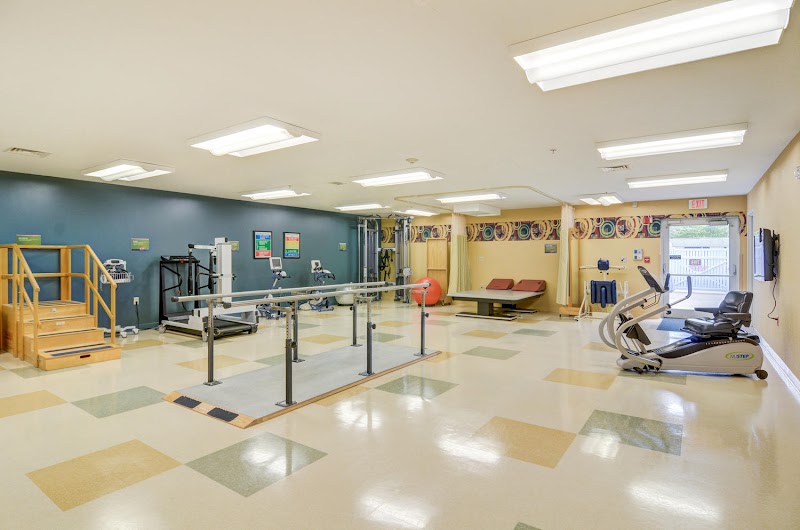
Who Owns and Operates Beavercreek Post Acute?

BEAVERCREEK POST ACUTE is owned by a for-profit company. For-profit facilities operate as businesses with obligations to shareholders or private owners. The facility is operated by LEGACY HEALTH SERVICES, a chain that manages multiple nursing homes. With 110 certified beds and approximately 80 residents (about 73% occupancy), it is a mid-sized facility located in DAYTON, Ohio.

How Does Beavercreek Post Acute Compare to Other Ohio Nursing Homes?

Compared to the 100 nursing homes in Ohio, BEAVERCREEK POST ACUTE's overall rating (2 stars) is below the state average of 3.2, staff turnover (46%) is near the state average of 46%, and health inspection rating (2 stars) is below the national benchmark.

What Should Families Ask When Visiting Beavercreek Post Acute?

Based on this facility's data, families visiting should ask: "Can you walk me through typical staffing levels on day, evening, and night shifts?" "Can I visit during a mealtime to observe dining assistance and food quality?" "How do you handle medical emergencies, and what is your hospital transfer rate?" "Can I speak with family members of current residents about their experience?" These questions are particularly relevant given the below-average staffing rating.

Is Beavercreek Post Acute Safe?

Based on CMS inspection data, BEAVERCREEK POST ACUTE has a clean safety record: no substantiated abuse findings (meaning no confirmed cases of resident harm), no Immediate Jeopardy citations (the most serious violation level indicating risk of serious injury or death), and is not on the Special Focus Facility watch list (a federal program monitoring the lowest-performing 1% of nursing homes). The facility has a 2-star overall rating and ranks #100 of 100 nursing homes in Ohio. While no facility is perfect, families should still ask about staff-to-resident ratios and recent inspection results during their visit.

Do Nurses at Beavercreek Post Acute Stick Around?

BEAVERCREEK POST ACUTE has a staff turnover rate of 46%, which is about average for Ohio nursing homes (state average: 46%). Moderate turnover is common in nursing homes, but families should still ask about staff tenure and how the facility maintains care continuity when employees leave.

Was Beavercreek Post Acute Ever Fined?

BEAVERCREEK POST ACUTE has been fined $66,420 across 1 penalty action. This is above the Ohio average of $33,743. Fines in this range indicate compliance issues significant enough for CMS to impose meaningful financial consequences. Common causes include delayed correction of deficiencies, repeat violations, or care failures affecting resident safety. Families should ask facility leadership what changes have been made since these penalties.

Is Beavercreek Post Acute on Any Federal Watch List?

BEAVERCREEK POST ACUTE is not on any federal watch list. The most significant is the Special Focus Facility (SFF) program, which identifies the bottom 1% of nursing homes nationally based on persistent, serious quality problems. Not being on this list means the facility has avoided the pattern of deficiencies that triggers enhanced federal oversight. This is a positive indicator, though families should still review the facility's inspection history directly.