CARECORE AT MARY SCOTT
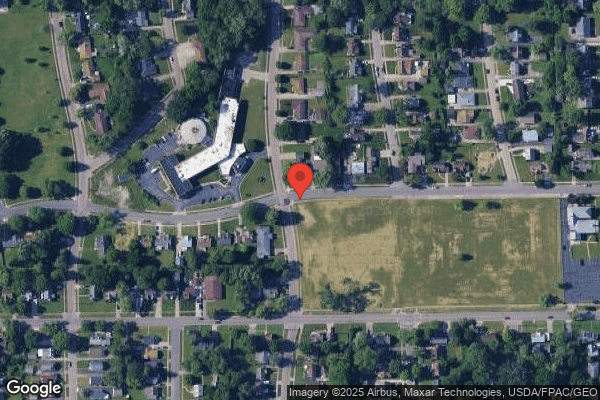
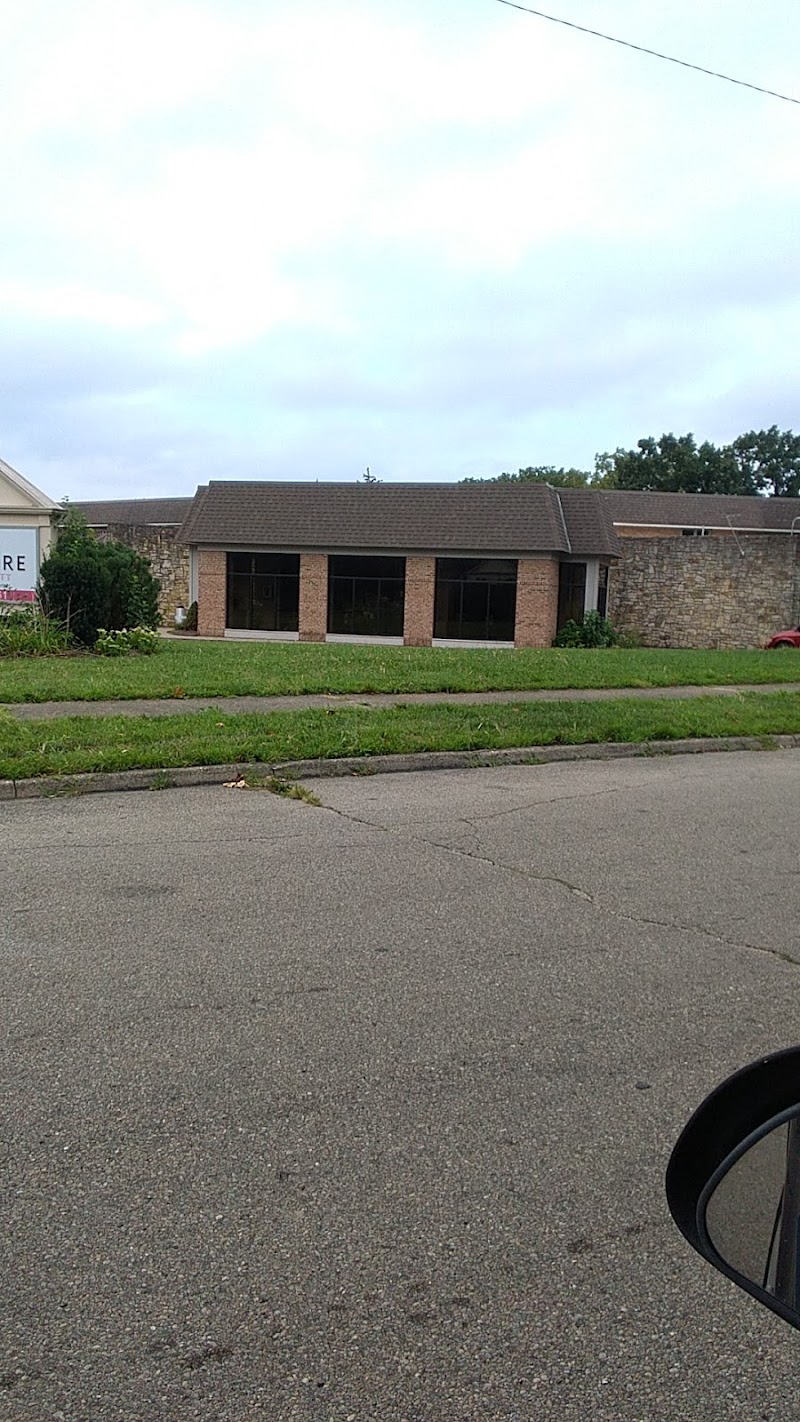
3109 CAMPUS DR, DAYTON, OH 45406 (937) 278-0761
For profit - Individual 102 Beds CARECORE HEALTH Data: November 2025 1 Immediate Jeopardy citation
Trust Grade
21/100
#845 of 913 in OH
Last Inspection: July 2022

Over 2 years since last inspection. Current conditions may differ from available data.

Overview

Carecore at Mary Scott has received a Trust Grade of F, indicating significant concerns about the quality of care provided. Ranking #845 out of 913 in Ohio places it in the bottom half of state facilities, and at #36 out of 40 in Montgomery County, it has very few local competitors performing worse. The facility’s trend is stable, with 52 issues reported in the latest assessments, maintaining a consistent number of problems over the past two years. Staffing is rated 2 out of 5 stars, with a turnover rate of 46%, which is slightly below the Ohio average, suggesting some staff retention but still below optimal levels. Concerning incidents include the elopement of two cognitively impaired residents, one of whom tragically died, highlighting serious lapses in supervision. Additionally, staff failed to monitor a resident's blood glucose before administering insulin, leading to hospitalization due to hypoglycemia. On a positive note, the facility has a quality measures rating of 4 out of 5, indicating good performance in certain areas of resident care. However, the combination of poor overall ratings and critical incidents raises serious concerns for families considering this nursing home for their loved ones.

Trust Score
F
21/100
In Ohio
#845/913
Bottom 8%
Safety Record
High Risk
Review needed
Inspections
Holding Steady
3 → 3 violations
Staff Stability
⚠ Watch
46% turnover. Above average. Higher turnover means staff may not know residents' routines.
Penalties
○ Average
$21,733 in fines. Higher than 67% of Ohio facilities. Some compliance issues.
Skilled Nurses
⚠ Watch
Each resident gets only 20 minutes of Registered Nurse (RN) attention daily — below average for Ohio. Fewer RN minutes means fewer trained eyes watching for problems.
Violations
⚠ Watch
52 deficiencies on record. Higher than average. Multiple issues found across inspections.
★☆☆☆☆
1.0
Overall Rating
★★☆☆☆
2.0
Staff Levels
★★★★☆
4.0
Care Quality
★☆☆☆☆
1.0
Inspection Score
Stable
2024: 3 issues
2025: 3 issues

The Good

  • 4-Star Quality Measures · Strong clinical quality outcomes
  • Full Sprinkler Coverage · Fire safety systems throughout facility
  • No fines on record

Facility shows strength in quality measures, fire safety.

The Bad

1-Star Overall Rating

Below Ohio average (3.2)

Significant quality concerns identified by CMS

Staff Turnover: 46%

Near Ohio avg (46%)

Higher turnover may affect care consistency

Federal Fines: $21,733

Below median ($33,413)

Minor penalties assessed

Chain: CARECORE HEALTH

Part of a multi-facility chain

Ask about local staffing decisions and management

The Ugly 52 deficiencies on record

1 life-threatening 1 actual harm
Aug 2025 2 deficiencies
CONCERN (D) 📢 Someone Reported This

A family member, employee, or ombudsman was alarmed enough to file a formal complaint

Potential for Harm - no one hurt, but risky conditions existed

Investigate Abuse (Tag F0610)

Could have caused harm · This affected 1 resident

**NOTE- TERMS IN BRACKETS HAVE BEEN EDITED TO PROTECT CONFIDENTIALITY** Based on medical record review, staff interviews, review of the Ohio Department of Health (ODH) Gateway Application, review of a...

Read full inspector narrative →
**NOTE- TERMS IN BRACKETS HAVE BEEN EDITED TO PROTECT CONFIDENTIALITY** Based on medical record review, staff interviews, review of the Ohio Department of Health (ODH) Gateway Application, review of a facility timeline, review of a Narcotic Administration Sheet and policy review, the facility failed to report an allegation of misappropriation to the State Agency. This affected one (#79) out of three residents reviewed for misappropriation. The facility census was 77. Findings include: Review of the medical record for Resident #79 revealed an admission date of 03/05/25 with diagnoses of osteomyelitis, type 2 diabetes mellitus without complications, neoplasm of unspecified behavior of respiratory system, retropharyngeal and parapharyngeal abscess, personal history of malignant neoplasm of larynx, and tracheostomy status. Review of the Quarterly Minimum Data Set (MDS) dated [DATE] revealed the resident was cognitively intact, did not eat anything by mouth, and was independent with all activities of daily living. Review of the physician orders revealed an order dated 06/30/25 for Oxycodone Oral Solution 5 milligrams (mg)/5 milliliters (ml), give 20 ml via G-Tube every three hours as needed for pain. Interview on 08/12/25 at 11:52 A.M. with the Director of Nursing (DON) confirmed the facility accepted the liquid Oxycodone from Resident #79's daughter on 06/12/25, and the staff did not verify with the daughter the amount of oxycodone that was remaining in the bottle. Interview with the DON also confirmed on 06/20/25 the daughter reported someone had stolen Resident #79's oxycodone and called the police. Interview confirmed the facility did not report the allegation to the State Agency and accusation of theft for Resident #79 because they knew the medication was accurate. Review of the ODH Gateway Application revealed there was no self-reported incident (SRI) involving an allegation of misappropriation of medication for Resident #79. Review of a facility timeline for Resident #79 investigation revealed on 06/12/25 Resident #79's daughter had brought in a bottle of Oxycodone. Facility staff reported they couldn't accept the bottle. Resident #79 and the family were escorted to the medication cart by Licensed Practical Nurse (LPN) #294. On 06/13/25 the 7:00 P.M. to 7:00 A.M. nurse called the DON at home and stated that Resident #79's medication appeared suspicious, she described it as being light in color and appeared thin. Nurse also stated it was reported that seal was not intact when Resident #79's daughter delivered the medication. There were also questions regarding where the script was and who changed the dosage. There was no paperwork reportedly turned in by the family or resident. On 06/20/25 the police arrived at the facility on Resident #79 due to daughter making a report on missing oxycodone. LPN #294 informed police oxycodone was not missing, it was in a lock box. Review of the Narcotic Administration Sheet revealed on 06/12/25, 250 ml of Oxycodone was signed in. The Narcotic Administration Sheet does not contain any documentation that the seal was broke when the medication was received. There was not any doses documents as administered. Review of the Controlled Substances policy dated November 2022 revealed controlled substances are counted upon delivery. The nurse receiving the medication, along with the person delivering the medication, must count the controlled substances together, and that both individuals sign the designated controlled substance record. This deficiency represents non-compliance investigated under Complaint Number 1313950 (OH00167084).
CONCERN (D) 📢 Someone Reported This

A family member, employee, or ombudsman was alarmed enough to file a formal complaint

Potential for Harm - no one hurt, but risky conditions existed

Respiratory Care (Tag F0695)

Could have caused harm · This affected 1 resident

**NOTE- TERMS IN BRACKETS HAVE BEEN EDITED TO PROTECT CONFIDENTIALITY** Based on medical record review, observations, staff interviews and policy review, the facility failed to ensure tracheostomy (tr...

Read full inspector narrative →
**NOTE- TERMS IN BRACKETS HAVE BEEN EDITED TO PROTECT CONFIDENTIALITY** Based on medical record review, observations, staff interviews and policy review, the facility failed to ensure tracheostomy (trach) supplies were available in accordance with the care plan and facility policy. This affected one (#77) out of three residents reviewed for trach care and services. The facility census was 77. Finding include: Review of the medical record for Resident #77 revealed an admission date of 03/06/23 with diagnoses of anoxic brain damage, epilepsy, unspecified, intractable, without status epilepticus, chronic obstructive pulmonary disease, and acute on chronic systolic (congestive) heart failure. Review of the Quarterly Minimum Data Set (MDS) dated [DATE] revealed the resident was cognitively impaired, was dependent on staff for all activities of daily living, and resident had a trach. Review of the care plan dated 03/07/23 revealed a care plan for trach related to impaired breathing mechanics injury with interventions of keep extra trach tube and obturator at bedside. If tube is coughed out attempt to reinsert tube. Review of the physician orders revealed an order dated 01/02/25 for trach care daily. Change inner cannula number four (#4) Shiley every day shift related to anoxic brain damage. On 08/11/25 an order was noted for trach size 4UN85H with inner canula size Shiley #4- 41C85 every shift. Observation and interview on 08/12/25 at 7:20 A.M. with Licensed Practical Nurse (LPN) #234 confirmed there was not an extra trach available if Resident #77's current trach became dislodged. Interview with LPN #234 also confirmed the facility does not always have the trach supplies that are needed for Resident #77. Interview on 08/12/25 at 8:37 A.M. with LPN Unit Manager #294 brought a trach size #4 with a cuff stating it was the trach Resident #77 used and was placing the trach at the residents beside. Interview with LPN Unit Manager #294 confirmed Resident #77 did not have a cuffed trach and did not have a physician's order for a cuffed trach. Review of the Tracheostomy Care policy dated 01/10/25 revealed a replacement trach tube must be available at the bedside at all times. This deficiency represents non-compliance investigated under Complaint Number 1313951 (OH00166239).
Jan 2025 1 deficiency
CONCERN (E) 📢 Someone Reported This

A family member, employee, or ombudsman was alarmed enough to file a formal complaint

Potential for Harm - no one hurt, but risky conditions existed

Food Safety (Tag F0812)

Could have caused harm · This affected multiple residents

Based on observation, staff interview and review of facility policy, the facility failed to ensure food items were properly stored. This had the potential to affect all residents, except two (#29 and ...

Read full inspector narrative →
Based on observation, staff interview and review of facility policy, the facility failed to ensure food items were properly stored. This had the potential to affect all residents, except two (#29 and #80) residents identified by the facility as receiving no nutrition from the kitchen. The facility census was 82. Findings include: Observation on 01/23/25 at 9:10 A.M. of the walk-in freezer revealed a package of opened and undated hot dogs on the top shelf. The hotdog packaging was not sealed, leaving the hot dogs exposed to the freezer elements. Further observation revealed a package of pepperoni, not in the original packaging, which was unlabeled and undated. Observation on 01/23/25 at 9:20 A.M. of the walk-in refrigerator revealed an opened package of shredded cheese, two opened packages of bologna, and sliced turkey wrapped in pan liner paper. Each of the items were undated. Interview on 01/23/25 at 9:35 A.M. with Dietary Manager (DM) #63 verified the hot dogs in the walk-in freezer were not properly sealed or dated and the pepperoni was unlabeled and undated. DM #63 confirmed the identified items in walk-in refrigerator were not dated and further verified wrapping food items in pan liner paper was not appropriate storage. Review of the facility policy titled Carecore Labeling and Dating Guidelines, dated July 2024, revealed refrigerated food must be dated when opened and freezer food must have the date received and the date opened. This deficiency represents non-compliance investigated under Complaint Number OH00161269.
Dec 2024 2 deficiencies
CONCERN (D) 📢 Someone Reported This

A family member, employee, or ombudsman was alarmed enough to file a formal complaint

Potential for Harm - no one hurt, but risky conditions existed

Quality of Care (Tag F0684)

Could have caused harm · This affected 1 resident

**NOTE- TERMS IN BRACKETS HAVE BEEN EDITED TO PROTECT CONFIDENTIALITY** Based on medical record review, review of a transportation communication log, resident and staff interviews, and facility policy...

Read full inspector narrative →
**NOTE- TERMS IN BRACKETS HAVE BEEN EDITED TO PROTECT CONFIDENTIALITY** Based on medical record review, review of a transportation communication log, resident and staff interviews, and facility policy review, the facility failed to provide proper and timely care/services to ensure a medical procedure was completed. This affected one (#9) of three residents reviewed for outside medical appointments. The census was 83. Findings Include: Resident #9 was admitted to the facility on [DATE]. His diagnoses were rhabdomylosis, congestive heart failure, alcohol dependence, alcoholic hepatitis, alcohol abuse, hepatic encephalopathy, dementia, depression, hypertension, and tobacco use. Review of Resident #9's minimum data set (MDS) assessment, dated 10/29/24, revealed he had a mild cognitive impairment. Review of Resident #9's Central Appointment Communication Sheet, dated 10/18/24, revealed he was to have an orthopedic appointment on 11/20/24. Handwritten on this form, it stated, rescheduled per [physician], awaiting cardiac clearance. There was no date as to when this order was given by the physician. Also, there were no progress notes in his medical record to support this appointment was scheduled, why it needed to be rescheduled, when it was to be rescheduled for, and when the appointment to get cardiac clearance was to be completed. Also, there was no documentation to support/confirm this was cardiac clearance or dental clearance. Review of Resident #9 Dental Clearance form, dated 10/31/24, revealed the original documented date for his hip surgery was scheduled for 11/25/24. However, Resident #9 did not receive dental clearance until 12/04/24. Review of Resident #9 progress notes, dated 10/15/24 to 11/25/24, revealed no documentation to support whether Resident #9 had his hip surgery completed as scheduled on 11/25/24. Additionally, there was no documentation to support the reason why, or documentation to support when the surgery was rescheduled for. Review of Resident #9 Central Appointment Communication Sheet, dated 11/27/24, revealed he was to have an appointment on 12/02/24 regarding laboratory and scan work to be completed. Review of his medical record found no evidence this appointment was completed. Review of Resident #9 medical records found no evidence that his total hip replacement surgery was scheduled for 12/09/24. Review of facility transportation communication log, dated December 2024, revealed Resident #9 was transportation was scheduled for a surgery to be completed on 12/09/24. There was no documentation to support whether this surgery was completed. Review of Resident #9 medical records, dated 10/15/24 to 12/27/24, and the facility transportation communication log, dated January 2025 to March 2025, revealed no documentation to support when his hip surgery had been rescheduled since he did not have the surgery completed on 12/09/24. Interview with Resident #9 on 12/27/24 at 1:00 P.M. confirmed he was to have his hip replacement surgery, but it got canceled because transportation didn't pick him up in time. He stated the facility transported him in the facility vehicle when they realized he had not been picked up, but by the time they go to the hospital, the surgeon stated he didn't have tome to complete the surgery because they were so late. He initially stated the date was 11/25/24, but then he confirmed he wasn't real clear with his dates at this time because he's had to cancel the surgery multiple times. He confirmed he did not have the hip replacement surgery as scheduled on 12/09/24. Interview with Director of Nursing (DON) and Administrator on 12/27/24 at 1:15 P.M. and 2:15 P.M. confirmed Resident #9 did not have his hip surgery on 11/25/24; it had to be rescheduled due to the surgeon needing dental clearance prior to having the surgery. They confirmed the request for a dental appointment to get clearance was made on 10/31/24, but the appointment was not completed and clearance given until 12/04/24. The DON also confirmed Resident #9 surgery did not happen on 12/09/24 due to transportation not showing up. She stated Resident #9 was to be picked up at 5:00 A.M., and then after two hours being in the lobby waiting, they decided to use their own vehicle to take him to the hospital. They confirmed Resident #9 did not have the surgery completed on that day due to being so late for his appointment time, so it was rescheduled again for January 2025. Review of facility Diagnostic Services Transportation policy, dated December 2008, revealed the facility will assist residents in arranging transportation to/from diagnostic appointments when necessary. Should it become necessary to transport a resident to a diagnostic service outside the facility, the social service designee or charge nurse shall notify the resident's representative and inform them of the appointment. The resident's representative will be responsible for transporting the resident to his or her lab appointment. Should it be necessary for the facility to provide transportation, the social service designee will be responsible for arranging the transportation through the business office. A member of the nursing staff or social services, will accompany the resident to the diagnostic center when the resident's family is not available and resident is required to have 1:1 assistance. Requests for transportation should be made as far in advance as possible. The use of volunteers to transport residents to appointments must be approved by the administrator. This deficiency represents non-compliance investigated under Complaint Number OH00160678.
CONCERN (D) 📢 Someone Reported This

A family member, employee, or ombudsman was alarmed enough to file a formal complaint

Potential for Harm - no one hurt, but risky conditions existed

Medical Records (Tag F0842)

Could have caused harm · This affected 1 resident

**NOTE- TERMS IN BRACKETS HAVE BEEN EDITED TO PROTECT CONFIDENTIALITY** Based on medical record review, review of a transportation communication log and staff interview, the facility failed to maintai...

Read full inspector narrative →
**NOTE- TERMS IN BRACKETS HAVE BEEN EDITED TO PROTECT CONFIDENTIALITY** Based on medical record review, review of a transportation communication log and staff interview, the facility failed to maintain complete resident medical records regarding outside medical appointments. This affected three (#9, #20, and #35) of three residents reviewed for outside medical appointments. The census was 83. Findings Include: 1. Resident #9 was admitted to the facility on [DATE]. His diagnoses were rhabdomylosis, congestive heart failure, alcohol dependence, alcoholic hepatitis, alcohol abuse, hepatic encephalopathy, dementia, depression, hypertension, and tobacco use. Review of Resident #9's minimum data set (MDS) assessment, dated 10/29/24, revealed he had a mild cognitive impairment. Review of Resident #9's Central Appointment Communication Sheet, dated 10/18/24, revealed he was to have an orthopedic appointment on 11/20/24. Handwritten on this form, it stated, rescheduled per [physician], awaiting cardiac clearance. There was no date as to when this order was given by the physician. Also, there were no progress notes in his medical record to support this appointment was scheduled, why it needed to be rescheduled, when it was to be rescheduled for, and when the appointment to get cardiac clearance was to be completed. Also, there was no documentation to support/confirm this was cardiac clearance or dental clearance. Review of Resident #9 Dental Clearance form, dated 10/31/24, revealed the original documented date for his hip surgery was scheduled for 11/25/24. However, Resident #9 did not receive dental clearance until 12/04/24. Review of Resident #9 progress notes, dated 10/15/24 to 11/25/24, revealed no documentation to support whether Resident #9 had his hip surgery completed as scheduled on 11/25/24. Additionally, there was no documentation to support the reason why, or documentation to support when the surgery was rescheduled for. Review of Resident #9 Central Appointment Communication Sheet, dated 11/27/24, revealed he was to have an appointment on 12/02/24 regarding laboratory and scan work to be completed. Review of his medical record found no evidence this appointment was completed. Review of Resident #9 medical records found no evidence that his total hip replacement surgery was scheduled for 12/09/24. Review of facility transportation communication log, dated December 2024, revealed Resident #9 was transportation was scheduled for a surgery to be completed on 12/09/24. There was no documentation to support whether this surgery was completed. Review of Resident #9 medical records, dated 10/15/24 to 12/27/24, and the facility transportation communication log, dated January 2025 to March 2025, revealed no documentation to support when his hip surgery had been rescheduled since he did not have the surgery completed on 12/09/24. 2. Resident #20 was admitted to the facility on [DATE]. His diagnoses were paraplegia, chronic multifocal osteomyelitis, asthma, polyneuropathy, pressure ulcer of sacral region stage IV, and sepsis. Review of Resident #20's MDS assessment, dated 11/04/24, revealed he was cognitively intact. Review of facility transportation communication log, dated October 2024, revealed Resident #20 was to have a radiology appointment at the hospital on [DATE]. Review of Resident #20 medical records found no documentation whether this appointment was completed. 3. Resident #35 was admitted to the facility on [DATE]. His diagnoses were interstitial pulmonary disease, respiratory disorders, asthma, chronic respiratory failure, immunodeficiency with predominantly antibody defects, other pulmonary aspergillosis, acute and chronic respiratory failure, morbid obesity, anxiety disorder, opioid dependence, attention deficit hyperactivity disorder, hypoxemia, hypertension, sedative hypnotic use, and depression. Review of Resident #35's MDS assessment, dated 10/01/24, revealed he was cognitively intact. Review of facility transportation communication log, dated December 2024, revealed Resident #35 was to have a dental appointment on 12/19/24. Review of Resident #35 medical records found no documentation whether this appointment was completed. Interview with Director of Nursing (DON) and Administrator on 12/27/24 at 1:15 P.M. and 2:15 P.M. confirmed they got no paperwork from Resident #9 surgeon when there is a change in schedule or consent needed; they receive a phone call and they are to follow the verbal orders. They confirmed there was no documentation to support any of the communication from the surgeon, why the the surgeries were canceled, when the surgeries would be rescheduled for, and documentation about transportation being late/his surgery not being completed on 12/09/24. They also confirmed his surgery was rescheduled for January 2025, but there was no documentation to support what day the surgery was, or if transportation had been acquired/arranged for this appointment. Also, they confirmed they do not have consent to get Resident #35 dental appointment after-visit notes, so they obtained consent on 12/27/24 and sent it to the dentist office to get the documentation. They confirmed they do not know what was on the after visit documentation to know if there was follow up care needed. Lastly, they confirmed they do not have documentation about Resident #20 appointment for radiology and why it did not occur. This deficiency represents non-compliance investigated under Complaint Number OH00160678.
Oct 2024 1 deficiency
CONCERN (D) 📢 Someone Reported This

A family member, employee, or ombudsman was alarmed enough to file a formal complaint

Potential for Harm - no one hurt, but risky conditions existed

Pharmacy Services (Tag F0755)

Could have caused harm · This affected 1 resident

**NOTE- TERMS IN BRACKETS HAVE BEEN EDITED TO PROTECT CONFIDENTIALITY** Based on medical record review and staff interview, the facility failed to administer a medication as ordered. This affected one...

Read full inspector narrative →
**NOTE- TERMS IN BRACKETS HAVE BEEN EDITED TO PROTECT CONFIDENTIALITY** Based on medical record review and staff interview, the facility failed to administer a medication as ordered. This affected one (#3) of three residents reviewed for medication administration. The census was 75. Findings include: Review of Resident #3's medical record revealed an admission date of 09/12/24. Diagnoses listed included psychoactive substance abuse, obesity, osteomyelitis, pulmonary embolism, and attention-deficit hyperactivity disorder. Review of an admission Minimum Data Set (MDS) assessment dated [DATE] revealed Resident #3 was cognitively intact. Review of physician orders revealed an order dated 09/12/24 for Ertapenem Sodium Reconstituted (antibiotic) one gram. Use one gram intravenously (IV) every 24 hours for infection until 10/29/24. Review of medication administration records (MAR) revealed Ertapenem Sodium Reconstituted one gram (IV) was not documented as being administered on 09/18/24, 09/27/24, 10/02/24, 10/04/24, 10/08/24, 10/10/24, 10/16/24, and 10/17/24. Interview with the Director of Nursing (DON) on 10/29/24 at 12:35 P.M. confirmed Resident #3's Ertapenem Sodium Reconstituted one gram (IV) was not administered as ordered on 09/18/24, 09/27/24, 10/02/24, 10/04/24, 10/08/24, 10/10/24, 10/16/24, and 10/17/24. This deficiency represents non-compliance investigated under Complaint Number OH00159248.
Nov 2023 1 deficiency
CONCERN (D) 📢 Someone Reported This

A family member, employee, or ombudsman was alarmed enough to file a formal complaint

Potential for Harm - no one hurt, but risky conditions existed

Pharmacy Services (Tag F0755)

Could have caused harm · This affected 1 resident

**NOTE- TERMS IN BRACKETS HAVE BEEN EDITED TO PROTECT CONFIDENTIALITY** Based on medical record review, staff interview, and review of the facility policy, the facility failed to ensure residents rece...

Read full inspector narrative →
**NOTE- TERMS IN BRACKETS HAVE BEEN EDITED TO PROTECT CONFIDENTIALITY** Based on medical record review, staff interview, and review of the facility policy, the facility failed to ensure residents received their medications as ordered. This affected one (Resident #64) of three residents reviewed for medication administration. The facility census was 61. Findings include: Review of the medical record for Resident #64's revealed the resident was admitted to the facility on [DATE] with diagnoses including type two diabetes mellitus, history of gangrene of the right foot, peripheral vascular disease, and essential hypertension. Review of the November 2023 physician orders for Resident #64 revealed orders for Ampicillin and Sulbactam (antibiotic) 3 grams (gm) intravenously every six hours at 12:00 A.M., 6:00 A.M., 12:00 P.M., and 6:00 P.M. related to gangrene of right foot. Review of the Medication Administration Record (MAR) for November 2023 for Resident #64 revealed the resident had not received the ordered antibiotic, Ampicillin and Sulbactam 3 gm intravenously on 11/02/23 at 6:00 P.M., on 11/05/23 at 6:00 A.M.,12:00 P.M., and 6:00 P.M., on 11/07/23 at 6:00 P.M., on 11/08/23 at 12:00 P.M. and 6:00 P.M., on 11/11/23 at 6:00 A.M., on 11/12/23 at 6:00 A.M., on 11/16/23 at 6:00 A.M. and on 11/17/23 at 6:00 A.M. Interview on 11/28/23 at 11:00 A.M., with the Director of Nursing (DON) confirmed Resident #64 did not receive the ordered antibiotic, Ampicillin and Sulbactam 3 gm intravenously on 11/02/23 at 6:00 P.M., 11/05/23 at 6:00 A.M.,12:00 P.M., and 6:00 P.M., on 11/07/23 at 6:00 P.M., on 11/08/23 at 12:00 P.M. and 6:00 P.M., on 11/11/23 at 6:00 A.M., on 11/12/23 at 6:00 A.M., on 11/16/23 at 6:00 A.M. and on 11/17/23 at 6:00 A.M. Review of the facility policy titled, Administering Medications, revised April 2019, revealed medications were to be administered in a safe and timely manner, and as prescribed. Medications should be administered in accordance with prescriber orders, including any required time frame. This deficiency represents non-compliance investigated under Master Complaint OH00148093 and Complaint Number OH00147878.
May 2023 1 deficiency 1 IJ
CRITICAL (J) 📢 Someone Reported This

A family member, employee, or ombudsman was alarmed enough to file a formal complaint

Immediate Jeopardy (IJ) - the most serious Medicare violation

Accident Prevention (Tag F0689)

Someone could have died · This affected 1 resident

**NOTE- TERMS IN BRACKETS HAVE BEEN EDITED TO PROTECT CONFIDENTIALITY** Based on observations, medical record review, staff and resident interviews, police interview, review of the facility's quality ...

Read full inspector narrative →
**NOTE- TERMS IN BRACKETS HAVE BEEN EDITED TO PROTECT CONFIDENTIALITY** Based on observations, medical record review, staff and resident interviews, police interview, review of the facility's quality assurance investigation, review of the facility ' s Self-Reported Incident (SRI), and review of facility policies, the facility failed to provide adequate supervision to prevent the elopement of two residents (#35 and #49), without staff knowledge, who were cognitively impaired. This resulted in Immediate Jeopardy and the potential for serious life-threatening harm, injury, and/or death on [DATE] when Residents #35 and #49 eloped from the facility. Resident #49 was found by staff, a 45-minute waking distance from the facility near a four-lane city street the following day on [DATE]. Resident #35 was not located until the evening of [DATE] where she was found deceased in a heavy wooded area about a 25-minute walking distance from the facility. This affected two residents (#35 and #49) of four residents reviewed for risk of elopement. The facility identified a total of 11 residents as being at risk for elopement. The facility census was 76. On [DATE] at 12:30 P.M., the Administrator, and Director of Nursing (DON) were notified Immediate Jeopardy began on [DATE] at 9:55 P.M., when Resident #35 and Resident #49 had eloped from the facility and were missing. Resident #49 was assessed as being at risk for wandering and elopement and had diagnoses of cerebral infarction and encephalopathy. Resident #35 had a diagnosis of dementia. On [DATE] after the 9:30 P.M. resident smoke break, facility staff were unable to locate Residents #35 and #49. Resident #49 was found at a gas station located approximately a 45-minute walking distance from the facility and was returned to the facility on [DATE] at approximately 9:00 A.M. by a facility staff member. At the time of the Immediate Jeopardy notification, Resident #35 remained missing. Resident #35 was subsequently located the evening of [DATE] deceased in a heavy wooded area about a 25-minute walking distance from the facility. The facility failed to provide adequate supervision to prevent the residents from eloping. The Immediate Jeopardy was removed on [DATE] when the facility implemented the following corrective actions: · On [DATE] at 9:55 P.M., Registered Nurse (RN) #67, who was working on the 300 unit where Resident #35 and #49 resided informed the DON she could not locate Residents #35 and #49. State Tested Nurse Aide (STNA) #36 had reported to RN #67, the residents were not seen after the 9:30 P.M. resident smoke break in the courtyard. · On [DATE] at 9:55 P.M., the DON initiated an internal facility search to locate Residents #35 and #49. · On [DATE] at 10:00 P.M., the DON checked the sign-out book, and began a head count, as no sign-out documentation was noted by Residents #35 and #49. · On [DATE] at 10:00 P.M., the DON and the staff started the search of the facility grounds. · On [DATE] at 11:00 P.M., the DON contacted and informed the Administrator. · On [DATE] at 11:03 P.M., the DON and facility staff searched neighboring areas and local stores. · On [DATE] at 12:00 A.M., the DON and Administrator contacted law enforcement, the Medical Director, and Resident #35 and #49 ' s family representatives. The family representatives did not respond to the facility notification. · On [DATE] at 1:00 A.M., a [NAME] police officer arrived at the facility and took report from the DON. · On [DATE] at 2:00 A.M., the DON began gathering written statements from staff regarding Resident #35 and #49. · On [DATE] at 7:00 A.M., all staff resumed searching for Residents #35 and #49. · On [DATE] at 8:30 A.M., the police reported no new information on the location of Residents #35 and #49. · On [DATE] at 9:00 A.M., Resident #49 was found and returned to the facility by STNA #36. Resident #49 was found at a gas station which was located a 45-minute walking distance from the facility. Resident #49 ' s skin assessment was completed by the DON and no injuries were noted. · On [DATE] at 9:20 A.M., the facility management team conducted a Quality Assurance and Performance Improvement (QAPI) meeting. The management team included the Administrator, DON, Business Office Manager (BOM) #09, Regional Nurse #120, Minimum Data Set (MDS) Nurse #52, Social Service Designee (SSD) #107, Housekeeping and Laundry Director #93, Maintenance Director #18, Admissions Marketing Director #06, Assistant DON ' s #54 and #55, Staff Scheduler #51, Dietary Manager #48, Activities Director #101, Medical Records Staff #47, and Director of Rehabilitation #108. · On [DATE] at 9:25 A.M., the DON started staff education on abuse and neglect, elopement, and changes in resident smoking schedules. · On [DATE] at 9:45 A.M., all residents were audited by the DON, Unit Manager (ID ##)This should be the ADON #54 who also was Unit Manager, and Regional Director of Clinical Operations (RDCO) (ID ##120) for risk of elopement. Any residents not assessed had an elopement assessment completed. · All residents were audited to ensure they had a Brief Interview for Mental Status (BIMs) test (a 15-point cognitive screening measure that evaluates memory and orientation) by Social Service Designee #107 on [DATE]. Assessments were completed by [DATE] for any resident without one at that time. · All residents were audited to ensure that behavioral monitoring was completed on [DATE] by RDCO #120, ADON #54, and MDS #52. · The facility implemented a plan for any resident assessed at risk for elopement to be care planned for their specific risk factors with interventions to prevent elopement on [DATE] by the DON, ADON #54, MDS #52, and RDCO #120. This would also be completed upon admission, annually, quarterly and when a resident exhibited any new exit seeking behaviors by the DON/Designee. · On [DATE] at 10:00 A.M., an elopement drill was completed with all staff by Maintenance Director #18 with no concerns identified. · On [DATE] at 11:15 A.M., Resident #49 ' s family representative visited the resident and attempted to retrace his events in an effort to locate Resident #35. Resident #35 was not located at this time. · On [DATE] at 12:00 P.M., Maintenance Director #18 installed additional lighting in the resident supervised smoking area courtyard. Maintenance Director #18 also changed the key code to the exit doors at this time. · On [DATE] at 1:30 P.M., Activities Aides #100, #102, and #103 were educated on the new smoking schedule and processes by the Administrator. · On [DATE] at approximately 2:00 P.M., three detectives from [NAME] Police Department arrived to talk to the Administrator, DON, and Resident #49. · On [DATE] at approximately 2:30 P.M., Resident #49 was escorted by the three detectives from the [NAME] Police Department to retrace Resident #49 ' s steps of [DATE] to locate Resident #35. Resident #35 was not located. · On [DATE] at 6:00 P.M., the staff re-searched the surrounding neighborhood and last seen location of Resident #35 and #49. · On [DATE] at approximately 7:00 P.M., the family representative, who cared for Resident #35 prior to admission, stated Resident #35 had a history of leaving and accepting rides from strangers. · On [DATE] at 8:30 P.M., staff were advised by the Administrator to abort the search for Resident #35 until 7:00 A.M. on [DATE]. · On [DATE], all staff were educated by the Administrator and the DON on Abuse and Neglect. · On [DATE], all staff were educated by the DON, ADON #54 and ADON #55 on ensuring that wander guards were tested weekly by licensed nurses and staff were informed not to yell out the code, to cover the keypad with hand when punching in the code and do not share code with family members. All staff were also educated on ensuring that doors are secure. · On [DATE], RDCO #120 educated Maintenance Director #18 on ensuring door checks are logged as they are checked to ensure door lock functionality. · All newly admitted residents and residents re-admitted to the facility must have elopement risk assessments upon admission. Any new resident that exhibits new wandering or exit seeking behaviors must have a new elopement risk assessment completed by the nurse. · The facility implemented a plan for any staff who witnessed any resident with wandering or exit seeking behaviors to report to the nurse so a new elopement risk assessment could be completed. · All newly admitted residents must have a BIMS test completed upon admission and any resident that exhibits new wandering or exit seeking behavior must have a new BIMS completed by SSD #107. · The DON or designee would audit all new admissions to ensure that elopement risk assessment is completed, daily for four weeks and then on going as needed. · The DON or designee would audit any resident that has new wandering or exit seeking behaviors to ensure that a new elopement risk assessment is completed, daily for four weeks then ongoing as needed. · The Administrator or designee would audit all new admissions to ensure that they have completed BIMS upon admission, daily for four weeks then ongoing as needed. · The Administrator or designee would audit for residents that exhibit new wandering or exit seeking behavior to ensure they have a new BIMS completed, daily for four weeks then ongoing as needed. · The DON or designee would audit Section E of the MDS which codes for the presence or absence of wandering behavior, five times a week for four weeks then ongoing. · The DON or designee would audit supervised smoke breaks to ensure residents have returned from the designated smoking area, daily for four weeks and then ongoing. · The DON or designee would audit to ensure doors are secure, code remains private, and resident safety is maintained, three days a week and ongoing. · All findings will be reviewed in weekly QAPI meeting for four weeks then ongoing. · Staff interviews were conducted on [DATE] at 6:55 A.M. with STNA #43, at 6:57 A.M. with STNA #46, at 7:20 A.M. with STNA #91 and Housekeeping Aide #91, and at 9:10 A.M. with Licensed Practical Nurse (LPN) #72 and on [DATE] at 1:30 P.M. with STNA #36 and they verified that they had been educated on elopements and had an elopement drill on [DATE]. · Observation on [DATE] at 2:20 P.M. revealed Residents #38, #33, #32, #40, #34, #44, #50, #43, #36, #49 and #59 had wander guards in place as these residents remain at risk for elopement. · Review of door audits revealed all facility doors were audited on [DATE] by the DON. · Interviews on [DATE] from 8:45 A.M. through 10:22 A.M. with STNAs #25, #46, #13, Housekeeping Aides #85 and 74 and LPN # 71 revealed staff had been in serviced on keeping door codes secure from residents and checking wander guard devices for functionality. STNA #25, #46 and #13 verified a residents accountability form was initiated on [DATE] to ensure residents are returned to their unit after smoke breaks. · Interview on [DATE] at 9:15 A.M. the DON stated the dining room door security system was repaired and was functioning at 4:30 P.M. on [DATE]. Although the Immediate Jeopardy was removed on [DATE], the deficiency remains at a Severity Level 2 (no actual harm with the potential for more than minimal harm that is not Immediate Jeopardy) as the facility was in the process of implementing their corrective action plan and monitoring for on-going compliance. Findings include: Medical record review revealed Resident #35 was admitted to the facility on [DATE] with diagnoses including diabetes, chronic obstructive pulmonary disease, anxiety disorder, dementia, falls, atherosclerosis, malnutrition, nicotine dependence and Alzheimer ' s disease. Review of Resident #35 ' s care plans dated [DATE] revealed Resident #35 was at risk for falls related to decreased mobility, impaired cognition and incontinence, and risk for potential complications related to Diabetes Mellitus which included interventions to administer medications and blood sugar checks per physician ' s orders. Review of Resident #35 ' s care plan dated [DATE] revealed Resident #35 had risk for acute confused state characterized by changes in consciousness, disorientation, environmental awareness, and behaviors related to noncompliance with Diabetes Mellitus which included an intervention to monitor blood sugar levels. Review of Resident #35 ' s care plan dated [DATE] revealed Resident #35 had an activities of daily living deficit related to Diabetes Mellitus, syncope and collapse, difficulty walking, and muscle weakness and included interventions for extensive assist of one to two people for transfers and ambulation, and limited assistance for locomotion. Review of Resident #35 ' s smoking care plan dated [DATE] revealed the resident was at risk for injury due to smoking with intervention to provide supervision at all times for smoking. Review of Resident #35's admission Minimum Data Set (MDS) assessment dated [DATE] revealed the resident to have mild cognitive impairment and Resident #35 required extensive assistance with bed mobility, transfers, dressing, and toileting. The resident required limited assistance with locomotion and personal hygiene. Resident #35 also required supervision with eating. Review of Resident #35's elopement risk assessment dated [DATE] revealed the resident was cognitively impaired with poor decision-making skills and was physically capable of leaving the facility independently with a wheelchair. The resident had shown no signs of elopement and had voiced no desire to leave the facility. Review of Resident #35's smoking assessment dated [DATE] revealed the resident had cognitive deficits, smokes two to five times a day and required supervision for smoking. Review of Resident #35's physician orders dated [DATE] through [DATE] revealed Resident #35 was to have received a Cipro 500 milligrams antibiotic for a urinary tract infection. The resident's orders included NovoLog insulin 3 units prior to each meal, measure, and record blood sugar fingerstick prior to each meal and Lantus insulin 6 units at bedtime. Review of Resident #35's progress note dated [DATE] revealed Resident #35 was observed by nurse laying on floor on her left side in the bathroom of her room. Resident #35 reported she did not know what happened, she had gotten dizzy. New order from physician, to continue to monitor and notify of any changes. Review of Resident #35's fall risk screen assessment dated [DATE] revealed she had a history of multiple falls over the last six months, is confined to a chair and disoriented, and unable to independently come to a standing position. Review of Resident #35's blood sugar values log on [DATE] revealed a blood sugar value of 487 milligrams per deciliter (mg/dl) at 8:00 A.M., 423 mg/dl at 12:00 P.M. and 447 mg/dl at 4:00 P.M. Review of Resident #35's progress note dated [DATE] at 12:30 A.M. revealed the DON documented the resident was unable to be located after the 9:30 P.M. smoke break on [DATE]. The resident was reportedly at the designated smoke break; however, when attempts were made to administer the resident her routine evening medications, the resident could not be located. A resident head count and internal search was initiated immediately. The resident was not located. The Administrator, police and Medical Director were notified. A call was placed to the family with no answer and a message was left. Review of Resident #35's elopement care plan dated [DATE] revealed Resident #35 was at risk for elopement due to Alzheimer's Disease, and dementia. Interventions included monitoring resident location on the unit frequently each shift, offering diversional activities, assess if attempt to elope are related to unmet needs, and redirect distract resident from elevator and stairwells. Medical record review revealed Resident #49 was admitted to the facility on [DATE] with diagnoses including encephalopathy, cerebral infarction, opioid abuse, cocaine abuse, nicotine dependence, anxiety disorder and altered mental status. Review of Resident #49's elopement risk assessment dated [DATE] revealed the resident was cognitively intact with poor decision-making skills and newly admitted and not accepting the facility admission. Review of Resident #49's smoking care plan dated [DATE] revealed the resident was at risk for injury due to smoking with intervention to provide supervision at all times for smoking. Review of Resident #49's care plan dated [DATE] revealed that Resident #49 had alteration in cognition and awareness related to diagnosis of cerebral vascular accident. Review of Resident #49's physician orders dated [DATE] revealed Resident #49 received an order for a wander guard monitoring device to left ankle due to the resident may attempt to leave the facility without being accompanied by staff. The order included checking placement every shift. Review of Resident #49's elopement care plan dated [DATE] revealed Resident #49 was at risk for elopement due to confusion. Interventions included wander guard monitoring device to left ankle, offer diversional activity, exit door alarms on, know whereabouts, observe for wandering, safety checks as needed, and resident to activities. Review of Resident #49's smoking assessment dated [DATE] revealed Resident #49 had cognitive loss, smoked two to five times a day, and required supervision with smoking. Review of Resident #49's admission MDS assessment dated [DATE] revealed the resident to have mild cognitive impairment and Resident #49 required supervision with bed mobility, transfers, dressing, eating and toileting. Review of Resident #49's progress note dated [DATE] at 9:30 P.M. revealed RN #67 documented Resident #49 left the facility without signing out. Other residents overheard Resident #49 needed to go to the store. Resident #49 was seen at the last smoke break. RN #67 notified the DON, police, and the Medical Director. A resident head count, internal search and external search was implemented. An attempt was made to contact the daughter. Review of a facility self-reported incident (SRI) dated [DATE] at 1:52 A.M., completed by the Administrator revealed the facility reported missing residents, Residents #35 and #49 to the State agency. The SRI noted an investigation was in progress. Interview and review of the Quality Assurance investigation, dated [DATE] at 9:00 A.M. with the Administrator, DON and Regional Clinical Nurse #120 on [DATE] at 3:35 P.M. revealed Residents #35 and #49 eloped from the facility on [DATE] and were missing after the 9:30 P.M. smoke break, which was monitored by STNA #36 and #34. RN #67's statement revealed Residents #35 and #49 did not return from the 9:30 P.M. smoke break and were missing from the 300 unit when she went to provide medication at 9:55 P.M. Review of the statement from STNA #34 revealed she last saw the residents at the 8:00 P.M. smoke break, returned to the inside of the facility and could not recall if the residents were at the 9:30 P.M. smoke break. Review of the statement of STNA #36 revealed he, along with STNA #34, provided the 9:00 P.M. smoke break, both residents (#35 and #49) attended and STNA #36 did not see the residents after the smoke break. Observation on [DATE] at 2:00 P.M with the Administrator revealed an internal key coded door to the courtyard. The courtyard paved patio measured approximately 50 feet by 20 feet. There was a brick wall approximately four feet high surrounding the courtyard with no gate closure. There was an enclosed clear walled smoking structure at the further point of the patio. There was a paved walkway exit, behind the enclosed walled structure, leading through the brick wall opening. The walkway led down a gradual grade to the parking lot behind the facility. The paved walkway was lined with thick bushes and a very steep grade to the street below. The paved walkway exit was not visible from the facility door. The patio was surrounded by lighting mounted to the side of the facility. Observation on [DATE] at 1:55 P.M. of Resident #49 revealed he was on the 300-unit hallway ambulating without difficulty. A wander guard monitor device was visible on his left ankle. Interview on [DATE] at 1:55 P.M. with Resident #49 revealed on [DATE] there were two staff at the resident smoke break, but he did not tell the staff he was leaving. The resident stated, after the smoke break, he went to the store to get snacks because he didn't like the snacks at the facility. He stated he took Resident #35 with him because she had money and knew the store location. He stated he took Resident #35 down the sidewalk in the back and made a right turn. Resident #49 stated Resident #35 fell out of the wheelchair, and he tried to find someone to help. He stated he went to [NAME], came back, and went to the facility. The facility was locked so he walked the rest of the night until the staff found him. Interview on [DATE] at 3:10 P.M with STNA #34 revealed at the 8:00 P.M. smoke break, STNA #36 assisted STNA #34 with opening the door and passing cigarettes. STNA #34 verified Resident #35 stayed inside the facility, as the resident did not have any cigarettes. Resident #49 went outside to the courtyard, attended the smoke break and returned inside the facility. STNA #34 revealed at the 9:00 P.M. smoke break, she did not observe Resident #35 or Resident #49. STNA #34 stated STNA #36 was in attendance to assist with the 9:00 P.M. smoke break. STNA #34 stated the smoke break was very chaotic with multiple residents going in and out of the facility doors. There were more than ten residents in the smoke break area. It was well lit and there was no precipitation. STNA #34 verified the courtyard is surrounded with a wall without a secured gate. Interview on [DATE] at 1:30 P.M. STNA #36 revealed on [DATE] he observed Resident #49 on the first-floor units and was unsure if Resident #49 attended the 9:00 P.M. smoke break. He stated he observed Resident #35 at 8:00 P.M. near the smoke break area. He was unsure if Resident #35 attended the smoke break as there were multiple residents at the smoke time. He verified Resident #35 did not have cigarettes. STNA #36 revealed it was difficult to keep track of residents coming in and out of the smoke door into the facility. STNA #36 verified the back area of the smoke patio was not visible to the facility smoke door. STNA #36 stated he thought Residents #35 and #49 exited the smoke area on the pathway through the ungated brick wall. Interview on [DATE] at 2:38 P.M. with the Administrator revealed local detectives reported a store, visited by Residents #35 and #49 on [DATE], had a video camera. The video camera showed the residents were in the store, and purchased items on [DATE] at 9:26 P.M. Interview on [DATE] at 3:53 P.M. with the DON revealed she entered the facility on [DATE] at approximately 9:00 P.M. She was approached by RN #67 regarding Residents #35 and #49 missing at about 9:55 P.M. The DON stated internal and external searches began immediately and the external searches lasted through 2:00 A.M. on [DATE] and began again on [DATE] from 7:00 A.M through 8:30 P.M. The DON stated she obtained statements from STNAs #34 and #36, who were witness to the missing residents, and RN #67. The DON verified the statements had inconclusive information regarding how the residents exited the facility. The DON stated when STNA #36 returned Resident #49 to the facility on [DATE] at 9:00 A.M., the resident still had a wander guard monitoring device on the left ankle, and the wander guard functioned correctly at the front door, by sounding the alarm. The DON indicated staff must respond to the front door and all other doors to silence the alarm. The DON stated no door alarms were sounding when she arrived at the facility at 9:00 P.M. The DON then clarified she could not determine how Residents #35 and #49 exited the facility, whether during the smoke break through the courtyard, after smoke break and/or which doors were used to exit the facility. The facility had no exterior cameras. Observation and interview on [DATE] at 8:40 A.M. revealed Resident #49 was finishing up his breakfast and he had a wander guard on the left ankle. Resident #49 stated he gets his cigarettes donated. Resident #49 did walk with the surveyor and MDS Nurse #52 to the front door and the alarm went off and staff had to reset the alarm. The door does not lock, it only sets off an alarm. Resident #49 stated the alarm goes off because he had his bracelet on, and staff come to turn off the alarm. He stated he goes to the front desk area once a week to check out a book. The surveyor then asked Resident #49 to show surveyor where he goes to smoke. Resident #49 was confused as to which hall to go down but did find the way after two tries. Resident #49 stated he used to go out the door until they changed the code. He stated he knew the code before but did not know the code now. He denied going out any other doors by himself except the door to the smoke area and stated staff lets the residents out into the smoke area at smoke time. Observation and interview on [DATE] at 9:20 A.M. revealed Maintenance Director #18 was actively working on the dining room door (that was in same vicinity as door that leads to smoke area), the latches were removed and there was a key code box next to the door. Maintenance Director #18 stated he started employment at this facility about three weeks ago. He stated he was not requested to change to a new doorknob until two days ago by the Administrator. He stated this door previously functioned as a closed door and locked from the outside and was not asked to secure the door by key code. He stated before, the dining room door could be exited but not able to re-enter from the courtyard. He stated that the keypad has not been attached. He stated he was now adding a lock so the door can be entered from the courtyard with a key by staff only and would check to see if he can get the key code alarm added to the door. He stated he never saw anyone go out except the dietary staff to take the trash out but never had to pay attention to the door function since only staff used it and he verified he knew the door did not have a key code alarm functioning. He verified residents could get out this dining room door without an alarm sounding because it was not hooked up. He stated he checks the functions of the doors, alarm, and ensures it is working properly. He stated he has not documented the door checks since he was hired. He stated that he has no form to document door monitoring. Interview on [DATE] at 10:15 A.M. with Resident #49 revealed he got the smoke area door code from watching the staff put in the code. He stated the night he went to go to the store ([DATE]), after the staff had residents in from the 9:00 P.M. smoke break, he used the code and went out the door to the courtyard. He stated Resident #35 was in the courtyard and they took the paved walkway to the street, then to the store. He stated Resident #35 had the money and he knew the area because he used to work in the area and that Resident #35 knew of the store. He stated that he was not seen by staff because staff was gone from taking residents in from smoking. He denied ever trying or using any other door because they were alarmed with the wander guard system. A phone interview was conducted on [DATE] at 2:35 P.M. with Police Sergeant #150 who stated the detectives were unable to discuss the investigation due to clearance and they were still working on the reports. Police Sergeant #150 did verify they found Resident #35 at the corner of two avenues in a heavily wooded area and the cause of death was yet to be determined via autopsy; however, did appear to have been a fall and they did not suspect foul play. Observation on [DATE] from 9:15 A.M. through 9:25 A.M. revealed the dining room door was repaired and the door security was functioning. The door code leading to the smoke area was reset and functional. Observation on [DATE] at 10:32 A.M. revealed STNA #25 using a check form for residents returning to the 300 unit from smoke break. Observation on [DATE] at 10:34 A.M. of Resident #49 revealed he had a wander guard device on the left ankle. Resident #49 was unable to enter door codes to the smoke area and the dining room door. At the front door, Resident #49's wander guard device activated the security alarm and staff responded and had to reset the alarm at the alarm box. Interview on [DATE] at 10:34 A.M. with Resident #49 revealed the door codes had been changed last week and he had not tried to leave the facility since [DATE]. He stated the staff now watch to see if he returns to his second-floor unit after he completes each smoke break. Interviews on [DATE] from 11:55 A.M. through 12:08 P.M. with STNAs #25, #46, and #13, Housekeeping Aides #85 and 74 and LPN # 71 revealed no other residents had eloped since [DATE]. Additionally, the DON verified no other residents had eloped since [DATE]. Interview on [DATE] at 1:45 P.M. with Regional Maintenance Director #160 revealed that on [DATE] by 4:30 P.M., maintenance had repaired the dining room door to make it functional and the security company came in and repaired it to make it secure with a door code. Review of the facility's wandering and elopement policy dated [DATE] revealed staff would identify residents at risk of unsafe wandering and include in the plan of care interventions to maintain the resident's safety and prevent harm. Review of the facility undated policy titled, Resident Smoking revealed all residents require monitoring of their smoking cigarette use and shall receive direct supervision in the designated smoking area. Review of facility policy titled, Abuse, Neglect Exploitation or Misappropriation, dated [DATE] revealed all reports of neglect were immediately reported to the state licensing agency within two hours of allegation of suspected abuse and neglect that results in serious bodily injury. The reported incident will be thoroughly investigated by facility management. This deficiency represents noncompliance investigated under Master Complaint Number OH00143020 and Complaint Numbers OH00142899, OH00142929, OH00142926, and OH00142925.
Dec 2022 2 deficiencies
CONCERN (D) 📢 Someone Reported This

A family member, employee, or ombudsman was alarmed enough to file a formal complaint

Potential for Harm - no one hurt, but risky conditions existed

Quality of Care (Tag F0684)

Could have caused harm · This affected 1 resident

**NOTE- TERMS IN BRACKETS HAVE BEEN EDITED TO PROTECT CONFIDENTIALITY** Based on medical record review, staff interview, review of facility policy, the facility failed to timely implement wound treatm...

Read full inspector narrative →
**NOTE- TERMS IN BRACKETS HAVE BEEN EDITED TO PROTECT CONFIDENTIALITY** Based on medical record review, staff interview, review of facility policy, the facility failed to timely implement wound treatments for a resident admitted with a skin tear. This affected one (#73) of three residents reviewed for skin breakdown. The census was 66. Findings include: Review of Resident #73's closed medical record revealed an admission date of 11/19/22. Diagnoses listed included interstitial pulmonary disease, emphysema. chronic respiratory failure with hypoxia, anemia, repeated falls, and shortness of breath. Resident #73 was discharged to a local hospital on [DATE] and did not return to the facility. A comprehensive Minimum Data Set (MDS) assessment had not yet been completed. Review of hospital records dated 11/19/22 revealed Resident #73 had a skin tear to the lower posterior of the right arm. Review of admission progress notes dated 11/19/22 at 7:24 P.M. revealed Resident #73 had scattered skin tears throughout entire length of right and left arm Review of an admission assessment dated [DATE] revealed Resident #73 had skin tears to the right and left arm. Further review of Resident #73's medical record revealed no documentation of any treatment a skin tear until until 11/22/22. Review of a wound assessment dated [DATE] revealed Resident #73 had a skin tear to right anterior elbow measuring 0.3 cm x 1.5 cm x 0.1 cm. Review of physician orders revealed an order dated 11/22/22 to cleanse right anterior elbow with NS, pat dry, apply Xeroform (medicated wound dressing), cover with dry clean dressing every night shift for wound care and as needed (PRN) if dislodged. Review of treatment administration record (TAR) revealed the treat to right elbow was not documented as being completed on 11/23/22. During an interview on 12/20/22 at 10:30 A.M. the Director of Nursing (DON) confirmed a treatment to Resident #73's right arm skin tear had not been implemented timely. The DON confirmed the ordered treatment to Resident #73's right elbow skin tear was not documented as being completed on 11/23/22. Review of the facility's policy titled Pressure Ulcers/Skin Breakdown-Clinical Protocol dated revised April 2018 revealed staff and practitioner will examine the skin of newly admitted residents for evidence of existing pressure ulcers or other skin conditions. The physician will order pertinent wound treatments, including pressure reduction surfaces, wound cleansing and debridement approaches, dressings (occlusive, absorptive, etc.), and application of topical agents. This deficiency represents non-compliance investigated under Master Complaint Number OH00137863 and Complaint Number OH00135870.
CONCERN (D) 📢 Someone Reported This

A family member, employee, or ombudsman was alarmed enough to file a formal complaint

Potential for Harm - no one hurt, but risky conditions existed

Pressure Ulcer Prevention (Tag F0686)

Could have caused harm · This affected 1 resident

**NOTE- TERMS IN BRACKETS HAVE BEEN EDITED TO PROTECT CONFIDENTIALITY** Based on medical record review, staff interview, review of facility policy, and review of information from the National Pressure...

Read full inspector narrative →
**NOTE- TERMS IN BRACKETS HAVE BEEN EDITED TO PROTECT CONFIDENTIALITY** Based on medical record review, staff interview, review of facility policy, and review of information from the National Pressure Injury Advisory Panel (NPIAP), the facility failed to timely implement wound treatments for a resident admitted with a pressure ulcer. This affected one (#73) of three residents reviewed for skin breakdown. The census was 66. Findings include: Review of Resident #73's closed medical record revealed an admission date of 11/19/22. Diagnoses listed included interstitial pulmonary disease, emphysema. chronic respiratory failure with hypoxia, anemia, repeated falls, and shortness of breath. Resident #73 was discharged to a local hospital on [DATE] and did not return to the facility. A comprehensive Minimum Data Set (MDS) assessment had not yet been completed. Review of hospital records dated 11/19/22 revealed Resident #73 had a stage two pressure injury to the right coccyx. Review of admission progress notes dated 11/19/22 at 7:24 P.M. revealed Resident #73 had a one centimeter (cm) open area to the right buttocks. Review of an admission assessment dated [DATE] revealed Resident #73 had a pressure ulcer to the right buttock. Staging and size was not completed. Further review of Resident #73's medical record revealed no documentation of any treatment to the right buttock pressure area until 11/22/22. Review of a wound assessment dated [DATE] revealed Resident #73 had a stage two pressure ulcer to the right buttock measuring 0.6 cm x 1.0 cm x 0.1 cm. Review of physician orders revealed an order dated 11/22/22 to cleanse right buttock with normal saline (NS), pat dry, apply medio (wound treatment gel), cover with dry clean dressing every night shift for wound care and as needed (PRN) if dislodged. Review of treatment administration record (TAR) revealed the treat to right buttock was not documented as being completed on 11/23/22. During an interview on 12/20/22 at 10:30 A.M. the Director of Nursing (DON) confirmed a treatment to Resident #73's right buttock stage two pressure ulcer had not been implemented timely. The DON further confirmed the ordered treatment to Resident #73 right buttock stage two pressure ulcer was not documented as being completed on 11/23/22. Review of the facility's policy titled Pressure Ulcers/Skin Breakdown-Clinical Protocol dated revised April 2018 revealed staff and practitioner will examine the skin of newly admitted residents for evidence of existing pressure ulcers or other skin conditions. The physician will order pertinent wound treatments, including pressure reduction surfaces, wound cleansing and debridement approaches, dressings (occlusive, absorptive, etc.), and application of topical agents. Review of the NPIAP website (https://npiap.com/page/PressureInjuryStages?&hhsearchterms=%22stages%22) revealed revealed a stage two pressure injury is defined as partial-thickness loss of skin with exposed dermis. The wound bed is viable, pink or red, moist, and may also present as an intact or ruptured serum-filled blister. Adipose (fat) is not visible and deeper tissues are not visible. Granulation tissue, slough and eschar are not present. These injuries commonly result from adverse microclimate and shear in the skin over the pelvis and shear in the heel. This stage should not be used to describe moisture associated skin damage (MASD) including incontinence associated dermatitis (IAD), intertriginous dermatitis (ITD), medical adhesive related skin injury (MARSI), or traumatic wounds (skin tears, burns, abrasions). This deficiency represents non-compliance investigated under Master Complaint Number OH00137863 and Complaint Number OH00135870.
Jul 2022 13 deficiencies 1 Harm
SERIOUS (G)

Actual Harm - a resident was hurt due to facility failures

Deficiency F0757 (Tag F0757)

A resident was harmed · This affected 1 resident

**NOTE- TERMS IN BRACKETS HAVE BEEN EDITED TO PROTECT CONFIDENTIALITY** Based on medical record review, review of hospital documentation, observation, interviews with staff, Certified Nurse Practition...

Read full inspector narrative →
**NOTE- TERMS IN BRACKETS HAVE BEEN EDITED TO PROTECT CONFIDENTIALITY** Based on medical record review, review of hospital documentation, observation, interviews with staff, Certified Nurse Practitioner (CNP) #250 and family, review of facility policy, and review of medication information from Medscape, the facility failed to ensure residents were free from unnecessary medications when the facility failed to adequately monitor Resident #21's blood glucose level before administering insulin. This resulted in Actual Harm when staff administered insulin to Resident #21 without monitoring the residents blood glucose levels and the resident was subsequently found unresponsive by staff and was admitted to a local hospital for hypoglycemia. This affected one (#21) of five residents reviewed for unnecessary medications. The census was 66. Findings include: Review of Resident #21's medical record revealed an admission date of 11/20/20. Diagnoses included schizophrenia, type II diabetes mellitus, anxiety, obesity, and bipolar disorder. Review of Resident #21's quarterly Minimum Data Set (MDS) assessment dated [DATE] revealed the resident was assessed as being cognitively intact with a Brief Interview Mental Status (BIMS) of 14 out of 15. Resident #21 required supervision with activities of daily living (ADL's) and received insulin injections. Review of a care plan dated initiated 12/07/20 revealed Resident #21 had potential for complications related to diabetes mellitus. Interventions listed included to administer medications per physician orders. Monitor for effectiveness and side effects. Monitor for signs and symptoms of hypoglycemia such as: sweating, cold and clammy skin, numbness of fingers-toes-mouth, rapid heartbeat, nervousness, tremors, faintness, and dizziness. Review of Resident #21's physician orders revealed an order dated 08/02/21 for Levemir solution (long-acting insulin) 100 units per milliliter (unit/ml). Inject 25 units subcutaneously (SQ) at bedtime related to type II diabetes mellitus without complications. An order dated 08/05/21 was for NovoLog solution (rapid acting insulin) 100 unit/ml. Inject 10 units SQ three times a day related to type II diabetes mellitus without complications. Resident #21's medical record contained no physician orders for blood glucose monitoring. Review of Resident #21's medication administration records (MAR's) revealed Levemir was documented as being administered to Resident #21 on 07/11/22 at 9:00 P.M. NovoLog was documented as being administered to Resident #21 on 07/11/22 at 10:00 P.M. and on 07/12/22 at 6:00 A.M. Further review of Resident #21's MAR's revealed the scheduled administration times for NovoLog was changed from 8:00 A.M., 12:00 P.M., and 5:00 P.M. (before meals) to 6:00 A.M., 2:00 P.M., and 10:00 P.M. on 07/07/22. No blood glucose levels were documented before the administration of Levemir on 07/11/22 at 9:00 P.M. or NovoLog on 07/11/22 at 10:00 P.M. and 07/12/22 at 6:00 A.M. Review of Resident #21's progress and vital signs recorded revealed no documentation of blood glucose levels were documented before the administration of Levemir on 07/11/22 at 9:00 P.M. or NovoLog on 07/11/22 at 10:00 P.M. and 07/12/22 at 6:00 A.M. Review of hospital emergency room (ER) documentation dated 07/12/22 revealed Resident #21 was admitted for symptomatic low blood sugar. Resident #21 was given dextrose five percent (D5) 150 ml intravenously in route to the ER to treat hypoglycemia. Resident #21's cognitive status had improved. Review of hospital documentation revealed Resident #21 was admitted for further treatment of hypoglycemia after being found unresponsive at an extended care facility. Observation of Resident #21 on 07/12/22 at 8:56 A.M. revealed she was unresponsive. Resident #21 was in her bed and not responding to staff. Staff members present in the room included Assistant Director of Nursing (ADON) #131, ADON #161, Licensed Practical Nurse (LPN) #200, Director of Therapy (DOT) #157, Occupational Therapist (OT) #105, and OT #189. ADON #131 checked Resident #21's finger stick blood sugar (FSBS) with a result of 37 milligrams per deciliter (mg/dl). ADON #161 administered Glucagon (medication to reverse hypoglycemia)-one milligram (mg) subcutaneously into Resident #21's abdomen. ADON #131 checked Resident #21's FSBS with a result of 44 mg/dl at 9:08 A.M. ADON #131 stated the emergency services had been called. At 9:18 A.M. Resident #21 remained unresponsive. Vitals were checked with on oxygen saturation of 97 percent on room air and a heart rate of 57. Emergency services personnel entered the room at 9:19 A.M. and took over care of Resident #21. Resident #21 was transported to a local hospital. During an interview on 07/12/22 at 9:21 A.M. State Tested Nursing Assistant (STNA) #188 stated he told three to four facility staff members Resident #21 was on the floor in her room. STNA #188 stated STNA #180 went into Resident #21's room and gave her a pillow. During an interview on 07/12/22 at 2:23 P.M. ADON #131 stated STNA #180 told her Resident #21 was on the floor. Therapy staff had Resident #21 in the bed when she arrived. ADON #131 tried to get Resident #21's vital signs including FSBS. The result of the FSBS was 33. ADON #131 called Resident #21's physician and daughter. ADON #131 confirmed Resident #21 was provided NovoLog on 07/12/22 and breakfast was not provided. During an interview on 07/12/22 at 2:36 P.M. ADON #131 confirmed the lack of FSBS documentation before the administration of Levemir on 07/11/22 at 9:00 P.M. or NovoLog on 07/11/22 at 10:00 P.M. and 07/12/22 at 6:00 A.M. ADON #131 was unable to explain the scheduled administration time changes for NovoLog on 07/07/22. ADON #131 would expect staff to check a residents FSBS before administering any insulin. During an interview on 07/12/22 at 2:41 P.M. STNA #180 stated STNA #188 told her Resident #21 was on the floor in her room. STNA #180 tried to wake Resident #21 up. STNA #180 stated Resident #21 wasn't responding. STNA #180 gave Resident #21 a pillow and covered with a blanket. STNA #180 reported Resident #21 being on the floor to LPN #200. During an interview on 07/12/22 at 3:26 P.M. with LPN #200 stated she was informed by a therapist that Resident #21 was in the floor. LPN #200 was never told by any STNA that Resident #21 was on her floor. During morning the night nurse did not report any concerns with Resident #21. LPN #200 called ADON #161 to assist with Resident #21. During an interview 07/13/22 at 9:16 A.M. with CNP #250 revealed she would expect a resident's FSBS to be checked before the administration of NovoLog insulin. CNP #250 stated NovoLog insulin should be administered before a meal. During a phone interview on 07/13/22 at 11:55 A.M. with Resident #21's family member revealed the resident was admitted to the hospital for hypoglycemia. Resident #21's family stated the resident was now alert. Review of the facility's policy titled Nursing Care of the Older Adult with Diabetes Mellitus dated November 2020 revealed hypoglycemia can lead to cognitive impairment, functional impairment, falls, fractures, and pain. The target range for older healthy adults is 90 to 139 mg/dl. For the resident receiving insulin who is well controlled: monitor blood glucose levels twice day if on insulin (example before breakfast and lunch as necessary), monitor three to four times a day if on intensive insulin therapy or sliding scale insulin. Review of Medscape revealed changes in insulin, insulin strength, manufacturer, type, or method of administration may affect glycemic control and predispose to hypoglycemia or hyperglycemia. Further review of Medscape revealed NovoLog should be administered within five to 10 minutes of a meal. Because NovoLog is fast-acting, do not use if the individual is unable to eat right after the injection or if you have low blood sugar.
CONCERN (D)

Potential for Harm - no one hurt, but risky conditions existed

Deficiency F0553 (Tag F0553)

Could have caused harm · This affected 1 resident

**NOTE- TERMS IN BRACKETS HAVE BEEN EDITED TO PROTECT CONFIDENTIALITY** Based on medical record review, staff, resident and representative interviews and policy review, the facility failed to ensure r...

Read full inspector narrative →
**NOTE- TERMS IN BRACKETS HAVE BEEN EDITED TO PROTECT CONFIDENTIALITY** Based on medical record review, staff, resident and representative interviews and policy review, the facility failed to ensure residents and families were invited to attend interdisciplinary care conferences. This affected one (#53) of five residents reviewed for care plans and care conferences. Facility census was 66. Findings include Review of the medical record for the Resident #53 revealed an admission date of 07/24/20. Diagnoses included demyelinating disease of the central nervous system, sepsis, urinary tract infection, bacteremia, respiratory failure with hypoxia, multiple sclerosis, kidney failure, paranoid schizophrenia, muscle weakness, repeated falls and traumatic brain injury. Review of the Annual Minimum Data Set (MDS) assessment dated [DATE] revealed Resident #53 was cognitively intact with a brief interview for mental status (BIMS) of 15 out of 15 and required extensive assistance of two staff members for bed mobility and transfers. Review of care conference meeting dated 07/23/21, 10/05/21, 03/07/22 and 05/18/22 revealed Resident #53's representative was called for updates regarding care planning meetings. Resident #53 was not listed as being in attendance. Review of the progress notes dated 10/05/21 revealed social services interviewed Resident #53 and staff to update the care plan. Their is no documentation of an interdisciplinary care conference being held with Resident #53 and/or the family, but the notes did contain documentation regarding the family being interviewed about resident needs. No other progress notes for corresponding care conferences or invitations for care conferences was found in Resident #53's medical record. Interview on 07/11/22 at 11:50 A.M. with Resident #53 revealed he had no care conferences and denied being invited to attend his interdisciplinary care conferences. Further interview with Resident's #53 's family member and guardian, revealed she had never been invited to attend care conferences and revealed the facility called her with updates as needed. Resident' #53's family member revealed no knowledge of care conferences taking place and denied knowledge of resident attending care conferences. She denied being conference called in during the care conferences. Interview on 07/13/22 at 9:05 A.M. with Social Services (SS) #124 revealed all residents should have quarterly care conferences with interdisciplinary team and revealed family members and residents should be invited to attend. SS #124 revealed she was not in the social services position during any of Resident #53's care conferences, but believed the resident and family was there but no staff member signed him in on the conference form. SS #124 was unable provide a reasoning why Resident #53 or the family was not documented as attending his care conferences. Review of facility policy titled Care Plans, Comprehensive Person Centered, dated 03/2022, revealed the facility would inform resident (or representative) of their right to participate in treatment and provide notice of care planning conferences.
CONCERN (D)

Potential for Harm - no one hurt, but risky conditions existed

Deficiency F0582 (Tag F0582)

Could have caused harm · This affected 1 resident

Based on medical record review, review of Medicare beneficiary notice letters, and staff interview, the facility failed to issue the Skilled Nursing Facility Advance Beneficiary Notices (SNFABN), as r...

Read full inspector narrative →
Based on medical record review, review of Medicare beneficiary notice letters, and staff interview, the facility failed to issue the Skilled Nursing Facility Advance Beneficiary Notices (SNFABN), as required to residents when their Medicare Part A Services were ending. This affected two (#11 and #365) of three residents reviewed for Medicare beneficiary notice letters. The census was 66. Findings include: 1. Review of Resident #11's medical record revealed an admission date of 07/27/16. Diagnoses listed included hypertension, diabetes mellitus, and muscle weakness. Review of Notice of Medicare Non-Coverage (NOMNC) dated 05/10/22 revealed Medicare part A Services would end on 05/12/22. Further review of Resident #11's medical record revealed she remain in the facility after 05/12/22 and currently resided in the facility. There was no documentation of a SNFABN being issued to Resident #11. 2. Review of Resident #365's medical record revealed an admission date of 11/14/17. Diagnoses listed included hypertension, type II diabetes mellitus, and muscle weakness. Review of NOMNC dated 06/15/22 revealed Medicare Part A Services would end on 06/17/22. Further review of Resident #365's medical record revealed she remain in the facility after 06/17/22 and currently resided in the facility. There was no documentation of a SNFABN being issued to Resident #365. During an interview on 07/13/22 at 2:04 P.M. Social Services Director (SSD) #124 confirmed Residents #11 and #365 were not issued SNFABN prior to their Medicare Part A Services ending. SSD #124 confirmed both Residents #11 and #365 remained in the facility after Medicare part A services were discontinued and had not exhausted Medicare part A benefits.
CONCERN (D)

Potential for Harm - no one hurt, but risky conditions existed

Safe Environment (Tag F0584)

Could have caused harm · This affected 1 resident

**NOTE- TERMS IN BRACKETS HAVE BEEN EDITED TO PROTECT CONFIDENTIALITY** Based on medical record review, observation, and staff and resident interview, the facility failed to ensure a resident's bathro...

Read full inspector narrative →
**NOTE- TERMS IN BRACKETS HAVE BEEN EDITED TO PROTECT CONFIDENTIALITY** Based on medical record review, observation, and staff and resident interview, the facility failed to ensure a resident's bathroom and shower were in good condition. This affected one (#364) out of 19 resident reviewed in the sample. The census was 66. Findings include: Review of Resident #364 medical record revealed an admission date of 07/07/22. Diagnoses listed included burns to 30 to 39 percent of body, opioid dependence, traumatic [NAME] injury, and major depressive disorder. A Minimum Data Set (MDS) assessment had not yet been completed. Observation of Resident #364's bathroom on 07/14/22 at 11:25 A.M. revealed the floor outside of the shower was covered with a blanket and towels. The blanket and towels were wet. The right side bottom edge of the shower had an area with no rubber seal. Water was visible on the bathroom floor. The drain located in the center of the shower was not covered with a screen. A bath chair and bath supplies were in the shower. The flooring to the left of the toilet was peeling up from the floor and had broken edges. Interview with Resident #364 during the observation revealed that she is using the bathroom. Resident #364 stated facility staff are aware that the shower is leaking onto the floor. Interview and observation of Resident #364's bathroom on 07/14/22 at 11:38 A.M. with the Administrator and Maintenance Director (MD) #155 on 07/14/22 at 11:43 A.M. confirmed the shower was leaking water onto the floor, the shower drain was not covered with a screen, and the flooring beside the toilet was pealing up form the floor and had broken edges. During an interview on 07/14/22 at 11:45 A.M. with State Tested Nursing Assistant (STNA) #180 confirmed that Resident #364 uses the shower in her bathroom. STNA #180 stated the shower in Resident #364's room had been leaking for awhile.
CONCERN (D)

Potential for Harm - no one hurt, but risky conditions existed

Deficiency F0698 (Tag F0698)

Could have caused harm · This affected 1 resident

Based on medical record review, staff interview, and policy review, the facility failed to ensure a resident on dialysis was monitored for signs and symptoms of infection. This affected one (#22) of o...

Read full inspector narrative →
Based on medical record review, staff interview, and policy review, the facility failed to ensure a resident on dialysis was monitored for signs and symptoms of infection. This affected one (#22) of one residents reviewed for dialysis. The facility census was 66. Findings include: Review of the medical record for Resident #22 revealed an admission date of 04/14/05. Diagnoses included venous insufficiency (chronic) peripheral, atherosclerotic heart disease of native coronary artery without angina pectoris, anemia, hypertension, peripheral vascular disease, edema, type two diabetes mellitus without complications, legal blindness, major depressive disorder, unspecified dementia without behavioral disturbance, and chronic kidney disease stage 4. Review of the quarterly Minimum Data Set (MDS) 3.0 assessment, dated 04/23/22, revealed Resident #22 had severely impaired cognition evidenced by a Brief Interview for Mental Status (BIMS) score of 00. Resident #22 was assessed to require extensive assistance for bed mobility, transfer, and dressing, supervision for eating, and was totally dependent on staff for toileting and personal hygiene. Review of the plan of care dated 09/23/14 revealed Resident #22 required hemodialysis treatment three time per week due to end stage renal disease. Interventions included monitor dialysis port in upper right chest for signs and symptoms of bleeding. Review of Resident #22's current physician orders revealed an order dated 07/29/21 to assess port for bleeding, pain, and signs and symptoms of infection, and to assess chest port prior to and after dialysis treatment. Review of Resident #22's Medication Administration and Treatment Administration Records from 06/01/22 through 07/14/22 revealed no documentation for monitoring the port for signs and symptoms of infection. Interview on 07/14/22 at 3:46 P.M. with the Director of Nursing (DON) confirmed there was an order to monitor Resident #22's dialysis port for infection but expressed the order does not appear on the administration record for monitoring. Review of the facility policy titled Care of a Resident with End-Stage Renal Disease, revised 09/2010, revealed residents with end-stage renal disease (ESRD) will be cared for according to currently recognized standards of care.
CONCERN (D)

Potential for Harm - no one hurt, but risky conditions existed

Laboratory Services (Tag F0770)

Could have caused harm · This affected 1 resident

**NOTE- TERMS IN BRACKETS HAVE BEEN EDITED TO PROTECT CONFIDENTIALITY** Based on medical record review and staff and Physician #210 interviews, the facility failed to ensure physician ordered laborato...

Read full inspector narrative →
**NOTE- TERMS IN BRACKETS HAVE BEEN EDITED TO PROTECT CONFIDENTIALITY** Based on medical record review and staff and Physician #210 interviews, the facility failed to ensure physician ordered laboratory (lab) values were obtained as physician ordered. This affected one (#4) of one residents reviewed for labs services. Facility census was 66. Findings include: Review of the medical record for the Resident #4 revealed an admission date of 10/06/11. Diagnoses included chronic obstructive pulmonary disease, Alzheimer's disease, dementia, psychosis, vascular disease, and malnutrition. Review of the Annual Minimum Data Set (MDS) assessment dated [DATE] revealed Resident #4 had significant cognitive impairment with a brief interview for mental status (BIMS) of seven out of 15 and required supervision assistance of one staff members for bed mobility and transfers. Review of pharmacy recommendation dated 05/28/22 revealed Resident #4 was receiving treatment with a HMG CoA reductase inhibitor medication to lower cholesterol. The Pharmacist requested a fasting lipid panel and liver function test. The Physician marked agree and stated the lipid/liver profile next lab day. Review of Physician order dated 06/06/22 revealed lipid/liver panel every three months. Review of the Lab report dated 06/07/22 revealed the lab staff was unable to obtain a sample and reported a second phlebotomist would be sent for a second attempt. Interview on 07/14/22 at 2:14 P.M. with Physician #210 revealed if a lab was ordered, he would expect it to be drawn within a week. Physician #210 revealed the facility has been having issues with the lab and the staff coming out to draw labs and get timely results. Interview on 07/14/22 at 3:15 P.M. with Corporate Director of Clinical Services (CDCS) #215 revealed Resident #4 had labs ordered on 06/06/22. CDCS #215 revealed the lab staff came but were unable to obtain an adequate sample and informed staff they would need to come back at another time. CDCS #215 confirmed the facility had no record of the lab returning to get the sample and also had no record of any results.
CONCERN (D)

Potential for Harm - no one hurt, but risky conditions existed

Dental Services (Tag F0791)

Could have caused harm · This affected 1 resident

**NOTE- TERMS IN BRACKETS HAVE BEEN EDITED TO PROTECT CONFIDENTIALITY** 2. Review of the medical record for the Resident #43 revealed an admission date of 12/17/19. Diagnoses included muscle weakness,...

Read full inspector narrative →
**NOTE- TERMS IN BRACKETS HAVE BEEN EDITED TO PROTECT CONFIDENTIALITY** 2. Review of the medical record for the Resident #43 revealed an admission date of 12/17/19. Diagnoses included muscle weakness, cerebral infarction, hemiplegia, vascular disease, diabetes, aphasia, anxiety, depression, atrial fibrillation, schizoaffective disorder, psychotic disorder, depression, and Coronavirus Disease 2019 (COVID-19). Review of the quarterly MDS assessment dated [DATE] revealed Resident #43 had mild cognitive impairment with a BIMS of 12 and required extensive assistance of one staff member for bed mobility and transfers. Review of the plan of care dated 06/13/22 revealed Resident #43 was at risk for oral and dental problems due to impaired cognition and a self care deficit and revealed resident had some remaining teeth in poor condition with no interventions in place. Review of dental appointment log revealed Resident #43 was seen on 01/04/21 for a new resident appointment and again on 03/01/21 for restorative services. Interview on 07/11/22 at 11:21 A.M. with Resident #43 revealed she was needing her teeth cleaned and wanted to have some teeth removed. Observation on 07/11/22 at 11:21 A.M. with Resident #43 revealed she had several teeth missing and had remaining teeth in poor condition and needing dental professional attention. Interview on 07/14/22 at 11:12 A.M. with Social Service Director #124 revealed the ancillary service provider informs the facility of who needs seen on the next visit. Social Service Director #124 revealed if residents should be seen upon admission and maintain good oral hygiene by scheduled cleanings by the dentist every six months. SS #124 confirmed Resident #43 was last seen on 03/01/21 for a restorative visit and has had no dental appointments since 03/2021. Review of facility policy titled Dental Services, dated 12/2016, revealed routine and emergency dental services are provided to the residents. Social services would assist resident's in making appointments and transportation to dental appointments if needed. The policy further documented if dentures are damaged or lost, residents will be referred for dental services within three days, or documentation will be provided regarding the reason for the delay. Based on medical record review, review of electronic mail (email) communication, staff interviews, and policy review, the facility failed to ensure residents had dental services arranged in a timely manner. This affected two (#43 and #44) out of three residents reviewed for dental services. The facility census was 66. Findings include: 1. Review of the medical record for Resident #44 revealed an admission date of 10/20/16. Diagnoses included cerebral infarction, hypertension, rheumatoid arthritis, hydrocephalus, cholecystitis, major depressive disorder, and unspecified dementia with behavioral disturbance. Review of the annual Minimum Data Set (MDS) 3.0 assessment, dated 06/13/22, revealed Resident #44 had severely impaired cognition evidenced by a Brief Interview for Mental Status (BIMS) score of three out of 15. Resident #44 was assessed to require extensive assistance for bed mobility and dressing, limited assistance for eating, and was totally dependent on staff for transfer, personal hygiene, and toileting. Review of the plan of care dated 12/23/16 revealed Resident #44 had the potential for oral problems due to being edentulous (lacking teeth). Interventions included monitor for need of dental consult and arrange as needed. Review of the nursing progress notes from 04/26/22 through 07/14/22 revealed a note dated 04/26/22 that indicated Resident #44 had broken teeth over the weekend, and the Social Worker was informed. There was no follow-up documentation regarding teeth in the progress notes. Review of an email exchange between Social Services Director #124 and dental provider dated 05/27/22 revealed Social Services Director #124 asked if Resident #44 was in the process of getting dentures. The dental provider replied that dentures had not been started for Resident #44 as their documentation revealed the resident had dentures. The exchange revealed it was not communicated to the dental provider that Resident #44 had broken her dentures. Interview on 07/13/22 at 9:08 A.M. with Social Services Director #124 revealed she had called the dentist to see when the resident could be seen as well as attempted to arrange a visit with a provider in the community. Social Services Director #124 stated there should be documentation in the electronic health record. Interview on 07/13/22 at 4:31 P.M. with Social Services Director #124 revealed the resident broke her dentures, but that she was not informed of the issue until 05/27/22. Social Services Director #124 stated she sent an email to the dental provider to inquire about dentures but did not have any other documentation regarding efforts to arrange dental services.
CONCERN (D)

Potential for Harm - no one hurt, but risky conditions existed

Deficiency F0887 (Tag F0887)

Could have caused harm · This affected 1 resident

**NOTE- TERMS IN BRACKETS HAVE BEEN EDITED TO PROTECT CONFIDENTIALITY** Based on medical record review, staff interview and policy review, the facility failed to ensure Coronavirus Disease 2019 (COVID...

Read full inspector narrative →
**NOTE- TERMS IN BRACKETS HAVE BEEN EDITED TO PROTECT CONFIDENTIALITY** Based on medical record review, staff interview and policy review, the facility failed to ensure Coronavirus Disease 2019 (COVID-19) vaccinations were offered and provided to residents. This affected three (#14, #31, and #52) of five residents reviewed for immunization. Facility census was 66. Findings include: 1. Review of the medical record for the Resident #14 revealed an admission date of 02/17/22. Diagnoses included repeated falls, diabetes, chronic kidney disease, and intellectual disabilities. Review of the quarterly Minimum Data Set (MDS) assessment dated [DATE] revealed Resident #14 had significant cognitive impairment with a brief interview for mental status (BIMS) of six out of 15 and required extensive assistance of one staff member for bed mobility and transfers. Review of Resident #14's record revealed no evidence of consents for the COVID-19 vaccine. Review of the immunology record revealed Resident #14 had no record of any COVID-19 vaccines. 2. Review of the medical record for the Resident #31 revealed an admission date of 04/29/21. Diagnoses included COVID-19, diabetes, hypertension, muscle weakness, Alzheimer's disease and dementia. Review of the significant change MDS assessment dated [DATE] revealed Resident #31 was hardly if ever understood and required extensive assistance of one staff member for bed mobility and transfers. Review of Resident #31's medical record revealed no evidence of consents for the COVID-19 vaccine. Review of the immunology record revealed Resident #31 had no record of any COVID vaccines. 3. Review of the medical record for the Resident #52 revealed an admission date of 11/10/21. Diagnoses included cerebral infarction, chronic obstructive pulmonary disease, diabetes, aphasia, dementia with behaviors, peripheral vascual disease and unspecified convulsions. Review of the quarterly MDS assessment dated [DATE] revealed Resident #52 had significant cognitive impairment with a BIMS of 00 and required extensive assistance of one to two staff members for bed mobility and transfers. Review of Resident #52's record revealed no evidence of consents for the COVID-19 vaccinations. Review of the immunology records revealed Resident #52 had received one COVID-19 vaccination at the facility on 12/22/21, but provided no information why only one vaccination in a two shot series (Moderna) was provided. Interview on 07/12/22 at 11:40 A.M. with the Director of Nursing (DON) revealed all current vaccinations should be in the residents medical record. Interview on 07/13/22 at 3:30 P.M. with DON revealed facility staff are working on locating evidence of vaccines. Interview on 07/14/22 at 10:45 A.M. with DON revealed facility staff had not found any evidence of missing COVID-19 vaccination information for Resident #14, #31 and #52 and were looking through boxes of medical records. Review of policy titled Carecore COVID-19 Vaccine policy and procedure, dated 04/04/22 revealed residents would be educated and offered the COVID-19 vaccine. The policy revealed facility will maintain documentation for all residents on COVID-19 vaccination status and will have documentation maintained in their medical record. The documentation should include that resident was provided education about the COVID-19 vaccine. If resident was agreeable to vaccine, which brand, which dose, any additional doses and date of vaccination. If resident refused, documentation should include if it was a medical, religious, or delayed vaccine status reason.
CONCERN (E)

Potential for Harm - no one hurt, but risky conditions existed

Food Safety (Tag F0812)

Could have caused harm · This affected multiple residents

**NOTE- TERMS IN BRACKETS HAVE BEEN EDITED TO PROTECT CONFIDENTIALITY** Based on observations, staff interview, and policy review, the facility failed to ensure all items stored in the refrigerator an...

Read full inspector narrative →
**NOTE- TERMS IN BRACKETS HAVE BEEN EDITED TO PROTECT CONFIDENTIALITY** Based on observations, staff interview, and policy review, the facility failed to ensure all items stored in the refrigerator and freezer were properly labeled. This had the potential to affect 64 out of 66 residents residing in the facility as two residents (#32 and #60) do not consume food from the kitchen. The facility census was 66. Findings include: Observations on 07/11/22 from 8:38 A.M. to 8:43 A.M. revealed undated waffles, angel food cake, vanilla ice cream, English muffins, and breadsticks in the freezer. There was an undated metal container filled with hot dogs and covered with plastic wrap as well as undated [NAME] slaw, sandwiches, shredded cheese, lunch meat, jelly, and barbeque sauce located in the refrigerator. Interviews on 07/11/22 from 8:38 A.M. to 8:43 A.M. with Dietary Manager #175 confirmed the undated items in the freezer and refrigerator. The facility confirmed 64 out of 66 residents receive their meals from the kitchen and there are two (#32 and #60) residents who do not receive the meals/food from the kitchen. Review of the facility policy titled Food Receiving and Storage, revised 10/2017, revealed all foods stored in the refrigerator or freezer will be covered, labeled and dated.
CONCERN (E)

Potential for Harm - no one hurt, but risky conditions existed

Deficiency F0883 (Tag F0883)

Could have caused harm · This affected multiple residents

**NOTE- TERMS IN BRACKETS HAVE BEEN EDITED TO PROTECT CONFIDENTIALITY** Based on medical record review, staff interview and policy review, facility failed to ensure the influenza (flu) and pneumonia v...

Read full inspector narrative →
**NOTE- TERMS IN BRACKETS HAVE BEEN EDITED TO PROTECT CONFIDENTIALITY** Based on medical record review, staff interview and policy review, facility failed to ensure the influenza (flu) and pneumonia vaccinations were offered and provided to residents. This affected four (#14, #21, #52, and #54) of five residents reviewed for immunizations. Facility census was 66. Findings include 1. Review of the medical record for the Resident #14 revealed an admission date of 02/17/22. Diagnoses included repeated falls, diabetes, chronic kidney disease, and intellectual disabilities. Review of the Quarterly Minimum Data Set (MDS) assessment dated [DATE] revealed Resident #14 had significant cognitive impairment with a brief interview for mental status (BIMS) of six out of 15 and required extensive assistance of one staff member for bed mobility and transfers. Further review of Resident #14's record revealed there was no evidence of consents for the flu vaccine or updated pneumonia vaccine. Review of the immunology record revealed Resident #14 had received the pneumonia vaccinations on 01/05/2011 (over 10 years ago) but had since turned [AGE] years of age and was due/eligible for a new series. There was no record of the flu vaccine or updated pneumonia vaccine in the report. 2. Review of the medical record for the Resident #21 revealed an admission date of 11/20/20. Diagnoses included diabetes, chronic obstructive pulmonary disease, schizophrenia, hypertension, and pancreatitis. Review of the Quarterly MDS assessment dated [DATE] revealed Resident #21 was cognitively intact with a BIMS of 14 and required supervision and set up assist for bed mobility and transfers. Further review of immunology consents revealed no evidence of signed consents for the flu and pneumonia vaccine. Review of the immunology record revealed Resident #21 had no record of any pneumonia vaccinations and received the flu vaccine 01/12/22, half way through flu season. 3. Review of the medical record for the Resident #52 revealed an admission date of 11/10/21. Diagnoses included cerebral infarction, chronic obstructive pulmonary disease, diabetes, aphasia, dementia with behaviors, peripheral vascular disease and unspecified convulsions. Review of the Quarterly MDS assessment dated [DATE] revealed Resident #52 had significant cognitive impairment with a BIMS of 00 and required extensive assistance of one to two staff members for bed mobility and transfers. Further review of resident record revealed no evidence resident was offered immunology consents for the flu vaccine. Review of the immunology records revealed no evidence Resident #52 received the flu shot. 4. Review of the medical record for the Resident #54 revealed an admission date of 02/09/15. Diagnoses included diabetes, hypertension, heart disease, psychosis, fracture of the lower leg, schizoaffective disorder, atrial fibrillation and autistic disorder. Review of the Quarterly MDS assessment dated [DATE] revealed Resident #54 was cognitively intact with a BIMS of 15 and required limited and supervision assistance for transfers and mobility. Review of immunology consents revealed Resident #54 signed consent for the pneumonia vaccine on 12/09/21. Review of the immunology record revealed Resident #54 had no record of any pneumonia vaccinations. Interview on 07/12/22 at 11:40 A.M. with the Director of Nursing (DON) revealed all current vaccinations should be in the residents medical record. Interview on 07/13/22 at 3:30 P.M. with DON revealed facility staff are working on locating evidence of vaccines. Interview on 07/14/22 at 10:45 A.M. with DON revealed facility staff had not found any evidence of missing vaccination (flu and pneumonia) information for Resident #14, #21, #52 and #54. Review of facility policy titled Influenza Prevention and control of seasonal, dated 08/2020, revealed all residents would be offered the flu vaccine prior to the onset of flu season. The policy also includes an attachment of the Centers for Disease Control and Prevention (CDC) recommendations which state flu season usually falls from October thru May. Review of facility policy titled Pneumococcal Vaccine, dated 10/2019, revealed residents should be evaluated for,offered and administered the vaccine within 30 days of admission. Prior to receiving the vaccination, the resident or representative would receive education and this would be documented in the resident's medical record. Resident's have the right to refuse and if the vaccination was refused, appropriate information will be documented in the resident's medical record, including the date of the refusal.
CONCERN (F)

Potential for Harm - no one hurt, but risky conditions existed

Deficiency F0761 (Tag F0761)

Could have caused harm · This affected most or all residents

Based on observation, staff interview and review of facility policy the facility failed to discard expired medications. This affected one (first floor) of two medication rooms observed during the surv...

Read full inspector narrative →
Based on observation, staff interview and review of facility policy the facility failed to discard expired medications. This affected one (first floor) of two medication rooms observed during the survey and had the potential to affect all residents residing in the facility. The facility failed to ensure medication were labeled, dated and stored appropriately in the medication carts. This affected one (200 hall) of two medication carts reviewed. Facility census was 66. Findings include: Observation and interview on 07/12/22 at 12:22 P.M. of the emergency medications stored in the first floor medication storage room revealed there were greater then 50 different expired medications. The dates varied from 03/15/22 to 07/05/22. This was verified with Assistant Director of Nursing (ADON) #131 at the time of observation. The facility confirmed the emergency medications could be utilized for any resident residing in the facility. Observation and interview on 07/12/22 at 11:08 AM of the 200 hall medication cart with Licensed Practical Nurse (LPN) #210 in the top drawer of the medication cart a medication cup, containing 12 pills and marked vit C with a black marker. No other identifying factors were on the cup. This was verified with LPN #210 prior to the discarding of the medication. Review of the undated facility storage of medication policy revealed discontinued, outdated, or deteriorated drugs or biological's are returned to the dispensing pharmacy or destroyed. The policy also documented drugs and biological's were to be stored in the packaging, containers or other dispensing systems in which they were received.
CONCERN (F)

Potential for Harm - no one hurt, but risky conditions existed

Infection Control (Tag F0880)

Could have caused harm · This affected most or all residents

**NOTE- TERMS IN BRACKETS HAVE BEEN EDITED TO PROTECT CONFIDENTIALITY** 5. Observation of medication pass 07/12/22 08:30 A.M. with LPN #210 for Resident #62 revealed LPN #210 dropped two of 12 pills o...

Read full inspector narrative →
**NOTE- TERMS IN BRACKETS HAVE BEEN EDITED TO PROTECT CONFIDENTIALITY** 5. Observation of medication pass 07/12/22 08:30 A.M. with LPN #210 for Resident #62 revealed LPN #210 dropped two of 12 pills onto the medication cart. LPN #210 picked up each pill with her ungloved hand and put it into the medication cup. The pills were then delivered to Resident #62 for administration. Interview on 07/12/22 at 8:40 A.M. with LPN #210 verified she did drop two pills onto the cart, picked them up with her ungloved hand, added them back into the cup and delivered them to Resident #62 who then consumed the medications. This deficiency substantiates Complaint Number OH00134174. Based on observations, staff interview, record review, review of facility policy, and review of Centers for Disease Control and Prevention (CDC) guidance, the facility failed to follow infection control standards to potentially prevent the spread of Coronavirus Disease 2019 (COVID-19), by placing residents in appropriate isolation who were positive for COVID-19 and by not having staff wear appropriate personal protective equipment (PPE). This had the potential to affect 18 (#1, #11, #13, #14, #16, #18, #22, #23, #28, #29, #31, #33, #37, #40, #44, #47, #51, and #57) residents residing in the memory care unit and had the ability to affect all 66 residents residing in the facility. Additionally, the facility failed to implement their Legionella water management plan. This had the potential to affect all 66 residents residing in the facility. The facility failed to maintain appropriate infection control measures during medication administration pass. This affected one (#62) out of four residents observed during medication pass. The census was 66. Findings include: 1. Observation on 07/13/22 at 11:45 A.M. revealed no isolation signs were posted outside the entrance to the memory care unit informing all people entering the unit of a COVID-19 outbreak. In addition, no signs were posted on any resident room doors alerting staff and guests of the isolation status and what PPE was required to enter the resident's room during a COVID-19 outbreak. Interview on 07/13/22 at 11:48 A.M. with Registered Nurse (RN) #216 revealed all resident on the memory care unit had been tested and they had nine residents on the unit that tested positive for COVID-19. RN #216 revealed residents were placed in isolation and she had a list in her hand with the test results so she knew which resident's and rooms contained COVID-19 residents. RN #216 confirmed no signs were posted at the unit entrance and on individual resident's door that were in isolation. RN #216 revealed they had the signs in the common room on the table and were waiting on tape. Interview on 07/13/22 at 2:20 P.M. with Assistant Director of Nursing (ADON) #131 revealed on 07/12/22 around 9:00 A.M. Resident #16 on the memory unit tested positive for COVID-19. ADON #131 revealed she returned to the facility and assisted in testing all residents and staff. ADON #131 revealed the testing results led to nine positive COVID-19 cases all located on the memory care unit. ADON #131 revealed she provided the facility with copies of the isolation paperwork and requested staff hang it up on resident doors and the unit entrance. ADON #131 confirmed these signs were not hung up when she arrived at work on 07/13/22 and was told facility was looking for tape. ADON #131 confirmed the signs were not hung up on resident doors until after lunch on 07/13/22. 2. Observation on 07/13/22 at 11:45 A.M. revealed residents were cohorting in their assigned rooms regardless of their COVID-19 status. Resident #44 who was positive for COVID-19 was residing with Resident #51 who was negative for COVID; Resident #47 who was positive for COVID-19 was residing with Resident #18 who was negative for COVID-19; and Resident #57 who was positive for COVID-19 was residing with Resident #37 who was negative for COVID-19. Interview on 07/13/22 at 11:48 A.M. with RN #216 revealed residents would be transferring rooms to keep COVID-19 positive and COVID-19 negative residents together. RN #216 confirmed Resident #18, #37, #44, #47, #51, and #57 were cohabitating with a resident with a different COVID-19 status than themselves. RN #216 confirmed three (#44, #47 and #57) residents tested positive for COVID-19 were residing with three (#51, #18 and #37) residents who were negative for COVID-19. RN #216 stated Resident #51, #18 and #37 who were COVID-19 negative were all COVID-19 vaccinated; however, confirmed the facility should implement their policy for isolation of the COVID-19 positive residents and room moves needed to occur. Interview on 07/13/22 at 2:20 P.M. with ADON #131 revealed the facility was still in the process of switching resident rooms with the plan for it to be completed within the hour. The facility confirmed there are 18 (#1, #11, #13, #14, #16, #18, #22, #23, #28, #29, #31, #33, #37, #40, #44, #47, #51, and #57) residents residing in the memory care unit. Review of facility policy titled Coronavirus (COVID-19) policy and procedure, undated, revealed the facility failed to implement the policy as the policy indicated that for a resident who has tested positive for COVID-19 the facility should maintain strict droplet precautions. Residents that are presumptive or exposed will be placed in droplet precautions. If resident has a roommate who is non-symptomatic the roommate will be moved and be placed in precautions until risk of exposure (14 days) was satisfied. Exposed residents will not be cohorted. If cohorting residents was necessary, residents that are symptomatic or positive will be cohorted together. They policy revealed residents with suspected or confirmed COVID-19 will be placed in a private room or area. When a single room is not available, the infection preventionist will assess for risk of other cohorting options. 3. Observation of staff members upon entrance to the facility on [DATE] at 8:00 A.M. revealed no staff members were wearing eye protection while in resident care areas. Interview with Licensed Practical Nurse (LPN) #240 on 07/11/22 at 8:36 A.M. confirmed she was not wearing any eye protection while caring for residents. LPN #240 stated she was told she was not required to wear any. Interview with State Tested Nursing Assistant (STNA) #152 on 07/11/22 at 10:07 A.M. confirmed she was not wearing any eye protection. STNA #152 stated eye protection was not required, just facemask's. During in interview on 07/11/22 at 10:48 A.M. Regional Director of Clinical Services (RDCS) #250 confirmed staff members were not currently wearing any eye protection in the facility. RDCS #250 stated that staff were only required to wear eye protection if the county level was red, and currently the county was yellow. RDCS #250 stated she called the county health department every Monday to confirm the level. Review of the CDC website (https://covid.cdc.gov/COVID-data-tracker/#county-view?list_select_state=all_states&list_select_county=all_counties&data-type=CommunityLevels) revealed the county the facility was located in was red (high) community transmission rate as of date through 07/07/22. Further review revealed healthcare facilities use transmission levels to determine infection control interventions. Review of the CDC website (https://www.cdc.gov/coronavirus/2019-ncov/hcp/infection-control-recommendations.html) revealed healthcare personnel (HCP) working in facilities located in counties with substantial or high transmission should also use personal protective equipment (PPE) eye protection (i.e., goggles or a face shield that covers the front and sides of the face) should be worn during all patient care encounters. 4. Review of the facility's Legionella prevention documentation revealed a water quality check for the presence of Legionella was last completed on 07/15/21. No further documentation of any water quality checks or preventative checks was provided. Review of the facility's policy titled Legionella Water Management Program date dated July 2017 the facility's water management plan will have specific measures used to control the introduction and/or spread of Legionella (e.g. temperature, disinfectants), the control limits or parameters that are acceptable and that are monitored, a diagram of where control measures are applied, a system to monitor control limits and the effectiveness or control measures, a plan for when control limits are not met and/or control measures are not effective, and documentation of the program. The facility presented a Water Management Plan dated 03/09/22. The plan was noted as expiring on 06/01/22. During an interview on 07/14/22 at 12:17 P.M. the Administrator confirmed there was no documentation of a Legionella prevention plan being implemented at the facility.
CONCERN (F)

Potential for Harm - no one hurt, but risky conditions existed

Deficiency F0885 (Tag F0885)

Could have caused harm · This affected most or all residents

Based on record review, observations, staff and family interviews and policy review, facility failed to inform resident's, their representatives and families of positive Coronavirus Disease 2019 (COVI...

Read full inspector narrative →
Based on record review, observations, staff and family interviews and policy review, facility failed to inform resident's, their representatives and families of positive Coronavirus Disease 2019 (COVID-19) cases in the facility. This had the potential to affect all 66 residents residing in the facility. Facility census was 66. Findings include Observation on 07/13/22 at 8:30 A.M. revealed front desk staff did not update visitors upon entrance to the facility of the COVID-19 outbreak. No signs were posted around the entrance to the facility regarding a COVID-19 outbreak. Interview on 07/13/22 at 2:20 P.M. with Assistant Director of Nursing (ADON) #131 revealed facility notifies residents and family of COVID-19 status in the facility by in person updates for residents that are their own decision makers and phone calls to families and guardians. ADON #131 revealed on the evening on 07/12/22 around 9:00 P.M. outbreak testing was done due to a resident testing positive for COVID-19. By the time outbreak testing was completed nine residents on the memory care unit had tested positive for COVID-19. Observation on 07/14/22 at 8:20 A.M. revealed front desk staff did not update visitors upon entrance to the facility of the COVID-19 outbreak. No signs are posted around the entrance to the facility. Chart reviews on 07/14/22 at 8:24 A.M. for Resident's #25, 41 and #46 revealed no evidence resident and/or family had been notified of the COVID-19 outbreak status at the facility that started on 07/12/22. Observation on 07/14/22 at 8:58 A.M. revealed front desk staff did not update visitors upon entrance to the facility of the COVID-19 outbreak. There were no signs posted around the entrance to the facility regarding a COVID-19 outbreak. Chart reviews on 07/14/22 at 9:02 A.M. for Resident's #21, #32, #36, and #364 revealed no evidence resident and/or family had been notified of the COVID-19 outbreak status at the facility that started on 07/12/22. Interview on 07/14/22 at 9:24 A.M. with Receptionist #100 revealed visitors are instructed to wear a mask and face shield and wash their hands upon entrance to the facility and are asked the standard screening questions about symptoms of COVID-19 and recent exposures. Receptionist #100 denied that visitors are updated on the COVID-19 positive status in the building upon entrance and revealed no signs or notifications are posted at the entrance of the facility. Interview on 07/14/22 at 11:07 A.M. with Resident #53's family and guardian revealed she had not heard any update on the COVID-19 status in the facility. Resident #53's family member revealed she has not heard any update in several weeks regarding COVID-19 in the facility. Interview on 07/14/22 at 5:21 P.M. with Corporate Director of Clinical Services (CDCS) #215 revealed the social worker was still working on notifications for residents and families of the positives in the building. During interview, CDCS #215 spoke with the social worker who confirmed she was working on informing families and had one more hall to go as of this time. Review of an undated policy titled, communication tool, revealed in the event of a positive or suspected case of COVID-19 the facility would notify resident's that were their own representative in person, and family and guardians would be notified by phone calls. This deficiency substantiates Complaint Number OH00134174.
Jun 2019 16 deficiencies
CONCERN (D)

Potential for Harm - no one hurt, but risky conditions existed

Resident Rights (Tag F0550)

Could have caused harm · This affected 1 resident

**NOTE- TERMS IN BRACKETS HAVE BEEN EDITED TO PROTECT CONFIDENTIALITY** Based on medical record review, observation and staff interviews, the facility failed to treat a resident in a dignified manner....

Read full inspector narrative →
**NOTE- TERMS IN BRACKETS HAVE BEEN EDITED TO PROTECT CONFIDENTIALITY** Based on medical record review, observation and staff interviews, the facility failed to treat a resident in a dignified manner. This affected one Resident (#55) of two reviewed for dignity during the investigation stage of the annual survey. The facility census was 79. Findings include: Review of the medical record revealed Resident #55 was admitted to the facility on [DATE] with diagnoses including mental disorder due to known physiological condition, trichomoniasis, hypertension, benign neoplasm of skin, cardiomegaly, hyperlipidemia, nicotine dependence, dementia without behavioral disturbance, and paranoid schizophrenia. Review of the quarterly Minimum Data Set (MDS) dated [DATE] revealed the resident was severely cognitively impaired with inattention, disorganized thinking, and delusional behaviors. Review of section G-Functional Status revealed the resident required extensive two-person assistance with bed mobility, total two-person assistance with transfer, walking did not occur, total one-person assistance with locomotion, toileting, personal hygiene, dressing, and supervision with one-person assistance with eating. Observation conducted on 06/03/19 at 9:34 A.M. Resident #55 was noted in her room sitting on the bedside attempting to eat her breakfast, wearing a long sleeve shirt and a depends with no pants on. Resident #55 was observed with a flat bed sheet tied around her neck, as a clothing protector. When Resident #55 was observed taking a bite of her food, it was observed that the right sleeve of her long sleeve shirt was ripped from the wrist all the up to the elbow, and the sides of her shirt just hung down. Interview conducted on 06/03/19 at 10:56 A.M. Licensed Practical Nurse (LPN) #59 verified Resident #55's flat sheet was tied around her neck as a clothing protector and her shirt was ripped. LPN #55 untied the sheet and stated she would have the nursing assistants come in and change the resident's shirt. LPN #55 stated she was unsure of who used the sheet as the clothing protector, but that was not acceptable. Observation on 06/03/19 at 12:04 P.M. during lunch and again at approximately 5:30 P.M. during dinner service Resident #55 was observed up to wheelchair, in the dining room, wearing the same shirt with the sleeve ripped from the wrist to the elbow. Interview conducted on 06/05/19 at 11:56 P.M. Registered Nurse (RN) #66 stated Resident #55 was dependent on staff to get her dressed daily. RN #66 stated the facility had clothing protectors' bibs, and staff should never use sheets to protect clothing. RN #66 stated Resident #55 had a lot of clothes. The facility had donated clothes for residents in the laundry room, and residents should never be left in ripped clothing. Interview conducted on 06/05/19 at 1:30 P.M. Certified Nursing Assistant (CNA) #64 stated the facility did not have enough clothing protectors for the number of residents that need them, so staff will tuck sheets or towels in shirts to keep the residents clothes clean.
CONCERN (D)

Potential for Harm - no one hurt, but risky conditions existed

Deficiency F0604 (Tag F0604)

Could have caused harm · This affected 1 resident

**NOTE- TERMS IN BRACKETS HAVE BEEN EDITED TO PROTECT CONFIDENTIALITY** Based on medical record review, observation, staff interviews and review of the facility policy, the facility failed to assess, ...

Read full inspector narrative →
**NOTE- TERMS IN BRACKETS HAVE BEEN EDITED TO PROTECT CONFIDENTIALITY** Based on medical record review, observation, staff interviews and review of the facility policy, the facility failed to assess, monitor, and/or obtain orders for a resident's seatbelt. This affected one resident (#33) of one reviewed for restraints during the investigation stage of the annual survey. The facility census was 79. Findings include: Review of the medical record revealed Resident #33 was admitted to the facility on [DATE] with diagnoses including cerebral infarction, intellectual disabilities, anemia, gastro-esophageal reflux disease, insomnia, osteoporosis, dysphagia, and convulsions. Further review of the medical record was silent of verification of an assessment, physician order, care plan, and/or monitoring for the use of a seatbelt. Review of the quarterly Minimum Data Set (MDS) dated [DATE] revealed the resident had moderate cognitive impairment with no noted behaviors. Review of section G-Functional Assessment revealed the resident required extensive one-person assistance with bed mobility, locomotion, dressing, transfer, toileting, personal hygiene, independent with setup assistance with eating, and walking did not occur. Resident #33 had no upper extremity impairment, had lower extremity impairment on both sides, and required a wheelchair for mobility. Review of section P- Restraints and Alarms revealed the resident had no restraints and/or alarms used chair or out of bed. Observation conducted on 06/03/19 at 5:52 P.M. Resident #33 was observed sitting in the wheelchair with a lap seatbelt noted attached. Observation and interview conducted on 06/05/19 at 11:23 A.M. with Registered Nurse (RN) #66 revealed Resident #33 was observed in the wheelchair with lap seatbelt attached. Resident #33 was asked to take off the seatbelt and was unable to perform the task. RN #66 stated the seatbelt was put on so the resident would not fall. RN #66 stated the resident was able to attach the seatbelt, but she had never seen him be able to take it off. RN #66 stated the resident can stand, pivot, and take a couple steps. Observation and interview conducted on 06/06/19 at 10:07 A.M., Therapy Manager (TM) #135 stated Resident #33 had never been assessed by therapy for the use of his seatbelt. TM #135 stated the resident in the past had been able to take the belt off independently, however she was unable to give a timeframe of when that was. Resident #33 was observed at that time in the hallway with the seatbelt attached. TM #135 asked the resident if he could remove the seatbelt, and he shook his head no. TM #135 asked Resident #33 to try to remove the seatbelt and the resident was unable to perform the task. Review of the facility policy for Physical Restraints, revision dated 01/01/19 revealed the facility would not use physical restraints for convenience or discipline. If restraints were implemented, documentation would include; medical symptom being treated, other interventions attempted, an order for the restraint, assessments, care plans, documentation of use for the least amount of time, and provide ongoing re-evaluation for continued use.
CONCERN (D)

Potential for Harm - no one hurt, but risky conditions existed

Deficiency F0657 (Tag F0657)

Could have caused harm · This affected 1 resident

Based on medical record review, observation, and interview, the facility failed to update a resident's care plan. This affected one Resident (#64) of two reviewed for urinary catheters. The census was...

Read full inspector narrative →
Based on medical record review, observation, and interview, the facility failed to update a resident's care plan. This affected one Resident (#64) of two reviewed for urinary catheters. The census was 79. Findings include: Review of Resident #64's medical record revealed and admission date of 07/21/18 with diagnoses that included prostatic endocarcinoma, chronic kidney disease, diabetes mellitus type II, cerebrovascular disease and hypertension. Review of a care plan dated 07/26/18 revealed Resident #64 has an indwelling urinary (Foley) catheter due to urinary obstruction. Observation and interview on 06/05/19 at 8:44 A.M. revealed Resident #64 did not have Foley catheter. Minimum Data Set (MDS) Nurse #49 confirmed during an interview on 06/05/19 at 10:03 A.M. that Resident #64 no longer had a Foley catheter and his care plan had not been updated. Unit Manager #76 during an interview on 06/06/19 at 12:45 P.M. confirmed Resident #64 no longer had a Foley catheter and that it had been removed 09/08/18.
CONCERN (D)

Potential for Harm - no one hurt, but risky conditions existed

ADL Care (Tag F0677)

Could have caused harm · This affected 1 resident

Based on medical record review, observation, and resident and staff interviews, the facility failed to provide bathing assistance to residents who required assistance. This affected one (#127) of two ...

Read full inspector narrative →
Based on medical record review, observation, and resident and staff interviews, the facility failed to provide bathing assistance to residents who required assistance. This affected one (#127) of two residents reviewed for activities of daily living (ADL). The census was 79. Findings include: Review of the medical record for Resident #127 revealed an admission date of 05/23/19. Diagnoses included lumbago with sciatica right side, other intervertebral disc, degeneration lumbar region, muscle weakness, difficulty in walking not elsewhere, foot drop left foot, other irritable bowel syndrome, spondylosis cervical other cervical disc displacement unspecified cervical region, post-traumatic stress disorder, infantile idiopathic scoliosis, hypertension gastro-esophageal reflux disease without esophagitis and asthma. Review of admission Minimum Data Set (MDS) assessment, dated 05/30/19 revealed Resident #127 had intact cognition and required limited assistance for personal hygiene, transfer dressing and toileting. Interview on 06/03/19 at 10:53 A.M., Resident #127 reported she had not had a shower or bed bath since she has been admitted . Review of 100 Hall unit revealed Resident's#127 was to be showered every Tuesday and Friday on day shift (7:00 A.M.-3:00 P.M.) Follow up interview on 06/06/19 at 10:52 A.M., Resident #127 reported she finally had a shower on 06/04/19. Resident #127 reported she asked State Tested Nursing Assistant (STNA) #1 for a shower, but STNA #31 was the staff who took her to the shower room. Interview on 06/06/19 at 12:31 P.M., STNA #1 revealed Resident #127 had asked for a shower on 06/04/19. STNA #1 was unable to assist Resident #127 with a shower so she asked STNA #31 to help the resident. Review of shower sheet for Resident #127 from 05/23/19 to 06/06/19 revealed no initials of staff to indicate a shower or bed bath had been given to Resident #127. At the time of the review on 06/06/19 at 12:37 P.M., Licensed Practical Nurse (LPN) #71 and STNA #1 verified no staff initials to indicate a shower or bed bath was given to Resident #127 Interview on 06/06/19 at 12:44 P.M., Unit Manager LPN #88 revealed residents should receive showers they day they are scheduled. Interview on 06/06/19 at 12:57 P.M., STNA #31 reported she took Resident #127 to the shower room in a chair on 06/04/19. STNA #31 reported Resident #127 did not want anyone in the shower room with her so she just checked on her periodically until she was finished with her shower. STNA #31 reported this was the first time she had taken the resident to the shower room.
CONCERN (D)

Potential for Harm - no one hurt, but risky conditions existed

Incontinence Care (Tag F0690)

Could have caused harm · This affected 1 resident

**NOTE- TERMS IN BRACKETS HAVE BEEN EDITED TO PROTECT CONFIDENTIALITY** Based on medical record review, observation, and staff interviews, the facility failed to assess and/or monitor for continued us...

Read full inspector narrative →
**NOTE- TERMS IN BRACKETS HAVE BEEN EDITED TO PROTECT CONFIDENTIALITY** Based on medical record review, observation, and staff interviews, the facility failed to assess and/or monitor for continued use of a urinary catheter. This affected one Resident (#3) of two residents reviewed for urinary catheters during the investigation stage of the annual survey. The facility census was 79. Findings include: Review of the medical record revealed Resident #3 was admitted to the facility on [DATE] with diagnoses including protein-calorie malnutrition, heart disease, hypertension, and heart failure. Further review of the medical record was silent of diagnoses and/or rationale for use of a urinary catheter, physician assessment of the catheter, and/or assessments/attempts to discontinue its use. Review of the admission Minimum Data Set (MDS) dated [DATE] revealed the resident had severe cognitive impairment. Review of section G-functional status revealed the resident required supervision with eating, extensive one-person assistance with dressing, total one-person assistance with toileting, personal hygiene, total two-person assistance with bed mobility, and transfer, and walking and locomotion did not occur. Review of section H-Bladder and Bowel revealed the resident had an indwelling catheter. Observation and attempted interview conducted on 06/05/19 at 7:31 A.M. revealed the resident was observed laying in bed, with noted catheter hanging on bedside. Attempted interview at the time of the observation revealed the resident did not answer questions attempted. Interview conducted on 06/05/19 at 7:48 A.M. Licensed Practical Nurse (LPN) #71 stated she was the nurse caring for Resident #3. LPN #71 stated Resident #3 was admitted to the facility with the catheter and she was unsure as to why the resident had it. Interview and medical record review conducted on 06/05/19 at 8:19 A.M. Unit Manager (UM) #88 verified no diagnoses were noted in Resident #3's medical record related to the use of the catheter. UM #88 stated the resident was admitted to the facility from the local Hospice center. UM #88 verified the medical record did not contain verification of physician assessment and/or diagnoses, but she would request for hospice to send over any information they had for the resident. Follow up interview conducted on 06/06/19 at 10:52 A.M. UM #88 stated the resident was admitted to the facility from hospice with a lot of edema, not eating, and the thought was the resident would expire quickly, which did not occur. There had been no trial attempts to remove the catheter that she was aware of. UM #88 stated she was able to obtain some information related to Resident #88 from hospice, which indicated the resident had the catheter for urinary retention. UM #88 stated the resident had been seen by the physician since being admitted to the facility, however was unable to provide any verification of assessments and/or reviews for continued use of the catheter.
CONCERN (D)

Potential for Harm - no one hurt, but risky conditions existed

Respiratory Care (Tag F0695)

Could have caused harm · This affected 1 resident

Based on medical record review, observation, and staff interview the facility failed to obtain a chest X-ray as ordered by a physician. This affected one Resident (#19) of one reviewed for respiratory...

Read full inspector narrative →
Based on medical record review, observation, and staff interview the facility failed to obtain a chest X-ray as ordered by a physician. This affected one Resident (#19) of one reviewed for respiratory care. The census was 79. Findings include: Review of Resident #19's medical record revealed an admission date of 04/24/17 with diagnoses that included muscle weakness, diabetes mellitus type II, chronic ischemic heart disease and hypertension. Further review of the medical record revealed a physician order dated 04/23/19 for a chest X-ray due to productive cough. Chest X-ray results were not found in Resident #19's medical record for 04/23/19. During an interview on 06/03/19 at 10:52 A.M. Resident #19 stated she had a cough for months. Resident #19 coughed up pale yellow phlegm during the interview. Unit Manager (UM) #76 during an interview on 06/06/19 at 10:40 A.M. confirmed Resident #19's chest X-ray was not completed as ordered on 04/23/19.
CONCERN (D)

Potential for Harm - no one hurt, but risky conditions existed

Deficiency F0698 (Tag F0698)

Could have caused harm · This affected 1 resident

Based on medical record review, observation, and interview, the facility failed to appropriately assess a Resident #64's dialysis access. This affected one Resident (#64)of one reviewed for dialysis. ...

Read full inspector narrative →
Based on medical record review, observation, and interview, the facility failed to appropriately assess a Resident #64's dialysis access. This affected one Resident (#64)of one reviewed for dialysis. The census was 79. Findings include: Review of Resident #64's medical record revealed and admission date of 07/21/18 with diagnoses that included prostatic endocarcinoma, chronic kidney disease, diabetes mellitus type II, cerebrovascular disease and hypertension. Further review revealed Resident #64 was receiving hemodialysis services from an outpatient dialysis facility. Resident #64 was receiving dialysis treatments through a dialysis catheter in his right upper chest. Review of progress notes dated 06/04/19 at 3:29 P.M. revealed that Registered Nurse (RN) #11 documented Resident #64 being assessed for bruit and thrill. An observation of RN #11 assessing Resident #64 for bruit and thrill was made on 06/05/19 at 10:17 A.M. RN # 11 palpated and listened with a stethoscope around Resident #64's dialysis catheter. During an interview at the time of the observation RN #11 confirmed she had been documenting Resident #64's bruit and thrill by assessing his dialysis catheter. Unit Manager (UM) #76 confirmed during an interview on 06/05/19 at 11:20 A.M. that nursing staff, including RN #11, had been inappropriately assessing Resident #64 for bruit and thrill on his dialysis catheter. UM #76 confirmed that dialysis catheters should not be assessed for bruit and thrill.
CONCERN (D)

Potential for Harm - no one hurt, but risky conditions existed

Medication Errors (Tag F0758)

Could have caused harm · This affected 1 resident

**NOTE- TERMS IN BRACKETS HAVE BEEN EDITED TO PROTECT CONFIDENTIALITY** 2. Review of the medical record revealed Resident #42 was admitted to the facility on [DATE] with diagnoses including dementia w...

Read full inspector narrative →
**NOTE- TERMS IN BRACKETS HAVE BEEN EDITED TO PROTECT CONFIDENTIALITY** 2. Review of the medical record revealed Resident #42 was admitted to the facility on [DATE] with diagnoses including dementia with behavioral disturbance, chronic obstructive pulmonary disease, hypertension, myasthenia gravis, heart disease, cerebrovascular disease, hyperlipidemia, osteoarthritis, falls, and difficulty walking. Review of the quarterly MDS dated [DATE] revealed the resident was severely cognitively impaired with inattention, disorganized, and rejection of care behaviors noted. Review of Section G-Functional Status revealed the resident required extensive one-person assistance with bed mobility, eating, total one-person assistance with transfer, dressing, locomotion, toileting, personal hygiene, walking did not occur resident was dependent on wheelchair for mobility. Review of Section N-Medications revealed the resident received antipsychotic, antianxiety, antidepressant, diuretic, and opioid medications seven of the seven days during the look-back period. Review of Physician Orders for Resident #42 revealed on 03/12/19 the resident was prescribed Ativan (for anxiety) every four hours as needed, with no stop date noted. Review of the MAR for Resident #42 revealed the resident was provided the medication on 04/28/19, 05/06/19, and again on 05/07/19. Interview conducted on 06/06/19 at 10:45 A.M. Unit Manager (UM) #88 verified Resident #42 was ordered Ativan, on an as needed basis, with no stop date. UM #88 stated she was unable to provide verification that Resident #42 was ever reassessed by the physician for the medication continued use. Based on medical record review and staff interview, the facility failed to ensure residents were was free of unnecessary medications. This affected two Residents (#11 and #42) of five residents reviewed for unnecessary medications. The facility census was 79. Findings include: Review of the medical record revealed Resident #11 was admitted on [DATE]. Diagnoes included abscess of the rectum and/or peri -rectal area type 2 diabetes mellitus without complications, urinary tract infection, pressure ulcer of unspecified buttock, obstructive sleep apnea syndrome, morbid severe obesity due to excess calorie, hypothalamic-pituitary insufficiency, dysphagia pharyngoesophageal phase, gastro-esophageal reflux disease without esophagitis and sepsis. Review of quarterly Minimum Data Set (MDS) dated [DATE] revealed Resident #11 had intact cognition and required extensive assistance with activities of daily living. Review psychiatry notes with date of service on 04/01/19 revealed Resident #11 was prescribed Alprazolam one milligram (mg) as needed (PRN) for anxiety and to discontinue after 14 days. Review of physician orders for June 2019 revealed Alprazolam one mg every 12 hours PRN as needed with an original date of 04/25/19. Review of the Medication Administration Record (MAR) date 06/2019 revealed Alprazolam routine one mg administered twice a day. Interview on 06/06/19 at 10:13 A.M., ADON #76 stated Resident #11 went to the hospital and upon return from the hospital on [DATE] Alparzolam one mg was listed as take one tablet every 12 hours. ADON #76 verified orders for Alparzolam did not match on the June 2019 physican orders and the June 2019 MAR.
CONCERN (D)

Potential for Harm - no one hurt, but risky conditions existed

Laboratory Services (Tag F0770)

Could have caused harm · This affected 1 resident

**NOTE- TERMS IN BRACKETS HAVE BEEN EDITED TO PROTECT CONFIDENTIALITY** Based on medical record review, staff interview, and review of facility policy, the facility failed to obtain physician ordered ...

Read full inspector narrative →
**NOTE- TERMS IN BRACKETS HAVE BEEN EDITED TO PROTECT CONFIDENTIALITY** Based on medical record review, staff interview, and review of facility policy, the facility failed to obtain physician ordered labs for residents. This affected one Resident (#42) of five reviewed for unnecessary medications during the investigation stage of the annual survey. The facility census was 79. Findings include: Review of the medical record revealed Resident #42 was admitted to the facility on [DATE] with diagnoses including dementia with behavioral disturbance, chronic obstructive pulmonary disease, hypertension, myasthenia gravis, heart disease, cerebrovascular disease, hyperlipidemia, osteoarthritis, falls, and difficulty walking. Review of the quarterly Minimum Data Set (MDS) dated [DATE] revealed the resident was severely cognitively impaired with inattention, disorganized, and rejection of care behaviors noted. Review of Section G-Functional Status revealed the resident required extensive one-person assistance with bed mobility, eating, total one-person assistance with transfer, dressing, locomotion, toileting, personal hygiene, walking did not occur resident was dependent on wheelchair for mobility. Review of Section N-Medications revealed the resident received antipsychotic, antianxiety, antidepressant, diuretic, and opioid medications seven of the seven days during the look-back period. Review of Physician Orders for 2018 and 2019 revealed the resident was ordered to have Depakote level and complete blood count with liver panel every four months in April, August, and December. Further review of the physician orders revealed the resident was also ordered a comprehensive metabolic panel and lipid testing every four months. Further review of the medical record revealed the lab orders were only completed in 02/2019, with no other labs noted. Interview conducted on 06/06/19 at 10:45 A.M. with Unit Manger (UM) #88 verified Resident #42's physician ordered labs were not completed as ordered. UM #88 stated labs were only drawn once in the last year for the resident, and she would expect them to have been completed as ordered. Review of the facility policy for Lab Services revise dated 11/2017 revealed the facility would obtain laboratory services after receiving a physician's order, and the physician would be noted of the results.
CONCERN (E)

Potential for Harm - no one hurt, but risky conditions existed

Deficiency F0576 (Tag F0576)

Could have caused harm · This affected multiple residents

Based on resident council meeting, resident and staff interviews, review of the local post office business hours, and facility policy review the facility failed to ensure mail was delivered on Saturda...

Read full inspector narrative →
Based on resident council meeting, resident and staff interviews, review of the local post office business hours, and facility policy review the facility failed to ensure mail was delivered on Saturdays. This affected six (#14, #15, #28, #41, #47, and #61) of six residents interviewed during resident council meeting and had the potential to affect all 79 residents in the facility. Facility census was 79. Findings include: During a resident council meeting held on 06/04/19 at 1:34 P.M., revealed Residents (#14, #15, #28, #41, #47, and #61) stated that no mail was delivered on Saturdays due to no one was in the front office to deliver the mail to the residents. Interview with Director of Activities (DA) #47 on 06/04/19 at 2:00 P.M., stated the postal service did deliver mail to the facility on Saturdays and the mail was held until Monday when staff was at work. Review of the local post office business hours revealed on Saturdays the post office was opened from 9:00 A.M. to 1:00 P.M. Review of facility policy titled Mail Delivery with no date revealed mail will be delivered to residents of the facility on Monday thru Saturday. There is no delivery on Sunday.
CONCERN (E)

Potential for Harm - no one hurt, but risky conditions existed

Safe Environment (Tag F0584)

Could have caused harm · This affected multiple residents

**NOTE- TERMS IN BRACKETS HAVE BEEN EDITED TO PROTECT CONFIDENTIALITY** Based on observation, resident and staff interviews, and review of facility policy the facility failed to maintain residents' ro...

Read full inspector narrative →
**NOTE- TERMS IN BRACKETS HAVE BEEN EDITED TO PROTECT CONFIDENTIALITY** Based on observation, resident and staff interviews, and review of facility policy the facility failed to maintain residents' room environment in a safe and comfortable manner. This affected 10 rooms (100, 101, 102, 103, 104, 106, 108, 113, 114, and 115) out of 13 rooms on the 100 Hall. Facility census was 79. Findings include: 1. During initial tour and observation of the facility on 06/03/19 at 10:02 A.M., revealed a. room [ROOM NUMBER] had approximately four holes in the wall near the back and in the bathroom; exposing the drywall. The holes were approximately dime size. b. room [ROOM NUMBER] closet doors were off the hinges and the privacy curtains had about 10 brown colored stains that were approximately three to five inches. c. room [ROOM NUMBER]'s bathroom had approximately four holes on the wall that were each about the size of a dime. 2. Observations on 06/04/19 at 6:07 P.M., revealed rooms (103, 106, 108, 113, 114, and 115) had approximately four holes that were each about the size of a dime. room [ROOM NUMBER] right side of residents' bed was scraped with exposed drywall. Interview on 06/06/19 at 2:00 P.M. Environment Manager (EM) #92 stated the facility was in the process of removing all the closet doors and replacing them with curtains. EM #92 reported the dime sized holes were from sharp containers that had been removed. Review of facility policy titled Room Touch Up Policy date 01/01/10 indicated all rooms with frequent wall damage (per housekeeping weekly walk through's) will be placed on an accelerated weekly touch-up program.
CONCERN (E)

Potential for Harm - no one hurt, but risky conditions existed

Assessment Accuracy (Tag F0641)

Could have caused harm · This affected multiple residents

**NOTE- TERMS IN BRACKETS HAVE BEEN EDITED TO PROTECT CONFIDENTIALITY** 2. Review of the closed medical record for Resident #77 revealed she was admitted [DATE] and discharged [DATE]. Her diagnoses in...

Read full inspector narrative →
**NOTE- TERMS IN BRACKETS HAVE BEEN EDITED TO PROTECT CONFIDENTIALITY** 2. Review of the closed medical record for Resident #77 revealed she was admitted [DATE] and discharged [DATE]. Her diagnoses included chronic obstructive pulmonary disease, asymptomatic human immunodeficiency virus, schizoaffective disorder, hypertension, gastro-esophageal reflux disease and vitamin D deficiency, Review of her MDS discharge assessment dated [DATE] revealed Resident #77 had a planned discharge to the hospital. Review of the progress notes for Resident #77 revealed a note dated 03/29/19 documenting the resident discharged home. During an interview with MDS nurse #49 on 06/05/19 at 4:55 P.M., she verified Resident #77 should have been coded as discharging home on the 03/29/19 discharge assessment. Based on medical record review and staff interview, the facility failed to accurately complete Minimum Data Set (MDS) assessments. This affected two (#13 and #77) of 18 residents reviewed during the investigation stage of the annual survey. The facility census was 79. Findings include: 1. Review of Resident #13's medical record revealed an admission date of 12/22/09 with diagnoses that included cognitive communication deficit, major depressive disorder, bipolar disorder, dementia with behavioral disturbance, and other mental disorders due to known physiological condition. Review of an annual MDS assessment dated [DATE] revealed Resident #13 was not coded as having a serious mental illness. Review of a pre-admission screening and annual resident review (PASARR) level 2 dated 12/21/09 revealed that Resident #13 was determined to have serious mental illness. MDS Nurse #49 confirmed during an interview on 06/05/19 at 11:47 A.M. that Resident #13 should have been coded as having a serious mental illness on the annual MDS assessment dated [DATE].
CONCERN (E)

Potential for Harm - no one hurt, but risky conditions existed

Deficiency F0711 (Tag F0711)

Could have caused harm · This affected multiple residents

**NOTE- TERMS IN BRACKETS HAVE BEEN EDITED TO PROTECT CONFIDENTIALITY** Based on medical record review, and staff interview, the facility failed to have resident's medication and/or treatment orders r...

Read full inspector narrative →
**NOTE- TERMS IN BRACKETS HAVE BEEN EDITED TO PROTECT CONFIDENTIALITY** Based on medical record review, and staff interview, the facility failed to have resident's medication and/or treatment orders reviewed and signed by the physician. This affected three Resident's (#19, #38 and #42) reviewed during the investigation stage of the annual survey. The facility census was 79. Findings include: 1. Review of the medical record revealed Resident #38 was admitted to the facility on [DATE] with diagnoses including sequelae of cerebra infarction, muscle weakness, dysphagia, hemiplegia and hemiparesis of left side, type two diabetes, hypertension, dementia with behavioral disturbance, chronic obstructive pulmonary disease, heart disease, gastro-esophageal reflux disease, glaucoma, vertigo, and Alzheimer's disease. Review of the quarterly Minimum Data Set (MDS) dated [DATE] revealed the resident was severely cognitively impaired with inattention, disorganized thinking, hallucinations, delusions, and other behavioral symptoms not directed towards others. Review of Section G-Functional Status revealed the resident required total one-person assistance with locomotion, dressing, eating, toilet use, personal hygiene, bathing, total two-person assistance with bed mobility, transfer, walking did not occur resident required wheelchair for mobility device. Review of section K-Swallowing/Nutritional Status revealed the resident had no swallowing disorders, and not weight loss/gain noted in the last six months. Resident #38 was noted to receive a 3.51 % of calories per feeding tube and also received a mechanically altered diet and the resident. Further review of the medical record revealed Resident #38's Physician Orders sheets, including but not limited to, 04/2019 and 05/2019 were not signed as reviewed by the physician. 2. Review of the medical record revealed Resident #42 was admitted to the facility on [DATE] with diagnoses including dementia with behavioral disturbance, chronic obstructive pulmonary disease, hypertension, myasthenia gravis, heart disease, cerebrovascular disease, hyperlipidemia, osteoarthritis, falls, and difficulty walking. Review of the quarterly MDS dated [DATE] revealed the resident was severely cognitively impaired with inattention, disorganized, and rejection of care behaviors noted. Review of Section G-Functional Status revealed the resident required extensive one-person assistance with bed mobility, eating, total one-person assistance with transfer, dressing, locomotion, toileting, personal hygiene, walking did not occur resident was dependent on wheelchair for mobility. Review of Section N-Medications revealed the resident received antipsychotic, antianxiety, antidepressant, diuretic, and opioid medications seven of the seven days during the look-back period. Further review of the medical record revealed Resident #42's Physician Orders sheets, including but not limited to, 04/2019 and/or 05/2019 were not signed as reviewed by the physician. Interview conducted on 06/06/19 at 10:49 A.M. with facility Assistant Director of Nursing (ADON) #76 and Unit Manager (UM) #88 both verified they were aware the physician was required to review and sign orders for residents. Both ADON #76 and UM #88 both stated they were aware the physician was not signing the physician orders as reviewed for any of the residents as required. 3. Review of Resident #19's medical record revealed an admission date of 04/24/17 with diagnoses that included muscle weakness, diabetes mellitus type II, chronic ischemic heart disease and hypertension. Further review revealed monthly physician orders for 04/01/19 through 04/30/19 that were not signed by physician. UM #88 during an interview on 06/06/19 at 10:50 A.M.confirmed Resident #19's were not signed by a physician timely.
CONCERN (E)

Potential for Harm - no one hurt, but risky conditions existed

Deficiency F0761 (Tag F0761)

Could have caused harm · This affected multiple residents

**NOTE- TERMS IN BRACKETS HAVE BEEN EDITED TO PROTECT CONFIDENTIALITY** Based on observation, staff interview, and review of facility policy, the facility failed to securely store medications and/or d...

Read full inspector narrative →
**NOTE- TERMS IN BRACKETS HAVE BEEN EDITED TO PROTECT CONFIDENTIALITY** Based on observation, staff interview, and review of facility policy, the facility failed to securely store medications and/or dispose of outdated/undated medication. This had the potential to affect all 79 residents residing in the facility. Findings include: Observation conducted on [DATE] at 10:43 P.M. with Registered Nurse (RN) #11 revealed three cases of Betaseron Injections (for treatment of Multiple Sclerosis) were noted sitting on the counter in the unlocked chart room, and unattended by staff. Interview at the time of the observation with RN #11 verified the medication was left in the chart room and stated that was where they kept the cases of that medication for the resident. At that time, RN #11 removed the medication and put it inside the locked 100/200 hall medication room. The 100/200 hall medication room was observed and noted there were three bottles of Mineral Oil (for constipation) with an expiration date of 01/2019, one box of Bisacodyl suppositories (for constipation) with an expiration date 02/2019, and a bottle of Tuberculin Purified Protein Derivative (medication to check for Tuberculosis) vial was observed opened and undated in the refrigerator. RN #11 verified all expired medication, and stated she was unsure when the Tuberculin was opened because it should have been dated. Observation and interview conducted on [DATE] at 11:15 A.M. with RN #66 of medication storage room for the 300/400 hall. One bottle of Tuberculin Purified Protein Derivative (medication to check for Tuberculosis) vial was observed opened and undated in the refrigerator. RN #66 verified she was unsure of when the medication was opened, it should have been dated when it was opened. Review of the facility policy Storage of Medication, revise dated 04/17, revealed the facility will not use outdated medications, these medications would be returned to the dispensing pharmacy or destroyed. Further review of the facility policy revealed compartments, including rooms, containing mediations shall be locked.
CONCERN (E)

Potential for Harm - no one hurt, but risky conditions existed

Deficiency F0919 (Tag F0919)

Could have caused harm · This affected multiple residents

**NOTE- TERMS IN BRACKETS HAVE BEEN EDITED TO PROTECT CONFIDENTIALITY** Based on observation and staff interview, the facility failed to maintain resident call lights in working order. This affected s...

Read full inspector narrative →
**NOTE- TERMS IN BRACKETS HAVE BEEN EDITED TO PROTECT CONFIDENTIALITY** Based on observation and staff interview, the facility failed to maintain resident call lights in working order. This affected six Rooms # (301, 303, 304, 306, 308, and 310) of 13 rooms on the 300 hall. The facility census was 79. Findings include: Observation and interview conducted on 06/03/19 at 10:17 A.M. with Activities Assistant (AA) #28 revealed a resident in room [ROOM NUMBER] was requesting assistance, and upon hitting the call button, it was noted the light was not working. Further observation of the 300 hall rooms revealed lights in rooms 303, 304, 306, and 308 were not working, and rooms 301 A bed and 310 A bed were both noted with the push button broke off. AA #28 verified call lights not working and some push buttons were broken and stated it must have just happened because the lights were working. Observation and interview conducted on 06/06/19 at 2:05 P.M. with Maintenance Worker (MW) #77 verified lights in rooms 303, 304, 306, and 308 were all not working, and rooms 301 A bed and 310 A bed were both noted with the push button broke off. MW #77 stated he was not made aware of the issues with the residents call lights, and it was as easy fix. Interview conducted on 06/06/19 at 2:14 P.M. with Maintenance Director (MD) #56 stated he was not notified of the call light issue, and staff should put in work orders for all maintenance repairs. MD #56 stated there were no work orders put in for the call lights. MD #56 stated sometimes staff will mention issues in passing, but without work order sheets he gets very busy and will sometimes forget.
CONCERN (F)

Potential for Harm - no one hurt, but risky conditions existed

Infection Control (Tag F0880)

Could have caused harm · This affected most or all residents

Based on review of the facility's Water Management Plan and staff interview, the facility failed to implement it's Legionella prevention plan. This had the potential to affect all the residents of the...

Read full inspector narrative →
Based on review of the facility's Water Management Plan and staff interview, the facility failed to implement it's Legionella prevention plan. This had the potential to affect all the residents of the facility. The census was 79. Findings include: Review of the facility's Water Management Plan dated 09/04/18 revealed the facility would complete water temperature checks monthly. Hot water was to be above 122 degrees Fahrenheit (F), cold water temperatures were to be below 68 F. Shower heads and hoses would be dismantled, cleaned, disinfected, and descaled quarterly. During an interview on 06/05/19 at 2:10 P.M. Maintenance Director (MD) #56 confirmed water checks were not being completed monthly for temperatures above 122 F or below 68 F, and that shower heads and hoses were not dismantled, cleaned, disinfected, and descaled quarterly. MD #56 was unable to provide any documentation of any water checks being completed or shower head maintenance per the facility's Water Management Plan.
May 2018 13 deficiencies
CONCERN (D)

Potential for Harm - no one hurt, but risky conditions existed

Deficiency F0583 (Tag F0583)

Could have caused harm · This affected 1 resident

Based on observation, interview and policy review, the facility failed to ensure personal information of the residents were kept private. This affected two Resident's (#53 and #54) of seven residents ...

Read full inspector narrative →
Based on observation, interview and policy review, the facility failed to ensure personal information of the residents were kept private. This affected two Resident's (#53 and #54) of seven residents reviewed for medication administration during the annual survey. The facility census was 76. Findings include: Observation of a medication administration on 05/02/18 at 8:29 A.M. with Licensed Practical Nurse (LPN) #510 revealed after preparing Resident #54's medications to administer, he threw the pharmacy packages in the trash can next to the medication cart in the hallway. The pharmacy packages had the name of Resident #54 on them. Continued observation on 05/02/18 at 8:37 A.M. revealed LPN #510 prepared medications for administration for Resident #53 and LPN #510 threw the pharmacy packages into the trash can next to the medication cart in the hallway. The pharmacy packages had the name of Resident #53 on them. Interview with LPN #510 on 05/02/18 at 8:44 A.M. verified he threw the pharmacy packages with Resident's #53 and #54 names on them into the trash can next to the medication cart in the hallway. He stated normally after he finished with passing medications he would dig the medication packages with resident's names on them out of the trash. When asked what he would do with the packages he stated he would have to ask the Director of Nursing as he didn't know what the policy was for private information of the resident. Review of the (Health Insurance Portability and Accountability Act of 1996) Privacy Rule Training not dated revealed the facility is responsible to ensure the resident's personal information is protected and that employees understand which information is private and must be kept confidential.
CONCERN (D)

Potential for Harm - no one hurt, but risky conditions existed

Deficiency F0657 (Tag F0657)

Could have caused harm · This affected 1 resident

**NOTE- TERMS IN BRACKETS HAVE BEEN EDITED TO PROTECT CONFIDENTIALITY** Based on medical record review, and staff and resident interviews, the facility failed to schedule a care conference for a resid...

Read full inspector narrative →
**NOTE- TERMS IN BRACKETS HAVE BEEN EDITED TO PROTECT CONFIDENTIALITY** Based on medical record review, and staff and resident interviews, the facility failed to schedule a care conference for a resident. This affected one Resident (#69) of 32 interviewed for care planning during the annual survey. The facility census was 76. Findings include: Medical record reviewed revealed Resident #69 was admitted to the facility on [DATE] with diagnoses including end stage renal disease, type two diabetes, hemiplegia affecting the right side, and major depressive disorder. Review of the Minimum Data Set(MDS) dated [DATE] revealed Resident #69 required supervision with eating, extensive assistance with bed mobility, transfer, locomotion on the unit, dressing, personal hygiene, total dependence with locomotion off the unit and toileting. Further medical record review revealed the last documented care conference for Resident #69 was completed on 12/02/15. Interview conducted on 04/30/18 at 4:55 P.M. Resident #69 stated she had not been invited by staff to attend a care conference with her interdisciplinary team (IDT) as far back as she could remember, and it was something she would like to have. Interview conducted on 05/02/18 at 3:18 P.M. with Social Services Director(SS) #610 stated care conferences were only scheduled upon request from residents or families. SS# 610 verified the last documented care conference for Resident #69 was on 12/02/15.
CONCERN (D)

Potential for Harm - no one hurt, but risky conditions existed

Deficiency F0678 (Tag F0678)

Could have caused harm · This affected 1 resident

**NOTE- TERMS IN BRACKETS HAVE BEEN EDITED TO PROTECT CONFIDENTIALITY** Based on medical record review, staff interview and policy review the facility failed to assure resident code status and advance...

Read full inspector narrative →
**NOTE- TERMS IN BRACKETS HAVE BEEN EDITED TO PROTECT CONFIDENTIALITY** Based on medical record review, staff interview and policy review the facility failed to assure resident code status and advance directives were communicated throughout the facility so that staff knew immediately what action to take or not to take if a cardiac emergency occurred This affected two Residents (#50 and #73) of 32 residents in the initial resident pool. The facility census was 76. Findings include: 1. Resident #50 was admitted to the facility on [DATE] with a brief interview mental status (BIMS) score of 13 indicating the resident was cognitively intact. The resident was admitted with diagnoses including diabetes, opioid dependence, cocaine dependence and paranoid schizophrenia. Further review of Resident #50's hard medical chart did not reveal evidence of a code status or advanced directive. Additionally, the code status was not able to be located by this surveyor in the facility's electronic nursing documentation. On 05/01/18 at 8:00 A.M. an interview with Licensed Practical Nurse (LPN) #411 confirmed she was the nurse assigned to provide care for Resident #50. LPN #411 was not able to locate Resident #50's advanced directives or code status in the hard medical chart. LPN #411 verbalized she would look in the facility's electronic documentation for the code status if the resident had a cardiac emergency. Surveyor requested LPN #411 to look up the code status for Resident #50 in the electronic charting. LPN #411 reported a code status was not able to be located in the electronic charting. When asked what actions she would take in the event Resident #50 would have a cardiac emergency, LPN #411 said she would need to talk with the Director of Nursing (DON). On 05/01/18 at 8:15 A.M. an interview with the DON and LPN #411 revealed all resident charts were to have a full colored paper in the front of the hard medical record identifying the code status of each resident. The DON reviewed Resident #50's chart and was not able to locate the full colored paper with the code status. The DON did state the resident's admission paperwork would identify the code status. The DON could not locate the admission document in Resident #50's hard medical chart. The DON did locate Resident #50's code status in the facility electronic chart on the admission document. The DON confirmed the hard chart was missing the code status and confirmed the facility expectation was the code status for all residents should be easily accessible. 2. Medical record review for Resident #73 revealed she was admitted on [DATE]. Her Minimum Data Set (MDS) assessment dated [DATE] revealed she was severely cognitively impaired. Her medical diagnoses included Non-Alzheimer's disease and heart disease. Further review of the medical record (hard chart) revealed there wasn't any evidence of a code status for Resident #73. During interview on 05/01/18 at 8:39 A.M. with LPN #405, he looked through the pages of the medical record for Resident #73 and stated he could not find the code status in the hard chart. He said he would check with the DON and left the interview at 8:42 A.M. At 8:46 A.M., LPN #405 returned and stated Resident #73 was a Do Not Resuscitate Comfort Care (DNRCC). When asked what would he do in a real cardiac emergency, he said he wouldn't do anything until he found out the code status for the resident. He said he would check in the computer system for the code status. Review of Advance Directives not dated revealed the facility staff will document in the medical record advance directives that a resident executes.
CONCERN (D)

Potential for Harm - no one hurt, but risky conditions existed

Deficiency F0692 (Tag F0692)

Could have caused harm · This affected 1 resident

**NOTE- TERMS IN BRACKETS HAVE BEEN EDITED TO PROTECT CONFIDENTIALITY** Based on observation, medical record review, and interview the facility failed to ensure a no concentrated sweets diet was follo...

Read full inspector narrative →
**NOTE- TERMS IN BRACKETS HAVE BEEN EDITED TO PROTECT CONFIDENTIALITY** Based on observation, medical record review, and interview the facility failed to ensure a no concentrated sweets diet was followed. This affected one Resident (#4) of three reviewed for nutrition. The facility identified 16 residents on a no concentrates sweets diet. The facility census was 76. Findings include: Medical record review for Resident #4 revealed she was admitted on [DATE]. Her Minimum Data Set (MDS) assessment dated [DATE] revealed she was cognitively intact. Her medical diagnoses included: cancer, renal failure, and diabetes. Review of physician orders dated April, 2018 revealed regular diet with no concentrated sweets. Interview with Resident #4 on 04/30/18 at 4:35 P.M. revealed she was supposed to be on a diabetic diet, but she receives what everybody else receives. Observation of lunch on 05/03/18 at 12:30 P.M. revealed Resident #4 received a piece of fish, green beans, brownie, diet orange crush and a 1/2 cup of apple juice. Review of the lunch ticket, at the time of the observation, for the resident revealed regular, no added salt diet. Interview with Licensed Practical Nurse (LPN) #520 on 05/03/18 at 1:00 P.M. verified the diet order for Resident #4 should have been regular with no concentrated sweets.
CONCERN (D)

Potential for Harm - no one hurt, but risky conditions existed

Deficiency F0712 (Tag F0712)

Could have caused harm · This affected 1 resident

**NOTE- TERMS IN BRACKETS HAVE BEEN EDITED TO PROTECT CONFIDENTIALITY** Based on record review, staff interviews, and review of the facility policy, the facility failed to ensure one resident was seen...

Read full inspector narrative →
**NOTE- TERMS IN BRACKETS HAVE BEEN EDITED TO PROTECT CONFIDENTIALITY** Based on record review, staff interviews, and review of the facility policy, the facility failed to ensure one resident was seen by the physician. This affected one (#28) of one resident reviewed for choices. The facility census was 76. Findings include: Review of the record revealed Resident #28 was admitted to the facility on [DATE]. Diagnose included chronic obstructive pulmonary disease with exacerbation, stage three chronic kidney disease, difficulty walking and hypertension. Review of the Minimum Data Set (MDS) dated [DATE], revealed Resident #28 required extensive assistance with bed mobility, transfer, locomotion on the unit, toileting, dressing, was independent with eating, and required limited assistance with personal hygiene. The MDS also revealed Resident #28's Brief Interview of Mental Status (BIMS) noted the resident was cognitively intact. Interview on 05/01/18 at 3:30 P.M. with Resident #28, stated he has requested several times to see his physician, however, he has seen the facility's Certified Nurse Practitioner (CNP). Further review of the record revealed there was no verification the resident had been personally seen by physician, since admission to the facility. Interview conducted on 05/03/18 at 8:02 P.M. with Licensed Practical Nurse (LPN) #520, verified Resident #28 had requested to see the physician. LPN #520 stated the CNP went to see him, but she was unsure if the physician did. Interview on 05/04/18 at approximately 2:00 P.M. with the Director of Nursing (DON), verified she was unable to provide documentation that Resident #28 has been seen by the physician since admission. Review of the facility policy titled, Physician Visits-Frequency/Timeliness/Alternate Nurse Practitioner's, revised on 11/2017, revealed the resident must be seen at least once every 30 days for the first 90 days after admission, and at least once every 60 days thereafter.
CONCERN (D)

Potential for Harm - no one hurt, but risky conditions existed

Laboratory Services (Tag F0770)

Could have caused harm · This affected 1 resident

**NOTE- TERMS IN BRACKETS HAVE BEEN EDITED TO PROTECT CONFIDENTIALITY** Based on record review, staff interview, and review of the facility policy, the facility failed to complete laboratory testing p...

Read full inspector narrative →
**NOTE- TERMS IN BRACKETS HAVE BEEN EDITED TO PROTECT CONFIDENTIALITY** Based on record review, staff interview, and review of the facility policy, the facility failed to complete laboratory testing per physician orders. This affected three (#40, #70, and #73) of 21 sampled residents reviewed for laboratory services. The facility census was 76. Findings include: 1. Review of the record for Resident #40 revealed the resident was admitted to the facility on [DATE]. Diagnoses included dementia with behavioral disturbances, type two diabetes, hallucinations, and hypertension. Review of the Minimum Data Set (MDS) assessment dated [DATE], revealed Resident #40 required supervision with eating, extensive assistance with bed mobility, transfer, walking, locomotion, dressing, toileting, personal hygiene, and was totally dependent with bathing. Review of the Brief Interview of Mental Status (BIMS), revealed the resident was severely cognitively impaired. Review of the physician orders dated 02/01/18 and 03/01/18, revealed Resident #40 was ordered a GLHGB (glycohemoglobin A1C for blood sugar), every three months in June, September, December 2017, and March 2018. Further review of Resident #40's record did not have evidence the GLHBG had been completed in December 2017 and March 2018. Review of Resident #40's treatment administration record (TAR) for March 2018, revealed the laboratory orders were present, however, no staff had signed off on the completion of the orders. Interview on 05/02/18 at 4:20 P.M. with the Director of Nursing (DON), stated the facility had no verification Resident #40's ordered GLHGB labs were completed. 2. Review of record for Resident #73 revealed the resident was admitted to the facility on [DATE]. Diagnoses included dementia with behavioral disturbance, chronic obstructive pulmonary disease, myasthenia gravis, and hyperlipidemia. Review of MDS dated [DATE], revealed Resident #73 required limited assistance with bed mobility, transfer, toileting, and personal hygiene, supervision with walking, locomotion on the unit, and eating, and extensive assistance with dressing. Brief Interview of Mental Status (BIMS) revealed Resident #73 was severely cognitively impaired. Review of the physician orders dated 04/02/18, revealed an order for a Depakote level in one week with a complete blood count (CBC) and liver panel, then completed every four months. Review of Resident #73's laboratory results, revealed a test completed on 04/11/18, of a Lipid Profile and Depakote Level, however, there was no evidence the CBC and Liver Panel were completed. Review of Resident #73's Medication Administration Record (MAR) for April 2018, revealed the orders, however, no staff had signed off on the completion of the ordered tests Interview on 05/02/18 at 4:20 P.M. with the DON, stated the facility had no verification Resident #73's ordered CBC and liver panel were completed. 3. Review of Resident #70's record revealed an admission date of 07/01/16. Diagnoses included cerebral infarction, aphasia, hemiplegia, hemiparesis, muscle weakness, apraxia, dementia and hypertension. Resident #70 was assessed a having severe cognitive impairment on 03/29/18. Further review revealed a physician order dated 02/15/18, to obtain a Depakote (seizure/mood stabilizer medication) level, basic metabolic panel (BMP), complete blood count with differential (CBC w/diff), hemoglobin A1C (HgbA1C) on 02/16/18. No results were found for these laboratory values in Resident #70's record. Review of a laboratory report dated 02/16/18 and last printed 05/01/18, revealed results for Depakote, BMP, CBC w/differential, and HgbA1C, were not obtained on 02/16/18. Interview with the DON on 05/02/18 at 3:28 P.M., verified there were no laboratory results for the Depakote, BMP, CBC w/differential, and HbgA1C for Resident #70 on 02/26/18, as ordered by physician. Review of the facility policy titled, Laboratory Services Physician Order/Notify Results, revised 11/17, revealed the facility will obtain laboratory services after receiving a physician's order and the physician will be promptly notified of the results.
CONCERN (D)

Potential for Harm - no one hurt, but risky conditions existed

Food Safety (Tag F0812)

Could have caused harm · This affected 1 resident

Based on observations and staff interview, the facility failed to ensure sanitary practices were being followed when assisting residents with their meal. This affected one (Resident #39) of two reside...

Read full inspector narrative →
Based on observations and staff interview, the facility failed to ensure sanitary practices were being followed when assisting residents with their meal. This affected one (Resident #39) of two residents observed in the 100 hall dining area. The facility census was 76. Findings include: On 05/02/18 at 12:38 P.M., observation of State Tested Nursing Assistant (STNA) #412, who was assisting Resident #39, revealed STNA #412 was cutting Resident #39's hamburger into quarters while holding the sandwich with her bare hands. On 05/02/18 at 12:38 P.M., Dietary Manager (DM) #400 was present, witnessed and confirmed STNA #412 utilized bare hands on Resident #39's sandwich. DM #400 removed Resident #39's sandwich and replaced the sandwich with a new one from the kitchen.
CONCERN (E)

Potential for Harm - no one hurt, but risky conditions existed

Deficiency F0565 (Tag F0565)

Could have caused harm · This affected multiple residents

Based on resident council minutes review, and resident and staff interviews, and review of a test tray the facility failed to respond promptly to resident council concerns addressing cold food. This a...

Read full inspector narrative →
Based on resident council minutes review, and resident and staff interviews, and review of a test tray the facility failed to respond promptly to resident council concerns addressing cold food. This affected seven Resident's (#4, #7, #31, # 49, #57, #68, and #225) of the seven residents whom attended the resident council meeting during the annual survey. The facility census was 76. Findings include: Review of resident council minutes for 10/09/17, 11/13/17, 12/18/17, 01/22/18, 03/19/18, and 04/16/18 all revealed ongoing resident complaints that their food was served cold. During the annual survey a resident council meeting was conducted on 05/01/18 at 1:11 P.M., Resident's (# 4, #7, #31, # 49, #57, # 68, and #225) all stated they had previously complained at resident council meetings monthly about the food in the facility being served cold. The residents stated this was an ongoing issue, and the facility was not correcting the problem, nor addressing their concern. On 05/02/18 at 12:54 P.M. a test tray was sampled by a surveyor and Dietary Manager (DM) #400. The test tray was the last tray removed from an open cart after all residents had been served. Prior to tasting the tray, temperatures were obtained by DM #400 of the hotdog and of the buttered noodles. Both the hotdog and the noodles registered 80 degrees Farenheit (F). When tasted, the hotdog and the buttered noodles were not hot. DM #400 did confirm at the time the food was not hot and stated the facility expectation was that food should be served at an appropriate temperature. DM #400 confirmed being aware of concerns expressed by the Resident Council of food being cold when served. Interview conducted on 05/03/18 at approximately 1:00 P.M. with Activities Director(AD) #620 stated cold food concerns were brought forward by the residents regularly at resident council meeting. AD #620 stated he would like to get the concerns addressed for the residents however he had not been able to find a solution for the issue.
CONCERN (E)

Potential for Harm - no one hurt, but risky conditions existed

Deficiency F0568 (Tag F0568)

Could have caused harm · This affected multiple residents

Based on facility record review and staff interview the facility failed to assure generally accepted accounting principles of the residents personal funds accounts were followed. This affected four Re...

Read full inspector narrative →
Based on facility record review and staff interview the facility failed to assure generally accepted accounting principles of the residents personal funds accounts were followed. This affected four Resident (#31, #32, #29 and #44) of five personal funds accounts reviewed. The facility identified 42 residents with personal funds accounts. The facility census was 76. Findings include: Record review of the quarterly statements for four Resident (#31, #32, #29 and #44) revealed no interest payments on their quarterly statements. On 05/03/18 at 8:44 A.M. an interview with Financial Manger (FM) #460 was conducted to review the facility personal funds accounts. FM #460 confirmed the facility had all resident personal funds in an interest bearing account. FM #460 voiced the resident's accounts do accrue interest, however she had not entered the interest into the individual accounts since 07/01/17. FM #460 stated the facility had a computer program to disperse the interest appropriately into each resident's account, however this had not been performed since 07/01/17. FM #460 confirmed the interest had not been entered into the resident's personal funds accounts since 07/01/17.
CONCERN (E)

Potential for Harm - no one hurt, but risky conditions existed

Transfer Notice (Tag F0623)

Could have caused harm · This affected multiple residents

**NOTE- TERMS IN BRACKETS HAVE BEEN EDITED TO PROTECT CONFIDENTIALITY** Based on medical record review, staff interview and review of the facility's Transfer/Discharge policy the facility failed to gi...

Read full inspector narrative →
**NOTE- TERMS IN BRACKETS HAVE BEEN EDITED TO PROTECT CONFIDENTIALITY** Based on medical record review, staff interview and review of the facility's Transfer/Discharge policy the facility failed to give a resident/representative notice of transfer to the hospital. This affected six Residents (#4, #8, #24, #31, #54 and #65) of six residents reviewed for hospitalizations. The facility census was 76. 1. Review of Resident #8's medical record revealed an admission date of 01/18/18 with diagnoses that included osteomyelitis, low back pain psychoactive substance abuse, muscle weakness and frostbite. Resident #8 was transferred to a local hospital for treatment on 04/13/18 and returned to the facility on [DATE]. In further review of Resident #8's medical record no documentation of Resident #8/representative being notified in writing for the reason of transfer to the hospital on [DATE] was found. During an interview on 05/02/18 at 8:18 A.M. the Director of Nursing (DON) and admission/marketing manager (ADM) #100 both confirmed Resident #8/representative was never given a written notice of transfer to the hospital on [DATE]. 2. Review of Resident #54's medical record revealed an admission date of 11/24/17 with diagnoses that included chronic kidney disease, type II diabetes mellitus, hypertension, morbid obesity and dementia. Resident #54 was transferred to the hospital for treatment on 03/28/18 and returned to the facility on [DATE]. In further review of Resident #54's medical record no documentation of Resident #54/representative being notified in writing for the reason of transfer to the hospital on [DATE] was found. During an interview on 05/03/18 at 8:09 A.M. ADM #100 confirmed Resident #54/representative was never given a written notice of transfer to the hospital on [DATE]. 3. Review of Resident #65's medical record revealed admission date of 05/31/17 with diagnoses that included type II diabetes mellitus, epilepsy, hemiplegia, anemia, cerebral palsy, dysphagia and cerebrovascular disease. Resident #65 was transferred to the hospital three times for treatment on 02/03/18 and returned 02/06/18, 03/19/18 and returned 03/26/18, 04/07/18 and returned 04/17/18. In further review of Resident #65's medical record no documentation of Resident #65/representative being notified in writing for the reason of transfer to the hospital on [DATE], 03/19/18 or 04/07/18 was found. During an interview on 05/02/18 at 10:04 A.M. ADM #100 confirmed Resident #65/representative was never given a written notice of transfer to the hospital on [DATE], 03/19/18 or 04/07/18. 4. Medical record review for Resident #4 revealed she was admitted on [DATE]. Her Minimum Data Set (MDS) assessment dated [DATE] revealed she was cognitively intact. Her medical diagnoses included: cancer, renal failure, and diabetes. The MDS further revealed she was discharged to the hospital on [DATE] and reentered the facility on 01/20/18 and then was discharged again to the hospital on [DATE] and reentered again on 04/10/18. Review of medical record for Resident #4 from 01/17/18 through 04/10/18 revealed there wasn't notification to the ombudsman or to the resident concerning transfer to the hospital. Interview with ADM #100 on 05/02/18 at 11:05 A.M. verified the facility was not notifying the ombudsman or the resident concerning transfer to the hospital. Interview with the DON on 05/02/18 at 2:22 P.M. verified the facility did not notify the ombudsman or Resident #4 concerning transfer to the hospital. 5. Resident #24 was admitted to the facility on [DATE] with a brief interview mental status (BIMS) score of 15, indicating Resident #24 was capable of understanding information relative to his care. The resident was admitted with diagnoses including history of cerebral vascular accident (CVA), acute kidney injury, diabetes and peripheral vascular disease (PVD). A care plan relative to Resident #24's diagnosis revealed individualized interventions with measurable goals. Further review of Resident #24's medical record revealed Resident #24 was admitted to the hospital on [DATE] for debridement of an infected wound on the right foot amputation stump. Resident #24 returned to the facility on [DATE]. On 05/02/18 at 8:14 A.M. an interview with Resident #24 confirmed a recent hospitalization related to an infection on his right foot amputation stump. Resident #24 denied receiving any documents or information related to bed hold or transfer from the facility. 6. Resident #31 was admitted to the facility on [DATE] with a BIMS score of 15 indicating the resident was capable of understanding and communicating information related to her care. Resident #31 was admitted with diagnoses including sepsis, Chronic Obstructive Pulmonary Disease (COPD) and heart failure. A care plan relative to Resident #31's diagnosis revealed individualized interventions with measurable goals. Further record review revealed Resident #31 was hospitalized on [DATE] with a diagnosis of respiratory sepsis. Resident #31 returned to the facility on [DATE] On 05/02/18 at 9:13 A.M. an interview with Resident #31 confirmed Resident #31 was hospitalized on [DATE] for a respiratory infection. Resident #31 denied receiving documents related to bed hold policy. On 05/02/18 at 2:22 P.M. an interview with the DON confirmed the facility did not provide a written notice to either Resident #24, Resident #31 or their representatives related to bed hold policy. The DON additionally confirmed the facility did not notify the Ombudsman of the transfer of Resident #24 or Resident #31 to the hospital. Review of the facility's policy titled Notice Requirements Before Transfer/Discharge revealed that before a facility transfers or discharges a resident, the facility will notify the resident and the resident's representative of the transfer or discharge and the reasons for the move in writing an in a language and manner they can understand.
CONCERN (E)

Potential for Harm - no one hurt, but risky conditions existed

Deficiency F0625 (Tag F0625)

Could have caused harm · This affected multiple residents

**NOTE- TERMS IN BRACKETS HAVE BEEN EDITED TO PROTECT CONFIDENTIALITY** Based on medical record review, staff interview and review of the facility's Bed Hold policy the facility failed to give a resid...

Read full inspector narrative →
**NOTE- TERMS IN BRACKETS HAVE BEEN EDITED TO PROTECT CONFIDENTIALITY** Based on medical record review, staff interview and review of the facility's Bed Hold policy the facility failed to give a resident/representative notice of a bed hold when transferred to the hospital. This affected six Residents (#4, #8, #24, #31, #54 and #65) of six residents reviewed for hospitalizations. The facility census was 76. 1. Review of Resident #8's medical record revealed an admission date of 01/18/18 with diagnoses included osteomyelitis, low back pain psychoactive substance abuse, muscle weakness and frostbite. Resident #8 was transferred to a local hospital for treatment on 04/13/18 and returned to the facility on [DATE]. In further review of Resident #8's medical record no documentation of Resident #8'/representative being given a notice of the bed hold when transferred to the hospital on [DATE] was found. During an interview on 05/02/18 at 8:18 A.M. the Director of Nursing (DON) and admission/marketing manager (ADM) #100 both confirmed Resident #8/representative was never given a notice of bed hold for transfer to the hospital on [DATE]. 2. Review of Resident #54's medical record revealed an admission date of 11/24/17 with diagnoses included chronic kidney disease, type II diabetes mellitus, hypertension, morbid obesity and dementia. Resident #54 was transferred to the hospital for treatment on 03/28/18 and returned to the facility on [DATE]. In further review of Resident #54's medical record no documentation of Resident #54/representative being given a notice of bed hold when transferred to the hospital on [DATE] was found. During an interview on 05/03/18 at 8:09 A.M. ADM #100 confirmed Resident #54/representative was never given a bed hold notice when transferred to the hospital on [DATE]. 3. Review of Resident #65's medical record revealed admission date of 05/31/17 with diagnoses included type II diabetes mellitus, epilepsy, hemiplegia, anemia, cerebral palsy, dysphagia and cerebrovascular disease. Resident #65 was transferred to the hospital three times for treatment on 02/03/18 and returned 02/06/18, 03/19/18 and returned 03/26/18, 04/07/18 and returned 04/17/18. In further review of Resident #65's medical record no documentation of Resident #65/representative being given a notice of bed hold when transferred to the hospital on [DATE], 03/19/18 or 04/07/18 was found. During an interview on 05/02/18 at 10:04 A.M. ADM #100 confirmed Resident #65/representative was never given a bed hold notice when transferred to the hospital on [DATE], 03/19/18 or 04/07/18. 4. Medical record review for Resident #4 revealed she was admitted on [DATE]. Her Minimum Data Set (MDS) assessment dated [DATE] revealed she was cognitively intact. Her medical diagnoses included: cancer, renal failure, and diabetes. The MDS further revealed she was discharged to the hospital on [DATE] and reentered the facility on 01/20/18 and then was discharged again to the hospital on [DATE] and reentered again on 04/10/18. Further review of the medical record for Resident #4 from 01/17/18 through 04/10/18 revealed there was no notification given to the resident concerning a bed hold policy. Interview with ADM #100 on 05/02/18 at 11:05 A.M. confirmed the facility was not notifying residents concerning bed hold policy. Interview with the DON on 05/02/18 at 11:00 A.M. confirmed no notifications (written or oral) were given to Resident #4 concerning bed hold policy. 5. Resident #24 was admitted to the facility on [DATE] with a brief interview mental status (BIMS) score of 15, indicating Resident #24 was capable of understanding information relative to his care. The resident was admitted with diagnoses including history of cerebral vascular accident (CVA), acute kidney injury, diabetes and peripheral vascular disease (PVD). A care plan relative to Resident #24's diagnosis revealed individualized interventions with measurable goals. Further review of Resident #24's medical record revealed Resident #24 was admitted to the hospital on [DATE] for debridement of an infected wound on the right foot amputation stump. Resident #24 returned to the facility on [DATE]. On 05/02/18 at 8:14 A.M. an interview with Resident #24 confirmed a recent hospitalization related to an infection on his right foot amputation stump. Resident #24 denied receiving any documents or information related to bed hold or transfer from the facility. 6. Resident #31 was admitted to the facility on [DATE] with a BIMS score of 15 indicating resident is capable of understanding and communicating information related to her care. Resident #31 was admitted with diagnoses including sepsis, Chronic Obstructive Pulmonary Disease (COPD) and heart failure. A care plan relative to Resident #31's diagnosis revealed individualized interventions with measurable goals. Further record review revealed Resident #31 was hospitalized on [DATE] with a diagnosis of respiratory sepsis. Resident #31 returned to the facility on [DATE]. On 05/02/18 at 9:13 A.M. an interview with Resident #31 confirmed Resident #31 was hospitalized on [DATE] for a respiratory infection. Resident #31 denied receiving documents related to bed hold policy. On 05/02/18 at 2:22 P.M. an interview with the DON confirmed the facility did not provide a written notice to either Resident #24, Resident #31 or their representatives related to bed hold policy. The DON additionally confirmed the facility did not notify the Ombudsman of the transfer of Resident #24 or Resident #31 to the hospital. Review of the facility's Bed Hold policy revealed that a the time of transfer of a resident, or in case of emergency transfer within 24 hours, for hospitalization or therapeutic leave, a nursing facility will provide the resident and resident representative written notice which specifies the duration of the bed hold policy.
CONCERN (E)

Potential for Harm - no one hurt, but risky conditions existed

Deficiency F0804 (Tag F0804)

Could have caused harm · This affected multiple residents

Based on observations, staff interview, and the sampling of a test tray, and Resident Council meeting minutes, the facility failed to provide palatable food at an appetizing temperature. This affected...

Read full inspector narrative →
Based on observations, staff interview, and the sampling of a test tray, and Resident Council meeting minutes, the facility failed to provide palatable food at an appetizing temperature. This affected eleven (#4, #50, #26, #68, #65, #176, #16, #5, #23, #69 and #43) residents who complained of cold food of twenty-four residents initially screened. The facility census was 76. Findings include: On 05/02/18 at 12:54 P.M., an interview and a test tray was sampled by the surveyor and Dietary Manager (DM) #400. The test tray was the last tray removed from an open cart after all residents had been served. Prior to tasting the tray, temperatures were obtained by DM #400 of the hotdog and of the buttered noodles. Both the hotdog and the noodles registered at 80 degrees. When tasted, the hotdog and the buttered noodles were not hot. The buttered noodles were mushy and tasted bland. DM #400 confirmed the bland taste and stated many residents were on a no added salt diet. The resident trays did have salt and pepper packets available. DM #400 did confirm the food was not hot and stated the facility expectation was that food should be served at an appropriate temperature. DM #400 confirmed being aware of concerns expressed by the Resident Council of food being cold when served. Review of Resident Council meeting minutes indicated eleven of the twelve previous meeting minutes reported concerns with food.
CONCERN (F)

Potential for Harm - no one hurt, but risky conditions existed

Infection Control (Tag F0880)

Could have caused harm · This affected most or all residents

Based on review of the facility's Water Management Plan, record review, observations and staff interview, the facility failed to ensure a Legionella prevention plan was in place and had been implement...

Read full inspector narrative →
Based on review of the facility's Water Management Plan, record review, observations and staff interview, the facility failed to ensure a Legionella prevention plan was in place and had been implemented. This affected 76 of 76 residents who reside in the facility. In addition, the facility failed to follow infection control practices while changing a wound vacuum dressing. This affected one (#65) of two residents reviewed for pressure ulcers. The facility identified four residents with pressure ulcers greater than a Stage one. The facility census was 76. 1. Review of the facility's Water Management Plan revealed the plan was dated 04/28/18 and was marked as a draft. During an interview on 05/03/18 at 10:51 A.M., the Administrator confirmed the facility had not implemented any Legionella program and had no current water testing completed at the the facility. The Administrator stated a Legionella plan was not in place when he started at the facility in March 2018, and he had implemented the process of putting one in place and consulted with a professional water management service, however, the plan had not been implemented. 2. Review of Resident #65's record revealed an admission date date of 05/31/17. Diagnoses included convulsions, Type II diabetes mellitus, epilepsy, anemia, cerebrovascular disease, benign neoplasm of brain, dysphagia, severe sepsis and cerebral palsy. Resident #65's brief interview for mental status (BIMS) score dated 04/01/18, was nine, indicating she was moderately cognitively impaired. Observations on 05/02/18 at 11:25 A.M., of wound care and initiation of a wound vacuum being applied to Resident #65 by Licensed Practical Nurses (LPN) #200, #300 and Certified Nurse Practioner (CNP) #500, revealed the following. LPN #200 prepared all supplies for Resident #65. LPN #200 was observed taking silver dressing/tape and medical scissors out of her pocket and cutting open the dressing packages. At 11:45 A.M., LPN #200 took the same scissors and cut a rubber band that was holding the electrical cord of the wound vacuum device. LPN #200 then took these same scissors and cut foam to the size that was to be placed into Resident #65's right foot heel ulcer under the wound vacuum dressing. During this entire observation, LPN #200 did not clean/sanitize the scissors being used. Interview on 05/02/18 at 12:10 P.M. with LPN #200, confirmed she did not clean/sanitize the scissors before using them or after cutting the rubber band then cutting the foam wound dressing. LPN #200, LPN #300 and CNP #500 all confirmed the scissors should have been sanitized. Interview on 05/03/18 at 12:57 P.M., verified the Director of Nursing (DON) stated the facility did not have a policy for wound vacuum change.
Understanding Severity Codes (click to expand)
Life-Threatening (Immediate Jeopardy)
J - Isolated K - Pattern L - Widespread
Actual Harm
G - Isolated H - Pattern I - Widespread
Potential for Harm
D - Isolated E - Pattern F - Widespread
No Harm (Minor)
A - Isolated B - Pattern C - Widespread

Questions to Ask on Your Visit

  • "What changes have you made since the serious inspection findings?"
  • "Can I speak with families of current residents?"
  • "What's your RN coverage like on weekends and overnight?"

Our Honest Assessment

Strengths
  • • Licensed and certified facility. Meets minimum state requirements.
Concerns
  • • Multiple safety concerns identified: 1 life-threatening violation(s), 1 harm violation(s). Review inspection reports carefully.
  • • 52 deficiencies on record, including 1 critical (life-threatening) violation. These warrant careful review before choosing this facility.
  • • $21,733 in fines. Higher than 94% of Ohio facilities, suggesting repeated compliance issues.
  • • Grade F (21/100). Below average facility with significant concerns.
Bottom line: Trust Score of 21/100 indicates significant concerns. Thoroughly evaluate alternatives.

About This Facility

What is Carecore At Mary Scott's CMS Rating?

CMS assigns CARECORE AT MARY SCOTT an overall rating of 1 out of 5 stars, which is considered much below average nationally. Within Ohio, this rating places the facility higher than 0% of the state's 100 nursing homes. A rating at this level reflects concerns identified through health inspections, staffing assessments, or quality measures that families should carefully consider.
How is Carecore At Mary Scott Staffed?

CMS rates CARECORE AT MARY SCOTT's staffing level at 2 out of 5 stars, which is below average compared to other nursing homes. Staff turnover is 46%, compared to the Ohio average of 46%.

What Have Inspectors Found at Carecore At Mary Scott?

State health inspectors documented 52 deficiencies at CARECORE AT MARY SCOTT during 2018 to 2025. These included: 1 Immediate Jeopardy (the most serious level, indicating potential for serious harm or death), 1 that caused actual resident harm, and 50 with potential for harm. Immediate Jeopardy findings are rare and represent the most serious regulatory concerns. They require immediate corrective action.
Who Owns and Operates Carecore At Mary Scott?

CARECORE AT MARY SCOTT is owned by a for-profit company. For-profit facilities operate as businesses with obligations to shareholders or private owners. The facility is operated by CARECORE HEALTH, a chain that manages multiple nursing homes. With 102 certified beds and approximately 79 residents (about 77% occupancy), it is a mid-sized facility located in DAYTON, Ohio.
How Does Carecore At Mary Scott Compare to Other Ohio Nursing Homes?

Compared to the 100 nursing homes in Ohio, CARECORE AT MARY SCOTT's overall rating (1 stars) is below the state average of 3.2, staff turnover (46%) is near the state average of 46%, and health inspection rating (1 stars) is much below the national benchmark.

What Should Families Ask When Visiting Carecore At Mary Scott?

Based on this facility's data, families visiting should ask: "What changes have been made since the serious inspection findings, and how are you preventing similar issues?" "Can you walk me through typical staffing levels on day, evening, and night shifts?" "Can I visit during a mealtime to observe dining assistance and food quality?" "How do you handle medical emergencies, and what is your hospital transfer rate?" These questions are particularly relevant given the facility's Immediate Jeopardy citations and the below-average staffing rating.

Is Carecore At Mary Scott Safe?

Based on CMS inspection data, CARECORE AT MARY SCOTT has documented safety concerns. Inspectors have issued 1 Immediate Jeopardy citation (the most serious violation level indicating risk of serious injury or death). The facility has a 1-star overall rating and ranks #100 of 100 nursing homes in Ohio. Families considering this facility should ask detailed questions about what corrective actions have been taken since these incidents.

Do Nurses at Carecore At Mary Scott Stick Around?

CARECORE AT MARY SCOTT has a staff turnover rate of 46%, which is about average for Ohio nursing homes (state average: 46%). Moderate turnover is common in nursing homes, but families should still ask about staff tenure and how the facility maintains care continuity when employees leave.

Was Carecore At Mary Scott Ever Fined?

CARECORE AT MARY SCOTT has been fined $21,733 across 1 penalty action. This is below the Ohio average of $33,296. While any fine indicates a compliance issue, fines under $50,000 are relatively common and typically reflect isolated problems that were subsequently corrected. Families should ask what specific issues led to these fines and confirm they've been resolved.

Is Carecore At Mary Scott on Any Federal Watch List?

CARECORE AT MARY SCOTT is not on any federal watch list. The most significant is the Special Focus Facility (SFF) program, which identifies the bottom 1% of nursing homes nationally based on persistent, serious quality problems. Not being on this list means the facility has avoided the pattern of deficiencies that triggers enhanced federal oversight. This is a positive indicator, though families should still review the facility's inspection history directly.