CENTERVILLE HEALTH AND REHAB
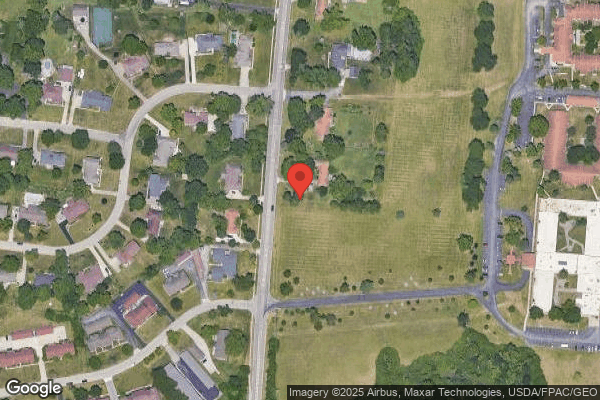

7300 MCEWEN ROAD, DAYTON, OH 45459 (937) 433-3441
For profit - Corporation 120 Beds SIMCHA HYMAN & NAFTALI ZANZIPER Data: November 2025
Trust Grade
28/100
#846 of 913 in OH
Last Inspection: April 2022

Over 2 years since last inspection. Current conditions may differ from available data.

Overview

Centerville Health and Rehab has a Trust Grade of F, indicating significant concerns about the quality of care provided. Ranking #846 out of 913 facilities in Ohio places it in the bottom half, and at #37 of 40 in Montgomery County, it is among the least favorable options locally. The facility's trend is worsening, with issues increasing from 4 in 2024 to 6 in 2025. Staffing is a notable concern, receiving a rating of 1 out of 5 stars and a turnover rate of 70%, which is significantly above the Ohio average of 49%. Despite this, they have good RN coverage, exceeding 81% of state facilities, which is beneficial for resident care. However, there are serious weaknesses, including a troubling number of pest-related incidents. For example, residents have reported seeing cockroaches in their bathrooms and dining areas, and inspections found mouse droppings in food storage areas, indicating a lack of effective pest control. Overall, families should weigh these concerning issues alongside the facility's strengths when considering Centerville Health and Rehab for their loved ones.

Trust Score
F
28/100
In Ohio
#846/913
Bottom 8%
Safety Record
Low Risk
No red flags
Inspections
Getting Worse
4 → 6 violations
Staff Stability
⚠ Watch
70% turnover. Very high, 22 points above average. Constant new faces learning your loved one's needs.
Penalties
✓ Good
$13,000 in fines. Lower than most Ohio facilities. Relatively clean record.
Skilled Nurses
○ Average
Each resident gets 39 minutes of Registered Nurse (RN) attention daily — about average for Ohio. RNs are the most trained staff who monitor for health changes.
Violations
⚠ Watch
52 deficiencies on record. Higher than average. Multiple issues found across inspections.
★☆☆☆☆
1.0
Overall Rating
★☆☆☆☆
1.0
Staff Levels
★★★☆☆
3.0
Care Quality
★☆☆☆☆
1.0
Inspection Score
Stable
2024: 4 issues
2025: 6 issues

The Good

  • Full Sprinkler Coverage · Fire safety systems throughout facility
  • No fines on record

Facility shows strength in fire safety.

The Bad

1-Star Overall Rating

Below Ohio average (3.2)

Significant quality concerns identified by CMS

Staff Turnover: 70%

24pts above Ohio avg (46%)

Frequent staff changes - ask about care continuity

Federal Fines: $13,000

Below median ($33,413)

Minor penalties assessed

Chain: SIMCHA HYMAN & NAFTALI ZANZIPER

Part of a multi-facility chain

Ask about local staffing decisions and management

Staff turnover is very high (70%)

22 points above Ohio average of 48%

The Ugly 52 deficiencies on record

Jul 2025 1 deficiency
CONCERN (D) 📢 Someone Reported This

A family member, employee, or ombudsman was alarmed enough to file a formal complaint

Potential for Harm - no one hurt, but risky conditions existed

Safe Environment (Tag F0584)

Could have caused harm · This affected 1 resident

**NOTE- TERMS IN BRACKETS HAVE BEEN EDITED TO PROTECT CONFIDENTIALITY** Based on observation, interview, and facility policy review, the facility failed to ensure broken bathroom sink faucets in resid...

Read full inspector narrative →
**NOTE- TERMS IN BRACKETS HAVE BEEN EDITED TO PROTECT CONFIDENTIALITY** Based on observation, interview, and facility policy review, the facility failed to ensure broken bathroom sink faucets in resident rooms, loose door handles to resident rooms, and missing tiles outside the therapy room were repaired to provide a homelike environment. This affected four resident rooms (room [ROOM NUMBER], room [ROOM NUMBER], room [ROOM NUMBER], and room [ROOM NUMBER]) on two of six halls and the public hallway outside the therapy room. The facility census was 84. Findings included: An observation on 07/01/2025 at 9:57 AM revealed an area in the hallway outside the therapy room had an approximately three feet (ft) by three ft area of missing tiles with red cones placed on each side of the missing tiles. An observation on 07/07/2025 at 8:59 AM revealed the floor in the hallway outside the therapy room continued to have missing tiles with red cones blocking each side. An observation on 07/01/2025 at 12:11 PM revealed the bathroom sink in room [ROOM NUMBER] the faucet was broken, it could not be turned on or off completely, and it had constant running water. An observation on 07/01/2025 at 12:38 PM revealed the bathroom sink in room [ROOM NUMBER] had constant running water and the faucet was broken. An observation on 07/01/2025 at 12:57 PM revealed the door handle to room [ROOM NUMBER] was loose and broken. An observation on 07/03/2025 at 8:59 AM and on 07/04/2025 at 2:23 PM revealed the door handle to room [ROOM NUMBER] was loose. During an interview on 07/07/2025 at 8:23 AM, the Maintenance Supervisor (MS) stated he did not have a written plan for repairs for the facility but kept a list in his head and tried to prioritize as things came up. The MS stated the facility needed a lot of repairs and he had not been able to keep up with all the repairs. The MS stated he had a plan to fix the floor in the hallway but had not had time to do it. The MS stated he had also completed a lot of repairs he had not documented. The MS stated he knew that as the supervisor he was supposed to also do the paper work but he said he could not keep up with everything. During an interview on 07/07/2025 at 10:45 AM, Housekeeper (HSK) #14 stated if she saw something that needed repaired while she was cleaning she would text her supervisor. HSK #14 stated she did not write it down anywhere. During an interview on 07/07/2025 at 10:47 AM, HSK #13 stated if she saw something that needed repaired she would tell her supervisor and she would tell maintenance. HSK #13 stated she had not written anything down. During a concurrent observation and follow-up interview and on 07/07/2025 at 10:50 AM, the MS stated their plan was to fix the area of the hallway outside the therapy room that week, but other issues had come up over the weekend, and he had to prioritize what needed to be fixed. Upon entering the bathroom in room [ROOM NUMBER] the MS stated the sink was leaking and agreed the resident would not be able to use the faucet because the handle was loose and the faucet could not be turned on or off completely. The MS confirmed the leaking sink in room [ROOM NUMBER] and stated his assistant was fixing it that day (07/07/2025). The MS stated he had replaced at least four door handles last week but was not aware the doorhandles for room [ROOM NUMBER] or room [ROOM NUMBER] needed to be fixed. During an interview on 07/08/2025 at 9:08 AM, the Interim Administrator stated she was not aware of the leaking faucets. The Interim Administrator stated all repairs should be reported to the MS in the work order program, and they should be fixed. Review of the facility policy titled Safe and Homelike Environment, dated 09/29/2022, revealed in accordance with residents' rights, the facility will provide a safe, clean, comfortable and homelike environment, allowing the resident to use his or her personal belongings to the extent possible. The policy also indicated at bullet point #1, the facility will create and maintain, to the extent possible, a homelike environment that de-emphasizes the institutional character of the setting. Bullet point #3 noted housekeeping and maintenance services will be provided as necessary to maintain a sanitary, orderly, and comfortable environment.This deficiency represents non-compliance investigated under Complaint Number 1289599.
May 2025 1 deficiency
CONCERN (E) 📢 Someone Reported This

A family member, employee, or ombudsman was alarmed enough to file a formal complaint

Potential for Harm - no one hurt, but risky conditions existed

Safe Environment (Tag F0584)

Could have caused harm · This affected multiple residents

**NOTE- TERMS IN BRACKETS HAVE BEEN EDITED TO PROTECT CONFIDENTIALITY** Based on observations, record review, staff, and resident interviews, and review of facility policy, the facility failed to ensu...

Read full inspector narrative →
**NOTE- TERMS IN BRACKETS HAVE BEEN EDITED TO PROTECT CONFIDENTIALITY** Based on observations, record review, staff, and resident interviews, and review of facility policy, the facility failed to ensure a clean, safe, comfortable environment for all residents. This affected 11 (#02, #06, #19, #31, #32, #35, #38, #44, #53, #70, and #71) residents who resided in the facility. The facility census was 77. Findings include: Review of the medical record for Resident #53 revealed the resident was admitted on [DATE]. Diagnoses included hypoxemia, amyotrophic lateral sclerosis (ALS), gastro-esophageal reflux disease (GERD), essential primary hypertension, obstructive sleep apnea (OSA), and diabetes mellitus (DM). Review of the Minimum Data Set (MDS) assessment dated [DATE], revealed Resident #53 was cognitively intact. Resident #53 was dependent on staff for Activities of Daily Living (ADLs). Observation of the facility on 05/13/25 at 11: 30 A.M. with the Director of Housekeeping and Laundry #134 revealed the following findings: a) Resident #02's bathroom was heavily soiled with dirt, debris and an unknown black substance in the corners, the floor was extremely sticky and the cover over the toilet tank was too large and did not properly fit. b) Resident #06's bathroom floor was very sticky, heavily soiled and had black stains throughout the floor. c) The wall behind Resident #19's bed was shredded and torn, the floor around her toilet had an unknown black substance, the cove base below the sink was loose and separated from the wall and there were numerous ceramic tiles missing. d) The wall behind Resident #31's bed was damaged and had exposed drywall, the heater wall was chipped and contained rusted areas, the floor around the toilet was heavily soiled, and the assist bars around the toilet were not secured. e) The wall behind Resident #32's bed was damaged and had exposed drywall, the cove base was separated from the wall under the bathroom sink, and the floor in bathroom was soiled and sticky. f) Resident #35's bed had a heavily soiled sheet with food and debris all over it, the floor had food and debris scattered throughout and the floor was extremely sticky. g) Resident #38's bathroom was heavily soiled and stained around the base of the toilet, and in the corners of the bathroom. h) Resident #44's bathroom floor was very sticky, heavily soiled with dirt and debris, and had a large yellow stain around the base of the toilet. i) Resident #70 and Resident #71's entire floor was heavily soiled with a black substance. j) Resident #53's room had numerous chipped ceramic tiles, and the floor was heavily soiled and extremely sticky k) The ice machine in the 200- hallway was heavily soiled, had rusted spots all over the ice machine hopper door. The ice machine had something splattered on it and there was a brown ring inside where the ice was stored. Interview with Director of Housekeeping and Laundry #134 immediately following these observations, verified the above findings. Interview with Resident #53 on 05/13/25 at 2:15 P.M., revealed she was very embarrassed about her room when friends and family visited. Resident #53 stated she ordered a shelf and a rug to try and make the bathroom look more homelike. Review of the facility policy titled, Homelike Environment, dated February 2021, confirmed the facility Residents are provided a safe, clean, comfortable, and homelike environment. The facility staff and management maximize a personalized homelike environment including a clean, sanitary, and orderly environment, and a clean bed This deficiency represents non-compliance investigated under Complaint Number OH00165544.
May 2025 1 deficiency
CONCERN (D) 📢 Someone Reported This

A family member, employee, or ombudsman was alarmed enough to file a formal complaint

Potential for Harm - no one hurt, but risky conditions existed

Deficiency F0925 (Tag F0925)

Could have caused harm · This affected 1 resident

**NOTE- TERMS IN BRACKETS HAVE BEEN EDITED TO PROTECT CONFIDENTIALITY** Based on observation, resident and staff interview, medical record review, and policy review, the facility failed to ensure the ...

Read full inspector narrative →
**NOTE- TERMS IN BRACKETS HAVE BEEN EDITED TO PROTECT CONFIDENTIALITY** Based on observation, resident and staff interview, medical record review, and policy review, the facility failed to ensure the facility was free from pests. This affected one (#26) of four residents reviewed for effective pest control. The facility census was 78. Findings include: Review of the medical record for Resident #26 revealed an admission date of 07/09/24. Diagnoses included cerebral infarction, bipolar disorder, personal history of traumatic brain injury, insomnia, hyperlipidemia, epilepsy, osteoarthritis, aphasia, hemiplegia and hemiparesis following a cerebral infarction, and cerebellar ataxia. Review of Resident #26's Minimum Data Set (MDS) assessment dated [DATE] revealed the resident was assessed as cognitively intact. Interview on 05/06/25 at 3:04 P.M. with a Registered Nurse (RN) #204 and Certified Nurse Aide (CNA) #224 reported they both saw live roaches in Resident #26's bathroom. Observation and interview on 05/06/25 at 3:06 P.M. with the Administrator confirmed the presence of five to six live cockroaches behind Resident #26's refrigerator. Interview on 05/06/25 at 3:45 P.M. with Resident #26 confirmed there were cockroaches behind his refrigerator on 05/06/25. Resident #26 reported the issue had been ongoing and stated the facility had treated his room previously. Resident #26 stated he did drop his entire food tray on the floor the previous day and it took over an hour before it was fully cleaned up. Review of the undated pest control policy revealed it was the policy of the facility to maintain an effective pest control program that eradicated and contained common household pests and rodents. The facility would maintain an agreement with a qualified outside pest service to provide comprehensive pest control services on a regular and scheduled basis. The facility would maintain a reporting system of any issues arising between scheduled visits. This deficiency represents non-compliance investigated under Complaint Number OH00165096 and a recite from the complaint survey dated 03/04/25 and 04/04/25.
Apr 2025 1 deficiency
CONCERN (F) 📢 Someone Reported This

A family member, employee, or ombudsman was alarmed enough to file a formal complaint

Potential for Harm - no one hurt, but risky conditions existed

Deficiency F0925 (Tag F0925)

Could have caused harm · This affected most or all residents

**NOTE- TERMS IN BRACKETS HAVE BEEN EDITED TO PROTECT CONFIDENTIALITY** Based on observation, resident and staff interview, medical record review, and policy review, the facility failed to ensure the ...

Read full inspector narrative →
**NOTE- TERMS IN BRACKETS HAVE BEEN EDITED TO PROTECT CONFIDENTIALITY** Based on observation, resident and staff interview, medical record review, and policy review, the facility failed to ensure the facility was free from pests. This had potential to affect all 81 facility residents. The census was 81. Findings include: 1. Review of Resident #11's medical record revealed the resident admitted to the facility on [DATE] with diagnoses including multiple fractures of the ribs right side, pain in unspecified joint, congestive heart failure, chronic obstructive pulmonary disease unspecified, legal blindness, urinary tract infection, angina pectoris and heartburn. Review of Resident #11's admission assessment dated [DATE] revealed the resident was oriented to person, place, time, and situation. Interview with Resident #11 on 04/04/25 at 8:14 A.M. revealed the resident saw a large cockroach in her bathroom a few days ago that was over one inch long. 2. Review of Resident #19's medical record revealed the resident admitted to the facility on [DATE] with diagnoses including type two diabetes mellitus with diabetic polyneuropathy, chronic obstructive pulmonary disease, mood disorder due to known physiological condition, arthropathy and unspecified convulsions. Review of Resident #19's admission assessment dated [DATE] revealed Resident #19 was alert and oriented to person, place, and situation. Interview with Resident #19 on 04/04/25 at 8:19 A.M. revealed the resident saw a cockroach in his room near his doorway a few days ago. 3. Review of Resident #24's medical record revealed the resident admitted to the facility on [DATE] with diagnoses including congestive heart failure, type two diabetes mellitus without complications, bipolar disorder, anxiety disorder, muscle weakness, hyperlipidemia and hypertension. Review of Resident #24's quarterly Minimum Data Set (MDS) assessment dated [DATE] revealed the resident was cognitively intact. Interview with Resident #24 on 04/04/25 at 8:20 A.M. revealed the resident saw multiple cockroaches since residing at the facility. Interview with Licensed Practical Nurse (LPN) #208 on 04/04/25 at 8:00 A.M. revealed she saw a cockroach in the facility last week. Interview with Registered Nurse (RN) #223 on 04/04/25 at 8:04 A.M. revealed she saw bugs in the facility, but could not identify them as cockroaches. Interview with Certified Nurse Aide (CNA) #131 on 04/04/25 at 8:05 A.M. revealed she saw a cockroach on the [NAME] unit on 03/28/25. Observation of the kitchen on 04/04/25 at 8:25 A.M. revealed a deceased cockroach on the floor under the food preparation table by the cereal and a deceased cockroach under the bread cart. Interview with Dietary Supervisor #500 on 04/04/25 at 8:25 A.M. verified there was a deceased cockroach on the floor under the food preparation table by the cereal and a deceased cockroach under the bread cart. Observation of the dining room on 04/04/25 at 9:56 A.M. revealed a deceased cockroach on the floor in the corner of the dining room. There was also a deceased cockroach located near the ice machine prior to the kitchen entrance. Interview with Dietary Supervisor #500 on 04/04/25 at 9:56 A.M. verified the deceased cockroach on the floor in the corner of the dining room and the deceased cockroach located near the ice machine prior to the kitchen entrance. Review of the facility's undated pest control program policy revealed the facility will maintain an effective pest control program that eradicates and contains common household pests and rodents. This deficiency represents non-compliance investigated under Complaint Number OH00163750 and continued non-compliance from the survey dated 03/04/25.
Mar 2025 2 deficiencies
CONCERN (D) 📢 Someone Reported This

A family member, employee, or ombudsman was alarmed enough to file a formal complaint

Potential for Harm - no one hurt, but risky conditions existed

Safe Environment (Tag F0584)

Could have caused harm · This affected 1 resident

Based on observations, staff interview, and resident interviews, facility failed to ensure resident rooms were maintained in clean, working order. This affected three (#23, #46, and #50) of three resi...

Read full inspector narrative →
Based on observations, staff interview, and resident interviews, facility failed to ensure resident rooms were maintained in clean, working order. This affected three (#23, #46, and #50) of three residents reviewed for environment. The facility census was 74. Findings include 1. Observation on 03/04/25 at 11:51 P.M. in Resident #46's room with Licensed Practical Nurse (LPN) #220 revealed the floor around the packaged terminal air conditioner (PTAC) heating and cooling unit had several floor tiles which were loose. The floor on the right and left side was dark and appeared to be missing a floor surface. The left side had a hole about the size of a thumb in the flooring. A built-in shelf to the right of the PTAC machine was broken and caved in. Interview at the time of the observation with LPN #220 confirmed the observations. 2. Observation on 03/04/25 at 9:40 A.M. of Resident #50's room revealed a floor board was loose and had fallen off the closet/wall and was sitting upside down on the floor. Both closet doors were broken and off the hinges. Interview on 03/04/25 at 11:53 P.M. with LPN #220 confirmed the observations. 3. Interview on 03/04/25 at 12:18 P.M. with Resident #23 and a family member reported when she has the PTAC unit running on heat it gets dusty and has a bad smell. Resident #23 also stated it was dirty. Observation on 03/04/25 at 1:46 P.M. with Maintenance Director #225 revealed Resident #23's PTAC was dirty and had clumps of leaves and dirt. Interview at this time with Maintenance Director #225 verified the observation. He stated it was about due for a quarterly cleaning. This deficiency represents non-compliance investigated under Complaint Number OH00162474.
CONCERN (F) 📢 Someone Reported This

A family member, employee, or ombudsman was alarmed enough to file a formal complaint

Potential for Harm - no one hurt, but risky conditions existed

Deficiency F0925 (Tag F0925)

Could have caused harm · This affected most or all residents

Based on observations, staff and resident interviews, interview with the Pest Control Representative, review of pest control notes, and review of facility policy, the facility failed to maintain the k...

Read full inspector narrative →
Based on observations, staff and resident interviews, interview with the Pest Control Representative, review of pest control notes, and review of facility policy, the facility failed to maintain the kitchen and dining room area free from pests. This had potential to affect all 74 facility residents. Findings include: Review of pest control notes dated 09/30/24, 10/22/24, 11/27/24, 01/03/25 and 01/27/25 revealed the facility had treatments completed for roaches and mice traps were monitored. Observation and interview on 03/04/25 from 9:40 A.M. to 10:05 A.M. with Kitchen Manager (KM) #205 revealed facility had mice a few weeks ago but they had been treated. Observation of the food area found an extremely large amount of brownish black pellets. KM #205 verified these to be mouse excrement. These were found on baking sheets; in the roboku; in boxes of paper products; in boxes and containers of food such as chips, gelatin, condiments, and packaging with pop cans; on cookie sheets with food on it; and on the silverware holder. KM #205 could not confirm if the mouse droppings were new or old. Two large trashcans were also found to be uncovered. Two smaller trashcans had trash in them with no trash bag and were uncovered. KM confirmed the trash cans had no lids and he was unsure if the facility had lids for any trashcans. Observation and interview on 03/04/25 at 10:06 A.M. with Dietary Aide (DA) #210 confirmed both living and dead roaches were observed in the dining room in the last week. DA #210 confirmed roaches were found mainly along the side of the room closest to the staff hallway and the doors to the hallway. The area was observed to have a thick black line on the floor of dirt and debris including crumbs along the wall with a crevice that held the debris. Interview on 03/04/25 at 12:45 P.M. with the Pest Control Representative revealed the facility had been getting services for pest control. She reported the pest control agent would give recommendations to the facility on how to help rid pests in between visits. These recommendations could include cleaning, dealing with trash, and getting rid of pest debris such as excrement and dead insects to see new movement vs old movement. She also reported the facility was not paid up to date for services from 11/2024 through 02/2024. Interview and observation on 03/04/25 at 1:46 P.M. with Maintenance Director (MD) #225 and the Administrator confirmed observation of a black line along the dining room wall. MD #225 confirmed they had replaced base boards but the new ones did not fit the same way and facility needed a piece of quarter round to cover the crevice. They confirmed dirt and debris, including food crumbs, get swept and pushed into the crevice which would be enticing for insects, mice, or other pests. MD #225 confirmed the pest control company had provided directions for prep prior to their arrival for spaces they intend to treat, but also had given some basic instructions on cleanliness and keeping areas free of food and debris to help prevent ongoing issues. MD #225 confirmed he had not been checking on how staff follow those recommendations. Review of facility policy titled Sanitation, dated 11/2022, revealed food service areas shall be maintained in a clean and sanitary manner, kept free and clear of garbage and debris and protected from rodents and insects. Kitchen waste shall be stored in clean leakproof tightly closed containers and disposed of daily and garbage containers shall be affixed with lids or otherwise covered. This deficiency represents non-compliance investigated under Master Complaint Number OH00162699, OH00162474 and OH00161757.
Dec 2024 4 deficiencies
CONCERN (D) 📢 Someone Reported This

A family member, employee, or ombudsman was alarmed enough to file a formal complaint

Potential for Harm - no one hurt, but risky conditions existed

ADL Care (Tag F0677)

Could have caused harm · This affected 1 resident

Based on medical record review, observation, staff and resident interviews, and policy review, the facility failed to provide care and services to ensure fingernails were trimmed and free of dirt and ...

Read full inspector narrative →
Based on medical record review, observation, staff and resident interviews, and policy review, the facility failed to provide care and services to ensure fingernails were trimmed and free of dirt and debris. This affected one (#30) out of three residents reviewed for Activities of Daily Living (ADL's). The facility census was 69. Findings include: Review of the medical record for Resident #30 revealed an admission ate of 12/11/18 with medical diagnoses of multiple sclerosis (MS), joint contracture's, and dysphagia. Review of the medical record for Resident #30 revealed a quarterly Minimum Data Set (MDS) assessment, dated 09/27/24, which indicated Resident #30 was cognitively intact and was dependent for all activities of daily living (ADL's) and had limited ROM to one upper extremity. Review of the medical record for Resident #30 revealed documentation to support Resident #30 received a bath or shower on 11/11/24, 11/18/24, and 11/22/24 but did not contain documentation to support nail care was provided. Observation with interview on 11/25/24 at 1:27 P.M. of Resident #30 revealed his fingernails to bilateral hands were long, had jagged edges, and had dirt and debris under the fingernails. Resident #30 stated the facility staff do not cut his fingernails often. Interview on 11/25/24 at 1:30 P.M. with State Tested Nursing Assistant (STNA) # 228 stated residents are to have their fingernails trimmed and cleaned on shower/bath daily. STNA #228 confirmed Resident #30's fingernails were long, had jagged edges, and had dirt and debris underneath the fingernails. Review of the facility policy titled, Activities of Daily Living (ADL), revised March 2018, stated residents would be provided with care, treatment and services as appropriate to maintain or improve their ability to carry out ADL's. The policy stated care and services would be provided for residents who are unable to carry out ADL's independently, with the consent of the resident and in accordance with the plan of care including appropriate support and assistance with hygiene (bathing, dressing, grooming, and oral care), mobility, elimination, and dining. This deficiency represents non-compliance investigated under Complaint Number OH00160055.
CONCERN (D) 📢 Someone Reported This

A family member, employee, or ombudsman was alarmed enough to file a formal complaint

Potential for Harm - no one hurt, but risky conditions existed

Deficiency F0688 (Tag F0688)

Could have caused harm · This affected 1 resident

Based on medical record reviews, staff and resident interviews, and policy review, the facility failed to ensure splints/braces were applied as ordered. This affected two (#30 and #75) out of three re...

Read full inspector narrative →
Based on medical record reviews, staff and resident interviews, and policy review, the facility failed to ensure splints/braces were applied as ordered. This affected two (#30 and #75) out of three residents reviewed for cares and services to prevent decline in range of motion (ROM). The facility census was 69. Findings include: 1. Review of the medical record for Resident #30 revealed an admission ate of 12/11/18 with medical diagnoses of multiple sclerosis (MS), joint contracture's, and dysphagia. Review of the medical record for Resident #30 revealed a quarterly Minimum Data Set (MDS) assessment, dated 09/27/24, which indicated Resident #30 was cognitively intact and was dependent for all activities of daily living (ADL's) and had limited ROM to one upper extremity. Review of the medical record for Resident #30 revealed a physician order dated 10/24/24 to apply left resting hand splint up to eight hours at night and to discontinue use with any redness or skin breakdown. The order was discontinued on 11/25/24. Review of the medical record for Resident #30 revealed no documentation to support the facility applied the left resting hand splint from 10/24/24 to 11/24/24. Review of the medical record for Resident #30 revealed a contracture/impaired functional ROM to left hand care plan, dated 11/24/24, with an intervention to place resting hand splint up to eight hours as tolerated. Interview on 11/25/24 at 1:27 P.M. with Resident #30 stated staff did not apply the resting hand splint nightly as ordered. Resident #30 confirmed he is dependent upon staff to apply the hand splint and denied further contracture of left hand. Interview on 11/25/24 at 2:00 P.M. with Regional Nurse Consultant (RNC) #260 confirmed the medical record for Resident #30 did not contain documentation to support the left hand splint was applied as ordered. 2. Review of the medical record for Resident #75 revealed an admission date of 04/17/24 with medical diagnoses of dementia with other behavioral disturbances, psychotic disorder with delusions, diabetes mellitus, and chronic kidney disease stage III. Review of the medical record for Resident #75 revealed a discharge date of 11/18/24. Review of the medical record for Resident #75 revealed a quarterly MDS assessment, dated 10/23/24, which indicated Resident #75 had severe cognitive impairment and required substantial/maximum staff assistance for oral hygiene, bathing, personal care, bed mobility, and transfers and was dependent for toileting. Review of the medical record for Resident #75 revealed an Occupational Therapy (OT) discharge summary, for treatment from 09/03/24 to 11/14/24, which stated Resident #14 tolerated passive ROM for placement of air bladder splints and Resident #75 left air bladder rolled hand splint and left air bladder rolled splint with wrist support in place for four hours. The OT note stated OT staff educated floor staff and provided therapy recommendation form for splint wear and management. Review of the medical record for Resident #75 revealed a physician order dated 11/14/24 for resident to wear right hand air bladder splint with wrist brace and left-hand air bladder splint up to eight hours at night as tolerated. Review of the medical record for Resident #75 revealed no documentation to support the facility applied the splints to Resident #75's bilateral hands as ordered from 11/14/24 to 11/17/24. Interview on 11/26/24 at 12:34 P.M. with RNC #260 confirmed the medical record for Resident #75 did not contain documentation to support the facility staff applied Resident #75's bilateral hand splints as ordered from 11/14/24 through 11/17/24. Interview on 11/26/24 at 3:19 P.M. with Director of Rehabilitation (DOR) #275 confirmed OT services were discontinued for Resident #75 on 11/14/24 and the floor staff were educated on proper application and to check skin integrity for Resident #75's bilateral hand splints. DOR #275 stated the facility nursing staff were responsible for application of Resident #75's bilateral hand splints as ordered effective 11/14/24. Review of the facility policy titled, Resident Mobility and ROM, revised July 2017, stated residents with limited mobility will receive appropriate services, equipment and assistance to maintain or improve mobility unless reduction in mobility is unavoidable. The policy also stated will include specific interventions, exercises and therapies to maintain, prevent avoidable decline in, and/or improve mobility and ROM. This deficiency represents non-compliance investigated under Complaint Number OH00160055.
CONCERN (D) 📢 Someone Reported This

A family member, employee, or ombudsman was alarmed enough to file a formal complaint

Potential for Harm - no one hurt, but risky conditions existed

Unnecessary Medications (Tag F0759)

Could have caused harm · This affected 1 resident

Based on the medical record reviews, observations, staff and resident interviews, and policy review, the facility failed to ensure medications were administered as ordered resulting in two medications...

Read full inspector narrative →
Based on the medical record reviews, observations, staff and resident interviews, and policy review, the facility failed to ensure medications were administered as ordered resulting in two medications errors out of 28 opportunities or a 7.14 percent (%) medication error rate. This affected two (#50 and #62) out of three residents reviewed for medication administration. The facility census was 69. Findings include: 1. Review of the medical record for Resident #50 revealed an admission date of 10/21/24 with medical diagnoses of atrial fibrillation, depression, congestive heart failure (CHF), moderate protein calorie malnutrition, and bipolar disorder. Review of the medical record for Resident #50 revealed an admission Minimum Data Set (MDS) assessment, dated 10/28/24, which indicated Resident #50 was cognitively intact and required supervision with transfers and toilet hygiene and was independent with bed mobility. Review of the medical record for Resident #50 revealed a physician order dated 11/22/24 for Ativan one milligram (mg) to give one tablet by mouth daily. Review of the medical record for Resident #50 revealed a Controlled Drug Record which indicated on 11/25/24 at 8:09 A.M. an Ativan 0.5 mg tablet was signed off for Resident #50. Observation on 11/25/24 at 8:00 A.M. revealed Registered Nurse (RN) #135 prepare medication for Resident #50's morning medication administration. The observation revealed RN #135 remove Ativan 0.5 milligram (mg) tablet from the locked medication cart and place in medication cup. RN #135 signed the removal of the Ativan 0.5 mg tablet from Resident #50's Drug Control Record. The observation revealed RN #135 administer the Ativan 0.5 mg tablet to Resident #50. Interview on 11/25/24 at 8:13 A.M. with RN #135 confirmed Resident #50's order for Ativan was 1 mg by mouth daily not 0.5 mg tablet by mouth daily. RN #135 confirmed she administered the wrong dose of Ativan to Resident #50. 2. Review of the medial record for Resident #62 revealed an admission date of 09/13/24 with medical diagnoses of atrial fibrillation, diabetes mellitus, Parkinson's disease, and chronic obstructive pulmonary disease (COPD). Review of the medical record for Resident #62 revealed an admission MDS assessment, dated 09/20/24, which indicated Resident #62 was cognitively intact and required supervision with toilet hygiene, bathing, transfers, and bed mobility. Review of the medical record for Resident #62 revealed a physician order dated 11/19/24 for Flovent inhalation aerosol 110 micrograms (mcg) per actuation breath activated powder (act) inhaler one puff orally two times per day. Observation on 11/24/24 at 9:35 A.M. revealed Licensed Practical Nurse (LPN) #223 administer two puffs of the Flovent inhaler to Resident #62. Interview on 11/24/24 at 9:48 A.M. with LPN #223 confirmed she administered two puffs of Flovent inhaler to Resident #62 and not the one puff as per physician orders. Review of the facility policy titled, Administering oral medications, stated facility staff are to check the label on medication and confirm the medication name and dose with MAR, check the medication dose and re-check to confirm proper dose. This deficiency represents non-compliance investigated under Complaint Numbers OH00160170 and OH00160055.
CONCERN (F) 📢 Someone Reported This

A family member, employee, or ombudsman was alarmed enough to file a formal complaint

Potential for Harm - no one hurt, but risky conditions existed

Deficiency F0925 (Tag F0925)

Could have caused harm · This affected most or all residents

**NOTE- TERMS IN BRACKETS HAVE BEEN EDITED TO PROTECT CONFIDENTIALITY** Based on observations, review of the facility pest control invoices, and staff and resident interviews, the facility failed to e...

Read full inspector narrative →
**NOTE- TERMS IN BRACKETS HAVE BEEN EDITED TO PROTECT CONFIDENTIALITY** Based on observations, review of the facility pest control invoices, and staff and resident interviews, the facility failed to ensure effective pest control measures were in place. This had the potential to affect all 69 residents residing in the facility. The facility census was 69. Findings include: Interview on 11/24/24 at 7:49 A.M. with State Tested Nursing Assistant (STNA) #170 confirmed she worked on the secure unit and stated she observed a cockroach in the dining area that morning. STNA #170 stated the cockroach crawled under the baseboard on the floor. Interviews on 11/24/24 between 9:45 A.M. to 10:36 A.M. with Licensed Practical Nurse (LPN) #199, #223, and #250 stated they have observed large insects and cockroaches in the facility hallways and on the secured unit within the past two weeks. Interview on 11/24/24 at 10:17 A.M. with Resident #43 stated he had observed insects and mice in his room. Resident #43 stated she hasn't seen a mouse recently but had seen beetles or large black insects from time to time. Observation with interview on 11/25/24 at 7:37 A.M. revealed a large brownish-black insect crawling up the door of empty resident room [ROOM NUMBER]. Interview with Dietary Aide #189 confirmed the large brownish-black insect crawling up the door on empty resident room [ROOM NUMBER]. Interview on 11/25/24 at 7:46 A.M. with Registered Nurse (RN) #135 confirmed she had seen large black bugs in resident rooms and in the laundry room recently. Observation with interview on 11/25/24 at 7:56 A.M. revealed a large black insect crawling along the baseboard of the secured unit dining room floor. Interview with STNA #146 confirmed the large black insect on the secured unit dining room floor. Interview on 11/26/24 at 10:45 A.M. with Resident #06 confirmed she has seen large insects in her room and staff will take care of the bugs for her. Resident #06 stated she saw a mouse once in her room but that was over one month ago. Review of the facility pest control invoices from May 2024 to October 2024 revealed the facility received monthly pest control treatments to the perimeter of the building, common areas, and kitchen. Review of the pest control invoices revealed in July 2024, one resident room was treated for cockroaches. This deficiency represents non-compliance investigated under Complaint Numbers OH00160170 and OH00160055.
Dec 2022 1 deficiency
CONCERN (F) 📢 Someone Reported This

A family member, employee, or ombudsman was alarmed enough to file a formal complaint

Potential for Harm - no one hurt, but risky conditions existed

Infection Control (Tag F0880)

Could have caused harm · This affected most or all residents

**NOTE- TERMS IN BRACKETS HAVE BEEN EDITED TO PROTECT CONFIDENTIALITY** Based on record review, observation, staff interviews, review of Centers of Disease Control (CDC) guidance, and review of facili...

Read full inspector narrative →
**NOTE- TERMS IN BRACKETS HAVE BEEN EDITED TO PROTECT CONFIDENTIALITY** Based on record review, observation, staff interviews, review of Centers of Disease Control (CDC) guidance, and review of facility policy, the facility failed to ensue staff wore appropriate Personal Protective Equipment (PPE) to prevent the spread of Coronavirus 2019 (COVID-19). This had the potential to affect all 62 residents residing in the facility. Findings include: Review of facility form titled Ohio Confidential Reportable Disease dated 11/28/22 revealed State Tested Nurse's Aide (STNA) #250 tested positive for COVID-19. Review of facility COVID-19 testing for all residents on the hall where STNA #250 had provided care on 11/28/22 revealed residents (#1, #2, #3, #4, #5, #6, #7, #8, #9, #10, #11, #12, #13, #14, #15, #16, #17, and #62) had been tested on [DATE], 12/01/22, and 12/03/22, and all had negative COVID-19 results. Review of facility form titled Surveillance Testing Form dated 12/02/22, revealed the current level of COVID-19 community transmission was listed as substantial (medium). Observation on 12/02/22 at 9:03 A.M. of Licensed Practical Nurse (LPN) #199 standing in the hallway directly in front of Resident #1 with a surgical mask positioned down below her chin and a face shield which was positioned upwards and on top of her head. Continued observations revealed LPN #199 walked into Resident #1's room to administer medications with her surgical mask below her chin and face shield on top of head. Observations on 12/02/22 at 9:04 A.M. of STNAs (#178 and #180) inside Resident #3's room providing care and standing less than two feet from Resident #3 with their N-95 respirators positioned below their chins and their face shields positioned on top of their heads. Interview on 12/02/22 at 9:06 A.M. with LPN #199 as she exited Resident #1's room, verified she had completed medication administration to Resident #1 with a surgical mask positioned below her chin and her face shield was on the top of her head. Interviews on 12/02/22 at 9:07 A.M. with STNAs (#178 and #180) verified they had their N-95 respirators positioned below their chins and face shields on top of their heads as they provided care to Resident #3. Observation on 12/02/22 at 9:10 A.M. with Floor Technician #201 who was scrubbing the floor with machine in front of the residents' care area on [NAME] Hall, had a face shield in place and his N-95 respirator positioned below his chin. Observation on 12/02/22 at 10:18 A.M. of LPN #184 revealed the N-95 respirator only had one strap in place. Interview with LPN #184 immediately afterwards, verified he cut the second strap off of his N-95 respirator. LPN #184 indicated he had worn his N-95 respirator with only one strap since the beginning of his shift. Interview on 12/02/22 at 11:00 A.M. with Administrator revealed the STNA #250 worked on 11/28/22 for a few hours, before she approached management to state she was not feeling well. Administrator stated that the STNA #250 completed a home COVID-19 test on 11/27/22 and STNA reported being positive. Administrator stated STNA #250 was tested in the facility which resulted in being positive for COVID-19 and STNA #250 was sent home. Administrator stated the facility was placed in outbreak mode after STNA#250 tested positive. Administrator indicated the expectations were for all staff to be N-95 respirators and face shields during an outbreak of COVID-19 and wearing the PPE correctly. Interview on 12/02/22 at 11:30 A.M. with Floor Technician #201 verified his N-95 respirator was down below his chin. Floor Technician #201 stated he was hired two days ago and could not get used to wearing the N-95 respirator because it rubbed the bridge of his nose. Observation on 12/02/22 at 11:58 A.M. of Dietary Aid #165 revealed he walked into the dining area during lunch service from the resident's common area with his face shield positioned on top of his head. Continued observation revealed Dietary Aid #165 walked by residents (#15 and #36) seated at a table being fed by STNA #220. Interview at same time with STNA #220 verified Dietary Aid #165 was in the dining room as residents ate with his face shield on top of his head. Interview on 12/02/22 at 12:11 P.M. with Dietary Aid #165 verified he had his face shield positioned on top of his head. Interview on 12/05/22 at 1:42 P.M. with Regional Nurse Consultant #170 verified STNA #250 worked on 11/28/22 from 3:00 P.M. through 7:00 P.M. on one hall. Regional Nurse Consultant #170 indicated STNA #250 was wearing a face shield and N-95 respirator during the four hours she was in the facility. Review of facility policy Coronavirus Prevention and Response copyright 2022 revealed the facility will respond promptly upon suspicion of illness associated with a SARS-COV-2 infection in efforts to identify, treat, and prevent the spread of the virus. When SARS-Cov-2 community transmission levels are high, source control was recommended for everyone in a healthcare setting when they are in area of the facility where they could encounter residents. In counties where community transmission level was high the facility should consider having health care providers use personal protective equipment as followed. NIOSH-approved particulate respirators with N95 filter or higher, and eye protection that includes either goggles or a face shield that covers the front and sides of the face worn at encounters during all patient care. Review of the CDC guidance for Interim Infection Prevention and Control Recommendations for Healthcare Personnel During the Coronavirus Disease 2019 (COVID-19) Pandemic, at (https://www.cdc.gov/coronavirus/2019-ncov/hcp/infection-control-recommendations.html) updated 09/23/22, revealed under Implement Source Control Measures: Source control refers to use of respirators or well-fitting facemasks or cloth masks to cover a person's mouth and nose to prevent spread of respiratory secretions when they are breathing, talking, sneezing, or coughing. Community Transmission levels are high, source control is recommended for everyone in a healthcare setting when they are in areas of the healthcare facility where they could encounter patients. As community transmission levels increase, the potential for encountering asymptomatic or pre-symptomatic patients with SARS-CoV-2 infection also likely increases. In these circumstances, healthcare facilities should consider implementing broader use of respirators and eye protection by health care personnel (HCP) during patient care encounters. For example, facilities located in counties where Community Transmission is high should also consider having HCP use PPE as described, NIOSH-approved particulate respirators with N95 filters or higher used for: NIOSH-approved particulate respirators with N95 filters or higher can also be used by HCP working in other situations where additional risk factors for transmission are present, such as the patient is unable to use source control and the area is poorly ventilated. They may also be considered if healthcare-associated SARS-CoV-2 transmission is identified and universal respirator use by HCP working in affected areas is not already in place. To simplify implementation, facilities in counties with high transmission may consider implementing universal use of NIOSH-approved particulate respirators with N95 filters or higher for HCP during all patient care encounters or in specific units or areas of the facility at higher risk for SARS-CoV-2 transmission. Eye protection (i.e., goggles or a face shield that covers the front and sides of the face) worn during all patient care encounters. When community transmission levels are not high, health care facilities were recommended to wear appropriate PPE when they had suspected or confirmed COVID-19 cases.
Apr 2022 12 deficiencies
CONCERN (D)

Potential for Harm - no one hurt, but risky conditions existed

Deficiency F0561 (Tag F0561)

Could have caused harm · This affected 1 resident

**NOTE- TERMS IN BRACKETS HAVE BEEN EDITED TO PROTECT CONFIDENTIALITY** Based on medical record review, observation and staff and resident interview, the facility failed to ensure a resident was affor...

Read full inspector narrative →
**NOTE- TERMS IN BRACKETS HAVE BEEN EDITED TO PROTECT CONFIDENTIALITY** Based on medical record review, observation and staff and resident interview, the facility failed to ensure a resident was afforded with the choice of personal care for showering/bathing. This affected one (#53) out of three residents reviewed for choices. The facility census was 60. Findings include: Review of Resident #53's medical record revealed an admission date of 12/11/18 with diagnoses including multiple sclerosis, hyperlipidemia, cognitive communication deficit, difficulty in walking not elsewhere, lack of coordination, major depressive disorder, neuromuscular dysfunction bladder, dysarthria and anarthria, and voice resonance disorders. Review of the Minimum Data Set (MDS) 3.0 annual assessment dated [DATE] revealed Resident #53 is cognitive intact. He required two persons plus for bed mobility, transfers, dressing and one person person physical assist for bathing. Review of Resident #53's electronic record revealed showers were scheduled to be given Mondays and Thursdays from 7:00 PM until 7:00 A.M. Review of shower records for the past 30 days revealed showers were not documented as completed for Resident #53 on 03/22/22, 03/25/22, 03/29/22, 04/01/22, 04/08/20, 04/12/22, or 04/15/22. Resident #53 refused showers offered on 03/22/22 at 2:07 A.M., on 04/05/22 at 3:08 A.M., and on 04/11/22 at 10:25 A.M. Observation on 04/11/22 at 10:05 A.M., revealed Resident #53 was sitting in wheelchair in lobby fully dressed with hair covering his cheeks and his chin. Interview on 04/11/22 at 12:37 P.M., revealed Resident #53 reported he no longer wants his showers on Mondays and Thursdays from 7:00 P.M., to 7:00 A.M. Resident #53 reported he has been telling anyone who would listen that the he prefers his showers days on Tuesdays and Fridays during the day after lunch. Resident #53 was not shaved and reported he asked to be shaved but was told it was not his shower day. Interview on 04/18/22 at 11:02 A.M., with Resident #53 reported he refused showers because he was sleeping. Resident #53 reported he has discussed shower preferences with numerous aides at numerous times. Resident #53 denied being offered a shower or to be shaved thus far this week. Interview on 04/18/22 at 11:10 A.M., revealed State Tested Nursing Assistant (STNA) #125 reported she works for agency and the facility does not have shower sheets. STNA #125 stated showers are documented in the computer. STNA #125 reported once an aide receives their assignment, they are expected to look up their shower assignments for the shift. STNA #125 verified Resident #53 shower days were scheduled on Mondays and Thursdays evenings and confirmed Resident #53 was not receiving showers as preferred. STNA #125 denied Resident #53 informing her of his choice to change shower days and time. Interview on 04/18/22 at 3:00 P.M., revealed DON reported she asks residents upon admission their preferences for shower days. DON stated Resident #53 informed her today he would like his shower days changed to day time on Tuesdays and Fridays. This deficiency substantiates Complaint Number OH00131213.
CONCERN (D)

Potential for Harm - no one hurt, but risky conditions existed

Report Alleged Abuse (Tag F0609)

Could have caused harm · This affected 1 resident

Based on medical record review, staff interviews, review of facility self-reported incidents and policy review, the facility failed to report an allegation of sexual abuse to the state survey agency. ...

Read full inspector narrative →
Based on medical record review, staff interviews, review of facility self-reported incidents and policy review, the facility failed to report an allegation of sexual abuse to the state survey agency. This affected one (#5) of three residents reviewed for abuse. The census was 60. Findings Include: Review of Resident #1's medical record revealed an admission date of 08/27/18 and a readmission date of 04/01/22. Diagnoses included dementia, psychosis, and lung disease. The most recent quarterly Minimum Date Set (MD'S) dated 03/22/22 revealed the resident was severely cognitively impaired and required assistance of one with all care. The resident requires limited assist with ambulation. Review of the behavior plan of care dated 10/05/21 revealed the resident was sexually inappropriate by comments and request. Interventions included diversional activity, redirect, refer to psychiatrist as needed. Review of the Nurses Notes dated 03/12/22 revealed the resident was seen lifting the pants of a female resident (#5) and rubbing a female resident's thigh. The resident was removed from the area. The nurse charted she informed the Director of Nursing (DON). No notes were added by the DON. Review of Resident #5 medical record revealed an admission date of 11/14/14. Diagnoses included Alzheimer, dementia and heart disease. The most recent MDS for Resident #5 dated 01/12/22 revealed the resident was severely cognitively impaired and required extensive assistance of one. The resident requires a wheelchair for mobility. Resident #5 could not be interviewed due to low cognitive abilities. Review of the facility SRI's for 03/11/22 through 03/21/22 revealed no incidents involving Resident #1 or Resident #5. Observation on 04/11/22 at 9:30 A.M. revealed the residents reside on a locked dementia unit. The dementia unit includes both male and females. Interview with the DON on 04/13/22 1:00 P.M. revealed the incident was not reported to the state agency. The DON stated the nurse told her Resident #1 put his hand on Resident #5 thigh and she was clothed, so she did not report it and could not provide an investigation regarding the incident. The DON noted both resident's were clothed so she did not take the investigation further. Interview with Licensed Practical Nurse (LPN #300) on 04/13/22 at 3:00 P.M. revealed the incident she observed on 03/12/22 between Resident #1 and Resident #5 Resident #1 had his had up Resident #5 pant leg to her thigh. Interview with the DON on 04/13/22 1:00 P.M. revealed the incident was not reported to the state agency. The DON stated the Nurse told her Resident #1 put his hand on Resident #5 thigh and she was clothed Interview with the Social Worker (SW) #12 on 04/14/22 at 2:00 P.M. revealed she was not told of the allegation at the time of the incident involving Resident #1 and #5. SW #12 was unable to provide and investigation and noted their were no written statements obtained from the staff. Review of the Abuse Policy revised 04/2020 revealed all allegations of abuse are to be reported to the state agency. Findings Include: Review of Resident #1's medical record revealed an admission date of 08/27/18 and a readmission date of 04/01/22. Diagnoses included dementia, psychosis, and lung disease. The most recent quarterly Minimum Date Set (MD'S) dated 03/22/22 revealed the resident was severely cognitively impaired and required assistance of one with all care. The resident requires limited assist with ambulation. Review of the behavior plan of care dated 10/05/21 revealed the resident was sexually inappropriate by comments and request. Interventions included diversional activity, redirect, refer to psychiatrist as needed. Review of the Nurses Notes dated 03/12/22 revealed the resident was seen lifting the pants of a female resident (#5) and rubbing a female resident's thigh. The resident was removed from the area. The nurse charted she informed the Director of Nursing (DON). No notes were added by the DON. Review of Resident #5 medical record revealed an admission date of 11/14/14. Diagnoses included Alzheimer, dementia and heart disease. The most recent MDS for Resident #5 dated 01/12/22 revealed the resident was severely cognitively impaired and required extensive assistance of one. The resident requires a wheelchair for mobility. Resident #5 could not be interviewed due to low cognitive abilities. Review of the facility SRI's for 03/11/22 through 03/21/22 revealed no incidents involving Resident #1 or Resident #5. Observation on 04/11/22 at 9:30 A.M. revealed the residents reside on a locked dementia unit. The dementia unit includes both male and females. Interview with the DON on 04/13/22 1:00 P.M. revealed the incident was not reported to the state agency. The DON stated the nurse told her Resident #1 put his hand on Resident #5 thigh and she was clothed, so she did not report it and could not provide an investigation regarding the incident. The DON noted both resident's were clothed so she did not take the investigation further. Interview with Licensed Practical Nurse (LPN #300) on 04/13/22 at 3:00 P.M. revealed the incident she observed on 03/12/22 between Resident #1 and Resident #5 Resident #1 had his had up Resident #5 pant leg to her thigh. Interview with the DON on 04/13/22 1:00 P.M. revealed the incident was not reported to the state agency. The DON stated the Nurse told her Resident #1 put his hand on Resident #5 thigh and she was clothed Interview with the Social Worker (SW) #12 on 04/14/22 at 2:00 P.M. revealed she was not told of the allegation at the time of the incident involving Resident #1 and #5. SW #12 was unable to provide and investigation and noted their were no written statements obtained from the staff. Review of the Abuse Policy revised 04/2020 revealed all allegations of abuse are to be investigated and reported to the state agency.
CONCERN (D)

Potential for Harm - no one hurt, but risky conditions existed

Investigate Abuse (Tag F0610)

Could have caused harm · This affected 1 resident

Based on medical record review, staff interviews, review of facility self-reported incidents and policy review, the facility failed to investigate an allegation of sexual abuse. This affected one (#5)...

Read full inspector narrative →
Based on medical record review, staff interviews, review of facility self-reported incidents and policy review, the facility failed to investigate an allegation of sexual abuse. This affected one (#5) of three residents reviewed for abuse. The census was 60. Findings Include: Review of Resident #1's medical record revealed an admission date of 08/27/18 and a readmission date of 04/01/22. Diagnoses included dementia, psychosis, and lung disease. The most recent quarterly Minimum Date Set (MD'S) dated 03/22/22 revealed the resident was severely cognitively impaired and required assistance of one with all care. The resident requires limited assist with ambulation. Review of the behavior plan of care dated 10/05/21 revealed the resident was sexually inappropriate by comments and request. Interventions included diversional activity, redirect, refer to psychiatrist as needed. Review of the Nurses Notes dated 03/12/22 revealed the resident was seen lifting the pants of a female resident (#5) and rubbing a female resident's thigh. The resident was removed from the area. The nurse charted she informed the Director of Nursing (DON). No notes were added by the DON. Review of Resident #5 medical record revealed an admission date of 11/14/14. Diagnoses included Alzheimer, dementia and heart disease. The most recent MDS for Resident #5 dated 01/12/22 revealed the resident was severely cognitively impaired and required extensive assistance of one. The resident requires a wheelchair for mobility. Resident #5 could not be interviewed due to low cognitive abilities. Review of the facility SRI's for 03/11/22 through 03/21/22 revealed no incidents involving Resident #1 or Resident #5. Observation on 04/11/22 at 9:30 A.M. revealed the residents reside on a locked dementia unit. The dementia unit includes both male and females. Interview with the DON on 04/13/22 1:00 P.M. revealed the incident was not reported to the state agency. The DON stated the nurse told her Resident #1 put his hand on Resident #5 thigh and she was clothed, so she did not report it and could not provide an investigation regarding the incident. The DON noted both resident's were clothed so she did not take the investigation further. Interview with Licensed Practical Nurse (LPN #300) on 04/13/22 at 3:00 P.M. revealed the incident she observed on 03/12/22 between Resident #1 and Resident #5 Resident #1 had his had up Resident #5 pant leg to her thigh. Interview with the DON on 04/13/22 1:00 P.M. revealed the incident was not reported to the state agency. The DON stated the Nurse told her Resident #1 put his hand on Resident #5 thigh and she was clothed Interview with the Social Worker (SW) #12 on 04/14/22 at 2:00 P.M. revealed she was not told of the allegation at the time of the incident involving Resident #1 and #5. SW #12 was unable to provide and investigation and noted their were no written statements obtained from the staff. Review of the Abuse Policy revised 04/2020 revealed all allegations of abuse are to be reported to the state agency. Findings Include: Review of Resident #1's medical record revealed an admission date of 08/27/18 and a readmission date of 04/01/22. Diagnoses included dementia, psychosis, and lung disease. The most recent quarterly Minimum Date Set (MD'S) dated 03/22/22 revealed the resident was severely cognitively impaired and required assistance of one with all care. The resident requires limited assist with ambulation. Review of the behavior plan of care dated 10/05/21 revealed the resident was sexually inappropriate by comments and request. Interventions included diversional activity, redirect, refer to psychiatrist as needed. Review of the Nurses Notes dated 03/12/22 revealed the resident was seen lifting the pants of a female resident (#5) and rubbing a female resident's thigh. The resident was removed from the area. The nurse charted she informed the Director of Nursing (DON). No notes were added by the DON. Review of Resident #5 medical record revealed an admission date of 11/14/14. Diagnoses included Alzheimer, dementia and heart disease. The most recent MDS for Resident #5 dated 01/12/22 revealed the resident was severely cognitively impaired and required extensive assistance of one. The resident requires a wheelchair for mobility. Resident #5 could not be interviewed due to low cognitive abilities. Review of the facility SRI's for 03/11/22 through 03/21/22 revealed no incidents involving Resident #1 or Resident #5. Observation on 04/11/22 at 9:30 A.M. revealed the residents reside on a locked dementia unit. The dementia unit includes both male and females. Interview with the DON on 04/13/22 1:00 P.M. revealed the incident was not reported to the state agency. The DON stated the nurse told her Resident #1 put his hand on Resident #5 thigh and she was clothed, so she did not report it and could not provide an investigation regarding the incident. The DON noted both resident's were clothed so she did not take the investigation further. Interview with Licensed Practical Nurse (LPN #300) on 04/13/22 at 3:00 P.M. revealed the incident she observed on 03/12/22 between Resident #1 and Resident #5 Resident #1 had his had up Resident #5 pant leg to her thigh. Interview with the DON on 04/13/22 1:00 P.M. revealed the incident was not reported to the state agency. The DON stated the Nurse told her Resident #1 put his hand on Resident #5 thigh and she was clothed Interview with the Social Worker (SW) #12 on 04/14/22 at 2:00 P.M. revealed she was not told of the allegation at the time of the incident involving Resident #1 and #5. SW #12 was unable to provide and investigation and noted their were no written statements obtained from the staff. Review of the Abuse Policy revised 04/2020 revealed all allegations of abuse are to be investigated and reported to the state agency.
CONCERN (D)

Potential for Harm - no one hurt, but risky conditions existed

Deficiency F0657 (Tag F0657)

Could have caused harm · This affected 1 resident

**NOTE- TERMS IN BRACKETS HAVE BEEN EDITED TO PROTECT CONFIDENTIALITY** 2. Review of Resident #42's medical record revealed the resident was admitted on [DATE]. Diagnoses include psychosis, behavioral...

Read full inspector narrative →
**NOTE- TERMS IN BRACKETS HAVE BEEN EDITED TO PROTECT CONFIDENTIALITY** 2. Review of Resident #42's medical record revealed the resident was admitted on [DATE]. Diagnoses include psychosis, behavioral and emotional disorders, depression, anxiety, mood disorder, bipolar and multiple sclerosis. Review of Care Conference documentation revealed the last care conference was held for Resident #42 on 02/23/20. Further review of the medical record for Resident #42 revealed there were no quarterly or annual care conferences held. On 04/12/22 at 8:58 A.M. an interview with Resident #42 revealed they had never had a care conference since admission. Resident #42 stated they had been at the facility for over two years. Interview with Social Services Designee #12 on 04/13/22 at 10:25 A.M. verified Resident #42 was not offered to participate in care conferences. Interview with MDS Coordinator #7 on 04/13/22 at 11:17 A.M., revealed care conferences were to be held at least once every three months. Based on medical records and staff and resident interviews, the facility failed to ensure residents were invited to care conferences to allow them to provide input in their care. This affected two (#28 and #42) out of three residents reviewed for care conferences participation. Facility census was 60. Findings include: 1. Review of the medical record for Resident #28 revealed an admission date of 05/28/21 with diagnoses including but not limited to encounter for surgical aftercare following surgery on the digestive system, altered mental status, repeated falls, lack of coordination, type 2 diabetes mellitus without complications Review of admission Minimum Data Set (MDS) 3.0 assessment dated [DATE] revealed the resident was cognitively intact with a brief interview for mental status (BIMS) of 15 out of 15. Review of the medical record for Resident #28 revealed there was no documentation of care conference. Interview with Resident #28 on 04/11/22 at 1:59 P.M., revealed she could not remember the last time she had participated or attended a care conference. Interview with Social Services Designee (SSD) #12 on 04/13/22 at 10:25 A.M. verified Resident #48 was not offered to participate in care conferences. Interview with MDS Coordinator #7 on 04/13/22 at 11:17 A.M., revealed care conferences were to be held at least once every three months.
CONCERN (D)

Potential for Harm - no one hurt, but risky conditions existed

Accident Prevention (Tag F0689)

Could have caused harm · This affected 1 resident

**NOTE- TERMS IN BRACKETS HAVE BEEN EDITED TO PROTECT CONFIDENTIALITY** Based on medical record review, observation and staff interview, the facility failed to ensure care planned interventions were i...

Read full inspector narrative →
**NOTE- TERMS IN BRACKETS HAVE BEEN EDITED TO PROTECT CONFIDENTIALITY** Based on medical record review, observation and staff interview, the facility failed to ensure care planned interventions were in place for prevention of falls/accidents. This affected one (#31) of three residents reviewed for falls. The facility census was 60. Findings: Review of medical record for Resident #31 revealed admission date of 07/15/15 with a brief interview mental status (BIMS) score of 14 indicating intact cognition. Diagnoses include rheumatoid arthritis, chronic obstructive pulmonary disorder, contracture, and insomnia. The annual minimum data set (MDS) dated [DATE] revealed extensive two assist for bed mobility, transfers, dressing, toileting and supervision for eating. Record review of the care plan revealed Resident #31 was at risk for falls/injury related to weakness, impaired mobility, contractures and non compliance with interventions for therapy evaluations and treatment. Interventions included bed in low position, call light and personal items within reach, resident to use call light prior to ambulation, perimeter mattress and fall mat to side of bed initiated 05/14/19. Record review of physician notes revealed an order for a fall mat to bedside on 03/16/20. Record review of progress note dated 08/02/22 revealed the nurse was notified by staff resident was was found on the side of his bed. The resident informed the nurse he must have fallen out of bed, there was no documentation the fall mat was in place. Record review of fall accident investigation dated 08/02/21 revealed the resident had fallen out of bed. The documented intervention was to ensure fall mat is in place each shift. Record review of the progress note dated 11/06/22 revealed the resident slid out of bed onto his knees. There was no documentation the mat was in place. Record review of fall accident investigation dated 11/06/22 revealed Resident #31 did not use his call light. The nurse assessment documented a bruise was found on the residents right knee. There was no documentation the fall mat was in place. The intervention was to remind resident to use call light and assist resident with appropriate bed positioning. Observation on 04/13/22 11:36 A.M. revealed there was no fall mat on the floor beside Resident #31's bed. This was verified with licensed practical nurse (LPN) #29 at the time of the observation.
CONCERN (D)

Potential for Harm - no one hurt, but risky conditions existed

Deficiency F0698 (Tag F0698)

Could have caused harm · This affected 1 resident

**NOTE- TERMS IN BRACKETS HAVE BEEN EDITED TO PROTECT CONFIDENTIALITY** Based on medical record review, observations and staff and resident interviews, the facility failed to ensure dialysis resident ...

Read full inspector narrative →
**NOTE- TERMS IN BRACKETS HAVE BEEN EDITED TO PROTECT CONFIDENTIALITY** Based on medical record review, observations and staff and resident interviews, the facility failed to ensure dialysis resident received meals before dialysis appointments. This affected one (#48) of one residents reviewed for dialysis. Facility census was 60. Findings include: Review of the medical record for Resident #48 revealed an admission date of 03/12/22 with diagnoses include protein-calorie malnutrition hypertensive heart, failure and with stage 5 chronic kidney disease or end stage renal disease, chronic diastolic (congestive) heart failure, dependence on renal dialysis, convulsions, hyperlipidemia, anemia in chronic kidney disease, type 2 diabetes with other circulatory complications, and type 2 diabetes mellitus with other diabetic ophthalmic complication. Resident #48 is his own responsible party. Review of admission Minimum Data Set (MDS) 3.0 assessment dated [DATE] revealed the resident was cognitively intact. Review medical records revealed Resident #48 attends dialysis on Mondays, Wednesdays and Fridays from 6:00 A.M. to 12:00 P.M. Review physician orders April 2022 revealed Resident #48 has a order for Basaglar KwikPen Solution Pen-injector 100 UNIT/ML (Insulin Glargine) and an order to inject 20 unit subcutaneously at bedtime related to Type 2 Diabetes Mellitus. Review Plan of Care dated 03/16/22 revealed alteration in kidney function due to End Stage Renal Diseases (ESRD), evidenced by hemodialysis. Interventions included by not limited to meals, meds, and written communication form with review weights and changes in condition between dialysis provider and living center. Review meal intake from 03/15/22 to 04/13/22 revealed Resident #48 was not receiving meals before going to dialysis. There were no documentation of monitor meal intake on dialysis days on 03/23/22, 03/28/22, 03/30/22, 04/01/22, 04/06/22, 04/11/22, and 04/13/22. Review Medication Administration Record (MAR) for March 2022 revealed Resident #48's insulin was extremely low on his dialysis days or thereafter. On Monday, 03/14/22 his glucose was 60 at 6:00 A.M., at 11:00 A.M., and at 4:00 P.M., on Saturday, 03/19/22 his glucose was 77 at 6:00 A.M., and 92 at 11:00 A.M. On Friday, 03/25/22 his glucose was 62 and 61 at 11:00 A.M. On Wednesday, 03/30/22 his glucose was 68 at 6:00 A.M., 79 at 11:00 A.M., and 85 at 4:00 P.M. Observation on 04/11/22 at 2:28 P.M., revealed Resident #48 was eating a blueberry custard pie and drinking a 32 oz of diet Mountain Dew. Interview on 04/11/22 at 2:29 P.M., revealed Resident #48 reported he gets real hungry on his dialysis days because the kitchen is closed and he does not get anything to eat. Resident #48 reported his sugar drops low on his dialysis days. Resident #48 reported he has a snack drawer and the snacks come from the vending machine. Resident #48 reported sometimes it takes all day for his sugar to regulate because he has had no protein. Interview on 04/13/22 at 12:23 P.M., revealed Licensed Practical Nurse (LPN) #28 reported she does not think Resident #48 eats before going to dialysis. LPN #28 reported she is not here when he goes to dialysis. LPN #28 reported Resident #48 eats well when he returns. Observation on 04/13/22 at 12:31 P.M., revealed Resident #48 was eating a bear claw with his head low. Resident #48 hands were shaking and he had sweating slowly dripping down the side of his face. Interview on 04/13/22 at 12:32 P.M., revealed Resident #48 reported his sugar dropped and he did not eat anything all day. Resident #48 was snacks from the vending machine to get his sugar up. Observation on 04/13/22 at 12:51 P.M., revealed Resident #48 received his lunch. Licensed Practical Nurse (LPN) #28 checked Resident #48's blood sugar levels, it was at 64. Resident #48 reported to LPN #28 that dialysis went well. Resident #48 tried to use his spoon but his hands were shaking so much he could not hold on to the spoon. LPN #28 asked Resident #48 if he needed any assistance with his meal and he yes. LPN #28 fed Resident #48 mashed potatoes, gravy and turkey, frozen sweet potato souffle, and a peanut butter sandwich. Interview on 04/13/22 at 1:00 P.M., revealed LPN #28 reported Resident #48 feeds himself and is very independent. But since he was not feeling well he needs to get his sugar levels up. LPN #28 denied giving Resident #48 meals before dialysis. LPN #28 stated He is gone when I arrive. The night shift would be responsible. Interview on 04/13/22 at 1:12 P.M., revealed DON reported Resident #48 should be receiving a packed breakfast before he leaves for dialysis. Observation on 04/13/22 at 1:15 PM DON asked Resident #48 if he has been receiving breakfast before leaving dialysis. Resident #48 stated, I have not received any meals before going to dialysis. LPN #28 checked Resident #38's sugar and it was at 68. Interview on 04/13/22 at 1:30 PM DON reported she has spoken to dietary services and Resident #48 will receive a packed breakfast before he goes to dialysis.
CONCERN (D)

Potential for Harm - no one hurt, but risky conditions existed

Deficiency F0700 (Tag F0700)

Could have caused harm · This affected 1 resident

**NOTE- TERMS IN BRACKETS HAVE BEEN EDITED TO PROTECT CONFIDENTIALITY** Based on medical record review, observations and staff and resident interviews, the facility failed to ensure an assessment was ...

Read full inspector narrative →
**NOTE- TERMS IN BRACKETS HAVE BEEN EDITED TO PROTECT CONFIDENTIALITY** Based on medical record review, observations and staff and resident interviews, the facility failed to ensure an assessment was completed regarding the use of bedrail's on a residents bed. This affected one (#14) out of three residents reviewed for the use of bedrail's. The facility census was 60. Findings include: Review of medical record for Resident #14 revealed admission date of 12/26/19 with no memory impairment cognition modified independence. Diagnoses include congestive heart failure, type 2 diabetes, hypertension, reflux and contracture to left knee. The quarterly minimum data set (MDS) dated [DATE] revealed extensive two assist for bed mobility, transfers, and independent for eating. Review of the care plan revealed Resident #14 has a physical functional deficit related to mobility impairment, and range of motion limitations. Interventions included assistance of one staff member with noted activities of daily living fluctuations. Record review revealed Resident #14 had intact cognition and was unable to get out on bed independently. There was no documentation the facility assessed for safety concerns of bilateral side rail use prior to trying of the right rail. Further review of Resident #14's medical record revealed there was no order, assessment and/or other documentation regarding the use of bedrail's. Interview and observation on 04/11/22 at 12:17 P.M. revealed Resident #14 was concerned the right bedrail was tied down and she was unable to use it to assist herself in turning. Resident #14 voiced frustration she had been able to assist herself to remain on her side by holding onto the bed rail. Observation revealed there were three black zip ties attaching the right bed rail to the frame of the bed. Interview on 04/13/22 at 1:53 P.M. with the Administrator revealed Resident #14's bed rail was tied down to avoid both bed rails being up which could cause the restraint of residents. The Administrator confirmed there have been instances where staff have cut the zip ties on the rails to use the bed rails. The Administrator confirmed there was no assessment, order or other documentation in Resident #14's medical record regarding the bed rails on the resident's bed. Interview on 04/13/22 at 2:11 P.M. with Regional Clinical Director #121 revealed there are side rails which can't be removed from some beds in the facility. Regional Clinical Director #121 explained if the bed rails have the controls integrated into them, they were zip tied to avoid the ability of staff or family to use them as a form of restraint.
CONCERN (E)

Potential for Harm - no one hurt, but risky conditions existed

Transfer Notice (Tag F0623)

Could have caused harm · This affected multiple residents

**NOTE- TERMS IN BRACKETS HAVE BEEN EDITED TO PROTECT CONFIDENTIALITY** 4. Review of Resident #43's medical record revealed the resident was admitted on [DATE] with a readmission on [DATE] from a hosp...

Read full inspector narrative →
**NOTE- TERMS IN BRACKETS HAVE BEEN EDITED TO PROTECT CONFIDENTIALITY** 4. Review of Resident #43's medical record revealed the resident was admitted on [DATE] with a readmission on [DATE] from a hospital stay from 01/18/22 through 01/20/22. Diagnoses include epilepsy and seizures. Further medical record review for Resident #43 revealed there was no documented evidence the Ombudsman was notified of the hospital transfer. Interview on 04/13/22 at 11:38 A.M. with the Social Service Director (SSD) #22 revealed she has not notified the Ombudsman of discharges from the facility because the facility was given a new Ombudsman and she was waiting for them to give her their email address. SSD #22 confirmed there was no evidence of the Ombudsman being notified of Resident #14, #28, #43 or #61's transfers to the hospital. Interview on 04/13/22 at 1:28 P.M. with the Director of Nursing (DON) confirmed the facility has not been providing discharge notifications to the Ombudsman. The DON stated the facility is working on putting a program in place to notify the Ombudsman of discharges. 2. Review of medical record for Resident #14 revealed admission date of 12/26/19 no memory impairment cognition modified independence. Diagnoses include congestive heart failure, type 2 diabetes, hypertension, reflux and contracture to left knee. The resident remained at the facility. Review of Resident #14's quarterly MDS dated [DATE] revealed the resident required extensive two assist for bed mobility, transfers, and independent for eating. Record review of the electronic medical record revealed Resident #14 was hospitalized on [DATE] and 09/21/21. Further medical record review for Resident #14 revealed there was no documented evidence the Ombudsman was notified of the hospital transfers. Based on medical record review and staff interview, the facility failed to notify the Ombudsman of resident transfers. This affected four (#14, #28, #43, #61) out of four residents reviewed for discharge notification. The facility census was 60. Findings Include 1. Resident #61 was admitted to the facility on [DATE] and she discharged to the hospital on [DATE]. Her diagnoses included muscle weakness, dysphasia, diabetes mellitus 2, congestive heart failure, osteoarthritis, essential primary hypertension, peripheral vascular disease, cerebral infarction, hyperlipidemia, anemia, chronic obstructive pulmonary disease, schizoaffective disorder, hypothyroidism, major depressive disorder, bullous disorder, chronic ischemic heart disease, anxiety disorder, fibromyalgia, anxiety disorder, acute kidney failure, irritable bowel syndrome, sleep apnea, gastro-esophageal reflux disease, and history of COVID-19. Review of the minimum data set (MDS) assessment, dated 12/31/21, revealed Resident #61 scored a nine on her brief interview for mental status (BIMS) and this indicated she has impaired cognition. Further review of the MDS assessment revealed Resident #61 required extensive assistance from staff with bed mobility, dressing, toilet use, personal hygiene. She was totally dependent on staff for transfers and bathing. Resident #61 required supervision from staff with eating. Review of the nursing progress notes for Resident #61 was discharged to the hospital on [DATE]. Further medical record review for Resident #61 revealed there was no documented evidence the Ombudsman was notified of the hospital transfer. 3. Review of the medical record for Resident #28 revealed an admission date of 05/28/21. Diagnoses included repeated falls, lack of coordination, type 2 diabetes mellitus without complications and chronic obstructive pulmonary disease. Resident is her own responsible party. Review of the MDS assessment dated [DATE] revealed Resident #28 had intact cognition and required extensive assistance with one person physical assist for Activities of Daily Living (ADL's). Review of the nursing progress notes for Resident #28 was discharged to the hospital on [DATE]. Further medical record review for Resident #28 revealed there was no documented evidence the Ombudsman was notified of the hospital transfer.
CONCERN (E)

Potential for Harm - no one hurt, but risky conditions existed

Deficiency F0625 (Tag F0625)

Could have caused harm · This affected multiple residents

**NOTE- TERMS IN BRACKETS HAVE BEEN EDITED TO PROTECT CONFIDENTIALITY** 4. Review of Resident #43's medical record revealed the resident was admitted on [DATE] with a readmission on [DATE] from a hosp...

Read full inspector narrative →
**NOTE- TERMS IN BRACKETS HAVE BEEN EDITED TO PROTECT CONFIDENTIALITY** 4. Review of Resident #43's medical record revealed the resident was admitted on [DATE] with a readmission on [DATE] from a hospital stay from 01/18/22 through 01/20/22. Diagnoses of epilepsy and seizures. Review of Resident #43 medical record revealed no documentation of Bed Hold Policy notice was given to resident before discharge to the hospital. Further medical record review for Resident #43 revealed there was no documented evidence the resident received the bed hold notice. Interview on 04/18/22 at 4:07 P.M. with the Business Office Manager (BOM) #02 confirmed the facility does not notify residents of their bed hold days upon discharge from the facility. BOM #02 confirmed there was no bed hold notice provided to Resident #14, #28, #43 and #61 at the time of the hospital transfers. Review of the facility policy titled, Transfer/Discharges Notification and Right to Appeal, dated 12/20, revealed the facility will notify a resident of discharge thirty days prior to discharge, or as soon as practical, to an impending discharge or transfer out of the facility. Further review of the policy revealed, The Resident's Rights to bed hold will be explained at this time. 3. Review of medical record for Resident #14 admission date of 12/26/19 no memory impairment cognition modified independence. Diagnoses include congestive heart failure, type 2 diabetes, hypertension, reflux and contracture to left knee. The resident remained at the facility. Review of Resident #14's quarterly MDS dated [DATE] revealed the resident required extensive two assist for bed mobility, transfers, and independent for eating. Record review of the electronic medical record revealed Resident#14 was hospitalized on [DATE] and 09/21/21. Further medical record review for Resident #14 revealed there was no documented evidence the resident received the bed hold notice. Based on medical record review, staff and resident interviews and policy review, the facility failed to notify the resident and/or resident representative of a resident of bed hold days at the facility. This affected four (#14, #28, #43 and #61) out of four residents reviewed for discharge notification. The facility census was 60. Findings Include: 1. Resident #61 was admitted to the facility on [DATE] and she discharged to the hospital on [DATE]. Her diagnoses included muscle weakness, dysphagia, diabetes mellitus 2, congestive heart failure, osteoarthritis, essential primary hypertension, peripheral vascular disease, cerebral infarction, hyperlipidemia, anemia, chronic obstructive pulmonary disease, schizoaffective disorder, hypothyroidism, major depressive disorder, bullous disorder, chronic ischemic heart disease, anxiety disorder, fibromyalgia, anxiety disorder, acute kidney failure, irritable bowel syndrome, sleep apnea, gastro-esophageal reflux disease, and history of COVID-19. Review of the minimum data set (MDS) assessment, dated 12/31/21, revealed Resident #61 scored a 09 on her brief interview for mental status (BIMS) and this indicated she has impaired cognition. Further review of the MDS assessment revealed Resident #61 required extensive assistance from staff with bed mobility, dressing, toilet use, personal hygiene. She was totally dependent on staff for transfers and bathing. Resident #61 required supervision from staff with eating. Resident #61 was discharged to the hospital on [DATE] via emergency medical transport. Further medical record review for Resident #61 revealed there was no documented evidence the resident received the bed hold notice. 2. Review of Resident #28's medical record revealed she was admitted on [DATE]. Diagnoses included but not limited to repeated falls, lack of coordination, type 2 diabetes mellitus without complications, altered mental, major depressive disorder recurrent, and chronic obstructive pulmonary disease. Resident #28 is her own responsible person. Review of the MDS assessment dated [DATE] revealed Resident #28 to have intact cognition and required extensive assistance with one person physical assist for Activities of Daily Living, (ADL's). Record review of the electronic medical record revealed Resident #28 was discharged to the hospital on [DATE] via emergency medical transport. Further medical record review for Resident #28 revealed there was no documented evidence the resident received the bed hold notice. Interview on 04/11/22 at 2:01 P.M., revealed Resident #28 reported she went hospital in February 2022 for bowel problems. Resident #28 denies been given bed hold notice when discharged to hospital.
CONCERN (F)

Potential for Harm - no one hurt, but risky conditions existed

Food Safety (Tag F0812)

Could have caused harm · This affected most or all residents

Based on observations, staff interviews, review of infection control logs, review of dishwasher logs and review of service invoices, the facility failed to ensure the dishwashing machine had the appro...

Read full inspector narrative →
Based on observations, staff interviews, review of infection control logs, review of dishwasher logs and review of service invoices, the facility failed to ensure the dishwashing machine had the appropriate rinse temperature and chemicals to sanitize dishes. This had the potential to affect all 60 residents who receive food from the kitchen. The facility census was 60. Findings include: On 04/11/22 at 9:00 A.M. observation of the dishwasher in the dishwasher room revealed the dishwasher heat temperature was 148 degrees Fahrenheit (F) and the rinse temperature gauge did not move. Testing of the chemicals with the chemical strips revealed no chlorine was detected in the dishwasher. On 04/11/22 at 9:18 A.M. observation of the recommendations label located on the dishwasher revealed for Chemical Dishwasher the Final Rinse Minimum temperature is 120 degrees F with recommended being 140 degrees F. Wash tank minimum temperature is 120 degrees F with recommended being 140 degrees F. Minimum sanitizer required is 50 parts per million (PPM) of chlorine. On 04/11/22 at 9:15 A.M. an interview with Account Manager #124 stated the facility will hand wash all dishes and has a call out to Food Safety Company #1 to fix the chemicals. On 04/11/22 at 10:29 A.M. an interview with District Manager #125 stated dishwasher has been serviced by Food Safety Company #1 monthly. On 04/11/22 at 3:05 P.M. an interview with Dietary Manager #126 stated Food Safety Company #1 replaced a hose on the dishwasher. Dietary Manager #126 states will email the results upon receipt. Dietary Manager #126 tested chemicals which read 200 PPM of chlorine. On 04/12/22 at 1:02 P.M. an interview with Account Manager #124 stated the staff are testing the temperature of the rinse cycle every two hours until the new gauge is replaced. On 04/12/22 at 1:32 P.M. an interview with District Manager #125 verified the rinse temperatures were documented at 100 degrees F from 04/02/22 each meal through 04/11/22 lunch time. On 04/14/22 at 2:00 P.M. an interview with the DON verified all 60 residents receive meals from he kitchen. Review of Infection Control Logs from 04/21 to 04/22 revealed no food borne illnesses. Review of the Dish Machine Log for April 2022 revealed that from 04/02/22 through 04/11/22 for breakfast, lunch and dinner, the rinse temperatures are documented as 100 degrees F for each meal. Review of the Invoice from Mechanical Repairs #2 revealed the facility ordered rinse temperature gauge and will be installed when part arrives. Review of the Extra Service Request dated 4/11/22 12:05 P.M. revealed Food Safety Company #1 found a leak in the sanitizer tubing and the tubing was replaced. The PPM for chlorine was tested at 200 after the tubing was replaced.
CONCERN (F)

Potential for Harm - no one hurt, but risky conditions existed

Infection Control (Tag F0880)

Could have caused harm · This affected most or all residents

**NOTE- TERMS IN BRACKETS HAVE BEEN EDITED TO PROTECT CONFIDENTIALITY** Based on medical record review, observations, staff interview, facility policy review and review of information from the Centers...

Read full inspector narrative →
**NOTE- TERMS IN BRACKETS HAVE BEEN EDITED TO PROTECT CONFIDENTIALITY** Based on medical record review, observations, staff interview, facility policy review and review of information from the Centers for Disease Control and Prevention (CDC) and Centers for Medicare and Medicaid Services (CMS), the facility failed to implement infection control practices by ensuring staff wore appropriate personal protective equipment (PPE) to potentially prevent the spread of Coronavirus Disease 2019 (COVID-19). This had the potential to affect all 60 residents residing at the facility. The facility census was 60. Findings include: 1. Medical record review for Resident #413 revealed an admission date of 04/08/22. Her diagnosis included hypertensive urgency, diabetes mellitus 2, fracture of upper end of right humerus, cerebral infarction, dysphagia, hypokalemia, congestive heart failure, anemia, pleural effusion, hyperlipidemia, irritable bowel syndrome, osteoarthritis, and depression. Review of the 5-day minimum data set (MDS) assessment, dated 04/12/22, revealed Resident #413 scored a seven on her brief interview for mental status (BIMS), this indicated she had impaired cognition. Further review of the MDS assessment for Resident #413 required extensive assistance from staff with bed mobility, eating, toilet use, and personal hygiene. Review of the immunization record for Resident #413 revealed the resident did was not vaccinated against the COVID-19. Review of the physician orders for Resident #413 revealed an order written on 04/13/22 dated for 04/08/22, requiring the resident to be in isolation droplet precautions. Observation on 04/14/22 at 3:49 P.M. revealed State Tested Nurse Assistant (STNA) #04 walked out of Resident #413 isolation room with a surgical mask below her chin and was not wearing an isolation gown, and no eye protection. STNA #04 stated she was grabbing a gown for the resident and walked back into Resident #413's room with no PPE on. Observed a sign hanging on Resident #413's room stating droplet precautions- anyone who enters the room must wear an N95, face shield and gown. Interview on 04/14/22 at 3:49 P.M. interview with STNA #04 confirmed she walked out of Resident #413's room and did not have a N95, isolation gown or eye protection and her surgical mask was below her chin. STNA #04 confirmed the sign hanging on Resident #413's room stated a N95, isolation gown, and face shield was required to enter Resident 413's room. STNA #04 confirmed she was wearing a surgical mask and it was resting below her chin. STNA #04 stated she forgot to apply the proper PPE because the Resident #413 doesn't really have COVID 19. STNA #04 stated she is not sure what quarantine isolation means. Interview on 04/14/22 05:23 P.M. the Unit Manager (UM) #30 confirmed the facility was not aware the Resident #413 was not vaccinated against COVID 19 upon admission to the facility. UM #30 stated the facility learned Resident #413 was not vaccinated and moved her to the quarantine isolation unit on 04/11/22. Interview on 04/14/22 at 5:15 P.M. with the Regional Nurse (RN) # 121 confirmed she was notified on 04/11/22 of Resident #413 being admitted on [DATE] and a non COVID-19 vaccination status. RN #121 stated the Admissions team dropped the ball because the care team would be notified and the unvaccinated COVID-19 resident would be placed in quarantine isolation. RN #121 confirmed the resident was moved to the quarantine isolation unit on 04/11/22. 2. Observation on 04/18/22 at 7:08 A.M. of licensed practical nurse (LPN) #500 was standing at the nurse's station on the memory care unit resident hallway with no mask on. Seated next to her at the nurse's station was STNA #499 with her mask below her chin. Interview on 04/18/22 at 7:10 A.M. with LPN #500 confirmed she was not wearing a mask while standing at the nurse's station in a resident care area. LPN #500 held up her medication cup with goldfish crackers and stated her mask was down because she was eating a snack. Interview on 04/18/22 at 7:10 A.M. with STNA #499 confirmed she was seated at the nurse's station on the memory care unit with her mask below her chin. Review of the facility policy, admission of Known or Suspected COVID-19, dated 09/23/20 stated, to ensure compliance with CDC guidelines while minimizing the chance for exposures. Further review of the policy revealed, isolate the patient in their room with the door closed. Review of information from the CDC titled Interim Infection Prevention and Control Recommendations for Healthcare Personnel During the Coronavirus Disease 2019 (COVID-19) Pandemic dated 09/10/21 at https://www.cdc.gov/coronavirus/2019-ncov/hcp/infection-control-recommendations.html revealed healthcare professionals who care for residents with suspected or confirmed COVID-19 or SARS-CoV-2 infection should adhere to Standard Precautions and use a NIOSH-approved N95 or equivalent or higher-level respirator, gown, gloves, and eye protection (i.e., goggles or a face shield that covers the front and sides of the face). Review of an online resource per the CDC titled Infection Control Guidance for Healthcare Professionals about Coronavirus (COVID-19) at https://www.cdc.gov/coronavirus/2019-ncov/hcp/infection-control.html revealed the use of eye protection in healthcare facilities is recommended in areas with moderate to substantial community transmission and staff should don eye protection (i.e., goggles or a face shield that covers the front and sides of the face) upon entry to the patient room or care area.
MINOR (C)

Minor Issue - procedural, no safety impact

Deficiency F0730 (Tag F0730)

Minor procedural issue · This affected most or all residents

Based on personnel file review and staff interview, the facility failed to provide performance evaluations for state tested nursing assistants (STNA's). This affected one of five state tested nursing ...

Read full inspector narrative →
Based on personnel file review and staff interview, the facility failed to provide performance evaluations for state tested nursing assistants (STNA's). This affected one of five state tested nursing assistant employee files reviewed and had the potential to affect all 60 residents residing in the facility. Facility census was 60. Findings include: Review of employee file for STNA #32 revealed a hire date of 05/21/18. Further review of the employee file revealed there was no annual performance evaluation. Interview on 04/18/22 at 11:00 A.M. with Specialty Payroll #26 verified there was no annual performance evaluation for STNA #32.
Jun 2019 20 deficiencies
CONCERN (D)

Potential for Harm - no one hurt, but risky conditions existed

Deficiency F0578 (Tag F0578)

Could have caused harm · This affected 1 resident

**NOTE- TERMS IN BRACKETS HAVE BEEN EDITED TO PROTECT CONFIDENTIALITY** Based on medical record review, resident interview, staff interview, and review of facility policy, the facility failed to ensur...

Read full inspector narrative →
**NOTE- TERMS IN BRACKETS HAVE BEEN EDITED TO PROTECT CONFIDENTIALITY** Based on medical record review, resident interview, staff interview, and review of facility policy, the facility failed to ensure resident's Do No Resuscitate (DNR) code status designation was documented on a valid form and failed to ensure resident's code status matched throughout the medical record. This affected two (#10 and #50) of 32 residents reviewed during the initial pool screening of the annual survey. The facility census was 103. Findings include: 1. Review of the medical record revealed Resident #50 was admitted [DATE]. Diagnoses included acute kidney failure, generalized anxiety disorder, pancytopenia, acute myeloblastic leukemia, hyperosmolality and hypernatremia, dysphagia, hypothyroidism, hypertension, major depressive disorder, hyperlipidemia, Barrett's esophagus with dysplasia, gastro-esophageal reflux disease, polyneuropathy, arthropathy, anemia, chronic obstructive pulmonary disease, squamous cell carcinoma of skin, and malignant neoplasm of the mouth. Review of the quarterly Minimum Data Set (MDS) assessment dated [DATE] revealed the resident had intact cognition, required supervision for bed mobility, was independent with transfers, was totally dependent upon staff for eating, and required supervision for toilet use. Review of Resident #50's current electronic physician's orders revealed a code status order dated 05/15/19 for DNR Comfort Care Arrest. Review of the medical record revealed no evidence of the code status order on a valid Ohio DNR Identification Form signed by a physician. Interview on 06/17/19 at 3:45 P.M., Licensed Practical Nurse (LPN) #94 stated the resident's code status was DNR Comfort Care Arrest. LPN #44 verified Resident #50's medical record did not contain a valid Ohio DNR Identification form signed by a physician. Interview on 06/18/19 at 9:26 A.M., Resident #50 stated her code status should be DNR since she has cancer. Interview on 06/19/19 at 1:40 P.M., Social Service Director (SSD) #36 verified Resident #50's physician's orders indicated the resident's code status was DNR Comfort Care Arrest. SSD #36 verified the medical record still did not contain a valid Ohio DNR Identification form signed by a physician. 2. Resident #10 was admitted to the facility on [DATE] with diagnoses including open wound to the left lower leg, open wound right lower leg, dysphagia, hypoglycemia, chronic venous hypertension, acute cyclists, and muscle weakness. The facility completed a MDS dated [DATE] that revealed the resident had mild cognitive deficits, had clear speech, and was usually understood and understands others. Review of Resident #10's electronic health record (EHR) and physician's orders revealed the resident had a physician's order to be a Full Code. The order was dated 11/16/18. When the resident's name was searched in the EHR her profile came up with the Full Code advanced directive readily evident. The order for the Full Code status was listed as an active order. Review of Resident #10's paper record revealed a progress note by the resident's physician dated 03/17/19. The physician noted that end of life issues were discussed with the resident and he was willing to follow the patient's wishes as stated in the advance directive. The physician noted the resident's end of life planning was for DNRCC, and noted the the code status in the EHR was incorrect and need to be changed as the resident was listed as a Full Code. Further review of Resident #10's paper medical record located at the nursing station on the unit she resided revealed there was an advanced directive indicating the resident was not to be resuscitated and comfort care provided only i.e. DNRCC. The DNRCC was signed by the resident's son, and signed by the resident's physician on 11/28/18. On 06/18/19 at 10:39 A.M., LPN #95 was interviewed regarding where staff went to check a resident's advance directive wishes in the event of an emergency. LPN #95 was working on the unit where Resident #10 was located. LPN #95 reported that she would use whatever source was closet and readily available in the event of an emergency. She stated it would be either the EHR or the paper chart. On 06/18/19 at 6:19 A.M. an interview was conducted with the Administrator, who was also a Registered Nurse (RN), regarding what the facility policy and procedure was to ensure a resident's choice of an advanced directive was correctly indicated in both the EHR and the paper chart. At that time the discrepancy between the advance directive listed in Resident #10's EHR and paper chart was shared. She reported she would look for the policy, and would ensure the correct advance directive was in both locations for Resident #10. An interview was conducted with Resident #10 on 06/18/19 at 6:25 P.M. and reported that she was not quite sure about what her advance directive was, and was not quite sure about the question. She did report that she was planning to stay at the facility for the rest of her life. Review of the facility's undated Advanced Directive policy revealed the facility should place the advanced directive in the medical record so that it is easily accessible to all health care providers.
CONCERN (D)

Potential for Harm - no one hurt, but risky conditions existed

Deficiency F0582 (Tag F0582)

Could have caused harm · This affected 1 resident

**NOTE- TERMS IN BRACKETS HAVE BEEN EDITED TO PROTECT CONFIDENTIALITY** Based on medical record review and interview the facility failed to ensure residents that were discharged from Medicare Part A s...

Read full inspector narrative →
**NOTE- TERMS IN BRACKETS HAVE BEEN EDITED TO PROTECT CONFIDENTIALITY** Based on medical record review and interview the facility failed to ensure residents that were discharged from Medicare Part A services were notified of the potential liability for payment. This affected two (#79 and #306) of three residents reviewed for beneficiary notices. The facility census was 103. Findings include: 1. Review of the medical record revealed Resident #79 was admitted to the facility on [DATE] with the following diagnoses; chronic ischemic heart disease, muscle weakness, difficulty in walking, unspecified abnormalities of gait and mobility, sepsis due to Escherichia coli, personal history of transient ischemia attached, cerebral atherosclerosis, anxiety disorder, chest pain, other specified conduct disorder, convulsions, dementia without behavioral disturbance, hypertension, type two diabetes mellitus, atrial fibrillation, legal blindness and major depressive disorder. Review of Resident #79's quarterly Minimum Data Sets (MDSs) assessment dated [DATE] revealed the resident was severely cognitively impaired and required extensive assistance with bed mobility, dressing, toileting and personal hygiene. Resident #79 also required supervision with transfers and eating. Further review of Resident #79's medical record revealed the resident was admitted to Medicare Part A skilled services on 04/06/19 and had a last covered day of skilled services on 04/26/19. Further review revealed resident's representative signed the Notice of Medicare Non-Coverage (NOMNC) on 04/26/19. Resident #79's record did not include a Skilled Nursing Facility Advance Beneficiary Notice of Non-coverage (SNF ABN) to inform the resident of the potential liability for payment. Interview with Social Services Director (SSD) #36 on 06/18/19 at 10:00 A.M. verified Resident #79 or their representative did not receive an SNF ABN to inform the resident of the potential liability for payment upon Resident #79's discharge from skilled services on 04/26/19. SSD #36 also confirmed Resident #79's NOMNC was signed on 04/26/19 and the date the NOMNC was signed was not more than 48 hours prior to the resident's discharge from Medicare Part A services. Social Services #36 stated Resident #79's family was informed of the NOMNC prior to 04/26/19 but did not document the correct date that the paperwork was actually given. 2. Review of the closed medical record revealed Resident #306 was admitted to the facility on [DATE] with the following diagnoses; atherosclerotic heart disease of native coronary artery without angina pectoris, type two diabetes mellitus without complications, heart failure, muscle weakness, difficulty in walking, bipolar disorder type two, edema, gastro esophageal reflux disease without esophagitis, hypokalemia, other muscle spasm, polyneuropathy, chronic obstructive pulmonary disease, hypertension and anxiety disorder. Further review of Resident #306's medical record revealed resident discharged from the facility on 04/20/19. Review of Resident #306's discharge MDS assessment dated [DATE] revealed the resident was cognitively intact and required supervision with bed mobility, dressing, toileting, personal hygiene, transfers and eating. Further review of Resident #306's medical record revealed the resident was admitted to Medicare Part A skilled services on 03/30/19 and had a last covered day of skilled services on 04/19/19. Further review revealed the resident signed the NOMNC on 04/17/19. Resident #306's medical record did not include a SNF ABN to inform the resident of the potential liability for payment. Interview with SSD #36 on 06/18/19 at 10:00 A.M. verified Resident #306 or their representative did not receive an SNF ABN to inform the resident of the potential liability for payment upon Resident #306's discharge from skilled services on 04/19/19. SSD #36 also confirmed Resident #306 remained at the facility after her discharge from skilled services on 04/19/19 and the facility charged Resident #306's Medicaid for her stay on 04/20/19.
CONCERN (D)

Potential for Harm - no one hurt, but risky conditions existed

Assessment Accuracy (Tag F0641)

Could have caused harm · This affected 1 resident

**NOTE- TERMS IN BRACKETS HAVE BEEN EDITED TO PROTECT CONFIDENTIALITY** Based on medical record review, resident and staff interview, and review of the Long-Term Care Facility Resident Assessment Inst...

Read full inspector narrative →
**NOTE- TERMS IN BRACKETS HAVE BEEN EDITED TO PROTECT CONFIDENTIALITY** Based on medical record review, resident and staff interview, and review of the Long-Term Care Facility Resident Assessment Instrument (RAI) User's Manual, the facility failed to ensure resident's Minimum Data Set (MDS) assessments were completed accurately for required Preadmission Screening and for discharge planning. This affected two residents (#39 and #58) of 32 reviewed during the annual survey. The facility census was 103. Findings include: 1. Resident #58 was admitted [DATE] with diagnoses including chronic kidney disease, sepsis, obstructive and reflux uropathy, malignant neoplasm of lateral wall of bladder, encephalopathy, acute kidney failure, anxiety disorder, hyperlipidemia, calculus of kidney, essential hypertension, diabetes mellitus, attention-deficit hyperactivity disorder, bipolar disorder, chronic obstructive pulmonary disease, hydronephrosis, anemia in chronic kidney disease, and calculus of ureter. Review of the admission MDS assessment dated [DATE] revealed the resident had intact cognition. The resident required supervision for bed mobility, transfers, and eating. The resident required extensive assistance for dressing, and limited assistance for personal hygiene. Review of Section A of the MDS dated [DATE] revealed the resident admitted from an acute care hospital on [DATE]. Section A Question 1500, which asks Is the resident currently considered by the state level II Preadmission Screening and Resident Review (PASARR) process to have serious mental illness and/or intellectual disability (mental retardation in federal regulation) or a related condition? documented a 0/No response. Review of the medical record contained no evidence of a Level I PASARR or of a Hospital Exemption completed before the resident was admitted to the facility. Review of the PASARR dated 06/17/19 provided by the facility documented in Section D that the resident had indications of serious mental illness. Interview on 06/18/19 at 06:39 P.M., Social Service Director (SSD) #36 stated the facility did not complete a Level I PASARR before the resident was admitted because the facility mistakenly thought Resident #36 was admitted under a 30-day hospital exemption. SSD #36 stated after the surveyor requested to see the PASARR, the facility discovered the mistake and completed a PASARR for Resident #58 on 06/17/19. SSD #36 verified the screen completed 06/17/19 revealed the resident had indications of serious mental illness. SSD #36 verified there was no Level I screen available to reference for MDS question A1500 at the time of the admission MDS assessment dated [DATE]. Interview on 06/18/19 at 7:34 P.M., MDS Nurse #13 stated the facility looks at the PASARR Level I screen to answer question A1500 of the MDS assessment. MDS Nurse #13 verified question A1500 on Resident #58's admission MDS dated [DATE] was coded as No. The surveyor informed MDS Nurse #13 that SSD #36 stated there was no Level I PASARR screen or hospital exemption completed for Resident #58 at the time of the admission, and that the facility completed a PASARR on 06/17/19 which documented the resident had indicators of serious mental illness. MDS Nurse #13 stated that if a Level I screen was not completed for the resident's admission on [DATE], the MDS response to A1500 was not accurately assessed and completed. MDS Nurse #13 stated the facility would correct the admission MDS assessment to reflect the correct information. Review of the Long-Term Care Facility RAI User's Manual (page A 18-19) revealed that in order to assess for question A1500, the facility should review the Level I PASARR to determine if a Level II PASARR was required, and to code 0 if the PASARR Level I Screening did not result in a referral for Level II screening. 2. Resident #39 was admitted [DATE]. Diagnoses included hypertensive heart disease with heart failure, anemia, major depressive disorder, irritable bowel syndrome, bipolar disorder, paroxysmal atrial fibrillation, atherosclerotic heart disease, diabetes mellitus, chronic kidney disease, and peripheral vascular disease. Review of the admission Minimum Data Set (MDS) dated [DATE] revealed the resident had adequate hearing and vision with corrective lenses, made self understood, understood others, and had moderately impaired cognition. The assessment also documented the resident required extensive physical assistance for bed mobility, transfers, and toilet use. Review of Section Q question Q0300 of the admission MDS dated [DATE] documented the resident expected to return to the community. Section Q question 0500, which instructed the facility to ask the resident if he/she wanted to talk to someone about the possibility of leaving the facility to live and receive services in the community, was documented as unknown or uncertain. Interview on 06/17/19 at 11:44 A.M., Resident #39 stated his discharge plan was to return to the community. Resident #39 stated the facility had not discussed discharge planning with him and he did not know if referrals to community agencies would be needed because no one had discussed discharge planning with him. Interview on 06/19/19 at 8:35 A.M., SSD #36 verified the 04/19/19 MDS question Q0300 documented the resident expected to return to the community. SSD #36 verified question Q0500 was documented as unknown or uncertain. SSD #36 stated the resident stated he did not think he would need services upon returning to the community. SSD #36 verified the response to Q0500 on the MDS should have been coded as a No response instead of Unknown because the resident was able to respond to the question. Review of the Long-Term Care Facility RAI User's Manual Version 1.16, dated 10/2018 revealed question Q0500 should be marked as unknown or uncertain only if the resident cannot understand or respond and the family or significant other is not available to respond on the resident's behalf and a guardian or legally authorized representative is not available or has not been appointed by the court.
CONCERN (D)

Potential for Harm - no one hurt, but risky conditions existed

Deficiency F0645 (Tag F0645)

Could have caused harm · This affected 1 resident

**NOTE- TERMS IN BRACKETS HAVE BEEN EDITED TO PROTECT CONFIDENTIALITY** Based on record review, and staff interviews, the facility failed to accurately complete pre-admission screening and resident re...

Read full inspector narrative →
**NOTE- TERMS IN BRACKETS HAVE BEEN EDITED TO PROTECT CONFIDENTIALITY** Based on record review, and staff interviews, the facility failed to accurately complete pre-admission screening and resident review (PASARR) for newly admitted residents. The facility also failed to notify the state mental health authority of significant changes in a resident's mental health. This affected three (#37, #58, and #99) of three residents reviewed for PASARR. The facility census was 103. Findings include: 1. Record review revealed Resident #99 was admitted to the facility on [DATE] from another skilled nursing facility with the following diagnoses; major depressive disorder, generalized anxiety disorder, insomnia, unspecified psychosis, multiple sclerosis, hyperlipidemia, polyneuropathy, hypertension, low back pain, other abnormal involuntary movements, other lack of coordination, hyperthyroidism and muscle weakness. Review of Resident #99's PASARR dated 05/30/19 revealed mood disorder, panic or other severe anxiety disorder and other psychotic disorder were not marked on the PASARR. Interview with Admissions Director (AD) #108 on 06/19/19 at 8:51 A.M. verified Resident #99's major depressive disorder, generalized anxiety disorder, and psychosis were not marked on the 05/30/19 PASARR. 2. Resident #58 was admitted [DATE] with diagnoses including chronic kidney disease, sepsis, obstructive and reflux uropathy, malignant neoplasm of lateral wall of bladder, encephalopathy, acute kidney failure, anxiety disorder, hyperlipidemia, calculus of kidney, essential hypertension, diabetes mellitus, attention-deficit hyperactivity disorder, bipolar disorder, chronic obstructive pulmonary disease, hydronephrosis, anemia in chronic kidney disease, and calculus of ureter. Review of the admission Minimum Data Set (MDS) assessment dated [DATE] revealed the resident had intact cognition. The resident required supervision for bed mobility, transfers, and eating. The resident required extensive assistance for dressing, and limited assistance for personal hygiene. Review of the medical record contained no evidence that a Level I PASARR or Hospital Exemption was completed before the resident was admitted to the facility. Interview on 06/18/19 at 06:39 P.M., Social Service Director (SSD) #36 stated the facility did not complete a Level I PASARR before the resident was admitted because the facility mistakenly thought Resident #36 was admitted under a 30-day hospital exemption. SSD #36 stated after the surveyor requested to see the PASARR, the facility discovered the mistake and completed a PASARR for Resident #58 on 06/17/19. 3. Resident #37 was admitted to the facility on [DATE]. Diagnoses included cancer, anemia, heart failure, hypertension, diabetes mellitus, thyroid disorder, dementia, anxiety, depression and psychotic disorder. Resident #37 was discharged to a psychiatric facility. There was no evidence the state mental health authority was notified of the residents significant change in mental health that required admission to the psychiatric facility. On 06/18/19 at 11:44 A.M. an interview with the Director of Nursing (DON) verified the facility had failed to notify the state mental health authority with a significant change in the residents' mental health.
CONCERN (D)

Potential for Harm - no one hurt, but risky conditions existed

Deficiency F0655 (Tag F0655)

Could have caused harm · This affected 1 resident

**NOTE- TERMS IN BRACKETS HAVE BEEN EDITED TO PROTECT CONFIDENTIALITY** Based on record review and staff interview, the facility failed to develop accurate baseline care plans for residents within 48 ...

Read full inspector narrative →
**NOTE- TERMS IN BRACKETS HAVE BEEN EDITED TO PROTECT CONFIDENTIALITY** Based on record review and staff interview, the facility failed to develop accurate baseline care plans for residents within 48 hours of their admission. This affected two (#10 and #27) of 23 residents reviewed for baseline care plans. The facility census was 103. Findings include: 1. Review of Resident #27's medical record revealed the resident was admitted to the facility on [DATE] with the following diagnoses; hypotension, difficulty in walking, hypertension, chronic kidney disease, cataract, adjustment disorder with mixed anxiety and depressed mood, unspecified symptoms and signs involving cognitive functions and awareness, unsteadiness on feet, type two diabetes mellitus without complications, dementia without behavioral disturbance, vitamin D deficiency, pure hypercholesterolemia, restlessness and agitation, muscle weakness and syncope and collapse. Review of Resident #27's quarterly Minimum Data Sets (MDS) assessment dated [DATE] revealed resident was severely cognitively impaired and required supervision with transfers, bed mobility, dressing, eating and personal hygiene. Resident #27 also required extensive assistance with toileting. Further review of Resident #27's medical record revealed no baseline care plan found in from his admission on [DATE]. Interview with the Director of Nursing (DON) on 06/20/19 at 9:30 A.M. verified Resident #27 did not have a baseline care plan developed upon admission to the facility on [DATE]. 2. Resident #10 was admitted to the facility on [DATE] with diagnoses including open wound to the left lower leg, open wound right lower leg, dysphagia, hypoglycemia, chronic venous hypertension, acute cyclists, and muscle weakness. The facility completed a MDS assessment on 06/14/19. The resident was assessed with mild cognitive deficits, had clear speech, was understood and understands others, required the physical assistance of two staff for bed mobility and transfer, and did not walk. On 06/18/19 an 9:45 AM an interview was conducted with Resident #10 regarding her participation in planning her care and if she had received any written plan of care. Resident #10 did not recall getting any written plan regarding her care on admission or since that time. The DON reported on 06/20/19 at 9:29 A.M. that the facility had no evidence to support that Resident #10 had a baseline care plan developed and implemented within 48 hours of admission, or that a baseline care plan had been provided to the residents and/or her son.
CONCERN (D)

Potential for Harm - no one hurt, but risky conditions existed

Comprehensive Care Plan (Tag F0656)

Could have caused harm · This affected 1 resident

**NOTE- TERMS IN BRACKETS HAVE BEEN EDITED TO PROTECT CONFIDENTIALITY** 3. Review of the medical record revealed Resident #27 was admitted to the facility on [DATE] with the following diagnoses; hypot...

Read full inspector narrative →
**NOTE- TERMS IN BRACKETS HAVE BEEN EDITED TO PROTECT CONFIDENTIALITY** 3. Review of the medical record revealed Resident #27 was admitted to the facility on [DATE] with the following diagnoses; hypotension, difficulty in walking, hypertension, chronic kidney disease, cataract, adjustment disorder with mixed anxiety and depressed mood, unspecified symptoms and signs involving cognitive functions and awareness, unsteadiness on feet, type two diabetes mellitus without complications, dementia without behavioral disturbance, vitamin D deficiency, pure hypercholesterolemia, restlessness and agitation, muscle weakness and syncope and collapse. Review of the quarterly MDS assessment dated [DATE] revealed the resident was severely cognitively impaired and required supervision with transfers, bed mobility, dressing, eating and personal hygiene. Resident #27 also required extensive assistance with toileting. Review of Resident #27's physician's orders revealed the resident was ordered Eliquis 5 milligrams (mg) two times a day to prevent thromboembolism in chronic atrial fibrillation. Review of Resident #27's care plan revealed the resident did not have a care plan to address resident's dementia or use of an anti-coagulant. Interview with the Director of Nursing (DON) on 06/19/19 at 2:29 P.M. verified Resident #27 did not have a care plan to address the use of his anti coagulant or his diagnosis of dementia. Based on medical record review, observation, staff interview, review of activity schedules and participation records, the facility failed to develop and implement a comprehensive person-centered plan of care for activities for two residents (#55 and #81) and develop a comprehensive plan of care regarding anticoagulation use and dementia care for one resident (#27). The deficit practice affected three residents (#27, #55, and #81) of 26 care plans reviewed during the investigative phase. The facility census was 103. Findings include: 1. Resident #55 was admitted to the facility on [DATE] with diagnoses including Alzheimer's disease, dysphagia, major depressive disorder, anxiety, abnormal posture, and hypertension. The facility completed a quarterly minimum data set (MDS) assessment dated [DATE]. The assessment identified the resident had short and long term memory problems, severely impaired cognitive skills, and requiring supervision and the physical assistance of one to two staff persons to complete all activities of daily living. Review of Resident #55's annual MDS assessment revealed it was important for the resident to do things with groups of people and listen to the music she liked, and somewhat important for the resident to do favorite activities and to have books, newspaper and magazines to read. Review of Resident #55's orders revealed an physician's order specifying that admission to the secured Alzheimer unit was deemed appropriate, and an order also specifying the resident may participate in activities per her individual plan of care. Review of Resident #55's plan of care for activity participation revealed a plan specifying the resident would like to continue participating in the recreational activities, she currently enjoyed including story time, call toss, and nail care. The goal was to continue to express her enjoyment and satisfaction with the activities she participated in through the next review. The interventions including inviting the resident to her favorite activities including movies, nail care days, and story time as well as trying new thing that she might be interested in. The plan of care lacked any frequency at which activities were to be offered to the residents, her expected goal on attending activities, or mention of any one on one activities the resident's might benefit from. On 06/17/19 at 2:42 P.M. Activity Assistant (AA) #105 was observed in the 400 unit dining room providing a small group activity with two other residents (#4 and #100). AA #105 was sitting at the table with the residents and had a variety of activity items on a cart she had been using with the residents, and at the end of the activity handed both the residents a brownie. Resident #55 was in bed and not included in the activity, as well as 11 other residents who were present on the unit. On 06/18/19 Resident #55 was observed at intervals throughout the day and was not observed to be provided with any activities, one or one or in a small group. She was either observed in the dining room for meals or resting in bed with no stimulation. On 06/19/19 at 3:05 P.M. Resident #55 was observed lying in bed awake. The resident was lying in the dark, with no music or television, on and no activity items or other personal possession in the room. AA #105 had just completed activities in the the 400 unit dining room, however Resident #55 was not assisted to participate. 2. Resident #81 was admitted to the facility on [DATE] with diagnoses including Alzheimer's disease, major depressive disorder, dementia without behavioral disturbance, psychosis, and auditory and visual hallucinations. The facility completed a quarterly MDS dated [DATE]. The assessment identified the resident as having poor memory and recall, inattention and disorganized thinking, and dependent on the assistance of one to two staff persons to complete all activities of daily living. Review of Resident #81's annual comprehensive assessment dated [DATE] revealed that it was very important to the resident to have books, newspapers and magazines to read, listen to music she likes, be around animals such as pets, go outside when the weather is good, and to have snacks between meals. It was somewhat important for the resident to do things with groups of people, to do her favorite activities, and participate in religious services. Review of Resident #81's orders revealed an physician's order specifying that admission to the secured Alzheimer unit was deemed appropriate, and an order also specifying the resident may participate in activities her her individual plan of care. Review of Resident #81's plan of care for activity participation revealed a plan specifying the resident would like to continue participating in exercise, story time, and recreational activities that she enjoyed. The goal was for the resident to continue to express enjoyment and satisfaction through my next review. The care planned interventions included inviting the resident to her favorite activities. However the goals and interventions lacked any frequency at which activities were to be offered to the residents, her expected goal on frequency of attending activities, or mention of any one on one activities the resident's might benefit from i.e. books, newspapers, or magazines. On 06/17/19 at 2:42 P.M., AA #105 was was observed in the 400 unit dining room providing a small group activity with two residents; (#4 and #100). AA #105 was sitting at the table with the residents and had a variety of activity items on a cart she had been using with the residents, and at the end of the activity handed both the residents a brownie. Resident #81 was in bed and not included in the activity, as well as 11 other residents who were present on the unit. Resident #81 was observed intermittently throughout the day on 06/18/19 and was not observed out of her room for any activities other than meal time in the unit dining room. On 06/19/19 at 11:18 A.M. an interview was conducted with STNA #19 regarding the frequency of activities provided to the resident on the 400 unit. STNA #19 communicated that she routinely worked the 400 unit and that activities were rarely provided to residents on the 400 unit except during survey. She stated when activity staff were present it appeared that Resident #4 was the only one who was consistently included in activities. An interview was conducted with Director of Activities (DA) #28 on 06/19/19 at 2:19 P.M. regarding the activities scheduled for the secured 400/[NAME] unit, and what type of activities were offered to the residents on the 400 unit. She reported that AA #105 kept a separate activity schedule for the 400 unit and that four hours were budget daily for the unit, five days a week. DA #28 communicated that an activity staff person, primarily AA #105 spent a couple hours in the morning and a couple hours in the afternoon on the unit. She stated that AA #105 had a cart full of activities to do with the residents with dementia on the 400 unit, and that she offered different activities based on the stage of their dementia and as their abilities changed. DA #28 shared that activity staff provided activities like painting, manicures, ball toss, and a tennis type game. She shared that the activity staff were working on putting more sensory activities together for the residents on the 400 unit. A copy of the 400 unit activity schedule was requested from DA #28 and was provided. The 400 unit/Memory Care Unit specified that activities were scheduled every morning, afternoon, and evening seven days a week. An interview was conducted with AA #105 on 06/19/19 at 2:37 P.M. regarding how many hours a day, days a week, that she was scheduled on the 400 unit to provide activities. She reported it depended on the hours that DA #28 had budgeted for her, and then stated typically she was on the unit three days a week; in the morning from 9:00 A.M. to 11:00 A.M., and in the afternoon from 1:30 P.M. until 3:00 P.M. She reported that this morning Resident #81 and #55 had participated in the music activity in the dining room and both seemed to enjoy it. AA #105 went on to explain that she was assigned to provide activities on the 400 unit some week but not other weeks as she was the only one who was able to drive the facility bus for outings and resident doctor appointments, and that she was often pulled away from activities on the 400 unit. When asked how many days, hours, she provided activities to the residents on the 400 unit the previous week she stated she did not recall being on the unit at all last week. AA #105 indicated that AA #107 from the assisted living next door would fill in when she could do activities on the 400 unit and stated that AA #107 was filling in for her all last week in the morning, but was unaware if any afternoon activities had been provided. When asked who provided the scheduled evening activities she stated she thought AA #27 did them because she (AA #105) had not done any evening activities on the unit. AA #105 shared she did not know how many hours a week AA #27 did but knew she was not full time. At that time Resident #55's and #81's activity participation logs were requested. On 06/19/19 at 2:56 P.M. an interview was conducted with AA #27 to discern if she had recently worked on the 400 unit providing activities. She stated that she worked part time, but was not assigned to the 400 unit, did not provide activities to the residents on the 400 unit, and did not work on the unit last week. She reported there were three other activity staff persons besides herself including DA #28, AA #105, and AA #107 from the assisted living who provided activities to residents. On 06/19/19 at 2:58 P.M. an interview was conducted with AA #107 to determine if she had been assigned to provide activities to the resident of the 400 unit the previous week 06/09/19 through 06/15/19. She stated that she works mainly next door at the assisted living building but does fill in in the nursing facility when she is needed. When asked if she worked as the activity assistant last week on the 400 unit she stated that she did work one day last week either Wednesday 06/12/19 or Thursday 06/13/19. She denied working any other days on the unit last week. An interview was conducted with Licensed Practical Nurse (LPN) #94 on 06/19/19 at 3:22 P.M. regarding the frequency of activities being provided to the residents on the unit by activity staff. LPN #94 denied seeing activities being provided to residents on the 400 unit during the afternoon hours, and in the morning the activity staff typically had activities with Residents #4 and #80 as they were the most interactive. On 06/19/19 at 3:33 P.M. State Tested Nursing Assistants (STNAs) #19 and #8 were interviewed to discern if they routinely provided the evening activities, seven days week. Both STNAs reported that they were routinely assigned to the 400 unit and they did not provide evening activities, that there were not any activity staff after supper, and that they did not have time to provide activities as it took both of them all the time they had to supervise the wandering residents and to provide all the residents on the unit evening care and incontinence care as needed. A follow-up interview was conducted with DA #28 on 06/19/19 at 3:36 P.M. to discern if she had provided activities to residents on the 400 unit at any time during the previous week. She affirmed she had not. When asked what activity staff person was responsible for evening activities she stated that the STNA's assigned to the unit were responsible for providing the scheduled evening activities. On 06/19/19 at 5:37 P.M. Resident #81 was observed lying awake in bed with her clothes on. There were no activities being conducted on the unit. The scheduled activity that evening was nail care i.e. manicures. Per the interviews with four of four facility activity staff (DA #28, AA #27, AA #105, and AA #107) on 06/19/19 activities were only provided to residents of the 400 unit by activity staff on one one day during the week of 06/09/19 through 06/15/19. On 06/20/19 at 9:45 A.M. activity participation records were provided for Resident #55 and #81. Review of the activity participation records for 06/09/19 through 06/15/19 revealed both residents were marked as having participated in a variety of different activities by AA #105. On 06/20/19 at 11:04 A.M. an interview was conducted with LPN #10 who was assigned to the 400 unit. When asked about the frequency that activities were provided to residents on the 400 unit she reported that she rarely observed any activity on the staff on the unit, and nothing was provided on the week ends. When asked if there were any activity items i.e. games or music that nursing staff available to provide to residents on the unit LPN #10 reported that she thought there were activity items locked in a closet in the room on the unit designated as the activity room but it had a combination lock which nursing staff could not open.
CONCERN (D)

Potential for Harm - no one hurt, but risky conditions existed

Deficiency F0660 (Tag F0660)

Could have caused harm · This affected 1 resident

**NOTE- TERMS IN BRACKETS HAVE BEEN EDITED TO PROTECT CONFIDENTIALITY** Based on medical record review, and resident and staff interview, the facility failed to ensure residents' discharge goals were ...

Read full inspector narrative →
**NOTE- TERMS IN BRACKETS HAVE BEEN EDITED TO PROTECT CONFIDENTIALITY** Based on medical record review, and resident and staff interview, the facility failed to ensure residents' discharge goals were included in the comprehensive care plan. This affected one (#39) of three residents reviewed for discharge planning. The facility census was 103. Findings include: Review of the medical record revealed Resident #39 was admitted [DATE]. Diagnoses included hypertensive heart disease with heart failure, anemia, major depressive disorder, irritable bowel syndrome, bipolar disorder, paroxysmal atrial fibrillation, atherosclerotic heart disease, diabetes mellitus, chronic kidney disease, and peripheral vascular disease. Review of the admission Minimum Data Set (MDS) dated [DATE] revealed the resident had adequate hearing and vision with corrective lenses, made self understood and understood others, and had moderately impaired cognition. The assessment also documented the resident required extensive physical assistance for bed mobility, transfers, and toilet use. Review of the comprehensive care plan revealed no evidence of the resident's stated discharge goals or any interventions to assist the resident in reaching the stated goals. Interview on 06/17/19 at 11:44 A.M., Resident #39 stated he wanted to return to the community. Resident #39 stated the facility had not discussed discharge planning with him and he did not know if referrals to community agencies would be needed because no one had discussed discharge planning with him. Interview on 06/19/19 at 08:35 A.M., Social Services Director (SSD) #36 verified the admission MDS question Q0300 documented the resident expected to return to the community. SSD #36 verified Resident #39's discharge goals were not included in the comprehensive care plan.
CONCERN (D)

Potential for Harm - no one hurt, but risky conditions existed

ADL Care (Tag F0677)

Could have caused harm · This affected 1 resident

**NOTE- TERMS IN BRACKETS HAVE BEEN EDITED TO PROTECT CONFIDENTIALITY** Based on medical record review, observation, and staff interview the facility failed to provide dependent residents with the nec...

Read full inspector narrative →
**NOTE- TERMS IN BRACKETS HAVE BEEN EDITED TO PROTECT CONFIDENTIALITY** Based on medical record review, observation, and staff interview the facility failed to provide dependent residents with the necessary personal care consistent with needs and preferences. This involved one resident (#7) of three reviewed for Activities of Daily Living (ADL). The facility census was 103. Findings include: Resident #7 was originally admitted to the facility on [DATE] with diagnoses including acute respiratory failure, quadriplegia, chronic pain, neuromuscular dysfunction of bladder, anxiety disorder, and schizophrenia. The facility completed a quarterly minimum data set (MDS) on 03/28/19. The assessment identified the resident had good memory and recall, no behaviors of rejection of care, and the resident required the physical assistance of one to two staff persons to complete all ADLs including bathing and personal hygiene. Further review of the medical record revealed under the task for State Tested Nurse Aides (STNAs) that the resident preferred baths/showers on Tuesdays and Fridays during the night shift of duty; 7:00 P.M. to 7:00 A.M. Resident #7's current plan of care for the problem/need of functional limitations in upper and lower extremities, and self care impairment specified the resident needed the assistance of one nursing staff person for oral care, for bed mobility and transfer the assistance of two persons, and the assistance of one staff person for personal hygiene. An interview was conducted with Resident #7 on 06/18/19 at 9:55 A.M. regarding her care and if she received the assistance she needed to maintain good personal and oral hygiene. Resident #7 reported that her shower preference was at least two showers a week, but she did not routinely get two showers a week, and that only happened every so often. She also reported that staff did not routinely brush her teeth, or offer to brush her teeth, and that only happened when she got her showers. When Resident #7 was asked if her teeth had been brushed last night on 06/17/19 or this morning of 06/18/19 she stated that no one had brushed her teeth. Further review of Resident #7's medical record under the task section for STNAs revealed that the resident received four full-body baths/showers from 05/21/19 through 06/19/19 on 05/25/19, 06/05/19, 05/15/19, and 06/19/19. There were nights where not applicable was marked on 06/01/19 and 06/08/19, the not applicable entries did not specify if the resident had refused the bath/shower or if the resident was out of the facility. Review of Resident #7's nursing progress notes failed to reveal any entries regarding if the resident refused any baths/showers or other personal care. An interview was conducted with Licensed Practical Nurse (LPN) #71 on 06/20/19 at 10:37 A.M. revealed the LPN was assigned to care for Resident #7. LPN #71 was questioned regarding Resident #7's oral care and who was responsible for brushing her teeth. She stated the resident had a very set routine and was very particular about her care. LPN #71 shared that when Resident #7 requested to have her teeth brushed the STNAs would brush her teeth. An interview was conducted with STNA #33 on 06/20/19 at 1:11 P.M. STNA #33 was assigned to care for Resident #7 at that time. STNA #33 was asked about when and how often the resident received oral care and had her teeth brushed. She stated that she would provide tooth brushing but had not as of yet on 06/20/19. She also stated she often puts moisturizer on the resident's lips. STNA #33 reported that she knew that night shift gave the residents showers and they brushed her teeth. When asked directly if she had every brushed the resident's teeth she stated she had but it had been had been a while, and she reiterated that sometimes her teeth were brushed before she got to the unit. On 06/20/19 at 2:20 P.M. an interview was conducted with the Director of Nursing (DON) regarding Resident #7's frequency of bathing and showers, and the bathing/shower documentation for that past 30 days was reviewed. It was communicated to the DON the resident had concerns which she reported were okay to share regarding not getting her showers at least twice weekly, and her teeth not being brushed daily. She affirmed the resident's bath/shower documentation reflected the resident was given only four showers in the past 30 days with two incidents of not applicable without explanation i.e. refused or that the resident was out of the facility. She reported the resident was very particular about her care including what staff person provided the care and at what time. The DON also confirmed there was no documentation in the past 30 days of the resident refusing baths/showers that were offered.
CONCERN (D)

Potential for Harm - no one hurt, but risky conditions existed

Deficiency F0711 (Tag F0711)

Could have caused harm · This affected 1 resident

**NOTE- TERMS IN BRACKETS HAVE BEEN EDITED TO PROTECT CONFIDENTIALITY** Based on medical record review and staff interview, the facility failed to ensure a resident had a physician's order to discharg...

Read full inspector narrative →
**NOTE- TERMS IN BRACKETS HAVE BEEN EDITED TO PROTECT CONFIDENTIALITY** Based on medical record review and staff interview, the facility failed to ensure a resident had a physician's order to discharge from the facility. This affected one (#102) of 23 residents reviewed for physician's orders. The facility census was 103. Findings include: Review of Resident #102's medical record revealed the resident was admitted to the facility on [DATE] with the following diagnoses; abnormal coagulant profile, personal history of other diseases of circulatory system, other transient cerebral ischemic attacks and related syndromes, non-traumatic subarachnoid hemorrhage, unspecified fall, difficulty in walking, cystitis, insomnia, pain, type two diabetes, major depressive disorder, osteoarthritis, cerebral infarction, essential hypertension and cognitive communication deficit. Further review of Resident #102's medical record revealed the resident discharged from the facility to an assisted living on 05/10/19. Review of Resident #102's annual Minimum Data Set (MDS) assessment dated [DATE] revealed the resident was cognitively intact and required supervision with bed mobility, dressing and personal hygiene. Resident #102 also required limited assistance with transfers, extensive assistance with toileting and was independent with eating. Review of Resident #102's physician's orders revealed there was no physician's order to discharge the resident on 05/10/19. Interview with the Director of Nursing (DON) on 06/20/19 at 12:17 P.M. verified Resident #102 did not have an order from the physician to discharge from the facility.
CONCERN (D)

Potential for Harm - no one hurt, but risky conditions existed

Medication Errors (Tag F0758)

Could have caused harm · This affected 1 resident

**NOTE- TERMS IN BRACKETS HAVE BEEN EDITED TO PROTECT CONFIDENTIALITY** Based on medical record review, pharmacy recommendation review, and staff interview, the facility failed to ensure psychotropic ...

Read full inspector narrative →
**NOTE- TERMS IN BRACKETS HAVE BEEN EDITED TO PROTECT CONFIDENTIALITY** Based on medical record review, pharmacy recommendation review, and staff interview, the facility failed to ensure psychotropic medications ordered on an as needed basis were not ordered for an indefinite period of time. This affected one (#75) of five residents reviewed for unnecessary medications. The census was 103. Findings include: Review of the medical record revealed Resident #75 was admitted [DATE]. Diagnoses included major depressive disorder ,paranoid personality disorder, and general anxiety disorder. Review of the admission Minimum Data Set (MDS) dated [DATE] revealed the resident had moderately impaired cognition and required extensive two-person assistance with activities of daily living. Review of Resident #75's current physician's orders revealed an order dated 05/10/19 for Xanax (psychotropic medication used for anxiety) 0.5 milligrams (mg) by mouth every six hours as needed (PRN) for anxiety. There was no stop date attached to the medication. The 14th day of the PRN order was 05/24/19. Review of the Medication Administration Record for 05/2019 and 06/2019 revealed the resident continued to received doses of the PRN Xanax after 05/24/19. The resident received doses of the PRN Xanax beyond the 14th day on 5/25/19, 05/26/19, 05/27/19, 05/28/18 (two doses), 05/30/19 (two doses), and 05/31/19 (two doses). The resident continued to receive PRN doses in 06/2019 on 06/01/19 (two doses), 06/03/19, 06/04/19, 06/05/19 (two doses), 06/07/19 (two doses), 06/08/19 (two doses), 06/14/19, 06/16/19, 06/17/19 (three doses), and 06/18/19. Review of a Pharmacy recommendation dated 06/11/19 revealed the resident was still receiving the PRN Xanax for anxiety and a request was made for the physician to either discontinue the medication or continue with rationale and duration. The physician responded to the recommendation on 06/17/19 with a rationale to continue the medication for 14 more days. Interview on 06/19/19 at 1:30 P.M., Licensed Practical Nurse (LPN) #35 verified there was no stop date or order to extend the PRN Xanax that was ordered on 05/10/19 before the physician responded on 06/17/19. LPN #35 verified the 05/2019 and 06/2019 MARs documented the resident received 25 doses of the medications between 05/25/19 through 06/18/19 as noted above without a physician order to continue the medication beyond 05/24/19.
CONCERN (D)

Potential for Harm - no one hurt, but risky conditions existed

Deficiency F0761 (Tag F0761)

Could have caused harm · This affected 1 resident

**NOTE- TERMS IN BRACKETS HAVE BEEN EDITED TO PROTECT CONFIDENTIALITY** Based on medical record review, observation, staff interview and review of facility policy the facility failed to appropriately ...

Read full inspector narrative →
**NOTE- TERMS IN BRACKETS HAVE BEEN EDITED TO PROTECT CONFIDENTIALITY** Based on medical record review, observation, staff interview and review of facility policy the facility failed to appropriately label opened bottles of eye medications. This directly affected one resident (#252) during observation. The facility reported 29 residents received eye drops in the facility. The facility also failed to ensure medications were secure. This affected one resident (#64) of three residents reviewed for medication administration. The facility census was 103. Findings include: Review of Resident #252's medical record revealed the resident was admitted on [DATE] with diagnoses including methicillin resistant staphylococcus aureus infection, blindness in one eye and diabetes. Review of the Minimum Data Set (MDS) dated [DATE] revealed the resident had intact cognition. Review of the plan of care dated 04/09/19 revealed the resident was legally blind, and medications were to be administered as ordered. Review of Resident #252's physician orders dated 06/12/19 revealed Betimol solution 0.5 percent, instill one drop in right eye one time a day related to blindness (unspecified eye). Physician order dated 06/12/19 revealed Timoptic solution 0.5 percent, instill one drop in the right eye in the morning related to blindness (unspecified eye). Observation on 06/20/19 at 9:09 A.M. of the facility's medication cart #14 revealed an undated and opened Betimol 0.5 percent eye drop and an undated and opened Timotic 0.5 percent eye drop. Both eye drops belonged to Resident 3252. The Betimol eye drop had a manufacture's expiration date of 06/2020. The Timoptic eye drop box had a manufacture's expiration date of 01/2021. Interview at the time of the observation with Licensed Practical Nurse (LPN) #86 confirmed Resident #252's eye drops were open and undated. Telephone interview with facility's pharmacist (RPh) #300 on 06/20/19 at 11:12 A.M. revealed Betimol 0.5 percent and Timoptic eye drops both expire sixty days after opening. RPh #300 revealed the expectation of the pharmacy was eye drop medications should be dated when opened. Interview 06/20/19 at 4:10 P.M. with the Director of Nursing (DON) revealed her expectation was multi-dose medications should be dated when opened. Review of the facility policy titled, Medication Administration dated 09/2018 revealed multi-dose medications are to be dated when opened. 2. Review of the medical record revealed Resident #64 had multiple admissions, the latest admission was on 04/29/19. Diagnoses included anemia, heart failure, hypertension, peripheral vascular disease, diabetes mellitus, stroke, anxiety, depression schizophrenia, chronic lung disease, acute kidney failure, gastrointestinal hemorrhage paralytic ileus. Review of the MDS dated [DATE] revealed her cognition was intact and she required the assistance of staff with activities of daily living. On 06/20/19 at 9:10 A.M. the surveyor knocked on Resident #64's door and entered the residents' room upon the residents' permission. Resident #64 was sitting up in bed with her breakfast tray and a cup of medications on the residents' bedside table. The resident counted the pills and said there were 13 medications in the cup. She affirmed the nurse had given her the pills but had not waited until she swallowed the pills. The resident swallowed the pills from the cup. The surveyor left Resident #64's room and walked into the hall where the medication cart was parked outside a residents' room and the nurse was not in the hall. At that time, LPN #71 came out of the residents room that was next to Resident #64's room. The nurse said Resident #64 had asked for a pain pill and she came out of the room to give her the pain pill. LPN #71 said she saw the surveyor go into Resident #64's room so she went into the next residents' room to administer their medications. On 06/20/19 at 9:30 A.M. the Director of Nursing (DON) was made aware that LPN #71 had left the cup of pills on Resident #64's bedside table and had not waited until the resident swallowed the medications. The DON provided a copy of the Medication Record Administration (MAR) and the pills that the resident had prescribed for the morning dose included: 81 milligrams (mg) of Aspirin for health maintenance, 10 mg of Cetirzine HCl for allergy symptoms, Duloxetine HCl for schizoaffective disorder, two tablets of one mg of Folic Acid for vitamin deficiency, Lisinopril -Hydrochlorothiazide 10/12.5 mg for primary hypertension, 500 mg of Calcium for supplement, Depakote 125 mg for major depressive disorder, Colace 100 mg for constipation, Gabapentin 100 mg for fibromyalgia, Protonix 40 mg for an ulcer and two tablets of Sodium Bicarbonate 650 mg for heartburn. Review of the facility policy for Medication Administration dated 09/2018 revealed the resident was always observed after administration to ensure that the dose was completely ingested.
CONCERN (D)

Potential for Harm - no one hurt, but risky conditions existed

Deficiency F0808 (Tag F0808)

Could have caused harm · This affected 1 resident

**NOTE- TERMS IN BRACKETS HAVE BEEN EDITED TO PROTECT CONFIDENTIALITY** Based on medical record review, observation, and staff interview, the facility failed to ensure each resident received their mec...

Read full inspector narrative →
**NOTE- TERMS IN BRACKETS HAVE BEEN EDITED TO PROTECT CONFIDENTIALITY** Based on medical record review, observation, and staff interview, the facility failed to ensure each resident received their mechanically altered therapeutic diets as ordered by the physician. This involved one resident (#55) of 15 residents observed during dining who resided on the secured 400 unit ([NAME] Unit). The facility census was 103. Findings include: Review of Resident #55's medical record revealed the resident was admitted to the facility on [DATE] with diagnoses including Alzheimer's disease, dysphagia, major depressive disorder, anxiety, abnormal posture, and hypertension. The facility completed a quarterly minimum data set (MDS) assessment dated [DATE]. The assessment identified the resident had short and long term memory problems, had severely impaired cognitive skills, required supervision and the physical assistance of one staff person to eat. Review of Resident #55's current physician's orders revealed an order for the resident to receive a regular diet with pureed texture. On 06/17/19 at 4:37 P.M. Resident #55 was observed sitting at a table in the 400 unit dining room with State Tested Nurse Aide (STNA) #66. STNA #66 was feeding Resident #55. Resident #55 was observed finger feeding herself green beans out of a bowl while STNA #66 was also feeding the resident with a spoon. Review of the paper diet card on the tray Resident #55 was eating off of revealed the food served was mechanically soft, and not pureed. Further review of the diet card revealed the the food was not for Resident #55 but was for Resident #57. The paper diet card on Resident #55's tray specified a mechanically soft diet, with nectar thick liquids for Resident #57. Licensed Practical Nurse (LPN) #95 who was in the dining room was asked about Resident #55 having mechanically soft food when she was on a pureed diet. LPN #95 stated that STNA #66 had given Resident #55 the wrong tray. LPN #95 then removed the tray with the mechanical soft food from Resident #55 and replaced it with another tray which contained pureed food. STNA #66 had no awareness that she had provided Resident #55 with the wrong tray until detected by the surveyor, and LPN #95. Resident #55 was observed to have no apparent immediate ill effects from eating the mechanically altered food versus the physician order pureed texture food.
CONCERN (E)

Potential for Harm - no one hurt, but risky conditions existed

Resident Rights (Tag F0550)

Could have caused harm · This affected multiple residents

**NOTE- TERMS IN BRACKETS HAVE BEEN EDITED TO PROTECT CONFIDENTIALITY** Based on observation and staff interview, the facility failed to ensure each resident was treated in a manner and environment th...

Read full inspector narrative →
**NOTE- TERMS IN BRACKETS HAVE BEEN EDITED TO PROTECT CONFIDENTIALITY** Based on observation and staff interview, the facility failed to ensure each resident was treated in a manner and environment that promoted their individuality and dignity during dining. This had the potential to affect all 15 residents (#3, #4, #5, #21, #25, #40, #51, #55, #56, #57, #62, #81, #90, #93, and #100) of the secured 400/[NAME] unit. The facility census was 103. Findings include: 1. On 06/17/19 dining observations were conducted on the secured 400 unit dining room from 11:45 A.M. through 12:30 P.M. The 400/[NAME] unit was a secured unit for resident's with dementia. State Tested Nurse Aide (STNA) #70 was present in the dining room at that time attempting to get 12 of the 15 residents on the unit seated at tables. Shortly thereafter STNA #66 appeared in the dining room. STNA #66 stated she was not typically on this unit and she was was filling in for a call off. One additional resident came to the dining room making a total of 13 residents in the dining room. STNA #66 and #70 then began serving trays to residents from the tray cart, but not one table at a time. The STNAs were serving residents in a random manner and at one point had served one resident each at five separate tables while their table mates looked on. In the meanwhile STNA #66 was heard to loudly state to STNA #70 we do (serve) the feeds last. A 11:48 P.M. Residents #100 and #55 were observed sitting at a table together. Resident #100 was served at 11:48 A.M., while Resident #55 watched Resident #100 eat. Resident #55 had food spills dried onto her maroon colored sweat shirt, it was unknown if they were from breakfast or not. On 06/17/19 at 11:54 A.M. Resident #3 arrived in the dining room and was served his tray before other residents at his table were served, where one or more resident had already been seated. There were now 13 of the 15 residents on the unit in the dining room. On 06/17/19 at 11:56 A.M. STNA #66 stated out loud in the dining room about needing to do the feeds last, that they had everybody, now its just the feeds. STNA #66 and #70 were not observed in possession of or offering any of the 13 residents in the unit dining room with a clothing protector. Resident #81 was was observed at 11:59 A.M. feeding herself a mechanically-soft diet with her fingers. The resident was spilling food all over her shirt and the top of her thighs. Neither STNA present was observed to offer the resident a clothing protector nor to redirect the resident to use her utensils. Resident #55 was not served as of 12:01 P.M. while sitting at the same table with Resident #100 who was eating. STNA #66 then moved Resident #55 to a larger table in the dining room at 12:04 P.M. stating I'm moving her over by us as she is a feed. Residents #21 and #51 were then escorted to the dining room and served their lunches for a total of 15 of 15 residents on the unit at that time. Resident #55 was then fed by STNA #70 who was also feeding Resident #56 at that same time. STNA #70 sat between the residents and used his left hand to spoon feed Resident #56 and his right hand to spoon feed Resident #55. Resident #55 was observed attempting to use her spoon to self feed when STNA #70 sat it down dumping pureed food all over the front of her maroon shirt that was already stained with dried on food. Resident #55 was not observed to be offered the use of clothing protector before or during the meal. Resident #21 who was one of the last two residents to come to the dining room was being spoon fed by Licensed Practical Nurse (LPN) #85, and was also attempting to feed herself with her fingers spilling food onto her clothing. LPN #95 was not observed to offer Resident #21 a clothing protector before or during the meal period. On 06/17/19 at 12:25 P.M. Resident #81 who was feeding herself a mechanically soft diet had spilled a substantial amount of food on her shirt and pants. She then began to lick the mashed potatoes, gravy, and bits of broccoli off her fingers and wiggling her fingers in the air appearing to try to let staff know they needed wiped off. The surveyor alerted STNA #66 at 12:30 P.M. that Resident #81's fingers were soiled, and the STNA then wiped the resident's fingers off. Resident #81 then picked up her cookie and ate it. STNA #66 commented that she had noticed when she works on the 400 unit that a lot of the residents ate with their fingers. On 06/17/19 at 12:28 P.M. at the end of the meal period STNA #66 was observed to place what appeared to be a white hand towel on Resident #55's chest after there were already multiple food spills on her shirt. 2. On 06/17/19 dining observation the 400 unit began at 4:36 P.M. STNAs #66 and #70 were present in the dining room serving supper to the residents Resident #25 was observed eating a piece of bologna and bread directly off the table, with no placemat or plate provided by staff. On 06/17/19 at 4:49 P.M., Resident #81 was finger feeding herself rice, green beans, and chopped fish and spilling food onto her clothing. Staff were not observed to redirect the resident to use utensils, or to offer to provide the resident with a clothing protector. 3. On 06/19/19 at 11:42 P.M. residents on the 400 unit were observed during the lunch time meal. Several of the residents were now observed with clothing protectors. STNA #19 was asked where the clothing protectors came from. She shared she was not sure where the clothing protectors came from, that they usually used towels to protect the resident's clothing and that they didn't always have them to use during the meal period either. On 06/19/19 at 5:31 P.M. Dietary Supervisor (DS) #60 was asked what the facility policies and procedures were for tray service, the use of clothing protectors, or using words like feeder to describe residents. He reported that he had looked for a policy and procedure for dining but could not located own. However, he reported that staff should be serving all the residents at one table before moving on to the next, and should not refer to residents who needed assistance with eating as feeders.
CONCERN (E)

Potential for Harm - no one hurt, but risky conditions existed

Safe Environment (Tag F0584)

Could have caused harm · This affected multiple residents

**NOTE- TERMS IN BRACKETS HAVE BEEN EDITED TO PROTECT CONFIDENTIALITY** Based on observation and staff interview, the facility failed to provide necessary maintenance and housekeeping services to main...

Read full inspector narrative →
**NOTE- TERMS IN BRACKETS HAVE BEEN EDITED TO PROTECT CONFIDENTIALITY** Based on observation and staff interview, the facility failed to provide necessary maintenance and housekeeping services to maintain a sanitary, orderly, and comfortable interior. This involved 15 of 15 residents (#3, #4, #5, #21, #25, #40, #51, #55, #56, #57, #62, #81, #90, #93, and #100) who resided on the secured 400/[NAME] unit . The facility census was 103. Findings include: 1. On 06/17/19 at 11:24 A.M. resident of the 400/[NAME] unit were observed getting ready to be served their lunch in the unit dining room. The wall of the room above and below the wooden chair rails were observed with areas of paint scraped off and gouges in the dry wall in quantities too numerous to count. 2. On 06/17/19 at 2:22 P.M., observation of the resident sleeping room occupied by Resident #21 and #55 revealed Resident #21's call light was broken and non-functioning, the closet drawers had been removed from the closet and were leaning against the wall representing a potential accident hazard, the drawer handle was missing from the top drawer of Resident #21's night stand. State Tested Nurse Aide (STNA) #66 who was present at that time affirmed the aforementioned findings and shared that Resident #21 did wander around and the closet doors were a potential hazard to the resident if she knocked them over. On 06/17/19 at 2:26 P.M. Director of Maintenance (DM) #50 and Maintenance Specialist (MS) #46 viewed the room occupied by Residents #21 and #55 and affirmed the doors to the closet were off but indicated they were not previously aware. They stated that all staff were taught to, and supposed to, put work orders in the computer system for maintenance staff to review daily, but no one had made them aware. MS #46 started making repairs to the call light and closet doors at that time. 3. On 06/20/19 at 10:48 A.M. a follow-up tour of the 400 unit was conducted with MS #46. While touring the unit with MS #46 the following was observed and affirmed by MS #46: a) The walls in the resident dining room were heavily marred and scraped and appeared in poor condition from the cove base to above the chair rail. In addition there were two ceiling tiles toward the center that were stained with an orangish stain that appeared to be water damage which was affirmed by MS #46. MS #46 reported he was aware of the condition of the unit dining room and that it was in the plans for the room to be repaired and updated. b) In the room and bathroom occupied by Residents #62 and #82 there was no toilet paper holder and the toilet paper was setting on the floor, which had also been observed on 06/17/19 at 10:45 A.M. There was approximately a two foot section of cove base missing from the bathroom. In addition, there was no door to the bathroom, or other means for privacy, the bathroom opened directly into the bedroom. c) In the room occupied by Resident #51 there was no toilet paper holder in the bathroom, with wrapped rolls of toilet paper lying on the floor. In addition, there was a small sofa in the room which smelled heavily of urine. During interview with a family member of Resident #51 on 06/18/19 at 4:30 P.M. the family member affirmed there was a strong urine odor coming from the small sofa. The family member then explained that they wanted the small sofa in the room, asked the facility to leave it in the resident's room, as it was the only place the resident would lay down and sleep. The family member stated it belonged to the facility but they were thinking of having it cleaned. MS #46 affirmed the small sofa was emitting a strong urine odor at the time of the tour.
CONCERN (E)

Potential for Harm - no one hurt, but risky conditions existed

Transfer Notice (Tag F0623)

Could have caused harm · This affected multiple residents

**NOTE- TERMS IN BRACKETS HAVE BEEN EDITED TO PROTECT CONFIDENTIALITY** Based on medical record review and interview, the facility failed to ensure the residents or the Ombudsman were provided with a ...

Read full inspector narrative →
**NOTE- TERMS IN BRACKETS HAVE BEEN EDITED TO PROTECT CONFIDENTIALITY** Based on medical record review and interview, the facility failed to ensure the residents or the Ombudsman were provided with a written notice of the reason for discharge or transfer. This affected five (#12, #50, #58, #64 and #302) of six residents reviewed for discharge notification. The facility census was 103. Findings include: 1. Closed edical record review revealed Resident #12 was admitted to the facility on [DATE] with the following diagnoses; heart failure, benign prostatic hyperplasia with lower urinary tract symptoms, mood disorder due to known physiological condition with depressive features, type two diabetes mellitus, anemia, cerebral infarction, hyperlipidemia, glaucoma, pain in left shoulder and muscle weakness. Review of Resident #12's quarterly Minimum Data Sets (MDS) assessment dated [DATE] revealed the resident was cognitively intact and required extensive assistance with bed mobility, dressing, personal hygiene and toileting. Resident #12 also required total dependence with transfers and supervision with eating. Further review of the medical record revealed the resident was discharged to the hospital on [DATE] with profuse bleeding from the penis and returned to the facility on [DATE]. Further review revealed the resident had a bed hold policy that was signed by the resident on 06/03/19. Interview with the Administrator on 06/19/19 at 4:16 P.M. verified Resident #12 did not receive a written notice for the reason for his discharge to the hospital. 3. Resident #58 was admitted [DATE] with diagnoses including chronic kidney disease, sepsis, obstructive and reflux uropathy, malignant neoplasm of lateral wall of bladder, encephalopathy, acute kidney failure, anxiety disorder, hyperlipidemia, calculus of kidney, essential hypertension, diabetes mellitus, attention-deficit hyperactivity disorder, bipolar disorder, chronic obstructive pulmonary disease, hydronephrosis, anemia in chronic kidney disease, and calculus of ureter. Review of the admission MDS assessment dated [DATE] revealed the resident had intact cognition. The resident required supervision for bed mobility, transfers, and eating. The resident required extensive assistance for dressing, and limited assistance for personal hygiene. Further review of the medical record revealed the resident was hospitalized emergently form 05/11/19 to 06/03/19. Review of the medical record contained no evidence the facility notified the resident or representative in writing of the reason for the transfer. Interview on 06/19/19 at 4:15 P.M., the administrator verified the facility did not have record of providing the resident or representative a written notice of the reason for the transfer when hospitalized . 4. Resident #50 was admitted [DATE]. Diagnoses included acute kidney failure, generalized anxiety disorder, pancytopenia, acute myeloblastic leukemia, hyperosmolality and hypernatremia, dysphagia, hypothyroidism, hypertension, major depressive disorder, hyperlipidemia, Barrett's esophagus with dysplasia, gastro-esophageal reflux disease, polyneuropathy, arthropathy, anemia, chronic obstructive pulmonary disease, squamous cell carcinoma of skin, and malignant neoplasm of the mouth. Review of the quarterly MDS assessment dated [DATE] revealed the resident had intact cognition, required supervision for bed mobility, independent with transfers, was totally dependent upon staff for eating, and required supervision for toilet use. Review of the progress notes revealed the resident was hospitalized from [DATE] for a change in condition and returned to the facility 04/26/19. The medical record contained no evidence the facility notified the resident or representative in writing of the reason for the transfer or notified the Ombudsman when the resident was transferred to the hospital. Interview on 06/18/19 at 9:17 A.M., Resident #50 stated she did not receive a written notice of the reason for the transfer to the hospital when hospitalized [DATE]. Interview on 06/19/18 at 2:58 P.M., the administrator verified the facility did not notify the resident in writing of the reason for the transfer or notify the Ombudsman of the resident's transfer. 5. Resident #302 was admitted [DATE]. Diagnoses included dementia without behavioral disturbance, difficulty walking, atherosclerotic heart disease, hyperlipidemia, osteoporosis without pathological fracture, muscle spasm, major depressive disorder, essential hypertension, gastro-esophageal reflux disease, Alzheimer's disease, dysphagia, schizophrenia, benign paroxysmal vertigo, osteoarthritis, and unspecified abnormalities of gait and mobility. Review of the quarterly MDS assessment dated [DATE] revealed the resident had severe cognitive impairment. The resident required supervision for bed mobility, limited one-person physical assistance for transfers, supervision for eating, and extensive one-person physical assistance with toilet use. The assessment also documented the resident was not steady with walking, but was able to stabilize without staff assistance, and used a walker for mobility. Review of the medical record revealed the resident was transferred to an acute care hospital on [DATE] for a change in condition. The medical record contained no evidence that the resident or representative was provided with a written notice of the reason for the transfer. Interview on 06/19/19 at 4:15 P.M., the administrator verified the facility did not provide the resident or representative in writing of the reason for the transfer. Review of the facility's undated Notice of Involuntary Transfer or Discharge policy revealed the facility will provide resident with written notices for the reason for discharge from the facility. 2. Review of the medical record revealed Resident #64 had multiple admission, the latest admission was on 04/02/19 with a readmission on [DATE]. Diagnoses included anemia, heart failure, hypertension, peripheral vascular disease, diabetes mellitus, stroke, anxiety, depression schizophrenia, chronic lung disease, acute kidney failure, gastrointestinal hemorrhage paralytic ileus. Review of the MDS dated [DATE] revealed her cognition was intact and she required the assistance of staff with activities of daily living. Review of a Notice of Bed Hold Leave dated 04/23/19 did not contain documentation that the resident was notified in writing of the reason for transfer or discharge reason There was also no evidence a copy of the notice was sent to a representative of the Office of the State Long-Term Care Ombudsman. Interview on 06/19/18 at 2:58 P.M., the Administrator verified the facility did not notify the resident nor the Ombudsman in writing of the reason for the transfer.
CONCERN (E)

Potential for Harm - no one hurt, but risky conditions existed

Deficiency F0625 (Tag F0625)

Could have caused harm · This affected multiple residents

**NOTE- TERMS IN BRACKETS HAVE BEEN EDITED TO PROTECT CONFIDENTIALITY** 4. Record review revealed Resident #12 was admitted to the facility on [DATE] with the following diagnoses; heart failure, benig...

Read full inspector narrative →
**NOTE- TERMS IN BRACKETS HAVE BEEN EDITED TO PROTECT CONFIDENTIALITY** 4. Record review revealed Resident #12 was admitted to the facility on [DATE] with the following diagnoses; heart failure, benign prostatic hyperplasia with lower urinary tract symptoms, mood disorder due to known physiological condition with depressive features, type two diabetes mellitus, anemia, cerebral infarction, hyperlipidemia, glaucoma, pain in left shoulder and muscle weakness. Review of Resident #12's quarterly MDS assessment dated [DATE] revealed the resident was cognitively intact and required extensive assistance with bed mobility, dressing, personal hygiene and toileting. Resident #12 also required total dependence with transfers and supervision with eating. Further review of Resident #12's medical record revealed the resident discharged to the hospital on [DATE] with profuse bleeding from the penis and returned to the facility on [DATE]. Further review revealed the resident had a bed hold policy that was signed by the resident on 06/03/19. Interview with the AD #108 on 06/19/19 at 8:46 A.M. verified Resident #12 signed his bed hold notice on 06/03/19. Admissions Coordinator #103 confirmed Resident #12 did not receive his bed hold notice within 24 hours of being hospitalized on [DATE]. Review of the facility's undated Notice of Involuntary Transfer or Discharge policy revealed the facility will notify the resident or resident's representative of the option to pay the daily rate to hold the bed when residents are absent from the facility. Review of the facility's undated policy titled, Bed Holds and Readmissions revealed it did not address timely delivery of bed hold notices for residents when hospitalized . Based on medical record review, resident and staff interview, and review of facility policy, the facility failed to timely provide written bed-hold notices to residents when hospitalized . This affected four (#12 #50, #58 and #302) of six residents reviewed for hospitalizations. The facility census was 103. Findings include: 1. Review of the medical record revealed Resident #58 was admitted [DATE] with diagnoses including chronic kidney disease, sepsis, obstructive and reflux uropathy, malignant neoplasm of lateral wall of bladder, encephalopathy, acute kidney failure, anxiety disorder, hyperlipidemia, calculus of kidney, essential hypertension, diabetes mellitus, attention-deficit hyperactivity disorder, bipolar disorder, chronic obstructive pulmonary disease, hydronephrosis, anemia in chronic kidney disease, calculus of ureter. Review of the admission Minimum Data Set (MDS) assessment dated [DATE] revealed the resident had intact cognition. The resident required supervision for bed mobility, transfers, and eating. The resident required extensive assistance for dressing, and limited assistance for personal hygiene. Review of the medical record revealed the resident was hospitalized emergently from 05/11/19 to 06/03/19. Review of the undated bed hold notice provided by the facility revealed the resident was transferred to the hospital on [DATE]. The notice was not signed or dated by the resident until 05/13/19. Interview on 06/19/19 at 8:46 A.M., Admissions Director (AD) #108 stated she visited the resident in the hospital after the transfer and verified the bed hold notice was not provided to the resident until 05/13/19. 2. Review of the medical record revealed Resident #50 was admitted [DATE]. Diagnoses included acute kidney failure, generalized anxiety disorder, pancytopenia, acute myeloblastic leukemia, hyperosmolality and hypernatremia, dysphagia, hypothyroidism, hypertension, major depressive disorder, hyperlipidemia, Barrett's esophagus with dysplasia, gastro-esophageal reflux disease, polyneuropathy, arthropathy, anemia, chronic obstructive pulmonary disease, squamous cell carcinoma of skin, and malignant neoplasm of the mouth. Review of the quarterly MDS assessment dated [DATE] revealed the resident had intact cognition, required supervision for bed mobility, independent with transfers, was totally dependent upon staff for eating, and required supervision for toilet use. Review of the progress notes revealed the resident was hospitalized from [DATE] for a change in condition and returned to the facility 04/26/19. Review of an undated Notice of Bed Hold Leave notice documented the resident was transferred from the facility on 04/23/19 and the notice was not signed by the resident until 04/25/19. Interview on 06/19/19 at 8:49 A.M., AD #108 stated she visited the resident while in the hospital and verified the bed hold notice was not provided to the resident until 04/25/19. 3. Review of the medical record revealed Resident #302 was admitted [DATE]. Diagnoses included dementia without behavioral disturbance, difficulty walking, atherosclerotic heart disease, hyperlipidemia, osteoporosis without pathological fracture, muscle spasm, major depressive disorder, essential hypertension, gastro-esophageal reflux disease, Alzheimer's disease, dysphagia, schizophrenia, benign paroxysmal vertigo, osteoarthritis, and unspecified abnormalities of gait and mobility. Review of the quarterly MDS assessment dated [DATE] revealed the resident had severe cognitive impairment. The resident required supervision for bed mobility, limited one-person physical assistance for transfers, supervision for eating, and extensive one-person physical assistance with toilet use. The assessment also documented the resident was not steady with walking, but was able to stabilize without staff assistance, and used a walker for mobility. Review of the medical record revealed the resident was transferred to an acute care hospital on [DATE] for a change in condition. The medical record contained no evidence that the resident or representative was provided with a written bed hold notice within 24 hours of the transfer. Interview on 06/19/19 at 4:15 P.M., the administrator verified the facility did not provide the resident or representative with a written bed hold notice within 24 hours of the transfer.
CONCERN (E)

Potential for Harm - no one hurt, but risky conditions existed

Deficiency F0679 (Tag F0679)

Could have caused harm · This affected multiple residents

**NOTE- TERMS IN BRACKETS HAVE BEEN EDITED TO PROTECT CONFIDENTIALITY** Based on observation, staff interview, and review of activity calendar, the facility failed to provide an ongoing program of act...

Read full inspector narrative →
**NOTE- TERMS IN BRACKETS HAVE BEEN EDITED TO PROTECT CONFIDENTIALITY** Based on observation, staff interview, and review of activity calendar, the facility failed to provide an ongoing program of activities for each resident that met their individual needs and preferences. This directly affected two resident (#55, #81) and had the potential to affect all 15 residents (#3, #4, #5, #21, #25, #40, #51, #55, #56, #57, #62, #81, #90, #93, and #100) of the secured 400/[NAME] unit for resident's with dementia related diagnoses. The facility census was 103. Findings include: 1. Resident #55 was admitted to the facility on [DATE] with diagnoses including Alzheimer's disease, dysphagia, major depressive disorder, anxiety, abnormal posture, and hypertension. The facility completed a quarterly minimum data set (MDS) assessment dated [DATE]. The assessment identified the resident had short and long term memory problems, severely impaired cognitive skills, and requiring supervision and the physical assistance of one to two staff persons to complete all activities of daily living. Review of Resident #55's annual MDS assessment revealed it was important for the resident to do things with groups of people and listen to the music she liked, and somewhat important for the resident to do favorite activities and to have books, newspaper and magazines to read. Review of Resident #55's orders revealed an physician's order specifying that admission to the secured Alzheimer unit was deemed appropriate, and an order also specifying the resident may participate in activities per her individual plan of care. Review of Resident #55's plan of care for activity participation revealed a plan specifying the resident would like to continue participating in the recreational activities, she currently enjoyed including story time, call toss, and nail care. The goal was to continue to express her enjoyment and satisfaction with the activities she participated in through the next review. The interventions including inviting the resident to her favorite activities including movies, nail care days, and story time as well as trying new thing that she might be interested in. The plan of care lacked any frequency at which activities were to be offered to the residents, her expected goal on attending activities, or mention of any one on one activities the resident's might benefit from. On 06/17/19 at 2:42 P.M. Activity Assistant (AA) #105 was observed in the 400 unit dining room providing a small group activity with two other residents (#4 and #100). AA #105 was sitting at the table with the residents and had a variety of activity items on a cart she had been using with the residents, and at the end of the activity handed both the residents a brownie. Resident #55 was in bed and not included in the activity, as well as 11 other residents who were present on the unit. On 06/18/19 Resident #55 was observed at intervals throughout the day and was not observed to be provided with any activities, one or one or in a small group. She was either observed in the dining room for meals or resting in bed with no stimulation. On 06/19/19 at 3:05 P.M. Resident #55 was observed lying in bed awake. The resident was lying in the dark, with no music or television, on and no activity items or other personal possession in the room. AA #105 had just completed activities in the the 400 unit dining room, however Resident #55 was not assisted to participate. 2. Resident #81 was admitted to the facility on [DATE] with diagnoses including Alzheimer's disease, major depressive disorder, dementia without behavioral disturbance, psychosis, and auditory and visual hallucinations. The facility completed a quarterly MDS dated [DATE]. The assessment identified the resident as having poor memory and recall, inattention and disorganized thinking, and dependent on the assistance of one to two staff persons to complete all activities of daily living. Review of Resident #81's annual comprehensive assessment dated [DATE] revealed that it was very important to the resident to have books, newspapers and magazines to read, listen to music she likes, be around animals such as pets, go outside when the weather is good, and to have snacks between meals. It was somewhat important for the resident to do things with groups of people, to do her favorite activities, and participate in religious services. Review of Resident #81's orders revealed an physician's order specifying that admission to the secured Alzheimer unit was deemed appropriate, and an order also specifying the resident may participate in activities her her individual plan of care. Review of Resident #81's plan of care for activity participation revealed a plan specifying the resident would like to continue participating in exercise, story time, and recreational activities that she enjoyed. The goal was for the resident to continue to express enjoyment and satisfaction through my next review. The care planned interventions included inviting the resident to her favorite activities. However the goals and interventions lacked any frequency at which activities were to be offered to the residents, her expected goal on frequency of attending activities, or mention of any one on one activities the resident's might benefit from i.e. books, newspapers, or magazines. On 06/17/19 at 2:42 P.M., AA #105 was was observed in the 400 unit dining room providing a small group activity with two residents; (#4 and #100). AA #105 was sitting at the table with the residents and had a variety of activity items on a cart she had been using with the residents, and at the end of the activity handed both the residents a brownie. Resident #81 was in bed and not included in the activity, as well as 11 other residents who were present on the unit. Resident #81 was observed intermittently throughout the day on 06/18/19 and was not observed out of her room for any activities other than meal time in the unit dining room. On 06/19/19 at 11:18 A.M. an interview was conducted with STNA #19 regarding the frequency of activities provided to the resident on the 400 unit. STNA #19 communicated that she routinely worked the 400 unit and that activities were rarely provided to residents on the 400 unit except during survey. She stated when activity staff were present it appeared that Resident #4 was the only one who was consistently included in activities. An interview was conducted with Director of Activities (DA) #28 on 06/19/19 at 2:19 P.M. regarding the activities scheduled for the secured 400/[NAME] unit, and what type of activities were offered to the residents on the 400 unit. She reported that AA #105 kept a separate activity schedule for the 400 unit and that four hours were budget daily for the unit, five days a week. DA #28 communicated that an activity staff person, primarily AA #105 spent a couple hours in the morning and a couple hours in the afternoon on the unit. She stated that AA #105 had a cart full of activities to do with the residents with dementia on the 400 unit, and that she offered different activities based on the stage of their dementia and as their abilities changed. DA #28 shared that activity staff provided activities like painting, manicures, ball toss, and a tennis type game. She shared that the activity staff were working on putting more sensory activities together for the residents on the 400 unit. A copy of the 400 unit activity schedule was requested from DA #28 and was provided. The 400 unit/Memory Care Unit specified that activities were scheduled every morning, afternoon, and evening seven days a week. An interview was conducted with AA #105 on 06/19/19 at 2:37 P.M. regarding how many hours a day, days a week, that she was scheduled on the 400 unit to provide activities. She reported it depended on the hours that DA #28 had budgeted for her, and then stated typically she was on the unit three days a week; in the morning from 9:00 A.M. to 11:00 A.M., and in the afternoon from 1:30 P.M. until 3:00 P.M. She reported that this morning Resident #81 and #55 had participated in the music activity in the dining room and both seemed to enjoy it. AA #105 went on to explain that she was assigned to provide activities on the 400 unit some week but not other weeks as she was the only one who was able to drive the facility bus for outings and resident doctor appointments, and that she was often pulled away from activities on the 400 unit. When asked how many days, hours, she provided activities to the residents on the 400 unit the previous week she stated she did not recall being on the unit at all last week. AA #105 indicated that AA #107 from the assisted living next door would fill in when she could do activities on the 400 unit and stated that AA #107 was filling in for her all last week in the morning, but was unaware if any afternoon activities had been provided. When asked who provided the scheduled evening activities she stated she thought AA #27 did them because she (AA #105) had not done any evening activities on the unit. AA #105 shared she did not know how many hours a week AA #27 did but knew she was not full time. At that time Resident #55's and #81's activity participation logs were requested. On 06/19/19 at 2:56 P.M. an interview was conducted with AA #27 to discern if she had recently worked on the 400 unit providing activities. She stated that she worked part time, but was not assigned to the 400 unit, did not provide activities to the residents on the 400 unit, and did not work on the unit last week. She reported there were three other activity staff persons besides herself including DA #28, AA #105, and AA #107 from the assisted living who provided activities to residents. On 06/19/19 at 2:58 P.M. an interview was conducted with AA #107 to determine if she had been assigned to provide activities to the resident of the 400 unit the previous week 06/09/19 through 06/15/19. She stated that she works mainly next door at the assisted living building but does fill in in the nursing facility when she is needed. When asked if she worked as the activity assistant last week on the 400 unit she stated that she did work one day last week either Wednesday 06/12/19 or Thursday 06/13/19. She denied working any other days on the unit last week. An interview was conducted with Licensed Practical Nurse (LPN) #94 on 06/19/19 at 3:22 P.M. regarding the frequency of activities being provided to the residents on the unit by activity staff. LPN #94 denied seeing activities being provided to residents on the 400 unit during the afternoon hours, and in the morning the activity staff typically had activities with Residents #4 and #80 as they were the most interactive. On 06/19/19 at 3:33 P.M. State Tested Nursing Assistants (STNAs) #19 and #8 were interviewed to discern if they routinely provided the evening activities, seven days week. Both STNAs reported that they were routinely assigned to the 400 unit and they did not provide evening activities, that there were not any activity staff after supper, and that they did not have time to provide activities as it took both of them all the time they had to supervise the wandering residents and to provide all the residents on the unit evening care and incontinence care as needed. A follow-up interview was conducted with DA #28 on 06/19/19 at 3:36 P.M. to discern if she had provided activities to residents on the 400 unit at any time during the previous week. She affirmed she had not. When asked what activity staff person was responsible for evening activities she stated that the STNA's assigned to the unit were responsible for providing the scheduled evening activities. On 06/19/19 at 5:37 P.M. Resident #81 was observed lying awake in bed with her clothes on. There were no activities being conducted on the unit. The scheduled activity that evening was nail care i.e. manicures. Per the interviews with four of four facility activity staff (DA #28, AA #27, AA #105, and AA #107) on 06/19/19 activities were only provided to residents of the 400 unit by activity staff on one one day during the week of 06/09/19 through 06/15/19. On 06/20/19 at 9:45 A.M. activity participation records were provided for Resident #55 and #81. Review of the activity participation records for 06/09/19 through 06/15/19 revealed both residents were marked as having participated in a variety of different activities by AA #105. On 06/20/19 at 11:04 A.M. an interview was conducted with LPN #10 who was assigned to the 400 unit. When asked about the frequency that activities were provided to residents on the 400 unit she reported that she rarely observed any activity on the staff on the unit, and nothing was provided on the week ends. When asked if there were any activity items i.e. games or music that nursing staff available to provide to residents on the unit LPN #10 reported that she thought there were activity items locked in a closet in the room on the unit designated as the activity room but it had a combination lock which nursing staff could not open.
CONCERN (F)

Potential for Harm - no one hurt, but risky conditions existed

Deficiency F0730 (Tag F0730)

Could have caused harm · This affected most or all residents

Based on review of personnel files and staff interview the facility failed to provide State Tested Nursing Assistant (STNA) annual performance reviews. This affected three STNA's (#9, #99 and #115) of...

Read full inspector narrative →
Based on review of personnel files and staff interview the facility failed to provide State Tested Nursing Assistant (STNA) annual performance reviews. This affected three STNA's (#9, #99 and #115) of three STNAs who worked at the facility longer than a year. This had the potential to affect all the residents at the facility. The facility census was 103. Findings include: 1. Review of STNA #9's personnel file revealed a date of hire of 12/30/15. Further review of the personnel file did not reveal a performance review in the past year. 2. Review of STNA #99's personnel file revealed a date of hire of 11/09/15. Further review of the personnel file did not reveal a performance review in the past year. 3. Review of STNA #115's personnel file revealed a date of hire of 05/19/16. Further review of the personnel file did not reveal a performance review in the past year. Interview on 06/20/19 at 10:52 A.M. with Human Resource (HR) #106 confirmed annual performance reviews were not completed for STNAs #9, #99 and #115. The facility did not provide a policy related to annual performance reviews.
CONCERN (F)

Potential for Harm - no one hurt, but risky conditions existed

Food Safety (Tag F0812)

Could have caused harm · This affected most or all residents

Based on observation, staff interview, and review of manufacture's directions, the facility failed to ensure that mobile and stationary food preparation equipment was properly sanitized, and nutrition...

Read full inspector narrative →
Based on observation, staff interview, and review of manufacture's directions, the facility failed to ensure that mobile and stationary food preparation equipment was properly sanitized, and nutritional supplements and thickened liquids stored in unit refrigerators were stored in a manner to ensure that resident's were not served outdated/spoiled supplements and thickened liquids. This had the potential to affect all 103 residents of the facility. Findings include: 1. A tour of the central kitchen was conducted on 06/17/19 at 8:20 A.M. Dietary staff were in the process of finishing assembling resident breakfast trays. Dietary Supervisor (DS) #60 arrived shortly thereafter. While touring the central kitchen two buckets filled with a quaternary ammonia sanitizing solution were checked with a test strip for proper concentration by DS #60. Both buckets of sanitizing solution registered at 150 parts per million (ppm). Both DS #60 and [NAME] #33 reported that the sanitizing solution was checked when it was dispensed into the buckets and that 150 ppm was acceptable. There was a log near the three compartment sink which specified the acceptable minimum ppm of quaternary ammonia in solution for the quaternary ammonia sanitizing solution was 200 ppm. Observation of the container of quaternary ammonia product that was being mixed with water and dispensed into the buckets revealed the minimum concentration of the quaternary ammonia solution necessary to effective sanitize mobile and immobile food service equipment was 200 ppm. DS #60 reviewed the information on the manufacture's directions for use that specified 200 ppm was necessary for effective sanitization of food service equipment. 2. On 06/17/19 at 5:25 P.M. the resident snack refrigerators on each of the residents unit were observed with DS #60 and the following was observed: a) On the 600 unit there was a 46 ounce container of nectar thick cranberry juice that had been opened. The manufacture's directions for use was to use the product within seven days of opening. There was no open or discard date on the thickened cranberry juice. DS #60 affirmed there was no way of knowing how long the thickened juice had been opened. b) On the 400 unit in a refrigerator there were 10 small cartons of health shakes that were thawed with manufacture's instruction to use within 14 days of thawing the product. The health shakes had no thaw or pitch date written on them. In addition there was a 46 ounce carton of thickened cranberry juice, a 46 ounce carton of thickened apple juice, and a 32 ounce carton of thickened dairy beverage opened in the refrigerator. The manufacture's instructions specified to use the product within seven days of opening. There were no open dates or pitch dates on the thickened liquids. DS #60 affirmed there was no way of knowing how long the health shakes or the opened cartons of thicken liquids had been in the refrigerator. c) In the 100/200/300 unit refrigerator there were seven health shakes that were thawed with manufacture's instruction to use within 14 days of thawing the product. There were no dates on the cartons indicating either when they were thawed or when they should be disposed of. DS #60 affirmed at that time there was no way of knowing how long the health shakes had been in the refrigerator. At the conclusion of the tour DS #60 was asked to provide a policy/procedure on how dietary and/or nursing staff were to ensure that supplements and thickened beverages in the unit refrigerators were managed to ensure the were disposed of, if not used in a timely manner. He reported he was not aware of any specific policy or procedure for managing the two products.
MINOR (C)

Minor Issue - procedural, no safety impact

Deficiency F0868 (Tag F0868)

Minor procedural issue · This affected most or all residents

Based on record review and staff interview, the facility failed to ensure the Administrator was present at quarterly quality assessment and assurance (QAA) meetings. This had the potential to affect a...

Read full inspector narrative →
Based on record review and staff interview, the facility failed to ensure the Administrator was present at quarterly quality assessment and assurance (QAA) meetings. This had the potential to affect all the residents in the facility. The facility census was 103. Findings include: Review of the QAA meeting sign in sheets revealed meetings were held on 08/22/18, 01/09/19 and 04/10/19. Further review of the QAA meeting sign in sheets revealed the Administrator was not present at the meeting on 01/09/19 and 04/10/19. Interview with the Director of Nursing (DON) on 06/20/19 at 4:35 P.M. verified QAA meetings were held on 08/22/19, 01/09/19 and 04/10/19. The DON also confirmed the Administrator was not present at the 01/09/19 and 04/10/19 meetings per the sign in sheet.
Jun 2018 9 deficiencies
CONCERN (D)

Potential for Harm - no one hurt, but risky conditions existed

Deficiency F0625 (Tag F0625)

Could have caused harm · This affected 1 resident

**NOTE- TERMS IN BRACKETS HAVE BEEN EDITED TO PROTECT CONFIDENTIALITY** 2. Resident #97 was admitted to the facility on [DATE] with diagnoses including Congestive Heart Failure (CHF) and Parkinson's D...

Read full inspector narrative →
**NOTE- TERMS IN BRACKETS HAVE BEEN EDITED TO PROTECT CONFIDENTIALITY** 2. Resident #97 was admitted to the facility on [DATE] with diagnoses including Congestive Heart Failure (CHF) and Parkinson's Disease. The resident had a BIMS of 13 indicating no cognitive impairment. A review of the progress notes dated 04/16/18 revealed Resident #97 was transferred to the hospital on [DATE] per family request. Review of Resident #97's medical records did not reveal evidence of the resident or family receiving a bed hold notice. Interview with the DON on 0/20/18 at 12:41 P.M. confirmed the facility was not able to provide documentation confirming a bed hold notice was provided to Resident #97 or Resident #97's family. Review of the Bed Hold Policy (undated) provided to residents upon admission revealed at the time of a transfer to a hospital, the facility shall provide notice in writing of the number of days the resident has remaining to have their bed held and return to the facility. Based on medical record review and staff interview, the facility failed to provide bed hold notices to residents when hospitalized . This affected two (#41 and #97) of two residents reviewed for hospitalizations. The facility census was 97. Findings include: 1. Resident #41 was admitted on [DATE] with diagnosis of acute necrotizing hemorrhagic encephalopathy, shortness of breath, lack of coordination, chronic respiratory failure, chronic obstructive pulmonary disease, psychosis, schizophrenia, paranoid personality disorder, cognitive communication deficit, hypertension, atrial fibrillation, major depressive disorder and dependence on supplemental oxygen. Review of the Minimum Data Set (MDS) quarterly dated 04/23/18 revealed a Brief Interview of Mental Status (BIMS) score of 14 indicating Resident #41 was cognitively intact. Further review of the MDS revealed Resident #41 was independent with her care needs. Further review of Resident #41's medical record revealed she was hospitalized [DATE] and returned to the facility 06/17/18. There was no documentation in Resident #41's record of receipt of the bed hold policy for this hospital admission. During an interview with the Director of Nursing (DON) on 06/20/18 at 12:41 P.M. she confirmed the facility was not able to provide documentation confirming a bed hold notice was provided to Resident #41.
CONCERN (D)

Potential for Harm - no one hurt, but risky conditions existed

Comprehensive Care Plan (Tag F0656)

Could have caused harm · This affected 1 resident

**NOTE- TERMS IN BRACKETS HAVE BEEN EDITED TO PROTECT CONFIDENTIALITY** Based on medical record review, staff interview, and review of facility policy the facility failed to develop a comprehensive ca...

Read full inspector narrative →
**NOTE- TERMS IN BRACKETS HAVE BEEN EDITED TO PROTECT CONFIDENTIALITY** Based on medical record review, staff interview, and review of facility policy the facility failed to develop a comprehensive care plan for activities for residents who resided on the memory unit. T his affected two (#2 and #30) of 22 sampled residents. The facility census was 97. Findings include: 1. Review of the medical record for Resident #2 revealed an admission date of 12/22/17 with diagnoses including dementia with behavioral disturbances, schizophrenia, schizoaffective disorder, bipolar disorder, anxiety disorder, drug induced subacute dyskinesia, altered mental status, congestive heart failure, muscle weakness, difficulty walking. Review of the resident's significant change in status Minimum Data Set (MDS) dated [DATE] indicated an interview for Daily and Activity Preferences could not be conducted because the resident was rarely/never understood and the family/significant other not available. Review of Resident #2's care plan revealed there was no care plan regarding activities. During an interview on 06/21/18 at 7:40 A.M., Activities Director #285 revealed Resident #2 could not attend most group activities provided on the memory unit because of her disruptive behaviors of screaming and restlessness. Activities Director #285 provided documentation Resident #2 was getting daily one on one activities which included reading, music, and confirmed Resident #2 did not have a care plan for activities. During an interview on 06/21/18 at 8:24 A.M., Social worker #300 confirmed Resident #2 did not have a care plan for activities. 2. Review of the medical record for Resident #30 revealed an admission date of 09/14/15 with diagnoses including vascular dementia with behavioral disturbance, cognitive communication deficit, vascular dementia without behavioral disturbance, unspecified psychosis not due to a substance or known physiological condition, unspecified atrial fibrillation, cerebral infarction, unspecified dementia without behavioral disturbance, anxiety disorder. Review of the resident's comprehensive MDS dated [DATE] indicated an interview for Daily and Activity Preferences could not be conducted because the resident was rarely/never understood and the family/significant other not available. Review of Resident #30's care plan revealed there was no care plan regarding activities. During an interview on 06/21/18 at 7:40 A.M., Activities Director #285 provided documentation Resident #30 was attending most daily activities provided on the memory unit, and confirmed Resident #30 did not have a care plan for activities. During an interview on 06/21/18 at 8:24 A.M., Social worker #300 confirmed Resident #30 did not have a care plan for activities. Review of the facility policy for care plans dated February 2016 revealed Procedure #1 each resident upon admission or a significant change in condition will be assessed by all disciplines. #2. A comprehensive care plan must be developed within seven days after the completion of the comprehensive assessment all areas of concern will be addressed by the interdisciplinary team. documentation is to be in all department notes and or care plan.
CONCERN (D)

Potential for Harm - no one hurt, but risky conditions existed

Deficiency F0657 (Tag F0657)

Could have caused harm · This affected 1 resident

**NOTE- TERMS IN BRACKETS HAVE BEEN EDITED TO PROTECT CONFIDENTIALITY** Based on record review, and interview the facility failed to conduct care conferences that included the resident, residents repr...

Read full inspector narrative →
**NOTE- TERMS IN BRACKETS HAVE BEEN EDITED TO PROTECT CONFIDENTIALITY** Based on record review, and interview the facility failed to conduct care conferences that included the resident, residents representatives and professional staff members for comprehensive and quarterly reviews. This affected one Resident (#46) of three reviewed for care conferences. The facility census was 97. Findings include Review of Resident #46's medical record revealed the resident was admitted to the facility on [DATE] with diagnosis of vitamin B 12 deficiency, Parkinson's, lumbar radiculopathy, emphysema, history of prostrate cancer, generalized weakness, peripheral neuropathy, macrocytic anemia, chronic orthostatic hypotension, diplopia and hypernatremia . Review of the Minimum Data Set (MDS) schedule revealed a dated assessment for 01/30/18 and 04/26/18 was completed. Further review of the medical record revealed the record was silent for notification to family or Resident #43 that a care conference had been scheduled. Interview with Licensed Social Worker #300 on 06/20/18 at 2:30 P.M., verified there had not been any conferences with Resident #43 or the family 11/28/17. Interview with the Director Of Nursing (DON) on 06/21/18 at 2:30 P.M., verified the facility followed the federal regulations, and no policy was available.
CONCERN (D)

Potential for Harm - no one hurt, but risky conditions existed

Deficiency F0757 (Tag F0757)

Could have caused harm · This affected 1 resident

**NOTE- TERMS IN BRACKETS HAVE BEEN EDITED TO PROTECT CONFIDENTIALITY** Based on on record review, observation and facility staff interview, the facility failed to adequately monitor the effectiveness...

Read full inspector narrative →
**NOTE- TERMS IN BRACKETS HAVE BEEN EDITED TO PROTECT CONFIDENTIALITY** Based on on record review, observation and facility staff interview, the facility failed to adequately monitor the effectiveness of a pain medication. This affected one (#78) of five residents reviewed for unnecessary medications. The total facility census was 97. Findings include: Review of Resident #78's medical record revealed the resident was admitted to the facility on [DATE] with diagnosis of idiopathic peripheral autonomic neuropathy, ascorbic acid deficiency, hypertension, osteoarthritis, nerve pain, gastroesophageal reflux disease, insomnia, anxiety, chronic pain, muscle spasms, muscle weakness, fibromyalgia, lack of coordination, symbolic dysfunction, split personality and major depressive disorder. Review of the annual Minimum Data Set (MDS) dated [DATE] identified the pain care area assessment (CAA) was completed and care planned. The brief interview for mental status (BIMS) score was 15 indicating the resident was cognitively intact. Review of Resident #78's plan of care updated 05/22/18 included monitoring of possible side effects related to the administration of Norco to evaluate and establish level of pain on numeric scale or evaluation tool. Evaluate the need for routinely scheduled medications rather than as needed. Review of the June, 2018 medication administration record (MAR) revealed Resident #78 was receiving Norco (opioid pain medication) scheduled three times a day in addition to as needed every four hours for breakthrough pain. The MAR was silent to the resident's pain level being monitored with the pain medication administration. Interview with Licensed Practical Nurse (LPN) #121 on 06/20/18 at 10:30 A.M.,confirmed Resident #78's medical record did not include documentation of the resident's pain level being monitored prior to the administration of Norco on the MAR. Interview with the Director of Nursing (DON) on 06/21/18 at 2:30 P.M. verified that pain levels were not being completed and the facility did not have a policy to review for how the staff were to monitor and document pain levels.
CONCERN (D)

Potential for Harm - no one hurt, but risky conditions existed

Medication Errors (Tag F0758)

Could have caused harm · This affected 1 resident

**NOTE- TERMS IN BRACKETS HAVE BEEN EDITED TO PROTECT CONFIDENTIALITY** 2 Review of Resident #78's medical record revealed the resident was admitted to the facility on [DATE] with diagnoses of idiopat...

Read full inspector narrative →
**NOTE- TERMS IN BRACKETS HAVE BEEN EDITED TO PROTECT CONFIDENTIALITY** 2 Review of Resident #78's medical record revealed the resident was admitted to the facility on [DATE] with diagnoses of idiopathic peripheral autonomic neuropathy, ascorbic acid deficiency, hypertension, osteoarthritis, nerve pain, gastroesophageal reflux disease, insomnia, anxiety, chronic pain, muscle spasms, muscle weakness, fibromyalgia, lack of coordination, symbolic dysfunction, antisocial personality disorder, schizophrenia, borderline personality disorder and major depressive disorder. Review of the annual Minimum Data Set (MDS) dated [DATE] revealed Resident #78's brief interview for mental status (BIMS) was 15, indicating the resident was cognitively intact. Section N of the MDS dated [DATE] revealed Resident #78 was receiving daily antipsychotic medication, antianxiety medication and antidepressant medication. Review of the MAR for May 2018, Resident #78 received Klonopin (anti-anxiety medication)1 mg by mouth two times a day, Risperdal 0.5 mg by mouth two times a day, Zoloft (anti-depressant) 200 mg by mouth one time a day, Trazodone (anti-depressant medication) 25 mg by mouth every day, and Effexor (anti-depressant) 150 mg by mouth one time a day. The medical record was silent to any side effects being monitored and documented for these medications. Review of a psychiatric comprehensive assessment dated [DATE] revealed Resident #78 was experiencing paranoia. Risperdal (an antipsychotic) was increased to 1 mg by mouth three times a day. Review of the MAR for June 2018 revealed Resident #78 received Klonopin 1 mg by mouth two times a day, Risperdal 1 mg by mouth three times a day, Zoloft 200 mg by mouth one time a day, Trazodone 25 mg by mouth every day, and Effexor 150 mg by mouth one time a day. The medical record was silent to any side effects being monitored or documented for these medications. Interview with LPN #121 on 06/20/18 at 2:19 P.M. confirmed Resident #78's medical record was silent regarding monitoring for adverse side effects of the resident's psychotropic medications. LPN #121 stated the new pharmacy did not send out the documentation tracking sheets the facility was supposed to use for tracking of behaviors or adverse side effects of psychotropic medications. Interview with the Director of Nursing (DON) on 06/20/18 at 4:45 P.M. verified behaviors and adverse side effects from psychotropic medication were not being monitored and documented for Resident #78. A policy for the monitoring of psychotropic medications was not available for review from the facility. Based on record review, observation, and staff interview the facility failed to assure non pharmacological interventions were attempted and behaviors were documented prior to residents receiving psychotropic medications. The facility also failed to monitor residents for side effects of psychotropic medications. This affected two Residents, (#64 and #78) of four residents reviewed for unnecessary psychotropic medications. The facility census was 97. Findings include: Resident #64 was admitted to the facility on [DATE] with diagnoses including Alzheimer's Disease, anxiety disorder, and dementia with behavioral disturbance. A care plan dated 05/04/18 relative to psychotropic medications revealed individualized interventions related to monitoring the side effects of psychotropic medications. A review of the progress notes from 06/11/18 thru 06/20/18 revealed no documentation related to the prescribed as needed Ativan order Review of Resident #64's medical records revealed a physician order dated 06/11/18 for Ativan 0.5 milligrams (mg) every one hour as needed for anxiety. Review of Resident #64's medication administration record (MAR) revealed the as needed Ativan was administered once on 06/13/18, 06/14/18, 06/16/18, 06/17/18, 06/18/18, 06/19/18 and 06/20/18. A review of the progress notes from 06/11/18 thru 06/20/18 revealed no documentation related to the prescribed as needed Ativan order, any non-pharmacy interventions or behaviors which would require the as needed Ativan. An observation of Resident #64 on 06/20/18 at 9:35 A.M. in the common area of the secured unit revealed the resident was mumbling with non-understandable vocalizations. Resident #64 appeared anxious as evidenced by repeatedly changing positions from sitting to standing On 06/20/18 at 2:11 P.M. an interview with Assistant Director of Nursing (ADON) #32 revealed the facility changed to a new pharmacy on 06/01/18 and the documentation previously used to identify and document behaviors was not on the new MARs. ADON #32 confirmed Resident #64 had no documentation related to non pharmacy interventions or of the behaviors exhibited by Resident #64 prior to administering the as needed Ativan. On 06/20/18 at 3:44 P.M. an interview with Licensed Practical Nurse (LPN) #515 confirmed documentation of the behaviors requiring the administration of the as needed Ativan were not completed.
CONCERN (D)

Potential for Harm - no one hurt, but risky conditions existed

Deficiency F0761 (Tag F0761)

Could have caused harm · This affected 1 resident

**NOTE- TERMS IN BRACKETS HAVE BEEN EDITED TO PROTECT CONFIDENTIALITY** Based on record review, observation, staff and pharmacy interview and review of manufacture recommendation the facility failed t...

Read full inspector narrative →
**NOTE- TERMS IN BRACKETS HAVE BEEN EDITED TO PROTECT CONFIDENTIALITY** Based on record review, observation, staff and pharmacy interview and review of manufacture recommendation the facility failed to ensure insulin was not administered after the expiration date. This affected one Resident (#89) of three residents who received insulin on the 300 and 400 Hallways. The facility census was 95. 1. Review of Resident #89's medical record revealed the resident was admitted on [DATE] with diagnoses including type 2 diabetes and Alzheimer's Disease. Review of Resident #89's glucose monitoring from [DATE] thru [DATE] revealed no concerns from the use of the expired insulin. Review of progress notes from [DATE] thru [DATE] revealed no concerns related to the use of expired insulin. An observation on [DATE] at 5:06 P.M. of the 300 and 400 hallway medication cart revealed a Basaglar Kwik Pen with an opened date label of [DATE]. Review of the manufacture recommendation, revealed Basaglar Kwik Pen expired twenty eight days after opening and removing from the refrigerator. On [DATE] at 5:08 P.M. a phone call to the facility's pharmacy confirmed the Basaglar Kwik Pen expired 28 days after opening and removing from the refrigerator. Interview on [DATE] at 5:12 P.M. with Licensed Practical Nurse (LPN) #515 confirmed using the expired Basaglar Kwik Pen to administer insulin to Resident #89 on [DATE]. On [DATE] at 5:44 P.M. an interview with Assistant Director of Nursing (ADON) #33 and LPN #515 confirmed the expired insulin.
CONCERN (D)

Potential for Harm - no one hurt, but risky conditions existed

Food Safety (Tag F0812)

Could have caused harm · This affected 1 resident

Based on observation and staff interview, the facility failed to ensure food was served in a sanitary manner. This affected two Resident's (#48 and #85) of seventeen residents served breakfast on the ...

Read full inspector narrative →
Based on observation and staff interview, the facility failed to ensure food was served in a sanitary manner. This affected two Resident's (#48 and #85) of seventeen residents served breakfast on the memory care unit. The facility census was 97. Findings include Observation of dining on 06/19/18 at 7:48 A.M. revealed State Tested Nursing Aide (STNA) #365 was passing breakfast trays to resident's in the memory care dining room and used her ungloved right hand to hold Resident #85's biscuit as she applied butter to the biscuit with the left hand. Interview with STNA #365 on 06/19/18 at 7:50 A.M., verified she should have used gloves when touching resident's food after touching the tray cart and trays. Observation of dining on 06/19/18 at 7:53 A.M. revealed STNA #600 passed breakfast trays to resident's in the memory care dining room and used her ungloved hands to open Resident #48's biscuit as she applied butter to the biscuit. Interview with STNA #600 on 06/19/18 at 7:58 A.M., verified she should have used gloves when touching resident's food after touching the tray cart and trays. Observation of dining on 06/19/18 at 8:00 A.M., revealed the Administrator distributing gloves to staff serving breakfast to residents in the memory care dining room. During the observation the Administrator verified all staff were to wear gloves when touching a residents food.
CONCERN (E)

Potential for Harm - no one hurt, but risky conditions existed

Deficiency F0645 (Tag F0645)

Could have caused harm · This affected multiple residents

**NOTE- TERMS IN BRACKETS HAVE BEEN EDITED TO PROTECT CONFIDENTIALITY** 4. Resident #95 was admitted to the facility on [DATE] with diagnoses including depression, schizophrenia, anxiety disorder, and...

Read full inspector narrative →
**NOTE- TERMS IN BRACKETS HAVE BEEN EDITED TO PROTECT CONFIDENTIALITY** 4. Resident #95 was admitted to the facility on [DATE] with diagnoses including depression, schizophrenia, anxiety disorder, and Post-Traumatic Stress Disorder (PTSD). The minimum data set (MDS) dated [DATE] revealed no concerns. A care plan relative to behaviors and mental illness revealed individualized interventions with measurable goals. Interview with Social Worker (SW) #300 on 06/19/18 at 10:10 A.M. requesting evidence of a PASARR), SW #300 confirmed knowledge of Resident #95's psychiatric diagnosis, however was not able to provide documentation confirming the initial screening or the PASARR II was completed. SW #300 confirmed the facility was not able to provide any PASARR documentation for Resident #95. 3. Review of the medical record for Resident #56 revealed she was admitted [DATE] with diagnoses of congestive heart failure, osteoarthritis, hypertension, peripheral vascular disease, cerebral infarction, hyperlipidemia, anemia, chronic obstructive pulmonary disease, schizoaffective disorder, hypothyroidism, major depressive disorder, bullous disorder, chronic ischemic heart disease, gastro-esophageal reflux disease, fibromyalgia, anxiety disorder, acute kidney failure, irritable bowel syndrome, paralytic ileus, morbid obesity, sleep apnea, pain, colostomy, insomnia, sepsis, dysphagia and type 2 diabetes. Review of the Determination Letter for PASSAR dated 11/16/04 documented no indications of serious mental illness or mental retardation/developmental disabilities. No assessment provided by the facility. During an interview with Social Worker #300 on 06/19/18 at 2:48 P.M., she verified she could not locate a PASSAR assessment for Resident #56 and no updated assessment had been completed. 2. Review of the medical record for Resident #2 revealed an admission date of 12/22/17 with diagnoses including dementia with behavioral disturbances, schizophrenia, schizoaffective disorder, bipolar disorder, anxiety disorder, drug induced subacute dyskinesia, altered mental status, congestive heart failure, muscle weakness, difficulty walking. Review of the determination letter for PASRR Screening completed 12/22/17 documented Resident #2's PAS assessment was not applicable. On 06/20/18 at 1:00 P.M., during an interview, Social Worker #300 verified she did not have the PAS assessment for the determination letter for 12/22/17 for Resident #2. 3. Review of medical record for Resident #30 revealed an admission date of 09/14/15 with diagnoses including vascular dementia with behavioral disturbance, cognitive communication deficit, vascular dementia without behavioral disturbance, unspecified psychosis not due to a substance or known physiological condition, unspecified atrial fibrillation, cerebral infarction, unspecified dementia without behavioral disturbance, anxiety disorder, osteoarthritis, Review of the determination letter for PASRR Screening completed 06/23/14 documented Resident #30's PAS assessment revealed no serious mental illness or developmental disability and a PASRR level two was not required. On 06/20/18 at 1:00 P.M., during an interview Social Worker #300 verified she did not have the PAS assessment for the determination letter for 06/23/14 for Resident #30. Based on medical record review and staff interview the facility failed to ensure Preadmission Screening and Resident Review (PASARR) was accurately completed upon admission to the facility. This affected one Resident (#33) out of five residents reviewed. In addition the facility failed to have the PASARR level one screening assessments available for review for accuracy and completion for residents with serious mental illness. This affected four Residents (#2, #30, #56 and #95) out of five reviewed for PASARR. The facility census was 97. Findings include: 1. Review of the medical record for Resident #33 revealed an admission date of 01/18/17 with diagnosis including constipation, schizophrenia, shared psychotic disorder, contracture, major depressive disorder, anxiety, chronic pain and quadriplegia. Review of the PASARR screening completed 08/03/16 assessed Resident #33 as not having any diagnosis of mental health disorder and documented she had not received psychiatric services within the past two years. Review of the local Psychiatric Association progress notes documented Resident #33 received psychiatric services on 04/22/17, 07/14/17 and 01/14/18. Review of determination letter for PASRR Screening complete 05/09/17 documented Resident #33 PAS assessment was not applicable, had no serious mental illness and a PASARR level two was not required. On 06/20/18 at 12:34 P.M. interview with Social Worker #300 verified she did not have the current assessment for the determination letter for 05/09/17. She further verified she must have used the old assessment which was not done correctly. She stated Resident #33 should have been referred to Ohio Mental Health and Addiction Services department to have a level two screening completed. She verified she was currently working on correcting Resident #33's level one assessment. On 06/20/18 at 12:40 P.M. interview with the Director of Nursing (DON) revealed the facility did not have a policy for preadmission screening (PAS) and the facility just followed the federal regulation.
CONCERN (F)

Potential for Harm - no one hurt, but risky conditions existed

Deficiency F0868 (Tag F0868)

Could have caused harm · This affected most or all residents

Based on record review and staff interview the facility failed to ensure Quality Assessment and Assurance (QAA) meetings were conducted on a quarterly basis. This had the potential to affect all 97 re...

Read full inspector narrative →
Based on record review and staff interview the facility failed to ensure Quality Assessment and Assurance (QAA) meetings were conducted on a quarterly basis. This had the potential to affect all 97 residents who resided in the facility. Findings include: Review of the quarterly QAA minute meeting sign in sheets documented a QQA meeting was conducted on 10/11/17. The next meeting was conducted on six months later on 04/25/18. On 06/21/18 at 2:18 P.M., during an interview with the Administrator verified QAA meeting was not conducted on a quarterly basis as required.
Understanding Severity Codes (click to expand)
Life-Threatening (Immediate Jeopardy)
J - Isolated K - Pattern L - Widespread
Actual Harm
G - Isolated H - Pattern I - Widespread
Potential for Harm
D - Isolated E - Pattern F - Widespread
No Harm (Minor)
A - Isolated B - Pattern C - Widespread

Questions to Ask on Your Visit

  • "Why is there high staff turnover? How do you retain staff?"
  • "Can I speak with families of current residents?"
  • "What's your RN coverage like on weekends and overnight?"

Our Honest Assessment

Strengths
  • • No major safety red flags. No abuse findings, life-threatening violations, or SFF status.
Concerns
  • • 52 deficiencies on record. Higher than average. Multiple issues found across inspections.
  • • $13,000 in fines. Above average for Ohio. Some compliance problems on record.
  • • Grade F (28/100). Below average facility with significant concerns.
  • • 70% turnover. Very high, 22 points above average. Constant new faces learning your loved one's needs.
Bottom line: Trust Score of 28/100 indicates significant concerns. Thoroughly evaluate alternatives.

About This Facility

What is Centerville Health And Rehab's CMS Rating?

CMS assigns CENTERVILLE HEALTH AND REHAB an overall rating of 1 out of 5 stars, which is considered much below average nationally. Within Ohio, this rating places the facility higher than 0% of the state's 100 nursing homes. A rating at this level reflects concerns identified through health inspections, staffing assessments, or quality measures that families should carefully consider.
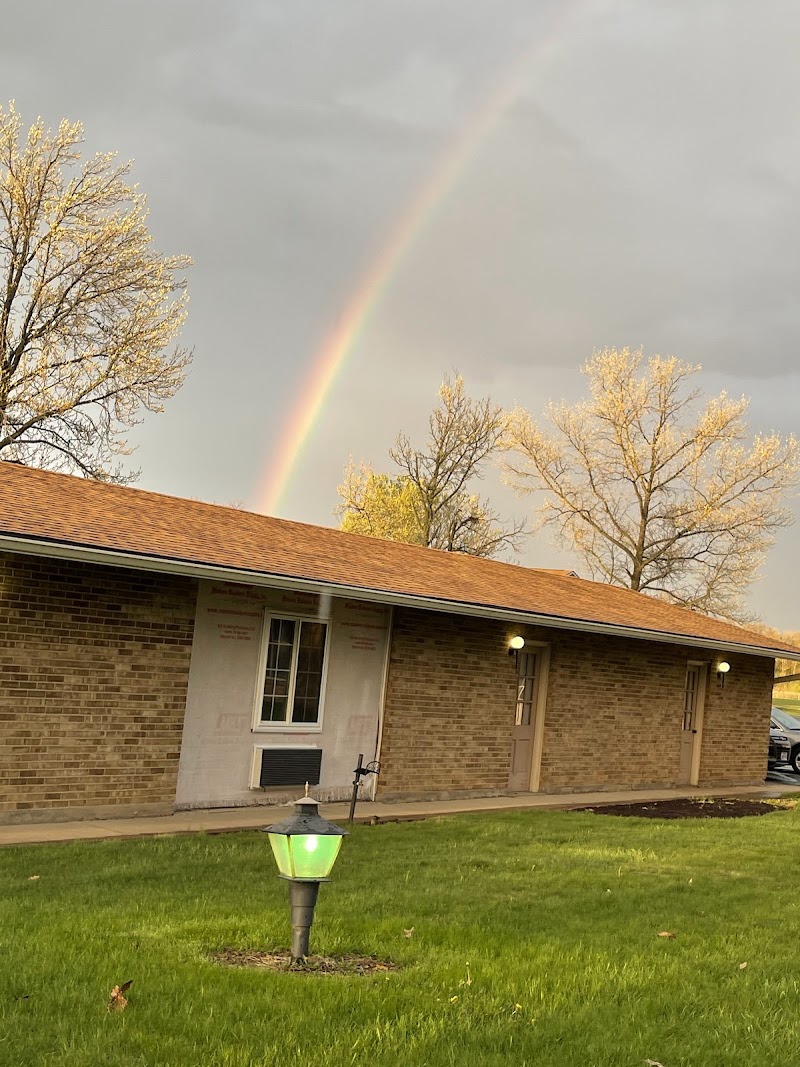
How is Centerville Health And Rehab Staffed?

CMS rates CENTERVILLE HEALTH AND REHAB's staffing level at 1 out of 5 stars, which is much below average compared to other nursing homes. Staff turnover is 70%, which is 24 percentage points above the Ohio average of 46%. High turnover can affect care consistency as new staff learn residents' individual needs. RN turnover specifically is 81%, which is notably high. RNs provide skilled clinical oversight, so turnover in this role can affect medical care quality.

What Have Inspectors Found at Centerville Health And Rehab?

State health inspectors documented 52 deficiencies at CENTERVILLE HEALTH AND REHAB during 2018 to 2025. These included: 50 with potential for harm and 2 minor or isolated issues. While no single deficiency reached the most serious levels, the total volume warrants attention from prospective families.
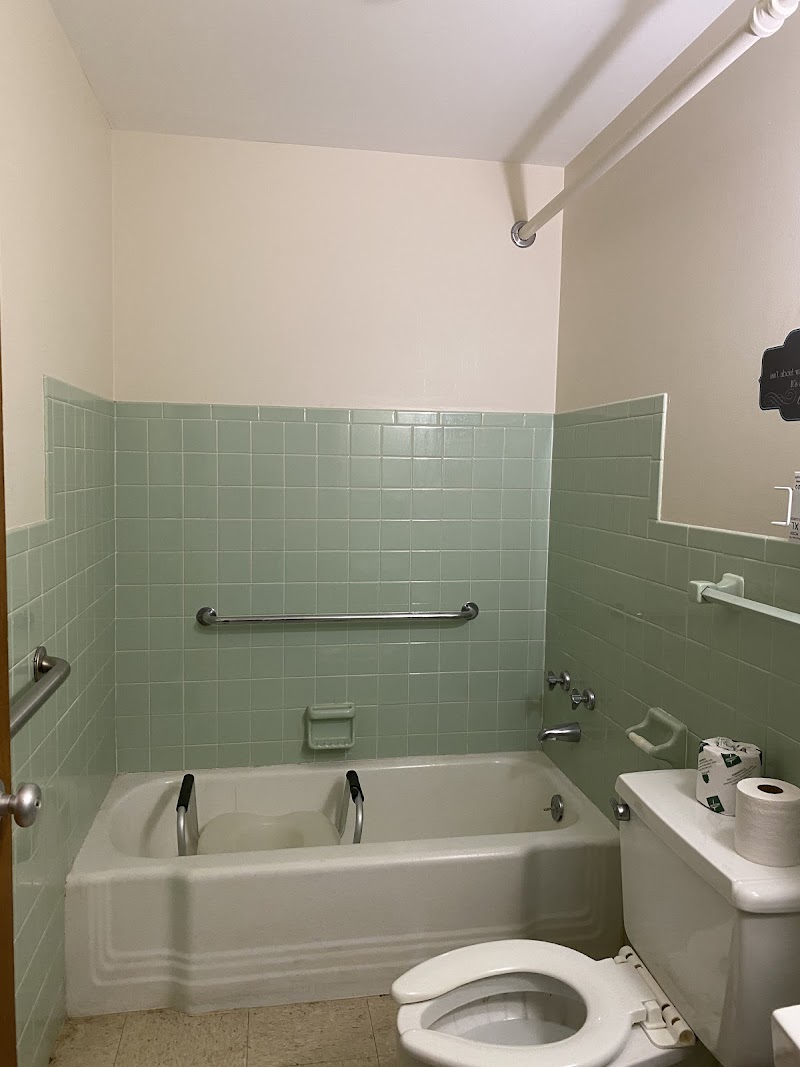
Who Owns and Operates Centerville Health And Rehab?

CENTERVILLE HEALTH AND REHAB is owned by a for-profit company. For-profit facilities operate as businesses with obligations to shareholders or private owners. The facility is operated by SIMCHA HYMAN & NAFTALI ZANZIPER, a chain that manages multiple nursing homes. With 120 certified beds and approximately 79 residents (about 66% occupancy), it is a mid-sized facility located in DAYTON, Ohio.
How Does Centerville Health And Rehab Compare to Other Ohio Nursing Homes?

Compared to the 100 nursing homes in Ohio, CENTERVILLE HEALTH AND REHAB's overall rating (1 stars) is below the state average of 3.2, staff turnover (70%) is significantly higher than the state average of 46%, and health inspection rating (1 stars) is much below the national benchmark.

What Should Families Ask When Visiting Centerville Health And Rehab?

Based on this facility's data, families visiting should ask: "How do you ensure continuity of care given staff turnover, and what is your staff retention strategy?" "Can you walk me through typical staffing levels on day, evening, and night shifts?" "Can I visit during a mealtime to observe dining assistance and food quality?" "How do you handle medical emergencies, and what is your hospital transfer rate?" These questions are particularly relevant given the facility's high staff turnover rate and the below-average staffing rating.

Is Centerville Health And Rehab Safe?

Based on CMS inspection data, CENTERVILLE HEALTH AND REHAB has a clean safety record: no substantiated abuse findings (meaning no confirmed cases of resident harm), no Immediate Jeopardy citations (the most serious violation level indicating risk of serious injury or death), and is not on the Special Focus Facility watch list (a federal program monitoring the lowest-performing 1% of nursing homes). The facility has a 1-star overall rating and ranks #100 of 100 nursing homes in Ohio. While no facility is perfect, families should still ask about staff-to-resident ratios and recent inspection results during their visit.

Do Nurses at Centerville Health And Rehab Stick Around?

Staff turnover at CENTERVILLE HEALTH AND REHAB is high. At 70%, the facility is 24 percentage points above the Ohio average of 46%. Registered Nurse turnover is particularly concerning at 81%. RNs handle complex medical decisions and coordinate care — frequent RN changes can directly impact care quality. High turnover means new staff may not know residents' individual needs, medications, or preferences. It can also be disorienting for residents, especially those with dementia who rely on familiar faces. Families should ask: What is causing the turnover? What retention programs are in place? How do you ensure care continuity during staff transitions?

Was Centerville Health And Rehab Ever Fined?

CENTERVILLE HEALTH AND REHAB has been fined $13,000 across 1 penalty action. This is below the Ohio average of $33,209. While any fine indicates a compliance issue, fines under $50,000 are relatively common and typically reflect isolated problems that were subsequently corrected. Families should ask what specific issues led to these fines and confirm they've been resolved.

Is Centerville Health And Rehab on Any Federal Watch List?

CENTERVILLE HEALTH AND REHAB is not on any federal watch list. The most significant is the Special Focus Facility (SFF) program, which identifies the bottom 1% of nursing homes nationally based on persistent, serious quality problems. Not being on this list means the facility has avoided the pattern of deficiencies that triggers enhanced federal oversight. This is a positive indicator, though families should still review the facility's inspection history directly.