DUNBAR HEALTH & REHAB CENTER
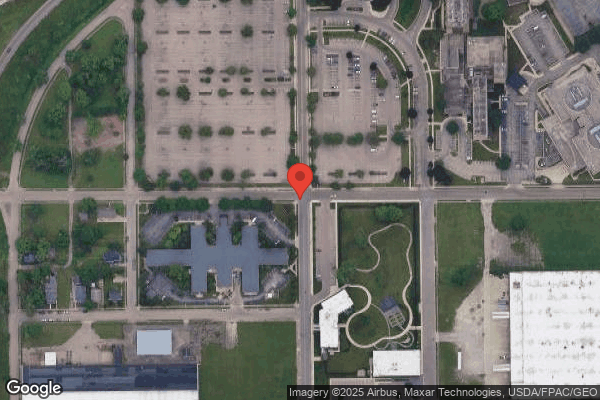
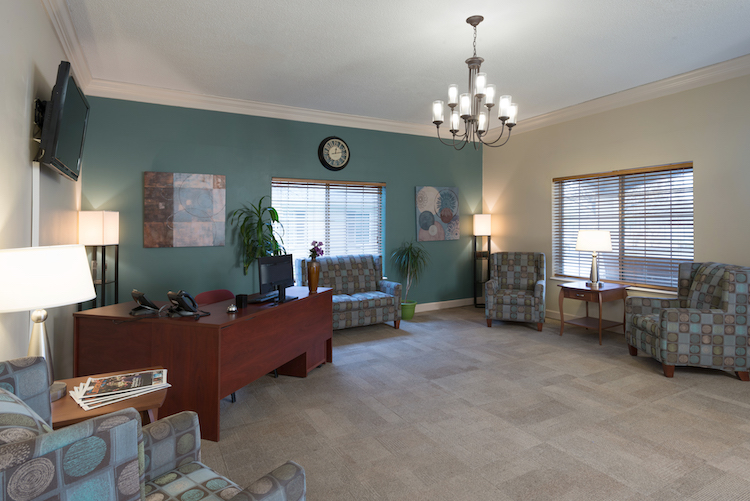
320 ALBANY STREET, DAYTON, OH 45417 (937) 496-6200
For profit - Corporation 68 Beds SABER HEALTHCARE GROUP Data: November 2025
Trust Grade
55/100
#453 of 913 in OH
Last Inspection: May 2025

Inspected within the last 6 months. Data reflects current conditions.

Overview

Dunbar Health & Rehab Center has a Trust Grade of C, which means it is average and sits in the middle of the pack among nursing homes. It ranks #453 out of 913 facilities in Ohio, placing it in the top half, and #14 out of 40 in Montgomery County, indicating that only a few local options are better. Unfortunately, the facility is currently worsening, with critical issues increasing from 1 in 2024 to 11 in 2025. Staffing is a concern, with a high turnover rate of 65%, significantly above the state average, although they maintain an average RN coverage. While there have been no fines reported, the facility has had serious issues, including failing to serve proper portion sizes for meals, maintaining cleanliness in the kitchen, and not addressing resident concerns raised in council meetings. These findings highlight the need for improvement in both care and communication within the facility.

Trust Score
C
55/100
In Ohio
#453/913
Top 49%
Safety Record
Low Risk
No red flags
Inspections
Getting Worse
1 → 11 violations
Staff Stability
⚠ Watch
65% turnover. Above average. Higher turnover means staff may not know residents' routines.
Penalties
✓ Good
No fines on record. Clean compliance history, better than most Ohio facilities.
Skilled Nurses
✓ Good
Each resident gets 44 minutes of Registered Nurse (RN) attention daily — more than average for Ohio. RNs are trained to catch health problems early.
Violations
⚠ Watch
27 deficiencies on record. Higher than average. Multiple issues found across inspections.
★★★☆☆
3.0
Overall Rating
★★★☆☆
3.0
Staff Levels
★★★★★
5.0
Care Quality
★★☆☆☆
2.0
Inspection Score
Stable
2024: 1 issues
2025: 11 issues

The Good

  • 5-Star Quality Measures · Strong clinical quality outcomes
  • Full Sprinkler Coverage · Fire safety systems throughout facility
  • No fines on record

Facility shows strength in quality measures, fire safety.

The Bad

3-Star Overall Rating

Near Ohio average (3.2)

Meets federal standards, typical of most facilities

Staff Turnover: 65%

19pts above Ohio avg (46%)

Frequent staff changes - ask about care continuity

Chain: SABER HEALTHCARE GROUP

Part of a multi-facility chain

Ask about local staffing decisions and management

Staff turnover is elevated (65%)

17 points above Ohio average of 48%

The Ugly 27 deficiencies on record

Jun 2025 1 deficiency
CONCERN (D) 📢 Someone Reported This

A family member, employee, or ombudsman was alarmed enough to file a formal complaint

Potential for Harm - no one hurt, but risky conditions existed

Deficiency F0925 (Tag F0925)

Could have caused harm · This affected 1 resident

Based on medical record review, staff and resident interviews, observations, review of a facility Self-Reported Incident (SRI), review of a video, and policy review, the facility failed to maintain an...

Read full inspector narrative →
Based on medical record review, staff and resident interviews, observations, review of a facility Self-Reported Incident (SRI), review of a video, and policy review, the facility failed to maintain an environment free from pests. This affected two (#60 and #19) of the three residents reviewed for the environment. The facility census was 58. Findings include: Review of the medical record for Resident #60 revealed an admission date of 05/20/25 and discharged on 05/27/25. Diagnoses included chronic respiratory failure with hypoxia, tracheostomy (trach), nontraumatic intracerebral hemorrhage, and diabetes mellitus. Review of a physician order for Resident #60 dated 05/22/25, revealed the resident was ordered to have trach checks and observations completed four times per day and as needed. Review of the discharge Minimum Data Set (MDS) assessment for Resident #60 dated 05/27/25, revealed Resident #60 was dependent for all activities of daily living (ADLs). Review of the facility SRI, dated 05/29/25, revealed the facility completed staff and resident interviews and observations. Review of a statement by Certified Nursing Assistant (CNA) #209 stated when she went to help another aide care for Resident #60, there were ants crawling on the resident. Review of the statement by CNA #222 stated on 05/25/25, Resident #60 had ants on her bed and her body. CNA #222 stated Resident #60 was washed up and repositioned. CNA #222 stated a personal blanket was noted on her bed covered with ants which was bagged and set aside for the family to pick up. Further review of staff statements revealed a statement dated 05/28/25 by the Administrator which stated she watched a video provided by Resident #60's husband which showed two to four ants on Residents #60's tracheostomy but none in the throat area. Review of the SRI revealed after observations and staff and resident interviews, the facility did not substantiate the allegation of neglect due to lack of evidence. Interview on 06/17/25 at 9:50 A.M. with Respiratory Nurse #208 revealed on 05/25/25 around 2:00 A.M. she observed about five ants on Resident #60's upper arm and on her bed but not on the resident's trach. Respiratory Nurse #208 stated she immediately notified the nurse and aide who gave Resident #60 a bed bath and changed her linens. Respiratory Nurse #208 stated she did not know where the ants came from and had not seen the ants in Resident #60's room before when providing trach care. Interview on 06/18/25 at 9:03 A.M. with Administrator and Director of Nursing (DON) via phone, revealed the DON stated she was notified by Resident #60's husband that Resident #60 was found to have ants on and around her tracheostomy on the afternoon of 05/25/25. The DON stated she contacted the housekeeping department to clean Resident #60's room, and she notified the Administrator. The Administrator and DON both confirmed they were not notified of the concerns about the ants found on Resident #60's by the facility staff when they were observed on 05/25/25 at 2:00 A.M. and were only notified of the concerns for ants by Resident #60's husband. The DON stated the facility staff provided personal care to Resident #60, changed her bed linens, and wiped down Resident #60's bed when the ants were observed on 05/25/25 at 2:00 A.M. The Administrator stated the facility received monthly pest control treatments and Resident #60's room was spot treated by the pest control company on 05/29/25. The Administrator stated she reviewed a video made by Resident #60's father which showed ants crawling around Resident #60's tracheostomy. The Administrator stated she completed an SRI after the hospital called on 05/29/25 related to neglect due to the ants found on Resident #60 per the family's video. Review of the medical record for Resident #19 revealed an admission date of 04/01/25. Diagnoses included atrial fibrillation and Parkinson's disease. Review of the admission MDS assessment for Resident #19 dated 04/08/25, revealed the resident had a Brief Interview for Mental Status (BIMS) of 12 out of 15, indicating the resident was cognitively intact. Interview on 06/16/25 at 11:25 A.M. with Resident #19, revealed there were gnats in her room at times. Observations of the facility on 06/16/25 and 06/17/25, revealed gnats to be flying around the facility and several noted on 300- Hall which is the ventilator unit. Interview on 06/17/25 at 9:25 A.M. with Licensed Practical Nurse (LPN) #201, revealed she sees a lot of gnats in the facility. Interview on 06/17/25 at 10:03 A.M. with Housekeeper #207, revealed she sees ants and gnats in the facility at times. Review of a video provided by the facility, which was not dated and time stamped, revealed Resident #60 lying in bed and two ants were noted to be crawling on Resident #60. One ant was observed to be crawling inside of Resident #60's trach mask and the other ant crawling on her trach ties. Review of the pest control company invoices, revealed documentation the facility received pest control treatments to the interior and exterior of the facility monthly and on 05/29/25. Review of the facility policy titled, Pest control, revised 08/12/18, stated if a pest situation was reported, the contractor would be notified and may be requested to make an unscheduled visit to address concerns. This deficiency represents non-compliance investigated under Complaint Number OH00166147.
May 2025 8 deficiencies
CONCERN (D)

Potential for Harm - no one hurt, but risky conditions existed

Investigate Abuse (Tag F0610)

Could have caused harm · This affected 1 resident

**NOTE- TERMS IN BRACKETS HAVE BEEN EDITED TO PROTECT CONFIDENTIALITY** Based on medical record review, resident interview, family interview, review of the facility's self-reported incident (SRI), sta...

Read full inspector narrative →
**NOTE- TERMS IN BRACKETS HAVE BEEN EDITED TO PROTECT CONFIDENTIALITY** Based on medical record review, resident interview, family interview, review of the facility's self-reported incident (SRI), staff interview, and policy review, the facility failed to ensure a thorough investigation was conducted on abuse and misappropriation allegations. This affected three (#38, #117, and #12) of three residents reviewed for abuse and misappropriation. The facility census was 63. Findings include: 1. Review of the medical record of Resident #38 revealed an admission date of 03/17/23. Diagnoses included unspecified intracranial injury with loss of consciousness, quadriplegia, depression, dysphagia, anxiety. Review of the quarterly Minimum Data Set (MDS) assessment dated [DATE] revealed the resident had moderately impaired cognition. The resident required setup/clean-up assistance with eating and was dependent on staff for all other activities of daily living. 2. Review of the medical record of Resident #117 revealed an admission date of 04/22/22. The resident discharged to another facility 03/21/25. Diagnoses included hemiplegia and hemiparesis following cerebrovascular disease affecting left non-dominant side, type 2 diabetes mellitus, essential hypertension, cerebral infarction, schizoaffective disorder, vascular dementia, drug induced subacute dyskinesia, and anxiety disorder. Review of the annual MDS assessment dated [DATE] revealed the resident had intact cognition. The resident exhibited physical and verbal behaviors during the assessment period. The behaviors were identified as putting others at significant risk for physical injury, significantly intruding on the privacy or activity of others, and significantly disrupting care or living environment. The resident was independent with mobility. Review of the facility self reported incident (SRI) dated 02/26/25 revealed Residents #117 and #38 were in the dining room joking around when Resident #38 said something to Resident #117 that Resident #117 did not like. Resident #38 said he was joking, however, Resident #117 went up to Resident #38 and hit him in the face. The residents were immediately separated. Resident #117 stated she was joking and did not mean to hit Resident #38 as hard as she did. Neither resident had any injury. Review of the investigation revealed there was no information regarding who else was present at the time of the incident. There was no evidence of witness statements being obtained from staff or other residents, nor was there any evidence of other residents being assessed for any injury or psychosocial impact. Interview on 04/28/25 at 10:46 A.M., Resident #38 had no recollection of the event involving Resident #117 hitting him in the face. Interview on 05/01/25 at 11:40 A.M., the Administrator verified the investigation did not contain any information on who else was present at the time of the altercation, information about any events leading up to the altercation, witness statements regarding the altercation, nor assessment of other residents. The Administrator stated there were a lot of other residents present at the time of the altercation and stated she talked with the other residents but did not document these conversations. The Administrator stated she was unsure of if staff were present. The Administrator stated she did not do any further investigation on the incident as she felt the altercation was cut and dry, Review of the facility policy titled, Ohio Resident Abuse Policy, dated 07/11/24, revealed, as part of the investigation, residents, the accused, and all witnesses would be interviewed and written statements obtained. Witnesses include anyone who witnessed or heard the incident, came in close contact with the residents on the day of the incident (including residents, family members), and employees who worked closely with the victim the day of the incident. If there are no direct witnesses, then the interviews should be expanded to cover all employees on the unit or shift. 3. Review of the medical record for Resident #12 revealed the resident admitted to the facility on [DATE], diagnoses included chronic obstructive pulmonary disease, type two diabetes mellitus with hyperglycemia, hypertension, peripheral vascular disease, anemia, major depressive disorder, neuropathy, acquired absence of left leg above the knee, and generalized anxiety disorder. Review of the most recent MDS assessment for Resident #12 dated 03/25/25 revealed the resident was cognitively intact. During an interview with Resident #12 on 04/29/25 at 08:55 A.M., it was disclosed the resident had an iPad mini stolen from her room in February 2025, the incident was reported to the facility Administrator. Resident #12 stated she was offered $200.00 if she could provide proof of purchase from either the original receipt or a replacement receipt. Resident #12 reported being dissatisfied with the lack of investigation including the lack of a police report, for which she requested, and the financial reimbursement offer. Resident #12 reported she received the iPad mini for Christmas, a gift from her daughter, and at this time Resident #12 was unable to go out and purchase a replacement without receiving reimbursement in advance. Resident #12 further reported she was recently told by a night aide, there were two new aides working the night the iPad mini went missing and neither of them have returned to work since that night. Resident #12 did not disclose the name of the aide who shared the information. Interview on 04/29/25 at 2:45 P.M. with the Administrator revealed Resident #12 initially reported the iPad missing, then stolen and changed her story several times. Resident #12 never made it known to the facility she had an iPad, and while conducting staff interviews, no one could confirm or recall seeing Resident #12 with an iPad. Interview, via phone, on 05/01/25 at 12:27 P.M., with Resident #12's daughter confirmed she purchased a rose colored iPad mini from a cousin for $300.00 and gifted it to Resident #12 at Christmas. The daughter of Resident #12 verbalized how displeased she was the facilities investigation, claiming she had inquired if anything was seen on the facility cameras and was not provided a follow up from the facility. Further record review of the facility incident report revealed the theft occurred on 02/09/25 at 03:00 A.M. Documentation of investigation revealed Resident #12 reported she was sleeping when the iPad went missing. Staff were interviewed but the investigation report lacked any details of the dates or time of interview and the line of questioning. Review of an electronic message sent to Resident #12 by the Administrator dated 03/05/25 and timed 3:08 P.M., revealed the Administrator met with Resident #12 and let the resident know the facility would provide reimbursement around $200.00 for the iPad mini that went missing however a receipt would have to be provided for the reimbursement and that the reimbursement could take up to three months. The communication read that Resident #12 stated she understood. Follow up interview with the Administrator on 05/01/25 at 09:30 A.M., the Administrator verified the facility did not file a police report and the documentation of the incident investigation was lacking pertinent details. The Administrator verbalized she needs to document everything related to the investigation process with date and time stamps including conversations, and interviews. Review of the Ohio Resident Abuse Policy revealed the facility will contact the police for any allegation of misappropriation of resident property. Review of the Crime Reporting Policy reveals the facility is required to report any reasonable suspicion of a crime against any individual who is a resident or receiving care from the facility.
CONCERN (D) 📢 Someone Reported This

A family member, employee, or ombudsman was alarmed enough to file a formal complaint

Potential for Harm - no one hurt, but risky conditions existed

Deficiency F0676 (Tag F0676)

Could have caused harm · This affected 1 resident

Based on medical record review, observations, staff interviews and policy review. The facility failed to provide nail care for one (#167) dependent resident of two sampled for activities of daily livi...

Read full inspector narrative →
Based on medical record review, observations, staff interviews and policy review. The facility failed to provide nail care for one (#167) dependent resident of two sampled for activities of daily living. The facility census was 63. Findings include: Review of Resident #167's medical record revealed an admission date of 03/13/25. Diagnoses included respiratory failure with ventilator dependence, diabetes, and anxiety. Resident #167 required nutrition through a gastrostomy tube. The most recent Minimum Date Set (MDS ) dated 03/18/25 revealed the resident was totally dependent on staff for all care. Review of the residents activities of daily living plan of care dated 03/18/25 noted the resident is to get nail care weekly with his bath. During an observation of wound care on 04/30/25 at 9:30 A.M., Resident #167 was observed to have long fingernails that were growing downward into his finger tips. Interview with Licensed Practical Nurse (LPN #48 ) 04/30/25 at 9:35 A.M. verified the residents nails were too long. LPN #48 stated they would be taken care of. Review of the facility policy titled Morning Care/AM Care dated 01/11 stated the facility was to provide nail care daily. This deficiency represents non-compliance investigated under Complaint Number OH00163057.
CONCERN (D)

Potential for Harm - no one hurt, but risky conditions existed

Accident Prevention (Tag F0689)

Could have caused harm · This affected 1 resident

**NOTE- TERMS IN BRACKETS HAVE BEEN EDITED TO PROTECT CONFIDENTIALITY** Based on medical record review, hospital record review, staff interview, and policy review, the facility failed to ensure falls ...

Read full inspector narrative →
**NOTE- TERMS IN BRACKETS HAVE BEEN EDITED TO PROTECT CONFIDENTIALITY** Based on medical record review, hospital record review, staff interview, and policy review, the facility failed to ensure falls were thoroughly and timely investigated. This affected two (#46 and #66) of four residents reviewed for falls. The facility census was 63. Findings include: 1. Review of the medical record of Resident #46 revealed an admission date of 11/01/24. The resident transferred to the hospital on [DATE] and readmitted to the facility on [DATE]. Diagnoses included chronic diastolic (congestive) heart failure, vascular dementia, left femur fracture, and age-related osteoporosis. Review of the quarterly Minimum Data Set (MDS) assessment dated [DATE] revealed the resident had moderately impaired cognition. Resident #46 was dependent on staff for transfers and toileting and required substantial/maximal assistance with bed mobility. Review of the Fall Risk Assessments dated 11/01/24 and 02/21/25 revealed Resident #46 was a high fall risk. Review of the care plan dated 04/28/25 revealed Resident #46 was at risk for falls related to cognitive deficit, muscle weakness, difficulty walking, pain, anxiety, and non-compliance with using call light for assistance. Interventions included a reacher, non-skid footwear when out of bed, keep familiar objects/commonly used items within reach, and keep bed in lowest position with brakes locked while the resident is in bed. Review of a progress note dated 02/09/25 revealed Licensed Practical Nurse (LPN) #85 was passing medications when she heard a resident call for help. The nurse immediately responded to the call and found Resident #46 lying on the floor on her side. When asked what happened, Resident #46 stated she was trying to get into her chair and further stated she knew she could not do it but tried anyway. The nurse and another staff member attempted to assist Resident #46 back to bed and Resident #46 began to scream in pain, stating she thought she had broken her hip and wanted to be sent to the hospital. The physician, Director of Nursing (DON) and family were notified and the resident was sent to the hospital for evaluation. Review of the hospital History and Physical (H&P) dated 02/09/25, revealed Resident #46 admitted to the hospital with a displaced intertrochanteric fracture of the left femur and a mechanical fall. Further review of the medical record revealed no evidence of a post-fall evaluation being completed for Resident #46's fall on 02/09/25. Review of the facility's fall investigation revealed a statement was obtained from LPN #85, which contained the same information as the progress note dated 02/09/25 and the resident had last been seen 25 minutes prior when LPN #85 gave Resident #46 her medications. The investigation also contained the hospital H&P and LPN #85's progress note, dated 02/09/25. There was no additional information regarding the fall, including interventions in place at the time of the fall and the events leading up to the fall. Interview on 04/30/25 at 2:40 P.M., the DON stated she did not have any additional information regarding the fall investigation for Resident #46. The DON confirmed there was not a thorough investigation completed following Resident #46's fall. The DON stated the immediate intervention was to send Resident #46 to the hospital and was found to have a hip fracture. The DON stated, when Resident #46 returned from the hospital, all previous interventions were resumed, no additional interventions were implemented, with the exception of educating Resident #46, which was not documented. The DON further confirmed Resident #46 had moderately impaired cognition would not likely be able to recall education provided. 2. Review of the medical record of Resident #46 revealed an admission date of 11/01/24. The resident transferred to the hospital on [DATE] and readmitted to the facility on [DATE]. Diagnoses included chronic diastolic (congestive) heart failure, vascular dementia, left femur fracture, and age-related osteoporosis. Review of the quarterly MDS assessment dated [DATE] revealed Resident #66 had intact cognition. The resident was independent for eating, setup or cleanup for oral hygiene, supervision for showering and bathing, supervision for dressing, and setup for personal hygiene. The resident was occasionally incontinent of urinary & frequently incontinent of bowels. Review of the Fall Risk Assessments dated 1/22/25 revealed Resident #66 was moderate fall risk. Review of a progress note dated 02/10/25 revealed on 02/07/25 Resident #66 was sent to the hospital. A bed hold letter was provided once the immediate transfer was initiated. Review of event incident report dated on 02/07/25 revealed there was a unwitnessed fall and the investigation was not closed until 03/25/25. Review of the hospital Discharge summary dated [DATE], revealed Resident #66 was transferred to the hospital for a mechanical fall from his bed sustaining a facial injury, laceration to the left scalp, right arm and knee. Resident #66 was then admitted to the hospital for syncope versus fall with a scalp laceration and left knee abrasion. Resident #66 passed away on 02/07/25. Further review of the medical record revealed no evidence of a fall documented in the progress notes. Review of the facility's fall investigation revealed a statement was obtained from LPN #2005, which contained information that an unwitnessed fall occurred, and the resident was alert and oriented at the time staff responded. There was no additional information regarding the fall, including interventions in place at the time of the fall and the events leading up to the fall. Interview on 04/30/25 at 10:49 A.M. with Certified Nursing Assistant (CNA) #90., the CNA stated Resident #66 he was sitting on the edge of bed eating breakfast when she last saw him. The staff heard a cry of help and responded, in less than a minute, to find Resident #66 on the floor. CNA #90 stated that the same thing as what was contained in the witness statement, that Resident 66 was alert and talking to staff members. Interview on 04/30/25 at 11:10 A.M. with the DON, the DON stated she did not have any additional information regarding the fall investigation for Resident #66. The DON confirmed there was not a thorough investigation completed following Resident #66's fall. The DON stated the immediate intervention was to send Resident #66 to the hospital. The DON stated they do not have a timeline for when a fall investigation needs to be completed and can have as much time as they need to complete the investigation. Review of the facility policy titled, Fall Prevention and Management, dated 08/06/24, revealed all falls would be reviewed and investigated by an interdisciplinary team and any new interventions would be implemented, and the care plan updated as necessary. Such review should include the results of the new fall risk assessment, discussion with resident and/or any witnessing parties as to potential causal factors, review of the environment where the fall occurred, and discussion as to any new interventions which may help to prevent further falls.
CONCERN (D)

Potential for Harm - no one hurt, but risky conditions existed

Deficiency F0761 (Tag F0761)

Could have caused harm · This affected 1 resident

**NOTE- TERMS IN BRACKETS HAVE BEEN EDITED TO PROTECT CONFIDENTIALITY** Based on medical record review, observation, staff interview and review of facility policy, the facility failed to ensure reside...

Read full inspector narrative →
**NOTE- TERMS IN BRACKETS HAVE BEEN EDITED TO PROTECT CONFIDENTIALITY** Based on medical record review, observation, staff interview and review of facility policy, the facility failed to ensure residents are observed taking medications and medications were not left with residents. This affected one (#31) of 21 residents observed in the sample. The census was 63. Findings include: 1. Review of Resident #31's medical record revealed an admission date of 02/03/20. Diagnoses listed included encephalopathy, malnutrition, psychotic disorder with hallucinations, major depression, and insomnia. Review of a quarterly Minimum Data Set (MDS) assessment dated [DATE] revealed Resident #31 had moderately impaired cognition. Observation on 05/01/25 at 9:40 A.M. revealed Resident #31 was in bed holding a medication cup that contained three pills. Resident #31's eyes were closed. Resident #31 could not be verbally aroused. During an interview on 05/01/25 at 9:43 A.M. Licensed Practical Nurse (LPN) #220 confirmed he had not observed Resident #31 consume the medications. LPN #220 identified the medications as two 2.5 milligram (mg) tablets of Olanzapine (antipsychotic) and one 10 mg tablet of Baclofen (muscle relaxant). LPN #220 verified residents should be observed taking medications. Further review of Resident #31's medical record revealed an order dated 04/24/25 for Olanzapine 5 mg twice day and an order dated 08/10/23 for 10 mg of Baclofen twice a day. Review of the facility policy titled, General Dose Preparation and Medication Administration dated revised 11/15/24 revealed staff should observe the resident's consumption of the medication(s) when administering medications.
CONCERN (D)

Potential for Harm - no one hurt, but risky conditions existed

Infection Control (Tag F0880)

Could have caused harm · This affected 1 resident

**NOTE- TERMS IN BRACKETS HAVE BEEN EDITED TO PROTECT CONFIDENTIALITY** Based on medical record review, observation, staff interview, and review of facility policy, the facility failed to ensure enhan...

Read full inspector narrative →
**NOTE- TERMS IN BRACKETS HAVE BEEN EDITED TO PROTECT CONFIDENTIALITY** Based on medical record review, observation, staff interview, and review of facility policy, the facility failed to ensure enhanced barrier precautions (EBP) were followed and also failed to ensure staff sanitized hands after providing care to a resident and delivering meal trays. This affected three Residents (#19, #54, and #55) observed during dining. The census was 63. Findings include: Review of Resident #54's medical record revealed an admission date of 09/30/24. Diagnoses listed included traumatic brain injury, anxiety, brain cancer, and obstructive sleep apnea. Review of a quarterly Minimum Data Set (MDS) dated [DATE] revealed Resident #54 was severely cognitively impaired and had a feeding tube. Review of physician orders revealed an order dated 02/24/25 for Isolation/Transmission-Based Precautions: Enhanced Barrier Precautions (EBP). Observation on 04/29/25 at 7:42 A.M. revealed Certified Nurse Aide (CNA) #160 and CNA #760 repositioning Resident #54 in bed. Neither CNA #160 or CNA #760 were wearing gloves or gowns. CNA #160 then exited Resident #54's room and delivered a meal tray from a cart to Resident #55 who was across the hall from Resident #54. CNA #160 did not sanitize hands before exiting Resident #54's room or before obtaining Resident #55's meal tray. CNA #760 also exited Resident #54's room and delivered a meal tray from a cart to Resident #19 who was across the hall from Resident #54. CNA #760 did not sanitize hands before exiting Resident #54's room or before obtaining Resident #19's meal tray. During interviews on 04/29/25 at 7:46 A.M. CNA #160 and CNA #760 confirmed that they had not wore a gown or gloves when repositioning Resident #54. CNA #160 and CNA #760 also confirmed Resident #54 was on EBP and they had not sanitized their hands before exiting Resident #54's room and before delivering meal trays to Resident #19 and Resident #55. The Administrator was present during the interviews and confirmed the observations. Review of the facility's policy titled, Transmission-Based Precautions and Isolation Policy dated last revised 03/20/25 revealed EBP are intended to prevent transmission of multi-drug resistant organisms (MDROs) via contaminated hands and clothing of healthcare workers to high risk residents. EBP are indicated for high contact care activities for residents with chronic wounds and indwelling devices (such as central lines, urinary catheters, and tracheostomies) and for all those colonized or infected with a MDRO currently targeted by the Centers of Disease Control and Prevention (CDC). Other MDROs may be included at the discretion of the facility Infection Control Committee unless required by state guidance. Review of the facility's policy titled, Serving Meals dated revised December 2016 revealed staff would wash hands before delivering meals.
CONCERN (E) 📢 Someone Reported This

A family member, employee, or ombudsman was alarmed enough to file a formal complaint

Potential for Harm - no one hurt, but risky conditions existed

Deficiency F0565 (Tag F0565)

Could have caused harm · This affected multiple residents

Based on the review of Resident Council meeting minutes, resident interview, and staff interviews, the facility failed to document and follow up on resident concerns from the resident council meetings...

Read full inspector narrative →
Based on the review of Resident Council meeting minutes, resident interview, and staff interviews, the facility failed to document and follow up on resident concerns from the resident council meetings. This affected 10 out of 10 members of Resident council who regularly attended the meetings and had the potential to affect all residents residing at the facility. The facility census is 63. Findings include: Review of Resident Council meetings minutes from August 2024 to March 2025 revealed the facility did not follow up on concerns brought forward at the Resident Council meetings. Review of the meeting minutes revealed the resolutions from the last meeting concerns were left blank. The meeting concerns that had not been addressed included more outings, a higher activities budget, loud music in other residents' rooms, a pop up facility store, bed linen changes, call lights, and snacks for residents including fresh fruit. Interview on 04/30/25 at 3:14 P.M. with Resident Council President #12 verified that the previous meeting concerns had not been addressed and stated that they do not know when and if the facility will make a resolution to the council's concerns. Interview on 04/30/25 at 4:32 P.M. with Staff Member #655 verified the facility has not followed up with her or the residents on the concerns brought forward in Resident Council meetings. Interview on 05/01/25 at 9:26 A.M. with Administrator #72 verified the resolution sheets were not filled out, therefore the Resident Council committee members have not been provided a resolution to their concerns. This deficiency represents non-compliance investigated under Complaint Number OH00163645.
CONCERN (F)

Potential for Harm - no one hurt, but risky conditions existed

Menu Adequacy (Tag F0803)

Could have caused harm · This affected most or all residents

Based on observation, staff interview, and record review, the facility failed to ensure portion sizes were served as planned. This had the potential to affect 57 of 63 residents in the facility. The f...

Read full inspector narrative →
Based on observation, staff interview, and record review, the facility failed to ensure portion sizes were served as planned. This had the potential to affect 57 of 63 residents in the facility. The facility identified six residents (#167, #54, #62, #48, #49, and #43) who did not receive food from the kitchen. The facility census was 63. Findings include: Review of the dietary spreadsheet for the lunch meal on 04/30/25 revealed the serving size for the rice was 1/2 cup, sliced carrots was 1/2 cup, and ground chicken was 3 ounces. Observation on 04/30/25 at 11:04 A.M. revealed [NAME] #735 making plates for the lunch meal. [NAME] #735 utilized a #12 scoop (1/3 cup) for the sliced carrots, a #20 scoop (1 5/8 ounces) for the ground chicken, and a #16 scoop (1/4 cup) for the rice. Observation on 04/30/25 at 11:12 A.M. revealed the first cart of trays was complete and left the kitchen to be delivered to the unit. Interview on 04/30/25 at 11:12 A.M., [NAME] #735 verified she was using a #12 scoop for the sliced carrots, a #20 scoop for the ground chicken, and a #16 scoop for the rice. [NAME] #735 continued on to plate food for the next cart of trays. [NAME] #735 stated she utilized the spreadsheets to determine the appropriate scoop size. Interview on 04/30/25 at 11:15 A.M., Dietary Manager (DM) #38 verified [NAME] #735 was utilizing the wrong size scoop for the sliced carrots, ground chicken, and rice.
CONCERN (F)

Potential for Harm - no one hurt, but risky conditions existed

Food Safety (Tag F0812)

Could have caused harm · This affected most or all residents

Based on observation, staff interview, and record review, the facility failed to ensure the steam table was maintained in a clean and sanitary manner. This had the potential to affect 57 of 63 residen...

Read full inspector narrative →
Based on observation, staff interview, and record review, the facility failed to ensure the steam table was maintained in a clean and sanitary manner. This had the potential to affect 57 of 63 residents in the facility. The facility identified six residents (#167, #54, #62, #48, #49, and #43) who did not receive food from the kitchen. The facility census was 63. Findings include: Observation on 04/30/25 at 10:26 A.M. revealed the water wells of the steam table in the kitchen contained a yellowish-brown liquid with debris floating at the top and brown sediment around the bottom and edges of each well. Interview at the same time, [NAME] #735 verified the water wells of the steam table contained a yellowish-brown liquid and there was debris floating at the top of the liquid and brown sediment around the bottom and edges of each well. [NAME] #735 described the liquid as grimey and attributed the color to grease falling into the well when taking pans in and out of the steam table. [NAME] #735 stated she planned on cleaning the steam table wells the following day (05/01/25) and stated the steam table was cleaned weekly. Observations on 04/30/25 between 11:04 A.M. and 11:30 A.M. revealed [NAME] #735 serving food from the steam table for the lunch meal. Interview on 04/30/25 at 11:43 A.M., Dietary Manager (DM) #38 verified the steam table wells were in need of cleaning. DM #38 stated the last time the steam table wells were drained was 04/24/25 and stated the wells were drained and cleaned on a weekly basis. Interview on 05/01/25 at 12:12 P.M., Senior Registered Dietitian (SRD) #08 stated the expectation is for the steam table wells to be drained and cleaned daily and deep cleaned weekly. Review of the manual for the steam table, as provided by the facility, dated 10/27/08, revealed maintenance of the steam table included daily cleaning, consisting of draining or removing water from the well, utilizing a soft cloth or sponge with a mild detergent to clean the entire warmer assembly. Rinse completely with warm water and then dry. Utilize a plastic scouring pad and mild detergent to remove hardened food. Review of the [NAME] Daily Task schedule revealed the steam table was to be drained and cleaned at 6:45 P.M. daily.
Feb 2025 2 deficiencies
CONCERN (D) 📢 Someone Reported This

A family member, employee, or ombudsman was alarmed enough to file a formal complaint

Potential for Harm - no one hurt, but risky conditions existed

Deficiency F0692 (Tag F0692)

Could have caused harm · This affected 1 resident

**NOTE- TERMS IN BRACKETS HAVE BEEN EDITED TO PROTECT CONFIDENTIALITY** Based on review of the medical record, staff interviews, and policy review, the facility failed to adequately monitor weights an...

Read full inspector narrative →
**NOTE- TERMS IN BRACKETS HAVE BEEN EDITED TO PROTECT CONFIDENTIALITY** Based on review of the medical record, staff interviews, and policy review, the facility failed to adequately monitor weights and implement appropriate interventions in a timely manner. This affected one Resident (#64) of the three resident reviewed for significant weight changes. The facility census was 60. Findings include: Review of the closed medical record for Resident #64 revealed an admission date of 06/06/24 with a discharge date of 01/15/25. Diagnoses included epilepsy, major depressive disorder, anxiety disorder, and cerebral infarction. Review of the Quarterly Minimum Data Set (MDS) assessment dated [DATE], revealed Resident #64 had intact cognition as evidenced by a Brief Interview for Mental Status (BIMS) score of 13. This resident was assessed to require setup with eating, dependent with toileting, substantial assistance with bathing and dressing, and partial assistance with transfers. Review of the care plan dated 01/14/25, revealed Resident #64 had increased nutrition/hydration risk related to seizures, cerebral infarction, and weight gain for three months. Interventions included monitor laboratory (lab) values per order, review preferences per routine and as needed (PRN), respect dietary choices, monitor weight per protocol, and monitor dietary intake. Review of the weight records for Resident #64 revealed the following dates and weights: a) On 06/07/24 a weight of 193.4 pounds (lbs.) was recorded. b) on 07/09/24 the resident was 193 lbs. c) On 08/06/24 the resident was 215.8 lbs. d) On 09/04/24 the resident was 242.4 lbs. e) On 10/21/24 the resident was 265.8 lbs. f) On 11/04/24 the resident was 267.4 lbs. g) On 12/2024, there was no weight recorded h) On 01/01/25 the resident was 283.6 lbs. Review of a progress note dated 09/11/24 at 5:09 P.M., revealed Resident #64 had a significant weight gain of 12.3 percent (%), which was 26.6 lbs. in one month, and 25.3 %, which was 49 lbs. in three months. Registered Dietician (RD) #50 requested a re-weight to ensure accuracy of the weight gain. Resident #64 consumed 76-100 % of meals and supplements. RD #50 discontinued ProStat (dietary supplement) due to no longer needed as wound had healed. Interview on 02/19/25 with RD #50 revealed on 09/11/24 she requested a re-weight on Resident #64. RD #50 verified she did not follow up the following week to ensure a re-weight was completed. RD #50 verified Resident #64 was not weighed again until 10/21/24, where she had a 23.4 lbs. increase. RD #50 stated she discontinued Resident #64's ProStat as it was no longer needed. RD #50 reported she had not requested weekly weights on Resident #64 to monitor weight gain more frequently. RD #50 revealed she spoke with Resident #64 regarding weight gain but could not provide documentation of the encounter. Review of the facility policy titled, Resident Weight Policy, dared 12/12/23 revealed weights would be obtained routinely in order to monitor nutritional health over time. Each resident's weight would be determined upon admission/readmission to the facility, weekly for the first four weeks after admission/readmission, and monthly or more often if risk was identified, or as ordered. This deficiency represents non-compliance investigated under Complaint Number OH00161977.
CONCERN (D) 📢 Someone Reported This

A family member, employee, or ombudsman was alarmed enough to file a formal complaint

Potential for Harm - no one hurt, but risky conditions existed

Pharmacy Services (Tag F0755)

Could have caused harm · This affected 1 resident

**NOTE- TERMS IN BRACKETS HAVE BEEN EDITED TO PROTECT CONFIDENTIALITY** Based on review of the medical record and staff interviews, the facility failed to ensure medications were available and adminis...

Read full inspector narrative →
**NOTE- TERMS IN BRACKETS HAVE BEEN EDITED TO PROTECT CONFIDENTIALITY** Based on review of the medical record and staff interviews, the facility failed to ensure medications were available and administered per physician orders. This affected one Resident (#65) of the three residents reviewed for medication administration. The facility census was 60. Findings include: Review of the medical record for Resident #65 revealed an admission date of 01/06/25 with a discharge date of 01/20/25. Diagnoses included congestive heart failure (CHF), cerebral infarction, and chronic obstructive pulmonary disease (COPD). Review of the admission Minimum Data Set (MDS) assessment dated [DATE], revealed Resident #65 had moderate cognitive impairment as evidenced by a Brief Interview for Mental Status (BIMS) score of 12. This resident was assessed to require setup with eating, dependent with toileting and transfers, and substantial assistance with bathing and dressing. Review of the physician order dated 01/13/25, revealed Resident #65 was ordered Anbesol liquid (pain relief) 10 percent (%) to rinse mouth and spit out for thrush twice a day. Review of the medication administration record (MAR) dated January 2025, revealed Resident #65 did not receive Anbesol 10 % mouth wash from 01/13/25 through 01/20/25 due to unavailability. Interview on 02/19/25 at 11:14 A.M. with Pharmacy Representative #70, revealed the facility was responsible for obtaining the medication because it was considered an over the counter (OTC) prescription. Interview on 02/19/25 at 11:23 A.M. with Pharmacy Representative #71, revealed the facility was notified on 01/13/25 that Anbesol was on backorder and a substitution Nystatin could be ordered in replace of, which was reported to Licensed Practical Nurse (LPN) #22. Interview on 02/19/25 at 11:26 A.M. with Director of Nursing (DON), verified Resident #65 did not receive Anbesol mouth wash from 01/13/25 through 01/20/25. Interview on 02/19/25 at 11:40 A.M. with Nurse Practitioner (NP) #60, revealed she was never informed of Resident #65 medication's being on backorder. This deficiency represents non-compliance investigated under Complaint Number OH00162025.
Mar 2024 1 deficiency
CONCERN (D) 📢 Someone Reported This

A family member, employee, or ombudsman was alarmed enough to file a formal complaint

Potential for Harm - no one hurt, but risky conditions existed

Deficiency F0760 (Tag F0760)

Could have caused harm · This affected 1 resident

Based on record review, observation, staff interview and review of manufacturer instructions, the facility failed to ensure staff primed an insulin pen prior to insulin administration resulting in a s...

Read full inspector narrative →
Based on record review, observation, staff interview and review of manufacturer instructions, the facility failed to ensure staff primed an insulin pen prior to insulin administration resulting in a significant medication error. This affected one (#22) of six residents observed for medication administration. Facility census was 58. Findings include: Review of medical record for Resident #22 revealed admission date of 07/26/23. Diagnoses include diabetes mellitus type two, hypertension and peripheral vascular disease. Review of the physician orders for Resident #22 revealed an order to administer seven units of insulin Lispro subcutaneously with meals and a start date of 11/02/23. Observation on 03/05/24 at 12:18 P.M. of Registered Nurse (RN) #101 of medication administration for Resident #22 revealed she retrieved an insulin Lispro (fast acting) pen from the medicine cart, she removed the cap and cleansed the hub of the pen with an alcohol swab, she attached the needle and turned the dial if the pen to 7. The medication was given subcutaneously, along with her oral medication. RN #101 did not prime the insulin pen prior to administer Resident #22's insulin. Interview at 03/04/24 at 12:21 P.M. with RN #101 acknowledged she did not prime Resident #22's Lispro insulin needle prior to administration. Review of the manufactures instructions for insulin Lispro required the needle to be primed (removing the air from the needle) if this procedure was not done, too little or too much insulin could be administered. This deficiency represents non-compliance investigated under Complaint Number OH00151217.
Aug 2023 2 deficiencies
CONCERN (E) 📢 Someone Reported This

A family member, employee, or ombudsman was alarmed enough to file a formal complaint

Potential for Harm - no one hurt, but risky conditions existed

Comprehensive Assessments (Tag F0636)

Could have caused harm · This affected multiple residents

Based on record reviews, staff interview, and review of the Long-Term Care Facility Resident Assessment Instrument (RAI) manual, the facility failed to ensure residents comprehensive Minimum Data Set ...

Read full inspector narrative →
Based on record reviews, staff interview, and review of the Long-Term Care Facility Resident Assessment Instrument (RAI) manual, the facility failed to ensure residents comprehensive Minimum Data Set (MDS) assessments were completed timely. This affected four (#10, #16, #110, and #118) out of the four residents reviewed for comprehensive MDS assessments. The facility census was 66. Findings include: 1. Review of the medical record for Resident #10 revealed an admission date of 05/15/23 with medical diagnoses of convulsions cerebral infarction, and psychotic disorder. Review of the medical record for Resident #10 revealed an admission MDS with assessment reference date (ARD) of 05/21/23 revealed the MDS had a completion date of 06/23/23. 2. Review of the medical record for Resident #16 revealed an admission date of 06/17/21 with medical diagnoses of atherosclerosis heart disease (ASHD), visual loss both eyes, and chronic kidney disease (CKD) stage III. Review of the medical record for Resident #16 revealed an annual MDS with ARD of 06/26/23 revealed the MDS had a completion date of 07/15/23. 3. Review of the medical record for Resident #110 revealed an admission date of 04/15/22 with medical diagnoses with chronic respiratory failure, cardiomyopathy, cerebral palsy, and paraplegia. Review of the medical record for Resident #110 revealed an annual MDS with ARD 05/08/23 revealed the MDS had a completion date of 06/11/23. 4. Review of the medical record for Resident #118 revealed an admission date of 05/11/23 with medical diagnoses of orthostatic hypotension, chronic obstructive pulmonary disease (COPD), and diabetes mellitus. Review of the medical record for Resident #118 revealed an admission MDS with ARD 05/18/23 revealed the MDS had a completion date of 07/04/23. Interview on 08/22/23 at 9:15 A.M. with MDS Nurse #67 stated the facility utilizes the RAI manual guidelines as the facility's policy for MDS assessments and completion dates. MDS Nurse #67 confirmed the admission MDS assessments for Resident's #10 and #118 and the annual MDS assessments for Residents #10 and #16 were not completed timely. Review of the Chapter Two of the RAI manual (page 2-20 and 2-21) revealed comprehensive assessments included admission, annual, significant change in health status and significant correction assessments. The RAI manual stated the admission MDS assessment completion date must be no later than day 14 of the residents stay. The RAI manual revealed an annual MDS assessment must be completed no later than 14 days after the ARD. This deficiency is based on incidental findings discovered during the course of this complaint investigation.
CONCERN (E) 📢 Someone Reported This

A family member, employee, or ombudsman was alarmed enough to file a formal complaint

Potential for Harm - no one hurt, but risky conditions existed

Deficiency F0638 (Tag F0638)

Could have caused harm · This affected multiple residents

Based on record reviews, staff interview, and review of the Long-Term Care Facility Resident Assessment Instrument (RAI) manual, the facility failed to ensure residents quarterly Minimum Data Set (MDS...

Read full inspector narrative →
Based on record reviews, staff interview, and review of the Long-Term Care Facility Resident Assessment Instrument (RAI) manual, the facility failed to ensure residents quarterly Minimum Data Set (MDS) assessments were completed timely. This affected five (#8, #18, #78, #108, and #124) residents out of the six residents reviewed for quarterly MDS assessments. The facility census was 66. Findings include: 1. Review of the medical record for Resident #8 revealed an admission date of 08/10/22 with medical diagnoses of congestive heart failure (CHF), atrial fibrillation, anxiety, and obesity. Review of the medical record revealed a quarterly MDS assessment with Assessment Reference Date (ARD) of 05/20/23 revealed the MDS had a completion date of 07/09/23. 2. Review of the medical record for Resident #18 revealed an admission date of 09/30/22 with medical diagnoses of end stage renal disease (ESRD), dementia, CHF, and anemia. Review of the medical record for Resident #18 revealed a quarterly MDS assessment with ARD of 07/17/23 revealed the MDS had a completion date of 08/04/23. 3. Review of the medical record for Resident #78 revealed an admission date of 03/28/22 with medical diagnoses of diabetes mellitus (DM), CHF, cerebral infarction, and vascular dementia with behaviors. Review of the medical record for Resident #78 revealed a quarterly MDS assessment with ARD 07/06/23 revealed the MDS had a completion date of 07/24/23. 4. Review of the medical record for Resident #108 revealed an admission date of 02/28/23 with medical diagnoses of chronic obstructive pulmonary disease (COPD), hypertension (HTN), dependence on ventilator, and tracheostomy. Review of the medical record for Resident #108 revealed a quarterly MDS assessment with ARD of 06/07/23 revealed the MDS had a completion date of 07/17/23. 5. Review of the medical record for Resident #124 revealed an admission date of 12/12/22 with medical diagnoses of COPD, HTN, DM, ESRD, dependence on dialysis. Review of the medical record for Resident #124 revealed a quarterly MDS assessment with ARD 06/19/23 revealed the MDS had a completion date of 07/19/23. Interview on 08/22/23 at 9:15 A.M. with MDS Nurse #67 stated the facility utilizes the RAI manual guidelines as the facility's policy for MDS assessments and completion dates. MDS Nurse #67 confirmed the quarterly MDS assessments for Resident's #8, #18, #78, #108, and #124 were not completed timely. Review of Chapter Two of the RAI manual (page 2-33) revealed quarterly MDS completion dates must be no later than 14 days after the ARD (ARD + 14 calendar days). This deficiency is based on incidental findings discovered during the course of this complaint investigation.
Aug 2023 1 deficiency
CONCERN (D) 📢 Someone Reported This

A family member, employee, or ombudsman was alarmed enough to file a formal complaint

Potential for Harm - no one hurt, but risky conditions existed

Quality of Care (Tag F0684)

Could have caused harm · This affected 1 resident

**NOTE- TERMS IN BRACKETS HAVE BEEN EDITED TO PROTECT CONFIDENTIALITY** Based on closed record review, review of manufacturer's recommendations, staff and representative interview, the facility failed...

Read full inspector narrative →
**NOTE- TERMS IN BRACKETS HAVE BEEN EDITED TO PROTECT CONFIDENTIALITY** Based on closed record review, review of manufacturer's recommendations, staff and representative interview, the facility failed to ensure the battery was changed on an external defibrillator vest as ordered. This affected one (#100) of one resident reviewed for external defibrillator care. The facility census was 61. Findings included: Review of the closed medical record revealed Resident #100 was admitted to the facility on [DATE] and discharged on 07/12/23. Resident #100 diagnoses included hyperlipidemia, peripheral vascular disease, type II diabetes with circulatory complications, chronic systolic (congestive) heart failure, hypothyroidism, end stage renal disease, bariatric surgery status, chronic venous hypertension (idiopathic) with ulcer and inflammation of the left lower extremity, cardiac arrest, generalized anxiety disorder, major depressive disorder, moderate protein-calorie malnutrition, atherosclerotic heart disease of the native coronary artery, gastro-esophageal reflux disease, anemia in chronic kidney disease, dysphagia, metabolic encephalopathy, acquired arteriovenous fistula, presence of a heart assistive device, and ischemic cardiomyopathy. Review of Resident #100's Medicare 5-day Minimum Data Set (MDS) assessment dated [DATE], revealed a Brief Interview for Mental Status (BIMS) score of 12 indicating she had moderate cognitive impairment. Resident #100 needed extensive assist of one staff for bed mobility, dressing, and personal hygiene. Resident #100 required extensive assist of two staff for transfer; did not walk; was totally dependent on one staff for locomotion, toilet use, and bathing; and was independent with setup help needed for eating. Review of the physician's orders revealed Resident #100 had an order dated 05/31/23 to change life vest battery every night shift. One battery was to be on charge at all times. Review of the Resident #100's Medication Administration Record (MAR) for June 2023 revealed the entry for changing the battery every night shift on 06/07/23 at 7:00 P.M., was coded 19 which meant other/see nurses notes. The note revealed she went out to the hospital for a fall on 06/07/23 at 7:12 P.M. Further review of the nursing notes revealed she returned on night shift at approximately 3:00 A.M. The record was silent regarding the battery being changed on that shift. Interview via telephone call was received from [NAME] Life Vest Representative #83, company technical support, on 08/02/23 at 3:21 P.M., revealed the information recorded by the company regarding Resident #100's battery level and when the battery was changed. [NAME] Life Vest Representative #83 stated the battery was changed on 06/06/23 at 8:23 P.M. (the battery read fully charged). The battery was not changed on 06/07/23 at 8:00 P.M., and showed the battery was completely depleted on 06/08/23 at 6:15 A.M. The report showed the battery was completely depleted until 06/08/23 at 1:44 P.M. [NAME] Life Vest Representative #83 said it may have enough charge to alarm but did not have enough charge to deliver a lifesaving shock leaving Resident #100 unprotected during that time. [NAME] Life Vest Representative #83 stated the batteries only held a charge for 24 hours. [NAME] Life Vest Representative #83 shared that tech support was available 24 hours each day if there were questions. Interview on 08/02/23 at 3:03 P.M., with the Director of Nurse (DON) stated Resident #100 went out to the hospital at the beginning of night shift 7:13 P.M. on 06/07/23 and returned approximately 3:00 A.M. on 06/08/23. The DON verified the Medication Administration Record (MAR) indicated see nursing note for the night shift battery change on 06/07/23. The other times were documented as being completed Review of the manufacturer's information pamphlet for the [NAME] Life Vest, dated 2003, revealed that every 24 hours, you need to change and recharge the batteries. This deficiency demonstrates non-compliance regarding Complaint Number OH00144523.
Jul 2023 1 deficiency
CONCERN (D) 📢 Someone Reported This

A family member, employee, or ombudsman was alarmed enough to file a formal complaint

Potential for Harm - no one hurt, but risky conditions existed

Infection Control (Tag F0880)

Could have caused harm · This affected 1 resident

**NOTE- TERMS IN BRACKETS HAVE BEEN EDITED TO PROTECT CONFIDENTIALITY** Based on record review, observation, interviews, and review of facility policy, the facility failed to perform appropriate infec...

Read full inspector narrative →
**NOTE- TERMS IN BRACKETS HAVE BEEN EDITED TO PROTECT CONFIDENTIALITY** Based on record review, observation, interviews, and review of facility policy, the facility failed to perform appropriate infection control techniques during wound care. This affected one resident (#03) out of three residents reviewed for infection control. The facility census was 55. Findings Include: Review of medical record for Resident #03 revealed an admission date 03/14/23. Diagnoses included tracheostomy, chronic pulmonary disease, and type two diabetes. Review of Minimum Data Set (MDS) assessment dated [DATE] for Resident #03, revealed the resident was severely cognitively impaired. Resident #03 required total dependence for activities of daily living (ADLs). Review of plan of care dated 06/19/23 for Resident #03, revealed the resident was at risk for skin impairment and had Pressure ulcers to left and right buttocks. Interventions included administer medications and treatments as ordered, assess and document per protocol, skin checks, Braden scale, and resident would be followed by wound physician. Review of the current physician orders dated 06/08/23 for Resident #03, revealed the resident was ordered to have left gluteal cleansed, a barrier cream with zinc applied every shift and as needed and no briefs until healed. Orders also revealed Resident #03 was ordered to have the right buttocks cleansed with normal saline, dried, calcium alginate (wound cream) applied and covered with abdominal, or foam dressing daily and as needed. Observation of wound care for Resident #03 on 07/11/23 from 1:24 P.M. with Registered Nurse (RN) #110 and State Tested Nursing Assistant (STNA) #120, revealed RN #110 washed her hands and applied gloves before starting wound care. RN #110 sprayed wound cleaner on a four-by-four (4x4) gauze and cleaned the residents right buttocks. RN #110 changed her gloves, then completed the same procedure for the resident's left buttocks. RN #110 changed her gloves and applied calcium alginate in right buttocks and barrier cream with zinc to the left buttocks and applied an overlap dressing to cover the areas. RN #100 did not complete any hand hygiene while going from a dirty to a clean procedure. Interview on 07/11/23 at 1:55 P.M. with RN #110 verified she did not complete any hand hygiene before going from a dirty to clean procedure. Interview on 07/11/23 at 2:40 P.M. with Director of Nursing (DON), revealed her expectations were for staff to complete the appropriate hand hygiene when going between a dirty and clean wound care procedure. Review of facility policy titled Hand Hygiene and Handwashing Policy dated 09/2011, revealed to perform hand hygiene before and after having direct contact with residents, after removing gloves, before handling an invasive device for resident care, after contact with body fluids or excretion, mucous membranes, non-intact skin, and wound dressings. If moving from a contaminated body site to a clean body site during resident care. Review of facility policy titled Infection Control dated 05/11/2023 revealed it was our policy to maintain an organized, effective facility-wide program designed to systematically prevent, identify, and control and reduce the risk of acquiring and transmitting infections among employers, volunteers, and contract healthcare workers; to conduct surveillance of communicable disease and infectious outbreaks, and employee heath. This deficiency represents non-compliance investigated under Complaint Number OH00143963.
Sept 2022 6 deficiencies
CONCERN (D)

Potential for Harm - no one hurt, but risky conditions existed

Report Alleged Abuse (Tag F0609)

Could have caused harm · This affected 1 resident

**NOTE- TERMS IN BRACKETS HAVE BEEN EDITED TO PROTECT CONFIDENTIALITY** Based on medical record review, staff and resident interview, and policy review, the facility failed to timely report an alleged...

Read full inspector narrative →
**NOTE- TERMS IN BRACKETS HAVE BEEN EDITED TO PROTECT CONFIDENTIALITY** Based on medical record review, staff and resident interview, and policy review, the facility failed to timely report an alleged misappropriation of resident funds to the Administrator and the state agency. This affected one resident (#26) out of one reviewed for misappropriation. The facility census was 47. Findings include Review of the medical record for the Resident #26 revealed an admission date of 01/11/22. Diagnoses included leg amputation, end stage renal disease, heart failure, anxiety, hypertension. Review of the Minimum Data Set (MDS) assessment dated [DATE] revealed Resident #26 was cognitively intact. Resident #26 required extensive assistance of two staff for mobility. Interview on 08/29/22 at 11:22 A.M., with Resident #26 and State Tested Nursing Assistant (STNA) #36 revealed she had a missing $50 bill that had been in a bank envelope on her bed. Resident #26 requested STNA #36 to provide an update on the status of finding the missing money. Resident #26 said the night housekeeper who changed her linens, took the money. STNA #36 informed Resident #26 the housekeeping manager and the laundry staff were updated and keeping an eye out in case the money turned up in laundry. Interview on 08/30/22 at 2:01 P.M., with STNA #36 revealed she informed the Housekeeping Staff #48 of the missing money the morning of 08/29/22. The STNA #36 revealed she had not informed the Administrator or Director of Nursing (DON) of the potential for misappropriation of the residents' money. Interview on 08/30/22 at 4:35 P.M. with Housekeeper #48 revealed she was informed of the missing money and revealed she had not found the money in the laundry on 08/29/22 and revealed she had not reported to the Administrator or the Director of Nursing. Interview on 08/30/22 at 5:05 P.M. with the DON revealed she had been informed of the missing money on 08/30/22 and denied any staff informing her of the possible misappropriation on 08/29/22 when it was reported by Resident #26. The DON revealed the social worker had started an investigation and confirmed they were trying to get in touch with resident's sister to confirm she brought in the money as Resident #26 had reported. The DON revealed if the resident's sister in fact brought in the money a self-reported incident (SRI) would be initiated. The DON verified a SRI had not been initiated. Interview on 08/31/22 at 9:40 A.M., with Social Services #92 revealed she was informed by Resident #26 on 08/30/22 around 1:00 P.M. and informed the Administrator about an hour later of the missing money. Social Services #92 revealed the money had not been found as of 08/31/22. She revealed the resident's sister verified she had brought Resident #26 fifty dollars and Social Services #92 revealed the SRI was initiated 08/30/22 in the evening. A follow-up interview on 09/01/22 at 4:00 P.M., with the DON and the Regional Clinical Manager #98 acknowledged the missing money from Resident #26 was not reported by their direct care staff or housekeeping manager on 08/29/22. Review of the facility policy titled Ohio Resident Abuse Policy, dated 07/14/22 revealed it was the facilities policy to investigate all allegations, suspicions and incidents of misappropriation of resident property. The policy revealed facility staff are to immediately report all allegations to the Administrator/Abuse Coordinator and an investigation will begin to notify the applicable local and state agencies. The policy revealed initial reports should be reported immediately to the Administrator, the DON and the state agency.
CONCERN (D)

Potential for Harm - no one hurt, but risky conditions existed

Investigate Abuse (Tag F0610)

Could have caused harm · This affected 1 resident

**NOTE- TERMS IN BRACKETS HAVE BEEN EDITED TO PROTECT CONFIDENTIALITY** Based on medical record review, staff interview, review of the Self-Reported Incident (SRI), review of the facility investigatio...

Read full inspector narrative →
**NOTE- TERMS IN BRACKETS HAVE BEEN EDITED TO PROTECT CONFIDENTIALITY** Based on medical record review, staff interview, review of the Self-Reported Incident (SRI), review of the facility investigation, and policy review, the facility failed to thoroughly investigate an alleged resident to resident abuse. This affected two residents (#18 and #33) out of three residents reviewed for abuse. The facility census was 47. Findings include 1. Review of the medical record for the Resident #18 revealed an admission date of 03/03/22. Diagnoses included congestive heart failure, hypoglycemia, bradycardia, COVID-19, dementia with behaviors, restlessness and agitation and Alzheimer's disease. Review of the Minimum Data Set (MDS) assessment dated [DATE] revealed Resident #18 had cognitive impairment. The resident was independent with mobility requiring supervision and cueing due to cognition. Review of the progress note dated 08/17/22 revealed Resident #18 had a physical altercation on 08/16/22 with another resident where he struck her hand. 2. Review of the medical record for the Resident #33 revealed an admission date of 03/23/21. Diagnoses included chronic respiratory failure, cerebral ataxia, anoxic brain injury and muscle weakness. Review of the MDS assessment dated [DATE] revealed Resident #33 had cognitive impairment and required extensive assistance of one to two staff for mobility. Review of the progress note dated 08/17/22 revealed Resident #33 had a physical altercation with another resident on 08/16/22 where her hand was struck. Review of the Self-reported incident number 225473 dated 08/17/22 revealed a physical altercation between Resident #18 and #33 occurred the previous day (08/16/22) when Resident #18 stuck Resident #33's hand. Staff responded immediately and separated the two residents and completed head to toe checks on both residents with no negative findings. The SRI investigation reported staff interviews were completed however, were not included in the investigation. No progress notes were written in either resident record detailing the incident or follow up steps and included only a head to toe assessment that flowed into a progress note until Social Services spoke with both residents the next day. Interview on 09/01/22 at 10:00 A.M. with the Director of Nursing (DON) and the Regional Clinical Director #98 revealed on 08/16/22 State Tested Nursing Assistant (STNA) #12 reported to the DON that Resident #33 reported to her while the smokers were being directed into the building from the courtyard. Resident #18 took his hand and tapped Resident #33 on the hand to direct her to come into the building. The DON revealed all contact between residents are investigated and an SRI was submitted. At this time staff interview documentation was requested. Review of the staff interview dated 09/01/22 revealed only one staff was interviewed regarding the incident. A follow-up interview on 09/01/22 at 4:00 P.M., with the DON and Regional Clinical Director #98 acknowledged the facility did not have staff interviews as part of the investigation packet provided. Review of facility policy titled Ohio Resident Abuse Policy, dated 07/14/22, revealed the facility failed to implement the policy regarding the allegation. The policy revealed it was the facilities policy to investigate all allegations, suspicions and incidents of misappropriation of resident property. The policy revealed facility staff are to immediately report all allegations to the Administrator/Abuse Coordinator and an investigation will begin to notify the applicable local and state agencies. The investigation should be initiated and be finalized within five working days from the alleged occurrence. The investigation should include interviews of all involved residents and all witnesses including employees who had worked closely with the reported victim or perpetrator. If no direct witnesses than interviews should be expanded to all residents and all employees on the unit. Facility should obtain written statements from all witness of residents and staff and document evidence of the steps of investigation.
CONCERN (D)

Potential for Harm - no one hurt, but risky conditions existed

Transfer Notice (Tag F0623)

Could have caused harm · This affected 1 resident

**NOTE- TERMS IN BRACKETS HAVE BEEN EDITED TO PROTECT CONFIDENTIALITY** Based on medical record review, interview, and policy review, the facility failed to provide a written discharge notice to a res...

Read full inspector narrative →
**NOTE- TERMS IN BRACKETS HAVE BEEN EDITED TO PROTECT CONFIDENTIALITY** Based on medical record review, interview, and policy review, the facility failed to provide a written discharge notice to a resident and resident representative timely. This affected one resident (#38) of one reviewed for discharge. The facility census was 47. Findings include Review of the medical record for the Resident #38 revealed an admission date of 07/29/22 and was hospitalized on [DATE]. Diagnoses included acute respiratory failure, encephalopathy, seizures, tracheostomy, persistent vegetative state and cerebral infarction. Review of the Minimum Data Set (MDS) assessment dated [DATE] revealed Resident #38 was not assessed for cognition. Review of the progress note dated 08/08/22 revealed Resident #38 had respirations of 54. The physician was contacted and decision made to transfer out to the hospital. Review of the progress note dated 08/31/22 revealed the social services #92 contacted Resident #38's representative via the telephone and did not want anything sent to her and wants her father to return when his hospital stay was completed. Interview on 08/31/22 at 10:18 A.M. with Social Services #92 revealed the facility had no evidence of the discharge notice being provided to the resident's family. Social Services #92 acknowledged the progress note written on 08/31/22 regarding discussion of the discharge notice. Review of facility policy titled Resident Discharge and Transfer Letter Policy, dated 10/05/17, revealed the letter would be given to resident and if applicable to the resident representative. The letter would be uploaded to the electronic medical record along with certified receipt.
CONCERN (D)

Potential for Harm - no one hurt, but risky conditions existed

Deficiency F0625 (Tag F0625)

Could have caused harm · This affected 1 resident

**NOTE- TERMS IN BRACKETS HAVE BEEN EDITED TO PROTECT CONFIDENTIALITY** Based on medical record review, interview, and policy review, the facility failed to ensure a bed hold notice was timely provide...

Read full inspector narrative →
**NOTE- TERMS IN BRACKETS HAVE BEEN EDITED TO PROTECT CONFIDENTIALITY** Based on medical record review, interview, and policy review, the facility failed to ensure a bed hold notice was timely provided to a resident and resident representative upon discharge to the hospital. This affected one resident (#38) of one reviewed for discharge. The facility census was 47. Findings include Review of the medical record for the Resident #38 revealed an admission date of 07/29/22 and was hospitalized on [DATE]. Diagnoses included acute respiratory failure, encephalopathy, seizures, tracheostomy, persistent vegetative state and cerebral infarction. Review of the Minimum Data Set (MDS) assessment dated [DATE] revealed Resident #38 was not assessed for cognition. Review of the progress note dated 08/08/22 revealed Resident #38 had respirations of 54. The physician was contacted and decision made to transfer out to the hospital. Review of the progress note dated 08/31/22 revealed the Social Services #92 contacted resident representative by the phone and did not want anything sent to her and wanted her father to return to the facility when his hospital stay was completed. Interview on 08/31/22 at 10:18 A.M., with Social Services #92 revealed facility had no evidence of the bed hold notification being provided to resident's family. Social Services #92 verified the progress note written on 08/31/22 was the first discussion of bed hold notices with Resident #38's family. Review of facility policy titled Bed Hold Letter Policy, dated 09/26/20, revealed a copy would be sent certified mail or with return receipt requested.
CONCERN (D)

Potential for Harm - no one hurt, but risky conditions existed

Pharmacy Services (Tag F0755)

Could have caused harm · This affected 1 resident

Based on medical record review, interview, and policy review, the facility failed to ensure residents received their medications as ordered. This affected one resident (#33) out of five residents revi...

Read full inspector narrative →
Based on medical record review, interview, and policy review, the facility failed to ensure residents received their medications as ordered. This affected one resident (#33) out of five residents reviewed for unnecessary medications. The facility census was 47. Findings Include: Review of the medical record for Resident #33 revealed admission date of 03/23/21. Diagnoses included acute respiratory failure, protein-calorie malnutrition, iron deficiency anemia cerebellar atoxia disease and anoxic brain damage. Review of the physician orders dated August 2022 revealed Resident #33 was ordered the following medications: Atenolol tablet 100 milligrams (mg) one tablet two times a day for hypertension (HTN). Amlodipine Besylate tablet 10 mg one tablet daily for HTN. Both medications for hypertension had parameters to follow. Gabapentin 300 mg one capsule three times a day for muscle pain. Baclofen tablet 20 mg one tablet four times a day for muscle spasms. Tylenol tablet 325 mg give 650 mg four times a day for pain. Review of the Medication Administration Record (MAR) dated from 08/01/22 to 08/31/22 revealed Resident #33 had not received the following medications on the specified dates: On 08/09/22 and 08/10/22 the 4:00 P.M. dose of Baclofen 20 mg was not documented as given. On 08/09/22 and 08/10/22 the 4:00 P.M. dose of Tylenol 325 mg was not documented as given. On 08/09/22 and 08/10/22 the 6:00 P.M. dose of Atenolol 100 mg was not documented as given and no blood pressure was recorded. On 08/09/22 and 08/10/22 the 6:00 P.M. dose of Gabapentin 300 mg was not documented as given. On 08/12/22 the 6:00 A.M. dose of Amlodipine Besylate 10 mg was not documented given and no blood pressure was recorded. Interview on 09/01/22 at 2:20 P.M., with the Director of Nursing and the Regional Clinical Director #98 verified Resident #33 had not received the medications. Review of the facility policy titled General Dose Preparation and Medication Administration, dated 01/01/22 revealed the nurse should record each time a medication is administered and the time that is was administered. If ordered obtain vital signs.
CONCERN (D)

Potential for Harm - no one hurt, but risky conditions existed

Deficiency F0805 (Tag F0805)

Could have caused harm · This affected 1 resident

**NOTE- TERMS IN BRACKETS HAVE BEEN EDITED TO PROTECT CONFIDENTIALITY** Based on medical record review, observation, interview, review of the pureed recipes, review of the pureed food resource guide, ...

Read full inspector narrative →
**NOTE- TERMS IN BRACKETS HAVE BEEN EDITED TO PROTECT CONFIDENTIALITY** Based on medical record review, observation, interview, review of the pureed recipes, review of the pureed food resource guide, and policy review, the facility failed to ensure pureed foods were made according to a recipe and were the correct consistency. This affected one resident (#05) out of one resident who received a pureed diet. The facility identified no other residents received a pureed diet in the facility. The facility census was 47. Findings include: Review of the medical record for the Resident #05 revealed an admission date of 08/04/09. Diagnoses included kidney failure, schizoaffective disorder, dysphagia, diabetes, dementia, anoxic brain injury, depression, and cognitive communication deficit. Review of the physician order dated 03/07/22 revealed Resident #05 had a diet order for a large portion diet with pureed texture. Review of the Minimum Data Set (MDS) assessment dated [DATE] revealed Resident #05 had an altered cognition and a mechanically altered diet. Observation and interview on 08/31/22 at 11:09 A.M. with Dietary Staff (DS) #44 of the pureed process of the fruit medley. The DS #44 revealed the medley contained banana, mango, pineapple, and papaya chunks. One half cup scoop of fruit was put in the blender with residual unmeasured juice estimated at about two to three tablespoons. The food was blended to a smoothie consistency and an unmeasured additional amount of juice was added. The mixture was again blended. The DS #44 revealed the mixture was at the right consistency for service. The mixture appeared liquid like similar to a watered-down smoothie and held no form. Observation and interview on 08/31/22 at 11:14 A.M. with Dietary Staff #40 of pureed process of a cabbage roll and a vegetable blend. The DS #44 placed one pre-made cabbage roll in the blender with an unmeasured amount of sauce (tomato sauce the rolls were sitting in). The DS #40 revealed the cabbage roll consisted of mainly rice and hamburger meat they are bought pre-made and staff just heat them. The DS #40 added two more scoops of unmeasured liquid sauce. The DS #40 revealed the food was the correct consistency and poured the mixture into the pan. The pureed food mixture held no form and was liquid like consistency similar to applesauce. The DS #40 then scooped a quarter cup of vegetable blend (green beans, yellow beans, lima beans, black beans, peas, and carrots) along with unmeasured juice. The mixture was blended and additional unmeasured juice was added. The mixture was poured into a pan and held no form. The vegetable blend was dripping from the mixer into the pan and was liquid like consistency. The DS #40 verified both the cabbage roll and the vegetable blend purees were at the correct consistency. Interview on 08/31/22 at 11:18 A.M., with the DS #40, DS #44, and Contracted Kitchen Manager #95 discussed the above observations and verified the pureed food should have had a mashed potato consistency that would hold a form of a mold or scoop. Observation on 08/31/22 at 12:33 P.M. revealed the pureed food on the test tray had a watery texture. Review of the pureed recipes for the fruit cocktail, the vegetable blend, and the cabbage roll revealed no measurement amounts of liquid were listed for staff use. Review of the Resource-Pureed food preparation guide undated revealed in order to puree food, the final product should have a pudding-like consistency. The guide also revealed liquids should be added in small amounts at a time to avoid over thinning. Review of the facility policy titled Preparation of Altered Texture Food Policy, dated 04/2011, revealed staff will use recipes, menus, and spreadsheets to ensure residents receive safe palatable and nutritionally appropriate meals.
Sept 2019 5 deficiencies
CONCERN (D)

Potential for Harm - no one hurt, but risky conditions existed

Deficiency F0637 (Tag F0637)

Could have caused harm · This affected 1 resident

**NOTE- TERMS IN BRACKETS HAVE BEEN EDITED TO PROTECT CONFIDENTIALITY** Based on medical record review, facility staff interview and Resident Assessment Manual review, the facility failed to timely co...

Read full inspector narrative →
**NOTE- TERMS IN BRACKETS HAVE BEEN EDITED TO PROTECT CONFIDENTIALITY** Based on medical record review, facility staff interview and Resident Assessment Manual review, the facility failed to timely complete a significant change assessment. This affected one Resident (#27) of one reviewed for timely completion of Minimum Data Set (MDS) assessment. The facility census was 50. Findings include: Medical record review for Resident #27 revealed an admission date on 09/01/18 with diagnoses including high blood pressure, irregular heart rate, blood from the legs to the heart was blocked, skin rash, osteoporosis, stroke, chronic pain syndrome, opioid dependence, falling, weakness, insomnia, major depressive, hepatitis c, malnutrition, acid reflux, and chronic obstructive pulmonary disease (COPD). Review of Significant Change Minimum Data Set (MDS) assessment dated [DATE] revealed the resident had intact cognition. The resident required extensive assistance for bed mobility, transfers, dressing, toileting and personal hygiene from one staff member. The resident required supervision for eating and was assessed as receiving hospice services in the last seven days. The MDS and the Care Area Assessments (CAA) was completed late and signed on 09/18/19. Review of physician orders for the month of September 2019 revealed an order dated 08/14/19 for Resident #27 on hospice for diagnosis of COPD. Review of Long Term Care Facility Assessment Instrument 3.0 User's Manual, version 1.17.1 dated October 2019 revealed the facility has six calendar days after the assessment reference date (ARD) to complete the MDS and the CAA. Interview with Licensed Practical Nurse (LPN) #34 on 09/24/19 at 2:30 P.M. verified the MDS and the Care Area Assessments (CAA) was completed late and signed on 09/18/19.
CONCERN (D)

Potential for Harm - no one hurt, but risky conditions existed

Comprehensive Care Plan (Tag F0656)

Could have caused harm · This affected 1 resident

**NOTE- TERMS IN BRACKETS HAVE BEEN EDITED TO PROTECT CONFIDENTIALITY** Based on medical record review, observations, and staff interview, the facility failed to implement the use of adaptive devices ...

Read full inspector narrative →
**NOTE- TERMS IN BRACKETS HAVE BEEN EDITED TO PROTECT CONFIDENTIALITY** Based on medical record review, observations, and staff interview, the facility failed to implement the use of adaptive devices as care planned for positioning. This affected one Resident (#31) of one resident reviewed for positioning. The facility census was 50. Findings include: Record review for Resident #31 revealed an admission date of 09/16/17 with diagnoses including high blood pressure, obesity, obstructive sleep apnea, depression, heart failure, congestive obstructive pulmonary disease (COPD), anxiety, dysphagia, muscle weakness, hyperlipidemia, malignant tumor, hypothyroidism, anemia, kidney failure, vomiting with blood, constipation, urinary tract infection. Review of Resident #31's occupational therapy (OT) evaluation and treatment record dated 11/29/18 revealed diagnoses included morbid obesity, muscle weakness, and abnormal posture. Long term goals included the resident would achieve and maintain good anatomical alignment while in bed using an arm rest bolster and a cushion as needed for greater than eight hours to reduce pressure, decrease the risk of wounds, maintain joint integrity and achieve proper joint alignment. Review of Resident #31's orders revealed an order dated 12/30/18 for a wedge cushion to the right side for bed positioning as tolerated. Review of the most recent quarterly Minimum Data Set (MDS) assessment dated [DATE] revealed the resident had impaired cognition. Resident #31 required extensive assistance of two staff members for bed mobility, total assistance for dressing with one staff member and total dependence for toileting with two staff members. No functional limitations in upper or lower extremities were indicated. Review of the activities of daily living (ADL) plan of care for Resident #31 revealed a self care performance deficit related to morbid obesity, depression, COPD, and heart failure. Interventions included a bariatric bed with low air loss mattress, bilateral upper 1/2 side rails to promote bed mobility and safety, bed mobility with one person assistance, keep head of bed elevated thirty degrees at all times related to shortness of breath when laying flat, and wedge cushion to the right side for bed positioning. Observation on 09/23/19 at 10:22 A.M. of Resident #31 revealed the resident was leaning to the right without the support of a wedge cushion. The resident was on an air mattress bed at that time. Observation on 09/26/19 9:38 A.M. revealed Resident #31 was resting on her back in her bed. No observation of a wedge cushion in use was noted at that time. Interview with admission Coordinator (AC) #37 on 09/26/19 at 10:06 A.M., stated that she repositioned her this morning and the wedge was not in place so they repositioned her with a pillow. Interview with State Tested Nursing Assistant (STNA) #18 on 09/26/19 at 10:02 A.M., verified the wedge cushion was not in the room for the resident at that time. Interview with STNA #71 and STNA #73 on 09/26/19 at 10:25 A.M. stated they searched the room and were unable to locate the wedge cushion. Both STNA's were unable to state how long the wedge cushion had been missing. This allegation substantiates Master Complaint Number OH00107086 and Complaint Number OH00107086.
CONCERN (D)

Potential for Harm - no one hurt, but risky conditions existed

Deficiency F0757 (Tag F0757)

Could have caused harm · This affected 1 resident

**NOTE- TERMS IN BRACKETS HAVE BEEN EDITED TO PROTECT CONFIDENTIALITY** Based on record review and staff interview, the facility failed to ensure one (Resident #17) of five sampled residents' blood su...

Read full inspector narrative →
**NOTE- TERMS IN BRACKETS HAVE BEEN EDITED TO PROTECT CONFIDENTIALITY** Based on record review and staff interview, the facility failed to ensure one (Resident #17) of five sampled residents' blood sugars, were monitored and reported in accordance to physician orders. The facility identified 14 residents with orders for insulin and blood sugar tests out of a facility census of 50 residents. Findings include: Review of Resident #17's medical record, revealed he was admitted to the facility on [DATE], with diagnoses including cerebrovascular disease, ataxia, diabetes, hypertension, cardiac arrhythmia, hyperlipidemia, anxiety disorder, alcohol abuse, transient ischemic attack, cerebral infarction, major depressive disorder with psychotic symptoms, seizures, and insomnia. Review of Resident #17's care plan dated 03/15/18 indicated the resident had diabetes mellitus. Pertinent interventions included to follow facility routines for hypo/hyperglycemic episodes, labs as ordered by doctor, contact doctor with any abnormalities, and administer medication as ordered by the doctor. Review of the physician orders dated 05/31/18, revealed orders to obtain blood sugar tests (Accu Checks) before meals and at bedtime and to please notify provider of blood glucose results greater than 400. The quarterly Minimum Data Set (MDS) assessment dated [DATE] indicated the cognitively impaired resident was independent with bed mobility, transfers, dressing, eating, toilet use, and personal hygiene tasks. Review of the August 2019 and September 2019 Medication Administration Records (MAR's) revealed on 08/01/19 at 8:00 P.M., the blood sugar was at 410; on 08/11/19 at 4:00 P.M., the blood sugar was at 454; on 08/13/19 at 4:00 P.M., the blood sugar was 410; on 09/11/19 at 8:00 P.M., the blood sugar was 474; and on 09/21/19 at 8:00 P.M., the blood sugar was 413. Further review of the blood sugar results, revealed the resident's physician was not notified of the above blood sugar results per his orders. Interview on 09/26/19 at 10:35 AM., with the Director of Nursing (DON) indicated she discovered the orders to contact the physician if the accu check results were greater than 400, had not been placed on the MAR, therefore, the order was not followed. This allegation substantiates Master Complaint Number OH00107086 and Complaint Number OH00107086.
CONCERN (D)

Potential for Harm - no one hurt, but risky conditions existed

Deficiency F0773 (Tag F0773)

Could have caused harm · This affected 1 resident

**NOTE- TERMS IN BRACKETS HAVE BEEN EDITED TO PROTECT CONFIDENTIALITY** Based on resident record review and staff interview; the facility failed to obtain physician ordered laboratory tests. This affe...

Read full inspector narrative →
**NOTE- TERMS IN BRACKETS HAVE BEEN EDITED TO PROTECT CONFIDENTIALITY** Based on resident record review and staff interview; the facility failed to obtain physician ordered laboratory tests. This affected one (#1) of five residents reviewed for unnecessary medication. The census was 50. Findings include: Review of the medical record for Resident #1 revealed the resident was admitted to the facility on [DATE]. Diagnoses include Alzheimer's disease, muscle weakness, psychosis, osteoporosis, anxiety, major depressive disorder, diabetes mellitus type two, hypothyroidism, hyperlipidemia, epilepsy, hypertension, epilepsy, insomnia, and chronic obstructive pulmonary disease. Review of physician orders dated 08/22/17 revealed Resident #1 had physician orders for the laboratory tests fasting blood sugar, lipids, aspartame aminotransferase (AST), and alanine transaminase (ALT) due every six months in June and December, hemoglobin A1c due every three months in March, June, September, and December, phenobarbital level due every six months in August and February, thyroid stimulating hormone (TSH) due annually in July, and a chest x ray due annually in January. Review of the medical record for Resident #1 revealed no evidence the laboratory tests fasting blood sugar, lipids, AST, ALT, and hemoglobin A1c were obtained or refused by the resident for the month of 06/19. Continued review revealed no evidence the laboratory test phenobarbital was obtained or refused by the resident in 08/19. Review of the medical record revealed no evidence the laboratory test TSH was obtained or refused in 07/19. Further review of the medical record for Resident #1 revealed no evidence a chest x ray was obtained in 01/19. Interview on 09/26/19 at 2:08 P.M. with the director of nursing (DON) verified Resident #1's laboratory tests were not obtained as ordered by the physician. The DON further verified the medical record for Resident #1 contained no documentation that the laboratory tests were refused by the resident. This allegation substantiates Master Complaint Number OH00107086 and Complaint Number OH00107086.
CONCERN (D)

Potential for Harm - no one hurt, but risky conditions existed

Deficiency F0849 (Tag F0849)

Could have caused harm · This affected 1 resident

**NOTE- TERMS IN BRACKETS HAVE BEEN EDITED TO PROTECT CONFIDENTIALITY** Based on medical record review, facility staff interview, and hospice contract review, the facility failed to collaborate in the...

Read full inspector narrative →
**NOTE- TERMS IN BRACKETS HAVE BEEN EDITED TO PROTECT CONFIDENTIALITY** Based on medical record review, facility staff interview, and hospice contract review, the facility failed to collaborate in the development of a comprehensive plan of care and maintain the most recent hospice plan of care in the facility. Additionally the facility failed to designate a staff member who was responsible for working with hospice to coordinate care to the resident by both providers. This affected one Resident (#27) of one resident reviewed for hospice services. The facility census was 50. Findings include: Medical record review for Resident #27 revealed an admission date on 09/01/18 with diagnoses including high blood pressure, irregular heart beats, venous insufficiency, skin rash, osteoporosis, hemiplegia affected non dominant side, chronic pain syndrome, opioid dependence, falling, weakness, insomnia, major depressive, hepatitis c, malnutrition, stroke, acid reflux, and chronic obstructive pulmonary disease (breathing disorder). Review of physician's orders for the month of September 2019 for Resident #27 revealed an order dated 08/14/19 for the resident to be admitted to hospice for the diagnosis of COPD. Review of Plan of Care dated 08/14/19 revealed Resident #27 was receiving hospice services related to congestive obstruction pulmonary disease. The name of the hospice provider and the contact number was included on the plan of care. The plan of care lacked the specific tasks or services that hospice would provide. Review of Significant Change Minimum Data Set (MDS) assessment dated [DATE] revealed the resident had intact cognition. The resident required extensive assistance for bed mobility, transfers, dressing, toileting and personal hygiene from one staff member. The resident required supervision for eating and was assessed as receiving hospice services. Review of Progress notes for Resident #27 dated 09/12/19 at 11:43 A.M. revealed a care conference was held with resident, hospice staff and facility clinical team and indicated to proceed with plan of care. Review of the Hospice Nursing Facility Services agreement revealed a contract was in place and stated the facility would coordinate with Hospice in developing a Hospice plan of care for each hospice resident. The plan of care would identify which provider was responsible for performing the respective functions that had been agreed upon and included in the hospice plan of care. Review of Hospice folder in the chart rack revealed a hospice three ring binder that had an admission checklist with the resident's name on it. The document listed a space for date of admission, interdisciplinary team (ITD), frequencies for skilled nursing and hospice Aide (HA), initial nurse assessment, case communication guidelines, hospice HA care plan, create physician order plan of care, create IDT note, Hospice item set, profile, order durable medical equipment (DME) and email team address. None of the items had been checked and the document was missing the admitting nurses signature. Review of Hospice staff sign in sheet revealed a nurse visit was completed on 08/13/19, a chaplain visit on 08/14/19, a social worker visit on 09/15/19, a registered nurse visit on 08/16/19 and 08/18/19, a social worker visit on 08/29/19, a social worker intern visit on 08/29/19, a social worker visit with two interns on 09/12/19. No further visit were documented. No documentation was noted that revealed a collaboration of services between hospice and the facility. Review of paper medical record for Resident #27 revealed no hospice plan of care was in place during the time of the survey. Interview with Licensed Practical Nurse (LPN) #34 on 09/24/19 at 6:42 P.M. stated there was not any collaboration with the hospice nurse to develop a plan of care that determined which provider was responsible for specific services. LPN #34 further stated the social worker adds the hospice plan of care to the facility's care plan. Interview with Agency Staff State Tested Nursing Assistant (STNA) #555 indicated she does not know who was hospice and what care they provided for Resident #27. Interview 09/24/19 at 6:42 P.M., with LPN #82 stated the hospice should have a folder that was at the nursing station with the dates and times of visit that are planned for the resident. LPN #82 verified the folder did not have a plan of care or an STNA schedule for Resident #27. Interview on 09/24/19 at 6:47 P.M. with Licensed Social worker (LSW) #90 stated that she collaborated with the social worker from hospice but does not address the specific needs of care like bathing and dressing, nursing does that portion. Interview on 09/24/19 at 7:12 P.M., with the Director of Nursing (DON) regarding the collaborate of care, missing hospice plan of care, hospice aide plan of care and schedule verified the hospice folder lacked the plan of cares and hospice aide schedule as expected.
Understanding Severity Codes (click to expand)
Life-Threatening (Immediate Jeopardy)
J - Isolated K - Pattern L - Widespread
Actual Harm
G - Isolated H - Pattern I - Widespread
Potential for Harm
D - Isolated E - Pattern F - Widespread
No Harm (Minor)
A - Isolated B - Pattern C - Widespread

Questions to Ask on Your Visit

  • "Why is there high staff turnover? How do you retain staff?"
  • "Can I speak with families of current residents?"
  • "What's your RN coverage like on weekends and overnight?"

Our Honest Assessment

Strengths
  • • No major safety red flags. No abuse findings, life-threatening violations, or SFF status.
  • • No fines on record. Clean compliance history, better than most Ohio facilities.
Concerns
  • • 27 deficiencies on record. Higher than average. Multiple issues found across inspections.
  • • Grade C (55/100). Below average facility with significant concerns.
  • • 65% turnover. Above average. Higher turnover means staff may not know residents' routines.
Bottom line: Mixed indicators with Trust Score of 55/100. Visit in person and ask pointed questions.

About This Facility

What is Dunbar Health & Rehab Center's CMS Rating?

CMS assigns DUNBAR HEALTH & REHAB CENTER an overall rating of 3 out of 5 stars, which is considered average nationally. Within Ohio, this rating places the facility higher than 0% of the state's 100 nursing homes. This mid-range rating indicates the facility meets federal standards but may have areas for improvement.
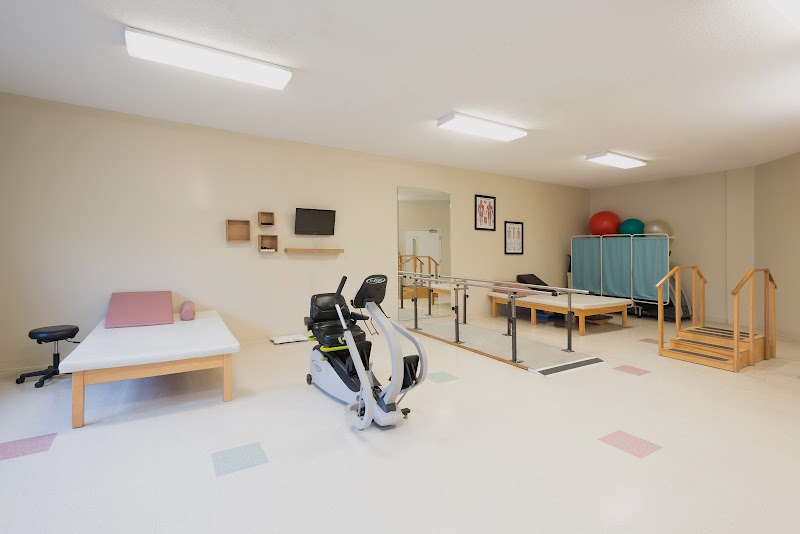
How is Dunbar Health & Rehab Center Staffed?

CMS rates DUNBAR HEALTH & REHAB CENTER's staffing level at 3 out of 5 stars, which is average compared to other nursing homes. Staff turnover is 65%, which is 19 percentage points above the Ohio average of 46%. High turnover can affect care consistency as new staff learn residents' individual needs. RN turnover specifically is 71%, which is notably high. RNs provide skilled clinical oversight, so turnover in this role can affect medical care quality.

What Have Inspectors Found at Dunbar Health & Rehab Center?

State health inspectors documented 27 deficiencies at DUNBAR HEALTH & REHAB CENTER during 2019 to 2025. These included: 27 with potential for harm.

Who Owns and Operates Dunbar Health & Rehab Center?

DUNBAR HEALTH & REHAB CENTER is owned by a for-profit company. For-profit facilities operate as businesses with obligations to shareholders or private owners. The facility is operated by SABER HEALTHCARE GROUP, a chain that manages multiple nursing homes. With 68 certified beds and approximately 60 residents (about 88% occupancy), it is a smaller facility located in DAYTON, Ohio.

How Does Dunbar Health & Rehab Center Compare to Other Ohio Nursing Homes?

Compared to the 100 nursing homes in Ohio, DUNBAR HEALTH & REHAB CENTER's overall rating (3 stars) is below the state average of 3.2, staff turnover (65%) is significantly higher than the state average of 46%, and health inspection rating (2 stars) is below the national benchmark.

What Should Families Ask When Visiting Dunbar Health & Rehab Center?

Based on this facility's data, families visiting should ask: "How do you ensure continuity of care given staff turnover, and what is your staff retention strategy?" "Can I visit during a mealtime to observe dining assistance and food quality?" "How do you handle medical emergencies, and what is your hospital transfer rate?" "Can I speak with family members of current residents about their experience?" These questions are particularly relevant given the facility's high staff turnover rate.

Is Dunbar Health & Rehab Center Safe?

Based on CMS inspection data, DUNBAR HEALTH & REHAB CENTER has a clean safety record: no substantiated abuse findings (meaning no confirmed cases of resident harm), no Immediate Jeopardy citations (the most serious violation level indicating risk of serious injury or death), and is not on the Special Focus Facility watch list (a federal program monitoring the lowest-performing 1% of nursing homes). The facility has a 3-star overall rating and ranks #100 of 100 nursing homes in Ohio. While no facility is perfect, families should still ask about staff-to-resident ratios and recent inspection results during their visit.

Do Nurses at Dunbar Health & Rehab Center Stick Around?

Staff turnover at DUNBAR HEALTH & REHAB CENTER is high. At 65%, the facility is 19 percentage points above the Ohio average of 46%. Registered Nurse turnover is particularly concerning at 71%. RNs handle complex medical decisions and coordinate care — frequent RN changes can directly impact care quality. High turnover means new staff may not know residents' individual needs, medications, or preferences. It can also be disorienting for residents, especially those with dementia who rely on familiar faces. Families should ask: What is causing the turnover? What retention programs are in place? How do you ensure care continuity during staff transitions?

Was Dunbar Health & Rehab Center Ever Fined?

DUNBAR HEALTH & REHAB CENTER has no federal fines on record. CMS issues fines when nursing homes fail to meet care standards or don't correct problems found during inspections. The absence of fines suggests the facility has either maintained compliance or corrected any issues before penalties were assessed. This is a positive indicator, though families should still review recent inspection reports for the full picture.

Is Dunbar Health & Rehab Center on Any Federal Watch List?

DUNBAR HEALTH & REHAB CENTER is not on any federal watch list. The most significant is the Special Focus Facility (SFF) program, which identifies the bottom 1% of nursing homes nationally based on persistent, serious quality problems. Not being on this list means the facility has avoided the pattern of deficiencies that triggers enhanced federal oversight. This is a positive indicator, though families should still review the facility's inspection history directly.