GEM CITY HEALTHCARE AND REHABILITATION CENTER
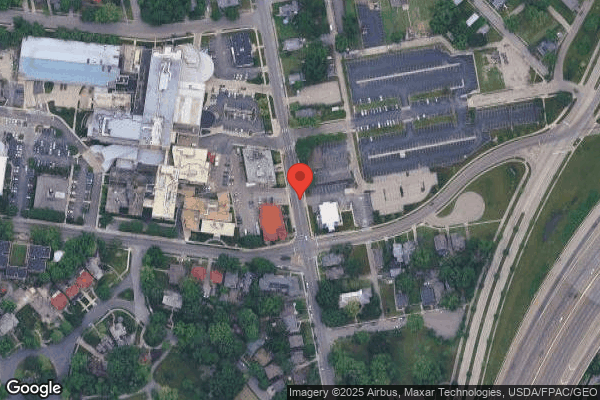
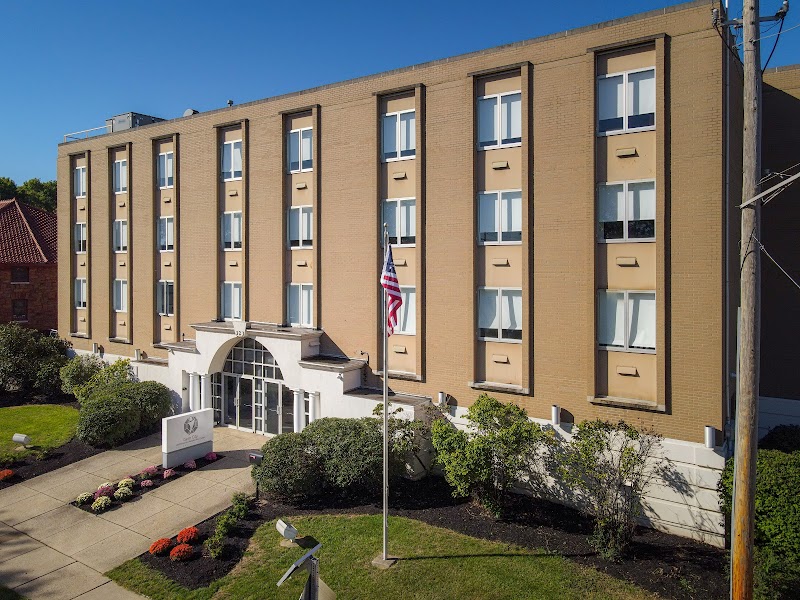
323 FOREST AVENUE, DAYTON, OH 45405 (937) 224-0793
For profit - Corporation 87 Beds RECOVER-CARE HEALTHCARE Data: November 2025
Trust Grade
65/100
#264 of 913 in OH
Last Inspection: December 2019

Over 2 years since last inspection. Current conditions may differ from available data.

Overview

Gem City Healthcare and Rehabilitation Center in Dayton, Ohio, holds a Trust Grade of C+, indicating that it is slightly above average but not without its issues. It ranks #264 out of 913 facilities in Ohio, placing it in the top half, and #9 out of 40 in Montgomery County, meaning there are only a few better local options available. Unfortunately, the facility is experiencing a worsening trend, with reported issues increasing from one in 2022 to two in 2023. Staffing is a concern here, as it received a poor rating of 0 out of 5 stars, but it does boast a 0% turnover rate, which is significantly better than the Ohio average. The facility has no fines on record, which is a positive sign, and while RN coverage data is not available, the reported incidents include serious failures in wound care that resulted in actual harm to residents, as well as temperature control issues that affected multiple residents' comfort. Overall, while there are some strengths, significant weaknesses in care and conditions need to be addressed.

Trust Score
C+
65/100
In Ohio
#264/913
Top 28%
Safety Record
Moderate
Needs review
Inspections
Getting Worse
1 → 2 violations
Staff Stability
○ Average
Turnover data not reported for this facility.
Penalties
✓ Good
No fines on record. Clean compliance history, better than most Ohio facilities.
Skilled Nurses
○ Average
RN staffing data not reported for this facility.
Violations
⚠ Watch
17 deficiencies on record. Higher than average. Multiple issues found across inspections.
★★★★☆
4.0
Overall Rating
☆☆☆☆☆
0.0
Staff Levels
☆☆☆☆☆
0.0
Care Quality
★★★★☆
4.0
Inspection Score
Stable
2022: 1 issues
2023: 2 issues

The Good

  • Full Sprinkler Coverage · Fire safety systems throughout facility
  • No fines on record

Facility shows strength in fire safety.

The Bad

Chain: RECOVER-CARE HEALTHCARE

Part of a multi-facility chain

Ask about local staffing decisions and management

The Ugly 17 deficiencies on record

2 actual harm
Mar 2023 2 deficiencies 2 Harm
SERIOUS (G) 📢 Someone Reported This

A family member, employee, or ombudsman was alarmed enough to file a formal complaint

Actual Harm - a resident was hurt due to facility failures

Quality of Care (Tag F0684)

A resident was harmed · This affected 1 resident

**NOTE- TERMS IN BRACKETS HAVE BEEN EDITED TO PROTECT CONFIDENTIALITY** Based on medical record review, staff interview, physician interview, and review of facility policy, the facility failed to init...

Read full inspector narrative →
**NOTE- TERMS IN BRACKETS HAVE BEEN EDITED TO PROTECT CONFIDENTIALITY** Based on medical record review, staff interview, physician interview, and review of facility policy, the facility failed to initiate wound treatments, assess wounds weekly, and consult wound care as ordered. This resulted in actual harm to Resident #3 when a facility acquired wound increased in size. This affected Resident #3 of three reviewed. The census was two. Findings include: Review of Resident #3's closed medical record revealed an admission date of 06/13/22. Diagnoses listed included hypertension, acute and chronic respiratory failure, seizures, hydrocephalus, dysphagia, schizophrenia, type II diabetes mellitus, and respiratory ventilator dependence. Resident #3 was discharged to a local hospital on [DATE]. Review of a quarterly Minimum Data Set (MDS) assessment dated [DATE] revealed Resident #3 was assessed by staff as being severely cognitively impaired. Resident #3 required significant assistance of staff for bed mobility and hygiene. Further review of wound documentation revealed the right lateral calf laceration was documented as acquired in-house on 11/11/22. The wound measured 7.38 centimeters (cm) x 2.05 cm with a surface area of 12.34 square cm. Wound assessments were completed on 11/11/22, 11/18/22, 12/02/22, and 12/08/22. A weekly wound assessment was not completed between 11/18/22 and 12/02/22. Review of a wound assessment dated [DATE] revealed the wound had increased in size and measured 16.79 centimeters (cm) x 2.89 cm with a surface area of 19.72 square cm. Review of physician orders revealed there was not an order for treatment of the right lateral calf laceration. Review of treatment administration records (TAR's) revealed no documentation of treatment being completed on the right lateral calf laceration. Further review of physician orders revealed an order dated 06/13/22 for resident may receive dental, vision, audiology, psychiatry, podiatry, wound, and psychology consults PRN per personal plan of care. Further review of Resident #3's closed medical record revealed no documentation of any wound care consults. During a phone interview on 03/09/23 at 11:10 A.M. the Director of Nursing (DON) confirmed that wounds Resident #3 had acquired while at the facility had increased in size. The DON confirmed Resident #3 had six wounds when he was discharged form the facility. The DON confirmed a wound treatment had not been ordered and completed for the right lateral calf laceration . The DON also confirmed a wound care physician had not been consulted for Resident #3. The DON stated it was difficult to get a wound care physician to come to the facility and had made calls with no results. The DON as unable to provide any documentation of any wound care consult attempts. During a phone interview on 03/09/23 at 1:48 P.M. Physician #180 stated she was aware of Resident #3's multiple wounds. Physician #180 confirmed she was not a wound care physician and had not assessed every one of Resident #3's wounds herself. Either Licensed Practical Nurse (LPN) #170 or the DON wound communicate wounds conditions to her. Physician #180 confirmed she never attempted a wound consult for Resident #3. Physician #180 stated wound consults are difficult to obtain. Review of the facility 's policy titled Nursing Policies and Procedures Wound Management dated 01/01/20 revealed wound treatments will be provided in accordance with physician orders, including the cleansing method, type of dressing, and frequency of dressing change. Treatments will be documented on the treatment administration record (TAR). Wound assessments are documented upon admission, weekly, and as needed (PRN) if the resident or wound condition deteriorates. Referrals to podiatrists, vascular or orthopedic surgeons, or wound care physicians will be made when appropriate. The facility will arrange for transportation to and from any appointments. This deficiency represents non-compliance investigated under Complaint Number OH00139552.
SERIOUS (G) 📢 Someone Reported This

A family member, employee, or ombudsman was alarmed enough to file a formal complaint

Actual Harm - a resident was hurt due to facility failures

Pressure Ulcer Prevention (Tag F0686)

A resident was harmed · This affected 1 resident

**NOTE- TERMS IN BRACKETS HAVE BEEN EDITED TO PROTECT CONFIDENTIALITY** Based on medical record review, staff and physician interviews, review of facility policy, and review National Pressure Injury A...

Read full inspector narrative →
**NOTE- TERMS IN BRACKETS HAVE BEEN EDITED TO PROTECT CONFIDENTIALITY** Based on medical record review, staff and physician interviews, review of facility policy, and review National Pressure Injury Advisory Panel (NPIAP) information, the facility failed to initiate pressure ulcer treatments, complete pressure ulcer treatments as ordered, assess pressure ulcers weekly, and consult wound care as ordered. This resulted in Actual Harm when Resident #03's facility acquired pressure ulcers to the right and left rear thighs increased in size. This affected one (#03) of three residents reviewed for skin breakdown. The census was two. Findings include: Review of Resident #03's closed medical record revealed an admission date of 06/13/22. Diagnoses listed included hypertension, acute and chronic respiratory failure, seizures, hydrocephalus, dysphagia, schizophrenia, type II diabetes mellitus, and respiratory ventilator dependence. Resident #03 was discharged to a local hospital on [DATE]. Review of a care plan dated initiated on 08/08/22 revealed Resident #03 was at risk for skin alterations in skin integrity related to impaired mobility. Interventions listed included encourage frequent position changes, treatment documentation to include measurement of each area of skin breakdown's width, length, depth, type of tissue, and exudate. Administer treatments as ordered and monitor for effectiveness. Obtain and monitor laboratory/diagnostic work as ordered. Report results to physician (MD). Review of a quarterly Minimum Data Set (MDS) assessment dated [DATE] revealed Resident #03 was assessed by staff as being severely cognitively impaired. Resident #03 required significant assistance of staff for bed mobility and hygiene. Review of wound documentation dated 12/08/23 revealed Resident #03 currently had six documented wounds. Resident #03 was documented as having an unstageable pressure ulcer to left rear calf, a right heel blister, a right lateral calf laceration, a right rear thigh stage two pressure ulcer, a left rear thigh unstageable pressure ulcer, and a stage three pressure ulcer to the sacrum. Further review of Resident #03's wound documentation revealed the right rear thigh stage two pressure ulcer was documented as acquired in-house on 09/22/22. The wound measured 2.48 centimeters (cm) x 0.94 cm with a surface area of 1.84 square cm. Wound assessments were completed on 09/22/22, 09/30/22, 10/06/22, 10/13/22, 10/20/22, 10/27/22, 11/11/22, 11/18/22, 12/02/22, and 12/08/22. A weekly wound assessment was not completed between 11/18/22 and 12/02/22. Review of a wound assessment dated [DATE] revealed Resident #03's wound to the right rear thigh had increased in size and measured 4.52 cm x 6.22 cm with a surface area of 17.52 square cm. The wound remained as stage two pressure ulcer. Review of physician orders revealed there was not an order for treatment of the right rear thigh stage two pressure ulcer. Review of Resident #03's treatment administration records (TAR's) revealed no documentation of treatment being completed on the right rear thigh stage two pressure ulcer. Further review of wound documentation revealed Resident #03's left rear thigh unstageable pressure ulcer was documented as acquired in-house on 08/25/22. The wound measured 3.5 cm x 4.08 cm with a surface area of 7.9 square cm. Wound assessments were completed on 08/25/22, 09/09/22, 09/15/22, 09/22/22, 09/30/22, 10/06/22, 10/13/22, 10/20/22, 10/27/22, 11/11/22, 11/18/22, 12/02/22, and 12/08/22. A weekly wound assessment was not completed between 11/18/22 and 12/02/22. Review of Resident #03's wound assessment dated [DATE] revealed the left rear thigh wound had increased in size and measured 3.42 cm x 4.55 cm x 0.4 cm depth with a surface area of 15.67 square cm. The wound remained as an unstageable pressure ulcer. Review of Resident #03's physician orders revealed a treatment for the left rear thigh unstageable pressure ulcer was not started until 08/31/22. An order dated 08/31/22 for clean pressure area to back of left thigh with wound cleanser, pat dry apply Calcium Alginate (absorbent wound dressing) to peri-wound and cover with border foam in the afternoon and as needed (PRN) for wound healing. An order dated 09/02/22 for clean pressure area to back of left thigh with wound cleanser, pat dry apply Calcium Alginate (absorbent wound dressing) to peri-wound and cover with border foam every day shift and PRN for wound healing. An order dated 11/09/22 was for remove wound vacuum if on resident. Clean wound with sterile water, pat dry, and apply sterile water-soaked gauze to wound bed, and cover with foam dressing two times a day for 10 days and PRN. Review of Resident #03's TAR's revealed no documentation of a wound treatment to the left rear thigh pressure ulcer until 09/01/22. Wound cleanser, pat dry, apply Calcium Alginate to peri-wound and cover with border foam treatments were not documented as being completed on 09/09/22, 09/10/22, 09/11/22, 09/12/22, 09/26/22, 09/30/22, 10/02/22, 10/09/22, 10/11/22, 10/12/22, 10/16/22, 10/19/22, 10/20/22, 10/21/22, 10/22/22, 10/23/22, 10/24.22, 10/28/22, 10/29/22, and 11/06/22. Remove wound vacuum if on resident. Clean wound with sterile water, pat dry, and apply sterile water-soaked gauze to wound bed, and cover with foam dressing two times a day for 10 days was not documented as being completed on 11/09/22 P.M. (7:00 P.M. to 10:00 P.M.), 11/10/22 A.M. (11:00 A.M. to 1:00 P.M.) and P.M., 11/11/22 A.M. and P.M., 11/12/22 P.M., 11/13/22 P.M., 11/18/22 A.M., and 11/19/22 A.M. Further review of physician orders revealed an order dated 06/13/22 for resident may receive dental, vision, audiology, psychiatry, podiatry, wound, and psychology consults PRN per personal plan of care. Further review of Resident #03's closed medical record revealed no documentation of any wound care consults. During a phone interview on 03/09/23 at 11:10 A.M. the Director of Nursing (DON) confirmed that wounds Resident #03 had acquired while at the facility had increased in size. The DON confirmed Resident #03 had six wounds when he was discharged from the facility. The DON confirmed wound treatments had not been completed for the left rear thigh unstageable pressure ulcer as ordered and wound treatment had not been ordered for the right rear thigh stage two pressure ulcer. The DON also confirmed a wound care physician had not been consulted for Resident #03. The DON stated it was difficult to get a wound care physician to come to the facility and had made calls with no results. The DON as unable to provide any documentation of any wound care consult attempts. During a phone interview on 03/09/23 at 1:48 P.M. Physician #180 stated she was aware of Resident #03's multiple wounds. Physician #180 confirmed she was not a wound care physician and had not assessed every one of Resident #03's wounds herself. Either Licensed Practical Nurse (LPN) #170 or the DON would communicate the status of Resident #03's wounds to her. Physician #180 confirmed she never attempted a wound consult for Resident #03. Physician #180 stated wound consults are difficult to obtain. Review of the facility 's policy titled Nursing Policies and Procedures Wound Management dated 01/01/20 revealed wound treatments will be provided in accordance with physician orders, including the cleansing method, type of dressing, and frequency of dressing change. Treatments will be documented on the TAR. Wound assessments are documented upon admission, weekly, and PRN if the resident or wound condition deteriorates. Referrals to podiatrists, vascular or orthopedic surgeons, or wound care physicians will be made when appropriate. The facility will arrange for transportation to and from any appointments. Review of information from the NPIAP website (https://npiap.com/page/PressureInjuryStages?&hhsearchterms=%22stages%22) revealed a stage two pressure injury is defined as partial-thickness loss of skin with exposed dermis. The wound bed is viable, pink or red, moist, and may also present as an intact or ruptured serum-filled blister. Adipose (fat) is not visible and deeper tissues are not visible. Granulation tissue, slough and eschar are not present. These injuries commonly result from adverse microclimate and shear in the skin over the pelvis and shear in the heel. This stage should not be used to describe moisture associated skin damage (MASD) including incontinence associated dermatitis (IAD), intertriginous dermatitis (ITD), medical adhesive related skin injury (MARSI), or traumatic wounds (skin tears, burns, abrasions). An unstageable pressure ulcer was defined as full-thickness skin and tissue loss in which the extent of tissue damage within the ulcer cannot be confirmed because it is obscured by slough or eschar. If slough or eschar is removed, a Stage 3 or Stage 4 pressure injury will be revealed. Stable eschar (i.e. dry, adherent, intact without erythema or fluctuance) on the heel or ischemic limb should not be softened or removed. This deficiency represents non-compliance investigated under Complaint Number OH00139552.
Nov 2022 1 deficiency
CONCERN (E) 📢 Someone Reported This

A family member, employee, or ombudsman was alarmed enough to file a formal complaint

Potential for Harm - no one hurt, but risky conditions existed

Safe Environment (Tag F0584)

Could have caused harm · This affected multiple residents

**NOTE- TERMS IN BRACKETS HAVE BEEN EDITED TO PROTECT CONFIDENTIALITY** Based on observation, staff and resident interview, review of the local weather, and review of the facility temperature logs, th...

Read full inspector narrative →
**NOTE- TERMS IN BRACKETS HAVE BEEN EDITED TO PROTECT CONFIDENTIALITY** Based on observation, staff and resident interview, review of the local weather, and review of the facility temperature logs, the facility failed to maintain comfortable temperatures in the facility. This affected six residents (#02, #04, #07, #09, #12, and #20). The facility census was 47. Findings include: Observations throughout the survey on 11/23/22 revealed the temperature felt cool on the fourth floor and several of the residents were under blankets. Observations revealed a personal space heater in room [ROOM NUMBER] and one on the fourth floor in the nursing station that was not turned on. During an interview with the Director of Nursing (DON) on 11/23/22 at 1:00 P.M., he reported there had been intermittent issues with the heating especially affecting the fourth floor. He stated each room had its own individual heating unit, the heating system was old and they were having a difficult time finding parts to repair the unit that were malfunctioning. The DON reported no residents had been sent out to the hospital nor treatment for temperature related concerns. Interviews with six residents residing on the fourth floor on 11/23/22 between the hours of 12:45 P.M and 1:06 P.M., revealed Resident #02 reported no concerns with the temperature. Resident #04 reported his heating unit kicked off and on and made a sound when it was on. He stated the room would be warm enough for about 15 minutes and then was cold. Resident #07 reported the room had been a bit cooler but had not caused a problem for him. Resident #09 reported it had been chilly since last Tuesday and he had to stay in bed under the blanket to be warm. He stated there was one time it was so cold in the room you could see your breath but was not able to identify the date. Resident #12 reported he had been cold and staying under a blanket but could not provide a time frame. Resident #20 reported it had been cold the last few days due to the heater being broken and he thought they were getting parts to fix it. During an interview with the Administrator on 11/28/22 at 9:00 A.M. he reported each individual had their own heating unit with some units not affected and some units only working intermittently. He stated the first date the heat was not working was 11/18/22 and this continued until 11/28/22. Observation of temperatures obtained on 11/23/22 from 1:15 p.m. to 1:50 P.M. revealed the temperature on the west side of the fourth floor was 64.7 degrees Fahrenheit (F) and no residents resided on that side of the hall. The temperature on the east side of the fourth floor was 66.7 degrees F where six residents resided. The temperature in Resident #04's room was 64.7 to 68 degrees F depending on the location of the thermometer and the temperature in Resident #12's room was 68.7 degrees F. All temperatures were verified by the Administrator as out of compliance with the 71 to 81 degrees F requirements. Review of the temperature log for 11/23/22 taken by the facility were documented 74 degrees F for Resident #02's room, 71 degrees F for Resident #04's room, 70 degrees F for Resident #07 and Resident #09's room, 65 degrees F for Resident #12's room and 67 degrees F for Resident #20's room. Review of the temperatures for 11/18/22 to 11/28/22 from the weather.com revealed the following night to day temperature range. On 11/18/22 the temperature ranges from 23 to 30 degrees F, on 11/19/22 from 25 to 30 degrees F, on 11/20/22 from 23 to 27 degrees F, on 11/21/22 from 34 to 41 degrees F, on 11/22/22 from 37 to 48 degrees F, on 11/23/22 from 39 to 50 degrees F, on 11/24/22 from 54 to 55 degrees F, on 11/25/22 from 36 to 50 degrees F, on 11/26/22 from 46 to 50 degrees F, on 11/27/22 from 43 to 57 degrees F, and on 11/28/22 from 45 to 43 degrees F. This deficiency represents non-compliance discovered in Master Complaint Number OH00137814 and Complaint Number OH00137811.
Dec 2019 5 deficiencies
CONCERN (D)

Potential for Harm - no one hurt, but risky conditions existed

Comprehensive Care Plan (Tag F0656)

Could have caused harm · This affected 1 resident

**NOTE- TERMS IN BRACKETS HAVE BEEN EDITED TO PROTECT CONFIDENTIALITY** Based on medical record review, and staff interview, the facility failed to develop a care plan for one resident (#53) of one re...

Read full inspector narrative →
**NOTE- TERMS IN BRACKETS HAVE BEEN EDITED TO PROTECT CONFIDENTIALITY** Based on medical record review, and staff interview, the facility failed to develop a care plan for one resident (#53) of one receiving dialysis. The facility census was 57. Findings include: Record review revealed Resident #53 was admitted to the facility on [DATE] with diagnoses including chronic diastolic (congestive) heart failure, type two diabetes, and chronic kidney disease stage three requiring dialysis. Review of Resident #53's physician's orders dated 08/28/19 revealed an order for dialysis every Monday, Wednesday, and Friday at 6:45 A.M. There was no evidence a care plan had been developed regarding the resident's dialysis. Interview with the Director of Nursing (DON) on 12/05/19 at 2:08 P.M. verified Resident #53's care plan did not address dialysis. The DON confirmed Resident #53 did receive dialysis every Monday, Wednesday and Friday.
CONCERN (D)

Potential for Harm - no one hurt, but risky conditions existed

Accident Prevention (Tag F0689)

Could have caused harm · This affected 1 resident

Based on medical record review, observations, and staff interview, the facility failed to maintain a safe environment for one Resident with a diagnoses of seizures by leaving the resident's bed in a h...

Read full inspector narrative →
Based on medical record review, observations, and staff interview, the facility failed to maintain a safe environment for one Resident with a diagnoses of seizures by leaving the resident's bed in a high position. This affected one resident (#57) of three reveiwed for accidents. The facility census was 57. Findings include: Review of Resident #57 medical record revealed an admission date of 10/18/18, with diagnoses including seizure disorder, stroke and hemiplegia (paralysis on one side). The most recent Minimum Date Set (MDS) assessment dated on 10/25/19 revealed Resident #57 was severely cognitively impaired and required extensive assist of one with bed mobility. The most recent plan of care updated on 10/25/19 revealed the resident's bed was to be in low position when the resident was in bed. Observation of Resident #57 on 12/02/19 at 9:30 A.M., 10:30 A.M., and 1:30 P.M revealed the resident's bed was in a high position. Interview on 12/02/19 at 1:40 P.M. State Tested Nursing Assistant (STNA) #15 on 12/03/19 at 1:05 P.M. confirmed Resident #56's bed was in a high position and should not have been.
CONCERN (D)

Potential for Harm - no one hurt, but risky conditions existed

Deficiency F0757 (Tag F0757)

Could have caused harm · This affected 1 resident

**NOTE- TERMS IN BRACKETS HAVE BEEN EDITED TO PROTECT CONFIDENTIALITY** Based on medical record review and staff interview, the facility failed to provide ordered monitoring for medication use for one...

Read full inspector narrative →
**NOTE- TERMS IN BRACKETS HAVE BEEN EDITED TO PROTECT CONFIDENTIALITY** Based on medical record review and staff interview, the facility failed to provide ordered monitoring for medication use for one Resident (#49) of five reviewed for unnecessary medications. The facility census was 57. Findings include: Record review revealed Resident #49 was admitted to the facility on [DATE] with diagnoses including hypertension (high blood pressure), pulmonary hypertension, and heart failure. Review of Resident #49's physician orders dated 10/08/18, revealed an order for Metoprolol Tartrate (for high blood pressure) 12.5 milligrams (mgs) two times a day. Hold Metoprolol if blood pressure is less than 100 systolic or heart rate is less than 60. Review of Resident #49's care plan modified on 11/11/19 revealed the resident was at risk for alteration in cardiac status related to hypertension. Interventions included to monitor blood pressure and pulse as indicated, and notify physician of changes. Review of Resident #49's documented vital signs revealed from 11/29/19 through 12/03/19 the resident's pulse was not checked prior to the administration of the scheduled 9:00 P.M. dose of Metoprolol Tartrate. Interview with the Director of Nursing (DON) on 12/05/19 at 2:08 P.M. confirmed Resident #49's physician orders were to hold the Metoprolol Tartrate if the resident's heart rate was less than 60. The DON confirmed Resident #49's pulse was not checked from 11/29/19 through 12/03/19 prior to the 9:00 P.M. dose of Metoprolol Tartrate being administered.
CONCERN (D)

Potential for Harm - no one hurt, but risky conditions existed

Deficiency F0805 (Tag F0805)

Could have caused harm · This affected 1 resident

**NOTE- TERMS IN BRACKETS HAVE BEEN EDITED TO PROTECT CONFIDENTIALITY** Based on medical record review, observations, and staff interview, the facility failed to serve food in a form to meet the indiv...

Read full inspector narrative →
**NOTE- TERMS IN BRACKETS HAVE BEEN EDITED TO PROTECT CONFIDENTIALITY** Based on medical record review, observations, and staff interview, the facility failed to serve food in a form to meet the individual needs for one Resident (#46) of three reveiwed for nutrition. The facility census was 57. Findings include: Medical record review revealed Resident #46 was admitted to the facility on [DATE] with diagnoses including dementia, high blood pressure and schizophrenia. The most recent Minimum Date Set (MDS) assessment dated [DATE] revealed the resident was cognitively impaired, and required extensive assistance of one with meals. Review of Resident #46's current physicians orders revealed the resident was to have a regular diet with hand held foods. Observations Resident #46 on 12/03/19 at 12:30 P.M. during the lunch meal revealed the resident had peaches, mashed potatoes, and a chicken patty. The resident was trying to eat her mashed potatoes with her fingers. State Tested Nursing Assistant (STNA) #25 would hand the resident her spoon and assist her at times, and tried to cue her. Then the resident would go right back to eating the mashed potatoes with her fingers. Interview with STNA #25 at the time of the observation revealed the resident did so much better with food she could pick up and she rarely received hand held foods. Observation on 12/05/19 at 12:35 P.M. revealed the resident had mashed potatoes, rice with gravy, and pork roast. The resident again was trying to eat the mashed potatoes, and rice with gravy with her fingers. Interview on 12/04/19 at 1:20 P.M. with the Dietician revealed she did not realize Resident #46 could not eat with a spoon. The dietician noted the resident had lost weight. Interview on 12/05/19 at 12:45 P.M. with Dietary Manager #49 revealed the resident received the wrong diet on 12/03/19 and 12/05/19.
CONCERN (D)

Potential for Harm - no one hurt, but risky conditions existed

Infection Control (Tag F0880)

Could have caused harm · This affected 1 resident

Based on observation, staff interview, and review of facility policy, the facility failed to handle soiled incontinence products in a manner to prevent the potential of the spread of infection. This a...

Read full inspector narrative →
Based on observation, staff interview, and review of facility policy, the facility failed to handle soiled incontinence products in a manner to prevent the potential of the spread of infection. This affected one Resident (#46) of one observed for incontinence care. The facility census was 57. Findings include: Observation of Resident #46's room on 12/04/19 at 5:10 P.M., revealed a pile of soiled incontinence products were noted on the floor beside the resident's bed. State Tested Nursing Assistant (STNA) #50 was providing incontinence care for the resident . The resident was incontinent of bowel and bladder. Interview with STNA #50 on 12/04/19 at 5:20 P.M. revealed she was hurrying and knew the linen should be bagged and not thrown on the floor. Interview with Licensed Practical Nurse (LPN) #44 on 12/04/19 at 5:30 P.M. revealed it was the policy of the facility to place soiled linens in a bag and not thrown on the floor. Review of the facility policy titled, Infection Control revealed all dirty linen should be placed in a bag.
Oct 2018 4 deficiencies
CONCERN (D)

Potential for Harm - no one hurt, but risky conditions existed

Comprehensive Care Plan (Tag F0656)

Could have caused harm · This affected 1 resident

**NOTE- TERMS IN BRACKETS HAVE BEEN EDITED TO PROTECT CONFIDENTIALITY** Based on observation, interview, review of facility policy, and record review, the facility failed to follow Resident #10's care...

Read full inspector narrative →
**NOTE- TERMS IN BRACKETS HAVE BEEN EDITED TO PROTECT CONFIDENTIALITY** Based on observation, interview, review of facility policy, and record review, the facility failed to follow Resident #10's care plan interventions and the facility policy. This affected one (#10) of two residents reviewed for smoking during the annual survey. The facility census was 52. Findings include: Record review revealed Resident #10 was admitted to the facility on [DATE]. Diagnoses included chronic obstructive pulmonary disease (COPD), hypertension, myocardial infarction, Takotsubo syndrome, and nicotine dependence. Review of the Minimum Data Set (MDS) assessment, dated 06/28/18, revealed Resident #10 had moderate cognitive impairment. Her functional status was listed as independent for all activities of daily living except bathing. Review of the smoking assessment, dated 06/21/18, revealed Resident #10 was assessed as an independent smoker and was safe to smoke unsupervised. Review of the care plan, dated 08/24/18, revealed Resident #10 may smoke independently per the smoking assessment. Intervention included to keep all smoking material at the nurse's station. Interview with Resident #10 on 09/30/18 at 10:46 A.M. voiced she goes outside to smoke when she wants to and was able to keep her cigarettes and lighter with her. Observation on 09/30/18 at 11:00 A.M. revealed the Resident #10's cigarettes and lighter were observed to be lying in her room on her bedside table. Interview with the State Tested Nurse Aide (STNA) #152 on 10/01/18 at 4:29 P.M. confirmed Resident #10's smoking materials were located at the bedside. Review of the facility policy titled, Smoking dated 06/15/17 revealed residents will not be allowed to maintain their own lighter, lighter fluid, or matches.
CONCERN (D)

Potential for Harm - no one hurt, but risky conditions existed

Deficiency F0657 (Tag F0657)

Could have caused harm · This affected 1 resident

Based on medical record review, observation, resident interview, and staff interview, the facility failed to ensure quarterly care conferences were held. This affected one (Resident #38) of one reside...

Read full inspector narrative →
Based on medical record review, observation, resident interview, and staff interview, the facility failed to ensure quarterly care conferences were held. This affected one (Resident #38) of one resident reviewed for care planning. Additionally, the facility failed to ensure a plan of care was updated to reflect the residents current smoking status. This affected one (Resident #38) of two residents reviewed for smoking. The facility census was 52. Findings include: Review of Resident #38's medical record revealed an admission date of 02/22/18. Diagnoses included anxiety disorder, opioid abuse, alcohol dependence, major depressive disorder, Schizoaffective disorder, borderline personality disorder, cocaine dependence, and post-traumatic stress disorder. Review of the quarterly Minimum Data Set (MDS) assessment, dated 06/01/18, identified the resident as being cognitively intact. 1. Review of Resident #38's medical record revealed there was a care conference held on 02/26/18. However, there was no evidence one was held after this date. Interview with Resident #38 on 09/30/18 at 11:28 A.M. voiced he has not had any care conferences. Interview with the Director of Nursing (DON) on 10/03/18 at 1:03 P.M. confirmed care conferences were to be completed quarterly. Interview with Social Service Designee (SSD) #103 on 10/03/18 at 2:49 P.M. confirmed Resident #38 had no care conferences held after 02/26/18. 2. Review of Resident #38's care plan revised 02/26/18 revealed the resident may smoke with supervision per smoking assessment. Interventions included to supervise the patient with smoking in accordance with assessed needs and to maintain the patients smoking materials at the nurses' station. Review of Resident #38's smoking evaluation, dated 08/05/18, identified the resident as being an independent smoker. Interview on 09/30/18 at 11:35 A.M. with Resident #38 revealed he can go outside to smoke whenever he wants to. Resident #38 voiced he was able to keep both his cigarettes and lighter with him. Observation on 09/30/18 at 11:35 A.M. revealed Resident #38 had both his cigarettes and lighter sitting on his bedside table in his room. Interview with Registered Nurse (RN) #105 on 10/02/18 at 10:30 A.M. revealed Resident #38 was an independent smoker and he was able to keep both his cigarettes and lighter both on him. Interview with the Director of Nursing (DON) on 10/02/18 at 3:28 P.M. confirmed Resident #38 used to be a supervised smoker. However, the DON confirmed Resident #38's care plan was not updated to reflect the residents current status as being an independent smoker.
CONCERN (D)

Potential for Harm - no one hurt, but risky conditions existed

Accident Prevention (Tag F0689)

Could have caused harm · This affected 1 resident

**NOTE- TERMS IN BRACKETS HAVE BEEN EDITED TO PROTECT CONFIDENTIALITY** Based on record review, observation, resident interview, staff interview and policy review, the facility failed to ensure smokin...

Read full inspector narrative →
**NOTE- TERMS IN BRACKETS HAVE BEEN EDITED TO PROTECT CONFIDENTIALITY** Based on record review, observation, resident interview, staff interview and policy review, the facility failed to ensure smoking materials were kept in a safe place. This affected two (#10 and #38) of two residents reviewed for smoking. The facility identified 20 residents (#3, #8, #10, #12, #17, #19, #21, #22, #27, #30, #32, #34, #37, #38, #41, #44, #45, #198, #200 and #202) who smoked. The facility census was 52. Findings include: 1. Review of Resident #38's medical record revealed an admission date of 02/22/18. Diagnoses included anxiety disorder, opioid abuse, alcohol dependence, Schizoaffective disorder, borderline personality disorder, cocaine dependence, and post-traumatic stress disorder. Review of the quarterly Minimum Data Set (MDS) assessment, dated 06/01/18, identified the resident as being cognitively intact. Review of Resident #38's care plan, revised 02/26/18, revealed the resident may smoke with supervision per smoking assessment. Interventions included to supervise the patient with smoking in accordance with assessed needs and to maintain the patients smoking materials at the nurses' station. Interview on 09/30/18 at 11:28 A.M. with Resident #38 revealed he can go outside to smoke whenever he wants to. Resident #38 voiced he was able to keep both his cigarettes and lighter with him. Observation on 09/30/18 at 11:35 A.M. revealed Resident #38 had both his cigarettes and lighter sitting on his bedside table in his room. Interview with Registered Nurse (RN) #105 on 10/02/18 at 10:30 A.M. revealed Resident #38 was an independent smoker and he was able to keep both his cigarettes and lighter both on him. Interview with the Director of Nursing (DON) on 10/02/18 at 3:28 P.M. confirmed Resident #38 use to be a supervised smoker, however, confirmed Resident #38's care plan was not updated to reflect the residents current status as being an independent smoker. Review of the facility policy titled Smoking dated 06/15/17 revealed a patient's smoking status-independent, supervised, or not permitted to smoke will be documented in the care plan. I revealed the care plan will be updated as necessary. It revealed that if the patient is cognitively ad physically able to secure all smoking materials, the Center may allow him/her to maintain his/her own tobacco or electronic cigarette products in a locked compartment. It indicated that patients will not be allowed to maintain their own lighter, lighter fluid or matches. 2. Record review revealed Resident #10 was admitted to the facility on [DATE]. Diagnoses included chronic obstructive pulmonary disease (COPD), hypertension, myocardial infarction, Takotsubo syndrome, and nicotine dependence. Review of the MDS assessment, dated 06/28/18, revealed Resident #10 has moderate cognitive impairment. Review of the smoking assessment, dated 06/21/18, revealed Resident #10 was an independent smoker and safe to smoke unsupervised. Review of the care plan, dated 08/24/18, revealed Resident #10 may smoke independently per smoking assessment. Intervention included to keep all smoking material at the nurse's station. Interview with Resident #10 on 09/30/18 at 10:46 A.M. voiced she goes outside to smoke when she wants to and was able to keep her cigarettes and lighter with her. Observation on 09/30/18 at 11:00 A.M. revealed the Resident #10's cigarettes and lighter were observed to be lying in her room on her bedside table. Interview with the State Tested Nurse Aide (STNA) #152 on 10/01/18 at 4:29 P.M. confirmed Resident #10 keeps her smoking materials at the bedside. Interview with the Licensed Nursing Home Administrator (LNHA) on 10/03/18 at 2:20 P.M. revealed no residents were to keep their smoking materials with them, regardless if they were independent smoker or not. Review of the facility's list of residents who smoke revealed the facility identified 20 residents (#3, #8, #10, #12, #17, #19, #21, #22, #27, #30, #32, #34, #37, #38, #41, #44, #45, #198, #200 and #202) who smoked. Review of the facility policy titled, Smoking dated 06/15/17 revealed residents will not be allowed to maintain their own lighter, lighter fluid, or matches.
CONCERN (D)

Potential for Harm - no one hurt, but risky conditions existed

Deficiency F0883 (Tag F0883)

Could have caused harm · This affected 1 resident

Based on medical record review, staff interview, and policy review, the facility failed to ensure a consent was obtained prior to the administration of an influenza vaccination. This affected one (#43...

Read full inspector narrative →
Based on medical record review, staff interview, and policy review, the facility failed to ensure a consent was obtained prior to the administration of an influenza vaccination. This affected one (#43) of five residents reviewed who received the influenza vaccination. The facility census was 52. Findings include: Review of Resident #43's medical record revealed an admission date of 08/05/15 with diagnoses of muscle weakness, pure hypercholesterolemia, difficulty in walking, generalized anxiety disorder and cognitive communication deficit. Review of the annual Minimum Data Set (MDS) assessment, dated 08/27/18, identified the resident as having severe cognitive impairment. Review of the influenza immunization informed consent, dated 08/16/15, revealed Resident #43 declined the administration of the influenza vaccine annually. Further review of the medical record failed to indicate there was a signed consent for the influenza immunization to be administered. Review of Resident #43's medications administration record (MAR) revealed the influenza vaccine was administered on 10/14/18. Interview with the Director of Nursing (DON) on 10/03/18 at 1:02 P.M. confirmed Resident #43 was administered the influenza vaccine on 10/14/18 and confirmed there was no consent for the vaccine to be administered. Review of the facility policy titled Influenza Immunization Program dated 11/28/16 revealed a licensed nurse will provide the appropriate influenza immunizations to employees and patients with the patient/health care decision maker/employee consent.
Aug 2017 5 deficiencies
CONCERN (D)

Potential for Harm - no one hurt, but risky conditions existed

Deficiency F0309 (Tag F0309)

Could have caused harm · This affected 1 resident

**NOTE- TERMS IN BRACKETS HAVE BEEN EDITED TO PROTECT CONFIDENTIALITY** Based on medical record review, interview with staff, dialysis dietician and physician, and review of facility policy, the facil...

Read full inspector narrative →
**NOTE- TERMS IN BRACKETS HAVE BEEN EDITED TO PROTECT CONFIDENTIALITY** Based on medical record review, interview with staff, dialysis dietician and physician, and review of facility policy, the facility failed to obtain and document adequate and consistent coordination of services regarding albumin levels. This affected one (#16) out of one residents were reviewed for dialysis. The facility identified a total of three residents who receive hemodialysis. Facility census was 44. Findings include: Clinical record review for Resident #16 found an original admission date of 09/09/10 with diagnoses which included acute kidney failure, dementia without behavioral disturbance, hypertension, Alcoholic cirrhosis of liver without ascites, chronic ischemic heart disease, diabetes mellitus, osteoarthritis, dependence on renal dialysis, unspecified complication of cardiac and vascular devices and implants, chronic congestive heart failure, sepsis, thrombocytopenia, hypercalcemia, acidosis, metabolic encephalopathy, hypokalemia, chronic kidney disease stage 3, vitamin D deficiency, anemia, major depressive disorder, gastro-esophageal reflux disease (GERD), chronic viral hepatitis B, emphysema, chronic obstructive pulmonary disease (COPD), chronic severe protein-calorie malnutrition, and acute hepatic encephalopathy. A comprehensive assessment dated [DATE] identified the resident as being alert and oriented, able to make decisions known. Further review of the medical record found the resident had been admitted to the hospital on [DATE] with critically high creatinine levels. The resident returned to the facility on [DATE] as a new hemodialysis resident. Physician orders included her to received hemodialysis services three times per week, to receive a regular liberal advanced dysphagia diet with a 1500 milliliter fluid restriction per 24 hours. Laboratory orders were as follows: comprehensive metabolic panel (CMP) monthly; hemoglobin A1C (HGBA1C) every 6 months; basic metabolic panel (BMP), complete blood count (CBC), ammonia level weekly on Friday A Nutritional assessment by Registered Dietician #125 on 06/07/17 noted the resident with weight loss due to diuresis after being in fluid overload with the resident now on dialysis. The assessment noted the resident to be on a fluid restriction with only a fair by mouth intake of her diet. The dietician recommended the resident receive a house supplement twice daily to boost her calorie and protein intake with this supplement being included in the fluid restriction amount. The dietician stated she would continue to monitor and encourage the resident to follow diet and fluid restrictions. On 06/19/17, the resident was readmitted to the hospital from the dialysis unit with an abnormal laboratory finding of a critically low potassium level. She was readmitted to the facility on [DATE]. Review of laboratory results while hospitalized revealed the resident to have had very low albumin levels ranging from a low of 1.3 to 1.8, normal range being 3.5 to 5.5 g/dL (grams per deciliter). The resident returned to the facility 06/26/17 with no new dietary orders. The facility dietician #125 reassessed the resident on 06/28/17 with no new recommendations. Interview with Registered Nurse (RN) unit manager #108 on 08/08/17 at 12:10 P.M. indicted Resident #16 was noncompliant with her diet and fluid restrictions, would refuse necessary medications and had refused dialysis services on occasion. The facility and the dialysis unit utilized a paper communication form that went back and forth with the resident with information regarding vital signs and weights and any recommendation from the dialysis unit. RN #108 also stated that she spoke on the phone with the dialysis unit. RN #108 went on to state this resident had a long standing history of abnormal lab results due her diagnoses of kidney failure, liver failure and protein-calorie malnutrition. On 06/30/17, Resident #16 again had laboratory testing done. CNP (Certified Nurse Practitioner) #121 reviewed these results on 07/07/17 and wrote an order which stated consult dietician for low albumin. The low albumin level had been 1.8. On 08/09/17 at 9:34 A.M. an interview with facility Registered Dietician (RD) #125 was conducted. She stated Resident #16 was noncompliant with fluid restriction and diet. The Resident refuses medications and occasionally has refused to go to dialysis. She stated she consults with the dietician at the dialysis center. Regarding the low albumins of 06/30/17 and order for consult dated 07/07/17, she stated she spoke with the resident about the increased protein needs, but there is no documentation regarding clarification of the order from there resident's attending physician (MD) #120. There was also no documentation of a consultation having been conducted with the dialysis dietician, or the resident's nephrologist. RD #125 went on to state she had conducted a full nutritional assessment on 06/07/17 and the Resident's estimated protein needs were calculated at 80 grams (gm) per day. The by mouth diet provided this resident provides 84 gm per day. She also receives a house supplement twice daily which provides an additional 24 gm per day. The resident is noncompliant with eating this diet and her fluid restriction and eats only approximately 50% on average which equals approximately 42 gm per day. She does take the house supplement 100% for the additional 24 gm per day. Resident is on average consuming 66 gm per day of protein. RD #125 and the Director of Nursing (DON) confirmed that an additional protein supplement had not been provided to resident. RD #125 stated she had received a call from the dialysis dietician 07/26/17 and she did not say anything about adding a protein supplement, just wanted to know what diet and fluid orders were in place and whether the resident was receiving any type of supplement in the facility. She asked if Resident #16 was compliant with orders. No recommendations were given. On 08/19/17 at 11:30 A.M. the DON provided the following: IDT (interdisciplinary team) reviewed resident's nutritional need and lab results. No additional supplements recommended by facility dietician, dialysis dietician, and attending physician as resident is in liver failure and renal failure. MD stated that albumin will be low with liver failure and with other lab abnormalities and multiple co-morbidities additional supplemental intervention is not recommended. On 08/09/17 at 1:34 P.M. an interview was conducted with the Dialysis center RD #130. She stated they like to keep residents at 3.5 protein level. She stated she noticed this resident had low albumin levels recently. She stated she had the resident trial a new protein supplement last week. The supplement has not been started as yet, they are waiting for the nephrologist sign off on the order. RD #130 stated this supplement would provide 21.6 gm of protein and 475 calories per carton of 237 milliliter. The supplement would be provided at each dialysis appointment, three times per week. RD #130 stated she called the facility dietician last week and spoke with her, uncertain of the date, there was documentation she could provide. There is no facility documentation of this conversation having taken place. On 08/10/17 at 12:00 P.M. an interview with physician #120 was conducted. He stated the dietician at the facility should have clarified the order written on 07/07/17 by CNP #121 for dietary consult related to low albumin. He stated that additional protein would not help this resident due to her liver failure, it would elevate her ammonia levels. She has a long standing history of low albumin levels. He agreed there should be good communication between himself, facility staff including nursing and the dietician, and the staff at the dialysis center. Review of the care plan for Resident #16 revealed a problem which stated Resident is at nutritional risk due to moderate/low intake of facility foods, consumes soda chronically, need for fluid restriction, history of snacking on high carbohydrate options, diagnosis of chronic renal failure (CRF) in dialysis, liver failure, liver encephalopathy, alcohol (ETOH) cirrhosis of liver, diabetes. Planned interventions included: Monitor for changes in nutritional status (changes in intake, ability to feed self, unplanned weight loss/gain, abnormal labs) and report to nutrition/physician as indicated; work with Dialysis RD as needed regarding diet and supplement use. Review of a facility policy titled Hemodialysis Communication and Documentation and dated 05/01/16 was reviewed. This policy stated the purpose of said policy was To obtain continuum of care for patients receiving outpatient hemodialysis services. The policy address only completing the Hemodialysis Communication Record prior to dialysis and sending it to the center with the resident, and reviewing this document when the resident returns from dialysis. The policy was silent to ongoing communication regarding lab levels and nutritional status for continuity of care. These findings were verified by interview with the DON on 08/10/17 at 9:30 A.M.
CONCERN (D)

Potential for Harm - no one hurt, but risky conditions existed

Deficiency F0325 (Tag F0325)

Could have caused harm · This affected 1 resident

**NOTE- TERMS IN BRACKETS HAVE BEEN EDITED TO PROTECT CONFIDENTIALITY** Based on medical record review, interview with staff, dialysis dietician and physician, and review of facility policy, the facil...

Read full inspector narrative →
**NOTE- TERMS IN BRACKETS HAVE BEEN EDITED TO PROTECT CONFIDENTIALITY** Based on medical record review, interview with staff, dialysis dietician and physician, and review of facility policy, the facility failed to coordinate the nutritional care needs for a residents receiving hemodialysis. This affected one (#16) out of one residents were reviewed for dialysis. The facility identified a total of three residents who receive hemodialysis. Facility census was 44. Findings include: Clinical record review for Resident #16 found an original admission date of 09/09/10 with diagnoses which included acute kidney failure, dementia without behavioral disturbance, hypertension, Alcoholic cirrhosis of liver without ascites, chronic ischemic heart disease, diabetes mellitus, osteoarthritis, dependence on renal dialysis, unspecified complication of cardiac and vascular devices and implants, chronic congestive heart failure, sepsis, thrombocytopenia, hypercalcemia, acidosis, metabolic encephalopathy, hypokalemia, chronic kidney disease stage 3, vitamin D deficiency, anemia, major depressive disorder, gastro-esophageal reflux disease (GERD), chronic viral hepatitis B, emphysema, chronic obstructive pulmonary disease (COPD), chronic severe protein-calorie malnutrition, and acute hepatic encephalopathy. A comprehensive assessment dated [DATE] identified the resident as being alert and oriented, able to make decisions known. Further review of the medical record found the resident had been admitted to the hospital on [DATE] with critically high creatinine levels. The resident returned to the facility on [DATE] as a new hemodialysis resident. Physician orders included her to received hemodialysis services three times per week, to receive a regular liberal advanced dysphagia diet with a 1500 milliliter fluid restriction per 24 hours. Laboratory orders were as follows: comprehensive metabolic panel (CMP) monthly; hemoglobin A1C (HGBA1C) every 6 months; basic metabolic panel (BMP), complete blood count (CBC), ammonia level weekly on Friday A Nutritional assessment by Registered Dietician #125 on 06/07/17 noted the resident with weight loss due to diuresis after being in fluid overload with the resident now on dialysis. The assessment noted the resident to be on a fluid restriction with only a fair by mouth intake of her diet. The dietician recommended the resident receive a house supplement twice daily to boost her calorie and protein intake with this supplement being included in the fluid restriction amount. The dietician stated she would continue to monitor and encourage the resident to follow diet and fluid restrictions. On 06/19/17, the resident was readmitted to the hospital from the dialysis unit with an abnormal laboratory finding of a critically low potassium level. She was readmitted to the facility on [DATE]. Review of laboratory results while hospitalized revealed the resident to have had very low albumin levels ranging from a low of 1.3 to 1.8, normal range being 3.5 to 5.5 g/dL (grams per deciliter). The resident returned to the facility 06/26/17 with no new dietary orders. The facility dietician #125 reassessed the resident on 06/28/17 with no new recommendations. Interview with Registered Nurse (RN) unit manager #108 on 08/08/17 at 12:10 P.M. indicted Resident #16 was noncompliant with her diet and fluid restrictions, would refuse necessary medications and had refused dialysis services on occasion. The facility and the dialysis unit utilized a paper communication form that went back and forth with the resident with information regarding vital signs and weights and any recommendation from the dialysis unit. RN #108 also stated that she spoke on the phone with the dialysis unit. RN #108 went on to state this resident had a long standing history of abnormal lab results due her diagnoses of kidney failure, liver failure and protein-calorie malnutrition. On 06/30/17, Resident #16 again had laboratory testing done. CNP (Certified Nurse Practitioner) #121 reviewed these results on 07/07/17 and wrote an order which stated consult dietician for low albumin. The low albumin level had been 1.8. On 08/09/17 at 9:34 A.M. an interview with facility Registered Dietician (RD) #125 was conducted. She stated Resident #16 was noncompliant with fluid restriction and diet. The Resident refuses medications and occasionally has refused to go to dialysis. She stated she consults with the dietician at the dialysis center. Regarding the low albumins of 06/30/17 and order for consult dated 07/07/17, she stated she spoke with the resident about the increased protein needs, but there is no documentation regarding clarification of the order from there resident's attending physician (MD) #120. There was also no documentation of a consultation having been conducted with the dialysis dietician, or the resident's nephrologist. RD #125 went on to state she had conducted a full nutritional assessment on 06/07/17 and the Resident's estimated protein needs were calculated at 80 grams (gm) per day. The by mouth diet provided this resident provides 84 gm per day. She also receives a house supplement twice daily which provides an additional 24 gm per day. The resident is noncompliant with eating this diet and her fluid restriction and eats only approximately 50% on average which equals approximately 42 gm per day. She does take the house supplement 100% for the additional 24 gm per day. Resident is on average consuming 66 gm per day of protein. RD #125 and the Director of Nursing (DON) confirmed that an additional protein supplement had not been provided to resident. RD #125 stated she had received a call from the dialysis dietician 07/26/17 and she did not say anything about adding a protein supplement, just wanted to know what diet and fluid orders were in place and whether the resident was receiving any type of supplement in the facility. She asked if Resident #16 was compliant with orders. No recommendations were given. On 08/19/17 at 11:30 A.M. the DON provided the following: IDT (interdisciplinary team) reviewed resident's nutritional need and lab results. No additional supplements recommended by facility dietician, dialysis dietician, and attending physician as resident is in liver failure and renal failure. MD stated that albumin will be low with liver failure and with other lab abnormalities and multiple co-morbidities additional supplemental intervention is not recommended. On 08/09/17 at 1:34 P.M. an interview was conducted with the Dialysis center RD #130. She stated they like to keep residents at 3.5 protein level. She stated she noticed this resident had low albumin levels recently. She stated she had the resident trial a new protein supplement last week. The supplement has not been started as yet, they are waiting for the nephrologist sign off on the order. RD #130 stated this supplement would provide 21.6 gm of protein and 475 calories per carton of 237 milliliter. The supplement would be provided at each dialysis appointment, three times per week. RD #130 stated she called the facility dietician last week and spoke with her, uncertain of the date, there was documentation she could provide. There is no facility documentation of this conversation having taken place. On 08/10/17 at 12:00 P.M. an interview with physician #120 was conducted. He stated the dietician at the facility should have clarified the order written on 07/07/17 by CNP #121 for dietary consult related to low albumin. He stated that additional protein would not help this resident due to her liver failure, it would elevate her ammonia levels. She has a long standing history of low albumin levels. He agreed there should be good communication between himself, facility staff including nursing and the dietician, and the staff at the dialysis center. Review of the care plan for Resident #16 revealed a problem which stated Resident is at nutritional risk due to moderate/low intake of facility foods, consumes soda chronically, need for fluid restriction, history of snacking on high carbohydrate options, diagnosis of chronic renal failure (CRF) in dialysis, liver failure, liver encephalopathy, alcohol (ETOH) cirrhosis of liver, diabetes. Planned interventions included: Monitor for changes in nutritional status (changes in intake, ability to feed self, unplanned weight loss/gain, abnormal labs) and report to nutrition/physician as indicated; work with Dialysis RD as needed regarding diet and supplement use. Review of a facility policy titled Hemodialysis Communication and Documentation and dated 05/01/16 was reviewed. This policy stated the purpose of said policy was To obtain continuum of care for patients receiving outpatient hemodialysis services. The policy address only completing the Hemodialysis Communication Record prior to dialysis and sending it to the center with the resident, and reviewing this document when the resident returns from dialysis. The policy was silent to ongoing communication regarding lab levels and nutritional status for continuity of care. These findings were verified by interview with the DON on 08/10/17 at 9:30 A.M.
CONCERN (D)

Potential for Harm - no one hurt, but risky conditions existed

Deficiency F0329 (Tag F0329)

Could have caused harm · This affected 1 resident

**NOTE- TERMS IN BRACKETS HAVE BEEN EDITED TO PROTECT CONFIDENTIALITY** Based on clinical record review, staff interview and policy review, the facility failed to ensure a resident was free from unnec...

Read full inspector narrative →
**NOTE- TERMS IN BRACKETS HAVE BEEN EDITED TO PROTECT CONFIDENTIALITY** Based on clinical record review, staff interview and policy review, the facility failed to ensure a resident was free from unnecessary medications regarding the use of as needed antianxiety medication. This affected one (#5) of five residents reviewed for unnecessary medications. The facility identified 10 residents receiving antianxiety medications. The census was 44. Findings include: Clinical record review revealed Resident #5 was originally admitted on [DATE]. The diagnosis list included anxiety, schizophrenia, end stage renal disease and manic depression. The resident had a physician's order dated 07/03/17 for an as needed anti-anxiety medication (Ativan) at 0.5 milligrams (mg) every eight hours. Review of the resident's care plan updated 08/02/17 revealed the resident made poor life choice decisions related to her diet and dialysis care management. Her behaviors included tearfulness and withdrawal which were monitored and documented on a behavior monitoring/interventions record. The non-pharmacological interventions for the staff to provide when the resident had behaviors included listening to the resident, attempting to calm the resident by focusing on positives, removing the resident from the environment, and redirecting the resident to a different activity. Review of the Medication Administrator Record (MAR) revealed the resident received the as needed Ativan 0.5 mg six times with no evidence of attempted non pharmacological interventions documented on the behavior monitoring/interventions record or nursing notes on 07/06/17 at 1:30 A.M., 07/07/17 at 7:45 A.M., 07/08/17 at 12:30 P.M., 07/09/17 at 10:45 A.M., 08/03/17 at 9:00 A.M., and 08/08/17 at 10:30 P.M. Interview at 08/09/17 at 2:30 P.M. with Registered Nurse (RN) #70 who was a unit manager verified there was no evidence the nursing staff attempted to provide the care planned non-pharmacological interventions prior to administering the six as needed doses of Ativan in July and August 2017 for Resident #5. Review of the policy effective 08/01/99 titled Behaviors: Management of Symptoms revealed staff will use non-pharmacological interventions addressed in the care plan as the first line of approach to manage challenging behaviors.
CONCERN (D)

Potential for Harm - no one hurt, but risky conditions existed

Deficiency F0333 (Tag F0333)

Could have caused harm · This affected 1 resident

Based on medical record review, observation, staff interview and review of medication information insert, the facility failed to appropriately administered insulin through the use of an insulin pen-in...

Read full inspector narrative →
Based on medical record review, observation, staff interview and review of medication information insert, the facility failed to appropriately administered insulin through the use of an insulin pen-injector. This affected one (#64) out of two residents observed receiving insulin through a pen- injector during medication pass. The facility identified 14 residents who currently receive insulin through a pen-injector. Facility census was 44. Findings include: Review of medical record for Resident #64 revealed and admission date of 08/02/17 with diagnosis including diabetes type two, hypertension, bipolar disorder, chronic kidney disease, long term use of insulin and muscle weakness, Review of physicians order dated 08/03/17 documented Resident #64 was to receive four units of (Glargine Insulin) via Basaglar Kwikpen solution Pen-injector 100 units per milliliter. On 08/10/17 at 8:53 A.M. an observation was made of Registered Nurse (RN) #102 cleaning the insulin injector pen with and alcohol swab. RN #102 applied a sterile needle and dialed up four units to be given. No observation was made of her priming the needle with two units before she dialed the four units for administration. RN #102 then observed cleansing the resident abdomen with alcohol and administered the four units dialed with the insulin pen injector. On 08/10/17 at 8:55 A.M. interview with RN #102 verified she did not prime the needle prior to administering the four units of insulin via the pen injector to Resident #64. RN #102 stated she was not sure if she had to prime the needle. She then revealed she primes other injectable insulin pens with two units to ensure the proper amount was administered. Review of drug information in for Basaglar 100 unit per milliliter Kwikpen (3.0) last revised November 2016 documented the pen has to be primed with two units by dialing up two units holding the pen up upright and tap it to remove air bubble press the insulin through the needle. The priming procedure ensures the patient doesn't get to little or to much insulin during administration.
CONCERN (E)

Potential for Harm - no one hurt, but risky conditions existed

Deficiency F0431 (Tag F0431)

Could have caused harm · This affected multiple residents

**NOTE- TERMS IN BRACKETS HAVE BEEN EDITED TO PROTECT CONFIDENTIALITY** Based on observation, staff interview and review of policy and procedures, the facility failed to properly date time sensitive i...

Read full inspector narrative →
**NOTE- TERMS IN BRACKETS HAVE BEEN EDITED TO PROTECT CONFIDENTIALITY** Based on observation, staff interview and review of policy and procedures, the facility failed to properly date time sensitive inhalers and inhalation solution when opened for use. This affected six Residents (#12, #15, #31, #41, #55 and #63) out of 12 residents with inhalation medication stored by the facility. The facility census was 44. Findings include: During observation of medication cart storage revealed Resident #12 had an open Sprirva Handi Haler which was undated. Resident #15 had an open box of albuterol sulfate inhalation solution 25.5 milligram (mg) per 3 milliliter (ml) with multiple single vial doses which was undated. Resident #31 had an Stiol-lo respirmat 2.5 Microgram (mcg)/2.5 mcg inhaler opened and which was undated. Resident #41 had an Advair Diskus 50-250 mcg inhaler open which was undated. Resident #55 had Breo Ellipta 25 mg/200 mcg with 14 doses left and a Proventil HFC 90 mcg inhaler both were open and undated. Resident #63 had an open box of albuterol/ipratropium 2.5 mg/0.5 mg per 3 ml and an open box of albuterol sulfate inhalation solution 25.5 mg per 3 ml with multiple single vial doses which was undated. On [DATE] at 2:09 P.M. interview Registered Nurse Unit Manager verified all inhaler and inhalation solution were not dated when open. She also revealed the inhalers and inhalation solutions are time sensitive and expire depending on the open date. She was unable to verify if the inhaler or solutions were expired or not due to them not having a open date. Review of facility policy for storage and expiration dating of drugs, biological's, syringes, and needle revised [DATE] documented drugs, biological's, syringes, and needles are stored with expiration date as directed by state and federal regulations and manufacturer/supplier guidelines.
Understanding Severity Codes (click to expand)
Life-Threatening (Immediate Jeopardy)
J - Isolated K - Pattern L - Widespread
Actual Harm
G - Isolated H - Pattern I - Widespread
Potential for Harm
D - Isolated E - Pattern F - Widespread
No Harm (Minor)
A - Isolated B - Pattern C - Widespread

Questions to Ask on Your Visit

  • "Can I speak with families of current residents?"
  • "What's your RN coverage like on weekends and overnight?"

Our Honest Assessment

Strengths
  • • No fines on record. Clean compliance history, better than most Ohio facilities.
Concerns
  • • 17 deficiencies on record, including 2 serious (caused harm) violations. Ask about corrective actions taken.
Bottom line: Mixed indicators with Trust Score of 65/100. Visit in person and ask pointed questions.

About This Facility

What is Gem City Healthcare And Rehabilitation Center's CMS Rating?

CMS assigns GEM CITY HEALTHCARE AND REHABILITATION CENTER an overall rating of 4 out of 5 stars, which is considered above average nationally. Within Ohio, this rating places the facility higher than 99% of the state's 100 nursing homes. This rating reflects solid performance across the metrics CMS uses to evaluate nursing home quality.

How is Gem City Healthcare And Rehabilitation Center Staffed?

Detailed staffing data for GEM CITY HEALTHCARE AND REHABILITATION CENTER is not available in the current CMS dataset.

What Have Inspectors Found at Gem City Healthcare And Rehabilitation Center?

State health inspectors documented 17 deficiencies at GEM CITY HEALTHCARE AND REHABILITATION CENTER during 2017 to 2023. These included: 2 that caused actual resident harm and 15 with potential for harm. Deficiencies causing actual harm indicate documented cases where residents experienced negative health consequences.
Who Owns and Operates Gem City Healthcare And Rehabilitation Center?

GEM CITY HEALTHCARE AND REHABILITATION CENTER is owned by a for-profit company. For-profit facilities operate as businesses with obligations to shareholders or private owners. The facility is operated by RECOVER-CARE HEALTHCARE, a chain that manages multiple nursing homes. With 87 certified beds and approximately 5 residents (about 6% occupancy), it is a smaller facility located in DAYTON, Ohio.

How Does Gem City Healthcare And Rehabilitation Center Compare to Other Ohio Nursing Homes?

Compared to the 100 nursing homes in Ohio, GEM CITY HEALTHCARE AND REHABILITATION CENTER's overall rating (4 stars) is above the state average of 3.2 and health inspection rating (4 stars) is above the national benchmark.

What Should Families Ask When Visiting Gem City Healthcare And Rehabilitation Center?

Based on this facility's data, families visiting should ask: "Can I visit during a mealtime to observe dining assistance and food quality?" "How do you handle medical emergencies, and what is your hospital transfer rate?" "Can I speak with family members of current residents about their experience?"

Is Gem City Healthcare And Rehabilitation Center Safe?

Based on CMS inspection data, GEM CITY HEALTHCARE AND REHABILITATION CENTER has a clean safety record: no substantiated abuse findings (meaning no confirmed cases of resident harm), no Immediate Jeopardy citations (the most serious violation level indicating risk of serious injury or death), and is not on the Special Focus Facility watch list (a federal program monitoring the lowest-performing 1% of nursing homes). The facility has a 4-star overall rating and ranks #1 of 100 nursing homes in Ohio. While no facility is perfect, families should still ask about staff-to-resident ratios and recent inspection results during their visit.

Do Nurses at Gem City Healthcare And Rehabilitation Center Stick Around?

GEM CITY HEALTHCARE AND REHABILITATION CENTER has not reported staff turnover data to CMS. Staff turnover matters because consistent caregivers learn residents' individual needs, medications, and preferences. When staff frequently change, this institutional knowledge is lost. Families should ask the facility directly about their staff retention rates and average employee tenure.

Was Gem City Healthcare And Rehabilitation Center Ever Fined?

GEM CITY HEALTHCARE AND REHABILITATION CENTER has no federal fines on record. CMS issues fines when nursing homes fail to meet care standards or don't correct problems found during inspections. The absence of fines suggests the facility has either maintained compliance or corrected any issues before penalties were assessed. This is a positive indicator, though families should still review recent inspection reports for the full picture.

Is Gem City Healthcare And Rehabilitation Center on Any Federal Watch List?

GEM CITY HEALTHCARE AND REHABILITATION CENTER is not on any federal watch list. The most significant is the Special Focus Facility (SFF) program, which identifies the bottom 1% of nursing homes nationally based on persistent, serious quality problems. Not being on this list means the facility has avoided the pattern of deficiencies that triggers enhanced federal oversight. This is a positive indicator, though families should still review the facility's inspection history directly.