GRAFTON OAKS NURSING CENTER
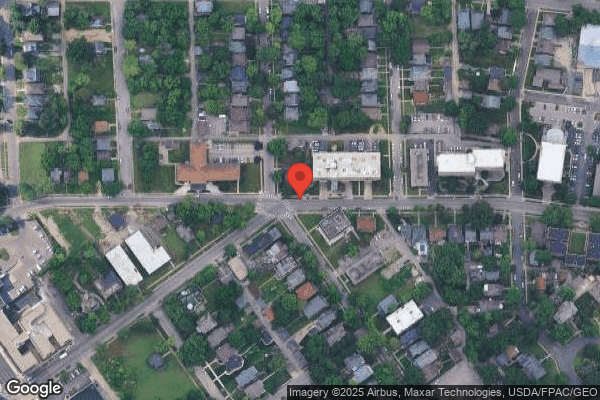
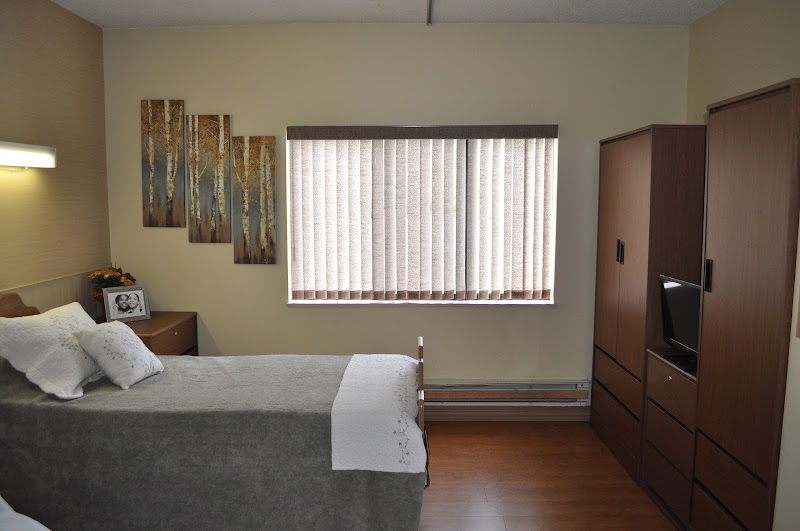
405 GRAFTON AVENUE, DAYTON, OH 45406 (937) 276-4040
For profit - Partnership 99 Beds Independent Data: November 2025
Trust Grade
30/100
#471 of 913 in OH
Last Inspection: February 2023

Over 2 years since last inspection. Current conditions may differ from available data.

Overview

Grafton Oaks Nursing Center has received a Trust Grade of F, indicating significant concerns about the facility's overall quality and care. They rank #471 out of 913 nursing homes in Ohio, placing them in the bottom half of facilities statewide, and #16 out of 40 in Montgomery County, meaning only 15 local options are better. The facility is showing signs of improvement, with issues decreasing from four in 2023 to two in 2025. However, staffing is a concern, with a rating of 2 out of 5 stars and a turnover rate of 70%, which is much higher than the state average. Notably, the facility has faced serious incidents, including a failure to protect residents from sexual abuse, where staff did not intervene during a critical incident, and issues with infection control practices that could potentially affect all residents. While the facility has no fines on record, suggesting a lack of financial penalties, the overall situation raises red flags for families considering Grafton Oaks.

Trust Score
F
30/100
In Ohio
#471/913
Bottom 49%
Safety Record
High Risk
Review needed
Inspections
Getting Better
4 → 2 violations
Staff Stability
⚠ Watch
70% turnover. Very high, 22 points above average. Constant new faces learning your loved one's needs.
Penalties
✓ Good
No fines on record. Clean compliance history, better than most Ohio facilities.
Skilled Nurses
⚠ Watch
Each resident gets only 26 minutes of Registered Nurse (RN) attention daily — below average for Ohio. Fewer RN minutes means fewer trained eyes watching for problems.
Violations
⚠ Watch
21 deficiencies on record. Higher than average. Multiple issues found across inspections.
★★★☆☆
3.0
Overall Rating
★★☆☆☆
2.0
Staff Levels
★★★★★
5.0
Care Quality
★★☆☆☆
2.0
Inspection Score
Stable
2023: 4 issues
2025: 2 issues

The Good

  • 5-Star Quality Measures · Strong clinical quality outcomes
  • Full Sprinkler Coverage · Fire safety systems throughout facility
  • No fines on record

Facility shows strength in quality measures, fire safety.

The Bad

3-Star Overall Rating

Near Ohio average (3.2)

Meets federal standards, typical of most facilities

Staff Turnover: 70%

24pts above Ohio avg (46%)

Frequent staff changes - ask about care continuity

Staff turnover is very high (70%)

22 points above Ohio average of 48%

The Ugly 21 deficiencies on record

1 actual harm
Sept 2025 1 deficiency 1 Harm
SERIOUS (G) 📢 Someone Reported This

A family member, employee, or ombudsman was alarmed enough to file a formal complaint

Actual Harm - a resident was hurt due to facility failures

Free from Abuse/Neglect (Tag F0600)

A resident was harmed · This affected 1 resident

Based on medical record review, review of a Self-Reported Incident (SRI), review of facility investigation documents, staff interview, resident interview, police detective interview, and facility poli...

Read full inspector narrative →
Based on medical record review, review of a Self-Reported Incident (SRI), review of facility investigation documents, staff interview, resident interview, police detective interview, and facility policy review, the facility failed to ensure residents were free from sexual abuse. This resulted in Actual Harm on 08/29/25 for Resident #12, a severely cognitively impaired resident, was sexually abused when Resident #10 entered Resident #12's room, lifted the resident's top, and began touching and sucking on her breasts. Staff witnessed the sexual abuse per Resident #10 towards Resident #12 but did not intervene to stop the abuse. This affected one (Resident #12) of six residents reviewed for abuse. The facility census was 75 residents.Findings include: Review of the medical record for Resident #10 revealed an admission date of 04/18/25 with diagnoses including myocardial infarction, peripheral vascular disease, hypertension, type two diabetes, and anxiety disorder. Resident #10 was discharged from the facility on 08/29/25 to a local law enforcement agency. Review of the care plan for Resident #10 dated 04/20/25 revealed the resident was compliant with care, could make his needs known and displayed no negative behaviors. Resident #10 was receiving rehabilitation services with a goal to return to the community. Review of a check of the national sex offender public website on 06/25/25 revealed Resident #10 was not listed as a sex offender. Review of the Minimum Data Set (MDS) assessment for Resident #10 dated 07/24/25 revealed the resident was cognitively intact, used a walker for mobility, and required limited assistance with activities of daily living (ADLs). Review of the facility incident report regarding Resident #10 dated 08/29/25 at 4:38 P.M. revealed Resident #10 was in female Resident #12's room touching her breasts. Resident #10 stated he was trying to make friends with Resident #12. He was removed from Resident #12's room and immediately moved to a different unit on another floor with one-on-one supervision. Review of the medical record for Resident #12 revealed an admission date of 05/03/23 with diagnoses including schizophrenia, bipolar disorder, diabetes, anxiety disorder, and dementia. Review of the MDS assessment for Resident #12 dated 08/13/25 revealed the resident was severely cognitively impaired and required staff assistance with ADLs. Review of the care plan for Resident #12 dated 08/13/25 revealed the resident had an ADL self-care performance deficit related to confusion and dementia. Resident #12 required prompts, cues and direction for all tasks and was compliant with care. Review of the facility incident report regarding Resident #12 dated 08/29/25 at 4:38 P.M. revealed Resident #12 was lying in bed, and a staff member witnessed a male, Resident #10, touching Resident #12's breasts. Resident #12 stated that she had not seen a male in her room, and she had been asleep all morning when staff asked why Resident #10 was in her room. Review of the facility SRI dated 08/29/25 administration was notified of an allegation of sexual abuse per Resident #10 towards Resident #12. Housekeepers (HKs) #110 and #115 stated on 08/29/25 they walked into Resident #12's room and observed Resident #10 touching Resident #12's breasts with his hands and also had his mouth on the resident's breasts. Both witnesses stated Resident #12 was lying still in her bed and was not moving, fighting or attempting to move out of the presence of Resident #10. HKs #110 and #115 stated they were not sure if they were witnessing a consensual event or a nonconsensual event so they decided one of them would stay in the room for safety and the other would go and seek immediate assistance. While HK #115 was in the room, Resident #10 stopped the touching and proceeded to adjust Resident #12's clothing and walk away from her bed. Physician #120 examined Resident #12 on 08/29/25 following the incident and found no injuries. Registered Nuse (RN) #105 assessed Resident #12 and noted the resident showed no verbal or non-verbal signs of pain or discomfort. When staff interviewed Resident #12 she did not recall the incident and stated that she had been sleeping in bed all day. The facility notified the local police department of the incident on 08/29/25. Police interviewed Resident #12 who was pleasant and cooperative and lacked any distress during the interview, but she could not provide any meaningful information. Police interviewed Resident #10 who was also cooperative and told police he was trying to start a friendship with Resident #12 when and he thought the sexual contact with her was consensual. Resident #10 was monitored by the staff after the incident until he was removed and taken into custody by the police. Review of an interview statement dated 08/29/25 with Resident #12 conducted by Social Service Designee (SSD) #200 revealed the resident did not remember a man coming into her and she had been sleeping all day. Review of an interview statement dated 08/29/25 with Resident #10 conducted by SSD#200 revealed Resident #10 acknowledged he had touched Resident #12, because he was trying to make friends with her. Review of HK #110's witness statement dated 08/29/25 revealed she was coming down the hall to clean a room when she noticed Resident #10 in Resident #12's room and observed Resident #10 rubbing Resident #12 all over her body. HK #110 went to find an aide or nurse while her co-worker HK #115 stayed by Resident #12's room. Housekeeper #115 witnessed Resident #10 pull Resident #12's shirt up and then Resident #10 began sucking Resident #12's breast. Then Resident #10 pulled Resident #12's shirt down and covered her back up. RN #105 then arrived in the room and questioned Resident #10. Review of HK #115's witness statement dated 08/29/25 revealed Resident #10 was in Resident #12's room rubbing her upper body and proceeded to lift Resident #12's shirt up. He went from the right side of her body and started sucking her breasts on both sides and when he was done he pulled her shirt down, closed her cardigan and folded her hands on the top of it, like nothing ever happened. When Resident #10 was asked what he was doing he said he was asking Resident #12 if she was going to the cookout, but Resident #12 did not respond. Review of RN #105's witness statement dated 08/29/25 revealed she was called to Resident #10's room and found Resident #10 standing next to Resident #12 who was lying in her bed. RN #105 asked Resident #10 what he was doing in Resident #12's room and told him he wasn't supposed to be in her room. Resident #10 told the nurse he was going to ask Resident #12 if she wanted to go to the cookout. Resident #10 then walked out of the room. HK #110 and #115 reported to RN #105 that they saw Resident #10 pulling Resident #12's clothes up and putting his hand on her and sucking on her breasts. Review of the local law enforcement person in custody report dated 09/02/25 revealed Resident #10 was being held in custody at the county jail on a charge of gross sexual imposition related to the incident with Resident #12 in her room on 08/29/25. During an interview on 09/10/25 at 9:53 A.M., Resident #12 responded to simple questions but could not remember what she had for breakfast. During an interview on 09/10/25 at 1:19 P. M., Resident #12 was alert to name only, she could not recall the month, who the president of the United States was or what she had for lunch. Resident #12 did not recall any man being in her room alongside of her bed, lifting her shirt, and touching her breast and or her body. She denied ever talking to a police officer. During an interview on 09/10/25, at 9:57 A.M., Activity Director (AD) #100 stated Resident #12 was confused and needed to be reminded where her room was located. During an interview on 09/10/25 at 11:27 A.M., RN #105 stated she was working the day of the incident. She was passing medications in the opposite hall when two housekeepers called for her. She stopped passing medications and went to Resident #12's room with HK #110 and observed HK #115 was standing outside the door. RN #105 observed Resident #10 standing by the side of Resident #12's bed. Resident #12 was lying in her bed awake, with no expression on her face and not talking. RN #105 asked Resident #10 what he was doing in Resident #12's room and instructed him to leave. Resident #10 used his walker and left. After Resident #10 left the room, RN #105 asked Resident #12 if she was ok and the resident said she was fine. RN #105 did a full body assessment on Resident #12 and there were no areas of concern. During an interview on 09/10/25, at 1:00 P. M., the Administrator stated HK #110 and #115 were no longer employed with the facility because they did not follow the Health Insurance Portability and Accountability Act (HIPAA) privacy rules and discussed the incident between Resident #10 and Resident #12 with other staff and residents. Attempts to reach HK #110 and #115 on 09/10/25 and 09/11/25 via telephone for interview were unsuccessful. During an interview on 09/10/25, at 3:15 P. M., Detective #118 stated he arrived at the facility on 08/29/25 and interviewed Resident #12 and he realized within minutes the resident had severe dementia as she could not recall a male resident had been in her room and touched her. Detective #118 stated he then interviewed Resident #10 who confirmed he did touch Resident #12 with his mouth on her breast, chest and stomach area. Resident #10 reported he was unaware Resident #12 suffered from dementia. Detective #118 confirmed he then read Resident #10 his rights and handcuffed and arrested the resident for gross sexual imposition. Resident #10 left the facility with Detective #118. Review of facility policy titled Resident Rights to Freedom from Abuse. Neglect, and Exploitation undated revealed the facility residents had the right to be free from abuse. The facility would ensure residents were free from sexual aggressive behavior such as inappropriate sexual touching and grabbing. Anytime the facility had reason to suspect a resident might not have the capacity to consent to sexual activity, the facility would take steps to ensure the resident was protected from abuse. This deficiency represents non-compliance investigated under Complaint Number 2610266.
Aug 2025 1 deficiency
CONCERN (D) 📢 Someone Reported This

A family member, employee, or ombudsman was alarmed enough to file a formal complaint

Potential for Harm - no one hurt, but risky conditions existed

Deficiency F0583 (Tag F0583)

Could have caused harm · This affected 1 resident

Based on medical record review, staff interview, and review of the facility policy, the facility failed to maintain the confidentiality of resident private health information. This affected one (Resid...

Read full inspector narrative →
Based on medical record review, staff interview, and review of the facility policy, the facility failed to maintain the confidentiality of resident private health information. This affected one (Resident #82) of three residents reviewed for confidentiality. The facility census was 78 residents. Findings include:Review of the medical record for Resident #82 revealed an admission date of 07/01/25 with diagnoses including acute myeloblastic leukemia, type two diabetes mellitus, atherosclerotic heart disease, and hypertension and a discharge date of 07/14/25. Review of the Minimum Data Set (MDS) assessment for Resident dated 07/07/25 revealed the resident had moderately impaired cognition and required staff assistance with activities of daily living (ADLs.) Review of the discontinued physician orders for Resident #82 revealed an order for Lasix 40 milligrams (mg) one tablet daily for hypertension.Review of the facility investigation dated 07/17/25 revealed Resident #82's medication card for Lasix 40 mg was given to another resident (Resident #81) at discharge. Review of the investigation revealed Resident #81's family notified the facility they received Resident #82's medication in error. Interview on 08/18/25 at 10:13 A.M. with the Administrator and the Director of Nursing (DON) verified staff accidently sent Resident #82's medication card for Lasix home with Resident #81 at discharge. The Administrator stated Resident #81's family contacted the facility to inform staff of the error, but did not return the medication as requested.Review of the facility policy titled Health Insurance Portability and Accountability Act (HIPAA) Privacy and Security undated revealed it was the policy of the facility to protect the confidentiality of resident protected health information.This deficiency represents noncompliance investigated under iQIES Complaint Number 2582200.
Feb 2023 4 deficiencies
CONCERN (D)

Potential for Harm - no one hurt, but risky conditions existed

Deficiency F0582 (Tag F0582)

Could have caused harm · This affected 1 resident

**NOTE- TERMS IN BRACKETS HAVE BEEN EDITED TO PROTECT CONFIDENTIALITY** Based on record review and staff interview, the facility failed to ensure a resident was provided a Notice of Medicare Non Cover...

Read full inspector narrative →
**NOTE- TERMS IN BRACKETS HAVE BEEN EDITED TO PROTECT CONFIDENTIALITY** Based on record review and staff interview, the facility failed to ensure a resident was provided a Notice of Medicare Non Coverage (NOMNC) or Skilled Nursing Facility Advance Beneficiary Notice of Non Coverage (SNF ABN) to inform the resident of terminated services and potential liability for non-covered services. This affected one (Resident #198) of three residents reviewed for beneficiary notices. The facility census was 57. Findings include: Review of Resident #198's medical record revealed the resident admitted to the facility on [DATE], with diagnoses including vascular dementia, hyperlipidemia, iron deficiency anemia, chronic kidney disease, other specified anxiety disorders, convulsions, weakness, difficulty in walking, muscle weakness, and hypertension. Review of Resident #198's significant change Minimum Data Set (MDS) assessment dated [DATE] revealed the resident was severely cognitively impaired and required extensive assistance with eating, bed mobility, transfers, and dressing. Resident #198 required total dependence with toileting and personal hygiene. Review of Resident #198's payer source documentation revealed Resident #198 was on Medicare Part A from 09/30/22 to 10/07/22. Resident #198's payer source was changed to Medicaid on 10/07/22. Review of Resident #198's NOMNC and SNF ABN revealed Resident #198 or Resident #198's representative was not provided a NOMNC or SNF ABN to inform the resident service termination and potential liability for non-covered services on 10/06/22. Interview with the Administrator on 02/14/23 at 12:00 P.M. verified Resident #198's NOMNC and SNF ABN were not provided on 10/06/22 and Resident #198's last covered day of Medicare Part A services was on 10/07/22.
CONCERN (D)

Potential for Harm - no one hurt, but risky conditions existed

ADL Care (Tag F0677)

Could have caused harm · This affected 1 resident

Based on observation, resident interview, and staff interview, the facility failed to assist a female resident with facial hair removal. This affected one (Resident #28) of two residents reviewed for ...

Read full inspector narrative →
Based on observation, resident interview, and staff interview, the facility failed to assist a female resident with facial hair removal. This affected one (Resident #28) of two residents reviewed for Activities of Daily Living(ADLs) assistance. The facility's census was 57. Findings include: Review of the medical record for Resident #28 revealed an admission date of 05/29/19. Diagnoses included chronic obstructive pulmonary disease (COPD), heart disease and depression. Review of the Minimum Data Set (MDS) assessment revealed Resident #28 was cognitively intact. Resident #28 required assistance of one staff member with bathing and maintaining hygiene. Review of Resident #28's progress notes from 01/01/23 to 02/13/23 revealed no documentation Resident #28 was asked if she wanted her facial hair removed, nor was there documentation showing Resident #28 refused facial hair removal. Review of Resident #28's Plan of Care last updated 11/15/22 revealed Resident #28 required one-person assistance for personal hygiene care and bathing. Skin inspections were to be performed with shower days. Review of Resident #28's shower sheets from 1/19/23 to 2/13/23 revealed no indication of Resident #28 being asked to have her facial hair plucked or shaved. Observation on 2/13/23 at 1:01 P.M. revealed Resident #28 had approximately five 1.5 inch (in) white hairs on her chin, in which were easily noticeable. Resident #28 verified she gets a shower two times per week. Observation and interview on 02/14/23 at 2:38 P.M. revealed Resident #28 still had white hairs on her chin present. Resident #28 reported she would prefer staff pluck her facial hair. Registered Nurse (RN) #91 was present during the observation and verified Resident #28 had facial hair present. Observation on 2/15/23 at 10:24 A.M. revealed Resident #28 still had white hairs on her chin present. Interview on 02/15/23 at 12:15 P.M. with the Director of Nursing (DON) verified Resident #28 received two showers per week and during showers, aides were to perform skin inspections.
CONCERN (D)

Potential for Harm - no one hurt, but risky conditions existed

Accident Prevention (Tag F0689)

Could have caused harm · This affected 1 resident

**NOTE- TERMS IN BRACKETS HAVE BEEN EDITED TO PROTECT CONFIDENTIALITY** Based on record review, observation, staff interview, and review of the facility policy, the facility failed conduct a thorough ...

Read full inspector narrative →
**NOTE- TERMS IN BRACKETS HAVE BEEN EDITED TO PROTECT CONFIDENTIALITY** Based on record review, observation, staff interview, and review of the facility policy, the facility failed conduct a thorough investigation to determine root cause analysis to identify potential hazards and resident-specific interventions to reduce and/or eliminate falls. This affected one (Resident #308) of three residents reviewed for fall follow up. The facility's census was 57. Findings include: Medical record review of Resident #308 revealed an admission date of 01/26/23, with diagnoses including chronic obstructive pulmonary disease, bladder disorder, restless leg syndrome, anxiety, hypothyroidism, obesity, chronic embolism in lower extremity, type two diabetes with diabetic neuropathy, neuralgia and neuritis, anemia, cardiomegaly, depression, pain, history of Coronavirus 2019 (COVID-19), schizoaffective disorder, and hypertension. Review of the comprehensive Minimum Data Set (MDS) assessment dated [DATE] revealed Resident #308 was cognitively intact. Resident #308 had delusions and rejected care regularly. Resident #308 required supervision for bed mobility, transfers, toileting, and eating. Resident #308 had a fall in the last two to six months, prior to admission. No therapy services had been provided since admission. Review of the plan of care dated 02/01/23 revealed Resident #308 was at risk for falls related to deconditioning, gait, balance problems, and psychoactive drug use. Interventions included anticipate and meet resident's needs in a timely manner, be sure call light is within reach and encourage/cue/remind to use it for assistance as needed, encourage and invite resident to participate in activities that promote exercise, physical activity for strengthening and improved mobility, encourage room change to be closer to nurses station, ensure a safe environment with: even floors, free from spills and/or clutter, adequate, glare-free light, bed in low locked position, personal items within reach, ensure non-skid footwear when ambulating, follow facility fall protocol, monitor oxygen saturation and mental status, notify physician of acute changes, physical therapy evaluate and treat as ordered, send to emergency room as ordered, and urine analysis due to mental status change. Review of Resident #308's active physician orders for the month of February 2023 revealed an order dated 02/15/23 for Norco (pain medication) oral tablet 5-235 milligrams (mg), one tablet by mouth every six hours as needed (PRN) for pain. Further review revealed an order dated 02/16/23 for Haldol (antipsychotic medication) oral tablet, give one eight mg tablet three times a day for schizoaffective disorder. A urinalysis with culture sensitivity was ordered 02/14/23. On 02/13/23 an order was added to monitor Resident #308 for the following: tearfulness, agitation, sleeplessness, and refusal of oxygen and medication every shift. Review of the elopement risk assessment dated [DATE] revealed Resident #308 was not cognitively impaired, ambulated independently, and had no history of elopements. Resident #308 was considered at minimal risk for elopement. Review of the social service progress notes dated 01/31/23 at 3:19 P.M. revealed Resident #308 admitted to the facility from another facility. Resident #308 had a healthcare power of attorney (POA). The resident had episodes of refusing medication and refusing blood sugars to be drawn. Staff continue to encourage and educate the resident on the importance of medication and blood sugar monitoring. There were no plans for the resident to discharge due to health care needs. Review of the facility incident and accident log dated 02/01/23 to 02/14/23 revealed on 02/14/23, Resident #308 was involved in an incident outdoors and sustained injuries. Review of the late progress note dated 02/14/23 at 12:30 A.M. and recreated on 02/15/23 at 7:37 A.M. revealed Resident #308 was in her room resting in bed at midnight. Resident #308 left her room and went down the stairs. The Licensed Practical Nurse (LPN) and the aide went down the stairs looking for Resident #308. The resident was found attempting to leave the building. By the time the LPN got to the resident, she had fallen right in front of the back door. Resident #308 was assessed before bringing her back upstairs to her room. Resident #308 had a few abrasions/scratches that were charted. Resident #308 stated she was waiting on her ride to Tennessee. Resident #308 was more confused than usual. Resident #308 had no complaints of pain at the time. Resident #308 was assessed in her room, cleaned up and put back in bed. The Director of Nursing (DON) was called, along with the physician, and her POA. One-on-one (1:1) care was provided after the incident for the shift and the resident would be monitored. Review of the facility's pre-printed, three-paged Fall Incident Investigation (paper version) dated 02/14/23 at 12:30 A.M. completed by LPN #17, revealed Resident #308 was injured and first aid was provided. Vitals signs were obtained with a blood pressure reading of 146 systolic over 85 diastolic (146/85), temperature was 96.5 Fahrenheit (F), heart rate (p) of 108, and respirations (r) of 20. Additionally, off to the side of the document was a second set of vitals (without time documented) which recorded a blood pressure reading of 142/81, temperature of 96.7 F, p 98 and r 18. Further review revealed the physician was contacted, power of attorney (POA) was notified, and the location of the fall incident was noted to be in a hall on the first floor. Resident #308 was confused, disoriented, and had a change in mental status. LPN #17 documented the resident toileted herself and the last time the resident received care was 12:00 A.M. Further review of the fall investigation revealed a question if the environment was new or changed and the answer was no specially regarding sufficient lighting and accessible handrail. The fall investigation documented items marked as no problem included clothing, bed, noise, chair, and bathroom. Review of the Conclusion Section revealed the resident was in bed resting at midnight. The aide heard the resident go out the stairwell door and the alarm sounded. Staff went after the resident. The resident was found and assessed and brought back to her room. Resident #308 was cleaned up, bandaged, and put back to bed. The last section of the document identified immediate interventions of: Resident #308 was assessed before bringing her back to her room. Resident #308 denied pain at the time. The resident was brought back to her room and any abrasions and scratches were cleaned. After the resident was assessed, the DON, doctor, and POA were notified. The resident had 1:1 care the remainder of shift. The investigation did not contain documentation for wounds measurements, location of wounds, there was no documentation regarding a head-to-toe assessment, what solution was used to clean injured areas and what dressings were applied, blood sugar levels or range of motions evaluation. Additionally, the investigation did not contain documentation for a root cause analysis to determine the possible reason for the fall. Review of the late entry progress note effective 02/14/23 at 8:55 A.M. revealed Resident #308 refused to move rooms and refused a Wanderguard (a device worn in which activates a door alarm to alert staff if the individual wearing the device opened and/or exited a door). Review of the progress note dated 02/14/23 at 9:21 A.M. revealed Resident #308 had bruising and swelling to her lower lip/chin. The resident denied pain or discomfort. A new order was received to send the resident to the emergency room (ER) for evaluation and treatment. The POA was called and a message was left to call the facility for an update on new orders. Resident #308 was transported to the ER. Review of the progress notes dated 02/14/23 at 3:12 P.M. revealed Resident #308 returned from the ER with no new orders. The physician was aware, and a new order for a urinalysis with culture and sensitivity due to altered mental status was received. The resident was moved to a room closer to the nurse's station. Review of the progress note dated 02/15/23 at 10:30 A.M. revealed new orders to increase Resident #308's medication due to increased delusions. Review of the progress note dated 02/15/23 at 11:10 A.M. revealed Resident #308 complained of increased pain. The Medical Director (MD) was notified and a new order was received. Review of the hospital Discharge summary dated [DATE] revealed Resident #308 was sent to the hospital for evaluation related to a fall. Resident #308 complained of acute shoulder pain, acute hand pain, acute knee pain and neck pain. No fractures were identified and the resident returned to the facility on [DATE]. Review of the progress note dated 02/16/23 at 6:33 A.M. revealed Resident #308 stated she was still sore from the fall, but the pain medication was helping. Review of the elopement assessment dated [DATE] revealed Resident #308 was cognitively impaired and ambulated independently. The resident had no history of elopement at home or leaving prior facility without supervision. Resident #308 had not verbally expressed the desire to go home. Resident #308 has packed belongings or stayed near the exit door. Resident #308 has not wandered aimlessly nor have family or responsible party voiced concerns that would indicate the resident might have wandering tendencies or try to leave the facility. Resident #308 was considered at minimal risk for elopement. Interview on 02/15/23 at 11:17 A.M. Social Worker (SW) #204 stated Resident #308 scored a 15 on the Brief Interview for Mental Status (BIMS), indicating the resident was cognitively intact, however SW #204 verified Resident #308 had cognitive issues. SW #204 verified the resident would tell others that she was married to a famous singer and they had a home in another state together. Interview on 02/15/23 at 11:33 A.M. with Activity Director #54 revealed Resident #308 preferred to remain in her room for activities. The resident was asked to participate and would often state she will next time but it was very rare she would leave her room. Resident #308 did not like groups at all. Activity Director #54 stated the resident believed she was married to a famous singer and conversations were nonsensical most of the time. Additionally, Activities Director #54 stated the resident was confused most of the time and staff must navigate the conversation to determine the true intent of the message. Interview on 02/16/22 at 8:31 A.M. with LPN #17 verified a progress note was entered late regarding the incident with Resident #308 on 02/15/23 at 7:37 A.M. because she was not sure what needed to be included in the note. LPN #17 verified she completed a risk management report in the electronic health record and filled out a paper form documenting the details of the fall involving Resident #308 on 02/14/23 at 12:30 A.M. LPN #17 verified she was working the night of the incident with Resident #308. LPN #17 stated the alarm was going off at the end of the hall where Resident #308 resided. LPN #17 stated the door had an alarm and when you push on the door long enough (approximately 15 seconds), the door would open. LPN #17 verified the alarm was not very loud. LPN #17 stated she was helping another resident at the front of the unit and off to the side so she did not see Resident #308 leave her room initially. The aide went one way, and she (LPN #17) went the other way on the stairs, as they did not have sight of Resident #308 and did not know which way she went. LPN #17 stated when she made it to the door, Resident #308 had already made it down the stairs to the first floor and was pushing on the exterior door at the landing setting off the alarm and had fallen. LPN #17 stated when she arrived, she observed the resident on the ground against the door. Resident #308 had abrasions on her knees, hands, and her chin and the exterior door alarm was sounding but she did not get out of the facility. LPN #17 stated she was unsure who actually set the alarm off because she was helping the resident and they were both leaning on the door. The door did pop open because it had the same type of alarm on it as the other door, when you push on it long enough it will open. LPN #17 stated at first, Resident #308 had a small scratch on her chin and there was no swelling. As time passed the swelling to her lower lip and chin worsened. LPN #17 called for another LPN to assist with assessment to make sure nothing was missed. LPN #17 stated the third floor LPN (#57) assisted her after Resident #308 was found on the ground. LPN #17 stated LPN #57 stayed with Resident #308 while she went to get the supplies to clean up Resident #308's abrasions. After LPN #17 and LPN #57 assessed Resident #308 for injuries, LPN #17 called the Nurse Practitioner (NP) on call and was advised to wait until they were able to get to the facility in the morning, and they would evaluate Resident #308 then. LPN #17 stated she monitored the resident with neuro checks and watched the swelling increase, but all her vital signs were normal. The dark discoloration and swelling on Resident #308's face just started worsening over time. LPN #17 stated she did not witness the resident fall and did not realize that she hit her head until the swelling occurred to her face and chin. LPN #17 stated they implemented 1:1 care because Resident #308 had never left her room before that night. LPN #17 stated the resident was waiting for a ride to go to Tennessee and was more confused than usual. Resident #308 denied pain at the time of the incident. Observation on 02/16/23 at 8:54 A.M. with the Director of Nursing (DON) revealed when the 2nd floor door to the stairwell was pushed to activate the alarm, the alarm 'beeped' but was not very loud. The DON verified the alarm only beeps at the door and is hard to hear from the nurse's station. The DON then opened the exterior door at the bottom of the stairwell to the outside and the alarm went off loudly. The DON stated Resident #308 fell at the threshold of the door. The DON stated the nurse from the second floor responded to the exterior door alarm when Resident #308 fell. Interview on 02/16/23 at 2:45 P.M. with NP #202 verified she assessed Resident #308 on 02/14/23 after the fall occurred and stated she did not have any more than usual cognitive loss. Resident #308 was sent to the hospital for evaluation and returned with no acute injuries. NP #202 verified she was not notified at the time of the fall, but the physician was notified. NP #202 stated Resident #308 reported she fell down a hill when asked how the fall occurred. During a phone interview with the Administrator on 02/16/23 from 2:50 P.M. to 3:30 P.M., Resident #308's fall investigation from a fall on 02/14/23 was requested. The Administrator refused to provide the fall investigation for Resident #308's fall which occurred on 02/14/23. However, after further discussion with the Administrator a fall investigation was provided but further review of the document revealed there was no documentation of a root cause analysis. Further review revealed no witness statements were provided to the surveyors for review to clarify medical record documentation and staff interview discrepancies. Review of the facility's incident and accident log indicated Resident #308's fall occurred outdoors. Review of the facility's paper fall investigation revealed the fall occurred in the hall. There were no witness statements and no documentation if the fall was witnessed by a staff member, or unwitnessed. There were no details related to observation of the incident by staff, the residents' statements at the time of the fall, the severity of the injuries, staff interviews related to incident, fall interventions in place at the time of the fall or potential faulty equipment. Additional information regarding the risk management document included in the facility's electronic health record completed at the time of the incident (as reported by LPN #17) was refused by the Administrator. The Administrator reported the investigation provided was all that was needed, and the risk management document was an internal quality assurance document, and she did not have to provide the document. The Administrator verified the fall investigation utilized by the facility did not use the word root cause analysis and was unable or unwilling to provide any additional information that a thorough fall investigation had been completed by the facility to determine the underlying cause of the fall and current plans for prevention. Review of the summary of investigation dated 02/14/23 and signed by the Administrator, DON, and on the signature line for the Medical Director was handwritten via telephone, was presented to the surveyors just prior to exit conference on 02/16/23 at 5:20 P.M., revealed a root cause analysis of Resident #308 stated she was going to Tennessee. Resident #308 stated she owns a home in Tennessee and was married to a famous singer who lives there. A medication review was completed and medication changes were noted in the resident's medication administration record. Resident #308 refused room move and the resident was sent to the ER to rule out injury. The Administrator was unable and/or unwilling to provide a rationale as to why the document was not provided when requested. Interview on 02/17/23 at 11:08 A.M. with Physician #203 stated she was notified of a fall on 02/14/23 involving Resident #308. Physician #203 stated she was told it was a witnessed fall and the fall location was on the side of the building in a stairwell landing in front of an exterior door. The Surveyor advised Physician #203 the facility had provided a document at exit conference in which identified Physician #203 had participated in a meeting about Resident #308 to determine a root cause analysis for the fall on dated 02/14/23. Further Physician #203 was the Surveyors had requested this information during the survey and was told it was a protected document and the facility did not have to provide the risk management investigation related to Resident #308. Physician #203 was advised the facility never collected any witness statements, and the Surveyors were unable to collaborate the events, as the documents provided were not consistent. Physician #203 verified she spoke with the DON regarding Resident #203's fall but was unaware of the document indicating a root cause analysis was completed. Physician #203 verified she did not have a copy of the document, and does not know what the document states. Physician #203 was unaware the facility document had a signature line on it for her signature and was unaware the facility completed and dated the physician participated via phone along with the DON and the Administrator on 02/14/23. Physician #203 verified Resident #308 had not moved to a room closer to the nurse's station due to the fact the resident refused. Physician #302 verified she completed a medication review for Resident #203 on 02/17/23 during her visit to the facility. A request for a policy related to the completion of incident investigations was requested during the survey and not provided for review. Review of the facility policy titled, Resident Falls, undated, revealed under the title of documentation, in the nurses notes, the facility will record a head to toe assessment of the resident, the position observed, and describe any injury.
CONCERN (D)

Potential for Harm - no one hurt, but risky conditions existed

Deficiency F0883 (Tag F0883)

Could have caused harm · This affected 1 resident

**NOTE- TERMS IN BRACKETS HAVE BEEN EDITED TO PROTECT CONFIDENTIALITY** Based on record review, staff interview, and review of facility policy, the facility failed to provide each resident or resident...

Read full inspector narrative →
**NOTE- TERMS IN BRACKETS HAVE BEEN EDITED TO PROTECT CONFIDENTIALITY** Based on record review, staff interview, and review of facility policy, the facility failed to provide each resident or resident representatives with education regarding the risks and benefits of influenza immunizations on an annual basis, when influenza vaccines were offered. This affected three (Residents #10, #23 and #27) of five residents reviewed for immunizations. The facility census was 57. Findings include: 1. Medical record review revealed Resident #10 admitted to the facility on [DATE] with diagnoses including chronic obstructive pulmonary disease, type two diabetes mellitus with other circulatory complications, atrial fibrillation, gastro esophageal reflux disease without esophagitis, major depressive disorder and hypertensive retinopathy. Review of Resident #10's quarterly Minimum Data Set (MDS) assessment dated [DATE] revealed the resident was cognitively intact and required extensive assistance with bed mobility, dressing, toileting, transfers, and personal hygiene. Resident #10 required supervision with eating. Review of Resident #10's immunization record revealed on 10/10/22, the resident was administered the influenza vaccine by the Director of Nursing (DON). Review of Resident #10's consent to administer influenza vaccine form dated 09/11/19 revealed Resident #10 wished to receive an annual influenza vaccine. There was no indication Resident #10 received or signed the influenza consent form on 09/11/19. Additionally, there were no other consent forms completed. 2. Medical record review revealed Resident #23 admitted to the facility on [DATE] with diagnoses including chronic obstructive pulmonary disease, bradycardia, retention of urine, insomnia, constipation, major depressive disorder, schizophrenia, and bipolar disorder. Review of Resident #23's quarterly MDS assessment dated [DATE] revealed the resident was severely cognitively impaired and required extensive assistance with bed mobility, dressing, and eating. Resident #23 also required total dependence with transfers, toileting, and personal hygiene. Review of Resident #23's immunization record revealed on 10/10/22, the resident was administered the influenza vaccine by the DON. Review of Resident #23's consent to administer influenza vaccine form dated 09/19/19 revealed Resident #23 wished to receive an annual influenza vaccine. There was no indication Resident #23 nor the resident's representative received or signed an influenza consent on 09/19/19. Additionally, there were no other consent forms completed. 3. Medical record review revealed Resident #27 admitted to the facility on [DATE] with diagnoses including cerebral atherosclerosis, unspecified dementia, depression, insomnia, epilepsy, convulsion, cataract, glaucoma in diseases classified elsewhere, unspecified psychosis not due to a substance or known physiological condition, and disorientation. Review of Resident #27's quarterly MDS assessment dated [DATE] revealed the resident was moderately cognitively impaired and required supervision with bed mobility, dressing, toileting, transfers, eating and personal hygiene. Review of Resident #27's immunization record revealed on 10/10/22, the resident was administered the influenza vaccine by the DON. Review of Resident #27's consent to administer influenza vaccine form dated 09/19/19 revealed Resident #27 wished to receive an annual influenza vaccine. There was no indication Resident #27 nor the resident's representative received or signed an influenza consent on 09/19/19. Additionally, there were no other consent forms completed. Interview on 02/14/23 at 10:37 A.M. with the DON verified Residents #10, #23, and #27 did not have updated influenza consents since 2019, and Residents #10, #23, and #27 were administered influenza vaccines on 10/10/22. Review of the facility's flu and pneumococcal vaccine policy dated 08/09/19 revealed all residents of the facility will be offered the flu vaccine on admission and annually.
Sept 2019 3 deficiencies
CONCERN (D)

Potential for Harm - no one hurt, but risky conditions existed

Assessment Accuracy (Tag F0641)

Could have caused harm · This affected 1 resident

Based on medical record review and staff interview, the facility failed to accurately code a quarterly Minimum Data Set (MDS) assessment for Resident #7. This affected one (#7) of twenty resident revi...

Read full inspector narrative →
Based on medical record review and staff interview, the facility failed to accurately code a quarterly Minimum Data Set (MDS) assessment for Resident #7. This affected one (#7) of twenty resident reviewed for MDS accuracy. The facility census was 78. Findings include: Review of Resident #7's medical record revealed an admission date of 11/16/13 with diagnoses including chronic obstructive pulmonary disease, bipolar disorder, schizophrenia and anxiety disorder. Review of the quarterly MDS assessment, dated 05/30/19, revealed section N indicated Resident #7 received an anticoagulant for seven days. Further review of Resident #7's medical record revealed Resident #7 was not prescribed, and did not receive an anticoagulant since admission to the facility. Interview on 09/05/19 at 3:38 P.M. with MDS Registered Nurse (RN) #477 verified Resident #7's quarterly MDS assessment, dated 05/30/19, verified the MDS was inaccurate reflecting the resident was on anticoagulant medication. The RN verified the resident was never on a anticoagulant.
CONCERN (D)

Potential for Harm - no one hurt, but risky conditions existed

Deficiency F0676 (Tag F0676)

Could have caused harm · This affected 1 resident

**NOTE- TERMS IN BRACKETS HAVE BEEN EDITED TO PROTECT CONFIDENTIALITY** Based on record review, observation and resident and staff interview, the facility failed to provide residents with adequate ass...

Read full inspector narrative →
**NOTE- TERMS IN BRACKETS HAVE BEEN EDITED TO PROTECT CONFIDENTIALITY** Based on record review, observation and resident and staff interview, the facility failed to provide residents with adequate assistance with personal hygiene. This affected two (Resident #51 and #63) of two reviewed for activities of daily living. The total facility census was 78. Findings include: 1. Review of Resident #51's medical record revealed the resident was admitted to the facility on [DATE]. Diagnoses included Alzheimer's disease, chronic obstructive pulmonary disease and dementia with behavioral disturbance. Review of the admission Minimum Data Set (MDS) assessment, dated 08/02/19, revealed the resident has severe cognitive impairment, no delusions, hallucinations but did wander daily. The resident was coded to require extensive assistance with personal hygiene. Review of Resident #51's care plan revealed the resident required extensive assist with hygiene. The care plan indicated the resident has left sided weakness due to a past cerebrovascular accident and staff were to assist the resident with his hygiene. The interventions included under bathing to check nail length and trim and clean on bath days and as necessary. Review of progress notes revealed the resident had not refused care from staff other than one note stating he had gone to the barber shop and then decided he did not want a hair cut. Observation of Resident #51 on 09/03/19 at 12:04 P.M. revealed the resident's fingernails had dark colored substance under the nails on the right hand and the fingernails were long on both hands. Interview with Resident #51 on 09/04/19 at 11:00 A.M. stated his nails were longer than he desired, and verified that no one had offered to trim his nails for him. Observation of Resident #51 and interview with Licensed Practical Nurse (LPN) #464 at 09/05/19 at 8:24 A.M. revealed the resident had long fingernails with dark substance under the nails. The LPN confirmed the nails were long and had a dark colored material under the nails and stated the staff would trim and clean the nails. Resident #51 stated that would be ok. Interview with LPN #464 on 09/05/19 at 8:27 A.M. revealed daily care included staff examining resident fingernails, and the staff were allowed to trim the nails if they were found to be long. The nurse stated the resident nails should be kept trimmed and clean. 2. Review of Resident #63's medical record revealed the resident was admitted to the facility on [DATE]. Diagnoses included dementia with behavioral disturbance, glaucoma and hyponatremia. Review of the admission Minimum Data Set (MDS) assessment, dated 08/13/19, revealed the resident was cognitively impaired and had no delusions, hallucinations or behaviors. The resident was coded as requiring extensive assistance for personal hygiene. Review of the resident's care plan revealed the resident had a self care performance deficit related to her dementia indicating the resident required assistance with personal hygiene assistance from the staff. Review of the progress notes revealed the resident had only one refusal of a shower documented on 08/16/19 at 7:24 P.M. The medical record was silent to the resident refusing to be shaved by the facility staff. Observation of Resident #63 on 09/03/19 at 10:49 A.M. revealed the resident had hair on the edges of the resident mouth and on the resident's chin. Subsequent observations of Resident #63 on 09/04/19 at 8:30 A.M. and on 09/05/19 at 8:27 A.M. revealed the resident was noted to have excessive facial hair on the edges of her mouth and chin. Interview with Licensed Practical Nurse #464 on 09/03/19 at 10:49 A.M. confirmed the resident had excessive hairs on her chin and at the sides of her mouth. The LPN stated as part of morning cares the residents should be shaved and not have long facial hairs.
CONCERN (D)

Potential for Harm - no one hurt, but risky conditions existed

Deficiency F0757 (Tag F0757)

Could have caused harm · This affected 1 resident

**NOTE- TERMS IN BRACKETS HAVE BEEN EDITED TO PROTECT CONFIDENTIALITY** 3. Medical record review revealed Resident #1 was admitted to the facility on [DATE] with diagnoses including schizophrenia, anx...

Read full inspector narrative →
**NOTE- TERMS IN BRACKETS HAVE BEEN EDITED TO PROTECT CONFIDENTIALITY** 3. Medical record review revealed Resident #1 was admitted to the facility on [DATE] with diagnoses including schizophrenia, anxiety disorder and major depression. Review of the quarterly Minimum Data Set (MDS) assessment dated [DATE] revealed the resident was cognitively intact. The resident was noted to have taken seven doses of antianxiety, antidepressants and antipsychotic medications. Review of the care plan, revised on 07/25/19, revealed the resident received antianxiety, antidepressant and antipsychotic medications and placed the resident at risk for drug related adverse reactions. Interventions included to administer medications as ordered and implement behavior interventions. Monitor for adverse effects of antidepressant, antianxiety and antipsychotic medications. Monitor and record occurrence of target behavior symptoms such as yelling, inappropriate response to verbal communication, aggression towards staff/others. Monitor/report any changes that may suggest dose may need adjusted. Review of the physician orders for the month of 09/2019 revealed the resident had an order for Abilify (antidepressant) two milligrams (mg.) daily for depression, buspirone (antianxiety) five mg. daily, clonazepam (antianxiety) 0.5 mg. twice daily and Trazadone (schizophrenia) 50 mg. daily. Review of the nurse's notes from 08/01/19 through 09/05/19 revealed no evidence of any behaviors with interventions used. It also lacked any documentation of monitoring for the possible medication side effects. Review of the Medication Administration Record (MAR) and Treatment Administration Record (TAR) from 08/01/19 through 09/05/19 lacked any documentation of behavior monitoring or monitoring for medication side effects. On 09/05/19 at 11:25 A.M., interview with Director of Nursing (DON) verified there was no monitoring completed to provide the appropriate care and treatment for the use of antianxiety, antidepressant and psychotropic medications for Resident #1. 4. Review of Resident #46's medical record revealed the resident was admitted to the facility on [DATE] with diagnoses including psychosis, anxiety and depression. Review of the care plans revealed the resident had a care plan for use of psychotropic medication and placed the resident at risk for drug related adverse reactions. The care plan interventions included to administer medications as ordered and implement behavior interventions and to notify the physician of any side effects/decline in function or worsening of symptoms. The resident also had a care plan for depression that indicated she has depression related to her loss of husband, son and mother. The interventions included to administer the medications as ordered and to monitor/document for side effects and effectiveness. Review of the annual MDS assessment, dated 07/26/19, revealed the resident was cognitively intact and had no hallucinations, delusions or any documented behavior. The resident was coded as receiving seven days of antipsychotic, antianxiety and antidepressant medications. Review of the Resident #46's orders revealed the resident has the following medications: Trazadone 50 mg. (antidepressant) for major depression, Seroquel 50 mg. (antipsychotic) for behaviors, Lexapro 20 mg. (antidepressant) for major depression, Ativan 0.5 mg. (antianxiety) every eight hours for anxiety and Vistaril 25 mg. (antihistamine) for anxiety Review of 120 days of progress notes revealed the notes were silent to any behavior documentation for the resident, or monitoring of behaviors or side effects of the high risk medications listed above. Resident #46 had no behavior assessments completed in the electronic health record. During an interview with State Tested Nursing Assistant (STNA) #479, on 09/04/19 at 2:08 P.M., the STNA confirmed the facility STNA documentation does not have a place to document resident's behaviors. During an interview with Licensed Practical Nurse (LPN) #464 on 09/05/19 at 10:45 A.M., it was confirmed the facility documents behaviors in the nurses notes. The LPN stated Resident #46 at times will be bothered by the other residents when they were getting ready to smoke and it was loud causing Resident #46 to have some anxiety, but the resident has Ativan three times daily that she take and it helps to calm the resident. The LPN stated Resident #46 does not have any real behaviors, and commented there were behavior assessments that were completed in the computer when residents have behaviors. During an interview with the Director of Nursing on 09/05/19 at 11:25 A.M., it was confirmed the facility does not perform routine monitoring of the residents who were on psychotropic medications for the effectiveness of the medication or for potential adverse effects of the medications. Based on record review and staff interview, the facility failed to ensure residents received adequate monitoring for the use of psychoactive medications to ensure the medications were effective and there were no adverse effects. This affected four (#1, #13, #23 and #46) of five residents reviewed for unnecessary medications. The facility identified 56 residents receiving psychoactive medications. The facility census was 78 residents. Findings include: 1. Review of Resident #13's medical record revealed the resident was admitted to the facility on [DATE]. Diagnoses included chronic obstructive pulmonary disease (COPD), major depression and anxiety. Review of the admission Minimum Data Set (MDS) assessment, dated 06/09/19, revealed the cognitively intact resident displayed no behaviors during the assessment period. Review of the care plan developed on 06/17/19, revealed the resident was at risk for drug related adverse reactions due to the use of anti-anxiety and anti-depressant medications. The goal was to ensure the resident received the lowest possible dose to ensure maximum functional ability. Pertinent interventions included administering medications as ordered, implementing behavior interventions as ordered, monitoring for side effects, and evaluating on a periodic basis for a gradual dose reduction. Review of the physician order sheet, dated 09/2019, revealed the resident was on Bupropion HCL ER 150 milligrams (mg) daily for major depressive disorder, Citalopram 20 mg. daily for major depressive disorder, Trazodone HCL 150 mg. daily for insomnia/depression, and Vistaril 25 mg. twice daily for anxiety. Review of the resident's progress notes 05/29/19 through 09/05/19, revealed the notes were silent to any behavior documentation for the resident. The resident did not have any behavior assessments completed in her health record or ongoing monitoring of behaviors and monitoring for potential side effects. During an interview with the Director of Nursing on 09/05/19 at 11:25 A.M., it was confirmed the facility does not perform routine monitoring of the residents who were on psychotropic medications for the effectiveness of the medication or for potential adverse effects of the medications. 2. Review of Resident #23's medical record revealed she was admitted to the facility on [DATE]. Diagnoses included psychosis, major depressive disorder, bipolar disorder, schizoaffective disorder, paranoia, hallucinations, delusions and Alzheimer's disease. Review of the quarterly Minimum Data Set (MDS) assessment, dated 07/01/19, revealed the resident was cognitively intact. Review of the care plan, dated 08/04/18, revealed the resident was at risk for mood problems related to schizoaffective disorder. Pertinent interventions included administering medications as ordered, encouraging the resident to express her feelings, and observing for mania, hypomanic, increased irritability, frequent mood changes, pressured speech and flight of ideas. Review of the resident's Abnormal Involuntary Movement Scale (AIMS) test, dated 05/16/19, revealed the resident experienced involuntary movements due to Parkinson's disease. Review of the physician order sheet, dated 09/2019, revealed the resident was on an anti-psychotic, Olanzapine five mg. twice daily to treat schizophrenia. Review of the resident's record, revealed there was no ongoing monitoring of her behaviors including paranoia, hallucinations, and delusions, to ensure the use of the Olanzapine was effective. There also was no ongoing monitoring of the resident's potential for adverse side effects. In the past three months, the nurses documented two behavior related incidents. On 07/28/19 at 1:13 P.M., the resident had an argument with another resident. A staff member intervened and provided one on one conversation and the resident calmed down. On 08/16/19 at 6:53 A.M., the resident was documented as being up all night and started an argument with another resident, accused staff of taking candy and talking about her, and turned off the television in the common area while a resident was watching. No interventions were documented as being attempted. No further behaviors were documented. During an interview with the Director of Nursing on 09/05/19 at 11:25 A.M. it was confirmed the facility does not perform routine monitoring of the residents who are on psychotropic medications for the effectiveness of the medication or for identifying potential adverse effects of the medications.
Aug 2018 12 deficiencies
CONCERN (D)

Potential for Harm - no one hurt, but risky conditions existed

Deficiency F0561 (Tag F0561)

Could have caused harm · This affected 1 resident

Based on observation, resident and staff interview, record review and review of admission agreement, the facility failed to ensure Resident #50 was able to make a choice to get out of bed in the morni...

Read full inspector narrative →
Based on observation, resident and staff interview, record review and review of admission agreement, the facility failed to ensure Resident #50 was able to make a choice to get out of bed in the morning. This affected one (#50) of 19 residents reviewed for choices during the annual survey. The facility census was 80. Findings include: Medical record review for Resident #50 revealed an admission date of 12/23/15. Diagnoses included human immunodeficiency virus and acute transverse myelitis in demyelinating disease of central nervous system. Review of the quarterly Minimum Data Set (MDS) assessment, dated 07/06/18, revealed Resident #50 was cognitively impaired. The resident was an extensive assistance for bed mobility and totally dependent on staff for transfer. Observation of call light for Resident #50 on 08/07/18 at 8:40 A.M. revealed the resident called out and Licensed Practical Nurse (LPN) #49 answered the call light and turned it off. Observation on 08/07/18 between 8:40 A.M. to 9:50 A.M. of Resident #50 revealed she was lying in bed. At 9:50 A.M., the resident was being assisted out of bed. Interview with Resident #50 on 08/07/18 at 8:45 A.M. revealed she asked to get out of bed for the day at 6:00 A.M. and at 8:40 A.M. when she rang the call light. She was tearful and stated she wanted to leave the facility, because she had to wait to get out of bed and therefore missed activities that were important to her. She stated she had told all the aides she wanted to get out of bed before the activities started at 9:30 A.M. Interview with State Tested Nursing Aide (STNA) #5 on 08/07/18 at 9:56 A.M. revealed she received in report the Resident #50 asked at 6:00 A.M. to get out of bed, but the aide thought the resident was confused and didn't get her up. STNA #5 stated the resident told her, when she came on duty, she asked to get out of bed at 6:00 A.M. but no one got her up for the day and verified she didn't either. She verified LPN #49 told her the resident wanted to get up. Interview with LPN #49 on 08/07/18 at 11:49 A.M. revealed she told STNA #5, Resident #50 wanted to get out of bed for the day. Review of the undated Resident Rights admission packet revealed the residents have the right to arise in accordance with the resident's reasonable requests.
CONCERN (D)

Potential for Harm - no one hurt, but risky conditions existed

Deficiency F0583 (Tag F0583)

Could have caused harm · This affected 1 resident

**NOTE- TERMS IN BRACKETS HAVE BEEN EDITED TO PROTECT CONFIDENTIALITY** 3. Review of medical record revealed Resident #39 was admitted to the facility on [DATE]. Diagnoses included hemiplegia and hemi...

Read full inspector narrative →
**NOTE- TERMS IN BRACKETS HAVE BEEN EDITED TO PROTECT CONFIDENTIALITY** 3. Review of medical record revealed Resident #39 was admitted to the facility on [DATE]. Diagnoses included hemiplegia and hemiparesis following cerebral infarction affecting left dominant side, cerebral infarction, aphasia, and epilepsy. Review of the MDS assessment, dated 07/03/18, revealed Resident #39 required total assistance with bed mobility, toileting, eating, and is totally dependent with personal hygiene, dressing, transfer, and bathing. On 08/07/18 at 9:15 A.M., observation of State Tested Nursing Assistant (STNA) #48 entered Resident #39's room and pulled her bed sheet down exposing unclothed lower body. Resident #39 was wearing an incontinent brief. STNA #48 looked at the brief and then left the room. Resident #39 remained uncovered as STNA #48 left without closing door or pulling privacy curtain around resident. Roommate of Resident #39 was present in room, lying in bed on other side of privacy curtain. The resident was exposed to the hallway. Interview on 08/07/18 at 9:41 A.M. with STNA #48, verified the privacy curtain was not pulled around the resident in her room and the door to the hallway was left open exposing the unclothed resident. Based on observation, medical record review, staff interview and policy review, the facility failed to ensure curtains and doors were closed for privacy for Resident #16 and #39. Additionally, the facility failed to protect private information for Resident #40. This affected three (#16, #39, and #40) of 24 residents reviewed for personal privacy during the annual survey. The facility census was 80. Findings include: 1. Medical record review for Resident #16 revealed an admission date of 05/21/18. Diagnoses included heart failure. Review of Minimum Data Set (MDS) assessment, dated 05/28/18, revealed the resident was rarely or never understood. Observation of medication administration for Resident #16 on 08/08/18 at 11:22 A.M. revealed Licensed Practical Nurse (LPN) #37 went into the room and pulled the covers down and exposed the resident with her gown up over her brief to the hallway and roommate. Interview with LPN #37 on 08/08/18 at 11:24 A.M. verified she should have pulled the curtain and shut the door for privacy. Review of the admission packet entitled Privacy and Confidentiality revealed the resident has the right to personal privacy. 2. Medical record review for the Resident #40 revealed an admission date of 09/20/17. Diagnoses included aphasia and cerebrovascular accident. Review of MDS assessment, dated 07/03/18, revealed Resident #40 was rarely or never understood. Interview on 08/07/18 at 4:00 P.M. with State Test Nursing Aide (STNA) #43 for activities revealed she left her 1:1 documentation book for the residents either at home or in her car. She stated she would go to her car and look for it. When asked if she was allowed to take personal information about the residents out of the facility, she replied 'no'. A subsequent interview was conducted at 4:31 P.M. revealed STNA #43 verified she left her 1:1 visits book in her car. Review of the admission packet entitled Privacy and Confidentiality revealed the facility must respect the resident's right to personal privacy, including the right to privacy in his or her oral, written and electronic communications.
CONCERN (D)

Potential for Harm - no one hurt, but risky conditions existed

Abuse Prevention Policies (Tag F0607)

Could have caused harm · This affected 1 resident

**NOTE- TERMS IN BRACKETS HAVE BEEN EDITED TO PROTECT CONFIDENTIALITY** Based on observation, resident and staff interview, review of facility policy, and record review, the facility failed to impleme...

Read full inspector narrative →
**NOTE- TERMS IN BRACKETS HAVE BEEN EDITED TO PROTECT CONFIDENTIALITY** Based on observation, resident and staff interview, review of facility policy, and record review, the facility failed to implement their abuse policy for an allegation of verbal abuse. This affected one (#41) of one resident reviewed for abuse. The facility census was 80. Findings include: Review of medical record revealed Resident #41 was admitted to the facility on [DATE]. Diagnoses included nontraumatic intracranial hemorrhage, generalized anxiety disorder, Parkinson's disease, and dementia with Lewy bodies. Review of the admission Minimum Data Set (MDS) assessment, dated 07/03/18, revealed Resident #41 required extensive assistance with bed mobility, toileting, eating, personal hygiene and transfers. Resident #41 requires limited assistance for ambulation and had severe cognitive impairment. Review of the resident's medical record revealed there was no evidence of an incident with the resident and a staff member. Interview with Resident #41 on 08/06/18 at 3:19 P.M. revealed the resident identified and verbally responded appropriately to name being called. Resident #41 was ambulating independently in room with assistive device. Resident #41 alleged the night before (08/05/18) a state tested nursing assistant (STNA) entered his room at 11:00 P.M., STNA stated she did not have to take care of a person with Parkinson's disease. STNA removed the call light from his bed and threw it on the floor. Resident #41 further revealed the incident was witnessed by the 'head nurse'. He stated the STNA was assigned to another room. Interview with Licensed Practical Nurse (LPN) #165 on 08/07/18 at 5:00 P.M., revealed the alleged abuse was not reported to her. LPN #165 did not witness any verbal abuse by staff on 08/05/18 on the 3-11 shift. Interview with STNA #15 on 08/07/18 at 2:07 P.M. revealed there were no behaviors or allegations of abuse on 08/05/17 from the 11:00 P.M. to 7:00 A.M. shift. Interview with Administrator on 08/07/18 at 1:30 P.M. advising her Resident #41 had made an allegation of verbal abuse from staff. Advised Administrator of ongoing interviews with staff members. Administrator had questions related to the reporting process and requested clarification of self-reporting when video documentation verified that allegation did not occurred. Interview with Administrator on 08/08/18 at 3:00 P.M. verified a self-reported incident with the Ohio Department of Health had not be filed. Administrator stated report was not filed because investigation by Ohio Department of Health had not revealed any evidence the allegation had occurred. Administrator verified that the facility did not investigate the alleged abuse. Review of the facility's self-reported incidents revealed a verbal abuse allegation involving Resident #41 was not reported to the state agency, Ohio Department of Health. Review of undated facility policy on abuse, neglect and/or misappropriation of resident property revealed the facility did not follow the policy and investigate the abuse allegation. The policy, stated under investigation, when the facility becomes aware of the allegation of abuse, neglect or misappropriation, it will be immediately reported to the Ohio Department of Health as mandated by Ohio law. The facility must then conduct a thorough investigation. The results of the investigation will be reported to the Administrator, the Ohio Department of Health and other state officials as mandated by state law within five working days of the incident.
CONCERN (D)

Potential for Harm - no one hurt, but risky conditions existed

Report Alleged Abuse (Tag F0609)

Could have caused harm · This affected 1 resident

**NOTE- TERMS IN BRACKETS HAVE BEEN EDITED TO PROTECT CONFIDENTIALITY** Based on observation, resident and staff interview, review of facility policy, and record review, the facility failed to report ...

Read full inspector narrative →
**NOTE- TERMS IN BRACKETS HAVE BEEN EDITED TO PROTECT CONFIDENTIALITY** Based on observation, resident and staff interview, review of facility policy, and record review, the facility failed to report an allegation of verbal abuse to the state agency, Ohio Department of Health. This affected one (#41) of one resident reviewed for abuse. The facility census was 80. Findings include: Review of medical record revealed Resident #41 was admitted to the facility on [DATE]. Diagnoses included nontraumatic intracranial hemorrhage, generalized anxiety disorder, Parkinson's disease, and dementia with Lewy bodies. Review of the admission Minimum Data Set (MDS) assessment, dated 07/03/18, revealed Resident #41 required extensive assistance with bed mobility, toileting, eating, personal hygiene and transfers. Resident #41 requires limited assistance for ambulation and had severe cognitive impairment. Review of the resident's medical record revealed there was no evidence of an incident with the resident and a staff member. Interview with Resident #41 on 08/06/18 at 3:19 P.M. revealed the resident identified and verbally responded appropriately to name being called. Resident #41 was ambulating independently in room with assistive device. Resident #41 alleged the night before (08/05/18) a state tested nursing assistant (STNA) entered his room at 11:00 P.M., STNA stated she did not have to take care of a person with Parkinson's disease. STNA removed the call light from his bed and threw it on the floor. Resident #41 further revealed the incident was witnessed by the 'head nurse'. He stated the STNA was assigned to another room. Interview with Licensed Practical Nurse (LPN) #165 on 08/07/18 at 5:00 P.M., revealed the alleged abuse was not reported to her. LPN #165 did not witness any verbal abuse by staff on 08/05/18 on the 3-11 shift. Interview with STNA #15 on 08/07/18 at 2:07 P.M. revealed there were no behaviors or allegations of abuse on 08/05/17 from the 11:00 P.M. to 7:00 A.M. shift. Interview with Administrator on 08/07/18 at 1:30 P.M. advising her Resident #41 had made an allegation of verbal abuse from staff. Advised Administrator of ongoing interviews with staff members. Administrator had questions related to the reporting process and requested clarification of self-reporting when video documentation verified that allegation did not occurred. Interview with Administrator on 08/08/18 at 3:00 P.M. verified a self-reported incident with the Ohio Department of Health had not be filed. Administrator stated report was not filed because investigation by Ohio Department of Health had not revealed any evidence the allegation had occurred. Administrator verified that the facility did not investigate the alleged abuse. Review of the facility's self-reported incidents revealed a verbal abuse allegation involving Resident #41 was not reported to the state agency, Ohio Department of Health. Review of undated facility policy on abuse, neglect and/or misappropriation of resident property revealed the facility did not follow the policy and investigate the abuse allegation. The policy, stated under investigation, when the facility becomes aware of the allegation of abuse, neglect or misappropriation, it will be immediately reported to the Ohio Department of Health as mandated by Ohio law. The facility must then conduct a thorough investigation. The results of the investigation will be reported to the Administrator, the Ohio Department of Health and other state officials as mandated by state law within five working days of the incident.
CONCERN (D)

Potential for Harm - no one hurt, but risky conditions existed

Investigate Abuse (Tag F0610)

Could have caused harm · This affected 1 resident

**NOTE- TERMS IN BRACKETS HAVE BEEN EDITED TO PROTECT CONFIDENTIALITY** Based on observation, resident and staff interview, review of facility policy, and record review, the facility failed to investi...

Read full inspector narrative →
**NOTE- TERMS IN BRACKETS HAVE BEEN EDITED TO PROTECT CONFIDENTIALITY** Based on observation, resident and staff interview, review of facility policy, and record review, the facility failed to investigate an allegation of verbal abuse. This affected one (#41) of one resident reviewed for abuse. The facility census was 80. Findings include: Review of medical record revealed Resident #41 was admitted to the facility on [DATE]. Diagnoses included nontraumatic intracranial hemorrhage, generalized anxiety disorder, Parkinson's disease, and dementia with Lewy bodies. Review of the admission Minimum Data Set (MDS) assessment, dated 07/03/18, revealed Resident #41 required extensive assistance with bed mobility, toileting, eating, personal hygiene and transfers. Resident #41 requires limited assistance for ambulation and had severe cognitive impairment. Review of the resident's medical record revealed there was no evidence of an incident with the resident and a staff member. Interview with Resident #41 on 08/06/18 at 3:19 P.M. revealed the resident identified and verbally responded appropriately to name being called. Resident #41 was ambulating independently in room with assistive device. Resident #41 alleged the night before (08/05/18) a state tested nursing assistant (STNA) entered his room at 11:00 P.M., STNA stated she did not have to take care of a person with Parkinson's disease. STNA removed the call light from his bed and threw it on the floor. Resident #41 further revealed the incident was witnessed by the 'head nurse'. He stated the STNA was assigned to another room. Interview with Licensed Practical Nurse (LPN) #165 on 08/07/18 at 5:00 P.M., revealed the alleged abuse was not reported to her. LPN #165 did not witness any verbal abuse by staff on 08/05/18 on the 3-11 shift. Interview with STNA #15 on 08/07/18 at 2:07 P.M. revealed there were no behaviors or allegations of abuse on 08/05/18 from the 11:00 P.M. to 7:00 A.M. shift. Interview with Administrator on 08/07/18 at 1:30 P.M. advising her Resident #41 had made an allegation of verbal abuse from staff. Advised Administrator of ongoing interviews with staff members. Administrator had questions related to the reporting process and requested clarification of self-reporting when video documentation verified that allegation did not occurred. Interview with Administrator on 08/08/18 at 3:00 P.M. verified a self-reported incident with the Ohio Department of Health had not be filed. Administrator stated report was not filed because investigation by Ohio Department of Health had not revealed any evidence the allegation had occurred. Administrator verified that the facility did not investigate the alleged abuse. Review of the facility's self-reported incidents revealed a verbal abuse allegation involving Resident #41 was not reported to the state agency, Ohio Department of Health. Review of undated facility policy on abuse, neglect and/or misappropriation of resident property revealed the facility did not follow the policy and investigate the abuse allegation. The policy, stated under investigation, when the facility becomes aware of the allegation of abuse, neglect or misappropriation, it will be immediately reported to the Ohio Department of Health as mandated by Ohio law. The facility must then conduct a thorough investigation. The results of the investigation will be reported to the Administrator, the Ohio Department of Health and other state officials as mandated by state law within five working days of the incident.
CONCERN (D)

Potential for Harm - no one hurt, but risky conditions existed

Deficiency F0655 (Tag F0655)

Could have caused harm · This affected 1 resident

**NOTE- TERMS IN BRACKETS HAVE BEEN EDITED TO PROTECT CONFIDENTIALITY** Based on record review, staff interview and resident interview, the facility failed to develop and implement a baseline plan of ...

Read full inspector narrative →
**NOTE- TERMS IN BRACKETS HAVE BEEN EDITED TO PROTECT CONFIDENTIALITY** Based on record review, staff interview and resident interview, the facility failed to develop and implement a baseline plan of care and provide a summary to the resident within 48 hours. This affected one (#342) of one resident reviewed for a baseline care plan. The facility census was 80. Findings include: Record review revealed Resident #342 was admitted to the facility on [DATE]. Diagnoses included chronic obstructive pulmonary disease, history of deep venous thrombosis, hyperlipidemia, acute upper respiratory infection, gastroesophageal reflux disease, major depressive disorder, dizziness and giddiness, and hypertensive heart disease. Review of the resident's nurses notes revealed they were silent for documentation the resident or resident representative were provided a written baseline care plan. The nurse's note, dated 08/02/18 at 7:50 A.M., indicated Resident #342 was alert and oriented to person, place and time. Review of care plan section located in paper chart for Resident #342 revealed a plan of care for falls and an immediate need care plan that had the resident's name on them but were not completed, dated or signed by a staff member. Review of care plan tab in the electronic health care record (EHR) for Resident #342 on 08/06/18 at 5:15 P.M., revealed a care plan, dated 08/02/1,8 had been initiated but the document was blank at that time. Interview with Resident #342 on 08/08/18 at 4:47 P.M., revealed the resident was not provided with any documentation related to treatment goals and care plans related to current stay at this facility. Interview with Licensed Practical Nurse #29 on 08/08/18 at 4:28 P.M. verified the documents located in paper chart under care plan tab labeled immediate need care plan and document labeled plan of care for falls were not completed, dated or signed at this time. On 08/09/18 at 9:33 A.M., interview with Registered Nurse #84 provided a blank copy of documents labeled admission Evaluation/Interim Care plan. This could be located in the assessment tab in the resident's electronic health record. Further indicating that he/she was currently developing a baseline plan of care in the EHR and the facility does not have a policy or procedure for the 48-hour baseline care plan completion process. Interview with Director of Nursing 08/08/18 04:30 P.M. revealed she could not verify the document was provided to Resident #342.
CONCERN (D)

Potential for Harm - no one hurt, but risky conditions existed

Deficiency F0679 (Tag F0679)

Could have caused harm · This affected 1 resident

**NOTE- TERMS IN BRACKETS HAVE BEEN EDITED TO PROTECT CONFIDENTIALITY** Based on observation, resident and staff interview, record review and review of facility's admission packet, the facility failed...

Read full inspector narrative →
**NOTE- TERMS IN BRACKETS HAVE BEEN EDITED TO PROTECT CONFIDENTIALITY** Based on observation, resident and staff interview, record review and review of facility's admission packet, the facility failed to ensure Resident #50 was able to go to activities. This affected one (#50) of six residents reviewed for activities during the annual survey. The facility census was 80. Findings include: Medical record review for Resident #50 revealed an admission dated of 12/23/15. Diagnoses included human immunodeficiency virus and acute transverse myelitis in demyelinating disease of central nervous system. Review of the annual Minimum Data Set (MDS) assessment, dated 04/09/18, revealed the resident felt it was very important to do do things with groups of people. Review of the quarterly MDS, dated [DATE], revealed the resident was cognitively impaired and the resident was an extensive assistance for bed mobility, totally dependent on staff for transfer and the resident did not ambulate. Review of care plan for Resident #50 revealed staff will remind and invite the resident to all scheduled activities and honor her choice to pursue the activities. Review of activity participation record for Resident #50 revealed it was documented the resident was in bed on 08/06/18 for the first activity of the day, which was 9:30 A.M. and on 08/07/18, it was documented she was in bed for the first activity at 9:30 A.M. and second activity at 10:00 A.M. of the day. Observation of call light for Resident #50 on 08/07/18 at 8:40 A.M. revealed the resident called out and Licensed Practical Nurse (LPN) #49 answered the call light and turned it off. Observation on 08/07/18 between 8:40 A.M. to 9:50 A.M. of Resident #50 revealed she was lying in bed waiting to get up for the day. Interview with Resident #50 on 08/07/18 at 8:45 A.M. stated she asked to get out of bed for the day at 6:00 A.M. and at 8:40 A.M. when she rang the call light. She was tearful and stated she wanted to leave the facility, because she had to wait to get out of bed and therefore missed activities that were important to her. She stated she had told all the aides she wanted to get out of bed before the activities started at 9:30 A.M. Interview with State Tested Nursing Aide (STNA) #5 on 08/07/18 at 9:56 A.M. revealed she received in report Resident #50 asked at 6:00 A.M. to get out of bed, but the aide thought the resident was confused and didn't get her up. STNA #5 stated the resident told her, when she came on duty, she asked to get out of bed at 6:00 A.M. but no one got her up for the day. The STNA verified she did not get the resident out of bed when the resident told her this. Interview with LPN #49 on 08/07/18 at 11:49 A.M. revealed she told STNA #5 she wanted to get out of bed for the day. Interview with Activity STNA #23 on 08/07/18 at 4:00 P.M. revealed the resident didn't come to activities on 08/06/18 or 08/07/18 for the morning activities and stated it was rare. Review of the undated activities and recreation portion from the admission packet revealed the facility offered a wide variety of opportunities to maximize the resident's creative self-expression, personal growth and enrichment, physical activity and social enjoyment.
CONCERN (D)

Potential for Harm - no one hurt, but risky conditions existed

Deficiency F0688 (Tag F0688)

Could have caused harm · This affected 1 resident

**NOTE- TERMS IN BRACKETS HAVE BEEN EDITED TO PROTECT CONFIDENTIALITY** Based on observation, staff interview and medical record review, the facility failed to utilize therapy recommended hand and el...

Read full inspector narrative →
**NOTE- TERMS IN BRACKETS HAVE BEEN EDITED TO PROTECT CONFIDENTIALITY** Based on observation, staff interview and medical record review, the facility failed to utilize therapy recommended hand and elbow splints devices. This affected one (Resident #39) of one resident reviewed for contractures during the annual survey. The facility census was 80. Findings include: Review of medical record revealed Resident #39 was admitted to the facility on [DATE]. Diagnoses included hemiplegia and hemiparesis following cerebral infarction affecting left dominant side, cerebral infarction, aphasia, and epilepsy. Review of Minimum Data Set (MDS) assessment, dated 07/03/18, revealed the resident required total assistance with bed mobility, toileting, and eating and the resident had functional impairments to left upper and lower extremities. Review of the physician's signed orders, dated 04/27/18, revealed Resident #39 was to wear left elbow extension splint and left resting hand splint for eight hours throughout the day. Review of facility's state tested nursing assistant (STNA) documentation binder for the month of August 2018 revealed the undated document labeled Total Plan of Patient Care indicated Resident #39 was to wear an elbow extension splint for eight hours during the day. This binder revealed the splinting referral form, dated 04/16/18 and signed by Occupational Therapist (OT) #151, provided instructions to include, where the splint was to be placed (left hand), the purpose of the splint (prevent contractures), directions for length of time, when to wear splint (on during the day and off at night), and before and after care of extremity after splint was removed. Observation conducted on Resident #39 at 08/07/18 at 9:15 A.M., and 08/08/18 at 9:48 A.M. revealed Resident #39 had impaired mobility of left wrist and elbow with no use of recommended splinting devices observed. Interview on 08/08/18 at 10:18 A.M. with OT #151 stated Resident #39 was admitted to the facility with limited function of left elbow, left wrist and left hand. OT #151 stated Resident #39 was referred to occupational therapy (OT) for contracture management of left upper extremity to prevent skin breakdown, improve joint integrity and to reduce pain from 03/14/18 thru 4/27/18 and again on 06/18/18 thru 07/17/18. OT #151 stated when Resident #39 was discharged from OT services on 04/27/18, therapy recommendations for Resident #39 was to wear left elbow extension splint and left resting hand splint for eight hours throughout the day. Interview on 08/08/18 at 10:36 A.M. with STNA #48 verified Resident #39 was not wearing any splinting devices on 08/06/18, 08/07/18 or 08/08/18 during the day shift. STNA #48 was unaware of how long Resident #39 has been without them. Interview on 08/08/18 at 11:05 A.M. with Licensed Practical Nurse #29 verified there were no orders written for Resident #39 for the month of August 2018 to apply splints for a specific time frame. Interview on 08/09/18 at 10:18 A.M. with OT #151 stated the therapy referral that was recommended on 04/16/18 was still in place and there was not any change to the time frames or splinting appliances at the discontinuation of the last therapy certification period ending last month (July 2018). Subsequent interview conducted on 08/08/18 at 12:05 P.M. stated the wrist had a three percent decrease in passive range of motion (PROM) when compared to the initial assessment at the beginning of the resident's treatment but was still within the normal functional range of motion.
CONCERN (D)

Potential for Harm - no one hurt, but risky conditions existed

Accident Prevention (Tag F0689)

Could have caused harm · This affected 1 resident

**NOTE- TERMS IN BRACKETS HAVE BEEN EDITED TO PROTECT CONFIDENTIALITY** Based on observation, staff interview and record review, the facility failed to ensure each resident received adequate supervisi...

Read full inspector narrative →
**NOTE- TERMS IN BRACKETS HAVE BEEN EDITED TO PROTECT CONFIDENTIALITY** Based on observation, staff interview and record review, the facility failed to ensure each resident received adequate supervision with eating for a resident at risk for choking and aspiration pneumonia. This affected one (Resident #28) of one resident reviewed for nutrition. The facility census was 80. Findings include: Record review revealed Resident #28 was admitted to the facility on [DATE]. Diagnoses included protein calorie malnutrition, hyperlipidemia, heart failure and chronic kidney disease. Review of quarterly Minimum Data Set (MDS) dated [DATE] revealed Resident #28 had cognitive impairments and required extensive assistance (resident able to perform part of the activity and assisted by staff to complete task) of one staff member for eating. Review of the speech therapist's dysphagia guidelines, dated 07/02/18 for Resident #28, stated the resident's current diet was nectar thickened liquids, mechanical soft and carbonated thin liquids. It was noted the resident had a history of aspiration, dysphagia (difficulty chewing food), malnutrition/dehydration and weight loss. Resident #28 was at risk for choking, aspiration pneumonia, malnutrition/dehydration and weight loss. The resident's behaviors included limited attention to task, reduced cognition, prolonged mastication (chewing of food), decreased safety awareness and discontinuation of fluid restrictions. Speech therapy recommendation for meal times was one to one feeding assistant at meals, small sips and bites, alternate bites and sips, neutral head position, and sitting upright at a 90 degree angling chair or bed. Observations of Resident #28 on 08/06/18 at 12:05 P.M. and 08/09/18 at 11:44 A.M., revealed he was eating in his room without supervision or assistance from staff. Interview with State Tested Nursing Assistant (STNA) #159 on 08/09/18 at 2:49 P.M. stated Resident #28 does not want to eat in the dining room per his choice. The STNA stated Resident #28 only required set up assistance for meals at this time and verified the staff does not stay in the room while he consumes meal. Interview with Licensed Practical Nurse (LPN) #21 on 08/09/18 at 2:45 P.M. verified staff does not sit with him for meal consumption. Interview with STNA #48 on 08/09/18 at 2:53 P.M. verified staff just sets his meal up (open containers and packages) and verified staff do not provide one on one feeding assistance. Interview with LPN # 29 on 08/09/18 at 2:50 P.M. verified Resident #28 chooses to eat all meals in his/her room and stated the majority of the time he will eat in his room unsupervised. Interview with STNA #159 on 08/09/18 at 2:49 P.M. verified the resident does not receive assistance while eating meals.
CONCERN (E)

Potential for Harm - no one hurt, but risky conditions existed

Deficiency F0761 (Tag F0761)

Could have caused harm · This affected multiple residents

**NOTE- TERMS IN BRACKETS HAVE BEEN EDITED TO PROTECT CONFIDENTIALITY** Based on observation, staff interview, and policy review, the facility failed to ensure insulin was discarded 28 days after bein...

Read full inspector narrative →
**NOTE- TERMS IN BRACKETS HAVE BEEN EDITED TO PROTECT CONFIDENTIALITY** Based on observation, staff interview, and policy review, the facility failed to ensure insulin was discarded 28 days after being opened. This affected five (Resident #3, #4, #24, #57 and #60) of 14 residents who received insulin. The facility census was 80. Findings include: 1. Observation on [DATE] at 8:15 A.M. with Licensed Practical Nurse (LPN) #29's of the medication cart on her assignment revealed Resident #3's Lantus was dated [DATE], Resident #4's Novolog was dated [DATE] and Levemir was dated [DATE], and Resident #57's Levemir was dated [DATE] and Novolog was dated [DATE]. Interview with LPN #29 on [DATE] at 8:20 A.M. verified the above mentioned insulin's should have been discarded within 28 days of opening date on the vials. 2. Observation was conducted on [DATE] at 8:25 A.M. of LPN's #37's medication cart revealed Resident #60's Humalog was dated [DATE] and Resident #24's Novolog was dated [DATE]. Interview with LPN #37 on [DATE] at 8:30 A.M. verified the above mentioned insulin's should have been discarded within 28 days of opening date on the vials. Review of facility's undated policy and procedure entitled Medication Administration Policy revealed nursing personnel will ensure safe and effective administration of medication as prescribed by a physician in a timely manner and verify the medication was not expired.
CONCERN (F)

Potential for Harm - no one hurt, but risky conditions existed

Infection Control (Tag F0880)

Could have caused harm · This affected most or all residents

Based on staff interview and review of infection logs, the facility failed to establish and implement an infection control plan that used evidence based surveillance criteria to define infections, ide...

Read full inspector narrative →
Based on staff interview and review of infection logs, the facility failed to establish and implement an infection control plan that used evidence based surveillance criteria to define infections, identify organisms and the use of a data collection tool. This had the potential to affect all 80 residents residing in the facility. Findings include: Review of the facility infection control log for the months of January 2018 through August 2018 revealed entries with missing site, culture, and organism information related to antibiotic use. Interview on 08/09/18 at 11:06 A.M. with the Director of Nursing (DON) revealed she had no knowledge of the facility using any type of evidence-based surveillance criteria such as McGreer Criteria to define infections and verified the infection control log did not reveal the site of the infections, the organisms or cultures for antibiotic usage.
CONCERN (F)

Potential for Harm - no one hurt, but risky conditions existed

Antibiotic Stewardship (Tag F0881)

Could have caused harm · This affected most or all residents

Based on staff interview, infection control log review and policy review, the facility failed to maintain an antibiotic stewardship program with processes for periodic review of antibiotic usage and a...

Read full inspector narrative →
Based on staff interview, infection control log review and policy review, the facility failed to maintain an antibiotic stewardship program with processes for periodic review of antibiotic usage and antibiotic use monitoring. This had the potential to affect all 80 residents residing in the facility. Findings include: Review of the infection control log with the Director of Nursing (DON) on 08/09/18 at 11:06 A.M. revealed monthly tracking and trending of infections for residents for the months January 2018 through August 2018 revealed residents infections were logged without cultures and organisms documented. The DON verified the infection control log was missing these components. Interview on 08/09/18 at 11:06 A.M. with the Director of Nursing (DON) who stated she received a monthly report from the pharmacy that shows the antibiotic days of therapy per resident. The DON revealed the report shows the resident's name, the antibiotic, the dispense date of the antibiotic, the start date, quantity and days of therapy. The DON stated she was planning on utilizing the report to talk to the medical director about the number of antibiotics that were prescribed without cultures and organisms. The DON stated she was concerned about the number of antibiotics being prescribed. Review of the facility policy titled Mission Statement for Antibiotic Stewardship revealed facility management will develop, use and monitor facility specific algorithms to assess, test, prescribe and monitor infections and antibiotic use.
Understanding Severity Codes (click to expand)
Life-Threatening (Immediate Jeopardy)
J - Isolated K - Pattern L - Widespread
Actual Harm
G - Isolated H - Pattern I - Widespread
Potential for Harm
D - Isolated E - Pattern F - Widespread
No Harm (Minor)
A - Isolated B - Pattern C - Widespread

Questions to Ask on Your Visit

  • "What safeguards are in place to prevent abuse and neglect?"
  • "Why is there high staff turnover? How do you retain staff?"
  • "Can I speak with families of current residents?"
  • "What's your RN coverage like on weekends and overnight?"

Our Honest Assessment

Strengths
  • • No fines on record. Clean compliance history, better than most Ohio facilities.
Concerns
  • • Multiple safety concerns identified: Federal abuse finding, 1 harm violation(s). Review inspection reports carefully.
  • • 21 deficiencies on record, including 1 serious (caused harm) violation. Ask about corrective actions taken.
  • • Grade F (30/100). Below average facility with significant concerns.
  • • 70% turnover. Very high, 22 points above average. Constant new faces learning your loved one's needs.
Bottom line: This facility has a substantiated abuse finding. Extreme caution advised. Explore alternatives.

About This Facility

What is Grafton Oaks Nursing Center's CMS Rating?

CMS assigns GRAFTON OAKS NURSING CENTER an overall rating of 3 out of 5 stars, which is considered average nationally. Within Ohio, this rating places the facility higher than 0% of the state's 100 nursing homes. This mid-range rating indicates the facility meets federal standards but may have areas for improvement.
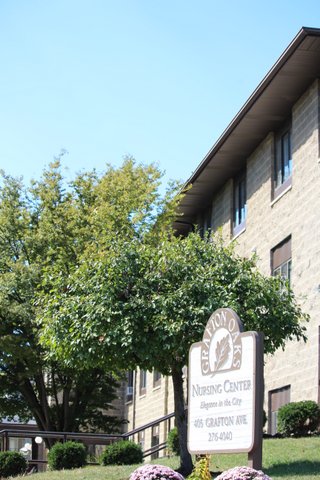
How is Grafton Oaks Nursing Center Staffed?

CMS rates GRAFTON OAKS NURSING CENTER's staffing level at 2 out of 5 stars, which is below average compared to other nursing homes. Staff turnover is 70%, which is 24 percentage points above the Ohio average of 46%. High turnover can affect care consistency as new staff learn residents' individual needs.

What Have Inspectors Found at Grafton Oaks Nursing Center?

State health inspectors documented 21 deficiencies at GRAFTON OAKS NURSING CENTER during 2018 to 2025. These included: 1 that caused actual resident harm and 20 with potential for harm. Deficiencies causing actual harm indicate documented cases where residents experienced negative health consequences.
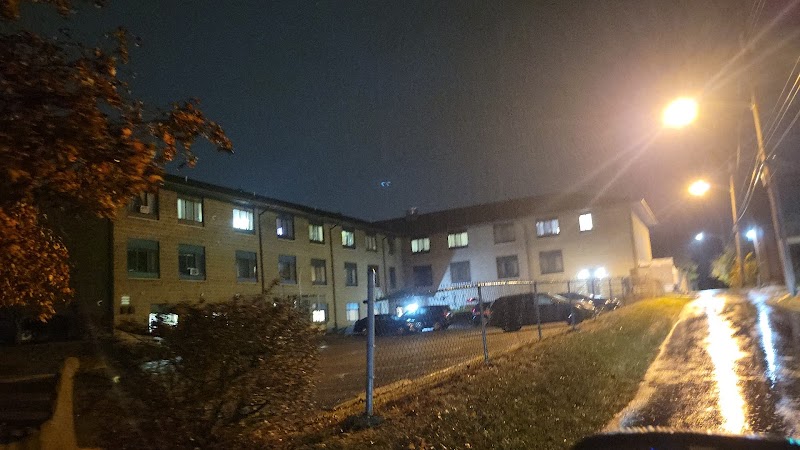
Who Owns and Operates Grafton Oaks Nursing Center?

GRAFTON OAKS NURSING CENTER is owned by a for-profit company. For-profit facilities operate as businesses with obligations to shareholders or private owners. The facility operates independently rather than as part of a larger chain. With 99 certified beds and approximately 68 residents (about 69% occupancy), it is a smaller facility located in DAYTON, Ohio.
How Does Grafton Oaks Nursing Center Compare to Other Ohio Nursing Homes?

Compared to the 100 nursing homes in Ohio, GRAFTON OAKS NURSING CENTER's overall rating (3 stars) is below the state average of 3.2, staff turnover (70%) is significantly higher than the state average of 46%, and health inspection rating (2 stars) is below the national benchmark.

What Should Families Ask When Visiting Grafton Oaks Nursing Center?

Based on this facility's data, families visiting should ask: "What safeguards and monitoring systems are in place to protect residents from abuse or neglect?" "How do you ensure continuity of care given staff turnover, and what is your staff retention strategy?" "Can you walk me through typical staffing levels on day, evening, and night shifts?" "Can I visit during a mealtime to observe dining assistance and food quality?" These questions are particularly relevant given the substantiated abuse finding on record, the facility's high staff turnover rate, and the below-average staffing rating.

Is Grafton Oaks Nursing Center Safe?

Based on CMS inspection data, GRAFTON OAKS NURSING CENTER has documented safety concerns. The facility has 1 substantiated abuse finding (meaning confirmed case of resident harm by staff or other residents). The facility has a 3-star overall rating and ranks #100 of 100 nursing homes in Ohio. Families considering this facility should ask detailed questions about what corrective actions have been taken since these incidents.

Do Nurses at Grafton Oaks Nursing Center Stick Around?

Staff turnover at GRAFTON OAKS NURSING CENTER is high. At 70%, the facility is 24 percentage points above the Ohio average of 46%. High turnover means new staff may not know residents' individual needs, medications, or preferences. It can also be disorienting for residents, especially those with dementia who rely on familiar faces. Families should ask: What is causing the turnover? What retention programs are in place? How do you ensure care continuity during staff transitions?

Was Grafton Oaks Nursing Center Ever Fined?

GRAFTON OAKS NURSING CENTER has no federal fines on record. CMS issues fines when nursing homes fail to meet care standards or don't correct problems found during inspections. The absence of fines suggests the facility has either maintained compliance or corrected any issues before penalties were assessed. This is a positive indicator, though families should still review recent inspection reports for the full picture.

Is Grafton Oaks Nursing Center on Any Federal Watch List?

GRAFTON OAKS NURSING CENTER is not on any federal watch list. The most significant is the Special Focus Facility (SFF) program, which identifies the bottom 1% of nursing homes nationally based on persistent, serious quality problems. Not being on this list means the facility has avoided the pattern of deficiencies that triggers enhanced federal oversight. This is a positive indicator, though families should still review the facility's inspection history directly.