MARIA JOSEPH LIVING CARE CENTER
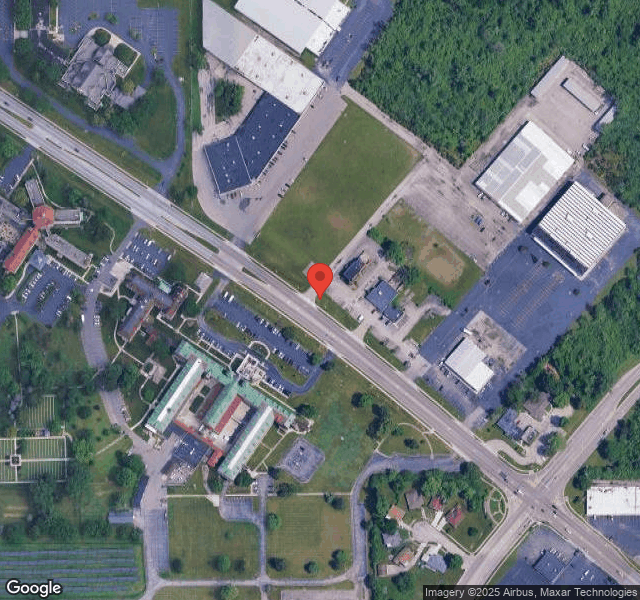

4830 SALEM AVENUE, DAYTON, OH 45416 (937) 278-2692
For profit - Corporation 266 Beds FOUNDATIONS HEALTH SOLUTIONS Data: November 2025
Trust Grade
60/100
#503 of 913 in OH
Last Inspection: June 2023

Over 2 years since last inspection. Current conditions may differ from available data.

Overview

Maria Joseph Living Care Center in Dayton, Ohio, has a Trust Grade of C+, indicating it is slightly above average but not without its issues. It ranks #503 out of 913 facilities in Ohio, placing it in the bottom half, and #19 out of 40 in Montgomery County, meaning only a few local options are better. The facility is improving, having reduced its number of issues from 13 in 2023 to just 3 in 2025. Staffing is a positive aspect, with a 3 out of 5 star rating and a turnover rate of 41%, which is better than the Ohio average of 49%. Notably, there have been no fines recorded, indicating compliance with regulations. However, recent inspections revealed concerns about staff qualifications; there were instances where aides were not properly trained to provide resident care, and there was a failure to implement adequate measures to prevent Legionella, which could affect resident health. Overall, while the nursing home shows signs of improvement and has some strengths, families should weigh these concerns carefully.

Trust Score
C+
60/100
In Ohio
#503/913
Bottom 45%
Safety Record
Low Risk
No red flags
Inspections
Getting Better
13 → 3 violations
Staff Stability
○ Average
41% turnover. Near Ohio's 48% average. Typical for the industry.
Penalties
✓ Good
No fines on record. Clean compliance history, better than most Ohio facilities.
Skilled Nurses
✓ Good
Each resident gets 43 minutes of Registered Nurse (RN) attention daily — more than average for Ohio. RNs are trained to catch health problems early.
Violations
⚠ Watch
33 deficiencies on record. Higher than average. Multiple issues found across inspections.
★★★☆☆
3.0
Overall Rating
★★★☆☆
3.0
Staff Levels
★★★☆☆
3.0
Care Quality
★★★☆☆
3.0
Inspection Score
Stable
2023: 13 issues
2025: 3 issues

The Good

  • Full Sprinkler Coverage · Fire safety systems throughout facility
  • No fines on record
  • Staff turnover below average (41%)

    7 points below Ohio average of 48%

Facility shows strength in fire safety.

The Bad

3-Star Overall Rating

Near Ohio average (3.2)

Meets federal standards, typical of most facilities

Staff Turnover: 41%

Near Ohio avg (46%)

Typical for the industry

Chain: FOUNDATIONS HEALTH SOLUTIONS

Part of a multi-facility chain

Ask about local staffing decisions and management

The Ugly 33 deficiencies on record

Sept 2025 2 deficiencies
CONCERN (D) 📢 Someone Reported This

A family member, employee, or ombudsman was alarmed enough to file a formal complaint

Potential for Harm - no one hurt, but risky conditions existed

Medical Records (Tag F0842)

Could have caused harm · This affected 1 resident

**NOTE- TERMS IN BRACKETS HAVE BEEN EDITED TO PROTECT CONFIDENTIALITY** Based on record review and staff interviews, the facility failed to ensure accurate documentation of medication administration. ...

Read full inspector narrative →
**NOTE- TERMS IN BRACKETS HAVE BEEN EDITED TO PROTECT CONFIDENTIALITY** Based on record review and staff interviews, the facility failed to ensure accurate documentation of medication administration. This affected one (#10) out of three residents reviewed for medication administration. The facility census was 245. Findings include: Review of medical record for Resident #10 revealed admission date of 05/22/25. The resident was admitted with diagnoses including end stage renal disease, type two diabetes mellitus, depression and hypertension. The resident was hospitalized on [DATE] and did not return. The admission Minimum Data Set (MDS) dated [DATE] revealed he had a Brief Interview Mental Status (BIMS) score of 15 indicating intact cognition. He required supervision for eating, extensive two-person assistance for bed mobility, toileting and dependence for transfers. Review of the physician orders revealed an order for Coreg (blood pressure) 6.25 milligrams (mg) one tablet twice daily. Hold for Systolic Blood Pressure (SBP) less than 110 millimeters of mercury (mm Hg). Review of the June Medication Administration Record (MAR) revealed on 06/28/25 at 9:00 the blood pressure was SBP was documented as 96 mm HG. The medication was signed as given. Review of the July MAR revealed on 07/06/25 the 9:00 A.M. SBP was 100 mm Hg and on 07/12/25 the 9:00 A.M. SBP was 96. Each day the medication was documented as given. Interview on 09/11/25 at 12:30 P.M. with Registered Nurse (RN) #22 revealed she was Resident #10's nurse on 06/28/25, 07/06/25 and 07/12/25. RN #22 stated she did not give the Coreg as the MAR indicated. RN #22 explained she believed because she documented the blood pressure was outside of the parameters, it meant she did not give it. RN #22 denied knowledge electronic charting offered a code to indicate a medication was outside of parameters, or to see the nurses' notes. Interview on 09/11/25 at 1:17 P.M. with the Director of Nursing acknowledged Resident #10's MAR documentation on 06/28/25, 07/06/25 and 07/12/25 did not reflect the medication had been held per parameters. This deficiency is based on incidental findings discovered during the course of this complaint investigation.
CONCERN (D) 📢 Someone Reported This

A family member, employee, or ombudsman was alarmed enough to file a formal complaint

Potential for Harm - no one hurt, but risky conditions existed

Infection Control (Tag F0880)

Could have caused harm · This affected 1 resident

**NOTE- TERMS IN BRACKETS HAVE BEEN EDITED TO PROTECT CONFIDENTIALITY** Based on record review, observation and staff interview, the facility failed to ensure infection control measures were followed ...

Read full inspector narrative →
**NOTE- TERMS IN BRACKETS HAVE BEEN EDITED TO PROTECT CONFIDENTIALITY** Based on record review, observation and staff interview, the facility failed to ensure infection control measures were followed during incontinence care. This affected (#11) out of three residents reviewed for infection control. The facility census was 245. Findings include:Review of medical record for Resident #11 revealed admission date of 04/08/25. The resident was admitted with diagnoses including end stage renal disease, diabetes mellitus, depression, gout, and anxiety. The significant change Minimum Data Set (MDS) dated [DATE] revealed he had a Brief Interview Mental Status (BIMS) score of 13 indicating intact cognition. He required supervision with eating, maximum assistance with dependent for toileting hygiene, bed mobility and transfers. Observation on 09/08/25 at 3:52 P.M. revealed Certified Nursing Assistant (CNA) #31 was assisted by CNA #10 in providing incontinence care for Resident #11. Both CNA's donned Personal Protective Equipment (PPE) for enhanced barrier precautions without concern. CNA #31 was observed to perform thorough peri care using two washcloths, one soapy to cleanse and the other wet to rinse. When peri care was completed, CNA #31 placed both soiled wash clothes on the bedside table and used a towel to pat dry and place it on the bed. CNA #10 assisted CNA #31 to place a clean incontinent product, redress and reposition Resident #11. CNA #31 removed the soiled washcloths and entered Resident #11's restroom without disinfecting Resident #11's bedside table. CNA #31 returned with soiled items in a clear plastic bag having doffed her PPE and washed her hands. Interview on 09/08/25 at 4:09 P.M. directly following observed incontinence care for Resident #11, CNA #31 verified she place soiled wash clothes on the bedside table and stated she should have brought a bag with her to place the soiled items at bedside. CNA #31 acknowledged placing the soiled washcloths on the bedside table presented an infection control concern. This deficiency is based on incidental findings discovered during the course of this complaint investigation.
Mar 2025 1 deficiency
CONCERN (D) 📢 Someone Reported This

A family member, employee, or ombudsman was alarmed enough to file a formal complaint

Potential for Harm - no one hurt, but risky conditions existed

Infection Control (Tag F0880)

Could have caused harm · This affected 1 resident

**NOTE- TERMS IN BRACKETS HAVE BEEN EDITED TO PROTECT CONFIDENTIALITY** Based on observations, staff interviews, and policy review, the facility failed to ensure appropriate infection control measures...

Read full inspector narrative →
**NOTE- TERMS IN BRACKETS HAVE BEEN EDITED TO PROTECT CONFIDENTIALITY** Based on observations, staff interviews, and policy review, the facility failed to ensure appropriate infection control measures were completed during incontinence care. This affected one (#47) resident of three residents reviewed for incontinence care. The facility census was 234. Findings include: Review of the medical record for Resident #47 revealed an admission date of 02/12/25. Diagnoses included anxiety disorder, major depressive disorder, and chronic obstructive pulmonary disease (COPD). Review of the Annual Minim Data Set (MDS) assessment dated [DATE] revealed Resident #47 had intact cognition as evidenced by a Brief Interview for Mental Status (BIMS) score of 14. This resident was assessed to require setup with eating, dependent with toileting and dressing, and substantial assistance with bathing and transfers. Observation on 03/20/25 at 11:10 A.M. revealed Certified Nursing Assistant (CNA) #13 performed incontinence care to Resident #47. Hand hygiene was performed, and gloves were applied prior to providing care. CNA #13 cleaned Resident #47's perineal (peri) area in the front with a clean washcloth. CNA #13 placed the soiled washcloth back into water basin. CNA #13 cleaned Resident #47's back side with the same washcloth. CNA #13 did not change her gloves during care and touched the clean incontinence brief with her soiled gloves. Interview on 03/20/25 with CNA #13 verified she used the same washcloths to clean Resident #47's front and back side. CNA #13 also verified that she did not change her gloves or complete hand hygiene. Review of the facility policy titled, Infection Control Policy/Procedure Manual, revised 11/28/17 revealed staff performed hand hygiene even if gloves were used in the following situations: before and after contact with the resident, after contact with blood, body fluids, or visibly contaminated surfaces or other objects and surfaces in the resident's environment, and after removing personal protective equipment (PPE).
Jun 2023 8 deficiencies
CONCERN (D)

Potential for Harm - no one hurt, but risky conditions existed

Resident Rights (Tag F0550)

Could have caused harm · This affected 1 resident

**NOTE- TERMS IN BRACKETS HAVE BEEN EDITED TO PROTECT CONFIDENTIALITY** Based on medical record review, observation, staff interview, and policy review, the facility failed to ensure residents were tr...

Read full inspector narrative →
**NOTE- TERMS IN BRACKETS HAVE BEEN EDITED TO PROTECT CONFIDENTIALITY** Based on medical record review, observation, staff interview, and policy review, the facility failed to ensure residents were treated with dignity and respect. This affected one (#348) of three residents reviewed for dignity and respect. The census was 235. Findings included: Medical record review for Resident #348 revealed an admission date of 09/23/20. Diagnoses included peripheral vascular disease, heart failure, and non-Alzheimer's dementia. Review of the quarterly Minimum Data Set (MDS) assessment dated [DATE] revealed Resident #348 was assessed with severely impaired cognition. Observation and interview on 06/06/23 at 9:05 A.M. revealed Resident #348 was sitting in the dining room at the table with his breakfast meal in front of him that State Tested Nurse Aide (STNA) #154 delivered to him. STNA #154 was asked if the resident was given a choice of cereal, and STNA #154 replied in front of Resident #348, He (Resident #348) was not asked if he wanted cereal and he got what he got. Further interview with STNA #154 confirmed her statement in reply to the question about Resident #348's choice of cereal was not respectful to the resident. Review of the undated policy titled, Resident [NAME] of Rights, revealed the residents would be treated with the courtesy and respect in full recognition of dignity and individuality.
CONCERN (D)

Potential for Harm - no one hurt, but risky conditions existed

Deficiency F0561 (Tag F0561)

Could have caused harm · This affected 1 resident

**NOTE- TERMS IN BRACKETS HAVE BEEN EDITED TO PROTECT CONFIDENTIALITY** Based on observation, medical record review, menu review, and staff and resident interview, the facility failed to ensure food c...

Read full inspector narrative →
**NOTE- TERMS IN BRACKETS HAVE BEEN EDITED TO PROTECT CONFIDENTIALITY** Based on observation, medical record review, menu review, and staff and resident interview, the facility failed to ensure food choices were provided for resident meals. This affected one (#348) of one residents reviewed for choices. The census was 235. Findings included: Medical record review for Resident #348 revealed an admission date of 09/23/20. Medical diagnoses included peripheral vascular disease, heart failure, and non-Alzheimer's dementia. Review of the quarterly Minimum Data Set (MDS) assessment dated [DATE] revealed Resident #348 was severely cognitively impaired and his functional status was extensive assistance for bed mobility, transfers, and toileting. The resident required limited assistance for eating. Review of the breakfast menu on 06/06/23 revealed there was choice of juices, sausage links, choice of cereal, pancakes, hash browns, water, margarine, and syrup. Review of the breakfast menu on 06/07/23 revealed choice of juices, ham and cheese pocket, hash browns, choice of cereal, choice of milk, and water. There was no choices listed on the menu referring to mechanical soft diets. Observation and interview at the same time on 06/06/23 at 9:05 A.M. revealed Resident #348 was sitting in the dining room at the table with his breakfast meal in front of him. State Tested Nurse Aide (STNA) #154 delivered the meal to Resident #348, and when asked if the resident was given a choice of cereal, STNA #154 stated Resident #348 was not asked if he wanted cereal. Observation of the breakfast meal for Resident #348 and interview on 06/07/23 at 9:14 A.M. revealed the resident had scrambled eggs, two sausage links, one slice of toast, milk, orange juice, and water. Resident #348 stated at that time he would like some cereal if the staff would give it to him, and verified he did not get a choice of what he wanted to eat for his meals. Interview with STNA #241 on 06/07/23 at 9:17 A.M. stated in the month she had been at the facility, the staff did not ask the residents what they want for breakfast. STNA #241 stated Resident #348 was on a mechanical soft diet, but when asked if he could have oatmeal with his breakfast she went over to the servery and got Resident #348 oatmeal. Interview with Dietary Manager #86 on 06/07/23 at 12:54 P.M. indicated residents on a mechanical soft diet could have cereal.
CONCERN (D)

Potential for Harm - no one hurt, but risky conditions existed

ADL Care (Tag F0677)

Could have caused harm · This affected 1 resident

**NOTE- TERMS IN BRACKETS HAVE BEEN EDITED TO PROTECT CONFIDENTIALITY** Based on observation, medical record review, and resident and staff interview, the facility failed to assist dependent residents...

Read full inspector narrative →
**NOTE- TERMS IN BRACKETS HAVE BEEN EDITED TO PROTECT CONFIDENTIALITY** Based on observation, medical record review, and resident and staff interview, the facility failed to assist dependent residents with activities of daily living (ADLs). This affected two (#103 and #110) of six residents reviewed for ADLs. The facility census was 235. Findings include: 1. Review of Resident #103's medical record revealed admission to the facility on [DATE] with diagnoses of cerebral infarction, need for assistance with personal care, diabetes mellitus type II, dysphagia, repeated falls, and aphasia. Review of the Minimum Data Set (MDS) assessment dated [DATE] revealed Resident #103 had moderate cognitive impairment. Resident #103's functional status was assessed as one to two person extensive assist with ADLs. The MDS assessment also revealed Resident #103 was frequently incontinent of urine and always incontinent of bowel. Review of the care plan dated 04/04/23 revealed Resident #103 may require assistance with ADLs and may be at risk for developing complications associated with decreased ADL self-performance. An intervention included in the care plan revealed Resident #103 needed assistance with grooming including nail care, shaving, and hair care. Review of state tested nurse aide (STNA) resident task documentation dated 05/25/23 through 06/07/23 revealed nail care was not provided for Resident #103 except on 06/05/23 at 2:59 P.M. and the resident refused care. Further review of the STNA task sheet documentation dated 06/07/23 at 6:59 A.M. revealed no nail care was provided and was marked as not applicable. Observation of Resident #103 on 06/05/23 at 2:30 P.M. and on 06/07/23 at 11:48 A.M. revealed Resident #103 had long finger nails with a black substance under all finger nails on both hands. Interview with Resident #103 on 06/07/23 at 11:48 A.M. state he received a shower the morning of 06/07/23 the nurse aide did not ask to cut or clean his finger nails. Interview with Registered Nurse (RN) #176 at 11:49 A.M. confirmed Resident #103's finger nails should have been cleaned and trimmed after his showers. 2. Review of the medical record for Resident #110 revealed an admission date of 11/13/21 with diagnoses including but not limited to type two diabetes, atherosclerotic heart disease, migraines, atrial fibrillation, supraventricular tachycardia, anxiety disorder, depressive disorder, diverticulosis of large intestine, anemia, myocardial infarction, cystitis, partial intestinal obstruction, and colostomy. Review of the quarterly MDS assessment date 04/15/23 revealed a cognitive assessment was not completed, and Resident #110 required extensive assistance with two staff members for bed mobility, transferred with assistance of one staff member, required limited assistance for eating, and extensive assistance for toileting. Review of the plan of care revealed Resident #110 may require assistance with ADLs and may be at risk for developing complications associated with decreased ADL self-performance. Interventions included bathing assistance was needed, encourage resident participation while performing ADLs, and grooming (nails/shave/hair) assistance was needed. Review of STNA resident tasks documentation for Resident #110 dated 05/08/23 through 06/08/23 was silent for any documentation related to hair shampooing. Observation on 06/08/23 at 10:40 A.M. of Resident #110 revealed the resident had long facial hair on the chin and neck. Resident #110's hair on the head was long and scraggly with an excessive oily appearance. Resident #110 had white flakes noted throughout the hair close to the scalp. Interview on 06/08/23 at 10:40 A.M. with Resident #110 states she had not had her hair washed for a long time, and was not able to remember when her hair was washed last. Resident #110 stated the staff used a waterless cap to wash her hair. Resident #110 stated she was able to shave her facial hair, but she no longer had the razor she used to keep in her cup on her bedside table, and she was not able to complete that task for an undetermined time. Interview on 06/08/23 at 10:45 A.M. with Director of Nursing (DON) #176 verified Resident #110's hair on her head appeared to be unwashed, and stated Resident #110's scheduled bathing days were Monday and Thursday on second shift. DON #176 further verified Resident #110's facial hair was longer than expected if it would have been shaved on her bathing days.
CONCERN (D)

Potential for Harm - no one hurt, but risky conditions existed

Quality of Care (Tag F0684)

Could have caused harm · This affected 1 resident

**NOTE- TERMS IN BRACKETS HAVE BEEN EDITED TO PROTECT CONFIDENTIALITY** Based on medical record review and staff interview, the facility failed to ensure physician orders for a referral to a gynecolog...

Read full inspector narrative →
**NOTE- TERMS IN BRACKETS HAVE BEEN EDITED TO PROTECT CONFIDENTIALITY** Based on medical record review and staff interview, the facility failed to ensure physician orders for a referral to a gynecologist were processed timely. This affected one (#184) of one residents reviewed for referrals to outside providers. The facility census was 235. Findings include: Medical record review for Resident #184 revealed an admission of 01/24/23 with diagnoses including but not limited to bipolar disorder with severe psychotic features, diabetes, chronic obstructive pulmonary disease, anemia, morbid obesity, heart failure, mastitis without abscess, chronic pain syndrome, pulmonary embolism, major depressive disorder, and hypertension. Review of the quarterly Minimum Data Set (MDS) assessment dated [DATE] revealed Resident #184 had an intact cognition. Review of the physicians order for Resident #184 revealed an order for a referral to a gynecologist dated 05/07/23. Review of a progress note dated 05/07/23 at 4:27 P.M. revealed a new order given by the nurse practitioner to obtain a urinalysis and consult with a gynecologist due to Resident #184 complaining of pain in vaginal area. Interview on 06/06/23 at 10:50 A.M. with Resident #184 stated she was supposed to go to a gynecologist and she had not seen a gynecologist yet. Interview on 06/09/23 at 10:20 A.M. with Unit Manager Licensed Practical Nurse (LPN) #124 verified the referral for Resident #184 to see a gynecologist was not processed for Resident #184 to be seen in a timely manner, and an appointment was just scheduled on 06/08/23.
CONCERN (D)

Potential for Harm - no one hurt, but risky conditions existed

Pharmacy Services (Tag F0755)

Could have caused harm · This affected 1 resident

**NOTE- TERMS IN BRACKETS HAVE BEEN EDITED TO PROTECT CONFIDENTIALITY** Based on medical record review, observation, and resident and staff interview, the facility failed to ensure a physician order w...

Read full inspector narrative →
**NOTE- TERMS IN BRACKETS HAVE BEEN EDITED TO PROTECT CONFIDENTIALITY** Based on medical record review, observation, and resident and staff interview, the facility failed to ensure a physician order was in place for use of a continuous glucose monitoring device. This affected one (#28) of one residents reviewed for the provision of glucose monitoring devices. The facility census was 235. Findings include: Medical record review for Resident #28 revealed and admission date of 06/06/22 with diagnoses including but not limited to hypertensive heart, chronic kidney disease, fluid overload, morbid obesity, chronic obstructive pulmonary disease, major depressive disorder, hypertension, congestive heart failure, edema, diabetes mellitus, and interstitial pulmonary diseases. Review of the quarterly Minimum Data Set (MDS) assessment dated [DATE] revealed Resident #28 was assessed with intact cognition. Resident #28 required extensive assistance for bed mobility, transfers, and toileting with two staff members. Resident #28 received insulin daily during the assessment period. Review of Resident #28's physician orders revealed an order for insulin glargine solution 10 units injected subcutaneously (SQ) once daily ordered on 05/29/23 and Humalog insulin to be administered per sliding scale SQ before meals and at bedtime ordered on 04/05/23. There were no orders for Resident #28 to have a continuous glucose monitoring device applied to the skin. Observation on 06/06/23 at 11:52 A.M. revealed a box on the bedside table in Resident #28's room which contained supplies for a continuous glucose monitoring system. Interview on 06/06/23 at 11:52 A.M. with Resident #28 stated the supplies for the continuous glucose monitoring device were mailed to her and staff apply the device every 14 days. Interview on 06/07/23 at 8:58 A.M. with Unit Manager Licensed Practical Nurse (LPN) #119 verified there was no physician order for Resident #20's continuous glucose monitoring system, and verified Resident #28 went to the hospital, and when she came back on the 05/29/23 it was not added to her physician orders. LPN #119 verified that she applied a new continuous glucose monitoring disc on Resident #28 on 06/07/23, and did not ensure the orders were processed before applying the device.
CONCERN (D)

Potential for Harm - no one hurt, but risky conditions existed

Deficiency F0761 (Tag F0761)

Could have caused harm · This affected 1 resident

Based on medical record review, observation, resident and staff interview, and policy review, the facility failed to medications were stored in a safe and secure manner. This affected one (#55) of thr...

Read full inspector narrative →
Based on medical record review, observation, resident and staff interview, and policy review, the facility failed to medications were stored in a safe and secure manner. This affected one (#55) of three residents reviewed for medication storage. The facility census was 235. Findings include: Medical record review for Resident #55 revealed an admission date on 08/23/16 with diagnoses including but not limited to chronic obstructive pulmonary disease, hypothyroidism, neuralgia and neuritis, pain in shoulder, diabetes mellitus, and chronic pain. Review of a physician order dated 05/25/23 revealed Resident #55 was ordered the topical pain medication Voltaren gel one (1) percent (%) applied to the back daily. Observation on 06/06/23 at 10:31 A.M. of Resident #55's bathroom shelf revealed an open, half used, labeled tube of Voltaren gel 1%. Interview on 06/06/23 at 10:31 A.M. with Resident #55 stated he used the Voltaren gel on his shoulder and back, and the staff would apply it for him. Resident #55 stated a nurse gave it to him to use on his shoulder a while ago and told him to keep it. Interview on 06/06/23 at 10:40 A.M. with Licensed Practical Nurse (LPN) #94 verified Resident #55 did not have an order to keep the medication in his room, and verified the tube of Voltaren gel in his bathroom. Review of the facility policy titled, Medication Storage, dated 06/21/2017, revealed medication should only be accessible to licensed personnel and staff members authorized to administer medication. Further review of the policy revealed medication storage areas are to be kept secure.
CONCERN (E)

Potential for Harm - no one hurt, but risky conditions existed

Deficiency F0569 (Tag F0569)

Could have caused harm · This affected multiple residents

Based on personal funds account review and staff interview, the facility failed to notify residents or their representatives of the need to spend down personal funds once the account reached $200 less...

Read full inspector narrative →
Based on personal funds account review and staff interview, the facility failed to notify residents or their representatives of the need to spend down personal funds once the account reached $200 less than the Supplemental Security Income (SSI) resource limit of one person. This affected 19 (#3, #15, #20, #37, #41, #43, #44, #45, #54, #101, #111, #124, #127, #158, #183, #195, #198, #227, and #448) of 19 residents reviewed for personal funds. The census was 235. Findings included: 1. Review of Resident #3's personal funds account revealed a balance as of 06/07/23 of $20,424.70. 2. Review of Resident #15's personal funds account revealed a balance as of 06/08/23 of $2,534.72. 3. Review of Resident #20's personal funds account revealed a balance as of 06/01/23 of $2,366.34. 4. Review of Resident #37's personal funds account revealed a balance as of 06/05/23 of $22,686.10. 5. Review of Resident #41's personal funds account revealed a balance as of 06/02/23 of $4,664.31. 6. Review of Resident #43's personal funds account revealed a balance as of 06/08/23 of $5,835.42. 7. Review of Resident #44's personal funds account revealed a balance as of 06/02/23 of $2,399.76. 8. Review of Resident #45's personal funds account revealed a balance as of 06/02/23 of $6,641.78. 9. Review of Resident #54's personal funds account revealed a balance as of 06/07/23 of $3,694.30. 10. Review of Resident #101's personal funds account revealed a balance as of 06/01/23 of $3,728.40. 11. Review of Resident #111's personal funds account revealed a balance as of 06/07/23 of $3,583.82. 12. Review of Resident #124's personal funds account revealed a balance as of 06/02/23 of $6,223.07. 13. Review of Resident #127's personal funds account revealed a balance as of 06/07/23 of $5,198.70. 14. Review of Resident #158's personal funds account revealed a balance as of 06/07/23 of $8,656.77. 15. Review of Resident #183's personal funds account revealed a balance as of 06/07/23 of $8,069.18. 16. Review of Resident #195's personal funds account revealed a balance as of 06/07/23 of $6,069.32. 17. Review of Resident #198's personal funds account revealed a balance as of 06/08/23 of $2,510.67. 18. Review of Resident #227's personal funds account revealed a balance as of 06/02/23 of $2,244.31. 19. Review of Resident #448's personal funds account revealed a balance as of 06/08/23 of $2,225.77. Interview with Business Office Manager (BOM) #49 on 06/08/23 at 12:15 P.M. stated the staff who previously worked for her were not notifying residents or representatives of a need to spend down resident's personal funds accounts. BOM #49 stated the staff no longer worked at the facility, and the new staff she had were working to get the spend down notifications sent out. BOM #49 confirmed Resident #3, Resident #15, Resident #20, Resident #37, Resident #41, Resident #43, Resident #44, Resident #45, Resident #54, Resident #101, Resident #111, Resident #124, Resident #127, Resident #158, Resident #183, Resident #195, Resident #198, Resident #227, and Resident #448 all should have been notified to spend down their personal funds accounts.
CONCERN (E)

Potential for Harm - no one hurt, but risky conditions existed

Menu Adequacy (Tag F0803)

Could have caused harm · This affected multiple residents

**NOTE- TERMS IN BRACKETS HAVE BEEN EDITED TO PROTECT CONFIDENTIALITY** Based on observation, menu review, and staff interview, the facility failed to ensure the planned menu was followed. This affect...

Read full inspector narrative →
**NOTE- TERMS IN BRACKETS HAVE BEEN EDITED TO PROTECT CONFIDENTIALITY** Based on observation, menu review, and staff interview, the facility failed to ensure the planned menu was followed. This affected 32 (#22, #35, #38, #52, #78, #88, #94, #96, #102, #111, #118, #119, #136, #137, #141, #142, #149, #152, #161, #162, #170, #174, #181, #182, #186, #193, #204, #205, #206, #208, #225, and #450) of 32 residents who resided on the [NAME] Four unit. All 32 residents on the [NAME] Four unit were identified by the facility to received food by mouth. The census was 235. Findings included: Review of the planned breakfast menu for 06/06/23 revealed items consisting of a choice of juices, sausage links, choice of cereal, pancakes, hash browns, water, margarine, and syrup. Observation of the breakfast tray line on 06/06/23 at 9:00 A.M. on the [NAME] Four unit revealed there were no hash brown potatoes being served as indicated on the menu. Interview with Dietary Aide (DA) #158 on 06/06/23 at 9:03 A.M. stated she did not notice there were no hash browns to serve to the residents, and confirmed the menu indicated hash browns were to be served for the breakfast meal on 06/06/23. DA #158 stated there was not a substitute for the hash browns, and she did not know why hash browns were not prepared or why a substitution was not provided.
Mar 2023 1 deficiency
CONCERN (D) 📢 Someone Reported This

A family member, employee, or ombudsman was alarmed enough to file a formal complaint

Potential for Harm - no one hurt, but risky conditions existed

Pressure Ulcer Prevention (Tag F0686)

Could have caused harm · This affected 1 resident

**NOTE- TERMS IN BRACKETS HAVE BEEN EDITED TO PROTECT CONFIDENTIALITY** Based on record review, staff interview, and review of the facility policy, the facility failed to implement wound treatment ord...

Read full inspector narrative →
**NOTE- TERMS IN BRACKETS HAVE BEEN EDITED TO PROTECT CONFIDENTIALITY** Based on record review, staff interview, and review of the facility policy, the facility failed to implement wound treatment orders and follow physician orders to treat the resident's existing pressure ulcers. This affected two (Residents #124 and #130) of three residents reviewed for pressure ulcers. The facility identified ten residents who had pressure ulcers at the facility. The facility census was 247. Finding include: 1. Review of the medical record for Resident #130 revealed an admission date of 07/13/22. Diagnoses included metabolic encephalopathy, neurocognitive disorder with Lewy bodies, muscle weakness, anxiety disorder, major depressive disorder, dementia with behavioral disturbance, and senile degeneration of the brain. Review of the quarterly Minimum Data Set (MDS) assessment dated [DATE] revealed Resident #130 was severely cognitively impaired. Resident #130 required extensive assistance of one staff for bed mobility and toileting, and limited assistance of one staff for transfers. Review of the plan of care dated 02/14/23 revealed Resident #130 had an alteration in skin integrity as evidenced by pressure ulcer to the sacrum. Interventions included to provide treatments per physician orders, maintain a pressure reducing mattress, and provide dietary supplement per order. Review of the Braden Scale for Predicting Pressure Ulcers/Injuries dated 01/28/23 revealed Resident #130 was at risk for developing pressure ulcers. Review of the physician order dated on 07/14/22 revealed Resident #130 had an treatment to apply house moisture barrier ointment to peri area, buttocks, coccyx after incontinent care and as needed. Review of the skin grid-pressure assessment dated [DATE] revealed Resident #130 developed a stage I pressure area was identified on the left buttock, measuring 5.0 centimeters (cm) by 5.0 cm by 0 cm. It was documented the physician was notified but there was no mention of the treatment to include to continue the treatment as ordered on 07/14/22 or for a new treatment order until three days later 02/03/23. Review of the physician order dated 02/03/23 revealed Resident #130 had a treatment to apply house Calmoseptine ointment to buttocks every shift and as needed. Review of the wound certified nurse practitioner (CNP) progress notes dated 02/07/23 revealed the stage one pressure ulcer was now a stage III pressure ulcer (Full thickness tissue loss. Subcutaneous fat may be visible but bone, tendon or muscle is not exposed). The stage III pressure ulcer measured 2.5 centimeters by 3.5 centimeters by 0.1 centimeters. There was fat layered exposed, medium amount of serosanguineous drainage noted, pink granulation of wound bed 34-66%. There was medium amount of necrotic tissue 34-66% in wound bed and including adherent slough. The physician's recommendation was to cleanse the wound with saline, apply honey alginate and bordered gauze daily and as needed. However, this physician recommendation was not implemented until nine days later on 02/16/23. Review of the wound CNP progress note dated 02/14/23 revealed Resident #130's pressure ulcer to the sacral region remained at a stage III. The physician recommendation was the same recommendation as 02/07/23 to cleanse the wound with saline, apply honey alginate and bordered gauze daily and as needed. The physician recommendation was still not implemented until two days later on 02/16/23. Review of the physician order dated 02/16/23 revealed the order to cleanse wound with saline, apply honey alginate and bordered gauze daily and as needed. Review of the wound CNP progress note dated 02/21/23 revealed Resident #130's pressure ulcer to the sacral region remained at a Stage III. The physician recommendation was to cleanse the wound with saline, then apply hydro-conductive and bordered foam daily. The physician recommendation was not implemented until three days later on 02/24/23. Review of the physician order dated 02/24/23 revealed the order to cleanse the wound with saline, apply hydro-conductive and bordered foam daily. Interview on 03/13/23 at 5:20 P.M. with the Director of Nursing (DON) stated Licensed Practical Nurse (LPN) #498 found Resident #130's stage one pressure ulcer on 01/31/23 and notified the DON and Registered Nurse (RN) #335 (who was the Unit Manager at the same of the wound was found). The DON stated she told RN #335 to enter a new treatment order, but RN #335 kept the same treatment order as 07/14/22. The DON verified a new treatment was ordered three days later on 02/03/23 for Resident #130. Interview on 03/13/23 at 5:40 P.M. with RN #335 stated she was aware the wound nurse practitioner came in to see Resident #130 on 02/07/23 and gave an order for honey alginate. RN #335 stated she thought she entered the new physician order in the medical record. Interview on 03/14/23 at 9:05 A.M. with Wound Nurse Practitioner (WNP) #550 stated before she leaves the facilities, she turns in her progress notes to the Unit Manager which includes the wound measurement and the new recommendations. WNP #550 stated she expected the facility would enter and implement her new recommendations within 24 hours. Interview on 03/14/23 at 2:09 P.M. with Wound Supplier (WS) #350 stated she usually completed wound rounds with WNP #550 and then ordered the wound supplies once the physician orders were in the resident's electronic medical record. Interview on 03/14/23 at 2:21 P.M. with DON verified Resident #130's treatments were not ordered and implemented timely and stated it was because the facility did not have the product in house. The DON verified the honey alginate and border gauze was not ordered until 02/16/23 and it should have been ordered on 02/07/23. The treatment for hydro-conductive and bordered foam was not ordered until 02/24/23 when WNP #550 recommended it on 02/21/23. 2. Record review for Resident #124 revealed an admission date on 09/03/15. Diagnoses included multiple sclerosis, hemiplegia, chronic obstructive pulmonary disease, and mild protein calorie malnutrition. Review of the MDS assessment dated [DATE] revealed Resident #124 was severely cognitively impaired. Resident #124 required extensive assistance of one staff for bed mobility, dressing, toilet use, and personal hygiene. Resident was total dependence with two-person physical assist for transfers. Review of the plan of care dated on 02/07/23 revealed Resident #124 was at risk for alteration in skin integrity related to chronic progressive disease, circulation impairment, dementia, diabetes mellitus, hemiplegia, incontinence, and mobility impairment. Interventions included to complete skin assessments, provide treatments, to encourage and assist resident to turn and reposition, keep linen dry and as wrinkle free as possible, maintain pressure reducing mattress, no briefs while in bed, provide assistance with activity of daily living and positioning, and provide skin care as needed. Review of the wound certified nurse practitioner (CNP) progress notes dated 02/28/23 revealed Resident #124's pressure ulcer to the sacral region was at a Stage III (Full thickness tissue loss. Subcutaneous fat may be visible but bone, tendon or muscle is not exposed.). The physician recommendation was to cleanse wound with saline, then gently pack with one-half strength Dakin's moistened gauze and cover with bordered gauze daily. Review of the physician order dated 02/28/23 revealed the order to cleanse wound with saline, gently pack with one-fourth strength Dakin's moistened with gauze and covered with bordered gauze every shift. This physician order did not match the wound physician note's recommendation to pack with one-half strength Dakin's solution on 02/28/23. The physician order also did not match the wound physician note's recommendation to change daily verse changing it twice daily as the physician order was written. Review of the wound CNP progress notes dated 03/07/23 and 03/14/23 revealed Resident #124's pressure ulcer of the sacral region remained at a Stage III. The physician recommendation was to cleanse wound with saline, then gently pack with one-fourth strength Dakin's moistened gauze and cover with bordered gauze daily. The physician order dated 02/28/23 remained in place through 03/14/23 and the physician order continued to read to complete twice daily. The wound recommendation was for daily treatment changes. Interview on 03/14/23 at 1:09 P.M. with the Director of Nursing (DON) verified Resident #124's physician orders on 02/28/23 did not match the Wound CNP's recommendations made on 02/28/23. The DON verified the wound CNP's recommendation on 02/28/23 was for one-half strength of Dakin's solution daily and the physician order was entered for one-fourth strength solution twice a day. The DON further verified the Wound CNP's recommendations on 03/07/23 and 03/14/23 for a treatment change to be done daily did not match the physician orders for the treatment to be changed twice a day. Review of the facility policy titled Skin Assessment, dated 09/2017, revealed an ongoing basis, factors placing the resident who was at risk for developing a pressure ulcer, including specific conditions, causes and or problems, needs and behaviors are assessed and interventions for preventing pressure ulcer development are defined and implemented in accordance with the resident's needs, goals, and recognized standards of practice. Interventions for pressure ulcer prevention, treatment, and infection control are defined and implemented in accordance with resident's needs, goals, and recognized standards of practice. Review of the facility policy titled Physician Orders, dated 10/18/01, revealed orders may be electronic or handwritten. Orders should include the resident's name, prescribing physician's name, date, the facility's name, and the licensed staff receiving the order. Record the actual order received from the physician in the electronic medical record or telephone order form if computer was not available. This deficiency represents non-compliance investigated under Master Complaint Number OH00141050.
Feb 2023 4 deficiencies
CONCERN (D) 📢 Someone Reported This

A family member, employee, or ombudsman was alarmed enough to file a formal complaint

Potential for Harm - no one hurt, but risky conditions existed

Deficiency F0678 (Tag F0678)

Could have caused harm · This affected 1 resident

**NOTE- TERMS IN BRACKETS HAVE BEEN EDITED TO PROTECT CONFIDENTIALITY** Based on employee file review, review of the facility job description, and staff interview, the facility failed to ensure staff ...

Read full inspector narrative →
**NOTE- TERMS IN BRACKETS HAVE BEEN EDITED TO PROTECT CONFIDENTIALITY** Based on employee file review, review of the facility job description, and staff interview, the facility failed to ensure staff had a current certification to care for residents at the facility. This affected one resident (#83) out of three reviewed for death. This had the potential to affect all residents who resided on Brunner Four who had a Full Code status. The facility census was 244. Findings include: Review of the employee file revealed Registered Nurse (RN) #12's Cardiopulmonary Resuscitation (CPR) certification expired 11/2022, and the new CPR certification was dated [DATE]. Review of the Registered Nurse Job Description position qualifications undated revealed CPR certification was required. Interview on [DATE] at 10:23 A.M., with RN #12 revealed she had been informed by the facility her CPR certification would be expiring, however she did not renew the CPR prior to the 11/2022 expiration. Interview on [DATE] at 2:06 P.M., with the Director of Nursing (DON) revealed it was the expectation of the facility a staff would not perform CPR without a valid certificate. The DON stated it was during the review of the code response on [DATE] she was informed RN #12's CPR certificate had expired in [DATE]. She stated the Human Resource department sent out notices letting staff know their certificate was about to expire to give ample time to renew. The DON reported CPR was not delayed and all other staff who responded simultaneously to the code had a current CPR certification. This deficiency represents non-compliance in Complaint Number OH139340.
CONCERN (D) 📢 Someone Reported This

A family member, employee, or ombudsman was alarmed enough to file a formal complaint

Potential for Harm - no one hurt, but risky conditions existed

Accident Prevention (Tag F0689)

Could have caused harm · This affected 1 resident

**NOTE- TERMS IN BRACKETS HAVE BEEN EDITED TO PROTECT CONFIDENTIALITY** Based on record review, observation, resident and staff interview, and policy review, the facility failed complete a thorough in...

Read full inspector narrative →
**NOTE- TERMS IN BRACKETS HAVE BEEN EDITED TO PROTECT CONFIDENTIALITY** Based on record review, observation, resident and staff interview, and policy review, the facility failed complete a thorough investigation to determine the root cause analysis to identify potential hazards and resident-specific interventions to reduce and/or eliminate falls and falls with injury. This affected one resident (#39) out of three residents reviewed for falls. The census was 244. Findings include: Review of the medical record revealed Resident #39 was admitted to the facility on [DATE] with hospice services. Diagnoses included cerebral atherosclerosis, schizoaffective disorder, depression, bipolar and anxiety. The quarterly Minimum Data Set (MDS) dated [DATE] revealed Resident #39 had impaired cognition. He required supervision and set up for Activities of Daily Living. There were no falls for the look back period. A care plan dated 07/06/21 revealed a risk for falls due to impaired balance and psychiatric disorder. Interventions included to keep the bed in the lowest position, ensure the call light was within reach, maintain a clear pathway, nonskid socks, updated on 02/03/23 to assist Resident #39 to the bathroom upon rising, before meals, before bed as the resident permits, and bedside mattress added on 02/06/23. Review of the late entry progress note opened on 01/29/23 at 5:47 P.M. and signed on 02/06/23 at 12:23 P.M. revealed Licensed practical Nurse (LPN) #21 was informed by the State Tested Nursing Assistant (STNA) Resident #39 was lying on the floor in his room. Resident #39 was assisted back to bed and pericare was provided due to incontinence. A new intervention for toilet use before meals, after meals, at bedtime and as needed was put in place. Review of the fall investigation dated 01/29/23 revealed there was no documentation of when the last time staff offered to toilet Resident #39 prior to the fall where he was found incontinent on the floor. There was no documentation to determine the root cause of the fall. Review of the late entry progress note opened on 01/30/23 at 5:36 P.M. and signed on 01/31/23 at 5:37 P.M. revealed LPN #21 was informed by the STNA Resident #39 was on the floor in his room. The nurse noted the resident was on the floor with his upper body against the bed. The resident was documented as stating he stood up to go to the bathroom and slid onto his buttocks and did not hit his head. The resident was assisted back to bed by two staff members and cleaned as he had been incontinent of stool and nonskid socks were placed, bed in lowest position and a mat was placed beside the bed. Interview on 02/07/23 at 2:23 P.M. with the Administrator and the Director of Nursing (DON) revealed the nurse on the floor was expected to chart electronically as well as a fall investigation on paper. The DON shared the nurse for both falls was new, and she was unsure of the procedure. Multiple attempts had been made to have her come to the facility to fill out the electronic charting in its entirety. A teaching moment was provided to LPN #21 on 01/30/23 for completing a fall investigation in its entirety. The document revealed LPN #21 alleged Resident #39 was changed right before meals prior to each fall. Neurological assessments for the 01/30/23 fall were reviewed, which revealed no lower extremity assessments or pain was documented either on the paper or in the electronic charting. This was verified with the DON and the Administrator during the interview. The DON also verified a discrepancy between the time and events of Resident #39's 01/30/23 fall between STNA #34 and LPN #21. The DON reiterated LPN #21 was a new nurse and still learning the proper procedures. She acknowledged it would be the expectation of the facility to get witness statements for falls, but LPN #21 did not. STNA #34 provided one on her own. The interdisciplinary team did not request a statement or discover the missed/undocumented lower extremity assessments for Resident #39. Review of the policy titled Fall Management Policy, dated 10/17/17 revealed the charge nurse would be notified when the resident has a fall. Review of the fall investigations, and the electronic charting revealed no documentation the charge nurse was notified of the falls.
CONCERN (F) 📢 Someone Reported This

A family member, employee, or ombudsman was alarmed enough to file a formal complaint

Potential for Harm - no one hurt, but risky conditions existed

Deficiency F0725 (Tag F0725)

Could have caused harm · This affected most or all residents

Based on resident and staff interview, review of a the State Health Department memorandum, review of the employee files, review of the staffing schedules, and review of the time punches, the facility ...

Read full inspector narrative →
Based on resident and staff interview, review of a the State Health Department memorandum, review of the employee files, review of the staffing schedules, and review of the time punches, the facility failed to ensure there were sufficient aides who were qualified to provide resident care. This had the potential to affect all residents who reside at the facility. The facility census was 244. Findings include: Review of a State Department of Health memorandum titled Temporary Nurse Aide Testing Waiver Ending dated 06/07/22 revealed beginning 06/07/22 any temporary nurse aide who was hired prior to June 7, 2022, and has not completed the 75 hours required by 42 CFR §483.152 (a) and (b) will be required to complete nurse aide training either through training in the Long Term Care facility or via a State Approved Nurse Aide Training Competency Evaluation Program (NATCEP) and take the state test within four months. Any individual hired after 06/07/22 will be required to complete training through a State Approved NATCEP and complete the state test within four months. This was the process prior to COVID-19 and the State Tested Nursing Assistant (STNA) waiver provided by the Centers for Medicare and Medicaid Services (CMS). Review of the employee files and time cards for nursing staff on 01/28/23 and 01/30/23 with the Assistant Administrator #03 revealed Certified Nursing Assistant (CNA) #43's Date of Hire (DOH) was 04/21/21, CNA #44 DOH was 04/28/22, CNA #45's DOH was 08/04/22 and CNA #46's DOH was 09/29/22 and interview with the Assistant Administrator #03 revealed none had completed a NATCEP training. Interview on 02/06/23 at 9:13 A.M., with Resident #52 revealed he considered himself lucky because he was able to do most things without assistance because the facility was short on staffing. Interview on 02/06/23 at 9:40 A.M., with Licensed Practical Nurse (LPN) #20 revealed his unit was short on staffing weekly and noted they often have two State Tested Nursing Assistant (STNA) to care for 40 residents. Interview on 02/06/23 at 9:44 A.M., with STNA's #30 and #31 revealed they frequently worked with only two STNA's for roughly 40 residents. Each stated they were unable to give showers, but did perform bed baths to get the important areas. They voiced concern especially at lunch time and stated they had to deliver the room trays and that took away from being able to answer any call lights for roughly 30 minutes, three times daily. Interview and observation on 02/08/23 at 12:36 P.M., with STNA #39 revealed the units should have four STNA's scheduled, there were two present for 43 residents. STNA #39 stated she stayed over weekly in order to get her tasks completed. Review of the 01/28/23 and 01/30/23 staffing schedule and punch times revealed there were six Certified Nursing Assistants (CNA's) #41, #42, #43, #44, #45 and #46 scheduled and the direct care hours for 1/28/23 was calculated at 2.15 direct care hours which was below the state per diem hours required of 2.5. This was verified by Assistant Administrator #03 on 02/16/23 at 4:42 P.M. There was no CMS waiver provided by the facility. This deficiency represents non-compliance discovered in Complaint Numbers OH00139340 and OH00139035.
CONCERN (F) 📢 Someone Reported This

A family member, employee, or ombudsman was alarmed enough to file a formal complaint

Potential for Harm - no one hurt, but risky conditions existed

Deficiency F0728 (Tag F0728)

Could have caused harm · This affected most or all residents

Based on staff interview, review of a state memorandum, review of the State Nurse Aide Registry, and review of employee files and time cards, the facility failed to ensure aides were qualified to prov...

Read full inspector narrative →
Based on staff interview, review of a state memorandum, review of the State Nurse Aide Registry, and review of employee files and time cards, the facility failed to ensure aides were qualified to provide resident care. This had the potential to affect all residents at the facility. The facility census was 244. Findings include: Review of a State Department of Health memorandum titled Temporary Nurse Aide Testing Waiver Ending, dated 06/07/22 revealed beginning 06/07/22 any temporary nurse aide who was hired prior to 06/07/22 June 7, 2022, and has not completed the 75 hours required by 42 CFR §483.152 (a) and (b) will be required to complete nurse aide training either through training in the LTC facility or via a State Approved Nurse Aide Training Competency Evaluation Program (NATCEP) and take the state test within four months. Any individual hired after 06/07/22 will be required to complete training through a State Approved NATCEP and complete the state test within four months. This was the process prior to COVID-19 and the State Tested Nursing Assistant (STNA) waiver provided by the Centers for Medicare and Medicaid. Review of the employee files and time cards for nursing staff on 01/28/23 and 01/30/23 with the Assistant Administrator #03 revealed Certified Nursing Assistant (CNA) #43's Date Of Hire (DOH) was 04/21/21, CNA #44 DOH was 04/28/22, CNA #45's DOH was 08/04/22 and CNA #46's DOH was 09/29/22 and an interview with the Assistant Administrator #03 revealed none had completed a NATCEP training. Review of the State Nurse Aide Registry search revealed CNA #43, #44, #45, and #46 were not listed. This deficiency represents non-compliance discovered in Complaint Number OH00139340.
Jan 2020 11 deficiencies
CONCERN (D)

Potential for Harm - no one hurt, but risky conditions existed

Safe Environment (Tag F0584)

Could have caused harm · This affected 1 resident

Based on observation, resident and staff interview, the facility failed to maintain resident wheelchairs in good repair. This affected three Residents (#44, #218, and #231) of three reviewed for wheel...

Read full inspector narrative →
Based on observation, resident and staff interview, the facility failed to maintain resident wheelchairs in good repair. This affected three Residents (#44, #218, and #231) of three reviewed for wheelchairs. The facility census was 265. Findings include: Observation on 01/30/20 at 11:19 A.M. with Licensed Practical Nurse (LPN) #230 revealed Resident's #44, #218, and #231's wheelchairs had torn and missing fabric on the armrests and seats. The LPN verified at the time of the observation the resident's wheelchairs were not in good condition. LPN #230 stated the night shift staff were responsible for cleaning wheelchairs and should have reported the condition of the wheelchair to maintenance for repairs.
CONCERN (D)

Potential for Harm - no one hurt, but risky conditions existed

Assessment Accuracy (Tag F0641)

Could have caused harm · This affected 1 resident

**NOTE- TERMS IN BRACKETS HAVE BEEN EDITED TO PROTECT CONFIDENTIALITY** Based on medical record review, observation, and staff interview, the facility failed to accurately complete Minimum Data Set (M...

Read full inspector narrative →
**NOTE- TERMS IN BRACKETS HAVE BEEN EDITED TO PROTECT CONFIDENTIALITY** Based on medical record review, observation, and staff interview, the facility failed to accurately complete Minimum Data Set (MDS) assessments for residents. This affected three Residents (#46, #78, and #110) of 33 reviewed for MDS assessments. The facility census was 265. Findings include: 1. Review of the medical record revealed Resident #46 was admitted to the facility on [DATE] with diagnoses including respiratory failure, chronic obstructive pulmonary disease, and unspecified hearing loss bilateral. Review of the the quarterly modification MDS assessment dated [DATE] revealed the resident was cognitively intact with no noted behaviors. The MDS revealed the resident had adequate hearing with no hearing aids. Observation and interview on 01/28/20 09:05 A.M. with Resident #47 revealed during the interview the resident was noted to be significantly hard of hearing, holding her hand up to her ear in attempt to better hear. Resident #47 revealed she was waiting to get hearing aids. Interview on 01/29/20 at 3:54 P.M. with Licensed Practical Nurse (LPN) #37 revealed she often is assigned to the care of Resident #47 and she had always been hard of hearing. Interview on 01/29/20 at 5:00 P.M. with Registered Nurse (RN/MDS) #239 confirmed Resident #47's MDS was coded in correctly and the resident did have in adequate hearing. 2. Review of the medical record revealed Resident #78 was admitted to the facility on [DATE] with diagnoses including seizures, cerebral palsy, and bipolar disorder. Further review of the medical record revealed the resident has not been prescribed or treated for an infection since March of 2019. Review of the quarterly MDS assessment dated [DATE] revealed the resident was cognitively intact. The MDS further revealed the resident was documented with Multidrug-Resistant Organism (MDRO) infection. Further review of the MDS assessment dated [DATE], 08/09/19, and 09/27/19 all documented the resident with an MDRO infection. Observation and interview on 01/28/20 at 8:41 A.M., with Resident #78 revealed the Methicillin Resistant Staphylococcus Aureus (MRSA) in his knee was when he first arrived to the facility. The resident further revealed he has not had a MDRO since that time. Interview on 01/29/20 at 2:07 P.M. with RN/MDS #239 confirmed the coding for Resident #78's MDS assessments were coded incorrectly for MDRO. RN/MDS #239 confirmed the last time Resident #239 was documented being treated for infection was March of 2019 when he was receiving an antibiotic for cellulitis. Surveyor: [NAME], Kathyleen 3. Review of the medical record for Resident #110 revealed the resident was admitted to the facility on [DATE]. Diagnoses included chronic obstructive pulmonary disease (COPD), cerebrovascular disease (stroke), and anxiety. Review of the Medication Administration Record (MAR) dated 12/19, revealed Resident #110 was administered Coumadin (blood thinner) on 12/09/19, 12/10/19, and 12/11/19. Continued review of the MAR revealed the resident was administered Lovenox (blood thinner) on 12/12/19 and 12/13/19. Review of a discharge return anticipated MDS assessment dated [DATE], revealed no assessment of anticoagulant medication administered to Resident #110 during the seven day reference period. Interview on 01/29/20 at 1:50 P.M. with RN #239 confirmed Resident #110 was administered anticoagulant medication on five days during the seven day reference period for the MDS that was dated 12/15/19. RN #239 confirmed the discharge return anticipated MDS assessment dated [DATE] was not accurate.
CONCERN (D)

Potential for Harm - no one hurt, but risky conditions existed

Deficiency F0688 (Tag F0688)

Could have caused harm · This affected 1 resident

**NOTE- TERMS IN BRACKETS HAVE BEEN EDITED TO PROTECT CONFIDENTIALITY** Based on medical record review, observation, and staff interview; the facility failed to follow up with therapy recommendations ...

Read full inspector narrative →
**NOTE- TERMS IN BRACKETS HAVE BEEN EDITED TO PROTECT CONFIDENTIALITY** Based on medical record review, observation, and staff interview; the facility failed to follow up with therapy recommendations for a splint device. This affected one Resident (#195) of one reviewed for range of motion (ROM). The facility census was 265. Findings include: Review of the medical record for Resident #195 revealed the resident was admitted to the facility on [DATE]. Diagnoses include left hand contractures, digits three through five, Parkinson's disease, and dementia without behavioral disturbances. Review of Resident #195's Occupational Therapy (OT) Discharge summary dated [DATE], revealed the resident's therapy goals were to increase left hand, digits three through five, extension to increase functional use of left hand, to prevent decline in ROM. Prognoses was good with consistent staff follow-through. Splint/orthotic recommendations were posey palm protector to left hand as tolerated. Discharge recommendations were bilateral orthotic with staff assistance and continued ROM. Review of the plan of care for Resident #195 revealed the plan of care did not identify the resident's left and right hand contractures or identify the utilization of a hand orthotic. Observation on 01/27/20 at 11:25 A.M. revealed Resident #195 had contractures of the left and right hand. There was no palm protector in place. Observation of the resident's room revealed two hand orthotics, one located on the resident's dresser and the other located on the resident's chair. Interview with the resident confirmed the resident was supposed to wear the hand orthotics every day, however staff would not assist the resident with orthotic placement. Interview on 01/27/20 at 11:37 A.M. with licensed practical nurse (LPN) #177 revealed it was the responsibility of the state tested nurse aid (STNA) to assist resident with orthotic placement. LPN #177 revealed Resident #195 was suppose to be wearing the hand orthotics every day, but was unsure of the orthotic schedule. LPN #177 verified Resident #195 was not wearing the hand orthotics at this time. LPN #177 assisted the resident with donning the bilateral hand orthotics during this interview. Interview on 01/30/20 at 11:32 A.M. with Physical Therapy Program Manager (PTPM) #360 revealed recommendations were made in 08/19 for Resident #195 to wear a posey palm protector on the left hand. Interview with PTPM #360 revealed at the end of therapy services, the therapy recommendations were given to the nursing department. Interview on 01/30/20 at 12:07 P.M. with Registered Nurse (RN) #106 revealed when therapy made recommendations for a resident, therapy would notify nursing of the recommendation, such as a splint device or ROM, and a restorative program would be started for the resident. RN #106 further revealed documentation of the restorative therapy program and schedule would be in the resident's plan of care. RN #106 confirmed there was no order for Resident #195 to have a left hand orthotic, and there was no documentation of staff assisting Resident #195 with hand orthotic placement. The RN confirmed the therapy recommendation for the left hand posey palm protector for Resident #195 was missed.
CONCERN (D)

Potential for Harm - no one hurt, but risky conditions existed

Respiratory Care (Tag F0695)

Could have caused harm · This affected 1 resident

**NOTE- TERMS IN BRACKETS HAVE BEEN EDITED TO PROTECT CONFIDENTIALITY** Based on medical record review, observation,staff interview, and review of facility policy, the facility failed to follow physic...

Read full inspector narrative →
**NOTE- TERMS IN BRACKETS HAVE BEEN EDITED TO PROTECT CONFIDENTIALITY** Based on medical record review, observation,staff interview, and review of facility policy, the facility failed to follow physician's oxygen administration orders for two Residents (#90 and #227) of three reviewed of oxygen administration. The facility census was 265. Findings include: 1. Review of Resident #90's medical record revealed an admission date of 04/18/19 with diagnoses including non-Hodgkin's lymphoma, and chronic obstructive pulmonary disease (COPD). Review of Resident #90's physician orders revealed an order dated 08/18/19 to administer oxygen at four liters per minute (LPM) via nasal cannula to maintain the resident's oxygen saturation level above 90%. Review of Resident #90's Minimum Data Set (MDS) quarterly assessment dated [DATE] revealed the resident was cognitively intact. The MDS further revealed the resident utilized oxygen. Observation of Resident #90 on 01/27/20 at 11:25 A.M. revealed the resident had an oxygen concentrator set to deliver oxygen at the rate of 2 LPM via a nasal cannula. Interview with Licensed Practical Nurse (LPN) #25 on 01/27/20 AT 11:29 A.M. confirmed Resident #90's oxygen concentrator was set at two LPM and the order was for four LPM. 2. Review of Resident #227's medical record revealed an admission date of 12/07/12 with diagnoses including heart failure, chronic obstructive pulmonary disease (COPD), shortness of breath, and dependence on supplemental oxygen. Review of Resident #227's physician order dated 09/25/18 revealed to administer oxygen at two LPM, via nasal cannula to maintain oxygen saturation above 90% as needed for dyspnea. Review of Resident #227's care plan dated 06/13/19 revealed the resident required oxygen related to pneumonia, respiratory failure, and bipap (for sleep apnea) with interventions to administer oxygen as ordered and oxygen levels were to be kept at the desired level set by the physician. Observation of Resident #227 on 01/27/20 at 10:42 A.M. revealed the oxygen concentrator was set to three LPM. Interview with State Tested Nurses Aide (STNA) #55 on 01/27/20 at 10:45 A.M. confirmed Resident #227's oxygen concentrator was set to deliver oxygen at a rate of 3 LPM. Review of the facility policy titled Oxygen Administration, dated 08/25/12, revealed to set the oxygen to the prescribed flow rate.
CONCERN (D)

Potential for Harm - no one hurt, but risky conditions existed

Drug Regimen Review (Tag F0756)

Could have caused harm · This affected 1 resident

**NOTE- TERMS IN BRACKETS HAVE BEEN EDITED TO PROTECT CONFIDENTIALITY** Based on medical record review, staff interview, and review of facility policy, the facility failed to timely report medication ...

Read full inspector narrative →
**NOTE- TERMS IN BRACKETS HAVE BEEN EDITED TO PROTECT CONFIDENTIALITY** Based on medical record review, staff interview, and review of facility policy, the facility failed to timely report medication irregularities to the physician. This affected one Resident (#6) of five reviewed for unnecessary medications. The facility census was 265. Findings include: Review of the medical record revealed Resident #6 was admitted to the facility on [DATE] with diagnoses including dementia without behavioral disturbance, heart disease, psychosis, and obsessive-compulsive disorder. Review of physician orders dated 05/05/19 revealed Resident #6 was ordered Prozac (antidepressant/psychotropic) 20 milligrams (mg) daily for obsessive-compulsive disorder. Review of the quarterly Minimum Data Set (MDS) assessment dated [DATE] revealed Resident #6 was severely cognitively impaired. The MDS revealed the resident received both antipsychotic and antidepressant medications seven of the seven day look back period. There had been no gradual dose reduction (GDR) attempted and the physician had not documented a GDR as clinically contraindicated. Review of the Monthly Medication Review (MMR) completed on 11/20/19 revealed Resident #6's medications were reviewed by the facility pharmacist, however no recommendations were noted. Interview on 01/29/20 at 6:08 P.M., with the Director of Nursing (DON) revealed the pharmacist did not provide the recommendations for Resident #6 to the facility. Interview conducted on 01/29/20 at 6:20 P.M., with the facility Pharmacist #375 revealed at the end of the day after completing MMR reviews he generates reports and provides the facility with written and electronic copies of his recommendations for the physician. PH #375 revealed in November 2018 he recommended a GDR for Resident #6's Prozac. PH #375 stated the written copy must not have printed, however they facility also received the information electronically. PH #375 further revealed he did not notice the next month the recommendations he had made were not addressed, therefore he re-recommended the GDR again. Review of the facility policies titled, Medication Regimen Review dated 11/28/17 revealed medication irregularities would be sent over by the pharmacist with 72 hours of identified irregularity, and written report would be provided via email, fax, ect. to the resident's attending physician, the DON, and the medical director. The facility would ensure each resident's drug regimen remained free of unnecessary drugs, and resident who use psychotropic medications receive GDR's in an effort to discontinue there drugs.
CONCERN (D)

Potential for Harm - no one hurt, but risky conditions existed

Deficiency F0760 (Tag F0760)

Could have caused harm · This affected 1 resident

**NOTE- TERMS IN BRACKETS HAVE BEEN EDITED TO PROTECT CONFIDENTIALITY** Based on medical record review and staff interview; the facility failed to hold Coumadin (blood thinner) as ordered for one Resi...

Read full inspector narrative →
**NOTE- TERMS IN BRACKETS HAVE BEEN EDITED TO PROTECT CONFIDENTIALITY** Based on medical record review and staff interview; the facility failed to hold Coumadin (blood thinner) as ordered for one Resident (#415) of six reviewed for unnecessary medications. The facility census was 265. Finding include: Review of the medical record for Resident #415 revealed the resident was admitted to the facility on [DATE]. Diagnoses include disorder of kidney and ureter, malignant neoplasm (cancer) of endometrium, and atrial fibrillation (irregular heartbeat). Review of laboratory test results dated 01/27/20 revealed Resident #415's international normalized ratio (INR) (a test that measures the time for the blood to clot) was 3.6. The reference range for INR was documented as standard anticoagulant 2.0-3.0, and aggressive anticoagulant 2.5-3.5. The Certified Nurse Practitioner (CNP) ordered to hold two doses of Coumadin and restart on 01/29/20. Review of the Medication Administration Record (MAR) dated 01/20 revealed Resident #415 was administered Coumadin on 01/27/20 and 01/28/20. Interview on 01/30/20 at 8:39 A.M. with Licensed Practical Nurse (LPN) #28 confirmed the CNP was notified of Resident #415's abnormal INR results and gave an order to hold the Coumadin on 01/27/20 and 01/28/20. The LPN revealed she forgot to write the order to hold Coumadin and it was administered to the resident on 01/27/20 and 01/28/20
CONCERN (D)

Potential for Harm - no one hurt, but risky conditions existed

Deficiency F0761 (Tag F0761)

Could have caused harm · This affected 1 resident

**NOTE- TERMS IN BRACKETS HAVE BEEN EDITED TO PROTECT CONFIDENTIALITY** Based on observation, staff interview, and review of facility policy, the facility failed to properly store medications. This af...

Read full inspector narrative →
**NOTE- TERMS IN BRACKETS HAVE BEEN EDITED TO PROTECT CONFIDENTIALITY** Based on observation, staff interview, and review of facility policy, the facility failed to properly store medications. This affected one of four medication rooms, and one medication cart of seven observed. The facility census was 93. Findings include: 1. Observation of the Brunner 3 medication room refrigerator on 01/30/20 art 10:32 A.M. revealed a open bottle of influenza vaccine (Afluria) dated opened 10/08/19. Review of an informational insert included in the Afluria medication box revealed that after the stopper of the vial was pierced it should be discarded after 28 days. Registered Nurse (RN) #36 confirmed during an interview on 01/16/20 at 10:32 A.M. that the opened Afluria bottle was outdated and should have been discarded. 2. A medication cart on the Brunner 2 was observed with RN #136 on 01/30/20 at 10:44 A.M. The medication cart was sitting in the hallway between rooms [ROOM NUMBERS]. Further observation revealed that the medication cart was unlocked and a nurse was not in direct view. RN #136 confirmed during the observation that the cart was unlocked and a nurse was not in direct view of it. Interview with Licensed Practical Nurse (LPN) #25 on 01/30/20 at 10:49 A.M. confirmed that she left the cart unlocked before entering room [ROOM NUMBER]. LPN #25 stated that a state tested nursing assistant (STNA) was beside the medication cart when she entered room [ROOM NUMBER]. Review of the facility's policy titled Medication Storage dated 06/21/17 revealed that medication rooms, cabinets, and medication supplies should remain locked when not in use or attended by persons with authorized access. Outdated medications should be disposed of according to procedures for medication destruction.
CONCERN (D)

Potential for Harm - no one hurt, but risky conditions existed

Laboratory Services (Tag F0770)

Could have caused harm · This affected 1 resident

**NOTE- TERMS IN BRACKETS HAVE BEEN EDITED TO PROTECT CONFIDENTIALITY** Based on medical record review, staff interview, and review of facility policy, the facility failed to complete resident labs as...

Read full inspector narrative →
**NOTE- TERMS IN BRACKETS HAVE BEEN EDITED TO PROTECT CONFIDENTIALITY** Based on medical record review, staff interview, and review of facility policy, the facility failed to complete resident labs as ordered by the physician. This affected one Resident (#6) of five reviewed for unnecessary medications. The facility census was 265. Findings include: Review of the medical record revealed Resident #6 was admitted to the facility on [DATE] with diagnoses psychosis, hyperlipidemia, Alzheimer's Disease, and hypertension. Review of physician orders dated 05/05/19 revealed Resident #6 was ordered laboratory draws for the comprehensive metabolic panel (CMP), lipid panel, and hemoglobin A1C (blood sugar) blood test in one week and every six months. Review of the facility laboratory results sheets dated 05/13/19 reveled all three labs were noted completed as ordered. Review of the six month draw dated 11/01/19 revealed Resident #6's CMP was completed however the lipid panel and A1C were not. Interview on 01/30/20 at 9:18 A.M., with Corporate Registered Nurse (CRN) #350 verified the facility did not complete the lipid and A1C lab in November 2019 as ordered. Review of the facility policy titled, Diagnostic Testing dated 11/22/16 revealed the facility would assist the residents in receiving physician ordered laboratory services, and obtain laboratory test in accordance with physician orders.
CONCERN (E)

Potential for Harm - no one hurt, but risky conditions existed

Deficiency F0657 (Tag F0657)

Could have caused harm · This affected multiple residents

**NOTE- TERMS IN BRACKETS HAVE BEEN EDITED TO PROTECT CONFIDENTIALITY** 3. Review of Resident #39's medical record revealed an admission date of 03/01/19 with diagnoses including hemiplegia and hemipa...

Read full inspector narrative →
**NOTE- TERMS IN BRACKETS HAVE BEEN EDITED TO PROTECT CONFIDENTIALITY** 3. Review of Resident #39's medical record revealed an admission date of 03/01/19 with diagnoses including hemiplegia and hemiparesis, schizophrenia, and type two diabetes mellitus. Review of the medical record revealed that Resident #39 had an admission care conference on 03/01/19 and a quarterly care conference on 08/26/19. The medical record revealed no evidence of an further care conferences being held. Interview with Resident #39 on 01/27/20 at 12:25 P.M. revealed she was not invited to care conferences and she had no knowledge of the facility completing quarterly care conferences. Interview with SS #51 on 01/30/20 at 11:56 A.M. revealed a care conference was completed for Resident #39 on 03/19/19 upon admission, and an additional care conference was held on 08/26/19 due to family member complaints. SS #51 confirmed there had not been any other care conference held for the resident. Lastly, SS #51 revealed the facility did not complete a quarterly care conference unless the resident requests one. Based on medical record review, staff interview, resident interview, and review of facility policy, the facility failed to conducted quarterly care conferences for residents. This affected four Residents (#39, #46, #78, and #110) of eight resident reviewed for care conferences. The facility census was 265. Findings include: 1. Review of the medical record revealed Resident #46 was admitted to the facility on [DATE] with diagnoses including respiratory failure, malignant neoplasm (cancer) of the lung, and unspecified hearing loss bilaterally. Further review of the medical record revealed no documentation Resident #46 had, or ever been invited to a care conference since her admission conference on 09/23/19. Interview on 01/28/20 at 9:18 A.M., Resident #46 revealed she had not been invited to attend a care conference since initial review of her care. Interview on 01/28/20 at 2:38 P.M., Social Services (SS) #51 revealed residents were offered care conferences quarterly and by request. SS #51 verified Resident #46 had not been offered a care conference since her admission conference, and stated she should have been offered one in the fourth quarter of the year. 2. Review of the medical record revealed Resident #78 was admitted to the facility on [DATE] with diagnoses including seizures, major depressive disorder, and bipolar disorder. Further review of the medical record revealed Resident #78 was last offered a care conference on 08/09/19. Interview on 01/28/20 at 8:41 A.M. with Resident #78 revealed he had not been offered a care conference since first arriving to the facility. Interview on 01/29/20 at 9:32 A.M., with SS #51 revealed Resident #78 was pretty vocal and lets staff know if he had any concerns. SS #51 revealed if a resident declined a care conference, the facility did not hold the conferences. SS #51 verified Resident #78 had not been offered a care conference since 08/19, and stated he should have been offered one in November when his quarterly MDS was completed. 4. Review of the medical record for Resident #110 revealed the resident was admitted to the facility on [DATE]. Diagnoses included COPD, cerebrovascular disease, and anxiety. Review of the plan of care revealed Resident #110 was his/her own responsible party. Advanced care planning was to be reviewed upon admission, quarterly, and as needed. Review of the medical record from 10/19 to 12/19 for Resident #110 revealed no evidence of a care conference and no evidence Resident #110 was offered to participate in a care conference. Interview on 01/27/20 at 10:24 A.M. with Resident #110 revealed the resident was not offered or provided a care conference during the fourth quarter of 2019. The resident revealed the last care conference was held was during the month of 09/19. The resident reported care conference were suppose to be held quarterly. Interview on 01/28/20 at 2:36 P.M. with SS #51 revealed care conference were to be offered to all residents upon admission and quarterly. The SS #51 revealed the last care conference held for Resident #110 was in 09/19. Review of the facility policy titled, Resident/Resident Representative Care Conference dated 05/09/18 revealed residents will be informed on admission of a projected schedule for quarterly care conferences for the year, and reminded quarterly that they may schedule care conference meetings.
CONCERN (E)

Potential for Harm - no one hurt, but risky conditions existed

Food Safety (Tag F0812)

Could have caused harm · This affected multiple residents

Based on observation, staff interview and review of facility policy, the facility failed to properly date and label food storage items in the kitchen to avoid contamination and spoilage. This had the ...

Read full inspector narrative →
Based on observation, staff interview and review of facility policy, the facility failed to properly date and label food storage items in the kitchen to avoid contamination and spoilage. This had the potential to affect 264 out of 265 residents. The facility identified one resident (#521) as nothing by mouth (NPO). Findings include: Observation of the kitchen on 01/27/20 at 8:17 A.M. with Dietary Supervisor #196 revealed a bag of sausage links in the freezer which were opened to air and undated, a pouch of opened whipped topping in the refrigerator was undated, a bag of gravy mix open and undated in the dry food section, a bag of buns that were open to air and undated in the bread storage area, a pouch of grits open and undated in the dry food storage, and a bag of shredded lettuce in plastic wrap that was open and undated inside the refrigerator. Interview with Dietary Supervisor #196 on 0/27/20 at 9:00 A.M. confirmed the above food items were opened and undated but should have been dated when opened. Review of the facility policy titled Food Storage- Labeling and Dating, dated 07/18, revealed food items must be dated after opening with an open date and a use by date and all food items should be securely closed to avoid being exposed to the air.
CONCERN (F)

Potential for Harm - no one hurt, but risky conditions existed

Infection Control (Tag F0880)

Could have caused harm · This affected most or all residents

Based on observation, interview, and review of the facility's Legionella documentation the facility failed to have an adequate implemented Legionella program. This had the potential to affect all of t...

Read full inspector narrative →
Based on observation, interview, and review of the facility's Legionella documentation the facility failed to have an adequate implemented Legionella program. This had the potential to affect all of the residents of the facility. The facility also failed to obtain an order for isolation precautions. This affected one Resident (#116) of two reviewed for infections. The facility census was 265. Findings include: 1. Review of documentation titled Monitoring Control Measures to Prevent Growth and Spread of Legionella revealed that a control limit be be checked was chlorine > (greater than) .3. Further review revealed that levels documented were 8.1 on 01/02/19, 7.4 on 02/03/19, 7.4 on 03/04/19, 7.3 on 04/02/19, 7.3 on 05/18/19, 7.3 on 06/20/19, 7.3 on 07/02/19, 7.6 on 08/01/19, 7.4 on 09/05/19, 7.4 on 10/10/19, 7.4 on 11/01/19, 7.3 on 12/05/19, and 7.3 on 01/20/20. The facility was unable to provide a completed Centers for Disease Control and Prevention (CDC) toolkit for water management to prevent Legionella growth. Interview on 01/30/20 at 1:06 P.M. with the Maintenance Director (MD) #227 revealed the facility's Legionella prevention program binder was unable to be found. MD #227 stated the the documentation provided was put together on the day prior, 01/29/20. MD #227 confirmed that the facility had not completed the Centers for Disease Control and Prevention (CDC) toolkit for water management to prevent Legionella growth. MD #227 stated he was checking chlorine levels in the facility monthly with a test kit. A water test for chlorine levels was observed on 01/30/20 at 1:20 P.M. with MD #227. The water sample was obtained in a bathroom near the maintenance store room. Using a water test kit MD #227 checked water from a sink and arrived at a chlorine level of 2.1. MD #227 was unable to identify if the level obtained was in milligrams (mg) per liter or parts per million (ppm). Observation of the test kit revealed it tested for levels of chlorine from 0 to 4 mg per liter. MD #227 confirmed that he had been documenting levels from 7.3 to 8.1 and was unable to state how he had determined those levels using the current test kit. MD #227 confirmed that the control limit listed on the Monitoring Control Measures to Prevent Growth and Spread of Legionella document was >.3, and was unable to verify why he had documented 7.3 to 8.1. The Administrator confirmed during an interview on 01/30/20 at 1:57 P.M. that the facility's Legionella prevention program was not adequate and not implemented correctly.
Nov 2018 6 deficiencies
CONCERN (D)

Potential for Harm - no one hurt, but risky conditions existed

Resident Rights (Tag F0550)

Could have caused harm · This affected 1 resident

**NOTE- TERMS IN BRACKETS HAVE BEEN EDITED TO PROTECT CONFIDENTIALITY** Based on record review, observations and staff interviews, the facility failed to provide a dignified environment for residents ...

Read full inspector narrative →
**NOTE- TERMS IN BRACKETS HAVE BEEN EDITED TO PROTECT CONFIDENTIALITY** Based on record review, observations and staff interviews, the facility failed to provide a dignified environment for residents while eating meals in the both dining rooms on the behavioral unit. This affected four (Resident #7, #77, #217 and #509) of 33 residents reviewed for respect and dignity. The facility census was 266. Findings include: 1. Review of medical record revealed Resident #7 was admitted to the facility on [DATE] with diagnoses including Alzheimer's disease, anxiety, depression, renal failure, thyroid disorder, arthritis, and osteoporosis. Review of the quarterly Minimum Data Set (MDS) assessment, dated 07/18/18, revealed Resident #7's cognition was severely impaired, and was totally dependent on staff with activities of daily livings (ADLs). Review of medical record revealed Resident #509 was admitted to the facility on [DATE]. Diagnoses included hypertension, hyperlipidemia, Alzheimer's disease, anxiety, and respiratory failure. Review of the MDS assessment, dated 08/12/18, revealed Resident #509's cognition was severely impaired and was totally dependent on staff with ADLs. Observations on 11/05/18 at 12:30 P.M. revealed Resident #7 and Resident #509 waited to be fed while their food was in front of them and as other residents sitting at the table were eating. Resident #7 and Resident #509 had to wait for twenty minutes to be fed. Resident #7 was putting her fingers in her mouth and biting on them. State Tested Nursing Assistants (STNA) #797 and STNA #842 were going to feed the residents the food until the surveyor requested the food temperature to be taken. The vegetable lasagna was tempted at 123 degrees Fahrenheit (F). After warming the food, STNA #842 proceeded to take a spoon of puree vegetable lasagna and blow on Resident #7's food before feeding her. Interview on 11/05/18 at 12:50 P.M., revealed STNAs #797 and #842 stated they had to make sure everyone had their food and was eating before they were able to feed Resident #7 and Resident #509. STNA #842 stated she did not want to feed Resident #7 hot food so she was trying to cool it off but realized it was not a good idea after she did it. 2. Review of medical record revealed Resident #77 was admitted to the facility on [DATE]. Diagnoses included Alzheimer's disease, dementia, depression and psychotic disorder. Review of the quarterly MDS assessment, dated 08/21/18, revealed Resident's #77's cognition was severely impaired and required supervision and cueing from staff for eating. Review of medical record revealed Resident #217 was admitted to the facility on [DATE]. Diagnoses included Alzheimer's disease, anxiety disorder, depression, manic depression, psychotic disorder, and Schizophrenia. Review of the quarterly MDS assessment, dated 10/09/18, revealed Resident #217's cognition was severely impaired and required supervision and cueing from staff for eating. Observations on 11/05/18 at 5:55 P.M., revealed STNA #814 was feeding Resident #77 and Resident #509 while standing up. STNA #814 was walking from side of the dining table to the other side feeding both residents. Resident #509 had to wait 20 minutes before being fed. Resident #509 did not have food in front of her but other residents sitting at the table were eating their meal. STNA #817 was feeding Resident #217 standing up. There were three noted empty chairs in the dining room across from the main dining room. Interview on 11/05/18 at 6:30 P.M., revealed STNA #814 and #817 both stated there were no chairs in the dining room. Interview on 11/06/18 11:23 A.M., revealed Registered Nurse Corporate (RNC) #880 stated residents should be fed at eye level.
CONCERN (D)

Potential for Harm - no one hurt, but risky conditions existed

Drug Regimen Review (Tag F0756)

Could have caused harm · This affected 1 resident

**NOTE- TERMS IN BRACKETS HAVE BEEN EDITED TO PROTECT CONFIDENTIALITY** Based on record review and staff interview, the facility failed to timely and accurately respond to pharmacy recommendations for...

Read full inspector narrative →
**NOTE- TERMS IN BRACKETS HAVE BEEN EDITED TO PROTECT CONFIDENTIALITY** Based on record review and staff interview, the facility failed to timely and accurately respond to pharmacy recommendations for one (#160) of five residents reviewed for unnecessary medications. The facility census was 266. Findings Include: Review of Resident #160's medical record review revealed the resident was admitted to the facility on [DATE] with diagnoses including dementia with out behavioral disturbances and anxiety disorder. The diagnosis of Schizoaffective disorder was not listed as a diagnosis. Review of the quarterly Minimum Data Set (MDS) assessment, dated 10/01/18, revealed the resident had cognitive impairment. The resident is coded as having the diagnosis of non-Alzheimer's dementia, anxiety, depression and Parkinson's disease. Schizoaffective disorder was not marked as a diagnosis for the resident. Review of the pharmacy recommendation, dated 06/21/18, revealed the resident was receiving the antipsychotic agent Seroquel, but lacked allowable diagnosis to support its use. The recommendation had a list of approved diagnosis and the physician circled Schizoaffective disorder and checked the box that he agreed on the recommendation and signed the recommendation with the a date in the signature line of September 2018, three months after the pharmacy recommendation. Review of the Medication Administration Record (MAR) revealed the Seroquel dose and reason for the medication had the supporting diagnosis of psychosis and not Schizoaffective disorder. During an interview with Licensed Practical Nurse #619 on 11/08/18 at 10:03 A.M. confirmed there was no diagnosis of Schizoaffective disorder in the resident's medical record. During an interview with the Director of Nursing (DON) on 11/08/18 at 11:36 A.M. confirmed there was no diagnosis of Schizoaffective disorder in the resident's medical record and the physician had signed the pharmacy recommendation from 06/21/18 three months later to add Schizoaffective disorder to the diagnosis list for Resident #160 to support the use of the Seroquel.
CONCERN (E)

Potential for Harm - no one hurt, but risky conditions existed

Assessment Accuracy (Tag F0641)

Could have caused harm · This affected multiple residents

**NOTE- TERMS IN BRACKETS HAVE BEEN EDITED TO PROTECT CONFIDENTIALITY** Based on resident record review and staff interview, the facility failed to accurately complete Minimum Data Set (MDS) assessmen...

Read full inspector narrative →
**NOTE- TERMS IN BRACKETS HAVE BEEN EDITED TO PROTECT CONFIDENTIALITY** Based on resident record review and staff interview, the facility failed to accurately complete Minimum Data Set (MDS) assessments. The affected five (#15, #20, #31, #59, and #243) of 40 resident MDS assessments reviewed. The census was 266. Findings include: 1. Review of the medical record for Resident #15 revealed the resident was admitted to the facility on [DATE]. Diagnoses included paraplegia and diabetes mellitus type one. Review of Resident #3's wound consultant note, dated 10/16/18, revealed the resident had a stage three pressure wound (Full thickness tissue loss. Subcutaneous fat may be visible but bone, tendon or muscle is not exposed) located on the right lateral malleolus. The measurement was one and eight tenths centimeters (cm.) length by two cm. width by one tenth cm. depth. Review of Resident #15's quarterly MDS assessment, dated 10/18/18, revealed no assessment of the stage three pressure wound. Interview on 11/08/18 at 1:37 P.M. with Regional MDS Nurse #875 verified Resident #15's quarterly MDS assessment, dated 10/18/18, was not accurate and it did not include the assessment of the stage three pressure wound. 2. Review of the medical record for Resident #20 revealed the resident was admitted to the facility on [DATE]. Diagnoses included multiple sclerosis and hemiplegia. Review of a wound consultant note dated 10/16/18 revealed Resident #20 had a stage two pressure wound (partial thickness tissue loss of dermis presenting as a shallow open ulcer with a red-pink wound bed, without slough) located on the right medial calcaneous. The measurement was four cm. length by two and a half cm. width by one tenth cm. depth. Review of a MDS assessment dated [DATE], revealed the resident was inaccurately assessed as not having a pressure ulcer at the time of assessment. Interview on 11/08/18 at 1:38 P.M. with Regional MDS Nurse #875 verified Resident #20's MDS assessment dated [DATE] was not accurate and verified it should have stated the resident had one stage two pressure ulcer. 3. Review of the medical record for Resident #59 revealed the resident was admitted to the facility on [DATE]. Diagnoses included anxiety. Review of a medication administration record (MAR), dated 08/2018, revealed no documentation of antianxiety medication administered to Resident #59. Review of the quarterly MDS assessment, dated 08/22/18, revealed Resident #59 was to have received antianxiety medication on seven days during the seven day reference period. Interview on 11/07/18 at 3:47 P.M. with Licensed Practical Nurse (LPN) #658 verified Resident #59's quarterly MDS assessment, dated 08/22/18, was not accurate reflecting the resident's antianxiety medications. 4. Review of the medical record for Resident #243 revealed the resident was admitted to the facility on [DATE]. Diagnoses included diabetes mellitus type two. Review of the medical record for Resident #243 from 10/04/18 to 10/11/18 revealed no documentation of insulin administration. Review of an admission MDS assessment, dated 10/11/18, revealed Resident #243 was assessed to have received insulin injections on seven days of the seven day reference period. Interview on 11/08/18 at 1:48 P.M. with Regional MDS Nurse #875 verified Resident #243's admission MDS assessment dated [DATE] was not accurate reflecting the resident's insulin. 5. Review of the medical record for Resident #31 revealed the resident was admitted to the facility on [DATE]. Diagnoses included paranoid schizophrenia and major depressive disorder. Review of Resident #31's preadmission screening and resident review determination summary report, dated 03/02/16, revealed the resident had a serious mental illness. Review of Resident #31's annual MDS assessment, dated 02/01/18, revealed no documentation of a serious mental illness. Interview on 11/08/18 at 1:49 P.M. with Regional MDS Nurse #875 verified Resident #31's annual MDS assessment dated [DATE] was not accurate.
CONCERN (E)

Potential for Harm - no one hurt, but risky conditions existed

Deficiency F0761 (Tag F0761)

Could have caused harm · This affected multiple residents

**NOTE- TERMS IN BRACKETS HAVE BEEN EDITED TO PROTECT CONFIDENTIALITY** Based on observation of medication carts, staff interview, and review of the facility's policy, the facility failed to properly ...

Read full inspector narrative →
**NOTE- TERMS IN BRACKETS HAVE BEEN EDITED TO PROTECT CONFIDENTIALITY** Based on observation of medication carts, staff interview, and review of the facility's policy, the facility failed to properly store, label and date the resident's medications. This affected three residents, Resident #47, #51 and #59. This affected three of seven medication carts observed. The facility census was 266. Findings include: 1. During an observation of a medication cart on the Brunner two hallway on 11/08/18 at 10:24 A.M. revealed an opened and undated 10 milliliter (ml.) vial of Humalog (insulin) labeled with Resident #51's name was found in the top drawer. Interview with Licensed Practical Nurse (LPN) #509 confirmed during the time of observation that the Humalog vial belonging to Resident #51 was opened and undated. 2. During an observation of a medication cart on the Brunner three hallway on 11/08/18 at 10:33 A.M. revealed four loose medications were observed in a small plastic medication cup in the second drawer. The medication cup was unlabeled. Interview with LPN #617 on 11/08/18 at 10:35 A.M. identified the medications as aspirin (can treat pain, fever, headache, and inflammation), vitamin D, Lisinopril (treats high blood pressure), and Norvasc (treats high blood pressure). LPN #617 stated the medications were that of Resident #47 and confirmed the were unlabeled and loose in the medication cup. 3. During an observation of a medication cart on the [NAME] three hallway on 11/08/18 at 10:47 A.M. revealed a 50 ml. vial of Lidocaine (treats irregular heartbeats) one percent was found opened and undated in the bottom drawer. The Lidocaine vial was labeled with the name of Resident #59. LPN #619 confirmed the Lidocaine vial belonging to Resident #619 was opened and undated during the time of observation. Review of the facility's policy titled Medication Storage revealed outdated medications are immediately removed form stock and disposed of. Transfer of medications to one container to another is not permitted.
CONCERN (F)

Potential for Harm - no one hurt, but risky conditions existed

Food Safety (Tag F0812)

Could have caused harm · This affected most or all residents

Based on observation, staff interview, and facility policy review, the facility failed to ensure food was stored and served in a sanitary manner. This had the potential to affect all residents residin...

Read full inspector narrative →
Based on observation, staff interview, and facility policy review, the facility failed to ensure food was stored and served in a sanitary manner. This had the potential to affect all residents residing in the facility except for four residents (Resident #150, #170, #205, and #253) identified by the facility as receiving nothing by mouth (NPO). The facility census was 266. Findings include: Observation of the facility kitchen on 11/05/18 between 9:20 A.M. and 9:45 A.M. revealed the walk-in refrigerator consisted of a container of coleslaw with an expiration date of 11/01/18, expired bologna dated 10/28/18 and a bag of walnuts dated 03/20/18. In the freezer, there were a bag of bacon bits dated 05/12/12, a box of donuts with a date of 10/13/18, a box of 12-pound beef patties uncovered and exposed to the air in the freezer and a container of roast pork with no date. An interview was conducted with Dietary Supervisor (DS) #580 on 11/05/18 at 9:45 A.M., verified all items in the refrigerator and freezer that were opened must have an opened date and a used by date. DS #580 was unable to verify some of the dates if it did not say expired by. Review of the facility's list of residents who receive nothing by mouth revealed Resident #150, #170, #205 and #253 were nothing by mouth. Review of the facility policy titled Date Labeling- Use by Dates for Perishable Food, dated February 2016, revealed items must be dated after opening with an Open date and a Use by date. The use-by-date will be seven days, (today plus six days), unless the original manufacturer expiration date was before the seven days (meaning, the food service operation may not exceed a manufacture's use-by-date).
CONCERN (F)

Potential for Harm - no one hurt, but risky conditions existed

Infection Control (Tag F0880)

Could have caused harm · This affected most or all residents

Based on staff interview, review of facility policy and review of a facility plan, the facility failed to monitor their water system for the prevention of Legionella. This had the potential to affect ...

Read full inspector narrative →
Based on staff interview, review of facility policy and review of a facility plan, the facility failed to monitor their water system for the prevention of Legionella. This had the potential to affect all 266 residents residing in the facility. Findings include: Review of the facility's Legionella plan revealed there was no risk assessment or a flow diagram was present. Review of the undated facility policy titled Legionella dated 06/02/17 revealed the facility's plan to prevent Legionella included the facility would identify control measures and monitor water temperatures, sanitizer levels and disinfectant levels. Interview on 11/06/18 at 11:15 A.M. with Maintenance Director #643 provided verification of the lack of a risk assessment for the Legionella pathogen. He further verified there has been no in-facility testing of the water quality.
Understanding Severity Codes (click to expand)
Life-Threatening (Immediate Jeopardy)
J - Isolated K - Pattern L - Widespread
Actual Harm
G - Isolated H - Pattern I - Widespread
Potential for Harm
D - Isolated E - Pattern F - Widespread
No Harm (Minor)
A - Isolated B - Pattern C - Widespread

Questions to Ask on Your Visit

  • "Can I speak with families of current residents?"
  • "What's your RN coverage like on weekends and overnight?"

Our Honest Assessment

Strengths
  • • No major safety red flags. No abuse findings, life-threatening violations, or SFF status.
  • • No fines on record. Clean compliance history, better than most Ohio facilities.
  • • 41% turnover. Below Ohio's 48% average. Good staff retention means consistent care.
Concerns
  • • 33 deficiencies on record. Higher than average. Multiple issues found across inspections.
Bottom line: Mixed indicators with Trust Score of 60/100. Visit in person and ask pointed questions.

About This Facility

What is Maria Joseph Living's CMS Rating?

CMS assigns MARIA JOSEPH LIVING CARE CENTER an overall rating of 3 out of 5 stars, which is considered average nationally. Within Ohio, this rating places the facility higher than 0% of the state's 100 nursing homes. This mid-range rating indicates the facility meets federal standards but may have areas for improvement.

How is Maria Joseph Living Staffed?

CMS rates MARIA JOSEPH LIVING CARE CENTER's staffing level at 3 out of 5 stars, which is average compared to other nursing homes. Staff turnover is 41%, compared to the Ohio average of 46%. This relatively stable workforce can support continuity of care.

What Have Inspectors Found at Maria Joseph Living?

State health inspectors documented 33 deficiencies at MARIA JOSEPH LIVING CARE CENTER during 2018 to 2025. These included: 33 with potential for harm.

Who Owns and Operates Maria Joseph Living?

MARIA JOSEPH LIVING CARE CENTER is owned by a for-profit company. For-profit facilities operate as businesses with obligations to shareholders or private owners. The facility is operated by FOUNDATIONS HEALTH SOLUTIONS, a chain that manages multiple nursing homes. With 266 certified beds and approximately 238 residents (about 89% occupancy), it is a large facility located in DAYTON, Ohio.
How Does Maria Joseph Living Compare to Other Ohio Nursing Homes?

Compared to the 100 nursing homes in Ohio, MARIA JOSEPH LIVING CARE CENTER's overall rating (3 stars) is below the state average of 3.2, staff turnover (41%) is near the state average of 46%, and health inspection rating (3 stars) is at the national benchmark.

What Should Families Ask When Visiting Maria Joseph Living?

Based on this facility's data, families visiting should ask: "Can I visit during a mealtime to observe dining assistance and food quality?" "How do you handle medical emergencies, and what is your hospital transfer rate?" "Can I speak with family members of current residents about their experience?"

Is Maria Joseph Living Safe?

Based on CMS inspection data, MARIA JOSEPH LIVING CARE CENTER has a clean safety record: no substantiated abuse findings (meaning no confirmed cases of resident harm), no Immediate Jeopardy citations (the most serious violation level indicating risk of serious injury or death), and is not on the Special Focus Facility watch list (a federal program monitoring the lowest-performing 1% of nursing homes). The facility has a 3-star overall rating and ranks #100 of 100 nursing homes in Ohio. While no facility is perfect, families should still ask about staff-to-resident ratios and recent inspection results during their visit.

Do Nurses at Maria Joseph Living Stick Around?

MARIA JOSEPH LIVING CARE CENTER has a staff turnover rate of 41%, which is about average for Ohio nursing homes (state average: 46%). Moderate turnover is common in nursing homes, but families should still ask about staff tenure and how the facility maintains care continuity when employees leave.

Was Maria Joseph Living Ever Fined?

MARIA JOSEPH LIVING CARE CENTER has no federal fines on record. CMS issues fines when nursing homes fail to meet care standards or don't correct problems found during inspections. The absence of fines suggests the facility has either maintained compliance or corrected any issues before penalties were assessed. This is a positive indicator, though families should still review recent inspection reports for the full picture.

Is Maria Joseph Living on Any Federal Watch List?

MARIA JOSEPH LIVING CARE CENTER is not on any federal watch list. The most significant is the Special Focus Facility (SFF) program, which identifies the bottom 1% of nursing homes nationally based on persistent, serious quality problems. Not being on this list means the facility has avoided the pattern of deficiencies that triggers enhanced federal oversight. This is a positive indicator, though families should still review the facility's inspection history directly.