RIVERSIDE NURSING AND REHABILITATION CENTER
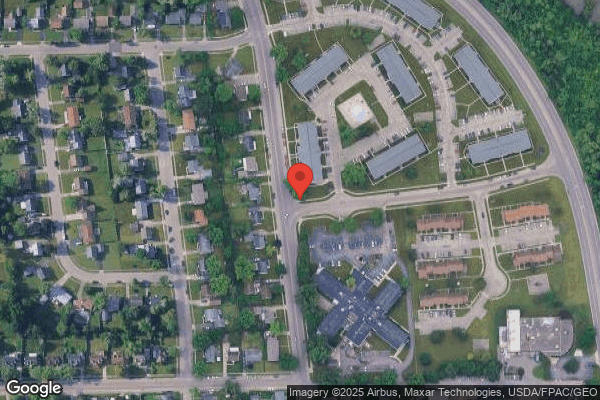
1390 KING TREE DRIVE, DAYTON, OH 45405 (937) 278-0723
For profit - Corporation 180 Beds COMMUNICARE HEALTH Data: November 2025 1 Immediate Jeopardy citation
Trust Grade
36/100
#535 of 913 in OH
Last Inspection: June 2022

Over 2 years since last inspection. Current conditions may differ from available data.

Overview

Riverside Nursing and Rehabilitation Center has received a Trust Grade of F, indicating poor performance with significant concerns that families should consider. In Ohio, it ranks #535 out of 913 facilities, placing it in the bottom half, and #21 out of 40 in Montgomery County, suggesting limited local options. While the facility shows an improving trend, reducing issues from 23 in 2024 to 7 in 2025, it still has notable weaknesses, including a concerning lack of RN coverage compared to 83% of state facilities. Staffing has a 2/5 rating, but turnover is relatively low at 35%, which is better than the state average. Specific incidents include a critical failure to supervise two cognitively impaired residents, leading to sexual aggression, and serious incidents where residents were harmed during transfers due to improper procedures. Overall, while there are some positive aspects, families should carefully weigh these serious concerns before making a decision.

Trust Score
F
36/100
In Ohio
#535/913
Bottom 42%
Safety Record
High Risk
Review needed
Inspections
Getting Better
23 → 7 violations
Staff Stability
○ Average
35% turnover. Near Ohio's 48% average. Typical for the industry.
Penalties
○ Average
$17,215 in fines. Higher than 50% of Ohio facilities. Some compliance issues.
Skilled Nurses
⚠ Watch
Each resident gets only 22 minutes of Registered Nurse (RN) attention daily — below average for Ohio. Fewer RN minutes means fewer trained eyes watching for problems.
Violations
⚠ Watch
50 deficiencies on record. Higher than average. Multiple issues found across inspections.
★★★☆☆
3.0
Overall Rating
★★☆☆☆
2.0
Staff Levels
★★★★★
5.0
Care Quality
★★☆☆☆
2.0
Inspection Score
Stable
2024: 23 issues
2025: 7 issues

The Good

  • 5-Star Quality Measures · Strong clinical quality outcomes
  • Full Sprinkler Coverage · Fire safety systems throughout facility
  • No fines on record
  • Staff turnover below average (35%)

    13 points below Ohio average of 48%

Facility shows strength in quality measures, fire safety.

The Bad

3-Star Overall Rating

Near Ohio average (3.2)

Meets federal standards, typical of most facilities

Staff Turnover: 35%

11pts below Ohio avg (46%)

Typical for the industry

Federal Fines: $17,215

Below median ($33,413)

Minor penalties assessed

Chain: COMMUNICARE HEALTH

Part of a multi-facility chain

Ask about local staffing decisions and management

The Ugly 50 deficiencies on record

1 life-threatening 2 actual harm
Sept 2025 6 deficiencies 1 IJ
CRITICAL (J) 📢 Someone Reported This

A family member, employee, or ombudsman was alarmed enough to file a formal complaint

Immediate Jeopardy (IJ) - the most serious Medicare violation

Accident Prevention (Tag F0689)

Someone could have died · This affected 1 resident

**NOTE- TERMS IN BRACKETS HAVE BEEN EDITED TO PROTECT CONFIDENTIALITY** Based on review of medical records, interviews with staff, residents, and family, review of video footage from electronic monito...

Read full inspector narrative →
**NOTE- TERMS IN BRACKETS HAVE BEEN EDITED TO PROTECT CONFIDENTIALITY** Based on review of medical records, interviews with staff, residents, and family, review of video footage from electronic monitoring device, and policy review, the facility failed to provide adequate supervision to prevent two cognitively impaired residents (#49 and #160) from continuing to engage in sexually aggressive behaviors in the female resident's room (#160). This resulted in Immediate Jeopardy and the potential for serious, physical, mental, and/or psychosocial negative outcomes for two residents (#49 and #160) when the facility failed to supervise and intervene to prevent Resident #49 from entering Resident #160's room and engaging in sexual activity. On 04/28/25, Resident #49 entered Resident #160's room numerous times throughout the day. Resident #49 was observed touching Resident #160's breast outside the shirt and kissing her lips. After numerous times of Resident #49 entering and leaving Resident #160's room, the residents were observed engaging in oral sex on each other. At no time was staff observed checking on the residents or redirecting Resident #49 out of Resident #160's room from 9:42 A.M. to 3:28 P.M. At approximately 3:28 P.M., Licensed Practical Nurse (LPN) #491 and Certified Nursing Assistant (CNA) #436 walked into Resident #160's room where they found Resident #160 on her bed with her pants and depends on the ground and Resident #49 standing in front of her. Resident #49 was redirected out of the room. The facility failed to complete an investigation, failed to complete a Self-Reported Incident (SRI), and failed to initiate/update residents' care plans to address the sexually inappropriate behavior. This affected two (#49 and #160) of two residents reviewed for supervision. The facility census was 164. On 08/13/25 at 4:46 P.M., Regional Director of Operations (RDO) #750, the Director of Nursing (DON), and Divisional Director of Clinical Operations (DDCO) #751 were notified Immediate Jeopardy began on 04/28/25 when Resident #49 entered Resident #160's room at 9:42 A.M. and was observed touching her breast and kissing her lips. After numerous times of Resident #49 entering and leaving Resident #160's room, the residents were observed engaging in oral sex on each other. At no time was staff observed checking on the residents or redirecting Resident #49 out of Resident #160's room from 9:42 A.M. to 3:28 P.M. At approximately 3:28 P.M., Licensed LPN #491 and CNA #436 walked into Resident #160's room where they found Resident #160 on her bed with her pants and depends on the ground and Resident #49 standing in front of her. Resident #49 was redirected out of the room. The Immediate Jeopardy was removed on 08/14/25 when the facility implemented following corrective actions: On 04/28/25 at 3:28 P.M., CNA #436 was completing room rounds and went into Resident #160's room. Resident #160 was in bed with her pants to her knees. Resident #49 was in the room with clothes on. On 04/28/25 at 3:45 P.M., the [NAME] Unit Manager (UM) [LPN #406] called Resident #160's daughter and informed her of Resident #49 being in Resident #160's room and Resident #160 having her pants around her knees. On 04/28/25 at 5:30 P.M., the DON and the Administrator called Resident #160's daughter to ask if she could look at the video in the room. The daughter stated she had already looked at it and there was nothing on it. On 08/08/25 at 1:24 P.M., Resident #160's daughter sent a text message to [NAME] UM LPN #406 informing her that she finally looked at the video and Resident #160 had been assaulted several times on 4/28/25 by another resident. On 08/08/25 at 1:26 P.M., [NAME] UM LPN #406 notified the Administrator and the DON of an allegation of resident-to-resident sexual abuse. On 08/08/25 at 1:30 P.M., the DON notified Division Director of Risk Management (DDRM) #725 and RDO #750 of an allegation of resident-to-resident sexual abuse. On 08/08/25 at 1:35 P.M., the Administrator submitted a Self-reported Incident (SRI) with the State Agency (SA). On 08/08/25 at 2:00 P.M., the family of Resident #49, who no longer resides at the facility, was made aware of the allegation of resident-to-resident sexual abuse. Resident #49 was transferred on 08/06/25 per family's request to be closer to family. On 08/08/25 at 2:15 P.M., [NAME] UM LPN #406 called the police to report the allegation of resident-to-resident sexual abuse. On 8/08/25 at 2:25 P.M., the DON called Resident #160's daughter and asked what was on the video. The daughter stated, my mom was being assaulted. The DON requested to see the video. The daughter stated that she couldn't come up today but would meet the DON on 8/09/25 at 1:00 P.M. The daughter refused to have Resident #160 sent to hospital for an examination. On 08/08/25 at 2:30 P.M., [NAME] UM LPN #406 notified Nurse Practitioner (NP) #800 of the allegation of resident-to-resident sexual abuse involving Resident #160. No new orders were given. On 08/08/25 at 2:37 P.M., DDRM #725 notified the current facility of Resident #49 of resident-to-resident sexual abuse allegation. On 08/08/25 at 2:45 P.M., [NAME] UM LPN #406 completed a skin assessment on Resident #160 with no concerns noted. On 08/08/25 at 4:00 P.M., the local Sheriff's Department arrived at the facility and took a report and informed the DON to please call them when Resident #160's daughter arrives on 08/09/25 as they would like to come to the facility and see the video. On 08/09/25 at 2:00 P.M., the DON called Resident #160's daughter to ask about her where abouts. Resident #160's daughter informed the DON that she would not be able to come to the facility today, but she would try to make it sometime next week. On 08/11/25 at 4:00 P.M., Resident #160 was placed on 1:1 supervision until the physician deems it is not needed and discontinues the order. On 08/13/25 from 5:00 P.M. to 8:00 P.M., the DON interviewed staff regarding knowledge of any residents that have a sexual relationship and or any inappropriate sexual behaviors. Any resident found to be having sexual relations with other residents would be reviewed by the physician and Interdisciplinary Team (IDT) to discuss the risks/benefits of sexual behavior and this would be discussed with the resident's guardian/representative and a plan of care would be developed. There were no other residents that were identified to be having a sexual relationship and there were no additional resident-to-resident sexual occurrences found. The DON reviewed all residents' charts with no findings. On 08/13/25 from 6:00 P.M. to 9:00 P.M., the DON educated 155 staff members on the facility's abuse and neglect policy which included: (a) What constitutes abuse and types of abuse and neglect; (b) Identification of signs and symptoms in residents and staff of potential abuse and abusers; (c) Actions to take when abuse is witnessed, suspected, or alleged; (d) Timely and appropriate reporting of witnessed, suspected, or alleged abuse to all responsible parties per facility policy; (e) Protection of resident while conducting a thorough investigation of alleged abuse; (f) Proper assessment of residents who have been or suspected to be abused; (g) Prevention of future incidents of abuse from occurring; (h) Sexual activity between residents including what constitutes sexual abuse per Centers for Medicare and Medicaid Services (CMS) guidelines and what to do when you identify inappropriate sexual behaviors including reporting to your supervisor, DON, or Administrator and holding a meeting with physicians, IDT and family to develop a plan of care for the resident. Staff were also educated on supervision of residents using the policy titled Unit Supervision with emphasis on rounding and checking on residents every two hours. Staff was educated in person, via OnShift software and via phone calls. On 08/13/25 from 6:00 P.M. to 8:00 P.M., the DON started additional skin checks on all residents and completed interviews with residents who have a BIMS of 13 or higher. On 08/13/25, Minimum Data Set (MDS) Nurse #426 updated Resident #160's care plan to reflect sexual behaviors. On 08/13/25 at 8:30 P.M., the Administrator held an ad hoc Quality Assurance/Performance Improvement (QAPI) meeting to discuss the Immediate Jeopardy and abatement plan, the facility's abuse policy, and the resident-to-resident sexual abuse allegation and unit supervision. Staff present included the Administrator, the DON, the Assistant Director of Nursing (ADON), UM/LPN #502, UM/LPN #406, UM/RN #429, DDRM #725, Social Service Director (SSD) #447, RDO #750, Divisional Director of Clinical Operations (DDCO) #752, and Medical Director (MD) #801 attended the meeting via phone. Beginning 08/14/25, SSD #447 will continue offering support to Resident #160 by weekly visits for four weeks then as needed. The DON will observe five residents weekly for four weeks, then three residents weekly for four weeks, then two residents weekly for four weeks to look for any inappropriate sexual behaviors between residents. The DON will complete observation rounds throughout the facility to verify that appropriate supervision is consistently being provided five times a week for four weeks, then three times a week for four weeks, then two times a week for four weeks. The Administrator will interview five staff members weekly for four weeks, then three staff members weekly for four weeks, then two staff members weekly for four weeks to determine if there have been any inappropriate sexual behaviors between residents. The Administrator or DON will monitor compliance with the above during monthly QAPI meetings for three months, then as needed for one year. Interviews on 08/18/25 from 8:55 A.M. through 12:00 P.M. with CNA #413, CNA #482, CNA #543, LPN #406, and Registered Nurse (RN) #448, and RN #562 revealed education was completed on abuse and supervision of residents on 08/13/25. Additional medical record review for Residents #18, #48, and #65 revealed no identified concerns. Although the Immediate Jeopardy was removed on 08/14/25, the facility remained out of compliance at Severity Level 2 (no actual harm with potential for more than minimal harm that is not Immediate Jeopardy) as the facility is still in the process of implementing their corrective actions and monitoring to ensure on-going compliance. Findings include: Review of the medical record for Resident #160 revealed an admission date of 06/01/22. Diagnoses included chronic obstructive pulmonary disease (COPD), major depressive disorder, dementia, and anxiety disorder. Review of the quarterly Minimum Data Set (MDS) assessment dated [DATE] revealed Resident #160 had severe cognitive impairment as evidenced by a Brief Interview for Mental Status (BIMS) score of four. This resident was assessed to require setup with eating, supervision with toileting and transfers, and partial assistance with dressing. Review of the plan of care for Resident #160 revealed there was no care plan in place with interventions for sexual behaviors. Review of the progress note dated 04/28/25 at 4:25 P.M. revealed LPN #491 knocked on Resident #160's room with no answer. LPN #491 entered the room and observed Resident #160 on her bed with her pants and underwear on the ground. Resident #49 was standing in front of her fully clothed. LPN #491 educated Resident #49 that he was not supposed to be in her room and walked him to the common area. A skin assessment was completed on Resident #160 with no negative findings noted. Resident #160 was assisted with getting dressed and taken to the common area. Review of the progress note dated 05/01/25 at 9:58 A.M. revealed SSD #447 documented Resident #160 was allegedly attempting to solicit Resident #49 to physically engage. Guardian was notified. Due to cognition concerns, facility recognized resident rights to consensual contact, but due to resident cognition/memory concerns, interventions were put into place. Social services will continue to follow up as needed. Review of the weekly skin check completed 04/28/25 at 2:28 P.M. revealed Resident #160 had no skin issues during sexual encounters. Review of the skin assessment dated [DATE] revealed Resident #160 had no skin issues noted. Review of the medical record for Resident #49 revealed an admission date of 03/21/23. Diagnoses included dementia, mood disorder, post-traumatic stress disorder (PTSD), and major depressive disorder. Review of the quarterly MDS assessment dated [DATE] revealed Resident #49 had severe cognitive impairment as evidenced by a BIMS score of seven. This resident was assessed to require setup with eating, supervision with toileting, dressing, and transfers. Review of the care plan dated 07/17/25 revealed Resident #49 was not care planned for inappropriate sexual behaviors. Review of the progress note dated 05/01/25 at 10:05 A.M. revealed SSD #447 documented Resident #49 was allegedly attempting to solicit Resident #160 to physically engage. Guardian was notified. Due to cognition concerns, facility recognized resident rights to consensual contact, but due to resident cognition/memory concerns, interventions were put into place. Observations from the electronic monitoring device dated 04/28/25 revealed the following: At 9:42 A.M. to 9:43 A.M., Resident #160 was in her wheelchair at the doorway when Resident #49 approached her. He kissed her lips and placed his hand inside her shirt to touch her breasts. Resident #49 walked in front of Resident #160 and attempted to touch her genital area. Resident #160 backed up in her wheelchair, and Resident #49 left the room. At 10:31 A.M. through 10:37 A.M., Resident #160 was seen sitting in her wheelchair by the window when Resident #49 startled her. Resident #49 rubbed Resident #160's right breast on the outside of her shirt and attempted to reach inside but she pulled away. Resident #49 attempted again to feel her breast and then kissed her. Both residents continue to engage in sexual activity. Resident #49 left the room. At 10:42 A.M., Resident #49 was seen re-entering the room where Resident #160 was lying on the bed with no pants and her depends down. Resident #49 began touching her genital area. Resident #49 pulled his penis out of his pants and placed her hand on it. At 10:43 A.M., Resident #49 was seen leaving the room. At 10:48 A.M., Resident #49 was seen walking by her room, and then comes into her doorway and sees Resident #160 lying in bed with no pants on and then turned around and leaves. At 10:56 A.M., Resident #160 was shown standing up on the side of the bed pulling up her depends and getting into her wheelchair. At 1:17 P.M. through 1:19 P.M., Resident #160 was in her room eating lunch when Resident #49 came into her room and attempted sexual advances towards Resident #160 and then left the room. At 1:29 P.M. through 1:30 P.M., Resident #49 entered Resident #160's room, kissed her and then reached down her shirt to touch her breasts. Resident #160 moved away. Resident #49 continued to try to kiss her and touch her, and then he left the room. At 2:35 P.M. through 2:37 P.M., Resident #160 entered the room in her wheelchair. Resident #49 entered a few seconds later and leaned down and kissed Resident #160 and started to place his hand in her shirt. Resident #160 appeared to be touching Resident #49's genital area. Resident #160 moved her wheelchair away, and Resident #49 left the room. At 3:21 P.M. through 3:28 P.M., Resident #160 was sitting on her bed when Resident #49 entered her room, gave her a piece of candy, and kissed her. He fondled her breast and then motioned her to feel his genital area. Both residents engaged in oral sex. Two staff members, LPN #491 and CNA #436 opened the door to Resident #160's room. Resident #49 quickly pulled up his pants and was motioned to leave the room by staff. Interview on 08/06/25 at 9:03 A.M. with CNA #471 revealed Resident #160 and Resident #49 continued to have inappropriate sexual behaviors after the incident on 04/28/25 including kissing each other. Interview on 08/06/25 at 9:07 A.M. with CNA #437 revealed Resident #160 and Resident #49 were witnessed kissing in the dining room and touching each other inappropriately in between each other's thighs. Interview on 08/06/25 at 10:41 A.M. with Resident #160 reported she did not have a male friend and did not recall being sexually active in the facility. Interview on 08/06/25 at 11:47 A.M. with Resident #49 revealed he had lots of lady friends but did not recall who Resident #160 was and denied being sexually active. Interview on 08/06/25 at 11:53 A.M. with the DON reported Resident #49 was found in Resident #160's room on 04/28/25 after 3:00 P.M. by LPN #491 and CNA #436. The DON stated Resident #160 was found on her bed with no pants or depends on, and Resident #49 was standing at the end of the bed. The DON explained Resident #49 could not recall why he was in the room. The DON stated the facility completed an investigation but failed to give it to this surveyor. The DON also stated both residents had very low cognition. The DON reported the daughter of Resident #160 reported that she didn't see anything on the camera, so they did not report it to the Ohio Department of Health (ODH). Interview on 08/06/25 at 2:48 P.M. with Resident #160's daughter revealed she never watched the video from 04/28/25. Resident #160's daughter stated UM #406 called her and told her Resident #160 and Resident #49 were found in her room with their pants off. Resident #160's daughter reported SSD #447 called her the following day and asked her to give consent to Resident #160 having sexual activity. Resident #160's daughter did not give consent. Interview on 08/06/25 at 3:31 P.M. with LPN #491 revealed CNA #436 was completing rounds when she called LPN #491 into Resident #160's room. LPN #491 stated Resident #160 was sitting on her bed with no pants or depends on, and Resident #49 was standing in front of her about two feet apart. Resident #49 was fully clothed and was asked to leave the room. LPN #491 explained she educated both residents and completed a head-to-toe assessment on Resident #160 with no negative findings. LPN #491 stated she tried to ensure Resident #160 and Resident #49 were separated the rest of the shift. Interview on 08/14/25 at 1:55 P.M. with UM/LPN #406 revealed LPN #491 reported Resident #49 was found in Resident #160's room. Resident #160 was found with no pants or depends on, sitting on her bed. Resident #49 was fully clothed and asked to leave the room. UM/LPN #406 reported she reached out to Resident #160's daughter and informed her of the incident. UM/LPN #406 stated both residents had progressive dementia and appeared that they didn't know who each other were. UM/LPN #406 stated the previous Administrator at the time of the incident did not feel it was necessary to complete an SRI for the incident. UM/LPN #406 also stated an incident report was not completed. Interview on 08/14/25 at 3:22 P.M. with MD #801 verified Resident #160 had memory loss and some cognitive and behavioral issues. MD #801 reported Resident #49 had vascular dementia and post-traumatic stress disorder (PTSD). MD #801 stated Resident #49 had memory loss as well. MD #801 stated both residents had memory issues and could not state if she felt that either resident could give consent to sexual activity. Interview on 08/14/25 at 3:52 P.M. with CNA #436 reported on 04/28/25 she came onto shift at 3:00 P.M., and Resident #49 and Resident #160 were in the common area watching television. About 15-20 minutes later, CNA #436 walked by, and both residents were gone. CNA #436 stated she saw Resident #160's door was closed to her room, which wasn't unusual, but she had a gut feeling to go in and check. CNA #436 knocked on her door and went in and found Resident #160 on her bed with her pants halfway down her legs, and Resident #49 standing in front of her fully clothed. CNA #436 stated Resident #49 was asked to leave the room. CNA #436 explained Resident #160 became aggressive and started calling her names. CNA #436 reported neither resident was placed on a 1:1. Review of the facility policy titled, Unit Supervision, revealed the policy of the facility was to provide resident centered care that met the psychosocial, physical, and emotional needs and concerns of the residents. Safety was a primary concern for the residents, staff, and visitors. The Unit Supervisor was a licensed nurse with the skills and competency to safely and appropriately monitor and delegate tasks to others and perform duties consistent with safe and effective care and treatment of the assigned residents. Supervision responsibilities were assigned by the DON or designee to provide for the care and treatment of the residents, direct services of on-duty staff, and assume responsibility for a safe environment during the time the nurse was working the shift for the specific unit the nurse was assigned. This deficiency represents non-compliance investigated under Complaint Numbers 1259562 and 2585469.
CONCERN (D) 📢 Someone Reported This

A family member, employee, or ombudsman was alarmed enough to file a formal complaint

Potential for Harm - no one hurt, but risky conditions existed

Report Alleged Abuse (Tag F0609)

Could have caused harm · This affected 1 resident

**NOTE- TERMS IN BRACKETS HAVE BEEN EDITED TO PROTECT CONFIDENTIALITY** Based on review of medical records and staff interviews, the facility failed to timely report an allegation of resident to resid...

Read full inspector narrative →
**NOTE- TERMS IN BRACKETS HAVE BEEN EDITED TO PROTECT CONFIDENTIALITY** Based on review of medical records and staff interviews, the facility failed to timely report an allegation of resident to resident sexual abuse to the State Agency (SA). This affected two (#49 and #160) residents of ten reviewed for abuse. The facility census was 164.Review of the medical record for Resident #160 revealed an admission date of 06/01/22. Diagnoses included chronic obstructive pulmonary disease (COPD), major depressive disorder, dementia, and anxiety disorder.Review of the Quarterly Minimum Data Set (MDS) assessment dated [DATE] revealed Resident #160 had severe cognitive impairment as evidenced by a Brief Interview for Mental Status (BIMS) score of four. This resident was assessed to require setup with eating, supervision with toileting and transfers, and partial assistance with dressing.Review of the care plan for Resident #160 revealed she was not care planned for sexually inappropriate behaviors.Review of the progress note dated 04/28/25 at 4:25 P.M. revealed Licensed Practical Nurse (LPN) #491 knocked on Resident #160's room with no answer. LPN #491 entered the room and observed Resident #160 on her bed with her pants and underwear on the ground. Resident #49 was standing in front of her fully clothed. LPN #491 educated Resident #49 that he was not supposed to be in her room and walked him to the common area. A skin assessment was completed on Resident #160 with no negative findings noted. Resident #160 was assisted with getting dressed and taken to the common area.Review of the progress note dated 05/01/25 at 9:58 A.M. revealed Social Services Director (SSD) #447 documented Resident #160 was allegedly attempting to solicit Resident #49 to physically engage. Guardian was notified. Due to cognition concerns, facility recognized resident rights to consensual contact, but due to resident cognition/memory concerns, interventions were put into place. Social services will continue to follow up as needed.Review of the medical record for Resident #49 revealed an admission date of 03/21/23. Diagnoses included dementia, mood disorder, post-traumatic stress disorder (PTSD), and major depressive disorder.Review of the quarterly MDS assessment dated [DATE] revealed Resident #49 had severe cognitive impairment as evidenced by a BIMS score of seven. This resident was assessed to require setup with eating, supervision with toileting, dressing, and transfers.Review of the care plan dated 07/17/25 revealed Resident #49 was not care planned for inappropriate sexual behaviors.Review of the progress note dated 05/01/25 at 10:05 A.M. revealed Social Services Director (SSD) #447 documented Resident #49 was allegedly attempting to solicit Resident #160 to physically engage. Guardian was notified. Due to cognition concerns, facility recognized resident rights to consensual contact, but due to resident cognition/memory concerns, interventions were put into place.Review of the facility investigation revealed the facility did not provide proof of completing an investigation for possible sexual abuse.Interview on 08/06/25 at 11:53 A.M. with the Director of Nursing (DON) revealed Resident #49 was found in Resident #160's room on 04/28/25 after 3:00 P.M. by LPN #491 and Certified Nurse Aide (CNA) #436. The DON stated Resident #160 was found on her bed with no pants or depends on, and Resident #49 was standing at the end of the bed. The DON explained Resident #49 could not recall why he was in the room. The DON stated the facility completed an investigation but failed to give it this surveyor. The DON also stated both residents had very low cognition. The DON reported the daughter of Resident #160 reported that she didn't see anything on the camera, so they did not report it to the Ohio Department of Health (ODH).Interview on 08/14/25 at 1:55 P.M. with Unit Manager (UM)/LPN #406 revealed LPN #491 reported Resident #49 was found in Resident #160's room. Resident #160 was found with no pants or depends on sitting on her bed. Resident #49 was fully clothed and asked to leave the room. UM/LPN #406 reported she reached out to Resident #160's daughter and informed her of the incident. UM/LPN #406 stated both residents had progressive dementia and appeared that they didn't know who each other were. UM/LPN #406 stated the previous Administrator at the time of the incident did not feel it was necessary to complete a SRI for the incident. UM/LPN #406 also stated an incident report was not completed.This deficiency represents non-compliance investigated under Complaint Numbers 1259568 and 1259561.
CONCERN (D) 📢 Someone Reported This

A family member, employee, or ombudsman was alarmed enough to file a formal complaint

Potential for Harm - no one hurt, but risky conditions existed

Investigate Abuse (Tag F0610)

Could have caused harm · This affected 1 resident

**NOTE- TERMS IN BRACKETS HAVE BEEN EDITED TO PROTECT CONFIDENTIALITY** Based on review of medical records and staff interviews, the facility failed to timely investigate an allegation of resident to ...

Read full inspector narrative →
**NOTE- TERMS IN BRACKETS HAVE BEEN EDITED TO PROTECT CONFIDENTIALITY** Based on review of medical records and staff interviews, the facility failed to timely investigate an allegation of resident to resident sexual abuse. This affected two (#49 and #160) residents of ten reviewed for abuse. The facility census was 164.Review of the medical record for Resident #160 revealed an admission date of 06/01/22. Diagnoses included chronic obstructive pulmonary disease (COPD), major depressive disorder, dementia, and anxiety disorder.Review of the Quarterly Minimum Data Set (MDS) assessment dated [DATE] revealed Resident #160 had severe cognitive impairment as evidenced by a Brief Interview for Mental Status (BIMS) score of four. This resident was assessed to require setup with eating, supervision with toileting and transfers, and partial assistance with dressing.Review of the care plan for Resident #160 revealed she was not care planned for sexually inappropriate behaviors.Review of the progress note dated 04/28/25 at 4:25 P.M. revealed Licensed Practical Nurse (LPN) #491 knocked on Resident #160's room with no answer. LPN #491 entered the room and observed Resident #160 on her bed with her pants and underwear on the ground. Resident #49 was standing in front of her fully clothed. LPN #491 educated Resident #49 that he was not supposed to be in her room and walked him to the common area. A skin assessment was completed on Resident #160 with no negative findings noted. Resident #160 was assisted with getting dressed and taken to the common area.Review of the progress note dated 05/01/25 at 9:58 A.M. revealed Social Services Director (SSD) #447 documented Resident #160 was allegedly attempting to solicit Resident #49 to physically engage. Guardian was notified. Due to cognition concerns, facility recognized resident rights to consensual contact, but due to resident cognition/memory concerns, interventions were put into place. Social services will continue to follow up as needed.Review of the medical record for Resident #49 revealed an admission date of 03/21/23. Diagnoses included dementia, mood disorder, post-traumatic stress disorder (PTSD), and major depressive disorder.Review of the MDS assessment dated [DATE] revealed Resident #49 had severe cognitive impairment as evidenced by a BIMS score of seven. This resident was assessed to require setup with eating, supervision with toileting, dressing, and transfers.Review of the care plan dated 07/17/25 revealed Resident #49 was not care planned for inappropriate sexual behaviors.Review of the progress note dated 05/01/25 at 10:05 A.M. revealed Social Services Director (SSD) #447 documented Resident #49 was allegedly attempting to solicit Resident #160 to physically engage. Guardian was notified. Due to cognition concerns, facility recognized resident rights to consensual contact, but due to resident cognition/memory concerns, interventions were put into place.Review of the facility investigation revealed the facility did not provide proof of completing an investigation for possible sexual abuse.Interview on 08/06/25 at 11:53 A.M. with the Director of Nursing (DON) reported Resident #49 was found in Resident #160's room on 04/28/25 after 3:00 P.M. by LPN #491 and Certified Nurse Aide (CNA) #436. The DON stated Resident #160 was found on her bed with no pants or depends on, and Resident #49 was standing at the end of the bed. The DON explained Resident #49 could not recall why he was in the room. The DON stated the facility completed an investigation but failed to give it this surveyor. The DON also stated both residents had very low cognition. The DON reported the daughter of Resident #160 reported that she didn't see anything on the camera, so they did not report it to the Ohio Department of Health (ODH).Interview on 08/14/25 at 1:55 P.M. with Unit Manager (UM)/LPN #406 revealed LPN #491 reported Resident #49 was found in Resident #160's room. Resident #160 was found with no pants or depends on sitting on her bed. Resident #49 was fully clothed and asked to leave the room. UM/LPN #406 reported she reached out to Resident #160's daughter and informed her of the incident. UM/LPN #406 stated both residents had progressive dementia and appeared that they didn't know who each other were. UM/LPN #406 stated the previous Administrator at the time of the incident did not feel it was necessary to complete a SRI for the incident. UM/LPN #406 also stated an incident report was not completed. This deficiency represents non-compliance investigated under Complaint Numbers 1259568 and 1259561.
CONCERN (D) 📢 Someone Reported This

A family member, employee, or ombudsman was alarmed enough to file a formal complaint

Potential for Harm - no one hurt, but risky conditions existed

Deficiency F0760 (Tag F0760)

Could have caused harm · This affected 1 resident

Based on medical record review, Nurse Practitioner (NP) interview, and policy review, the facility failed to administer medication as ordered which resulted in a significant medication error. This aff...

Read full inspector narrative →
Based on medical record review, Nurse Practitioner (NP) interview, and policy review, the facility failed to administer medication as ordered which resulted in a significant medication error. This affected one (#02) resident out four residents reviewed for medication administration. The facility census was 164. Review of the medical record for Resident #02 revealed an admission date of 02/09/23 with medical diagnoses of right hemiplegia, chronic obstructive pulmonary disease, end stage renal disease, dependence on dialysis, and bipolar disorder. Review of the medical record for Resident #02 revealed a Minimum Data Set (MDS) assessment, dated 07/07/25, which indicated Resident #02 was cognitively intact and was dependent upon staff for toilet hygiene, showers/bathes, transfers and bed mobility. Review of the medical record for Resident #02 revealed a physician order dated 11/30/24 for Midodrine (hypotension medication) oral tablet 2.5 milligram (mg) one tablet by mouth every eight hours as needed for hypotension. Hold if systolic blood pressure (SBP) is greater than 110 and administer if SBP is less than 110. Review of the medical record for Resident #02 revealed a blood pressure reading on 06/03/25 of 97 (SBP)/50 diastolic blood pressure (DPB) milliliters in mercury (mmHg). Review of the medical record revealed pre-dialysis assessments on 07/24/25 with a documented blood pressure of 105/78 mmHg, on 07/31/25 with documented blood pressure of 106/64 mmHg, and on 08/05/25 with a documented blood pressure of 104/67 mmHg. Review of the medical record for Resident #02 revealed the Medication Administration Records (MAR) for June, July and August 2025 did not have documentation to support Midodrine was administered on 06/03/25, 07/24/25, 07/31/25, and 08/05/25. Interview on 08/07/25 at 10:23 A.M. with NP #800 stated the order was supposed to be entered to administer Midodrine 2.5 mg one tablet every eight hours for hypotension and to hold if SBP is greater than 110 and to administer if SBP less than 110. NP #800 stated Resident #02 should have her blood pressure checked three times per day for the facility to monitor her for possible Midodrine administration. NP #800 also stated the facility staff should have administered Midodrine as ordered prior to dialysis. NP #800 confirmed the facility had not administered Midodrine as ordered on 06/03/25, 07/24/25, 07/31/25, and 08/05/25. Review of the facility policy titled, Medication Administration, revealed the facility is to provide resident centered care the meets the psychosocial, physician, and emotional needs and concerns of the residents. The policy continued to state staff are to administer medication only as prescribed by the provider. This deficiency represents non-compliance investigated under Complaint Number 1259566.
CONCERN (E) 📢 Someone Reported This

A family member, employee, or ombudsman was alarmed enough to file a formal complaint

Potential for Harm - no one hurt, but risky conditions existed

Safe Environment (Tag F0584)

Could have caused harm · This affected multiple residents

**NOTE- TERMS IN BRACKETS HAVE BEEN EDITED TO PROTECT CONFIDENTIALITY** Based on observations and staff and resident interviews, the facility failed to ensure a clean, comfortable, and homelike enviro...

Read full inspector narrative →
**NOTE- TERMS IN BRACKETS HAVE BEEN EDITED TO PROTECT CONFIDENTIALITY** Based on observations and staff and resident interviews, the facility failed to ensure a clean, comfortable, and homelike environment. This affected five (Residents #14, #36, #20, #65, and #112) of nine residents reviewed for environment. The facility census was 164.1.Review of the medical record for Resident #14 revealed an admission date of 11/25/24 with medical diagnoses of Parkinson's disease, schizophrenia, bipolar disorder, and hypertension. Review of the medical record for Resident #14 revealed a quarterly Minimum Data Set (MDS) assessment, dated 06/16/25, which indicated Resident #14 was cognitively intact and required supervision with toilet hygiene, bed mobility, and transfers, and partial/moderate staff assistance with bathing. Observation and interview on 08/05/25 at 7:25 A.M. revealed water leaking from the toilet in Resident #14's bathroom onto the bathroom floor, floor in the room outside of bathroom, and to the threshold of the room to the hallway. Resident #14 stated the toilet had been leaking for several weeks and staff were aware. Interview on 08/05/25 at 7:35 A.M. with Housekeeping #609 confirmed the toilet in Resident #14's room was leaking water onto the bathroom floor, floor in the room outside the bathroom, and to the threshold of the room to the hallway. Housekeeping #609 confirmed the toilet had been leaking for “a while” and stated he would clean up the water right away. 2. Observations of the [NAME] Unit on 08/04/25 at 9:30 A.M. revealed the unit smelled like urine. At 2:06 P.M. the unit still smelled of urine. Observations on 08/06/25 at 7:40 A.M. and 12:02 P.M. the [NAME] Unit still smelled of urine. Observation of 08/07/25 at 9:00 A.M. the [NAME] Unit still smelled of urine. Interview with Housekeeping #602 on 08/07/25 at 9:07 A.M. confirmed the [NAME] unit smelled of urine. 3. Observation of the bathroom for Resident #36 on 08/04/25 at 11:57 A.M. revealed the light was hanging off the medicine cabinet with light socket exposed. The handle going into the bathroom was jiggly and about to fall off the door. Interview and observation of Resident #20's room on 08/04/25 at 12:42 P.M. revealed his room was dark and the lights were burned out in his overhead light. He had no lights in his room. The string to the light was short and the resident couldn't reach it. The resident stated the lights have been burned out for some time now and his string was not long enough for him to reach it. Interview and observation of Resident #65's room on 08/05/25 at 7:36 A.M. revealed the string to his light on the back wall behind his bed was short and the resident could not reach it because he was bed bound. There were gouges out of the wall behind his bed and to the side of it. There were missing hooks off his privacy curtain and the curtain is hanging in that area. The resident stated he doesn't get out of bed, and he isn't able to reach his light to be able to turn his light on and off from his bed because the cord wasn't long enough. Interview with the Maintenance Director #499 on 08/07/25 at 2:57 P.M. toured the above-mentioned rooms and confirmed the problems in the rooms. 4. Review of the medical record for Resident #112 revealed an admission date of 02/19/24. Diagnoses included dementia, anxiety disorder, and cerebrovascular accident. Review of the MDS assessment dated [DATE] revealed Resident #112 had moderate cognitive impairment as evidenced by a Brief Interview for Mental Status (BIMS) score of nine. This resident was assessed to require setup with eating, substantial assistance with toileting, bathing, and dressing, and supervision with transfers. Observation on 08/04/25 at 1:38 P.M. revealed five gashes about 12 inches in length behind the headboard of Resident #112's bed. Interview on 08/07/25 at 9:10 A.M. with Maintenance Director #499 verified the gashes behind the headboard of Resident #112's bed. This deficiency represents non-compliance investigated under Complaint Numbers 1259570 and 2573764.
CONCERN (F) 📢 Someone Reported This

A family member, employee, or ombudsman was alarmed enough to file a formal complaint

Potential for Harm - no one hurt, but risky conditions existed

Administration (Tag F0835)

Could have caused harm · This affected most or all residents

**NOTE- TERMS IN BRACKETS HAVE BEEN EDITED TO PROTECT CONFIDENTIALITY** Based on review of documentation from an employment agency, review of documentation from Board of Executives of Long-Term Servic...

Read full inspector narrative →
**NOTE- TERMS IN BRACKETS HAVE BEEN EDITED TO PROTECT CONFIDENTIALITY** Based on review of documentation from an employment agency, review of documentation from Board of Executives of Long-Term Services and Supports (BELTSS), interview with Board Administrator at BELTSS, and staff interview, the facility failed to ensure Administrator had a valid Nursing Home Administrator (NHA) license. This had the potential to affect all the residents. The facility census was 164. Interview on 08/05/25 at 10:09 A.M. with Regional Director of Operations (RDO) #750 confirmed the facility had employed interim NHA #630 from 05/12/25 through 06/10/25. RDO #750 stated interim NHA #630 had been hired through an employment agency and provided documentation interim #630 had an active NHA license. Interview on 08/06/25 at 4:15 P.M. with Board Administrator #635 stated BELTSS was notified of a concern about the validity of interim NHA #630's license. Board Administrator #635 stated after an investigation it was determined that interim NHA #630 had used the license number for NHA ##700 to obtain a position as a NHA. Board Administrator #635 stated interim NHA #630 and NHA #700 had similar names but different Social Security Numbers, addresses, and date of birth s. Board Administrator #635 confirmed interim NHA #630 did not have a valid NHA license. Review of the documentation from the employment agency provided to the facility revealed interim NHA #630's date of birth was 10/23/73 and resided in Cincinnati. Review of the documentation revealed interim NHA #630 had used NHA license number 7258. Review of documentation from BELTSS revealed NHA #700 had an active license of number 7258, a date of birth of [DATE] and resided in Englewood. Review of BELTSS documentation revealed interim NHA #630 was registered as an Administrator in Training and did not have an active NHA license. This deficiency represents non-compliance investigated under Complaint Number 2578224.
Apr 2025 1 deficiency 1 Harm
SERIOUS (G) 📢 Someone Reported This

A family member, employee, or ombudsman was alarmed enough to file a formal complaint

Actual Harm - a resident was hurt due to facility failures

Accident Prevention (Tag F0689)

A resident was harmed · This affected 1 resident

**NOTE- TERMS IN BRACKETS HAVE BEEN EDITED TO PROTECT CONFIDENTIALITY** THE FOLLOWING DEFICIENCY REPRESENTS AN INCIDENT OF PAST NONCOMPLIANCE THAT WAS SUBSEQUENTLY CORRECTED PRIOR TO THIS SURVEY. Base...

Read full inspector narrative →
**NOTE- TERMS IN BRACKETS HAVE BEEN EDITED TO PROTECT CONFIDENTIALITY** THE FOLLOWING DEFICIENCY REPRESENTS AN INCIDENT OF PAST NONCOMPLIANCE THAT WAS SUBSEQUENTLY CORRECTED PRIOR TO THIS SURVEY. Based on medical record review, staff interviews, review of facility investigation, and review of facility policy, the facility failed to ensure a resident was properly transferred from the bed to the wheelchair. This resulted in Actual Harm when Resident #04 was transferred without the use of a Hoyer (mechanical lift) by Certified Nursing Assistant (CNA) #200 and the resident sustained a left femoral head fracture requiring hospital admission and surgical repair. This affected one (#04) of three residents reviewed for accidents. The census was 169. Findings include: Review of Resident #04's medical record revealed an admission date of 02/07/05. Diagnoses listed included convulsions anxiety disorder, psychotic disorder, decreased mobility, and legal blindness. Review of a significant change Minimum Data Set (MDS) assessment dated [DATE] revealed Resident #04 was severely cognitively impaired and had bilateral upper and lower extremity impairments. Review of a care plan dated revised 11/19/24 revealed Resident #04 is at risk for falls as evidenced by disease process, incontinence, medications, safety awareness, and being unaware of self-care needs or safety awareness. Resident #04 was dependent on staff for transfers. Resident #04 requires a Hoyer lift for transfers with two-person assistance. Review of Resident #04's physician orders revealed an order dated 03/27/23 for Hoyer lift transfers requiring two people. Review of progress notes revealed Resident #04 started displaying left hip pain on 02/18/25. Resident #04 was assessed by a nurse practitioner (NP) and X-radiation (X-ray) was ordered. Resident #04 was sent to the emergency room on [DATE]. Review of X-ray results dated 02/21/25 revealed irregularity of the left femoral neck is identified just beneath the femoral head. This may represent a non-displaced fracture. The fracture does not involve the articular surface. The femoral head is well seated within the acetabulum. Moderate degenerative changes are noted. Mild soft tissue swelling is noted. Review of hospital records revealed Resident #04 was admitted to the hospital on [DATE] with an impacted angulated left femoral neck fracture. Resident #04 required surgical repair on 02/22/25 and was discharged on 02/25/25. Review of the facility's investigation dated 02/24/25 revealed staff members were interviewed about Resident #04's condition and the care they had provided. CNA #200 confessed during a phone interview with the Administrator on 02/25/25 to improperly transferring Resident #04 from the bed to wheelchair. CNA #200 reported lifting Resident #04 by going to the side of the bed and placing his arms under his legs and back and placing him into his wheelchair. CNA #200 had previously denied any concerns with care or transfers. An interview with the Director of Nursing (DON) on 04/08/25 at 2:10 P.M. revealed during an investigation into Resident #04's left femur and hip fracture it was discovered that CNA #200 incorrectly transferred Resident #04 from his bed to his wheelchair. CNA #200 picked Resident #04 up like a baby and put him into his wheelchair. CNA #200 was aware that Resident #04 was a Hoyer lift transfer. An interview with the Administrator on 04/08/25 at 2:28 P.M. revealed CNA #200 confessed to improperly transferring Resident #04. CNA #200 had previously denied any care concerns when interviewed regarding Resident #04. Review of the facility's undated policy titled, Mechanical Lifts and Transfer revealed it is the policy of the facility to provide resident centered care that meets the psychosocial, physical, and emotional needs and concerns of the residents. Safety is a primary concern for our residents, staff and visitors. The use of mechanical lifts requires a competent and skilled user and requires the use of two (2) employees to perform the lift safely, for both resident and employees. As a result of the incident, the facility took the following actions to correct the deficient practice by 03/01/25: • CNA #200 was terminated from employment at the conclusion of the facilities investigation on 02/24/25. • All [NAME] unit residents were interviewed by the Administrator regarding any care concerns by 03/01/25 and no concerns were identified. • All nurses were educated by 03/01/25 by the DON on resident pain monitoring and pain assessment. • All nurses and CNA's were educated by the DON by 03/01/25 on resident transferring and repositioning. • Weekly audits were initiated on 03/01/25 by the DON for mechanical lift transfers and resident repositioning. • Weekly interviews with residents were initiated on 03/01/25 and will be completed by the DON or designee. This deficiency represents non-compliance investigated under Complaint Number OH00163988.
Oct 2024 5 deficiencies
CONCERN (D) 📢 Someone Reported This

A family member, employee, or ombudsman was alarmed enough to file a formal complaint

Potential for Harm - no one hurt, but risky conditions existed

Resident Rights (Tag F0550)

Could have caused harm · This affected 1 resident

Based on observation, staff interview, record review, and facility policy review, the facility failed to treat residents with dignity and respect. This affected two (#70 and #73) out of three resident...

Read full inspector narrative →
Based on observation, staff interview, record review, and facility policy review, the facility failed to treat residents with dignity and respect. This affected two (#70 and #73) out of three residents reviewed. The facility census was 172. Findings include: 1) Review of medical record for Resident #70 revealed an admission dated of 08/26/24 and expired at the facility with hospice services in place on 10/01/24. Diagnoses included, amnesia, malignant neoplasm of bone, chronic hepatitis, essential primary hypertension, chronic kidney disease, hydronephrosis, anemia, gout, vascular dementia, anxiety, gastro-esophageal reflux disease (GERD), and dysphasia. Review of the Minimum Data Set (MDS) assessment for Resident #70, dated 09/02/24, revealed the resident was severely cognitively impaired. Resident #70 was dependent on staff for activities of daily living (ADLs). Observation of Resident #70 on 09/26/24 at 9:59 A.M. revealed the resident was seated in a wheelchair at a table in the common area for other residents. Resident #70 was only wearing a hospital type gown that was hanging off his shoulders with part of his upper chest exposed. Resident #70's soiled wheelchair cushion was lying on the floor under the foot pedals of the wheelchair. Resident #70 had an new incontinence brief hanging from one arm of the wheelchair and a pair of pants with a shirt on the other handle. Resident #70 was not wearing any shoes or socks. STNA #206 was seated across from him and entering information on a tablet. Interview with Registered Nurse (RN) #201 verified the resident was seated in the common area with his gown hanging from his shoulder and exposing his chest , the new incontinent brief and clothes hanging from the handles and no shoes or socks in place. RN #201 verified Resident #70's soiled wheelchair cushion was on the floor in front of Resident #70's foot. Observation at the same time, revealed RN #201 picked up the wheelchair cushion identified the food and debris splattered all over the wheelchair cushion and placed the cushion back on the floor. RN #201 indicated she wouldn't want to sit in a common area with only a hospital type gown on, no shoes or socks on and an incontinence brief hanging from the handle. She questioned State Tested Nurse Aide (STNA) # 206 why Resident #70 was in the common room area. Interview with STNA #206 on 09/26/24 at 10:01 A.M., revealed Resident #70 was seated in the common area because he was waiting on shower from the shower aide. STNA #206 stated she placed Resident #70 in the common area to help the shower aide. STNA #206 indicated she would not want to be in common area with an incontinent brief and clothes hanging from the wheelchair; however, it was more convenient for the staff to complete showers this way. 2) Review of the medical records for Resident #73 revealed an admission date of 08/07/13. Diagnoses included unspecified intellectual disabilities (ID), psychosis, major depressive disorder, encephalopathy, anxiety disorder, schizophrenia, dysphasia, bipolar disorder, hyperlipidemia, and insomnia. Review of the MDS assessment, dated 09/06/24, revealed Resident #73 had impaired cognition. Resident #73 was dependent on staff for ADLs and supervision for eating. Review of care plans for Resident #73's revealed the resident had behavioral problems including eating non-edible items. The interventions listed included, approach and speak in a calm manner, intervene as necessary to protect the rights and safety of others, and intervene as necessary. Observation of Resident #73 on 09/26/24 at 9:51 A.M. revealed Resident #73 was walking down the hallway, directly past several staff members with a non-skid sock hanging from his mouth and he was chewing and appeared to be eating the sock. Interview with Registered Nurse (RN) #201 verified Resident #73 had a non-skid sock hanging from his mouth as he walked past several staff members in the hallway. RN #201 stated this was just something Resident #73 does. RN #201 stated Resident #73 should have been redirected by staff regarding the non-skid sock being in his mouth. Review of the facility policy titled, Resident Rights, undated, confirmed the facility policy is to provide Residents with centered care that meets the psychosocial physical and emotional needs and concerns of the residents. The purpose of the policy to is to guide employees in the general principles of dignity and respect of caring for residents. Further review of the policy revealed, the Residents will be treated with dignity and respect related to care needs. This deficiency represents non-compliance investigated under Complaint Number OH00158218 and OH00158074. This is an example of continued non-compliance from the survey dated 09/05/24.
CONCERN (D) 📢 Someone Reported This

A family member, employee, or ombudsman was alarmed enough to file a formal complaint

Potential for Harm - no one hurt, but risky conditions existed

Notification of Changes (Tag F0580)

Could have caused harm · This affected 1 resident

**NOTE- TERMS IN BRACKETS HAVE BEEN EDITED TO PROTECT CONFIDENTIALITY** Based on record review, staff interview, and facility policy review, the facility failed to ensure a resident's guardian and phy...

Read full inspector narrative →
**NOTE- TERMS IN BRACKETS HAVE BEEN EDITED TO PROTECT CONFIDENTIALITY** Based on record review, staff interview, and facility policy review, the facility failed to ensure a resident's guardian and physician were notified timely following a change in condition. This affected one (#10) out of three residents reviewed. The facility census was 172. Findings include: Review of medical record for Resident #10 revealed the resident was admitted to the facility on [DATE]. Diagnoses included diabetes mellitus, hypertension, squamous cell carcinoma, schizoaffective disorder, chronic obstructive pulmonary disease (COPD), anxiety disorder, conversion disorder, insomnia, dysphasia, bipolar disorder, osteoarthritis, and major depressive disorder. The resident had a guardian on file. Review of the most recent Minimum Data Set (MDS) assessment for Resident #10, dated 07/18/24, revealed the resident mildly cognitively impaired. Resident #10 required supervision for activities of daily living (ADLs). Review of a census record for Resident #149, revealed the resident was moved to Resident #10's room on 09/06/24. Review of medical record for Resident #10, revealed no documented evidence that Resident #10's guardian was notified when Resident #10 received a roommate. Review of a nurse's progress notes for Resident #10 dated 09/23/24 at 10:44 P.M., revealed Resident #10 arrived back to the facility from the hospital and one-on-one (1:1) supervision was initiated and the resident reported a sexual assault. Review of a nurse's progress for Resident #10 dated 09/24/24, revealed the resident remains on 1:1 supervision and the resident's guardian was in to speak with the resident. Review of nurse's progress note for Resident #10 dated 09/25/24 and recorded as a late entry for 09/23/24 revealed Resident #10 approached the nurse around on 09/23/24 around 9:45 A.M. and reported she was going out. The nurse confirmed she did not have an appointment, and Emergency Medical Transport (EMT) arrived at the facility. The EMT reported to the nurse that Resident #10 called 911 herself because her stomach hurt, and she may be pregnant with a fetus. Resident #10 was transferred to the hospital. There was no documented evidence the resident's physician and the guardian was notified. Review of a nurse's progress note for Resident #10 dated 09/26/24 and recorded as a late entry for 09/25/24 at 3:00 P.M., revealed the facility discontinued the 1:1 sitter for Resident #10 for the psychosocial monitoring related to the sexual abuse allegation that occurred on 09/23/24. There was no documented evidence the resident's guardian was notified. Interview with Licensed Practical Nurse (LPN) #331 on 09/26/24 at 8:50 A.M. revealed Resident #10 was no longer ordered to be a 1:1 supervision. Interview with Resident #10's guardian on 09/26/24 at 1:01 P.M., indicated she was upset related to the lack of communication by the facility. Resident #10's guardian stated she was never notified by the facility when Resident #10 received a roommate on 09/06/24 and when the resident was sent to the hospital on [DATE]. Resident #10's guardian stated she was not aware of the resident going to hospital emergency room (ER) until the ER contacted her for permission to treat Resident #10. Resident #10's Guardian stated she also found out about the new roommate when she visited Resident #10 while at the hospital. Resident #10's guardian stated she was told by the staff that Resident #10 would remain on a 1:1 observation until the guardian could find the resident a new facility. Resident #10's guardian indicated she was not aware of the 1:1 supervision ended for the resident. Observation of Resident #10 on 09/26/24 at 1:27 P.M., revealed the resident was in her room and not on a 1:1 supervision. Interview with LPN #331 at the same time, indicated she was the nurse for Resident #10 and was informed during their morning report that Resident #10 was no longer to be on a 1:1. LPN #331 verified Resident #331 was not on 1:1 observation. Interview with the Director of Nursing (DON) on 09/30/24 at 5:07 A.M. verified there was no documented evidence of Resident #10's guardian being notified when Resident #10 received Resident #140 as a roommate on 09/06/24. The DON verified there was no documented evidence the Guardian was notified when Resident #10 went to the ER on [DATE]. Review of the facility policy, Resident Room Change Policy, undated, revealed Social Services will complete the notification of room change and new roommate notification forms. The facility social worker will discuss room changes with both residents and resident representatives and document the discussion. Social Service will make routine visits after a room change to ensure both residents are adjusting positively to the new situation. Review of the facility policy titled, Notification of Change in Condition, undated, revealed the facility must inform the resident, consult with the resident's physician, and notify the resident's representative, authorized family member, or legal guardian where there is a change of condition. The notification of change included, accidents, change in a resident's physical, mental, or psychosocial condition, new treatments, discontinuation of treatments, transfer or discharge, and change of room or roommate assignment.
CONCERN (D) 📢 Someone Reported This

A family member, employee, or ombudsman was alarmed enough to file a formal complaint

Potential for Harm - no one hurt, but risky conditions existed

Food Safety (Tag F0812)

Could have caused harm · This affected 1 resident

**NOTE- TERMS IN BRACKETS HAVE BEEN EDITED TO PROTECT CONFIDENTIALITY** Based on observations, staff interviews, and facility policy review, the facility failed to store, prepare, distribute and serve...

Read full inspector narrative →
**NOTE- TERMS IN BRACKETS HAVE BEEN EDITED TO PROTECT CONFIDENTIALITY** Based on observations, staff interviews, and facility policy review, the facility failed to store, prepare, distribute and serve food in accordance with professional standards for food service safety. This affected one (#68) of the five residents reviewed for dining. The facility census was 172. Findings include: Record review for Resident #68 revealed she was admitted on [DATE]. Diagnoses included anemia, hypothyroidism, hyperlipidemia, major depressive disorder, anxiety, Alzheimer's disease, insomnia, sleep antenna, essential primary hypertension, and dysphasia. Review of the Minimum Data Set (MDS) assessment dated [DATE], revealed Resident #68 had impaired cognition. Resident #68 required supervision from staff with eating. Observation of the main dining room on 10/01/24 at 12:39 P.M. revealed State Tested Nursing Assistant (STNA) #348 deliver a food tray to Resident #68. STNA #328 removed her N-95 respirator and used her teeth to open a package of ranch dressing for Resident #68. STNA #328 handed the package of ranch dressing to Resident #68, who squeezed the dressing packet onto her salad. Interview with STNA #348 on 10/01/24 at 12:40 P.M. verified she pulled her N-95 respirator down, used her teeth to open a ranch dressing packet then handed the dressing packet to Resident #68 to put on her salad. Review of a facility policy titled Infection Prevention Program undated, revealed residents had a right to reside in a safe environment that promotes health and reduces the risk of acquiring infections.
CONCERN (E) 📢 Someone Reported This

A family member, employee, or ombudsman was alarmed enough to file a formal complaint

Potential for Harm - no one hurt, but risky conditions existed

Safe Environment (Tag F0584)

Could have caused harm · This affected multiple residents

**NOTE- TERMS IN BRACKETS HAVE BEEN EDITED TO PROTECT CONFIDENTIALITY** Based on observation, staff interview, and record review, the facility failed to provide a safe, clean, and homelike environment...

Read full inspector narrative →
**NOTE- TERMS IN BRACKETS HAVE BEEN EDITED TO PROTECT CONFIDENTIALITY** Based on observation, staff interview, and record review, the facility failed to provide a safe, clean, and homelike environment. This affected four (#10, #128, #138, and #149) out of the five residents reviewed. The facility census was 172. Findings include, 1) Review of medical record for Resident #10 revealed the resident was admitted on [DATE]. Diagnoses included diabetes mellitus, hypertension, squamous cell carcinoma, schizoaffective disorder, chronic obstructive pulmonary disease (COPD), anxiety disorder, conversion disorder, dysphasia, bipolar disorder, osteoarthritis, and major depressive disorder. Review of the most recent Minimum Data Set (MDS) assessment for Resident #10, dated 07/18/24, revealed she was mildly cognitively impaired. Resident #10 required supervision for activities of daily living (ADLs). Observation of Resident #10's on 09/24/24 at 8:50 A.M., revealed the resident was lying in bed. There was an oxygen concentrator across the room with an attached nasal cannula laying across the floor and not on the resident. There was a pair of dirty pants and a soiled incontinence brief with gnats flying around the soiled brief lying on the floor near the end of the nasal cannula. Interview with Licensed Practical Nurse (LPN) #331 on 09/24/24 at 8:50 A.M. verified Resident #10 's oxygen nasal cannula was lying on the floor, a dirty pair of dirty pants and a soiled incontinence brief lying on the with gnats flying around the brief. 2) Record review for Resident #128 revealed he was admitted to the facility on [DATE]. Diagnoses included dementia, polyneuropathy, schizoaffective disorder, COPD, diabetes mellitus (DM) 2, anxiety disorder, and edema. Review of the MDS assessment, dated 07/30/24, revealed Resident #128 had impaired cognition. Resident #128 required supervision for ADLs. Observation of Resident #128's room on 10/01/24 at 12:38 P.M., revealed the resident's bed did not have any sheets on it and the mattress was dirty and the outer lining was shredded with holes in it. There were numerous gnats flying around and crawling on the mattress. There was a 12-inch gap between the mattress and the headboard. There was a metal box hanging from the wall with exposed wiring behind the box. Interview with LPN #525 at the same time verified the condition of Resident #128's bed and the room. LPN #525 stated Resident #128 is incontinent, and his legs wept fluids from a cellulitis infection. 3) Review of medical record for Resident #149 revealed the resident was admitted on [DATE]. Diagnoses included thyroid disorder, schizophrenia, bipolar disorder, anxiety disorder, anemia, dysphasia, dementia, schizoaffective disorder, and essential primary hypertension. Review of the MDS assessment for Resident #149 on 08/02/24, revealed she was cognitively intact. Resident #149 required supervision for ADLs. Observation of Resident #149's room on 09/30/24 at 12:20 P.M., revealed the toilet was clogged with waste and toilet paper in the bowl and a plunger sitting next to the toilet. There was a window unit air conditioner in place and the thermostat control panel was missing with exposed wires Interview with Resident #149 at the same time, indicated her toilet had been stopped up and she had tried to plunge it several times. Interview with the Administrator on 09/30/24 at 12:24 P.M. verified the window unit air conditioners thermostat panel was missing with exposed wires. The Administrator reported the toilet was working as he attempted to flush the toilet. When the toilet didn't flush, the Administrator reached for the plunger and started using the plunger to get the toilet to flush. The toilet never flushed. 4) Review of medical record for Resident #138 revealed the resident was admitted on [DATE]. Diagnoses included schizophrenia, anxiety disorder, major depressive disorder, COPD, anemia, and pseudobulbar affect. Review of the MDS assessment for Resident #138, dated 08/31/24, revealed she had impaired cognition. Resident #138 required supervision for ADLs. An observation of Resident #138's room on 09/30/24 at 12:27 P.M. revealed the resident's foot board had fallen off the bed and was lying on her floor. Interview with LPN #209 on 09/30/24 at 12:28 P.M., verified the foot board had fallen off Resident #138's bed and was lying on the floor. This deficiency represents non-compliance investigated under Complaint Number OH00158218 and OH00158074. This is an example of continued non-compliance from the survey dated 09/05/24.
CONCERN (F) 📢 Someone Reported This

A family member, employee, or ombudsman was alarmed enough to file a formal complaint

Potential for Harm - no one hurt, but risky conditions existed

Infection Control (Tag F0880)

Could have caused harm · This affected most or all residents

**NOTE- TERMS IN BRACKETS HAVE BEEN EDITED TO PROTECT CONFIDENTIALITY** Based on observations, staff interviews, record review, review of facility policy and review of online resources from the Center...

Read full inspector narrative →
**NOTE- TERMS IN BRACKETS HAVE BEEN EDITED TO PROTECT CONFIDENTIALITY** Based on observations, staff interviews, record review, review of facility policy and review of online resources from the Centers for Disease Control (CDC), the facility failed to provide a safe and sanitary environment. This had the potential to affect all 44 Residents (#128, #129, #130, #131, #132, #133, #134, #135, #136, #137, #138, #139, #140, #141, #142, #143, #144, #145, #146, #147, #148, #149, #150, #151, #152, #153, #154, #155, #156, #157, #158, #159, #160, #161, #162, #163, #164, #165, #166, #167, #168, #169, #170, and #171) who resided on the 200-hall (East). The facility census was 172. Findings include: Review of medical record for Resident #128 revealed the resident was admitted on [DATE]. Diagnoses included dementia, polyneuropathy, schizoaffective disorder, chronic obstructive pulmonary disease (COPD), diabetes mellitus, anxiety disorder, and edema. Review of the Minimum Data Set (MDS) assessment dated [DATE], revealed Resident #128 had impaired cognition. Resident #128 required supervision from staff with transfers and ambulation. Review of the care plan revised on 05/08/24 revealed Resident#128 had impaired skin integrity related to incontinence and infection-cellulitis, a behavior problem related to refusing care, being non-compliant with treatments and required an enhanced barrier precaution related to seeping /drainage. Interventions included for staff to intervene with behaviors to protect the rights and safety of others, administer treatments per medical providers orders, utilize EBP with utilization of the appropriate personnel protective equipment (PPE) during high contact care related to chronic seeping of the resident's bilateral lower extremities and the resident was not isolated to his room and allowed to freely move about the facility Review of the physician orders for Resident #128 dated 05/17/24, revealed the resident was ordered to have Enhanced Barrier Precautions (EBP) related to chronic seeping bilateral lower extremities. The resident was ordered to have bilateral legs washed and four-layer compression wraps and tubi-grip applied every three days and as needed (PRN). Orders dated 09/25/24 revealed the resident was ordered Doxycycline (antibiotic) 100 milligrams (mg) twice daily for 10 days for cellulitis infection. Observation of the 200-hall (East) on 09/25/24 at 11:15 A.M., revealed Resident #128 was seated in a portable chair in common area for residents with no socks in place and a large puddle of fluids under the chair. Observation revealed a wet [NAME] steps in the hallway leading from the resident's room to where he was seated. A wet floor sign was observed near Resident #128. There were numerous residents walking in/around the area. Interview with Resident #128's Guardian on 09/26/24 at 1:01 P.M., revealed Resident #128's legs would not be bandaged, and his legs would seep fluid all over the floor and leave puddles of fluid where he walked. Resident #128's Guardian stated Resident #128 had cellulitis infection in his legs and the resident would take the bandages off and let his legs seep everywhere. Resident #128's guardian stated Resident #128 could not sleep in his bed because his bed was broken. Observation of the 200-hall (East) on 09/26/24 at 4:49 A.M., revealed Resident #128 walking in the hallway with clear fluids seeping from his legs and a trail of seeping fluids from his room to the common area near the nurse's station. STNA #357 was attempting to clean up the trail of fluids with a bath blanket; however, she was creating more wet footprints from the fluids. STNA #357 indicated Resident #128's legs wept fluids and the resident would leave puddles on the floor and the other residents would walk through the puddles. Observation of the 200-hall (East) on 09/30/24 at 12:15 P.M., revealed wet footprints down the hallway approximately 25 feet ending at Resident #128's room. STNA #205 verified the trail of wet footprints, and the trail ended at Resident #128's room. STNA #205 stated Resident #128 had an infection in his legs, and it caused them to leak puddles on the floor and the other residents had to walks through the puddles. Interview with the Administrator on 09/30/24 at 12:25 P.M. verified Resident #128 was seated in the common area near the nurse's station and his legs were seeping fluid on to the floor and there was a trail of fluid leading to the resident's room. Interview with the Director of Nursing (DON) on 09/30/24 at 5:07 P.M. revealed the staff attempted to keep Resident #128's legs bandaged. The DON stated the facility had tried different types of wraps. The DON stated Resident #128 would unwrap his legs which caused his legs to seep, and the resident would leave puddles on the floor where the resident walked or sat. The DON verified Resident #128 had cellulitis - infection in his legs and they should always be bandaged to prevent the seeping. Review of the facility policy titled, Infection Prevention Program, undated revealed the residents of the facility have the right to reside in a safe environment that promotes health and reduces the risk of acquired infections. Further review of the policy revealed the facility will monitor the occurrences of infection and implement appropriate control measures. Review of online resources from the CDC (https://www.cdc.gov/infection-control/hcp/environmental-control/index.html), titled Guidelines for Environmental Infection Control in Health-Care Facilities and Cleaning Strategies for Spills of Blood and Body Substances, updated July 2019, revealed to keep housekeeping surfaces (e.g., floors, walls, and tabletops) visibly clean on a regular basis and clean up spills promptly using a one-step process and an Environment Protection Agency (EPA)-registered hospital disinfectant/detergent designed for general housekeeping purposes in patient-care areas when uncertainty exists as to the nature of the soil on these surfaces [e.g., blood or body fluid contamination versus routine dust or dirt or uncertainty exists regarding the presence or absence of multi-drug resistant organisms (MDRO) on such surfaces. Prompt removal and surface disinfection of an area contaminated by either blood or body substance are sound infection control practices and Occupational Safety and Health Administration (OSHA) requirements. This deficiency represents non-compliance investigated under Complaint Number OH00158218 and OH00158074.
Sept 2024 7 deficiencies
CONCERN (D) 📢 Someone Reported This

A family member, employee, or ombudsman was alarmed enough to file a formal complaint

Potential for Harm - no one hurt, but risky conditions existed

Resident Rights (Tag F0550)

Could have caused harm · This affected 1 resident

**NOTE- TERMS IN BRACKETS HAVE BEEN EDITED TO PROTECT CONFIDENTIALITY** Based on observation, record review, interview and policy review, the facility failed to ensure a resident was able to use his e...

Read full inspector narrative →
**NOTE- TERMS IN BRACKETS HAVE BEEN EDITED TO PROTECT CONFIDENTIALITY** Based on observation, record review, interview and policy review, the facility failed to ensure a resident was able to use his electric wheelchair and failed to ensure a resident could leave the building unattended. This affected one (Resident #173) of one resident reviewed for resident rights. The facility census was 170. Findings include: 1a. Record review revealed Resident #173 was admitted on [DATE]. Medical diagnoses included a stroke with left sided weakness. Resident #173 was his own person. Review of the quarterly Minimum Data Set (MDS) assessment, dated 08/01/24, revealed Resident #173 was cognitively intact. He needed set-up or clean-up assistance for eating, dependent or toileting, partial/moderate assistance for bed mobility and transfers. He had no behaviors. Review of a progress note dated 07/26/23 revealed Resident #173 was observed on multiple occasions driving his electric wheelchair to unauthorized areas on facility grounds including driveways, shipping and receiving area, rummaging through shed, and employee parking lot. It was also reported by dietary staff that resident was chasing an employee while seated in his electric wheelchair in the parking lot with a reacher stick in an attempt to strike her physically with the reacher stick. Resident #173 was advised of safety risk related to being in unauthorized areas. He verbalized understanding of safety education presented, but continued to demonstrate behaviors of non-compliance as evidenced by continuing to enter unauthorized areas. A meeting was held with Resident #173. Present in the meeting were the Director of Nursing (DON), Assistant Director of Nursing (ADON), the Executive Director, and Regional Clinical Director. Resident #174 was again provided education and risk related to potential safety concerns and advised of interventions to be implemented if he is not in agreement to adhering to safety contract. Resident #173 verbalized understanding of information presented as evidence of teach-back method. Patient #173 was able to state in his own words what he needs to do to remain safe in and outside of the facility. Review of a Self-Reported Incident (SRI) dated 08/30/23 at 6:00 P.M. documented Resident #125 was being loud in the dining room. Resident #173 approached Resident #125 in his motorized scooter and rolled onto her foot. Resident #125's hand struck Resident #173's ear, causing a small scratch. The residents were immediately separated. Head to toe assessments completed on both with no concerns noted. There were no witnesses to the incident. Social services met with residents and both residents stated they felt safe in the facility. No negative psychosocial effects noted. Notifications were made to Medical Director, Police Department and Family Representative. Review of a witness statement by State Tested Nursing Aide (STNA) #374, written on 08/30/23, revealed she was supervising the dining room for this meal and Resident #173 approached Resident #125 who put her hand out to stop him and said stop coming towards me and Resident #173 proceeded to run into Resident #125. Review of witness statement by Licensed Practical Nurse (LPN) #359, written on 08/30/24, revealed when she came into the dining room, Resident #173 had Resident #125 pinned against the wall with his motorized wheelchair and Resident #125 said get off my foot. Review of statement from Resident #125, dated 08/31/23, revealed Resident #173 told her to shut up and she said I don't know how to Resident #125 was walking back to the her table and Resident #173 approached her in his wheelchair and she motioned with her hands to stay away. Resident #173 intentionally ran over the resident and had Resident #125 pinned up against the wall in the dining room. Then in another paragraph Resident #125 said Resident #173 rolled onto her foot and stopped and that was when Resident #125 starting punching Resident #173 to get off of her foot. Review of statement from Resident #173, dated 08/31/23, revealed Resident #125 was yelling and screaming at everyone in the dining room and he approached Resident #125 to speak to her. Resident #125 grabbed his shirt and during the struggle the power chair rolled over Resident #125's foot. Review of a progress note dated 08/31/23 revealed Resident #173 was discussed in clinical meeting on this date for alleged allegation of resident to resident abuse. Resident #173 had misjudgment of use of the power chair. Resident #173's power chair was removed and manual wheelchair provided at this time for mobility. Resident #173 was offered other acceptable areas to have a quiet environment during meals. Resident #173 verbalized understanding at this time no further concerns noted. Review of the care plan, revised on 06/24/24, revealed Resident #173 was at risk for behaviors as evidenced by refusals of care, calling 911, refusing medications, physical and verbal aggression, sexually inappropriate, intrusive, threatening to harm staff, and embellishes that leads to allegations. Review of the progress notes and physician progress notes from 05/10/24 through 09/04/24 revealed no documentation of any behaviors by facility staff or the physician. Review of a care conference dated 08/20/24 revealed Resident #173 requested to get his motorized wheelchair back and the request was denied. There was no reason for the denial documeted. During an interview on 09/04/24 at 1:27 P.M., Resident #173 stated over a year ago he accidentally ran over Resident #125's foot with his motorized wheelchair. He has asked Licensed Social Worker (LSW) #338 several times to get his wheelchair back and the answer is no he can't have it back. He stated he apologized to Resident #125 right after it happened and she has forgiven him and they get along fine. During an interview on 09/04/24 at 3:54 P.M., Physical Therapy Assistant #217 on said Resident #173's motorized wheelchair was in the therapy room. She stated the incident with Resident #173's motorized wheelchair had been months ago, and he purposefully ran over a resident. During an interview on 09/05/24 at 11:27 A.M., the Administrator stated the motorized wheelchair had been taken away from Resident #173 because the resident purposefully ran over Resident #125's foot over a year ago and used it as a weapon. He stated he was changed into a manual wheelchair at that time and there hasn't been any behaviors since then except the resident wanted the battery changed in his motorized wheelchair and became verbally aggressive with the person who was changing the battery. When asked if Resident #173 had been reassessed to have his motorized wheelchair back he stated he would check, but he never came back with any documented assessments. During an interview on 09/05/24 at 2:13 P.M., LSW #338 stated Resident #173 asks every couple of months for his wheelchair back and the answer has been no, due to continuous behavior. When asked about the documentation of these behaviors, LSW #338 stated she doesn't record all of those behaviors in the medical record. She stated Resident #173 propels backwards in his manual wheelchair, doesn't take direction, inserts himself into other situations, is verbally aggressive, doesn't take responsibility for what he does, and he wants what he wants when he wants it and he isn't in that place where he can have that. She stated the resident hates not having his motorized wheelchair. Review of the policy titled Resident Rights, undated, revealed it is the policy of this facility to provide resident centered care that meets the psychosocial, physical, and emotional needs and concerns of the residents. Safety of residents, visitors and employees is a top priority of care. 1b. Review of physician orders dated 04/24/24 revealed Resident #173 may go out on supervised leave of absence (LOA). Review of a progress note dated 06/25/24 revealed the nurse was alerted by the receptionist that Resident #173 was outside on the front porch of the facility and refusing to come back into the building. Upon further investigation, it was determined Resident #173 was not signed out by a responsible party, even though Resident #173 was his own person. The nurse, along with an aide, approached Resident #173 and attempted to encourage resident to return inside of building. Resident #173 stated he was not coming in, to give him 15 minutes, he just wanted to sit outside. In an attempt to prevent escalation the aide remained outside with resident until he was willing to return inside the building. Resident #173 was educated on the importance of following Leave of Absence (LOA) guidelines as it ensures resident safety. Resident verbalized understanding and stated it would not happen again. The Director of Nursing and building Administrator were notified of the incident. Interview with Resident #173 on 09/04/24 at 1:27 P.M. revealed he wasn't able to go out the front door without supervision. He stated he didn't sign out of the facility one time and had to have a staff member go out front with him if he wanted to go out. Interview with the Director of Nursing (DON) on 09/05/24 at 1:38 P.M. revealed Resident #173 didn't sign out one time on 06/25/24 and wouldn't come back into the facility when asked to. She met with the physician and Interdisciplinary Team (IDT) and it was decided to make him supervision with leave of absence out the front door. She stated he could go out on the locked patio if he wanted. She stated there were issues when he had his motorized wheelchair, he would go in the back of the facility where there is a steep hill and he could get hit. She stated he hasn't had his motorized wheelchair since 08/31/23 and the orders went into effect on 04/24/24 because of the motorized wheelchair. During an interview on 09/05/24 at 1:40 P.M., Receptionist #289 said Resident #173 was not allowed to go out the front door without a staff member and she didn't know why. Review of the policy titled Resident Leave of Absence, undated, revealed a resident who is cognitively intact with independent decision making with a physician's order may sign themselves out for a LOA. In the event the resident exits the facility without signing out on the log, the facility will initiate an investigation in an attempt to locate the resident. Upon the resident return to the facility, appropriate re-education for the leave of absence procedure will be completed. This is an incidental deficiency discovered during the course of this complaint investigation.
CONCERN (D) 📢 Someone Reported This

A family member, employee, or ombudsman was alarmed enough to file a formal complaint

Potential for Harm - no one hurt, but risky conditions existed

Deficiency F0557 (Tag F0557)

Could have caused harm · This affected 1 resident

**NOTE- TERMS IN BRACKETS HAVE BEEN EDITED TO PROTECT CONFIDENTIALITY** Based on observation, record review, interview and policy review, the facility failed to ensure the residents were treated with ...

Read full inspector narrative →
**NOTE- TERMS IN BRACKETS HAVE BEEN EDITED TO PROTECT CONFIDENTIALITY** Based on observation, record review, interview and policy review, the facility failed to ensure the residents were treated with dignity and respect. This affected three (Residents #153, #143 and #39) of three residents reviewed for dignity and respect. The facility census was 170. Findings include: 1. Record review revealed Resident #153 was admitted on [DATE]. Medical diagnoses included peripheral autonomic neuropathy and heart failure. Review of the quarterly Minimum Data Set (MDS) assessment, dated 08/14/24, revealed she was cognitively intact. Review of functional status revealed she was set-up or clean-up assistance for eating, supervision or touching assistance for toileting, bed mobility, and for transfers. During an observation on 08/28/24 at 1:10 P.M., Resident #153 came to the nursing station and asked Licensed Practical Nurse (LPN) #363 for a bottle of shampoo out of the shower room. The nurse told the resident to go back to her room and she would get the shampoo when she could, and stated there wasn't any staff member available to wash her anyway. During an interview on 09/03/24 at 10:31 A.M Resident #153 stated LPN #363 doesn't like to be bothered. She stated she is told a lot to go back to her room and she doesn't like it. During an interview on 09/03/24 at 10:27 A.M., LPN #363 stated she told the resident to go back to her room, but didn't know why she told her that. 2. Record review revealed Resident #143 was admitted on [DATE]. Medical diagnoses included paranoid schizophrenia. Review of the quarterly MDS assessment, dated 06/12/24, revealed Resident #143 was moderately cognitively impaired. She required setup or clean-up assistance for eating, toileting, bed mobility, and transfers. During an observation on 08/28/24 at 3:20 P.M., Resident #143 requested ice water. LPN #229 said ice water would be passed at 5:00 P.M. at 9:00 P.M. During an interview on 09/03/24 at 10:35 A.M., Resident #143 stated the room containing ice water was locked and she wasn't able to help herself to ice water. She stated the staff make you wait till scheduled times to get ice water and she didn't like it. During an interview on 09/03/24 at 3:47 P.M., LPN #229 stated ice water was to passed at 5:00 P.M. and at 9:00 P.M. and this was the facility policy. She said asking for ice water was a behavior of the resident. Review of Resident #143's care plan revealed no documentation related to the resident having a behavior of asking for ice water. 3. Record review revealed Resident #39 was admitted on [DATE]. Medical diagnoses included dementia, arthritis, and schizophrenic. Review of the annual MDS assessment, dated 08/22/24 revealed Resident #39 was rarely or never understood. He required supervision/touching assistance for eating, bed mobility, and transfers. He was dependent for toileting. During an observation on 09/04/24 at 2:26 P.M., Resident #39 was being led through the dining are by the left wrist by State Tested Nursing Aide (STNA) #264. During an interview on 09/04/24 at 2:30 P.M., STNA #264 stated she was holding the resident by the wrist to ambulate because he was a slow walker. She stated she didn't mean any ill intent, but that's the way she walked the residents, by the wrist. She admitted it could be a dignity and respect issue. Review of the policy titled Resident Rights, undated, revealed the definition of dignity is a state worthy of honor or respect; includes but not limited to speaking respectfully to resident, The residents have a right to be treated with respect. This deficiency represents non-compliance investigated under Complaint Numbers OH00157418, OH00156598, and OH00156581.
CONCERN (D) 📢 Someone Reported This

A family member, employee, or ombudsman was alarmed enough to file a formal complaint

Potential for Harm - no one hurt, but risky conditions existed

Deficiency F0561 (Tag F0561)

Could have caused harm · This affected 1 resident

**NOTE- TERMS IN BRACKETS HAVE BEEN EDITED TO PROTECT CONFIDENTIALITY** Based on observation, medical record review, staff and resident interview the facility failed to ensure choices were respected. ...

Read full inspector narrative →
**NOTE- TERMS IN BRACKETS HAVE BEEN EDITED TO PROTECT CONFIDENTIALITY** Based on observation, medical record review, staff and resident interview the facility failed to ensure choices were respected. This affected one (Resident #27) of one resident reviewed for choices. The facility census was 170. Findings include: Record review revealed Resident #27 was admitted on [DATE]. Her medical diagnoses included chronic obstructive pulmonary disease, renal failure, and diabetes. Review of the quarterly Minimum Data Set (MDS) assessment, dated 07/20/24, revealed Resident #27 was cognitively intact. She required supervision/touching assistance for eating, substantial/maximal assistance for bed mobility, transfers and toileting. During an observation on 09/05/24 at 6:48 A.M., Resident #27 was asleep with her head on the dining room table with her pillow under her head. During an interview on 09/05/24 at 6:49 A.M., State Tested Nurse Aide (STNA) #283 stated she got the resident up at about 6:00 A.M. because she is on the list of residents who need to get up before first shift comes to work. She stated the resident hated to get early because she isn't a morning person, but she was on the list to get out of bed on second shift per the supervisor. During an observation on 09/05/24 at 9:16 A.M., Resident #27 was still asleep at the dining room table. During an interview on 09/05/24 at 9:29 A.M., Resident #27 stated she hated to get up early, but the staff get her up early every day. This was an incidental deficiency discovered during the course of this complaint investigation.
CONCERN (D) 📢 Someone Reported This

A family member, employee, or ombudsman was alarmed enough to file a formal complaint

Potential for Harm - no one hurt, but risky conditions existed

ADL Care (Tag F0677)

Could have caused harm · This affected 1 resident

**NOTE- TERMS IN BRACKETS HAVE BEEN EDITED TO PROTECT CONFIDENTIALITY** Based on observation, record review, interview and policy review, the facility failed to ensure a resident cleansed in the prope...

Read full inspector narrative →
**NOTE- TERMS IN BRACKETS HAVE BEEN EDITED TO PROTECT CONFIDENTIALITY** Based on observation, record review, interview and policy review, the facility failed to ensure a resident cleansed in the proper manner after he was incontinent. This affected one (Resident #137) of three residents reviewed for incontinence. The facility census was 170. Findings include: Record review revealed Resident #137 was admitted on [DATE]. Medical diagnoses included cerebrovascular disease, diabetes and non-Alzheimer's disease. Review of the quarterly Minimum Data Set (MDS) assessment, dated 08/06/24, revealed Resident #137 was severely cognitively impaired. He was dependent for eating, toileting, bed mobility and transfers was not assessed on this assessment. He was always incontinent for bowel and bladder. During observation on 08/28/24 at 7:44 A.M., State Tested Nurse Aide (STNA) #309 performed incontinent care on Resident #135. STNA #309 pulled down the incontinent brief and washed down each side of the perineum. She turned him over and situated the clean incontinent brief. She didn't cleanse the penis, the scrotum or his buttocks. The incontinent brief was wet. During an interview on 08/28/24 at 7:51 A.M., STNA #309 stated she didn't know what the policy was for incontinence care. She stated she only cleansed the resident generally because hospice was coming into the facility to shower the resident. Review of the medical record revealed Hospice was not scheduled to visit the resident until 08/29/24. Review of the policy titled Perineal Care-Male, undated, stated to use soap and water to wash perineal area starting with urethra and working outward. Retract foreskin of the uncircumcised male. Wash and rinse urethral area using a circular motion. Continue to wash the perineal area including the penis, scrotum and inner thighs.Thoroughly rinse perineal area in same order, using fresh water and clean washcloth, or using disposable perineum wipes. Gently dry perineum following same sequence. Reposition foreskin of uncircumcised male. Ask the resident to turn on his side with his upper leg slightly bent, if able. Using a clean washcloth, apply soap or skin cleansing agent; use disposable perineum wipes if available. Wash and rinse the rectal area thoroughly, including the area under the scrotum, the anus, and the buttocks. Dry area thoroughly. This was a incidental deficiency discovered during the course of this complaint investigation.
CONCERN (D) 📢 Someone Reported This

A family member, employee, or ombudsman was alarmed enough to file a formal complaint

Potential for Harm - no one hurt, but risky conditions existed

Deficiency F0697 (Tag F0697)

Could have caused harm · This affected 1 resident

**NOTE- TERMS IN BRACKETS HAVE BEEN EDITED TO PROTECT CONFIDENTIALITY** Based on observation, record review, interview and policy review, the facility failed to ensure a resident was medicated for pai...

Read full inspector narrative →
**NOTE- TERMS IN BRACKETS HAVE BEEN EDITED TO PROTECT CONFIDENTIALITY** Based on observation, record review, interview and policy review, the facility failed to ensure a resident was medicated for pain during a dressing change. This affected one (Resident #50) of three residents reviewed for pressure ulcers. The facility identified four residents with pressures ulcers in the facility. Th census was 170. Findings include: Record review revealed Resident #50 was admitted on [DATE]. His medical diagnoses included Parkinson's disease, and renal disease. Review of the quarterly Minimum Data Set (MDS) assessment, dated 08/13/24, revealed Resident #50 was moderately cognitively impaired. He was impaired for his upper and lower extremities. He was dependent for toileting and bed mobility. He was a Hoyer lift for transfers. During an observation on 09/04/24 at 12:48 P.M., Licensed Practical Nurse (LPN) #275 completed a dressing change to the resident's left heel with assistance from the Director of Nursing (DON). LPN #275 tried to reposition the resident in the chair and he said I am hurting. LPN #275 proceeded to wash her hands, don a gown and cleanse the wound. Resident #50 again said I am hurting. The DON said the nurse would medicate him after the dressing change. The nurse proceeded with the dressing and Resident #50 again said I am hurting. LPN #275 said she would medicate him for the pain, but never assessed his pain location or intensity. During an interview on 09/04/24 at 1:01 P.M., Resident #50 said the pain was in his left heel and his sides. He rated his pain a ten on a one to ten pain scale. During an interview on 09/04/24 at 1:03 P.M., LPN #275 said not assessing the resident's pain or medicating him prior to the dressing change was an accident and she was nervous. Review of the policy titled Pain Management and Assessment, undated, stated it is the policy of this facility to provide resident centered care that meets the psychosocial, physical and emotional needs and concerns of the residents. The purpose of this policy is to provide guidance to the clinical staff to support the intent of §483.25(k) that based on the comprehensive assessment of a resident, the facility must ensure that residents receive the treatment and care in accordance with professional standards of practice, the comprehensive care plan, and the resident's choices, related to pain management. There is no objective test that can measure pain. The clinician must accept the resident's report of pain. Clinical observations clarify information from the resident. Site of discomfort may direct the nurse to specific types of pain-relief measures. The policy directed to use the pain scale to assess pain. This is an incidental deficiency discovered during the course of this complaint investigation.
CONCERN (E) 📢 Someone Reported This

A family member, employee, or ombudsman was alarmed enough to file a formal complaint

Potential for Harm - no one hurt, but risky conditions existed

Safe Environment (Tag F0584)

Could have caused harm · This affected multiple residents

Based on observation and interview, the facility failed to provide a homelike environment. This affected seven (Residents #34, #170, #153, #136, #10, #131, and #171) of seven residents reviewed for ho...

Read full inspector narrative →
Based on observation and interview, the facility failed to provide a homelike environment. This affected seven (Residents #34, #170, #153, #136, #10, #131, and #171) of seven residents reviewed for homelike environment. The census was 170. Findings include: 1. During an observation on 08/28/24 at 12:45 P.M., Resident #34;s room had an outlet behind the head of the bed that was dangling on the wall. During an interview at the time of the observation, Resident #34 stated she reported it to the maintenance man and he didn't come and fix it. During an interview on on 08/28/24 at 3:00 P.M., Maintenance Man (MM) #252 confirmed the resident told him about the dangling outlet and he had not fixed it yet. 2. During an observation on 08/28/24 at 1:03 P.M., Resident #170's had a brown substance on the floor, the top of the heater was rusted, the wall in the bathroom had holes by the paper towel holder and a light bulb was out. The paint on the ceiling was peeling. 3. During an observation on 08/28/24 at 1:10 P.M., Resident #153's room had scuff marks by the right side of her bed and the window blind was torn. 4. During an observation on 08/28/24 at 1:15 P.M., Resident #136's room had torn window blinds, the walls were scuffed up, the light behind his bed had a light bulb missing and there was no covering to the lights. The covering to the heater next to the bed was coming off. 5. During an observation on 08/28/24 at 1:20 P.M., Resident #10's window blinds were broken, the walls behind the bed were scuffed and the molding behind the bed was off the wall. 6. During an observation on 08/28/24 at 1:25 P.M., Resident #131's window blinds were torn. 7. During an observation on 09/03/24 at 9:50 A.M., Resident #171's room had a light out on the vanity, a yellow circle on the ceiling in the bathroom and a yellowish brown substance in the corners of the bathroom. The toilet has a big area of rust inside the bowl. During an interview on to the above mentioned rooms on 08/28/24 at 3:00 P.M., MM #252 confirmed all of the issues in the above mentioned rooms. and thought his assistant was working on all of the problems in the rooms. This deficiency represents non-compliance investigated under Complaint Number OH00157011 and OH00156598.
CONCERN (E) 📢 Someone Reported This

A family member, employee, or ombudsman was alarmed enough to file a formal complaint

Potential for Harm - no one hurt, but risky conditions existed

Deficiency F0813 (Tag F0813)

Could have caused harm · This affected multiple residents

Based on observation, interview and policy review, the facility failed to ensure a refrigerator was provided for residents to use if they wished. This affected six (Residents #71, #43, #69, #173, #88 ...

Read full inspector narrative →
Based on observation, interview and policy review, the facility failed to ensure a refrigerator was provided for residents to use if they wished. This affected six (Residents #71, #43, #69, #173, #88 and #90) of six residents reviewed for the storage of resident food. The census was 170. Findings include: During an interview on 09/04/24 at 1:11 P.M., Resident #88 stated her family brought in a bottle of homemade lemonade. She asked the kitchen if they could keep it cold for her and they said yes. She stated an aide brought the lemonade back to her and yelled at her because the lemonade was in the kitchen. She said she had to throw out the lemonade. She stated there wasn't a place to store something cold for the residents. During an interview on 09/04/24 at 1:24 P.M., Resident #173 stated there was a refrigerator at the nursing station, but there was limited space for resident's food and the residents aren't permitted to have appliances in their rooms. During an interview on 09/04/24 at 2:35 P.M., Resident #71 stated she had bottles of soda sitting in her room. She stated the facility doesn't provide a refrigerator to store any items for the residents. During an observation on 09/04/24 at 3:30 P.M., the refrigerator on the 100 hall contained meals, soda and condiments in it. Nothing was labeled or dated. During an interview on 09/04/24 at 3:50 P.M., Dietary Manager (DM) #214 stated the facility doesn't store anything that comes in from the outside, because the facility doesn't know what it is. There are refrigerators on the units but the resident's food wasn't stored in those. During an interview on 09/05/24 at 8:39 A.M., Resident #69 stated he asked the Administrator if there was a refrigerator to put food in and he said yes. He said when he asked the staff they told him there wasn't enough room in the refrigerator for his food. The staff member also told him it was for the staff to use and he had to stop buying food because there isn't enough room to store it. During an interview on 09/05/24 at 8:44 A.M., Resident #90 stated he could have something stored that was cold if there was enough space in the refrigerator. He stated the staff doesn't like the residents to put cold food in the refrigerator. During an interview on 09/05/24 at 8:50 A.M., Resident #43 stated there wasn't a refrigerator for residents to keep food or drinks in. Review of the policy titled Storage of Resident Food, undated, stated it is the policy of this facility to provide resident centered care that meets the psychosocial, physical and emotional needs and concerns of the residents. Residents have the option of bringing food into the facility or have family or friends bring food into the facility as long as safe storage guidelines are followed to protect the resident and other residents in the facility. Safety for all residents is a priority for food handling, including when residents have their own food brought into the facility. This policy does not infer that residents need to or are required to supplement their nutritional needs, but that food is recognized for its social, psychological and emotional health as well as nutritional and health benefits. The facility recognizes and supports resident's need and right to bring in food from outside sources but still maintain safety and sanitary conditions for storage and consumption. The amount of food brought into the facility will be based on storage availability. The facility will provide properly sealed storage containers as needed. This deficiency represents non-compliance investigated under Complaint Number OH00157418.
Jul 2024 2 deficiencies 1 Harm
SERIOUS (G) 📢 Someone Reported This

A family member, employee, or ombudsman was alarmed enough to file a formal complaint

Actual Harm - a resident was hurt due to facility failures

Accident Prevention (Tag F0689)

A resident was harmed · This affected 1 resident

Based on medical record review, review of the facility investigation, resident interview, staff interview, and review of the facility policy, the facility failed to provide appropriate supervision and...

Read full inspector narrative →
Based on medical record review, review of the facility investigation, resident interview, staff interview, and review of the facility policy, the facility failed to provide appropriate supervision and assistance with resident transfers which resulted in Actual Harm on 06/03/24 when Resident #66 was transferred out of a shower chair into bed by two staff members without the use of a Hoyer lift as ordered, resulting in the resident sustaining a fracture to the left humerus during the transfer. This affected one (Resident #66) of three residents reviewed for accidents. The facility census was 169 residents. Findings include: Review of the medical record for Resident #66 revealed an admission date of 09/03/20 with a diagnosis of hemiplegia and hemiparesis following cerebral infarction. Review of the care plan for Resident #66 dated 11/10/23 revealed staff should use a Hoyer lift for all transfers with the assistance of two staff. Review of physician's orders for Resident #66 revealed an order dated 02/12/24 for the resident to transfer using Hoyer lift with the assistance of two staff. Review of the Minimum Data Set (MDS) assessment for Resident #66 dated 04/19/24 revealed the resident was cognitively intact, had impairment on one side of her upper and lower extremities, required supervision assistance with eating and was dependent on staff assistance for oral hygiene, toileting hygiene, bathing, dressing, personal hygiene, bed mobility, transfers, and wheelchair mobility. Review of the progress note for Resident #66 dated 06/03/24 timed at 4:00 P.M. revealed the nurse informed the attending physician's office the resident was complaining of pain to the left shoulder and elbow. The nurse practitioner (NP) ordered a stat x-ray to the resident's left arm. Review of the progress note for Resident #66 dated 06/03/24 timed at 6:30 P.M. revealed a State Tested Nursing Assistant (STNA) stated after the resident received her shower, the STNA and another aide were repositioning the resident while in the shower chair the resident's buttock had gotten stuck in the hole in the center of the shower chair. The STNA had then put her arm around the resident's chest to get her centered and then the two aides manually transferred Resident #66 from the shower chair to her bed. Review of progress note for Resident #66 dated 06/03/24 timed at 8:29 P.M. revealed the x-ray to the resident's left arm showed an irregularity of the proximal humerus which might represent an acute nondisplaced fracture versus prior trauma. Review of progress note for Resident #66 dated 06/03/24 timed at 9:55 P.M. revealed the nurse spoke with the on-call physician and received an order for the resident to follow up with an orthopedic doctor and to wear a sling due to left humerus fracture. Review of investigation file for Resident #66 regarding the incident dated 06/03/24 revealed on 06/03/24 at 4:00 P.M. when two STNAs transferred the resident to bed without use of a Hoyer lift the resident reported she heard a pop to her left arm and shoulder area. Review of the witness statement per STNA #187 dated 06/03/24 revealed Resident #66 was in her shower chair and began to complain the shower chair was cutting into her butt, so she pushed the resident to her room in the shower chair. Further review of the statement revealed the Hoyer lift was not working, so STNAs #187 and #188 manually transferred the resident to bed. Then Resident #66 complained of hearing a pop to her left shoulder area. Review of the witness statement from STNA #188 dated 06/03/24 revealed STNA #187 and #188 transferred Resident #66 from the shower chair to the bed with STNA #188 holding the resident's legs and STNA #187 holding the resident's chest. Interview on 07/24/24 at 1:06 P.M. with Resident #66 confirmed she had a broken left upper arm that occurred after two STNAs failed to use a Hoyer lift last month to transfer her. Interview confirmed the Hoyer battery was dead when they attempted to use it, so they picked the resident up and put her in bed. Resident #66 further confirmed during the transfer she told the aides she heard and felt something pop in her left arm. Interview on 07/25/24 at 3:15 P.M. with STNA #188 confirmed on 06/03/24 she assisted STNA #187 with a transfer of Resident #66 from the shower chair to the bed. STNA #188 confirmed they were supposed to use a Hoyer lift to transfer the resident, but the lift wasn't working so they manually transferred the resident. STNA #188 confirmed she picked up the resident by her legs and STNA #187 picked up the resident by her chest. STNA #188 confirmed Resident #66 reported she heard a pop in her left shoulder area during the transfer. Interview on 07/25/24 at 4:11 P.M. with the Director of Nursing (DON) confirmed STNAs #187 and STNA #188 manually transferred Resident #66 from the shower chair to the bed 06/03/24 at 4:00 P.M. when the Hoyer lift was not working. The DON confirmed Resident #66 had a physician's order to be transferred via Hoyer lift only. The DON confirmed Resident #66 sustained a fracture to the left humerus during the manual transfer on 06/03/24. Interview on 07/31/24 at 2:02 P.M. with the Administrator confirmed he was not aware of the manual transfer of Resident #66 on 06/03/24 in which the resident sustained a broken humerus. Review of the facility policy titled Mechanical Lifts and Transfer undated revealed safety was a primary concern for residents, staff and visitors. The use of mechanical lifts required a competent and skilled user and required the use of two employees to perform the lift safely, for both the resident and the employees. This deficiency represents noncompliance investigated under Complaint Number OH00155630.
CONCERN (D) 📢 Someone Reported This

A family member, employee, or ombudsman was alarmed enough to file a formal complaint

Potential for Harm - no one hurt, but risky conditions existed

Deficiency F0760 (Tag F0760)

Could have caused harm · This affected 1 resident

Based on medical record review, staff interview and review of the facility policy, the facility failed to ensure residents were free of significant medication errors. This affected one (Resident #169)...

Read full inspector narrative →
Based on medical record review, staff interview and review of the facility policy, the facility failed to ensure residents were free of significant medication errors. This affected one (Resident #169) of three residents reviewed for medication administration. The facility census was 169 residents. Findings include: Review of the medical record for Resident #169 revealed an admission date of 07/18/24 with diagnoses of chronic obstructive pulmonary disease and pressure ulcer of sacral region. Review of the preadmission paperwork from Resident #169's prior skilled nursing facility dated 07/18/24 revealed the resident was to receive the following medications: aspirin 81 milligrams (mg) once daily, lisinopril 10 mg at bedtime for hypertension, hold if systolic blood pressure was less than 110 or if pulse was less than 60, methocarbamol 750 mg every six hours. Review of the admitting physician's orders for Resident #169 dated 07/18/24 and transcribed from the preadmission paperwork provided by the resident's previous facility revealed the order for aspirin was omitted and was not transcribed. The lisinopril order did not include the parameters to hold the medication for systolic blood pressure less than 110 or pulse less than 60. The methocarbamol order was transcribed as being given as needed every six hours instead of being given routinely every six hours. Review of the Medication Administration Record (MAR) for Resident #169 dated July 2024 revealed the resident did not receive aspirin 81 mg from 07/18/24 through 07/31/24. Lisinopril was administered from 07/18/24 to 07/24/24 but did include a blood pressure and/or pulse check prior to administration. The parameters to hold lisinopril for systolic blood pressure less than 110 or pulse less than sixty were added on 07/25/24. Methocarbamol was given as needed and not every six hours as ordered from 07/18/24 to 07/31/24. Interview on 07/31/24 at 10:20 A.M with Licensed Practical Nurse (LPN) #171 confirmed Resident #169 had an order for aspirin 81 mg once daily that was omitted on admission. Interview further confirmed the parameters to hold lisinopril were not transcribed upon admission but were added on 07/25/24. LPN #171 further confirmed methocarbamol was transcribed as an as needed medication but was supposed to be given every six hours routinely. LPN #171 confirmed Resident #169's medical record did not include documentation the physician was notified of the orders and/or that the physician had ordered any changes to the medications received in the admission orders from the prior skilled nursing facility. Interview on 07/31/24 at 12:58 P.M. with LPN #234 confirmed he completed the admission orders for Resident #169 based on the orders sent to the facility from the prior skilled nursing facility order summary. Interview confirmed he called the physician prior to admission to confirm the orders and the physician had made no changes. LPN #234 confirmed he thought he had transcribed the admission orders correctly but confirmed he made the following errors: the order for the aspirin was omitted, the parameters for lisinopril administration were not entered, methocarbamol was transcribed as an as needed medication instead of a routine medication. Review of the facility policy titled Medication Administration revealed medications should be administered only as prescribed by the provider. This deficiency represents noncompliance investigated under Complaint Number OH00156006.
May 2024 1 deficiency
CONCERN (D) 📢 Someone Reported This

A family member, employee, or ombudsman was alarmed enough to file a formal complaint

Potential for Harm - no one hurt, but risky conditions existed

Pharmacy Services (Tag F0755)

Could have caused harm · This affected 1 resident

**NOTE- TERMS IN BRACKETS HAVE BEEN EDITED TO PROTECT CONFIDENTIALITY** Based on record review, staff interviews and policy review, the facility failed to ensure staff accurately documented the admini...

Read full inspector narrative →
**NOTE- TERMS IN BRACKETS HAVE BEEN EDITED TO PROTECT CONFIDENTIALITY** Based on record review, staff interviews and policy review, the facility failed to ensure staff accurately documented the administration of a resident's narcotic medications in the medical record. This affected one (#802) out of three residents reviewed for medication administration. The facility census was 172. Findings include: Review of medical record for Resident #802 revealed an admission date of 03/05/24 with diagnoses of paraplegia, incomplete, and pain in thoracic spine. Review of the plan of care dated 03/06/24 revealed Resident #802 is a paraplegic and to administer medications per medical providers orders and to observe for side effects and effectiveness. Review of Minimum Data Set (MDS) assessment dated [DATE] revealed Resident #802 cognitively intact. Review of physician's order dated 03/07/24 revealed and order for Oxycodone HCl Oral Capsule 5 milligram (mg) give 2 capsules by mouth every 4 hours as needed for pain. Review of the Narcotic Sheet for Oxycodone HCl Oral Capsule 5 milligram (mg) for Resident #802 revealed two capsules were signed out on 03/13/24 at 6:30 A.M., 03/16/24 at 9:45 A.M., 03/18/24 at 12:55 P.M., 03/19/24 at 12:15 A.M., 03/21/24 at 2:00 A.M., 03/21/24 at 6:00 A.M., 03/24/24 at 1:30 A.M., 03/24/24 at 1:30 P.M., 03/26/24 at 2:00 A.M., 03/26/24 at 6:00 A.M., 03/29/24 at 1:30 P.M., 04/01/24 at 1:30 P.M., 04/03/24 at 12:00 A.M., 04/04/24 at 2:00 A.M., 04/06/24 at 1:45 A.M., 04/06/24 at 3:50 P.M., 04/07/24 at 2:00 P.M., 04/08/24 at 1:30 P.M., 04/09/24 at 2:00 P.M., 04/10/24 at 2:00 A.M., 04/10/24 at 6:00 A.M., and 04/11/24 at 2:30 P.M. Review of Resident #802's Medication Administration Record (MAR) for March 2024 revealed the Oxycodone HCl Oral Capsule 5 milligram (mg) two capsules was not signed off as administered on 03/13/24 at 6:30 A.M., 03/16/24 at 9:45 A.M., 03/18/24 at 12:55 P.M., 03/19/24 at 12:15 A.M., 03/21/24 at 2:00 A.M., 03/21/24 at 6:00 A.M., 03/24/24 at 1:30 A.M., 03/24/24 at 1:30 P.M., 03/26/24 at 2:00 A.M., 03/26/24 at 6:00 A.M., and 03/29/24 at 1:30 P.M. Review of Resident #802's MAR for April 2024 revealed the Oxycodone HCl Oral Capsule 5 milligram (mg) two capsules were not signed off as administered on 04/01/24 at 1:30 P.M., on 04/03/24 at 12:00 A.M., on 04/04/24 at 2:00 A.M., on 04/06/24 at 1:45 A.M., on 04/06/24 at 3:50 P.M., on 04/07/24 at 2:00 P.M., on 04/08/24 at 1:30 P.M., on 04/09/24 at 2:00 P.M., on 04/10/24 at 2:00 A.M., on 04/10/24 at 6:00 A.M., and on 04/11/24 at 2:30 P.M. Review of the pain levels documented in the Electronic Medical Record (EMR) revealed on 03/13/24 at 11:25 A.M. a pain level of 4, on 03/16/24 10:00 A.M. a pain level of 2, on 03/18/24 12:54 P.M. a pain level of 8, on 03/21/24 at 8:49 A.M. a pain level of 4, on 03/24/24 at 3:42 P.M. a pain level of 10, on 03/26/24 at 5:49 A.M. a pain level of 8, on 03/29/24 at 12:08 P.M. a pain level of 7, on 04/01/24 at 1:30 P.M. a pain level of 9, on 04/02/24 at 10:30 P.M. a pain level of 0, on 04/06/24 at 12:45 A.M. a pain level of 0, on 04/06/24 at 12:56 P.M. a pain level of 7, on 04/07/24 at 3:21 P.M. a pain level of 7, on 04/08/24 at 1:04 P.M. a pain level of 10, on 04/08/24 at 1:37 P.M. a pain level of 0, on 04/09/24 at 1:50 P.M. a pain level of 10, on 04/10/24 at 6:00 A.M. a pain level of 2, and on 04/11/24 at 2:11 P.M. a pain level of 9. Interview on 05/02/24 at 11:42 A.M. with the Director of Nurse (DON) confirmed she was not aware of any narcotic issues. Interview with the DON also confirmed that she tells the nurses all the time that they are going to get in trouble for not documenting all narcotics given. Interview with the DON confirmed the EMR and the narcotic sign out sheets on Resident #802 do not match for 39 Oxycodone narcotics signed out on the narcotic sign out sheets. Interview on 05/02/24 at 11:50 A.M. with Licensed Practical Nurse (LPN) #31 confirmed when an as needed narcotic medication is requested, the process is to check the EMR to see if it is time for the medication to be administered, pull the drug from the narcotic drawer, sign it out of the narcotic sheet, administer the narcotic medication to the resident and sign in EMR it was given. LPN #31 stated then the nurse must follow up as to whether it was effective or not. Interview with LPN #31 confirmed he did not document in the EMR all the Oxycodone narcotics he administered to Resident #802. Interview with LPN #31 confirmed he did not misappropriate the Oxycodone, and that it was not intentional that the Oxycodone were not documented as administered in the EMR of Resident #802. Interview on 05/02/24 at 2:40 P.M. with Registered Nurse (RN) #80 confirmed nurses are to verify in the EMR when the last dose of a narcotic was given to ensure it is time to administer another dose. RN #80 stated then nurse is to pull the narcotic from the locked narcotic drawer, sign it out of the narcotic book, administer the medication to the resident and then document in the EMR the drug was administered. Follow up is to be documented in the EMR if the drug administration was effective or not. Interview on 05/02/24 at 2:42 P.M. with RN #110 confirmed nurses are to verify in the EMR when last dose of narcotic was given to ensure it is time to administer another dose. RN #110 stated then the nurse is to pull the narcotic from the locked narcotic drawer, sign it out of the narcotic book, administer the medication and documents in the EMR the drug was administered. Follow up is to be documented in EMR if the drug administration was effective or not. Review of the Medication Administration policy, undated, revealed it is the policy of the facility to provide resident centered care that meets the psychosocial, physical and emotional needs and concerns of the residents. The purpose of this policy is to provide guidance for general medication administration to be provided by personnel recognized as legally able to administer. Staff will observe the Five Rights in giving each medication. Right resident, right time, right medication, right dose, and right route. Narcotics will be signed out when given. Documentation of medication will be current for medication administration. This deficiency represents non-compliance investigated under Complaint Number OH00153299.
Apr 2024 1 deficiency
CONCERN (D) 📢 Someone Reported This

A family member, employee, or ombudsman was alarmed enough to file a formal complaint

Potential for Harm - no one hurt, but risky conditions existed

Deficiency F0603 (Tag F0603)

Could have caused harm · This affected 1 resident

**NOTE- TERMS IN BRACKETS HAVE BEEN EDITED TO PROTECT CONFIDENTIALITY** Based on medical record review, staff interview, and review of facility policy, the facility failed to ensure a resident met cri...

Read full inspector narrative →
**NOTE- TERMS IN BRACKETS HAVE BEEN EDITED TO PROTECT CONFIDENTIALITY** Based on medical record review, staff interview, and review of facility policy, the facility failed to ensure a resident met criteria for admission to the facility's secure unit and was in the least restrictive environment available. This affected one (#6) of three residents reviewed who resided in the secure or locked unit. The census was 173. Findings include: Review of Resident #6's closed medical record revealed an admission date of 02/09/24. Diagnoses listed include anxiety disorder, major depressive disorder, hypokalemia, and hypertension. Resident #6 was transferred to a local hospital on [DATE] for stroke like symptoms and had not returned to the facility. Review of an admission Minimum Data Set (MDS) dated [DATE] revealed Resident #6 was cognitively intact with a brief interview for mental status (BIMS) score of 13 out of a possible 15. Resident #6 was not having hallucinations or delusions, was not verbally of physically aggressive towards others, and had not wandered. Review of behavioral hospital documentation revealed Resident #6 was admitted from a local hospital on [DATE] after being found laying face down on her floor by neighbors. Resident #6 was psychotic and having delusions. Resident #6 was treated for nontraumatic rhabdomyolysis, severe hypokalemia, and starvation ketosis while at the local hospital. Review of discharge instructions dated 02/09/24 revealed Resident #6 was at her baseline as evidenced by decrease in psychotic and delusional behaviors. Resident #6 had been cooperative with care and denies any paranoid ideation's or delusional thoughts and has been medication compliant. Further review of Resident #6's closed medical record revealed she was admitted to a secured unit of the facility on 02/09/24 and remained there during her stay until transfer 04/06/24. Resident #6 was documented as being her own representative. Review of physician orders revealed and order dated 02/13/24 for may be on secured unit related to poor safety awareness and impaired cognition. Further review of Resident #6's closed medical record revealed no documentation of any hallucinations, delusions, wandering, or exit seeking behavior while at the facility from 02/09/24 to 04/06/24. Resident #6 was documented as being pleasant and cooperative with care and medications. There was no documentation by a physician of Resident #6's benefit from a secured unit environment. No documentation of Resident #6 signing a consent to be in the facility's secured unit was found. Review of a psychiatric consult dated 04/04/24 revealed Resident #6 was alert and oriented, engaged, and cooperative. Resident #6 denied any hallucinations, suicidal ideation's, or homicidal ideation's. Nursing staff deny any concerns and state resident is compliant with care and medications. Nursing staff state patient is at baseline. Resident #6 was documented as not having any psychosis or disturbance of perception. Resident #6's insight and judgment was fair. Interview with the Administrator and Registered Nurse (RN) #120 on 04/10/24 at 12:45 P.M. confirmed Resident #6 did not have an assigned guardian and the resident was alert and oriented. The Administrator and RN #120 confirmed that Resident #6 had not displayed any behaviors that would warrant residing in the secure unit. The Administrator and RN #120 confirmed a physician had not documented a benefit to Resident #6 residing in the secure unit. RN #120 confirmed Resident #6's psychiatric consult dated 04/04/24 was negative for any acute psychosis. RN #120 confirmed a psychiatric consult was not conducted when Resident #6 was first admitted to the secure unit. Review of the facility's undated policy titled Secured (Locked) Unit the secured of locked unit is a unit that is separated form the other units without free access to move between unit by residents and used for those residents with limited cognitive or reasoning abilities who lack the capacity for re-direction, re-learning including those with late stage Alzheimer's, related dementia's, and mental illness. Confused or wandering does not meet criteria for placing a resident on a secured unit. A resident will be admitted to a locked or secured unit based on a mental and physical assessment that has documentation that the resident would benefit from such an environment. The interdisciplinary team (IDT) will provide documentation the secure unit is the least restrictive approach that is reasonable to protect the resident and assure his/her safety. The physician is aware and had provided documentation and order that the resident would benefit from such an environment. This deficiency represents non-compliance investigated under Complaint Number OH00152759.
Jan 2024 5 deficiencies
CONCERN (D) 📢 Someone Reported This

A family member, employee, or ombudsman was alarmed enough to file a formal complaint

Potential for Harm - no one hurt, but risky conditions existed

Quality of Care (Tag F0684)

Could have caused harm · This affected 1 resident

**NOTE- TERMS IN BRACKETS HAVE BEEN EDITED TO PROTECT CONFIDENTIALITY** Based on observations, medical record review, resident interviews, staff interviews, policy review, and review of the Agency for...

Read full inspector narrative →
**NOTE- TERMS IN BRACKETS HAVE BEEN EDITED TO PROTECT CONFIDENTIALITY** Based on observations, medical record review, resident interviews, staff interviews, policy review, and review of the Agency for Clinical Innovation Urology Network, the facility failed to ensure physician ordered treatments were completed for surgical and non pressure wounds; failed to accurately monitor and asses wounds; and provide care and treatment of a resident with a nephrostomy tube. This affected three (#50, #51, and #157) residents out of the four residents reviewed for wound care. The facility census was 170. Findings included: 1. Review of the Resident #51's medical record revealed an admission date of 06/23/23, with medical diagnoses of pulmonary fibrosis, Hepatitis C, right hip necrosis wound status post right hip antibiotic hip spacer, psychosis, and osteoarthritis. Review of the medical record revealed Resident #51 discharged to the hospital on [DATE] for right hip arthroplasty and returned to the facility on [DATE]. Further review of the medical record revealed Resident #51 was admitted to the hospital on [DATE] for severe post operation anemia. Review of the quarterly Minimum Data Set (MDS) assessment, dated 11/02/23, which indicated Resident #51 was cognitively intact and was independent with eating, bathing, toilet hygiene, bed mobility, and transfers. No skin issues were noted on the MDS. Review of the hospital discharge orders, dated 01/19/24, revealed physician orders for a wound vacuum (vac) to protect the incision, help prevent infection and promote healing by increasing the blood flow to the incision. The order stated to ensure the tubing to the wound vac did not become kinked or pinched. The order also stated if the facility experienced any issues with the wound vac to contact the wound vac company for technical assistance. Review of a nurse's note, dated 01/19/24 (Friday) at 4:10 P.M., stated Resident #51 returned to the facility with a wound vac and surgery site was intact. Review of a skin grid non-pressure assessments dated 01/19/24 documented right hip: surgical site with wound vac in place. Review of the medical record revealed no evidence of documentation to support the facility entered any wound care orders on 01/19/24 related to right hip incision or the wound vac or treatment to the right hip incision. Review of a nurse's note dated 01/21/23 (Sunday) at 11:37 A.M., written by Registered Nurse (RN) #318, stated Resident #51's wound vac machine was not attached to the dressing on the right hip. The note stated Resident #51 informed RN #318 that the wound vac had not been functioning since he returned on 01/19/24. Further review of the nurse's notes on 01/21/24 revealed RN #318 attempted to contact the wound vac provider and Resident #51's orthopedic surgeon without success. Review of a physician order, dated 01/21/24, stated to ensure wound vac was connected and functioning properly and to call wound vac company with any problems. The medical record revealed an order dated 01/21/24, to keep the wound clean and dry, reinforce the dressing as needed and do not remove. Review of a nurse's note dated 01/22/24 (Monday) at 11:00 A.M., stated the wound vac remained unhooked and the dressing to right hip incision remained intact. Further review revealed a nurse's note dated 01/22/24 at 11:36 A.M., which stated orders were received from the orthopedic surgeon for wound care and Resident #51 was to follow up in their office on 01/25/24. Review of the physician order dated 01/22/24, to cleanse the right trochanter with normal saline, pat dry, apply bordered gauze two times per day and as needed. Review of the January medication administration record and the treatment administration record revealed no evidence of wound treatments until 01/22/24. Interview on 01/31/24 at 9:40 A.M., with RN #318 confirmed she was the nurse taking care of Resident #51 on 01/20/24, 01/21/24, and 01/22/24. RN #318 stated she was not aware Resident #51 had a wound vac to the surgical site on his right hip because he did not have any orders to monitor the wound. RN #318 stated Resident #51 informed her on 01/21/24 that his wound vac had not been attached to his wound since he returned on 01/19/24. Resident #51 stated the wound vac became dislodged on the transport back to the facility. RN #318 stated she found Resident #51's wound vac sitting on a chair in the corner of his room and attempted to reattach it to the wound, but the wound vac would not suction. RN #318 stated she called the wound vac provider and the orthopedic doctor on call without success. RN #318 stated the facility notified the orthopedic physician on 01/22/24 of the wound vac not functioning properly and new orders were received. RN #318 stated the staff are to add orders to monitor wounds every shift for any resident with wounds. Interview on 01/31/24 at 9:55 A.M., Regional Director of Clinical Operations (RDCO) #386 confirmed the medical record for Resident #51 did not contain documentation to support Resident #51's wound vac was monitored by facility staff, which included to ensure the wound vac was attached and functioning properly. RDCO #386 confirmed the facility did not enter any wound care orders on 01/19/24. 2. Review of medical record for Resident #50 revealed an admission date of 07/9/19, with diagnoses including stroke, spastic hemiplegia, chronic obstructive pulmonary disease, contracture of right and left wrist and urinary retention. The resident was admitted to hospice on 01/02/24. Review of the significant change Minimum Data Set (MDS) dated [DATE], revealed the resident was cognitive intact and was dependent for bed mobility, transfers, and toileting hygiene. a. Review of the progress note dated 01/30/24 revealed Registered Nurse (RN) #318 documented at 3:56 P.M. she discovered a large amount of urine on the mattress of Resident #50's bed. She then noted there was urine coming from the nephrostomy site. Also, the connection from the nephrostomy tubing and the catheter leg bag tubing was leaking as well. RN #318 documented she was later informed by an unidentified State Tested Nursing Assistant, she, and Unit Manager Registered Nurse (UM) #274 had noted urine leaking from the nephrostomy site earlier during A.M. care and they placed a washcloth to catch the urine. RN #318 updated Certified Nurse Practitioner (CNP) #390 of her findings. CNP #390 advised her to see if the correct drainage bag could be obtained and to monitor the drainage site. Review of the physician orders dated 01/30/24, for Resident #50 revealed a new order to cleanse the nephrostomy area with normal saline, pat dry, apply an abdominal pad (ABD) and secure with paper tape every sift and as needed with a start date of 01/30/24 at 6:54 P.M. Interview on 01/31/24 at 10:45 A.M., with UM #274 revealed during care of Resident #50 on 01/30/24, urine was noted to be coming from the nephrostomy tube and catheter tubing connector. UM #274 later contacted the facility physician who ordered dressing for the nephrostomy site for protection of the area. UM #274 stated she also called the urology physician to schedule an appointment, and stated she informed the office the nephrostomy was leaking. UM #274 stated she had not yet checked to observe, or question staff if a urine leak remained, or what type of drainage bag the nephrostomy was attached to. UM #274 acknowledged she had not received any training regarding nephrostomies prior to Resident #50's return after his 12/13/23 nephrostomy placement. Interview on 01/31/24 at 10:52 A.M., with CNP #390 along with UM #274 revealed CNP #390 stated she was informed yesterday, early evening the nephrostomy was leaking, from the connection site. CNP #390 noted during an earlier assessment the nephrostomy was attached to a catheter leg bag. CNP #390 stated he was not ambulatory and ordered the nurse to change the bag and if it continued to leak, the resident needed to be sent for an evaluation. UM #274 stated she was unsure if it was leaking but believed it may be and would investigate. Observation on 01/31/24 at 11:11 A.M., with UM #274 and RN #318 revealed the nephrostomy tubing was connected to catheter leg bag tubing and a slight leak was noted. UM #274 then removed the tape from the ABD dressing to expose the nephrostomy site. No drainage was noted on the dressing or from the site, however tubing was folded over upon itself. UM #274 straightened the tubing and reapplied the dressing. UM #274 verified the nephrostomy tubing was completely kinked. UM #274 left to contact Emergency Medical Services (EMS) since the tubing was still leaking, to have it evaluated. Interview on 01/31/24 at 11:16 A.M., with RN #318 revealed when she left on 01/30/24, the nephrostomy tubing had an adapter which appeared to be sutured to the nephrostomy tubing on one end and then attached to the catheter tubing on the other. She then pointed out the nephrostomy tubing was directly hooked to the catheter tubing, and stated she was unsure where the adaptation piece was. RN #318 acknowledged she had not received any education regarding the care of nephrostomies prior to Resident #50's return from nephrostomy placement. Interview on 01/31/24 at 3:00 P.M., with Assistant Director of Nursing (ADON) #240 revealed there was no policy for Nephrostomy care and no education had been provided to nursing staff prior to Resident #50's return after his Nephrostomy placement. Review of a progress note dated 01/31/24, revealed a follow up call was placed to the hospital for an update of Resident #50's evaluation for the leaking nephrostomy. The note documented the nephrostomy adapter was missing; however it was later found, and the bag was replaced. Review of the Agency for Clinical Innovation Urology Network Nursing management of patients with nephrostomy tubes, at https://aci.health.nsw.gov.au/__data/assets/pdf_file/0011/165917/Nephrostomy-Tubes-Toolkit.pdf, documented to inspect nephrostomy tube to ensure it was secure and no kinking had occurred. Observe for leakage at connection joints and seek advice if evident. And lastly, the nephrostomy tube must be connected to a sterile closed drainage system. b. Review of the wound note dated 01/25/24, for Resident #50 revealed a left lateral foot arterial wound measuring 2.5-centimeter (cm) x 1.8 cm x 0.2 cm and a left heel arterial wound measuring 7.5 cm x 5.1 cm x 0.2 cm. Review of the physician orders revealed an order placed on 12/14/23, to cleanse the left shin with wound cleanser, pat dry and apply Puraply (antimicrobial wound matrix) weekly on Thursday. Review of the December Treatment Administration Record (TAR) for Resident #50, revealed an entry to cleanse the left shin with wound cleanser, pat dry and apply Puraply (antimicrobial wound matrix) weekly with a start date of 12/16/23. There was no documentation, this was completed on 12/16/23. Review of the physician orders dated 12/14/23, revealed an order for daily wound assessments of the left shin. Review of the December TAR revealed an entry for daily wound assessment for the left shin with a start date of 12/14/23. There was no documentation as being completed on 12/18/23 through 12/21/23. Review of the December TAR for Resident #50 revealed a to entry to cleanse the left lateral foot with wound cleanser, pat dry and apply Puraply (antimicrobial wound matrix) every day shift on Monday, Thursday, Saturday, and Sunday with a start date of 12/16/23. There was no documentation that this was completed on 12/18/23 or 12/21/23. Review of the December TAR for Resident #50 revealed an entry to assess the left lateral foot wound daily to include if the dressing was dry and intact, odor and or pain present with a start date of 12/14/23. This was not documented as being completed on 12/18/23 through 12/21/23, 12/23/23, 12/27/23 or 12/27/23. Review of the January TAR revealed an entry to cleanse left shin with wound cleanser, pat dry and apply Puraply every day shift on Monday, Thursday, Saturday, and Sunday. There was no documentation, this was completed on 01/01/24. Review of the January TAR for Resident #50 revealed an entry to cleanse left shin with wound cleanser, pat dry, apply Xerofoam (petroleum dressing) and cover with border foam with a start date of 12/23/23. This was not documented as completed on 01/01/24. Review of the January TAR revealed an entry for left heel assessment to include document drainage, dressing dry and intact, infection, odor, and pain with a start date of 12/21/23. This was not documented as completed from 01/01/24 through 01/30/24. Review of the January TAR revealed an entry to cleanse the right plantar great toe with soap and water, apply skin prep and leave open to air every shift with a start date of 12/28/23. This was not documented as completed day shift on 01/01/24. Interview on 01/31/24 at 4:20 P.M., with Regional Director of Clinical Operations #386 verified the missing treatments were not documented as being completed. 3. Review of medical record for Resident #157 revealed admission date of 07/27/23. The resident was admitted with diagnoses including bilateral at knee level amputation, schizoaffective disorder. Review of the quarterly MDS assessment, dated 11/10/23, revealed the resident had intact cognition and required supervision for eating and supervision, dependent for bed mobility, transfers, and toileting hygiene. Review of the wound documentation by CNP #387 dated 01/25/24, revealed an abdominal surgical dehiscence wound. No other wounds were documented on the abdomen. Further review revealed documentation of a left lateral stump neuropathic wound which measured 11.5 centimeters (cm) by (x) 2.0 cm x 0.1 cm. Interview on 01/31/24 at 3:44 P.M., with Wound CNP #387 acknowledged there were four separate wounds on the left anterior thigh of Resident #157. CNP #387 explained rather than differentiate each wound, she made the decision to measure the area of the wound locations. She measured from the outer points of the wounds for her measurement documentation. Measuring the outer points of the upper and lower wounds for length and the outer points of the outside wounds for width. Observation on 01/31/24 at 4:05 P.M., of wounds to left thigh and abdomen of Resident #157 with Licensed Practical Nurse LPN #175 revealed there were four to the left thigh. The wounds were neuropathic in nature. The left anterior thigh upper lateral wound measured 1.5 centimeters (cm) by (x) 1.8 cm x 0.1 cm, lower lateral 1.0 cm x 1.0 cm x 0 cm, medial upper 0.5 cm x 0.5 cm x 0.1 cm and medial lower was 1.0 cm x 1.0 cm x 0.1 cm. Three abdominal left lateral wounds were also neuropathic in nature. The left lateral upper measured 1.0 cm x 1.0 cm x 0 cm, medial wound measured 1.5 cm x 1.5 cm x 1.0 cm and the left lower lateral measured 1.0 cm x 1.0 cm x 0.1 cm. LPN #175 verified there were four individual wounds on Resident #157's left anterior thigh and three similar wounds on her abdomen. She further verified the documentation did not document the abdominal wounds and documented one wound to her left stump. Review of the undated policy titled, Skin Care and Wound Care, stated the facility strived to prevent resident/patient skin impairment and to promote the healing of existing wounds. The policy stated the skin care and wound management program included daily monitoring of existing wounds and to document treatment on the treatment administration record (TAR). The policy also stated the required documentation for pressure ulcers and skin impairments included measurements to indicate if healing had occurred. This deficiency represents non-compliance investigated under Master Complaint Number OH0150491 and complaint number OH00150167.
CONCERN (D) 📢 Someone Reported This

A family member, employee, or ombudsman was alarmed enough to file a formal complaint

Potential for Harm - no one hurt, but risky conditions existed

Pressure Ulcer Prevention (Tag F0686)

Could have caused harm · This affected 1 resident

**NOTE- TERMS IN BRACKETS HAVE BEEN EDITED TO PROTECT CONFIDENTIALITY** Based on observations, medical record review and staff interview, the facility failed to ensure physician ordered pressure wound...

Read full inspector narrative →
**NOTE- TERMS IN BRACKETS HAVE BEEN EDITED TO PROTECT CONFIDENTIALITY** Based on observations, medical record review and staff interview, the facility failed to ensure physician ordered pressure wound treatments were completed. This affected one ( #50) of three residents reviewed for wounds. The facility census was 170. Findings include: Review of medical record for Resident #50 revealed admission date of 07/9/19, with diagnoses including stroke, spastic hemiplegia, chronic obstructive pulmonary disease, contracture of right and left wrist and urinary retention. The resident was admitted to hospice on 01/02/24. Review of the significant change Minimum Data Set (MDS) assessment dated [DATE] revealed dependent for bed mobility, transfers and toileting hygiene. Review of the wound note dated 01/25/24, for Resident #50 revealed an unstageable sacral wound measuring 6.8 centimeters (cm) by (x) 6.0 cm x 0.2 cm and unstageable left buttock wound measuring 3.0 cm x 2.9 cm x 0.3 cm. Review of the physician orders revealed an order dated 12/21/23, to cleanse sacrum with wound cleanser, pat dry, apply caster oil to wound every shift. Record review of the December TAR for Resident #50 revealed an entry to cleanse sacral wound with wound cleanser, pat dry and apply castor oil to wound every shift with a start date of 12/21/23. There was no documentation this was completed day shift on 12/23/23 or 12/27/23 or the night shift on 12/29/23. Review of the January TAR for Resident #50 revealed an entry to cleanse sacral wound with wound cleanser, pat dry and apply castor oil to wound every shift. There was no documentation this was completed on 01/01/24 day shift. Review of the January TAR revealed an entry to cleanse the left buttock with soap and water, pat dry and apply castor oil and leave open to air every shift with a start date of 12/28/23. This was not documented as completed day shift on 01/01/24. Interview on 01/31/24 at 4:20 P.M., with Regional Director of Clinical Operations #386 reviewed the missing treatments and verified the treatments were no documented as being completed as ordered.
CONCERN (D) 📢 Someone Reported This

A family member, employee, or ombudsman was alarmed enough to file a formal complaint

Potential for Harm - no one hurt, but risky conditions existed

Deficiency F0726 (Tag F0726)

Could have caused harm · This affected 1 resident

**NOTE- TERMS IN BRACKETS HAVE BEEN EDITED TO PROTECT CONFIDENTIALITY** Based on observation, medical record review, staff interview and review of the Agency for Clinical Innovation Urology Network we...

Read full inspector narrative →
**NOTE- TERMS IN BRACKETS HAVE BEEN EDITED TO PROTECT CONFIDENTIALITY** Based on observation, medical record review, staff interview and review of the Agency for Clinical Innovation Urology Network website, the facility failed to ensure staff was educated and trained to provide care for a nephrostomy tube. This affected one (#50) of one resident in the facility identified as having a nephrostomy tube. The facility census was 170. Findings include: Review of medical record for Resident #50 revealed an admission date of 07/9/19, with diagnoses including stroke, spastic hemiplegia, chronic obstructive pulmonary disease, contracture of right and left wrist and urinary retention. The resident was admitted to hospice on 01/02/24. Review of the significant change Minimum Data Set (MDS) assessment dated [DATE], revealed the resident was cognitive intact and was dependent for bed mobility, transfers, and toileting hygiene. Review of the progress note dated 01/30/24 revealed Registered Nurse (RN) #318 documented at 3:56 P.M. she discovered a large amount of urine on the mattress of Resident #50's bed. She then noted there was urine coming from the nephrostomy site. Also, the connection from the nephrostomy tubing and the catheter leg bag tubing was leaking as well. RN #318 documented she was later informed by an unidentified State Tested Nursing Assistant, she, and Unit Manager Registered Nurse (UM) #274 had noted urine leaking from the nephrostomy site earlier during A.M. care and they placed a washcloth to catch the urine. RN #318 updated Certified Nurse Practitioner (CNP) #390 of her findings. CNP #390 advised her to see if the correct drainage bag could be obtained and to monitor the drainage site. Review of the physician orders dated 01/30/24, for Resident #50 revealed a new order to cleanse the nephrostomy area with normal saline, pat dry, apply an abdominal pad (ABD) and secure with paper tape every sift and as needed with a start date of 01/30/24 at 6:54 P.M. Interview on 01/31/24 at 10:45 A.M., with UM #274 revealed during care of Resident #50 on 01/30/24, urine was noted to be coming from the nephrostomy tube and catheter tubing connector. UM #274 later contacted the facility physician who ordered dressing for the nephrostomy site for protection of the area. UM #274 stated she also called the urology physician to schedule an appointment, and stated she informed the office the nephrostomy was leaking. UM #274 stated she had not yet checked to observe, or question staff if a urine leak remained, or what type of drainage bag the nephrostomy was attached to. UM #274 acknowledged she had not received any training regarding nephrostomies prior to Resident #50's return after his 12/13/23 nephrostomy placement. Interview on 01/31/24 at 10:52 A.M., with CNP #390 along with UM #274 revealed CNP #390 stated she was informed yesterday, early evening the nephrostomy was leaking, from the connection site. CNP #390 noted during an earlier assessment the nephrostomy was attached to a catheter leg bag. CNP #390 stated he was not ambulatory and ordered the nurse to change the bag and if it continued to leak, the resident needed to be sent for an evaluation. UM #274 stated she was unsure if it was leaking but believed it may be and would investigate. Observation on 01/31/24 at 11:11 A.M., with UM #274 and RN #318 revealed the nephrostomy tubing was connected to catheter leg bag tubing and a slight leak was noted. UM #274 then removed the tape from the ABD dressing to expose the nephrostomy site. No drainage was noted on the dressing or from the site, however tubing was folded over upon itself. UM #274 straightened the tubing and reapplied the dressing. UM #274 verified the nephrostomy tubing was completely kinked. UM #274 left to contact Emergency Medical Services (EMS) since the tubing was still leaking, to have it evaluated. Interview on 01/31/24 at 11:16 A.M., with RN #318 revealed when she left on 01/30/24, the nephrostomy tubing had an adapter which appeared to be sutured to the nephrostomy tubing on one end and then attached to the catheter tubing on the other. She then pointed out the nephrostomy tubing was directly hooked to the catheter tubing, and stated she was unsure where the adaptation piece was. RN #318 acknowledged she had not received any education regarding the care of nephrostomies prior to Resident #50's return from nephrostomy placement. Interview on 01/31/24 at 3:00 P.M., with Assistant Director of Nursing (ADON) #240 revealed there was no policy for Nephrostomy care and no education had been provided to nursing staff prior to Resident #50's return after his Nephrostomy placement. Review of the Agency for Clinical Innovation Urology Network Nursing management of patients with nephrostomy tubes, at https://aci.health.nsw.gov.au/__data/assets/pdf_file/0011/165917/Nephrostomy-Tubes-Toolkit.pdf, documented to inspect nephrostomy tube to ensure it was secure and no kinking had occurred. Observe for leakage at connection joints and seek advice if evident. And lastly, the nephrostomy tube must be connected to a sterile closed drainage system. This deficiency represents non-compliance investigated under Complaint Number OH00150167.
CONCERN (D) 📢 Someone Reported This

A family member, employee, or ombudsman was alarmed enough to file a formal complaint

Potential for Harm - no one hurt, but risky conditions existed

Pharmacy Services (Tag F0755)

Could have caused harm · This affected 1 resident

2. Review of the medical record for Resident #56 revealed an admission date of 11/17/23, with medical diagnoses of diabetes mellitus (DM), atherosclerotic heart disease (ASHD), anxiety, hypertension, ...

Read full inspector narrative →
2. Review of the medical record for Resident #56 revealed an admission date of 11/17/23, with medical diagnoses of diabetes mellitus (DM), atherosclerotic heart disease (ASHD), anxiety, hypertension, and obesity. Review of the medical record for Resident #56 revealed an admission minimum data set assessment, dated 11/24/23, which indicated Resident #56 was cognitively intact and was independent for eating, bed mobility, transfers, and required moderate staff assistance for showers. Review of the medical record for Resident #56 revealed a physician order dated 11/24/23, for Trulicity (DM medication) 1.5 milligram (mg) per milliliter (ml) pen-injector subcutaneous (SQ), to inject 1.5 mg every Friday morning. Review of the order revealed the medication was discontinued on 12/06/23. Review of the physician orders revealed an order dated 12/08/23 for Trulicity 0.75 mg per 0.5 ml SQ, to inject 0.75 mg SQ every Friday morning. Further review of the physician orders revealed an order dated 12/12/23 for Trulicity 0.75 mg per 0.5 ml SQ, inject 0.75 mg SQ every Tuesday morning. Review of the medical record for Resident #56 revealed the medication administration record (MAR) for December 2023 revealed no documentation to support Resident #56 received the Trulicity on 12/01/23 as ordered and revealed the Trulicity was coded as not available for 12/08/23 dose. Interview on 01/30/24 at 1:40 P.M., with Resident #56 stated he did not get his Trulicity as ordered in December 2023, and that he informed his nurse. Resident #56 stated the Trulicity order was changed, and he went almost two weeks without his Trulicity but denied any concerns related to blood sugar levels during that time. Interview on 01/31/24 at 3:01 P.M., with Regional Director of Clinical Operations (RDCO) #386 confirmed Resident #56 did not receive the Trulicity as ordered on 12/01/23 and 12/08/23. RDCO #386 stated the Trulicity order was changed on 12/08/23 and the dose was coded as not available due to the medication not arriving from the pharmacy timely. RDCO #386 confirmed Resident #56 received Trulicity as ordered on 11/24/23 and did not receive another dose of Trulicity until 12/12/23. Review of the undated policy titled, Medication Administration, stated the facility was to administer medications as prescribed by the physician which included the right dose and right time. The policy also stated medications would be administered within the timeframe of one hour before and up to one hour after the time ordered. This deficiency represents non-compliance investigated under Complaint Number OH00150178 and Complaint Number OH00150167. Based on observation, record review, resident interview, staff interviews and review of policy, the facility failed to ensure medications were available for administration. This affected two (#52 and #56) of six residents records reviewed for medications. The facility census was 170. Findings include: 1. Review of medical record for Resident #52 revealed admission date of 06/26/23, with diagnoses including stroke, anxiety, and hepatic (liver) failure. Review of the physician orders for Resident #52 revealed an order for Rifaximin 550 milligram (mg) one tablet every morning and at bedtime with a start date of 09/20/23. Observation on 01/30/24 at 10:13 A.M., of medication administration by Registered Nurse (RN) #318 for Resident #52 revealed Rifaximin (a medication for hepatic encephalopathy) 550 milligrams (mg) was not in the medication cart and not administered. Interview with RN #318, at the time of the observation, revealed the medication was not ordered timely and voiced a concern for the frequency medication was unavailable at the facility.
CONCERN (D) 📢 Someone Reported This

A family member, employee, or ombudsman was alarmed enough to file a formal complaint

Potential for Harm - no one hurt, but risky conditions existed

Infection Control (Tag F0880)

Could have caused harm · This affected 1 resident

**NOTE- TERMS IN BRACKETS HAVE BEEN EDITED TO PROTECT CONFIDENTIALITY** Based on observation, medical record review, staff interview, policy review, and [NAME] journal review, the facility failed to c...

Read full inspector narrative →
**NOTE- TERMS IN BRACKETS HAVE BEEN EDITED TO PROTECT CONFIDENTIALITY** Based on observation, medical record review, staff interview, policy review, and [NAME] journal review, the facility failed to change gloves and/ or wash hands between cleansing wound and applying treatment; and change gloves between different wounds to prevent possible cross contamination. This affected one (#157) of three residents reviewed for wound care. The facility census was 170. Findings include: Review of medical record for Resident #157 revealed admission date of 07/27/23, with diagnoses including bilateral at knee level amputation and schizoaffective disorder. Review of the quarterly Minimum Data Set (MDS) assessment dated [DATE], revealed the resident was cognitively intact and required supervision for eating and supervision, dependent for bed mobility, transfers, and toileting hygiene. Observation on 01/31/24 at 1:03 P.M., of wound treatment revealed Licensed Practical Nurse (LPN) #304 cleansed the midline abdominal dehisced wound with a wound cleanser, patted dry with a four (4) by (x) 4 gauze. Without removing her gloves, LPN #304 then applied the same treatments to three additional approximate 1.0-centimeter (cm) x 1.0 cm neuropathic wounds, located on the left side of the abdomen. LPN #304 then applied Hydrogel wound gel to an abdominal pad, covering the dehisced wound. She then applied the gel to the three neuropathic wounds, covered them with an abdominal pad and secured them with tape. At this time, LPN #304 then removed her gloves, and without washing her hands she opened a drawer to the treatment cart to get more tape. She placed the tape on the bedside table and washed her hands before putting on another pair of gloves. LPN #304 then cleansed each of the four neuropathic wounds, which appeared to be 1.0 cm x 1.0 cm on the left anterior thigh of Resident #157 with wound cleanser, patted dry with a 4 x 4 gauze, applied Hydrogel, and covered with an abdominal pad without changing her gloves. Interview with LPN #304, immediately following the dressing change, verified she did not remove her gloves in between the treatment of Resident #157's abdominal wound, or thigh wounds and between the soiled areas to applying the treatment and clean bandages. LPN #304 acknowledged that not removing gloves could cause the contamination of wounds. Review of the undated policy titled,Infection Control, stated the residents have a right to reside in a safe environment that promotes health and reduces the risk of acquiring infections. The policy stated staff and resident education would focus on practices to decrease the risk of infection including but not limited to hand hygiene compliance Review of the [NAME] journal article titled, Glove utilization in the prevention of cross transmission: A systematic review, at https://journals.lww.com/jbisrir/fulltext/2015/13040/glove_utilization_in_the_prevention_of_cross.13.aspx, April 2015, revealed gloves must be worn as single-use items, and changed between different patients and between different care/treatment activities on the same patient to prevent cross-contamination of body sites. This deficiency represents the continued non compliance form the survey dated 01/09/24.
Jan 2024 2 deficiencies
CONCERN (D) 📢 Someone Reported This

A family member, employee, or ombudsman was alarmed enough to file a formal complaint

Potential for Harm - no one hurt, but risky conditions existed

Accident Prevention (Tag F0689)

Could have caused harm · This affected 1 resident

**NOTE- TERMS IN BRACKETS HAVE BEEN EDITED TO PROTECT CONFIDENTIALITY** Based on medical record review, staff and resident interviews, and policy review, the facility failed to provide adequate staff ...

Read full inspector narrative →
**NOTE- TERMS IN BRACKETS HAVE BEEN EDITED TO PROTECT CONFIDENTIALITY** Based on medical record review, staff and resident interviews, and policy review, the facility failed to provide adequate staff assistance when transferring a resident who required two persons assist with transfers resulting in a fall without injuries. This affected one (#58) out of the three residents reviewed for mechanical (hoyer) lift transfers. The facility census was 166. Findings included: Review of the medical record for Resident #58 revealed an admission date of 04/30/23 with medical diagnoses of chronic pain, chronic Hepatitis C, hyperlipidemia, and protein calorie malnutrition. Review of the medical record for Resident #58 revealed an Activities of Daily Living (ADL) self-care performance deficit care plan, dated 05/01/23, which indicated Resident #58 was dependent (helper does all the effort or two or more helpers assist) for chair/bed to chair transfers, for tub/shower transfers, and for rolling to left and right while in bed. Review of the ADL care plan revealed an intervention was initiated on 01/08/24 that resident required the use of the mechanical lift with two persons assist for transfers. Review of the at risk for falls care plan, dated 05/01/23, revealed Resident #58 was at risk for falls due to weakness, pain, bilateral lower extremity contracture's, and impaired safety awareness. The fall care plan revealed an intervention was initiated on 12/26/23 that staff are to transfer resident to wheelchair from shower bed and then to bed. Review of the medical record for Resident #58 revealed a quarterly Minimum Data Set (MDS), dated [DATE], which indicated Resident #58 was cognitively intact and was dependent upon staff for toilet hygiene, bed mobility, transfers, and bathing. Review of the MDS did not reveal any documentation to support Resident #58 sustained any falls. Review of the medical record for Resident #58 revealed a nurse's progress note, dated 12/26/23 at 8:47 P.M., which stated the nurse was notified by a State Tested Nursing Assistant (STNA) that when she was transferring Resident #58 from shower bed to his bed Resident #58 slid to the floor. The note stated upon entering the room, Resident #58 was observed on top of the shower mattress on the floor beside his bed, was alert and oriented, and no injuries were noted. The note continued to state Resident #58 was assisted back to bed via hoyer lift and four staff assistance, physician notified, and neurological checks were started. Review of the medical record for Resident #58 revealed a physician order, dated 12/27/23, to ensure all device wheels are locked and an order dated, 01/08/24, that resident required hoyer lift with two persons assist for transfers: transfer resident from wheelchair after showers and then to bed. Interview on 01/08/24 at 9:12 A.M. with Resident #58 confirmed he sustained a fall on 12/26/23 when STNA #207 attempted to transfer him from the shower bed to his bed alone and he slid to the floor. Resident #58 stated he had some back pain, but no major injuries were noted. Resident #58 stated staff use the hoyer lift for his transfers. Interview on 01/08/24 at 2:34 P.M. with Director of Nursing (DON) confirmed Resident #58 sustained a fall on 12/26/23 after STNA #207 attempted to transfer Resident #58 from shower bed to his bed by herself. DON confirmed Resident #58 required the use of a hoyer lift for transfers. DON confirmed staff are to use two-person assistance for all hoyer transfers. Interview on 01/09/24 at 12:24 P.M. with STNA #207 confirmed she attempted to transfer Resident #58 from the shower bed to his bed by herself. STNA #207 stated she was aware Resident #58 required two-person assistance for his transfers but stated there were not any staff available to help. STNA #207 stated she used the sliding pad to transfer Resident #58 from the shower bed to his bed. STNA #207 stated the brakes were locked on the shower bed but when she went to slide Resident #58 over to his bed the shower bed moved, and Resident #58 slid to the floor. STNA #207 stated she notified the nurse immediately of the fall. Review of the policy titled, Mechanical Lifts and Transfers, stated use of mechanical lifts required a competent and skilled user and required the use of two employees to perform the lift safely, for both resident and employees. The policy stated the to provide guidance for the use of mechanical lifts including manually operated Total lifts (known as hoyer lift), fully mechanized total lifts, and sit to stand lifts. This deficiency represents non-compliance investigated under Complaint Number OH00149786.
CONCERN (D) 📢 Someone Reported This

A family member, employee, or ombudsman was alarmed enough to file a formal complaint

Potential for Harm - no one hurt, but risky conditions existed

Infection Control (Tag F0880)

Could have caused harm · This affected 1 resident

**NOTE- TERMS IN BRACKETS HAVE BEEN EDITED TO PROTECT CONFIDENTIALITY** Based on observation, staff interview, medical record review, and policy reviews, the facility failed to ensure infection contro...

Read full inspector narrative →
**NOTE- TERMS IN BRACKETS HAVE BEEN EDITED TO PROTECT CONFIDENTIALITY** Based on observation, staff interview, medical record review, and policy reviews, the facility failed to ensure infection control procedures were followed when administering medications. This affected one (#53) out of the two residents observed for medication administration. The facility census was 166. Findings included: Review of the medical record for Resident #53 revealed an admission date of 07/09/19 with medical diagnoses of history of cerebral infarction with left sided hemiplegia, chronic obstructive pulmonary disease, chronic kidney disease stage II, and schizoaffective disorder. Review of the medical record for Resident #53 revealed an annual Minimum Data Set (MDS), dated [DATE], which indicated Resident #53 was cognitively intact and was dependent upon staff for toilet hygiene, bathing, bed mobility, and transfers. Review of the medical record for Resident #53 revealed physician orders dated 12/13/23 for senna 8.6 milligram (mg) by mouth two times per day, gabapentin 300 mg by mouth three times per day, levetiracetam 500 mg by mouth two times per day, bupropion extended release 100 mg by mouth two times per day, 12/14/23 for Miralax 17 gram by mouth every morning, clopidogrel bisulfate 75 mg by mouth daily, B complex vitamin 1 mg by mouth every morning, aspirin 81 mg by mouth every morning, 12/20/23 for baclofen 10 mg by mouth three times per day, 01/01/24 for multivitamin one tablet by mouth every morning, 01/02/24 for Mucinex 600 mg every 12 hours for seven days, 01/04/24 methadone 2.5 mg one tablet by mouth two times per day, and 01/05/24 doxycycline 100 mg one tablet by mouth two times per day. Observation on 01/09/23 at 8:15 A.M. revealed Licensed Practical Nurse (LPN) #201 preparing medications for Resident #53. LPN #201 was observed splitting a 400 mg tablet of Mucinex in half with her bare hands and she placed one of the halves in the medication cup along with a 400 mg tablet of Mucinex to get the 600 mg dose ordered. Observation revealed LPN #201 did not wear gloves or perform hand hygiene prior to splitting the 400 mg Mucinex tablet in half or prior to administering the medications to Resident #53. Observation revealed LPN #201 observed Resident #53 consume the medications. Interview on 01/09/24 at 8:19 A.M. with LPN #201 confirmed she used her bare hands to splint the Mucinex tablet in half and did not wear gloves or perform any hand hygiene prior to splitting the tablet or administering the medication to Resident #53. Review of the policy titled, Medication Administration, stated staff are not to touch the medication and gloves must be worn for splitting tablets. Review of the policy titled, Infection Control, stated the residents have a right to reside in a safe environment that promotes health and reduces the risk of acquiring infections. The policy stated staff and resident education would focus on practices to decrease the risk of infection including but not limited to hand hygiene compliance. This deficiency is based on incidental findings discovered during the course of this complaint investigation.
Sept 2023 1 deficiency
CONCERN (D) 📢 Someone Reported This

A family member, employee, or ombudsman was alarmed enough to file a formal complaint

Potential for Harm - no one hurt, but risky conditions existed

Deficiency F0602 (Tag F0602)

Could have caused harm · This affected 1 resident

**NOTE- TERMS IN BRACKETS HAVE BEEN EDITED TO PROTECT CONFIDENTIALITY** THE FOLLOWING DEFICIENCY REPRESENTS AN INCIDENT OF PAST NON-COMPLIANCE THAT WAS SUBSEQUENTLY CORRECTED PRIOR TO THIS SURVEY. Bas...

Read full inspector narrative →
**NOTE- TERMS IN BRACKETS HAVE BEEN EDITED TO PROTECT CONFIDENTIALITY** THE FOLLOWING DEFICIENCY REPRESENTS AN INCIDENT OF PAST NON-COMPLIANCE THAT WAS SUBSEQUENTLY CORRECTED PRIOR TO THIS SURVEY. Based on medical record review, resident and staff interviews, review of the facility's Self-Reported Incident (SRI) and investigation, and review of the facility policy, the facility failed to prevent the misappropriation of the resident's funds by staff. This affected one (Resident #1) of three residents reviewed for misappropriation and abuse. Findings include: Review of the medical record for Resident #1 revealed an admission date of 02/11/23. Diagnoses included cerebral palsy, Alzheimer's disease, dementia with behaviors, and heart failure. Review of the quarterly Minimum Data Set (MDS) assessment dated [DATE] revealed Resident #1 had impaired cognition. Review of the facility's SRI control number 238137 revealed Resident #1 alleged her debit card was misappropriated on 08/15/23. Resident #1 stated there were $1,839.52 spent on her debit card and she did not authorize the use of her debit card to anyone. The investigation revealed State Tested Nurse Assistant (STNA) #36 admitted to using Resident #1's debit card and used the debit card which included to rent a storage unit and pay for an application fee. STNA #36 was terminated. The allegation was substantiated. Interview on 09/06/23 at 8:47 A.M. with the Administrator revealed Resident #1 had reported to him she thought she threw her debit card away. After receiving her statement, she reported to the nurse there were charges she did not make on it including a storage unit. The police were called, and an investigation was initiated. The Administrator shared the reporting nurse informed him she was aware STNA #36 lived at the apartment complex where the storage unit charge was deducted from Resident #1's debit card. STNA #36 was suspended immediately and has since been terminated. The Administrator stated he was told by the detective who came to investigate the alleged misappropriation, not to reimburse the money to the resident yet. The detective explained the staff member was being charged and part of the diversion program was for her to pay restitution. Interview on 09/06/23 at 2:46 P.M. with Resident #1 revealed she had money missing from her debit card. It was explained to her it was a staff member at the facility used her card for personal things. Review of the facility's undated abuse policy described misappropriation as the wrongful use of resident money. This deficiency represents non-compliance investigated under Control Number OH00145919. The deficient practice was corrected on 08/22/23 when the facility implemented the following corrective actions: • On 08/15/23, the Local Police Department were notified of possible misappropriation of Resident #1's debit card. Subsequent investigation resulted in charges. • On 08/15/23, the facility interviewed all the residents for possible misappropriation concerns and no new concerns were identified. • On 08/15/23, STNA #36 was suspended pending investigation and did not return to the facility. • On 08/15/23 and 08/16/23, all staff were educated on the facility's abuse policy, including misappropriation. • On 08/17/23, a statement was received from STNA #36 who admitted to the personal use of Resident #1's debit card. • On 08/22/23, STNA #36 was terminated.
Jul 2023 1 deficiency
CONCERN (E) 📢 Someone Reported This

A family member, employee, or ombudsman was alarmed enough to file a formal complaint

Potential for Harm - no one hurt, but risky conditions existed

Safe Environment (Tag F0584)

Could have caused harm · This affected multiple residents

Based on observations and resident and staff interviews, the facility failed to ensure resident rooms were kept in good condition. This affected five (#57, #61, #62, #118, and #119) of nine residents ...

Read full inspector narrative →
Based on observations and resident and staff interviews, the facility failed to ensure resident rooms were kept in good condition. This affected five (#57, #61, #62, #118, and #119) of nine residents observed for the physical environment. The census was 95. Findings include: 1. Observation of Resident #118's and #119's room on 07/25/23 at 9:33 A.M. revealed the ceiling above Resident #118's bed next to the wall had a hole and was water stained. An area above the baseboard on the same wall had a hole exposing the inside of the wall. The wall was damp to the touch and water stained. During an interview on 07/26/23 at 9:02 A.M. Resident #119 stated the ceiling above Resident #118's bed leaks water. 2. During an interview on 07/26/23 at 8:00 A.M. Resident #57 reported that when the electrical outlet was touched or when he tried to unplug an electrical cord the outlet would fall off the wall. Observation of the outlet located to the left of Resident #57's bed revealed when an electrical cord was attempted to be removed from it the outlet box would pull away from the wall exposing wires. 3. During an interview on 07/26/23 at 8:25 A.M. Resident #61 stated that a floor tile in her room had been missing for a while. Observation of Resident #61's and Resident #62's room on 07/26/23 at 8:26 A.M. revealed a floor tile approximately one foot square was missing in an area between the beds. During observation and interview on 07/26/23 from 8:55 A.M. to 9:10 A.M. the Administrator confirmed all the above concern with Residents' #57, #61, #62, #118, and #119 rooms. This deficiency represents non-compliance investigated under Complaint Number OH00144186.
May 2023 1 deficiency
CONCERN (D) 📢 Someone Reported This

A family member, employee, or ombudsman was alarmed enough to file a formal complaint

Potential for Harm - no one hurt, but risky conditions existed

Medical Records (Tag F0842)

Could have caused harm · This affected 1 resident

**NOTE- TERMS IN BRACKETS HAVE BEEN EDITED TO PROTECT CONFIDENTIALITY** Based on medical record review, staff interview, and policy review, the facility failed to maintain an accurate medical record. ...

Read full inspector narrative →
**NOTE- TERMS IN BRACKETS HAVE BEEN EDITED TO PROTECT CONFIDENTIALITY** Based on medical record review, staff interview, and policy review, the facility failed to maintain an accurate medical record. This affected one (#74) of three residents reviewed for medical record accuracy. The census was 170. Findings include: Review of the medical record for Resident #74 revealed an admission date of 01/18/23. Resident #74 transferred to the hospital on [DATE] and returned to the facility on [DATE]. Diagnoses included chronic post-traumatic stress disorder (PTSD), essential hypertension, nicotine dependence, generalized anxiety disorder, opioid dependence, hallucinogen dependence with hallucinogen persisting perception disorder, delusional disorder, anxiety disorder, personality disorder, and major depressive disorder. Review of the quarterly Minimum Data Set (MDS) assessment, dated 03/08/23, revealed the resident had intact cognition. The resident exhibited verbal behavior directed towards others and rejection of care one to three days during the assessment period. The resident required limited assistance of one staff for bed mobility, transfers, ambulation, locomotion, eating, toileting, and personal hygiene. Review of a progress note dated 05/14/23 revealed Resident #74 was made aware he did not have any more cigarettes and became very aggressive toward other residents to the point where all other residents had to be removed from the immediate area for their safety. Resident #74 was redirected to his room where he continued to be verbally aggressive, grabbed an intravenous (IV) administration pole, and swung it at staff. The facility staff called 911, police arrived, and Resident #74 was transferred to the hospital for evaluation. Interview on 05/18/23 at 1:13 P.M., with State Tested Nurse Aide (STNA) #317 stated she saw Resident #74 lean over and fell out of his wheelchair during the incident on 05/14/23. Interview on 05/18/23 at 3:38 P.M., with STNA #330 stated Resident #74 got tangled up in the tubing from his urinary catheter bag and slowly fell to the floor during the incident on 05/14/23. Interview on 05/18/23 at 1:29 P.M., with Licensed Practical Nurse (LPN) #300 stated Resident #74 became upset because he did not have any cigarettes on 05/14/23. LPN #300 stated Resident #74 was verbally aggressive and ended up in the dining room, where he got hold of an IV administration pole and swung it toward staff. Resident #74 then leaned to the right in his wheelchair and ended up on the floor. LPN #300 was unable to state why she did not document the resident's fall in the medical record. Interview on 05/18/23 at 3:54 P.M., the Director of Nursing (DON) stated she was unaware of Resident #74's fall on 05/14/23. The DON verified Resident #74's fall was not documented and stated it should have documented in the medical record. Review of the facility policy titled, Fall Prevention and Management, dated 06/01/22, revealed, following a fall, the post fall assessment should be completed and a report should be initiated in the medical record.
Feb 2023 2 deficiencies
CONCERN (D) 📢 Someone Reported This

A family member, employee, or ombudsman was alarmed enough to file a formal complaint

Potential for Harm - no one hurt, but risky conditions existed

Pharmacy Services (Tag F0755)

Could have caused harm · This affected 1 resident

Based on medical record review, observations, staff interview, and policy review, the facility failed to administer pain medication as ordered/scheduled. This affected one (#112) resident of three rev...

Read full inspector narrative →
Based on medical record review, observations, staff interview, and policy review, the facility failed to administer pain medication as ordered/scheduled. This affected one (#112) resident of three reviewed for medication administration. The facility census 168. Finding include: Medical record review for Resident # 112 revealed an admission date on 01/18/23. Diagnoses including but not limited to malignant neoplasm of right breast, chronic obstructive pulmonary disease, morbid obesity, chronic pain, noncompliance with medical treatment, asthma, convulsions, neoplasm of bone, suicidal ideation's, tobacco use, constipation, bacteriuria, and nausea with vomiting. Review of the comprehensive Minimum Data Set (MDS) for Resident #112 dated 01/22/23 revealed an intact cognition. Resident #112 required limited assistance for bed mobility, transfers, and toileting from one staff member. Resident #112 was supervised for eating. Resident #112 was incontinent of bladder and bowel. Resident #112 received scheduled pain medication and reports pain constantly. Review of the plan of care for Resident #112 dated 01/20/23 revealed resident has complaints of chronic pain related to disease processes such as cancer. Interventions include administer non-pharmacological interventions (repositioning, diversion activities, snacks and fluids, ice / heat, music therapy, relaxation techniques, imagery), complete pain assessment on admission per policy, notify medical provider, resident representative if interventions are unsuccessful, or if complaint is a significant change from residents past experience of pain, observe for pain every shift, pain management consult, provide medication per orders, monitor for signs and symptoms of side effects and evaluate the effectiveness of the pain medication, physical and occupational evaluations and treatment as ordered. Review of the physicians orders for Resident #112 revealed an order for Methadone Oral Tablet 10 milligrams (mg) by mouth every eight hours and oxycodone oral tablets 5 mg one tablet by mouth every four hours. Review of the medication administration record (MAR) for Resident #112 for the month of February 2023 on 02/03/23 at midnight revealed one methadone tablet 10 mg and oxycodone oral tablet 5 mg one tablet was not administered as ordered. Further review of the MAR revealed the reason for medication not being administered due to resident was sleeping. Interview on 02/23/23 at 4:15 P.M. with the Director of Nursing (DON) verified the nurse did not administer Resident #112's pain medication as ordered/scheduled on 02/03/23. Review of the facility policy titled Medication Administration dated 08/03/10 and reviewed on 05/29/19 revealed medication will be administered within the time frame of one hour up to one hour before and one hour after time ordered. This deficiency represents non-compliance investigated under Complaint Number OH00140554.
CONCERN (D) 📢 Someone Reported This

A family member, employee, or ombudsman was alarmed enough to file a formal complaint

Potential for Harm - no one hurt, but risky conditions existed

Unnecessary Medications (Tag F0759)

Could have caused harm · This affected 1 resident

Based on medical record review, observations, staff interview, and policy review, the facility failed to ensure eye drops were administered appropriately resulting in three medication errors out of 30...

Read full inspector narrative →
Based on medical record review, observations, staff interview, and policy review, the facility failed to ensure eye drops were administered appropriately resulting in three medication errors out of 30 opportunities or a 10 percent (%) medication error rate. This affected one (#167) of three reviewed for medication administration. The facility census 168. Finding include: Medical record review for Resident #167 revealed an admission date of 04/10/20 with diagnoses including but limited to peripheral vascular disease, unilateral primary osteoarthritis left knee, obesity, hypertension, type two diabetes, hypertension, edema glaucoma and cataract. Review of the quarterly Minimum Data Set (MDS) for Resident #167 dated 01/24/23 revealed the cognitive assessment was not completed. Resident #167 required extensive assistance for bed mobility, transfers, and toileting from two staff members and supervision for eating. Review of the plan of care for Resident #167 revealed resident has impaired visual function and risk of eye discomfort related to macular degeneration, recent eye surgery, eye drops ordered for corneal thinning. Interventions include administer ophthalmic medications as ordered, follow up with eye surgeon, call light within reach and monitor document and reports to the physician the following signs and symptoms of acute eye problems, change in ability to perform activities of daily living, decline in ability, mobility, sudden visual loss, pupils dilated, double vision, tunnel vision and blurred or hazy vision. Review of Resident #167's physician orders for February 2023 revealed an order which instructed staff to administer eye drops in alphabetical order and wait five minutes in between administration of each eye drop. Further review revealed an order for Brimonidine 0.2% instill one drop into the right eye every morning and at bedtime for corneal ulcer; artificial teams 1.4% instill one drop into right eye every hour for corneal thinning; and Tobramycin 15 milligram per milliliter (mg/ml) eye solution every shift. Observation on 02/22/23 at 8:47 A.M. of Resident #167 receiving eye medication revealed the nurse administer three eye drops (artificial tears, Brimonidine, and Tobramycin) consecutively without allowing the recommended time to pass before administering additional eye medications. Resident #112 was able to pull lower eye lid down independently for eye drop administration. Interview on 02/22/23 at 9:00 A.M. with Licensed Practical Nurse (LPN) #91 verified she administered the three prescribed eye drops consecutively without allowing the time for eye drop absorption. Additionally, LPN #91 verified the physicians' orders did not state to allow any specified time frame before administering additional eye drops. Interview on 02/28/23 at 2:23 P.M. with the Director of Nursing (DON) verified the administration of eye drops should have been separated by three to five minutes to allow for absorption. Review of the facility policy titled Medication Administration dated 08/03/10 and reviewed on 05/29/19 revealed the staff should wait three to five minutes between drops to allow for absorption. Additionally, the staff is to follow manufacturer's recommendations for specific administration directions for eye drops related to specific diseases including but not limited to glaucoma. The medication will be administered within the time frame of one hour up to one hour before and one hour after time ordered. This deficiency represents non-compliance investigated under Complaint Number OH00140554.
Jan 2023 1 deficiency
CONCERN (D) 📢 Someone Reported This

A family member, employee, or ombudsman was alarmed enough to file a formal complaint

Potential for Harm - no one hurt, but risky conditions existed

Notification of Changes (Tag F0580)

Could have caused harm · This affected 1 resident

**NOTE- TERMS IN BRACKETS HAVE BEEN EDITED TO PROTECT CONFIDENTIALITY** Based on clinical record review, and interviews with staff and the Ombudsman, the facility failed to provide appropriate communi...

Read full inspector narrative →
**NOTE- TERMS IN BRACKETS HAVE BEEN EDITED TO PROTECT CONFIDENTIALITY** Based on clinical record review, and interviews with staff and the Ombudsman, the facility failed to provide appropriate communications regarding a potential discharge for one resident (#01) out of three sampled residents. The facility census was 166. Findings include: Clinical record review for Resident #01 revealed he was admitted on [DATE] with diagnoses including schizophrenia, bipolar disorder, major depression, anxiety, diabetes and epilepsy. His mother was his guardian due to his poor decision making skills. Review of the Minimum Data Set (MDS) assessment dated [DATE] revealed Resident #01 had intact cognition, ambulated and used the toilet independently. The resident lived on a secured unit and starting on 12/20/22 he refused his physician ordered anti-anxiety medications vistaril 50 milligrams (mg) three times daily. Review of the progress notes revealed on 12/27/22 Resident #01 was cursing/name calling had combative/aggressive behaviors towards the staff and other residents. The resident's guardian, police and emergency services were called and he was pink slipped by the physician and sent to the emergency room. On 12/30/22 the Licensed Social Worker (LSW) #20 left a voice message with the guardian concerning the resident's belongings. The mother returned the call and stated this was an improper discharge. The LSW #20 stated she was just calling to inform his mother the residents belongings needed to be picked up and had no further explanation regarding a discharge. The resident's parents asked LSW #20 for the Administrator to contact them immediately. There was no evidence in the notes that any staff called the resident's guardian back regarding a discharge. A telephone interview on 01/13/23 at 9:25 A.M., with the Ombudsman who revealed the staff told the resident's guardian and hospital staff he was no longer a resident. The Ombudsman stated the guardian requested a hearing on 01/12/23 with himself, Resident #01's mother/guardian, the Administrator and the state agency attorney that would not have been needed if the staff did not tell the mother to pick up his belongings. As a result of the hearing the resident was returning to the facility. Interview with the Administrator on 01/13/23 at 8:55 A.M. revealed they never discharged the resident with a discharge notice. As a result of the hearing Resident #01 would be returning today 01/13/23 following in patient psychiatric services. The Administrator stated he had not called Resident #01's guardian back as she requested on 12/30/22. Interview with Licensed Social Worker (LSW) #20 at 10:20 A.M., revealed she was asked by Registered Nurse (RN) #40 to call Resident #01's mother on 12/30/22 and requested her to collect his belongings within 30 days. The LSW #20 verified the resident's mother asked to speak to the Administrator regarding a potential discharge. This deficiency represents non-compliance investigated under Complaint Number OH00138784.
Jun 2022 5 deficiencies
CONCERN (D)

Potential for Harm - no one hurt, but risky conditions existed

Deficiency F0582 (Tag F0582)

Could have caused harm · This affected 1 resident

Based on medical record review and staff interview, the facility failed to issue appropriate Medicare beneficiary liability protection notices to residents. This affected two Residents (#39 and #60) o...

Read full inspector narrative →
Based on medical record review and staff interview, the facility failed to issue appropriate Medicare beneficiary liability protection notices to residents. This affected two Residents (#39 and #60) of two reviewed for receiving Medicare Part A services. The census was 168. Findings include: 1. Review of Resident #39's medical record revealed an admission date of 08/21/21. Diagnoses included type II diabetes, schizoaffective disorder, and delusional disorders. Review of a Notice of Medicare Non-Coverage (NOMNC) dated 02/08/22 revealed Resident #39 was being cut from Medicare services on 02/10/22. Further review of Resident #39's medical record revealed she remained in the facility after 02/10/22. There was no documentation of Resident #39 being issued a Skilled Nursing Facility Advance Beneficiary Notice of Non-Coverage (SNF ABN). 2. Review of Resident #60's medical record revealed an admission dated of 11/07/19. Diagnoses listed included bipolar disorder, paranoid schizophrenia, and anxiety disorder. Further review of Resident #39's medical record revealed he received Medicare part A services from 01/14/22 to 02/14/22. There was no documentation of Resident #39 being issued NOMNC or a SNF ABN. Interview on 06/16/22 at 11:15 A.M. the Administrator confirmed Resident #39 was not issued a SNF ABN and Resident #60 was not issued a NOMNC or a SNF ABN.
CONCERN (D)

Potential for Harm - no one hurt, but risky conditions existed

Deficiency F0625 (Tag F0625)

Could have caused harm · This affected 1 resident

**NOTE- TERMS IN BRACKETS HAVE BEEN EDITED TO PROTECT CONFIDENTIALITY** Based on medical record review, staff interview, and review of facility policy, the facility failed to provide bed hold notices ...

Read full inspector narrative →
**NOTE- TERMS IN BRACKETS HAVE BEEN EDITED TO PROTECT CONFIDENTIALITY** Based on medical record review, staff interview, and review of facility policy, the facility failed to provide bed hold notices to resident/resident representatives within 24-hours of transferring the resident to the hospital. This affected one (#129) of six residents reviewed for hospitalization. The facility census was 168. Findings include: 1. Review of the medical record of Resident #129 revealed an admission date of 07/09/19. Diagnoses included cerebral infarction, spastic hemiplegia affecting left non-dominant side, chronic obstructive pulmonary disease, pressure ulcer of sacral region, stage four, generalized anxiety disorder, and schizoaffective disorder. Review of the Minimum Data Set (MDS) assessment dated [DATE] revealed Resident #129 had mild cognitive impairment as evidenced by a Brief Interview for Mental Status (BIMS) score of eight. The resident was assessed to require two-person extensive assistance with dressing and toileting, one-person extensive assistance with eating, and two-person total dependence with transfers and bathing. Further review of the medical record revealed Resident #129 transferred to the hospital on [DATE] and returned to the facility on [DATE]. Resident #129 transferred to the hospital again on 04/19/22 and returned to the facility on [DATE]. Review of the progress note dated 02/27/22 at 4:11 A.M. revealed Resident #129 was taken by ambulance to the local hospital related to intractable pain. Review of the medical record revealed there was no evidence a bed hold notice was provided to Resident #129 or the resident's representative for hospitalization on 02/27/22. Review of the progress note dated 04/19/22 at 9:11 P.M. revealed Resident #129 was sent to the hospital via ambulance related to excessive bleeding to sacral wound. Review of the medical record revealed there was no evidence of a bed hold being provided to Resident #129 or the resident's representative for hospitalization on 04/19/22. Interview on 06/16/22 10:01 A.M. Regional Director of Operations verified bed hold notices were not provided for Resident #129 on 02/27/22 and 04/19/22. Review of the facility policy titled, Bed Hold Policy, dated 04/20/17 revealed the bed hold authorization form may be signed prior to the resident leaving the facility or within 24 hours of the resident leaving the facility or the following business day if the resident leaves on the weekend or a holiday. The Admissions Director or designee will notify the resident and/or responsible party of the days available under their benefits or the private pay cost associated with holding the bed will be explained, within 24 hours of the resident leaving the facility, or the following business day if the resident leaves on the weekend or a holiday. The nurse or designee will obtain the resident's or responsible party's signature on the bed hold authorization form each time the resident leaves on a bed hold. If the bed hold authorization form cannot be signed prior to the resident leaving and needs to be mailed, it must be mailed certified return receipt requested by the Business Office Manager or designee.
CONCERN (E)

Potential for Harm - no one hurt, but risky conditions existed

Safe Environment (Tag F0584)

Could have caused harm · This affected multiple residents

**NOTE- TERMS IN BRACKETS HAVE BEEN EDITED TO PROTECT CONFIDENTIALITY** 4. Review of the medical record of Resident #3 revealed an admission date of 03/12/21. Diagnoses included major depressive disor...

Read full inspector narrative →
**NOTE- TERMS IN BRACKETS HAVE BEEN EDITED TO PROTECT CONFIDENTIALITY** 4. Review of the medical record of Resident #3 revealed an admission date of 03/12/21. Diagnoses included major depressive disorder, schizoaffective disorder, dysphagia, and bilateral primary osteoarthritis of hip. Review of the Quarterly Minimum Data Set (MDS) assessment dated [DATE] revealed the resident had moderate cognitive impairment as evidenced by a Brief Interview for Mental Status (BIMS) score of 11. The resident was assessed to require one-person extensive assistance with dressing, supervision with eating, two-person extensive assistance with toileting, and one-person total dependence with bathing. Observation on 06/13/22 at 10:01 A.M. of Resident #3's room revealed the privacy curtain between her and her roommate's bed was broken. The privacy curtain would not pull open more than a quarter of the way to ensure privacy was maintained during care. Observation and interview completed on 06/16/22 at 10:34 A.M. with District Housekeeping Manager #380 and Housekeeping Manager #381 verified Resident #3's privacy curtain was broken and unable to provide sufficient privacy during care. 5. Review of the medical record of Resident #30 revealed an admission date of 01/31/20. Diagnoses included calculus of kidney with calculus of ureter, chronic obstructive pulmonary disease, type two diabetes mellitus, schizoaffective disorder, and anxiety disorder. Review of the Medicare Minimum Data Set (MDS) assessment dated [DATE] revealed Resident #30 had severe cognitive impairment as evidenced by a Brief Interview for Mental Status (BIMS) score of six. The resident was assessed to require two-person total dependence with transfers and bathing, two-person extensive assistance with dressing and toileting, and one-person extensive assistance with eating. Review of the care plan dated 06/05/22 revealed Resident #30 had poor impulse control and had potential to demonstrate physical/verbal behaviors such as yelling and disrupting environment, throwing things at others, attempting to break items by throwing things, smearing feces on the wall and bed, and spitting at staff and wall. Interventions included analyze of key times, places, circumstances, triggers, and what de-escalates behavior and document. Staff to assess and anticipate resident's needs. Staff to guide away from source of distress, engage calmly in conversation, and walk calmly away and approach later if aggression is noted. Staff to monitor and document observed behavior and attempted interventions in behavior log. Observation on 06/13/22 at 10:14 A.M. of Resident #30's room revealed brown splattered substance all over the wall next to bed with drywall exposed on the right side of bed near the head of the bed. Observation on 06/13/22 at 10:17 A.M. revealed Resident #30 sitting in bed and spitting on his wall. Observation on 06/13/22 at 10:19 A.M. of Resident #30's bathroom revealed a large area on the wall near the sink, brown in color, where drywall was exposed. Observation and interview on 06/16/22 at 10:35 A.M. with District Housekeeping Manager #380 and Housekeeping Manager #381 verified Resident #30's bathroom wall had a soap dispenser that was removed, which left the brown exposure of dry wall. District Housekeeping Manager #380 and Housekeeping Manager #381 verified Resident #30's wall next to bed had discoloration from Resident #30 spitting and throwing food on wall. Review of the facility policy titled, Five-step Daily Room Cleaning, revealed the purpose was to teach environmental service employees the proper cleaning method to sanitize a resident's room or any area in the healthcare facility. Vertical surfaces must be spot cleaned daily. This citation substantiates Complaint Number OH00133311. Based on medical record review, observation, staff interview, and review of facility policy, the facility failed to maintain a clean and sanitary environment for residents. This affected five Residents (#3, #30, #48, #63, and #155) of five residents reviewed for environment. The census was 168. Findings include: 1. Review of Resident #63's medical record revealed an admission date of 02/11/22. Diagnoses included alcohol abuse, altered mental status, hypertension, and schizoaffective disorder. Resident #63 was assessed as being cognitively intact and requiring supervision for activities of daily living (ADLs) in a quarterly Minimum Data Set (MDS) assessment dated [DATE]. Observation of Resident #63's bathroom on 06/13/22 at 10:34 A.M. revealed a small waste basket filled with what appeared to be human waste. The bathroom had a very pervasive odor and gnats were observed flying in the room. The toilet was full of human waste and toilet paper. The toilet and sink were covered in debris. During observation and interview on 06/13/22 at 11:00 A.M. with Regional Maintenance Director (RMD) #378 confirmed the waste basket in Resident #63's bathroom appeared to be filled with human waste. RMD #378 confirmed the pervasive odor, and had to step away from the bathroom for a moment before removing the waste basket. RMD #376 confirmed the bathroom did not appear to be cleaned daily. RMD #378 confirmed gnats in the bathroom. During observation and interview on 06/13/22 with District Housekeeping Manager (DHM) #380 and Housekeeping Manager (HM) #381 on 06/13/22 both confirmed Resident #63's room did not appear to be cleaned daily. Both confirmed resident rooms and bathrooms were to be cleaned daily. 2. Review of Resident #155's medical record revealed an admission date of 07/22/14. Diagnoses included aphasia, hypertension, anxiety disorder, schizophrenia, and hemiparesis. Resident #155 was assessed as being moderately cognitively impaired and requiring supervision for ADLs in a quarterly MDS assessment dated [DATE]. Observation of Resident #155's room on 06/14/22 at 7:57 A.M. revealed holes in the drywall on the wall to the right of his bed. An electrical outlet box was pulled from the wall behind Resident #155's bed and a black substance was on the wall and ceiling. Observation and interview on 06/16/22 at 10:39 A.M. Regional Director of Operations (RDO) #377 and HM #381 confirmed the holes in the drywall on the wall to the right of Resident #155's bed, the electrical outlet box was pulled from the wall behind Resident #155's bed, and the black substance on the wall and ceiling. 3. Review of Resident #48' medical record revealed an admission date of 12/05/18. Diagnoses included chronic obstructive pulmonary disease, asthma, muscle weakness, schizoaffective disorder, major depressive disorder, type II diabetes mellitus, epilepsy, anoxic brain damage, anxiety disorder, hypertension, and atrial fibrillation. Resident #48 was assessed as being severely cognitively impaired and requiring extensive assistance for ADLs in a significant change MDS assessment dated [DATE]. Observation and interview with DHM #380 and HM #381 on 06/16/22 at 10:43 A.M. confirmed the wall to the right of Resident #48's bed was covered with brown and red substances. A plastic guard was loose from the wall and covered with brown and red substances. The brown and red substances appeared to be spread by Resident #380's fingers. Both DHM #380 and HM #381 confirmed resident rooms, including walls were dirty, and should be cleaned daily.
CONCERN (E)

Potential for Harm - no one hurt, but risky conditions existed

Deficiency F0657 (Tag F0657)

Could have caused harm · This affected multiple residents

**NOTE- TERMS IN BRACKETS HAVE BEEN EDITED TO PROTECT CONFIDENTIALITY** 5. Review of the medical record for Resident #129 revealed an admission date of 07/09/19. Diagnoses included cerebral infarction...

Read full inspector narrative →
**NOTE- TERMS IN BRACKETS HAVE BEEN EDITED TO PROTECT CONFIDENTIALITY** 5. Review of the medical record for Resident #129 revealed an admission date of 07/09/19. Diagnoses included cerebral infarction, spastic hemiplegia affecting left nondominant side, chronic obstructive pulmonary disease, pressure ulcer of sacral region, stage four, generalized anxiety disorder, and schizoaffective disorder. Review of the Medicare Minimum Data Set (MDS) assessment dated [DATE] revealed Resident #129 had mildly cognitive impairment as evidenced by a Brief Interview for Mental Status (BIMS) score of eight. The resident was assessed to require two-person extensive assistance with dressing and toileting, one-person extensive assistance with eating, and two-person total dependence with transfers and bathing. Review of the care conference progress note dated 04/04/22 revealed Resident #129 had one care conference completed for the last 12 months. Interview on 06/14/22 at 06/14/22 03:19 P.M. with Corporate Regional Nurse #376 confirmed Resident #129 only had one care conference on 04/04/22 in the last 12 months. Review of undated facility policy titled, Process for Care Plan Meetings, revealed social services and/or person designated by social services contacts the resident and responsible party to set up a care plan meeting based on the resident and the responsible party's availability. This meeting can be completed in person or via a phone conference. Social services will be responsible to assure the care plan meeting invitation was completed and sent to the resident and responsible party. The Director of Nursing (DON) identified who from the clinical team will be available to attend the care plan meeting and provides them a copy of the Resident Summary. A care plan note must be created at the time of the meeting to include the brief discussion of the meeting, concerns, follow-up. The note should include a list of all who attended the meeting, both from the resident/representatives and facility staff. Based on review of medical records, resident interview, staff interview, and review of facility policy, the facility failed to have care conferences with residents. This affected five Residents (#17, #35, #39, #77, and #129) of seven reviewed for care planning. The census was 168. Findings include: 1. Review of Resident #17's medical record revealed an admission date of 11/18/21. Diagnoses included type II diabetes mellitus, schizoaffective disorder, anxiety disorder, and encephalopathy. Resident #17 was assessed as being cognitively intact and requiring extensive assistance with activities of daily living (ADLs) in a quarterly Minimum Data Set (MDS) assessment dated [DATE]. Further review of Resident #17's medical record revealed no documentation of care conferences being held since admission. During an interview on 06/13/22 at 10:09 A.M. Resident #17 stated she had not had any care conference meetings. During an interview on 06/14/22 at 3:21 P.M. Corporate Regional Nurse (CRN) #376 confirmed there was no any documentation of Resident #17 having care conferences. 2. Review of Resident #77's medical record revealed an admission date of 02/18/20. Diagnoses included insomnia, acquired absence of left leg above knee, bipolar disorder, obstructive sleep apnea, anxiety disorder, and type II diabetes mellitus. Resident #77 was assessed as being moderately cognitively impaired and requiring extensive in a quarterly Minimum Data Set (MDS) assessment dated [DATE]. Further review of Resident #77's medical record revealed no documentation of care conferences being held in the last year. During an interview on 06/13/22 at 9:56 A.M. Resident #77 stated he did not remember having any care conference meetings. During an interview on 06/14/22 at 3:21 P.M. Corporate Regional Nurse (CRN) #376 confirmed there was no any documentation of Resident #77 having care conferences. 3. Record review of Resident #35 revealed an admission date of 07/20/17 with pertinent diagnoses of chronic obstructive pulmonary disease with exacerbation, acute respiratory failure with hypoxia, acquired absence of left leg below knee, chronic combined systolic congestive and heart failure, delusional disorders, gastroesophagael reflux disease, schizophrenia, peripheral vascular diseases, hyperlipidemia, allergic rhinits, lactose intolerance, brief psychotic disorder, insomnia, hereditary and idiopathic neuropathy, and benign prostatic hyperplasia. Review of the 03/14/22 annual Minimum Data Set (MDS) assessment revealed the resident was cognitively intact and required extensive assistance for bed mobility, dressing, toilet use, and personal hygiene. He uses a walker, wheelchair and prosthetic limb to aid in mobility. The Resident was frequently incontinent of bowel and bladder. Further review of Resident #35's medical record revealed no documented instance of care conferences. Interview on 6/13/22 at 11:10 A.M. with Resident #35 revealed he had not had any care conferences recently. Interview on 06/14/22 at 3:18 P.M. with Corporate Regional Nurse #376 verified Resident #35 did not have any care plan conferences documented for the last year. 4. Record review of Resident #39 revealed an admission date of 08/12/21 with pertinent diagnoses of: polyneuropathy, morbid obesity, type two diabetes mellitus with diabetic polyneuropathy, dementia with behavioral disturbance, delusional disorders, asthma, obstructive sleep apnea, metabolic encephalopathy, schizoaffective disorder depressive type, personal history of covid-19, pain in left arm, difficulty in walking, cerebral palsy, psychophysiologic insomnia, blindness one eye, congestive heart failure, dysphagia, and major depressive disorder. Review of the 03/29/22 quarterly Minimum Data Set (MDS) assessment revealed the resident was moderately cognitively impaired and requires extensive assistance with personal hygiene, toilet use, dressing, transfer, and bed mobility. The Resident required supervision, walk in corridor, locomotion on and off unit. The Resident used a walker, and wheelchair to aid in mobility. The Resident was frequently incontinent of bowel and bladder. Further review of Resident #39's medical record revealed no documented instance of care conferences. Interview on 06/13/22 at 9:56 A.M. with Resident #39 revealed she had not had any recent care conferences. Interview on 06/14/22 at 3:18 P.M. Corporate Regional Nurse #376 verified Resident #39 did not have any care plan conferences documented for the last year.
CONCERN (E)

Potential for Harm - no one hurt, but risky conditions existed

Food Safety (Tag F0812)

Could have caused harm · This affected multiple residents

Based on observations, staff interviews, and review of facility policy, the facility failed to ensure food was stored in a safe and sanitary manner. This affected all residents but two residents (#38 ...

Read full inspector narrative →
Based on observations, staff interviews, and review of facility policy, the facility failed to ensure food was stored in a safe and sanitary manner. This affected all residents but two residents (#38 and #129) residing in the facility who received meals from the kitchen. The facility census was 168. Findings include: Observations on 06/13/22 from 9:03 A.M. through 9:21 A.M. of the kitchen revealed the following: • Nine liquid pasteurized egg cartons sitting in at least a half-inch liquid substance, milky white in color, on a large metal tray in the refrigerator. • Three containers of tenacious tonic pumpable powders in dry storage room with an expiration date of May 2022. Interview on 06/13/22 with Registered Dietician #232 verified the above findings and discarded the items. Review of the facility policy titled, Food Storage: Dry Goods, dated September 2017 revealed all dry goods will be appropriately stored in accordance with the FDA Food code. All items will be stored on shelves at least six inches above the floor. The Dining Services Director or designee regularly inspects the dry storage area to ensure it is well lit, well ventilated, and not subject to sewage or wastewater back flow or contamination by condensation, leakage, rodents, or vermin. All packaged and canned food items will be kept clean, dry, and properly sealed. Storage areas will be neat, arranged for easy identification, and date marked as appropriate.
May 2019 4 deficiencies
CONCERN (D)

Potential for Harm - no one hurt, but risky conditions existed

Deficiency F0692 (Tag F0692)

Could have caused harm · This affected 1 resident

**NOTE- TERMS IN BRACKETS HAVE BEEN EDITED TO PROTECT CONFIDENTIALITY** Based on staff interview and medical record review, the facility failed to monitor acceptance of nutritional supplements. This a...

Read full inspector narrative →
**NOTE- TERMS IN BRACKETS HAVE BEEN EDITED TO PROTECT CONFIDENTIALITY** Based on staff interview and medical record review, the facility failed to monitor acceptance of nutritional supplements. This affected one (Resident #48) of four residents reviewed for nutritional supplements. The facility identified 14 residents with unplanned significant weight loss or gain. The facility census was 163. Findings include: Medical record review for Resident #48 revealed resident was admitted on [DATE]. Diagnoses included bipolar disorder, alcohol induced persisting dementia, schizophrenia, high blood pressure, high cholesterol and reflux disease. Review of the quarterly Minimum Data Set (MDS) assessment, dated 02/27/19, revealed Resident #48 had impaired cognition. Review of recorded weights for Resident #48 revealed 04/01/19 was 126.5 pounds (lbs.), 03/04/19 was 133 lbs., 02/19/19 was 130 lbs., 02/04/19 was 132 lbs., 01/11/19 was 131.5 lbs., 12/01/18 was 145 lbs. and 11/11/18 was 144 lbs. Review of the dietary progress notes for Resident #48 dated 04/02/19 revealed a weight loss of 6.5 lbs. in thirty days. Resident #48 had fair intake and refuses a least one meal a day. Supplements ordered include fortified shakes, fortified cereal and a high calorie nutritional supplement named Med Pass 2.0 three times a day. Review of physician orders for the month of April 2019 reveal an order with an initiation date of 02/09/19 for Med Pass 2.0 three times a day for weight loss. Review of the medication administration record (MAR) for the month of April 2019 for Resident #48 revealed Med Pass 2.0 with a start date of 02/09/19 for three times a day for weight loss. The directions did not state an amount to be administered. The MAR further revealed a check mark in the administration box and no administration amount was recorded for the entire month of April. Interview with Registered Dietician (RD) #201 on 05/02/19 at 8:37 A.M., verified the nurse should give Resident #48, 240 milliliters (ml.) when administering Med Pass 2.0. Interview with 05/02/19 at 8:59 A.M. with Licensed Practical Nurse (LPN) #16 verified the order did not have a specified amount to be administered three times a day. Further verified that documentation was silent regarding amount consumed when offered to resident. LPN #16 stated the amount consumed by the resident should be documented in the MAR and was not. LPN #16 further stated that she would check with the dietician and clarify the order with the physician. Interview with RD #201 on 05/02/19 09:37 A.M., revealed she reviews the documented amounts in the MAR quarterly and makes recommendations on dietary interventions.
CONCERN (D)

Potential for Harm - no one hurt, but risky conditions existed

Deficiency F0697 (Tag F0697)

Could have caused harm · This affected 1 resident

Based on resident and staff interview, review of facility policy and medical record review, the facility failed to monitor and assess for new onset of pain. This affected one (Resident #137) of one re...

Read full inspector narrative →
Based on resident and staff interview, review of facility policy and medical record review, the facility failed to monitor and assess for new onset of pain. This affected one (Resident #137) of one resident reviewed for pain management. The facility identified 67 residents on a pain management program. The facility census was 163. Findings include: Medical record review for Resident #137 revealed an admission date of 07/20/17. Diagnoses included chronic obstructive pulmonary disease, paranoid schizophrenia and major depressive disorder. Review of the quarterly Minimum Data Set (MDS) assessment, dated 04/05/19, revealed Resident #137 had intact cognition. Review of the plan of care for Resident #137, with an initiation date of 11/18/18 and a revision on 03/28/19, revealed a potential for pain due to diabetic complications to circulation, morbid obesity and stress to joints of lower extremities and back. Interventions included to administer medications as ordered and monitor effectiveness and side effects, complete pain assessment on admission, quarterly and with significant change in pain, encourage resident to report pain, evaluate the pain level every shift using one to 10 scale (one is minimal pain to 10 being most severe pain ) and record results and interventions taken, evaluate the effectiveness of pain interventions within 30 minutes after initiation, review for compliance, alleviation of symptoms, dosing schedules and resident satisfaction with results, impact on functional ability, monitor for probable causes of each pain episode, and notify physician if interventions were unsuccessful or if current complaint was significant change from resident past experience of pain. Review of the pain management assessment, dated 04/16/19, revealed the resident was not on a scheduled pain medication regimen, did not receive as needed pain medication or receive non medication intervention for pain during the past five days. Pain assessment interview with Resident #137 on 04/16/19 revealed resident frequently had mild pain in the last five days and it was impacting his sleep. Review of physician orders for the month of April 2019 for Resident #137 revealed no as needed pain medication was ordered. Review of the medication administration record (MAR) for the month of April 2019 revealed monitoring for pain was completed every eight hours. Further observation of MAR revealed Resident #137 did not have complaints of pain documented and did not receive any non pharmalogical interventions for pain. Interview with Resident #137 on 04/29/19 at 2:13 P.M. revealed he had pain in legs at times and did not receive any pain medication. Further stated that it kept him from sleeping at times and the nurses know about it. Interview with Director of Nursing #33 on 05/01/19 at 10:50 A.M. verified the nurse should have called the doctor and notified them of the new complaint of pain. Interview with MDS Nurse #70 on 05/01/19 at 6:01 P.M. verified the pain assessment was correct in assessing the pain for Resident #137. MDS Nurse #70 verified Resident #137 complained of pain and she did not notify the charge nurse on the unit or the physician. Additionally, she stated that she was going to go back and check on his pain but forgot. Review of facility policy titled Pain Management and Assessment, dated 07/25/18, the facility will document pain relief and response, non-pharmacological measures attempted and the resident response and care plans updated as needed.
CONCERN (D)

Potential for Harm - no one hurt, but risky conditions existed

Deficiency F0698 (Tag F0698)

Could have caused harm · This affected 1 resident

Based on record review, review of facility policy and staff interview, the facility failed to asses and monitor the resident's vital signs before and after dialysis. This affected one (Resident #34) o...

Read full inspector narrative →
Based on record review, review of facility policy and staff interview, the facility failed to asses and monitor the resident's vital signs before and after dialysis. This affected one (Resident #34) of one resident reviewed for dialysis treatment. The facility identified two residents receiving dialysis services. The facility census was 163. Findings include: Medical record review for Resident #34 revealed an admission date of 02/15/17. Diagnoses included chronic kidney disease and dependence on renal dialysis. Review of the quarterly Minimum Data Set (MDS) assessment, dated 04/11/19, revealed the resident had impaired cognition. The resident was also coded as receiving dialysis on the MDS. Review of the dialysis plan of care with an initiation date of 02/17/17 revealed Resident #34 received hemodialysis related to renal failure. Interventions include administration medication as ordered, check dressing for bleeding and reinforce as needed, check the present of pulses, color and temperature of left upper extremity every shift, monitor for bruit and thrill every shift and before and after each dialysis treatment, monitor for signs and symptoms of infection at fistula site, obtain vital signs and obtain vital signs and weight per protocol. and report significant changes in pulse, respirations and blood pressure immediately. Review of the physician orders for May 2019 for Resident #34 revealed an order for dialysis on Monday, Wednesday and Friday, check the presences of pulses, color and temperature of left upper extremity every shift, check left arteriovenous fistula (vein used for dialysis) dressings every shift for bleeding, signs/and symptoms of infection, may reinforce dressing as needed, and notify hemodialysis of any abnormal findings. Review of the resident's medical record revealed there were no assessment and no pre and post dialysis assessments for Resident #34 for 04/2019. Interview on 05/01/19 05:20 P.M., with Licensed Practical Nurse (LPN) #106 revealed resident who receive dialysis should have vital sings documented on the user defined assessments (UDA) titled pre and post dialysis assessments in the electronic health record. The LPN verified the assessment were not completed as they should have been for the entire month of April. Additionally added the assessment should automatically populate and they have not been doing that and the nurses were forgetting to complete them. Interview with Unit Manager #32 on 05/01/19 05:37 PM verified that pre and post dialysis assessment were not completed on a daily basis as expected. She verified there were no assessments completed from 03/12/19 thru 04/30/19. Review of facility policy titled Hemodialysis Care and Monitoring, dated 03/23/18, revealed the facility failed to implemented the policy in regards to the monitoring of dialysis vital signs. Number VIII stated evaluations will be completed within four hours of transportation to dialysis to include but not limited to i)accurate weight, ii) blood pressure, pulse, respirations and temperature. Number IX post dialysis the nurse was to complete assessment of thrill absence or presence, bruit absence or presence, pulse in access limb and record the number of beats per minute and character of pulse, blood pressure, pulse, respirations and premature on return to the facility.
CONCERN (D)

Potential for Harm - no one hurt, but risky conditions existed

Dental Services (Tag F0791)

Could have caused harm · This affected 1 resident

**NOTE- TERMS IN BRACKETS HAVE BEEN EDITED TO PROTECT CONFIDENTIALITY** Based on record review, resident and staff interview, and policy review, the facility failed to ensure dental recommendations we...

Read full inspector narrative →
**NOTE- TERMS IN BRACKETS HAVE BEEN EDITED TO PROTECT CONFIDENTIALITY** Based on record review, resident and staff interview, and policy review, the facility failed to ensure dental recommendations were scheduled/provided in a timely manner. This affected one (#10) of four residents reviewed for dental services. The facility census was 163. Findings include: Review of the medical record for Resident #10 revealed the resident was admitted to the facility on [DATE]. Diagnoses included bipolar disorder and major depressive disorder. Review of the quarterly Minimum Data Set (MDS) assessment, dated 04/15/19, revealed the resident had intact cognition. Review of a dental consult, dated 08/07/18, revealed Resident #10 was assessed by a dentist and a recommendation was made for lower teeth extractions due to decay. Review of a dental consult, dated 12/05/18, revealed the resident was assessed by the dentist and a recommendation was made for teeth extractions. Review of the medical record for Resident #10 revealed no documentation the resident was provided follow up dental services for the extraction of the residents lower teeth. Interview on 04/29/19 at 1:36 P.M. with Resident #10 revealed the resident wanted to see the dentist. Resident #10 reported the dentist had made a recommendation in 2018 for the extraction of lower teeth. Resident #10 revealed the resident had not seen the dentist since the recommendation for extraction was made. Interview on 05/01/19 at 2:35 P.M. with Dental Consultant Staff (DCS) #2 revealed Resident #10 was last assessed by the dentist in 12/2018. The dentist made a recommendation for the extraction of the residents lower teeth. DCS #2 revealed the dentist was at the facility in 03/2019 but the recommended extractions were not done because there was no signed consent for treatment. DCS #2 revealed a consent for treatment was given to the facility within two weeks after the appointment in 12/2018 and again in 03/2019, but the consent was never returned to the dental staff. DCS #2 revealed once the dental staff received Resident #10's consent for treatment, the resident would be scheduled for the extraction. Interview on 05/01/19 at 2:51 P.M. with Social Service Designee (SSD) #8 verified Resident #10 had not been scheduled to follow up with the dentist for the recommended extractions of the lower teeth. Review of the policy titled, Dental Services, revised 04/25/18, revealed the facility will assist resident in obtaining services for the resident to meet the needs of each resident.
Apr 2018 5 deficiencies
CONCERN (D)

Potential for Harm - no one hurt, but risky conditions existed

Transfer Notice (Tag F0623)

Could have caused harm · This affected 1 resident

**NOTE- TERMS IN BRACKETS HAVE BEEN EDITED TO PROTECT CONFIDENTIALITY** Based on record review, the facility failed to provide notification of transfer to the resident and/or representative and to the...

Read full inspector narrative →
**NOTE- TERMS IN BRACKETS HAVE BEEN EDITED TO PROTECT CONFIDENTIALITY** Based on record review, the facility failed to provide notification of transfer to the resident and/or representative and to the ombudsman when a resident was sent to the hospital. This affected one Resident (#107) of one reviewed for hospitalization. The facility census was 168. Findings include: Review of the medical record revealed Resident #107 was admitted to the facility on [DATE] with diagnoses including Alzheimer's Disease, dementia with behavioral disturbances, type two diabetes, paranoid schizophrenia, and cognitive communication deficit. Review of the Minimum Data Set (MDS) dated [DATE] revealed the resident required extensive assistance with bed mobility, dressing, toileting, personal hygiene, and eating, and is totally dependent with transfer and locomotion, and the resident did not walk. Review of the Brief Interview for Mental Status (BIMS) documented Resident #107 had severely impaired cognition. Further medical record review revealed Resident #107 was sent to the hospital on [DATE] for significant change in condition and returned to the facility on [DATE]. The medical record was silent of verification, that a notification of transfer, was provided in writing to Resident #107 and/or representative, and also sent to the ombudsman. Interview conducted on 04/18/18 at 4:51 P.M. the Administrator verified Resident #107 was transferred out of the facility on 02/03/18 and no notification of transfer was provided in writing to the resident and/or representative. The Administrator also verified the ombudsman was not provided the required notification of the transfer.
CONCERN (D)

Potential for Harm - no one hurt, but risky conditions existed

Deficiency F0625 (Tag F0625)

Could have caused harm · This affected 1 resident

**NOTE- TERMS IN BRACKETS HAVE BEEN EDITED TO PROTECT CONFIDENTIALITY** Based on medical record review, interview and policy review, the facility failed to provided a resident with bed hold notificati...

Read full inspector narrative →
**NOTE- TERMS IN BRACKETS HAVE BEEN EDITED TO PROTECT CONFIDENTIALITY** Based on medical record review, interview and policy review, the facility failed to provided a resident with bed hold notification when transferred to the hospital. This affected one Resident (#107) of one reviewed for hospitalization. The facility census was 168. Findings include: Review of the medical record revealed Resident #107 was admitted to the facility on [DATE] with diagnoses including Alzheimer's Disease, dementia with behavioral disturbances, type two diabetes, paranoid schizophrenia, and cognitive communication deficit. Review of the Minimum Data Set (MDS) dated [DATE] revealed the resident required extensive assistance with bed mobility, dressing, toileting, personal hygiene, and eating, and was totally dependent with transfer and locomotion, and the resident did not walk. Review of the Brief Interview for Mental Status (BIMS) documented Resident #107 had severely impaired cognition. Further medical record review revealed Resident #107 was sent to the hospital on [DATE] for significant change in condition, and no verification was found in the medical record that the facility provided the resident with the bed hold policy, including reserve bed payment. Interview conducted on 04/18/18 at 4:51 P.M. the Administrator verified Resident #107 was transferred out of the facility on 02/03/18 to the hospital and did not return until 02/09/18. The Administrator verified the resident was not provided the required bed hold policy with reserve bed payment when transferred. Review of the facility Bed Hold Policy dated 04/20/17 revealed the facility would provide a resident with the bed hold authorization either when leaving the facility, within 24 hours, or the next business day, when a resident goes to the hospital or on leave from the facility.
CONCERN (D)

Potential for Harm - no one hurt, but risky conditions existed

Deficiency F0645 (Tag F0645)

Could have caused harm · This affected 1 resident

Based on medical record review and staff interview it was determined the facility failed to ensure a Pre-admission Screening Assessment Resident Review (PASARR) Assessment was accurate upon admission ...

Read full inspector narrative →
Based on medical record review and staff interview it was determined the facility failed to ensure a Pre-admission Screening Assessment Resident Review (PASARR) Assessment was accurate upon admission to the facility. This affected one Resident (#145) out of eight residents reviewed for PASARR. The facility census was 168. Findings include: Review of the medical record for Resident #145 revealed an admission date of 11/11/15 with diagnoses including bipolar disorder, dementia with behavioral services, schizophrenia, insomnia, major depression and personality disorder. Review of the PASARR dated 01/02/15 documented Resident #145 did not have dementia or any diagnoses of mental health disorders. Review of Resident #145 current diagnoses sheet documented the resident mental health diagnosis were present upon admission as dated 11/11/15. On 04/18/18 at 1:46 P.M. interview with Administrator revealed the PASARR assessment did not accurately reflect Resident #145's mental health diagnosis and would need to be corrected.
CONCERN (D)

Potential for Harm - no one hurt, but risky conditions existed

Deficiency F0646 (Tag F0646)

Could have caused harm · This affected 1 resident

**NOTE- TERMS IN BRACKETS HAVE BEEN EDITED TO PROTECT CONFIDENTIALITY** Based on medical record and staff interview the facility failed to appropriately assess a resident who readmitted to the facilit...

Read full inspector narrative →
**NOTE- TERMS IN BRACKETS HAVE BEEN EDITED TO PROTECT CONFIDENTIALITY** Based on medical record and staff interview the facility failed to appropriately assess a resident who readmitted to the facility following a psychiatric hospitalization. This affected one Resident (#23) out of eight reviewed for Pre-admission Screening and Resident Review (PASARR). The facility census was 168. Findings include: Review of the medical record for Resident #23 revealed he was readmitted on [DATE] from a inpatient behavioral health hospitalization. Further review revealed he had diagnoses including paranoid schizophrenia, schizoaffective disorder, bipolar disorder, major depression and mild intellectual disabilities. Review of PASARR level II determination dated 06/05/12 documented Resident #23 had indications of serious mental health diagnosis and recommended one or more services to be provided by the facility. It was documented the resident would benefit from ongoing mental health treatment supports. Review of census record documented the resident was discharged to the hospital for psychiatric inpatient treatment from 03/23/18 through 03/30/18. Review of Resident #23's entire medical record lacked any documentation of a PASSAR screening being completed prior to readmission for the significant change in metal health status as required for inpatient psychiatric hospitalizations. On 04/19/18 at 1:45 P.M. interview with Administrator verified as PASSAR screening should have been completed prior to readmission due to Resident #23 psychiatric hospitalization. She also verified a level two screening would then need completed due to the residents diagnosis and inpatient psychiatric stay. She verified the facility completed a new PASARR screen on 04/18/18 and notified the Ohio Department of Mental Health to complete an assessment.
CONCERN (F)

Potential for Harm - no one hurt, but risky conditions existed

Infection Control (Tag F0880)

Could have caused harm · This affected most or all residents

Based on review of the facility's Legionella policy, review of facility documents and staff interview the facility failed to implement their Legionella policy and plan. This had the ability to affect ...

Read full inspector narrative →
Based on review of the facility's Legionella policy, review of facility documents and staff interview the facility failed to implement their Legionella policy and plan. This had the ability to affect all residents of the facility. The facility census was 168. Findings include: Review of a facility document titled Identified High Risk Area Preventative Maintenance and Plan revealed that shower heads would be flushed monthly by maintenance. Environmental Services Director (ESD) #200 confirmed in an interview on 04/18/18 at 12:20 P.M. that chlorine levels in facility water was not currently being checked by anyone at the facility. ESD #200 also confirmed that no scheduled/periodic flushing of the facility water system, including shower heads, was occurring. ESD #200 stated that water temperature checks was what the facility was using in their Legionella plan. Review of water temperature logbook reports for January 2018 through March 2018 revealed that hot water temperatures were taken weekly. Temperature ranged for hot water were recorded from 104 degrees Farenheit (F) to 117 degrees F. There were no cold water temperatures recorded in the logbook. Review of the facility's policy titled Legionella or Legionnaire's disease dated effective 08/11/17 revealed maintenance is to perform routine water monitoring services for hot, cold, and proper chlorination levels to be documented in electronic surveillance systems. Further review revealed that preventing the stagnation of water would be completed with periodic maintenance and flushing of system with hot or cold water. The optimum temperature listed in the policy for Legionella growth was 68 to 122 degrees F.
Understanding Severity Codes (click to expand)
Life-Threatening (Immediate Jeopardy)
J - Isolated K - Pattern L - Widespread
Actual Harm
G - Isolated H - Pattern I - Widespread
Potential for Harm
D - Isolated E - Pattern F - Widespread
No Harm (Minor)
A - Isolated B - Pattern C - Widespread

Questions to Ask on Your Visit

  • "What changes have you made since the serious inspection findings?"
  • "Can I speak with families of current residents?"
  • "What's your RN coverage like on weekends and overnight?"

Our Honest Assessment

Strengths
  • • 35% turnover. Below Ohio's 48% average. Good staff retention means consistent care.
Concerns
  • • Multiple safety concerns identified: 1 life-threatening violation(s), 2 harm violation(s). Review inspection reports carefully.
  • • 50 deficiencies on record, including 1 critical (life-threatening) violation. These warrant careful review before choosing this facility.
  • • $17,215 in fines. Above average for Ohio. Some compliance problems on record.
  • • Grade F (36/100). Below average facility with significant concerns.
Bottom line: Trust Score of 36/100 indicates significant concerns. Thoroughly evaluate alternatives.

About This Facility

What is Riverside's CMS Rating?

CMS assigns RIVERSIDE NURSING AND REHABILITATION CENTER an overall rating of 3 out of 5 stars, which is considered average nationally. Within Ohio, this rating places the facility higher than 0% of the state's 100 nursing homes. This mid-range rating indicates the facility meets federal standards but may have areas for improvement.
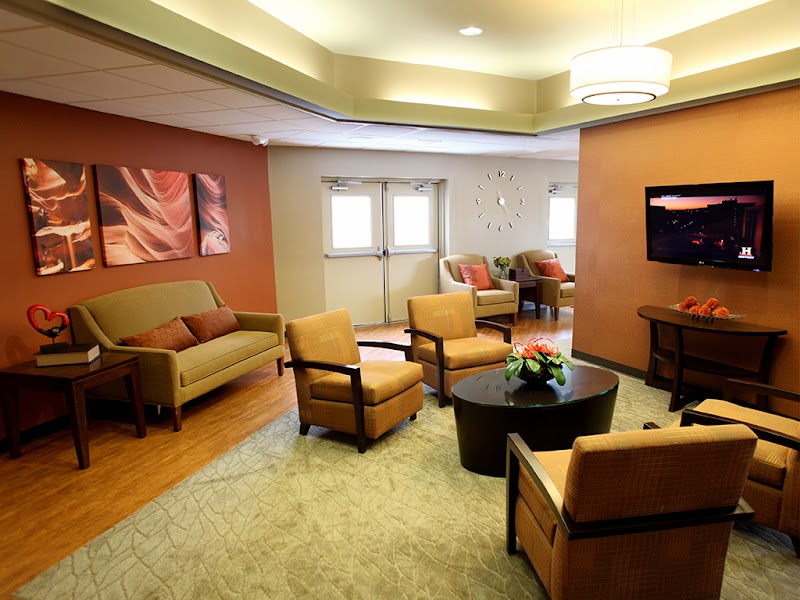
How is Riverside Staffed?

CMS rates RIVERSIDE NURSING AND REHABILITATION CENTER's staffing level at 2 out of 5 stars, which is below average compared to other nursing homes. Staff turnover is 35%, compared to the Ohio average of 46%. This relatively stable workforce can support continuity of care.

What Have Inspectors Found at Riverside?

State health inspectors documented 50 deficiencies at RIVERSIDE NURSING AND REHABILITATION CENTER during 2018 to 2025. These included: 1 Immediate Jeopardy (the most serious level, indicating potential for serious harm or death), 2 that caused actual resident harm, and 47 with potential for harm. Immediate Jeopardy findings are rare and represent the most serious regulatory concerns. They require immediate corrective action.
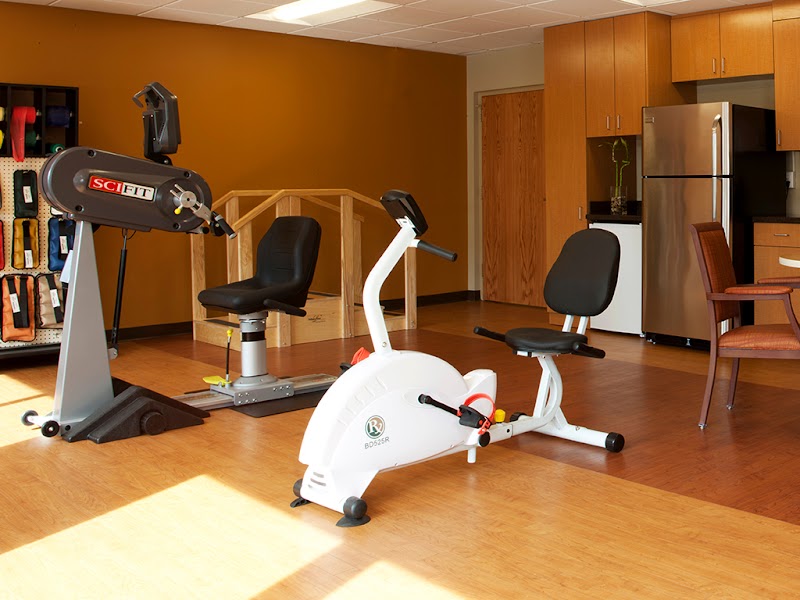
Who Owns and Operates Riverside?

RIVERSIDE NURSING AND REHABILITATION CENTER is owned by a for-profit company. For-profit facilities operate as businesses with obligations to shareholders or private owners. The facility is operated by COMMUNICARE HEALTH, a chain that manages multiple nursing homes. With 180 certified beds and approximately 167 residents (about 93% occupancy), it is a mid-sized facility located in DAYTON, Ohio.
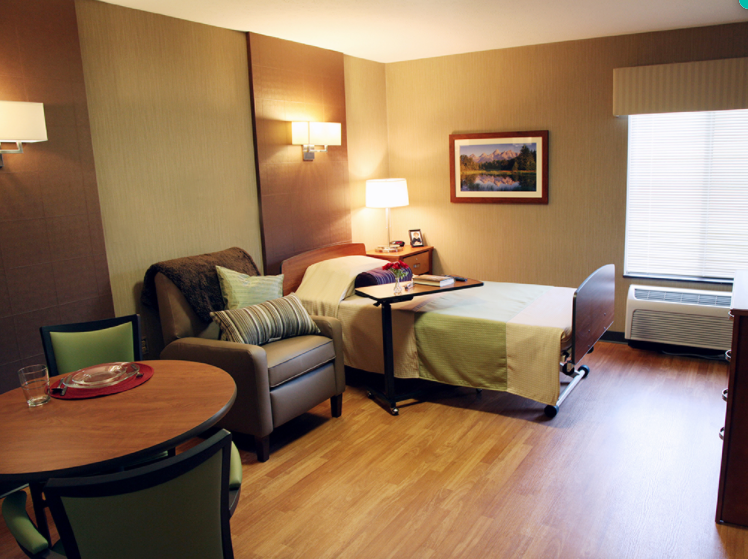
How Does Riverside Compare to Other Ohio Nursing Homes?

Compared to the 100 nursing homes in Ohio, RIVERSIDE NURSING AND REHABILITATION CENTER's overall rating (3 stars) is below the state average of 3.2, staff turnover (35%) is significantly lower than the state average of 46%, and health inspection rating (2 stars) is below the national benchmark.

What Should Families Ask When Visiting Riverside?

Based on this facility's data, families visiting should ask: "What changes have been made since the serious inspection findings, and how are you preventing similar issues?" "Can you walk me through typical staffing levels on day, evening, and night shifts?" "Can I visit during a mealtime to observe dining assistance and food quality?" "How do you handle medical emergencies, and what is your hospital transfer rate?" These questions are particularly relevant given the facility's Immediate Jeopardy citations and the below-average staffing rating.

Is Riverside Safe?

Based on CMS inspection data, RIVERSIDE NURSING AND REHABILITATION CENTER has documented safety concerns. Inspectors have issued 1 Immediate Jeopardy citation (the most serious violation level indicating risk of serious injury or death). The facility has a 3-star overall rating and ranks #100 of 100 nursing homes in Ohio. Families considering this facility should ask detailed questions about what corrective actions have been taken since these incidents.

Do Nurses at Riverside Stick Around?

RIVERSIDE NURSING AND REHABILITATION CENTER has a staff turnover rate of 35%, which is about average for Ohio nursing homes (state average: 46%). Moderate turnover is common in nursing homes, but families should still ask about staff tenure and how the facility maintains care continuity when employees leave.

Was Riverside Ever Fined?

RIVERSIDE NURSING AND REHABILITATION CENTER has been fined $17,215 across 1 penalty action. This is below the Ohio average of $33,251. While any fine indicates a compliance issue, fines under $50,000 are relatively common and typically reflect isolated problems that were subsequently corrected. Families should ask what specific issues led to these fines and confirm they've been resolved.

Is Riverside on Any Federal Watch List?

RIVERSIDE NURSING AND REHABILITATION CENTER is not on any federal watch list. The most significant is the Special Focus Facility (SFF) program, which identifies the bottom 1% of nursing homes nationally based on persistent, serious quality problems. Not being on this list means the facility has avoided the pattern of deficiencies that triggers enhanced federal oversight. This is a positive indicator, though families should still review the facility's inspection history directly.