SIENA WOODS CARE CENTER
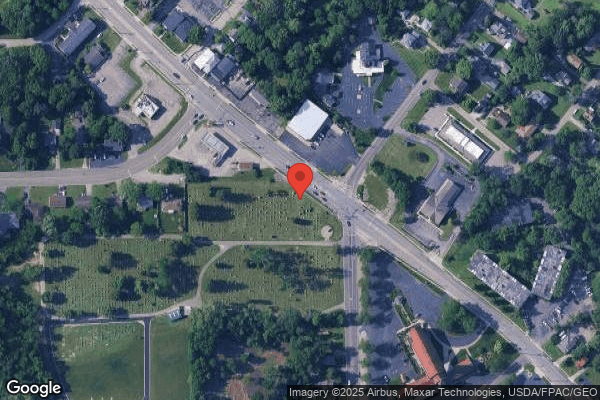
6125 N MAIN STREET, DAYTON, OH 45415 (937) 278-8211
For profit - Corporation 99 Beds EXCEPTIONAL LIVING CENTERS Data: November 2025
Trust Grade
60/100
#340 of 913 in OH
Last Inspection: January 2024

Within standard 12-15 month inspection cycle. Federal law requires annual inspections.

Overview

Siena Woods Care Center has received a Trust Grade of F, indicating significant concerns about the facility's operations and care quality. It ranks #340 out of 913 nursing homes in Ohio, placing it in the top half of facilities statewide, and #11 out of 40 in Montgomery County, meaning only a few local options are better. The facility is showing an improving trend, having reduced issues from 6 in 2024 to 4 in 2025. Staffing is a weakness, with a rating of 2 out of 5 stars and a turnover rate of 55%, which is around the state average, suggesting that staff may not be as consistent. While Siena Woods has not incurred any fines, there have been serious incidents, such as a resident developing severe pressure ulcers due to inadequate care and another falling and sustaining injuries during improper repositioning. Overall, while there are some positive aspects, such as good quality measures, families should carefully consider the facility's weaknesses before making a decision.

Trust Score
C+
60/100
In Ohio
#340/913
Top 37%
Safety Record
Moderate
Needs review
Inspections
Getting Better
6 → 4 violations
Staff Stability
⚠ Watch
55% turnover. Above average. Higher turnover means staff may not know residents' routines.
Penalties
✓ Good
No fines on record. Clean compliance history, better than most Ohio facilities.
Skilled Nurses
○ Average
Each resident gets 34 minutes of Registered Nurse (RN) attention daily — about average for Ohio. RNs are the most trained staff who monitor for health changes.
Violations
⚠ Watch
36 deficiencies on record. Higher than average. Multiple issues found across inspections.
★★★★☆
4.0
Overall Rating
★★☆☆☆
2.0
Staff Levels
★★★★★
5.0
Care Quality
★★★☆☆
3.0
Inspection Score
Stable
2024: 6 issues
2025: 4 issues

The Good

  • 5-Star Quality Measures · Strong clinical quality outcomes
  • Full Sprinkler Coverage · Fire safety systems throughout facility
  • No fines on record

Facility shows strength in quality measures, fire safety.

The Bad

Staff Turnover: 55%

Near Ohio avg (46%)

Higher turnover may affect care consistency

Chain: EXCEPTIONAL LIVING CENTERS

Part of a multi-facility chain

Ask about local staffing decisions and management

The Ugly 36 deficiencies on record

2 actual harm
Apr 2025 3 deficiencies
CONCERN (D) 📢 Someone Reported This

A family member, employee, or ombudsman was alarmed enough to file a formal complaint

Potential for Harm - no one hurt, but risky conditions existed

Pressure Ulcer Prevention (Tag F0686)

Could have caused harm · This affected 1 resident

**NOTE- TERMS IN BRACKETS HAVE BEEN EDITED TO PROTECT CONFIDENTIALITY** Based on medical record review and staff interview, the facility failed to ensure a thorough assessment of a pressure ulcer was ...

Read full inspector narrative →
**NOTE- TERMS IN BRACKETS HAVE BEEN EDITED TO PROTECT CONFIDENTIALITY** Based on medical record review and staff interview, the facility failed to ensure a thorough assessment of a pressure ulcer was completed upon discovery. This affected one (#25) of three residents reviewed for wounds. The facility census was 82. Findings include: Review of the medical record for Resident #25 revealed an admission date of 06/27/24 with diagnoses of dysphagia, oropharyngeal phase, chronic obstructive pulmonary disease, chronic venous hypertension (idiopathic) with ulcer of the bilateral lower extremity, peripheral vascular disease, and acquired absence of the left leg below the knee. Review of the quarterly Minimum Data Set (MDS) assessment dated [DATE] revealed Resident #25 was cognitively intact and required supervision assistance with eating, partial assistance with oral hygiene, and was dependent on staff assistance with toileting hygiene, bathing, dressing, personal hygiene, and bed mobility. Review of Resident #25's physician order dated 02/03/25 revealed an order to reduce pressure to the right heel and left stump, float heel/stump off of the bed at all times. Review of Resident #25's progress note dated 02/11/25 at 3:30 P.M. revealed wound care provided for right heel area. Review of the physician order dated 02/11/25, with a discontinue date of 02/19/25, revealed an order for a treatment to the left (right) heel to cleanse area with wound cleanser, pat dry, cover in betadine, and apply boarder gauze. Review of Resident #25's skin observation tool dated 02/12/25 revealed no new skin concerns. Review of Resident #25's subsequent skin observation tool documents dated 02/19/25 revealed no new skin concerns, and on 02/22/25 revealed below the knee amputation with treatment currently in place and moisture associated skin damage with treatment and no new areas. Review of Resident #25's wound observation tool dated 02/24/25 revealed the physician was notified on 02/24/25 of a pressure wound to the right heel with no staging noted and measured 2.5 centimeters (cm) long by 5.0 cm wide by 0.0 cm deep with treatment noted as betadine. Interview on 04/23/25 at 9:49 A.M. with Licensed Practical Nurse (LPN) #501 confirmed on 02/11/25 when the wound on the right heel for Resident #25 was found, an assessment of the wound was not documented in the medical record to include measurements and a description of the wound bed. LPN #501 also confirmed the wound bed was 100 percent black necrotic tissue and dry with no drainage. LPN #501 stated it was the expectation when a new wound was found that a change in condition or skin assessment be completed with the measurements and description of the wound be completed. LPN #501 confirmed a change of condition nor skin assessment on the new pressure area to the right heel was not completed for Resident #25. The facility unable to provide a policy for documentation requirements for a new pressure wound. This deficiency represents non-compliance investigated under Complaint Number OH00164982 and Complaint Number OH00164075.
CONCERN (D) 📢 Someone Reported This

A family member, employee, or ombudsman was alarmed enough to file a formal complaint

Potential for Harm - no one hurt, but risky conditions existed

Deficiency F0761 (Tag F0761)

Could have caused harm · This affected 1 resident

**NOTE- TERMS IN BRACKETS HAVE BEEN EDITED TO PROTECT CONFIDENTIALITY** Based on observation, medical record review, resident and staff interview, and policy review, the facility failed to ensure medi...

Read full inspector narrative →
**NOTE- TERMS IN BRACKETS HAVE BEEN EDITED TO PROTECT CONFIDENTIALITY** Based on observation, medical record review, resident and staff interview, and policy review, the facility failed to ensure medications were secured in a safe manner. This affected one (#33) of three residents reviewed for medications. The facility census was 82. Findings include: Review of the medical record for Resident #33 revealed an admission date of 04/26/16 with diagnoses of chronic obstructive pulmonary disease, schizoaffective disorder, anemia, unspecified dementia without behavioral disturbance, psychotic disturbance, mood disturbance, and anxiety. Review of the quarterly Minimum Data Set (MDS) assessment dated [DATE] revealed Resident #33 had severe cognitive impairment. Resident #33 was independent with oral hygiene, toileting hygiene, dressing, bed mobility, and ambulation. Resident #33 required set-up assistance with eating, bathing, and personal hygiene, and required supervision assistance with transfers. Review of the care plan dated 08/11/22 revealed Resident #33 had impaired cognitive function/dementia or impaired thought processes related to dementia and schizoaffective disorder. Interventions were added on 08/31/24 to administer medications as ordered and observe for side effects and effectiveness. Review of the physician order dated 12/27/19 revealed Resident #33 had an order for the pain medication gabapentin 100 milligram (mg) tablet three times a day by mouth for pain. Review of the physician order dated 02/21/25 revealed Resident #33 had an order for the anti-anxiety medication buspirone 7.5 mg tablet by mouth three times a day for anxiety. Observation on 04/21/25 at 2:33 P.M. in Resident #33's room revealed a medication cup sitting on the bedside table with two pills in it. Interview at the time of the observation with Resident #33 stated she would take the medications. Interview on 04/21/25 at 2:34 P.M. with Licensed Practical Nurse (LPN) #374 confirmed Resident #33 was not approved to self-administer her medications. Interview on 04/21/25 at 2:35 P.M. with LPN #506 confirmed the medications sitting on Resident #33's bedside table were a gabapentin 100 mg tablet and a buspirone 7.5 mg tablet. LPN #506 also confirmed she left the medications on Resident #33's bedside table when she left the room and confirmed Resident #33 was not to administer her own medications. Review of the general guidelines for medication administration policy, dated 06/17/21, revealed medications will be administered by legally-authorized and trained persons in accordance to applicable State, Local, and Federal laws and consistent with accepted standards of practice. The staff should identify the resident, administer medication and remain with resident while medication is swallowed. Never leave medication in a resident's room without orders to do so. This deficiency represents non-compliance investigated under Master Complaint Number OH00165066 and Complaint Number OH00164982.
CONCERN (D) 📢 Someone Reported This

A family member, employee, or ombudsman was alarmed enough to file a formal complaint

Potential for Harm - no one hurt, but risky conditions existed

Deficiency F0805 (Tag F0805)

Could have caused harm · This affected 1 resident

**NOTE- TERMS IN BRACKETS HAVE BEEN EDITED TO PROTECT CONFIDENTIALITY** Based on medical record review and staff interview, the facility failed to ensure residents received food in a form to meet indi...

Read full inspector narrative →
**NOTE- TERMS IN BRACKETS HAVE BEEN EDITED TO PROTECT CONFIDENTIALITY** Based on medical record review and staff interview, the facility failed to ensure residents received food in a form to meet individual needs. This affected one (#101) of three residents reviewed for dietary status. The facility census was 82. Findings include: Review of Resident #101's medical record revealed an admission date of 02/13/25 with diagnoses of acute respiratory failure with hypoxia, aphasia, morbid (severe) obesity due to excess calories, and type II diabetes mellitus without complications. Review of the Minimum Data Set (MDS) assessment dated [DATE] revealed Resident #101 was assessed with severe cognitive impairment. Resident #101 was dependent on staff assistance for all activities of daily living (ADLs). Resident had a percutaneous endoscopic gastrostomy (PEG) feeding tube and was not on a mechanically altered or therapeutic diet. Review of Resident #101's admission orders dated 02/13/25 revealed no dietary order was noted. Review of Resident #101's physician order dated 02/13/25 revealed an order for a regular diet, regular texture, and thin liquids consistency. Review of Resident #101's progress note dated 02/14/25 at 12:34 P.M. revealed a change in condition was reported with staff reporting the resident had a coughing episode. The physician was contacted with new orders for a chest x-ray and Resident #101 was to remain nil per os (NPO; meaning nothing by mouth). Review of Resident #101's physician order dated 02/14/25 revealed on order for NPO diet, NPO texture, NPO consistency, the resident has a feeding tube. Interview on 04/22/25 at 11:33 A.M. with Registered Nurse (RN) #327 confirmed Resident #101 was started on a regular diet, regular texture, thin liquid diet on admission on [DATE]. RN #327 also confirmed the diet order was not on the admission orders, and the regular diet, regular texture, thin liquids diet was started without verifying with the physician whether Resident #101 should be NPO. RN #327 stated Resident #101 was being fed by staff when the resident was coughing and confirmed the resident should have had nothing by mouth. The facility was unable to provide a policy for verifying dietary orders. This deficiency represents non-compliance investigated under Complaint Number OH00164982.
Jan 2025 1 deficiency
CONCERN (E) 📢 Someone Reported This

A family member, employee, or ombudsman was alarmed enough to file a formal complaint

Potential for Harm - no one hurt, but risky conditions existed

Deficiency F0883 (Tag F0883)

Could have caused harm · This affected multiple residents

**NOTE- TERMS IN BRACKETS HAVE BEEN EDITED TO PROTECT CONFIDENTIALITY** Based on medical record review, staff interviews and review of the Influenza Vaccine Report, the facility failed to offer the an...

Read full inspector narrative →
**NOTE- TERMS IN BRACKETS HAVE BEEN EDITED TO PROTECT CONFIDENTIALITY** Based on medical record review, staff interviews and review of the Influenza Vaccine Report, the facility failed to offer the annual influenza vaccines to residents. This affected three (#47, #14 and #39) out of three residents reviewed for influenza vaccines and had the potential to affected 80 out of 82 residents residing in the facility, the facility identified two (#16 and #79) residents who were not eligible for the influenza vaccine. The facility census was 82. Findings include: 1. Review of Resident #47's medical record revealed the resident was admitted to the facility on [DATE]. Diagnoses include chronic obstructive pulmonary disease, spondylosis without myelopathy or radiculopathy, lumbosacral region, and unspecified dementia, severe, without behavioral disturbance, psychotic disturbance, mood disturbance, and anxiety. Further review of Resident #47's medical record revealed there was no documentation the resident was not offered or administered the influenza vaccine for the 2024-2025 influenza season. 2. Review of Resident #14's medical record revealed the resident was admitted to the facility on [DATE]. Diagnoses include pressure ulcer of sacral region, stage 3, malignant neoplasm of middle lobe, bronchus or lung, and type 2 diabetes mellitus with diabetic neuropathy. Further review of Resident #14's medical record revealed there was no documentation the resident was not offered or administered the influenza vaccine for the 2024-2025 influenza season. 3. Review of Resident #39's medical record revealed the resident was admitted to the facility on [DATE]. Diagnoses include cerebral atherosclerosis, pressure ulcer of sacral region, stage 4, unspecified dementia, unspecified severity, without behavioral disturbance, psychotic disturbance, mood disturbance, and anxiety. Further review of Resident #39's medical record revealed there was no documentation the resident was not offered or administered the influenza vaccine for the 2024-2025 influenza season. Interview on 01/08/25 at 11:46 A.M. with Assistant Director of Nursing (ADON) #3 confirmed the facility has not offered the residents the annual 2024-2025 influenza vaccine due to losing the infection control nurse approximately six weeks ago and reorganizing the position. Interview with ADON #3 also confirmed the floor nurses were given consent paperwork on 12/30/24 to review with the resident and get their consent for the vaccine. Interview with ADON #3 also confirmed on 01/03/25 pharmacy was notified of the need of 60 additional flu vaccines. ADON #3 confirmed there were some residents not eligible for the annual influenza vaccine as they were newly admitted and received it outside the facility or there are some residents who have refused it. ADON #3 confirmed there was no documentation that Resident #47, #14 and #39 were offered the annual influenza vaccine. Interview on 01/08/25 at 12:10 P.M. with Pharmacy Technician #101 confirmed 20 doses of Afluria and 30 doses of Fluzone were sent to the facility on [DATE], and 50 doses of Afluria were sent to the facility on [DATE]. Review of the Influenza Vaccine report revealed Resident #16 was not eligible for the to receive the influenza vaccine as the resident received the vaccine on 11/06/24. Additionally, Resident #79 refused the influenza vaccine. There was no other documentation that residents were offered the influenza vaccine for the 2024-2025 influenza season. This deficiency represents non-compliance investigated under Complaint Number OH00160725.
Oct 2024 1 deficiency
CONCERN (E) 📢 Someone Reported This

A family member, employee, or ombudsman was alarmed enough to file a formal complaint

Potential for Harm - no one hurt, but risky conditions existed

Pharmacy Services (Tag F0755)

Could have caused harm · This affected multiple residents

**NOTE- TERMS IN BRACKETS HAVE BEEN EDITED TO PROTECT CONFIDENTIALITY** Based on medical record review, staff interviews and policy review, the facility failed to ensure medications were administered ...

Read full inspector narrative →
**NOTE- TERMS IN BRACKETS HAVE BEEN EDITED TO PROTECT CONFIDENTIALITY** Based on medical record review, staff interviews and policy review, the facility failed to ensure medications were administered as physician ordered. This affected four (#47, #66, #80, and #91) out of four residents reviewed for medication administration. Facility census was 93. Findings include: 1. Review of the medical record for Resident #47 revealed an admission date of 12/23/22 with diagnoses of seizures, hemiplegia and hemiparesis following cerebral infarction affecting left non-dominant side, and chronic kidney disease, stage 3 unspecified. Review of the Medicare 5-Day Minimum Data Set (MDS) dated [DATE] revealed Resident #47 with severe cognitive impairment. Resident #47 required partial assistance with eating and oral hygiene. Resident # 47 required substantial assistance with toileting hygiene, bathing, dressing, bed mobility, and wheelchair mobility. Review of the September 2024 Medication Administration Record (MAR): Levothyroxine Sodium Oral Capsule 25 micrograms (MCG)-give 25 mcg by mouth one time a day, not initialed as completed on 09/20/24; Lexapro Oral Tablet 20 milligrams (MG)-give 1 tablet by mouth one time a day for depression, not initialed as completed on 09/20/24; Lipitor Oral Tablet 40 MG-give 40 mg by mouth one time a day, not initialed as completed on 09/20/24; MiraLax Oral Packet 17 grams (GM)-give 1 packet by mouth one time a day for constipation, not initialed as completed on 09/20/24; Carvedilol Oral Tablet 3.125 MG-give 1 tablet by mouth every 12 hours, not initialed as completed on 09/20/24 morning dose; Gabapentin Oral Capsule 300 MG-give 300 mg by mouth two times a day for nerve pain, not initialed as completed on 09/20/24 morning dose; Lacosamide Oral Tablet 100 MG-give 100 mg by mouth two times a day, not initialed as completed on 09/20/24 morning dose; Levetricetam Oral Tablet 750 MG-give 1 tablet by mouth two times a day, not initialed as completed on 09/20/24 morning dose. 2. Review of the medical record for Resident #66 revealed an admission date of 05/04/24 with diagnoses of moderate protein-calorie malnutrition, pressure-induced deep tissue damage of right heel, pressure ulcer of right buttock, stage 4. Review of the significant change MDS completed on 09/06/24 revealed Resident #66 had moderate cognitive impairment. Resident #66 required supervision assistance with eating, oral hygiene, and personal hygiene, and was dependent on staff assistance for toileting hygiene, bathing, dressing, bed mobility, transfers, and wheelchair mobility. Review of the Resident #66's September 2024 MAR revealed: Atorvastatin Calcium Oral Tablet 10 MG-give 1 tablet by mouth at bedtime for treatment of high cholesterol, not initialed as complete on 09/22/24 at 9:00 P.M.; Cetirizine HCl Oral Tablet 5 MG-give 1 tablet by mouth at bedtime for seasonal allergies, not initialed as complete on 09/22/24 at 9:00 P.M.; Levothyroxine Sodium Oral Tablet 150 MCG-give 1 tablet by mouth one time a day for treatment of thyroid disease, not initialed as complete on 09/23/24 at 6:00 A.M.; Mirtazapine Oral Tablet 15 MG-give 15 mg by mouth at bedtime for depression/appetite, not initialed as complete on 09/22/24 at 6:00 A.M.; Apixaban Oral Tablet 5 MG-give 1 tablet by mouth two times a day for A-Fib, not initialed as complete on 09/22/24 at 9:00 P.M.; Coreg Oral Tablet 6.25 MG-give 1 tablet by mouth two times a day for hypertension, not initialed as complete on 09/22/24 at 9:00 P.M.; Gabapentin Oral Capsule 100 MG-give 1 capsule by mouth two times a day for diabetic neuropathy, not initialed as complete on 09/22/24 9:00 P.M.; and Nifedipine ER Oral Tablet Extended Release 24 Hour 30 MG-give 1 tablet by mouth two times a day for Hypertension, not initialed as complete on 09/22/24 9:00 P.M. 3. Review of the medical record for Resident #80 revealed an admission date of 07/20/22 with diagnoses of pressure ulcer of left buttock, stage 2, pressure ulcer of sacral region, stage 4, hypertensive heart and chronic kidney disease with heart failure and stage 1 through stage 4 chronic kidney disease, or unspecified chronic kidney disease. Review of the quarterly MDS dated [DATE] revealed Resident #80 was cognitively intact. Resident #80 required supervision assistance with eating and oral hygiene, required partial assistance with personal hygiene, and was dependent on staff assistance with toileting hygiene, bathing, dressing, bed mobility, and transfers. Review of the September 2024 MAR revealed: Latanoprost PF Ophthalmic Solution 0.005 %-instill 1 drop in both eyes at bedtime for glaucoma, not initialed as complete on 09/25/24 at 6:00 P.M.; Mirtazapine Oral Tablet 7.5 MG-give 7.5 mg by mouth at bedtime for depression, not initialed as complete on 09/25/24 at 6:00 P.M.; Rosuvastatin Calcium Oral Tablet 20 MG-give 20 mg by mouth at bedtime for hyperlipidemia, not initialed as complete on 09/25/24 at 6:00 P.M.; Vitamin D3 Oral Tablet-give 125 mcg by mouth in the evening for supplement, not initialed as complete on 09/25/24 at 6:00 P.M.; Zoloft Oral Tablet 100 MG-give 100 mg by mouth at bedtime for depression, not initialed as complete on 09/25/24 at 6:00 P.M.; Levetricetam Oral Tablet 500 M-give 500 mg by mouth two times a day for seizures, not initialed as complete on 09/25/24 at 6:00 P.M.; Metformin Oral Tablet 500 MG-give two tablet by mouth two times a day for diabetes mellitus type 2, not initialed as complete on 09/27/24 at 9:00 P.M.; Metformin Oral Tablet 500 MG-give 500 mg by mouth two times a day for diabetes mellitus, not initialed as complete on 09/25/24 at 6:00 P.M. 4. Review of the medical record for Resident #91 revealed an admission date of 11/03/23 with diagnoses of pressure ulcer of sacral region, stage 4, depression, unspecified dementia, severe, without behavioral disturbance, psychotic disturbance, mood disturbance, and anxiety. Review of the Quarterly MDS dated [DATE] revealed Resident #91 with severe cognitive impairment. Resident requires partial assistance with eating, requires substantial assistance with oral care and personal hygiene, and was dependent on staff assistance with toileting hygiene, bathing, dressing, bed mobility, and transfers. Review of the September 2024 MAR revealed: Norco Oral Tablet 5-325 MG (Hydrocodone-Acetaminophen)-give 1 tablet by mouth one time a day for stage 4 sacrum not initialed as complete on 09/27/24 at 5:00 P.M.; Clobazam Oral Tablet 10 MG-give 1 tablet by mouth two times a day for Seizures not initialed as complete on 09/27/24 at 10:00 P.M.; Clobazam Oral Tablet 10 MG-give 1 tablet via g-tube two times a day for Seizures not initialed as complete on 09/24/24 at 10:00 P.M.; Lacosamide Oral Tablet 200 MG-give 200 mg by mouth two times a day for Seizures, not initialed as complete on 09/27/24 at 10:00 P.M.; Lacosamide Oral Tablet 200 MG-give 200 mg via G-Tube two times a day for Seizures, not initialed as complete on 09/24/24 at 10:00 P.M.; Pregabalin Oral Capsule 150 MG-give 1 capsule by mouth two times a day for seizures / nerve pain, not initialed as complete on 09/27/24 at 10:00 P.M.; and Pregabalin Oral Capsule 150 MG-give 1 capsule via G-Tube two times a day for seizures/nerve pain, not initialed as complete on 09/24/24 at 10:00 P.M. Interview on 10/24/24 at 7:57 A.M. with Licensed Practical Nurse (LPN) #325 confirmed Resident #47, #66, #80, and #91 did not have orders completed as listed on their MAR's. Review of the medication administration policy dated 06/21/17 revealed it is the policy of the facility that medications will be administered by legally authorized and trained persons in accordance with applicable State, Local and Federal laws and consistent with acceptable standards of practice. This deficiency represents non-compliance investigated under Complaint Number OH00158320.
Sept 2024 3 deficiencies
CONCERN (D) 📢 Someone Reported This

A family member, employee, or ombudsman was alarmed enough to file a formal complaint

Potential for Harm - no one hurt, but risky conditions existed

Pressure Ulcer Prevention (Tag F0686)

Could have caused harm · This affected 1 resident

Based on medical record review, staff interview, and policy review, the facility failed to initiate treatment for a pressure ulcer in a timely manner. This affected one (#08) of three residents review...

Read full inspector narrative →
Based on medical record review, staff interview, and policy review, the facility failed to initiate treatment for a pressure ulcer in a timely manner. This affected one (#08) of three residents reviewed for wound care and treatment. The facility census was 81. Findings include: Review of the medical record for Resident #08 revealed an admission date of 05/04/24 with medical diagnoses of moderate protein calorie malnutrition, diabetes mellitus with neuropathy, hypertension, anxiety, and chronic kidney disease. Review of the medical record for Resident #08 revealed a significant change Minimum Data Set (MDS) assessment, dated 09/06/24, which indicated Resident #08 had moderate cognitive impairment and was dependent upon staff for toilet hygiene, bathing, bed mobility, and transfers. The MDS assessment indicated Resident #08 had a stage four pressure ulcer (full-thickness skin and tissue loss) that was not present upon admission. Review of a wound observation assessment, dated 05/30/24, revealed Resident #08 had an unstageable pressure ulcer (obscured full-thickness skin and tissue loss) to the right buttock which measured 8.0 centimeters (cm) long by 5.0 cm wide by 0.1 cm deep. The assessment revealed a low air loss mattress was in place and the current treatment was to apply calcium alginate. Review of a wound nurse practitioner (NP) note, dated 05/31/24, revealed Resident #08 had an unstageable pressure ulcer to the right buttock due to necrosis (dead tissue). The wound measured 8.0 cm long by 5.0 cm wide by 0.1 cm deep, and a treatment was ordered to apply calcium alginate and cover with gauze and bordered dressing daily. Review of Resident #08's medical record revealed a physician order dated 06/04/24 to cleanse the right buttock wound with wound cleanser, pat dry, apply calcium alginate, and cover with bordered gauze daily. Review of the medical record revealed no documentation to support Resident #08's right buttock pressure ulcer treatment was started until 06/04/24. Further review of a wound NP note, dated 09/26/24, revealed Resident #08 had a stage four pressure ulcer to the right buttock and indicated the wound had improved as evidenced by decreased surface area and decreased undermining. Interview on 09/26/24 at 4:17 P.M. with Director of Nursing (DON) confirmed the medical record for Resident #08 had no documentation to support treatment to the right buttock pressure ulcer was started until 06/04/24. Review of the facility policy titled, Skin and Wound Management Program, effective 02/01/2020, revealed the intent of the program was to promote the prevention of pressure ulcer/injury development, promote the healing of existing pressure ulcers/injuries, and to promote the prevention of development of additional pressure ulcer/injury. This deficiency represents non-compliance investigated under Master Complaint Number OH00158220.
CONCERN (D) 📢 Someone Reported This

A family member, employee, or ombudsman was alarmed enough to file a formal complaint

Potential for Harm - no one hurt, but risky conditions existed

Incontinence Care (Tag F0690)

Could have caused harm · This affected 1 resident

**NOTE- TERMS IN BRACKETS HAVE BEEN EDITED TO PROTECT CONFIDENTIALITY** Based on medical record review, observation, staff interview, and facility policy, the facility failed to provide timely inconti...

Read full inspector narrative →
**NOTE- TERMS IN BRACKETS HAVE BEEN EDITED TO PROTECT CONFIDENTIALITY** Based on medical record review, observation, staff interview, and facility policy, the facility failed to provide timely incontinence care. This affected one (#53) of three residents reviewed for incontinence care. The facility census was 81. Findings Included: Review of medical record for Resident #53 revealed an admission date 11/02/23. Diagnosis included dementia, psychotic mood disturbance, and anxiety. Review of the Minimum Data Set (MDS) assessment dated [DATE] revealed Resident #53 was severely cognitively impaired, required partial to moderate assistance for meals, and substantial to maximal assistance for personal hygiene and oral hygiene. Resident #53 was dependent for transfers, bathing, toileting, dressing upper and lower body, and placing shoes on and off. Review of the plan of care dated 08/08/24 revealed Resident #53 was at risk for alteration in elimination due to incontinence. Interventions included to assist with toileting needs daily, keep the call light within reach during toileting, provide incontinence care every shift and as needed for incontinence episodes, increase fluids between meals, laboratory values as ordered, observe for symptoms of urinary tract infection, peri-care after incontinence episodes as needed, and praise and encourage the resident to be as independent as able. Observations on 09/26/24 from 9:05 A.M. through 12:00 P.M. revealed State Tested Nurse Aide (STNA) #159 had not provided incontinence care for Resident #53. Further observation at approximately 12:00 P.M. revealed, upon entering Resident #53's room, STNA #159 had already taken Resident #53's dirty sheet and soiled incontinence brief off. Resident #53's soiled bed linens and incontinence brief were in a trash bag on the floor, and when lifted were heavy. Interview with STNA #159 at the time of the observation verified that Resident #53's incontinence brief was heavily saturated with urine when she took it out of the trash bag to show the surveyor and was confirmed by a second surveyor in the room. STNA #159 refused to confirmed she did not check the resident for incontience between 9:05 A.M. and 12:00 P.M. with asked directly. Review of the activities of daily living policy, dated 03/2018, revealed appropriate care and services will be provided who are unable to carry out activity of daily living independently, with the consent of the resident and in accordance with the plan of care, including appropriate support assistance with hygiene, mobility, elimination, dining, and communication. Review of the facility policy titled, Urinary Continence and Incontinence Assessment and Management, dated 08/2022, revealed the physician and staff will provide appropriate services and treatment to help the resident restore or improve bladder function and prevent urinary tract infections to the extent possible. This deficiency represents non-compliance investigated under Complaint Number OH00157485.
CONCERN (D) 📢 Someone Reported This

A family member, employee, or ombudsman was alarmed enough to file a formal complaint

Potential for Harm - no one hurt, but risky conditions existed

Infection Control (Tag F0880)

Could have caused harm · This affected 1 resident

Based on medical record review, observation, staff interview, and policy review, the facility failed to follow infection control precautions when providing wound care. This affected one (#53) of three...

Read full inspector narrative →
Based on medical record review, observation, staff interview, and policy review, the facility failed to follow infection control precautions when providing wound care. This affected one (#53) of three residents reviewed for wound care. The facility census was 81. Findings include: Review of the medical record for Resident #53 revealed an admission date of 11/02/23 with medical diagnoses of dementia, chronic obstructive pulmonary disease, severe protein calorie malnutrition, and hypertension. Review of the medical record for Resident #53 revealed a quarterly Minimum Data Set (MDS) assessment, dated 08/08/24, which indicated Resident #53 had severe cognitive impairment and required partial to moderate staff assistance with meals and was dependent upon staff for transfers, bathing, toileting, and dressing. The MDS assessment indicated Resident #53 was always incontinent of bladder and bowel and Resident #53 had two stage four pressure ulcers (full-thickness skin and tissue loss). Review of Resident #53's medical record revealed a physician order dated 11/03/23 for enhanced barrier precautions related to a gastrostomy tube (g-tube). Further review of physician orders revealed an order dated 05/02/24 to cleanse the sacral wound with wound cleanser, pat dry, apply calcium alginate to the wound bed, and cover with bordered gauze every shift and as needed. Observation on 09/26/24 at approximately 12:00 P.M. of wound care for Resident #53 revealed Licensed Practical Nurse (LPN) #170 performed hand hygiene and applied gloves. Further observation revealed Resident #53's old wound dressing had been removed by a state tested nurse aide (STNA) during incontinence care directly prior to wound care. The observation revealed LPN #170 cleansed the resident's sacral wound and patted it dry. LPN #170 then removed her gloves, performed hand hygiene, and applied new gloves. Continued observation revealed LPN #170 applied calcium alginate to the wound bed and covered the wound with bordered gauze. LPN #170 removed the gloves and performed hand hygiene after wound care was completed. At no time during the treatment did LPN #170 put on a gown. Interview on 09/26/24 at 12:05 P.M. with LPN #170 confirmed Resident #53 was on EBP and verified she did not put on a gown during wound care. Review of the undated facility policy titled, Enhanced Barrier Precautions, revealed EBPs are utilized to prevent the spread of multi-drug resistant organisms (MRDOs) to residents. EBPs employed targeted gown and glove use during high contact resident care activities when contact precautions do not otherwise apply. The policy revealed examples of high-contact resident care activities include wound care and changing of briefs. The deficiency is based on incidental findings discovered during the course of this complaint investigation.
Jan 2024 2 deficiencies 1 Harm
SERIOUS (G)

Actual Harm - a resident was hurt due to facility failures

Pressure Ulcer Prevention (Tag F0686)

A resident was harmed · This affected 1 resident

**NOTE- TERMS IN BRACKETS HAVE BEEN EDITED TO PROTECT CONFIDENTIALITY** Based on medical record review, observations, staff and physician interviews, policy review, and review of the National Pressure...

Read full inspector narrative →
**NOTE- TERMS IN BRACKETS HAVE BEEN EDITED TO PROTECT CONFIDENTIALITY** Based on medical record review, observations, staff and physician interviews, policy review, and review of the National Pressure Injury Advisory Panel (NPIAP), the facility failed to ensure interventions were implemented to prevent the development of pressure ulcers for a resident identified at high risk for skin breakdown. The resulted in Actual Harm when Resident #26, who was cognitively impaired, at risk for pressure ulcer development and dependent on staff for turning and repositioning developed an unstageable deep tissue injury to the right heel on 10/02/23 which worsened to a Stage IV pressure ulcer and developed a Stage III pressure ulcer to the sacrum on 12/14/23 due to inadequate and ineffective pressure ulcer prevention/interventions being in place. This affected one (#26) of five reviewed for pressure ulcers. Facility census was 79. Findings included: Review of Resident #26's medical record revealed the resident was admitted to the facility on [DATE]. Diagnoses included non-traumatic brain dysfunction, cerebrovascular atherosclerosis, diabetes disease, aphasic, cerebrovascular accident, and non-Alzheimer's. Review of care plan dated 08/03/23 revealed Resident #26 was at risk for pressure ulcer due to assistance required in bed mobility, bowel incontinence, and Braden score of less than a 18. Interventions were for an air mattress, bed mobility times two person due to air mattress, turn and reposition every one to two hours. Complete Braden Scale per center policy, conduct weekly skin inspection, do not massage over bony prominence. Float heels as tolerated. Provide pressure reducing wheelchair cushion. Provide pressure reduction/relieving mattress. Provide thorough skin care after incontinent episodes and apply barrier cream. Skin assessment to be completed per the facility policy. Review of Braden Score evaluation dated 08/15/23 revealed Resident #26 was at high risk for predicting pressure ulcer. Review of skin observation tool dated 09/30/23 revealed Resident #26 did not have any skin issues. Review of progress notes dated 10/02/23 revealed Resident #26 had a facility acquired right heel area that was darkened. The area measured 4.0 centimeters (cm) by 3.5 cm. The physician was notified and new order to paint bilateral heels with betadine daily and to provide monitoring was given. Review of the first wound physician note dated 10/19/23 revealed Resident #26's right heel was an unstageable (US) deep tissue injury (DTI) that measured 6.0 cm by 6.0 cm and the depth could not be measured. The surface area was 36 cm. On 11/30/23 this wound was documented as a Stage IV pressure ulcer. Review of the care plan dated 10/23/23 revealed to place moon boots on the resident. Review of wound physician's notes dated 12/14/23 revealed Resident #26 had a new area to his sacrum that was in-house acquired that measured 5.0 cm by 6.0 cm by 0.3 cm with a surface area of 30.00 cm that was a Stage III. There was moderate serous exudate with 100% granulation. Review of quarterly Minimum Data Set (MDS) dated [DATE] revealed Resident #26 was rarely or never understood. The assessment revealed the resident had impairment to his lower extremities and was dependent on staff for bed mobility, transfers, eating and toileting. The resident was assessed to be always incontinent for bowel and bladder. Review of wound physician's notes dated 01/11/24 revealed the right heel wound was a Stage IV that measured 5.0 cm by 3.6 cm by 0.4 cm with a surface area of 18 cm. There was moderate serous exudate. There was 10% thick adherent necrotic tissue, 20% slough, 20 % granulation and 50% bone. Further review of notes revealed the Stage III sacrum was measured 2.5 cm by 4.0 cm times 0.4 cm with a surface area of 10.00. There was moderate serous exudate, 40% slough, and 60% granulation tissue. Further review of Resident #26's medical record revealed an order on the January 2024 Treatment Administration Record (TAR) dated 10/02/23 to float heels while in bed and an entry dated 10/23/23 for heel protectors to bilateral heels every shift two times a day. The record review revealed there was no documented evidence the turning and repositioning was being provided. Observations on 01/08/24 at 10:05 A.M. revealed Resident #26 was sitting up in the common area in a Broda chair leaning to the right side without moon boots on and no pillows on either side of the resident for positioning. At 11:08 A.M. Resident #26 continued in the Broda chair leaning to the right side without moon boots on and no pillows for positioning and was in the same position. At 1:06 P.M., Resident #26 continued in the Broda chair leaning to the right side without moon boots on and had not been repositioned. At 1:47 P.M., Resident #26 was still lying in the Broda chair leaning to the right side and had not been repositioned. Interview with State Tested Nursing Aide (STNA) #199 on 01/08/24 at 1:54 P.M. confirmed Resident #26 had been up before 7:00 A.M., before she came to work, and he had not been repositioned in the chair. STNA #199 confirmed she left Resident #26 sit in the Broda chair for seven hours without being turned and repositioned. Observations were made on 01/09/24 at 10:16 A.M. revealed Resident #26 was lying in bed on his back and didn't have any moon boots on his heels and his right heel was lying on his mattress where his pressure ulcer was. There were no pillows in the bed to help reposition Resident #26. At 11:19 A.M., Resident #26 was lying in bed in the same position with no foot boots and no turns observed. Resident #26 had his right heel lying on the bed on his pressure ulcer. At 1:55 P.M. before Resident #26's dressing change the resident continued to lie on his back and didn't have any boots on his heels and his right heel was lying on the bed where his pressure ulcer was. Interview with STNA #199 on 01/09/24 at 2:02 P.M. revealed she took care of Resident #26 yesterday and today. STNA #199 stated she did not turn him or place heel boots on Resident #26 either day because she didn't have time. During the interview STNA #199 looked for Resident #26's moon boots but they were not in the room. Observation of dressing change on 01/09/24 at 2:05 P.M. revealed the dressing for Resident #26's right heel and the sacrum were not dated. Observations revealed Resident #26's right heel looked necrotic with beefy red tissue, and there was a scant amount of serous exudate. When Licensed Practical Nurse (LPN) #104 measured the wound and placed the Q-tip into the wound she stated she felt bone and didn't push anymore into the wound. LPN #104 measured the wound to be 6.0 cm by 5.0 cm by 0.3 cm. Interview with the Licensed Practical Nurse (LPN) #104 on 01/09/24 at 2:30 P.M. confirmed she didn't turn or place boots on Resident #26 today. LPN #104 confirmed the bandages were not dated when they were changed on Resident #26's right heel or the sacrum. LPN #104 confirmed there were no boots in Resident #26's room. LPN #104 stated when she measured Resident #26's wound she felt bone. Observations on 01/10/24 at 8:08 A.M., 10:01 A.M. and at 11:56 A.M. revealed Resident #26 was lying on his back in the bed. Interview with the Director of Nursing (DON) on 01/10/24 at 1:00 P.M. confirmed Resident #26 developed an unstageable pressure ulcer on the right heel which was first discovered on 10/02/23. The DON confirmed the wound physician assessed Resident #26's right heel on 10/19/23 a Stage IV. The DON confirmed Resident #26 developed a Stage III pressure ulcer on the sacrum on 12/14/23. The DON confirmed the Resident #26 didn't have interventions in place to prevent the wounds from developing for the resident. The DON confirmed the lack of pressure ulcer intervention could result in the development of skin breakdown for Resident #26. Interview with the Wound Physician (WP) #205 on 01/11/24 at 9:00 A.M. revealed his expectation for an intervention for a resident who was very high risk for a pressure ulcer would be for moon boots prior to the pressure ulcers. WP #205 stated Resident #26's right heel was down to the bone. After listening to the observations the surveyor had during the survey, he stated Resident #26 should not be up in a Broda chair for seven hours and should have the boots on his heels. Review of the policy entitled Preventions of Pressure Ulcers dated 01/01/23 revealed to reposition all residents with or at risk of pressure injuries on an individualized schedule, as determined by the interdisciplinary care team. Choose frequency for repositioning based on the resident's risk factors and current clinical practice guidelines. Provide support devices and assistance as needed. Review of the NPIAP dated 2020 revealed to turn and reposition all individuals at risk for pressure injury, unless contraindicated due to medical condition or medical treatments. Choose a frequency for turning based on the support surface in use, the tolerance of skin for pressure and the individual's preferences. Ensure the heels are free from the bed. Reposition weak or immobile individuals in chairs hourly. Use heel offloading devices or polyurethane foam dressings on individuals at high-risk for heel ulcers. Further review of NPIAP revealed the definitions for the pressure ulcers were as followed: Stage 3 Pressure Injury: Full-thickness skin loss Full-thickness loss of skin, in which adipose (fat) is visible in the ulcer and granulation tissue and epibole (rolled wound edges) are often present. Slough and/or eschar may be visible. The depth of tissue damage varies by anatomical location; areas of significant adiposity can develop deep wounds. Undermining and tunneling may occur. Fascia, muscle, tendon, ligament, cartilage and/or bone are not exposed. If slough or eschar obscures the extent of tissue loss this is an Unstageable Pressure Injury. Stage IV Pressure Injury: Full-thickness skin and tissue loss Full-thickness skin and tissue loss with exposed or directly palpable fascia, muscle, tendon, ligament, cartilage or bone in the ulcer. Slough and/or eschar may be visible. Epibole (rolled edges), undermining and/or tunneling often occur. Depth varies by anatomical location. If slough or eschar obscures the extent of tissue loss this is an Unstageable Pressure Injury. Unstageable Pressure Injury: Obscured full-thickness skin and tissue loss Full-thickness skin and tissue loss in which the extent of tissue damage within the ulcer cannot be confirmed because it is obscured by slough or eschar. If slough or eschar is removed, a Stage 3 or Stage 4 pressure injury will be revealed. Stable eschar (i.e. dry, adherent, intact without erythema or fluctuate) on the heel or ischemic limb should not be softened or removed. Deep Tissue Pressure Injury: Persistent non-blanchable deep red, maroon or purple discoloration Intact or non-intact skin with localized area of persistent non-blanchable deep red, maroon, purple discoloration or epidermal separation revealing a dark wound bed or blood filled blister. Pain and temperature change often precede skin color changes. Discoloration may appear differently in darkly pigmented skin. This injury results from intense and/or prolonged pressure and shear forces at the bone-muscle interface. The wound may evolve rapidly to reveal the actual extent of tissue injury or may resolve without tissue loss. If necrotic tissue, subcutaneous tissue, granulation tissue, fascia, muscle or other underlying structures are visible, this indicates a full thickness pressure injury (Unstageable, Stage 3 or Stage 4). Do not use DTPI to describe vascular, traumatic, neuropathic, or dermatologic conditions. Unstageable Pressure Injury: Obscured full-thickness skin and tissue loss Full-thickness skin and tissue loss in which the extent of tissue damage within the ulcer cannot be confirmed because it is obscured by slough or eschar. If slough or eschar is removed, a Stage 3 or Stage 4 pressure injury will be revealed. Stable eschar (i.e. dry, adherent, intact without erythema or fluctuate) on the heel or ischemic limb should not be softened or removed.
CONCERN (D)

Potential for Harm - no one hurt, but risky conditions existed

Deficiency F0687 (Tag F0687)

Could have caused harm · This affected 1 resident

Based on medical record review, observations, staff and family interviews, and review of facility policy, the facility failed to provide podiatry services to a resident. This affected one (#70) of thr...

Read full inspector narrative →
Based on medical record review, observations, staff and family interviews, and review of facility policy, the facility failed to provide podiatry services to a resident. This affected one (#70) of three reviewed for activities of daily living (ADL's). The census was 79. Findings include: Review of Resident #70's medical record revealed an admission dated of 07/29/22. Diagnoses listed included type two diabetes mellitus, stage three chronic kidney disease, anxiety disorder, major depressive disorder, psychotic disturbance, and macular degeneration. Review of a quarterly Minimum Data Set (MDS) assessment dated revealed staff has assessed Resident #70 as being severely cognitively impaired. Review of a plan of care dated revised 10/23/23 revealed Resident #70 needed assistance with ADL self-performance care due to confusion, dementia, and visual disturbance. Resident #70 was dependent for personal hygiene. Further review of Resident #70's medical record revealed a physician order dated 05/13/21 for may see podiatrist, dentist, audiologist, and ophthalmologist. Review of facility forms titled Attending Physician Request for Services/Consultation dated 02/10/23, 06/13/23, and 09/18/23 revealed Resident #70's physician requested podiatry consultations due to thickened, dystrophic, and/or painful nails with increased risk of infection. Further review of Resident #70's medical record revealed no documentation of podiatry services being provided. During an interview on 01/08/24 at 1:50 P.M. Resident #70 family member reported requesting podiatry services for Resident #70. Resident #70 has yet to be seen by a podiatrist at the facility. During an interview on 01/09/24 at 2:43 P.M. the Administrator confirmed Resident #70 should have had podiatry services at the facility. Observation of Resident #70's feet on 01/11/24 at 8:46 A.M. revealed some toenails on each foot that extended beyond the end of the toe. Toenails on the great toe of each foot were thick and extended beyond the end of the toe. Review of the facility's policy titled Foot Care dated revised October 2022 revealed residents will receive appropriated treatment in order to maintain mobility and foot health. Residents are assisted in making appointments and with transportation to and from specialists (podiatrist, endocrinologist, etc.) as needed.
Nov 2019 11 deficiencies
CONCERN (D)

Potential for Harm - no one hurt, but risky conditions existed

Deficiency F0578 (Tag F0578)

Could have caused harm · This affected 1 resident

**NOTE- TERMS IN BRACKETS HAVE BEEN EDITED TO PROTECT CONFIDENTIALITY** Based on record review and staff interview; the facility failed to ensure advanced directives being stored in the hard chart and...

Read full inspector narrative →
**NOTE- TERMS IN BRACKETS HAVE BEEN EDITED TO PROTECT CONFIDENTIALITY** Based on record review and staff interview; the facility failed to ensure advanced directives being stored in the hard chart and electronic health record (EHR) were consistent. This affected three (#26, #40, and #49) of 25 residents reviewed for consistency of advanced directives. The census was 92. Findings include: 1. Review of the medical record for Resident #26 revealed the resident was admitted to the facility on [DATE]. Review of the hard chart for Resident #26 revealed a do not resuscitate (DNR) form dated 06/17/17, which identified the residents code status was DNR comfort care (CC) arrest (A). Review of the EHR for Resident #26 revealed the resident's code status was DNR. 2. Review of the medical record of Resident #40 revealed the resident was admitted to the facility on [DATE]. Review of the hard chart for Resident #40 revealed a DNR form dated 12/06/17,which identified the residents code status was DNR CC A. Review of the EHR for Resident #40 revealed the residents code status was DNR. 3. Review of the medical record for Resident #49 revealed the resident was admitted to the facility on [DATE]. Review of the hard chart for Resident #49 revealed a DNR form dated 09/12/17, which identified the residents code status was DNR CC. Review of the EHR for Resident #49 revealed the residents code status was DNR CC A. Interview on 11/13/19 at 1:26 P.M. with the DON verified the advances directives stored in the hard chart and EHR of the above residents were not consistent.
CONCERN (D)

Potential for Harm - no one hurt, but risky conditions existed

Assessment Accuracy (Tag F0641)

Could have caused harm · This affected 1 resident

**NOTE- TERMS IN BRACKETS HAVE BEEN EDITED TO PROTECT CONFIDENTIALITY** 4. Review of Resident #3's medical record revealed an admission date of 01/31/19. Review of progress notes dated 08/28/19 at 4:...

Read full inspector narrative →
**NOTE- TERMS IN BRACKETS HAVE BEEN EDITED TO PROTECT CONFIDENTIALITY** 4. Review of Resident #3's medical record revealed an admission date of 01/31/19. Review of progress notes dated 08/28/19 at 4:55 A.M. revealed Resident #3 returned from a hospital admission with no indwelling urinary catheter in place. Review of physician orders revealed the catheter was discontinued on 08/28/19. Review of a quarterly MDS, dated [DATE], revealed Resident #3's was assessed as having a indwelling urinary catheter. Interview with Registered Nurse (RN) #82 on 11/14/19 at 2:27 P.M. revealed that the assessment was coded incorrectly and the resident did not have a catheter. Based on record review and staff interview, the facility failed to ensure Minimum Data Set (MDS) assessments were coded accurately to reflect the resident's current status. This affected four (Residents #3, #53, #58 and #71) of 22 resident MDS reviews completed. The facility census was 92. Findings include: 1. Record review for Resident #71 revealed an admission date of 10/09/19. Review of the admission MDS assessment, dated 10/16/19, documented the resident was receiving an anticoagulant medication. Her oral assessment stated she had obvious or likely cavities or broken natural teeth. Review of the Medication Administration Record (MAR) and physician orders for October 2019 revealed the resident was receiving an anti-platelet medication, Plavix, not an anti-coagulant. On 11/12/19 at 11:08 A.M. interview with Resident #71 verified she did not have any teeth and had a full set of dentures observed on her bedside table. 2. Record review for Resident #53 revealed an admission date of 10/24/19. Review of the admission MDS assessment dated [DATE], documented the resident was receiving an anti-coagulant medication. Review of the Medication Administration Record (MAR) and physician orders for October 2019 revealed the resident was receiving an anti-platelet medication, Plavix, not an anti-coagulant. 3. Review of medical record for Resident #58 revealed an admission date of 02/25/19. Review of the quarterly MDS assessment, dated 10/04/19, documented the resident was receiving an anti-coagulant medication Review of the Medication Administration Record (MAR) and physician orders for October 2019 revealed the resident was receiving an anti-platelet medication, Plavix, not an anti-coagulant On 11/13/19 at 1:50 P.M. interview with MDS Nurse #81 verified the above assessments were incorrectly coded as using an anticoagulant medication. She also verified Resident #71 dental status was coded inaccurately and should have been code as no natural teeth or tooth fragments.
CONCERN (D)

Potential for Harm - no one hurt, but risky conditions existed

Deficiency F0645 (Tag F0645)

Could have caused harm · This affected 1 resident

Based record review and staff interview, the facility failed to ensure a Preadmission Screen and Resident Review (PASARR) was accurate upon admission to the facility. This affected one (Resident #71) ...

Read full inspector narrative →
Based record review and staff interview, the facility failed to ensure a Preadmission Screen and Resident Review (PASARR) was accurate upon admission to the facility. This affected one (Resident #71) of three residents reviewed for PASARR assessments. The facility census was 92. Findings include: Review of the medical record for Resident #71 revealed an admission date of 10/09/19 with diagnoses including major depression, anxiety and bipolar disorder. Review of PASARR dated 09/19/19 documented the resident had a diagnosis of dementia and no current diagnoses of mental health disorders or psychiatric services received in the past two years. Review of admission Minimum Data Set (MDS) assessment, dated 10/16/19, documented the resident did not have any indications of serious mental illness. She was cognitively intact and had no active diagnosis of dementia. On 11/12/19 at 11:08 A.M. interview with Resident #71 revealed she does not have a diagnosis of dementia and she received psychiatric service prior to admission to the facility by a physiatrist and a therapist. On 11/13/19 at 2:00 P.M. interview with admission Coordinator #129 revealed Resident #71 does not have a diagnosis of dementia and verified her PASARR screening assessment was inaccurate. She also revealed they only received a level of care determination with the previous PASARR assessment from the hospital and verified she did not review the PASARR to ensure accuracy upon admission. The assessment would need to be completed again to ensure the resident was given appropriate services if needed.
CONCERN (D)

Potential for Harm - no one hurt, but risky conditions existed

Quality of Care (Tag F0684)

Could have caused harm · This affected 1 resident

Based on record review, staff interview and policy review, the facility failed to ensure laboratory tests were completed as ordered per the physician. This affected one (Resident #34) of one resident ...

Read full inspector narrative →
Based on record review, staff interview and policy review, the facility failed to ensure laboratory tests were completed as ordered per the physician. This affected one (Resident #34) of one resident reviewed for dialysis. The facility census was 92. Findings include: Review of medical record for Resident #34 revealed an admission date of 08/03/19 with diagnoses including sepsis, cerebral infarction, aphasia, dysphasia, muscle weakness, abnormal posture, anemia in chronic kidney disease, diabetes type two, need for assistance with personal care, vascular dementia, hypertension, hyperlipidemia, pressure ulcer of the sacral region, end stage renal disease (ESRD), dependence on renal dialysis. Review of physician order dated 08/04/19 documented an order for dialysis treatments every Tuesday, Thursday and Saturday. Review of comprehensive care plan documented Resident #34 has an alteration in kidney function related to ESRD. The goal was to keep lab values within therapeutic range with intervention of the resident's specific dialysis schedule of a chair time of 7:30 A.M. on every Tuesday Thursday and Saturday. Review of laboratory report dated Saturday, 11/02/19 revealed a laboratory blood test was not completed as the phlebotomist unable to obtain an adequate blood sample. The laboratory was to send another phlebotomist out to draw the blood again. Review of the physcian orders revealed no order for the laboratory test. Review of the nursing notes revealed no information related to the resident missing dialysis, that the physician was notified of the missed dialysis, that any staff followed up with the laboratory regarding the need to redraw the resident's blood, no documentation of missed transportation to dialysis and no notes regarding staff monitoring or assessing the resident due to the missed dialysis treatment. Review of laboratory report dated Monday, 11/04/19 documented a basic metabolic panel (BMP) and a complete blood count had been completed. The resident's potassium level was 6 milliequivalents per liter (mEq/l) with the normal range being between 3.5 - 5.3 mEq/l. Review of nursing note dated 11/04/19 at 1:33 P.M. documented Resident #34 was sent to the emergency room per dialysis [dialysis clinic] for elevated potassium and to dialyze. Review of the hospital assessment and plan dated 11/04/19 documented Resident #34 would return to the long term care facility in one or two days. She presented to the hospital with elevated potassium most likely secondary to missing dialysis and the resident would be having dialysis shortly per nephrology. Review of nursing notes dated 11/05/19 at 10:32 P.M. documented resident #34 returned from the hospital via stretcher. During interview on 11/14/19 at 1:20 A.M., Licensed Practical Nurse (LPN) #131 revealed she work first shift and took care of Resident #34 on 11/02/19. She verified Resident #34 did not go to dialysis as ordered due to transportation issues. She stated she notified the physician and she received laboratory orders for a stat (immediate) basic metabolic panel and to monitor the resident. She stated no physician orders for the laboratory work or monitoring was documented because she wasn't able to get into the facility's electronic charting system. She stated the laboratory order was placed directly into the laboratory system resulting in them coming to draw laboratory work. She stated the resident's blood was drawn, but she wasn't sure what the report said and she passed it on to the next shift. During interview on 11/14/19 at 3:04 P.M., LPN #13 revealed he worked the night shift on 11/02/19. He said he monitored Resident #34 but it was not documented. He said the laboratory results came back as needing a redraw and he notified the laboratory, but they never came on his shift. He did not follow up and reported it to day shift on Sunday, 11/03/19. During interview on 11/14/19 at 3:08 P.M., Regional Nurse #132 stated Resident #45 did not go to dialysis as scheduled on 11/02/19 due to a transportation issue. She said there was no documentation of the laboratory orders or monitoring of the resident on 11/02/19 and 11/03/19. She confirmed the resident was sent to the emergency room on Monday 11/04/19 to be dialyzed due to her high potassium level. Review of the facility policy titled General education/policy dialysis, undated, documented hemodialysis is a treatment that removes waste products and the excess fluids that accumulate in the blood as a result of kidney failure. Treatments typically occur three times a week and help remove excess fluid, balance electrolytes and acid-base.
CONCERN (D)

Potential for Harm - no one hurt, but risky conditions existed

Drug Regimen Review (Tag F0756)

Could have caused harm · This affected 1 resident

**NOTE- TERMS IN BRACKETS HAVE BEEN EDITED TO PROTECT CONFIDENTIALITY** Based on medical record review and staff interview the facility failed to ensure the physcian addressed pharmacy recommendations...

Read full inspector narrative →
**NOTE- TERMS IN BRACKETS HAVE BEEN EDITED TO PROTECT CONFIDENTIALITY** Based on medical record review and staff interview the facility failed to ensure the physcian addressed pharmacy recommendations. This affected one Resident (#3) of five residents reviewed for unnecessary medications. The census was 92. Findings include: Record review revealed Resident #3 was admitted on [DATE]. Review Resident #3's electronic medical record review revealed pharmacy reviews were completed on 08/20/19, 09/16/19, and 10/02/19. The reviews contained no documentation of what the pharmacist was recommending, just that a review was done. Transition Nurse Specialist (TNS) #130 presented copies of pharmacy recommendations dated 08/20/19, 09/16/19, and 10/02/19 on 11/14/19 at 3:50 P.M. that had been sent form the consultant pharmacy. Review of these pharmacy recommendations revealed on 08/20/19 pharmacy had recommended aspirin be discontinued due to an allergy. On 09/16/19 pharmacy recommended Prozac (anti-depressant) be addressed for an improper diagnosis of insomnia. On 10/0219 pharmacy recommended Lactobacillus (probiotic) be given a stop date. None of the pharmacy recommendations were signed by physician. Transition Nurse Specialist (TNS) #130 confirmed during an interview on 11/14/19 at 4:00 P.M. that the pharmacy recommendations dated 08/20/19, 09/16/19, and 10/02/19 had not been addressed or signed by the physician.
CONCERN (D)

Potential for Harm - no one hurt, but risky conditions existed

Deficiency F0757 (Tag F0757)

Could have caused harm · This affected 1 resident

**NOTE- TERMS IN BRACKETS HAVE BEEN EDITED TO PROTECT CONFIDENTIALITY** Based on record review and staff interview, the facility failed to monitor a resident's weights as ordered by the physician. Thi...

Read full inspector narrative →
**NOTE- TERMS IN BRACKETS HAVE BEEN EDITED TO PROTECT CONFIDENTIALITY** Based on record review and staff interview, the facility failed to monitor a resident's weights as ordered by the physician. This affected one (Resident #24) of five residents reviewed for unnecessary medications. The facility census was 92. Findings include: Medical record review revealed Resident #24 was admitted to the facility on [DATE] with diagnoses of hypertension and stage three chronic kidney disease. Review of a care plan, dated 10/23/18, revealed the resident had impaired cardiovascular status related to the diagnosis of hypertension. The goal was for the resident to be free of symptoms and not have a decline in function related to cardiac condition. Interventions included: daily weights as ordered, notify physician of a two-pound weight gain in one day or five-pound weight gain in three days. Observe and report signs of hypertension such as headaches, flushing, fatigue, blurred vision, shortness of breath. Review of the resident's annual Minimum Data Set (MDS) assessment, dated 08/09/19, revealed the resident had moderate cognitive impairment. Review of physician orders for Resident #24 revealed an order, dated 03/31/19, to obtain daily weights. Call the physician if two-pound weight gain in one day or five-pound weight gain in three days. Review of the Treatment Administration Record (TAR) revealed on 11/10/19 the resident's weight was documented 156.4 pounds. On 11/12/19, the resident's weight was documented as 161.2 pounds, indicating the resident had a 4.8-pound weight gain in two days. Medical record review revealed no evidence the physician was notified of the resident's weight gain. An interview on 11/13/19 at 2:26 P.M. with the Director of Nursing (DON) verified the physician was not notified of Resident #24's, 4.8-pound weight gain.
CONCERN (D)

Potential for Harm - no one hurt, but risky conditions existed

Medication Errors (Tag F0758)

Could have caused harm · This affected 1 resident

Based on record review, staff interview, and review of Medscape (online medical resource), the facility failed to ensure an appropriate diagnosis for use of an anti-psychotic medication. This affected...

Read full inspector narrative →
Based on record review, staff interview, and review of Medscape (online medical resource), the facility failed to ensure an appropriate diagnosis for use of an anti-psychotic medication. This affected one (Resident #58) of five residents reviewed for unnecessary medications. The census was 92. Findings include: Review of Resident #58's medical record revealed an admission date of 02/25/19. Diagnoses included major depressive disorder, dementia without behavioral disturbance , Alzheimer's disease, generalized anxiety disorder, and cognitive communication deficit. Review of physician orders revealed an order dated 02/25/19 for Zyprexa, anti-psychotic medication, five milligrams (mg) by mouth daily. The diagnoses listed for the use of the medication was depression. Noted with the order was a request for a supporting diagnosis for use of the medication or recommendation for discontinuation of the medication. Review of medication administration records from 02/15/19 through 11/13/19 revealed Resident #58 had received Zyprexa daily since admission. During an interview on 11/13/19 at 3:29 P.M. the Director of Nursing (DON) confirmed that Resident #58 did not have an appropriate diagnosis for use of Zyprexa and had received the medication since admission. Review of Medscape revealed that Zyprexa was recommended for use to treat bipolar depression and schizophrenia. Zyprexa was not approved for dementia-related psychosis in geriatric patients because of the increased risk of cardiovascular or infection-related mortality.
CONCERN (D)

Potential for Harm - no one hurt, but risky conditions existed

Laboratory Services (Tag F0770)

Could have caused harm · This affected 1 resident

Based on record review and interview, the facility failed to ensure that after an inadequate blood sample was obtained for a laboratory test, a second blood draw was completed timely. This affected on...

Read full inspector narrative →
Based on record review and interview, the facility failed to ensure that after an inadequate blood sample was obtained for a laboratory test, a second blood draw was completed timely. This affected one (Resident #34) of one resident reviewed for dialysis. The facility census was 92. Findings include: Review of medical record for Resident #34 revealed an admission date of 08/03/19 with diagnoses including sepsis, cerebral infarction, aphasia, dysphasia, muscle weakness, abnormal posture, anemia in chronic kidney disease, diabetes type two, need for assistance with personal care, vascular dementia, hypertension, hyperlipidemia, pressure ulcer of the sacral region, end stage renal disease (ESRD), dependence on renal dialysis. Review of laboratory report dated Saturday, 11/02/19 revealed a laboratory blood test was not completed as the phlebotomist unable to obtain an adequate blood sample. The laboratory was to send another phlebotomist out to draw the blood again. Review of the physcian orders revealed no order for the laboratory test. Review of the nursing notes revealed no information that any staff followed up with the laboratory regarding the need to redraw the resident's blood. Review of laboratory report dated Monday, 11/04/19 documented a basic metabolic panel (BMP) and a complete blood count had been completed. The resident's potassium level was 6 milliequivalents per liter (mEq/l) with the normal range being between 3.5 - 5.3 mEq/l. During interview on 11/14/19 at 1:20 A.M., Licensed Practical Nurse (LPN) #131 revealed she work first shift and took care of Resident #34 on 11/02/19. She verified Resident #34 did not go to dialysis as ordered due to transportation issues. She stated she notified the physician and she received laboratory orders for a stat (immediate) basic metabolic panel and to monitor the resident. She stated no physician orders for the laboratory work or monitoring was documented because she wasn't able to get into the facility's electronic charting system. She stated the laboratory order was placed directly into the laboratory system resulting in them coming to draw laboratory work. She stated the resident's blood was drawn, but she wasn't sure what the report said and she passed it on to the next shift. During interview on 11/14/19 at 3:04 P.M., LPN #13 revealed he worked the night shift on 11/02/19. He said the laboratory results came back as needing a redraw and he notified the laboratory, but they never came on his shift. He did not follow up and reported it to day shift on Sunday, 11/03/19. During interview on 11/14/19 at 3:08 P.M., Regional Nurse #132 stated there was no documentation of the laboratory orders.
CONCERN (D)

Potential for Harm - no one hurt, but risky conditions existed

Dental Services (Tag F0791)

Could have caused harm · This affected 1 resident

**NOTE- TERMS IN BRACKETS HAVE BEEN EDITED TO PROTECT CONFIDENTIALITY** Based on resident record review and interview, the facility failed to provided dental services in a timely manner. This affected...

Read full inspector narrative →
**NOTE- TERMS IN BRACKETS HAVE BEEN EDITED TO PROTECT CONFIDENTIALITY** Based on resident record review and interview, the facility failed to provided dental services in a timely manner. This affected one (Resident #66) of three resident reviewed for dental services. The census was 92. Findings include: Review of the medical record for Resident #66 revealed the resident was admitted to the facility on [DATE]. Review of a dental consult progress note dated 05/17/19 revealed the resident's lower teeth were all decayed. Documentation revealed the resident refused extraction at this time. Review of the care plan updated 05/20/19, revealed Resident #66 was at risk for dental problems related to natural teeth. Documentation revealed the resident complained of mouth pain, was seen by a dentist but refused to have decayed lower teeth extracted. Interventions include refer to dental services as needed. Review of a general progress note dated 09/17/19 at 1:01 P.M., documented by social services, revealed Resident #66 reported complaints of his teeth hurting. The resident was in agreement to consult with the dentist. Nursing was made aware of the resident's complaints of pain and the need to consult with dental services. Review of the medical record revealed no evidence a dentist had seen the resident for continued mouth pain. During interview on 11/12/19 at 10:16 A.M. Resident #66 stated his bottom teeth were decayed and sometimes caused pain. The resident notified staff of the need to have the bottom teeth extracted but was unsure when the request for the dental consult was made. The resident denied tooth pain during this interview. Observation revealed the resident's remaining lower teeth were black and brown in color at the gum line. During interview on 11/13/19 at 10:20 A.M. Social Service Supervisor (SS) #119 revealed Resident #66 was seen by a dentist in May 2019. At that time, the resident refused tooth extractions. Resident #66 later reported to SS #119 in September 2019 of his desire to have the lower teeth extracted due to pain. Nursing was notified of the resident's need for a dental consult. SS #119 had no knowledge if the dental consult was ever scheduled.
CONCERN (F)

Potential for Harm - no one hurt, but risky conditions existed

Infection Control (Tag F0880)

Could have caused harm · This affected most or all residents

Based on record review, staff interview and policy review, the facility failed to monitor the water supply to ensure the water could not be contaminated with the Legionella bacterium. This had the pot...

Read full inspector narrative →
Based on record review, staff interview and policy review, the facility failed to monitor the water supply to ensure the water could not be contaminated with the Legionella bacterium. This had the potential to affect all 92 residents in the facility. Findings include: Review of the Legionella documentation provided by the facility revealed it contained no documentation related to the Centers for Disease Control (CDC) toolkit, completion of a water risk assessment or completion of any water flow diagrams. Interview on 11/14/19 at 1:45 P.M. with Maintenance Supervisor #112 confirmed the facility does not have a water flow diagram, did not complete the CDC toolkit or complete a water risk assessment. Review of the facility policy titled Legionnaires' Disease: Detection, Response, Prevention Policy, undated, revealed the facility will utilize sound clinical and infection control practices to quickly identify and treat any potential Legionnaires' related illnesses. Sound engineering, preventive maintenance and housekeeping practices will be utilized to minimize the risk of exposing residents and team members to the Legionella bacteria.
MINOR (C)

Minor Issue - procedural, no safety impact

Deficiency F0576 (Tag F0576)

Minor procedural issue · This affected most or all residents

Based on resident and staff interview and record review, the facility failed to deliver mail to residents on Saturday. This had the potential to affect all residents residing at the facility. The cens...

Read full inspector narrative →
Based on resident and staff interview and record review, the facility failed to deliver mail to residents on Saturday. This had the potential to affect all residents residing at the facility. The census was 92. Findings include: Interview on 11/13/19 at 1:03 P.M. with Resident #54 revealed mail was not delivered on Saturdays. Interview on 11/13/19 at 1:11 P.M. with Receptionist #123 revealed the post office delivered mail to the facility Monday through Saturday. Receptionist #123 revealed on Monday mornings, Saturday's mail was routinely stacked on the back counter behind the receptionist desk. The receptionist reported Saturdays mail was then sorted on Monday and passed out to any resident who had mail delivered. Interview with Receptionist #123 verified the residents do not get Saturdays mail until Monday, on a routine basis. The facility had no policy related to mail delivery.
Oct 2018 15 deficiencies 1 Harm
SERIOUS (G)

Actual Harm - a resident was hurt due to facility failures

Accident Prevention (Tag F0689)

A resident was harmed · This affected 1 resident

**NOTE- TERMS IN BRACKETS HAVE BEEN EDITED TO PROTECT CONFIDENTIALITY** Based on medical record review, review of facility post fall investigation, and staff interviews, the facility failed to use pro...

Read full inspector narrative →
**NOTE- TERMS IN BRACKETS HAVE BEEN EDITED TO PROTECT CONFIDENTIALITY** Based on medical record review, review of facility post fall investigation, and staff interviews, the facility failed to use proper technique and assistance when repositioning one resident (#63) during personal care to prevent a fall. Actual harm occurred when Resident #63 was repositioned using an improper technique by one staff member, slid off the side of the bed onto the floor and suffered a facial laceration requiring sutures and a left orbital floor fracture with air-fluid level in the left maxillary sinus. This affected one (#63) of one resident reviewed for falls. The facility census was 79. Findings include: Review of the medical record for Resident #63 revealed she was admitted [DATE]. Diagnoses included Alzheimer's disease, type 2 diabetes mellitus with polyneuropathy and peripheral angiopathy, hypertension, aphasia following cerebrovascular disease, contracture in an unspecified joint, anemia, atrial fibrillation, heart failure and hyperlipidemia Review of Resident #63's quarterly Minimum Data Set (MDS) assessment, dated 09/11/18, revealed the resident was not able to complete the assessment due to her cognitive deficit. She was assessed to require total care for activities of daily living (ADLs) and required two plus person physical assist with bed mobility and transfers. Review of the current care plan for Resident #63 revealed she was to be turned and re-positioned every two hours. A maxislide was to be used for bed mobility and positioning. Review of the nursing notes on 10/01/18 revealed the nurse was notified Resident #63 was on the floor. Once in the room the nurse observed Resident #63 on the floor to the right side of the bed, lying on her right side in the fetal position with her arms contracted. Her tube feeding was not connected and there was blood on the floor. Resident #63 had an open area to her right eye socket and swelling to the right side of her face and lip. The State Tested Nurse Aide (STNA) stated she was performing personal care and had Resident #63 pulled to her side of the bed when the resident starting sliding out of bed and the STNA was unable to stop the fall. The resident was transported to the emergency room via emergency transport. Review of medical records from the hospital for 10/01/18 revealed Resident #63's arrived at the emergency room at 8:56 P.M. Diagnoses was a fall with a closed head injury and left orbital fracture. Treatment included a laceration repair of two centimeters in size to the resident's left forehead. The suture repair required a two layer closure with one deep suture and an external running suture. A Computed Tomography (CT) scan of Resident #63's head revealed a left orbital floor fracture with air-fluid level in the left maxillary sinus. The resident discharged back to the nursing facility on 10/02/18 at 12:50 A.M. Review of post fall investigation revealed the fall took place on 10/01/18 at 08:45 P.M. The incident description revealed Resident #63 fell from the bed to the floor on her right side in the fetal position with her arms contracted. She was lying next to the right side of her bed. Her tube feeding was not connected and there was blood on the floor. Her injury was documented as an open area to the right eye socket with swelling to the right side of her face and lip. The cause of the fall was documented as an aide performing personal care with Resident #63 without a second person. Interview with the STNA during the investigation revealed the STNA had the resident pulled close to her to provide care, when turning, the resident began to slide to the opposite side of the bed and the aide was unable to stop the fall from the bed. The investigation revealed the STNA was trained on the proper technique to use when turning residents alone, or to use two staff members for turning. The post fall investigation contained no documentation to indicate if the maxislide was in use at the time of Resident #63's fall. Interview on 10/18/18 at 10:45 A.M., LPN #39 stated Resident #63 was dependent on staff for care, transfers, repositioning, and bed mobility. The resident was heavy and should never have been assisted by only one staff for care. LPN #39 reported Resident #63 should have been receiving two person assist at all times, even prior to her fall.
CONCERN (D)

Potential for Harm - no one hurt, but risky conditions existed

Deficiency F0561 (Tag F0561)

Could have caused harm · This affected 1 resident

**NOTE- TERMS IN BRACKETS HAVE BEEN EDITED TO PROTECT CONFIDENTIALITY** Based on record review, resident and staff interview, and review of bathing records, the facility failed to provide bathing acco...

Read full inspector narrative →
**NOTE- TERMS IN BRACKETS HAVE BEEN EDITED TO PROTECT CONFIDENTIALITY** Based on record review, resident and staff interview, and review of bathing records, the facility failed to provide bathing according to resident preference for one (#37) of one resident reviewed for choices. The facility census was 79. Findings include: Review of Resident #37's medical record revealed the resident was admitted to the facility on [DATE]. Diagnoses included weakness, arthroplasty, benign prostatic hyperplasia, glaucoma, hyperlipidemia, hypertension, and history of falling. Review of the quarterly Minimum Data Set assessment, dated 08/07/18, revealed the resident was cognitively intact. The resident had no behaviors, delusions or hallucinations, including no refusals of care. The resident was coded as requiring extensive assist from staff for transfers, dressing, toileting, and personal hygiene. The resident required physical help from one person in part of bathing activity. Review of Resident #37's current care plans revealed the resident required assistance from staff to complete his daily cares. The care plan did not indicate the resident was not accepting showers form staff, refusing cares from the staff, or having behaviors. Review of nurses progress notes revealed the resident was not documented as refusing to have his showers. Interview on 10/15/18 at 10:51 A.M., Resident #37 stated he had not received a shower in two weeks. The resident stated he had been washing himself up at the sink. The resident stated he wants to go to the shower but has not been taken by the staff. He stated he was not going to be dirty so he was washing himself at his sink. Interview on 10/16/18 at 4:35 P.M., State Tested Nursing Assistant (STNA) #9 confirmed resident showers are given twice a week and as needed. STNA #9 confirmed Resident #37 does not refuse cares. Review of STNA documentation revealed Resident #37 had not received his bathing via his preferred shower. The documentation revealed the resident received bed baths on 10/03/18, 10/04/18, 10/08/18, and 10/11/18, and not a shower. Interview on 10/16/18 at 05:28 P.M., the Administrator confirmed Resident #37 had received bed baths for bathing in the month of October 2018 versus the resident's preferred bathing method of showers.
CONCERN (D)

Potential for Harm - no one hurt, but risky conditions existed

Deficiency F0657 (Tag F0657)

Could have caused harm · This affected 1 resident

Based on medical record review, staff interview, and family interviews, the facility failed to ensure care conferences included members of the interdisciplinary team for one (#50) of one residents rev...

Read full inspector narrative →
Based on medical record review, staff interview, and family interviews, the facility failed to ensure care conferences included members of the interdisciplinary team for one (#50) of one residents reviewed for care conferences. The census was 79. Findings include: Medical record review for Resident #50 revealed an admission date of 10/01/17. Medical diagnoses included vascular dementia. Review of the quarterly Minimum Data Set (MDS) assessment, dated 08/29/18, revealed she was cognitively impaired. Review of the medical record revealed no documentation of a care conference having occurred for Resident #50. Interview on 10/15/18 at 3:45 P.M., Resident #50's family revealed when they attended care conferences for Resident #50 there were times the only person present was Licensed Social Worker (LSW) #123. The family further revealed if there was a question about food or medications there wasn't anyone to address the issue in the conference. The family stated the LSW did not call back to let them know the answers. Interview on 10/17/18 at 11:07 A.M., LSW #123 revealed dietary, activities, nursing and therapy were supposed to be at the care conferences for the residents. She stated she couldn't guarantee all the members of Interdisciplinary Team (IDT) would be present at resident care conferences. She stated the participation of all the IDT members depends on the day. She verified sometimes it is just her at the conference and if the resident or the family have questions about different care areas, she will email the specific discipline and then call the resident or the family back with the answers. She denied the ability to produce a care conference for Resident #50.
CONCERN (D)

Potential for Harm - no one hurt, but risky conditions existed

Quality of Care (Tag F0684)

Could have caused harm · This affected 1 resident

**NOTE- TERMS IN BRACKETS HAVE BEEN EDITED TO PROTECT CONFIDENTIALITY** Based on medical record review, staff interview, and resident interview, the facility failed to provided physician ordered skin ...

Read full inspector narrative →
**NOTE- TERMS IN BRACKETS HAVE BEEN EDITED TO PROTECT CONFIDENTIALITY** Based on medical record review, staff interview, and resident interview, the facility failed to provided physician ordered skin care treatments for one (#57) of one resident reviewed for non pressure related skin conditions. The facility census was 79. Findings include: Review of the medical record revealed Resident #57 was admitted to the facility on [DATE]. Diagnoses included necrotizing fascitis, bipolar disorder, end stage renal disease, type two diabetes, and peripheral vascular disease. Review of the Minimum Data Set (MDS) assessment, dated 09/22/18, revealed the resident was cognitively intact. The resident required extensive one person assistance with bed mobility, dressing, toileting, personal hygiene, extensive two person assist with transfer, limited assistance with locomotion, and supervision with eating. Review of the skin assessment revealed the resident had a surgical wound and open lesion which required surgical wound care and the application of non-surgical dressing and ointments. Review of the physician order dated 10/03/18 revealed to cleanse right lower leg with soap and water and apply Glucan cream twice daily and as needed for dryness. An order dated 09/27/18 revealed to apply skin prep to scab of the right lower leg every shift. Review of Resident #57's Treatment Administration Record (TAR) for October 2018 revealed no evidence the treatment of cleansing the right leg and Glucan cream application was completed on day shift on 10/11/18, 10/12/18, 10/13/18, or 10/16/18. The TAR had no evidence the treatment was completed on night shift on 10/04/18, 10/05/18, 10/09/18, 10/10/18, 10/11/18, 10/12/18, 10/13/18, 10/14/18, and 10/15/18. Review of the TAR for October 2018 revealed no evidence the skin prep to the scab of the right lower leg was completed on day shift on 10/02/18, 10/11/18, 10/12/18, 10/13/18, and 10/16/18. There was no evidence the treatment was completed on the night shift on 10/13/18. Interview on 10/16/18 at 8:40 A.M., Resident #57 stated he had a wound graft completed July and those wounds have healed, however the staff are supposed to put cream on his legs everyday and they don't do that. Interview on 10/18/18 at 12:23 P.M., Licensed Practical Nurse (LPN) #39 stated she was aware of ordered skin care treatments for Resident #57. LPN #39 verified no evidence the above treatments were completed for Resident #57. LPN #39 stated if it was completed it would be signed off.
CONCERN (D)

Potential for Harm - no one hurt, but risky conditions existed

Pressure Ulcer Prevention (Tag F0686)

Could have caused harm · This affected 1 resident

**NOTE- TERMS IN BRACKETS HAVE BEEN EDITED TO PROTECT CONFIDENTIALITY** Based on observation, medical record review, facility policy review, and staff interview, the facility failed to ensure physicia...

Read full inspector narrative →
**NOTE- TERMS IN BRACKETS HAVE BEEN EDITED TO PROTECT CONFIDENTIALITY** Based on observation, medical record review, facility policy review, and staff interview, the facility failed to ensure physician ordered treatments and interventions for pressure ulcers were provided for two (#36 and #81) out of three residents reviewed for pressure ulcers. The facility identified five pressure ulcers in the facility. The facility census was 79. Findings include: 1. Medical record review for Resident #36 revealed an admission date of 02/27/17. Medical diagnoses included cognitive communication deficit. Review of the quarterly Minimum Data Set (MDS) assessment, dated 08/06/18, revealed the resident was cognitively impaired. She required an extensive assistance for bed mobility, transfer, and toilet use. She was supervision for eating. Review of care plan dated 10/11/17 revealed Resident #36 was at risk for pressure ulcers and to place Prevalon (heel protector) boots on the resident's feet while in bed. Review of physician orders dated 08/30/18 revealed to use Prevalon boots to bilateral feet while in bed. The order further revealed to apply skin prep to bilateral heels every shift for wound treatment. Review of Treatment Administration Record (TAR) for October 2018 revealed no evidence the skin prep to bilateral heels was completed on the day shift on 10/01/18 and 10/03/18, on the evening shift on 10/02/18, 10/14/18, and 10/16/18 and on the night shift on 10/01/18 and 10/02/18. Interview on 10/16/18 at 12:51 P.M., the Director of Nursing verified there no evidence the skin prep was applied to bilateral heels on the above days and times. Observation on 10/16/18 at 10:50 A.M. of Resident #36 revealed the resident was in bed and did not have the Prevalon boots on her feet. Observation on 10/17/18 at 5:31 A.M. and 9:04 A.M. revealed Resident #36 was in bed and did not have Prevalon boots on her bilateral extremities. Interview with State Tested Nursing Aide (STNA) #25 on 10/17/18 at 9:04 A.M. verified the heel protectors were not in use for Resident #36. STNA #25 stated the resident has not worn them for a while. Subsequent interview with the STNA at 10:00 A.M. revealed the [NAME] indicated to place boots on heels. Review of policy titled Skin Care Guideline, dated July 2018, revealed to provide a system for evaluation of skin to identify risk and identify individual interventions to address risk and a process for care of changes/disruption in skin integrity. 2. Medical record review for Resident #81 revealed an admission date of 04/11/18. Medical diagnoses included unspecified dementia with behavioral disturbances and diabetes. Review of quarterly MDS assessment, dated 10/01/18, revealed Resident #81 was cognitively impaired. Review of wound evaluation, dated 07/19/18, revealed the resident acquired a suspected deep tissue injury (SDTI) wound in the facility on her left heel on 07/19/18. The area measured 4.0 centimeters (cm) in length and 3.50 cm in width. Review of wound evaluation dated 10/10/18 revealed the resident's left heel measured 5.0 cm in length and 3.0 cm in width. Review of SDTI care plan dated 07/20/18 revealed to provide wound care as ordered by the physician. Review of physician orders for Resident #81 dated 08/30/18 revealed to apply skin prep to left heel SDTI every shift for preventative treatment. Review of Resident #81's TAR from 09/01/18 through 10/15/18 revealed there was no evidence the skin prep was applied on 09/01/18, 09/16/18, 09/18/18, 09/26/18, 10/01/18, and 10/03/18. Interview with DON on 10/16/18 at 12:51 P.M. verified Resident #81's skin prep was not administered as ordered in September and October 2018.
CONCERN (D)

Potential for Harm - no one hurt, but risky conditions existed

Incontinence Care (Tag F0690)

Could have caused harm · This affected 1 resident

**NOTE- TERMS IN BRACKETS HAVE BEEN EDITED TO PROTECT CONFIDENTIALITY** Based on observation, medical record review, resident interview, and staff interview, the facility failed to provide justificati...

Read full inspector narrative →
**NOTE- TERMS IN BRACKETS HAVE BEEN EDITED TO PROTECT CONFIDENTIALITY** Based on observation, medical record review, resident interview, and staff interview, the facility failed to provide justification for the continued use of an indwelling urinary catheter for one (#5) of three residents reviewed for urinary catheter or urinary tract infections. The facility census was 79. Findings include: Review of medical record revealed Resident #5 was admitted to the facility on [DATE]. The resident was readmitted to the facility on [DATE] following a hospitalization. Diagnoses included pleural effusion, stage three chronic kidney disease, type two diabetes mellitus, bipolar disorder, and major depressive disorder. Review of the quarterly Minimum Data Set (MDS) assessment, dated 10/04/18, prior to hospitalization, revealed Resident #5 required one person physical assist with transfer and two person supervision/assistance with toileting. The resident had occasional bladder/urinary incontinence and always continent of bowel. The resident did not use an indwelling urinary catheter. Review of progress note dated 10/12/18 revealed Resident #5 returned to the facility with a 16 french Foley catheter in place. Observation and interview conducted on 10/15/18 at 11:29 A.M. revealed Resident #5 was observed have a urinary catheter in place. Resident #5 stated she was not sure exactly why she had the urinary catheter in place but just assumed it was better for her. Resident #5 stated prior to hospitalization she was able to urinate with no issues and never needed a catheter. Interview on 10/16/18 at 5:11 P.M., Licensed Practical Nurse (LPN) #64 stated Resident #5 returned from the hospital with the urinary catheter. She was not exactly sure why the resident had the catheter. Interview on 10/17/18 at 11:35 A.M., Nurse Practitioner (NP) #150 stated she was unaware Resident #5 had a urinary catheter. NP #150 was not made aware by staff of the catheter. NP #150 stated Resident #5 was able to urinate prior to going to the hospital and it must have been placed when she was there, and overlooked when she returned. Interview on 10/18/18 at 10:57 A.M., NP #150 stated she reviewed Resident #5's hospital records and they were using the urinary catheter for monitoring strict input and output. NP #150 stated she would only keep a catheter in place if the resident needed it due to neurogenic bladder or obstruction, which Resident #5 had neither. NP #150 stated she put in orders to have staff remove the catheter.
CONCERN (D)

Potential for Harm - no one hurt, but risky conditions existed

Deficiency F0697 (Tag F0697)

Could have caused harm · This affected 1 resident

**NOTE- TERMS IN BRACKETS HAVE BEEN EDITED TO PROTECT CONFIDENTIALITY** Based on medical record review, staff interview, and resident interview, the facility failed to provide physician ordered pain m...

Read full inspector narrative →
**NOTE- TERMS IN BRACKETS HAVE BEEN EDITED TO PROTECT CONFIDENTIALITY** Based on medical record review, staff interview, and resident interview, the facility failed to provide physician ordered pain medication for one (#286) of one resident reviewed for pain management. The facility identified 25 residents to be receiving pain management. The facility census was 79. Findings include: Review of the medical record revealed Resident #286 was admitted to the facility on [DATE], discharged to the hospital on [DATE] at 11:30 P.M. and returned to the facility at 6:00 A.M. on 10/12/18. Diagnoses included cellulitis, muscle weakness, heart failure, type two diabetes, oxygen dependence, and chronic obstructive pulmonary disease. Review of physician orders, dated 10/10/18 at 6:13 P.M., revealed an order for the narcotic pain medication Oxycodone 15 milligram(mg) every six hours as needed for pain. Review of the Medication Administration Record (MAR) revealed the resident was not provided her oxycodone 15 mg until 10/12/18 at 6:17 A.M. Review of Resident #286's baseline care plan revealed the resident would be administered her pain medication as ordered, monitored for effectiveness, document results of pain medications, and notify the doctor for additional interventions. Interview on 10/15/18 at 12:43 P.M., Resident #286 stated she was not given her pain medication for the first two days she was in the facility. Resident #286 stated she kept telling them she was in pain and was hurting and the staff didn't do anything for her. Resident #286 stated her daughter had to talk to the staff before they did something. Resident #286 stated the staff didn't even offer Tylenol or Ibuprofen for her back pain, and they did not want to give her her oxycodone. Resident #286 stated after two days they finally ordered it for her. Resident #286 stated she has had back pain for many years and the oxycodone helps. Interview on 10/16/18 at 10:21 A.M., Licensed Practical Nurse (LPN) #64 revealed LPN #64 stated when the resident was admitted on [DATE] the physician ordered her to receive oxycodone 15 mg, however the facility was waiting for the order to be signed. LPN #64 stated the physician was in the facility on 10/11/18 and signed the order and she faxed it immediately over to the pharmacy at that time. LPN #64 provided a copy of the faxed order dated 10/11/18 at 12:13 P.M. LPN #64 stated Resident #286 had complaints of chronic pain at that time. LPN #64 stated the medication was in the ebox and she could have provided her something for pain. LPN #64 verified she could not provided verification the resident received anything for her back pain on 10/10/18 or 10/11/18. Interview on 10/16/18 at 10:21 A.M., with Nurse Practitioner (NP) #150 stated she would expect the nurses to provided nonpharmacological interventions immediately and received a signed script within four hours so the resident can receive their medication. Review of the facility policy titled Pain Management, redated April 2017, revealed ongoing pain management was to be documented in the record.
CONCERN (D)

Potential for Harm - no one hurt, but risky conditions existed

Pharmacy Services (Tag F0755)

Could have caused harm · This affected 1 resident

**NOTE- TERMS IN BRACKETS HAVE BEEN EDITED TO PROTECT CONFIDENTIALITY** AMENDED 11/16/18 Based on record review, resident interview, staff interview, review of controlled substance count sheets, and r...

Read full inspector narrative →
**NOTE- TERMS IN BRACKETS HAVE BEEN EDITED TO PROTECT CONFIDENTIALITY** AMENDED 11/16/18 Based on record review, resident interview, staff interview, review of controlled substance count sheets, and review of emergency medication box, the facility failed to administer medications as ordered for two (#27 and #4) out of 21 residents reviewed The total facility census was 79. Findings include: 1. Review of Resident #27's medical record revealed the resident was admitted to the facility on [DATE]. Diagnoses included dysphasia, insomnia, pain, arteriosclerotic heart disease, erythroblast, aphasia, headache, unspecified dementia without behavioral disturbance, adult failure to thrive, major depression, anxiety, hypertension, and chronic obstructive pulmonary disease. Review of the quarterly Minimum Data Set assessment, dated 08/02/18, revealed the resident was cognitively intact. The resident had no delusions, hallucinations or behaviors. Review of Resident #27's Medication Administration Record (MAR) revealed the resident received scheduled doses of Ativan (anti anxiety medication ) 0.5 milligrams (mg) at 6:00 A.M., 2:00 P.M., and 10:00 P.M. every day. Review of the Medication Administration Record (MAR) for Resident #27 revealed the Resident's Ativan scheduled for 10/15/18 at 6:00 A.M., 10:00 P.M., 10/16/18 at 6:00 A.M. are all initialed as given. Interview on 10/15/18 at 3:15 P.M., Resident #27 stated she was waiting for her scheduled dose Ativan 0.5 mg, which was to be administered at 2:00 P.M The resident stated she wanted the medication however she had not been given the medication. The staff told her she was out of the medication and they were awaiting pharmacy approval to pull it from the box. Resident #27 stated she does not know why she is out of it. Resident #27 stated she has been taking the medication for 40 years and she just should not go without it. Interview on 10/15/18 at 3:30 P.M., Registered Nurse (RN) #18 stated the facility received an order from the physician for Resident #27's Ativan at 1:30 P.M. as the resident was out of the medication. The RN stated she was waiting for the medication to be delivered from the pharmacy. When the RN was asked if she was going to get the medication out of the emergency drug box (ebox) she stated she was waiting to know if Ativan is in the ebox. The RN called the the Assistant Director of Services (ADNS) and confirmed Ativan is in the ebox and then reported the facility is waiting on a confirmation number from the pharmacy to be able to remove Ativan from the ebox for Resident #27's 2:00 P.M. dose of Ativan. Interview on 10/15/18 at 3:37 P.M., ADNS #95 confirmed the resident had not received her 2:00 P.M. dose of Ativan and the ADNS stated the facility had been trying to get the pharmacy to give the facility the approval to pull the medication from the ebox. ADNS #95 verified it had been two hours and the pharmacy had not given the facility the confirmation number to enable them to pull the resident's dose of Ativan from the emergency supply and the resident had not received her medication as ordered. Interview on 10/16/18 at 9:39 A.M., Resident #27 revealed she had not received her 10:00 P.M. dose of Ativan on 10/15/18 stating it was not delivered by pharmacy and the staff did not pull it from the ebox. The resident stated the nurse gave her medication at 5:10 A.M. on 10/16/18 and told her it was Ativan, however the resident stated it was not the same shape as Ativan and it did not taste like Ativan so she did not know what she was administered from the nurse. Resident #27 stated Ativan has no taste and pill the nurse gave me had a bitter taste. Review of the controlled substance count sheets for Resident #27's Ativan on 10/16/18 at 9:15 A.M. with Licensed Practical Nurse (LPN) #35 revealed the resident received doses of Ativan on 10/14/18 at 6:00 A.M., 2:00 P.M., and 9:00 P.M. that completed one narcotic count sheet. The new narcotic count sheet was dated 10/16/18 with 30 doses available and no doses had been signed off as being administered to the resident from the new count sheet. There were no doses accounted for the day of 10/15/18 on the narcotic count sheets Interview with LPN #35 on 10/16/18 at 9:30 A.M. verified Resident #27 had 30 Ativan doses available in her narcotic drawer. No doses had been administered out of the new card of Ativan sent from the pharmacy for the resident. The nurse stated she was told in shift report by the off going nurse that Resident #27 received her Ativan at 6:00 A.M. this morning and the pill broke in 1/2 so the resident thought it was something other than Ativan. When LPN #35 was questioned where the off going nurse got the dose of Ativan to give the resident LPN #35 stated maybe from the other packet of Ativan. Upon examination of the old narcotic sign out sheet again it was confirmed the last dose from that packet of Ativan was administered on 10/14/18 at 9:00 P.M. LPN #35 then stated maybe the nurse got the medication out of the ebox. Interview at 10/16/18 10:30 A.M., the Director of Nursing (DON) verified the only Ativan dose pulled from the ebox was on 10/15/18 at 4:01 P.M. for the scheduled dose ordered to be given on 10/15/18 at 2:00 P.M. The DON stated no other doses were pulled from the emergency box because the medication was sent from the pharmacy. Interview on 10/16/18 at 11:33 A.M., the Director of Nursing (DON) stated she was unaware the doses on 10/15/18 at 6:00 A.M. and 10:00 P.M. and 10/16/18 at 6:00 A.M. were signed as administered on the MAR with no doses being accounted for on the facility narcotic records. The DON confirmed she only knew of one dose being removed from the emergency box on 10/15/18 at 4:01 P.M. but she was going to call pharmacy to verify that no other doses were pulled from the ebox. Interview via telephone on 10/17/18 at 6:30 A.M., LPN #84 confirmed she had administered the incorrect medication to Resident #27 on 10/15/18 at 10:00 P.M. and 10/16/18 at 6:00 A.M. The nurse stated she had administered Ultram (pain medication) instead of the residents ordered Ativan in error. Interview with the DON on 10/17/18 at 10:00 AM verified no other doses of Ativan were pulled out of the emergency box, thus Resident #27 missed her scheduled dose of Ativan on 10/15/18 at 6:00 A.M. due to it being unavailable. The DON verified Resident #27 was given Ultram instead of Ativan on 10/15/18 at 10:00 P.M. and on 10/16/18 at 6:00 A.M. in error. 2. Record review for Resident #4 revealed the resident was admitted to the facility on [DATE]. Diagnoses included Alzheimer's disease with behavior disturbances, anxiety, bipolar disorder, gout, diabetes mellitus, hypertension, hyperlipidemia, insomnia, and mood and anxiety disorders. Review of Resident #4's current physician orders revealed the resident was receiving the mood stabilizer Depakote 500 milligrams (mg) at bedtime and the antidepressants Zoloft 50 mg daily and trazadone 100 mg at bedtime. Review of the pharmacy recommendation dated 08/14/18 revealed the pharmacy consultant recommended to attempt a gradual dosage reduction for either trazodone 100 mg at bedtime or depakote 500 mg at bed time. Certified Nurse Practitioner (CNP) #150 accepted the recommendation and wrote to decrease trazodone to 50 mg at bedtime. CNP#150 signed the recommendation on 09/18/18. Review of the resident's record revealed the resident continued to receive trazadone 100 mg daily at bedtime. Interview with the Director of Nursing on 10/16/18 at 3:17 P.M. confirmed the trazodone had not been decreased per the CNP's order on the pharmacy recomendation dated 09/18/18.Interview on 10/15/18 at 3:30 P.M., Registered Nurse (RN) #18 stated the facility received an order from the physician for Resident #27's Ativan at 1:30 P.M. as the resident was out of the medication. The RN stated she was waiting for the medication to be delivered from the pharmacy. When the RN was asked if she was going to get the medication out of the emergency drug box (ebox) she stated she was waiting to know if Ativan is in the ebox. The RN called the the Assistant Director of Services (ADNS) and confirmed Ativan is in the ebox and then reported the facility is waiting on a confirmation number from the pharmacy to be able to remove Ativan from the ebox for Resident #27's 2:00 P.M. dose of Ativan. Interview on 10/15/18 at 3:37 P.M., ADNS #95 confirmed the resident had not received her 2:00 P.M. dose of Ativan and the ADNS stated the facility had been trying to get the pharmacy to give the facility the approval to pull the medication from the ebox. ADNS #95 verified it had been two hours and the pharmacy had not given the facility the confirmation number to enable them to pull the resident's dose of Ativan from the emergency supply and the resident had not received her medication as ordered. Interview on 10/16/18 at 9:39 A.M., Resident #27 revealed she had not received her 10:00 P.M. dose of Ativan on 10/15/18 stating it was not delivered by pharmacy and the staff did not pull it from the ebox. The resident stated the nurse gave her medication at 5:10 A.M. on 10/16/18 and told her it was Ativan, however the resident stated it was not the same shape as Ativan and it did not taste like Ativan so she did not know what she was administered from the nurse. Resident #27 stated Ativan has no taste and pill the nurse gave me had a bitter taste. Review of the controlled substance count sheets for Resident #27's Ativan on 10/16/18 at 9:15 A.M. with Licensed Practical Nurse (LPN) #35 revealed the resident received doses of Ativan on 10/14/18 at 6:00 A.M., 2:00 P.M., and 9:00 P.M. that completed one narcotic count sheet. The new narcotic count sheet was dated 10/16/18 with 30 doses available and no doses had been signed off as being administered to the resident from the new count sheet. There were no doses accounted for the day of 10/15/18 on the narcotic count sheets Interview with LPN #35 on 10/16/18 at 9:30 A.M. verified Resident #27 had 30 Ativan doses available in her narcotic drawer. No doses had been administered out of the new card of Ativan sent from the pharmacy for the resident. The nurse stated she was told in shift report by the off going nurse that Resident #27 received her Ativan at 6:00 A.M. this morning and the pill broke in 1/2 so the resident thought it was something other than Ativan. When LPN #35 was questioned where the off going nurse got the dose of Ativan to give the resident LPN #35 stated maybe from the other packet of Ativan. Upon examination of the old narcotic sign out sheet again it was confirmed the last dose from that packet of Ativan was administered on 10/14/18 at 9:00 P.M. LPN #35 then stated maybe the nurse got the medication out of the ebox. Interview at 10/16/18 10:30 A.M., the Director of Nursing (DON) verified the only Ativan dose pulled from the ebox was on 10/15/18 at 4:01 P.M. for the scheduled dose ordered to be given on 10/15/18 at 2:00 P.M. The DON stated no other doses were pulled from the emergency box because the medication was sent from the pharmacy. Interview on 10/16/18 at 11:33 A.M., the Director of Nursing (DON) stated she was unaware the doses on 10/15/18 at 6:00 A.M. and 10:00 P.M. and 10/16/18 at 6:00 A.M. were signed as administered on the MAR with no doses being accounted for on the facility narcotic records. The DON confirmed she only knew of one dose being removed from the emergency box on 10/15/18 at 4:01 P.M. but she was going to call pharmacy to verify that no other doses were pulled from the ebox. Interview via telephone on 10/17/18 at 6:30 A.M., LPN #84 confirmed she had administered the incorrect medication to Resident #27 on 10/15/18 at 10:00 P.M. and 10/16/18 at 6:00 A.M. The nurse stated she had administered Ultram (pain medication) instead of the residents ordered Ativan in error. Interview with the DON on 10/17/18 at 10:00 AM verified no other doses of Ativan were pulled out of the emergency box, thus Resident #27 missed her scheduled dose of Ativan on 10/15/18 at 6:00 A.M. due to it being unavailable. The DON verified Resident #27 was given Ultram instead of Ativan on 10/15/18 at 10:00 P.M. and on 10/16/18 at 6:00 A.M. in error.
CONCERN (D)

Potential for Harm - no one hurt, but risky conditions existed

Drug Regimen Review (Tag F0756)

Could have caused harm · This affected 1 resident

**NOTE- TERMS IN BRACKETS HAVE BEEN EDITED TO PROTECT CONFIDENTIALITY** Based on record review and staff interview, the facility failed to timely respond to pharmacy recommendations for one (#31) of f...

Read full inspector narrative →
**NOTE- TERMS IN BRACKETS HAVE BEEN EDITED TO PROTECT CONFIDENTIALITY** Based on record review and staff interview, the facility failed to timely respond to pharmacy recommendations for one (#31) of five residents reviewed for unnecessary medications. The total facility census was 79. Findings include: Review of Resident #31's medical record revealed the resident was admitted to the facility on [DATE]. Diagnoses included psychosis, depression, hyperlipidemia, gastro esophageal reflux disease, aortic valve replacement, hypertension, malnutrition and anemia. Review of current physician orders revealed the resident had orders for raloxifene hcl 600 milligram (mg) give one by mouth daily related to severe protein calorie malnutrition. Review of the pharmacy recommendation written on 06/14/18 revealed Resident #31 had no diagnosis in the medical record which supported the continued use of raloxifene. The pharmacy consultant recommended to re-evaluate continued use or provide documentation on this page or in the resident record which supports the clinical rationale for routine use of this medication. Certified Nurse Practioner (CNP) #150 did not address the recommendation until 10/16/18, at which time the CNP provided a new order to discontinue raloxifene. Interview with the Director of Nursing on 10/17/18 at 4:30 P.M. confirmed the facility did not timely respond to the 06/14/18 pharmacy recommendation.
CONCERN (D)

Potential for Harm - no one hurt, but risky conditions existed

Laboratory Services (Tag F0770)

Could have caused harm · This affected 1 resident

**NOTE- TERMS IN BRACKETS HAVE BEEN EDITED TO PROTECT CONFIDENTIALITY** Based on record review and staff interview, the facility failed to obtain laboratory testing per the physician order for four (#...

Read full inspector narrative →
**NOTE- TERMS IN BRACKETS HAVE BEEN EDITED TO PROTECT CONFIDENTIALITY** Based on record review and staff interview, the facility failed to obtain laboratory testing per the physician order for four (#4, #31, #81, and #50) of 21 residents reviewed. The total facility census was 79. Findings include: 1. Record review for Resident #4 revealed the resident was admitted to the facility on [DATE]. Diagnoses included Alzheimer disease with behavior disturbances, anxiety, bipolar disorder, gout, diabetes, hypertension, hyperlipidemia, insomnia, and mood and anxiety disorders. Review of the physician orders revealed the resident received the iron supplement ferrous sulfate 325 milligrams (mg) daily. Review of the pharmacy recommendation, dated 07/12/18, recommended the resident to have a serum ferritin completed on the next laboratory (lab) day in effort to determine if iron stores are replete and if iron therapy may be discontinued. Certified Nurse Practitioner (CNP) #150 accepted the recommendation and wrote for the following modification of the recommendation: complete blood count (CBC), iron, total iron binding capacity (TIBC), and ferritin levels to be obtained on the next lab day. The CNP signed the pharmacy recommendation on 07/16/18. Review of Resident #4's medical record revealed no evidence the serum ferritin, CBC, TIBC, iron, or ferritin levels were obtained. Interview with the Director of Nursing (DON) on 10/16/18 at 3:17 P.M. confirmed Resident #4 did not have her laboratory testing completed as recommended/ordered. 2. Review of Resident #31's medical record revealed the resident was admitted to the facility on [DATE]. Diagnoses included but are not limited to psychosis, depression, hyperlipidemia, gastro esophageal reflux disease, aortic valve replacement, hypertension, malnutrition and anemia. Review of the physician orders revealed the resident received digoxin 250 micrograms daily. Review of pharmacy recommendations dated 03/08/18 revealed a recommendation to consider monitoring a serum dioxin, serum magnesium concentration, and a complete metabolic profile on the next convenient lab day and every six months thereafter. CNP #150 accepted the recommendation and signed the recommendation 03/08/18. Review of laboratory results revealed no evidence serum magnesium concentration was completed. The serum digoxin completed until 09/24/18. Interview with the DON on 10/17/18 at 4:30 P.M. confirmed Resident #31 did not have her laboratory testing completed as per order. 3. Medical record review for Resident #81 revealed an admission date of 04/11/18. Medical diagnoses included unspecified dementia with behavioral disturbances and diabetes. Review of physician orders dated 08/23/18 revealed orders for a hepatic panel, CBC, and Depakote level to be drawn in August 2018. Review of progress note for Resident #81 dated 10/17/18 revealed the hepatic panel, CBC, and Depakote levels were not obtained in August 2018. Review of lab test results for Resident #81 revealed no evidence of the hepatic panel, CBC, and Depakote level being obtained in August 2018. Interview with the DON on 10/16 A.M. at 12:51 P.M. verified the laboratory draws for Resident #81 were not obtained as ordered. 4. Medical record review for Resident #50 revealed an admission date of 10/01/17. Medical diagnoses included vascular dementia. Review of physician orders revealed laboratory order for repeat urinalysis dated 09/17/18. Review of laboratory test results for Resident #50 revealed the urinalysis ordered on 09/17/18 was not completed until 09/28/18. Interview with the DON on 10/16 A.M. at 12:51 P.M. verified the urinalysis was not obtained timely.
CONCERN (E)

Potential for Harm - no one hurt, but risky conditions existed

Comprehensive Care Plan (Tag F0656)

Could have caused harm · This affected multiple residents

**NOTE- TERMS IN BRACKETS HAVE BEEN EDITED TO PROTECT CONFIDENTIALITY** Based on medical record review and staff interview, the facility failed to ensure a care plan was initiated for activities for f...

Read full inspector narrative →
**NOTE- TERMS IN BRACKETS HAVE BEEN EDITED TO PROTECT CONFIDENTIALITY** Based on medical record review and staff interview, the facility failed to ensure a care plan was initiated for activities for four (#23, #36, #70 and #81) of eighteen residents on the dementia unit. The census was 79. Findings include: 1. Medical record review for Resident #81 revealed an admission date of 04/11/18. Medical diagnoses included unspecified dementia with behavioral disturbances and diabetes mellitus. Review of the current care plans for Resident #81 revealed it no care plan for activities. Interview on 10/18/18 at 8:13 A.M., the Administrator presented a care plan for Resident #81 for activities which was dated 10/18/18. The Administrator verified the care plan was completed on this date. She stated the facility followed the Resident Assessment Instrument as their policy for care plan. 2. Medical record review for Resident #36 revealed an admission date of 02/27/17. Medical diagnoses included cognitive communication deficit. Review of quarterly Minimum Data Set (MDS) assessment, dated 08/06/18, revealed the resident was cognitively impaired. Review of the current care plans for Resident #36 revealed no care plan addressing activities. Interview on 10/18/18 at 8:13 A.M., the Administrator presented a care plan for Resident #36 for activities which was dated 10/18/18. The Administrator verified the care plan was completed on this date. 3. Review of the medical record for Resident #70 revealed he was admitted [DATE]. Diagnoses included gastrostomy, pain, unsteadiness on feet, dysphagia, difficulty in walking, aphasia, anemia, eating disorder, cerebrovascular disease, apraxia, muscle weakness, benign prostatic hyperplasia, hemiplegia and hemiparesis, seizures, hypertension, type 2 diabetes mellitus, hyperlipidemia and dementia without behavioral disturbance. Review of the current care plan for Resident #70 revealed no care plan for activities. On 10/18/18 a care plan for activities was provided with a date of 10/18/18. Interview on 10/18/18 at 8:13 A.M., the Administrator verified Resident #70 did not have an activity care plan prior to the addition on 10/18/18. 4. Review of the medical record for Resident #23 revealed she was admitted on [DATE]. Diagnoses included repeated falls, insomnia, restlessness and agitation, dysphagia, glaucoma, hypertension, gastro-esophageal reflux disease, diverticulosis, hemorrhagic thrombocythemia, anemia, dementia with behavioral disturbance, Alzheimer's disease and chronic kidney disease. Review of the current care plan for Resident #23 revealed no care plan for activities. On 10/18/18 a care plan for activities was provided with a date of 10/18/18. Interview on 10/18/18 at 8:13 A.M., the Administrator verified Resident #23 did not have an activity care plan prior to the addition on 10/18/18.
CONCERN (E)

Potential for Harm - no one hurt, but risky conditions existed

Deficiency F0679 (Tag F0679)

Could have caused harm · This affected multiple residents

Based on observation and staff interview, the facility failed to ensure there was an activities program for the dementia care unit. This affected 18 residents (#2, #9, #23, #33, #34, #35, #36, #39, #4...

Read full inspector narrative →
Based on observation and staff interview, the facility failed to ensure there was an activities program for the dementia care unit. This affected 18 residents (#2, #9, #23, #33, #34, #35, #36, #39, #45, #50, #54, #55, #59, #66, #70, #75, #81, and #116) residing on the dementia care unit. The census was 79. Findings include: Observation of the dementia unit on 10/15/18 between 10:00 A.M. to 12:00 P.M., 1:30 P.M. to 2:30 P.M., and 3:30 P.M. to 4:30 P.M. revealed no activities occurring. Observation on 10/16/18 from 1:00 P.M. to 2:00 P.M. revealed no activities occurring. Interview with Activity Director #116 on 10/16/18 at 4:20 P.M. confirmed there were no activities on 10/15/18 for the residents of the dementia unit. She stated since her budget had been cut two to three years ago there has not been a activity program on the dementia unit Activity Director #116 stated if a resident from the dementia unit was able to attend, they would have to be brought to the activity room. She stated she has an action plan for the dementia unit activities, but hasn't implemented it yet. The facility identified 18 residents (#2, #9, #23, #33, #34, #35, #36, #39, #45, #50, #54, #55, #59, #66, #70, #75, #81, and #116) to be residing on the dementia unit.
CONCERN (E)

Potential for Harm - no one hurt, but risky conditions existed

Food Safety (Tag F0812)

Could have caused harm · This affected multiple residents

Based on observation, staff interview, and review of facility policy, the facility failed to ensure food was discarded within seven days of opening, failed to date food placed into use, and failed to ...

Read full inspector narrative →
Based on observation, staff interview, and review of facility policy, the facility failed to ensure food was discarded within seven days of opening, failed to date food placed into use, and failed to discard food from freezer that was freezer burned. This affected 77 out of 79 residents who received food from the kitchen. The facility identified Resident #69 and #70 who were not receiving anything by mouth. The census was 79. Findings include: Observation during the initial tour of the kitchen on 10/15/18 at 9:58 A.M. revealed in the small refrigerator had a container of sliced tomatoes dated 10/06/18, a container of sliced onions dated 10/02/18 and seven fritters that were undated. The stand up freezer in the kitchen had two angel food cakes dated 10/07/18. There was also one individual strawberry ice cream, three wild berry, two vanilla, and two chocolate nutritional treats that had freezer burn on them. The table by the tray line had 34 hard corn muffins that were undated. Interview with Licensed Dietician (LD) #151 on 10/15/18 at 10:15 A.M. revealed the dates on the food were the day they were put into the refrigerator and should have been discarded within seven days. She verified the undated muffins and fritters should have been dated the day they were put into opened for use. She further verified the ice cream and the nutritional treats should have been discarded. Review of policy entitled Refrigerated Storage, dated 01/01/17, revealed all items not stored in original container must be labels and noted use by date according to storage chart, used or discarded within those allowed days.
CONCERN (F)

Potential for Harm - no one hurt, but risky conditions existed

Deficiency F0761 (Tag F0761)

Could have caused harm · This affected most or all residents

Based on observations, review of facility policy, and staff interviews, the facility failed to properly store medications in the locked dementia unit and in the skilled care unit, failed to properly d...

Read full inspector narrative →
Based on observations, review of facility policy, and staff interviews, the facility failed to properly store medications in the locked dementia unit and in the skilled care unit, failed to properly dispose of expired medications in the medication storage rooms and medication carts, and failed to properly label medications. This had the potential to affect three residents (#4, #45, and #55) the facility identified as cognitively impaired and independently mobile in the locked dementia unit, three residents (#5, #73, and #286) the facility identified as cognitively impaired and independently mobile residing in the skilled care unit, and all 79 residents residing in the facility who the facility also verified as receiving medication from the medication storage rooms. The facility census was 79. Findings include: 1. Observation on 10/17/18 at 9:09 A.M. on the memory care unit, Licensed Practical Nurse (LPN) #47 was observed preparing medications for gastrostomy tube (G-tube) administration for Resident #70. The medications included levetiracetam (antiseizure), atorvastatin(cholesterol), docazosin mesylate (blood pressure), lisinopril (blood pressure), and ferrous sulfate (iron). LPN #47 was observed taking the medication into the resident's room and sitting them down on a night stand. LPN #47 then stated she need to get a bedside table and left the room, with medication still sitting on the night stand, to go find a bedside table. LPN #47 was observed going down the hall and out of sight of the surveyor, into the main lobby area before coming back a few moments later with a bed side table. After returning to the room LPN #47 stated she needed her stethoscope and again left the room to obtain it, going down the hall and out of sight of the surveyor. Interview with LPN #47 following the observation verified she did leave the room twice to obtain supplies and stated she usually locks them in the cart or takes them with her so other residents don't get them. The facility identified three resident (#4, #45, and #55) as being cognitively impaired and independently mobile in the locked dementia unit 2. Observation on 10/17/18 at 10:30 A.M. of the medication refrigerator in the locked dementia unit revealed a bottle of Tuberculin with on open date of 09/15/18. Interview at the time of the observation on 10/17/18 at 10:30 A.M., LPN #47 verified the Tuberculin vial was dated as opened for greater than 28 days. 3. Observation on 10/17/18 at 10:32 A.M. on the skilled unit revealed Resident #5 was noted to have a pill cup located on her bed side table containing five pills. Resident #5 was also observed to have three pills in her hand and then swallowed them. No nurses were observed within the line of vision of Resident #5. Interview on 10/17/18 at 10:32 A.M., LPN #96 verified Resident #5 had pills at the bedside. LPN #96 stated she had watched Resident #5 take the pills she gave her and she was unsure as to where the resident obtained the pills that were found on the bedside table. Interview on 10/17/18 at 11:12 A.M., LPN #96 and Registered Nurse (RN) Clinical Educator #127 stated they were looking into where Resident #5 had gotten the pills from. LPN #96 stated the pills were not left in the room by her and they were not there when she was in the room giving the resident her medication. LPN # 96 and RN #127 both verified they reviewed the medication found in the cup, and they were in fact pills Resident #5 takes, however they were pills that are provided at 9 P.M., 10 P.M., and 6 A.M. LPN #96 stated the physician was informed about the pills, and they received new orders to monitor the resident and get labs. The facility identified three residents (#5, #73, and #286) as cognitively impaired and independently mobile residing in the skilled care unit. 4. Observation on 10/18/18 beginning at 7:29 A.M. of the 200 Hall medication storage room at the 200 Hall nurses station revealed the medication cabinet included two bottles of milk of magnesia one with the expiration date of 02/16 and the other expiration dated 01/18. There was one bottle of docusate sodium stool softener with an expiration date of 09/16, a bottle of zinc sulfate with the expiration date of 09/18, and a bottle of loperamide antidiarrheal with the expiration date of 10/17. Review of medication storage room in the 200/400 Hall revealed a medication bottle with pink pills noted inside, with a piece of tape that labeled the medication as Benadryl 25 milligrams (mg). There was also a bottle of nasal spray with an expiration date of 04/17 and a bottle of allergy tablets with an expiration date of 03/18. Observation on 10/18/18 beginning at 7:29 A.M. of the 200 Hall medication cart revealed a bottle of docusate sodium stool softener with the expiration date of 07/18, a bottle of acid reducer with the expiration date of 09/18, a bottle of zinc sulfate with the expiration date of 09/18, a bottle of anti-diarrheal with the expiration date of 07/18 and a bottle of multivitamins senior tabs with a use by date of 06/18. Interview on 10/18/18 beginning at 7:29 A.M., LPN #39 verified all expired and past use by dated medication found in 200/400 Hall medication storage rooms and medication carts. LPN #39 removed them from storage and immediately locked them in the return to pharmacy cabinet. Review of the facility policy titled Storage and Expiration Dating of Medications, Biologicals, and Syringes and Needles, dated 12/01/17, revealed all medications should be stored where they are inaccessible by residents and visitors, and all expired medications are stored separately from other medications until they are destroyed or returned to the supplier.
CONCERN (F)

Potential for Harm - no one hurt, but risky conditions existed

Infection Control (Tag F0880)

Could have caused harm · This affected most or all residents

Based on record review, policy review, and staff interview, the facility failed to follow their policy to monitor the facility water supply to ensure the water could not be contaminated with the legio...

Read full inspector narrative →
Based on record review, policy review, and staff interview, the facility failed to follow their policy to monitor the facility water supply to ensure the water could not be contaminated with the legionella bacterium. This had the potential to affect all 79 residents in the facility. Findings include: Review of the undated facility policy titled Legionnaires' Disease:detection, Response, Prevention Policy revealed under policy statement: The facility will utilize sound clinical and infection control practices to quickly identify and treat any potential Legionnaires' related illnesses. Sound engineering, preventive maintenance and housekeeping practices will be utilized to minimize the risk of exposing residents and team members to the legionella bacteria. The policy indicates under minimizing growth of legionella in domestic water system: -Flush toilets and run faucets for a minimum of 30 seconds in all vacant residents rooms periodically. -For resident rooms, or other rooms with plumbing fixtures that are used for offices and/or other storage, flush toilets run faucets and showerheads for a minimum of 30 seconds periodically. -Visually inspect all cooling towers on a quarterly basis for debris or biofilm or slime buildup. If biofilm or slime is noted, drain the tower, clean and disinfect. Perform annual water quality testing for all cooling towers. -Visually inspect all decorative fountains on quarterly basis for biofilm or slime build-up. Check Ph to assure it is within acceptable range of 6.5-8.5 where disinfectants are most effective. Place chlorine tab dispenser in fountain. If biofilm or slime is noted, drain the fountain, clean an disinfect. -Perform annual water quality testing for all enclosed, air-cooled chiller systems. -At the start of cooling season, inspect all heating and air conditioning units. Place chlorine tablets in condensate drain pans to prevent slime build up. When checking filters periodically, inspect drain pans for slime build-up and place additional chlorine tablets as needed. -All visual inspections cleaning and water testing will be documented using the TELS preventative maintenance system. Interview on 10/17/18 at 8:45 A.M., the Maintenance Director verified the facility does not do any proactive/preventative maintenance related to the legionnaire policy. The Maintenance Director stated if the facility had a resident who test positive for legionnaires disease then they contact corporate and follow the procedures they tell them to follow. The Maintenance Director verified he had no evidence of any monitoring or audits of routinely performed for legionella prevention. Interview on 10/18/18 at 3:15 P.M., the Administrator verified the facility had no monitoring, testing or disinfecting that was performed on a routine basis to ensure the facilities water supply is free of the legionnaire's bacterium.
Understanding Severity Codes (click to expand)
Life-Threatening (Immediate Jeopardy)
J - Isolated K - Pattern L - Widespread
Actual Harm
G - Isolated H - Pattern I - Widespread
Potential for Harm
D - Isolated E - Pattern F - Widespread
No Harm (Minor)
A - Isolated B - Pattern C - Widespread

Questions to Ask on Your Visit

  • "Can I speak with families of current residents?"
  • "What's your RN coverage like on weekends and overnight?"

Our Honest Assessment

Strengths
  • • No fines on record. Clean compliance history, better than most Ohio facilities.
Concerns
  • • 36 deficiencies on record, including 2 serious (caused harm) violations. Ask about corrective actions taken.
Bottom line: Mixed indicators with Trust Score of 60/100. Visit in person and ask pointed questions.

About This Facility

What is Siena Woods's CMS Rating?

CMS assigns SIENA WOODS CARE CENTER an overall rating of 4 out of 5 stars, which is considered above average nationally. Within Ohio, this rating places the facility higher than 99% of the state's 100 nursing homes. This rating reflects solid performance across the metrics CMS uses to evaluate nursing home quality.

How is Siena Woods Staffed?

CMS rates SIENA WOODS CARE CENTER's staffing level at 2 out of 5 stars, which is below average compared to other nursing homes. Staff turnover is 55%, compared to the Ohio average of 46%. RN turnover specifically is 67%, which is notably high. RNs provide skilled clinical oversight, so turnover in this role can affect medical care quality.

What Have Inspectors Found at Siena Woods?

State health inspectors documented 36 deficiencies at SIENA WOODS CARE CENTER during 2018 to 2025. These included: 2 that caused actual resident harm, 33 with potential for harm, and 1 minor or isolated issues. Deficiencies causing actual harm indicate documented cases where residents experienced negative health consequences.

Who Owns and Operates Siena Woods?

SIENA WOODS CARE CENTER is owned by a for-profit company. For-profit facilities operate as businesses with obligations to shareholders or private owners. The facility is operated by EXCEPTIONAL LIVING CENTERS, a chain that manages multiple nursing homes. With 99 certified beds and approximately 86 residents (about 87% occupancy), it is a smaller facility located in DAYTON, Ohio.

How Does Siena Woods Compare to Other Ohio Nursing Homes?

Compared to the 100 nursing homes in Ohio, SIENA WOODS CARE CENTER's overall rating (4 stars) is above the state average of 3.2, staff turnover (55%) is near the state average of 46%, and health inspection rating (3 stars) is at the national benchmark.

What Should Families Ask When Visiting Siena Woods?

Based on this facility's data, families visiting should ask: "Can you walk me through typical staffing levels on day, evening, and night shifts?" "Can I visit during a mealtime to observe dining assistance and food quality?" "How do you handle medical emergencies, and what is your hospital transfer rate?" "Can I speak with family members of current residents about their experience?" These questions are particularly relevant given the below-average staffing rating.

Is Siena Woods Safe?

Based on CMS inspection data, SIENA WOODS CARE CENTER has a clean safety record: no substantiated abuse findings (meaning no confirmed cases of resident harm), no Immediate Jeopardy citations (the most serious violation level indicating risk of serious injury or death), and is not on the Special Focus Facility watch list (a federal program monitoring the lowest-performing 1% of nursing homes). The facility has a 4-star overall rating and ranks #1 of 100 nursing homes in Ohio. While no facility is perfect, families should still ask about staff-to-resident ratios and recent inspection results during their visit.

Do Nurses at Siena Woods Stick Around?

SIENA WOODS CARE CENTER has a staff turnover rate of 55%, which is 9 percentage points above the Ohio average of 46%. Moderate turnover is common in nursing homes, but families should still ask about staff tenure and how the facility maintains care continuity when employees leave.

Was Siena Woods Ever Fined?

SIENA WOODS CARE CENTER has no federal fines on record. CMS issues fines when nursing homes fail to meet care standards or don't correct problems found during inspections. The absence of fines suggests the facility has either maintained compliance or corrected any issues before penalties were assessed. This is a positive indicator, though families should still review recent inspection reports for the full picture.

Is Siena Woods on Any Federal Watch List?

SIENA WOODS CARE CENTER is not on any federal watch list. The most significant is the Special Focus Facility (SFF) program, which identifies the bottom 1% of nursing homes nationally based on persistent, serious quality problems. Not being on this list means the facility has avoided the pattern of deficiencies that triggers enhanced federal oversight. This is a positive indicator, though families should still review the facility's inspection history directly.