STONESPRING OF VANDALIA
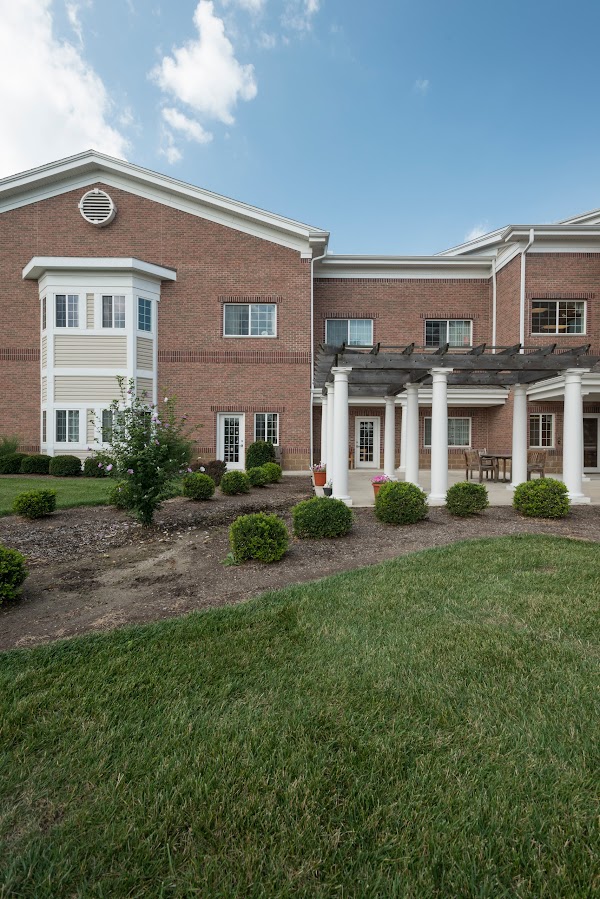
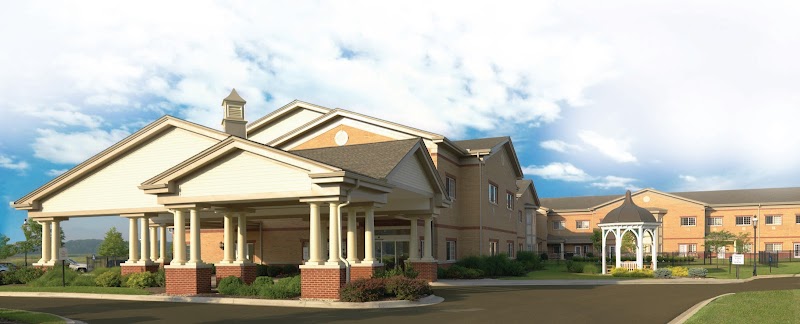
4000 SINGING HILLS BVLD, DAYTON, OH 45414 (937) 415-8000
For profit - Limited Liability company 144 Beds CARESPRING Data: November 2025
Trust Grade
85/100
#171 of 913 in OH
Last Inspection: April 2024

Within standard 12-15 month inspection cycle. Federal law requires annual inspections.

Overview

Stonespring of Vandalia has a Trust Grade of B+, indicating it is above average and recommended for families considering care options. It ranks #171 out of 913 facilities in Ohio, placing it in the top half, and #6 out of 40 in Montgomery County, meaning only five local options are better. However, the facility is experiencing a worsening trend, with reported issues increasing from 3 in 2023 to 6 in 2024. Staffing is rated average with a turnover rate of 49%, aligning with the state average, but it is concerning that there were specific incidents where medications were not consumed as prescribed, call lights were not accessible to some residents, and carpet cleanliness was not maintained, resulting in stains from falls. On the positive side, the facility has a strong overall star rating of 5/5 and has not accumulated any fines, suggesting it is generally well-managed despite the recent issues.

Trust Score
B+
85/100
In Ohio
#171/913
Top 18%
Safety Record
Low Risk
No red flags
Inspections
Getting Worse
3 → 6 violations
Staff Stability
⚠ Watch
49% turnover. Above average. Higher turnover means staff may not know residents' routines.
Penalties
✓ Good
No fines on record. Clean compliance history, better than most Ohio facilities.
Skilled Nurses
✓ Good
Each resident gets 49 minutes of Registered Nurse (RN) attention daily — more than average for Ohio. RNs are trained to catch health problems early.
Violations
⚠ Watch
14 deficiencies on record. Higher than average. Multiple issues found across inspections.
★★★★★
5.0
Overall Rating
★★★☆☆
3.0
Staff Levels
★★★★★
5.0
Care Quality
★★★★☆
4.0
Inspection Score
Stable
2023: 3 issues
2024: 6 issues

The Good

  • 5-Star Quality Measures · Strong clinical quality outcomes
  • Full Sprinkler Coverage · Fire safety systems throughout facility
  • No fines on record

Facility shows strength in quality measures, fire safety.

The Bad

Staff Turnover: 49%

Near Ohio avg (46%)

Higher turnover may affect care consistency

Chain: CARESPRING

Part of a multi-facility chain

Ask about local staffing decisions and management

The Ugly 14 deficiencies on record

Aug 2024 1 deficiency
CONCERN (D) 📢 Someone Reported This

A family member, employee, or ombudsman was alarmed enough to file a formal complaint

Potential for Harm - no one hurt, but risky conditions existed

Deficiency F0761 (Tag F0761)

Could have caused harm · This affected 1 resident

**NOTE- TERMS IN BRACKETS HAVE BEEN EDITED TO PROTECT CONFIDENTIALITY** Based on medical record review, observations, staff and resident interviews, and policy review, the facility failed to ensure me...

Read full inspector narrative →
**NOTE- TERMS IN BRACKETS HAVE BEEN EDITED TO PROTECT CONFIDENTIALITY** Based on medical record review, observations, staff and resident interviews, and policy review, the facility failed to ensure medications were consumed at the time of administration. This affected one (Resident #40) of the three residents reviewed for medication administration. The facility census was 130. Findings include: Review of the medical record for Resident #40 revealed an admission date of 07/09/24 with medical diagnoses of local infection of skin, diabetes mellitus, morbid obesity, Chronic Obstructive Pulmonary Disease (COPD), hypothyroidism, and hyperlipidemia. Review of the medical record for Resident #40 revealed an admission Minimum Data Set (MDS) assessment dated [DATE], which indicated Resident #40 was cognitively intact and was independent with eating and bed mobility, required partial/moderate staff assistance with toilet hygiene, and supervision with transfers. Review of the medical record for Resident #40 revealed physician orders dated 07/09/24 for apixaban 5 milligram (mg) one tablet by mouth two times per day and metformin 500 mg give 0.5 tablet by mouth two times per day, an order dated 07/16/24 for lactobacillus one tablet two times per day, an order dated 07/26/24 for metoprolol 25 mg one tablet by mouth two times per day, and an order dated 08/06/24 for Lasix 40 mg one tablet by mouth daily. Review of the medical record for Resident #40 revealed a Medication Administration Record (MAR) for August 2024 which revealed documentation to support Resident #40 had received the morning doses of apixaban, Lasix, lactobacillus, metformin and metoprolol on 08/09/24. Observation and interview on 08/09/24 at 9:56 A.M. of Resident #40 revealed Resident #40 sitting in a wheelchair with bedside table in front of his chair. The observation revealed a medication cup with five pills in the cup. Resident #40 stated the nurse had brought his morning medications in a while ago and he had not taken them yet. Interview on 08/09/24 at 10:10 A.M. with Registered Nurse (RN) #212 confirmed Resident #40 had a medication cup with medications in the cup sitting on his bedside table. RN #212 stated she had left Resident #40's morning medications sit at the bedside and had not watched Resident #40 consume the medications. Review of the facility policy titled, Administration Oral Medications, revised June 2015 stated the facility would ensure patients are given medication per the physician orders. The policy stated the nurse/medication aide administering the medication remains with the resident until the medicine is swallowed.
Apr 2024 5 deficiencies
CONCERN (D)

Potential for Harm - no one hurt, but risky conditions existed

Deficiency F0558 (Tag F0558)

Could have caused harm · This affected 1 resident

Based on medical record review, observation, staff interview, and review of the facility policy the facility failed to ensure call lights were accessible to two (Residents #428 and #439) of 28 sampled...

Read full inspector narrative →
Based on medical record review, observation, staff interview, and review of the facility policy the facility failed to ensure call lights were accessible to two (Residents #428 and #439) of 28 sampled residents. The facility census was 134. Findings include: 1. Review of medical record for Resident #428 revealed an admission date of 04/13/24 with diagnoses including chronic obstructive pulmonary disease (COPD), diabetes mellitus, dementia, and atrial fibrillation. Review of the Minimum Data Set (MDS) assessment for Resident #428 dated 08/19/23 revealed that the resident was cognitively impaired and was dependent on staff assistance for activities of daily living (ADLs.) Review of plan of care for Resident #428 dated 04/13/24 revealed the resident was at risk for an ADL self-care performance deficit related to atrial fibrillation, COPD, chronic kidney disease, glaucoma, and DM. Interventions included the following: assist with positioning to help maintain proper body alignment, encourage rest periods, keep call light within reach while in room. Observation on 04/17/24 at 7: 40 A.M. revealed Resident #428 was lying in bed and was awake. Resident #428's call light was on the right side of the bed on the floor, covered in the blanket and falling off the bed. Interview on 04/17/24 at 7:47 A.M. with Registered Nurse (RN)#154 confirmed Resident #428's call light was not in reach. RN #154 further confirmed Resident #428 was able to use her call light and the resident's call light should be kept within the resident's reach at all times. 2. Review of the medical record for Resident #429 revealed an admission date 04/12/24 with diagnoses including hemiplegia, hemiparesis, DM, cognitive deficit, and hypertension. Review of plan of care for Resident #429 revealed the resident was at risk for an ADL self-care performance deficit related to hemiplegia, left side weakness, gastric tube, pulmonary embolism, DM, dysphagia, and dysarthria. Interventions included the following: assist with ADLs, encourage rest periods, provide privacy, keep resident's call light within reach while in room. Observation on 04/17/24 at 8:14 A.M. of Resident #429 revealed the resident was up in her reclining geri chair in her room with the call light on the bed and out of the resident's reach. Interview on 04/17/24 at 8:14 A.M. with RN #154 confirmed Resident #429 was able to use the call light to summon assistance but the call light was out of reach. RN #154 confirmed Resident #429's call light should be accessible to the resident while in the room. Review of the facility policy titled Call Lights dated August 2016 revealed the facility maintained a functioning communication system that registered residents' calls from rooms, toilet, and bathing facilities. It was the responsibility of each nurse to ensure the residents' call lights were working and within reach.
CONCERN (D)

Potential for Harm - no one hurt, but risky conditions existed

Safe Environment (Tag F0584)

Could have caused harm · This affected 1 resident

Based on medical record review, observation, resident interview, staff interview, and review of the facility policy, the facility failed to ensure carpet in resident rooms was maintained in a clean an...

Read full inspector narrative →
Based on medical record review, observation, resident interview, staff interview, and review of the facility policy, the facility failed to ensure carpet in resident rooms was maintained in a clean and sanitary manner. This affected one (Resident #421) of 28 sampled residents. The facility census was 134. Findings include: Review of medical record for Resident #421 revealed an admission date of 03/26/24 with diagnoses including skin cancer, atrial fibrillation, and post-traumatic stress disorder (PTSD.) Review of the Minimum Data Set (MDS) assessment for Resident #421 dated 03/26/24 revealed the resident was cognitively intact and was dependent on staff for assistance with activities of daily living (ADLs.) Observation on 04/15/24 at 11:00 A.M. of Resident #421's room revealed there were six large dark red stains on the carpet next to television and dresser stand. Interview on 04/15/24 at 11:00 A.M. with Resident #421 confirmed the stains on the carpet were made when he had fallen, and his blood had dripped all over the floor. Interview on 04/15/24 at 2:30 P.M. with State Tested Nursing Assistant (STNA) #250 confirmed Resident #421's carpet had six large stains due to the resident had bled on the floor when he fell. Observation on 04/16/24 at 1:40 P.M. revealed the stains to Resident #421's carpet were present and unchanged from the observation on 04/15/24. Interview on 04/18/24 at 1:40 P.M. with the Administrator confirmed Resident #421 had bled from a skin tear on 03/30/24 which had resulted in the blood stains to the resident's carpet. The Administrator further confirmed the facility had not removed the blood stains from Resident #421's carpet. Review of the facility policy titled Residents Rights dated 1987 revealed that residents at a nursing home had the right to provide a safe, and clean-living environment.
CONCERN (D)

Potential for Harm - no one hurt, but risky conditions existed

Pressure Ulcer Prevention (Tag F0686)

Could have caused harm · This affected 1 resident

Based on medical record review, observation, staff interview, and review of the facility policy, the facility failed to ensure staff followed physician's orders for treatment of pressure ulcers. This ...

Read full inspector narrative →
Based on medical record review, observation, staff interview, and review of the facility policy, the facility failed to ensure staff followed physician's orders for treatment of pressure ulcers. This affected one (Resident #429) of 17 facility-identified residents with pressure ulcers. The facility census was 137. Findings include: Review of medical record for Resident #429 revealed an admission date 04/12/24 with diagnoses including hemiplegia, hemiparesis, type two diabetes, and hypertension. Review of physician's order for Resident #429 dated 04/12/24 revealed an order for State Tested Nursing Assistant (STNA) to apply Remedy barrier cream after each incontinent episode. Review of physician's orders for Resident #429 dated 04/17/24 revealed an order to cleanse the pressure ulcer to the resident's sacrum with normal saline, pat dry with sterile gauze, cover with collagen, cover with gauze or abdominal pad, then secure with tape every day and night shift. Observation on 04/17/24 at 11:10 A.M. revealed Unit Manager (UM) #240 removed an old dressing that was saturated with urine and blood from Resident #429's sacral pressure ulcer. UM #240 performed hand hygiene, then donned gloves and used a peri wipe to clean the peri wound area to sacral pressure ulcer. UM #240 did not clean the wound bed. UM #240 then performed hand hygiene, donned clean gloves and applied Remedy barrier cream to a border gauze dressing which she placed over the resident's sacral pressure ulcer. Interview on 04/17/24 at 11:12 A.M. with UM #240 confirmed Resident #429 had an order to cleanse the sacral pressure ulcer with normal saline, pat dry with sterile gauze, cover with collagen, cover with gauze or abdominal pad, then secure with tape every day and night shift. UM #429 confirmed she cleansed the peri wound to the resident's sacrum with a peri wipe and she applied Remedy barrier cream to the peri wound and covered the pressure ulcer with a gauze dressing. UM #240 confirmed she did not follow Resident #429's physician's orders for care of the resident's sacral pressure ulcer. Review of the facility policy titled Skin Integrity Team-Skin Monitoring Process dated January 2023 revealed the facility team would provide care and services to promote healing of pressure ulcers or other skin related issues in accordance with professional standards of care.
CONCERN (D)

Potential for Harm - no one hurt, but risky conditions existed

Accident Prevention (Tag F0689)

Could have caused harm · This affected 1 resident

Based on medical record review, observation, and staff interview, the facility failed to ensure non-edible products were secured and not accessible to residents with cognitive impairments. This affect...

Read full inspector narrative →
Based on medical record review, observation, and staff interview, the facility failed to ensure non-edible products were secured and not accessible to residents with cognitive impairments. This affected one (Resident #94) of two residents reviewed for accidents. The facility census was 134. Findings include: Review of the medical record for Resident #94 revealed an admission date of 10/06/22 with diagnoses including dementia without behavioral disturbance, psychotic disturbance, mood disturbance, chronic obstructive pulmonary disease (COPD), acute respiratory failure with hypoxia, and anxiety disorder. Review of the Minimum Data Set (MDS) assessment for Resident #94 dated 04/02/24 revealed the resident had severely impaired cognition and required supervision for eating, moderate assistance for oral hygiene, maximal assistance for personal hygiene, and was dependent on staff for toileting, bathing, dressing, bed mobility, and transfer. Review of the plan of care for Resident #94 dated 10/26/22 revealed the resident had impaired cognition and decision-making skills related to dementia. Interventions included the following: administering medications as ordered, ask yes/no questions to determine the resident's needs, cue, reorient, and supervise as needed. Review of the progress note for Resident #94 dated 03/24/24 revealed the nurse was alerted by the aide that Resident #94 had ingested about two fluid ounces of no-rinse foam cleanser for cleansing and conditioning hair and skin. The facility staff contacted Poison Control and were informed the cleanser was non-toxic, but could cause gastrointestinal issues. Observation on 04/15/24 at 11:39 A.M. of Resident #94 revealed the resident was lying in bed. There was a bedside table next to the bed, and on the top of the table were various personal care items, including clinical no-rinse foam cleanser. Interview on 04/15/24 at 11:39 A.M. with Licensed Practical Nurse (LPN) #169 confirmed clinical no-rinse foam cleanser was on the bedside table next to Resident #94.
CONCERN (D)

Potential for Harm - no one hurt, but risky conditions existed

Tube Feeding (Tag F0693)

Could have caused harm · This affected 1 resident

Based on medical record review, observation, staff interview, and review of the facility policy, the facility failed to ensure gastrostomy tube (g-tube) feedings were administered in a safe and proper...

Read full inspector narrative →
Based on medical record review, observation, staff interview, and review of the facility policy, the facility failed to ensure gastrostomy tube (g-tube) feedings were administered in a safe and proper manner. The affected one (Resident #86) of seven facility-identified residents with g-tubes. The facility census was 134. Findings include: Review of medical record for Resident #429 revealed an admission date of 04/12/24 with diagnoses including hemiplegia, hemiparesis, type two diabetes, cognitive deficit, and hypertension. Review of plan of care for Resident #429 dated 04/12/24 revealed the resident was at nutritional risk. Interventions included the following: administer tube feeding and flush per orders, maintain the head of the bed elevated 30 degrees during and thirty minutes after tube feeding, monitor and report signs and symptoms of aspiration. Review of plan of care for Resident #429 dated 04/12/24 revealed the resident required tube feeding related to dysphagia. Interventions included the following: administer tube feed and flush per orders, head of bed elevated 30 degrees during and thirty minutes after tube feed, verify tube placement, monitor for signs and symptoms of aspiration. Review of physician's orders for Resident #429 revealed an order dated 04/12/24 for the resident to have nothing by mouth. Review of physician's orders for Resident #429 revealed an order dated 04/17/24 for Glucerna 1.2 per g-tube via continuous pump at 60 milliliters (ml.) per hour. Observation on 04/17/24 revealed Resident #429 was lying flat in the bed and receiving care with the g-tube pump continuously running at 60 ml per hour. Interview on 04/17/24 at 11:20 A.M. with Unit Manager (UM) #240 confirmed Resident #429 was lying flat with the tube feeding running. UM #240 confirmed the tube feeding should have been placed on hold while the resident was receiving care which required the head of the bed to be lowered. Review of facility policy titled Gastric Tube dated March 2012 revealed that a resident who had a gastric tube should have the head of bed elevated at least 30 degrees while the tube feeding was infusing. Staff should turn the pump to the hold position while providing care that required the head of bed to be lowered.
Nov 2023 1 deficiency
CONCERN (D) 📢 Someone Reported This

A family member, employee, or ombudsman was alarmed enough to file a formal complaint

Potential for Harm - no one hurt, but risky conditions existed

Pharmacy Services (Tag F0755)

Could have caused harm · This affected 1 resident

Based on medical record review, staff and resident interviews, and policy review, the facility failed to ensure medications were administered as ordered. This affected one (#134) out of the three resi...

Read full inspector narrative →
Based on medical record review, staff and resident interviews, and policy review, the facility failed to ensure medications were administered as ordered. This affected one (#134) out of the three residents reviewed for medications. The facility census was 129. Findings included: Review of the medical record for Resident #134 revealed an admission date of 03/16/22 with medical diagnoses of hypothyroidism, end stage renal disease, dependence on dialysis, chronic obstructive pulmonary disease (COPD), and diabetes mellitus. Review of the medical record for Resident #134 revealed a quarterly Minimum Data Set (MDS) assessment, dated 08/17/23 which indicated Resident #134 was cognitively intact. The MDS indicated Resident #134 required limited staff assistance with bed mobility and extensive staff assistance with transfers, toileting, dressing, and bathing. Review of the medical record for Resident #134 revealed a physician order, dated 08/16/23, for ipratropium-albuterol inhalation aerosol 20-100 microgram (mcg) per actuation (act), one inhalation by mouth three times per day on Monday, Wednesday, and Fridays for COPD. Review of the medical record for Resident #134 revealed a Medication Administration Record (MAR) for October 2023 which did not contain documentation to support Resident #134 received ipratropium-albuterol inhalation aerosol as ordered on 10/02/23, 10/04/23, 10/09/23, 10/11/23, 10/13/23, 10/16/23, 10/18/23, 10/23/23, and 10/27/23. Review of the MAR for November 2023 revealed no documentation to support Resident #134 received ipratropium-albuterol inhalation aerosol as ordered on 11/03/23, 11/06/23, 11/08/23, 11/13/23, 11/15/23, 11/17/23, and 11/20/23. Interview on 11/20/23 at 11:05 A.M. with Resident #134 confirmed the nursing staff administer her medications and that she had not received her ipratropium-albuterol inhalation medication as ordered. Resident #134 stated she was told by the nursing staff that the medication had not been delivered by the pharmacy. Resident #134 denied any medical concerns related to not receiving the ipratropium-albuterol inhalation medication as ordered. Interview on 11/20/23 at 3:00 P.M. with Director of Nursing (DON) confirmed Resident #134 had the ipratropium-albuterol aerosols ordered Monday, Wednesday and Friday routinely and an as needed medication for use other days/times. The DON confirmed Resident #134 did not receive the ipratropium-albuterol aerosol as ordered on 11/03/23, 11/06/23, 11/08/23, 11/13/23, 11/15/23, 11/17/23, and 11/20/23. DON stated the pharmacy changed the medication from an inhaler administration to nebulizer administration and some of the nursing staff were not aware of the change. DON confirmed nursing staff documented the ipratropium-albuterol aerosol as not available from pharmacy as the reason the medication was not given. DON was not able to determine the date in which the pharmacy changed to administration of the medication from an inhaler to via nebulizer. Interview on 11/21/23 at 1:04 P.M. with DON confirmed Resident #134 did not receive the ipratropium-albuterol aerosol as ordered on 10/02/23, 10/04/23, 10/09/23, 10/11/23, 10/13/23, 10/16/23, 10/18/23, 10/23/23, and 10/24/23. Review of the policy titled, Administration Oral Medications, revised June 2015, stated the facility wound ensure patients are given medication per the physician orders. This deficiency represents non-compliance investigated under Complaint Number OH00147589.
Oct 2023 1 deficiency
CONCERN (D) 📢 Someone Reported This

A family member, employee, or ombudsman was alarmed enough to file a formal complaint

Potential for Harm - no one hurt, but risky conditions existed

Deficiency F0761 (Tag F0761)

Could have caused harm · This affected 1 resident

**NOTE- TERMS IN BRACKETS HAVE BEEN EDITED TO PROTECT CONFIDENTIALITY** Based on observation, medical record review, resident and staff interview, and review of a policy, the facility failed to ensure...

Read full inspector narrative →
**NOTE- TERMS IN BRACKETS HAVE BEEN EDITED TO PROTECT CONFIDENTIALITY** Based on observation, medical record review, resident and staff interview, and review of a policy, the facility failed to ensure medications were stored in a safe and secure manner. This affected one (#10) of one residents observed for medications. The census was 130. Findings include: Review of the medical record of Resident #10 revealed an admission date of 07/27/23. Diagnoses include hemiplegia and hemiparesis following cerebral infarction affecting the left non-dominate side, anxiety, and depressive disorder. Review of the Minimum Data Set assessment dated [DATE] revealed Resident #10 was assessed with severely impaired cognition. Review of the October 2023 medication administration record (MAR) revealed Resident #10 was ordered the pain medication aspirin 81 milligrams (mg) one tablet, the supplement levothyroxine 137 micrograms (mcg) one tablet, the supplement selenium 200 mcg one tablet, the supplement vitamin D3 125 mcg one tablet, the antianxiety medication alprazolam 0.25 mg one tablet, the supplement magnesium 500 mg two tablets, the blood pressure medication metoprolol succinate 50 mg one capsule, the supplement sodium chloride one (1) gram one tablet, and the antidepressant venlafaxine 25 mg one tablet. Observation on 10/18/23 at 9:15 A.M. revealed a small plastic medication cup with 10 unidentified tablets and capsules sitting on Resident #10's breakfast tray. Further observation revealed Resident #10 was eating in her room. Interview on 10/18/23 at 9:15 A.M. with Resident #10 revealed the resident could not identify any of the medications in the medication cup on her breakfast tray, but stated she thought she was supposed to take them. Observation and interview on 10/18/23 at approximately 9:30 A.M. with Registered Nurse (RN) #200 verify the medications that were left at Resident #10's bedside. Review of the facility policy titled, Administration Oral Medications, dated December 2021, revealed the nurse administering the medication must remain with the resident until the medicine was swallowed. This deficiency represents non-compliance investigated under Master Complaint Number OH00147406.
Aug 2023 1 deficiency
CONCERN (D) 📢 Someone Reported This

A family member, employee, or ombudsman was alarmed enough to file a formal complaint

Potential for Harm - no one hurt, but risky conditions existed

Deficiency F0578 (Tag F0578)

Could have caused harm · This affected 1 resident

**NOTE- TERMS IN BRACKETS HAVE BEEN EDITED TO PROTECT CONFIDENTIALITY** Based on record review and interview, the facility failed to ensure a resident had the right to refuse treatment and failed to e...

Read full inspector narrative →
**NOTE- TERMS IN BRACKETS HAVE BEEN EDITED TO PROTECT CONFIDENTIALITY** Based on record review and interview, the facility failed to ensure a resident had the right to refuse treatment and failed to ensure the resident understood the intent of an advanced directive. This affected one (Resident #200) of three residents reviewed for advanced directives. The census was 128. Findings Include: Resident #200 was admitted to the facility on [DATE]. Diagnoses included chronic respiratory failure with hypoxia and chronic obstructive pulmonary disease. Review of her Minimum Data Set (MDS) assessment, dated 08/01/23, revealed she was cognitively intact. Review of Resident #200 physician orders revealed she had an advanced directive of full code status from admission until 08/01/23. On 08/01/23, it was changed to Do Not Resuscitate Comfort Care (DNRCC) status. Review of Resident #200 progress notes, dated 08/01/23, revealed a note written by Nurse Practitioner #300 that stated, She is satting [oxygen saturation dropping] in the 50's. Put her on Cpap and told her that she needed to keep that on to hopefully bring oxygen level up. Spoke about being sent to the hospital for evaluation and treatment. She refused. Explained that with her being a full code that we would need to send her. She is alert and oriented. Discussed code status with the resident. Explained that a DNRCC would allow her to stay here and would keep her comfortable. Nurse Practitioner #300 also wrote in the same note, The unit manager and nurse was at the bedside also through the conversation. DNRCC paperwork completed, and the resident signed without difficulty. During interview on 08/25/23 at 11:05 AM, Nurse Practitioner #300 stated she told Resident #200 that the facility would need to send her to the hospital if she remained a full code status. She also confirmed they spoke to Resident #200 about the DNRCC status, and they would not need to send her to the hospital if she changed her code status to a DNR. During interview on 08/25/23 at 2:10 PM, Registered Nurse (RN) #301 stated she was in the room when Nurse Practitioner #300 talked to Resident #200 about her current code status. She confirmed that it was relayed to Resident #200 that they would have to send her out to the hospital if she had respiratory distress, and if she remained a full code status. This deficiency represents non-compliance investigated under Complaint Number OH00145348.
Mar 2020 3 deficiencies
CONCERN (D)

Potential for Harm - no one hurt, but risky conditions existed

Safe Environment (Tag F0584)

Could have caused harm · This affected 1 resident

**NOTE- TERMS IN BRACKETS HAVE BEEN EDITED TO PROTECT CONFIDENTIALITY** Based on medical record review, observation, family, resident and staff interviews, review of night shift form and review of fac...

Read full inspector narrative →
**NOTE- TERMS IN BRACKETS HAVE BEEN EDITED TO PROTECT CONFIDENTIALITY** Based on medical record review, observation, family, resident and staff interviews, review of night shift form and review of facility policy, the facility failed to ensure resident care equipment was maintained in a clean and sanitary manner. This affected two Resident's (#8, and #72) of two reviewed for environment. The census was 137. Findings include: 1. Review of the medical record for Resident #8 revealed an admission date of 10/19/15. Diagnoses included heart failure, vascular dementia and hypertension chronic kidney disease. Review of the Minimum Data Set (MDS) dated [DATE] revealed the resident was assessed as being cognitively intact with the need for extensive assistance of one person assist with activity of daily living (ADLs). Interview with Resident #8 on 03/10/20 at 10:03 A.M. revealed she felt staff did not clean her wheelchair very often and she was unable to do it herself. Observations of Resident #8 in her wheelchair on (03/10/20, 03/11/20, 03/12/20) at various times revealed her wheelchair cushion had food noted on it and the rest of the wheelchair was dirty. Interview with Registered Nurse (RN) #777 on 03/12/20 at 12:50 P.M. verified all wheel chairs were cleaned per a schedule on night shift. Review of a night shift form revealed Resident #8's room was supposed to be be cleaned on Tuesday on night shift. This form was verified by RN #777 which revealed Resident #8's wheelchair, along with her room, should have been cleaned on Tuesday night's. The facility refused to give the surveyor a copy of the form. Interview on Thursday, 03/12/20 at 1:00 P.M. with RN #777 verified Resident #8's wheelchair and wheelchair cushion were dirty with food particles noted on the cushion. RN #777 said the wheelchair should have been cleaned Tuesday night. Review of the Wheelchair Policy dated 12/2012 revealed in the area of cleaning; the wheelchairs were cleaned weekly and as needed. 2. Review of the medical record for Resident #72 revealed an admission date of 03/10/20. Diagnoses included sequelae of unspecified cerebrovascular disease, dysphagia following cerebral infarction, hemiplegia and hemiparesis affecting right dominate side and dementia with Lewy bodies. Review of the MDS dated [DATE] revealed the resident was unable to be assessed for cognitive status. She was assessed as needing total assistance of two plus persons for ADLs. She had a mechanically altered therapeutic diet and had an abdominal feeding tube with 51% or more intake by tube feed. Review of physician's orders dated 01/15/20 revealed an order to administer Glucerna 1.2 at 65 milliliters (ml) per hour for 24 hours via pump per percutaneuos endoscopic gastrostomy (PEG) tube. Observations on 03/09/20 and 03/10/20 at various times of Resident #72's room revealed the Intravenous (IV) pole and the floor had a large amount of dried tube feed. Interview with a family member of Resident #72 on 03/09/20 at 3:15 P.M. revealed she was upset because the bed side table and the IV pole which had her tube feed on it was dirty with dried tube feed on them. She did not think the resident should have anything dirty around here because she was not able to move. Interview on 03/10/20 at 8:45 A.M. with RN #720 verified the tube feed pole and bedside table had dried tube feed on it. RN #720 also verified a large amount of tube feed on the floor around the IV pole and RN #720 did not know when this occurred. Observation on 03/10/20 at 9:05 A.M. of RN #785 revealed he was taking a new IV pole into the residents room and taking out the other IV pole. RN #785 verified he had to replace the residents IV pole due to dried tube feed on it. Interview with Housekeeper #600 on 03/11/20 at 2:00 P.M. revealed she worked 8:00 A.M. to 4:00 P.M. She revealed all rooms were cleaned daily. She verified there was tube feed on the floor of Resident #72's room. She stated she was not able to mop around it because the nurse was in the room. She stated she had not been previously informed of the tube feed on the floor. She stated she had to get down on the floor and scrap it off because it was so hard. She stated if she had been told prior it would not have been as hard to get it off the floor. Review of facility policy entitled Disinfection of IV Poles dated 03/12/20 revealed the cleaning of IV poles on a routine (weekly basis) was needed and or between resident rental.
CONCERN (D)

Potential for Harm - no one hurt, but risky conditions existed

Deficiency F0624 (Tag F0624)

Could have caused harm · This affected 1 resident

**NOTE- TERMS IN BRACKETS HAVE BEEN EDITED TO PROTECT CONFIDENTIALITY** Based on closed medical record review, staff interview and review of facility policy, the facility failed to ensure a safe disch...

Read full inspector narrative →
**NOTE- TERMS IN BRACKETS HAVE BEEN EDITED TO PROTECT CONFIDENTIALITY** Based on closed medical record review, staff interview and review of facility policy, the facility failed to ensure a safe discharge for residents when staff sent home medications not prescribed to the discharging resident. This affected one (Resident #15) out of five residents reviewed for a safe discharge. The current census was 134. Findings include: Review of Resident #15's closed medical record revealed the resident was admitted to the facility on [DATE] and discharged home on [DATE]. Diagnoses included fracture of the femur, dysphagia, hypertension, heart disease, and history of falls. Review the comprehensive admission Minimum Data Set (MDS) dated [DATE] revealed the resident had intact cognition and was a one person assist with bathing and hygiene. Review of the discharge instructions dated 02/29/20 revealed the nurse discussed the list of prescribed medications with the resident and supplied a two-day supply of medications for the resident along with prescriptions from the physicians. Review of progress notes dated 02/28/20 revealed no documentation was added to the resident's record regarding the wrong medication being sent home with the resident. Interview on 03/11/20 at 11:30 A.M. with Licensed Practical Nurse, (LPN) #710 revealed the nurse discharged Resident #15 to home with her family member. LPN #710 stated she reviewed all the medications with the resident and stated per policy she placed a two-day supply of medications in an envelope and sent it home with Resident #15. LPN #710 stated after the resident arrived home, she called the facility and notified the nurse she had received another resident's medications in the envelope. LPN #710 verified the nurse had accidentally sent home Resident #96's medications with Resident #15. Per LPN #710 the resident did not report if she had taken any of the other resident's medications. Review of Resident #96's medical record revealed the resident was admitted to the facility on [DATE]. Diagnoses included hypertension, benign prostatic hyperplasia (BPH) with urinary tract symptoms, osteoarthritis, embolism and thrombosis, chronic obstructive pulmonary disease (COPD), heart failure and altered mental status. Review of the comprehensive MDS assessment dated [DATE] revealed Resident #96 had intact cognition. Review of the medications for Resident #96 dated 02/2020 revealed the resident was to receive Finasteride (for BPH) 5 milligrams, (mg), Furosemide (diuretic) 40 mg, hydroxyzine (an antihistamine) 25 mg, Loratadine (an antihistamine)10 mg, Norco (pain reliever) 5/325 mg, Omeprazole (for reflux) 20 mg, Rivaroxaban (blood thinner) 20 mg, Palmetto (a supplement) tablet, Torsemide (diuretic) 20 mg, Fluticasone (used for COPD) aerosol 250-50 micrograms per dose, Ipratropium-Albuterol (used for COPD) solution 0.5 mg per 3 milliliters, (ml), and Potassium (supplement) 20 milliequivalent, (meq). Review of Resident #96's progress notes dated 02/2020 revealed no documentation of the resident's medications being sent home with another resident. Interview on 03/11/20 at 11:45 A.M. with Resident #96 revealed the resident was not informed his medications were sent home with another resident. Resident #96 denied any knowledge of missed medications. Resident #96 state he did not recall if he missed any medications in February. Review of the facility policy titled, Discharge Planning dated 11/2016 revealed the resident will be sent home with a 7-14-day supply of their prescribed medications. This deficiency substantiated Complaint OH00110673.
CONCERN (D)

Potential for Harm - no one hurt, but risky conditions existed

ADL Care (Tag F0677)

Could have caused harm · This affected 1 resident

**NOTE- TERMS IN BRACKETS HAVE BEEN EDITED TO PROTECT CONFIDENTIALITY** Based on medical record review, shower schedule review, task worksheet review, observation, interviews, and review of facility p...

Read full inspector narrative →
**NOTE- TERMS IN BRACKETS HAVE BEEN EDITED TO PROTECT CONFIDENTIALITY** Based on medical record review, shower schedule review, task worksheet review, observation, interviews, and review of facility policy, the facility failed to provide care to dependent residents to maintain personal hygiene. This affected two Residents (#85 and #102) out of three reviewed for personal hygiene. The current census was 134. Findings include: 1. Review of Resident #102's medical record revealed the resident was admitted to the facility on [DATE]. Diagnoses included chronic obstructive pulmonary disease, dysphagia, obesity, anxiety, muscle weakness, depression and obsessive-compulsive disorder. Review of the annual Minimum Data Set, (MDS) dated [DATE] revealed the resident had impaired cognition, and required one person assist with personal hygiene and a two person assist with bathing. Review of Resident #102's care plans dated 06/20/18 revealed a focus for self-care deficit related to impaired mobility, activity intolerance, Parkinson's and muscle weakness. Interventions included extensive assist with dressing, bathing, toilet use, transfers, and personal care. Review of Resident #102's shower schedule revealed the resident was scheduled to receive showers on Mondays and Thursday evenings. Review of Resident #102's task worksheet dated 02/2020 revealed the resident was documented as refusing baths on 02/03/20, 02/17/20, 02/20/20, and Not Applicable on 02/10/20, no documentation of missed baths was noted on 02/13/20 or 02/27/20. Review of progress notes dated 02/03/20 to 02/27/20 revealed no documentation of the resident being offered another shower after refusals or any documentation regarding the missing showers. Review or Resident #102's task worksheet dated 03/2020 revealed the resident was documented as refusing a bath on 03/06/20. No other personal hygiene tasks were listed on the worksheet. Review of progress notes dated 03/06/20 revealed the resident refused shower, no notation of the resident being offered another shower was documented. Observation on 03/09/20 at 9:45 A.M. of Resident #102's room revealed the resident's bed was bare of linens, sheets, pillows and blankets. Resident #102's husband/roommate, Resident #85, was in the room being assisted by two staff. A strong odor of urine was noted in the residents' room. Observation on 03/09/20 at 11:40 A.M. of Resident #102 revealed the resident was being wheeled by a staff member into the resident's room. A strong odor of urine was noted. Interview on 03/09/20 at 2:15 P.M. with Resident #102 and Resident #85, the resident's husband, revealed Resident #102 stated she preferred to be bathed in the whirlpool tub. Resident #102 stated she had not received a shower in a few days and stated even when staff do bathe her, she was not washed properly, and she felt she still had an odor afterwards. Resident #102 stated she was upset due to her personal hygiene needs not being met at the facility. Resident #85 stated he was blind but could still smell the odor from Resident #102 when she was not bathed properly. Observation and interview on 03/10/20 at 10:30 A.M. revealed Resident #102 lying in bed, a strong odor of urine was noted in and around the resident. Resident #85 stated the resident requested to be showered but did not receive a shower. Resident #102 stated she wanted to be washed properly. Interview on 03/10/20 at 10:55 A.M. with Registered Nurse, (RN) #720 revealed Resident #102 was scheduled to have a shower on Monday nights per the shower schedule. RN #720 verified the strong smell of odor on Resident #102. RN #720 stated the resident has refused showers and bed baths in the past because the resident had issues with breathing while lying flat. RN #720 stated the resident was on continuous oxygen and was unable to be washed fully in a bed bath because she could not lie flat. RN #720 stated the resident preferred to use the whirlpool, but it was difficult to give the resident a whirlpool bath, so it was often not offered. RN #720 stated the policy was to offer another bath on another shift if a shower was missed. Interview on 03/10/20 at 4:30 P.M. with RN #777 revealed Resident #102 had refused showers and baths in the past. RN #777 stated the resident had incontinence issues so she would often have an odor. RN #777 stated the resident's care plan was updated on 03/10/20, during the survey, to include the refusals of showers and baths. RN #777 verified when a resident refused a shower they were to be offered another shower or bath and it was to be documented in the record. Interview on 03/12/20 at 11:15 A.M. with family friend #1 revealed she visited the residents in the facility frequently and each time had noted the strong pervasive odor of urine in both Resident #102's room and on the resident's person. She stated the staff were notified of the smell but they had not taken actions to clean the resident properly or per the resident's choice. 2. Review of Resident #85's medical record revealed the resident was admitted to the facility on [DATE]. Diagnoses included blindness, dementia, anxiety, Alzheimer's disease, depression, hypertension, and muscle weakness. Review of the comprehensive MDS assessment dated [DATE] revealed the resident had impaired cognition and was a one person assist with bathing and hygiene. Review of Resident #85's task worksheets dated 02/2020 revealed the resident refused showers on 02/04/20, 02/11/20, 02/18/20, and 02/25/20. No documentation of personal hygiene was noted on the worksheet. Interview on 03/10/20 at 2:10 P.M. with Resident #85 revealed the resident stated he could not remember the last time he was given a shower. Per Resident #85 he had never refused a shower or bath when they were offered. Resident #85 stated he preferred his face to be shaved daily but understood if it could only be done a couple of times a week. Resident #85 stated he had not been shaved in over a week. Observation at the time of the interview revealed Resident #85 had noticeable facial hair. Interview on 03/11/20 at 8:50 A.M. with RN #777 revealed Resident #85 did refuse showers at times. Per RN #777 the resident had received showers on the scheduled days without the documentation. Per RN #777 the procedure for when a resident missed a shower due to refusal was to chart the refusal and offer the resident another shower on the next shift. Review of the facility policy titled, Bathing and General Hygiene' dated 05/2015 revealed all residents were to receive showers or bath per their choice. Men were to be shaved daily or as needed. This deficiency substantiated Complaint Numbers OH00110635, OH00110673 and OH0010681.
Jan 2019 2 deficiencies
CONCERN (D)

Potential for Harm - no one hurt, but risky conditions existed

Assessment Accuracy (Tag F0641)

Could have caused harm · This affected 1 resident

**NOTE- TERMS IN BRACKETS HAVE BEEN EDITED TO PROTECT CONFIDENTIALITY** Based on record review and staff interview, the facility failed to accurately code the Minimum Data Set (MDS) assessment for two...

Read full inspector narrative →
**NOTE- TERMS IN BRACKETS HAVE BEEN EDITED TO PROTECT CONFIDENTIALITY** Based on record review and staff interview, the facility failed to accurately code the Minimum Data Set (MDS) assessment for two (# 93 and # 43) of 44 residents reviewed during the annual survey. The total facility census was 139. Findings include: 1. Review of Resident #93's medical record revealed the resident was admitted to the facility on [DATE]. Diagnoses included atrial fibrillation, encephalopaty, altered mental status, pain, chronic kidney disease, gout, and partial traumatic transphalangeal amputation of left middle finger. Review of the admission assessment, dated 12/28/18, revealed the resident had left middle finger amputation, left index finger dark area tip of finger and right index finger red and non blanchable. Review of hospital transfer orders, dated 12/28/18, revealed Resident #93 had no pressure ulcers and the resident had wounds to the finger tips. Review of the plastic surgeon note dated 12/28/18, revealed the resident had a an amputation of the distal phalanx of his left, long finger after thromboembolic ischemia to the tip of the finger on 11/19/18. The area had delayed healing and the site currently was covered in eschar. The resident also has wounds to left ring finger tip consistent with previous thromboembolic ischemia. Review of admission MDS assessment, dated 01/04/19, revealed the resident was coded as having cognitive impairment. The resident was coded as having two deep tissue pressure ulcers that were present on admission. The resident had a pressure reducing device to the bed and chair and pressure injury care with application of non-surgical dressings with or without topical medications other than to the feet coded. Additionally application of ointment other than to the feet coded as well. Review of the five day MDS assessment dated [DATE] and the 14 day MDS assessment, dated 01/22/19, revealed the resident the resident was coded as having pressure ulcers that were two unstageable deep tissue pressure injuries that were present on admission. Review of plastic surgery note from 01/15/19 revealed the resident has small scattered finger tip eschars, other fingers markedly improved. The resident left long finger post amputation with overlying dark eschar. On 01/14/19 dehiscence of incision but no obvious exposed bone, fingertip still tender. The note documented the resident was two months post-op for left, long finger tip amputation for embolic disease with dry gangrene. Wound dehisced, finger remains ischemic. Interview on 01/30/19 at 3:10 P.M., Registered Nurse (RN) #300 revealed the resident wounds on the left middle finger were due to thrombosis and the resident had an amputation. Interview on 01/30/19 at 4:00 P.M., the Director of Nursing (DON), the Administrator, and RN #179 confirmed the facility was classifying Resident # 93's finger wounds as pressure wounds which were deep tissue areas. RN #179 stated the resident had eschar on his fingers and the facility did not have vascular studies to support the wounds as being vascular wounds. Interview on 01/30/19 at 4:20 P.M., Certified Nurse Practitioner #250 revealed Resident #93's finger wounds were from a thrombosis and are not pressure ulcers. 2. Review of medical record for Resident # 43 revealed an admission date of 06/05/18. Diagnosis included hemiplegia and hemiparesis following cerebral infarction affecting right dominant side, dementia with behavioral disturbance, hallucinations, major depressive disorder, and anxiety disorder. Review of psychiatrist progress note dated 10/02/18 documented Resident #43 has having a diagnosis of Alzheimer's disease. Review of quarterly MDS assessment, dated 12/15/18, did not indicate a diagnosis of Alzheimer's disease. Interview on 01/31/19 at 11:15 A.M., the DON verified Resident #43's diagnosis of Alzheimer's disease was not coded accurately on the MDS assessment dated [DATE].
CONCERN (D)

Potential for Harm - no one hurt, but risky conditions existed

ADL Care (Tag F0677)

Could have caused harm · This affected 1 resident

Based on observations, record review, resident interview, and staff interview, the facility failed to ensure residents were provided appropriate grooming assistance for one one (#109) of seven residen...

Read full inspector narrative →
Based on observations, record review, resident interview, and staff interview, the facility failed to ensure residents were provided appropriate grooming assistance for one one (#109) of seven residents observed during phase two of the survey. The facility census was 139. Findings include: Review of Resident #109's medical records revealed an admission date of 11/06/10. Diagnoses included hypertension, hyperlipidemia, chronic obstructive pulmonary disease, idiopathic peripheral autonomic neuropathy, muscle weakness, osteoarthritis, type two diabetes mellitus, bipolar disorder, and hypothyroidism. Review of the quarterly Minimum Data Set (MDS) assessment, dated 01/10/19, revealed Resident #109 was cognitively intact, required extensive assistance with activities of daily living (ADL), and was occasionally incontinent of bladder and frequently incontinent of bowels. Observation of Resident #109 on 01/28/19 at 10:09 A.M., on 01/29/19 at 9:23 A.M., and 01/29/19 at 2:43 P.M., revealed Resident #109 had one and a half inch growth of hair underneath her chin. Resident's #109 hands were shaking uncontrollably. Interview on 01/29/19 at 3:37 P.M., State Tested Nursing (STNA) #149 verified one and half inch-long strands of hair hanging from the chin of Resident #109. Interview on 01/30/19 at 11:14 A.M., Resident #109 stated she normally does everything for herself but she was unable to due to the pain in her left arm. Resident #109 reported she kept forgetting to remind the STNA to shave her during her shower days. Interview on 01/30/19 at 11:45 A.M., the Directed of Nursing (DON) reported the STNAs should ask residents if they would like their hair to be removed from the chin during shower days.
Understanding Severity Codes (click to expand)
Life-Threatening (Immediate Jeopardy)
J - Isolated K - Pattern L - Widespread
Actual Harm
G - Isolated H - Pattern I - Widespread
Potential for Harm
D - Isolated E - Pattern F - Widespread
No Harm (Minor)
A - Isolated B - Pattern C - Widespread

Questions to Ask on Your Visit

  • "Can I speak with families of current residents?"
  • "What's your RN coverage like on weekends and overnight?"

Our Honest Assessment

Strengths
  • • Grade B+ (85/100). Above average facility, better than most options in Ohio.
  • • No major safety red flags. No abuse findings, life-threatening violations, or SFF status.
  • • No fines on record. Clean compliance history, better than most Ohio facilities.
Concerns
  • • 14 deficiencies on record. Higher than average. Multiple issues found across inspections.
Bottom line: Generally positive indicators. Standard due diligence and a personal visit recommended.

About This Facility

What is Stonespring Of Vandalia's CMS Rating?

CMS assigns STONESPRING OF VANDALIA an overall rating of 5 out of 5 stars, which is considered much above average nationally. Within Ohio, this rating places the facility higher than 99% of the state's 100 nursing homes. This rating reflects solid performance across the metrics CMS uses to evaluate nursing home quality.
How is Stonespring Of Vandalia Staffed?

CMS rates STONESPRING OF VANDALIA's staffing level at 3 out of 5 stars, which is average compared to other nursing homes. Staff turnover is 49%, compared to the Ohio average of 46%.

What Have Inspectors Found at Stonespring Of Vandalia?

State health inspectors documented 14 deficiencies at STONESPRING OF VANDALIA during 2019 to 2024. These included: 14 with potential for harm.
Who Owns and Operates Stonespring Of Vandalia?

STONESPRING OF VANDALIA is owned by a for-profit company. For-profit facilities operate as businesses with obligations to shareholders or private owners. The facility is operated by CARESPRING, a chain that manages multiple nursing homes. With 144 certified beds and approximately 121 residents (about 84% occupancy), it is a mid-sized facility located in DAYTON, Ohio.
How Does Stonespring Of Vandalia Compare to Other Ohio Nursing Homes?

Compared to the 100 nursing homes in Ohio, STONESPRING OF VANDALIA's overall rating (5 stars) is above the state average of 3.2, staff turnover (49%) is near the state average of 46%, and health inspection rating (4 stars) is above the national benchmark.

What Should Families Ask When Visiting Stonespring Of Vandalia?

Based on this facility's data, families visiting should ask: "Can I visit during a mealtime to observe dining assistance and food quality?" "How do you handle medical emergencies, and what is your hospital transfer rate?" "Can I speak with family members of current residents about their experience?"

Is Stonespring Of Vandalia Safe?

Based on CMS inspection data, STONESPRING OF VANDALIA has a clean safety record: no substantiated abuse findings (meaning no confirmed cases of resident harm), no Immediate Jeopardy citations (the most serious violation level indicating risk of serious injury or death), and is not on the Special Focus Facility watch list (a federal program monitoring the lowest-performing 1% of nursing homes). The facility has a 5-star overall rating and ranks #1 of 100 nursing homes in Ohio. While no facility is perfect, families should still ask about staff-to-resident ratios and recent inspection results during their visit.

Do Nurses at Stonespring Of Vandalia Stick Around?

STONESPRING OF VANDALIA has a staff turnover rate of 49%, which is about average for Ohio nursing homes (state average: 46%). Moderate turnover is common in nursing homes, but families should still ask about staff tenure and how the facility maintains care continuity when employees leave.

Was Stonespring Of Vandalia Ever Fined?

STONESPRING OF VANDALIA has no federal fines on record. CMS issues fines when nursing homes fail to meet care standards or don't correct problems found during inspections. The absence of fines suggests the facility has either maintained compliance or corrected any issues before penalties were assessed. This is a positive indicator, though families should still review recent inspection reports for the full picture.

Is Stonespring Of Vandalia on Any Federal Watch List?

STONESPRING OF VANDALIA is not on any federal watch list. The most significant is the Special Focus Facility (SFF) program, which identifies the bottom 1% of nursing homes nationally based on persistent, serious quality problems. Not being on this list means the facility has avoided the pattern of deficiencies that triggers enhanced federal oversight. This is a positive indicator, though families should still review the facility's inspection history directly.