VILLAGE AT THE GREENE
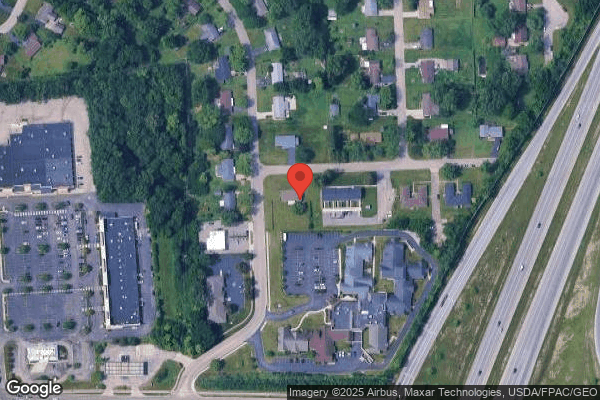
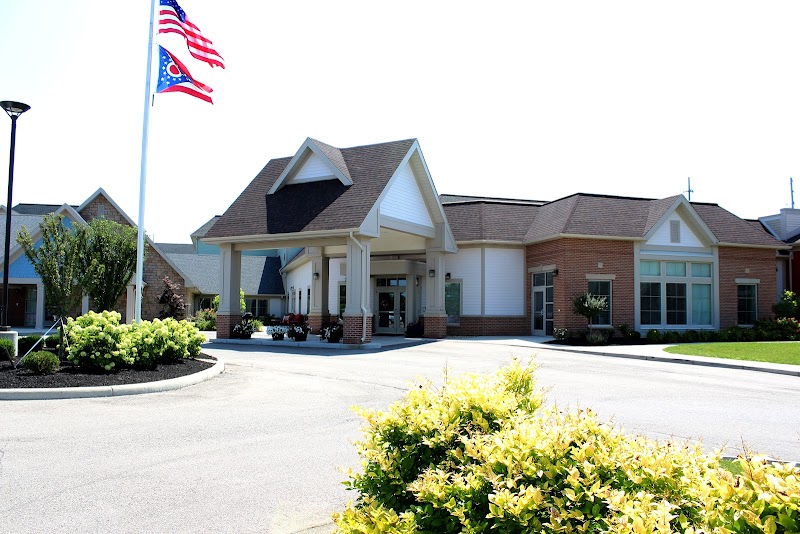
4381 TONAWANDA TRAIL, DAYTON, OH 45430 (937) 426-5033
For profit - Corporation 99 Beds HCF MANAGEMENT Data: November 2025 3 Immediate Jeopardy citations
Trust Grade
0/100
#808 of 913 in OH
Last Inspection: February 2025

Within standard 12-15 month inspection cycle. Federal law requires annual inspections.

Overview

The Village at the Greene has received a Trust Grade of F, indicating poor performance with significant concerns. They rank #808 out of 913 nursing homes in Ohio, placing them in the bottom half, and #8 out of 10 in Greene County, meaning there are only two local facilities ranked lower. The trend is worsening, with reported issues increasing from 5 in 2024 to 17 in 2025. Staffing is average with a 2/5 star rating and a turnover rate of 53%, which is around the state average, suggesting some staff stability but also room for improvement. The facility has incurred $32,096 in fines, which is concerning and higher than 79% of Ohio facilities, indicating ongoing compliance issues. Specific incidents noted in the inspections include a failure to properly assess and treat pressure ulcers, leading to severe complications for one resident, and a delay in sending another resident to the hospital despite clear signs of sepsis. Additionally, there were critical safety concerns in the kitchen areas, where hot food was left unattended and accessible to residents without proper barriers. While the quality measures rating is excellent at 5/5, the overall health inspection score is only 1/5, highlighting significant weaknesses in care and safety practices.

Trust Score
F
0/100
In Ohio
#808/913
Bottom 12%
Safety Record
High Risk
Review needed
Inspections
Getting Worse
5 → 17 violations
Staff Stability
⚠ Watch
53% turnover. Above average. Higher turnover means staff may not know residents' routines.
Penalties
✓ Good
$32,096 in fines. Lower than most Ohio facilities. Relatively clean record.
Skilled Nurses
○ Average
Each resident gets 34 minutes of Registered Nurse (RN) attention daily — about average for Ohio. RNs are the most trained staff who monitor for health changes.
Violations
⚠ Watch
56 deficiencies on record. Higher than average. Multiple issues found across inspections.
★★☆☆☆
2.0
Overall Rating
★★☆☆☆
2.0
Staff Levels
★★★★★
5.0
Care Quality
★☆☆☆☆
1.0
Inspection Score
Stable
2024: 5 issues
2025: 17 issues

The Good

  • 5-Star Quality Measures · Strong clinical quality outcomes
  • Full Sprinkler Coverage · Fire safety systems throughout facility
  • No fines on record

Facility shows strength in quality measures, fire safety.

The Bad

2-Star Overall Rating

Below Ohio average (3.2)

Below average - review inspection findings carefully

Staff Turnover: 53%

Near Ohio avg (46%)

Higher turnover may affect care consistency

Federal Fines: $32,096

Below median ($33,413)

Moderate penalties - review what triggered them

Chain: HCF MANAGEMENT

Part of a multi-facility chain

Ask about local staffing decisions and management

The Ugly 56 deficiencies on record

3 life-threatening 2 actual harm
Feb 2025 12 deficiencies
CONCERN (D)

Potential for Harm - no one hurt, but risky conditions existed

Deficiency F0637 (Tag F0637)

Could have caused harm · This affected 1 resident

**NOTE- TERMS IN BRACKETS HAVE BEEN EDITED TO PROTECT CONFIDENTIALITY** Based on medical record review, staff interview, and policy review, the facility failed to ensure significant change assessments...

Read full inspector narrative →
**NOTE- TERMS IN BRACKETS HAVE BEEN EDITED TO PROTECT CONFIDENTIALITY** Based on medical record review, staff interview, and policy review, the facility failed to ensure significant change assessments were completed in a timely manner. This affected three (#43, #45, and #51) of three residents reviewed for hospice services. The facility census was 76. Findings include: 1. Review of the medical record of Resident #43 revealed an admission date of 12/26/23. Diagnoses included frontotemporal neurocognitive disorder, repeated falls, dementia with psychotic disturbance, depression, breast cancer, hypertension, anxiety, and history of multiple wedge compression fractures, clavicle fracture, multiple rib fractures. Review of the comprehensive Minimum Data Set (MDS) assessment dated [DATE] revealed the resident had severely impaired cognition. The resident required supervision for bed mobility, partial/moderate assistance for eating, substantial/maximal assistance for toileting, bathing, dressing, and was dependent on staff for transfers. Review of the medical record revealed the resident began receiving hospice services on 02/06/24. Review of the significant change MDS assessment dated [DATE] revealed the assessment was completed on 02/22/24. Interview on 02/27/25 at 1:42 P.M., Registered Nurse (RN) #139 verified Resident #43's significant change assessment dated [DATE], was not completed within 14 days of the identification of a significant change. RN #139 verified an MDS must be completed within 14 days of the identification of a significant change and Resident #37's significant change assessment should have been completed by 02/19/24. 2. Review of the medical record of Resident #45 revealed an admission date of 04/11/24. The resident transferred to the hospital on [DATE] and returned to the facility on [DATE]. Diagnoses included chronic kidney disease, dementia with agitation, chronic obstructive pulmonary disease, prostate cancer. Review of the comprehensive MDS assessment dated [DATE] revealed the resident had severely impaired cognition. Review of the medical record revealed the resident was picked up by hospice on 01/02/25. Review of the medical record revealed a significant change MDS with a reference date of 01/09/25 was completed on 01/22/25. Interview on 02/27/25 at 1:52 P.M., RN #139 verified Resident #45's significant change MDS dated [DATE] was not locked within 14 days of being picked up by hospice and should have locked by 01/15/25. 3. Review of the medical record of Resident #51 revealed an admission date of 08/09/24. Diagnoses included hypertensive heart disease with heart failure, hallucinations, polyosteoarthritis, repeated falls, chronic kidney disease, chronic pain syndrome, psychosis, hypothyroidism, depression, anxiety, hypertension, colon cancer, unspecified hearing loss, amnesia, history of transient ischemic attack. Review of the quarterly MDS assessment dated [DATE] revealed the resident had moderately impaired cognition. The resident rejected care 1-3 days during the assessment period. The resident was independent with bed mobility, required setup assistance for eating, partial/moderate assistance for toileting, bathing, and transfers. The resident weighed 232 pounds and did not have any significant weight loss. Review of the medical record revealed the resident was picked up by hospice on 02/06/25. Review of the medical record revealed a significant change MDS with a reference date of 02/09/25 was completed on 01/22/25. Interview on 02/27/25 at 1:59 P.M., RN #139 verified Resident #51's significant change MDS dated [DATE] was completed on 02/22/25, and should have been completed by 02/19/25. Review of the facility policy titled, Resident Assessment, dated 11/19/15 revealed a comprehensive MDS assessment should be completed within 14 days of a significant change.
CONCERN (D)

Potential for Harm - no one hurt, but risky conditions existed

Assessment Accuracy (Tag F0641)

Could have caused harm · This affected 1 resident

**NOTE- TERMS IN BRACKETS HAVE BEEN EDITED TO PROTECT CONFIDENTIALITY** Based on medical record review, staff interview, and policy review, the facility failed to ensure Minimum Data Set (MDS) assessm...

Read full inspector narrative →
**NOTE- TERMS IN BRACKETS HAVE BEEN EDITED TO PROTECT CONFIDENTIALITY** Based on medical record review, staff interview, and policy review, the facility failed to ensure Minimum Data Set (MDS) assessments were completed accurately. This affected three (#22, #37, and #51) of 22 residents reviewed for assessment accuracy. The facility census was 76. Findings include: 1. Review of the medical record of Resident #37 revealed an admission date of 04/27/23. Diagnoses included alzheimer's disease, dementia with severe agitation, age-related osteoporosis, and muscle weakness. Review of the quarterly MDS assessment dated [DATE] revealed the resident had severely impaired cognition. The resident required set-up assistance with eating, supervision with bed mobility, and partial/moderate assistance with toileting, transfers, and dressing. The resident weighed 145 pounds. Review of weights revealed on 01/29/25, the resident weighed 132.4 pounds. On 02/07/24, the resident weighed 133.2 pounds. Interview on 02/26/25 at 3:06 P.M., Dietetic Technician (DT) #78 verified the weight entered on the MDS assessment dated [DATE] was not accurate. DT #78 verified the weight should have been entered as 132 pounds. Review of the plan of care dated 02/11/25 revealed the resident had an ADL self care performance deficit related to cognition and limited mobility. The resident required the use of a hoyer lift for transfers. Review of the documentation survey report for February 2025 revealed Resident #37 was dependent on staff for transfers on 02/01/25, 02/02/25, 02/04/25, 02/05/25, and 02/06/25. Interview on 02/27/25 at 1:57 P.M., Registered Nurse (RN) #139 verified Resident #37 was dependent on staff for transfers during the assessment period, which was not accurately reflected on the MDS dated [DATE]. 2. Review of the medical record of Resident #22 revealed an admission date of 04/05/18. Diagnoses included hemiplegia affecting right dominant side, chronic obstructive pulmonary disease, type 2 diabetes mellitus, and cervical cancer. Review of the quarterly MDS dated [DATE] revealed the resident had intact cognition. The resident required supervision for eating, toileting, and bed mobility, and partial/moderate assistance with bathing, dressing, and transfers. The resident weighed 238 pounds and had a significant, non-prescribed weight loss. Review of the medical record revealed on 01/13/25, the resident weighed 225.2 pounds. On 01/17/25, a weight of 238.4 pounds was noted, but was struck out on 01/22/25 at 1:55 P.M., indicating the resident was reweighed. On 01/22/25, the resident weighed 225 pounds. Review of the quarterly MDS assessment dated [DATE] revealed the resident had a weight of 238 pounds, which was signed by DT #78 on 01/27/25. Interview on 02/26/25 at 3:11 P.M., DT #78 verified Resident #22's weight was entered incorrectly and should have been 225 pounds. 3. Review of the medical record of Resident #51 revealed an admission date of 08/09/24. Diagnoses included hypertensive heart disease with heart failure, psychosis, hypothyroidism, and colon cancer. Review of the quarterly MDS assessment dated [DATE] revealed the resident had moderately impaired cognition. The resident rejected care 1-3 days during the assessment period. The resident was independent with bed mobility, required setup assistance for eating, partial/moderate assistance for toileting, bathing, and transfers. The resident weighed 232 pounds and did not have any significant weight loss. Review of Resident #51's weights revealed, on 01/27/25, the resident weighed 205.2 pounds. On 12/09/24, the resident weighed 220.2 pounds. On 08/12/24, the resident weighed 232.2 pounds. Interview on 02/26/25 at 4:47 P.M., DT #78 verified the information entered on Resident #51's MDS dated [DATE] was inaccurate. DT #78 stated she should have entered a weight of 205 and coded for a non-prescribed significant weight loss. Review of the facility policy titled, Resident Assessment, dated 11/19/15, revealed the MDS assessment would accurately reflect the resident's status.
CONCERN (D)

Potential for Harm - no one hurt, but risky conditions existed

Incontinence Care (Tag F0690)

Could have caused harm · This affected 1 resident

Based on medical record review, staff interview, and policy review, the facility failed to ensure nephrostomy tube care was completed as ordered. This affected one (#234) resident out of the one resid...

Read full inspector narrative →
Based on medical record review, staff interview, and policy review, the facility failed to ensure nephrostomy tube care was completed as ordered. This affected one (#234) resident out of the one resident reviewed for urinary catheters. The facility census was 76. Findings included: Review of the medical record for Resident #234 revealed an admission date of 02/10/25 with medical diagnoses of end stage renal disease, atrial fibrillation, hypertension, anemia, and malignant neoplasm of cervix. Review of the medical record for Resident #234 revealed an admission Minimum Data Set (MDS) assessment, dated 02/17/25, which indicated Resident #234 was cognitively intact and was dependent upon staff for toilet hygiene, required substantial/maximum assistance with bathing, and partial/moderate assistance with bed mobility and transfers. The MDS indicated Resident #234 had an indwelling catheter. Review of the medical record for Resident #234 revealed a physician order dated 02/18/25 to change gauze dressing every other day to bilateral nephrostomy tubes. Review of the medical record for Resident #234 revealed hospital discharge orders dated 02/10/25 to change dressing to nephrostomy tube every other day and empty the bag as needed. Review of the medical record for Resident #234 revealed February 2024 Treatment Administration Record (TAR) which did not have documentation to support nephrostomy tube dressing changes were completed until 02/18/25. Interview on 02/27/25 at 10:50 A.M. with Administrator confirmed the facility did not have documentation to support the treatment for bilateral nephrostomy tube care was ordered until 02/18/25 and no documentation to support nephrostomy tube care was done as ordered until 02/18/25. Administrator stated the facility did not have a nephrostomy tube care policy.
CONCERN (D)

Potential for Harm - no one hurt, but risky conditions existed

Deficiency F0692 (Tag F0692)

Could have caused harm · This affected 1 resident

**NOTE- TERMS IN BRACKETS HAVE BEEN EDITED TO PROTECT CONFIDENTIALITY** 3. Medical record review for Resident #64 revealed an admission date of 03/30/24. Medical diagnoses included neurogenic bladder,...

Read full inspector narrative →
**NOTE- TERMS IN BRACKETS HAVE BEEN EDITED TO PROTECT CONFIDENTIALITY** 3. Medical record review for Resident #64 revealed an admission date of 03/30/24. Medical diagnoses included neurogenic bladder, seizure disorder, and respiratory failure. Review of the quarterly Minimum Data Set (MDS) dated [DATE] revealed Resident #64 was moderately cognitively impaired. Her functional status was eating was non-applicable, toileting was dependent, bed mobility was partial/moderate assistance and transfers was substantial/maximal assistance for transfers. She was always incontinent for bowels and bladder. Review of the care plan for Resident #64 dated 12/18/24 revealed she was at risk for alteration in nutrition and has had a significant weight loss. Intervention was to take weekly weights. Review of physician orders dated 08/26/24 for Resident #64 revealed weekly weights. Review of weights from 12/17/24 through 02/25/25 revealed out of eleven opportunities she had seven weights taken. Interview with the Registered Diet Tech (RDT) #78 on 02/26/25 at 2:58 P.M. confirmed the weights for Resident #64 was not taken weekly as ordered. Review of the facility policy titled, Weight Policy-Scales, dated 04/2024 revealed residents would be weighed within 24 hours of admission/readmission and residents would be re-weighed in a reasonable time frame if their weight shows a significant weight change of 5% from their previous weight. Based on medical record review, staff interview, and policy review, the facility failed to ensure weights were obtained in a timely manner. This affected three (#49, #51, and #64) of four residents reviewed for nutrition. The facility census was 76. Findings include: 1. Review of the medical record of Resident #49 revealed an admission date of 05/26/23. The resident transferred to the hospital on [DATE] and returned to the facility on [DATE]. Diagnoses included chronic obstructive pulmonary disease, emphysema, acute and chronic respiratory failure with hypoxia, moderate protein-calorie malnutrition, vascular dementia, hemiplegia and hemiparesis following cerebral infarction, thyroid cancer, anxiety, and hypothyroidism. Review of the comprehensive Minimum Data Set (MDS) assessment dated [DATE] revealed the resident had severely impaired cognition. The resident required set-up assistance with eating and oral hygiene, however was dependent on staff for all other ADLs. Review of Resident #49's weights revealed the resident was weighed on 12/06/24 and 01/11/25. There were no weights documented between 12/06/24 and 01/11/25, including on 12/28/24 when the resident readmitted from the hospital. Further review revealed no documentation of any rationale for not obtaining Resident #49's weight upon readmission on [DATE]. Interview on 02/26/25 at 2:59 P.M., Dietetic Technician (DT) #78 verified Resident #49 was not weighed upon readmission to the facility on [DATE]. DT #78 verified Resident #49 was weighed on 12/06/24 and on 01/11/25. DT #78 stated she expected admission and readmission weights to be obtained within 24 hours of admission. 2. Review of the medical record of Resident #51 revealed an admission date of 08/09/24. Diagnoses included hypertensive heart disease with heart failure, hallucinations, polyosteoarthritis, repeated falls, chronic kidney disease, chronic pain syndrome, psychosis, hypothyroidism, depression, anxiety, hypertension, colon cancer, unspecified hearing loss, amnesia, history of transient ischemic attack. Review of the quarterly MDS assessment dated [DATE] revealed the resident had moderately impaired cognition. The resident rejected care 1-3 days during the assessment period. The resident was independent with bed mobility, required setup assistance for eating, partial/moderate assistance for toileting, bathing, and transfers. Review of a Nutrition Services progress note dated 09/20/24 revealed Resident #51 triggered for significant weight loss on 09/17/24, with a weight of 215.4 pounds. The resident weighed 234.5 pounds on 08/24/24, indicating an 8.1% loss in the last 25 days. A reweigh was requested. Review of a Nutrition Services progress note dated 01/31/25 revealed the resident triggered significant weight loss on 01/27/25, when she weighed 205.2 pounds from 11/09/24, when she weighed 222.4 pounds. The progress note indicated the resident had a 17.2 pound loss (7.7%) in 80 days. A reweigh was requested. Review of Resident #51's weights revealed, on 09/17/24, the resident weighed 215.4 pounds. On 11/09/24, the resident weighed 222.4 pounds. On 01/27/24, the resident weighed 205.2 pounds. There were no additional weights documented between 09/17/24 and 11/09/24 and there were no weights documented after 01/27/25. Interview on 02/26/25 at 3:14 P.M., DT #78 verified reweights were not obtained as requested on 09/20/24 and 01/31/25. DT #78 stated the expectation was for reweights to be obtained within 48 hours.
CONCERN (D)

Potential for Harm - no one hurt, but risky conditions existed

Respiratory Care (Tag F0695)

Could have caused harm · This affected 1 resident

**NOTE- TERMS IN BRACKETS HAVE BEEN EDITED TO PROTECT CONFIDENTIALITY** Based on medical record review, staff interview, and review of facility skills documentation form, the facility failed to ensure...

Read full inspector narrative →
**NOTE- TERMS IN BRACKETS HAVE BEEN EDITED TO PROTECT CONFIDENTIALITY** Based on medical record review, staff interview, and review of facility skills documentation form, the facility failed to ensure tracheostomy care/oral care was completed as ordered. This affected one (#13) of one resident reviewed for tracheostomy care. The facility census was 76. Findings included: Review of the medical record for Resident #13 revealed an admission date of 10/14/10 with medical diagnoses of persistent vegetive state, respiratory failure, epilepsy, anoxic brain injury, quadriplegia, and tracheostomy. Review of the medical record for Resident #13 revealed a quarterly Minimum Data Set (MDS) assessment dated [DATE] which indicated Resident #13 was in a persistent vegetative state and was dependent upon staff for all activities of daily living. Review of the MDS revealed Resident #13 had a tracheostomy. Review of the medical record for Resident #13 revealed an order dated 01/25/25 for tracheostomy care/oral care three times per day and an order dated 01/15/25 to change inner cannula two times per day. Review of the medical record for Resident #13 revealed a February 2024 Respiratory Administration Record (RAR) which did not contain documentation to support the facility completed tracheostomy/oral care as ordered on 02/02/25 through 02/04/25, 02/08/25, 02/09/25, 02/14/25, 02/21/24 through 02/24/25. Interview on 02/27/25 at 9:30 A.M. with Administrator confirmed the medical record for Resident #13 did not contain documentation to support tracheostomy/oral care was completed as ordered on 02/02/25 through 02/04/25, 02/08/25, 02/09/25, 02/14/25, 02/21/24 through 02/24/25. Administrator stated the facility did not have a tracheostomy care policy. Review of a facility form titled, Skills Documentation/Evaluation Record Tracheostomy- disposable inner cannula stated staff are to chart procedure on treatment record.
CONCERN (D)

Potential for Harm - no one hurt, but risky conditions existed

Deficiency F0698 (Tag F0698)

Could have caused harm · This affected 1 resident

**NOTE- TERMS IN BRACKETS HAVE BEEN EDITED TO PROTECT CONFIDENTIALITY** Based on medical record review, staff interview, and policy review, the facility failed to ensure dialysis communication forms w...

Read full inspector narrative →
**NOTE- TERMS IN BRACKETS HAVE BEEN EDITED TO PROTECT CONFIDENTIALITY** Based on medical record review, staff interview, and policy review, the facility failed to ensure dialysis communication forms were completed and sent to the dialysis center prior to dialysis. This affected one (#47) resident who attended hemodialysis. The facility census was 76. Findings included: Review of the medical record for Resident #47 revealed an admission date of 11/08/24 with medical diagnoses of end stage renal disease, dependence on dialysis, diabetes mellitus, and hypertension. Review of the medical record for Resident #47 revealed a quarterly Minimum Data Set (MDS) assessment dated [DATE], which indicated Resident #47 was cognitively intact and required substantial/maximum assistance with toilet hygiene, bed mobility, and transfers and dependent upon staff for bathing. The MDS indicated Resident #47 received dialysis. Review of the medical record for Resident #47 revealed a physician order dated 11/05/24 to attend dialysis Monday, Wednesday, and Friday with pick up time at 6:00 A.M. and an order dated 11/20/24 to obtain residents weight and vital signs prior to dialysis and upon return to the facility. Review of the medical record for Resident #47 revealed documentation to support the facility obtained Resident #47's weight and vital signs prior to and upon return from dialysis. Review of Resident #47's dialysis communication book revealed no documentation to support the facility sent a communication form to Resident #47's dialysis on 02/03/25, 02/05/25, 02/10/25, 02/19/25, 02/21/25, 02/24/25. Interview on 02/27/25 at 10:59 A.M. with Administrator confirmed the facility did not have documentation to support dialysis communication forms were sent to the dialysis center on 02/03/25, 02/05/25, 02/10/25, 02/19/25, 02/21/25, and 02/24/25. Administrator stated Resident #47's vital signs were taken prior to and after each dialysis and stated the facility was in contact with the dialysis center via phone often. Administrator confirmed the medical record did not have documentation to support the facility contacted the dialysis center and updated on Resident #47 health condition via phone. Review of the facility policy titled, Dialysis Care Policy, dated February 2018, stated the Manor would ensure that residents who require dialysis receive such services, consistent with professional standards of practice and the comprehensive, person-centered plan of care. The policy stated the manor would provide ongoing assessment of the resident's condition and monitoring for complications before and after dialysis treatments received at a certified dialysis facility and ongoing assessment. The policy also stated the Manor would provide ongoing communication and collaboration with the dialysis facility regarding dialysis care and services.
CONCERN (D)

Potential for Harm - no one hurt, but risky conditions existed

Unnecessary Medications (Tag F0759)

Could have caused harm · This affected 1 resident

**NOTE- TERMS IN BRACKETS HAVE BEEN EDITED TO PROTECT CONFIDENTIALITY** Based on medical record reviews, observations, staff interviews, and policy review, the facility failed to ensure resident's med...

Read full inspector narrative →
**NOTE- TERMS IN BRACKETS HAVE BEEN EDITED TO PROTECT CONFIDENTIALITY** Based on medical record reviews, observations, staff interviews, and policy review, the facility failed to ensure resident's medications were administered as ordered resulting in three medication errors out of 29 opportunities or a 10.34 percent (%) medication error rate. This affected two (#33 and #62) residents out of the four residents reviewed for medication administration. The facility census was 76. Findings included: 1. Review of the medical record for Resident #33 revealed an admission date of 04/23/17 with medical diagnoses of chronic kidney disease Stage III, morbid obesity, left hemiplegia, diabetes mellitus, heart failure, depression, and spina bifida. Review of the medical record for Resident #33 revealed a quarterly Minimum Data Set (MDS) assessment dated [DATE], which indicated Resident #33 was cognitively intact and was dependent for toilet hygiene, bathing, and transfers and required substantial/maximum assistance with bed mobility. Review of the medical record for Resident #33 revealed a physician order dated 08/29/24 for Stiolo Respimat inhalation aerosol 2.5-1.5 micrograms (mcg) per activation (act) two puffs orally daily and an order dated 09/26/24 for fluticasone propionate suspension (Flonase) 50 mcg/act two sprays in each nostril daily. Observation on 02/25/25 at 7:43 A.M. revealed Licensed Practical Nurse (LPN) #52 prepared Resident #33's medications. LPN #52 was observed to administer one puff of Stioto Respimat inhalation aerosol orally and one spray of Flonase to each of Resident #33's nostrils. Interview on 02/25/25 at 8:03 A.M. with LPN #52 she only administered one puff of Stiolo Respimat inhalation aerosol and one spray of Flonase to each nostril for Resident #33. 2.Review of the medical record for Resident #62 revealed an admission date of 01/28/25 with medical diagnoses of left femur fracture, anemia, nondisplaced fracture of greater trochanter, diabetes mellitus, atrial fibrillation, Alzheimer's disease, and Depression. Review of the medical record for Resident #62 revealed an admission MDS assessment, dated 02/08/25, which indicated Resident #62 moderately cognitively impaired and required partial/moderate staff assistance with toilet hygiene, bathing, bed mobility, and transfers. Review of the MDS indicated Resident #62 received antidepressant medication. Review of the medical record for Resident #62 revealed a physician order dated 02/03/25 for sertraline 100 milligram (mg) one tablet by mouth daily. Observation on 02/25/25 at 8:30 A.M. revealed LPN #94 prepared Resident #62's medications for administration. The observation revealed LPN #94 administer one sertraline 25 mg tablet to Resident #62. Interview on 02/25/25 at 8:28 A.M. with LPN #94 confirmed she administered Resident #62 one sertraline 25 mg tablet during medication administration and not 100 mg tablet as ordered. Review of the facility policy titled, Medication administration policy, reviewed 12/19/24 stated medications are to be administered as prescribed in accordance with good nursing principles and practices and only by persons legally authorized to do so. Personnel authorized to administer medications do so only after they have familiarized themselves with the medication. The policy stated prior to administration, the medication and dosage schedule on the resident's medication administration record (MAR) is compared with the medication label. If the label and MAR are different and the container is not flagged indicating a change in directions or if there is any other reason to question the dosage or directions, the physician orders are checked for the correct dosage schedule. The policy stated medications are administered in accordance with written orders of the attending physician.
CONCERN (D)

Potential for Harm - no one hurt, but risky conditions existed

Deficiency F0760 (Tag F0760)

Could have caused harm · This affected 1 resident

**NOTE- TERMS IN BRACKETS HAVE BEEN EDITED TO PROTECT CONFIDENTIALITY** Based on observation, medical record review, and staff interview, the facility failed to prevent a significant medication errors...

Read full inspector narrative →
**NOTE- TERMS IN BRACKETS HAVE BEEN EDITED TO PROTECT CONFIDENTIALITY** Based on observation, medical record review, and staff interview, the facility failed to prevent a significant medication errors when staff did not prime an insulin pen prior to administration. This affected one (Resident #33) of four residents observed for medication administration. The facility census was 76. Findings include: Review of the medical record for Resident #33 revealed an admission date of 04/23/17 with medical diagnoses of chronic kidney disease Stage III, morbid obesity, left hemiplegia, diabetes mellitus, heart failure, depression, and spina bifida. Review of the medical record for Resident #33 revealed a quarterly Minimum Data Set (MDS) assessment dated [DATE], which indicated Resident #33 was cognitively intact and was dependent for toilet hygiene, bathing, and transfers and required substantial/maximum assistance with bed mobility. Review of the medical record for Resident #33 revealed a physician order dated 01/21/25 for Novolog solution 100 units per milliliter (ml) to inject 28 units subcutaneously (SQ) at breakfast daily. Observation on 02/25/25 at 7:43 A.M. revealed Licensed Practical Nurse (LPN) #52 prepared Resident #33's medications. The observation revealed LPN #52 set Humalog insulin kwikpen (substitute for Novolog solution) to 28 units and placed needle on the kwikpen. Interview on 02/25/25 at 8:03 A.M. with LPN #52 confirmed she did not prime Humalog insulin kwikpen with two units prior to administration of 28 units.
CONCERN (D)

Potential for Harm - no one hurt, but risky conditions existed

Deficiency F0761 (Tag F0761)

Could have caused harm · This affected 1 resident

**NOTE- TERMS IN BRACKETS HAVE BEEN EDITED TO PROTECT CONFIDENTIALITY** 2. Review of the medical record of Resident #51 revealed an admission date of 08/09/24. Diagnoses included hypertensive heart di...

Read full inspector narrative →
**NOTE- TERMS IN BRACKETS HAVE BEEN EDITED TO PROTECT CONFIDENTIALITY** 2. Review of the medical record of Resident #51 revealed an admission date of 08/09/24. Diagnoses included hypertensive heart disease with heart failure. Review of the quarterly MDS assessment dated [DATE] revealed the resident had moderately impaired cognition. The resident rejected care 1-3 days during the assessment period. The resident was independent with bed mobility, required setup assistance for eating, partial/moderate assistance for toileting, bathing, and transfers. Review of the plan of care dated 12/23/24 revealed the resident had a behavior problem related to holding medications under her tongue and spitting them out after the nurse leaves the room. Interventions included to monitor the resident and document observed behavior and attempted interventions. Review of physician orders revealed an order dated 12/06/24 for a Century Oral Tablet daily upon rising. Observation on 02/26/25 at 9:41 A.M. revealed an orange pill laying on the foot of Resident #51's bed. Interview at the same time, LPN #93 verified the pill was laying on Resident #51's bed. LPN #93 stated the pill was a multivitamin and stated she was not aware how long it had been there and stated she had watched the resident take her pills earlier that morning. Review of the facility policy titled, Medication Administration-General Guidelines, dated 12/19/24, revealed the resident is always observed after administration to ensure medications are completely ingested. Medications are administered at the time they are prepared Review of the facility policy titled, Medication Storage in the Facility, dated 12/19/24, revealed medications are stored safely, securely, and properly, following manufacturer's or supplier recommendations. Outdated medications are immediately removed from stock. Based on medical record reviews, observations, staff interviews, review of insulin pen checklist, and policy review, the facility failed to ensure over the counter medication bottle and insulin pen were dated after opened and failed to ensure medications were not left at the bedside. This affected two (#33 and 51) residents out of the four residents reviewed for medications. The facility census was 76. Findings included: 1. Review of the medical record for Resident #33 revealed an admission date of 04/23/17 with medical diagnoses of chronic kidney disease Stage III, morbid obesity, left hemiplegia, diabetes mellitus, heart failure, depression, and spina bifida. Review of the medical record for Resident #33 revealed a quarterly Minimum Data Set (MDS) assessment, dated 12/06/24, which indicated Resident #33 was cognitively intact and was dependent for toilet hygiene, bathing, and transfers and required substantial/maximum assistance with bed mobility. Review of the medical record for Resident #33 revealed a physician order dated 09/29/24 for Vitamin B12 1000 micrograms (mcg) one tablet by mouth daily and an order dated 01/21/25 for Novolog solution 100 units per milliliter (ml) to inject 28 units subcutaneously (SQ) at breakfast daily. Observation was made on 02/24/25 at 10:22 A.M. revealed Resident #33 had Sevelamer Carbonate (to control high blood phosphate levels) was mixed with water in a cup sitting on her bedside table. The resident stated the nurses normally leave the medication at the bedside. Interview with the Licensed Practical Nurse (LPN) #76 on 02/24/25 at 10:27 A.M. confirmed she left the medication at the bedside for Resident #33. Observation on 02/25/25 at 7:43 A.M. revealed Licensed Practical Nurse (LPN) #52 prepare Resident #33 medications for administration. The observation revealed LPN #52 set Humalog insulin kwikpen (substitute for Novolog solution) to 28 units and placed needle on the kwikpen. The observation revealed the kwikpen did not indicate a date when the kwikpen was opened. The observation also revealed LPN #52 removed a Vitamin B12 tablet from an open bottle that was not dated and placed into the medication cup. LPN #52 was observed to administer 28 units of Humalog insulin kwikpen SQ and Vitamin B12 tablet to Resident #33. Interview on 02/25/25 at 8:03 A.M. with LPN #52 confirmed the Humalog insulin kwikpen and the Vitamin B12 bottle did not indicate the date the items were opened.
CONCERN (D)

Potential for Harm - no one hurt, but risky conditions existed

Infection Control (Tag F0880)

Could have caused harm · This affected 1 resident

Based on medical record review, observation, staff interview, and policy review, the facility failed to follow infection control procedures during tracheostomy care. This affected one (#13) resident o...

Read full inspector narrative →
Based on medical record review, observation, staff interview, and policy review, the facility failed to follow infection control procedures during tracheostomy care. This affected one (#13) resident of one resident observed for tracheostomy care. The facility census was 76 Findings include: Review of the medical record for Resident #13 revealed an admission date of 10/14/2010 with medical diagnoses of persistent vegetive state, respiratory failure, epilepsy, anoxic brain injury, quadriplegia, and tracheostomy. Review of the medical record for Resident #13 revealed a quarterly Minimum Data Set (MDS) assessment, dated 02/01/25 which indicated Resident #13 was in a persistent vegetative state and was dependent upon staff for all activities of daily living. Review of the MDS revealed Resident #13 had a tracheostomy. Review of the medical record for Resident #13 revealed a physician order dated 01/25/25 for tracheostomy care/oral care three times per day and an order dated 01/15/25 to change inner cannula two times per day. Review of the physician orders revealed no documentation to support an order for Enhanced Barrier Precautions (EBP). Observation on 02/24/25 at 10:14 A.M. revealed Respiratory Therapist (RT) #46 performing tracheal suctioning and oral care on Resident #13. RT #46 was observed wearing a mask and gloves. The observation revealed an EBP sign was posted on the wall behind Resident #13's bed. Continued observation of Resident #13's room revealed masks and gloves were available for staff but did not reveal gowns available for staff to use when providing care to Resident #13. Interview on 02/24/25 at 10:21 A.M. with RT #46 confirmed he did not wear a gown when providing tracheal suctioning or oral care for Resident #13. RT #46 verified Resident #13 coughed when he was providing the tracheal suctioning. RT #46 confirmed Resident #13's room did not have a sign posted to follow EBP or gowns available to wear during cares. Review of the facility policy titled, Enhanced Barrier Precautions, dated August 2022, stated it was the intent of the facility to use EBP in addition to Standard Precautions for residents to prevent transmission of multidrug resistant organisms (MDRO) in the care community. The policy stated an impervious gown should be worn when high-contact resident care activities are being performed. The policy also stated high-contact resident care activities included device care or use: central line, urinary catheter, feeding tube, and tracheostomy/ventilator.
CONCERN (E) 📢 Someone Reported This

A family member, employee, or ombudsman was alarmed enough to file a formal complaint

Potential for Harm - no one hurt, but risky conditions existed

ADL Care (Tag F0677)

Could have caused harm · This affected multiple residents

**NOTE- TERMS IN BRACKETS HAVE BEEN EDITED TO PROTECT CONFIDENTIALITY** 5. Medical record review for Resident #73 revealed an admission date of 01/11/25. His medical diagnoses included cirrhosis, neur...

Read full inspector narrative →
**NOTE- TERMS IN BRACKETS HAVE BEEN EDITED TO PROTECT CONFIDENTIALITY** 5. Medical record review for Resident #73 revealed an admission date of 01/11/25. His medical diagnoses included cirrhosis, neurogenic bladder, urinary tract infection, and asthma. Review of the admission Minimum Data Set (MDS) dated [DATE] revealed Resident #73 was cognitively intact. Functional status was setup or clean-up for eating, dependent for toileting and transfers, and partial/moderate assistance for bed mobility. Review of the care plan for Resident #73 dated 01/11/25 revealed he had a activities of daily living deficit related to C-4/C-5 syndrome and arthritis. Review of the showers for Resident #73 from 01/15/25 through 02/25/25 revealed he received eight showers out of 11 opportunities. Further review of the documentation for showers revealed the resident had a shower on 02/09/25 and not again until 02/24/25. Interview with Resident #73 on 02/24/25 at 1:59 P.M. revealed he was not getting his showers in timely manner. He stated he is an easy going guy and was willing to switch days for his showers, but he felt the aides took advantage of his goodness and keeps telling him he would get a shower tomorrow and he doesn't get his shower. He stated he has received three showers in a little over three weeks. Interview with the Administrator on 02/27/25 at 8:06 A.M. confirmed the showers for Resident #73 was not documented as completed and therefore wasn't given to the resident. Review of the policy titled, Activities of Daily Living, dated 04/29/16 revealed each resident will receive and the facility will provide the necessary care and services to attain or maintain the highest practicable physical, mental and psychosocial well-being. in accordance with the comprehensive assessment and plan of care. This deficiency represents non-compliance investigated under Complaint Number OH00162997. Based on observation, medical record review, staff interview, and policy review, the facility failed to provide care and services for residents who required staff assistance with Activities of Daily Living (ADLs). This affected five (#09, #22, #43, #53, and #73) of five residents reviewed for ADLs. The facility census was 76. Findings include: 1. Review of the medical record of Resident #22 revealed an admission date of 04/05/18. The resident transferred to the hospital on [DATE] and readmitted to the facility on [DATE]. Diagnoses included hemiplegia affecting right dominant side, type 2 diabetes mellitus, bipolar disorder with psychotic features, heart failure, atrial fibrillation, anxiety, depression, and cervical cancer. Review of the quarterly Minimum Data Set (MDS) assessment dated [DATE] revealed the resident had intact cognition. The resident required supervision for eating, toileting, personal hygiene, and bed mobility, and partial/moderate assistance with bathing, dressing, and transfers. Review of the plan of care dated 11/08/24 revealed the resident had an ADL self-care deficit related to hemiplegia affecting the right dominant side. Interventions included to provide one-person assistance for grooming, hygiene, and bathing. Observation on 02/24/25 at 12:21 P.M. revealed Resident #22's fingernails on both hands were long, extending approximately one half inch beyond the finger tip. Resident #22's right hand was contracted. Interview at the same time revealed Resident #22 stated she wanted her fingernails cut and was unable to cut her fingernails and relied on staff to ensure her fingernails were not too long. Observation on 02/26/25 at 9:12 A.M., Resident #22's fingernails remained long, extending approximately one half inch beyond the finger tip. Interview at the same time revealed Resident #22 stated she had been given a shower on 02/25/25 and staff did not cut her fingernails. Resident #22 again stated she was unable to cut her own fingernails. Resident #22 stated she preferred to keep her fingernails cut short and stated her nails were way too long. Interview on 02/26/25 at 9:13 A.M. with Certified Nursing Assistant (CNA) #70 verified Resident #22's fingernails were long, extending approximately one half inch beyond the fingertip, and needed to be trimmed. CNA #70 stated she was not sure who was responsible for cutting Resident #22's finger nails. Observation on 02/27/25 at 9:28 A.M. revealed Resident #22's fingernails remained long, extending approximately one half inch beyond the finger tip. Interview at the same time revealed Resident #22 stated she was still waiting for someone to cut her fingernails. Interview on 02/27/25 at 9:28 A.M. CNA #102 verified Resident #22's fingernails were long and needed to be cut. CNA #102 stated she was unable to cut Resident #22's fingernails because she had diabetes. Interview on 02/27/25 at 9:29 A.M., Licensed Practical Nurse (LPN) #76 verified Resident #22's fingernails were long and needed to be cut. LPN #76 stated she was unsure of who was supposed to provide nail care to Resident #22 since she was diabetic. Interview on 02/27/25 at 10:23 A.M., the Administrator stated nurses were responsible for cutting fingernails of residents with diabetes. 2. Review of the medical record of Resident #43 revealed an admission date of 12/26/23. Diagnoses included frontotemporal neurocognitive disorder, repeated falls, dementia with psychotic disturbance, depression, breast cancer, anxiety, and history of multiple wedge compression fractures, clavicle fracture, and multiple rib fractures. Review of the comprehensive MDS assessment dated [DATE] revealed the resident had severely impaired cognition. The resident required supervision for bed mobility, partial/moderate assistance for eating, substantial/maximal assistance for toileting, bathing, dressing, and was dependent on staff for transfers. Review of the care plan dated 01/09/25 revealed the resident was at risk for falls related to her diagnoses. Interventions included to get the resident up on third shift. Review of the care plan dated 02/06/25 revealed the resident had an ADL self care performance deficit related to Alzheimers and dementia. Interventions included to utilize a hoyer lift for transfers. Observation on 02/27/25 at 9:32 A.M. revealed Resident #43 was laying in bed with covers over her body. Observation on 02/27/25 at 12:45 P.M. revealed Resident #43 was laying in bed with covers over her body. 3. Review of the medical record of Resident #09 revealed an admission date of 10/04/24. Diagnoses included Parkinson's disease, hemiplegia and hemiparesis, right clavicle fracture, dysphagia, epilepsy, dysphagia, dementia with agitation, and cognitive communication deficit Review of the quarterly MDS assessment dated [DATE] revealed the resident had severely impaired cognition. The resident required setup assistance with eating, supervision for bed mobility, substantial/maximal assistance for transfers, and dependent for toileting, bathing, dressing, and personal hygiene. Review of the plan of care dated 02/12/25 revealed the resident had an ADL self care performance deficit related to impaired balance, left hand contracture, and non-displaced fracture of lateral right clavicle. Interventions included to provide 1-person extensive assistance with transfers. Observation on 02/27/25 at 9:33 A.M. revealed Resident #09 was laying in bed, with covers over her body and a breakfast tray in front of her, fully consumed. Observation on 02/27/25 at 12:45 P.M. revealed Resident #09 was laying in bed with covers over her body. 4. Review of the medical record of Resident #53 revealed an admission date of 12/21/22. Diagnoses included hyperosmolality and hypernatremia, alzheimer's disease, muscle weakness, syncope and collapse, heart failure, and osteoporosis. Review of the quarterly MDS assessment dated [DATE] revealed the resident had a severe cognitive impairment. The resident required supervision for eating, partial/moderate assistance for transfers, toileting, and bathing. Review of the plan of care dated 12/30/24 revealed the resident had an ADL self care performance deficit related to weakness and impaired mobility and alzheimers disease. The resident required 2-person assistance with a hoyer for transfers. Observation on 02/27/24 at 9:32 A.M. revealed Resident #53 was laying in bed with covers over her body. Observation on 02/27/25 at 12:45 P.M. revealed Resident #53 was laying in bed with covers over her body. Interview on 02/27/25 at 12:48 P.M., Certified Nursing Assistant (CNA) #113 verified Residents #09, #43 and #53 were still in bed. CNA #113 stated she was the only CNA on the unit from when she came in at 7:00 A.M. until noon, when another CNA came in to help. Review of the facility policy titled, Activities of Daily Living, dated 04/29/16, revealed the facility would provide the necessary care and services to residents who are unable to carry out ADLs.
CONCERN (E)

Potential for Harm - no one hurt, but risky conditions existed

Food Safety (Tag F0812)

Could have caused harm · This affected multiple residents

Based on observation and staff interview, the facility failed to ensure gloves were changed between contaminated surfaces and food. This had the potential to affect 12 residents (#11, #18, #25, #28, #...

Read full inspector narrative →
Based on observation and staff interview, the facility failed to ensure gloves were changed between contaminated surfaces and food. This had the potential to affect 12 residents (#11, #18, #25, #28, #32, #34, #39, #40, #41, #54, #59, and #73) who were served from this kitchenette on the Pine Club unit. The census was 76. Findings included Observation on 02/24/25 at 12:00 P.M. revealed Dietary Aide (DA) #122 had on gloves and was using his gloved hands to touch the trays, silverware, and reaching into the cabinets. He trayed up a meal with the gloves on and reached into the package of rolls and used his gloved hands to place the roll on the plate. He removed his gloves and left the kitchenette and returned with two pots of coffee placed gloves on both hands and reached up into the cabinet with his right hand and gets down two coffee cups and fills one with his right hand placed the coffee on the tray. He continued with the gloves to plate up another meal and went to the bag of rolls and used his right hand to place a roll on the plate and covers the plate with the lid. He walks over to the microwave and hits the timer to heat up the tea. He continued to plate another tray of food and reach into the bag of rolls with his right gloved hand and placed it on the tray. He left the kitchenette and got a teabag right out of the kitchenette ledge and went back into the kitchen with his gloves on and continued to plate another tray and place his right gloved hand into the bag of rolls. Interview with the DA #122 on 02/24/25 at 12:10 P.M. confirmed he touched his contaminated gloves into the package of rolls and placed them on the plates of food for the residents. DA #122 verified he was serving Residents #11, #18, #25, #28, #32, #34, #39, #40, #41, #54, #59, and #73.
Jan 2025 5 deficiencies 1 Harm
SERIOUS (G) 📢 Someone Reported This

A family member, employee, or ombudsman was alarmed enough to file a formal complaint

Actual Harm - a resident was hurt due to facility failures

Accident Prevention (Tag F0689)

A resident was harmed · This affected 1 resident

**NOTE- TERMS IN BRACKETS HAVE BEEN EDITED TO PROTECT CONFIDENTIALITY** THE FOLLOWING DEFICIENCY REPRESENTS AN INCIDENT OF PAST NON-COMPLIANCE THAT WAS SUBSEQUENTLY CORRECTED PRIOR TO THIS SURVEY. Bas...

Read full inspector narrative →
**NOTE- TERMS IN BRACKETS HAVE BEEN EDITED TO PROTECT CONFIDENTIALITY** THE FOLLOWING DEFICIENCY REPRESENTS AN INCIDENT OF PAST NON-COMPLIANCE THAT WAS SUBSEQUENTLY CORRECTED PRIOR TO THIS SURVEY. Based on medical record review, staff interview, resident and family interview, review of video camera footage, review of facility investigation and incident report, and policy review the facility failed to ensure a resident was properly transferred and provided a mechanical lift (Hoyer) during transfer. This resulted in actual harm when Resident #27 who was a high fall risk, dependent for transfers, and required the utilization of a mechanical lift (Hoyer) for all transfers suffered a right distal femur fracture from a fall that occurred during a transfer. This affected one (#27) of three residents reviewed for falls. The census was 83. Findings include: Medical record review for Resident #27 revealed an admission date of 02/20/24. Diagnoses included chronic obstructive pulmonary disease (COPD), cancer, neurogenic bladder, cerebrovascular attack (CVA), non-Alzheimer's dementia, hemiplegia, or hemiparesis, and respiratory failure. Review of the quarterly Minimum Data Set (MDS) assessment dated [DATE] revealed Resident #27 was severely cognitively impaired, had impaired functional status on one side for both upper and lower extremities, used a wheelchair, required supervision for eating, required maximal assistance for toileting and bathing, and was dependent for bed mobility, and transfers. Review of the care plan dated 02/21/24 revealed Resident #27 was at risk for falls related to her current diagnoses and change in environment. Interventions included the need for a safe environment with even floors that were free from spills and/or clutter, adequate lighting, a workable call light within reach, a bed in the lowest position and personal items within reach. Additionally, staff were to anticipate and meet resident needs by keeping items within reach, assisting with toileting, and encouraging Resident #27 to use the call light for assistance. Resident #27 required the use of side rails to assist with turning and repositioning while in bed, physical therapy (PT) and occupational therapy (OT) consults as needed. Review of therapy notes dated 07/16/24 revealed Resident #27 and the staff were provided education on the importance of utilizing appropriate assistive devices properly to increase Resident #27's mobility in the facility and reduce the burden of care for staff. Resident #27 was educated on proper safety techniques for in-room mobility along with safety education to increase functional mobility. Therapy also communicated with staff the need for increased monitoring of Resident #27 due to risk of falls. Review of the fall risk assessment dated [DATE] revealed Resident #27 had an increased risk of falling due to impaired balance. Review of a fall risk assessment dated [DATE] revealed Resident #27 was a high risk for falls as Resident #27 was unable to independently come to a standing position and exhibited loss of balance while standing. Review of the progress notes dated 12/17/24 at 6:50 A.M. revealed Resident #27 had a fall that was witnessed by Certified Nurse Aides (CNA) #93 and #95. Resident #27 was unable to bear weight while transferring and was lowered to the floor. The resident had on non-skid footwear at the time of the fall, was wearing prescribed oxygen and was incontinent at the time of the fall. The physician and the family were notified. Further review of a progress note dated 12/18/24 revealed family reported to LPN #125 Resident #27 had a swollen knee and upon observation of Resident #27's knee with family the physician was notified and an order for an x-ray was obtained. Resident #27 had an x-ray completed on 12/18/24 at 12:25 P.M. with results reported at 2:06 P.M. Resident #27 had an acute right distal femur fracture. Resident #27 was transferred to the hospital for further evaluation on 12/18/24 after x-rays completed revealed a right distal femur fracture. Review of the incident report dated 12/17/24 revealed Resident #27 was not able to perform functions for gait and balance. Review of the hospital report dated 12/18/24 revealed Resident #27 fell at the nursing home after being dropped and developed a right distal femur fracture. Family was undecided on surgical intervention and Resident #27 was sent back to the facility with a knee immobilizer. Review of the Interdisciplinary Team (IDT) note dated 12/18/24 revealed the IDT collaborated and determined the root cause of Resident #27's fall was weakness, requiring Resident #27 to be lowered to the floor during two-person transfer from a shower chair to bed. Interventions put into place included to educate staff on proper transfer techniques including the utilization of proper assistive devices for lifting a resident. Resident #27's care plan and [NAME] (a resource that provides a brief overview of each resident's needs) was updated to reflect the need to utilize a mechanical lift (Hoyer) for all transfers. Review of the statement dated 12/19/24 written by CNA #95 revealed she was asked by CNA #93 to help with Resident #27's transfers on 12/17/24. The statement revealed CNA #93 put her hands under resident's arm and her other hand grabbed the back of the resident's pants to transfer Resident #27 into the shower chair from the wheelchair. After the shower, CNA #95 returned to the shower room to help CNA #93 transfer Resident #27 into a wheelchair. During the transfer Resident #27 had a bowel movement, both CNA #93 and #97 escorted Resident #27 to her room to put Resident #27 on the bed, during the transfer Resident #27 started to fall (drop). CNA #93 yelled for Resident #27 to stand, and the resident said, I am trying. CNA #95 said the resident was heavy and should have been transferred using a mechanical lift (Hoyer). CNA #93 said to the resident twice you are not standing and the resident dropped into a squatting position. CNA #93 was on the resident's right side holding the resident under the arm and CNA #95 was on the left side holding the resident under the other arm. CNA #93 pushed Resident #27's feet out from under her and the resident was lowered to the floor. A review of the statement dated 12/19/24 written by CNA #93 revealed when transferring Resident #27 from the wheelchair to the bed with CNA #95, they tried to stand Resident #27, and when the resident was unable to fully stand she proceeded to drop to her knees and was lowered to the floor by CNA #93 and #95. Interview with CNA #95 on 12/30/24 at 9:41 A.M. verified she assisted CNA #93 transfer Resident #27 from the wheelchair to the bed on 12/17/24. CNA #95 stated she had previously helped CNA #93 transfer Resident #27 to and from the shower chair and with cueing the resident was able to transfer. CNA #95 stated when they took Resident #27 back to her room in the wheelchair, they did not utilize a gait belt or a mechanical lift (Hoyer) to transfer Resident #27 back to bed. CNA #95 stated Resident #27 was not able to stand and when CNA #93 told Resident #27 to stand up and transfer and the resident told her she could not, and Resident #27 was lowered to the ground in a sitting position. CNA #95 stated she told CNA #93 Resident #27 was too heavy and a mechanical lift (Hoyer) should have been used. CNA #95 assumed CNA #93 was doing the transfer per Resident #27's care planned needs, but later found out Resident #27 should have been transferred using a mechanical lift (Hoyer). CNA #95 verified she did not review Resident #27's medical record or [NAME] prior to the transfer and further denied the use of a gait belt, stating a gait belt should have been used. Interview with CNA #93 on 12/30/24 at 9:49 A.M. revealed Resident #27 was a two-person assist with a mechanical lift (Hoyer). CNA #93 denied the used of mechanical lift device (Hoyer) or a gait belt when transferring Resident #27 on 12/17/24. CNA #93 stated she and CNA #95 had assisted Resident #27 out of bed on 12/17/24 and transferred the resident in and out of the shower chair with maximal assistance. CNA #93 said Resident #27 must have been tired after the shower because when they attempted to transferred Resident #27 out of the wheelchair in her room the resident was not able to stand and needed to be lowered to the floor. CNA #93 said when the resident was lowered to the floor the resident was bouncing in a sitting position, almost like squatting. CNA #93 stated there was no way the resident broke her hip because she did not complain about her hip and denied pain at the time. Interview with the Administrator on 12/30/24 at 10:40 A.M. revealed in August 2024 therapy recommended to use a mechanical lift (Hoyer) for Resident #27 and an order was entered into the medical record. The order was discontinued after the family did not know if they wanted to use the mechanical lift after Resident #27's arm got crinkled in the lift pad. The Administrator stated she did not have any evidence regarding the family request not to use the mechanical lift for transfers. The Administrator stated some of the aides were using the mechanical lift (Hoyer) for Resident #27's transfers and others where not. The Administrator also verified the [NAME] for Resident #27 did not reflect the need to use a mechanical lift (Hoyer) for transfers, and further stated the expectation was for a mechanical lift (Hoyer) to be used for all of Resident #27's transfers. Review of the video from the camera in Resident #27's room with Resident #27's family on 12/30/24 at 11:30 A.M. revealed on 12/17/24 at 6:05 A.M. CNA's #95 and #93 transferred Resident #27 into a shower chair by lifting the resident from under her arms and it appeared Resident #27 was not baring weight on her legs. The CNAs took Resident #27 out of the room and all three come back into the view at 6:36 A.M. and Resident #27 is now in a wheelchair. One of the CNAs is carrying a lift pad for the mechanical lift (Hoyer) and laid it on the bed. CNA #93 and #95 place their arms underneath Resident #27's arms and pulled Resident #27 out of the wheelchair. Resident #27 was observed as unable to stand, and you can hear the aides say, you got to help us and tells Resident #27 to stand. Resident #27 replies I am trying to stand, and I cannot. The aides trying to hold onto Resident #27, lower the resident to the floor. Resident #27's legs were not visible in the video due to the position of the bed. CNA #93 and #95 attempted twice to pick Resident #27 up off the floor before calling for assistance. LPN #125 came into the room, CNA's #93 and #95 reached under Resident #27's arms and LPN #125 grabbed both of Resident #27's legs and lifted Resident #27 onto the bed. LPN #125 did not assess Resident #27 and left the room within one minute of entering. CNA #93 and #95 provided incontinence care and changed Resident #27's brief. Using the mechanical lift (Hoyer) Resident #27 was transferred from the bed to the wheelchair and positioned in front of the television in the room. CNA #93 and #95 exited the room at 7:00 A.M. Interview with Resident #27's family on 12/30/24 at 12:21 P.M. revealed the staff had been using the mechanical lift (Hoyer) on all transfers for Resident #27 for the past couple of months. The family shared initially they were concerned about using the mechanical lift (Hoyer) because one day when observing a transfer, Resident #27 hit her head and developed a scratch when staff placed Resident #27 incorrectly in the mechanical lift (Hoyer). The family denied telling the facility not to use the mechanical lift (Hoyer). The interview with LPN #125 on 12/30/24 at 2:12 P.M. revealed she was the nurse on duty on 12/17/24 when Resident #27 fell. LPN #125 stated the aides asked her to help them get Resident #27 onto the bed after Resident #27 had been lowered to the floor. LPN #125 verified she did not complete a full head to toe assessment and only eye balled Resident #27 when she assisted the CNAs in getting the resident onto the bed. LPN #125 stated this was not her normal practice and Resident #27 should have been assessed but she was in a hurry. Interview with Therapy Manager (TM) #352 on 12/30/24 at 2:43 P.M. revealed during the time therapy was working with Resident #27 in July and August 2024 the recommendation was for a mechanical lift (Hoyer) to be used for transfers. The interview with the LPN #124 on 12/31/24 at 8:40 A.M. revealed she took care of Resident #27 on 12/18/24. LPN #124 stated Resident #27's family reported the resident had a swollen knee and upon assessment of Resident #27 the physician was notified and an order to x-ray Resident #27 lower extremities was obtained. LPN #124 when made aware of the x-ray results of a right femur fracture, the physician was notified and Resident #27 was sent to the hospital for further evaluation. LPN #124 stated LPN #125 imformed her Resident #27 had a witnessed fall when the resident was lowered to the floor, but nothing about the Resident #27's knee. Review of the policy entitled Accidents and Incidents dated 06/21/05 revealed the facility will ensure the resident's environment remains as free of accident hazards and each resident receives adequate supervision and utilizes assistive devices to reduce accidents. A licensed professional nurse shall examine a resident for any physical injury following an accident or injury. The deficient practice was corrected on 12/26/24 when the facility implemented the following corrective actions: -On 12/19/24 all staff were educated by the Director of Nursing to utilize the resident's plan of care to determine proper mode of transfer, including the use of gait belts when appropriate. Return demonstration was completed during the education by staff of where to find a residents plan of care. -On 12/20/24 all residents were assessed for fall risk, care plans were reviewed, [NAME] were reviewed, and both were updated, as needed, to reflect each residents transfer status and the assistive devices needed for transfer. Each residents care plan and [NAME] were compared for accuracy. -Audits were completed by the Director of Nursing and the Administrator on 12/26/24, 12/27/24 and 12/30/24 of resident transfers to ensure transfers were completed according to the residents care plan and [NAME]. The care plan and [NAME] for reach resident was also reviewed for accuracy. Ongoing audits to continue for two weeks. -Action plan was presented at an ad hoc Quality Assurance ad Performance Improvement QAPI meeting December 2024. Ongoing audits will be presented and reviewed at future QAPI meetings. Review of the medical records on 12/31/24 for Residents #39 and #52 revealed the resident's care plan and [NAME] correctly represented the residents transfer status. Interview with CNAs #111 and #78 on 12/31/24 between 6:44 A.M. and 6:50 A.M. revealed they were recently trained on the proper use of a mechanical lift (Hoyer) and where to look in the [NAME] to determine how a resident transfers. CNAs #111 and #78 verified they performed a resident transfer with a member of management. Interview with CNA #116 on 12/31/24 at 10:59 A.M. revealed a member of management watched her complete a transfer of a resident. CNA #116 was also shown how to use the [NAME] to find out what kind of transfer a resident requires. This violation represents non-compliance investigated under Complaint Number OH00160906.
CONCERN (D) 📢 Someone Reported This

A family member, employee, or ombudsman was alarmed enough to file a formal complaint

Potential for Harm - no one hurt, but risky conditions existed

Abuse Prevention Policies (Tag F0607)

Could have caused harm · This affected 1 resident

**NOTE- TERMS IN BRACKETS HAVE BEEN EDITED TO PROTECT CONFIDENTIALITY** Based on medical record review, staff interview, review of facility self-reported incidents, and policy review the facility fail...

Read full inspector narrative →
**NOTE- TERMS IN BRACKETS HAVE BEEN EDITED TO PROTECT CONFIDENTIALITY** Based on medical record review, staff interview, review of facility self-reported incidents, and policy review the facility failed to ensure the abuse policy was implemented. This affected one (#57) of three residents reviewed for abuse. The census was 73. Findings include: Medical record review for Resident #57 revealed an admission date of 04/27/23. Diagnoses included non-traumatic brain dysfunction, renal insufficiency, Alzheimer's disease, and dementia. Review of the quarterly Minimum Data Set (MDS) dated [DATE] revealed Resident #57 was severely cognitively impaired. Resident #57's functional status required setup and clean-up for eating, moderate assistance for toileting, and supervision for bed mobility and transfers. Resident #57 was always incontinent for bladder and frequently incontinent for bowel. Interview with Certified Nursing Assistant (CNA) #116 on 12/31/24 at 10:59 A.M. revealed at the end of her shift on 12/29/24 a message was sent over What's AP (which is a program the facility used to send out messages to the staff) to the Administrator and the Director of Nursing. CNA #116 stated she wanted to report an incident which happened on 12/29/24 around lunch time between Resident #57 and CNA #165. CNA #116 reported CNA #165 was rough with Resident #57 and CNA #116 did not like the way the CNA #165 spoke to Resident #57. Interview with the Administrator on 12/31/24 at 11:27 A.M. revealed CNA #116 did send a text through the What's AP program on 12/29/24 at 3:21 P.M. to a facility phone and not to the Administrator's personal phone. The Administrator stated she was off on 12/29/24 and did not get the message until returning to work on 12/31/24. The Administrator stated the staff are to report any abuse concerns immediately to the supervisor on duty and then the supervisor would report such concerns to management. At the time of the interview, the Administrator reported she had not yet spoke to CNA #116. Interview with the Director of Nursing (DON) on 12/31/24 at 11:39 A.M. revealed a text message was received from CNA #116 on the What's AP program at the end of CNA #116's shift on 12/29/24. CNA #116 stated she wanted to report CNA #165. The DON claimed she responded via text, for what and then called CNA #116. The DON stated CNA #116 wanted to report CNA #165 for the way talked to Resident #57. The DON told CNA #116 if the situation was clinical, CNA #116 needed to call the Administrator. The DON then stated she hung up on CNA #116 and went back to sleep. The DON verified CNA #165 worked on 12/30/24 on the day shift from 7:45 A.M. to 3:00 P.M., and further verified the abuse policy was not followed, and, she, the DON should have immediately suspended CNA #165 pending an investigation. A subsequent interview with CNA #116 on 12/31/24 at 11:45 A.M. revealed she needed help with transferring Resident #57 around lunch time and asked CNA #165 to help. CNA #116 said Resident #57 could be combative at times and was not being cooperative at the time and CNA #165 said to the resident I don't have time for this and grabbed Resident #57's arm and threw her into the wheelchair. CNA #116 stated she attempted to report the incident to the nurse on duty, but the nurse was not listening to her, so she texted the Director of Nursing and the Administrator. CNA #116 verified she did not follow the policy for reporting the incident as soon as it happened. Review of the time punch for Certified Nursing Assistant (CNA) #165 dated 12/29/24 revealed CNA #165 worked from 7:08 A.M. to 3:00 P.M. and on 12/30/24 she worked the same unit from 7:45 A.M. to 3:00 P.M. Review of the facility Self-Reported Incidents (SRIs) dated 12/29/24 and 12/30/24 revealed no evidence this allegation was reported to the state agency. Review of the policy entitled Abuse, Neglect, Exploitation, Misappropriation of Resident Property revised on 10/01/22 revealed the facility will not tolerate Abuse, Neglect, Exploitation of its residents or the Misappropriation of Resident Property. Facility staff are to immediately report all such allegations to the Administrator. All alleged violations involving abuse, neglect, misappropriation of resident property, exploitation or mistreatment, including injuries of unknown source, are investigated immediately and reported to the Ohio Department of Health (ODH) in accordance with the procedures in the policy. In cases where a crime is suspected, staff should also report the same to local law enforcement in accordance with the facility's crime reporting policy.
CONCERN (D) 📢 Someone Reported This

A family member, employee, or ombudsman was alarmed enough to file a formal complaint

Potential for Harm - no one hurt, but risky conditions existed

Report Alleged Abuse (Tag F0609)

Could have caused harm · This affected 1 resident

**NOTE- TERMS IN BRACKETS HAVE BEEN EDITED TO PROTECT CONFIDENTIALITY** Based on medical record review, staff interview, review of facility self-reported incidents, and policy review the facility fail...

Read full inspector narrative →
**NOTE- TERMS IN BRACKETS HAVE BEEN EDITED TO PROTECT CONFIDENTIALITY** Based on medical record review, staff interview, review of facility self-reported incidents, and policy review the facility failed to ensure the abuse policy was implemented. This affected one (#57) of three residents reviewed for abuse. The census was 73. Findings include: Medical record review for Resident #57 revealed an admission date of 04/27/23. Diagnoses included non-traumatic brain dysfunction, renal insufficiency, Alzheimer's disease, and dementia. Review of the quarterly Minimum Data Set (MDS) dated [DATE] revealed Resident #57 was severely cognitively impaired. Resident #57's functional status required setup and clean-up for eating, moderate assistance for toileting, and supervision for bed mobility and transfers. Resident #57 was always incontinent for bladder and frequently incontinent for bowel. Interview with Certified Nursing Assistant (CNA) #116 on 12/31/24 at 10:59 A.M. revealed at the end of her shift on 12/29/24 a message was sent over What's AP (which is a program the facility used to send out messages to the staff) to the Administrator and the Director of Nursing. CNA #116 stated she wanted to report an incident which happened on 12/29/24 around lunch time between Resident #57 and CNA #165. CNA #116 reported CNA #165 was rough with Resident #57 and CNA #116 did not like the way the CNA #165 spoke to Resident #57. Interview with the Administrator on 12/31/24 at 11:27 A.M. revealed CNA #116 did send a text through the What's AP program on 12/29/24 at 3:21 P.M. to a facility phone and not to the Administrator's personal phone. The Administrator stated she was off on 12/29/24 and did not get the message until returning to work on 12/31/24. The Administrator stated the staff are to report any abuse concerns immediately to the supervisor on duty and then the supervisor would report such concerns to management. At the time of the interview, the Administrator reported she had not yet spoke to CNA #116. Interview with the Director of Nursing (DON) on 12/31/24 at 11:39 A.M. revealed a text message was received from CNA #116 on the What's AP program at the end of CNA #116's shift on 12/29/24. CNA #116 stated she wanted to report CNA #165. The DON claimed she responded via text, for what and then called CNA #116. The DON stated CNA #116 wanted to report CNA #165 for the way talked to Resident #57. The DON told CNA #116 if the situation was clinical, CNA #116 needed to call the Administrator. The DON then stated she hung up on CNA #116 and went back to sleep. The DON verified CNA #165 worked on 12/30/24 on the day shift from 7:45 A.M. to 3:00 P.M., and further verified the abuse policy was not followed, and, she, the DON should have immediately suspended CNA #165 pending an investigation. A subsequent interview with CNA #116 on 12/31/24 at 11:45 A.M. revealed she needed help with transferring Resident #57 around lunch time and asked CNA #165 to help. CNA #116 said Resident #57 could be combative at times and was not being cooperative at the time and CNA #165 said to the resident I don't have time for this and grabbed Resident #57's arm and threw her into the wheelchair. CNA #116 stated she attempted to report the incident to the nurse on duty, but the nurse was not listening to her, so she texted the Director of Nursing and the Administrator. CNA #116 verified she did not follow the policy for reporting the incident as soon as it happened. Review of the time punch for Certified Nursing Assistant (CNA) #165 dated 12/29/24 revealed CNA #165 worked from 7:08 A.M. to 3:00 P.M. and on 12/30/24 she worked the same unit from 7:45 A.M. to 3:00 P.M. Review of the facility Self-Reported Incidents (SRIs) dated 12/29/24 and 12/30/24 revealed no evidence this allegation was reported to the state agency. Review of the policy entitled Abuse, Neglect, Exploitation, Misappropriation of Resident Property revised on 10/01/22 revealed the facility will not tolerate Abuse, Neglect, Exploitation of its residents or the Misappropriation of Resident Property. Facility staff are to immediately report all such allegations to the Administrator. All alleged violations involving abuse, neglect, misappropriation of resident property, exploitation or mistreatment, including injuries of unknown source, are investigated immediately and reported to the Ohio Department of Health (ODH) in accordance with the procedures in the policy. In cases where a crime is suspected, staff should also report the same to local law enforcement in accordance with the facility's crime reporting policy.
CONCERN (D) 📢 Someone Reported This

A family member, employee, or ombudsman was alarmed enough to file a formal complaint

Potential for Harm - no one hurt, but risky conditions existed

Investigate Abuse (Tag F0610)

Could have caused harm · This affected 1 resident

**NOTE- TERMS IN BRACKETS HAVE BEEN EDITED TO PROTECT CONFIDENTIALITY** Based on medical record review, staff interview, review of facility self-reported incidents, and policy review the facility fail...

Read full inspector narrative →
**NOTE- TERMS IN BRACKETS HAVE BEEN EDITED TO PROTECT CONFIDENTIALITY** Based on medical record review, staff interview, review of facility self-reported incidents, and policy review the facility failed to ensure the abuse policy was implemented. This affected one (#57) of three residents reviewed for abuse. The census was 73. Findings include: Medical record review for Resident #57 revealed an admission date of 04/27/23. Diagnoses included non-traumatic brain dysfunction, renal insufficiency, Alzheimer's disease, and dementia. Review of the quarterly Minimum Data Set (MDS) dated [DATE] revealed Resident #57 was severely cognitively impaired. Resident #57's functional status required setup and clean-up for eating, moderate assistance for toileting, and supervision for bed mobility and transfers. Resident #57 was always incontinent for bladder and frequently incontinent for bowel. Interview with Certified Nursing Assistant (CNA) #116 on 12/31/24 at 10:59 A.M. revealed at the end of her shift on 12/29/24 a message was sent over What's AP (which is a program the facility used to send out messages to the staff) to the Administrator and the Director of Nursing. CNA #116 stated she wanted to report an incident which happened on 12/29/24 around lunch time between Resident #57 and CNA #165. CNA #116 reported CNA #165 was rough with Resident #57 and CNA #116 did not like the way the CNA #165 spoke to Resident #57. Interview with the Administrator on 12/31/24 at 11:27 A.M. revealed CNA #116 did send a text through the What's AP program on 12/29/24 at 3:21 P.M. to a facility phone and not to the Administrator's personal phone. The Administrator stated she was off on 12/29/24 and did not get the message until returning to work on 12/31/24. The Administrator stated the staff are to report any abuse concerns immediately to the supervisor on duty and then the supervisor would report such concerns to management. At the time of the interview, the Administrator reported she had not yet spoke to CNA #116. Interview with the Director of Nursing (DON) on 12/31/24 at 11:39 A.M. revealed a text message was received from CNA #116 on the What's AP program at the end of CNA #116's shift on 12/29/24. CNA #116 stated she wanted to report CNA #165. The DON claimed she responded via text, for what and then called CNA #116. The DON stated CNA #116 wanted to report CNA #165 for the way talked to Resident #57. The DON told CNA #116 if the situation was clinical, CNA #116 needed to call the Administrator. The DON then stated she hung up on CNA #116 and went back to sleep. The DON verified CNA #165 worked on 12/30/24 on the day shift from 7:45 A.M. to 3:00 P.M., and further verified the abuse policy was not followed, and, she, the DON should have immediately suspended CNA #165 pending an investigation. A subsequent interview with CNA #116 on 12/31/24 at 11:45 A.M. revealed she needed help with transferring Resident #57 around lunch time and asked CNA #165 to help. CNA #116 said Resident #57 could be combative at times and was not being cooperative at the time and CNA #165 said to the resident I don't have time for this and grabbed Resident #57's arm and threw her into the wheelchair. CNA #116 stated she attempted to report the incident to the nurse on duty, but the nurse was not listening to her, so she texted the Director of Nursing and the Administrator. CNA #116 verified she did not follow the policy for reporting the incident as soon as it happened. Review of the time punch for Certified Nursing Assistant (CNA) #165 dated 12/29/24 revealed CNA #165 worked from 7:08 A.M. to 3:00 P.M. and on 12/30/24 she worked the same unit from 7:45 A.M. to 3:00 P.M. Review of the facility Self-Reported Incidents (SRIs) dated 12/29/24 and 12/30/24 revealed no evidence this allegation was reported to the state agency. Review of the policy entitled Abuse, Neglect, Exploitation, Misappropriation of Resident Property revised on 10/01/22 revealed the facility will not tolerate Abuse, Neglect, Exploitation of its residents or the Misappropriation of Resident Property. Facility staff are to immediately report all such allegations to the Administrator. All alleged violations involving abuse, neglect, misappropriation of resident property, exploitation or mistreatment, including injuries of unknown source, are investigated immediately and reported to the Ohio Department of Health (ODH) in accordance with the procedures in the policy. In cases where a crime is suspected, staff should also report the same to local law enforcement in accordance with the facility's crime reporting policy.
CONCERN (D) 📢 Someone Reported This

A family member, employee, or ombudsman was alarmed enough to file a formal complaint

Potential for Harm - no one hurt, but risky conditions existed

ADL Care (Tag F0677)

Could have caused harm · This affected 1 resident

**NOTE- TERMS IN BRACKETS HAVE BEEN EDITED TO PROTECT CONFIDENTIALITY** Based on observation, medical record review, staff and family interview the facility failed to ensure bathing was provided for r...

Read full inspector narrative →
**NOTE- TERMS IN BRACKETS HAVE BEEN EDITED TO PROTECT CONFIDENTIALITY** Based on observation, medical record review, staff and family interview the facility failed to ensure bathing was provided for residents at least twice a week. This affected two (#27 and #17) of three residents reviewed for bathing. The census was 74. Findings include: 1. Medical record review for Resident #27 revealed an admission date of 02/20/24. Diagnoses included chronic obstructive pulmonary disease (COPD), cancer, neurogenic bladder, cerebrovascular attack (CVA), non-Alzheimer's dementia, hemiplegia, or hemiparesis, and respiratory failure. Review of the quarterly Minimum Data Set (MDS) dated [DATE] revealed Resident #27 was severely cognitively impaired, had impaired functional status on one side for both upper and lower extremities, used a wheelchair, required maximal assistance for bathing, and was dependent for bed mobility, and transfers. Review of care plan dated 02/21/24 for Resident #27 revealed the resident required one to two person assistance for bathing in the bed and two-person for showering. Review of the bathing records for Resident #27 from 11/01/24 through 12/20/24 revealed out of 16 bathing opportunities, Resident #27 had nine episodes of bathing. Observation of Resident #27 on 12/30/24 at 12:40 P.M. revealed oily hair. Interview with Resident #27's family on 12/30/24 at 12:43 P.M. revealed Resident #27 had not received bathing on a regular basis. The family was upset Resident #27 had not received bathing twice a week. 2. Medical record review for Resident #17 revealed an admission date of 11/01/24. Diagnoses included traumatic subdural hemorrhage without loss of consciousness, down syndrome and vascular dementia. Review of the five-day admission MDS dated [DATE] revealed Resident #17 was rarely or never understood and the resident required maximal assistance for bathing. Review of care plan dated 11/04/24 revealed Resident #17 had impaired activities of daily living (ADL) related to confusion, dementia, impaired balance, stroke, and weakness. Interventions included for assistance with ADLS to be provided by staff as needed. Review of bathing record for Resident #17 from 11/01/24 through 11/20/24 revealed no evidence of bathing. Interview with the Administrator on 12/31/24 at 9:00 A.M. confirmed if the showers were not documented for Residents #17 and #27 then the showers were not t completed. Review of the facility policy titled Quality of Care, dated 04/01/16 revealed each resident will receive and the facility will provide the necessary care and services to attain or maintain the highest practicable physical, mental, and psychosocial well-being in accordance with the comprehensive assessment and plan of care. For activities of daily living, a resident unable to carry out an activity will receive the necessary services to maintain good nutrition, grooming, personal and oral hygiene. This violation represents non-compliance investigated under Complaint Number OH00160612.
Jul 2024 3 deficiencies
CONCERN (D) 📢 Someone Reported This

A family member, employee, or ombudsman was alarmed enough to file a formal complaint

Potential for Harm - no one hurt, but risky conditions existed

Accident Prevention (Tag F0689)

Could have caused harm · This affected 1 resident

**NOTE- TERMS IN BRACKETS HAVE BEEN EDITED TO PROTECT CONFIDENTIALITY** Based on medical record review, staff interview, and policy review, the facility failed to provide care and services to prevent ...

Read full inspector narrative →
**NOTE- TERMS IN BRACKETS HAVE BEEN EDITED TO PROTECT CONFIDENTIALITY** Based on medical record review, staff interview, and policy review, the facility failed to provide care and services to prevent a resident fall. This affected one (#32) resident of the three residents reviewed for falls. The facility census was 78. Findings include: Review of the medical record for the Resident #32 revealed an admission date of 02/28/2020 with medical diagnoses of diabetes mellitus, vascular dementia, chronic obstructive pulmonary disease (COPD), chronic kidney disease (CKD) stage IV, hypertension, and history of transient ischemic attack. Review of the medical record for Resident #32 revealed the resident was hospitalized on [DATE], returned to the facility on [DATE], and then discharged to the hospital on [DATE]. Review of the medical record for Resident #32 revealed a quarterly Minimum Data Set (MDS) assessment, dated 05/22/24, which indicated Resident #32 had severe cognitive impairment and required supervision to light touching for eating, ambulation up to ten feet, and bed mobility. The MDS revealed Resident #32 required substantial/maximum staff assistance with toilet hygiene and bathing and partial/moderate staff assistance with personal hygiene and transfers. The MDS also indicated Resident #32 used a wheelchair and a walker for mobility, received Hospice services, and no falls were indicated. Review of the medical record for Resident #32 revealed a fall risk assessment dated [DATE] which indicated Resident #32 was at a high risk for falls. Review of the medical record did not contain documentation to support the facility had completed any other fall risk assessment since admission to the facility on [DATE]. Review of the medical record for Resident #32 revealed a fall care plan, dated 06/19/2020, which stated Resident #32 was at risk for falls related to muscle weakness and dementia. The care plan included interventions dated 02/02/23 for resident to be toileted after meals and assisted to her recliner, 06/14/24 to position chair behind the resident so she can sit down, do not have her turnaround, 06/20/24 to use gait belt for transfers/ambulation, and 07/06/24 for staff to stay in bathroom when resident was on the toilet. Further review of the medical record for Resident #32 revealed an Activities of Daily Living (ADL) care plan, dated 12/02/21, which stated Resident #32 required limited to extensive staff participation with transfers. Review of medical record for Resident #32 revealed physician orders dated 04/04/24 for non-skid socks/shoes when out of bed and 06/28/24 Broda chair when out of room as needed for patient safety. Review of the medical record for Resident #32 revealed a nurse's note, dated 06/14/24 at 7:30 A.M., which stated the nurse was made aware that Resident #32 fell in the dining room. While entering the dining room, the resident was observed lying on her left side in the fetal position. This nurse checked the range of motion, vital signs, did pain assessment and Resident #32 stated that her head hurt. The note stated Resident #32 denied any nausea, and/or blurred vision, hand grips were equal, and neurological checks were within normal limits. The note stated Resident #32 had a small laceration to the back of her head with minimal bleeding and Resident #32 was assisted off the floor and into a chair. The note stated Resident #32 was eating her breakfast when the squad arrived. The note continued to state Resident #32 was assisted to the dining room as per order and the STNA pulled out the dining room chair for Resident #32 so she could be seated to eat. The note stated the STNA was behind the chair, directing the resident to turn around and back up to the chair and take a seat. The note stated Resident #32 became unsteady on her feet, possibly confused and lost her balance and started to fall to the floor. The STNA was unable to stop Resident #32 from falling. The note stated Resident #32 fell to her bottom first, then backwards and hit her head then staff stated she just rolled over into the fetal position. The note stated the nurse notified Resident #32's daughter and physician. The note stated the Director of Nursing (DON) assessed Resident #32 as well and the emergency squad was called for transfer to the emergency room. Review of the fall investigation dated 06/14/24 revealed Resident #32 had unsteady gait and generalized weakness at the time of the fall. The investigation stated Resident #32 was using her walker and tried to sit in a chair in the dining room at the time of the fall. Resident #32 sustained a laceration and was sent to the emergency room for evaluation. The investigation noted the fall intervention put in place was for Resident #32 to be brought to meals in a wheelchair. Interview on 07/17/24 at 7:55 A.M. with STNA #212 stated she was the STNA walking Resident #32 to the dining room on 06/14/24 when the fall occurred. STNA #212 stated she assisted Resident #32 with ambulation to the dining room without the use of a gait belt. STNA #212 stated she pulled out a chair in the dining room for Resident #32 to sit in and the STNA stated she stood behind the chair to hold it in place while Resident #32 turned and backed into the chair. STNA #212 stated Resident #32 lost her balance while she attempted to turn and fell backwards. STNA #212 confirmed she did not provide Resident #32 with hands on assistance for the transfer into the dining room chair. Review of the facility policy titled, Accidents and Incidents, stated the facility would ensure that the resident's environment remained as free of accident hazards as is possible and each resident received adequate supervision and assistive devices to reduce accidents. This deficiency represents non-compliance investigated under Complaint Number OH00155633 and OH00155733.
CONCERN (D) 📢 Someone Reported This

A family member, employee, or ombudsman was alarmed enough to file a formal complaint

Potential for Harm - no one hurt, but risky conditions existed

Deficiency F0760 (Tag F0760)

Could have caused harm · This affected 1 resident

**NOTE- TERMS IN BRACKETS HAVE BEEN EDITED TO PROTECT CONFIDENTIALITY** Based on medical record review, staff interview, and review of the Medication Administration checklist, the facility failed to e...

Read full inspector narrative →
**NOTE- TERMS IN BRACKETS HAVE BEEN EDITED TO PROTECT CONFIDENTIALITY** Based on medical record review, staff interview, and review of the Medication Administration checklist, the facility failed to ensure medications were administered as ordered. This affected two (#18 and #32) residents out of the five residents reviewed for medication administration. The facility census was 78. Findings include: 1. Review of the medical record for Resident #18 revealed an admission date of 10/23/22 with medical diagnoses of paraplegia, spinal stenosis, asthma, depression, and morbid obesity. Review of the medical record for Resident #18 revealed a quarterly Minimum Data Set (MDS), dated [DATE], which indicated Resident #18 was cognitively intact and required substantial/maximum staff assistance for toileting hygiene, bathing, and transfers and was supervision with eating. Review of the medical record for Resident #18 revealed a physician order dated 01/25/23 for Lisinopril (antihypertensive medication) 5 milligram (mg) by mouth daily and to hold if systolic blood pressure (SBP) less than 120 millimeters of mercury (mmHg). Review of the medical record for Resident #18 revealed the June 2024 Medication Administration Record (MAR) contained documentation to support staff administered Resident #18 Lisinopril on 06/04/24, 06/06/24, 06/08/24, 06/09/24, 06/12/24, 06/17/24, 06/19/24, 06/20/24, 06/22/24, 06/23/24, 06/27/24, and 06/28/24. Review of the medical record for Resident revealed no documentation to support the facility staff obtained Resident #18's blood pressure on 06/04/24, 06/06/24, 06/08/24, 06/09/24, 06/12/24, 06/17/24, 06/19/24, 06/20/24, 06/22/24, 06/23/24, 06/27/24, and 06/28/24. Further review of the medical record for Resident #18 revealed the July 2024 MAR which indicated on 07/14/24 Resident #18 received Lisinopril and her blood pressure reading was 116 mmHg systolic and 72 mmHg diastolic. Interview on 07/16/24 at 10:38 A.M. with Administrator confirmed the medical record for Resident #18 did not contain documentation to support the facility staff obtained Resident #18's blood pressure prior to administration of Lisinopril on 06/04/24, 06/06/24, 06/08/24, 06/09/24, 06/12/24, 06/17/24, 06/19/24, 06/20/24, 06/22/24, 06/23/24, 06/27/24, and 06/28/24 as ordered. Administrator also confirmed the facility staff administered Lisinopril to Resident #18 on 07/14/24 with a SBP reading of 116 mmHg. 2. Review of the medical record for the Resident #32 revealed an admission date of 02/28/2020 with medical diagnoses of diabetes mellitus, vascular dementia, chronic obstructive pulmonary disease (COPD), chronic kidney disease (CKD) stage IV, hypertension, and history of transient ischemic attack. Review of the medical record for Resident #32 revealed the resident was hospitalized on [DATE], returned to the facility on [DATE], and then discharged to the hospital on [DATE]. Review of the medical record for Resident #32 revealed a quarterly Minimum Data Set (MDS) assessment, dated 05/22/24, which indicated Resident #32 had severe cognitive impairment and required supervision to light touching for eating, ambulation up to ten feet, and bed mobility. The MDS revealed Resident #32 required substantial/maximum staff assistance with toilet hygiene and bathing and partial/moderate staff assistance with personal hygiene and transfers. Review of the medical record for Resident #32 revealed a hospital Discharge summary, dated [DATE], which contained an order for Apixaban (anticoagulant) 5 milligram (mg) by mouth two times per day. Review of the medical record for Resident #32 revealed the June 2024 Medication Administration Record (MAR) did not contain documentation to support Resident #32 was administered Apixaban 5 mg by mouth two times per day as ordered on 06/19/24. Interview on 07/17/24 at 2:19 P.M. with Administrator confirmed the medical record for Resident #32 did not contain documentation to support Apixaban was administered as ordered on 06/19/24. The Administrator stated the facility did not have a policy for medication administration. Review of the facility form titled, Medication Administration Checklist stated staff would check blood pressure readings, chart when indicated, and medication would be held if appropriate. This deficiency represents non-compliance investigated under Complaint Number OH00155633 and OH00154410.
CONCERN (D) 📢 Someone Reported This

A family member, employee, or ombudsman was alarmed enough to file a formal complaint

Potential for Harm - no one hurt, but risky conditions existed

Infection Control (Tag F0880)

Could have caused harm · This affected 1 resident

**NOTE- TERMS IN BRACKETS HAVE BEEN EDITED TO PROTECT CONFIDENTIALITY** Based on observation, medical record review, staff interview, and facility policy review, the facility staff failed to follow in...

Read full inspector narrative →
**NOTE- TERMS IN BRACKETS HAVE BEEN EDITED TO PROTECT CONFIDENTIALITY** Based on observation, medical record review, staff interview, and facility policy review, the facility staff failed to follow infection control procedures during medication administration. This affected one (#18) resident out of the three residents reviewed for medication administration. The facility census was 78. Findings include: Review of the medical record for Resident #18 revealed an admission date of 10/23/22 with medical diagnoses of paraplegia, spinal stenosis, asthma, depression, and morbid obesity. Review of the medical record for Resident #18 revealed a quarterly Minimum Data Set (MDS), dated [DATE], which indicated Resident #18 was cognitively intact and required substantial/maximum staff assistance for toileting hygiene, bathing, and transfers and was supervision with eating. Review of the medical record for Resident #18 revealed physician orders dated 10/24/22 for Calcium Carbonate with Vitamin D (supplement) 500-50 mg one tablet by mouth two times per day, 12/25/22 for Aspirin (analgesic) 81 milligram (mg) one tablet by mouth daily, Folbee plus (vitamin and supplement) oral tablet one tablet by mouth daily, Hydrochlorothiazide (diuretic) 25 mg one tablet by mouth daily, Multivitamin (vitamin) one tablet by mouth daily, 01/25/23 for Lisinopril (ACE inhibitor) 5 mg one tablet by mouth daily hold if systolic blood pressure (SBP) less than 120 millimeter of mercury (mmHg), 05/21/23 for Metoprolol (beta blocker) 12.5 mg one tablet by mouth two times per day, 05/22/23 for Clopidogrel Bisulfate (antiplatelet) 75 mg one tablet by mouth daily, 09/30/23 for Methocarbamol (muscle relaxer) 500 mg one tablet by mouth three times per day, 03/07/24 for Metamucil (laxative)one packet by moth daily, 04/14/24 for Gabapentin (anticonvulsant) 300 mg one tablet by mouth three times per day, 04/15/24 for Magox (supplement) 400 mg one tablet by mouth daily, and 06/26/24 for Senna plus (laxative) 8.6-50 mg two tablets by mouth daily. Observation on 07/16/24 at 7:45 A.M. revealed Licensed Practical Nurse (LPN) #242 prepared medications for Resident #18. LPN #242 was observed placing Calcium Carbonate, Senna plus, Aspirin, Clopidogrel Bisulfate, Folbee plus, Gabapentin, Hydrochlorothiazide, Magox, Methocarbamol, Metoprolol, Lisinopril, and Multivitamin tablets into a medication cup. The observation revealed LPN #242 empty all the pills from the medication cup into her bare hands. LPN #242 then used her bare hand to remove the Lisinopril from the medications in her hand and place the Lisinopril into a separate medication cup. LPN #242 proceeded to return all the medications remaining in her bare hand back into a medication cup and administered the medications to Resident #18. LPN #242 took Resident #18's blood pressure and administered the Lisinopril as ordered. Interview with LPN #242 confirmed she placed all the medications into her bare hands prior to administration and confirmed at no time did she perform hand hygiene or use gloves. Review of the facility policy titled, Infection Control, revealed the objective of the policy was to prevent and control the spread of communicable and contagious diseases. The policy stated the staff are to clean their hands after each direct resident contact using the most appropriate hand hygiene professional practices. This deficiency is based on incidental findings discovered during the course of this complaint investigation.
Apr 2024 1 deficiency
CONCERN (D) 📢 Someone Reported This

A family member, employee, or ombudsman was alarmed enough to file a formal complaint

Potential for Harm - no one hurt, but risky conditions existed

ADL Care (Tag F0677)

Could have caused harm · This affected 1 resident

Based on observation, staff interview, medical record review, and policy review, the facility failed to ensure staff provided a resident assistance with feeding. This affected one (#56) of the three r...

Read full inspector narrative →
Based on observation, staff interview, medical record review, and policy review, the facility failed to ensure staff provided a resident assistance with feeding. This affected one (#56) of the three residents reviewed for assistance with meals. The facility census was 74. Findings include: Review of the medical record for Resident #56 revealed an admission date of 11/16/23 with medical diagnoses of metabolic encephalopathy, chronic obstructive pulmonary disease, Alzheimer's disease, gastroenteritis, and anxiety. Review of a quarterly Minimum Data Set (MDS) assessment, dated 03/19/24, indicated Resident #56 had severe cognitive impairment and was dependent for eating, toilet hygiene, bathing, bed mobility, and transfers. Review of a physician order dated 11/22/23 revealed Resident #56 was to have one-to-one feeding assistance. Review of a physician order dated 12/18/23 revealed Resident #56 was to have a regular diet with pureed texture and regular liquids. Review of a physician order dated 02/09/24 revealed Resident #56 was ordered a divided plate with meals, and an order dated 03/05/24 for a sippy cup to be used for drinking related to hand dexterity. Review of Resident #56's activities of daily living (ADLs) care plan revealed Resident #56 was dependent for all ADLs. Further review of the resident's medical record revealed a nutritional care plan with interventions for weight loss management to included one-on-one feed assistant for meals. Review of the medical record for Resident #56 revealed the resident weighed 164.2 pounds on 03/11/24, weighed 158.2 pounds on 04/10/24, and weighed 161.0 pounds on 04/15/24. Review of a nutrition note dated 04/11/24 at 2:15 P.M. reveled Resident #56 triggered for a significant weight loss on 04/10/24 (158.2 pounds) from 03/17/24 (167.8 pounds), a 9.4 pound weight loss (5.6 percent) in 25 days. Review of the medical record revealed a nursing progress note dated 04/14/24 at 1:05 P.M. which indicated Resident #56 required total care for ADLs and was a one person assist with feed/meals. Observation on 04/15/24 at 12:18 P.M. to 12:40 P.M. revealed Resident #56 was sitting in the dining room with a small bowl of applesauce in hand and divided plate of food sitting on table. The observation revealed there were no nursing staff present in the dining room to assist Resident #56 with the meal. Further observation revealed Dietary Aide #103 served other residents their lunch trays while Resident #56 was observed feeding herself applesauce, taking her utensil, and playing with the food in the divided plate. Dietary Aide #103 was observed scooping food from the divided plate into small bowls for Resident #56 and the resident was observed putting her index finger into the bowl of food and licking her finger at times. The observation revealed Resident #56 did not receive staff assistance with feeding for her lunch meal. Interview on 04/15/24 at 12:32 P.M. with Dietary Aide #103 confirmed staff did not provide Resident #56 with one-to-one feeding assistance for meals. Dietary Aide #103 stated staff members are in and out of the dining room bringing trays to the residents in their rooms. Interview on 04/15/24 at 3:31 P.M. with Dietician Technician (DT) #127 confirmed Resident #56 had a recent weight loss and an intervention put in place to prevent weight loss was for the resident to have one-to-one feeding assistance. DT #127 stated Resident #56 had poor intakes and had a general decline in health which contributed to her recent weight loss. DT #127 confirmed Resident #56 had a weight gain noted on 04/15/24. Review of the facility policy titled, Activities of Daily Living, revised April 2016, revealed each resident receive and the facility would provide the necessary care and services to attain or maintain the highest practicable physical, mental, and psychosocial well-being, in accordance with comprehensive assessment and plan of care. The policy stated a resident who is unable to carry out ADLs received the necessary services to maintain food nutrition, grooming, personal, and oral hygiene. This deficiency represents non-compliance investigated under Complaint Number OH00152620.
Mar 2024 1 deficiency
CONCERN (D) 📢 Someone Reported This

A family member, employee, or ombudsman was alarmed enough to file a formal complaint

Potential for Harm - no one hurt, but risky conditions existed

Notification of Changes (Tag F0580)

Could have caused harm · This affected 1 resident

Based on record review, staff and physician interviews, and facility policy review, the facility failed to notify the physician of a change in the resident's condition. This affected one (Resident #20...

Read full inspector narrative →
Based on record review, staff and physician interviews, and facility policy review, the facility failed to notify the physician of a change in the resident's condition. This affected one (Resident #200) of three residents reviewed for a change of condition. The facility census was 79. Findings include: Review of the medical record for Resident #200 revealed an admission date of 10/30/23. Diagnoses included acute respiratory failure, liver transplant, chronic obstructive pulmonary disease, atrial fibrillation, and emphysema. Review of Resident #200 respiratory progress notes from 01/22/24 at 9:12 A.M. revealed Resident #200 was on five liters of oxygen via nasal cannula. The respiratory progress note dated 01/22/24 at 9:25 A.M. revealed Resident #200's oxygen saturation was re-checked on room air, and oxygen saturation was 77%. Resident #200 was breathing shallow and tachypneic gave treatment on six liters, oxygen tank stats held for a couple of minutes but started to fall again. Respiratory therapist notified the nurse on duty and placed Resident #200 on five-liter nasal cannula. There was no documentation in Resident #200's medical record regarding the physician being notified of Resident #200's change in condition. There was no physician order for oxygen administration for routine or as needed administration. Interview with the Administrator on 03/04/24 at 2:30 P.M. verified there was no documentation the physician was notified on 01/22/24 for Resident #200's change of condition and did not obtain a physician order to place oxygen on Resident #200. The Administrator stated there should be a physician order for oxygen administration. Interview on 03/04/24 at 2:50 P.M. with Physician #33 verified he was not notified of Resident #200's change in condition or the placement of oxygen on 01/22/24. Physician #33 stated he should have been notified of this. Review of the facility policy titled Notification of Change, dated 11/2016, revealed the facility must inform the resident immediately, the attending physician and the resident representative or interested family member when there is a significant change in the resident physical, mental or psychosocial status, or a need to alter treatment significantly. This was an incidental finding during the course of the complaint investigation.
Aug 2023 1 deficiency
CONCERN (D) 📢 Someone Reported This

A family member, employee, or ombudsman was alarmed enough to file a formal complaint

Potential for Harm - no one hurt, but risky conditions existed

Accident Prevention (Tag F0689)

Could have caused harm · This affected 1 resident

**NOTE- TERMS IN BRACKETS HAVE BEEN EDITED TO PROTECT CONFIDENTIALITY** Based on record review, staff interviews, review of facilities investigation, review of witness statements, and review of facili...

Read full inspector narrative →
**NOTE- TERMS IN BRACKETS HAVE BEEN EDITED TO PROTECT CONFIDENTIALITY** Based on record review, staff interviews, review of facilities investigation, review of witness statements, and review of facility's policy, the facility failed to ensure a resident's fall intervention was in place to prevent a fall. This affected one resident (#18) out of three residents reviewed for falls. The facility census was 75. Findings include: Review of the medical record for Resident #18, revealed the resident was admitted to the facility on [DATE] with diagnoses including unspecified dementia, chronic obstructive pulmonary disease (COPD), type two diabetes mellitus, depression, chronic kidney disease, and unspecified abnormalities of gait and mobility. Review of the quarterly Minimum Data Set (MDS) assessment 3.0 dated 06/08/23 for Resident #28, revealed the resident was severely cognitively impaired and Resident #18 required extensive assistance with activities of daily living (ADLs.) Resident #18 was assessed as not having any falls. Review of a fall review assessment dated [DATE] for Resident #18, revealed the resident was at moderate risk for falls. Review of a nurse's progress note dated 05/10/23 for Resident #18, revealed a State Tested Nurse Aide (STNA) notified the nurse that Resident #18 sat on the floor when she was assisting Resident #18 during transferring from the toilet to the wheelchair. No edema, redness or broken skin was noted, and Resident #18 denied pain or discomfort. Resident #18 was assisted to standing position and was placed in wheelchair without difficulty. Resident #18's vital signs were assessed. Review of a fall review assessment dated [DATE] for Resident #18, revealed the resident was at moderate risk for falls. Review of the fall investigation dated 05/10/23 for Resident #18, revealed the STNA (identified as STNA #46) notified the nurse that Resident #18 sat in the floor when assisting to transfer Resident #18 from the toilet to the wheelchair. No edema, redness or broken skin were noted, and Resident #18 denied pain or discomfort. Resident #18 was assisted to standing and was placed in wheelchair without difficulty. Resident #18's blood pressure was 146/68, pulse was 70, and oxygen saturation was 95 percent on room air. The intervention was to use two-person assistance with transfers on and off the toilet. Resident #18's physician and resident representative were notified of her fall on 05/10/23. Review of Resident #18's fall investigation dated 07/07/23 at 8:50 A.M. for Resident #18, revealed the nurse on the unit stated Resident #18 was on the toilet having a bowel movement. The STNA was in the bathroom with her and the STNA turned her back on the resident to remove the wheelchair out of the bathroom when Resident #18 began to fall forward. The STNA held onto Resident #18 as she lowered her to the floor. A head-to-toe assessment was provided, and neurological checks were within normal limits. Staff were educated to stay with Resident #18 while on the toilet and not to turn their back towards her. No injuries were observed. Resident #18's physician and resident representative were notified of her fall on 07/07/23. Review of a fall review assessment dated [DATE] for Resident #18, revealed the resident was at moderate risk for falls. Review of a nurse's progress note dated 07/07/23 for Resident #18, revealed around 8:40 A.M. the STNA called for the nurse as Resident #18 was on the ground. Resident #18 was on the ground in the hallway scooting along the side of the wall to get up. Resident #18 was in a shirt, brief and socks. When asked what Resident #18 was doing, Resident #18 stated she wanted to get up. Resident #18 was asked why she did not use her call light and Resident #18 stated, I'm too chicken and stated I wish mommy would come back. Resident #18 stated she did not hurt herself or hit her head. Resident #18 lowered herself onto the floor mat and scooted out of her room. Resident #18's wheelchair was in the doorway. The STNA put pants and nonskid socks on Resident #18 and the nurse helped the STNA put Resident #18 in the wheelchair. Resident #18 was wheeled back to her room. The nurse went back to pass medications and a few minutes later the STNA yelled for help. Resident #18 was found on the bathroom floor. While that STNA was moving the wheelchair, Resident #18 fell forward off the toilet. The STNA saw her going forward was able to break the fall and place her on the ground. The STNA and nurse picked Resident #18 back up and placed her on the toilet. Resident #18 had a large bowel movement. The Director of Nursing (DON) was made aware. Review of STNA #46's witness statement dated 07/07/23, revealed she laid eyes on Resident #18 in morning report and Resident #18 was still in bed at 7:45 A.M. STNA #46 was serving breakfast and was feeding residents in the dining room area. Once STNA #46 finished feeding residents, she was walking around the hall and saw Resident #18 sitting on the floor with her legs crossed holding the rail on the wall scooting across the floor. STNA #46 called for the nurse to help her. Resident #18 was transferred to the wheelchair and taken to the bathroom. Resident #18 was placed on the toilet and as STNA #46 turned to grab a brief, Resident #18 began to fall forward, and she broke her fall and placed her on the floor and called for the nurse again. The nurse came back and placed Resident #18 back on the toilet where STNA #46 stayed until Resident #18 was finished. Resident #18 was standing and transferred fine after each fall. Review of the fall care plan updated 07/07/23 for Resident #18, revealed the resident was at risk for falls. Further review of Resident #18's care plan revealed an intervention was added on 05/11/23 that stated Resident #18 was to have two-person transfer assistance when toileting. Interview with the Director of Nursing (DON) and Administrator in Training (AIT) #09 on 07/31/23 at 2:29 P.M., revealed Resident #18 fell on [DATE] while Resident #18 was being assisted from the toilet to the wheelchair. The DON stated Resident #18's resident representative and physician were notified and an intervention was put in place to have two-person assistance with toileting and transfers. The DON stated Resident #18 fell two times on 07/07/23. The DON reported Resident #18 was found scooting herself in the floor in the hallway and then was placed back in the wheelchair and toileted. The DON stated Resident #18 fell while in the bathroom when the STNA turned around to grab something for Resident #18. The DON reported the intervention put in place was to not turn around while Resident #18 was being toileted. The DON verified only one staff member, STNA #46, was in the bathroom when Resident #18 was being transferred to the toilet and toileted on 07/07/23. The DON also confirmed that Resident #18's care plan stated Resident #18 was to have two-person transfer assistance when toileting. Interview on 08/01/23 at 11:18 A.M. with Licensed Practical Nurse (LPN) #95 revealed Resident #18 fell two times on 07/07/23. LPN #95 stated she was doing medication pass on 07/07/23 and STNA #46 yelled down the hallway that Resident #18 was on the floor. Resident #18 was on the floor in a shirt, an incontinence brief, and socks. LPN #95 stated Resident #18 had scooted herself from the bed to the floor mat and was scooting herself down the hallway. LPN #95 reported she asked Resident #18 why she did not use her call light and Resident #18 replied that she was too chicken to use the call light. LPN #95 stated she and STNA #46 put pants and gripper socks on Resident #18, and they got the resident in her wheelchair. LPN #95 stated she went back out to do medication pass and two minutes later STNA #46 came, and stated Resident #18 fell again. LPN #95 reported she went into Resident #18's room and Resident #18 was in the floor in front of the toilet. LPN #95 reported STNA #46 told her that she put Resident #18 on the toilet and was moving the wheelchair out of way when Resident #18 started going forward. LPN #95 stated STNA #46 informed her that she slid Resident #18 to the ground on her leg. LPN #95 verified STNA #46 did not have any additional staff members in the room while toileting or transferring Resident #18 onto the toilet. Telephone interview on 08/01/23 at 4:00 P.M. with STNA #46, revealed Resident #18 fell two times on 07/07/23. STNA #46 stated she observed Resident #18 sitting on her bottom scooting herself on the floor on 07/07/23 after breakfast. STNA #46 stated she called for LPN #95 and Resident #18 was assessed and placed in her wheelchair. STNA #46 stated she took Resident #18 to her room and toileted her. STNA #46 reported Resident #18 was on the toilet and she turned around to get a brief for Resident #18 and Resident #18 started to fall forward off the toilet. STNA #46 stated she broke Resident #18's fall and slid her to the ground. STNA #46 verified she transferred Resident #18 on the toilet, and she was toileting Resident #18 without assistance from any additional staff members. Review of the facility's fall reduction policy dated 04/29/16 revealed the facility will identify residents at risk for falls and will implement a fall reduction program to reduce the risk of falls and possible injury. This deficiency represents non-compliance investigated under Complaint Number OH00144776.
Dec 2022 24 deficiencies 3 IJ
CRITICAL (J)

Immediate Jeopardy (IJ) - the most serious Medicare violation

Pressure Ulcer Prevention (Tag F0686)

Someone could have died · This affected 1 resident

**NOTE- TERMS IN BRACKETS HAVE BEEN EDITED TO PROTECT CONFIDENTIALITY** Based on observation, interview, record review, review of the National Pressure Ulcer Advisory Panel (NPUAP) information, and po...

Read full inspector narrative →
**NOTE- TERMS IN BRACKETS HAVE BEEN EDITED TO PROTECT CONFIDENTIALITY** Based on observation, interview, record review, review of the National Pressure Ulcer Advisory Panel (NPUAP) information, and policy review, the facility failed to assess and identify pressure ulcers and failed to implement interventions and treatments to prevent the development and promote healing of pressure ulcers. The facility failed to identify multiple unstageable (blackened in color with necrotic tissue) deep tissue injuries (DTI), failed to contact the physician to implement treatments, resulting in worsening tissue damage and failed to follow infection control protocols during pressure ulcer dressing changes. This resulted in Immediate Jeopardy and serious life-threatening harm and/or injuries when one resident (#286) was hospitalized with septic shock as she had a large Stage IV (full thickness tissue loss with exposed bone, tendon or muscle. Slough or eschar may be present on some parts of the wound bed) sacral decubitus ulcer, as well as bilateral heel decubitus ulcers and a urinary tract infection. Additionally, Resident #20 developed an avoidable pressure ulcer to the left ankle that resulted in actual harm that was not immediate jeopardy as the pressure ulcer deteriorated to a Stage III (full thickness tissue loss; subcutaneous fat may be visible, but bone, tendon or muscle are not exposed; slough may be present but does not obscure the depth of tissue loss). Furthermore, Resident #05 developed avoidable pressure ulcers that were not treated timely that placed the resident at risk for more than potential harm that was not immediate jeopardy. This affected three (Residents #286, #20 and #05) of five residents reviewed for pressure ulcers. The facility identified a total of six residents with pressure ulcers, three in-house acquired and three out of house acquired. The facility census was 89. On 11/09/22 at 1:04 P.M., Regional Director of Clinical Services (RDCS) #400, Director of Nursing (DON) #213 and Administrator #278 were notified Immediate Jeopardy began on 08/02/22 when Resident #286 was hospitalized with septic shock as she had a large sacral decubitus ulcer, as well as bilateral heel decubitus ulcers and a urinary tract infection. A Stage IV chronic sacral ulcer and a Stage III left heel ulcer was documented to be present on admission to the hospital. Prior to the hospitalization, the facility documented Resident #286 had only a sacral wound measuring 1.6 cm by 0.2 cm. and the skin around the wound was pink with fragile scar tissue. Resident #286's wounds continued to deteriorate, and she was hospitalized a second time for sepsis on 09/27/22 and received surgical debridement of a Stage IV ulcer to the coccyx. Additionally, Resident #20 developed an avoidable pressure ulcer to the left ankle that deteriorated to a Stage III and Resident #05 developed avoidable pressure ulcers that were not treated timely. The Immediate Jeopardy was removed on 11/11/22, when the facility implemented the following corrective actions: • On 11/10/22, Staff Development Nurse (SDN) #312, Minimum Data Set (MDS) Registered Nurse (RN) #232 and Case Manager Licensed Practical Nurse (CMLPN) #502 completed skin assessments on Residents #20, #05 and #286. • On 11/10/22, SDN #312, MDS Nurse #232, and CMLPN #502 notified the physicians of the updated assessments for Residents #05 and #20. • On 11/10/22, SDN #312, MDS Nurse #232, and CMLPN #502 completed audits of medical records for all residents with wounds to ensure appropriate physician orders were in place. • On 11/10/22, SDN #312, MDS Nurse #232, and CMLPN #502 completed an in-house audit of all residents with wounds to ensure that treatments were completed per physician order. No issues were identified. • On 11/10/22, SDN #312, MDS Nurse #232, and CMLPN #502 completed audits off all residents to ensure that pressure-relieving and offloading interventions were in place as per the plan of care. • On 11/10/22, SDN #312, MDS Nurse #232, and CMLPN #502 completed skin assessments of all remaining residents in the facility. • All nursing staff will be in-serviced by the Director of Nursing (DON)/Designee on or before 11/11/22 on identifying skin concerns/ulcers and reporting any skin concerns/skin ulcers to the nurse or physician, as appropriate, and off-loading and/or ensuring pressure-relieving interventions are implemented in accordance with the plan of care. Any staff members not in serviced by 11/11/22 will be removed from the schedule and not be permitted to work until in-service is completed. • All licensed nurses will be in-serviced by the DON/Designee on or before 11/11/22 on the policy and procedure for assessing/reassessing residents skin conditions, documentation of assessments, implementing treatments in accordance with the physician order, reviewing and revising care plans, accordingly, monitoring of skin and wound conditions and physician notification for the same, and the need to ensure correct physician orders are in the medical record. Any staff members not in serviced by 11/11/22 will be removed from the schedule and not be permitted to work until in-service is completed. • Beginning 11/12/22, the DON/Designee will audit all active residents with skin conditions, concerns, or skin ulcers to ensure pressure relieving interventions are in place, treatments are in place in accordance with the physician orders, assessments are current, and the physician has been notified of the current status of the wound. Audits will be completed 5 times a week for 4 weeks. All adverse findings will be referred to the Quality Assurance and Performance Improvement (QAPI) committee for review and recommendation. • During the survey on 11/14/22 through 11/16/22, the survey team verified interventions to prevent pressure ulcers and/or promote healing of pressure ulcers were in place for identified residents. Although the immediate Jeopardy was removed on 11/11/22, the facility remained out of compliance at a Severity Level 2 (no actual harm with the potential for more than minimal harm that is not Immediate Jeopardy) as the facility was still in the process of implementing their corrective action plan and monitoring to ensure on-going compliance. Findings include: 1. Review of medical record for Resident #286 revealed an admission date of 10/25/19. Diagnoses included peripheral vascular disease, atherosclerosis of native arteries of extremities right and left, depression and dementia. Review of the care plan dated 11/04/20 revealed a Stage IV pressure ulcer to right heel with interventions to administer treatments as ordered and monitor for effectiveness, dressing as ordered, pressure relieving device to bed/chair, and monitor dressing to ensure intact and adhering. Review of a wound note dated 01/13/22 documented a Stage IV pressure ulcer present on admission from 05/04/21 to her right heel and an arterial ulcer to her left foot acquired in house on 08/17/21. No other wounds were documented. Resident #286 was hospitalized on [DATE] for concerns of dehydration since a Covid-19 infection and she returned to the facility on [DATE] after a hospitalization. The skin assessment on this date documented open, pink and red areas to her coccyx, with intact area in the middle of open areas, entire area measuring three inches by four inches. There was an area to her left heel measuring 3.0 centimeters (cm) by 0.5 cm by 0.75 cm and an area to her right heel measuring 8.0 cm by 5.0 cm by 0.5 cm. No further description of the wounds was documented. A care plan was created on 01/27/22 for a Stage IV sacral pressure ulcer with interventions to observe area, pressure reducing/relieving mattress and provide skin assessments. There was a physician order dated 01/25/22 for a pressure reducing cushion to chair when out of bed. Review of the wound consultation note dated 01/27/22 revealed documentation of an unstageable sacral wound measuring 7.0 cm by 6.0 cm with a wound base of 90 percent eschar and 10 percent granulation tissue. The resident had a Stage IV pressure ulcer to the right heel measuring 2.5 cm by 2.5 cm by 0.2 cm. The resident had an arterial ulcer to her left foot measuring 0.8 cm by 0.2 cm by 1.0 cm. The resident was seen weekly and on 07/28/22, the wound consultation note documented the sacral wound as improved, measuring 1.6 cm by 0.2 cm and the skin around the wound was pink with fragile scar tissue. There was no mention of any wounds to the feet. Review of a progress note dated 08/02/22 documented the nurse was alerted that Resident #286 was lethargic with a heart rate of 117 beats per minute and oxygen saturation was 90 to 92 percent on room air. Certified Nurse Practitioner (CNP) #403 was notified with the change in condition and orders were received to send the resident to the hospital for further evaluation. Review of the hospital discharge summary documented the resident was hospitalized from [DATE] through 08/07/22 with septic shock, sepsis infection multifactorial as she had a large sacral decubitus ulcer, as well as bilateral heel decubitus ulcers and a urinary tract infection. A Stage IV chronic sacral ulcer and a Stage III left heel ulcer was documented to be present on admission to the hospital. Magnetic Resonance Imaging (MRI) of both feet did not reveal osteomyelitis and the sacral ulcer was evaluated by surgery who did not feel further debridement was needed. Review of the admission skin assessment dated [DATE] revealed documentation of a Stage III pressure ulcer on the resident's right heel, left heel and coccyx. No other skin concerns were documented. The care plan for skin integrity, dated 08/07/22, documented interventions including education of the resident and family of causative factors for prevention, encourage good nutrition, keep skin clean and dry, monitor/document location, size and treatment of skin injury and report any abnormalities. Pressure ulcer interventions included pressure reducing device on bed and chair, barrier cream, positioning with pillows and reposition frequently. Review of the progress note dated 08/09/22 revealed CNP #403 assessed Resident #286 and documented an area on the resident's right hip as a deep tissue injury measuring 6.0 cm by 6.0 cm with the surrounding tissue warm to the touch. Concern was documented the area could easily evolve into something more significant. Wound consult and offloading were ordered. Review of the quarterly Minimum Data Set (MDS) assessment, dated 08/11/22, revealed Resident #286 was moderately cognitively impaired. She required extensive two-person assistance for transfers, dressing, toileting, one person assistance for bed mobility and for personal hygiene and supervision for eating. The skin section of the MDS documented one unstageable area and three unstageable Stage IV (muscle and or bone visible) pressure areas which were not present on admission. Review of the wound note dated 08/11/22 revealed Wound Nurse Practitioner (WNP) #404 documented an unstageable wound to the left ischium measuring 3.6 cm by 2.9 cm by 0.3 cm and a deep tissue injury to the right hip measuring 7.0 cm by 8.0 cm. Also documented was a Stage IV sacral wound measuring 0.6 cm by 4.0 cm by 1.0 cm. Review of the physician orders revealed an order dated 08/11/22 to cleanse left ischium with Dakin's solution, pat dry, apply Prisma, a cellulose, collage and silver nitrate dressing, and cover with Optifoam, an occlusive dressing daily. There was no documentation this was completed on 08/13/22, 08/14/22, 08/22/22, 08/23/22, 08/25/22, 08/31/22, 09/02/22, 09/06/22, 09/07/22 and 09/08/22. The order was discontinued on 09/15/22. Review of the physician orders revealed an order dated 08/11/22 for Optifoam every other day to the right hip. There was no documentation this was completed on 08/14/22 or 08/22/22. The order was discontinued on 09/01/22. Review of the Braden scale for predicting pressure score risk, dated 08/14/22, revealed Resident #286 scored a 12, high risk for developing pressure ulcers. Review of the wound progress note dated 09/01/22 revealed a Stage IV pressure ulcer to the sacrum measuring 2.6 cm by 1.2 cm by 1 cm, serosanguinous drainage noted, no odor present. Continue to cleanse with Dakin's solution, pat dry, apply Prisma and cover with Optifoam. Right heel Stage IV pressure area has resolved. Unstageable pressure ulcer to right hip measuring 7.2 cm by 5.0 cm, eschar present, area noted with serosanguinous drainage and foul odor. Cleanse area with normal saline, pat dry, apply calcium alginate, cover with Optifoam change every other day and as needed (PRN). Unstageable pressure ulcer to left ischium measuring 2.0 cm by 2.0 cm by 2.3 cm, serosanguinous drainage noted, foul odor noted. Continue to cleanse area with Dakin's solution, pat dry, apply Alginate, cover with Optifoam and change daily and PRN. Resident #286 did have complaints of pain to feet during assessment. Record review of the wound progress note dated 09/08/22 revealed a Stage IV pressure ulcer to the sacrum measuring 4.0 cm by 2.0 cm by 1.0 cm, serosanguinous drainage noted, no odor present. Continue cleanse with Dakin's solution, pat dry, apply Prisma and cover with Optifoam. Right heel Stage IV pressure area reopened, measuring 3.5 cm by 3.1 cm by 0.1 cm serosanguinous drainage present. New order to cleanse area with Dakin' s, apply Prisma, cover with Optifoam and change daily and PRN. Unstageable pressure ulcer to right hip measuring 7.0 cm by 5.0 cm, eschar present, area noted with serosanguinous drainage and foul odor. Cleanse area with normal saline, pat dry, apply calcium alginate, cover with Optifoam change daily and PRN. Unstageable pressure ulcer to left ischium measuring 2.0 cm by 2.0 cm by 2.0 cm, serosanguinous drainage noted, foul odor noted. Orders were to continue to cleanse area with Dakin's solution, pat dry, apply Alginate, cover with Optifoam and change daily and PRN. Resident #286 did have complaints of pain to feet during assessment. Review of practitioner note by CNP #403, dated 09/13/22, revealed a concern for increased purulent wound drainage with increased odor. A Complete Blood Count (CBC), Complete Metabolic Panel (CMP), Erythrocyte Sedimentation Rate (ESR) and C-Reactive Protein (CRP) laboratory tests were ordered as well as an antibiotic, Keflex, 500 milligrams (mg) for seven days. Resident #286's Power of Attorney (POA) was contacted and updated on the significant worsening condition of the wounds, concerns for osteomyelitis, sepsis and gangrene secondary to her severe peripheral artery disease. Recommendations of code status change (currently full) and hospice referral was made, discussion of quality versus quantity of life for this resident. Review of wound progress note dated 09/15/22 revealed a Stage IV pressure ulcer to the sacrum measuring 3.0 cm by 1.8 cm by 1.0 cm, serosanguinous drainage noted, no odor present. Continue to cleanse with Dakin's solution, pat dry, apply Prisma and cover with Optifoam. Right heel Stage IV pressure area reopened, measuring 3.0 cm by 3.0 cm by 0.1 cm, serosanguinous drainage present. Continue to cleanse area with Dakin's, apply Prisma, cover with Optifoam change daily and PRN. Unstageable pressure ulcer to right hip measuring 8.0 cm by 6.0 cm by 3.0 cm, area debrided this visit, area noted with purulent drainage and foul odor. Order to cleanse area with normal saline, pat dry, apply silver alginate, cover with Optifoam change daily and PRN. Unstageable pressure ulcer to left ischium measuring 2.0 cm by 2.0 cm by 2.6 cm, area was debrided this visit, purulent drainage noted, foul odor noted. New order to cleanse area with Dakin's solution, pat dry, pack loosely with Dakin's-soaked gauze, cover with Optifoam, change daily and PRN. Resident #286 complained of severe generalized pain, Physician #406 was in the facility and updated. Review of the provider note by CNP #403, dated 09/16/22, revealed an acute visit was made on this date. Pain medication was adjusted from Oxycodone to long-acting OxyContin ten milligrams twice daily and every four hours as needed. Discussion was had with Resident #286 regarding advanced care planning, poor nutritional intake to aid in wound healing, ongoing weight loss and severe vascular impairment to no avail. The note revealed communication with the POA, who did speak to Resident #286 regarding code status and no decision was made. He was informed of the concern for sepsis/bacteremia and the need for a potential hospital transfer to rule out osteomyelitis and further treatment if Resident #286 remained a full code. Review of the wound progress note dated 09/23/22 revealed a Stage IV pressure ulcer to the sacrum measuring 7.0 cm by 5.0 cm by 2.8 cm, purulent drainage noted, slight odor present. Continue to cleanse with Dakin's solution, pat dry, apply Prisma and cover with Optifoam. Right heel Stage IV pressure area reopened, measuring 3.0 cm by 3.0 cm by 0.1 cm, serosanguinous drainage present. Continue to cleanse area with Dakin's solution, apply Prisma, cover with Optifoam, change daily and PRN. Unstageable pressure ulcer to right hip measuring 8.0 cm by 6.0 cm by 2.5 cm, area noted with purulent drainage and foul odor. Cleanse area with normal saline pat dry, pack lightly with Dakin's-soaked gauze, cover with Optifoam change daily and PRN. Unstageable pressure ulcer to left ischium measuring 2.0 cm by 2.5 cm by 2.6 cm, purulent drainage noted, foul odor noted. Continue to cleanse area with Dakin's solution, pat dry, pack loosely with Dakin's-soaked gauze, cover with Optifoam, change daily and PRN. Resident #286 complained of severe generalized pain. WNP #404 was in the facility and was updated. New order was written to culture wounds of the right hip and left ischium. Review of progress note dated 09/27/22 revealed resident was found incoherent and difficult to arouse, pulse was 102 beats per minute and oxygen saturation was 77 percent. The nurse practitioner was notified and orders to send to the hospital were received. Review of the hospital documentation revealed Resident #286 was hospitalized from [DATE] to 10/06/22 for sepsis, end organ encephalopathy, urinary tract infection, pneumonia and infection of decubitus ulcers. The history of present illness documented Resident #286's family member voiced concern the care at the nursing facility has worsened since a management change and the resident had not received assistance with her activities of daily living, as turning and repositioning and has had an overall decline over the last three weeks. The skin assessment documented decubitus ulcers to heel, hips and buttocks which were draining green purulent, foul-smelling discharge. A surgical debridement of the sacral ulcer with involvement of underlying bone was performed on 09/29/22. Review of the hospital documentation revealed Resident #286 was admitted to long term acute care facility (LTAC) from 10/06/22 until 10/26/22 for osteomyelitis and continued wound support. She returned to the nursing facility on 10/26/22. Review of the care plan for skin integrity revealed interventions dated 10/28/22 of pressure relieving cushion to chair when out of bed, pressure reduction mattress to the bed and moon boots to both feet while in bed. During an interview on 11/02/22 at 10:51 A.M., Resident #286 stated she had complaints of pain in her feet. Upon questioning, State Tested Nurse Assistant (STNA) #202 stated she had turned Resident #286 around 7:00 A.M. at the start of the shift. She further shared she had been the only STNA until recently and it has been a crazy day, a new resident was admitted , and she had to give report and was unable to turn and or reposition Resident #286. Observation on 11/07/22 at 1:58 P.M. of the dressing change for Resident #286 by Licensed Practical Nurse (LPN) #600 revealed she removed the left heel dressing. Without changing her gloves, she applied Dakin's solution to the nickel sized ulcer and patted it dry. She removed her gloves and donned clean gloves without sanitizing her hands. She applied Calcium Alginate to the wound and wrapped the foot in Kerlix. The same dressing change was done to the right heel, but with proper hand hygiene and glove changing. LPN #600 removed the dirty dressings from the right hip, left hip and ischium. She did not change her gloves or sanitize her hands in between wound sites. LPN #600 stated there was no physician order to treat the wound on the ischium. She applied the same treatment to the left ischium as she did to the left hip of cleansing with Dakin's solution, calcium alginate and ABD pad to both the left hip wound and the ischium. During interview after the completion of the dressing change, LPN #600 stated she did not use proper hand hygiene or change her gloves intermittently during the dressing change. During an interview on 11/07/22 at 4:40 P.M., DON #312 and RDCS #400 stated nursing staff are doing weekly skin assessments to address any new skin concerns but are not documenting on known skin issues. RDCS #400 stated it is the expectation of the facility nurses document wound and drainage assessment with each dressing change and verified this had not been completed. During an interview on 11/08/22 at 9:54 A.M., Registered Nurse (RN) #312 stated she does rounds with WNP #404 and puts the orders into the electronic charts for residents. She stated she is new to the position, hired within the last two months. She verified for Resident #286 there was on order for bilateral hips to cleanse with normal saline, apply calcium alginate and cover with Optifoam. There were also separate orders for each hip. For the left hip, cleanse with normal saline, apply calcium alginate and cover with Optifoam. For the right hip, cleanse with Vashe wound cleanser, pat dry and cover with an ABD pad. There was an order for the sacrum and the coccyx in the electronic chart for Resident #286 and verified although the treatment was the same, due to the number of pressure wounds this may cause confusion. RN #312 verified there were no wound orders in the electronic charting system for the left ischium wound. She further acknowledged wounds assessments/description and drainage assessments/description should be documented with each dressing change to determine a decline. This is a known concern, and the use of agency makes continuity more difficult. During interview on 11/08/22 at 2:07 P.M., WNP #404 stated she did not have a concern for Resident #286's sacral wound when she saw her on 07/28/22. WNP #404 stated the facility became aware of a Stage III ulcer to Resident #286's left heel prior to her next scheduled wound visit on 08/04/22. She was unclear if the facility found it after her 07/28/22 visit, or the hospital reported it; however, it caused the facility to perform a skin sweep of all residents resulting in six new wound referrals. Upon review, there was no documentation of a Stage III ulcer to the left heel for Resident #286 in her electronic chart prior to her hospitalization on 08/02/22. 2. Review of medical record for Resident #20 revealed an admission date of 03/13/17. The resident was admitted with diagnoses including stroke, anxiety, unspecified dementia, hemiplegia and hemiparesis of left non-dominant side. Review of the weekly skin assessment dated [DATE] revealed a new area was discovered to the left outer ankle. It was described as a small opening measuring 0.3 cm by 0.3 cm by 0.1 cm. There was no further documentation of the wound. The medical record contained no physician notification or treatment orders for this pressure ulcer on 08/02/22. Resident #20 was admitted to hospice on 08/03/22. Review of the wound note dated 08/04/22 revealed the left lateral ankle was documented as unstageable measuring 2.0 cm by 2.0 cm and described as non-blanching, deep purple discoloration. A care plan for deep tissue injury dated 08/04/22 revealed individualized interventions which included monitoring and documentation of wound size and description of wound and drainage, treat wound as per facility protocol and position resident off the affected area. A Braden scale for pressure ulcer risk was completed on 08/05/22. The resident scored an 11, which was high risk. The significant change MDS assessment dated [DATE] revealed the resident was severely cognitively impaired. She required extensive two-person assistance for bed mobility, one person assistance for eating and total dependence for toileting. The MDS indicated one deep tissue injury which was not present upon admission. A Braden scale for pressure ulcer risk was completed again on 08/21/22. The resident scored 14, which was high risk. Review of the progress note dated 10/10/22 revealed CNP #403 assessed Resident #20's left ankle and found no signs or symptoms of cellulitis with orders to continue previously ordered Keflex (antibiotic), as it appeared to be effective. The resident's pressure reducing boot (moon boot) was completely saturated with skin debris, evidence of dried blood and scabs covering the entire bottom of the moon boot with the boot itself having a significant odor. Instructed nursing staff to throw these away and to order new moon boots as these would only increase risk of infection with evidence of poor skin care/maintenance. Review of the wound note dated 10/13/22 revealed documentation the wound was a Stage III pressure ulcer and measured 2.5 cm by 1.3 cm by 0.2 cm with a moderate amount of serosanguinous exudate. On 10/27/22, the wound measured 1.0 cm by 1.0 cm by 1.0 cm with a moderate amount of serosanguinous drainage present and was documented as improved. During interview on 11/07/22 at 4:40 P.M., RDCS #400 and DON #213 verified there was no documentation on 08/02/22 the physician was notified, or a treatment was put into place after an assessment of a new skin issue, to prevent further avoidable skin damage. 3. Record review revealed Resident #05 was admitted on [DATE]. Medical diagnoses included acute and chronic respiratory failure, neurogenic bladder, Parkinson's disease, and malnutrition. Review of the Braden Scale for pressure ulcer risk, dated 07/13/22, revealed Resident #05 scored a 13, indicating moderate risk for developing a pressure ulcer. Review of the care plan, dated 07/14/22, revealed there was an unstageable pressure ulcer to the sacrum. Interventions were to avoid scratching and keep hands and body parts from excessive moisture. Keep fingernails short. Educate resident and family of causative factors and measures to prevent skin injury. Encourage good nutrition and hydration to promote healthier skin. Follow facility protocols for treatment of injury, keep skin clean and dry. Use lotion on dry skin. Monitor and document location, size, and treatment of skin injury. Report any abnormalities, failure to heal, signs and symptoms of infection or maceration to the physician. Provide pressure relieving/reducing mattress, pillows, sheepskin padding to protect skin. Use caution during transfers and bed mobility to prevent striking arms, legs, and hands against any sharp or hard surfaces. Review of the admission MDS assessment, dated 07/18/22, revealed Resident #05 was cognitively intact. She was totally dependent on two persons for all activities of daily living. She had an indwelling urinary catheter and was frequently incontinent for bowel. She had one Stage II pressure ulcer. She was on oxygen, required suctioning, tracheostomy, and a mechanical ventilator. Review of the skin assessment dated [DATE] revealed an unstageable wound to the sacrum that measured 2.0 cm by 2.0 cm by 0.1 cm with light serosanguinous drainage that was present upon admission. There wasn't another documented skin assessment until 11/01/22. Review of the medical record for Resident #05 from 09/26/22 through 10/16/22 revealed there wasn't any documentation for turning and repositioning. Review of progress note dated 10/02/22 written by RN #242 revealed there was a new open wound observed on the mid-right back and redness to the mid left back for Resident #05. There was no further description of the wound. The open wound was cleaned with normal saline and left open to air. Review of the physician orders and the treatment administration record (TAR) from 10/02/22 through 10/07/22 revealed no order or treatment to the area on the back. Review of progress notes dated 10/07/22 revealed WNP #404 documented an open wound to the mid right back that measured 3.0 cm by 3.0 cm with no depth. The wound was non blanching deep purple tissue with no drainage, induration, crepitus, or edema noted. The wound was cleaned with normal saline and an Optifoam dressing was placed. An intervention was implemented to turn Resident #05 from side to side. Review of the physician orders revealed no order for a treatment to the open wound to the right mid back. Review of progress note dated 10/12/22 at 1:57 A.M. documented to make sure WNP #404 was notified to see Resident #05's right ear for suspected pressure ulcer. At 1:53 P.M., CNP #405 ordered the right ear cleansed with normal saline, pat dry, apply calcium alginate and cover with Optifoam. Place rolled towel in between right ear and shoulder and to be seen by WNP #404. Review of progress notes dated 10/13/22 revealed WNP #404 did not assess the wound on the Resident #05's ear. She discovered the wound on Resident #05's coccyx which was DTI measuring 2 cm by 1.8 cm by 0.1 cm. This wound was non blanching deep/red purple discoloration no induration, no crepitus, or edema. Cleanse with normal saline, pat dry, apply calcium alginate and cover with Optifoam. Review of the physician orders revealed the treatment recommended by the wound nurse practitioner was not implemented. Review of the treatment administration record (TAR) for October 2022 revealed no documentation any treatments were provided to the back, ear or coccyx wounds. Resident #05 went out to the hospital on [DATE] and returned on 10/31/22. Review of the skin assessment dated [DATE] revealed Resident #05 had a chronic sacral wound measuring 5.0 cm by 4.0 cm by 0.1 cm, unstageable; a coccyx wound measuring 5.5 cm by 2.5 cm by 0.1 cm; a right upper/mid back wound measuring 9.5 cm by 7.0 cm by 0.1 cm; a right outer ankle wound measuring 3.0 cm by 3.0 cm by 0.1 cm; a right foot wound measuring 1.0 cm by 1.0 cm with no depth; and a right ear wound measuring 1.5 cm by 2.5 cm by 0.1 cm. During observation of Resident #05 on 11/01/22 at 2:06 P.M., she did not have any pressure relieving padded boots on her feet. She was on a pressure relieving mattress. During observation on 11/02/22 at 9:11 A.M, Resident #05 was in bed on her left side. At 11:23 A.M., dressing changes were completed by RN #232 and LPN #405 on all wounds. There was a new wound on the left lateral foot that was not blanching, and it was oval size and reddened. The nurse did not measure the area at this time. Resident #05 was placed back on her left side. There was no pressure relieving device applied to her feet. During observation at 2:57 P.M., Resident #05 was still on her left side. RN #232 was questioned about the turning schedule for Resident #05. At this questioning, RN #232 turned the resident to her right side. She still did not have any pressure relieving devices applied to her feet. Interview with LPN #405 on 11/02/22 at 2:57 P.M. confirmed the resident had not been turned every two hours from side to side. She had been positioned on her left side for six hours. During observation on 11[TRUNCATED]
CRITICAL (J) 📢 Someone Reported This

A family member, employee, or ombudsman was alarmed enough to file a formal complaint

Immediate Jeopardy (IJ) - the most serious Medicare violation

Accident Prevention (Tag F0689)

Someone could have died · This affected 1 resident

**NOTE- TERMS IN BRACKETS HAVE BEEN EDITED TO PROTECT CONFIDENTIALITY** 5. Observation on 11/07/22 from 1:09 P.M. through 1:29 P.M. in the Cypress, [NAME] View, Pine Glen and Juniper unit kitchenettes...

Read full inspector narrative →
**NOTE- TERMS IN BRACKETS HAVE BEEN EDITED TO PROTECT CONFIDENTIALITY** 5. Observation on 11/07/22 from 1:09 P.M. through 1:29 P.M. in the Cypress, [NAME] View, Pine Glen and Juniper unit kitchenettes, revealed steam table wells at wheelchair height directly open to a walk-through corridor. There were no sneeze guards or barriers from the steam table edge of eight inches, to the corridor counter edge, where residents were passing by the steam table. Foods were being served from the steam table. Observation on 11/07/22 at 1:40 P.M. of Cypress, [NAME] View, Pine Glen and Juniper unit kitchenettes, after meal service was completed, revealed no barrier between the kitchenettes and adjacent resident dining area. Three steam table controls were exposed and two carafes of hot coffee were unattended. During interview on 11/07/22 at 1:55 P.M., Maintenance Director #220 stated the steam table controls should be covered with a counter cover made with a lock. Maintenance Director #220 demonstrated the steam table cover counter cover with lock. He verified the kitchenette staff should use the steam table counter cover after each meal to prevent residents from entering the kitchenette and turning on the steam table. He verified the coffee carafes were accessible to ambulating and wheel chair residents and could be a hazard with hot coffee. During interview on 11/08/22 at 3:35 PM, Diet Manger #233 verified the kitchenette is not secured with any barrier or gate. She further verified the steam table control covers for knobs not covered or locked by the steam table cover. She stated it was too difficult to put on and take off the steam table covering between meal service and verified residents could turn on the steam table. DM #23 also verified the steam table was accessible at wheelchair height from a resident in the corridor and could reach into the steam table during meal service. She verified the steam table was accessible to respiratory droplets from anyone passing through the corridor. DM #223 verified a resident could reach up and remove the coffee urn off of the coffee maker. During observation on 11/09/22 at 7:41 AM, the Pine Glen kitchenette steam table covers were not in place, exposing the steam table knobs and two carafes full of hot coffee. No staff were in the kitchenette. During interview on 11/09/22 at 7:45 AM, Diet Server #269, who was in the Juniper Unit kitchenette, stated there was no steam table covering when she arrived in the kitchenette on this date. She verified the steam table covers do not lock well and are not put onto the steam table after meal service. During interview on 11/09/22 at 8:16 AM, Diet Server #296, who was in the Pine Glen kitchenette, verified the steam table covers were not on when she arrived in the kitchenette on this date and had not been in place since the previous dinner meal. During observation on 11/15/22 at 12:07 PM, Resident #59 was near the Cypress unit kitchenette asking the surveyor for coffee. There were no staff in the kitchenette. The resident stated he was legally blind and knew there was coffee in the kitchenette. During observation on 11/16/22 at 10:12 AM, the [NAME] View kitchenette steam table covers were not on to cover the exposed steam table controls and there were two carafes of hot coffee accessible to residents. No staff were in the kitchenette. Based on medical record review, review of fall investigations, observations, staff interviews, and review of facility policy on falls, the facility failed to adequately assess the root cause of falls, identify trends and patterns of falls, implement appropriate fall prevention interventions, assess the effectiveness of interventions, ensure previously implemented interventions were in place, and failed to update care plans timely for fall interventions for Residents #11, #29, #38, and #61. This resulted in Immediate Jeopardy when Resident #29 sustained a fall on 01/29/22 that caused a head laceration, which was repaired with skin glue. On 07/03/22, Resident #11 fell and fractured her clavicle. On 08/21/22, Resident #38 fractured her hip during a fall. On 09/18/22, Resident #61 sustained a fall that resulted in a nasal fracture. This affected four (Residents #11, #29, #38, and #61) out of seven residents reviewed for falls. The facility also failed to ensure steam table covers were applied to prevent residents turning on the steam table when the kitchenette was not in use. This affected the Cypress, [NAME] View, Pine Glen and Juniper unit kitchenettes. The census was 89. On 11/09/22 at 1:04 P.M., the Administrator, Director of Nursing (DON), and Regional Director of Clinical Services (RDCS) #400 were notified Immediate Jeopardy began on 01/29/22 when the facility failed to thoroughly investigate and conduct a root cause analysis to prevent the same actions, situations, and/or practices from occurring in the future to prevent further falls for after Resident #29 sustained a laceration to the head from a fall that required skin glue for repair. On 07/03/22, Resident #11 fractured her clavicle during a fall. On 08/21/22, Resident #38 sustained a hip fracture during a fall that required surgical intervention. On 09/18/22, Resident #61 fell and sustained a nasal fracture. The Immediate Jeopardy was removed on 11/14/22 when the facility implemented the following corrective actions: • On 11/10/22, the floor nurses, Staff Development Nurse (SDN) #312, Minimum Data Set (MDS) Registered Nurse (RN) #232, and Case Manager (CM) Licensed Practical Nurse (CMLPN) #502 completed fall risk assessments on Residents #11, #29, and #38. • On 11/10/22, the Director of Nursing (DON), RDCS #400, and Director of Quality (DOQ) #401 reviewed and revised the care plans for Residents #11, #29, and #38 to ensure fall prevention interventions are in place and consistent with the resident's fall assessment and prior fall reviews. • On 11/10/22, the DON, RDCS #400, and DOQ #401 reviewed all resident falls that occurred in the last 30 days to ensure that the falls were thoroughly investigated, and they were reviewed for trends or patterns and root cause analysis was completed. The DON, RDCS #400, and DOQ #401 also reviewed to ensure care plan interventions put in place after the fall were appropriate and consistent with the fall review and root cause. • On 11/10/22, the Administrator reviewed and revised the Facility Assessment to ensure supervision is provided by staff based on resident acuity and needs. • On 11/11/22, the floor nurses, SDN #312, MDSRN #232, and CMLPN #502 completed fall risk assessment on all other residents. • On 11/11/22, the Interdisciplinary Team (IDT) which consisted of Business Office Manager (BOM) #276, Maintenance Director (MD) #220, Housekeeping Director (HD) #229, Dietary Technician (DT) #251, Human Resource Coordinator (HRC) #263, Nutrition Service Supervisor (NSS) #233, Activities Director (AD) #314, Business Development (BD) #246, Social Services Coordinator (SSC) #218, SDN #312, MDSRN #232, CMLPN #502 and the Administrator were in serviced by the RDCS #400, on the need to ensure that the facility thoroughly investigates all falls to determine the root cause, reviewing for trends or patterns, and the need to assess the appropriateness of interventions put in place after the fall in an effort to prevent the same action, situation, and/or practice from occurring in the future. The IDT will establish an appropriate fall intervention based on the root cause analysis of each fall. • On 11/11/22, the IDT was in serviced by the RDCS #400 on the need to ensure care plans are reviewed and revised as needed after every fall to ensure fall prevention interventions are developed and implemented for each fall. • All licensed nursing staff will be in serviced on or before 11/11/22 by the DON/Designee on the need to ensure all falls are thoroughly investigated and that the care plans are reviewed and revised after each fall with appropriate interventions, consistent with the investigation, root cause analysis and any trends or patterns identified in the investigation. Any staff members not in serviced by 11/11/22 will be removed from the schedule and not be permitted to work until the in service is completed. • All nursing staff will be in serviced on or before 11/11/22 by the DON/designee on the need to ensure all fall prevention interventions are implemented in accordance with the plan of care, including adequate supervision based on the resident's acuity and needs. Any staff members not in serviced by 11/11/22 will be removed from the schedule and not be permitted to work until in service is completed. • Beginning 11/12/22, the DON or designee will audit all resident falls to ensure that they are thoroughly investigated, trends or patterns are identified, if applicable, and post fall interventions are appropriate and consistent with the investigation and the root cause analysis and fall prevention interventions, including supervision, is being implemented in accordance with the plan of care. The random audits will be done 5 times a week for 4 weeks. All adverse findings will be referred to the Quality Assurance and Performance Improvement (QAPI) committee for review and recommendation. • On 11/14/22, the DON, RDCS #400, SDN #312, MDSRN #232, and CMLPN #502 reviewed and revised the care plans for all other residents in the facility to ensure fall prevention interventions are in place and consistent with the resident's fall assessment and prior fall reviews. • Observations on 11/16/22 from 12:10 P.M. through 12:30 P.M. revealed fall prevention interventions were in place for Residents #11, #29, #38, and #81. Observations on 11/03/22 from 8:04 A.M. through 4:05 P.M., 11/07/22 at 12:49 P.M., and 11/08/22 at 8:57 A.M. revealed fall interventions were in place for Resident #61. Resident #64 had interventions to call for assistance and proper footwear; however, the resident was not observed out of bed. • Review of the medical records for Residents #11, #29, #38, and #81 were reviewed for updated fall risk assessments and care plan revisions. • Interviews on 11/16/22 from 12:20 P.M. through 12:30 P.M. with Licensed Practical Nurse (LPN) #405, LPN #219, and State Tested Nursing Assistant (STNA) #202 revealed they had all been educated on the fall policy recently and were knowledgeable regarding the fall protocol at the facility. Although the Immediate Jeopardy was removed, the facility remains out of compliance at Severity Level 2 (no actual harm with potential for more than minimal harm that is not Immediate Jeopardy) as the facility is still in the process of implementing their corrective action plan and monitoring to ensure on-going compliance. Findings include: 1. Review of the medical record for Resident #29 revealed she was admitted to the facility on [DATE]. Diagnoses included cerebral atherosclerosis, poly-osteoarthritis, spondylosis without myelopathy or radiculopathy, lumbar region, mixed hyperlipidemia, hypothyroidism, unspecified dementia, unspecified severity, without behavioral disturbance, psychotic disturbance, mood disturbance and anxiety, and hypertensive heart disease with heart failure. Review of the quarterly Minimum Data Set (MDS) assessment, dated 08/15/22, revealed this resident had severely impaired cognition. This resident was assessed to require extensive assistance for bed mobility, transfer, dressing, personal hygiene, toileting, and supervision for eating. Review of the plan of care for Resident #29, initiated 07/02/20, revealed the resident was at high risk for falls related to multiple falls. Interventions included anticipate and meet resident needs, review information on past falls and attempt to determine cause of falls, record root causes, alter/remove any potential causes if possible, educate resident/family/caregivers/IDT as to causes, educate resident on use of call light, bed in lowest position at all times except during care, ensure resident has fresh water, resident to reside on memory care unit to give greater supervision, administer meds as ordered, resident places self on the floor, visual reminders in bathroom to remind resident to call for help when toileting/transferring, visual reminders in room to remind resident to call for help with transfers/toileting, non-skid footwear to be worn at all times and floor mats next to bed while resident is in bed. The intervention for floor mats was canceled on 08/05/22. Additionally, staff were to encourage resident to call for help when she needs to reach an item in the closet, Dycem (anti-slip mat/pad) to wheelchair, and physical therapy referral. There was also an intervention for the resident to wear a soft helmet while out of bed, which was created on 09/16/20 and canceled on 04/13/21. The intervention of the soft helmet when out of bed was added to the plan of care again on 11/02/21 and canceled on 11/10/21. Review of the assessment titled Nursing Fall Review, dated 01/11/22, revealed Resident #29 was at moderate risk for falls. Review of the progress notes for 01/25/22 revealed no documentation related to a fall on this date. Review of the fall investigation, dated 01/25/22, revealed maintenance staff reported Resident #29 was on the floor. Resident #29 was observed lying on the floor on her left side near the bathroom door. Resident #29's arms were out in front of her, and she had a small amount of blood on her left hand as well as an egg sized knot on her left temple. The investigation indicated the resident was alert to herself and was lifted to her wheelchair by staff. Vitals were obtained and the nurse practitioner was notified as well as the resident's family. Review of the assessment titled Nursing Fall Review, dated 01/25/22, revealed it was unknown what Resident #29 was doing at the time of the fall. An immediate intervention was not documented. Review of the progress note, dated 01/26/22, revealed the interdisciplinary team met to discuss Resident #29's fall on 01/25/22. It was noted Resident #29 was referred to physical therapy. There was no documentation related to the root cause of the fall. Review of the progress note, dated 01/29/22, revealed Resident #29 was found lying on her left side on the floor of her room. Resident #29 was observed to have a laceration on the back of her head on the left side. The on-call provider was notified of the laceration and gave an order to send Resident #29 out to the hospital. The note indicated Resident #29 was unable to describe what she was doing when the fall occurred. Review of the assessment titled Nursing Fall Review, dated 01/29/22, revealed not applicable was documented for what the resident was doing at the time of the fall. The immediate intervention was non-skid socks and call light. Review of the fall investigation, dated 01/29/22, revealed the nurse was walking by the resident's room and observed the resident lying on the floor and bleeding from her head. Resident #29 was unable to explain what she had been doing at the time of the fall. Review of the progress note, dated 01/29/22, revealed Resident #29 returned to the facility from the hospital, and the laceration on her head had been closed with Dermabond (skin glue), which would fall off in the next ten to 14 days. Review of the progress note, dated 01/31/22, revealed the interdisciplinary team met to discuss Resident #29's fall on 01/29/22. The note indicated interventions continue and remain appropriate. There was no documentation regarding a root cause analysis of the fall. Review of the progress note, dated 02/12/22, revealed Resident #29 was sent to the hospital after she fell out of bed and hit her head on the nightstand by the bed and floor. Review of the assessment titled Nursing Fall Review, dated 02/12/22, revealed Resident #29 was getting out of bed at the time of the fall. Immediate interventions were documented as vitals taken, range of motion assessed, and family and doctor notified. Review of the fall investigation, dated 02/12/22, revealed an aide alerted the nurse that Resident #29 was in her room and on the floor. The investigation indicated the nurse and aide assessed Resident #29, the nurse called the physician and family, and the resident was transported to the hospital. Review of the progress note, dated 02/13/22, revealed Resident #29 returned from the hospital with a hematoma on her forehead and sutures to a laceration on the scalp. Resident #29 had a new order to remove sutures on 02/19/22. The note indicated frequent checks were in place and staff would continue to monitor. Review of the progress note, dated 02/17/22, revealed the interdisciplinary team met to discuss Resident #29's fall on 02/12/22. It was noted interventions continue and remain appropriate. There was no documentation related to the root cause of the fall. Review of the progress note, dated 02/28/22, revealed Resident #29 had an unwitnessed fall and was found by aides sitting on the floor in the hall next to a room. A head-to-toe assessment was completed, the nurse practitioner, DON, and family were notified. Resident #29 was transferred to the hospital due to an open laceration on the back of the head. Review of the assessment titled Nursing Fall Review, dated 02/28/22, revealed Resident #29 was attempting to transfer self at the time of the fall on 02/27/22. The immediate intervention was a head-to-toe assessment. Review of the fall investigation, dated 02/28/22, revealed Resident #29 had an unwitnessed fall outside of her room, was confused, and attempted to transfer herself. Review of the progress note, dated 02/28/22, revealed the interdisciplinary team met to discuss Resident #29's fall on 02/27/22. The note indicated the resident was sent to the emergency room for a laceration to the head and returned to the facility with staples. A referral for physical and occupational therapies was submitted. The note also revealed other interventions continue and remain appropriate. There was no documentation related to the root cause of the fall. Review of the progress note, dated 04/09/22, revealed Resident #29 was observed on the floor of the room and was bleeding from a laceration on the back of her head. There is no documentation regarding any medical treatment provided to Resident #29 to address the bleeding. Review of the assessment titled Nursing Fall Review, dated 04/09/22, revealed it was unable to be determined what Resident #29 was doing at the time of the fall. The immediate intervention was head-to-toe assessment, neuro checks, and vitals. Review of the fall investigation, dated 04/09/22, revealed Resident #29 was observed on the floor and was bleeding from the back of her head. The immediate action taken included head-to-toe assessment, vitals, and neuro checks. Review of the progress notes from 04/09/22 through 04/12/22 revealed no documentation of follow-up from the interdisciplinary team regarding the fall on 04/09/22, including a root cause analysis of the fall. Review of the progress note, dated 04/12/22, revealed a call was placed to Resident #29's responsible party regarding a fall. There is no documentation regarding the details of the fall on this date. Review of the assessment titled Nursing Fall Review, dated 04/12/22, revealed Resident #29 was unable to explain what she was doing at the time of the fall. The immediate intervention was assessment of body for wounds. Review of the fall investigation, dated 04/12/22, revealed Resident #29 was found on the floor in the hall. The investigation indicated the nurse practitioner was observed next to the resident. Resident #29 was noted with an injury to the left temple with some bleeding and swelling. Resident #29 was unable to describe what happened at the time of the fall. Review of the plan of care for falls revealed an intervention of a medication review request was added on 04/12/22. Review of the progress note, dated 04/13/22, revealed Resident #29 was found on the floor at the foot of the bed by an aide. Resident #29 was noted to be lying on her left side and was barefoot. The call light was noted to be in reach and not on. Resident #29 was observed to have a skin tear to the left temple with some blood. Review of the assessment titled Nursing Fall Review, dated 04/13/22, revealed Resident #29 was self-ambulating at the time of the fall. The immediate intervention was non-skid socks. Review of the fall investigation, dated 04/13/22, revealed Resident #29 was found on the floor on her left side at the foot of the bed, and was unable to describe what happened. Resident #29's call light was within reach and not on. Resident #29 was barefoot, but no environmental hazards were noted. The immediate action taken included an assessment, neuro checks, and the resident was assisted to wheelchair and moved to the common area. Review of the progress notes from 04/13/22 through 04/23/22 revealed no documentation of follow-up from the interdisciplinary team regarding the falls on 04/12/22 and 04/13/22, including a root cause of the fall or information regarding effectiveness of fall prevention interventions in place. Review of the plan of care for falls revealed interventions of encourage resident to remain in common areas during the day for closer supervision by staff and toilet resident frequently were added on 04/14/22. Review of the progress note, dated 04/23/22, revealed the nurse returned to the memory care unit and heard Resident #29 yelling out for assistance. The nurse and one of the aides entered the room and found Resident #29 lying on the floor and in a puddle of blood as she was bleeding from her head. Review of the assessment titled Nursing Fall Review, dated 04/23/22, revealed Resident #29 was unable to describe what she was doing at the time of the fall. The immediate intervention was a head-to-toe assessment, vitals, and pressure was applied to the wound. Review of the fall investigation, dated 04/23/22, revealed the incident description was a summary of the progress note regarding the fall. The immediate action taken was pressure applied to the laceration until paramedics arrived. Review of the progress notes from 04/23/22 through 05/02/22 revealed no documentation of follow-up from the interdisciplinary team regarding the fall on 04/23/22, including the root cause of the fall or information regarding fall prevention interventions, such as implementation of new interventions or the effectiveness of interventions in place. Review of the discontinued orders revealed an order dated 04/25/22 to remove staples on 04/30/22. Review of the plan of care for falls revealed an intervention of hospice notified to evaluate resident for wheelchair type for safety and medication review completed with changes made on 04/25/22. Review of the progress note, dated 05/02/22, revealed Resident #29 was found crawling on the floor in the hallway from her bed. The note indicated a head-to-toe assessment was completed with no injuries identified. Review of the fall investigation, dated 05/02/22, revealed the aide informed the nurse that Resident #29 was on the floor. The investigation indicated Resident #29 appeared to have crawled out of her bed and into the hallway. A head-to-toe assessment was completed, and vitals were taken with no injuries noted. There were no immediate fall prevention interventions documented. Review of the progress notes from 05/02/22 through 05/08/22 revealed no documentation of follow-up from the interdisciplinary team regarding the fall on 05/02/22, including root cause of the fall or assessment of fall prevention interventions. Review of the plan of care for falls revealed an intervention for a perimeter mattress was added on 05/04/22. Review of the progress note, dated 05/08/22, revealed the nurse was in the room across the hall from Resident #29, and when she exited the room after administering medications, Resident #29 was observed sitting on the floor in the doorway of her room with her legs stretched out, and it was noted that her call light was on. Resident #29 denied pain and reported she was unsure what happened. Resident #29 then attempted to scoot herself across the floor, but staff assisted her back to her wheelchair. The note indicated no injuries were noted upon assessment, and Resident #29 was sitting in the common area with staff to be monitored. Review of the fall investigation, dated 05/08/22, revealed Resident #29 was found sitting on the floor in the doorway of room. The investigation indicated the call light was noted to be in use. Resident #29 denied any pain and was unable to explain what happened. Review of the progress note, dated 05/09/22, revealed Resident #29 was found sitting on the floor of the room and was scooting herself across the floor on her buttock. Review of the assessment titled Nursing Fall Review, dated 05/09/22, revealed it was unknown when Resident #29 was last toileted, and it was noted she was found sitting on floor at the time of the fall. There was no immediate intervention documented. Review of the fall investigation, dated 05/09/22, revealed the nurse observed Resident #29 sitting on the floor of her room and scooting across the floor on her buttock. The immediate action take included a head-to-toe assessment, neuro checks, and vitals with no injuries noted. There was no immediate intervention documented. Review of the progress notes from 05/09/22 through 05/20/22 revealed no documentation of follow-up from the interdisciplinary team regarding the falls on 05/08/22 and 05/09/22, including root cause analysis of the falls and assessment of fall prevention interventions. Review of the plan of care for falls revealed interventions for a medication review and nurse practitioner to review falls for further possible intervention were added on 05/11/22. An intervention of resident known to refuse to wear soft helmet was also added on 05/11/22 and resolved on 08/05/22. Review of the progress note, dated 05/20/22, revealed Resident #29 was observed by staff on the floor of her room. Resident #29 denied hitting her head or having any injuries but was confused at baseline. The note indicated vital signs were obtained and a head-to-toe assessment was completed. Review of the assessment titled Nursing Fall Review, dated 05/20/22, revealed it was unknown when Resident #29 was last toileted, or what she was doing at the time of the fall. There was no immediate intervention documented. Review of the fall investigation, dated 05/20/22, revealed Resident #29 was found on her side next to her wheelchair. Resident #29 denied hitting her head and denied having any pain. The investigation noted Resident #29 was alert but was confused at baseline. The immediate action taken included head-to-toe assessment and vitals with no injuries documented. There was no documentation of immediate interventions. Review of the progress notes from 05/20/22 through 06/02/22 revealed no documentation of follow-up from the interdisciplinary team regarding the fall on 05/20/22, including a root cause of the fall or effectiveness of fall prevention interventions. Review of the progress note, dated 06/02/22, revealed Resident #29 was observed coming out of her room by scooting on her bottom and yelling for help. Staff assisted Resident #29 to her wheelchair, and vital signs, neuro checks, and a head-to-toe assessment were done with no injuries observed. The note indicated Resident #29's call light was in reach and staff would continue to monitor. Review of the assessment titled Nursing Fall Review, dated 06/02/22, revealed it was unknown what Resident #29 was doing at the time the fall occurred, and no immediate intervention was documented. Review of the fall investigation, dated 06/02/22, revealed Resident #29 scooted herself into the hall from her room and was yelling for help. It was noted her wheelchair was in her room and next to her bed. A head-to-toe assessment was completed, vitals were obtained, and neuro checks were started with no injuries observed. Review of the progress note, dated 06/03/22, revealed fall interventions and goals reviewed and remain appropriate. There was no documentation regarding the root cause of the fall. Review of the progress note, dated 06/24/22, revealed Resident #29 was observed on the floor on her buttock next to her bed and was scooting on her buttock and pushing her wheelchair. A skin assessment revealed she had a bruise on her left shin. Resident #29 reported no pain, dizziness, and range of motion was within normal limits. Review of the fall investigation, dated 06/24/22, revealed Resident #29 was observed on the floor on her buttock next to her bed with her feet out in front of her, and was scooting on her buttock and pushing her wheelchair. Resident #29 was unable to describe what happened. A skin assessment revealed a bruise on her shin, but Resident #29 reported she did not have any pain. Vital signs were obtained, neuro checks were done, and range of motion was within normal limits. There was no documentation regarding root cause of the fall or immediate interventions implemented. Review of the progress notes from 06/24/22 through 08/05/22 revealed no documentation of follow-up from the interdisciplinary team regarding the fall on 06/24/22. Review of the plan of care for falls revealed an intervention of a care conference with family to discuss resident plan of care was added on 06/27/22. Review of the progress note, dated 08/05/22, revealed Resident #29 was found on the floor on this date. Review of the assessment titled Nursing Fall Review, dated 08/05/22, revealed it was unknown what Resident #29 was doing at the time of the fall. The immediate intervention was assisted Resident #29 to her wheelchair and then back to bed. Review of the fall investigation, dated 08/05/22, revealed Resident #29 was observed lying on her left side in front of her wheelchair, but was unable to describe what happened. The immediate action taken included an assessment, which revealed no injuries, and staff assisted the resident to her wheelchair. There was no documentation regarding immediate interventions. Review of the progress notes from 08/05/22 through 08/15/22 revealed no documentation of follow-up from the interdisciplinary team regarding the root cause of the fall or assessment of fall prevention interventions. Review of the plan of care for falls revealed an intervention of offer toileting throughout the night was added on 08/05/22. Review of the progress note, dated 08/15/22, revealed Resident #29 was found beside the bed on the floor. The note indicated Resident #29 was confused and unable to explain what happened, which was noted to be not a new onset. Resident #29 was observed bleeding from the top of her head. Staff applied pressure and ice and contacted emergency services. Resident #29 was transferred to the emergency room for evaluation and treatment.
CRITICAL (J)

Immediate Jeopardy (IJ) - the most serious Medicare violation

Incontinence Care (Tag F0690)

Someone could have died · This affected 1 resident

**NOTE- TERMS IN BRACKETS HAVE BEEN EDITED TO PROTECT CONFIDENTIALITY** Based on medical record review, review of the hospital record, staff and family interview, observation, review of the skills che...

Read full inspector narrative →
**NOTE- TERMS IN BRACKETS HAVE BEEN EDITED TO PROTECT CONFIDENTIALITY** Based on medical record review, review of the hospital record, staff and family interview, observation, review of the skills checklist for catheter care, and policy review, the facility failed to ensure Resident #10 was timely sent to the hospital when the resident exhibited signs and symptom of sepsis. This resulted in Immediate Jeopardy and serious life-threatening harm and/or injuries when Resident #10 had symptoms of lethargy, foul-smelling urine, and had no urinary output for 48 hours. Subsequently, Resident #10's condition progressively worsened, was sent to the hospital, and diagnosed with sepsis/bacteremia with proteus [a gram-negative rod-shaped bacterium that is a main pathogen causing complicated urinary tract infection (UTI) especially catheter-associated UTI] growing in her urine and blood, an indwelling urinary catheter obstruction with bilateral hydronephrosis (an enlargement of the parts of the kidney that collects the urine), and an acute kidney injury. This affected one (#10) out of three residents reviewed for indwelling urinary catheter use. The facility identified six residents with an indwelling urinary catheter in the facility. The facility census was 89. On 11/15/22 at 11:54 A.M., the Administrator, the Director of Nursing (DON) and Regional Director of Clinical Services (RDCS) #40 were notified Immediate Jeopardy began on 08/17/22 at 2:03 P.M., when Resident #10 presented with lethargy, foul smelling urine, and no urine output, and a physician was notified and made no return call. This continued to 08/18/22 at 10:09 A.M. when another physician was contacted and gave orders to send the resident to the hospital at 11:21 A.M. when Resident #10 was unresponsive, diaphoretic, and had a blood pressure reading of 151/118 millimeters of mercury (mm/Hg), heartrate was 140 beats per minute, respirations were 26 breaths per minute, and there was no urine output for two days. Upon admission to the hospital, Resident #10 had an observed catheter obstruction with bilateral hydronephrosis, acute kidney injury, and sepsis/bacteremia (the body's overactive and extreme response to an infection and is a life-threatening medical emergency and without quick treatment, it can lead to tissue damage, organ failure, and death) with proteus growing in the urine and blood. The Immediate Jeopardy was removed on 11/16/22 when the facility implemented the following corrective action: • On 11/15/22, the DON assessed Resident #10 to ensure she was having urinary output and showing no signs and symptoms of urinary sepsis, lethargy, or having foul smelling urine. The care plans were reviewed to ensure appropriate interventions and care was in place and staff were aware of what to monitor and assess for Resident #10. • On 11/15/22, all other residents with a diagnosis or history of urinary retention, cystitis, and catheter use were assessed by the DON and Unit Manager (UM) #312 and #232 to ensure within the past 30 days they were having urinary output and showing no signs of urinary sepsis, lethargy, or having foul smelling urine. The medical records were reviewed to ensure appropriate interventions and care plans were in place and staff were aware of what to monitor and assess for residents (#03, #05, #15, #29, #39 and #63). There were no findings identified for those residents reviewed. • On 11/15/22, Nurse Practitioner (NP) #403 and Medical Director (MD) #406 were consulted to develop a procedure for staff to know what to do in case the physician could not be reached. If the facility was unable to reach the physician, they notify the DON for further instruction which may include sending the resident to the emergency room (ER) for evaluation and treatment. The on-call schedule was revised to ensure accuracy of who the nurses should notify. • All new nursing staff will be trained during orientation on recognizing signs and symptoms, monitoring urinary output and documenting in the resident's plan of care. • All nursing staff will be educated by the DON/Designee on or before 11/16/22 to ensure appropriate interventions and care plans are in place and staff are aware of what to do in terms of monitoring, and the assessment of residents who are not having urinary output, showing signs of urinary sepsis, lethargy, or having foul smelling urine. They were also educated on notification and following output amount parameters in place for residents with indwelling urinary catheters. Any nursing staff members not educated by 11/16/22 will be removed from the schedule and not be permitted to work until the education is completed. • Beginning 11/17/22, the DON/Designee will audit all active residents with a diagnosis or history of urinary retention, cystitis, and catheter use to ensure they are having urinary output and showing no signs of urinary sepsis, lethargy, or having foul smelling urine. They will also audit notification and following output amount parameters if in place for residents with indwelling urinary catheters. Each of these residents will be audited to ensure appropriate interventions and care plans are in place and staff are aware of what to monitor and assess of these residents. The audits will be completed by the DON/Designee five times a week for four weeks. All adverse findings will be referred to the Quality Assessment and Performance Improvement (QAPI) committee for review and recommendation. Although the Immediate Jeopardy was removed on 11/16/22, the facility remains out of compliance at Severity Level 2 (no actual harm with potential for more than minimal harm that is not Immediate Jeopardy) as the facility is still in the process of implementing their corrective action plan and monitoring to ensure on-going compliance. Findings include: Review of the medical record for Resident #10 revealed an admission date of 07/21/22. Diagnoses included stroke, cancer, pneumonia, septicemia, urinary tract infection in the past thirty days, retention of urine, and cystitis. Review of the bladder assessment dated [DATE] revealed Resident #10 was a poor candidate for toileting or bladder retraining. Review of the admission Minimum Data Set (MDS) assessment dated [DATE] revealed Resident #10 was severely cognitively impaired. Her functional status was extensive assistance for bed mobility, total dependence for transfers, eating, and toilet use. She was coded for an indwelling urinary catheter. She was frequently incontinent of bowel. Review of the care plans revealed Resident #10 had no plan for catheter use. Review of a progress note by Nurse Practitioner (NP) #407 dated 08/17/22 at 2:03 P.M. revealed there was a low growth urinalysis (UA) and nursing reported increased lethargy and foul urine and Ceftin (antibiotic) was added. Review of a progress note dated 08/17/22 at 3:54 P.M. by Licensed Practical Nurse (LPN) #408 revealed Resident #10 had no urine output on the shift. The catheter was reinserted without output. The nurse called the on-call physician two times without an answer. The UM #224 was made aware of the situation. The resident denied pain and discomfort. Resident #10's lower abdomen was distended, and the nurse was awaiting a call back from the physician. Review of a progress note dated 08/18/22 at 6:40 A.M. revealed Registered Nurse (RN) #221 found a minimal amount of mucoidal and dark red discharges from Resident #10's genital and stains on her bed pad while being changed. The resident would be monitored and follow-up for any significant changes on the discharges. The on-call NP would be notified. Review of NP #403's progress note dated 08/18/22 at 10:09 A.M. revealed a phone call was received from the nursing staff of Resident #10 who was experiencing increased shortness of breath despite oxygen in place via nasal cannula at eight liters. There was hypertension reported with a systolic blood pressure at 160 mm/Hg, heart rate of 120 beats per minute and minimal responsiveness. The nursing staff reported there was zero output for the past twenty-four hours and the bladder scan showed zero. This was despite increased orders for free water of 250 cubic centimeter (cc) every four hours from an examination completed on 08/15/22. Further review of the note revealed there had been no reports of this condition until this report. The NP offered clysis (the introduction of large amounts of fluid into the body by parenteral injection to replace lost fluids, to provide nutrients, or to maintain blood pressure) and laboratory testing, but the family refused and wanted the resident sent out to the hospital. Review of the change in condition note dated 08/18/22 at 11:21 A.M. by UM #224 revealed Resident #10 was not responding after a sternal rub, was diaphoretic, had a blood pressure of 151/118 mm/Hg, the heart rate was 140 beats per minute, respirations were 26 breaths per minute, and no urine output in two days even with bolus flushes via the gastrostomy tube (G-tube) every four hours. Review of the hospital records dated 08/18/22 revealed upon admission to the emergency room Resident #10 had an observed catheter obstruction with bilateral hydronephrosis and a new catheter was placed, and two liters of urine was drained. The computed tomography (CT) scan showed severe sepsis proteus bacteremia. Resident #10 had an acute kidney injury, likely related to obstructive hydronephrosis and sepsis. Observation of catheter care on 11/03/22 at 3:48 P.M. with State Tested Nursing Assistant (STNA) #409 revealed she had a basin full of water and took a washcloth and wiped the catheter tubing away from Resident #10 but had not touched the meatus. STNA #409 took the washcloth and put soap and water on the cloth and washed the perineum area on both sides in a downward motion. She rinsed and dried this area. STNA #409 had not washed the labia at all during the observed care. Interview with agency STNA #409 on 11/03/22 at 4:24 P.M., revealed she was nervous and had been doing catheter care for a few years. She verified she had not wiped the tubing with soap and water on or around the meatus and admitted she had not cleaned the labia area and knew she should have. Interview with NP #403 on 11/07/22 at 1:12 P.M., revealed she had been notified about the condition of Resident #10 on 08/15/22 of dark odorous urine and ordered a 250 cc's G-tube flush. Then on 08/18/22 she was notified of the change in condition of the resident, and she was sent out to the hospital. She denied anyone had contacted her on 08/17/22 or the on-call NP. Interview with NP #407 on 11/07/22 at 1:44 P.M., revealed she ordered the Ceftin for Resident #10 on 08/17/22 but denied she had heard from the facility after that and if she had she would have called back and she would have placed a note into the record. Interview with Medical Director (MD) #406 on 11/14/22 at 9:53 A.M., revealed the staff read the on-call posting incorrectly and called someone who was not on-call, and that person would not call back. If nursing could not get in touch with the on-call person, then the facility should have called her. Interview with agency LPN #408 on 11/14/22 at 2:38 P.M., revealed she provided care for Resident #10 on 08/17/22 for first shift. She said she was aware the resident had not had any urine output in her catheter and even the bladder scanner read zero output on her shift. She tried to see if the catheter was inserted all the way and pulled on it and pushed it back into the resident but didn't get any output and urine wasn't leaking around the catheter either. She said she tried to call the on-call NP twice, with no response. She reported all of this to UM #225 and left the facility and had not taken care of the resident again. She felt she followed proper procedure in telling the UM of the situation. Interview with RDCS #400 on 11/14/22 at 3:12 P.M., revealed if the nursing staff was not getting any urine output, they should have called the physician and if they had not called back the staff should have sent the resident out to the hospital. RDCS #400 had no rationale why the staff had not timely sent the resident to the hospital. She further revealed the nurses who took care of Resident #10 on 08/18/22 at 6:40 A.M. (RN #221 and UM #224) no longer worked at the facility. Interview with the Power of Attorney (POA) for Resident #10 on 11/15/22 at 12:39 P.M., revealed she went out to the hospital on [DATE] because her catheter was clogged, and she wasn't producing any urine output. He said when she arrived at the hospital, she was septic, and the hospital drained 2.1 liters of urine from her bladder. Review of the skills checklist for catheter care (undated) revealed to wet and soap one washcloth and grasp catheter close to the meatus and avoid tugging on it. Cleanse around the meatus and down the catheter at least four inches from the meatus. The staff should change to a clean area of the washcloth and wipe the labia from front to back and using a clean area of the washcloth for each stroke. Review of the policy titled Notification of Changes, dated 11/02/16 revealed the facility will inform the resident, the attending physician and the resident's representative or interested family member of changes which affect the resident. I. The facility must inform the resident immediately, the attending physician and the resident's representative or interested family member when there is: a. An accident involving the resident, which may or may not result in injury. b. A significant change in the resident's physical. mental or psychosocial status. c. A need to alter treatment significantly. d. A decision to transfer or discharge the resident from the Manor.
SERIOUS (G)

Actual Harm - a resident was hurt due to facility failures

Quality of Care (Tag F0684)

A resident was harmed · This affected 1 resident

**NOTE- TERMS IN BRACKETS HAVE BEEN EDITED TO PROTECT CONFIDENTIALITY** Based on medical record review, resident interview, family interview, and staff interview, the facility failed to prevent a resi...

Read full inspector narrative →
**NOTE- TERMS IN BRACKETS HAVE BEEN EDITED TO PROTECT CONFIDENTIALITY** Based on medical record review, resident interview, family interview, and staff interview, the facility failed to prevent a resident from developing Moisture Associated Skin Damage (MASD). This resulted in actual harm when it was discovered Resident #08 was left on a wet mattress, resulting in significant MASD needing antibiotic treatment. This affected one (Resident #08) of one reviewed for MASD prevention. Findings include: Review of the medical record for Resident #08 revealed an admission date of 01/01/19. Diagnoses included Alzheimer's disease, congestive heart failure, and peripheral vascular disease. Resident #08 was cognitively impaired. Review of the Minimum Data Set (MDS) assessment dated [DATE] revealed Resident #08 required extensive two-person assistance for bed mobility, toileting, supervision for eating and total dependence for transfers. Review of the care plan revised 08/04/22 revealed Resident #08 was at risk for alteration in skin integrity related to MASD. Interventions included use of barrier cream every shift, frequently change incontinent products, turn, and reposition frequently and positioning with pillows. Review of the progress note dated 10/25/22, written by Registered Nurse (RN) #221, revealed Resident #08 complaint of skin integrity concern and had scratched on his back with, oozing/drainage, and redness. The Director of Nursing (DON) was informed. Review of the progress note dated 10/26/22, written by the DON, revealed spoke with Resident #08 regarding recent concerns voiced by his daughter. Resident #08 stated he was given bed bath and sheets were left wet after the bath, which caused irritation to his back. Assessment found Resident #08's back was very excoriated with purulent and foul-smelling drainage. The on call Certified Nurse Practitioner (CNP) was updated and a treatment order was received, and a full evaluation by CNP #404 would be completed on 10/27/2022. Review of the physician note dated 10/27/22 revealed Resident #08 had a right flank wound, with flank dermal injury, suspected moisture associated denuding (the loss of epidermis, caused by prolonged moisture and friction) now with odor and findings concerning for superficial infection verses Cellulitis, warranting antibacterial treatment along with aggressive wound care; Doxycycline (antibiotic) for seven days and wound consult. Review of the wound note dated 10/27/22 revealed staff reported a new area to Resident #08's back to the right side. An antibiotic (Doxycycline) was ordered by Physician #406, and the resident reported some pain to the area with palpitation. CNP #404 documented the in-house acquired MASD to Resident #08's back measured 15 centimeters (cm) by 15 cm by 0.5 cm, with a small amount of serosanguinous drainage (wound drainage secreted by an open wound in response to tissue damage), mild odor, and redness with partial thickness pink/red denuded (loss of skin caused by exposure to urine, feces, body fluids, wound exudate [wound liquid] or friction) skin with moisture component. Interview on 10/31/22 at 11:50 A.M. with Resident #08 and his daughter revealed an unknown State Tested Nursing Assistant (STNA) had placed an incontinent pad under the resident's head to catch the water she poured over his head to wash his hair. Resident #08's daughter believed this occurred on a Wednesday (10/19/22). Resident #08's daughter stated she had purchased Resident #08 a memory foam mattress for the top of the facility provided mattress, and the mattress got wet during his bed bath. She believed the mattress remained wet until the following Friday (10/21/22) when Resident #08 told staff his back was bothering him. Resident #08's daughter further shared the mattress was gone by the time she got to the facility on Monday (10/24/22), but she did see, and take pictures of his back. Resident #08's daughter verified she voiced her concerns with staff and management but was unable to recall names. Observation on 11/01/22 at 10:03 A.M. of Resident #08's back with RN #232, revealed an approximate 5.08 cm by 5.08 cm reddened, excoriated area to the resident's back. Interview on 11/07/22 at 3:30 P.M. with DON #213 and Corporate Director of Clinical Services (RDCS) #278 revealed a staff member reported Resident #08's daughter's concerns to DON #213. DON #213 spoke with Resident #08 and assessed the rash. DON #213 was unaware Resident #08 had an extra mattress on his bed, until this incident. The mattress was not found on the bed when she assessed Resident #08's back. DON #213 was unaware of who removed the mattress, or what happened to it. RDCS #278 stated it was the expectation maintenance staff would be made aware of family brining in personal items for a resident, so it could be approved for use and an order could be obtained. DON #213 further reported she was unsure which staff member informed her of Resident #08's daughter's concerns of the resident lying on a wet mattress. DON #213 further verified she did not investigate the incident including finding out when Resident #08 was bathed, how long he laid on a wet mattress, and who removed the mattress from the bed. DON #213 verified she assessed Resident #08's back, charted her findings, and notified Physician #406 and CNP #404. Interview on 11/08/22 at 8:28 A.M. with Administrator #278 regarding the foam mattress for Resident #08 revealed his knowledge of the situation was the mattress was disposed of and his daughter was contacted and denied wanting it replaced. He stated he was unaware of a wet mattress concern as the reason the mattress was disposed of. He then shared it would be the expectation of the facility to investigate the cause and duration of a wet mattress. Interview on 11/08/22 at 2:07 P.M. with CNP #404 revealed she was informed of a wound consultation for Resident #08, after he laid on a wet sheet. CNP #404 stated Physician #406 had started him on an antibiotic (Doxycycline) prior to her assessment. When CNP #404 assessed Resident #08's back, It looked like someone had taken a potato peeler to the top layer of his skin, in which she diagnosed as MASD. Interview on 11/15/22 at 2:22 P.M. with RN #221 revealed he assessed Resident #08's back on 10/25/22 and found redness with scratches. RN #221 stated he turned Resident #08 and found his, egg mattress was wet, and was unsure how the mattress got wet or how long it was wet. The mattress was removed from the bed, and he was unsure what an unidentified State Tested Nursing Assistant did with the mattress. Interview on 11/16/22 at 9:30 A.M. with Regional Director of Clinical Services #400 revealed the facility did not have a policy for skin assessments, wound documentation, or dressing changes.
CONCERN (D)

Potential for Harm - no one hurt, but risky conditions existed

Deficiency F0553 (Tag F0553)

Could have caused harm · This affected 1 resident

**NOTE- TERMS IN BRACKETS HAVE BEEN EDITED TO PROTECT CONFIDENTIALITY** Based on record review, family and staff interview, the facility failed to conduct care conferences as required and invite resid...

Read full inspector narrative →
**NOTE- TERMS IN BRACKETS HAVE BEEN EDITED TO PROTECT CONFIDENTIALITY** Based on record review, family and staff interview, the facility failed to conduct care conferences as required and invite residents or resident representatives. This affected three (Residents #10, #63, and #26) of four residents reviewed for care planning. The facility census was 89. Findings include: 1. Review of the medical record for Resident #26 revealed an admission date of 05/03/22. Diagnoses included chronic kidney disease stage 3 unspecified, type two diabetes mellitus without complications, other reduced mobility, hypertension, congestive heart failure, sick sinus syndrome, atherosclerotic heart disease of native coronary artery without angina pectoris, gout, adjustment disorder with mixed anxiety and depressed mood, chronic atrial fibrillation, and morbid (severe) obesity due to excess calories. Review of the quarterly Minimum Data Set (MDS) assessment, dated 08/09/22, revealed this resident had intact cognition. This resident was assessed to require extensive assistance for bed mobility, transfer, dressing, toileting, and personal hygiene as well as supervision for eating. Review of the assessment titled Nursing Interdisciplinary Meeting, dated 05/04/22, revealed the form had not been completed. During interview on 11/16/22 at 10:15 A.M., Regional Director of Clinical Services #400 confirmed Resident #26 had not had any care conferences documented since admission. 2. Review of the medical record for Resident #63 revealed an admission date of 09/19/22 with diagnoses including, coronary artery disease, renal insufficiency, diabetes and respiratory failure. Review of the admission MDS assessment, dated 09/26/22, revealed Resident #63 was severely cognitively impaired. She required extensive assistance for bed mobility, total dependence for transfers, eating, and toilet use. She received suctioning and oxygen and had a tracheostomy. Review of the care conferences notes revealed there was no evidence of a care conference being completed. During interview on 10/31/22 at 3:29 P.M., with Resident #63's family member revealed there was no care conference held for the resident. During interview on 11/09/22 at 9:27 A.M., RDCS #400, verified there was no evidence of a care conference being held upon admission for Resident #63. 3. Review of the medical record for Resident #10 revealed an admission date of 07/21/22, with diagnoses including cancer, pneumonia, septicemia, urinary tract infection in the past thirty days, retention of urine, and cystitis. Review of the admission MDS assessment dated [DATE] revealed Resident #10 was severely cognitively impaired. She required extensive assistance for bed mobility, total dependence for transfers, eating and toilet use. She had an indwelling urinary catheter and was frequently incontinent of bowel. Review of care conferences notes revealed the family only had one on 07/22/22. During interview on 11/15/22 at 12:30 P.M., Resident #10's family member revealed they have requested a care conference, but have not received a conference yet. During interview on 11/15/22 at 4:30 P.M., RDCS #400, verified there has only been one care conference since 07/22/22.
CONCERN (D)

Potential for Harm - no one hurt, but risky conditions existed

Notification of Changes (Tag F0580)

Could have caused harm · This affected 1 resident

**NOTE- TERMS IN BRACKETS HAVE BEEN EDITED TO PROTECT CONFIDENTIALITY** Based on medical record review, staff interview, Power of Attorney (POA) interview and policy review, the facility failed to ens...

Read full inspector narrative →
**NOTE- TERMS IN BRACKETS HAVE BEEN EDITED TO PROTECT CONFIDENTIALITY** Based on medical record review, staff interview, Power of Attorney (POA) interview and policy review, the facility failed to ensure notification was made to the POA for removal of a urinary catheter and when a tube feeding was restarted continuously. This affected one (Resident #63) of one reviewed for notification of change. The census was 89. Findings include: Review of Resident #63's medical record revealed an admission date of 09/19/22, with medical diagnoses included: coronary artery disease, renal insufficiency, diabetes and respiratory failure. Review of admission Minimum Data Set (MDS) dated [DATE] revealed Resident #63 was severely cognitively impaired. Resident #63's functional status was extensive assistance for bed mobility, total dependence for transfers, eating, and toilet use. Resident #63 was coded for urinary catheter, suctioning, tracheostomy care and oxygen. Review of progress notes dated 09/19/22 revealed Resident #63 came into the facility with a urinary catheter. Resident #63 went out to the hospital and came back with a urinary catheter on 10/16/22. Review of physician orders revealed to discontinue the urinary catheter on 10/30/22. Review of the progress notes dated 10/30/22 revealed there no documented evidence of the Power of Attorney (POA) was notified for the urinary catheter was discontinuation. Interview on 10/31/22 at 2:34 P.M., with the Resident #63's medical POA revealed he was not contacted when the resident's urinary catheter was removed. Interview on 11/16/22 at 4:30 P.M., with the Regional Director of Clinical Services (RDCS) #400 confirmed no staff had contacted the family regarding the removal of the urinary catheter. Review of a physician order for enteral feeding for Resident #63, dated 11/01/22, revealed the enteral feedings were to be continuous. Review of progress notes dated 11/01/22 and 11/02/22, revealed no evidence of the POA being notified of the continuous tube feeding. Interview on 11/02/22 at 2:54 P.M., with agency Licensed Practical Nurse (LPN) #405 stated she started the continuous feeding at 12:44 P.M. on 11/01/22 and did not contact the family regarding the continuous tube feeding. Review of policy titled Notification of Changes dated 11/02/16, revealed the facility will inform the resident, the attending physician and the resident's representative or interested family member of changes which affect the resident.
CONCERN (D)

Potential for Harm - no one hurt, but risky conditions existed

Assessment Accuracy (Tag F0641)

Could have caused harm · This affected 1 resident

**NOTE- TERMS IN BRACKETS HAVE BEEN EDITED TO PROTECT CONFIDENTIALITY** Based on observation, resident interview, family interview and staff interviews, the facility failed to accurately document a re...

Read full inspector narrative →
**NOTE- TERMS IN BRACKETS HAVE BEEN EDITED TO PROTECT CONFIDENTIALITY** Based on observation, resident interview, family interview and staff interviews, the facility failed to accurately document a resident's hearing status on the Minimum Data Set (MDS) assessment. This affected one (Resident #08) of 30 MDS assessments reviewed. The facility census was 89. Findings include: Review of medical record for Resident #08 revealed admission date of 01/01/19, with diagnoses including: Alzheimer's Disease with late onset, acute diastolic congestive heart failure, peripheral vascular disease, chronic venous hypertension with inflammation of the bilateral lower extremities' atherosclerosis of autologous vein bypass graft of the left extremity with gangrene, left at knee level imputation of the left leg. Record review of ear care exam by Service Provider #10 dated 03/24/22, revealed the reason for visit was Resident #08 had an apparent hearing loss with normal conversation tones and was interested in a visit. Auditory referral was made. A follow-up audiology appointment by Service Provider #10 dated 04/05/22, revealed bilateral Sensio neural hearing loss, amplifiers recommended but resident refused. Review of the annual Minimum Data Set (MDS) assessment dated [DATE], revealed the resident was assessed as having a Brief Interview Mental Status (BIMS) score of 10 indicating impaired cognition. Resident #08 required extensive two-person assistance for bed mobility, toileting, supervision for eating and total dependence for transfers. Review of the hearing section revealed the resident hearing was adequate with no hearing aid. Review of the care plan for risk for communication problem related to hearing loss last revised on 08/07/22, revealed interventions which included but were not limited to discuss with resident/family concerns or feelings regarding communication difficulty and be conscious of resident position when in groups, activities dining room to promote proper communication with others. Interview and observation on 10/31/22 at 11:50 A.M., revealed Resident #08 was unable to hear questions for the interview. Resident #08's family member (Power of Attorney) was present and explained Resident #08 will not be able to hear you. The family member repeated the surveyor's questions after removing her surgical mask to allow Resident #08 to read her lips. Interview on 11/01/22 at 11:36 A.M., with Registered Nurse #232 revealed she was hired by the facility as the MDS nurse about three weeks ago and has not begun to complete resident assessments yet. Interview on 11/02/22 at 11:20 A.M., with State Tested Nursing Assistant (STNA) #288 revealed Resident #08 is hard of hearing and may not hear questions.
CONCERN (D)

Potential for Harm - no one hurt, but risky conditions existed

Deficiency F0645 (Tag F0645)

Could have caused harm · This affected 1 resident

**NOTE- TERMS IN BRACKETS HAVE BEEN EDITED TO PROTECT CONFIDENTIALITY** Based on medical record review and staff interview, the facility failed to ensure a Preadmission Screening and Resident Review (...

Read full inspector narrative →
**NOTE- TERMS IN BRACKETS HAVE BEEN EDITED TO PROTECT CONFIDENTIALITY** Based on medical record review and staff interview, the facility failed to ensure a Preadmission Screening and Resident Review (PASARR) was completed prior to admission was accurate. This affected one (Resident #39) of two residents reviewed for PASARR. The facility census was 89. Findings include: Review of Resident #39's medical record revealed an admission date of 07/25/22, discharged on 08/17/22, and re-admitted to the facility on [DATE]. Diagnoses included metabolic encephalopathy, dementia in other diseases classified elsewhere, unspecified severity, with other behavioral disturbance, paroxysmal atrial fibrillation, peripheral vascular disease, chronic kidney disease, obstructive and reflux uropathy, benign prostatic hyperplasia without lower urinary tract symptoms, hyperlipidemia, hypertension, congestive heart failure, iron deficiency anemia, atherosclerotic heart disease of native coronary artery without angina pectoris, hemorrhagic disorder due to extrinsic circulating anticoagulants, hypertensive chronic kidney disease with stage 1 through stage 4 chronic kidney disease, ischemia and infraction of kidney, major depressive disorder, anxiety disorder, flaccid neuropathic bladder, and retention of urine. Review of the five-day Minimum Data Set (MDS) assessment, dated 08/30/22, revealed this resident had severely impaired cognition evidenced by a Brief Interview for Mental Status (BIMS) score of 04. This resident was assessed to require extensive assistance for toileting, limited assistance for bed mobility, transfer, dressing, and personal hygiene as well as supervision for eating. Review of the Preadmission Screening and Resident Review (PASARR) Identification Screen form, dated 08/16/22, indicated the box for No was marked for Resident #39 related to a diagnosis of dementia. Further review of the PASARR revealed the box for No was marked for Resident #39 related to diagnoses of mental disorders, such as mood disorders, delusional disorders, or anxiety disorders. Review of the PASARR, dated 11/02/22, indicated a Resident Review was completed due to a significant change in condition. Resident #39 was identified as having diagnoses related to dementia, mood disorders, and delusional disorders. Review of the PASARR Determination, dated 11/08/22, revealed Resident #39 met the PASARR inclusion criteria for a serious mental illness based on the information gathered for the Level II assessment. Interview on 11/08/22 at 4:57 P.M., with Business Office Manager #276 confirmed the PASARR dated 08/16/22 was incorrect and was updated to reflect accurate diagnoses for Resident #39 on 11/02/22.
CONCERN (D)

Potential for Harm - no one hurt, but risky conditions existed

Deficiency F0655 (Tag F0655)

Could have caused harm · This affected 1 resident

**NOTE- TERMS IN BRACKETS HAVE BEEN EDITED TO PROTECT CONFIDENTIALITY** Based on medical record review and staff interview, the facility failed to ensure there was a baseline care plan for a resident ...

Read full inspector narrative →
**NOTE- TERMS IN BRACKETS HAVE BEEN EDITED TO PROTECT CONFIDENTIALITY** Based on medical record review and staff interview, the facility failed to ensure there was a baseline care plan for a resident who utilized a tracheostomy and ventilator. This affected one (Resident #05) of 30 residents reviewed for baseline care plans. The census was 89. Findings included: Review of Resident #05's medical record revealed an admission date of 07/13/22, with diagnoses including acute and chronic respiratory failure, neurogenic bladder, Parkinson's disease, and malnutrition. Review of admission Minimum Data Set, dated [DATE] revealed Resident #05 was cognitively intact. Her functional status was total dependence for bed mobility, transfers, and toilet use with two-person assistance. She was total dependence for eating with one-person physical help. She has an indwelling urinary catheter and was frequently incontinent for bowel. She had one, stage two pressure ulcer. She was on oxygen, required suctioning, tracheostomy, and a mechanical ventilator. Review of baseline care plan dated 07/13/22, for Resident #05 revealed there was no evidence of an acute care plan for a tracheostomy and a ventilator. Interview on 11/03/22 at 9:45 A.M., with the Director of Nursing (DON) verified Resident #05 did not have 48 hour baseline care plan that addressed her tracheostomy or her ventilator.
CONCERN (D)

Potential for Harm - no one hurt, but risky conditions existed

Comprehensive Care Plan (Tag F0656)

Could have caused harm · This affected 1 resident

**NOTE- TERMS IN BRACKETS HAVE BEEN EDITED TO PROTECT CONFIDENTIALITY** Based on medical record review, staff interview and policy review, the facility failed to ensure comprehensive care plans were c...

Read full inspector narrative →
**NOTE- TERMS IN BRACKETS HAVE BEEN EDITED TO PROTECT CONFIDENTIALITY** Based on medical record review, staff interview and policy review, the facility failed to ensure comprehensive care plans were completed. This affected three (Residents #05, #56 and #10) of 30 resident care plans reviewed. The facility census was 89. Findings include: 1. Review of Resident #05 medical record review revealed an admission date of 07/13/22. Medical diagnoses included acute and chronic respiratory failure, neurogenic bladder, Parkinson's disease, and malnutrition. Review of admission Minimum Data Set (MDS) assessment dated [DATE] revealed Resident #05 was cognitively intact. Her functional status was total dependence for bed mobility, transfers, and toilet use with two-person assistance. She was total dependence for eating with one-person physical help. She has an indwelling urinary catheter and was frequently incontinent for bowel. She had one stage two pressure ulcer. She was on oxygen, required suctioning, tracheostomy, and a mechanical ventilator. The MDS revealed it was somewhat important for the resident to listen to music she liked and favorite activities. Review of activity assessment dated [DATE], revealed the assessment was not filled out. Review of the comprehensive care plans revealed there was no care plan for activities. Interview on 11/03/22 at 9:05 A.M., with Activity Director (AD) #314 verified there was not a activities care plan for Resident #05. 2. Review of Resident #56's medical record revealed an admission date of 09/11/22, with diagnosis including: anterior displaced fracture of the sternal end of the right clavicle. Review of admission MDS assessment dated [DATE], revealed Resident #56 was cognitively intact. His functional status required limited assistance for bed mobility, transfers, and toilet use. He required supervision for eating and required physical help in part of bathing activity with one-person assistance. Review of care plans dated 09/12/22, for Resident #56 revealed he did not have a care plan to address the assistance required activities of daily living (ADL). Interview on 11/09/22 at 9:29 A.M., with Regional Director of Clinical Services (RDCS) #400, confirmed the resident did not have a care plan related to ADL's. 3. Review of Resident #10's medical record review revealed an admission date of 07/21/22, with diagnoses including: cancer, pneumonia, septicemia, urinary tract infection in the past thirty days, retention of urine, and cystitis. Review of admission MDS dated [DATE], revealed Resident #10 was severely cognitively impaired. Her functional status required extensive assistance for bed mobility, total dependence for transfers, eating and toilet use. She was coded for an indwelling urinary catheter. She was frequently incontinent for bowel. Review of care plans dated 08/15/22, revealed Resident #10 did not have a care plan for her urinary catheter. Interview on 11/09/22 at 9:53 A.M., with the Director of Nursing verified the resident did not have a urinary catheter care plan. Review of policy titled Activities dated 05/09/17, revealed the activity coordinator will maintain the care plan for the residents.
CONCERN (D)

Potential for Harm - no one hurt, but risky conditions existed

Deficiency F0660 (Tag F0660)

Could have caused harm · This affected 1 resident

Based on medical record review, staff and family interview, and policy review, the facility failed to ensure proper discharge planning was completed. This affected one (Resident #42) of one resident r...

Read full inspector narrative →
Based on medical record review, staff and family interview, and policy review, the facility failed to ensure proper discharge planning was completed. This affected one (Resident #42) of one resident reviewed for discharge. The census was 89. Findings include: Review of the closed medical record for Resident #42 revealed an admission date of 08/05/22, with diagnoses including: pneumonia, heart failure, diabetes, and respiratory failure. Review of physician progress note dated 10/25/22, revealed the resident was admitted to hospice this week per family's preference with comfort medications in place. The plan was to transition to long term care with hospice. Review of the progress notes on 10/31/22 revealed there was not any discharge plan for the resident. Review of the daily census revealed the resident was discharged on 10/31/22. Interview on 11/02/22 at 12:44 P.M., with the Administrator, revealed the family came in and took him home and there was not any discharge paperwork given to him because the facility didn't know he was going to be discharge. The Administrator stated he called the family yesterday on 11/01/22, because he wanted to make sure the resident was okay. The Administrator verified it should have been charted on when the family took the resident home. A subsequent interview with the Administrator on 11/02/22 at 4:24 P.M., revealed hospice took over the process for discharge for Resident #42. Social Service Designee (SSD) #218 was new and inexperienced and didn't know he was supposed to participate in that process. The Administrator said SSD #218 had been educated that he needed to do his part in the discharge process. The Administrator stated the physician set up everything with hospice, orders, medications, recapitulation of the stay, but stated there was not any documentation this was completed. Interview on 11/02/22 at 12:51 P.M. with Resident #42's family member, revealed the family informed the Administrator a couple of weeks ago, the family wanted to discharge the resident. Resident #42's family member stated hospice took care of the discharge as far as medications, hospital bed and set up transportation. Interview on 11/02/22 at 1:54 P.M., with the SSD #218 revealed there was not any actual plan for discharge for Resident #42. The family had said they were going to take care of the discharge process. Review of policy titled Discharge Summary dated 11/02/16, revealed when the facility anticipates discharge a resident must have a discharge summary that includes: 1. A recapitulation of the resident's stay; 2. A final summary of the resident's status at the time of the discharge that is available for release to authorized persons and agencies, with the consent of the resident or representative. 3. Reconciliation of all pre-discharge medications, with the resident ' s post-discharge medications (both prescribed and over the counter). 4. A post-discharge plan of care that is developed with the participation of the resident and his or her family, which will assist the resident to adjust to his or her new living environment.
CONCERN (D)

Potential for Harm - no one hurt, but risky conditions existed

Deficiency F0661 (Tag F0661)

Could have caused harm · This affected 1 resident

Based on medical record review, staff and family interview, and policy review, the facility failed to ensure a discharge summary was prepared and provided to a resident or resident representative. Thi...

Read full inspector narrative →
Based on medical record review, staff and family interview, and policy review, the facility failed to ensure a discharge summary was prepared and provided to a resident or resident representative. This affected one (Resident #42) of one resident reviewed for discharge. The census was 89. Findings include: Review of the closed medical record for Resident #42 revealed an admission date of 08/05/22, with diagnoses including: pneumonia, heart failure, diabetes, and respiratory failure. Review of physician progress note dated 10/25/22, revealed the resident was admitted to hospice this week per family's preference with comfort medications in place. The plan was to transition to long term care with hospice. Review of the progress notes on 10/31/22 revealed there was not a discharge summary. Review of the daily census revealed the resident was discharged on 10/31/22. Interview on 11/02/22 at 12:44 P.M., with the Administrator revealed the family came in and took him home and there was not any discharge paperwork given to him because the facility didn't know he was going to discharge. The Administrator stated he called the family yesterday on 11/01/22, because he wanted to make sure the resident was okay. The Administrator verified it should have been charted on when the family took the resident home. A subsequent interview with the Administrator on 11/02/22 at 4:24 P.M., revealed hospice took over the process for discharge for Resident #42. Social Service Designee (SSD) #218 was new and inexperienced didn't know he was supposed to participate in that process or complete a discharge summary. The Administrator said SSD #218 had been educated he needed to do his part in the discharge process and completing a discharge summary. The Administrator stated the physician set up everything with hospice, orders, medications, recapitulation of the stay, but stated there was not any documentation this was completed. Interview on 11/02/22 at 12:51 P.M. with Resident #42's family member, revealed the family informed the Administrator a couple of weeks ago, the family wanted to discharge the resident. Resident #42's family member stated hospice took care of the discharge as far as medications, hospital bed and set up transportation. The family verified they did not receive a discharge summary. Interview on 11/02/22 at 1:54 P.M., with the SSD #218 revealed there was not any actual plan for discharge for Resident #42. The family had said they were going to take care of the discharge process. Review of policy titled Discharge Summary dated 11/02/16, revealed when the facility anticipates discharge a resident must have a discharge summary that includes: 1. A recapitulation of the resident's stay; 2. A final summary of the resident's status at the time of the discharge that is available for release to authorized persons and agencies, with the consent of the resident or representative. 3. Reconciliation of all pre-discharge medications, with the resident's post-discharge medications (both prescribed and over the counter). 4. A post-discharge plan of care that is developed with the participation of the resident and his or her family, which will assist the resident to adjust to his or her new living environment.
CONCERN (D)

Potential for Harm - no one hurt, but risky conditions existed

Deficiency F0679 (Tag F0679)

Could have caused harm · This affected 1 resident

**NOTE- TERMS IN BRACKETS HAVE BEEN EDITED TO PROTECT CONFIDENTIALITY** Based on observation, interview, and record review, the facility failed to ensure activities were provided for residents. This a...

Read full inspector narrative →
**NOTE- TERMS IN BRACKETS HAVE BEEN EDITED TO PROTECT CONFIDENTIALITY** Based on observation, interview, and record review, the facility failed to ensure activities were provided for residents. This affected two (Residents #29 and #39) of four residents reviewed for activities. The census was 89. Findings include: 1. Record review revealed Resident #5 was admitted on [DATE]. Medical diagnoses included acute and chronic respiratory failure, neurogenic bladder, Parkinson's disease, and malnutrition. Review of admission Minimum Data Set (MDS) assessment, dated 07/18/22, revealed Resident #05 was cognitively intact. She was totally dependent for bed mobility and transfers. She had a tracheostomy and was on a mechanical ventilator. It was somewhat important for the resident to listen to music she liked and favorite activities. Review of activity assessment dated [DATE], revealed the assessment was not completed. The resident had no care plan for activities. Review of the activity participation documentation from 09/20/22 through 10/16/22; 10/31/22 through 11/05/22; and 11/07/22 through 11/20/22 revealed the tasks were documented the resident was independent and active for activities, was talking and reading. There was no documentation of one on one activities. Review of the activity calendar on 10/31/22 and 11/01/22 through 11/30/22 revealed there were no activities offered that Resident #5 could participate in. During observations on 10/31/22 at 11:35 A.M., 11/01/22 at 10:50 A.M. and 1:59 P.M., 11/03/22 at 7:34 A.M. and 11:47 A.M. and 11/08/22 at 9:33 A.M. revealed Resident #5 was lying in bed. She had contractures of her arms and legs. She was not able to hold anything to read. She only communicated via blinking her eyes when asked yes or no questions. During interview on 11/03/22 at 9:05 A.M., Activity Director (AD) #314 verified there was no activities assessment completed for Resident #5. During interview on 11/03/22 at 10:07 A.M., Activity Aide (AA) #230 stated if she did one on one activities, she would hae documented that. She could not remember if she did any activities with Resident #5. She stated the documentation related to reading a book or being independent for activities may have been documented on the wrong resident. 2. Record review revealed Resident #10 was admitted on [DATE]. Medical diagnoses included stroke, cancer, pneumonia, septicemia, urinary tract infection in the past thirty days, retention of urine, and cystitis. Resident #10 was in isolation for a communicable disease. Review of admission MDS assessment dated [DATE] revealed Resident #10 was severely cognitively impaired. She required extensive assistance for bed mobility and was totally dependent for transfers. It was somewhat important for her to have books or newspaper, keep up with the news, do her favorite activities, and participate in religious activities. It was very important to listen to music, be around animals, and to get fresh air, Review of the care plan for activities, dated 08/05/22, revealed Resident #10's past and present activity interests were play any card game, crossword puzzles, doing all kinds of crafts, going on walks, being outdoors if the weather is nice, listening to music, and dancing. Review of the activity participation documentation for Resident #10 from 08/24/22 through 11/16/22 revealed she was marked as independent, active, and reading. Review of the activity calendar on 11/08/22 revealed at 9:45 A.M. daily chronicles, 12:30 P.M. lunch trivia, 2:00 P.M. birthday party and at 5:30 P.M. Uno. Observations at 9:45 A.M. revealed there was the chronicles laid on the resident's bedside table. She was not present at the lunch trivia at at 12:30 P.M. or the birthday party at 2:00 P.M. During interview on 11/07/22 at 10:22 A.M., Resident #10 stated even though she came into the facility on a ventilator, she has since been discontinued from the ventilator she was able to have a conversation. She said there hasn't been any activities for her in awhile and it would be good to participate in an activity. During interview on 11/08/22 at 4:41 P.M., AD #314 stated they don't converse with the resident every time they drop off her chronicles because she has been asleep. She revealed the resident had not been invited to activities, didn't know the residents likes or dislikes, and did not have any one on one activities with the resident. She admitted she hasn't checked with staff to see, since the resident was in isolation, if she could come out of her room and if the resident was two-person for transfers she doesn't have time to make sure the aides get them out of bed for the activity.
CONCERN (D)

Potential for Harm - no one hurt, but risky conditions existed

Deficiency F0687 (Tag F0687)

Could have caused harm · This affected 1 resident

**NOTE- TERMS IN BRACKETS HAVE BEEN EDITED TO PROTECT CONFIDENTIALITY** Based on record review, observation, interview and policy review, the facility failed to ensure residents received proper foot c...

Read full inspector narrative →
**NOTE- TERMS IN BRACKETS HAVE BEEN EDITED TO PROTECT CONFIDENTIALITY** Based on record review, observation, interview and policy review, the facility failed to ensure residents received proper foot care. This affected one (Resident #26) of one resident reviewed for foot care. The facility census was 89. Findings include: Review of the medical record for Resident #26 revealed he was admitted to the facility on [DATE]. Diagnoses included chronic kidney disease stage 3 unspecified, type two diabetes mellitus without complications, other reduced mobility, hypertension, congestive heart failure, sick sinus syndrome, atherosclerotic heart disease of native coronary artery without angina pectoris, gout, adjustment disorder with mixed anxiety and depressed mood, chronic atrial fibrillation, and morbid (severe) obesity due to excess calories. Review of the plan of care, initiated 05/04/22, revealed Resident #26 had an activities of daily living self-care performance deficit related to weakness, arthritis, and chronic kidney disease. Interventions included praise efforts at self-care, physical therapy and occupational therapy evaluation and treatment as per physician orders, encourage to participate to the fullest extent possible with each interaction, encourage to use call light for assistance, monitor/document/report to physician as needed any changes, any potential for improvement, reasons for self-care deficit, expected course, and declines in function, and skin inspections with any personal care. Review of the quarterly Minimum Data Set (MDS) assessment, dated 08/09/22, revealed this resident had intact cognition. This resident was assessed to require extensive assistance for bed mobility, transfer, dressing, toileting, and personal hygiene as well as supervision for eating. During an interview on 11/01/22 at 10:09 A.M., Resident #26 revealed he had not been seen by podiatry since his admission to the facility and his toenails were rather long. During observation on 11/03/22 at 4:04 P.M., Resident #26's big toes were swollen, red, and had some dried blood around the nail bed. During interview on 11/03/22 at 4:04 P.M., Registered Nurse (RN) #219 verified Resident #26's toes were red, swollen, and looked infected. When asked about nail trimming, RN #219 stated podiatry would need to address any nail trimming. During interview on 11/03/22 at 4:05 P.M., Resident #26 revealed State Tested Nursing Assistant (STNA) #284 had just cut his toenails in the last couple of days. During interview on 11/03/22 at 6:23 P.M., Resident Services Coordinator #218 confirmed Resident #26 had not been examined by podiatry since his admission to the facility. During telephone interview on 11/08/22 at 11:34 A.M., STNA #284 stated she had noticed Resident #26's toenails were long and reported it to the nurse. STNA #284 stated she returned to the facility for another shift and the toenails had still not been cut. STNA #284 stated she had asked Resident #26 if he would like for her to cut his toenails if she was able to find nail clippers, which he agreed to. STNA #284 confirmed she had cut Resident #26's toenails. During interview on 11/16/22 at 10:15 A.M. with Regional Director of Clinical Services #400 confirmed STNA's should not be cutting nails of residents with diabetes. Review of the facility policy titled Special Needs Policy, revised April 2016, revealed the facility would ensure that residents receive proper treatment and care for foot care.
CONCERN (D)

Potential for Harm - no one hurt, but risky conditions existed

Tube Feeding (Tag F0693)

Could have caused harm · This affected 1 resident

**NOTE- TERMS IN BRACKETS HAVE BEEN EDITED TO PROTECT CONFIDENTIALITY** Based on medical record review, staff interview, and observation, the facility failed to ensure tube feeding were given per phys...

Read full inspector narrative →
**NOTE- TERMS IN BRACKETS HAVE BEEN EDITED TO PROTECT CONFIDENTIALITY** Based on medical record review, staff interview, and observation, the facility failed to ensure tube feeding were given per physician orders. This affected two (#5 and #63) out of three reviewed for tube feeding. The facility identified there were seven tube feeding residents. The census was 89. Findings included: Medical record review for Resident #5 revealed an admission date of 07/13/22. Medical diagnoses included acute and chronic respiratory failure, neurogenic bladder, Parkinson's disease, and malnutrition. Review of admission Minimum Data Set (MDS) dated [DATE] revealed Resident #5 was cognitively intact. Her functional status was total dependence for bed mobility, transfers, and toilet use with two-person assistance. She was total dependence for eating with one-person physical help. She has an indwelling Foley catheter and was frequently incontinent for bowel. She had one stage two pressure ulcer. She was on oxygen, required suctioning, tracheostomy, and a mechanical ventilator. Observation of the tube feeding for Resident #5 on 11/02/22 at 1:45 P.M. revealed Isosource 1.5 calorie was running at 60 milliliters (ml) an hour (hr.) with free water of 100 ml every eight hours. Review of physician orders for enteral feeding for Resident #5 dated 11/01/22 revealed enteral feeding every shift feed rate 60 ml/hr. with free water flush of 150 ml every four hours. Interview with the agency Licensed Practical Nurse (LPN) #405 on 11/02/22 at 1:50 P.M. confirmed the physician order didn't specify which tube feeding to give to the resident. 2. Medical record review for Resident #63 revealed she was admitted on [DATE]. Medical diagnoses included a stroke, coronary artery disease, renal insufficiency, diabetes and respiratory failure. Review of admission Minimum Data Set (MDS) dated [DATE] revealed Resident #63 was severely cognitively impaired. her functional status was extensive assistance for bed mobility, total dependence for transfers, eating, and toilet use. She was coded for suctioning, tracheostomy care and oxygen. Review of the physician orders dated 11/01/22 revealed enteral feeding every shift diabetic source 55 cc/hr. 24 hours a day via the pump and flush with 150 cc of water every four hours. Observation on 11/02/22 at 9:21 A.M. revealed there wasn't tube feeding running continuously for the resident. Interview with agency LPN #405 on 11/02/22 at 9:23 A.M. revealed she bolus fed the resident this morning instead of the continuous feeding order it was supposed to be. She said the order for the continuous feeding was placed into the computer on 11/01/22 at 1:23 P.M. and the resident had not been changed over.
CONCERN (D)

Potential for Harm - no one hurt, but risky conditions existed

Infection Control (Tag F0880)

Could have caused harm · This affected 1 resident

**NOTE- TERMS IN BRACKETS HAVE BEEN EDITED TO PROTECT CONFIDENTIALITY** Based on medical record review, observation, staff interview, and policy review, the facility failed to ensure staff properly pe...

Read full inspector narrative →
**NOTE- TERMS IN BRACKETS HAVE BEEN EDITED TO PROTECT CONFIDENTIALITY** Based on medical record review, observation, staff interview, and policy review, the facility failed to ensure staff properly performed Peripherally Inserted Central Catheter (PICC) line care for one (Resident #286) out of one resident reviewed with a PICC line and urinary catheter care for one (Resident #39) out of three reviewed for urinary catheter use to prevent potential infection of the resident. The facility identified one resident with a PICC line and six residents with indwelling urinary catheters. The facility census was 89. Findings include: 1. Review of the medical record for Resident #39 revealed he was admitted to the facility on [DATE], discharged on 08/17/22, and re-admitted to the facility on [DATE]. Diagnoses included metabolic encephalopathy, dementia in other diseases classified elsewhere, unspecified severity, with other behavioral disturbance, paroxysmal atrial fibrillation, peripheral vascular disease, chronic kidney disease, obstructive and reflux uropathy, benign prostatic hyperplasia without lower urinary tract symptoms, hyperlipidemia, hypertension, congestive heart failure, iron deficiency anemia, atherosclerotic heart disease of native coronary artery without angina pectoris, hemorrhagic disorder due to extrinsic circulating anticoagulants, hypertensive chronic kidney disease, ischemia and infraction of kidney, flaccid neuropathic bladder, and retention of urine. Review of the five-day Minimum Data Set (MDS) assessment dated [DATE] revealed Resident #39 had severely impaired cognition evidenced by a Brief Interview for Mental Status (BIMS) score of 04. The resident required extensive assistance for toilet use, limited assistance for bed mobility, transfer, dressing, and personal hygiene as well as supervision for eating. Observation on 11/08/22 at 7:40 A.M. with State Tested Nursing Assistant (STNA) #290 changing the Foley catheter bag to a urinary leg bag for Resident #39 revealed the STNA #290 had not removed his gloves after emptying the urine from the catheter bag into a urinal and disposing it in the commode. STNA #290 then cleansed the tip of the urinary leg bag with an alcohol wipe. In preparation of switching the urinary bag to the leg bag, he grabbed the tip of the urinary bag with his gloved hand which STNA #290 verified and proceeded to wipe the tip with another alcohol swab. Interview on 11/16/22 at 9:30 A.M., with the Regional Director of Clinical Services #400 revealed the facility had no policy for changing urinary catheter bags. Review of the facility policy titled Glove Policy Number 114.900.2, revised 08/20/16 revealed hands must be cleansed with soap and water or alcohol-based hand sanitizer when removed. When gloves are indicated they should be used only once and discarded in the appropriate receptacle. 2. Review of the medical record for Resident #286 revealed admission date of 10/25/19. Diagnoses included Peripheral Vascular Disease (PVD), atherosclerosis of native arteries of extremities right and left, depression and dementia. The quarterly MDS dated [DATE] revealed Resident #286 had impaired cognition. The resident required extensive two-person assistance for transfers, dressing, toilet use, one person assistance for bed mobility and for personal hygiene and supervision for eating. Observation on 11/08/22 at 9:18 A.M. with Licensed Practical Nurse (LPN) #600 of the PICC line medication administration for Resident #286 revealed she cleansed the tip of the needleless connector of the PICC line with an alcohol swab and then intentionally dropped the line and it landed on the arm of Resident #286. LPN #600 was prepared to administer the medication without recleaning the potentially contaminated tip until the surveyor intervened and questioned LPN #600's steps. LPN #600 verified the tip was no longer sterile after intentionally dropping the line down.
CONCERN (D)

Potential for Harm - no one hurt, but risky conditions existed

Deficiency F0883 (Tag F0883)

Could have caused harm · This affected 1 resident

**NOTE- TERMS IN BRACKETS HAVE BEEN EDITED TO PROTECT CONFIDENTIALITY** Based on medical record review, staff interview, review of the consent forms, and policy review, the facility failed to maintain...

Read full inspector narrative →
**NOTE- TERMS IN BRACKETS HAVE BEEN EDITED TO PROTECT CONFIDENTIALITY** Based on medical record review, staff interview, review of the consent forms, and policy review, the facility failed to maintain an effective immunization program for pneumococcal (pneumonia) and influenza (flu). This affected three (Residents #32, #34, and #48) out of five residents reviewed for immunizations. The facility census was 89. Findings include: 1. Review of the medical record for Resident #32 revealed he was admitted to the facility on [DATE]. Diagnoses included cerebral infarction due to unspecified occlusion or stenosis of left carotid arteries, aphasia following cerebral infarction, chronic embolism and thrombosis of unspecified deep veins of lower extremity, bilateral, hypertension, alcohol dependence with withdrawal, and cerebral edema. Review of the quarterly Minimum Data Set (MDS) assessment dated [DATE] revealed Resident #32 was unable to complete the Brief Interview for Mental Status (BIMS). The resident required extensive assistance for bed mobility, transfer, dressing, toilet use, and personal hygiene as well as supervision for eating. Further review of the medical record for Resident #32 revealed no documentation related to consents or refusals for the pneumococcal or influenza vaccines for 2021 or 2022. 2. Review of the medical record for Resident #34 revealed she was admitted to the facility on [DATE]. Diagnoses included unspecified dementia, unspecified severity, without behavioral disturbance, psychotic disturbance, mood disturbance, and anxiety, dehydration, transient cerebral ischemic attack, other cerebrovascular vasospasm and vasoconstriction, hypertension, aphasia, atherosclerotic heart disease of native coronary artery without angina pectoris, aphasia following unspecified cerebrovascular disease, pseudobulbar affect, Alzheimer's Disease, and hypothyroidism. Review of the quarterly MDS assessment dated [DATE] revealed Resident #34 was rarely/never understood and was unable to be interviewed for a BIMS score. The resident was totally dependent on staff for bed mobility, transfer, dressing, toilet use, and personal hygiene, and required extensive assistance for eating. Further review of the medical record for Resident #34 revealed no documentation related to consents or refusals for the pneumococcal or influenza vaccines for 2021 or 2022 3. Review of the medical record for Resident #48 revealed she was admitted to the facility on [DATE]. Diagnoses included Alzheimer's Disease with late onset, major depressive disorder, hypothyroidism, generalized anxiety disorder, and hypokalemia. Review of the quarterly MDS assessment dated [DATE] revealed Resident #48 had severely impaired cognition evidenced by a BIMS score of 05. The resident required extensive assistance for personal hygiene and dressing, and supervision for bed mobility, transfer, and eating. Further review of the medical record for Resident #48 revealed no documentation related to consents or refusals for the pneumococcal or influenza vaccines for 2021 or 2022. Review of the consents for pneumococcal vaccines provided by the facility for 2022 revealed they had no resident names and were marked as family refused on 11/02/22 after the facility was asked for documentation related to their immunization program. Interview on 11/09/22 at 10:02 A.M., with the Regional Director of Clinical Services #400 verified the lack of documentation for the pneumococcal and influenza vaccines for 2021. Review of the facility policy titled RESIDENT INFLUENZA (FLU) VACCINATION, undated revealed immunization status will be determined prior to vaccination and will be documented in the resident's medical record. Review of the facility policy titled RESIDENT PNEUMOCOCCAL VACCINATION, revised 03/2015 revealed vaccination status will be determined upon admission and will be documented in the medical record, and current residents will have their medical record reviewed for immunization status.
CONCERN (E)

Potential for Harm - no one hurt, but risky conditions existed

Transfer Notice (Tag F0623)

Could have caused harm · This affected multiple residents

**NOTE- TERMS IN BRACKETS HAVE BEEN EDITED TO PROTECT CONFIDENTIALITY** Based on record review and staff interview, the facility failed to notify family/residents of hospital transfer/discharge in wri...

Read full inspector narrative →
**NOTE- TERMS IN BRACKETS HAVE BEEN EDITED TO PROTECT CONFIDENTIALITY** Based on record review and staff interview, the facility failed to notify family/residents of hospital transfer/discharge in writing and send a copy to the Ombudsman. This affected seven (Residents #39, #05, #63, #65, #10, #286 and #58) of seven residents reviewed for hospitalizations. The facility census was 89. Findings include: 1. Review of the medical record for Resident #65 revealed admission date of 04/26/22, with diagnoses including: diabetes mellitus, congestive heart failure, and chronic obstructive pulmonary disease. Review of the progress notes dated 07/13/22 revealed Resident #65 was admitted to the hospitalized . Further review of the medical record revealed no documentation to suggest the transfer/discharge paperwork was given to the resident or the Ombudsman was notified of the discharge. 2. Review of the medical record for Resident #286 revealed admission date of 10/25/19, with diagnoses including: peripheral vascular disease, atherosclerosis of native arteries of extremities right and left, depression and dementia. Review of the progress notes revealed Resident #249 was admitted to the hospital on [DATE], 08/02/22 and 09/27/22. Further review of the medical record revealed no documentation to suggest the transfer/discharge paperwork was given to the resident or the Ombudsman was notified of the discharge. 3. Review of the medical record for Resident #58 revealed admission date of 05/20/22, with diagnoses including: multiple sclerosis, diabetes mellitus type two, chronic obstructive pulmonary disease, congestive heart failure and anxiety. Review of the progress notes revealed Resident #58 was hospitalized on [DATE]. Further review of the medical record revealed no documentation to suggest the transfer/discharge paperwork was given to the resident or the Ombudsman was notified of the discharge. Interview on 11/08/22 at 1:51 P.M., with the Administrator revealed there was no evidence of a hospital discharge/transfer in writing, or the ombudsman was notified for discharge of Resident's #65, #286 and #58. The Administrator stated the new Social Services Designee (SSD) #218 had been educated to complete the transfer/discharge in writing and to notify the ombudsman. 4. Review of the medical record for Resident #39 revealed he was admitted to the facility on [DATE], discharged on 08/17/22, and re-admitted to the facility on [DATE]. Diagnoses included metabolic encephalopathy, dementia in other diseases classified elsewhere, unspecified severity, with other behavioral disturbance, paroxysmal atrial fibrillation, peripheral vascular disease, chronic kidney disease, obstructive and reflux uropathy, benign prostatic hyperplasia without lower urinary tract symptoms, hyperlipidemia, hypertension, congestive heart failure, iron deficiency anemia, atherosclerotic heart disease of native coronary artery without angina pectoris, hemorrhagic disorder due to extrinsic circulating anticoagulants, hypertensive chronic kidney disease with stage 1 through stage 4 chronic kidney disease, ischemia and infraction of kidney, major depressive disorder, anxiety disorder, flaccid neuropathic bladder, and retention of urine. Review of the progress note dated 08/17/22, revealed Resident #39 was transferred to the hospital due to a change in condition. There was no documentation related to notification in writing to the resident and their representative regarding the discharge to the hospital, or that a notice was sent to the Ombudsman. Interview on 11/07/22 at 2:55 P.M., with the Administrator confirmed the facility had no documentation of notification to the Ombudsman regarding resident transfers or discharges. Interview on 11/08/22 at 1:48 P.M., with the Administrator confirmed the facility had no documentation of a written notice to the resident or his representative regarding his discharge to the hospital. 5. Review of Resident #63's medical record revealed an admission date of 09/19/22. Medical diagnoses included coronary artery disease, renal insufficiency, diabetes and respiratory failure. Review of progress notes dated 10/05/22, revealed Resident #63 was sent out to the hospital for labored breathing. Further review of the record revealed there was no documented evidence the resident or family were notified of the transfer/discharge and the ombudsman was not notified. Interview on 10/31/22 at 3:47 P.M., with the Power of Attorney (POA) on 10/31/22 at 3:47 P.M. revealed he was not notified of the hospital transfer/discharge in writing. 6. Review of Resident #05's medical record revealed an admission date of 07/13/22. Medical diagnoses included acute and chronic respiratory failure, neurogenic bladder, Parkinson's disease, and malnutrition. Review of the medical record for Resident #05 dated 10/16/22 and 11/06/22, revealed the resident went to the hospital for respiratory distress. Further review of the record revealed there wasn't a notification in writing to the family for hospital transfer/discharge and was the ombudsman was not notified. 7. Review of Resident #10's medical record revealed an admission date of 07/21/22. Medical diagnoses included cancer, pneumonia, septicemia, urinary tract infection in the past thirty days, retention of urine, and cystitis. Review of the medical record dated 08/18/22, revealed Resident #10 was sent out to the hospital for no urinary output. There wasn't any evidence there was hospital transfer/discharge in writing given to the family or the ombudsman was notified. Interview on 11/08/22 at 1:51 P.M., with the Administrator revealed he didn't have any evidence of a hospital discharge/transfer in writing or the ombudsman was notified for Resident's #63, #05, or #10. Review of policy titled Transfer, Discharge and Room Change dated 02/16/18, revealed if an emergency arise in which the resident's urgent medical needs necessitate a more immediate transfer or discharge. The facility will give the copy of the hospital discharge/transfer notice as soon as practicable before transfer or discharge. The policy also revealed a copy of the hospital transfer/discharge notice will also be sent to the Long Term Care State Ombudsman via email.
CONCERN (E)

Potential for Harm - no one hurt, but risky conditions existed

Deficiency F0625 (Tag F0625)

Could have caused harm · This affected multiple residents

**NOTE- TERMS IN BRACKETS HAVE BEEN EDITED TO PROTECT CONFIDENTIALITY** Based on record review and staff interview, the facility failed to provide family/residents of bed hold notice upon discharge to...

Read full inspector narrative →
**NOTE- TERMS IN BRACKETS HAVE BEEN EDITED TO PROTECT CONFIDENTIALITY** Based on record review and staff interview, the facility failed to provide family/residents of bed hold notice upon discharge to the hospital. This affected seven (Residents #39, #5, #63, #65, #10, #286 and #58) of seven residents reviewed for hospitalizations. The facility census was 89. Findings include: 1. Review of the medical record for Resident #65 revealed admission date of 04/26/22, with diagnoses including: diabetes mellitus, congestive heart failure, and chronic obstructive pulmonary disease. Review of the progress notes dated 07/13/22 revealed Resident #65 was admitted to the hospitalized . Further review of the medical record revealed no documented evidence of a bed hold notification or policy was provided. 2. Review of the medical record for Resident #286 revealed admission date of 10/25/19, with diagnoses including: peripheral vascular disease, atherosclerosis of native arteries of extremities right and left, depression and dementia. Review of the progress notes revealed Resident #249 was admitted to the hospital on [DATE], 08/02/22 and 09/27/22. Further review of the medical record revealed no documented evidence of a bed hold notification or policy was provided. 3. Review of the medical record for Resident #58 revealed admission date of 05/20/22, with diagnoses including: multiple sclerosis, diabetes mellitus type two, chronic obstructive pulmonary disease, congestive heart failure and anxiety. Review of the progress notes revealed Resident #58 was hospitalized on [DATE]. Further review of the medical record revealed no documented evidence of a bed hold notification or policy was provided. Interview on 11/08/22 at 1:51 P.M., with the Administrator revealed there was no documented evidence bed hold notices were given to Resident #65, #286 and #58 or their representatives. The Administrator stated new Social Services Designee (SSD) #218 had been educated to complete them. 4. Review of the medical record for Resident #39 revealed he was admitted to the facility on [DATE], discharged on 08/17/22, and re-admitted to the facility on [DATE]. Diagnoses included metabolic encephalopathy, dementia in other diseases classified elsewhere, unspecified severity, with other behavioral disturbance, paroxysmal atrial fibrillation, peripheral vascular disease, chronic kidney disease, obstructive and reflux uropathy, benign prostatic hyperplasia without lower urinary tract symptoms, hyperlipidemia, hypertension, congestive heart failure, iron deficiency anemia, atherosclerotic heart disease of native coronary artery without angina pectoris, hemorrhagic disorder due to extrinsic circulating anticoagulants, hypertensive chronic kidney disease with stage 1 through stage 4 chronic kidney disease, ischemia and infraction of kidney, major depressive disorder, anxiety disorder, flaccid neuropathic bladder, and retention of urine. Review of the progress note dated 08/17/22, revealed Resident #39 was transferred to the hospital due to a change in condition. Further review of the medical record revealed no documented evidence of a bed hold notification or policy was provided. Interview on 11/07/22 at 2:55 P.M., with the Administrator confirmed the facility had no documentation of bed holds. 5. Review of Resident #63's medical record revealed an admission date of 09/19/22. Medical diagnoses included coronary artery disease, renal insufficiency, diabetes and respiratory failure. Review of progress notes dated 10/05/22, revealed Resident #63 was sent out to the hospital for labored breathing. Further review of the medical record revealed no documented evidence of a bed hold notification or policy was provided. Interview on 10/31/22 at 3:47 P.M., with the Power of Attorney (POA) on 10/31/22 at 3:47 P.M. revealed he was not notified of bed holds when Resident #63 was discharged . 6. Review of Resident #05's medical record revealed an admission date of 07/13/22. Medical diagnoses included acute and chronic respiratory failure, neurogenic bladder, Parkinson's disease, and malnutrition. Review of the medical record for Resident #05 dated 10/16/22 and 11/06/22, revealed the resident went to the hospital for respiratory distress. Further review of the medical record revealed no documented evidence of a bed hold notification or policy was provided. 7. Review of Resident #10's medical record revealed an admission date of 07/21/22. Medical diagnoses included cancer, pneumonia, septicemia, urinary tract infection in the past thirty days, retention of urine, and cystitis. Review of the medical record dated 08/18/22, revealed Resident #10 was sent out to the hospital for no urinary output. Further review of the medical record revealed no documented evidence of a bed hold notification or policy was provided. Interview on 11/08/22 at 1:51 P.M., with the Administrator revealed there was no documented evidence bed hold notices were given to Resident #63, #05, or #10 or their representatives. The Administrator stated new Social Services Designee (SSD) #218 had been educated to complete them. Review of the undated policy titled Bed Holds, revealed the facility charged on a per day basis each day you reside in the facility. If you leave the facility for a hospital visit, this would be considered a voluntary discharge and if you elect to hold your bed, the bed will be held till you return to the facility. Medicaid residents bed could be held up to 30 days in a calendar year and paid if the resident has not exceeded those days for a bed hold. If there isn't anymore days available it would be the residents responsibility to pay out of pocket. Other sources of payment can hold a bed too as long as the payment can be made and if not it would be the responsibility of the resident to pay out of pocket for the days. There are places at the bottom of the form to either hold a bed or not hold a bed.
CONCERN (E)

Potential for Harm - no one hurt, but risky conditions existed

ADL Care (Tag F0677)

Could have caused harm · This affected multiple residents

**NOTE- TERMS IN BRACKETS HAVE BEEN EDITED TO PROTECT CONFIDENTIALITY** 2. Review of medical record for Resident #08 revealed admission date of 01/01/19, with diagnoses including Alzheimer's disease w...

Read full inspector narrative →
**NOTE- TERMS IN BRACKETS HAVE BEEN EDITED TO PROTECT CONFIDENTIALITY** 2. Review of medical record for Resident #08 revealed admission date of 01/01/19, with diagnoses including Alzheimer's disease with late onset, acute diastolic congestive heart failure, peripheral vascular disease, chronic venous hypertension with inflammation of the bilateral lower extremities atherosclerosis of autologous vein bypass graft of the left extremity with gangrene, left at knee level imputation of the left leg. Review of the annual MDS assessment dated [DATE], revealed the resident had a Brief Interview Mental Status (BIMS) score of 10 indicating impaired cognition. Resident #08 required extensive two person assistance for bed mobility, toileting, supervision for eating and total dependence for transfers and bathing. Review of the care plan for resident preference revealed Resident #08 preferred to have baths instead of showers with the intervention to have a bath on shower days. Review of shower documentation from 10/19/22 to 11/15/22 revealed five (10/19/22, 10/21/22 11/03/22, 11/05/22, and 11/12/22) showers were given over the last 30 days. Interview on 11/03/22 at 4:08 P.M., with Resident #08 revealed he was concerned he had not had a bath in some time and stated he did tell his nurse on this day. On 11/14/22 at 5:14 P.M., the Director of Nursing (DON) #213 provided shower schedule for Resident #08 was weekly during day shift. 3. Review of medical record for Resident #64 revealed admission date of 11/19/21, diagnoses including chronic obstructed pulmonary disease, lupus, and anxiety. Review of the significant change MDS assessment dated [DATE] revealed a Brief Interview Mental Status (BIMS) score of 14 indicating intact cognition. Resident #64 required supervision and or limited assistance for her activities of daily living. She required one-person hands-on assistance for bathing. Review of the care plan revealed an activities of daily living deficit with interventions which included assistance with bathing as necessary and to avoid scrubbing and pat dry sensitive skin. Review of the showers revealed from 10/02/22 through 10/31/22 revealed Resident #64 had two documented showers (10/20/22 and 10/27/22). Interview and observation on 10/31/22 at 10:24 A.M., Resident #64 voiced concern she had not been receiving assistance with showers. She said she has talked to the aids and nurses about her concerns, but she still does not get help. Observation during the interview, revealed Resident #64's hair did appear oily, stringy and unkempt. Interview on 11/02/22 at 3:15 P.M., with State Tested Nurse Aide (STNA) #501 revealed there are times when showers, incontinence care and turns do not get done because of staffing. STNA #501 shared especially when they split the hall because you can not be two places at once. Interview on 11/08/22 at 9:00 A.M., with STNA #500 revealed most second shift showers do not get done and she had let the nurse know, but she had not received feedback on her concerns. On 11/14/22 at 5:14 P.M., DON #213 provided shower schedule for Resident #64 was twice weekly during day shift. Based on medical record review, observations, resident interviews, staff interviews, and policy review, the facility failed to provide assistance with activities of daily living (ADL) for bathing for residents who required assistance. This affected four (Residents #08, #26, #56, and #64) of four residents reviewed for ADL care. The facility census was 89. Findings include: 1. Review of the medical record for Resident #26 revealed an admission date of 05/03/22. Diagnoses included: chronic kidney disease stage 3 unspecified, type two diabetes mellitus without complications, other reduced mobility, hypertension, congestive heart failure, sick sinus syndrome, atherosclerotic heart disease of native coronary artery without angina pectoris, gout, adjustment disorder with mixed anxiety and depressed mood, chronic atrial fibrillation, and morbid (severe) obesity due to excess calories. Review of the quarterly Minimum Data Set (MDS) assessment, dated 08/09/22, revealed this resident had intact cognition evidenced by a Brief Interview for Mental Status (BIMS) score of 14. This resident was assessed to require extensive assistance for bed mobility, transfer, dressing, toileting, and personal hygiene as well as supervision for eating. Review of the plan of care, initiated 05/04/22, revealed Resident #26 had an ADL self-care performance deficit related to weakness, arthritis, and chronic kidney disease. Interventions included praise efforts at self-care, physical therapy and occupational therapy evaluation and treatment as per physician orders, encourage to participate to the fullest extent possible with each interaction, encourage to use call light for assistance, monitor/document/report to physician as needed any changes, any potential for improvement, reasons for self-care deficit, expected course, and declines in function, skin inspections with any personal care, and requires extensive assistance for bathing. Review of the electronic health record task for Shower and Skin Observation for the last 30 days prior to 11/03/22 revealed Resident #26 did not have a shower on 10/13/22, had a shower on 10/20/22, did not have a shower on 10/24/22, and refused a shower on 10/31/22. Interview on 11/03/22 at 5:05 P.M., with Regional Director of Clinical Services #400 confirmed there was only documentation for four showers and refusals in the last 30 days. Observation on 11/09/22 at 9:50 A.M., of Resident #26 revealed his hair looked unkempt, dirty and oily. Interview with Licensed Practical Nurse (LPN) #414, at the time of the observation, LPN #414 verified Resident #26's hair was observed to be oily and not clean. 4. Review of the medical record for Resident #56 revealed an admission date of 09/11/22, with diagnoses including: anterior displaced fracture of the sternal end of the right clavicle. Review of admission MDS assessment dated [DATE] revealed Resident #56 was cognitively intact. His functional status was limited assistance for bed mobility, transfers, and toilet use. He was supervision for eating. He was physical help in part of bathing activity with one-person assistance. Review of care plans for Resident #56 revealed there was no care plan related to activities of daily living. Review of progress notes from 09/11/22 through 11/03/22 revealed there were no refusals for bathing. Review of the shower sheets from 10/01/22 through 10/31/22 revealed Resident #56 had a shower on 10/01/22 and 10/19/22. His shower days were Wednesdays and Saturdays. Interview on 11/01/22 at 9:43 A.M., with Resident #56 revealed he only has received a sponge bath a couple of times and would like to get a shower. Observation during the interview revealed his hair was observed to be stringy and greasy. Interview on 11/09/22 at 9:29 A.M., with Regional Director of Clinical Services (RDCS) #400 confirmed from 10/01/22 through 10/31/22, Resident #56 only received two showers. Review of the policy titled Activities of Daily Living dated 04/29/16, revealed each resident will receive and the facility will provide the necessary care and services to attain or maintain the highest practicable physical, mental and psychosocial well-being, in accordance with the comprehensive assessment and plan of care. Under the section of Activities of Daily Living included: a. A resident's abilities in activities of daily living will not diminish unless circumstances of the individual's clinical condition demonstrate that diminution was unavoidable. b. A resident who is unable to carryout activities of daily living receives the necessary services to maintain good nutrition, grooming, personal and oral hygiene.
CONCERN (E)

Potential for Harm - no one hurt, but risky conditions existed

Deficiency F0725 (Tag F0725)

Could have caused harm · This affected multiple residents

**NOTE- TERMS IN BRACKETS HAVE BEEN EDITED TO PROTECT CONFIDENTIALITY** Based on observation, interview and record review, the facility failed to ensure sufficient staff to provide personal care and e...

Read full inspector narrative →
**NOTE- TERMS IN BRACKETS HAVE BEEN EDITED TO PROTECT CONFIDENTIALITY** Based on observation, interview and record review, the facility failed to ensure sufficient staff to provide personal care and ensure accident prevention. This affected four (Residents #8, #64, #56 and #5), of six residents reviewed for personal hygiene care and two (Residents #29 and #11) of 11 residents reviewed for accident prevention. The total facility census was 89. Findings include: 1. Review of the Facility Assessment, dated 04/01/22, revealed all staffing assignments are reviewed as needed to ensure continued coordination and continuity of care for the residents with a minimum of 2.5 hours of direct care hours per resident per day. The facility identified a total of 20 secured unit beds. Review of the Resident Council Minutes dated 10/04/22 revealed six residents who attended the meeting reported inconsistent call light response times. Review of staffing schedule on 01/28/22, with a census of 76 during 7:00 A.M to 3:00 P.M. shift, there was one STNA on the secured unit of 16 residents and a nurse split between the secured unit and Juniper unit, total 29 residents. There were two nurses on third shift for the entire facility. Review of random staffing schedules from 01/01/22 through 09/30/22 and from 10/01/22 through 11/07/22 revealed the staffing plan was not met, as planned by the facility on dates of 01/28/22, 02/12/22, 04/23/22, 04/25/22, 07/04/22, 08/21/22, 10/09/22, 10/10/22, 10/19/22, 10/22/22, 10/30/22, 11/02/22 and 11/07/22 with census of range 76 to 86. During interview on 11/15/22 at 3:23 PM, Staff Scheduler #246 revealed the staffing plan for current census of 78, requires two STNA on the secured unit for all shifts, 7:00 A.M to 3:00 P.M , 3:00 P.M to 11:00 P.M. and 11:00 P.M to 7:00 A.M She stated there should be nurses totaling five for first and second shift and totaling three for third shift. She stated over fifty percent of the nursing staff are agency staff. 2. Record review revealed Resident #56 was admitted to the facility on [DATE]. Diagnoses included anterior displaced fracture of the sternal end of the right clavicle. Review of admission Minimum Data Set (MDS) assessment, dated 09/06/22, revealed Resident #56 was cognitively intact. He required limited assistance for bed mobility, transfers, and toilet use. He required supervision for eating and physical of one-person assistance for bathing. Review of progress notes from 09/11/22 through 11/03/22 revealed there were no refusals for bathing. Review of the tasks for the aides from 10/01/22 through 10/31/22 revealed he had a shower on 10/01/22 and 10/19/22. His shower days were supposed to be Wednesdays and Saturdays. During interview on 11/01/22 at 9:43 A.M., Resident #56 stated he only has received a sponge bath a couple of times and would like to get a shower. Observation during the interview revealed his hair was stringy and greasy. During interview on 11/09/22 at 9:29 A.M., Regional Director of Clinical Services (RDCS) #400 confirmed from 10/01/22 through 10/31/22, Resident #56 only received two showers. 3. Record review revealed Resident #64 was admitted on [DATE] with diagnoses including chronic obstructive pulmonary disease, lupus, and anxiety. The significant change MDS assessment, dated 10/01/22, revealed Resident #64 was cognitively intact. She required supervision and/or limited assistance for her activities of daily living. She required one-person hands-on assistance for bathing. During interview on 10/31/22 at 10:24 A.M., Resident #64 stated she had not been receiving assistance with showers. She said she has talked to the aides and nurses about her concerns, but she still does not get help. Observation during the interview revealed her hair was oily, stringy and unkempt. Review of the shower documentation from 10/02/22 through 10/31/22 revealed Resident #64 had two documented showers on 10/20/22 and 10/27/22. 4. Record review revealed Resident #8 was admitted on [DATE] with diagnoses including Alzheimer's Disease with late onset, acute diastolic congestive heart failure, peripheral vascular disease, chronic venous hypertension with inflammation of the bilateral lower extremities atherosclerosis of autologous vein bypass graft of the left extremity with gangrene, left at knee level imputation of the left leg. The annual MDS assessment, dated 10/21/22, revealed Resident #8 had moderately impaired cognition. He required extensive two-person assistance for bed mobility, toileting, supervision for eating and total dependence for transfers and bathing. During interview on 11/03/22 at 4:08 P.M., Resident #8 stated he had not had a bath in some time. He did tell his nurse on this day. Review of shower documentation from 10/19/22 to 11/15/22 revealed only five showers were given over the last 30 days on 10/19/22, 10/21/22 11/03/22, 11/05/22, and 11/12/22. 5. Record review revealed Resident #29 was admitted to the facility on [DATE]. Diagnoses included dementia, heart failure, muscle weakness, spondylosis, age related physical debility and abnormal gait and mobility. Review of the MDS assessment, dated 08/15/22, revealed the resident had severely impaired cognition and required extensive assistance of one staff for bed mobility, transfers, toileting, dressing, and personal hygiene. The resident resided on the secured unit. Review of the Fall Incident Log revealed Resident #29 had 23 falls from 11/12/21 through 10/22/22. The resident fell on [DATE], 12/5/21, 01/11/22, 01/25/22, 01/29/22, 02/12/22, 02/18/22, 04/09/22, 04/12/22, 04/13/22, 04/23/22, 05/2/22, 05/8/22, 05/9/22, 05/20/22, 06/2/22, 06/25/22, 08/05/22, 08/15/22, 08/21/22, 08/31/22, 09/27/22 and 10/22/22. The resident required sutures to the head on 01/29/22, 02/12/22, 02/18/22 and 04/23/22. Review of the staffing schedule on 02/12/22, with a census of 76, there was one STNA on the secured unit for 14 residents on 3:00 P.M. to 11:00 P.M. shift and one nurse. Record review revealed on 02/12/22 at 7:16 P.M., Resident #29, residing on the secured unit, fell hitting head on night stand and floor requiring sutures to the forehead. 6. Record review revealed Resident #11 was admitted to the facility on [DATE]. Diagnoses included dementia, psychotic disturbance, osteoporosis, and history of femur fracture on 11/05/20 and left clavicle fracture on 07/03/22. Review of the MDS assessment, dated 10/31/22, revealed the resident had severely impaired cognition and required extensive assistance of one staff for bed mobility, transfers, and had total staff dependence for locomotion. The resident resided on the secured unit. Review of the Fall Incident Log revealed Resident #11 had 14 falls from 11/23/21 through 09/24/22. The resident fell on [DATE], 11/29/21, 12/23/21, 01/03/22, 01/04/22, 04/25/22, 06/27/22, 07/3/22, 07/4/22, 07/24/22, 07/25/22, 08/18/22, 09/6/22, and 09/24/22, and sustained a fracture of left clavicle on 07/03/22. Review of the staffing schedule on 04/25/22, with a census of 72, there was one STNA on secured unit and one nurse for 13 residents on the 7:00 A.M to 3:00 P.M. shift. Record review revealed on 04/25/22 at 2:54 P.M., Resident #11 fell on floor in her room. 7. During interview on 11/02/22 at 3:15 P.M., State Tested Nursing Assistant (STNA) #501 stated there are times when showers, incontinence care and turns do not get done because of staffing. She stated when the hall is a split assignment, you cannot be in two places at once. During interview on 11/08/22 at 09:00 AM, STNA #500 revealed most second shift showers do not get done and she had let the nurse know, but she had not received feedback on her concerns. During interview on 11/15/22 2:44 PM with STNA #202 and #290, working the secured unit, revealed the day and second shift staffing must be two staff at all times to ensure residents safety due to the history of increased falls and wandering. During interview on 11/16/22 10:19 AM, Licensed Practical Nurse (LPN) #219 revealed the census on the unit this date was 17 residents. LPN #219 stated the secured unit day shift, and second shift staffing plan requires two State Tested Nurse Aides, (STNA) at all times on the unit with a census of 17. She stated the unit has multiple residents who require two staff assistance, multiple falls and required monitoring for wandering residents. She stated two staff must be on the unit for safety. She stated during survey, there had been one designated nurse on the unit but often the nurses and the second STNA split another unit leaving one STNA on the secured unit alone. LPN #219 stated the increase of falls could be a result of staff split between resident units, leaving one staff on the secured unit. During interview on 11/16/22 at 10:34 AM, STNA #290 revealed she was split off the secured unit to assist STNA #340 with resident care on Juniper unit. STNA #290 stated Juniper unit requires two STNAs for two staff resident assistance. She stated at times she is unable to assist and complete the assignments in both the secured and Juniper units. During interview on 11/16/22 at 12:47 PM, Regional Nurse #400 stated the secured unit staffing plan is based on census. Currently, STNA are split between the secured unit and one other unit. She verified the secured unit should always have two staff.
CONCERN (E)

Potential for Harm - no one hurt, but risky conditions existed

Food Safety (Tag F0812)

Could have caused harm · This affected multiple residents

**NOTE- TERMS IN BRACKETS HAVE BEEN EDITED TO PROTECT CONFIDENTIALITY** Based on observation and interview, the facility failed to ensure food was properly stored in the kitchenette refrigerators to p...

Read full inspector narrative →
**NOTE- TERMS IN BRACKETS HAVE BEEN EDITED TO PROTECT CONFIDENTIALITY** Based on observation and interview, the facility failed to ensure food was properly stored in the kitchenette refrigerators to prevent contamination and food borne illness . This had the potential to affect all 85 residents who received food from the kitchenettes. The total facility census was 89. Findings include: Observation on 11/09/22 from 8:16 A.M through 8:32 A.M. with Diet Server #269, revealed the following sanitation violations in the resident refrigerator in the kitchenettes: In the Pine Glen resident refrigerator, there was opened thickened apple juice with no open or use by date. In the Juniper unit refrigerator, there were three thickened juice containers with no open or use by dates. In the Cypress unit refrigerator, there was a plate of breakfast foods, uncovered, undated and unlabeled. There were six cups of unidentifiable liquid with no date or label. In the [NAME] View unit refrigerator, there was no thermometer inside the refrigerator. There were 14 cups of unidentified dessert not dated or labeled. Inside of the refrigerator, the bottom shelf had a wet towel in the corner. State Tested Nurse Aide, (STNA), #258, who was in the kitchenette, verified the refrigerator had a leak and had been leaking for some time. During interview on 11/09/22 at 8:33 A.M., Diet Server #269 verified opened foods and liquids should have been labeled with an open date and labeled with contents. She verified the thermometer should have been inside [NAME] View refrigerator to record temperatures. Diet Server # 269 verified the [NAME] View refrigerator had a very wet towel and appeared to have a leak on the bottom shelf. Review of facility policy, Foods Brought by Family dated 02/07/18 and Food Storage dated 02/07/22, revealed food storage areas will be clean, and all food must be dated and labeled. There will be an accurate thermometer in each refrigerator.
CONCERN (F)

Potential for Harm - no one hurt, but risky conditions existed

Deficiency F0865 (Tag F0865)

Could have caused harm · This affected most or all residents

Based on observation, interview and record review, the facility failed to implement an action plan when they identified pressure ulcers and falls as an area of quality concern, resulting in a substand...

Read full inspector narrative →
Based on observation, interview and record review, the facility failed to implement an action plan when they identified pressure ulcers and falls as an area of quality concern, resulting in a substandard quality of care deficiency. Failure to implement an action plan directly affected six (Residents #11, #29, #38, #46, #61, and #81) out of seven falls reviewed who had falls with injuries when the facility had not identified patterns, trends, root cause analysis or implement appropriate interventions. (See findings under F689). Four (Residents #08, #05, #02, and #20) out of six residents reviewed for pressure ulcers were identified when the facility didn't ensure proper care, treatment, assessments and care plan interventions were in place. (See findings under F686). The facility failed to identify catheters as a concern and implement an action plan when one (Resident (#10) out of three residents reviewed for indwelling catheters went with no urinary output and the facility physician was not notified to prevent hospitalization. (See findings under F690). This had the potential to affect all residents in the facility. The facility census was 89. Findings Included: During the survey process concerns were identified through observations, medical record review, staff interview, policy review, physician interview, medical director interview, and review of medical director reports in the area of pressure ulcers, falls and catheters. Immediate Jeopardy, substandard quality of care was identified at pressure ulcers at F686, accident hazards, falls at F689, and catheters F690. Interview with the Administrator on 11/09/22 at 11:04 A.M., revealed the facility had been doing skin sweeps for quite sometime, but was unsure of the dates. He provided no documentation the skin sweeps were being completed because it was protected. He said the falls had been discussed as well about the trends and interventions. He said all of the his information about these two areas was privileged information and he refused to give any of it or discuss it with the survey team unless his clinical team was present. The Administrator didn't come back to the survey team with any information. Interview with the Medical Director #406 on 11/14/22 at 9:53 A.M. revealed she brought concerns to the attention to the Administrator related to falls, pressure ulcers and care concerns such as orders not being completed or entered into the system, pressure ulcer presentation related to the discovery of the them, offloading, nutrition, and maintaining skin integrity in the past few months. The facility said they were taking care of the concerns and she thought they were.
CONCERN (F)

Potential for Harm - no one hurt, but risky conditions existed

QAPI Program (Tag F0867)

Could have caused harm · This affected most or all residents

Based on record review, review of the medical director reports, staff interview, and policy review, the facility failed to implement an effective Quality Assurance (QA) program to ensure accidents, pr...

Read full inspector narrative →
Based on record review, review of the medical director reports, staff interview, and policy review, the facility failed to implement an effective Quality Assurance (QA) program to ensure accidents, pressure ulcers, and catheters were comprehensively reviewed and timely initiate corrective actions to prevent the incidents. This affected 11 (Residents #11, #29, #38, #46, #61, #81, #08, #05, #02, #20 and #10) out of 30 reviewed. This had the potential to affect all 89 residents in the facility. The facility census was 89. Findings included: Review of the adverse events of the facility revealed six residents (#11, #29, #38, #46, #61 and #81) out of seven falls reviewed who had falls with injuries when the facility had not identified patterns, trends, root cause analysis or implement appropriate interventions which resulted in substandard quality of care under (F689). Four residents (#08, #05, #02, and #20) out of six residents reviewed for pressure ulcers were identified when the facility had not ensured proper care, treatment, assessments and care planned interventions were in place which resulted in substandard quality of care under (F686). In addition, the facility failed to identify catheters as a concern and implement an action plan when one resident (#10) out of three residents reviewed for indwelling catheters failed to notify the physician of no urinary output to prevent hospitalization, which resulted in substandard quality of care under (F690). Review of the medical director reports from February 2022 to September 2022 revealed all of the areas were marked as reviewed there was no additional documentation pertaining falls, pressure ulcers, or catheters. In October 2022 the report revealed under incidents and risk occurrences reviewed with the Director of Nursing revealed multiple concerns regarding orders not being entered and executed. Under specialty unit review and recommendations revealed multiple concerns were addressed. Under monthly pharmacy reports review revealed there was a delay in receiving reports. Other areas discussed were communication/teamwork. Interview with the Administrator on 11/09/22 at 11:04 A.M., revealed the facility had been doing skin sweeps for quite sometime, but was not sure of the dates. There was no documentation the skin sweeps were being completed because it was protected information. He said the falls had been discussed as well about the trends and interventions. He said all of the information about these two areas was privileged information and he refused to give any of it or discuss it with the survey team unless his clinical team was present, and never came back to the survey team with any information. Interview with Regional Director of Clinical Services (RDCS) #400 on 11/21/22 at 9:57 A.M., revealed there was no evidence catheters were reviewed in the QAPI meetings. Review of the facility policy titled QAPI Policy and Procedure, undated revealed the facility is dedicated to Quality Assurance & Performance improvement (QAPI) In furtherance of that goal, the facility has Implemented a QAPI program. An essential element of the QAPI Program, is the thoughtful and candid review of the provision of care to its residents by the QAPI committee. The facility uses various forms of documentation both In obtaining information for the QAPI committee to review and In documenting the conclusion reached by the committee. It Is the policy of the facility to maintain the confidentiality of all the QAPI documentation to the fullest extent permitted under the law.
Jan 2020 9 deficiencies
CONCERN (D)

Potential for Harm - no one hurt, but risky conditions existed

Deficiency F0638 (Tag F0638)

Could have caused harm · This affected 1 resident

Based on medical record review and staff interview, the facility failed to complete a quarterly Minimum Data Set (MDS) assessment. This affected one (Resident #2) of two residents reviewed for residen...

Read full inspector narrative →
Based on medical record review and staff interview, the facility failed to complete a quarterly Minimum Data Set (MDS) assessment. This affected one (Resident #2) of two residents reviewed for resident assessments. The census was 97. Findings include: Review of Resident #2's medical record revealed an admission date of 05/09/19. Diagnoses listed included dementia, Down syndrome, anxiety disorder, and hypothyroidism. Review of the MDS assessments revealed a MDS assessment was last completed on 08/30/19. During an interview on 01/02/20 at 10:30 A.M. Registered Nurse (#99) confirmed that a MDS assessment had not been completed since 08/30/19 and that a quarterly MDS assessment was pass due.
CONCERN (D)

Potential for Harm - no one hurt, but risky conditions existed

MDS Data Transmission (Tag F0640)

Could have caused harm · This affected 1 resident

**NOTE- TERMS IN BRACKETS HAVE BEEN EDITED TO PROTECT CONFIDENTIALITY** Based on closed medical record review and staff interview, the facility failed to complete a discharge Minimum Data Set (MDS) as...

Read full inspector narrative →
**NOTE- TERMS IN BRACKETS HAVE BEEN EDITED TO PROTECT CONFIDENTIALITY** Based on closed medical record review and staff interview, the facility failed to complete a discharge Minimum Data Set (MDS) assessment. This affected one (Resident #1) of two residents reviewed for resident assessments. The census was 97. Findings include: Review of Resident #1's closed medical record revealed an admission date of 06/17/19. Diagnoses included acute kidney failure, sepsis, hypothryoidism, and type II diabetes mellitus. Resident #1 was discharged on 08/22/19. Review of MDS assessments revealed a discharge MDS assessment was not completed for Resident #1's discharge on [DATE]. During an interview on 01/02/20 at 10:30 A.M. Registered Nurse (#99) confirmed that a MDS assessment had not been completed when Resident #1 was discharged form the facility on 08/22/19.
CONCERN (D)

Potential for Harm - no one hurt, but risky conditions existed

Comprehensive Care Plan (Tag F0656)

Could have caused harm · This affected 1 resident

**NOTE- TERMS IN BRACKETS HAVE BEEN EDITED TO PROTECT CONFIDENTIALITY** Based on resident record review, observation, staff interview, and facility policy review; the facility failed to develop a comp...

Read full inspector narrative →
**NOTE- TERMS IN BRACKETS HAVE BEEN EDITED TO PROTECT CONFIDENTIALITY** Based on resident record review, observation, staff interview, and facility policy review; the facility failed to develop a comprehensive care plan for the use of antianxiety and antibiotic medication. Additionally, the facility failed to develop a comprehensive care plan to address the use of a urinary catheter. This affected two Resident's (#8 and #59) of 23 residents reviewed for the development and implementation of comprehensive care plans. The census was 97. Findings include: 1. Review of the medical record for Resident #8 revealed the resident was admitted to the facility on [DATE]. Diagnoses includes Parkinson's disease, anxiety disorder, agitation, muscle weakness, cognitive communication deficit, diabetes mellitus type two, obstructive sleep apnea, major depressive disorder, hypertension, constipation osteoarthritis. Review of a physician order dated 10/06/19, revealed Resident #8 was ordered clonazepam (antianxiety medication) one milligram (mg) by mouth three times a day. Review of a physician order dated 12/05/19, revealed an order for doxycycline (antibiotic) 100 mg tablet by mouth one time a day for 30 days for urinary tract infection (UTI). Continued review of the physician orders revealed on 01/04/19 an order was given to continue the doxycycline 100 mg tablet by mouth one time a day until 04/27/20. Review of the medication administration record (MAR) dated 12/2019 and 01/2020 revealed Resident #8 was administered clonazepam and doxycycline as ordered by the physician. Review of a quarterly minimum data set (MDS) assessment dated [DATE] revealed the resident was administered antianxiety and antibiotic medication on seven days during the seven day reference period. Review of the medical record for Resident #8 revealed there was no comprehensive care plan to address the use of antianxiety and antibiotic medication. Interview on 01/09/20 at 1:45 P.M. with the Director of Nursing (DON) verified there was no comprehensive care plan developed for Resident #8 to address antianxiety and antibiotic medication use. 2. Medical record review for Resident #59 revealed an admission date of 11/27/19. Medical diagnoses included morbid obesity and respiratory failure. Review of admission MDS dated [DATE] revealed Resident #59 was cognitively intact. She was not coded for an indwelling catheter. Review of progress notes dated 12/05/19 revealed Resident #59 was provided an indwelling catheter. Review of care plans from 12/05/19 through 01/08/19 revealed they were silent for an indwelling catheter. Observation of Resident #59 on 01/06/20 at 1:58 P.M. revealed the resident was sitting in bed and had a catheter bag hanging on the side of the bed. Interview with the DON on 01/09/20 at 10:49 A.M. verified there wasn't a care plan for Resident #59. Review of policy entitled Comprehensive Care Plan dated 11/02/16 revealed the facility will develop a comprehensive care plan for each resident that included measurable objectives and timetables to meet resident's medical, nursing, mental, and psychosocial needs that are identified in the comprehensive assessment. A comprehensive care plan will be developed seven days after the completion of the comprehensive assessment.
CONCERN (D)

Potential for Harm - no one hurt, but risky conditions existed

Deficiency F0657 (Tag F0657)

Could have caused harm · This affected 1 resident

**NOTE- TERMS IN BRACKETS HAVE BEEN EDITED TO PROTECT CONFIDENTIALITY** Based on medical record review and staff interview the facility failed to revise a resident's care plan. This affected one (Resi...

Read full inspector narrative →
**NOTE- TERMS IN BRACKETS HAVE BEEN EDITED TO PROTECT CONFIDENTIALITY** Based on medical record review and staff interview the facility failed to revise a resident's care plan. This affected one (Resident #50) of two residents reviewed for fall. The census was 97. Findings include: Review of Resident #50's medical record revealed an admission date of 09/07/17. Diagnoses included hyperlipidemia, muscle weakness, Alzheimer's disease, major depressive disorder, and bone density disorder. Review of Resident #50's fall care plan dated as last revised 10/22/19 revealed staff were to encourage Resident #50 to use a walker when ambulating. Review of section G of a quarterly Minimum Data Set (MDS) dated [DATE] revealed Resident #50 did not walk in room or corridor and did not use a walker. Interview with Licensed Practical Nurse (LPN) #50 on 01/09/20 at 7:35 A.M. revealed Resident #50 was not able to use a walker, but used a wheelchair. Interview with the Director of Nursing (DON) on 01/09/20 at 8:32 A.M. confirmed Resident #50's care plan was not updated for not using walker.
CONCERN (D)

Potential for Harm - no one hurt, but risky conditions existed

ADL Care (Tag F0677)

Could have caused harm · This affected 1 resident

**NOTE- TERMS IN BRACKETS HAVE BEEN EDITED TO PROTECT CONFIDENTIALITY** Based on medical record review, observation, staff and resident interview and facility policy review, the facility failed to ens...

Read full inspector narrative →
**NOTE- TERMS IN BRACKETS HAVE BEEN EDITED TO PROTECT CONFIDENTIALITY** Based on medical record review, observation, staff and resident interview and facility policy review, the facility failed to ensure a dependent resident received hygiene assistance on a regular basis. This affected one (Resident #43) of two reviewed during the annual survey. The census was 97. Findings included: Medical record review for Resident #43 revealed an admission date of 10/04/19. Medical diagnoses included heart failure, diabetes and renal insufficiency. Review of quarterly Minimum Data Set (MDS) dated [DATE] revealed she was cognitively intact. Functional status was limited assistance for bed mobility, transfers and eating were supervision, and she was extensive assistance for toilet use. Further review of the MDS revealed the resident required physical help in part for bathing activity with one-person physical assistance. Review of progress notes dated 11/10/19 through 01/08/20 revealed there wasn't any documentation the resident refused her showers. Review of care plans revealed no concerns of the resident being noncompliant or of refusing care. Observation of Resident #43 on 01/06/20 at 9:19 A.M. revealed the resident had an odor, her clothes were dirty with flakes of skin and stains noted. The residents hair was greasy and her nails were jagged with polish half off and there was black substance under her nails. Interview with Resident #43 on 01/06/20 at 9:20 A.M. revealed she wasn't getting enough showers in a week. She stated she had only received one shower since she her admission. She stated she asked for more showers during the week a couple of days ago, but couldn't remember who she asked. She stated the aide said they would get around to it in a couple of days and the aide never came back. She stated she required help with her showers, because she wasn't steady on her feet and she had breathing problems. She denied she had refused showers. Review of shower documentation for Resident #43 revealed since 12/08/19 the resident had only received two showers dated 12/20/19 and 12/31/19. The resident did refuse on 12/10/19. Interview with the Director of Nursing (DON) on 01/07/20 at 2:34 P.M. verified the documentation for the resident revealed she had only received two showers in the last two months. She said she only had been at the facility for one month and didn't know why. Review of facility policy entitled Activities of Daily Living dated 04/01/16 revealed each resident will receive and the facility will provide the necessary care and services to attain or maintain the highest practicable physical, mental, and psychological well-being, in accordance with the comprehensive assessment and plan of care. the policy further revealed a resident who was unable to carryout activities of daily living received the necessary services to maintain good nutrition, grooming, personal and oral hygiene.
CONCERN (D)

Potential for Harm - no one hurt, but risky conditions existed

Deficiency F0688 (Tag F0688)

Could have caused harm · This affected 1 resident

**NOTE- TERMS IN BRACKETS HAVE BEEN EDITED TO PROTECT CONFIDENTIALITY** Based on medical record review, observation, and staff interviews, the facility failed to ensure a resident's splint device was ...

Read full inspector narrative →
**NOTE- TERMS IN BRACKETS HAVE BEEN EDITED TO PROTECT CONFIDENTIALITY** Based on medical record review, observation, and staff interviews, the facility failed to ensure a resident's splint device was in place per therapy recommendations. This affected one (Resident #82) of one resident reviewed for limited range of motion. The facility census was 97. Findings include: Medical record review for Resident #82 revealed an admission date of 08/22/09. Diagnoses included dementia with behavioral disturbance, bipolar disorder, contracture left hand, systemic inflammatory response syndrome (SIRS) of non-infectious origin without acute organ dysfunction, atherosclerotic heart disease, phlebitis and thrombophlebitis of unspecified deep vessels of lower extremity, sick sinus syndrome, mild cognitive impairment, dysphagia, edema, muscle wasting and atrophy, abnormal posture, paraphilia, hyperlipidemia, major depressive disorder, benign prostatic hyperplasia with lower urinary tract symptoms, hypothyroidism, generalized muscle weakness, osteoarthritis, transient cerebral ischemic attack, hypertension, anxiety disorder, an Diabetes Mellitus Type 2. Review of an annul comprehensive assessment dated [DATE] identified the resident with severe cognitive impairment. The resident required extensive assistance of two staff for bed mobility and transfer and was unable to ambulate. The resident was totally dependent on one staff for eating and dressing. The resident had functional limitation on range of motion identified the resident with impairment to both sides of upper extremity (shoulder, elbow, wrist, hand) and the resident received splint assistance at the time of the assessment. Review of the physician orders for Resident #82 revealed an order for Occupational Therapy (OT) to evaluate and treat for left hand contracture dated 03/22/18. In addition, there was an order dated 04/04/18 for Restorative splint/brace program per plan of care (POC). OT records noted the resident received services from 03/23/18 to 04/06/18. The discharge instructions included splint application to left wrist and hand four hours/day, more if tolerated. The summary indicated training/education had been provided to staff State Tested Nursing Assistant (STNA) and Nurse. Review of the resident POC dated 12/12/19 with a target date of 03/24/20 revealed the resident was identified with a problem identified as splint to left hand due to contracture with a goal of resident will wear brace/splint/orthotic as ordered with no sign or symptom of skin irritation and pain, and no further decline through next review. Interventions included: assess skin for redness, irritation, open areas and report to nurse if noted, cleanse and dry affected area before and after application, monitor for any sign/symptom of increased pain/discomfort and notify nurses, provide passive range of motion (PROM)/ range of motion (ROM) to affected area before/after application, splint/brace applied per physician order, and splint/brace program for at least 15 minutes a day six days a week or as tolerated. Observations made of the resident on 01/06/20 at 3:21 P.M. revealed the resident had a contracture to the left hand with no splint device in place. The resident's fingers on the left had were curled inward with finger tips touching the palm of the hand. Additional observations made on 01/07/20 at 8:00 A.M., 10:00 A.M., 2:00 P.M., and 4:55 P.M. all revealed the resident with no splint in place on the left hand. Interview with Restorative State Tested Nurse Assistant (STNA) #72 on 01/07/20 at 4:55 P.M. was conducted. He stated the resident had not been on the restorative case load for several months. He remembered the resident had a splint program for his left hand and the resident was cooperative with it use. No splint was observed in the resident's room at that time. Interview with agency STNA #301 on 01/07/20 at 5:20 P.M. found that she was unable to state whether Resident #82 had a splint, she stated all she really did was make sure residents were clean and dry. On 01/08/20 at 9:15 A.M., Resident #82 was observed up in an adaptive wheelchair and dressed for the day. No splint was in place to the left hand, and no splint was observed in the resident room. On 01/08/20 at 9:35 A.M., an interview with STNA #46 was conducted. She stated she thought the resident had a splint to wear but he only wore it for a couple hours at a time. She stated she did not know where the the resident's splint was. On 01/08/20 at 9:40 A.M., interview with Restorative Registered Nurse (RN) #30 was conducted. The nurse stated Resident #82 had not been on the restorative caseload for at least three months. After checking her computer, she stated the floor nurse aides were to be apply the splint daily. She was unaware the splint was not being applied, nor that the splint was not in the resident's room. Interview the Director of Nursing on 01/09/20 at 11:30 A.M. was conducted. She stated when skilled therapy stopped, splint programs go to the floor staff to carry through, and she verified the resident had not received the splint program as ordered.
CONCERN (D)

Potential for Harm - no one hurt, but risky conditions existed

Accident Prevention (Tag F0689)

Could have caused harm · This affected 1 resident

**NOTE- TERMS IN BRACKETS HAVE BEEN EDITED TO PROTECT CONFIDENTIALITY** Based on resident record review, observation, resident representative interview, and staff interview; the facility failed to hav...

Read full inspector narrative →
**NOTE- TERMS IN BRACKETS HAVE BEEN EDITED TO PROTECT CONFIDENTIALITY** Based on resident record review, observation, resident representative interview, and staff interview; the facility failed to have fall interventions in place as ordered by the physician. This affected one (Resident #27) of two residents reviewed for falls. The census was 97. Finding include: Review of the medical record for Resident #27 revealed the resident was admitted to the facility on [DATE]. Diagnoses included dementia, muscle weakness, anemia, hypertension, atrial fibrillation, osteoporosis, osteoarthritis, atrial fibrillation, anxiety, heart failure, hypothyroidism, zoster complications, glaucoma, scoliosis, and syncope. Review of a progress noted dated 01/13/19, revealed Resident #27 was found on the floor by staff. The resident was observed lying on the floor on the resident's left side, wrapped up in bed covers. Documentation revealed the left side of the air mattress was hanging off the bed and it appeared the resident rolled off the bed. New interventions included fall mat and low bed at all times. Review of a physician order dated 01/14/19, revealed Resident #27 was to have a fall mat on the floor - left side of the bed. Review of the treatment record (TAR) dated 12/2019 and 01/2020 revealed Resident #27's fall matt on floor - left side of bed every shift for fall intervention was in place per staff documentation. Observation on 01/06/20 at 12:56 P.M. of Resident #27 revealed there was no fall mat on the floor, located on the left side of the residents bed. Observation of the resident room revealed there was no fall mat. Intermittent observations on 01/07/19 between 8:05 A.M. and 1:30 P.M. revealed no floor mat in place. Interview on 01/06/20 at 12:58 P.M. with the representative for Resident #27 revealed there was no fall mat in the residents room. Further interview revealed the representative never saw a fall mat on the left side of the resident's bed or anywhere in the residents room. Interview with the resident representative revealed Resident #27 was in bed every night at about 8:00 P.M. and stayed in bed until approximately 5:00 A.M. Interview on 01/07/20 at 1:34 P.M. with Licensed Practical Nurse (LPN) #29 revealed when a resident had an order for a floor mat, the floor mat should be in the residents room and would be stored in the residents room when the resident was not in bed. The LPN verified there was no floor mat located in Resident #27's room. LPN #29 revealed the LPN documented the floor mat was in place on 01/06/29 and 01/07/20. The LPN then reported he/she did not check to see if the floor mat was in place but rather just documented that it was. LPN #29 revealed the LPN was unsure how long the floor mat had been missing from the resident room but thought it could have been months.
CONCERN (D)

Potential for Harm - no one hurt, but risky conditions existed

Incontinence Care (Tag F0690)

Could have caused harm · This affected 1 resident

**NOTE- TERMS IN BRACKETS HAVE BEEN EDITED TO PROTECT CONFIDENTIALITY** Based on medical record review, observation, staff and resident interview and facility policy review the facility failed to ensu...

Read full inspector narrative →
**NOTE- TERMS IN BRACKETS HAVE BEEN EDITED TO PROTECT CONFIDENTIALITY** Based on medical record review, observation, staff and resident interview and facility policy review the facility failed to ensure physician catheter orders were entered, a baseline care plan was initiated for an indwelling catheter, and catheter care was provided. This affected one (Resident #192) of two residents reviewed for indwelling catheter. The facility identified six residents who had indwelling catheters. The census was 97. Findings include: Medical record review for Resident #192 revealed an admission date of 12/30/19. Medical diagnoses included cancer and benign prostatic hyperplasia. Review of the admission Minimum Data Set (MDS) dated [DATE] revealed the resident was cognitively intact. His functional status was limited assistance for bed mobility and transfers. He was a supervision for eating and extensive assistance for toilet use. The MDS further identified he had an indwelling catheter. Review of physician orders from 12/30/19 through 01/06/20 revealed no orders for an indwelling catheter. Review of the baseline and regular plan of care for Resident #192 from date of admission revealed they were silent for an indwelling catheter. Review of the Medication Administration Record (MAR) and Treatment Administration Record (TAR) from admission to 01/06/20 revealed they were silent for catheter care being provided for the resident. Observation of Resident #192 on 01/06/20 at 2:16 P.M. revealed he was lying in bed and had a urinary catheter bag hung on the side of the bed. Interview with Resident #192 on 01/06/20 at 2:21 P.M. revealed he had an indwelling catheter and he came from the hospital with it. He stated the staff had not provided catheter care on him since his admission . Interview with the Director of Nursing (DON) on 01/09/20 at 10:55 A.M. verified there wasn't a physician's order, a care plan or any evidence of catheter care being provided to the resident. She further stated she had only been at the facility for a month and didn't know why this was missing. Interview with the Administrator on 01/09/20 at 2:30 P.M. revealed there wasn't a baseline care plan policy. Review of facility policy entitled Bowel and Bladder Incontinence/Indwelling Catheter dated 11/13/17 revealed residents who are incontinent of bowel and bladder will receive appropriate treatment and services to prevent urinary tract infections and to restore continence to the extent possible.
CONCERN (D)

Potential for Harm - no one hurt, but risky conditions existed

Infection Control (Tag F0880)

Could have caused harm · This affected 1 resident

Based on observation and staff interview, the facility failed to properly sanitize the blood glucose monitoring system between resident use. This affected one (Resident #73) of two residents observed ...

Read full inspector narrative →
Based on observation and staff interview, the facility failed to properly sanitize the blood glucose monitoring system between resident use. This affected one (Resident #73) of two residents observed during medication administration. The facility identified three residents who use the glucometer from the medication cart on the Willow/Juniper halls. The census was 97. Findings included: Observation on 01/07/20 at 11:32 A.M. revealed Licensed Practical Nurse (LPN) #41 was walking down the hallway on [NAME] from Resident #6's room with a glucometer machine. The glucometer machine had a used strip sticking out of it. LPN #41 also had a Novolog Pen in her hand. She dropped the Novolog pen on the floor and left it there. She proceeded to remove the used strip and placed in the sharps container. She then placed a new strip into the machine. Resident #73 was seated next the medicine cart and LPN #41 began to assess the residents blood sugar. The surveyor stopped the LPN #41 and questioned her about the cleaning of the machine. The LPN stated she had cleaned the machine before she went to Resident #6's room, but said she could wipe it down again before the machine was used on the next resident. Interview with the Director of Nursing (DON) on 01/07/20 at 4:00 P.M. revealed she didn't have a policy related to cleaning the blood glucose monitoring system after every use, but it was the expectation of the facility to clean after each resident use.
Understanding Severity Codes (click to expand)
Life-Threatening (Immediate Jeopardy)
J - Isolated K - Pattern L - Widespread
Actual Harm
G - Isolated H - Pattern I - Widespread
Potential for Harm
D - Isolated E - Pattern F - Widespread
No Harm (Minor)
A - Isolated B - Pattern C - Widespread

Questions to Ask on Your Visit

  • "What changes have you made since the serious inspection findings?"
  • "Can I speak with families of current residents?"
  • "What's your RN coverage like on weekends and overnight?"

Our Honest Assessment

Strengths
  • • Licensed and certified facility. Meets minimum state requirements.
Concerns
  • • Multiple safety concerns identified: 3 life-threatening violation(s), 2 harm violation(s), $32,096 in fines, Payment denial on record. Review inspection reports carefully.
  • • 56 deficiencies on record, including 3 critical (life-threatening) violations. These warrant careful review before choosing this facility.
  • • $32,096 in fines. Higher than 94% of Ohio facilities, suggesting repeated compliance issues.
  • • Grade F (0/100). Below average facility with significant concerns.
Bottom line: This facility has 3 Immediate Jeopardy findings. Serious concerns require careful evaluation.

About This Facility

What is Village At The Greene's CMS Rating?

CMS assigns VILLAGE AT THE GREENE an overall rating of 2 out of 5 stars, which is considered below average nationally. Within Ohio, this rating places the facility higher than 0% of the state's 100 nursing homes. A rating at this level reflects concerns identified through health inspections, staffing assessments, or quality measures that families should carefully consider.
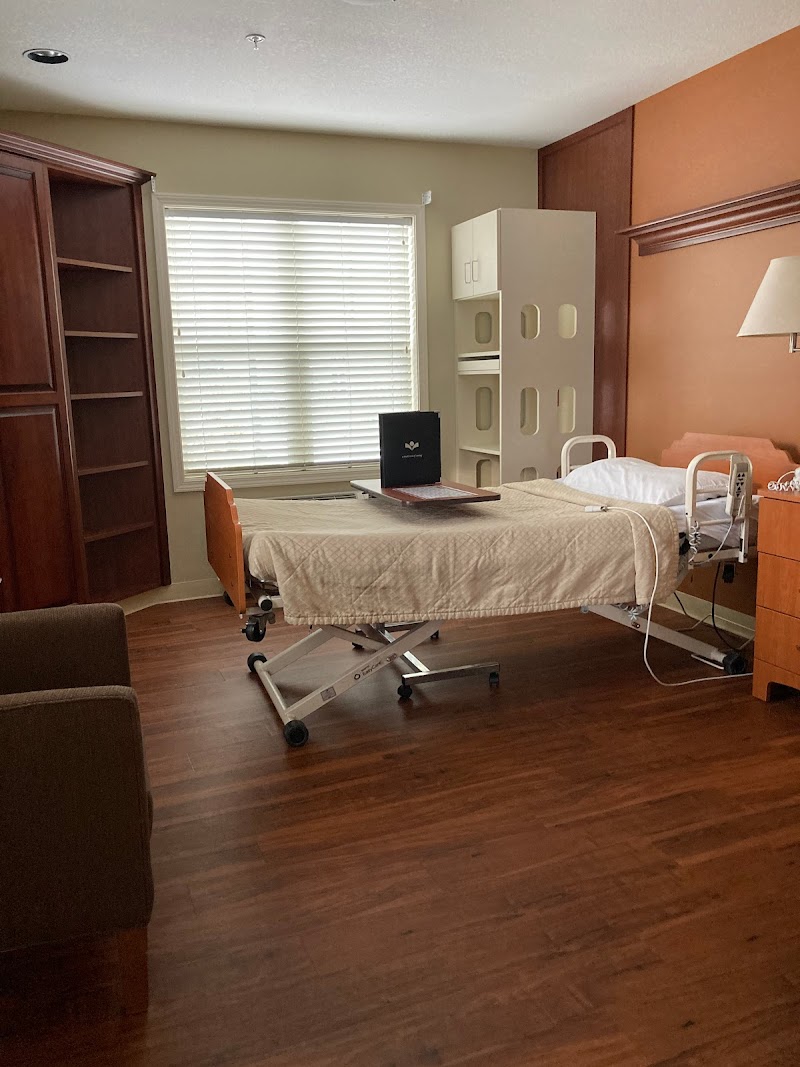
How is Village At The Greene Staffed?

CMS rates VILLAGE AT THE GREENE's staffing level at 2 out of 5 stars, which is below average compared to other nursing homes. Staff turnover is 53%, compared to the Ohio average of 46%. RN turnover specifically is 67%, which is notably high. RNs provide skilled clinical oversight, so turnover in this role can affect medical care quality.

What Have Inspectors Found at Village At The Greene?

State health inspectors documented 56 deficiencies at VILLAGE AT THE GREENE during 2020 to 2025. These included: 3 Immediate Jeopardy (the most serious level, indicating potential for serious harm or death), 2 that caused actual resident harm, and 51 with potential for harm. Immediate Jeopardy findings are rare and represent the most serious regulatory concerns. They require immediate corrective action.
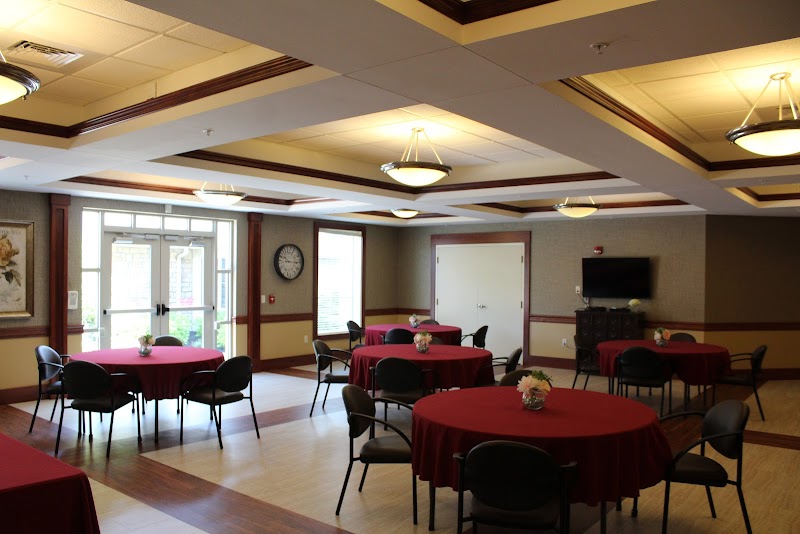
Who Owns and Operates Village At The Greene?

VILLAGE AT THE GREENE is owned by a for-profit company. For-profit facilities operate as businesses with obligations to shareholders or private owners. The facility is operated by HCF MANAGEMENT, a chain that manages multiple nursing homes. With 99 certified beds and approximately 72 residents (about 73% occupancy), it is a smaller facility located in DAYTON, Ohio.

How Does Village At The Greene Compare to Other Ohio Nursing Homes?

Compared to the 100 nursing homes in Ohio, VILLAGE AT THE GREENE's overall rating (2 stars) is below the state average of 3.2, staff turnover (53%) is near the state average of 46%, and health inspection rating (1 stars) is much below the national benchmark.

What Should Families Ask When Visiting Village At The Greene?

Based on this facility's data, families visiting should ask: "What changes have been made since the serious inspection findings, and how are you preventing similar issues?" "Can you walk me through typical staffing levels on day, evening, and night shifts?" "Can I visit during a mealtime to observe dining assistance and food quality?" "How do you handle medical emergencies, and what is your hospital transfer rate?" These questions are particularly relevant given the facility's Immediate Jeopardy citations and the below-average staffing rating.

Is Village At The Greene Safe?

Based on CMS inspection data, VILLAGE AT THE GREENE has documented safety concerns. Inspectors have issued 3 Immediate Jeopardy citations (the most serious violation level indicating risk of serious injury or death). The facility has a 2-star overall rating and ranks #100 of 100 nursing homes in Ohio. Families considering this facility should ask detailed questions about what corrective actions have been taken since these incidents.

Do Nurses at Village At The Greene Stick Around?

VILLAGE AT THE GREENE has a staff turnover rate of 53%, which is 7 percentage points above the Ohio average of 46%. Moderate turnover is common in nursing homes, but families should still ask about staff tenure and how the facility maintains care continuity when employees leave.

Was Village At The Greene Ever Fined?

VILLAGE AT THE GREENE has been fined $32,096 across 3 penalty actions. This is below the Ohio average of $33,400. While any fine indicates a compliance issue, fines under $50,000 are relatively common and typically reflect isolated problems that were subsequently corrected. Families should ask what specific issues led to these fines and confirm they've been resolved.

Is Village At The Greene on Any Federal Watch List?

VILLAGE AT THE GREENE is not on any federal watch list. The most significant is the Special Focus Facility (SFF) program, which identifies the bottom 1% of nursing homes nationally based on persistent, serious quality problems. Not being on this list means the facility has avoided the pattern of deficiencies that triggers enhanced federal oversight. This is a positive indicator, though families should still review the facility's inspection history directly.