WIDOWS HOME OF DAYTON
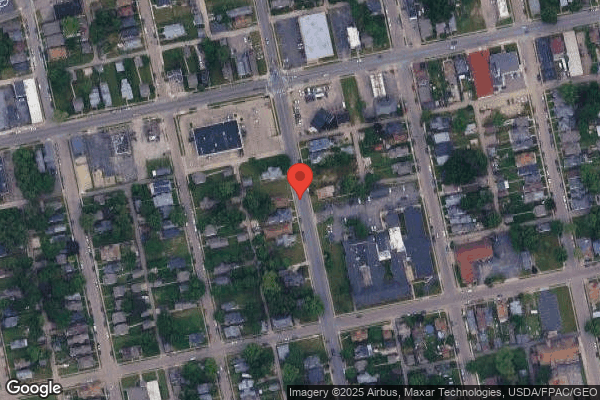
50 SOUTH FINDLAY STREET, DAYTON, OH 45403 (937) 252-1661
For profit - Limited Liability company 75 Beds Independent Data: November 2025 1 Immediate Jeopardy citation
Trust Grade
13/100
#822 of 913 in OH
Last Inspection: May 2025

Inspected within the last 6 months. Data reflects current conditions.

Overview

Families considering the Widows Home of Dayton should be aware that it has a Trust Grade of F, indicating significant concerns regarding the quality of care provided. It ranks #822 out of 913 facilities in Ohio, placing it in the bottom half, and #35 out of 40 in Montgomery County, which means there are very few options that are worse. Unfortunately, the facility is worsening, with issues increasing from 8 in 2024 to 11 in 2025. Staffing is rated at 2 out of 5 stars with a turnover rate of 57%, which is concerning as it is near the state average but suggests instability among caregivers. Additionally, the facility has faced $70,300 in fines, which is higher than 91% of Ohio facilities, indicating repeated compliance problems. There is good RN coverage, exceeding that of 84% of Ohio facilities, which is a positive aspect as it helps ensure better care. However, specific incidents include a critical failure to implement COVID-19 isolation protocols that led to multiple infections and serious lapses in assessing and treating pressure ulcers that resulted in harm to residents. Overall, while there are some strengths in staffing and RN coverage, the alarming fines, poor health inspection ratings, and increasing number of issues raise significant red flags for potential residents and their families.

Trust Score
F
13/100
In Ohio
#822/913
Bottom 10%
Safety Record
High Risk
Review needed
Inspections
Getting Worse
8 → 11 violations
Staff Stability
⚠ Watch
57% turnover. Above average. Higher turnover means staff may not know residents' routines.
Penalties
○ Average
$70,300 in fines. Higher than 71% of Ohio facilities. Some compliance issues.
Skilled Nurses
✓ Good
Each resident gets 52 minutes of Registered Nurse (RN) attention daily — more than average for Ohio. RNs are trained to catch health problems early.
Violations
⚠ Watch
32 deficiencies on record. Higher than average. Multiple issues found across inspections.
★★☆☆☆
2.0
Overall Rating
★★☆☆☆
2.0
Staff Levels
★★★★★
5.0
Care Quality
★☆☆☆☆
1.0
Inspection Score
Stable
2024: 8 issues
2025: 11 issues

The Good

  • 5-Star Quality Measures · Strong clinical quality outcomes
  • Full Sprinkler Coverage · Fire safety systems throughout facility
  • No fines on record

Facility shows strength in quality measures, fire safety.

The Bad

2-Star Overall Rating

Below Ohio average (3.2)

Below average - review inspection findings carefully

Staff Turnover: 57%

11pts above Ohio avg (46%)

Frequent staff changes - ask about care continuity

Federal Fines: $70,300

Well above median ($33,413)

Moderate penalties - review what triggered them

Staff turnover is elevated (57%)

9 points above Ohio average of 48%

The Ugly 32 deficiencies on record

1 life-threatening 2 actual harm
May 2025 11 deficiencies 1 Harm
SERIOUS (G)

Actual Harm - a resident was hurt due to facility failures

Pressure Ulcer Prevention (Tag F0686)

A resident was harmed · This affected 1 resident

Based on medical record review, staff interview, review of the facility policy, and review of online guidelines per the National Pressure Ulcer Advisory Panel (NPUAP), the facility failed to thoroughl...

Read full inspector narrative →
Based on medical record review, staff interview, review of the facility policy, and review of online guidelines per the National Pressure Ulcer Advisory Panel (NPUAP), the facility failed to thoroughly assess resident skin and failed to identify pressure ulcers until they had reached an advanced stage. This resulted in Actual Harm for Resident #40 who was admitted to the facility without pressure ulcers, was assessed to be at low risk for the development of pressure ulcers, and developed an unstageable pressure ulcer with slough (nonviable tissue which could impede wound healing) to the left buttock. This affected one (Resident #40) of three residents reviewed for pressure ulcers. The facility census was 68 residents. Findings include: Review of the medical record review for Resident #40 revealed an admission date of 08/14/24 with diagnoses including peripheral vascular disease, diabetes mellitus (DM), hypertension, and depression. Review of the care plan for Resident #40 dated 12/04/24 revealed the resident was at risk for impaired skin integrity and breakdown related to impaired mobility. Interventions included the following: assess nutrition and hydration, encourage the resident to turn and reposition every two hours, pressure relieving cushion to wheelchair, pressure relieving mattress, provide nutritional supplements, weekly skin assessments by a licensed nurse. Review of the shower sheets for Resident #40 dated 03/08/25, 03/13/25, 03/16/25, 03/17/25,03/20/25, 03/26/25, 03/29/25, 03/31/25, 04/02/25, 04/05/25, 04/09/25, 04/22/25, and 04/26/25 revealed there was no documentation of wounds or open areas. Review of the physician's orders for Resident #40 revealed an order dated 03/17/25 for weekly skin assessments every Sunday on night shift. Review of the weekly skin assessment for Resident #40 dated 04/07/25 revealed the resident had no skin issues. Review of the medical record for Resident #40 revealed weekly skin assessments were not completed for 04/14/25, 04/21/25 or 04/28/25. Review of the weekly skin assessment for Resident #40 dated 04/30/25 revealed the nurse identified a new skin issue to the resident's buttocks which was described as moisture-associated skin damage (MASD) with scabbing. Review of the wound note for Resident #40 dated 05/01/25 per Wound Nurse Practitioner (WNP) #500 revealed the NP examined a wound to the resident's left buttock which staff first identified on 04/30/25. WNP #500 classified the wound as an unstageable, facility-acquired pressure ulcer to the resident's left buttock which measured 5.1 centimeters (cm) in length by 4.4 cm in width with a depth unable to be determined. The base of the wound was covered with 100 percent (%) slough tissue and required sharp debridement at the resident's bedside. Review of the care plan for Resident #40 dated 05/01/25 revealed the resident had impaired skin integrity related to a pressure ulcer to the buttock. Interventions included the following: administer treatments as ordered and monitor for effectiveness, educate resident/family/and caregivers as to cause of skin breakdown including transfer/positioning requirements, good nutrition, and frequent repositioning, encourage the resident to offload bony prominences with pillows and positioning devices. Review of the Minimum Data Set (MDS) assessment for Resident #40 dated 05/01/25 revealed the resident had impaired cognition, required staff assistance with activities of daily living (ADLs), and had an unstageable pressure ulcer. Review of the dietary progress note for Resident #40 dated 05/06/25 revealed the resident had an unstageable pressure ulcer to the left buttocks with an increased need for nutrition to promote wound healing. Review of the pressure ulcer risk assessment for Resident #40 dated 05/08/25 revealed the resident was at low risk for developing pressure ulcers, had no limitation of mobility, and made frequent changes in position. Interview on 05/02/25 at 11:04 A.M. with Assistant Director of Nursing (ADON) #366 confirmed she was the facility wound nurse and made rounds weekly with WNP #500. ADON #366 confirmed a nurse first identified the wound to Resident #40's wound on left buttock on 04/30/25 and described the area as MASD but did not complete measurements or a detailed assessment at the time of identification. ADON #366 confirmed the facility failed to complete weekly skin assessments for Resident #40 on 04/14/25, 04/21/25, and 04/28/25 and did not identify Resident #40's wound until it had reached an advanced stage. Interview on 05/20/25 at 11:51 A.M. with WNP #500 confirmed the facility asked her to assess a wound to Resident #40's left buttock which was first identified on 04/30/25. WNP #500 confirmed she assessed Resident #40 on 05/01/25 and found an unstageable pressure ulcer with a wound bed which was covered 100 % with slough tissue to the resident's left buttock. WNP #500 confirmed all wounds should be considered avoidable. Interview on 05/21/25 at 4:05 P.M with Clinical [NAME] President (CVP) #312 confirmed the facility nurses should have completed a weekly skin assessment for Resident #40 and the assessments for 04/14/25, 04/21/25, and 04/28/25 were not completed. Review of the facility policy titled Wound Management Documentation dated 05/07/25 confirmed the facility should complete and document weekly wound and skin assessments. Review of the NPUAP guidelines dated 2014 pages 70-71 at https://npiap.com/general/custom.asp?page=2014Guidelines revealed facilities should educate health professionals on how to undertake a comprehensive skin assessment that included the techniques for identifying blanching response, localized heat, edema, and induration. Further review of the guidelines revealed ongoing assessment of the skin was necessary in order to detect early signs of pressure damage. Visual assessment for erythema (redness of the skin) was the first component of every skin inspection. Skin redness and tissue edema resulting from capillary occlusion was a response to pressure, especially over bony prominences. Staff should conduct a head-to-toe assessment with particular focus on skin overlying bony prominences including the sacrum, ischial tuberosities, greater trochanters and heels and each time the patient was repositioned was an opportunity to conduct a brief skin assessment.
CONCERN (D)

Potential for Harm - no one hurt, but risky conditions existed

Deficiency F0569 (Tag F0569)

Could have caused harm · This affected 1 resident

**NOTE- TERMS IN BRACKETS HAVE BEEN EDITED TO PROTECT CONFIDENTIALITY** Based on medical record review, review of resident fund records, staff interview, and review of the facility policy, the facilit...

Read full inspector narrative →
**NOTE- TERMS IN BRACKETS HAVE BEEN EDITED TO PROTECT CONFIDENTIALITY** Based on medical record review, review of resident fund records, staff interview, and review of the facility policy, the facility failed to transfer funds upon death to a resident's estate within thirty days. This affected one (Resident #127) of five residents reviewed for personal funds. The facility census was 68 residents. Findings include: Review of the medical record for Resident #127 revealed an admission date of [DATE] with diagnoses including anemia, atrial fibrillation, hypertension, dementia, and depression. Resident #127 expired in the facility on [DATE]. Review of the resident fund account records revealed the facility sent a dated [DATE] to the estate of Resident #127 with a check containing the balance of $245.51 from the resident's fund account with the facility. Interview on [DATE] at 11:04 A.M. with Business Office Manager (BOM) #310 confirmed Resident # 127 expired on [DATE] in the facility and the facility did not refund balance of $242.51 from the resident's fund account to the resident's estate within 30 days as required. Review of the facility policy titled Resident Personal Funds dated [DATE] revealed upon the death of a resident with personal funds deposited with the facility, the facility would convey the balance of the funds to the person administering the resident's estate within 30 days of the resident's death.
CONCERN (D)

Potential for Harm - no one hurt, but risky conditions existed

Deficiency F0761 (Tag F0761)

Could have caused harm · This affected 1 resident

Based on medical record review, observation, staff interview, and review of the facility policy, the facility failed to properly store medications in a safe and secure manner. This affected one (Resid...

Read full inspector narrative →
Based on medical record review, observation, staff interview, and review of the facility policy, the facility failed to properly store medications in a safe and secure manner. This affected one (Resident #62) of 19 residents sampled. The facility census was 68 residents. Findings include: Review of the medical record for Resident #62 revealed an admission date of 04/13/25 with diagnoses including polyneuropathy, congestive heart failure, hypertension, and acute respiratory failure with hypoxia. Review of the Minimum Data Set (MDS) assessment for Resident #62 dated 05/08/25, revealed the resident was cognitively intact and required staff assistance with activities of daily living (ADLs.) Review of the physician's orders for Resident #62 dated May 2025 revealed no orders for cranberry supplement, probiotic tablets, Refresh Tears eye drops, Replenish eye drops, Ketorolac eye drops, multivitamin capsules, and Tums tablets. Review of the Medication Administration Record (MAR) for Resident #62 dated May 2025 revealed there was no documentation of administration of the following medications: cranberry supplement, probiotic tablets, Refresh Tears eye drops, Replenish eye drops, Ketorolac eye drops, multivitamin capsules, and Tums tablets. Observation on 05/18/25 at 10:52 A.M. with Licensed Practical Nurse (LPN) #400 revealed Resident #62 had the following medications/supplements in bottles on her bedside table: cranberry supplement, probiotic tablets, Refresh Tears eye drops, Replenish eye drops, Ketorolac eye drops, multivitamin capsules, and Tums tablets Interview on 05/18/25 at 10:52 A.M. with LPN #400 confirmed the medications should not be at Resident #62's bedside and should be locked in the medication cart. LPN #400 confirmed Resident #62 did not have orders for the medications and supplements listed. Review of the facility policy titled Medication Storage dated 04/28/25 confirmed the facility would ensure all medications housed on the premises would be stored in medication rooms according to the manufacturer's recommendation and sufficient to ensure proper sanitation, temperature, light, ventilation, moisture control, segregation, and security. Further review of the policy revealed all drugs and biologicals would be stored in locked compartments, medication carts, cabinets, drawers, or refrigerators.
CONCERN (D)

Potential for Harm - no one hurt, but risky conditions existed

Deficiency F0800 (Tag F0800)

Could have caused harm · This affected 1 resident

Based on medical record review, resident interview, observation, staff interview, and review of the facility policy, the facility failed to ensure resident meal preferences were honored. This affected...

Read full inspector narrative →
Based on medical record review, resident interview, observation, staff interview, and review of the facility policy, the facility failed to ensure resident meal preferences were honored. This affected one (Resident #23) of 19 residents sampled. The facility census was 68 residents. Findings include: Review of the medical record for Resident #23 revealed an admission date of 01/25/25 with diagnoses including fracture of the left humerus, post-traumatic stress disorder, depression, and glaucoma. Review of the Minimum Data Set assessment for Resident #23 dated 05/02/25 revealed the resident was cognitively intact. Review of the lunch order for Resident #23 dated 05/19/25 revealed the resident ordered a hot dog, mashed potatoes and fruit. Interview on 05/18/25 at 10:08 A.M. with Resident #23 confirmed she often did not receive what was written on the menu and would receive a peanut butter and jelly sandwich instead. Observation service on 05/19/25 at 12:59 P.M. of the lunch service revealed Resident #23 received mashed potatoes, fruit, and a peanut butter sandwich. Interview on 05/19/25 at 12:59 P.M. with Resident #23 confirmed she received a peanut butter sandwich for an entrée instead of the hot dog she had ordered. Interview on 05/19/25 at 1:00 P.M with Director of Nutritional Services (DNS) #389 confirmed Resident #23 had ordered a hot dog as an entrée for lunch but instead received a peanut butter sandwich. DNS #389 confirmed when the kitchen did not have an ordered item available, a staff member should discuss other options with the resident. Further interview with DNS #389 confirmed the kitchen staff were busy, and a staff member had not discussed alternative menu options with the resident since hot dogs were not available. DNS #389 verified that the kitchen staff assumed Resident #23 would want a peanut butter sandwich without verifying this with the resident. Review of the facility policy titled Standardized Menus dated 05/01/25 revealed that the facility would support resident's rights to make personal dietary choices.
CONCERN (E)

Potential for Harm - no one hurt, but risky conditions existed

Safe Environment (Tag F0584)

Could have caused harm · This affected multiple residents

Based on observation, staff interview, and review of the facility policy, the facility failed to ensure a clean and homelike dining experience. This had the potential to affect the 11 facility-identif...

Read full inspector narrative →
Based on observation, staff interview, and review of the facility policy, the facility failed to ensure a clean and homelike dining experience. This had the potential to affect the 11 facility-identified residents (#02, #03, #07, #18, #19, #24, #39, #48, #50, #59, #61) who ate their meals in the main dining room. The facility also failed to ensure resident rooms were clean and sanitary. This affected three (Residents #53, #62, #123) of 19 residents sampled. The facility census was 68 residents. Findings include: 1. Observation on 05/18/25 at 8:36 A.M. of breakfast revealed residents were served the meal in Styrofoam containers. Interview on 05/18/25 with Dietary Staff (DS) #392 confirmed residents were being served their meal in Styrofoam containers because another dietary staff member had called off and they were trying to minimize the amount of dishes that needed to be washed. 2. Observation on 05/19/25 at 12:24 P.M. revealed there was a large vent in the ceiling in the middle of the dining room which was caked in a thick dark gray and fuzzy material which was visibly blowing in the air coming from the vent. Further observation revealed the curtains on the double doors from the dining room to the facility smoking area contained a gray and fuzzy coating. The curtain rod above the window in front of the tray line condiment station was caked in a dark gray and fuzzy material and a house fly was stuck to the curtains. Thee sprinkler heads in the dining room were also caked with a gray fuzzy material. There was a string of the gray fuzzy material approximately 12 inches in length dangling from a ceiling tile above a table in the dining area. Interview on 05/19/25 at 12:46 P.M. with Dietary Manager (DM) #389 confirmed the gray fuzzy material throughout the dining area on the vent, ceiling, curtains, and sprinkler heads, and confirmed the fly on the curtains was dead and stuck to the curtains. Review of the facility policy titled Safe and Homelike Environment dated 05/21/25 revealed the facility would provide a safe, clean, comfortable, and homelike environment. 3. Observation on 05/18/25 at 4:15 P.M. with Certified Nurse Aide (CNA) #378 revealed the floor and the walls in Resident #62's room were heavily soiled with an unknown black substance. The bathroom floor was heavily soiled, and there was a black ring inside the toilet bowl. Interview on 05/18/25 at 4:15 P.M. with CNA #378 confirmed the walls, floors, and toilet in Resident #62's room were soiled. 4. Observation on 05/18/25 at 4:16 P.M. with CNA #378 revealed the floor and the walls in Resident #123's room were heavily soiled with an unknown black substance. The bathroom floor was heavily soiled, and there was a black ring inside the toilet bowl. Interview on 05/18/25 at 4:17 P.M. with CNA #378 confirmed the walls, floors, and toilet in Resident #123's room were soiled. 5. Observation on 05/18/25 at 4:19 P.M. with CNA #378 revealed the floor and the walls in Resident #53's room were heavily soiled with an unknown black substance. The bathroom floor was heavily soiled, and there was a black ring inside the toilet bowl. Interview on 05/18/25 at 4:20 P.M. with CNA #378 confirmed the walls, floors, and toilet in Resident #53's room were soiled. 6. Observation on 05/18/25 at 4:45 P.M. with Dietary Manager (DM) #389 confirmed the resident dining room floor was heavily soiled with food debris and liquid stains. Interview on 05/18/25 at 4:45 P.M. with DM #389 confirmed the dining room staff was responsible for cleaning the dining room floor. DM #389 stated the dining staff was short staffed on 05/17/25, and the floor was not mopped after dinner or before breakfast on 05/18/25 and remained soiled throughout the day.
CONCERN (E)

Potential for Harm - no one hurt, but risky conditions existed

Deficiency F0657 (Tag F0657)

Could have caused harm · This affected multiple residents

7. Review of the medical record for Resident #42 revealed the resident an admission date of 12/28/21 with diagnoses including diabetes, mood disturbance, dementia, and pressure ulcer. Review of care p...

Read full inspector narrative →
7. Review of the medical record for Resident #42 revealed the resident an admission date of 12/28/21 with diagnoses including diabetes, mood disturbance, dementia, and pressure ulcer. Review of care plan for Resident #42 dated 01/14/22 revealed the resident had moisture associated skin damage. Review of the MDS assessment for Resident #42 dated 03/25/25 revealed the resident had severe cognitive impairment, required extensive assistance with ADLs. Review of the monthly physician's orders for Resident #42 dated May 2025 revealed the resident had a treatment order to a stage III pressure ulcer on the coccyx. Interview on 05/21/25 at 2:00 P.M. with Registered Nurse (RN) #312 confirmed Resident #42 had developed a stage III pressure ulcer to the coccyx and the resident's care plan had not been updated to reflect the resident's current skin condition. Review of the facility policy titled Care Planning dated 01/25/25 revealed the facility would make changes to the plan of care as needed. Based on medical record review, resident interview, staff interview, and review of the facility policy, the facility failed to ensure care conferences were completed as required. This affected four (Residents #10, #23, #40, and #56) of five residents reviewed for care conferences. The facility failed to ensure care plans were updated following a change in condition. This affected two (Residents #10 and #48) of 19 residents reviewed for care planning. The facility census was 68. Findings include: 1. Review of the medical record of Resident #10 revealed an admission date of 09/04/21 with diagnoses including congestive heart failure (CHF), type two diabetes mellitus, chronic obstructive pulmonary disease (COPD), depression, and schizoaffective disorder. Review of the Minimum Data Set (MDS) assessment for Resident #10 dated 04/07/25 revealed the resident had intact cognition and required staff assistance with activities of daily living. Review of a progress note for Resident #10 dated 10/10/24 revealed the resident and her family were invited to a care conference that was scheduled for the same date as the invitation and both declined to attend. Review of the medical record for Resident #10 revealed no evidence of care conferences being held. Interview on 05/18/25 at 10:15 A.M. with Resident #10 confirmed she had not had any recent care conferences and further stated she did not know what care conferences were. Interview on 05/19/25 at 1:34 P.M. with Clinical Director (CD) #312 confirmed there was no evidence of care conferences being held for Resident #10. CD #312 stated Resident #10 refused, however verified there was no further documentation beyond the progress note dated 10/10/24. 2. Review of the plan of care for Resident #10 dated 01/22/23 revealed the resident was at risk for complications related to the use of antipsychotic medications. The resident had bipolar disorder and major depressive disorder. Further review of the care plan revealed the plan had not been updated regarding Resident #10's diagnosis of schizoaffective disorder. Review of the diagnosis list for Resident #10 revealed the resident was diagnosed with schizoaffective disorder on 01/11/24. Interview on 05/20/25 at 12:20 P.M. with CD #312 confirmed the facility had not updated Resident #10's care plan to address the resident's new diagnosis of schizoaffective disorder on 01/11/24. 3. Review of the medical record for Resident #23 revealed an admission date of 01/25/25 with diagnoses including fracture of the left humerus, post-traumatic stress disorder, depression, and glaucoma. Review of the MDS assessment for Resident #23 dated 05/02/25 revealed Resident #23 was cognitively intact. Review of Resident #23's medical record dated June 2024 to May 2025 revealed a care conference had not been completed for the resident. Interview on 05/19/25 at 03:27 P.M. with CD #312 confirmed that there was no documentation of a care conference being held for Resident #23. 4. Review of the medical record for Resident #56 medical recorded revealed an admissions date of 08/23/23 with diagnoses including benign neoplasm of meninges, pulmonary hypertension, blindness, and arthropathy. Review of the MDS assessment for Resident #56 dated 04/11/25 revealed the resident #23 was moderately cognitively impaired. Review of medical record for Resident #56 dated June 2024 to May 2025 revealed the only care conference held for the resident during this time frame occurred on 11/21/24 and the care conference document for 11/21/24 had not been signed and dated as completed. Interview on 05/19/25 at 3:29 P.M. with CD #315 confirmed the facility only had one care conference documented for Resident #56 from June 2024 to May 2025. CD #312 confirmed the only documented care conference on 11/21/24 had not been signed and dated as complete. 5. Review of the medical record for Resident #40 revealed an admission date of 08/14/24 with diagnoses including peripheral vascular disease, diabetes mellitus (DM), essential primary hypertension, depression, and anxiety disorder. Review of the MDS assessment for Resident #40 dated 05/01/25 revealed the resident had impaired cognition and required staff assistance with ADLs. Review of the care conference note for Resident #40 dated 11/24/24 revealed there no signature or lock date to confirm the conference had been completed. Interview on 05/18/25 at 11:58 A.M. with Resident #40 confirmed he had never had a care conference to discuss his plan of care. Interview on 05/20/25 12:45 A.M. with CD #312 confirmed the care conference note for Resident #40 dated 11/24/24 had not been signed or locked to indicate the conference had been completed. 6. Review of the medical record for Resident #62 revealed as admission date of 04/13/25 with diagnoses including polyneuropathy, CHF, hypertension, and acute respiratory failure with hypoxia. Review of the MDS assessment for Resident #62 dated 05/08/25 revealed the resident was cognitively intact and required staff assistance with ADLs. Review of the medical record for Resident #62 dated June 2024 to May 2025 revealed there was no documentation of a care conference completed for the resident. Interview on 05/18/25 at 10:47 A.M. with Resident #62 confirmed she was not sure if she ever had a care conference to discuss her plan of care. Interview on 05/20/25 12:45 A.M. with CD #312 confirmed Resident #62's record did not include documentation of a care conference completed for the resident from June 2024 to May 2025. Review of the facility policy titled Care Planning-Resident Participation dated 01/25/25 revealed the facility would discuss the plan of care with the resident and/or representative at regularly scheduled care plan conferences initially, at routine intervals, and after significant changes. The facility would make an effort to schedule the conference at the best time of day for the resident/resident's representative and obtain a signature from the resident and/or representative after discussion or viewing of the care plan.
CONCERN (E)

Potential for Harm - no one hurt, but risky conditions existed

Safe Environment (Tag F0921)

Could have caused harm · This affected multiple residents

Based on observation and interview the facility failed to maintain a safe, functional, and sanitary environment in the common areas of the facility. This had the potential to affect all of the residen...

Read full inspector narrative →
Based on observation and interview the facility failed to maintain a safe, functional, and sanitary environment in the common areas of the facility. This had the potential to affect all of the residents residing in the facility. The facility census was 68 residents. Findings include: 1.Observation on 05/18/25 at 4:55 P.M. revealed the cove base in the entrance to the rehab hallway was ripped and torn. There were also multiple missing floor tiles. Interivew on 05/18/25 at 4:55 P.M. with Certified Nursing Assistant (CNA) #377 confirmed the cove base to the walls near the entrance to the rehab unit was ripped and torn and there were multiple missing floor tiles. CNA #377 confirmed the floor was in disrepair and presented a trip hazard to residents, staff, and visitors. 2. Observation on 05/21/25 at 3:23 P.M. with Maintenance Supervisor (MS) #307 revealed the ceiling light to the entrance of the rehab unit was not working and the cover to the light fixture was broken. Interview on 05/21/25 at 3:23 P.M. with MS #307 confirmed the ceiling light to the entrance of the rehab unit was in a state of disrepair. 3. Observation on 05/21/25 at 3:25 P.M. with MS #307 revealed the ceiling vents on the Sea Side Lane unit were dusty with debris hanging down from them. Interview on 05/21/25 at 3:37 P.M. with MS #307 confirmed the ceiling vents on the Sea Side Lane unit were dusty with debris hanging down from them. .
CONCERN (F)

Potential for Harm - no one hurt, but risky conditions existed

Deficiency F0727 (Tag F0727)

Could have caused harm · This affected most or all residents

Based on review of staffing schedules, staff interview, and review of the facility policy, the facility failed to ensure there was a Registered Nurse (RN) scheduled for at least eight consecutive hour...

Read full inspector narrative →
Based on review of staffing schedules, staff interview, and review of the facility policy, the facility failed to ensure there was a Registered Nurse (RN) scheduled for at least eight consecutive hours daily. This had the potential to affect all of the residents residing in the facility. The facility census was 68 residents. Findings include: Review of staffing schedules dated 04/13/25 through 05/17/25 revealed on 04/27/25 there was no RN working in the facility. Interview on 05/21/25 at 11:10 A.M. with Clinical Director (CD) #312 confirmed the facility did not have an RN working for eight consecutive hours on 04/27/25. Review of the facility policy titled Nursing Services-Registered Nurse dated 05/01/25 revealed the facility would utilize the services of an RN for at least eight consecutive hours per day, seven days per week.
CONCERN (F)

Potential for Harm - no one hurt, but risky conditions existed

Food Safety (Tag F0812)

Could have caused harm · This affected most or all residents

Based on observation, staff interview, and review of the facility policy, the facility failed to ensure food was prepared, stored, and served in a manner to protect against foodborne illness. This had...

Read full inspector narrative →
Based on observation, staff interview, and review of the facility policy, the facility failed to ensure food was prepared, stored, and served in a manner to protect against foodborne illness. This had the potential to affect all of the residents residing in the facility. The facility identified one (Resident #37) who did not receive food from the kitchen. The facility census was 68 residents. Findings include: 1. Observation on 05/18/25 at 8:36 A.M. of the breakfast tray line revealed Certified Nursing Assistant (CNA) #362 was assisting with food preparation by covering plates, adding drinks to trays, and placing trays on a cart. CNA #362 was not wearing a hair net. Interview on 05/18/25 at 8:50 A.M. with CNA #362 confirmed she was assisting with tray line and was not wearing a hair net. CNA #362 stated she was trying to stay away from the steam table so she wouldn't have to wear a hairnet. 2. Observation on 05/18/25 at 8:40 A.M. revealed there were several black specks, measuring approximately one-quarter of inch on the floor between the deep fryer and stove and on the rack below the steamer. Interview on 05/18/25 at 8:57 A.M. with Dietary Staff (DS) #392 confirmed there were black specks on the floor between the deep fryer and stove and on the rack below the steamer. DS #392 stated the black specks were mouse droppings. 3. Observation on 05/18/25 at 8:40 A.M. revealed there were two windows in the kitchen which were open. Further observation revealed the screen on one of the windows was damaged and had a hole, which measured approximately one inch by one inch. Interview on 05/18/25 at 8:55 A.M. with DS #392 confirmed the windows were open and one of the screens was damaged. 4. Observation on 05/18/25 at 8:48 A.M. with DS #392 revealed the reach-in cooler contained the following items: strips of cooked bacon, wrapped in plastic with no label or date, a ham and cheese sandwich on a plate, wrapped in plastic wrap, with no label or date, four fruit plates with tuna salad, each wrapped in plastic wrap, with no label or date, a large plastic bin of tuna salad, covered, with no label or date, a tray with nine individual cups of Italian dressing with a label which read pears undated, three supplement shake cartons, unopened, dated 04/04/25, a tray with seven individual cups of shredded cheese, with no label or date, six hard-boiled eggs, wrapped in plastic wrap, with no label or date, a bag of shredded cheese, wrapped in plastic wrap, with no date, a pan of hamburgers, covered in foil with no label or date, a pan of olives, covered in plastic wrap dated 05/01-05/07. Interview on 05/18/25 at 8:48 A.M. with DS #392 confirmed the food items in the reach-in cooler were not labeled and/or dated appropriately and the supplement shakes were outdated. 5. Observation on 05/18/25 at 8:53 A.M. with DS #392 revealed the reach-in freezer contained the following opened, unlabeled, undated, and unsealed items: a box of roll dough, box of biscuit dough, and a box of frozen broccoli. Interview on 05/18/25 at 8:53 A.M. with DS #392 confirmed the rolls, biscuits, and broccoli in the reach-in freezer were not sealed, labeled, or dated. 6. Observation on 05/18/25 at 8:58 A.M. with DS #392 revealed there was a foul odor inside the walk-in cooler. There was a large puddle of a reddish-brown liquid on the floor which measured approximately eight by eight inches below an empty cart. Interview on 05/18/25 at 8:58 A.M. with DS #392 confirmed the odor and puddle beneath the cart in the walk-in cooler were due to meat that had recently been thawed and attributed the foul odor to the liquid remaining on the floor. DS #392 was unsure long the puddle of liquid had been there or when the meat had been removed from the cooler. 7. Observation on 05/18/25 at 9:00 A.M. with DS #392 revealed the walk-in freezer contained the following opened, unlabeled, and undated items: a bag of strawberries, a bag of french fries. Interview on 05/18/25 at 9:00 A.M. with DS #392 confirmed the strawberries and the french fries in the walk-in freezer were not labeled or dated appropriately. 8. Observation on 05/18/25 at 9:02 A.M. with DS #392 revealed the dry storage area contained the following items: a box containing a plastic jug of oil, stored directly on the floor, four bags of pasta, opened and wrapped in plastic wrap with no label or date, a bag of cream soup base, opened and wrapped in plastic wrap with no label or date, bins of flour and breadcrumbs with no label or date. Interview on 05/18/25 at 9:02 A.M. with DS #392 confirmed the oil in the dry storage area was stored on the floor and the pasta, cream soup base, flour, and breadcrumbs were not labeled or dated appropriately. 9. Observation on 05/18/25 at 9:08 A.M. with DS #392 revealed there were three dark brown insects each measuring approximately two inches in length on the floor by the dry storage area. Interview on 05/18/25 at 9:10 A.M. with DS #392 confirmed there were three dark brown insects on the floor near the dry storage area. 10. Observation on 05/18/25 at 12:26 P.M. revealed CNA #500 served Resident #19 her lunch and touched the bun of the resident's sandwich with his bare hands. Interview on 05/18/25 at 12:28 P.M. with CNA #500 confirmed he touched Resident #19's food with his bare hand and he should have been wearing gloves when handling resident food. 11. Observation on 05/18/25 at 12:28 P.M. revealed CNA #349 assisted Resident #48 and picked up the resident's sandwich with her bare hands. Interview on 05/18/25 at 12:30 P.M. with CNA #349 confirmed she handled Resident #48's sandwich with her bare hands. 12. Observation on 05/19/25 at 10:05 A.M. with Dietary Manager (DM) #389 revealed the vents of the oven hood were caked with a fuzzy white substance. Interview on 05/19/25 at 10:05 A.M. with DM #389 confirmed the vents of the oven hood were caked with a white and fuzzy substance. 13. Observation on 05/19/25 at 10:09 A.M. revealed DS #321 unloaded clean plates from a plastic rack, which had just been run through the dishwasher and used a rag to dry the plates. Interview on 05/19/25 at 10:09 A.M. with DS #321 confirmed she was drying the plates which had just been washed using a rag. 14. Observation on 05/19/25 at 10:50 A.M. revealed DM #389 prepared pureed chicken for the lunch meal and used a spatula which had a burnt and blackened section which measured approximately one-half to remove the chicken from the blender. There were two additional spatulas hanging in the food preparation area which also had blackened and burnt areas on them. Interview on 05/19/25 at 10:51 A.M. with DM #389 confirmed the spatula utilized to scrape the chicken out of the blender had a burnt and blackened section. Review of the facility policy titled Date Marking for Food Safety dated 05/19/25 revealed food should be clearly marked to indicate the date or day by which the food should be consumed or discarded. The discard date might not exceed the manufacturer's use-by date Review of the facility policy titled Food Safety Requirements dated 05/22/25 revealed food should be stored off the floor, gloves should be used when touching and assisting with ready-to-eat foods, all equipment used in the handling of food should be clean and sanitized, and staff should wear hairnets when cooking, preparing, or assembling food. Review of the facility policy titled Sanitation Inspection dated 05/19/25 revealed all food service areas shall be kept clean, sanitary, and protected from rodents, roaches, flies, and other insects.
CONCERN (F)

Potential for Harm - no one hurt, but risky conditions existed

Garbage Disposal (Tag F0814)

Could have caused harm · This affected most or all residents

Based on observation, staff interview, and review of the facility policy, the facility failed to ensure garbage cans in the kitchen were covered. This had the potential to affect all of the residents ...

Read full inspector narrative →
Based on observation, staff interview, and review of the facility policy, the facility failed to ensure garbage cans in the kitchen were covered. This had the potential to affect all of the residents residing in the facility. The facility census was 68 residents. Findings include: Observation on 05/18/25 at 8:40 A.M. revealed there were two garbage cans in the food preparation area which had no covers Interview on 05/18/25 at 8:52 A.M. with Dietary Staff (DS) # 392 confirmed the garbage cans were not covered. Observation on 05/19/25 at 10:05 A.M. revealed the two garbage cans in the food preparation remained uncovered. Review of the facility policy titled Disposal of Garbage and Refuse dated 05/21/25 revealed garbage and refuse containers should be covered when not in use.
CONCERN (F)

Potential for Harm - no one hurt, but risky conditions existed

Deficiency F0925 (Tag F0925)

Could have caused harm · This affected most or all residents

Based on observation, staff interview, review of pest control documentation, and policy review, the facility failed to maintain effective pest control in the kitchen area. This had the potential to af...

Read full inspector narrative →
Based on observation, staff interview, review of pest control documentation, and policy review, the facility failed to maintain effective pest control in the kitchen area. This had the potential to affect all of the residents residing in the facility. The facility census was 68 residents. Findings include: 1. Observation on 05/18/25 at 8:40 A.M. revealed there were several black specs, measuring approximately one quarter inch on the floor between the deep fryer and stove and on the rack below the steamer. Interview on 05/18/25 at 8:57 A.M. with Dietary Staff (DS) #392 confirmed the black specs on the floor between the deep fryer and stove and on the rack below the steamer were mouse droppings. 2. Observation on 05/18/25 at 9:08 A.M. on the floor by the dry storage area revealed there were three cockroaches measuring approximately two inches in length. Interview on 05/18/25 at 9:10 A.M. with DS #392 confirmed there were three dark brown insects on the floor by the dry storage area. Review of pest control documentation revealed the kitchen had been treated for routine monthly services on 01/20/25, 02/14/25, 03/14/25, and 04/11/25 with no issues were noted at the time of the visits. Review of the facility policy titled Sanitation Inspection dated 05/19/25 revealed all food service areas should be kept clean, sanitary, and protected from rodents, roaches, flies, and other insects. .
Dec 2024 2 deficiencies
CONCERN (D) 📢 Someone Reported This

A family member, employee, or ombudsman was alarmed enough to file a formal complaint

Potential for Harm - no one hurt, but risky conditions existed

Pharmacy Services (Tag F0755)

Could have caused harm · This affected 1 resident

Based on medical record review, staff and resident interviews, and policy review, the facility failed to ensure a medication was available for administration as ordered. This affected one (#51) reside...

Read full inspector narrative →
Based on medical record review, staff and resident interviews, and policy review, the facility failed to ensure a medication was available for administration as ordered. This affected one (#51) resident out of the three residents reviewed for medications available from pharmacy for administration. The facility census was 62. Findings include: Review of the medical record for Resident #51 revealed an admission date of 08/14/24 with medical diagnoses of acquired absence of left below knee amputation (BKA), peripheral vascular disease, diabetes mellitus, and hypertension. Review of the medical record for Resident #51 revealed an admission Minimum Data Set (MDS) assessment, dated 08/21/24, which indicated Resident #51 was cognitively intact and required substantial/maximum staff assistance with toilet hygiene and transfers and partial/moderate staff assistance with bathing and bed mobility. Review of the medical record for Resident #51 a physician order dated 09/12/24 for Percocet 5-325 milligram (mg) give one tablet by mouth every four hours for pain. Review of the medical record for Resident #51 revealed the October 2024 Medication Administration Record (MAR) which did not have documentation to support Resident #51 received Percocet as ordered on 10/12/24, 10/13/24, 10/18/24, and 10/28/24. Review of Resident #51's December 2024 MAR revealed no documentation to support Resident #51 received Percocet as ordered on 12/04/24. Review of the medical record for Resident #51 revealed a nurses' note dated 10/18/24 at 12:46 P.M. with stated the nurse spoke with the pharmacy and per the representative the Percocet would be delivered in the evening. Review of Resident #51's nurses' note dated 10/19/24 at 12:03 A.M. stated Resident #51 was out of Percocet. The note stated the nurse contacted the pharmacy to get authorization to pull the medication from the Pyxis system, but the nurse did not have access to the Pyxis. The note continued to state the nurse contacted the on-call supervisor who stated she did not have access to the Pyxis system either. Review of the medical record for Resident #51 revealed a nurses' note dated 12/04/24 at 10:47 P.M. which stated Percocet was not given because the medication was not available in the medication cart and the medication was reordered. Interview on 12/04/24 at 11:38 A.M. with Resident #51 confirmed he does not receive his pain medication at times because the medication was not available at the time of administration. Interview on 12/05/24 at 9:40 A.M. with Regional Clinical Nurse (RCN) #170 confirmed the medical record for Resident #51 did not contain documentation to support Resident #51 received his Percocet as ordered on 10/12/24, 10/13/24, 10/18/24, 10/28/24, and 12/04/24. Review of the facility policy titled, Administering Medications, stated medications shall be administered in a safe and timely manner, as prescribed. The policy stated medications must be administered in accordance with the orders, including any required time frame. This deficiency represents non-compliance investigated under Complaint Number OH00159826.
CONCERN (D) 📢 Someone Reported This

A family member, employee, or ombudsman was alarmed enough to file a formal complaint

Potential for Harm - no one hurt, but risky conditions existed

Deficiency F0760 (Tag F0760)

Could have caused harm · This affected 1 resident

Based on medical record review, staff interview, and policy review, the facility failed to ensure a resident was free from significant medication error. This affected one (#32) resident out of the thr...

Read full inspector narrative →
Based on medical record review, staff interview, and policy review, the facility failed to ensure a resident was free from significant medication error. This affected one (#32) resident out of the three residents reviewed for medication administration. The facility census was 62. Findings include: Review of the medical record for Resident #32 revealed an admission date of 02/24/23 with medical diagnoses of myocardial infarction, cerebral infarctions, diabetes mellitus with neuropathy, spinal stenosis and congestive heart failure. Review of the medical record for Resident #32 revealed a quarterly Minimum Data Set (MDS) assessment, dated 09/24/24, which indicated Resident #32 was cognitively intact and required supervision with toilet hygiene, showers, bed mobility, and transfers. Review of the medical record for Resident #32 revealed a physician order dated 05/12/24 for Insulin Glargine 100 units per milliliter (ml), administer eight units subcutaneous (SQ) daily, an order dated 06/-2/24 for Insulin Lispro 100 units per ml, administer five units SQ before meals daily, and an order dated 11/06/24 for Zoloft 175 milligram (mg) one tablet by mouth daily. Review of the medical record for Resident #32 revealed the November 2024 Medication Administration Record (MAR) did not contain documentation to support Resident #32 was administered Insulin Glargine as ordered on 11/05/24, 11/14/24, 11/15/24, 11/18/24 through 11/21/24. Further review of the November MAR revealed no documentation to support Resident #32 was administered Zoloft as ordered on 11/14/24, 11/25/24, 11/18/24 through 11/21/24 or Insulin Lispro as ordered on 11/05/24, 11/14/24, 11/15/24, 11/18/24 through 11/21/24, or 11/24/24. Interview on 12/04/24 at 2:45 P.M. with Regional Clinical Nurse (RCN) #170 confirmed the medical record for Resident #32 did not contain documentation to support the staff administered Resident #32's Insulin Glargine, Insulin Lispro and Zoloft as ordered in November 2024. RCN #170 confirmed Resident #32 did not experience any negative effects from medications not being administered as ordered. Review of the facility policy titled, Administering Medications, stated medications shall be administered in a safe and timely manner, as prescribed. The policy stated medications must be administered in accordance with the orders, including any required time frame. This deficiency represents non-compliance investigated under Complaint Number OH00159826.
Oct 2024 2 deficiencies 1 Harm
SERIOUS (G) 📢 Someone Reported This

A family member, employee, or ombudsman was alarmed enough to file a formal complaint

Actual Harm - a resident was hurt due to facility failures

Pressure Ulcer Prevention (Tag F0686)

A resident was harmed · This affected 1 resident

**NOTE- TERMS IN BRACKETS HAVE BEEN EDITED TO PROTECT CONFIDENTIALITY** Based on medical record review, staff interview, review of the facility policy, and review of guidelines per the National Pressu...

Read full inspector narrative →
**NOTE- TERMS IN BRACKETS HAVE BEEN EDITED TO PROTECT CONFIDENTIALITY** Based on medical record review, staff interview, review of the facility policy, and review of guidelines per the National Pressure Injury Advisory Panel (NPIAP), the facility failed to thoroughly assess residents' skin and to implement interventions to prevent the development of pressure ulcers and failed to initiate prompt and timely treatment for a resident with pressure ulcers (a pressure ulcer is a localized injury of the skin and/or underlying tissue usually over a bony prominence, as a result of pressure, or pressure in combination with shear and/or friction). This resulted in Actual harm when Resident #14 was admitted to the facility without pressure sores but was at risk for the development of pressure ulcers and subsequently developed an avoidable unstageable pressure ulcer to the right heel (full-thickness tissue loss where the depth of the wound bed was completely obscured by eschar in the wound bed) and a stage II pressure ulcer to the left heel. This affected one (Resident #14) of three residents reviewed for pressure ulcers. The facility census was 64 residents. Findings include: Review of the medical record for the Resident #14 revealed an admission date of 8/21/24 with diagnoses including periprosthetic fracture around internal prosthetic right hip joint, chronic obstructive pulmonary disease, and peripheral vascular disease. Resident #14 was discharged to the hospital on [DATE]. Review of the admission assessment for Resident #14 dated 8/21/24 revealed the resident had a surgical incision to her right knee with no pressure ulcers. Review of the pressure ulcer risk assessment for Resident #14 dated 08/21/24 revealed the resident was at risk for the development of pressure ulcers. Review of the Minimum Data Set (MDS) assessment for Resident #14 dated 08/28/24 revealed the resident was cognitively intact and required extensive assistance of two staff members for bed mobility. Resident #14 was at risk for the development of pressure ulcers but had no pressure ulcers during the MDS review period. Review of a visit note per wound Certified Nurse Practitioner (CNP) #300 dated 08/29/24 revealed the CNP was treating the resident's surgical incision and did not include documentation regarding the presence or absence of pressure ulcers. Review of the care plan for Resident #14 initiated 08/30/24 revealed the resident was at risk for skin integrity/breakdown related to impaired mobility and incontinence of bowel and bladder. Interventions included the following: assess skin condition with activities of daily living (ADL) care daily and report abnormalities, encourage/assist the resident to turn/reposition at least every two hours or more often as needed or requested, position with pillows daily as needed, pressure relieving mattress to bed, preventative skin treatments as ordered, and weekly skin checks by a licensed nurse. Review of the Treatment Administration Record (TAR) for Resident #14 dated August 2024 revealed there were no orders for heel protection or offloading of heels. Review of the weekly skin check for Resident #14 dated 09/03/24 revealed resident had no pressure ulcers. Review of the occupational therapy note for Resident #14 dated 09/03/24 revealed the resident was in bed and was noted to have reddened areas to both heels. Review of the nurse progress note for Resident #14 dated 09/05/24 revealed new pressure ulcers to the right and left heel were observed during a wound assessment with wound CNP #300. Review of the wound visit note for Resident #14 dated 09/05/24 per wound CNP #300 revealed the resident had an unstageable pressure ulcer to the right heel which measured 5.0 centimeters (cm) in length by 6.0 cm in width with the depth unable to be determined as the wound bed was covered 100 percent (%) with eschar (dead tissue.) and a stage II pressure ulcer to the left heel which measured 2.0 cm in length by 2.0 cm in width. CNP #300 gave orders for treatment of the wound and recommended offloading of the resident's heels. Review of the TAR for Resident #14 dated September 2024 revealed there were no orders for heel protection or offloading of heels. There was a treatment order dated 09/05/24 to cleanse the pressure ulcer to the left heel with wound cleanser, apply skin prep, cover with an ABD pad, and wrap with Kerlix gauze on Tuesday, Thursday, and Saturday which was signed off as completed. There was a treatment order dated 09/05/24 to cleanse the pressure ulcer to the right heel with wound cleanser, apply Betadine, cover with an ABD pad, and wrap with Kerlix gauze on Tuesday, Thursday, and Saturday which was signed off as completed. Interview on 09/30/24 at 11:59 A.M. with CNP #300 confirmed on 09/05/24 she evaluated Resident #14's surgical incision to the right knee and discovered the resident had developed an avoidable unstageable pressure ulcer to the right heel and a stage II pressure ulcer to the left heel. CNP #300 confirmed she identified the pressure ulcers and reported them to the Director of Nursing (DON) and gave orders for wound care for the pressure ulcers and recommended the resident's heels be offloaded. Interview on 10/15/24 at 1:40 P.M. with Occupational Therapist (OT) #305 confirmed she noticed Resident #14's heels were reddened on 09/03/24 but she did not report this to the nursing staff. Interview on 10/15/24 at 2:00 P.M. with the DON confirmed the facility nursing staff did not identify Resident #14's pressure ulcers to the heels. The DON confirmed wound CNP #300 identified the pressure ulcers to Resident #14's heels on 09/05/24. The DON further confirmed the facility did a skin assessment upon admission which revealed Resident #14 had no pressure ulcers. The DON confirmed residents should have a skin assessment completed weekly per a licensed nurse. The DON confirmed the only weekly skin assessment completed for Resident #14 per the facility nursing staff form was completed on 09/03/24 and indicated the resident had no pressure ulcers. Further interview with the DON confirmed Resident #14's care plan did not include interventions to protect the heels from skin breakdown such as floating or offloading heels or applying heel protectors. The DON confirmed Resident #14 had no physician orders for heel protection, and the pressure ulcer to resident's right heel was not identified until it had reached an advanced stage (unstageable with 100% eschar to the wound bed.) Review of the facility policy titled Pressure Injury Prevention and Management dated 10/17/24 revealed the facility was committed to the prevention of avoidable pressure injuries and to providing treatment and services to heal the pressure ulcer/injury, prevent infection and the development of additional pressure ulcers/injuries. Review of the policy titled Change in Condition and Physician Notification dated 09/25/24 revealed the nursing department was responsible for monitoring residents, conducting assessments, notifying physicians, and documenting all relevant information promptly when significant changes have occurred in a resident's condition. Review of the guidance from the National Pressure Injury Advisory Panel (NPIAP) dated 2014 revealed staff should assess the pressure ulcer upon discovery and at least weekly thereafter and should implement appropriate wound care. Further review revealed with each dressing change, staff should observe the pressure ulcer for signs that indicate if a change in treatment is required (e.g., wound improvement, wound deterioration, signs of infection, or other complications). Wound status could change rapidly. Wound improvement or deterioration indicated by change in wound dimensions, change in tissue quality, an increase or decrease in wound exudate, signs of infection or other complications all provided indications of the effectiveness of the current management plan. The person responsible for dressing changes should be educated regarding signs and symptoms of complications that should be reported to the health professional.
CONCERN (D) 📢 Someone Reported This

A family member, employee, or ombudsman was alarmed enough to file a formal complaint

Potential for Harm - no one hurt, but risky conditions existed

Notification of Changes (Tag F0580)

Could have caused harm · This affected 1 resident

**NOTE- TERMS IN BRACKETS HAVE BEEN EDITED TO PROTECT CONFIDENTIALITY** Based on medical record review, staff interview, and review of the facility policy, the facility failed to ensure nursing staff ...

Read full inspector narrative →
**NOTE- TERMS IN BRACKETS HAVE BEEN EDITED TO PROTECT CONFIDENTIALITY** Based on medical record review, staff interview, and review of the facility policy, the facility failed to ensure nursing staff communicated with resident physicians regarding significant changes in status. This affected one (Resident #14) of three residents reviewed for notification of change. The facility census was 64 residents. Findings include: Review of the medical record for the Resident #14 revealed an admission date of 8/21/24 with diagnoses including periprosthetic fracture around internal prosthetic right hip joint, history of falling, heart failure, chronic obstructive pulmonary disease, and peripheral vascular disease. Resident #14 was discharged to the hospital on [DATE]. Review of the Minimum Data Set (MDS) assessment for Resident #14 dated 08/21/24 revealed the resident was cognitively intact and required extensive assistance of two staff members for bed mobility. Review of the admission assessment for Resident #14 dated 08/21/24 revealed the resident was admitted to the facility following surgical revision of a right total knee replacement and had a surgical incision to the right knee. Review of the wound visit note per wound Certified Nurse Practitioner (CNP) #300 dated 08/29/24 revealed the surgical incision to the right knee was healing and free of signs of infection. Review of the nurse progress note for Resident #14 dated 09/04/24 revealed the facility nurse removed the staples from the resident's right knee incision and left the incision open to air per the surgeon's orders. Resident #14 was scheduled for a follow up with the orthopedic surgeon on 09/11/24. The surgical incision was free of signs of infection. Review of the wound visit note for Resident #14 dated 09/05/24 per wound Certified Nurse Practitioner (CNP) #300 revealed the surgical incision to the resident's right knee showed signs of possible infection. CNP #300 gave orders for an oral antibiotic, Doxycycline 100 milligrams (mg) twice a day for 10 days and also indicated the facility should call the orthopedic surgeon's office as soon as possible with an update on the surgical wound. Review of the nurse progress note for Resident #14 dated 09/05/24 timed at 1:51 P.M. revealed the orthopedic surgeon left a message indicating a message was left for the doctor to see if the resident could come in for a follow-up appointment sooner than 09/11/24 and someone from the surgeon's office would call the facility back with instructions from the surgeon. Review of the nurse progress notes for Resident #14 dated 09/05/24 through 09/11/24 revealed the notes did not include documentation of further communication with the orthopedic surgeon. Review of the nurse progress note for Resident #14 dated 09/11/24 revealed the resident was admitted to the hospital for complications of right knee surgery. Interview on 09/30/24, at 11:59 A.M. with CNP #300 confirmed on 09/05/24 she instructed the nursing staff to call Resident #14's orthopedic surgeon as soon as possible to notify him of the changes to the resident's surgical wound. Interview on 09/30/24 at 12:30 P.M. the Director of Nursing (DON) confirmed the facility nurses had left a message with the orthopedic surgeon's office staff on 09/05/24 to see if the resident could get a follow up appointment sooner than 09/11/24 and the office never called back. The DON further confirmed when Resident #14 went to the orthopedic surgeon's appointment on 09/11/24 the surgeon transferred the resident to the hospital for evaluation of her right knee. The DON further confirmed that the facility nurses made no attempts at additional communication with the orthopedic surgeon after the call on 09/05/24 requesting an earlier appointment and did not notify him that the resident's surgical wound showed signs of infection. Review of the policy titled Change in Condition and Physician Notification dated 09/25/24 revealed the nursing department was responsible for monitoring residents, conducting assessments, notifying physicians, and documenting all relevant information promptly when significant changes had occurred in a resident's condition. This deficiency represents noncompliance investigated under Complaint Number OH00157269.
May 2024 2 deficiencies
CONCERN (D) 📢 Someone Reported This

A family member, employee, or ombudsman was alarmed enough to file a formal complaint

Potential for Harm - no one hurt, but risky conditions existed

Tube Feeding (Tag F0693)

Could have caused harm · This affected 1 resident

Based on record review, observations, staff interviews and policy review, the facility failed to ensure a resident's enteral tube feeding orders were implemented as ordered. This affected one (#82) of...

Read full inspector narrative →
Based on record review, observations, staff interviews and policy review, the facility failed to ensure a resident's enteral tube feeding orders were implemented as ordered. This affected one (#82) of three residents reviewed for enteral tube feeding. The facility census was 68. Findings include: Review of medical record for Resident #82 revealed admission date of 04/05/24. Diagnoses include chronic obstructive pulmonary disease, lupus, gastrostomy tube, and west nile virus. Resident #82 remains in the facility. Review of the physician orders dated 04/26/24 for Resident #82 revealed an order for Jevity (enteral nutrition) 1.5 calories at 70 milliliters (ml) an hour for 22 hours (12:00 P.M. to 10:00 A.M.). Review of the physician orders dated 04/26/24 for Resident #82 revealed an order for a 50 ml free water flush for 22 hours (12:00 P.M. to 10:00 A.M.). Interview on 05/01/24 at 10:00 A.M. with Licensed Practical Nurse (LPN) #109 stated the enteral nutrition order for Resident #82 was for the tube feeding to run continuously at 70 milliliters (ml) with a 250 milliliter flush every four hours. LPN #109 verified he was the nurse for Resident #82 on 04/30/24 and he did not stop the enteral nutrition for a set amount of time during his shift. Interview and observation on 05/01/24 at 11:30 A.M. with the Director of Nursing (DON) revealed the pump providing enteral feeding and flushes for Resident #82 was programmed to provide feeding at 70 ml an hour and water flushes of 250 ml every four hours. The DON verified the date on the enteral feed bag was dated 04/30/24 at 10:00 A.M. A follow up interview with the DON on 05/01/24 at 11:44 A.M. verified the enteral nutrition and fluid flush order for Resident #82 was not followed as ordered. The DON also confirmed the enteral bag was still being used and not changed after 24 hours, which was the expectation. Review of the facility policy, Care and Treatment of Feeding Tubes dated 05/01/24 revealed feeding tubes will be utilized according to physician orders. This deficiency represents non-compliance investigated under Complaint Number OH00152784.
CONCERN (D) 📢 Someone Reported This

A family member, employee, or ombudsman was alarmed enough to file a formal complaint

Potential for Harm - no one hurt, but risky conditions existed

Unnecessary Medications (Tag F0759)

Could have caused harm · This affected 1 resident

Based on medical record review, observations and staff interview, the facility failed to ensure medications were administered as physician ordered, resulting in three medication errors out of 31 oppor...

Read full inspector narrative →
Based on medical record review, observations and staff interview, the facility failed to ensure medications were administered as physician ordered, resulting in three medication errors out of 31 opportunities or a 9.67 percent (%) medication error rate. This affected one (#80) of three residents observed for medication administration pass. The facility census was 68. Findings include: Review of medical record for Resident #80 revealed admission date of 02/27/24. Diagnoses include end stage renal disease, chronic obstructive pulmonary disease and stroke. Resident #80 remains in the facility. Review of Resident #80's physician orders revealed an order for ProRenal + D Oral Tablet (supplement)-give one tablet by mouth one time a day every Monday, Wednesday, and Friday for chronic kidney disease with a start date of 02/28/24; Acidophilus Capsule-give one capsule by mouth in the morning for gut health before breakfast with a start date of 02/28/2024 and Olopatadine Ophthalmic Solution 0.1 % (eye drops)-instill one drop in both eyes two times a day for allergies with a start date of 02/27/24. Observation of medication pass on 05/01/24 at 9:18 A.M. of Licensed Practical Nurse (LPN) #109 for Resident #80 revealed three medications were unavailable which included: Pro Renal plus Vitamin D (supplement), Olopatadine ophthalmic 0.1 percent (%) solution (eye drops) and Acidophilous (supplement). LPN #109 was not able to locate these medications in the medication cart. LPN #109 verified Resident #80's medications were not available and were being omitted. This deficiency represents non-compliance investigated under Complaint Number OH00152784.
Jan 2024 2 deficiencies
CONCERN (E) 📢 Someone Reported This

A family member, employee, or ombudsman was alarmed enough to file a formal complaint

Potential for Harm - no one hurt, but risky conditions existed

Deficiency F0729 (Tag F0729)

Could have caused harm · This affected multiple residents

**NOTE- TERMS IN BRACKETS HAVE BEEN EDITED TO PROTECT CONFIDENTIALITY** Based on review of personnel record, staffing schedule information, review of facility census, staff interview, and review of th...

Read full inspector narrative →
**NOTE- TERMS IN BRACKETS HAVE BEEN EDITED TO PROTECT CONFIDENTIALITY** Based on review of personnel record, staffing schedule information, review of facility census, staff interview, and review of the State of Ohio Nurse Aide Registry, the facility failed to ensure a state tested nursing assistant's (STNA) registration was not expired. This affected one (STNA #130) of three personnel files reviewed and had the potential to affect 17 (#39, #40, #41, #42, #43, #44, #45, #46, #47, #48, #49, #50, #51, #52, #53, #54, and #55) residents that STNA #130 regularly cared for. The facility census was 66. Findings Include: Review of STNA #130's personnel file revealed a hire date of [DATE]. Review of the State of Ohio Nurse Aide Registry revealed STNA #130 was not eligible to work in a long-term care facility due to not having work verification in the past 24 months. STNA #10's nurse aide registration expired on [DATE]. Review of staffing schedule information revealed STNA #130 worked in Rehab Unit on [DATE], [DATE], [DATE], and [DATE] from 7:00 A. M to 7:00 P.M. During an interview on [DATE] at 11:45 A.M. the Director of Nursing (DON) and Human Resources (HR) #100 confirmed STNA #130 was not current and in good standing State of Ohio Nurse Aide Registry. Documents had been sent to the State of Ohio Nurse Aide Registry, but no follow-up had been received. STNA #130 was a current employee and had recently worked in the facility. Review of the facility census revealed Residents (#39, #40, #41, #42, #43, #44, #45, #46, #47, #48, #49, #50, #51, #52, #53, #54, and #55) resided in the Rehab Unit. This deficiency represents non-compliance investigated under Complaint Number OH00150031.
CONCERN (F) 📢 Someone Reported This

A family member, employee, or ombudsman was alarmed enough to file a formal complaint

Potential for Harm - no one hurt, but risky conditions existed

Deficiency F0728 (Tag F0728)

Could have caused harm · This affected most or all residents

Based on review of staffing agency information, review of facility census, staff interview, staffing agency personnel interview, and review of the State of Ohio Nurse Aide Registry, review the Office ...

Read full inspector narrative →
Based on review of staffing agency information, review of facility census, staff interview, staffing agency personnel interview, and review of the State of Ohio Nurse Aide Registry, review the Office of Health Assurance and Licensing (OHAL) website, the facility failed to ensure an aide had completed an approved nurse aide training and competency evaluation program (NATCEP) before working the facility. This affected one (Agency Aide #150) of three personnel files reviewed and had the potential to affect all 66 residents residing in the facility. The facility census was 66. Findings Include: Review of staffing information provided by the facility and a staffing agency revealed Agency Aide #150 worked in the facility from 09/13/23 through 12/22/23. Review of the State of Ohio Nurse Aide Registry revealed Agency Aide #150 was not registered as an state tested nursing assistant (STNA). Review of a NATCEP certificate provide by a staffing agency revealed Agency Aide #150 had completed a NATCEP program on 07/31/23. Review the OHAL website revealed the NATCEP program listed on Agency Aide #150's certificate had closed on 10/01/17. Phone interview with Staffing Agency Personnel (SAP) #200 on 01/25/24 at 1:39 P.M. revealed Agency Aide #150 was employed by the staffing agency and worked at the facility from 09/13/23 through 12/22/23. Agency Aide #150 was terminated on 12/22/23. During an interview on 01/25/24 at 2:25 P.M. the Director of Nursing (DON) stated Agency Aide #150 was terminated when a completed background check revealed offenses that disqualified her from working in a nursing facility. During an interview on 01/29/24 at 11:50 A.M. the DON and Assistant Director of Nursing (ADON) #110 stated Aide #150 had worked various shifts and various units of the facility. The DON and ADON #110 confirmed there had been no concerns regarding Agency Aide #150 while she worked at the facility including the care she provided. This deficiency represents non-compliance investigated under Complaint Number OH00150031.
Nov 2023 2 deficiencies
CONCERN (D) 📢 Someone Reported This

A family member, employee, or ombudsman was alarmed enough to file a formal complaint

Potential for Harm - no one hurt, but risky conditions existed

Pressure Ulcer Prevention (Tag F0686)

Could have caused harm · This affected 1 resident

**NOTE- TERMS IN BRACKETS HAVE BEEN EDITED TO PROTECT CONFIDENTIALITY** Based on medial record review, staff interview, and review of facility policy, the facility failed to complete pressure ulcer tr...

Read full inspector narrative →
**NOTE- TERMS IN BRACKETS HAVE BEEN EDITED TO PROTECT CONFIDENTIALITY** Based on medial record review, staff interview, and review of facility policy, the facility failed to complete pressure ulcer treatments as ordered. This affected three (#1, #4, and #5) of three residents reviewed for pressure ulcer care. The census was 69. Findings include: 1. Review of Resident #1's medical record revealed an admission date of 03/09/22. Diagnoses listed included type two diabetes mellitus, hypertension, congestive heart failure, chronic kidney disease, and stage four pressure ulcer of sacral region. Review of a quarterly Minimum Data Set (MDS) assessment dated [DATE] revealed Resident #1 was severely cognitively impaired and had a stage four pressure ulcer. Review of wound physician documentation dated 10/30/23 and 11/20/23 revealed Resident #1 had a stage four pressure ulcer to the sacrum. Review of physician orders dated 11/21/23 revealed an order dated 11/21/23 for cleanse sacrum with normal saline (NS) or wound cleanser. Pat dry and pack wound lightly with calcium alginate with silver (absorbent antimicrobial wound treatment) and also apply to the top of the wound. Cover with a bordered foam dressing every day and night shift. An order dated 11/21/23 for cleanse sacrum with NS or wound cleanser. Pat dry and pack wound lightly with calcium alginate with silver and cover with a bordered foam dressing every day and night shift. Review of treatment administration records (TAR's) revealed wound treatments were not documented as being completed on 11/07/23 and 11/24/23 dayshift. On 11/25/23 the nightshift treatment was not documented as completed. 2. Review of Resident #4's medical record revealed an admission date of 10/10/13. Diagnoses listed included paraplegia, chronic pain syndrome, breast cancer, chronic kidney disease, type two diabetes mellitus, stage four pressure ulcer, and major depressive disorder. Review of an annual MDS assessment dated [DATE] revealed Resident #1 was severely cognitively impaired and had a stage four pressure ulcer. Review of physician orders revealed an order dated 10/23/23 for cleanse coccyx with wound cleanser, pat dry, lightly pack with calcium alginate with silver and cover with foam dressing every day and night shift. Review of TAR's revealed wound treatments were not documented as being completed on 11/25/23 and 11/26/23 dayshift. On 11/26/23, 11/27/23, and 11/28/23 the nightshift treatments were not documented as completed. 3. Review of Resident #5's revealed an admission date of 10/02/23. Diagnoses listed included hypotension, constipation, type two diabetes mellitus, atrial fibrillations, stage four pressure ulcer, atherosclerotic heart disease, and metabolic encephalopathy. Review of quarterly MDS assessment dated [DATE] revealed Resident #5 was severely cognitively impaired and had a stage four pressure ulcer. Review of wound physician documentation dated 10/30/23 and 11/20/23 revealed Resident #4 had a stage four pressure ulcer to the sacrum. Review of physician orders revealed an order dated 10/23/23 for cleanse wound to coccyx with wound cleanser, pat dry and lightly pack wound with collagen sheet (wound bed treatment) and wound cleanser moistened Kerlix (gauze) including the undermined area from 10 o'clock to 3 o'clock and cover with foam border dressing every day shift. Review of TAR's revealed the wound treatments were not documented as being completed on 11/15/23, 11/16/23, 11/18/23, and 11/24/23. During an interview on 11/29/23 at 10:15 A.M. the Director of Nursing (DON) confirmed wounds treatments for Resident #1, #4, and #5 were not documented as completed for the above listed dates. Review of the facility's policy titled Wound Care dated August 2023 revealed after completion of a wound treatment staff should document the treatment was completed in the electronic medical record. This deficiency represents non-compliance investigated under Complaint Number OH00148162.
CONCERN (D) 📢 Someone Reported This

A family member, employee, or ombudsman was alarmed enough to file a formal complaint

Potential for Harm - no one hurt, but risky conditions existed

Incontinence Care (Tag F0690)

Could have caused harm · This affected 1 resident

**NOTE- TERMS IN BRACKETS HAVE BEEN EDITED TO PROTECT CONFIDENTIALITY** Based on medial record review and staff interview, the facility failed complete urinary catheter care as ordered. This affected ...

Read full inspector narrative →
**NOTE- TERMS IN BRACKETS HAVE BEEN EDITED TO PROTECT CONFIDENTIALITY** Based on medial record review and staff interview, the facility failed complete urinary catheter care as ordered. This affected three (#1, #4, and #5) of three residents reviewed for urinary catheters. The census was 69. Findings include: 1. Review of Resident #1's medical record revealed an admission date of 03/09/22. Diagnoses listed included type two diabetes mellitus, hypertension, congestive heart failure, chronic kidney disease, and stage four pressure ulcer of sacral region. Review of a quarterly Minimum Data Set (MDS) assessment dated [DATE] revealed Resident #1 was severely cognitively impaired and had a stage four pressure ulcer. Review of physician orders revealed an order dated 07/19/23 was for Foley (urinary catheter) two times as day and as needed (PRN) for preventative. Review of treatment administration records (TAR's) revealed Foley care was not documented as being completed on two times a day 11/07/23, 11/11/23, 11/15/23, 11/16/23, 11/18/23, and 11/21/23. 2. Review of Resident #4's medical record revealed an admission date of 10/10/13. Diagnoses listed included paraplegia, chronic pain syndrome, breast cancer, chronic kidney disease, type two diabetes mellitus, stage four pressure ulcer, and major depressive disorder. Review of an annual MDS assessment dated [DATE] revealed Resident #1 was severely cognitively impaired and had a stage four pressure ulcer. Review of physician orders revealed an order dated 07/26/23 for Foley care every day and night for prevention. An order dated 07/26/23 was to monitor Foley output every day and nightshift. Review of TAR's revealed Foley care was not documented as being completed on dayshift 11/17/23, 11/24/23, 11/25/23,11/25/23, and 11/31/23. Nightshift Foley care was not completed on 11/02/23, 11/04/23, 11/06/23, 11/07/23, 11/08/23, 11/13/23, 11/14/23, 11/15/23, 11/18/23, 11/20/23, 11/21/23, 11/22/23, 11/26/23 and 11/27/23. Foley output was not documented on dayshift 11/05/23, 11/09/23, 11/17/23, 11/19/23, 11/24/23, 11/2523, 11/26/23, 11/27/23, and 11/31/23. Nightshift Foley output was not documented on 11/02/23, 11/04/23, 11/06/23, 11/07/23, 11/08/23, 11/13/23, 11/14/23, 11/15/23, 11/18/23, 11/20/23, 11/21/23,11/22/23, 11/26/23, and 11/27/23. 3. Review of Resident #5's revealed an admission date of 10/02/23. Diagnoses listed included hypotension, constipation, type two diabetes mellitus, atrial fibrillations, stage four pressure ulcer, atherosclerotic heart disease, and metabolic encephalopathy. Review of quarterly MDS assessment dated [DATE] revealed Resident #5 was severely cognitively impaired and had a stage four pressure ulcer. Review of physician orders revealed an order dated 12/16/22 to check Foley place every shift. Review of TAR's revealed Foley placement was not documented as being checked on dayshift 11/07/23, 11/15/23, 11/16/23, 11/18/23, and 11/24/23. Foley placement was not documented as being completed on nightshift 11/11/23. During an interview on 11/29/23 at 10:15 A.M. the Director of Nursing (DON) confirmed urinary catheter care for Resident #1, #4, and #5 were not documented as completed for the above listed dates. This deficiency represents non-compliance investigated under Complaint Number OH00148162.
Nov 2023 1 deficiency
CONCERN (F) 📢 Someone Reported This

A family member, employee, or ombudsman was alarmed enough to file a formal complaint

Potential for Harm - no one hurt, but risky conditions existed

Deficiency F0727 (Tag F0727)

Could have caused harm · This affected most or all residents

Based on review of time punches, daily staffing sheets, and staff interview the facility failed to ensure there were Registered Nurses (RN) working seven days week for at least eight hours a day. The ...

Read full inspector narrative →
Based on review of time punches, daily staffing sheets, and staff interview the facility failed to ensure there were Registered Nurses (RN) working seven days week for at least eight hours a day. The affected all the residents who resided at the facility. The census was 62. Findings included: Review of the time punches and daily staffing sheets revealed the facility did not have a RN working on 11/04/23 or 11/05/23. During an interview on 11/07/23 at 1:00 P.M., the Administrator confirmed there wasn't a RN working on these dates and he was aware a RN should be working seven days a week at least eight hours. He stated there was a RN scheduled but she didn't show up for work on these days. A policy for staffing was requested but it wasn't received during the survey. This deficiency represents non-compliance investigated under Complaint Number OH00146842.
Aug 2022 8 deficiencies 1 IJ (1 facility-wide)
CRITICAL (L)

Immediate Jeopardy (IJ) - the most serious Medicare violation

Infection Control (Tag F0880)

Someone could have died · This affected most or all residents

⚠️ Facility-wide issue

**NOTE- TERMS IN BRACKETS HAVE BEEN EDITED TO PROTECT CONFIDENTIALITY** Based on the unprecedented global pandemic that resulted in the Presidential declaration of a State of National Emergency dated ...

Read full inspector narrative →
**NOTE- TERMS IN BRACKETS HAVE BEEN EDITED TO PROTECT CONFIDENTIALITY** Based on the unprecedented global pandemic that resulted in the Presidential declaration of a State of National Emergency dated 03/13/20, medical record reviews, review of COVID-19 guidance from the Centers for Disease Control and Prevention (CDC), observation, review of the facility's Coronavirus (COVID-19) policies, and staff interviews, the facility failed to implement effective and recommended infection control practices, including the implementation of appropriate isolation and quarantine procedures to prevent the spread of COVID-19 within the facility. This resulted in Immediate Jeopardy on 07/23/22 when Resident #153, who was mobile and left her room frequently, was not placed under quarantine upon being notified Resident #153's roommate (Resident #01) tested positive for COVID-19 in the emergency room (ER) at the hospital. On 07/26/22, the facility conducted broad-based testing and results confirmed five additional residents (Residents #22, #25, #37, #46, and #153) tested positive for COVID-19. Furthermore, the facility failed to monitor residents for possible signs and symptoms of COVID-19 at least daily, failed to ensure a cognitively impaired COVID-19 positive resident (Resident #46) wore a mask which covered her mouth and nose when outside of her room and did not smoke with residents who were negative for COVID-19, failed to ensure staff properly utilized Personal Protective Equipment (PPE), failed to place new admissions who were unvaccinated under quarantine, and failed to place residents who were not fully vaccinated under quarantine as part of the facility's broad-based testing strategy. The lack of current effective infection control practices and prevalence of continued positive cases in the facility placed all 55 residents currently residing in the facility at potential risk for serious life-threatening harm, negative health outcomes/complications, and/or death related to the facility's failure to control the COVID-19 outbreak. On 07/28/22 at 12:25 P.M., the Administrator and Director of Nursing (DON) were notified Immediate Jeopardy began on 07/23/22 when the facility was notified that Resident #01 tested positive for COVID-19 in the ER at the hospital and Resident #01's roommate (Resident #153) was not placed under quarantine. On 07/26/22 at 9:38 A.M., Licensed Practical Nurse (LPN) #1005 confirmed Resident #153 was mobile and left her room frequently in her wheelchair. Five additional residents (Residents #22, #25, #37, #46, and #153) tested positive for COVID-19 on 07/26/22. Additionally, on 07/26/22 at 10:55 A.M., 12:01 P.M., 12:57 P.M., and 1:02 P.M. Resident #46, who tested positive for COVID-19 and was cognitively impaired, was observed wandering around the facility while not wearing PPE appropriately and facility staff made no attempts to intervene. On 07/26/22 at 12:57 P.M., Resident #46 was observed outside smoking within six feet of Resident #154 who was unvaccinated. There were no facility staff present to monitor the smoking patio. Resident #154, who was unvaccinated and newly admitted to the facility, was not placed under quarantine upon admission. Six residents (Residents #03, #04, #24, #36, #149, and #154) were unvaccinated or partially vaccinated and were not placed under quarantine as part of the facility's broad-based testing strategy. Finally, observations from 07/25/22 through 07/28/22 revealed multiple facility staff (Cook #731, State Tested Nurse Aide [STNA] #787, [NAME] #719, Dietary Aide #730, and STNA #792) were observed not wearing PPE appropriately. The Immediate Jeopardy was removed on 08/04/22, when the facility implemented the following corrective actions: • On 07/26/22 at 11:00 A.M., all residents were tested for COVID-19 and Residents #22, #25, #37, #46, and #153 were placed under isolation due to positive COVID-19 tests. • On 07/26/22 at 3:00 P.M., the DON was educated by the Administrator on the admission Policy and CDC guidance summary of changes dated 02/22/22. The facility policy is to place unvaccinated and partially vaccinated residents into a ten-day quarantine upon admission. • On 07/26/22 at 3:00 P.M., the Administrator, DON, and other management staff began education with staff regarding when staff are within six feet of a resident who was on Transmission-Based Precautions (TBP) for COVID-19, the staff member must wear PPE which includes a N95 respirator, isolation gown, gloves, and eye protection. • On 07/26/22 at 4:00 P.M., one-on-one supervision was started with Resident #46 to ensure compliance with infection control procedures such as wearing a mask, maintaining social distancing while smoking, and maintaining isolation protocols. In addition, the facility contacted the Local Health Department (LHD) for further guidance on options for ensuring Resident #46 was following protocol as the resident had behaviors and cognitive deficiencies. The LHD was in agreement with the protocols being implemented by the facility. The one-on-one supervision will continue throughout the duration of Resident #46's isolation. • On 07/26/22 at 4:00 P.M., outside facilities were contacted to find a more appropriate facility who could admit a COVID-19 positive, cognitively impaired resident; however, facilities contacted were not accepting COVID-19 positive residents or were full at that time. The social worker will continue to contact potential placement options. • On 07/26/22 at 5:00 P.M., a policy was developed to address residents that test positive for COVID-19 and are non-compliant with infection control protocols. • On 07/27/22 at 12:00 P.M., Resident #153 was discharged from the facility to home per Resident #153's choice. • On 07/27/22 at 3:00 P.M., the DON reviewed proper infection control procedures with all staff that were assigned to be a one-on-one with Resident #46. The new policy regarding residents that test positive for COVID-19 and are non-compliant with infection control protocols was reviewed with all staff assigned to the one-on-one with Resident #46. • On 07/28/22 at 10:00 A.M., residents who were not fully vaccinated were placed in quarantine. The unvaccinated residents did not have any signs or symptoms of COVID-19 and their COVID-19 tests were negative. The residents who were not fully vaccinated included Residents #03, #04, #24, #25, #36, #149, and #154. Resident #25 tested positive for COVID-19 on 07/26/22 and was placed under isolation precautions on 07/26/22. • On 07/28/22 at 10:45 A.M., PPE audits were initiated to ensure staff were properly wearing PPE and to ensure staff understood the PPE policy and procedures during a COVID-19 outbreak as well as the importance of wearing proper PPE when within six feet of a resident who was on droplet precautions for COVID-19. Audits will be completed every hour, each day for the duration of the COVID-19 outbreak. The audits will be completed by the Administrator, DON, or designee. • On 07/29/22, signs were placed on the door of every quarantined resident's room. The signs included verbiage regarding enhanced droplet contact precautions along with pictures showing N95 respirators, gloves, eye protections, and gowns. • By 08/01/22 at 10:30 A.M., the Administrator, DON, and other management staff educated all staff, except [NAME] #720, regarding proper infection control procedures, when a resident is exposed to COVID-19, the proper protocols for residents under isolation and quarantine precautions, the protocols for residents who have confirmed or suspected COVID-19, and admission policy procedures regarding quarantine of new residents if partially vaccinated or unvaccinated. Any staff who was not educated would be educated prior to their next working shift. All training will be completed by 08/10/22 for staff. All new employees will be educated during new employee orientation. • On 08/01/22 at 3:00 P.M., vitals and respiratory assessments were taken for all residents during the evening shift to identify any other residents that may be exhibiting signs or symptoms. A protocol was initiated for staff to take vitals on all residents each shift for the duration of the outbreak and testing was to be performed on all staff and residents in accordance with CDC guidance on testing frequency and duration. Vitals would continue to be monitored daily after the outbreak to assess for signs and symptoms of COVID-19. • On 08/02/22 at 3:00 P.M., the DON clarified the COVID-19 quarantine versus isolation orders in the charts by making three separate orders. The orders included COVID-19 Droplet/Contact Quarantine for ten days due to exposure to COVID-19. All resident services will be provided in room. or COVID-19 Droplet/Contact Quarantine for ten days due to being partially vaccinated or unvaccinated for COVID-19. All resident services will be provided in room. or Resident in Contact and Droplet Isolation for positive COVID-19 status. All services provided to resident in a private room. • By 08/03/22 at 12:30 P.M., all agency staff who were currently working had been educated by the Administrator, DON, or other management staff. All agency staff will be educated prior to working next shift. The education included proper infection control procedures, when a resident is exposed to COVID-19, the proper protocols for residents under isolation and quarantine precautions, the protocols for residents who have confirmed or suspected COVID-19, and admission policy procedures regarding quarantine of new residents if partially vaccinated or unvaccinated. • On 08/03/22 at 1:45 P.M., the DON reviewed all current orders and updated them to reflect the difference between quarantine and isolation. • Interviews on 08/04/22 at 11:17 A.M. with agency STNA #851, at 11:19 A.M. with Registered Nurse (RN) #767, and at 1:20 P.M. with LPN #1005, revealed they received education related to infection control policies and procedures. Each staff member was knowledgeable regarding proper infection control procedures. • Observations completed on 08/04/22 from 10:45 A.M. to 4:00 P.M. revealed facility staff were wearing appropriate PPE throughout the facility. Staff were observed donning and doffing PPE correctly, including disinfecting eye protection and N95 masks in between rooms. • The facility policies including the admission policy, non-compliant residents testing positive for COVID-19 policy, COVID-19 resident screens policy, COVID assessment policy, COVID-19 positive resident policy, COVID-19 resident status policy, Respiratory-Hygiene-Cough-Etiquette policy, contact precautions policy, and PPE illustrations, along with current CDC recommendations to prevent the spread of COVID-19 in nursing homes will be reviewed with all staff by 08/10/22. All staff will be trained through scheduled in-services on 08/08/22, 08/09/22, and 08/10/22, and new staff will receive training in orientation. Although the Immediate Jeopardy was removed on 08/04/22, the facility remains out of compliance at Severity Level 2 (no actual harm with potential for more than minimal harm that is not Immediate Jeopardy) as the facility is still in the process of implementing their corrective action and monitoring to ensure ongoing compliance. Findings Include: 1) Review of Resident #01's medical record revealed an original admission date on 10/06/21 and readmission dates on 07/05/22 and 07/29/22. Resident #01's medical diagnoses included COVID-19 (07/29/22), Chronic Obstructive Pulmonary Disease (COPD), unspecified asthma, and Type II diabetes mellitus with diabetic neuropathy. Review of the admission Minimum Data Set (MDS) assessment, dated 07/12/22, revealed Resident #01 had intact cognition and required extensive assistance from one staff to complete all Activities of Daily Living (ADLs), except bed mobility and eating. Review of the progress note dated 07/23/22 at 3:28 P.M. revealed Resident #01 was unable to sit up on her own and was lethargic in the morning on 07/23/22. Resident #01 was sweating but did not have a temperature on three different thermometers. Resident #01 was administered a COVID-19 test and Resident #01 was negative for COVID-19. Resident #01 was sent out to the hospital for evaluation and treatment after receiving instructions from Physician Assistant (PA) #852. Resident #01 was sent to the hospital via 911 (emergency medical services) where she was admitted with a diagnosis of COVID-19. PA #852 and the DON were notified. Review of the Respiratory Infection Screener assessments for Resident #01 revealed no assessments had been completed on Resident #01 prior to Resident #01 being sent to the hospital on [DATE]. Review of Resident #01's care plan dated 07/07/22 revealed Resident #01 was at risk for an alteration in psychosocial well-being related to medically imposed restrictions related to COVID-19 precautions. Resident #01 was at risk for infection related to the COVID-19 pandemic. Interventions included follow facility protocol for COVID-19 screening/precautions, monitor temperature and respiratory status daily as per facility policy and notify the physician of abnormal findings promptly, and observe for signs and symptoms of COVID-19 and document and report signs and symptoms promptly. Review of Resident #153's medical record revealed an admission date of 07/11/22. Medical diagnoses included paroxysmal atrial fibrillation, chronic kidney disease, ischemic cardiomyopathy, congestive heart failure, and COVID-19 (added 07/26/22). Review of the admission MDS assessment dated [DATE] revealed Resident #153 had intact cognition and required extensive assistance from one to two staff to complete ADLs. Resident #153 used a walker and a wheelchair. Review of Respiratory Infection Screener assessments revealed Resident #153 did not have any assessments completed prior to testing positive for COVID-19 on 07/26/22. Review of a progress note dated 07/26/22 at 7:47 P.M. revealed Resident #153 was on a ten-day isolation for COVID-19 with no symptoms. Review of Resident #153's vaccination status revealed Resident #153 was unvaccinated and refused to be vaccinated for COVID-19. Interview on 07/25/22 at 9:38 A.M., with the DON and Business Office Manager (BOM) #717 revealed the facility had four residents (Residents #01, #48, #150, and #156) who tested positive for COVID-19. Resident #48 and Resident #150 tested positive in the facility and remained on isolation droplet precautions. Resident #156 had been sent to the hospital for other medical concerns, tested positive for COVID-19 during the hospitalization, and remained out of the facility. On 07/23/22, Resident #01 displayed possible signs and symptoms of COVID-19 which included lethargy and sweating. The facility sent Resident #01 to the hospital for treatment and Resident #01 tested positive for COVID-19 in the ER upon arrival at the hospital. Observation on 07/25/22 at 12:30 P.M. of Resident #153 (Resident #01's roommate) revealed Resident #153 remained in the room without any evidence of being under quarantine or TBP. Review of the COVID-19 timeline on 07/26/22 at 11:00 A.M., provided by the DON, revealed five residents (Residents #22, #37, #46, #25, and #153) tested positive for COVID-19 on 07/26/22. Interview on 07/26/22 at 2:22 P.M. with the DON, confirmed Resident #153 was not placed under quarantine or TBP due to possible exposure after her roommate (Resident #01) tested positive for COVID-19 on 07/23/22. The DON also confirmed the staff were not expected to monitor residents for signs and symptoms of COVID-19 unless the facility was in an outbreak. Interview on 07/27/22 at 9:38 A.M. with LPN #1005 revealed Resident #153 was mobile, used a wheelchair, and would frequently leave her room in her wheelchair and ambulate around the unit as well as off the unit prior to testing positive for COVID-19 on 07/26/22. LPN #1005 confirmed Resident #153 had not been placed under quarantine or TBP prior to testing positive for COVID-19 on 07/26/22. Interview via telephone on 07/27/22 at 11:08 A.M. with RN/Infection Preventionist (IP) #850 revealed if a resident tested positive for COVID-19 and had a roommate, she would expect the facility staff to separate the residents, isolate the resident who tested positive for COVID-19, and place the roommate under quarantine precautions for monitoring. Both residents under isolation and under quarantine should be cared for by staff wearing full PPE which included an N95 respirator, gloves, gown, and eye protection. Review of the facility policy COVID-19 Routine Resident Screens, revised 03/2019, revealed the policy stated, when a suspected case of COVID-19 was identified in the facility, the facility should do the following: follow COVID-19 precautions for the roommate for 14 days while screening every four hours. Facility to complete the resident screen daily providing no suspected cases are in the facility. Review of the facility policy Cohorting of Residents, revised June 2020, revealed the policy stated, Residents who test positive for COVID-19 will be separated from residents who test negative for COVID-19 using the following strategies: place residents together by COVID-19 status, cohort positive residents in designated COVID-19 area when possible, roommates of residents with COVID-19 will be considered exposed and potentially infected and will not share a room with other asymptomatic or negative residents for 14 days. Roommates of residents with COVID-19 will be quarantined for 14 days in designated COVID-19 area if at all possible, however residents that have been exposed and considered potentially infected will be isolated in place with other potentially exposed or positive residents when space does not permit being moved to a designated area. Then isolation in place guidelines will be followed. In addition, the following steps will be taken: monitoring of residents at least three times daily, initiate COVID-19 precautions, ex: mask, gowns, eye protection and gloves when within six feet and providing care and services and continue COVID-19 precautions for CDC recommended length of time. Review of the Centers for Disease Control (CDC) guidance titled Manage Residents who had Close Contact with Someone with SARS-CoV-2 Infection, dated 02/02/22, revealed the guidance stated, Residents who are not up to date with all recommended COVID-19 vaccine doses and who have had close contact with someone with SARS-CoV-2 infection should be placed in quarantine after their exposure, even if viral testing is negative. Healthcare personnel (HCP) caring for them should use full PPE (gowns, gloves, eye protections, and N95 or higher-level respirator). Residents can be removed from Transmission-Based Precautions (TBP) after day ten following the exposure (day zero) if they do not develop symptoms. 2) Review of the medical record for Resident #46 revealed an admission date of 08/29/17. Medical diagnoses included schizophrenia, Alzheimer's disease, Type II diabetes mellitus, dementia in other diseases classified elsewhere with behavioral disturbance, anxiety disorder, major depressive disorder, obsessive compulsive disorder, cognitive communication deficit, and COVID-19 (07/26/22). Review of the quarterly MDS assessment dated [DATE] revealed Resident #46 had impaired cognition and scored a six out of 15 on the Brief Interview for Mental Status (BIMS) assessment. Resident #46 displayed inattention, disorganized thinking, verbal behaviors toward others (threatening, screaming, cursing, etc.), rejection of care, and wandering behaviors. Resident #46 required supervision with set up help only or physical help from one staff to complete ambulation/locomotion, eating, transfers, and bed mobility. Resident #46 required extensive assistance from one staff to complete dressing, toileting, and hygiene tasks. Resident #46 used a walker for assistance. Review of Resident #46's physician orders revealed an order dated 07/26/22 for COVID precautions for ten days every shift. Review of the Respiratory Infection Screener assessments revealed Resident #46 did not have a respiratory screening assessment completed prior to the resident testing positive for COVID-19 on 07/26/22. Review of Resident #46's progress notes dated 07/01/22 to 08/01/22 revealed there were no notes related to Resident #46 testing positive for COVID-19 on 07/26/22. Review of Resident #46's care plan, revised 06/24/22, revealed Resident #46 was alert; however, her cognition was impaired. The care plan further revealed Resident #46 was an elopement risk/wanderer with a history of attempts to leave the facility unattended, impaired safety awareness, significantly intrudes on privacy or activities, and walks throughout the facility for a significant amount of time every day. Additionally, Resident #46 was at risk for complications related to actual COVID-19 infection (added 07/26/22). Interventions included administer medications and treatments as ordered and report any adverse effects or ineffectiveness to the physician, coordinate/collaborate with the local health department for alternative placement related to difficulty in maintaining contact/droplet precautions due to impaired cognitive/safety/judgement, maintain droplet/contact isolation per facility policy, monitor for signs and symptoms such as cough, shortness of breath, fatigue, loss of taste, fever, headache, sore throat, nausea, vomiting, or diarrhea, monitor vital signs as ordered, provide education related to hand hygiene, provide one-on-one care to assist in maintaining contact/droplet isolation, and staff to offer/assist with mask placement and reapproach as needed. Observations on 07/26/22 at 10:55 A.M., 12:01 P.M., 12:57 P.M., and 1:02 P.M. of Resident #46 revealed Resident #46 was out of her room with her mask placed below her mouth and nose, ambulating independently down the hallways with her walker. Interview on 07/26/22 at 11:10 A.M. with LPN #753 confirmed Resident #46 had tested positive for COVID-19 and she was not sure how the facility was going to keep Resident #46 isolated because Resident #46 had a history of becoming violent. LPN #753 stated the facility's initial task was to attempt to get Resident #46 to wear a mask inside the building. Observation on 07/26/22 at 12:57 P.M., revealed Resident #46 was ambulating down the hall independently with her walker and Resident #46's nose was uncovered. Resident #46 entered the designated smoking area. Resident #154 (who was unvaccinated) was smoking and Resident #46 immediately pulled her mask down and sat within one foot of Resident #154. There were no staff present on the smoking patio. At 1:02 P.M., Resident #46 entered the facility again with her mask around her neck. Resident #46 requested a lighter from Registered Nurse (RN) #767. RN #767 informed Resident #46 she did not have a lighter and Resident #46 continued walking and sat down in the common area with several doctors and interns. RN #767 did not remind Resident #46 to place her mask over her nose and mouth. Interview on 07/26/22 at 1:03 P.M. with RN #767 confirmed she was aware Resident #46 had tested positive for COVID-19 and was not wearing a mask over her nose and mouth while ambulating throughout the building. RN #767 confirmed Resident #46 sat in the common area without a facial covering in place. RN #767 confirmed she did not intervene to remind Resident #46 to place the mask over her nose and mouth. Interview on 07/26/22 at 2:51 P.M. with the DON confirmed Resident #46 tested positive for COVID-19 and wandered throughout the facility without appropriate PPE in place. The DON stated Resident #46 was confused and non-compliant with following isolation protocols. The DON stated, I don't know what to do with her. The DON stated when staff approached Resident #46 constantly, Resident #46 became agitated and aggressive. The DON contacted the local health department (after surveyor intervention) for advice and stated Resident #46 would be placed on one-to-one supervision with a staff member while the facility looked for alternative placement for Resident #46 to complete her isolation period. Interview on 07/27/22 at 11:08 A.M. via telephone with RN/Infection Preventionist (IP) #850 revealed, when a resident tested positive for COVID-19 and was non-compliant with isolation protocols, she would expect the facility staff to encourage the resident to isolate and wear a mask appropriately. If that did not work, the facility should search for alternative placement at a facility with a COVID unit for the resident to complete the isolation period. In the meantime, facility staff should stay with the resident at all times, including when the resident was out on the smoking patio, in order to monitor the resident's movements and try to limit other residents from potentially being exposed. Review of the Centers for Disease Control and Prevention guidance titled Quarantine and Isolation, dated 03/30/22, revealed the guidance stated, if you tested positive for COVID-19 or have symptoms regardless of vaccination status, isolate from others for five days. Wear a well-fitting mask if you must be around others. Take precautions until day ten including wear a well-fitting mask for ten full days any time you are around others and avoid being around people who are more likely to get very sick from COVID-19. In certain high-risk congregate settings that have high risk of secondary transmission and where it is not feasible to cohort people, CDC recommends a ten-day isolation period for residents. 3) Review of the facility matrix on 07/25/22 at 11:30 A.M. revealed Residents #154 and #157 were admitted within the last ten days. Observations on 07/25/22 at 12:45 P.M. revealed Residents #154 and #157 had a sign on their doors which indicated they were under TBP; however, there was no cart with PPE placed near Resident #154 and Resident #157's doors. Review of the COVID Quarantine and COVID Precautions list on 07/25/22 at 4:30 P.M. provided by the DON revealed Residents #154, and #157 were under COVID Precautions. Observation and interview on 07/26/22 at 1:23 P.M. with STNA #851 on the rehabilitation unit confirmed Resident #153, Resident #19, and Resident #25 were under isolation due to testing positive for COVID-19 and staff were required to wear full PPE to care for those residents. STNA #851 stated she was not aware Resident #154 or Resident #157 were under any TBP related to COVID-19. Interview on 07/26/22 at 3:30 P.M. with the DON revealed new admissions and readmissions who were not fully vaccinated were placed under COVID precautions for ten days to monitor for signs and symptoms of COVID-19. The DON stated the staff were only required to wear a N95 respirator and eye protection and were not required to wear a isolation gown or gloves. The DON stated the residents really don't need to be placed under precautions because they have tested negative in the hospital and upon admission to the facility, but the facility has been doing it anyway as an extra precaution. Review of the CDC website community transmission rate on 07/26/22 at 3:40 P.M. revealed the facility's county was in a high transmission area. Review of the facility's vaccination status for all residents on 07/26/22 at 5:00 P.M. revealed the facility had five residents (Residents #03, #04, #24, #36, and #154) who had refused COVID-19 vaccinations and were unvaccinated. The facility also had one resident (Resident #149) who had only received the first vaccination dose of a two-dose primary series and was considered partially vaccinated. Interview on 07/27/22 at 9:00 A.M. with LPN #1005 revealed she would know if a resident was on TBP because she would receive the information in report at the beginning of her shift, a PPE cart would be outside or near the resident's door, and there would be a sign posted on the resident's door. LPN #1005 stated if there was not a sign posted on the door, she would assume the resident was not on any TBP. LPN #1005 stated for new admissions, who were not fully vaccinated, the only PPE required to care for those residents was a N95 respirator and eye protection. Full PPE including an isolation gown and gloves was only required for COVID-19 positive residents. Interview on 07/27/22 at 11:08 A.M. via telephone with RN/IP #850 confirmed if a resident was not fully vaccinated and was a new admission, readmission, or the facility was in an outbreak, then she would expect the resident to be placed under quarantine, tested for COVID-19, and monitored for ten days to make sure they were not positive for COVID-19. Interview on 07/27/22 at 1:00 P.M. with the Administrator revealed the facility did not have a COVID-19 testing policy in place. The facility followed the most recent QSO memo (from the Centers for Medicare and Medicaid Services) related to testing of residents and staff. Interview on 07/27/22 at 2:00 P.M. with the DON revealed the facility was using a broad-based testing approach. All residents and staff were tested twice a week when the facility identified a new COVID-19 positive case. The DON was not aware that all residents who were not fully vaccinated should be placed under quarantine and TBP, even if they tested negative, until the facility reached 14 days without any additional positive COVID-19 cases. Interview on 07/27/22 at 5:24 P.M. with the Administrator and DON confirmed Resident #154, who was a new admission and was not fully vaccinated, was not cared for by staff using full PPE including an isolation gown, gloves, N95 respirator, and eye protection. The DON revealed she was unsure why Resident #157 had been placed under TBP. Resident #157 was a new admission and was fully vaccinated. The DON stated she misunderstood the guidance and thought full PPE was only needed for residents who had a confirmed or suspected case of COVID-19. The DON confirmed all residents who were not fully vaccinated (Residents #03, #04, #24, #36, #149, and #154), even if tested negative for COVID-19, had not been placed under quarantine or cared for by staff using full PPE as a part of the facility's chosen broad based testing strategy. Review of the CDC guidance titled Infection Control for Nursing Homes: Interim Guidelines for Managing Residents and HCP in Nursing Homes, dated 02/02/22, revealed the guidance under the section titled New Admissions and Residents Who Leave the Facility, stated, in general, all residents who are not up to date with all recommended COVID-19 vaccine doses and are new admissions and readmissions should be placed in quarantine, even if they have a negative test upon admission, and should be tested as described in the testing section above; COVID-19 vaccination should also be offered. Furthermore, the guidance under the section titled New Infection in Healthcare Personnel or Residents, stated, Because of the risk of u[TRUNCATED]
CONCERN (D)

Potential for Harm - no one hurt, but risky conditions existed

Deficiency F0558 (Tag F0558)

Could have caused harm · This affected 1 resident

**NOTE- TERMS IN BRACKETS HAVE BEEN EDITED TO PROTECT CONFIDENTIALITY** Based on medical record review, staff and resident interview, observations, and policy review, the facility failed to ensure res...

Read full inspector narrative →
**NOTE- TERMS IN BRACKETS HAVE BEEN EDITED TO PROTECT CONFIDENTIALITY** Based on medical record review, staff and resident interview, observations, and policy review, the facility failed to ensure residents' call lights were within reach. This affected three residents (#17, #35, and #199) of three residents reviewed for call lights. The facility census was 55. Findings include: 1. Review of the medical record for Resident #17 revealed an initial admission date of 01/11/19 and a re-entry date of 03/04/20. Diagnoses included Parkinson's Disease, morbid (severe) obesity, repeated falls, need for assistance with personal care, and muscle weakness. Review of the quarterly Minimum Data Set (MDS) assessment dated [DATE] revealed Resident #17 had impaired cognition with a Brief Interview of Mental Status (BIMS) score of seven out of 15 (severe cognitive impairment). The resident required extensive assistance of one to two or more staff for bed mobility, dressing, eating, toilet use, and personal hygiene, and was dependent on staff for transfers. Review of the plan of care dated 01/26/20 revised 03/11/20 revealed Resident #17 has a self-care deficit. He has weakness, impaired mobility, incontinence, essential tremors, decreased endurance. He has Parkinson's, DM, SOB on exertion, morbid obesity, anemia. He has a history of multiple falls. Interventions included Keep call light within reach and Encourage use to call for assistance, Encourage/assist with turning and re-positioning every two hours and as needed, and required supervision/set up assistance with meals/snacks. Observations on 07/25/22 at 11:16 A.M., 07/25/22 at 2:26 P.M., and 07/26/22 at 8:31 A.M. revealed Resident #17's call light was out of reach. Interview an observation on 07/26/22 at 1:29 P.M. revealed Resident #17 was awake, resting in bed on his back, his call light remained hanging off the bed rail close to the floor, the resident denied knowing where his call light was located but confirmed he used it when he needed assistance. Interview and observation on 07/26/22 01:31 P.M. with Registered Nurse (RN) #770 verified Resident #17's call light was not with reach. She revealed call light placement was checked at least every two hours but most likely more frequently since staff were in and out of the resident rooms often. Observation on 07/27/22 at 9:31 A.M. revealed the residents call light was on the floor. Observation on 07/27/22 at 10:26 A.M. revealed resident care was provided care by STNA #785, and she placed his call light within reach following the care. Observation on 07/28/22 at 9:54 A.M. revealed his call light was hanging off his bed rail towards the floor. 2. Review of the medical record for Resident #35 revealed an admission date of 07/26/21. Diagnoses included dementia with behavioral disturbance, morbid (severe obesity, abnormalities of gait and mobility, Diabetes Mellitus (DM), Hypertension (HTN), osteoarthritis (O/A) of his bilateral knees, and muscle weakness. Review of the comprehensive Minimum Data Set (MDS) assessment dated [DATE] revealed the resident had impaired cognition with a Brief Interview of Mental Status (BIMS) score of nine out of 15 (moderately cognitive impairment) and physical behavioral symptoms directed towards others and other behavioral symptoms not directed towards others. The resident required total dependence of two or more staff for bed mobility, extensive assistance of one to two staff for dressing and personal hygiene, and was dependent for toilet use, eating which he required supervision of one-person physical assistance. Review of the plan of care dated 08/11/21 and revised 06/01/22 revealed the resident had an Activities of Daily Living (ADL) self-care performance deficit. He required extensive to total assistance of one to two or more staff to complete ADL's. He had decreased mobility, incontinence, impaired cognition, and decreased functional range of motion. He had dementia with behaviors, DM with neuropathy, morbid obesity, HTN, and O/A of bilateral knees. Interventions included keeping the residents call light within reach and encouraging use to call for assistance. Observations on 07/25/22 at 10:28 A.M., 07/25/22 02:21 P.M., 07/25/22 02:32 P.M., 07/26/22 08:14 A.M., 07/26/22 12:00 P.M., and 07/26/22 01:20 P.M. revealed Resident #35's call light was not in reach and he was unable to identify where his call light was located. Interview and observation on 07/26/22 01:23 P.M. with STNA #791 verified Resident#35's call light was out of reach. Observation on 07/28/22 at 9:40 A.M. revealed Resident #35's call light was not in reach. 3. Review of the medical record for Resident #199 revealed an initial admission date of 10/11/12 and a re-entry date of 06/30/22. Diagnoses included Alzheimer's Disease, Dementia, cognitive communication deficit, generalized anxiety disorder, dry eyes, and major depressive disorder (MDD). Review of the comprehensive Minimum Data Set (MDS) assessment dated [DATE] revealed the resident had impaired cognition with a Brief Interview of Mental Status (BIMS) score of one out of 15 (severe cognitive impairment). Her behaviors included inattention and disorganized thinking. The resident required extensive assistance of one to two staff for all Activities of daily Living (ADL's). Review of the plan of care dated 07/15/22 revealed Resident #199 had a communication deficit related to highly impaired hearing loss. She was unable to make her needs and wants known daily. Interventions included ensuring/providing a safe environment which included having her call light in reach. Observations on 07/25/22 at 10:37 A.M., 07/26/22 08:19 A.M., 07/27/22 09:27 A.M. revealed Resident #199's call light was not in reach. Observation on 07/27/22 at 10:02 A.M. revealed State Tested Nursing Assistant #1002 provided care for the resident and exited the room with Resident #199's call light on the floor. Interview on 07/27/22 at 10:02 A.M. with STNA #1002 verified she just finished providing care to the resident, the residents call light was on the ground, and the call light should have been within reach, so the resident was able to call for help when needed. Review of the facility policy titled Call Light Policy, undated revealed residents' call lights were to be responded to in a timely manner and ensure the call light was placed with the residents reach when leaving the room.
CONCERN (D)

Potential for Harm - no one hurt, but risky conditions existed

Report Alleged Abuse (Tag F0609)

Could have caused harm · This affected 1 resident

**NOTE- TERMS IN BRACKETS HAVE BEEN EDITED TO PROTECT CONFIDENTIALITY** Based on staff interview, resident interview, medical record review, review of facility self-reported incidents, and facility po...

Read full inspector narrative →
**NOTE- TERMS IN BRACKETS HAVE BEEN EDITED TO PROTECT CONFIDENTIALITY** Based on staff interview, resident interview, medical record review, review of facility self-reported incidents, and facility policy review, the facility failed to report allegations of abuse to the State Survey Agency. This affected one (Resident #34) out of one resident reviewed for abuse. The facility census was 55. Findings include: Review of the medical record for Resident #34 revealed an initial admission date of 10/21/16 and a re-entry date of 10/29/21. Diagnoses included anxiety disorder, major depressive disorder, and altered mental status. Review of the quarterly Minimum Data Set (MDS) assessment dated [DATE] revealed Resident #34 had moderate cognitive impairment. Her behaviors included hallucinations, verbal behavioral symptoms directed towards others, and rejection of care. She required extensive assistance of one to two or more staff for bed mobility, dressing, and personal hygiene, and required total assistance for toileting. Review of the plan of care, dated 11/14/21 and revised on 02/17/22, revealed Resident #34 was resistive to care related to adjusting to being in a nursing home, anxiety, and dementia. She would refuse to get out of bed and actively participate in self-care on a regular basis, falsely accused staff, had vapes in her room which were removed, and she stated she was going to spit in the staff members face for telling on her. Interventions included provide the resident with opportunities for choice during care provision, give a clear explanation of all care activities prior to and as they occur during each contact, and praise the resident when her behavior was appropriate. Review of Resident #34's physician orders for July 2022 revealed an order for Xanax (antianxiety) 0.5 milligram (mg) three times per day for anxiety and duloxetine (antidepressant) 30 mg daily for depression. Review of Resident #34's progress notes revealed there were no progress notes regarding abuse. Interview on 07/25/22 at 2:37 P.M. and 08/01/22 at 12:30 P.M. with Resident #34 revealed a staff person attacked her about a week ago while giving her a bed bath. She revealed the incident was witnessed. She described the perpatrator as a black girl with braids on top of her head. She revealed the aide threw a white washcloth to her (not aggressively), when finished, and she tossed it to the floor next to her bed. The aide picked it up and threw it as hard as she could at her face then the aide jumped on her with all her might. She stated she hurt me and revealed she still had bruises and pointed to a bruise on the top of her left wrist. She stated the aide told her, you fat white (expletive) at least I can clean my own (expletive) and revealed she told anyone that would listen. Interview on 07/26/22 at 9:15 A.M. with Licensed Practical Nurse (LPN) #1001 revealed Resident #34 had made some false allegations against staff in the past. She revealed she overheard Resident #34 claimed an aide climbed on top of her and started beating her up around 07/04/22. She also stated the allegation was not made directly to her, it was made to someone else, the Unit Manager at the time (she was unable to recall the nurse's name). She also stated she did not report the incident to any Administrative staff because she just overheard it. She was unaware of any investigation. Interview on 08/01/22 at 12:36 P.M. with State Tested Nursing Assistant (STNA) #1000 revealed she wore braids on the top of her head and was African American. She also confirmed one known allegation of abuse. She stated she was working with Resident #34, who most of the times refused care until the end of the shift, and she had court in the morning, so she was late for her shift. When she came on shift, Resident #34 was mad, cussing, and stated she was swimming in (expletive) because the facility was short staffed while the aide was at court. She informed Resident #34 she was unsure how long it would take the shower aide to get to the resident, so she went ahead and assisted the resident with a bed bath to remove the soiled linen. She asked the resident to roll over, and the resident began to complain about pins and rods which were in the opposite leg from the side she was rolling, the resident then proceeded to throw a soiled rag at the aide while cussing and ranting/raving. The aide reportedly told the resident the behavior was unacceptable, and she would not tolerate the behavior. The aide exited the room and informed Registered Nurse (RN) #770 of the incident. The nurse entered the resident's room with the aide where the resident reported to the nurse that she was restrained by her wrists. The aide denied the allegations. The aide then asked the nurse to have the shower aide complete the bed bath for the resident so that she was not left half done. The aide was asked not to have any further contact with the resident. The aide revealed she informed the scheduler to ensure she was no longer assigned to the resident. The aide stated an investigation was never conducted. She revealed she was terminated from the facility for attendance issues in her 90-day probation period. Interview on 08/01/22 at 12:45 P.M. with RN #770 revealed abuse allegations were never reported to her but she heard from unknown nurses and aides that Resident #34 complained she was restrained and hit with a dirty washcloth. RN #770 stated Unit Manager (UM) #718 and the Director of Nursing (DON) were aware of the allegation when it occurred a couple weeks ago. She stated she was unaware of the outcome but knew the aide was no longer employed at the facility and did not know why. The nurse also stated she only worked a couple days per week at the facility and was unsure if an investigation was completed. Interview on 08/01/22 at 1:00 P.M. with UM #718 revealed she worked at the facility since February 2022 and she had not heard of any allegations of abuse nor had any abuse been reported to her. She revealed Resident #34 was one of three residents known to make up allegations. She confirmed any allegations of abuse would indicate the need for investigation, the employee would be suspended from the facility immediately, the resident's safety would be priority and it would be reported to the DON who would then take over the investigation. Interview on 08/01/22 at 1:24 P.M. with the DON revealed she was unaware of any allegations of abuse, and none had been reported to her. She stated she was unaware of any allegations of a resident being held down or being hit with a dirty washcloth. She confirmed staff should have reported the allegations immediately, so an investigation could have been conducted. She confirmed any allegations of abuse would need to be investigated. Interview on 08/02/22 at 4:41 PM with the DON revealed the facility did annual abuse training and every employee did abuse training in their electronic training which was she sent via email. She stated she would be conducting facility wide abuse training after the completion of her SRI. She also stated during her SRI investigation, she found that RN #770 reported witnessing the allegation of abuse between STNA #1000 and Resident #34. Interview on 08/03/22 at 8:56 A.M. with the DON revealed STNA #1000 was only employed with the facility for approximately eight weeks and did not do health academy (online training). She also revealed the facility's abuse training was provided only online with the health academy. She confirmed the outline of abuse training was the training provided on the health academy. Interview on 08/03/22 at 12:49 P.M. with the DON revealed RN #770 told the DON, she (RN #770) thought STNA #1000 informed the DON the day the incident occurred which was why RN #770 did not report the allegation. The DON stated she assumed the alleged incident involving Resident #34 and STNA #1000 took place on 07/12/22. Review of the facility self-reported incidents (SRI) revealed the allegation of abuse involving Resident #34 and STNA #1000 had not been reported to the State Survey Agency. Review of the facility policy titled, Abuse and Neglect, undated, revealed all employees who know or suspect that a resident had been abused, must report that knowledge or suspicion to his or her supervisor or another member of management immediately. Furthermore, the allegations of abuse were to be investigated with the direction of the Administrator. The policy also revealed the facility Administrator or designee was responsible for submitting a self-reported incident (SRI) within 24 hours after the alleged incident was discovered.
CONCERN (D)

Potential for Harm - no one hurt, but risky conditions existed

Investigate Abuse (Tag F0610)

Could have caused harm · This affected 1 resident

**NOTE- TERMS IN BRACKETS HAVE BEEN EDITED TO PROTECT CONFIDENTIALITY** Based on staff interview, resident interview, medical record review, review of facility self-reported incidents, and facility po...

Read full inspector narrative →
**NOTE- TERMS IN BRACKETS HAVE BEEN EDITED TO PROTECT CONFIDENTIALITY** Based on staff interview, resident interview, medical record review, review of facility self-reported incidents, and facility policy review, the facility failed to investigate allegations of abuse. This affected one (Resident #34) out of one resident reviewed for abuse. The facility census was 55. Findings include: Review of the medical record for Resident #34 revealed an initial admission date of 10/21/16 and a re-entry date of 10/29/21. Diagnoses included anxiety disorder, major depressive disorder, and altered mental status. Review of the quarterly Minimum Data Set (MDS) assessment dated [DATE] revealed Resident #34 had moderate cognitive impairment. Her behaviors included hallucinations, verbal behavioral symptoms directed towards others, and rejection of care. She required extensive assistance of one to two or more staff for bed mobility, dressing, and personal hygiene, and required total assistance for toileting. Review of the plan of care, dated 11/14/21 and revised on 02/17/22, revealed Resident #34 was resistive to care related to adjusting to being in a nursing home, anxiety, and dementia. She would refuse to get out of bed and actively participate in self-care on a regular basis, falsely accused staff, had vapes in her room which were removed, and she stated she was going to spit in the staff members face for telling on her. Interventions included provide the resident with opportunities for choice during care provision, give a clear explanation of all care activities prior to and as they occur during each contact, and praise the resident when her behavior was appropriate. Review of Resident #34's physician orders for July 2022 revealed an order for Xanax (antianxiety) 0.5 milligram (mg) three times per day for anxiety and duloxetine (antidepressant) 30 mg daily for depression. Review of Resident #34's progress notes revealed there were no progress notes regarding abuse. Interview on 07/25/22 at 2:37 P.M. and on 08/01/22 at 12:30 P.M. with Resident #34 revealed a staff person attacked her about a week ago while giving her a bed bath. She revealed the incident was witnessed. She described the perpatrator as a black girl with braids on top of her head. She revealed the aide threw a white washcloth to her (not aggressively), when finished, and she tossed it to the floor next to her bed. The aide picked it up and threw it as hard as she could at her face then the aide jumped on her with all her might. She stated she hurt me and revealed she still had bruises and pointed to a bruise on the top of her left wrist. She stated the aide told her, you fat white (expletive) at least I can clean my own (expletive) and revealed she told anyone that would listen. Interview on 07/26/22 at 9:15 A.M. with Licensed Practical Nurse (LPN) #1001 revealed Resident #34 had made some false allegations against staff in the past. She revealed she overheard Resident #34 claimed an aide climbed on top of her and started beating her up around 07/04/22. She also stated the allegation was not made directly to her, it was made to someone else, the Unit Manager at the time (she was unable to recall the nurse's name). She also stated she did not report the incident to any Administrative staff because she just overheard it. She was unaware of any investigation. Interview on 08/01/22 at 12:36 P.M. with State Tested Nursing Assistant (STNA) #1000 revealed she wore braids on the top of her head and was African American. She also confirmed one known allegation of abuse. She stated she was working with Resident #34, who most of the times refused care until the end of the shift, and she had court in the morning, so she was late for her shift. When she came on shift, Resident #34 was mad, cussing, and stated she was swimming in (expletive) because the facility was short staffed while the aide was at court. She informed Resident #34 she was unsure how long it would take the shower aide to get to the resident, so she went ahead and assisted the resident with a bed bath to remove the soiled linen. She asked the resident to roll over, and the resident began to complain about pins and rods which were in the opposite leg from the side she was rolling, the resident then proceeded to throw a soiled rag at the aide while cussing and ranting/raving. The aide reportedly told the resident the behavior was unacceptable, and she would not tolerate the behavior. The aide exited the room and informed Registered Nurse (RN) #770 of the incident. The nurse entered the resident's room with the aide where the resident reported to the nurse that she was restrained by her wrists. The aide denied the allegations. The aide then asked the nurse to have the shower aide complete the bed bath for the resident so that she was not left half done. The aide was asked not to have any further contact with the resident. The aide revealed she informed the scheduler to ensure she was no longer assigned to the resident. The aide stated an investigation was never conducted. She revealed she was terminated from the facility for attendance issues in her 90-day probation period. Interview on 08/01/22 at 12:45 P.M. with RN #770 revealed abuse allegations were never reported to her but she heard from unknown nurses and aides that Resident #34 complained she was restrained and hit with a dirty washcloth. RN #770 stated Unit Manager (UM) #718 and the Director of Nursing (DON) were aware of the allegation when it occurred a couple weeks ago. She stated she was unaware of the outcome but knew the aide was no longer employed at the facility and did not know why. The nurse also stated she only worked a couple days per week at the facility and was unsure if an investigation was completed. Interview on 08/01/22 at 1:00 P.M. with UM #718 revealed she worked at the facility since February 2022 and she had not heard of any allegations of abuse nor had any abuse been reported to her. She revealed Resident #34 was one of three residents known to make up allegations. She confirmed any allegations of abuse would indicate the need for investigation, the employee would be suspended from the facility immediately, the resident's safety would be priority and it would be reported to the DON who would then take over the investigation. Interview on 08/01/22 at 1:24 P.M. with the DON revealed she was unaware of any allegations of abuse, and none had been reported to her. She stated she was unaware of any allegations of a resident being held down or being hit with a dirty washcloth. She confirmed staff should have reported the allegations immediately, so an investigation could have been conducted. She confirmed any allegations of abuse would need to be investigated. Interview on 08/02/22 at 4:41 PM with the DON revealed the facility did annual abuse training and every employee did abuse training in their electronic training which was she sent via email. She stated she would be conducting facility wide abuse training after the completion of her SRI. She also stated during her SRI investigation, she found that RN #770 reported witnessing the allegation of abuse between STNA #1000 and Resident #34. Interview on 08/03/22 at 8:56 A.M. with the DON revealed STNA #1000 was only employed with the facility for approximately eight weeks and did not do health academy (online training). She also revealed the facility's abuse training was provided only online with the health academy. She confirmed the outline of abuse training was the training provided on the health academy. Interview on 08/03/22 at 12:49 P.M. with the DON revealed RN #770 told the DON, she (RN #770) thought STNA #1000 informed the DON the day the incident occurred which was why RN #770 did not report the allegation. The DON stated she assumed the alleged incident involving Resident #34 and STNA #1000 took place on 07/12/22. Review of the facility self-reported incidents (SRI) revealed there was no evidence of the facility having investigated the allegation of abuse involving Resident #34 and STNA #1000. Review of the facility policy titled, Abuse and Neglect, undated, revealed all employees who know or suspect that a resident had been abused, must report that knowledge or suspicion to his or her supervisor or another member of management immediately. Furthermore, the allegations of abuse were to be investigated with the direction of the Administrator. The policy also revealed the facility Administrator or designee was responsible for submitting a self-reported incident (SRI) within 24 hours after the alleged incident was discovered.
CONCERN (D)

Potential for Harm - no one hurt, but risky conditions existed

Pressure Ulcer Prevention (Tag F0686)

Could have caused harm · This affected 1 resident

**NOTE- TERMS IN BRACKETS HAVE BEEN EDITED TO PROTECT CONFIDENTIALITY** Based on staff interviews, observations, medical record review, and review of the facility's policies, the facility failed to co...

Read full inspector narrative →
**NOTE- TERMS IN BRACKETS HAVE BEEN EDITED TO PROTECT CONFIDENTIALITY** Based on staff interviews, observations, medical record review, and review of the facility's policies, the facility failed to complete weekly skin assessment and implement preventative pressure ulcer interventions as physician ordered. This affected one (Resident #42) of four residents reviewed for pressure ulcers. The facility identified three residents with pressure ulcers and 56 residents with preventative skin. The facility census was 55. Findings include: Review of the medical record for Resident #42 revealed an admission date of 06/11/20. Diagnoses included Alzheimer's Disease, cognitive communication deficit, dementia with behavioral disturbances, contracture of the right and left shoulder, left wrist, and right and left hand. Review of the quarterly Minimum Data Set (MDS) assessment, dated 06/05/22, revealed Resident #42 was rarely or never understood. Her short- and long-term memory was not assessed, and her cognitive skills were severely impaired. Resident #42 was dependent on staff for all activities of daily living (ADL). Resident #42 received hospice services and did not have a pressure ulcer/injury over a bony prominence but was at risk for developing pressure ulcers. Review of the plan of care last revised 09/12/21 revealed Resident #42 was at risk for impaired skin integrity/breakdown related to incontinence, impaired mobility, and contractures. Interventions included keeping nails trimmed, preventative skin treatments as ordered, and weekly skin checks by a licensed nurse. Review of the skin assessment, dated 01/03/22, revealed Resident #42 had a history of unstageable pressure ulcer (slough and/or eschar: known but not stageable due to coverage of wound bed by slough and/or eschar) to her right thumb and it was healed on 01/31/22. Review of the physician's orders dated 02/28/22 revealed an order for Resident #42's newly healed right thumb to be covered with a padded foam dressing to protect the skin and a rolled gauze to be placed in the palm of her hand to maintain distance between her thumb and index finger. The order was to be changed daily on evening shift. There was a physician order dated 07/08/22 for weekly skin assessments every week on Friday. Review of the quarterly Braden Scale Assessments dated 03/05/22 and 06/03/22 revealed Resident #42 was at a very high risk for developing pressure ulcers. Review of the skin assessment dated [DATE] revealed Resident #42 had bilateral hands (palm), stage II (Partial thickness loss of dermis presenting as a shallow open ulcer with a red/pink wound bed, without slough. May also present as an intact or open/ruptured serum-filled blister) pressure ulcers that measures once centimeter (cm) long, one cm wide, and one cm deep. Licensed Practical Nurse (LPN) #754 completed the skin assessment for Resident #42 on 07/15/22. There was no comprehensive pressure ulcer assessment after the initial and only assessment on 07/15/22. Review of the treatment administration record revealed Resident #42's order to right thumb to be covered with a padded foam dressing to protect the skin and a rolled gauze to be placed in the palm of her hand to maintain distance between her thumb and index finger was signed off as completed on 07/25/22, 07/26/22, and 07/27/22. Observations on 07/25/22 at 10:33 A.M., 07/25/22 at 2:22 P.M., 07/26/22 at 9:36 A.M., and 07/26/22 at 10:52 A.M., 07/26/22 at 1:25 P.M., 07/27/22 at 9:25 A.M., 07/27/22 at 4:15 P.M., and 07/28/22 at 9:41 A.M. revealed Resident #42 did not have the right thumb foam dressing to her right hand along with a rolled gauze in her right hand. Interview on 07/27/22 at 2:24 P.M. with the Director of Nursing (DON) confirmed Resident #42's skin assessment dated [DATE] revealed Resident #42 had bilateral palm pressure ulcers and there were no further skin assessments for Resident #42. Then DON stated she was unaware of Resident #42 having pressure ulcers and would investigate it. Subsequent interview and observation on 07/27/22 at 2:35 P.M. with the DON revealed Resident #42's palms had no pressure ulcers but were contracted. The DON confirmed she was unsure why the skin documentation dated 07/15/22 revealed Resident #42 had pressure ulcers when the skin was intact. The DON stated Resident #42 did have a history of a right thumb pressure ulcer that had healed previously. The DON also confirmed Resident #42 did not have a gauze roll, dressing, or any preventative measures in her hand. Interview on 07/27/22 at 2:39 P.M. with Licensed Practical Nurse (LPN) #754 confirmed Resident #42 had pressure ulcers in her bilateral palms and LPN #754 noted it in the chart. LPN #754 verified she did not inform the DON or physician because it was being monitored. LPN #754 stated no treatment was initiated since Resident #42's palms were being monitored and she could not recall her observations of the resident's palms other than she observed pressure ulcers. Interview and observation with State Tested Nursing Aide (STNA) #1002 on 07/27/22 at 2:51 P.M. revealed there were no foam padding on Resident #42's right thumb along with a rolled gauze in her right hand and STNA #1002 confirmed Resident #42 did not have it. STNA #1002 stated she was unaware of any need for preventative measures for Resident #42's palms. Interview and observation on 07/28/22 at approximately 8:00 A.M. with Registered Nurse (RN) #770 verified Resident #42 did not have foam padding on her right thumb along with a rolled gauze in her right hand. Review of the facility's undated policy titled Policy revealed pressure ulcers were to be re-evaluated at least weekly. If there was no significant progress within a reasonable time, the treatment plan should be re-evaluated. If the treatment plan was not changed, documentation should be provided as to why current treatment plan was being maintained. Review of the facility's undated policy titled, Prevention of Pressure Ulcers revealed any signs of a developing pressure ulcer was to be reported to the physician. The care process as to include efforts to stabilize, reduce or remove underlying risk factors, to monitor the impact of the interventions; and to modify the interventions as appropriate.
CONCERN (D)

Potential for Harm - no one hurt, but risky conditions existed

Deficiency F0692 (Tag F0692)

Could have caused harm · This affected 1 resident

**NOTE- TERMS IN BRACKETS HAVE BEEN EDITED TO PROTECT CONFIDENTIALITY** Based on staff interview, family and resident interview, observations, medical record review, and facility policy review, the fa...

Read full inspector narrative →
**NOTE- TERMS IN BRACKETS HAVE BEEN EDITED TO PROTECT CONFIDENTIALITY** Based on staff interview, family and resident interview, observations, medical record review, and facility policy review, the facility failed to provide nutritional supplements as physician ordered for a resident receiving dialysis treatment. This affected one (Resident #47) of one resident reviewed for dialysis. The facility identified one resident receiving dialysis services and 20 residents who receive nutritional supplements The facility census was 55. Findings include: Review of the medical record for Resident #47 revealed an admission date of 03/11/21. Diagnoses included hypertensive heart and kidney disease with heart failure and with stage V, chronic kidney disease (CKD), end stage renal disease (ESRD), anemia in CKD, diabetes mellitus (DM), congestive heart failure (CHF), hypertension (HTN), and dependence on renal dialysis. Review of the quarterly Minimum Data Set (MDS) assessment, dated 07/03/22, revealed Resident #47 had moderately impaired cognition with a Brief Interview of Mental Status (BIMS) score of 12 out of 15. Resident #47 required set up and supervision. Review of the plan of care last revised on 04/04/22 revealed Resident #47 had a nutritional problem or potential nutritional problem related to congestive heart failure (CHF), acute respiratory failure with hypoxia, HTN, CKD/ESRD, DM, diuretic use, edema, history of significant weight changes, weight fluctuations to occur due to CHF, hemodialysis (HD) for ESRD, therapeutic diet orders due to disease state with sodium and potassium restriction. Interventions included providing a no added salt (NAS) diet with double eggs/protein at all meals, potassium restriction (limit non-boiled potatoes, tomatoes, bananas, oranges/juice), Nepro (a renal high calorie and protein nutritional supplement drink) supplement daily, provide and serve supplements as ordered, Nepro every day, and Promod (protein supplement) 30 milliliters (ml) every day. Review of the dietary assessment dated [DATE] revealed Resident #47 was on a NAS, regular, thin liquids, potassium restricted diet, limit non-boiled potatoes, tomatoes, bananas, oranges, Nepro twice daily, and Promod 30 ml daily. Resident #47 was compliant with her diet, fed herself with supervision, no adaptive equipment, ate between 25-100% of meals, drank more than 240 ml of fluids. Resident #47 had no difficulty chewing, often refused dialysis, and her weight was 140.5 pounds (lbs). Review of the physician's orders dated 05/09/22 revealed an order for Nepro supplements eight ounces by mouth two times a day for supplementation. There was also an order dated 12/01/21 for 30 ml Promod one time a day for supplement related to kidney failure. Review of the Medication Administration Record (MAR) and Treatment Administration Record (TAR) from 07/01/22 to 07/28/22 revealed Resident #47 was not provided any Nepro supplement on 07/27/22 and Resident #47 had variable intake of Nepro from zero to 100 percent. Observations on 07/25/22 at 11:22 A.M., 07/25/22 at 2:28 P.M., 07/26/22 at 8:33 A.M., 07/26/22 at 12:48 P.M., 07/27/22 at 9:32 A.M., 07/27/22 at 12:57 P.M., and 07/28/22 at 9:43 A.M. with Resident #47 revealed double protein portions were not provided, and no supplements were observed at bedside. Interview on 07/27/22 at 2:52 P.M. with State Tested Nursing Assistant (STNA) #791 revealed Resident #47 was not always compliant with drinking supplements. Interview on 07/27/22 3:01 P.M. with STNA #785 confirmed Resident #47 did not drink supplements. Interview on 07/27/22 at 3:02 P.M. with Resident #47 stated she liked the berry-flavored Nepro but was not offered any that day (07/27/22). Resident #47 confirmed when the supplement was offered, she drank it, but it was not offered regularly. Interview on 07/27/22 at 3:03 P.M. with Licensed Practical Nurse (LPN) #1001 revealed she was the resident's nurse and only provided her with the Promod which Resident #47 refused. LPN #1001 denied administering any additional supplements to Resident #47 stating she was not ordered any kind of nutritional supplement outside of the Promod. Interview and observation on 07/27/22 at 1:10 P.M. with STNA #787 confirmed Resident #47 did not have double portions as her meal ticket stated was ordered. She revealed she was unaware of the resident's order for supplements and double protein. Interview on 07/27/22 at 1:15 P.M. with Resident #47 and her family member revealed Resident #47 received Nepro occasionally but not routinely. Resident #47 stated she had not received any on 07/25/22, 07/26/22 or 07/27/22, and did not receive double portions of protein. Interview on 07/27/22 at 1:35 P.M. with Dietary Manager #744 confirmed Resident #47 did not receive her ordered double protein which would have been two pork chops since that was not her request. Dietary Manager #744 stated the kitchen provided the residents with food items per their request and Resident #47 hardly ate. Review of the facility's undated policy titled House Supplements revealed dining services would provide a house milk-based shake or frozen supplement for those residents requiring additional calories and protein daily. Review of the facility's undated policy titled Therapeutic/Texture Modified Diets revealed the purpose of the policy was to ensure diets were served according to the prescribed physician order.
CONCERN (D)

Potential for Harm - no one hurt, but risky conditions existed

Respiratory Care (Tag F0695)

Could have caused harm · This affected 1 resident

Based on staff interview, resident interview, observations, medical record review, and facility policy review, the facility failed to follow a resident's physician orders for oxygen use. This affected...

Read full inspector narrative →
Based on staff interview, resident interview, observations, medical record review, and facility policy review, the facility failed to follow a resident's physician orders for oxygen use. This affected one (Resident #47) of one resident reviewed for respiratory services. The facility identified 10 residents receiving respiratory services. The facility census was 55. Findings include: Review of the medical record for Resident #47 revealed an admission date of 03/11/21. Diagnoses included hypertensive heart and kidney disease with heart failure and with stage V, chronic kidney disease (CKD), end stage renal disease (ESRD), and congestive heart failure (CHF). Review of the quarterly Minimum Data Set (MDS) assessment, dated 07/03/22, revealed Resident #47 had moderately impaired cognition with a Brief Interview of Mental Status (BIMS) score of 12 out of 15. Resident #47 required supervision to extensive assistance of one to two staff members for all activities of daily living (ADLs) except eating which he required set up and supervision. Review of the physician's orders dated 08/28/21 revealed Resident #47 had an order for oxygen (O2) at three liters per minute via nasal cannula continuously. There was no physician order for a titration of 02 for Resident #47. Review of the Medication Administration Record (MAR) and Treatment Administration Record (TAR) from 07/01/22 to 07/28/22 revealed Resident #47's order for continuous oxygen was signed off every day with an oxygen saturation greater than 92 percent (%). Observations on 07/25/22 at 11:22 A.M., 07/25/22 at 2:28 P.M., 07/26/22 at 8:33 A.M., 07/26/22 at 12:48 P.M., 07/27/22 at 9:32 A.M., 07/27/22 at 12:57 P.M., and 07/28/22 at 9:43 A.M. of Resident #47 revealed Resident #47's O2 concentrator was turned off. Interview and observation on 07/27/22 at 1:10 P.M. with State Tested Nursing Aide (STNA) #787 confirmed Resident #47 was not wearing O2 and stated Resident #47 did not wear O2 continuously. Interview and observation on 07/28/22 at 9:45 A.M. with Registered Nurse #770 confirmed Resident #47 had a continuous O2 order but only wore oxygen when needed since the facility was titrating her off. Review of the facility's undated policy titled Oxygen Administration revealed oxygen was to be administered per physician's order. Review of the facility's undated policy titled Charting revealed the documentation in the medical record was to be accurate.
CONCERN (F)

Potential for Harm - no one hurt, but risky conditions existed

Food Safety (Tag F0812)

Could have caused harm · This affected most or all residents

Based on staff interview, observations, and facility policy review, the facility failed to ensure food and pans were stored in a safe and sanitary manner. This had the potential to affect all but one ...

Read full inspector narrative →
Based on staff interview, observations, and facility policy review, the facility failed to ensure food and pans were stored in a safe and sanitary manner. This had the potential to affect all but one resident who was identified to not receive food from the kitchen. The facility census was 55. Findings include: Observations on 07/25/22 at 9:26 A.M. during the initial tour of the kitchen with Dietary Manager #758 revealed there were two bags of dry pasta, undated and opened on the shelf in the storage room. There was a bag of moldy hot dog buns on the bread cart. The observations were confirmed immediately with Dietary Manager #758 who revealed dry goods were to be wrapped entirely with plastic wrap, dated, and the bread company delivered and rotated bread twice per week. Observation of the walk-in freezer revealed the food items were undated and/or unsealed: the frozen hot dogs were undated and unsealed, pork breakfast sausage was undated, egg omelets were undated and unsealed, churros were undated, blended pepper strips, were undated and unsealed mixed vegetables were undated, and the leftover lasagna was undated. Observations of the walk-in refrigerator revealed undated and unsealed pork sausage links and bacon. The observations were immediately confirmed with Dietary Manager #758 who toured the kitchen with the Surveyor. Observation on 07/25/22 at 9:30 A.M. of the pan storage area revealed the pans were stored wet. Dietary Manager #758 separated the tin pans water in the tin pans and when she separated them the tin pans were wet. Dietary Manager #758 confirmed the dishes were to be washed in the dishwasher and placed on the rack to air dry before stacking them and putting them away. Dietary Manager #758 confirmed the observations and stated the dishes were to be completely air dried before putting them away. Observation on 07/25/22 at 9:35 A.M. of the freezer inside of the kitchen revealed unsealed and/or undated fries, tater tots, onion rings, and okra. Dietary Manager #758 confirmed the observations and once again confirmed all opened foods were to be sealed by being wrapped with plastic wrap and dated with the open date. Review of the facility's undated policy titled Storage of Pots, Dishes, Flatware, Utensils revealed all pots, dishes, flatware, and utensils were to be air dried before storage, or stored in a self-draining position. Review of the facility's undated policy titled, Food and Supply Storage Procedure revealed dry storage items should be dated, plastic bags that were NSF approved for food storage should be used for storage, and freezer and refrigerator items were to be dated, and wrapped tightly to prevent freezer burn.
Jun 2019 2 deficiencies
CONCERN (D)

Potential for Harm - no one hurt, but risky conditions existed

Transfer Notice (Tag F0623)

Could have caused harm · This affected 1 resident

**NOTE- TERMS IN BRACKETS HAVE BEEN EDITED TO PROTECT CONFIDENTIALITY** Based on staff interview and medical record review, the facility failed to notify the resident and or the resident's representat...

Read full inspector narrative →
**NOTE- TERMS IN BRACKETS HAVE BEEN EDITED TO PROTECT CONFIDENTIALITY** Based on staff interview and medical record review, the facility failed to notify the resident and or the resident's representative, in writing, of the transfer or discharge and the reason for the move in writing. This affected two (#25 and #62) out of two residents reviewed for transfer and discharge. The facility census was 64. Findings include: 1. Review of the medical record revealed Resident #25 was admitted to the facility on [DATE] with a diagnosis of chronic obstructive pulmonary disease (COPD), bipolar disorder, diabetes type II, depression, hypertension, muscle weakness, and hearing loss. It also revealed Resident #25 was cognitively intact. Review of the progress note dated 02/27/19 revealed Resident #25 continued to have shortness of breath and increased confusion. Chest x-ray revealed sub segmental atelectasis versus mild infiltrate. The physician was notified, and a decision was made to transfer Resident #25 to the hospital for evaluation and treatment. It also revealed the Resident was admitted to the hospital for pneumonia. The record review revealed there was no evidence of Resident #25 and the resident's representative were notified in writing when he/she was transferred to the hospital. Interview with Social Service Staff #3 on 06/25/19 at 4:00 P.M. confirmed the facility did not send a transfer notice to the Resident or the Resident's representative, when Resident #25 and was sent to the hospital. 2. Review of Resident #62 medical record revealed an admission date of 04/27/19. The resident was discharged to the hospital on [DATE]. Diagnoses included atrial fibrillation (a fast unpredictable heart rate), heart failure and falls. Review of the Nurses Notes for 05/18/19 revealed the resident was sent to the hospital for hip pain with out a fall. The resident was admitted to the hospital for a displaced hip. Review of the medical record revealed no evidence Resident #62 and the resident's representative were notified in writing of the transfer to the hospital. Interview with Social Service employee #3 on 06/25/19 at 4:00 P.M. confirmed the facility did not send a transfer notice to the Resident or the Resident's representative, when Resident #62 and was sent to the hospital.
CONCERN (D)

Potential for Harm - no one hurt, but risky conditions existed

Deficiency F0625 (Tag F0625)

Could have caused harm · This affected 1 resident

**NOTE- TERMS IN BRACKETS HAVE BEEN EDITED TO PROTECT CONFIDENTIALITY** Based on medical record review and staff interview the facility failed to send Resident #25 and Resident #62, and or their repre...

Read full inspector narrative →
**NOTE- TERMS IN BRACKETS HAVE BEEN EDITED TO PROTECT CONFIDENTIALITY** Based on medical record review and staff interview the facility failed to send Resident #25 and Resident #62, and or their representative, a bed hold notice explaining the duration of days of the bed hold policy. This affected two (#25 and #62) out of two residents reviewed for transfer and discharge. The facility census was 64. Findings include: 1. Review of the medical record revealed Resident #25 was admitted to the facility on [DATE] with a diagnosis of chronic obstructive pulmonary disease (COPD), bipolar disorder, diabetes type II, depression, hypertension, muscle weakness, and hearing loss. It also revealed Resident #25 was cognitively intact. Review of the progress note dated 02/27/19 revealed Resident #25 continued to have shortness of breath and increased confusion. Chest x-ray revealed sub segmental atelectasis versus mild infiltrate. The physician was notified, and a decision was made to transfer Resident #25 to the hospital for evaluation and treatment. It also revealed the Resident was admitted to the hospital for pneumonia. Review of the medical record revealed there was no evidence the resident or resident's representative was provided with a bed hold policy/notice when transferred/admitted to the hospital. Interview with Social Service Staff #3 on 06/25/19 at 4:00 P.M. confirmed the facility did not send a bed hold notice to the Resident or the Resident's representative, when Resident #25 was sent to the hospital. 2. Review of Resident #62 medical record revealed an admission date of 04/27/19. The resident was discharged to the hospital on [DATE]. Diagnoses included atrial fibrillation (a fast unpredictable heart rate), heart failure and falls. Review of the Nurses Notes for 05/18/19 revealed the resident was sent to the hospital for observation due to hip pain with out a fall. The resident was admitted to the hospital for a displaced hip. Review of Resident #62's medical record revealed there was no evidence the resident or the resident's representative was provided with the bed hold policy/notice when transferred/discharged to the hospital. Interview with Social Service Staff #3 on 06/25/19 at 4:00 P.M. confirmed the facility did not send a bed hold notice to the Resident or the Resident's representative, when Resident #62 was sent to the hospital.
Understanding Severity Codes (click to expand)
Life-Threatening (Immediate Jeopardy)
J - Isolated K - Pattern L - Widespread
Actual Harm
G - Isolated H - Pattern I - Widespread
Potential for Harm
D - Isolated E - Pattern F - Widespread
No Harm (Minor)
A - Isolated B - Pattern C - Widespread

Questions to Ask on Your Visit

  • "What changes have you made since the serious inspection findings?"
  • "Why is there high staff turnover? How do you retain staff?"
  • "Can I speak with families of current residents?"
  • "What's your RN coverage like on weekends and overnight?"

Our Honest Assessment

Strengths
  • • Licensed and certified facility. Meets minimum state requirements.
Concerns
  • • Multiple safety concerns identified: 1 life-threatening violation(s), 2 harm violation(s), $70,300 in fines. Review inspection reports carefully.
  • • 32 deficiencies on record, including 1 critical (life-threatening) violation. These warrant careful review before choosing this facility.
  • • $70,300 in fines. Extremely high, among the most fined facilities in Ohio. Major compliance failures.
  • • Grade F (13/100). Below average facility with significant concerns.
Bottom line: Trust Score of 13/100 indicates significant concerns. Thoroughly evaluate alternatives.

About This Facility

What is Widows Home Of Dayton's CMS Rating?

CMS assigns WIDOWS HOME OF DAYTON an overall rating of 2 out of 5 stars, which is considered below average nationally. Within Ohio, this rating places the facility higher than 0% of the state's 100 nursing homes. A rating at this level reflects concerns identified through health inspections, staffing assessments, or quality measures that families should carefully consider.
How is Widows Home Of Dayton Staffed?

CMS rates WIDOWS HOME OF DAYTON's staffing level at 2 out of 5 stars, which is below average compared to other nursing homes. Staff turnover is 57%, which is 11 percentage points above the Ohio average of 46%. High turnover can affect care consistency as new staff learn residents' individual needs.

What Have Inspectors Found at Widows Home Of Dayton?

State health inspectors documented 32 deficiencies at WIDOWS HOME OF DAYTON during 2019 to 2025. These included: 1 Immediate Jeopardy (the most serious level, indicating potential for serious harm or death), 2 that caused actual resident harm, and 29 with potential for harm. Immediate Jeopardy findings are rare and represent the most serious regulatory concerns. They require immediate corrective action.
Who Owns and Operates Widows Home Of Dayton?

WIDOWS HOME OF DAYTON is owned by a for-profit company. For-profit facilities operate as businesses with obligations to shareholders or private owners. The facility operates independently rather than as part of a larger chain. With 75 certified beds and approximately 65 residents (about 87% occupancy), it is a smaller facility located in DAYTON, Ohio.
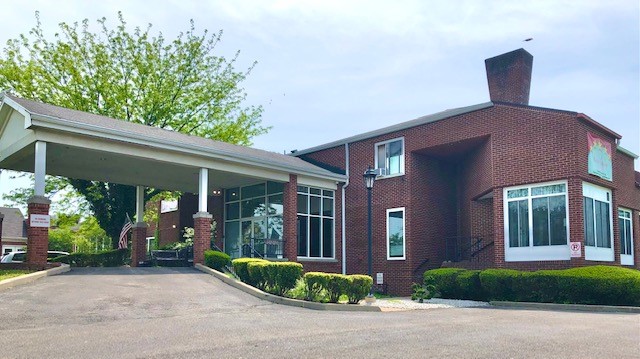
How Does Widows Home Of Dayton Compare to Other Ohio Nursing Homes?

Compared to the 100 nursing homes in Ohio, WIDOWS HOME OF DAYTON's overall rating (2 stars) is below the state average of 3.2, staff turnover (57%) is significantly higher than the state average of 46%, and health inspection rating (1 stars) is much below the national benchmark.

What Should Families Ask When Visiting Widows Home Of Dayton?

Based on this facility's data, families visiting should ask: "What changes have been made since the serious inspection findings, and how are you preventing similar issues?" "How do you ensure continuity of care given staff turnover, and what is your staff retention strategy?" "Can you walk me through typical staffing levels on day, evening, and night shifts?" "Can I visit during a mealtime to observe dining assistance and food quality?" These questions are particularly relevant given the facility's Immediate Jeopardy citations, the facility's high staff turnover rate, and the below-average staffing rating.

Is Widows Home Of Dayton Safe?

Based on CMS inspection data, WIDOWS HOME OF DAYTON has documented safety concerns. Inspectors have issued 1 Immediate Jeopardy citation (the most serious violation level indicating risk of serious injury or death). The facility has a 2-star overall rating and ranks #100 of 100 nursing homes in Ohio. Families considering this facility should ask detailed questions about what corrective actions have been taken since these incidents.

Do Nurses at Widows Home Of Dayton Stick Around?

Staff turnover at WIDOWS HOME OF DAYTON is high. At 57%, the facility is 11 percentage points above the Ohio average of 46%. High turnover means new staff may not know residents' individual needs, medications, or preferences. It can also be disorienting for residents, especially those with dementia who rely on familiar faces. Families should ask: What is causing the turnover? What retention programs are in place? How do you ensure care continuity during staff transitions?

Was Widows Home Of Dayton Ever Fined?

WIDOWS HOME OF DAYTON has been fined $70,300 across 2 penalty actions. This is above the Ohio average of $33,782. Fines in this range indicate compliance issues significant enough for CMS to impose meaningful financial consequences. Common causes include delayed correction of deficiencies, repeat violations, or care failures affecting resident safety. Families should ask facility leadership what changes have been made since these penalties.

Is Widows Home Of Dayton on Any Federal Watch List?

WIDOWS HOME OF DAYTON is not on any federal watch list. The most significant is the Special Focus Facility (SFF) program, which identifies the bottom 1% of nursing homes nationally based on persistent, serious quality problems. Not being on this list means the facility has avoided the pattern of deficiencies that triggers enhanced federal oversight. This is a positive indicator, though families should still review the facility's inspection history directly.