WOOD GLEN ALZHEIMER'S COMMUNITY
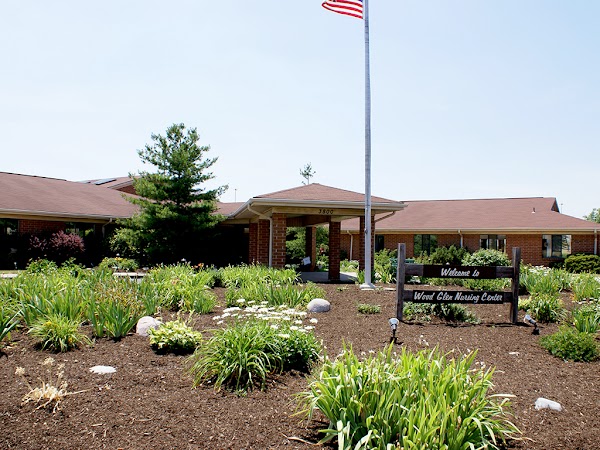
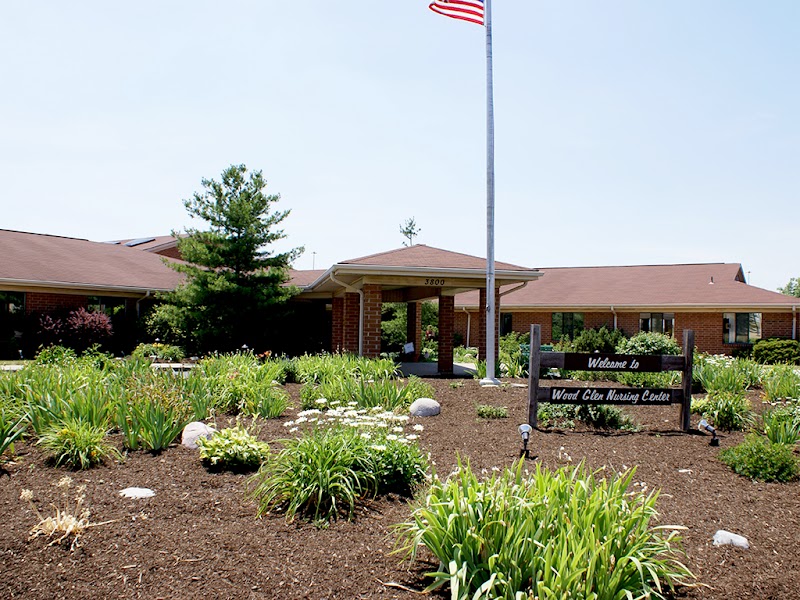
3800 SUMMIT GLEN DRIVE, DAYTON, OH 45449 (937) 436-2273
For profit - Corporation 148 Beds COMMUNICARE HEALTH Data: November 2025
Trust Grade
55/100
#575 of 913 in OH
Last Inspection: April 2024

Within standard 12-15 month inspection cycle. Federal law requires annual inspections.

Overview

Wood Glen Alzheimer's Community in Dayton, Ohio has a Trust Grade of C, which means it is average and falls in the middle of the pack among nursing homes. It ranks #575 of 913 facilities in Ohio, placing it in the bottom half, and #24 out of 40 in Montgomery County, indicating that there are better local options available. The facility is showing improvement, with issues decreasing from 12 in 2024 to just 3 in 2025. However, staffing is a significant concern, rated only 1 out of 5 stars, and while turnover is slightly below the state average at 48%, the lack of registered nurse coverage is troubling, with less RN support than 84% of other Ohio facilities. Recent inspections revealed some serious issues, including a resident being physically abused by another resident, which caused fear and anxiety for the victim. Additionally, there were concerns about food storage practices that could affect all residents, such as undated food items and unsanitary conditions. However, the facility has no fines on record and has excellent ratings for quality measures, suggesting some strengths amidst these weaknesses.

Trust Score
C
55/100
In Ohio
#575/913
Bottom 38%
Safety Record
Moderate
Needs review
Inspections
Getting Better
12 → 3 violations
Staff Stability
⚠ Watch
48% turnover. Above average. Higher turnover means staff may not know residents' routines.
Penalties
✓ Good
No fines on record. Clean compliance history, better than most Ohio facilities.
Skilled Nurses
⚠ Watch
Each resident gets only 21 minutes of Registered Nurse (RN) attention daily — below average for Ohio. Fewer RN minutes means fewer trained eyes watching for problems.
Violations
⚠ Watch
30 deficiencies on record. Higher than average. Multiple issues found across inspections.
★★★☆☆
3.0
Overall Rating
★☆☆☆☆
1.0
Staff Levels
★★★★★
5.0
Care Quality
★★★☆☆
3.0
Inspection Score
Stable
2024: 12 issues
2025: 3 issues

The Good

  • 5-Star Quality Measures · Strong clinical quality outcomes
  • Full Sprinkler Coverage · Fire safety systems throughout facility
  • No fines on record

Facility shows strength in quality measures, fire safety.

The Bad

3-Star Overall Rating

Near Ohio average (3.2)

Meets federal standards, typical of most facilities

Staff Turnover: 48%

Near Ohio avg (46%)

Higher turnover may affect care consistency

Chain: COMMUNICARE HEALTH

Part of a multi-facility chain

Ask about local staffing decisions and management

The Ugly 30 deficiencies on record

1 actual harm
Mar 2025 3 deficiencies
CONCERN (D) 📢 Someone Reported This

A family member, employee, or ombudsman was alarmed enough to file a formal complaint

Potential for Harm - no one hurt, but risky conditions existed

Report Alleged Abuse (Tag F0609)

Could have caused harm · This affected 1 resident

**NOTE- TERMS IN BRACKETS HAVE BEEN EDITED TO PROTECT CONFIDENTIALITY** Based on medical record review, staff interview, review of investigation documents, and review of self-reported incidents, the f...

Read full inspector narrative →
**NOTE- TERMS IN BRACKETS HAVE BEEN EDITED TO PROTECT CONFIDENTIALITY** Based on medical record review, staff interview, review of investigation documents, and review of self-reported incidents, the facility failed to report injuries of unknown origin in a timely manner. This affected two (#17 and #30) of two residents reviewed for injuries of unknown origin. The facility census was 141. Findings Include: 1. Review of the medical record for Resident #17 revealed an admission date of 10/23/24. Diagnoses included encephalopathy, dementia, violent behavior, generalized anxiety, heart failure, malnutrition, and cellulitis. Review of the Minimum Data Set (MDS) assessment dated [DATE] revealed Resident #17 was assessed as cognitively impaired. Review of Resident #17's progress note created 01/17/25, and back dated to 01/13/25 at 3:06 P.M., titled Post Fall Evaluation, revealed documentation that a fall occurred on 01/13/25. The Post Fall Evaluation revealed vital signs were refused by Resident #17 and no injuries were noted. Review of a progress note created 01/17/25, and back dated to 01/13/25 at 3:28 P.M., titled Nurses Note, revealed a head-to-toe assessment was completed and range of motion (ROM) for all extremities were within normal limits. There were no complaints of pain at that time and neurological checks were initiated. Review of a progress note titled Nurses Note, created and completed on 01/16/25 at 3:55 P.M., revealed Resident #17 complained of pain to the right lower extremity during care, the physician and family were notified, an x-ray was ordered and performed, and the pain medication acetaminophen was ordered and administered. Review of a Nurses Note dated 01/16/25 at 10:39 P.M. revealed Resident #17's x-ray results were obtained, and a proximal femoral fracture was reported. The physician was notified of the findings and orders were obtained to send the resident to hospital. Review of a fracture incident investigation dated 01/16/25 revealed Resident #17 had no pain and had full ROM after the fall on 01/13/25. There was no pain or discomfort reported until 01/16/25. Interview with Director of Nursing (DON) #257 on 03/06/25 at 8:55 A.M. revealed no investigation was completed as an injury of unknown origin for possible causes of Resident #17's fractured femur when it was discovered on 01/16/25. DON #257 indicated Resident #17's fractured femur to the fall on 01/13/25. Interview with Licensed Practical Nurse (LPN) #203 on 03/06/25 at 9:47 A.M. revealed the cause of Resident #17's fractured femur on 01/16/25 was unknown due to no documented incidents prior to 01/16/25. Interview on 03/06/25 at 2:00 P.M. with Regional Risk Manager #399 acknowledged an investigation for an injury of unknown origin should have been completed and reported for Resident #17 related to the fracture found on 01/16/25. 2. Review of the medical record for Resident #30 revealed an admission date of 02/03/25. Diagnoses included peripheral neuropathy, vascular dementia, Alzheimer's disease, dementia, cerebral atherosclerosis, and anxiety. Review of the MDS assessment dated [DATE] revealed Resident #30 was assessed as cognitively impaired. Review Resident #30's progress notes dated between 02/20/25 to 02/26/25 revealed no mention of behavioral outbursts, the resident banging on the door, or swinging her walker. Further review of the progress notes revealed no documentation of an injury being identified, contacting the physician, or getting an order for an x-ray. Review of a progress note dated 02/27/25 at 11:09 P.M. revealed review of an x-ray found a fracture of the distal phalanx of the left fourth digit with a plan to continue to manage pain with medications. Review of a fracture incident investigation related to the fracture identified on 02/27/25 revealed a questionnaire that indicated Resident #30 reported she was in her doorway when another resident tried to go in her room, so she used her walker to block the door and smashed her hand between the walker and the door. Review of a statement from Regional Director of Operations (RDO) #400 to DON #257 dated 02/27/25 revealed she met with Resident #30 and the team ordered an x-ray of the resident's finger. The statement also revealed Resident #30's ring finger had bruising. Interview on 03/05/25 at approximately 3:10 P.M. with DON #257 revealed the investigation was completed by RDO #400 and she was not familiar with the details. DON #257 revealed she was not sure if another resident was involved or not. Interview on 03/05/25 at approximately 3:40 P.M. with RDO #400 revealed she was not involved with the investigation and was unsure who completed it. RDO #400 confirmed she was not aware of any other residents being involved and just talked with Resident #30 on the day the x-ray was ordered. DON #257 confirmed a self-reported incident was not reported. Interview on 03/06/25 at 1:50 P.M. with Regional Risk Manager #399 acknowledged since Resident #30 was assessed with severely impaired cognition and had an unwitnessed injury as evidence by the fracture to the distal phalanx of the left fourth digit discovered on 02/27/25. Regional Risk Manager #399 confirmed the facility did not report the injury as a self-reported incident. Review of facility self-reported incidents between 01/01/25 and 03/05/25 revealed no reports were made to the state agency regarding Resident #30's injury on 02/27/25. Review of an undated facility policy titled, Abuse, Neglect, and Misappropriation, revealed the facility shall identify and report incidents timely and accurately. Each occurrence of a resident incident, bruise and injury of unknown origin shall be reported timely. A suspected abuse investigation (including injury of unknown origin) shall be initiated and reported to the Administrator or designee and the Executive Director shall report to the appropriate agencies. If the incident involves serious bodily injury the facility shall report within two hours (to the state agency). This deficiency represents non-compliance investigated under Complaint Number OH00162164.
CONCERN (D) 📢 Someone Reported This

A family member, employee, or ombudsman was alarmed enough to file a formal complaint

Potential for Harm - no one hurt, but risky conditions existed

Investigate Abuse (Tag F0610)

Could have caused harm · This affected 1 resident

**NOTE- TERMS IN BRACKETS HAVE BEEN EDITED TO PROTECT CONFIDENTIALITY** Based on medical record review, staff interview, review of investigation documents, and review of self-reported incidents, the f...

Read full inspector narrative →
**NOTE- TERMS IN BRACKETS HAVE BEEN EDITED TO PROTECT CONFIDENTIALITY** Based on medical record review, staff interview, review of investigation documents, and review of self-reported incidents, the facility failed to thoroughly investigate injuries of unknown origin in a timely manner. This affected two (#17 and #30) of two residents reviewed for injuries of unknown origin. The facility census was 141. Findings Include: 1. Review of the medical record for Resident #17 revealed an admission date of 10/23/24. Diagnoses included encephalopathy, dementia, violent behavior, generalized anxiety, heart failure, malnutrition, and cellulitis. Review of the Minimum Data Set (MDS) assessment dated [DATE] revealed Resident #17 was assessed as cognitively impaired. Review of Resident #17's progress note created 01/17/25, and back dated to 01/13/25 at 3:06 P.M., titled Post Fall Evaluation, revealed documentation that a fall occurred on 01/13/25. The Post Fall Evaluation revealed vital signs were refused by Resident #17 and no injuries were noted. Review of a progress note created 01/17/25, and back dated to 01/13/25 at 3:28 P.M., titled Nurses Note, revealed a head-to-toe assessment was completed and range of motion (ROM) for all extremities were within normal limits. There were no complaints of pain at that time and neurological checks were initiated. Review of a progress note titled Nurses Note, created and completed on 01/16/25 at 3:55 P.M., revealed Resident #17 complained of pain to the right lower extremity during care, the physician and family were notified, an x-ray was ordered and performed, and the pain medication acetaminophen was ordered and administered. Review of a Nurses Note dated 01/16/25 at 10:39 P.M. revealed Resident #17's x-ray results were obtained, and a proximal femoral fracture was reported. The physician was notified of the findings and orders were obtained to send the resident to hospital. Review of a fracture incident investigation dated 01/16/25 revealed Resident #17 had no pain and had full ROM after the fall on 01/13/25. There was no pain or discomfort reported until 01/16/25. Interview with Director of Nursing (DON) #257 on 03/06/25 at 8:55 A.M. revealed no investigation was completed as an injury of unknown origin for possible causes of Resident #17's fractured femur when it was discovered on 01/16/25. DON #257 indicated Resident #17's fractured femur to the fall on 01/13/25. Interview with Licensed Practical Nurse (LPN) #203 on 03/06/25 at 9:47 A.M. revealed the cause of Resident #17's fractured femur on 01/16/25 was unknown due to no documented incidents prior to 01/16/25. Interview on 03/06/25 at 2:00 P.M. with Regional Risk Manager #399 acknowledged an investigation for an injury of unknown origin should have been completed and reported for Resident #17 related to the fracture found on 01/16/25. 2. Review of the medical record for Resident #30 revealed an admission date of 02/03/25. Diagnoses included peripheral neuropathy, vascular dementia, Alzheimer's disease, dementia, cerebral atherosclerosis, and anxiety. Review of the MDS assessment dated [DATE] revealed Resident #30 was assessed as cognitively impaired. Review Resident #30's progress notes dated between 02/20/25 to 02/26/25 revealed no mention of behavioral outbursts, the resident banging on the door, or swinging her walker. Further review of the progress notes revealed no documentation of an injury being identified, contacting the physician, or getting an order for an x-ray. Review of a progress note dated 02/27/25 at 11:09 P.M. revealed review of an x-ray found a fracture of the distal phalanx of the left fourth digit with a plan to continue to manage pain with medications. Review of a fracture incident investigation related to the fracture identified on 02/27/25 revealed a questionnaire that indicated Resident #30 reported she was in her doorway when another resident tried to go in her room, so she used her walker to block the door and smashed her hand between the walker and the door. Review of a statement from Regional Director of Operations (RDO) #400 to DON #257 dated 02/27/25 revealed she met with Resident #30 and the team ordered an x-ray of the resident's finger. The statement also revealed Resident #30's ring finger had bruising. Interview on 03/05/25 at approximately 3:10 P.M. with DON #257 revealed the investigation was completed by RDO #400 and she was not familiar with the details. DON #257 revealed she was not sure if another resident was involved or not. Interview on 03/05/25 at approximately 3:40 P.M. with RDO #400 revealed she was not involved with the investigation and was unsure who completed it. RDO #400 confirmed she was not aware of any other residents being involved and just talked with Resident #30 on the day the x-ray was ordered. DON #257 confirmed a self-reported incident was not reported. Interview on 03/06/25 at 1:50 P.M. with Regional Risk Manager #399 acknowledged since Resident #30 was assessed with severely impaired cognition and had an unwitnessed injury as evidence by the fracture to the distal phalanx of the left fourth digit discovered on 02/27/25. Regional Risk Manager #399 confirmed the facility did not report the injury as a self-reported incident. Review of facility self-reported incidents between 01/01/25 and 03/05/25 revealed no reports were made to the state agency regarding Resident #30's injury on 02/27/25. Review of an undated facility policy titled, Abuse, Neglect, and Misappropriation, revealed the facility shall identify and report incidents timely and accurately. Each occurrence of a resident incident, bruise and injury of unknown origin shall be reported timely. A suspected abuse investigation (including injury of unknown origin) shall be initiated and reported to the Administrator or designee and the Executive Director shall report to the appropriate agencies. If the incident involves serious bodily injury the facility shall report within two hours (to the state agency). This deficiency represents non-compliance investigated under Complaint Number OH00162164.
CONCERN (D) 📢 Someone Reported This

A family member, employee, or ombudsman was alarmed enough to file a formal complaint

Potential for Harm - no one hurt, but risky conditions existed

Medical Records (Tag F0842)

Could have caused harm · This affected 1 resident

**NOTE- TERMS IN BRACKETS HAVE BEEN EDITED TO PROTECT CONFIDENTIALITY** Based on medical record review, incident investigation documents, staff interview, and policy review, the facility failed to ens...

Read full inspector narrative →
**NOTE- TERMS IN BRACKETS HAVE BEEN EDITED TO PROTECT CONFIDENTIALITY** Based on medical record review, incident investigation documents, staff interview, and policy review, the facility failed to ensure medical records were complete and accurate. This affected two (#17 and #30) of three residents reviewed for medical record content. The facility census was 141. Findings Include: 1. Review of the medical record for Resident #17 revealed an admission date of 10/23/24. Diagnoses included encephalopathy, dementia, violent behavior, generalized anxiety, heart failure, malnutrition, and cellulitis. Review of the Minimum Data Set (MDS) assessment dated [DATE] revealed Resident #17 was cognitively impaired. Review of Resident #17's progress note created 01/17/25, and back dated to 01/13/25 at 3:06 P.M., titled, Post Fall Evaluation, revealed a fall occurred on 01/13/25. Review of a progress note created 01/17/25, and back dated to 01/13/25 at 3:28 P.M., titled Nurses Note, revealed a head-to-toe assessment was completed and range of motion (ROM) for all extremities were within normal limits. There was no complaints of pain and neurological checks were initiated at that time. Review of Resident #17's electronic medical record revealed no documentation of neurological checks completed related to the incident. Review of a fracture investigation file revealed a paper document titled, Neurological Assessment, dated 01/13/25 through 01/18/25. The document was signed and initialed by Licensed Practical Nurse (LPN) #203, LPN #325, and Director of Nursing (DON) #257 and was fully completed. Interview with on 03/06/25 at 9:47 A.M. with LPN #203 revealed she never completed any documentation for Resident #17's incident on 01/13/25, 01/14/25, 01/15/25, or 01/16/25. LPN #203 confirmed the signature and initials on Resident #17's document titled, Neurological Assessment, were not hers and further stated she had never seen that document before and had no knowledge of Resident #17 having had a fall on 01/13/25. Interview with on 03/06/25 at 11:42 A.M. with LPN #325 revealed she also had no knowledge of the document titled, Neurological Assessment, for Resident #17. LPN #325 revealed she was unaware of Resident #17 having had any incident on 01/13/25. 2. Review of the medical record for Resident #30 revealed an admission date of 02/03/25. Diagnoses included peripheral neuropathy, vascular dementia, Alzheimer's disease, dementia, cerebral atherosclerosis, and anxiety. Review of the MDS assessment dated [DATE] revealed Resident #30 was cognitively impaired. Review of Resident #30's progress notes dated 02/20/25 to 02/26/25 revealed no documentation of behavioral outbursts, the resident banging on the door, or swinging her walker. The progress notes also did not include any documentation or mention of an injury being identified, contacting the physician, or getting an order for an x-ray. Review of Resident #17's progress note dated 02/27/25 at 11:09 P.M. revealed staff reviewed an x-ray and found a fracture of the distal phalanx of the left fourth digit with a plan to continue to manage pain with medications. Review of Resident #17's fracture incident investigation revealed a questionnaire that indicated the resident reported she was in her doorway when another resident tried to go in her room, so she used her walker to block the door, and smashed her hand between the walker and the door. Interview on 03/05/25 at approximately 3:40 P.M. with Regional Director of Operations (RDO) #400 revealed she was not involved with Resident #17's investigation and did not know specific details of how the injury occurred. RDO #400 confirmed the resident's medical record did not contain any details about behavioral incidents or injuries and also did not include any information about staff identifying a change in condition. RDO #400 confirmed the only notations in the resident's medical record included the x-ray results. Review of the undated facility policy titled, Clinical Documentation Standards, revealed the facility shall maintain the integrity and quality of medical records. A complete record contains accurate and functional representation of the actual experience of the resident and must contain enough information to show the status of the resident was known. Staff shall follow basic standards of documentation including timely and accurate. This deficiency represents an incidental finding discovered during investigation under Complaint Number OH00162164.
Sept 2024 1 deficiency
CONCERN (D) 📢 Someone Reported This

A family member, employee, or ombudsman was alarmed enough to file a formal complaint

Potential for Harm - no one hurt, but risky conditions existed

Accident Prevention (Tag F0689)

Could have caused harm · This affected 1 resident

**NOTE- TERMS IN BRACKETS HAVE BEEN EDITED TO PROTECT CONFIDENTIALITY** Based on medical record review, observations, staff interviews, review of facility policy, and review of facility documents, the...

Read full inspector narrative →
**NOTE- TERMS IN BRACKETS HAVE BEEN EDITED TO PROTECT CONFIDENTIALITY** Based on medical record review, observations, staff interviews, review of facility policy, and review of facility documents, the facility failed to provide adequate interventions and/or supervision to ensure a resident who was assessed as being at risk for elopements did not elope from the facility. Additionally, the facility failed to ensure ordered elopement interventions were in place. This affected one (#1) of three residents reviewed for elopement. The census was 144. Findings include: Review of Resident #1's medical record revealed an admission date of 08/29/24. Diagnoses listed included erectile dysfunction, alcohol abuse, hypertension, dementia, anxiety, and congestive heart failure. Review of a brief interview for mental status (BIMS) assessment dated [DATE] revealed Resident #1 was severely impaired with score or three out of a possible 15. Review of a admission Nursing assessment dated [DATE] revealed Resident #1 was at risk for elopement. Review of Resident #1's care plan dated 08/29/24 revealed Resident #1 was at risk for elopement due to dementia with mood disturbance. An intervention of 1:1 (one on one supervision) was added on 08/30/24. Resident #1 required a secured unit due behaviors, elopement risk, and poor cognition. Review of facility investigative documents revealed Resident #1 was unable to be located in the facility by staff the morning of 08/30/24 at 8:00 A.M. when the nurse went to administer morning medications. Resident #1 was last seen by staff on 08/30/24 at 7:20 A.M. An elopement code was called on 08/30/24 at 8:10 A.M. and staff searched the facility and surrounding areas of the facility. Resident #1 was found near a local park on 08/30/24 at 8:19 A.M. Resident #1 returned to the facility on [DATE] at 8:30 A.M. Resident #1 did not have any injuries. Review of physician orders revealed an order dated 08/30/24 for Resident to be 1:1 at all times every shift for elopement risk. Observation on 09/03/24 at 10:25 A.M. revealed Resident #1 in his room in bed. Resident #1's room door was closed and could not be seen from the hallway. There was not a staff member observed in Resident #1's room. Observation on 09/03/24 at 10:30 A.M. revealed Resident #1 in his room in bed. Resident #1's room door was closed and could not be seen from the hallway. There was not a staff member observed in Resident #1's room. Interview with State Tested Nursing Assistant (STNA) #180 and STNA #190 on 09/03/24 at 10:30 A.M. confirmed Resident #1 was ordered to be 1:1 supervision. STNA #180 and STNA #190 confirmed a staff member should be with Resident #1 at all times and there was a brief time that he was not being provided with 1:1 supervision. Interview with the Administrator on 09/03/24 at 10:38 A.M. confirmed Resident #1 had eloped from the facility on 08/30/24. Resident #1 was just admitted the prior evening. Resident #1 was found near a local park. The Administrator was unsure how Resident #1 had eloped. The Administrator confirmed Resident #1 was ordered to be 1:1. The Administrator confirmed the facility conducted an investigation but was unable to determine how Resident #1 eloped so Resident #1 was placed on 1:1 supervision. Interview with the Director of Nursing (DON) on 09/03/24 at 11:24 A.M. confirmed Resident #1 eloped from the building on 08/30/24. Resident #1 was last seen by staff on 08/30/24 approximately 7:30 A.M. Resident #1 was found by Nurse Practitioner (NP) #100 near a local park and returned to the facility on [DATE] at 8:25 A.M. Resident #1 was assessed and had no injuries. The DON confirmed Resident #1 was ordered to be 1:1 and that a staff member was not in his room when observed 09/03/24 at 10:25 and 10:30 A.M. Interview with Business Office Manager (BOM) #120 on 09/03/24 at 2:00 P.M. revealed she searched for Resident #1 when he eloped on 08/30/24. BOM #120 arrived to the location where Resident #1 was located at about the same time as NP #100. BOM #120 transported Resident #1 back to the facility. Resident #1 came back the facility willingly. Phone interview with Licensed Practical Nurse (LPN) #200 on 09/03/24 at 2:24 P.M. revealed she was the dayshift nurse on 08/30/24. LPN #200 was unable to find Resident #1 when she went to his room to get medications on 08/30/24 at approximately 7:30 A.M. LPN #200 informed STNA's who helped search the unit. Resident #1 was unable to be found so an elopement code was called and staff began searching the facility and surrounding areas. Resident #1 was found outside of the facility and returned on 08/30/24 at approximately 8:30 A.M. LPN #200 assessed Resident #1 upon his return and he did not have any injuries. LPN #200 denied hearing any exit alarms, seeing any windows open, or having any family members in the unit the morning on 08/30/24. Phone interview with LPN #150 on 09/03/24 at 2:32 P.M. revealed she was the night shift nurse on 08/29/24 to 08/30/24. LPN #120 reported last seeing Resident #1 on 08/30/24 at approximately 7:00 A.M. when reporting off to the day shift nurse. Resident #1 stuck his head out of his room. Resident #1 was a little restless during the night and walked around. LPN #120 denied seeing Resident #1 push on any doors or attempt to elope. LPN #120 did not hear any exit alarms on 08/29/24 or 08/30/24. LPN #120 was informed Resident #1 was missing form the facility while at a tanning salon and questioned when the last time she had seen him. Interview with NP #100 on 09/03/24 at 2:38 P.M. revealed she found Resident #1 near a local park on 08/30/24. Resident #1 was very pleasant, but confused. NP #100 had not yet seen Resident #1 at the facility before 08/30/24 and did not know him. NP #100 identified Resident #1 by a picture that was sent out by the facility. Resident #1 did not have any injuries. Resident #1 has been assessed and some medication have been adjusted. Review of the facility's undated policy Elopement Prevention and Management Overview revealed elopement is defined as when a resident/patient leaves the premises or a safe area without authorization and/or any necessary supervision and places the resident at risk for harm or injury. Post elopement procedures included complete and document a physical assessment of the resident/patient upon return to the facility to determine if further treatment is required, notify all parties of resident's return to the facility, review and revise the interventions related to prevention of elopement/missing resident, and communicate the modification of interventions to the caregiving staff, resident and/or resident representative. This deficiency represents non-compliance investigated under Complaint Number OH00157403.
Jul 2024 2 deficiencies
CONCERN (D) 📢 Someone Reported This

A family member, employee, or ombudsman was alarmed enough to file a formal complaint

Potential for Harm - no one hurt, but risky conditions existed

Deficiency F0692 (Tag F0692)

Could have caused harm · This affected 1 resident

**NOTE- TERMS IN BRACKETS HAVE BEEN EDITED TO PROTECT CONFIDENTIALITY** Based on observation, staff interview, medical record review, and policy review, the facility failed to administer enteral feedi...

Read full inspector narrative →
**NOTE- TERMS IN BRACKETS HAVE BEEN EDITED TO PROTECT CONFIDENTIALITY** Based on observation, staff interview, medical record review, and policy review, the facility failed to administer enteral feeding (tube feeding) as ordered. This affected one (#137) out of the three residents reviewed for enteral feedings. The facility census was 140. Findings include: Review of the medical record for Resident #137 revealed an admission date of 03/09/22 with medical diagnoses of dementia, chronic kidney disease stage III, hypertensive heart disease, dysphagia. Review of the medical record for Resident #137 revealed a quarterly Minimum Data Set (MDS) assessment dated [DATE] which indicated Resident #137 had severe cognitive impairment and required substantial staff assistance for eating, dressing bed mobility and transfers. Review of the MDS revealed Resident #137 received 51% or more proportion of total calories through parenteral or tube feeding. Review of the medical record for Resident #137 revealed a physician order dated 01/28/24 for enteral feed order as needed for tube patency, check for residual prior to each intermittent feeding: if greater than or equal to 100 cubic centimeters (CC), hold tube feeding and check residual again in two hours and notify physician and/or nurse practitioner when appropriate. Review of the medical record revealed an order dated 04/09/24 for nothing by mouth (NPO) status and an order dated 06/23/24 for Jevity 1.5, 55 milliliter (ml) per hour for 22 hours via pump, on at 10 P.M., off when total volume of 1,210 ml infused. Review of the medical record for Resident #137 revealed a nurse progress note dated 07/10/24 at 11:58 A.M. which stated the tube feeding was placed on temporary hold at approximately 10:15 A.M. due to approximately 50 ml of residual volume. The note stated Resident #137 did not have any discomfort, abdomen was soft and round, placement checked, no distension noted, and not signs of distress noted. The note stated the nurse practitioner was notified, ordered to follow up within two hours and notified to continue the tube feeding. Observation on 07/10/24 at 8:40 A.M. of Resident #137 revealed tube feeding was being administered via pump at 55 ml per hour. Observation on 07/10/28 at 11:40 A.M. of Resident #137 revealed the tube feeding pump was turned off and Resident #137 was not receiving any tube feeding. Interview on 07/10/24 at 11:45 A.M. with Licensed Practical Nurse (LPN) #217 stated she had checked Resident #137's tube feeding residual at 10:15 A.M. and it was between 50-60 ml so she turned off the tube feeding for a little while. LPN #217 stated Resident #137 was not in any distress or showing any signs or symptoms of aspiration. LPN #217 stated the amount of tube feeding that had been infused was about 900 ml. Review of the facility policy titled, Enteral General Nutritional (tube feeding) Guidelines, stated continuous nutritional meals will utilize an electronic programmable pump to deliver the required amount of solution over time unless the physician and/or RD determined that the specific needs for a resident would require gravity with manual control instead of automated delivery using a pump. Continuous delivery provides for short, interrupted periods when nutrition is not being delivered such as during showers or other procedures or when the physician orders a temporary delivery stop but is not considered intermittent delivery. This deficiency represents non-compliance investigated under Complaint Number OH00155361.
CONCERN (D) 📢 Someone Reported This

A family member, employee, or ombudsman was alarmed enough to file a formal complaint

Potential for Harm - no one hurt, but risky conditions existed

Infection Control (Tag F0880)

Could have caused harm · This affected 1 resident

**NOTE- TERMS IN BRACKETS HAVE BEEN EDITED TO PROTECT CONFIDENTIALITY** Based on observation, medical record review, staff interviews, and policy review, the facility failed to follow infection contro...

Read full inspector narrative →
**NOTE- TERMS IN BRACKETS HAVE BEEN EDITED TO PROTECT CONFIDENTIALITY** Based on observation, medical record review, staff interviews, and policy review, the facility failed to follow infection control policies. This affected one (#30) out of three residents reviewed for enteral feedings. The facility census was 140. Findings include: Review of the medical record for Resident #30 revealed an admission date of 05/06/24 with medical diagnoses of right sided hemiplegia status post cerebral infarction, Alzheimer's disease, adult failure to thrive (AFTT), diabetes mellitus, atrial fibrillation, and dysphagia. Review of the medical record for Resident #30 revealed an admission Minimum Data Set (MDS) assessment dated [DATE] which indicated Resident #30 was severely cognitively impaired and was dependent upon staff for toilet hygiene and bathing and required substantial staff assistance with dressing, transfers, and bed mobility. The MDS indicated Resident #30 received 51% or more proportion of total calories through parenteral or tube feeding. Review of the medical record for Resident #30 revealed a physician order dated 05/07/24 for nothing by mouth status (NPO) and orders dated 06/04/24 for Nepro 1.8 to provide 200 milliliter (ml) every four hours to provide 1200 ml formula per day via gastrointestinal tube (g-tube), 100 ml of water flush to g-tube before and after each tube feeding every four hours and enhanced barrier precautions (EBP) related to enteral tube when dressing/bathing, showering/transferring in room or therapy gym, during personal hygiene, changing linen, providing hygiene, changing briefs or assisting with toileting. Observation on 07/10/24 at 8:40 A.M. revealed Registered Nurse (RN) #275 administered bolus tube feeding to Resident #30. RN #275 obtained all the supplies for the administration, performed hand hygiene, and donned gloves. RN #275 administered bolus tube feeding, and water flushes as ordered. The observation revealed an EBP sign posted on Resident #30's door but no personal protective equipment (PPE) was located outside or inside of Resident #30's room. The observation revealed RN #275 did not don a gown prior to tube feeding administration. Interview on 07/10/24 at 9:06 A.M. with RN #275 confirmed Resident #30 had an order for EBP, an EBP sign was posted on Resident #30's door, and Resident #30's room did not contain PPE for staff use. RN #275 confirmed she donned gloves but did not don a gown prior to administering bolus tube feedings to Resident #30. Interview on 07/10/24 at 9:48 A.M. with Director of Nursing (DON) confirmed staff should follow EBP during administration of tube feedings via g-tube and all residents with orders for EBP should have PPE available in the resident rooms. Review of the facility policy titled, Enhanced Barrier Precautions, revealed EBP was an infection control intervention designed to reduce transmission of multi-drug resistant organisms that employs hand hygiene, targeted gown and glove use during high contact resident care activities that include: dressing, bathing/showering, transferring, providing hygiene, changing linens, changing briefs or assisting with toileting, device care or use: central line, urinary catheter, feeding tube, tracheostomy/ventilator, and wound care. This deficiency is based on incidental findings discovered during the course of this complaint investigation.
Apr 2024 9 deficiencies
CONCERN (D)

Potential for Harm - no one hurt, but risky conditions existed

Deficiency F0685 (Tag F0685)

Could have caused harm · This affected 1 resident

**NOTE- TERMS IN BRACKETS HAVE BEEN EDITED TO PROTECT CONFIDENTIALITY** Based on record review, staff interviews, and observations, the facility failed to ensure ancillary services were provided to re...

Read full inspector narrative →
**NOTE- TERMS IN BRACKETS HAVE BEEN EDITED TO PROTECT CONFIDENTIALITY** Based on record review, staff interviews, and observations, the facility failed to ensure ancillary services were provided to residents with hearing and visual impairments. This affected one (#116) resident out of two residents reviewed for hearing and vision. The facility census was 134. Findings include: Review of the medical record for Resident #116 revealed an admission date of 11/10/23 with a readmission of 03/21/24. Diagnoses included parkinsonism, dementia, generalized anxiety disorder, and hypertension. Review of the personal items inventory log dated 11/10/23 for Resident #116 revealed the resident was admitted to the facility with hearing aids and two boxes of batteries. Review of the quarterly Minimum Data Set (MDS) assessment dated [DATE] revealed Resident #116 had severe cognitive impairment as evidenced by a Brief Interview for Mental Status (BIMS) score of six. This resident was assessed to require supervision with eating, toileting, dressing, and transfers, and partial assistance with bathing. Review of section B for hearing, speech, vision of the admission MDS dated [DATE] revealed Resident #116 had hearing aids. Review of the care plan dated 03/28/24 revealed Resident #116 had a communication problem related to sensorineural bilateral hearing loss. Interventions included offer interpretation services, staff to provide reading materials, movies, newspapers, and music in preferred language, staff to provide verbal education regarding equipment, treatments, and medications as needed and staff to refer resident to audiology for hearing consult as needed. Observations during the annual survey revealed Resident #116 was not wearing hearing aids and did not have them present in his room. Interview on 04/11/24 at 2:01 P.M. with the Administrator reported she was unaware Resident #116 had hearing aids. Interview on 04/12/24 at 10:07 A.M. with the Administrator revealed Resident #116 had bilateral hearing aids noted on his inventory log. Interview on 04/12/24 at 10:34 A.M. with Social Services Director (SSD) #123 revealed she was unaware Resident #116 had hearing aids upon admission. SSD #123 confirmed no ancillary referral services had been completed for Resident #16.
CONCERN (D) 📢 Someone Reported This

A family member, employee, or ombudsman was alarmed enough to file a formal complaint

Potential for Harm - no one hurt, but risky conditions existed

Accident Prevention (Tag F0689)

Could have caused harm · This affected 1 resident

**NOTE- TERMS IN BRACKETS HAVE BEEN EDITED TO PROTECT CONFIDENTIALITY** Based on record review, staff interviews and review of facility policy, the facility failed to ensure falls were reviewed and di...

Read full inspector narrative →
**NOTE- TERMS IN BRACKETS HAVE BEEN EDITED TO PROTECT CONFIDENTIALITY** Based on record review, staff interviews and review of facility policy, the facility failed to ensure falls were reviewed and discussed by the Interdisciplinary Team (IDT) and a root cause analysis was determined. This affected two (#20 and #01) residents out of eight residents reviewed for falls. The fility census was 134. Findings include: 1) Review of the medical record for Resident #20 revealed an admission date of 10/17/23. Diagnoses included non-traumatic brain disorder, renal insufficiency, diabetes, dementia, and psychotic disorder. Review of the quarterly Minimum Data Set (MDS) assessment dated [DATE] revealed Resident #20 was cognitively intact. The resident required supervision for activities of daily living (ADLs). Review of the care plan dated 10/18/23 revealed Resident #20 was at risk for falls related to disease process. Review of a progress note dated 12/12/23 revealed Resident #20 was found on the floor next to his bed. The resident sustained a small skin tear to the left elbow, and to the back of the head. He had no bleeding, no pain, no change in mental status and no anticoagulation. Neuro checks were started per the facility's protocol. Further review of the medical record revealed no documented evidence of an IDT meeting being held to review and discuss the resident's fall on 12/12/23 and to determine a root cause analysis. Review of a progress note for Resident #20 dated 02/19/24 at 7:29 A.M. revealed at approximately 6:10 A.M., the resident's roommate alerted the nurse Resident #20 had fallen. The resident was observed on the floor in the entrance to the bathroom and was lying on the left side in a fetal position. The resident indicated he hit his head and was sent out to the hospital for treatment, and there were no injuries. Further review of the medical record revealed no documented evidence of an IDT meeting being held to review and discuss the resident's fall on 02/19/24 and to determine a root cause analysis. Interview with Licensed Practical Nurse (LPN) #51 on 04/11/23 at 10:12 A.M. confirmed there were no IDT meetings held to review and discuss Resident #20's falls on 12/12/23 and 02/19/24 to determine a cause analysis. 2) Medical review for Resident #01 revealed an admission date of 10/12/23. Medical diagnoses included cardiorespiratory conditions, atrioventricular block first degree, heart failure, peripheral vascular disease, renal insufficiency, and non-Alzheimer's Dementia. Review of quarterly MDS dated [DATE] revealed Resident #01 was cognitively intact. Review of the care plan revised 01/18/24 revealed Resident #01 was at risk for falls related to disease process. Review of a progress note dated 01/20/24 revealed Resident #01 fell while ambulating in the hall using her walker. The resident stated she lost her balance and fell and hit her head on the floor. The physician was notified with no new orders and neuro checks were initiated, which were negative. Further review of the medical record revealed no documented evidence of an IDT meeting being held to review and discuss the resident's fall on 01/20/24 and to determine a root cause analysis. Interview with LPN #51 on 04/11/23 at 10:12 A.M. confirmed there was not an IDT meeting held to review and discuss Residents #01's fall on 01/20/24 to determine a root cause analysis. Review of the undated facility policy titled Fall Prevention and Management revealed the IDT should review all information for all falls at the next daily clinical meeting. The IDT should discuss the fall, potential causes of the fall, interventions put into place and if they were effective. A deep root cause investigation should be discussed. A progress note of the discussion should be placed in the resident's chart. The team should have a way to inform all care given of any new interventions placed in the care plan. This deficiency represents non-compliance investigated under Complaint Number OH00152479.
CONCERN (D) 📢 Someone Reported This

A family member, employee, or ombudsman was alarmed enough to file a formal complaint

Potential for Harm - no one hurt, but risky conditions existed

Deficiency F0745 (Tag F0745)

Could have caused harm · This affected 1 resident

**NOTE- TERMS IN BRACKETS HAVE BEEN EDITED TO PROTECT CONFIDENTIALITY** Based on record review, staff and resident interviews, and review of facility policy, the facility failed to follow-up on a cell...

Read full inspector narrative →
**NOTE- TERMS IN BRACKETS HAVE BEEN EDITED TO PROTECT CONFIDENTIALITY** Based on record review, staff and resident interviews, and review of facility policy, the facility failed to follow-up on a cellular (cell) phone being reported missing. This affected one (#15) resident of six residents reviewed for missing personal property. The facility census was 134. Findings include: Review of the medical record for Resident #15 revealed the resident was admitted on [DATE]. Diagnoses included coronary artery disease, heart failure, peripheral vascular disease (PVD), renal insufficiency, diabetes, Alzheimer's disease, and dementia. Review of quarterly Minimum Data Set (MDS) assessment dated [DATE] revealed Resident #15 was moderately cognitively impaired. Review of the care conference notes for Resident #15 dated 07/17/23 held with the Veteran's Administration (VA) representative revealed Resident #15 had lost his cell phone in transition to the hospital from another facility. The VA representative indicated she would replace the cell phone for the resident. Review of the progress notes from 07/17/23 through 04/11/24 for Resident #15 revealed no documentation related to Resident #15's cell phone being lost or communication with the VA representative for follow-up. Interview with Resident #15 on 04/09/24 at 11:28 A.M. revealed his cell phone was missing when he transferred to the hospital from another facility, and he was told it would be replaced and it had not been replaced yet. Interview with the Licensed Social Worker (LSW) #123 on 04/10/24 at 2:01 P.M. revealed she knew about the missing cell phone for Resident #15, but waited to see if it was going to be replaced by the VA representative and it never got replaced. LSW #123 verified she had not reached out to the VA representative to follow-up on the missing cell phone. Review of the policy entitled Social Services dated 07/17/20 revealed the primary objective of the Social Services Department was to establish a working system designed to meet the social and psychological needs of the residents and their families. This includes intervention while the individual resides here and communication with outside agencies, upon discharge. Promoting psychosocial well-being within the nursing facility is a primary concern. This deficiency represents non-compliance investigated under Complaint Number OH00152479.
CONCERN (D)

Potential for Harm - no one hurt, but risky conditions existed

Medication Errors (Tag F0758)

Could have caused harm · This affected 1 resident

**NOTE- TERMS IN BRACKETS HAVE BEEN EDITED TO PROTECT CONFIDENTIALITY** 3) Review of the medical record for Resident #71 revealed the resident was admitted to the facility on [DATE]. Diagnoses include...

Read full inspector narrative →
**NOTE- TERMS IN BRACKETS HAVE BEEN EDITED TO PROTECT CONFIDENTIALITY** 3) Review of the medical record for Resident #71 revealed the resident was admitted to the facility on [DATE]. Diagnoses included Alzheimer's disease, dementia, chronic kidney disease, edema, anxiety disorder, dysphasia, major depressive disorder, and vitamin-d deficiency. Review of the most recent MDS assessment dated [DATE], revealed Resident #71 was cognitively impaired. Review of the physician's order dated 03/18/24 for Resident #71, revealed an order for quetiapine fumarate 12.5 mgs by mouth every morning and at bedtime for dementia behaviors. Review of the care plan for Resident #71 dated 08/01/22, revealed the resident received anti-psychotic medication related to behavior management. Interview with the DON on 04/15/24 at 8:05 A.M. confirmed Resident #71 was taking Seroquel 12.5 mgs every morning at bedtime for dementia behaviors. The DON confirmed she was aware of the medications black box warning for seniors with Dementia. Review of the facility's pharmacy documents from the Seroquel manufacturer's prescribing information dated 11/29/21 revealed Serious Warning and Precautions: increased mortality in elderly patients with dementia. Review of online resources from Medscape.com (https://reference.medscape.com/drug/seroquel-xr-quetiapine-342984#5) revealed Seroquel was not approved for dementia-related psychosis and elderly patients with dementia-related psychosis who are treated with antipsychotic drugs are at increased risk of death. Based on record review, staff interviews, review of facility policy, review of pharmacy documents, and review of online resources from Medscape, the facility failed to ensure residents' antipsychotic medications were given with adequate indications for use. This affected three (#61, #71 and #104) residents out of five residents reviewed for unnecessary medications. The facility census was 134. Findings include: 1) Review of the medical record for Resident #104's revealed the resident was admitted to the facility on [DATE] with diagnoses including unspecified dementia unspecified severity with other behavioral disturbance, generalized anxiety disorder, major depressive disorder, insomnia, alcohol dependence with alcohol induced persisting dementia, weakness, and muscle weakness. Review of the physician's order for Resident #104 dated 02/21/24, revealed the resident was ordered quetiapine fumarate (Seroquel) (anti-psychotic) 50 milligrams (mgs) by mouth at bedtime for agitation and Alzheimer's Disease. Review of the admission Minimum Data Set (MDS) assessment for Resident #104 dated 03/12/24 revealed the resident had severe cognitive impairment. Resident #104 was assessed as receiving anti-psychotic and anti-depressant medication during the MDS review period. Review of the anti-psychotic medication care plan for Resident #104 dated 03/13/24, revealed the resident would be provided anti-psychotic medications per the physician's orders. Interview with the Director of Nursing (DON) on 04/10/24 at 4:27 P.M. verified Resident #104 was ordered Seroquel 50 mg by mouth at bedtime for agitation and Alzheimer's Disease. Review of the facility's pharmacy documents from the Seroquel manufacturer's prescribing information dated 11/29/21 revealed Serious Warning and Precautions: increased mortality in elderly patients with dementia. Review of online resources from Medscape.com (https://reference.medscape.com/drug/seroquel-xr-quetiapine-342984#5) revealed Seroquel was not approved for dementia-related psychosis and elderly patients with dementia-related psychosis who are treated with antipsychotic drugs are at increased risk of death. 2) Review of the medical record for Resident #61 revealed the resident was admitted to the facility on [DATE] with diagnoses including metabolic encephalopathy, squamous cell carcinoma of skin of right lower eye lip including canthus, unspecified dementia unspecified severity without behavioral disturbance, psychotic disturbance, mood disturbance and anxiety, unspecified asthma, type two diabetes mellitus without complications, chronic kidney disease stage four, hypertension, syncope and collapse, depression, personal history of malignant neoplasm of breast, and sleep disorder. Review of the physician's order for Resident #61 dated 02/09/24, revealed the resident was ordered Trazodone (anti-depressant) 50 milligrams (mgs) by mouth at bedtime for mood and mental health. Review of admission MDS assessment for Resident #61 dated 02/12/24, revealed the resident had severe cognitive impairment. Resident #61 received anti-psychotic and anti-depressant medication during the MDS review period. Review of the anti-depressant care plan for Resident #61 dated 02/20/24, revealed the resident used anti-depressant medication related to depression. Interventions included provide anti-depressant medication per medical provider's orders. Interview with the DON on 04/10/24 at 4:29 P.M. verified Resident #61 was ordered Trazodone 50 mgs at bedtime for mood and mental health.
CONCERN (D)

Potential for Harm - no one hurt, but risky conditions existed

Medical Records (Tag F0842)

Could have caused harm · This affected 1 resident

**NOTE- TERMS IN BRACKETS HAVE BEEN EDITED TO PROTECT CONFIDENTIALITY** Based on medical record review, staff, and resident interviews, the facility failed to ensure information was documented in the ...

Read full inspector narrative →
**NOTE- TERMS IN BRACKETS HAVE BEEN EDITED TO PROTECT CONFIDENTIALITY** Based on medical record review, staff, and resident interviews, the facility failed to ensure information was documented in the medical record. This affected one (#15) resident out of the 27 sampled for accurate documentation. The facility census was 134. Findings include: Review of the medical record review for Resident #15 revealed the resident was admitted on [DATE]. Medical diagnoses included Alzheimer's disease, dementia, coronary artery disease, heart failure, peripheral vascular disease, diabetes, and renal insufficiency. Review of the progress notes dated 07/07/23 through 07/31/23 for Resident #15 revealed no documented notes regarding an iPad or pictures that were found on the iPad. Review of the quarterly Minimum Data Set (MDS) assessment for Resident #15 dated 03/15/24 revealed the resident was moderately cognitively impaired. Interview with Resident #15 on 04/09/24 at 11:51 A.M. revealed he had his personal iPad taken away from him about three days after admission and he did not know why. Resident #15 stated there was personal banking information on the tablet. Interview with the Licensed Social Worker (LSW) #123 on 04/11/24 at 11:36 A.M. revealed Resident #15's iPad tablet was taken from him three days after admission because the Veterans Administration (VA) representative said there were passwords for different accounts on the resident's iPad. LSW #123 stated she removed the iPad from the resident's possession and when she tried to shut the iPad off, there was a gallery of child pornography pictures that came up on the screen. LSW #123 stated she reported this to the Administrator who called the police. LSW #123 stated the police removed the iPad and took it for evidence. LSW #123 verified there was no documentation regarding the residents iPad being taken from him. Interview with the Administrator on 04/11/24 at 11:45 A.M. stated the LSW #123 informed her what was on the iPad but didn't do any type of investigation. The Administrator stated she called the police and they talked to the resident. The Administrator confirmed there was no documentation entered into the resident's electronic record because she called the police, and it was a police matter. Review facility policy revised on 07/16/20, titled Social Services, revealed the social service worker shall enter an initial progress note within the facility protocol time frames and shall document progress pertain to adjustment, quality of life and general behavioral manifestations and the documentation shall cover progress towards social service goals as well as pertinent information about the residents' changes effecting the resident's health and wellbeing.
CONCERN (D)

Potential for Harm - no one hurt, but risky conditions existed

Deficiency F0909 (Tag F0909)

Could have caused harm · This affected 1 resident

**NOTE- TERMS IN BRACKETS HAVE BEEN EDITED TO PROTECT CONFIDENTIALITY** Based on observation, staff interviews and review of facility policy, the facility failed to ensure a resident's mattress fit pr...

Read full inspector narrative →
**NOTE- TERMS IN BRACKETS HAVE BEEN EDITED TO PROTECT CONFIDENTIALITY** Based on observation, staff interviews and review of facility policy, the facility failed to ensure a resident's mattress fit properly on the bed frame. This affected one (#91) resident out of the one resident reviewed for bed safety. The facility census was 134. Findings include: Review of medical record for Resident #91 revealed the resident was admitted to the facility on [DATE]. Diagnoses included, dementia, conversion disorder, epilepsy, borderline personality disorder, major depressive disorder, asthma, diabetes mellitus, anxiety disorder, post-traumatic stress disorder (PTSD), congestive heart failure (CHF) and gastro-esophageal reflux disease (GERD). Review of the most recent Minimum Data Set (MDS) assessment dated [DATE] for Resident #91 revealed the resident had impaired cognition. The assessment revealed the resident was dependent on staff for all activities of daily living (ADLs). Review of facility document titled, Bed Safety Evaluation dated 02/12/24 for Resident #91, revealed the resident demonstrated poor bed mobility and difficulty sitting on the side of the bed. Resident #91 was unable to transfer independently from the bed and not capable of using her call light if she required help. Observation of Resident #91's bed on 04/09/24 at 10:13 A.M. with Stated Tested Nursing Aide (STNA) #87 revealed a gap approximately 12 inches at the top of Resident #91's bed between the headboard and the mattress. Interview with STNA#87 at the same time verified the gap between the mattress and the headboard. Interview with Regional Clinical Nurse (RCN) #250 on 04/11/24 at 11:39 A.M. revealed the facility utilized a mattress assessment for bed safety review. RCN #250 confirmed a large open gap between Resident #91's mattress and the headboard could be a safety risk and could result in harm to a resident. Review of the facility policy titled, Use of Support Surfaces, undated, confirmed the facility will inspect the Resident's mattresses are inspected as part of the facility regular maintenance program and identify areas of possible entrapment. Further review of the policy revealed the facility mattresses are designed to fit the bed frame properly limiting entrapment zones.
CONCERN (E) 📢 Someone Reported This

A family member, employee, or ombudsman was alarmed enough to file a formal complaint

Potential for Harm - no one hurt, but risky conditions existed

Deficiency F0657 (Tag F0657)

Could have caused harm · This affected multiple residents

**NOTE- TERMS IN BRACKETS HAVE BEEN EDITED TO PROTECT CONFIDENTIALITY** 3) Review of the medical record for Resident #91 revealed the resident was admitted to the facility on [DATE]. Diagnoses include...

Read full inspector narrative →
**NOTE- TERMS IN BRACKETS HAVE BEEN EDITED TO PROTECT CONFIDENTIALITY** 3) Review of the medical record for Resident #91 revealed the resident was admitted to the facility on [DATE]. Diagnoses included dementia, conversion disorder, epilepsy, borderline personality disorder, major depressive disorder, asthma, diabetes mellitus, anxiety disorder, post-traumatic stress disorder (PTSD), congestive heart failure (CHF), and gastro-esophageal reflux disease (GERD). Further review of Resident #91's record revealed no documented information related to a care conference being completed. Review of the MDS assessment dated [DATE], for Resident #91 revealed the resident had impaired cognition. Interview with LSW #123 on 04/10/24 at 4:31 P.M. revealed Resident #91 should have a had care conference scheduled in December 2023. LSW #123 confirmed the facility failed to provide a care conference for the Resident #91. Review of the facility policy titled Process for Care Plan Meetings, undated, revealed the facility's MDS coordinator and the facility's Social Worker would meet to determine when to schedule a Resident's care conference. Social Services would be responsible to ensure the care plan meeting invitation was completed and sent to the resident and the responsible part. A copy of the letter was to be placed in the resident's chart and the facility would keep a copy of the invitation families/and resident for the scheduled care conference the Resident's record. A care plan note must be created at the time of the meeting which includes the attendees and placed in the resident's electronic medical record (EMR) under progress notes. Based on record review, staff and resident interviews, and review of facility policy, the facility failed to ensure care conferences were completed. This affected three (#01, #15, and #91) residents of seven residents reviewed for care planning conferences. The census was 134. Findings include: 1) Review of the medical record for Resident #01 revealed an admission date of 10/12/23. Diagnoses included cardiorespiratory conditions, atrioventricular block first-degree, heart failure, peripheral vascular disease (PVD), renal insufficiency with dependency on dialysis, and non-Alzheimer's Dementia. Review of the quarterly Minimum Data Set (MDS) assessment dated [DATE], revealed Resident #01 was cognitively intact. Review of the care conferences from 07/01/23 through 04/12/24 for Resident #01, revealed the resident had one care conference on 02/07/24 and the resident was noted to be out to dialysis during the care conference. Interview with Resident #01 on 04/10/24 at 7:56 A.M. revealed she was not having care conferences every three months. Interview with the Licensed Social Worker (LSW) #123 on 04/11/24 at 8:18 A.M. revealed there were set dates for care conferences, and they were on Tuesdays and Thursdays. LSW #123 stated these days were the same days Resident #01 was out to her dialysis appointments. LSW #123 stated the facility had care conference on these days whether the residents could attend or not. LSW #123 stated the care conferences were supposed to be every three months and confirmed Resident #01 did not have a care conference every three months. 2) Review of the medical record for Resident #15 revealed the resident was admitted on [DATE]. Diagnoses included coronary artery disease, heart failure, peripheral vascular disease (PVD), renal insufficiency, diabetes, Alzheimer's disease, and dementia. Review of the MDS assessment dated [DATE], revealed Resident #15 was moderately cognitively impaired. Review of care conferences from 07/17/23 through 04/08/24 for Resident #15, revealed the resident's last care conference was dated 07/17/23. Interview with the Resident #15 on 04/09/24 at 11:51 A.M. revealed he had not received any care conferences. Interview with LSW #123 on 04/10/24 at 2:01 P.M. confirmed Resident #15's last care conference was dated 07/17/23 and stated care conferences should be held every three months.
CONCERN (E)

Potential for Harm - no one hurt, but risky conditions existed

Deficiency F0761 (Tag F0761)

Could have caused harm · This affected multiple residents

**NOTE- TERMS IN BRACKETS HAVE BEEN EDITED TO PROTECT CONFIDENTIALITY** Based on observations, record review, staff interviews, and review of facility policy, the facility failed to ensure medications...

Read full inspector narrative →
**NOTE- TERMS IN BRACKETS HAVE BEEN EDITED TO PROTECT CONFIDENTIALITY** Based on observations, record review, staff interviews, and review of facility policy, the facility failed to ensure medications were properly labeled with a date after being opened. This affected one (#58) resident of the four residents observed for medication administration. The facility also failed to ensure medications were discarded after their expiration date. This affected six (#10, #16, #21, #32, #124, and #236) residents of the 37 who received medication from the medication cart. The facility also failed to ensure medications were not left unattended at residents' bedside. This affected one (#1) resident of the one resident observed. The facility census was 134. Findings include: 1) Review of the medical record for Resident #58 revealed an admission date of 08/04/22. Diagnoses included Alzheimer's disease, type two diabetes mellitus (DM II), and chronic kidney disease stage three. Review of the physician's order dated 08/23/23 revealed Resident #58 was ordered to receive Insulin Glargine (long-acting insulin) subcutaneous solution 100 units/ milliliter (ml), inject 15 units subcutaneously in the morning for diabetes. Review of the physician's order dated 03/20/24 revealed Resident #58 was ordered to receive Humalog (short acting insulin) KwikPen subcutaneous solution injector 100 units/milliliter (ml), inject per sliding scale before meals and at bedtime. Observation of the Heatherwood medication cart on 04/11/24 at 3:50 P.M. with Registered Nurse (RN) #54 revealed Resident #58's Humalog KwikPen and the Insulin Glargine pen was opened and not dated. Interview with RN #54 at the same time verified Resident #58's insulin pens were opened but not labeled with an open date. 2) Observation of the Magnolia medication cart on 04/12/24 at 10:43 A.M. with RN #45 revealed a bottle of over the counter (OTC) Geri-knot (laxative) 8.6 milligrams (mg) with an expiration date of March 2024. Interview with RN #45 at the same time verified the bottle of Geri-knot 8.6 mg was expired. Review of the physician's orders for the residents on the Magnolia unit, revealed Residents #10, #16, #21, #32, #124, and #236 had orders to receive Geri knot 8.6 mg. 3) Review of medical record for Resident #01 revealed an admission date of 10/12/23. Diagnoses included Dementia, cardiorespiratory conditions, atrioventricular block first degree, heart failure, peripheral vascular disease, and renal insufficiency. Review of quarterly Minimum Data Set (MDS) assessment dated [DATE] revealed Resident #01 was cognitively intact. Observation of Resident #01's room on 04/12/24 at 9:54 A.M. revealed two white pills inside a clear plastic container sitting on the resident's bedside table. Interview with the Licensed Practical Nurse (LPN) #23 on 04/12/24 at 9:58 A.M. confirmed the two white pills on Resident #01's bedside table. LPN #23 confirmed she left the medication cup with two potassium pills at Resident #1's beside. LPN #23 stated she was supposed to watch the resident take the medication. Review of the facility policy titled, Storage of Medications, dated 09/2018 revealed medications and biologicals were stored safely, securely, and properly following manufacturer's recommendations or those of the supplier. The medication supply was accessible only to licensed nursing personnel, pharmacy personnel, or staff members lawfully authorized to administer medications. The nurse would check the expiration date of each medication before administering it. All expired medications would be removed from the active supply and destroyed in accordance facility policy, regardless of amount remaining. The nurse shall place a date opened stick on the medication and record the date opened and the new date of expiration. The expiration date of the vial or container would be 30 days from opening unless the manufacturer recommended another date or regulations/guidelines require different dating.
CONCERN (E)

Potential for Harm - no one hurt, but risky conditions existed

Food Safety (Tag F0812)

Could have caused harm · This affected multiple residents

Based on observations, staff interview, and review of facility policy, the facility failed to store, prepare, distribute, and serve food in accordance with professional standards for food service safe...

Read full inspector narrative →
Based on observations, staff interview, and review of facility policy, the facility failed to store, prepare, distribute, and serve food in accordance with professional standards for food service safety. This had the potential to affect 133 residents who received meals from the facility kitchen. The facility identified one Resident (#82) as receiving no food from the kitchen. The facility census was 134. Findings include: Observation of the kitchen during the initial kitchen tour on 04/09/24 at 8:10 A.M. with the Registered Dietician (RD)#801 and the Administrator and revealed the following: a) The reach in refrigerator contained thirteen bowls of salads with no label and/or date, nine cups of pears with no label and/or date, six cups of pureed fruit with no label and/or date, and a large fast-food container with no label and/or date. b) The kitchen floor under the dishwasher was dirty with dried food particles. c) There was an unknown black substance on the walls and under the appliances. d) The ceiling had an unknown brown substance splattered on it. e) A long metal table in front of the dishwasher had a large, rusted bottom shelf and the rusted shelf had chunks of metal missing. f) The trash receptacles had dried food debris and a dried, splattered substance running down the sides. g) The light fixtures above the dishwasher contained dead bugs. Interview with RD #801 on 04/09/24 at 8:20 A.M. confirmed the findings of the kitchen. Review of the facility policy titled, Environment, dated 09/2017, revealed all food preparation areas, food service areas, and dining areas will be maintained in a clean and sanitary condition. The Dining Services Coordinator will ensure that the kitchen is maintained in a clean and sanitary manner, including floors, walls, ceilings, lighting, and ventilation. Review of the facility policy titled, Food Storage: Cold Food, dated 09/2017, revealed all foods will be stored wrapped or in covered containers, labeled and dated, arranged in a manner to prevent cross contamination.
May 2023 7 deficiencies 1 Harm
SERIOUS (G)

Actual Harm - a resident was hurt due to facility failures

Free from Abuse/Neglect (Tag F0600)

A resident was harmed · This affected 1 resident

**NOTE- TERMS IN BRACKETS HAVE BEEN EDITED TO PROTECT CONFIDENTIALITY** Based on medical record review, staff and resident interview, review of the facility self-reported incidents (SRIs) and investig...

Read full inspector narrative →
**NOTE- TERMS IN BRACKETS HAVE BEEN EDITED TO PROTECT CONFIDENTIALITY** Based on medical record review, staff and resident interview, review of the facility self-reported incidents (SRIs) and investigations, and policy review, the facility failed to ensure residents were free from physical abuse by a facility resident. This resulted in Actual Physical and Psychosocial Harm, based on a reasonable person's response to fear and anxiety, for Resident #06, who had impaired cognition, when Resident #59 struck Resident #06 in the face and Resident #06 reported being fearful of Resident #59 and they remained on the same unit. This affected five (#06, #18, #44, #56, and #75) of eight residents reviewed for resident-to-resident abuse. The facility census was 91. Findings include: 1. Review of the medical record for Resident #59 revealed an admission date of 01/30/23. Diagnoses included Parkinson's disease, bipolar disorder, psychotic disorder with delusions depression, and anxiety disorder. Review of the plan of care dated 04/06/23 revealed Resident #59 had behavior problems related to dementia, bipolar, psychosis with delusions which included roaming the halls, elopement risk and aggression aimed at staff and residents with interventions including one to one (1:1) care while awake for safety precautions, administer medications as ordered, approach and speak in a calm manner, and monitor behaviors to determine underlying causes. Review of the Minimum Data Set (MDS) 3.0 assessment dated [DATE] revealed Resident #59 was cognitively impaired and required extensive assistance from staff for activities of daily living and supervision with eating. Review of the progress note on 05/04/23 revealed Resident #59 went into Resident #06's room and struck her in the face. Resident #59 admitted to striking Resident #06 in the face and stated he would hit her again. The note revealed the affected resident (#06) reported to staff after the incident that Resident #59 hit her in the face with a closed fist. The affected resident reported she felt fearful and said she would not feel safe while he was on the unit. Referrals were made to several psychiatric hospitals. On 05/05/23 while on 1:1 supervision, Resident #59 became aggressive and threw coffee at another resident. Review of a neurology note dated 05/08/23 revealed Resident #59 had a GeneSight study to ensure psychiatric medications were the correct choices and administration plans to ensure behaviors were appropriately monitored. Review of the medical record for Resident #06 revealed an admission date of 06/02/22. Diagnoses included schizoaffective disorder, chronic obstructive pulmonary disease (COPD), diabetes, anxiety, bipolar disorder, insomnia, abnormal weight loss, and heart disease. Review of the MDS 3.0 assessment dated [DATE] revealed Resident #06 was cognitively impaired and required assistance for activities of daily living. Review of the progress notes dated 05/04/23 revealed Resident #06 was sitting in a wheelchair in her room and was struck in the face by Resident #59. The Nurse Practitioner (#127) heard the resident yelling and informed the nurse of the altercation. Resident #59, the suspected perpetrator, informed staff that he was not putting up with that and hit her. Resident #06 reported she was struck in the face with closed fists on both sides of her face. Review of the SRI dated 05/04/23 revealed Resident #06 reported Resident #59 came into her room and struck her in the face when attempting to get Resident #59 out of her bed. Staff removed Resident #59 from Resident #06's bed, assessed both residents and contacted all necessary parties. Residents were assessed with no known injuries. The investigation included statements: Nurse Practitioner (NP) #127 reported she was in her office and heard Resident #06 yell out and said Resident #59 was in her room and he had hit her. NP #127 went to Resident #06's room and found Resident #59 exiting the room. When asked what happened Resident #59 stated he hit that expletive. Resident #59 was wheeled back to his room. Interview on 05/24/23 at 12:15 P.M. with NP #127 revealed her office was across the hall from Resident #06's room. NP #127 revealed she heard Resident #06 yell he hit me. NP #127 said she arrived at Resident #06's room as Resident #59 was exiting the room and she asked Resident #59 if he hit Resident #06, and he responded, yes, he hit that expletive. She deserved it. NP #127 revealed she spoke with Resident #06 who reported Resident #59 struck her on the left side of her cheek with a closed fist and reported she could see a red mark. NP #127 stated she spoke with Resident #06 daily for a few days after the incident and reported Resident #06 stated, he doesn't belong here, and he isn't like us. NP #127 revealed she had talked with the facility staff about his history of behaviors and aggression with other residents and had discussed with staff he was not appropriate for this facility as they have not been able to manage his behaviors and revealed she thought Resident #59 had Lewy body dementia. NP #127 revealed Resident #59 was placed on 1:1 after the incident and had several medication changes including a genetic test to determine which psychiatric medications were working for him. NP #127 reported his behavior had improved in the last few weeks and stated if resident did have Lewy bodies the facility was not capable of caring for him. She revealed he had flipped a table since then and had aggression more generally and directed at staff. NP #127 revealed being unaware why the referral process ended related to his transfer discussed in 03/2023 and reported behaviors have not changed much since that time. Interview on 05/24/23 at 10:02 A.M. with the Social Services #65 and the Director of Nursing (DON) confirmed a care conference meeting was held 03/2023 and the interdisciplinary team discussed Resident #59's behaviors and it was reported that the facility was unable to manage Resident #59's behavior and aggression and he needed to transfer to another facility. Social Services #65 revealed the facility sent about three referrals to their sister facilities but revealed Resident #59 had not been accepted. Social Services #65 and the DON denied neither Residents #06 or #59 were moved off the unit or had room changes. Interview on 05/24/23 at 10:24 A.M. with Resident #06 revealed Resident #59 punched her in the face about three weeks ago. Resident #06 said she feared Resident #59 and his behavior and did not feel safe at the facility. Interview on 05/24/23 at 3:44 P.M., with the DON and Corporate Nurse #130 revealed a referral was sent to behavioral hospitals for admission and resident had a neurology appointment scheduled to review medications for appropriate effect. Resident #59 was placed on 1:1 supervision, but the DON reported 1:1 supervision was ordered on 05/08/23 to 05/18/23 and facility had no evidence of the 1:1 being in place consistently from 05/04/23 when the incident occurred until 05/08/23 when it was ordered. Corporate Nurse #130 and the DON revealed Social Services #65 would check on resident to provide support and revealed the facility had no evidence of psychosocial supports put in place after the incident on 05/04/23 except one check-in by social services asking how her day was going. 2. Review of the medical record for Resident #44 revealed an admission date of 06/21/22. Diagnoses included dementia with behavioral disturbances, hypertension, generalized anxiety disorder and dysphagia. Review of the MDS 3.0 assessment dated [DATE] revealed Resident #44 was cognitively impaired and required extensive assistance for all activities of daily living and supervision with eating. Review of the progress notes dated 03/19/23 revealed Resident #44 was standing at the nurse's station when another resident came up and struck her in the chest. Resident #44 was found to have no injuries. Review of the SRI dated 03/19/23 revealed Resident #44 was struck in the chest at the nurse's station by Resident #59. No injuries were noted. The investigation included statements: Certified Nurse Aide (CNA) #87 reported Resident #59 stood up from his chair and the CNA assisted him to sit back in his wheelchair which irritated Resident #59. CNA reported Resident #59 swung at her and missed and ended up hitting Resident #44. CNA #31 reported Resident #59 was at the nursing station and hit Resident #44 in the chest for no reason. CNA #88 revealed staff attempted to get Resident #59 to sit back in his wheelchair. Resident #59 became upset and started being aggressive and swinging at staff and ended up hitting Resident #44 in the chest who was standing at the nurses' station. Interview on 05/24/23 at 2:53 P.M. with CNA #88 revealed being at the nurses' station with Resident #44 who was exit seeking and Resident #59 was in his wheelchair and was having aggression and swinging his arms in the air. Resident #44 walked by Resident #59 and was struck in the chest. CNA #88 revealed Resident #44 did not have any injuries but was crying. 3. Review of the medical record for Resident #56 revealed an admission date of 05/12/20. Diagnoses included Alzheimer's disease, major depressive disorder, anxiety disorder, asthma, and abnormal weight loss. Review of the MDS 3.0 assessment dated [DATE] revealed Resident #56 was cognitively impaired and required extensive assistance for all activities of daily living. Review of the progress notes dated 04/21/23 revealed staff were at the nurses' station when they heard screams coming from the 200 hall. Staff entered Resident #56's room and saw the over bed table lying on the floor in front of Resident #59 and Resident #56 was crying and had a trash bin placed on her head. Resident #56 complained of left side forehead pain, no injuries identified. Resident #56 reported to staff that Resident #59 called her a dumbo and hit her with a rounded object (trashcan). Review of the SRI number dated 04/21/23 revealed Resident #56 was heard yelling from her room. When staff entered, they found an over bed table flipped over and Resident #56 had a trashcan on her head while she was lying in bed. The report did not include statements, but the responding staff wrote progress notes. Interview on 05/24/23 at 2:05 P.M. with Resident #56 revealed she was not afraid and did not remember being hit. Interview on 05/24/23 at 2:07 P.M. with Registered Nurse #63 revealed she did not witness the incident but went to Resident #56's room due to a scream and found Resident #59 in there and Resident #56 had a trash bin on top of her head while she was laying on her bed. The bedside table had also been knocked over onto the floor. No injuries were noted. RN #63 revealed Resident #59 gets frustrated and he would get mad and slam his wheelchair or walker into staff or walls/doors but denied seeing him get physical with another resident. Interview on 05/24/23 at 3:44 P.M. with the DON and Corporate Nurse #130 revealed Resident #59 was placed on 1:1 supervision until he transferred to the hospital for a urinary tract infection (UTI). 4. Review of the medical record for Resident #75 revealed an admission date of 04/11/22. Diagnoses included Alzheimer's disease, dementia with anxiety, cerebrovascular disease and diabetes. Review of the MDS 3.0 assessment dated [DATE] revealed Resident #75 was cognitively impaired and required supervision assistance for all activities of daily living and limited assistance with transfers. Review of the progress notes dated 05/03/23 revealed Resident #75 reported to staff that Resident #59 was in her bed and when she tried to get him out of her bed, Resident #59 kicked her in the stomach. Review of the SRI dated 05/03/23 revealed Resident #75 reported Resident #59 kicked her in the stomach when attempting to get Resident #59 out of her bed. Staff removed Resident #59 from Resident #75's bed, assessed both residents and contacted all necessary parties. Residents were assessed with no known injuries. The investigation included statements: CNA #27 reported she did not see the event but had last seen Resident #59, 20 to 25 minutes prior, when she put him in his own bed. CNA #95 reported Resident #75 informed her of the altercation CNA observed Resident #59 in Resident #75's bed CNA along with additional staff entered the room and assisted Resident #59 out of Resident #75's room. Interview on 5/24/23 at 11:45 A.M., with CNA #95 revealed Resident #59 was in his bed sleeping right before the incident. CNA #95 revealed Resident #59 got out of bed by himself and walked into Resident#75's room and laid in her bed and when she tried to get him out of it Resident #59 kicked and hit Resident #75. CNA #95 revealed Resident #59 often became physically aggressive when he was aggravated and upset and had seen him become aggressive with residents previously. CNA #95 also revealed Resident #59 would get aggravated by things such as too much noise. Interview on 05/24/23 at 1:58 P.M. with Resident #75 revealed she remembered the incident and could point out the person who hurt her in the incident. Interview on 05/24/23 at 3:44 P.M., with the DON and Corporate Nurse #130 revealed Resident #59 was not placed on 1:1 supervision after this incident due to staff believed it was due to him being in another resident's bed and that it was more situational as he thought it was his bed. Signs were placed on resident #59's door to help him find it easier. 5. Review of the medical record for Resident #18 revealed an admission date of 04/06/23. Diagnoses included traumatic subarachnoid hemorrhage without loss of consciousness, and dementia with agitation. Review of the MDS 3.0 assessment dated [DATE] revealed Resident #18 was cognitively impaired and required extensive assistance for all activities of daily living. Review of the progress notes dated 05/06/23 as late entry revealed a head-to-toe assessment done and unable to recall the incident from 05/05/23. Review of the SRI dated 05/05/23 revealed Resident #59 had 1:1 supervision and was observed by staff to flip over a table and spill/throw coffee on Resident #18. The investigation included statements: Licensed Practical Nurse (LPN) #131 reported Resident #59 was in the dining room and without any trigger, Resident #59 threw coffee at Resident #18. The coffee was lukewarm and sitting on the table for sometime before the incident occurred. Resident #18 had no injuries related to the incident. Interview on 05/24/23 at 1:55 P.M. with Resident #18 revealed he did not remember anyone hitting him or hurting him. Interview on 05/24/23 at 3:44 P.M. with DON and Corporate Nurse #130 revealed while Resident #59 was on 1:1 supervision, he flipped over a table and threw coffee on Resident #18. Resident remained on 1:1 supervision until he was seen by the neurologist and had medication changes on 05/18/23. Review of facility policy titled OHIO Abuse, Neglect and Misappropriation, undated revealed it was the policy of the facility to provide resident centered care that meets the psychosocial, physical, and emotional needs and concerns of the residents. In the event the alleged abuse involves a resident-to-resident altercation, the residents would be placed in separate areas by the staff and resident safety was the priority.
CONCERN (D)

Potential for Harm - no one hurt, but risky conditions existed

Accident Prevention (Tag F0689)

Could have caused harm · This affected 1 resident

**NOTE- TERMS IN BRACKETS HAVE BEEN EDITED TO PROTECT CONFIDENTIALITY** Based on medical record review, observation, staff interview, and policy review, the facility failed to ensure a resident's fall...

Read full inspector narrative →
**NOTE- TERMS IN BRACKETS HAVE BEEN EDITED TO PROTECT CONFIDENTIALITY** Based on medical record review, observation, staff interview, and policy review, the facility failed to ensure a resident's fall interventions were in place. This affected one resident (#54) out of five residents reviewed for falls. The facility census was 91. Findings include: Review of the medical records revealed Resident #54 admitted to the facility on [DATE]. Diagnoses included acute embolism and thrombosis of left femoral vein, Alzheimer's disease, dementia with behavioral disturbance, hypertension, and alcohol dependence with alcohol induced persisting dementia. Review of Resident #54's significant change Minimum Data Set (MDS) 3.0 assessment dated [DATE] revealed the resident had severe cognitive impairment and Resident #54 required extensive assistance with bed mobility, eating, personal hygiene, transfers, dressing, toilet use, and personal hygiene. Resident #54 also had two or more falls with no injury and two or more falls with injury except major injury on the assessment. Review of Resident #54's fall care plan initiated 05/13/21 revealed Resident #54 was at risk for falls due to the disease process, gait and balance problems, impaired cognition, incontinence, medications, hearing loss and weakness. Interventions included apply dycem to the wheelchair seat to prevent the resident from slipping out of the chair every shift for intervention. Observation on 05/23/23 at 9:38 A.M. revealed Resident #54 propelled himself in his manual wheelchair with non-skid socks on his feet. There was no dycem in Resident #54's wheelchair. Interview on 05/23/23 at 9:38 A.M., with Registered Nurse (RN) #75 verified Resident #54 was propelling himself in his manual wheelchair in the hallway and he had no dycem in his wheelchair to prevent him from slipping out. Review of the policy titled Fall Prevention and Management, dated 06/01/22 revealed a care plan should be initiated that includes a plan to potentially diminish the risk of falls.
CONCERN (D)

Potential for Harm - no one hurt, but risky conditions existed

Deficiency F0790 (Tag F0790)

Could have caused harm · This affected 1 resident

**NOTE- TERMS IN BRACKETS HAVE BEEN EDITED TO PROTECT CONFIDENTIALITY** Based on observation, interview and record review, the facility failed to ensure a resident was provided dental services and tim...

Read full inspector narrative →
**NOTE- TERMS IN BRACKETS HAVE BEEN EDITED TO PROTECT CONFIDENTIALITY** Based on observation, interview and record review, the facility failed to ensure a resident was provided dental services and timely care after the loss of dentures. This affected one resident (#47) out of three residents reviewed for dental. The facility census was 91. Findings include: Review of the medical record revealed Resident #47 admitted to the facility on [DATE] with diagnoses including Alzheimer's disease, dementia with behavioral disturbance, end stage renal disease, schizoaffective disorder, dysphagia, and weakness. Review of Resident #47's annual Minimum Data Set (MDS) 3.0 assessment dated [DATE] revealed the resident had moderate cognitive impairment and Resident #47 required extensive assistance with bed mobility, personal hygiene, transfers, dressing, toilet use, and personal hygiene. Resident #47 required supervision with eating and Resident #47 had no natural teeth or tooth fragments and was edentulous. Review of Resident #47's dental care plan dated 05/02/22 revealed the resident had the potential for dental problems and was edentulous and wore full dentures. Interventions included dental consults as needed and observe for dental problems. Observation on 05/21/23 at 10:17 A.M. revealed Resident #47 was laying in bed. Resident #47 had no natural teeth and was edentulous without dentures. Interview with Resident #47's resident representative on 05/21/23 at 5:24 P.M., revealed Resident #47 was missing her dentures at the facility and the facility had not replaced them. Interview on 05/23/23 at 10:40 A.M., revealed with the Director of Social Services #65 was not aware of Resident #47 missing dentures or having dentures. The Director of Social Services #65 verified Resident #47 had not been seen by the dentist since she was admitted to the facility on [DATE]. Interview on 05/23/23 at 9:11 A.M., with the Licensed Practical Nurse Unit Manager (LPN) #36 verified Resident #47 did not have any natural teeth or was edentulous. LPN Unit Manager #36 verified she was not aware of Resident #47 having dentures and had never seen Resident #47 wear dentures at the facility. LPN Unit Manager #36 also confirmed Resident #47's care plan stated Resident #47 wore dentures but she did not know what happened to Resident #47's dentures. Review of the facility policy titled Denture Loss or Damage, undated revealed dentures that are reported broken or lost shall be replaced with assistance of facility staff. A referral will be made within three days of missing or broken dentures being reported. Dentures that have been reported missing or broken to nursing staff will be directed to social services. The facility will replace lost dentures at the cost of the facility if the investigation reveals the facility was negligent or irresponsible with handling and the resident had dentures on admission. Review of the facility policy titled Dental Services, revealed the facility will assist the resident with obtaining routine dental services. The facility will promptly within three days refer residents with lose or damaged dentures for dental services.
CONCERN (D)

Potential for Harm - no one hurt, but risky conditions existed

Infection Control (Tag F0880)

Could have caused harm · This affected 1 resident

**NOTE- TERMS IN BRACKETS HAVE BEEN EDITED TO PROTECT CONFIDENTIALITY** Based on medical record review, observation, staff interview, and policy review, the facility failed to ensure medications were ...

Read full inspector narrative →
**NOTE- TERMS IN BRACKETS HAVE BEEN EDITED TO PROTECT CONFIDENTIALITY** Based on medical record review, observation, staff interview, and policy review, the facility failed to ensure medications were prepared using proper infection control technique. This affected one resident (#13) out of three residents (#13, #61, and #70) observed for medication administration. The facility census was 91. Findings included: Review of the medical record revealed Resident #13 was admitted to the facility on [DATE]. Diagnoses included metabolic encephalopathy, systemic inflammatory response syndrome, acute cystitis, acute kidney failure, cardiomyopathy, type II diabetes, Parkinson's disease, schizophrenia, Alzheimer's disease, and gastro-esophageal reflux disease. Review of the annual Minimum Data Set (MDS) 3.0 assessment dated [DATE] revealed Resident #13 had severe cognitive impairment. He needed extensive assist of one staff for bed mobility, transfer, dressing, toilet use, and personal hygiene. Observation was made on 05/23/23 at approximately 8:18 A.M. of Registered Nurse (RN) #74 preparing medication for Resident #13. RN #74 was observed pouring the resident's medication in her ungloved hand as she was placing the medications into a plastic sleeve to crush. An interview with RN #74 on 05/24/23 at approximately 8:30 A.M., indicated she felt it was alright for her to pour the medications in her bare hand because she washed her hands. An interview with the Registered Nurse Divisional Director of Clinical Operations #150 on 05/24/23 at 3:07 P.M. She said the nurse should not have handled the medication with her bare hands. Review of the policy titled Medication Administration, revised 12/14/17 revealed full attention should be given during preparation of medications, avoiding distractions is important for infection prevention and reducing errors.
CONCERN (E)

Potential for Harm - no one hurt, but risky conditions existed

Deficiency F0645 (Tag F0645)

Could have caused harm · This affected multiple residents

**NOTE- TERMS IN BRACKETS HAVE BEEN EDITED TO PROTECT CONFIDENTIALITY** 4. Review of the medical record for the Resident #59 revealed an admission date of [DATE]. Diagnoses included Parkinson's diseas...

Read full inspector narrative →
**NOTE- TERMS IN BRACKETS HAVE BEEN EDITED TO PROTECT CONFIDENTIALITY** 4. Review of the medical record for the Resident #59 revealed an admission date of [DATE]. Diagnoses included Parkinson's disease, bipolar disorder, psychotic disorder with delusions due to known physiological condition, depression, generalized and anxiety disorder. Review of the Minimum Data Set (MDS) 3.0 assessment dated [DATE] revealed Resident #59 was cognitively impaired and required extensive assistance from staff for activities of daily living and supervision with eating. Review of the PASRR dated [DATE] revealed section E: indications for serious mental illness only had other psychotic disorder marked. Interview on [DATE] at 10:02 A.M., with the Director of Social Services #65 revealed Resident #59's PASRR only included other psychotic disorder in the indications for serious mental illness section. Social Services #65 revealed if the diagnosis was not named specifically in the diagnosis list, it would not be included on the PASRR section E. She also confirmed bipolar disorder was not marked as a mood disorder and anxiety was not documented on the PASRR. Based on medical record review, staff interview, and policy review, the facility failed to ensure an accurate preadmission screening resident review (PASRR) was completed on newly admitted residents that had an expired hospital exemption and a history of mental illness. This affected four residents (#01, #59, #77 and #83) out of four residents reviewed for PASRR. The facility census was 91. Findings include: 1. Review of the medical record revealed Resident #77 admitted to the facility on [DATE]. Diagnoses included Parkinson's disease, hallucinations, unspecified mood affective disorder, post-traumatic stress disorder, anxiety disorder and dementia in other diseases classified elsewhere without behavioral disturbance, psychotic disturbance, mood disturbance and anxiety. Review of Resident #77's significant change Minimum Data Set (MDS) 3.0 assessment dated [DATE] revealed the resident had severe cognitive impairment and Resident #77 required extensive assistance with bed mobility, eating, personal hygiene, transfers, dressing, toilet use, and personal hygiene. Review of Resident #77's physician order dated [DATE] revealed Resident #77 admitted to hospice services on [DATE] with a diagnosis of Parkinson's disease. Review of the PASRR dated [DATE] revealed Resident #77 did not have indications of serious mental illness. Resident #77's diagnoses of hallucinations, unspecified mood affective disorder, post-traumatic stress disorder, and anxiety disorder were not listed on the PASRR. Resident #77's PASRR's revealed there was not a significant change PASRR or notification to the state mental health authority upon his admission to hospice services on [DATE]. Interview on [DATE] at 8:34 A.M., with the Director of Social Services #65 verified Resident #77's PASRR dated [DATE] did not include his diagnoses of hallucinations, unspecified mood affective disorder, post-traumatic stress disorder, and anxiety disorder. The Director of Social Services #65 also verified Resident #77 did not have any significant change PASRRs or notifications to the state mental health authority after Resident #77 admitted to hospice services on [DATE]. Review of the facility policy titled PASRR dated [DATE] revealed all individuals must be screened for indications of serious mental illness. 2. Review of the electronic record revealed Resident #01 was admitted to the facility on [DATE]. Diagnoses included delusional disorders, vascular dementia with other behavioral disturbance, delusional disorders, major depressive disorder, and psychosis not due to a substance or known physiological condition. Review of the PASSR screening revealed the most recent one was completed on [DATE]. Review of the clinical record revealed Resident #01 had a diagnosis of Major Depressive Disorder dated [DATE]. This was not listed on the initial PASSR screening and the screening was not redone. An interview was conducted with the Director of Social Services #65 on [DATE] at 11:20 A.M., who verified the PASSR screening had not been redone after the new diagnosis. 3. Record review revealed Resident #83 was admitted to the facility on [DATE]. Diagnoses included schizophrenia disorder, psychotic disorder, depression, and anxiety. Review of the PASRR determination from the Ohio Department of Mental Health dated [DATE] from the acute care facility did not list schizophrenia as a diagnosis. Review of the admitting diagnoses for [DATE] revealed a current diagnosis of schizophrenia. Review of the medical record revealed no evidence of a corrected PASRR was submitted for approval to the state agency after admission on [DATE]. Interview on [DATE] at 4:00 P.M., with the Director of Social Services #65 verified a correct PASRR was not completed for Resident #83.
CONCERN (E)

Potential for Harm - no one hurt, but risky conditions existed

Deficiency F0804 (Tag F0804)

Could have caused harm · This affected multiple residents

Based on observation, staff and resident interview, review of the food temperature logs, and policy review, the facility failed to ensure hot foods were maintained at a safe and palatable holding temp...

Read full inspector narrative →
Based on observation, staff and resident interview, review of the food temperature logs, and policy review, the facility failed to ensure hot foods were maintained at a safe and palatable holding temperature. This affected 45 Residents (#01, #02, #09, #15, #16, #17, #20, #24, #25, #26, #30, #33, #36, #38, #40, #43, #44, #45, #46, #51, #52, #54, #55, #60, #61, #62, #63, #64, #66, #68, #71, #72, #73, #74, #75, #76, #78, #79, #83, #84, #85, #88, #89, #193, #292) of 45 residents who had a diet order for regular texture foods. The facility census was 91. Finding include Interview on 05/21/23 at 3:35 P.M. with Resident #02 revealed the food tasted bad because hot foods do not come out hot. Observation on 05/23/23 at 12:10 P.M. revealed Dietary Staff #48 took food temperatures of cooked potatoes cubes that resulted at 132 degrees Fahrenheit. Dietary Staff #48 wrote the temperature of 132 degrees Fahrenheit on the food temperature log. Observation of the test tray revealed the tray revealed the plate was put on a warmer and was placed on a non insulated cart and taken to the unit at 12:40 P.M. The tray passing commenced at 12:53 P.M. and temperatures were take of the test tray. The potatoes on the test tray were temped at 113-114 degrees Fahrenheit and tasted luke warm. The Dietary Manager #15 declined to try the test tray. Review of Food Temperature log: - dated 05/12/23 revealed spaghetti had a temperature documented of 129 degrees Fahrenheit - dated 05/19/23 revealed burgers had a temperature documented of 132 degrees Fahrenheit - dated 05/20/23 revealed zucchini had a temperature documented of 122 degrees Fahrenheit and the quesidilla had a temperature documented of 121 degrees Fahrenheit - dated 05/21/23 revealed fries had a temperature documented of 122 degrees Fahrenheit and the salad had a documented temperature of 64 degrees Fahrenheit. - The facility was unable to provide food temperature logs for 05/23/23 and 05/24/23 Review of the facility policy titled Dining Procedures Policy and Procedure Manual, dated 09/2017 revealed all foods would be held and monitored at appropriate temperatures greater than 135 degrees.
CONCERN (F)

Potential for Harm - no one hurt, but risky conditions existed

Food Safety (Tag F0812)

Could have caused harm · This affected most or all residents

Based on observation, staff interview, and policy review, the facility failed to ensure safe and sanitary storage practices were in place, failed to store kitchen and service equipment in a safe and s...

Read full inspector narrative →
Based on observation, staff interview, and policy review, the facility failed to ensure safe and sanitary storage practices were in place, failed to store kitchen and service equipment in a safe and sanitary manner, failed to ensure the high temperature dishwasher was getting to proper temperature, and failed to ensure food preparation and cooking services were maintained in clean and sanitary manner. This had the potential to affect all 91 residents who eat from from the kitchen. The facility census was 91. Findings include 1. Observation and interview on 05/21/23 at 9:33 A.M. with Dietician #125 revealed and confirmed the following food storage concerns: - a remade salad in the refrigerator was undated - a pitcher of orange juice was undated - an opened pack of cheese was undated - a large bag of salt was found open to air and undated - a large container of thickener powder was open to air and was undated - a plastic bin of flour was found with the door open and left open to air and was also undated - a bag of dried pasta was found open to air due to a large hole ripped in the bag. - a bag of frozen beans were left undated in the freezer Interview on 05/23/23 at 12:25 P.M. with Dietary Manager (DM) #15 confirmed history of food storage issues and revealed staff needed training. Review of facility policy titled Food Storage: Dry Goods, dated 09/2017 revealed all dry goods would be appropriately stored. Food items shall be kept properly sealed and all items should have a date marked for easy identification. Review of facility policy titled Food Storage: Cold Goods, dated 04/2018 revealed all dry goods would be appropriately stored. Food items shall be kept properly covered, labeled and dated. 2. Observation on 05/23/23 from 11:04 A.M. to 12:25 P.M. revealed a prep table where the pureed food was being made had a storage rack underneath it that contained two large metal cooking pans that were stored upside down and three cutting boards stored in a vertical rack. The shelf was covered in grime, grease and crumbs that were both loose on the shelf and also crumbs that were caked on the shelf. The shelf also had sections with rust and several items of trash on it including a plastic disposable lid, a wrapper and a dirty glove. The steam table had a shelf beneath it which contained one metal cooking pan that was stored upright and had splattered and a puddle of dried grease it in a and a separate stack of five bowls sitting upright. Interview on 05/23/23 at 12:25 P.M. with DM #15 confirmed the shelves under the prep table and the warming table were dirty with kitchen equipment and trash items on them. The DM #15 confirmed equipment storage space should be maintained cleaned and sanitary. 3. Observation on 05/23/23 at 11:04 A.M. revealed Dietary Staff #48 was making pureed foods. On the prep table was a dirty cutting board that was covered in loose crumbs. The spoons and spatulas used to pureed food were placed on the dirty cutting board. When Dietary Staff #48 would use a spoon or spatula the wet or dirty spoon would be placed on the loose crumbs and when used again the spoon had crumbs on it that would be placed in the roboku blender to stir up the food mixtures or to put in a metal dish for service. Interview on 05/23/23 at 12:25 P.M. with DM #15 confirmed the food preparation area should be maintained in a clean and sanitary manner. DM confirmed food prep area was covered in crumbs. 4. Observation on 05/23/23 at 12:06 P.M. revealed the flat top griddle was covered in food (eggs) from the breakfast meal. Dried food residue was on the flat top and was also along the edges and base. Dietary Staff #39 was observed to make fresh grilled cheese sandwiches on the dirty griddle without cleaning it. Dietary Staff #39 confirmed the grill had not been cleaned prior to using it again. It was observed when the grilled cheese were flipped on the flat top grill, pieces of eggs were cooked into the bread. Interview on 05/23/23 at 12:25 P.M., with the DM #15 confirmed staff cooked the grill cheese sandwiches on a dirty flat top that had not been cleaned from the breakfast meal and still contained food (egg) particles. The DM #15 revealed the cooking area should be maintained clean and sanitary. 5. Observation and interview on 05/23/23 at 12:15 P.M. revealed dietary staff #48 took food temperatures. The thermometer was put in the pureed chicken then without sanitizing, the thermometer was placed in the broccoli, again without sanitizing, the thermometer was placed in meatballs. Dietary Staff #48 confirmed the thermometer was not sanitized in between each food item. Review of facility policy titled Food Preparation, dated 09/2017 revealed all utensils, food contact equipment and food contact surfaces would be cleaned and sanitized after every use. Review of facility policy titled Equipment, dated 09/2017 revealed all food service equipment will be clean, sanitary, and in proper working order. All food contact equipment would be cleaned and sanitized after every use and non food contact equipment would be kept clean and free of debris
Mar 2023 1 deficiency
CONCERN (D) 📢 Someone Reported This

A family member, employee, or ombudsman was alarmed enough to file a formal complaint

Potential for Harm - no one hurt, but risky conditions existed

Deficiency F0657 (Tag F0657)

Could have caused harm · This affected 1 resident

**NOTE- TERMS IN BRACKETS HAVE BEEN EDITED TO PROTECT CONFIDENTIALITY** Based on medical record review and staff interview, the facility failed to hold care conferences for residents. This affected tw...

Read full inspector narrative →
**NOTE- TERMS IN BRACKETS HAVE BEEN EDITED TO PROTECT CONFIDENTIALITY** Based on medical record review and staff interview, the facility failed to hold care conferences for residents. This affected two residents (#03 and #100) out of three residents reviewed. The facility census was 96. Findings include: 1. Review of Resident #03's medical record revealed an admission date of 12/03/21. Diagnoses included Alzheimer's disease, dysphagia, type two diabetes mellitus, chronic kidney disease, and anxiety disorder. Review of a quarterly Minimum Data Set (MDS) assessment dated [DATE] revealed Resident #03 was severely cognitively impaired. Review of Resident #03's medical record revealed no documentation of a care conference being held since an initial admission care conference on 12/09/21. 2. Review of Resident #100's medical record revealed an admission dated of 03/25/22. Diagnoses included thoracic aortic aneurysm, hypertension, heart failure, cardiac arrhythmia, major depressive disorder, and Alzheimer's disease. Resident #100 was discharged to another nursing facility on 09/09/22. Review of a quarterly MDS assessment dated [DATE] revealed Resident #100 was severely cognitively impaired. Review of Resident #100's medical record revealed no documentation of any care conferences being completed during his stay to ensure the resident or representative had input into the care received. During an interview on 03/16/23 at 11:00 A.M., the Administrator verified care conferences had not been held for Resident (#03 and #100). The Administrator stated care conferences should be held at least quarterly. This deficiency represents noncompliance in Complaint Number OH00140424.
Feb 2023 1 deficiency
CONCERN (D) 📢 Someone Reported This

A family member, employee, or ombudsman was alarmed enough to file a formal complaint

Potential for Harm - no one hurt, but risky conditions existed

Accident Prevention (Tag F0689)

Could have caused harm · This affected 1 resident

**NOTE- TERMS IN BRACKETS HAVE BEEN EDITED TO PROTECT CONFIDENTIALITY** Based on medical record review, staff interviews, and policy review, the facility failed to thoroughly investigate falls and tim...

Read full inspector narrative →
**NOTE- TERMS IN BRACKETS HAVE BEEN EDITED TO PROTECT CONFIDENTIALITY** Based on medical record review, staff interviews, and policy review, the facility failed to thoroughly investigate falls and timely update the care plan to include new fall interventions. This affected one resident (#125) out of three residents reviewed for falls. The facility census was 95. Findings include: Review of the medical record for Resident #125 revealed he was admitted to the facility on [DATE] and discharged on 12/29/22. Resident #125's diagnoses included but were not limited to neurocognitive disorder with Lewy bodies, weakness, and delusional disorders. Review of the quarterly Minimum Data Set (MDS) assessment, dated 10/01/22, revealed Resident #125 had severely impaired cognition. The resident was assessed to require extensive assistance for bed mobility, transfer, dressing, toileting, and personal hygiene as well as supervision for eating. Review of the facility assessment titled admission Initial Evaluation, dated 07/08/22, revealed Resident #125 was at risk for falls. Review of the plan of care, initiated 07/08/22, revealed Resident #125 was at risk for falls related to disease process, gait/balance problems, history of falls, impaired cognition, incontinence, safety awareness, weakness, and hearing/vision impairments. Interventions included assess risk for falls on admission/readmission, quarterly, and as needed, bed in lowest position with bilateral floor mats at all times when in use, ensure room is free of accident hazards, ensure wheelchair breaks are locked before transferring to bed or another chair, ensure bed locks are engaged, initiate neuro checks if fall is unwitnessed or the head is involved, non-skid footwear at all times when out of bed as tolerated every shift, call light within reach, provide activities that minimize potential for falls while meeting other needs and preferences, provide adequate lighting at night, provide assistive devices as needed, physical therapy and occupational therapy evaluation and treatment as indicated, staff to assist into chair prior to meals and activities, and staff to assist resident to bed after meals as tolerated every shift (added 11/08/22). Review of the progress note, dated 09/19/22, revealed Resident #125 was found on the floor in his room lying on his left side with his arm under his head and reported he was in bed. Review of the incident report, dated 09/19/22, revealed there was no root cause identified on the report. The incident report indicated the immediate intervention was to assist Resident #125 to bed after meals as tolerated. Review of the progress note, dated 11/21/22, revealed Resident #125 was found on his knees on the floor and was smearing stool on his bed sheets but was unable to explain what happened. Review of the incident report, dated 11/21/22, revealed the root cause was listed as no fault with no thorough investigation of what could have been the cause of the fall. Interview on 02/01/23 at 6:21 P.M. with Clinical Manager Licensed Practical Nurse (LPN) #110 confirmed the intervention of assist resident to bed after meals was not added to the care plan until 11/08/22 and that there was no thorough root cause investigation completed for the fall on 09/19/22. Interview on 02/02/23 at 10:11 A.M. with Clinical Manager LPN #112 confirmed the root cause was listed as no fault with no thorough investigation of what led to Resident #125 being found on the floor for the fall on 11/21/22. Review of the facility policy titled Fall Prevention and Management, revised 06/01/22, revealed fall prevention and management is the process of identifying risk factors that can minimize the potential for falls and also a process to manage a resident's care if a fall occurs. This deficiency represents non-compliance investigated under Complaint Number OH00138935.
Dec 2022 1 deficiency
CONCERN (D) 📢 Someone Reported This

A family member, employee, or ombudsman was alarmed enough to file a formal complaint

Potential for Harm - no one hurt, but risky conditions existed

Pharmacy Services (Tag F0755)

Could have caused harm · This affected 1 resident

**NOTE- TERMS IN BRACKETS HAVE BEEN EDITED TO PROTECT CONFIDENTIALITY** Based on record review, staff interview, observation, and review of the facility policy, the facility failed to ensure residents...

Read full inspector narrative →
**NOTE- TERMS IN BRACKETS HAVE BEEN EDITED TO PROTECT CONFIDENTIALITY** Based on record review, staff interview, observation, and review of the facility policy, the facility failed to ensure residents received antibiotics as ordered by the physician. This affected two (#61 and #100) of three residents reviewed for medication administration. The census was 98. Findings include: 1. Review of the medical record for Resident #100 revealed an admission date of 11/02/22 with a diagnoses including unspecified dementia with behavioral disturbance, benign prostatic hypertrophy (BPH), and generalized anxiety disorder with a discharge date of 12/21/22. Review of the Minimum Data Set (MDS) for Resident #100 dated 11/15/22 revealed the resident was cognitively impaired and required limited assistance of one staff with toilet use. Resident #100 was coded as frequently incontinent of bowel and bladder. Review of hospital notes for Resident #100 dated 12/17/22 revealed lab work completed in the emergency department for resident was suggestive of a urinary tract infection (UTI). Discharge orders included Macrobid 100 milligrams (mg) twice daily for seven days. Resident #100 was discharged from facility at approximately 6:00 P.M. on 12/17/22. Review of the progress note for Resident #100 dated 12/17/22 revealed the resident was sent to the hospital on [DATE] due to increased behaviors and returned at approximately 7:00 P.M. on 12/17/22 with a new order for Macrobid 100 mg twice a day for seven days. The order was confirmed with the facility nurse practitioner (NP). Review of December 2022 monthly physician orders for Resident #100 revealed an order dated 12/18/22 for Resident #100 for Macrobid 100 mg twice a day for seven days. Review of the progress note for Resident #100 dated 12/18/22 timed at 6:43 P.M. revealed Macrobid was not available, and facility was awaiting pharmacy delivery of the medication. Review of the December 2022 Medication Administration Record (MAR) for Resident #100 revealed the 6:00 A.M. and 5:00 P.M. doses of Macrobid for 12/18/22 were not administered. Interview on 12/27/22 at 3:50 P.M. with the Director of Nursing (DON) confirmed Resident #100 did not receive Macrobid as ordered on 12/18/22 as medication had not been delivered from the pharmacy nor did the facility nurses administer doses from the facility's emergency supply. 2. Review of the medical record for Resident #61 revealed an admission date of 05/04/22 with a diagnosis of Alzheimer's disease. Review of the MDS for Resident #61 dated 12/05/22 revealed the resident was cognitively impaired, required extensive assistance of one staff with toilet use, and was occasionally incontinent of bladder and frequently incontinent of bowel. Review of December 2022 monthly physician orders for Resident #61 revealed an order dated 12/23/22 for cephalexin 500 mg twice a day for UTI. Review of the December 2022 MAR for Resident #61 revealed the twice daily doses of cephalexin were not administered on 12/24/22, 12/25/22, 12/26/22. The first dose given was administered on 12/17/22 at 9:00 A.M. Review of the nurse progress notes for Resident #61 dated 12/24/22 through 12/27/22 revealed the notes did not include documentation regarding the missed doses of cephalexin for resident. Observation on 12/27/22 at 12:40 P.M. with Licensed Practical Nurse (LPN) #200 revealed the Spring Cove medication cart contained a card of cephalexin which was dated as delivered on 12/26/22. One dose of the medication had been retrieved from the card. Interview on 12/27/22 at 12:40 P.M. with LPN #200 confirmed Resident #61 had an order for cephalexin dated 12/23/22 for treatment of UTI. LPN #200 confirmed the medication was not documented as given on 12/24/22, 12/25/22, and 12/26/22. LPN #200 further confirmed she gave the first dose of the antibiotic ordered on 12/23/22 on 12/27/22 at 9:00 A.M. Interview on 12/27/22 at 3:50 P.M. with the DON confirmed Resident #61 did not receive cephalexin as ordered on 12/24/22, 12/25/22, and 12/26/22 as medication had not been delivered from the pharmacy nor did the facility nurses administer doses from the facility's emergency supply. Review of the facility policy titled Medication Administration undated revealed medications should be administered as ordered. This deficiency represents non-compliance investigated under Complaint Number OH00138679.
Dec 2022 1 deficiency
CONCERN (D) 📢 Someone Reported This

A family member, employee, or ombudsman was alarmed enough to file a formal complaint

Potential for Harm - no one hurt, but risky conditions existed

Deficiency F0760 (Tag F0760)

Could have caused harm · This affected 1 resident

**NOTE- TERMS IN BRACKETS HAVE BEEN EDITED TO PROTECT CONFIDENTIALITY** Based on medical record review, observations, staff interview and review of medication information from Medscape, the facility f...

Read full inspector narrative →
**NOTE- TERMS IN BRACKETS HAVE BEEN EDITED TO PROTECT CONFIDENTIALITY** Based on medical record review, observations, staff interview and review of medication information from Medscape, the facility failed to ensure a residents blood pressure was checked per the physician parameters prior to administering a blood pressure medication resulting in a significant medication error. This affected one (#24) out of nine residents observed during medication pass. Facility census was 106. Findings include: Review of medical record for Resident #24 revealed admission date of 05/19/22. Diagnoses including hypertension, diabetes mellitus (DM), Alzheimer's disease, anxiety, and depression. The quarterly Minimum Data Set (MDS) dated [DATE] revealed Resident #24 had a Brief Interview Mental Status (BIMS) score of five out of 15 indicating significantly impaired cognition. Resident #24 required supervision to limited assistance for Activities of Daily Living (ADL's). Review of the physician orders for Resident #24 revealed an order for Metoprolol (blood pressure medication) 50 milligrams (mg) orally daily. The orders further instructed staff to hold the Metoprolol if Resident #24's blood pressure unless systolic blood pressure is persistently less than 140. Observation on 12/12/22 at 9:19 A.M. with Licensed Practical Nurse (LPN) #20 of medication pass for Resident #24 revealed Metoprolol 50 mg was given. The observations revealed LPN #20 did not check Resident #24's blood pressure prior to administering the Metoprolol. Interview on 12/12/22 at 4:43 with LPN #20 verified she did not take the blood pressure of Resident #24 prior to administering her Metoprolol. Review of medication information from Medscape at https://reference.medscape.com/drug/lopressor-toprol-xl-metoprolol-342360 revealed Metoprolol is a beta-blocker used to treat chest pain (angina), heart failure, and high blood pressure. Lowering high blood pressure helps prevent strokes, heart attacks, and kidney problems. This drug works by blocking the action of certain natural chemicals in your body (such as epinephrine) that affect the heart and blood vessels. This lowers heart rate, blood pressure, and strain on the heart. Blood pressure and pulse (heart rate) should be checked regularly while taking this medication. This deficiency is based on incidental findings discovered during the course of this complaint investigation.
Dec 2019 4 deficiencies
CONCERN (D)

Potential for Harm - no one hurt, but risky conditions existed

Resident Rights (Tag F0550)

Could have caused harm · This affected 1 resident

**NOTE- TERMS IN BRACKETS HAVE BEEN EDITED TO PROTECT CONFIDENTIALITY** Based on record review, staff interview and observation, the facility failed to provide dignity and respect for three residents ...

Read full inspector narrative →
**NOTE- TERMS IN BRACKETS HAVE BEEN EDITED TO PROTECT CONFIDENTIALITY** Based on record review, staff interview and observation, the facility failed to provide dignity and respect for three residents (#15, #24 and #133). This affected three of 15 residents who ate in the dining room. The facility census was 141. Findings include: 1. Review of Resident #15's medical record revealed he was admitted to the facility on [DATE]. Diagnoses included Alzheimer's disease with late onset, heart disease, anxiety and depression. Review of the Minimum Data Set (MDS) assessment, dated 10/04/19, revealed Resident #15 to have severe cognitive impairment. His functional status was listed as one to two-person limited assistance for activities of daily living. Review of Resident #24's medical record on 12/15/19 revealed she was admitted to the facility on [DATE]. Diagnoses included Alzheimer's disease, chronic obstructive pulmonary disease (COPD), psychosis, depression and inability to relax and leisure. Review of the MDS assessment, dated 10/09/19, revealed Resident #24 had moderate cognitive deficit and her functional status was listed as extensive one to two person assist. Observation of the first dining room on 12/15/19 from 12:25 P.M. until 1:10 P.M. revealed staff were passing lunch trays at 12:25 P.M. It was discovered Resident #15 and Resident #24's lunch tray were not delivered with the other trays. During the passing of the other resident's lunch trays, Resident #15 would leave his table and go up to the tray cart and ask for his lunch. Resident #15 was becoming angry and loudly stating when do I get my lunch. It was discovered at 12:45 P.M. that Resident #15 and Resident #24 did not have lunch trays so the Staff #1 called down to the kitchen to get them a tray. At 12:55 P.M., more trays were sent up from the kitchen and they also did not have Resident #15 or Resident #24's trays on the cart. This further upset Resident #15 and he started to curse. At 1:10 P.M., Resident #15 and Resident #24 received their lunch trays. Interview with Staff #1 on 12/15/19 at 12:30 P.M. revealed 15 residents receive trays in the dining room. Subsequent interview with Staff #1 on 12/15/19 at 12:45 P.M. verified she had called the kitchen and requested the trays be sent up. She also verified the trays were not on the second cart and she called down to the kitchen again for Resident #15 and Resident #24's trays. 2. Review of Resident #133's medical records revealed he was admitted to the facility on [DATE]. Diagnoses included dementia with behavioral disturbances, diabetes mellitus, adult failure to thrive and dysphagia, oral phase. Review of the MDS assessment, dated 12/03/19, revealed Resident #133 had severe cognitive impairment. His functional status was listed as extensive one person assists for eating. Review of the care plan, dated 10/30/19, revealed Resident #133 refuses to eat/resists feedings. Resident #133 does not like food. Observations of the first dining room on 12/15/19 at 12:25 P.M. revealed Staff #46 standing while feeding Resident #133. Interview with the Director of Nursing (DON) on 12/15/19 at 12:27 P.M. confirmed Staff #46 should be sitting while feeding the resident. The DON then went and retrieved a chair and asked Staff #46 to sit while feeding the resident. Resident #133 was the only resident being assisted to eat.
CONCERN (D)

Potential for Harm - no one hurt, but risky conditions existed

Deficiency F0657 (Tag F0657)

Could have caused harm · This affected 1 resident

Based on observation, medical record review, and staff interview, the facility failed to ensure a revision was made to the care plan for falls and fluid restriction. This affected two (#2 and #47) of ...

Read full inspector narrative →
Based on observation, medical record review, and staff interview, the facility failed to ensure a revision was made to the care plan for falls and fluid restriction. This affected two (#2 and #47) of 28 residents reviewed for care plans. The facility census was 141. Findings included: 1. Medical record review for Resident #2 revealed an admission date of 01/31/19. Diagnoses included Alzheimer's Disease. Review of the quarterly Minimum Data Set (MDS) assessment, dated 12/11/19, revealed the resident was cognitively intact. Review of the physician orders, dated 11/29/19, revealed a fluid restriction of 1000 milliliters per day. Subsequently the fluid restriction was discontinued on 12/04/19. Review of the care plan, dated 11/29/19, revealed the resident had potential for fluid deficit related to fluid restriction of 1000 milliliters per day. The care plan was not revised to indicate the fluid restriction was discontinued on 12/04/19. Interview with Registered Dietician (RD) #201 on 12/18/19 at 9:00 A.M. verified the resident was not on a fluid restriction and she should have updated the care plan because she missed it. 2. Medical record review for Resident #47 revealed an admission date of 01/06/18. Diagnoses included Alzheimer's Disease. Review of the quarterly MDS assessment, dated 10/18/19 revealed he was severely cognitively impaired. Review of the care plan, dated 11/04/19, revealed the resident was at risk for falls related to confusion. Interventions included for the resident to wear hard soled shoes while out of bed. Observation of the resident on 12/18/19 at 8:30 A.M. sitting in the dining room revealed he didn't have the hard soled shoes on his feet. Interview with the Director of Nursing (DON) on 12/18/19 at 8:45 A.M. verified the care plan needed revised and stated the intervention should have said as tolerated because at times he shuffles his feet and the shoes were a fall hazard.
CONCERN (D)

Potential for Harm - no one hurt, but risky conditions existed

Deficiency F0688 (Tag F0688)

Could have caused harm · This affected 1 resident

Based on medical record review, observation and staff interview, the facility failed to ensure a physician order splint device was in place as ordered. This affected one (Resident #23) of two resident...

Read full inspector narrative →
Based on medical record review, observation and staff interview, the facility failed to ensure a physician order splint device was in place as ordered. This affected one (Resident #23) of two residents review for positioning /mobility. The facility census was 141. Findings include: Review of medical record for Resident #23 revealed an admission date of 11/29/18. Diagnoses included Alzheimer's disease late onset, muscle weakness, dementia without behavioral disturbances and major depressive disorder. Review of the physician order, dated 07/15/19, documented Resident #23 was to wear a right hand palm protector at all times, except it was to be off for hygiene and range of motion (ROM) during activities of daily living (ADLs). Review of the comprehensive care plan, dated 07/16/19, revealed Resident #23 was to wear the right hand palm protector at all times as tolerated and off for hygiene and ROM during ADLs. It was to be discontinued if there were any signs of redness or irritation. Review of the Treatment Administration Record (TAR) revealed the order for the resident was to wear the right hand palm protector at all times as tolerated and off for hygiene and ROM during ADLS. It was to be discontinued if there were any signs of redness or irritation. Further review from 12/01/19 through 12/16/19, revealed it lacked any documentation to ensure the splint device was in place or refused by Resident #23. Review of the nursing progress notes, from 12/01/19 through 12/16/19, revealed it lacked any documentation of the right hand protector being in place or documentation of the resident refusing to where the splint device as ordered. Observation on 12/15/19 at 10:12 A.M. revealed Resident #23's right hand appeared contracted with no splint devices in place. Subsequent observation on 12/15/19 at 2:02 P.M., Resident #23's right hand appeared contracted with no splint device in place. Interview on 12/16/19 at 11:44 A.M. with Unit Manager #85 verified Resident #23 was to have a right hand palm protector in place due to her contracture. She then verified it was not in place and it should be in place at all times. during the interview. Unit Manager was observed placing the splint device on Resident #23 without any resistance.
CONCERN (E)

Potential for Harm - no one hurt, but risky conditions existed

Deficiency F0679 (Tag F0679)

Could have caused harm · This affected multiple residents

**NOTE- TERMS IN BRACKETS HAVE BEEN EDITED TO PROTECT CONFIDENTIALITY** Based on observation, medical record review, staff interview and policy review, the facility failed to ensure activities were pr...

Read full inspector narrative →
**NOTE- TERMS IN BRACKETS HAVE BEEN EDITED TO PROTECT CONFIDENTIALITY** Based on observation, medical record review, staff interview and policy review, the facility failed to ensure activities were provided for cognitively impaired residents. This affected four residents (#22, #47, #52 and #127) of six reviewed for activities during the annual survey. The facility census was 141. Findings included: 1. Medical record review for Resident #127 revealed an admission date of 08/23/19. Diagnoses included Alzheimer's disease. Review of the quarterly Minimum Data Set (MDS) assessment, dated 10/14/19, revealed Resident #127 was severely cognitively impaired. Functional status was extensive assistance from staff for bed mobility and transfers and toilet use was total dependence on staff. Review of the care plan, dated 09/10/19, revealed she had adjustment issues to admission and demonstrated little interest in doing things. Interventions were to encourage participation in conversation with staff and other residents daily and introduce to residents with similar background, interests and encourage and facilitate interaction. Review of the resident's activity participation from 11/16/19 through 12/16/19 revealed it was silent for any resident participation. Review of the progress notes during this time frame revealed they were silent for any activities for the resident. Observation of Resident #127 on 12/15/19 at 9:03 A.M., 12:10 P.M. and 4:20 P.M. revealed the resident was lying in bed and there were not any interactions with the resident from activity staff. Further observation on 12/16/19 at 8:10 A.M. revealed the resident was lying in bed. There were not any observations of activities on the unit nor any encouragement of activities on 12/15/19 and the morning of 12/16/19. 2. Medical record review for Resident #47 revealed an admission date of 01/06/18. Diagnoses included Alzheimer's disease. Review of the quarterly MDS assessment, dated 10/18/19, revealed he was severely cognitively impaired. His functional status was extensive assistance for bed mobility, transfers and toilet use. Review of the care plan, dated 04/23/18, revealed Resident #47 was dependent on staff for activities, cognitive stimulation and social interaction related to cognitive deficits. Interventions were to invite the resident to scheduled activities on the unit, special and going outside, and provide resident with assistance/escort to activity functions. Review of the resident's activity participation record, from 12/11/19 through 12/16/19, revealed they were silent for any participation from the resident. Review of progress notes for the same dates revealed they were silent for activities. Observation of the resident on 12/15/19 at 9:02 A.M., 12:08 P.M. and 3:39 P.M. revealed he was in his room either lying in bed or resting on the side of his bed. Further observation on 12/16/19 at 8:00 A.M. revealed he was in bed. There were not any observations of activities on the unit nor any encouragement of activities on 12/15/19 and the morning of 12/16/19. 3. Medical record review for Resident #52 revealed an admission dated of 05/01/19. Diagnoses included Alzheimer's disease. Review of the quarterly MDS assessment, dated 10/17/19, revealed the resident was moderately cognitively impaired. His functional status was extensive assistance from staff for bed mobility, total dependence on staff for transfer and toilet use. Review of the care plan, dated 05/06/19, revealed he had some activity preferences that continue to offer him some positive feelings of self, identity, purpose and meaning despite assessed cognitive loss due to dementia. Interventions were to create activity setting to recreate pleasurable past experiences, and offer programs in small group settings. Review of the resident's activity participation from 11/16/19 through 12/16/19 revealed it was silent for any resident participation. Review of the progress notes during this time frame revealed they were silent for any activities for the resident. There were not any observations of activities on the unit nor any encouragement of activities on 12/15/19 and the morning of 12/16/19. Observation of Resident #52 on 12/15/19 at 9:20 A.M. revealed he was sitting in the dining room at the table by himself. At 3:51 P.M., he was lying in bed. There were no activities in front of him during these two observations. 4. Medical record review for Resident #22 revealed an admission date of 08/19/16. Diagnoses included Alzheimer's disease. Review of the quarterly MDS assessment, dated 10/11/19, revealed the resident was severely cognitively impaired. Her functional status revealed she was an extensive assistance from staff for bed mobility, transfers and toilet use. Review of the care plan, dated 04/11/18, revealed the resident had limited group activity involvement and needed encouragement to participate in a structured activity. Interventions were to encourage participation by inviting to church and gospel music and one on one visits three times a week and to provide assistance/escort to activity functions as needed. Review of the resident's activity participation from 11/16/19 through 12/16/19 revealed it was silent for any participation. Review of the progress notes during this time frame revealed they were silent for any activities for the resident. There were not any observations of activities on the unit nor any encouragement of activities on 12/15/19 and the morning of 12/16/19. Observation of Resident #22 on 12/15/19 at 9:17 A.M. revealed the resident was sitting in the dining room. At 12:13 P.M. she was in bed in her room, and at 3:52 A.M. she was lying in her bed. On 12/16/19 at 11:32 A.M., she was sitting in the dining room with her hand on her head. Review of the activity calendar for 12/15/19 revealed on [NAME] Bay unit at 8:00 A.M. was music/exercise, daily chronicles, devotions, sensory and monthly gazette. 2:00 P.M. Music and [NAME], 3:00 P.M. hymn singing, 4:30 P.M. lotion massages, and 6:30 P.M. reminiscing. further review of the calendar for 12/16/19 revealed at 8:00 A.M. daily chronicles, scripture of the day, coloring,and hydration and snack cart. Interview with the Administrator on 12/16/19 at 4:17 P.M. stated the activities director resigned about three to four weeks ago and do not have an activities director at the time of the interview. He verified there wasn't any activities provided on 12/15/19 and the morning of 12/16/19 for Residents #127, #47, #52 and #22. He stated there had been someone who floated to the [NAME] Bay unit, but it wasn't consistent and there wasn't any charting to prove they were doing it. He stated the Unit Manager for the unit should have been doing some of the activities for the residents. Interview with Unit Manager (UM) #85 on 12/17/19 at 11:13 A.M. revealed she was the UM on the [NAME] Bay unit and said they were providing activities a couple of days a week, but couldn't provide any documentation for the activities. She verified there wasn't any activities on 12/15/19 or the morning of 12/16/19. Review of facility's policy titled Activities Program, dated 05/30/19, revealed it was the policy of the facility to provide resident centered care that meets the psychosocial, physical, and emotional needs and concerns of the residents. The activity program is: a. Designed to encourage restoration to self-care and maintenance of normal activity that is geared to the individual resident's needs. b. Scheduled daily and residents are given an opportunity to contribute planning, preparation, conducting, cleanup and critique of the program. c. Consists of individual and small and large group activities which are designed to meet the needs and interests of each resident. d. Posted on the resident's bulletin boards showing the scheduling. e. Comprised of individual and group activities. f. Reflect the schedules, choices and rights of the resident: are offered at hours convenient to the residents including weekends and holidays; reflect the cultural and religious interests of the residents; and appeal to both men and women as well as all age groups of residents residing in the facility.
Understanding Severity Codes (click to expand)
Life-Threatening (Immediate Jeopardy)
J - Isolated K - Pattern L - Widespread
Actual Harm
G - Isolated H - Pattern I - Widespread
Potential for Harm
D - Isolated E - Pattern F - Widespread
No Harm (Minor)
A - Isolated B - Pattern C - Widespread

Questions to Ask on Your Visit

  • "Can I speak with families of current residents?"
  • "What's your RN coverage like on weekends and overnight?"

Our Honest Assessment

Strengths
  • • No fines on record. Clean compliance history, better than most Ohio facilities.
Concerns
  • • 30 deficiencies on record, including 1 serious (caused harm) violation. Ask about corrective actions taken.
  • • Grade C (55/100). Below average facility with significant concerns.
Bottom line: Mixed indicators with Trust Score of 55/100. Visit in person and ask pointed questions.

About This Facility

What is Wood Glen Alzheimer'S Community's CMS Rating?

CMS assigns WOOD GLEN ALZHEIMER'S COMMUNITY an overall rating of 3 out of 5 stars, which is considered average nationally. Within Ohio, this rating places the facility higher than 0% of the state's 100 nursing homes. This mid-range rating indicates the facility meets federal standards but may have areas for improvement.
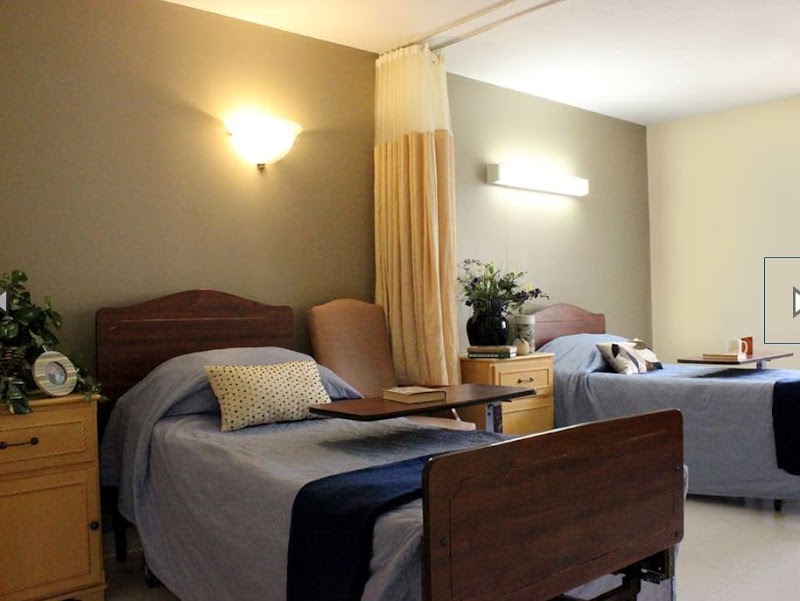
How is Wood Glen Alzheimer'S Community Staffed?

CMS rates WOOD GLEN ALZHEIMER'S COMMUNITY's staffing level at 1 out of 5 stars, which is much below average compared to other nursing homes. Staff turnover is 48%, compared to the Ohio average of 46%. RN turnover specifically is 67%, which is notably high. RNs provide skilled clinical oversight, so turnover in this role can affect medical care quality.

What Have Inspectors Found at Wood Glen Alzheimer'S Community?

State health inspectors documented 30 deficiencies at WOOD GLEN ALZHEIMER'S COMMUNITY during 2019 to 2025. These included: 1 that caused actual resident harm and 29 with potential for harm. Deficiencies causing actual harm indicate documented cases where residents experienced negative health consequences.
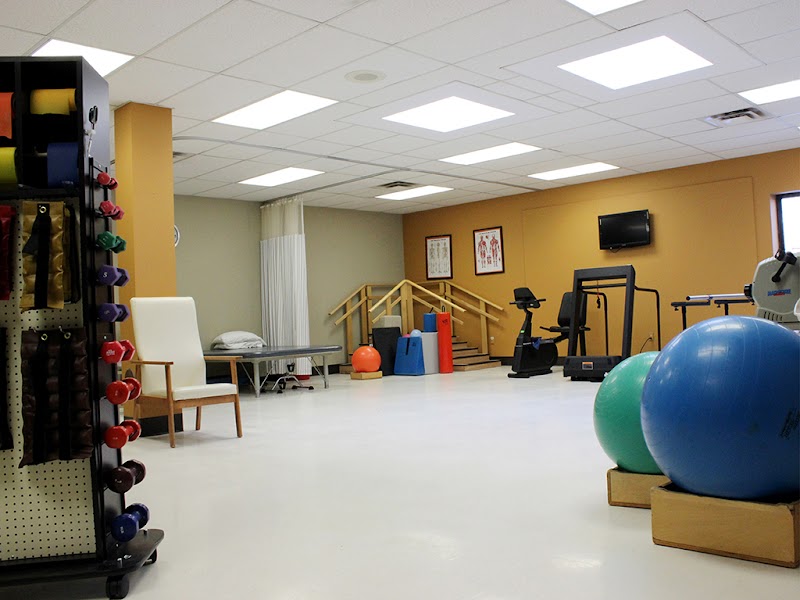
Who Owns and Operates Wood Glen Alzheimer'S Community?

WOOD GLEN ALZHEIMER'S COMMUNITY is owned by a for-profit company. For-profit facilities operate as businesses with obligations to shareholders or private owners. The facility is operated by COMMUNICARE HEALTH, a chain that manages multiple nursing homes. With 148 certified beds and approximately 141 residents (about 95% occupancy), it is a mid-sized facility located in DAYTON, Ohio.
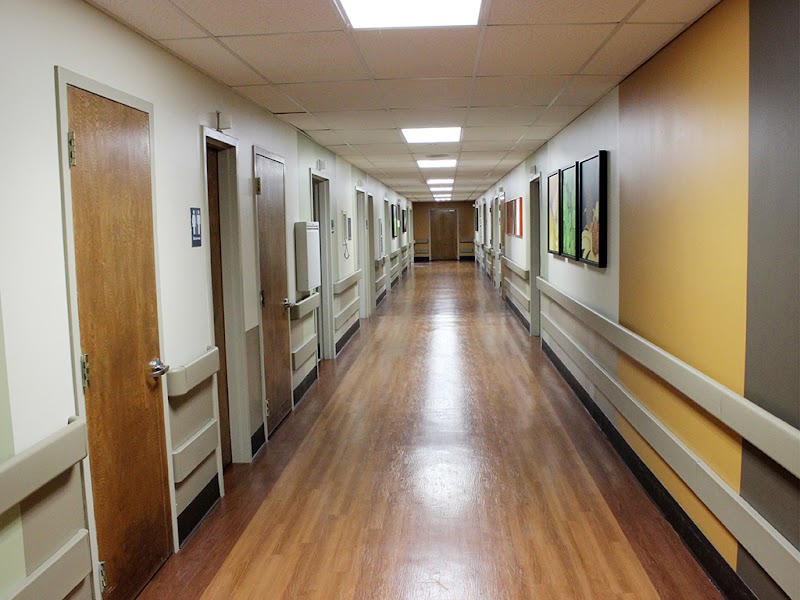
How Does Wood Glen Alzheimer'S Community Compare to Other Ohio Nursing Homes?

Compared to the 100 nursing homes in Ohio, WOOD GLEN ALZHEIMER'S COMMUNITY's overall rating (3 stars) is below the state average of 3.2, staff turnover (48%) is near the state average of 46%, and health inspection rating (3 stars) is at the national benchmark.

What Should Families Ask When Visiting Wood Glen Alzheimer'S Community?

Based on this facility's data, families visiting should ask: "Can you walk me through typical staffing levels on day, evening, and night shifts?" "Can I visit during a mealtime to observe dining assistance and food quality?" "How do you handle medical emergencies, and what is your hospital transfer rate?" "Can I speak with family members of current residents about their experience?" These questions are particularly relevant given the below-average staffing rating.

Is Wood Glen Alzheimer'S Community Safe?

Based on CMS inspection data, WOOD GLEN ALZHEIMER'S COMMUNITY has a clean safety record: no substantiated abuse findings (meaning no confirmed cases of resident harm), no Immediate Jeopardy citations (the most serious violation level indicating risk of serious injury or death), and is not on the Special Focus Facility watch list (a federal program monitoring the lowest-performing 1% of nursing homes). The facility has a 3-star overall rating and ranks #100 of 100 nursing homes in Ohio. While no facility is perfect, families should still ask about staff-to-resident ratios and recent inspection results during their visit.

Do Nurses at Wood Glen Alzheimer'S Community Stick Around?

WOOD GLEN ALZHEIMER'S COMMUNITY has a staff turnover rate of 48%, which is about average for Ohio nursing homes (state average: 46%). Moderate turnover is common in nursing homes, but families should still ask about staff tenure and how the facility maintains care continuity when employees leave.

Was Wood Glen Alzheimer'S Community Ever Fined?

WOOD GLEN ALZHEIMER'S COMMUNITY has no federal fines on record. CMS issues fines when nursing homes fail to meet care standards or don't correct problems found during inspections. The absence of fines suggests the facility has either maintained compliance or corrected any issues before penalties were assessed. This is a positive indicator, though families should still review recent inspection reports for the full picture.

Is Wood Glen Alzheimer'S Community on Any Federal Watch List?

WOOD GLEN ALZHEIMER'S COMMUNITY is not on any federal watch list. The most significant is the Special Focus Facility (SFF) program, which identifies the bottom 1% of nursing homes nationally based on persistent, serious quality problems. Not being on this list means the facility has avoided the pattern of deficiencies that triggers enhanced federal oversight. This is a positive indicator, though families should still review the facility's inspection history directly.