COUNTRY CLUB CENTER V, INC
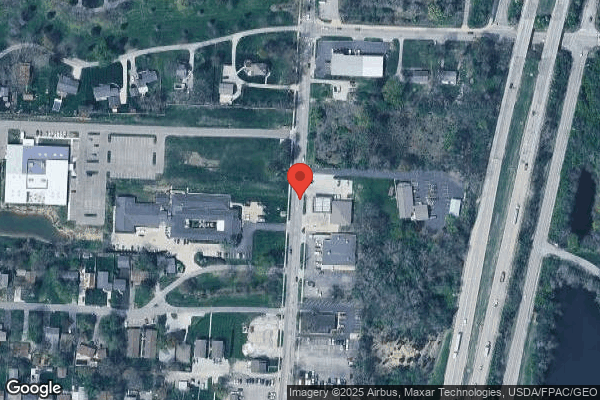
478 S SANDUSKY ST, DELAWARE, OH 43015 (740) 369-8741
For profit - Corporation 50 Beds COUNTRY CLUB REHABILITATION CAMPUS Data: November 2025
Trust Grade
80/100
#46 of 913 in OH
Last Inspection: January 2025

Within standard 12-15 month inspection cycle. Federal law requires annual inspections.

Overview

Country Club Center V, Inc. in Delaware, Ohio has earned a Trust Grade of B+, which means it is above average and generally recommended for care. It ranks #46 out of 913 facilities in Ohio, placing it in the top half, and is the best option among 8 facilities in Delaware County. However, the facility is experiencing a concerning trend, with the number of issues rising from 7 in 2023 to 8 in 2025. Staffing is a mixed bag; while the turnover rate is a relatively low 39%, meaning staff generally stay long-term, the staffing rating is only 3 out of 5 stars. Notably, there were no fines, which is a positive sign, and the facility offers more Registered Nurse coverage than 95% of other Ohio facilities. However, the inspector found some serious concerns, such as a lack of RN coverage on New Year's Eve 2022 due to a scheduling error, and multiple residents not receiving necessary restorative nursing services. Additionally, there were delays in responding to call lights for some residents, which could impact their care and comfort. Overall, while Country Club Center has strengths in staffing stability and RN coverage, families should be aware of the recent issues noted in inspections.

Trust Score
B+
80/100
In Ohio
#46/913
Top 5%
Safety Record
Low Risk
No red flags
Inspections
Getting Worse
7 → 8 violations
Staff Stability
○ Average
39% turnover. Near Ohio's 48% average. Typical for the industry.
Penalties
✓ Good
No fines on record. Clean compliance history, better than most Ohio facilities.
Skilled Nurses
✓ Good
Each resident gets 70 minutes of Registered Nurse (RN) attention daily — more than 97% of Ohio nursing homes. RNs are the most trained staff who catch health problems before they become serious.
Violations
⚠ Watch
21 deficiencies on record. Higher than average. Multiple issues found across inspections.
★★★★★
5.0
Overall Rating
★★★☆☆
3.0
Staff Levels
★★★★★
5.0
Care Quality
★★★★☆
4.0
Inspection Score
Stable
2023: 7 issues
2025: 8 issues

The Good

  • 5-Star Quality Measures · Strong clinical quality outcomes
  • Full Sprinkler Coverage · Fire safety systems throughout facility
  • No fines on record
  • Staff turnover below average (39%)

    9 points below Ohio average of 48%

Facility shows strength in quality measures, fire safety.

The Bad

Staff Turnover: 39%

Near Ohio avg (46%)

Typical for the industry

Chain: COUNTRY CLUB REHABILITATION CAMPUS

Part of a multi-facility chain

Ask about local staffing decisions and management

The Ugly 21 deficiencies on record

Aug 2025 6 deficiencies
CONCERN (D) 📢 Someone Reported This

A family member, employee, or ombudsman was alarmed enough to file a formal complaint

Potential for Harm - no one hurt, but risky conditions existed

Deficiency F0558 (Tag F0558)

Could have caused harm · This affected 1 resident

**NOTE- TERMS IN BRACKETS HAVE BEEN EDITED TO PROTECT CONFIDENTIALITY** Based on observations, staff interview, resident interview, record review, review of facility call light audits, and policy revi...

Read full inspector narrative →
**NOTE- TERMS IN BRACKETS HAVE BEEN EDITED TO PROTECT CONFIDENTIALITY** Based on observations, staff interview, resident interview, record review, review of facility call light audits, and policy review, the facility failed to ensure call lights were answered timely for two residents (#14 and #45) out of three residents reviewed for timely call light response time. The facility census was 44. Findings include: 1. Review of the medical record for Resident #14 revealed an admission date of 09/29/24. Diagnoses included respiratory failure with hypoxia, vent dependence, dysphagia, muscle weakness and diabetes. Review of the Minimum Data Set (MDS) assessment dated [DATE] revealed a Brief Interview of Mental Status (BIMS) of 15 indicating intact cognition and required substantial maximal assistance for toileting. Resident #14 was noted as always incontinent of bowel and bladder. Review of the plan of care dated 05/05/24 revealed Resident #14 was incontinent of bowel and bladder with interventions to provide privacy with incontinence care, observe skin after each episode, assist with incontinence care and assist the resident with briefs, pads, and pull ups. Observation on 08/28/25 at 11:35 A.M. revealed the call light for Resident #14 had been activated at 11:17 A.M. and had been going off for 18 minutes. At 11:41 A.M. The call light was deactivated by staff and Registered Nurse (RN) #172 informed staff over the radio that Resident #14 requested incontinence care. Interview on 08/28/25 at 11:45 A.M. with Resident #14 revealed she had put on her call light for incontinence care. She revealed she had been waiting a while and had not yet received any care. Continuous observation on 08/28/25 from 11:45 A.M. to 12:05 P.M. revealed incontinence care was not provided, but staff entered the room at 11:48 A.M. to provide Resident #14 her lunch tray. At 12:00 P.M., Assistant Director of Nursing (ADON) #119 entered the residents room and stated Oh, you have your tray. She then spoke with RN #172. They asked additional staff who the aides working were and requested the location of Certified Nursing Assistant (CNA) #153. The ADON went to find CNA #153 and they arrived at Resident #14's room. Interview on 08/28/25 at 12:05 P.M. with CNA #153 revealed she was unaware Resident #14 had requested incontinence care. She revealed she did not hear the radio or call light. She revealed she was in the kitchen assisting with passing trays. Interview on 08/28/25 at 12:06 P.M. with ADON #119 revealed she had been in the residents room previously and did not provide the care. She acknowledged Resident #14 had waited 49 minutes which she stated was too long to wait for incontinence care. She reported she did not have any expectation of how quickly call lights should be answered and stated when staff are available. Interview on 08/28/25 at 12:08 P.M. with Director of Nursing (DON) and Administrator revealed they had no rule of thumb for staff to respond to call lights. The DON revealed the facility policy was vague and agreed 49 minutes was too long for call lights to be answered for incontinence care. She also acknowledged call lights should not be turned off or deactivated until the actual care was being provided. Interview on 08/28/25 at 12:11 P.M. with RN #172 revealed all staff were responsible to answer call lights and confirmed 49 minutes was way too long to wait. 2. Review of the medical record for Resident #45 revealed an admission date of 04/01/25. Diagnoses included acute chronic respiratory failure, vent dependence, muscle weakness, malnutrition and anxiety. Review of the Minimum Data Set (MDS) assessment dated [DATE] revealed a Brief Interview of Mental Status (BIMS) of 14 indicating intact cognition and revealed the resident was dependent upon staff for eating. Observation on 08/28/25 at 11:35 A.M. revealed the call light for Resident #45 had been activated at 11:09 A.M. and had been going off for 26 minutes. At 11:41 A.M. The call light was deactivated by staff. Interview on 08/28/25 at 11:49 A.M. with Resident #45 revealed she had put on her call light to see the Respiratory Therapist. She stated it took a while for the nurse to come in and revealed she was not sure she when care was going to come. She stated she wanted the Respiratory Therapy for trach care. Continuous observation on 08/28/25 from 11:41 A.M. to 11:54 A.M. revealed respiratory therapy staff entered the room at 11:54 A.M. Interview on 08/28/25 at 12:09 P.M. with Respiratory Therapy #205 revealed he met with Resident #45 and she had requested ice chips. Interview on 08/28/25 at 12:08 P.M. with Director of Nursing and Administrator revealed they had no rule of thumb for staff to respond to call lights. The DON revealed the facility policy was vague and agreed 45 minutes was too long to wait for ice chips. Interview on 08/28/25 at 12:17 P.M. with Certified Nursing Assistant (CNA) #175 revealed the expectation was for call lights to be answered within seven minutes. Review of call lights audits from 06/02/25 to 08/19/25 revealed 14 of 36 took over 10 minutes with the longest call light taking 20 minutes. Review of facility policy titled, Call Lights dated 03/12/16, revealed staff shall strive to answer call lights and meet resident needs as promptly as possible. This deficiency represents non-compliance investigated under Complaint Number 1331479, 2564567 and 2569231.
CONCERN (D) 📢 Someone Reported This

A family member, employee, or ombudsman was alarmed enough to file a formal complaint

Potential for Harm - no one hurt, but risky conditions existed

Deficiency F0561 (Tag F0561)

Could have caused harm · This affected 1 resident

**NOTE- TERMS IN BRACKETS HAVE BEEN EDITED TO PROTECT CONFIDENTIALITY** Based on record review and staff interview, the facility failed to ensure Resident #51 was provided choice and self-determinatio...

Read full inspector narrative →
**NOTE- TERMS IN BRACKETS HAVE BEEN EDITED TO PROTECT CONFIDENTIALITY** Based on record review and staff interview, the facility failed to ensure Resident #51 was provided choice and self-determination regarding discharge planning. This affected one Resident (#51) of three reviewed for resident rights. The facility census was 44. Findings include:Review of the medical record for Resident #51 revealed an admission date of 05/14/25. Diagnoses included cerebral infarction, non-traumatic intracerebral hemorrhage, aphasia, dysphagia, and memory deficit. Review of the Power of Attorney (POA) documents dated 2017 revealed Resident #51 had named her three daughters as her healthcare POA's. Review of the Minimum Data Set (MDS) assessment dated [DATE] revealed Resident #51 had a Brief Interview of Mental Status (BIMS) of 14 indicating intact cognition and required dependence upon staff and maximum assistance for mobility. Review of Resident #51's physician letter dated 07/07/25 revealed the resident had cognitive impairment and required assistance with decision making. The letter also mentioned possible financial abuse. Review of progress notes dated 07/07/25 revealed Resident #51 had worked with an elder care attorney and was trying to change POA paperwork. The progress note dated 07/08/25 stated the resident requested facility representation anytime her daughter was in the facility. The progress note dated 07/09/25 revealed the facility informed the residents daughter that the resident requested a facility representative when she was present in the facility. Resident #51's daughter explained the resident was angry that they stopped the resident's sister from accessing the resident's money. Resident #51's daughter stated they were considering moving her to Tennessee to get her away from her sister and closer to her two daughters. Facility staff explained the facility would follow POA paperwork and the residents wishes. Review of the note dated 07/15/25 revealed Resident #51 stated I don't want those two here. Staff asked who she had referred to and she stated two of her daughters. The resident also stated, they did this to her, (implying causing her sisters suicide attempt). Resident #51 requested a court appointed guardian. Staff then called the resident's daughter to let her know what was said. The note dated 07/16/25 revealed Resident #51's daughter called the facility and requested a referral be sent to Capri Gardens, as she worked there. The note dated 07/25/25 revealed Resident #51 transferred to Capri Gardens and the facility was not to tell the resident's sister where the resident went. Interviews on 08/27/25 from 11:00 A.M. to 4:20 P.M. with the Director of Nursing (DON) and Social Services (SS) #150 confirmed the facility had no documented evidence that Resident #51 had a say in her discharge plan and did not have evidence Resident #51 was agreeable to her discharge plan. They acknowledged a concern related to the documentation of Resident #51 wanting a different decision maker and after each attempt, the resident's daughter(s) put barriers in place. SS #150 confirmed the timing of the letter was suspicious and reported it was odd that it included information about the financial concerns between family members and no cognitive assessment was completed. SS #150 also acknowledged odd timing of family requesting resident transfer the day after she requested a court appointed guardian. She reported no conversations with Resident #51 were documented regarding if she took part in the discharge process or if she was agreeable. This deficiency represents non-compliance investigated under Master Complaint Number 2575389.
CONCERN (D) 📢 Someone Reported This

A family member, employee, or ombudsman was alarmed enough to file a formal complaint

Potential for Harm - no one hurt, but risky conditions existed

Deficiency F0757 (Tag F0757)

Could have caused harm · This affected 1 resident

**NOTE- TERMS IN BRACKETS HAVE BEEN EDITED TO PROTECT CONFIDENTIALITY** Based on record review and interview, the facility failed to ensure staff implemented physician orders and monitored vital signs...

Read full inspector narrative →
**NOTE- TERMS IN BRACKETS HAVE BEEN EDITED TO PROTECT CONFIDENTIALITY** Based on record review and interview, the facility failed to ensure staff implemented physician orders and monitored vital signs as required. This affected one resident (Resident #24) out of three records reviewed for following physician orders. The facility census was 44.Findings include:Review of the medical record for Resident #24 revealed an admission date of 10/29/24 with diagnoses including peripheral vascular disease, edema, muscle weakness, depression, paroxysmal atrial fibrillation (a fib), anxiety and essential hypertension.Review of the care plan dated 11/11/24 revealed Resident #24 had the potential for symptoms of cardiac impairment related to a fib and hypertension. Interventions included administering medication as ordered, following up with the cardiologist as ordered and observe for side effects.Review of a physician order dated 12/20/24 revealed orders for Amiodarone hydrochloride (HCl) oral tablet 200 milligrams (mg) to be given by mouth once daily for a fib.Review of the quarterly minimum data set (MDS) 3.0 assessment dated [DATE] showed Resident #24 was severely cognitively impaired.Review of a progress note dated 08/09/25 showed the nurse spoke with the on-call physician regarding Resident #24's amiodarone. The physician gave parameters to hold the medication if the residents heart rate was less than 60 beats per minute (bpm) and to check blood pressure and heart rate twice daily for 14 days.Review of physician orders dated 08/10/25 revealed orders for blood pressure checks twice daily for 14 days.Review of a progress note dated 08/13/25 showed a new order for Amiodarone 100 mg by mouth daily with instructions to hold if heart rate was less than 50 beats per minute and to notify cardiology if the medication was held.Review of a physician order dated 08/14/25 showed Amiodarone HCL oral tablet 100 mg to be given by mouth once daily for paroxysmal atrial fibrillation with instructions to hold if heart rate was less than 50 beats per minute.Review of the medication administration record (MAR) and treatment administration records (TAR) from 08/10/25 through 08/24/25 showed the residents blood pressure and heart rate vital signs were not monitored twice daily as ordered.Review of the blood pressure summary from 08/10/25 through 08/28/25 showed the residents blood pressure was only monitored once daily.Review of the pulse summary from 08/10/25 through 08/28/25 showed the residents heart rate was only monitored once daily.Review of the MAR from 08/01/25 through 08/31/25 showed Amiodarone HCL oral tablet 100 mg was given by mouth once daily for a fib with instructions to hold the medication if the heart rate was less than 50 bpm and to notify the cardiologist if the medication was held. On 08/20/25 the resident's heart rate was documented at 49 bpm and on 08/23/25 it was 45 bpm. The medication was documented as held on both dates.Review of progress notes dated 08/20/25 and 08/23/25 showed no documentation the cardiologist was notified of the low heart rates requiring the medication to be held per the physician orders.Interview on 08/27/25 at 2:42 P.M. with the Director of Nursing (DON) confirmed the medical record did not contain evidence the physician was notified that the Amiodarone was held on 08/20/25 and 08/23/25. The record also did not contain blood pressure and heart rate measurements as ordered from 08/10/25 through 08/24/25.Interview on 08/27/25 at 3:53 P.M. with Licensed Practical Nurse (LPN) #139 confirmed the medical record did not show the cardiologist was notified that Resident #24's Amiodarone was held on 08/20/25 and 08/23/25. LPN #139 confirmed she received the order on 08/10/25 for staff to check blood pressure twice daily for 14 days. Upon further review of the record she identified that under order type for Amiodarone she selected other orders no documentation required which resulted in the entry not appearing on the MAR or TAR. LPN #139 confirmed vital signs were not completed.
CONCERN (D) 📢 Someone Reported This

A family member, employee, or ombudsman was alarmed enough to file a formal complaint

Potential for Harm - no one hurt, but risky conditions existed

Deficiency F0800 (Tag F0800)

Could have caused harm · This affected 1 resident

Based on record review, observations, staff interviews, review of the menu/meal spreadsheets, and review of facility policy, the facility failed to ensure residents received a nourishing meal per the ...

Read full inspector narrative →
Based on record review, observations, staff interviews, review of the menu/meal spreadsheets, and review of facility policy, the facility failed to ensure residents received a nourishing meal per the facility menu and spreadsheets and failed to follow meal tickets for resident's choice. This affected two residents (#5 and #12) of three reviewed for nutrition. The facility identified two residents (#12 and #45) as receiving puree diets and seven residents (#4, #8, #9, #14, #19, #25, and #35) as receiving mechanical soft diets. The facility census was 44. Findings include: 1. Review of the medical record for Resident #5 revealed an admission date of 01/13/21. Diagnoses included hemiplegia and hemiparesis, vascular dementia, senile degeneration of the brain, mood disorder, muscle weakness and heart disease. Review of the diet order dated 02/27/25 revealed orders for Resident #5 to receive a regular diet with mechanical texture. Review of Resident #5's meal ticket dated 08/26/25 revealed the resident should receive mechanical (MM5) glazed ham, green beans, rice pudding and au gratin potatoes and a wheat dinner roll. Review of the menu/spreadsheet for the meal on 08/26/25 revealed the mechanical diet included mechanical glazed ham, au gratin potatoes, brussels sprouts with bacon, a wheat dinner roll and a berry truffle, but the dessert was substituted for rice pudding. Observation on 08/26/25 at 11:19 A.M. revealed [NAME] #145 took food temperatures for all food items to be served at lunch. No green beans were observed to be made. Observation and interview on 08/26/25 at 11:47 A.M. with Certified Nursing Assistant (CNA) #165 revealed she brought Resident #5 her meal tray. The resident received brussel sprouts on her tray. The CNA confirmed green beans were not provided on the tray and she was unsure why. The CNA confirmed the ticket stated green beans and had no mention of brussel sprouts. Interview on 08/26/25 at 11:47 A.M. with Kitchen Manager (KM) #174 confirmed green beans were not made according to the menu/spreadsheet. The KM confirmed she did not know why and stated, I am not the cook. 2. Review of the medical record for Resident #12 revealed an admission date of 07/17/23. Diagnoses included Alzheimer's disease, dementia without behaviors and dysphagia. Review of the diet order dated 07/18/23 revealed orders for Resident #12 to receive a regular diet with puree texture. Review of Resident #12's meal ticket dated 08/26/25 revealed the resident should receive puree glazed ham, puree brussels sprouts, puree rice pudding, puree au gratin potatoes and puree bread. Review of the menu/spreadsheet for the meal on 08/26/25 revealed the puree diet meal included puree glazed ham, puree brussels sprouts, puree au gratin potatoes, puree bread and puree berry truffle, but the dessert was substituted for rice pudding. Observation on 08/26/25 at 11:19 A.M. revealed [NAME] #145 took food temperatures for all food items to be served at lunch. The only puree items observed were pureed ham and pureed brussel sprouts with bacon. No pureed au gratin potatoes, pureed rice pudding or pureed bread was made. Observation on 08/26/25 at 12:00 P.M. with Resident #12 revealed she only received pureed meat and pureed brussel sprouts. Resident #12 did not receive any puree au gratin potatoes, pureed rice pudding or pureed bread.Observation and interview on 08/26/25 at 12:02 P.M. with Kitchen Manager #174 confirmed Resident #12 only received pureed meat and pureed brussel sprouts and the resident did not receive any puree au gratin potatoes, pureed rice pudding or pureed bread. The KM stated she was waiting on the blender to dry before making the puree au gratin potatoes. The KM reported she was unsure why the items were not provided at time of service. After surveyor intervention, KM began making puree au gratin potatoes.Interview on 08/28/25 at 8:40 A.M. with Diet Tech #200 revealed residents should be served all items marked on the meal ticket. Review of facility policy titled, Menu and Preferences dated 12/17/24, revealed a menu shall be provided for resident meals and shall meet resident's nutritional needs. Menus shall be served as written unless changed for preference or unavailability.
CONCERN (D) 📢 Someone Reported This

A family member, employee, or ombudsman was alarmed enough to file a formal complaint

Potential for Harm - no one hurt, but risky conditions existed

Deficiency F0805 (Tag F0805)

Could have caused harm · This affected 1 resident

Based on observation, staff interview, review of the facility menu and spreadsheet, and review of facility policy, the facility failed to ensure food was in a form to meet individual needs of the resi...

Read full inspector narrative →
Based on observation, staff interview, review of the facility menu and spreadsheet, and review of facility policy, the facility failed to ensure food was in a form to meet individual needs of the residents. This affected one resident (#12) of three reviewed for nutrition. The facility identified two residents (#12 and #45) who received a puree diet. The facility census was 44. Findings include: Review of the medical record for Resident #12 revealed an admission date of 07/17/23. Diagnoses included Alzheimer's disease, dementia without behaviors and dysphagia.Review of the diet order dated 07/18/23 revealed an order for Resident #12 to receive a regular diet with puree texture.Review of the meal spreadsheet dated 08/26/25 revealed the regular texture meal was to receive brussels sprouts with bacon and the puree meal was to receive puree glazed ham, puree brussels sprouts, and puree au gratin potatoes. There was no mention that bacon was to be included within the puree vegetable on the nutrition spread sheet. Observation on 08/26/25 at 11:15 A.M. revealed [NAME] #145 scooped several servings of brussels sprouts into a metal container. The contents of the container were dumped into the blender without scraping the sides. Brussels sprout leaves and pieces of bacon were left in the metal container. After the food was blended, it was scooped back into the metal container with the full brussels sprout leaves and chunks of bacon bits. The large unpureed pieces were visible in the container. Interview on 08/26/25 at 11:47 A.M. with Kitchen Manager (KM) #174 confirmed the brussels sprouts had chunks of full leaves and bacon on the container. The Kitchen Manager informed [NAME] #145 who started to remake them. Observation and interview on 08/26/25 at 12:11 P.M. with the Kitchen Manager (KM) #174 confirmed puree food should be a smooth consistency without any chunks. A plate of puree food was made and observed with brussels sprouts with bacon and a serving of ham that was chunky in consistency. The KM confirmed the ham was a chunky consistency (similar to ham salad) and bacon bits could visibly be picked out of the brussels sprouts. She confirmed both were not the proper consistency. The KM had also just made puree au gratin potatoes and was scooping the mixture into a metal container. Several chunks were observed on the sides of the blender and were scooped out to be served. The KM confirmed it was not a smooth consistency and placed the mixture back in the blender to continue mixing after surveyor intervention. Interview on 08/28/25 at 8:40 A.M. with Diet Tech #200 revealed puree food should be a smooth consistency without chunks and should hold a shape. She reported the bacon could not be pureed as it would not break down in the blender and would remain chunky. Review of facility policy titled, Puree Food Production Procedure dated 12/11/14, revealed puree food shall be processed until they were a pudding like consistency.
CONCERN (D) 📢 Someone Reported This

A family member, employee, or ombudsman was alarmed enough to file a formal complaint

Potential for Harm - no one hurt, but risky conditions existed

Infection Control (Tag F0880)

Could have caused harm · This affected 1 resident

Based on observation, record review, and interview, the facility failed to ensure proper infection control policies and procedures were maintained during resident personal care. This affected one (Res...

Read full inspector narrative →
Based on observation, record review, and interview, the facility failed to ensure proper infection control policies and procedures were maintained during resident personal care. This affected one (Resident #31) out of three residents reviewed for incontinence care. The facility census was 44.Findings include:Review of the medical record for Resident #31 revealed an admission date of 08/16/21 with diagnoses including constipation, neuromuscular dysfunction of the bladder, retention of urine, chronic pain syndrome, chronic obstructive pulmonary disease and age-related osteoporosis.Review of the care plan dated 10/27/24 revealed Resident #31 was frequently to totally incontinent of bowel and bladder related to impaired mobility, with diagnoses of neurogenic bladder and urinary retention. Interventions included to administer medication, apply barrier cream, assist the resident with pads/briefs/pull-ups, assist with toileting as needed and requested and provide privacy during incontinence care.Review of the Minimum Data Set (MDS) 3.0 assessment completed on 07/10/25 revealed Resident #31 was cognitively intact, had no impairment of upper and lower extremities, was dependent on staff for toileting needs, and required substantial to maximal assistance with rolling left and right in bed. Additionally, the resident was frequently incontinent of bowel and bladder.Review of the bowel and bladder evaluation dated 08/19/25 revealed the resident was incontinent of stool daily, was immobile or required two-person assistance with toileting, was forgetful but followed commands, was sometimes aware of the need to toilet and had functional type incontinence.Observation of incontinence care on 08/26/25 from 11:31 A.M. to 11:53 A.M. involving Resident #31 and Certified Nurse Assistant (CNA) #144 revealed that hand hygiene was performed prior to entering the room. Upon approach, the aide introduced herself, donned gloves, and removed the resident's blanket, revealing a soiled brief with noticeable urine and bowel movement odor. The aide began wiping the resident's front area multiple times, each wipe visibly soiled, discarding used wipes into the bedside trash can. After removing the soiled gloves, she reached into her pocket for a walkie-talkie, bringing it to her mouth to request additional supplies. When the supplies arrived, she received them from another staff member, placed them on the bed, and donned a new pair of gloves from her pocket without performing hand hygiene. She placed a clean pad and depends under the resident and continued cleaning, noting the need for additional wipes to reach the feces between the resident's crevices. Bowel movement was again visible on the aide's gloves while assisting the resident in repositioning from side to side. After completing care to the resident's backside, the aide moved back to the front peri-area without changing gloves or performing hand hygiene, and cleaned visible bowel movement from the front area. Once care was completed, all soiled wipes and gloves were discarded, the clean brief was secured, and the resident was covered with personal blankets. The aide then washed her hands with soap and water in the restroom. Hand sanitizer was visibly available in the resident's room during the observation and at the exit.Interview on 08/26/25 at 11:55 A.M. with CNA #144 confirmed hand hygiene should have been performed after doffing soiled gloves and before donning new ones, which was not completed during Resident #31's incontinence care.Interview on 08/27/25 at 2:42 P.M. with the Director of Nursing (DON) confirmed hand hygiene should be conducted after taking off soiled gloves and/or prior to putting on clean gloves.Review of the undated incontinence care policy revealed residents that are incontinent of bladder or bowel will receive appropriate treatment to prevent infections.Review of the undated hand hygiene policy revealed employees shall wash their hands after handling potentially contaminated objects and after removing gloves.This deficiency represents non-compliance investigated under Complaint Number 2564567 and Complaint Number 2569231.
Feb 2025 1 deficiency
CONCERN (D) 📢 Someone Reported This

A family member, employee, or ombudsman was alarmed enough to file a formal complaint

Potential for Harm - no one hurt, but risky conditions existed

Free from Abuse/Neglect (Tag F0600)

Could have caused harm · This affected 1 resident

**NOTE- TERMS IN BRACKETS HAVE BEEN EDITED TO PROTECT CONFIDENTIALITY** THE FOLLOWING DEFICIENCY REPRESENTS AN INCIDENT OF PAST NONCOMPLIANCE THAT WAS SUBSEQUENTLY CORRECTED PRIOR TO THIS SURVEY. Base...

Read full inspector narrative →
**NOTE- TERMS IN BRACKETS HAVE BEEN EDITED TO PROTECT CONFIDENTIALITY** THE FOLLOWING DEFICIENCY REPRESENTS AN INCIDENT OF PAST NONCOMPLIANCE THAT WAS SUBSEQUENTLY CORRECTED PRIOR TO THIS SURVEY. Based on record review, review of self-reported incident, interviews, review of facility policies, and employee handbook, the facility failed to ensure Resident #50 was free from verbal abuse on social media. This affected one (Resident #50) out of three residents reviewed for abuse. Facility census was 49. Findings include: Review of the medical record revealed Resident #50 was admitted on [DATE] and discharged on [DATE] with diagnoses of paraplegia, chronic respiratory failure, dysphagia, tracheostomy, anxiety, and depression. Review of the quarterly Minimum Data Set (MDS) dated [DATE] revealed Resident #50 was cognitively intact. The MDS revealed no behaviors. Resident #50 felt down/depressed/hopeless, had trouble falling/staying asleep or sleeping too much, feeling tired or having little energy, and feeling bad about herself/a failure/let family down. Resident #50 had no impairment to upper extremities. Review of Self-Reported Incident (SRI) revealed on [DATE] at 4:00 P.M. the Director of Nursing (DON) notified the Licensed Nursing Home Administrator (LNHA) of inappropriate messages posted by an employee on Facebook. The messages reflected what was believed to be terrible things to say about any individual and their family and were aggressive and racist by nature. The facility assumed that the employee was speaking about a resident. The employee was suspended immediately. No names were named in any of the posts. LNHA spoke with the resident to assure psychosocial support was available if needed. Resident verbalized she did see the post but was unbothered. Review of the typed statement by the Assistant Director of Nursing (ADON) dated [DATE] revealed the ADON spoke with Resident #50 about the Facebook posts made by Certified Nursing Assistant (CNA) #75. The ADON assured Resident #50 the matter would be properly handled by management staff. The ADON offered emotional support to Resident #50. Resident #50 was accepting and appreciative of ADON offering emotional support and assuring Resident #50's safety. The incident was immediately reported to the Director of Nursing (DON). Review of the Facebook posts revealed, CPS (child protective services) will be getting them kids soon as you go to jail for killing your other kids, That's why I hate (expletive) like you maybe you should've died with all your kids the world would be a better place, Don't be mad the CC wont fire me, and You and your kids deserved everything that happened to ya'll. Review of the typed statement by the LNHA dated [DATE] revealed Resident #50 had seen the posts on Facebook and was aware CNA #75 had been suspended. Resident #50 verbalized that she felt comfortable with the action being taken. The LNHA asked Resident #50 if she felt safe and Resident #50 stated she did. Resident #50 refused any psychosocial support. Review of employee file for CNA #75 revealed a hire date of [DATE]. CNA signed an acknowledgement of employee handbook, abuse policy, and cell phone and social media policy on [DATE]. Interview on [DATE] at 10:38 A.M. with Resident #50 verified she was friends with CNA #75 on Facebook and saw the negative posts made about her. Resident #50 and her friends were upset about what was posted. Resident #50 stated the previous day she had exchanged words with CNA #75 and CNA #75 was cursing at Resident #50. Activity Director #65 was working on the floor as a CNA and could not help with the crafts. Resident #50 told CNA #75 to go to work so Activity Director #65 could help with crafts. Resident #50 stated she was surprised that CNA #75 posted negative comments on Facebook because they had been friends. Resident #50 stated she felt CNA #75 verbally abused her and disrespected Resident #50 by the comments that were made and referring to the death of Resident #50's child. Interview on [DATE] at 11:39 A.M. CNA #75 stated she did not post on Facebook and her Facebook profile was cloned. CNA #75 stated Resident #50 told CNA #75 to go relieve Activities Director #65. CNA #75 stated Resident #50 got really smart about it and told CNA #75 what to do. Another CNA told CNA #75 she did not have to do what Resident #50 said. Resident #50 continued to tell CNA #75 what to do. CNA #75 verified she told Resident #50 to take her butt down the hallway. CNA #75 verified she was irritated with Resident #50 telling her what to do and Resident #50 was texting the DON and Activity Director #65 about the situation. CNA #75 stated Resident #50 was under the influence of drugs and alcohol and did not have children buckled in when the wreck occurred that killed Resident #50's daughter and Resident #50's sister. The van rolled seven times and Resident #50 was injured and on a ventilator and now paralyzed because of the accident. CNA #75 stated she became friends with Resident #50 on Facebook to help raise money for Resident #50. CNA #75 stated she was not asked to write a statement about the Facebook posts before being suspended or terminated. Resident #50 posted on Facebook that she would sue the facility if they did not terminate CNA #75. CNA #75 stated the facility terminated her so Resident #50 would not sue. During the interview CNA #75 was unable to provide any evidence her Facebook was cloned or that the posting on her Facebook page was about someone else other than Resident #50. Interview on [DATE] at 12:31 P.M. with Activities Director #65 revealed she was working on the floor and CNA #75 was supposed to replace her so Activities Director #65 could return to the activity room to help residents with a craft. CNA #75 pointed her finger at Resident #50 and said the DON told CNA #75 what to do. CNA #75 then stated she was tired of Resident #50 telling her how to do her job. Activities Director #65 stated CNA #75 needed to discuss her concerns in private and not in front of other residents. CNA #75 walked away at that time. Interview on [DATE] at 1:26 P.M. LNHA revealed she did not feel abuse had occurred due to a resident and facility was not originally named. LNHA verified that since the original posts were made, the posts had been shared on many forums and the facility has received multiple phone calls from people in the community. Review of the Abuse policy revised [DATE] revealed abuse was defined as the willful infliction of injury, unreasonable confinement, intimidation, or punishment with resulting physical harm, pain, or mental anguish. It includes verbal abuse and mental abuse including abuse facilitated or enabled through the use of technology to demean or humiliate a resident. Review of the Cell Phones and Social Media policy revised [DATE] revealed the policy was intended to assist employees who partake in social media activities to do so effectively and responsibly and to ensure that a resident's right to privacy is maintained and residents remain free from abuse. The policy revealed while engaging in any form of social networking, employees were prohibited from sharing confidential resident information. Employees could not share any information about residents regardless of whether the employee thought the subject of such information was unidentifiable. No employee may friend or accept a friend request on social media from a resident. Review of the employee handbook revealed prohibited conduct included making false, malicious, vicious, or misleading statements about any employee, the company, or its services. This included any disparaging comments posted on social media sites. Prohibited conduct also included knowingly and negligently providing incorrect or misleading information. Threatening, intimidating or coercing any person was also prohibited. Review of the facility's corrective action revealed the following actions were implemented and the deficiency corrected as of [DATE]: • [DATE] at 4:00 P.M. LNHA became aware of an inappropriate racially insensitive post on social media by CNA #75. • [DATE] at 4:30 P.M. LNHA and DON suspended CNA #75 pending investigation regarding prohibited conduct. • [DATE] LNHA was sent additional social media posts further incriminating CNA #75. • [DATE] CNA #75 was terminated for several offenses of prohibited conduct outlined in the handbook. • [DATE] LNHA initiated SRI. • [DATE] Random audit of residents completed, no knowledge of any social media posts or abuse. • [DATE]-[DATE]: Education with was completed. • Facility continues to monitor weekly for reports of inappropriate social media postings or any knowledge of abuse or harm. This deficiency represents non-compliance investigated under Complaint Number OH00162004.
Jan 2025 1 deficiency
CONCERN (D) 📢 Someone Reported This

A family member, employee, or ombudsman was alarmed enough to file a formal complaint

Potential for Harm - no one hurt, but risky conditions existed

Notification of Changes (Tag F0580)

Could have caused harm · This affected 1 resident

**NOTE- TERMS IN BRACKETS HAVE BEEN EDITED TO PROTECT CONFIDENTIALITY** Based on resident record review, resident interview, staff interviews, and review of facility policy, the facility failed to not...

Read full inspector narrative →
**NOTE- TERMS IN BRACKETS HAVE BEEN EDITED TO PROTECT CONFIDENTIALITY** Based on resident record review, resident interview, staff interviews, and review of facility policy, the facility failed to notify Resident #23's representative of incidents and falls. This affected one (Resident #23) of three residents reviewed for notifications. The facility census was 48 residents. Findings include: Review of medical record for Resident #23 revealed she was admitted on [DATE] with diagnoses of acute pulmonary insufficiency, chronic obstructive pulmonary disease, cutaneous abscess of abdominal wall, peritoneal abscess, borderline personality disorder, and anxiety disorder. Review of Resident #23's Minimum Data Set assessment dated [DATE] revealed a Brief Interview for Mental Status score of 15, indicative of intact cognition. On 04/13/24, Resident #23 sustained a fall and complained of left sided pain and a bruise was noted. There was no evidence in the medical record the resident's representative was notified. On 05/08/24, Resident #23 was sent to the emergency department. There was no evidence in the medical record the resident's representative was notified. On 06/22/24, Resident #23 sustained a fall. There was no evidence in the medical record the resident's representative was notified. On 08/19/24, Resident #23 sustained a fall and complained of pain in her ribs. There was no evidence in the medical record the resident's representative was notified. On 09/25/24, Resident #23 sustained a fall. There was no evidence in the medical record the resident's representative was notified. Interview with Resident #23 on 01/15/25 at 4:10 P.M. and on 01/16/25 at 11:23 A.M. confirmed Resident #23 desired her representative be contacted in case of falls, incidents, changes in condition, and new medication, and treatment orders. Interview with Registered Nurse #156 on 01/15/25 at 4:15 P.M. and Licensed Practical Nurse #105 on 01/16/25 at 9:25 A.M. revealed in case of a fall or change in condition, a full nursing assessment should be made, and then the provider and resident representative should be notified of the incident. Interview with the Director of Nursing on 01/15/25 at 2:46 P.M. confirmed that if there is a change in condition or fall, the nurse should do a full assessment and then call the provider and the resident representative. Interview confirmed the resident's representative was not notified of the falls on 04/13/24, 06/22/24, 08/19/24, and 09/25/24, and not notified of the transfer to the Emergency Department on 05/08/24. Review of a facility policy named, Falls Policy and Procedures revised 01/27/20 revealed in the case of a resident fall, the physician and the responsible party will be notified. This deficiency represents non-compliance investigated under Complaint Number OH00161507.
May 2023 1 deficiency
CONCERN (D) 📢 Someone Reported This

A family member, employee, or ombudsman was alarmed enough to file a formal complaint

Potential for Harm - no one hurt, but risky conditions existed

Investigate Abuse (Tag F0610)

Could have caused harm · This affected 1 resident

**NOTE- TERMS IN BRACKETS HAVE BEEN EDITED TO PROTECT CONFIDENTIALITY** Based on medical record review, review of the facility policy, and staff interview, the facility failed to investigate an injury...

Read full inspector narrative →
**NOTE- TERMS IN BRACKETS HAVE BEEN EDITED TO PROTECT CONFIDENTIALITY** Based on medical record review, review of the facility policy, and staff interview, the facility failed to investigate an injury of unknown origin when a resident sustained a right hip fracture at the facility. This affected one (Resident #44) of three residents reviewed for injury of unknown origin. The facility census was 43. Findings include: Review of the medical record for Resident #44 revealed an admission date of 04/07/23. Diagnoses included presence of an artificial hip joint, dementia, repeated falls, osteoarthritis, and osteoporosis. Review of the hospital discharge note dated 04/07/23 revealed the resident's injury was a combination of a fall and her osteoporosis. Review of the admission Minimum Data Set (MDS) assessment, dated 04/13/23, revealed Resident #44 had significantly impaired cognition. Resident #44 required extensive assistance of two people with bed mobility and transfers, and was not walking. Review of Resident #44's medical record from 04/07/23 to 04/30/23 revealed there was no reported falls or accidents involving Resident #44. Review of the nursing progress notes for Resident #44 revealed the following entries: • On 04/30/23 at 1:31 P.M., staff reported Resident #44 was transferred to the bathroom by family and then they approached the State Tested Nursing Assistant (STNA) and in loud voice they asked her did you drop my mother because she can't bear weight and was having trouble ambulating? The STNA informed them that she did not drop their mother and that there had been no reported falls. • On 04/30/23 at 2:02 P.M., earlier that shift, daughter-in-law approached the nurse's station expressing concern stating resident's right leg was swollen. The nurse entered the room to find Resident #44 in a recliner chair. Both legs were edematous, right leg does appear tight compared to left and it was shiny in appearance, slightly [NAME] than left leg. Right leg was slightly warmer than left. Resident #44 does say that this leg was stiff and heavy harder to move. A new physician order was obtained for venous Doppler, an a one time order 20 milligrams of Lasix (diuretic). After lunch, the family called the nurse to the room, stating they want Resident #44's hip x-rayed as well. The daughter-in-law stated she was a nurse and felt that the hip was out of place. An order for an x-ray of the right hip was obtained. • On 04/30/23 at 3:37 P.M., (Late Entry) it was reported by staff, that once the family arrived this date around 10:00 A.M., the family were the only ones that transferred Resident #44 in and out of her chairs. The family even continued to transfer her even after reporting to the nurse that she couldn't walk and couldn't bear weight. They did not turn on the call light for assistance. • On 04/30/23 at 7:44 P.M., the nurse received verbal report that the Doppler study was negative for a deep vein thrombosis (DVT). The radiology staff person was unable to perform two view exam, however did verbally confirm Resident #44 had a hip dislocation. An order was received to send Resident #44 to the emergency report (ER) for an evaluation and treatment. • On 04/30/23 at 7:45 P.M., Emergency 911 services were called and Resident #44 transferred to the hospital at 8:00 P.M. The hospital reported she was admitted with a right hip fracture. Interview on 05/17/23 at 10:45 A.M. with Licensed Practical Nurse (LPN) #450 revealed on 04/30/23 when LPN #450 started her shift, the night shift nurse reported Resident #44 had not slept sleep well, wanted to sit with feet dangling because that was comfortable for her. That morning, everything seemed fine. While LPN #450 was charting, a woman unknown to LPN #450 approached the nurse's station stating Resident #44 has swelling in her right leg. When LPN #44 observed, both legs were swollen, right leg was tighter than left, called on-call physician stated to get a Doppler study. The woman didn't complain about Resident #44 not being able to walk or range of motion. The nurse noted that morning, the right foot had decreased flexion. The physician ordered a dose of Lasix (diuretic). Resident #44 had some cognitive impairment and would not use her call light and did not follow restrictions for weight bearing and tried to get up on her own several times. Resident #44 usually accepted help but she was very impatient and very impulsive. LPN #44 responded quickly to yelling because the resident does not use call light and won't wait. Resident #44 said her right leg felt heavy but did not complain of pain. Resident #44 made some faces with palpation. No bruising noted and no complaints of discomfort other than when she was flexing that ankle. Interview on 05/17/23 at 11:30 A.M. with State Tested Nursing Assistant (STNA) #420 revealed Resident #44 had been improving with therapy. On Saturday 04/29/23, Resident #44 had self-transferred at dinner so staff were trying to keep her wheelchair out of reach so she would ask for assistance to transfer. On Sunday 04/30/23, Resident #44 seemed to complain of more hip discomfort and leg became more swollen as day went on. The nurse asked the family if they wanted Resident #44 sent to the hospital but since it was Sunday the family wanted to wait on the x-rays before sending her to the hospital. Resident #44 said it hurt more to transfer but was unable to say why. Resident #44 could be sassy but never refused care. Interview on 05/23/23 at 9:19 A.M. with Assistant Director of Nursing (ADON) #500 verified the facility did not complete an investigation of an injury of unknown origin when Resident #44 sustained a right hip fracture at the facility. Review of the facility policy titled Accident/Incident Reporting, last revision date 08/13/14, revealed accidents or incidents are occurrences that need further investigation, outlines guidelines for reporting, and how to thoroughly investigate. This deficiency represents non-compliance investigated under Complaint Number OH00142570.
Jan 2023 6 deficiencies
CONCERN (D) 📢 Someone Reported This

A family member, employee, or ombudsman was alarmed enough to file a formal complaint

Potential for Harm - no one hurt, but risky conditions existed

Deficiency F0558 (Tag F0558)

Could have caused harm · This affected 1 resident

**NOTE- TERMS IN BRACKETS HAVE BEEN EDITED TO PROTECT CONFIDENTIALITY** Based on record review, resident interview and facility staff interview, the facility failed to ensure one (#10) of three reside...

Read full inspector narrative →
**NOTE- TERMS IN BRACKETS HAVE BEEN EDITED TO PROTECT CONFIDENTIALITY** Based on record review, resident interview and facility staff interview, the facility failed to ensure one (#10) of three residents with power chairs had access to the power chair which allows the resident to be independently mobile. The facility census was 50. Findings Include: Review of Resident #10's medical record revealed the resident was admitted to the facility on [DATE] with diagnoses that included but are not limited to multiple sclerosis, paraplegia, trigeminal neuralgia, weakness, acute cystitis depression, neuromuscular dysfunction of the bladder, and anxiety. Review of the admission minimum data set (MDS) 3.0 assessment dated [DATE] revealed the resident is cognitively intact, felt down, depressed or hopeless seven to 11 days, had trouble sleeping seven to 11 days, was feeling tired or having little energy seven to 11 days, had poor appetite, or overeating two to six days and felt bad about herself, that she was a failure or had let yourself or family down two to six days of the review. Resident #10 had no delusions, hallucinations or behaviors coded. The resident required extensive assist with transfers, bed mobility, toileting, dressing and personal hygiene, the resident required supervision with eating. The resident has an indwelling catheter and is frequently incontinent of bowel. Review of progress notes revealed the note on 09/29/22 at 1:50 P.M. the resident arrived at the facility via transport stretcher with a bag of belongings. The resident was placed in isolation due to a bedbug infestation. No family or other persons were present at the time of admission. Progress note dated 09/30/22 at 8:29 A.M. revealed the resident personal items from the hospital were in a bag that smelled like it was soaked in rubbing alcohol. The bag is described to have liquid pooled at the bottom of the bag and the bag contained a phone charger, phone case, power chair charger, fan, small purse, and a rosary. The note indicated the phone charger, phone case and rosary were washed with soap and water and returned to the resident per her request. Review of the history and physical dated 10/03/22 per the physician revealed the resident was seen at a community hospital from [DATE] through 09/29/22 for worsening depression with suicidal ideation. The resident was found to not have active suicidal ideation's but acute on chronic depression, failure to thrive and a difficult social situation. Hospital course included psychiatry consult, Sertraline (antidepressant) therapy was increased, and the resident had physical and occupational therapy. The resident was medically stabilized and transferred to the skilled nursing facility for ongoing care and therapy. The resident stated she had extensive aide services and was able to live independently using a Hoyer lift to transfer her to her motorized wheelchair. However, her services had not been unreliable and she feels she may need alternative arrangements. The resident noted she had not walked in three years. The assessment and plan revealed adult failure to thrive syndrome as the resident is unable to care for herself at home and home health was not going into the home due to a bedbug infestation. Chronic depression exacerbation secondary to living conditions with the antidepressant being increased in the hospital. Progress note dated 10/11/22 at 8:36 A.M. revealed the residents reported the manual wheelchair and the recliner are uncomfortable to her and the facility obtained a Broda chair for the resident as Resident #10 has not been able to obtain her power chair. Progress note dated 10/11/22 at 4:16 P.M. revealed Resident #10 was making multiple calls to individuals outside the facility demanding they bring her power wheel chair to the facility. The note indicated the nurse spoke to the power chair company and the company confirmed they went to Resident #10's home to work on the power chair prior to the resident being hospitalized . The company reported they saw bedbugs in the power chair and they were unable to work on the chair and left Resident #10's home. The power chair company expressed they did not know how the power chair was transported to the hospital where it currently is located. The company expressed they had parts for the power chair but they will not work on the chair until it had been treated by a certified person to kill the bedbugs. The company stated they require a certificate of decontamination to work on the chair. The power chair is noted to be at the hospital and to not have been treated. The power chair company indicated they had spoken to the hospital and explained the chair had to be treated by a certified professional and the hospital had not gotten back with them. The company stated they would call the facility if they were notified of any activity concerning the power chair. Progress note dated 10/11/22 at 4:30 P.M. revealed Resident #10 was informed the power chair needed certified treatment before it can be transported to the facility. The resident was informed she may have her clothes brought to the facility as they can be laundered with high heat to kill bedbugs, but the other belongings were requested to not be brought to the facility due to the items potentially causing an infestation of the facility. Progress note dated 10/12/22 at 11:17 A.M. revealed Resident #10 had canceled her upcoming appointment to the podiatry and to the urologist as the resident did not have her power chair to go to the appointments. The facility offered to transport the resident with a manual wheelchair or a Broda chair and the resident declined. Progress note dated 10/12/22 at 12:27 P.M. revealed Resident #10 stated the Broda chair has allowed her to be up without pain, the note indicated Resident #10 was pursuing a replacement power chair but will use the Broda chair until she has a power chair available. Resident #10 stated she will not come out of her room stating she wants to be independent and will not have people push her around. Review of resident care plan indicated the resident has inappropriate behaviors of refusing care, refusing medication, refusing appointment, and refusing to get up in the chair, the resident refuses to get up or go anywhere until she receives her own personal power chair dated 12/14/22. Interventions included psychology/psychologist consult dated 12/14/22. There were no interventions related to the obtaining the residents personal power chair for her use. Interview on 01/03/22 at 9:20 A.M. with the Administrator revealed the ambulette transport companies in the area of the facility are not transporting residents to appointments any longer due to staffing. The Administrator revealed the facility has a transport vehicle that they can use to assist residents getting to and from appointments, however the resident has to be in a wheelchair, Broda chair or ambulatory to be transported by the facility so the resident can be securely transported in their bus. If a resident uses a motorized wheelchair for mobility, they are transported using either a wheelchair or Broda chair. Interview with Resident #10 on 01/03/22 at 11:05 A.M. revealed the resident had no concerns with her belonging, stated she knew when she left her apartment that she was leaving all of her belongings due to the bug infestation. The resident stated her mother has brought in her clothing and the facility took it and laundered it so there were no bugs. The resident stated her power chair was taken from her at the hospital. Resident #10 stated after a week in the hospital, the power chair was returned to her hospital room and the hospital staff stated the chair had been treated. The resident stated after the chair was placed in her room she saw bed bugs on the chair and alerted the hospital staff. The resident stated she was moved to an isolation room and the hospital removed her chair and she did not know where they placed it. The resident stated her chair did not come to the nursing facility as it must be professionally cleaned and the hospital will not allow an outside company to come on their property and clean the chair. The resident stated she does not want bed bugs and does not want the chair if it has bugs in it but stated she has funds in the bank to have the chair cleaned but the facility wont allow it on the property unless it has a certification stating it is bug free and the hospital will not allow an outside company access to their property to treat the chair. The resident verified she has a chair at the nursing facility she can get up in but she often chooses to not get in the chair as she does not know when staff will have the time to put her back in bed. The resident stated the last time she was up was on 12/25/22. Interview with the Director of Nursing (DON) on 01/03/22 at 3:28 P.M. revealed when Resident #10 admitted from the hospital the transport company refused to bring the chair in their transport vehicle due to the bedbug infestation. The DON stated Resident #10 and the hospital were communicating on the power chair and how to get the chair to the resident. The DON stated the resident was informed the facility required a certificate from the exterminator that the chair was bug free. The DON stated on admission the hospital had included a report that stated they sprayed the chair base, but not a follow up report that the chair was bug free. The DON revealed she had spoken to a the company which supplied Resident #10 with the power chair and had been informed the company will not touch the chair until it has been verified it was free of bedbugs. The DON stated the company had parts for the power chair and had gone to the Resident home to install the parts and had seen bedbugs climbing out of the power chair wheels and motor and they left the home without completing the part change out. The DON stated the company had conflicting reports on the status of the chair as one person stated the chair was not working while another one stated the power chair works just fine as it is without the parts being replaced. The DON stated no one at the facility has worked with the hospital to get Resident #10's power chair cleaned. The DON stated the resident had been on the phone with the hospital but she was no sure what the process would be to get the power chair cleaned and who is responsible to ensure it is returned to the resident. The DON stated the hospital told the facility on admission the power chair had been sitting outside in the cold so there should not be any bedbugs alive on the chair. The DON stated the resident items the hospital sent at the time of admission were in a bag with what smelled like rubbing alcohol and the liquid was immersing all the belongings. The DON stated the items were the power cord to the power chair, phone charging cord, wallet, and a Bible. The DON stated the items in her wallet were removed, cleaned and returned to the resident, and the facility bought the resident a replacement Bible. The DON stated she is fairly sure the power cord is ruined as it was immersed in a liquid solution that smelled like rubbing alcohol. The DON stated this is why the facility needs a certificate that the chair is bug free as the hospitals process for cleaning Resident #10's personal items was not concurrent with the standard process of treating for bedbugs. The DON verified the power chair is Resident #10's personal property and confirmed it is what the resident uses to be independently mobile. The DON reiterated the chair had to have a certificate of being bug free to enter the facility and the hospital has not provided the facility with the certificate. Interview with the DON on 01/03/22 at 4:02 P.M. revealed the facility did receive information from the hospital regarding the resident room at the hospital and the power chair being treated by an exterminator in the hospital. The DON stated the report revealed the room base boards and the power chair were treatment with the total treatment time of six minutes. The DON stated the exterminator's report did not guarantee the chair was bug free. The DON stated after she received the exterminator report from the hospital the Administrator and the facilities corporate office had an email exchange were the Administrator explained the issues with the power chair and corporate stated it is a risk to take the chair to the facility. The Administrator replied she is not willing to take the risk in her email dated 11/21/22. The DON stated after email exchange she did communicate with the hospital and she was told the hospital would treat the chair and provide the facility with the required documentation, however she has not heard from the hospital and verified it had been over a month since that interaction with the hospital had occurred an no communication had occurred. Interview with clinical regional nurse (CRN) #200 on 01/03/22 at 4:20 P.M. confirmed the resident had a power chair at the hospital and the report from the hospitals does not indicate the chair was treated fully in the motorized compartment to ensure no bugs were present, and the facility could not take it or they would be negligent by bringing an a piece of equipment that would introduce bedbugs into the facility. The CRN stated he understands it is how the resident is independently mobile, but as the chair is not here, he did not know how to facilitate it being cleaned to get it to be safe to come to the facility. CRN #200 verified the last facility documentation regarding the resident power chair was from the hospital on [DATE] and stated the chair was in a room that was sprayed for bedbugs, but the report did not detail if the chair was free of bed bugs and if the motorized compartment was spayed to ensure no bugs were present. The CRN stated he does not know how the facility would facilitate the chair being cleaned to the point of no bugs when it is not on their property. He also verified the facility had no documentation in over a month of what steps they are attempting to get the chair returned to the resident. Interview with the DON 01/03/22 at 5:00 P.M. revealed she spoke to the company who services the power chair and it was confirmed the documentation provided by the outside hospital did not meet their criteria enabling them to work on the chair as the paperwork did not have a reinspection report indicating the chair was free of bugs. The DON verified she had received an email from the hospital on this date and it confirmed Resident #10's power chair is still at the hospital. The DON stated she informed the hospital again that the facility needed a reinspection report certifying the power chair was free of bugs and the facility would be happy to take the chair into the facility for the resident's use. The DON stated the hospital stated they would have to get back to her, and she has not heard back. This deficiency represents non-compliance investigated under Complaint Number OH00138308 and OH00137497.
CONCERN (D) 📢 Someone Reported This

A family member, employee, or ombudsman was alarmed enough to file a formal complaint

Potential for Harm - no one hurt, but risky conditions existed

Quality of Care (Tag F0684)

Could have caused harm · This affected 1 resident

**NOTE- TERMS IN BRACKETS HAVE BEEN EDITED TO PROTECT CONFIDENTIALITY** Based on record review, resident and facility staff interview, the facility failed to ensure one ( #10) of three residents revie...

Read full inspector narrative →
**NOTE- TERMS IN BRACKETS HAVE BEEN EDITED TO PROTECT CONFIDENTIALITY** Based on record review, resident and facility staff interview, the facility failed to ensure one ( #10) of three residents reviewed for attending out side provider appointments was timely seen by neurologist. The facility census was 50. Findings Include: Review of Resident #10's medical record revealed the resident was admitted to the facility on [DATE] with diagnoses that included but are not limited to multiple sclerosis, paraplegia, trigeminal neuralgia, weakness, acute cystitis depression, neuromuscular dysfunction of the bladder, and anxiety. Review of the admission minimum data set (MDS) 3.0 assessment dated [DATE] revealed the resident is cognitively intact, felt down, depressed or hopeless seven to 11 days, had trouble sleeping seven to 11 days, was feeling tired or having little energy seven to 11 days, had poor appetite, or overeating two to six days and felt bad about herself, that she was a failure or had let yourself or family down two to six days of the review. Resident #10 had no delusions, hallucinations or behaviors coded. The resident required extensive assist with transfers, bed mobility, toileting, dressing and personal hygiene, the resident required supervision with eating. The resident has an indwelling catheter and is frequently incontinent of bowel. Resident #10's record revealed the resident had a neurology appointment on 11/18/22. Review of resident care plan indicated the resident has inappropriate behaviors of refusing care, refusing medication, refusing appointment, and refusing to get up in the chair, the resident refuses to get up or go anywhere until she receives her own personal power chair dated 12/14/22. Interview on 01/03/22 at 9:20 A.M. with the Administrator it was revealed the ambulette transport companies in the area of the facility are not transporting residents to appointments any longer due to staffing. The Administrator revealed the facility has a transport vehicle that they can use to assist residents getting to and from appointments, however they resident has to be in a wheelchair, Broda chair or ambulatory to be transported by the facility so the resident can be securely transported in their bus. If a resident uses a motorized wheelchair for mobility, they are transported using either a wheelchair or Broda chair. Interview with Resident #10 on 01/03/22 at 11:05 A.M. revealed she had a neurology appointment scheduled in November 2022 when she was admitted to the facility. The Resident stated it took a year to get the appointment set up, the resident revealed the November appointment was canceled and rescheduled for 12/09/22. The resident stated she did not go to the 12/09/22 appointment as she asked to night shift staff to get her ready and they stated they did not have her as having an appointment, Resident #10 stated she had told the facility about the appointment. Interview with State Tested Nursing Assistant (STNA) # 160 who provides transportation for residents at the facility on 01/03/22 at 4:55 P.M. revealed Resident #10 had refused to go to her neurology appointment as she did not have her power chair to be transported to the appointments in. The Resident rescheduled her neurology appointment but did not provide the facility with the information regarding the date and time of the appointment. STNA #160 stated she was made aware of the appointment on the date it was scheduled at 4:30 A.M. and the appointment was scheduled at 7:30 A.M. STNA #160 revealed she had prior transports set on that day and could not provide transport to Resident #10. STNA #160 revealed the neurology appointment was rescheduled for February 2023. STNA #160 verified after the resident's neurology appointment was canceled due to conflict with transportation she had a conversation with Resident #10 to ensure the resident notified her if she had set an appointment so the transportation could be worked out and provided for the resident. This deficiency represents non-compliance investigated under Complaint Number OH00138308.
CONCERN (D) 📢 Someone Reported This

A family member, employee, or ombudsman was alarmed enough to file a formal complaint

Potential for Harm - no one hurt, but risky conditions existed

Deficiency F0685 (Tag F0685)

Could have caused harm · This affected 1 resident

**NOTE- TERMS IN BRACKETS HAVE BEEN EDITED TO PROTECT CONFIDENTIALITY** Based on record review, resident and facility staff interview, the facility failed to timely provide one (#10) vision services o...

Read full inspector narrative →
**NOTE- TERMS IN BRACKETS HAVE BEEN EDITED TO PROTECT CONFIDENTIALITY** Based on record review, resident and facility staff interview, the facility failed to timely provide one (#10) vision services of three residents reviewed. The facility census was 50. Findings Include: Review of Resident #10's medical record revealed the resident was admitted to the facility on [DATE] with diagnoses that include but are not limited to multiple sclerosis, paraplegia, trigeminal neuralgia, weakness, acute cystitis depression, neuromuscular dysfunction of the bladder, and anxiety. Review of the admission minimum data set (MDS) 3.0 assessment dated [DATE] revealed the resident is cognitively intact. Resident #10 had no delusions, hallucinations or behaviors coded. The resident required extensive assist with transfers, bed mobility, toileting, dressing and personal hygiene, the resident required supervision with eating. Review of Resident #10's consent to have ancillary services which included dentist, podiatry, optometry, and audiology revealed the consent was signed by the resident on 09/30/22 indicating the resident wanted to have these services. Review of the ancillary eye doctor list revealed the eye doctor visited the facility on 10/05/22 and Resident #10 was not on the list to be seen. Interview with Resident #10 on 01/03/22 at 11:05 A.M. revealed the resident eye glasses were broken on 12/25/22 and the resident had tape on the nose bridge of the glasses holding the glasses together. The resident stated she had just gotten some super glue and she was going to attempt to glue them together. The resident verified the facility had set her up to be seen by the optometrist in January 2023. Interview with the social service designee (SSD) #250 on 01/04/23 at 7:50 A.M. the SSD stated if a resident has broken glasses and they are on case load for the eye doctor at the facility they send the doctor a note about the broken glasses and if they are not on the case load of the eye doctor at the facility a community eye provider is consulted and an appointment made regarding the broken device. When asked what was happening with Resident #10's glasses the SSD stated she did not know her glasses were broken. Interview with the DON on 01/04/22 at 8:25 A.M. it was confirmed Resident #10 had signed the consent to be seen by the optometrist on 09/30/22 and the optometrist was in the facility on 10/05/22 and Resident #10 was not seen or added to the optometry list to be seen on that day. This deficiency represents non-compliance investigated under Complaint Number OH00138308.
CONCERN (D) 📢 Someone Reported This

A family member, employee, or ombudsman was alarmed enough to file a formal complaint

Potential for Harm - no one hurt, but risky conditions existed

Deficiency F0742 (Tag F0742)

Could have caused harm · This affected 1 resident

**NOTE- TERMS IN BRACKETS HAVE BEEN EDITED TO PROTECT CONFIDENTIALITY** Based on record review, resident and staff interview the facility failed to timely provide psychological services for one (#10) ...

Read full inspector narrative →
**NOTE- TERMS IN BRACKETS HAVE BEEN EDITED TO PROTECT CONFIDENTIALITY** Based on record review, resident and staff interview the facility failed to timely provide psychological services for one (#10) of one reviewed for psychological services. The facility census was 50. Findings Include: Review of Resident #10's medical record revealed the resident was admitted to the facility on [DATE] with diagnoses that included but are not limited to multiple sclerosis, paraplegia, trigeminal neuralgia, weakness, acute cystitis depression, neuromuscular dysfunction of the bladder, and anxiety. Review of the admission minimum data set (MDS) 3.0 assessment dated [DATE] revealed the resident is cognitively intact, felt down, depressed or hopeless seven to 11 days, had trouble sleeping seven to 11 days, was feeling tired or having little energy seven to 11 days, had poor appetite, or overeating two to six days and felt bad about herself, that she was a failure or had let yourself or family down two to six days of the review. Resident #10 had no delusions, hallucinations or behaviors coded. The resident required extensive assist with transfers, bed mobility, toileting, dressing and personal hygiene, the resident required supervision with eating. The resident has an indwelling catheter and is frequently incontinent of bowel. Review of Resident #10's hospital Psychiatry consultation dated 09/18/22 revealed the resident was evaluated due to acute and chronic depression with suicidal ideation's with no plan but constant thoughts. History of Resident #10's present illness was documented as having multiple sclerosis, depressive disorder neurogenic bladder, bilateral lower extremity paraplegia, chronic pain and secondary to social factors such as poor living environment, home health aide issues and financial problems. Resident reports that at home she had been dealing with bed bugs and cockroaches. Due to her limited mobility, she has not been able to adequately exterminate the bugs. Due to the infestation her regular home health aide was unable to provide care. The resident reported about one and a half weeks of difficulty sleeping, decreased interest, irritability and hopelessness due to her inability to remove the bedbugs and have her aides care. The resident revealed she recently had to euthanize her cat of 15 years due to inability to re-home the animal due to the bug infestation. The resident denies suicidal ideation's but confirms a passive death wish secondary to her housing instability. The resident revealed she was a devout Catholic and suicide is not compatible with her belief system, however she revealed she has passive death wishes when her disease or social burden increase. The consult revealed the resident was positive for problems with depression and bilateral lower limb spasticity and housing instability. Recommendations from the consult include additional treatment planning steps to reduce suicide risk including outpatient treatment and psychotherapy/counseling. Progress note dated 09/30/22 at 3:55 P.M. revealed Resident #10 was tearful and expressed anxiety and fear over bugs infesting her home. The resident received new order for Buspar (antianxiety) 5 milligram one tablet three times daily. Review of the medication administration record revealed the medication change was completed as ordered. Review of the history and physical dated 10/03/22 per the physician revealed the resident was seen at a community hospital from [DATE] through 09/29/22 for worsening depression with suicidal ideation. The resident was found to not have active suicidal ideation's but acute on chronic depression, failure to thrive and a difficult social situation. Hospital course included psychiatry consult, Sertraline (antidepressant) therapy was increased, and the resident had physical and occupational therapy. The resident was medically stabilized and transferred to the skilled nursing facility for ongoing care and therapy. The resident stated she had extensive aide services and was able to live independently using a Hoyer lift to transfer her to her motorized wheelchair. However, her services had not been unreliable and she feels she may need alternative arrangements. The resident noted she had not walked in three years. The assessment and plan revealed adult failure to thrive syndrome as the resident is unable to care for herself at home and home health was not going into the home due to a bedbug infestation. Chronic depression exacerbation secondary to living conditions with the antidepressant being increased in the hospital. Resident is noted to be tearful on examination. Review of resident care plan indicated the resident has inappropriate behaviors of refusing care, refusing medication, refusing appointment and refusing to get up in the chair, the resident refuses to get up or go anywhere until she receives her own personal power chair dated 12/14/22. Interventions included psychology psychologist consult dated 12/14/22. Progress note dated 10/20/22 at 11:07 A.M. revealed Resident #10 was referred to in house counseling services. Review of Resident #10's medical record revealed the record was silent to the resident being provided psychotherapy or counseling services at the facility. Interview with Resident #10 on 01/04/22 at 7:45 A.M. revealed the resident denied being offered counseling services and indicated she would not refuse the services. Interview with the Director of Nursing (DON) on 01/04/22 at 8:30 A.M. it was confirmed the psychiatrist consult from the hospital dated 09/18/22 recommended out patient psychotherapy/counseling for Resident #10. The DON stated she did not know if the services were provided, she would have to talk to Social Service Designee (SSD) #250. Interview with SSD on 01/04/22 at 8:20 A.M. it was confirmed the resident did have a referral to the counseling provider at the facility on 10/11/22. The SSD stated maybe when Resident #10 was assessed there was no need for services, or the resident refused services. SSD #250 stated she would need to pull their notes to see what they documented. Interview 01/04/22 at 9:23 A.M. with SSD #250 revealed the counseling service did not have Resident #10 on their case load and had not provided a consult or services to Resident #10. SSD #250 stated a verbal referral was made to the counseling service however no provider came to assess the resident. The SSD stated she is making the referral now. This deficiency represents non-compliance investigated under Complaint Number OH00138308.
CONCERN (E) 📢 Someone Reported This

A family member, employee, or ombudsman was alarmed enough to file a formal complaint

Potential for Harm - no one hurt, but risky conditions existed

Deficiency F0688 (Tag F0688)

Could have caused harm · This affected multiple residents

**NOTE- TERMS IN BRACKETS HAVE BEEN EDITED TO PROTECT CONFIDENTIALITY** Based on record review and facility staff interview, the facility failed to provide restorative nursing services to three (#10, ...

Read full inspector narrative →
**NOTE- TERMS IN BRACKETS HAVE BEEN EDITED TO PROTECT CONFIDENTIALITY** Based on record review and facility staff interview, the facility failed to provide restorative nursing services to three (#10, #20 and #40) of three reviewed for restorative services. The facility census was 50. Findings Include: 1. Review of Resident #10's medical record revealed the resident was admitted to the facility on [DATE] with diagnoses that included but are not limited to multiple sclerosis, paraplegia, trigeminal neuralgia, weakness, acute cystitis depression, neuromuscular dysfunction of the bladder, and anxiety. Review of the admission minimum data set (MDS) 3.0 assessment dated [DATE] revealed the resident is cognitively intact. Resident #10 had no delusions, hallucinations or behaviors coded. The resident required extensive assist with transfers, bed mobility, toileting, dressing and personal hygiene, the resident required supervision with eating. The resident has an indwelling catheter and is frequently incontinent of bowel. Resident #10 had a care plan indicating the resident has potential for decreased range of motion (ROM) related to decreased strength in upper extremities and limitation in range of motion. The goal was to maintain current level of function and interventions listed were the restorative programs for the resident dated 11/01/22. Review of Resident #10's medical record revealed the resident had restorative nursing programs initiated on 11/01/22. The programs were initiated as follows: Passive range of motion to lower extremities, while sitting in a wheelchair with the brakes locked, State Tested Nursing Assistant (STNA) sits in front of wheelchair and slowly straightens residents knees to a comfortable stretch. Hold for 15 to 30 seconds and release, do three repetitions. STNA to place foot between residents feet and slowly open knees hold for 15 to 30 seconds and release, do three repetitions. Perform program five to seven days a week for a minimum of 15 minutes. Range of motion to upper extremities: provide ROM to bilateral upper extremities in all planes, perform the program five to seven days a week for a minimum of 15 minutes. Review of the restorative program documentation for the last 30 days revealed the resident received both programs on the following days: 12/12/22, 12/13/22, 12/14/22, 12/15/22, 12/17/22, 12/18/22, 12/22/22, 12/27/22, 12/28/22, 12/29/22, 12/30/22, and 01/03/23. The resident received 12 days of restorative treatment for both programs, and not the 20-28 days of treatment as stated in the program. Interview with Clinical Regional Nurse (CRN) #200 on 01/03/22 at 3:00 P.M. confirmed the Resident #10 did not receive the restorative programs as they were documented to be delivered. 2. Review of Resident #20's medical record revealed the resident was admitted to the facility on [DATE] with diagnoses that included but are not limited to disorder of autonomic nervous system, diabetes type two, and major depression. Review of the most recent MDS dated [DATE] quarterly assessment revealed resident has minimal hearing difficulty without a hearing aide, had visual impairment but no corrective lenses, the resident is cognitively intact. The resident had no behaviors, required extensive assist with bathing, bed mobility, dressing, personal hygiene, and toileting. The resident requires supervision for eating. The resident was independent with locomotion on and off the unit with set up help. The resident is always incontinent of bowel and bladder. Resident has restorative program as follows: Restorative program range of motion upper extremities, should -flexion (arms over head) and back down x 10 repetitions, two times. Elbow- flexion and extensions time 10 repetitions two times, wrist flexion and extension side to side for 10 repetitions, two times, fingers flexion and extension for 10 repetitions times two, five to seven days a week for a minimum of 15 minutes dated 06/15/22. Restorative program range of motion active range of motion to bilateral lower extremities while sitting in wheelchair. March 30 times, toe tap heal tap 30 times kick 30 times for a minimum of 15 minutes five to seven times a week may do group exercises as tolerated, dated 06/15/22 Review of restorative documentation for the last 30 days revealed the resident received upper extremity ROM on 12/12/22, 12/13/22, 12/14/22, 12/15/22, 12/19/22, 12/22/22, 12/28/22, 12/29/22, 12/30/22 and 01/03/22. The resident received 10 days of the restorative program when the program should have been delivered 20-28 days. Review of Lower extremity ROM restorative program for the last 30 days revealed the program was completed on 12/14/22, 12/15/22, 12/19/22, 12/22/22, 12/29/22, 12/30/22 and 01/03/23. The resident received 7 days of the restorative program when the program should have been delivered 20-28 days. 3. Review of Resident #40's medical record revealed the resident was admitted to the facility on [DATE] with diagnoses that included but are not limited to difficulty walking, type two diabetes, and anxiety disorder. Review of the most recent Minimum Data Set, dated [DATE] quarterly assessment revealed the resident had minimal difficulty hearing with no hearing aid, was visually impaired and used a corrective lens. The resident had mild cognitive impairment, the resident had no behaviors, required extensive assist with bed mobility, limited assist with transfers, dressing, toileting, and personal hygiene, independent with eating and locomotion off the unit. The resident is frequently incontinent of bowel and bladder and had no restorative minutes coded. Resident had restorative nursing program for ambulation stating the resident would ambulate 50 feet two times a day, five to seven day a week for a minimum of 15 minutes and with uses a walker, dated 03/27/21. Resident had restorative nursing program for passive range of motion to lower extremities while sitting in a wheelchair with the braked locked. STNA sits in front of wheel chair and slowly straightens residents knees to a comfortable stretch, hold for 15-30 seconds and release for three repetitions, STNA to place foot between resident feet and slowly open knees hold for 15 to 30 seconds and release for three repetitions, five to seven days a week for a minimum of 15 minutes. Resident may use onmicycle for 15 minutes dated 03/27/21. Review of restorative documentation for the last 30 days revealed the resident received her restorative ambulation program on the following days: 12/12/22, 12/13/22, 12/15/22, 12/19/22, 12/20/22, 12/27/22, 12/29/22 and 01/03/22. The resident received 8 days of the restorative ambulation program when the program should have been delivered 20-28 days. Review of Restorative documentation for the last 30 days revealed the resident received her passive ROM restorative program on the following days: 12/12/22, 12/13/22, 12/19/22, 12/22/22, 12/28/22, 12/29/22 and 12/30/22. The resident received 7 days of the restorative program when the program should have been delivered 20-28 days. Interview with STNA #120 on 01/03/23 at 10:06 A.M. revealed the STNA is not able to complete all restorative programs for residents who have restorative programs at the facility. The STNA stated she will touch bases with each resident on restorative and she will complete the minimum part of the program and ask the resident to complete the parts of the program they can perform independently. The STNA also verified she is pulled to the floor as floor staff on days when she is scheduled to provide restorative services to residents. Interview with the Administrator 01/04/22 at 11:40 A.M. verified the restorative programs for Resident #20 and #40 were not provided as ordered. The Administrator stated the facility has been under critical staffing due to Sars CoV 2 (COVID-19) outbreak and were doing the best they could with COVID in the building. The Administrator stated when the facility is under critical staffing if you are an STNA you are on the floor providing direct patient care. This deficiency represents non-compliance investigated under Complaint Number OH00138308.
CONCERN (F) 📢 Someone Reported This

A family member, employee, or ombudsman was alarmed enough to file a formal complaint

Potential for Harm - no one hurt, but risky conditions existed

Deficiency F0727 (Tag F0727)

Could have caused harm · This affected most or all residents

Based on record review and facility staff interview the facility failed to have eight hours of Registered Nurse (RN) coverage daily. This had the potential to affect all 50 residents who live in the f...

Read full inspector narrative →
Based on record review and facility staff interview the facility failed to have eight hours of Registered Nurse (RN) coverage daily. This had the potential to affect all 50 residents who live in the facility. Findings Include: Review of the daily staffing punch detail for 12/31/22 revealed there were four Licensed Practical Nurses who worked 12/31/22 and eight State Tested Nursing Assistants who worked on 12/31/22. There were no Registered Nursing hours accounted for on 12/31/22. During an interview with the Director of Nursing (DON) on 01/04/23 at 2:44 P.M. it was confirmed there was no Registered Nurse (RN) who worked in the facility on 12/31/22. The DON stated there was a holiday schedule mishap and no RN was scheduled on 12/31/22 but two RN's were scheduled to work the next day 01/01/23.
May 2022 2 deficiencies
CONCERN (D)

Potential for Harm - no one hurt, but risky conditions existed

Resident Rights (Tag F0550)

Could have caused harm · This affected 1 resident

**NOTE- TERMS IN BRACKETS HAVE BEEN EDITED TO PROTECT CONFIDENTIALITY** Based on observation, medical record, and staff interview, the facility failed to treat residents with dignity in the dining roo...

Read full inspector narrative →
**NOTE- TERMS IN BRACKETS HAVE BEEN EDITED TO PROTECT CONFIDENTIALITY** Based on observation, medical record, and staff interview, the facility failed to treat residents with dignity in the dining room. This affected two (Residents #13 and #23) of two residents identified as needing assistance with eating in the dining room. The facility census was 42. Findings include: Review of Resident #13's medical record revealed Resident #13 was admitted to the facility on [DATE] with diagnoses including dementia and anxiety. Review of the quarterly Minimum Data Set (MDS) assessment dated [DATE] revealed Resident #13 had severe cognitive deficits and required extensive assistance of one staff for eating. Review of the plan of care dated 03/09/22 revealed Resident #13 required total assistance with activities of daily living. Interventions included assisting the resident with meals . The plan of care stated the resident has sadness, anxiety and depression. The interventions include having the resident go to the dining room for meals for socialization. Review of Resident #23's medical record revealed the resident was admitted to the facility on [DATE]. Diagnoses included cerebral vascular accident, hypertension, dementia, and renal insufficiency. Review of the annual MDS assessment dated [DATE] revealed Resident #23 had severe cognitive deficits and required extensive assistance from staff with meals. Continuous observation on 05/09/22 at 11:40 A.M. of Resident #13 revealed Resident #13 was being fed by State Tested Nursing Assistant (STNA) #57. STNA #57 was sitting at a table by Resident #13 looking at her personal cell phone. At 11:45 A.M., with surveyor intervention, STNA #13 began to feed Resident #13. STNA #57 placed her cell phone on the table. STNA#13 left the table several times to help other residents in the dining room then returned to feed Resident #13. Resident #13 ate 50% of her meal. Additional observation on 05/09/22 at 11:44 A.M. revealed Resident #23 was served a lunch tray at 11:44 A.M. by STNA #14 and Resident #23 was told a staff member would be with him momentarily. At 11:52 A.M., STNA #14 stood by the Resident's #23 high back wheelchair and began to feed him a pureed diet. Resident #23 ate 100% of his lunch. STNA #14 stood the entire time she was feeding him. Interview on 05/09/22 at 12:05 P.M. with STNA #14 verified she always stands when she was feeding residents so she can see the other residents in the dining room. She stated she felt better standing in case anyone was choking. She verified the staff was not to have personal cell phones in the resident areas. Interview on 05/12/22 at 2:00 P.M. with District Nurse #115 verified it was the expectation facility staff will not use their personal cell phones in resident areas. He verified it was the expectation of staff to sit down to feed the residents and interact with them during dining.
CONCERN (D)

Potential for Harm - no one hurt, but risky conditions existed

Unnecessary Medications (Tag F0759)

Could have caused harm · This affected 1 resident

Based on record review, observation, review of the facility's policy, and staff interview, the facility failed to ensure residents received medications as physician ordered, resulting in a medication ...

Read full inspector narrative →
Based on record review, observation, review of the facility's policy, and staff interview, the facility failed to ensure residents received medications as physician ordered, resulting in a medication error rate above five percent (%). There were four medications errors out of 27 opportunities, resulting in a medication error rate of 18.5%. This affected two ( Resident #35 and #39) of three residents observed during medication pass. The facility census was 42. Findings include: 1. Review of the medical record for Resident #39 revealed an admission date of 07/17/17 with diagnoses including long term use of insulin, atherosclerotic heart disease of native coronary artery, hypertensive heart disease with heart failure, type II diabetes mellitus (DM), paroxysmal atrial fibrillation, and acute on chronic combined congestive systolic and diastolic heart failure. Medications included citalopram (antidepressant) 10 milligrams (mg) daily, clonidine (treats hypertension) 0.1 mg twice daily, clopidogrel (blood thinner) 75 mg daily, cymbalta delayed release (antidepressant) 30 mg every other day, hydralazine (treats hypertension) 50 mg twice daily, isosorbide mononitrate extended release (treats chest pain) 120 mg daily, lasix (diuretic) 40 mg daily, norvasc (treats hypertension) 10 mg daily, Victoza 18 units daily, and Humulin R U-500 KwikPen (treats DM) 200 units before breakfast and 80 units before supper. Observation on 05/10/22 at 8:50 A.M. revealed Licensed Practical Nurse (LPN) #55 did not prime the Humulin R U500 insulin pen or the Victoza insulin pen prior to administering to Resident #39. At 8:52 A.M., LPN #55 signed off medications after administering medications for Resident #39. LPN #55 administered medications to Resident #39 and the medications were reviewed with LPN #55. Norvasc and Cymbalta were not identified in the pills being administered to Resident #39. Interview on 05/10/22 at 8:55 A.M. with LPN #55 verified the Humulin R U500 insulin pen or the Victoza insulin pen were not primed prior to administration to Resident #39. Subsequent review of Resident #39's Medication Administration Record (MAR) on 05/10/22 at 9:14 A.M. for 05/10/22 revealed Norvasc 10 mg and Cymbalta 30 mg were signed off for Resident #39 by LPN #55 as given. Interview on 05/10/22 at 9:19 A.M. with LPN #55 verified Cymbalta and Norvasc were signed off on the MAR for Resident #39, but were not given at the time of observed medication pass. Subsequent interview on 05/10/22 at 9:41 A.M. with LPN #55 stated another nurse located the Cymbalta 30 mg and Norvasc 10 mg from the Emergency Box and was preparing to administer the medications to Resident #39. Review of the instruction guide for Humulin R U500 KwikPen revealed the KwikPen must be primed before each injection. Priming your pen means removing the air from the needle and cartridge that may collect during normal use and ensures that the pen is working correctly. If you do not prime before each injection, you may get too much or too little insulin. Step 5: To prime your pen, turn the Dose Knob to select five units. 2. Review of the medical record for Resident #35 revealed an admission date of 04/30/19 with diagnoses including multiple sclerosis, abscess of vulva, and acute osteomyelitis. Medications included Vancomycin HCL solution (antibiotic) 1,750 mg IV every 48 hours until 05/17/22. Review of Resident #35's MAR revealed the IV Vancomycin 1.75 grams was ordered to be run at 250 milliliters per hour. Observation on 05/10/22 at 2:12 P.M. of intravenous administration (IV) of Vancomycin 1.75 grams in 350 milliliters of normal saline for Resident #35 revealed the rate was set to 350 milliliters per hour. Interview on 05/10/22 at 2:14 P.M. with LPN #55 verified IV Vancomycin was running at 350 milliliters per hour. LPN #55 stopped IV and reset IV pump to run at 250 milliliters an hour per physician order. Review of the policy titled Medication Administration-General Guidelines, effective 07/01/21, revealed medications are administered as prescribed in accordance with good nursing principles and practices and only by persons legally authorized to do so. Documentation (including electronic) the individual who administers the medication dose records the administration on the resident's eMAR directly after the medication is given. At the end of each medication pass, the person administering the medications reviews the eMAR to ensure necessary doses were administered and documented. In no case should the individual who administered the medications report off-duty without first recording the administration of any medications. If a dose of regularly scheduled medication is withheld, refused, not available, or given at a time other than the scheduled time, documentation of the unadministered dose is none as instructed by the procedures for use of the eMAR system. An explanatory note is entered. Review of the policy titled Injectable Medication Administration, effective 07/01/21, revealed the purpose is to administer medications via subcutaneous, intradermal, and intramuscular routes in a safe, accurate, and effective manner. Specific medication administration procedures revealed for pen devices nurses dial dose as instructed by pen manufacturer. This deficiency substantiates Complaint Number OH00131223.
Aug 2019 4 deficiencies
CONCERN (D)

Potential for Harm - no one hurt, but risky conditions existed

Transfer Notice (Tag F0623)

Could have caused harm · This affected 1 resident

**NOTE- TERMS IN BRACKETS HAVE BEEN EDITED TO PROTECT CONFIDENTIALITY** Based on clinical record review, staff interview and policy review, the facility failed to provide written notification regardin...

Read full inspector narrative →
**NOTE- TERMS IN BRACKETS HAVE BEEN EDITED TO PROTECT CONFIDENTIALITY** Based on clinical record review, staff interview and policy review, the facility failed to provide written notification regarding a hospital transfer for one (Resident #41) of four residents reviewed for transfer and discharge. The census was 50. Findings include: Clinical record review revealed Resident #41 was admitted to the facility on [DATE] with diagnoses including multiple sclerosis and major depression. Review of the nursing notes dated 06/24/19 revealed the resident was sent to the hospital and was admitted on that day related to catheter issues. She returned to the facility on [DATE]. Review of the Minimum Data Set (MDS) assessment dated [DATE] revealed the resident's cognition was intact and she had a catheter. There was no evidence Resident #41 and/or representative, state agency or long term care Ombudsman received a written notice regarding the location and reason for the hospital transfer. On 08/14/19 at 10:00 A.M., the Administrator verified there was no written notification to the resident and/or representative, state agency or long term care Ombudsman regarding the resident's location and reason for the hospital transfer on 06/24/19. Review of the policy titled Transfer and Discharge Notifications revised 03/19/19 revealed residents and/or representative will be notified of all facility initiated transfers and discharges. In addition, the state agency and Ombudsman were also notified of all facility initiated transfers and discharges.
CONCERN (D)

Potential for Harm - no one hurt, but risky conditions existed

Accident Prevention (Tag F0689)

Could have caused harm · This affected 1 resident

**NOTE- TERMS IN BRACKETS HAVE BEEN EDITED TO PROTECT CONFIDENTIALITY** Based on clinical record review, observations, staff interviews and policy review, the facility failed to implement the care pla...

Read full inspector narrative →
**NOTE- TERMS IN BRACKETS HAVE BEEN EDITED TO PROTECT CONFIDENTIALITY** Based on clinical record review, observations, staff interviews and policy review, the facility failed to implement the care planned interventions to reduce falls/accidents for one (Resident #22) of four residents reviewed for falls. The census was 50. Findings include: Clinical record review for Resident #22 revealed an admission date of 04/10/16 with diagnoses including Alzheimer's dementia, depression and anxiety. Review of the resident's fall investigations revealed the resident had three recent falls with no major injuries on 05/20/19, 06/08/19 and 06/12/19 that occurred when she did not call for staff assistance. Review of the most recent fall risk assessment dated [DATE] revealed the resident was at high risk for falls/accidents. Review of the care plan for interventions to reduce falls/accidents revised on 07/19/19 revealed to keep the resident's bed in lowest position when she was in bed except when providing care and encourage non skid/gripper socks. Review of the Minimum Data Set (MDS) assessment dated [DATE] revealed the resident had severely impaired cognition and required the extensive assistance of one staff for transfers/toilet use. Observations on 08/14/19 at 9:47 A.M., revealed the resident was in bed which was not in the lowest position. She was wearing regular socks that were not gripper socks. Interview on 08/14/19 at 1:10 P.M., Licensed Practical Nurse (LPN) #83 verified the resident continued to be in bed that was not be in the lowest position. Interview on 08/14/19 at 01:31 P.M., with State Tested Nursing Assistant (STNA) #100 verified Resident #22 was wearing regular socks that were not non skid socks. Review of the policy titled Falls Policy and Procedures dated 05/21/18 revealed applicable interventions were implemented in accordance with the resident's fall risk assessment.
CONCERN (D)

Potential for Harm - no one hurt, but risky conditions existed

Infection Control (Tag F0880)

Could have caused harm · This affected 1 resident

Based on observation, staff interview and review of the policy and procedure for isolation practices, the facility failed to ensure transmission-based precautions were followed for a resident in conta...

Read full inspector narrative →
Based on observation, staff interview and review of the policy and procedure for isolation practices, the facility failed to ensure transmission-based precautions were followed for a resident in contact isolation. This affected one (Resident #1) of one resident reviewed for isolation/infection control. The facility census was 50. Findings include: Review of Resident #1's physician's orders for August 2019 revealed the resident was on contact isolation precautions for Clostridium Difficile (C-diff). Review of the physician's progress note for Resident #1 for 08/02/19 written by the Certified Nurse Practitioner, revealed the resident still required contact isolation at that time due to not having formed bowel movements. The resident continued to have liquid stools and was on long term antibiotics. Observation during medication administration on 08/14/19 at 7:57 A.M., with Licensed Practical Nurse (LPN) #79 revealed she prepared the medications outside the room of Resident #1 at the medication cart. The signage on the door stated to see nurse before entering the room. Resident #1 was noted to be in contact isolation. LPN #79 took medications inside the room and did not wear any personal protective equipment, i.e. gowns, she did put on gloves prior to entering room. LPN #79 stated the resident was still on Vancomycin antibiotic for C-diff but was not considered to have C-diff anymore yet remained in isolation for precautions because he still was having diarrhea. LPN #79 entered the room and laid the residents insulin pen on the bed directly on the sheets. She took the residents blood pressure and pulse and then administered the resident's oral medications. She then administered the insulin injection into the abdominal area on the left side. She walked to the bathroom, removed her gloves and had her back toward the surveyor while washing her hands. When she turned around, she had the insulin pen under her arm, holding it while she cleaned her hands. The pen came in direct contact with the nurse's uniform. She then took the pen out to the medication cart, removed the needle and placed it into the sharps container and placed the pen into a plastic bag and back into the cart. The room did not contain a sharps container for the needle to be disposed of. LPN #79 confirmed this at the time of the observation. Interview on 07/15/19 at 2:30 P.M., with the Certified Nurse Practitioner (CNP) #444 revealed she felt the resident still needed to be in contact isolation because even though his laboratory results were negative in the past, they have sent him to the hospital and it comes back positive for C-diff but when we get results at the facility they are negative. He has had recurrence of this twice and they have been trying to find out what was going on with him. He had a follow up with another doctor soon. Review of the Isolation Practices, policy #6102,(not dated or approved), revealed transmission-based precautions consisted of additional measures designed to be used with Standard Precautions to further reduce the risk of disease transmission. Contact precautions: Place resident in a private room, wear gloves upon entrance to the room and at all times; wash hands or sanitize hands, wear a gown when entering the room if contamination is at all possible, use additional precautions for preventing the spread of multi-drug resistant organism. An order would be obtained to initiate isolation; responsible party will be contacted for notification.
MINOR (C)

Minor Issue - procedural, no safety impact

Garbage Disposal (Tag F0814)

Minor procedural issue · This affected most or all residents

Based on observation and staff interview, the facility failed to properly store trash potentially affecting all 50 residents. Findings include: Surveyor observation on 08/12/19 at 9:02 A.M., revealed...

Read full inspector narrative →
Based on observation and staff interview, the facility failed to properly store trash potentially affecting all 50 residents. Findings include: Surveyor observation on 08/12/19 at 9:02 A.M., revealed the dumpster/trash container outside was full of trash with both covers completely off. At that time, interview with Dietary Manager (DM) #69 verified the dumpster/trash container outside was full of trash with both covers off. Interview on 08/14/19 at 11:02 A.M., with DM #69 confirmed there was no policy for trash containment.
Understanding Severity Codes (click to expand)
Life-Threatening (Immediate Jeopardy)
J - Isolated K - Pattern L - Widespread
Actual Harm
G - Isolated H - Pattern I - Widespread
Potential for Harm
D - Isolated E - Pattern F - Widespread
No Harm (Minor)
A - Isolated B - Pattern C - Widespread

Questions to Ask on Your Visit

  • "Can I speak with families of current residents?"
  • "What's your RN coverage like on weekends and overnight?"

Our Honest Assessment

Strengths
  • • Grade B+ (80/100). Above average facility, better than most options in Ohio.
  • • No major safety red flags. No abuse findings, life-threatening violations, or SFF status.
  • • No fines on record. Clean compliance history, better than most Ohio facilities.
  • • 39% turnover. Below Ohio's 48% average. Good staff retention means consistent care.
Concerns
  • • 21 deficiencies on record. Higher than average. Multiple issues found across inspections.
Bottom line: Generally positive indicators. Standard due diligence and a personal visit recommended.

About This Facility

What is Country Club Center V, Inc's CMS Rating?

CMS assigns COUNTRY CLUB CENTER V, INC an overall rating of 5 out of 5 stars, which is considered much above average nationally. Within Ohio, this rating places the facility higher than 99% of the state's 100 nursing homes. This rating reflects solid performance across the metrics CMS uses to evaluate nursing home quality.

How is Country Club Center V, Inc Staffed?

CMS rates COUNTRY CLUB CENTER V, INC's staffing level at 3 out of 5 stars, which is average compared to other nursing homes. Staff turnover is 39%, compared to the Ohio average of 46%. This relatively stable workforce can support continuity of care.

What Have Inspectors Found at Country Club Center V, Inc?

State health inspectors documented 21 deficiencies at COUNTRY CLUB CENTER V, INC during 2019 to 2025. These included: 20 with potential for harm and 1 minor or isolated issues.

Who Owns and Operates Country Club Center V, Inc?

COUNTRY CLUB CENTER V, INC is owned by a for-profit company. For-profit facilities operate as businesses with obligations to shareholders or private owners. The facility is operated by COUNTRY CLUB REHABILITATION CAMPUS, a chain that manages multiple nursing homes. With 50 certified beds and approximately 48 residents (about 96% occupancy), it is a smaller facility located in DELAWARE, Ohio.

How Does Country Club Center V, Inc Compare to Other Ohio Nursing Homes?

Compared to the 100 nursing homes in Ohio, COUNTRY CLUB CENTER V, INC's overall rating (5 stars) is above the state average of 3.2, staff turnover (39%) is near the state average of 46%, and health inspection rating (4 stars) is above the national benchmark.

What Should Families Ask When Visiting Country Club Center V, Inc?

Based on this facility's data, families visiting should ask: "Can I visit during a mealtime to observe dining assistance and food quality?" "How do you handle medical emergencies, and what is your hospital transfer rate?" "Can I speak with family members of current residents about their experience?"

Is Country Club Center V, Inc Safe?

Based on CMS inspection data, COUNTRY CLUB CENTER V, INC has a clean safety record: no substantiated abuse findings (meaning no confirmed cases of resident harm), no Immediate Jeopardy citations (the most serious violation level indicating risk of serious injury or death), and is not on the Special Focus Facility watch list (a federal program monitoring the lowest-performing 1% of nursing homes). The facility has a 5-star overall rating and ranks #1 of 100 nursing homes in Ohio. While no facility is perfect, families should still ask about staff-to-resident ratios and recent inspection results during their visit.

Do Nurses at Country Club Center V, Inc Stick Around?

COUNTRY CLUB CENTER V, INC has a staff turnover rate of 39%, which is about average for Ohio nursing homes (state average: 46%). Moderate turnover is common in nursing homes, but families should still ask about staff tenure and how the facility maintains care continuity when employees leave.

Was Country Club Center V, Inc Ever Fined?

COUNTRY CLUB CENTER V, INC has no federal fines on record. CMS issues fines when nursing homes fail to meet care standards or don't correct problems found during inspections. The absence of fines suggests the facility has either maintained compliance or corrected any issues before penalties were assessed. This is a positive indicator, though families should still review recent inspection reports for the full picture.

Is Country Club Center V, Inc on Any Federal Watch List?

COUNTRY CLUB CENTER V, INC is not on any federal watch list. The most significant is the Special Focus Facility (SFF) program, which identifies the bottom 1% of nursing homes nationally based on persistent, serious quality problems. Not being on this list means the facility has avoided the pattern of deficiencies that triggers enhanced federal oversight. This is a positive indicator, though families should still review the facility's inspection history directly.