OHIO LIVING SARAH MOORE
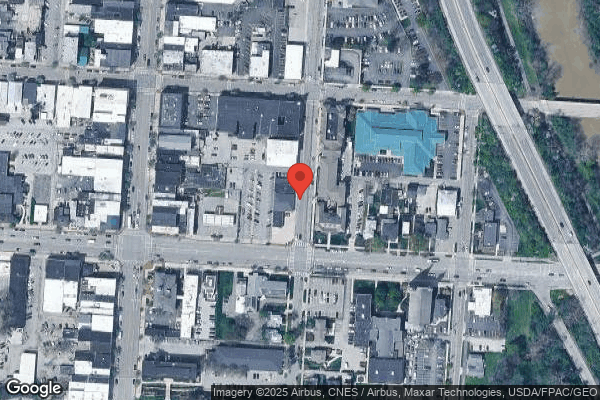
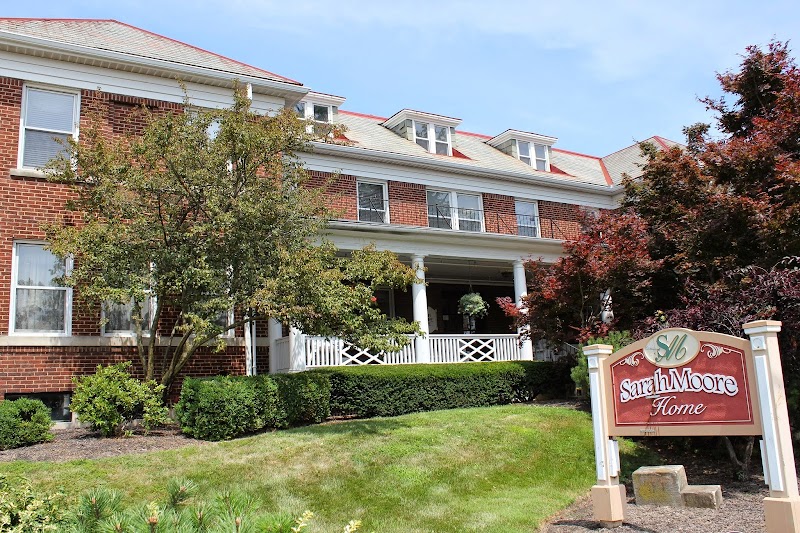
26 NORTH UNION STREET, DELAWARE, OH 43015 (740) 362-9641
Non profit - Corporation 47 Beds OHIO LIVING COMMUNITIES Data: November 2025
Trust Grade
90/100
#133 of 913 in OH
Last Inspection: April 2024

Within standard 12-15 month inspection cycle. Federal law requires annual inspections.

Overview

Ohio Living Sarah Moore in Delaware, Ohio, has an excellent Trust Grade of A, indicating it is highly recommended and performs well compared to others. It ranks #133 out of 913 facilities in Ohio, placing it in the top half, and #4 out of 8 in Delaware County, meaning only three local options are better. The facility has a stable trend with eight issues identified in both 2023 and 2024, showing consistency but not improvement. Staffing is a strength, with a rating of 4 out of 5 stars and a turnover rate of 43%, which is below the state average of 49%, suggesting staff are experienced and familiar with residents. There have been no fines reported, which is a positive sign. However, there were concerns found during inspections, including improper hand hygiene during meal service and failure to prepare pureed foods correctly for residents who require them, which could impact their health and safety. Overall, while there are significant strengths, families should be aware of the identified concerns as they consider this facility for their loved ones.

Trust Score
A
90/100
In Ohio
#133/913
Top 14%
Safety Record
Low Risk
No red flags
Inspections
Holding Steady
4 → 4 violations
Staff Stability
○ Average
43% turnover. Near Ohio's 48% average. Typical for the industry.
Penalties
✓ Good
No fines on record. Clean compliance history, better than most Ohio facilities.
Skilled Nurses
✓ Good
Each resident gets 57 minutes of Registered Nurse (RN) attention daily — more than average for Ohio. RNs are trained to catch health problems early.
Violations
○ Average
8 deficiencies on record. Average for a facility this size. Mostly minor or procedural issues.
★★★★★
5.0
Overall Rating
★★★★☆
4.0
Staff Levels
★★★★★
5.0
Care Quality
★★★★☆
4.0
Inspection Score
Stable
2023: 4 issues
2024: 4 issues

The Good

  • 4-Star Staffing Rating · Above-average nurse staffing levels
  • 5-Star Quality Measures · Strong clinical quality outcomes
  • Full Sprinkler Coverage · Fire safety systems throughout facility
  • No fines on record
  • Staff turnover below average (43%)

    5 points below Ohio average of 48%

Facility shows strength in staffing levels, quality measures, fire safety.

The Bad

Staff Turnover: 43%

Near Ohio avg (46%)

Typical for the industry

Chain: OHIO LIVING COMMUNITIES

Part of a multi-facility chain

Ask about local staffing decisions and management

The Ugly 8 deficiencies on record

Apr 2024 4 deficiencies
CONCERN (D)

Potential for Harm - no one hurt, but risky conditions existed

Deficiency F0692 (Tag F0692)

Could have caused harm · This affected 1 resident

**NOTE- TERMS IN BRACKETS HAVE BEEN EDITED TO PROTECT CONFIDENTIALITY** Based on staff interview and record review, the facility failed to provide a resident her physician-ordered nutritional suppleme...

Read full inspector narrative →
**NOTE- TERMS IN BRACKETS HAVE BEEN EDITED TO PROTECT CONFIDENTIALITY** Based on staff interview and record review, the facility failed to provide a resident her physician-ordered nutritional supplements routinely. This affected one resident (#30) of four residents reviewed for nutrition. The facility census was 45. Findings include: Review of the medical record for Resident #30 revealed an admission date of 02/07/24. Diagnoses included dysphagia, chronic obstructive pulmonary disease, Alzheimer's disease, and protein-calorie malnutrition. Review of Resident #30's comprehensive Minimum Data Set (MDS) 3.0 assessment dated [DATE] revealed the resident was rarely or never understood. The resident was not on any therapeutic diets. Review of Resident #30's physician order dated 02/15/24 revealed fortified ice cream nutritional supplement was to be given with lunch and dinner twice a day. Review of Resident #30's plan of care revised 03/26/24 revealed she was at nutrition and dehydration risk due to diagnoses, need of nutritional supplement, and mechanically altered diet. Interventions included offering the supplement the doctor ordered. Review of Resident #30's Medication Administration Record (MAR) for March 2024 revealed the fortified ice cream nutritional supplement was not administered 13 times due to the item being unavailable on the following days: once on 03/02/24, 03/03/24, 03/08/24, 03/13/24, 03/21/24, 03/22/24, 03/25/24, 03/30/24, and 03/31/24 and twice on 03/16/24 and 03/27/24. The MAR from 04/01/24 to 04/15/24 revealed the fortified ice cream was not administered five times due to the item being unavailable on the following days: once on 04/09/24, 04/13/24, and 04/14/24, and twice on 04/05/24. Review of Resident #30's progress note dated 03/01/24 to 04/15/24 revealed no notes related to the missing nutritional supplements. Interview on 04/16/24 at 3:32 P.M. with Diet Technician #301 verified Resident #30 had not been given her supplement as ordered. She reported the kitchen had run out of fortified ice cream nutritional supplement at times, but she was unsure how often. She reported when they ran out, the kitchen was substituting it with ice cream, yogurt, or pudding depending on diet texture. She reported the kitchen should have been notifying the nurse when doing this. Interview on 04/17/24 at 10:22 A.M. with Director of Nutrition Services #207 revealed the fortified ice cream nutritional supplement was missing from one to two deliveries a month because of availability. Director of Nutrition Services #207 verified they substituted with ice cream, pudding, or yogurt depending on the diet texture and notified the nurses. Interview on 04/17/24 at 2:37 P.M. with the Director of Nursing (DON) verified that in Resident #30's medical record, there was no way to identify if Resident #30 got a nutritional supplement substitute or did not get anything from the kitchen. She reported the nursing staff was documenting it as unavailable because the supplement was not there and they were not aware of the item being substituted. The DON reported the kitchen had not communicated they were doing substitutions.
CONCERN (E)

Potential for Harm - no one hurt, but risky conditions existed

Deficiency F0805 (Tag F0805)

Could have caused harm · This affected multiple residents

Based on observations, review of menu, review of resident diets, review of recipes, staff interviews, and facility policy review, the facility failed to ensure pureed foods and mechanical soft foods w...

Read full inspector narrative →
Based on observations, review of menu, review of resident diets, review of recipes, staff interviews, and facility policy review, the facility failed to ensure pureed foods and mechanical soft foods were prepared in an appropriate consistency. This affect three residents (#14, 15, and 22) on a pureed diet and two residents (Residents #30 and #32) on a mechanical soft diet. The facility census was 45. Findings include: 1. Review of the menu for the lunch meal on 04/17/24 revealed the planned meal was zucchini casserole or barbecue ribs with baked sweet potatoes, peas, and assorted cookies or sugar-free cookies. Review of the list of residents with current diet orders revealed Residents #14, #15, and #22 had an ordered pureed diet. Review of the pureed casserole recipe, undated, revealed the directions stated to measure freshly cooked/baked casserole portions drained of liquid. Puree well. Add liquid gradually to achieve appropriate consistency. Be sure it is pureed until completely smooth. Observations completed on 04/17/24 from 10:51 A.M. to 11:22 A.M. of pureed zucchini casserole preparation with [NAME] #273 revealed the regular food processor used for pureed foods was broken and [NAME] #273 would use a small blender to complete the task. [NAME] #273 added four scoops of zucchini casserole to a plastic container. There was a pitcher of chicken broth next to the blender. [NAME] #273 added two scoops of the casserole to the blender with four tablespoons of chicken broth to the blender and began blending. When [NAME] #273 felt the mixture was properly blended, she removed it from the blender with a clean spatula and placed into another container. At 11:05 A.M., an additional scoop of casserole with two tablespoons of broth were added to the blender. Once, blended, it was placed into the container. At 11:07 A.M., an additional scoop of casserole with two tablespoons of broth were added to the blender. Once blended, it was removed from the blender and placed into the container. The container was placed into the microwave to bring the pureed casserole up to an appropriate temperature. Once the casserole reached the needed temperature, [NAME] #273 used a clean spatula to pour the pureed casserole into a metal serving container to place into the steamer to keep warm until it was time to be plated. Interview on 04/17/24 at 11:22 A.M. with [NAME] #273, prior to placing the metal container of pureed casserole into the steamer, confirmed she felt the pureed casserole was an appropriate texture and was prepared to serve it to the residents for lunch meal. This surveyor requested to taste the pureed casserole. Upon observing the mixture in the metal container, there were visible chunks of zucchini and chicken seen. This surveyor tasted a spoonful of the mixture and a small chunk of zucchini was felt in the bite and visible on tongue. [NAME] #273 confirmed there was a chunk of zucchini. [NAME] #273 began using a clean spoon to mix up the pureed casserole and stated, I can see it, it is still chunky. I don't need to taste it. At that time, [NAME] #273 removed the metal container and confirmed the pureed casserole was not an appropriate texture to serve to residents and would need to be pureed again. 2. Review of the menu for the lunch meal on 04/17/24 revealed the planned meal was zucchini casserole or barbecue ribs with baked sweet potatoes, peas, and assorted cookies or sugar-free cookies. Review of the list of residents with current diet orders revealed Residents #30 and #32 had mechanically soft diets ordered. Review of the dietary spreadsheet revealed for a mechanically soft diet, residents should receive six ounces of zucchini casserole. Review of the chicken zucchini casserole recipe revealed ingredients included one six ounce package chicken stuffing mix, a half cup of melted butter, four medium diced zucchinis, three cooked and shredded boneless skinless chicken breasts, one can of cream of chicken soup, one half of a diced onion, and one half cup of sour cream. Observation on 04/17/24 at 12:55 P.M. of Resident #30 in the second floor dining room. Stated Tested Nurse Aide (STNA) #214 was present sitting next to the resident. Observed the resident to have plate in front of her with zucchini casserole on it. Resident #30 took a bite of the casserole. The resident began coughing after swallowing the bite of the casserole. STNA #214 asked the resident if she wanted something easier to eat. Interview on 04/17/24 at 1:00 P.M. with STNA #214 confirmed there were visible chunks of zucchini in the casserole dish. Interview via telephone on 04/17/24 at 2:57 P.M. with Speech Language Pathologist (SLP) #400 revealed she was not familiar with the recipe for zucchini casserole. SLP #400 stated any meats or other items in the casserole should be chopped finely in order to be considered mechanical soft. Interview on 04/17/24 at 4:27 P.M. with Director of Dietary Services (DDS) #207 and Dietary Supervisor (DS) #249 confirmed a mechanical soft zucchini casserole had not been prepared for the lunch meal. DDS #207 and DS #249 confirmed the zucchini casserole served to Residents #30 and #32 had chunks of chicken and zucchini in it and was not at an appropriate texture for residents who had a mechanical soft diet order. Review of the facility's undated policy titled Mechanically Altered Diets, revealed mechanically altered diets shall be prepared and served as prescribed by the physician. Pureed: all residents with a physician's order for a pureed diet shall receive pureed, homogenous, and cohesive foods. Food shall be pudding-like. No coarse textures, raw fruits or vegetables, nuts, etc. are allowed. Any foods that require bolus formation, controlled manipulation, or mastication (chewing) are excluded.
CONCERN (E)

Potential for Harm - no one hurt, but risky conditions existed

Infection Control (Tag F0880)

Could have caused harm · This affected multiple residents

**NOTE- TERMS IN BRACKETS HAVE BEEN EDITED TO PROTECT CONFIDENTIALITY** Based on observations, record review, staff interview, review of the facility policy, and review of the Centers for Disease Cont...

Read full inspector narrative →
**NOTE- TERMS IN BRACKETS HAVE BEEN EDITED TO PROTECT CONFIDENTIALITY** Based on observations, record review, staff interview, review of the facility policy, and review of the Centers for Disease Control and Prevention (CDC) guidance, the facility failed to wear appropriate personal protective equipment and perform proper hand hygiene during care of a resident under transmission-based precautions. This had the potential to affect 27 residents (#1, #6, #8, #9, #16, #17, #18, #19, #20, #23, #25, #28, #30, #31, #33, #34, #90, #92, #93, #94, #95, #96, #240, #241, #242, #243, and #244) receiving care on the second-floor rehab unit and healthcare two. The facility census was 45. Findings include: Review of medical chart for Resident #91 revealed an admission date of 03/28/24. Diagnoses included enterocolitis due to Clostridioides difficile (C. diff). Review of the Minimum Data Set (MDS) dated [DATE] revealed Resident #91 had intact cognition. Resident #91 had bladder and bowel incontinence, and enterocolitis related to C. diff. Resident # 91 required moderate to complete assistance from staff for activities of daily living (ADLs) including toileting, dressing, and transferring. Review of laboratory results finalized on 03/29/24 revealed positive finding of C. diff for Resident #91. Review of Resident #91's progress note dated 03/29/24 revealed Resident #91 was positive for C. diff and that contact precautions were started and all departments were notified. Review of Resident #91's care plan dated 04/16/24 revealed diagnoses of C. diff with risk of complications related to C. diff, bowel incontinence related to loose stools, urinary incontinence related to physical weakness, potential for functional status deficit related to physical deconditioning, and risk for falls. Interventions included following the principles of infection control, placing resident in private room on contact precautions, assessing quality and consistency of diarrhea, avoiding unnecessary diagnostic or therapeutic procedures and devices, following the facility's policies and procedures when cleaning and disinfecting room, equipment and linens, using the least restrictive isolation, practicing good handwashing, having adequate personal protective equipment (PPE), and providing incontinent care. Review of Resident #91's progress notes 03/28/24 to 4/17/24 revealed the resident had loose stools indicating continued active C. diff on 03/28/24, 04/01/24, 04/02/24, 04/08/24, 04/10/24, 04/11/24, 04/13/24, 04/14/24, and 4/15/24. Observation on 04/17/24 at 9:20 A.M. revealed State Tested Nursing Aide (STNA) #214 grabbed gloves and entered the room of Resident #91, without performing hand hygiene or donning a gown. STNA #214 exited the room of Resident #91 at 9:35 A.M., without personal protective equipment (PPE) on and placed bags with dirty linens and trash into their designated containers located outside of resident's room. STNA #214 performed hand hygiene using alcohol-based hand sanitizer after dispensing of bags. Interview on 04/17/24 at 9:35 A.M. with STNA #214 confirmed STNA #214 provided care to Resident #91 with only gloves being worn in room. STNA #214 confirmed Resident #91 was on Contact Precautions and signage was posted on door. STNA #214 stated they thought only gloves were needed for care but was not sure and would need to double check. STNA #214 stated gloves, gown, mask, hair covers, and booties should be worn in a room requiring contact precautions. STNA #214 confirmed they were told to wash hands using soap and water but used hand sanitizer instead. Interview on 04/17/24 at 12:25 P.M. with Director of Nursing (DON) confirmed Resident #91 was on Contact Precautions due to C. diff . Interview on 04/17/24 at 12:26 P.M. with Licensed Practical Nurse (LPN) #279 confirmed Resident #91 was on contact precautions until testing comes back negative for C. diff . LPN #279 confirmed the resident has been on Contact Precautions the entire stay. LPN #279 stated they did not remember when their last training on transmission-based precautions was and identified the needed personal protective equipment for care of a resident in contact precautions is gown, gloves and face shield. Subsequent interview on 04/18/24 at 12:04 PM with the DON confirmed the expected personal protective equipment needed to provide care for a resident on contact precautions would be gown, and gloves and the expected order to donning PPE would be gown, then gloves. The DON confirmed the expectation would be for staff to use soap and water for hand hygiene after removing PPE. Review of the staffing assignments for 04/17/24 revealed STNA #214 was assigned to provide care and services to Residents #1, #6, #8, #9, #16, #17, #18, #19, #20, #23, #25, #28, #30, #31, #33, #34, #90, #91, #92, #93, #94, #95, #96, #240, #241, #242, #243, and #244. Review of facility's Infection Control- Contact Precautions policy, revised on 09/13/22, revealed residents with Clostridioides difficile (C. diff), formerly known as Clostridium difficile, should be in contact precautions for the duration of their illness. Contact precautions include using a private room or cohorting with a resident actively infected with the same organism, using gloves and gown when providing care, and completing hand hygiene prior to putting on gloves and after taking them off. Review of the CDC recommended steps to prevent the spread of C. diff in healthcare facilities, found at https://www.cdc.gov/cdiff/clinicians/faq.html#prevent included the use of gowns and gloves when providing care and the use of isolation with contact precautions.
CONCERN (F)

Potential for Harm - no one hurt, but risky conditions existed

Food Safety (Tag F0812)

Could have caused harm · This affected most or all residents

Based on observations, staff interview, and facility policy review, the facility failed to follow proper handwashing and glove use during lunch meal service. This had the potential to affect all 45 re...

Read full inspector narrative →
Based on observations, staff interview, and facility policy review, the facility failed to follow proper handwashing and glove use during lunch meal service. This had the potential to affect all 45 residents in the facility who receive food from the kitchen. The facility did not have any residents with a physician ordered nothing by mouth (NPO) diet. Findings include: Observation of lunch meal service on 04/17/24 from 11:34 A.M. to 11:55 A.M. revealed [NAME] #273 completed food temperatures. After obtaining food temperatures, with bare hands, [NAME] #273 lifted the metal lid that was covering the zucchini casserole dish on the steam table. [NAME] #273 donned clean gloves. The cook did not wash her hands with soap and water before donning the clean gloves. At 11:43 A.M., [NAME] #273 unwrapped the tin foil from a baked sweet potato with gloved hands, then used her fingers to open up the sweet potato. Next, [NAME] #273 was observed touching the peas while plating them to keep them on the plate with the same gloves on. At 11:47 A.M., [NAME] #273 was observed completing the same tasks, unwrapping the tin foil, using same gloved fingers to open up the sweet potato, and then touching the peas to keep them on the plate while wearing the same gloves. At 11:48 A.M., [NAME] #273 was observed handling paper meal tickets with the same gloves on and then touched peas while plating them again with the same gloves on. At 11:52 A.M., [NAME] #273 removed her gloves, threw them in the trash can, and donned a new clean pair of gloves. The cook did not wash her hands with soap and water after removing the gloves and before donning the new clean gloves. At 11:54 A.M., [NAME] #273 was observed touching a towel that was hanging over the handle of the steamer with gloves on, then, handled a resident's cheeseburger to place on plate with the same gloves on. Interview on 04/17/24 at 4:27 P.M. with Director of Dietary Services (DDS) #207 and Dietary Supervisor (DS) #249 confirmed [NAME] #273 did not follow appropriate hand hygiene while completing lunch meal service. DDS #207 stated, I saw that too and I tried to intervene when I saw it. DDS #207 stated [NAME] #273 should have washed her hands before donning clean gloves and after she removed gloves. Also, DDS #207 stated [NAME] #273 should not have touched any food items directly, even with gloves on. Review of the facility's undated policy titled Disposable Gloves revealed disposable gloves shall be used for only one task and shall be discarded when damaged or soiled or when interruptions occur in operation. Hand washing must occur prior to putting on gloves and whenever gloves are changed or removed. Gloved hands are considered a food contact surface that can become contaminated or soiled. Disposable gloves need to be changed between tasks and as often as hands need to be washed.
Jun 2023 4 deficiencies
CONCERN (D)

Potential for Harm - no one hurt, but risky conditions existed

Deficiency F0657 (Tag F0657)

Could have caused harm · This affected 1 resident

**NOTE- TERMS IN BRACKETS HAVE BEEN EDITED TO PROTECT CONFIDENTIALITY** Based on medical record review, resident and staff interview, and review of a facility policy, the facility failed to allow a re...

Read full inspector narrative →
**NOTE- TERMS IN BRACKETS HAVE BEEN EDITED TO PROTECT CONFIDENTIALITY** Based on medical record review, resident and staff interview, and review of a facility policy, the facility failed to allow a resident to participate in a care planning conference. This affected one (#13) of two residents reviewed for care planning. The facility census was 40. Findings include: Review of Resident #34's medical record revealed and admission date of 04/30/21 with diagnoses to include but not limited to hemiplegia and hemiparesis following cerebral infarction, diabetes mellitus, and atrial fibrillation. Review of the quarterly Minimum Data Set (MDS) 3.0 assessment dated [DATE] revealed the resident was assessed with moderately impaired cognition and required extensive assistance with one staff member for most activities of daily living (ADLs). Review of Resident #34's profile page revealed the resident was his own responsible party and his daughter was his fourth emergency contact. Interview on 06/20/23 at 9:46 A.M. with Resident #13 stated a care conference was scheduled every six months to a year. Interview on 06/21/23 at 11:37 A.M. with Social Service Designee (SSD) #200 state she generally calls the first resident contact to schedule a care conference. SSD #200 stated she called the daughter to schedule a care conference, but the daughter wanted to discuss Resident #13 at the time of call instead of having a care conference. SSD #200 stated she did not follow up with the Resident #13 after speaking to his daughter and Resident #13 was not present during the care conference held over the phone. Review of the facility policy titled, Comprehensive Person-Centered Care Planning, dated 05/01/03 with a revision date of 09/13/22, revealed care planning must involve the resident and/or the representative and be developed by the interdisciplinary team including the physician.
CONCERN (D)

Potential for Harm - no one hurt, but risky conditions existed

ADL Care (Tag F0677)

Could have caused harm · This affected 1 resident

**NOTE- TERMS IN BRACKETS HAVE BEEN EDITED TO PROTECT CONFIDENTIALITY** 2. Review of the medical record for Resident #12 revealed an admission date of 12/09/18 with diagnoses that included a cerebral ...

Read full inspector narrative →
**NOTE- TERMS IN BRACKETS HAVE BEEN EDITED TO PROTECT CONFIDENTIALITY** 2. Review of the medical record for Resident #12 revealed an admission date of 12/09/18 with diagnoses that included a cerebral infarction (stroke), depression, and glaucoma. Review of the most recent MDS assessment dated [DATE] revealed the resident had a Brief Interview for Mental Status (BIMS) score of 14 which indicated intact cognition. Further review revealed Resident #12 required extensive assistance of one staff member for grooming. Resident #12 had received hospice care while a resident of the facility since 03/15/22. Observation and interview on 06/20/23 at 11:04 A.M. with Resident #12 revealed noticeable facial hair on the chin and upper lip area that was approximately an eighth of an inch long. Resident #12 stated the staff shave him when they are not too busy and he preferred to be clean shaven, and would absolutely agree to be shaved if offered. Observation and interview on 06/21/23 at 8:15 A.M. with Resident #12 revealed his facial hair was unchanged from the observation on 06/20/23. Resident #12 stated he had not been shaved and no one offered to shave him. Resident #12 stated he wished to be shaved. Interview on 06/21/23 at 10:12 A.M. with STNA #237 stated morning care on days that are not shower days would include cleansing the resident's face, underarms, back and peri-area, and further stated male residents are offered to be shaved on shower days, and shaving was documented on the shower sheets. Interview on 06/21/23 at 10:21 A.M. with STNA #255 stated she was not sure if facility staff or hospice staff was responsible for completing Resident #12's routine showers and grooming. Further interview with STNA #55 at 10:23 A.M. stated she checked with her unit manager and relayed that hospice was responsible for showering hospice residents, but if hospice did not complete the shower, then then facility would do it. STNA #255 was not sure what days hospice staff came into the facility or where the schedules for the hospice aides were kept. Observation on 06/21/23 at 10:26 A.M. revealed Resident #12 sitting in wheelchair in the third floor activity room. The activity room was filled with approximately fifteen other residents who were attending an activity. Resident #12 had facial hair unchanged from earlier observations. Interview on 06/21/23 at 10:28 A.M. with Activity Assistant (AA) #214 stated Resident #12 was a consistent attendant of the facility's activities, and verified Resident #12 looked scruffy with his facial hair. Interview on 06/21/23 at 10:31 A.M. with Registered Nurse (RN) #244 verified Resident #12 was not clean shaven and appeared scruffy. RN #244 stated a hospice staff member was coming to the facility that day. Observation and interview on 06/21/23 at 3:17 P.M. with Resident #12 revealed he remained unshaven. Interview on 06/22/23 at 7:39 A.M. with MDS Manager #246 revealed Resident #12 had a new hospice aide assigned to him from the hospice provider, but the facility has not yet received the hospice aide's schedule. MDS Manager #246 stated the facility staff should offer two showers a week in addition to what hospice staff provided. Interview on 06/22/23 at 8:26 A.M. with MDS Manager #246 revealed the facility had no record of shower sheets for the previous two months for Resident #12 where bathing and grooming tasks provided by the facility would be recorded. Based on observation, medical record review, and resident and staff interview, the facility failed to provide routine bathing and grooming services for two (#12 and #33) of three residents revealed for activities of daily living. The facility census was 40. Findings include: 1. Review of medical record for Resident # 33 revealed an admission date 04/15/22. Diagnoses included Parkinson's disease, chronic respiratory failure, pulmonary fibrosis, and a history of malignant neoplasm of the prostate. Review of the annual Minimum Data Set (MDS) 3.0 assessment dated [DATE] revealed Resident #33 had severe cognitive impairment. Resident # 33 required extensive assistance for bed mobility, transfers, and toilet use, and Resident #33 was dependent on staff for bathing. Review of Resident #33's medical record revealed the resident showers days were scheduled for Monday and Thursday on the day shift. Review of Resident #33's bathing documentation for the past two months revealed Resident #33 was bathed on 05/12/23 and 06/09/23 by facility staff, and on 05/01/23, 05/12/23, 05/22/23, 05/25/23, 06/09/23, 06/14/23, and 06/19/23 by a hospice provider. The resident received nine showers in the past two months and not the scheduled 16 showers the resident was scheduled to receive. Interview with Resident #33 on 06/20/23 at 11:44 A.M. verified the resident did not always receive a shower twice a week as scheduled. Interview on 06/21/23 at 10:12 A.M. with State Tested Nurse Aide (STNA) #237 stated most residents received a shower twice a week, and the staff who performed the shower completed a shower sheet and provide it to the nurse. STNA #237 stated the showers were divided between the day and evening shift, and it was on the STNA report sheet when each resident was to be showered. Interview with Registered Nurse (RN) #246 on 06/22/23 at 7:48 A.M. confirmed the facility staff should offer resident showers on their shower day, and if the resident received hospice services, the hospice staff would perform the shower if they were in the faciity on the shower day. RN #246 stated if hospice was not in the facility on the shower day, the facility staff should perform the shower. RN #246 stated there was a new hospice aide for the facility and did not have a schedule from the hospice provider to know what days the hospice aide would be in to visit and provide care to the Resident #33. RN #246 verified Resident #33 did not receive bathing services as scheduled.
CONCERN (D)

Potential for Harm - no one hurt, but risky conditions existed

Deficiency F0761 (Tag F0761)

Could have caused harm · This affected 1 resident

**NOTE- TERMS IN BRACKETS HAVE BEEN EDITED TO PROTECT CONFIDENTIALITY** Based on observation, medical record review, resident and staff interview, and review of facility policies, the facility failed ...

Read full inspector narrative →
**NOTE- TERMS IN BRACKETS HAVE BEEN EDITED TO PROTECT CONFIDENTIALITY** Based on observation, medical record review, resident and staff interview, and review of facility policies, the facility failed to securely store medications for one (#16) of 40 residents observed. The facility census was 40. Findings include: Review of Resident #16's medical record revealed the resident was admitted on [DATE] with diagnoses that include hemiplegia and hemiparesis, cerebral infarction affecting left non-dominant side, anxiety disorder, peripheral neuropathy, rheumatoid arthritis, and weakness. Review of the most recent quarterly Minimum Data Set (MDS) 3.0 assessment dated [DATE] revealed the resident was cognitively intact, and required extensive assistance with bed mobility, transfers, dressing, toileting and personal hygiene. The resident was assessed as independent with eating. Review of Resident #16's physician orders revealed the resident was ordered the pain medication Tylenol 500 milligrams (mg) three times daily; cranberry supplement 425 mg daily, the antidepressant duloxetine 60 mg daily, the nerve pain medication gabapentin 300 mg three times daily, the proton pump inhibitor Protonix 40 mg daily, the supplement potassium chloride 10 milliequivalents (mEq) daily, and the antidepressant Zoloft 75 mg daily. Interview with State Tested Nurse Aide #236 on 06/20/23 at 9:02 A.M. verified there was a medication cup with two pills in the cup on the book shelf in Resident #16's room and the medications should not be left with the resident. Observation and interview with Resident #16 on 06/20/23 at 10:42 A.M. revealed the resident was sitting in her wheelchair with her over the bed table in front of her. Resident #16 was visualized to have a medication cup with two pills sitting on the bookshelf at the end of her over the bed table. Interview with Resident #16 at that time stated the pills were Tylenol and the nurse yesterday left the medication there for her to take and she had forgotten to take them. Resident #16 stated the nurse probably did not know she did not take the pills and verified it was on 06/19/23 at 12:00 P.M. when the nurse left the medication for her to take. Resident #16 verified the pills had sat in her room unsecured since 06/19/23 at 12:00 P.M. Observation of Resident #16 on 06/22/23 at 9:04 A.M. revealed the resident was sitting with the bedside table across her and she was observed to be spooning a yellow substance out of a medication cup and eating the substance. Interview with Resident #16 on 06/22/23 at 9:04 A.M., at the time of the observation, stated she was taking her 10 morning pills, and stated she told the nurse she would take the medication but the nurse did not stay in the room with her while she took the medication. Observation of the hallway on 06/22/23 at 9:04 A.M. revealed there was no nurse in the hallway or at the medication cart which was noted to be past Resident #16's doorway. Interview on 06/22/23 at 9:07 A.M. with Licensed Practical Nurse (LPN) #257 confirmed he gave Resident #16 her medications and she liked to take them at her own pace so he left the medications with the resident to consume on her own. LPN #257 stated he came back to the room to provide the medication to the roommate and was monitoring Resident #16 as she finished her medications. LPN #257 verified he did not stay and observe Resident #16 take her morning medications. Review of the policy titled, Medication Storage, last revised on 09/13/22, revealed the nursing home shall assure safe storage of medications. All prescription medications must be stored under proper temperature controls and secured against unauthorized access. All prescription medicines and drugs, except those that are authorized to be kept at the bedside for self-administration in accordance with residents rights, and shall be kept in locked storage areas and separate from materials that may contaminate the medicines and drugs such as poisonous substances. Review of the policy titled, Medication Administration Orals, dated 2007, revealed to administer oral medications in an organized, accurate and safe manner staff should administer medication and remain with resident while medication is swallowed. Do not leave a medication in a resident's room without orders to do so along with documentation of self-administration. Use caution with residents who have difficulty with swallowing.
CONCERN (D)

Potential for Harm - no one hurt, but risky conditions existed

Deficiency F0917 (Tag F0917)

Could have caused harm · This affected 1 resident

**NOTE- TERMS IN BRACKETS HAVE BEEN EDITED TO PROTECT CONFIDENTIALITY** Based on observation, medical record review, and resident and staff interview, the facility failed to provide a resident with a ...

Read full inspector narrative →
**NOTE- TERMS IN BRACKETS HAVE BEEN EDITED TO PROTECT CONFIDENTIALITY** Based on observation, medical record review, and resident and staff interview, the facility failed to provide a resident with a properly fitted bed to maintain basic comfort. This affected one (#34) of one residents reviewed for beds. The facility census was 40. Findings include: Review of Resident #34's medical record revealed an admission date of 04/06/23 with diagnoses including cutaneous abscess of the right lower limb, cellulitis of the right lower limb, diabetes mellitus, and gout. Review of the admission Minimum Data Set (MDS) 3.0 assessment dated [DATE] revealed the resident was assessed with moderately impaired cognition and required extensive assistance with two staff for most activities of daily living (ADLs) with the exception of transfers which required total dependence. Review of the admission height dated 05/06/23 at 11:38 P.M. revealed Resident #34 measured six feet four inches tall. Observation and interview on 06/20/23 at 9:39 A.M. revealed Resident #34 was lying in bed with his feet pressed against the footboard. Resident #34 confirmed he was six feet four inches tall and needed to be pulled up at least 15 times a day. Interview on 06/20/23 at 9:41 A.M. with Licensed Practical Nurse (LPN) #400 verified Resident #34's feet were against the footboard and a longer bed would be more comfortable. Interview on 06/20/23 at 10:10 A.M. with the Administrator stated he would get Resident #34 another bed because he was a big guy.
Understanding Severity Codes (click to expand)
Life-Threatening (Immediate Jeopardy)
J - Isolated K - Pattern L - Widespread
Actual Harm
G - Isolated H - Pattern I - Widespread
Potential for Harm
D - Isolated E - Pattern F - Widespread
No Harm (Minor)
A - Isolated B - Pattern C - Widespread

Questions to Ask on Your Visit

  • "Can I speak with families of current residents?"
  • "What's your RN coverage like on weekends and overnight?"

Our Honest Assessment

Strengths
  • • Grade A (90/100). Above average facility, better than most options in Ohio.
  • • No major safety red flags. No abuse findings, life-threatening violations, or SFF status.
  • • No fines on record. Clean compliance history, better than most Ohio facilities.
  • • 43% turnover. Below Ohio's 48% average. Good staff retention means consistent care.
Concerns
  • • No significant concerns identified. This facility shows no red flags across CMS ratings, staff turnover, or federal penalties.
Bottom line: Generally positive indicators. Standard due diligence and a personal visit recommended.

About This Facility

What is Ohio Living Sarah Moore's CMS Rating?

CMS assigns OHIO LIVING SARAH MOORE an overall rating of 5 out of 5 stars, which is considered much above average nationally. Within Ohio, this rating places the facility higher than 99% of the state's 100 nursing homes. This rating reflects solid performance across the metrics CMS uses to evaluate nursing home quality.
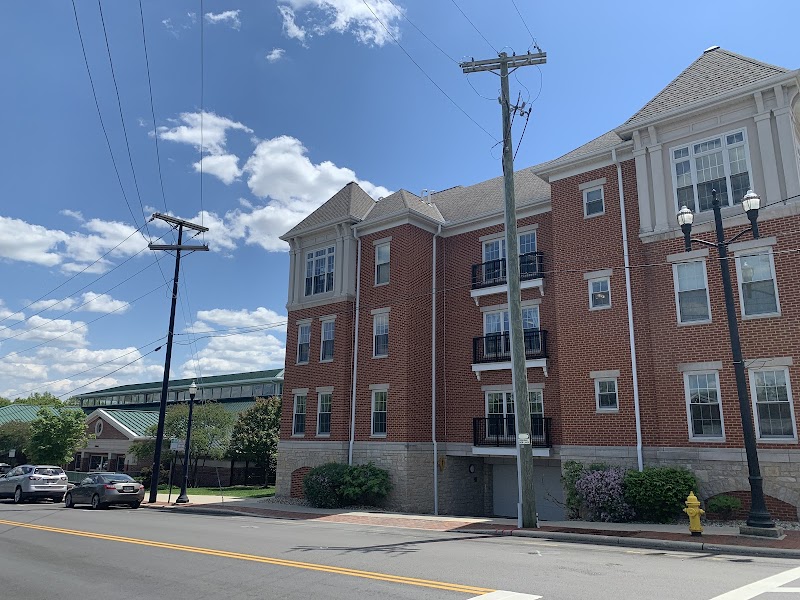
How is Ohio Living Sarah Moore Staffed?

CMS rates OHIO LIVING SARAH MOORE's staffing level at 4 out of 5 stars, which is above average compared to other nursing homes. Staff turnover is 43%, compared to the Ohio average of 46%. This relatively stable workforce can support continuity of care.

What Have Inspectors Found at Ohio Living Sarah Moore?

State health inspectors documented 8 deficiencies at OHIO LIVING SARAH MOORE during 2023 to 2024. These included: 8 with potential for harm.
Who Owns and Operates Ohio Living Sarah Moore?

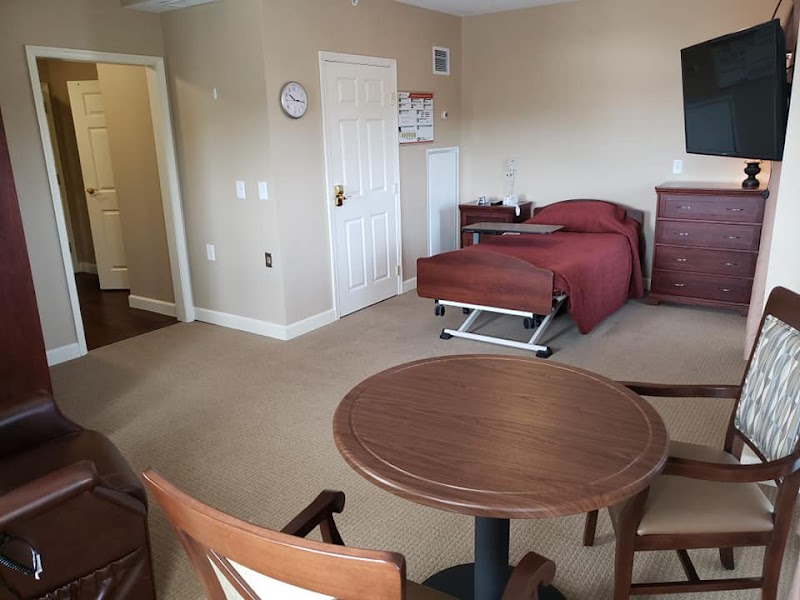
OHIO LIVING SARAH MOORE is owned by a non-profit organization. Non-profit facilities reinvest revenue into operations rather than distributing to shareholders. The facility is operated by OHIO LIVING COMMUNITIES, a chain that manages multiple nursing homes. With 47 certified beds and approximately 43 residents (about 91% occupancy), it is a smaller facility located in DELAWARE, Ohio.
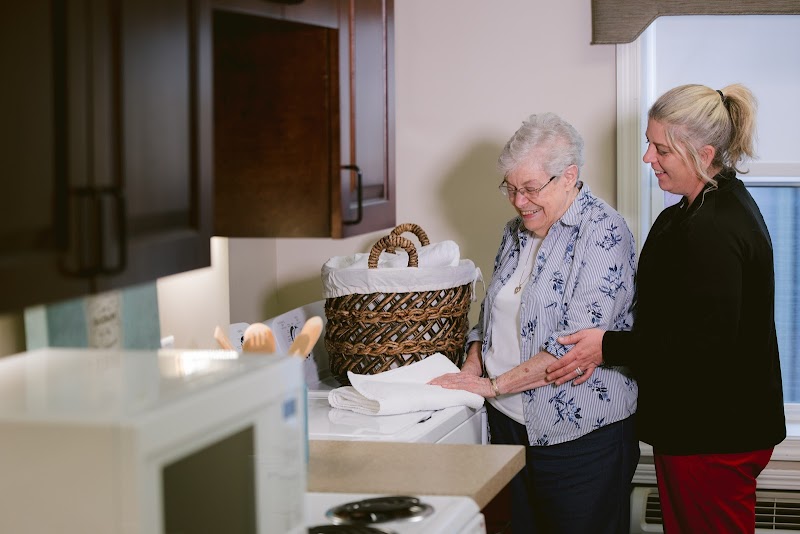
How Does Ohio Living Sarah Moore Compare to Other Ohio Nursing Homes?

Compared to the 100 nursing homes in Ohio, OHIO LIVING SARAH MOORE's overall rating (5 stars) is above the state average of 3.2, staff turnover (43%) is near the state average of 46%, and health inspection rating (4 stars) is above the national benchmark.

What Should Families Ask When Visiting Ohio Living Sarah Moore?

Based on this facility's data, families visiting should ask: "Can I visit during a mealtime to observe dining assistance and food quality?" "How do you handle medical emergencies, and what is your hospital transfer rate?" "Can I speak with family members of current residents about their experience?"

Is Ohio Living Sarah Moore Safe?

Based on CMS inspection data, OHIO LIVING SARAH MOORE has a clean safety record: no substantiated abuse findings (meaning no confirmed cases of resident harm), no Immediate Jeopardy citations (the most serious violation level indicating risk of serious injury or death), and is not on the Special Focus Facility watch list (a federal program monitoring the lowest-performing 1% of nursing homes). The facility has a 5-star overall rating and ranks #1 of 100 nursing homes in Ohio. While no facility is perfect, families should still ask about staff-to-resident ratios and recent inspection results during their visit.

Do Nurses at Ohio Living Sarah Moore Stick Around?

OHIO LIVING SARAH MOORE has a staff turnover rate of 43%, which is about average for Ohio nursing homes (state average: 46%). Moderate turnover is common in nursing homes, but families should still ask about staff tenure and how the facility maintains care continuity when employees leave.

Was Ohio Living Sarah Moore Ever Fined?

OHIO LIVING SARAH MOORE has no federal fines on record. CMS issues fines when nursing homes fail to meet care standards or don't correct problems found during inspections. The absence of fines suggests the facility has either maintained compliance or corrected any issues before penalties were assessed. This is a positive indicator, though families should still review recent inspection reports for the full picture.

Is Ohio Living Sarah Moore on Any Federal Watch List?

OHIO LIVING SARAH MOORE is not on any federal watch list. The most significant is the Special Focus Facility (SFF) program, which identifies the bottom 1% of nursing homes nationally based on persistent, serious quality problems. Not being on this list means the facility has avoided the pattern of deficiencies that triggers enhanced federal oversight. This is a positive indicator, though families should still review the facility's inspection history directly.