COUNTRY CLUB CENTER I
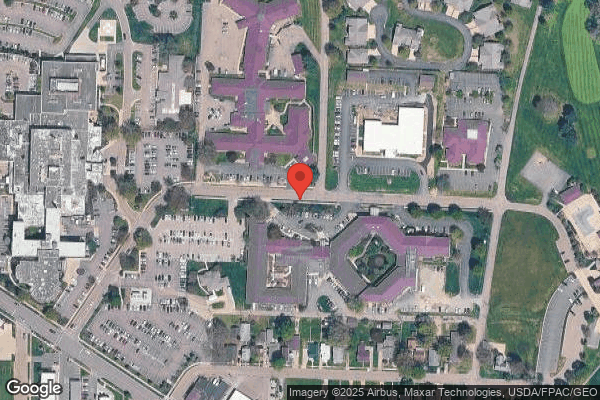
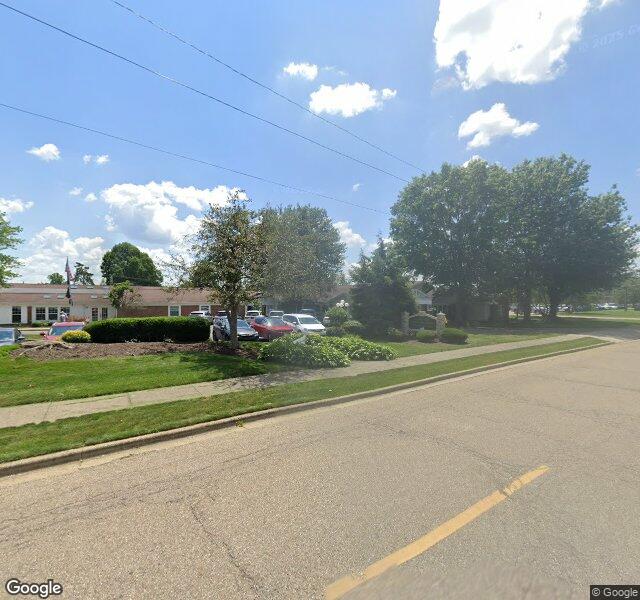
860 IRON AVENUE, DOVER, OH 44622 (330) 343-5568
For profit - Limited Liability company 72 Beds COUNTRY CLUB REHABILITATION CAMPUS Data: November 2025
Trust Grade
20/100
#854 of 913 in OH
Last Inspection: December 2024

Within standard 12-15 month inspection cycle. Federal law requires annual inspections.

Overview

Country Club Center I in Dover, Ohio has a Trust Grade of F, indicating significant concerns with care and operations. It ranks #854 out of 913 facilities in Ohio, placing it in the bottom half and #9 out of 10 in Tuscarawas County, meaning there are only a couple of local options that are better. The facility is on an improving trend, reducing its issues from 26 in 2024 to 4 in 2025, but it still has concerning aspects, such as $31,371 in fines, which is higher than 82% of Ohio facilities. Staffing is a relative strength with a 3/5 star rating and a turnover rate of 47%, slightly below the state average, and there is more RN coverage than 84% of facilities, which is beneficial for monitoring residents’ needs. However, there have been serious incidents, including a failure to prevent falls that resulted in fractures for residents and inadequate pressure ulcer prevention, leading to actual harm for those affected. Families should weigh these factors when considering care for their loved ones.

Trust Score
F
20/100
In Ohio
#854/913
Bottom 7%
Safety Record
High Risk
Review needed
Inspections
Getting Better
26 → 4 violations
Staff Stability
⚠ Watch
47% turnover. Above average. Higher turnover means staff may not know residents' routines.
Penalties
✓ Good
$31,371 in fines. Lower than most Ohio facilities. Relatively clean record.
Skilled Nurses
✓ Good
Each resident gets 42 minutes of Registered Nurse (RN) attention daily — more than average for Ohio. RNs are trained to catch health problems early.
Violations
⚠ Watch
70 deficiencies on record. Higher than average. Multiple issues found across inspections.
★☆☆☆☆
1.0
Overall Rating
★★★☆☆
3.0
Staff Levels
★★★★☆
4.0
Care Quality
★☆☆☆☆
1.0
Inspection Score
Stable
2024: 26 issues
2025: 4 issues

The Good

  • 4-Star Quality Measures · Strong clinical quality outcomes
  • Full Sprinkler Coverage · Fire safety systems throughout facility
  • No fines on record

Facility shows strength in quality measures, fire safety.

The Bad

1-Star Overall Rating

Below Ohio average (3.2)

Significant quality concerns identified by CMS

Staff Turnover: 47%

Near Ohio avg (46%)

Higher turnover may affect care consistency

Federal Fines: $31,371

Below median ($33,413)

Moderate penalties - review what triggered them

Chain: COUNTRY CLUB REHABILITATION CAMPUS

Part of a multi-facility chain

Ask about local staffing decisions and management

The Ugly 70 deficiencies on record

3 actual harm
Jun 2025 2 deficiencies
CONCERN (D) 📢 Someone Reported This

A family member, employee, or ombudsman was alarmed enough to file a formal complaint

Potential for Harm - no one hurt, but risky conditions existed

Quality of Care (Tag F0684)

Could have caused harm · This affected 1 resident

**NOTE- TERMS IN BRACKETS HAVE BEEN EDITED TO PROTECT CONFIDENTIALITY** Based on review of the medical record and interview with the staff the facility failed to ensure an orthopedic consultation was ...

Read full inspector narrative →
**NOTE- TERMS IN BRACKETS HAVE BEEN EDITED TO PROTECT CONFIDENTIALITY** Based on review of the medical record and interview with the staff the facility failed to ensure an orthopedic consultation was set up as ordered for Resident #57. This affected one resident (Resident #57) of three reviewed for quality of care. Findings included: Review of the medical record revealed Resident #57 was admitted to the facility on [DATE]. Diagnoses included congestive heart failure, hypertension atherosclerotic heart disease, atrial fibrillation, venous insufficiency, diabetes, spinal stenosis, hypothyroidism, and anemia. Resident #57 was discharged to the hospital on [DATE]. Review of the Nurse Progress Note dated 05/06/25 at 2:30 P.M. revealed Resident #57 was transferred from the Assisted Living to the Skilled Nursing Facility due to increased difficulty ambulating. A new order was received to refer the resident to the orthopedic physician and for Tramadol 50 milligrams twice daily for seven days. Review of the physician's orders revealed Resident #57 had an order for an orthopedic referral due to worsening knee pain dated 05/06/25. Review of the Occupational Therapy Evaluation dated 05/07/25 revealed Resident #57 reported pain in the right knee at an eight out of 10 on the pain scale. Resident #57 stated she was waiting for an appointment to be scheduled with the orthopedic doctor to further assess for pain in the right lower extremity. Review of the Discharge Minimum Data Set assessment dated [DATE] revealed Resident #57 had moderately impaired cognition. Further review of the medical record revealed no evidence a referral was set up for an orthopedic physician. On 06/25/25 at 2:00 P.M. an interview with the Administrator verified an appointment was never set up of an orthopedic referral however he indicated Resident #57 had only been in the facility for six days and they did not have time to set it up. This deficiency represents non-compliance investigated under Complaint Number OH00166266.
CONCERN (F) 📢 Someone Reported This

A family member, employee, or ombudsman was alarmed enough to file a formal complaint

Potential for Harm - no one hurt, but risky conditions existed

Deficiency F0804 (Tag F0804)

Could have caused harm · This affected most or all residents

Based on medical record review, resident interview, staff interview, review of the test tray, review of facility policy, and review of United States Department of Agriculture (USDA) guidelines, the fa...

Read full inspector narrative →
Based on medical record review, resident interview, staff interview, review of the test tray, review of facility policy, and review of United States Department of Agriculture (USDA) guidelines, the facility failed to maintain palatable and appetizing food temperatures. This had the potential to affect all residents in the facility. The census was 56. Findings included: Review of the resident council minutes dated 05/22/25 revealed an unidentified resident complained of cold biscuits and gravy. On 06/25/25 at 7:40 A.M. an interview with Resident #25 revealed the food was sometimes cold. On 06/25/25 at 9:13 A.M. an interview with Resident #42 revealed the food was sometimes cold, but he understood it due to how far it had to come from the kitchen. On 06/25/25 at 9:17 A.M. an interview with Resident #39 revealed the food was always cold. Observation of the meal service on 06/25/25 from 10:50 A.M. to 12:50 P.M., revealed the dietary staff prepared the lunch meal that consisted of barbeque (BBQ) chicken, mashed potatoes, a broccoli, cauliflower and carrot blend, and apple crisp. Cooking temperatures obtained at this time by Assistant Dietary Manager #201, using a facility thermometer, revealed the BBQ chicken was 205 degrees Fahrenheit (F), the broccoli, cauliflower and carrot blend was 163 degrees F and the mashed potatoes were 180 degrees F. Food and beverage items prepared for this meal were confirmed to be consistent with the printed menu. Observation of food supplies confirmed the facility had sufficient amounts of various nutritious food and beverage selections. Further observation continued as dietary staff plated the lunch meal from a steam table in the kitchen. As the tray line neared an end, the surveyor requested a test tray be prepared and placed on the D hall food cart. Observation was made as the test tray was prepared and placed under the heat lamp at 12:40 P.M. until a Certified Nursing Assistant (CNA) came to pick up the meal cart. Then all of the meal trays were loaded onto the meal cart, transported down the hallway and passed out by the staff. The test tray remained on the cart in view of the surveyor until all other trays were distributed to residents. The test tray was removed from the cart at 12:50 P.M. by Dietary Manager #111 who used a facility thermometer that confirmed the temperatures were 122 degrees F for the BBQ chicken, 107.5 degrees F for the broccoli, cauliflower and carrots blend and 112 degrees F for the mashed potatoes and gravy. He verified the food dropped in temperature and should not have dropped that much. Immediately following confirmation of the test tray temperatures, the surveyor taste-tested the food, which was cold in temperature. Review of the facility policy titled, Food Preparation, dated 06/20/17 revealed the purpose was to ensure food was prepared in accordance with the USDA food code guidelines. Dietary staff would ensure all foods are held at an appropriate temperature of 135 degrees F for holding hot foods. Review of the USDA guidelines revealed leaving food out too long at room temperature can cause bacteria to grow to dangerous levels that can cause illness and bacteria grow most rapidly in the range of temperatures between 40 degrees F and 140 degrees F, doubling in number in as little as 20 minutes. It stated that temperature range was known as the Danger Zone. The guidelines further stated to keep hot food hot, at or above 140 degrees F and to place cooked food in chafing dishes, preheated steam tables, warming trays, and/or slow cookers. This deficiency represents non-compliance investigated under Complaint Number OH00166266.
May 2025 2 deficiencies
CONCERN (D) 📢 Someone Reported This

A family member, employee, or ombudsman was alarmed enough to file a formal complaint

Potential for Harm - no one hurt, but risky conditions existed

Safe Environment (Tag F0584)

Could have caused harm · This affected 1 resident

Based on observation and interview, the facility failed to maintain a resident room in a clean, organized, and sanitary manner. This affected one resident (#15). The facility census was 62. Findings i...

Read full inspector narrative →
Based on observation and interview, the facility failed to maintain a resident room in a clean, organized, and sanitary manner. This affected one resident (#15). The facility census was 62. Findings include: During the tour of the facility on 04/29/25 beginning at 4:30 P.M. with Regional Maintenance Director #100 it was noted Resident #15 had an empty medication cup on the floor, a basin on the sofa with what appeared to be a dried dark brownish red substance on the bottom of the basin, clothes lying on the floor, brown discoloration in the toilet with what appeared to be a splattered spot of stool on the toilet tank, and dried yellow substance in the bottom of the container of the suction machine sitting on the stand at his bedside. On 04/29/25 during the tour, Regional Maintenance Director #100 verified Resident #15's room was not clean, organized and sanitary. This deficiency represents non-compliance investigated under Complaint Number OH00163989.
CONCERN (D) 📢 Someone Reported This

A family member, employee, or ombudsman was alarmed enough to file a formal complaint

Potential for Harm - no one hurt, but risky conditions existed

Infection Control (Tag F0880)

Could have caused harm · This affected 1 resident

Based on medical record review, observation, and interview, the facility failed to ensure appropriate personal protective equipment (PPE) was utilized during a dressing change. This affected one resid...

Read full inspector narrative →
Based on medical record review, observation, and interview, the facility failed to ensure appropriate personal protective equipment (PPE) was utilized during a dressing change. This affected one resident (#15) of one resident observed for a dressing change. The facility census was 62. Findings include: Review of Resident #15's medical record revealed diagnoses including malignant neoplasm of the esophagus, dysphagia (difficulty swallowing), tracheostomy status, and encounter for attention to a gastrostomy. An order dated 04/26/25 revealed the area around the J-tube (jejunostomy feeding tube) was to be cleaned with normal saline and a clean drain sponge applied three times a day. A nursing note dated 04/29/25 at 5:30 P.M. indicated Resident #15's trach was removed at the doctor's office. The trach bandage was to changed every day until healed. During the tour on 04/29/25, Resident #15 was noted to have an enhanced barrier precaution (EBP) sign posted on his doorway. On 04/30/25 at 10:57 A.M., Registered Nurse (RN) #110 was observed changing the dressing to Resident #15's J-tube site. The dressing and the top of Resident #15's pants had green drainage on them. RN #110 donned gloves when changing the dressing but did not wear a gown. On 04/30/25 at 10:08 A.M., RN #110 verified he had not worn a gown while changing Resident #15's dressing but should have. Review of the facility's Enhanced Barrier Precautions policy (undated) revealed EBP precautions involved gown and glove use during high-contact resident care activities for residents at risk of multi drug-resistant organisms (MDRO) acquisition. High-contact resident activities included device care and wound care. Chronic wounds included unhealed surgical wounds and indwelling medical devices included feeding tubes. The policy explained devices and wounds were risk factors that placed residents at a higher risk for carrying or acquiring a MDRO. This deficiency represents non-compliance investigated under Complaint Number OH00164497.
Dec 2024 21 deficiencies
CONCERN (D)

Potential for Harm - no one hurt, but risky conditions existed

Deficiency F0558 (Tag F0558)

Could have caused harm · This affected 1 resident

**NOTE- TERMS IN BRACKETS HAVE BEEN EDITED TO PROTECT CONFIDENTIALITY** Based on observation, review of the medical record and interview with staff the facility failed to ensure call lights were withi...

Read full inspector narrative →
**NOTE- TERMS IN BRACKETS HAVE BEEN EDITED TO PROTECT CONFIDENTIALITY** Based on observation, review of the medical record and interview with staff the facility failed to ensure call lights were within reach of Resident #7 and #8. This affected two residents (#7 and #8) of three residents reviewed for physical environment. The facility census was 55. Findings included: 1. Review of the medical record revealed Resident #7 was admitted to the facility on [DATE]. Diagnoses included chronic obstructive pulmonary disease, diabetes, vascular dementia, hydrocephalus, chronic kidney disease, chronic respiratory failure, adjustment disorder, generalized anxiety disorder and atrial fibrillation. Review of the quarterly Minimum Data Set (MDS) 3.0 assessment dated [DATE] revealed Resident #7 had severely impaired cognition. Observation on 11/25/24 at 9:38 A.M. revealed Resident #7 was sitting up in her wheelchair. She had her noninvasive Trilogy ventilator on and her call light was not within reach. The call light was across the room attached to her left grab bar on her bed. An interview at this time with Registered Nurse (RN) #320 confirmed the call light was not within reach of Resident #7. Observation on 11/27/24 at 1:56 P.M. revealed Resident #7 was in bed and her call light was hanging on her Triglogy ventilator machine out of her reach. An interview at this time with Medical Records #329 confirmed the call light was not within reach of Resident #7. Review of the facility policy titled, Call Lights, dated 12/26/23 did not address call lights needing to be within reach of the resident. 2. Review of the medical record revealed Resident #8 was admitted to the facility on [DATE]. Diagnoses included left side hemiparesis, dementia, hypothyroidism, hypertension, benign prostatic hyperplasia, iron deficiency anemia, chronic pain syndrome, depression, and insomnia. Review of the quarterly MDS 3.0 assessment dated [DATE] revealed Resident #8 had moderately impaired cognition and had upper extremity impairment on one side. Observation on 11/25/24 at 9:32 A.M. revealed Resident #8 was sitting in the recliner. The call light was hanging on the right grab bar out of his reach and on his left paralysis side. An interview at this time with Resident #8 stated he could not reach his call light while he was sitting in the recliner so he just yelled out if he needed help. On 11/25/24 at 9:42 A.M. an interview with RN #320 confirmed the call light for Resident #8 was too short and could not reach to the recliner he was sitting in. She stated he would usually yell out if he needed anything and the call light was not in his reach. Review of the facility policy titled, Call Lights, dated 12/26/23 did not address call lights needing to be within reach of the resident.
CONCERN (D)

Potential for Harm - no one hurt, but risky conditions existed

Deficiency F0578 (Tag F0578)

Could have caused harm · This affected 1 resident

**NOTE- TERMS IN BRACKETS HAVE BEEN EDITED TO PROTECT CONFIDENTIALITY** Based on medical record review and interview, the facility failed to ensure there was a signed Do Not Resuscitate (DNR) form in ...

Read full inspector narrative →
**NOTE- TERMS IN BRACKETS HAVE BEEN EDITED TO PROTECT CONFIDENTIALITY** Based on medical record review and interview, the facility failed to ensure there was a signed Do Not Resuscitate (DNR) form in Resident #1's medical record. This affected one resident (#1) out of 17 residents reviewed for advance directives. The facility census was 55. Findings include: Review of the medical record for Resident #1 revealed an admission date of [DATE]. Diagnoses included intellectual disability, fatty liver, chronic obstructive pulmonary disease and essential hypertension. Review of physician orders in Resident #1's electronic medical record revealed an order dated [DATE] for DNR-CCA (do not resuscitate comfort care arrest). Review of Resident #1's care plan, dated [DATE], revealed the resident wished to be a DNR-CCA (do not resuscitate comfort care arrest) with a goal of the resident's wishes would be followed through next review. Interventions indicated the resident was a DNR-CCA with no CPR (cardiopulmonary resuscitation) and advance directives would be reviewed in care conferences quarterly and as needed. Further review of Resident #1's physical chart and electronic chart revealed there was no signed DNR form in either chart to support the resident's wishes to be a do not resuscitate comfort care arrest Review of Resident #1's physical and electronic medical record and interview on [DATE] at 1:25 P.M. with Registered Nurse (RN) #320 confirmed there was no signed code status form in Resident #1's medical record. She stated the code status for residents should be in both the electronic and physical medical record and could not give an explanation on why there was no copy of Resident #1's code status form in Resident #1's medical record.
CONCERN (D)

Potential for Harm - no one hurt, but risky conditions existed

Deficiency F0657 (Tag F0657)

Could have caused harm · This affected 1 resident

Based on observation, record review, interview and review of facility policy the facility did not ensure Resident #1's preference to wear undersized clothing was added to her care plan. This affected ...

Read full inspector narrative →
Based on observation, record review, interview and review of facility policy the facility did not ensure Resident #1's preference to wear undersized clothing was added to her care plan. This affected one resident (#1) of 17 residents reviewed for care plans. The facility census was 55. Findings include: Review of the medical record for Resident #1 revealed an admission date of 07/14/23. Pertinent diagnoses included panic disorder, bipolar disorder, anxiety disorder, intellectual disability and morbid obesity. Review of the quarterly Minimum Data Set (MDS) 3.0 assessment, dated 10/29/24, revealed Resident #1 was cognitively intact, had not shown any signs or symptoms of delirium or behaviors, required supervision or touch assistance from staff for upper body dressing and transfers from bed to chair and substantial/maximum assistance for lower body dressing. Review of the care plan for Resident #1 revealed she did not have a care plan in place to indicate it was her preference to wear an undersized nightgown. Observation on 11/25/24 at 1:28 P.M. with Registered Nurse (RN) #320 revealed Resident #1 was sitting in a reclined chair in her room and she was wearing a short length nightgown that was undersized so it exposed her bare abdomen and her brief was fully exposed. There was a room mate in the room with her, but the privacy curtain was pulled so no one was able to see the resident unless they went behind the privacy curtain. At the time of observation with RN #320 present, RN #320 verified Resident #1's brief and part of her bare abdomen were showing and verified it was due to the undersized nightgown. An interview was conducted on 11/27/24 at 11:52 A.M. with Resident #1 in her room. Resident #1 was alert and oriented, and she was wearing an undersized nightgown which exposed her brief and part of her abdomen while she was sitting behind a privacy curtain. Resident #1 stated it did not bother her to wear the undersized nightgown. Interview on 11/27/24 at 2:30 P.M. with the Director of Nursing (DON) revealed Resident #1 prefered to wear the undersized nightgown, and verified she reviewed Resident #1's care plan and it did not address this preference. Interview on 12/02/24 at 8:18 A.M. with Registered Nurse (RN) #371 revealed Resident #1 was finicky and prefered to provide her own nightgowns which were too small on her. RN #371 stated she had made suggestions to Resident #1, such as covering herself with a blanket due to the exposure of her brief and stomach area while wearing the undersized nightgown, but Resident #1 was not interested and prefered to wear the nightgown. Interview on 12/02/24 at 9:19 A.M. with Social Services Designee (SSD) #338 revealed she worked as a Certified Nursing Assistant (CNA) prior to taking the SSD position in June of 2024 and she was familiar with Resident #1. SSD #338 stated Resident #1 always wore nightgowns too small and that it was Resident #1's preference. SSD #338 verified Resident #1's care plan did not address her preference to wear undersized nightgowns. Review of facility policy Care Plan, undated, revealed the facility would develop and implement and maintain care plan for each resident that included instructions needed to provide effective and person-centered care. The care plan would include any services that would be required but are not provided due to the resident's exercise of rights including the right to refuse treatment and would be reviewed and revised by the interdisciplinary team after each assessment, including both the comprehensive and quarterly review assessments.
CONCERN (D)

Potential for Harm - no one hurt, but risky conditions existed

Deficiency F0661 (Tag F0661)

Could have caused harm · This affected 1 resident

**NOTE- TERMS IN BRACKETS HAVE BEEN EDITED TO PROTECT CONFIDENTIALITY** 2. Review of the medical record for Resident #47 revealed an admission date of 09/06/24 and a discharge date of 10/30/24. Diagno...

Read full inspector narrative →
**NOTE- TERMS IN BRACKETS HAVE BEEN EDITED TO PROTECT CONFIDENTIALITY** 2. Review of the medical record for Resident #47 revealed an admission date of 09/06/24 and a discharge date of 10/30/24. Diagnoses included metabolic encephalopathy, urinary tract infection, protein-calorie malnutrition, type two diabetes, and dysphagia. Review of comprehensive MDS 3.0 assessment, dated 09/13/24, revealed Resident #47 was cognitively intact, required set-up or clean up assistance for eating, supervision or touch assistance for oral hygiene, partial or moderate assistance for upper body dressing and for mobility, which included walking ten feet, and substantial or maximum assistance for lower body dressing and putting on and taking off footwear. Review of the care plan, dated 10/02/24, revealed the discharge plan for Resident #47 was short term and the plan was for her to return home. Interventions included care conference meeting with resident and/or family to discuss progress and discharge plans, home evaluation as needed, referral to community resources for home going support as needed, resident and/or family education for care, and therapy to evaluate and treat. Review of progress notes in Resident #47's medical record revealed the discharged plan was short term rehabilitation and for the resident to return home upon completion of therapy. The resident had everything she needed on the main floor and had a wheelchair, transport chair, walker, quad cane, shower bench at home. The family had stated the resident would have assistance at home and would be safe to discharge and was requesting assistance for setting up home health and obtaining a medical grade bed. Medications and discharge instructions were reviewed with the resident and family prior to being discharged and the resident was discharged home on [DATE]. Further review of Resident #47's medical record revealed there was no discharge summary. Interview on 11/27/24 at 10:57 A.M. with the Director of Nursing (DON) confirmed after looking through Resident #47's medical record there was no discharge summary for Resident #47. Review of the facility policy Transfer and Discharge Policy, undated, revealed when a discharge was anticipated the facility would develop a discharge summary that would include but was not limited to a summary of stay (a summary which included but not limited to diagnoses, course of illness/treatment, and pertinent lab, radiology, and consultation results) , a final summary available for release ( a final summary of the resident's status to include the resident's needs, strengths, goals, life history and preferences at the time of discharge that was available for release to authorize persons and agencies, with the consent of the resident or resident's representative), a Medication Reconciliation ( a reconciliation of all predischarge medications with the resident's post discharge medications, and a post-discharge plan of care (a post discharge plan of care which would assist the resident to adjust to his or her new living environment, which would indicate where the individual plans to reside, any arrangements that had been made for the resident's follow up care and any post discharge medical and non-medical services). A copy of the post-discharge plan would be provided to the resident, or resident representative if applicable, and a copy would be filed in the resident's medical record. Based on medical record review, facility policy review, and interview, the facility failed to ensure discharge summaries were completed as required for Resident #47 and #51. This affected two Residents (#47 and #51) of three residents reviewed for discharge. The facility census was 55. Findings include: 1. Review of the medical record for Resident #51 revealed an admission date of 08/10/24 and discharge date of 10/15/24. Diagnoses included schizoaffective disorder, anxiety disorder, hyperlipidemia, bipolar disorder, osteoarthritis, and hypothyroidism. Review of the Discharge Assessment and Plan, dated 08/12/24, revealed Resident #51 had fair discharge potential and Resident #51 would require home health upon discharge. Resident #51's discharge plan was to return home with her husband after completion of rehabilitation services and antibiotic course. Review of Minimum Data Set (MDS) 3.0 discharge return not anticipated assessment dated [DATE] revealed Resident #51 discharged home to the community. Review of the electronic medical record and hard chart revealed there was no evidence of a discharge summary, a post discharge plan of care, or discharge instructions were completed for Resident #51. Interview on 11/27/24 at 8:20 A.M. with Social Service Designee (SSD) #338 confirmed there was no discharge summary, plan of care or instructions completed for Resident #51. SSD #338 indicated she had just started in this position and was still learning what assessments needed completed.
CONCERN (D)

Potential for Harm - no one hurt, but risky conditions existed

Accident Prevention (Tag F0689)

Could have caused harm · This affected 1 resident

**NOTE- TERMS IN BRACKETS HAVE BEEN EDITED TO PROTECT CONFIDENTIALITY** Based on observation, review of the medical record, interview with staff and review of facility policy the facility failed to en...

Read full inspector narrative →
**NOTE- TERMS IN BRACKETS HAVE BEEN EDITED TO PROTECT CONFIDENTIALITY** Based on observation, review of the medical record, interview with staff and review of facility policy the facility failed to ensure fall interventions were implemented as ordered for Resident #31. This affected one resident (Resident #31) of two residents reviewed for falls. The facility census was 55. Findings include: Review of the medical record revealed Resident #31 was admitted to the facility on [DATE]. Diagnoses included Alzheimer's disease, fracture of nasal bones, dementia, bipolar disorder, muscle weakness, hyperlipidemia, and hypothyroidism. Review of the plan of care dated 07/19/24 revealed Resident #31 was at risk for falls and/or injury related to weakness, potential side effects of medications, bowel incontinence and impaired cognition. Interventions included Dycem (rubber gripper mat) to the wheelchair, medication review by pharmacist or physician, obtain work as needed, perimeter mattress, staff to anticipate needs, therapy services to evaluate and treat, call light within reach, encourage non skid/gripper socks when shoes were off, maintain room and pathways free of clutter and provide adequate lighting. Review of the November 2024 physician's orders revealed Resident #31 had an order for Dycem to the wheelchair dated 09/30/24. Review of the fall assessment dated [DATE] revealed Resident#31 was moderate risk for falls. Review of the Significant Change Minimum Data Set 3.0 assessment dated [DATE] revealed Resident #31 had moderately impaired cognition and had one fall with no injury, two or more with injury and one with major injury. Observation on 11/25/24 at 8:32 A.M. revealed Certified Nursing Assistant (CNA) #373 and #348 stood Resident #31 up from her wheelchair. Observation revealed there was no Dycem under or on top of the wheelchair cushion. An interview at this time with CNA #373 confirmed there was no Dycem to Resident #31's wheelchair as ordered. Review of the facility policy titled, Falls Policy and Procedure, dated 01/27/20, revealed the policy was to establish a policy and procedure to ensure resident with falls or potentials for falls were monitored and assessed. All residents would be assessed quarterly and as needed. Based on the assessment the Interdisciplinary Team would develop interventions based upon the residents risk factors and individual needs and implement a fall plan of care and applicable interventions would be implemented in accordance with the assessment,
CONCERN (D)

Potential for Harm - no one hurt, but risky conditions existed

Deficiency F0692 (Tag F0692)

Could have caused harm · This affected 1 resident

**NOTE- TERMS IN BRACKETS HAVE BEEN EDITED TO PROTECT CONFIDENTIALITY** Based on record review, interview and review of facility policy the facility failed to ensure reweights were obtained in a timel...

Read full inspector narrative →
**NOTE- TERMS IN BRACKETS HAVE BEEN EDITED TO PROTECT CONFIDENTIALITY** Based on record review, interview and review of facility policy the facility failed to ensure reweights were obtained in a timely manner for Residents #15 and #31 and meal intakes were adequately monitored for Resident #31. This affected two residents (#15 and #31) of five residents reviewed for nutrition. The facility census was 55. Findings include: 1. Review of the medical record for Resident #15 revealed an admission date of 10/25/18. Diagnoses included anemia, age related osteoporosis, hyperparathyroidism, hyperlipidemia, recurrent depressive disorders, essential hypertension, and gastro-esophageal reflux disease without esophagitis. Review of Resident #15's physician orders revealed an order dated 10/23/18 for a NAS (No Added Salt) diet, regular texture, thin liquids. An order dated 10/08/24 revealed Resident #15 was to receive a mighty shake (a nutritional supplement shake) two times a day, and an order dated 11/14/24 revealed Resident #15 also received Resource 2.0 (a calorie dense nutritional shake). Review of the quarterly Minimum Data Set (MDS) 3.0 assessment, dated 10/11/24, revealed Resident #15 was moderately impaired cognitively, required set up or clean up assistance from staff for eating, had a significant weight loss and was not on a prescribed weight loss regimen and was on a therapeutic diet. Review of progress notes in Resident #15's medical record revealed a dietary note, dated 11/14/24, indicating the resident had been showing a gradual weight loss over the past one, three and six months and weight fluctuation could be related the diuretic. The resident was consuming 51 to 100 percent (%) of meals and was accepting her mighty shake supplements. It was recommended at the time of the note the resident be put on weekly weights times four weeks and two ounces of a house supplement at night time, which was agreed with by the nurse practitioner on the same day. Review of Resident #15's weights in the medical record revealed a weight of 120.0 pounds (lbs) on 05/01/24, a weight of 119.4 lbs on 06/02/24, a weight of 121.2 lbs on 07/01/24, a weight of 120.0 lbs on 08/08/24, a weight of 122.2 lbs on 09/09/24, a weight of 115.0 lbs on 10/04/24, a weight of 115.9 lbs on 10/31/24, a weight of 111.4 lbs on 11/04/24, and a weight of 139.5 lbs on 11/22/24, which reflected a 28.1 pound or a 25 percent weight increase from 11/04/24 to 11/22/24. Review of Resident #15's reweight of 110.6 lbs obtained on 11/27/24 revealed the 139.5 pound weight was inaccurate. Interview on 11/27/24 at 10:31 A.M. with Registered Dietitian (RD) #524 revealed she came to the facility every couple of weeks and was able to document offsite. RD #524 confirmed the 28.1 pound or 25% weight increase from 11/04/24 to 11/22/24 and stated a reweight should have been obtained after the weight of 139.5 lbs on 11/22/24 to verify accuracy of that weight change. RD #524 stated she did not have an explanation of why a reweight was not done, and it did not look accurate because Resident #15 had been gradually losing weight. RD #524 verified she did not see this weight increase until 11/27/24 so a reweight would be obtained for Resident #15. Interview on 12/02/24 at 8:29 A.M. with Registered Nurse (RN) #371 revealed the nurses gave a list of weights needed to the aides. Once the aides obtain the weights, they would give the list of completed weights back to the nurses who would put them in the computer. If there was a huge gap like five or ten pounds, RN #371 stated she would ask for a reweight. When reviewing Resident #15's weights, RN #371 confirmed the 28.1 pound (25%) weight increase from 11/04/24 to 11/22/24 should have been immediately reweighed. 2. Review of the medical record revealed Resident #31 was admitted to the facility on [DATE]. Diagnoses included Alzheimer's disease, fracture of nasal bones, dementia, bipolar disorder, muscle weakness, hyperlipidemia, and hypothyroidism. Review of the Significant Change MDS 3.0 assessment dated [DATE] revealed Resident #31 had moderately impaired cognition, weighed 185 lbs and was not on a therapeutic diet. Review of the plan of care dated 07/14 24 revealed Resident #31 was at risk for altered nutrition related to medical diagnoses, nutrient-relevant medications, elevated body mas index, abnormal lab values, variable meal intakes, history of significant weight gain, and history of impaired skin integrity. Interventions included provide and serve diet as ordered, obtain and monitor lad work as needed, obtain weights as ordered, and administer medications as order Review of the physician's order dated 05/31/24 revealed Resident#31 had an order for regular diet with regular texture. She did not have any orders for supplements or nutritional interventions. Further review of the physician's orders revealed Resident #31 had an order for Mighty Shakes twice daily discontinued on 09/09/24. Review of the weights revealed on 06/27/24 Resident #31 weighed 166.0 lbs, on 07/01/24 weighed 182.4 lbs for a 16.4 pound weight gain without a follow up reweigh done until 07/06/24 for a weight of 181 lbs. Review of the Weight Change Note dated 09/09/24 at 10:20 A.M. revealed Resident #31 weighed 187.8 lbs with a Body Mass Index of 33.3 indicating she was obese for her height. Resident #31 had a significant weight gain of 12.4 percent in 90 days. Her weight gain was due to excellent oral intakes. She was on a regular diet with Mighty Shake twice daily. Her intake for supplements was excellent however the weight gain was not desirable and recommended discontinuing the Mighty Shakes and to continue to monitor nutritional parameters as needed. Further review of the weights revealed on 10/04/24 Resident #31 weighed 185.4 lbs then on 11/04/24 weighed 178.6 for a 6.8 pound weight loss in one month without a follow up reweigh done. Review of October 2024 meal intakes revealed there were no meal intakes documented on 10/01/24 for breakfast and lunch, on 10/03/24 for breakfast, lunch and dinner, on 10/04/24 for dinner, on 10/05/24 for lunch, on 10/06/24 for breakfast and lunch, on 10/07/24 for dinner, on 10/10/24 for breakfast and lunch, on 10/12/24 for breakfast and lunch, on 10/14/24 for breakfast and lunch, on 10/15/24 for breakfast and lunch, on 10/17/24 for breakfast and lunch, on 10/18/24 for breakfast, on 10/20/24 for breakfast, lunch and dinner, on 10/22/24 for lunch and dinner, on 10/23/24 for breakfast and dinner, on 10/24/25 for breakfast, lunch, and dinner, on 10/25/24 for breakfast, lunch and dinner, on 10/27/24 for dinner, on 10/29/24 for dinner. Resident #31's meal intakes varied from 26 percent to 75 percent consumed. Review of November 2024 meal intakes revealed there were no meal intakes documented on 11/02/24 from breakfast lunch and dinner, on 11/07/24 for dinner, on 11/12/24 for dinner, on 11/13/24 for dinner, on 11/14/24 for dinner, on 11/16/24 for dinner, on 11/17/24 for dinner, ob 11/22/24 for dinner, on 11/25/24 for lunch, and on 11/26/24 for dinner. Resident #31 meal intakes varied from 26 percent to 75 percent consumed. On 11/27/24 at 10:17 A.M. an interview with RD #524 revealed she only came to the facility every couple weeks however she was able to review and document offsite. She stated the facility would email, text, or call her with any issues they would have with weights or diets. She stated she would email the DON if a resident needed reweigh. She stated the nurses put the weights onto the computer. She stated either her or the DON would monitor any weight loss. She stated the normal processes was for a five-pound or more weight loss they should be reweighed. She stated she had so much to do and so many admissions this week that she feels like she is drowning. She stated she has about 400 residents in seven buildings. She stated she was not even supposed to be at the facility today but they had her come today to be available for questions. She stated Resident#31 should have been reweighed on 11/04/24 for a 6.8 pound weight loss however she would not have implemented interventions or documented a monthly note because she did not trigger for a five percent weight loss in a month. She stated the 16 pound weight gain from July was due to her excellent meal intakes and verified she was not reweighed timely. Observation on 11/27/24 at 3:40 P.M. revealed Certified Nursing Assistant (CNA) #318 placed Resident #31 on the scale in her wheel chair and she weighed 241.0 lbs. CNA #318 stated they subtract the wheelchair weight which was written on a piece of tape on the back of the wheelchair. She stated her wheelchair weighed 69.4 lbs as verified by the piece of tape on the back of the wheelchair. She stated Resident #31 weighed 171.6 lbs. On 11/27/24 at 3:45 P.M. an interview with Assistant Director of Nursing #384 verified Resident #31 had lost more weight based on the weight of 171.6 lbs obtained by CNA #318. On 11/27/24 at 4:20 P.M. interview with RD #524 confirmed Resident #31 had another seven pound weight loss since 11/04/24 for a total of 13.8 lbs since 10/04/24. She verified there were several meal intakes from October and November not documented. She stated it was an ongoing problem at the facility and they were working on it. She verified the meal intakes were important and should be documented. She stated she just reviewed her weights and recommended her be placed on a nutritional supplement twice a day and have speech therapy evaluate her. Review of the facility policy titled,Nutrition and Hydration, dated 06/09/17 revealed all residents would be reviewed at least quarterly by the facility dietician and more often as needed based on skin issues, changes in condition, change in intakes, weight concerns or other clinical changes.
CONCERN (D)

Potential for Harm - no one hurt, but risky conditions existed

Respiratory Care (Tag F0695)

Could have caused harm · This affected 1 resident

**NOTE- TERMS IN BRACKETS HAVE BEEN EDITED TO PROTECT CONFIDENTIALITY** Based on observation, interview and record review the facility failed to administer oxygen at the prescribed dose, failed to ens...

Read full inspector narrative →
**NOTE- TERMS IN BRACKETS HAVE BEEN EDITED TO PROTECT CONFIDENTIALITY** Based on observation, interview and record review the facility failed to administer oxygen at the prescribed dose, failed to ensure oxygen in use signage was posted and oxygen tubing was dated and not lying on the floor. This affected one resident (#153) of four residents reviewed for respiratory care. The facility census was 55. Findings include: Review of the medical record revealed Resident #153 was admitted to the facility on [DATE]. Diagnoses included chronic obstructive pulmonary disease, anxiety disorder, and dementia- unspecified severity without behavioral disturbance. Further review of the medical record revealed a physician order dated 11/19/24 for continuous oxygen at two liters per minute (2 LPM) via nasal cannula (NC). Observation on 11/25/24 at 8:58 A.M. of Resident #153 revealed a portable oxygen concentrator was lying on the resident's bed. The oxygen was being delivered at 3.5 LPM however the undated nasal cannula tubing was lying on the floor. There was no sign clearly displayed outside of the resident's room to indicate oxygen was in use. Interview on 11/26/24 at 7:49 A.M. with the Director of Nursing (DON) & Assistant Director of Nursing (ADON) #471 verified the resident's oxygen was being delivered at the incorrect liters per minute and should be delivered at 2 LPM via NC. Further interview verified the nasal cannula tubing was not dated to indicate when it was last changed, and no sign was visible to indicate oxygen was in use for Resident #153.
CONCERN (D)

Potential for Harm - no one hurt, but risky conditions existed

Deficiency F0698 (Tag F0698)

Could have caused harm · This affected 1 resident

Based on medical record review, facility policy review, and interview, the facility failed to ensure residents on dialysis were assessed and monitored routinely. This affected one Resident (#154) of o...

Read full inspector narrative →
Based on medical record review, facility policy review, and interview, the facility failed to ensure residents on dialysis were assessed and monitored routinely. This affected one Resident (#154) of one reviewed for dialysis. The facility census was 55. Findings include: Review of the medical record for Resident #154 revealed an admission date of 11/16/24 and diagnoses including diabetes mellitus, acute kidney failure, stage four chronic kidney disease, dependence on renal dialysis, and diabetic autonomic polyneuropathy. Review of Intermediate Care Plan dated 11/16/24 revealed Resident #154 was on dialysis with interventions including to monitor site for signs and symptoms of complications and complete labs as needed. Review of nurse progress note dated 11/16/24 revealed Resident #154 admitted to the facility with a dialysis port to her right upper chest. Review of dialysis communication forms dated 11/18/24, 11/20/24, 11/22/24, and 11/24/24 revealed pre and post dialysis weights, blood pressure, and pulse were recorded by the dialysis center. Review of physician's order dated 11/21/24 revealed Resident #154 had dialysis on Mondays, Wednesdays, and Fridays. Review of the physician's orders revealed no evidence of monitoring of Resident #154's dialysis site. Review of the electronic medical record and physical paper chart revealed there was no evidence of ongoing assessment or monitoring of Resident #154's dialysis site. Interview on 11/26/24 at 1:05 P.M. with the Assistant Director of Nursing (ADON) confirmed there was no ongoing assessment or monitoring of Resident #154's dialysis site completed by the facility. Review of the facility policy Dialysis Patients dated 05/23/17 revealed the facility would implement and maintain orders for central line care and other dialysis needs. \
CONCERN (D)

Potential for Harm - no one hurt, but risky conditions existed

Drug Regimen Review (Tag F0756)

Could have caused harm · This affected 1 resident

Based on medical record review and interview, the facility failed to ensure pharmacy recommendations were fully addressed in an acceptable manner. This affected one (Resident #32) of five residents re...

Read full inspector narrative →
Based on medical record review and interview, the facility failed to ensure pharmacy recommendations were fully addressed in an acceptable manner. This affected one (Resident #32) of five residents reviewed for medication use. The facility census was 55. Findings include: Review of Resident #32's medical record revealed diagnoses including bipolar disorder, dementia with behavioral disturbance, manic episodes, and schizophrenia. a. Review of Resident #32's physician orders revealed an order dated 11/30/22 for Restoril 30 milligrams (mg) one time a day for insomnia. Review of a pharmacy review dated 02/16/24 indicated Resident #32 had been receiving hypnotic therapy with Restoril 30 mg every night at bedtime for some time without a gradual dosage reduction (GDR). The pharmacist requested, in order to achieve the minimum effective dose, if an attempt could be made to reduce the Restoril to 22.5 mg every night at bedtime. If no GDR was warranted, the pharmacist requested the physician document in the medical record why a reduction might be detrimental to the residents mental or physical health. The first response documented on the form was Resident #32 was pending an evaluation by new psychiatric services. The second response indicated no change to the medication. The response lacked a rationale as to the reason a dose reduction was contraindicated. b. A pharmacist review dated 05/22/24 indicated Resident #32 had an order for Ativan 0.5 mg every four hours as needed for anxiety. The pharmacist addressed according to Centers for Medicare and Medicaid Services (CMS) regulations, anti-anxiety medications ordered on an as necessary basis were limited to 14 days. The pharmacist indicated, in order to extend the duration of an anti-anxiety medication ordered on an as-necessary basis, the prescriber was required to document a rationale in the medical record and indicate a specific period of time that the order could continue, before it must once again be re-evaluated. The pharmacist noted hospice residents were not exempt from the requirement. The physician response was that there were to be no changes made to the order. There was no rationale, no time limit or discontinuation of the order. Resident #32 had an order for Lorazepam 0.5 mg every four hours as needed for restlessness/anxiety dated 09/06/24. c. Resident #32 had a physician order dated 10/05/22 for Olanzapine (anti-psychotic) 5 mg at bedtime. On 09/13/24 an order was written adding Olanzapine 2.5 mg three times a day. A pharmacist review dated 10/24/24 addressed the use of Olanzapine 2.5 mg three times a day and 5 mg every night at bedtime. If a dose reduction was not warranted, the physician was asked to add documentation to the medical record expressing why reducing the medication might not be clinically beneficial and might be detrimental to their psychological or physical well being. The physician response was not to make changes. No rationale was provided indicating why a dose reduction was not warranted. Interview on 11/26/24 at 4:18 P.M., with Registered Nurse (RN) #308 confirmed the pharmacy recommendations did not include a documented rationale indicating why GDR's were contraindicated for the Restoril and Olanzapine, she also confirmed the pharmacy recommendations did not fully address the recommendation regarding the Ativan which was ordered on an as necessary basis.
CONCERN (D)

Potential for Harm - no one hurt, but risky conditions existed

Deficiency F0757 (Tag F0757)

Could have caused harm · This affected 1 resident

Based on medical record review and interview, the facility failed to ensure a resident receiving medications to treat diabetes mellitus had blood glucose levels monitored in accordance with orders to ...

Read full inspector narrative →
Based on medical record review and interview, the facility failed to ensure a resident receiving medications to treat diabetes mellitus had blood glucose levels monitored in accordance with orders to monitor effectiveness of medications. This affected one (Resident #1) of five residents reviewed for medications. The facility census was 55. Findings include: Review of Resident #1's medical record revealed diagnoses including diabetes mellitus, morbid obesity and intellectual disabilities. Resident #1 had an order for Metformin (a medication used to treat high blood glucose levels) 500 milligrams (mg) twice a day (start date 09/04/24), Trulicity (a medication used to treat high blood glucose levels) subcutaneous solution pen-injector 4.5 units subcutaneously every Friday (start date 09/06/24), and on 11/13/24 there were new orders to discontinue sliding scale insulin, Tresiba insulin 50 units every night at bedtime, Humalog insulin 26 units before meals, and glucometer check (blood glucose monitoring) every morning. Review of the care plan revealed Resident #1 had the potential for hypoglycemia/hyperglycemia related to the diagnosis of diabetes with interventions to obtain Accu check (blood glucose monitoring) as ordered and per nursing judgement. Review of the November 2024 Medication Administration Record (MAR) and blood glucose recordings revealed between 11/14/24 and 11/23/24 only one blood glucose level was recorded on 11/20/24. Interview on 11/27/24 at 4:42 P.M., with Licensed Practical Nurse (LPN) #384 verified Resident #1 had an order to check her blood glucose level every day, however the only blood glucose level recorded between 11/14/24 and 11/23/24 was one obtained on 11/20/24.
CONCERN (D)

Potential for Harm - no one hurt, but risky conditions existed

Medication Errors (Tag F0758)

Could have caused harm · This affected 1 resident

Based on medical record review and interview, the facility failed to ensure anti-anxiety medications ordered on an as necessary basis had time limits for use and failed to address why gradual dose red...

Read full inspector narrative →
Based on medical record review and interview, the facility failed to ensure anti-anxiety medications ordered on an as necessary basis had time limits for use and failed to address why gradual dose reductions (GDR) of psychotropic medications were contraindicated. This affected one (Resident #32) of five residents reviewed for medication use. The facility census was 55. Findings include: Review of Resident #32's medical record revealed diagnoses including bipolar disorder, dementia with behavioral disturbance, manic episodes, and schizophrenia. a. Review of Resident #32's physician orders revealed an order dated 11/30/22 for Restoril 30 milligrams (mg) one time a day for insomnia. Review of a pharmacy review dated 02/16/24 indicated Resident #32 had been receiving hypnotic therapy with Restoril 30 mg every night at bedtime for some time without a gradual dosage reduction (GDR). The pharmacist requested, in order to achieve the minimum effective dose, if an attempt could be made to reduce the Restoril to 22.5 mg every night at bedtime. If no GDR was warranted, the pharmacist requested the physician document in the medical record why a reduction might be detrimental to the residents mental or physical health. The first response documented on the form was Resident #32 was pending an evaluation by new psychiatric services. The second response indicated no change to the medication. The response lacked a rationale as to the reason a dose reduction was contraindicated. b. A pharmacist review dated 05/22/24 indicated Resident #32 had an order for Ativan 0.5 mg every four hours as needed for anxiety. The pharmacist addressed according to Centers for Medicare and Medicaid Services (CMS) regulations, anti-anxiety medications ordered on an as necessary basis were limited to 14 days. The pharmacist indicated, in order to extend the duration of an anti-anxiety medication ordered on an as-necessary basis, the prescriber was required to document a rationale in the medical record and indicate a specific period of time that the order could continue, before it must once again be re-evaluated. The pharmacist noted hospice residents were not exempt from the requirement. The physician response was that there were to be no changes made to the order. There was no rationale, no time limit or discontinuation of the order. c. Resident #32 had a physician order dated 10/05/22 for Olanzapine (anti-psychotic) 5 mg at bedtime. On 09/13/24 an order was written adding Olanzapine 2.5 mg three times a day. A pharmacist review dated 10/24/24 addressed the use of Olanzapine 2.5 mg three times a day and 5 mg every night at bedtime. If a dose reduction was not warranted, the physician was asked to add documentation to the medical record expressing why reducing the medication might not be clinically beneficial and might be detrimental to their psychological or physical well being. The physician response was not to make changes. No rationale was provided indicating why a dose reduction was not warranted. Interview on 11/26/24 at 4:18 P.M., with Registered Nurse (RN) #308 confirmed the pharmacy recommendations did not include a documented rationale indicating why GDR's were contraindicated for the Restoril and Olanzapine, she also confirmed the pharmacy recommendations did not fully address the recommendation regarding the Ativan which was ordered on an as necessary basis.
CONCERN (D)

Potential for Harm - no one hurt, but risky conditions existed

Unnecessary Medications (Tag F0759)

Could have caused harm · This affected 1 resident

**NOTE- TERMS IN BRACKETS HAVE BEEN EDITED TO PROTECT CONFIDENTIALITY** 3. Review of the medical record revealed Resident #20 was admitted to the facility on [DATE]. Diagnoses included chronic kidney ...

Read full inspector narrative →
**NOTE- TERMS IN BRACKETS HAVE BEEN EDITED TO PROTECT CONFIDENTIALITY** 3. Review of the medical record revealed Resident #20 was admitted to the facility on [DATE]. Diagnoses included chronic kidney disease, anxiety disorder, bilateral hip osteoarthritis, hypertension, and depression. Review of the November 2024 physician's orders revealed Resident #20 had on order for one tablet of Mucus Relief 600 milligrams (mg). Observation of medication administration on 11/26/24 at 6:17 A.M. revealed Registered Nurse (RN) #351 gave one tablet of Mucus Relief 400 milligrams (mg) to Resident #20 from the facility's stock medications. On 11/26/24 at 7:50 A.M. an interview with Registered Nurse #351 verified she gave 400 mg of Mucus Relief and not the ordered 600 mg. She stated they did not have 600 mg in stock, only 400 mg, but she would let someone know so they could order the 600 mg dosage. Based on observations, interview, record review, and review of manufacturer information, the facility failed to ensure medications were administered in accordance with physician orders. Three errors were identified out of 30 opportunities for error resulting in a 10% medication error rate. This affected three (Residents #10, #20, and #152) of four residents observed for medication administration. The facility census was 55. Findings include: 1. Review of Resident #10's record revealed physician orders for Mucinex 600 mg to be administered twice a day. On 11/26/24 at 7:18 A.M., Licensed Practical Nurse (LPN) #328 was observed administering multiple medications, including Mucinex 400 milligrams (mg), to Resident #10. Interview on 11/26/24 at 7:43 A.M., with LPN #328 verified she had administered the incorrect dosage of Mucinex. 2. Review of Resident #152's record revealed physician orders for Humalog Insulin to be administered prior to meals and at bed time, per sliding scale (a dosage range based on the residents blood sugar level). On 11/26/24 at 10:28 A.M. between 10:28 A.M. and 10:33 A.M., Registered Nurse (RN) #381 was observed administering Humalog Insulin to Resident #152. RN #381 dialed the insulin pen to four units and administered it. The pen was not primed prior to administration. Interview on 11/26/24 at 11:35 A.M., with RN #381 verified she had not primed the pen/needle prior to administering the insulin. Review of manufacturer's information for Humalog Kwik pens revealed instructions to prime the pen before each injection. The information stated priming the pen meant removing the air from the needle and cartridge that might collect during normal use and also ensured the pen was working correctly. It further revealed if the pen was not primed prior to each injection, the resident might get too much or too little insulin.
CONCERN (D)

Potential for Harm - no one hurt, but risky conditions existed

Deficiency F0761 (Tag F0761)

Could have caused harm · This affected 1 resident

**NOTE- TERMS IN BRACKETS HAVE BEEN EDITED TO PROTECT CONFIDENTIALITY** Based on observation, review of medication manufacturer information, review of physician orders, policy review and interview, th...

Read full inspector narrative →
**NOTE- TERMS IN BRACKETS HAVE BEEN EDITED TO PROTECT CONFIDENTIALITY** Based on observation, review of medication manufacturer information, review of physician orders, policy review and interview, the facility failed to ensure multi-dose medication vials and pens were dated when opened, disposed of when expired, and stored at the appropriate temperature. This involved one of two medication carts observed for medication storage and affected Residents #33 and #252. Findings include: On [DATE] between 1:57 P.M. and 2:05 P.M., the following concerns were noted with medication storage. 1. Resident #33 had a plastic sleeve of insulin glargine insulin pens with one open and one sealed. The envelope had directions to refrigerate. At the time of the observation, Registered Nurse (RN) #320 verified the sealed insulin pen was stored at room temperature. Review of manufacturer information for insulin glargine revealed unopened insulin vials were to be stored in the refrigerator at a temperature of 36 to 46 degrees Fahrenheit. Resident #33 also had a pen of admelog insulin. The open date label read 10-24. A full date was not recorded. At the time of the observation, RN #320 verified she was unable to verify the actual date the admelog was opened and stated Resident #33 did not have an order for admelog. The admelog was disposed of at that time. Review of manufacturer information for admelog revealed the pen was to be disposed of after the 28 th day. 2. Resident #252 had a vial of flonase in the medication cart. There was a label to indicate the open date which was blank. The delivery date was [DATE]. RN #320 verified there was no open date indicated on the label. Review of Resident #252's physician orders revealed no current order for flonase. Review of the facility's Storage of Medications policy (effective [DATE]) revealed all expired medication would be removed from the active supply and destroyed. The policy indicated when the original seal of a manufacturer's container or vial was initially broken, the container or vial would be dated.
CONCERN (D)

Potential for Harm - no one hurt, but risky conditions existed

Deficiency F0848 (Tag F0848)

Could have caused harm · This affected 1 resident

Based on interview and review of the facility arbitration agreement, the facility failed to ensure the arbitration agreement allowed for a mutually agreeable arbitrator and venue. This affected all re...

Read full inspector narrative →
Based on interview and review of the facility arbitration agreement, the facility failed to ensure the arbitration agreement allowed for a mutually agreeable arbitrator and venue. This affected all residents residing in the facility. The facility was census was 55. Findings include: Review of the facility arbitration agreement, undated, revealed the matter shall be resolved by binding arbitration administered by the National Arbitration Forum (NAF), under their rules and procedures. If the NAF process was no longer in existence at the time of the dispute, or NAF was unwilling or unable to conduct the arbitration, then the parties shall mutually agree on an alternative organization to conduct the arbitration. The agreement did not identify in what venue the arbitration would occur. Interview on 11/26/24 at 9:53 A.M. with [NAME] President (VP) of Operations #521 and Corporate Marketing #522 revealed during the admission process residents were presented the arbitration agreement by either the marketing director, administrator, social services, or the wellness director, who have been trained to go over the entire admissions agreement, which included the arbitration agreement. Subsequent interview on 11/27/24 at 8:34 A.M. with VP of Operations #521 and Corporate Marketing #522 confirmed the arbitration agreement had clearly stated who the facility had chosen as the arbitrator and had not indicated the selection of the venue would be convenient for both parties. They were unaware that the venue and arbitrators must be mutually agreed upon by the resident or resident representative and the facility. They confirmed the agreement had not given the resident or resident representative a choice in who would conduct the arbitration and where the arbitration would take place. Subsequent interview on 11/27/24 at 10:53 A.M. with VP of Operations #521 and Corporate Marking #522 revealed the facility did not have a policy on arbitration agreements.
CONCERN (D)

Potential for Harm - no one hurt, but risky conditions existed

Deficiency F0883 (Tag F0883)

Could have caused harm · This affected 1 resident

Based on review of the medical record, interview with staff, information from the Pneumonia (Pneumo) Recommendations (Rec) Vaccinations (Vax) Advisor application, and policy review, the facility faile...

Read full inspector narrative →
Based on review of the medical record, interview with staff, information from the Pneumonia (Pneumo) Recommendations (Rec) Vaccinations (Vax) Advisor application, and policy review, the facility failed to ensure pneumonia vaccine were up-to-date for Resident #7 and #30. This affected two residents (Resident #7 and #30) of five reviewed for vaccination status. The facility census was 55. Findings included: 1. Review of the Consent to Administer Pneumonia Vaccine form dated 12/17/21 revealed Resident#7 had received the pneumococcal vaccine according to the recommended schedule Review of the Immunization record in the resident's chart revealed Resident #7 received the PPSV23 vaccine on 12/17/21. There was no documentation she received the PCV15, PCV20 or PCV21. Review of the Pneumonia Recs Vax Advisor application revealed it was recommended to give Resident #7 one dose of PCV15, PCV20 or PCV21 at least one year after the last dose of PPSV23. This was never given. On 11/27/24 at 3:10 P.M., an interview with Infection Preventionist #356 verified Resident #7 was not up to date on her vaccine however, she was not aware she needed another one. 2. Review of the Consent to Administer Pneumonia Vaccine form dated 08/17/24 revealed Resident #30 had received the PPSV23 pneumococcal vaccine. Review of the Immunization record in the resident's chart revealed Resident #30 received the PPSV23 vaccine on 06/03/19. There was no documentation she received the PCV15, PCV20 or PCV21. Review of the Pneumonia Rec Vax Advisor application revealed it was recommended to give Resident #30 one dose of PCV15, PCV20 or PCV21at least one year after the last dose of PPSV23. This was never given. On 11/27/24 at 4:01 P.M., an interview with Infection Preventionist #356 verified Resident #30 was not up to date on her vaccine. Review of the facility policy titled, Influenza and Pneumococcal Vaccine Policy, date 01/20/20 revealed the purpose was to provide guidelines and indication for influenza and pneumonia vaccinations. It was noted that the Center for Disease Control (CDC) recommends adults 65 and older receive the pneumococcal vaccine. All newly admitted residents would be assessed for their pneumococcal vaccine status on admission. Residents without proof of previous pneumococcal vaccination should receive one dose of pneumonia vaccine per CDC guidelines if consent and physician orders are obtained.
CONCERN (E)

Potential for Harm - no one hurt, but risky conditions existed

Deficiency F0805 (Tag F0805)

Could have caused harm · This affected multiple residents

**NOTE- TERMS IN BRACKETS HAVE BEEN EDITED TO PROTECT CONFIDENTIALITY** Based on observation, interviews, record reviews, and review of facility policy, the facility failed to ensure residents requiri...

Read full inspector narrative →
**NOTE- TERMS IN BRACKETS HAVE BEEN EDITED TO PROTECT CONFIDENTIALITY** Based on observation, interviews, record reviews, and review of facility policy, the facility failed to ensure residents requiring a mechanically altered diet were served the appropriate diet consistency. This affected four residents (#12, #42, #153, and #202) of four residents reviewed for mechanically altered diets. The facility identified eight residents (#12, #16, #22, #25, #42, #152, #153, #202) as receiving mechanically altered diets. The facility census was 55. Findings include: 1. Review of the medical record revealed Resident #12 was admitted to the facility on [DATE]. Diagnoses included dementia, hypertension, major depressive disorder, hyperlipidemia, anxiety disorder, osteoporosis, mood disorder, anxiety disorder, insomnia, and weakness. Review of the November 2024 physician's orders revealed Resident #12 had an order for NAS (No Added Salt), pureed texture diet with thin liquids dated 10/03/24. Review of the quarterly Minimum Data Set (MDS) 3.0 assessment, dated 08/23/24, revealed Resident #12 had severely impaired cognition and was on a mechanically altered diet. Review of the menu for lunch on 11/26/24 revealed the meal would consisted of ham, au gratin potatoes, Brussel sprouts, roll, and berry trifle. Observation of tray line on 11/26/24 from 11:45 A.M. to 12:45 P.M. revealed at 11:59 A.M. Resident #12's plate had both puree ham and non-pureed au gratin potatoes. Review of Resident #12's meal ticket, which was sitting next to the plate on the shelf above the tray line, indicated she had chosen the main menu items and was on a NAS (No Added Salt) puree diet. The surveyor intervened as State Tested Nursing Assistant (STNA) #317 took the plated items to the dining room to be served to the resident. STNA #317 confirmed at the time of observation the au gratin potatoes had not been pureed and returned to the kitchen to have the non-pureed au gratin potatoes replaced with puree au gratin potatoes. Interviews with Dietary [NAME] #353 or Assistant Dietary Manager #360 at the time of observation revealed they didn't have a spread sheet to indicate what each diet was allowed. Interview on 11/26/24 at 12:44 P.M. with Dietary Supervisor (DS) #378 confirmed there was no spreadsheet to identify what each diet was allowed and when asked why there wasn't a spread sheet he replied, I don't have an answer for that. Interview on 11/26/24 at 12:59 P.M. with Speech Language Pathologist (SLP) #525 revealed a puree consistency had a baby food consistency which was smooth with no residue. Review of facility policy Therapeutic Diets, undated, revealed therapeutic diets, which included an altered consistency diet, would match resident orders 2. Review of the medial record revealed Resident #42 was admitted to the facility on [DATE]. Diagnoses included diabetes, absence of toes, insomnia, dementia, hypertension, hypothyroidism, osteoarthritis, and weakness. Review of the November 2024 physician's orders revealed Resident #42 had an order for Reduced Concentrated Sugars (RCS) and No Added Salt (NAS), mechanical soft texture, and thin liquids. Review of the Quarterly MDS 3.0 assessment dated [DATE] revealed Resident #42 had moderately impaired cognition and received a mechanical altered diet. Observation of trayline on 11/26/24 from 11:45 A.M. to 12:45 A.M. revealed at 12:21 P.M. an intact hotdog in a hot dog bun had been placed on Resident #42's meal tray which contained a dietary slip indicating the resident had chosen a hot dog and was on a NAS diet mechanical soft diet consistency. Prior to the plate being taken to the dining room, the state surveyor intervened. Interview at time of observation with Dietary [NAME] #353 confirmed for a mechanical soft diet the hot dog should have been ground and proceeded to ground the hot dog for Resident #42 in the robo coupe (a commercial food processor) prior to the meal items being served to the resident. Interview on 11/26/24 at 12:59 P.M. with Speech Language Pathologist (SLP) #525 revealed for a mechanical soft diet almost all meat was ground except meat loaf and fish which could be cut up. She confirmed the hot dog should have been ground for mechanical soft diet and intact hot dogs being served to residents on a mechanical soft diet had been an issue with the facility in the past. Review of facility policy Therapeutic Diets, undated, revealed therapeutic diets, which included an altered consistency diet, would match resident orders 3. Review of the medical record revealed Resident #153 was admitted to the facility on [DATE]. Diagnoses included chronic obstructive pulmonary disease, depression, anxiety disorder, fibromyalgia, osteoporosis, dementia, weakness, and gastro-esophageal reflux disease. Review of the November 2024 physician's orders revealed Resident #153 had an order for regular mechanical soft texture diet. Observation of tray line on 11/26/24 from 11:45 A.M. to 12:45 P.M. revealed at 12:25 P.M. two tacos, which consisted of taco meat on soft tortilla with diced tomatoes shredded cheddar cheese and cut up lettuce, which had been cut into small square pieces, was placed on Resident #153's meal tray, which had a dietary ticket which indicated the resident had chosen tacos for lunch and was on a mechanical soft diet. Prior to the tacos being served to the resident on a mechanical soft diet, the surveyor intervened with Dietary [NAME] #353 and Assistant Dietary Manager #360 confirming the lettuce was cut into small square pieces. Interviews with Dietary [NAME] #353 or Assistant Dietary Manager #360 at the time of observation revealed they didn't have a spread sheet to indicate what each diet was allowed, and they didn't know what a mechanical soft diet could have. Assistant Dietary Manager #360 proceeded to take the tacos and cut everything up in the tacos into very small bite size pieces with a knife, which was then served to the resident. Interview with Dietary Supervisor #378 on 11/26/24 at 12:44 P.M. confirmed there was no spreadsheet to identify what each diet was allowed and when asked why there wasn't a spread sheet he replied, I don't have an answer for that. Interview on 11/26/24 at 12:59 P.M. with Speech Language Pathologist (SLP) #525 revealed for a resident receiving a soft taco, the soft shell, taco meat, diced tomatoes and shredded cheese were all appropriate for a resident on a mechanical soft diet, but the lettuce had to be shredded instead of cutting the lettuce into small square pieces. Review of facility policy Therapeutic Diets, undated, revealed therapeutic diets, which included an altered consistency diet, would match resident orders 4. Review of the medical record revealed Resident #202 was admitted to the facility on [DATE]. Diagnoses included Parkinson's disease, kidney disease, Lewy Bodies disease, hypothyroidism, atrial fibrillation, pacemaker, cirrhosis, history of falls, subdural hemorrhage, anxiety disorder, depression, Alzheimer's disease, asthma, complex regional pain syndrome, congestive heart failure, diabetes, fibromyalgia, hypertension, and epilepsy. Review of the November 2024 physician's orders revealed Resident #202 had an order for no added salt (NAS), mechanical soft texture diet with nectar thick liquids dated 11/20/24. Review of the menu for lunch on 11/26/24 revealed the meal would consist of ham, au gratin potatoes, Brussel sprouts, roll, and berry trifle. Observation of tray line on 11/26/24 from 11:45 A.M. to 12:45 A.M. revealed on the steam table there was no ground ham. At 12:30 P.M. a plate containing a ham slice cut up with a knife by Dietary [NAME] #364, au gratin potatoes, brussel sprouts and a dinner roll had been placed on Resident #202's meal tray which contained a dietary slip indicating the resident had chosen the main menu items and was on a NAS diet mechanical soft diet consistency. Interview at time of observation with Dietary [NAME] #364 confirmed residents on a mechanical soft diet received ham cut up with a knife. Prior to the resident receiving the incorrect diet consistency, the state surveyor brought the intact ham to the attention of Dietary [NAME] #353, and Dietary [NAME] #353 took the ham and placed it into the robo coupe (commercial food processor) and ground the meat. Interviews conducted with Dietary Assistant Manager #360 and Dietary [NAME] #353 stated there were no spread sheets stating what each diet could have, and they were unsure what a mechanical soft consistency was allowed. Interview with Dietary Supervisor on 11/26/24 at 12:44 P.M. confirmed there was no spreadsheet to identify what each diet was allowed and when asked why there wasn't a spread sheet he replied, I don't have an answer for that. Interview on 11/26/24 at 12:59 P.M. with Speech Language Pathologist (SLP) #525 revealed for a mechanical soft diet almost all meat was to be ground except meatloaf and fish which could be cut up. Review of facility policy Therapeutic Diets, undated, revealed therapeutic diets, which included an altered consistency diet, would match resident orders. 5. Observation of the puree process and interviews on 11/26/24 between 10:45 A.M. and 10:56 A.M. with Dietary [NAME] #364 and Dietary Supervisor #378 revealed the cook was pureeing three portions of ham and was trying to achieve a smooth pudding consistency. When the cook stated she was done pureeing the ham, the state surveyor tasted the finished product. The product appeared dried and didn't have smooth consistency. Dietary [NAME] #364 stated she usually didn't test the puree, but when she tasted the ham she had just pureed, she had no concerns. She then took the product and placed it into a small square metal container for mealtime service. On 11/26/24 at 10:55 A.M. Dietary Supervisor #378 tasted the finished pureed ham product and confirmed the final product was not at a puree consistency and stated bits of ham stuck to his tongue. The puree ham product was then returned to the robo coupe (commercial food processor) and chicken broth was added and at 10:56 A.M. the final product was smooth and not dry and was at an appropriate puree consistency when tasted by the state surveyor. Interview on 11/26/24 at 12:59 P.M. with Speech Language Pathologist (SLP) #525 revealed a puree consistency had a baby food consistency, which was smooth with no residue. Review of facility policy Therapeutic Diets, undated, revealed therapeutic diets, which included an altered consistency diet, would match resident orders.
CONCERN (E)

Potential for Harm - no one hurt, but risky conditions existed

Infection Control (Tag F0880)

Could have caused harm · This affected multiple residents

**NOTE- TERMS IN BRACKETS HAVE BEEN EDITED TO PROTECT CONFIDENTIALITY** 5. Review of medical record for Resident #21 revealed an admission date of 10/07/24. Diagnoses include pressure ulcer, pressure ...

Read full inspector narrative →
**NOTE- TERMS IN BRACKETS HAVE BEEN EDITED TO PROTECT CONFIDENTIALITY** 5. Review of medical record for Resident #21 revealed an admission date of 10/07/24. Diagnoses include pressure ulcer, pressure ulcer of sacrum region, spinal stenosis, thoracic region, colostomy, anemia, nicotine dependence, paraplegia, other psychoactive substance use unspecified in remission, unspecified intracranial injury with loss of consciousness, depression, psychoactive substance abuse, transient ischemic attack, cerebral infarction, neuromuscular dysfunction of the bladder, thrombocytopenia, hypotension, depression and gastroesophageal reflux disease. Review of Plan of Care intervention dated 10/08/24 revealed to apply treatment to area as ordered. Review of Minimum data set (MDS) dated [DATE] revealed Resident #21 had intact cognition, had unhealed pressure ulcers/injury and was at risk for pressure ulcers/injuries. Observation on 11/27/24 at 10:55 A.M. of wound care for pressure ulcer treatment provided by Staff #320 for Resident #21 revealed Staff #320 did not clean over the bed table with disinfectant prior to placing supplies on the table. Bath towel used as barrier, dressing supplies opened and placed on the barrier. Foam (2x 2) dressing on left hip is dated 11/22/24. The dressing was removed from sacrum and left hip then placed in a trash bag. Hand hygiene performed. Wound cleansed with wound wash solution and gauze then gloves removed. No hand hygiene performed. Applied gloves. Silver alginate 4x 5 dressing cut with scissors into spiral shape and used to pack the wound, then area covered with foam dressing (6x 6). Abdominal (ABD) placed over foam dressing and secured with tape. Interview on 11/27/24 at 11:15 A.M. with Staff #320 verified over the bed table was not disinfected prior to use and hand hygiene was not performed after cleansing wound. Review on 11/27/24 at 11:25 A.M. of Policy Hand Washing, infection control written/revised 12/07/22 revealed (c) during dressing changes or performing of treatments when moving from clean to dirty tasks. This deficiency is a recite to the complaint survey completed 10/24/24. Based on observations, review of the medical record, interviews with staff, and review of facility policy, the facility failed to ensure proper hand hygiene was maintained while distributing meal tray on the unit, failed to ensure proper handling of linens in the laundry room, failed to ensure the nasal cannula was stored in a protective barrier when not in use for Resident #7, failed to utilize Enhanced Barrier Precautions (EBP) for Resident #253 while receiving an intravenous medication through a peripherally inserted central catheter, and failed to maintain proper infection control measures during wound care for resident Resident #21. This affected six residents (Resident #30, #32 #44, #156, #157, and #202) of 23 residents who received their meals in their rooms, had the potential to affect all 55 residents in the facility who used the facility's laundry, affected one resident (Resident #7) of four residents reviewed for respiratory services, and affected one resident ( Resident #21) of two reviewed for wounds. The facility census was 55. Findings included: 1. Dining observation of room trays on 11/25/24 at 11:55 A.M. to 12:05 P.M. revealed State Tested Nursing Assistant (STNA) #347 started to distribute meal trays out on the unit. She took a meal tray into the room of Resident #156 and set the meal tray down on the bedside table. STNA #347 exited out of the room into the hallway and retrieved another tray off the meal cart without washing her hands. She proceeded to take the meal tray into the room of Resident #157 where she touched her over-the-bed table, removed two remote controls from the table, assisted the resident to sitting on the side of the bed, touched the bed control, and raised the bed up. STNA #347 exited the room into the hallway and picked up a meal tray from the meal cart without washing her hands. STNA #347 proceeded to take the meal tray into the room of Resident #32 and moved the remote control from the over-the-bed table and touched the over-the-bed table before placing the meal tray on the table. STNA #347 exited the room into the hallway without washing her hands. STNA #347 picked up another meal tray from the meal cart and took it into the room of Resident #44, she placed the tray on the over-the-bed and moved it in front of the resident in bed. She then touched the bed control to raise the head of his bed. STNA #347 exited the room without washing her hands and retrieved another meal tray from the meal cart and took it into the room of Resident #202. She moved personal items from the over-the-bed table before place the tray on the table. She placed two pillow behind Resident #202's back and then touched the bed control to roll her up in bed. She picked her dinner roll up off the plate with her bare hands, buttered it, and placed it back down on her plate. STNA #347 exited the room without washing her hands and retrieved the last meal tray on the meal cart and took it into the room of Resident #30 and placed it on her over-the-bed table. On 11/15/24 at 12:05 P.M. an interview with STNA #347 confirmed she had not washed her hands while passing out meals trays on the unit. Review of the facility policy titled, Handwashing, dated 12/07/22 revealed handwashing was the simplest, easiest, most economical way to prevent the spread of infections employees would at minimum wash their hands before, during and after handling food and beverages,after handling potential contaminated objects, after touching clothing or equipment, and after each resident contact. 2. Observation of laundry on 12/02/24 at 10:00 A.M. with Housekeeping Supervisor #361 revealed there was a pile of soiled bed pads and linens on the floor in front of the last washing machine lying directly on the floor. Housekeeping Supervisor #361 verified the linens were lying directly on the floor without a protective barrier down first. She stated the plastic bag they were in broke and she was just waiting for the the washing machine to finish with the load it was on to put them into the washing machine. On 12/02/24 at 10:36 A.M. an interview with the Administrator revealed the facility did not have a laundry service or handling of linens in the laundry policy. 3. Review of the medical record revealed Resident #7 was admitted to the facility on [DATE]. Diagnoses included chronic obstructive pulmonary disease, diabetes, vascular dementia, hydrocephalus, chronic kidney disease, chronic respiratory failure, adjustment disorder, generalized anxiety disorder and atrial fibrillation. Review of the quarterly Minimum Data Set assessment dated [DATE] revealed Resident #7 had severely impaired cognition. Observation on 11/25/24 at 9:38 A.M. revealed Resident #7 was sitting up in the tilt-in-space wheelchair. She had her noninvasive ventilator on. She had a portable oxygen tank on the back of her tilt-in-space wheelchair. The nasal cannula for the portable oxygen was lying across the back of the wheelchair not in a protective barrier bag. On 11/25/24 at 9:45 A.M., an interview with Registered Nurse #320 confirmed the nasal cannula for Resident #7 was not stored properly while not in use. Review of the facility policy titled, Oxygen Therapy, dated 08/07/14 revealed the purpose was to administer oxygen in condition in which insufficient oxygen was present to provide adequate tissue perfusion. 4. On 11/26/24 at 1:18 P.M., Licensed Practical Nurse (LPN) #328 was observed administering an antibiotic (ampicillin/sulbactam sodium 3 grams) intravenously (IV) through Resident #253's peripherally inserted central catheter line (PICC) (a long, thin tube that's inserted through a vein into a person's arm and passed through to the larger veins near his/her heart. Very rarely, the PICC line may be placed in the leg). LPN #328 wore gloves but no other personal protective equipment. Review of Resident #253's physician orders revealed on 11/25/24 Enhanced Barrier Precautions (EBP) were ordered. At 1:20 P.M., LPN #328 verified she had not worn a gown per EBP protocol, stating she was associating the EBP with the foot wound but did not associate the need for use of a gown with administration of the IV via a PICC line. LPN #328 stated after thinking about it, use of the gown made sense. Review of the facility's Enhanced Barrier Precautions policy (not dated) revealed EBP was an infection control intervention designed to reduce transmission of multidrug-resistant organisms in nursing homes. EBP involved gown and glove use during high-contact resident care activities for residents known to be colonized or infected with a multi-drug resistant organism (MDRO) as well as those at increased risk of MDRO acquisition. High-contact resident activities included device care or use of indwelling medical devices such as central lines. Care and use of indwelling medical devices would mean any dressing changes, injecting or infusing medication or tube feedings on the indwelling medical devices.
CONCERN (E)

Potential for Harm - no one hurt, but risky conditions existed

Safe Environment (Tag F0921)

Could have caused harm · This affected multiple residents

Based on observations and interviews, the facility failed to maintain a safe environment in good repair. This affected three residents (#7, #48 and #160) of 55 residents observed for physical environm...

Read full inspector narrative →
Based on observations and interviews, the facility failed to maintain a safe environment in good repair. This affected three residents (#7, #48 and #160) of 55 residents observed for physical environment. The facility census was 55. Findings include: 1. On 11/25/24 at 2:23 P.M., Resident #160 stated he had taken a shower in the bathroom adjoining his room when water soaked the bathroom floor and went out into his room and under his bed. Resident #160 stated he was told he needed a longer shower curtain, but he had not received one. The bottom of the shower curtain was approximately six inches from the floor. There was no lip on the shower floor to hold the water. During environmental observations with the Director of Nursing (DON) on 11/26/24 beginning at 1:46 P.M., the DON acknowledged Resident #160's shower curtain did not reach the floor. 2. During the environmental observations with the DON on 11/26/24 beginning at 1:46 P.M., the DON verified there were gouges and/or missing pieces to the walls in Residents #7 and #48's rooms. The DON was unaware if maintenance had been informed of the areas but could find out. No additional information was provided.
CONCERN (F)

Potential for Harm - no one hurt, but risky conditions existed

Deficiency F0804 (Tag F0804)

Could have caused harm · This affected most or all residents

**NOTE- TERMS IN BRACKETS HAVE BEEN EDITED TO PROTECT CONFIDENTIALITY** Based on observation, record review, and interview the facility failed to ensure meals were served at a palatable temperature. T...

Read full inspector narrative →
**NOTE- TERMS IN BRACKETS HAVE BEEN EDITED TO PROTECT CONFIDENTIALITY** Based on observation, record review, and interview the facility failed to ensure meals were served at a palatable temperature. This had the potential to affect all 55 residents who received meals from the kitchen, as the facility identified zero residents who did not eat by mouth (NPO). The facility census was 55. Findings include: 1. Review of medical record for Resident #156 revealed an admission date of 11/07/24. Diagnoses included atrial fibrillation, osteoarthritis, essential hypertension, bipolar, morbid obesity, chronic pain syndrome, anxiety disorder, heart failure, tremor, gout, and gastro-esophageal reflux disease without esophagitis. Review of Resident #156's physician orders revealed an order dated 11/07/24 for a regular diet regular texture thin liquid consistency diet. Review of Resident #156's admission Minimum Data Set (MDS) 3.0 assessment, dated 11/17/24, revealed the resident was cognitively intact, was independent for eating, had no significant weight changes, and was not on either a mechanically altered or therapeutic diet. Interview on 11/25/24 at 11:56 A.M. with Resident #156 revealed the food was cold for all meals. 2. Review of medical record for Resident #42 revealed an admission date of 05/22/24. Diagnoses included type two diabetes, dementia, essential hypertension, and hyperlipidemia. Review of physician orders for Resident #42 revealed an order dated 06/07/24 for a Reduced Concentrated Sweets (RCS)/No Added Salt (NAS) mechanical soft texture thin liquids diet. Review of quarterly MDS 3.0 assessment, dated 11/08/24, revealed Resident #42 was moderately impaired cognitively and required setup and clean up assistance from staff for eating. The resident hadn't had any significant weight changes and was on a mechanically altered and therapeutic diet. Interview with Resident #42 on 11/25/24 at 12:24 P.M. revealed the food was not very good and the food was very, very cold. 3. Review of medical record for Resident #24 revealed an admission date of 10/28/24. Diagnoses included lymphedema, sepsis, asthma, non pressure ulcer of left lower leg, osteoarthritis, chronic pain syndrome, and depression. Review of Resident #24's physician orders revealed an order dated 10/28/24 for a No Added Salt (NAS) Regular texture thin liquids consistency. Review of Resident #24's admission MDS 3.0 assessment, dated 11/04/24, revealed the resident was cognitively intact, independent for eating, had no significant weight changes, and received a therapeutic diet. Interview on 11/25/24 at 2:27 P.M. with Resident #24 revealed food was terribly cold. 4. Review of medical record for Resident #154 revealed an admission date of 11/16/24. Diagnoses included chronic kidney disease stage four, essential hypertension, hyperlipidemia, diabetes mellitus, gastro-espophageal reflux disease without esophagitis, and congestive heart failure (CHF). Review of Resident #24's physician orders revealed an order dated 11/21/24 for No Added Salt (NAS) diet, regular texture, thin liquids consistency. No citrus, bananas, tomatoes, or tomato products. Review of Resident #154's five-day Medicare MDS 3.0 assessment, dated 11/22/24, revealed it was still in progress of being completed. Review of Resident #154 BIMS (Brief Interview for Mental Status) assessment, dated 11/17/24, revealed the resident was cognitively intact. Interview on 11/25/24 at 3:16 P.M. with Resident #154 revealed the food was cold no matter where one ate. 5. Review of the facility menu for lunch on 11/26/24 revealed ham, au gratin potatoes, brussel sprouts, and berry trifle was to be served. During tray line observations on 11/26/24 between 11:45 A.M. and 12:45 P.M. revealed all items were at a safe serving temperature prior to the tray line starting. At 12:45 P.M. a test tray was plated and placed on the bottom of the two tier service cart. The service cart was then wheeled out to the dining area where beverages were added to the meal trays on the service cart. The service cart, which had two room trays plus the test tray, was then taken at 12:48 P.M. to the D wing hall by Dietary Supervisor (DS) #378. The service cart arrived on the D wing at 12:50 P.M. and the first tray was delivered at 12:50 P.M. and the second and final meal tray was delivered at 12:51 P.M. The test tray was taken off the bottom of the service cart at 12:52 P.M. by DS #378 and placed on top of the two tier service cart. Using a calibrated facility thermometer, DS #378 temped the au gratin potatoes at 140 degrees Fahrenheit (F), the brussel sprouts at 115 degrees F, the ham at 120 degrees F, the berry trifle at 40 degrees F, and the coffee at 140 degrees F. A taste of the food items on the test tray revealed the au gratin potatoes were dry to texture, the [NAME] sprouts were tender but not hot, and the ham had good flavor but was not hot. There were no concerns with the roll, berry triffle or coffee palatability. DS #378 also tasted the test tray and stated the au gratin potatoes were dry and could be warmer, he refused to taste the [NAME] sprouts but stated with a temperature of 115 degrees F it would not be warm and tasted the ham and stated the ham had good flavor but was not warm. 6. Interview on 12/02/24 at 8:23 A.M. with Registered Nurse #371 revealed most of the complaints she heard from residents regarding the meals was the food was cold. 7. Review of the facility concern log from August 2024 through November 2024 revealed on 08/27/24 there was a concern regarding cold room trays. Review of facility policy Menu and Preferences, revised 05/05/22, did not address palatability of meals.
CONCERN (F)

Potential for Harm - no one hurt, but risky conditions existed

Food Safety (Tag F0812)

Could have caused harm · This affected most or all residents

Based on observation, interview, record review and review of facility policy the facility did not ensure food was stored, prepared and served under sanitary conditions. This had the potential to affec...

Read full inspector narrative →
Based on observation, interview, record review and review of facility policy the facility did not ensure food was stored, prepared and served under sanitary conditions. This had the potential to affect all 55 residents who received a meal from the kitchen, as the facility identified zero residents who did not eat by mouth (NPO). The facility census was 55. Findings include: 1. Observation of the kitchen on 11/25/24 between 8:15 A.M. and 8:47 A.M. with Dietary Supervisor (DS) #378 revealed the following concerns: • Observation of the walk-in cooler revealed sitting on a top of a service cart in the cooler was a pan half-full of hamburger patties not labeled or dated, one pan that was three-fourth full of mash potatoes that had red and brown discoloration and were not labeled or dated, one pan of spaghetti sauce not labeled or dated, one pan of taco meat not labeled or dated, and one pan of carrots not dated or labeled. • Observation of the walk-in freezer revealed there was one opened factory bag with 12 rectangular hashbrown patties which was open to air and undated, and one open and half-full factory bag of pizza crusts which was open to air and undated. The floor of the freezer had a buildup of debris which included one crescent shaped area of dried chocolate ice cream and multiple individual ice cream containers on the floor. • Observation of the dry stock area revealed one opened bag of country style gravy mix which had been resealed with plastic wrap but was not dated when opened. • Observation of the sandwich cooler revealed the base of the unit had a buildup of shredded orange cheese. • Observation of the refrigerator/freezer combination unit revealed one plastic clear container that was half-full of pickles with a date of 11/15/24 and one clear, plastic, square storage container that was three-fourths full of parmesan cheese dated 11/02/24. There was One factory bag with two breaded fish patties open to air and undated, one-half full bag of potato wedges open to air and undated, one factory bag of tator tots open to air and undated, and one factory bag of breakfast sausage patties open to air and not dated. At the time of observation, DS #378 confirmed items should be dated when opened, should not be open to air, should be thrown out after seven days, and areas should be cleaned. Review of the facility policy Food Storage Cold, dated 08/01/17, revealed refrigerated food items would be stored properly, labeled, dated and arranged in a manner that will prevent cross contamination. Review of facility policy Cleaning Schedules, revised 06/20/17, revealed the purpose of the policy was to ensure equipment, floor, etc. were cleaned on a regular basis in the dietary department. Review of facility policy Food Preparation, revised 06/20/17, revealed all foods that are to be held more than 24 hours will be labeled and dated with a prepared date (Day 1) and an use by date (day 7). 2. Review of the facility document Nutrition Services Quality Validation-Kitchen Sanitation completed by Registered Dietitian (RD) #524 revealed there have been multiple kitchen sanitation concerns and concerns with items being either outdated, undated, or not resealed after being opened with the kitchen consistently scoring below the desired goal of 90 percent (%) as evidenced by: • The sanitation audit, dated May 2024, revealed a review of the sanitation of the cook's work area revealed out of 18 pieces of equipment only eight were considered acceptable in regards to cleanliness and when all the points were added up the facility had scored 89 points out of a 119 possible points for a sanitation score of 75% with the form indicating any score less than 90% would require an action plan and follow up review. • The sanitation audit, dated June 2024, revealed a review of the sanitation of the cook's work area revealed out of 18 pieces of equipment only 10 were considered acceptable in regards to cleanliness and when all the points were added up the facility had scored 105 points out of a 128 possible points for a sanitation score of 82% with the form indicating any score less than 90% would require an action plan and follow up review. • The sanitation audit, dated 07/24/24, revealed a review of the sanitation review of the sanitation of the cook's work area revealed out of 19 pieces of equipment only five were considered acceptable in regards to cleanliness and when all the points were added up the facility had scored 77 points out of a 132 possible points for a sanitation score of 58% with the form indicating any score less than 90% would require an action plan and follow up review. • The sanitation audit, dated August 2024, revealed a review of the sanitation review of the sanitation of the cook's work area revealed out of 18 pieces of equipment only eight were considered acceptable in regard to cleanliness. Sausage patties, meatballs, diced ham, and sliced salami were either not dated, not covered, or not labeled. It was also noted that moldy outdated hotdogs and pasta were in the reach-in cooler. When all the points were added up the facility had scored 89 points out of 129 possible points for a sanitation score of 69% with the form indicating any score less than 90% would require an action plan and follow-up review. • The sanitation audit, dated 09/27/24, revealed a review of the sanitation review of the sanitation of the cook's work area revealed out of 19 pieces of equipment only eight were considered acceptable in regard to cleanliness. In the walk-in cooler, it was noted there were open pizza crusts and, in the reach-in cooler multiple open and undated food items. It was also noted that the entire kitchen needed a good cleaning. When all the points were added up, the facility had scored 82 points out of 130 possible points for a sanitation score of 63% with the form indicating any score less than 90% would require an action plan and follow-up review. • The sanitation audit, dated 10/18/24, revealed a review of the sanitation review of the sanitation of the cook's work area revealed out of 19 pieces of equipment only six were considered acceptable in regard to cleanliness. In the walk-in cooler, it was noted there were open pie crusts. When all the points were added up, the facility had scored 78 points out of 129 possible points for a sanitation score of 60% with the form indicating any score less than 90% would require an action plan and follow up review. • The sanitation audit, dated 11/21/24, revealed the sanitation review of the cook's work area revealed out of 17 pieces of equipment 12 were considered acceptable in regard to cleanliness. In the walk-in cooler, it was noted there were frozen beef patties not resealed or dated. When all the points were added up, the facility had scored 99 points out of 123 possible points for a sanitation score of 80% with the form indicating any score less than 90% would require an action plan and follow up review. Interview on 11/27/24 at 10:17 A.M. with RD #524 confirmed she completed sanitation audits once a month and she had concerns with cleanliness, items being resealed and being dated after being opened. Review of facility policy Food Storage Cold, dated 08/01/17, revealed refrigerated food items would be stored properly, labeled, dated and arranged in a manner that will prevent cross contamination. Review of facility policy Cleaning Schedules, revised 06/20/17, revealed the purpose of the policy was to ensure equipment, floor, etc. are cleaned on a regular basis in the dietary department. 3. Observation of the dish machine during the initial facility tour on 11/25/24 from 8:15 A.M. to 8:47 A.M. with DS #378 revealed the facility had a high temperature dish machine with two temperature gauges: one for the wash and one for the rinse. Factory Posting on the dish machine revealed the minimum temperature for washing should be 150 degrees Fahrenheit (F) and the minimum temperature for rinsing to meet sanitizing levels was 180 degrees F. Dishes were observed being run through the dish machine and were being put away once dried. Observation of the dish machine on 11/25/24 at 9:40 A.M. to 9:44 A.M. with DS #378 revealed the dish machine had met the minimum temperature requirement for washing with the wash gauge reading 154 degrees F but had not met the minimum temperature requirement of 180 degrees F for the rinse with the rinse gauge reading 150 degrees F. At the time of observation, DS #378 confirmed the dish machine had not met the recommended minimum temperature of 180 degrees F for sanitation and wanted to run the dishwasher again. DS #378 ran the dish machine through the wash cycle and rinse cycle two more times and the temperature did not exceed 150 degrees F for the rinse. DS #378 stated he would have the dish machine serviced and check with his boss on how to proceed. No resident food was being served off the facility dishes at the time of the observation. Review of the temperature log for the dish machine for November 2024 revealed there were three columns (one for wash temperature, one for rinse temperature, and one for sanitizing rinse) for the staff to fill out three times a day. At the top of the wash column, it was indicated 150 degrees F was the minimum, for the rinse column 160 degrees F was the minimum, and for the final rinse the minimum was 180 degrees F. According to the dish machine log, the final rinse had been meeting the minimum requirement of 180 degrees F. Review of facility document Nutrition Services Quality Validation-Kitchen Sanitation, dated 11/21/24 and authored by RD #524, revealed when the sanitation audit had been completed the dish machine had a wash temperature of 160 degrees F and rinse temperature of 180 degrees F which met the recommended levels of 150 degrees F for washing and 180 degrees F for rinsing. Review of email from Innoserv (a repair company), dated 11/26/24, confirmed the dish machine was down because the heating element part #13417.92 was faulty. A new heating element had been ordered urgently, was shipped on 11/25/24, and they were waiting for the part to arrive. Review of service report from Innoserv, dated 11/26/24, revealed the dish machine had been fixed. Interview on 11/25/24 at 9:10 A.M. with DS #378 and the Administrator revealed the facility would implement the use of disposable dishware until the dish machine issue was resolved. Observation of disposable products being used for breakfast and interview on 11/26/24 8:02 A.M. with DS #378 confirmed the repair company was out yesterday and the heating element for the dish machine was bad, and a new one would be installed today and confirmed the facility was still using disposable ware until it could be replaced. Observation of residents still eating breakfast confirmed plastic ware was still being used along with disposable beverage cups. Interview on 11/26/24 at 8:46 A.M. with Dietary Aide #314 who had filled out the temperatures for the dish machine that morning revealed she recorded the temperature of the wash gauge for the wash temperature and the temperature of the rinse gauge for the rinse column and for the sanitizing rinse column she always just marked 180. Review of the facility policy Dishwasher Temperature, revised 06/20/17, revealed the purpose of the policy was to establish a procedure to ensure the dishwasher was maintaining the proper temperatures. On a daily basis at least three times a day the temperature of the water shall be recorded and if the temperature fell below the proper temperature of 180 degrees or above Fahrenheit for the rinse and 150-160 degrees for the wash cycle it shall not be used and dishes would need to be washed and rinsed manually and/or proper disposable products would be used until the dishwasher met the proper temperatures. 4. Observation of the puree process on 11/26/24 from 10:45 A.M. to 10:59 A.M. with Dietary [NAME] #364 revealed after she was done pureeing up the ham, she took the parts of the robo coupe (commercial processor) and took them to an empty three compartment sink where she poured blue dish soap on stainless steel scrubber and proceeded to wash the parts. She then turned the faucet spigot on and rinsed the items in the second compartment and then placed the items in the bottom of the third compartment of the sink. She then tuned on the hose connected to the sanitizer in the third compartment of the sink and briefly rinsed the items off and put the items on a drying rack. At the time of observation, Dietary [NAME] #364 confirmed she had briefly rinsed the items off with sanitizing solution from the hose prior to placing the items in the drying rack and had not submerged the items in a sanitizer solution. Review of the undated facility procedure Three Sink Washing and Sanitizing posted above the three-compartment sink revealed to ensure sanitization the third compartment should be filled with water and the sanitizer. After items were washed and then rinsed, the items were to be submerged into the sanitizer sink for at least one minute.
CONCERN (F)

Potential for Harm - no one hurt, but risky conditions existed

Garbage Disposal (Tag F0814)

Could have caused harm · This affected most or all residents

Based on observation, interviews, review of the facility kitchen sanitation audits and facility policy review, the facility failed to ensure the dumpster area was maintained in a clean and sanitary ma...

Read full inspector narrative →
Based on observation, interviews, review of the facility kitchen sanitation audits and facility policy review, the facility failed to ensure the dumpster area was maintained in a clean and sanitary manner. This had the potential to affect all residents residing in the facility. The facility census was 55. Findings include: Observation of the dumpster area on 11/26/24 at 11:09 A.M. with Dietary Supervisor #378 revealed there was a buildup of debris around the base of the two dumpsters which included one Styrofoam plate, one empty box of oatmeal cream pies, multiple blue surgical gloves, two large clear fast food plastic cups, one white carafe lid, a plastic shopping bag, several plastic drinking straws, numerous plastic utensils, two small plastic drinking cups and a medicine cup. At the time of observation Dietary Supervisor #378 confirmed the debris around the dumpsters. Review of the facility document Nutrition Services Quality Validation-Kitchen Sanitation, dated 09/27/24 and authored by Dietitian #524, revealed the area was unacceptable with trash around and behind the dumpster. Interview on 11/27/24 at 10:17 A.M. with Dietitian #524 confirmed she conducted a sanitation audit in the facility kitchen monthly, and there were a lot of cleanliness concerns. Review of the untitled facility policy, dated 08/17/19, revealed trash would not be deposited on the ground for any reason.
Oct 2024 2 deficiencies
CONCERN (E) 📢 Someone Reported This

A family member, employee, or ombudsman was alarmed enough to file a formal complaint

Potential for Harm - no one hurt, but risky conditions existed

Infection Control (Tag F0880)

Could have caused harm · This affected multiple residents

Based on observation, policy review, and interview, the facility failed to ensure infection control standards were followed regarding sanitary pericare technique. This affected one resident (#14) of t...

Read full inspector narrative →
Based on observation, policy review, and interview, the facility failed to ensure infection control standards were followed regarding sanitary pericare technique. This affected one resident (#14) of three residents reviewed for infection control. Findings include: Observation on 10/23/24 at 1:45 P.M. of pericare for Resident #14 took place with State Tested Nurse Aides (STNA) #76 and #77. After both STNA's washed their hands and gloved, STNA #76 revealed the facility used moist washcloths to cleanse the resident. STNA #76 wiped the right and left groin from front to back, changing areas on the cloth and then dried with a towel. STNA #76 swiped down the front of the of the labia from front to back with a moist wash rag without spreading the residents' legs or separating the labia. She then dried from front to back down the front of the labia without separating the labia. STNA #77 rolled Resident #14 to her right side. The resident had a bowel movement. STNA #76 cleaned the bowel movement with wet washcloths from the rectal area toward the vagina/urethral opening. After cleaning the bowel movement, STNA #76 dried the area wiping from the rectal area toward the vagina. STNA #76 placed a clean brief across the resident's buttocks, the resident was rolled onto her back. The STNA's started to pull the brief up between her legs when they were stopped by the surveyor. The surveyor questioned whether the resident was clean from pushing the bowel movement toward the vagina and not separating the labia to clean. STNA #77 took clean washcloths and cleansed from front to back while attempting to separate the residents' legs. The wash cloths were fully soiled with bowel movement and took six wipes for the washcloths to present clean. She then dried pulled up the brief and fastened. State Tested Nurse Aides (STNA) #76 and #77 pulled the sheet and comforter up to the resident's torso before removing their gloves. They were wearing the same gloves used to clean up the bowel movement. STNA #77 used the bed control to adjust the bed for the resident after removing her gloves and before washing her hands. The aides left the room with the bag of soiled linen to place with the soiled linen before washing their hands. Review of the Perineal Care policy (revised 08/08/14) included for women to separate the labia and clean downward from the front to back with one stroke repeat with the clean area of the cloth until the area is clean. Rinse the area with a clean washcloth again using the same front to back strokes and pat the area dry. Remove gloves and wash hands. Interview on 10/23/24 at 1:55 P.M. with STNA #76 verified she cleansed the resident's anal area by pushing the bowel movement toward instead of away from the vagina. Further verified the resident's legs were not separated to separate the labia. STNA #77 verified after the resident was turned back on her back and her labia and perineum re-cleansed, the washcloths were soiled with bowel movement that would have been left on the resident when the clean brief was applied. Interview on 10/23/24 at 2:01 P.M. with the Director of Nursing verified the policy included to wipe front to back and remove gloves and wash hands. The DON verified the soiled gloves are to be removed before touching the bedding. This deficiency represents non-compliance investigated under Complaint Number OH00158350.
CONCERN (F) 📢 Someone Reported This

A family member, employee, or ombudsman was alarmed enough to file a formal complaint

Potential for Harm - no one hurt, but risky conditions existed

Staffing Data (Tag F0851)

Could have caused harm · This affected most or all residents

Based on review of the facility Payroll Based Journal (PBJ) submission data, Staffing Data Report and staff interview, the facility failed to ensure submission of the Payroll Based Journal data as req...

Read full inspector narrative →
Based on review of the facility Payroll Based Journal (PBJ) submission data, Staffing Data Report and staff interview, the facility failed to ensure submission of the Payroll Based Journal data as required. This had the potential to affect all 53 residents residing in the facility. Findings include: Review of the Staffing Data Report revealed the facility had a 1 Star Rating for fiscal year 2024 for the third quarter (April 1 to June 30). Review of the facility Payroll Based Journal (PBJ) submission data report revealed no evidence of administrator data submitted by the facility for fiscal year 2024 for the third quarter (April 1 to June 30). Interview with the facility Administrator on 10/21/24 at 1:59 P.M. revealed the facility corporate office submits the PBJ data. The Administrator verified the lack of PBJ submission data for the administrator. He indicated the absence of administrator data was not caught during review. This deficiency represents incidental findings of non-compliance investigated under Complaint Number OH00158350.
Sept 2024 1 deficiency
CONCERN (D) 📢 Someone Reported This

A family member, employee, or ombudsman was alarmed enough to file a formal complaint

Potential for Harm - no one hurt, but risky conditions existed

Resident Rights (Tag F0550)

Could have caused harm · This affected 1 resident

Based on record review and interview, the facility failed to ensure residents were treated with dignity and respect. This affected one (Resident #9) of three residents reviewed for dignity. The facili...

Read full inspector narrative →
Based on record review and interview, the facility failed to ensure residents were treated with dignity and respect. This affected one (Resident #9) of three residents reviewed for dignity. The facility census was 55. Findings include: Review of the medical record for Resident #9 revealed an admission date of 05/15/24 with diagnoses including epilepsy, alcohol abuse, diabetes mellitus, chronic kidney disease, and muscle weakness. Review of the quarterly Minimum Data Set (MDS) 3.0 assessment for Resident #9, dated 08/13/24, revealed the Brief Interview for Mental Status (BIMS) score of 13, which indicated the resident was cognitively intact. The assessment revealed there were no behaviors or rejection of care. The resident required staff assistance with activities of daily living (ADLs). Review of the Self-Reported Incident (SRI) #251341, revealed on 08/29/24, Resident #9 reported that earlier in the week, State-Tested Nursing Assistant (STNA) #300 came into his room and used profanity while directing him not to use his call light. During interview on 09/11/24 at 3:45 P.M., the Administrator stated that she had interviewed Resident #9's roommate, Resident #16, who stated that STNA #300 had been rude to Resident #9 earlier in the week during the alleged incident. The Administrator further stated the facility chose to terminate STNA #300 due to this behavior toward the resident. During interview on 09/11/24 at 3:28 P.M., Resident #9 stated that STNA #300 came in to his room after he rang his call light and told him that he was not the only resident in the building and that if he continued to ring his call light, she would shove the call light up his (expletive for bottom). Resident #9 denied any negative effects following the incident and stated that he had never been abused and felt safe residing in the facility. STNA #300's employment was terminated with the facility. This deficiency represents non-compliance investigated under Complaint Number OH00156672.
Aug 2024 1 deficiency
CONCERN (D) 📢 Someone Reported This

A family member, employee, or ombudsman was alarmed enough to file a formal complaint

Potential for Harm - no one hurt, but risky conditions existed

Deficiency F0602 (Tag F0602)

Could have caused harm · This affected 1 resident

**NOTE- TERMS IN BRACKETS HAVE BEEN EDITED TO PROTECT CONFIDENTIALITY** THE FOLLOWING DEFICIENCY REPRESENTS AN INCIDENT OF PAST NON-COMPLIANCE THAT WAS SUBSEQUENTLY CORRECTED PRIOR TO THIS SURVEY. Bas...

Read full inspector narrative →
**NOTE- TERMS IN BRACKETS HAVE BEEN EDITED TO PROTECT CONFIDENTIALITY** THE FOLLOWING DEFICIENCY REPRESENTS AN INCIDENT OF PAST NON-COMPLIANCE THAT WAS SUBSEQUENTLY CORRECTED PRIOR TO THIS SURVEY. Based on review of the medical record, review of the Self-Reported Incident (SRI), review of facility investigation, review of the facility policy, and interview with staff the facility failed to prevent misappropriation of medication for Resident #40 by a staff member. This affected one resident (#40) of three residents reviewed for medication. Findings include: Review of the medical record revealed Resident #40 was admitted to the facility on [DATE]. Diagnoses included chronic respiratory failure dependence on a ventilator, morbid obesity, dependent of oxygen, tracheostomy, congestive heart failure, diabetes, restless leg syndrome, obstructive and reflux uropathy, and disorders of the penis. Review of the quarterly Minimum Data Set assessment dated [DATE] revealed Resident #40 had intact cognition. Review of the physician's order revealed Resident #40 had an order for hydrocodone-acetaminophen (Norco) (narcotic pain medication) 5/325 milligrams (mg) every four hours for pain dated 07/20/23. Review of the April 2024 Medication Administration Records (MAR) revealed the last dose of Norco 5/325 mg was administered to Resident #40 on 04/12/24 at 6:35 P.M. Review of the narcotic sign out sheet for hydrocodone/acetaminophen 5/325 mg revealed Registered Nurse (RN) #300 had been the only nurse to sign out the medication from 04/22/24 to 06/17/24. The administration dates were as follows: 04/22/24 at 6:00 A.M. and 1:00 P.M., 04/23/24 at 7:00 A.M., 07/24/24 at 7:00 A.M., 04/27/24 at 7:00 A.M and at 7:00 P.M., 05/02/24 at 7:00 A.M., 05/03/24 at 7:00 A.M., 05/06/24 at 7:00 A.M. and at 2:00 P.M., 05/11/24 at 7:00 A.M., 05/12/24 at 7:00 A.M., 05/16/24 at 7:00 A.M., 05/17/24 at 7:00 A.M., 05/20/24 at 7:00 A.M., 05/22/24 at 7:00 A.M., 05/23/24 at 7:00 A.M., 06/03/24 at 7:00 A.M., 06/05/24 at 7:00 A.M., 06/08/24 at 7:00 A.M, 06/09/24 at 7:00 A.M., 06/13/24 at 7:00 A.M., 06/14/24 at 7:00 A.M., and 06/17/24 at 7:00 A.M. Review of the May 2024 MARs revealed Resident #40 was not administered any hydrocodone/acetaminophen 5/325 mg. Review of the June 2024 MAR revealed Resident #40 was not administered any hydrocodone/acetaminophen 5/325 mg. Review of the SRI tracking number 248910 dated 06/22/24 revealed on 06/20/24 facility staff identified a supply of six tablets was missing from the medication supply indicated for Resident #40. The tablets in question were the remaining amount of an initial 30 tablet supply. A suspected perpetrator was identified and suspended pending investigation. Resident #40's physician was notified. The investigation consisted of interview of Resident #40, interview of the suspected perpetrator, interviews of residents with potential to be affected, audits of medication quantities, audits of medication availability and interviews of staff with potential knowledge. During interview of Resident #40 denied experiencing any recent change in health or symptom management as well as any knowledge of the missing medication. Interviews of residents with potential to be affected did not identify any reports of failed symptom management. The audit conducted of medication quantities and availability according to receipt did not identify any abnormalities. During interview the suspected perpetrator denied any knowledge of the missing medication but failed to cooperate further with the investigation. Interviews of facility staff did not identify any knowledge of the missing medication. During the investigation the expense of the medication was ensured to have been provided for by the facility. Local law enforcement was notified as well as the Board of Pharmacy through the facility's pharmacy provider and the Board of Nursing. Through investigation the facility concluded misappropriation had occurred. The suspected perpetrator's employment was terminated as well as initial contact to report made with the Ohio Board of Nursing (OBN). Education regarding controlled substance receipt, securement, documentation of administration, exhaustion, and misappropriation to be initiated for all licensed nursing staff. As well as further auditing of current controlled substance records. Once completed on-going audits of controlled substance receipt, shift to shift count, securement, documentation and exhaustion to be initiated with results reviewed by the Quality Assurance and Performance Improvement (QAPI) committee weekly. Review of the signed typed statement from Licensed Practical Nurse (LPN) #415 dated 06/20/24 revealed he was looking for another medication for a resident and was searching the narcotic book for the sheet when he found a narcotic sheet in the back of the narcotic book. He stated he tried to find the card of medication that went with the sheet and could not find it, so he went to the Director of Nursing (DON) and Assistant Director of Nursing (ADON) #410 to inform them. He stated the sheet indicated there were six tablets left in the card. He stated he thought maybe it had been discontinued and they gave the card of narcotic to the DON but not the sheet. Review of the signed typed statement from Registered Nurse (RN) #416 dated 06/21/24 revealed she spoke to Resident #40, who had intact cognition, regarding the last time he received his Norco. He reported that the last time he received any Norco was serval months ago maybe March or early April and he did not know he even still had it available. Review pf the undated unsigned typed statement from the DON revealed the Administrator, DON and ADON #410 conducted a phone interview with RN #300 on 06/20/24 in regard to the missing narcotic. When the DON questioned RN #300 if he knew where the medication could be he just sighed with no proper response. He was then educated on the importance of the situation, RN #300 only stated yeah. RN #300 was unable to give proper response to the question regarding the missing narcotic or count sheet found in the back of the narcotic binder. He was instructed to get a drug screen and would be ineligible to return to work until completed. RN #300 stated he was watching his father and was not able to go get tested. He was reminded of the importance to the investigation and his employment. He stated his understanding and that he would text his siter to come help with his father. Upon ending the phone call RN #300 texted the ADON #410 and stated he was not planning on getting a drug screen. Review of the police report dated 06/21/24 revealed they were called to the facility because a nurse was falsely signing out medication to residents and reported missing pills from March until present. On 08/08/24 at 1:40 P.M. an interview with Director of Clinical Services #400 revealed LPN #415 found a narcotic count sheet for Norco for Resident #40 folded up and stuck in between several blank shift to shift narcotic count sheets. He stated they never found the card of Norco. He stated the identified RN #300 as the perpetrator because he was the only nurse that had signed out any Norco. He stated Resident #40 was interviewed and he stated he was never given the Norco. He stated RN #300 was interviewed but never confessed to taking the Norco, but he would not cooperate, and he refused to be drug tested. He stated the facility paid for the medication, so they do not believe it was misappropriation; however, they do believe it was diversion. He stated they reported it to the Ohio Board of Nursing and the local police department. He stated the Attorney General's office has also been out to investigate. Review of the facility policy titled, Abuse, dated 01/31/20, revealed the residents had the right to be free from abuse, neglect, exploitation, and misappropriation of resident's property. This included but not limited to, freedom from corporal punishment, involuntary seclusion, and any physical or chemical restraints that was not required to treat the resident's medical symptoms. Misappropriation of resident's property was the deliberate misplacement, exploitation, or wrongful temporary or permanent use of a resident's belongings or money without the resident's consent. The deficient practice was corrected on 06/27/24 when the facility implemented the following corrective actions: • On 06/22/24 the local authorities were notified by the Administrator, report number 24-04962. • On 06/24/24 at 9:00 A.M. a QAPI meeting was held with the DON, ADON #410, RN #416, Director of Clinical Services #400, and Administrator. • On 06/24/24 an audit of all current residents with controlled substance quantities was completed by the DON, ADON #410, and RN #416 with no discrepancies identified. • On 06/24/24 an audit of all controlled substance administration records (cards, count sheets, MAR) were completed by the DON, ADON #410 and RN #416 for evidence of diversion with no discrepancies identified. • On 06/26/24 education for all licensed nurses regarding management, securement and administration of controlled substances was done by the DON, ADON #410, and RN #416 and completed on 07/01/24. • On 06/26/24 the Director of Clinical Services #400 was notified of suspicion and investigation findings. • On 06/27/24 an audit was completed by the DON and ADON #410 of receipt of controlled substances for prior 30 days with no discrepancies identified. • On 06/27/24 all residents with narcotic pain medications were interviewed by the DON, ADON #410, and RN #416 for effectiveness of pain management with no concerns identified. • Ongoing Actions included the DON, ADON #410 and RN #416 would perform randomized audits of the shift-to-shift controlled substance count process, receipt and removal of controlled substances from active supply, reconciliation of count sheet to MAR process, and interviews of residents to verify administration/effective pain management three times a week for four weeks. Findings would be presented to the QAPI committee weekly for evaluation and recommendations. Audits were completed on 07/25/24 with no further concerns identified.
Jun 2024 1 deficiency
CONCERN (D) 📢 Someone Reported This

A family member, employee, or ombudsman was alarmed enough to file a formal complaint

Potential for Harm - no one hurt, but risky conditions existed

Respiratory Care (Tag F0695)

Could have caused harm · This affected 1 resident

Based on medical record review and staff interview the facility failed to complete routine respiratory assessments for residents requiring continuous supplement oxygen and aerosolized respiratory medi...

Read full inspector narrative →
Based on medical record review and staff interview the facility failed to complete routine respiratory assessments for residents requiring continuous supplement oxygen and aerosolized respiratory medications. This affected two (Residents #61 and #47) of three residents reviewed for oxygen use. The facility identified 14 residents (Residents #3, #5, #6, #9, #22, #25, #28, #40, #43, #46, #47, #51, #54 and #58) currently on continuous supplemental oxygen therapy. Findings include: 1. Review of Resident #61's closed medical record revealed an admission date of 03/15/24 with diagnoses that included chronic obstructive pulmonary disease and diabetes mellitus. Upon admission the physician ordered Resident #61 supplemental oxygen at three liters per minutes (lpm) via nasal cannula continuously. Additional physician's orders on 03/16/24 revealed ipratropium bromide and albuterol solution (bronchodilator medication to improve breathing) 0.5-2.5 milligram (mg) per 3 milliliter (ml) three ml every four hours as needed by nebulizer. Review of the Medication Administration Record (MAR) revealed oxygen to be administered as ordered by the physician. Further review of the medical record and MAR revealed no evidence of routine respiratory assessments including oxygen saturation monitoring (determines oxygen content of blood). Review of the medical record revealed oxygen saturation levels only monitored on 03/15/24 at 4:27 P.M., 03/16/24 at 10:40 A.M. and 03/19/24 at 12:39 A.M. Review of Resident #61's Care Pathways indicated a problem of chronic obstructive pulmonary disease which indicated a focus of impaired gas exchange with a goal of maintain oxygenation saturation within personal goal range and intervention of evaluation of pulse oximetry (oxygen saturation). 2. Review of Resident #47's medical record revealed an admission date of 05/21/24 with diagnoses that included pulmonary fibrosis with dependence on supplemental oxygen and hypertension. Physician's orders revealed the Resident #47 was on 10 lpm of oxygen continuously via nasal cannula. Additional physician's orders revealed the use of ipratropium bromide and albuterol solution 0.5-2.5 mg per three ml three times daily via nebulizer. Further review of the medical record and MAR revealed no evidence of routine respiratory assessments including oxygen saturation monitoring. Review of the medical record revealed oxygen saturation levels only monitored on 05/26/24 at 10:35 A.M., 05/23/24 at 9:22 A.M., 05/22/24 at 12:23 A.M., 05/21/24 at 6:30 P.M. and 05/21/24 at 6:22 P.M Review of the Resident #47's Care Pathways indicated a problem of chronic obstructive pulmonary disease which indicated a focus of impaired gas exchange with a goal to maintain oxygenation saturation within personal goal range and intervention of evaluation of pulse oximetry. Review of facility policies for oxygen therapy and respiratory assessments revealed no evidence of routine respiratory assessments addressed. Interview with the Director of Nursing and Assistant Director of Nursing on 06/03/24 at 3:10 P.M. verified no routine respiratory assessment including oxygen saturation monitoring for Residents #61 and #47 during continuous supplemental oxygen use and before and after respiratory nebulizer medication use. Additional interview with Respiratory Therapist (RT) #106 on 06/03/24 at 3:40 P.M. also verified no routine respiratory assessment including oxygen saturation monitoring for Residents #61 and #47 during continuous supplemental oxygen use and before and after respiratory nebulizer medication use. This deficiency represents non-compliance investigated under Complaint Number OH00153845.
Dec 2023 6 deficiencies 1 Harm
SERIOUS (G) 📢 Someone Reported This

A family member, employee, or ombudsman was alarmed enough to file a formal complaint

Actual Harm - a resident was hurt due to facility failures

Accident Prevention (Tag F0689)

A resident was harmed · This affected 1 resident

**NOTE- TERMS IN BRACKETS HAVE BEEN EDITED TO PROTECT CONFIDENTIALITY** Based on record review, review of video camera footage, ambulance report, and hospital records, and interviews with residents, p...

Read full inspector narrative →
**NOTE- TERMS IN BRACKETS HAVE BEEN EDITED TO PROTECT CONFIDENTIALITY** Based on record review, review of video camera footage, ambulance report, and hospital records, and interviews with residents, power of attorney, and staff, the facility failed to provide adequate assistance to prevent a fall for Resident #9 and failed to provide timely assistance following a fall for Resident #1. This resulted in Actual Harm on 09/28/23 when Resident #9, who required maximum assistance from two staff for bed mobility, fell from the bed while a staff member was providing incontinence care resulting in Resident #9 sustaining bilateral femur fractures. At the time of the incident, the facility failed to ensure staff had adequate training on the use of a low air loss and alternating pressure mattress to provide adequate assistance with incontinence care to the resident to prevent the fall with injury. This affected two residents (#1 and #9) of three residents reviewed for accidents. The facility census was 54. Findings include: 1. Review of the medical record revealed Resident #9 was admitted on [DATE]. Diagnoses included chronic obstructive pulmonary disease with acute exacerbation, morbid obesity, type II diabetes mellitus, and atrial fibrillation. Review of the physical therapy Discharge summary dated [DATE] revealed Resident #9's current level of assistance required maximal assist of two staff for rolling left and right, sitting to lying, and lying to sitting. Review of the state tested nursing assistant (STNA) documentation from 07/29/23 to 08/03/23 revealed Resident #9 required extensive assistance of two staff for bed mobility, six out of the eight times bed mobility was documented. Review of the quarterly Minimum Data Set (MDS) assessment dated [DATE] revealed Resident #9 was cognitively intact and required extensive assistance of two or more persons for bed mobility. Review of a nursing progress note dated 09/28/23 at 2:23 A.M. revealed Licensed Practical Nurse (LPN) #125 was called to Resident #9's room. Resident #9 was back in bed and LPN #109 was present when LPN #125 arrived. Resident #9 was crying when the left knee was touched. The left knee had an abrasion, edema, and light discoloration. Resident #9 requested an x-ray be done. Resident #9's power-of-attorney (POA) was contacted and requested Resident #9 be sent to the hospital. Resident #9 was transferred to the hospital on [DATE] at 1:45 A.M. Review of a fall scene investigation report dated 09/28/23 at 1:00 A.M. revealed Resident #9 was incontinent, in bed, and lowered by staff to the floor. A typed statement dated 09/28/23 by Licensed Practical Nurse (LPN) #109 revealed they heard staff call for assistance to Resident #9's room. Resident #9 was lying on the floor and had complaints of the pain lying on the floor. LPN #109 examined Resident #9's legs. Resident #9 was assisted back into bed. LPN #109 did not think Resident #9 was hurt due to STNA #141 stated Resident #9's feet were hanging out the left side of the bed and Resident #9's head was sliding out the right side of the bed so STNA #141 gently lowered Resident #9 to the floor. LPN #109 went to get Resident #9's nurse, LPN #125. A handwritten statement dated 09/28/23 by STNA #141 revealed Resident #9 had activated the call light. STNA #141 entered the room and found Resident #9 at a ninety-degree angle with the top part of Resident #9's body falling out of the side of the bed towards the window. STNA #141 pushed Resident #9 over and made the bed flat. STNA #141 messaged another STNA to come assist with Resident #9. STNA #141 went ahead and provided incontinence care while waiting for another STNA. STNA #141 rolled Resident #9 towards the door since Resident #9's body was in bed on the side by the window. When STNA #141 rolled Resident #9, Resident #9's feet and legs kept going out of the bed. STNA #141 called on the walkie/talkie for help as soon as possible (ASAP). STNA #141 held on to Resident #9 and jumped over the bed to lower Resident #9 onto the floor (Resident #9's knees were already on the floor). STNA #141 got Resident #9's legs out from under Resident #9 when other staff arrived at Resident #9's room. A written statement by LPN #125 revealed they heard STNA #141 call for help. LPN #109 and a STNA (unnamed) went to Resident #9's room. LPN #125 got the vital machine and went to Resident #9's room. LPN #109 came out of Resident #9's room and stated they thought Resident #9 should be sent to the hospital. Resident #9 was in bed and crying. Resident #9 would not let LPN #125 move or touch Resident #9's left knee. LPN #125 told Resident #9 they wanted to send Resident #9 to the hospital for evaluation. The facility's action plan summary revealed on 09/28/23, Resident #9 had a fall from bed during care. Resident #9 had a low air loss and alternating pressure mattress in place. Interviews revealed staff were unfamiliar with the use of the static feature (provides constant pressure redistribution and support allowing nursing to perform patient care) of the air mattress and the associated risk of falls during bed mobility while a low air loss and alternating pressure mattress was in place. On 09/28/23, only eleven of the 25 STNAs, four of the 11 LPNs and two of the seven registered nurses (RN) were provided education on the use of the static feature of the air mattress and associated risks of falls without the static feature being used. Review of the hospital Discharge summary dated [DATE] revealed Resident #9 was transferred to Cleveland Clinic Akron General from Union hospital on [DATE] for treatment of injuries reportedly sustained during a fall at extended care facility. Resident #9 underwent extensive computed tomography (CT) and x-ray imaging which revealed bilateral distal femur fractures. Orthopedic surgery was consulted, given Resident #9's non-ambulatory status and multiple co-morbidities, non-surgical treatment with bilateral knee immobilizers during transfers was recommended. Review of the plan of care revealed Resident #9 was at risk for fall/injury. An intervention dated 11/09/23 revealed staff were to verify alternating pressure mattress was in static mode prior to assisting Resident #9 with bed mobility. Review of the STNA point-of-care (POC) shift dashboard dated 12/27/23 revealed Resident #9 required assistance with eating, bed mobility, toileting/incontinence care every two to three hours and as needed, and transferring with mechanical lift. The POC did not indicate how many staff were needed for each task. Interview of 12/27/23 at 6:55 P.M. with STNA #141 revealed Resident #9 was able to roll in bed with assistance and STNA #141 was providing incontinence care for Resident #9. The air mattress went flat on one side and Resident #9's legs went over the side of the bed. STNA #141 stated they jumped over the bed and lowered Resident #9 from being on their knees beside the bed to lying flat on the floor. STNA #141 stated everyone provided incontinence care for Resident #9 with just one STNA. STNA #141 stated therapy determined how many staff members were needed for care for each resident. STNA #141 stated they started working in February 2023 and were trained to provide care without assistance for Resident #9. STNA #141 verified the report sheets or POC did not show how much assistance each resident needed. STNA #141 verified the staff had reported to management several times over the last few weeks that the air mattress to Resident #9's bed was not working properly. Interview on 12/28/23 at 9:57 A.M. with the POA of Resident #9 revealed Resident #9 told the STNA they were slipping out of the bed. The POA felt two people should have been providing care due to Resident #9 requiring a mechanical lift for transfers and was not able to assist with most of the activities of daily living care provided. The POA felt the STNA was in a hurry and did not want to wait for another staff member to come assist with care and ended up rolling Resident #9 out of bed. Interview on 12/28/23 at 10:45 A.M. with Resident #9 revealed one STNA was providing care and kept pushing Resident #9 over until Resident #9 fell out of bed. Resident #9 stated two staff members were now required to provide care. Interview on 12/28/23 at 10:48 A.M. with Therapy Program Manager #151 revealed Resident #9 had physical therapy (PT) from 04/27/23 through 05/09/23. The PT discharge summary revealed Resident #9 was a maximum assist of two persons for bed mobility/rolling and for sitting to supine positioning. Interview on 12/28/23 at 1:07 P.M. with Corporate Clinical Director #500 verified after Resident #9 fell out of the bed, it was discovered that staff were not aware of the static feature on the air mattress pump to ensure adequate support while care was being provided to a resident. Corporate Clinical Director #500 verified there was not an order for the air mattress or to check proper function of the air mattress when Resident #9 fell out of bed. Corporate Clinical Director #500 stated if the STNA POC did not specify how many staff were needed for assistance, then only one person would be required. Corporate Clinical Director #500 verified the POC did not identify that two staff were needed for mechanical lift transfer, but the staff were aware that mechanical lifts always required two staff members. Corporate Clinical Director #500 was unable to provided manufacturer instructions or recommendations for the proper use of the air mattress. 2. Review of the medical record revealed Resident #1 was admitted on [DATE]. Diagnoses included chronic obstructive pulmonary disease, acute myocardial infarction, neuromuscular dysfunction, spinal stenosis, type II diabetes mellitus, severe morbid obesity, and mood disorder. Review of the plan of care dated 04/04/23 revealed Resident #1 required assistance from staff to meet activities of daily living needs. Interventions included assisting with toileting, transfers, and bed mobility as needed. The plan of care dated 04/14/23 revealed Resident #1 was at risk of falls. Interventions included encouraging nonskid/gripper socks when shoes were off and staff to anticipate needs. Review of the quarterly Minimum Data Set (MDS) assessment dated [DATE] revealed Resident #1 was cognitively intact and had impairment to one side of lower extremities. Review of the weight history revealed on 11/08/23, Resident #1 weighed 389 pounds. Review of the facility's video camera footage dated 12/15/23 (observed on 12/26/23) revealed a staff member entered Resident #1's room on 12/15/23 at 10:38 A.M. Registered Nurse (RN) #107 was observed getting a vital machine and walking to Resident #1's room at 10:44 A.M. Emergency personnel arrived on 12/15/23 at 11:31 A.M. Resident #1 was transported to the hospital at 11:58 A.M. Review of the ambulance run report revealed a call was received on 12/15/23 at 11:25 A.M. The crew arrived at the facility at 11:29 A.M. Resident #1 reported right hip pain and was transported to the hospital at 11:58 A.M. Resident #1 arrived at the hospital at 12:00 P.M. The crew was delayed on scene for lift assist and additional personnel were sent to assist. Interview on 12/21/23 at 11:09 A.M. with Resident #1 revealed they attempted to self-transfer from wheelchair to bedside commode and fell. Resident #1 stated the STNAs were upset they were not permitted to call an ambulance to assist with getting Resident #1 off the floor. Resident #1 stated due to his size, the staff were unable to get Resident #1 off the floor. Resident #1 stated RN #107 checked Resident #1's vitals and then left the room. An STNA went to the Director of Nursing (DON) and asked for an ambulance to be called. Resident #1 stated the DON did not come to assess him. Resident #1 stated he was lying on his left arm, and it was turning purple so the STNAs turned him enough to get his arm out. Resident #1 stated he started developing pain after lying on the floor so when emergency personnel arrived, Resident #1 requested to be sent to the hospital. Resident #1 believed it was an hour or more before emergency personnel arrived at the facility. Interview on 12/21/23 at 2:02 P.M. with RN #107 revealed they assessed Resident #1 after the fall on 12/15/23. RN #107 stated the DON did not want an ambulance called for emergency personnel to assist with getting Resident #1 off the floor due to the ambulance company would charge the facility for assistance. RN #107 stated the DON wanted dietary staff, maintenance, and/or therapy to assist with getting Resident #1 off the floor. Dietary staff, maintenance, and therapy all refused to assist Resident #1. Interview on 12/26/23 at 9:39 A.M. with the DON verified Resident #1 was on the floor approximately 45-minutes before an ambulance was called. The DON stated they thought a mechanical lift or additional staff might be able to get Resident #1 off the floor. The DON verified she did not go to Resident #1's room to assess Resident #1 or to assist staff. Interview on 12/26/23 at 4:02 P.M. with STNA #105 revealed the DON did not want an ambulance called. RN #107 took Resident #1's vitals and then left the room. STNA #105 stated someone finally called an ambulance to assist with getting Resident #1 off the floor. STNA #105 stated Resident #1's hand started turning purple so the STNAs rolled Resident #1 and moved Resident #1's arm from underneath him. Resident #1 started complaining of pain after lying on the floor for approximately an hour. This deficiency represents non-compliance investigated under Complaint Number OH00149296 and OH00149293.
CONCERN (D) 📢 Someone Reported This

A family member, employee, or ombudsman was alarmed enough to file a formal complaint

Potential for Harm - no one hurt, but risky conditions existed

Deficiency F0558 (Tag F0558)

Could have caused harm · This affected 1 resident

**NOTE- TERMS IN BRACKETS HAVE BEEN EDITED TO PROTECT CONFIDENTIALITY** Based on record review, interview with the resident's responsible party, and interview with staff, the facility failed to accomm...

Read full inspector narrative →
**NOTE- TERMS IN BRACKETS HAVE BEEN EDITED TO PROTECT CONFIDENTIALITY** Based on record review, interview with the resident's responsible party, and interview with staff, the facility failed to accommodate a resident's responsible parties request for a WanderGuard/elopement bracelet. This affected one (Resident #2) of three residents reviewed for accomodation of needs. The facility census was 54. Findings include: Review of the medical record revealed Resident #2 was admitted on [DATE] with diagnoses including type II diabetes mellitus, dementia, and anxiety disorder. Review of the admission Minimum Data Set (MDS) assessment dated [DATE] revealed Resident #2 was cognitively impaired. Review of the nursing progress note dated 11/06/23 at 4:00 P.M. revealed Resident #2 was admitted from a memory care facility. The power-of-attorney (POA) requested a WanderGuard/elopement bracelet be put on Resident #2. Review of the elopement evaluation dated 11/06/23 revealed Resident #2 was independent with mobility and was not at risk for elopement. There was no documentation to any follow up to the POA's request for a WanderGuard/elopement bracelet to be put on Resident #2 from 11/06/23 to 11/28/23. Review of the nursing progress note revealed on 11/28/23, Resident #2 went out the sunroom door, walked across the parking lot, and got into a car. A state tested nursing assistant (STNA) saw Resident #2 go out the door and brought Resident #2 back into the facility. Review of the elopement evaluation dated 11/29/23 revealed Resident #2 was at risk for elopement. An order was received on 11/29/23 for Resident #2 to have a WanderGuard bracelet on at all times. The plan of care was updated on 11/29/23 to reflect Resident #2 was at risk for elopement. Interventions included to apply WanderGuard and check for placement, observe Resident #2 for restlessness, wandering, and exit seeking behaviors. Interview on 12/27/23 at 9:07 A.M. with Resident #2's POA revealed a WanderGuard bracelet was requested when Resident #2 was admitted due to Resident #2 being a new admission. The POA stated they visited a day or two later and noticed Resident #2 did not have a WanderGuard bracelet in place and asked again about a WanderGuard bracelet to be placed on Resident #2. Interview on 12/27/23 at 9:44 A.M. with the Assistant Director of Nursing (ADON) #600 revealed they were responsible for putting WanderGuard bracelets on the residents. ADON #600 verified she was not aware of Resident #2's POA requested a WanderGuard for Resident #2. ADON #600 verified a WanderGuard bracelet was not placed on Resident #2 until 11/29/23 when Resident #2 exited the building and went to the parking lot on 11/28/23. This deficiency represents non-compliance investigated under Complaint Number OH00148823.
CONCERN (D) 📢 Someone Reported This

A family member, employee, or ombudsman was alarmed enough to file a formal complaint

Potential for Harm - no one hurt, but risky conditions existed

Notification of Changes (Tag F0580)

Could have caused harm · This affected 1 resident

**NOTE- TERMS IN BRACKETS HAVE BEEN EDITED TO PROTECT CONFIDENTIALITY** Based on record review, interview with resident's representative, and interview with staff, the facility failed to notify the re...

Read full inspector narrative →
**NOTE- TERMS IN BRACKETS HAVE BEEN EDITED TO PROTECT CONFIDENTIALITY** Based on record review, interview with resident's representative, and interview with staff, the facility failed to notify the responsible party when Resident #2 eloped from the facility and for the new physician order for a WanderGuard bracelet for Resident #2. This affected one (Resident #2) out of three residents reviewed for notification of change. The facility censes was 54. Findings include: Review of the medical record revealed Resident #2 was admitted on [DATE] with diagnoses including type II diabetes mellitus, dementia, and anxiety disorder. Review of the admission Minimum Data Set (MDS) assessment dated [DATE] revealed Resident #2 was cognitively impaired. Review of the nursing progress note dated 11/30/23 at 9:49 A.M. revealed on 11/28/23, Resident #2 went out the sunroom door, walked across the parking lot and got into a car. There was no documentation the resident's responsible party was notified of Resident #2's elopement. Review of the physician order dated 11/29/23 revealed an order for Resident #2 to have a WanderGuard bracelet on at all times. There was no documentation the resident's responsible party was notified of the new order for a WanderGuard placement on Resident #2. Interview on 12/27/23 at 9:07 A.M. with Resident #2's power-of-attorney (POA) stated they were not notified when Resident #2 exiting the facility on 11/28/23. The POA also stated they were not notified the WanderGuard bracelet was put in place on 11/29/23. Interview on 12/28/23 at 1:07 P.M. with Corporate Clinical Director #500 verified Resident #2's POA was not notified when Resident #2 exited the facility on 11/28/23 and Resident #2's POA was not notified of the new physician order for a WanderGuard bracelet for Resident #2 on 11/29/23. This deficiency represents non-compliance investigated under Complaint Number OH00149296.
CONCERN (D) 📢 Someone Reported This

A family member, employee, or ombudsman was alarmed enough to file a formal complaint

Potential for Harm - no one hurt, but risky conditions existed

Deficiency F0761 (Tag F0761)

Could have caused harm · This affected 1 resident

**NOTE- TERMS IN BRACKETS HAVE BEEN EDITED TO PROTECT CONFIDENTIALITY** Based on record review and interview, the facility failed to safely store the resident's medications. This affected one (Residen...

Read full inspector narrative →
**NOTE- TERMS IN BRACKETS HAVE BEEN EDITED TO PROTECT CONFIDENTIALITY** Based on record review and interview, the facility failed to safely store the resident's medications. This affected one (Resident #2) of three residents reviewed for medications. The facility census was 54. Findings include: Review of the medical record revealed Resident #2 was admitted on [DATE] with diagnoses including type II diabetes mellitus, dementia, and anxiety disorder. Review of the admission Minimum Data Set (MDS) assessment dated [DATE] revealed Resident #2 was cognitively impaired. Review of the nursing progress note dated 12/24/23 at 4:33 P.M. revealed while the nurse was doing morning rounds, the nurse discovered evening medications and another cup of medications sitting on Resident #2's bedside table. The medications were disposed of in the sharps container. Review of the medication administration record (MAR) for 12/23/23 revealed Resident #2 was ordered atorvastatin calcium (statin medication to treat high cholesterol) 10 milligram (mg), metformin (anti-diabetic) 500 mg, and acetaminophen (for minor pain) 1,000 mg for administration at bedtime. Interview on 12/27/23 at 9:44 A.M. with the Assistant Director of Nursing (ADON) #700 verified an agency nurse had charted they found medications at Resident #2's bedside and Resident #2 was cognitively impaired. ADON #700 verified Resident #2 did not self-administer their own medications. This was an incidental finding during the course of the complaint investigation.
CONCERN (D) 📢 Someone Reported This

A family member, employee, or ombudsman was alarmed enough to file a formal complaint

Potential for Harm - no one hurt, but risky conditions existed

Medical Records (Tag F0842)

Could have caused harm · This affected 1 resident

**NOTE- TERMS IN BRACKETS HAVE BEEN EDITED TO PROTECT CONFIDENTIALITY** Based on record review, review of video camera footage, and staff interview, the facility failed to ensure Resident #1's medical...

Read full inspector narrative →
**NOTE- TERMS IN BRACKETS HAVE BEEN EDITED TO PROTECT CONFIDENTIALITY** Based on record review, review of video camera footage, and staff interview, the facility failed to ensure Resident #1's medical record had accurate documentation of times of resident fall, medication administration, and when Resident #1 was sent to the hospital. This affected one (Resident #1) of nine residents reviewed for medical records. The facility census was 54. Findings include: Review of the medical record revealed Resident #1 was admitted on [DATE]. Review of the fall investigation dated 12/15/23 at 9:40 A.M. revealed Resident #1 had a fall and denied any pain or injuries. Resident #1 had no visible injuries and was not transported to the hospital. The certified nurse practitioner was notified of the fall on 12/15/23 at 9:50 A.M. A nurse progress note dated 12/15/23 at 9:53 A.M. revealed Resident #1 was found lying on the floor. Resident #1 had attempted to self transfer and fell. There was no documentation Resident #1 was sent to the hospital on [DATE]. However, the nursing note dated 12/15/23 at 10:25 P.M. revealed Resident #1 returned to the facility from the hospital. Review of the medication administration record (MAR) revealed Resident #1 was administered Lyrica (controlled medication for pain) 200 milligram (mg) scheduled between 2:00 P.M. and 4:00 P.M. and Vitamin D3 100 micrograms scheduled in the afternoon. Review of the controlled drug record revealed Registered Nurse (RN) #107 signed out Lyrica on 12/15/23 at 2:00 P.M. and documented Lyrica and Vitamin D3 were administered as ordered. Interview on 12/21/23 at 3:25 P.M. with RN #107 revealed they were working when Resident #1 fell. RN #107 stated Resident #1 was not sent to the hospital for evaluation. RN #107 verified they pulled Lyrica from controlled medications, signed the medication out at 2:00 P.M., and documented they administered Lyrica and Vitamin D3. RN #107 stated she gave Resident #1 the Lyrica and Vitamin D3 ahead of time because Resident #1 was leaving the facility for an appointment or an outing with family. Observation on 12/26/23 of the video camera footage from 12/15/23 revealed a staff member entered Resident #1's room on 12/15/23 at 10:38 A.M. RN #107 was observed getting vital machine and walking to Resident #1's room at 10:44 A.M. Emergency personnel arrived on 12/15/23 at 11:31 A.M. Resident #1 was transported to the hospital at 11:58 A.M. Interview on 12/26/23 at 10:10 A.M. with Corporate Clinical Director #500 verified RN #107 had incorrectly documented Resident #1 fell around 9:40 A.M. and the video footage revealed the fall was around 10:40 A.M. The Corporate Clinical Director also verified Resident #1 was transported to the hospital for evaluation and RN #107 documented Resident #1 had not been sent to the hospital. Corporate Clinical Director also verified RN #107 documented Resident #1 received Lyrica and Vitamin D3 while they were out of the facility. This was an incidental finding during the course of the complaint investigation.
CONCERN (F) 📢 Someone Reported This

A family member, employee, or ombudsman was alarmed enough to file a formal complaint

Potential for Harm - no one hurt, but risky conditions existed

Food Safety (Tag F0812)

Could have caused harm · This affected most or all residents

Based on observations and staff interviews, the facility failed to ensure food was discarded and the kitchen was clean and sanitary. This had the potential to affect all 54 residents who received food...

Read full inspector narrative →
Based on observations and staff interviews, the facility failed to ensure food was discarded and the kitchen was clean and sanitary. This had the potential to affect all 54 residents who received food from the kitchen. The facility census was 54. Findings include: Observation of the kitchen on 12/21/23 at 10:58 A.M. revealed there was a container of egg salad in the stand up refrigerator labeled made on 12/12/23 and to be used by 12/16/23. There was also a container labeled dill chip dip made on 12/14/23 but there was not a use by date on the label. There was an opened bag of pepperoni cubes that was not labeled with the opened or use by date. Observation of the kitchen floor revealed towels under the dishwasher, towels covered with a black substance were observed around the hot water tank, and dark substances and debris were under tables, equipment, and around the cove baseboard molding throughout the kitchen. Interview on 12/21/23 at 11:06 A.M. with [NAME] #104 verified there was food undated and the egg salad should have been discarded on 12/16/23. Interview on 12/21/23 at 12:55 P.M. with Dietary Supervisor #111 revealed there had been a leak from the dishwasher and it was fixed on 12/20/23 but the towels had not been removed. Dietary Supervisor #111 verified there were towels around the hot water tank but did not know why. Dietary Supervisor #111 verified the floors and baseboards were dirty. Dietary Supervisor #111 stated the dietary staff did not have time to do much cleaning in the kitchen. An additional observation on 12/26/23 at 1:56 P.M. revealed the towels were still on the floor around the hot water tank. Maintenance Supervisor #123 verified there were towels with a black substance and the towels were difficult to pull up from the floor due to being stiff and stuck to the floor. This deficiency represents non-compliance investigated under Complaint Number OH00148823.
Aug 2023 4 deficiencies
CONCERN (D) 📢 Someone Reported This

A family member, employee, or ombudsman was alarmed enough to file a formal complaint

Potential for Harm - no one hurt, but risky conditions existed

Deficiency F0568 (Tag F0568)

Could have caused harm · This affected 1 resident

**NOTE- TERMS IN BRACKETS HAVE BEEN EDITED TO PROTECT CONFIDENTIALITY** Based on record review, review of social media posting, review of billing statements, review of authorization forms, review of M...

Read full inspector narrative →
**NOTE- TERMS IN BRACKETS HAVE BEEN EDITED TO PROTECT CONFIDENTIALITY** Based on record review, review of social media posting, review of billing statements, review of authorization forms, review of Medicaid forms, review of bank transactions, and interviews the facility failed to ensure accounting principles were followed. This affected one resident (#2) of four residents reviewed for billing. Findings included: Record review revealed Resident #2 was admitted to the facility on [DATE] with diagnoses including cerebral infarction, epilepsy, depression, and anxiety. Review of Resident #2's Medicaid personal liability dated [DATE] to [DATE] revealed the resident personal liability was $1406.00. Review of Resident #2's ACH authorization agreement dated [DATE] revealed Resident #2's son (Resident #1) revealed the son gave the facility permission debit the resident's personal liability only every month. The debit may not exceed the resident liability amount. Review of Resident #2's bank transaction revealed on [DATE] the facility removed $9,042.39 from the resident's checking and refunded the amount on [DATE]. On [DATE] the facility removed $4,618.23 from the resident's checking and refunded it on [DATE]. Review of Resident #2's billing statements dated 05/2023 to 08/2023 revealed the resident's [DATE] statement balance was $1,406.00. The [DATE] statement revealed the resident had a balance of $1,406.00, however there was a payment dated [DATE] of $9,042.13 that was reversed on [DATE]. There was a transaction that a payment was removed on [DATE] of $1406.00 and the new balance was $1,406.00. The [DATE] statement indicated the resident forwarding balance was $1,406.00. On [DATE] a payment was made of $4,618.23 and it was reversed on [DATE]. The resident balance was $2,812.00. The [DATE] statement indicated the balance forward was $2,812.00 and a payment was made on [DATE] of $1,406.00 leaving the resident with an ending balance of $2,812.00. Review of a social media post dated [DATE] and authored by Resident #1 (Resident #2's son) revealed he had to take over his mom's bank account so he could check it every morning to keep track of it. In [DATE] the bank released $9,000.00 to the facility and it should have been $1406.00. He called the bank, and the facility returned the money including their monthly fee. In June the bank released $4,000.00 to the facility again putting his mom's account in the red. The facility returned the money minus the monthly fee. His mom still owed for May's monthly fees. He had made copies of the overdraft's statements for May and [DATE]. The bank took out all the overdraft figures. If you go to the facility social media page, they do talk about the incidents to a couple of people, but they don't go into detail and it took several weeks to straighten out. He wondered how many resident's accounts were affected and how much. Interview on [DATE] at 10:50 A.M., with Family Member #189 (Resident #1's aunt and Resident #2's sister) revealed Resident #1 expired Sunday ([DATE]), however he had voiced concerns the facility had electronically removed $9,000.00 and $4,000.00 from Resident #2's checking account. Resident #1 had contacted the bank; however, she was not sure if the overdraft fees were waived. Interview on [DATE] at 4:28 P.M. and [DATE] at 12:04 P.M., with the Corporate Business Office Manager (CBOM) #157 revealed the BOM was terminated in [DATE] for poor job performance. Resident #2's authorization to electronically remove funds from her personal funds account was not to exceed her personal liability amount of $1406.00. The CBOM #157 confirmed the previous BOM had electronically removed $9,042.13 in [DATE] and $4,618.23 in [DATE] without authorization. The money was returned, however the previous BOM did not remove the resident personal liability in [DATE] that was why the resident current balance was double. This deficiency represents non-compliance investigated under Complaint Number OH00145254.
CONCERN (D) 📢 Someone Reported This

A family member, employee, or ombudsman was alarmed enough to file a formal complaint

Potential for Harm - no one hurt, but risky conditions existed

Grievances (Tag F0585)

Could have caused harm · This affected 1 resident

Based on interviews, review of social media posting, and policy review the facility failed to ensure phone calls were answered and voice messages were returned promptly. This had the potential to affe...

Read full inspector narrative →
Based on interviews, review of social media posting, and policy review the facility failed to ensure phone calls were answered and voice messages were returned promptly. This had the potential to affect all 61 residents residing in the facility. Findings included: Interview on 08/14/23 at 9:00 A.M., with the Ombudsman confirmed there was concerns regarding the facility answering the phones and returning calls. On 07/28/23 the Ombudsman office called and left a voicemail regarding resident concerns with billing and the facility never returned the call until 08/09/23. Residents have voiced similar concerns. Interview on 08/14/23 at 9:18 A.M., with the Administrator confirmed the Ombudsman had called and left a voice message that was not returned promptly due to the facility currently doesn't have a business office manager. One of the staff from a sister facility has been helping in the business office twice a week and notified him last week of the Ombudsman call. Interview on 08/15/23 from 9:24 A.M. to 10:50 A.M., with anonymous family members (FM) #188 and #189 confirmed when they call the facility no one answers the phones and if you leave a message no one calls you back. FM #188 reported she had to involve the Ombudsman due to the facility would not respond to phone calls, text, or emails. Interview on 08/15/23 at 8:22 A.M., with the Director of Nursing (DON), Licensed Practical Nurse (LPN) #144 and #169 confirmed resident/family members are leaving messages on the business office voicemail and the facility currently doesn't have a business office manager and the voicemail was only checked twice a week. Interview on 08/15/23 at 1:45 P.M., with Resident #5 revealed his mom has difficulty communicating with the facility via phone. The only time they call her back is if it was an emergency. Review of Resident #1 social media posting dated 07/22/23 revealed the billing personnel was fired , the receptionist was terminated, and the office staff have quit. Corporate had taken over from their office and when you call all you get is call boxes. Review of the facility policy and procedure titled Dignity and Respect dated 12/11/92 and revised 04/17/17 revealed all residents would have full recognition of their rights. This deficiency represents non-compliance investigated under Complaint Number OH00145254
CONCERN (D) 📢 Someone Reported This

A family member, employee, or ombudsman was alarmed enough to file a formal complaint

Potential for Harm - no one hurt, but risky conditions existed

Report Alleged Abuse (Tag F0609)

Could have caused harm · This affected 1 resident

**NOTE- TERMS IN BRACKETS HAVE BEEN EDITED TO PROTECT CONFIDENTIALITY** Based on medical record review, review of concern log, review of self-reported incidents, interviews, and policy review the faci...

Read full inspector narrative →
**NOTE- TERMS IN BRACKETS HAVE BEEN EDITED TO PROTECT CONFIDENTIALITY** Based on medical record review, review of concern log, review of self-reported incidents, interviews, and policy review the facility failed to report an allegation of misappropriation. This affected one resident (#2) of three residents reviewed. Findings included: Record review revealed Resident #2 was admitted to the facility on [DATE] with diagnoses including cerebral infarction, epilepsy, depression, and anxiety. Review of Resident #2's nurses progress note dated 07/20/23 revealed the resident's niece was present and concerned about the whereabouts of the resident's purse. This nurse (Licensed Practical Nurse (LPN) #144 and Director of Nursing (DON) updated her that the purse was with the resident when she had visited her son in the Assisting Living. The purse was bagged and left in his room due to bed bugs. Niece stated she would go find the purse in his room. Review of Resident #1's (Resident #2's son's) nursing progress notes revealed the resident was removed from his room on 06/23/23 and returned on 07/12/23 due to bed bugs. The resident was admitted to the hospital on [DATE]. Upon return from the hospital the resident was admitted to the skilled nursing home in the facility. Review of the facility self-reported incidents (SRI) dated June 2023 to 08/14/23 revealed no evidence a SRI was reported regarding the Resident #2's missing purse. Review of the facility concern log dated June 2023 to August 2023 revealed no evidence of Resident #2's family reported concern regarding the missing purse. Interview on 08/14/23 at 3:00 P.M., with Resident #2 and Corporate Business Office Manager (CBOM) #157 revealed the resident reported her purse with her Social Security card, documents, and $6.00 was missing. Her purse was tan in color and had three pockets. Interview on 08/14/23 at 4:36 P.M., with Corporate Registered Nurse (CRN) #187 revealed there was no evidence the facility had reported, or investigated Resident #2's family's concerns regarding the missing purse on 07/20/23. CRN #187 reported the facility did not report the concern due to the purse was last seen in her son's room on 06/23/23. The CRN reported the purse should have been secured, bagged up and run through drier and returned to the resident. Staff had documented the niece had inquired about the purse, but they think it was the resident's granddaughter because she was there that day for her uncle's care conference. The granddaughter doesn't know where the purse was, but she was going to call another family member. The CRN confirmed Resident #1 had bed bugs on 06/23/23 and the purse was missing a month later 07/20/23. The facility was going to initiate a SRI and start an investigation today. Interview on 08/15/23 at 10:50 A.M., with Family Member (FM) #189 (Resident #2's sister) revealed in July 2023 the first blue purse came up missing. The resident had kept the purse on the back of the wheelchair, and she had gone to visit her son (Resident #1) in the assisting living and when she got back to Resident #2's room, she had noticed the purse was missing and as far as she knows the purse was still missing. That purse contained the resident's social security card, insurance cards, documents, bank card, and credit card. Her son permitted her to have some money. FM #189 reported she had asked Resident #1 if the facility did an investigation, but he wasn't sure. The second purse/handbag was missing as well. It was tan in color, and she/Resident #2 kept it in bed with her. Review of the facility policy and procedure titled Abuse (dated 01/31/20) revealed the resident had the right to be free of misappropriation. Facility staff should report an allegation to the Administrator and state agency. Once the state agency was notified an investigation of the allegation would be conducted. This deficiency is cited as an incidental finding to Complaint Number OH00145254.
CONCERN (D) 📢 Someone Reported This

A family member, employee, or ombudsman was alarmed enough to file a formal complaint

Potential for Harm - no one hurt, but risky conditions existed

Investigate Abuse (Tag F0610)

Could have caused harm · This affected 1 resident

**NOTE- TERMS IN BRACKETS HAVE BEEN EDITED TO PROTECT CONFIDENTIALITY** Based on medical record review, review of a concern log, review of self-reported incidents, interviews, and policy review the fa...

Read full inspector narrative →
**NOTE- TERMS IN BRACKETS HAVE BEEN EDITED TO PROTECT CONFIDENTIALITY** Based on medical record review, review of a concern log, review of self-reported incidents, interviews, and policy review the facility failed to investigate an allegation of misappropriation. This affected one resident (#2) of three residents reviewed. Findings included: Record review revealed Resident #2 was admitted to the facility on [DATE] with diagnoses including cerebral infarction, epilepsy, depression, and anxiety. Review of Resident #2's nurses progress note dated 07/20/23 revealed the resident's niece was present and concerned about whereabouts of the resident's purse. This nurse (Licensed Practical Nurse (LPN) #144 and Director of Nursing (DON) updated her that the purse was with the resident when she had visited her son in the Assisting Living. The purse was bagged and left in his room due to bed bugs. Niece stated she would go find the purse in his room. Review of Resident #1's (Resident #2's son) nursing progress notes revealed the resident was removed from his room on 06/23/23 and returned on 07/12/23 due to bed bugs. Resident #1 was admitted to the hospital on [DATE]. Upon return from the hospital Resident #1 was admitted to the skilled nursing home in the facility. Review of the facility self-reported incidents (SRI) dated June 2023 to 08/14/23 revealed no evidence a SRI was reported regarding Resident #2's missing purse. Review of the facility concern log dated June 2023 to August 2023 revealed no evidence of Resident #2's family reported concern regarding the missing purse. Interview on 08/14/23 at 3:00 P.M., with Resident #2 and Corporate Business Office Manager (CBOM) #157 revealed the resident reported her purse with her Social Security card, documents, and $6.00 was missing. Her purse was tan in color and had three pockets. Interview on 08/14/23 at 4:36 P.M., with Corporate Registered Nurse (CRN) #187 revealed there was no evidence the facility had reported, or investigated Resident #2's family's concerns regarding the missing purse on 07/20/23. CRN #187 reported the facility did not report the concern due to the purse was last seen in her son's room on 06/23/23. The CRN reported the purse should have been secured, bagged up and run through drier and returned to the resident. Staff had documented the niece had inquired about the purse, but they think it was the resident's granddaughter because she was there that day for her uncle's care conference. The granddaughter doesn't know where the purse was, but she was going to call another family member. The CRN confirmed Resident #1 had bed bugs on 06/23/23 and Resident #2's purse was missing a month later 07/20/23. The facility was going to initiate a SRI and start an investigation today. Interview on 08/15/23 at 10:50 A.M., with Family Member (FM) #189 (Resident #2's sister) revealed in July 2023 the first blue purse came up missing. The resident had kept the purse on the back of the wheelchair, and she had gone to visit her son (Resident #1) in the assisted living and when Resident #2 got back to her room, she had noticed the purse was missing and as far as she knows the purse was still missing. That purse contained the resident's social security card, insurance cards, documents, bank card, and credit card. FM #189 reported she had asked Resident #1 if the facility did an investigation, but he wasn't sure. The second purse/handbag was missing as well. It was tan in color, and Resident #2 kept it in bed with her. Review of the facility policy and procedure titled Abuse (dated 01/31/20) revealed the resident had the right to be free of misappropriation. Facility staff should report allegation to the Administrator and state agency. Once the state agency was notified an investigation of the allegation would be conducted. This deficiency is cited as an incidental finding to Complaint Number OH00145254.
Jun 2023 1 deficiency
CONCERN (F) 📢 Someone Reported This

A family member, employee, or ombudsman was alarmed enough to file a formal complaint

Potential for Harm - no one hurt, but risky conditions existed

Food Safety (Tag F0812)

Could have caused harm · This affected most or all residents

Based on record review, observation and interview, the facility did not ensure the kitchen was maintained in a clean and sanitary manner. This had the potential to affect all 64 residents in the facil...

Read full inspector narrative →
Based on record review, observation and interview, the facility did not ensure the kitchen was maintained in a clean and sanitary manner. This had the potential to affect all 64 residents in the facility except for one resident (#5) who the facility identified as not receiving any food by mouth. The facility census was 64. Findings included: Observation on 06/26/23 at 9:20 A.M. with Dietary Manager #215 revealed the kitchen environment had multiple sanitation violations. There was heavy, black grease build up on the hood over the fryer and food and grease splashed on the wall behind the fryer. The cook top and grill area had a heavy collection of dried on food streaks down the front of it. Wet glasses having been washed in the dishmachine were stacked together wet allowing for no air circulation between the glasses preventing proper air drying. The inside of the dietary aide's double door refrigerator, double door freezer and the cook's half refrigerator had old food debris either on the outside, inside on the shelves holding food or both indicating the inside and outside of these cooling units were not being properly cleaned. The two-compartment sink had dried food splashed on the backsplash behind the sink. The wall to the left of the steam table had a large amount of dried food stuck to it. There were five trash cans with no lids on the cans. A three-tiered cart with dried food particles and food spillage all over it was holding clean plates and four loaves of bread. An interview during this observation with Dietary Manager #215 verified all the sanitation concerns. He stated he had been trying to address all the sanitation issues since he was hired. He stated everything should be cleaned after each meal or at least daily. He said there were not any staffing concern in the kitchen. Review of the kitchen cleaning schedule revealed the grill, grill side table, side by side ovens, bus carts, walls beside the steam table, stacked ovens inside and out and the wall beside the steam table were to be cleaned daily, and the oven hood was to be cleaned weekly. This deficiency was a result of incidental findings during the investigaiton of Complaint Number OH00143702.
May 2023 5 deficiencies
CONCERN (D) 📢 Someone Reported This

A family member, employee, or ombudsman was alarmed enough to file a formal complaint

Potential for Harm - no one hurt, but risky conditions existed

Deficiency F0553 (Tag F0553)

Could have caused harm · This affected 1 resident

**NOTE- TERMS IN BRACKETS HAVE BEEN EDITED TO PROTECT CONFIDENTIALITY** Based on medical record review, resident interview, staff interview, and facility policy review, the facility failed to ensure r...

Read full inspector narrative →
**NOTE- TERMS IN BRACKETS HAVE BEEN EDITED TO PROTECT CONFIDENTIALITY** Based on medical record review, resident interview, staff interview, and facility policy review, the facility failed to ensure residents were included in their care conferences and care conferences were held upon admission. This affected two Resident (#21 and #31) of three residents reviewed for care planning. The facility census was 63. Findings include: 1. Review of Resident #21's medical record revealed Resident #21 was admitted to the facility on [DATE] with diagnoses including chronic obstructive pulmonary disease, hypothyroidism, spinal stenosis, type two diabetes, hyperlipidemia, paroxysmal atrial fibrillation, morbid obesity, sleep related hypoventilation, chronic respiratory failure with hypoxia, mood disorder, hypokalemia, and urine retention. Review of Resident #21's admission Minimum Data Set Assessment, dated 04/07/23, revealed the resident was independent for daily decision making. Review of Resident #21's form titled Care Conference Sign-in-Sheet, dated 04/06/23, revealed there was no signature for Resident #21 in order to indicate he was present at the care conference. The form indicated former Director of Nursing (DON) #144, the current DON, Resident #21's wife, and Social Services were at the meeting. Interview on 05/03/23 at 6:32 P.M. with Resident #21 revealed the nurse and aides had been working with him on 04/06/23 and his wife was sitting in the room in a chair and got up and left. She came back in the room in tears and said they (the staff) said Resident #21 was refusing breathing treatments and therapy. Resident #21 said he was informed about the care conference meeting and it was suppose to occur in his room at 1:00 P.M. When Social Service (SS) #143 found out Resident #21 was upset that he was not in the care conference meeting, SS #143 told Resident #21 they have so many care conferences to do and they could not wait. Resident #21 said he never refused breathing treatments and he thought they were as needed. The nurse would ask him how his breathing was and he would say Okay, I dont need a treatment. Resident #21 stated if he knew they were routine then he would have taken them and if he was in the care conference then he would have told them. Interview on 05/04/23 at 1:20 P.M. with the Director of Nursing (DON) revealed Resident #21's wife said Resident #21 did not want to attend and then after the meeting Resident #21's wife said Resident #21 did want to attend so SS #143 went down to the room and spoke with Resident #21. Interview on 05/04/23 at 2:50 P.M. with SS #143 revealed he did not takes notes from Resident #21's care conference. SS #143 also stated he did not put the time of the meeting on the sign in sheet. Resident #21's wife was concerned about the amount of therapy Resident #21 was going to receive. Resident #21's wife cried and said she was going to lose their house. Interview on 05/05/23 at 12:14 P.M. with Resident #21's wife revealed Resident #21's care conference was supposed to be at 1:00 P.M. and the staff put their head in the door and Resident #21's wife came out of the room. Resident #21 was having something done with his catheter. She never knew they were having her come out of the room for a care conference since it was still the morning. Interview on 05/05/23 at 1:29 P.M. with SS #143 revealed SS #143 brought the notepad and it had Resident #21's name with a note indicating Resident #21 had not had a bowel movement. After that entry, SS #143 had Resident #24's name written down. He said Resident #24's meeting would have been after Resident #21's meeting. SS #143 indicated Resident #24's care conference meeting was to be held at 12:00 P.M. so Resident #21's meeting would have been held prior to 12:00 P.M. at not at the scheduled time of 1:00 P.M. SS #143 verified the care conference meeting was held without Resident #21, who was independent for decision making. SS #143 further verified the care conference meeting was held early and was not held at 1:00 P.M. which was when Resident #21 was told the meeting would occur. 2. Review of Resident #31's medical record revealed an admission date of 04/25/23 with diagnoses including acute and chronic respiratory failure, anxiety disorder, hyperlipidemia, schizophrenia, depression, hypertension, congestive heart failure, chronic obstructive heart disease, and osteoarthritis. Review of the medical record for Resident #31 revealed he was his own responsible party. Review of Resident #31's medical record revealed no evidence an admission care conference was held for Resident #31. Interview on 05/05/23 at 4:56 P.M. with SS #143 revealed he did not set up and complete an admission care coreference with Resident #31. He indicated care conferences are scheduled for Thursdays and Resident #31 was not on the schedule for 04/27/23. SS #143 indicated the admission care conference was to be held within 72 hours. Review of the Plan of Care Meeting Policy, revised 01/26/17, revealed each resident will be encouraged to exercise the right to participate in planning their care. The initial care plan meeting will be held within 72 hours whenever possible. Resident goals for discharge will be discussed and reviewed at this meeting. Social services will make note of and update discharge goals at each care plan meeting and discharge conversation with the resident representative. Interdisciplinary Team (IDT) members as well as the resident and responsible party will be notified of date and time of meetings. Team members should be prompt and prepared to discuss the resident. Care conferences will be held at a time that is mutually agreed on by resident responsible party and IDT members. This deficiency represents non-compliance investigated under Complaint Number OH00142231.
CONCERN (D) 📢 Someone Reported This

A family member, employee, or ombudsman was alarmed enough to file a formal complaint

Potential for Harm - no one hurt, but risky conditions existed

ADL Care (Tag F0677)

Could have caused harm · This affected 1 resident

**NOTE- TERMS IN BRACKETS HAVE BEEN EDITED TO PROTECT CONFIDENTIALITY** Based on medical record review, staff interview, resident interview, and policy review, the facility failed to ensure bathing wa...

Read full inspector narrative →
**NOTE- TERMS IN BRACKETS HAVE BEEN EDITED TO PROTECT CONFIDENTIALITY** Based on medical record review, staff interview, resident interview, and policy review, the facility failed to ensure bathing was completed as scheduled/requested who were dependent on staff for assistance. This affected three (Residents #10, #21 and #61) of three residents reviewed for bathing. The census was 63. Findings include: 1. Review of Resident #21's medical record revealed Resident #21 was admitted to the facility on [DATE] with diagnoses including but not limited to spinal stenosis, type two diabetes, morbid obesity, and chronic respiratory failure with hypoxia. Review of Resident #21's admission Minimum Data Set Assessment, dated 04/07/23, revealed the resident was independent for daily decision making and required extensive assistance of two for bed mobility, transfer, toileting, and personal hygiene. The assessment indicated bathing did not occur. Review of the shower schedule revealed Resident #21 was to receive a daily bedbath. Review of Resident #21's bathing documentation, which was located in the nursing notes, revealed there was no evidence staff offered a bed bath and/or completed a bed bath on 04/02/23, 04/03/23, 04/04/23, 04/06/23, 04/07/23, 04/14/23, 04/19/23, 04/22/23, or 05/02/23. Interview on 05/03/23 at 6:44 P.M. with Resident #21 revealed he does not get washed daily. Resident #21 indicated the staff hand him a washrag to wash his face, arms and chest. Resident #21 indicated the staff do not wash his legs, feet, back and bottom. Resident #21 stated he sweats a lot since he is such a big guy. Interview on 05/05/23 at 2:17 P.M. with Licensed Practical Nurse (LPN) #70 revealed Resident #21 had been supposed to receive a daily bed bath since admission. She verified Resident #21 was not documented as receiving and/or having been offered a bed bath daily. 2. Review of the medical record for Resident #10 revealed an admission date of 12/21/22 with diagnoses including but not limited to spinal stenosis, type two diabetes, and difficulty walking. Review of Resident #10's quarterly MDS assessment, dated 01/25/23, revealed the Resident #10 was independent for daily decision making with no behaviors. Resident #10 was totally dependent on one staff for bathing. Review of the shower schedule revealed Resident #10 was to receive a shower on Wednesday and Sunday during day shift. Review of Resident #10's progress notes revealed the Resident #10's last shower was documented as provided on 04/19/23. On 04/23/23, 04/26/23, and 04/30/23, it was documented Resident #10 received a bed bath. There was no documentation of any type of bathing offered to Resident #10 on 05/03/23. Interview on 05/03/23 at 3:23 P.M. with LPN #70 revealed the day shift staff had four State Tested Nurse Aides (STNA) and did not shower Resident #21 as scheduled. Interview on 05/05/23 at 2:17 P.M. with Resident #10 revealed it had been several weeks since he received a shower. He said the staff were not asking him if he wanted showers. Resident #10 indicated the staff will wet a washcloth at the sink and hand it to him to wash his face and hands. Review of the facility's undated Bathing a Resident policy revealed the policy did not provide a procedure for providing a bed bath and only provided a procedure for providing a shower. 3. Review of Resident #61's medical record revealed an admission date of 06/29/22 with diagnoses including but not limited to heart failure, morbid obesity, metabolic encephalopathy, and muscle weakness. Review of Resident #61's Activities of Daily Living (ADL) plan of care, initiated 07/14/22, revealed the resident needed assistance from staff to meet ADL needs related to decreased mobility and congestive heart failure. The plan of care revealed Resident #61 preferred a whirlpool bath in the morning twice a week. Review of Resident #61's Quarterly MDS assessment, dated 03/31/23, revealed Resident #61 was severely impaired for daily decision making and was independent with set up help only for bathing. Review of the shower schedule revealed Resident #61 was to receive a whirlpool bath on Wednesdays and Fridays during day shift. Review of Resident #61's progress notes revealed on 04/05/23, it was documented Resident #61 refused a shower, on 04/08/23 Resident #61 received a shower, on 04/12/23 Resident #61 refused a shower, on 04/15/23 Resident #61 received a bed bath but refused a whirlpool, on 04/19/23 and 04/22/23 Resident #61 received whirlpool tub bath, on 04/26/23 Resident #61 received a shower by therapy, and on 04/29/23 Resident #61 received a bed bath. There was no documentation Resident #61 was offered any bathing on 05/03/23. Interview on 05/03/23 at 3:23 P.M. with LPN #70 verified day shift had four State Tested Nurse Aides (STNA) and did not provide a whirlpool bath for Resident #61 as scheduled. Interview on 05/05/23 at 4:55 P.M. with State Tested Nurse Aide (STNA) #83 and STNA #133 revealed the whirlpool tub was broken for a long time and they have not been able to use it for Resident #61. They verified Resident #61 did not get whirlpool baths as preferred. Interview on 05/05/23 at 4:58 P.M. with LPN #70 revealed the whirlpool tub was not broken. LPN #70 indicated if the door was not shut properly then it would leak but it was not broken. LPN #70 indicated staff would need education on how to operate the whirlpool tub properly. This deficiency represents non-compliance investigated under Complaint Number OH00142231.
CONCERN (D) 📢 Someone Reported This

A family member, employee, or ombudsman was alarmed enough to file a formal complaint

Potential for Harm - no one hurt, but risky conditions existed

Deficiency F0688 (Tag F0688)

Could have caused harm · This affected 1 resident

**NOTE- TERMS IN BRACKETS HAVE BEEN EDITED TO PROTECT CONFIDENTIALITY** Based on medical record review, staff interview, and policy review, the facility failed to provide restorative therapy as ordere...

Read full inspector narrative →
**NOTE- TERMS IN BRACKETS HAVE BEEN EDITED TO PROTECT CONFIDENTIALITY** Based on medical record review, staff interview, and policy review, the facility failed to provide restorative therapy as ordered. This affected three (Resident's #14, #21 and #51) of three residents reviewed for restorative therapy. The facility identified 24 residents on restorative therapy. The census was 63. Findings include: 1. Review of Resident #21's medical record revealed Resident #21 was admitted on [DATE] with diagnoses including but not limited to spinal stenosis, type two diabetes, morbid obesity, and chronic respiratory failure with hypoxia. Review of the admission Minimum Data Set (MDS) assessment, dated 04/07/23, revealed Resident #21 was independent for daily decision making, and required extensive assist of two for bed mobility, transfer, toileting, and personal hygiene. The resident did not walk. The resident had functional impairment of the upper and lower extremities on one side. Review of Resident #21's discharge notes from physical therapy and occupational therapy, dated 04/14/23, revealed Resident #21 was recommended for restorative range of motion and bed mobility exercises. Review of Resident #21's Restorative Program for Bed Mobility, dated 04/13/23, revealed to assist Resident #21 to roll side to side with assist of two, may use cueing, enabler bars, five repetitions for two sessions a day six to seven days a week, for a minimum of 15 minutes. Review of Resident #21's Restorative Program for Range of Motion (ROM), dated 04/13/23, revealed for Resident #21's upper and lower extremities to provide ROM to bilateral upper and lower extremities on all planes, six to seven days a week for a minimum of 15 minutes. Review of Resident #21's restorative documentation revealed between 04/14/23 and 05/03/23 each restorative program was completed twice in the 20 day time period. Eighteen of the 20 days had no restorative care provided. Interview on 05/03/22 at 2:42 P.M. with State Tested Nurse Aide (STNA) #122 revealed if restorative care included moving their limbs to dress them then it was completed however if it was above the normal activities of daily living then the staff do not complete the restorative care. STNA #122 indicated it was not their responsibility to do restorative care until recently. STNA #122 indicated they do not have restorative aides to complete the programs. STNA #122 documents restorative care as completed when she dresses residents. STNA #122 revealed she did not run the formal program so all the times she signed restorative care as having been completed would be inaccurate. Interview on 05/05/23 at 11:04 A.M. with Registered Nurse #140 verified Resident #21 did not receive the restorative programs and restorative care was not being provided as ordered. 2. Review of Resident #51's medical record revealed an admission date of 07/28/21 with diagnoses including but not limited to acute and chronic respiratory failure with hypoxia, type two diabetes, morbid obesity, and non displaced oblique fracture of shaft of right tibia. Review of Resident #51's Quarterly MDS assessment, dated 04/01/23, revealed the resident was independent for daily decision making, required extensive assist of two for bed mobility, was totally dependent on two staff for transfer, totally dependent on one staff for toilet use, required extensive assist of one for personal care, was totally dependent on one staff for bathing, and used a wheelchair. The resident had two days of ROM and two days of bed mobility in the lookback period. Review of Resident #51's Restorative Program for Bed Mobility, dated 03/27/23, revealed to assist Resident #51 with rolling side to side, and may use cueing and enabler bars. Five repetitions were to be completed and there were to be two sessions a day, six to seven days a week for a minimum of 15 minutes. Review of Resident #51's Restorative Program for Range of Motion of Upper and Lower Extremities, dated 03/27/23, revealed to provide ROM to bilateral upper and lower extremities on all planes for six to seven days a week for a minimum of 15 minutes. Review of Resident #51's restorative documentation revealed between 04/05/23 and 05/03/23 each restorative program was completed seven times in the last 30 days. Twenty three of the 30 days had no restorative care provided. Interview on 05/05/23 at 11:04 A.M. with Registered Nurse #140 verified the restorative programs were not being completed for Resident #51 as ordered. 3. Review of the medical record for Resident #14 revealed an admission date of 03/27/23 with diagnoses including but not limited to mild protein calorie malnutrition, congestive heart failure, diabetes mellitus, muscle weakness, and morbid obesity. Review of the admission MDS assessment, dated 03/24/23, revealed Resident #14 was moderately impaired for daily decision making. Resident #14 required extensive assist of two for bed mobility, was totally dependent on two for transfers, did not walk, and was totally dependent on one for locomotion on and off the unit. The resident required extensive assist of two for toileting and extensive assist of one for dressing. Review of Resident #14's medical record revealed the resident was discharged from physical therapy and occupational therapy on 04/14/23 with orders for ROM and bed mobility restorative care. Review of Resident #14's Restorative Program for Transfers, dated 04/13/23, revealed to stand the resident up from a sitting position for 10 repetitions, as well as throughout the day, during toileting, and all other surface to surface transfers six to seven days a week for a minimum of 15 minutes. Review of Resident #14's Restorative Program for Range of Motion of Upper and Lower Extremities, dated 04/13/23, revealed to provide ROM to bilateral upper and lower extremities on all planes, six to seven days a week for a minimum of 15 minutes. Review of Resident #14's plan of care, dated 04/15/23, revealed Resident #14 had decreased ability to transfer related to difficulty straightening knees and impaired cognition. Interventions included a restorative program for transferring. Further review of the plan of care revealed Resident #14 had potential for decreased range of motion related to limitation in range of motion. The plan of care further revealed the resident will maintain current level of function and participate in the restorative range of motion program. Review of Resident #14's restorative documentation revealed between 04/14/23 and 05/03/23 the transfer program was completed four times and the ROM program was completed six times. Sixteen of the 20 days had no restorative care provided for standing and fourteen of the 20 days had no ROM program was provided. Interview on 05/05/23 at 11:04 A.M. with Registered Nurse #140 verified the restorative programs were not being completed for Resident #14 as ordered. Review of the 2021 Restorative Nursing Program policy revealed residents who were identified during the comprehensive assessment process will receive services from the restorative aides when they are assessed to have a need for restorative nursing services. The services may include passive or active range of motion, splinter brace assistance, bed mobility, training and skill practice in transfers and walking, training and skill practice in dressing and grooming, training and skill practice in a eating or swallowing, amputations/prosthetic care, and communication training and skill practice. Residents may receive restorative nursing services upon admission when not a candidate for specialized rehabilitation services, when the restorative need arises during the course of the longer-term stay, in conjunction with specialized rehabilitation therapy or upon discharge from therapy. Staff responsible implement the plan for a designated length of time, performing the activities and provide documentation. This deficiency represents non-compliance investigated under Complaint Number OH00142231.
CONCERN (D) 📢 Someone Reported This

A family member, employee, or ombudsman was alarmed enough to file a formal complaint

Potential for Harm - no one hurt, but risky conditions existed

Medical Records (Tag F0842)

Could have caused harm · This affected 1 resident

Based on medical record review, staff interview, and policy review, the facility failed to ensure narcotics were accurately documented on the Medication Administration Record (MAR) when administered. ...

Read full inspector narrative →
Based on medical record review, staff interview, and policy review, the facility failed to ensure narcotics were accurately documented on the Medication Administration Record (MAR) when administered. This affected one (Resident #21) of three residents reviewed for pain management. The census was 63. Findings include: Review of the medical record for Resident #21 revealed an admission date of 04/01/23 with diagnoses including but not limited to chronic obstructive pulmonary disease, spinal stenosis, type two diabetes, and mood disorder. Review of Resident #21's physician orders revealed an order dated 04/04/23 for Oxycodone-Acetaminophen Tablet (narcotic medication used to treat moderate to severe pain) 5-325 milligrams (mg) give one tablet by mouth every four hours as needed for pain Review of Resident #21's Controlled Drug Record for Oxycodone-Acetaminophen Tablet 5-325 mg revealed there were 30 doses of the narcotic signed out between 04/12/23 and 04/25/23. Review of Resident #21's corresponding Medication Administration Record (MAR) dated April 2023 revealed there were 16 doses of Oxycodone-Acetaminophen Tablet 5-325 mg signed as administered between 04/12/23 and 04/25/23. Interview on 05/04/23 at 12:59 P.M. with the Director of Nursing verified there were 14 doses of Oxycodone-Acetaminophen Tablet 5-325 mg signed out of the controlled substance box that were administered to Resident #21 and not signed off on the MAR. Review of the faciity Medication Preparation General Guidlines, effective 07/01/21, revealed the individual who administers the medication dose records the administration on the resident's MAR directly after the medication is given.
CONCERN (F) 📢 Someone Reported This

A family member, employee, or ombudsman was alarmed enough to file a formal complaint

Potential for Harm - no one hurt, but risky conditions existed

Deficiency F0725 (Tag F0725)

Could have caused harm · This affected most or all residents

**NOTE- TERMS IN BRACKETS HAVE BEEN EDITED TO PROTECT CONFIDENTIALITY** Based on medical record review, staffing schedule review, review of the facility assessment, and staff interviews, the facility ...

Read full inspector narrative →
**NOTE- TERMS IN BRACKETS HAVE BEEN EDITED TO PROTECT CONFIDENTIALITY** Based on medical record review, staffing schedule review, review of the facility assessment, and staff interviews, the facility failed to maintain sufficient levels of staff to meet the total care needs of the residents. This affected five out of five residents reviewed for bathing and/or restorative therapy. This had the potential to affect all 63 residents in the facility. The census was 63. Findings include: 1. Review of Resident #21's medical record revealed Resident #21 was admitted on [DATE] with diagnoses including but not limited to spinal stenosis, type two diabetes, morbid obesity, and chronic respiratory failure with hypoxia. Review of the admission Minimum Data Set (MDS) assessment, dated 04/07/23, revealed Resident #21 was independent for daily decision making, and required extensive assist of two for bed mobility, transfer, toileting, and personal hygiene. The resident did not walk. The resident had functional impairment of the upper and lower extremities on one side. Review of Resident #21's discharge notes from physical therapy and occupational therapy, dated 04/14/23, revealed Resident #21 was recommended for restorative range of motion and bed mobility exercises. Review of Resident #21's Restorative Program for Bed Mobility, dated 04/13/23, revealed to assist Resident #21 to roll side to side with assist of two, may use cueing, enabler bars, five repetitions for two sessions a day six to seven days a week, for a minimum of 15 minutes. Review of Resident #21's Restorative Program for Range of Motion (ROM), dated 04/13/23, revealed for Resident #21's upper and lower extremities to provide ROM to bilateral upper and lower extremities on all planes, six to seven days a week for a minimum of 15 minutes. Review of Resident #21's restorative documentation revealed between 04/14/23 and 05/03/23 each restorative program was completed twice in the 20 day time period. Eighteen of the 20 days had no restorative care provided. Review of the shower schedule revealed Resident #21 was to receive a daily bedbath. Review of Resident #21's bathing documentation, which was located in the nursing notes, revealed there was no evidence staff offered a bed bath and/or completed a bed bath on 04/02/23, 04/03/23, 04/04/23, 04/06/23, 04/07/23, 04/14/23, 04/19/23, 04/22/23, or 05/02/23. Interview on 05/02/23 at 6:01 P.M. with Resident #21 revealed there was not enough staff. Resident #21 revealed he was not getting bathed as scheduled. He stated he is handed a wash cloth to wash his hands, face, and arms. 2. Review of Resident #51's medical record revealed an admission date of 07/28/21 with diagnoses including but not limited to acute and chronic respiratory failure with hypoxia, type two diabetes, morbid obesity, and non displaced oblique fracture of shaft of right tibia. Review of Resident #51's Quarterly MDS assessment, dated 04/01/23, revealed the resident was independent for daily decision making, required extensive assist of two for bed mobility, was totally dependent on two staff for transfer, totally dependent on one staff for toilet use, required extensive assist of one for personal care, was totally dependent on one staff for bathing, and used a wheelchair. The resident had two days of ROM and two days of bed mobility in the lookback period. Review of Resident #51's Restorative Program for Bed Mobility, dated 03/27/23, revealed to assist Resident #51 with rolling side to side, and may use cueing and enabler bars. Five repetitions were to be completed and there were to be two sessions a day, six to seven days a week for a minimum of 15 minutes. Review of Resident #51's Restorative Program for Range of Motion of Upper and Lower Extremities, dated 03/27/23, revealed to provide ROM to bilateral upper and lower extremities on all planes for six to seven days a week for a minimum of 15 minutes. Review of Resident #51's restorative documentation revealed between 04/05/23 and 05/03/23 each restorative program was completed seven times in the last 30 days. Twenty three of the 30 days had no restorative care provided. Interview on 05/03/23 at 4:10 P.M. with Resident #51 revealed there was not enough staff and there were times when there were only one or two aides for the entire building. Resident #51 stated there were residents who were not getting bathed as scheduled. 3. Review of the medical record for Resident #14 revealed an admission date of 03/27/23 with diagnoses including but not limited to mild protein calorie malnutrition, congestive heart failure, diabetes mellitus, muscle weakness, and morbid obesity. Review of the admission MDS assessment, dated 03/24/23, revealed Resident #14 was moderately impaired for daily decision making. Resident #14 required extensive assist of two for bed mobility, was totally dependent on two for transfers, did not walk, and was totally dependent on one for locomotion on and off the unit. The resident required extensive assist of two for toileting and extensive assist of one for dressing. Review of Resident #14's medical record revealed the resident was discharged from physical therapy and occupational therapy on 04/14/23 with orders for ROM and bed mobility restorative care. Review of Resident #14's Restorative Program for Transfers, dated 04/13/23, revealed to stand the resident up from a sitting position for 10 repetitions, as well as throughout the day, during toileting, and all other surface to surface transfers six to seven days a week for a minimum of 15 minutes. Review of Resident #14's Restorative Program for Range of Motion of Upper and Lower Extremities, dated 04/13/23, revealed to provide ROM to bilateral upper and lower extremities on all planes, six to seven days a week for a minimum of 15 minutes. Review of Resident #14's plan of care, dated 04/15/23, revealed Resident #14 had decreased ability to transfer related to difficulty straightening knees and impaired cognition. Interventions included a restorative program for transferring. Further review of the plan of care revealed Resident #14 had potential for decreased range of motion related to limitation in range of motion. The plan of care further revealed the resident will maintain current level of function and participate in the restorative range of motion program. Review of Resident #14's restorative documentation revealed between 04/14/23 and 05/03/23 the transfer program was completed four times and the ROM program was completed six times. Sixteen of the 20 days had no restorative care provided for standing and fourteen of the 20 days had no ROM program was provided. 4. Review of the medical record for Resident #10 revealed an admission date of 12/21/22 with diagnoses including but not limited to spinal stenosis, type two diabetes, and difficulty walking. Review of Resident #10's quarterly MDS assessment, dated 01/25/23, revealed the Resident #10 was independent for daily decision making with no behaviors. Resident #10 was totally dependent on one staff for bathing. Review of the shower schedule revealed Resident #10 was to receive a shower on Wednesday and Sunday during day shift. Review of Resident #10's progress notes revealed the Resident #10's last shower was documented as provided on 04/19/23. On 04/23/23, 04/26/23, and 04/30/23, it was documented Resident #10 received a bed bath. There was no documentation of any type of bathing offered to Resident #10 on 05/03/23. Interview on 05/02/23 at 5:48 P.M. with Resident #10 revealed there was not enough staff. Resident #10 stated he does not get bathed as scheduled. Resident #10 stated he was supposed to get a shower twice a week. 5. Review of Resident #61's medical record revealed an admission date of 06/29/22 with diagnoses including but not limited to heart failure, morbid obesity, metabolic encephalopathy, and muscle weakness. Review of Resident #61's Activities of Daily Living (ADL) plan of care, initiated 07/14/22, revealed the resident needed assistance from staff to meet ADL needs related to decreased mobility and congestive heart failure. The plan of care revealed Resident #61 preferred a whirlpool bath in the morning twice a week. Review of Resident #61's Quarterly MDS assessment, dated 03/31/23, revealed Resident #61 was severely impaired for daily decision making and was independent with set up help only for bathing. Review of the shower schedule revealed Resident #61 was to receive a whirlpool bath on Wednesdays and Fridays during day shift. Review of Resident #61's progress notes revealed on 04/05/23, it was documented Resident #61 refused a shower, on 04/08/23 Resident #61 received a shower, on 04/12/23 Resident #61 refused a shower, on 04/15/23 Resident #61 received a bed bath but refused a whirlpool, on 04/19/23 and 04/22/23 Resident #61 received whirlpool tub bath, on 04/26/23 Resident #61 received a shower by therapy, and on 04/29/23 Resident #61 received a bed bath. There was no documentation Resident #61 was offered any bathing on 05/03/23. Interview on 05/02/23 with Licensed Practical Nurse (LPN) #73 revealed after 2:30 A.M. there were frequently only two aides in the building for over 60 residents and at times one aide. There were two nurses on duty for night shift and they float to the assisted living when there is a need because there is not a nurse in the assisted living on night shift. The LPN indicated showers are not able to be completed on nights due to staffing. The LPN revealed the facility does not use agency. Interview on 05/03/23 at 4:52 P.M. with Registered Nurse #140 revealed the restorative programs were not being run as ordered. Interview on 05/03/23 with State Tested Nurse Aide (STNA) #138 revealed the facility does not have enough staff but they try their best to take care of the residents. The STNA's are responsible for the restorative programs but there is no restorative aide so the restorative programs do not get done. Interview on 05/03/23 with STNA #122 revealed there were not enough staff to complete showers on any shift. The interview further revealed the aides are now expected to complete restorative care but they can't do the regular care timely. Interview on 05/03/23 with STNA #137 revealed there were not enough staff to complete showers on all the residents who were supposed to be showered. STNA #137 indicated there was not enough time to complete restorative care. Interview on 05/04/23 at 11:27 A.M. with Physical Therapist (PT) #141 revealed she was notified at the beginning of March 2023 that the facility was going to take over the restorative programs as of 03/15/23. PT #141 stated the contract company she worked for previously provided the services. Interview on 05/04/23 at 1:29 P.M. with the Director of Nursing, Administrator, and Registered Nurse #140 verified the STNA's are now responsible for completing the restorative programs. They indicated they understood there was not enough staff to complete restorative care for the residents and the current staffing plan would not allow time for restorative care to be completed. They revealed restorative aides would need to be built into the facility staffing assessment. Interview on 05/05/23 with STNA #134 revealed there were three aides on duty and by the time she was able to complete residents baths, it was too late. The interview further revealed residents don't want their baths late at night because they are asleep. STNA #134 indicated there were days in a row when she is unable to complete all her residents baths/showers. STNA #134 indicated a lot of the resident showers and baths carry over to the next shift and they do not have time to complete them as well. STNA #134 indicated the facility does not use agency staff anymore. Review of the Staffing Schedule for March 2023 revealed there were two STNA's on night shift to care for 60 residents on 03/26/23. Review of Staffing Schedule for April 2023 revealed on 04/30/23, there was only one STNA on night shift after 2:30 A.M. Review of the direct care hours per resident per day for the weeks of 03/22/23 through 03/28/23 and 04/26/23 through 05/02/23 revealed on 03/26/23, the facility had 2.47 direct care hours per resident per day. On 04/29/23, the facility had 2.10 direct care hours per resident per day and on 04/30/23, the facility had 1.94 direct care hours per resident per day. Review of the facility Staffing Assessment, updated 05/03/23, revealed the facility's average daily census was 64 to 70 residents. The short stay average census was 10 to 15 residents. The long term average census was 45 to 50 residents. The facility staffing was to be based on the resident population and acuity. Licensed nurses and nurse assistants would provide 2.5 to 3.5 hours of care per person per day. This deficiency represents non-compliance investigated under Complaint Number OH00141496.
Sept 2022 8 deficiencies 1 Harm
SERIOUS (H)

Actual Harm - a resident was hurt due to facility failures

Pressure Ulcer Prevention (Tag F0686)

A resident was harmed · This affected multiple residents

**NOTE- TERMS IN BRACKETS HAVE BEEN EDITED TO PROTECT CONFIDENTIALITY** Based on observation, record review, facility policy and procedure review and interview, the facility failed to develop and impl...

Read full inspector narrative →
**NOTE- TERMS IN BRACKETS HAVE BEEN EDITED TO PROTECT CONFIDENTIALITY** Based on observation, record review, facility policy and procedure review and interview, the facility failed to develop and implement a comprehensive and individualized pressure ulcer prevention program to prevent the development of avoidable pressure ulcers, timely identify areas of new skin impairment, ensure pressure ulcer dressings were provided as ordered and/or prevent the risk of pressure ulcer infection for Residents #12, #38, #43, #47, #51 and #53. Actual Harm occurred on 08/11/22 when Resident #47, who was cognitively impaired, at moderate risk for pressure ulcer development, and dependent on staff for bed mobility, was found to have a deep tissue injury (persistent non-blanchable deep red, maroon or purple discoloration) pressure ulcer to the left heel and Stage III (full-thickness tissue loss into subcutaneous tissue but does not go into the muscle or bone) pressure ulcers to right buttock, right ischium, and left ischium without evidence of adequate and individualized pressure ulcer prevention interventions being in place prior to the development. Actual Harm occurred on 08/18/22 when Resident #53, who was at moderate risk for pressure ulcer development and dependent on staff for bed mobility, was found to have a Stage III pressure ulcer to the left buttock and coccyx without evidence of adequate and individualized pressure ulcer prevention interventions being in place prior to the development. Actual Harm occurred on 08/03/22 when Resident #51, who was cognitively impaired, at high risk for pressure ulcer development and dependent on staff for bed mobility was found to have a Stage III pressure ulcer to the sacrum without evidence of adequate and individualized pressure ulcer prevention interventions being in place prior to the development. Actual Harm occurred on 08/03/22 when Resident #12, who was cognitively impaired, at risk for pressure ulcer development and dependent on staff for bed mobility, was found to have a Stage III pressure ulcer to the right and left buttocks without evidence of adequate and individualized pressure ulcer prevention interventions being in place prior to the development. The resident had been identified to have an area of skin impairment on 06/23/22, however it could not be determined if the area on 08/03/22 was the same area or a different area based on the lack of assessment/monitoring. Actual Harm occurred on 08/04/22 when Resident #43, who was at high risk for pressure ulcer development and dependent on staff for bed mobility was found to have a Stage III pressure ulcer to the right ischium without evidence of adequate and individualized pressure ulcer prevention interventions being in place prior to the development. This affected six residents (#12, #38 #43, #47, #51 and #53) of six residents reviewed for pressure ulcers. Findings include: 1. Review of the medical record revealed Resident #47 was admitted to the facility on [DATE] with diagnoses including COVID-19, acute kidney failure, atherosclerotic heart disease, diabetes, hypertension, and hypothyroidism. Review of the Clinical admission Evaluation, dated 07/15/22 revealed no evidence/documentation of Resident #47 having any skin issues/open areas/pressure ulcers present on admission. Review of the skin risk/Braden Scale Assessment, dated 07/17/22 revealed Resident #47 was assessed to be at moderate risk for developing pressure ulcers. The resident was noted to have slightly limited sensory perception, her skin was very moist, she walked occasionally, had very limited mobility, and had problems with friction and shearing which contributed to the pressure ulcer development risk. Review of the admission Minimum Data Set (MDS) 3.0 assessment, dated 07/21/22 revealed Resident #47 had severely impaired cognition, required extensive assistance from two staff for bed mobility and transfers and had no pressure ulcers. Review of the July 2022 nursing assistant skin TASK documentation revealed nursing assistant staff were to check the resident's skin condition every shift during all care provided and document the presence of any scratches, red areas, discolorations or open areas. The nursing assistant was to notify the nurse of any new areas. Review of Resident #47's Skin Task documentation revealed there was no documentation of the resident's skin during care on 07/18/22, 07/19/22, 07/23/22, 07/24/22, 07/25/22, 07/26/22, 07/27/22, 07/28/22, 07/30/22 or 07/31/22. In addition, on 07/29/22 at 12:44 P.M. the documentation indicated the resident had a red area. Record review revealed no additional documentation/assessment of this area on this date. Review of the plan of care, dated 08/02/22 revealed Resident #47 was at risk for skin breakdown related to decreased mobility, diabetes, and incontinence. Interventions included to administer medications as ordered, encourage the resident to turn and reposition, staff to perform skin checks, report any new areas, assist resident with toileting as needed, provide diet as ordered, pressure redistribution mattress, and consult a wound nurse as needed. Review of a nursing progress note, dated 08/11/22 at 10:05 A.M. revealed Resident #47 was seen by the wound nurse practitioner (NP). The resident was assessed to have a Stage III pressure ulcer to her right buttock, right ischium, and left ischium. New orders were obtained to apply triad paste (a zinc oxide based hydrophilic paste for light to moderate levels of wound exudate/drainage used to help maintain an optimal wound healing environment) to all areas three times daily. The note revealed the resident was also found to have a deep tissue injury to her left heel with a new order to apply skin prep, cover with an abdominal dressing and Kerlix daily. The note also revealed orders were noted at that time for a low air loss mattress to the resident's bed, use of a pressure relief cushion in the wheelchair and recliner and a protein supplements twice daily. Review of the skin grids/wound assessment, dated 08/11/22 revealed Resident #47 had a deep tissue injury to her left heel which measured 3.0 cm width by 6.0 cm length with an undetermined depth. The wound was assessed to be a dried blister. The resident was assessed to have a Stage III pressure ulcer to the right buttock which measured 0.8 cm width by 0.5 cm length with 0.1 cm depth with a small amount of serosanguinous drainage and 100 percent granulation. A Stage III pressure ulcer to the right ischium measured 0.5 cm width by 0.3 cm length with 0.1 cm in depth with a small amount of serosanguinous drainage, 30 percent slough and 70 percent granulation. A Stage III pressure ulcer to the left ischium which measured 0.5 cm width by 2.0 cm length with 0.1 cm depth with a small amount of serosanguinous drainage and 10 percent epithelial bridge, 10 percent slough and 80 percent granulation. Review of a wound NP note, dated 08/11/22 revealed a visit for an initial evaluation and management of new wounds reported for Resident #47 to the resident's buttocks and left heel. The NP note revealed the same areas as on the skin grid above with the same measurements. Review of the August 2022 physician's orders revealed the following pressure ulcer prevention measures were ordered following the development of the above pressure ulcers: Arginaid (supplement) one packet two times daily (initiated 08/17/22), 30 milliliters (ml) of Pro-Heal protein supplement twice daily (initiated 08/11/22), a pressure relieving cushion to the wheelchair and recliner (initiated 08/11/22) and a low air loss mattress to bed (initiated 08/11/22). In addition, the resident had a treatment order to apply triad paste to the left buttock three times daily (initiated 08/11/22) and an order to apply skin prep to the left heel, cover with abdominal dressing and wrap with Kerlix daily (initiated 08/11/22). Review of the August 2022 treatment administration record revealed no evidence/documentation the pressure ulcer treatments were provided as ordered to the area to the left buttock on 08/12/22 afternoon shift, or on 08/26/22 day and afternoon shift; to the area on the left ischium on 08/12/22 afternoon shift, or 08/26/22 day and afternoon shift; or to the area on the right buttock on 08/12/22 afternoon shift, on 08/15/22 at bedtime, or on 08/25/22 day and afternoon shift. On 08/31/22 at 9:37 A.M., observation with Registered Nurse (RN) #54 revealed Resident #47 had a dressing to the left heel dated 08/30/22 with a large amount of serosanguinous drainage which had leaked through the dressing. The area to the left heel was observed with a large black scab. The resident was observed with an area to her left ischium that was pinpoint in size with a pink blanchable peri wound. On 09/01/22 at 12:20 P.M. interview with Wound Nurse Practitioner #83 revealed she believed a lack of staffing lead to numerous residents, including Resident #47 with skin breakdown in August 2022. The nurse practitioner did not elaborate or provide any additional information during the interview as to how/why she had this belief. On 09/19/22 at 4:50 P.M. during an interview with Registered Nurse (RN) #54, the concern related to the development of Resident #47's pressure ulcers were discussed. The RN was unable to provide any explanation as to why/how Resident #47 was found with a deep tissue injury to the left heel and the Stage III pressure ulcers to the buttocks/ischium area on 08/11/22. RN #54 verified the lack of written evidence to reflect interventions being in place (i.e. turning and repositioning, pressure reduction devices, toileting) prior to the pressure ulcer development. The RN indicated it was good nursing practice for staff to turn, reposition and toilet residents every two hours. On 09/19/22 at 4:55 P.M. interview with Licensed Practical Nurse (LPN) #12 revealed the skin documentation section under the TASK section in the electronic medical record was for the nursing assistants to document residents skin condition(s) when they provided daily care. She indicated the nursing assistants should have been documenting the resident's condition daily. LPN #12 verified the documentation was incomplete for Resident #47 for the dates noted above. On 09/20/22 at 1:50 P.M. interview LPN #12 verified there was no follow up or skin assessment related to the nursing assistant skin task documentation of a red area for Resident #47 on 07/29/22. On 09/20/22 at 1:55 P.M. during a follow up interview with RN #54, the RN revealed she had actually been notified by therapy staff of areas of skin breakdown for Resident #47 on 08/08/22. RN #54 revealed she notified the wound nurse and received an order for a barrier cream. The RN was unable to state where these areas were on this date and verified no skin assessment had been completed for Resident #47 on 08/08/22. Review of the facility policy titled, Wound and Skin Care, dated 06/07/22 revealed the purpose of the policy was to ensure documentation, monitoring and treatment of all wounds. 2. Review of the medical record revealed Resident #53 was admitted to the facility on [DATE] with diagnoses including heart failure, asthma, diabetes, narcolepsy, acute kidney failure, major depressive disorder, atherosclerotic heart disease, anxiety disorder, anemia, vitamin D deficiency and hypertension. Review of the Clinical admission Evaluation dated 04/28/22 revealed no evidence/documentation of Resident #53 having skin issues/open areas or pressure ulcers on admission. Review of the plan of care dated 04/29/22 revealed Resident #53 was at risk for skin breakdown related to decreased mobility, diabetes, and incontinence. Interventions included to administer medications as ordered, encourage the resident to turn and reposition, staff to perform skin checks, report any new areas, assist resident with toileting as needed, provide diet as ordered, pressure redistribution mattress, and consult a wound nurse as needed. Review of the July 2022 nursing assistant skin task documentation revealed the nursing assistants were to be checking the resident's skin condition every shift during all care provided and documenting whether the resident had any scratches, red areas, discolorations, and open areas. The nursing assistants were to notify the nurses of any new areas. Review of Resident #53's skin task documentation revealed there was no documentation of the resident's skin during care on 7/01/22, 07/02/22, 07/03/22, 07/04/22, 07/08/22, 07/09/22, 07/10/22, 07/11/22, 07/17/22, 07/24/22, 07/25/22, 07/26/22, 07/27/22, 07/29/22 or 07/30/22. On 07/28/22 at 10:11 A.M. the documentation indicated the resident had an open area. However, there was no additional assessment or information regarding this area at that time. Review of the quarterly MDS 3.0 assessment, dated 08/01/22 revealed Resident # 53 had intact cognition, required extensive assistance from two staff members for bed mobility and had no pressure ulcers. Review of a nursing progress note, dated 08/18/22 at 4:28 P.M. revealed Resident #53 had a Stage III open area to the left buttock which measured 2.0 cm width by 0.75 cm length with slough tissue present and minimal drainage, no odor. The peri wound was assessed to be reddened. The note revealed the resident also had a 2 cm round Stage II (partial-thickness loss of skin with exposed dermis, presenting as a shallow open ulcer) pressure area to the coccyx. The wound nurse practitioner was notified and ordered a treatment to cleanse with normal saline, apply a dime thick layer of triad paste daily and as needed, pressure relief cushion in the recliner and wheelchair, low air loss mattress and protein supplements twice daily. Review of the skin risk/Braden Scale Assessment, dated 08/19/22 revealed Resident #53 was assessed to be at moderate risk for pressure ulcer development. The resident had a very limited sensory perception, her skin was very moist, she walked occasionally, had very limited mobility, probably inadequate nutrition and had a potential problem with friction and shearing which contributed to the pressure ulcer risk. Review of the August 2022 had the following physician's orders initiated following the development of the pressure ulcer: On 08/18/22 an order was obtained for an Arginaid packet twice daily and Pro-heal supplement 30 milliliters two times daily. In addition, on 08/18/22 orders were obtained for a pressure relief cushion in the wheelchair and recliner and a low air loss mattress to the bed. On 08/26/22 an order was obtained for skin prep to the bilateral heels, leave open to air and an order (initiated 08/25/22) to cleanse left buttock with normal saline (NS), apply dime thick layer of triad paste three times daily and as needed Review of a Wound NP note, dated 08/25/22, revealed an initial evaluation and management of new wounds reported to the left buttock and coccyx for Resident #53. The resident was assessed to have a Stage III pressure ulcer to the coccyx which measured 1.5 cm width by 0.3 cm length with scant serosanguinous drainage. The wound bed had 100 percent viable tissue. The resident was also assessed to have a Stage III pressure ulcer to the left buttock which measured 1.5 cm width by 1.0 cm length by 0.1 cm depth with scant serosanguinous drainage, 30 percent slough tissue and 70 percent granulation. The resident's bilateral heels were assessed to be soft, blanchable. The note revealed the resident was at high risk for breakdown and orders were provided to apply skin prep to heels, leave open to air, offload heels and obtain a pressure relieving cushion for her chair. On 08/31/22 at 10:15 A.M. observation with RN #54 revealed Resident #53 had a nickel size open area to her left buttock. The wound bed was reddened, and the peri wound was pink. The resident was observed to have a low air loss mattress to her bed at the time of the observation. An interview at the time of the observation revealed Resident #53 stated her left buttock hurt. On 09/01/22 at 12:20 P.M. interview with Wound Nurse Practitioner #83 revealed she believed a lack of staffing lead to numerous residents, including Resident #53 with skin breakdown in August 2022. The nurse practitioner did not elaborate or provide any additional information during the interview as to how/why she had this belief. On 09/19/22 at 3:50 P.M. interview Resident #53 revealed she believed the pressure wounds she had were due to laying in bed all the time. The resident revealed she required staff to assist her out of bed and turn/reposition in bed and denied receiving this assistance. On 09/19/22 at 4:50 P.M. during an interview with Registered Nurse (RN) #54, the concern was shared related to the development of Resident #53's pressure ulcers. The RN was unable to provide an explanation as to why/how Resident #53 was found with the Stage III pressure ulcers on 08/18/22. RN #54 verified the lack of written documentation to reflect interventions being in place (i.e. turning and repositioning, pressure reduction devices, toileting) prior to the Stage III pressure ulcer developing. The RN indicated it was good nursing practice for staff to turn, reposition and toilet residents every two hours. On 09/19/22 at 4:55 P.M. interview with Licensed Practical Nurse (LPN) #12 revealed the skin documentation section under the TASK section in the electronic medical record was for the nursing assistants to document residents skin condition(s) when they provided daily care. She indicated the nursing assistants should have been documenting the resident's condition daily. She verified the documentation was incomplete for Resident #53 for the dates noted above. On 09/20/22 at 1:50 P.M. interview LPN #12 verified there was no follow up or skin assessment related to the nursing assistant skin task documentation of an open area for Resident #53 on 07/28/22. Review of the facility policy titled, Wound and Skin Care, dated 06/07/22 revealed the purpose of the policy was to ensure documentation, monitoring and treatment of all wounds. 3. Review of the medical record revealed Resident #51 was admitted to the facility on [DATE] with diagnoses including traumatic subdural hemorrhage, diabetes, hypertension, acute respiratory failure, disease of the pancreas, anxiety disorder, schizoaffective disorder, vascular dementia, and vitamin D deficiency. Review of the Clinical admission Evaluation, dated 04/21/22 revealed no evidence documentation of Resident #51 having skin issues/open areas/pressure ulcers present on admission. Review of the plan of care, dated 04/22/22 revealed Resident #51 was at risk for skin breakdown related to decreased mobility, diabetes, and incontinence. Interventions included to administer medications as ordered, encourage the resident to turn and reposition, staff to perform skin checks, report any new areas, assist resident with toileting as needed, provide diet as ordered, pressure redistribution mattress, use lift sheet/pad for bed mobility and consult a wound nurse as needed. Review of the Braden Scale, dated 05/08/22 revealed Resident #51 was assessed to be at high risk for developing pressure ulcers. The assessment revealed the resident had very limited sensory perception, his skin was very moist, he was chair fast, had very limited mobility, probably inadequate nutrition and had a problem with friction and shearing which contributed to the pressure ulcer risk. Review of the quarterly MDS 3.0 assessment, dated 07/28/22 revealed Resident #51 had severely impaired cognition, required total assistance from two staff for bed mobility, transfers, dressing and toilet use. The MDS assessment revealed the resident was always incontinent of bladder and bowel and did not have a pressure ulcer. Review of the weekly Skin Observation document, dated 07/29/22 revealed Resident #51 had a new skin area noted. However, record review revealed no additional assessment/staging/description of the wound was completed on this date. Review of a nursing progress note, dated 07/31/22 at 3:24 P.M. revealed Resident #51 had an open area to the left side of the coccyx which measured 3.0 cm width by 3.1 cm length with 0.1 cm depth. The note did not include a stage of the ulcer at that time. The area was noted to have a red/pink wound bed. The wound nurse was notified and order to cleanse the areas with normal saline, apply triad paste and a foam dressing. Review of the July 2022 nursing assistant skin task documentation revealed the nursing assistants were to be checking the resident's skin condition every shift during all care provided and documenting whether the resident had any scratches, red areas, discolorations, and open areas. The nursing assistant was to notify the nurse of any new areas. Review of Resident #51's Skin task documentation revealed there was no documentation of the resident's skin during care on 7/04/22, 07/05/22, 07/10/22, 07/23/22, 07/24/22, 07/26/22, 07/30/22 or 07/31/22. Review of a wound NP note, dated 08/04/22 revealed a visit for an initial evaluation and management of a new wound reported to the sacrum of Resident #51. The resident was assessed to have a Stage III pressure ulcer to the sacrum with an onset date of 08/03/22. Nursing staff reported the resident slides down in the wheelchair causing shearing. The note revealed the resident was placed on an air mattress yesterday. Resident #51's sacral wound measured 3.0 cm width by 3.5 cm width with 0.1 cm depth and a small amount of serosanguinous drainage. The wound had 20 percent slough tissue with 80 percent granulation tissue present. Review of the August 2022 physician's orders revealed following the development of the pressure ulcers, Resident #51 had orders to encourage to turn and reposition (initiated 08/30/22), float heels as tolerated while in bed (initiated 08/30/22), cleanse sacrum with normal saline, apply a dime-thick layer of triad paste, cover with foam dressing daily and as needed, pressure relieving cushion in the chair (initiated 08/04/22), and a low air loss mattress to the bed (initiated 08/04/22). Review of the progress note, dated 08/23/22 at 4:28 P.M. revealed Resident #51 had a 2.0 cm by 1.0 cm blister to his right heel which was dark red in color. The skin around the blister was dark pink. A new order was received to apply skin prep, an abdominal (ABD) dressing and wrap in Kerlix daily. Review of the August 2022 TAR revealed no evidence the treatment to the sacrum was completed as ordered on 08/18/22, 08/20/22, 08/23/22, 08/25/22 or 08/28/22. On 08/31/22 at 10:00 A.M. observation and interview with RN #54 revealed Resident #51 had a quarter size open area to his coccyx. The wound bed was reddened. There was not a dressing to the area at the time of the observation. The resident also had a nickel size dried blister to his right outer heel. On 09/01/22 at 12:20 P.M. interview with Wound Nurse Practitioner #83 revealed she believed a lack of staffing lead to numerous residents, including Resident #51 with skin breakdown in August 2022. The nurse practitioner did not elaborate or provide any additional information during the interview as to how/why she had this belief. On 09/19/22 at 4:50 P.M. during an interview with Registered Nurse (RN) #54, the concern related to the development of Resident #51's pressure ulcer to the sacrum was shared. The RN was unable to provide an explanation as to why/how Resident #51 was found with a Stage III pressure ulcer on 08/03/22. RN #54 verified the lack of written documentation to reflect interventions being in place (i.e. turning and repositioning, pressure reduction devices, toileting) prior to the Stage III pressure ulcer developing. The RN indicated it was good nursing practice for staff to turn, reposition and toilet residents every two hours. On 09/19/22 at 4:55 P.M. interview with Licensed Practical Nurse (LPN) #12 revealed the skin documentation section under the TASK section in the electronic medical record was for the nursing assistants to document resident skin condition(s) when they provided daily care. She indicated the nursing assistants should have been documenting the resident's condition daily. LPN #12 verified the documentation was incomplete for Resident #51 for the dates noted above. Review of the facility policy titled, Wound and Skin Care, dated 06/07/22 revealed the purpose of the policy was to ensure documentation, monitoring and treatment of all wounds. 4. Review of the medical record review revealed Resident #12 was admitted to the facility on [DATE] with diagnoses including major depression, anxiety, adult failure to thrive, amnesia, osteoarthritis, and high blood pressure. Review of the admission MDS 3.0 assessment, dated 05/27/22 revealed the resident had severely impaired cognition, required extensive assistance from two staff members for bed mobility, transfers, dressing and toilet use and extensive assistance from one staff member for personal hygiene. The MDS assessment revealed no evidence the resident had any type of skin breakdown/wounds present on admission. Review of the plan of care, dated 05/27/22 revealed Resident #12 was at risk for breakdown related to decreased mobility and incontinence. Interventions included to administer medications as ordered, encourage the resident to turn and reposition, staff to perform skin checks, report any new areas, assist resident with toileting as needed, use a lift sheet/pad for bed mobility, provide diet as ordered, pressure redistribution mattress, and consult a wound nurse as needed. Review of the skin risk/Braden Assessment Scale dated 06/08/22 revealed Resident #12 was at high risk for developing pressure ulcers. The assessment revealed the resident had very limited sensory perception, her skin was very moist, she was chair fast, had very limited mobility, probably inadequate nutrition and had a problem with friction and shearing which contributed to the pressure ulcer risk. Review of a nursing progress note, dated 06/23/22 at 2:05 P.M. revealed during a skin assessment Resident #12 was found to have a 0.25 centimeter (cm) superficial open area to the left inner buttock. The area was not staged and did not contain any additional description/assessment. The note did document the resident refused to get out of bed often. There was an order for barrier cream to the resident's bilateral buttocks three times daily, however the note indicated the order would be changed to Chamosyn with Manuka Honey to bilateral buttock three times daily and as needed. Record review revealed no additional information or assessments were provided related to the identification of the superficial area to the left inner buttock or of monitoring of the area following the identification. In addition, there was no evidence the facility implemented additional pressure ulcer prevention or interventions at that time. Record review revealed no evidence the facility developed a plan of care related to the resident refusing to get out of bed. Review of a physician's order, dated 06/23/22 revealed Resident #12 had a treatment order for Chamosyn with Manuka Honey to bilateral buttock three times daily and as needed. Record review revealed from 06/24/22 to 08/02/22 there were no skin assessments or monitoring of the resident's skin by a licensed nurse or evidence of monitoring of the area to the left inner buttock first noted on 06/23/22. Review of the July 2022 nursing assistant skin task documentation revealed the nursing assistants were to be checking the resident's skin condition every shift during all care provided and documenting whether the resident had any scratches, red areas, discolorations, and open areas. The nursing assistants were to notify the nurse of any new areas. Review of Resident #12's Skin task documentation revealed there was no documentation of the resident's skin during care on 07/02/22, 07/09/22, 07/10/22, 07/14/22, 07/16/22, 07/19/22, 07/23/22, 07/24/22, 07/25/22, 07/26/22, 07/27/22, 07/29/22, 07/30/22 or 07/31/22. Review of a nursing progress note, dated 08/02/22 at 2:35 P.M. revealed Resident #12 received a bed bath and the wound on her bottom was starting to open and bleed. However, record review revealed no additional assessment or care provided on this date. A physician's order, dated 08/04/22 (two days later) revealed an order to cleanse bilateral buttocks with normal saline and apply dime-thick layer of triad paste three times daily and as needed. Review of a nursing progress note, dated 08/04/22 at 12:13 P.M. revealed the wound nurse practitioner (NP) visited. Resident #12 was assessed at that time (by the NP) to have a Stage III pressure ulcer to her left and right buttocks. A new order was received to cleanse areas with normal saline and apply a dime-thick amount of triad cream three times daily and as needed. The progress note also revealed to implement a low air loss mattress to bed, a pressure relief cushion to wheelchair and recliner and a protein supplement twice daily. Review of the skin grid/wound assessment, dated 08/04/22 revealed Resident #12 had a Stage III pressure ulcer to the left buttock which measured 1.0 centimeter (cm) in width by 1.0 cm in length with 0.1 cm in depth with 100 percent granulation and a small amount of serosanguinous drainage and a Stage III pressure ulcer to the right buttock which measured 0.9 cm width by 1.5 cm length with 0.1 cm depth with 30 percent slough tissue and 70 percent granulation with a small amount of serosanguinous drainage. Review of the Wound NP note, dated 08/04/22 revealed NP visited for an initial evaluation and management of new wounds reported for Resident #12 to the bilateral buttocks with an onset of 08/03/22. The NP note reflected the same measurements and description from the skin grid/wound assessment dated [DATE]. Review of August 2022 treatment administration record (TAR) revealed no evidence the treatment to the bilateral buttocks was completed as ordered on 08/18/22 afternoon shift, 08/20/22 day and afternoon shift, 08/23/22 day and afternoon shift or on 08/24/22 afternoon shift. On 08/31/22 at 10:45 A.M. observation of Resident #12's skin revealed an open area to the right buttock with granulation tissue present. The resident's skin was pink surrounding peri wound. On 09/01/22 at 12:20 P.M. interview with Wound Nurse Practitioner #83 revealed she believed a lack of staffing lead to the numerous residents, including Resident #12 with skin breakdown in August 2022. The nurse practitioner did not elaborate or provide any additional information during the interview as to how/why she had this belief. On 09/19/22 at 4:50 P.M. during an interview with Registered Nurse (RN) #54, the concern was shared related to the identification of Stage III pressure ulcers to Resident #12's bilateral buttocks. The RN was unable to provide an explanation as to why/how Resident #12 was found with a Stage III pressure ulcer on 08/04/22. RN #54 verified the lack of written documentation to reflect interventions being in place (i.e. turning and repositioning, pressure reduction devices, toileting) prior to the Stage III pressure ulcer developing. The RN indicated it was good nursing practice for staff to turn, reposition and toilet residents every two hours. On 09/19/22 at 4:55 P.M. interview with Licensed Practical Nurse (LPN) #12 revealed the skin documentation section under the TASK section in the electronic medical record was for the nursing assistants to document resident skin condition(s) when they provided daily care. She indicated the nursing assistants should have been documenting the resident's condition daily. She verified the documentation was incomplete for Resident #12 for the dates noted above. Review of the facility policy titled, Wound and Skin Care, dated 06/07/22 revealed the purpose of the policy was to ensure documentation, monitoring and treatment of all wounds. 5. Review of the medical record reve[TRUNCATED]
CONCERN (D)

Potential for Harm - no one hurt, but risky conditions existed

Accident Prevention (Tag F0689)

Could have caused harm · This affected 1 resident

Based on observation, record review, facility policy and procedure review and interview the facility failed to ensure a timely fall risk assessment was completed for Resident #60 following an unwitnes...

Read full inspector narrative →
Based on observation, record review, facility policy and procedure review and interview the facility failed to ensure a timely fall risk assessment was completed for Resident #60 following an unwitnessed fall to ensure individualized and appropriate fall risk interventions and monitoring were initiated. This affected one resident (#60) of three residents reviewed for falls. Findings include: Review of the medical record for Resident #60 revealed an admission date of 06/04/21 with diagnoses including muscle weakness, anxiety disorder, bipolar disorder and insomnia. Review of the fall risk assessment, dated 06/04/2021 revealed the resident was at moderate risk for falls. Review of the quarterly Minimum Data Set (MDS) 3.0 assessment, dated 08/08/22 revealed the resident had intact cognition and was assessed to be independent for bed mobility, transfers and ambulation. Review of the plan of care, dated 08/18/22 revealed the resident was at risk for falls due to impaired gait, medications and pain. Interventions included educate to always use walker for ambulation, non-skid gripper socks at all times, resident education to keep his head up while ambulating so he can see where he is going, therapy evaluation and treatment and put call light within resident's reach. Review of the nurse's note, dated 08/28/22 at 4:16 P.M. revealed Licensed Practical Nurse (LPN) #45 went into Resident #60's room to obtain a blood sugar check before dinner. When LPN #45 opened the door, the resident was laying on the floor in front of the recliner with his head by the foot of the bed toward the door. The note indicated LPN #45 had to wake the resident up due to the resident being asleep on the floor. When asked what happened, the resident said he had fallen an unknown amount of time ago and yelled for help. When no one came to help the resident then decided to take a nap instead and wait to be found. LPN #45 called for assistance to lift the resident up. The resident was able to roll himself over to his back with limited assistance to sit up. The resident denied any pain. LPN #45 and a State Tested Nursing Assistant (STNA) lifted the resident up and placed him in recliner. The resident again denied any pain. The note indicated the resident's call light was not in reach at time of fall. The resident was educated on the importance of keeping call light nearby. The Medical Director (MD) and family were made aware. The nurse's note failed to include evidence of a physical assessment or neurological exam being completed for the resident after the fall. Review of the nurse's note, dated 08/28/22 at 5:29 P.M. revealed at 5:00 P.M. Resident #60 started complaining of side pain. Shortly after dinner trays were being passed an STNA called for LPN #45 to go to the room. The resident was leaning to the right side in his recliner complaining of pain on the opposite side. The nurse tried to reposition the resident with no success. The resident would not sit straight. LPN #45 had another nurse assess the resident. The resident was unable to answer questions and flush in the face. The note indicated head strike was now visible from fall. The resident's sister was notified of sending the resident to the ER and stated she would meet him there. Review of the nurse's note, dated 08/28/22 at 11:26 P.M. revealed the hospital was contacted for update on Resident #60's condition and was informed the resident was being transferred to another hospital for a possible cervical spine fracture, was COVID positive, and septic. The resident's sister was notified. Review of the fall investigation, dated 08/28/22 revealed LPN #45 went into Resident #60's room to obtain a blood sugar check before dinner. When the nurse opened the door, the resident was laying on the floor in front of recliner with his head by the bed feet toward the door. The nurse had to wake resident up due to resident being asleep on the floor. When asked what happened, the resident said he had fallen an unknown amount of time ago and yelled for help. When no one came to help, the resident then decided to take a nap instead and wait to be found. The nurse called for assistance to lift resident up. Resident was able to roll self over to back and limited assistance to sit up. Resident denied any pain. Nurse and STNA lifted resident up and placed him in recliner. Resident again denied any pain. The note revealed the resident's call light was not in reach at time of fall. Resident educated on importance of keeping call light nearby. MD and family aware. The fall was unwitnessed. The fall investigation failed to include evidence of a physical assessment or neurological exam being completed for the resident after the fall. Review of the nurse's note, dated 08/30/2022 at 2:54 P.M. revealed a call was received from the hospital with a discharge report. Resident #60 was to be picked up at 3:30 P.M. The resident had cat scan (CT) of the head that came back negative. X-rays of the back showed C-7 to T-1 fractures. The resident was to wear a Miami J collar until follow up with neurosurgeon in two weeks, no surgical intervention at this time. Resident had been alert and oriented times three at the hospital, one assist with his walker, had been incontinent of urine and on two litters of oxygen per nasal cannula. Resident tested COVID positive on 08/28/22. Review of 08/30/22 hospital discharge paperwork revealed Resident #60 was admitted to the facility after a fall. The work up was suspicious for cervical spine fractures. The resident was admitted and evaluated by neurosurgery. The resident was COVID positive. No acute surgical intervention needed at this time. The resident was placed in a cervical collar and determined to be safe to discharge back to the facility. The resident's discharge diagnosis included a closed fracture dislocation of cervical spine. On 09/01/22 at 11:31 A.M. Resident #60 was observed sitting in a recliner with a neck brace in place. On 09/01/22 at 11:31 A.M. interview with Resident #60 revealed he had a fall on 08/28/22. The resident stated he fell in his room while trying to get up to use the bathroom. The resident stated he hit his head on the floor and yelled for help for a half an hour. He stated he eventually fell asleep. The resident indicated he could not reach his call light after the fall and said the nurse came in and helped him to the chair. The resident revealed he hit his head and had some pain initially that got worse, and he had to go to the emergency room (ER). On 09/01/22 at 11:15 A.M. interview with LPN #45 revealed on 08/28/22 at 4:00 P.M. she went into Resident #60's room to give him his medication. At that time, she found him lying on the floor with his head against the bed and his feet facing the door. The resident was sleep when she found him. The LPN revealed she asked the resident what happened and he said he fell, yelled for help, and no one came, so he fell asleep. She stated the resident was unable to tell her how he fell, but was not sure if that was normal for the resident since she was not very familiar with him. At the time he was found, the resident initially denied having any pain. The LPN revealed she asked an STNA to help the resident up to his chair. The LPN indicated at 5:00 P.M. she went back into the room because the resident started complaining of left side pain and was leaning to the right. He was unable to tell staff what was wrong and was not acting like himself. She noticed a red mark to the left side of his head. She said she knew the resident needed to be seen (at the hospital) and called for transportation to the hospital. She stated the resident left around 5:30 P.M. or 6:00 P.M. She confirmed that a neurological assessment was not completed and could not remember completing an assessment with vitals after the resident's initial fall. On 09/01/22 at 11:40 A.M. interview with Director of Clinical Operations (DCO) #80 revealed it was the facility expectation that all unwitnessed falls would require the nurse to complete a neurological exam, assessment of the resident and obtain vitals. DCO #80 confirmed this was not completed for Resident #60 following the unwitnessed fall on 08/28/22. Review of facility policy titled Fall Policy and Procedures, dated 05/21/18 revealed when a fall occurred a licensed nurse shall assess the residents condition. This deficiency substantiates Complaint Number OH00135535 and Complaint Number OH00135506.
CONCERN (D)

Potential for Harm - no one hurt, but risky conditions existed

Incontinence Care (Tag F0690)

Could have caused harm · This affected 1 resident

**NOTE- TERMS IN BRACKETS HAVE BEEN EDITED TO PROTECT CONFIDENTIALITY** Based on record review and staff interview the facility failed to ensure a comprehensive bowel and bladder assessment was comple...

Read full inspector narrative →
**NOTE- TERMS IN BRACKETS HAVE BEEN EDITED TO PROTECT CONFIDENTIALITY** Based on record review and staff interview the facility failed to ensure a comprehensive bowel and bladder assessment was completed for Resident #50 to implement an individualized program to restore normal bowel and bladder function. This affected one resident (#50) of one resident reviewed for bowel and bladder function. Findings include: Review of Resident #50's medical record revealed the resident was admitted to the facility on [DATE] with diagnoses including COVID 19, protein calorie malnutrition, hypothyroidism depression and chronic obstructive pulmonary disease (COPD). Record review revealed no bowel and bladder assessment was completed on admission to identify the resident's toileting needs. Review of the Minimum Data Set (MDS) 3.0 assessment, dated 07/28/22 revealed the resident's cognition was intact, she required staff supervision with set up help only for transfers and toilet use. The assessment revealed the resident was occasionally incontinent of urine and always incontinent of bowels with no bowel or bladder training program in place. Record review revealed no evidence of a comprehensive bowel and bladder assessment at this time to determine why the resident was incontinent or to develop a comprehensive and individualized plan to restore normal bladder function for the resident. Review of the current plan of care revealed the resident was frequently incontinent of bowel and bladder and staff were to provide privacy with incontinence care. The care plan indicated toileting/incontinence care should be completed every two to three hours and when necessary, assist with incontinence care and assist resident with pads/briefs/pull ups. There was no evidence the resident was actually being toileted or had any type of plan to meet her toileting needs to attempt to restore normal bladder/bowel function. On 09/01/22 at 10:28 A.M. interview with Director of Clinical Operations (DCO) #80 verified the facility had not completed a comprehensive and objective bowel and bladder assessment for Resident #38 to identify the type of incontinence the resident exhibited or to develop a comprehensive and individualized plan to restore normal function. The DCO revealed the bowel and bladder assessments had been missed.
CONCERN (D)

Potential for Harm - no one hurt, but risky conditions existed

Deficiency F0692 (Tag F0692)

Could have caused harm · This affected 1 resident

**NOTE- TERMS IN BRACKETS HAVE BEEN EDITED TO PROTECT CONFIDENTIALITY** Based on record review and interview the facility failed to ensure nutritional interventions were initiated timely for Resident ...

Read full inspector narrative →
**NOTE- TERMS IN BRACKETS HAVE BEEN EDITED TO PROTECT CONFIDENTIALITY** Based on record review and interview the facility failed to ensure nutritional interventions were initiated timely for Resident #45 and failed to ensure weekly weight monitoring was completed as recommended for Resident #45 and #59 to ensure the resident's nutritional needs were being met. This affected two residents (#45 and #59) of three residents reviewed for nutrition. Findings include: 1. Review of the medical record revealed Resident #45 was admitted to the facility on [DATE] with diagnoses including cerebral infarction, epilepsy, major depressive disorder, chronic obstructive pulmonary disease, hypertension and depression. A physician's order, dated 10/27/21 revealed an order for the nutritional supplement (oral pass) two times daily. Review of a weight change note, dated 06/13/22 at 11:13 A.M. revealed Resident #45's current body weight was 109.4 pound which reflected a significant weight loss in three months. The resident's body mass index was noted to be within normal range. The resident was on a regular diet with recorded meal intakes of 76-100 percent. The note revealed the resident received two ounces of house supplement twice daily and acceptance was good. The dietitian recommended weekly weights for four weeks to monitor stability. Review of the June and July 2022 treatment administration records revealed no evidence of weekly weights being obtained on 06/23/22, 07/07/22 or 07/14/22. Review of the Minimum Data Set (MDS) 3.0 assessment, dated 07/27/22 revealed Resident #45 had intact cognition, was independent with eating and weighed 114 pounds with no weight loss or gain noted on the MDS. Review of a weight change note, dated 08/29/22 at 11:48 A.M. revealed Resident #45's current body weight was 104 pounds which reflected a significant weight loss in three months, a one month loss of 7.14 percent and six month loss of 10.77 percent with a body mass index (BMI) which reflected the resident was underweight. Resident #45 was on a regular diet with recorded meal intakes at 51 to 100 percent. The note revealed the resident received two ounces of house supplement twice daily with good acceptance. The note indicated, due to the resident's weight loss and variable meal intakes, the dietitian recommended to increase the house supplement to two ounces three times daily and to start weekly weights for four weeks. On 08/31/22 record review revealed no evidence the recommendation to increase the supplement had been addressed or implemented. On 08/31/22 at 2:56 P.M. interview with Registered Dietitian (RD) #81 revealed she comes to the facility quarterly to review resident weights. She stated the Assistant Director of Nursing (ADON) would review resident weights between her visits. RD #81 revealed she just looks at the weights in the electronic medical record and recommended interventions if needed. RD #81 indicated weekly weights were very important because it helped her determine if residents had actual weight loss or a weighing error. On 08/31/22 at 3:45 P.M. interview with Director of Clinical Operations #80 verified the dietitian's recommendation from 08/29/22 to increase the supplement for Resident #45 to three times daily had not been followed up or implemented as of this date. On 09/01/22 at 12:27 P.M. interview with the Director of Nursing verified weekly weights were not done as recommended on 06/23/22, 07/07/22 or 07/14/22. 2. Review of the medical record revealed Resident #59 was admitted to the facility on [DATE] with diagnoses including bipolar disorder, osteoarthritis, anemia, major depressive disorder, anxiety disorder, diabetes, chronic obstructive pulmonary disease, heart failure, COVID-19, essential tremor and post-concussional syndrome. A physician's order, dated 04/26/22 revealed the resident was to received a no added sweets, regular texture diet with a two handled weighted cup for meals. Review of the resident's weights in the electronic medical record revealed on 06/23/22 Resident #59 weighted 295.5 pounds and on 07/21/22 the resident weighed 224.2 pounds which reflected a 71.3 pound weight loss in one month. There was a re-weight obtained on 07/28/22 which revealed the resident weighed 225.6 pounds. Review of a weight change note, dated 7/28/22 at 3:33 P.M. revealed Resident #59 weighed 224.2 pounds (7/21/22). A re-weight obtained on this date was 225.6 pounds which reflected a significant one, three and six month weight loss. The note indicated the resident's weight had been stable from January through June 2022. The resident continued with routine diuretic (medication) with no noted prior edema. The resident's meal intakes remained mostly 76-100 percent and the resident utilized a two-handled weighted cup at meals. The note indicated the weight loss was beneficial, but due to a very significant weight change the dietitian recommended to obtain a laboratory testing (a basic metabolic panel, complete blood count, prealbumin) and to obtain weekly weights for four weeks to monitor stability. Review of the quarterly MDS 3.0 assessment, dated 08/06/22 revealed Resident #59 had intact cognition, was independent with eating, had weight loss and was not on a prescribed weight loss regimen. The MDS assessment noted the resident's weight was 226 pounds. Review of the dietitian note, dated 08/08/22 at 11:53 A.M. revealed Resident #59 weighed 225.6 (07/28/22) which reflected a significant one, three and six month weight loss. The resident was on a diuretic with no edema and recorded meal intakes were mostly good. The note indicated the dietitian would continue to monitor and make recommendations as needed. Review of the August 2022 treatment administration record revealed no evidence of weekly weights being obtained for the resident. On 08/31/22 at 3:45 P.M. interview with Director of Clinical Operations #80 verified Resident #59 had an unexplained 70 pound weight loss and the dietitian recommended weekly weights which were not obtained as ordered. This deficiency substantiates Complaint Number OH00135535.
CONCERN (D)

Potential for Harm - no one hurt, but risky conditions existed

Respiratory Care (Tag F0695)

Could have caused harm · This affected 1 resident

Based on observation, record review, facility policy and procedure review and interview the facility failed to ensure adequate and proper tracheostomy care was provided for Resident #28 to decrease th...

Read full inspector narrative →
Based on observation, record review, facility policy and procedure review and interview the facility failed to ensure adequate and proper tracheostomy care was provided for Resident #28 to decrease the risk of infection. This affected one resident (#28) of one resident reviewed for tracheostomy care. Findings include: Review of Resident #28's medical record revealed an admission date of 10/03/20 with diagnoses including acute respiratory failure with hypoxia, chronic obstructive pulmonary disease, hypertension, anemia and dependence on respirator. Review of Resident #28's care plan, dated 07/11/22 revealed the resident was at risk for ineffective airway related to tracheostomy (trach) status and to provide trach care as ordered. On 08/31/22 at 7:41 A.M. Respiratory Therapist (RT) #55 was observed to complete trach care for Resident #28. RT #55 washed his hands and applied gloves. RT #55 then removed the ventilator from the resident and placed an oxygen collar over the resident's trach. He then obtained the resident's oxygen level with a pulse oximeter. With the same gloves, RT #55 used a sponge with wet saline to clean around the resident's tracheostomy tube/site. RT #55 then removed the inner cannula and replaced it with a new one. Without changing his gloves, RT #55 walked over to Resident #28's dresser and obtained a saline tube and a sponge. RT #55 opened the saline and squirted it onto the sponge. RT #55 then used the sponge to wipe the resident's bilateral eyes. RT #55 stated he resident often had crust in his eyes in the morning. RT #55 then removed his gloves and washed his hands. On 08/31/22 at 7:56 A.M. interview with RT #55 confirmed he did not follow proper infection control practices during trach care and before cleaning Resident #28's eyes. Review of the facility policy titled Hand Washing, dated 11/27/17 revealed employees must wash their hands after removing gloves, and after handling potentially contaminated objects. This deficiency substantiates Complaint Number OH00135535.
CONCERN (D)

Potential for Harm - no one hurt, but risky conditions existed

Deficiency F0810 (Tag F0810)

Could have caused harm · This affected 1 resident

**NOTE- TERMS IN BRACKETS HAVE BEEN EDITED TO PROTECT CONFIDENTIALITY** Based on observation, record review and interview the facility failed to ensure adaptive equipment for meals were provided as or...

Read full inspector narrative →
**NOTE- TERMS IN BRACKETS HAVE BEEN EDITED TO PROTECT CONFIDENTIALITY** Based on observation, record review and interview the facility failed to ensure adaptive equipment for meals were provided as ordered/planned for Resident #45 and Resident #59. This affected two residents (#45 and #59) of three residents reviewed for nutrition. Findings include: 1. 2. Review of the medical record revealed Resident #59 was admitted to the facility on [DATE] with diagnoses including bipolar disorder, osteoarthritis, anemia, major depressive disorder, anxiety disorder, diabetes, chronic obstructive pulmonary disease, heart failure, COVID-19, essential tremor and post-concussional syndrome. A physician order, dated 04/26/22 revealed an order for a no added sweets, regular texture diet with a two handled weighted cup for meals. Review of the weight change note, dated 7/28/22 at 3:33 P.M. revealed Resident #59 utilized a two-handled weighted cup at meals. Review of the MDS 3.0 assessment, dated 08/06/22 revealed Resident #59 had intact cognition, was independent with eating, had sustained a weight loss and was not on a prescribed weight loss regimen. Review of the dietitian note, dated 08/08/22 at 11:53 A.M. revealed Resident #59 utilized a two handled weighted cup for meals. Review of the meal ticket for Resident #59 revealed she was to have a two handled weighted sippy cup with all meals On 08/31/22 at 10:22 A.M. observation of the meal ticket for Resident #59 revealed she was to have her drinks in a two-handled weighted cups. Observation and interview on 08/31/22 at 10:25 A.M. with State Tested Nursing Assistant (STNA) #80 verified Resident #59 was to have two-handled weighted cups and they were not on her meal tray. On 08/31/22 at 10:28 A.M. interview with Resident #59 revealed she usually was not provided the two-handled cups on her meal tray. On 09/01/22 at 12:15 P.M. observation with the Director of Nursing (DON) revealed Resident #59 did not have the ordered two-handled cups on her meal tray. The resident's hands were shaking when she was trying to pick up her glass of iced tea and she was spilling it on herself. The DON verified the resident should have had a two-handle weighted cup. 2. Review of the medical record revealed Resident #45 was admitted to the facility on [DATE] with diagnoses including cerebral infarction, epilepsy, major depressive disorder, chronic obstructive pulmonary disease, hypertension and depression. Review of the Minimum Data Set (MDS) 3.0 assessment, dated 07/27/22 revealed Resident #45 had intact cognition, was independent with eating and weighed 114 pounds with no weight loss or gain. On 08/31/22 at 10:22 A.M. observation of the resident's meal ticket revealed she was to have her drinks in two-handled weighted cups. Observation and interview on 08/31/22 at 10:25 A.M. with State Tested Nursing Assistant (STNA) #80 verified Resident #59 was to have two-handled weighted cups, but they were not provided on her meal tray.
CONCERN (E)

Potential for Harm - no one hurt, but risky conditions existed

Comprehensive Assessments (Tag F0636)

Could have caused harm · This affected multiple residents

**NOTE- TERMS IN BRACKETS HAVE BEEN EDITED TO PROTECT CONFIDENTIALITY** Based on record review, facility policy and procedure review and interview the facility failed to complete comprehensive and ong...

Read full inspector narrative →
**NOTE- TERMS IN BRACKETS HAVE BEEN EDITED TO PROTECT CONFIDENTIALITY** Based on record review, facility policy and procedure review and interview the facility failed to complete comprehensive and ongoing respiratory assessments for residents who had a diagnosis of COVID-19 to ensure the residents were monitored for complications and/or respiratory problems. This affected seven residents (#47, #51, #60, #39, #27, #33 and #36) of 18 residents currently identified to be positive for COVID-19 in the facility. Findings include: 1. Review of the medical record revealed Resident #47 was admitted to the facility on [DATE] with diagnoses including COVID-19, acute kidney failure, atherosclerotic heart disease, diabetes, hypertension, and hypothyroidism. Further review revealed Resident #47 tested positive for COVID-19 on 07/15/22. Record review revealed no COVID-19 respiratory assessments had been completed for the resident. 2. Review of the medical record revealed Resident #51 was admitted to the facility on [DATE] with diagnoses including traumatic subdural hemorrhage, diabetes, hypertension, acute respiratory failure, disease of the pancreas, anxiety disorder, schizoaffective disorder, vascular dementia, and vitamin D deficiency. Further review revealed Resident #51 tested positive for COVID-19 on 08/27/22. Record review revealed no COVID-19 respiratory assessments had been completed for the resident. 3. Review of the medical record revealed Resident #60 was admitted to the facility on [DATE] with diagnoses including muscle weakness, anxiety disorder, bipolar disorder and insomnia. Further review revealed Resident #60 tested positive for COVID-19 on 08/28/22. Record review revealed no COVID-19 respiratory assessments had been completed for the resident. 4. Review of the medical record revealed Resident #39 was admitted to the facility on [DATE] with diagnoses including congestive heart failure, Alzheimer's disease, major depressive disorder and adult failure to thrive. Further review revealed Resident #39 tested positive for COVID-19 on 08/30/22. Record review revealed no COVID-19 respiratory assessments had been completed for the resident. 5. Review of the medical record revealed Resident #27 was admitted to the facility on [DATE] with diagnoses including acute respiratory failure, atrial fibrillation, chronic obstructive pulmonary disease, bipolar disorder, sleep apnea, schizoaffective disorder, sick sinus syndrome, diverticulosis, chronic pain syndrome and pulmonary hypertension. Further review revealed Resident #27 tested positive for COVID-19 on 08/31/22. Record review revealed no COVID-19 respiratory assessments had been completed for the resident. 6. Review of the medical record revealed Resident #33 was admitted to the facility on [DATE] with diagnoses including hypertension, diabetes, insomnia, anxiety disorder, chronic kidney disease, osteoarthritis and bone disorders. Further review revealed Resident #33 tested positive for COVID-19 on 08/31/22. Record review revealed no COVID-19 respiratory assessments had been completed for the resident. 7. Review of the medical record revealed Resident #36 was admitted to the facility on [DATE] with diagnoses including hypertension, heart failure, major depressive disorder, lymphedema, anxiety disorder, and iron deficiency anemia. Further review revealed Resident #36 tested positive for COVID-19 on 08/31/22. Record review revealed no COVID-19 respiratory assessments had been completed for the resident. On 08/30/22 at 3:18 P.M. interview with Director of Clinical Operations #80 verified the lack of respiratory assessments for residents, including for Resident #47, #51, #60, #39, #27, #33 and #36 who had tested positive for COVID-19. Review of the facility policy titled Coronavirus Disease 2019, dated 07/09/22 revealed residents would be monitored for signs and symptoms of coronavirus illness as least daily. Signs and symptoms for monitoring included fever, cough, shortness of breath or difficulty breathing, chills, repeated shaking with chills, muscle pain, headache, sore throat, new loss of taste or smell, fatigue, congestion or runny nose, nausea, vomiting or diarrhea. The physician would be notified immediately, if evident. This deficiency substantiates Complaint Number OH00135535.
CONCERN (E)

Potential for Harm - no one hurt, but risky conditions existed

ADL Care (Tag F0677)

Could have caused harm · This affected multiple residents

**NOTE- TERMS IN BRACKETS HAVE BEEN EDITED TO PROTECT CONFIDENTIALITY** Based on observation, record review, facility policy and procedure review and interview the facility failed to ensure residents ...

Read full inspector narrative →
**NOTE- TERMS IN BRACKETS HAVE BEEN EDITED TO PROTECT CONFIDENTIALITY** Based on observation, record review, facility policy and procedure review and interview the facility failed to ensure residents who required staff assistance with activities of daily living received timely and adequate assistance with dining and/or showers. This affected four residents (#38, #51, #63 and #224) of six residents reviewed for activities of daily living (ADL) care. Findings include: 1. Review of the medical record revealed Resident #51 was admitted to the facility on [DATE] with diagnoses including traumatic subdural hemorrhage, diabetes, hypertension, acute respiratory failure, disease of the pancreas, anxiety disorder, schizoaffective disorder, vascular dementia and vitamin D deficiency. Record review revealed the resident received Hospice services. Review of the plan of care, dated 05/02/22 revealed Resident #51 required assistance from the staff to meet ADL needs related to decreased mobility and impaired cognition. Interventions included to assist with eating. Review of the quarterly Minimum Data Set (MDS) 3.0 assessment, dated 07/28/22 revealed Resident #51 had severely impaired cognation. The assessment revealed the resident required total assistance from one staff member for eating. On 08/31/22 at 8:26 A.M. Resident #51 was observed in his room in bed. The door to the room was closed. Upon knocking and opening the door, the resident's breakfast meal tray was observed sitting on the resident's over the bed table untouched. The tray was still covered, the silverware wrapped and plastic wrap was still covering the resident's drinks. Continuous observation on 08/31/22 from 8:26 A.M. until 9:34 A.M. revealed no staff member entered Resident #51's room to assist the resident with eating his breakfast during this time. On 08/31/22 at 9:34 A.M. Personal Care Assistant (PCA) #85 entered Resident #51's room, picked up the meal tray and placed it on the meal cart to be returned to the kitchen. The PCA was not observed to ask the resident if he was hungry or looked to see if anyone had assisted him to eat. On 08/31/22 at 9:36 A.M. interview with Licensed Practical Nurse (LPN) #12 verified the breakfast tray from Resident #51's room had not been consumed or even touched. The LPN proceeded to ask Resident #51 if he was hungry and the resident responded yes. The LPN went and retrieved the resident a new breakfast tray. On 08/21/22 at 9:53 A.M. Resident #51's new breakfast tray was observed sitting at the nurse's station. At 10:05 A.M. State Tested Nursing Assistant (STNA) #70 was observed to assist the resident with the breakfast meal. Review of the undated facility policy titled Activities of Daily Living (ADLs) revealed the facility would ensure a residents abilities tin ADLs did not deteriorate unless deterioration was unavoidable. Support would be provided to meet care deficits related to ADL needs. The policy indicated a resident who was unable to carry out ADLs would receive the necessary service to maintain good nutrition, grooming, and personal and oral hygiene. 2. Review of the Resident #38's medical record revealed the resident was admitted to the facility on [DATE] with diagnoses including heart failure, respiratory failure, right above knee amputation (AKA), kidney failure and depression. Review of the MDS 3.0 assessment, dated 08/19/22 revealed the resident's cognition was intact, she required extensive assistance from one staff member for transfers and toilet use. The assessment reflected personal hygiene and dressing was had only occurred once or twice during the seven day assessment reference period. Review of the plan of care, dated 08/29/22 revealed the resident required assistance from staff to meet ADL needs. Interventions included assist as needed with all care, low air loss mattress and pressure reduction cushion to wheelchair and recliner. The care plan reflected the resident had a Stage III pressure ulcer. Resident #38's plan of care, dated 08/29/22 revealed to assist the resident with showers per her preference which was at least twice a week. On 09/06/22 at 11:29 A.M. interview with Resident #38 revealed concerns the facility did not have enough staff and indicated she did not always receive showers. Review of shower/bath sheets for Resident #38 revealed staff documented showers/whirlpool bath were provided on 08/16/22 (four days after admission), 08/18/22, 08/25/22, 08/28/22, 08/30/22, 09/01/22 and 09/04/22. There were seven days between 08/18/22 an 08/25/22 without evidence of a shower or whirlpool being provided. On 09/07/22 at 1:03 P.M. interview with Director of Clinical Operations #80 verified the lack of shower/whirlpool for Resident #38 until 08/16/22 and between 08/18/22 and 08/25/22. 3. Review of Resident #224's medical record revealed the resident was admitted to the facility on [DATE] with diagnoses including Stage III pressure ulcer to the right and left buttock, dementia, cancer of the prostate and peripheral vascular disease (PVD). Review of the MDS 3.0 assessment, dated 08/25/22 revealed the resident's cognition was intact, he required extensive assistance of two or more staff members for bed mobility and extensive assistance from one staff member for transfers, dressing, toilet use and personal hygiene. Review of the plan of care, dated 08/25/22 revealed Resident #224 needed assistance from staff to meet ADLs due to decreased mobility (dressing, personal hygiene and bathing). Resident #224's plan of care, dated 08/31/22 revealed he preferred showers or whirlpools in the morning at least twice a week. Review of the shower sheets revealed Resident #224 received a bath on 08/22/22, 08/29/22 and 09/01/22. On 09/05/22 the facility documented the resident had refused. Record review revealed no evidence the resident received a bath/shower between 08/22/22 and 08/29/22. On 09/07/22 at 1:03 P.M. interview with Director of Clinical Operations #80 verified the lack of evidence the resident received a shower/bath between 08/22/22 and 08/29/22. 4. Review of Resident #63's medical record revealed the resident was admitted to the facility on [DATE] with diagnoses including Parkinson's disease, psychosis, major depression, heart failure, dementia, anxiety and quadriplegia. Review of the plan of care, dated 12/18/19 revealed the resident needed assistance from staff to meet ADL needs related to decreased mobility, impaired cognition and Parkinson's disease. The care plan revealed the resident preferred to sleep in his recliner at times and liked showers in the afternoon twice a week. Review of the MDS 3.0 assessment, dated 08/09/22 revealed the resident's cognition was intact, he required total dependence from two or more staff members for bed mobility and extensive assistance from one staff member for transfers, dressing, toilet use and personal hygiene. Review of the shower/whirlpool sheets revealed the resident received or refused showers/bathing on the following dates: 06/08/22, 06/12/22, 06/15/22, 06/19/22 (refused), 06/20/22, 06/22/22 (refused), 06/26/22 (refused), 06/29/22, 07/03/22, 07/06/22, 07/10/11, 07/13/22 (refused), 07/17/22, 07/24/22, 07/25/22, 07/31/22, 08/03/22 (refused), 08/07/22, 08/10/22, 08/14/22, 08/17/22 (refused), 08/21/22, 08/24/22, 08/28/22 (refused), 08/31/22, and 09/04/22. Record review revealed no evidence of bathing/showers being offered between 07/17/22 and 07/24/22 or 07/25/22 and 08/03/22. On 09/07/22 at 11:58 A.M. interview with Director of Clinical Operations #80 verified showers were not being completed routinely for Resident #63. Review of the undated policy and procedure titled Bathing a Resident revealed it was the practice of the facility to assist residents with bathing to maintain proper hygiene and help prevent issues. Coordination would be made to honor resident preferences regarding bathing such as type (shower, bath, bed bath) and frequency. This deficiency substantiates Complaint Number OH00135535.
Nov 2019 16 deficiencies 1 Harm
SERIOUS (G)

Actual Harm - a resident was hurt due to facility failures

Pressure Ulcer Prevention (Tag F0686)

A resident was harmed · This affected 1 resident

**NOTE- TERMS IN BRACKETS HAVE BEEN EDITED TO PROTECT CONFIDENTIALITY** Based on record review and interview the facility failed to ensure one resident (Resident #152) was provided the necessary care ...

Read full inspector narrative →
**NOTE- TERMS IN BRACKETS HAVE BEEN EDITED TO PROTECT CONFIDENTIALITY** Based on record review and interview the facility failed to ensure one resident (Resident #152) was provided the necessary care and services to prevent the development of unstageable pressure ulcers. This affected one resident (#152) of three residents reviewed for hospitalization. Actual Harm occurred on 02/12/19 when Resident #152, who was identified to be at moderate risk for pressure ulcers, complained of increased pain to the right ankle and was subsequently identified to have developed three unstageable pressure ulcers when assessed by an orthopedic physician. Prior to the orthopedic identification of the pressure ulcers, the facility failed to adequately monitor the resident's skin and implement appropriate pressure relieving interventions to prevent the development of three unstageable pressure ulcers. Findings include: Review of Resident #152's medical record revealed an admission date of 01/31/19 with diagnoses including status post right ankle fracture with surgical repair, polyneuropathy (disease or damage affecting the peripheral nerves on both sides of the body), diabetes and heart failure. Review of the admission nursing assessment, dated 01/31/19 revealed no skin alterations were noted on admission except shearing to the resident's scrotum. The resident's skin was warm and dry. No skin alteration interventions were noted on the admission assessment. Review of the Braden Assessment for Predicting Pressure Ulcer Development, dated 01/31/19 revealed a score of 14 indicating the resident was at moderate risk for pressure ulcer development. Review of the physician's orders revealed orders to ice and elevate leg every shift (which leg not specified) dated 01/31/19, keep splint to right ankle clean, dry and intact dated 02/01/19 and enabler bars to bilateral bedside to encourage turning and repositioning dated 02/04/19. Review of the admission Minimum Data Set (MDS) 3.0 assessment, dated 02/07/19 revealed the resident was cognitively intact and required extensive assistance of two staff with bed mobility, transfers and toilet use. The resident also required extensive assistance of one staff with dressing and personal hygiene. The resident was identified at risk for pressure ulcer development but did not have pressure ulcers, diabetic ulcers, venous or arterial ulcers upon admission. Review of the progress note, dated 02/11/19 at 9:53 P.M. revealed the resident had a skin check and the resident did not have any new skin issues documented to be addressed at this time. Review of an orthopedic progress note, dated 02/12/19 revealed the resident presented to the office with right ankle pain. The note revealed the resident was initially seen in consultation at the hospital on [DATE] after a fall that resulted in an obvious deformity of the right ankle. The resident was brought to the emergency department. X-rays revealed an ankle fracture and a fibula fracture. The resident had an open reduction, internal fixation of the right ankle on 01/25/19. The resident presented to the office on 02/12/19, non-weight bearing and with a knee immobilizer. There was an area of necrotic tissue on the right forefoot on the lateral side as well as a plantar ulcer. There was also an area of eschar (dark area) over the patella, likely a pressure sore from the knee immobilizer. The resident was taken out of the ankle orthotic splint and placed in a tall walker boot. The note indicated the resident would remain in this only to come out for daily range of motion exercises. The resident would remain non-weight bearing for the next four weeks and no longer needed to wear the knee immobilizer. It was suggested the resident see the podiatrist due to necrotic tissue on the lateral side of his right forefoot and a plantar ulcer that needed assessed. The area of eschar on the patella also needed assessed and the areas needed monitored by the facility to ensure they were not progressing to infection. Review of the progress note, dated 02/14/19 at 11:19 A.M. revealed a facility skin assessment was completed and two areas of eschar were observed on the resident's right knee and the ball of the right foot and an area of discoloration to the right lateral bottom of the foot measuring 4.7 centimeters by 2.3 centimeters was also noted. The note revealed the Wound Certified Nurse Practitioner would follow starting the following week. An order was obtained to cleanse the right knee with normal saline and apply A&D ointment, cover with border foam dressing every other day and as needed. The area measured 3.5 cm by 3.0 cm. Preventative measures revealed the resident was non-weight bearing to the right foot and the resident was currently working with therapy. Review of a podiatry progress note, dated 02/15/19 revealed the resident had an ungradeable ulcer to the right (location not specified) without signs or symptoms of infection. Orders were written for wound care. Review of the physician's orders revealed to cleanse the ball of the right foot and right knee with normal saline, pat dry and apply A&D ointment and cover with border foam, change every other day and as needed written 02/16/19. Review of the medical record revealed a weekly skin integrity review, dated 02/18/19 indicating necrotic areas to the bottom and lateral of the right foot. No measurements were documented at that time. Review of the Patient Visit Record, dated 02/19/19 revealed Resident #152 was evaluated by Certified Nurse Practitioner #500 due to wounds to the right lower extremity. The CNP evaluated the wound to the right knee with an etiology of abrasion/pressure and measuring 3.1 centimeters (cm) in length by 2.9 cm width with 0.1 cm depth. The visit record documentation revealed the right foot plantar area was identified as an unstageable pressure ulcer with 100% stable eschar with the wound measuring 2.4 cm in length by 3.0 cm width with 0.1 cm depth. The visit record documentation revealed an unstageable pressure ulcer to the right lateral foot measuring 3.1 cm in length by 4.5 cm width with 0.1 cm depth. The order obtained for all three areas was silver alginate, abdominal pad, gauze wrap three times a week and as needed. Record review revealed the resident had a current plan of care related to the risk for skin breakdown due to decreased mobility that was first initiated on 07/05/19. Interventions documented on the care plan included an air mattress (dated 03/15/19), encourage resident to turn and reposition (dated 02/21/19), staff to perform skin checks and report any new areas (dated 02/21/19) and pressure ulcer management program dated 02/21/19. Each of these interventions were noted to have been implemented after the resident was assessed to develop the unstageable pressure ulcers on 02/12/19. On 11/26/19 at 6:06 P.M. interview with Licensed Practical Nurse (LPN) #27 revealed the resident was admitted to the facility with post-operative surgical needs and had no skin alterations on admission but was wearing a splint/boot to the right foot and ankle. LPN #27 revealed the resident was to receive weekly skin assessments but verified the wounds were not identified by the facility until 02/14/19, two days after the alterations were identified by the orthopedic physician. LPN #27 verified the first facility pressure ulcer assessments were dated 02/14/19. LPN #27 stated the resident's boot should have been removed daily for bathing and a skin assessment and circulation check should have been completed daily due to the resident's potential to develop a pressure ulcer from the splint/boot. LPN #27 verified the resident developed three unstageable pressure ulcers to the right foot and knee from the right ankle splint and pressure was identified as the etiology by CNP #500. LPN #27 verified the resident was seen by the podiatrist on 02/15/19 but the podiatrist did not indicate the etiology or location of the unstageable wounds during his evaluation. Further interview verified no wound treatments were written the date the podiatrist visited. Lastly, the LPN verified the resident was identified to be at moderate risk for pressure ulcer development using the Braden assessment tool however, a plan of care was not implemented until 07/05/19. The plan of care included interventions that were dated before the plan of care was developed and the care plan was initiated well after the pressure ulcers were first identified. The LPN verified there was no evidence of pressure relieving interventions prior to the identification of the pressure ulcers on 02/14/19 or immediately after the ulcers were identified. Review of the Wound and Skin Care Policy, dated 09/23/1996 and revised 06/07/16 revealed all new admissions and readmissions would be placed on a skin program for four weeks. For new admissions who do not have a pressure area/ulcer, the resident's skin would be monitored weekly through the nurses' skin assessments. Identified issues would be followed through the skin program. If a pressure area/ulcer was present, the resident would be placed on the pressure ulcer monitoring program (PUMP) and the area would be measured/tracked weekly and as needed until the area was resolved. Further review revealed an unstageable pressure ulcer had an unknown depth. An unstageable pressure ulcer was defined as a full thickness loss where the base of the ulcer was covered with slough and/or eschar (dead tissue) in the wound bed. The stage could not be determined and the depth could not be obtained. All wounds would be assessed for etiology using predisposing factors, anatomic location, wound characteristics and resident assessment.
CONCERN (D)

Potential for Harm - no one hurt, but risky conditions existed

Resident Rights (Tag F0550)

Could have caused harm · This affected 1 resident

**NOTE- TERMS IN BRACKETS HAVE BEEN EDITED TO PROTECT CONFIDENTIALITY** Based on observation, record review and interview the facility failed to ensure Resident #11's dignity was maintained during mea...

Read full inspector narrative →
**NOTE- TERMS IN BRACKETS HAVE BEEN EDITED TO PROTECT CONFIDENTIALITY** Based on observation, record review and interview the facility failed to ensure Resident #11's dignity was maintained during meals. This affected one resident (#11) of one resident randomly observed during dining. Findings include: Medical record review revealed Resident #11 was admitted to the facility on [DATE] with a diagnosis including dementia. Review of the care plan titled Impaired Cognition revised 04/24/18 revealed Resident #11 was able to answer 'yes and no' questions. On 11/24/19 at 10:45 A.M., observation revealed Activity Staff #67 placed a clothing protector on Resident #11 without asking the resident if she wanted one. On 11/25/19 at 11:45 A.M., observation revealed Activity Staff #67 placed a clothing protector on Resident #11 without asking the resident if she wanted one. Between 11:54 A.M. and 12:14 P.M., Resident #11 was observed eating food off her plate including baked potato with her fingers without staff intervention. On 11/26/19 at 11:50 A.M., interview with Activity Staff #67 verified she did not ask residents if they wanted to wear a clothing protector or not because she was always told to just put one on them. Activity Staff #67 verified the above observations including eating with fingers which was not dignified.
CONCERN (D)

Potential for Harm - no one hurt, but risky conditions existed

Deficiency F0561 (Tag F0561)

Could have caused harm · This affected 1 resident

**NOTE- TERMS IN BRACKETS HAVE BEEN EDITED TO PROTECT CONFIDENTIALITY** 2. Review of the medical revealed Resident #34 was admitted to the facility on [DATE] with diagnoses that included adrenocortica...

Read full inspector narrative →
**NOTE- TERMS IN BRACKETS HAVE BEEN EDITED TO PROTECT CONFIDENTIALITY** 2. Review of the medical revealed Resident #34 was admitted to the facility on [DATE] with diagnoses that included adrenocortical insufficiency, diabetes mellitus, heart failure, chronic kidney disease and stress incontinence. Review of Resident #34's admission record revealed the resident preferred an evening whirlpool bath. Review of the 5-day MDS 3.0 assessment, dated 10/31/19 revealed Resident #34 was cognitively intact and required total dependence from staff for bathing. Review of the electronic documentation by State Tested Nursing Assistants (STNA) staff from 10/28/19 to 11/26/19 revealed Resident #34 had not received a whirlpool bath during this time period. Review of the schedule for afternoon showers updated on 11/15/19, revealed Resident #34 was scheduled a shower before bed on Thursdays and Sundays. Interview on 11/24/19 at 5:44 P.M. with Resident #34 revealed the resident stated she wanted a whirlpool bath at times but only received showers. Interview on 11/26/19 at 2:54 P.M. STNA #69 verified Resident #34 usually received a shower. Interview on 11/26/19 at 4:36 P.M. with Registered Nurse #85 verified Resident #34's bathing preferences were not followed. Based on record review and interview the facility failed to ensure Resident #43 and Resident #34's preferences were honored related to showers/bathing. This affected two residents (#34 and #43) of three residents reviewed for choices. Findings include: 1. Review of Resident #43's medical record revealed an admission date of 04/16/16 with diagnoses including chronic obstructive pulmonary disease, heart failure and diabetes. Review of the resident needs assistance from staff to meet activities of daily living needs related to decreased mobility care plan initiated 04/28/16 revealed the resident requested showers three days per week after breakfast. Review of the significant change Minimum Data Set (MDS) 3.0 dated 11/06/19 revealed the resident had moderate cognitive impairment and required extensive assistance of two staff with dressing, toilet use and personal hygiene. Further review revealed it was very important to the resident to choose between a tub, shower, bed bath and sponge bath. Review of the Documentation Survey Report v2 dated 11/01/19 through 11/26/19 revealed the resident received a shower on 11/05/19, 11/09/19, 11/14/19 and 11/21/19. On 11/24/19 at 6:34 P.M. interview with Resident #43 revealed she could not remember the last time she had a shower but thought it had been about two weeks ago. An additional interview on 11/26/19 at 3:40 P.M. revealed the resident preferred to be showered three times per week, after breakfast and stated showers made her feel better. On 11/26/19 at 4:10 P.M. interview with Registered Nurse (RN) #85 verified the resident was not receiving showers per her preference.
CONCERN (D)

Potential for Harm - no one hurt, but risky conditions existed

Assessment Accuracy (Tag F0641)

Could have caused harm · This affected 1 resident

**NOTE- TERMS IN BRACKETS HAVE BEEN EDITED TO PROTECT CONFIDENTIALITY** Based on record review and interview the facility failed to ensure Resident #2's Minimum Data Set (MDS) 3.0 comprehensive assess...

Read full inspector narrative →
**NOTE- TERMS IN BRACKETS HAVE BEEN EDITED TO PROTECT CONFIDENTIALITY** Based on record review and interview the facility failed to ensure Resident #2's Minimum Data Set (MDS) 3.0 comprehensive assessment was accurate related to falls. This affected one resident (#2) of three residents reviewed for accidents. Findings include: Medical record review revealed Resident #2 was admitted to the facility on [DATE] with diagnoses including dementia with Lewy bodies and macular degeneration. Review of Resident #2's Fall Investigation dated 03/10/19 revealed the resident had removed his oxygen, became hypoxic (low oxygen level) and fell. Review of the Minimum Data Set (MDS) 3.0 assessment, dated 05/15/19 revealed Resident #2 had no falls since the last assessment completed 02/24/19. On 11/24/19 at 5:41 P.M., interview with Resident #2 revealed he had fallen while using his walker from his leg giving out. On 11/25/19 at 6:23 P.M., interview with the Director of Nursing verified Resident #2's MDS 3.0 assessment dated [DATE] was inaccurate for falls.
CONCERN (D)

Potential for Harm - no one hurt, but risky conditions existed

Deficiency F0657 (Tag F0657)

Could have caused harm · This affected 1 resident

**NOTE- TERMS IN BRACKETS HAVE BEEN EDITED TO PROTECT CONFIDENTIALITY** 2. Review of Resident #43's medical record revealed an admission date of 04/16/16 with diagnoses including chronic obstructive p...

Read full inspector narrative →
**NOTE- TERMS IN BRACKETS HAVE BEEN EDITED TO PROTECT CONFIDENTIALITY** 2. Review of Resident #43's medical record revealed an admission date of 04/16/16 with diagnoses including chronic obstructive pulmonary disease, depression and muscle weakness. Review of the significant change MDS 3.0 assessment, dated 11/06/19 revealed the resident had moderate cognitive impairment and required extensive assistance of two staff with bed mobility and transfers. The resident also required extensive assistance of one staff member with dressing, toilet use and personal hygiene. Review of the progress notes dated 11/08/19 at 10:20 A.M. revealed the resident was seen by her primary care physician (PCP) and a new order for Zoloft (antidepressant) 50 milligrams (mg) daily was received. The resident's power of attorney (POA) was notified. Further review of the progress notes, dated 11/22/19 at 10:41 A.M. revealed the resident was seen by her PCP with new orders to increase her Lantus (insulin) to 12 unit subcutaneous every morning. The resident's POA was notified. On 11/24/19 at 6:44 P.M. interview with Resident #43 revealed the staff do not keep her updated on changes to her plan of care including medication changes. On 11/26/19 at 6:15 P.M. interview with Licensed Practical Nurse #25 verified the resident was not notified of changes to her medications and the resident should be notified of changes to her treatment plan and plan of care. Review of the Notification of Changes policy dated 11/08/01 and revised 09/14/19 revealed the facility will immediately inform the resident when there is a need to alter treatment significantly (that is, a need to discontinue an existing form of treatment due to adverse consequences, or to commence a new form of treatment). Based on record review and interview the facility failed to ensure care plans were updated to reflect therapy recommendations for Resident #28 and failed to ensure Resident #43 was notified and involved in decisions related to medication changes. This affected one resident (#28) of one resident reviewed for limited range of motion and one resident (#43) of three residents reviewed for choices. Findings include: 1. Medical record review revealed Resident #28 was admitted to the facility on [DATE] with diagnoses including Parkinson's disease and transient ischemic attack. Review of the occupational therapy (OT) Therapist Progress & Discharge summary dated [DATE] revealed skilled nursing staff demonstrated an understanding of completion of light finger range of motion before donning resting hand splints for contracture prevention. Review of the Restorative Nursing Program Daily Flow Sheets dated June 2019 to November 2019 revealed no evidence of Resident #28's application of resting hand splints. Review of the care plan titled potential for decreased range of motion, revised 08/06/19 revealed no evidence of the resident's hand/finger contractures or limited range of motion to the upper extremities. Review of the annual Minimum Data Set (MDS) 3.0 assessment dated [DATE] revealed Resident #28 had impairments on both sides of the upper and lower extremities with no restorative nursing programs or therapy services. Review of the physician's orders, dated November 2019 revealed no orders for splinting or range of motion to the resident's hands. On 11/25/19 at 5:24 P.M., interview with Physical Therapy Program Manager #91 verified no evidence range of motion of the upper extremities or splinting was care planned for the resident.
CONCERN (D)

Potential for Harm - no one hurt, but risky conditions existed

Deficiency F0661 (Tag F0661)

Could have caused harm · This affected 1 resident

**NOTE- TERMS IN BRACKETS HAVE BEEN EDITED TO PROTECT CONFIDENTIALITY** Based on record review and interview the facility failed to ensure a comprehensive discharge summary was completed for Resident ...

Read full inspector narrative →
**NOTE- TERMS IN BRACKETS HAVE BEEN EDITED TO PROTECT CONFIDENTIALITY** Based on record review and interview the facility failed to ensure a comprehensive discharge summary was completed for Resident #53. This affected one resident (#53) of one resident reviewed for discharge. Findings include: Review of Resident #53's medical record revealed an admission date of 08/28/19 with diagnoses including inflammatory disorder of the scrotum, urinary tract infection, urine retention, stage 3 chronic kidney disease and right below the knee amputation. The resident discharged to the community on 10/06/19. Review of the admission Minimum Data Set (MDS) 3.0 assessment, dated 09/04/19 revealed the resident was cognitively intact and required extensive assistance of two staff members with bed mobility, transfers, dressing and toilet use. The resident also required extensive assistance of one staff member with personal hygiene. The resident had a catheter and was frequently incontinent of bowel. Review of the physician Discharge summary dated [DATE] and completed by Licensed Practical Nurse (LPN) #25 revealed the resident was discharged after receiving physical and occupational therapy as well as diabetes management and left with home health and passport services in the community. No information related to laboratory, consultation services, pertinent treatments during his stay or a reconciliation of admission and discharge medications was provided in the summary or discharge documentation. On 11/25/19 at 6:10 P.M. interview with LPN #25 verified the discharge summary was not comprehensive regarding the residents stay and did not indicate reconciliation of the resident's medications or contain pertinent information regarding laboratory or radiology studies, consultations or relative medications and/or treatments during the resident's stay.
CONCERN (D)

Potential for Harm - no one hurt, but risky conditions existed

Quality of Care (Tag F0684)

Could have caused harm · This affected 1 resident

**NOTE- TERMS IN BRACKETS HAVE BEEN EDITED TO PROTECT CONFIDENTIALITY** 2. Review of Resident #2's medical record revealed the resident was admitted to the facility on [DATE] with diagnoses that inclu...

Read full inspector narrative →
**NOTE- TERMS IN BRACKETS HAVE BEEN EDITED TO PROTECT CONFIDENTIALITY** 2. Review of Resident #2's medical record revealed the resident was admitted to the facility on [DATE] with diagnoses that included diverticulitis, colonic polyps and gastritis. Review of the resident's current plan of care related to constipation revealed a goal that the resident would have a bowel movement at least every three days. Review of the resident's September 2019 bowel movement record revealed the resident did not have a bowel movement from 09/04/19 through 09/07/19, 09/16/19 though 09/20/19 or 09/24/19 through 09/28/19. Review of Resident #2's September 2019 physician's orders revealed the facility did not obtain any as needed constipation medication for the resident during the time period in which the resident was not having bowel movements. Review of the September 2019 nurse's notes revealed no evidence the physician was notified of the resident's constipation. Review of the 10/05/19 nursing note revealed that Resident #2 threatened to leave the facility and go to the hospital due to abdominal pain. The facility then contacted the physician for a one time Biscolax suppository for constipation. The nurse's notes further revealed the resident had multiple bowel movements and felt better after receiving the medication. Review of the October 2019 physician's orders revealed the facility did not obtain another as needed constipation order until 10/18/19. Interview on 11/24/19 at 5:39 P.M. with Resident #2 revealed he felt he had, big problems with constipation. Review of the bowel policy, revised on 06/09/19 revealed a charge nurse would review the clinical dashboard every shift for recorded bowel movements. If a resident had not had a bowel movement for three consecutive days, the nurse would follow the as needed medication orders for stool softeners or laxatives. If a resident did not have any as needed orders, the physician would be notified and orders would be obtained/implemented. Interview on 11/26/19 at 2:19 P.M. with Registered Nurse #88 revealed the facility did not comprehensively monitor Resident #2's bowel movements or obtain as needed medication after three days of the resident having no bowel movement as their policy indicated. 3. Review of Resident #8's medical record revealed the resident was admitted to the facility on [DATE] with diagnoses that included chronic respiratory failure, tracheotomy and gastritis. Review of the resident's current plan of care related to constipation revealed goal the resident would have a bowel movement at least every three days. An intervention included to administer medications as ordered. Review if the resident's November 2019 bowel movement record revealed the resident did not have a bowel movement from 11/04/19 through 11/08/19 or from 11/11/19 though 11/15/19. Review of November 2019 physician's orders revealed the resident had as needed constipation medication which included a Dulcolax suppository 10 milligrams (mg) daily for constipation and Glycolax powder 17 grams daily for constipation. Review of Resident #2's November 2019 medication administration record revealed the facility did not administer any as needed constipation medication. Review of the bowel policy, revised on 06/09/19 revealed a charge nurse would review the clinical dashboard every shift for recorded bowel movements. If a resident had not had a bowel movement for three consecutive days, the nurse would follow the as needed medication orders for stool softeners or laxatives. If a resident did not have any as needed orders, the physician would be notified and orders would be obtained/implemented. Interview on 11/26/19 at 10:33 A.M. with Registered Nurse #85 verified Resident #8, who went longer than three days without a bowel movement was not provided any as needed medications for constipation as per the facility bowel policy. Based on record review and interview the facility failed to ensure Resident #2, Resident #8 and Resident #32 were monitored for constipation and provided interventions in accordance with the facility bowel policy when the resident had no bowel movement for three days. This affected three residents (#2, #8 and #32) of five residents reviewed for unnecessary medication use. Findings include: 1. Review of Resident #32's medical record revealed the resident was admitted to the facility on [DATE] with diagnoses that included morbid obesity, anxiety and dementia. The quarterly Minimum Data Set (MDS) dated [DATE] revealed Resident #32 was cognitively intact. The MDS also revealed Resident #32 was always continent of bowel. Review of the physician's orders for November, revealed Resident #32 did not have any as needed orders for stool softeners or laxatives. Review of the electronic record revealed Resident #32 did not have a bowel movement from 11/01/19 through 11/05/19. Review of the medication administration record revealed Resident #32 was not given anything for constipation. Review of the progress notes revealed nothing about Resident #32's bowel movements or that the physician was notified the resident had not had a bowel movement for three to five days. Review of the bowel policy, revised on 06/09/19 revealed a charge nurse would review the clinical dashboard every shift for recorded bowel movements. If a resident had not had a bowel movement for three consecutive days, the nurse would follow the as needed medication orders for stool softeners or laxatives. If a resident did not have any as needed orders, the physician would be notified and orders would be obtained/implemented. Interview on 11/26/19 at 2:19 P.M. with Registered Nurse #85 verified Resident #32 had gone longer than three days without a bowel movement and the facility bowel policy was not followed.
CONCERN (D)

Potential for Harm - no one hurt, but risky conditions existed

Deficiency F0688 (Tag F0688)

Could have caused harm · This affected 1 resident

**NOTE- TERMS IN BRACKETS HAVE BEEN EDITED TO PROTECT CONFIDENTIALITY** Based on observation, record review and interview the facility failed to ensure range of motion and splint application was compl...

Read full inspector narrative →
**NOTE- TERMS IN BRACKETS HAVE BEEN EDITED TO PROTECT CONFIDENTIALITY** Based on observation, record review and interview the facility failed to ensure range of motion and splint application was completed as recommended to prevent contractures for Resident #28. This affected one resident (#28) of one resident reviewed for limited range of motion. Findings include: Medical record review revealed Resident #28 was admitted to the facility on [DATE] with diagnoses including Parkinson's disease and transient ischemic attack. Review of the occupational therapy (OT) Therapist Progress & Discharge summary, dated [DATE] revealed skilled nursing staff demonstrated an understanding of completion of light finger range of motion before donning resting hand splints for contracture prevention. Recommendations included restorative for range of motion (ROM), as well as, carryover of splint wear. Review of the interdisciplinary team (IDT) Data Collection Form dated 04/12/19 revealed resident was screened and spouse refused all therapy services at this time as the resident had a co-pay. Review of the care plan titled potential for decreased range of motion revised 08/06/19 revealed no evidence of the resident's hand/finger contractures or limited range of motion to the upper extremities. Review of the annual Minimum Data Set (MDS) 3.0 assessment dated [DATE] revealed Resident #28 had impairments on both sides of the upper and lower extremities, and was not receiving restorative nursing or therapy services. Review of the physician's orders, dated November 2019 revealed no orders for splinting or ROM to the resident's fingers/hands. Review of the Restorative Nursing Program Daily Flow Sheets dated June 2019 through November 2019 revealed no evidence of the application of resting hand splints. On 11/24/19 at 6:25 P.M. interview with Resident #28 revealed he had splints for his hand contractures in his room but staff did not put them on him. At the time of the interview, contractures to the resident's fingers were observed with no splints in place. On 11/25/19 at 5:24 P.M. interview with Physical Therapy Program Manager (PT) #91 stated therapy does the restorative programs and last time resident was on therapy caseload was January 2019. PT #91 verified therapy recommended ROM to the resident's fingers prior to splint application and the resident had a resting hand splint; however, this was not done. On 11/26/19 at 9:54 A.M. interview with [NAME] President of Rehab #92 verified staff were educated on Resident #28's splint schedule to be applied twice a day with passive ROM prior to application of the resting splint and this had not been provided. [NAME] President of Rehab #92 revealed the resident's spouse declined therapy when offered due to the insurance co-pay. [NAME] President of Rehab #92 stated a restorative ROM and splinting program was developed and started as of today.
CONCERN (D)

Potential for Harm - no one hurt, but risky conditions existed

Incontinence Care (Tag F0690)

Could have caused harm · This affected 1 resident

**NOTE- TERMS IN BRACKETS HAVE BEEN EDITED TO PROTECT CONFIDENTIALITY** Based on observation, record review and interview the facility failed to implement interventions to restore and/or maintain cont...

Read full inspector narrative →
**NOTE- TERMS IN BRACKETS HAVE BEEN EDITED TO PROTECT CONFIDENTIALITY** Based on observation, record review and interview the facility failed to implement interventions to restore and/or maintain continence for Resident #28. This affected one resident (#28) of one resident reviewed for bowel and bladder incontinence. Findings include: Medical record review revealed Resident #28 was admitted to the facility on [DATE] with diagnoses including Parkinson's disease, benign prostate hypertrophy and transient ischemic attack. Review of the quarterly Minimum Data Set 3.0 (MDS) 3.0 assessment dated [DATE] and the annual MDS 3.0 assessment dated [DATE] revealed Resident #28 was cognitively impaired, required extensive assist of two staff with toilet use and was always incontinent of urine. Review of the bowel and bladder assessment, dated 08/15/19 revealed the resident was frequently incontinent of urine and bowel. The assessment identified the resident as having functional, urge and overflow incontinence. Review of Resident #28's Bladder Diary dated 07/23/19 through 07/25/19 revealed Resident #28 had four episodes of urinary continence between 1:00 A.M. and 5:00 A.M., and also had episodes of urinary continence on 07/25/19 at 4:00 P.M., 6:00 P.M., 8:00 P.M. and 10:00 P.M Review of the care plan titled incontinent of bladder revised 08/19/19 revealed the resident had mixed incontinence. Interventions included to check and change the resident approximately every two hours and keep urinal within reach per resident request. There was no evidence the care plan was revised to reflect the resident declined to always incontinent of urine. Review of the record revealed no evidence interventions were implemented to maintain Resident #28's urinary continence. Review of the Bladder Continence look-back dated 10/11/19 through 10/17/19 revealed the resident declined back to being always incontinent of urine. On 11/24/19 at 6:27 P.M., observation revealed Resident #28 was sitting in his room in a specialty wheelchair with no sign of incontinence; however, a strong urine odor was noted. There was no urinal observed in the room or within reach of the resident. Review of the policy titled Bladder, revised 05/01/18 revealed a three day bladder tracker was to be reviewed to identify if a pattern existed and bladder programs were to be implemented if a trend or pattern was identified. On 11/25/19 at 5:46 P.M., interview with the Director of Nursing (DON) revealed Resident #28 was able to tell staff when he would need to be toileted and had an improvement in urinary status in July 2019 with no interventions implemented to restore or maintain his urinary continence. The DON stated the resident was frequently incontinent of urine in July 2019, had no interventions implemented, continued on a check-and-change program every two hours, and declined to always incontinent of urine. The DON further verified the resident's bladder assessment was inaccurate stating the three types documented were not correct and the care plan had not been revised.
CONCERN (D)

Potential for Harm - no one hurt, but risky conditions existed

Deficiency F0697 (Tag F0697)

Could have caused harm · This affected 1 resident

**NOTE- TERMS IN BRACKETS HAVE BEEN EDITED TO PROTECT CONFIDENTIALITY** Based on record review and interview the facility failed to develop and implement a comprehensive and individualized pain manage...

Read full inspector narrative →
**NOTE- TERMS IN BRACKETS HAVE BEEN EDITED TO PROTECT CONFIDENTIALITY** Based on record review and interview the facility failed to develop and implement a comprehensive and individualized pain management program for Resident #38. This affected one resident (#38) of one resident reviewed for pain. Findings include: Medical record review revealed Resident #38 was admitted to the facility on [DATE] with diagnoses including end stage renal disease, hemodialysis and dialysis. Review of the quarterly Minimum Data Set (MDS) 3.0 assessment, dated 11/01/19 revealed Resident #38 was cognitively intact for daily decision-making, did not receive scheduled pain medication or non-medication interventions for pain, and PRN pain medications were received or offered and declined. The resident complained of occasional pain with an intensity of five out of 10. The resident had five vascular/arterial ulcers and was receiving dialysis. Review of the physician's orders dated November 2019 revealed orders for pain medication including Tylenol 325 milligrams (mg) give two tablet by mouth every 12 hours as needed (PRN) for pain and Tramadol HCl 50 mg give 0.5 tablet every 12 hours PRN for pain. Review of the physician's orders revealed no physician instructions or parameters of when to administer Tylenol and when to administer the Tramadol HCL Review of Resident #38's Medication Administration Record (MAR) revealed the following: On 09/04/19 and 09/06/19 the resident received Tramadol HCL for complaints of moderate to severe pain. On 09/10/19 the resident received Tylenol PRN for complaints of pain rated an eight out of 10. On 09/20/19 the resident received Tramadol HCL for complaints of pain rated a seven out of 10. On 09/23/19 the resident received Tramadol HCL and Tylenol PRN for complaints of pain rated five out of 10. On 09/27/19 the resident received Tramadol HCL for complaints of pain rated an eight out of 10. On 10/18/19 the resident received Tramadol HCL for complaints of pain rated eight out of 10. On 10/28/19 the resident received Tylenol PRN for pain rated four out of 10. On 11/18/19 the resident received Tramadol HCL for complaints of pain rated six out of 10. On 11/21/19 the resident received Tylenol for complaints of pain rated six out of 10. Review of a Pain Management note, dated 09/26/19 revealed non-pharmacological interventions included repositioning and PRN medications managed and alleviated pain. On 11/24/19 at 5:11 P.M., interview with Resident #38 revealed he did not like getting out of bed because of pain in his legs and back. Resident #38 was grimacing and stated he did not know if he was receiving anything for pain. Review of the care plan titled Potential for Alteration in Comfort related to recent surgery, decreased mobility and leg pain, revised 11/17/19 revealed goals included the resident would demonstrate no signs or symptoms of pain, discomfort or facial grimacing. Interventions included to administer medications as ordered, assist the resident with repositioning as needed, attempt alternate relief measures, i.e back rub, relaxation, reposition, exercise or music prior to PRN medications. Review of the policy titled Pain Management Program, revised September 2019 revealed the goal of the pain program was to identify, assess, manage and treat a residents' pain. On 11/26/19 at approximately 4:15 P.M. interview with Registered Nurse #85 verified Resident #38's Tylenol and Tramadol HCL did not have physician parameters of when to administer and the nurse would need to determine what pain medication to administer at any given time.
CONCERN (D)

Potential for Harm - no one hurt, but risky conditions existed

Deficiency F0761 (Tag F0761)

Could have caused harm · This affected 1 resident

**NOTE- TERMS IN BRACKETS HAVE BEEN EDITED TO PROTECT CONFIDENTIALITY** Based on observation, record review and interview the facility failed to ensure six vials of Ativan (a controlled substance) wer...

Read full inspector narrative →
**NOTE- TERMS IN BRACKETS HAVE BEEN EDITED TO PROTECT CONFIDENTIALITY** Based on observation, record review and interview the facility failed to ensure six vials of Ativan (a controlled substance) were stored in a permanently-affixed compartment and a reconciliation of controlled substances inventory was properly maintained. In addition, the facility failed to ensure all medication was properly labeled and stored correctly. This had the potential to affect all 51 residents residing at the facility. Findings include: 1. Observation on [DATE] at 8:09 A.M. of the facility medication storage room revealed six vials of the anti-anxiety medication, Ativan 2 milligrams (mg) in a small plastic container located in the refrigerator. The container had a missing piece of plastic making the Ativan assessable without removing the lock. Interview on [DATE] at 8:34 A.M. with Licence Practical Nurse (LPN) #71 revealed she was unable to find the pharmacy sheets for five of the Ativan vials and indicated they must be missing. She was able to find a sheet for one of the vials reflecting it was part of the facility stock. She stated she believed the other five vials belonged to a resident who was deceased . Review of the facility mediation storage policy, dated [DATE] revealed schedule two medications and other drugs subject to abuse were to be stored in a separate, parentally affixed area and under double lock. Review of the facility controlled substances policy, dated [DATE] revealed all controlled medications must be maintained in a separately-locked, permanently-affixed compartment. A scheduled reconciliation of controlled substances inventory should be maintained and documented as required by State regulations. 2. Observation on [DATE] at 8:09 A.M. of the facility medication room revealed one vial of undated Tubersol that was half full in the refrigerator and one vial of undated and open influenza vaccine (afluria). The tag on the influenza vial revealed to discard 28 days after opening. Interview on [DATE] at 8:34 A.M. with Licensed Practical Nurse #71 verified the open and undated Tubersol and Influenza vials. Review of the Tubersol Medication Insert revealed that vials in use more than 30 days should be discarded.
CONCERN (D)

Potential for Harm - no one hurt, but risky conditions existed

Deficiency F0772 (Tag F0772)

Could have caused harm · This affected 1 resident

**NOTE- TERMS IN BRACKETS HAVE BEEN EDITED TO PROTECT CONFIDENTIALITY** Based on record review and interview the facility failed to ensure ordered laboratory testing was completed for Resident #32. Th...

Read full inspector narrative →
**NOTE- TERMS IN BRACKETS HAVE BEEN EDITED TO PROTECT CONFIDENTIALITY** Based on record review and interview the facility failed to ensure ordered laboratory testing was completed for Resident #32. This affected one resident (#32) of five residents reviewed for unnecessary medication use. Findings include: Review of the medical record revealed Resident #32 was admitted to the facility on [DATE] with diagnoses that included hyperlipidemia, morbid severe obesity, bipolar disorder, major depressive disorder, anxiety, insomnia and dementia with behavioral disturbance. Review of physician's order dated 08/07/19 revealed Resident #32 was to have Hemoglobin A1c (Hgb A1c), a test that tells the average level of blood sugar over the past two to three months, every four weeks. Review of the quarterly Minimum Data Set (MDS) 3.0 assessment, dated 10/24/19 revealed Resident #32 was cognitively intact. Review of physician's orders for November revealed Resident #32 received Klonopin (for anxiety), Paxil (for depression and anxiety), and Abilify (antipsychotic). Review of the medical record revealed Resident #32 had HgbA1c test on 09/06/19 and on 10/31/19. Interview on 11/26/19 at 3:22 P.M. with Licensed Practical Nurse (LPN) #25 verified a HgbA1c was ordered by the physician on 08/07/19 to be completed every four weeks. LPN #25 verified the laboratory testing had not been completed as ordered. Interview on 11/26/19 at 3:35 P.M. with Physician #300 revealed Resident #32 was ordered an HgbA1c every four weeks due to new antipsychotic medication and being a borderline diabetic.
CONCERN (D)

Potential for Harm - no one hurt, but risky conditions existed

Dental Services (Tag F0791)

Could have caused harm · This affected 1 resident

**NOTE- TERMS IN BRACKETS HAVE BEEN EDITED TO PROTECT CONFIDENTIALITY** Based on record review and interview the facility failed to ensure routine dental services were provided to Resident #26. This a...

Read full inspector narrative →
**NOTE- TERMS IN BRACKETS HAVE BEEN EDITED TO PROTECT CONFIDENTIALITY** Based on record review and interview the facility failed to ensure routine dental services were provided to Resident #26. This affected one resident (#26) of two residents reviewed for dental services. Findings include: Review of the medical record revealed Resident #26 was admitted to the facility on [DATE] with diagnoses that included diabetes mellitus, chronic kidney disease and heart failure. The annual Minimum Data Set (MDS) dated [DATE] revealed Resident #26 had obvious or likely cavity or broken natural teeth. The plan of care, revised 07/24/18 revealed Resident #26 was at risk for oral complications related to the resident having her own teeth and missing teeth. The resident had no upper teeth or dentures and had some lower teeth missing and broken. Interventions included dental consult as needed and observe the residents mouth and gums for any redness, ulcerations, pain or bleeding during daily mouth care. Review of the list of residents to see the dentist on 03/19/19 revealed Resident #26 was not seen by the dentist on this date. Review of the oral cavity assessment dated [DATE] revealed Resident #26 had broken, loose, or carious teeth. The quarterly MDS 3.0 assessment, dated 10/12/19 revealed Resident #26 was cognitively intact. Interview on 11/24/19 at 3:12 P.M. with Resident #26 revealed a few of her teeth were starting to hurt. During an interview on 11/26/19 at 9:49 A.M. the Administrator revealed Resident #26 had not seen a dentist since 01/29/18.
CONCERN (D)

Potential for Harm - no one hurt, but risky conditions existed

Medical Records (Tag F0842)

Could have caused harm · This affected 1 resident

**NOTE- TERMS IN BRACKETS HAVE BEEN EDITED TO PROTECT CONFIDENTIALITY** Based on record review and interview the facility failed to ensure administered immunizations were documented on the medication ...

Read full inspector narrative →
**NOTE- TERMS IN BRACKETS HAVE BEEN EDITED TO PROTECT CONFIDENTIALITY** Based on record review and interview the facility failed to ensure administered immunizations were documented on the medication administration record. This affected one resident (#38) of one resident reviewed for dialysis. Findings include: Medical record revealed Resident #38 was admitted to the facility on [DATE] with diagnoses including diabetes mellitus and history of pneumonia. Review of the Immunization record revealed Prevnar-23 (pneumococcal vaccination) was administered on 09/26/19. Review of the Medication Administration Record (MAR) for September 2019 revealed no evidence the Prevnar-23 was administered. Review of the MAR notes revealed Prevnar-23 was not available to administer due to awaiting pharmacy and the immunization was to be administered on 09/26/19. On 09/26/19, the nurse documented chart code '5' which was the documentation code for the medication being held and wrote to see nurse notes; however, there was nothing in the nurse's notes regarding the administration of Prevnar-23. Review of the quarterly Minimum Data Set (MDS) 3.0 assessment, dated 11/01/19 revealed Resident #38's pneumococcal vaccination was up to date. On 11/26/19 at 6:10 P.M. interview with Licensed Practical Nurse (LPN ) #25 revealed the resident did receive the pneumococcal vaccination on 09/26/19, it was not documented on the MAR and all medications including immunizations were to be documented on the MAR.
CONCERN (F)

Potential for Harm - no one hurt, but risky conditions existed

Food Safety (Tag F0812)

Could have caused harm · This affected most or all residents

Based on observation, record review and interview the facility failed to maintain a clean and sanitary kitchen to prevent contamination and/or food borne illness. This had a potential to affect all 51...

Read full inspector narrative →
Based on observation, record review and interview the facility failed to maintain a clean and sanitary kitchen to prevent contamination and/or food borne illness. This had a potential to affect all 51 residents residing in the facility. Findings include: 1. On 11/24/19 between 9:23 A.M. and 9:45 A.M. observation of the kitchen revealed the following: Observation of the walk-in refrigerator (cooler) revealed two separate compartments of the cooler that appeared to previously have a door between them; however, the interior door between the two walk-in coolers had been removed. The first walk-in cooler area had an interior temperature of 55 degrees Fahrenheit (F) and the fans at the top of the cooler were observed not to be on. As you walked into the first walk-in cooler, food included four quarts of cooked chicken in red liquid dated 11/16/19, a four quart container of baked potatoes, an eight quart container of meatloaf dated 11/18/19, two meatloaf approximately 15 inch long in a four inch deep pan dated 11/13/19, four cooked whole turkey breasts dated 11/09/19, a tray of 23 breaded tilapia (fish) dated 11/06/19 and 11/13/19, a tray containing 17 catfish nuggets dated 11/16/19, condiments including salad dressing and a container of Nantucket vegetables dated 11/21/19. At the time of the observation, interview with Dietary #9 stated the interior door had been removed because the cooler had not been working properly. Dietary #9 stated food could be kept in the walk-in cooler for up to seven days but verified the temperature of the first cooler of the walk-in refrigerator was not below 41 F. As you walked through the entrance of the second walk-in cooler (with the door removed) the temperature was 40 F. Observation of the kitchen hood revealed four sprinkler heads with heavy dust trendils (slender threadlike appendage in a spiral form, that stretches out and twines around any suitable support) and grease build-up. The chains that held the convection hood to the ceiling and the sprinkler heads above the convection oven and food prep area were covered with a heavy build-up of dust and grease. Long strands of trendils were observed hanging from the chains. The baseboards around the kitchen and prep area had heavy build-up of black debris, grease and food. The above findings were verified by Dietary #9 at the time of the observations. Review of the county Food Inspection Report dated 10/08/19 revealed build-up food debris and dust was observed on gaskets, cabinet door tracks, on top of machines and shelving at the time of inspection. Review of the Heating & Cooling Quote dated 11/18/19 revealed a quote to replace the compressor on the walk-in refrigerator cooler and to replace the evaporator and condenser on the cooler. On 11/24/19 at 10:01 A.M., interview with Maintenance #51 verified the compressor had not been working in the walk-in cooler and the secondary interior door had been removed to cool the entire walk-in cooler. Maintenance #51 stated a company had provided an estimate to repair the cooler and was awaiting parts for the work to be completed. On 11/24/19 at 1:34 P.M., interview with Registered Nurse #85 stated the food in the walk-in cooler did not meet the appropriate temperature and was discarded. A refrigerated food truck had been obtained and the refrigerated food was now being stored in it until the walk-in cooler was fixed. 2. On 11/26/19 at 10:43 A.M., observation of the kitchen hood revealed the four sprinkler heads still had heavy dust build-up that was flowing back and forth from the fan being on. There was a pan of uncovered hot dogs, brown gravy and mechanical soft Swiss steak on the stove. A pan of mashed potatoes covered with saran wrap was also observed in a holding pan on the stove below the sprinkler heads. On 11/26/19 at 10:45 A.M., observation of the fluorescent lights in the food prep area were dirty with long dust/grease trendils hanging from the covers. On 11/26/19 at 11:14 A.M., observation of the hard plastic dinner plate covers that were stacked on top of each other next to the steam table revealed water moisture dripping between the top three covers. Two of the covers were cracked and not in good repair. On 11/26/19, interview with Dietary #76 verified the above findings at the time of the observation. Review of the Incident and Infection Control Log dated November 2019 revealed no evidence of gastrointestinal illness. Review of the policy titled Food Storage Cold, revised 06/20/17 revealed dietary was to ensure food items that required refrigeration be held at temperature at 41 degrees or below. All refrigerated food items would be stored properly, labeled and dated and arranged in a manner that will prevent cross contamination. Review of the Refrigerator and Freezer Temperature Checks, revised 06/20/17 revealed it was to establish a policy to ensure refrigerators and freezer were safe at the proper temperature. If the freezers or refrigerator were not working properly, maintenance or a service man would be notified immediately to resolve the problem.
CONCERN (F)

Potential for Harm - no one hurt, but risky conditions existed

Deficiency F0925 (Tag F0925)

Could have caused harm · This affected most or all residents

Based on observation, record review and interview the facility failed to maintain an effective pest control program to ensure the kitchen was free of pests. This had the potential to affect all 51 res...

Read full inspector narrative →
Based on observation, record review and interview the facility failed to maintain an effective pest control program to ensure the kitchen was free of pests. This had the potential to affect all 51 residents residing in the facility. Findings include: On 11/24/19 between 9:23 A.M. and 9:30 A.M., observation of the kitchen revealed 23 flies in the food prep, dish storage and dishwasher areas. The flies were observed landing on the floor, dirty dishes, food prep tables and dishes. On 11/26/19 between 10:36 A.M. and 11:15 A.M., nine flies were observed flying around the kitchen prep, steam tables, trayline and dishwasher area. Observation during the lunch meal service revealed Dietary #28 was waving her hand over the steam tables of food to keep flies from landing on the food in the uncovered serving pans. Dietary #28 verified this at the time of the observation and stated the flies had been bad since the weather was getting cooler. At the time of the above observation, Dietary #28 and Dietary #76 revealed there was a problem with flies in the kitchen due to the opening of the employee entrance. Dietary #76 revealed the flies in the kitchen were bad and she was going to call pest control to rid them of the flies. Review of the policy titled Pest Control, revised 06/10/19 revealed the facility was to protect the quality of life for residents living in a communal setting to prevent infestations including to report any suspicion or visualization of rodents or insects immediately to the Administration/Maintenance Supervisor.
Understanding Severity Codes (click to expand)
Life-Threatening (Immediate Jeopardy)
J - Isolated K - Pattern L - Widespread
Actual Harm
G - Isolated H - Pattern I - Widespread
Potential for Harm
D - Isolated E - Pattern F - Widespread
No Harm (Minor)
A - Isolated B - Pattern C - Widespread

Questions to Ask on Your Visit

  • "Can I speak with families of current residents?"
  • "What's your RN coverage like on weekends and overnight?"

Our Honest Assessment

Strengths
  • • Licensed and certified facility. Meets minimum state requirements.
Concerns
  • • Multiple safety concerns identified: 3 harm violation(s), $31,371 in fines. Review inspection reports carefully.
  • • 70 deficiencies on record, including 3 serious (caused harm) violations. Ask about corrective actions taken.
  • • $31,371 in fines. Higher than 94% of Ohio facilities, suggesting repeated compliance issues.
  • • Grade F (20/100). Below average facility with significant concerns.
Bottom line: Trust Score of 20/100 indicates significant concerns. Thoroughly evaluate alternatives.

About This Facility

What is Country Club Center I's CMS Rating?

CMS assigns COUNTRY CLUB CENTER I an overall rating of 1 out of 5 stars, which is considered much below average nationally. Within Ohio, this rating places the facility higher than 0% of the state's 100 nursing homes. A rating at this level reflects concerns identified through health inspections, staffing assessments, or quality measures that families should carefully consider.

How is Country Club Center I Staffed?

CMS rates COUNTRY CLUB CENTER I's staffing level at 3 out of 5 stars, which is average compared to other nursing homes. Staff turnover is 47%, compared to the Ohio average of 46%.

What Have Inspectors Found at Country Club Center I?

State health inspectors documented 70 deficiencies at COUNTRY CLUB CENTER I during 2019 to 2025. These included: 3 that caused actual resident harm and 67 with potential for harm. Deficiencies causing actual harm indicate documented cases where residents experienced negative health consequences.

Who Owns and Operates Country Club Center I?

COUNTRY CLUB CENTER I is owned by a for-profit company. For-profit facilities operate as businesses with obligations to shareholders or private owners. The facility is operated by COUNTRY CLUB REHABILITATION CAMPUS, a chain that manages multiple nursing homes. With 72 certified beds and approximately 61 residents (about 85% occupancy), it is a smaller facility located in DOVER, Ohio.

How Does Country Club Center I Compare to Other Ohio Nursing Homes?

Compared to the 100 nursing homes in Ohio, COUNTRY CLUB CENTER I's overall rating (1 stars) is below the state average of 3.2, staff turnover (47%) is near the state average of 46%, and health inspection rating (1 stars) is much below the national benchmark.

What Should Families Ask When Visiting Country Club Center I?

Based on this facility's data, families visiting should ask: "Can I visit during a mealtime to observe dining assistance and food quality?" "How do you handle medical emergencies, and what is your hospital transfer rate?" "Can I speak with family members of current residents about their experience?"

Is Country Club Center I Safe?

Based on CMS inspection data, COUNTRY CLUB CENTER I has a clean safety record: no substantiated abuse findings (meaning no confirmed cases of resident harm), no Immediate Jeopardy citations (the most serious violation level indicating risk of serious injury or death), and is not on the Special Focus Facility watch list (a federal program monitoring the lowest-performing 1% of nursing homes). The facility has a 1-star overall rating and ranks #100 of 100 nursing homes in Ohio. While no facility is perfect, families should still ask about staff-to-resident ratios and recent inspection results during their visit.

Do Nurses at Country Club Center I Stick Around?

COUNTRY CLUB CENTER I has a staff turnover rate of 47%, which is about average for Ohio nursing homes (state average: 46%). Moderate turnover is common in nursing homes, but families should still ask about staff tenure and how the facility maintains care continuity when employees leave.

Was Country Club Center I Ever Fined?

COUNTRY CLUB CENTER I has been fined $31,371 across 3 penalty actions. This is below the Ohio average of $33,393. While any fine indicates a compliance issue, fines under $50,000 are relatively common and typically reflect isolated problems that were subsequently corrected. Families should ask what specific issues led to these fines and confirm they've been resolved.

Is Country Club Center I on Any Federal Watch List?

COUNTRY CLUB CENTER I is not on any federal watch list. The most significant is the Special Focus Facility (SFF) program, which identifies the bottom 1% of nursing homes nationally based on persistent, serious quality problems. Not being on this list means the facility has avoided the pattern of deficiencies that triggers enhanced federal oversight. This is a positive indicator, though families should still review the facility's inspection history directly.