HENNIS CARE CENTRE OF DOVER
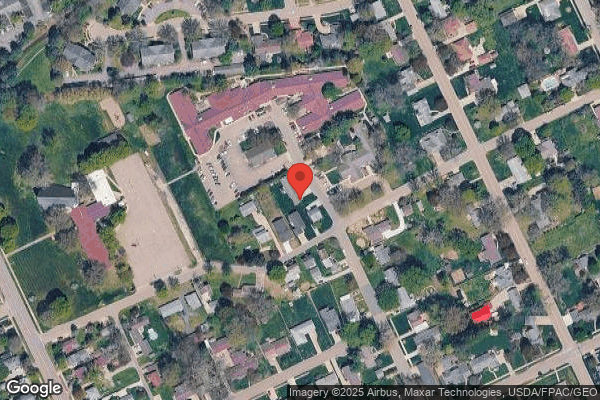
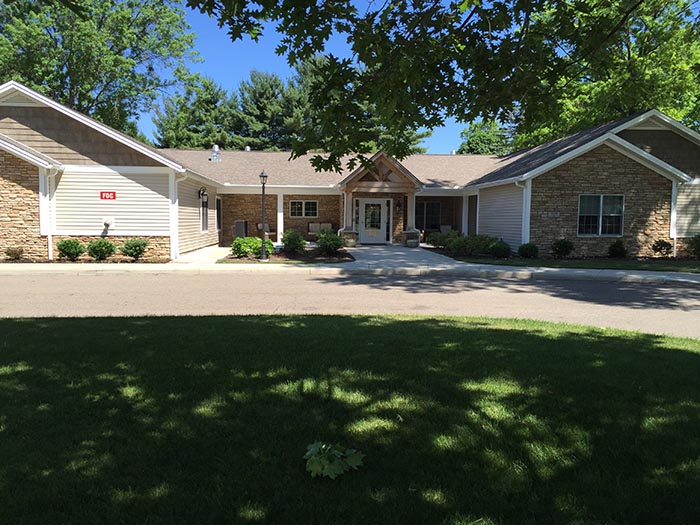
1720 CROSS STREET, DOVER, OH 44622 (330) 364-8849
For profit - Individual 147 Beds Independent Data: November 2025 1 Immediate Jeopardy citation
Trust Grade
18/100
#698 of 913 in OH
Last Inspection: April 2025

Within standard 12-15 month inspection cycle. Federal law requires annual inspections.

Overview

Hennis Care Centre of Dover has received a Trust Grade of F, indicating significant concerns about the quality of care provided. They rank #698 out of 913 nursing homes in Ohio, placing them in the bottom half of facilities in the state, and #8 out of 10 in Tuscarawas County, meaning only two local options are worse. Although the facility is improving, with reported issues decreasing from 5 in 2024 to 3 in 2025, they still have a high number of total issues, totaling 52, which includes a critical incident involving improper medication management that posed life-threatening risks. Staffing is rated at 2 out of 5 stars, with a turnover rate of 56%, which is average for Ohio, but the facility does boast good RN coverage, exceeding that of 96% of other homes. However, the concerning $154,504 in fines suggests serious compliance problems, and there have been specific incidents, such as inadequate food storage conditions and HVAC failures that could affect resident comfort and safety.

Trust Score
F
18/100
In Ohio
#698/913
Bottom 24%
Safety Record
High Risk
Review needed
Inspections
Getting Better
5 → 3 violations
Staff Stability
⚠ Watch
56% turnover. Above average. Higher turnover means staff may not know residents' routines.
Penalties
✓ Good
$154,504 in fines. Lower than most Ohio facilities. Relatively clean record.
Skilled Nurses
✓ Good
Each resident gets 49 minutes of Registered Nurse (RN) attention daily — more than average for Ohio. RNs are trained to catch health problems early.
Violations
⚠ Watch
52 deficiencies on record. Higher than average. Multiple issues found across inspections.
★★☆☆☆
2.0
Overall Rating
★★☆☆☆
2.0
Staff Levels
★★★★☆
4.0
Care Quality
★★☆☆☆
2.0
Inspection Score
Stable
2024: 5 issues
2025: 3 issues

The Good

  • 4-Star Quality Measures · Strong clinical quality outcomes
  • Full Sprinkler Coverage · Fire safety systems throughout facility
  • No fines on record

Facility shows strength in quality measures, fire safety.

The Bad

2-Star Overall Rating

Below Ohio average (3.2)

Below average - review inspection findings carefully

Staff Turnover: 56%

Near Ohio avg (46%)

Frequent staff changes - ask about care continuity

Federal Fines: $154,504

Well above median ($33,413)

Significant penalties indicating serious issues

Staff turnover is elevated (56%)

8 points above Ohio average of 48%

The Ugly 52 deficiencies on record

1 life-threatening
Apr 2025 3 deficiencies
CONCERN (D)

Potential for Harm - no one hurt, but risky conditions existed

Resident Rights (Tag F0550)

Could have caused harm · This affected 1 resident

**NOTE- TERMS IN BRACKETS HAVE BEEN EDITED TO PROTECT CONFIDENTIALITY** Based on record review, observation, and interview, the facility failed to provide a dignified dining experience for Resident #2...

Read full inspector narrative →
**NOTE- TERMS IN BRACKETS HAVE BEEN EDITED TO PROTECT CONFIDENTIALITY** Based on record review, observation, and interview, the facility failed to provide a dignified dining experience for Resident #20 who received a blood glucose check at the dining room table with other residents present. This affected one resident (Resident #20) out of five residents (#20, #38, #49, #54, and #326) observed for dining on the Gardens unit. Findings include: Review of the medical record revealed Resident #20 was admitted on [DATE] and readmitted on [DATE] with diagnoses that included hemiplegia, type two diabetes, history of traumatic brain injury, and dementia. Review of the annual Minimum Data Set (MDS) dated [DATE] revealed Resident #20 had moderately impaired cognition. Review of Resident #20's physician order dated 04/08/25 revealed the resident was to have a fingerstick blood glucose check twice a day. Observation on 04/14/25 at 11:28 A.M. revealed Resident #20 was sitting at the head of the table in the dining room with Resident #28, #49, #54, and #326. Resident #20, #28, #49, #54, and #326 had the lunch meal in front of them and had started eating when Registered Nurse (RN) #232 used a small disposable needle-like device to prick a finger on Resident #20's left hand to force blood for the glucose check. The nurse then applied a drop of Resident #20's blood to a glucose test strip. The glucose test strip was placed inside the glucometer to read the residents level of glucose. Interview on 04/14/25 at 11:32 A.M. with RN #232 verified she had checked Resident #20's blood glucose level at the table in the dining room. RN #232 verified Resident #20's blood glucose level should not have been checked in the dining room at the table where other residents were eating.
CONCERN (D)

Potential for Harm - no one hurt, but risky conditions existed

Comprehensive Assessments (Tag F0636)

Could have caused harm · This affected 1 resident

**NOTE- TERMS IN BRACKETS HAVE BEEN EDITED TO PROTECT CONFIDENTIALITY** Based on record review, staff interview, and Resident Assessment Instrument (RAI) Manual review, the facility failed to accurate...

Read full inspector narrative →
**NOTE- TERMS IN BRACKETS HAVE BEEN EDITED TO PROTECT CONFIDENTIALITY** Based on record review, staff interview, and Resident Assessment Instrument (RAI) Manual review, the facility failed to accurately complete the Minimum Data Set (MDS) Nutritional Status section for a resident receiving additional fluid intake via a percutaneous endoscopic gastrostomy (PEG) tube. This affected one resident (Resident #13) out of five residents reviewed for nutrition. The facility census was 75. Findings Include: Review of the medical record for Resident #13 revealed admission date on 11/19/24 and re-admission date on 02/07/25 with diagnoses including, but not limited to, paranoid schizophrenia, type two diabetes, major depression, personality disorder, high blood pressure, and osteomyelitis of vertebra. Review of Resident #13's care plan dated 02/21/25 revealed Resident #13 had a percutaneous endoscopic gastrostomy (PEG) tube with interventions to provide local care to the G-tube site as ordered and monitor for signs and symptoms of infection. Review of Resident #13's physician orders revealed an order dated 02/07/25 for low concentrated sweets diet, regular texture, regular/thin consistency for liquids, and an order dated 02/13/25 for 200 milliliters (ml) of water flush twice daily per PEG tube every shift for PEG patency and hydration. Further review of Resident #13's physician orders revealed the discontinued order from 02/08/25 to 02/13/25 for 100 ml water flush twice daily per PEG every shift for PEG patency and hydration. Review of Resident #13's February 2025 Medication Administration Record (MAR) dated 02/08/25 to 02/13/25 revealed the order for 100 ml water flush twice daily per PEG every shift for PEG patency and hydration was marked as completed. Resident #13 would have received a total of 200 ml of additional water per day. Further review of Resident #13's MAR from 02/13/25 to 02/28/25 revealed the order for 200 ml of water flush twice daily per PEG tube every shift for PEG patency and hydration was marked as being completed. Resident #13 would have received a total of 400 ml's of additional water per day. Review of Resident #13's quarterly MDS dated [DATE] revealed section K (Swallowing/Nutrition Status) provided three different response options to be marked; a) 500 cubic centimeter (cc) (also converted to the same measurement as a milliliter) per day or less, b) 501 cc/day or greater, or c) not assessed/no information. Section K was not marked as Resident #13 receiving a percentage of average fluid intake per day by tube feeding. Review of Resident #13's March 2025 MAR dated 03/01/25 to 03/31/25 revealed the order for 200 ml of water flush twice daily per PEG tube every shift for PEG patency and hydration was marked as being completed. Resident #13 would have received a total of 400 ml's of additional water per day. Review of Resident #13's quarterly MDS dated [DATE] revealed section K (Swallowing/Nutrition Status) provided three different response options to be marked; a) 500 cubic centimeter (cc) (also converted to the same measurement as a milliliter) per day or less, b) 501 cc/day or greater, or c) not assessed/no information. Section K was not marked as Resident #13 receiving a percentage of average fluid intake per day by tube feeding. Review of Resident #13's April 2025 MAR dated 04/01/25/to 04/16/25 revealed the order for 200 ml of water flush twice daily per PEG tube every shift for PEG patency and hydration was marked as being completed. Resident #13 would have received a total of 400 ml's of additional water per day. An interview on 04/16/25 at 11:36 A.M. with Dietician #157 confirmed section K in Resident #13's quarterly MDS assessments, dated 02/14/25 and 03/28/25, were not coded/completed to reflect the additional hydration Resident #13 was receiving daily per PEG tube. Dietician #157 stated section K should have been coded/completed to show Resident #13's percentage of additional water intake per PEG tube per day. Review of the Resident Assessment Instrument (RAI) Manual for Section K - Percent Intake by Artificial Route - Average Fluid intake per day by intravenous (IV) or Tube Feeding, dated 10/25/24, revealed to calculate the average of fluid intake per day, add up the total amount fluid received each day by IV and/or tube feedings only and divide the week's total fluid intake by 7. It stated the code was for the average number of cc's per day of fluid the resident received via IV and/or tube feeding, either 500 cc/day or less, or 501 cc/day or more.
CONCERN (D)

Potential for Harm - no one hurt, but risky conditions existed

Infection Control (Tag F0880)

Could have caused harm · This affected 1 resident

**NOTE- TERMS IN BRACKETS HAVE BEEN EDITED TO PROTECT CONFIDENTIALITY** Based on medical record review, observation, and interview, the facility failed to ensure infection control practices were follo...

Read full inspector narrative →
**NOTE- TERMS IN BRACKETS HAVE BEEN EDITED TO PROTECT CONFIDENTIALITY** Based on medical record review, observation, and interview, the facility failed to ensure infection control practices were followed when medications were being administered. This affected one (Resident #29) out of five residents observed for medication administration. The facility also failed to ensure enhanced barrier precautions were implemented for Resident #13 and Resident #276. This affected two (Resident #13 and #276) out of three residents reviewed for infection control. The facility census was 75. Findings include: 1. Review of the medical record revealed Resident #29 was admitted on [DATE] and readmitted on [DATE] with diagnoses that included congestive heart failure, asthma, type two diabetes, and depression. Observation of medication administration on 04/15/25 at 7:34 A.M. revealed Registered Nurse (RN) #232 used her bare fingers to extract Lyrica (a medication used to treat nerve and muscle pain) from the packaging and placed it into Resident #29's medication cup for administration. Resident #29 then consumed the contaminated medication. Interview on 04/15/25 at 7:37 A.M., RN #232 verified she used her bare fingers to remove the Lyrica medication from the packaging and placed it in Resident #29's medication cup for consumption. 2. Review of the medical record for Resident #13 revealed an admission date of 11/19/24 and a re-admission date of 02/07/25 with diagnoses including, but not limited to, paranoid schizophrenia, type two diabetes, major depression, personality disorder, high blood pressure, and osteomyelitis of vertebra. Review of Resident #13's care plan dated 02/21/25 revealed Resident #13 has a percutaneous endoscopic gastrostomy (PEG) tube with interventions to provide local care to the gastrostomy (G) tube site as ordered and monitor for signs and symptoms of infection. Review of Resident #13's quarterly Minimum Data Set (MDS) assessment dated [DATE] revealed Resident #13 had intact cognition with a Brief Interview of Mental Status (BIMS) score of 13. Resident #13 required moderate assistance from staff to complete activities of daily living (ADL) tasks including personal hygiene. Resident #13 was dependent on staff for transfers by a mechanical lift. Review of Resident #13's physician orders revealed an order dated 03/06/25 for Enhanced Barrier Precautions (EBP): gown and glove use required during high contact resident care activities every shift and an order dated 02/13/25 for 200 milliliters (ml) of water flush twice daily per PEG tube. Review of Resident #13's Treatment Administration Record (TAR) revealed the order for Enhanced Barrier Precautions (EBP): gown and glove use required during high contact resident care activities every shift, was marked as completed from 03/06/25 through 03/31/25 and from 04/01/25 to 04/16/25. Observation on 04/14/25 at 10:42 A.M. revealed Resident #13 sitting in the wheelchair watching television in her room. There was a PEG tube visible under the hem of her shirt. There was no personal protective equipment (PPE) cart outside the door, there was no notification sign for EBP, and there was no bin in the room for soiled linen. An interview on 04/15/25 at 1:40 P.M. with Unit Manager (UM) #208 confirmed Resident #13 did not have EBP's implemented even though there was a physician's order for EBP's to be in place. UM #208 further stated Resident #13 should have EBP's in place due to having the indwelling PEG tube. Review of the facility's policy titled Enhanced Barrier Precautions dated 02/19/25 revealed the facility had implemented Enhanced Barrier Precautions (EBP) to prevent the spread of multidrug resistant organisms (MDRO's). Enhanced Barrier Precautions (EBP) were indicated for residents with indwelling medical devices including, but not limited to, feeding tubes. 3. Review of Resident #276's medical record revealed the resident was admitted to the facility on [DATE]. Medical diagnoses included metabolic encephalopathy, urinary tract infection (UTI, an infection that can involve kidneys, ureters, bladder, or urethra), Alzheimer's disease, altered mental status, neuromuscular dysfunction of bladder (when nerves that control the bladder aren't working properly), and cerebrovascular disease (conditions that impact blood flow to the brain). Review of Resident #276's physician orders revealed an order dated 04/13/25 for Enhanced Barrier Precautions (EBP) (an infection control measure using a gown and gloves during high contact care activities for residents at risk of infection due to wounds or an indwelling medical device such as a urinary catheter): gown and glove use required during high contact resident care activities every shift for EBP Protocol, orders dated 04/13/25 for left and right Achilles wound care, and orders dated 04/13/25 for a urinary catheter with additional related orders for catheter care every shift, change the drainage bag as needed, and irrigate with 60 milliliters (ml) of normal saline as needed twice daily to maintain patency. Observation on 04/15/25 at 1:02 P.M. of Resident #276's wound care with Registered Nurse (RN) #199 and Unit Manager (UM) #208 revealed no EBP signage on Resident #276's door or in the resident's room indicating Resident #276 was in Enhanced Barrier Precautions, and there was not an equipment cart outside of the room containing personal protective equipment for use. Before wound care was initiated, Resident #276's urinary drainage catheter was noted to be present and hung on the resident bed. When wound care was provided to the left and right Achilles areas, neither RN #199 or UM #208 were noted to be wearing gowns as required by the physician's order of Enhanced Barrier Precautions during high contact resident care activities. Interview on 04/15/25 at 1:19 P.M. with RN #199 and UM #208 confirmed that Resident #276 was on EBP due to having a urinary catheter and also confirmed that gowns were not worn during Resident #276's wound care. Review of the facility's policy titled Enhanced Barrier Precautions dated 02/19/25 revealed the facility had implemented Enhanced Barrier Precautions (EBP) to prevent the spread of multidrug resistant organisms (MDRO's). Enhanced Barrier Precautions (EBP) were indicated for residents with indwelling medical devices including, but not limited to, urinary catheters. The policy stated EBP was required for activities such as providing hygiene, bathing, and wound care.
Dec 2024 1 deficiency
CONCERN (F) 📢 Someone Reported This

A family member, employee, or ombudsman was alarmed enough to file a formal complaint

Potential for Harm - no one hurt, but risky conditions existed

Room Equipment (Tag F0908)

Could have caused harm · This affected most or all residents

Based on observation, record review and interview the facility failed to maintain a permanent operational and functional Heating, Ventilation and Air Conditioning (HVAC) system and failed to ensure ne...

Read full inspector narrative →
Based on observation, record review and interview the facility failed to maintain a permanent operational and functional Heating, Ventilation and Air Conditioning (HVAC) system and failed to ensure necessary repairs to the existing system were addressed/completed timely to prevent potential interruption of heating/cooling services. This had the potential to affect all 79 residents who resided in the facility. Findings include: On 12/13/24 an onsite complaint survey was initiated due to complaints there was no working heating system in the facility/building. Review of the facility survey history revealed since May 2024 the facility HVAC system was not fully operational. Observations on 12/13/24 from 9:20 A.M. to 12:45 P.M. revealed the facility HVAC system was not fully operational and approximately 12 portable heat pump units were observed providing heat throughout the facility. Air temperatures throughout the facility were ranging from 74 degrees Fahrenheit (F) to 78 degrees F. Interview with the Director of Nursing on 12/13/24 at 9:30 A.M. reveled the facility used a water type HVAC system with a water chilling tower on the roof. The facility had two busted water pipes in May of 2024 and had been using the portable heating and cooling units since then to provide heat and cooling. During the onsite investigation, the facility provided a timeline and estimates for repairs for the system. This included the following: In May 2024 there was an initial failure of the circulating pump for the water tower. This caused the several of the fittings on pipes that circulate water to the heat pumps to fail which in turn caused major flooding in one hallway of the building. The day after this occurred the facility brought in temporary HVAC units in order to maintain the appropriate temperature within the building. In June 2024 following the repairs made to the initial area of concern the system was brought back online and tested. It was then discovered that there was a larger issue as a separate part of the building had a previously undiscovered failure. The system had to be taken back offline. In July 2024 the facility received quotes for the necessary repairs needed for the HVAC system. The quote, dated 07/19/24 revealed a total of 26 new multi-head ductless mini split systems units were recommended to be installed. However, the facility did not approve the quote until 10/2024 and repair work did not begin until 11/2024. As of 12/13/24 the HVAC systems repairs had not been completed and the facility remained dependent on temporary portable heating units to maintain heating/cooling in the facility. On 12/13/24 at 12:30 P.M. interview with the Director of Nursing (DON) verified the HVAC system had not been completely installed as of this time with initial issues/concerns first occurring in May 2024. No additional information was provided as to why there was a delay in the necessary repairs or evidence the facility had a fully operational permanent HVAC system at the time of the onsite investigation. On 12/19/2024 at 10:26 A.M., interview with the Director of Maintenance revealed that he was new to the position starting sometime around the first week of November 2024 and had no knowledge pertaining to time lines. This deficiency represents non-compliance investigated under Complaint Number OH00160647 and Complaint Number OH00159348.
Oct 2024 4 deficiencies
CONCERN (D) 📢 Someone Reported This

A family member, employee, or ombudsman was alarmed enough to file a formal complaint

Potential for Harm - no one hurt, but risky conditions existed

Notification of Changes (Tag F0580)

Could have caused harm · This affected 1 resident

Based on record review, policy review, and interview, the facility failed to ensure residents representatives were informed of changes in condition including new skin impairments. This affected two re...

Read full inspector narrative →
Based on record review, policy review, and interview, the facility failed to ensure residents representatives were informed of changes in condition including new skin impairments. This affected two residents (#11 and #78) of three residents reviewed. Findings include; 1. Review of Resident #78's medical record revealed a 07/19/19 admission with diagnoses including Alzheimer's disease, chronic atrial fibrillation, combined systolic and diastolic congestive heart failure, sick sinus syndrome, hyperlipidemia, major depressive disorder, osteoporosis, history of urinary tract infections, bulbous pemphigoid, low back pain, repeated falls, dementia, atherosclerosis of coronary artery bypass grafts, cardiomegaly, personal history of transient ischemic attack and cerebral infarction without residual affects, unsteadiness on feet, dependence on wheelchair, protein calorie malnutrition, gastroesophageal reflux disease, and anxiety disorder. The resident resided on the secured memory care unit, Homestead. The 10/07/24 Five Day Medicare Minimum Data Set (MDS) Assessment included the resident was severely impaired for daily decision making, was dependent on staff for oral hygiene, toileting, bathing, rolling side to side, sitting to standing, sitting to lying and lying to sitting. Review of the progress notes dated 09/29/24 at 7:28 A.M. revealed a Late Entry that on 09/28/24 at 10:30 A.M. Staff informed this nurse that the resident had bleeding from her left leg. This nurse assessed wound to left knee. V-shaped laceration noted. Measures six (6) centimeters (cm) x 1 cm x .02 cm on one side and 8 cm x 1 cm x 0.5 cm on the other. On call notified. On call Certified Nurse Practitioner (CNP) paged. No return call. Steri strips & dressing applied. Patient resting in bed comfortably showing no signs or symptoms of distress. There was no evidence the resident' representative was notified of the injury. Interview on 10/21/24 at 5:04 P.M. with Resident #78's emergency contact/representative revealed he was not called about his mother's knee being lacerated until after three (3) in the morning (on 09/29/24) when they sent her to the emergency room. He was then surprised to see the extent of the injury. Interview on 10/21/24 at 5:50 P.M. with Registered Nurse #90 revealed she was the nurse who assessed Resident #78 on 09/28/24. She verified she did not notify the family of the laceration. She included a son usually comes in on Saturdays and she was going to tell him then but he did not come in. Review of the facility's policy, Accident and Incidence Investigating and Reporting policy (revised April 2013) revealed all accidents or incident involving residents, employees, visitors, vendors, etc. occurring on our premises shall be investigated and reported to the administrator. The incident report is to include the date time the injured person's family was notified and by whom. 2. Review of Resident #11's medical record revealed an 11/11/21 admission with diagnoses including Alzheimer's disease, atherosclerotic heart disease, nonrheumatic aortic stenosis, paroxysmal atrial fibrillation, chronic diastolic congestive heart failure, nonexudative age related macular degeneration, benign prostatic hyperplasia, major depressive disorder, mixed hyperlipidemia, chronic kidney disease Stage 3, hypertension, dementia, anxiety disorder, insomnia, senile degeneration of brain, abnormalities of gait and mobility, repeated falls, restlessness and agitation, osteoarthritis, presence of a cardiac pacemaker, and long term use of anticoagulants. Review of a 10/06/24 Significant Change MDS included the resident was severely impaired for daily decision-making. He had no functional limitations upper or lower extremities. He utilized the wheelchair. He was independent for eating, dependent on oral care, toileting, showering, dressing, putting on and taking off footwear and dependent on personal hygiene. He was partial to moderate assist for rolling from side to side, sitting to lying, substantial maximum assist lying to sitting on side of bed, and sitting to standing. Review of the progress notes included a note dated 10/20/24 at 6:54 A.M. incident note that revealed State Tested Nurse Aides (STNAs) were assisting the resident into a wheelchair and during the course of transferring/positioning the resident, he obtained two 4 cm x 0.1 cm skin tears above his right elbow. The area was cleansed with normal saline, skin well approximated, adaptic and foam dressing applied. Hospice notified and request to remove broda chair for resident safety. There was no evidence of Resident #11's son, resident representative/ emergency contact being notified. Interview on 10/21/24 at 6:27 P.M. with Resident #11's responsible party, his son, revealed he did not receive a call that his father was injured. He included he received a call that they were calling hospice in to look at him. He was not told about the skin tears. Interview on 10/22/24 at 9:48 A.M. with the Administrator and the Director of Nursing revealed they spoke to the nurse and verified the family was not notified of the skin tear. This deficiency represents non-compliance investigated under Complaint Number OH00158594.
CONCERN (D) 📢 Someone Reported This

A family member, employee, or ombudsman was alarmed enough to file a formal complaint

Potential for Harm - no one hurt, but risky conditions existed

Quality of Care (Tag F0684)

Could have caused harm · This affected 1 resident

**NOTE- TERMS IN BRACKETS HAVE BEEN EDITED TO PROTECT CONFIDENTIALITY** Based on record review, review of the facility standing orders, and interview, the facility failed to provide appropriate treatm...

Read full inspector narrative →
**NOTE- TERMS IN BRACKETS HAVE BEEN EDITED TO PROTECT CONFIDENTIALITY** Based on record review, review of the facility standing orders, and interview, the facility failed to provide appropriate treatment of a skin laceration. This affected one resident (#78) of three residents reviewed. The census was 83. Findings include: Review of Resident #78's medical record revealed a 07/19/19 admission with diagnoses including Alzheimer's disease, chronic atrial fibrillation, combined systolic and diastolic congestive heart failure, sick sinus syndrome, hyperlipidemia, major depressive disorder, osteoporosis, history of urinary tract infections, bulbous pemphigoid, low back pain, repeated falls, dementia, atherosclerosis of coronary artery bypass grafts, cardiomegaly, personal history of transient ischemic attack and cerebral infarction without residual affects, unsteadiness on feet, dependence on wheelchair, protein calorie malnutrition, gastroesophageal reflux disease, and anxiety disorder. The resident resided on the secured memory care unit, Homestead. The 10/07/24 Five Day Medicare Minimum Data Set (MDS) Assessment included the resident was severely impaired for daily decision making, was dependent on staff for oral hygiene, toileting, bathing, rolling side to side, sitting to standing, sitting to lying and lying to sitting. Review of the progress notes dated 09/29/24 at 7:28 A.M. revealed a Late Entry that on 09/28/24 at 10:30 A.M. Staff informed this nurse that the resident had bleeding from her left leg. This nurse assessed wound to left knee. V-shaped laceration noted. Measures six (6) centimeters (cm) x 1 cm x .02 cm on one side and 8 cm x 1 cm x 0.5 cm on the other. On call notified. On call Certified Nurse Practitioner (CNP) paged. No return call. Steri strips & dressing applied. Patient resting in bed comfortably showing no signs or symptoms of distress. Review of the undated Pinnacle Standing Wound Orders revealed there were no standing orders for a laceration. There was no evidence of the on call nurse practitioner returned the call from the facility. Review of the physician orders revealed there was not a physician order to apply steri strips and a dressing. There was not a physician order for any treatment to the left knee laceration. Review of the treatment administration record (TAR) revealed there was not a treatment signed for the application of steri strips and a dressing to Resident #78's laceration. Review of the medical record revealed on 09/29/24 between 3:00 A.M. and 3:30 A.M. the nurse placed a call to the on call nurse practitioner without a return call. After consult with the on call facility manager, Resident #78 was sent to the emergency room without a physician order related to the appearance of her left knee laceration. The resident was admitted to the hospital 09/29/24 with diagnoses including acute metabolic encephalopathy likely secondary to UTI (culture result negative), acute kidney disease and mild hypernatremia. The resident received a dose of Rocephin, an antibiotic. The resident was discharged back to the facility on [DATE]. Review of the facility's Transfer Form revealed it was completed 09/29/24 at 1:20 P.M. by Registered Nurse (RN) #90. The Transfer Form included Resident #78 was transferred on 09/29/24 at 1:19 P.M. when the progress notes revealed the resident was transferred on 09/29/24 at 3:29 A.M. when RN #90 was not on duty. Review of Resident #78's medical record revealed there was a 10/02/24 order for wound care to left lower leg cleanse with wound wash, pat dry with a 4 x 4 then place a dime thick layer of Bactroban onto wound bed, cover with sterile gauze and wrap with Kerlix two times a day for wound care until healed. Review of the October 2024 TAR revealed the dressing change to the left knee for 10/02/24 at 9:00 P.M. was not signed off as completed. There was no evidence the treatment was competed as ordered on 10/02/24 at 9:00 P.M. Review of the medical record revealed on 10/02/24 there was a physician order for Doxycycline Hyclate (antibiotic) 100 milligrams one tablet twice a day for cellulitis (area not specified). Interview on 10/21/24 at 2:24 P.M. with State Tested Nurse Aide (STNA) #94 revealed she was the aide that noticed Resident #78's knee laceration. She said she had cleaned her up and dressed her for breakfast. She wheeled her to the dining room and put her at the head of a table. She brought a resident in a tilt in space wheelchair and put him at the table at a 90 degree angle to Resident #78. She lowered his wheelchair to the sitting flat position and must have hit the resident's (#78) knee under the table while doing that. Resident #78 did not make any sound to alert her anything had happened. After Resident #78 ate her breakfast, she wheeled her to the lounge and saw blood on the resident's pants. She then alerted the nurse. Interview on 10/21/24 at 5:04 P.M. with Resident #78's representative/emergency contact revealed he was not called about his mother's knee being lacerated until after three (3) in the morning (on 09/29/24) when they sent her to the emergency room. He was then surprised to see the extent of the injury. He indicated since 20 hours had passed since the laceration they were unable to place stitches. Interview on 10/21/24 at 5:50 P.M. with Registered Nurse (RN) #90 revealed she was the nurse who assessed Resident #78 on 09/28/24. She verified she called the on call number for the physician and did not get a call back. She included she did not place a second call on her 12 hour shift because she was busy. She verified she placed steri- strips on the laceration and a dry dressing without an order. She included there was not enough skin to cover the adipose tissue and the steri strips were on the adipose tissue. She verified she did not put a progress note in the electronic documentation until the next day because she was busy. She did fill out an incident report but did not get statements from the other staff on duty. She verified she did not notify the family of the laceration. RN #90 had no explanation as to why she filled out the hospital transfer sheet on dayshift at 1:20 P.M. (09/29/24) when the resident was transferred at 3:30 A.M. Interview on 10/21/24 at 6:08 P.M. with the Director of Nursing (DON) verified the 10/02/24 at 9:00 P.M. wound dressing was not documented as completed. This deficiency represents non-compliance investigated under Complaint Number OH00158594.
CONCERN (D) 📢 Someone Reported This

A family member, employee, or ombudsman was alarmed enough to file a formal complaint

Potential for Harm - no one hurt, but risky conditions existed

Deficiency F0713 (Tag F0713)

Could have caused harm · This affected 1 resident

Based on record review, Physician Communication Book review, and interview, the facility failed to ensure physician services responded to facility requests for resident care 24 hours a day. This affec...

Read full inspector narrative →
Based on record review, Physician Communication Book review, and interview, the facility failed to ensure physician services responded to facility requests for resident care 24 hours a day. This affected one resident (#78) of three residents reviewed with the potential to affect all 83 residents in the facility. Findings include: Review of Resident #78's medical record revealed a 07/19/19 admission with diagnoses including Alzheimer's disease, chronic atrial fibrillation, combined systolic and diastolic congestive heart failure, sick sinus syndrome, hyperlipidemia, major depressive disorder, osteoporosis, history of urinary tract infections, bulbous pemphigoid, low back pain, repeated falls, dementia, atherosclerosis of coronary artery bypass grafts, cardiomegaly, personal history of transient ischemic attack and cerebral infarction without residual affects, unsteadiness on feet, dependence on wheelchair, protein calorie malnutrition, gastroesophageal reflux disease, and anxiety disorder. The resident resided on the secured memory care unit, Homestead. The 10/07/24 Five Day Medicare Minimum Data Set (MDS) Assessment included the resident was severely impaired for daily decision making, was dependent on staff for oral hygiene, toileting, bathing, rolling side to side, sitting to standing, sitting to lying and lying to sitting. Review of the progress notes dated 09/29/24 at 7:28 A.M. revealed a Late Entry that on 09/28/24 at 10:30 A.M. Staff informed this nurse that the resident had bleeding from her left leg. This nurse assessed wound to left knee. V-shaped laceration noted. Measures six (6) centimeters (cm) x 1 cm x .02 cm on one side and 8 cm x 1 cm x 0.5 cm on the other. On call notified. On call Certified Nurse Practitioner (CNP) paged. No return call. Steri strips & dressing applied. Patient resting in bed comfortably showing no signs or symptoms of distress. There was no evidence the on call nurse practitioner returned the call. Review of the medical record revealed there was no evidence of the facility received a return call on Saturday 09/28/24 or Sunday 09/29/24 from the on call nurse practitioner and physician related to the care needs of Resident #78. Review of the medical record revealed on 09/29/24 between 3:00 A.M. and 3:30 A.M. the nurse placed a call to the on call nurse practitioner without a return call. After consult with the on call facility manager, Resident #78 was sent to the emergency room without a physician order related to the appearance of her left knee laceration. The resident was admitted to the hospital 09/29/24 with diagnoses including acute metabolic encephalopathy likely secondary to UTI (culture result negative), acute kidney disease and mild hypernatremia. Interview on 10/21/24 at 4:44 P.M. with the Administrator and the Director of Nursing revealed they had an issue earlier in the year with the responsiveness of the physician services after hours. It was part of their June 2024 Quality Assurance and Performance Improvement program. They thought they came up with a way to fix the issue but it apparently was not working. They had tried a third party provider to answer calls and changed providers. Their medical director owns the Pinnacle system and employs the physician and nurse practitioners. They have a nurse practitioner who comes to the facility Monday through Friday except holidays. Interview on 10/21/24 at 5:04 P.M. with Resident #78's representative/emergency contact revealed he was not called about his mother's knee being lacerated until after three (3) in the morning when they sent her to the emergency room. He was then surprised to see the extent of the injury. He indicated since 20 hours had passed since the laceration the wound was old and there was not enough skin left to place stitches. Interview on 10/21/24 at 5:50 P.M. with Registered Nurse (RN) #90 revealed she was the nurse who assessed Resident #78 on 09/28/24. She verified she called the on call number for the physician and did not get a call back. She included she did not place a second call on her 12 hour shift because she was busy. She verified she placed steri strips on the laceration and a dry dressing without an order. She included there was not enough skin to cover the adipose tissue and the steri strips were on the adipose tissue. RN #90 included there are times she doesn't get a return call from the on call nurse practitioner. Once the on-call nurse practitioner was out of the area and did not call back until later. There have been other times when she has not received a return call from the nurse practitioner. The nurse revealed she did not have a direct number to call the nurse practitioner. She had to call the answering service. She does not have a phone number for the physician or the Medical Director. Interview on 10/21/24 at 6:02 P.M. with the Administrator and the Director of Nursing (DON) revealed all the residents have the same physician. The Administrator and the DON verified the nursing staff do not have access to the resident's physician, the facility's Medical Director's or on call staff's phone numbers. The Administrator verified he called the Medical Director to inform him of the lack of response of on call staff. Review of the facility Communication Book with instructions revealed that to put orders to be signed, pharmacy recommendations into a notebook. There was a telephone number provided for the nurse practitioner assigned to the facility and an email provided for the Primary Care Coordinator, a Registered Nurse. Residents and families were to call the office with questions and were not to be given the phone number of the Pinnacle Staff Members. Their nurse practitioner was to be called between 3:00 and 4:00 P.M. with all issues in a batch call and as needed for emergent issues only from 6:00 A.M. till 8:00 P.M. Monday through Friday and Saturday/Sundays and Holidays call office answering service for the on-call nurse practitioner. Do not call or fax the office unless directed to do so. This deficiency represents non-compliance investigated under Complaint Number OH00158594.
CONCERN (D) 📢 Someone Reported This

A family member, employee, or ombudsman was alarmed enough to file a formal complaint

Potential for Harm - no one hurt, but risky conditions existed

Infection Control (Tag F0880)

Could have caused harm · This affected 1 resident

**NOTE- TERMS IN BRACKETS HAVE BEEN EDITED TO PROTECT CONFIDENTIALITY** Based on observation, record review, policy review, and interview, the facility failed to ensure infection control practices wer...

Read full inspector narrative →
**NOTE- TERMS IN BRACKETS HAVE BEEN EDITED TO PROTECT CONFIDENTIALITY** Based on observation, record review, policy review, and interview, the facility failed to ensure infection control practices were maintained during a wound dressing change. This affected one resident (#78) of two residents observed for wound care. The census was 83. Findings include: Review of Resident #78's medical record revealed a 07/19/19 admission with diagnoses including Alzheimer's disease, chronic atrial fibrillation, combined systolic and diastolic congestive heart failure, sick sinus syndrome, hyperlipidemia, major depressive disorder, osteoporosis, history of urinary tract infections, bulbous pemphigoid, low back pain, repeated falls, dementia, atherosclerosis of coronary artery bypass grafts, cardiomegaly, personal history of transient ischemic attack and cerebral infarction without residual affects, unsteadiness on feet, dependence on wheelchair, protein calorie malnutrition, gastroesophageal reflux disease, and anxiety disorder. The resident resided on the secured memory care unit, Homestead. The 10/07/24 Five Day Medicare Minimum Data Set (MDS) Assessment included the resident was severely impaired for daily decision making, was dependent on staff for oral hygiene, toileting, bathing, rolling side to side, sitting to standing, sitting to lying and lying to sitting. Review of the progress notes dated 09/29/24 at 7:28 A.M. revealed a Late Entry that on 09/28/24 at 10:30 A.M. Staff informed this nurse that the resident had bleeding from her left leg. This nurse assessed wound to left knee. V-shaped laceration noted. Measures six (6) centimeters (cm) x 1 cm x .02 cm on one side and 8 cm x 1 cm x 0.5 cm on the other. Review of the medical record revealed a physician order dated 10/02/24 for Doxycycline Hyclate (antibiotic) 100 milligrams one tablet twice a day for cellulitis (no area specified). Review of the medical record revealed a physician order dated 10/08/24 to cleanse left knee with house wound wash, apply xeroform, dry dressing daily and as needed for laceration. Review of the medical record revealed the last assessment dated [DATE] included the left knee laceration had minimal drainage, no signs of infection, 100 percent granulation with light exudate serosanguineous drainage measuring 2.8 centimeters (cm) length, x 4.2 cm width and 0.3 cm depth. Observation on 10/21/24 at 2:03 P.M. of the dressing change to the left knee laceration revealed Registered Nurse (RN) #93 washed her hands, gowned and gloved. She elevated the height of the resident's bed and explained to the resident what she was doing. RN #93 dated the dressing and said she never saw the wound previously. RN #93 removed the old dressing dated 10/20/24. There was some serosanguineous drainage on the dressing. RN #93 did not remove her soiled gloves. She sprayed the wound with wound cleanser and dabbed the wound with a 4 x 4 gauze. She removed her gloves/washed hands and re-gloved. She folded up a xeroform and placed it over the wound. There was no drainage noted post cleansing. RN #93 removed her gloves and washed her hands, re-gloved and put a foam dressing over the laceration. Interview on 10/21/24 at 2:26 P.M. with RN #93 verified she did not remove her gloves and wash her hands after removing the soiled dressing. She verified she cleansed the wound with the gloves she had on when she removed the soiled dressing. Review of the facility's Dressing Change policy (reviewed June 2016) included remove soil dressing, discard soil dressing in an appropriate receptacle and discard gloves. Wash hands, open dressing and spread the exterior wrap touching the exterior surface. Put on gloves This deficiency represents non-compliance investigated under Complaint Number OH00158594.
May 2023 4 deficiencies 1 IJ
CRITICAL (J) 📢 Someone Reported This

A family member, employee, or ombudsman was alarmed enough to file a formal complaint

Immediate Jeopardy (IJ) - the most serious Medicare violation

Quality of Care (Tag F0684)

Someone could have died · This affected 1 resident

**NOTE- TERMS IN BRACKETS HAVE BEEN EDITED TO PROTECT CONFIDENTIALITY** Based on closed medical record review, review of hospital records, review of an ambulance run report, facility policy review, in...

Read full inspector narrative →
**NOTE- TERMS IN BRACKETS HAVE BEEN EDITED TO PROTECT CONFIDENTIALITY** Based on closed medical record review, review of hospital records, review of an ambulance run report, facility policy review, interviews with staff, and family, the facility failed to adequately monitor and provide necessary and timely services to prevent post-operative complications for Resident #81 who was admitted for care status post closed reduction (setting a broken bone without cutting the skin) external fixation (pins and other devices sticking out of the ankle hold together the broken pieces of bones within the ankle while the bones heal) of a right tibial [NAME] fracture (a type of break that occurs at the bottom of the tibia (shinbone) and involves the weight-bearing surface of the ankle joint). This resulted in Immediate Jeopardy and the potential for serious life-threatening harm on 04/16/23 when Resident #81, who received the anticoagulant medication Eliquis and antiplatelet medication Plavix concurrently despite an identified, severe drug interaction (increased risk of bleeding) between the two medications that was not addressed with the prescriber or pharmacy, was provided post-surgical wound care on 04/17/23 and 04/18/23 without orders from the surgeon, potentially compromising the integrity of the surgical site. The resident was subsequently transferred to the emergency room on [DATE] due to uncontrolled, excessive bleeding from the (surgical) pin sites, hypotension with a blood pressure of 94/47 with symptoms including feeling lightheaded and having cold and clammy skin. The resident required multiple blood transfusions and did not return to the facility upon discharge from the hospital. This affected one resident (#81) of three residents reviewed for wounds. The facility census was 80. On 05/03/23 at 5:03 P.M., the Director of Nursing (DON) and Administrator were notified Immediate Jeopardy began on 04/16/23, when the facility failed to timely identify a change in the resident's condition, failed to ensure timely communication with the surgeon and notification of wound concerns, and failed to timely monitor and identify potential medication interactions resulting in excessive bleeding and abnormal laboratory results requiring hospital intervention. The Immediate Jeopardy was removed on 05/04/23 when the facility implemented the following corrective actions: • On 04/19/23 at 2:00 A.M. Resident #81's surgical wound was noted to be bleeding excessively. The resident's nurse, Registered Nurse (RN) #183, contacted the nurse practitioner, (NP) #504, and Resident #81 was sent to the emergency room for evaluation. • On 05/03/23, at 5:30 P.M. the DON reviewed the medical records for 45 residents, Resident #1, #2, #5, #9, #10, #11, #15, #16, #20, #21, #24, #29, #33, #35, #36, #38, #39, #40, #41, #43, #44, #45, #47, #48, #49, #51, #53, #57, #59, #60, #62, #64, #65, #66, #72, #73, #74, #76, #77, #78, #79, #80, #83, #84, and #85 who were ordered blood thinning medications, including Plavix and/or Eliquis, to ensure that care plans were in place for blood thinners and any possible drug interactions were clarified with the physician. None were noted. • On 05/03/23 at 5:10 P.M., the Administrator, DON, and Medical Director had an Ad Hoc Quality Assurance Performance Improvement meeting to discuss the Immediate Jeopardy (IJ) form and the action plan. The Administrator spoke with Pharmacist #508 separately to discuss the IJ form and potential medication interactions. • On 05/03/23, at approximately 6:30 P.M. the DON reviewed the medical records for all 81 residents in the facility, over a seven-day lookback period, for evidence of unreported change in condition requiring physician intervention and none were noted. • On 05/04/23, at approximately 8:00 A.M. the DON drafted and began educating all licensed nursing staff via one or more of the following formats: text, email, phone calls, in-person, and Relias. The education included the topics: facility policy and procedure for monitoring change in condition and reporting the same to the physician; timely treatment for identified change in condition and procedure for identifying medication interactions and clarifying relevant medication orders with the physician when interactions are identified; and expectations for surgical wound care and need to notify physician and/or surgeon with any abnormal wound findings. As of 05/04/23, all seven Licensed Practical Nurses and 18 Registered Nurses were educated. Additionally, Wound Nurse Practitioner #502 and Nurse Practitioner #503 were educated. • On 05/04/23 at 2:55 P.M., the DON made a change to the Medication Administration Record (MAR) to have nurses document any changes in condition, abnormal wound findings, and any potential medication interactions before the end of their shift. • On 05/08/23, the DON and designees implemented a plan for random audits and monitoring of three residents daily/five days a week to ensure medication interactions were identified by the nurse and reported to the physician for clarification, as indicated; resident changes in condition are reported timely to the physician; and surgical wounds are being monitored appropriately and the physician is notified timely of any changes to the wound. These audits will be done until receipt of the 2567, at which time the facility will re-evaluate the audit scope and frequency. Staff responsible for completing the audits will be the DON, RN #164, #193, #224, LPN #213, STNA #107, and (Physical Therapy Assistant) PTA #178. Although the Immediate Jeopardy was removed on 05/04/23, the facility remained out of compliance at Severity Level 2 (no actual harm with potential for more than minimal harm that is not Immediate Jeopardy) as the facility was in the process of implementing their corrective action plan and monitoring to ensure on-going compliance. Findings Include: Review of Resident #81's closed electronic medical record revealed an admission date of 04/16/23 with diagnoses including closed reduction and external fixation of right tibial [NAME] fracture, iron deficiency anemia, hypertension, and ischemic cardiomyopathy (oxygen-rich blood is prevented from entering the heart and the heart muscle becomes enlarged, dilated, and weak). Review of Resident #81's hospital discharge orders (prior to his admission to the facility) dated 04/16/23 revealed to keep the external fixators (surgical wound site) clean and dry. (Apply) ice, elevate (the right lower extremity), and non-weight bearing to the right lower extremity. The hospital discharge orders indicated to call the doctor if you have persistent or heavy bleeding, redness, swelling, or pus or drainage from the wound. (Surgeon #503 was listed as the primary physician for Resident #81's case). The hospital discharge orders also noted to continue Eliquis (anticoagulant medication) five milligrams (mg) twice daily (the resident was taking this medication prior to his hospitalization) and Plavix (antiplatelet medication) 75 mg daily. Review of Resident #81's facility admission orders, dated 04/16/23, revealed no evidence of a treatment/dressing change order to the external fixator (surgical) site of the right tibial [NAME] fracture. The resident's admission medication orders included Eliquis 5 mg twice daily in the A.M. and P.M. and Plavix 75 mg daily in the A.M. As part of the facility ' s admission protocol, the resident was ordered to have a complete blood count (CBC), basic metabolic panel (BMP) and Vitamin D level obtained on 04/17/23. Review of Resident #81's order note, dated 04/16/23 at 2:10 P.M. and authored by Registered Nurse (RN) #226, revealed there was a severe drug to drug interaction of increased bleeding when Plavix and Eliquis are administered together. Further review of the progress notes revealed no evidence the drug-to-drug interactions were reported to the resident ' s primary care provider, surgeon and/or discussed with pharmacy. No changes or new orders were noted following the order note. In addition, there was no evidence the facility implemented a plan to timely identify or monitor for increased bleeding. Review of Resident #81's admission note, dated 04/16/23 at 3:00 P.M. and authored by RN #212, revealed the resident had a surgical dressing intact and external fixator in place to the right lower leg. Old drainage was noted around the pins. This was the only information provided regarding the surgical wound in this progress note. Review of Resident #81's admission skin assessment (part of the electronic health record) and paper admission skin assessment, dated 04/16/23 and authored by RN #212, revealed the resident had a right leg fixator and dressing intact with old drainage noted around pins. There was no other documentation or description of the area noted. Review of Resident #81's nurse's note, dated 04/16/23 at 7:54 P.M. and authored by RN #212, revealed the Certified Nurse Practitioner (CNP) (name not provided) was updated of the resident's admission and medication were reviewed. There were no additional notes related to a possible drug interaction or increased bleeding from the concurrent administration of Eliquis and Plavix noted at this time. Review of Resident #81's brief interview for mental status (BIMS) evaluation dated 04/17/23 revealed the resident's BIMS score was 15 (out of 15), reflecting the resident's cognition was intact. Review of Resident #81's laboratory results, dated 04/17/23, revealed the resident's laboratory testing, CBC, BMP, and Vitamin D levels were collected at 8:48 A.M. on 04/17/23 and the results were faxed to the facility on [DATE] at 4:20 P.M. The resident hemoglobin results were 8.5 grams per deciliter (g/dL) (normal range of 14-18 g/dL). On 04/17/23 at 1:38 P.M. a progress note, entered by Licensed Practical Nurse (LPN) #120, revealed the LPN documented she called the surgeon's office to report bleeding from the pin site on the right ankle. The LPN entered another skilled note, dated 04/17/23 at 2:10 P.M. which indicated the resident had developed a new area of edema to the right toes. There was no evidence an assessment was completed of the areas or surgical wound at this time. Review of Resident #81's progress note, dated 04/17/23 at 3:35 P.M. and authored by RN #140, revealed the resident's (surgical) dressing was changed due to wet dressing to heel, serosanguineous (clear yellowish fluid with some blood). Resident tolerated dressing change well. No redness to pin site or odor observed. The yellow pin site lateral has a small amount of dried blood. The leg was iced and elevated on a pillow. There was a 0.3 (centimeter) by 0.3 (centimeter) scabbed area noted on the bottom of the heel. Resident reported the area was old. Review of Resident #81's progress note, dated 04/17/23 at 4:23 P.M. and authored by RN #140, revealed the resident would follow up with the physician to monitor pin sites on Thursday (04/20/23). Updated on dressing change due to the dressing was saturated at the heel. There was no documentation of who was updated on the dressing change or a description of what saturated the dressing. Review of Resident #81's paper shower sheet, dated 04/17/23 and completed by State Tested Nursing Assistant (STNA) #219 (no time indicated), revealed Resident #81's right lower extremity was wrapped in kerlix, heel saturated. Notified nurse of dressing. There was no documentation describing what saturated the dressing. Review of Resident #81's telephone orders revealed on 04/17/23 RN #140 wrote a telephone order from Surgeon #501, which was not signed by Surgeon #501 or any of the resident's healthcare providers, okay for dressing change to right lower extremity (RLE) done by this nurse. No further orders. Okay to continue antibiotic and surgeon to monitor pin sites at follow up appointment. Review of Resident #81's progress note, dated 04/17/23 and authored by Nurse Practitioner (NP) #504, revealed nursing (not identified) reported there was some bleeding noted to the resident's surgical dressing after he (the resident) reported he bumped it (the right lower extremity) on the bed throughout the night several times and an episode when staff had rolled him., (No clarifying information was provided regarding the episode). Blood was noted to the dressing on the right lower extremity. The plan was to follow up with surgical team to check the bleeding as well as perhaps need an x-ray to assess continued stability of this moving forward. The note indicated the resident was on Eliquis for deep vein thrombosis prophylaxis at this point of time. No changes were made to the resident's medication regimen at that time. In addition, there was no evidence the surgical site was assessed by the CNP or the resident's surgeon was consulted. Review of Resident #81's progress note, dated 04/18/23 at 12:46 A.M. and authored by RN #180, revealed dressings were clean, dry, and intact. There was no description or location of the dressings. Review of Resident #81's skin note, dated 04/18/23 at 11:23 A.M. and authored by LPN #213, revealed the resident was seen by the wound team today. External fixator to the right lower extremity was present on admission. The skin note indicated to cleanse each pin site with Dakin's (a solution of sodium hypochlorite (diluted bleach) and other stabilizing ingredients, traditionally used as an antiseptic to prevent infection) quarter strength using a different Q-tip for each pin. Apply Xeroform (a yellow non-adherent dressing for wounds without much drainage that promotes a moist wound environment) around each site, cover with dry dressing and wrap with Kerlix (gauze) daily and as needed. Review of a handwritten verbal order, dated 04/18/23, authored by LPN #213 and given by Wound NP #502, revealed to cleanse the right lower extremity pin sites with Dakin's 0.25% solution, use a different Q-tip to cleanse each pin site. Apply Xerofoam around the pin sites cover with dry dressing and wrap with Kerlix daily and as needed. Review of Resident #81's paper wound note, dated 04/18/23 and authored by Wound NP #502 revealed the resident had a right lower extremity external fixator that was present on admission. There were seven pin sites, small bloody, no erythema (redness). Previous treatment Dakin's half (½) strength to pin sites daily. New orders were cleansing each pin site with Dakin's 0.5% solution, use different Q-tip to cleanse each site, apply Xeroform around pin sites, cover with dry dressing, wrap with kerlix, change daily and as needed. Review of Resident #81's treatment administration records (TAR), dated 04/2023, revealed an order was written on 04/18/23 to use Dakin's half strength solution to external fixation- apply sufficient amount externally every day to ulcer. The treatment was administered on 04/18/23, then the order was clarified on 04/18/23 to cleansing each pin site with Dakin's 0.5% solution, use different q-tip to cleanse each site, apply Xeroform around pin sites, cover with dry dressing, wrap with kerlix, change daily and as needed. Review of Resident #81's skilled note, dated 04/18/23 at 12:35 P.M. and authored by LPN #510, revealed the resident's right toes were edematous and surgical wound to right lower leg needed reviewed. Review of Resident #81's progress note, dated 04/18/23 and authored by NP #504, revealed the resident reported yesterday an episode where he had been rolled over by nursing staff during changes and he had bumped his leg which resulted in bleeding. The note indicated the surgeon's office was notified of bleeding from the pin sites with no new orders as the patient would be seen in the office on Thursday (04/20/23). Patient on Eliquis with no abnormal bruises. The right lower extremity was wrapped with gauze, dried blood noted on gauze, however wound team canged the dressing, and some bleeding was seen. The resident's hemoglobin was 8.5. Continue to monitor closely. There was no documentation of who notified or when the surgeon's office was notified. Review of Resident #81's progress note, dated 04/19/23 at 2:05 A.M. and authored by RN #183, revealed the resident was sent to the emergency room due to excessive bleeding from the pin sites. The resident was hypotensive with a blood pressure of 94/47, pulse 68. Resident #81 was assessed to be lightheaded, cold, and clammy. The (unidentified) on call CNP was updated with orders to send to the emergency department for evaluation. Review of the Ambulance Run Report, dated 04/19/23, revealed the ambulance company was called on 04/19/23 at 1:52 A.M. and arrived at 1:52 A.M. The report contained the following information: Upon arrival a [AGE] year-old man was found in semi-Fowlers position (on his back with the head of the bed elevated 30-45 degrees). The resident presented with bleeding. Initial impression post-operative procedure complication. The male was bleeding from post operation surgery site that was cleaned at approximately 9:00 A.M. and had been bleeding slowly and steadily (since that time). The nursing home changed the dressing twice and it was full of blood prior to Emergency Medical Service (EMS) arrival. EMS were informed the resident had surgery four days prior. The bleeding was not completely controlled, there was clotting of blood on outside of dressing. Placed two abdominal pad bandages (larger and thicker than gauze and used for heavily draining wounds) to medial side of lower leg. Local hospital advised to take patient to general hospital due to surgery was performed there. Bleeding had slowed down but not controlled during transport. Arrived at the emergency room at 3:13 A.M. Review of a physician communication note entered on 04/19/23 at 4:49 A.M., (after the resident had been discharged ) as a late entry for 04/18/23 at 6:42 P.M. and authored by the DON, revealed Resident #81's was bleeding from pin sites of his fixator. The lower right foot. New dressing applied and resident was currently on blood thinner. Nurse Practitioner #504 ordered to reinforce the dressing and ordered a complete blood count (CBC) and basic metabolic profile (BMP) in the morning (04/19/23). Review of Resident #81's transfer to hospital summary note, dated 04/19/23 at 10:39 A.M. and authored by RN #228, revealed the resident was admitted to the hospital with post operative hemoglobin drop. Review of Resident #81's hospital emergency room notes, dated 04/19/23 revealed Resident #81's chief complaint was bleeding. The resident was on Eliquis and Plavix and presented with acute blood loss. His hemoglobin was 7.1 then 5.9 (normal 14-18 for males) on 04/19/23 and two units of packed red blood cells (PRBC) were ordered. The resident was hypotensive in the 90's (systolic blood pressure) but after receiving blood products, intravenous fluids (IVF), and controlled bleeding, his blood pressure (BP) stabilized. The resident stated his leg started bleeding at the facility yesterday morning and the staff were changing the dressings. He woke up overnight in a pool of blood and came to the emergency room. The resident leg was bleeding heavily, saturating chux pads (large, disposable waterproof pads generally used for urinary incontinence) underneath as well as his bandages and (the blood) dripped to floor. Dressings and soaked chux pad taken off and pad replaced. The source of bleeding was found, and pressure applied Orthopedics notified and would be down to assess. The resident was admitted to the hospital for further evaluation and treatment for right lower extremity bleeding from recent surgical site, acute blood loss anemia, hypotension, and leukocytosis (high white blood cell count). On 04/28/23 at 12:00 P.M. an interview with Medical Secretary (MS) #503 from Surgeon #501's office revealed the surgeon's orders were usually to keep the (surgical) dressing dry, clean, and intact until the first appointment. MS #503 reported she had no documented evidence the facility had called on 04/17/23 or 04/18/23 regarding Resident #81. MS #503 reported she would have documented a call if it was received. On 04/28/23 at 2:00 P.M., interview with Registered Nurse (RN) #140 revealed she spoke to the surgeon's nurse via phone on 04/17/23 and relayed that she had changed the resident's dressing earlier as it had been saturated down to the heel. The surgeon's nurse did not give any new dressing orders. RN #140 revealed she had replaced the dressing with the same dressing she had taken off (Petroleum gauze, abdominal pad, and wrapped with Kerlix). RN #140 verified she did not have an order for the dressing changes and did not document the supplies she used to change the dressing. RN #140 revealed the yellow (surgical) pin had old blood noted on it. In addition, there was a scabbed area on the right heel that was not observed on admission because it had been covered with a dressing. When asked to clarify what saturated down to the heel meant and what was saturating the dressing, RN #140 indicated she was unable to recall due to her lack of documentation and the time that had elapsed since the date in question. On 04/28/23 at 11:09 A.M., interview with Licensed Practical Nurse (LPN) #213, who rounded with the Wound NP #502 on 04/18/23 revealed she believed Wound Nurse Practitioner (WNP) #502 must have thought the resident was previously receiving Dakin's solution wound care to the surgical incision and continued the order adding to use a different Q-tip with each pin site. LPN #213 verified the Dakin's order was to be to the right heel and not the resident's surgical site. On 05/02/23 at 11:05 A.M., interview with the Director of Nursing (DON) verified there were no orders from the surgeon for routine care of the surgical wound to the right lower extremity until 04/18/23, after RN #140 had already provided wound care to the resident. On 05/02/23 at 11:23 A.M., during a telephone interview with Resident #81's wife, the wife voiced concerns regarding the care provided by the facility to her husband. The wife stated the facility had no business removing the surgical dressing. The wife stated the dressing was to remain intact until the resident followed-up with the surgeon on 04/20/23. Resident #81's wife indicated on 04/17/23 the dressing was changed, and the dressing was not saturated with blood. On 04/18/23 a staff member (not identified by Resident #81's wife) used a Q-tip with peroxide and removed the scabbed areas to the surgical site as reported to her by Resident #81. The surgical area then started bleeding and did not stop all day. The resident's wife stated she had reported her concerns to staff (not named by Resident #81's wife) regarding the resident's continued bleeding, but the staff kept telling her the bleeding was due to the resident being on blood thinners. Further interview revealed the resident's wife had the DON come in and look at the resident's leg and the DON acted like it didn't phase her and said it was because the resident was on blood thinners. On 05/02/23 at 12:02 P.M. interview with the DON revealed, despite not having orders to provide care at the surgical site and not contacting the surgeon for treatment orders, she believed the nurse was acting within her scope of practice and changed the dressing as part of her assessment. The DON also verified there was no documentation of the treatment RN #140 performed to the surgical sites on 04/17/23. The DON confirmed Resident #81's dressing was changed prior to notification of the surgeon on 04/17/23. On 05/02/23 at 1:00 P.M., an interview with State Tested Nursing Assistant (STNA) #219 revealed she had completed Resident #81's bed bath and shower sheet on 04/17/23. STNA #219 clarified the dressing to the right lower extremity was saturated with blood. A follow-up telephone interview with STNA #219 was attempted on 05/08/23 but no return call was provided. On 05/02/23 at 1:42 P.M. interview with the DON confirmed Resident #81's laboratory results with the low hemoglobin level of 8.5 was received on 04/17/23, NP #504 saw the laboratory results on 04/18/23 and signed the lab report indicating the results were reviewed. There was no evidence of any new orders at that time. On 05/02/23 at 3:10 P.M., interview with RN #140 revealed she doesn't know what time she notified the provider of Resident #81's lab results from 04/17/23 because she did not document a time or specifically who she notified. RN #140 revealed the nurses usually wait until the end of the day and review all abnormal labs with the provider and then the provider would sign the laboratory results the next day. RN #140 confirmed there was no documented evidence of when and what results were discussed with the provider or if any new orders were received. On 05/02/23 at 4:23 P.M. a telephone interview with Surgeon #501 confirmed there was no evidence (nothing noted on the call logs in his office or through the call logs with his answering service, no record of calls or texts to his cell phone) the facility had contacted him on 04/17/23 or 04/18/23 with the Resident #81's condition change or that he was bleeding and had a low hemoglobin level. The surgeon reported he was unsure how it got past medical at the hospital that the resident was taking both Plavix and Eliquis (as they increased the resident's risk of bleeding and complications). Further interview revealed with the resident having a hemoglobin level of 8.5 with fresh bleeding, that would warrant a blood transfusion. The surgeon also verified he did not, and he would not have given orders to cleanse the pin sites because cleaning the pin sites could be a contributing factor in the resident's bleeding. The surgeon stated his orders were always to keep the dressing intact until the resident's surgical follow-up as the surgical areas need additional pressure to clot properly. On 05/03/23 at 12:19 P.M., telephone interview with Pharmacist #508 revealed every facility electronic medical record was set up differently, however the facility would enter the admission orders and (medication) interactions, she believed, would pop up on the notes. On 05/03/23 at 3:11 P.M. telephone interview with NP #504 and Wound NP #502 concurrently revealed the wound nurse had reported the Dakin's order was already in place for Resident #81 on 04/18/23 and the new order change following this order was just to use a different Q-tip with each site. Neither NP indicated they were sure where the original order came from to use Dakin's and neither acknowledged being able to access the electronic medical record to review the information. NP #504 reported he did not have access to the electronic medical record (he relied on the nurse with him when he does rounds), he stated he would be notified of drug interactions by facility/pharmacy, and he reviewed resident medications on admission. NP #504 confirmed he was aware of the resident's surgical complication and ordered a CBC and BMP to be collected on 04/19/23 and not immediately. On 05/04/23 at 12:53 P.M., interview with LPN #213 revealed the order provided by Wound NP #502 on 04/18/23 to cleanse the external fixator with Dakin's solution, was incorrectly entered and the Dakin's order was not to be applied to the external fixator and was ordered to be applied to a pressure ulcer on the left heel. A follow-up interview on 05/08/23 at 1:20 P.M. with LPN #213, who rounded with the Wound NP #502 on 04/18/23 and was present during the wound care provided to Resident #81, revealed Wound NP #502 performed the treatment to Resident #81's surgical incision. There was a golf ball size of dark moist blood noted on the old dressing. The pins had scabs and dried blood around them. LPN #213 reported Wound NP #502 had used Dakin's and Q-tips to cleanse the pins and at least one scab did come off during the treatment administration. Review of the facility undated policy titled Wound Care revealed the facility would strive to provide the most appropriate and individualized treatment of wounds. The nurse would perform a skin assessment during the initial admission assessment. Wounds shall be assessed and documented on with dressing changes. Wound documentation shall include, but was not limited to: etiology, description, and staging of the wound; measurements of the wound, including length, width, and depth (including tunneling measurements); wound bed description, granulation, type and description of drainage and odor. Review of the facility policy Change in Resident's Condition or Status dated 06/2006 and revised 05/15/20 revealed the facility shall promptly notify the resident, his/her attending physician, and responsible party of changes in the resident's condition or status. Nursing services shall notify the resident's physician when: there was a significant change in the resident's physical, mental or psychological status; there was a need to alter the resident's treatment significantly; deemed necessary or appropriate in the best interest of the resident. In the event of a medical emergency or a rapid deterioration in the resident's condition, family and physician notification would be made immediately. The deficiency represents non-compliance investigated under Complaint Number OH00142280.
CONCERN (D) 📢 Someone Reported This

A family member, employee, or ombudsman was alarmed enough to file a formal complaint

Potential for Harm - no one hurt, but risky conditions existed

Resident Rights (Tag F0550)

Could have caused harm · This affected 1 resident

**NOTE- TERMS IN BRACKETS HAVE BEEN EDITED TO PROTECT CONFIDENTIALITY** Based on observation, medical record review, resident grievance/complaint forms review, staff education review, and interviews t...

Read full inspector narrative →
**NOTE- TERMS IN BRACKETS HAVE BEEN EDITED TO PROTECT CONFIDENTIALITY** Based on observation, medical record review, resident grievance/complaint forms review, staff education review, and interviews the facility failed to ensure a resident was dressed appropriately to promote and maintain dignity. This affected one (Resident #23) of three residents reviewed for dignity. The census was 80. Findings included: Record review revealed Resident #23 was admitted to the facility on [DATE] with diagnoses including dementia, hypertension, Alzheimer's disease, insomnia, anxiety, osteoporosis, edema, and allergic rhinitis. Review of Resident #23's quarterly Minimum Date Set (MDS) dated [DATE] revealed the resident had severe cognitive impairment. The resident required one person supervision for dressing, toileting, and personal hygiene. Observation on 04/28/23 at 7:48 A.M., revealed Resident #23 was observed sitting at her bedside with the door to the hallway open. The resident was not wearing clothes from the waist down, and had a shirt laying across her legs. The resident's room was located in a high traffic area and other residents, visitors and staff were able to easily look into the resident's room. Interview on 04/28/23 at 8:04 A.M., with Licensed Practical Nurse (LPN) #213, confirmed the resident was undressed from the waist down and required her assistance to get dressed. A phone interview on 04/28/23 at 9:27 A.M. with Resident #23's family member revealed, when she visits, Resident #23 never has pants on. She voiced her concerns to the facility staff. Interview on 04/28/23 at 9:45 A.M. with the Director of Nursing (DON) revealed Resident #23 was known to remove her pants when she was incontinent of urine. Interview on 04/28/23 at 11:19 A.M., with LPN #213, revealed Resident #23 was on two hour checks due to her removing her clothing and hiding her soiled clothing in her room. LPN #213 reported she would talk to Resident #23's daughter to discuss other options since the resident continues to remove clothing. Review of resident grievance/complaint forms dated 03/27/23 revealed on 03/26/23 Resident #23's daughter had concerns with her mom not being fully dressed at all times, wearing pull ups, and having dry/clean pants in her clothes drawers. The action plan was to educate staff, discuss cognitive decline with the family, two-hour checks, and trialing removing the underwear and putting pull ups in her clothes drawer per family request. Review of staff education regarding Resident #23 revealed a letter dated 04/14/23 that stated Resident #23 was on two-hour checks to maintain dignity. Please ensure Resident #23 was wearing a pull up or pants. Underwear had been taken away and replaced with pull ups. Please make sure the resident was fully dressed before leaving the room. Please be vigilant of hidden soiled laundry. The staff signatures were dated 03/14/23, not 04/14/23 like the letter and there were only 15 staff signatures. This deficiency represents non-compliance investigated under Complaint Number OH00141626.
CONCERN (D) 📢 Someone Reported This

A family member, employee, or ombudsman was alarmed enough to file a formal complaint

Potential for Harm - no one hurt, but risky conditions existed

Pressure Ulcer Prevention (Tag F0686)

Could have caused harm · This affected 1 resident

**NOTE- TERMS IN BRACKETS HAVE BEEN EDITED TO PROTECT CONFIDENTIALITY** Based on observation, medical record review, interview, and policy review the facility failed to ensure comprehensive pressure u...

Read full inspector narrative →
**NOTE- TERMS IN BRACKETS HAVE BEEN EDITED TO PROTECT CONFIDENTIALITY** Based on observation, medical record review, interview, and policy review the facility failed to ensure comprehensive pressure ulcer assessments were completed on admission, pressure ulcer treatments were administered timely and pressure relieving interventions were in place. This affected two residents (Resident #32 and #81) of three resident records reviewed. The census was 80. Findings included: 1. Review of Resident #81's closed medical record revealed the resident was admitted to the facility on [DATE] with diagnoses including closed reduction and external fixation of right tibial [NAME] fracture, iron deficiency anemia, hypertension, and ischemic cardiomyopathy. The resident was discharged on 04/19/23. Review of Resident #81's admission skin assessment dated [DATE] revealed the resident had an area of black eschar area to left heel. There was no evidence of a skin assessment being completed; Review of Resident #81's progress note dated 04/17/23 revealed there was a 3.0 centimeter (cm) by 3.0 cm by 0.0 cm scab area on the resident's right heel. There was no evidence of a description for the area to the right heel. Review of Resident #81's orders and treatment administration records dated 04/2023 revealed no evidence of a treatment administered to the left heel, right heel, or right anterior shin on 04/16/23 or 04/17/23. There was an order to apply Dakin's solution to the left foot ulcer, however it was discontinued on admission and not administered. Review of Resident #81's wound note dated 04/18/23 revealed the left heel had resolved and was treated with Santyl (wound debriding agent) and foam dressing change every three days. There were two additional pressure ulcers that were noted on admission. There was a deep tissue injury (DTI) measuring 3.5 cm by 6.2 cm by 0.0 cm to the right dorsal foot that was dark purple and non-blanching and unstageable area to the right anterior shin measuring 1.7 cm by 2.7 cm by undetermined depth due to 100 percent eschar covering the wound bed. Interview on 05/02/23 at 11:05 A.M. with the Director of Nursing (DON) revealed the resident's wife refused to allow staff to apply Dakin's (diluted bleach) solution to the left heel upon admission per orders. The wife wanted Santyl to be ordered and told staff to wait until he saw the podiatrist in three days. The facility nurse discontinued the Dakin's solution to the left heel per admission orders and did not receive clarification to use Santyl per the wife's request. Interview on 05/02/23 at 1:26 P.M. with the DON revealed the areas on the right heel and right anterior shin may have been covered by the dressing on 04/16/23, however the nurse did change the dressing on 04/17/23. The wound nurse practitioner only comes once a week to assess wounds. The floor staff don't comprehensively assess wounds. The DON confirmed the resident did not receive treatment by staff on the left heel, however the wife had completed the treatments using Santyl. The right shin and right heel were not treated on 04/17/23 until the wound NP saw the resident on 04/18/23. 2. Review of Resident #32's record revealed the resident was admitted to the facility on [DATE] with diagnoses including protein calorie malnutrition, dementia, and hypertension. Review of Resident #32's skin/wound note dated 04/18/23 revealed staff were called to the resident's room. The resident had a noted deep tissue injury (purple or maroon localized of discolored intact skin or blood filled blister due to damage of underlying soft tissue from pressure and/or shear) (DTI) to his left heel measuring 2.5 centimeters (cm) by 2.5 cm by 0.0 cm. The area was dark purple and non-blanchable. The wound nurse practitioner was notified, and new order received for skin prep to area daily, cover with abdominal pad, and wrap with Kerlix to pad and protect, offload heels, Prafo (pressure relief ankle foot orthotic) boot at all times. Will follow up next week for wound rounds. Review of Resident #32's skin/wound note dated 04/25/23 revealed the DTI area on the left heel measured 3.5 cm by 4.0 cm by 0.0 cm. The area was non-blanchable and was a red/maroon/purple discoloration. Review of Resident #32's care plan revealed no evidence of a pressure ulcer plan of care or care plan to offload heels or Prafo boots. Review of Resident #32's task list revealed no evidence to offload heels or Prafo boots. Review of Resident #32's orders dated 04/2023 revealed no evidence to offload heels or Profo boots. Review of Resident #32's treatment administration records (TAR) dated 04/2023 revealed no evidence to offload heels or Profo boots. Observation on 04/28/23 at 3:00 P.M. with Licensed Practical Nurse (LPN) #213 revealed no evidence the resident's left heel was offloaded or Profo boots were in place. A visitor reported the boot was not on when he got there. LPN #213 confirmed there was no order, pressure ulcer care plan, or evidence on the TAR or task the new order on 04/18/23 to offload the heels or for the Profo boots were implemented/ordered. The LPN confirmed staff would have not known unless the order was entered into the electronic medical records. The LPN reported she would put the order in immediately and update the plan of care. Review of the facility's policy Wound Care, un-dated, revealed the facility will strive to provide the most appropriate and individualized treatment of wounds. The nurse will perform a skin assessment during the initial admission assessment. Wounds shall be assessed and documented on with dressing changes. Wound documentation shall include, but is not limited to: etiology, description, and staging of the wound; measurements of the wound, including length, width, and depth (including tunneling measurements); wound bed description, granulation, type and description of drainage and odor. This deficiency represents non-compliance investigated under Complaint Number OH00142280.
CONCERN (E) 📢 Someone Reported This

A family member, employee, or ombudsman was alarmed enough to file a formal complaint

Potential for Harm - no one hurt, but risky conditions existed

Safe Environment (Tag F0921)

Could have caused harm · This affected multiple residents

Based on observation, photograph review and interviews the facility failed to ensure resident rooms were sanitary and in good repair. This affected eight residents residing in six rooms (Resident #4, ...

Read full inspector narrative →
Based on observation, photograph review and interviews the facility failed to ensure resident rooms were sanitary and in good repair. This affected eight residents residing in six rooms (Resident #4, #5, #23, #25, #26, #32, #36 and #50) of eight rooms observed for physical environment. The census was 80. Findings included: Observation on 04/28/23 from 7:48 A.M. to 8:09 A.M., revealed there were no base boards in the rooms of Resident #4, #5, #23, #25, #26, #32, #36 and #50. The walls in Resident #23's room had gouges above the bed with paint and dry wall missing as well. Interview and observation on 04/28/23 at 8:04 A.M., with Licensed Practical Nurse (LPN) #213 confirmed Resident #23's room had gouges in the walls and no base boards. Interview on 04/28/23 at 8:31 A.M., with the Maintenance Director (MD) revealed he started two years ago, and the floors were replaced before he started. The baseboard was removed when the floors were replaced and the facility had trouble getting new baseboards. Homestead unit had about ten rooms that needed remodeled at this time. Interview on 04/28/23 at 9:27 A.M., with Resident #23's family revealed the resident's room was filthy and provided photos of Resident #23's room condition. The resident's mattress had white flakes all over it, there was bowel movement on the comforter, a broken table, gouges in the wall, and no baseboards. The family member reported the room had been in those conditions since the resident was admitted . Interview on 04/28/23 at 2:44 P.M., with Licensed Practical Nurse (LPN) #213, confirmed the photos accurately reflected the condition of the resident's mattress, comforter, walls, and table. The LPN reported she had removed the table immediately, took the comforter to laundry, and had the mattress wiped down. She was not aware of the family's concerns with the walls and baseboards and did not report those concerns to maintenance. Interview and observation on 05/02/23 at 8:23 A.M., with LPN #213 revealed Resident #23 was moved next door over the weekend and the family was very happy with the room change. This deficiency represents non-compliance investigated under Complaint Number OH00141626.
Jan 2023 24 deficiencies
CONCERN (D)

Potential for Harm - no one hurt, but risky conditions existed

Transfer Requirements (Tag F0622)

Could have caused harm · This affected 1 resident

**NOTE- TERMS IN BRACKETS HAVE BEEN EDITED TO PROTECT CONFIDENTIALITY** Based on record review and interview the facility failed to provide evidence in the medical record to support the receiving prov...

Read full inspector narrative →
**NOTE- TERMS IN BRACKETS HAVE BEEN EDITED TO PROTECT CONFIDENTIALITY** Based on record review and interview the facility failed to provide evidence in the medical record to support the receiving provider received the appropriate resident care information for continuity of care. This affected one Resident (#62) of one resident reviewed for hospitalization. The facility census was 68. Findings include: Review of Resident #62's medical record revealed she was admitted to the facility on [DATE] with the diagnoses of Alzheimer's disease, unspecified dementia, type two diabetes, essential hypertension, and major depressive disorder. She was discharged from the facility on 12/28/22. Review of Resident #62's medical record revealed a physician order dated 12/28/22 to send Resident #62 to the emergency room for evaluation and treatment. Review of Resident #62's medical record revealed no documentation in the nursing progress notes to support information was sent on 12/28/22 with Resident #62 to the acute care facility for continuity of care. An interview on 01/12/23 at 4:10 P.M. with Licensed Practical Nurse (LPN) #498 revealed the facility did not keep a copy of the transfer form that was sent with residents. LPN #498 reported the facility staff sent the resident's code status, list of medications, assessment findings, and care provided. LPN #498 verified there was no documentation in Resident #62's medical record to support this occurred. An interview on 01/12/23 at 4:30 with the Director of Nursing (DON) revealed the facility did not have a policy on acute transfers.
CONCERN (D)

Potential for Harm - no one hurt, but risky conditions existed

Comprehensive Assessments (Tag F0636)

Could have caused harm · This affected 1 resident

Based on record review, interview, and review of the Minimum Data Set (MDS) manual the facility failed to ensure an annual comprehensive MDS assessment was completed timely. This affected one (Residen...

Read full inspector narrative →
Based on record review, interview, and review of the Minimum Data Set (MDS) manual the facility failed to ensure an annual comprehensive MDS assessment was completed timely. This affected one (Resident #39) of four residents reviewed for timely completion of assessment. Findings include: Review of Resident #39 medical record revealed a 12/24/21 admission with diagnoses including type 2 diabetes, schizophrenia, hypertension, and acute kidney failure. Review of Resident #39's Annual MDS 3.0 assessment, with an Assessment Reference Date (ARD) 12/01/22 revealed the MDS was not completed until 01/03/23. Interview 01/17/23 at 11:35 A.M. with Registered Nurse #522 verified the Annual MDS was not completed within 14 days which was 19 days late. Review of Long-Term Care Facility Resident Assessment Instrument 3.0 User's Manual, version 1.17.1 October 2019, Chapter 5 Submission and Correction of the MDS assessments included 5.2 timeliness criteria in accordance with the requirements at 42 CFR §483.20(f)(1), (f)(2), and (f)(3), long-term care facilities participating in the Medicare and Medicaid programs must meet the following conditions: For the admission assessment, the MDS Completion Date (Z0500B) must be no later than 13 days after the Entry Date (A1600). For the admission assessment, the Care Area Assessment (CAA) Completion Date (V0200B2) must be no later more than 13 days after the Entry Date (A1600). For the Annual assessment, the CAA Completion Date (V0200B2) must be no later than 14 days after the ARD (A2300). For the other comprehensive MDS assessments, Significant Change in Status Assessment and Significant Correction to Prior Comprehensive Assessment, the CAA Completion Date (V0200B2) must be no later than 14 days from the ARD (A2300) and no later than 14 days from the determination date of the significant change in status or the significant error, respectively. For Entry and Death in Facility tracking records, the MDS Completion Date (Z0500B) must be no later than 7 days from the Event Date (A1600 for an entry record; A2000 for a Death in Facility tracking record). Review of Long-Term Care Facility Resident Assessment Instrument 3.0 User's Manual, version 1.17.1 October 2019, revealed an admission MDS assessment should be completed no later than the 14th calendar day of the resident's admission (admission date plus13 days) and submitted no later than 45th day of the resident's admission (admission date plus 44 days). A quarterly MDS assessment should be completed no later than the 14th day from the assessment reference date and submitted 14 days after the completion of the MDS assessment. A discharge assessment should be completed no later than 14 days after discharge (discharge date plus 14 days) and should be submitted no later than 14 days after the MDS completion date (MDS completion date plus 14 days).
CONCERN (D)

Potential for Harm - no one hurt, but risky conditions existed

Deficiency F0638 (Tag F0638)

Could have caused harm · This affected 1 resident

**NOTE- TERMS IN BRACKETS HAVE BEEN EDITED TO PROTECT CONFIDENTIALITY** Based on record review, interview and review of the Minimum Data Set (MDS) manual, the facility failed to ensure a quarterly MDS...

Read full inspector narrative →
**NOTE- TERMS IN BRACKETS HAVE BEEN EDITED TO PROTECT CONFIDENTIALITY** Based on record review, interview and review of the Minimum Data Set (MDS) manual, the facility failed to ensure a quarterly MDS was completed timely. This affected two (Resident #9 and #68) of four residents reviewed for timely completion of assessment. Findings include: 1. Review of Resident #9 revealed a [DATE] admission with diagnoses including congestive heart failure, type 2 diabetes, hallucinations and dementia. Review of Resident #9's Quarterly MDS 3.0 assessment, dated [DATE] revealed the MDS was not completed until [DATE]. Interview [DATE] at 11:35 A.M. with Registered Nurse #522 verified the Quarterly MDS was not completed within 14 days which was 19 days late. Review of Long-Term Care Facility Resident Assessment Instrument 3.0 User's Manual, version 1.17.1 [DATE], Chapter 5 Submission and Correction of the MDS assessments included 5.2 Timeliness Criteria in accordance with the requirements at 42 CFR §483.20(f)(1), (f)(2), and (f)(3), long-term care facilities participating in the Medicare and Medicaid programs must meet the following conditions: Completion Timing: For all non-admission OBRA and PPS assessments, the MDS Completion Date (Z0500B) must be no later than 14 days after the Assessment Reference Date (ARD) (A2300). For the admission assessment, the MDS Completion Date (Z0500B) must be no later than 13 days after the Entry Date (A1600). For the admission assessment, the Care Area Assessment (CAA) Completion Date (V0200B2) must be no later more than 13 days after the Entry Date (A1600). For the Annual assessment, the CAA Completion Date (V0200B2) must be no later than 14 days after the ARD (A2300). For the other comprehensive MDS assessments, Significant Change in Status Assessment and Significant Correction to Prior Comprehensive Assessment, the CAA Completion Date (V0200B2) must be no later than 14 days from the ARD (A2300) and no later than 14 days from the determination date of the significant change in status or the significant error, respectively. For Entry and Death in Facility tracking records, the MDS Completion Date (Z0500B) must be no later than 7 days from the Event Date (A1600 for an entry record; A2000 for a Death in Facility tracking record). Review of Long-Term Care Facility Resident Assessment Instrument 3.0 User's Manual, version 1.17.1 [DATE], revealed an admission MDS assessment should be completed no later than the 14th calendar day of the resident's admission (admission date plus 13 days) and submitted no later than 45th day of the resident's admission (admission date plus 44 days). A quarterly MDS assessment should be completed no later than the 14th day from the assessment reference date and submitted 14 days after the completion of the MDS assessment. A discharge assessment should be completed no later than 14 days afterdischarge (discharge date plus 14 days) and should be submitted no later than 14 days after the MDS completion date (MDS completion date plus 14 days). 2. Review of the medical record for Resident #68 revealed an admission date of [DATE] and a discharge date of [DATE]. Medical diagnoses included congestive heart failure, acute kidney failure and asthma. Resident #68's Quarterly MDS assessment, with an assessment reference date of [DATE], was due to be completed [DATE]. The MDS was still in progress. The resident expired [DATE]. There was not a Death MDS initiated. Interview on [DATE] at 8:33 A.M. with the Registered Nurse (RN) #522 confirmed the Quarterly MDS assessment for Resident #68 was not completed within the required time frames. The Death MDS was not initiated and completed within seven days of death.
CONCERN (D)

Potential for Harm - no one hurt, but risky conditions existed

Assessment Accuracy (Tag F0641)

Could have caused harm · This affected 1 resident

**NOTE- TERMS IN BRACKETS HAVE BEEN EDITED TO PROTECT CONFIDENTIALITY** Based on record review and interview the facility failed to ensure the Minimum Data Set (MDS) 3.0 assessments were accurate. Thi...

Read full inspector narrative →
**NOTE- TERMS IN BRACKETS HAVE BEEN EDITED TO PROTECT CONFIDENTIALITY** Based on record review and interview the facility failed to ensure the Minimum Data Set (MDS) 3.0 assessments were accurate. This affected two residents (#5 and #25) of seven residents reviewed for accuracy of assessments. The facility census was 68. Finding include: 1. Review of Resident #5's medical record revealed she was admitted to the facility on [DATE] with the diagnoses of wedge compression fracture of Thoracic 11 to Thoracic 12 vertebra, shortness of breath, and chronic peripheral venous insufficiency. Review of Resident #5's admission MDS 3.0 assessment, dated 11/08/22, revealed she was cognitively independent and had active diagnoses of fractures and other multiple trauma, coronary artery disease, shortness of breath, and received one diuretic in the last seven days. There was no diagnosis of chronic peripheral venous insufficiency. An interview on 01/17/23 at 11:44 AM with MDS Coordinator #522 verified Resident #5's MDS assessment was not coded correctly for active diagnoses. MDS Coordinator #522 verified venous insufficiency was not listed in the active diagnoses which resulted in there not being a care plan for chronic peripheral venous insufficiency. 2. Review of Resident #25's medical record revealed he was admitted to the facility on [DATE] with the diagnoses of mild intellectual disabilities, major depressive disorder, insomnia, anxiety disorder, cerebral palsy, constipation unspecified and essential hypertension. Review of Resident #25's quarterly MDS 3.0 assessment, dated 10/08/22, revealed he was cognitively dependent and had active mental health diagnoses of anxiety, depression, insomnia and restless, and agitation. There was no diagnosis of schizoaffective disorder. Review of psychology physician notes dated 04/13/22, 05/13/22, 06/13/22, 07/13/22, 09/15/22, 10/19/22, 11/18/22, and 12/28/22 revealed the diagnosis of schizoaffective disorder. An interview on 01/12/23 at 11:53 A.M. with MDS Coordinator #522 revealed the diagnosis of schizoaffective disorder was not listed in the medical diagnoses for the Resident #25 and did not get coded into the MDS which resulted in there not being a care plan for schizoaffective disorder.
CONCERN (D)

Potential for Harm - no one hurt, but risky conditions existed

PASARR Coordination (Tag F0644)

Could have caused harm · This affected 1 resident

**NOTE- TERMS IN BRACKETS HAVE BEEN EDITED TO PROTECT CONFIDENTIALITY** Based on review of the medical record and staff interview the facility failed to ensure a new Preadmission Screening and Residen...

Read full inspector narrative →
**NOTE- TERMS IN BRACKETS HAVE BEEN EDITED TO PROTECT CONFIDENTIALITY** Based on review of the medical record and staff interview the facility failed to ensure a new Preadmission Screening and Resident Review (PASARR) was obtained after a new diagnosis of a mental disorder for Resident #31. This affected one resident (Resident #31) of one resident reviewed for PASARR. Findings include: Review of the medical record revealed Resident #31 was admitted to the facility on [DATE]. Current diagnoses included psychosis, adult failure to thrive, bipolar disorder, anxiety disorder, protein-calorie malnutrition, ventricular tachycardia, osteoarthritis of the knees, chronic kidney disease, visual hallucinations, major depressive disorder, restless leg syndrome, insomnia, hypertension, and diabetes. Review of the Preadmission Screening/Resident Review identification screen dated 03/29/18 revealed Resident #31 was seeking admission to the nursing facility, she had no diagnoses of dementia, Alzheimer's disease, organic mental disorder, serious mental illness, and did not require individualized psychiatric services in the last two years. Resident #31 did not have a diagnosis of mental retardation. Review of the History and Physical from the behavior health admission dated 06/14/21 revealed Resident #31 had a new diagnosis of psychosis. On 01/12/23 at 10:20 A.M. an interview with admission Manager #418 revealed the facility only had the PASARR from when Resident #31 was admitted to another facility on 03/29/18. admission Manager #418 verified Resident #31 had new diagnoses of psychosis and bipolar at the other facility and they had not done a new PASARR when she was admitted to their facility on 05/16/19. On 01/12/23 at 3:31 P.M. an interview with admission Manager #418 revealed the facility missed completing two PASARR screenings for Resident #31 on 03/29/18 and 06/14/22 when she had new mental illness diagnoses.
CONCERN (D)

Potential for Harm - no one hurt, but risky conditions existed

Comprehensive Care Plan (Tag F0656)

Could have caused harm · This affected 1 resident

2. Review of Resident #20's medical record revealed an admission date of 10/26/22 with diagnoses of atherosclerotic heart disease of native coronary artery without angina pectoris, unspecified severe ...

Read full inspector narrative →
2. Review of Resident #20's medical record revealed an admission date of 10/26/22 with diagnoses of atherosclerotic heart disease of native coronary artery without angina pectoris, unspecified severe protein-calorie malnutrition, chronic obstructive pulmonary disease, weakness, and hypertension. Review of Resident #20's admission Minimum Data Set (MDS) 3.0 assessment, dated 11/02/22, revealed the resident was cognitively independent. The assessment indicated she had minimal difficulty with hearing, her vision was adequate, and her speech was clear. Her very important activities included listening to music, keeping up with the news, and going outside when the weather was good for fresh air. Her somewhat important activities were having books, newspapers, and magazines to read, doing her favorite activities, and participating in religious services or practices. She was not interested in doing group activities. Review of Resident #20's Activities - Initial Review, dated, 11/17/22, revealed she wanted to participate in activities while in the home. Review of Resident #20's plan of care, dated 11/16/22, revealed no care plan for activities. An interview on 01/10/23 at 2:10 P.M. with Marketer #479 revealed Certified Occupation Therapy Assistant (COTA) #462 had the credentials for activities director and she was responsible for the activity assessments and activity care plan development. An interview on 01/11/23 at 7:10 A.M. with Registered Nurse (RN) #453 verified Resident #20 did not have a care plan for activities. Review of the facility policy titled, Care Planning/Interdisciplinary Team, undated, revealed the facility would develop a comprehensive care plan for each resident that included measurable objectives and timetables to meet the resident's medical, nursing, and psychosocial needs that were identified in the comprehensive assessment (MDS). Based on record review, interview, and policy review, the facility failed to develop comprehensive plans of care in the areas of activities of daily living (ADL) and activities. This affected two (Residents #20 and #51) of 21 residents reviewed. The facility census was 68. Findings include: 1. Review of Resident #51's medical record revealed a 10/25/22 admission with diagnoses including atrial fibrillation, fistula of intestine, hypertension, umbilical hernia with obstruction with surgical intervention of the digestive system, heart failure, and morbid obesity. Review of the 11/01/22 admission Minimum Data Set (MDS) assessment revealed the resident was independent for daily decision making, extensive assist of two for bed mobility, transfer, and toileting. The resident did not walk, was totally dependent for locomotion off the unit, and extensive assist of one for personal hygiene. Interview 01/09/23 at 3:54 P.M. with Resident #51 revealed his toe nails were long and he needed them cut. His big toenail was really thick. He said he asked to see a podiatrist and had not. He normally had them cut by the podiatrist every nine weeks. Further review of the medical record revealed no evidence of Resident #51 seeing the podiatrist. Review of the plans of care revealed the resident did not have an Activity of Daily Living (ADL) plan of care. Interview on 01/10/23 at 1:44 P.M. with the Director of Nursing (DON) verified the facility did not have an ADL plan of care in place for Resident #51. The DON included they switched electronic documentation 09/01/22 and printed out the plans of care from the old system. They were doing baseline care plans on new admissions. They were currently building the plans of care in the new electronic documentation system for new admissions and long term residents but were not up to date and did not have them completed.
CONCERN (D)

Potential for Harm - no one hurt, but risky conditions existed

ADL Care (Tag F0677)

Could have caused harm · This affected 1 resident

**NOTE- TERMS IN BRACKETS HAVE BEEN EDITED TO PROTECT CONFIDENTIALITY** Based on observation, review of the medical record, staff interview and facility policy review the facility failed to ensure Res...

Read full inspector narrative →
**NOTE- TERMS IN BRACKETS HAVE BEEN EDITED TO PROTECT CONFIDENTIALITY** Based on observation, review of the medical record, staff interview and facility policy review the facility failed to ensure Resident #24 was shaved and the toenails of Resident #51 were trimmed per their preferences. This affected two residents ( Resident #24 and #51) of four reviewed for activities of daily living (ADLs). Findings include: 1. Review of the medical record revealed Resident #24 was admitted to the facility on [DATE]. Diagnoses included pneumonia, multiple sclerosis, diabetes, atrial fibrillation, acute kidney disease, benign prostatic hyperplasia, hypertension, depression, venous insufficiency, and Parkinson's disease. Review of the 14-day Minimum Data Set assessment dated [DATE] revealed Resident #24 had moderately impaired cognition and required extensive assistance of two staff members for personal hygiene. Review of the progress notes from 10/19/22 to 01/12/23 revealed no documentation Resident #24 had refused to be shaved. Review of the plan of care dated 11/28/22 revealed Resident #24 had an ADL self-care performance deficit related to Parkinson's disease. Interventions included the resident was totally dependent on one staff for personal hygiene and oral care. Observation on 01/09/22 at 9:15 A.M., 3:35 P.M., and 5:45 P.M., on 01/10/23 at 7:55 A.M., 4:37 P.M., on 01/11/23 at 8:30 A.M., 12:27 P.M., 2:47 P.M., 4:30 P.M., on 01/12/23 at 7:15 A.M. and 7:30 A.M. revealed Resident #24 had long facial whiskers and had not been shaved. On 01/11/23 at 2:47 P.M. an interview with Resident #24 revealed he had not been shaved for a couple days and did not like his whiskers to get too long. On 01/12/23 at 7:20 A.M. an interview with State Tested Nursing Assistant (STNA) #428 revealed all the residents were to be shaved daily or at least every other day. On 01/12/23 at 7:30 A.M. an interview with Licensed Practical Nurse (LPN) #498 verified the facial whickers on Resident #24 were long and he needed to be shaved. Review of the facility policy titled, Shaving Facial Hair, dated 04/16/22 revealed the residents would receive care to remove facial hair when requested and as necessary as part of routine care. 2. Review of Resident #51's medical record revealed a 10/25/22 admission with diagnoses including atrial fibrillation, fistula of intestine, hypertension, umbilical hernia with obstruction with surgical intervention of the digestive system, heart failure, and morbid obesity. Review of the admission agreement included on 10/25/22, Resident #51 signed an Authorization for Professional Services. The authorization included a list of the outside professionals who provided service to the facility. The agreement included consent to be treated by and receive services and supplies from the professionals, and an agreement to pay those professionals in full upon receipt of an invoice. Resident #51 authorized the release of health, financial or other information to the professionals so that they could provide services and take any action necessary to bill for those services. Resident #51 signed he understood the persons and entities listed on the attached pages were independent practitioners and were not employees or agents of the facility. He agreed the facility was not responsible for the acts or omissions of any person or entity not directed or controlled by the facility. Review of the 11/01/22 admission Minimum Data Set (MDS) assessment revealed Resident #51 was independent for daily decision making, extensive assist of two for bed mobility, transfer, and toileting. The resident did not walk, was totally dependent for locomotion off the unit, and extensive assist of one for personal hygiene. Interview 01/09/23 at 3:54 P.M. with Resident #51 revealed his toe nails were long and he needed them cut. His big toenail was really thick. He said he asked to see a podiatrist and had not. He normally got them cut by the podiatrist every nine weeks. Review of the record revealed no evidence of Resident #51 seeing the podiatrist. Review of the plans of care revealed Resident #51 did not have an Activity of Daily Living (ADL) plan of care. Interview on 01/10/23 at 1:44 P.M. with the Director of Nursing (DON) verified the facility did not have an ADL plan of care in place for Resident #51. The DON included they switched electronic documentation 09/01/22 and printed out the plans of care from the old system. They were doing baseline care plans on new admissions. They were currently building the plans of care in the new electronic documentation system for new admissions and long term residents but were not up to date and did not have them completed. Interview 01/10/23 at 5:41 P.M. with Licensed Social Worker (LSW) #438 revealed every resident in the facility was seen by the podiatrist unless they refuses. LSW #438 was asked to get a consent from each new resident before the podiatrist arrived. LSW #438 verified Resident #51 was not seen by the podiatrist when last in the facility. LSW #438 did not know why. Interview 01/11/23 at 8:11 A.M. with Resident #51 included he got his toenails cut by a podiatrist every nine months when home. He included he was due to get his toenails cut when he arrived to facility from the hospital. Interview 01/11/23 at 9:01 A.M. with the DON included the podiatrist was at the facility 10/31/22 and saw the residents on the unit which Resident #51 resided. The podiatrist returned 11/02/22 for the Homestead unit and 11/14/22 for the Gardens Unit. There was no explanation in the record as to why Resident #51 did not see the podiatrist 10/31/22, 11/02/22, or 11/14/22. Review of the medical record revealed no evidence of Resident #51 being out of the facility when the podiatrist was cutting nails on his unit 10/31/22.
CONCERN (D)

Potential for Harm - no one hurt, but risky conditions existed

Deficiency F0679 (Tag F0679)

Could have caused harm · This affected 1 resident

Based on observation, interview, record review and policy review the facility failed to provide activities to meet the residents' needs, and did not provide a scheduled activity calendar or activities...

Read full inspector narrative →
Based on observation, interview, record review and policy review the facility failed to provide activities to meet the residents' needs, and did not provide a scheduled activity calendar or activities on the weekends. This affected two residents (#20 and #187) of two residents reviewed for activities. The facility census was 68. Findings include: 1. Review of Resident #20's medical record revealed an admission date of 10/26/22 with diagnoses of atherosclerotic heart disease of native coronary artery without angina pectoris, unspecified severe protein-calorie malnutrition, chronic obstructive pulmonary disease, weakness, and hypertension. Review of Resident #20's admission Minimum Data Set (MDS) 3.0 assessment, dated 11/02/22, revealed the resident was cognitively independent. The assessment indicated she had minimal difficulty with hearing, her vision was adequate, and her speech was clear. Her very important activities included listening to music, keeping up with the news, and going outside when the weather was good for fresh air. Her somewhat important activities were having books, newspapers, and magazines to read, doing her favorite activities, and participating in religious services or practices. She was not interested in doing group activities. Review of Resident #20's Activities - Initial Review, dated, 11/17/22, revealed she wanted to participate in activities while in the home. Review of Resident #20's plan of care, dated 11/16/22, revealed no care plan for activities. Review of Resident #20's activities documentation revealed the only documentation of activities since admission was one day on 11/17/22. There was no documentation of refusal of activities. An interview on 01/09/23 at 10:38 A.M. with Resident #20 revealed she did not have any individual activity items in her room. An observation at the time revealed no items in her room like books, newspapers or magazines and there was no music playing. An interview on 01/10/23 at 2:10 P.M. with Marketer #479 revealed the facility did not have an activities director since 10/22/21. She verified there was no electronic health record documentation for activity participation. Marketer #479 revealed Beautician #426 was attempting to get into classes for activity certification. An interview on 01/10/23 at 2:40 P.M. with Activities #492 verified the only documentation of one-to-one activities with Resident #20 was on 11/17/22 and there was no documentation of activity refusal. Observation on 01/10/23 at 3:28 P.M. revealed Resident #20 lying in bed with no activities. Resident #20 did not have a newspaper or any other in room activities and no music was playing. 2. Review of Resident #187's medical record revealed a 12/16/22 admission with diagnoses including iron deficiency anemia, benign intracranial hypertension, malignant melanoma of skin, chronic heart failure, ischemia cardiomyopathy, syncope and collapse, type 2 diabetes mellitus, myocardial infarction, peptic ulcer disease, and protein calorie malnutrition. Review of Resident #187's baseline plan of care dated a 12/16/22 included to encourage activities of interest. Review of the 12/16/22 Activities Initial Review revealed Resident #187 enjoyed cooking and baking for neighbors and friends. The resident enjoyed watching game shows on television such as Wheel of Fortune, The Price is Right and Deal or No Deal. The resident also enjoyed putsing around the home. Resident #187 went to Methodist church and wished clergy visits, by any preacher would do. Review of the 12/19/22 Resident Preferences Assessment included it was very important for Resident #187 to listen to music she liked, country. It was very important for her to be around animals, to do things with groups of people, do favorite activities, go outside in fresh air, and somewhat important to participate in religious services. There was nothing marked on the personalized care planning section, it was left blank. Interview 01/09/23 at 12:50 P.M. with Resident #187 included they had Bingo and bible study. There were not many activities. There was not a calendar to inform the residents of when activities were going to occur so she could plan. Someone came around and told the residents when there was going to be something happening. Resident #187 was sitting in her wheelchair with the television on at the time of the interview. Interview on 01/10/23 at 1:59 P.M. with Marketing #479 included she was assisting with activities. They had not had an Activity Director. The Occupational Therapy Assistant (OTA) had the credentials to be the head of the department. The OTA assisted with care plans and assessments. Marketing #479 revealed the beautician wanted to get the credentials to head the activity department and was looking for a class. The facility had not filled out a monthly activity calendar since 2020 when COVID started. Marketing #479 revealed an Entertainment Calendar was posted instead. The dining room hostesses were to tell the residents if they were having an activity. If they were not in COVID outbreak status they did come together for group activities. They were having unit by unit activities at this time because of the current COVID outbreak. Marketing #479 verified the residents could not plan their days if they did not know when an activity was going to take place. Review of the Entertainment/Activity Shutdown and Approved Times Calendar had a list of items: Movies Monday through Friday on Channel 2, no time given, Church service the 4th Sunday of the month, no time given, and Bingo Tuesday and Thursday and sometimes weekends and holidays, with no time given. Live entertainment weekly, sometimes two to three times a week, no day or times listed. The calendar gave no time of when an activity would be provided. Interview on 01/10/23 at 2:17 P.M. with Activities #492 included the residents wished they had an activity calendar. It had been mentioned to her. Activities #492 reviewed the activity logs since Resident #187 was admitted . She reported Resident #187 had not been to any activity since she was admitted . Activities #482 asked Resident #187 if she wanted to go to an activity once but she said she was waiting on therapy. Activities #492 included Resident #187 did 1:1 activities. Activities #492 will usually document a 1:1 on the log if she was in a room longer than 10 minutes. Activities #492 included she had an activity cart and went room to room with word finds etc. Churches came on Sundays but usually went to the Gardens Unit, not the Rehabilitation Unit where Resident #187's room was located. The facility had no system to track residents, who indicated on their activity interview they wanted clergy visits, to ensure clergy knew they would like a visit. Interview 01/10/23 at 3:01 P.M. with Marketing #479 revealed she received a text from activity staff if someone wanted to see clergy. It was communicated to her via text on 12/19/22 and 01/05/23 Resident #187 wanted clergy visits. Marketing #479 did not know if Resident #187 had received a clergy visit. Marketing #479 indicated it had been wacky about who was doing what. On 01/10/22 at 3:03 P.M. Marketing #479 informed the surveyor the Activity Director's last day of employment with the facility was 10/22/21. Interview 01/10/23 at 3:38 P.M. with Resident #187 included she had asked to see clergy when questioned but had not seen clergy since arriving at facility. Interview 01/12/23 at 9:02 A.M. with the president of resident council included the residents had brought up not having a full time activity director, the lack of activities on the weekends and not being provided an activity calendar. He indicated they just don't have the help to provide services. Review of the facility's 10/20/21 Activity policy included spiritual programming was scheduled to meet the religious needs of the residents. Scheduled activities were announced and posted for residents so they could choose activities of interest.
CONCERN (D)

Potential for Harm - no one hurt, but risky conditions existed

Pressure Ulcer Prevention (Tag F0686)

Could have caused harm · This affected 1 resident

**NOTE- TERMS IN BRACKETS HAVE BEEN EDITED TO PROTECT CONFIDENTIALITY** Based on review of the medical record, observation, staff interviews and facility policy review, the facility failed to ensure R...

Read full inspector narrative →
**NOTE- TERMS IN BRACKETS HAVE BEEN EDITED TO PROTECT CONFIDENTIALITY** Based on review of the medical record, observation, staff interviews and facility policy review, the facility failed to ensure Resident #31 was turned and repositioned every two hours, failed to have a treatment order in place for four days for a new open area, and failed to have weekly measurements and assessments documented in the resident's medical record. This affected one resident ( Resident #31) of two residents reviewed for pressure ulcers. Findings include: Review of the medical record revealed Resident #31 was admitted to the facility on [DATE]. Current diagnoses included psychosis, adult failure to thrive, bipolar disorder, anxiety disorder, protein-calorie malnutrition, ventricular tachycardia, osteoarthritis of the knees, chronic kidney disease, visual hallucinations, major depressive disorder, restless leg syndrome, insomnia, hypertension, and diabetes. Review of the quarterly Minimum Data set assessment dated [DATE] revealed Resident #31 had intact cognition, required extensive assistance od two staff members for bed mobility ,was incontinent of bladder and bowel, and had no unhealed pressure ulcers. Review of November 2022 treatment administration record revealed Resident #31 had an order for moisture barrier cream after each incontinence episode dated 08/23/22. Review of the Treatment Administration Record (TAR) revealed no documentation of a treatment order from 10/08/22 to 10/12/22 for Resident #31's coccyx and left buttock area. Review of the progress note dated 11/10/22 timed 1:17 A.M. revealed Resident #31 had an open area to her coccyx with foam to pad and protect. Review of the progress note dated 11/11/22 at 10:00 P.M. revealed the dressing to the moisture associated skin damage to buttocks/coccyx of Resident #31 was soiled. The area was cleansed and the dressing was changed. Further review of the physician's orders revealed Resident #31 had an order dated 11/12/22 for a dressing to the buttock/coccyx, change every day, cleanse per protocol, and apply Mepilex. Review of November 2022 TAR revealed Resident #31 had an order for dressing to the buttocks/coccyx every day, apply Mepilix dated 11/13/22 which was discontinued on 11/15/22. Review of the wound note dated 11/15/22 at 1:14 P.M. revealed Resident #31 had a new Stage III pressure ulcer (Full-thickness loss of skin, in which subcutaneous fat may be visible in the ulcer and granulation tissue and epibole (rolled wound edges) are often present. Slough and/or eschar may be visible but does not obscure the depth of tissue loss. The depth of tissue damage varies by anatomical location; areas of significant adiposity can develop deep wounds. Undermining and tunneling may occur. Fascia, muscle, tendon, ligament, cartilage and/or bone are not exposed) to the coccyx and left buttock with a new onset date on 11/08/22. The wound measured 3.5 centimeters (cm) by 7.0 cm by 0.1 cm with 30 percent slough (dead tissue), small amount of serosanguinous drainage. A new order was obtained to cleanse with Normal saline, apply Medihoney to wound bed, cover with foam daily and as needed. Review of the plan of care dated 11/15/22 revealed Resident #31 had a stage III pressure ulcer from the coccyx to the right buttock or had a potential for pressure ulcer development related to immobility. Interventions included avoid positioning on her back, administer treatments as ordered, assess/record/monitor wound healing weekly, length, width and depth where possible. Review of the medical record revealed there was no evidence a skin assessment or measurements were obtained on 11/22/22. Review of the wound note dated 11/29/22 revealed Resident #31 had a Stage III pressure ulcer to the left buttock. The area measured 7.5 cm by 3.0 cm by 0.3 cm with 40 percent slough, moderate amount of serosanguinous drainage. Continue the same treatment. The wound was improving. Review of the progress note dated 01/01/23 at 8:00 A.M. revealed Resident #31 had a black area to the left calf measuring 2.5 cm by 1.1 cm and a pink area to the right knee measuring 2.4 cm by 1.2 cm and a new order was obtained for a pillow to be placed between the legs/bony prominence to prevent skin breakdown. Review of the January 2023 physicians orders revealed Resident #31 had orders for pressure reducing mattress with overlay to prevent skin breakdown, wheelchair support cushion as tolerated, wound team to see and suggest treatment, moisture barrier cream after each incontinence episode, pressure relieving boots as tolerated, and apply 250 milligrams of Flagyl (oral antibiotic) to the coccyx wound topically daily. Further review of the medical record revealed there was no evidence a skin assessment or measurements were obtained on 01/10/22. Continuous observations on 01/11/23 from 8:22 A.M. through 12:10 P.M. revealed Resident #31 was on her back in the same position without facility staff changing her position. At 10:23 A.M. Register Nurse (RN) #465 administered morphine sulfate to Resident #31 for complaints of pain On 01/11/22 at 11:58 A.M. interview with RN #465 revealed dependent residents were to be turned and repositioned every two hours. On 01/11/23 at 12:01 P.M. interview with State Tested Nursing Assistant (STNA) #413 revealed she had not turned or repositioned Resident #31. Observation on 01/11/23 at 12:10 P.M. revealed Resident #31 was on her back, the air mattress on her bed was set at static low air loss and at 150 pounds. There was a small amount of drainage from the bottom of her coccyx foam dressing on the bed pad. There was a small amount or redness at the top of her spine between her shoulder blades but unable to see her coccyx due to the large foam dressing covering her entire coccyx and buttocks. On 01/11/23 at 12:10 P.M. interview with STNA #433 revealed she was not sure what time she turned Resident #31 last but it was right after breakfast. She verified it had been over three and half hours since they has last turned Resident #31. Observation on 01/11/23 at 2:51 P.M. revealed Resident #31 was positioned on her back. Interview at this time with STNA #413 verified Resident #31 was not to be positioned on her back. Observation of wound care on 01/11/23 at 12:45 P.M. revealed Licensed Practical Nurse (LPN) #498 and RN #478 providing wound care to the coccyx of Resident #31. During the procedure LPN #498 did not wash her hands or change her gloves after cleaning the coccyx wound with wound wash and gauze. LPN #498 then proceeded to pick up a clean four-by-four gauze placing the crushed Flagyl on the four-by-four gauze and picking up the gauze with her contaminated/unclean gloves and placing onto Resident #31's coccyx. The coccyx wound was very large with black tissue around the edge of the wound, the wound bed was bright red with a large amount of tan colored drainage. The old dressing was not dated as to when it was applied, this was verified at the time of the observation by LPN #498. On 01/11/23 at 4:00 P.M. Interview with LPN #498 revealed the facility did not stage a wound until the wound nurse came in and evaluated the wound. The wound nurse gave orders over the phone for treatments until she visited. LPN #498 stated all the wound measurements/grids were documented in the nursing progress notes. On 01/11/23 at 4:19 P.M. interview with LPN #498 verified there was no documented treatment order for Resident #31's coccyx wound until 11/13/22. LPN #498 also verified moisture barrier cream was not appropriate for an open area. On 01/12/23 at 10:53 A.M. an interview with RN #478 revealed the wound team did not come into the facility on [DATE] and verified there was no documentation in the computer regarding wound care on 11/22/22. RN #478 indicated wound care was provided and since there was no change in the wound they did not put document in the computer. RN #478 stated on 01/10/23 the wound team gave up Resident #31's wound care to hospice. RN #478 verified there were no wound measurements or skin assessment document in Resident #31's chart. Review of the facility policy titled, Turning and Repositioning, dated 10/17/19 revealed the facility understood the need for residents to change position periodically to avoid muscles stiffness, skin breakdown, and pressure ulcers. Because too much pressure on one area for too long could cause a decrease in circulation, pressure ulcers could develop. The facility would turn and reposition periodically. Bed bound resident should be turned and reposition at least every two hours. Review of the facility policy titled, Dressing Change Policy, dated 11/13/20 revealed the purpose of the procedure was to provide guidelines for dressing changes to protect wounds from injury and to prevent the introduction of bacteria. Review of the facility policy titled, Pressure Ulcer Protocol, dated 11/13/20 revealed a Stage III was a full thickness loss extending through the dermis, to involve the subcutaneous tissue, presented as a shallow crater. Slough could be present.
CONCERN (D)

Potential for Harm - no one hurt, but risky conditions existed

Accident Prevention (Tag F0689)

Could have caused harm · This affected 1 resident

**NOTE- TERMS IN BRACKETS HAVE BEEN EDITED TO PROTECT CONFIDENTIALITY** Based on observations, interviews, and record review the facility failed to ensure falls risk interventions were consistently im...

Read full inspector narrative →
**NOTE- TERMS IN BRACKETS HAVE BEEN EDITED TO PROTECT CONFIDENTIALITY** Based on observations, interviews, and record review the facility failed to ensure falls risk interventions were consistently implemented. This affected one out of two residents reviewed for accidents (Resident #16). The facility census was 68. Findings include: Review of Resident #16's medical record revealed diagnoses including schizoaffective disorder, vascular dementia without behavioral disturbance, delusional disorders, unspecified psychosis, bipolar disorder, major depressive disorder, insomnia, syncope, peripheral vascular disease, and osteoarthritis. A falls risk assessment dated [DATE] revealed Resident #16 was at risk for falls related to need for assistance with transfer, poor balance, syncope, and inability to walk without assistance. Review of the Minimum Data Set (MDS) assessment completed 11/10/22 revealed Resident #16 was cognitively intact and required extensive assistance for bed mobility and transfers. Review of the care plan interventions triggered from the MDS assessment completed on 11/10/22 indicated Resident #16 needed a tilt and space wheelchair, frequent rest periods to prevent fatigue, ensure call light was in reach, mat to floor beside bed due to resident rolled out of bed and liked to lay sideways in bed. Observation on 01/10/23 at 8:45 A.M. revealed Resident #16 resting quietly in lowered bed with an anti-roll wedge in place, and call light in reach. There was not mattress/pad on the floor beside the bed as care planned. Interview on 01/10/23 at 8:45 A.M. with Registered Nurse (RN) #440 confirmed Resident #16 was in bed and there was no mattress/pad on the floor beside Resident #16's bed. Observation on 01/11/23 at 2:40 P.M. revealed Resident #16 resting quietly in bed and there was no mattress/pad on the floor beside the bed. Interview on 01/11/23 at 2:42 P.M. with State Tested Nurse Aide (STNA) #413 verified the mattress/pad was not on the floor beside the bed as care planned.
CONCERN (D)

Potential for Harm - no one hurt, but risky conditions existed

Respiratory Care (Tag F0695)

Could have caused harm · This affected 1 resident

**NOTE- TERMS IN BRACKETS HAVE BEEN EDITED TO PROTECT CONFIDENTIALITY** Based on observations, interviews, and record review the facility failed to obtain an order for oxygen administration for Reside...

Read full inspector narrative →
**NOTE- TERMS IN BRACKETS HAVE BEEN EDITED TO PROTECT CONFIDENTIALITY** Based on observations, interviews, and record review the facility failed to obtain an order for oxygen administration for Resident #9. This affected one of two residents (Resident #9) reviewed for oxygen administration. The facility identified 35 residents on oxygen therapy, Residents #3, #5, #6, #7, #9, #12, #13, #16, #18, #19, #21, #27, #31, #33, #34, #35, #36, #37, #38, #39, #46, #47, #48, #49, #53, #57, #59, #60, #66, #67, #71, #73, #184, #187, and #284. Findings include: Review of medical records for Resident #9 revealed diagnoses of acute on chronic systolic congestive heart failure, acute bronchospasm, obstructive sleep apnea, chronic obstructive pulmonary disease (COPD). Review of the Minimum Data Set (MDS) assessment dated [DATE] indicated Resident #9 was cognitively intact and had continuous oxygen in use. Review of the Care Plan for Resident #9 dated 08/24/22 revealed the resident had altered respiratory status/difficulty breathing related to COPD. The care plan addressed signs and symptoms of poor oxygenation and administering aerosols and inhaled medications as needed. There was no mention of using oxygen continuously. Review of Resident #9's physician orders revealed there was not an order for use of continuous oxygen. Observation on 01/09/23 at 2:46 P.M. revealed Resident #9 with oxygen flowing at three liters per minute via nasal cannula. During an interview on 01/10/23 at 1:50 P.M., Resident #9 stated she had been using oxygen for 20 years. Resident #20 had a portable oxygen saturation monitor and checked her oxygen saturation once or twice a day and when not feeling well. Resident #20 said her goal was to keep her oxygen saturation between 93 - 95 percent but it had decreased as low as 88 percent when she was not feeling well. Interview on 01/10/23 at 2:00 P.M. with Registered Nurse (RN) #440 confirmed there was no oxygen order in Resident #9's medical record. Interview on 01/10/23 at 4:55 P.M. with Unit Manger #478 revealed there was no facility policy for oxygen administration. Each individual resident's order was used to guide practice.
CONCERN (D)

Potential for Harm - no one hurt, but risky conditions existed

Deficiency F0698 (Tag F0698)

Could have caused harm · This affected 1 resident

Based on record review an interview, the facility failed to assess a fistula for dialysis access. This affected one (Resident #13) of one resident reviewed for dialysis. The facility identified three ...

Read full inspector narrative →
Based on record review an interview, the facility failed to assess a fistula for dialysis access. This affected one (Resident #13) of one resident reviewed for dialysis. The facility identified three (Residents #13, #51 and #70) residents in the facility receiving hemodialysis. Findings include: Review of Resident #13's medical record revealed a 07/30/19 admission with diagnoses including chronic respiratory failure with hypoxia, morbid severe obesity, type 2 diabetes with diabetic neuropathy, hyperlipidemia, chronic atrial fibrillation, congestive heart failure, hypertension, chronic obstructive pulmonary disease, dependence on renal dialysis, peripheral vascular disease, and depression. Further review of Resident #13's record revealed the fistula was placed in the left upper arm on 08/15/22. The discharge instructions included check your fistula/graft everyday. If the sensation/thrill feels different or you don't feel it at all, call your physician immediately. If the area is red, swollen, painful, oozing, has a bad odor, or feels bad when touched call your physician, If you develop fever of chills, call your physician. Review of the 09/30/22 Quarterly Minimum Data Set assessment revealed Resident #13 was independent for daily decision making, had adequate hearing without an aide, required extensive assist of two for bed mobility, was totally dependent of two for transfers, did not walk, required extensive assist of two for dressing, toileting, personal hygiene, and was independent set up only for eating, and received dialysis. Review of Resident #13's plans of care revealed a 11/21/22 plan indicating Resident #13 required hemodialysis related to chronic kidney disease. Interventions included to monitor fistula/graft for signs and symptoms of infection, hemorrhage, along with bruit and thrill (if fistula or graft). Report abnormal finding to physician and dialysis center. Review of the physician orders revealed Resident #13 received hemodialysis on Tuesday, Thursday and Saturday. There was no order to monitor the fistula site daily for bruit and thrill. There was not an order if the sensation/thrill felt different or was not felt at all to call physician immediately, if the area was red, swollen, painful, oozing, had a bad odor, or felt bad when touched to call physician, or if fever of chills, call physician. Review of the treatment sheets revealed no evidence of the fistula site being assessed daily. Review of the progress notes from 12/12/22 through 01/11/23 revealed one fistula assessment was documented in the time period on 12/30/22. Interview of Resident #13 on 01/10/23 at 4:19 P.M. included he had been going to hemodialysis since March 2022. He revealed he had a fistula in the left upper arm that he was receiving his dialysis perfusion through. He stated during dialysis treatments he still was not pumping as much through the fistula as they wanted so they switched and used the port in his chest. He indicated he returned from dialysis with a dressing over his fistula that was removed the next day. He revealed in dialysis they always checked his fistula but at the facility there was only one nurse who had checked the fistula. Interview 01/11/23 at 10:47 A.M. with Registered Nurse (RN) #478 verified there was no evidence of the fistula cite being assessed except one entry in the progress notes in the last month. RN #478 included the order to check the fistula site must not have been entered as ordered on the 08/15/22 discharge instructions.
CONCERN (D)

Potential for Harm - no one hurt, but risky conditions existed

Deficiency F0700 (Tag F0700)

Could have caused harm · This affected 1 resident

**NOTE- TERMS IN BRACKETS HAVE BEEN EDITED TO PROTECT CONFIDENTIALITY** Based on observation, interview, record review and policy review the facility failed to ensure residents were assessed for the r...

Read full inspector narrative →
**NOTE- TERMS IN BRACKETS HAVE BEEN EDITED TO PROTECT CONFIDENTIALITY** Based on observation, interview, record review and policy review the facility failed to ensure residents were assessed for the risk of entrapment from bed rails prior to their use. This affected two residents (#14 and #20) of five residents reviewed for accidents. The facility census was 68. Findings include: 1. Review of Resident #14's record revealed an admission date do 10/03/22 with the diagnoses of paroxysmal atrial fibrillation, essential hypertension, a history of falling, muscle weakness, and unspecified fall, subsequent encounter. Review of Resident #14's admission Minimum Data Set (MDS) 3.0 assessment, dated 10/10/22, revealed the resident was cognitively independent, needed extensive assistance of one person to assist with bed mobility, and needed limited assistance of one person to assist with transfer and toilet use. Review of Resident #14's bed rail assessment dated [DATE] revealed it was not completed. Review of Resident #14's current physician orders revealed no order for use of bed rails. Observation on 01/09/23 at 9:41 A.M. revealed Resident #14 lying in bed with one-half bed rails to the upper end of bed in the raised position. Observation on 01/10/23 at 7:30 A.M. revealed Resident #14 lying in bed with one-half bed rails at the upper end of the bed in the raised position. An interview on 01/10/23 at 1:19 P.M. with State Tested Nurse Assistant (STNA) #459 verified Resident #14 had one-half bed rails to the upper part of her bed and they were raised when she was in the bed. An interview on 01/11/23 at 9:45 A.M. with Registered Nurse (RN) #453 verified Resident #14 did not have an assessment for the use of bed rails. 2. Review of Resident #20's medical record revealed an admission date of 10/26/22 with diagnoses of atherosclerotic heart disease of native coronary artery without angina pectoris, unspecified severe protein-calorie malnutrition, chronic obstructive pulmonary disease, weakness, and hypertension. Review of Resident #20's admission MDS 3.0 assessment, dated 11/02/22, revealed the resident was cognitively independent and needed limited assistance of one person to physically assist with bed mobility, transfer, and toileting. Review of Resident #20's bed rail assessment dated [DATE] revealed it was not completed. Review of Resident #20's current physician orders revealed no order for bed rails. Observation on 01/09/23 at 10:52 A.M. revealed Resident #20's lying in bed with one-half bed rails to the upper end of bed in the raised position. Observation on 01/10/23 at 7:20 A.M. revealed Resident #20 lying in bed with one-half bed rails to the upper end of bed in the raised position. An interview on 01/10/23 at 1:19 P.M. with STNA #459 verified resident #20 was lying in her bed and had one-half bed rails to the upper part of her bed in the raised position. Observation on 01/10/23 at 03:28 P.M. of Resident #20 lying in bed with one-half bed rails to the upper end of bed raised. An interview on 01/11/23 at 9:45 A.M. with RN #453 verified Resident #20 did not have an assessment for the use of bed rails. Review of the facility policy titled, Proper Use of Bed Rails, undated, revealed an assessment must be made to determine the resident's symptoms or reason for using bed rails. When used for mobility or transfer, an assessment should include a review of the resident's bed mobility; and ability to transfer between positions, to and from bed or chair, to stand and toilet.
CONCERN (D)

Potential for Harm - no one hurt, but risky conditions existed

Deficiency F0757 (Tag F0757)

Could have caused harm · This affected 1 resident

Based on medical record review and interview, the facility failed to ensure Resident #26 did not receive excessive doses of antibiotics. This affected one (Resident #26) of two residents reviewed for ...

Read full inspector narrative →
Based on medical record review and interview, the facility failed to ensure Resident #26 did not receive excessive doses of antibiotics. This affected one (Resident #26) of two residents reviewed for antibiotic use. The facility identified six additional residents receiving antibiotics at the time of the survey (Residents #12, #22, #31, #70, #133 and #284). Facility census was 68. Findings include: Review of Resident #26's medical record revealed diagnoses including peripheral vascular disease, arthritis, anemia and depression. On 08/29/22, an order was written for administration of cephalexin (antibiotic) 500 milligrams (mg) four times a day for a wound to start 09/01/22. The order indicated the stop date for the antibiotic was to be determined at the next wound appointment. A wound center note dated 08/31/22 indicated Keflex was ordered by the Infectious Disease doctor. An order from the Infectious Disease doctor dated 08/31/22 indicated cephalexin 500 mg was to be administered three times a day. There was no evidence the order from the Infectious Disease doctor was transcribed or the physician was notified to discontinue the original order to administer the cephalexin four times a day. Medication Administration Records revealed Resident #26 received two doses of the cephalexin on 09/01/22 then four doses of cephalexin every day until 11/16/22 when the order was decreased to three times a day. Review of a wound note from Certified Nurse Practitioner (CNP) #700 dated 11/08/22 indicated Resident #26 was seen for re-evaluation and management of a left knee abscess in the setting of an infected prosthetic knee joint. It was a chronic and reoccurring wound over the past several months. The note indicated no follow up with Infectious Disease was noted and gave instructions to follow up with infectious disease regarding the long term antibiotic plan. An order written 11/08/22 to follow up with infectious disease was discontinued on 11/10/22 without documentation as to the rationale. On 01/11/23 at 4:08 P.M., the Director of Nursing (DON) verified the cephalexin ordered by the infectious disease doctor was not transcribed on 08/31/23 and the resident should have only been receiving the cephalexin three times a day. The DON stated she had been told Resident #26 had canceled a couple appointments previously but was unable to state with certainty if an appointment with the Infectious Disease doctor had been made after the order was given on 11/08/22 or why it was discontinued.
CONCERN (D)

Potential for Harm - no one hurt, but risky conditions existed

Deficiency F0761 (Tag F0761)

Could have caused harm · This affected 1 resident

Based on observation and staff interview the facility failed to ensure ophthalmic (eye drops) medication was dated as to when opened and discarded after eight weeks. This affected one of 10 residents ...

Read full inspector narrative →
Based on observation and staff interview the facility failed to ensure ophthalmic (eye drops) medication was dated as to when opened and discarded after eight weeks. This affected one of 10 residents receiving eye drops, Resident #11. Findings include: Observation of medication storage on 01/11/23 at 9:39 A.M. with Registered Nurse (RN) #478 revealed one bottle of latanoprost eye drops for Resident #11 with a handwritten date of 10/31 with no year indicated. The pharmacy sticker on the bottle indicated to discard six weeks after opening if not refrigerated. RN #478 verified the latanoprost eye drops should have been discarded. Review of manufacturer guidelines for the storage and handling of latanoprost eye drops revealed unopened bottle should be stored refrigerated at 36 degrees Fahrenheit (F) to 46 degrees F. Once a bottle is opened it may be stored at 36 degrees F to 77 degrees F for eight weeks. Protect from light. Protect from freezing. Interview on 01/11/23 at 9:45 A.M. with Pharmacy Technician #701 indicated all eye drops were to be discarded after six weeks if not stored in the refrigerator.
CONCERN (D)

Potential for Harm - no one hurt, but risky conditions existed

Infection Control (Tag F0880)

Could have caused harm · This affected 1 resident

**NOTE- TERMS IN BRACKETS HAVE BEEN EDITED TO PROTECT CONFIDENTIALITY** 2. Review of Resident #57's record revealed the resident was admitted to the facility on [DATE] with the diagnoses of vascular d...

Read full inspector narrative →
**NOTE- TERMS IN BRACKETS HAVE BEEN EDITED TO PROTECT CONFIDENTIALITY** 2. Review of Resident #57's record revealed the resident was admitted to the facility on [DATE] with the diagnoses of vascular dementia with behavioral disturbance, essential hypertension, type two diabetes, and hyperlipidemia. Review of Resident #57's quarterly Minimum Data Set (MDS) 3.0 assessment, dated 10/19/22, revealed the resident was rarely/never understood, had short-term and long-term memory problems and was always incontinent of bowel and bladder. Observation on 01/11/23 at 11:09 A.M. of perineal care for Resident #57 by State Tested Nurse Assistant (STNA) #547 and STNA #425 revealed STNA #547 using Resident #57's bedside table without a barrier to hold the supplies (water basin, laundry bag, towels, washcloths, soap, and barrier cream). During the perineal care, STNA #547 splashed water from the basin onto the bedside table with the rinse cloth after using it on Resident #57. STNA #547 hung the washcloth used to rinse Resident #57 over the edge of the basin and water dripped from the washcloth onto the bedside table. When STNAs #547 and #425 were finished, they did not clean or disinfect Resident #57's bedside table. An interview on 01/11/23 at 11:25 A.M., immediately following the completion of the perineal care, with STNAs #547 and #425 verified the bedside table should have been cleaned after perineal care was provided to Resident # 57. 3. Review of the medical record revealed Resident #31 was admitted to the facility on [DATE]. Current diagnoses included psychosis, adult failure to thrive, bipolar disorder, anxiety disorder, protein-calorie malnutrition, ventricular tachycardia, osteoarthritis of the knees, chronic kidney disease, visual hallucinations, major depressive disorder, restless leg syndrome, insomnia, hypertension, and diabetes. Review of the quarterly Minimum Data Set assessment dated [DATE] revealed Resident #31 had intact cognition, required extensive assistance of two staff members for bed mobility, was incontinent of bladder and bowel, and had no unhealed pressure ulcers. Observation of wound care on 01/11/23 at 12:45 P.M. revealed Licensed Practical Nurse (LPN) #498 and Registered Nurse (RN) #478 providing wound care to the coccyx of Resident #31. During the procedure LPN #498 did not wash her hands or change her gloves after cleaning the coccyx wound with wound wash and gauze. LPN #498 then proceeded to pick up a clean four-by-four gauze, placed crushed Flagyl on the four-by-four gauze, then placed the gauze onto Resident #31's coccyx. The coccyx wound was very large with black tissue around the edge of the wound, the wound bed was bright red with a large amount of tan colored drainage. Review of the facility policy titled, Dressing Change Policy, dated 11/13/20 revealed the purpose of the procedure was to provide guidelines for dressing changes to protect wounds from injury and to prevent the introduction of bacteria. Based on observation, policy review and interview, the facility failed to ensure appropriate infection control measures were implemented during dressing changes and pericare. This affected one (Resident #31) of two residents reviewed for pressure ulcers and one (Resident #57) resident observed for incontinence care. The facility census was 68. Findings include: 1. Review of the medical record revealed Resident #31 was admitted to the facility on [DATE]. Current diagnoses included psychosis, adult failure to thrive, bipolar disorder, anxiety disorder, protein-calorie malnutrition, ventricular tachycardia, osteoarthritis of the knees, chronic kidney disease, visual hallucinations, legal blindness, major depressive disorder, restless leg syndrome, insomnia, hypertension, and diabetes. Review of the 09/26/22 Quarterly Minimum Data Set Assessment revealed Resident #31 was independent for daily decision making, required extensive assistance of two staff members for bed mobility, was incontinent of bladder and bowel, was at risk for pressure ulcers, utilized pressure reducing mattress and seat cushion, and had no unhealed pressure ulcers. Observation 01/11/23 at 1:14 P.M. of Resident #31's dressing change to her right knee and left shin with Registered Nurse (RN) #478 and Licensed Practical Nurse (LPN) #498 revealed the resident's old dressings was off. The overbed table was cleansed, a wax paper barrier was placed, and cleaning and dressing supplies were placed on the wax paper. LPN #498 washed her hands and gloved. LPN #498 sprayed Skin Integrity Wound cleaner on the right knee pressure ulcer, which was approximately four inches by one inch, open, bright red with tan/brown slough, and cleaned the wound with a gauze pad. Without removing her gloves or washing her hands LPN #498 sprayed the unstageable left shin pressure ulcer, which was approximately two inches by one inch, open, bright red with tan/brown slough, with Skin Integrity Wound Cleaner and cleansed the area with gauze using the same gloved hand she used to cleanse the right knee pressure ulcer. LPN #498 then removed her gloves and washed her hands, tore off a piece of Maxisorb to size for the right knee pressure ulcer and covered the pressure ulcer with Optifoam. LPN #498 removed her gloves and washed her hands, tore off a piece of Maxisorb to size for the left shin unstageable pressure ulcer and covered with Optifoam. LPN #498 bagged the soiled items for the trash removed gloves and cleansed the overbed table. Interview 01/11/23 at 1:23 P.M. with LPN #498 verified she sprayed the right knee and cleansed the pressure ulcer and then switched to the pressure ulcer on the left shin, cleansed it without changing her gloves and washing her hands. LPN #498 verified cross contamination could occur when using the same contaminated gloves when moving from one wound to another wound. Review of the facility policy titled, Dressing Change Policy, dated 11/13/20 revealed the purpose of the procedure was to provide guidelines for dressing changes to protect wounds from injury and to prevent the introduction of bacteria. The policy did not address how to prevent cross contamination when moving from one wound to another.
CONCERN (D)

Potential for Harm - no one hurt, but risky conditions existed

Antibiotic Stewardship (Tag F0881)

Could have caused harm · This affected 1 resident

**NOTE- TERMS IN BRACKETS HAVE BEEN EDITED TO PROTECT CONFIDENTIALITY** Based on record review, interview and facility policy review the facility failed to ensure sufficient information was obtained p...

Read full inspector narrative →
**NOTE- TERMS IN BRACKETS HAVE BEEN EDITED TO PROTECT CONFIDENTIALITY** Based on record review, interview and facility policy review the facility failed to ensure sufficient information was obtained prior to initiation of antibiotics. This affected two Residents (#70 and #286) of four residents reviewed for infections. The facility census was 68. Findings include: 1. Review of Resident #70's record revealed the resident was admitted to the facility on [DATE] with diagnoses of encounter for other orthopedic aftercare, chronic kidney disease, intervertebral disc disorders with myelopathy thoracic regions. Review of Resident #70's admission Minimum Data Set (MDS) 3.0 assessment, dated 11/13/22, revealed she was cognitively independent. Resident #70's most recent readmission to the facility was on 12/30/22. Review of Resident #70's nursing progress notes revealed she returned to the facility from an acute care facility on 12/12/22. Review of Resident #70's physician order, dated 12/12/22, revealed Daptomycin Solution Reconstituted (an antibiotic) 500 milligrams (mg), use 500 mg intravenously one time a day every Monday, Wednesday, Friday for a wound wash. Review of Resident #70's Medication Administration Record (MAR) dated 12/22 revealed she received Daptomycin solution reconstituted 500 mg intravenously one time a day every Monday, Wednesday, and Friday for wound wash as ordered. Review of Resident #70's care plan dated 01/04/23 revealed the resident had an infection of the back surgical incision. The goal was the resident would exhibit healing of wounds. Interventions included administer antibiotics as per medical doctor orders, monitor wound condition each treatment, and monitor lab values related to type of infection and report suspicious findings to physician. Review of the McGeer (used to evaluate antibiotic use) form for Resident #70, dated 12/12/22, revealed a handwritten note authored by the Director of Nursing (DON ) indicating the hospital refuses to send culture. An interview on 01/11/23 at 4:09 P.M. with the DON revealed the hospitals were not releasing medical information like culture and sensitivities without a release of information signed by the resident or Power Of Attorney (POA). The DON reported the facility did not have Resident #70 or her POA sign a release of information to obtain the culture and sensitivity to verify the antibiotic was sensitive to the organism causing the infection. On 01/11/23 at 4:45 P.M. Registered Nurse (RN) #453 provided Resident #70's culture and sensitivity, dated 12/08/22, from the hospital. Review of the culture and sensitivity revealed Resident #70's wound was methicillin resistant staphylococcus aureus (MRSA) positive. An interview on 01/12/23 at 8:27 A.M. with RN #453 verified she was able to get Resident #70's culture and sensitivity results by calling the acute care facility and then sending a fax requesting the results. She reported she was able to get the results without a signed release of information. 2. Review of Resident #286's medical record revealed an admission date of 01/06/23 with the diagnoses of benign prostatic hyperplasia without lower urinary tract symptoms and unspecified protein-calorie malnutrition. Review of Resident #286's admission MDS 3.0 assessment, dated 01/13/23, revealed he was cognitively independent. Review of Resident #286's physician order dated 01/07/23 revealed Resident #286 was to receive ceftriaxone sodium solution reconstituted (an antibiotic) two grams intravenously every 24 hours for infection. Review of Resident #286's Medication Administration Record (MAR) for January 2023 revealed Resident #286 received the ceftriaxone as ordered. Review of Resident #286's McGeer form, dated 01/06/22, revealed it was not completed. None of the boxes were marked to justify the use of the antibiotic for a skin and soft tissue infection. A handwritten note authored by the DON indicated the hospital refused to send lab specimen culture unless family signed release. An interview on 01/09/23 at 7:53 P.M. with Resident # 286 revealed he had an infection in his right hip that must be treated and resolved prior to him getting a total hip replacement. An interview on 01/12/23 at 8:27 A.M. with RN #453 verified she did not have the culture and sensitivity results for Resident #286 and did not know what the organism of the infection was. RN #453 revealed she would have to get a release of information signed by the resident or POA which had not been done. Review of the Medical Director's reports dated 03/22, 04/22, and 05/22 revealed trouble with nurse practitioner following antibiotic stewardship. An interview on 01/12/23 at 12:04 P.M. with the DON, who was the Infection Preventionist, verified the facility nurse practitioner had been educated on the issue of starting antibiotics prior to having culture and sensitivity results. Review of the facility policy titled, Antibiotic Stewardship Program, revised 08/16, revealed culture reports, sensitivity data, and antibiotic usage reviews were included in surveillance activities. Data analysis would include data gathered during surveillance. The surveillance was used to oversee infections and spot trends and the information would be based on infection criteria utilizing the McGeer's criteria related to symptoms and laboratory findings.
CONCERN (E)

Potential for Harm - no one hurt, but risky conditions existed

Deficiency F0558 (Tag F0558)

Could have caused harm · This affected multiple residents

**NOTE- TERMS IN BRACKETS HAVE BEEN EDITED TO PROTECT CONFIDENTIALITY** 4. Review of Resident #29's medical record revealed an admission date of 05/11/20 with the diagnoses of anxiety disorder, chroni...

Read full inspector narrative →
**NOTE- TERMS IN BRACKETS HAVE BEEN EDITED TO PROTECT CONFIDENTIALITY** 4. Review of Resident #29's medical record revealed an admission date of 05/11/20 with the diagnoses of anxiety disorder, chronic kidney disease, polyneuropathy, and muscle weakness. Review of Resident #29's quarterly Minimum Data Set (MDS) 3.0 assessment, dated 09/26/22, revealed she was cognitively independent and needed supervision with one person to physically assist with bed mobility, transfers, and toilet use. Observation on 01/09/23 at 2:41 P.M. revealed Resident #29 sitting in her chair and her call light wrapped around the bed rail. The call light was not within reach. Observation on 01/09/23 at 3:22 P.M. revealed Resident #29 remained in her chair and her call light was wrapped around the bed rail. The call light was not within Resident #29's reach. An interview at the time of the observation with Registered Nurse (RN) #453 verified the call light was not within Resident #29's reach and it should have been. 5. Review of Resident #287's medical record revealed an admission date of 11/30/22 with diagnoses of cellulitis of right lower limb, urinary tract infections, and acute embolism and thrombosis of unspecified deep veins of left lower extremity. Review of Resident #287's admission MDS 3.0 assessment, dated 12/07/22, revealed Resident #387 was cognitively independent and required the extensive assistance of two staff for bed mobility, transfers, and toileting. Observation on 01/09/23 at 3:30 P.M. revealed Resident #287 sitting in a wheelchair with a call light attached to a black colored article of clothing on the bed behind the wheelchair. An interview with Resident #287 at the time of the observation revealed she did not know where her call light was. The surveyor informed Resident #287 where the call light was but Resident #287 was unable to reach the call light. Resident #287 reported staff assisted her to remove the black colored article of clothing because she couldn't do it alone. Observation on 01/09/23 at 3:50 P.M. revealed Resident #287's call light was still attached to the black article of clothing out of the reach of Resident #287. An interview at the time of the observation with RN #453 verified the call light was not within Resident #287's reach and it should have been. Review of the facility policy titled, Call Light, Answering, dated 12/28/21 revealed the purpose of the policy was to respond to the resident's requests and needs. When the resident was in bed or confined to a chair, staff were to be sure the call light was within their reach. Based on observation, review of the medical record, staff interviews and facility policy review the facility failed to ensure Resident #18, #29, #38, #57, and #287's call lights were maintained within their reach. This affected five of six residents reviewed for call light access. The facility census was 70. Findings include: 1. Review of the medical record revealed Resident #57 was admitted to the facility on [DATE]. Diagnoses included vascular dementia, disorientation, major depressive disorder, anxiety disorder, hypertension, diabetes, hyperlipidemia, anorexia, atherosclerotic heart disease, right wrist contracture, congestive heart failure, left and right foot drop, right and left-hand fracture, chronic pain, and palliative care. Review of the quarterly Minimum Data Set assessment dated [DATE] revealed Resident #57 had severely impaired cognition and required total assist for bed mobility, transfers, dressing, eating, toilet use and personal hygiene. Review of the plan of care dated 12/21/22 revealed Resident #57 was at risk for falls as evidenced by scoring tool fall risk assessment. Interventions included to ensure call light was available to the resident. Observations on 01/09/23 at 9:22 A.M. and 10:40 A.M. revealed the call light for Resident #57 was on the floor by the right side of the bed not within reach of the resident. On 01/09/23 at 10:40 A.M. an interview with Registered Nurse (RN) #411 verified the call light for Resident #57 was not with in the resident's reach. 2. Review of the medical record revealed Resident #18 was admitted to the facility on [DATE]. Diagnoses included normal pressure hydrocephalus, dementia, edema, chronic pain syndrome, anxiety disorder, hypertension, and major depressive disorder. Review of the MDS assessment dated [DATE] revealed Resident #18 had moderately impaired cognition, required limited assistance for bed mobility, transfers, and extensive assistance with dressing, toilet use and personal hygiene. Review of the plan of care dated 12/20/22 revealed Resident #18 was at risk for falls as evidenced by scoring tool fall risk assessment. Interventions included to ensure call light was available to the resident. Observation on 01/09/23 at 9:17 A.M. and 10:35 A.M. revealed the call light for Resident #18 was on the floor by the bed not within reach of the resident. On 01/09/23 at 10:35 A.M. an interview with RN #453 verified the call light for Resident #18 was not within the resident's reach. 3. Review of the medical record revealed Resident #38 was admitted to the facility on [DATE]. Diagnoses included frontal temporal neurocognitive disorder, hyperlipidemia, aphasia, sleep disorder, vitamin D deficiency, vascular dementia, anxiety disorder, osteoarthritis, and major depressive disorder. Review of the quarterly MDS assessment dated [DATE] revealed Resident #38 had severely impaired cognition and required extensive assistance with bed mobility, transfer, dressing, toilet use, and personal hygiene. Review of the plan of care dated 12/21/22 revealed Resident #38 was at risk for falls as evidenced by scoring tool fall risk assessment. Interventions included to ensure call light was available to the resident. Observations on 01/09/23 at 9:52 A.M. and 10:45 A.M. revealed the call light for Resident #38 was on the floor between the recliner and the bed, not within reach of the resident. On 01/09/23 at 10:45 A.M. an interview with RN #411 verified the call light for Resident #38 was not within the resident's reach. Review of the facility policy titled, Call Light, Answering, dated 12/28/21 revealed the purpose of the policy was to respond to the resident's requests and needs. When the resident was in bed or confined to a chair, staff were to be sure the call light was within their reach.
CONCERN (E)

Potential for Harm - no one hurt, but risky conditions existed

MDS Data Transmission (Tag F0640)

Could have caused harm · This affected multiple residents

Based on record review and interview, the facility failed to ensure minimum data set (MDS) assessments were completed and submitted within required timeframes. This affected 10 (Resident's #1, #4, #9,...

Read full inspector narrative →
Based on record review and interview, the facility failed to ensure minimum data set (MDS) assessments were completed and submitted within required timeframes. This affected 10 (Resident's #1, #4, #9, #39, #42, #49, #61, #66, #68, and #69 ) of 10 residents reviewed. The facility census was 68. Findings include: 1. Review of the medical record for Resident #1 revealed an admission date of 11/09/21 and a discharge date of 12/24/22. Medical diagnoses included atrial fibrillation, dementia, and anxiety. Review of Resident #1's Quarterly MDS assessment, with an assessment reference date of 12/02/22, revealed the assessment was due to be submitted 12/30/22. The MDS assessment was not submitted until 01/10/23, 11 days late. Interview on 01/12/23 at 8:58 A.M. with Registered Nurse (RN) #522 confirmed the Quarterly MDS assessment for Resident #1 was not submitted within the required time frames. RN #522 included she was a new employee, new to MDS and was waiting for the credentials to submit MDS assessments. She was provided the ability to submit 01/10/23. Review of Long-Term Care Facility Resident Assessment Instrument 3.0 User's Manual, version 1.17.1 October 2019, revealed an admission MDS assessment should be completed no later than the 14 th calendar day of the resident's admission (admission date plus 13 days) and submitted no later than 45th day of the resident's admission (admission date plus 44 days). A quarterly MDS assessment should be completed no later than the 14 th day from the assessment reference date and submitted 14 days after the completion of the MDS assessment. A discharge assessment should be completed no later than 14 days after discharge (discharge date plus 14 days) and should be submitted no later than 14 days after the MDS completion date (MDS completion date plus 14 days). Review of Long-Term Care Facility Resident Assessment Instrument 3.0 User's Manual, version 1.17.1 October 2019, Chapter 5 Submission and Correction of the MDS assessments included 5.2 Timeliness Criteria in accordance with the requirements at 42 CFR §483.20(f)(1), (f)(2), and (f)(3), long-term care facilities participating in the Medicare and Medicaid programs must meet the following conditions: Completion Timing: For all non-admission OBRA and PPS assessments, the MDS Completion Date (Z0500B) must be no later than 14 days after the Assessment Reference Date (ARD) (A2300). For the admission assessment, the MDS Completion Date (Z0500B) must be no later than 13 days after the Entry Date (A1600). For the admission assessment, the Care Area Assessment (CAA) Completion Date (V0200B2) must be no later more than 13 days after the Entry Date (A1600). For the Annual assessment, the CAA Completion Date (V0200B2) must be no later than 14 days after the ARD (A2300). For the other comprehensive MDS assessments, Significant Change in Status Assessment and Significant Correction to Prior Comprehensive Assessment, the CAA Completion Date (V0200B2) must be no later than 14 days from the ARD (A2300) and no later than 14 days from the determination date of the significant change in status or the significant error, respectively. For Entry and Death in Facility tracking records, the MDS Completion Date (Z0500B) must be no later than 7 days from the Event Date (A1600 for an entry record; A2000 for a Death in Facility tracking record). 2. Review of the medical record for Resident #68 revealed an admission date of 07/28/22 and a discharge date of 12/27/22. Medical diagnoses included congestive heart failure, acute kidney failure and asthma. Review of Resident #68's Quarterly MDS assessment, with an assessment reference date of 11/23/22, revealed it was due to be submitted 12/17/22. The MDS assessment was not submitted until 01/10/23, 24 days late. Interview on 01/12/23 at 8:33 A.M. with the RN #522 confirmed the Quarterly MDS assessment for Resident #1 was not submitted within the required time frames. 3. Review of the medical record of Resident #9 revealed a 03/29/22 admission with diagnoses including congestive heart failure, type 2 diabetes, hallucinations and dementia. Review of Resident #9's Quarterly MDS 3.0 assessment, dated 11/15/22 revealed the MDS was due to be submitted 12/13/22. The MDS was not submitted until 01/10/23, 31 days late. Review of Resident #9's Quarterly MDS 3.0 assessment, dated 12/10/22 revealed the MDS was export ready on 01/12/23. The MDS was due to be submitted 01/07/23. Interview 01/17/23 at 11:35 A.M. with RN #522 verified the Quarterly MDS assessments were not submitted within the required timeframe. The 11/15/22 MDS was 31 days late. RN #522 included the 12/10/22 MDS was submitted 01/17/23, 10 days late. RN #522 included she was working on getting caught up on the backlog of MDS assessments due. 4. Review of the medical record of Resident #39 revealed a 12/24/21 admission with diagnoses including type 2 diabetes, schizophrenia, hypertension, and acute kidney failure. Review of Resident #39's Annual MDS 3.0 assessment, with an Assessment Reference Date (ARD) 12/01/22 revealed the MDS was not submitted until 01/10/23. Interview on 01/12/23 at 8:35 A.M. with RN #522 verified the Annual MDS was not submitted within the required timeframe and was 12 days late. 5. Review of the medical record of Resident #49 revealed a 02/21/21 admission with diagnoses including cerebral infarction, depression, and hypertension. Review of Resident #49's Annual MDS 3.0 assessment, with an ARD of 11/16/22 revealed the MDS assessment was not submitted until 01/10/23. The MDS was due to be submitted 12/14/22 and was 27 days late. Interview 01/12/23 at 8:45 A.M. with RN #522 verified the Annual MDS assessment was not submitted within the required timeframe. 6. Review of the medical record of Resident #4 revealed a 07/24/21 admission and 12/05/22 discharge with diagnoses including Alzheimer's disease, schizophrenia, and anxiety. Review of Resident #4's Quarterly MDS 3.0 assessment, with an ARD of 11/25/22 revealed the MDS assessment was not submitted until 01/10/23. The MDS assessment was due to be submitted 12/23/22 and was 18 days late. Review of the Death in facility 12/05/22 MDS assessment revealed it was due to be submitted 12/26/22 and was submitted 01/10/23, 15 days late. Interview 01/12/23 at 8:41 A.M. with Registered Nurse #522 verified the Annual and Death MDS assessments were not submitted within the required timeframe. 7. Review of the medical record of Resident #69 revealed a 08/15/22 admission with diagnoses including dementia, hyperlipidemia, and neurocognitive disorder with Lewy Bodies. Review of Resident #69's Quarterly MDS 3.0 assessment, with an ARD of 12/01/22 revealed the MDS assessment was not submitted until 01/10/23. The MDS assessment was due to be submitted 12/29/22 and was 12 days late. Interview 01/12/23 at 8:41 A.M. with RN #522 verified the Quarterly MDS assessment was not submitted within the required timeframe. 8. Review of the medical record of Resident #42 revealed a 08/19/17 admission with diagnoses including anxiety, dementia, hypertension and hypothyroidism. Review of Resident #42's Quarterly MDS 3.0 assessment, with an ARD of 11/25/22 revealed the MDS was not submitted until 01/10/23. The MDS was due to be submitted 12/23/22 and was 18 days late. Interview 01/12/23 at 8:51 A.M. with RN #522 verified the Quarterly MDS assessment was not submitted within the required timeframe. 9. Review of the medical record of Resident #66 revealed a 11/11/21 admission with diagnoses including Alzheimer's disease, anxiety, dementia, and hypertension. Review of Resident #66's Quarterly MDS 3.0 assessment, with an ARD of 12/02/22 revealed the MDS assessment was not submitted until 01/10/23. The MDS assessment was due to be submitted 12/30/22 and was 11 days late. Interview 01/12/23 at 8:54 A.M. with RN #522 verified the Quarterly MDS was not submitted within the required timeframe. 10. Review of the medical record of Resident #61 revealed a 04/27/22 admission with diagnoses including fractured femur, dementia, and hypertension. Review of Resident #61's Quarterly MDS 3.0 assessment, with an ARD of 12/01/22 revealed the MDS assessment was not submitted until 01/10/23. The MDS assessment was due to be submitted 12/29/22 and was 12 days late. Interview 01/12/23 at 8:44 A.M. with RN #522 verified the Quarterly MDS was not submitted within the required timeframe. This deficiency is an example of continued noncompliance to the Complaint Survey completed 12/16/22.
CONCERN (E)

Potential for Harm - no one hurt, but risky conditions existed

Quality of Care (Tag F0684)

Could have caused harm · This affected multiple residents

**NOTE- TERMS IN BRACKETS HAVE BEEN EDITED TO PROTECT CONFIDENTIALITY** 3. Review of Resident #5's medical record revealed she was admitted to the facility on [DATE] with the diagnoses of wedge compre...

Read full inspector narrative →
**NOTE- TERMS IN BRACKETS HAVE BEEN EDITED TO PROTECT CONFIDENTIALITY** 3. Review of Resident #5's medical record revealed she was admitted to the facility on [DATE] with the diagnoses of wedge compression fracture of Thoracic 11- Thoracic 12 vertebra, shortness of breath, and chronic peripheral venous insufficiency. Review of Resident #5's admission Minimum Data Set (MDS) 3.0 assessment, dated 11/08/22, revealed she was cognitively independent and had active diagnoses of fractures and other multiple trauma, coronary artery disease, shortness of breath, and received one diuretic in the last seven days. Review of Resident #5's physician order, dated 11/02/22, revealed she was to wear compression/support socks one time a day. Review of Resident #5's Treatment Administration Records (TARs), dated 11/22, 12/22, and 01/23, revealed the compression socks were documented as having been applied daily as ordered. Review of Resident #5's nursing progress notes since admission revealed multiple entries regarding edema to her lower legs and feet. There was no documentation regarding compression socks or the refusal of compression socks. Observation on 01/09/23 at 12:57 P.M. of Resident #5 sitting in her chair with her feet on the floor. Her feet were swollen, and she was wearing regular socks. An interview at the time with Resident #5 revealed she did not have her slippers on due to the swelling in her feet. She reported she had not been wearing her compression socks for a while. Observation on 01/10/23 at 3:32 P.M. of Resident #5 sitting in a wheelchair with a young female visitor in her room. Resident #5's feet were noted to be swollen and she was wearing regular socks. An interview on 01/11/23 at 2:30 P.M. with a family member of Resident #5 revealed Resident #5 had swelling in her feet for years and wearing compression socks and elevating her feet usually helped. An observation at the time of interview revealed Resident #5 was wearing regular socks and her feet and lower legs were swollen. Observation on 01/12/23 at 8:00 A.M. of Resident #5 up in bathroom with assistance of State Tested Nurse Assistant (STNA) # 444. Resident #5 was wearing regular socks. Observation on 01/12/23 at 9:40 A.M. of Resident #5 sitting in chair with her feet elevated and wearing regular socks. An interview at the time with Resident #5 revealed the staff had not been putting her compression socks on for a while. She reported that one of the staff members said the socks were making the swelling worse. Observation on 01/12/23 at 9:44 A.M. with Registered Nurse (RN) #452 verified the compression socks were not on Resident #5, but they were in the top drawer of her chest of drawers. RN #452 reported that sometimes Resident #5 did not want to wear the compression socks. An interview on 01/12/23 at 9:46 A.M. with Resident #5 revealed she had never refused her compression socks. An interview on 01/12/23 at 10:21 A.M. with STNA #444 revealed she did not know Resident #5 had compression socks and she did not put them on her on 01/11/23 or 01/12/23. STNA #444 reported the nurses did not inform her to put them on Resident #5 and the socks were not on her sheet that informed the STNAs what care each resident needed. An interview on 01/12/23 at 10:26 A.M. with RN #453 revealed the order for Resident #5's compression socks was on the TAR and the nurse was to direct the STNAs to apply to compression socks. 4. Review of Resident #25's medical record revealed he was admitted to the facility on [DATE] with the diagnoses of mild intellectual disabilities, major depressive disorder, insomnia, anxiety disorder, cerebral palsy, constipation unspecified and essential hypertension. Review of Resident #25's quarterly Minimum Data Set (MDS) 3.0 assessment, dated 10/18/22, revealed he was cognitively impaired and had an active diagnosis of constipation. Review of Resident #25's physician order, dated 09/04/22, revealed an order for Dulcolax tablet delayed release (Bisacodyl) give 5 milligram (mg) by mouth every 24 hours as needed for constipation. Review of Resident #25's bowel movement documentation completed by State Tested Nurse Assistants revealed he had several days without a bowel movement. Review of Resident #25's Medication Administration Record (MAR) for 09/22 revealed no Dulcolax was administered when he did not have a bowel movement from 09/23/22 to 09/26/22. Review of Resident #25's MAR for 10/22 revealed no Dulcolax administered when he did not have a bowel movement from 10/03/22 to 10/08/22, from 10/10/23 to 10/13/22, and from 10/20/22 to 10/26/22. Review of Resident #25's MAR for 11/22 revealed Dulcolax was administered on 11/08/22 when he had not had a bowel movement from 11/04/22 to 11/08/22. Review of Resident #25's MAR for 01/23 revealed Dulcolax was administered on 01/06/23 when he had not had a bowel movement from 01/02/23 to 01/06/23. An interview on 01/11/23 at 9:31 A.M. with Registered Nurse (RN) #453 and Licensed Practical Nurse (LPN) #498 verified that Resident #25 did not receive as needed medications for constipation as ordered by the physician. Both revealed that if a resident did not had a bowel movement for three days, then on the fourth day an intervention should be initiated. Both RN #453 and LPN #498 revealed that if a resident had an as needed medication order for constipation, then it should be administered on day four of not having a bowel movement. Based on observation, record review, interview, and review of manufacturer guidelines the facility failed to ensure their bowel protocol was implemented, measures were in place for peripheral edema and ear irrigation treatment was provided as ordered. This affected two (Residents #5 and #188) of two residents reviewed for edema, one (Resident #13) of one resident reviewed for communication, and one (Resident #25) of five residents reviewed for unnecessary medication. The facility census was 68. Findings include: 1. Review of Resident #13's medical record revealed a 07/30/19 admission with diagnoses including chronic respiratory failure with hypoxia, morbid severe obesity, type 2 diabetes with diabetic neuropathy, hyperlipidemia, chronic atrial fibrillation, congestive heart failure, hypertension, chronic obstructive pulmonary disease, dependence on renal dialysis, peripheral vascular disease, and depression. Review of the 09/30/22 Quarterly Minimum Data Set (MDS) assessment revealed Resident #13 was independent for daily decision making, had adequate hearing without an aide, required extensive assist of two for bed mobility, had total dependence of two for transfers, did not walk, required extensive assist of two for dressing, toileting, and personal hygiene, was independent with set up only for eating, and received dialysis. Review of Resident #13's care plan revealed a 11/25/22 Activity of Daily Living (ADL) self-care performance deficit related to fatigue and limited mobility. Physician orders included a 08/16/22 order for ear wax removal drops 6.5 percent three drops in each ear for three days then irrigate with flush on day four, a 12/29/22 order for Debrox solution instill one drop in right ear one time a day for ear wax for three days, and a 01/04/23 order for Debrox Solution instill four drops in both ears for three days then irrigate on the fourth day. Interview 01/10/23 at 4:03 P.M. with Resident #13 revealed his right ear was muffled. He indicated he had ear drops and they did not help. They just put the drops in one ear (right), not the left ear. He said they did not flush out his ear after the drops. Resident #13 did not recall being provided a hearing test at the facility. He indicated the left ear was getting plugged also. Review of the Medication Administration Record (MAR) revealed the first two days of ear drops were not signed off as administered on 12/29/22 and 12/30/22. Resident #13 had the drops administered once on 12/31/22. The record revealed no evidence of the resident's ears being irrigated as ordered. There was no evidence of the resident seeing an audiologist or an Eye, Ear, Nose and Throat (ENT) physician related to muffled ear sound. Interview 01/10/23 at 4:58 P.M. with Registered Nurse (RN) #478 verified there was no evidence of the facility flushing Resident #13's ears as ordered after drops were instilled. Interview 01/10/23 at 5:38 P.M. with Licensed Social Worker (LSW) #438 revealed audiology came to the facility. They also transported residents to audiology if requested. She included Resident #13 had not gone to see the audiologist. Review of the Debrox product instructions revealed pictures on how to apply drops into ear. There was also a photo on how to insert washer into the ear. Interview 01/11/23 at 10:32 A.M. with the Director of Nursing (DON) included she did not know if they were allowed to irrigate ears at the facility. She knew the order indicated to irrigate but she needed to talk to the doctor and she would want to train staff on how to irrigate ears. The DON indicated Resident #13 had Debrox several times without result and needed to see an ENT. Interview 01/11/23 at 10:54 A.M. with Unit Manager #478 verified the first two days of ear drops were not administered on 12/29/22 and 12/30/22 as ordered. 2. Review of Resident #188's medical record revealed an admission [DATE] with diagnoses including hypertension, vertigo, hyperlipidemia, neoplasm of bladder, acute gastritis with bleeding and duodenal ulcer. Review of the admission assessment included Resident #188's cognition was intact. Observation and interview 01/09/23 at 1:16 P.M. revealed Resident #188 was sitting on the side of her bed. Swelling of bilateral lower extremities (BLE) feet and ankles was observed. Resident #188 revealed the swelling was new and indicated she was not on a diuretic (water pill) and did not wear support hose. Review of Resident #188's weights revealed a weight of 120.6 pounds on 12/29/22 and 130.8 pounds on 01/10/23, a 10.2 pound weight gain. Observation of Resident #188 on 01/12/23 at 9:12 A.M. revealed the resident was sitting on the side of the bed crocheting. The resident continued with BLE edema. Interview 01/12/23 at 5:02 P.M. with Resident #188 included her feet were still swollen. Resident #188 said the doctor saw the swelling and was going to order a water pill but she had not been given one. Resident #188 said she was going home the next day, 01/13/23. Interview 01/12/23 at 5:06 P.M. with Registered Nurse (RN) #453 revealed the Nurse Practitioner (NP) made rounds daily. RN #453 was unaware if the NP knew of the BLE edema. RN #453 looked through the 24 hour reports and found a note on the 01/05/23 report related to Resident #188. The note included the resident had an eight-pound weight increase, two plus edema to BLE and complained of shortness of breath (SOB) during therapy. The note on the 24-hour report was written by RN #452. Interview 01/12/23 at 5:09 P.M. with RN #452 included the NP spoke to Resident #188 about the swelling and wanted to check her kidney function. The NP wanted to do lab work first before giving a diuretic. A Complete Metabolic Panel (CMP) and Complete Blood Count (CBC) were ordered. The blood was collected 01/09/23 and reported on 01/09/23. Blood Urea Nitrogen (BUN) laboratory result was high at 39 milligrams per deciliter (mg/dl), the creatinine was 1.2 mg/dl, Blood Urea Nitrogen (BUN)/creatinine ratio high at 33 mg/dl. The levels were normal on 12/30/22 with a BUN at 19 mg/dl. There were no further interventions ordered. Review of a 01/13/23 progress note included the physician was updated Resident #188 had bilateral pitting edema. The resident complained of shortness of breath during therapy. The resident had a nine pound weight gain. The physician was aware of labs and ordered Lasix (a diuretic), 40 milligram (mg) for three days. The physician stated the resident was weak and would need monitored for the Lasix therapy. Review of the Physician orders revealed the order for the Lasix 40 mg was not written until 01/17/23. Review of the Medication Administration Record revealed Resident #188 was not administered a first dose of Lasix until 01/17/23. Observation and interview 01/17/23 at 8:34 A.M. revealed Resident #188 was sitting on the side of her bed. Her feet, ankles and lower legs were edematous with 2 plus (3-4 millimeters of depression, rebounding in 15 seconds or less) edema. Resident #188 said she did not go home due to the swelling in her legs. She said they started her on a diuretic. Interview 01/17/22 at 11:22 A.M. with RN #453 verified the doctor ordered Lasix 40 mg for three days on Friday, 01/13/23. RN #453 verified she wrote the progress note on 01/13/23 indicating the physician was notified and ordered Lasix. RN #453 verified she did not write a telephone order for the Lasix. She indicated she thought the NP would write the prescription when he made rounds. RN #453 revealed she did not know why no one called for the prescription. RN #453 noticed on 01/17/23 the Lasix order was never written so RN #453 started the Lasix. RN #453 verified the Lasix 40 mg for three days should of been started 01/13/23 and was started five days after the physician gave the verbal order for Lasix.
CONCERN (E)

Potential for Harm - no one hurt, but risky conditions existed

Deficiency F0805 (Tag F0805)

Could have caused harm · This affected multiple residents

Based on observation, interview and facility policy review the facility failed to provide food in a form to meet the nutritional needs of residents. This had the potential to affect eight residents (#...

Read full inspector narrative →
Based on observation, interview and facility policy review the facility failed to provide food in a form to meet the nutritional needs of residents. This had the potential to affect eight residents (#23, #31, #32, #38, #42, #57, #61, and #286) receiving a pureed diet. The facility census was 68. Findings include: Observation on 01/10/23 at 8:55 A.M. revealed Dietary Aid (DA) #494 place seasoned cooked cubed chicken in the Robot Coupe and pureed the chicken. DA #494 added broth and continued to puree the chicken. When DA #494 was done, she tasted the chicken and reported it was ready to serve. Observation of the pureed chicken revealed the texture was rough. Upon tasting the pureed chicken it was stringy and needed to be chewed. Dietary Supervisor #499 looked at the pureed chicken as she was getting ready to taste it and stated she could tell from looking at it that the chicken puree was not the correct consistency. Dietary Supervisor #499 reported it did not look like mashed potatoes and it should. Review of the Diet Order Tally Report - All Special Diets dated 01/09/23, revealed Residents #23, #31, #32, #38, #42, #57, #61, and #286 received a pureed diet. Review of the facility's undated policy Puree Preparation Standard revealed puree thickness should be the consistency of pudding.
CONCERN (F)

Potential for Harm - no one hurt, but risky conditions existed

Food Safety (Tag F0812)

Could have caused harm · This affected most or all residents

Based on observation, interview, and facility policy review the facility failed to ensure food was stored under sanitary conditions. This had the potential to 67 residents receiving food from the faci...

Read full inspector narrative →
Based on observation, interview, and facility policy review the facility failed to ensure food was stored under sanitary conditions. This had the potential to 67 residents receiving food from the facility's kitchens. One resident (#3) did not receive nutrition from the kitchen. The facility census was 68. Findings include: 1. Observation on 01/10/22 at 9:43 A.M. of the Garden Unit Nutrition Refrigerator thermometer revealed a temperature of 52 degrees Fahrenheit (F). This was verified at the time of observation by Registered Nurse (RN) #440. An interview at the time with RN #440 revealed the temperature should be less than 39 degrees F. Items in the refrigerator were soda, pudding, and condiments. Review of the facility policy titled, Food Safety and Sanitation, undated, revealed stored food was to be handled to prevent contamination and growth of pathogenic organisms by having refrigerated food stored at or below 41 degrees Fahrenheit. 2. Observation on 01/09/23 at 8:50 A.M. revealed the ice machine had dark spots on the plastic guard and dark substance in the ice. Dietary Supervisor #415 verified at the time of the observation that the ice machine plastic guard should not have black spots on it and there should not be a black substance in the ice. Review of the kitchen 2021 to 2022 Ice Machine Inspection form revealed it was last inspected, cleaned, and sanitized on 12/14/22. 3. Observation on 01/11/23 at 11:55 A.M. of the ice machine in the 900-unit revealed a black substance on the white guard and dirty vents in the front of the ice machine. This was verified at the time of observation by Dietary Supervisor #499 and Chef #439. Chef #439 reported he did not know the last time it was cleaned because the maintenance department took care of cleaning the ice machine. Review of the 900-unit 2021 to 2022 Ice Machine Inspection form revealed it was last inspected, cleaned, and sanitized on 12/04/22. Review of the facility policy titled, Food Production Policy, dated 06/20/22, revealed when using mechanized equipment for food production staff were to ensure that the equipment was clean and sanitized prior to use. 4. Observation on 01/09/23 at 8:40 A.M. revealed food items in the main kitchen refrigerators were not labeled and/or dated and expired. Items in the walk-in refrigerator included a container of baked beans not labeled or dated, a container of cream of mushroom soup not labeled or dated, one- and one-half pounds of sliced ham not dated, Jell-O with a used by date of 01/06/23, a one-quart container of biscuits with a use by date of 01/05/23, a one-quart container of chicken noodle soup with a use by date of 01/04/23, a one-quart container of chicken noodle soup with a use by date of 01/07/23. Items in the produce refrigerator included a container of tomato slices not dated, a partially used bag of spinach dated 12/12/22 and liquefied, a bag of green onions which were brown and not dated, and a partial bag of celery which was very limp. All these items were verified at the time of the observation of not being labeled appropriately or used by the date they should have been by Dietary Supervisor #415. Review of Diet Order Tally Report - All Special Diets, dated 01/09/23, revealed Residents #3 received no food from the facility kitchens. Review of the facility policy titled, Food Safety and Sanitation, undated, revealed stored food was to be handled to prevent contamination and growth of pathogenic organisms by having time and temperature control for safety (TCS) foods (including leftovers) labeled, covered, and dated when stored. 5. Observation of the 900-unit (Pat's Porch) kitchen on 01/09/23 at 12:10 P.M. with [NAME] #422 revealed the stove door had something brown spilled down the outside of it. [NAME] # 422 verified he had not used the stove today. The trash can had food spilled down the side and on the top of it, there was a plate on the counter with a large amount of butter covered with a plastic wrap with no date. Numerous items in the upstairs kitchen refrigerator were not dated when opened including pitchers of orange juice, cranberry juice, grape juice, sweet tea, unsweetened tea, a quart container of half and half, a quart container of heavy cream, and a Styrofoam container of cut up peppers and onions. There was a half-gallon jug of chocolate milk which expired on 01/04/23. Observation of the dry storage pantry revealed Ziploc storage bags with white chocolate chips, pecans, two bags of milk chocolate chips, two bags of white rice, three bags of pasta with no original package available and no date as to when they were opened. Also, there were two boxes of cherry Jell-O and three bags of vanilla pudding opened in a Ziploc bag with no date as to when they were opened. All the concerns were verified by [NAME] #422 during the tour. 6. Review of the upstairs refrigerator temperature logs on Pat's Porch for December 2022 revealed no documentation temperatures were obtained on 12/01/22, 12/03/22, 12/04/22, 12/05/22, 12/06/22, 12/07/22, 12/23/22, 12/26/22, and 12/27/22. Review of the downstairs refrigerator temperature logs on Pat's Porch for December 2022 revealed no documentation temperatures were obtained on 12/02/22, 12/03/22, 12/04/22, 12/05/22, 12/06/22, 12/07/22, 12/23/22, 2/26/22, and 12/27/22. Review of the dishwasher temperature logs on Pat's Porch for December 2023 revealed no documentation temperatures were obtained on 12/01/22, 12/02/22, 12/03/22, 12/04/22, 12/05/22, 12/06/22, 12/07/22, 12/23/22, 12/26/22 and 12/27/22. Review of the upstairs refrigerator temperature logs on Pat's Porch for January 2023 revealed no documentation temperatures were obtained on 01/01/23, 01/02/23, 01/05/23 and 01/06/23. Review of the downstairs refrigerator temperature logs on Pat's Porch for January 2023 revealed no documentation temperatures were obtained on 01/01/23, 01/02/23, 01/05/23 and 01/06/23. Review of the dishwasher temperature logs on Pat's Porch for January 2023 revealed no documentation temperatures were obtained on 01/05/23 and 01/06/23. On 01/09/23 at 12:20 P.M. an interview with [NAME] #422 verified the temperature logs for the refrigerators and dish washer on the 900 unit were not completed daily.
CONCERN (F)

Potential for Harm - no one hurt, but risky conditions existed

Deficiency F0868 (Tag F0868)

Could have caused harm · This affected most or all residents

Based on review of Quality Assessment and Assurance (QAA) meeting sign in sheets and interview, the facility failed to ensure the Medical Director or his designee attended quarterly meetings. This had...

Read full inspector narrative →
Based on review of Quality Assessment and Assurance (QAA) meeting sign in sheets and interview, the facility failed to ensure the Medical Director or his designee attended quarterly meetings. This had the potential to affect all 68 residents in the facility. Findings include: Review of the QAA meeting attendance signature sheets revealed there was not a physician present at the 12/30/22 fourth quarter meeting. Interview 01/17/23 at 9:07 A.M. with the Director of Nursing (DON) verified there was not a physician present at the quarterly QAA meeting in December 2022. She stated she was going to have him read the minutes and sign the sheet the next time he came in to the facility. Review of the 2017 Quality Assurance and Performance (QAPI) policy did not include the Medical Director/physician was to attend meetings quarterly as regulated.
MINOR (C)

Minor Issue - procedural, no safety impact

Transfer Notice (Tag F0623)

Minor procedural issue · This affected most or all residents

**NOTE- TERMS IN BRACKETS HAVE BEEN EDITED TO PROTECT CONFIDENTIALITY** Based on record review, interview, and policy review the facility failed to provide notification to the ombudsman regarding tran...

Read full inspector narrative →
**NOTE- TERMS IN BRACKETS HAVE BEEN EDITED TO PROTECT CONFIDENTIALITY** Based on record review, interview, and policy review the facility failed to provide notification to the ombudsman regarding transfers and discharges from the facility. This affected one Resident (#62) of one resident reviewed for hospitalization. The total number of residents affected over a three-month review was 64 (Residents #2, #7, #8, #10, #15, #20, #37, #40, #41, #44, #45, #49, #50, #56, #62, #64, #68, #70, #73, #74, #75, #77, #78, #79, #133, #190, #191, #192, #193, #194, #195, #196, #197, #198, #199, #200, #201, #202, #203, #204, #205, #206, #207, #208, #209, #210, #211, #212, #213, #214, #215, #216, #217, #218, #219, #220, #221, #222, #223, #224, #225, #226, #227, and #228. The facility census was 68. Findings include: Review of Resident #62's medical record revealed she was admitted to the facility on [DATE] with the diagnoses of Alzheimer's disease, unspecified dementia, type two diabetes, essential hypertension, and major depressive disorder. She was discharged from the facility on 12/28/22. Review of Resident #62's medical record revealed a physician order dated 12/28/22 to send to the emergency room for evaluation and treatment. Review of Resident #62's medical record revealed no documentation to support the ombudsman received a copy of the written notification of transfer/discharge. An interview on 01/12/23 at 3:28 P.M. with Office Staff #520 revealed she did not notify the ombudsman of Resident #62's transfer. Office Staff #520 reported she had not been notifying the ombudsman of transfers and discharges since September of 2022. Review of facility documentation titled, Resident Transfers for 10/22 revealed the ombudsman was not notified about Residents #40, #41, #56, #70, #73, #133, #190, #191, #192, #193, #194, #195, #196, #197, #198, #199, #200, #201, #202, #203, #204, #205, #206, #207, and #208's transfer/discharges. Review of facility documentation titled, Resident Transfers for 11/22 revealed the ombudsman was not notified about Residents #7, #8, #10, #20, #40 (three times), #41, #56 (two times), #64, #74, #75 (two times), #77, #78, #79, #209, #210, #211, #212, #213, #214, #215, #216, #217, #218, #219, and #220's transfers/discharges. Review of facility documentation titled, Resident Transfers for 11/22 revealed the ombudsman was not notified about Residents #2, #15, #37, #44, #45, #49, #50, #62, #68, #70 (two times), #77, #133, #221, #222, #223 (two times), #224, #225, #226, #227, and #228' transfers/discharges. Review of facility policy titled, Transfer and Discharge Policy, dated 11/28/16, revealed the facility would send a copy of the Discharge Notice to a representative of the Office of the State Long-Term Care Ombudsman.
Dec 2022 2 deficiencies
CONCERN (D) 📢 Someone Reported This

A family member, employee, or ombudsman was alarmed enough to file a formal complaint

Potential for Harm - no one hurt, but risky conditions existed

Notification of Changes (Tag F0580)

Could have caused harm · This affected 1 resident

**NOTE- TERMS IN BRACKETS HAVE BEEN EDITED TO PROTECT CONFIDENTIALITY** Based on interview and record review, the facility failed to notify Resident #79's emergency contact in a timely manner, after R...

Read full inspector narrative →
**NOTE- TERMS IN BRACKETS HAVE BEEN EDITED TO PROTECT CONFIDENTIALITY** Based on interview and record review, the facility failed to notify Resident #79's emergency contact in a timely manner, after Resident #79 had a fall and was sent to the hospital. This affected one (#79) out of three residents reviewed for falls. The facility census was 77. Findings include: Review of the medical record for Resident #79 revealed an admission date of 11/07/22 and a discharge date of 11/23/22. Diagnoses included atrial fibrillation, muscle weakness, dementia, and anxiety. Review of the admission Minimum Data Set (MDS) assessment for Resident #79 revealed moderately impaired cognition, extensive assist of one person was required for transfers and toilet use, limited assist of one staff person for dressing, supervision with set-up for eating, and needed supervision of one staff person for personal hygiene. Resident #79 was assessed as not being steady and could only able to stabilize with staff assistance for moving from seated to standing position, walking, turning around and facing the opposite direction while walking, moving and off toilet, and surface to surface transfers. Resident #79 believed he was capable of increasing independence in at least some activities of daily living (ADLs). Review of the contact information in the electronic medical record (EMR) for Resident #79 revealed Family Member #800 was the emergency contact for Resident #79 and Family Member #801 had no contact type assigned. Review of the 11/15/22 progress note revealed Family Member #801 was notified Resident #79 sustained a fall. Review of the 11/23/22 progress note revealed Resident #79 sustained a fall and was transported to the hospital and an unspecified family member was made aware of these circumstances. There was no documentation to indicate Family Member #800 was notified of this fall and transfer to the hospital. Interview on 12/16/22 at 8:51 A.M. with Family Member #801 revealed she was unaware of Resident #79's fall and his transfer to the hospital on [DATE]. Interview on 12/16/22 at 2:19 P.M. with Director of Nursing (DON) confirmed Family Member #801 was notified of Resident #79's falls and transfer to the hospital on [DATE]. The DON acknowledged Family Member #800 was listed as the emergency contact and was not notified of either of Resident #79's falls on 11/15/22 and 11/23/22 and hospital transfer. The DON was not sure why Family Member #800 was not notified. Interview on 12/16/22 at 2:47 P.M. with Registered Nurse #525 confirmed, if there was no Power of Attorney (POA) listed in the chart, the person listed as the emergency contact number one, would be informed of any significant changes. Interview on 12/16/22 at 3:00 P.M. with the DON confirmed the hospital called Family Member #800 before the facility had the opportunity to notify her of Resident #79's fall and transfer to the hospital. Review of facility policy, Policy and Procedure for Falls, revised 10/25/18, revealed the resident would be assessed completely and treatment would be provided immediately as needed. Staff were to notify the physician, POA, and unit manager. Safety interventions, as appropriate, would be implemented immediately. Review of facility policy, Change in Resident's Condition or Status, revised 05/15/20, revealed, unless instructed by the resident, the nurse would notify the resident's next of kin when it was necessary to transfer the resident to the hospital. In the event of a medical emergency, family would be notified immediately. Review of undated facility document, Hennis Care Centre of Dover: Resident Rights and Facility Training, revealed the residents have a right of to be notified of changes in condition, transfer and discharge, change in room or roommate, and any changes in resident rights. This deficiency represents non-compliance investigated under Master Complaint Number OH00138039.
CONCERN (E) 📢 Someone Reported This

A family member, employee, or ombudsman was alarmed enough to file a formal complaint

Potential for Harm - no one hurt, but risky conditions existed

MDS Data Transmission (Tag F0640)

Could have caused harm · This affected multiple residents

Based on record review and interview, the facility failed to ensure minimum data set (MDS) assessments for Resident #67 and Resident #79's were completed and submitted within required timeframes. This...

Read full inspector narrative →
Based on record review and interview, the facility failed to ensure minimum data set (MDS) assessments for Resident #67 and Resident #79's were completed and submitted within required timeframes. This affected two residents (#67 and #79) of three residents reviewed for assessments. The facility census was 77. Findings include: 1. Review of the medical record for Resident #79 revealed an admission date of 11/07/22 and a discharge date of 11/23/22. Medical diagnoses included atrial fibrillation, dementia, and anxiety. Resident #79's admission/Medicare five-day MDS assessment, with an assessment reference date of 11/14/22, was in progress and not completed. Resident #79's discharge return anticipated/end of Perspective Payment System (PPS) Part A stay MDS assessment, with an assessment reference date of 11/23/22, was completed but not submitted. Interview on 12/16/22 at 2:31 P.M. with the Director of Nursing (DON) confirmed the admission MDS assessment for Resident #79 was not completed within 14 days and the discharge assessment for Resident #79 was not submitted within the required time frames. Review of Long-Term Care Facility Resident Assessment Instrument 3.0 User's Manual, version 1.17.1 October 2019, revealed an admission MDS assessment should be completed no later than the 14th calendar day of the resident's admission (admission date plus 13 days) and submitted no later than 45th day of the resident's admission (admission date plus 44 days). A quarterly MDS assessment should be completed no later than the 14th day from the assessment reference date and submitted 14 days after the completion of the MDS assessment. A discharge assessment should be completed no later than 14 days after discharge (discharge date plus 14 days) and should be submitted no later than 14 days after the MDS completion date (MDS completion date plus 14 days). 2. Review of the medical record for Resident #67 revealed an admission date of 09/24/21. Diagnoses included dementia, behavioral disturbance, chronic pain syndrome, obesity, anxiety disorder, and major depressive disorder. Review of Resident #67's quarterly MDS assessment, with an assessment reference date of 11/11/22, was completed but not submitted. Interview on 12/16/22 at 2:31 P.M. with the DON confirmed the quarterly assessment for Resident #67 was not submitted within the required time frame. Review of Long-Term Care Facility Resident Assessment Instrument 3.0 User's Manual, version 1.17.1 October 2019, revealed a quarterly MDS assessment should be completed no later than the 14th day from the assessment reference date and submitted 14 days after the completion of the MDS assessment.
Mar 2020 14 deficiencies
CONCERN (D)

Potential for Harm - no one hurt, but risky conditions existed

Deficiency F0553 (Tag F0553)

Could have caused harm · This affected 1 resident

Based on record review, interview and policy review the facility failed to ensure Resident #64 was provided the right to participate in the development and implementation of her person-centered plan o...

Read full inspector narrative →
Based on record review, interview and policy review the facility failed to ensure Resident #64 was provided the right to participate in the development and implementation of her person-centered plan of care. This affected one resident (#64) of two residents reviewed for care conferences. Findings include: Review of Resident #64's medical record revealed an admission date of 09/15/19 with diagnoses which included heart disease, chronic kidney disease stage 2 and diabetes mellitus type II. Review of Resident #64's most current Minimum Data Set 3.0 assessment revealed the resident was cognitively intact. Interview on 03/09/20 at 11:14 A.M. with Resident #64 revealed she had never been to a care conference or any type of meeting regarding her care since admission. Interview on 03/11/20 at 11:41 A.M. with Social Service Worker #19 revealed the facility had not set up quarterly care conferences for the resident as of this date and she must have been missed since her admission in September 2019. Review of the facility policy titled, Care Plan Conference Policy, dated 11/28/16 revealed the resident was an integral part of the care planning process, as their individual needs and requests for care were vital.
CONCERN (D)

Potential for Harm - no one hurt, but risky conditions existed

Deficiency F0578 (Tag F0578)

Could have caused harm · This affected 1 resident

**NOTE- TERMS IN BRACKETS HAVE BEEN EDITED TO PROTECT CONFIDENTIALITY** Based on record review, interview and policy review the facility failed to ensure Advanced Directives were consistent between fa...

Read full inspector narrative →
**NOTE- TERMS IN BRACKETS HAVE BEEN EDITED TO PROTECT CONFIDENTIALITY** Based on record review, interview and policy review the facility failed to ensure Advanced Directives were consistent between facility documentation and accurately reflected on Resident #64, #107 and #110's medical chart. This affected three residents (#64, #107 and #110) of five residents reviewed for advanced directives. Findings include: 1. Review of Resident #64's medical record revealed an admission date of [DATE] with diagnoses that included hypertension, chronic obstructive pulmonary disease (COPD) and chronic pain. Review of the resident's [DATE] physician's orders revealed an order dated [DATE] for a DNRCCA code status. However, review of the facility hard/paper chart revealed a paper stating to, Proceed with CPR. Interview on [DATE] at 4:23 P.M. with the DON confirmed the inaccurate/inconsistent code status documentation for Resident #64. Review of the undated facility policy titled Resuscitation Code Status revealed it was the policy of the facility to provide resuscitative efforts, including, but not limited to cardiopulmonary resuscitation, (CPR), for all patients when their cardiovascular, respiratory or other systems fail unless the physician of record has written a Do Not Resuscitate order. Orders to withhold resuscitative interventions must be made in accordance with this policy. Upon admission to the facility a DNR identification From was reviewed and completed with the admitting nurse. This form becomes part of the resident's medical record. The DNR status was then reviewed at the time of the initial care conference within seven days of admission and thereafter the DNR status was reviewed and updated as needed and quarterly at care conferences. 2. Review of Resident #110's medical record revealed an admission date of [DATE] with diagnoses that included anxiety disorder, muscle weakness and major depressive disorder. Review of the resident's [DATE] physician's orders revealed the resident had a code status for DNRCCA dated [DATE]. However, review of the nursing report sheet revealed Resident #110 was a full code. Interview on [DATE] at 4:24 PM with Licensed Practical Nurse #36 revealed the nurse would check either the computer or the nursing report sheets to determine a residents code status. Interview on [DATE] at 4:23 P.M. with the Director of Nursing (DON) confirmed the inaccurate/inconsistent code status for Resident #110. Review of the undated facility policy titled Resuscitation Code Status revealed it was the policy of the facility to provide resuscitative efforts, including, but not limited to cardiopulmonary resuscitation, (CPR), for all patients when their cardiovascular, respiratory or other systems fail unless the physician of record has written a Do Not Resuscitate order. Orders to withhold resuscitative interventions must be made in accordance with this policy. Upon admission to the facility a DNR identification From was reviewed and completed with the admitting nurse. This form becomes part of the resident's medical record. The DNR status was then reviewed at the time of the initial care conference within seven days of admission and thereafter the DNR status was reviewed and updated as needed and quarterly at care conferences. 3. Review of the medical record revealed Resident #107 was admitted to the facility on [DATE] with the diagnoses of transient cerebral ischemic attack, muscle weakness, difficulty walking, hypertension, solitary pulmonary nodule, hyperlipidemia, gastro-esophageal reflux disease, cerebral infarction, hypothyroidism and major depression. Review of the DNR Identification Form dated [DATE] revealed Resident #107 had an checkmark on both the Do Not Resuscitate Comfort Care (DNRCC) and DNRCC Arrest (DNRCC-A) with the DNRCC circled and a dated of [DATE] beside DNRCC-A. Interview on [DATE] at 3:53 P.M. the Director of Nursing revealed she was not sure what the code status was for Resident #107 by looking at the DNR Identification Form. She also verified Resident #107 had a code status order of DNRCC dated [DATE]. Review of the undated facility policy titled Resuscitation Code Status revealed it was the policy of the facility to provide resuscitative efforts, including, but not limited to cardiopulmonary resuscitation, (CPR), for all patients when their cardiovascular, respiratory or other systems fail unless the physician of record has written a Do Not Resuscitate order. Orders to withhold resuscitative interventions must be made in accordance with this policy. Upon admission to the facility a DNR identification From was reviewed and completed with the admitting nurse. This form becomes part of the resident's medical record. The DNR status was then reviewed at the time of the initial care conference within seven days of admission and thereafter the DNR status was reviewed and updated as needed and quarterly at care conferences.
CONCERN (D)

Potential for Harm - no one hurt, but risky conditions existed

Deficiency F0582 (Tag F0582)

Could have caused harm · This affected 1 resident

Based on record review and interview the facility failed to ensure Resident #15 and Resident #117, remaining in the facility received the required liability notices once Medicare Part A services ended...

Read full inspector narrative →
Based on record review and interview the facility failed to ensure Resident #15 and Resident #117, remaining in the facility received the required liability notices once Medicare Part A services ended. This affected two residents (#15 and #117) of three residents reviewed for liability notices. Findings include: 1. Review of Resident #117's medical record revealed an admission date of 08/13/19 with diagnoses that included chronic respiratory therapy, quadriplegia and dysphagia. Review of the Notice of Medicare Non-coverage (NOMNC) revealed the resident's skilled services would end on 12/08/19, and the resident would remain in the facility. It was further noted the facility had not completed and issued a Skilled Nursing Facility Advanced Beneficiary Notice of Non-coverage (SNFABN) to the resident at the time services ended. Interview on 03/11/20 at 9:22 A.M. with Assistant Administrator #14 confirmed the facility failed to complete and provide a SNFABN to Resident #117 and/or his representative at the time services ended on 12/08/19 as required. 2. Review of Resident #15's medical record revealed an admission date of 11/12/19 with diagnoses including, muscle weakness, difficulty walking and hypertension. Review of the Notice of Medicare Non-coverage (NOMNC) revealed the resident's skilled services would end on 12/24/19 and the resident would reside in the facility. It was further noted the facility had not completed and issued a Skilled Nursing Facility Advanced Beneficiary Notice of Non-coverage (SNFABN) to the resident at the time services ended. Interview on 03/11/20 at 9:22 A.M. with Assistant Administrator #14 confirmed the facility failed to complete and provide a SNFABN to Resident #15 and/or her representative at the time services ended on 12/24/19.
CONCERN (D)

Potential for Harm - no one hurt, but risky conditions existed

Safe Environment (Tag F0584)

Could have caused harm · This affected 1 resident

Based on observation, staff interview and policy review the facility failed to ensure Resident #53 and Resident #108's wheelchairs were maintained in a clean and sanitary manner. This affected two res...

Read full inspector narrative →
Based on observation, staff interview and policy review the facility failed to ensure Resident #53 and Resident #108's wheelchairs were maintained in a clean and sanitary manner. This affected two residents (#53 and #108) of two residents reviewed for equipment. Findings include: Observation on 03/09/20 at 8:50 A.M.,10:25 A.M. and 3:22 P.M. and on 03/10/20 at 8:24 A.M. revealed Resident #53's wheelchair was observed to be very dirty with dust and food debris on it. Observation on 03/09/20 at 8:33 A.M.,10:41 A.M. and 3:30 P.M. and on 03/10/20 at 8:35 A.M. revealed Resident #108's wheelchair was very dirty with dust, food debris and an unknown white substance on it. Interview on 03/10/20 at 11:42 A.M. with Registered Nurse (RN) #21 verified the condition of Resident #53 and 108's were very dirty. The RN revealed resident wheelchairs were supposed to be cleaned on midnight shift. Interview on 03/10/20 at 4:10 P.M. with the Director of Nursing (DON) revealed the task of cleaning the wheelchairs was given to the housekeepers to free up some tasks from the nursing assistants. She indicated the facility was having trouble getting enough nursing assistants hired and working so they thought if they gave the wheelchair cleaning task to the housekeepers it would help the nursing assistants. The DON stated they were trying to hire more nursing assistants. Review of the facility policy titled Wheelchair Cleaning, dated 03/01/20 revealed each unit would be responsible for the cleaning of the wheelchairs that were used by the residents on their units. Schedules would be developed and monitored to ensure the task was completed. Effective 03/01/20 the responsibility for cleaning the wheelchairs throughout the facility would be assigned to the housekeeping staff. Additional housekeeping staff would be hired to help accomplish this task.
CONCERN (D)

Potential for Harm - no one hurt, but risky conditions existed

ADL Care (Tag F0677)

Could have caused harm · This affected 1 resident

**NOTE- TERMS IN BRACKETS HAVE BEEN EDITED TO PROTECT CONFIDENTIALITY** Based on observation, record review and staff interview the facility failed to ensure Resident #53, #107 and #108, who required ...

Read full inspector narrative →
**NOTE- TERMS IN BRACKETS HAVE BEEN EDITED TO PROTECT CONFIDENTIALITY** Based on observation, record review and staff interview the facility failed to ensure Resident #53, #107 and #108, who required staff assistance for activities of daily living (ADL) received timely and necessary care to maintain proper grooming/hygiene related to fingernail care. This affected three residents (#53, #107 and #108) of three residents reviewed for ADL care. Findings include: 1. Medical record review revealed Resident #53 was admitted to the facility on [DATE] with diagnoses of Alzheimer's disease, dementia without behaviors, major depressive disorder, generalized anxiety disorder, muscle weakness, lack of coordination, chronic venous hypertension, diverticulosis, gastro-esophageal reflux disease, irritable bowel syndrome, pain, edema and constipation. Review of the quarterly Minimum Data Set (MDS) 3.0 assessment, dated 12/17/19 revealed Resident #53 had severely impaired cognition and required total assistance from staff for personal hygiene. Review of the nursing progress notes from 01/01/20 to present date (03/10/20) revealed no evidence the resident refused nail care. Observation on 03/09/20 at 8:50 A.M.,10:25 A.M. and 3:22 P.M. and on 03/10/20 at 8:24 A.M. and 2:00 P.M. revealed Resident #53 had long, jagged dirty fingernails. Review of the shower sheets revealed Resident #53 received a whirlpool bath on 02/03/20 and bed baths on 02/06/20, 02/07/20, 02/08/20, 02/09/20, 02/18/20, 02/20/20, 02/21/20, 02/22/20, 02/23/20, 02/26/20, 02/27/20, 02/28/20, 02/29/20, 03/02/20, 03/03/20, 03/05/20, 03/06/20, 03/07/20, 03/08/20 and 03/10/20 with no evidence of the resident's fingernail being trimmed or cleaned. Interview on 03/10/20 at 2:00 P.M. with Registered Nurse (RN) #21 verified the fingernails of Resident #53 were long and dirty. 2. Medical record review revealed Resident #107 was admitted to the facility on [DATE] with diagnoses of transient cerebral ischemic attack, muscle weakness, difficulty walking, hypertension, solitary pulmonary nodule, hyperlipidemia gastro-esophageal reflux disease, cerebral infarction, hypothyroidism and major depression. Review of the annual MDS 3.0 assessment, dated 01/08/20 revealed Resident #107 had moderately impaired cognition and required extensive assistance from staff for personal hygiene. Review of the nursing progress notes from 01/01/20 to present date (03/10/20) revealed no evidence the resident refused nail care. Review of the shower sheets revealed Resident #107 had a bed bath on 03/10/20, 03/08/20, 03/07/20, 03/06/20, 03/05/20 and 03/03/20 with no evidence of the resident's fingernails being trimmed or cleaned. Review of the Hospice shower sheets revealed Resident #107 had a shower on 02/04/20, 02/06/20, 02/11/20, 02/13/20, 02/18/20, 02/20/20, 02/25/20, 02/27/20, 03/03/20, 03/05/20 and 03/10/20 with no evidence of the resident's fingernails being trimmed or cleaned. Observations on 03/09/20 at 8:42 A.M. and on 03/10/20 at 2:00 P.M. revealed the Resident #107's fingernails were long and dirty. During an interview on 03/10/20 at 2:12 P.M. Registered Nurse (RN) #21 verified the fingernails of Resident #107 were long and dirty. 3. Medical record review revealed Resident #108 was admitted to the facility on [DATE] with diagnoses of dementia without behavioral disturbances, major depressive disorder, muscle weakness, lack of coordination, history of falling, nutritional anemia, hemiplegia, cerebrovascular disease, aphasia, hypertension, hyperlipidemia and hypokalemia. Review of the annual MDS 3.0 assessment, dated 01/08/20 revealed Resident #108 had severely impaired cognition and required extensive assistance from staff for personal hygiene. Review of the nursing progress notes from 01/01/20 to present date (03/10/20) revealed no evidence the resident refused nail care. Observations on 03/09/20 at 8:33 A.M., 10:41 A.M. and 3:30 P.M. and on 03/10/20 at 8:35 A.M. revealed Resident #108's fingernails were long and dirty. Interview on 03/10/20 at 3:00 P.M. with RN #21 verified the fingernails of Resident #108 were long and dirty.
CONCERN (D)

Potential for Harm - no one hurt, but risky conditions existed

Pressure Ulcer Prevention (Tag F0686)

Could have caused harm · This affected 1 resident

**NOTE- TERMS IN BRACKETS HAVE BEEN EDITED TO PROTECT CONFIDENTIALITY** Based on observation, record review and interview the facility failed to ensure pressure ulcer treatments and/or pressure reveal...

Read full inspector narrative →
**NOTE- TERMS IN BRACKETS HAVE BEEN EDITED TO PROTECT CONFIDENTIALITY** Based on observation, record review and interview the facility failed to ensure pressure ulcer treatments and/or pressure revealing interventions were implemented as ordered/care planned. This affected two residents (#115 and #427) of five residents reviewed for pressure ulcers. Findings include: 1. Record review revealed Resident #115 was admitted to the facility on [DATE] with diagnoses including pressure ulcers, type two diabetes, heart disease and difficulty walking. Review of Resident 115's current orders, dated 03/2020 revealed on 02/13/20 orders were received to cleanse pressure ulcer on left great toe daily with normal saline, apply Aquacel AG (absorbent dressing) to wound bed and cover with dry dressing, and apply Kerlix daily. Review of Resident #115's medication/treatment administration record dated 02/13/20 to 03/12/20 revealed no evidence a treatment was administered daily to the left great toe. Observation on 03/12/20 at 10:25 A.M., with Registered Nurse (RN) #401 revealed the resident had an undated dressing that was intact to the left foot. RN #401 removed the undated dressing from the resident's left foot. The resident's left great toenail was only attached at the bottom left corner and a lima bean size scab was noted at the tip of the left toenail. Interview on 03/12/20 at 12:02 P.M., with RN #22 confirmed there was no evidence a treatment had been preformed to Resident #115's left great toe from 02/2020 to 03/12/20. The RN reported the nurse created an order; however, the order was not included on the treatment administration record to ensure it was being completed as ordered. 2. Record review revealed Resident #427 was admitted to the facility on [DATE] with stage four chronic kidney disease, abnormal weight loss, difficulty walking and heart disease. The resident was admitted under Hospice services. Review of Resident #427's Braden scale assessment, dated 02/18/20 revealed the resident was at risk for skin breakdown. Review of Resident #427's paper (not electronic) Hospice notes/orders dated 02/18/20 revealed the resident was to have heel boots to bilateral feet daily while in bed for skin protection. Further review revealed on 03/05/20 the resident should be placed in a specialized (Broda) chair as tolerated. Review of Resident #427's electronic medical record orders revealed no evidence of orders for the heel boots, Broda chair or nay type of gel cushion/cushion for pressure reduction. Review of Resident #427's electronic medical record plan of care revealed no evidence of a plan related to the use of heel boots, a Broda chair or gel cushion. Resident #427 was observed on 03/11/20 at 8:28 A.M. and 10:48 A.M. At the time of the observations, the resident's heel boots were observed sitting on a chair in the corner of the room. The resident was observed in bed with no boots in place. Interview with State tested nursing assistant (STNA ) #50 at the time of the observation at 10:48 A.M. revealed she had never seen the resident wear the boots and did not know the resident was supposed to wear them. A Broda chair was observed sitting in the hallway but the STNA wasn't sure who the chair belonged to. The chair did not have a gel cushion in it. Interview on 03/11/20 at 1:12 P.M. with STNA #400 revealed she had not applied the resident's heel boots because it was not included on the resident's plan of care. Interview on 03/11/20 at 11:15 AM with RN #20 verified the Hospice recommendation for heel boots and Broda chair were not included on the facility plan of care and the STNA staff did not have access to the Hospice plan of care. The RN revealed on 03/06/20 Hospice had ordered a gel cushion which the facility did not have. Interview on 03/12/20 at 9:43 AM with RN #20 revealed she called Hospice last night regarding the gel cushion for the chair and Hospice brought one in last night.
CONCERN (D)

Potential for Harm - no one hurt, but risky conditions existed

Deficiency F0692 (Tag F0692)

Could have caused harm · This affected 1 resident

**NOTE- TERMS IN BRACKETS HAVE BEEN EDITED TO PROTECT CONFIDENTIALITY** Based on observation, record review, staff interview and policy review, the facility failed to ensure residents were re-weighed ...

Read full inspector narrative →
**NOTE- TERMS IN BRACKETS HAVE BEEN EDITED TO PROTECT CONFIDENTIALITY** Based on observation, record review, staff interview and policy review, the facility failed to ensure residents were re-weighed timely when weight loss of greater than five pounds was identified and failed to document residents' meal intakes. This affected two (#37 and #49) five residents reviewed for nutrition. Findings include: 1. Medical record review revealed Resident #37 was admitted to the facility on [DATE] with diagnoses of muscle weakness, edema, malignant neoplasm of the bone, Alzheimer's disease and dementia. Review of the quarterly Minimum Data Set 3.0 (MDS) assessment, dated 12/08/19 revealed Resident #37 had severely impaired cognition, required supervision with meals, weighed 111 pounds and did not have weight loss. Review of the weights for Resident #37 revealed the following weights: On 09/03/19- 117 pounds On 10/03/19- 115.7 pounds On 11/06/19- 114.6 pounds On 12/03/19- 110.6 pounds On 12/31/19- 111 and 97.8 pounds were both documented (with no reweight of the 97.8 pounds) Review of a weight variance report, dated 01/23/20 revealed Resident #37 ate her meals in the dining room however, her intakes varied between 25 to 50 percent, her diet was appropriate/adequate to meet her needs, but her intakes did not meet her needs at this time. The report revealed the resident may benefit from additional supplement and they would follow up with a reweight. Continued review of the resident's weights revealed: On 02/05/20- 110.7 pounds (with no reweight documented) On 03/05/20- 101.6 pounds with no reweigh until 03/09/20 which was 99 pounds and assessed to be a significant weight loss of 15.7 percent (%) in six months. Review of the meal intake records from 01/01/20 to 03/09/20 revealed numerous meal intakes were not documented in the resident's medical record. Review of the March 2020 physician's orders revealed Resident #37 was on a regular diet with an order for monthly weights. Review of a weight variance report, dated 03/09/20 revealed Resident #37 had a 17.6 pound weight loss in six months. Interview on 03/11/20 at 10:44 A.M. with Registered Dietitian #27 verified Resident #37's documented as noted above. Registered Dietitian #27 also verified Resident #37 should have been reweighed for a weight change of more than five pounds per the facility policy (with 24 hours). In addition, Registered Dietitian #27 verified there were numerous meal intakes not documented in the medical record for Resident #37 and indicated it was very important for the meal intakes to be documented so nutritional interventions could be implemented timely when the resident was not eating. During the interview, Registered Dietitian #27 also revealed either him or the diet technician would hang a list at the different nurse's stations of the weights to be completed for the whole month. He indicated all weights were usually done the first week of the month except for the residents who required weekly weights. He would also have the previous weights listed so the staff would know if the resident had a weight loss or weight gain. He stated the residents were to be reweighed if there was five-pound weight variance from the previous weight. The weights were put into the computer by the nursing staff and ideally the weights documented should be the correct weight after a reweigh. Observation on 03/11/20 at 12:05 P.M. revealed Resident #37 was in her room feeding herself. The resident ate only 25 percent of her meal. An interview at the time of the observation with State Tested Nursing Assistant (STNA) #100 revealed the resident indicated she was done eating and did not want anything else to eat. 2. Medical record review revealed Resident #49 was admitted to the facility on [DATE] with diagnoses of age-related osteoporosis, major depressive disorder, dementia with behavioral disturbance and Alzheimer's disease. Review of the quarterly MDS 3.0 assessment dated [DATE] revealed Resident #49 had severely impaired cognition, required supervision with eating and had a weight loss. Review of the weights for Resident #49 revealed the following documented weights: On 09/06/19- 117.5 pounds On 10/01/19- 108.5 pounds with no reweight obtained On 10/17/19- 105.6 pounds On 11/05/19- 114.6 pounds with no reweight obtained On 11/18/19- 112.5 pounds On 01/10/20- 107.9 pounds with no reweight obtained On 02/18/20- 103 pounds with no reweight obtained On 02/28/20- 102.2 pounds On 03/09/20- 104.9 pounds (which reflected a weight loss of 10.7 percent in six months) Review of on the meal intake records from 01/01/20 to 03/09/20 revealed numerous meal intakes were not documented in the medical record. Review of the bedtime snack intake records from 01/01/20 to 03/09/20 revealed numerous snack intakes were not documented in the medical record. Review of the March 2020 physician's orders revealed Resident #49 had orders for mechanical diet, six ounces of house shake (supplement) three times daily between meals and a bedtime snack. Interview on 03/11/20 at 10:44 A.M. with Registered Dietitian #27 verified Resident #49's as documented above and verified Resident #49 should have been reweighed for a weight change of more than five pounds per the facility policy. Registered Dietitian #27 also verified there were numerous meal intakes and bedtime snacks missing in the medical record for Resident #49 and indicated it was very important for the meal intakes to be documented so nutritional interventions could be implemented timely as needed. Review of the undated facility policy titled Weight Loss Management revealed residents would be reweighed for a weight variance of five pounds or more within 24 hours.
CONCERN (D)

Potential for Harm - no one hurt, but risky conditions existed

Deficiency F0698 (Tag F0698)

Could have caused harm · This affected 1 resident

Based on record review, interview and policy review the facility failed to ensure weights, fluid restriction monitoring and access site assessments were completed for Resident #59 related to hemodialy...

Read full inspector narrative →
Based on record review, interview and policy review the facility failed to ensure weights, fluid restriction monitoring and access site assessments were completed for Resident #59 related to hemodialysis. This affected one resident (#59) of one resident reviewed for hemodialysis. Findings include: Review of Resident #59's medical record revealed an admission date of 12/13/18 with diagnoses that included end stage renal disease, chronic kidney disease stage 4 and diabetes mellitus type II. Review of the resident's 12/29/19 Minimum Data Set (MDS) 3.0 assessment revealed the resident was cognitively intact. Review of Resident #59's March 2020 physician's orders revealed the resident was on an 1800 milliliter (ml) fluid restriction and the resident was to receive daily weights. Interview on 03/09/20 at 10:05 A.M. with Resident #59 revealed he had a fistula in his left arm that was used for hemodialysis treatments. The resident reported the nurses only assessed the site sometimes. Review of the Weekly Audit of Dialysis Quality Check Sheets for January, February, and March 2020 revealed the facility was not consistently monitoring the resident's fluid intake, the resident's access site/fistula for bruit and thrill or obtaining daily weights. In January 2020 the resident's intake was not recorded on 19 of 31 days. In February 2020 the resident's intake was not recorded on 17 of 29 days. In March 2019 the resident's intake was not recorded at all. In January 2020 the resident's weight was not recorded on 16 of 31 days. In February 2020 the resident's weight was not record for 17 of 29 days. In March 2020 the resident's weight was not recorded on 6 days. In January 2020 the resident's bruit and thrill were not record on 20 of 31 days. In February 2020 the resident's bruit and thrill was not recorded on 17 of 29 days. In March 2020 the resident's bruit and thrill were not recorded on five days. Interview on 03/11/20 at 8:52 A.M. with Registered Nurse #20 confirmed the facility was not consistently monitoring the resident's intake, the nurses were not consistently checking for bruit and thrill or obtaining daily weights. Review of the facility policy titled End Stage Renal Dialysis Care dated 10/15/16 revealed all dialysis residents were monitored within the facility for intake and output, if on fluid restriction. The facility was to monitor fistula and check graph and fistula for bruit and thrill and call physician immediately if none.
CONCERN (D)

Potential for Harm - no one hurt, but risky conditions existed

Infection Control (Tag F0880)

Could have caused harm · This affected 1 resident

Based on observation, record review, interview and policy review the facility failed to ensure proper infection control practices were maintained following perineal care for Resident #56 to prevent th...

Read full inspector narrative →
Based on observation, record review, interview and policy review the facility failed to ensure proper infection control practices were maintained following perineal care for Resident #56 to prevent the spread of infection. This affected one resident (#56) of one resident observed for catheter care. Findings include: Review of Resident #56's medical record revealed an admission date of 12/13/19 with diagnoses that included acute kidney failure, neuromuscular dysfunction of the bladder and cerebral infarction. Review of the resident's March 2020 physician's orders revealed the resident had an indwelling urinary catheter that was to be cleansed every shift with peri cleanser. Observation of perineal care on 03/10/20 at 1:06 P.M. revealed State Tested Nursing Assistant (STNA) #50 washed her hands, gathered supplies, applied gloves and began perineal care. After completing perineal care, prior to removing her soiled gloves, STNA #50 began repositioning the resident by lifting his arms onto pillows. She then used the remote on the side of the bed to raise the resident's head of bed and finally opened the bathroom door. She then removed the soiled gloves and washed her hands. Interview on 03/10/20 at 1:17 P.M. with STNA #50 verified she did not follow correct infection control practices after perineal care was given. Review of the facility undated policy titled Hand Washing revealed hand washing should be done whenever hands were obviously soiled, after handling contaminated equipment and after coming in contact with blood, body fluids, and secretions.
CONCERN (D)

Potential for Harm - no one hurt, but risky conditions existed

Antibiotic Stewardship (Tag F0881)

Could have caused harm · This affected 1 resident

Based on record review, interview and policy review the facility failed to ensure Resident #16, who received antibiotics for urinary tract infections was comprehensively assessed to determine appropri...

Read full inspector narrative →
Based on record review, interview and policy review the facility failed to ensure Resident #16, who received antibiotics for urinary tract infections was comprehensively assessed to determine appropriate indication for antibiotic use via the antibiotic stewardship program. This affected one resident (#16) of seven residents reviewed for antibiotic use. Findings include: Review of Resident #16's medical record revealed an admission date of 04/06/2018 with admission diagnosis including cerebrovascular accident with hemiplegia. Further review of the medical record revealed antibiotic use on 02/27/2020, 01/31/2020, 09/17/2019, 08/02/2019 and 06/25/2019 for urinary tract infections. However, there was no evidence of any assessment completed to determine the appropriate indication for antibiotic use was found within the medical record. Interview with Resident #16 on 03/09/2020 at 10:55 A.M. revealed she had several urinary tract infections and it would not go away. Review of the facility policy, titled Infection Tracking and Surveillance and Antibiotic Stewardship Policy, dated 01/2020 revealed physicians and nurse practitioners were educated on McGreer's criteria. The policy did not indicate any assessment should/would be completed to determine the appropriateness for antibiotic use. On 3/11/2020 at 2:25 P.M. interview with Registered Nurse (RN) #22 revealed staff were to utilize McGreer's criteria to determine appropriate indication for antibiotic use. RN #22 stated a flowsheet for criteria was kept at the nurse's station which staff were to use to ensure antibiotic use was appropriate. RN #22 verified no individual assessment was completed for Resident #16 at the time antibiotics were prescribed to determine if the antibiotic use was appropriate.
CONCERN (E)

Potential for Harm - no one hurt, but risky conditions existed

Quality of Care (Tag F0684)

Could have caused harm · This affected multiple residents

**NOTE- TERMS IN BRACKETS HAVE BEEN EDITED TO PROTECT CONFIDENTIALITY** 2. Review of Resident #64's medical record revealed and admission date of [DATE] with diagnoses which included heart disease, ch...

Read full inspector narrative →
**NOTE- TERMS IN BRACKETS HAVE BEEN EDITED TO PROTECT CONFIDENTIALITY** 2. Review of Resident #64's medical record revealed and admission date of [DATE] with diagnoses which included heart disease, chronic kidney disease stage 2 and diabetes mellitus type II. Review of Resident #64's current Minimum Data Set (MDS) 3.0 assessment revealed she was cognitively intact. Review of the resident's current plan of care, (initiated [DATE]) revealed the resident would have have regular bowel movements which was considered to be every two-three days. Review of Resident #64's Bowel Movement Record revealed the facility did not document the resident had any bowel movements from [DATE] to [DATE] or from [DATE] to [DATE]. Review of the [DATE] Medication Administration Record (MAR) revealed the resident only received Bisacodyl 5 milligram (mg) for constipation on [DATE], [DATE], [DATE], [DATE] and [DATE]. The February 2020 MAR revealed she only received the medication on [DATE] and [DATE]. Interview on [DATE] at 3:22 P.M. with RN #20 confirmed the facility was not accurately tracking bowel movements or providing as needed medications to help prevent constipation for Resident #64. Review of the undated policy titled, Preventing Constipation, Doing Your Part revealed for any resident who had not had a bowel movement for greater than 72 hours, administer as needed medications as ordered for the resident. 3. Review of Resident #110's medical record revealed an admission date of [DATE] with diagnoses that included anxiety disorder, muscle weakness and major depressive disorder. Review of the MDS 3.0 assessment, dated [DATE] revealed the resident was cognitively intact. Review of the resident's physician's orders revealed orders for Lubiprostone 24 micrograms (mcg) twice daily as needed for constipation, Polyethylene Glycol 3350 17 grams twice daily as needed for constipation, Bisacodyl 10 mg suppository to promote a bowel movement if oral laxative was ineffective within 12 hours and Bisacodyl 5 mg tab daily for constipation as needed. Review of the resident's bowel movement form revealed the resident did not have a bowel movement from [DATE] to [DATE], [DATE] to [DATE], [DATE] to [DATE] or [DATE] to [DATE]. Review of MAR revealed the resident did not receive any medication interventions in January from [DATE] to [DATE]. In February she only received Lubiprostone on [DATE] and Bisacodyl 5 mg on [DATE]. Interview on [DATE] at 2:00 P.M. with Resident #110 revealed she occasionally has problems with constipation. Interview on [DATE] at 03:19 P.M. with RN #20 revealed the resident was not documented to have had a bowel movement during the dates noted above and the nurses were not providing as needed medication for constipation as it was ordered for the resident. Review of the undated policy titled Preventing Constipation, Doing Your Part revealed for any resident who has not had a bowel movement for greater than 72 hours, administer as needed medications as ordered for the resident. Based on record review, interview and policy review the facility failed to ensure Hospice care was accurately reflected, care planned and coordinated for Resident #427 and failed to ensure an effective bowel regimen and/or bowel monitoring was completed for Resident #64, Resident #90 and Resident #110. This affected one resident (#427) of one resident reviewed for Hospice services and three residents (#64, #90 and #110) of five residents reviewed for unnecessary medication use. Findings include: 1. Record review revealed Resident #427 was admitted to the facility on [DATE] with stage four chronic kidney disease. Medical record documentation revealed the resident was admitted with Hospice services. However, further review of Resident #427's medical record revealed no evidence of a Hospice certification. There was no evidence the type of Hospice services the resident required including frequency of nursing, aides, chaplain or social service visits. Interview on [DATE] from 11:15 A.M. to 12:44 P.M. with Registered Nurse (RN) #20 verified Resident #427's record did not contain a Hospice certification. The RN reported she did not know the frequency of visits the hospice nurse, aides, chaplain or social service were to make or what services they were to provide. She confirmed the Hospice plan of care that was developed for the resident was not resident specific and did not include this information. RN #20 called the Hospice provider on this date to obtain a copy of the Hospice certification. The Hospice provider faxed the certification, which upon review revealed it expired on [DATE]. RN #20 then called the provider back and they sent another certification, which expired [DATE] and reflected the resident was living at home with his daughter. RN #20 then reported the Hospice provider finally sent another certification, dated [DATE] to [DATE]. This certification revealed the the resident had chronic and acute renal failure and required Hospice services. The certification still indicated the resident was living at home with his daughter (versus in a skilled nursing facility), however Hospice was able to provide RN #20 with a meeting review note, dated [DATE] that included the resident's diagnoses, medication list, durable medical supplies, diet, allergies, mental health status, care plans, skin assessment, social service needs, activities of daily living needs, and frequency of visits for nurses, aides, Chaplin and social services. During the interview, RN #20 revealed she wished Hospice would report to the unit mangers after each visit to coordinate care instead of reporting to the floor nurses as the floor nurses could float throughout the building. RN #20 revealed the facility State Tested Nursing Assistants (STNA) did not have access to the Hospice plan of care and verified there were concerns regarding coordination of care between the facility and Hospice for Resident #427 after receiving a copy of the current certification and meeting minutes. Interview on [DATE] at 12:55 P.M. and 1:18 P.M. with Hospice Staff #37 revealed the last verification on file indicated the resident was living at home with his daughter and it had expired on [DATE]. Hospice #37 reported she would get medical records and fax an updated certification to the facility as soon as possible. Interview on [DATE] at 1:12 P.M. with STNA #400 revealed Hospice staff usually don't report or talk with the STNA staff at the facility. She reported in the past the Hospice aides visited on Tuesday and Thursday and she assumed the Hospice aides provide activities of daily living care to the residents, however she was not sure. 4. Review of Resident #90's medical record revealed an admission date of [DATE] with diagnoses that included dementia, delusional disorder and chronic kidney disease. Further review of the medical record including tracking of bowel movements revealed bowel movement tracking was not completed daily and/or every shift. Review of the State Tested Nurse Aide (STNA) care tracker records revealed for the month of February 2020, there was no evidence of documentation regarding bowel movements recorded on [DATE], [DATE], [DATE], [DATE], [DATE], [DATE], [DATE], [DATE] [DATE] and [DATE]. Interview with RN #22 on [DATE] at 2:25 P.M. verified the above dates with no results recorded for bowel movements for Resident #90.
CONCERN (F)

Potential for Harm - no one hurt, but risky conditions existed

Food Safety (Tag F0812)

Could have caused harm · This affected most or all residents

Based on observation and staff interview the facility failed to ensure the kitchen was maintained in a clean and sanitary manner to prevent contamination. This had the potential to affect 114 of 114 r...

Read full inspector narrative →
Based on observation and staff interview the facility failed to ensure the kitchen was maintained in a clean and sanitary manner to prevent contamination. This had the potential to affect 114 of 114 residents receiving nutritional services from the kitchen. The facility identified seven residents (#32, #56, #68, #90, #93, #102 and #117) not receiving nutritional services from the facility kitchen. The facility census was 121. Findings include: Observation of the kitchen on 03/10/2020 at 10:45 A.M. revealed a suspended heating unit above the food cook/prep area with a large amount of dust and grease build up and an extremely dirty air filter. Additional observation of the flat top back splash also revealed a moderate amount of grease and dust build up. Additional observation and interview with Dietary Staff #121 on 03/11/2020 at 9:00 A.M. verified the grease and dust to the suspended heating unit, dirty air filter to the heating unit and greasy and dusty flat top back splash.
MINOR (B)

Minor Issue - procedural, no safety impact

MDS Data Transmission (Tag F0640)

Minor procedural issue · This affected multiple residents

**NOTE- TERMS IN BRACKETS HAVE BEEN EDITED TO PROTECT CONFIDENTIALITY** Based on record review and interview the facility failed to ensure quarterly Minimum Data Set (MDS) 3.0 assessment were submitte...

Read full inspector narrative →
**NOTE- TERMS IN BRACKETS HAVE BEEN EDITED TO PROTECT CONFIDENTIALITY** Based on record review and interview the facility failed to ensure quarterly Minimum Data Set (MDS) 3.0 assessment were submitted timely as required. This affected ten residents (#2, #3, #5, #6, #7, #8, #10, #12, #20, and #23) of ten residents reviewed for MDS assessments. Findings include: 1. Record review revealed Resident #2 was admitted to the facility on [DATE] with diagnoses including right fracture femur, falls, muscle weakness, seizures, nontraumatic hemorrhage, pure hypercholesterolemia, calculus of kidney and benign neoplasm of the brain. Review of Resident #2's quarterly MDS 3.0 assessment, dated 01/26/20 revealed the MDS was not submitted until 03/04/20, which was ten days late. 2. Record review revealed Resident #3 was admitted to the facility on [DATE] with diagnoses including multiple sclerosis, insomnia, hypertension, heart disease, pulmonary disease, arthritis, diabetes and hyperlipidemia. Review of Resident #3's quarterly MDS 3.0 assessment, dated 01/22/20 revealed the MDS was not submitted until 03/04/20, which was 14 days late. 3. Record review revealed Resident #5 was admitted to the facility on [DATE] with diagnoses including respiratory failure, pain, kidney failure, cancer of genital organs, anemia, heart disease, and peripheral vascular disease. Review of Resident 35's quarterly MDS 3.0 assessment, dated 01/22/20 revealed the MDS was not submitted until 03/03/20, which was 13 days late. 4. Record review revealed Resident #6 was admitted to the facility on [DATE] with diagnoses including hemiplegia, aphasia, atzia, retention of urine, pulmonary disease, asthma, diabetes, hypertension, insomnia, constipation and cranioplasty. Review of Resident #6's quarterly MDS 3.0 assessment, dated 01/20/20 revealed the MDS was not submitted until 03/03/20, which was 15 days late. 5. Record review revealed Resident #7 was admitted to the facility on [DATE] with diagnoses including Alzheimer's, pain, heart disease, diabetes and hyperlipidemia. Review of Resident #7's quarterly MDS 3.0 assessment, dated 01/23/20 revealed the MDS was not submitted until 03/04/20, which was 13 days late. 6. Record review revealed Resident #8 was admitted to the facility on [DATE] with diagnoses including heart disease, falls, diabetes, intellectual disabilities, and urinary tract infections. Review of Resident #8's quarterly MDS 3.0 assessment, dated 01/28/20 revealed the MDS was not submitted until 03/04/20, which was eight days late. 7. Record review revealed Resident #10 was admitted to the facility on [DATE] with diagnoses including Alzheimer's, dementia, anxiety, anemia, hypertension, sleep apnea, pain and amnesia. Review of Resident #10's MDS 3.0 assessment, dated 02/01/20 revealed the MDS was not submitted until 03/06/20, which was six days late. 8. Record review revealed Resident #12 was admitted to the facility on [DATE] with diagnoses including muscle weakness, osteoporosis, tremor, hypertension, allergic rhinitis and hyperlipidemia. Review of Resident #12's MDS 3.0 assessment, dated 02/02/20 revealed the MDS was not submitted until 03/06/20, which was five days late. 9. Record review revealed Resident #20 was admitted to the facility on [DATE] with diagnoses including schizoaffective disorders, vascular dementia, delusions, insomnia, bipolar, depression, heart disease, hypothyroidism, pain and hearing loss. Review of Resident #20's MDS 3.0 assessment, dated 01/28/20 revealed the MDS was not submitted until 03/04/20, which was eight days late. 10. Record review revealed Resident #23 was admitted to the facility on [DATE] with diagnoses including dementia, depression, hypertension, hypothyroidism, diverticulitis, and reflux disease. Review of Resident #23's MDS 3.0 assessment, dated 02/03/20 revealed the MDS was not submitted until 03/06/20, which was four days late. Interview on 03/11/20 at 12:31 P.M., with Registered Nurse (RN) #1119 confirmed the MDS 3.0 assessments for Resident #2, #3, #5, #6, #7, #8, #10, #12, #20, and #23 were submitted late as noted above and not within the 28-day time frame as required.
MINOR (C)

Minor Issue - procedural, no safety impact

Staffing Information (Tag F0732)

Minor procedural issue · This affected most or all residents

Based on review of the daily nursing postings, interview and policy review the facility failed to ensure the daily nursing posting was accurate and included all required information. This had the pote...

Read full inspector narrative →
Based on review of the daily nursing postings, interview and policy review the facility failed to ensure the daily nursing posting was accurate and included all required information. This had the potential to affect all 121 residents residing in the facility. Findings include: Review of the daily nurse staffing posting, dated 03/05/20 revealed there was only two Licensed Practical Nurses (LPN) for 24 hours, two Registered Nurses (RN) for 21.5 hours, and three State Tested Nursing Assistants (STNA) for 9.5 hours from 3:00 A.M. to 11:00 P.M. The listed census was 133. Review of the daily nurse staffing posting, dated 03/06/20 revealed there was one LPN for 12 hours, two RNs for 21.5 hours, and three STNAs for 13.5 hours from 5:00 A.M. to 11:00 P.M. The listed census was 129. Review of the daily nurse staffing posting, dated 03/07/20 revealed there was one LPN for 12 hours, one RN for 12 hours from 3:00 A.M. to 11:00 P.M. There was no evidence of the number or hours of STNAs. The listed census was 129. Review of the daily nurse staffing posting, dated 03/08/20 revealed there were two LPNs for 24 hours. There was no evidence of the number or hours of RNs or STNAs. The listed census was 128. Review of the daily nurse staffing posting, dated 03/09/20 revealed there were four LPNs for 39 hours, two RNs for 21.5 hours and two STNAs for eight hours from 3:00 A.M. to 11:00 P.M. The posting indicated the census was 130, however the resident rooster and the completed facility CMS form 672 indicated the census was 121. Review of the daily nurse staffing posting, dated 03/10/20 revealed there was one LPN for 12 hours, one RN for 12 hours, and two STNAs for 8.5 hours. The listed census was 130. Review of the daily nurse staffing posting, dated 03/11/20 revealed there were two LPNs for 24 hours and two RNs for 21.5 hours from 3:00 A.M. to 11:00 P.M. There was no evidence of the number or hours of STNAs. The listed census was 130. Interview on 03/11/20 at 8:00 A.M. and 9:45 A.M. with the Director of Nursing (DON) and Human Resource (HR) #34 verified the above daily nurse staffing postings were inaccurate and did not include an accurate account and hours of LPNs, RNs, and STNAs who provided direct care for those days. HR #34 reported she tried to schedule one nurse on the Garden unit, three nurses on Rehab unit, and two on Homestead unit on day shift, which were 12 hours shifts. On night shift, which were 12 hour shifts also, she scheduled one nurse on Garden and Homestead units and two on the Rehab unit. The STNAs usually worked eight hours shifts. On the Rehab unit she scheduled four to five on days, four on afternoon shift and two on night shift. On the Garden unit she scheduled four on days and evening shift and two on night shift. On the Homestead unit she usually scheduled five to six on day shift, four to five on afternoon shift and two to three on night shift. Review of the staffing policy, dated 10/04/15 revealed on Garden unit there would be one nurse on days and afternoon shift, five STNAs on day shift, four STNAs on evening shift and two STNAs on night shift. On the Homestead unit there would be two nurses on day shift, one nurse 7:00 P.M. to 11:00 P.M., and one nurse on night shift. The Homestead unit would have seven STNAs on day shift, five STNAs on evening shift and three STNAs on night shift. The Rehab unit would have three nurses on days and two on nights. The Rehab unit would have five STNAs on day shift, four on evening shift, and two STNAs on night shift. Staffing would be adjusted by census and acuity. All call offs would be attempted to be replaced.
Understanding Severity Codes (click to expand)
Life-Threatening (Immediate Jeopardy)
J - Isolated K - Pattern L - Widespread
Actual Harm
G - Isolated H - Pattern I - Widespread
Potential for Harm
D - Isolated E - Pattern F - Widespread
No Harm (Minor)
A - Isolated B - Pattern C - Widespread

Questions to Ask on Your Visit

  • "What changes have you made since the serious inspection findings?"
  • "Why is there high staff turnover? How do you retain staff?"
  • "Can I speak with families of current residents?"
  • "What's your RN coverage like on weekends and overnight?"

Our Honest Assessment

Strengths
  • • Licensed and certified facility. Meets minimum state requirements.
Concerns
  • • Multiple safety concerns identified: 1 life-threatening violation(s), $154,504 in fines. Review inspection reports carefully.
  • • 52 deficiencies on record, including 1 critical (life-threatening) violation. These warrant careful review before choosing this facility.
  • • $154,504 in fines. Extremely high, among the most fined facilities in Ohio. Major compliance failures.
  • • Grade F (18/100). Below average facility with significant concerns.
Bottom line: Trust Score of 18/100 indicates significant concerns. Thoroughly evaluate alternatives.

About This Facility

What is Hennis Care Centre Of Dover's CMS Rating?

CMS assigns HENNIS CARE CENTRE OF DOVER an overall rating of 2 out of 5 stars, which is considered below average nationally. Within Ohio, this rating places the facility higher than 0% of the state's 100 nursing homes. A rating at this level reflects concerns identified through health inspections, staffing assessments, or quality measures that families should carefully consider.

How is Hennis Care Centre Of Dover Staffed?

CMS rates HENNIS CARE CENTRE OF DOVER's staffing level at 2 out of 5 stars, which is below average compared to other nursing homes. Staff turnover is 56%, which is 10 percentage points above the Ohio average of 46%. High turnover can affect care consistency as new staff learn residents' individual needs.

What Have Inspectors Found at Hennis Care Centre Of Dover?

State health inspectors documented 52 deficiencies at HENNIS CARE CENTRE OF DOVER during 2020 to 2025. These included: 1 Immediate Jeopardy (the most serious level, indicating potential for serious harm or death), 48 with potential for harm, and 3 minor or isolated issues. Immediate Jeopardy findings are rare and represent the most serious regulatory concerns. They require immediate corrective action.

Who Owns and Operates Hennis Care Centre Of Dover?

HENNIS CARE CENTRE OF DOVER is owned by a for-profit company. For-profit facilities operate as businesses with obligations to shareholders or private owners. The facility operates independently rather than as part of a larger chain. With 147 certified beds and approximately 73 residents (about 50% occupancy), it is a mid-sized facility located in DOVER, Ohio.

How Does Hennis Care Centre Of Dover Compare to Other Ohio Nursing Homes?

Compared to the 100 nursing homes in Ohio, HENNIS CARE CENTRE OF DOVER's overall rating (2 stars) is below the state average of 3.2, staff turnover (56%) is near the state average of 46%, and health inspection rating (2 stars) is below the national benchmark.

What Should Families Ask When Visiting Hennis Care Centre Of Dover?

Based on this facility's data, families visiting should ask: "What changes have been made since the serious inspection findings, and how are you preventing similar issues?" "How do you ensure continuity of care given staff turnover, and what is your staff retention strategy?" "Can you walk me through typical staffing levels on day, evening, and night shifts?" "Can I visit during a mealtime to observe dining assistance and food quality?" These questions are particularly relevant given the facility's Immediate Jeopardy citations, the facility's high staff turnover rate, and the below-average staffing rating.

Is Hennis Care Centre Of Dover Safe?

Based on CMS inspection data, HENNIS CARE CENTRE OF DOVER has documented safety concerns. Inspectors have issued 1 Immediate Jeopardy citation (the most serious violation level indicating risk of serious injury or death). The facility has a 2-star overall rating and ranks #100 of 100 nursing homes in Ohio. Families considering this facility should ask detailed questions about what corrective actions have been taken since these incidents.

Do Nurses at Hennis Care Centre Of Dover Stick Around?

Staff turnover at HENNIS CARE CENTRE OF DOVER is high. At 56%, the facility is 10 percentage points above the Ohio average of 46%. High turnover means new staff may not know residents' individual needs, medications, or preferences. It can also be disorienting for residents, especially those with dementia who rely on familiar faces. Families should ask: What is causing the turnover? What retention programs are in place? How do you ensure care continuity during staff transitions?

Was Hennis Care Centre Of Dover Ever Fined?

HENNIS CARE CENTRE OF DOVER has been fined $154,504 across 4 penalty actions. This is 4.5x the Ohio average of $34,624. Fines at this level are uncommon and typically indicate a pattern of serious deficiencies, repeated violations, or failure to correct problems promptly. CMS reserves penalties of this magnitude for facilities that pose significant, documented risk to resident health or safety. Families should request specific documentation of what issues led to these fines and what systemic changes have been implemented.

Is Hennis Care Centre Of Dover on Any Federal Watch List?

HENNIS CARE CENTRE OF DOVER is not on any federal watch list. The most significant is the Special Focus Facility (SFF) program, which identifies the bottom 1% of nursing homes nationally based on persistent, serious quality problems. Not being on this list means the facility has avoided the pattern of deficiencies that triggers enhanced federal oversight. This is a positive indicator, though families should still review the facility's inspection history directly.