NEW DAWN REHABILITATION AND HEALTHCARE CENTER
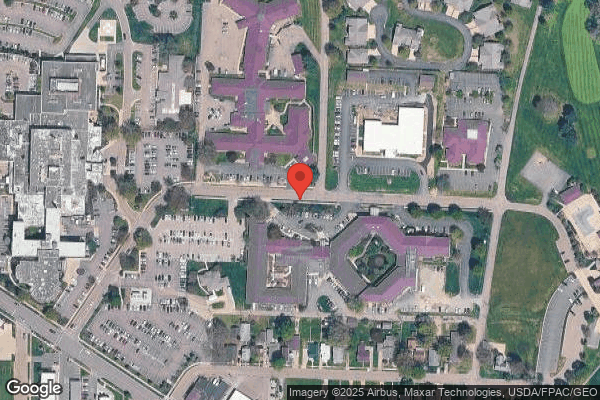
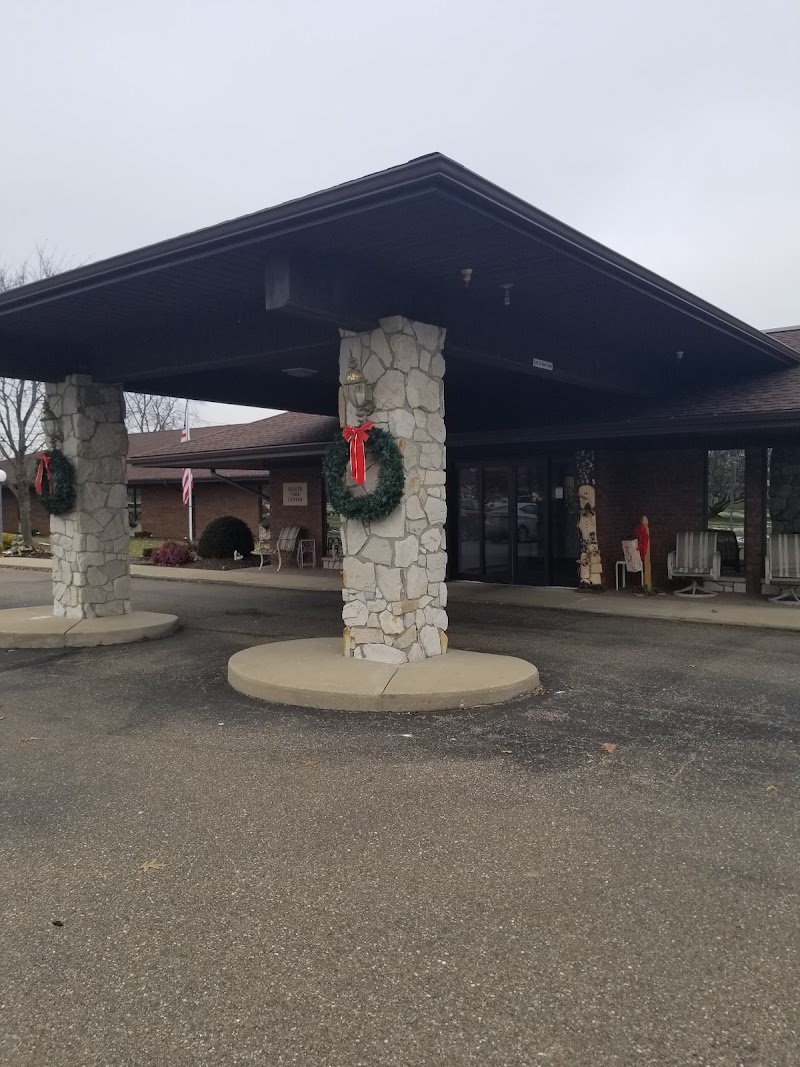
865 EAST IRON AVENUE, DOVER, OH 44622 (330) 343-5521
For profit - Limited Liability company 98 Beds DAVID OBERLANDER Data: November 2025
Trust Grade
30/100
#887 of 913 in OH
Last Inspection: July 2024

Within standard 12-15 month inspection cycle. Federal law requires annual inspections.

Overview

New Dawn Rehabilitation and Healthcare Center has received a Trust Grade of F, indicating significant concerns and poor performance compared to other facilities. It ranks #887 out of 913 in Ohio, placing it in the bottom half of nursing homes in the state, and is the least favorable option in Tuscarawas County. Although the facility is improving-reducing issues from 24 in 2024 to 6 in 2025-its staffing is a concern with a 74% turnover rate, much higher than the state average of 49%, and it has below-average RN coverage, being less than 85% of other facilities. There have been no fines reported, which is a positive sign, but recent inspections revealed issues such as food served at unsafe temperatures, inadequate sanitation of dishes, and a lack of necessary safety equipment in the laundry area, posing potential risks to residents. Families should weigh these strengths and weaknesses carefully when considering this facility for their loved ones.

Trust Score
F
30/100
In Ohio
#887/913
Bottom 3%
Safety Record
Low Risk
No red flags
Inspections
Getting Better
24 → 6 violations
Staff Stability
⚠ Watch
74% turnover. Very high, 26 points above average. Constant new faces learning your loved one's needs.
Penalties
✓ Good
No fines on record. Clean compliance history, better than most Ohio facilities.
Skilled Nurses
⚠ Watch
Each resident gets only 28 minutes of Registered Nurse (RN) attention daily — below average for Ohio. Fewer RN minutes means fewer trained eyes watching for problems.
Violations
⚠ Watch
54 deficiencies on record. Higher than average. Multiple issues found across inspections.
★☆☆☆☆
1.0
Overall Rating
★★☆☆☆
2.0
Staff Levels
★★★☆☆
3.0
Care Quality
★☆☆☆☆
1.0
Inspection Score
Stable
2024: 24 issues
2025: 6 issues

The Good

  • Full Sprinkler Coverage · Fire safety systems throughout facility
  • No fines on record

Facility shows strength in fire safety.

The Bad

1-Star Overall Rating

Below Ohio average (3.2)

Significant quality concerns identified by CMS

Staff Turnover: 74%

27pts above Ohio avg (46%)

Frequent staff changes - ask about care continuity

Chain: DAVID OBERLANDER

Part of a multi-facility chain

Ask about local staffing decisions and management

Staff turnover is very high (74%)

26 points above Ohio average of 48%

The Ugly 54 deficiencies on record

Aug 2025 1 deficiency
CONCERN (D) 📢 Someone Reported This

A family member, employee, or ombudsman was alarmed enough to file a formal complaint

Potential for Harm - no one hurt, but risky conditions existed

Infection Control (Tag F0880)

Could have caused harm · This affected 1 resident

**NOTE- TERMS IN BRACKETS HAVE BEEN EDITED TO PROTECT CONFIDENTIALITY** Based on medical record review, observation, staff interview and review of policy and procedure, the facility failed to maintain...

Read full inspector narrative →
**NOTE- TERMS IN BRACKETS HAVE BEEN EDITED TO PROTECT CONFIDENTIALITY** Based on medical record review, observation, staff interview and review of policy and procedure, the facility failed to maintain proper infection control procedures during incontinence care. This effected one (Resident #63) of six residents reviewed for urinary tract infections. The census was 72. Findings include: Review of Resident #63's medical record revealed an admission date of 07/13/23. Diagnoses included congestive heart failure (CHF), depression, morbid obesity, diabetes, obstructive sleep apnea, and erythema intertrigo. Review of the quarterly Minimum Data Set (MDS) dated [DATE] revealed cognition was intact. She required set up or clean up assistance with eating and oral hygiene, dependent for toileting, shower, bathing and dressing and substantial maximal assistance with personal hygiene. The resident was occasionally incontinent of urine and always incontinent of bowel.Observation of incontinence care to Resident #63 on 08/26/25 at 11:10 A.M. revealed Certified Nurse's Aide (CNA) #111 brought a soapy washcloth, wet washcloth and a towel and laid the towel on the bed with the washcloths on top of the towel. The resident turned to her side and CNA #111 washed her buttocks and anal area and then dried the area. CNA #111 then took the washcloths to the sink and rinsed them and applied soap to one, she removed her gloves, washed her hands over the washcloths in the sink, dried her hands and applied new gloves. Then she washed under the right side of the abdomen, rinsed and dried the area. CNA #111 then took the washcloths to the sink and rinsed them, applied soap to one, washed her hands over the wash clothes in the sink, dried her hands and applied on new gloves. CNA #111 lifted the abdomen and washed the vaginal area from front to back and dried the area. CNA #111 then took the washcloths to the sink and rinsed them, applied soap to one, then removed her gloves, washed her hands and applied new gloves. CNA #111 lifted and washed the left side of the abdomen and dried the area, removed her gloves and washed her hands. Interview with CNA #111 on 08/26/25 at 11:28 A.M. verified she did not follow proper infection control when completing incontinence care.Review of the Perineal Care policy and procedure revised 10/2010 revealed to place the equipment on the bedside stand and for a female resident wash the perineal are, wiping from front to back. Separate the labia and wash downward from front to back. Continue to wash the perineum moving from inside outward to and including thighs, alternating from side to side, and using downward strokes. Do not use the same cloth or water to clean the urethra or labia. Rinse the perineum thoroughly in the same direction, gently dry the perineum. Instruct and/or assist the resident to turn on her side, wash the rectal area thoroughly, wiping from the base of the labia towards and extending over the buttock, dry thoroughly. This deficiency represents non-compliance investigated under Complaint Number 2600023.
Jul 2025 1 deficiency
CONCERN (D) 📢 Someone Reported This

A family member, employee, or ombudsman was alarmed enough to file a formal complaint

Potential for Harm - no one hurt, but risky conditions existed

Quality of Care (Tag F0684)

Could have caused harm · This affected 1 resident

**NOTE- TERMS IN BRACKETS HAVE BEEN EDITED TO PROTECT CONFIDENTIALITY** Based on interview, and record review the facility failed to ensure physician notification occurred related to elevated blood gl...

Read full inspector narrative →
**NOTE- TERMS IN BRACKETS HAVE BEEN EDITED TO PROTECT CONFIDENTIALITY** Based on interview, and record review the facility failed to ensure physician notification occurred related to elevated blood glucose levels resulting in the potential for inadequate diabetes management. This affected one resident (Resident #39) of five residents reviewed for medication management. Findings include: Record review revealed Resident #39 was admitted to the facility on [DATE] with diagnoses including, malnutrition, end stage renal disease, type one diabetes, [NAME] disease, chronic kidney disease, hypertension, and major depressive disorder.Review of minimum data set revealed a brief interview for mental status score of 12 out of a possible 15 points indicating some cognitive impairment. Review of Resident #39 care plan dated 06/23/25 revealed the resident has diabetes mellitus. Interventions included diabetes medication as ordered by doctor.Record review of Resident #39 vital signs revealed on 07/25/25 at 8:00 P.M. Resident #39 blood sugar check was 578. On 07/26/25 at 5:17 A.M Resident #39 blood sugar was 537.Progress note dated 07/25/25 at 8:00 P.M. for Resident #39 revealed a medication administration record (MAR) progress note stating end of scale given supervisor notified. No documentation a physician or on call provider was notified to give follow up orders regarding the blood sugar of 578, exceeding the sliding scale.Progress note dated 07/26/25 at 5:17 A.M. for Resident #39 revealed a medication administration record (MAR) progress note stating end of scale given. No documentation a physician or on call pinnacle was notified to give follow up orders regarding the blood sugar of 537, exceeding the sliding scale.Record review revealed an active order for HumaLOG Injection Solution 100 UNIT/milliliter(ML) (Insulin Lispro). Inject as per sliding scale: if 201 - 250 = 4 units; 251 - 300 = 6 units; 301 - 350 = 8 units; 351 - 400 = 10 units; 401 - 450 = 12 units, subcutaneously before meals and at bedtime for diabetes.Record review revealed an active order for Lantus Subcutaneous Solution 100 UNIT/ML (Insulin Glargine). Inject 33 unit subcutaneously in the morning for diabetes mellitus.Interview on 07/29/25 at 11:00 A.M. with Licensed Practical Nurse (LPN) # 56 revealed if a blood glucose reading is out of range you should put in a progress note. If its to low, each sliding scale resident has an order for glucagon. If it is to high you would call on call pinnacle to let them know what the blood sugar reading is and they will follow up, they'll tell you what to do. LPN# 56 states you always call pinnacle if the blood sugar is over 450.This deficiency represents noncompliance investigated under Complaint Number OH001393427.
Feb 2025 3 deficiencies
CONCERN (D) 📢 Someone Reported This

A family member, employee, or ombudsman was alarmed enough to file a formal complaint

Potential for Harm - no one hurt, but risky conditions existed

Unnecessary Medications (Tag F0759)

Could have caused harm · This affected 1 resident

Based on observation, review of physician orders, review of drug manufacturer information, and interview, the facility failed to ensure medications were administered in accordance with physician order...

Read full inspector narrative →
Based on observation, review of physician orders, review of drug manufacturer information, and interview, the facility failed to ensure medications were administered in accordance with physician orders and drug manufacturer directions. Four errors were identified out of 37 opportunities for error, resulting in a 10.8% medication error rate. This affected two (Residents #30 and #51) of five residents observed having medications administered by staff. Findings include: 1. On 02/18/25 at 7:40 A.M., Licensed Practical Nurse (LPN) #105 was observed administering medication to Resident #51. Among the medications administered were amlodipine (a calcium channel blocker used to treat hypertension, coronary artery disease and some angina) 10 milligrams (mg), hydralazine (vasodilator used to treat high blood pressure) 50 mg, and metoprolol succinate (beta blocker) 25 mg. The medications were administered during the process of obtaining vital signs. On 02/18/25 at 7:50 A.M., LPN #105 was questioned regarding if there were parameters set for administration of the medications. Resident #51's blood pressure was 125/66 and his pulse was 55. LPN #105 stated she was able to give the medications as long as the pulse was not below 55. Review of Resident #51's physician orders revealed all three of the medications had parameters written within the orders to hold the medications if the heart rate was less than 60. On 02/18/25 at 8:50 A.M., the Director of Nursing (DON) verified the orders for amlodipine, hydralazine and metoprolol succinate indicated they were to be withheld if the heart rate was less than 60. Review of the facility's Administering Medications policy (not dated) indicated medications must be administered in accordance with prescribed orders. 2. On 02/18/25 between 7:55 A.M. and 8:05 A.M., LPN #110 was observed preparing and administering medication to Resident #30. While preparing to administer Lantus, LPN #110 verified there was no date indicating when the Lantus vial was opened/first accessed. The Lantus was delivered on 01/17/25. LPN #110 proceeded to draw up 30 units of the Lantus U-100 into a syringe and administered it into Resident #30's right arm. After removing the syringe, LPN #110 rubbed the injection site. On 02/18/25 at 8:02 A.M., LPN #110 verified she rubbed the injection site after administration of the insulin, stating she always did so. Review of the facility's Administering Medications policy (not dated) indicated when opening a multi-dose container, the date opened shall be recorded on the container. Review of Lantus manufacturer information revealed vial were to be discarded after 28 days, even if there was still insulin left in it. Instructions indicated the injection site was not to be rubbed. On 02/18/25 at 8:50 A.M., the Director of Nursing (DON) verified when insulin was opened it should be dated so staff could determine whether to keep using it. Manufacturer information regarding instructions not to rub the injection site was also shared with/shown to the DON who acknowledged what the instructions stated. This deficiency represents non-compliance investigated under Master Complaint Number OH00162246 and Complaint Number OH00161999.
CONCERN (D) 📢 Someone Reported This

A family member, employee, or ombudsman was alarmed enough to file a formal complaint

Potential for Harm - no one hurt, but risky conditions existed

Deficiency F0760 (Tag F0760)

Could have caused harm · This affected 1 resident

**NOTE- TERMS IN BRACKETS HAVE BEEN EDITED TO PROTECT CONFIDENTIALITY** Based on medical record review, review of consultant reports, review of hospital records, and interview, the facility failed to ...

Read full inspector narrative →
**NOTE- TERMS IN BRACKETS HAVE BEEN EDITED TO PROTECT CONFIDENTIALITY** Based on medical record review, review of consultant reports, review of hospital records, and interview, the facility failed to write/transcribe orders resulting in a resident receiving ongoing treatment with an anti-neoplastic medication beyond ordered duration. This affected one (Resident #69) of three residents reviewed for medication use. Findings include: Review of Resident #69's closed medical record revealed an admission date of 11/19/24. Diagnoses included pleural effusion, pneumonia, difficulty walking, abnormal posture, generalized muscle weakness, essential hypertension, hyperlipidemia, atrial fibrillation, sick sinus syndrome, vitamin D deficiency, hypothyroidism, moderate protein-calorie malnutrition, presence of a cardiac pacemaker, metabolic encephalopathy, non-rheumatic aortic stenosis, congestive heart failure, gastrointestinal hemorrhage and hematemesis (vomiting blood). A social service progress note dated 12/27/24 at 11:15 A.M. indicated a call was received from Resident #69's daughter who accompanied Resident #69 to an orthopedic appointment. The note indicated Resident #69 had been ordered a new medication (not named) at his hematology appointment the prior week. The medication was sent to out-patient pharmacy and Resident #69's daughter was to pick it up and take it to the facility. The daughter indicated she and the hematologist believed the decline in Resident #69's condition might be due to the leukemia and were hopeful the new medication would offer some reprieve to weakness/debility. On 12/27/24, an order was written it was okay to administer home medication of Gleevec (anti-neoplastic). A social service progress note dated 12/27/24 at 4:25 P.M. indicated medication was received and given to a licensed practical nurse for administration beginning 12/28/24. An order was written for imatinib mesylate (Gleevec) 400 milligrams (mg) to be administered every day starting 12/28/24. A nursing note dated 01/14/25 at 5:04 P.M. indicated Resident #69 had blood in his mouth twice during the shift. No sores were observed. The physician and responsible party were updated. A nursing note dated 01/15/25 at 9:39 A.M. indicated the hematology office was notified due to Resident #69 coughing up blood the previous night. The physician was aware and gave orders to call the hematology/oncology consultant due to Resident #69 being on a new chemotherapy medication called imatinib mesylate (Gleevec). The nurse left a message requesting a nurse call the facility. A nursing note dated 01/15/25 at 11:28 A.M. indicated a nurse returned her call and stated the imatinib mesylate (Gleevec) was to be held until 01/30/25 and a stat CBC (complete blood count laboratory test) was to be obtained. The nurse reported the physician at the hematology/oncology center said the facility could send Resident #69 to the emergency room (ER). The responsible party was notified and wished to have Resident #69 sent to the ER. A nursing note dated 01/15/2025 at 11:48 A.M. revealed Resident #69 had another episode of coughing up bright red blood. Resident #69 was going to the ER and the ambulance had been contacted. A subsequent nursing note at 12:01 P.M. indicated the ambulance was present to transport Resident #69 to the ER. A nursing note dated 01/15/25 at 10:54 P.M. indicated the hospital reported Resident #69 was being admitted for bilateral pleural effusion and Covid-19. Resident #69 returned to the facility on [DATE] at 5:00 P.M. Review of the hospital discharge paperwork revealed Resident #69 was admitted for a mouth bleed and found to have a nosebleed secondary to cancer medication. Other active problems/diagnoses included bilateral pleural effusion, COVID-19, and gastrointestinal melena (black tarry stool as a result of bleeding in the upper gastrointestinal tract). Instructions were provided to discard old medication lists and use the new list provided to update all health care providers and retail pharmacies. Instructions revealed an order to stop taking imatinib (Gleevec). Review of Resident #69's January 2025 Medication Administration Record (MAR) revealed no documentation indicating the order for imatinib was placed on hold per instructions provided on 01/15/25 in accordance with the nursing note. There was no documentation of imatinib being discontinued per the hospital discharge instructions dated 01/18/25. There was no documentation located indicating the attending physician ordered the imatinib to be restarted/continued upon Resident #69 re-entering the facility. The MAR revealed staff resumed administering the imatinib on 01/20/25 and continued its administration through 01/30/25. Laboratory results from 01/21/25 revealed a low red blood count (RBC) of 2.59 (reference range of 4.2-6.0 m/Ul), low hemoglobin of 8 (13-17 g/dL), low hematocrit of 24.7 (39-51%) and a platelet count of 154 (reference range of 150-400 k/uL). Laboratory results from 01/24/25 revealed a low RBC of 2.7, a low hemoglobin of 8.3, a low hematocrit of 26.2 and a platelet count of 161. Review of office visit notes for hematology/oncology consultants dated 01/30/25 indicated Resident #69 started having worsening shortness of breath the night of 01/29/25 and worsening confusion. Resident #69 was started on oxygen via nasal cannula but was still feeling very short of breath and was very weak. Resident #69 was having periorbital edema as well as swelling in the legs and arms. Lab results included a RBC of 2.45, hemoglobin level of 7.7, hematocrit of 24.6 and platelet count of 57 which was verified by repeat analysis. Resident #69 was started on Gleevec on 12/19/24 but developed cough and hemoptysis (discharge of blood or blood stained mucus through the mouth). Resident #69 had been sent to the ER for further evaluation and found to have COVID 19 infection. Resident #69 had been admitted to the hospital and Gleevec was held. The Gleevec was to be held until a follow up with the hematology/oncology appointment on 01/30/25 but it was restarted upon discharge. The CBC obtained on 01/20/25 showed a significant decrease in hemoglobin and platelets were quite low. On exam, Resident #69 had very diminished breath sounds in the right base. The report questioned a possible recurrent/progressive pleural effusion versus pneumonia secondary to the recent COVID 19 infection. Resident #69 was referred to the ER for further evaluation. The facility was contacted and informed to hold the Gleevec until the hematology/oncology consultant approved to restart the medication. If it were to be resumed it might need to be started at a reduced dose. On 02/19/25 at 8:16 A.M., interview with Resident #69's physician (Medical Doctor #120) stated he recalled being told Resident #69's daughter had Gleevec at home and wanted to know if it could be administered in the facility. MD #120 recalled approving that. However, MD #120 did not recall being informed of or seeing an order from hematology/oncology to hold the Gleevec until his next visit on 01/30/25 or being asked about the order to discontinue the Gleevec from the hospital discharge orders. MD #120 stated he would never knowingly give an order to contradict an order from a specialist regarding the use of an anti-neoplastic medication as they were more knowledgeable about that particular subject and medication. MD #120 indicated he did not have time to review all the nursing notes for every resident so he had no knowledge of the hematology/oncology giving the order to hold the Gleevec until Resident #69's visit scheduled 01/30/25 and was unaware of the hospital discharge orders to stop the administration of the Gleevec. MD #120 indicated he reviewed the administration of the Gleevec a medication error. On 02/20/25 at 12:50 P.M., RN #125 from the hematology/oncology office verified the continued use of Gleevec could have contributed to the low lab values obtained on 01/30/25. RN #125 verified the table with laboratory results were labs obtained on 01/30/25. The narrative part of the Impressions section #2 of the report were not the results received on 01/30/25 although it referred to laboratory tests with different values and referred to them as being obtained today. Resident #69 continued to use their services and Gleevec had not been restarted. This deficiency represents non-compliance investigated under Master Complaint Number OH00162246.
CONCERN (D) 📢 Someone Reported This

A family member, employee, or ombudsman was alarmed enough to file a formal complaint

Potential for Harm - no one hurt, but risky conditions existed

Medical Records (Tag F0842)

Could have caused harm · This affected 1 resident

Based on medical record review, policy review and interview, the facility failed to ensure medication administration records were maintained in an accurate and complete manner for one (Resident #63) o...

Read full inspector narrative →
Based on medical record review, policy review and interview, the facility failed to ensure medication administration records were maintained in an accurate and complete manner for one (Resident #63) of three residents reviewed for medication administration. Findings include: Review of Resident #63's medical record revealed diagnoses including hypertension, type two diabetes mellitus with diabetic neuropathy, intervertebral disc disorders, and arthropathies of the right shoulder. Review of Resident #63's January 2025 Medication Administration Record (MAR) revealed no donning of the ordered lidocaine patch on 01/04/25 or 01/31/25. There was no documentation lidocaine patches were removed in accordance with physician orders on 01/14/25, 01/19/25 or 01/31/25. Resident #63 had an order for blood glucose monitoring with sliding scale insulin coverage four times a day. No results were recorded on 01/12/25 at 5:00 A.M. or on 01/19/25 and 01/30/25 at 5:00 P.M. It was unable to be determined if the sliding scale insulin should have been administered. The February 2025 MAR revealed no documentation of clindamycin 300 milligrams being administered on 02/17/25's second dose. Blood sugars were not recorded on 02/01/25 or 02/17/25 for the 5:00 A.M. so it was unable to be determined if sliding scale insulin should have been administered. On 02/18/25 at 11:48 A.M., the Director of Nursing (DON) verified the MARs were incomplete regarding administration of medication and monitoring of blood sugars to determine if sliding scale insulin needed administered. The DON verified it there was a reason the medication was not administered, the information would require documentation. Review of the facility's Administering Medication policy (not dated) indicated the individual administering the medication was required to document the administration in the MAR. This deficiency is an incidental finding discovered during the investigation.
Jan 2025 1 deficiency
CONCERN (D) 📢 Someone Reported This

A family member, employee, or ombudsman was alarmed enough to file a formal complaint

Potential for Harm - no one hurt, but risky conditions existed

Quality of Care (Tag F0684)

Could have caused harm · This affected 1 resident

Based on resident interview, staff interview, Computer Aided Dispatch (CAD) call report review, Self-Reported Incident (SRI) review, and medical record review, the facility failed to ensure Resident #...

Read full inspector narrative →
Based on resident interview, staff interview, Computer Aided Dispatch (CAD) call report review, Self-Reported Incident (SRI) review, and medical record review, the facility failed to ensure Resident #72 received timely care and services which resulted in the resident reaching out to an outside entity for assistance. This affected one (Resident #72) out of three residents reviewed for quality of care and treatment. The facility census was 71. Findings include: Review of Resident #72's medical record revealed an admission date of 12/20/24 and discharge date of 01/02/25. Diagnoses included diabetes mellitus type two, depression, and acquired absence of right leg below the knee. Review of Resident #72's History and Physical dated 12/23/24 revealed the resident had decreased mobility, painful movement, poor strength, and had a right below the knee amputation. The resident was noted to be alert and oriented. Review of Resident #72's care plan dated 12/23/24 revealed the resident had diabetes mellitus with interventions to monitor, document, and report to the physician signs of hyperglycemia (such as increased thirst and appetite, frequent urination, poor wound healing, dry skin, muscle cramps, abdominal pain, and stupor) and hypoglycemia (such as increased heart rate, sweating, nervousness, confusion, and lack of coordination). The care plan also revealed the resident had limited physical mobility related to weakness, intravenous (IV) medication use, history of right below the knee amputation, and other comorbidities with interventions to provide supportive care and assistance with mobility as needed. Review of Resident #72's Medicare five-day Minimum Data Set (MDS) 3.0 dated 12/27/24 revealed the resident was cognitively intact. Review of the CAD call report dated 12/26/24 at 10:08 P.M. revealed a call was made to 911 from Resident #72's room. The report revealed on 12/26/24 at 10:08 P.M. Resident #72 said he was in the rehabilitation unit and the door was closed on him and no one would help him. At 10:09 P.M. a call was made to the facility and spoke to Licensed Practical Nurse (LPN) #200 who stated she would check on Resident #72. At 11:59 P.M. Resident #72 called back in to report that he had concluded a statement internally with the facility, staff, and his state case worker. Review of the LPN #150's undated written witness statement revealed on 12/26/24 at 9:42 P.M. she heard a couple of loud noises and yelling between the resident (Resident #72) and the aide (CNA #100). The resident's door was closed. CNA #100 came out of the room and stated the resident was yelling and throwing things, and stated he wanted to leave because she (CNA #100) was not taking care of him. CNA #100 reported the resident stated he was going to call the cops and file charges against her. It noted that CNA #100 was about to go back into the residents room and confront him and the nurse told her to stay out and she would go talk to him as soon as he calmed down and quit throwing things. Before she could go in, the staff nurse (LPN #200) arrived and proceeded to go into Resident #72's room to find out what was going on with him. The resident stated, I asked the aide multiple times for assistance, and I didn't get any help. Review of the SRI dated 12/27/24 for neglect/mistreatment revealed Resident #72 made an allegation that CNA #100 did not answer his call light timely and stated it was neglectful. The investigation determined the allegation was unsubstantiated and evidence indicated abuse, neglect or misappropriation did not occur. The SRI investigation did not include a timeframe of when the resident began asking for staff assistance or how long it took for him to receive the assistance. Interview on 01/09/25 at 9:55 A.M. Resident #72 stated he was an amputee who was recently admitted to the facility after spending several days in the hospital. He reported on 12/26/24 around 7:30 P.M. he rang his call light and Certified Nursing Assistant (CNA) #100 answered. He stated he reported he could tell his blood sugar was getting low and asked if she could bring him a peanut butter and jelly sandwich, two sodas, and get hold of his nurse. He stated CNA #100 turned off his call light, and stated to him that they were making rounds and would get to him. An hour later he had not seen anyone and he put his call light on again. He reported CNA #100 responded and turned off his light and he requested his snack and drink again. He reported she stated she would get it when she had time. He stated he waited about another hour and turned his call light on for a third time and she came back in. He stated he told her he had still not seen the nurse, his IV antibiotic had been done for hours yet he was still connected, and he still had not received his sandwich and requested soda. He stated CNA #100 turned off the call light stating she would get to it and then she slammed the door shut while saying, Have a nice day honey. The resident stated he did not like his door shut because he had limited mobility and needed to be able to yell if he needed help. He reported he was so furious that he threw whatever he could at the door and called 911 to report that abuse of a resident was happening at the facility. He went on to say he crawled out of bed, got on his hands and knees and crawled to the door, opened it, and crawled into the hallway. He stated when he reached the hall, CNA #100 was standing there and he told her he needed the nurse. Resident #72 revealed that LPN #150 was also present and stated, I don't need to treat you, you are a combative person. Resident #72 then reported to them that the police were on their way. At that time, LPN #200 ran down the hallway asking what was going on. He reported she helped him back to his room, made sure to check his sugar, and assured him that CNA #100 would not be working with him anymore. Phone interview on 01/09/24 at 11:51 A.M., CNA #100 reported she was working at the facility on 12/26/24 as an agency CNA. She reported that was the first time working on the 200 hall and she had never worked with Resident #72 before. She stated she was completing rounds around 8:00 P.M. to 8:30 P.M. when she answered Resident #72's call light and he asked for two sodas and a sandwich. She told him to give her a minute and she would get it after she completed rounds. She stated she responded to Resident #72's call light again around 10:00 P.M. and upon entering the room, she told the resident she had not forgotten about his request, but she had just not gotten around to it yet. At this time the resident became very upset and started yelling. She reported she left his room and closed the door, but left it cracked. She stated he then started throwing objects and got out of bed and crawled to the hallway. He reported to her that he called the police and that he was an amputee and needed his medications. CNA #100 confirmed she did not timely address his needs stating she was still providing activities of daily living assistance to other residents and had not had a chance to get to him yet. Phone interview on 01/09/25 at 12:38 P.M., LPN #200 revealed she was working in the back of the building when she received a phone call from the local police department. They reported Resident #72 called and reported that no one would answer his call light. She stated she then went to check on the resident and saw him ambulating down the hall on his amputated leg with CNA #100 walking away from him. She stated the resident was yelling and very agitated. The resident reported to her that the CNA #100 would come into his room and answer his call light, but kept telling him she was not his aide and she could not do anything for him, and then she shut his door. She reported she contacted management and assisted the resident with his care needs. Interview on 01/09/24 at 3:00 P.M., Clinical Manager #250 reported she got a call on 12/26/24 from LPN #200 stating that Resident #72 had called the police department and wanted to speak with management. He reported to her that he had put on his call light, requesting a sandwich and a snack, three different times and CNA #100 would not assist him with his needs. He reported to her that he then called the police department to get someone's attention and he guessed it worked. She confirmed that she completed the investigation into the incident, but did not investigate the timeline of how long and how many times Resident #72 had put on his call light or the fact that he was not given his requested snack and drink. She reported it would have been her expectation for the resident to receive his snack and drink within 10 to 15 minutes of asking. Interview on 01/09/25 at 4:00 P.M. the Administrator revealed they did not investigate into how long and how many times Resident #72 had to wait and why he did not receive his snack and drink timely. She reported the resident should not have had to wait that long for his needs to be met and her expectation would have been for him to receive his request within an hour. This deficiency represents non-compliance investigated under Complaint Number OH00161322.
Nov 2024 8 deficiencies
CONCERN (D) 📢 Someone Reported This

A family member, employee, or ombudsman was alarmed enough to file a formal complaint

Potential for Harm - no one hurt, but risky conditions existed

Quality of Care (Tag F0684)

Could have caused harm · This affected 1 resident

**NOTE- TERMS IN BRACKETS HAVE BEEN EDITED TO PROTECT CONFIDENTIALITY** Based on record review, observation, and interview, the facility failed to ensure care and treatment was completed of diabetic f...

Read full inspector narrative →
**NOTE- TERMS IN BRACKETS HAVE BEEN EDITED TO PROTECT CONFIDENTIALITY** Based on record review, observation, and interview, the facility failed to ensure care and treatment was completed of diabetic foot ulcers. This affected one resident (#8) of three residents reviewed for skin impairment. The facility census was 70. Findings include: Review of the medical record revealed Resident #8 was admitted on [DATE] with diagnoses including fractured neck of right femur, chronic lymphocytic leukemia of B-cell type in remission, abnormal posture, difficulty walking, muscle weakness, falls, obstructive sleep apnea, type 2 diabetes, hypertension, mixed hyperlipidemia, atherosclerotic heart disease, gastroesophageal reflux disease and cardiac pacemaker. The resident was admitted with a right and left plantar diabetic foot ulcers. Review of the 09/24/24 admission Minimum Data Set Assessment revealed the resident was independent for daily decision making. Physician orders included a 09/25/24 treatment to bilateral plantar wounds to cleanse wound with normal saline, apply prism, and cover with dry dressing or Band-Aid daily and as needed. The treatment was changed on 10/28/24 to bilateral plantar wounds: cleanse wound with normal saline; apply bacitracin and cover with dry dressing or band-aid daily and as needed for wound maintenance. An order dated 11/06/24 revealed for right plantar foot wound: cleanse wound with normal saline; apply bacitracin and cover with dry dressing or band-aid daily and as needed for wound maintenance. Review of the record revealed wound assessments included an assessment dated [DATE] for the left plantar foot diabetic ulcer resolved. The right plantar foot diabetic ulcer was 2.0 centimeters (cm) length x 0.5 cm width x 0.1 cm depth. Interview on 11/12/24 at 11:32 A.M. with Resident #8 revealed he has sores on both feet he has been doctoring for years through the Veterans Administration. He said his right foot hurt. He is suppose to get dressing changes everyday. Yesterday the nurse brought the dressings in, put them on the stand (pointed to dressings on a dresser across from his bed), said she would be back and never came back. He said he did not get his dressing changed yesterday. The resident was in the recliner with his foot elevated wearing diabetic shoes. Review of the October (2024) treatment record revealed there was no evidence of the dressings being changed 10/18/24 and 10/27/24. Review of the November (2024) treatment record revealed no record of the dressings being changed on 11/06/24. Review of 11/11/24, the date Resident #8 said the dressings were left in the room and not changed, revealed the dressing change was signed off as completed by Licensed Practical Nurse (LPN) #100. Interview on 11/12/24 at 12:07 P.M. with LPN #100 revealed she had an admission (on 11/11/24) and did not do Resident #8's dressing change 11/11/24. She said she passed it off to night shift but did sign the treatment sheet that she had completed the dressing change. Interview on 11/12/24 at 7:32 P.M. with the Director of Nursing verified there were days the foot dressings were not signed off as completed for Resident #8. This deficiency represents non-compliance investigated under Complaint Number OH00158850.
CONCERN (D) 📢 Someone Reported This

A family member, employee, or ombudsman was alarmed enough to file a formal complaint

Potential for Harm - no one hurt, but risky conditions existed

Pressure Ulcer Prevention (Tag F0686)

Could have caused harm · This affected 1 resident

**NOTE- TERMS IN BRACKETS HAVE BEEN EDITED TO PROTECT CONFIDENTIALITY** Based on record review, observation, policy review, and interview, the facility failed to ensure care and treatment of pressure ...

Read full inspector narrative →
**NOTE- TERMS IN BRACKETS HAVE BEEN EDITED TO PROTECT CONFIDENTIALITY** Based on record review, observation, policy review, and interview, the facility failed to ensure care and treatment of pressure ulcers was completed and consistent with professional standards of practice to promote healing, This affected one resident (#32) of three residents reviewed for skin impairment. The facility census was 70. Findings include: Review of Resident #32's medical record revealed the resident was re-admitted on [DATE] with diagnoses including hyperkalemia, congestive heart failure, cerebral infarction, dementia, depression, atrial flutter, peripheral vascular disease, anemia, type II diabetes, chronic obstructive pulmonary disease, Stage IV pressure ulcer (defined as full-thickness skin and tissue loss with exposed or directly palpable fascia, muscle, tendon, ligament, cartilage or bone in the ulcer) to the sacrum, and cardiac pacemaker. Record review revealed the resident was originally admitted on [DATE] with osteomyelitis of left foot, methicillin resistant staphylococcus aureus infection, with pressure ulcers to sacrum, bilateral heels, left and right foot, right lower leg, and right ankle. Review of a quarterly Minimum Data Set assessment dated [DATE] revealed the resident was moderately impaired for daily decision making. The resident required substantial/maximum assist to roll from side to side. The resident had one Stage IV pressure ulcer. Physician orders included on 05/14/24 a low air loss mattress set per resident weight with bolster overlay, check placement and function every shift, on 06/24/24 an order for Enhanced Barrier Precautions (EBP) for wounds every shift, on 11/12/24 an order for left lateral foot- cleanse with normal saline , apply xeroform to open areas, cover with ABD. Pad and protect heel with ABD, wrap with Kerlix daily and as needed, and on 11/12/24 Sacrum- cleanse with normal saline, apply collagen with silver alginate then cover with border foam daily and as needed. Review of the October (2024) treatment record revealed there was no evidence of the sacral dressing being changed 10/05/24, 10/11/24, 10/22/24 and 10/29/24. Review of weights revealed the resident's weight never reached 240 pounds since admission. The resident weighed 217.7 pounds on 11/11/24. Review of the record revealed a current skin impairment of a chronic sacral pressure ulcer on 11/12/24 assessed as Stage IV that measured 2 centimeter (cm) x 0.8 cm x 0.3 cm with inflamed peripheral tissue roll. New vascular areas noted on 11/12/24: Observation on 11/12/24 at 2:33 P.M. revealed the resident's door had a sign on it for EBP. Observation revealed the resident was on a Proactive mattress set on 260 pounds. Observation of the sacral wound dressing change with Licensed Practical Nurse (LPN) #132 and LPN #166 revealed the only Personal Protective Equipment (PPE) they utilized was gloves. Interview on 11/12/24 at 7:12 P.M. with LPN #132 verified the resident's low air loss mattress was to be set according to weight. She verified it was set too high at 260 pounds when it should of been set on 220 pounds. LPN #132 verified the resident had an order for EBP and she should have worn a mask, gloves and gown when changing his sacral dressing. LPN #132 further verified there were days when the sacral dressing was not signed off as being changed. Review of the Facility's Prevention of Pressure Ulcers policy (revised 2013) included to review the resident's care plan for any special needs of the resident. This deficiency represents non-compliance investigated under Complaint Number OH00158850.
CONCERN (D) 📢 Someone Reported This

A family member, employee, or ombudsman was alarmed enough to file a formal complaint

Potential for Harm - no one hurt, but risky conditions existed

Deficiency F0757 (Tag F0757)

Could have caused harm · This affected 1 resident

**NOTE- TERMS IN BRACKETS HAVE BEEN EDITED TO PROTECT CONFIDENTIALITY** Based on record review and interview, the facility failed to ensure adequate monitoring with the administration of narcotic pain...

Read full inspector narrative →
**NOTE- TERMS IN BRACKETS HAVE BEEN EDITED TO PROTECT CONFIDENTIALITY** Based on record review and interview, the facility failed to ensure adequate monitoring with the administration of narcotic pain medication. This affected two residents (#8 and #26) of four residents reviewed for narcotics. The census was 70. Findings include: 1. Review of Resident #8 's medical record revealed a 09/17/24 admission with diagnoses including fractured neck of right femur, chronic lymphocytic leukemia of B-cell type in remission, abnormal posture, difficulty walking, muscle weakness, muscle weakness, falls, obstructive sleep apnea, type 2 diabetes, hypertension, mixed hyperlipidemia, atherosclerotic heart disease, gastroesophageal reflux disease and cardiac pacemaker. Physician orders revealed an order dated 09/17/24 for Oxycodone 5 milligrams (mg) give one tablet every six hours as needed for pain. Review of the 09/24/24 admission Minimum Data Set Assessment revealed the resident was independent for daily decision making. On 11/14/24 at 1:48 P.M. interview with Resident #8 revealed he just gets Tylenol for pain. At home he took something stronger. Review of an Individual Patient Controlled Substance Administration record revealed Oxycodone 5 milligrams (mg) 24 tablets was delivered to the facility on [DATE]. The packet of medication was first used on 11/07/24 at 5:45 A.M. and the 24 tablets were used by 11/14/24 at 5:35 A.M. Review of the November (2024) Medication Administration Record (MAR) revealed from 11/07/24 through 11/14/24 there were nine entries of the Oxycodone being administered to Resident #8. Review of the MAR along with the Controlled Substance Administration Record where the medications are signed out of the locked drawer revealed there were 13 doses of Oxycodone 5 mg removed between 11/07/24 and 11/14/24 from the locked controlled substance drawer without documentation on the MAR of the medication being administered to Resident #8. Review of the record revealed there was no evidence of a pain assessment for Resident #8 that identified the location of the pain, level of pain, what non-pharmacological interventions were attempted and the evaluation of the effectiveness of the interventions. The date, time, drug and dosage were not recorded on the MAR. There was no evidence of the medication being administered after removal from the locked controlled substance drawer. On 11/18/24 at 2:12 P.M. interview with the Director of Nursing (DON) verified Resident #8's medication was signed out of the controlled medication drawer without documentation of the medication being administered. The DON verified the lack of adequate monitoring for Resident #8 including comprehensive pain assessments to support the use of the narcotic for 13 doses not recorded on the MAR. Review of the facility's undated Pain Management Policy revealed pain will be evaluated on all residents, methods of management and effectiveness will be documented. An assessment of pain will be completed prior to administration of pain medication. Documentation of the drug, dose, and route will be recorded on the Pain Management Flow Sheet, as well as on the MAR. Effectiveness of the dose will be documented on the Pain Management Flow Sheet in the Comments section. Side effects of the medication, if any, would be listed in this section, as well. Some possible side effects are listed at the bottom of the sheet, but are not all-inclusive. The Location/Type section of the Pain Management Flow Sheet requires a description of the pain in the resident's own words, if possible, or a description by the assessor, when possible. Examples are given at the bottom of the Pain Management Flow Sheet but are not all-inclusive. If possible, the resident is to use the Pain Scale to indicate a level of pain. A number will describe the intensity of the pain with O being no pain and 10 being the worst pain possible. 2. Review of Resident #26's medical record revealed a 10/12/24 readmission with diagnoses including sepsis, myocardial infarction, abnormal posture, difficulty walking, muscle weakness, hypertension, anxiety disorder, morbid severe obesity, type 2 diabetes, chronic kidney disease Stage 3, atrial fibrillation, Parkinson's disease, chronic obstructive pulmonary disease, heart failure, and protein calorie malnutrition. Review of the 09/25/24 admission Minimum Data Set Assessment revealed the resident was moderately impaired for daily decision making. Physician orders revealed a 10/13/24 order for Tramadol HCL 50 mg, a narcotic, one every eight hours as needed for pain. On 11/14/24 at 1:50 P.M. interview with Resident #26 included she asks for Tylenol once in a while, She has an order for something stronger as needed but doesn't like to ask for it. Review of an Individual Patient Controlled Substance Administration record revealed Tramadol HCL 50 mg was delivered to the facility 09/25/24. The packet of medication was first used 11/04/24 at 8:00 P.M. There were 10 doses of Tramadol signed out on the Controlled Substance Administration Record. Review of the November (2024) Medication Administration Record (MAR) revealed from 11/04/24 through 11/14/24 there were four entries of the Tramadol being administered. Review of the MAR along with the Controlled Substance Administration Record where the medications are signed out of the locked drawer revealed there were six doses of Tramadol 50 mg removed between 11/07/24 and 11/14/24 from the locked controlled substance drawer without documentation on the MAR of the medication being administered. Review of Resident #26's record revealed there was not a pain assessment that identified the location of the pain, level of pain, what non-pharmacological interventions were attempted and the evaluation of the effectiveness of the interventions for the doses of Tramadol removed from the locked controlled substance drawer. The date, time, drug and dosage of the medication were not recorded on the MAR. There was no evidence of the medication being administered after removal from the locked controlled substance drawer. On 11/18/24 at 2:19 P.M. interview with the DON verified Resident #26's medication was signed out of the controlled medication drawer without documentation of the medication being administered. The DON verified the lack of adequate monitoring of Resident #26's pain and administration of narcotic pain medications to include the lack of comprehensive pain assessments to support the use of the narcotic for six doses not recorded on the MAR. This deficiency represents non-compliance investigated under Master Complaint Number OH00159793.
CONCERN (D) 📢 Someone Reported This

A family member, employee, or ombudsman was alarmed enough to file a formal complaint

Potential for Harm - no one hurt, but risky conditions existed

Deficiency F0761 (Tag F0761)

Could have caused harm · This affected 1 resident

Based on review of controlled medication reconciliation records, observation, medical record review, and interview, the facility failed to ensure a narcotic medication was labeled to meet professional...

Read full inspector narrative →
Based on review of controlled medication reconciliation records, observation, medical record review, and interview, the facility failed to ensure a narcotic medication was labeled to meet professional standards. This affected two residents (Resident #26 and #62) of 33 residents with controlled medications. The facility census was 70. Findings include: 1. On 11/14/24 at 2:45 P.M. review of the 400 hall Controlled Medication Shift Change Log revealed the staff was counting the medication cards/containers and controlled medication signature sheets at the change of shift and signing the log. Review and observation of the signature sheets for the controlled medications in the locked drawer revealed Resident #62 had a prescription for Tramadol, a Class IV narcotic. The label read: Tramadol HCL tablet 50 milligrams (mg) one tablet once daily: one tablet by mouth every 24 hours as needed. Review of the medical record revealed the resident had a physician's order dated 01/26/24 for Tramadol 50 mg by mouth every 24 hours as needed for pain. On 01/26/24 there was also an order to give Tramadol 50 mg by mouth one time a day for pain. On 11/14/24 at 2:52 P.M. interview with Licensed Practical Nurse (LPN) #178 verified there were two orders on the same label. LPN #178 verified each order should have its own label and card of medication. LPN #178 verified the label was confusing as to whether the medication should be administered once daily routinely and if an additional dose could be administered in 24 hours. LPN #178 indicated the resident was receiving the medication as needed not daily. 2, Review of Resident #26's medical record revealed a 10/12/24 readmission with diagnoses including sepsis, myocardial infarction, abnormal posture, difficulty walking, muscle weakness, hypertension, anxiety disorder, morbid severe obesity, type 2 diabetes, chronic kidney disease Stage 3, atrial fibrillation, Parkinson's disease, chronic obstructive pulmonary disease, heart failure, and protein calorie malnutrition. Review of the 09/25/24 admission Minimum Data Set Assessment revealed the resident was moderately impaired for daily decision making. Physician orders revealed a 10/13/24 order for Tramadol HCL 50 mg, a narcotic, one every eight hours as needed for pain. There was not an order for routine Tramadol. Review of an Individual Patient Controlled Substance Administration record revealed Tramadol HCL 50 mg was delivered to the facility 09/25/24. The label read Tramadol 50 mg one tablet by mouth three times daily. The medication was first used 11/04/24 at 8:00 P.M. There were 10 doses of Tramadol signed out on the Controlled Substance Administration Record for as needed doses. Interview on 11/14/24 at 3:19 P.M. with LPN #100 verified Tramadol was being administered as needed from a card that was labeled to give three times a day without an alert to make staff aware of a dosage change. This deficiency represents incidental findings of non-compliance investigated under Master Complaint Number OH00159793.
CONCERN (D) 📢 Someone Reported This

A family member, employee, or ombudsman was alarmed enough to file a formal complaint

Potential for Harm - no one hurt, but risky conditions existed

Medical Records (Tag F0842)

Could have caused harm · This affected 1 resident

**NOTE- TERMS IN BRACKETS HAVE BEEN EDITED TO PROTECT CONFIDENTIALITY** Based on record review, interview, and policy review the facility failed to ensure accurate medical records. This affected two r...

Read full inspector narrative →
**NOTE- TERMS IN BRACKETS HAVE BEEN EDITED TO PROTECT CONFIDENTIALITY** Based on record review, interview, and policy review the facility failed to ensure accurate medical records. This affected two residents (#16, #71) of nine residents reviewed. The facility census was 70. Findings include: 1. Review of Resident #71's closed medical record revealed a [DATE] admission with diagnoses including malignant neoplasm of anus. The resident expired [DATE]. Review of an Individual Patient Controlled Substance Administration Record for Morphine Sulfate 15 mg Immediate Release delivered [DATE] revealed one tablet was ordered every six hours for pain as needed. Review revealed on [DATE] at 11:30 P.M. two doses of morphine were signed out by Registered Nurse (RN) #174 instead of one dose without explanation. Review revealed on [DATE] at 4:00 A.M. two doses of morphine were signed out by RN #174. One dose stated the resident dropped the medication. There was no evidence of RN #174 wasting the medication with a witness. Review of an Individual Patient Controlled Substance Administration Record for Morphine Sulfate 15 mg Immediate Release delivered [DATE] revealed one tablet was ordered every six hours for pain. Review revealed on [DATE] at 7:00 P.M. and [DATE] at 8:00 P.M. a dose of morphine was signed out and there was a notation pulled wrong morphine. There was no explanation of what happened to the two doses pulled in error. Review of an Individual Patient Controlled Substance Administration Record for Morphine Sulfate 15 mg Extended Release delivered [DATE] revealed one tablet was ordered every 12 hours for pain. Review revealed on [DATE] at 9:00 P.M. and [DATE] at 8:00 P.M. two doses of morphine were signed out by Registered Nurse #174 instead of one without explanation. Review of the facility's Discarding and Destroying policy (revised [DATE]) included controlled substances were to be documented as disposed on the medication disposition record with signatures of at least two witnesses. On [DATE] at 2:19 P.M. interview with the Director of Nursing verified excess medication was signed out of the controlled medication drawer without documentation of where the medication went. 2. Review of the medical record revealed Resident #16 was admitted on [DATE] with diagnoses including cancer. Review of an Individual Patient Controlled Substance Administration Record for Oxycodone 2.5 mg every four hours as needed for pain was delivered [DATE]. Review revealed on [DATE] at 10:30 P.M. and [DATE] at 6:55 P.M. two doses of Oxycodone were signed out by Registered Nurse #174 instead of one without explanation. On [DATE] at 2:19 P.M. interview with the Director of Nursing verified excess medication was signed out of the controlled medication drawer without documentation of where the medication went. This deficiency represents incidental findings of non-compliance investigated under Master Complaint Number OH00159793.
CONCERN (D) 📢 Someone Reported This

A family member, employee, or ombudsman was alarmed enough to file a formal complaint

Potential for Harm - no one hurt, but risky conditions existed

Infection Control (Tag F0880)

Could have caused harm · This affected 1 resident

Based on record review, observation, policy review, and interview, the facility failed to ensure infection control measures were followed as ordered during a dressing change. This affected one residen...

Read full inspector narrative →
Based on record review, observation, policy review, and interview, the facility failed to ensure infection control measures were followed as ordered during a dressing change. This affected one resident (#32) of three residents reviewed for skin impairment. The facility census was 70. Findings include: Review of Resident #32's medical record revealed a 05/03/22 admission with diagnoses including hyperkalemia, congestive heart failure, cerebral infarction, dementia, depression, atrial flutter, peripheral vascular disease, anemia, type II diabetes, chronic obstruction pulmonary disease, Stage IV (defined as full-thickness skin and tissue loss with exposed or directly palpable fascia, muscle, tendon, ligament, cartilage or bone in the ulcer) pressure ulcer to sacrum, and cardiac pacemaker. Review of a quarterly 09/21/24 Minimum Data Set Assessment revealed the resident was moderately impaired for daily decision making. The resident required substantial/maximum assist to roll from side to side. The resident had one Stage IV pressure ulcer. Physician orders included on 05/14/24 a low air loss mattress set per resident weight with bolster overlay, check placement and function every shift, on 06/24/24 an order for Enhanced Barrier Precautions (EBP) for wounds every shift, on 11/12/24 an order for left lateral foot- cleanse with normal saline , apply xeroform to open areas, cover with ABD. Pad and protect heel with ABD, wrap with Kerlix daily and as needed, and on 11/12/24 Sacrum- cleanse with normal saline, apply collagen with silver alginate then cover with border foam daily and as needed. Current skin impairment included a chronic sacral pressure ulcer on 11/12/24 assessed as Stage IV that measured 2 centimeter (cm) x 0.8 cm x 0.3 cm with inflamed peripheral tissue roll. On 11/12/24 at 2:33 P.M. observation revealed the resident's door had a sign on it for EBP. Observation of the sacral wound dressing change with Licensed Practical Nurse (LPN) #132 and LPN #166 revealed a barrier was on the overbed table with the dressing supplies on top. Both LPN's washed their hands and gloved. LPN #166 rolled the resident toward himself. LPN #132 sprayed wound cleanser on gauze and removed the resident's sacral dressing dated 11/11/24. There was serosanguinous drainage on the dressing. The LPN threw the dressing in the trash, removed her gloves and used hand sanitizer. She donned gloves and cleansed the Stage IV sacral wound with gauze and wound cleanser. She threw the gauze in the trash, removed her gloves and used hand sanitizer. She donned gloves and put a dressing of collagen, silver ag and boarder foam over the pressure ulcer. The LPN's both removed their gloves and removed the trash. At no time did either LPN wear a mask or isolation gown while completing the dressing change. The only Personal Protective Equipment (PPE) they utilized was gloves. On 11/12/24 at 7:12 P.M. interview with LPN #132 verified the resident had an order for EBP and the resident was on precautions due to his wounds and she should have worn a mask, gloves and gown when changing the resident's sacral dressing. LPN #132 verified there were days when the sacral dressing was not signed off as being changed. Review of the facility's Enhanced Barrier Precautions (EBP) policy (implemented 04/01/24) included the policy of the facility to implement barrier precautions for the prevention of transmission of multidrug-resistant organisms. EBP's refer to an infection control intervention designed to reduce transmission of multidrug-resistant organisms that employs targeted gown and gloves during high contact resident care activities. An order for EBP will be obtained for residents with any of the following: wounds (chronic wounds such as pressure ulcers, diabetic foot ulcers, unhealed surgical wounds and chronic venous stasis ulcers). Implementation of EBP make gowns and gloves available immediately near or outside the resident room. Note: face protection may also be needed if performing activity with risk of splash or spray (wound irrigation). High contact resident care activities included wound care: any skin opening requiring a dressing. EBP should be used for the duration of the affected resident's stay in the facility or until resolution of the wound. This deficiency represents non-compliance investigated under Complaint Number OH00158850.
CONCERN (E) 📢 Someone Reported This

A family member, employee, or ombudsman was alarmed enough to file a formal complaint

Potential for Harm - no one hurt, but risky conditions existed

Deficiency F0602 (Tag F0602)

Could have caused harm · This affected multiple residents

**NOTE- TERMS IN BRACKETS HAVE BEEN EDITED TO PROTECT CONFIDENTIALITY** Based on review of Controlled Medication Shift Change Log, controlled medication signature sheets, record review, review of the ...

Read full inspector narrative →
**NOTE- TERMS IN BRACKETS HAVE BEEN EDITED TO PROTECT CONFIDENTIALITY** Based on review of Controlled Medication Shift Change Log, controlled medication signature sheets, record review, review of the staff schedule, policy review, and interview, the facility failed to prevent misappropriation of resident medications. This had the potential to affect 11 residents (#7, #8, #11, #16, #17, #23, #25, #26, #28, #29 and #71) who received narcotic medication and resided on the 200 hall. The facility census was 70. Findings include: On [DATE] at 3:19 P.M. review of the 200 front hall Controlled Medication Shift Change Log revealed the staff was counting the medication cards/containers and controlled medication signature sheets at the change of shift and signing the log. However, staff were not consistently writing the number of medications and signature sheets counted and the new medications delivered or medications removed from the cart. Review of the November (2024) Controlled Medication Shift change log for the 200 front hall medication cart revealed the amount of cards/containers and signature sheets in the locked box was decreasing without any entries of medications being removed from the controlled medication drawer. However, the amount of medication cards/containers continued to match the number of Controlled Medication Signature sheets. The Controlled Medication Shift Change Log indicated on [DATE] there were 15 cards of medication and control sheets. On [DATE] the count sheet was signed as 14 without an entry as to what medication was removed from the locked box. On [DATE] evening shift the Controlled Medication Shift change log was signed but did not indicate the current count. On [DATE] morning shift the count dropped to 11 without an entry in the log of what medication was removed from the controlled substance drawer. Interview on [DATE] at 3:32 P.M. with Licensed Practical Nurse (LPN) #100 verified the Controlled Medication Shift Change log indicated there were 15 cards of medication in the locked drawer on [DATE] and on [DATE] there were 11 cards without the log indicating any medications were removed. Interview on [DATE] at 3:50 P.M. with the Director of Nursing (DON) revealed when a controlled medication was finished the staff put the completed signature sheet in the slot on her door. When a medication is discontinued, a resident is discharged or expired the staff will hand the remaining medication and corresponding controlled medication signature sheet to her or the assistant director of nursing. The DON stated she logs the medications given to her and destroys them with a second person. The DON did not find any full/completed signature sheets from the 200 hall in her mailbox. The DON stated she was not handed any medication from the 200 hall to be destroyed. On [DATE] between 3:55 P.M. and 4:20 P.M. during observation and interview, the DON and surveyor went to the 200 hall and checked the medication room. No completed signature sheets or controlled substances were located. The front and back 200 hall medication carts were checked to see if there were controlled substances placed in the wrong locked box or in with the regular medication. There were no controlled medications located out of place. The DON called the pharmacy to learn what medications had recently been delivered to the 200 hall and learned Resident #71 was sent Morphine 15 mg immediate release on [DATE], and on [DATE], 30 tablets and Morphine 15 mg extended release on [DATE]. The DON was not able to find the medications or the signature sheets for the medications. Review of the Controlled Medication Shift Change Log indicated on [DATE] there were 15 cards of medication and control sheets. LPN #100 counted at 6:00 P.M. with Registered Nurse (RN) #174. On [DATE] at 6:00 A.M. the count sheet was signed as 14 without an entry as to what medication was removed from the locked box. Registered Nurse #174 and LPN #178 counted the controlled medication. On [DATE] evening shift, 6:00 P.M. the Controlled Medication Shift change log was signed by LPN #178 and RN #174 but did not indicate the current count. On [DATE] morning shift, 6:00 A.M. the count dropped to 11 without an entry in the log of what medication was removed from the controlled substance drawer. RN #174 and LPN #178 signed the morning count. Interview on [DATE] at 4:25 P.M. with LPN #178 revealed hall 200 was not her usual hall to work. She indicated she only administered one medication from the controlled substance drawer on her [DATE] 6:00 A.M. to 6:00 P.M. shift. Interview on [DATE] at 4:34 P.M. with LPN #100 revealed she worked [DATE] 6:00 A.M., to 6:00 P.M. and returned [DATE] at 6:00 A.M. She indicated hall 200 was her usual hall to work. LPN #100 was asked if she could recall what medications were in the locked controlled substance drawer at 6:00 P.M. on [DATE] that were not there at 6:00 A.M. on [DATE]. She revealed Resident #71 expired at the end of her shift. She had two or three bubble packs/cards of Morphine IR, immediate release and Morphine ER, extended release in the drawer when she left on [DATE] that were not in the drawer on [DATE]. Interview on [DATE] at 5:32 P.M. with LPN #178 revealed there were two cards of Morphine in the lock box for Resident #71 who expired when she counted on the morning and evening of [DATE]. She did not remove them to be destroyed because hall 200 was not her usual floor. Review of the staff schedule revealed RN #178 was due to work on [DATE] at 6:00 P.M. and was phoned at approximately 5:20 P.M. not to report to work pending investigation. Interview on [DATE] at 6:55 P.M. with the Administrator verified the facility's Controlled Substance policy did not address the type of reconciliation of narcotics form the facility used. The policy did not discuss documenting on the log, the resident, medication name and quantity when the new medications arrived. The policy did not include in the procedure to write when medications were removed from the locked drawer, who they were for, the name of the medication and quantity remaining. The policy indicated the controlled substances must be stored in the medication room in a locked container. The facility stored their controlled medications in the locked drawer of medication cart which was kept in the hall. Review of electronic communication (email) dated [DATE] at 1:22 P.M. the Administrator identified a Self Reported Incident (SRI) #254090 was filed and a Police Report was filed (Case Number 24-08813) related to misappropriation of resident medication. Review of electronic communication dated [DATE] at 2:55 P.M. from the Administrator revealed that RN #178 resigned voluntarily. Interview on [DATE] at 2:22 P.M. with the Administrator and DON revealed RN #178 did not come to the facility for an interview. They revealed she denied taking the morphine and was resigning since she was being accused. The Administrator indicated the pharmacy was going to do an audit and they were following the pharmacy policy. They have not located the missing morphine. Medication record review revealed 11 residents resided on the 200 hall and received narcotic medications (Residents #7, #8, #11, #16, #17, #23, #25, #26, #28, #29 and #71). Review of the facility Pharmacy Policy [NAME] (revised 2018) revealed in regard to loss of theft of drugs, any theft or loss of drugs must be reported immediately to facility management and appropriate actions taken. Employees are instructed to immediately report suspected theft or loss of drugs to their supervisor/manager for appropriate documentation, investigation, and follow-up. For Controlled Substances: 1. Suspected theft or loss is reported immediately to the Director of Nursing. 2. The Director of Nursing is responsible for investigating discrepancies and making every reasonable effort to reconcile the discrepancies according to facility policy. 3. The Director of Nursing notifies the Administrator of controlled substance discrepancies. If discrepancies are not reconciled, the Administrator, in conjunction with the facility's legal counsel (as appropriate), is responsible for directing: a. The notification of appropriate enforcement agencies according to state or federal regulations (e.g., local law enforcement, DEA, etc.). b. Any other actions to be taken (e.g., notifying the pharmacy, initiating quality improvement measures to prevent future occurrences). This deficiency represents non-compliance investigated under Master Complaint Number OH00159793.
CONCERN (E) 📢 Someone Reported This

A family member, employee, or ombudsman was alarmed enough to file a formal complaint

Potential for Harm - no one hurt, but risky conditions existed

Pharmacy Services (Tag F0755)

Could have caused harm · This affected multiple residents

**NOTE- TERMS IN BRACKETS HAVE BEEN EDITED TO PROTECT CONFIDENTIALITY** Based on medical record review, review of facility policy, and staff interview the facility failed to ensure accurate reconcilia...

Read full inspector narrative →
**NOTE- TERMS IN BRACKETS HAVE BEEN EDITED TO PROTECT CONFIDENTIALITY** Based on medical record review, review of facility policy, and staff interview the facility failed to ensure accurate reconciliation of controlled medications. This affected 33 residents (#2, #3, #5, #6, #7, #8, #10, #11, #16, #17, #20, #22, #23, #24, #25, #26, #28, #29, #37, #43, #44, #46, #48, #49, #51, #53, #59, #60, #61, #62, #65, #66 and #67) who were ordered controlled medications. The facility census was 70. Findings include: 1. On [DATE] at 2:13 P.M. review of the 100 hall Controlled Medication Shift Change Log revealed there was no record of controlled medication reconciliation the morning of [DATE]. Review of the Controlled Medication Shift Change Log revealed staff was to count the number of cards/containers of medication in the locked controlled medication staff drawer and the number of sign off sheets for each medication. The staff was to write down the resident's name, medication, strength and quantity when a controlled medication is delivered from the pharmacy as well as the adjusted card and count sheets. When a card of medication was removed from the controlled medication drawer the staff was to subtract the number of cards/containers removed and record the resident's name, medication and strength as well as the quantity removed. The adjusted amount of cards/containers and corresponding signature sheets was to be recorded. The removal could be due to discharged resident, medication discontinued, dosage change or death. On [DATE] at 2:13 P.M. review and observation of the November (2024) Controlled Medication Shift Change Log for the 100 hall cart revealed the amount of cards/containers and signature sheets was fluctuating up and down without entries of medications being added or removed. On [DATE] there were nine cards of medication and control sheets, on [DATE] the count went to eight without an entry of a medication being removed. The count returned to nine on the next count, then to 15, and to 13 on [DATE] without record of any resident medications being added or removed from the controlled substance drawer. Observation revealed Resident's #2, #3, #5, #6 and #67 had controlled medications locked in the drawer. On [DATE] at 2:13 P.M. interview with Licensed Practical Nurse (LPN) #125 verified the process of the count of controlled substances was not recorded so staff would not know if there were missing medications and count sheets. The count verified the amount of controlled medications in the drawer and the number of controlled medication signature sheets match. By not recording what medication was coming in and what medication was going out the facility was missing the check and balance step of tracking all controlled medications. LPN #125 further included they use agency nurses who do not sign the log at times or know the proper way to record the controlled medications. 2. On [DATE] at 2:30 P.M. review of the 300 hall Controlled Medication Shift Change Log revealed there was not a signature of the nurse going off duty the morning of [DATE]. Review of the November (2024) Controlled Medication Shift Change Log for the 300 hall medication cart revealed the amount of cards/containers and signature sheets was fluctuating up and down without entries of medications arriving being added or removed. On [DATE] there were 21 cards of medication and control sheets, on [DATE] the count went to 20 without an entry as to what medication was removed for the controlled drawer. On [DATE] there were signatures of two nurses who counted the controlled medication without a number of how many controlled medications were in the drawer. The second shift on [DATE] at 6:00 P.M. the count went to 18 without an entry of a medication being removed. On [DATE] the count dropped to 17 without an entry of medication being removed from the controlled substance drawer. At this time, observation revealed Resident's #37, #43, #44, #46. #48, #49 and #51 had controlled medications locked in the drawer. On [DATE] at 2:33 P.M. interview with LPN #125 revealed agency staff left that morning without signing the Controlled Medication Shift Change Log. LPN #125 revealed she adds the resident name and medication when medication is delivered and the resident and medication name when the medication card is empty, discharged or discontinued. She indicated the agency staff does not fill out the form to account for medication arriving and leaving the lock box. LPN #125 verified a card of medication and the corresponding signature sheet could be removed without the staff questioning it. LPN #125 verified looking at the amount of medications added and the amount removed did not match the counts being documented by staff. On [DATE] at 2:45 P.M. review of the 400 hall Controlled Medication Shift Change Log revealed the staff was counting the medication cards/containers and controlled medication signature sheets at the change of shift and signing the log. Review of the November Controlled Medication Shift change log for the 400 hall medication cart revealed the amount of cards/containers and signature sheets was fluctuating up and down without the entries of medications arriving or leaving the controlled medication drawer matching the number of controlled medication in the drawer. On [DATE] there were 14 cards of medication and control sheets. The log indicated seven medications were added [DATE] but did not list the resident, medication, or amount received. The count was then 21 on [DATE]. On the second shift [DATE] the log indicated two cards were removed and the count was marked as 20 cards left, instead of subtracting two for a 19 count. On [DATE] the count dropped to 18 without explanation. On [DATE] second shift the count went to 19 without an entry as to what medication was added for the controlled drawer. On [DATE] there were entries of two medications being removed from the drawer but the count dropped by three to 16. At this time, observation revealed Resident's #53, #59, #60, #61, #62, #65, and #66 had controlled medications locked in the drawer. On [DATE] at 2:49 P.M. interview with LPN #178 verified counting cards/containers of medication and the corresponding signature sheets was not accurate because staff was not consistently documenting when medication was delivered and removed from the controlled medication drawer. LPN #178 verified the number of medications documented on the log in the controlled substance drawer may be accurate however, the number did not match the log of the amount of medication that arrived and the amount of cards/containers used or destroyed. 4. On [DATE] at 3:01 P.M. review of the 200 back hall Controlled Medication Shift Change Log revealed the staff was counting the medication cards/containers and controlled medication signature sheets at the change of shift and signing the log. Review of the November (2024) Controlled Medication Shift Change Log for the 200 back hall medication cart revealed the amount of cards/containers and signature sheets was getting less without any entries of medications being removed from the controlled medication drawer. However, the amount of medication cards/containers continued to match the number of Controlled medication signature sheets. On [DATE] there were eight (8) cards of medication and control sheets. On [DATE] second shift the count sheet was signed but there was not a number written as to the amount of medications in the locked controlled substance drawer. On [DATE] the count dropped to seven (7) without an entry in the log of what medication was removed from the controlled substance drawer. On [DATE] the count dropped to six (6) without an entry in the log of what medication was removed from the controlled substance drawer. A this time, observation revealed Resident's #16, #20, #22, and #23 had controlled medications locked in the drawer. On [DATE] at 3:09 P.M. interview with LPN #100 verified staff was not consistently documenting when medication was delivered and removed from the controlled medication drawer. LPN #100 verified the number of medications documented on the log and in the controlled substance drawer matched the count sheet however, there were not entries on the log indicating what medications were added or removed from the locked box. 5. On [DATE] at 3:19 P.M. review of the 200 front hall Controlled Medication Shift Change Log revealed the staff was counting the medication cards/containers and controlled medication signature sheets at the change of shift and signing the log but not consistently writing the number of medications and signature sheets counted. Review of the November (2024) Controlled Medication Shift Change Log for the 200 front hall medication cart revealed the amount of cards/containers and signature sheets in the locked box was decreasing without any entries of medications being removed from the controlled medication drawer. However, the amount of medication cards/containers continued to match the number of Controlled Medication signature sheets. On [DATE] there were 15 cards of medication and control sheets. On [DATE] the count sheet was signed as 14 without an entry as to what medication was removed from the locked box. On [DATE] evening shift the Controlled Medication Shift Change Log was signed but did not indicate the current count. On [DATE] the count dropped to 11 without an entry in the log of what medication was removed from the controlled substance drawer. At this time, observation revealed Resident's #7, #8, #10, #11, #17, #24, #25, #26, #28 and #29 had controlled medications locked in the drawer. On [DATE] at 3:32 P.M. interview with LPN #100 verified the log indicated there were 15 cards of medication in the locked drawer on [DATE] and on [DATE] there were 11 cards without the log indicating any medications were removed. On [DATE] at 3:50 P.M. interview with the Director of Nursing (DON) revealed when a controlled substance was finished the staff puts the completed signature sheet in the slot on her door. When a medication is discontinued, a resident is discharged or expired the staff will hand the remaining medication and corresponding controlled medication signature sheet to her or the assistant director of nursing. The DON stated she logs the medications given to her and destroys them with a second person. The DON verified the Controlled Medication Shift Change logs were not completed as required. On [DATE] at 6:55 P.M. interview with the Administrator verified the facility's Controlled Substance policy did not address the type of reconciliation of narcotics form the facility used. The policy did not address documenting on the log, the resident, medication name and quantity when the new medications arrived. The policy did not include in the procedure to write when medications were removed from the locked drawer, who they were for, the name of the medication and quantity remaining. The policy indicated the controlled substances must be stored in the medication room in a locked container. The facility stored their controlled medications in the locked drawer of a medication cart which was kept in the hall. Review of the facility's Controlled Substance policy (revised 12/2012) included the facility shall comply with all laws, regulations, and other requirements related to handling, storage, disposal and documentation of Schedule II and other controlled substances. The policy included controlled substances must be stored in the medication room in a locked container, separate from containers for any non-controlled medications. Nursing staff must count controlled medications at the end of each shift. The nurse coming on duty and the nurse going off duty must make the count together. They must document and report any discrepancies to the Director of Nursing Services. This deficiency represents non-compliance investigated under Master Complaint Number OH00159793.
Jul 2024 11 deficiencies
CONCERN (D)

Potential for Harm - no one hurt, but risky conditions existed

Deficiency F0569 (Tag F0569)

Could have caused harm · This affected 1 resident

**NOTE- TERMS IN BRACKETS HAVE BEEN EDITED TO PROTECT CONFIDENTIALITY** Based on interview and record review, the facility failed to ensure Residents #227 and #228's personal funds were forwarded to t...

Read full inspector narrative →
**NOTE- TERMS IN BRACKETS HAVE BEEN EDITED TO PROTECT CONFIDENTIALITY** Based on interview and record review, the facility failed to ensure Residents #227 and #228's personal funds were forwarded to the residents' estate within 30 days. This affected two (Residents #227 and #228) of two residents reviewed for personal funds after death. The facility census was 76. Findings include: 1. Review of the medical record for Resident #227 revealed an admission date of 06/04/22 with diagnoses including altered mental status, diabetes mellitus and hypertension. Resident #227 passed away on 12/08/23. Review of Resident #227's personal funds statement dated from 01/01/20 through 06/30/24 revealed on 07/01/24 Resident #227 had a balance of $50.15. The facility debited her account on 07/01/24 for $50.15 which closed her account. A check was made out to the facility on [DATE] for $50.15. Interview with the Administrator on 07/03/24 at 1:21 P.M. verified Resident #227 passed away on 12/08/23 and her personal funds were not dispersed until 07/01/24 to the facility. The Administrator stated the facility could not get in touch with the resident's representative until June 2024 and the representative was in agreement to use the funds towards her outstanding balance with the facility. 2. Review of the medical record for Resident #228 revealed an admission date of 01/04/20 with diagnoses including congestive heart failure, diabetes mellitus and hypertension. Resident #228 passed away on 02/20/24. Review of Resident #228's personal funds statement dated from 01/01/20 through 06/30/24 revealed on 02/01/24 Resident #228 had a balance of $100.22. The facility debited her account on 02/01/24 for $100.22 which closed her account. A check was made out to the facility on [DATE] for $100.22. Interview with the Administrator on 07/03/24 at 1:21 P.M. verified Resident #228 passed away on 02/20/24 and her personal funds were not dispersed until 06/30/24 to the facility. The Administrator stated the facility could not get in touch with the resident's representative until June 2024 and the representative was in agreement to use the funds towards her outstanding balance with the facility.
CONCERN (D)

Potential for Harm - no one hurt, but risky conditions existed

Deficiency F0578 (Tag F0578)

Could have caused harm · This affected 1 resident

**NOTE- TERMS IN BRACKETS HAVE BEEN EDITED TO PROTECT CONFIDENTIALITY** Based on medical record review, policy review, and interview, the facility failed to ensure a resident's wish for receipt of car...

Read full inspector narrative →
**NOTE- TERMS IN BRACKETS HAVE BEEN EDITED TO PROTECT CONFIDENTIALITY** Based on medical record review, policy review, and interview, the facility failed to ensure a resident's wish for receipt of cardiopulmonary resuscitation (CPR) was clearly established in the medical record. This affected one (Resident #128) of 24 residents reviewed for code status. Findings include: Review of Resident #128's medical record revealed an admission date of [DATE] with an order for Do Not Resuscitate - Comfort Care - Arrest - Do Not Intubate (DNRCCA - DNI). DNR-CCA orders healthcare providers not to perform cardiopulmonary resuscitation (CPR) and to provide comfort care in case of cardiac or respiratory arrest. Review of an Advance Directive Questionnaire dated [DATE] and signed by Resident #128 revealed she did want CPR provided. Review of a social service progress note dated [DATE] timed 2:15 P.M. revealed Resident #128 requested her advance directive be changed to full measures. Nursing was notified. On [DATE] at 3:44 P.M., the discrepancy between the order for DNRCCA-DNI and the signed Advance Directive Questionnaire, as well as the social service note indicating Resident #128 wished to be a full code were discussed with the Director of Nursing (DON) who stated she would have to clarify Resident #128's code status. During an interview on [DATE] at 4:35 P.M., Resident #128 stated she never fully understood the difference between code statuses. Resident #128 stated she wished to be full code but did not want to be a vegetable. During an interview on [DATE] at 10:59 A.M., Licensed Social Worker (LSW) #813 stated while she was doing admission paperwork with Resident #128 on [DATE], the resident had to go to the bathroom so LSW #813 left the remainder of the paperwork to be signed by Resident #128 in her room. LSW #813 stated she forgot to go back and get the paperwork until [DATE]. When LSW #813 saw Resident #128 signed the full code status she spoke to the floor nurse (refused to provide name of the nurse) but later discovered she should have provided it to the Director of Nursing (DON). During an interview on [DATE] at 9:50 A.M., the DON stated she clarified Resident #128's code status with her on [DATE] and Resident #128 reiterated she wished to be a full code. The order in the medical record had been updated to reflect Resident #128's stated wishes. Review of the facility's Advance Directives policy (revised [DATE]) revealed prior to or upon admission of a resident, the Social Services Director or designee would provide written information to the resident concerning his/her right to make decisions concerning medical care, including the right to accept or refuse medical or surgical treatment, and the right to formulate advance directives. The plan of care for each resident would be consistent with his or her documented treatment preferences and/or advance directive.
CONCERN (D)

Potential for Harm - no one hurt, but risky conditions existed

Comprehensive Care Plan (Tag F0656)

Could have caused harm · This affected 1 resident

**NOTE- TERMS IN BRACKETS HAVE BEEN EDITED TO PROTECT CONFIDENTIALITY** Based on interview and medical record review, the facility failed to ensure comprehensive care plans were established. This affe...

Read full inspector narrative →
**NOTE- TERMS IN BRACKETS HAVE BEEN EDITED TO PROTECT CONFIDENTIALITY** Based on interview and medical record review, the facility failed to ensure comprehensive care plans were established. This affected two Residents (#14 and #54) of 18 residents reviewed for care plans. The facility census was 76. Findings include: 1. Review of the medical record for Resident #14 revealed an admission date of 04/23/23 and diagnoses including congestive heart failure, depression, and chronic kidney disease. Review of the physician's order dated 04/08/24 revealed Resident #14 was on Vistaril 50 milligrams every eight hours for anxiety. Review of the current care plan for July 2024 revealed no evidence Resident #14's anxiety diagnosis or anti-anxiety medication use was addressed in the care plan. Interview on 07/03/24 at 9:41 A.M. with the Director of Nursing confirmed there was no care plan established for Resident #14's anxiety diagnosis or anti-anxiety medication use. 2. Review of the medical record for Resident #54 revealed an admission date of 11/15/23 and diagnoses including fracture of left femur, dementia, adult failure to thrive, and difficulty in walking. Review of Interdisciplinary Fall/Incident Investigation dated 06/13/24 revealed Resident #54 had self-ambulated without use of necessary mobility device and had fallen. Resident #54 was complaining of pain and sent to the hospital. Review of hospital History and Physical assessment dated [DATE] revealed Resident #54 had an unwitnessed fall and sustained left intertrochanteric fracture and left humeral fracture. Review of the current care plan for July 2024 revealed Resident #54's intertrochanteric fracture had been addressed however there was no evidence Resident #54's humeral fracture was addressed in the care plan. Interview on 07/03/24 at 9:41 A.M. with Director of Nursing confirmed there was no care plan established for Resident #54's humeral fracture.
CONCERN (D)

Potential for Harm - no one hurt, but risky conditions existed

Deficiency F0657 (Tag F0657)

Could have caused harm · This affected 1 resident

Based on record review and interview, the facility failed to ensure Residents #43 and #55's care plans were revised to reflect all fall interventions. This affected two (Residents #43 and #55) of thre...

Read full inspector narrative →
Based on record review and interview, the facility failed to ensure Residents #43 and #55's care plans were revised to reflect all fall interventions. This affected two (Residents #43 and #55) of three residents reviewed for falls. The facility census was 76. Findings include: 1. Review of the medical record for Resident #55 revealed an admission date of 11/13/23 with diagnoses including syncope and collapse, difficulty in walking and repeated falls. Review of the care plan dated 11/15/23 and last updated on 06/17/24 for Resident #55 revealed the facility did not revise her care plan for the fall on 03/01/24 to reflect a new fall intervention of hipsters (impact absorbing pads that are worn to reduce the risk of fractures). Review of the fall investigation dated 03/01/24 revealed Resident #55 had a fall, and the new intervention was to have the resident wear hipsters. Review of the physician's orders for July 2024 revealed Resident #55 did not have an order for hipsters to be worn as a fall intervention. Interview on 07/03/24 at 10:40 A.M. with the Director of Nursing verified Resident #55's care plan did not have the intervention of hipsters for the fall on 03/01/24. Review of the facility policy titled, Falls and Fall Risk, Managing, revised December 2007, revealed staff would monitor and document each resident's response to interventions intended to reduce falling or the risks of falling. 2. Review of the medical record for Resident #43 revealed an admission date of 09/14/22. Diagnoses included weakness, congestive heart failure and history of falls. Review of Resident #43's care plans initiated on 10/05/22 revealed there was a care plan relating to falls. The care plan had not been updated since 2022. Review of the progress note dated 03/03/24 revealed Resident #43 had an unwitnessed fall. Resident #43 declined to go to the hospital though her arm hurt. A progress note dated 03/04/24 revealed an x-ray was ordered. Resident #43 had a humerus fracture and was sent to the emergency room for treatment. Interview on 07/02/24 at 10:22 A.M. with Minimum Data Set Nurse #811 verified Resident #43's care plan had not been revised since 2022 and revisions should have been made, especially after a fall with injury. Interview on 07/02/24 at 4:58 P.M. with the Director of Nursing revealed a revision should have been added to Resident #43's care plan after the fall.
CONCERN (D)

Potential for Harm - no one hurt, but risky conditions existed

Deficiency F0679 (Tag F0679)

Could have caused harm · This affected 1 resident

Based on observations, medical record review, review of the facility's activity calendar, and interview, the facility failed to ensure an individualized activity program was provided and group activit...

Read full inspector narrative →
Based on observations, medical record review, review of the facility's activity calendar, and interview, the facility failed to ensure an individualized activity program was provided and group activities were scheduled to permit participation by one (Resident #121) of two residents reviewed for activities. Findings include: Review of Resident #121's medical record revealed diagnoses including anxiety disorder and metabolic encephalopathy. An Exceeding Expectations form indicated Resident #121 preferred group activities. Review of a modification of admission/Medicare five day Minimum Data Set (MDS) assessment revealed Resident #121 was able to make herself understood and was able to understand others. Resident #121 was assessed as cognitively intact with a brief interview for mental status score of 15 (out of a possible 15). The activity preference section of the MDS was completed with input by Resident #121 who indicated it was somewhat important to have reading material, listen to the music she liked, do things with groups of people, and do favorite activities. Resident #121 indicated it was very important to be around animals such as pets and go outside to get fresh air when weather was good. Resident #121 transferred independently and required supervision or touching assistance to ambulate at least 150 feet in a corridor or similar space. Review of a recreation evaluation dated 06/06/24 revealed Resident #121's level of participation in activities was moderate dependent. Current general activity preferences included cards/other games, crafts/arts, walking/wheeling outdoors, watching television, gardening/planting, pets, crosswords/word search, and Bingo. Review of activity participation logs from May 2024 to July 2024 revealed no pet visits and no outdoor activities which Resident #121 had indicated was very important to her. There was no indication of reading and listening to music which Resident #121 had indicated was somewhat important to her. There was no participation in cards/other games, crafts/arts, gardening/planting or Bingo recorded. During interview on 07/01/24 at 12:03 P.M., Resident #121 indicated there were many activities she could not participate in because lunch and dinner came late and activities were scheduled during those times. Resident #121 stated she would also like to sit outside but she was not permitted to sit in the courtyard without staff. Review of the May, June, and July 2024 activity calendars revealed multiple activities were scheduled at 1:00 P.M. and 6:00 P.M. including Bingo, card games, crafts, movies, and games. Review of the facility's listed meal times revealed delivery times for the 200 hall was 12:20 P.M. for lunch and 5:40 P.M. for dinner. Observations of the lunch service on 07/01/24 revealed there were two meal carts delivered to the 200 hall. Resident #121's tray was on the second cart which was delivered to the unit at 12:37 P.M. Resident #121's tray was delivered at 12:54 P.M. Review of the July 2024 activity calendar indicated a paint and sip activity was scheduled for 07/01/24 at 1:00 P.M. On 07/02/24 at 4:10 P.M., Resident #121's recorded interests and activity participation logs and activity calendars were reviewed with Activity Director (AD) #845 who verified multiple activities, including activities Resident #121 indicated she was interested in, were scheduled at 1:00 P.M. and 6:00 P.M. AD #845 stated she had coordinated with kitchen in planning activities. However, kitchen changed their meal times and the activity calendar was not adjusted so as not to conflict with meals. AD #845 verified it was the facility's policy that residents could not go outdoors unless accompanied by staff, regardless of orientation status. One of the reasons residents could not sit in the enclosed patio without staff was because there was a gate which residents could exit. AD #845 stated a visit was made by the lending library two weeks prior to the survey and every resident was supposed to be asked if they wanted to participate. However, she had no record of who was offered the service or who accepted it. Once in a while, staff would take their pets into the facility to visit residents. AD #845 stated about three weeks prior to the survey the facility had pets visit. AD #845 acknowledged there was no evidence Resident #121 was offered a visit with the pets. When asked how the facility tracked/ensured residents got offered activities they were interested, AD #845 stated when staff took daily chronicles around every morning they asked residents if they would like to participate. AD #845 stated activity staff saw her assessments on likes/dislikes/interests but there was no formal tracking of which activities were very important to specific residents and staff went by memory of who liked to attend the activity and then ask other residents. AD #845 verified it would be difficult for residents who just got trays to participate in 1:00 P.M. and 6:00 P.M. activities. AD #845 acknowledged if a resident knew the activity was occurring during meal time they might have expressed they were not interested in participating in the activity so they could eat.
CONCERN (D)

Potential for Harm - no one hurt, but risky conditions existed

Medication Errors (Tag F0758)

Could have caused harm · This affected 1 resident

Based on medical record review, interview, and policy review, the facility failed to ensure non-pharmacological interventions were attempted prior to the administration of an anti-anxiety medication o...

Read full inspector narrative →
Based on medical record review, interview, and policy review, the facility failed to ensure non-pharmacological interventions were attempted prior to the administration of an anti-anxiety medication ordered on an as necessary basis. This affected one (Resident #130) of five residents reviewed for medication use. Findings include: Review of Resident #130's medical record revealed diagnoses including Parkinson's disease, neurocognitive disorder with Lewy bodies (Lewy bodies are the inclusion bodies/ abnormal aggregations of protein, that develop inside nerve cells affected by Parkinson's disease, the Lewy body dementias, and some other disorders.), cerebrovascular disease, generalized anxiety disorder, and major depressive disorder. On 06/20/24, an order was written for Ativan (anti-anxiety) one half milligram (mg) every eight hours as needed for anxiety. On 06/21/24, a clarification to the order limited the use to a 14 day duration. Review of the June 2024 Medication Administration Record (MAR) revealed the Ativan was administered on 06/20/24 at 10:56 P.M., 06/21/24 at 11:00 P.M., 06/24/24 at 9:13 P.M., and 06/25/24 at 5:29 A.M. and 9:55 P.M. The June 2024 Treatment Administration Record (TAR) revealed instructions to record unsuccessful non-pharmacological interventions prior to administration of the Ativan ordered on an as necessary basis into the progress notes. A progress note was required if the anti-anxiety medication was administered. No progress note was located indicating any non-pharmacological interventions were attempted prior to the administration of the Ativan ordered on an as necessary basis. During interview on 07/03/24 at 12:01 P.M., the Director of Nursing verified she had been unable to locate any evidence of non-pharmacological interventions being attempted prior to the administration of the Ativan on any of the above dates/times. When a policy was requested regarding the facility's use of psychotropic (including anti-anxiety) medication ordered on an as necessary basis, only a policy regarding antipsychotic medication use was provided.
CONCERN (D)

Potential for Harm - no one hurt, but risky conditions existed

Deficiency F0883 (Tag F0883)

Could have caused harm · This affected 1 resident

**NOTE- TERMS IN BRACKETS HAVE BEEN EDITED TO PROTECT CONFIDENTIALITY** Based on medical record review and interview, the facility failed to offer pneumococcal vaccinations in accordance with recommen...

Read full inspector narrative →
**NOTE- TERMS IN BRACKETS HAVE BEEN EDITED TO PROTECT CONFIDENTIALITY** Based on medical record review and interview, the facility failed to offer pneumococcal vaccinations in accordance with recommended vaccination schedules from the Centers for Disease Control (CDC). This affected two (Residents #130 and #226) of five residents reviewed for immunizations. Findings include: 1. Review of Resident #226's medical record revealed an admission assessment dated [DATE] which indicated Resident #226 was up to date on pneumococcal vaccinations with the last date of administration being 01/24/18. Review of Resident #226's immunization records revealed a pneumovax PPV 23 was administered on 01/27/17 when he was [AGE] years old and a dose of Prevnar 13 on 01/24/18 when he was [AGE] years old. During an interview with Licensed Practical Nurse (LPN) #808 on 07/01/24 at 5:35 P.M., she stated she believed since Resident #226 had a history of receiving both the PPV 23 and Prevnar 13 vaccines he was up to date and did not need any further pneumococcal vaccines offered. After reviewing the CDC immunization guidelines, LPN #808 verified the guidelines indicated if a resident had a PPV 23 before the age of 65 and a Prevnar 13 vaccine at 65 years or older and had an immunocompromising condition such as chronic renal failure, one dose of PCV 20 should be administered at least five years after the last pneumococcal vaccine dose or one more dose of PPSV 23 at least eight weeks after the PCV 13 and at least five years after the previous PPSV23. LPN #808 stated nurses working the floor were responsible for getting the consents and getting them to her. LPN #808 verified although Resident #226 was originally admitted [DATE] she was unable to locate any immunization education or consent forms. On 07/02/24, the facility provided a pneumococcal vaccine consent dated 07/01/24 which indicated Resident #226's son requested the pneumococcal vaccine be administered. Review of the facility's Pneumococcal (PPSV23)/Prevnar 13 (PCV13) Vaccination Program: Residents (dated March 2017) indicated on admission, residents would be assessed as to which vaccine they had been previously vaccinated with and staff were to determine which vaccination was required (if any). Prior to immunization the resident and/or resident's legal representative would receive education regarding the benefits and potential side effects. Persons who previously received PPSV23 before the age of 65 years who were now greater than [AGE] years old were to receive PCV 13 at least one year from the date of administration of PPSV23 then they were to receive the PPSV23 again 12 months after receiving the PCV13. 2. Review of Resident #130's medical record revealed an admission date of 06/20/24. On 07/01/24 while reviewing vaccine information with Licensed Practical Nurse (LPN) #808, she verified she did not have evidence of education regarding the pneumococcal vaccination or evidence it was offered to Resident #130. Review of Resident #130's immunization records revealed Resident #130 received the PPSV 23 on 06/13/13 at the age of 66 and again on 02/16/19 at the age of 72. LPN #808 verified CDC guidelines indicated if a resident had received a PPV 23 but not the Prevnar 13, one dose of PCV15 or PCV 20 should be administered.
CONCERN (E)

Potential for Harm - no one hurt, but risky conditions existed

Deficiency F0761 (Tag F0761)

Could have caused harm · This affected multiple residents

**NOTE- TERMS IN BRACKETS HAVE BEEN EDITED TO PROTECT CONFIDENTIALITY** Based on record review, observation and interview, the facility failed to ensure all medications were secured in an appropriate ...

Read full inspector narrative →
**NOTE- TERMS IN BRACKETS HAVE BEEN EDITED TO PROTECT CONFIDENTIALITY** Based on record review, observation and interview, the facility failed to ensure all medications were secured in an appropriate manner and discarded when expired. This affected three residents (Residents #21, #36 and #37) but had the potential to affect all 25 residents residing on the 200 unit. The facility census was 76. Findings include: 1. Review of the medical record for Resident #21 revealed an admission date of [DATE] with diagnoses including diabetes mellitus. Review of the physician's orders for Resident #21 revealed an order for Insulin Glargine (Lantus) (medication for high blood sugar) 15 units one time a day dated [DATE]. Review of the Medication Administration Record for Resident #21 for [DATE] and [DATE] revealed she received the Lantus as ordered. Observation and interview on [DATE] at 11:19 A.M. of the 200 unit medication cart with Licensed Practical Nurse (LPN) #801 revealed a bottle of Lantus for Resident #21 that was dated [DATE] when it was opened. LPN #801 verified the medication was expired and should have been discarded after being opened 28 days. Review of the facility policy titled, Administering Medications, revised [DATE], revealed the expiration date must be checked prior to administering medications. 2. Review of the medical record for Resident #36 revealed an admission date of [DATE] with diagnoses including diabetes mellitus, altered mental status and depression. Review of the physician's orders for [DATE] for Resident #36 revealed there was not physician's orders for Tums (medication to reduce heartburn) or Preparation H (medication for hemorrhoids). Observation and interview on [DATE] at 8:57 A.M. revealed Resident #36 to have Tums and Preparation H on her tray table in her room. Resident #36 stated the facility staff had removed another medication, Excedrin (medication for headaches), from her room. Observation and interview on [DATE] at 10:12 A.M. with Licensed Practical Nurse (LPN) #900 verified Resident #36 had Tums and Preparation H at bedside. She stated Resident #36 did not have a physician's order for those medications. Review of the facility policy titled, Administering Medications, revised [DATE], revealed medications must be administered in accordance with the orders. 3. Review of the medical record for Resident #37 revealed an admission date of [DATE] with diagnoses including diabetes mellitus. Review of the physician's orders for Resident #37 revealed an order for Insulin Aspart (medication for high blood sugar) sliding scale before meals and at bedtime dated [DATE]. Review of the Medication Administration Record for Resident #37 for [DATE] and [DATE] revealed she received the Insulin Aspart as ordered. Observation and interview on [DATE] at 2:00 P.M. with Licensed Practical Nurse (LPN) #900 revealed a bottle of Insulin Aspart for Resident #37 that was dated [DATE] when it was opened. LPN #900 verified the medication was expired and should have been discarded after being opened 28 days. Review of the facility policy titled, Administering Medications, revised [DATE], revealed the expiration date must be checked prior to administering medications. 4. Observation and interview on [DATE] at 11:28 A.M. with Licensed Practical Nurse (LPN) #801 of the 200 unit medication storage room revealed three over the counter medications that were expired. These medications included Loratadine 10 milligram (mg) (medication for seasonal allergies) which expired [DATE], Naproxen Sodium 220 (mg) (medication for pain) which expired [DATE] and Melatonin 3 mg (medication for insomnia) which expired [DATE]. LPN #801 verified these medications were expired and should have been discarded. She stated all 25 residents on the 200 unit had the potential to be affected as they were regularly prescribed over the counter medications. Review of the facility policy titled, Storage of Medications, revised [DATE], revealed the facility should not use discontinued, outdated or deteriorated drugs or biologicals.
CONCERN (F)

Potential for Harm - no one hurt, but risky conditions existed

Deficiency F0804 (Tag F0804)

Could have caused harm · This affected most or all residents

Based on interviews and completion of a test tray the facility did not ensure food was served at palatable temperatures. This had the potential to affect all 59 residents who ate food prepared in the ...

Read full inspector narrative →
Based on interviews and completion of a test tray the facility did not ensure food was served at palatable temperatures. This had the potential to affect all 59 residents who ate food prepared in the kitchen. Findings include: Interviews on 07/01/24 from 9:00 A.M. through 3:00 P.M. with Residents #3, #13, #14, #119 and #218 during the screening process revealed concerns with palatability of food indicating it was often cold. Observation on 07/02/24 at 11:15 A.M. revealed the food temperatures on the steam table were above 165 degrees Fahrenheit (F). A test tray was requested and plated at 12:22 P.M. The residents' meal trays and test tray were delivered to the floor at 12:31 P.M. Staff began passing the meal trays at 12:32 P.M. At 12:43 P.M., after the last resident received their meal tray, the temperature of the food on the test tray was measured and the food tasted. The BBQ ribs were 98 degrees (F) and the sweet potato fries were 94.3 degrees F. [NAME] #821 verified the temperatures. The food felt cool to touch and tasted luke warm.
CONCERN (F)

Potential for Harm - no one hurt, but risky conditions existed

Food Safety (Tag F0812)

Could have caused harm · This affected most or all residents

Based on observation, record review and interview the facility failed to ensure dishes and eating utensils were sanitized appropriately when the high temperature dish machine was not meeting the hot w...

Read full inspector narrative →
Based on observation, record review and interview the facility failed to ensure dishes and eating utensils were sanitized appropriately when the high temperature dish machine was not meeting the hot water temperature required for sanitization. This had the potential to affect all 59 residents who used dishes and cutlery from the kitchen. Findings include: Interview on 07/01/24 at 8:30 A.M. with [NAME] #821 revealed the dish machine sanitized via high temperature. [NAME] #821 also said the kitchen staff noticed the water temperature to the dish machine was lower when the laundry washing machine was running at the same time the dish machine was being used. Laundry staff was to hold running the washing machine until late morning. The facility was waiting for the hot water tank to be replaced. Observation of on 07/01/24 at 8:48 A.M. revealed a dietary aide rinsing and scrubbing dishes in a large grey colored bus tub filled with water and another tub labeled rinse prior to placing plates, cups and trays in a rack then sending the rack through the dish machine. Observation of the digital thermostat on the dish machine during the wash/rinse cycle revealed the temperature reached a high of 147 degrees Fahrenheit (F). [NAME] #821 placed another rack through the dish machine with similar results, temperature between 145-147 degrees F. The bus tubs did not include a sanitizing solution, just a rinse aid to prevent streaks and spots. Observation of the faceplate on the dish machine revealed the following: AM-14 hot water sanitizing Wash temperature of 150 degrees F minimum Rinse temperature 180 degrees F minimum Wash minimum 40 seconds Dwell 13 seconds Rinse minimum 9 seconds Review of the label on the Advance Washing Solutions Rinse Additive container (the rinse aid utlized in the tub labeled rinse) revealed the product was effective at low use rates and provided sheeting to prevent hard water deposits and films, eliminated streaking and was effective in both low and high temperatures. Interview on 07/01/24 at 9:00 A.M. with Maintenance #814 revealed the hot water tank was to be delivered this date. Maintenance #814 was uncertain how long the dish machine had not been reaching the appropriate temperature to sanitize but said it's been awhile. Interview on 07/01/24 at 9:45 A.M. with the Administrator revealed the dish machine temperatures were inconsistent. The Administrator was informed by Dietary Manager #818 that after items were run through the dish machine the dietary staff sanitized the items. It was shared with the Administrator this was not observed and there were no bus tubs with water and sanitizer observed on the side of the dish machine where the dish racks exited. Interview on 07/01/24 at 10:30 A.M. with Laundry aide #843 revealed she was not told until that morning (07/01/24) to hold off laundry from 10:00 A.M. to 12:30 P.M. Interview on 07/01/24 at 2:58 P.M. with Dietary aide (DA) #833 revaled the temperature of the water in the dish machine was different everyday. DA #833 was not given any instructions on what to do when the water did not meet the proper temperature to sanitize. Follow-up interview on 07/02/24 at 8:45 A.M. with the Administrator revealed she had a copy of what was posted on the dish machine regarding high and low temperatures along with what chemical to use. Review of the information revealed the information was not for sanitation but for appearances (spots and streaks). Interview on 07/02/24 at 10:00 A.M. with Registered Dietitian (RD) #905 revealed when she spoke to the chemical supply technician he said they could use bleach if over 50 parts per million (PPM). Observation at this time revealed RD #905 using a test strip to test the chlorine level of the dish machine; however, the test strip being used was meant to be used for the 3 compartment sink, not the dish machine. Follow-up interview on 07/02/24 at 2:30 P.M. with [NAME] #821 revealed kitchen staff started using bleach to sanitize dishes and cutlery on 07/02/24 when told to by RD #905. Observation on 07/02/24 at approximately 2:30 P.M. revealed RD #905 had the proper chlorine test strip to be used for the dish machine. Additional observation of the dish machine on 07/01/24 at 2:55 P.M. and 07/02/24 at 2:30 P.M. revealed temperatures on the dish machine ranged from 129 degrees to 165 degrees F. Follow up interview with RD #905 on 07/03/24 at 9:00 A.M. revealed the kitchen staff started testing the chlorine levels of the dish machine on 06/08/24. Review of the dish machine temperature logs for April, May and June 2024 revealed the temperatures were low and not hot enough to sanitize starting in May 2024. Review of the chlorine testing log revealed the log was initiated on 06/08/24. .
CONCERN (F)

Potential for Harm - no one hurt, but risky conditions existed

Infection Control (Tag F0880)

Could have caused harm · This affected most or all residents

**NOTE- TERMS IN BRACKETS HAVE BEEN EDITED TO PROTECT CONFIDENTIALITY** Based on observations, record review, and interview, the facility failed to ensure facial protection was available in areas wher...

Read full inspector narrative →
**NOTE- TERMS IN BRACKETS HAVE BEEN EDITED TO PROTECT CONFIDENTIALITY** Based on observations, record review, and interview, the facility failed to ensure facial protection was available in areas where staff would spray soiled linens, failed to ensure the facility's water management program for legionella prevention was implemented, and failed to utilize the most current tuberculosis rates when reviewing their tuberculosis risk assessment. This had the potential to affect all 76 residents. Findings include: 1. During observations of the laundry room on 07/03/24 at 11:50 A.M. with Housekeeping staff #838, it was verified there was no facial shield available to avoid splatter from soiled linens. On 07/03/24 between 12:05 P.M. and 12:15 P.M., Housekeeper #838 stated there was no need to have a face shield in the laundry room because if laundry was soiled it was sent back to the floor for aides to rinse the laundry out. Observations of two of the four soiled utility rooms revealed hoppers for rinsing laundry but there were no shields for use. This was verified by Housekeeper #838 at the time of observation. Review of the facility's policy, Laundry and Bedding, Soiled (revised July 2009) revealed anyone who handled soiled laundry must wear protective gloves and other appropriate protective equipment. 2. On 07/03/24 at 3:43 P.M. the Water Management Plan Action Items were reviewed with Maintenance Director #814. One of the responsibilities for the facility included checking input temperature to TMV. Maintenance Director #814 indicated he did not know what TMV stood for so he could not provide evidence it was performed monthly per recommendations. Another action the plan indicated was the responsibility of the facility was to measure temperature of water heater outlet and return. Maintenance Director #814 stated the facility was on a circulating pump system at all times so there was no water heater outlet and return to monitor. Maintenance Director #814 stated he had no documented evidence of the shower heads being descaled, cleaned and disinfected quarterly in accordance with the plan. Maintenance Director #814 stated he automatically changed shower heads quarterly. All shower heads had legionella filters. Maintenance Director #814 stated when the company representative who assisted with the water management plan visited to do inspections the shower heads would also be changed upon recommendation. The plan indicated hot water heater tank drains were to be flushed and ensure water quality indicated internal condition quarterly. Maintenance Director #814 indicated the facility did not keep record of when hot water tanks were drained. The plan also indicated the hot water tank exterior condition, insulation, pipe insulation, pipe work and fitting condition were to be inspected for corrosive activity annually. Maintenance Director #814 stated although he did not document annual inspection of the hot water tank exterior condition annually staff viewed it on a routine basis when checking water temperatures. The plan indicated the facility should annually inspect labeling of the hot water heater and associated valves and note the make and model. Maintenance Director #814 stated he did not document inspection of labeling of the hot water heater and associated valves annually. The plan indicated inspection and service of TMV's was to be conducted annually. Maintenance Director #814 again verified he did not know what TMV referred to. 3. Review of the facility's tuberculosis (TB) risk assessment signed on the bottom by the Administrator on 01/15/24 indicated the TB risk assessment was conducted or updated in the health care setting annually and as needed. The last TB risk assessment was conducted June 2021. The community rate of TB was recorded as two in 2021, the state rate was recorded as 148 in 2021/1.3% per 100000 and 7.86 in 2021 with a 2.4% per 100000. The risk classification for the facility was not designated. A TB risk assessment signed and dated on 05/01/24 indicated the last TB risk assessment was conducted June 2021 and was a copy of the same risk assessment dated [DATE]. Review of the Centers for Disease Control's Guidelines for Preventing the Transmission of Mycobacterium tuberculosis in Healthcare Settings, 2005 indicated periodic assessments (annually, if possible) should be conducted. Review of the Ohio Department of Health Tuberculosis and Surveillance data posted 03/24/23 revealed no TB cases were reported for the county in 2022. The Ohio TB rate in 2022 was 1.2 per 100000 people and the US rate was 2.5 per 100000 people. On 07/03/24 at 3:25 P.M., the Administrator provided a face sheet indicating the facility's emergency preparedness program was reviewed and updated on 01/15/24. Included was a TB risk assessment with information from 2021, stating the facility had obtained the TB rate information from the county health department. The administrator had documented the last TB risk assessment was conducted in June 2021. The Administrator stated the information was reviewed every year. The most current information available on the Ohio Department of Health website was reviewed indicating more current information regarding TB rates was available prior to the 05/01/24 TB risk assessment review.
May 2024 3 deficiencies
CONCERN (D) 📢 Someone Reported This

A family member, employee, or ombudsman was alarmed enough to file a formal complaint

Potential for Harm - no one hurt, but risky conditions existed

Accident Prevention (Tag F0689)

Could have caused harm · This affected 1 resident

**NOTE- TERMS IN BRACKETS HAVE BEEN EDITED TO PROTECT CONFIDENTIALITY** Based on observations, medical record review, review of fall investigations, and interviews, the facility failed to implement fa...

Read full inspector narrative →
**NOTE- TERMS IN BRACKETS HAVE BEEN EDITED TO PROTECT CONFIDENTIALITY** Based on observations, medical record review, review of fall investigations, and interviews, the facility failed to implement fall interventions for three (Residents #45, #46, and #56) of five residents reviewed for falls. The facility census was 69. Findings include: During general observations on 05/06/24 and 05/07/24, Residents #45 and #46 were observed with mats placed beside their beds, when the residents were lying down in bed. 1. Review of Resident #45's open medical record revealed diagnoses including encephalopathy, restless and agitation, vascular dementia, generalized muscle weakness, abnormal posture and cerebral infarction. Review of Resident #45's fall risk assessment dated [DATE] indicated Resident #45 had one to two falls over the prior six months. Other risk factors for falls included medication use, confusion, total incontinence, confinement to a chair, inability to independently rise to a standing position and need for hands on assistance to move from place to place. Review of care plan interventions revised on 10/20/22 revealed Resident #51 was to have a mat to the bedside as of 08/26/22. On 05/08/24 at 8:42 A.M., Resident #45 was observed lying in bed without the mat placed on the floor to the left side of the bed. The fall mat was folded and leaning against the foot of the bed. On 05/08/24 at 8:42 A.M., State Tested Nursing Assistant (STNA) #170 verified the fall mat was not in place and he placed Resident #45's mat on the floor on the left side of the bed. 2. Review of Resident #46's open medical record revealed diagnoses including dementia, repeated falls, malignant neoplasm of the colon and type one diabetes mellitus with diabetic neuropathy. Review of Resident #46's fall risk assessment dated [DATE] indicated risk factors included a history of multiple falls, medication use, confusion, frequent incontinence of bowel and bladder, confinement to a chair, and need for hands on assistance to move from place to place. Review of an interdisciplinary fall/incident investigation dated 12/07/23 indicated a new intervention was implemented for a mat to bedside for safety. On 05/08/24 at 8:42 A.M., Resident #46 was observed lying on a low bed without a mat beside her bed on the right side. On 05/08/24 at 8:42 A.M. STNA #170 verified the fall mat was not in place and placed Resident #46's mat on the floor on the right side of the bed. 3. Review of Resident #56's open medical record revealed diagnoses including encephalopathy, type two diabetes mellitus, muscle wasting and atrophy and bed confinement status. A fall risk review dated 06/23/23 indicated risk factors for falls included medication use, disorientation, total incontinence, agitated behavior, inability to come to a standing position, requiring hands on assistance to move from place to place, use of assistive devices and decrease in muscle coordination. Review of Resident #56's physician orders revealed an order dated 02/02/23 for a mat to bedside. On 05/08/24 at 8:25 A.M., Resident #56 was observed lying in bed. The fall mat was under Resident #56's bed. On 05/08/24 at 8:35 A.M., STNA #150 verified the mat was under Resident #56's bed instead of beside the bed. This deficiency represents non-compliance investigated under Complaint Number OH00153104.
CONCERN (D) 📢 Someone Reported This

A family member, employee, or ombudsman was alarmed enough to file a formal complaint

Potential for Harm - no one hurt, but risky conditions existed

Respiratory Care (Tag F0695)

Could have caused harm · This affected 1 resident

Based on observation, medical record review, policy review and interview, the facility failed to store nebulizer equipment in a sanitary manner for one (Resident #51) of three residents reviewed for u...

Read full inspector narrative →
Based on observation, medical record review, policy review and interview, the facility failed to store nebulizer equipment in a sanitary manner for one (Resident #51) of three residents reviewed for use of nebulizer equipment. The facility census was 69. Findings include: Review of Resident #51's medical record revealed diagnoses including cerebral infarction, congestive heart failure, and heart disease. Review of Resident #51's medical record revealed the following orders dated 01/26/24 albuterol sulfate 0.083%: three milliliters (ml) via nebulizer every six hours as needed; and also dated 01/26/24 nebusal inhalation nebulization solution 3%: give 3 ml via nebulizer twice a day. Observations on 05/06/24 at 7:55 A.M. revealed the nebulizer mask was not stored in a bag. This was verified by State Tested Nursing Assistant (STNA) #145 during the observation. Observations on 05/08/24 at 8:28 A.M. revealed Resident #51's nebulizer mask was sitting on the night stand. The machine was not running. Resident #51 indicated the mask came apart from the tubing the last time he was using the nebulizer so he removed the mask and handed it to staff who placed it on the night stand. On 05/08/24 at 8:33 A.M. STNA #150 verified the mask was not stored appropriately and liquid remained in the canister. The information was shared by STNA #150 to Licensed Practical Nurse #155. Review of the facility's Nebulizer Administration policy, revised January 2018, revealed when a treatment was complete, the nebulizer should be turned off and the equipment disassembled and stored in a plastic bag. This deficiency represents non-compliance investigated under Complaint Number OH00153104.
CONCERN (E) 📢 Someone Reported This

A family member, employee, or ombudsman was alarmed enough to file a formal complaint

Potential for Harm - no one hurt, but risky conditions existed

Safe Environment (Tag F0921)

Could have caused harm · This affected multiple residents

Based on observations and interview, the facility failed to ensure the environment was maintained in a safe and sanitary manner. This had the potential to affect all residents on 100 hall (Residents #...

Read full inspector narrative →
Based on observations and interview, the facility failed to ensure the environment was maintained in a safe and sanitary manner. This had the potential to affect all residents on 100 hall (Residents #1, #2, #3, #4, #5, #6, #7, and #8) and one (Resident #41) of three residents observed for incontinence care. The facility census was 69. Findings include: 1. During tour of the facility on 05/06/24 between 4:22 A.M. and 4:55 A.M., a towel and bath blanket were observed on the floor in the 100 hall bathroom. A bath blanket was observed on the floor in the 100 hallway with safety cones. Resident #4 was observed sitting in her room, dressed in personal clothes, and coloring. During an interview on 05/06/24 during the tour after observations had been made on the 100 hall, State Tested Nursing Assistant (STNA) #100 reported the bath towel on the floor in the hall was due to a leak. The towel and bath blanket in the 100 hall bathroom were from Resident #4's shower and she had not had the opportunity to remove them from the floor. No leaks were observed during multiple observations on 05/06/24 through 05/07/24. Residents of the 100 hall were identified as Residents #1, #2, #3, #4, #5, #6, #7, and #8. 2. On 05/06/24 at 8:58 A.M., STNA #145 was observed providing incontinence care to Resident #41. During the care, stool got onto the cloth pad under Resident #41 and on a pillowcase which was at Resident #41's knee level. The soiled linens were thrown onto Resident #41's floor until incontinence care was completed. During an interview on 05/07/24 at 5:08 P.M., STNA #145 verified she had thrown soiled linen on the floor while providing incontinence care to Resident #41. STNA #145 indicated she was not aware it was an infection control/sanitary issue until later in the day on 05/06/24 while providing care to another resident with a second staff member who provided instruction that it was not appropriate to throw linens on the floor. This deficiency represents non-compliance investigated under Master Complaint Number OH00153195 and Complaint Number OH00153104
Apr 2024 2 deficiencies
CONCERN (D) 📢 Someone Reported This

A family member, employee, or ombudsman was alarmed enough to file a formal complaint

Potential for Harm - no one hurt, but risky conditions existed

Deficiency F0810 (Tag F0810)

Could have caused harm · This affected 1 resident

**NOTE- TERMS IN BRACKETS HAVE BEEN EDITED TO PROTECT CONFIDENTIALITY** Based on observation, review of the medical record, interview with staff and review of facility policy the facility failed to en...

Read full inspector narrative →
**NOTE- TERMS IN BRACKETS HAVE BEEN EDITED TO PROTECT CONFIDENTIALITY** Based on observation, review of the medical record, interview with staff and review of facility policy the facility failed to ensure Resident # 24, #32 and #68 received their physician ordered adaptive equipment for meals. This affected three residents (Resident #24, #32 and #68) of five residents reviewed for nutrition. The facility census was 71. Findings included: 1. Review of the medical record revealed Resident #68 was admitted to the facility on [DATE]. Diagnoses included cerebral infarction, hypertension, ischemic cardiomyopathy, atrial fibrillation, congestive heart failure, prostate cancer, and bladder cancer. Review of the quarterly Minimum Data Set (MDS) 3.0 assessment dated [DATE] revealed Resident #68 had intact cognition. Review of the April 2024 physician's orders revealed Resident #68 had an order for two-handles cups and built-up silverware with all meals dated 03/07/24. Review of the meal ticket dated 04/04/24 revealed Resident #68 was to receive a two-handled cup with a lid and built-up utensils with his meal. Observations during meal service on 04/04/24 at 5:15 P.M. revealed the meal trays were set up and on the meal cart with regular silverware and glasses for Resident #68. He had not received his two-handles cups and built-up utensils. This was verified at this time by Dietary Aide (DA) #400. 2. Review of the medical record revealed Resident #32 was admitted to the facility on [DATE]. Diagnoses included hydronephrosis, hematuria, anxiety disorder, acute pyelonephritis, transient cerebral ischemic attack, acute respiratory failure, diabetes, major depressive disorder, hypertension, chronic tubule-interstitial nephritis, and benign prostatic hyperplasia. Review of the April 2024 physician's orders revealed Resident #32 had an order for built-up silverware with all meals dated 01/15/24. Review of the plan of care dated 01/17/24 revealed Resident #32 had a nutritional problem or potential nutritional problem related to medical diagnoses. Intervention included to use adaptive equipment as ordered. Review of the quarterly MDS 3.0 assessment dated [DATE] revealed Resident #32 had intact cognition. Observations during meal service on 04/04/24 at 5:20 P.M. revealed the meal trays were set up and on the meal cart with regular silverware and glasses. Resident #32 had not received his built-up utensils. This was verified at this time by DA #400. 3. Review of the medical record revealed Resident #24 was admitted to the facility on [DATE]. Diagnoses included left and right below the knee amputation, weakness, depression, anxiety, cerebrovascular accident, chronic obstructive pulmonary disease, pain, cognitive communication deficit, dysarthria, end stage renal disease, and diabetes. Review of the April 2024 physician's orders revealed Resident #24 had an order for two-handles cups and built-up silverware with all meals dated 03/03/23. Review of the plan of care dated 03/14/23 revealed Resident #24 had an activities of daily living self-care performance deficit related to left and right below the knee amputation, weakness, depression, anxiety, cerebrovascular accident, chronic obstructive pulmonary disease, pain, cognitive communication deficit. Intervention included she required built up utensil and a scoop plate for meal. Review of the MDS 3.0 assessment dated [DATE] revealed Resident #24 had moderately impaired cognition. Review of the meal ticket dated 04/04/24 revealed Resident #24 was to receive a two-handled cup with a lid and built-up utensils with her meal. Observations during meal service on 04/04/24 at 5:22 P.M. revealed the meal trays were set up and on the meal cart with regular silverware and glasses. Resident #24 did not receive her two-handles cup or built-up utensils. This was verified at this time by DA #400. Review of the facility policy titled, Adaptive Equipment and accommodation of Needs, dated 08/09, revealed the resident's individual needs and preferences, including the need for adaptive devices and modifications to the physician environment, would be evaluated upon admission and reviewed on an ongoing basis. This deficiency represents non-compliance investigated under Complaint Number OH00151926.
CONCERN (D) 📢 Someone Reported This

A family member, employee, or ombudsman was alarmed enough to file a formal complaint

Potential for Harm - no one hurt, but risky conditions existed

Deficiency F0840 (Tag F0840)

Could have caused harm · This affected 1 resident

**NOTE- TERMS IN BRACKETS HAVE BEEN EDITED TO PROTECT CONFIDENTIALITY** Based on observation, record review and interviews the facility did not ensure Resident #17, #40 and #48 had safe and appropriat...

Read full inspector narrative →
**NOTE- TERMS IN BRACKETS HAVE BEEN EDITED TO PROTECT CONFIDENTIALITY** Based on observation, record review and interviews the facility did not ensure Resident #17, #40 and #48 had safe and appropriate transportation services provided to them to get to their dialysis treatments at a dialysis center outside of the facility. This affected three residents (#17, #40, and #48) of four reviewed for transportation to dialysis. The facility identified four residents (#17, #24, #40 and #48) who required transportation to dialysis. The facility census was 71. Findings included: Observation was conducted on 04/10/24 at 7:30 A.M. of the distance and path of travel between the facility and the dialysis center. The path exited out the front doors of the facility, through the parking lot and up a road approximately 1000 feet from the facility. The road was a sub-road off of a main road between the facility and the dialysis center and was the road traffic needed to travel to get to various medical buildings spread out within the area. The traffic was light at the time of the observation. There were no edge lines on the road and there was grass and curbs to the sides so anyone being pushed in a wheelchair did not have smooth passage on the road unless on top of the pave road where cars would pass. The road was not lit up by streetlights and the pavement was smooth and free from potholes and obstructions. Closest to the dialysis center the road inclined to a hill that was steep enough that it would require forceful pushing while going up and a firm grip on the wheelchair when going back down the hill. There would be no protection from the rain or snow as there was no awning construction over this path of travel. Additional observations conducted on 04/10/24 throughout the survey process revealed two different transportation company vehicles taking residents to and from dialysis. No additional safety concerns with transportation were identified during the observation. 1. Review of the medical record revealed Resident #48 was admitted to the facility on [DATE]. Diagnoses included fracture of the second cervical vertebra, neoplasm of the bone, anemia, hypothyroidism, anxiety disorder, hypertension, non-rheumatic aortic valve disorder, poly-osteoarthritis, sciatica, chronic kidney disease, wedge compression fracture of thoracic vertebra, and history of falls. Review of the admission Minimum Data Set (MDS) 3.0 assessment dated [DATE] revealed Resident #48 had intact cognition and required dialysis. Review of the April 2024 physician's orders revealed Resident #48 had an order for dialysis on Monday, Wednesday, and Friday with a 4:15 A.M. chair time and a 3:45 A.M. pick up time. On 04/10/24 at 1:00 P.M. an interview with Resident #48 revealed she has had to be pushed up the street in a wheelchair to dialysis three times in the two weeks she had been at the facility because transportation was not available. She stated once it was in the rain, and it was thundering and lightning. She stated the staff gave her an umbrella, but the staff member only had a hoodie on and got wet. She stated they did not take her up the big hill out front; instead, they took her up the side entrance which was not as steep. She stated they left at 3:15 A.M. because she had to be there at 4:15 A.M. She stated then she found out the facility had a van they could have taken. She stated it was an uncomfortable trip because she was in a neck brace for history of a broken neck. She indicated all the jarring and bumps while being pushed on the road were uncomfortable to her back and neck. 2. Review of the medical record revealed Resident #40 was admitted to the facility on [DATE]. Diagnoses included chronic obstructive pulmonary disease, anemia, diabetes, hypertension, atherosclerotic heart disease, heart failure, atrial fibrillation, respiratory failure, gout, muscle weakness, end stage renal disease with dependence on renal dialysis. Review of the admission MDS 3.0 assessment dated [DATE] revealed Resident #40 had intact cognition and required dialysis. Review of the April 2024 physician's orders revealed Resident #40 had an order for dialysis on Monday, Wednesday, and Friday with a 9:20 A.M. chair time and a 9:05 A.M. pick up time. On 04/10/24 at 2:30 P.M., an interview with Resident #40 revealed the staff has had to push him up to dialysis three times in a wheelchair. He stated he was not given a reason as to why and one time it was snowing pretty hard. He stated it was bull (expletive). 3. Review of the medical record revealed Resident #17 was admitted to the facility on [DATE]. Diagnoses included gastrointestinal hemorrhage, left humerus fracture, heart failure, pleural effusion, colitis, gastroenteritis, atherosclerotic heart disease, Barrett's esophagus, neuromuscular dysfunction of the bladder, depression, hypertension, diabetes, end stage renal disease, abnormal posture, and spina bifida. Review of the Five-Day MDS 3.0 assessment dated [DATE] revealed Resident #17 had intact cognition and required dialysis. Review of the April 2024 physician's orders revealed Resident #17 did not have an order for dialysis. On 04/10/24 at 2:45 P.M. an interview with Resident #17 revealed the staff has had to wheel her up to dialysis in a wheelchair at least six times since she has been at the facility. She stated they tell her they do not have transportation. She stated it was raining once but not hard. She stated it worried her to be on a road where cars would travel. On 04/10/24 at 12:35 P.M. an interview with State Tested Nursing Assistant (STNA) #403 revealed every once in a while they had to take a resident across the street to the hospital which was no big deal because it was all sidewalks. STNA #403 said they also had to take quite a few people including Resident #17, #40 and #48 to dialysis which was down the street and up a steep hill into their parking lot and it was scary. She stated she was afraid she would lose them coming back down the hill because it had a good size decline. She stated they sometimes must take residents at 4:00 A.M. when it was dark and required pushing them down the street because there were no sidewalks. She stated sometimes it was raining. She stated she knew of one resident (unidentified) they had to put a trash bag over so they would not get wet from the rain while they pushed them in a wheelchair to dialysis. On 04/10/24 at 12:40 P.M. an interview with STNA #407 revealed they had to push residents in wheelchairs over to the hospital but not as much as they do to dialysis. She stated she refused to take residents to dialysis because you had to push them up a big hill into the building. She stated sometimes it was at 4:00 A.M. because they had not gotten transportation set up yet. She stated it was ridiculous and very unsafe for the staff and residents. On 04/10/24 at 12:45 P.M. an interview with STNA #408 confirmed they had pushed residents over in wheelchairs to the hospital in and up the road to dialysis. She stated she didn't think the hospital was a big deal because it was right across the parking lot but stated the dialysis center was up the street and up a big hill. She stated it was very hard to push the residents up that hill. She stated sometimes it was even raining and dark out. On 04/10/24 at 1:10 P.M., an interview with the Director of Nursing (DON) confirmed the facility pushed residents in wheelchairs up the road to dialysis. She stated they had pushed them up the road to dialysis when transport did not show up. She stated they scheduled transportation, but transportation did not always show up. She stated the facility does not have a transport vehicle. She stated Resident #48 was the only one who had an early morning chair time of 4:15 A.M. so she left with staff around 3:45 A.M. She stated she was not aware it had been storming the one time. She stated staff should have called her and she would have told them to send her to the hospital. She stated they have tried to reschedule; however, the dialysis center does not always have time available. She stated they did reschedule Resident #48 one time when transportation had not shown up to get her. She stated if the dialysis facility was across town they would just send the resident to the hospital for dialysis if transportation was not set up. This deficiency represents non-compliance investigated under Complaint Number OH00152858.
May 2023 2 deficiencies
CONCERN (D) 📢 Someone Reported This

A family member, employee, or ombudsman was alarmed enough to file a formal complaint

Potential for Harm - no one hurt, but risky conditions existed

Quality of Care (Tag F0684)

Could have caused harm · This affected 1 resident

Based on medical record review and interview, the facility failed to comprehensively assess a resident following reports of a condition change. This affected one resident (Resident #67) of three resid...

Read full inspector narrative →
Based on medical record review and interview, the facility failed to comprehensively assess a resident following reports of a condition change. This affected one resident (Resident #67) of three residents reviewed for neglect. The facility census was 64. Findings include: Review of the closed medical record for Resident #67 revealed an admission date of 04/20/23 and a discharge date of 04/22/23. Diagnoses included Parkinson's disease, dementia, anxiety, seizures, heart disease, muscle weakness, repeated falls and systemic inflammatory response syndrome (inflammation throughout the whole body). Review of the Admission/readmission Evaluation, dated 04/20/23, revealed the resident was alert to person and place. The resident's mood was pleasant. There were no behaviors or rejection of care. The assessment indicated no pressure or venous ulcers. The resident was continent of bowel and incontinent of bladder. The resident's mobility device was a wheelchair. There were one to two falls in the past three months prior to admission. Review of Resident #67's Baseline Care Plan, dated 04/21/23, revealed he required assistance with self-care and mobility. Interventions included to allow ample time to complete tasks, cues and redirection for safety as needed, ensure safety measures, and to provide adaptive equipment. Review of the nursing progress note, dated 04/22/23 at 5:00 P.M., revealed Resident #67's son came to this nurse, Registered Nurse (RN) #174, and stated that his father had vomited all over himself. This nurse had been in the room and gave the resident his medication ten minutes prior. State-Tested Nursing Assistant (STNA) stated there was only a small amount of blue material running down the resident's chin when she went to clean him up. The medication the resident had been given was a blue pill. I believe that resident just spit out his medication. Review of the nursing progress note, dated 04/22/23 at 6:19 P.M., revealed Resident #67's family was in the facility and requested that the resident be sent to the emergency room (ER) for evaluation of condition. An ambulance was called for transport. Review of the nursing progress note, dated 04/22/23 at 6:20 P.M., revealed Resident #67's family member again came to the nurse's station to tell this nurse (RN #174) that his father's oxygen saturation was low and that his pulse was erratic, and refused to let this nurse into the room to check the resident's lungs. Review of the nursing progress note, dated 04/22/23 at 6:30 P.M., revealed the son requests that oxygen be applied to the resident due to low oxygen. When the oxygen concentrator was taken to the room, the resident's oxygen saturation was checked and was 95% on room air and his pulse was 89. Oxygen was applied at the son's request. Review of the nursing progress note, dated 04/22/23 at 6:40 P.M., revealed the ambulance arrived to transport the resident to the ER. The family has left the facility at this time. Interview on 05/01/23 at 11:14 A.M., with RN #174, revealed Resident #67's son had complained about several things throughout the day, including about therapy and medication times. The RN stated she confirmed with therapy that he had gotten therapy the day before. The RN stated she gave the resident's Sinemet (medication used to treat Parkinson's disease symptoms) medication just before 5:00 P.M. Approximately ten minutes later, RN #174 stated she was sitting at the nursing station and the resident's son came and said that his dad had vomited. The RN sent STNA #153 to the resident's room to check on him and the STNA said that she didn't believe the resident had vomited but there was a blue substance and saliva coming out of the corner of his mouth. RN #174 confirmed that following the report of the resident vomiting, she did not assess the resident nor observe the saliva coming from his mouth. RN #174 stated that she believed the resident had not swallowed his Sinemet and just spit it out, because the medication was bright blue (the same color as the substance coming from the resident's mouth). RN #174 stated Resident #67's son again came to the nursing station at approximately 6:00 P.M. and reported the resident had an erratic heart rate and low oxygen and demanded she call for an ambulance to have the resident sent to the ER. RN#174 stated that she contacted the ambulance and continued to give report to the oncoming nurse for the next shift. RN #174 stated Resident #67's son again came back to the nursing station and demanded his father receive oxygen. RN #174 stated she continued shift report and approximately five to ten minutes passed from the time that she was first notified of the resident's low oxygen, until she went to check on the resident. RN #174 stated that she checked the resident, and his heart rate was 89 and oxygen saturation was 95%, and then she applied oxygen at two liters per nasal cannula per the son's request. Interview on 05/01/23 at 3:16 P.M. with STNA #153 revealed Resident #67's son came up to the nurse's station and said that his dad had vomited all over himself. STNA #153 stated she went back to check on the resident and he had some saliva and a bright blue substance coming from the corner of his mouth, but it was not vomit, and she performed mouth care. During interview on 05/01/23 at 1:38 P.M., the Director of Nursing (DON) confirmed RN #174 should have assessed Resident #67 following reports of vomiting, low oxygen levels, and erratic pulse. This deficiency represents non-compliance investigated under Complaint Number OH00142274 and OH00142268.
CONCERN (D) 📢 Someone Reported This

A family member, employee, or ombudsman was alarmed enough to file a formal complaint

Potential for Harm - no one hurt, but risky conditions existed

Deficiency F0761 (Tag F0761)

Could have caused harm · This affected 1 resident

Based on observation, record review, interview and facility policy review the facility failed to properly destroy controlled substances once removed from the medication cart. This affected one residen...

Read full inspector narrative →
Based on observation, record review, interview and facility policy review the facility failed to properly destroy controlled substances once removed from the medication cart. This affected one resident (#23) of six residents reviewed for medication administration. The facility census was 64. Findings included: Observation on 05/01/23 at 11:27 A.M. of Licensed Practical Nurse (LPN) #140, during medication administration, revealed LPN #140 removed one half of a tramadol 25 milligram (mg) from the medication blister pack for Resident #23. Each blister had only one half of a tramadol 25 mg, as ordered for the resident. LPN #140 identified Resident #23 was not due to receive the one half of the tramadol 25 mg until later in the day and LPN #140 stated she would need to discard of the controlled substance. LPN #140 walked to the front nurses' station and asked LPN #195 if she would observe the disposal of a controlled substance with her. LPN #195 reported she would, and LPN #140 and LPN #195 walked to the 300 hall where the 300-hall medication cart was located. Observation on 05/01/23 at 11:33 A.M. revealed LPN #140 discarded the one-half of the tramadol 25 mg in the sharp container attached to the medication cart and LPN #195 co-signed the medication was destroyed. An interview at the time with LPN #140 verified she always discards unused medications in the sharp container, even controlled substances. Review of Resident #23's Individual Patient Controlled Substance Administration Record for tramadol 50 mg one-half tablets revealed on 05/01/23 at 11:33 A.M. the medication was wasted. Interview on 05/01/23 at 1:25 P.M. with the DON revealed all controlled substances were not to be put in the sharp container. She reported they are to come to her, and she would destroy them and then mix them with cat litter. Review of the Ohio Administrative Code for Disposal of Controlled Substances (Rule 4729:5-3-01) revealed non-retrievable means the condition or state to which a controlled substance shall be rendered following a process that permanently alters that controlled substance's physical or chemical condition or state through irreversible means and thereby renders the dangerous drugs which are controlled substances unavailable and unusable for all practical purposes. The process to achieve a non-retrievable condition or state may be unique to a substance's chemical or physical properties. A dangerous drug which is a controlled substance is considered non-retrievable when it cannot be transformed to a physical or chemical condition or state as a controlled substance or controlled substance analogue. The purpose of destruction is to render the controlled substance(s) to a non-retrievable state and thus prevent diversion of any such substance to illicit purposes. The method of destruction must render the controlled substances to a state of non-retrievable. Review of the facility policy titled, Discarding and Destroying Medications, revised 10/14, revealed medications will be disposed of in accordance with federal, state and local regulations governing management of non-hazardous pharmaceuticals, hazardous waste, and controlled substances. Schedule II, III, and IV (non-hazardous) controlled substances will be disposed of in accordance with state regulations and federal guidelines regarding disposition of non-hazardous controlled medications. The facility may contract with a Drug Enforcement Agency registered collector for proper disposal of non-hazardous schedule II, III, IV and V controlled substances. For unused, non-hazardous controlled substances that are not disposed of by an authorized collector, the Environmental Protection Agency recommend destruction and disposal of the substance with other solid waste following the steps below: a. Take the medication out of the original containers. b. Mix medication, either liquid or solid, with an undesirable substance. Undesirable substance include sand, coffee grounds, kitty litter, or other absorbent materials. Place the waste mixture in a sealable bag, empty can, or other container to prevent leakage. c. Dispose with the solid waste (i.e., regular trash) in the presence of two witnesses. d. Document the disposal on the medication disposition record. e. Include the signature(s) of at least two witnessed. Destruction of a controlled substance must render it non-retrievable, meaning that the process permanently alters the physical and chemical properties of the substance so that it is no longer available or usable, and cannot be illegally diverted. This deficiency represents noncompliance investigated under Complaint Number OH00142274 and OH00142268.
Apr 2023 1 deficiency
CONCERN (D) 📢 Someone Reported This

A family member, employee, or ombudsman was alarmed enough to file a formal complaint

Potential for Harm - no one hurt, but risky conditions existed

Report Alleged Abuse (Tag F0609)

Could have caused harm · This affected 1 resident

**NOTE- TERMS IN BRACKETS HAVE BEEN EDITED TO PROTECT CONFIDENTIALITY** Based on medical record review, State Agency Self-Reported Incident log review, witness statement review, policy review, and int...

Read full inspector narrative →
**NOTE- TERMS IN BRACKETS HAVE BEEN EDITED TO PROTECT CONFIDENTIALITY** Based on medical record review, State Agency Self-Reported Incident log review, witness statement review, policy review, and interview, the facility failed to report an allegation of sexual abuse to the State Agency involving Resident #1. This affected one (Resident #1) of three residents reviewed for abuse. The facility census was 65. Findings include: Review of the medical record for Resident #1 revealed an admission date of 04/06/23 with diagnoses of metabolic encephalopathy, altered mental status, repeated falls, urinary tract infection and difficulty in walking. Review of the nursing progress note dated 04/09/23, timed 7:30 A.M. revealed resident continues with abdominal pain, this nurse discussed the Kidney, Ureter and Bowel (KUB) results with her and encouraged her to be seen at the emergency room. Squad was called for transport. Report was called into the emergency room. Daughter-in-law was called per resident request. Review of the hospital nursing notes dated 04/09/23, timed 9:07 A.M., authored by Hospital Registered Nurse (HRN) #4 revealed while inserting foley [catheter], patient was noted to have swelling in inner labia bilateral. Small amounts of milky white discharge. Two hematomas noted to patients left labia. This proximal hematoma is approximately 1.0 centimeter (cm) by 1.0 cm. Dark purple in color. Above this is a hematoma approximately 1.0cm by 0.02cm. The physician called to bedside for evaluation. Review of the hospital nursing notes dated 04/09/23, timed 9:50 A.M. revealed spoke with [name] with the [town] police department. Officer to come to the emergency department. Review of the hospital nursing notes dated 04/09/23, timed 10:00 A.M., revealed [town] police department at bedside to talk with patient. Review of the hospital nursing notes dated 04/09/23, timed 10:25 A.M. revealed spoke with patient's Power of Attorney (POA), consent for Sexual Assault Nurse Examiner (SANE) exam obtained. Review of the hospital nursing notes dated 04/09/23, timed 10:30 A.M. revealed SANE exam completed by this RN. Review of the Brief Interview for Mental Status (BIMS) assessment dated [DATE] revealed Resident #1 was cognitively intact. Review of the witness statement dated 04/10/23, signed by Licensed Social Worker (LSW) #5 revealed, call from Care Management department at [name] hospital. Informed resident, [Resident #1], was seen in emergency room yesterday and a SANE exam was performed. Notified Licensed Nursing Home Administrator (LNHA) of hospital report on 04/10/23. Review of the undated witness statement, signed by the Administrator revealed received notification from [LSW #5] on 04/10/23, report that hospital completed a SANE evaluation on resident, [Resident #1], on 04/09/23, while in the emergency department. No additional written information was provided. Notified facility Director of Nursing (DON) and Physician on 04/09/23 at approximately 8:40 A.M. of the report and reviewed resident records from the 04/09/23 emergency department visit at the hospital. The physician and team performed a physical exam of the resident on 04/10/23 and found there to be no evidence of trauma, no hematomas noted, no bruising per Physician #6. Resident interview conducted. Resident denied abuse and did not make any allegation of abuse or mistreatment. Resident alert and oriented x 3, BIMS of a 13. Messages were left for the hospital emergency room nurse manager with the request for a call back. A Self-Reported Incident (SRI) was not submitted this date following: notification from the facility LSW, the resident interview and the physician physical assessment. The submission was not completed due to there not being evidence of trauma or abuse of an allegation of abuse. Review of the State Agency Self-Reported Incident log revealed a sexual abuse allegation involving Resident #1 was not submitted to the State agency. Interview on 04/11/23 at 9:21 A.M. with Hospital Registered Nurse #4 revealed Resident #1 was not alert and oriented and the resident had physical indications of sexual abuse during the nurse's examination at the hospital. Interview on 04/11/23 at 9:25 A.M. with Police Detective #1 revealed Resident #1 had been a resident at the nursing home for a couple of days then transferred to the hospital for a possible bowel obstruction. At the hospital, a nurse observed physical irregularities during an insertion of a foley catheter. A sexual assault kit was completed at the hospital. The hospital notified the police department on Sunday (04/09/23) and Police Detective #1 spoke to the Administrator yesterday morning (04/10/23). Interview on 04/11/23 at 11:00 A.M. with the Administrator revealed the facility social worker received a call from the hospital social worker yesterday (04/10/23) stating Resident #1 had a SANE assessment completed at the hospital due to physical indications. The Administrator verified the sexual abuse allegation for Resident #1 was not submitted to the State Agency. Interview on 04/11/23 at 12:00 P.M. with Licensed Social Worker (LSW) #5 revealed a hospital care manager called her yesterday morning (04/10/23) to notify her that Resident #1 had a SANE exam completed at hospital after a foley catheter was inserted and physical trauma was noticed. LSW #5 revealed she immidiately notified the Administrator of the conversation. Review of the facility's undated Abuse, Neglect, Exploitation and Misappropriation of Resident Property policy revealed facility staff should immediately report all such allegations to the Administrator and the Ohio Department of Health in accordance with the procedures in this policy. This deficiency represents non-compliance investigated under Complaint Number OH00141875.
Mar 2023 8 deficiencies
CONCERN (D)

Potential for Harm - no one hurt, but risky conditions existed

Comprehensive Care Plan (Tag F0656)

Could have caused harm · This affected 1 resident

**NOTE- TERMS IN BRACKETS HAVE BEEN EDITED TO PROTECT CONFIDENTIALITY** 2. Review of Resident #217's record revealed an admission date of 02/16/23. Diagnoses included cerebral infarction, monoplegia o...

Read full inspector narrative →
**NOTE- TERMS IN BRACKETS HAVE BEEN EDITED TO PROTECT CONFIDENTIALITY** 2. Review of Resident #217's record revealed an admission date of 02/16/23. Diagnoses included cerebral infarction, monoplegia of upper limb affecting left nondominant side, and muscle weakness. Review of Resident # 217's admission MDS assessment, dated 02/23/23, revealed Resident #217 was cognitively intact and required limited assist of one person for personal hygiene and total assistance of one person for bathing. Observations of Resident #217 on 03/13/23 at 10:46 A.M. and on 03/14/23 at 1:42 P.M. revealed his fingernails were long and jagged. Interview on 03/13/23 at 10:46 A.M. with Resident #217 revealed no one in the facility had offered to trim his nails since he was admitted . Resident #217 stated he did not have use of his left had and could not trim his nails himself. Further review of Resident #217's medical record and care plans revealed there was not an activities of daily living care plan. Interview on 03/15/23 at 11:30 A.M. with RN #77 confirmed Resident #217 did not have an activities of daily living care plan in place prior to 03/14/23. Based on record review and interview, the facility failed to develop comprehensive care plans in the areas of activities and activity of daily living. This affected two residents (Residents #12 and #217) of 17 residents reviewed. Findings include: 1. Review of Resident #12's medical record revealed a 09/18/20 admission with diagnoses including dementia, congestive heart failure, acquired absence of left toes, cerebral infarction, anemia, cardiomyopathy, type two diabetes, peripheral vascular disease, hypertension, and pressure ulcers. Review of Resident #12's quarterly Minimum Data Set Assessment (MDS) assessment dated [DATE] revealed Resident #12 was moderately impaired for daily decision making, had adequate vision with no glasses, required extensive assist of two for bed mobility, dressing, transfers and toileting, did not walk, was independent for eating, required extensive assist of one for personal hygiene, and was totally dependent on two for bathing, and had two pressure ulcers. Interview 03/13/23 at 3:24 P.M. with Resident #12 revealed he was not interested in getting out of bed because of pain in his knees but would like some books on history. Review of Resident #12's plans of care revealed a comprehensive activity plan of care had not been developed. Interview 03/16/23 at 9:08 A.M. with Activity Director #135 revealed she filled out MDS section F (Preferences for Customary Routine-Activities) after interviewing the resident and then that information was placed in the care plan. Interview 03/16/23 at 9:47 A.M. with Registered Nurse (RN) #77 revealed activity care plans were developed with the information from the activity director's interview and evaluation. Until Activity Director #135 was trained in completing care plans RN #77 was placing the information where she felt it was pertinent. For example information regarding the resident preferring to be in bed was placed in the behavior care plan. RN #77 revealed each person entering MDS data was responsible for the care plan completion for that area. Since Activity Director #135 was not trained in completing care plans comprehensive activity care plans were not being developed. RN #77 verified a comprehensive activity care plan was not developed for Resident #12.
CONCERN (D)

Potential for Harm - no one hurt, but risky conditions existed

ADL Care (Tag F0677)

Could have caused harm · This affected 1 resident

2. Review of Resident #217 medical record revealed an admission date of 02/16/23. Diagnoses included cerebral infarction, monoplegia of upper limb affecting left nondominant side, and muscle weakness....

Read full inspector narrative →
2. Review of Resident #217 medical record revealed an admission date of 02/16/23. Diagnoses included cerebral infarction, monoplegia of upper limb affecting left nondominant side, and muscle weakness. Review of Resident #217's admission MDS assessment, dated 02/23/23, revealed Resident #217 was cognitively intact and required limited assist of one person for personal hygiene and total assistance of one person for bathing. Review of Resident #217's shower sheets dated 02/17/23, 02/20/23, 02/27/23, 03/01/23, 03/03/23, 03/06/23, 03/09/23, and 03/11/23 revealed the resident's nails were marked as not being trimmed. Review of Resident #217's Nursing notes revealed no documented of refusals from admission until the start of the survey on 03/13/23. Review of Resident #217's March 2022 physician orders revealed an order to provide nail care on every shower day and document refusals. Observations on 03/13/23 at 10:46 A.M. revealed Resident #217's fingernails were long and jagged. Interview on 03/13/23 at 10:46 A.M. with Resident #217 revealed no one in the facility had offered to trim his nails since he was admitted . Resident #217 stated he did not have use of his left had and could not trim his nails. Observations on 03/14/23 at 1:42 P.M. revealed Resident #217's fingernails were long and jagged. Interview on 03/14/23 at 1:42 P.M. with the Director of Nursing confirmed Resident #217's fingernails were long and jagged. Based on observation, record review and interview, the facility failed to ensure residents received the assistance required to keep their fingernails clean and trimmed. This affected two (Residents #2 and #217) of three residents reviewed for activities of daily living. Findings include: Review of Resident #2's medical record revealed a 11/30/22 admission with diagnoses including wedge compression fracture of second lumbar vertebra, type 2 diabetes, hypertension, fibromyalgia, rheumatoid arthritis, congestive heart failure, age related physical, and depression. Resident #2 had an admission comprehensive Activity of Daily Living Self Care Performance Deficit plan of care related to weakness, repeated falls, rheumatoid arthritis and age related debility. Interventions included Resident #2 required staff participation with personal hygiene. Review of the 02/10/23 quarterly Minimum Data Set Assessment (MDS) assessment revealed Resident #2 was independent for daily decision making, felt tired and down, had trouble falling asleep and little interest in doing things 12-14 days in the assessment look back period. Resident #2 required limited assist of one for bed mobility, transfers, walking in room, toilet use and personal hygiene. Observation 03/13/23 at 11:32 A.M. and 03/14/23 at 10:43 A.M. and 4:05 P.M. revealed Resident #2's fingernails were long with black debris under eight fingernails. Interview 03/13/23 at 11:32 A.M. with Resident #2 revealed she could not cut her nails herself, she needed someone to do it for her. Follow up interview 03/14/23 at 10:43 A.M. with Resident #2 revealed staff did not routinely clean her nails; she had to go to Bingo or another activity and staff might clean them after the activity. Interview 03/14/23 at 4:05 P.M. with Licensed Practical Nurse (LPN) #95 verified Resident #2's fingernails were long with dark debris caked under the nailbeds. LPN #95 said activity staff went to resident rooms and completed nail care. LPN #95 did not know how often activity staff visited resident rooms to complete nail care.
CONCERN (D)

Potential for Harm - no one hurt, but risky conditions existed

Pressure Ulcer Prevention (Tag F0686)

Could have caused harm · This affected 1 resident

**NOTE- TERMS IN BRACKETS HAVE BEEN EDITED TO PROTECT CONFIDENTIALITY** 3. Review of the medical record revealed Resident #8 was admitted to the facility on [DATE], went out to the hospital on [DATE] ...

Read full inspector narrative →
**NOTE- TERMS IN BRACKETS HAVE BEEN EDITED TO PROTECT CONFIDENTIALITY** 3. Review of the medical record revealed Resident #8 was admitted to the facility on [DATE], went out to the hospital on [DATE] and was readmitted on [DATE]. Diagnoses included multiple fractured ribs, metabolic encephalopathy, repeated falls, severe protein-calorie malnutrition, generalized, hypertension, cerebral infarction, transient ischemic attack, dementia, traumatic subdural hemorrhage, facial fractures, left great toe fracture, fracture right thumb, and atrial fibrillation. Review of the modification of the admission Minimum Data Set assessment dated [DATE] revealed Resident #8 had severely impaired cognition. Resident #8 required extensive assistance of two staff members for bed mobility, transfers, dressing, and toilet use. Resident #8 was always incontinent of bladder and frequently incontinent of bowel. Resident #8 did not have a pressure injury. Review of the admission assessment dated [DATE] revealed Resident #8 had a pressure ulcer to the sacrum with no measurements or staging documented. Review of the progress notes dated 03/05/23 at 6:37 P.M. revealed Resident #8 was readmitted to the facility with fractured ribs. There was no documentation of a sacral wound. Review of the wound Nurse Practitioner (NP) note dated 03/06/23 at 7:42 P.M. revealed Resident #8 had an unstageable ( full thickness tissue loss covered by necrotic (dead) tissue obscuring the wound underneath) sacral pressure wound and recommended barrier cream to sacral area for protection, air mattress and soft off loading boots. Review of the wound NP report dated 03/06/23 at 1:30 P.M. revealed Resident #8 had an unstageable pressure ulcer to the coccyx present on admission which measured 1.87 centimeters (cm) in length by 1.73 cm in width by undetermined depth. The wound had 10 percent (%) granulation and 90% eschar (dead tissue) with no odor, moderate amount of serous drainage and the periwound had erythema. New treatment orders included calcium alginate, medical grade honey and border foam. Review of the March 2023 physician's orders revealed Resident #8 had an order for a low air loss mattress and Prafo boots (soft off loading boots) to bilateral heels while in bed dated 03/08/23 and a order for MediHoney to the coccyx once daily, cleanse with normal saline, apply MediHoney, calcium alginate and border foam for wound healing dated 03/06/23. Review of the wound NP report dated 03/09/23 at 2:57 P.M. revealed Resident #8 had an unstageable pressure ulcer to the coccyx present on admission which measured 2.07 cm in length by 1.30 cm in width by undetermined depth. The wound had 80% granulation and 20% eschar with no odor, moderate serous drainage and the periwound had erythema. Treatment orders included calcium alginate, medical grade honey and border foam. The wound was improving. Review of the March treatment administration record (TAR) revealed Resident #8 had an order for MediHoney to coccyx once daily, cleanse with normal saline, apply MediHoney, calcium alginate and border foam with a start date of 03/07/23 however there was not documentation it was completed on 03/07/23, 03/09/23, 03/11/23, 03/12/23, and 03/13/23. On 03/15/23 at 4:53 P.M. an interview with Clinical Manager (CM) #80 revealed she completed wound rounds everyday to make sure dressings were completed. CM #80 completed the dressing for Resident #8 on 03/06/23 however CM #80 did not document it was completed on the TAR. CM #80 stated on 03/07/23 the treatment was completed by the nurse working the unit but not documented, on 03/09/23 CM #80 completed the dressing change but had not documented it in the TAR, on 03/11/23 and 03/12/23 Licensed Practical Nurse #79 worked and stated she had done the treatment but did not document it. CM #80 was not sure about 03/13/23. CM #80 verified there was no documentation of wound measurements on 03/05/23 at admission and no documentation of the treatment being completed on 03/07/23, 03/09/23, 03/11/23, 03/12/23, and 03/13/23. CM #80 verified she received the order from the wound NP for the air mattress and Prafoboots on 03/06/23 however the orders were not written in the medical record until 03/08/23. Review of the facility policy titled, Prevention of Pressure Ulcers, dated 10/13 revealed the purpose was to provide information regarding identification of pressure ulcer risk factors and interventions for specific risk factors. The facility was to have a system/procedure to assure assessments were timely and appropriate and changes in condition were recognized, evaluated, reported to the practitioner, physician and family and addressed. Based on observation, record review and interview, the facility failed to ensure pressure reducing orders were written timely for Resident #8, dressing changes were completed and/or documented as completed for Residents #8, and #12, pressure reducing devices were in place as ordered for Residents #53 and a pressure ulcer dressing was applied after a shower, and ensure Resident #12's air mattress was supported to ensure his feet were not in a dependent position. This affected three (Residents #8, #12 and #53) of five residents reviewed for pressure ulcers. Findings include: 1. Review of Resident #12's medical record revealed a 09/18/20 admission with diagnoses including dementia, stage 3 (full-thickness loss of skin that extends to the subcutaneous tissue but does not cross the fascia beneath it) pressure ulcer, stage 4 (full-thickness skin loss extending through the fascia with considerable tissue loss) sacral ulcer, congestive heart failure, acquired absence of left toes, cerebral infarction, anemia, cardiomyopathy, type two diabetes, peripheral vascular disease, hypertension, moderate protein calorie malnutrition, and acute respiratory failure with hypoxia. Review of a wound practitioner note dated 07/01/21 revealed to remove footboard from bed due to Resident #12 resting feet on the footboard. Review of Resident #12's physician orders revealed an order dated 05/12/22 to offload bilateral heels while in bed; an order dated 09/16/22 to cleanse sacrum with normal saline apply, Mesalt (sodium chloride impregnated dressing) and foam daily as needed, and an order dated 10/14/22 to apply Skin Prep (protective film barrier) to bilateral heels daily for prevention. Review of the initial wound note authored by the nurse practitioner revealed a left lateral heel deep tissue injury (Purple or maroon area of discolored intact skin due to damage of underlying soft tissue. The area may be preceded by tissue that is painful, firm, mushy, boggy, warmer or cooler as compared to adjacent tissue) was identified 12/20/22 measuring 1.5 centimeter (cm) x 2.0 cm. There was no drainage, it was dark purple in color, and was non-blanching. Review of a physician order dated 12/23/22 revealed to cleanse left lateral heel with normal saline, apply Skin Prep, ABD (large bulky gauze dressing) and Kerlix (bulky absorbent gauze wrap) daily and as needed. Review of the 12/23/22 Quarterly Minimum Data Set Assessment (MDS) revealed Resident #12 was moderately impaired for daily decision making, required extensive assist of two for bed mobility, was totally dependent of two for transfers, bathing, toileting and bathing, did not walk, required extensive assist of two for dressing, required extensive assist of one for personal hygiene, and had one stage 4 and one unstageable (Full thickness tissue loss in which actual. depth of the ulcer is completely obscured by slough (yellow, tan, gray, green, or brown) and/or eschar (tan, brown, or black) in the wound bed) pressure ulcer. Review of Resident #12's treatment administration records (TARs) revealed the 10/14/22 order to apply Skin Prep daily to bilateral heels was not signed off 02/03/23, the 09/16/22 order to cleanse sacrum with normal saline apply Mesalt and foam daily and as needed was not signed off 02/10/23, 02/13/23, and 02/18/23, and the 12/23/22 order to cleanse left lateral heel with normal saline and apply Skin Prep, ABD and Kerlix daily was not signed off as completed on 02/03/23, 02/10/23 and 02/13/23. Review of the wound nurse practitioner note for 03/02/23 revealed the left heel pressure ulcer measured 1.34 cm x 1.30 cm. The order for the dressing was changed to calcium alginate, medical grade Medihoney, ABD and kling. Review of the medical record including TAR revealed no evidence of the order being carried out. Review of wound assessments revealed Resident #12's sacral pressure ulcer was last assessed 03/09/23 with measurements of 3.23 centimeters (cm) x 2.36 cm with 80% granulation, and moderate serous drainage. Observation 03/13/23 at 11:49 A.M. revealed Resident #12 lying on his back on an air mattress. The footboard of the bed was off. The air mattress extended approximately eight inches past the end of the bed frame. There was a cushion attached to the end of the mattress that was turned up. Resident #12's heel boots were resting on the raised mattress extender. Observation 03/13/23 at 03:35 P.M. revealed Resident #12 was on his back. Interview with Resident #12 at the time of the observation revealed staff did not turn him. Observations 03/14/23 at 10:12 A.M. and 2:48 P.M. revealed Resident #12 was on his back. The air mattress extended off the bed frame. The end of the mattress was not parallel with the bed and was hanging/sloping down at the end dropping Resident #12's feet lower than his legs. Interview 03/14/23 at 2:58 P.M. with Licensed Practical Nurse (LPN) #95 revealed Resident #12 was tall and staff took the footboard off of the bed to fit the mattress. LPN #95 verified the mattress hung over the frame of the bed placing causing Resident #12's feet to drop lower than his legs. Observation 03/14/23 at 5:51 P.M. with Housekeeping #124 revealed Resident #12 was in bed on his back sleeping. The mattress of Resident #12's bed extended past the bed frame. Housekeeping #124 verified the mattress hung over the end of the bed. Housekeeping #124 revealed the air mattress belonged to the facility and the bed extended. Housekeeping #124 extended the bed to support the mattress. Interview with wound Licensed Practical Nurse (LPN) #80 during observation of Resident #12's wound care on 03/15/23 at 2:19 P.M. revealed Resident #12 was not turned off of his back because it was his preference to stay on his back. Resident #12 used the bed remote to reposition himself. Interview with Resident #12 (also during the dressing change) confirmed he preferred to stay on his back. Interview 03/16/23 at 10:01 A.M. with LPN #80 verified the 03/02/23 treatment change to Resident #12's left heel was missed and not implemented. LPN #80 verified the treatments to the heels and sacrum were not signed off on the TAR as being completed daily as ordered. 2. Review of Resident #53's record revealed a 02/13/23 admission with diagnoses including dementia without behaviors, psychotic disturbance, mood disturbance, anxiety, muscle weakness, abnormal posture, acute kidney failure, and acute embolism and thrombosis of unspecified deep veins of lower extremities. Review of Resident #53's physician orders revealed an order dated 02/15/23 for a pressure redistribution cushion to chair and low air loss mattress set to resident weight, check placement and an order dated 02/16/23 to cleanse coccyx with normal saline, pat dry, apply Aquacel (moisture retention dressing) and foam daily and as needed. Review of Resident #53's 02/16/23 admission Minimum Data Set (MDS) assessment revealed Resident #53 was severely impaired for daily decision making, had a feeling of being down depressed, required extensive assist of two for bed mobility, limited assistance of one for transfer, extensive assist of one for walking, and limited assist of one for dressing, toileting and personal hygiene. Resident #53 had one stage 3 pressure ulcer (full-thickness loss of skin that extends to the subcutaneous tissue but does not cross the fascia beneath it). Review of a 02/27/23 care plan for potential/actual impairment to skin integrity related to weakness, incontinence, and dementia revealed interventions to use a low air loss mattress to protect the skin while in bed and a pressure redistribution cushion to protect skin while up in chair. Review of wound care documentation dated 03/09/23 revealed Resident #53's pressure ulcer to her coccyx measured 0.63 cm x 0.58 cm with 70 % granulation. The pressure ulcer was improving with moderate serosanguinous (yellowish with small amounts of blood) drainage. Pressure reducing measures included pressure reduction wheelchair cushion, turning protocol, specialty bed and float heels. Observation 03/13/23 at 11:40 A.M. , 4:52 P.M. and 5:49 P.M. revealed Resident #53 was dressed in street clothes sitting in her wheelchair. Observation 03/14/23 at 9:56 A.M. revealed Resident #53 was dressed in street clothes sitting in a straight chair in room, without a pressure reducing cushion. Interview 03/14/23 at 9:56 A.M. with Resident #53 revealed she liked to stay up and not lay down and nap during the day unless she did not feel well. Resident #53 said her bottom hurt from sitting and attempted to shift her weight in the chair. Interview 03/14/23 at 02:52 P. M. with Licensed Practical Nurse (LPN) #95 verified Resident #53 sat all day and did not lay down during the day. LPN #95 confirmed the straight back chair in Resident #53's room did not have a pressure reducing cushion. LPN #95 also verified Resident #53 had a stage 3 pressure ulcer on her coccyx. LPN #95 looked at Resident #53's wheelchair and said it had a pressure reducing cushion on it that was not the best quality. Observation on 03/15/23 at 2:53 P.M. with LPN #80 revealed Resident #53 did not have a pressure ulcer dressing on her coccyx. LPN #80 said the dressing was in place that morning. LPN #95, who was also in the room at the time of the observation, said Resident #53 had a shower that morning and the dressing could of come off then. LPN #95 said it is her fault the dressing was not applied after the shower. Interview 03/15/23 at 4:09 P.M. with State Tested Nurse Aide (STNA) #145 revealed she took Resident #53 to the shower about 9:45 A.M. STNA #145 said Resident #53 did not have a pressure ulcer dressing on when she took her to the shower. STNA #145 said upon completion of the shower she told LPN #95 Resident #53 needed a dressing on her pressure ulcer.
CONCERN (D)

Potential for Harm - no one hurt, but risky conditions existed

Deficiency F0698 (Tag F0698)

Could have caused harm · This affected 1 resident

Based on observation, interview, and medical record review the facility failed to ensure orders where in place for Resident #47's dialysis treatments and ensure the dialysis access site was assessed. ...

Read full inspector narrative →
Based on observation, interview, and medical record review the facility failed to ensure orders where in place for Resident #47's dialysis treatments and ensure the dialysis access site was assessed. This affected one out of one resident reviewed for dialysis. The facility identified two residents who received dialysis (Residents #47 and #49). The facility census was 63. Findings include: Review of Resident #47's medical record revealed an admission date of 09/03/21. Diagnoses included end stage renal disease, dependence on renal dialysis, and peripheral vascular disease. Review of Resident #47's the quarterly Minimum Data Set (MDS) assessment, dated 01/23/23, revealed Resident #47 had intact cognition. Review of Resident #47's care plan, dated 03/10/23, revealed Resident #47 required dialysis related to end stage renal disease. Interventions included check and change dressing daily at access site as ordered, encourage resident to go for the scheduled dialysis appointments on Tuesday, Thursday, and Saturday, monitor bruit and thrill as ordered, monitor for any signs or symptoms of infection to the access site. Review of Resident #47's March 2023 physician orders revealed no orders regarding how many dialysis treatments Resident #47 was to receive per week and no orders regarding assessment or monitoring of Resident #47's dialysis access site. Observation and interview on 03/16/23 at 9:48 A.M. of Resident #47 revealed she had a fistula to her left arm. Resident #47 said she went to dialysis three times a week, Tuesday, Thursday, and Saturday. Resident #47 was unsure how often facility staff assessed the fistula in her left arm. Further review of the medical record revealed no evidence Resident #47's dialysis access site (fistula) was assessed during the month of March 2023. Interview on 03/16/23 at 10:55 A.M. with the Director of Nursing (DON) confirmed the facility did not have physician orders in place for Resident #47's dialysis or care of the dialysis access site (fistula). The DON also confirmed there was no evidence Resident #47's fistula was being assessed on a routine basis.
CONCERN (D)

Potential for Harm - no one hurt, but risky conditions existed

Drug Regimen Review (Tag F0756)

Could have caused harm · This affected 1 resident

**NOTE- TERMS IN BRACKETS HAVE BEEN EDITED TO PROTECT CONFIDENTIALITY** Based on interview, record review and pharmacy recommendation review the facility did not ensure pharmacy recommendations were a...

Read full inspector narrative →
**NOTE- TERMS IN BRACKETS HAVE BEEN EDITED TO PROTECT CONFIDENTIALITY** Based on interview, record review and pharmacy recommendation review the facility did not ensure pharmacy recommendations were addressed timely for Residents #2 and #47. This affected two of five residents reviewed for unnecessary medications (Resident #2, Resident #7, Resident #1, Resident #15, Resident #26). The facility census was 63. Findings include: 1. Review of Resident #47's medical record revealed an admission date of 09/03/21. Diagnoses included end stage renal disease, dependence on renal dialysis, and peripheral vascular disease. The record revealed allergies to acetaminophen, meloxicam, and oxycodone. Review of Resident #47's the quarterly Minimum Data Set (MDS) assessment, dated 01/23/23, revealed Resident #47 had intact cognition. Review of a Pharmacy Recommendation dated 12/07/22 for Resident #47 revealed allergies to acetaminophen (severe), oxycodone (severe-psychosis), and meloxicam (cutaneous-pruritus). The recommendation further indicated Resident #47 was receiving acetaminophen 325 milligrams (mg) every six hours as needed, acetaminophen 1000 mg at night, Hydrocodone/acetaminophen 5/325 mg every six hours as needed, and aspirin 81 mg daily. The recommendation indicated to clarify/document risk verses benefit and to ensure monitoring was in place for adverse events. The recommendation was declined by the Certified Nurse Practitioner (CNP) without a rational. Review of Resident #47's March 2023 physician orders revealed orders for aspirin 81 mg one time a day, Norco (Hydrocodone-Acetaminophen) 5-325 mg every six hours as needed for moderate pain, acetaminophen 325 mg every six hours as needed, and acetaminophen 1000 mg at night. Interview on 03/16/23 at 11:31 A.M. with the Director of Nursing confirmed the CNP did not give a rational as to why Resident #47's pharmacy recommendation was declined. 2. Review of Resident #2's record revealed a 11/30/22 admission with diagnoses including wedge compression fracture of second lumbar vertebra, repeated falls, type 2 diabetes, hypertension, hyperlipidemia, fibromyalgia, gastroesophageal reflux disease, rheumatoid arthritis, atrial fibrillation, congestive heart failure, age related physical debility, malignant neoplasm, retention of urine, depression, acute kidney failure, anemia, and osteoporosis. Review of Resident #2's physician orders dated 11/30/22 revealed Singular 10 milligrams (mg) at bedtime, Nasonex 50 micrograms per activation (mcg/act) two sprays daily and Cetirizine 10 mg daily. Review of the pharmacy recommendations dated 01/10/23 revealed Resident #2 was taking Cetirizine 10 mg daily, Nasonex two sprays, Singulair 10 mg at bedtime since admission [DATE]. The recommendation further indicated to re-evaluate the continued use of these medications. There was no response from the physician. Review of the pharmacy recommendation dated 02/08/23 revealed the recommendation was pending and resent. Review of the pharmacy recommendation dated 03/2/23 revealed there were no recommendations for Resident #2. Review of the 02/10/23 quarterly Minimum Data Set assessment revealed Resident #2 was independent for daily decision making, felt tired and down, had trouble falling asleep and had little interest in doing things during the 12-14 days look back period. Resident #2 was on anticoagulants and antidepressants. Interview 03/14/23 at 4:28 P.M. with the Director of Nursing (DON) revealed she gave the pharmacy recommendation to the nurse practitioner twice to address and it was not addressed. Follow up interview 03/15/23 at 3:55 P.M. with the DON revealed the pharmacist resent the same recommendation in February that was made in January. The recommendation was not resent in March even though it had not been addressed. The DON verified Resident #2 was on three medications for seasonal allergies and the pharmacy recommendation to address whether all three were needed was not addressed. Interview 03/15/23 at 6:13 P.M. with Pharmacist #238 revealed the January recommendation was still pending in her system. Pharmacist #238 said the recommendation would be re-issued if was not addressed for two months. If there was something important that had not been addressed she would call the Medical Director. Review of the Medication Regimen Review policy revised April 2007 revealed the consultant pharmacist would review the medication regimen of each resident at least monthly. The consultant pharmacist would provide a written report to physicians for each resident with an identified irregularity. If the situation was serious enough to represent a risk to a person's life, health, or safety, the consultant pharmacist would contact the physician directly to report the information to the physician, and would document such contact. If the physician did not provide a pertinent response, or the consultant pharmacist identified that no action had been taken, he/she would then contact the medical director, or-if the medical director was the physician of record-the administrator.
CONCERN (D)

Potential for Harm - no one hurt, but risky conditions existed

Deficiency F0805 (Tag F0805)

Could have caused harm · This affected 1 resident

Based on observation and interview, the facility failed to blend pureed food to a smooth consistency. This affected one (Resident #8) of one resident on a pureed diet. The facility census was 63. Find...

Read full inspector narrative →
Based on observation and interview, the facility failed to blend pureed food to a smooth consistency. This affected one (Resident #8) of one resident on a pureed diet. The facility census was 63. Findings include: Observation of the pureed process 03/14/23 at 4:02 P.M. with [NAME] #122 revealed [NAME] #122 placing one two ounce serving of ham into the robot coup and adding water then blending. After blending [NAME] #122 placed the ham in a bowl. [NAME] #122 said he already pureed a serving of sweet potatoes for Resident #8, the only resident in the facility who received a pureed diet. The sweet potatoes were tasted and found to be lumpy. When [NAME] #122 tasted the pureed sweet potatoes he stated it was stringy. Interview on 03/14/23 at 4:18 P.M. with [NAME] #122 verified the sweet potatoes were stringy and lumpy, not a smooth consistency.
CONCERN (E)

Potential for Harm - no one hurt, but risky conditions existed

Safe Environment (Tag F0584)

Could have caused harm · This affected multiple residents

Based on interview, observation, and air temperature, the facility failed to ensure the 300 hall central shower room was a comfortable temperature. This affected 17 residents (Residents #2, #7, #12, #...

Read full inspector narrative →
Based on interview, observation, and air temperature, the facility failed to ensure the 300 hall central shower room was a comfortable temperature. This affected 17 residents (Residents #2, #7, #12, #16, #25, #28, #33, #36, #39, #46, #49, #51, #53, #57, #59, #63 and #317) on the 300 hall who utilized the shower. The facility census was 63. Findings include: Interview 03/13/23 at 11:32 A.M. with Resident #2 revealed she was cold in the facility. Interview 03/13/23 at 2:44 P.M. with Resident #33 revealed it was cold in the shower room because the heater was broken. Interview 03/15/23 at 9:29 A.M. with State Tested Nurse Aide (STNA) #145 revealed she began working at the facility since December 2022 and the heater in the 300 hall central shower room had been broken since she started. The control knob was off. Interview 03/15/23 at 9:34 A.M. with Licensed Practical Nurse (LPN) #95 revealed she did not know anything about the 300 hall central shower room heater being broken but she had been told it was cold in the shower room. LPN #95 included maintenance was very responsive so if they knew about a heater being broken they would of looked at the heater. Observation 03/15/23 at 9:35 A.M. with LPN #95 revealed the 300 hall central shower room was noticeably cooler when the door was opened and the threshold was crossed. There was a wall mounted heater on the left side wall of the shower room. There was not a control knob to turn the heater on and off. Interview 03/15/23 at 9:36 A.M. with STNA #152 revealed she had not worked the 300 hall for a while but the 400 hall shower had a wall heater that worked. They turned the heater on before they took residents into the shower. Interview 03/15/23 at 9:48 A.M. with Maintenance #111 revealed he was never told the heater was broken. He included most all the aides had his number and texted him when there was an issue. There was also a paper log that hung on his door and the staff logged what they needed him to look at. Observation 03/15/23 at 9:49 A.M. of the 300 hall central shower room with Maintenance #111 verified the knob was off the wall heater so it could not be turned on. On 03/15/23 at 9:52 A.M. Maintenance #111 checked the air temperature in the 300 hall central shower room. The temperatures readings from three walls included 68.9, 69.2, and 71.2 degrees Fahrenheit. Interview 03/15/23 at 9:59 A.M. with LPN #95 revealed they were going to take the residents on the 300 hall to the 400 hall for their showers. They had not done that prior to today (03/15/23). Interview 03/15/23 at 11:29 A.M. with the Director of Nursing revealed all the residents on the 300 hall took showers except for three residents (#6, #18 and #61). Residents #2, #7, #12, #16, #25, #28, #33, #36, #39, #46, #49, #51, #53, #57, #59, #63 and #317 utilized the 300 central shower room.
CONCERN (E)

Potential for Harm - no one hurt, but risky conditions existed

Respiratory Care (Tag F0695)

Could have caused harm · This affected multiple residents

**NOTE- TERMS IN BRACKETS HAVE BEEN EDITED TO PROTECT CONFIDENTIALITY** Based on observations, review of the medical record, interviews with staff and facility policy review, the facility failed to en...

Read full inspector narrative →
**NOTE- TERMS IN BRACKETS HAVE BEEN EDITED TO PROTECT CONFIDENTIALITY** Based on observations, review of the medical record, interviews with staff and facility policy review, the facility failed to ensure aerosol nebulizer masks were properly stored in a protective barrier for Residents #15, #49, #167, #168, and #169 and did not ensure the humidifier bottle was filled and oxygen orders were obtained for Resident #49. This affected five residents (Residents #15 #49, #167, #168, and #169) of five reviewed for respiratory therapy. Findings include: 1. Review of the medical record revealed Resident #15 was admitted to the facility on [DATE]. Resident #15 had diagnoses including respiratory failure, muscle weakness, hypertension, atherosclerotic heart disease, chronic kidney disease, hypothyroidism, obstructive sleep apnea, diabetes, congestive heart failure, and erythema intertrigo. Review of physician's orders revealed Resident #15 had an order for Formoterol Fumarate Nebulization Solution 20 micrograms (mcg) every 12 hours for shortness of breath dated 12/23/22. Review of the modification to the quarterly Minimum Data Set assessment dated [DATE] revealed Resident #15 had intact cognition. Observations on 03/13/23 at 9:00 A.M. and 10:05 A.M. revealed the aerosol nebulizer for Resident #15 was laying directly on her bedside stand. The nebulizer mask was not in a protective barrier bag. On 03/13/23 at 10:16 A.M. an interview with Licensed Practical Nurse (LPN) #93 verified the aerosol nebulizer mask for Resident #15 was laying directly on the bedside stand without being in a protective barrier bag. Review of the facility policy titled, Nebulizer Administration, dated January 2018 revealed the purpose was to allow for safe, accurate, and effective administration of nebulizer. The policy indicated equipment was to be stored in a plastic bag with the resident's name and date on it. 2. Review of the medical record revealed Resident #167 was admitted to the facility on [DATE]. Resident #167 had diagnoses including congestive heart failure, muscle weakness, hypertension, atrial fibrillation, aortic valve stenosis, anemia, chronic respiratory failure, diabetes, mitral valve prolapse. Resident #167 had a pacemaker. Review of physician's orders revealed Resident #167 had an order for Pulmicort inhalation suspension 0.5 milligrams (mg) twice daily for respiratory failure dated 03/08/23. Observation on 03/13/23 at 10:07 A.M. revealed the aerosol nebulizer mask for Resident #167 was laying directly on her bedside stand without a protective barrier bag. On 03/13/23 at 10:16 A.M. an interview with LPN #93 verified the aerosol nebulizer mask for Resident #167 was laying directly on the bedside side without a protective barrier bag. Review of the facility policy titled, Nebulizer Administration, dated January 2018 revealed the purpose was to allow for safe, accurate, and effective administration of nebulizer. The policy indicated equipment was to be stored in a plastic bag with the resident's name and date on it. 3. Review of the medical record revealed Resident #168 was admitted to the facility on [DATE]. Resident #168 had diagnoses including respiratory failure, muscle weakness, hypertension, obstructive sleep apnea, atrial fibrillation, chronic obstructive pulmonary disease (COPD), congestive heart disease, and abnormal finding of the lungs. Review of the admission Minimum Data set assessment dated [DATE] revealed Resident #168 had intact cognition. Review of the physician's orders revealed Resident #168 had an order for albuterol sulfate inhalation 0.083 percent 2.5 mg twice daily for COPD therapy dated 03/08/23. Observation on 03/13/23 at 9:15 A.M. and 10:18 A.M. revealed the aerosol nebulizer mask for Resident #168 was laying directly on her bedside table without a protective barrier bag. On 03/13/23 at 10:18 A.M. an interview with LPN #93 verified the aerosol nebulizer mask for Resident #168 was lying directly on the bedside table without a protective barrier bag. Review of the facility policy titled, Nebulizer Administration, dated January 2018 revealed the purpose was to allow for safe, accurate, and effective administration of nebulizer. The policy indicated equipment was to be stored in a plastic bag with the resident's name and date on it. 4. Review of the medical record revealed Resident #169 was admitted to the facility on [DATE]. Resident #169 had diagnoses including respiratory failure, clostridium difficile, hypertension, chronic obstructive pulmonary disease, pneumonia, and heart failure. Review of the physician's orders revealed Resident #169 had an order for Ipratropium-Albuterol Solution 0.5-2.5 mg via nebulizer every eight hours for shortness of breath or wheezing dated 02/24/23, and levalbuterol 0.63 mg nebulizer every six hours as needed for wheezing dated 02/22/23. Review of the admission Minimum Data set assessment dated [DATE] revealed Resident #169 had intact cognition. Observation on 03/13/23 at 10:30 A.M. revealed the aerosol nebulizer mask for Resident #169 was laying directly on her bedside stand not in a protective barrier bag. On 03/13/23 at 10:38 A.M. an interview with LPN #93 verified the aerosol nebulizer mask for Resident #169 was laying directly on the bedside stand without a protective barrier bag. Review of the facility policy titled, Nebulizer Administration, dated January 2018 revealed the purpose was to allow for safe, accurate, and effective administration of nebulizer. The policy indicated equipment was to be stored in a plastic bag with the resident's name and date on it. 5. Review of Resident #49's medical record revealed a 01/18/23 admission with diagnoses including pleural effusion, heart failure, chronic respiratory failure with hypoxia, myocardial infarction, hypertension, and end stage renal disease. Review of the admission Minimum Data Set (MDS) assessment dated [DATE] revealed Resident #49 was independent for daily decision making, and was on oxygen. Review of physician orders revealed the following four orders: 01/17/23- order to change oxygen tubing weekly every friday was discontinued. 03/06/23 - aerosol treatment of ipratropium albuterol three milliliter (ml) every six hours. 03/13/23- oxygen at 2-4 liters per minute (LPM) as needed, monitor pulse oximeter, temperature, and respiratory status to include monitoring for a cough, shortness of breath and sore throat. 03/15/23- oxygen 2-4 LPM continuous. There were no orders for humidification of the oxygen. Observation 03/13/23 at 11:25 A.M. revealed Resident #49's oxygen humidification bottle was empty. There was not a date as to when the bottle was placed. The oxygen was being administered at five liters per minute (LPM). A nebulizer mask lying on the bedside table, was not covered in a bag and was not dated as to when it was put in use. Observation on 03/13/23 at 06:14 P.M. revealed the humidification bottle was empty. The oxygen tubing, humidification bottle and nebulizer mask and tubing were not dated as to when they were put in use. The nebulizer mask was on the overbed table, face down, not covered. Observation 03/13/23 at 6:23 P.M. with Licensed Practical Nurse (LPN) #88 verified the humidification bottle was empty and the nebulizer mask was on the bed side table face down and not covered.
May 2021 13 deficiencies
CONCERN (D)

Potential for Harm - no one hurt, but risky conditions existed

Deficiency F0637 (Tag F0637)

Could have caused harm · This affected 1 resident

**NOTE- TERMS IN BRACKETS HAVE BEEN EDITED TO PROTECT CONFIDENTIALITY** Based on medical record review and staff interview, the facility failed to complete a comprehensive significant change Minimum D...

Read full inspector narrative →
**NOTE- TERMS IN BRACKETS HAVE BEEN EDITED TO PROTECT CONFIDENTIALITY** Based on medical record review and staff interview, the facility failed to complete a comprehensive significant change Minimum Data Set 3.0 (MDS) assessment as required. This affected one (Resident #31) of 24 residents reviewed for comprehensive assessments. The facility census was 57 residents. Findings include: Medical record review revealed Resident #31 was admitted on [DATE] with diagnoses including unspecified dementia without behavioral disturbances, anxiety, and major depressive disorder. Review of the Medicare-5 day MDS assessment dated [DATE] revealed Resident #31 required limited assist with bed mobility, transfers and toilet use, was independent with eating, had no behaviors and was continent of bowel. The resident's mood was not assessed. Review of the quarterly MDS assessment dated [DATE] revealed Resident #31 required extensive assist with bed mobility, transfers and toilet use, required supervision with eating, behavioral symptoms occurred up to four to six days and the resident was occasionally incontinent bowel. The resident's mood was not assessed. On 05/04/21 at 9:07 A.M., phone interview with the Director of Nursing verified Resident #31 did meet the criteria to complete a significant change MDS assessment; however, his functional level could change day-to-day so the facility did not do one otherwise they would be doing a significant change assessment all the time.
CONCERN (D)

Potential for Harm - no one hurt, but risky conditions existed

Assessment Accuracy (Tag F0641)

Could have caused harm · This affected 1 resident

**NOTE- TERMS IN BRACKETS HAVE BEEN EDITED TO PROTECT CONFIDENTIALITY** Based on medical record review and staff interview, the facility failed to accurately complete resident comprehensive assessment...

Read full inspector narrative →
**NOTE- TERMS IN BRACKETS HAVE BEEN EDITED TO PROTECT CONFIDENTIALITY** Based on medical record review and staff interview, the facility failed to accurately complete resident comprehensive assessments. This affected three (Residents #31, #37, and #45) of 24 residents reviewed for comprehensive assessments. The facility census was 57 residents. Findings include: 1. Medical record review revealed Resident #31 was admitted on [DATE] with diagnoses including dementia without behavioral disturbances, anxiety, and major depressive disorder. Review of the quarterly Minimum Data Set 3.0 (MDS) assessment dated [DATE] revealed Resident #31's mood and influenza vaccination was not assessed/no information. Review of Resident #31's care plans revealed the resident had mood problems. On 05/04/21 at 7:40 A.M., Assistant Administrator #567 verified via electronic mail Resident #31's quarterly MDS assessment was not accurate. 2. Medical record review revealed Resident #37 was admitted on [DATE] with diagnoses including muscular dystrophy, diabetes mellitus, and history of urinary tract infections. Review of the quarterly MDS assessment dated [DATE] revealed Resident #37 was cognitively intact and received oxygen. Review of the Physician Orders dated March 2021 revealed to administer continuous oxygen at 6 liters per minute via nasal cannula. Review of the medical record including Progress Notes, Medication and Treatment Administration Records revealed no evidence Resident #37 had received oxygen between 03/25/21 and 03/31/21. On 04/28/21 between 12:48 P.M. and 12:55 P.M., interview with the Director of Nursing (DON) verified Resident #37 had an order for continuous 6 liters of oxygen as of this date but this was inaccurate. The DON verified the resident had not utilized continuous oxygen since last year after recovering from COVID-19. The DON verified the quarterly MDS assessment was inaccurate for oxygen use. 3. Medical record review revealed Resident #45 was admitted to the facility on [DATE] with diagnoses including unspecified dementia with behavioral disturbances. Review of the 5-day MDS assessment dated [DATE] revealed 'other' restraints were used daily. There was no history of previous restraint use. Review of the Physician Order Sheet dated 04/27/21 revealed Resident #45 had a wander guard to the right ankle. There was no order for the use of a restraint. On 4/28/21 at 12:55 P.M., interview with the DON stated the MDS nurse had documented the wander guard as a restraint for Resident #45; however, this did not meet the definition of a restraint. The DON further verified the MDS assessment dated [DATE] was inaccurate for 'other' restraint use daily.
CONCERN (D)

Potential for Harm - no one hurt, but risky conditions existed

Deficiency F0655 (Tag F0655)

Could have caused harm · This affected 1 resident

**NOTE- TERMS IN BRACKETS HAVE BEEN EDITED TO PROTECT CONFIDENTIALITY** Based on medical record review and staff interview, the facility failed to provide resident representatives with written baselin...

Read full inspector narrative →
**NOTE- TERMS IN BRACKETS HAVE BEEN EDITED TO PROTECT CONFIDENTIALITY** Based on medical record review and staff interview, the facility failed to provide resident representatives with written baseline care plans. This affected one (Resident #31) of five newly admitted sample residents. The facility census was 57 residents. Findings include: Medical record review revealed Resident #31 was admitted on [DATE] with diagnoses including unspecified dementia without behavioral disturbances, anxiety, and major depressive disorder. Review of the Baseline Care Plan dated 12/15/2020 revealed the resident representative was provided the baseline care plan verbally. Further review of the Baseline Care Plan dated 12/15/2020 revealed no date/time documented as to when and who provided the information to the representative. There was also no evidence the representative was mailed or provided a written copy of the baseline care plan. On 05/04/21 at 11:14 A.M., the Administrator verified via electronic mail there was only verbal review of the baseline care plan on 12/15/2020 with Resident #31's representative and no time was documented.
CONCERN (D)

Potential for Harm - no one hurt, but risky conditions existed

Deficiency F0657 (Tag F0657)

Could have caused harm · This affected 1 resident

**NOTE- TERMS IN BRACKETS HAVE BEEN EDITED TO PROTECT CONFIDENTIALITY** Based on observation, medical record review, and staff interview, the facility failed to ensure resident care plans were accurat...

Read full inspector narrative →
**NOTE- TERMS IN BRACKETS HAVE BEEN EDITED TO PROTECT CONFIDENTIALITY** Based on observation, medical record review, and staff interview, the facility failed to ensure resident care plans were accurate. This affected two (Residents #31 and #37) of 24 residents reviewed. The facility census was 57 residents. Findings include: 1. Medical record review revealed Resident #31 was admitted on [DATE] with diagnoses including unspecified dementia without behavioral disturbances, anxiety, and major depressive disorder. Review of the quarterly Minimum Data Set 3.0 (MDS) assessment dated [DATE] revealed Resident #31 required extensive assist with bed mobility, transfers and toilet use, required supervision with eating, behavioral symptoms occurred up to four to six days and the resident was occasionally incontinent bowel. Review of the care plan: ADL Self-Care Performance Deficit revised 12/16/2020 revealed no evidence of amount of assist with ADL's decline and/or new interventions to prevent further decline. Review of the care plan: Antipsychotic Medication related to Behavior Management revised 03/25/21 revealed no evidence of non-pharmacological interventions to attempt prior to administration of as needed (PRN) psychoactive medications. On 05/03/21 at 2:13 P.M., interview with the Administrator verified there was no revised care plan for Resident #31 regarding psychotropic's or ADL's. 2. Medical record review revealed Resident #37 was admitted on [DATE] with diagnoses including muscular dystrophy, diabetes mellitus, and history of urinary tract infections. Review of the quarterly MDS assessment dated [DATE] revealed Resident #37 was cognitively intact and received oxygen. Review of the care plan: Oxygen Therapy related to Respiratory illness diagnosed COVID dated 06/18/2020 revealed Resident #37 interventions included continuous humidified oxygen at 6 liters. On 04/26/21 at 2:41 P.M., observation revealed Resident #37 was not wearing oxygen and did not have an oxygen concentrator/equipment in her room. At the time of the observation, Resident #37 stated she has not worn oxygen since recovering from COVID-19 last year. On 04/28/21 between 12:48 P.M. and 12:55 P.M., interview with the Director of Nursing (DON) verified Resident #37 had an order for continuous 6 liters of oxygen as of this date but this was inaccurate. The DON verified the resident had not utilized continuous oxygen since last year after recovering from COVID-19 and the care plan had not been revised.
CONCERN (D)

Potential for Harm - no one hurt, but risky conditions existed

ADL Care (Tag F0677)

Could have caused harm · This affected 1 resident

**NOTE- TERMS IN BRACKETS HAVE BEEN EDITED TO PROTECT CONFIDENTIALITY** Based on observation, medical record review, and interview, the facility failed to assist dependent residents with the removal o...

Read full inspector narrative →
**NOTE- TERMS IN BRACKETS HAVE BEEN EDITED TO PROTECT CONFIDENTIALITY** Based on observation, medical record review, and interview, the facility failed to assist dependent residents with the removal of unwanted facial hair. This affected one (Resident #42) of two residents sampled for Activities of Daily Living (ADL). The facility census was 57 residents. Findings include: Medical record review revealed Resident #42 was admitted on [DATE] with diagnoses including Alzheimer's disease, dementia, atrial fibrillation, and muscle weakness. Review of the ADL Self-Care Performance Deficit dated 12/17/19 revealed the resident required staff assistance with personal hygiene due to activity intolerance, dementia, and fatigue. Review of the quarterly Minimum Data Set 3.0 assessment dated [DATE] revealed Resident #42 was severely impaired for daily decision-making and required extensive assist with personal hygiene. On 04/27/21 at 11:42 A.M., observation revealed inch long, white whiskers observed extending from Resident #42's chin. On 05/03/21 at 12:38 P.M., observation of Resident #42 revealed inch long, white whiskers observed extending from her chin. On 05/03/21 at 12:42 P.M., interview with Resident #42 states she wanted her facial hair removed but was not sure if they did that here. On 05/03/21 at 12:45 P.M., interview with State Tested Nurse Aide #555 verified the resident's long facial hair and stated facial hair was to be removed when needed. On 05/03/21 at 4:10 P.M., interview with the Director of Nursing stated the resident's request to be shaved was granted and verified the resident should have been shaved when personal care was completed.
CONCERN (D)

Potential for Harm - no one hurt, but risky conditions existed

Pressure Ulcer Prevention (Tag F0686)

Could have caused harm · This affected 1 resident

**NOTE- TERMS IN BRACKETS HAVE BEEN EDITED TO PROTECT CONFIDENTIALITY** Based on medical record review, observation, operator manual review, policy review, and interview, the facility failed to ensure...

Read full inspector narrative →
**NOTE- TERMS IN BRACKETS HAVE BEEN EDITED TO PROTECT CONFIDENTIALITY** Based on medical record review, observation, operator manual review, policy review, and interview, the facility failed to ensure pressure relief interventions were implemented. This affected one (Resident #37) of two residents reviewed for pressure ulcers. The facility census was 57 residents. Findings include: Medical record review revealed Resident #37 was admitted on [DATE] with diagnoses including muscular dystrophy, diabetes mellitus, and history of urinary tract infections. As of 04/20/21, Resident #37 weighed 150 pounds. Review of the care plan: Potential for Pressure Ulcer Development dated 09/30/2020 revealed Resident #37 had the potential for pressure ulcer development due to weakness, impaired mobility, friction/shearing, spends the majority of her time in bed, and diagnosis of Muscular Dystrophy. Interventions included to encourage and assist resident to float heels when in bed, pressure relieving device on bed and treatments as ordered. Review of the quarterly Minimum Data Set assessment dated [DATE] revealed Resident #37 was cognitively intact for daily decision-making, required extensive assistance with bed mobility, had impairments on bilateral lower extremities and had no pressure ulcers. Review of Resident #37's electronic Physician Orders dated April 2021 revealed interventions included specialty pressure relieving boots (PRAFO: a device that is worn on the calf and foot similar to a boot and is often used for patients that spend the majority of their time in bed). One reason for its use is to prevent bedsores or ulcers from developing on the back of the heel and also used to position the foot to prevent contractures. Interventions also included the following: may remove the PRAFO boots for hygiene; skin prep to heels twice a day for pressure ulcers to left and right heels; low air loss mattress (LALM) set according to the resident's weight. On 04/26/21 at 2:41 P.M., observation revealed Resident #37 was sitting up in bed, no specialty pressure relieving boots were on, the LALM was at setting 8 and the upright mode was not activated. The resident's feet were observed rotated and laying directly against the air mattress. On 04/27/21 at 3:48 P.M., observation revealed State Tested Nurse Aide (STNA) #579 was in Resident #37's room providing hygiene/care for Resident #37, was sitting at a 45 degree angle in bed. The LALM was at setting #8 and the upright mode was not activated. On 04/27/21 at 3:50 P.M., observation when STNA #579 pulled back the sheet revealed no specialty pressure relieving boots and the left heel was pressed against the mattress leaving an indention when the STNA lifted the residents foot to reposition the pillow that was under her lower legs. The residents left heel was red and at the time of the observation, the resident denied pain and stated she was unable to lift her left leg up but could move the right heel side-to-side against the mattress. At 3:54 P.M., interview with STNA #579 verified there were no specialty boots on the resident, the resident left heel heel had been pressed against the mattress, heels should be elevated and bed was at setting 8. Review of the Progress Notes Late Entry dated 04/01/21 revealed Resident #37's pressure ulcers to bilateral heels were markedly improved with no open areas, red/pink and skin was not blanchable. Treatment with skin prep continued. Review of the Treatment Administration Record dated April 2021 revealed specialty boots were being worn every shift except six shifts during April 2021. On 04/28/21 between 12:48 P.M. and 12:55 P.M., interview with the Director of Nursing (DON) revealed the resident refused boots except once in the last month and that order should have been discontinued. The DON verified the current physician orders indicated the resident currently still had pressure ulcers, specialty boots were to be worn, and the LALM was to be set by weight and upright feature activated when sitting in bed. Review of the undated LALM Operations Manual revealed weight ranges for a resident who weighed 150 pounds was a comfort level setting as a 5. This was a guideline because weight distribution varied from patient-to-patient. When the patient was sitting up in bed the Upright Mode should be activated to compensate with additional system pressure that was required to keep the patient properly supported.
CONCERN (D)

Potential for Harm - no one hurt, but risky conditions existed

Deficiency F0688 (Tag F0688)

Could have caused harm · This affected 1 resident

**NOTE- TERMS IN BRACKETS HAVE BEEN EDITED TO PROTECT CONFIDENTIALITY** Based on observation, medical record review, and interview, the facility failed to ensure positioning boots to prevent contractu...

Read full inspector narrative →
**NOTE- TERMS IN BRACKETS HAVE BEEN EDITED TO PROTECT CONFIDENTIALITY** Based on observation, medical record review, and interview, the facility failed to ensure positioning boots to prevent contractures were available for use as ordered. This affected one (Resident #37) resident reviewed for positioning. This facility census was 57 residents. Finding include: Medical record review revealed Resident #37 was admitted on [DATE] with diagnoses including muscular dystrophy, diabetes mellitus, and history of urinary tract infections. Review of the Physical Therapy Evaluation & Plan of Treatment dated 03/04/21 through 03/17/21 revealed staff was educated in lower extremity range of motion (ROM) exercise and application of bilateral ankle braces to prevent contractures, left ankle passive ROM (PROM) to prevent contractures and improve right knee flexion, active assist ROM (AAROM), and left knee flexion AAROM/PROM to enable the resident to position lower extremities to assist with bed mobility tasks. Review of the Physical Therapy Discharge summary dated [DATE] revealed discharge recommendations included a restorative nursing program to wear PRAFO boots one to two hours per patient tolerance. Review of the quarterly Minimum Data Set assessment dated [DATE] revealed Resident #37 was cognitively intact for daily decision-making, required extensive assistance with bed mobility, impairment on both lower extremities, and received no restorative nursing programs. Review of the Treatment Administration Records dated April 2021 revealed specialty boots (PRAFO Gray) were to be worn every shift and removed for hygiene. The specialty boots were documented as worn except on a total of five shifts. On 04/26/21 at 2:41 P.M., interview with Resident #37 revealed staff did not do range of motion (ROM) of her extremities, and the only movement of her extremities was when turning side-to-side with care. The resident said she has not been able to walk for about a year. Resident #37 said her right arm was the only extremity with full ROM, and she could barely move her left foot or lift her legs. At the time of the interview, the resident was observed not wearing specialty boots for positioning and her feet were rotated outward. On 04/27/21 at 3:54 P.M. interview with State Tested Nurse Aide (STNA) #579 revealed she does ROM when turning the resident and this consisted of bending her knees to roll over. There was no formal program that she was aware of for Resident #37. Review of the care plan: Alteration in Physical Function related to muscular dystrophy and degenerative joint disease revised 04/13/21 revealed the resident was also at risk for contractures of the lower extremities. Interventions included monitoring for new or worsening symptoms, specialty boots (PRAFO boots Gray) to bilateral lower extremities, ensure proper fit and inspect skin under and around the boots daily and as needed. Refer to therapy disciplines as needed. On 04/28/21 at 2:35 P.M., interview with the Director of Nursing revealed the facility has not had a restorative program at the building since February 2021 and the aides have incorporated restorative care into the ADL's.
CONCERN (D)

Potential for Harm - no one hurt, but risky conditions existed

Deficiency F0744 (Tag F0744)

Could have caused harm · This affected 1 resident

**NOTE- TERMS IN BRACKETS HAVE BEEN EDITED TO PROTECT CONFIDENTIALITY** Based on observation, medical record review, and interview, the facility failed to provide adequate care and services for a resi...

Read full inspector narrative →
**NOTE- TERMS IN BRACKETS HAVE BEEN EDITED TO PROTECT CONFIDENTIALITY** Based on observation, medical record review, and interview, the facility failed to provide adequate care and services for a resident diagnosed with dementia with behavioral disturbances. This affected one (Resident #31) of three residents reviewed for dementia. The facility census was 57 residents. Findings include: Medical record review revealed Resident #31 was admitted on [DATE] with diagnoses including unspecified dementia without behavioral disturbances, tremor, and major depressive disorder. On 03/02/21, the resident was diagnosed with anxiety, and on 03/22/21, the resident was diagnosed with dementia with behavioral disturbances. Review of the care plan: Antipsychotic medication for behavior management dated 03/25/21 revealed the resident recently displayed marked aggression (physical and verbal) towards staff. Interventions included to administer medications as ordered; monitor/document for side effects and effectiveness; monitor/record occurrence of target behavior symptoms: inappropriate response to verbal communication; violence/aggression towards staff/others. etc.) and document per facility protocol. Monitor/record/report to physician PRN side effects and adverse reactions of psychoactive medications including behavior symptoms not usual to the person. Review of the Psych Visit Note dated 03/26/21 revealed facility nursing endorsed the information regarding Resident #31 due to his cognitive status including the need for Haldol due to aggression and Vistaril PRN was started but this had not been effective. Per facility nursing, the resident was also started on Seroquel on 03/25/21 for continued agitation, aggressive behaviors and hallucinations. The resident was to have close monitoring and a follow-up appointment in one week. Review of the Psych Visit dated 04/22/21 revealed nursing provided the information regarding the resident due to Resident #31's cognition including the last increase in Seroquel lessened behaviors somewhat, but behaviors were still there, just not as frequent. Nursing also stated the Visteral PRN was not always successful and not fully effective in controlling behaviors. Advanced Practical Registered Nurse (APRN) #605 gave a new order to increase Seroquel to 50 mg twice a day. The resident was to have a follow-up appointment in one to two weeks. Review of the medical record revealed no documented evidence the resident had experienced any hallucinations or psychosis as endorsed by staff to APRN #605. There was also no evidence Resident #31 attended the appointment within the ordered timeframe of either one or one-to-two weeks to follow-up with APRN #605 as indicated in the Psych Visit notes. On 04/27/21 at 4:09 P.M., Resident #31 was observed sitting up in his wheelchair covered with a lap blanket asleep. Between 04/28/21 and 05/03/21, no additional information was provided by the facility for surveyor review relative to this deficient practice.
CONCERN (D)

Potential for Harm - no one hurt, but risky conditions existed

Medication Errors (Tag F0758)

Could have caused harm · This affected 1 resident

**NOTE- TERMS IN BRACKETS HAVE BEEN EDITED TO PROTECT CONFIDENTIALITY** Based on observation, medical record review, and interview, the facility failed to provide adequate care and services to psychot...

Read full inspector narrative →
**NOTE- TERMS IN BRACKETS HAVE BEEN EDITED TO PROTECT CONFIDENTIALITY** Based on observation, medical record review, and interview, the facility failed to provide adequate care and services to psychotropic drugs administered to residents with dementia. This affected one (Resident #31) of three residents reviewed for dementia. The facility census was 57 residents. Findings include: Medical record review revealed Resident #31 was admitted on [DATE] with diagnoses including unspecified dementia without behavioral disturbances, tremor, and major depressive disorder. On 03/02/21, the resident was diagnosed with anxiety and on 03/22/21, the resident was diagnosed with dementia with behavioral disturbances. Review of the Medicare-5 day Minimum Data Set (MDS) assessment dated [DATE] revealed Resident #31 was severely impaired for daily decision-making; required limited assist with bed mobility, transfers and toilet use; was independent with eating; had no behaviors, no psychosis, no wandering; and was continent of bowel. The resident's mood was not assessed. Review of the quarterly MDS assessment dated [DATE] revealed Resident #31 required extensive assist with bed mobility, transfers and toilet use; required supervision with eating; behavioral symptoms occurred up to four to six days; and the resident was occasionally incontinent bowel. The resident's mood was not assessed. Review of the care plan: Antipsychotic medication for behavior management dated 03/25/21 revealed the resident recently displayed marked aggression (physical and verbal) towards staff. Interventions included to administer medications as ordered; monitor/document for side effects and effectiveness; monitor/record occurrence of target behavior symptoms: inappropriate response to verbal communication, violence/aggression towards staff/others and document per facility protocol; and monitor/record/report to physician PRN side effects and adverse reactions of psychoactive medications including behavior symptoms not usual to the person. Review of Resident #31's Medication Administration Records and Progress Notes revealed the following: • On 03/19/21 at 2:33 A.M., Resident #31 had extreme anxiety worrying about his daughters, was exit seeking and had complaints of feeling anxious. Redirection/reassurance was ineffective. • On 03/19/21, a new order was obtained for a psychiatric referral and to administer Vistaril (prescription antihistamine used to treat the symptoms of anxiety, itching or hives on the skin and as preoperative sedation) 25 mg one capsule every 12 hours as needed (PRN) for anxiety. • On 03/20/21, resident was agitated the entire shift, one-on-one (1:1) and redirection mildly effective, PRN Vistaril given with no effect. • On 03/20/21, resident restless/agitated, self-propelling in halls. 1:1, toileting, and snacks ineffective. Resident requested to lay down, once there began yelling out/banging on the wall. Resident states I don't know what is going on and what is wrong with me, I feel scared. Resident transferred into recliner, snack given, call cord in reach. Settled at the moment. • No Progress Notes were documented on 03/21/21; however, Vistaril 25 mg was administered at 6:03 P.M. with no evidence of documented behaviors or non-pharmacological interventions attempted prior to administration. • On 03/22/21, the physician evaluated Resident #31 in the morning and who later continued with spontaneous agitation, was difficult to redirect and order obtained to send to the ER for an evaluation. • On 03/23/21 at 1:16 A.M., Resident #31 returned to the facility with no new orders. • On 03/23/21 at 7:41 A.M., Vistaril 25 mg was administered PRN with no evidence of documented behaviors or non-pharmacological interventions attempted prior to administration. • On 03/24/21 at 7:28 P.M., Resident #31 continues with aggressive behaviors towards staff and other residents. IM (intramuscularly) Halperiodol ordered at 1 mg every 6 hours PRN. There was no evidence of non-pharmacological interventions attempted or behaviors that led up to the use of an antipsychotic IM injection beside aggressive behaviors. • On 03/25/21, physician discontinued Haldol and started Seroquel 25 mg daily. On 03/25/21 at 9:56 A.M., Vistaril 25 mg PRN was administered with no documented behaviors or non-pharmacological interventions prior to administration. • On 03/26/21, resident was seen by Advanced Practical Registered Nurse (APRN) #605 who newly diagnosed the resident with Alzheimer's dementia with increasing behaviors. • No progress notes or behaviors were documented between 03/26/21 and 04/12/21; however, the resident was administered Vistaril 25 mg PRN on 03/27/21, 03/28/21, 03/30/21, 04/03/21, and 04/04/21. The resident was also administered Seroquel 25 mg PRN on 04/09/21 with no documented behaviors or non-pharmacological interventions prior to administration. • On 04/13/21 at 7:32 P.M., the resident was difficult to arouse that morning with garbled speech upon awakening. This quickly resolved and he became agitated with staff. Snacks were provided and one 1:1 until agitation resolved as resident self propels in hallway. Resident wheels in/out of other resident rooms and difficulty with redirection. Will refer to psychiatrist to review medications and disease process with daughter. • No progress notes were written between 04/14/21 and 04/21/21; however, the resident was administered Vistaril 25 mg PRN on 04/17/21 and 04/21/21 with no documented behaviors or non-pharmacological interventions prior to administration. • On 04/22/21 at 3:24 P.M., new orders were received to increase Seroquel to 50 mg twice daily. • No progress notes written 04/23/21 or 04/24/21 until 3:18 A.M., however, Vistaril 25 mg PRN administered on 04/23/21 at 10:18 P.M. and on 04/24/21 at 10:09 P.M. with no documented behaviors or non-pharmacological interventions prior to administration. • On 04/24/21 at 3:18 A.M., resident was hitting staff, redirected and put to bed. • No progress notes written between 04/24/21 and 05/01/21, however, the resident was administered Vistaril 25 mg PRN on 04/28/21 and 04/29/21 with no documented behaviors or non-pharmacological interventions prior to administration. Review of the February 2021, March 2021 and April 2021 Medication Administration Record (MAR) revealed no evidence of non-pharmacological interventions attempted prior to the administration of psychotropic and anxiolytic medications. Review of the medical record revealed no approved diagnosis for the use of Seroquel or haloperidol. Further review revealed no evidence of individualized interventions developed or implemented prior to the use of the PRN psychoactive medications. On 04/27/21 at 4:09 P.M., Resident #31 was observed sitting up in his wheelchair covered with a lap blanket asleep. During interview with the Director of Nursing (DON) on 05/03/21 at 5:00 P.M. she said Vistaril could have been causing the initial behavior symptoms and the resident still has an order for it but does not get it as often. She also said the resident did receive one dose of IM haldol and the DON told the staff this was not acceptable practice. On 05/04/21 at 9:07 A.M., interview with the DON verified after the implementation of Vistaril the residents behaviors worsened, the resident continues to receive Vistaril; however, not as often and the addition of Seroquel at first was concerning but since implementation of the Seroquel he has recently 'leveled' out. They also have reached out to the pharmacist who stated the resident's diagnoses were appropriate for the use of the psychotropic medication. The DON also verified Haldol 1 mg IM was not appropriate and there was no documentation of non-pharmacological interventions attempted prior or behaviors documented except what was documented in the progress notes.
CONCERN (D)

Potential for Harm - no one hurt, but risky conditions existed

Unnecessary Medications (Tag F0759)

Could have caused harm · This affected 1 resident

**NOTE- TERMS IN BRACKETS HAVE BEEN EDITED TO PROTECT CONFIDENTIALITY** 2. Observation on 04/29/21 at 8:16 A.M. of medication administration with LPN #518 revealed LPN #518 prepared medications for Re...

Read full inspector narrative →
**NOTE- TERMS IN BRACKETS HAVE BEEN EDITED TO PROTECT CONFIDENTIALITY** 2. Observation on 04/29/21 at 8:16 A.M. of medication administration with LPN #518 revealed LPN #518 prepared medications for Resident #157. She placed the resident's Amiodarone, Finasteride, Lasix, Toprol XL ER (extended release) and Flomax (all in pill form) in a medication cup. She placed all the medications in a small plastic bag, and she was going to crush the medication because this was how the resident took them. The nurse then mixed the crushed medications with applesauce and administered them to the resident. Interview on 04/29/21 at 8:28 A.M. with LPN #518 verified that Resident #157's Toprol XL ER should not have been crushed. Review of the Medication Administration Record for April 2021 revealed May crush and mix medications together unless contraindicated. Any drug which can not be crushed, may be given whole in applesauce. Review of the medication guidelines on Medscape revealed Toprol XL ER should not be chewed or crushed. Review of the facility policy for, Administering Medications, revised December 2009 revealed medications must be administered in accordance with the orders. Based on observation, medical record review, medication guideline review, policy review, and interview, the facility failed to administer medications without error. This affected two (Resident #50 and #157) of eight residents observed for 26 medication opportunities. The medication error rate was 7.69%. The facility census was 57 residents. Findings include: 1. Medical record review revealed Resident #50 was admitted on [DATE] with diagnoses including unspecified anemia. Review of the electronic physician orders dated April 2021 revealed Resident #50 received ferrous sulfate (iron) 325 milligrams (mg) twice a day. On 04/28/21 at 4:10 P.M., observation revealed Licensed Practical Nurse (LPN) #515 administered medications including ferrous sulfate 325 mg to Resident #50. LPN #515 crushed the ferrous sulfate tablet, mixed it food and administered it to the resident. On 04/28/21 at 4:59 P.M., interview with LPN #515 verified she crushed ferrous sulfate and administered it to Resident #50. Review of the medication guidelines on Medscape revealed iron tablets and capsules were not to be crushed, opened, or chewed.
CONCERN (D)

Potential for Harm - no one hurt, but risky conditions existed

Deficiency F0761 (Tag F0761)

Could have caused harm · This affected 1 resident

**NOTE- TERMS IN BRACKETS HAVE BEEN EDITED TO PROTECT CONFIDENTIALITY** Based on observation and interview, the facility failed to ensure multi-dose medications were labeled with date when opened and ...

Read full inspector narrative →
**NOTE- TERMS IN BRACKETS HAVE BEEN EDITED TO PROTECT CONFIDENTIALITY** Based on observation and interview, the facility failed to ensure multi-dose medications were labeled with date when opened and not outdated. This affected two (Residents #36 and #162) of 11 resident receiving insulin. The facility census was 57 residents. Findings include: 1. On 05/03/21 at 3:32 P.M. an observation of the 100/200 hall medication cart revealed an opened Tresiba (insulin) Flex pen belonging to Resident #162. The insulin was brought from home and there was no date when insulin was opened. There was also a Humalog (insulin) flex pen belonging to Resident #162, which was bought from home and there was no date indicating when insulin was opened. In addition, the Humalog flex pen belonging to Resident #162 arrived to the facility on [DATE] with a sticker on the packing indicating to refrigerate until ready to use, however, this was being stored in the medication cart and not in the refrigerator. Interview on 05/03/21 at 3:38 P.M. with Licensed Practical Nurse (LPN) #518 verified insulin is to be stored in the refrigerator until is going to be used. Humalog has to be discarded after 28 days of being opened. All insulins were to be dated when opened. 2. On 05/03/21 at 3:40 P.M. observation of 400 hall medication cart revealed for Resident #36, there was an opened Humalog with open date of 03/28/21. Interview on 05/03/21 at 3:45 P.M. with LPN #515 verified Resident #36's Humalog vial had been opened for more than 28 days and should of been discarded after 28 days of being opened. Review of the facility policy for Storage of Medications, dated 04/2007 revealed the facility should not be using discontinued, outdated, or deteriorated drugs. Medications requiring refrigeration must be stored in the refrigerator in the drug room.
CONCERN (D)

Potential for Harm - no one hurt, but risky conditions existed

Medical Records (Tag F0842)

Could have caused harm · This affected 1 resident

**NOTE- TERMS IN BRACKETS HAVE BEEN EDITED TO PROTECT CONFIDENTIALITY** Based on medical record review, observation, policy review, and interview, the facility failed to maintain comprehensive and acc...

Read full inspector narrative →
**NOTE- TERMS IN BRACKETS HAVE BEEN EDITED TO PROTECT CONFIDENTIALITY** Based on medical record review, observation, policy review, and interview, the facility failed to maintain comprehensive and accurate medical records. This affected two (Residents #31 and #37) of 12 residents reviewed. The facility census was 57 residents. Findings include: Medical record review revealed Resident #37 was admitted on [DATE] with diagnoses including muscular dystrophy, diabetes mellitus, and history of urinary tract infections. Review of the quarterly Minimum Data Set assessment dated [DATE] revealed Resident #37 was cognitively intact and received oxygen. Review of the care plan: Oxygen Therapy related to Respiratory illness diagnosed COVID dated 06/18/2020 revealed the resident was on continuous humidified oxygen at 6 liters. On 04/26/21 at 2:41 P.M., observation revealed Resident #37 was not wearing oxygen and did not have an oxygen concentrator/equipment in her room. At the time of the observation, Resident #37 stated she has not worn oxygen since recovering from COVID-19 last year. On 04/28/21 between 12:48 P.M. and 12:55 P.M., interview with the Director of Nursing (DON)verified Resident #37 had an order for continuous 6 liters of oxygen as of this date but this was inaccurate. 2. Medical record review revealed Resident #31 was admitted on [DATE] with diagnoses including hypertension. Review of the electronic Physician Orders dated April 2021 revealed to administer Propranolol 20 milligrams (mg) every morning and at bedtime with physician instructions to hold the medication if, the systolic blood pressure was 100 and heart rate was less than 60 beats/minute. Review of the medical record including the Medication Administration Record dated February 2021, March 2021, and April 2021 revealed no documented evidence the physician parameters were obtained prior to the administration of propranolol. Review of the care plan: Hypertension revised 03/05/21 revealed interventions including to administer anti-hypertensive medications as ordered and monitory for side effects such as orthostatic hypotension, increased heart rate and effectiveness. On 05/04/21 at 5:02 P.M., phone interview with the DON, the Administrator and Assistant Administrator #567 verified there was no documented evidence Resident #31's blood pressure and heart rate was obtained prior to administration of propranolol. The DON stated the ordered diagnosis for the propranolol was inaccurate, propranolol was ordered for tremors not hypertension and she was sure the nurses obtained the vital signs, they just didn't document them. Review of the facility policy for Administering Medications, revised December 2009 revealed medications must be administered in accordance with the orders.
CONCERN (D)

Potential for Harm - no one hurt, but risky conditions existed

Infection Control (Tag F0880)

Could have caused harm · This affected 1 resident

Based on observation, staff interview, and record review revealed the facility failed to maintain acceptable standards of infection control during a dressing change. This affected one (Resident #27) o...

Read full inspector narrative →
Based on observation, staff interview, and record review revealed the facility failed to maintain acceptable standards of infection control during a dressing change. This affected one (Resident #27) of two residents reviewed for pressure ulcers. The facility census was 57 residents Findings include: Review of the medical record for Resident #27 revealed an admission date of 02/01/21. Diagnosis including pressure ulcer, adult failure to thrive and surgical amputation. Review of Orders for April 2021 revealed dressing change for right lateral distal knee; cleanse with normal saline (NS); apply puracol ag (collagen wound dressing) to wound bed; cover with foam dressing; and change daily and as needed. Observation on 04/29/21 at 2:30 P.M. of Resident #27's dressing change with Licensed Practical Nurse (LPN) #518 revealed LPN #518 washed her hands and applied two sets of gloves (double gloving), then placed a barrier down on bed and put dressing material on it. LPN #518 proceeded to remove the old dressing dated 04/29/21, and place it on the clean barrier. She then opened a 4x4 gauze and a normal saline vial , and proceeded to cleanse the wound bed. LPN #518 continued and did not change her gloves or wash her hands. She applied puracal ag to wound bed and covered with a foam dressing. LPN #518 removed both sets of gloves and washed her hands. During interview on 04/29/21 at 2:42 P.M. with LPN #518, she said she had put two sets of gloves on because she was going to remove the first set of gloves when she removed the old dressing., pulling the gloves over the dirty dressing. LPN #518 verified she did not change her gloves between taking off the old dressing, cleaning the wound bed, and applying the new dressing. Review of the facility policy for Dressing Change Policy (undated) revealed perform hand hygiene, apply non-sterile gloves, remove soiled dressing and discard in trash bag, perform hand hygiene, apply non-sterile gloves, cleanse wound, remove gloves and perform hand hygiene, apply non-sterile gloves, and apply dressing over wound.
Understanding Severity Codes (click to expand)
Life-Threatening (Immediate Jeopardy)
J - Isolated K - Pattern L - Widespread
Actual Harm
G - Isolated H - Pattern I - Widespread
Potential for Harm
D - Isolated E - Pattern F - Widespread
No Harm (Minor)
A - Isolated B - Pattern C - Widespread

Questions to Ask on Your Visit

  • "Why is there high staff turnover? How do you retain staff?"
  • "Can I speak with families of current residents?"
  • "What's your RN coverage like on weekends and overnight?"

Our Honest Assessment

Strengths
  • • No major safety red flags. No abuse findings, life-threatening violations, or SFF status.
  • • No fines on record. Clean compliance history, better than most Ohio facilities.
Concerns
  • • 54 deficiencies on record. Higher than average. Multiple issues found across inspections.
  • • Grade F (30/100). Below average facility with significant concerns.
  • • 74% turnover. Very high, 26 points above average. Constant new faces learning your loved one's needs.
Bottom line: Trust Score of 30/100 indicates significant concerns. Thoroughly evaluate alternatives.

About This Facility

What is New Dawn Rehabilitation And Healthcare Center's CMS Rating?

CMS assigns NEW DAWN REHABILITATION AND HEALTHCARE CENTER an overall rating of 1 out of 5 stars, which is considered much below average nationally. Within Ohio, this rating places the facility higher than 0% of the state's 100 nursing homes. A rating at this level reflects concerns identified through health inspections, staffing assessments, or quality measures that families should carefully consider.
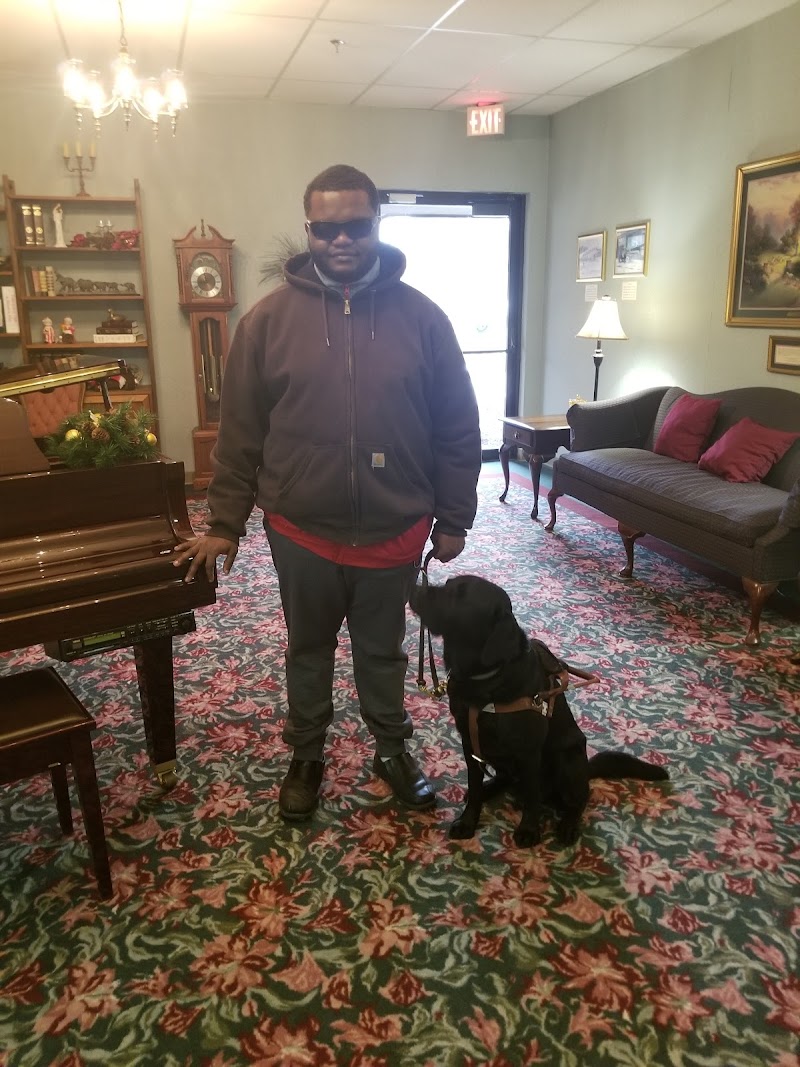
How is New Dawn Rehabilitation And Healthcare Center Staffed?

CMS rates NEW DAWN REHABILITATION AND HEALTHCARE CENTER's staffing level at 2 out of 5 stars, which is below average compared to other nursing homes. Staff turnover is 74%, which is 27 percentage points above the Ohio average of 46%. High turnover can affect care consistency as new staff learn residents' individual needs.

What Have Inspectors Found at New Dawn Rehabilitation And Healthcare Center?

State health inspectors documented 54 deficiencies at NEW DAWN REHABILITATION AND HEALTHCARE CENTER during 2021 to 2025. These included: 54 with potential for harm. While no single deficiency reached the most serious levels, the total volume warrants attention from prospective families.

Who Owns and Operates New Dawn Rehabilitation And Healthcare Center?

NEW DAWN REHABILITATION AND HEALTHCARE CENTER is owned by a for-profit company. For-profit facilities operate as businesses with obligations to shareholders or private owners. The facility is operated by DAVID OBERLANDER, a chain that manages multiple nursing homes. With 98 certified beds and approximately 71 residents (about 72% occupancy), it is a smaller facility located in DOVER, Ohio.

How Does New Dawn Rehabilitation And Healthcare Center Compare to Other Ohio Nursing Homes?

Compared to the 100 nursing homes in Ohio, NEW DAWN REHABILITATION AND HEALTHCARE CENTER's overall rating (1 stars) is below the state average of 3.2, staff turnover (74%) is significantly higher than the state average of 46%, and health inspection rating (1 stars) is much below the national benchmark.

What Should Families Ask When Visiting New Dawn Rehabilitation And Healthcare Center?

Based on this facility's data, families visiting should ask: "How do you ensure continuity of care given staff turnover, and what is your staff retention strategy?" "Can you walk me through typical staffing levels on day, evening, and night shifts?" "Can I visit during a mealtime to observe dining assistance and food quality?" "How do you handle medical emergencies, and what is your hospital transfer rate?" These questions are particularly relevant given the facility's high staff turnover rate and the below-average staffing rating.

Is New Dawn Rehabilitation And Healthcare Center Safe?

Based on CMS inspection data, NEW DAWN REHABILITATION AND HEALTHCARE CENTER has a clean safety record: no substantiated abuse findings (meaning no confirmed cases of resident harm), no Immediate Jeopardy citations (the most serious violation level indicating risk of serious injury or death), and is not on the Special Focus Facility watch list (a federal program monitoring the lowest-performing 1% of nursing homes). The facility has a 1-star overall rating and ranks #100 of 100 nursing homes in Ohio. While no facility is perfect, families should still ask about staff-to-resident ratios and recent inspection results during their visit.

Do Nurses at New Dawn Rehabilitation And Healthcare Center Stick Around?

Staff turnover at NEW DAWN REHABILITATION AND HEALTHCARE CENTER is high. At 74%, the facility is 27 percentage points above the Ohio average of 46%. High turnover means new staff may not know residents' individual needs, medications, or preferences. It can also be disorienting for residents, especially those with dementia who rely on familiar faces. Families should ask: What is causing the turnover? What retention programs are in place? How do you ensure care continuity during staff transitions?

Was New Dawn Rehabilitation And Healthcare Center Ever Fined?

NEW DAWN REHABILITATION AND HEALTHCARE CENTER has no federal fines on record. CMS issues fines when nursing homes fail to meet care standards or don't correct problems found during inspections. The absence of fines suggests the facility has either maintained compliance or corrected any issues before penalties were assessed. This is a positive indicator, though families should still review recent inspection reports for the full picture.

Is New Dawn Rehabilitation And Healthcare Center on Any Federal Watch List?

NEW DAWN REHABILITATION AND HEALTHCARE CENTER is not on any federal watch list. The most significant is the Special Focus Facility (SFF) program, which identifies the bottom 1% of nursing homes nationally based on persistent, serious quality problems. Not being on this list means the facility has avoided the pattern of deficiencies that triggers enhanced federal oversight. This is a positive indicator, though families should still review the facility's inspection history directly.