THE CONVALARIUM OF DUBLIN
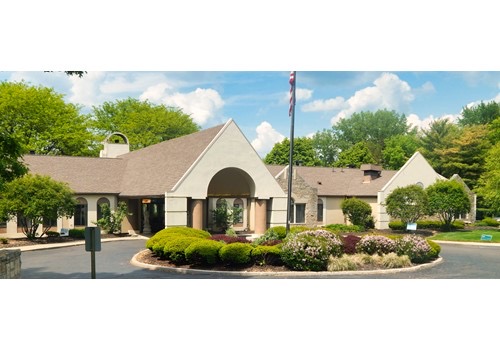
6430 POST RD, DUBLIN, OH 43016 (614) 981-4436
For profit - Limited Liability company 90 Beds LIONSTONE CARE Data: November 2025
Trust Grade
10/100
#904 of 913 in OH
Last Inspection: November 2024

Within standard 12-15 month inspection cycle. Federal law requires annual inspections.

Overview

The Convalarium of Dublin has received a Trust Grade of F, indicating poor performance with significant concerns about resident care. It ranks #904 out of 913 facilities in Ohio, placing it in the bottom half, and #55 out of 56 in Franklin County, meaning there is only one local option that performs worse. While the facility is trending towards improvement, having decreased issues from 29 in 2024 to just 1 in 2025, it still faces serious staffing challenges, with a turnover rate of 64%, significantly higher than the state average of 49%. The facility has been fined a concerning total of $94,769, which is higher than 91% of other Ohio facilities, reflecting ongoing compliance issues. Although it benefits from good RN coverage, which is better than 94% of facilities, there have been serious incidents, including a resident falling and sustaining a subdural hematoma due to inadequate supervision and another who experienced a medication error resulting in hospitalization. Families should weigh these strengths and weaknesses carefully when considering care options.

Trust Score
F
10/100
In Ohio
#904/913
Bottom 1%
Safety Record
High Risk
Review needed
Inspections
Getting Better
29 → 1 violations
Staff Stability
⚠ Watch
64% turnover. Above average. Higher turnover means staff may not know residents' routines.
Penalties
✓ Good
$94,769 in fines. Lower than most Ohio facilities. Relatively clean record.
Skilled Nurses
✓ Good
Each resident gets 67 minutes of Registered Nurse (RN) attention daily — more than 97% of Ohio nursing homes. RNs are the most trained staff who catch health problems before they become serious.
Violations
⚠ Watch
61 deficiencies on record. Higher than average. Multiple issues found across inspections.
★☆☆☆☆
1.0
Overall Rating
★★☆☆☆
2.0
Staff Levels
★★★★☆
4.0
Care Quality
★☆☆☆☆
1.0
Inspection Score
Stable
2024: 29 issues
2025: 1 issues

The Good

  • 4-Star Quality Measures · Strong clinical quality outcomes
  • Full Sprinkler Coverage · Fire safety systems throughout facility
  • No fines on record

Facility shows strength in quality measures, fire safety.

The Bad

1-Star Overall Rating

Below Ohio average (3.2)

Significant quality concerns identified by CMS

Staff Turnover: 64%

18pts above Ohio avg (46%)

Frequent staff changes - ask about care continuity

Federal Fines: $94,769

Well above median ($33,413)

Moderate penalties - review what triggered them

Chain: LIONSTONE CARE

Part of a multi-facility chain

Ask about local staffing decisions and management

Staff turnover is elevated (64%)

16 points above Ohio average of 48%

The Ugly 61 deficiencies on record

3 actual harm
Feb 2025 1 deficiency
CONCERN (F) 📢 Someone Reported This

A family member, employee, or ombudsman was alarmed enough to file a formal complaint

Potential for Harm - no one hurt, but risky conditions existed

Infection Control (Tag F0880)

Could have caused harm · This affected most or all residents

**NOTE- TERMS IN BRACKETS HAVE BEEN EDITED TO PROTECT CONFIDENTIALITY** Based on observation, medical record review, resident and staff interview, review of facility's infection control surveillance l...

Read full inspector narrative →
**NOTE- TERMS IN BRACKETS HAVE BEEN EDITED TO PROTECT CONFIDENTIALITY** Based on observation, medical record review, resident and staff interview, review of facility's infection control surveillance log, and review of the Centers for Disease Control and Prevention (CDC) website, the facility failed to ensure proper personal protective equipment (PPE) was available for staff providing care for a resident (#24) with COVID-19 infection. Additionally, the facility failed to ensure a resident (#25) with known exposure to a COVID-19 resident followed appropriate guidance and physician orders to prevent potential spread of the virus. This had the potential to affect all 83 residents residing in the facility. The census was 83. Findings include: 1. Review of the medical record for Resident #24 revealed an admission date of 12/15/24. Diagnoses included chronic obstructive pulmonary disease, chronic respiratory failure, type II diabetes mellitus, and pneumonia. Review of the Minimum Data Set (MDS) assessment dated [DATE] revealed Resident #24 was cognitively intact required limited assistance with activities of daily living (ADLs). Review of a nursing progress note dated 02/04/25 revealed Resident #24 was transferred to the hospital due to shortness of breath. While in the hospital on [DATE] she tested positive for COVID-19. Resident #24 returned to the facility on [DATE] and was placed in isolation. The resident had a roommate who was relocated to a private room due to being exposed to Resident #24. Review of a physician order dated 02/05/25 revealed Resident #24 was ordered single room isolation, airborne, droplet, or contact with all services provided in the room through the duration of isolation every shift. 2. Review of the medical record for Resident # 25 revealed an admission date of 03/31/23. Diagnoses included end stage renal disease, hypertension, congestive heart failure, and cirrhosis of liver. Resident #25 was noted to share a room with Resident #24. Review of the MDS assessment dated [DATE] revealed Resident #25 was cognitively intact and required limited assistance with ADLs. Review of Resident #25's active physician orders revealed an order written on 02/05/25 for the resident to be in COVID-19 exposure isolation every shift for COVID positive for 10 days and re-evaluate on the tenth day to determine if the resident met criteria to discontinue isolation on the eleventh day. The order had an end date of 02/15/25. Review of a nursing progress note revealed Resident #25 agreed to change his room on 02/05/25 at 1:12 P.M. and on 02/06/25 at 12:06 P.M. Resident #25 was unhappy in a private room under isolation and the facility moved him back into the same room as Resident #24. Interview with the Director of Nursing (DON) on 02/11/25 at 11:00 A.M. revealed Resident #25 refused to stay in an isolated private room and demanded he move back into his old room with Resident #24. Resident #25 refused to believe he would contract COVID-19 even after being provided education. Resident #24 agreed to have Resident #25 move back into her room. Observation and interview on 02/11/25 at 12:15 P.M., revealed a bin of personal protective equipment (PPE) was located outside of Resident #24 and Resident #25's room. The bin included gloves, gowns, shoe covers, and N-95 face masks, but contained no PPE to offer eye protection. Interview with Licensed Practical Nurse (LPN) #100 during the observation confirmed the PPE bin contained no eye protection for staff entering the room. Interview and observation at 12:20 P.M. with Resident #24 revealed her roommate (Resident #25) was not currently in the room and explained he was out in the lobby. Observation of the dining room for lunch on 02/11/25 from 12:45 P.M. to 1:25 P.M. revealed Resident #10, Resident #12, Resident #14, Resident #16, Resident #20, Resident #25, Resident #45, Resident #50, and Resident #52 were all in the dining room having lunch together. Further observation revealed Resident #25 was not wearing a mask. Interview with Resident #16 on 02/11/25 at 1:30 P.M. confirmed Resident #25 went to the dining room for each meal and frequently sat in the lobby visiting with staff and residents throughout the day. Resident #16 confirmed Resident #25 does not wear a mask. Interview with LPN #100 on 02/11/25 at 1:30 P.M. confirmed Resident #25 frequently leaves his room and remains in common areas with other residents without wearing a face mask. Interview with the Director of Nursing (DON) on 02/11/25 at 2:00 P.M. confirmed the facility followed the Centers for Disease Control and Prevention (CDC) guidelines when a resident or staff member was positive for COVID-19. The DON confirmed the facility had a sign on the entrance doors of the facility notifying the public they had a COVID-19 positive case in the facility; however, they did not notify the residents and or their representatives that someone in the facility tested positive for COVID-19. The DON stated they do not require the residents to wear masks, however, all employees during outbreak must wear a surgical mask. Interview on 02/11/25 at 2:00 P.M. with Dietary Supervisor #500 stated Resident #25 went to the dining room daily and does not wear a face mask. Review of the infection control surveillance log from 11/01/24 to 02/11/25 revealed Resident #24 was the only resident who tested positive for COVID-19 during that time frame. Review of the CDC website at https://www.cdc.gov/covid/hcp/infection-control/?CDC_AAref_Val=https://www.cdc.gov/coronavirus/2019-ncov/hcp/infection-control-recommendations.html revealed infection control guidance related to SARS-CoV-2 (COVID-19) dated 06/24/24. Review of the guidance revealed healthcare personnel (HCP) who enter the room of a patient with suspected or confirmed SARS-CoV-2 infection should adhere to standard precautions and use a National Institute for Occupational Safety and Health (NIOSH) approved particulate respirator with N95 filters or higher, gown, gloves, and eye protection (i.e., goggles or a face shield that covers the front and sides of the face). Ideally, residents with suspected or confirmed SARS-CoV-2 infection should be placed in a single-person room and if limited single rooms are available, or if numerous residents are simultaneously identified to have known SARS-CoV-2 exposures or symptoms concerning for COVID-19, residents should remain in their current location. If cohorting, only patients with the same respiratory pathogen should be housed in the same room. Limit transport and movement of the patient outside of the room to medically essential purposes. Source control refers to use of respirators or well-fitting facemasks or cloth masks to cover a person's mouth and nose to prevent spread of respiratory secretions when they are breathing, talking, sneezing, or coughing. Source control is recommended for individuals in healthcare settings who have suspected or confirmed SARS-CoV-2 infection or other respiratory infection (e.g., those with runny nose, cough, sneeze); or had close contact (patients and visitors) or a higher-risk exposure (healthcare professionals) with someone with SARS-CoV-2 infection, for 10 days after their exposure. Even when a facility does not require masking for source control, it should allow individuals to use a mask or respirator based on personal preference, informed by their perceived level of risk for infection based on their recent activities (e.g., attending crowded indoor gatherings with poor ventilation) and their potential for developing severe disease if they are exposed. Further review of the CDC website under the section titled, Duration of Empiric Transmission-Based Precautions for Asymptomatic Patients following Close Contact with Someone with SARS-CoV-2 Infection, revealed in general, asymptomatic patients do not require empiric use of Transmission-Based Precautions while being evaluated for SARS-CoV-2 following close contact with someone with SARS-CoV-2 infection. These patients should still wear source control and those who have not recovered from SARS-CoV-2 infection in the prior 30 days should be tested as described in the testing section. Additionally, patients placed in empiric Transmission-Based Precautions based on close contact with someone with SARS-CoV-2 infection should be maintained in Transmission-Based Precautions for the following time periods; patients can be removed from Transmission-Based Precautions after day seven (7) following the exposure (count the day of exposure as day 0) if they do not develop symptoms and all viral testing as described for asymptomatic individuals following close contact is negative. If viral testing is not performed, patients can be removed from Transmission-Based Precautions after day 10 following the exposure (count the day of exposure as day zero) if they do not develop symptoms. This deficiency represents non-compliance investigated under Complaint Number OH00162349.
Nov 2024 9 deficiencies
CONCERN (D)

Potential for Harm - no one hurt, but risky conditions existed

Quality of Care (Tag F0684)

Could have caused harm · This affected 1 resident

**NOTE- TERMS IN BRACKETS HAVE BEEN EDITED TO PROTECT CONFIDENTIALITY** 2. Review of the medical record for Resident #44 revealed an admission date of [DATE] and a re-entry admission date of [DATE]. M...

Read full inspector narrative →
**NOTE- TERMS IN BRACKETS HAVE BEEN EDITED TO PROTECT CONFIDENTIALITY** 2. Review of the medical record for Resident #44 revealed an admission date of [DATE] and a re-entry admission date of [DATE]. Medical diagnoses include chronic obstructive pulmonary disease, morbid obesity due to excess calories, type two diabetes mellitus with diabetic polyneuropathy, and unspecified protein-calorie malnutrition. The resident also had a body mass index (BMI) between 45.0-49.9. Review of Resident #44's Minimum Data Set (MDS) 3.0 assessment revealed a Brief Interview of Mental Status (BIMS) score of 15 indicating the resident was cognitively intact. Review of the physician orders revealed the following orders: • Daily weight monitoring for a weight gain of three pounds in two days or five pounds in one week. Notify the medical director (MD) of gains outside of parameters with a start date of [DATE] and an end date of [DATE]. • Daily weight monitoring for a weight gain of three pounds in two days or five pounds in one week. Notify the medical director (MD) of gains outside of parameters with a start date of [DATE] and an end date of [DATE]. • Daily weight checks starting [DATE] and an end date of [DATE]. • Weekly weight checks every Monday for monitoring with a start date of [DATE] and an end date of [DATE]. • Weekly weight checks every day shift on Tuesdays with a start date of [DATE]. Review of the weight checks revealed the following dates were outside of the parameters with no notification to the MD: - [DATE] 229.8 pounds - [DATE] 233.2 pounds for a weight gain of 3.4 pounds in one day - [DATE] 236.8 pounds - [DATE] 239.9 pounds for a weight gain of 3.1 pounds in one day Additionally, review of the weight checks revealed the following dates for weight monitoring were missing: [DATE]-[DATE], [DATE]-[DATE], [DATE], [DATE]-[DATE], [DATE]-[DATE], [DATE]-[DATE], [DATE], [DATE], [DATE]-[DATE], [DATE], [DATE]-[DATE], [DATE]-[DATE], [DATE]-[DATE], [DATE]-[DATE], [DATE]-[DATE], [DATE], [DATE]-[DATE], [DATE], [DATE]-[DATE], [DATE]-[DATE], [DATE], [DATE] (completed on [DATE] instead), [DATE], [DATE], [DATE], [DATE], [DATE], [DATE]. Review of the progress notes for Resident #44 revealed there were no notes regarding the weight gains outside of parameters or notification to the MD or notes regarding the resident refusing weights on the dates that are missing. Interview on [DATE] at 2:23 P.M. with the Director of Nursing (DON) confirmed daily and weekly weights were not followed and stated if there were any refusals the staff should be documenting in the progress notes. Interview on [DATE] at 3:52 P.M. with the DON confirmed there was no documentation regarding why the weight checks were not followed according to the physicians orders. Based on medical record review and staff interview, the facility failed to follow resident code status orders. This affected one (Resident #90) of one resident reviewed for code status. Also, the facility failed to follow physician orders regarding resident weight status. This affected one (Resident #44) of five residents reviewed for nutritional orders. The census was 79. Findings include: 1. Resident #90 was admitted to the facility on [DATE]. Her diagnoses were congestive heart failure, muscle weakness, chronic respiratory failure, acute pulmonary edema, asthma, morbid obesity, atrial fibrillation, hypertension, anxiety disorder, insomnia, depression, hypothyroidism, osteoarthritis, and obstructive sleep apnea. Review of her Minimum Data Set (MDS) assessment dated [DATE] revealed she was cognitively intact. Review of Resident #90's physician orders and code status form found she had a code status of Do Not Resuscitate (DNR) Comfort Care Arrest (CCA). Review of Resident #90's progress notes dated [DATE] revealed staff entered her room at approximately 11:10 P.M. and found there was no response from the resident when staff called out. A carotid pulse was found when checked, but Resident #90 was still unresponsive. At that time, staff started Cardiopulmonary Resuscitation (CPR), until the paramedics arrived, then it was discovered that the patient had a DNR-CCA order. CPR was ceased at that point and Resident #90 expired. Interview with Registered Nurse (RN) #139 and RN #141 on [DATE] at 9:25 A.M. and 9:33 A.M. confirmed they are to check code status before performing CPR. They can find code status in the electronic record and they have a hard copy at the nurse's station too. Interview with the Director of Nursing (DON) on [DATE] at 9:42 A.M. and 9:48 A.M. confirmed CPR was performed on Resident #90, who had a code status of DNR-CCA.
CONCERN (D)

Potential for Harm - no one hurt, but risky conditions existed

Pressure Ulcer Prevention (Tag F0686)

Could have caused harm · This affected 1 resident

**NOTE- TERMS IN BRACKETS HAVE BEEN EDITED TO PROTECT CONFIDENTIALITY** Based on resident medical record review, interviews with staff, and review of facility policy, the facility failed to provide pr...

Read full inspector narrative →
**NOTE- TERMS IN BRACKETS HAVE BEEN EDITED TO PROTECT CONFIDENTIALITY** Based on resident medical record review, interviews with staff, and review of facility policy, the facility failed to provide proper wound monitoring for Resident #61. This affected one resident (#61) out of five residents reviewed for wound care. The facility census was 79 residents. Findings include: Resident #61 was admitted on [DATE] with diagnoses that included chronic respiratory failure, protein calorie malnutrition, paraplegia, disease of spinal cord, tracheostomy, and person injured in a motor vehicle accident. Review of Resident #61's Minimum Data Set (MDS) assessment dated [DATE] revealed that resident had four stage four pressure ulcers, all of which were present upon admission to the facility. Review of Resident #61's medical record revealed the resident was seen by the wound care nurse and wound nurse practitioner on 09/18/24 and measurements of his wounds were recorded. On 09/24/24, Resident #61 had a brief hospitalization and he was readmitted to the facility on [DATE]. On 09/25/24, Resident #61's wounds were not measured. The wound nurse attempted to see Resident #61 on 10/02/24, but he was unable to be seen, as he was out to an appointment. On 10/04/24, Resident #61 had a brief hospitalization and he was readmitted to the facility on [DATE]. On the clinical nursing assessment dated [DATE], it was noted the resident had multiple skin issues with treatments completed, but wounds were not measured. On 10/09/24, Resident #61's weekly wound assessment stated, See the hospital wound care notes. Measurements and area taken from these notes. On 10/16/24, Resident #61's wounds were visualized, measured, and recorded by the wound care nurse. The resident did not suffer any adverse outcome from the lack of wound monitoring, but had the potential to suffer an adverse outcome after not having a wound specialist visualize his wounds in the facility for twenty-eight days. An interview with Registered Nurse (RN) #142 on 11/26/24 at 10:31 A.M. confirmed that neither she nor the wound nurse practioner saw Resident #61's wounds from the time frame between 09/18/24 and 10/16/24. An interview with the Director of Nursing (DON) on 11/27/24 at 1:31 PM revealed that she would expect a resident with pressure ulcers to be assessed and monitored by the wound nurse or wound specialist on a weekly basis. Interview with the DON confirmed that the wounds were not measured upon readmission on [DATE] and 10/05/24. Review of a facility policy titled, Pressure Injury Risk Assessment last reviewed on 08/2023 revealed that a complete head to toe skin check would be completed by a licensed nurse upon admission and readmission.
CONCERN (D)

Potential for Harm - no one hurt, but risky conditions existed

Pharmacy Services (Tag F0755)

Could have caused harm · This affected 1 resident

Based on observations, staff interview, and review of the facility policy, the facility failed to ensure medications were not left at bedside. This affected one resident (#55) of one resident observed...

Read full inspector narrative →
Based on observations, staff interview, and review of the facility policy, the facility failed to ensure medications were not left at bedside. This affected one resident (#55) of one resident observed for medications left at bedside. The census was 79. Findings include: Review of medical record for Resident #55 revealed an admission date of 02/14/20. The resident was admitted with diagnosis of acute and chronic respiratory failure. Observation on 11/27/24 at 8:50 A.M. upon entering Resident #55's room, revealed the resident was asleep with bipap upon his face. The nightstand beside the bed had a pill cup with eight tablets of medications. There was not a nurse in the room at this time. There was a certified nurse aide who came into the room with his breakfast tray and the resident removed the bipap then grabbed at the pill cup to take them. The resident stated they were the pills from the night time. This surveyor asked the resident to wait until the nurse could come to the room to verify the medications. Interview with Licensed Practical Nurse (LPN) #187 on 11/27/24 verified the medications were left on the resident's nightstand from the night shift nurse. The medications were from the 6:00 A.M. medication pass. Review of the undated medication storage policy revealed medication will be stored in a manner the integrity of the product ensures the safety of the residents.
CONCERN (D)

Potential for Harm - no one hurt, but risky conditions existed

Unnecessary Medications (Tag F0759)

Could have caused harm · This affected 1 resident

**NOTE- TERMS IN BRACKETS HAVE BEEN EDITED TO PROTECT CONFIDENTIALITY** Based on observation, staff interview, and review of the facility policy, the facility failed to prevent a medication error rate...

Read full inspector narrative →
**NOTE- TERMS IN BRACKETS HAVE BEEN EDITED TO PROTECT CONFIDENTIALITY** Based on observation, staff interview, and review of the facility policy, the facility failed to prevent a medication error rate of less than five percent. There were two medication errors out of 25 opportunities, resulting in an eight percent error rate. This affected one (Resident #20) of six residents observed for medication administration. The census was 79. Findings include: Review of the medical record revealed Resident #20 was admitted on [DATE]. Review of the physician orders dated 07/17/24 for Resident # 20 revealed an order for Tylenol 325 milligrams (mg), give two tablets every six hours for general discomfort and an order dated 09/30/24 for Morphine Sulfate oral solution 20 mg per 5 milliliters (ml) to give 0.5 mg by mouth four times a day and to give 0.5 ml by mouth every two hours for pain and short of breath. Observation of Licensed Practical Nurse (LPN) #119 on 11/26/24 at 2:15 P.M. revealed LPN #119 prepared medications for Resident # 20 which included Tylenol 500 mg, two tablets and Morphine solution 20 ml per 5 ml, 0.75 mg liquid. The pills were crushed and placed in applesauce. The syringe contained 0.75 mg of Morphine and Tylenol was given by mouth. Interview with LPN #119 on 11/26/24 at 2:15 P.M. explained the resident receives 0.5 mg of Morphine as a routine medications and 0.25 mg which is as needed (PRN) to equal 0.75 ml of Morphine for pain and was written by hospice. Interview with LPN #119 on 11/26/24 at 2:35 P.M. verified the medications which were given; Tylenol 500 mg, two tablets, and Morphine solution 20 ml per 5 ml, to equal 0.75 mg liquid were not the correct medication dose as ordered by the physician. The LPN #119 stated the order must have been changed from what the resident previously was receiving. Review of the facility's policy, Medications Dispensing, undated, revealed all medications will be prepared and administered in a manner consistent with the general requirements outlined in this policy, Including medication inspection to confirm the medication name and dose are correct.
CONCERN (D)

Potential for Harm - no one hurt, but risky conditions existed

Deficiency F0760 (Tag F0760)

Could have caused harm · This affected 1 resident

Based on record review, staff interview, resident interview, and policy review, the facility failed to prevent significant medication errors. This affected two (Resident's #44 and #23) of five residen...

Read full inspector narrative →
Based on record review, staff interview, resident interview, and policy review, the facility failed to prevent significant medication errors. This affected two (Resident's #44 and #23) of five residents reviewed for medication administration. The facility census was 79. Findings include: 1. Review of the medical record for Resident #44 revealed an admission date of 05/13/23 and a re-entry admission date of 09/23/24. Medical diagnoses include chronic obstructive pulmonary disease (COPD), morbid obesity due to excess calories, type two diabetes mellitus with diabetic polyneuropathy, and unspecified protein-calorie malnutrition. Review of Resident #44's Minimum Data Set (MDS) 3.0 assessment revealed a Brief Interview of Mental Status (BIMS) score of 15, indicating the resident was cognitively intact. Review of the physician orders for Resident #44 revealed an order for insulin glargine solostar subcutaneous solution pen-injector 100 unit, inject 45 units subcutaneously two times a day related to type two diabetes melluitus with diabetic polyneuropathy with a start date of 09/24/24. Review of the medication administration report (MAR) revealed Resident #44's insulin was not provided on 10/02/24, 10/08/24, 10/12/24, 10/22/24, 11/04/24, and 11/10/24. Review of the vitals tab revealed Resident #44's blood sugars were taken on the dates her insulin was not provided. The following sugars were noted on the missing dates: 10/02/24 259 at 8:53 A.M., 10/08/24 156 at 7:51 A.M., 10/12/24 212 at 10:15 A.M., 10/22/24 302 at 7:50 A.M., 11/04/24 225 at 8:00 A.M., and 11/10/24 297 at 8:49 A.M. Review of the progress notes for Resident #44 revealed there were no notes indicating why Resident #44 missed her insulin on those dates. Interview on 11/26/24 at 2:23 P.M. with the Director of Nursing (DON) verified that any missed doses of insulin should have been documented in the progress notes including why the does was missed. Interview on 1126/24 at 3:52 P.M. with the DON verified that there was no documentation of why the insulin was not administered on the missing dates. 2. Review of the medical record for Resident #23 revealed an admission date on 06/06/23. Medical diagnoses included type two diabetes mellitus without complications, morbid obesity, long term use of insulin, unspecified mood (affective) disorder, and delusional disorders. Review of the current physician orders revealed Resident #23 had an order for Levemir insulin with instructions to inject 29 units subcutaneously at bedtime for diabetes dated 07/25/23. Review of the care plan revised 06/13/24 revealed Resident #23 had potential for unmanaged blood glucose levels and for complications related to type two diabetes mellitus, insulin dependency, and morbid obesity. Interventions included administer medications as ordered. Review of the Medication Administration Record (MAR) dated September 2024 revealed Resident #23 did not receive Levemir insulin on 09/01/24. There was a code of 9 (other-see notes) entered. Review of the Medication Administration Record (MAR) dated November 2024 revealed Resident #54 did not receive Levemir insulin on 11/11/24. There was a code of 9 (other-see notes) entered. Review of the progress notes and electronic MAR (e-MAR) notes revealed there were not any notes entered to explain why Resident #54 did not receive insulin injections on 09/01/24 or 11/11/24. Interview on 11/25/24 at 10:22 A.M. with Resident #54 revealed she did not always receive insulin at night as ordered. The resident reported she did not receive Levemir injection approximately one to two weeks ago because the agency nurse stated there was not any Levemir insulin in stock at the facility. Resident #54 denied having any negative outcomes from the missed dose of insulin. Interview on 11/27/24 at 9:00 A.M. with the Director of Nursing (DON) confirmed Resident #54 did not receive ordered doses of Levemir insulin on 09/01/24 or 11/11/24. The DON confirmed there was no evidence in the medical record to explain why the insulin doses were not received. Review of the facility policy, Medication Dispensing System, undated, revealed the policy stated, medications are administered in a timely fashion as specified by policy. After Medication Administration: document necessary medication administration/treatment information (e.g., when medications are administered, medication injection site, refused medications and reason, prn medications, etc.) on appropriate forms.
CONCERN (D)

Potential for Harm - no one hurt, but risky conditions existed

Infection Control (Tag F0880)

Could have caused harm · This affected 1 resident

**NOTE- TERMS IN BRACKETS HAVE BEEN EDITED TO PROTECT CONFIDENTIALITY** Based on observation, interview, medical record reveiw, and policy review, the facility failed to ensure catheter bags were stor...

Read full inspector narrative →
**NOTE- TERMS IN BRACKETS HAVE BEEN EDITED TO PROTECT CONFIDENTIALITY** Based on observation, interview, medical record reveiw, and policy review, the facility failed to ensure catheter bags were stored in a sanitary manner to prevent infection. This affected one (Resident #20) of one resident observed for catheter storage. Additionally, the facility failed to ensure Enhanced Barrier Precautions (EBP) were in place for Resident #96. This affected one (Resident #96) of one resident observed for EPB. The facility census was 79. Findings include: 1. Resident #20 was admitted on [DATE] with diagnoses including Parkinsonism, neuromuscular dysfunction of bladder, personal history of malignant neoplasm of prostate, and muscle weakness. Review of the Minimum Data Set (MDS) assessment dated [DATE] revealed that resident had an indwelling catheter. Review of Resident #20's orders dated 06/17/24 revealed that Resident #20 had scheduled catheter and foley care monitoring on every shift daily. Observation of Resident #20 on 11/26/24 from 6:59 A.M. until 7:16 A.M. revealed that his catheter bag was laying flat against the floor under his bed. Interview with Licensed Practical Nurse (LPN) #119 on 11/26/24 at 7:16 A.M. revealed that Resident #20's catheter bag was laying flat against the floor under his bed. Review of facility policy reviewed in August 2024 titled, Catheter Care, revealed that the catheter should be secured after catheter care is provided. The drainage tubing and bag should be checked to ensure that the catheter is draining properly. 2. Review of the medical record for Resident #86 revealed an admission date on 08/19/24. Medical diagnoses included malignant neoplasm of larynx, dysphagia-oropharyngeal phase, and malignant neoplasm of head, face, and neck. Review of the MDS assessment dated [DATE] revealed Resident #86 had intact cognition. Resident #86 required assistance from staff to complete Activities of Daily Living (ADLs). Resident #86 had a feeding tube in place. Observations and interviews on 11/25/24 at 2:15 P.M., 11/26/24 at 8:38 A.M., and 11/26/24 at 3:30 P.M. revealed Resident #86 had a peg tube placed in abdominal area. Resident #86 stated staff typically wore a mask and gloves while caring for him but did not wear gowns. There was no sign on Resident #86's door or any available Personal Protective Equipment (PPE) placed near Resident #86's room. There was no evidence Resident #86 had been placed under Enhanced Barrier Precautions (EBP). Review of the physician orders revealed there was no order for Enhanced Barrier Precautions (EBP) in place until 11/26/24, following surveyor intervention. Interview on 11/26/24at 3:35 P.M. with Agency Registered Nurse (ARN) #502 confirmed Resident #86 did not have a sign placed on his door or any PPE placed by his room for EBP. ARN #502 confirmed EBP should be utilized for a resident who had any openings, like a peg tube. Interview on 11/26/24 at 3:38 P.M. with the Director of Nursing (DON) confirmed Resident #86 had not been placed under EBP due to having a peg tube. The DON confirmed EBP should have been initiated.
CONCERN (E)

Potential for Harm - no one hurt, but risky conditions existed

Food Safety (Tag F0812)

Could have caused harm · This affected multiple residents

Based on observations, staff interviews, and review of facility policies and procedures, the facility failed to maintain sanitary food storage and preparation conditions. This had the potential to aff...

Read full inspector narrative →
Based on observations, staff interviews, and review of facility policies and procedures, the facility failed to maintain sanitary food storage and preparation conditions. This had the potential to affect 55 residents who ate food prepared from the facility. The facility census was 79. Findings include: Observation of the kitchen walk in refrigerator on 11/25/24 at 8:38 A.M. revealed that a container that appeared to contain de-stemmed grapes, a container that appeared to contain shredded lettuce and a container that contained a small diced yellow fruit were unlabeled and undated on the refrigerator shelves. Interview on 11/25/24 at 8:38 A.M. with Dietary Manager #235 confirmed that three containers of food in the walk in refrigerator were unlabeled and undated. Dietary Manager #235 was unable to verify when the food items were initially opened. Observation on 11/25/24 at 8:43 A.M. revealed that there was approximately one inch thick of ice and snow like frost build up on the bottom left freezer when the walk in freezer door was opened. There were boxes of food with ice and frost on them. The door frame was observed to have ice build up on the door frame near the seal. Interview on 11/25/24 at 8:43 A.M. with Dietary Manager #235 confirmed that there was visible ice and snow build up on food products in the walk in freezer and ice build up on the freezer door frame. Observation on 11/26/24 at 11:04 A.M. revealed that two ceiling vents were covered in a brown and black fuzz. The dirty ceiling vents were over a food preparation area. Interview on 11/26/24 at 11:04 A.M. with Dietary Manager #235 confirmed the presence of a brown and black fuzzy substance on the ceiling vents located over the food preparation area. Review of a 2023 policy titled, Food Storage, revealed that food will be stored in an area that is clean, dry and free from contaminants. Food will be stored at appropriate temperatures and by methods designed to prevent contamination or cross contamination. All containers or storage bags must be legible and accurately labeled and dated. Racks and other storage surfaces should be clean and protected from splashes, overhead pipes or other contaminations (ceiling sprinklers, sewer/waste disposal pipes, vents, etc.) All foods should be covered, labeled and routinely monitored to assure that foods will be consumed by their use by dates. \
CONCERN (E)

Potential for Harm - no one hurt, but risky conditions existed

Deficiency F0883 (Tag F0883)

Could have caused harm · This affected multiple residents

Based on record review, review of immunization records, staff interview, and facility policy review, the facility failed to educate residents on the risks and benefits and/or offer influenza vaccinati...

Read full inspector narrative →
Based on record review, review of immunization records, staff interview, and facility policy review, the facility failed to educate residents on the risks and benefits and/or offer influenza vaccinations to residents as required. This affected five (Residents #42, #44, #61, #72, and #89) of five reviewed for immunizations. The facility census was 79. Findings Include: 1. Review of the medical record for Resident #42 revealed an admission date on 10/29/24. Medical diagnoses included encephalopathy, acute and chronic respiratory failure with hypoxia, type II Diabetes Mellitus with hyperglycemia, and morbid obesity. Review of immunization records revealed Resident #42 received the influenza (flu) immunization on 11/23/22. There was no further evidence Resident #42 had been offered the vaccination since admission. There was no evidence Resident #42 had been educated on the risks and benefits of receiving the flu vaccination. 2. Review of the medical record for Resident #44 revealed an initial admission date on 05/13/23 and a readmission date on 09/23/24. Medical diagnoses included idiopathic aseptic necrosis of right hand, chronic obstructive pulmonary disease, type II Diabetes Mellitus with polyneuropathy, and morbid obesity. Review of immunization records revealed Resident #44 received the flu vaccination on 11/08/23. There was no evidence Resident #44 had been offered the flu vaccination in 2024. There was no evidence Resident #44 had been educated on the risks and benefits of receiving the flu vaccination. 3. Review of the medical record for Resident #61 revealed an initial admission date on 09/16/22 and a readmission date on 11/19/24. Medical diagnoses included chronic respiratory failure with hypoxia, resistance to carbapenem, tracheostomy status, paraplegia, disease of spinal cord, colostomy status, pressure ulcer of right lower back stage IV, pressure ulcer of sacral region stage IV, pressure ulcer of other site stage IV, pressure ulcer of left lower back stage IV, and anal fistula. Review of immunization records revealed Resident #61 refused the flu vaccination. However, there was no date indicated on the Influenza Vaccine Consent Form. Resident #61's signature or a representative's signature was not present on the form. There was no evidence Resident #61 and/or the resident's representative had been educated on the risks and benefits of the flu vaccination. 4. Review of the medical record for Resident #72 revealed an initial admission date on 03/16/23 and a readmission date on 08/09/24. Medical diagnoses included anoxic brain damage, resistance to carbapenem, protein-calorie malnutrition, epilepsy, tracheostomy status, gastrostomy status, and dependence on respirator (ventilator) status. Review of immunization records revealed Resident #72 received the flu vaccination on 11/08/23. There was no evidence the flu vaccination had been offered to the resident or resident representative in 2024. There was no evidence Resident #72 and/or the resident representative had been educated on the risks and benefits of the flu vaccination. 5. Review of the medical record for Resident #89 revealed an admission date on 10/30/24. Medical diagnoses included encephalopathy, chronic respiratory failure, morbid obesity, and simple chronic bronchitis. Review of the immunization records revealed Resident #89 received the flu vaccination on 12/09/22. There was no evidence Resident #89 or the resident's representative had been offered the flu vaccination since admission. There was no evidence Resident #89 and/or the resident's representative had been educated on the risk and benefits of the flu vaccination. Interview on 11/27/24 at 11:23 A.M. with the Director of Nursing (DON) confirmed the above findings. The DON confirmed deficiencies with vaccinations of residents had been identified and she had planned to start obtaining consents from residents next week. The DON stated, I know we aren't where we are supposed to be with them. Review of the facility policy, Influenza and Pneumococcal Disease Prevention, dated 01/31/22, revealed the policy stated, residents, regardless of stay, should be offered the seasonal influenza vaccine. Influenza immunizations are offered to all residents and facility personnel according to the time period provided by the Centers for Disease Control and Prevention (CDC). Before offering the immunization, nursing facility personnel and each resident or the resident's legal representative receive education regarding the benefits and potential side effects of the immunization. Documentation that the resident and/or resident's legal representative was provided education regarding the benefits and potential side effects of the influenza and/or pneumococcal immunization, documentation of any refusals to be vaccinated, and documentation that the resident either received the influenza and/or pneumococcal immunization or did not receive it, is kept in the resident's medical record.
CONCERN (E)

Potential for Harm - no one hurt, but risky conditions existed

Deficiency F0887 (Tag F0887)

Could have caused harm · This affected multiple residents

Based on record review, review of immunization records, staff interview, and facility policy review, the facility failed to educate on the risks and benefits and/or offer COVID-19 vaccinations to resi...

Read full inspector narrative →
Based on record review, review of immunization records, staff interview, and facility policy review, the facility failed to educate on the risks and benefits and/or offer COVID-19 vaccinations to residents as required. This affected five (Residents #42, #44, #61, #72, and #89) of five reviewed for immunizations. The facility census was 79. Findings include: 1. Review of the medical record for Resident #42 revealed an admission date on 10/29/24. Medical diagnoses included encephalopathy, acute and chronic respiratory failure with hypoxia, type II Diabetes Mellitus with hyperglycemia, and morbid obesity. Review of immunization records revealed Resident #42 received COVID-19 vaccinations on 03/04/21, 04/01/21, and 11/10/21. There was no evidence Resident #42 and/or the resident's representative was educated on the COVID-19 vaccination upon admission. There was no evidence the COVID-19 vaccination was offered to Resident #42 or the resident's representative upon admission. 2. Review of the medical record for Resident #44 revealed an initial admission date on 05/13/23 and a readmission date on 09/23/24. Medical diagnoses included idiopathic aseptic necrosis of right hand, chronic obstructive pulmonary disease, type II Diabetes Mellitus with polyneuropathy, and morbid obesity. Review of immunization records revealed Resident #44 refused the COVID-19 booster vaccination. There was no date indicated in the medical record of when the vaccination was refused. There was no evidence in the medical record Resident #44 and/or the resident's representative received education on the risks and benefits of the vaccination in 2023 or 2024. There was no evidence Resident #44 was offered the COVID-19 vaccination in 2023 or 2024. 3. Review of the medical record for Resident #61 revealed an initial admission date on 09/16/22 and a readmission date on 11/19/24. Medical diagnoses included chronic respiratory failure with hypoxia, resistance to carbapenem, tracheostomy status, paraplegia, disease of spinal cord, colostomy status, pressure ulcer of right lower back stage IV, pressure ulcer of sacral region stage IV, pressure ulcer of other site stage IV, pressure ulcer of left lower back stage IV, and anal fistula. Review of immunization records revealed Resident #61 revealed there was no evidence the resident had received any COVID-19 vaccinations. There was no evidence in the medical record Resident #61 and/or the resident's representative refused the vaccination. There was no evidence Resident #61 and/or the resident's representative had been educated on the risks and benefits of the COVID-19 vaccination. There was no evidence the COVID-19 vaccination had been offered to Resident #61 and/or the resident's representative in 2023 or 2024. 4. Review of the medical record for Resident #72 revealed an initial admission date on 03/16/23 and a readmission date on 08/09/24. Medical diagnoses included anoxic brain damage, resistance to carbapenem, protein-calorie malnutrition, epilepsy, tracheostomy status, gastrostomy status, and dependence on respirator (ventilator) status. Review of immunization records revealed Resident #72 refused the COVID-19 vaccine booster, however, there was no date indicated. There was no evidence in the medical record of Resident #72 and/or the resident's representative refusing the vaccination. There was no evidence in the medical record Resident #72 and/or the resident's representative was educated on the risks and benefits of the COVID-19 vaccination. There was no evidence the COVID-19 vaccination was offered to Resident #72 and/or the resident's representative in 2023 or 2024. 5. Review of the medical record for Resident #89 revealed an admission date on 10/30/24. Medical diagnoses included encephalopathy, chronic respiratory failure, morbid obesity, and simple chronic bronchitis. Review of the immunization records revealed Resident #89 received COVID-19 vaccinations on 06/30/21, 12/29/21, and 12/09/22. There was no evidence in the medical record Resident #89 and/or the resident's representative had been educated on the risks and benefits of the COVID-19 vaccine since admission. There was no evidence Resident #89 and/or the resident's representative were offered the COVID-19 vaccine since admission. Interview on 11/27/24 at 11:23 A.M. with the Director of Nursing (DON) confirmed the above findings. The DON confirmed deficiencies with vaccinations of residents had been identified and she had planned to start obtaining consents from residents next week. The DON stated, I know we aren't where we are supposed to be with them. A facility policy related to COVID-19 vaccination was requested at the time of the survey, however, a policy was not provided for review.
Oct 2024 1 deficiency
CONCERN (D) 📢 Someone Reported This

A family member, employee, or ombudsman was alarmed enough to file a formal complaint

Potential for Harm - no one hurt, but risky conditions existed

Notification of Changes (Tag F0580)

Could have caused harm · This affected 1 resident

Based on record review, review of facility policy, and staff interview, the facility failed to notify Resident #21's family of a resident's fall in a timely manner. This affected one (Resident #21) of...

Read full inspector narrative →
Based on record review, review of facility policy, and staff interview, the facility failed to notify Resident #21's family of a resident's fall in a timely manner. This affected one (Resident #21) of three residents reviewed for family notification. The facility census was 83. Findings include: Review of the medical record for Resident #21 revealed an admission date of 08/15/23 with diagnoses of Parkinson's disease without dyskinesia, muscle weakness, and vascular dementia. Review of the Minimum Data Set (MDS) 3.0 assessment completed 09/26/24 revealed Resident #21 was cognitively intact. Review of Resident #21's General Durable Power of Attorney (POA) form dated 04/20/23 revealed the resident's wife was the POA for healthcare and listed in the medical record as emergency contact number one. Review of the Resident Preferences Evaluation dated 08/26/24 revealed It is very important for the resident to have their family or a close friend involved in discussions about their care. Review of the incident report dated 09/28/24 revealed Resident #21 was exiting the restroom when he slid down to the floor, landing on his bottom. An assessment completed post-fall revealed he was alert and oriented to person, with no injuries found. The report revealed the physician was notified on 09/28/24 at 1:57 A.M., and the spouse was notified on 09/28/24 at 4:36 P.M. Review of the progress notes dated 09/28/24 revealed Resident #21 slid down to the floor while in the restroom with no injury. The medical record did not have evidence that the POA/family were notified of the fall. The progress note dated 09/28/24 at 5:15 P.M. revealed Resident #2's POA was contacted regarding the resident's fall, which occurred approximately 15 hours after the incident. Interview on 10/09/24 at 11:30 A.M. with Registered Nurse (RN) #900 confirmed Resident #21's family/POA was not notified timely after the fall. RN #900 confirmed this nurse observed the fall however did not notify the family immediately after stabilizing the resident and informing the doctor. Interview on 10/09/24 at 1:32 P.M. with RN #999 confirmed family members should be notified as soon as practicable of a resident's fall. Interview on 10/09/24 at 1:58 P.M. with the Administrator, Director of Nursing, and Regional Director of Clinical Operations #1 confirmed family members should be notified immediately after a resident's fall. Review of the facility's undated policy titled Notification of Change revealed the facility is required to inform the resident's legal representative or an interested family member when there is an accident involving the resident that results in injury and has the potential for requiring physician intervention. It is noted that all family notifications need to be placed in the medical record. This deficiency represents non-compliance investigated under Complaint Number OH00158617.
Sept 2024 2 deficiencies
CONCERN (D) 📢 Someone Reported This

A family member, employee, or ombudsman was alarmed enough to file a formal complaint

Potential for Harm - no one hurt, but risky conditions existed

Laboratory Services (Tag F0770)

Could have caused harm · This affected 1 resident

Based on record review, review of the facility policy, and staff interview, the facility failed to ensure physician ordered laboratory services for a resident were completed in a timely manner. This a...

Read full inspector narrative →
Based on record review, review of the facility policy, and staff interview, the facility failed to ensure physician ordered laboratory services for a resident were completed in a timely manner. This affected one (Resident #10) of three residents reviewed for laboratory services. The facility census was 88. Findings include: Review of the medical record for Resident #10 revealed an admission date of 10/20/22 with diagnoses including Alzheimer's disease, diabetes Mellitus (DM) and dementia. Review of the Minimum Data Set (MDS) assessment completed 07/18/24 revealed Resident #10 had a memory problem and had a diagnosis of DM. Review of Resident #10's physician orders dated 07/18/24 revealed hemoglobin A1C (HbA1c) (a blood test that measures average blood sugar levels over the past two to three months) and basal metabolic panel (BMP) (checks the body's fluid balance and levels of electrolytes) every six months on the second Wednesday in August and January due to a diagnosis of DM. Review of the physician notes dated 07/18/24 revealed a new order received from certified nurse practitioner for BMP and HbA1c every six months starting in August. The physician note completed 08/09/24 revealed the labs were not completed that were ordered on last visit, will re-order today. Review of the medication administration record (MAR) for Resident #10 revealed a BMP, Complete Blood Count (CBC), and Thyroid Stimulating Hormone (TSH) were ordered and completed on 08/12/24. However, review of laboratory results revealed there were were no labs drawn on 08/12/24 and the BMP and HbA1C was never drawn from 07/18/24 to 09/11/24. Interview on 09/12/24 at 10:02 AM with the Administrator and Director of Nursing (DON) confirmed Resident #10's physician orders for BMP and HbA1C to be drawn on 07/18/24 and 08/09/24 but were never drawn from 07/18/24 to 09/11/24. The Administrator and DON confirmed the CBC and TSH labs were not completed too. The Administrator and DON stated the laboratory company was not sent out to obtain Resident #10's labs. Review of the facilities Physician Orders policy dated 06/09/22 revealed the nurse that takes the physician order will be responsible for executing the order. The nurse should contact laboratory services to execute the order. This was an incidental finding discovered during the course of the complaint investigation.
CONCERN (D) 📢 Someone Reported This

A family member, employee, or ombudsman was alarmed enough to file a formal complaint

Potential for Harm - no one hurt, but risky conditions existed

Infection Control (Tag F0880)

Could have caused harm · This affected 1 resident

Based on observation, review of the facility policy, and staff interview, the facility failed to complete hand hygiene during medication administration to residents in enhanced barrier precautions. Th...

Read full inspector narrative →
Based on observation, review of the facility policy, and staff interview, the facility failed to complete hand hygiene during medication administration to residents in enhanced barrier precautions. This affected two (Resident #24 and #70) of four residents observed for medication administration. The facility census was 88. Findings include: Observation on 09/12/24 at 12:07 P.M. with Licensed Practical Nurse (LPN) #999 revealed prior to preparing medication for Resident #70, hand hygiene was not performed, and gloves were not worn. LPN #999 began preparing Resident #70's medication, directly from the medication card into the medication cup. LPN #999 then returned the medication card to the cart, locked it, and entered Resident #70's room, which had an enhanced barrier sign posted on the door. Resident #70 needed moderate assistance with medication administration, including spoon-feeding the medication with applesauce. Resident #70 took medications without difficulty. Upon exiting, hand hygiene was not performed by LPN #999. Observation on 09/12/24 at 12:15 P.M. with LPN #999 revealed after administering Resident #70's medication, hand hygiene was not performed. LPN #999 unlocked the medication cart and started preparing medications for Resident #24. LPN #999 poured Tylenol from a shared facility bottle into the medication cup and then retrieved a medication card from the medication cart and popped it into the cup. LPN #999 returned the medication card to the cart, locked it, and entered Resident #24's room, which had an enhanced barrier precautions sign posted on the door. LPN #999 gave Resident #24 his medication, which he took without issues. After completing the task, LPN #999 discarded the medication cup in the trash, exited the room without performing hand hygiene, and returned to the medication cart. Interview on 09/12/24 at 12:20 P.M. with LPN #999 confirmed that hand hygiene was not performed as required before and after preparing Resident #70 and #24's medications. Review of the Enhanced Barrier Precautions signage from United States Department of Health and Human Services, undated, revealed everyone must clean their hands, including before entering and when leaving the room. Review of the facilities Infection Control- Isolation/Precautions policy dated 08/2024 revealed staff must perform hand hygiene before and after contact with the resident and after contact with blood, body fluids, visibly contaminated surfaces or after contact with objects in the resident's room. This was an incidental finding discovered during the course of the complaint investigation.
Aug 2024 6 deficiencies
CONCERN (D) 📢 Someone Reported This

A family member, employee, or ombudsman was alarmed enough to file a formal complaint

Potential for Harm - no one hurt, but risky conditions existed

Deficiency F0676 (Tag F0676)

Could have caused harm · This affected 1 resident

**NOTE- TERMS IN BRACKETS HAVE BEEN EDITED TO PROTECT CONFIDENTIALITY** Based on record review, resident interview, and staff interview, review of facility policy, the facility failed to provide sched...

Read full inspector narrative →
**NOTE- TERMS IN BRACKETS HAVE BEEN EDITED TO PROTECT CONFIDENTIALITY** Based on record review, resident interview, and staff interview, review of facility policy, the facility failed to provide scheduled showers/baths for residents. This affected two (#25 and #68) residents out of the five residents reviewed for showers. The current census is 81. Findings include: 1) Review of the medical record for Resident #25, revealed the resident was originally admitted to the facility on [DATE] and had a re-admission on [DATE]. Diagnoses included diabetes, hyperkalemia, hyperglycemia, pressure ulcer wounds, and obesity. Review of Resident #25's Minimum Data Set (MDS) assessment dated [DATE], revealed the resident had intact cognition and required staff assistance with bathing. Review of Resident #25's shower task worksheets completed by State Tested Nursing Assistants (STNAs) from 07/18/24 to 07/31/24 revealed the resident only had one shower documented on 07/29/24. Review of Resident #25's progress notes from 07/18/24 to 07/31/24 revealed no documentation of the resident refusing any care including showers. Interview with Resident #25 on 07/31/24 at 6:55 A.M., revealed he has not been receiving his showers per the schedule. Resident #25 stated he has not refused any bathing care provided to him, and he had requested to have showers on his shower days. Interview with the Director of Nursing (DON) on 07/31/24 at 11:50 A.M., verified Resident #25's task worksheet showed the resident received one shower from 07/18/24 to 07/31/24 and there was no documented evidence Resident #25 had refused any showers. The DON stated Resident #25 was scheduled to receive at least two showers weekly. Interview with STNA #148 on 07/31/24 at 12:05 P.M., revealed the STNAs were required to document all showers given and/or refused on the shower sheets and report any refusals to the nurse. STNA #148 also stated the STNAs were required to document the daily activities of daily living (ADL) care in the residents' electronic medical records. 2) Review of the medical record for Resident #68, revealed the resident was admitted to the facility on [DATE]. Diagnoses included atrial fibrillation (A-fib), diabetes, obesity, and chronic obstructive pulmonary disease (COPD). Review of Resident #68's shower task worksheets from 07/01/24 to 07/31/24 revealed the resident only had one shower documented on 07/30/24. No other showers or refusals were documented in the records. Review of the comprehensive MDS assessment dated [DATE], revealed Resident #68 had intact cognition and required minimal assist for activities of daily living (ADLs). Review of Resident #68's care plans dated 07/08/24, revealed a focus for ADL decline and a need for assistance. Interventions included assisting the resident with ADLs as appropriate. Interview with the DON on 07/30/24 at 3:00 P.M., verified Resident #68's task worksheet showed the resident received one shower on 07/30/24 from 07/01/24 through 07/31/24. The DON stated there was no other documentation showing Resident #68 received any showers other than a refusal noted on the shower sheet dated 07/01/24. The DON stated STNAs were required to document the care given on the shower sheets, in the electronic medical record and then provide the sheets to the nurses. Interview with Resident #68 on 07/31/24 at 12:30 P.M., revealed the resident reported she has only received one shower on 07/30/24. Resident #68 stated she has not refused any bed baths or showers. Resident #68 stated she has requested her showers when they are scheduled. Review of the policy titled, Bathing Policy, dated 08/2021 revealed residents will have the option to choose the type of bathing they prefer and the time of preference.
CONCERN (E) 📢 Someone Reported This

A family member, employee, or ombudsman was alarmed enough to file a formal complaint

Potential for Harm - no one hurt, but risky conditions existed

Menu Adequacy (Tag F0803)

Could have caused harm · This affected multiple residents

Based on observation, staff interview, and policy review, the facility failed to follow the prepared menu. This had the potential to affect all residents who received meals from the kitchen. The facil...

Read full inspector narrative →
Based on observation, staff interview, and policy review, the facility failed to follow the prepared menu. This had the potential to affect all residents who received meals from the kitchen. The facility identified eight (#58, #59, #66, #72, #76, #77, #80, and #83) residents who did not receive meals from the kitchen. The facility census was 81. Findings include: Review of the prepared lunch menu for 07/30/24, revealed chicken Parmesan, cauliflower, garlic toast and tiramisu for dessert. Observation on 07/30/24 at 11:56 A.M., revealed the lunch trays for Unit One, with a test tray on an open cart left the kitchen. The last lunch tray was delivered to a resident at 12:46 P.M. and the test tray was removed. Observation of the resident's tray revealed mixed vegetables instead of cauliflower and there was no garlic bread or a substitute. Observation of the lunch test tray on 07/30/24 at 12:47 P.M., revealed the tray consisted of chicken parmesan, mixed vegetables and tiramisu for dessert. There was no garlic bread or substitute. Interview on 07/30/24 at 2:06 P.M. with Dietary Manager (DM) #140 verified she did not have any cauliflower and so she had to substitute the mixed vegetables. DM #140 verified she missed the garlic toast and did not substitute a bread. This deficiency represents noncompliance investigated under Complaint Number OH00156101.
CONCERN (E) 📢 Someone Reported This

A family member, employee, or ombudsman was alarmed enough to file a formal complaint

Potential for Harm - no one hurt, but risky conditions existed

Deficiency F0809 (Tag F0809)

Could have caused harm · This affected multiple residents

Based on review of mealtimes, staff and resident interviews, the facility failed to ensure no more than 14 hours elapsed between the evening meal and breakfast. This had the potential to affect all re...

Read full inspector narrative →
Based on review of mealtimes, staff and resident interviews, the facility failed to ensure no more than 14 hours elapsed between the evening meal and breakfast. This had the potential to affect all residents who receive food from the kitchen. The facility identified eight residents (#58, #59, #66, #72, #76, #77, #80, and #83) who did not receive meals from the kitchen. The facility census was 81. Findings include: Review the facility's mealtimes revealed the evening meal was served on Unit One at 4:50 P.M., Unit Two at 5:10 P.M., and the dining room at 5:30 P.M. Breakfast was served on Unit One at 7:50 A.M., Unit Two 8:10 A.M. and dining room at 8:30 P.M. There was 15 hours noted between the evening meal and breakfast. Interview with Dietary Manager (DM ) #140 on 07/29/24 at 1:46 P.M, verified there were 15 hours between the evening meal and breakfast and there were no substantial snacks being offered. Interview with three Residents (#03, #05, and #68) on 08/01/24 at 9:11 A.M., revealed the time between supper and breakfast was too long. Residents (#03, #05 and #68) stated that the staff did not give out enough snacks and they regularly run out of snacks before they get to them. Resident #03 and #05 stated they did not get a snack last night. This deficiency represents noncompliance investigated under Complaint Number OH00156101.
CONCERN (F) 📢 Someone Reported This

A family member, employee, or ombudsman was alarmed enough to file a formal complaint

Potential for Harm - no one hurt, but risky conditions existed

Employment Screening (Tag F0606)

Could have caused harm · This affected most or all residents

Based on staff interview, review of employee files, review of Bureau of Criminal Investigation (BCI) log, and policy review the facility failed to ensure background checks for staff were completed pri...

Read full inspector narrative →
Based on staff interview, review of employee files, review of Bureau of Criminal Investigation (BCI) log, and policy review the facility failed to ensure background checks for staff were completed prior to employment. This affected three (State Tested Nursing Assistant [STNA] #230 and STNA #122, and Occupational Therapist [OT] #356) of the five employee files reviewed for background checks. This had the potential to affect all residents residing in the facility. The facility census was 81. Findings include: Review of employee file for STNA #230, revealed a hire date of 07/26/23. There was no documented evidence a background check was completed, and STNA #230 was not listed on the BCI background check log. Review of employee file for STNA #122, revealed a hire date of 07/29/22. There was no documented evidence a background check was completed, and STNA #122 was not listed on the BCI background check log. Review of employee file for OT #356, revealed a hire date of 07/26/23. There was no documented evidence a background check was completed, and OT #356 was not listed on the BCI background check log. Interview on 07/31/24 at 1:23 P.M. with the Administrator, verified STNA #230, STNA #122 and OT #356 employees' files did not contain the background checks. Interview with HR #366 on 08/01/24 at 1:10 P.M. revealed background checks were set up on the same day as orientation. HR #366 verified STNA #230, STNA #122 and OT #356 did not have documented evidence of a background checks being completed. HR #366 stated the background checks should be in the employees' files. Review of policy titled Abuse, Mistreatment, Neglect, Exploitation and Misappropriation of Resident Property dated 10/2023, revealed the facility will do the following prior to hiring a new employee check the Ohio Nurse Aide Registry, check all applicable licensing and certification authorities to ensure that employees hold the requisite license and/or certification status to perform the job functions, and conduct a criminal background check in accordance with Ohio law and the facility's policy, and verify that the applicant has not been found guilty of abuse, neglect, exploitation, or misappropriation or been convicted of an offense that otherwise prohibits employment. This deficiency represents noncompliance investigated under Complaint Number OH00155375.
CONCERN (F) 📢 Someone Reported This

A family member, employee, or ombudsman was alarmed enough to file a formal complaint

Potential for Harm - no one hurt, but risky conditions existed

Deficiency F0730 (Tag F0730)

Could have caused harm · This affected most or all residents

Based on record review, review of personnel files, and staff interview, the facility failed to ensure performance evaluations were completed for State Tested Nursing Assistants (STNAs). This affected ...

Read full inspector narrative →
Based on record review, review of personnel files, and staff interview, the facility failed to ensure performance evaluations were completed for State Tested Nursing Assistants (STNAs). This affected two (STNA #122 and STNA #230) of the four employees' files reviewed but had the potential to affect all residents. The facility census was 81. Findings include: Review of STNA #122's personnel file, revealed a hire date of 07/29/22. There was no documented evidence of a performance review being completed since being hired. Review of STNA #230's personnel file, revealed a hired date of 07/28/23. There was no documented evidence of a performance review being completed. Interview with the Administrator on 07/31/24 at 1:23 P.M., revealed the facility had no documented evidence that STNA #122 and STNA #230 had any performance evaluations completed. Interview with Human Resources (HR) #366 on 07/31/24 at 11:10 A.M., verified there was no documented evidence of any performance evaluations being completed for STNA #122 and STNA #230. This deficiency represents noncompliance investigated under Complaint Number OH00155375.
CONCERN (F) 📢 Someone Reported This

A family member, employee, or ombudsman was alarmed enough to file a formal complaint

Potential for Harm - no one hurt, but risky conditions existed

Deficiency F0947 (Tag F0947)

Could have caused harm · This affected most or all residents

Based on staff interview, review of employee's personnel files, the facility failed to ensure State Tested Nursing Assistants (STNAs) received at minimum, 12 hours of training to ensure continuing com...

Read full inspector narrative →
Based on staff interview, review of employee's personnel files, the facility failed to ensure State Tested Nursing Assistants (STNAs) received at minimum, 12 hours of training to ensure continuing competence. This affected two (State Tested Nursing Assistant [STNA] #230 and STNA #122) of the five employee's files reviewed. This had the potential to affect all residents residing in the facility. The facility census was 81. Findings include: Review of the STNA #230's personnel file, revealed a hire date of 07/26/23. There was no documented evidence STNA#230 received at minimum, 12 hours of training to ensure continuing competence. Review of STNA #122's personnel file, revealed a hire date of 07/29/22. There was no documented evidence STNA#230 received at minimum, 12 hours of training to ensure continuing competence. Interview with Human Resources (HR) #366 on 07/31/24 at 11:10 A.M. verified STNA #230 and STNA #122 and STNA had documented evidence they received at minimum, 12 hours of training to ensure continuing competence. This deficiency represents noncompliance investigated under Complaint Number OH00155375.
Mar 2024 4 deficiencies 1 Harm
SERIOUS (G) 📢 Someone Reported This

A family member, employee, or ombudsman was alarmed enough to file a formal complaint

Actual Harm - a resident was hurt due to facility failures

Accident Prevention (Tag F0689)

A resident was harmed · This affected 1 resident

**NOTE- TERMS IN BRACKETS HAVE BEEN EDITED TO PROTECT CONFIDENTIALITY** Based on observations, record review, resident and staff interviews, and review of the facility policy, the facility failed to p...

Read full inspector narrative →
**NOTE- TERMS IN BRACKETS HAVE BEEN EDITED TO PROTECT CONFIDENTIALITY** Based on observations, record review, resident and staff interviews, and review of the facility policy, the facility failed to provide a safe environment that was free from accident hazards and failed to complete a thorough investigation into a resident's fall. This resulted in Actual Harm for one resident when on 03/04/24, Resident #04 was attempting to enter the main entrance of the facility with an uneven surface transition causing Resident #04 to fall backwards out of his wheelchair sustaining a subdural hematoma (serious condition where the blood collected between the skull and the surface of the brain), retrolisthesis (backward slippage of one vertebral body with respect to the subjacent vertebra) of cervical vertebrae and a scalp laceration requiring three sutures. Additionally, a second resident (Resident #02) was placed at risk for the potential for more than minimal harm that was not actual harm when the cognitively impaired resident was not provided with adequate supervision when he was let outside the secured facility by another resident in the middle of the night and fell behind an emergency squad truck. This affected two (#04 and #02) of three residents reviewed for falls and accidents. The facility census was 82. Finding include: 1. Review of the medical record for Resident #04 revealed an admission date of 12/11/23. Diagnoses included end stage renal disease with hemodialysis, atrial fibrillation, hepatic encephalopathy, cognitive communication deficit, cirrhosis of the liver, muscle weakness, congestive heart failure, and right above the knee amputation. Review of the quarterly Minimum Data Set (MDS) assessment dated [DATE] revealed Resident #04 had a Brief Interview for Mental Status (BIMS) score of 15 indicating intact cognition. Resident #04 required partial/moderate assistance from staff for shower/bathing and upper body dressing, and substantial/maximal assistance from staff for lower body dressing. Resident #04 utilized a manual wheelchair, had no behaviors, no rejection of care, or wandering during the review period. Review of the plan of care dated 01/25/24 revealed Resident #04 was at risk for increased falls with or without injury, related to right above the knee amputation, dialysis, chronic congestive heart disease, cirrhosis of the liver, neuropathy, and non-compliance with care needs. Interventions included keeping the resident's call light within reach, Dycem to seat of wheelchair, commonly used items within reach, and to encourage the resident to ask for help before opening the door for another resident. Resident #04 was at risk for impaired communication, usually understood and understands others related to respiratory failure, encephalopathy, depression, hypotension, and atrial fabulation. Interventions included ensuring or providing a safe environment. Review of the fall risk evaluation assessment on 03/01/24 revealed Resident #04 was assessed to be at risk for falls. Review of the progress notes dated 03/04/24 at 7:57 P.M. revealed Resident #04 was sent to the hospital following a fall outside. Resident #04 hit the back of his head and was bleeding a lot. Staff called emergency 9-1-1 immediately and responsible parties were notified. Review of the incident report dated 03/04/24 revealed Resident #04 was on the ground and bleeding outside in front of the building. The nurse assessed Resident #04 and emergency services transported Resident #04 to the hospital. No witness statements were provided in the report. The incident report did not identify an environmental hazard where Resident #04 fell outside. There was also no statement from Resident #04 when he returned to the facility on [DATE]. The incident report did not state what was occurring at the time of the fall; however, the new intervention was to educate Resident #04 to not hold onto a powered wheelchair and allow another resident's powered wheelchair to pull him forward. Review of the hospital records for 03/04/24 to 03/07/24 revealed Resident #04 received treatment for traumatic subdural hematoma, retrolisthesis of the cervical five and six vertebrae, and a 1.5-centimeter (cm) laceration to posterior scalp requiring three staples from a fall out of a wheelchair. Resident #04 received treatment for his injuries and was discharged back to the facility on [DATE]. Interview with Resident #04 on 03/19/24 at 7:45 A.M. revealed he went outside to get some fresh air on 03/04/24 in the evening and he talked with other residents in the parking lot area like he had done in the past. At some point, he started to head back to the main entrance when another resident (Resident #50) in an electric wheelchair told him to grab a hold to the back of her wheelchair. Resident #50 proceeded to pull him up to the front entrance where the overhang was located. Once they got to the front door area, there was a transition from pavement to concrete that has a rough transition. Resident #04 explained the bump caused his wheelchair to flip backwards, hitting the back of his head on the pavement. Resident #04 stated Resident #50 who was in the electric wheelchair went in immediately and got help. The nurse held something to the back of his head, and he was transported to the hospital. Interview with Resident #50 on 03/19/24 at 8:35 A.M. revealed on 03/04/24, she attempted to assist Resident #04 from the parking lot area up to the front of the building because of all the potholes on the driveway and the sidewalk being hazardous. Resident #50 stated she had Resident #04 hold onto her electric wheelchair to assist him back to the front of the building, but once she got to the hump at the front of the building (at the covered entrance) she heard and felt Resident #04 get stuck. As she turned her wheelchair around, she saw Resident #04's wheelchair had flipped, and Resident #04 was lying on his back with blood everywhere. Resident #50 went directly into the facility, yelled for help, a nurse came, and Resident #04 went to the hospital. Resident #50 stated she has resided at the facility since July 2023 (approximately eight months) and the parking lot, the entry bump, and the sidewalk have been hazards since she moved in. Resident #50 stated she had told the previous administration and maintenance staff about it, and nothing has been repaired. Resident #50 stated many residents go out in the parking lot area, but they cannot use the sidewalk because it was falling apart and they must avoid all the bumps and potholes in the driveway/parking lot area causing it to be hazardous to navigate. Interview and observations of the main entrance, parking lot/driveway and sidewalk on 03/14/24 at 10:45 A.M. with Maintenance Director #115 revealed there were areas of hazards on the sidewalk marked with six large orange cones. Maintenance Director #115 stated some areas of repair had been completed, and some areas still needed to be repaired. The facility was working towards fixing along with the sidewalk's broken concrete but was hindered by weather. Maintenance Director #115 verified there were cracking edges/missing pieces of concrete at the sidewalk areas leading from the entrance to the parking lot. Observation of the covered front entrance revealed there were approximately two-to-three-inch differentiation in surface transitions between the concrete and pavement at the main entrance under the covered front entrance, and several areas of potholes in the driveway from the front covered entrance to the side parking lot of the facility. Maintenance Director #115 verified residents often use the parking lot throughout the day to get fresh air. Residents were observed in the side parking lot. Maintenance Director #115 verified the differentiation in surface transitions. Maintenance Director #115 stated he had assessed the parking lot/sidewalk and transitioning areas at the main entrance, and he identified they were areas of concern for fall/trip hazards. Maintenance Director #115 verified the height of the transition from pavement to concrete at the main entry was an area of hazard that could have contributed towards Resident #04's fall on 03/04/24. Interview and observation with Director of Nursing (DON) on 03/18/24 at 2:30 P.M. verified the location of Resident #04's fall on 03/04/24. The DON verified the transitional area at the main entrance, under the covered front entrance at the transition between the concrete and the pavement area was an accident hazard and could have contributed to Resident #04's fall on 03/04/24. The DON verified the facility's incident report did not include the environmental hazard which could have contributed to Resident #04's fall and the facility did not obtain witness statements for the incident report. Review of the facility policy titled Falls and Fall Risk Managing, with a reviewed date of 08/2023, revealed staff will identify interventions related to the resident's risks. The environmental factors that contribute to the risk of falls include obstacles in the footpath. 2. Closed medical record review for Resident #02 revealed an admission date of 02/20/24. Diagnoses included dementia, type II diabetes mellitus with neuropathy, Parkinson's disease, and seizures. Resident #02 was discharged home with his family on 03/05/24. Review of the admission Minimum Data Set (MDS) assessment dated [DATE] revealed Resident #02 had severe cognitive impairment and did not wander. Resident #02 required partial or moderate assistance from staff for toileting, bathing, and upper body dressing. Review of the care plan dated 02/20/24 revealed Resident #02 had impaired cognition function /dementia as evidence by impaired thought processes and history of multiple falls. Interventions included to provide supervision/assistance with decision making. Review of the elopement risk assessment dated [DATE] revealed Resident #02 was not at risk for elopement. Review of the fall risk assessment dated [DATE] revealed Resident #02 was at a fall risk. Review of Resident #02's incident report for 03/03/24 at 3:40 A.M. revealed a resident (#45) let Resident #02 out of the building (by entering the facility's door alarm code) because Resident #02 wanted to find his truck. Resident #02 had an unwitnessed fall outside in the front of the building. Resident #02 sustained no injuries. The resident who witnessed the fall (#45) would not provide a witness statement. There was no environmental hazards that contributed Resident #02's fall. The facility's conclusion after speaking with EMS was they felt Resident #02 may have tried to climb into the squad truck because Resident #02 thought it was his truck and fell. Review of Resident #02's physician order dated 03/03/24 revealed an order for Accutech (wanderguard) to his right ankle and check placement every shift. Interview on 03/14/24 at 9:00 A.M. with Maintenance Director #115 stated the facility's door alarm codes were changed routinely and on an as needed basis for safety concern of a non-staff member knowing the code. The front door alarm was turned off at 6:00 A.M. and was turned back on at 5:30 P.M. Maintenance Director #115 stated the facility did not have a policy on how often the door alarm codes were to be changed. Interview with the Director of Nursing (DON) on 03/18/24 at 10:30 A.M. revealed an investigation had been conducted regarding Resident #02's exit and subsequent fall in the A.M. on 03/03/24. At approximately 3:30 A.M. on 03/03/24, emergency services were called for another resident, and the squad was parked outside the front entrance. The emergency services team (EMS) had loaded the other resident into the squad, and were about to leave when they heard yelling. EMS got out of the squad, walked to the back of the squad, and found Resident #02 lying on the ground behind the squad with another resident (#45). EMS called the building to alert staff of Resident #02 and placed him on the bench outside of the building and left for the emergency department with the other resident. The staff rushed outside to find Resident #02 sitting on the bench with no injuries. Resident #02 was immediately placed on one-on-one supervision with staff and a wanderguard was placed. During the facility's investigation, Resident #45 verbally confessed to letting Resident #02 outside with him after putting in the door alarm code so Resident #02 could go see the truck. There was an unknown amount of time had gone by since the door codes had been changed and verified staff members were the only ones that were to have the door alarm codes. This deficiency represents non-compliance investigated under Complaint Number OH00152002 and Complaint Number OH00151683.
CONCERN (D) 📢 Someone Reported This

A family member, employee, or ombudsman was alarmed enough to file a formal complaint

Potential for Harm - no one hurt, but risky conditions existed

Quality of Care (Tag F0684)

Could have caused harm · This affected 1 resident

**NOTE- TERMS IN BRACKETS HAVE BEEN EDITED TO PROTECT CONFIDENTIALITY** Based on staff interview and record review, the facility failed to ensure Resident #15, who was status post brain surgery, recei...

Read full inspector narrative →
**NOTE- TERMS IN BRACKETS HAVE BEEN EDITED TO PROTECT CONFIDENTIALITY** Based on staff interview and record review, the facility failed to ensure Resident #15, who was status post brain surgery, received the appropriate care and services to attend to his scheduled neurologist appointments. This affected one (Resident #15) of three residents reviewed for physician appointments. The facility census was 82. Findings include: Review of the medical record for Resident #15 revealed an admission date of 03/20/23. Diagnoses included acute respiratory failure, seizures, cerebrospinal fluid drainage device, hydrocephalus, and chronic pain. Review of the annual Minimum Data Set (MDS) assessment dated [DATE] revealed Resident #15's cognition was unable to be assessed. Review of Resident #15's after care visit summary dated 03/20/23 revealed Resident #15 had status post cranioplasty on 01/23/23 and had hydrocephalus (water on the brain) with shunt placement on 02/20/23. Resident #15 was transferred to another hospital on [DATE] for neurology evaluation and fever work up. On 03/20/23, Resident #15 was discharged from the hospital to the facility. Resident #15 had a post operative appointment on 04/17/23 at 12:45 P.M. with the neurological surgical physician and a telehealth appointment with the neurological physician on 05/12/23 at 10:45 A.M. Resident #15's medical record was silent for Resident #15 attending any scheduled neurological physician services appointment on 04/17/23 or 05/12/23. There was no documentation of the neurological appointments being canceled or rescheduled. Review of Resident #15's plan of care initiated 05/04/23 for seizure disorder indicated the potential for unmanaged seizure disorder and complications related to seizure disorder, neurogenic fever, hydrocephalus, and encephalopathy. Interventions included to arrange and assist with telehealth appointment with neurologist. Interview with Transportation Assistant #256 on 03/21/24 at 2:30 P.M. stated because Resident #15 was dependent on a ventilator and oxygen and had a tracheostomy, transportation to an outside appointment would need to be provided in advance for scheduling of a medical transport service. Resident #15's responsible party would attend his appointments with the facility providing documentation regarding Resident #15's care/services being provided at the facility. Interview with Director of Nursing (DON) on 03/21/24 at 3:00 P.M. verified Resident #15's after care visit summary dated 03/20/23 indicated a post operative appointment on 04/17/23 at 12:45 P.M. with neurological surgical physician and a telehealth appointment with neurological physician on 05/12/23 at 10:45 A.M. The DON stated Resident #15 was dependent on staff for activities of daily and was non-verbal, a nurse would need to attend the telehealth visit in the room to provide clinical information, obtain any orders provided during the visit and documentation of the visit would be documented in Resident #15's medical record. Interview with Regional Nurse #401 on 03/25/24 at 2:00 P.M. verified Resident #15 did not have any documented record of Resident #15 attending the scheduled neurological physician's appointment on 04/17/23 at 12:45 P.M. or the telehealth appointment with neurological physician on 05/12/23 at 10:45 A.M. The neurological physician's office verified Resident #15 has not attended his scheduled appointments. Regional Nurse #401 stated the facility was unaware Resident #15 missed these appointments and did not have a policy regarding transportation to outside physician services. This deficiency represents non-compliance investigated under Complaint Number OH00152002 and Complaint Number OH00152143.
CONCERN (D) 📢 Someone Reported This

A family member, employee, or ombudsman was alarmed enough to file a formal complaint

Potential for Harm - no one hurt, but risky conditions existed

Deficiency F0790 (Tag F0790)

Could have caused harm · This affected 1 resident

**NOTE- TERMS IN BRACKETS HAVE BEEN EDITED TO PROTECT CONFIDENTIALITY** Based on staff interview and record review, the facility failed to ensure Resident #15 was provided with dental services. This a...

Read full inspector narrative →
**NOTE- TERMS IN BRACKETS HAVE BEEN EDITED TO PROTECT CONFIDENTIALITY** Based on staff interview and record review, the facility failed to ensure Resident #15 was provided with dental services. This affected one (Residents #15) of three residents who were reviewed for dental services. The facility census was 82. Findings include: Review of the medical record for Resident #15 revealed an admission date of 03/20/23. Diagnoses included acute respiratory failure, tracheostomy, cerebrospinal fluid drainage device, dysphagia, anemia, and transient ischemic attack. Review of Resident #15's admission agreement dated 03/20/23 revealed the responsible party for Resident #15 signed an authorization form for Resident #15 to be provided with dental services. Review of Resident #15's care plan dated 04/03/23 revealed Resident #15 had the potential for oral/dental health problems having natural teeth in poor condition related to anemia, dysphagia, fluids/nutrition provided by gastric tube and tracheostomy. Individualized interventions included to coordinate arrangements for dental care and transportation and to monitor/document/report to medical doctor as needed of signs or symptoms of oral or dental problems. Review of the annual Minimum Data Set (MDS) assessment dated [DATE] revealed Resident #15 was unable to complete a cognitive assessment and Resident #15 was dependent on staff for eating, oral care, and personal hygiene. Resident #15 had natural teeth, no abnormal mouth tissues, and no mouth or facial pain. Resident #15's medical record did not have any physician orders for routine dental services or any records Resident #15 was seen by the dentist. Interview with State Tested Nursing Aide (STNA) #333 on 03/21/24 at 11:30 A.M. revealed Resident #15 was dependent for mouthcare and had natural teeth. STNA #333 stated while providing mouth care, she observed Resident #15 to have bad breath and was not sure the last time Resident #15 had seen the dentist. Interview with the Director of Nursing on 03/21/24 at 3:00 P.M. revealed dental services were provided for residents who have signed authorization requesting services. The residents were put on a dental list to be seen for routine prevention and treatment associated with dental/ mouth issues if clinically indicated. Interview with Respiratory Therapist #322 on 03/25/24 at 8:00 A.M. revealed the residents with a tracheostomy, ventilator, and/or who were oxygen dependent need to be provided with routine oral care and dental care because of the high risk for unrecognized dental or mouth infections leading to pneumonia or air way complications. Interview with Regional Nurse #401 on 03/25/24 at 2:00 P.M. verified Resident #15 did not have any documented record of dental services being provided. This deficiency represents non-compliance investigated under Complaint Number OH00152143.
CONCERN (F) 📢 Someone Reported This

A family member, employee, or ombudsman was alarmed enough to file a formal complaint

Potential for Harm - no one hurt, but risky conditions existed

Safe Environment (Tag F0921)

Could have caused harm · This affected most or all residents

Based on observations, resident and staff interviews, the facility failed to provide a safe outside environment for the residents. This affected two (#04 and #50) of two residents reviewed for the phy...

Read full inspector narrative →
Based on observations, resident and staff interviews, the facility failed to provide a safe outside environment for the residents. This affected two (#04 and #50) of two residents reviewed for the physical environment and had the had the potential to affect all 82 residents residing in the facility. Finding include: Observation on 03/14/24 at 6:28 A.M. revealed there was an identified resident in a wheelchair with a neon yellow shirt on in the facility's parking lot. When you drive into the facility's property there is a driveway with pot holes and there was a parking lot to the left of the building. There several pot holes in the driveway and parking lot. There were orange cones noted on the sidewalk of the facility. Interview and observations of the main entrance, parking lot/driveway and sidewalk on 03/14/24 at 10:45 A.M. with Maintenance Director #115 revealed there were areas of hazards on the sidewalk marked with six large orange cones. Maintenance Director #115 stated some areas of repair had been completed, and some areas still needed to be repaired. The facility was working towards fixing along with the sidewalk's broken concrete but was hindered by weather. Maintenance Director #115 verified there were cracking edges/missing pieces of concrete at the sidewalk areas leading from the entrance to the parking lot. Observation of the covered front entrance revealed there were approximately two-to-three-inch differentiation in surface transitions between the concrete and pavement at the main entrance under the covered front entrance, and several areas of potholes in the driveway from the front covered entrance to the side parking lot of the facility. Maintenance Director #115 verified residents often use the parking lot throughout the day to get fresh air. Residents were observed in the side parking lot. Maintenance Director #115 verified the differentiation in surface transitions. Interview with Resident #04 on 03/19/24 at 7:45 A.M. stated the area by the front entrance to the facility had a transition from pavement to concrete that has a rough transition. Resident #04 explained the bump in the pavement caused his wheelchair to flip backwards. Interview with Resident #50 on 03/19/24 at 8:35 A.M. revealed she has resided at the facility since July 2023 (approximately eight months) and the parking lot, the entry bump, and the sidewalk have been hazards since she moved in. Resident #50 stated she had told the previous administration and maintenance staff about it, and nothing has been repaired. Resident #50 stated many residents go out in the parking lot area, but they cannot use the sidewalk because it was falling apart and they must avoid all the bumps and potholes in the driveway/parking lot area causing it to be hazardous to navigate. This was an incidental finding discovered during the course of the complaint investigation.
Feb 2024 7 deficiencies
CONCERN (D) 📢 Someone Reported This

A family member, employee, or ombudsman was alarmed enough to file a formal complaint

Potential for Harm - no one hurt, but risky conditions existed

Deficiency F0558 (Tag F0558)

Could have caused harm · This affected 1 resident

**NOTE- TERMS IN BRACKETS HAVE BEEN EDITED TO PROTECT CONFIDENTIALITY** Based on observations, resident interviews, staff interviews, and record review, facility failed to ensure call lights were answ...

Read full inspector narrative →
**NOTE- TERMS IN BRACKETS HAVE BEEN EDITED TO PROTECT CONFIDENTIALITY** Based on observations, resident interviews, staff interviews, and record review, facility failed to ensure call lights were answered in a timely manner. This affected one (Resident #34) of one resident observed for call lights. Facility census was 76. Findings include 1. Review of the medical record for Resident #34 revealed an admission date of 10/24/23. Diagnoses included chronic obstructive pulmonary disease, Covid-19, respiratory failure with hypoxia, diabetes, and encephalopathy. Review of the Minimum Data Set (MDS) assessment dated [DATE] revealed Resident #34 was cognitively intact and required partial to moderate assistance for lower body dressing and hygiene. Review of the plan of care dated 11/22/23 revealed Resident #34 was at risk for pain with intervention to encourage resident to call for assistance when in pain. The resident had an activity of daily living self-care deficit with interventions to use the call bell for assistance. Review the progress notes dated 01/31/24 revealed Resident #34 tested positive for COVID-19 and was placed in isolation. Physician order dated 02/02/24 revealed an order for the resident to remain on isolation precautions until 02/10/24. Observation on 02/05/24 at 10:30 A.M. revealed Resident #34 had her call light activated. Observations from 10:30 A.M. to 11:21 A.M. (approximately 50 minutes) revealed the call light went unanswered. Interview on 02/05/24 at 10:46 A.M. with Resident #34 and #35 revealed concerns related to care and Covid status. Resident #34 stated she turned her call light on due to achy pain and swelling in her leg. Resident #34 lifted her leg which appeared slightly swollen and reddened in color. Resident #35 stated Resident #34 activated her call light around 10:20 A.M. when they came in from smoking. Observation on 02/05/24 at 11:21 A.M. of Resident #34 and #35 revealed they went out to smoke and the call light continued to remain activated without staff response. Interview on 02/05/24 at 11:37 A.M. with State Tested Nurse Aide (STNA) #208 revealed she turned off the call light for Resident #34 because the resident was not in her room. STNA #208 reported she was unaware Resident #34 was previously in her room with the call light on for about an hour prior to going to smoke. STNA #208 was unable to provide a response as to why the call light had not been answered. Observation on 02/05/24 at 11:45 A.M. revealed Resident #34 and #35 returned from their isolation smoke break and STNA #208 went to check on Resident #34. Interview on 02/05/24 at 12:45 PM with Corporate Administrator #210 verified the expectation was for call lights to be answered timely. Review of facility policy titled, Call Lights, dated 08/2023, revealed staff should promptly respond to calls for assistance to provide a safe environment and meet care needs. This was an incidental finding over the course of the complaint investigation.
CONCERN (D) 📢 Someone Reported This

A family member, employee, or ombudsman was alarmed enough to file a formal complaint

Potential for Harm - no one hurt, but risky conditions existed

Report Alleged Abuse (Tag F0609)

Could have caused harm · This affected 1 resident

**NOTE- TERMS IN BRACKETS HAVE BEEN EDITED TO PROTECT CONFIDENTIALITY** Based on medical record review, staff interview, and policy review, the facility failed to ensure an allegation of sexual abuse ...

Read full inspector narrative →
**NOTE- TERMS IN BRACKETS HAVE BEEN EDITED TO PROTECT CONFIDENTIALITY** Based on medical record review, staff interview, and policy review, the facility failed to ensure an allegation of sexual abuse was reported to the state agency in a timely manner. This affected one (Resident #100) of three reviewed for abuse. The census was 79. Findings included: Closed medical record review for Resident #100 revealed an admission date of 09/13/23. Diagnoses included bilateral trans radial amputation, Cystic Fibrosis, anemia, heart failure, pneumonia, diabetes, anxiety, depression, bilateral trans radial amputation, and respiratory failure. Review of the quarterly Minimum Data Set (MDS) assessment dated [DATE] revealed Resident #100 was cognitively intact. Her functional status was partial/moderate assistance for eating and toileting and she required supervision for transfers and bed mobility. The resident had impairment to bilateral upper extremities. Review of the investigation dated 01/03/24 revealed Resident #100 reported her cell phone was missing and blamed it on the Maintenance Man (MM) #150 because she was texting with MM prior to a care conference, and he knew she would be gone from the room. She reported she and the MM had been in a sexual relationship since 10/01/23 and they leased an apartment together. Resident #100 stated it was a consensual relationship and she felt safe in the facility. Review of a statement by MM revealed he acknowledged he had been helping Resident #100 in the community to obtain housing and if she didn't get housing, she would lose her kids. He stated he didn't let anyone know about this because Resident #100 told him if he did, she would tell everyone they were having sex. MM #150 admitted he had problems in his marriage. He was educated on professional boundaries with residents. He was informed of the allegation about the phone and was suspended pending further investigation for misappropriation. He adamantly denied he had a sexual relationship with Resident #100. Review of Self-Reported Incidents (SRI) for January 2024 revealed no SRIs related to sexual abuse regarding Resident #100 and MM #150. Interview with State Tested Nursing Aide (STNA) #151 on 02/06/24 at 7:47 A.M. revealed she took care of Resident #100 on multiple occasions and the resident confided in the aide on 01/03/24 she was having a sexual relationship with MM #150 since 10/01/23. The resident said they were having sex in her room at the facility, in her hospital bed during appointments, and when the MM took her out shopping in his truck before coming back to the facility. The STNA felt this was reportable, so she reported it to the Administrative Assistant (AA) #155. Interview with AA #155 on 02/06/24 at 9:55 A.M. revealed STNA #151 came to her and reported Resident #100 and MM #150 were having a sexual relationship. She stated she went immediately into the Administrator's office and reported the allegation. Interview with Administrator #156 on 02/06/24 at 11:05 A.M. via telephone confirmed she didn't file an SRI for the reported sexual relationship between MM #150 and Resident #100 because she didn't feel it was abuse, because he denied the allegation and the resident said it was consensual. Review of the policy titled, Abuse, Mistreatment, Neglect, Exploitation and Misappropriation of Resident Property, not dated, revealed the facility will submit an online Self-Reported Incident form in accordance with ODH's then-current instructions. This deficiency represents non-compliance investigated under Complaint Numbers OH00149981, OH00150001 and OH00150405.
CONCERN (D) 📢 Someone Reported This

A family member, employee, or ombudsman was alarmed enough to file a formal complaint

Potential for Harm - no one hurt, but risky conditions existed

Deficiency F0675 (Tag F0675)

Could have caused harm · This affected 1 resident

**NOTE- TERMS IN BRACKETS HAVE BEEN EDITED TO PROTECT CONFIDENTIALITY** Based on observations, resident interviews and staff interviews, the facility failed to ensure resident's maintained quality of ...

Read full inspector narrative →
**NOTE- TERMS IN BRACKETS HAVE BEEN EDITED TO PROTECT CONFIDENTIALITY** Based on observations, resident interviews and staff interviews, the facility failed to ensure resident's maintained quality of life while in COVID-19 isolation. This affected Residents #34 and #35 of two review for COVID-19 isolation. The facility identified seven residents (#3, #34, #35, #50, #59, #69) with COVID-19 positive diagnosis. Facility census was 76. Findings include 1. Review of the medical record for the Resident #34 revealed an admission date of 10/24/23. Diagnoses included chronic obstructive pulmonary disease, COVID-19, respiratory failure with hypoxia, diabetes, and encephalopathy. Review of the Minimum Data Set (MDS) assessment dated [DATE] revealed Resident #34 was cognitively intact and required partial to moderate assistance for lower body dressing and hygiene. Review the progress note dated 01/31/24 revealed Resident #34 tested positive for COVID-19 and was placed in isolation. Physician order dated 02/02/24 revealed an order for the resident to remain on isolation precautions until 02/10/24. 2. Review of the medical record for the Resident #35 revealed an admission date of 09/14/21. Diagnoses included COVID-19, chronic pulmonary disease, chronic kidney disease, cervical cancer, pelvic cancer, Colostomy, personality disorder and edema. Review of the Minimum Data Set (MDS) assessment dated [DATE] revealed Resident #35 was cognitively intact and required substantial maximum assistance for personal hygiene. Review the progress note dated 01/29/24 revealed Resident #35 tested positive for COVID-19. Review of physician orders for 01/30/24 revealed an order for the resident to remain in isolation from 01/29/24 to 02/08/24 for COVID-19 positive test result. Observation on 02/05/24 at 10:30 A.M. revealed Activities Aide #220 walked down the hall and provided the daily chronicle along with snacks and drinks. The activity aide skipped Resident #34 and #35's (roommates) room and continued down the remainder of the hallway. Interview and observation on 02/05/24 at 10:46 A.M. with Resident #34 and #35 revealed concerns related to care and COVID-19 status. The resident's room was dirty with a three foot by two-foot section next to Resident #35's bed of crumbs on the floor and a spilled substance on the floor that Resident #35 reported as beet juice. Resident #34 and #35 also had three bedside trash cans and a bathroom trash can that were overflowing with trash and an additional bag that was tied up and placed against the wall. Staff were to place all Personal Protective Equipment (PPE) in the bedside trash cans, which were observed with PPE items that had fallen on the floor, including gowns and gloves. Resident #35 revealed staff had not cleaned their room all weekend and stated she felt they were being treated like leppers (a person with leprosy) as staff do not offer drinks, activities, or housekeeping services while they were in quarantine. Interview on 02/05/24 at 11:19 A.M. with Activity Aide (AA) #220 revealed she was instructed by a previous Director of Nursing not to enter any COVID-19 positive rooms. AA #220 revealed she placed the daily chronical and a few bags of snacks outside the room on the isolation cart for staff to carry in the next time they enter. AA #220 confirmed she was also providing drinks (water, coffee, hot chocolate and tea) and confirmed no drinks or snack choices were offered. AA #220 acknowledged all residents, regardless of their isolation status, should receive the same level of care as other residents no on isolation. Interview and observation on 02/05/24 11:45 A.M. with Housekeeping Supervisor (HS) #205 confirmed Resident #34 and #35 had three bedroom trash cans and a bathroom trash can overflowing with trash and a tied up bag on the floor against the wall. Resident #34 and #35 returned from their isolation smoke break and spoke with HS #205 and reported no one had been in their room in several days and there was lots of trash, crumbs, and a spill on the floor from end of last week. HS #205 informed the residents she would speak with the staff on duty, as they should have received housekeeping services throughout the weekend. HS #205 also revealed nursing staff can and should also be removing trash that is obvious or overflowing. Interview on 02/06/24 at 4:00 P.M. with the Director of Nursing revealed residents, regardless of isolation status, should be provided with the same housekeeping services, activities, and snacks as residents not in isolation status. This deficiency represents non-compliance investigated under Complaint Number OH00150788.
CONCERN (D) 📢 Someone Reported This

A family member, employee, or ombudsman was alarmed enough to file a formal complaint

Potential for Harm - no one hurt, but risky conditions existed

ADL Care (Tag F0677)

Could have caused harm · This affected 1 resident

**NOTE- TERMS IN BRACKETS HAVE BEEN EDITED TO PROTECT CONFIDENTIALITY** Based on observations, resident interviews, staff interviews, and record reviews, the facility failed to ensure showers were off...

Read full inspector narrative →
**NOTE- TERMS IN BRACKETS HAVE BEEN EDITED TO PROTECT CONFIDENTIALITY** Based on observations, resident interviews, staff interviews, and record reviews, the facility failed to ensure showers were offered twice weekly according to resident preference. This affected three (Residents #3, #35, and #55) of three reviewed for showers. Facility census was 76. Findings include 1. Review of the medical record for Resident #3 revealed an admission date of 11/11/22. Diagnoses included chronic obstructive pulmonary disease, COVID-19, diabetes, acute respiratory failure, bipolar disorder, and post-traumatic stress disorder. Review of the Minimum Data Set (MDS) assessment dated [DATE] revealed Resident #3 was cognitively intact and required partial moderate assistance with ambulation and activities of daily living. Review of the care plan dated 02/05/24 revealed the resident required assistance of one staff for bathing. Review of the shower sheets from 12/05/23 to 02/05/24 revealed showers were only offered on 12/11/23, 12/14/23, 01/19/24, and 01/29/24. Interview and observation on 02/05/24 at 11:35 A.M. with Resident #3 revealed the resident would like two showers weekly and they are not being offered consistently. The resident's hair appeared greasy and unwashed. 2. Review of the medical record for the Resident #35 revealed an admission date of 09/14/21. Diagnoses included COVID-19, chronic pulmonary disease, chronic kidney disease, cervical cancer, pelvic cancer, Colostomy, personality disorder and edema. Review of the MDS assessment dated [DATE] revealed Resident #35 was cognitively intact and required substantial maximum assistance for personal hygiene. Review of the plan of care dated 01/20/24 revealed Resident #35 required extensive assist for activities of daily living care. Review of the shower sheets from 12/05/23 to 02/05/24 revealed showers were only offered on 11/29/23, 12/20/23, and 12/26/24. Interview and observation on 02/06/24 at 11:35 A.M. with Resident #35 revealed the resident preferred to get her hair washed in the beauty salon which staff have done instead of giving her a shower. She revealed staff do not consistently offer or assist with washing her hair. The residents hair was pulled back and appeared to be unwashed. 3. Review of the medical record for the Resident #55 revealed an admission date of 09/05/23. Diagnoses included osteomyelitis of left foot and ankle, anorexia, dementia without behaviors, cognitive communication deficit, traumatic amputation of left, and vascular disease. Review of the MDS assessment dated [DATE] revealed Resident #55 was cognitively impaired and required two person assistance for bed mobility and physical assistance with bathing. Review of the care plan dated 12/23/23 revealed the resident had an Activities of Daily Living (ADL) self-care deficit requiring extensive assistance with ADL care and mobility. Interventions included resident preference to be bedfast most of the day and to encourage and accept to participate and accept staff assistance with bathing. Review of the shower sheets from 12/05/23 to 02/05/24 revealed showers were only offered on 12/28/23, 01/05/24, and 01/28/24. Interview on 02/06/24 at 4:50 P.M. with Resident #55's family revealed the resident had not been receiving many showers. Interview on 02/06/24 at 11:46 A.M. with the Director of Nursing (DON) revealed showers should be offered twice weekly or upon resident request. She also confirmed staff should be documenting all attempts and marking whether a shower was completed or refused. The DON confirmed the facility was unable to provide additional evidence of showers being completed for Residents #3, #35, and #55 and verified lack of shower documentation. Review of facility policy titled, Bathing Policy, dated 08/2023, revealed residents had the option to take a bath or shower as often as they would like and choose the time of day to have it completed. This deficiency represents non-compliance investigated under Complaint Number OH00150788.
CONCERN (D) 📢 Someone Reported This

A family member, employee, or ombudsman was alarmed enough to file a formal complaint

Potential for Harm - no one hurt, but risky conditions existed

Deficiency F0692 (Tag F0692)

Could have caused harm · This affected 1 resident

**NOTE- TERMS IN BRACKETS HAVE BEEN EDITED TO PROTECT CONFIDENTIALITY** Based on resident representative interview, staff interviews, and record review, facility failed to ensure dietitian recommendat...

Read full inspector narrative →
**NOTE- TERMS IN BRACKETS HAVE BEEN EDITED TO PROTECT CONFIDENTIALITY** Based on resident representative interview, staff interviews, and record review, facility failed to ensure dietitian recommendations were followed to maintain a resident's nutrition status. This affected one (Resident #55) of three reviewed for nutrition. Resident census was 76. Findings include Review of the medical record for Resident #55 revealed an admission date of 09/05/23. Diagnoses included osteomyelitis of left foot and ankle, anorexia, dementia without behaviors, cognitive communication deficit, traumatic amputation of left foot and vascular disease. Review of the Minimum Data Set (MDS) assessment dated [DATE] revealed Resident #55 was cognitively impaired and required two person assistance for bed mobility. Review of the care plan dated 12/23/23 revealed the resident was at risk of potential nutritional problem related to osteomyelitis with interventions to administer medications as ordered, monitor for signs of malnutrition and weight loss, obtain labs and diagnostic work as ordered and report to physician, provide diet as ordered, and dietician to monitor weight. Review of the progress note dated 09/07/23 revealed Resident #55's oral intake was 59-100% of his meals. It stated the resident used dentures and was at risk of malnutrition due to several comorbidities. Progress note dated 10/17/23 revealed no weight issues or losses but a supplement was added for wound healing (protein liquid 30 ml daily). Progress note dated 11/07/23 revealed Resident #55 had an unplanned significant weight change of 9.9% in one month. It stated the resident ate 50-75% at most meals. Resident #55 reported decreased appetite and denied problems with chewing or swallowing. Dietician recommendation to liberalize diet to regular and start a house supplement 240 milliliters (ml) and monitor weekly weights. Progress note dated 11/28/23 revealed the resident consumed 75% of boost breeze supplements and was agreeable to try the frozen nutritional supplement. Dietician recommendation for 237 ml Boost Breeze twice daily and a frozen nutritional supplement 120 ml twice daily. Progress note dated 12/19/23 revealed a second large weight loss of 10.7% in 30 days and family was discussing hospice care. Resident #55 reported he enjoyed the meals but did not like feeling full. Remeron was started 12/04/23 and the resident was on an antibiotic which may be altering his weight. The dietician started a new supplement house shake and wanted staff to continue to monitor weekly weights. Progress note dated 01/30/23 revealed the dietician requested a reweigh from additional weight loss on 01/27/24. Review of resident weights revealed the following: - 09/05/23 - 163.0 pounds (lbs) - 09/17/23 - 164.2 lbs - 10/08/23 - 162.0 lbs - 10/19/23 - 163.8 lbs - 11/03/23 - 146.0 lbs - 11/22/23 - 144.2 lbs - 11/28/23 - 144.2 lbs - 12/12/23 - 128.8 lbs - 12/12/23 - 128.8 lbs - 12/19/23 - 128.0 lbs - 01/01/24 - 126.2 lbs - 01/27/24 - 118.1 lbs Weekly weights were missed the week of 11/12/23, 12/03/23, 12/24/23, 01/07/24, 01/14/24, and 01/21/23. Interview on 02/06/24 at 4:50 P.M. with Resident #55's family revealed the resident had lost a significant amount of weight and she reported concerns the facility was not monitoring weight appropriately. Interview on 02/06/24 at 1:58 P.M. with the Director of Nursing (DON) confirmed the facility did not have evidence of additional weights and confirmed weekly weights were not completed as recommended by the dietician. The DON confirmed she and the Assistant DON should review the recommendations and ensure orders are in place for supplements, diet changes, and obtaining weights. Interview on 02/06/24 at 3:20 P.M. with Dietician #400 revealed she had issues with getting weekly weights from facility staff for her to review. She revealed weekly weights should be done the first month of admission and after significant weight losses as recommended. She revealed she had recommended weekly weights for Resident #55 due to unexplained weight loss to try and address smaller increments instead of 20-pound weight loss at once. Review of the facility policy titled, Immediate Temporary Interventions for Unintended Significant Weight Loss, dated 2021, revealed individuals with unintended significant weight loss shall have immediate interventions put in place. The dietician will review weights monthly or more often as needed and assess nutritional status. The policy stated the dietician would determine a monitoring system to evaluate the interventions including weekly weights. This was an incidental finding over the course of the complaint investigation.
CONCERN (E) 📢 Someone Reported This

A family member, employee, or ombudsman was alarmed enough to file a formal complaint

Potential for Harm - no one hurt, but risky conditions existed

Investigate Abuse (Tag F0610)

Could have caused harm · This affected multiple residents

**NOTE- TERMS IN BRACKETS HAVE BEEN EDITED TO PROTECT CONFIDENTIALITY** 2. Review of the medical record for Resident #65 revealed an admission date of 03/22/23. Diagnoses included cirrhosis of the liv...

Read full inspector narrative →
**NOTE- TERMS IN BRACKETS HAVE BEEN EDITED TO PROTECT CONFIDENTIALITY** 2. Review of the medical record for Resident #65 revealed an admission date of 03/22/23. Diagnoses included cirrhosis of the liver, muscle weakness, chronic pain and diverticulitis. Review of the Minimum Data Set (MDS) assessment dated [DATE] revealed Resident #65 was cognitively intact and required supervision assistance with activities of daily living. Review the progress notes dated 01/01/24 to 02/05/24 revealed no mention of Resident #65's accusation of another resident or visitor taking money from her. Review of the Self-Reported Incident (SRI) revealed the facility submitted a report to the state agency on 01/12/24. The SRI investigation included speaking with the involved victim, Resident #65. No interview statements were included of the Resident Victim (Resident #65), the Resident Perpetrator (Resident #100), any other residents or any staff. The facility did not include any review of the resident's phone to review her online banking statements, any review of banking statement on paper, and no conversations with bank representatives. There was no specific information as to what date this incident occurred and how much money was reported missing. The facility reported they would assist the resident in follow up with the bank in an effort to recover funds and included no evidence of any assistance or follow-up and no report was made to law enforcement. Interview on 02/05/24 at 3:50 P.M. with the Director of Nursing (DON) confirmed the investigation had no other staff interviews or resident interviews as they had no involvement. The DON also confirmed the investigation provided no specifics on the date the suspected perpetrator (Resident #100) was in the facility to get her belongs post discharge and confirmed Resident #65's report with the visitor logs. The DON confirmed the statement did not contain how much money was reported as missing and any steps with law enforcement or with the bank to get any lost money returned, including assisting Resident #65 with contacting the bank and looking at her online banking or review of banking statement for when money went missing. The DON confirmed the date listed on the SRI was just the date the resident had reported the concern to staff. The DON also confirmed facility had no evidence of Resident #65's representative being contacted so they could assist in getting residents money situated with her bank. Review of the policy titled, Abuse, Mistreatment, Neglect, Exploitation and Misappropriation of Resident Property, not dated revealed the following: A. Investigate Once the Administrator and ODH are notified, an investigation of the allegation violation will be conducted. 1. Timeframe for investigation. The investigation must be completed within five (5) working days, unless there are special circumstances causing the investigation to continue beyond 5 working days (e.g., quantifying amounts misappropriated if accountant needs more time). 2. Investigation protocol. The person investigating the incident should generally take the following actions: a. Interview the resident, the accused, and all witnesses. Witnesses generally include anyone who: witnessed or heard the incident; came in close contact with the resident the day of the incident (including other residents, family members); and employees who worked closely with the accused employee(s) and/or alleged victim the day of the incident. i. If there are no direct witnesses, then the interviews may be expanded. [For example, consider interviews with all employees on the shift or the unit, as appropriate, as well as other residents on the unit.] For Injuries of Unknown Source, the investigation may generally involve talking with staff working on both the shift on duty when the injury was discovered and prior shifts as well. ii. If the allegation involves abuse/neglect, interview other residents, as appropriate, to determine if they may have been affected by the accused staff member or resident. b. Interview other health care professionals, as appropriate (e.g., Social Worker, physician/nurse practitioner, etc.) and document all interviews. c. Review all relevant medical reports/records, as applicable. d. If the accused is an employee, then review his/her employment records. 3. Documentation. Evidence of the investigation should be documented in accordance with Quality Assurance (QA) protocols. 4. Reach a conclusion. After completion of the investigation, the evidence should be analyzed, and the Administrator (or his/her designee) will make a determination regarding whether the allegation or suspicion is substantiated or unsubstantiated. The Administrator will determine if modifications to existing policies and procedures (or new policies and procedures) are needed to prevent similar incidents or injuries from occurring in the future in accordance with its QAPI Plan. The QA investigative materials will be reviewed by the QA Committee in accordance with the facility QAPI Plan. The QA Committee will take all actions deemed necessary based upon their review. This deficiency represents non-compliance investigated under Complaint Numbers OH00149981, OH00150001 and OH00150405. Based on medical record review, staff interview, and policy review, the facility failed to complete a thorough investigation related to sexual abuse. This affected one (Resident #100) of three residents reviewed for abuse. This had the potential to affect nine (Residents #35, #52, #80, #6, #7, #51, #2, #63 and #101) Maintenance Man (MM) #150 had contact with. Additionally, the facility failed to investigate an allegation of misappropriation. This affected one (Resident #65) of three residents reviewed for abuse. The facility census was 79. Findings included: 1. Closed medical record review for Resident #100 revealed an admission date of 09/13/23. Diagnoses included bilateral trans radial amputation, Cystic Fibrosis, anemia, heart failure, pneumonia, diabetes, anxiety, depression, bilateral trans radial amputation, and respiratory failure. Review of the quarterly Minimum Data Set (MDS) assessment dated [DATE] revealed Resident #100 was cognitively intact. Her functional status was partial/moderate assistance for eating and toileting and she required supervision for transfers and bed mobility. The resident had impairment to bilateral upper extremities. Review of the investigation dated 01/03/24 revealed Resident #100 reported her cell phone was missing and blamed it on the Maintenance Man (MM) #150 because she was texting with MM prior to a care conference, and he knew she would be gone from the room. She reported she and the MM had been in a sexual relationship since 10/01/23 and they leased an apartment together. Resident #100 stated it was a consensual relationship and she felt safe in the facility. Review of a statement by MM revealed he acknowledged he had been helping the Resident #100 in the community to obtain housing and if she didn't get housing, she would lose her kids. He stated he didn't let anyone know about this because Resident #100 told him if he did, she would tell everyone they were having sex. He admitted he had problems in his marriage. He was educated on professional boundaries with residents. He was informed of the allegation about the phone and was suspended pending further investigation for misappropriation. He adamantly denied he had a sexual relationship with Resident #100. There were no staff or witness statements included in the investigation and there was no evidence additional residents were interviewed to see if there was potential sexual contact with MM #150. Review of Self-Reported Incidents (SRI) for January 2024 revealed no investigation related to sexual abuse regarding Resident #100 and MM #150. Further review revealed an SRI dated 01/03/24 related to misappropriation regarding Resident #100's missing cellphone, but the SRI did not address sexual abuse allegations. MM #150 was suspended pending an investigation related to misappropriation but was not suspended pending an investigation related to sexual abuse. Review of the work order request forms from 01/03/24 through 02/06/24 revealed Resident's #35, #52, #80, #6, #7, #51, #2, #63 and #101 had completed work orders with the MM #150. Interview with Administrator #156 on 02/06/24 at 11:05 A.M. via telephone confirmed she didn't do a thorough investigation related to the sexual abuse allegation regarding Resident #100 and MM #150.
CONCERN (F) 📢 Someone Reported This

A family member, employee, or ombudsman was alarmed enough to file a formal complaint

Potential for Harm - no one hurt, but risky conditions existed

Infection Control (Tag F0880)

Could have caused harm · This affected most or all residents

**NOTE- TERMS IN BRACKETS HAVE BEEN EDITED TO PROTECT CONFIDENTIALITY** Based on observations, staff interview, resident interview, and record review, the facility failed to ensure proper Personal Pro...

Read full inspector narrative →
**NOTE- TERMS IN BRACKETS HAVE BEEN EDITED TO PROTECT CONFIDENTIALITY** Based on observations, staff interview, resident interview, and record review, the facility failed to ensure proper Personal Protective Equipment (PPE) was worn when staff entered a COVID-19 positive rooms. This affected two (Residents #34 and #35) of three reviewed for COVID-19. Additionally, the facility failed to complete contact tracing during a COVID-19 outbreak. This had the potential to affect all residents residing in the facility. Facility census was 76. Findings include 1. Review of the medical record for Resident #34 revealed an admission date of 10/24/23. Diagnoses included chronic obstructive pulmonary disease, COVID-19, respiratory failure with hypoxia, diabetes, and encephalopathy. Review of the Minimum Data Set (MDS) assessment dated [DATE] revealed Resident #34 was cognitively intact and required partial to moderate assistance for lower body dressing and hygiene. Review the progress note dated 01/31/24 revealed the resident tested positive for COVID-19 and was placed in isolation. Physician order dated 02/02/24 revealed an order for the resident to remain on isolation precautions until 02/10/24. 2. Review of the medical record for Resident #35 revealed an admission date of 09/14/21. Diagnoses included COVID-19, chronic pulmonary disease, chronic kidney disease, cervical cancer, pelvic cancer, Colostomy, personality disorder and edema. Review of the MDS assessment dated [DATE] revealed Resident #35 was cognitively intact and required substantial maximum assistance for personal hygiene. Review the progress note dated 01/29/24 revealed Resident #35 tested positive for COVID-19. Review of physician orders for 01/30/24 revealed an order for the resident to remain in isolation from 01/29/24 to 02/08/24 for COVID-19 positive test result. Interview on 02/05/24 at 10:46 A.M. with Resident #34 and #35 (roommates) revealed staff were not always wearing PPE and when they did it, was not consistent, stating sometimes they wear just a mask, and night staff don't even wear that. Observation and interview on 02/05/24 at 12:12 P.M. with State Tested Nursing Aide (STNA) #208 and Housekeeping Staff #230 confirmed no face shields were present in the isolation cart and housekeeping staff revealed they can wear goggles or add side guards to their glasses. STNA #208 confirmed she was not wearing approved eye protection and revealed she had her eye-glasses on and had a guard for it over there while pointing down the hall. STNA #208 confirmed she was in a COVID-19 positive room without the guards and had no explanation or reasoning for it. Housekeeping Staff #230 confirmed signage posted on the door indicated face shields or goggles were to be used for eye protection. Review of the signage posted on resident rooms with COVID-19 revealed pictures of PPE and how it should be worn properly and a list that states, STOP, before entering wear N-95, gown, face shield/goggles and gloves. Review of facility policy titled, COVID+ Units and COVID-19 Observation (Quarantine), dated 05/2023, revealed a resident with suspected COVID-19 should be in a room with precautions identified outside the room and staff MUST wear an N-95, eye protection that covers the front and sides of the face, gloves, and a gown when caring for residents in these rooms. 3. Review of the Long-Term Care (LTC) Respiratory Surveillance Line List revealed 12 residents tested positive for COVID-19 and nine staff had tested positive for COVID-19 from 12/01/23 to 02/05/24. The facility did not provide any evidence of contact tracing for the COVID-19 positive staff and resident cases. Interview on 02/06/24 at 11:00 A.M. with Corporate Administrator #210 and the Director of Nursing (DON) verified there was no evidence to show contact tracing had been completed for COVID-19 cases from 12/01/23 to 02/04/24. Interview on 02/06/24 at 11:46 A.M. with the DON revealed the Infection Control Designee had just started and was trying to piece the COVID-19 outbreak together. The DON revealed she was newer to the facility and was unsure who was tracking COVID infections prior to her starting, but the responsibility would be moving to the Assistant Director of Nursing. Review of facility policy titled, Infectious Disease, dated 09/2022, revealed the facility would compete contract tracing for all confirmed or suspected cases of COVID-19. Review of facility policy titled, LTC Respiratory Surveillance Line List procedure, dated 03/12/19, revealed the procedure provides a template for data collection for residents and staff during a respiratory illness or outbreak. Information gathered should be used to build a case definition to determine the outbreak or illness and support monitoring and identification of new cases. This deficiency represents non-compliance investigated under Complaint Number OH00150639.
Sept 2023 2 deficiencies
CONCERN (D) 📢 Someone Reported This

A family member, employee, or ombudsman was alarmed enough to file a formal complaint

Potential for Harm - no one hurt, but risky conditions existed

Incontinence Care (Tag F0690)

Could have caused harm · This affected 1 resident

**NOTE- TERMS IN BRACKETS HAVE BEEN EDITED TO PROTECT CONFIDENTIALITY** Based on medical record review, hospital record review, laboratory testing result review, and staff interview, this facility fai...

Read full inspector narrative →
**NOTE- TERMS IN BRACKETS HAVE BEEN EDITED TO PROTECT CONFIDENTIALITY** Based on medical record review, hospital record review, laboratory testing result review, and staff interview, this facility failed to implement Foley catheter care and maintenance orders and failed to change the Foley catheter per physician order prior to obtaining a urine sample. This affected one (Resident #2) of the three residents reviewed for Foley catheter care. The facility census was 81. Findings include: Review of the medical record for Resident #2 revealed and admission date of 08/03/23. Diagnoses included type two diabetes mellitus, bipolar disorder, dependence on respiratory ventilator, and cardiomegaly. Review of Resident #2's hospital assessment and plan note dated 07/11/23 revealed under section 11. Foley status: present on admission, will need to be removed in 1-2 days. Review of Resident #2's handoff to skilled nursing facility provider note dated 08/03/23 revealed under section 11. Foley status: present on admission, patient refuses removal multiple times indicating Purewick's (a non-invasive urinary incontinence collection system) have not worked in the past for her. Review of the physician note dated 08/04/23 created by Medical Director (MD) #550 revealed, I spoke with nursing and patient with Foley catheter. Reviewed discharge summary from hospital and notation that patient refused Foley removal on multiple occasions while there. Review of Resident #2's physician orders for August 2023 revealed no orders regarding the residents Foley catheter including care to be provided and maintenance. Continued review of physician orders revealed discontinued orders dated 08/14/23 to Change Foley catheter and send a urinalysis and culture from new Foley. Another order dated 08/16/23 was noted indicating Remove urethral catheter, monitor output every 6 hours for 3 days. Review of the physician note dated 08/08/23 created by Certified Nurse Practitioner (CNP) #575 revealed, Assessment and plan: suprapubic pain, change Foley and ordered a urinalysis and culture and sensitivity and labs. Review of progress note dated 08/10/23 at 5:33 P.M. revealed, Patient complaints of burning and pain while urinating, new order for a urinalysis and culture and sensitivity. Review of the urine culture test results with the specimen collection date 08/11/23, and reported date of 08/14/23 revealed Resident #2 was noted to have the following organisms in her urine, 1) Pseudomonas Aeruginosa with a greater than 100,000 Colony Forming Units (CFU)/milliliter (ml) growth, 2) Klebsiella Pneumoniae with a greater than 100,000 CFU/ml growth and 3) Enterococcus Faecalis with a greater than 100,000 CFU/ml growth. Review of physician note dated 08/14/23 created by MD #600, revealed, Suprapubic pain 08/08/23 change Foley, ordered a urinalysis and culture and sensitivity and labs. 08/14/23 patient complaining of dysuria, urinalysis, culture and sensitivity previously obtained and pending. Appears patient's Foley was not changed, ordered Foley to be changed and repeat testing to be obtained from new Foley. Per chart review, it appears that patient had refused Foley chromophil (on multiple occasions) while at the hospital due to inability to use PureWick. Would recommend readdressing Foley removal and initiation of voiding trial. Patient was complaining of dysuria (painful urination), states that she is itching and burning at the site of her Foley catheter insertion. Review previous notes, it looks like there had been an order to change Foley but this appears not to have been done. Urinalysis obtained from old Foley and is pending at time of assessment. Plan to change Foley today and resend urine tests. Review of progress note dated 08/14/23 at 12:43 P.M. revealed, Urine results received and given to attending Nurse Practitioner (NP) orders to continue with culture and sensitivity. This nurse phones the lab clarifies to culture urine. Family states the resident complains of dysuria, new order in place for Pyridium (a analgesic to relieve symptoms caused by a urinary tract infection). Review of physician note dated 08/15/23 created by [NAME] revealed, 08/15/23-recollect urinalysis and culture/sensitivity due to initial result contaminated, then remove Foley as patient in agreement. Review of progress note dated 08/16/23 at 4:23 P.M. revealed, Urine results received, notified attending NP with new orders for Macrobid (antibiotic) 100 milligrams (mg) for 7 days. Continued review of the urine culture lab test results resulted on 08/14/23 indicated under the antibiotic sensitivity that the prescribed antibiotic Macrobid was sensitive for two of the three organisms, Klebsiella Pneumoniae, and Enterococcus Gaecalis but no sensitivity was indicated at all for the organism Pseudomonas Aeruginosa. Review of Resident #2's plan of care dated 08/22/23 and revised 08/27/23 revealed resident is incontinent of bladder related to diagnosis. Resident #2 was noted to have a order for her Foley catheter to be removed and discontinued on 08/16/23. No evidence of a care plan was noted for Resident #2's Foley catheter before it was discontinued on 08/16/23. Interview on 09/06/23 at 3:30 P.M. with the Administrator confirmed Resident #2's medical record lacked physician orders for Foley catheter care and maintenance and also confirmed Resident #2's Foley catheter was not changed on 08/08/23 prior to a urine sample being collected and sent for testing as per physician order. Interview on 09/06/23 at 3:40 P.M. with Regional Nurse #1 confirmed the antibiotic Macrobid prescribed for Resident #2 was only sensitive to two of the three identified organisms in the residents urine according to the urine culture reported on 08/14/23. This deficiency represents non-compliance investigated under Master Complaint OH00145635.
CONCERN (D) 📢 Someone Reported This

A family member, employee, or ombudsman was alarmed enough to file a formal complaint

Potential for Harm - no one hurt, but risky conditions existed

Infection Control (Tag F0880)

Could have caused harm · This affected 1 resident

**NOTE- TERMS IN BRACKETS HAVE BEEN EDITED TO PROTECT CONFIDENTIALITY** Based on medical record review, staff interview, review of video surveillance, and facility policy review, the facility failed t...

Read full inspector narrative →
**NOTE- TERMS IN BRACKETS HAVE BEEN EDITED TO PROTECT CONFIDENTIALITY** Based on medical record review, staff interview, review of video surveillance, and facility policy review, the facility failed to ensure direct care staff wore the required personal protective equipment while providing incontinent care for a resident in contact isolation. This affected one (Resident #1) of the five residents reviewed for incontinence care. The facility census was 81. Findings include: Review of the medical record for Resident #1 revealed and initial admission date of 11/17/22 and a re-entry date of 12/27/22. Diagnosis included chronic respiratory failure with hypercapnia, bipolar disorder, PTSD, adjustment disorder with depressed mood, borderline personality disorder, and chronic pain syndrome. Review of Resident #1's Significant Change Minimum Data Set (MDS) 3.0 assessment dated [DATE] revealed a Brief Interview for Mental Status (BIMS) score of 15 out of 15 indicating resident had an intact cognition for daily decision making abilities. Resident #1 was noted to reject care or evaluation. Resident #1 was noted to receive antibiotic daily. Review of the plan of care date 08/31/23 and revised 09/02/23 revealed Resident #1 was receiving antibiotic therapy for infection related to Pseudomonas in the urine results, intravenous antibiotic via peripherally inserted central catheter (PICC) line and contact isolation. Interventions included administer medication as ordered, assess and document reaction to antibiotic, no blood pressure in the left arm, provide care of PICC line site as ordered, and review lab values as indicated. Review of progress note dated 08/31/23 at 5:43 P.M. created by Licensed Practical Nurse (LPN) #223 revealed Certified Nurse Practitioner (CNP) #575 returned call with new order as follows: Intravenous Cefepime (antibiotic) 1 gram every 12 hours for 7 days. Review of a video surveillance recording located in Resident #1's room dated 09/03/23 revealed a direct care staff member providing incontinence care for Resident #1 with only gloves on. Resident #1 can be heard telling the direct care staff member she needed to wear a isolation gown because she her urine is contagious. The direct care staff continued to provide incontinent care with out the proper personal protection equipment. Resident #1 can then be heard telling the direct care staff member that her top sheet was wet and needed to be changed. The direct care staff member was observed balling up the top sheet and then placing it under her arm next to her body then walking out of the residents room without placing the soiled top sheep in the proper container and without completing hand hygiene and still wearing the same gloves worn to provide incontinence care for Resident #1. Observation on 09/05/23 at 12:20 P.M. revealed a sign posted on the room door for Resident #1 indication resident was in contact isolation. Also noted outside the room door was a plastic container with three draws. Inside the container was isolations gowns, gloves, and disinfectant cleaning wipes. Interview on 09/05/23 at 12:30 P.M. with Registered Nurse (RN) #219 revealed Resident #1 was currently in contact isolation due to having Pseudomonas in the urine. RN #219 claimed the personal protective equipment (PPE) required for a resident in contact isolation include gloves and a isolation gown. Review of the video surveillance recording located in Resident #1's room dated 09/05/23 revealed a direct care staff member enter Resident #1 room with just gloves on and no isolation gown. Resident #1 can be heard telling the staff member she needed to put a isolation gown on prior to providing incontinence care and the direct care staff member can be heard asking her why, urine will not splash up on her. Interview on 09/06/23 at 2:30 P.M. with the Administrator confirmed the observations of direct care staff providing incontinent care for Resident #1 without wearing the proper PPE for a resident in contact isolation. Review of facility policy titled Standard Precautions revised 08/2022 revealed Contact Precautions, contact precautions are intended to prevent transmission of infections that are spread by direct or indirect contact with the resident or environment, and require the use of appropriate PPE, including a gown and gloves upon entering the room or cubical. Prior to leaving the resident's room or cubicle, the PPE is removed and hand hygiene is preformed. This is an incidental finding identified during the investigation under Master Complaint OH00145635 and Complaint Number OH00145586.
Jul 2023 1 deficiency
CONCERN (D) 📢 Someone Reported This

A family member, employee, or ombudsman was alarmed enough to file a formal complaint

Potential for Harm - no one hurt, but risky conditions existed

Pharmacy Services (Tag F0755)

Could have caused harm · This affected 1 resident

Based on medical record review, staff interview, and review of a facility policy, the facility failed to ensure residents received their medications as ordered. This affected one (#15) of three reside...

Read full inspector narrative →
Based on medical record review, staff interview, and review of a facility policy, the facility failed to ensure residents received their medications as ordered. This affected one (#15) of three residents reviewed for medication administration. The facility census was 80. Findings include: Review of the medical record for Resident #15 revealed a re-admission date of 06/17/23. Diagnoses included end stage renal disease, dependence on dialysis, type two diabetes with diabetic neuropathy, hypertension, depression, osteomyelitis, anxiety, and schizophrenia. Review of the physician orders dated June 2023 revealed Resident #15 was ordered the pain medication aspirin 81 milligrams (mg) once daily for preventive measures of personal history of transient ischemic attack (TIA) and cerebral infarction, the anti-platelet medication Plavix 75 mg related to of personal history of TIA and Cerebral Infarction, the supplement Coenzyme Q10 one capsule every morning, the supplement cranberry 450 mg every morning, escitalopram oxalate 10 mg in the morning for depression, the supplement Nepro-Vite one (1) mg every morning, the steroid prednisolone acetate ophthalmic suspension 1 percent (1%) to instill one drop in the right eye every morning related to a retinal disorder, the anticonvulsant medications primidone 50 mg once daily and lacosamide 100 mg twice daily for epilepsy, Lantus insulin 37 units injected subcutaneously (SQ) twice daily for diabetes mellitus, Miralax 17 grams twice daily for constipation, Protonix 40 mg twice daily for gastro-esophageal reflux disease, haloperidol 1 mg twice daily for schizophrenia, carbamazepine 100 mg three times daily for epilepsy, the anticoagulant Heparin injection, 5000 units/milliliter (mL) to administer one mL every eight hours SQ to prevent blood clots, and Hydralazine 50 mg three times daily for hypertension. Review of the medication administration record (MAR) for June 2023 revealed on 06/26/23, Resident #15 had not received aspirin 81 mg, Plavix 75 mg, Coenzyme Q10 one capsule, cranberry 450 mg, ecitalopram oxalate 10 mg, Nepro-Vite 1 mg, prednisolone acetate ophthalmic suspension 1% one drop in the right eye, primidone 50 mg, lacosamide 100 mg, Lantus insulin 37 units SQ, Miralax 17 grams, Protonix 40 mg, haloperidol 1 mg, carbamazepine 100 mg, Heparin injection 1000 units SQ, and Hydralazine 50 mg all scheduled for 9:00 A.M. Interview on 07/05/23 at 9:30 A.M. with the Director of Nursing confirmed Resident #15 had not received the medications on 06/26/23 at 9:00 A.M. as ordered. Review of the facility policy titled, Medication Administration - General Guidelines, revised December 2019, revealed medications are administered in accordance with written orders of the prescriber. The individual who administers the medication dose, records the administration on the resident's MAR directly after the medication is administered. This deficiency represents non-compliance investigated under Master Complaint OH00143769 and Complaint Number OH00143366.
Mar 2023 2 deficiencies 1 Harm
SERIOUS (G) 📢 Someone Reported This

A family member, employee, or ombudsman was alarmed enough to file a formal complaint

Actual Harm - a resident was hurt due to facility failures

Deficiency F0760 (Tag F0760)

A resident was harmed · This affected 1 resident

**NOTE- TERMS IN BRACKETS HAVE BEEN EDITED TO PROTECT CONFIDENTIALITY** THE FOLLOWING DEFICIENCY REPRESENTS AN INCIDENT OF PAST NON-COMPLIANCE THAT WAS SUBSEQUENTLY CORRECTED PRIOR TO THIS SURVEY. Bas...

Read full inspector narrative →
**NOTE- TERMS IN BRACKETS HAVE BEEN EDITED TO PROTECT CONFIDENTIALITY** THE FOLLOWING DEFICIENCY REPRESENTS AN INCIDENT OF PAST NON-COMPLIANCE THAT WAS SUBSEQUENTLY CORRECTED PRIOR TO THIS SURVEY. Based on medical record review, resident and staff interviews, review of facilities self-reported incident (SRI), and review of hospital paperwork, the facility failed to ensure timely medication reconciliation was completed upon residents' admission resulting in a significant medication error involving the resident's diabetic medication. This resulted in actual harm when Resident #01 did not receive two doses of her diabetic medication (insulin) as ordered by the physician resulting in a high blood sugar reading of 496 milligrams (mg)/ deciliter (dL) and subsequently was re-hospitalized for hyperglycemia. This affected one (Resident #01) of three residents reviewed for medications. The facility census was 70. Findings include: Record review of Resident #01 revealed an admission date of 11/13/21 with pertinent diagnoses of end stage renal disease, acute and chronic respiratory failure with hypoxia, type two diabetes mellitus with diabetic neuropathy, dependence on renal dialysis, encephalopathy, epilepsy, convulsions, schizophrenia, hypertensive chronic kidney disease, anemia, hypothyroidism, depression, anxiety disorder, chronic pain, diverticulosis of intestine, dependence on supplemental oxygen, dysphagia, hypertension, long term use of insulin, personal history of sudden cardiac arrest, insomnia, history of transient ischemic attack, retinal disorder, hyponatremia, and hyperlipidemia. Review of the medical record revealed Resident #01 was re-admitted to the facility on [DATE] at 3:30 P.M. from a three-day hospitalization for gastroparesis and nausea and vomiting. Review of the 03/06/23 quarterly minimum data set assessment revealed Resident #01 was cognitively intact and required extensive assistance for bed mobility, transfer, walk in room, dressing, toilet use, and personal hygiene. The resident required physical help in part of bathing and used a walker and wheelchair to aid in mobility. The resident was occasionally incontinent of bowel and bladder. Review of the hospital Discharge summary dated [DATE] at 12:14 P.M. revealed Resident #01 was discharged back to the facility on [DATE] with orders including: insulin Aspart five units under the skin before meals, insulin Lispro sliding scale insulin under the skin before meals, insulin Glargine 35 units under the skin at night, insulin glargine five units under the skin at night, insulin Glargine 32 units under the skin in the morning, Saphris (antipsychotic) 10 milligrams (mgs) place 10 mg under the tongue 2 (two) times a day for schizophrenia, Atorvastatin (drug to lower cholesterol) 40 mg take 40 mg by mouth at bedtime, Calcium (supplement) 667 mg take 1 (one) capsule (667 mg total) by mouth three times a day, Tegretol (antiseizure medication) 100 mg take 5 mL (100 mg total) by mouth three times a day for epilepsy, Coreg (antihypertensive) 25 mg take one tablet (25 mg total) by mouth two times a day, Haldol (antipsychotic) 1 mg take 1 mg by mouth two times a day for schizophrenia, Hydralazine (antihypertensive) 50 mg take 50 mg by mouth three times a day for high blood pressure, Lacosamide (antiseizure) 100 mg take 100 mg by mouth 2 (two) times a day for anxiety, and Detrol (bladder relaxant) 1 mg take one tablet 1 mg total by mouth two times a day. Review of a progress note dated 2/23/23 at 3:30 P.M. revealed Resident #01 returned to facility from Hospital at 3:30 P.M. The Resident was re-oriented to bed and call light. No current complaints of pain or discomfort. The resident consumed lunch at the hospital. Call light and water in reach. Review of a progress note dated 2/24/23 at 8:56 A.M. revealed during rounds this morning Resident #01 complained of generalized weakness and stated, I just don't feel good. The residents blood pressure was 127/70 millimeters of mercury (mm/Hg), temperature was 98.5 degrees Fahrenheit temporal, pulse 72 beats/minute, respirations 16 breaths/minute, and oxygen saturation 97 percent (%) on room air. Resident #01 blood sugar reading was 496 mg/dL. Insulin medication given per physician order. Resident #01 requested this nurse call Power of Attorney (POA). After speaking with the resident's POA, the POA requested this nurse send the patient to the hospital. Resident #01 agreed that she should be sent to hospital and emergency medical transport arrived and Resident #01 left via stretcher at 9:57 A.M. Review of a facility completed SRI revealed on 02/24/23 the medication orders were not correctly entered for Resident #01 upon readmission from the hospital on [DATE] due to a communication breakdown between day and night shift nurses. admission orders were not entered although Licensed Practical Nurse (LPN) #10 (the day shift nurse) had committed to do so. LPN #13 (the night shift nurse) reports that she checked closely on this resident throughout the night and noted no change in Resident #01's normal condition. Resident is alert and oriented and will speak up with staff when she is not feeling herself. LPN #13 also reports checking frequently throughout her shift to check if new orders had been entered by LPN #10. The following morning 02/24/23 revealed about 8:30 A.M., the resident complained of not feeling well, and did not want to go out to her routine hemodialysis appointment. Assessment revealed blood glucose measured 496 mg/dL, all other vital signs were within normal limits. The physician and resident's family were notified of the resident's condition and 911 was called per family request. Review of hospital record dated 02/24/23 revealed Resident #01 was out at the hospital from [DATE] to 03/01/23 for observation initially for hyperglycemia but family stated there was a change in her speech and a droopy eyelid and wanted her further evaluated for a stroke. Review of the medication administration record on 03/27/23 revealed Resident #01 did not receive night medications on 02/23/23 and morning medications on 02/24/23 of insulin Aspart five units under the skin before meals, insulin Lispro sliding scale insulin under the skin before meals, insulin Glargine 35 units under the skin at night, insulin Glargine five units under the skin at night, insulin Glargine 32 units under the skin in the morning, Saphris (antipsychotic) 10 milligrams (mgs) place 10 mg under the tongue 2 (two) times a day for schizophrenia, Atorvastatin (drug to lower cholesterol) 40 mg take 40 mg by mouth at bedtime, Calcium (supplement) 667 mg take 1 (one) capsule (667 mg total) by mouth three times a day, Tegretol (antiseizure medication) 100 mg take 5 mL (100 mg total) by mouth three times a day for epilepsy, Coreg (antihypertensive) 25 mg take one tablet (25 mg total) by mouth two times a day, Haldol (antipsychotic) 1mg take 1 mg by mouth two times a day for schizophrenia, Hydralazine (antihypertensive) 50 mg take 50 mg by mouth three times a day for high blood pressure, Lacosamide (antiseizure) 100 mg take 100 mg by mouth 2 (two) times a day for anxiety, and Detrol (bladder relaxant) 1mg take one tablet 1 mg total by mouth two times a day. Review of the facility investigation on 03/27/23 revealed LPN #10 did not input Resident #01's medications in the electronic medical record and the resident missed medications and was subsequently hospitalized . Interview with the Director of Nursing on 03/27/23 at 12:05 P.M. revealed LPN #10 was supposed to input the physician orders for Resident #01 when she was admitted on [DATE] and did not. LPN #10 took the orders home with her, and Resident #01 did not get her medications including insulin on the night of 02/23/23 and the morning of 02/24/23. The deficient practice was corrected on 02/27/23, when the facility implemented the following corrective actions: • On 02/24/23, Resident #01 was immediately transferred to a local hospital via emergency medical services after the Medical Director was notified. • On 02/24/23, immediate education was provided for all licensed staff per the Director of Nursing (DON). • On 02/24/23, a final written warning and one to one education was provided by the DON to both LPN #10 and LPN #13. • On 02/24/23, the Administrator and DON spoke with family members regarding the incident. • On 02/24/23 and 02/25/23, the DON audited all admission and readmission charts during the past 30 days to ensure there were no errors. • On 02/24/23, the DON interviewed all residents for similar allegations, and no other problems were identified. • On 02/27/23, the Administrator implemented a new protocol for the DON or designee to audit charts of all new admissions for completion/accuracy. This will include all shifts seven days per week. • On 02/27/23, an initial Quality Assurance and Performance Improvement plan was completed and will continue to review weekly with the team. This deficiency represents non compliance investigated under Complaint Number OH00140744.
CONCERN (D) 📢 Someone Reported This

A family member, employee, or ombudsman was alarmed enough to file a formal complaint

Potential for Harm - no one hurt, but risky conditions existed

Respiratory Care (Tag F0695)

Could have caused harm · This affected 1 resident

Based on observation, record review, staff interview, and facility policy review, the facility failed to ensure tracheostomy care was completed consistent with professional standards when the Respirat...

Read full inspector narrative →
Based on observation, record review, staff interview, and facility policy review, the facility failed to ensure tracheostomy care was completed consistent with professional standards when the Respiratory Therapist did not wash her hands during tracheostomy care. This affected one (Resident #20) of three residents reviewed for Respiratory care. The facility census was 70. Findings include: Record review of Resident #20 revealed an admission date of 02/07/23 with pertinent diagnoses of: acute respiratory failure with hypoxia, diabetes mellitus with diabetic neuropathy, cerebral infarction, pneumonia, persistent vegetive, metabolic encephalopathy, disorders of facial nerve, hemiplegia affecting left non-dominant side, muscle weakness, anemia, hypothyroidism, neuralgic amyotrophy, chronic atrial fibrillation, congestive heart failure, dysphagia, cognitive communication deficit, convulsions, long term uses of insulin, history of malignant neoplasm of uterus, tracheotomy status, and dependence on ventilator status. Review of the 02/13/23 five day Minimum Data Set (MDS) assessment revealed the resident is in a vegetative state or no discernible consciousness. The resident is total dependence for bed mobility, transfer, dressing, eating, toilet use, and personal hygiene. The resident does not use any mobility devices and is always incontinent of bowel and bladder. Observation on 03/23/23 at 1:56 P.M. revealed Respiratory Therapist (RT) #16 preparing to change Resident #20 tracheotomy dressing. The RT gathered her supplies including 4 x 4 gauze, split 4 x 4 dressing , normal saline, and cotton tipped applicators. RT came into room knocked on door and put on clean gloves she did not wash her hands or sanitize her hands before putting on gloves. RT #16 removed the old split gauze dressing around the resident's tracheotomy site and threw the dressing away. RT #16 took off her gloves did not wash hands or use hand sanitizer and put on clean gloves. RT #16 used normal saline to wet gauze and a cotton tip applicator to clean behind tracheostomy ties and around the tracheostomy. She then removed gloves and did not wash hands or sanitize her hands. The RT put on clean gloves and put on new split gauze tracheostomy dressing. Interview with Respiratory Therapist #16 on 03/23/23 at 2:05 P.M. verified she did not wash hands or sanitize her hands before entering Resident #20 room. RT #16 verified she did not wash her hands or use hand sanitizer after removing the old dressing after she removed her gloves. RT #16 verified she did not wash her hands or use hand sanitizer after removing her gloves after cleaning the tracheotomy site, and after removing gloves before she placed the new dressing. Review of the undated pre tracheotomy care policy revealed to wash your hands before you explain the procedure to the resident. Interview with the Director of Nursing on 03/23/23 at 2:25 P.M. revealed the facility does not have a policy on when to wash hands but she would expect staff to wash hands before providing care and after removing gloves per the regulations.
Feb 2023 1 deficiency
CONCERN (D) 📢 Someone Reported This

A family member, employee, or ombudsman was alarmed enough to file a formal complaint

Potential for Harm - no one hurt, but risky conditions existed

ADL Care (Tag F0677)

Could have caused harm · This affected 1 resident

**NOTE- TERMS IN BRACKETS HAVE BEEN EDITED TO PROTECT CONFIDENTIALITY** Based on record review, review of the facility policy, resident, family, and staff interviews, the facility failed to ensure res...

Read full inspector narrative →
**NOTE- TERMS IN BRACKETS HAVE BEEN EDITED TO PROTECT CONFIDENTIALITY** Based on record review, review of the facility policy, resident, family, and staff interviews, the facility failed to ensure residents who were dependent on staff for assistance with activities of daily living (ADL) were provided assistance with their bathing and showering. This affected one (Resident #4) of four residents reviewed for ADL care. The facility identified 53 residents who required assistance with bathing. The facility census was 62. Findings include: Record review for Resident #4 revealed the resident was admitted to the facility on [DATE]. Diagnoses included end stage renal disease, diabetes mellitus, hypertension, epilepsy, and schizophrenia. Review of the comprehensive Minimum Data Set (MDS) assessment dated [DATE] revealed Resident #4 had intact cognition and was a two-person assist for Activities of Daily (ADL) including bathing. Review of Resident #4's care plans dated 11/13/22 revealed a focus for assistance with ADL care. Interventions include to honor bathing choices as expressed and encourage resident's independent level while providing hands on assistance with bathing. Review of Resident #4's task worksheet dated from 01/16/23 to 02/15/23 revealed there was no documentation of any bathing or showers given to Resident #4. Review of Resident #4's shower sheets dating from 01/05/23 to 01/31/23 revealed there was no completed shower sheet documenting any showers or bed baths had been given to Resident #4. Interview on 02/15/23 at 2:45 P.M. with Resident #4's family representative and husband revealed recently in the month of 02/2023, the resident's family have been calling to the facility and talking with staff to ensure Resident #4 receives her baths and showers. Per the resident's husband, Resident #4 stated she had not received any baths or showers in the past few months. Interviews on 02/15/23 and 02/16/23 throughout the survey with State Tested Nurse Aide (STNA) #300 and #322 stated if a resident receives bathing assistance, the aides were to document the shower or bed bath on a shower sheet and sign the sheet. Interview on 02/16/23 at 10:30 A.M. with the Director of Nursing (DON) verified all the shower sheets dating from 01/05/23 to 01/31/23 were not signed by the staff and no other documentation existed to prove Resident #4 did receive any showers or bed baths. Interview on 02/16/23 at 11:45 A.M. with Resident #4 revealed the resident stated her only concern at the facility was she wasn't getting enough showers or baths. Resident #4 stated she could not recall receiving any showers or baths in 01/2023. Resident #4 stated her family has started to request more showers and she has been receiving them more frequently in 02/2023. Review of the facility policy titled 'Activities of Daily Living Supporting', dated 03/2018 revealed the facility will provide each resident with the care and services for the ADLs including bathing to maintain good personal hygiene. This deficiency represents non-compliance investigated under Complaint Numbers OH00140084 and OH00139860.
Jan 2023 3 deficiencies
CONCERN (D) 📢 Someone Reported This

A family member, employee, or ombudsman was alarmed enough to file a formal complaint

Potential for Harm - no one hurt, but risky conditions existed

Resident Rights (Tag F0550)

Could have caused harm · This affected 1 resident

**NOTE- TERMS IN BRACKETS HAVE BEEN EDITED TO PROTECT CONFIDENTIALITY** Based on medical record review, staff interviews, review of Self-Reported Incidents (SRI), and review of the Residents Rights, t...

Read full inspector narrative →
**NOTE- TERMS IN BRACKETS HAVE BEEN EDITED TO PROTECT CONFIDENTIALITY** Based on medical record review, staff interviews, review of Self-Reported Incidents (SRI), and review of the Residents Rights, the facility failed to ensure residents were treated with dignity and respect. This affected one resident (#10) of the four residents reviewed for resident rights. The facility census was 59. Findings include: Review of the medical record for Resident #10, revealed an initial admission date of 11/17/22 and a re-entry date of 12/27/22. Diagnosis included chronic respiratory failure, type two diabetes mellitus, bipolar disorder, post-traumatic stress disorder (PTSD), major depressive disorder, disorder of kidney and ureter, heart failure, and chronic pain. Review of Resident #10's quarterly Minimum Data Set (MDS) assessment dated [DATE], revealed a Brief Interview for Mental Status (BIMS) score of 15 indicating an intact cognition for daily decision-making abilities and no behaviors were noted. Review of facility's SRI number 230646, dated 12/30/22, regarding Resident #10 and State Tested Nursing Assistant (STNA) #101, revealed the following: Resident #10 reported to the Administrator and Director of Nursing (DON) that STNA #101 had spoken loudly to her. This was reported via email from the resident. As soon as email was seen, STNA #101 was suspended from resident care, and an investigation was initiated. Resident #10 was interviewed by the Social Service Director (SSD) and the DON. Resident #10 told the DON she did not feel unsafe, but the aide was talking loudly, which was upsetting as she was anxious about another matter. Resident #10 reported that the aide in question yelled at her during care and she was already upset about another matter. SRI indicated two other aides were witnesses and both denied mistreatment by STNA #101 and said this STNA had earbuds (wireless earphones) in place and was speaking loudly to the individual whom she was on the phone with regarding a personal matter. STNA #101 had no record of issues with mistreatment or resident care violations. STNA #101 admitted she was speaking to someone else through the earbuds and not Resident #10. Facility provided written counseling to STNA #101. Interview on 01/28/23 at 12:45 P.M. with State Tested Nursing Assistants (STNAs) (#300, and #302), revealed STNA #101 had mobile phone ear buds (wireless earphone) in place and was talking loud to a person she was on the phone with. Interview on 01/28/23 at 3:20 P.M. with the DON revealed Resident #10 had reported the concern to the Administrator via email and the concern was immediately addressed. It was determined STNA #101 was providing care to Resident #10 while talking on her phone via ear buds and was speaking loudly to the person on the phone. DON stated after speaking with Resident #10, she claimed she felt safe in the facility and didn't realize STNA #101 was not speaking directly towards her, but it still upset her due to the tone of her voice and due to her already being upset over other issues. Review of personnel file for STNA #101, revealed STNA received a disciplinary write-up regarding the use of electronics while in a resident's care area. Review of the facility policy titled Resident Rights, dated 10/17/29, revealed The right to be free from physical, verbal, mental, and emotional abuse and to be treated at all times with courtesy, respect, and full recognition of dignity and individuality. This deficiency represents non-compliance investigated under Master Complaint Number OH00139751 and Complaint Number OH00139265.
CONCERN (D) 📢 Someone Reported This

A family member, employee, or ombudsman was alarmed enough to file a formal complaint

Potential for Harm - no one hurt, but risky conditions existed

Deficiency F0620 (Tag F0620)

Could have caused harm · This affected 1 resident

**NOTE- TERMS IN BRACKETS HAVE BEEN EDITED TO PROTECT CONFIDENTIALITY** Based on record review, staff and resident interviews, the facility failed to ensure new residents were provided with an admissi...

Read full inspector narrative →
**NOTE- TERMS IN BRACKETS HAVE BEEN EDITED TO PROTECT CONFIDENTIALITY** Based on record review, staff and resident interviews, the facility failed to ensure new residents were provided with an admission agreement at the time of admission. This affected one resident (#32) of the four residents reviewed for admission agreements. The facility census was 59. Findings include: Review of the medical record for Resident #32, revealed an admission date of 12/30/22. Diagnosis included, but not limited to, non-pressure chronic ulcer of right heel and mid-foot, cellulitis of right lower limb, heart failure, chronic pain, muscle weakness, and difficulty walking. Review of Resident #32' s admission Minimum Data Set (MDS) 3.0 assessment dated [DATE], revealed a Brief Interview for Mental Status (BIMS) score of 15 indicating an intact cognition for daily decision-making abilities. Review of Resident #32's medical record revealed no evidence of a resident admission agreement being provided or completed upon admission to the facility. Interview on 01/27/23 at 3:00 P.M. with Resident #32, revealed she was admitted to this same facility a few months back and remembered the management staff coming into her room and going over the admission paperwork and agreements and signing the documents. Resident #32 claimed she had been at the facility for a few weeks, and no one had explained any of the admission paperwork or reviewed any of the admission agreement documents. Interview on 01/27/23 at 3:25 P.M. with the Director of Nursing (DON), revealed there were some documents that needed to be reviewed and signed by the resident and/or guardian upon admission and this was attempted within the first 24 hours or depending on when the responsible party was available. DON indicated she was not sure where Resident #32's admission documents were located, however, she stated she would find out. Review of an admission note dated 01/27/23 at 4:38 P.M. created by Admissions Coordinator #60, revealed, an admission agreement was not completed for Resident #32. Notes indicated, to rectify this, the writer generated a new admission agreement, printed a copy of the agreement, and went to resident's room to discuss it with her. Notes indicated the writer presented a copy to the resident and explained that the agreement could be signed via IPad (electronic device) and a copy would be provided for the resident records. Notes indicated resident stated, I am not signing anything until the state it finished with the survey. Notes indicated, the writer offered to read though and answer any questions the resident may have regarding agreement and resident declined and reported she could look over it herself. Interview on 01/28/23 at 10:00 A.M. with admission Coordinator #60 confirmed Resident #32 had not received the admission agreement/packet and the resident had been admitted to the facility for a few weeks. admission Coordinator #60 indicated she put a progress note in when she spoke with Resident #32. admission Coordinator #60 stated Resident #32 was not going to sign anything until the survey was completed. admission Coordinator #60 stated Resident #32 was provided with the admission packet but refused to have the admission coordinator review it with her. Review of facility's policies revealed the facility was not able to provide a policy regarding admission Agreements. This deficiency represents non-compliance investigated under Master Complaint Number OH00139751.
CONCERN (D) 📢 Someone Reported This

A family member, employee, or ombudsman was alarmed enough to file a formal complaint

Potential for Harm - no one hurt, but risky conditions existed

Quality of Care (Tag F0684)

Could have caused harm · This affected 1 resident

**NOTE- TERMS IN BRACKETS HAVE BEEN EDITED TO PROTECT CONFIDENTIALITY** Based on medical record review, staff interviews, and review of facility's policy, the facility failed to ensure a peripherally ...

Read full inspector narrative →
**NOTE- TERMS IN BRACKETS HAVE BEEN EDITED TO PROTECT CONFIDENTIALITY** Based on medical record review, staff interviews, and review of facility's policy, the facility failed to ensure a peripherally inserted central catheter (PICC) line was cared for and maintained appropriately. This affected one resident (#62) of the four residents reviewed for orders and care for PICC lines. The facility census was 59. Findings include: Review of the medical record for Resident #62, revealed an initial admission date of 06/03/22, a re-entry date of 12/16/22 and a discharge date of 01/27/23. Diagnosis included a pressure ulcer of the sacral region stage four, osteomyelitis, quadriplegia, bipolar disorder, schizophrenia, personal history of physical injury and trauma, mood disorder, alcohol abuse, and opioid dependence. Review of Resident #62's quarterly Minimum Data Set (MDS) 3.0 assessment dated [DATE], revealed a Brief Interview for Mental Status (BIMS) score of 15 indicating an intact cognition for daily decision-making abilities. Review of the plan of care dated 12/23/22 and revised 01/14/23, revealed Resident #62 had the potential for complications at intravenous (IV) insertion site from the PICC line to the right upper arm (RUA). Interventions included to administer IV medications, flush IV line as ordered, change IV tubing, the dressing to IV site, and the caps, as ordered and monitor site for signs and symptoms of infection. Review of the physician orders dated 10/31/22 and discontinued on 11/16/22 for Resident #62, revealed resident was ordered to have PICC line flushed every shift, as well as, before and after medication administration with 10 milliliters (mL) of normal saline, PICC line dressing changed every seven days, and as needed (PRN), and PICC line end caps changed every seven days, after a blood draw and as needed. Review of physician orders from 11/16/22 through 01/23/23 revealed no documented orders for the required maintenance and care of a PICC line. Review of the progress notes dated 11/16/22 at 11:55 A.M. for Resident #62, revealed, the Certified Nurse Practitioner (CNP) was in the facility on this date. Notes indicated the resident was noted to have completed the IV antibiotic therapy and a new order was obtained to remove the PICC line and discontinue PICC line orders. Notes indicated the resident made aware. Review of the progress notes dated 11/17/22 at 8:32 A.M. for Resident #62, revealed, the resident refused to allow the nurse to remove the PICC line. Notes indicated the resident wanted to have laboratory (lab) work done prior to the PICC line removal to ensure the infection was gone. Notes indicated a request was forwarded to Medical Director, and the facility was awaiting a response. Review of the progress note dated 01/23/23 at 1:35 P.M. for Resident #62, revealed, a new order was received from the Infectious Disease (ID) provider to remove PICC line related to IV antibiotics being completed. Interview on 01/28/23 at 3:20 P.M. with the Director of Nursing (DON) confirmed Resident #62 had an PICC line in place from 10/31/22 through 01/23/23 as well as confirmed Resident #62's PICC line care and maintenance orders were discontinued 11/16/22 when they should have remained active until Resident #62's PICC line was discontinued on 01/23/23. Review of the facility policy titled Midline/PICC/Central Venous Catheter (CVC) Dressing Changes, no date noted, revealed Registered Nurses and Licensed Practical Nurses who have completed the basic IV certification course that includes care and maintenance of central lines, are permitted to do dressing changes. All nurses should have previous precepted experience. Dressing change should be done in 24 hours after initial insertion and then weekly and as needed if the dressing becomes wet, soiled, or loose. This deficiency represents non-compliance investigated under Complaint Number OH00139244.
May 2022 14 deficiencies 1 Harm
SERIOUS (G)

Actual Harm - a resident was hurt due to facility failures

Accident Prevention (Tag F0689)

A resident was harmed · This affected 1 resident

**NOTE- TERMS IN BRACKETS HAVE BEEN EDITED TO PROTECT CONFIDENTIALITY** Based on medical record review, resident and staff interview, review of a fall investigation, review of hospital documentation, ...

Read full inspector narrative →
**NOTE- TERMS IN BRACKETS HAVE BEEN EDITED TO PROTECT CONFIDENTIALITY** Based on medical record review, resident and staff interview, review of a fall investigation, review of hospital documentation, review of facility policy, and review of a MedlinePlus article, the facility failed to ensure Resident #16 received appropriate bed mobility assistance. Actual harm occurred when State Tested Nurse Aide (STNA) #500 was assisting Resident #16 with changing and bed mobility by himself and rolled Resident #16 away from himself which resulted in Resident #16 falling out of bed and sustaining a finger fracture. This affected one (Resident #16) of two residents reviewed for falls. The facility census was 43. Findings include: Review of Resident #16's medical record revealed Resident #16 was admitted on [DATE] with diagnoses including chronic diastolic heart failure, muscle weakness, Type II diabetes mellitus, hypertension, contracture of right hand, left hand and unspecified joint, and gout. Review of Resident #16's quarterly Minimum Data Set (MDS) assessment, dated 04/06/22, revealed Resident #16 had intact cognition and required extensive assistance from two persons for bed mobility. Review of Resident #16's plan of care, dated 02/23/22, revealed Resident #16 had mobility limitations and had poor endurance caused by shortness of breath which limited her ability to propel herself in her wheelchair. The plan of care further revealed Resident #16 required extensive assist of one to two staff depending on cooperation with bed mobility, refused to bear weight, and required Hoyer transfers when cooperative. Interventions included a bariatric bed, bilateral enabler bars as ordered, monitor for safe and appropriate use of mobility rails, and provide hands on assistance with bed mobility, and when exhibiting weakness staff were to assist with turning side to side. Review of the activity of daily living documentation for bed mobility in January 2022 revealed Resident #16 was documented as receiving support for bed mobility on 36 occasions, and required the assistance of two persons on 27 of the 36 occasions. Review of Resident #16's progress note, dated 01/22/22, revealed at 4:45 A.M. the Director of Nursing (DON) was called to Resident #16's room by the nurse aide (STNA #500). The DON entered the room and found Resident #16 lying face down beside the bed. The DON assessed Resident #16, and noted that she was unable to roll her to her back due to 10 out of 10 pain in her right arm. Resident #16's arm was in an upward position beside her head. Emergency Medical Services were called and arrived at 4:50 A.M., and Resident #16 was transported to the emergency room (ER) at 5:10 A.M. Review of Resident #16's progress note, dated 01/23/22, revealed Resident #16 came back from the ER around midnight with a diagnosis of a right finger fracture. No new orders were received, and staff were to continue to monitor Resident #16. Review of the fall investigation, dated 01/22/22, revealed the DON was called to Resident #16's room by the aide (STNA #500). They entered the room and found Resident #16 lying face down beside the bed. Resident #16 was assessed and was unable to roll to her back. Resident #16 reported 10 out of 10 pain in her right arm. Resident #16's right arm was noted to be in an upward position beside her head. The DON called for emergency services to have Resident #16 sent to the ER for evaluation. The investigation revealed Resident #16 rolled out of bed when being changed. Resident #16 was alert and oriented, and had a predisposing physiological factor of weakness. Review of the hospital After Visit Summary, dated 01/22/22, revealed Resident #16 visited for a fall and was diagnosed with a fractured finger. Interview on 04/26/22 at 11:26 A.M. and 12:14 P.M. with Resident #16 revealed she had a fall in January 2022 when an aide was assisting her. Resident #16 reported she was supposed to have two aides to assist her with bed mobility and changing; however, at times only one aide was available to assist her. Resident #16 reported when she was high up in the bed, she could assist with bed mobility. However, on the day she fell she had told the aide she was too low in bed to assist him and he continued to provide care anyway. Resident #16 reported the aide had been on the left side of the bed and rolled her away from him. Resident #16 stated she then rolled off the right side of the bed, hit the wall, and landed between the bed and the wall. Interview on 04/27/22 at 11:16 A.M. with State Tested Nursing Aide (STNA) #71 revealed Resident #16 required the assistance of two staff members for bed mobility. Interview on 04/27/22 at 4:52 P.M. and on 05/02/22 at 11:54 A.M. with the DON revealed Resident #16 had been rolled out of bed when STNA #500 was changing her. The DON reported Resident #16 provided varying levels of assistance with bed mobility and at times Resident #16 was more helpful than others. The DON said STNA #500 had a good working relationship with Resident #16 and would have known when she needed additional assistance. The DON reported on the day of the fall, Resident #16 had been assisting STNA #500 with rolling when the momentum of her body weight took her over the edge of the bed. The DON reported she found Resident #16 between the wall and the bed with STNA #500 standing on the opposite side of the bed. The DON stated STNA #500 had turned Resident #16 away from him. Interview on 05/02/22 at 4:28 P.M. with STNA #204 revealed when assisting a resident with bed mobility staff should turn the resident toward themselves. Review of the facility policy titled Falls Policy and Procedures, last revised 05/21/18, revealed residents with one or more documented falls will be assessed by the nurse, have applicable interventions implemented in accordance with the assessment, and appropriate interventions will be documented on the plan of care in a timely manner. Review of MedlinePlus article titled Turning Patients, found at https://medlineplus.gov/ency/patientinstructions/000426.htm, dated 10/09/19, revealed when turning a patient, the bed should be made flat, one hand placed on the residents shoulder and one on their hip, standing with one foot ahead of the other, shift weight to the front foot as you gently pull the residents shoulder towards you, then shift your weight to your back foot as you gently pull the person's hip towards you. This deficiency substantiates complaint number OH00131890.
CONCERN (D)

Potential for Harm - no one hurt, but risky conditions existed

Deficiency F0582 (Tag F0582)

Could have caused harm · This affected 1 resident

**NOTE- TERMS IN BRACKETS HAVE BEEN EDITED TO PROTECT CONFIDENTIALITY** Based on medical record review, staff interview, and review of the beneficiary notice worksheet, the facility failed to ensure r...

Read full inspector narrative →
**NOTE- TERMS IN BRACKETS HAVE BEEN EDITED TO PROTECT CONFIDENTIALITY** Based on medical record review, staff interview, and review of the beneficiary notice worksheet, the facility failed to ensure residents received a Notice of Medicare Non-Coverage (NOMNC) prior to being cut from therapy services. This affected two (Resident #295 and #297) of three residents reviewed for beneficiary notices. The facility census was 43. Findings Include: 1. Review of the closed medical record for Resident #295 revealed an admission date on 10/23/21. Resident #295 discharged to home on [DATE]. Medical diagnoses for Resident #295 included COVID-19, Type two diabetes mellitus without complications, acute and chronic respiratory failure with hypoxia (lack of oxygen), muscle weakness, and need for assistance with personal care. Review of the admission Minimum Data Set (MDS) assessment revealed Resident #295 had mildly impaired cognition. Resident #295 required extensive assistance from one staff to complete transfers, dressing, and personal hygiene tasks and required supervision from one staff for all other Activities of Daily Living (ADLs). The resident started occupational therapy on 10/25/21 and physical therapy on 10/23/21. Review of Resident #295's physician orders dated October 2021 revealed an order dated 10/25/21 for occupational therapy (OT) and physical therapy (PT) five times a week for four weeks. Review of OT and PT therapy notes dated 11/04/21 revealed Resident #295 was discharged from therapy services due to the resident had met therapy goals. Review of the Beneficiary Notice Worksheet revealed Resident #295 was included as a resident who was cut from therapy services with therapy days still remaining. Resident #295 was discharged home from the facility on 11/05/21. The facility was unable to provide evidence Resident #295 had been provided with a NOMNC form prior to being discharged from therapy services. Interview via email on 05/03/22 at 11:46 A.M. with the Director of Nursing (DON) confirmed the facility could not locate any evidence that a NOMNC form had been provided to Resident #295 prior to being discharged from therapy services. 2. Review of the closed medical record for Resident #297 revealed an admission date on 09/17/21. Resident #297 discharged home on [DATE]. Resident #297 had medical diagnoses which included nondisplaced fracture of lateral malleolus of right fibula, COVID-19, heart failure, chronic kidney disease Stage three, spinal stenosis, muscle weakness, unsteadiness on feet, obstructive sleep apnea, lymphedema, and gout. Review of the admission MDS assessment revealed Resident #297 had intact cognition. Resident #297 required extensive assistance from one to two staff to complete Activities of Daily Living (ADLs). Resident #297 started occupational therapy (OT) on 09/19/21 and physical therapy (PT) on 09/20/21. Review of the physician orders for October 2021 revealed Resident #297 had an order dated 10/11/21 for OT five times a week for four weeks. Resident #297 also had an order dated 10/18/21 for PT services five times a week for four weeks. Review of PT and OT discharge notes dated 10/26/21 revealed Resident #297 was discharged from therapy on 10/26/21 due to meeting therapy goals. Review of the Beneficiary Notice Worksheet revealed Resident #297 was included as a resident who had been cut from Medicare part A therapy services with therapy days remaining. Resident #297 was discharged home on [DATE]. The facility was unable to provide evidence Resident #297 had been provided with a NOMNC form prior to being cut from therapy services. Interview via email on 05/03/22 at 1:42 P.M. with the Director of Nursing (DON) confirmed the facility did not have any evidence Resident #297 was provided with a NOMNC form prior to being cut from therapy services.
CONCERN (D)

Potential for Harm - no one hurt, but risky conditions existed

PASARR Coordination (Tag F0644)

Could have caused harm · This affected 1 resident

**NOTE- TERMS IN BRACKETS HAVE BEEN EDITED TO PROTECT CONFIDENTIALITY** Based on medical record review, staff interview, and review of Pre-admission Screenings and Resident Reviews (PASARR), the facil...

Read full inspector narrative →
**NOTE- TERMS IN BRACKETS HAVE BEEN EDITED TO PROTECT CONFIDENTIALITY** Based on medical record review, staff interview, and review of Pre-admission Screenings and Resident Reviews (PASARR), the facility failed to ensure PASARR's were completed accurately. This affected two (Residents #2 and #10) of two residents reviewed for PASARR screenings. The facility census was 43. Findings Include: 1. Review of the medical record for Resident #2 revealed an original admission date on 11/13/21 and a readmission date on 01/04/22. Resident #2 had medical diagnoses with dates of 11/13/21 which included schizophrenia and anxiety disorder. Review of the quarterly Minimum Data Set (MDS) assessment dated [DATE] revealed Resident #2 had intact cognition and required extensive assistance from one to two staff to complete Activities of Daily Living (ADLs). Review of Resident #2's PASARR screening dated 10/08/21 revealed the screening included mental health diagnoses of schizophrenia, suicidal ideations, and depression. Review of Resident #2's medical record revealed there was no evidence another PASARR was completed to include Resident #2's diagnosis of anxiety disorder. Interview on 04/28/22 at 3:51 P.M. with the Director of Nursing (DON) confirmed Resident #2's PASARR did not include a diagnosis of anxiety disorder and should have been updated to include all of the resident's mental health diagnoses. 2. Review of the medical record for Resident #10 revealed an admission date on 11/11/21. Resident #10 had medical diagnoses including generalized anxiety disorder dated 02/21/22, post-traumatic stress disorder dated 11/11/21, and developmental disorder of scholastic skills dated 11/11/21. Review of the quarterly MDS assessment dated [DATE] revealed Resident #10 had impaired cognition and required extensive assistance from one to two staff to assist with ADLs. Review of the Resident #10's PASARR screening dated 04/26/22 revealed the screening did not include any mental health diagnoses for Resident #10. Interview on 04/28/22 at 3:51 P.M. with the DON confirmed Resident #10's PASARR screening did not include any mental health diagnoses and should have been updated.
CONCERN (D)

Potential for Harm - no one hurt, but risky conditions existed

Pressure Ulcer Prevention (Tag F0686)

Could have caused harm · This affected 1 resident

**NOTE- TERMS IN BRACKETS HAVE BEEN EDITED TO PROTECT CONFIDENTIALITY** Based on observation, interview, and medical record review, the facility failed to timely identify and address resident pressure...

Read full inspector narrative →
**NOTE- TERMS IN BRACKETS HAVE BEEN EDITED TO PROTECT CONFIDENTIALITY** Based on observation, interview, and medical record review, the facility failed to timely identify and address resident pressure ulcers. This affected one (Resident #22) of three residents reviewed for pressure ulcers. The facility census was 43. Findings include: Review of the medical record for Resident #22 revealed the resident admitted on [DATE] with diagnoses including lymphedema, chronic obstructive pulmonary disease, and chronic pulmonary embolism. Review of the quarterly Minimum Data Set assessment dated [DATE] revealed Resident #22 had intact cognition. Review of the plan of care revised on 01/07/22 revealed Resident #22 was at risk for impaired skin integrity related to generalized weakness, decreased strength and endurance, decreased activity tolerance, impaired mobility, chronic rashes, and diagnoses. Interventions included administering medications and treatments according to physician orders, encourage to reposition, monitor nutrition status, pressure reducing mattress, preventative skin care according to physicians' orders, and weekly skin assessments. Review of Resident #22's physician orders as of 04/28/22 revealed no orders for skin or wound treatments. Review of Resident #22's weekly skin observation dated 04/21/22 revealed no new skin areas were noted. Review of the Skin Monitoring Comprehensive Certified Nurse Aide Shower Review dated 04/26/22 revealed the aide noted no skin concerns for Resident #22. Interview on 04/26/22 at 9:39 A.M. with Resident #22 revealed she had sores on the back of her legs. She reported she had two but believed she had gotten more. Resident #22 reported the areas occasionally bled and they caused her pain. Resident #22 reported she had told the nurses about the areas but no treatments had been put in place. Observation on 04/28/22 at 10:30 A.M. revealed Resident #22 had four dime sized open areas on her posterior upper thigh. Interview on 04/27/22 at 11:16 A.M. with State Tested Nursing Aide (STNA) #71 revealed Resident #22 had open sores to her bottom for about a week. She reported she had told a nurse but was unsure if anything was being done about them. Interview on 04/28/22 at 10:56 A.M. with Licensed Practical Nurse (LPN) #201 revealed she was not aware of any skin areas for Resident #22 and Resident #22 had no treatment in place for skin areas. Interview on 04/28/22 at 4:05 P.M. with the Director of Nursing revealed Charge LPN #99 had examined Resident #22 and confirmed she had areas on her posterior that he called superficial and there would be a new treatment of barrier cream. This deficiency substantiates Complaint Number OH00132344.
CONCERN (D)

Potential for Harm - no one hurt, but risky conditions existed

Deficiency F0688 (Tag F0688)

Could have caused harm · This affected 1 resident

**NOTE- TERMS IN BRACKETS HAVE BEEN EDITED TO PROTECT CONFIDENTIALITY** Based on observation, staff interview, medical record review, and review of a hospice binder, the facility failed to ensure resi...

Read full inspector narrative →
**NOTE- TERMS IN BRACKETS HAVE BEEN EDITED TO PROTECT CONFIDENTIALITY** Based on observation, staff interview, medical record review, and review of a hospice binder, the facility failed to ensure residents with limited range of motion received appropriate treatment and services. This affected one (Resident #35) of one resident reviewed for range of motion. The facility census was 43. Findings include: Review of the medical record revealed Resident #35 had an admission date of 12/30/16 with diagnoses including Alzheimer's disease, type two diabetes mellitus, major depressive disorder, anemia, anxiety disorder, contracture of left and right knee, adult failure to thrive, dysphagia, and essential hypertension. Review of the quarterly Minimum Data Set (MDS) assessment dated [DATE] revealed Resident #35 was rarely or never understood. Resident #35 had limited range of motion on both sides of upper and lower extremities. Review of the physician's orders revealed Resident #35 utilized hospice services since 11/17/19. Review of Resident #35's physician orders, medication administration record, care plan, and progress notes from 04/29/21 to 04/29/22, revealed no documentation related to interventions for upper extremity contractures. Review of the Resident #35's hospice binder revealed on 03/28/22 hospice staff wrote in the facility communication log that they had a supply drop of hand cushions. Observation on 04/26/22 at 11:25 A.M. and 12:14 P.M. and on 04/27/22 at 10:30 A.M. and 12:18 P.M. of Resident #35 revealed Resident #35 was laying in bed with her right arm held against her chest and her hand contracted in a tight fist. Interview on 04/27/22 at 11:16 A.M. with State Tested Nursing Aide (STNA) #71 revealed Resident #35's right hand was always contracted in a fist, and she was unsure of any intervention to prevent it. Observation on 04/28/22 at 3:45 P.M. with Registered Nurse #68 revealed the Resident #35's right and left hand were contracted into fists. Resident #35's hands were clenched tight, and the nurse struggled to open her hand. Registered Nurse #68 found two cushions in Resident #35's drawers and placed them in Resident #35's hands. Registered Nurse #68 confirmed Resident #35's hands had been contracted with no intervention in place. Resident #35's hands were not observed with wounds related to the contractures. Interview on 05/02/22 at 11:18 A.M. with Agency Licensed Practical Nurse (LPN) #205 revealed the communication forms in the hospice binder indicate what hospice communicated to facility staff. She reported the nurses were to put orders in place or take whatever action was necessary based on hospice's communication. Interview on 04/28/22 at 11:04 A.M. and on 05/02/22 at 11:25 A.M. with the Director of Nursing confirmed Resident #35's medical record was absent for interventions related to upper extremity contractures. She additionally confirmed the hospice facility communication log indicated hand cushions were brought in for Resident #35 on 03/28/22. She revealed she was unsure why hospice did not write an order for the hand cushions, as they were able to write orders.
CONCERN (D)

Potential for Harm - no one hurt, but risky conditions existed

Pharmacy Services (Tag F0755)

Could have caused harm · This affected 1 resident

**NOTE- TERMS IN BRACKETS HAVE BEEN EDITED TO PROTECT CONFIDENTIALITY** Based on medical record review and staff interviews, the facility failed to ensure resident medications and wound cleansers were...

Read full inspector narrative →
**NOTE- TERMS IN BRACKETS HAVE BEEN EDITED TO PROTECT CONFIDENTIALITY** Based on medical record review and staff interviews, the facility failed to ensure resident medications and wound cleansers were acquired from the pharmacy in a timely manner. This affected two (Resident #6, Resident #39) out of five residents reviewed for medications. The facility census was 43. Findings Include: 1. Review of Resident #6's medical record revealed she was admitted to the facility on [DATE] with diagnoses including Parkinson's disease, quadriplegia, anemia, severe protein calorie malnutrition, dysphagia, and dementia. Resident #6 was receiving hospice services. Resident #6 passed away on 04/26/22. Review of the Minimal Data Set (MDS) assessment dated [DATE], revealed Resident #6 had severe cognitive impairment. Review of the care plan dated 04/22/22, revealed Resident #6 used anti-anxiety medications related to anxiety. Interventions included give medications as order by the physician and monitor for signs/symptoms of medication. Review of the physician orders dated 04/2022, revealed Resident #6 was prescribed Lorazepam Concentrate (used to treat anxiety) two milligrams/milliliters (mg/ml), give 0.5 ml by mouth every 30 minutes as needed for muscle relaxation/end of life care, Morphine Sulfate (Concentrate) Solution (used to relieve moderate to severe pain) 20 mg/ml, give 0.75 ml by mouth every 30 minutes as needed for pain and air hunger/shortness of breath, Hyoscyamine Sulfate Tablet Sublingual (used to control symptoms associated with the gastrointestinal tract) 0.125 MG, give one tablet sublingually every two hours as needed for secretions, crush tablet and place under tongue, Oxycodone HCL (used to relieve moderate to severe pain) tablet 10 mg, give 10 mg via gastric-tube every eight hours for pain control. Review of the progress notes dated 04/02/22 at 4:59 P.M., revealed License Practical Nurse (LPN) #43 spoke with a pharmacy representative to ascertain the situation regarding Resident #6's Oxycodone. The pharmacy representative stated that she was still trying to reach the physician and was unable to have a script called into the pharmacy. LPN #43 then called the Medical Director and was able to have the Nurse Practitioner call the pharmacy and fill the script. Staff were waiting on the after hours pharmacy to return the call with an authorization code and estimated time of arrival for delivery of the stat order. Review of the Medication Administration Record (MAR) revealed Oxycodone was not available to administer to Resident #6 on 04/02/22 at 2:00 P.M. and 8:00 P.M., on 04/03/22 at 2:00 A.M., 8:00 A.M., and 2:00 P.M., on 04/04/22 at 8:00 A.M., on 04/13/22 at 8:00 P.M., and on 04/14/22 at 8:00 A.M. Interview with the Director of Nursing (DON) on 04/28/22 at 11:51 A.M. confirmed the Oxycodone for Resident #6 was not acquired timely. She revealed she did not know why the staff did not call Hospice for Resident #6 since Resident #6 was utilizing hospice services and they should have provided them the medication. 2. Review of the medical record for Resident #39 revealed he was admitted to the facility on [DATE] with a diagnosis of osteomyelitis of vertebra, sacral and sacrococcygeal region, stage four pressure ulcer of left heel, type two diabetes mellitus with diabetic neuropathy, osteoarthritis of left hip, end stage renal disease, and adjustment disorder with mixed anxiety and depressed mood. Review of the MDS assessment dated [DATE], revealed Resident #39 was cognitively intact. Review of Resident #39's care plan dated 03/21/22, revealed Resident #39 had a stage four pressure ulcer of the sacral region, a stage four pressure ulcer to the left heel, and potential for further pressure ulcer development. Interventions included to administer treatments as ordered and monitor for effectiveness. Review of Resident #39's physician orders dated 03/22/22, revealed an order for treatment Vashe Wound Therapy Solution (Wound Cleanser), apply to wound bed topically every shift for wound care. Review of Resident #39's Treatment Administration Record (TAR) dated 04/2022 revealed on 04/20/22 at 10:46 P.M. the Vashe Wound Therapy Solution was not available, on 04/21/22 at 8:14 A.M. it was waiting to be received, and on 04/21/22 at 4:24 P.M. it was not available and was waiting on pharmacy. Resident #39 was ordered for dressing changes three times per day during this period. Interview with the wound clinic on 05/02/22 at 12:00 P.M. revealed the facility wound cleaner was not the same as using the Vashe Cleanser. She revealed an equivalent for Vashe would have been Dakin's Solution and not just a wound cleaner. She revealed the Vashe Cleanser has a debriding property to it whereas, a regular wound cleanser does not. Interview with the DON on 04/28/22 at 11:51 A.M. confirmed the Vashe Cleanser for Resident #39 was not acquired timely. She also confirmed the facility was using the facility's own wound cleanser because they thought it was equivalent to the Vashe Cleanser. Review of the facility policy titled Medication Ordering and Receiving from Pharmacy, dated 07/01/21, revealed medications are to be re-ordered four or five days in advance of need. This deficiency substantiates Complaint Number OH00132344 and Complaint Number OH00131630.
CONCERN (D)

Potential for Harm - no one hurt, but risky conditions existed

Drug Regimen Review (Tag F0756)

Could have caused harm · This affected 1 resident

**NOTE- TERMS IN BRACKETS HAVE BEEN EDITED TO PROTECT CONFIDENTIALITY** Based on medical record review and staff interview, the facility failed to ensure the physician reviewed/addressed pharmacy reco...

Read full inspector narrative →
**NOTE- TERMS IN BRACKETS HAVE BEEN EDITED TO PROTECT CONFIDENTIALITY** Based on medical record review and staff interview, the facility failed to ensure the physician reviewed/addressed pharmacy recommendations in a timely manner. This affected two (Resident #4 and #22) out of five residents reviewed for unnecessary medications. The facility census was 43. Findings include: 1. Review of the medical record for Resident #22 revealed the resident was admitted on [DATE] with diagnoses including lymphedema, dysphagia, polyneuropathy, chronic obstructive pulmonary disease, anxiety disorder, irritable bowel syndrome, obstructive sleep apnea, hypertension, major depression, and chronic pulmonary embolism. Review of the quarterly Minimum Data Set (MDS) assessment dated [DATE] revealed Resident #22 had intact cognition. Review of the physician recommendation form dated 08/03/21 for Resident #22 revealed the pharmacist recommended evaluating sertraline (antidepressant medication) 50 milligrams (mg) every day and trazodone (antidepressant medication) 50 mg every night. This was not addressed by the physician. Review of the physician recommendation form dated 08/03/21 for Resident #22 revealed the pharmacist recommended an evaluation for continued use of buspirone (anxiolytic medication) five mg every 12 hours. This was not addressed by the physician. Review of the physician recommendation form dated 12/01/21 for Resident #22 revealed the pharmacist recommended an evaluation for continued use of diphenhydramine (antihistamine medication) 25 mg twice a day at night. This was not addressed by the physician. Interview on 05/02/22 at 11:25 A.M. and 11:54 A.M. with the Director of Nursing (DON) revealed she had to print the recommendations directly from the pharmacy as she could not find them in the facility. The DON confirmed she could not find evidence the physician saw or addressed the pharmacy recommendations. 2. Review of Resident #4's medical record revealed the resident admitted to the facility on [DATE] with diagnoses including chronic pulmonary embolism, pressure ulcer of sacral region stage two, pseudobulbar affect, and depression. Review of the annual MDS assessment dated [DATE] revealed Resident #4 was cognitively intact. Review of Resident #4's physician recommendation form dated 04/11/22 revealed the physician discontinued the Omeprazole 40 mg capsule daily and ordered Pepcid 20 mg by mouth daily. Review of Resident #4's Medication Administration Record (MAR) dated for 04/28/22 revealed the physician order to discontinue Omeprazole 40 mg capsule daily and starting Pepcid 20 mg by mouth daily was not implemented. Interview with the Director of Nursing on 04/28/22 at 10:00 A.M. confirmed Resident #4's order to dicontinue the Omeprazole and start Pepcid had been missed and would begin immediately. Review of the policy titled Medication Regimen, dated 11/28/17, revealed for non-urgent recommendations the facility and attending physician must address the recommendations in a timely manner that meets the needs of the residents. This should be no later than their next routine visit to assess the resident.
CONCERN (D)

Potential for Harm - no one hurt, but risky conditions existed

Deficiency F0761 (Tag F0761)

Could have caused harm · This affected 1 resident

**NOTE- TERMS IN BRACKETS HAVE BEEN EDITED TO PROTECT CONFIDENTIALITY** Based on medical record review, observation, and staff interview, the facility failed to ensure medications were stored properly...

Read full inspector narrative →
**NOTE- TERMS IN BRACKETS HAVE BEEN EDITED TO PROTECT CONFIDENTIALITY** Based on medical record review, observation, and staff interview, the facility failed to ensure medications were stored properly. This affected two (Resident #22 and #242) out of four residents observed during medication administration. The facility census was 43. Findings Include: 1. Review of the medical record for Resident #22 revealed an admission date of 10/26/16. Resident #22's diagnoses included lymphedema, morbid obesity, chronic obstructive pulmonary disease, dysphagia, chronic pulmonary embolism, and anxiety and depressive disorders. Review of the quarterly Minimal Data Set (MDS) dated [DATE] revealed Resident #22 was cognitively intact. Resident #22's functional status was independent to limited one person assist for all activities of daily living. Review of the physician ordered morning medications revealed Resident #22 was ordered Aspirin Enteric Coated Tablet Delayed Release 81 milligrams (MG), give one tablet by mouth in the morning, Celecoxib (nonsteroidal anti-inflammatory medication) capsule 200 MG, give one capsule by mouth in the morning, Cyclobenzaprine (muscle relaxant medication) HCl tablet 10 MG, give one tablet by mouth one time a day, Flomax (urinary retention medication) capsule 0.4 MG (Tamsulosin HCl), give one capsule by mouth in the morning, Glucosamine Chondroitin (supplement) tablet, give one tablet by mouth in the morning, Lasix (diuretic medication) tablet 40 MG (Furosemide), give one tablet by mouth in the morning, Linzess (medication used to treat irritable bowel syndrome) capsule 290 micrograms (MCG), give one capsule by mouth in the morning, Lisinopril (medication used to treat high blood pressure) tablet 10 MG, give one tablet by mouth in the morning, Potassium Chloride ER (supplement) tablet Extended Release 20 milliequivalent (MEQ), give one tablet by mouth in the morning, Prednisone (steroid) tablet 10 MG, give four tablets by mouth in the morning, Sertraline HCl (antidepressant medication) tablet 100 MG, give 100 mg orally in the morning, Tab-A-Vite Tablet (multiplevitamin/minerals), give one tablet by mouth in the morning, Zofran ODT (medication used to treat nausea) tablet disintegrating four MG (Ondansetron), give one tablet by mouth in the morning. Observation on 04/28/22 at 11:00 A.M. revealed the above medications left were at the bedside of Resident #22. The observation revealed no nurse in sight of the medications. Interview with Resident #22 on 04/28/22 at 11:00 A.M. confirmed the nurse left the medications for Resident #22 to take when she wanted. 2. Review of Resident #242's medical record revealed he was admitted to the facility on [DATE] with diagnoses including malignant neoplasm of the sigmoid colon and rectum, weakness, and anemia. Review of the MDS assessment dated [DATE] revealed Resident #242 was cognitively intact. His functional status was listed as limited to extensive one person assistance. Review of Resident #242's physician orders dated 03/10/22 revealed to an order to administer Sucralfate Suspension (medication used to treat and prevent the return of duodenal ulcers) one gram per 10 milliliters, give 10 ml by mouth before meals. Observation on 04/28/22 at 10:00 A.M. revealed a 10 ml cup of Sucralfate Suspension left at the bedside of Resident #242. The observation revealed no nurse was in sight. Interview with the Unit Manager #37 on 04/28/22 at 11:10 A.M. confirmed Resident #242's medications were left at the bedside by the nurse Review of the facility policy titled, Medication Administration, dated 07/01/21 revealed the resident is always observed after administration to ensure that the dose was completely ingested.
CONCERN (D)

Potential for Harm - no one hurt, but risky conditions existed

Deficiency F0790 (Tag F0790)

Could have caused harm · This affected 1 resident

**NOTE- TERMS IN BRACKETS HAVE BEEN EDITED TO PROTECT CONFIDENTIALITY** Based on medical record review, observation, resident interview, and staff interview, the facility failed to ensure routine dent...

Read full inspector narrative →
**NOTE- TERMS IN BRACKETS HAVE BEEN EDITED TO PROTECT CONFIDENTIALITY** Based on medical record review, observation, resident interview, and staff interview, the facility failed to ensure routine dental appointments were arranged for residents. This affected two (Resident #15 and #21) out of three residents reviewed for dental services. The facility census was 43. Findings include: 1. Review of the medical record for Resident #15 revealed she admitted on [DATE] with diagnoses including type two diabetes mellitus, unspecified severe protein-calorie malnutrition, and encephalopathy. Review of the quarterly Minimum Data Set (MDS) assessment dated [DATE] revealed the resident had impaired cognition. Review of the plan of care dated 05/03/20 revealed Resident #15 had the potential for dental or oral cavity deficits related to having her own teeth. Interventions included assisting her with oral care as needed, completing oral assessment according to facility policy, and provide follow up with dentist as recommended. Review of Resident #15's physician's order dated 02/07/22 revealed an order for dental, podiatry, optometry, and audiology to evaluate and treat. Review of the dental assessment dated [DATE] revealed Resident #15 had fair teeth in all quadrants of her mouth. Review of the dental assessments dated 09/06/21, 02/22/22, and 03/30/22, revealed Resident #15 had obvious or likely cavity or broken teeth and had poor teeth in all four quadrants. Review of the Health Care Services General Consent Form, dated 09/15/20 revealed consent was accepted for mobile dentistry and oral care services for Resident #15. Observation on 04/26/22 at 10:08 A.M. of Resident #15 revealed she had several missing teeth and her remaining teeth were decayed. Observation and interview on 04/27/22 at 4:20 P.M. with the Director of Nursing (DON) revealed Resident #15 had one tooth on the top and a few teeth in the middle on the bottom. The teeth that were remaining were discolored with more than one tooth being black. The DON reported their social worker started in November 2021 and she knows she got a consent for Resident #15 to get dental services. The DON reported dental consents should have been obtained upon admission and she put in physician orders in February 2022 for ancillary services. The DON reported she found no evidence Resident #15 had seen a dentist since she admitted . Interview on 04/27/22 at 4:20 P.M. with Resident #15 revealed in the last year her teeth had just started falling out. 2. Review of Resident #21's medical record revealed she was admitted to the facility on [DATE] with diagnoses including heart failure, obesity, bipolar disorder, and borderline personality disorder. Review of the quarterly MDS assessment dated [DATE] revealed Resident #21 was cognitively intact. Review of the care plan dated 03/14/22 revealed Resident #21 had dental/oral cavity deficits related to having natural teeth. Interventions included to coordinate arrangements for dental care, and transportation as needed/as ordered. Review of the current list for dental services dated 03/2022 revealed Resident #21 was not on the list. Review of the Health Care Services General Consent Form dated 09/15/20 revealed consent was accepted for mobile dentistry and oral care services for Resident #21. Interview with Resident #21 on 04/25/22 at 10:00 A.M. revealed she had not seen a dentist since being admitted to the facility. She revealed she had six broken teeth that caused her discomfort. Interview with the Director of Nursing (DON) on 04/27/22 at 12:00 P.M. revealed the facility dentist was aware of Resident #21's broken teeth. The dentist does not do extractions in the facility and Resident #21 was too heavy to fit in their chair at the office. She revealed they reached out to other dental offices, but no one would take her due to her size. The DON revealed she is currently still trying to find a dentist to do extractions. This deficiency substantiates Complaint Number OH00132344.
CONCERN (D)

Potential for Harm - no one hurt, but risky conditions existed

Deficiency F0806 (Tag F0806)

Could have caused harm · This affected 1 resident

**NOTE- TERMS IN BRACKETS HAVE BEEN EDITED TO PROTECT CONFIDENTIALITY** Based on observation, interview, and record review, the facility failed to provide appropriate foods in order to honor resident ...

Read full inspector narrative →
**NOTE- TERMS IN BRACKETS HAVE BEEN EDITED TO PROTECT CONFIDENTIALITY** Based on observation, interview, and record review, the facility failed to provide appropriate foods in order to honor resident preferences for a vegetarian diet. This affected one (Resident #30) out of two residents reviewed for food preferences. The facility census was 43. Findings include: Review of the medical record revealed Resident #30 was admitted on [DATE] with diagnoses including hemiplegia and hemiparesis following cerebrovascular disease affecting left non-dominant side, type two diabetes, and hypertension. Review of the comprehensive Minimum Data Set assessment dated [DATE] revealed Resident #30 had intact cognition. Resident #30 was identified as being on a therapeutic diet. Review of the plan of care revised on 11/19/21 revealed Resident #30 was at risk for malnutrition and hydration deficits related to diagnoses, being on a therapeutic diet with supplements, and vegetarian food preferences. Interventions included monitoring nutritional labs, monitoring percent of meals consumed, monitoring weight per facility protocol, notifying the physician and responsible part of significant weight changes, and providing Resident #30's diet as ordered. Review of the physician's order dated 07/12/21 revealed Resident #30 was on a no added salt and vegetarian diet. Review of the progress note dated 08/28/20 revealed the social worker and assistant director of nursing met with Resident #30 for an interdisciplinary meeting. Resident #30 reported he would like more vegetarian options. The staff stated they would speak with dietary regarding vegetarian options. Review of the interdisciplinary Team Care Conference note dated 01/19/22 revealed Resident #30 wanted to have more vegetarian options with his meals that contained protein rather than all carbohydrates. The dietary department was notified. Review of the diet spreadsheet for lunch on 04/28/22 revealed residents were to receive General [NAME] chicken, white rice, oriental vegetable blend, choice of roll, and chocolate mousse. Observation on 04/28/22 at 12:04 P.M. of the lunch meal revealed Resident #30's tray was on a cart and ready to be delivered to the resident. At that time his meal was observed to be rice, vegetables, a dinner roll, and dessert. Interview with [NAME] #83 at that time confirmed Resident #30 had not been given the General [NAME] chicken on the menu or a substitute for the chicken. [NAME] #83 reported omitting an entrée was what the resident wanted. Interview on 04/28/22 at 12:04 P.M. with [NAME] #83 and District Dietary Manager #202 revealed Resident #30 was a vegetarian. They reported they provided him with foods like eggs and grilled cheese upon request, however, they did not have any meat-substitutes like soy or tofu in house. District Dietary Manager #202 reported this was because the items would go bad before Resident #30 could eat them. Both dietary staff members reported they did not have a menu planned for Resident #30's vegetarian diet. Observation on 04/28/22 at 12:47 P.M. revealed Resident #30 had several shelf sustainable forms of protein in his room including nuts and chickpeas. Resident #30 was observed eating lunch and he had put some of these forms of protein on top of his rice. Interview on 04/28/22 at 12:47 P.M. with Resident #30 revealed his vegetarian diet had been an ongoing problem in the facility, and he often did not receive an entree. Resident #30 reported he would eat soy meat or tofu but the facility said they could not provide them. The resident revealed his daughter brought him in sources of protein and he drank supplements because he did not want to lose weight. He revealed he did not feel he should have to pay for additional food considering he was paying the facility. Resident #30 reported he talked to the social worker and the new kitchen manager but had not seen any changes in his diet. He also reported he had been told the facility would prepare a menu for him, but they never did. Interview on 05/02/22 at 10:39 A.M. with Dietitian #200 revealed she recalled no concerns related to Resident #30's preferences. Dietitian #200 revealed the kitchen should provide alternates for meat-based entrees, such as peanut butter and jelly sandwiches for Resident #30. She reported she was unsure if the kitchen used meat alternatives. Review of the policy titled Accommodation of Food Preferences, undated, revealed alternate menu items should be available to accommodate individuals' food preferences, including religions, ethnic, and cultural food preferences and restrictions. Review of the policy titled Alternate Foods, dated 2021, revealed the director of food and nutrition services or designee was responsible for planning, ordering, and scheduling the preparation of appropriate alternate foods to replace food dislikes, allergies or intolerances.
CONCERN (E)

Potential for Harm - no one hurt, but risky conditions existed

Deficiency F0565 (Tag F0565)

Could have caused harm · This affected multiple residents

Based on review of Resident Council meeting minutes, staff interview, resident interview, and facility policy review, the facility failed to timely address and follow up on resident concerns expressed...

Read full inspector narrative →
Based on review of Resident Council meeting minutes, staff interview, resident interview, and facility policy review, the facility failed to timely address and follow up on resident concerns expressed during Resident Council meetings. This affected seven (Residents #4, #14, #19, #20, #24, #30, and #32) of seven residents who regularly attended Resident Council meetings. The facility census was 43. Findings Include: Review of Resident Council meeting minutes dated 04/26/22, 03/25/22, 02/23/22, 01/25/22, 12/28/21, 10/28/21, 09/30/21, 09/08/21, and 07/22/21 revealed the residents had recurrent concerns of staff not wearing nametags, snacks not being passed, staff not checking their floors for dirty laundry, medication administration, requests for ice water to be passed more frequently, and call light response times. Residents #4, #14, #19, #20, #24, #30, and #32 attended the meetings regularly. Further review of the Resident Council meeting minutes revealed there was no evidence of any follow up from the facility staff regarding the resident concerns having been addressed. Review of Resident Council meeting minutes dated 04/26/22 revealed residents would like to see more changes following Resident Council meetings. Interview on 04/27/22 at 3:40 P.M. with the Director of Nursing (DON) confirmed there had been a breakdown in communication among the facility staff and she had not received any Resident Council meeting minutes to review. Therefore, any resident concerns brought up during the meetings had not been addressed by the facility. Interview during a Resident Council Meeting on 05/03/22 at 11:25 AM with Residents #4, #14, and #24 revealed Resident #14 was the Resident Council President and Residents #4 and #24 attended meetings regularly. All three of the residents reported concerns discussed during resident council meetings were not timely addressed by the facility staff. All three residents reported recurrent concerns included: staff not wearing nametags for identification purposes, snacks were not passed to the resident's satisfaction, laundry was not picked up from resident's floors, medications were passed late and residents who had outside appointments missed some medications, requested ice water to be passed more frequently, and staff did not respond to call lights timely. Review of the facility policy Resident Council, revised 02/03/20, revealed the policy stated, the purpose of the policy was to establish our policy and procedure for residents to meet routinely and share concerns and ideas with facility designee, in order that problems be addressed and resolved. A Department head will be appointed by the Administrator to work with the Resident Council in meetings and follow up as indicated. Resident Council meeting minutes will be submitted to the Administrator and reviewed in morning meeting. Individual Department heads will follow up on specific issues and address as indicated. Minutes including facility follow up from the previous Resident Council meeting will be reviewed at each meeting.
CONCERN (E)

Potential for Harm - no one hurt, but risky conditions existed

Transfer Notice (Tag F0623)

Could have caused harm · This affected multiple residents

**NOTE- TERMS IN BRACKETS HAVE BEEN EDITED TO PROTECT CONFIDENTIALITY** Based on medical record review and staff interview, the facility failed to provide written notification of transfer to residents...

Read full inspector narrative →
**NOTE- TERMS IN BRACKETS HAVE BEEN EDITED TO PROTECT CONFIDENTIALITY** Based on medical record review and staff interview, the facility failed to provide written notification of transfer to residents and/or resident representatives. This affected seven (Resident #2, #4, #6, #10, #16, #21, and #23) of eight residents reviewed for hospitalization and discharge. Additionally, the facility failed to provide written notification of resident transfer or discharge to the ombudsman. This affected eight (#2, #4, #6, #10, #16, #21, #23, and #42) out of eight residents reviewed for hospitalization and discharge. The facility census was 43. Findings include: 1. Review of the medical record revealed Resident #6 was admitted to the facility on [DATE] and passed away on 04/26/22. Resident #6 had diagnoses including Parkinson's disease, quadriplegia, anemia, spinal stenosis, unspecified dementia, dysphagia, lymphedema, dysphagia, gastrointestinal hemorrhage, contracture of muscle of multiple sites, hypertension and anxiety disorder. Review of the Minimum Data Set (MDS) assessment dated [DATE] revealed Resident #6 had severely impaired cognition. Review of the progress note dated 04/08/22 revealed Resident #6 suffered a fall and was transferred to the hospital. Review of the progress note dated 04/13/22 revealed Resident #6 had returned from the hospital. Review of the medical record revealed no evidence Resident #6, or her representative received written notification of Resident #6's transfer to the hospital. Further review of the medical record revealed no evidence the ombudsman was notified of Resident #6's transfer to the hospital. Interview on 04/27/22 at 3:40 P.M. with the Director of Nursing (DON) confirmed the facility had not been completing or providing transfer notices to residents and/or their representatives, as well as notification to the ombudsman of resident transfers or discharges. 2. Review of the medical record revealed Resident #16 was admitted on [DATE] with diagnoses including chronic diastolic heart failure, muscle weakness, type two diabetes mellitus, hypertension, contracture of right hand, left hand and unspecified joint, gout, major depressive disorder, hypothyroidism, and constipation. Review of the quarterly MDS assessment dated [DATE] revealed Resident #16 had intact cognition. Review of the progress note dated 01/22/22 revealed Resident #16 suffered a fall and was transferred to the hospital. Review of the progress note dated 01/23/22 revealed Resident #16 returned from the hospital. Review of the medical record revealed no evidence Resident #16, or her representative received written notification of Resident #16's transfer to the hospital. Further review of the medical record revealed no evidence the ombudsman was notified of Resident #16's transfer to the hospital. Interview on 04/27/22 at 3:40 P.M. with the DON confirmed the facility had not been completing or providing transfer notices to residents and/or their representatives, as well as notification to the ombudsman of resident transfers or discharges. 3. Review of the medical record revealed Resident #42 was admitted on [DATE] and discharged on 01/29/22 with diagnoses including COVID-19, hypertension, muscle weakness, type two diabetes mellitus, and need for assistance with personal care. Review of the progress note dated 01/29/22 revealed Resident #42 discharged to home. Review of Resident #42's medical record revealed no evidence the ombudsman was notified of Resident #42's discharge. Interview on 04/27/22 at 3:40 P.M. with the DON confirmed the facility had not notfied the ombudsman regarding Resident #42's discharge. 4. Review of the medical record for Resident #2 revealed an original admission date on 11/13/21 and a readmission date on 01/04/22. Resident #2 had medical diagnoses which included type two diabetes mellitus without complications, epilepsy, end stage renal disease, schizophrenia, anxiety disorder, and need for assistance with personal care. Review of the quarterly MDS assessment dated [DATE] revealed Resident #2 had intact cognition. Review of the clinical census for Resident #2 revealed Resident #2 was hospitalized on [DATE] and returned to the facility on [DATE]. Resident #2 was hospitalized again on 01/03/22 and returned to the facility on [DATE]. Additionally, Resident #2 was hospitalized on on 02/18/22 and 03/25/22. Review of physician orders for December 2021 revealed Resident #2 had an order dated 12/11/21 to send to emergency room for evaluation. Review of progress notes from 12/01/21 through 03/03/22 revealed on 12/11/21 at 9:30 P.M., Resident #2 was sent to a local hospital for an evaluation. On 01/04/22 at 2:36 P.M., Resident #2 was sent to the hospital from the dialysis center for an evaluation due to a possible stroke. On 02/18/22 at 9:28 A.M., Resident #2 was sent to the hospital via stretcher due to being unresponsive with other vitals within normal limits. On 03/25/22 at 9:00 A.M., Resident #2 was transferred to the hospital to have a midline placed in order to receive intravenous (IV) antibiotics. Review of Resident #2's medical record revealed there was no evidence of a written transfer notice having been completed for any of Resident #2's transfers to the hospital or evidence the Long Term Care Ombudsman was notified of the resident's hospitalizations. Interview on 04/27/22 at 3:40 P.M. with the DON confirmed the facility had not completed any written notices of transfers or notified the Long Term Care Ombudsman regarding any of Resident #2's hospitalizations. 5. Review of the medical record for Resident #10 revealed an admission date on 11/11/21. Medical diagnoses included acute and chronic respiratory failure with hypoxia (lack of oxygen), generalized anxiety disorder, multiple sclerosis, post-traumatic stress disorder, developmental disorder of scholastic skills, personal history of COVID-19, and dependence on respirator. Review of the quarterly MDS assessment dated [DATE] revealed Resident #10 had impaired cognition. Review of the clinical census revealed Resident #10 had hospitalizations on 12/03/21, 12/11/21, and 12/22/21. Review of the physician orders for December 2021 revealed Resident #10 had an order dated 12/11/21 to send to the emergency room. Review of progress notes from 12/01/21 through 12/22/21 revealed on 12/03/21 at 5:16 A.M., Resident #10 was transferred to a local hospital for an altered mental status. On 12/11/21 at 10:02 P.M., Resident #10 was noted to have respiratory distress with vent alarm showing an obstruction. The resident's representative was informed and requested Resident #10 be sent to the hospital. On 12/22/21 at 6:00 P.M., Resident #10 was sent to the emergency room for an evaluation and treatment due to a chest x-ray which showed patchy infiltrates in his right lung with small pleural effusion (blood clot). Review of Resident #10's medical record revealed there was no evidence of a written notice of transfer having been completed for any of Resident #10's transfers to the hospital. Further review of Resident #10's medical record revealed no evidence the Long-Term Care Ombudsman was notified of the resident's hospitalizations. Interview on 04/27/22 at 3:40 P.M. with the DON confirmed the facility had not completed written notices of transfers and did not notify the Long-Term Care Ombudsman of any of Resident #10's hospitalizations. 6. Review of the medical record for Resident #4 revealed he was admitted to the facility on [DATE] with diagnoses of chronic pulmonary embolism, pressure ulcer of sacral region stage two, spinal stenosis, pseudobulbar affect, and depression. Review of the MDS assessment dated [DATE] revealed Resident #4 was cognitively intact. Review of the progress notes dated 05/13/21, 10/11/21, 11/07/21, 11/19/21, 02/22/22, 04/13/22 revealed Resident #4 was sent out to local hospital on each of the dates. Review of the medical record for Resident #4 revealed no evidence the facility provided written notice of transfer to the resident and/or representative or notified the Ombudsman of the transfers. Interview with the Director of Nursing (DON) on 04/27/22 at 11:30 A.M. confirmed the facility had not completed written notices of transfers and did not notify the Long-Term Care Ombudsman of any of the hospitalizations for Resident #4. 7. Review of the medical record for Resident #21 revealed an admission date of 08/21/21 with diagnoses including heart failure, obesity, respiratory failure, bipolar disorder, depressive and anxiety disorder, and borderline personality disorder. Review of the quarterly MDS dated [DATE] revealed the Resident #21 was cognitively intact. Review of the progress notes for Resident #21 revealed Resident #21 was sent out to the local hospital on [DATE], 11/03/21, 12/09/21, 01/29/22, 02/19/21, and 03/29/22. Review of the medical record for Resident #21 revealed no evidence the facility provided written notice of transfer to the resident and/or representative or notified the Ombudsman of the transfers. Interview with the Director of Nursing (DON) on 04/27/22 at 11:30 A.M. confirmed the facility had not completed written notices of transfers and did not notify the Long-Term Care Ombudsman of any of the hospitalizations for Resident #21. 8. Review of the medical record for Resident #23 revealed an admissiond date of 11/04/20 with diagnoses including acute and chronic respiratory failure with hypoxia, cardiac arrest, chronic obstructive pulmonary disease, muscle weakness, and type two diabetes. Review of the MDS assessment dated [DATE] revealed Resident #23 was cognitively intact. Review of the progress notes dated 11/21/21, 11/30/21, 01/14/22, 01/21/22, 01/29/22, 02/09/22, 04/22/22 revealed Resident #23 was sent out to local hospital on each date. Review of the medical record for Resident 23 revealed no evidence the facility provided written notice of transfer to the resident and/or representative or notified the Ombudsman of the transfers. Interview with the Director of Nursing (DON) on 04/27/22 at 11:30 A.M. confirmed the facility had not completed written notices of transfers and did not notify the Long-Term Care Ombudsman of any of the hospitalizations for Resident #23. Review of the facility policy Transfer and Discharge Notifications, undated, revealed the policy stated, all transfers and discharges will be notified by facility to resident and/or resident representative as indicated. Notices of above transfers and discharges should also be notified to the ombudsman.
CONCERN (E)

Potential for Harm - no one hurt, but risky conditions existed

Deficiency F0625 (Tag F0625)

Could have caused harm · This affected multiple residents

**NOTE- TERMS IN BRACKETS HAVE BEEN EDITED TO PROTECT CONFIDENTIALITY** Based on medical record review and staff interview, the facility failed to provide notice of bed hold policies to residents and/...

Read full inspector narrative →
**NOTE- TERMS IN BRACKETS HAVE BEEN EDITED TO PROTECT CONFIDENTIALITY** Based on medical record review and staff interview, the facility failed to provide notice of bed hold policies to residents and/or their representative upon transfer to the hospital. This affected seven residents (#2, #4, #6, #10, #16, #21, and #23) of seven residents reviewed for hospitalization. The facility census was 43. Findings include: 1. Review of the medical record for Resident #6 revealed Resident #6 admitted to the facility on [DATE] and passed away on 04/26/22. Resident #6 had diagnoses including Parkinson's disease, quadriplegia, unspecified dementia, dysphagia, gastrointestinal hemorrhage, and anxiety disorder. Review of the Minimum Data Set (MDS) assessment dated [DATE] revealed Resident #6 had severely impaired cognition. Review of the progress note dated 04/08/22 revealed Resident #6 suffered a fall and was transferred to the hospital. Review of the progress note dated 04/13/22 revealed Resident #6 had returned from the hospital. Review of the medical record for Resident #6 revealed no evidence Resident #6 or her representative received a notice of bed hold policy. Interview on 04/27/22 at 3:40 P.M. with the Director of Nursing (DON) confirmed the facility had not been completing bed hold notices. 2. Review of Resident #16's medical record revealed Resident #16 admitted to the facility on [DATE] with diagnoses including chronic diastolic heart failure, type two diabetes mellitus, hypertension, and major depressive disorder. Review of the quarterly MDS assessment dated [DATE] revealed Resident #16 had intact cognition. Review of the progress note dated 01/22/22 revealed Resident #16 had suffered a fall and was transferred to the hospital. Review of the progress note dated 01/23/22 revealed Resident #16 had returned from the hospital. Review of Resident #16's medical record revealed no evidence Resident #16 or her representative received a notice of bed hold policy. Interview on 04/27/22 at 3:40 P.M. with the Director of Nursing confirmed the facility had not been completing bed hold notices. 3. Review of the medical record for Resident #2 revealed an original admission date on 11/13/21 and a readmission date on 01/04/22. Resident #2's medical diagnoses included type two diabetes mellitus without complications, epilepsy, end stage renal disease, schizophrenia, and anxiety disorder. Review of the quarterly MDS assessment dated [DATE] revealed Resident #2 had intact cognition. Review of the clinical census for Resident #2 revealed the resident had a hospitalization on 12/11/21 and returned to the facility on [DATE]. Resident #2 had another hospitalization on 01/03/22 and returned to the facility on [DATE]. Resident #2 had additional hospitalizations which occurred on 02/18/22 and 03/25/22. Resident #2 had a Medicaid payor source. Review of physician orders for December 2021 revealed Resident #2 had an order dated 12/11/21 to send to emergency room for evaluation. Review of progress notes dated from 12/01/21 through 03/03/22 revealed on 12/11/21 at 9:30 P.M., Resident #2 was sent to a local hospital for an evaluation. On 01/04/22 at 2:36 P.M., Resident #2 was sent to the hospital from dialysis center for an evaluation due to a possible stroke. On 02/18/22 at 9:28 A.M., Resident #2 was sent to the hospital via stretcher due to being unresponsive with other vitals within normal limits. On 03/25/22 at 9:00 A.M., Resident #2 was transferred to the hospital to have a midline placed in order to receive intravenous (IV) antibiotics. Review of Resident #2's medical record revealed no evidence the facility provided a bed hold notice to Resident #2 or the resident's representative at the time of any of Resident #2's hospitalizations. Interview on 04/27/22 at 3:40 P.M. with the Director of Nursing (DON) confirmed the facility did not provide a bed hold notice to Resident #2 or the resident's representative at the time of any of Resident #2's hospitalizations. 4. Review of the medical record for Resident #10 revealed an admission date on 11/11/21. Resident #10 had medical diagnoses which included acute and chronic respiratory failure with hypoxia (lack of oxygen), generalized anxiety disorder, multiple sclerosis, post-traumatic stress disorder, developmental disorder of scholastic skills, personal history of COVID-19, and dependence on respirator. Review of the quarterly MDS assessment dated [DATE] revealed Resident #10 had impaired cognition. Review of the clinical census revealed Resident #10 had hospitalizations on 12/03/21, 12/11/21, and 12/22/21. Resident #10 had a Medicaid payor source. Review of the physician orders for December 2021 revealed Resident #10 had an order dated 12/11/21 to send to the emergency room. Review of progress notes dated from 12/01/21 through 12/22/21 revealed on 12/03/21 at 5:16 A.M., Resident #10 was transferred to a local hospital for an altered mental status. On 12/11/21 at 10:02 P.M., Resident #10 was noted to have respiratory distress with vent alarm showing an obstruction. The resident's representative was informed and requested Resident #10 be sent to the hospital and resident was transported to the hospital. On 12/22/21 at 6:00 P.M., Resident #10 was sent to the emergency room for an evaluation and treatment due to chest x-ray showing patchy infiltrates in his right lung with small pleural effusion (blood clot). Review of Resident #10's medical record revealed there was no evidence the facility provided a bed hold notice to Resident #10 or the resident's representative at the time of any of the resident's hospitalizations. Interview on 04/27/22 at 3:40 P.M. with the Director of Nursing (DON) confirmed the facility had not provided a bed hold notice to the resident or resident representative at the time of any of Resident #10's hospitalizations. 5. Review of the medical record for Resident #4 revealed he was admitted to the facility on [DATE] with diagnoses including chronic pulmonary embolism, pressure ulcer of sacral region stage two, spinal stenosis, pseudobulbar affect, and depression. Review of the MDS assessment dated [DATE] revealed Resident #4 was cognitively intact. Review of the progress notes dated 05/13/21, 10/11/21, 11/07/21, 11/19/21, 02/22/22, 4/13/22 revealed Resident #4 was sent out to local hospital on these dates. Review of the medical record for Resident #4 revealed no evidence the facility provided a bed hold notice to the resident and/or representative at the time of any of the transfers to the hospital. Interview with the Director of Nursing (DON) on 04/27/22 at 11:30 A.M. revealed the facility had not been providing residents and/or their representatives with notification of the bed hold policy upon transfer to the hospital. 6. Review of the medical record for Resident #21 revealed an admission date of 08/21/21 with diagnoses including heart failure, obesity, respiratory failure, bipolar disorder, depressive and anxiety disorder, and borderline personality disorder. Review of the quarterly MDS assessment dated [DATE] revealed the Resident #21 was cognitively intact. Review of the progress notes revealed Resident #21 was sent to the local hospital on [DATE], 11/03/21, 12/09/21, 01/29/22, 02/19/21, and 03/29/22. Review of the medical record for Resident #21 revealed no evidence the facility provided a bed hold notice to the resident and/or representative at the time of any of the transfers to the hospital. Interview with the Director of Nursing (DON) on 04/27/22 at 11:30 A.M. revealed the facility had not been providing residents and/or their representatives with notification of the bed hold policy upon transfer to the hospital. 7. Review of Resident #23's medical record revealed Resident #23 was admitted to the facility on [DATE] with diagnoses including acute and chronic respiratory failure with hypoxia, cardiac arrest, chronic obstructive pulmonary disease, muscle weakness, and type two diabetes. Review of the MDS assessment dated [DATE] revealed Resident #23 was cognitively intact. Review of the progress notes dated 11/21/21, 11/30/21, 01/14/22, 01/21/22, 01/29/22, 02/09/22, and 04/22/22, revealed Resident #23 was sent out to the local hospital on these dates. Interview with the Director of Nursing (DON) on 04/27/22 at 11:30 A.M. revealed the facility had not been providing residents and/or their representatives with notification of the bed hold policy upon transfer to the hospital. Review of the facility policy Nursing Home Bed Hold Policy, revised 10/16/18, revealed the policy stated, at the time of transfer, a copy of Bed Hold Notice will be completed and include the number of Medicaid covered bed hold days remaining for the resident if applicable. At the time of transfer, a Bed Hold Notice will be hand delivered to the resident and resident representative and a certified copy, return receipt requested will be mailed to resident/resident representative. Facility will document that a copy of Bed Hold Notice was provided. Copies of the resident's Bed Hold Authorization, any written notifications regarding a change in bed hold preferences, and any Bed Hold Notices will be filed in the resident's record.
CONCERN (F)

Potential for Harm - no one hurt, but risky conditions existed

Food Safety (Tag F0812)

Could have caused harm · This affected most or all residents

Based on observation and staff interview, the facility failed to store and thaw foods in a sanitary manner. This had the potential to affect 41 out of 43 residents who received meals from the kitchen....

Read full inspector narrative →
Based on observation and staff interview, the facility failed to store and thaw foods in a sanitary manner. This had the potential to affect 41 out of 43 residents who received meals from the kitchen. The facility identified two residents (#8 and #38) who received no food by mouth. The facility census was 43. Findings include: 1. Observation on 04/25/22 from 7:14 A.M. to 7:30 A.M. of the reach-in refrigerator revealed a serving tray of cups filled with eight glasses of milk and three lemonades, a serving tray filled completely with individual cups of orange juice, and a third serving tray with six to seven additional cups of orange juice. None of the cups of beverages were dated. Interview with Dietary Supervisor #95 at that time of the observation confirmed the beverages were undated and Dietary Supervisor #95 stated they were probably poured today. 2. Observation on 04/25/22 from 7:14 A.M. to 7:30 A.M. of the dry storage room revealed two large bins filled with cheerios and bran flakes cereal which were undated, a bin of raisin bran cereal which was dated for 02/11/22 or 02/15/22, a bin of rice krispies cereal dated 03/15/22, and a bin of frosted flakes cereal dated 02/15/22. Interview with Dietary Supervisor #95 at that time of the observation confirmed the observations and revealed cereal was to be kept for a week. 3. Observation on 04/25/22 from 7:14 A.M. to 7:30 A.M. of the walk-in refrigerator revealed foods thawing on a multilayer rack. On the top tray were hotdogs. On the tray below the hotdogs, were hamburgers thawing in two plastic bags, both bags were undated and one bag was open to air. On the tray with the hamburgers, there was cold cut turkey. On the tray below the cold cut turkey, there were sausage links and sausage patties. On the bottom tray, there was a large bag of breadsticks. Additional observations of the walk-in refrigerator revealed a two-pound package of lunchmeat turkey breast which was undated and open to air as well as a large bag of cauliflower which was undated and open to air. Interview with Dietary Supervisor #95 at the time of the observation confirmed the observations and revealed their freezer had gone down the previous week and the meat on the rack had been thawing since then. Review of the policy titled Food Storage Dry Goods, revised 06/20/17, revealed all open items were to be dated with an open date. Review of the policy titled Food Storage Cold, revised 06/20/17, revealed all refrigerated food items were to be stored properly, labeled, dated, and arranged in a manner that would prevent cross contamination.
Nov 2019 8 deficiencies
CONCERN (D)

Potential for Harm - no one hurt, but risky conditions existed

Deficiency F0582 (Tag F0582)

Could have caused harm · This affected 1 resident

Based on record review and staff interview, the facility failed to provide a completed Skilled Nursing Facility Advanced Beneficiary Notice (SNFABN) to two residents who were discharged from Medicare ...

Read full inspector narrative →
Based on record review and staff interview, the facility failed to provide a completed Skilled Nursing Facility Advanced Beneficiary Notice (SNFABN) to two residents who were discharged from Medicare part A services when benefit days were not exhausted and the residents remained in the facility. The affected two (#12 and #38) of three residents reviewed for beneficiary protection notices. The facility census was 55. Findings include: 1. Review of Beneficiary Protection Notification for Resident #12 showed Medicare part A services ended on 07/30/19. There was no evidence the facility provided the SNFABN to the resident. The resident was noted to remain in the facility. 2. Review of Beneficiary Protection Notification for Resident #38 showed Medicare part A services ended on 10/25/19. There was no evidence the facility provided the SNFABN to the resident. The resident was noted to remain in the facility. Interview with the Business Office Manager (BOM) #28 on 11/25/19 at 2:13 P.M. confirmed the SNFABN notices were not provided to Resident #12 or Resident #38. BOM #28 stated the residents transitioned from a Medicare payor source to a Medicaid payor source and therefore, did not think the notices needed to be provided to the residents.
CONCERN (D)

Potential for Harm - no one hurt, but risky conditions existed

Safe Environment (Tag F0584)

Could have caused harm · This affected 1 resident

Based on observation and staff interview, the facility failed to maintain clean equipment. This affected three (Resident #3, #8 and #12) of four residents who receive tube feeding (nutrition given by ...

Read full inspector narrative →
Based on observation and staff interview, the facility failed to maintain clean equipment. This affected three (Resident #3, #8 and #12) of four residents who receive tube feeding (nutrition given by other means). The facility census was 55. Findings include: On 11/26/19 between 2:01 P.M. to 2:10 P.M., a tour with the Director of Nursing (DON) revealed the tube feeding (TF) pole and pump for Resident #3 had large amount of dried TF on them. Resident #8 and Resident #12's tube feeding polls had dried tube feeding on them. This was verified during tour with the DON.
CONCERN (D)

Potential for Harm - no one hurt, but risky conditions existed

Incontinence Care (Tag F0690)

Could have caused harm · This affected 1 resident

**NOTE- TERMS IN BRACKETS HAVE BEEN EDITED TO PROTECT CONFIDENTIALITY** Based on review of the medical record and staff interview, the facility failed to timely treat a resident with a urinary tract i...

Read full inspector narrative →
**NOTE- TERMS IN BRACKETS HAVE BEEN EDITED TO PROTECT CONFIDENTIALITY** Based on review of the medical record and staff interview, the facility failed to timely treat a resident with a urinary tract infection. This affected one (#36) of two residents reviewed for urinary tract infections. The facility census was 55. Findings include: Review of the medical record revealed Resident #36 was admitted on [DATE] with diagnoses to include Parkinson's disease, hypotension, diabetes with neuropathy, urinary tract infections and encephalopathy. Review of the physician progress notes, dated 09/26/19, revealed an assessment and plan for dysuria on 09/26/19 and the urinalysis was pending and to encourage hydration. The resident reported dysuria that comes and goes for the past week. No abdominal pain or nausea or vomiting. No aggravating or alleviating factors. The physician progress notes, dated 10/09/19, the resident had complaints of dysuria on 09/26/19 and the urinalysis was pending, 10/09/19. Resident on Bactrim (antibiotic) for seven days and will continue to monitor. A physician's telephone order written on 09/26/19 at 10:30 A.M. revealed and order for urinalysis stat for dysuria. The urine was not collected until 09/30/19 and resulted in a positive result on 09/30/19 at 9:02 P.M. The laboratory results stated it was faxed to the facility at 6:59 P.M. Written on the laboratory results: await culture and sensitivity results with the initials of the physician. There was no evidence of any follow-up or treatment for the positive urinalysis. A second report revealed a culture was done and reported noting >100,000 CFU/mL Klebsiella pneumoniae (A) sensitive to include: sulfamethoxazole, Ampicillin+sulbactam however this was not available in the facility and was obtained by Registered Nurse (RN) #31 when questioned by the surveyor. Telephone order written on 10/04/19 to redo the urinalysis and culture and sensitivity, as the previous order was just for urinalysis. A second laboratory result was noted stating urine was collected on 10/08/19 at 8:19 P.M. and results were on 10/10/19 at 11:38 A.M. noting >100,000 CFU/mL Klebsiella pneumoniae (A) sensitive to include: sulfamethoxazole, Ampicillin+sulbactam. Telephone order was written on 10/09/19 at 1:00 P.M. for Bactrim DS by mouth twice daily for seven days to treat urinary tract infection. Interview with Registered Nurse (RN)#31 on 11/26/19 at 10:58 A.M. verified the culture results were not in the record for the urinalysis obtained on 09/30/19 and there was no follow-up found. The culture results were obtained from the laboratory by RN #31 on 11/26/19 when asked about it and it showed >100,000 Klebsiella pneumoniae. She confirmed the urinary tract infection was not treated with antibiotics until 10/09/19 when the results were available on 10/02/19. Interview with the Director of Nursing on 11/26/19 at 11:31 A.M. stated they have a laboratory (lab) book and if there was follow up needed, it should be followed up by looking at the lab follow-ups in the book but for some reason that didn't happen this time. The initials on the laboratory slip stating awaiting culture and sensitivity results was initialed by the physician.
CONCERN (D)

Potential for Harm - no one hurt, but risky conditions existed

Deficiency F0698 (Tag F0698)

Could have caused harm · This affected 1 resident

**NOTE- TERMS IN BRACKETS HAVE BEEN EDITED TO PROTECT CONFIDENTIALITY** Based on medical record review and staff interview, the facility failed to monitor the dialysis access site. This affected one (...

Read full inspector narrative →
**NOTE- TERMS IN BRACKETS HAVE BEEN EDITED TO PROTECT CONFIDENTIALITY** Based on medical record review and staff interview, the facility failed to monitor the dialysis access site. This affected one (Resident #256) of three residents reviewed for dialysis. The facility identified five residents receiving dialysis services. The facility census was 55. Findings include: Review of Resident #256's medical record review revealed he was admitted to the facility on [DATE]. Diagnoses included end stage renal disease, atrial fibrillation and hypertension. Further review revealed Resident #256 dialysis access site was in the right chest (a catheter placed through a vein into or near your right atrium used for dialysis). Further review revealed there was no documented evidence the facility was monitoring the dialysis access site every shift for signs and symptoms of infection and/or bleeding. On 11/26/19 at 11:43 A.M., an interview with Registered Nurse (RN) #31 verified there was no documented evidence the facility was checking the site of the perma cath daily on every shift.
CONCERN (D)

Potential for Harm - no one hurt, but risky conditions existed

Pharmacy Services (Tag F0755)

Could have caused harm · This affected 1 resident

Based on record review, staff interviews and policy review, the facility failed to ensure Resident #2 received her medications per physician orders. This affected one (#2) of five residents reviewed f...

Read full inspector narrative →
Based on record review, staff interviews and policy review, the facility failed to ensure Resident #2 received her medications per physician orders. This affected one (#2) of five residents reviewed for unnecessary medications. The facility census was 55. Findings include: Review of medical record for Resident #2 revealed an admission date of 1/23/18. The resident was admitted with diagnoses including dementia, hypertension and depression. Review of the Minimum Data Set (MDS) assessment, dated 11/13/19, revealed the resident was alert and oriented. Review of the September, October and November 2019 physician's orders revealed the resident received Zoloft (antidepressant) 150 milligrams, by mouth daily. Prostat (protein nutritional supplement) 30 milligrams by mouth daily and Lisinopril (antihypertensive) 40 milligrams daily. Resident #2's blood pressure was to be taken twice a day and recorded on the medication administration sheet. Review of the November 2019 Medication Administration Record (MAR) revealed on 11/15/19, Resident #2 did not receive the medications Zoloft , Prostat and Lisinopril. Per protocol when the medications were given, the nurse was to initial the medication administration record with his or her initials to indicate the medication was given. The MAR for Zoloft, Prostat and Lisinopril were blank, indicating Resident #2 did not receive the medications as ordered. In addition to not receiving the medications, Resident #2 did not have her blood pressure taken and recorded in a twenty four hour period. On 11/25/19 at 3:30 P.M., an interview with Registered Nurse (RN) #7 confirmed the medication of Zoloft, Prostat and Lisinopril was not given on 11/15/19, because there were no initials on the MAR to indicate Resident #2 received the medications. Additionally, she did not have her blood pressure taken in an twenty four hour period. On 11/25/19 at 4:35 P.M., an interview the Director of Nursing (DON) confirmed the medications of Zoloft, Prostat and , Lisinopril were not signed by a nurse as given to Resident #2 on 11/15/19, nor was Resident #2's blood pressure taken. Review of the facility's policy titled Medication Pass Observation Worksheet, dated 04/2017 revealed when the medication is observed to be swallowed by the resident, the MAR is to be signed immediately after medication administration.
CONCERN (D)

Potential for Harm - no one hurt, but risky conditions existed

Medical Records (Tag F0842)

Could have caused harm · This affected 1 resident

Based on record review, review of facility policy and resident and staff interview, the facility failed to keep accurate medical records for a resident. This affected one (#308) of 21 resident records...

Read full inspector narrative →
Based on record review, review of facility policy and resident and staff interview, the facility failed to keep accurate medical records for a resident. This affected one (#308) of 21 resident records reviewed. The facility census was 55. Findings include: Review of the medical record for Resident #308 revealed a signed influenza (flu) consent form dated 11/08/19. Review of the Medication Administration Record (MAR), dated 11/2019, revealed there was no flu vaccine scheduled for the month of 11/2019. On 11/26/19 at 10:26 A.M., an interview with Licensed Practical Nurse (LPN) #21 revealed there was no influenza vaccine had been given to Resident #308 in 11/2019. Interview with Resident #308 on 11/26/19 at 1:13 P.M. revealed there was no influenza shot had been given and she requested an influenza shot upon admission. On 11/26/19 at 1:23 P.M., an interview with Director of Nursing (DON) revealed Registered Nurse (RN) #30 just filled out the immunization record late in the MAR. RN #30 revealed she had forgot to fill out the record on the immunization record. The DON stated RN #30 should have documented the influenza vaccination as a late entry per facility policy on Resident #308's immunization record. Review of the facilities policy titled Documentation Standards for Clinical Records Policy revealed if a late entry is necessary, record time and date of entry with a notation as to the time and date the entry should have been made.
CONCERN (E)

Potential for Harm - no one hurt, but risky conditions existed

Deficiency F0761 (Tag F0761)

Could have caused harm · This affected multiple residents

Based on observation and staff interview, the facility failed to store controlled medications in a double locked affixed storage area on the medication cart. This had the potential to affect 13 reside...

Read full inspector narrative →
Based on observation and staff interview, the facility failed to store controlled medications in a double locked affixed storage area on the medication cart. This had the potential to affect 13 residents (Resident #20, #23, #32, #35, #36, #41, #45, #47, #48, #51, #53, #55 and #256) on unit one who received controlled medications from the unit one medication cart. Findings include: Observation and staff interview on 11/26/19 at 1:20 P.M. of the medication cart on unit one revealed the medication cart was locked and the medication narcotics drawer was locked but the drawer was able to be lifted from the drawer and was bottomless, leaving the controlled medications laying in the bottom of the drawer and not in a double locked system. There were no screws or other means to hold the drawer in place. This was confirmed by Licensed Practical Nurse (LPN) #19 and the corporate Registered Nurse (RN)#100 at the time of the observation. LPN #19 stated she didn't know the drawer was not affixed to the cart. The facility identified Resident #20, #23, #32, #35, #36, #41, #45, #47, #48, #51, #53, #55 and #256 who received controlled medications from the medication cart on unit one.
CONCERN (F)

Potential for Harm - no one hurt, but risky conditions existed

Food Safety (Tag F0812)

Could have caused harm · This affected most or all residents

Based on observation and staff interview, the facility failed to store, prepare and serve food under sanitary conditions. This had the potential to affect the 50 of 54 residents residents who receive ...

Read full inspector narrative →
Based on observation and staff interview, the facility failed to store, prepare and serve food under sanitary conditions. This had the potential to affect the 50 of 54 residents residents who receive their meals from the kitchen. Resident #3, #8, #12 and #163 receive their meals through other means. Findings include: On 11/24/19 from 9:14 A.M. through 9:26 A.M., an initial tour of the kitchen revealed open turkey and open cheese in the refrigerator and they were not dated. The convection oven on the left of the stove had a build up of dried food debris and grease. There was debris build upon the stove top, the shelf had a build up of grease, and the grease trap was dirty and had food build up. In the dry storage, a box of corn muffin mix was open and not dated. In the walk in cooler, eight egg omelets were stored and not dated. Further observation revealed Dietary [NAME] #43 touched the three compartment sink with his gloves on, then wrapped ham on the counter without washing his hands. This was verified at the time with Dietary [NAME] (DC) #43. On 11/25/19 at 10:52 A.M., an observation of DC #43 revealed he washed his hands and put on gloves, and pureed the chicken and took the dirty dishes to the dishwasher, then removed his gloves and put on new gloves without washing his hands. Then he pureed the rice, took the dishes to the dishwasher, removed the gloves and put on new gloves without washing his hands. Then he picks up the clean dishes and takes to the area to puree the broccoli. He changed his gloves and put on new gloves without washing his hands. He drops a meal ticket on the floor and picks it up from the floor, changes gloves without washing hands. He then opens the steamer, removes his gloves and puts on new ones without washing his hands. Then he picks the spatula up from the soiled table tray and gets food from the steamer. He goes to the refrigerator and makes a salad with the same gloves and then removed his gloves and changed them without washing his hands. At 11:53 A.M., an interview with the Dietary Manager #500 verified the infection control issues.
Understanding Severity Codes (click to expand)
Life-Threatening (Immediate Jeopardy)
J - Isolated K - Pattern L - Widespread
Actual Harm
G - Isolated H - Pattern I - Widespread
Potential for Harm
D - Isolated E - Pattern F - Widespread
No Harm (Minor)
A - Isolated B - Pattern C - Widespread

Questions to Ask on Your Visit

  • "Why is there high staff turnover? How do you retain staff?"
  • "Can I speak with families of current residents?"
  • "What's your RN coverage like on weekends and overnight?"

Our Honest Assessment

Strengths
  • • Licensed and certified facility. Meets minimum state requirements.
Concerns
  • • Multiple safety concerns identified: 3 harm violation(s), $94,769 in fines. Review inspection reports carefully.
  • • 61 deficiencies on record, including 3 serious (caused harm) violations. Ask about corrective actions taken.
  • • $94,769 in fines. Extremely high, among the most fined facilities in Ohio. Major compliance failures.
  • • Grade F (10/100). Below average facility with significant concerns.
Bottom line: Trust Score of 10/100 indicates significant concerns. Thoroughly evaluate alternatives.

About This Facility

What is The Convalarium Of Dublin's CMS Rating?

CMS assigns THE CONVALARIUM OF DUBLIN an overall rating of 1 out of 5 stars, which is considered much below average nationally. Within Ohio, this rating places the facility higher than 0% of the state's 100 nursing homes. A rating at this level reflects concerns identified through health inspections, staffing assessments, or quality measures that families should carefully consider.
How is The Convalarium Of Dublin Staffed?

CMS rates THE CONVALARIUM OF DUBLIN's staffing level at 2 out of 5 stars, which is below average compared to other nursing homes. Staff turnover is 64%, which is 18 percentage points above the Ohio average of 46%. High turnover can affect care consistency as new staff learn residents' individual needs. RN turnover specifically is 71%, which is notably high. RNs provide skilled clinical oversight, so turnover in this role can affect medical care quality.

What Have Inspectors Found at The Convalarium Of Dublin?

State health inspectors documented 61 deficiencies at THE CONVALARIUM OF DUBLIN during 2019 to 2025. These included: 3 that caused actual resident harm and 58 with potential for harm. Deficiencies causing actual harm indicate documented cases where residents experienced negative health consequences.
Who Owns and Operates The Convalarium Of Dublin?

THE CONVALARIUM OF DUBLIN is owned by a for-profit company. For-profit facilities operate as businesses with obligations to shareholders or private owners. The facility is operated by LIONSTONE CARE, a chain that manages multiple nursing homes. With 90 certified beds and approximately 77 residents (about 86% occupancy), it is a smaller facility located in DUBLIN, Ohio.
How Does The Convalarium Of Dublin Compare to Other Ohio Nursing Homes?

Compared to the 100 nursing homes in Ohio, THE CONVALARIUM OF DUBLIN's overall rating (1 stars) is below the state average of 3.2, staff turnover (64%) is significantly higher than the state average of 46%, and health inspection rating (1 stars) is much below the national benchmark.

What Should Families Ask When Visiting The Convalarium Of Dublin?

Based on this facility's data, families visiting should ask: "How do you ensure continuity of care given staff turnover, and what is your staff retention strategy?" "Can you walk me through typical staffing levels on day, evening, and night shifts?" "Can I visit during a mealtime to observe dining assistance and food quality?" "How do you handle medical emergencies, and what is your hospital transfer rate?" These questions are particularly relevant given the facility's high staff turnover rate and the below-average staffing rating.

Is The Convalarium Of Dublin Safe?

Based on CMS inspection data, THE CONVALARIUM OF DUBLIN has a clean safety record: no substantiated abuse findings (meaning no confirmed cases of resident harm), no Immediate Jeopardy citations (the most serious violation level indicating risk of serious injury or death), and is not on the Special Focus Facility watch list (a federal program monitoring the lowest-performing 1% of nursing homes). The facility has a 1-star overall rating and ranks #100 of 100 nursing homes in Ohio. While no facility is perfect, families should still ask about staff-to-resident ratios and recent inspection results during their visit.

Do Nurses at The Convalarium Of Dublin Stick Around?

Staff turnover at THE CONVALARIUM OF DUBLIN is high. At 64%, the facility is 18 percentage points above the Ohio average of 46%. Registered Nurse turnover is particularly concerning at 71%. RNs handle complex medical decisions and coordinate care — frequent RN changes can directly impact care quality. High turnover means new staff may not know residents' individual needs, medications, or preferences. It can also be disorienting for residents, especially those with dementia who rely on familiar faces. Families should ask: What is causing the turnover? What retention programs are in place? How do you ensure care continuity during staff transitions?

Was The Convalarium Of Dublin Ever Fined?

THE CONVALARIUM OF DUBLIN has been fined $94,769 across 6 penalty actions. This is above the Ohio average of $34,027. Fines in this range indicate compliance issues significant enough for CMS to impose meaningful financial consequences. Common causes include delayed correction of deficiencies, repeat violations, or care failures affecting resident safety. Families should ask facility leadership what changes have been made since these penalties.

Is The Convalarium Of Dublin on Any Federal Watch List?

THE CONVALARIUM OF DUBLIN is not on any federal watch list. The most significant is the Special Focus Facility (SFF) program, which identifies the bottom 1% of nursing homes nationally based on persistent, serious quality problems. Not being on this list means the facility has avoided the pattern of deficiencies that triggers enhanced federal oversight. This is a positive indicator, though families should still review the facility's inspection history directly.