THE SANCTUARY AT TUTTLE CROSSING
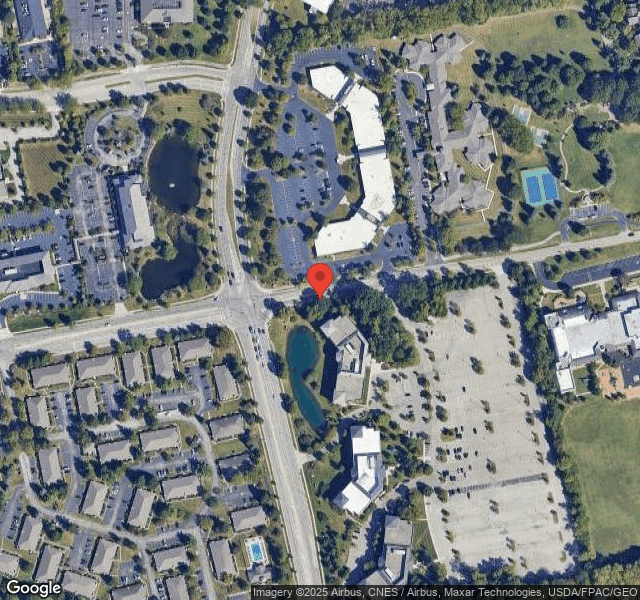
4880 TUTTLE ROAD, DUBLIN, OH 43017 (614) 760-8870
Non profit - Corporation 66 Beds AMERICAN HEALTH FOUNDATION Data: November 2025
Trust Grade
20/100
#906 of 913 in OH
Last Inspection: May 2025

Inspected within the last 6 months. Data reflects current conditions.

Overview

The Sanctuary at Tuttle Crossing has received a Trust Grade of F, indicating significant concerns about the facility's care quality. It ranks #906 out of 913 nursing homes in Ohio, placing it in the bottom half statewide, and it is also the lowest-ranked facility in Franklin County at #56 of 56. Unfortunately, the trend is worsening, with reported issues increasing from 2 in 2024 to 13 in 2025. While the staffing rating is average at 3 out of 5 stars, the 71% turnover rate is concerning, significantly higher than the state's average. The facility has incurred $45,795 in fines, suggesting ongoing compliance problems, and while it has better RN coverage than 85% of Ohio facilities, there have been serious incidents, such as a resident suffering from an untreated surgical wound for five days, leading to hospitalization, and concerns about food safety and sanitation practices. Overall, families should weigh the facility's significant deficiencies against its average staffing and RN coverage when making a decision.

Trust Score
F
20/100
In Ohio
#906/913
Bottom 1%
Safety Record
Moderate
Needs review
Inspections
Getting Worse
2 → 13 violations
Staff Stability
⚠ Watch
71% turnover. Very high, 23 points above average. Constant new faces learning your loved one's needs.
Penalties
○ Average
$45,795 in fines. Higher than 70% of Ohio facilities. Some compliance issues.
Skilled Nurses
✓ Good
Each resident gets 50 minutes of Registered Nurse (RN) attention daily — more than average for Ohio. RNs are trained to catch health problems early.
Violations
⚠ Watch
39 deficiencies on record. Higher than average. Multiple issues found across inspections.
★☆☆☆☆
1.0
Overall Rating
★★★☆☆
3.0
Staff Levels
★★★☆☆
3.0
Care Quality
★☆☆☆☆
1.0
Inspection Score
Stable
2024: 2 issues
2025: 13 issues

The Good

  • Full Sprinkler Coverage · Fire safety systems throughout facility
  • No fines on record

Facility shows strength in fire safety.

The Bad

1-Star Overall Rating

Below Ohio average (3.2)

Significant quality concerns identified by CMS

Staff Turnover: 71%

25pts above Ohio avg (46%)

Frequent staff changes - ask about care continuity

Federal Fines: $45,795

Above median ($33,413)

Moderate penalties - review what triggered them

Chain: AMERICAN HEALTH FOUNDATION

Part of a multi-facility chain

Ask about local staffing decisions and management

Staff turnover is very high (71%)

23 points above Ohio average of 48%

The Ugly 39 deficiencies on record

1 actual harm
Aug 2025 1 deficiency
CONCERN (F) 📢 Someone Reported This

A family member, employee, or ombudsman was alarmed enough to file a formal complaint

Potential for Harm - no one hurt, but risky conditions existed

Food Safety (Tag F0812)

Could have caused harm · This affected most or all residents

Based on observation and staff interview, the facility failed to store, prepare, distribute, and serve food in a safe and sanitary manner. This had the potential to affect all 49 residents residing in...

Read full inspector narrative →
Based on observation and staff interview, the facility failed to store, prepare, distribute, and serve food in a safe and sanitary manner. This had the potential to affect all 49 residents residing in the facility. The facility census was 49. Findings include: Observation of the kitchen on 08/14/25 at 9:35 A.M. revealed the freezer temperature was 12 degrees Fahrenheit on the outside thermometer and 9 degrees Fahrenheit on the inside thermometer. Further observations revealed the freezer had built-up chunks of ice on the floor with pieces of pasta embedded in the ice and a chunk of hair stuck to the ice on the floor. The walk-in refrigerator, when opened, had a strong mildew odor and an unknown black substance along the entire length of the side and back walls. A pool of water had accumulated in the glass surrounding the lightbulb, which was slowly dripping onto the floor, causing the floor to be wet and the refrigerator felt very humid. The ceiling of the refrigerator had dust buildup in front of the fan. Interview on 08/14/25 at 9:44 A.M. with Kitchen Staff #192 confirmed all the above findings. Interview on 08/14/25 at 9:50 A.M. with Dietary Manager #152 confirmed the findings and stated she had no cleaning logs for the kitchen. Observation of the kitchen on 08/14/25 at 11:29 A.M. revealed additional concerns, including an unknown black substance behind the dishwashing sink, dirt buildup around the entrance door, black buildup behind and under the trash can by the handwashing sink, and dirt accumulation on floors and walls in corners and behind shelving. Interview on 08/14/25 at 11:35 A.M. with Dietary Manager #152 confirmed the above findings. Observation on 08/14/25 at 11:47 A.M. with Kitchen Staff #173 revealed food tray temperatures at the end of the 200 hall as follows: chicken 119 degrees Fahrenheit, vegetables 128 degrees Fahrenheit, and stuffing 137 degrees Fahrenheit. When tasted, the food was warm but not hot. Interview on 08/14/25 at 12:01 P.M. with Kitchen Staff #173 confirmed that the food was not hot and holding temperatures were below the 135 degrees Fahrenheit mark. The facility confirmed all 49 residents receive meals from the kitchen. This deficiency represents non-compliance investigated under Complaint Number 2577530.
May 2025 12 deficiencies
CONCERN (D)

Potential for Harm - no one hurt, but risky conditions existed

Deficiency F0561 (Tag F0561)

Could have caused harm · This affected 1 resident

Based on medical record review, resident and staff interviews, and policy review, the facility failed to honor a resident's choice for bathing opportunities. This affect one (#117) of one residents re...

Read full inspector narrative →
Based on medical record review, resident and staff interviews, and policy review, the facility failed to honor a resident's choice for bathing opportunities. This affect one (#117) of one residents reviewed for choices. The census was 58. Findings include: Review of the medical record for Resident #117 revealed an admission date of 04/22/25. Diagnoses included cerebral infarction, acute respiratory failure with hypoxia, dysphasia, and paralysis on both sides. Further review of the medical record revealed the resident had no cognitive deficits, required a two person assist with transferring out of bed, could sit in a wheelchair, and required a one person assist for activities of daily living. Interview on 05/13/25 at 10:27 A.M. with Resident #117 revealed the resident was upset due to not receiving showers or offered a bed bath. The resident confirmed she did not get routine showers two times a week and was not offered a bed bath in between shower days. Also, Resident #117 stated the staff would not do her hair because it was very long and she had to wait for her sister to visit to comb and braid her hair. Review of the skin monitoring and shower review sheets for Resident #117 revealed she had a shower on 04/25/25, 04/29/25, 05/02/25, and 05/09/25. The facility was unable to provide documentation from Resident #117's task section of the electronic medical record to confirm if more showers or any bed baths were given. Interview on 05/14/25 at 2:00 P.M. with the Director of Nursing (DON) and Regional Nurse #196 confirmed each resident was to be offered a shower at least two times a week and a bed bath daily. The DON and Regional Nurse #196 believed Resident #117 could be in a wheelchair, therefore, she should be getting a shower two times a week. The DON reviewed the resident's shower sheets and verified from 04/22/25 to 05/15/25 Resident #117 only received four showers with her first shower occurring on 04/25/25. Review of the undated facility policy titled, Bed Baths, revealed it was the practice of the facility to assist residents with bathing to maintain proper hygiene and help prevent skin issues. Review of the undated facility policy titled, Resident Showers, revealed it was the practice of the facility to assist residents with bathing to maintain proper hygiene, stimulate circulation and help prevent skin issues as per current standards of practice. Residents will be provided with showers as per request or as per facility schedule protocols and based upon resident safety. Partial baths may be given between regular shower schedules as per facility policy.
CONCERN (D)

Potential for Harm - no one hurt, but risky conditions existed

Deficiency F0582 (Tag F0582)

Could have caused harm · This affected 1 resident

Based on medical record review and staff interview, the facility failed to provide residents with Skilled Nursing Facility Advance Beneficiary Notice of Non-Coverage (SNF-ABN) document when therapy se...

Read full inspector narrative →
Based on medical record review and staff interview, the facility failed to provide residents with Skilled Nursing Facility Advance Beneficiary Notice of Non-Coverage (SNF-ABN) document when therapy services were ending and the resident had skilled days remaining. This affected one (#158) of three residents reviewed for beneficiary notices. The facility census was 58. Findings include: Review of Resident #158's medical record revealed an admission date of 01/22/25. Diagnoses included anemia, atrial fibrillation, and hypertension. Review of the medical record for Resident #158 revealed the resident received therapy services which were set to end on 02/16/25 due to admission to hospice services. At the time of therapy services ending, Resident #158 was noted to still have skilled benefit days remaining. There was no evidence of the facility providing a Resident #158 with a SNF-ABN. Interview on 05/14/25 at 4:38 P.M. with Business Office Manager #186 verified Resident #158 should have received an SNF-ABN and did not.
CONCERN (D)

Potential for Harm - no one hurt, but risky conditions existed

Deficiency F0688 (Tag F0688)

Could have caused harm · This affected 1 resident

**NOTE- TERMS IN BRACKETS HAVE BEEN EDITED TO PROTECT CONFIDENTIALITY** Based on observation, resident and staff interview, and medical record review, the facility failed to provide application of spl...

Read full inspector narrative →
**NOTE- TERMS IN BRACKETS HAVE BEEN EDITED TO PROTECT CONFIDENTIALITY** Based on observation, resident and staff interview, and medical record review, the facility failed to provide application of splinting devices as recommended by therapy and failed to ensure physician orders were in placed for use of the devices. This affected one (#35) of two residents reviewed for range of motion. The facility census was 58. Findings include: Review of Resident #35's medical record revealed she was most recently admitted on [DATE] with diagnoses that included anoxic brain damage, metabolic encephalopathy, quadriplegia, and anxiety. Review of Resident #35's Minimum Data Set (MDS) assessment, dated 3/31/25, revealed her cognition was severely impaired and she was dependent on staff for mobility, transfers, and eating. Review of Resident #35's occupational therapy discharge summary notes, dated 04/24/24, revealed discharge recommendations for Resident #35 to remain in the facility with donning (putting on) resting hand splints overnight with three to four times during the day in 30-minute increments and a splinting schedule was in place. Review of Resident #35's physical therapy note, dated 06/28/24, revealed a physical therapy assistant (PTA) educated and observed Resident #35's certified nurse aide (CNA) remove bilateral knee braces and bilateral ankle/foot braces. The PTA also verbally informed Resident #35's nurse of the removal of the braces and positioning with pillows. Review of Resident #35's physical therapy Discharge summary, dated [DATE], revealed discharge recommendations for Resident #35 to be up in a chair with bilateral lower extremity splints for four to five hours. Review of Resident #35's physicians orders, dated May 2025, revealed no indication of an order for bilateral hand splints, bilateral knee braces, or bilateral ankle/foot braces. Observation on 05/13/25 at 10:24 A.M. revealed Resident #35 up out of bed in a Broda chair (specialty chair to aid in positioning) with no splints in place. Observation on 05/14/25 at 9:50 A.M. revealed Resident #35 in bed with no splints in place. Observation on 05/14/25 at 10:00 A.M. revealed multiple splints in a box on the floor in Resident #35's room. Interview on 05/14/25 at 9:00 A.M. with Physical Therapist (PT) #194 revealed Resident #35 had been in and out of the facility since her admission and he believed therapy recommended bilateral knee, bilateral ankle/foot splints, and bilateral wrist/hand/elbow splints sometime in the Summer of 2024. Interview on 05/14/25 at 11:02 A.M. with Licensed Practical Nurse (LPN) #146 confirmed Resident #35 was not wearing her splints and they were in the box on the floor. LPN #146 also stated Resident #35 always refused her splints and LPN #146 stated the resident did not have a current order for splints to be applied. Interview on 05/14/25 at 11:04 A.M. with Resident #35 revealed she would wear her splints if offered. Interview on 05/14/25 at 11:10 A.M. with PT #194 revealed when therapy recommends a device or equipment for a resident, therapy educates and works with staff on usage of the device or equipment and any parameters or schedules of use are verbally given to the nurse. Interview on 05/14/25 at 3:01 P.M. with Registered Nurse (RN) #153 revealed Resident #35 did not use splints and the order possibly got missed with Resident #35 going out to the hospital multiple times since admission. Interview on 5/15/25 at 2:05 P.M. with the Director of Nursing (DON) revealed therapy notified nursing in morning meetings with any recommendations for splinting and schedules for use. Nursing should put in a doctor's order and communicate with the direct care staff on how and when to use it.
CONCERN (D)

Potential for Harm - no one hurt, but risky conditions existed

Accident Prevention (Tag F0689)

Could have caused harm · This affected 1 resident

Based on observation, staff interview, and review of a user guide, the facility failed to ensure residents who required transfer assistance using a mechanical lift were provided with adequate assistan...

Read full inspector narrative →
Based on observation, staff interview, and review of a user guide, the facility failed to ensure residents who required transfer assistance using a mechanical lift were provided with adequate assistance to prevent accidents. This affected two (#22 and #107) of two residents observed for safe transfers. The facility census was 58. Findings include: 1. Observation on 05/13/25 at 2:47 P.M. revealed Certified Nurse Aide (CNA) #149 pushing Resident #22 in her wheelchair followed by pulling a mechanical (Hoyer) lift being her. CNA #149 was observed taking Resident #22 and the Hoyer lift into the resident's room and closed the door. Continued observation revealed a short time later another staff member came to Resident #22's door and asked if CNA #149 was finished with the Hoyer lift and CNA #149 responded she was finished. Continued observation revealed CNA #149 opened Resident #22's room door where Resident #22 could be seen laying in bed. Interview on 05/13/25 at 3:00 P.M. with CNA #149 confirmed she used the Hoyer lift by herself to transfer Resident #22 from her wheelchair to the bed and confirmed there needed to be two staff members present when the procedure was completed. 2. Observation on 05/13/25 at 3:07 P.M. revealed CNA #198 exited Resident #107's room with a Hoyer lift and no other staff members were observed. Resident #107 was observed sitting in her wheelchair at that time. Interview on 05/13/25 at 3:10 P.M. with CNA #198 revealed she used the Hoyer by herself to transfer Resident #107 to her bed to complete care, and then used the Hoyer lift to transfer the resident back into her wheelchair. CNA #198 stated it was safe and permitted to use a Hoyer lift with one staff member and it made it very easy to move residents. Interview on 05/14/25 at 1:19 P.M. with the Director of Nursing (DON confirmed Hoyer lift transfer of residents with only one staff member completing the transfer was not permitted. Review of the undated Patient Lift Safety Guide revealed that most lifts require two or more caregivers to safely operate lift and handle the resident.
CONCERN (D)

Potential for Harm - no one hurt, but risky conditions existed

Deficiency F0692 (Tag F0692)

Could have caused harm · This affected 1 resident

Based on medical record review, resident and staff interviews, and policy review, the facility failed to ensure physician orders were followed for residents who received nutritional tube feedings. Thi...

Read full inspector narrative →
Based on medical record review, resident and staff interviews, and policy review, the facility failed to ensure physician orders were followed for residents who received nutritional tube feedings. This affected one (#117) of one residents reviewed for tube feedings. The census was 58. Findings include: Review of the medical record for Resident #117 revealed an admission date of 4/22/25. Diagnoses included cerebral infarction, acute respiratory failure with hypoxia, dysphasia, and paralysis on both sides. Further review of the medical record revealed the resident had no cognitive deficits, required a two person assist with transferring out of bed, could sit in a wheelchair, and required a one person assist for activities of daily living. Interview on 05/13/25 at 10:34 A.M. with Resident #117 revealed when she arrived at the facility she missed two nutritional feedings. The resident stated she was very familiar with her regimen and was upset because no one would explain to her why she did not receive her nutritional feeding. Review of Resident #117's physician orders for April 2025 revealed on 04/22/25 the resident was ordered the nutritional supplement Nutren 2.0 complete liquid nutrition 250 milliliter (mL) bolus five times daily from 04/23/25 to 04/29/25. Review of Resident #117 dietician progress notes dated 04/30/25 revealed Resident #177 and her family requested continuous nutritional feedings and an order was received for Nutren 2.0 55 milliliters per hour (mL/hr) continuous with 60 mL water flushes. Review of Resident #117's medication administration record for 04/01/25 to 04/30/25 revealed on 04/23/25 Resident #17 did not receive her enteral feedings scheduled at 8:00 A.M., 11:00 A.M., and 12:00 P.M.; however, she did receive her feedings at 5:00 P.M. and 9:00 P.M. Interview with the Director of Nursing (DON) 05/14/25 and 6:08 P.M. revealed the facility had a problem with Resident #117's tube feeding pump and verified Resident #117 did not received nutritional feedings as ordered on 04/23/25 at 8:00 A.M., 11:00 A.M., and 12:00 P.M. Review of the undated facility policy titled, Nutritional Management, revealed the facility provides care and services to each resident to ensure the resident maintains acceptable parameters of nutritional status in the context of his or her overall condition. Tube feeding or parenteral fluids will be provided in the context of the resident's overall clinical condition and resident goals/preferences. The facility did not have a policy on following physician's orders.
CONCERN (D)

Potential for Harm - no one hurt, but risky conditions existed

Drug Regimen Review (Tag F0756)

Could have caused harm · This affected 1 resident

**NOTE- TERMS IN BRACKETS HAVE BEEN EDITED TO PROTECT CONFIDENTIALITY** Based on medical record review, staff interviews, and facility policy review, the facility failed to conduct a medication regime...

Read full inspector narrative →
**NOTE- TERMS IN BRACKETS HAVE BEEN EDITED TO PROTECT CONFIDENTIALITY** Based on medical record review, staff interviews, and facility policy review, the facility failed to conduct a medication regimen reviews at least monthly. This affected two (#28 and #32) of five residents reviewed for unnecessary medications. The facility census was 58. Findings include: 1. Review of the medical record for Resident #28 revealed an admission date of 01/24/21. Diagnoses include senile degeneration of the brain, major depressive disorder, anxiety disorder, hypertension, hyperlipidemia, hypothyroidism, and sleep apnea. Review of Resident #28's physician orders revealed the resident received antipsychotic, antidepressant, antianxiety, and opioid medications. Review of the pharmacy records revealed no documentation of the pharmacist reviewing Resident #28's medication regimen in February 2025. Additional review of the consultant pharmacist's medication regimen recommendation to the physician did not include a monthly review or recommendations for Resident #28 in February 2025. Interview with the Director of Nursing (DON) on 05/14/25 at 5:45 P.M. confirmed no other documentation was available to indicate Resident #28's medication regimen was reviewed for the month of February 2025.2. Review of Resident # 32's medical record revealed he was admitted on [DATE] with diagnoses that included intracerebral hemorrhage, schizoaffective disorder, anxiety, and hypertension. Review of Resident #32's quarterly Minimum Data Set (MDS) 3.0 assessment, dated 04/14/25, revealed Resident #32 was severely cognitively impaired and received an antipsychotic and antidepressant medication daily. Review of Resident #32's physician's orders, dated 05/15/25, revealed orders for the antipsychotic olanzapine 2.5 milligrams (mg) by mouth at bedtime, and the antidepressant medications trazodone 25 mg by mouth at bedtime and sertraline 50 mg by mouth one time a day. Review of the pharmacy progress notes did not include documentation the pharmacist reviewed Resident #32's medications for June 2024 and February 2025. Review of the consultant pharmacist medication regimen review reports, dated from May 2024 to May 2025, did not include monthly reviews or recommendations for Resident #32's medication regimen for June 2024 and February 2025. Interview with the DON on 05/14/25 at 5:45 P.M. confirmed there was no other documentation available to indicate Resident #32's medication regimen was reviewed for the months of June 2024 and February 2025. Review of the facility policy titled, Medication Regimen Review, revealed the drug regimen of each resident is reviewed at least once a month by a licensed pharmacist and includes a review of the resident's medical chart.
CONCERN (D)

Potential for Harm - no one hurt, but risky conditions existed

Deficiency F0760 (Tag F0760)

Could have caused harm · This affected 1 resident

**NOTE- TERMS IN BRACKETS HAVE BEEN EDITED TO PROTECT CONFIDENTIALITY** Based on observation, medical record review, staff interview, review of a user guide, review of manufacturer instructions, and f...

Read full inspector narrative →
**NOTE- TERMS IN BRACKETS HAVE BEEN EDITED TO PROTECT CONFIDENTIALITY** Based on observation, medical record review, staff interview, review of a user guide, review of manufacturer instructions, and facility policy review, the facility failed to prime an insulin pen needle prior to selecting the ordered dose and administering the medication to a resident and failed to administer antibiotic and anticoagulant medications as ordered which resulted in significant medication errors. This affected three (#26, #44, and #113) of eight residents reviewed for medication administration. The facility census was 58. Findings include: 1. Review of Resident #113's medical record revealed a most recent admission date of 04/24/25. Diagnoses included infection following a surgical procedure, hypertension, muscle weakness, and diabetes mellitus type II. Review of Resident #113's physician orders revealed an order dated 04/24/25 for the resident to received Humalog insulin 12 units subcutaneously (SQ) before meals. Observation of medication administration on 05/15/25 at 2:44 P.M. revealed Registered Nurse (RN) #198 identified the order for Resident #113 to receive Humalog 12 units SQ to be administered at that time. RN #198 proceeded to obtain the resident's insulin dispensing pen, applied the injection needle to the pen, and turned the dosage dial to 12 units. RN #198 then proceeded to administer the insulin to Resident #113. Interview on 05/15/25 at 2:46 P.M. with RN #198 verified she did not prime Resident #113's insulin pen prior to selecting the ordered dose and believed the pen did not need primed. Review of an undated user guide titled, Safety Pen Needles, revealed to perform a priming test if recommended by the pen injector device manufacturer. A drop of liquid should appear on the needle tip visible through the viewing window. Review of the manufacturer instructions, revised 07/2023, revealed priming the insulin pen removes air from the needle and insulin cartridge that may collect during normal use and ensure the pen is working correctly. If the pen is not primed before each dose the recipient may get too little or too much insulin. 2. Review of the medical record for Resident #26 revealed an initial admission date of 05/10/23 with a re-entry date of 12/25/23. Diagnoses included acute embolism and thrombosis of the left upper extremities veins, repeated falls, and presence of a left artificial hip joint. The resident was discharged on 05/12/25. Review of Resident #26's quarterly Minimum Data Set (MDS) 3.0 assessment dated [DATE] revealed the resident had moderately impaired cognition for daily decision making abilities as well as experiencing disorganized thinking. Review of the progress note date 01/25/25 indicated Resident #26 received care at the local hospital due to a recent fall. It was found Resident #26 tested positive for influenza type A and had a urinary tract infection. Review of the physician orders and medication administration record (MAR) for Resident #26 revealed the ordered antibiotic Keflex 500 milligrams (mg) to give one tablet twice a day was not administered for the evening shift on 01/25/25 nor was it administered during the morning shift on 01/26/25 per the order and schedule. Review of the list of medications available in the facility's emergency medication box revealed there were five (5) tablets of Keflex 250 mg available. Interview on 05/14/25 at 1:21 P.M. with the Director of Nursing (DON) revealed the facility's emergency medication box was a storage of medication that was available at the facility for nursing staff to use when a resident had a medication ordered and the medication was not yet delivered from the facility. The DON confirmed Resident #26's Keflex was available and confirmed the two missed doses of the antibiotic on 01/25/25 and 01/26/25. 3. Review of the medical record for Resident #44 revealed an admission date of 10/05/24. Diagnoses included cerebral infarction, peripheral vascular disease, and hypertension. Review of Resident #44's quarterly MDS 3.0 assessment dated [DATE] revealed the resident had intact cognition for daily decision making abilities. Review of physician orders for Resident #44 revealed a order for an anticoagulant medication rivaroxaban (Xarelto) oral tablet 2.5 mg to give one tablet every 12 hours for atrial fibrillation with meals. Further review revealed the administration times were scheduled for 7:00 A.M. and 7:00 P.M. Review of the MAR for February 2025 revealed Resident #44's Xarelto was not administered on 02/28/25 for the 7:00 A.M. shift. Review of the MAR for March 2025 revealed Resident #44's Xarelto was not administered on 03/01/25 on the 7:00 P.M. shift, on 03/07/25 for the 7:00 A.M. and 7:00 P.M. shifts, and not given on 03/14/25 for the 7:00 P.M. shift. Review of the MAR for May 2025 revealed Resident #44's Xarelto was not administered on 05/09/25 for the 7:00 A.M. and 7:00 P.M. shifts. Interview on 05/14/25 at 4:41 P.M. with the DON revealed the facility served dinner around 5:30 P.M. The DON confirmed Resident #44's order for Xarelto was to be administered with meals and the 7:00 P.M. dose would not have been administered early enough to be with the last meal of the day. Further interview with the DON also confirmed Resident #44's missed doses of Xarelto in February, March, and May 2025 as listed above. Review of the undated facility policy titled, Medication Administration, revealed to ensure the six rights of medication administration are followed including right dose, right documentation, and right time.
CONCERN (D)

Potential for Harm - no one hurt, but risky conditions existed

Dental Services (Tag F0791)

Could have caused harm · This affected 1 resident

**NOTE- TERMS IN BRACKETS HAVE BEEN EDITED TO PROTECT CONFIDENTIALITY** Based on medical record review, resident interview, and staff interview, the facility failed to ensure resident who agreed to re...

Read full inspector narrative →
**NOTE- TERMS IN BRACKETS HAVE BEEN EDITED TO PROTECT CONFIDENTIALITY** Based on medical record review, resident interview, and staff interview, the facility failed to ensure resident who agreed to receive dental services was provided with the services in a timely manner. This affected one (#43) of one residents reviewed for dental services. The facility census was 58. Findings include: Review of the medical record for Resident #43 revealed an admission date of 04/29/24. Diagnoses included cerebral infarction, alcohol dependence, intellectual disabilities, and hypertension. Review of the plan of care dated 04/29/24, and revised 05/09/24, revealed Resident #43 had the potential for oral dental health problems related to his own teeth. Interventions included to coordinate arrangements for dental care, transportation as needed as ordered, dental consultation and follow-up as ordered, monitor and report to the medical director any signs or symptoms or complaint of oral pain, monitor the resident for any signs or symptoms of chewing/swallowing difficulties, weight loss, fever, congestion, and report to the medical director, monitor for any oral problems, and provide oral care at least every day and more frequently as needed. Review of the facility document for ancillary services revealed Resident #43 was made aware of services available to him on 12/30/24 at which time he had signed the documented indicated he wished to receive those services including dental care. Review of Resident #43's annual Minimum Data Set (MDS) 3.0 assessment dated [DATE] revealed the resident had moderately impaired cognition for daily decision making abilities. Resident #43 was noted to have his natural teeth and was independent for oral care. Interview on 05/12/25 at 10:30 A.M. with Resident #43 revealed he had not seen a dentist since he had been in the facility and had been asking to see one. Interview on 05/15/25 at 2:30 P.M. with Human Resources (HR) #148 confirmed Resident #43 had a signed document indicating he wished to received ancillary services which had not been properly filed in his record. HR #148 stated typically when it was almost time for the dentist to come to the facility, the social worker would go around to each resident who elected to receive the service to see if they would like to be seen. HR #148 confirmed since Resident #43's paperwork was not properly filed, no one was aware Resident #43 wanted to see the dentist and confirmed he had not been seen.
CONCERN (D)

Potential for Harm - no one hurt, but risky conditions existed

Medical Records (Tag F0842)

Could have caused harm · This affected 1 resident

**NOTE- TERMS IN BRACKETS HAVE BEEN EDITED TO PROTECT CONFIDENTIALITY** Based on medical record review, staff interview, and facility policy review, the facility failed to ensure documentation of a re...

Read full inspector narrative →
**NOTE- TERMS IN BRACKETS HAVE BEEN EDITED TO PROTECT CONFIDENTIALITY** Based on medical record review, staff interview, and facility policy review, the facility failed to ensure documentation of a resident discharging from the facility against medical advice (AMA) was documented in the medical record. This affected one (#54) of three residents reviewed for discharges. The facility census was 58. Findings include: Review of the medical record for Resident #58 revealed an admission date of 02/11/25 and a discharge date of 02/15/25. Diagnoses included chronic heart failure, muscle weakness, and chronic kidney disease. Review of Resident #58's nursing progress note dated 02/15/25 at 2:53 P.M. revealed a nurse was notified by a nurse aide that Resident #58 left with wife without signing out at the nurses' station in the red book, and notifying the nurse. The nurse saw the wife walk past the nurse's station to the resident's room. The resident's wife did not say anything to the nurse about taking the resident. The nurse was assisting another resident before being notified by the nurse aide that the resident left. The nurse aide indicated she went to go look for Resident #58 because she noticed he was no longer in his room. The nurse aide indicated when she caught up to the resident and his wife, she asked if the resident was going to be gone for the day and if he was coming back. The nurse aide said if the resident was leaving, he needed to sign out at the nurses' station in the red book. Resident #58's wife said she would be right in and signed the resident out in the book at the front desk with the time 2:15 P.M. Resident #58's wife also put home in the book as well. The Medical Director and Director of Nursing (DON) were notified of the situation. Interview on 05/14/25 at 11:52 A.M. with Resident #58's wife revealed she took the resident home on [DATE] and had no plan on bringing him back. Resident #58's wife claimed she did not feel the resident was receiving the care he needed while in the facility and he was begging her to take him home so she did. Resident #58's denied receiving any calls from the facility related to her husbands status. Interview on 05/15/2025 at 3:00 P.M. with Business Office Manager #186 confirmed Resident #58's medical record did not have information documented related to him leaving the facility AMA. Review of the undated transfer and discharge policy (including AMA) revealed documentation of this (AMA) notification should be entered in the nurses' notes by the nurse department. The social services designee should document any discussion held with the resident/family in the social services progress notes, if present.
CONCERN (D) 📢 Someone Reported This

A family member, employee, or ombudsman was alarmed enough to file a formal complaint

Potential for Harm - no one hurt, but risky conditions existed

Deficiency F0919 (Tag F0919)

Could have caused harm · This affected 1 resident

**NOTE- TERMS IN BRACKETS HAVE BEEN EDITED TO PROTECT CONFIDENTIALITY** Based on observation, medical record review, resident and staff interview, and policy review, the facility failed to ensure resi...

Read full inspector narrative →
**NOTE- TERMS IN BRACKETS HAVE BEEN EDITED TO PROTECT CONFIDENTIALITY** Based on observation, medical record review, resident and staff interview, and policy review, the facility failed to ensure resident call systems functioned appropriately. This affected one (#9) of two residents reviewed for call lights. The facility census was 58. Findings include: Review of the medical record for Resident #9 revealed an admission date of [DATE]. Medical diagnoses included metabolic encephalopathy, generalized anxiety disorder, delusional disorder, obstructive sleep apnea, chronic pain, epilepsy, and obesity. Review of a Minimum Data Set (MDS) 3.0 assessment dated [DATE] revealed Resident #9 was assessed with intact cognition. Observation on [DATE] at 9:03 A.M. revealed Resident #9's call light button did not activate when the resident pushed the button. Resident #9 attempted to press the call light button several times without success. Further observation outside the resident's room revealed a nurse passing medications was notified and indicated she would assist Resident #9 with the call light system. Observation and interview on [DATE] at 9:28 A.M. revealed Resident #9's call light system continued to malfunction. Resident #9 stated the call light was still not fixed. Observation revealed Resident #9 pushed the call light button multiple times and the call light did not activate. Interview on [DATE] at 9:41 A.M. with Licensed Practical Nurse (LPN) #146 confirmed Resident #9's call light was not working when she attempted to push button at the resident's bedside. LPN #146 stated she would notify maintenance and the Administrator of Resident #9's malfunctioning call light. Interview with the Administrator on [DATE] at 10:41 A.M. confirmed Resident #9's call light system was broken. The Administrator stated Resident #9 would be offered a bedside bell or room change at that time. Review of facility policy titled, Call Lights: Accessibility and Timely Response, dated 2024, revealed staff will report problems with a call light or the call system immediately to the supervisor and/or maintenance director and will provide immediate or alternative solutions until the problem can be remedied. Examples include to replace the call light, provide a bell or whistle, increase frequency of rounding, room changes, etc. This deficiency represents non-compliance investigated under Complaint Number OH00165633.
CONCERN (E)

Potential for Harm - no one hurt, but risky conditions existed

Infection Control (Tag F0880)

Could have caused harm · This affected multiple residents

**NOTE- TERMS IN BRACKETS HAVE BEEN EDITED TO PROTECT CONFIDENTIALITY** Based on observation, review of medical records, staff interview, and review of the Centers for Disease Control and Prevention (...

Read full inspector narrative →
**NOTE- TERMS IN BRACKETS HAVE BEEN EDITED TO PROTECT CONFIDENTIALITY** Based on observation, review of medical records, staff interview, and review of the Centers for Disease Control and Prevention (CDC) webpage, the facility failed to ensure residents with wounds were maintained on enhanced barrier precautions with appropriate orders, care plans, signage, and personal protective equipment in place when providing direct cares. This affected four (#21, #25, #46, and #111) of seven residents reviewed for infection control precautions. The census was 58. Findings include: 1. Review of the medical record revealed Resident #21 was admitted to the facility on [DATE] with diagnoses that included adult failure to thrive and dementia. Review of Resident #21's care plan dated 05/09/24 revealed she was at risk of infection related to diagnoses with an intervention to monitor for a skin infection. Review of Resident #21's annual Minimum Data Set (MDS) assessment dated [DATE] revealed the resident was assessed with severe cognitive impairment and had one unstageable pressure ulcer (obscured full-thickness skin and tissue loss) that was not present upon admission. Review of Resident #21's physician orders revealed the resident had a wound on her left heal as of 03/11/25 and there were treatment orders in place. Observation of Resident #21's room on 05/12/25 at 10:08 A.M. revealed there was not any enhanced barrier precautions (EBP) signage nor personal protective equipment (PPE) outside of Resident #21's room. Interview with Licensed Practical Nurse (LPN) #141 on 05/12/25 at 10:11 A.M. confirmed Resident #21 was not under EBPs and PPE was not readily available outside of her room. Interview with the Director of Nursing (DON) on 05/15/25 at 2:10 P.M. revealed EBPs were necessary for residents with chronic wounds. 2. Review of Resident #25's medical record revealed he was admitted on [DATE] with diagnoses that included acute respiratory failure with hypoxia, congestive heart failure, atrial fibrillation, diabetes mellitus, encephalopathy, and morbid obesity. Review of Resident #25's care plan, dated 02/24/25, revealed no care plan for enhanced barrier precautions. Review of Resident #25's MDS assessment, dated 04/19/25, revealed the resident was cognitively intact and had a stage three pressure ulcer (full-thickness skin loss). Review of Resident # 25's physician's orders, dated 05/08/25, revealed a wound care order to cleanse the right heel with normal saline, pat dry, cover with calcium alginate, and cover with gauze island with border every day shift. Further review revealed no orders indicated for enhanced barrier precautions. Review of Resident #25's wound evaluation and management summary, dated 05/12/25, revealed he had a stage three pressure ulcer to his right heel. Observation on 05/12/25 at 12:45 P.M. revealed Resident #25 did not have any EBPs signage or PPE located outside the resident's room. Interview on 05/12/25 at 12:47 P.M. with Registered Nurse (RN) #149 confirmed Resident #25 had an open wound and there were no EBPs signage or PPE in place. 3. Review of Resident # 46's medical record revealed she was admitted on [DATE] with diagnoses that included major depressive disorder, stage four pressure ulcer of the sacral region, osteomyelitis of the sacral region, and heart failure. Review of Resident #46's MDS assessment dated , 04/14/25, revealed the resident was cognitively intact and had a stage four pressure ulcer (full-thickness skin and tissue loss). Review of Resident #46's wound evaluation and management summary, dated 05/12/25, revealed she has a stage four pressure ulcer to her sacrum. Review of Resident #46's care plan, dated 01/07/25, revealed no care plan for EBP. Review of Resident #46's physician's orders, dated 04/18/25, revealed a wound care order to cleanse the sacrum with normal saline, pat dry, place calcium alginate with sliver to the wound bed, and cover with gauze island with border every day shift. Interview on 05/12/25 at 12:47 PM with RN #149 confirmed Resident #46 had an open wound and there was no orders of care plan for EBPs. Interview on 05/15/25 at 2:10 P.M. with the DON confirmed EBPs are necessary for resident with urinary catheters, percutaneous endoscopic gastrostomy (PEG) tubes, intravenous (IV) sites, or chronic wounds. 4. Review of Resident #111's medical record revealed he was admitted to the facility on [DATE] with diagnoses that included aftercare following joint replacement surgery and presence of vascular implants and grafts. Review of Resident #111's admission assessment dated [DATE] revealed he had a left trochanter skin alteration and a wound vacuum (vac) in place. Review of Resident #111's physician orders from May 2025 revealed he had a left hip wound and a wound vac ordered as a treatment intervention. Observation of Resident #111's room on 05/14/25 at 5:00 P.M. and on 05/15/25 at 8:57 A.M. revealed there were no EBPs signage nor PPE outside of Resident #21's room. Interview with LPN #130 on 05/14/25 at 5:03 P.M. confirmed there was no EBPs signage and no readily available PPE outside of Resident #111's room. LPN #130 revealed there was PPE available in the cabinets at the nursing station and they would need to obtain another plastic bin to store some in near his room. Review of the CDC webpage at https://www.cdc.gov/long-term-care-facilities/hcp/prevent-mdro/PPE.html, dated 04/02/24, revealed EBPs expand the use of PPE and refer to the use of gown and gloves during high-contact resident care activities that provide opportunities for transfer of multidrug-resistant organisms (MDROs) to staff hands and clothing. MDROs may be indirectly transferred from resident-to-resident during these high-contact care activities. Nursing home residents with wounds and indwelling medical devices are at especially high risk of both acquisition of and colonization with MDROs. The use of gown and gloves for high-contact resident care activities is indicated, when Contact Precautions do not otherwise apply, for nursing home residents with wounds and/or indwelling medical devices regardless of MDRO colonization as well as for residents with MDRO infection or colonization. Examples of high-contact resident care activities requiring gown and glove use for EBPs include dressing, bathing/showering, transferring, providing hygiene, changing linens, changing briefs, or assisting with toileting, device care or use including central line, urinary catheter, feeding tube, tracheostomy/ventilator, and wound care including any skin opening requiring a dressing. When implementing contact precautions or EBPs, it is critical to ensure that staff have awareness of the facility's expectations about hand hygiene and gown/glove use, initial and refresher training, and access to appropriate supplies. To accomplish this post clear signage on the door or wall outside of the resident room indicating the type of precautions and required PPE (e.g., gown and gloves). For EBPs, signage should also clearly indicate the high-contact resident care activities that require the use of gown and gloves. Also, make PPE, including gowns and gloves, available immediately outside of the resident room.
CONCERN (F)

Potential for Harm - no one hurt, but risky conditions existed

Food Safety (Tag F0812)

Could have caused harm · This affected most or all residents

Based on observation, staff interview, review of a facility sanitation audit, review of a service log and quote, and review of a facility policy, the facility failed to store frozen foods at the appro...

Read full inspector narrative →
Based on observation, staff interview, review of a facility sanitation audit, review of a service log and quote, and review of a facility policy, the facility failed to store frozen foods at the appropriate temperatures to prevent spoilage. This had the potential to affect all 57 residents residing in the facility who received food from the facility kitchen. The facility identified one resident (Resident #117) who did not eat food from the kitchen. The census was 58. Findings include: Observation of the walk-in freezer on 05/12/25 at 8:43 A.M. revealed the freezer temperature was registering at 18 degrees Fahrenheit (F). The internal thermometer was observed to have ice build up on the internal workings of the thermometer and it was unable to be read. The door frame's seal was iced over and there was ice observed on the floor of the freezer. A thick layer of ice and frost was observed to on all three shelves and over the contents of the freezer. Further observation revealed some of the food items in the freezer were two ten-pound boxes of sausage patties, ten six-ounce bags of diced chicken, two boxes of twelve 32-ounce bags of crinkle cut carrots, 64-ounces of frozen corn, a box of spiral fries, a box of snap peas, one box of lasagna, one lasagna tray outside of the original box, and two 20-pound logs of ground beef. Interview with [NAME] #172 on 05/12/25 at 8:43 A.M. confirmed the presence of the icy door frame, the icy food contents inside the walk-in freezer, and the temperature of the walk-in freezer was 18 degrees F. [NAME] #172 was unable to answer what the correct temperature of the freezer should be. Interview with Dietary Supervisor #190 on 05/12/25 at 8:49 A.M. revealed the freezer had recently been serviced, but the door seal was unable to be replaced yet. Observation of the walk-in freezer on 05/12/25 at 9:33 A.M. revealed the temperature of the freezer was 10 degrees F. Interview with [NAME] #172 on 05/12/25 at 9:33 A.M. confirmed the freezer temperature was 10 degrees F. Observation of the walk-in freezer on 05/13/25 at 9:19 A.M. revealed the freezer temperature was 10 degrees F. Interview with Dietary Supervisor #190 on 05/13/25 at 9:19 A.M. confirmed the freezer temperature was 10 degrees F. Observation on 05/13/25 at 9:28 A.M. revealed the freezer temperature was observed to be 12 degrees F. Interview with [NAME] #170 on 05/13/25 at 9:31 A.M. confirmed the freezer temperature was 12 degrees F, and revealed he would not want the freezer to be at a temperature any higher than three (3) degrees F. He stated the freezer had been recently serviced, but the door frame still needed to be fixed. Interview with the Administrator on 05/13/25 at 9:38 A.M. confirmed the walk-in freezer temperature was 12 degrees F. Observation of the walk-in freezer temperature on 05/14/25 at 9:55 A.M. revealed internal temperature was 7 degrees F. Interview with [NAME] #172 on 05/14/25 at 9:56 A.M. revealed the chicken and vegetables from the freezer were served to the residents on 05/14/25 for lunch. Interview on 05/14/25 at 9:57 A.M. with [NAME] #170 revealed the facility received a quote for a new freezer seal as of 05/13/25. He stated the freezer was unable to close properly because of the layer of ice build up around the door frame. Interview with the Administrator on 05/14/25 revealed the facility would have someone out to give another quote on the freezer seal on 05/19/25. Observation of the walk-in freezer temperature on 05/14/25 at 11:30 A.M. revealed the ambient internal temperature of the freezer was 20 degrees F. The external thermometer gauge also revealed the temperature of the walk-in freezer was 20 degrees F. Interview with [NAME] #170 on 05/14/25 at 11:30 A.M. confirmed the temperature of the walk-in freezer was 20 degrees F. Interview with Dietitian #179 on 05/14/25 at 1:42 P.M. revealed the facility was keeping logs on the freezer temperatures. She stated there was a previous internal sanitation audit where some issues in the freezer had been identified. Review of a Food and Sanitation Audit, dated 04/30/25, and authored by Dietitian #197, revealed the foods in the freezer were not frozen solid and/or there were signs of freezer burn. Interview with Dietitian #197 on 05/14/25 at 4:59 P.M. revealed he noticed the food in the walk-in freezer on 04/29/25 was noticeably frosty. He stated he noticed a problem with the gasket seal. Review of a service log dated 05/09/25 revealed the door to the freezer was not closing and that it was, iced up on frame. The gasket was noted to be damaged and the kick plate and frame were damaged. Review of a service quote dated 05/13/25 revealed the walk-in freezer has a bad door frame, gasket, heater, and kick plate. Review of a facility policy titled, Monitoring of Cooler/Freezer Temperature, dated 2025, revealed all frozen storage must be maintained at or zero degrees Fahrenheit (F) [sic]. If temperatures are about 10 degrees F, the supervisor will be notified immediately for corrective action. The unit will be repaired as soon as possible. If the problem cannot be corrected within two hours, all food items will be relocated to another unit that can hold foods in an acceptable temperature range.
Sept 2024 1 deficiency
CONCERN (E) 📢 Someone Reported This

A family member, employee, or ombudsman was alarmed enough to file a formal complaint

Potential for Harm - no one hurt, but risky conditions existed

Safe Environment (Tag F0921)

Could have caused harm · This affected multiple residents

Based on observation and staff interview, the facility failed to maintain a shower room in a clean and sanitary manner. This affected three (Residents #181, #195, and #208) of three residents reviewed...

Read full inspector narrative →
Based on observation and staff interview, the facility failed to maintain a shower room in a clean and sanitary manner. This affected three (Residents #181, #195, and #208) of three residents reviewed for clean environment and had the potential to effect 34 residents who used the shower room on the 200 hall. The facility censes was 49. Findings include: Observation on 09/23/24 at 1:00 P.M. of the 200 hall shower room revealed the floor had a large amount of black, stained areas, nearly covering the entire floor. The floor appeared to be a poured coating. The area directly surrounding the center floor drain was loose. When stepped on, water would bubble from underneath it. A small area of tile on the half wall dividing the two shower areas, had a portion of tile missing. The area was approximately three inches long and one inch wide. Interview on 09/23/24 at 1:30 P.M. with the Administrator revealed the facility has begun to locate contractors to get estimates to have the shower fixed, but have nothing definite yet. Interview on 09/23/24 at 1:10 P.M. with State Tested Nurse Aide (STNA) #302 revealed the 200-hall shower was a mess. The floors are stained and loose and some residents refuse to enter to room because it was a mess. Interview on 09/23/24 at 1:15 P.M. with Licensed Practical Nurse (LPN) #301 revealed some of the residents refuse to use the shower room on the 200-hall related to the condition of the room. The floor was stained and loose and a small piece of the tile was missing. Interview on 09/23/24 at 1:30 P.M. with Resident #181 revealed the shower room was disgusting. The floor was filthy and the room stinks. Interview on 09/23/24 at 1:40 P.M. with Resident #195 revealed the 200-hall shower room is nasty and refuses to use the shower room until the facility fixes it. Interview on 09/23/24 at 1:45 P.M. with Resident #208 revealed they refuse to use the shower room in the 200-hall because it was filthy and stinks. This deficiency represents non-compliance investigated under Complaint Number OH00158140.
Mar 2024 1 deficiency
CONCERN (D) 📢 Someone Reported This

A family member, employee, or ombudsman was alarmed enough to file a formal complaint

Potential for Harm - no one hurt, but risky conditions existed

Infection Control (Tag F0880)

Could have caused harm · This affected 1 resident

Based on staff interview, observation, record review, and facility policy review, the facility failed to maintain infection control procedures to prevent the development of infections when staff faile...

Read full inspector narrative →
Based on staff interview, observation, record review, and facility policy review, the facility failed to maintain infection control procedures to prevent the development of infections when staff failed to wash or sanitize their hands before a dressing change and after gloves changes during a dressing change. This affected one (Resident #32) of three Residents reviewed for wounds. The facility census was 50. Findings include: Record review of Resident #32 revealed an admission date of 02/21/24 with pertinent diagnoses of: type two diabetes mellitus with other skin complications, paraplegia, muscular dystrophy, obstructive sleep apnea, need for assistance with personal care, non pressure chronic ulcer of left and right foot, atherosclerotic heart disease of native coronary artery, hypertension, spinal stenosis, disorder of kidney and ureter, hyperlipidemia, cardiac arrhythmia, hypothyroidism, anemia, peripheral vascular disease, chronic kidney disease, and chronic pain syndrome. Review of the 02/25/24 admission Minimum Data Set (MDS) assessment revealed the resident is cognitively intact and uses a wheelchair to aid in mobility. The resident requires supervision or touching assistance for rolling left and right, and partial moderate assistance for sit to lying and lying to sitting on side of bed. The resident was coded as having diabetic foot ulcers Review of a Physician Order dated 03/06/24 revealed to cleanse right outer foot (pinky side) with Normal saline, pat dry, apply calcium alginate, cover with gauze island with border every day shift for wound care. Observation on 03/07/24 at 12:56 P.M. revealed Licensed Practical Nurse (LPN) #11 gathered the supplies for the wound change including calcium alginate, border gauze, wound cleanser, and four by four gauze. LPN #11 put on gloves, but did not wash her hands or use alcohol based hand rub for her hands. LPN #11 removed Resident #32 soiled dressing on the right outer foot, she then removed her soiled gloves, and put on new gloves but she did not wash or use alcohol based hand rub for her hands. LPN #11 used wound cleanser and gauze to clean the wound and she removed her gloves and put on clean gloves but did not wash hands or use hand sanitizer. LPN #11 placed calcium alginate and the wound dressing. Interview with LPN #11 on 03/07/24 at 1:08 P.M. verified she did not wash her hands or use alcohol based hand rub prior to starting Resident #32 dressing change or after removing gloves during the dressing change. Review of the undated facility Hand Hygiene policy revealed the use of gloves does not replace hand hygiene. If your task requires gloves, perform hand hygiene prior to donning gloves, and immediately after removing gloves. This is an incidental finding investigated under Complaint Number OH00150978.
Dec 2023 1 deficiency
CONCERN (F) 📢 Someone Reported This

A family member, employee, or ombudsman was alarmed enough to file a formal complaint

Potential for Harm - no one hurt, but risky conditions existed

Food Safety (Tag F0812)

Could have caused harm · This affected most or all residents

Based on observations, staff interview and policy review, the facility failed to maintain the kitchen in a sanitary condition. This had the potential to affect all 52 residents residing in the facilit...

Read full inspector narrative →
Based on observations, staff interview and policy review, the facility failed to maintain the kitchen in a sanitary condition. This had the potential to affect all 52 residents residing in the facility. The census was 52. Findings include: Tour of the kitchen 12/16/23 at 11:30 A.M. through 12:47 P.M. revealed the following concerns: 1. The ice machine had brown streaks running from the screws onto the white plastic in each corner of the ice machine making up the chute. 2. The fronts of the stainless steel appliances were dirty, smeared, sticky, with dry debris which included the top surfaces of the oven, salad bar, refrigerators, and dishwasher. 3. There was no evidence of the facility recorded food temperatures for breakfast, lunch and supper tray line between 09/01/23 and the lunch meal of 12/13/23. 4. There was no evidence of the facility recorded refrigerator and freezer temperatures to ensure acceptable refrigeration temperatures were maintained since 09/01/23. 5. The walk in refrigerator had a white liquid pooled on the floor. There were two mugs on a shelf with liquid that were uncovered and unidentifiable. 6. Observation of the lunch tray line at 11:50 A.M. revealed [NAME] #70 left the tray line, went to the salad bar, opened the lid with the handle using his right gloved hand, grabbed shredded cheese into his gloved hand, opened the cabinet door below with his left gloved hand, took a bag of shredded lettuce from the refrigerated cabinet and went back to the trayline. [NAME] #70 put the shredded cheese on the sandwich, opened the bag of lettuce, reached in the bag with his right gloved hand and took out lettuce. He placed the lettuce on the sandwich all without changing his gloves that touched the handles of the salad bar roll top and underneath cabinet. 7. Observation of the tray line at 11:56 A.M. revealed [NAME] #70 left the tray line, opened the door to the dry goods pantry using his gloved right hand, returned with a bag of sandwich buns, opened it and retrieved a bun with his right gloved hand without changing his glove that he used to open the pantry door. 8. Observation of the walk in freezer revealed bags of hamburger patties, chocolate chip cookies, oatmeal raisin cookies, and fish fillet were all in bags that had been left open to the air after some of the contents were removed. 9. There was no evidence of dishwasher temperatures was monitored or recorded since 09/01/23. 10. Observation of the dishwasher cycle revealed the dishwasher rinse cycle reached 180 degrees Fahrenheit (F) on the third cycle. The dishwasher wash cycle never reached 150 degrees F after watching seven cycles. On the fifth cycle the temperature reached 148 degrees F. The temperature dropped on the sixth cycle to 146 degrees F and on the seventh cycle the temperature dropped to 140 degrees F. Interview 12/15/23 at 12:47 P.M. with Dietary Manager (DM) #71 revealed his first day was 12/13/23. DM #71 verified there was no evidence of recording of food temperatures, dishwasher temperatures, refrigerator and freezer temperatures. DM #71 verified the ice machine had brown streaks running from the screws in the chute. DM #71 started to record food temperatures on 12/13/23. DM #71 verified the stainless appliances were dirty, and the [NAME] broke sanitation when he left the tray line, opened the salad prep and the dry goods door without changing gloves. DM #71 verified they had unsealed bags of food in the walk in freezer. DM #71 further verified the dishwasher temperatures did not reach minimum requirements. DM #71 revealed the dishwasher maintenance repairmen were at the facility the prior day because maintenance noticed the temperatures did not meet requirement. The facility confirmed all 52 residents receive their meals from the facility kitchen. Review of the Maintaining a Sanitary Tray Line policy revised 02/23 included wash hands before and after wearing or changing gloves. Change gloves when activities are changed, or when the type of food being handled is change, or when leaving the work station. Review of the Monitoring of Cooler/Freezer Temperature revise 02/23 included it is the policy of this facility to maintain temperatures of coolers and freezers at the appropriate temperature to promote food safety. Logs for recording temperatures for each refrigerator or freezer will be posted in a visible location outside the freezer or refrigerator unit. Temperatures will be checked an logged at least twice per day by designated personnel. Logs will be changed out and filed each month. Review of the Record of Food Temperatures policy revised 02/23 included food temperatures will be checked on all items prepared in the dietary department. Hot foods will be held at 135 degrees Fahrenheit or greater. Measure and record the temperatures for each food product and milk at all meals. Record temperature on temperature log. Review of the Dishwasher Temperature policy revised 02/23 included the wash temperature shall be 150-165 degrees Fahrenheit. The final rinse temperature shall be 180 degrees Fahrenheit shall be 180 degrees or above, but not to exceed 194 degrees for stationary rack single temperature machine. This deficiency is based on incidental findings discovered during the course of this complaint investigation.
Oct 2023 2 deficiencies
CONCERN (D) 📢 Someone Reported This

A family member, employee, or ombudsman was alarmed enough to file a formal complaint

Potential for Harm - no one hurt, but risky conditions existed

Deficiency F0744 (Tag F0744)

Could have caused harm · This affected 1 resident

**NOTE- TERMS IN BRACKETS HAVE BEEN EDITED TO PROTECT CONFIDENTIALITY** Based on medical record review, observation, resident interview, and staff interview, the facility failed to develop and impleme...

Read full inspector narrative →
**NOTE- TERMS IN BRACKETS HAVE BEEN EDITED TO PROTECT CONFIDENTIALITY** Based on medical record review, observation, resident interview, and staff interview, the facility failed to develop and implement appropriate interventions for a resident with dementia. This affected one (#16) of three residents reviewed for dementia care. The facility census was 53. Findings include: Review of Resident #16's medical record revealed an admission date of 04/19/21. Diagnoses included bipolar disorder, vascular dementia, depression, dysphasia, and vitamin deficiency. Review of the Minimum Data Set (MDS) assessment dated [DATE] revealed Resident #16 was cognitively impaired and was rarely, if ever, understood. Resident #16 required extensive assistance with bed mobility, limited assistance with transfers, and supervision for walking in the hallways. Review of the plan of care dated 09/11/23 revealed Resident #16 had impaired cognition and wandering behaviors. Interventions included assess risk factors, family conferences to discuss residents attempts to leave, involve in activities of choice, redirect as needed and stop sign at frequented exits. The plan of care plan did not address interventions related to Resident #16 wandering into other resident rooms and sleeping in their chairs and beds. Review of nursing progress notes from 08/01/23 to 10/23/23 revealed Resident #16 regularly wandered the unit and could usually be redirected. Interview on 10/23/23 at 11:30 A.M. with Resident #14 revealed Resident #16 constantly wandered into resident rooms and would sleep in other resident's chairs and beds. Interview on 10/23/23 at 11:45 A.M. with Resident #7 revealed Resident #16 wandered the secured unit and would enter other resident's rooms and sleep in their bed and chair. While Resident #7 had a velcro stop sign across her door, she stated the sign did not discourage Resident #16 from wandering into her room. Interviews on 10/23/23 from 4:21 P.M. to 4:30 P.M. with State Tested Nursing Aide (STNA) #66 and Licensed Practical Nurse (LPN) #99 revealed they were unaware Resident #16 wandered into other resident rooms, believed the resident only wandered in the common areas, and were unaware of any interventions to address Resident #16's wandering. Interview on 10/23/23 at 4:30 P.M. with LPN #95 revealed Resident #16 wandered into other resident rooms, but was usually easily redirected. LPN #95 stated staff attempted to monitor Resident #16, but the resident's wandering was constant. Observations from 9:50 A.M. to 4:50 P.M. revealed Resident #16 had wandered constantly throughout the day and went into residents rooms on several occasions, requiring staff redirection. Resident #16 was not engaged in activities and would be directed to sit on her own in the common area, where she would remain for 30 to 45 seconds before getting up and wandering again. No activities were observed on the unit until approximately 4:00 P.M. Interview on 10/23/23 at 4:55 P.M. with the Director of Nursing (DON) and Corporate Nurse (CN) #100 revealed Resident #16 had known wandering behaviors and stated the resident had plan of care interventions related to going in other resident rooms. Upon review of the plan of care, the DON acknowledged an entry related to wandering into other resident rooms was not entered until today (10/23/23). The DON and CN #100 revealed Resident #16 had interventions in place for staff redirection and activity involvement to decrease wandering and confirmed the activities were scarce on the secured unit. CN #100 verified there were no activities offered to potentially engage Resident #16 and decrease wandering behavior until approximately 4:00 P.M. CN #100 and the DON verified, while they were uncertain Resident #16 would participate in activities, more opportunities should be offered to engage the resident. This deficiency represents non-compliance investigated under Complaint Number OH00146837.
CONCERN (D) 📢 Someone Reported This

A family member, employee, or ombudsman was alarmed enough to file a formal complaint

Potential for Harm - no one hurt, but risky conditions existed

Deficiency F0805 (Tag F0805)

Could have caused harm · This affected 1 resident

**NOTE- TERMS IN BRACKETS HAVE BEEN EDITED TO PROTECT CONFIDENTIALITY** Based on medical record review, observation, and staff interview, the facility failed to ensure therapeutic diets were served ac...

Read full inspector narrative →
**NOTE- TERMS IN BRACKETS HAVE BEEN EDITED TO PROTECT CONFIDENTIALITY** Based on medical record review, observation, and staff interview, the facility failed to ensure therapeutic diets were served according to physician order. This affected one (#19) of three residents reviewed for diet order and preferences. The facility identified five residents with physician ordered pureed diets. The facility census was 53. Findings include: Review of Resident #19's medical record revealed an admission date of 07/08/22. Diagnoses included parkinson's disease, metabolic encephalopathy, malnutrition, dementia, atrial fibrillation, adult failure to thrive, and kidney disease. Review of the Minimum Data Set (MDS) assessment dated [DATE] revealed Resident #19 was moderately cognitively impaired. Review of the plan of care dated 09/27/23 revealed Resident #19 had a nutritional problem. Interventions included food preferences from family, informed consent waiver signed by resident, menu in room per family request, offer substitutes as requested, and serve diet as ordered. Review of a physician order dated 09/20/23 revealed Resident #19 was on a regular diet, pureed consistency. Review of a facility Dining and Nutrition Informed Choice Documentation, dated 02/22/23, revealed Resident #19 and the resident's representatives were educated on the medical recommendation for Resident #19 to have a nothing by mouth (NPO - no oral intake) diet. The education included information on food texture options and the potential risks and benefits of each diet texture. Resident #19 chose to accept the risks of a pureed diet with thin liquids and the document was signed by the resident/representative, Director of Nursing (DON), the Dietary Manager (DM), and physician. Observation on 10/24/23 at 11:51 A.M. of lunch meal service revealed Resident #19 was served a regular texture grilled cheese sandwich, applesauce, and a cookie. Further observation of Resident #19's meal ticket revealed the resident received pureed texture meals. Concurrent interview with State Tested Nurse Aide (STNA) #66 verified Resident #19's meal ticket indicated the resident received a pureed diet and the resident was served a regular texture sandwich and cookie. STNA #66 stated Resident #19 frequently received grilled cheese sandwiches, which were not of pureed consistency. Interview on 10/24/23 at 12:01 P.M. with the DON and Corporate Nurse (CN) #100 revealed Resident #19 and family signed a waiver that stated he could eat any food texture. Review of the waiver, with the DON, confirmed the document indicated an NPO diet was recommended, education was provided on the risks and benefits of each diet texture, and the resident/representative chose a pureed diet with thin liquids. The DON and CN #100 verified the document did not indicate any variances from a pureed texture diet. Interview on 10/23/23 at 12:10 P.M. with DM #72 verified Resident #19 was frequently served grilled cheese sandwiches, which were not pureed consistency. DM #72 stated the kitchen did not have a copy of the waiver signed by the resident/representative and had just been told by management to give Resident #19 grilled cheese sandwiches. This deficiency represents non-compliance investigated under Complaint Number OH00146837.
Aug 2023 2 deficiencies
CONCERN (E) 📢 Someone Reported This

A family member, employee, or ombudsman was alarmed enough to file a formal complaint

Potential for Harm - no one hurt, but risky conditions existed

Deficiency F0809 (Tag F0809)

Could have caused harm · This affected multiple residents

Based on review of meal times, observations, staff interviews, and resident interviews, the facility failed to ensure nourishing snacks were offered to residents at bedtime. This had the potential to ...

Read full inspector narrative →
Based on review of meal times, observations, staff interviews, and resident interviews, the facility failed to ensure nourishing snacks were offered to residents at bedtime. This had the potential to affect 40 (#10, #12, #14, #18, #20, #22, #26, #28, #40, #41, #42, #43, #44, #45, #46, #47, #48, #49, #51, #52, #53, #54, #55, #56, #57, #58, #59, #60, #61, #62, #63, #64, #65, #66, #67, #68, #69, #70, #71, and #72) out of 41 residents on the 200 unit who receive meals from the kitchen. Resident #50 was identified by the facility as not receiving meals from the kitchen. The census was 53. Findings include: Review of the 200 unit meal times revealed dinner was served at 5:00 P.M. and breakfast was served at 8:00 A.M. There was 15 hours between dinner and breakfast. Interview on 08/02/23 at 9:49 A.M. with State Tested Nursing Assistant (STNA) #104 revealed there was a snack cart created between lunch and dinner, and the dietary department puts snacks in the kitchenette of unit 200. Interview on 08/02/23 at 10:21 A.M. with the Dietary Manager (DM) #100 revealed there were snacks available throughout the day for the residents. DM #100 indicated she fills the kitchenette on the 200 unit daily. DM #100 indicated there were sandwiches, multiple types of crackers, chips, and fruit which were always available. If the staff needed anything else then they could ask her. She indicated she checks daily before leaving the facility to ensure the second shift has enough snacks on the 200 unit and the skilled unit for the residents to have before bed. Interview on 08/02/23 at 10:45 A.M. with Resident #26 revealed she provided her own snacks and denied seeing the staff pass snacks to the residents between meals or at bedtime. Interview and observation with Licensed Practical Nurse (LPN) #106 of the 200 unit kitchenette on 08/02/23 at 10:50 A.M. revealed there were three small packages of graham crackers and two packages of honey gram crackers. LPN #106 confirmed the snacks available were always the same as what was observed. Interview with the Administrator on 08/02/23 at 12:30 P.M. revealed Dietary Manager #100 ensures there is a supply of snacks available on every shift for the residents. The Administrator indicated the staff does not routinely pass or offer snacks to the residents. Interview on 08/02/23 at 2:20 P.M. with Resident #28, who resided on the 200 unit, revealed he was unsure if snacks were available for the residents. Interview and observation on 08/02/23 at 2:30 P.M. with LPN #200 in the 200 unit kitchenette revealed there were graham crackers and bunny crackers as well as two Jello cups available. LPN #200 revealed it would be nice to have chips, cookies, and fruit such as bananas available for the residents as a snack as opposed to always having graham crackers. LPN #200 indicated some of the residents would enjoy different snacks. Interview with the Administrator on 08/02/23 at 3:00 P.M. revealed the facility did not have a policy and procedure in place for snacks. Interview on 08/02/23 at 4:21 P.M. with STNA #130, who worked full time from 6:30 P.M. to 6:30 A.M., revealed it was rare that there were snacks available to residents on her shift. She indicated there may have been one instance when staff on the 200 unit had fruit available as snack for residents at bedtime. STNA #130 indicated second shift staff does not offer snacks to the residents on the 200 unit after dinner and before bedtime. Observation of 200 unit kitchenette on 08/02/23 at 4:40 P.M. revealed there was a combined total of eight packages of graham crackers and bunny crackers as well as two Jello cups available as a snack for the residents on the 200 unit. There were no other snacks available. This deficiency represents non-compliance investigated under Complaint Number OH00144724.
CONCERN (F) 📢 Someone Reported This

A family member, employee, or ombudsman was alarmed enough to file a formal complaint

Potential for Harm - no one hurt, but risky conditions existed

Food Safety (Tag F0812)

Could have caused harm · This affected most or all residents

Based on observation, staff interviews, and policy review, the facility failed to ensure food was stored, prepared, and distributed in a sanitary manner. This had the potential to affect 52 out of 53 ...

Read full inspector narrative →
Based on observation, staff interviews, and policy review, the facility failed to ensure food was stored, prepared, and distributed in a sanitary manner. This had the potential to affect 52 out of 53 residents who received meals from the kitchen. Resident #50 was identified by the facility as not receiving meals from the kitchen. The census was 53. Findings include: 1. Interview and observation with Licensed Practical Nurse (LPN) #106 of the 200 unit kitchenette on 08/02/23 at 10:50 A.M. revealed the counters were sticky and the drawers had a red and black sticky substance on them. 2. Observation on 08/02/23 at 10:21 A.M. and 12:00 P.M. revealed Dietary Aide #70 was working in the kitchen, had a beard, and was not wearing a beard cover. Interview with Dietary Aide #70 at the time of the observations verified he did not have a beard cover on. 3. Observation of the kitchen on 08/02/23 from 10:01 A.M. to 10:25 A.M. revealed the following findings which were verified with Dietary Manager #100 at the time of the observation. • The inside of the ice machine along the left and right side of the walls had a yellow substance along with a black speckle substance which appeared on a napkin when wiped. Additionally, the plastic inside the ice machine had a yellow and black substance on it. The outside of the ice machine had dried food as well as a black substance on it. • The tray line table contained four wells. Three out of the four wells were filled roughly one quarter full with water. The water in the three wells had a light beige substance floating in the water. Underneath the serving wells was a shelf that housed the clean dishes. The shelf with the clean dishes had dried particles of food and a sticky substance. The shelves had a black rubber shelf protector which had a white substance on it and when lifted, dirt and food particles were observed. • The clean storage area that housed clean dishes had a roll cart with two shelves. The top of the shelf had a box opened that contained roast beef blood all over the inside and sitting against the wall above the box there was the first aide box. The cart itself had liquid on the top of the shelf and on the bottom of the shelf, dried food and unknown particles appeared to be on the sides of the cart. • Observation of the tray line revealed the American cheese was undated and the onions were undated. Additionally, a ten pound bag of brown rice was sitting on the prep station and was opened but undated. The canister of brown sugar on the prep table was undated. The Koscher salt on the shelf had a crystal-like substance all around the outside of the box and appeared to have been wet at one point and then dried. • The sink in the workstation had black residue and dried food around it. • The walk-in refrigerator had six boxes of Folgers premade coffee which were unopened. Each box was covered with a fur like black substance with a plastic cover around the box. • The walk-in freezer had a bag of open potatoes which was open to the air and was not sealed or dated. Additionally, there was a bag of frozen cookies which was open to the air and was not sealed or dated. Review of the policy titled Date Marking for Food Safety, undated, revealed the facility adheres to a date marking system to ensure the safety of ready to eat, time/temperature control for safety. The food shall be clearly marked to indicate the date or day by which the food at the time the food is opened or prepared. The individual opening or preparing the food shall be responsible for date marking the food at the point food is opened or prepared. The Dietary Manager, or designee, shall spot check refrigerators daily for food items that are expiring, and shall discard accordingly.
Jul 2023 2 deficiencies
CONCERN (D) 📢 Someone Reported This

A family member, employee, or ombudsman was alarmed enough to file a formal complaint

Potential for Harm - no one hurt, but risky conditions existed

Quality of Care (Tag F0684)

Could have caused harm · This affected 1 resident

**NOTE- TERMS IN BRACKETS HAVE BEEN EDITED TO PROTECT CONFIDENTIALITY** Based on medical record review, observation, and staff interview the facility failed to ensure ordered wound care was completed....

Read full inspector narrative →
**NOTE- TERMS IN BRACKETS HAVE BEEN EDITED TO PROTECT CONFIDENTIALITY** Based on medical record review, observation, and staff interview the facility failed to ensure ordered wound care was completed. This affected one resident (#15) out of three reviewed for wound care. In addition, the facility failed to ensure wound care was provided to prevent potential wound infection. This affected one resident (#55) of three residents reviewed for wound care. The facility census was 57. Findings Include: 1. Review of the medical record revealed Resident #15 was admitted to the facility on [DATE] with the most recent readmission on [DATE]. Diagnoses included gastrostomy tube, failure to thrive, congenital malformations of the spinal cord, trichotillomania (a disorder of irresistible pulling out of body hair) and pneumonia. Review of the five-day minimum data set (MDS) 3.0 assessment dated [DATE] revealed Resident #15 was cognitively impaired, required extensive assistance from staff for toilet use and was dependent on staff for all other daily care. The resident had two deep tissue skin alterations present on admission and additionally had two venous ulcers. Review of the physician orders revealed Resident #15 had an order dated 06/27/23 for a right hip dressing to clean with normal saline and cover with dry dressing with a stop date of 06/28/23. A left hip dressing to clean with normal saline and cover with a dry dressing with a stop date of 07/06/23. There was no documentation the treatment was completed on 06/27/23 and 06/28/23 for both wounds. Interview with the Assistant Director of Nursing (ADON) #390 on 07/06/23 at 4:00 P.M., verified the medical record had no documentation the treatments were completed on 06/27/23 and 06/28/23. 2. Review of the medical record revealed Resident #55 was admitted to the facility on [DATE]. Diagnoses included atherosclerotic heart disease, skin infection,venous insufficiency, and peripheral vascular disease. Review of the five day MDS 3.0 assessment dated [DATE] revealed Resident #55 was cognitively intact, refused care daily, required extensive assistance for bathing, bed mobility, transfers, toilet use and dressing. The resident was coded at risk for skin breakdown and had a vascular ulcer, but no pressure ulcers. Review of the physician orders revealed Resident #55 orders dated 06/27/23 for a left leg treatment to cleanse the leg with normal saline, apply xeroform, cover with an army battle dressing (ABD) pad and wrap with kerlix daily. Observation of wound care on 07/06/23 at 10:50 A.M. by Licensed Practical Nurse (LPN) #315 for Resident #55 revealed the LPN removed the kerlix, the ABD pad and then LPN #315 used normal saline to moisten the xeroform dressing and removed it from the skin. LPN #315 then cleansed with the vascular ulcer with normal saline and placed a new xeroform dressing over the wound, covered it with an ABD pad, wrapped the leg from the distal (away from the body) end to the proximal (center of the body) end of the wound, taped the dressing and applied the date to the tape. LPN #315 positioned Resident #55 per comfort, replaced the call light, removed personal protective equipment including gloves and exited the room. Hand hygiene was completed using hand sanitizer from the dispenser located in the hallway. At no time was LPN #315 observed changing his gloves during the wound treatment. Interview with LPN #315 on 07/06/23 at 10:59 A.M., verified he had not changed his gloves or performed hand hygiene during the dressing change procedure. The facility administration was asked for the policy/procedures on wound care and no policy was provided. This deficiency represents non-compliance investigated under Complaint Number OH00143955.
CONCERN (D) 📢 Someone Reported This

A family member, employee, or ombudsman was alarmed enough to file a formal complaint

Potential for Harm - no one hurt, but risky conditions existed

Tube Feeding (Tag F0693)

Could have caused harm · This affected 1 resident

**NOTE- TERMS IN BRACKETS HAVE BEEN EDITED TO PROTECT CONFIDENTIALITY** Based on observation, medical record review and staff interview, the facility failed to ensure administered enteral feeding bags...

Read full inspector narrative →
**NOTE- TERMS IN BRACKETS HAVE BEEN EDITED TO PROTECT CONFIDENTIALITY** Based on observation, medical record review and staff interview, the facility failed to ensure administered enteral feeding bags were labeled. This affected one resident (#35) of three residents reviewed for enteral feeding. The facility identified three residents (#15, #25 and #35) with enteral feedings. The facility census was 57. Findings Include: Review of the medical record revealed Resident #35 was admitted to the facility on [DATE]. Diagnoses included cerebral infarction, aphasia, dysphagia, hemiplegia, gastrostomy status, dementia, depression, and disorder of the brain. Review of the quarterly minimum data set assessment 3.0 dated 04/15/23 revealed Resident #35 was cognitively impaired and had an enteral feeding tube. Review of Resident #35's orders revealed the diet order was for Nutren 2.0 or Resource 2.0 tube feeding at 40 milliliter per hour (ml /hr) continuous per a tube feeding pump with a water flush of 250 milliliter (ml) every six hours. Observation on 07/06/23 at 8:55 A.M. Resident #35 was sitting in a broda chair with her head elevated over 30 degrees. Resident #35's enteral feeding bag was unlabeled, infusing via the pump at a rate of 40 cubic centimeters per hour (cc/hr). The enteral feeding had 400 ml's remaining in the bag and the water flush had 600 ml left in the bag. Interview with Licensed Practical Nurse (LPN) #300 on 07/06/23 at 8:57 A.M., verified the tube feeding bag was not labeled for Resident #35 and it was not able to be determined what enteral formula was infusing, or when the enteral feeding was initiated. The LPN #300 stated the enteral feeding bag should be labeled with the type of feeding, the date and the time the feeding was hung, and the infusion rate. LPN #300 verified he had not hung the enteral feeding and stated the staff changed the feeding bag when the bag was empty or if it was a nocturnal feeding at the end of the time specified for the feeding to infuse. The facility administration was asked for a policy regarding the procedure for enteral feeding infusion and none was provided. This deficiency represents non-compliance investigated under Complaint Number OH00143955.
Jan 2023 2 deficiencies 1 Harm
SERIOUS (G) 📢 Someone Reported This

A family member, employee, or ombudsman was alarmed enough to file a formal complaint

Actual Harm - a resident was hurt due to facility failures

Quality of Care (Tag F0684)

A resident was harmed · This affected 1 resident

**NOTE- TERMS IN BRACKETS HAVE BEEN EDITED TO PROTECT CONFIDENTIALITY** Based on record review, staff interview, surgeon office interview, and review of the facility policy, the facility failed to rou...

Read full inspector narrative →
**NOTE- TERMS IN BRACKETS HAVE BEEN EDITED TO PROTECT CONFIDENTIALITY** Based on record review, staff interview, surgeon office interview, and review of the facility policy, the facility failed to routinely monitor a resident's surgical wound, notify the physician or surgeon's office of the deteriorating surgical wound, and failed to timely implement a physician order to start a skin treatment. Actual Harm occurred to Resident #55 when her lower back incision went without treatment for at least five days after the Nurse Practitioner noted drainage and slough present in the wound bed with mild dehiscence. Resident #55 subsequently went to the hospital and received treatment to the infected wound. This affected one (Resident #55) of three residents reviewed for non-pressure related skin conditions. The facility identified five residents with skin breakdown that were not pressure related currently at the facility. The facility census was 50. Finding include: Review of Resident #55's medical record revealed an admission date of 11/22/22. Resident #55 was discharged to the hospital on [DATE] and returned to the facility on [DATE]. Diagnoses included spinal stenosis lumbar, surgical aftercare following surgery on the nervous system, acquired absence of the upper limb, obesity, and chronic kidney disease. Review of the admission Minimum Data Set (MDS) assessment dated [DATE] revealed Resident #55 was cognitively intact. Resident #55 required for extensive two-person physical assistance for bed mobility, dressing, and toilet use. Resident #55 was total dependent on staff for bathing. Review of the hospital discharge paperwork dated 11/22/22 revealed Resident #55 had an incision on her back and the treatment was to keep open to air (OTA). It was clean, dry, and intact on 11/22/22. Review of the initial risk assessment dated [DATE] revealed Resident #55 was at risk for skin breakdown. Review of the initial skin assessment dated [DATE] revealed Resident #55 had a wound abrasion to her abdominal folds and under both breasts. The wound incision to the lower lumbar spine with 32 intact staples, wound was well approximated, dry, intact, and had no odor. Lower back incision was to be left OTA per physician's order. Review of the physician orders dated 11/23/22 revealed Resident #55 had orders for the lower back surgical incision to be left OTA twice daily. Review of the plan of care dated on 11/23/22 revealed Resident #55 was at risk for alteration in skin integrity related to surgical area present on back and under pannus (occurs when extra skin and fat deposits hang from the stomach or belly area of the abdomen) moisture associated skin damage (MASD). Interventions included analgesia as ordered, body check weekly, encourage, and assist with turning and repositioning, give medication as ordered, keep skin clean and dry, maintain pressure reducing mattress, pressure reducing chair and cushion, aid with activity of daily living, and provide skin care as needed. Review of the Weekly Nursing Note dated 11/28/22 revealed the surgical midback had staples, it was slightly red and there was no odor or drainage. The nurse cleansed it with normal saline (NS) and left it OTA. Bilateral excoriation was noted under her bilateral breasts, and it was washed and dried as physician ordered. Review of the progress note dated 11/29/22 stated the Nurse Practitioner (NP) and physician stated no scrubbing or saline to surgical back incision and send Resident #55 to the emergency room (ER) if pain increases or signs and symptoms of infection present. Review of the progress note dated 11/30/22 Resident #55 had a new stage one pressure ulcer to the coccyx. A new physician order was obtained to apply barrier cream as needed and every two hours repositioning encouraged. Resident #55 was notified and verbalized understanding. Subsequently, the progress notes on 11/30/22 at 3:53 P.M. stated Resident #55 was sent to the emergency room (ER). There were no further details on why Resident #55 was sent to the ER. Review of the hospital notes dated 12/01/22 revealed there were no orders for any skin treatments or skin concerns. The staples for the lower back surgical incision were removed. Review of the progress note dated 12/01/22 at 12:16 P.M. stated Resident #55 returned to the facility at around 12:00 P.M. from the local hospital where she had staples removed to the lower back incision. Review of the admission note dated 12/01/22 at 1:24 P.M. stated Resident #55 was alert and arousable. Resident #55 was oriented to person, place, and time. No negative findings on musculoskeletal exam. There was no description of the lower back incision, or any skin concern noted related to Resident #55's bilateral breasts. Review of the treatment administration records for December 2022 revealed the physician orders dated 11/23/22 were resumed for Resident #55. The treatments included for the surgery incision to the lower back incision be left OTA twice daily. Review of the progress note dated 12/02/22 at 9:16 P.M. stated Resident #55 had no negative skin issues noted. Review of the progress note dated 12/05/22 revealed the surgeon's office was contacted regarding treatment for Resident #55's lower back incision. On 12/06/22, the progress note stated the nurse called the surgeon's office to follow up on the treatment order for the lower back incision. The progress notes on 12/05/22 and 12/06/22 did not include any type of description of the lower back incision and did not discuss the reason a treatment was needed. Review of Nurse Practitioner (NP) #654's progress note dated 12/06/22 revealed NP #654 saw Resident #55 due to incisional care concern. Nursing consulted with the surgeon and the surgeon wanted pictures to be sent to his office. The facility was to contact NP #654 if unable to get a return call from the surgeon. NP #654 described the lumbar incision to be pink with scant drainage, slough present in the wound bed with mild dehiscence, no warmth or edema. Nursing reported they contacted the surgeon's office twice on 12/05/22 and the surgeon office responded with requesting picture of the incision. Additional review of the facility's documents revealed there was no evidence a picture was sent to the surgeon's office. Review of the physician note dated 12/07/22 revealed Resident #55 was seen by the physician which included a yeast infection below the breast. The recommendation was to continue with Interdry to control moisture and will order Miconazole powder twice daily for 14 days. There was no evidence this physician order for Miconazole powder twice daily for 14 days was implemented until five days later 12/12/22. There was no mention of the lower back incision in the physician note. Further review of Resident #55's medical record from 12/07/22 to 12/12/22 revealed there was no documentation of any measurements to the lower back incision, no documentation of any concerns related to the lower back incision, and no documentation related to notifying NP #654, the surgeon's office nor Resident #55's primary care physician at the facility. Review of the progress note dated 12/12/22 at 8:10 A.M. documented by LPN #302 stated there was a new order for miconazole Nitrate Powder 2% to be applied to under the breasts topically two times a day for fungal infection for 14 days. On 12/12/22, it was noted after Resident #55's physician office visit, the physician sent Resident #55 to the hospital and did not return to the facility. Review of the hospital skin assessment dated on 12/12/22 at 5:39 P.M. stated Resident #55 was admitted to the hospital with wounds under both breasts, coccyx and had a surgical incision on her back that was also a wound. Review of the hospital's Nursing Wound Consult Evaluation dated 12/13/22 revealed the bilateral breast were pink, white, moist, with dry maroon, and yellow crusts. There were moderate amounts of serosanguinous drainage, but no odor. Etiology consistent with moisture related intertriginous dermatitis. The lumbar surgical incision had 100% yellow slough. Moderate amounts of tan creamy drainage, with no odor. Peri-wound skin red and intact. Cleansed with Anasept skin and wound cleanser. Gently packed the wound with dry Mesalt ribbon. Recommend the Mesalt packing for mechanical debridement. Measurement for the dehisced lumbar surgery site was 11 centimeters (cm.) in length by 2.0 cm wide by 1.0 cm in depth, that had moderate drainage, yellow, and tan in color. Interview on 12/28/22 at 5:17 P.M. with the Director of Nursing (DON) verified the facility did not complete weekly skin checks on Resident #55. The DON stated she was off work for COVID-19 and while she was gone, no skin assessments were done. Interview on 01/05/22 at 2:00 P.M. with Registered Nurse (RN) #302 stated she did work with Resident #55 and remembered when she was assessing her lower back incision. RN #302 could not the date she found this. RN #302 stated she did reach out to the surgeon's office more than four times to get orders to treat the lower back incision. RN #302 stated she had spoken to a nurse over the phone and would not give new orders at this time. RN #302 stated the nurse stated the surgeon would see her on her next appointment. RN #302 never heard back, and then tried to call again to get a response. RN #302 stated she notified NP #654 who stated to keep trying to get ahold of the surgeon. RN #302 also notified the Assistant Director of Nursing (ADON) #228 of her concern of the incision to the lower back incision. RN #302 stated the incision was looking infected, it was not closing like it should be and it was dehiscing. RN #302 stated she spoke to on call physician of the surgeon's office who wanted to see a picture of Resident #55's lower lumbar surgery site by picture through email. RN #302 stated she did not send the email but thought ADON #228 was supposed to do it. Telephone interview on 01/05/22 at 1:59 P.M. with NP #654 stated Resident #55's incision looked infected. NP #654 stated the doctor wanted her to send a picture to the surgeon. NP #654 stated it was dehiscing but Resident #55 did not need to be sent to the ER for the concern. NP #654 verified after 12/06/22, the facility did not contact her regarding Resident #55's incision and did not notify her the facility was unable to contact the surgeon's office. Telephone interview on 01/05/22 at 3:45 P.M. with the Surgeon's Nurse Practitioner (SNP) #707 revealed the facility notified the office that Resident #55 needed a physician order for a treatment to the back incision. SNP #600 stated the surgeon's office faxed the order to the facility on [DATE] to keep the incision left OTA. SNP #600 stated the surgeon's office did not receive any type of notification either through telephone call, fax, or email that Resident #55's surgical back incision had deteriorated. SNP #600 stated they were only asked for a treatment order and the facility did not notify the surgeon's office of any concerns. Interview with Regional Corporate Nurse #800 on 01/05/22 at 4:00 P.M. verified the facility had no records of communications to the NP #654, the surgeon's office, or the primary physician at the facility to notify them Resident #55's back incision had deteriorated. Regional Corporate Nurse #800 verified there was no evidence NP #654 was updated after 12/06/22 when the NP requested to be notified if the facility was unable to be contact the surgeon's office. Regional Corporate Nurse #800 verified the physician note dated 12/07/22 stated there would be an order for Miconazole powder twice daily for 14 days and there was no evidence this was initiated until five days later 12/12/22. Regional Corporate Nurse #800 verified nursing did not document any concerns related to Resident #55's lower back incision. An attempt to interview ADON #228 during the investigation was unsuccessful. Review of the facility's policy titled Wound Treatment Management, dated 2022, revealed the wound treatment will be provided in accordance with physician orders, including the cleansing method, type of dressing, and frequency of dressing change. The effectiveness of treatments will be monitored through ongoing assessment of the wound. Considerations for needed modification include lack of progression towards healing, change in the characteristics of the wound, and changes in the resident's goals and preferences, such as the end-of-life or in accordance with his or her rights. This deficiency represents non-compliance investigated under Complaint Number OH00138420.
CONCERN (E) 📢 Someone Reported This

A family member, employee, or ombudsman was alarmed enough to file a formal complaint

Potential for Harm - no one hurt, but risky conditions existed

Infection Control (Tag F0880)

Could have caused harm · This affected multiple residents

Based on observations, staff interview, review of the facility's infection control log, review of the facility's policy, and review of the Centers for Disease Control and Prevention (CDC) COVID Data t...

Read full inspector narrative →
Based on observations, staff interview, review of the facility's infection control log, review of the facility's policy, and review of the Centers for Disease Control and Prevention (CDC) COVID Data tracker and guidance, the facility failed to ensure staff wore appropriate Personal Protective Equipment (PPE) when entering the room of a COVID-19 positive resident. This had the potential to affect all but the 11 residents (Resident #6, #9, #10, #12, #14, #15, #18, #21, #22, #30, and #31) who were currently positive for COVID-19. The facility census was 50. Findings include: Review of the facility's infection control log revealed the facility had 11 residents in active isolation for COVID-19 infection which included Resident #6, #9, #10, #12, #14, #15, #18, #21, #22, #30, and #31. Observation on 12/27/22 at 2:05 P.M. revealed the facility had residents with COVID-19. Each had an isolation box outside their room with the required personal protective equipment (PPE) including N-95 mask, gown, gloves, and face shield. Observation on 12/28/22 at 7:30 A.M. revealed State Tested Nursing Aide (STNA) #287 was coming out of Resident #22 and Resident #6's room both of whom were COVID-19 positive and in isolation. STNA #287 was in resident's room with a surgical mask and and face shield. The PPE box was located outside the resident room and had an active quarantine sign posted on the residents' door. Observation on 12/28/22 at 7:45 A.M. revealed STNA #287 came out of Resident #21's room with only a surgical mask and attached face shield for splatter protection. Interview on 12/28/22 at 10:00 A.M. with STNA #287 verified he only had on a surgical mask and face shield when he entered the room of Resident #6 and Resident #22 and verified he also came out of Resident #21's room wearing only a surgical mask and face shield. Observation on 12/28/22 at 10:00 A.M. revealed Minimum Dat Set Nurse (MDSN) #272 had only a surgical mask that was attached to a partial face shield for splashing. MDS #272 went into Resident #14 and Resident #15's room with a surgical mask that was attached to the partial face shield. Interview on 12/28/22 at 11:00 A.M. with the Director of Nursing (DON) stated the personal protective equipment was for COVID-19 rooms. The DON confirmed staff should be wearing an N-95, face shield, gloves and gown when entering a COVID-19 room. Interview on 12/28/22 at 1:55 P.M. with MDSN #272 confirmed he wore a surgical mask with an attached partial face shield with a second surgical mask over top. MDSN #272 stated he added a surgical mask on top of what he had already on. MDSN #272 revealed he was unsure of whether the type of mask was a surgical mask or an N-95 mask. Review of the CDC's County Transmission rate dated 12/28/22 revealed the facility was in a red county indicating a high county transmission rate. Review of the CDC guidance for Interim Infection Prevention and Control Recommendations for Healthcare Personnel During the Coronavirus Disease 2019 (COVID-19) Pandemic, at https://www.cdc.gov/coronavirus/2019-ncov/hcp/infection-control-recommendations.html, updated 09/23/22, revealed under Implement Source Control Measures: Source control refers to use of respirators or well-fitting facemasks or cloth masks to cover a person's mouth and nose to prevent spread of respiratory secretions when they are breathing, talking, sneezing, or coughing. Community Transmission levels are high, source control is recommended for everyone in a healthcare setting when they are in areas of the healthcare facility where they could encounter patients. As community transmission levels increase, the potential for encountering asymptomatic or pre-symptomatic patients with SARS-CoV-2 infection also likely increases. In these circumstances, healthcare facilities should consider implementing broader use of respirators and eye protection by HCP during patient care encounters. To simplify implementation, facilities in counties with high transmission may consider implementing universal use of NIOSH-approved particulate respirators with N95 filters or higher for HCP during all patient care encounters or in specific units or areas of the facility at higher risk for SARS-CoV-2 transmission. Eye protection (i.e., goggles or a face shield that covers the front and sides of the face) worn during all patient care encounters. Personal Protective Equipment: HCP who enter the room of a patient with suspected or confirmed SARS-CoV-2 infection should adhere to Standard Precautions and use a NIOSH-approved particulate respirator with N95 filters or higher, gown, gloves, and eye protection (i.e., goggles or a face shield that covers the front and sides of the face). Review of the facility policy titled Implement Universal use of Personal Personal Protective Equipment (PPE), dated 03/10/22, revealed the facility should use transmission based precautions if required based on suspected diagnosis. The policy revealed the facility should use a NIOSH-approved N-95 respirator in areas at high risk for COVID transmission. Eye protection should be worn and should cover the eyes and sides of the face. Review of the facility policy titled Use PPE when caring for residents with COVID -19 from CDC, dated 06/03/20, revealed the preferred PPE usage for COVID-19 was to use a N-95 respirator or higher. The CDC guidelines revealed the donning of PPE include a NIOSH-approved N-95 filter, with instructions to use a facemask is respirator was not available. This deficiency represents non-compliance investigated under Complaint Number OH00138286.
Nov 2022 10 deficiencies
CONCERN (D)

Potential for Harm - no one hurt, but risky conditions existed

Transfer Notice (Tag F0623)

Could have caused harm · This affected 1 resident

**NOTE- TERMS IN BRACKETS HAVE BEEN EDITED TO PROTECT CONFIDENTIALITY** Based on staff interview and medical record review, the facility failed to provide written notification of the resident's transf...

Read full inspector narrative →
**NOTE- TERMS IN BRACKETS HAVE BEEN EDITED TO PROTECT CONFIDENTIALITY** Based on staff interview and medical record review, the facility failed to provide written notification of the resident's transfer to the hospital and the reason for the transfer to the resident or resident representative and the Office of the State Long-Term Care Ombudsman. This affected one (Resident #18) of one resident reviewed for hospitalization. The facility census was 50. Findings include: Review of Resident #18's medical record revealed the resident was admitted to the facility on [DATE]. Diagnoses included encephalopathy, critical illness myopathy, severe protein calorie malnutrition, muscle wasting and atrophy, and cardiomegaly. Review of the Minimum Data Set (MDS) assessment dated [DATE] revealed Resident #18 was cognitively intact. Review of the progress notes dated 06/24/22, 10/29/22, and 11/17/22 revealed Resident #18 went out to a local hospital for a change in condition and was kept for several days at a local hospital. There was no evidence the resident and/or resident representative was notified in writing of Resident #18's transfer to the hospital on [DATE], 10/29/22, and 11/17/22. Interview with the Administrator on 11/21/22 at 12:45 P.M. confirmed the facility did not notify Resident #18 and/or resident representative or notify the Office of the State Long-Term Care Ombudsman in writing when Resident #18 was transferred to a local hospital on [DATE], 10/29/22, and 11/17/22.
CONCERN (D) 📢 Someone Reported This

A family member, employee, or ombudsman was alarmed enough to file a formal complaint

Potential for Harm - no one hurt, but risky conditions existed

Deficiency F0625 (Tag F0625)

Could have caused harm · This affected 1 resident

**NOTE- TERMS IN BRACKETS HAVE BEEN EDITED TO PROTECT CONFIDENTIALITY** Based on staff interview and medical record review, the facility failed to provide a bed hold notice to the resident or resident...

Read full inspector narrative →
**NOTE- TERMS IN BRACKETS HAVE BEEN EDITED TO PROTECT CONFIDENTIALITY** Based on staff interview and medical record review, the facility failed to provide a bed hold notice to the resident or resident representative when the resident went to the hospital. This affected one (Resident #18) of one resident reviewed for hospitalization. The facility census was 50. Findings include: Review of Resident #18's medical record revealed the resident was admitted to the facility on [DATE]. Diagnoses included encephalopathy, critical illness myopathy, severe protein calorie malnutrition, muscle wasting and atrophy, and cardiomegaly. Review of the Minimum Data Set (MDS) assessment dated [DATE] revealed Resident #18 was cognitively intact. Review of the progress notes dated 06/24/22, 10/29/22, and 11/17/22 revealed Resident #18 went out to a local hospital for a change in condition and was kept for several days at a local hospital. There was no evidence the resident and/or resident representative were provided a bed hold when Resident #18 transferred to the hospital on [DATE], 10/29/22, and 11/17/22. Interview with the Administrator on 11/21/22 at 12:45 P.M. confirmed the facility did not provide a bed hold notice to the resident and/or resident representative when Resident #18 was transferred to a local hospital on [DATE], 10/29/22, and 11/17/22.
CONCERN (D) 📢 Someone Reported This

A family member, employee, or ombudsman was alarmed enough to file a formal complaint

Potential for Harm - no one hurt, but risky conditions existed

ADL Care (Tag F0677)

Could have caused harm · This affected 1 resident

**NOTE- TERMS IN BRACKETS HAVE BEEN EDITED TO PROTECT CONFIDENTIALITY** 2. Record review for Resident #108 revealed an admission date of 02/09/21 and discharge date of 05/30/21. Diagnoses included dem...

Read full inspector narrative →
**NOTE- TERMS IN BRACKETS HAVE BEEN EDITED TO PROTECT CONFIDENTIALITY** 2. Record review for Resident #108 revealed an admission date of 02/09/21 and discharge date of 05/30/21. Diagnoses included dementia, macular degeneration, history of falling, chronic inflammatory demyelinating polyneuritis, and osteoarthritis. Review of the Minimum Data Set (MDS) assessment dated [DATE] revealed Resident #108 had severe impairment. Resident #108 required extensive assist from staff for bathing. Review of the facility's document titled Survey Report v2 dated April 2021 revealed Resident #108 received a bath/shower on 04/01/21, 04/03/21, 04/06/21, 04/07/21, 04/08/21, 04/12/21, 04/13/21, 04/14/21, 04/15/21, 04/16/21, 04/17/21, 04/20/21, 04/21/21, and 04/22/21. The Survey Report v2 dated May 2021 revealed Resident #108 received a bath/shower on 05/03/21, 05/06/21, 05/09/21, 05/14/21, 05.18.21, 05/19/21, 05/24/21, 05/25/21, 05/27/21, and 05/29/21. Resident #108 went without a bed bath or shower for 11 days from 04/23/22 to 05/03/21. Interview on 11/28/22 at 10:51 A.M. with Corporate Nurse (CN) #268 stated State Tested Nursing Assistants (STNAs) fill out a shower sheet and document in Point Click Care (PCC) when a shower/bath were given to residents. CN #268 verified Resident #108 did not receive a documented shower/bath from 04/23/21 to 05/03/21. This deficiency represents non-compliance investigated under Complaint Number OH00131746. Based on observation, family interview, staff interview, and record review, the facility failed to ensure residents who were dependent on staff for assistance received showers or baths as scheduled. This affected two (Residents #50 and #108) of five residents reviewed for activities of daily living. The facility identified 49 residents required assistance from staff with bathing. The facility census was 51. Findings include: 1. Review of the medical record for Resident #50 revealed an admission date of 08/05/22. Diagnoses included hematemesis, type two diabetes mellitus without complications, chronic kidney disease stage three, and atherosclerotic heart disease. Review of the comprehensive Minimum Data Set (MDS) 3.0 assessment dated [DATE] revealed Resident #50 required the physical help of one person in part of the bathing activity. Review of the plan of care dated 08/15/22 revealed Resident #50 had a self-care deficit requiring staff assistance with activity of daily living cares related to diagnoses, difficulty in walking, unsteadiness on feet, and weakness. Interventions included to provide the resident with education as indicated, providing staff assistance to complete activities of daily living, and report changes in self-performance. Review of the shower schedule revealed Resident #50 was supposed to receive a shower on Tuesday and Friday nights. Review of the bathing documentation from 10/24/22 to 11/22/22 revealed Resident #50 received a shower on 10/24/22, 11/03/22, 11/07/22, 11/08/22, 11/09/22, 11/10/22, and 11/21/22. Resident #50 went 10 days without a bath or shower from 10/24/22 to 11/03/22 and went 11 days without a bath or shower from 11/10/22 to 11/21/22. There was no documentation of refusal of bath or shower. Interview on 11/20/22 at 11:10 A.M. with Resident #50's family revealed they did not believe Resident #50 was getting showered regularly. Resident #50's family reported they came in regularly and Resident #50 did not always appear clean. Interview on 11/22/22 at 1:56 P.M. with the Director of Nursing confirmed Resident #50 did not receive showers as she was scheduled to. She reported it was possible the resident had refused showers, however, no refusals were documented and they should have been if they were refused.
CONCERN (D)

Potential for Harm - no one hurt, but risky conditions existed

Deficiency F0679 (Tag F0679)

Could have caused harm · This affected 1 resident

**NOTE- TERMS IN BRACKETS HAVE BEEN EDITED TO PROTECT CONFIDENTIALITY** Based on staff interview, observation, and record reviews, the facility failed to ensure activities were provided on weekends fo...

Read full inspector narrative →
**NOTE- TERMS IN BRACKETS HAVE BEEN EDITED TO PROTECT CONFIDENTIALITY** Based on staff interview, observation, and record reviews, the facility failed to ensure activities were provided on weekends for cognitively impaired residents. This affected four residents (#1, #23, #35, and #46) of four residents reviewed for activities. This had the potential to affect 39 residents who the facility identified were cognitively impaired. The facility census was 51. Findings include: 1. Review of the medical record for Resident #23 revealed an admission date of 09/26/22. Diagnoses included chronic obstructive pulmonary disease, cognitive communication deficit, vascular dementia, anxiety disorder, hallucinations, delirium due to known physiological condition, and mood disorder. Review of the comprehensive Minimum Data Set (MDS) 3.0 assessment dated [DATE] revealed Resident #23 had severely impaired cognition. Review of the plan of care dated 09/30/22 revealed Resident #23 had a potential for alteration in activities related to interest in pet visits and television and movies. Interventions included assisting the resident in planning leisure time activities, encouraging family involvement, giving the resident verbal reminders of activities, and inviting and encouraging the resident to attend activities. Review of Resident #23's activity participation for November 2022 revealed no activity participation on the weekend. 2. Review of the medical record for Resident #35 revealed an admission date of 04/19/21. Diagnoses included bipolar disorder, vascular dementia, major depressive disorder, and dyspnea. Review of the quarterly Minimum Data Set (MDS) 3.0 assessment dated [DATE] revealed Resident #35 was rarely or never understood. Review of the plan of care dated 04/28/21 revealed Resident #35 had a potential for alteration in activities related to anxiety. She was interested in pet visits, socializing, television, music, and bingo and required encouragement to attend group activities. Interventions included assisting resident in planning leisure-time activities, engaging resident in group activities, music, inviting and encouraging resident to attend activities, the resident enjoyed being with people and putting little things together. Review of Resident #35's activity participation for November 2022 revealed no activity participation on the weekend. 3. Review of Resident #1's medical record revealed an admission date of 03/15/20. Diagnoses included sequela of unspecified cerebrovascular disease, hypertensive chronic kidney disease, and heart disease with heart failure. Review of the MDS assessment dated [DATE] revealed Resident #1 had severe cognitive impairment. 4. Review of the medical records for Resident #46 revealed an admission date of 11/04/21. Her diagnoses were malignant neoplasm of the brain, quadriplegia, and adult failure to thrive. Review of the MDS assessment dated [DATE] revealed Resident #46 had extensive cognitive impairment. Review of Resident #46's care plan dated 09/02/22 revealed a plan in place for potential for alteration in activities related to cognitive impairment and impaired decision making. Interventions included to assist the resident in planning leisure-time activities. Encourage the resident to plan own leisure-time activities. Introduce resident to other residents and staff. Invite and encourage the resident to attend activities. Invite the resident to scheduled activities. Praise all efforts. Provide with activities calendar. Notify the resident of any changes to the calendar of activities. Reading and television. Observation of the dementia unit and care calendar of activities on 11/20/22 revealed there were only self-initiated activities on the weekends for the residents. The activity calendar for November 2022 revealed every Saturday and Sunday the only activities scheduled were puzzles, word searches, and self-directed activities. Interview on 11/21/22 at 12:32 P.M. with Activities Director #238 revealed there was no staff assigned to complete activities on the weekend. On the weekends, they put the television on, and put out puzzles, crosswords, word searches, cards, and coloring books. Activity Director #238 verified there were no activities conducted with cognitively impaired residents on the weekend. Review of the facility's undated policy titled Activity Program revealed activities were to include social events, indoor and outdoor activities, activities outside of the facility, religious programs, creative activities, intellectual and educational activities, exercise activities, and community activities. Individualized and group activities should be offered at hours convenient and preferred by residents including on holidays and weekends.
CONCERN (D) 📢 Someone Reported This

A family member, employee, or ombudsman was alarmed enough to file a formal complaint

Potential for Harm - no one hurt, but risky conditions existed

Deficiency F0808 (Tag F0808)

Could have caused harm · This affected 1 resident

**NOTE- TERMS IN BRACKETS HAVE BEEN EDITED TO PROTECT CONFIDENTIALITY** Based on observation of meal service, staff interview, review of the facility policy, and record review, the facility failed to ...

Read full inspector narrative →
**NOTE- TERMS IN BRACKETS HAVE BEEN EDITED TO PROTECT CONFIDENTIALITY** Based on observation of meal service, staff interview, review of the facility policy, and record review, the facility failed to ensure Resident #5 and #17 were served mechanically-altered diets as physician ordered. This affected two (#5 and #17) of 50 residents who consumed food from the kitchen. The facility census was 51. Findings include: 1. Review of the medical record for Resident #5 revealed an admission date of 08/25/09 with diagnoses including dementia and dysphagia. Review of the quarterly Minimum Data Set (MDS) 3.0 assessment dated [DATE] revealed Resident #5 had severely impaired cognition and was on a mechanically altered diet. Review of the physician's order dated 09/06/22 revealed Resident #5 was to receive a regular diet with mechanical soft texture. Review of the tray ticket for lunch on 11/21/22 revealed Resident #5 was to receive a puree diet. Observation on 11/21/22 from 11:20 A.M. to 1:00 P.M. of the lunch meal service revealed Resident #5 received a puree diet, and this was confirmed by Dietary [NAME] #209 at that time. Interview on 11/22/22 at 3:35 P.M. with the Administrator confirmed Resident #5 did not have a physician order for a puree diet. 2. Review of the medical record for Resident #17 revealed an admission date of 09/13/17 with diagnoses including Parkinson's disease and dementia. Review of the quarterly Minimum Data Set (MDS) 3.0 assessment dated [DATE] revealed Resident #17 had moderately impaired cognition and was on a mechanically altered and therapeutic diet. Review of the physician order dated 01/24/22 revealed an order for no added salt, mechanical soft diet to be provided with extra liquids for improved safety when swallowing. Review of the tray ticket for lunch on 11/21/22 revealed Resident #17 was to receive a mechanical soft diet. Observation on 11/21/22 from 11:20 A.M. to 1:00 P.M. of the lunch meal service revealed Resident #17 was served Swedish meatballs that had been cut into small bites with the rest of his meal. This was confirmed by Dietary [NAME] #209 at that time, and Dietary [NAME] #209 reported some residents on a mechanical soft diet were supposed to get meats cut up and not ground. Interview on 11/22/22 at 3:35 P.M. with the Administrator confirmed Resident #17 had an order for a mechanical soft diet. Review of the undated policy titled Therapeutic diets revealed therapeutic diets must be prescribed by the attending physician. The purpose of the policy was to ensure residents received and consumed foods in the appropriate form as prescribed by the physician. This deficiency represents non-compliance investigated under Complaint Number OH00137083 and OH00133795.
CONCERN (E)

Potential for Harm - no one hurt, but risky conditions existed

Deficiency F0804 (Tag F0804)

Could have caused harm · This affected multiple residents

Based on observation, staff interview, record review, and review of a product guide, the facility failed to prepare puree food in a palatable manner. This had the potential to affect three residents (...

Read full inspector narrative →
Based on observation, staff interview, record review, and review of a product guide, the facility failed to prepare puree food in a palatable manner. This had the potential to affect three residents (#5, #7, and #31) of three residents identified by the kitchen to be on a puree diet. The facility census was 51. Findings include: Review of the kitchen's diet list revealed Resident #5, #7, and #31 were listed as being on a puree diet. Observation on 11/21/22 at 11:20 A.M. revealed Dietary [NAME] #209 preparing noodles for lunch. She filled a blender with about 10 to 12 ounces of water, she spooned an unmeasured amount of noodles, and began to blend the noodles and water. When Dietary [NAME] #209 finished blending it, the noodles were at a liquid texture. Dietary [NAME] #209 put it in a stainless-steel pan and then added an unmeasured amount of thickener to the food twice. She then began preparing the Swedish meatballs. Dietary [NAME] #209 reported she was just going to use the sauce for the meatballs as a liquid. She put an unmeasured amount of meatballs and sauce in the blender and began blending, Dietary [NAME] #209 reported it was too thick and added an unmeasured amount of water to the blender, when she was done, the meat was an applesauce consistency. She then put the meatballs into a stainless-steel pan and added an unmeasured amount of thickener to the pan twice. Dietary [NAME] #209 began to prepare the carrots by adding around 12 ounces of water and an unmeasured amount of carrots, this mixture was blended and was the consistency of applesauce. Dietary [NAME] #209 put the mixture into a pan and added two unmeasured portions of thickener to the carrots. Finally, Dietary [NAME] #209 prepared the bread by adding four rolls, an unmeasured amount of butter, and around 14 ounces of water to the blender. She stated she used more water for the bread because it tended to be thick, however, when it was done blending it was a liquid consistency. Dietary [NAME] #209 then added three unmeasured portions of thickener to the bread. Review of a test tray of the puree food on 11/21/22 at 1:00 P.M. after all residents on a puree diet were served, revealed the Swedish meatballs, noodles, carrots, and bread had a strong taste of thickener or starch obscuring the flavor of the food. Interview on 11/21/22 following the test tray with Dietary [NAME] #209 confirmed she did not measure thickener when adding it. She confirmed she had not followed a recipe for any of the foods and was unsure if they had recipes. Interview through an electronic communication on 11/29/22 at 10:57 A.M. with the Administrator revealed the facility used Hormel Thick and Easy as a food thickener. Review of Hormel's Thick and Easy preparation and product guide revealed to reach a mashed potato consistency for every four ounces of drained vegetables three-fourths to one and a half teaspoons of thickener should be added. For meats to reach a mashed potato consistency, three ounces of meat and one once of a meat broth slurry should be combined. A meat broth slurry was defined as four ounces of meat broth thickened with one tablespoon of thickener. The mixing directions indicated leveled measured thickener was to be added to desired liquid and stirred for approximately 15 seconds until the thickener was dissolved.
CONCERN (E)

Potential for Harm - no one hurt, but risky conditions existed

Deficiency F0805 (Tag F0805)

Could have caused harm · This affected multiple residents

**NOTE- TERMS IN BRACKETS HAVE BEEN EDITED TO PROTECT CONFIDENTIALITY** Based on observation, staff interview, and policy review, the facility failed to ensure pureed food was prepared to an appropria...

Read full inspector narrative →
**NOTE- TERMS IN BRACKETS HAVE BEEN EDITED TO PROTECT CONFIDENTIALITY** Based on observation, staff interview, and policy review, the facility failed to ensure pureed food was prepared to an appropriate smooth texture prior to serving to residents on a pureed diet. This affected six residents (#15, #19, #29, #36, #55, and #65) out of six residents who were on a prescribed pureed diet. The facility census was 61. Findings Include: Observation on 02/06/23 at 3:44 P.M. with the Dietary Manager #139 of the pureed [NAME] sandwiches for the dinner meal revealed the DM #139 placed three pounds of sliced corned beef, an unknown amount of processed cheese slices, one fourth cup of sauerkraut, and one tablespoon of Thousand Island dressing into the puree blender. The DM #139 pureed the bread ahead of time and did not add any bread in to the blender. The DM #139 then added an unknown amount of water and a teaspoon of thickener to the mixture and continued blending. At 3:55 P.M., the DM #139 stopped the blender and tasted the mixture and determined it was not a smooth consistency. The DM #139 added an unknown amount of additional water, dressing, and beef base to the mixture and continued blending. At 4:05 P.M., the DM #139 tasted the mixture again and proceeded to remove the mixture into two metal serving dishes to place on the tray line. Interview and observation on 02/06/23 at 4:06 P.M., the surveyor asked the DM #139 if she intended to serve the mixture to the residents and the DM #139 replied, yes. The mixture appeared unappetizing with a couple of small pools of water sitting on top of it. The surveyor requested to taste the mixture at that time and found the mixture was gristly with chunks of a tough, muscle-like, substance that required chewing to break it down in the mouth before swallowing. At this time, the surveyor informed the DM #139 could not allow the mixture to be served to the residents on a pureed diet due to the inappropriate texture. At 4:08 P.M., the DM #139 placed the mixture back into the blender and continued blending. The DM #139 stated she was not sure what else she could do to make the mixture smooth without taking away from the nutritive value of the food items. At 4:12 P.M., the DM #139 tasted the mixture again and indicated it still was not a smooth texture. DM #139 decided to request the Speech Therapist (ST) #165 come to the kitchen to taste the mixture. At 4:16 P.M., the ST #165 arrived in the kitchen and tasted the mixture and determined the mixture was not an appropriate texture and could not be served to the residents on a pureed diet. The ST #165 stated in order not to waste the food, it could be served to residents who were on a mechanical soft diet instead. Review of the facility policy titled Puree Food Preparation, undated revealed the facility would provide puree food that has been prepared in a manner to conserve nutritive value, palatable flavor, and attractive appearance. Puree foods should be prepared in such a manner to prevent lumps or chunks. Do not use water as an additive to prepare puree foods. This is a new cite discovered during the Post Survey Revisit of the annual and complaint dated 11/29/22.
CONCERN (F)

Potential for Harm - no one hurt, but risky conditions existed

Deficiency F0801 (Tag F0801)

Could have caused harm · This affected most or all residents

Based on observation, staff interview, and facility record review, the facility failed to employ a qualified director of food and nutrition services to provide oversight for the sanitation of the kitc...

Read full inspector narrative →
Based on observation, staff interview, and facility record review, the facility failed to employ a qualified director of food and nutrition services to provide oversight for the sanitation of the kitchen and serving of physician ordered diets. This had the potential to affect all residents except one resident (#46), who ate nothing by mouth. The facility census was 51. Findings include: Observations and interviews between 11/20/22 to 11/22/22 revealed the facility failed to store food appropriately, failed to prepare food appropriately, failed to maintain a clean, sanitary kitchen, failed to serve food that was palatable, and failed to serve serve meals according to physician orders. Interviews on 11/20/22 at 8:50 A.M. and on 11/21/22 at 11:20 A.M. with Dietary [NAME] #209 revealed the facility did not have a dietary manager at that time. Dietary [NAME] #209 reported she had received food safety certification but was not certified as a dietary manager. Interview on 11/21/22 at 4:11 P.M. with the Administrator revealed Dietary [NAME] #209 was acting as the kitchen manager, however, she was a cook and was not a certified dietary manager. He additionally confirmed the facilities dietitian was not full time and only worked at the facility a couple hours a week. Review of the list of dietary managers revealed the last dietary manager was employed from 10/13/22 to 10/28/22. The paper indicated Dietary [NAME] #209 had been the dietary manager since 11/01/22. Review of the facility's list of resident's diets revealed Resident #46 did not receive food from the kitchen (NPO).
CONCERN (F) 📢 Someone Reported This

A family member, employee, or ombudsman was alarmed enough to file a formal complaint

Potential for Harm - no one hurt, but risky conditions existed

Food Safety (Tag F0812)

Could have caused harm · This affected most or all residents

Based on record review, observations, staff interview, review of a cleaning schedule, and review of the facility policies, the facility failed to maintain the kitchen in a clean and sanitary manner, o...

Read full inspector narrative →
Based on record review, observations, staff interview, review of a cleaning schedule, and review of the facility policies, the facility failed to maintain the kitchen in a clean and sanitary manner, obtain food temperatures in a sanitary manner, and store food appropriately. This had the potential to affect all residents except one (Resident #46) who did not eat food from the kitchen. The facility census was 51. Findings include: 1. Observation of the kitchen on 11/20/22 beginning at 8:50 A.M. with Dietary [NAME] #209 revealed in the freezer, there were containers of flatbread, eggs, sausage, diced carrots, and breaded chicken and they were observed to be open and exposed to the cold air. Further observation revealed the three boxes on the top shelf were completely saturated in ice, these boxes contained pie shells, English muffins, and wild caught seafood. In the walk-in cooler, there was a large bag of onions sitting on the floor. Additional observation revealed an container of tomato soup dated 11/10/22 and a container of shredded cheese dated 10/07/22. Dietary [NAME] #209 confirmed the freezer food was open to air and should have been closed. Dietary [NAME] #209 additionally confirmed the food on the top shelf of the freezer was no longer edible due to frost bite. Dietary [NAME] #209 confirmed the food was not to be placed on the floor. Dietary [NAME] #209 additionally stated open food was to be kept for three days. Dietary [NAME] #209 believed the shredded cheese had been mislabeled and should have been dated for 11/17/22. Review of the undated policy titled Storage of Food in Refrigeration revealed food being return to storage after cooking or preparation must be covered and all containers must be labeled with the contents and date the food item was placed in storage. Previously cooked foods can be held in refrigeration for up to three days and then must be discarded. 2. Observations of the kitchen on 11/20/22 at 8:50 A.M. and on 11/21/22 at 11:20 A.M. revealed the following concerns with the kitchen's sanitation: The freezer floor was covered in food and other debris; the oven had food debris and spills on the lip under the door's and had multiple spills on the outside surface; the floor had multiple spills, stains, and food debris by the dishwasher, by the dietary office, and in the back hallway by the cooler, freezer, and dry storage room; the blade of the can opener had a thick build up of food and there were multiple stains on the handle; the prep table shelf which contained paper goods and another prep table shelf that had plates were observed to have multiple spills and food debris on the surfaces; and the walls and doors had multiple stains and spills that were worse on the back wall by the dietary office and the dry storage room. Interviews on 11/20/22 at 8:50 A.M. and 11/21/22 from 11:20 A.M. to 1:00 P.M. with Dietary [NAME] #209 confirmed the observations. Dietary [NAME] #209 revealed due to being short staffed they were unable to keep up with cleaning the kitchen. Interview on 11/28/22 at 10:28 A.M. with Dietary Aide #219 revealed she had been working in the facility for about a week, she reported she was unaware of a cleaning schedule and had not been asked to clean anything. Review of the form titled AM [NAME] Cleaning Schedule revealed tasks were assigned daily, weekly, and monthly. No tasks were marked as being completed. Interview on 11/28/22 at 12:00 P.M. with the Administrator revealed the P.M. cook cleaning schedule was the same as the A.M. He reported he was unable to locate a recently completed cleaning schedule. Review of the undated policy titled Cleaning revealed all equipment and food contact surfaces must be cleaned when contamination may have occurred and at the end of each food preparation. The floor of the kitchen must be cleaned daily and after each spill or contamination. Wall surfaces that become splattered during the food preparation process must be cleaned daily. 3. Observation on 11/21/22 beginning at 11:20 A.M. of lunch service meal temperatures revealed Dietary [NAME] #209 did not collect temperatures in a sanitary manner or to prevent cross-contamination. Dietary [NAME] #209 retrieved a thermometer from a drawer in the kitchen, Dietary [NAME] #209 removed the thermometer from its covering and stuck it in the carrots. Dietary [NAME] #209 did not sanitize the thermometer prior to use. Dietary [NAME] #209 set the thermometer down on the counter and continued performing other kitchen tasks. When Dietary [NAME] #209 returned to obtain food temperatures, she used an alcohol swab to clean the thermometer and then got the temperature of the Swedish meatballs, Dietary [NAME] #209 then wiped the thermometer off using the same alcohol swab and got the temperature of the noodles. Dietary [NAME] #209 got a new alcohol swab and cleaned the thermometer before obtaining the temperature of the carrots again, she then reused one of the two used swabs and got the temperature of the pureed noodles. Dietary [NAME] #209 continued to reuse the previously used alcohol swabs before obtaining the temperature off the pureed meatballs, pureed carrots, and mechanical soft meatballs. Interview with Dietary [NAME] #209 following meal service confirmed she did not obtain the food temperatures in a sanitary manner. Review of the facility's list of resident and diet orders revealed Resident #46 was the only resident who did not receive food by mouth (NPO). This deficiency represents non-compliance investigated under Complaint Number OH00137083.
MINOR (C) 📢 Someone Reported This

A family member, employee, or ombudsman was alarmed enough to file a formal complaint

Minor Issue - procedural, no safety impact

Garbage Disposal (Tag F0814)

Minor procedural issue · This affected most or all residents

Based on record review, observation, staff interviews, and review of the facility policy, the facility failed to dispose of garbage in the kitchen appropriately and maintain covered trash cans. This h...

Read full inspector narrative →
Based on record review, observation, staff interviews, and review of the facility policy, the facility failed to dispose of garbage in the kitchen appropriately and maintain covered trash cans. This had the potential to affect all residents except one (Resident #46) who did not eat food from the kitchen. The facility census was 51. Findings include: Observation on 11/21/22 from 11:20 A.M. to 1:00 P.M. revealed two large trash cans in the kitchen. One trash can was by the dishwasher and it was uncovered. The second trash can was in between the food preparation area and the hand wash sink and it was overflowing and had no lid. During lunch meal service, Dietary [NAME] #209 was observed walking over to both trash cans multiple times and throwing her gloves in prior to washing her hands and returning to meal service. Observation on 11/22/22 at 11:05 A.M. of the kitchen revealed both trash cans remained in the same location and uncovered. Interview on 11/22/22 at 11:05 A.M. with Dietary [NAME] #209 confirmed there were no lids on the trash cans and there had not been for some time. She reported she knew the trash cans were supposed to be covered but was unsure where the lids were. Review of the facility's list of resident and diet orders revealed Resident #46 was the only resident who did not receive food by mouth (NPO). Review of the undated policy titled Disposal of Garbage/Rubbish revealed all garbage and rubbish containing food wastes were to be kept in containers. All containers were to have tight-fitting lids or covers that were to be kept covered when stored or not in continuous use. This deficiency represents non-compliance investigated under Complaint Number OH00137083.
Jun 2019 5 deficiencies
CONCERN (D)

Potential for Harm - no one hurt, but risky conditions existed

Transfer Notice (Tag F0623)

Could have caused harm · This affected 1 resident

**NOTE- TERMS IN BRACKETS HAVE BEEN EDITED TO PROTECT CONFIDENTIALITY** Based on medical record review, staff interview, and review of facility policy, the facility failed to provide a transfer/discha...

Read full inspector narrative →
**NOTE- TERMS IN BRACKETS HAVE BEEN EDITED TO PROTECT CONFIDENTIALITY** Based on medical record review, staff interview, and review of facility policy, the facility failed to provide a transfer/discharge notice to two residents and/or their representatives when they were transferred to the hospital. This affected two residents (#13 and #17) of two reviewed for hospitalizations. The facility census was 60. Findings include 1. Review of medical record revealed Resident #13 was admitted to the facility on [DATE] with diagnoses including cirrhosis of the liver, and kidney disease. Review of comprehensive assessment dated [DATE] revealed the resident had moderate cognitive impairment. Review of Resident #13's progress note dated 04/13/19 at 12:53 P.M., revealed an abnormal assessment and abnormal laboratory findings for the resident. An order received to send the resident to the Emergency Department (ED) for an assessment. The family was notified. A bed hold notice was given to the resident/representative at the time of transfer. The Ombudsman was notified of the transfer. The resident was readmitted to the facility on [DATE]. There was no evidence the resident or the resident's representative was given a written notice of the transfer. Review of progress note dated 05/15/19 at 9:29 A.M. ,revealed Resident #13 complained of pain and discomfort in the abdomen. The Certified Nurse Practitioner (CNP) was notified and an order was given to transport the resident to the ED. The family was notified. A bed hold notice was given to the resident/representative at the time of transfer. The Ombudsman was notified of the transfer. The resident was readmitted to the facility on [DATE]. There was no evidence the resident or the resident's representative was given a written notice of the transfer. Interview on 06/13/19 at 9:48 A.M., with the Director of Nursing (DON) verified a transfer/discharge notice was not given to Resident #13 or the resident's representative upon transfer/discharge from the facility. 2. Review of medical record revealed Resident #57 was admitted to the facility on [DATE] and discharged from the facility on 04/08/19. Diagnoses included encephalopathy, lung cancer with metastasis to the bone, type two diabetes and and hypertension. Review of comprehensive assessment dated [DATE] revealed the resident was cognitively intact. Review of progress note dated 04/07/19 at 9:50 P.M., revealed Resident #57 had a worsening condition. The resident's oral intake was decreased and Resident #57 was more lethargic than usual. On 04/08/19 at 12:07 A.M., a new order was received to initiate intravenous (IV) fluid therapy. On 04/08/19 at 3:34 P.M., the resident was noted to have a change in level of consciousness and was combative. An order was received for Resident #57 to be sent to the ED. A bed hold notice was given to the family on 04/09/18 at which time the family revealed a bed hold was not wanted as the resident would be transferred to inpatient hospice care upon discharge from the hospital. The Ombudsman was notified of the transfer/discharge. There was no evidence the resident or the resident's representative was given a written notice of the transfer/discharge. Interview on 06/13/19 9:48 AM, with the DON verified a transfer/discharge notice was not given to Resident #57 or the resident's representative upon transfer/discharge from the facility. Review of the facility's undated policy titled Notice of Admission, Transfer and Discharge revealed at the time of transfer of a resident, the facility would provide the resident and resident representative a written notice which specified the duration of the bed hold policy.
CONCERN (D)

Potential for Harm - no one hurt, but risky conditions existed

Accident Prevention (Tag F0689)

Could have caused harm · This affected 1 resident

**NOTE- TERMS IN BRACKETS HAVE BEEN EDITED TO PROTECT CONFIDENTIALITY** Based on medical record review, observations and staff interviews, the facility failed to implement fall precautions as ordered....

Read full inspector narrative →
**NOTE- TERMS IN BRACKETS HAVE BEEN EDITED TO PROTECT CONFIDENTIALITY** Based on medical record review, observations and staff interviews, the facility failed to implement fall precautions as ordered. This affected one resident (#37) out of one resident reviewed for falls. The facility census was 60. Findings include: Medical record review for Resident #37 revealed an admission date of 01/26/18 with diagnoses including dementia, spondylolisthesis of the lumbar region, glaucoma, insomnia and repeated falls. Review of Resident #37's plan of care dated 03/26/19 revealed a self-care performance deficit related to limited dementia. Interventions included the resident required extensive assistance of one to two staff for transferring and the encouragement to use the call light for assistance. The resident was also care planned for falls related to unsteady gait and muscle weakness, and actual falls. Interventions included non-skid strips to the floor next to Resident #37's bed. Review of the quarterly Minimum Data Set (MDS) assessment dated [DATE] revealed Resident #37 had moderate cognitive deficits. The assessment revealed the resident had one to two falls in the last three months prior to the assessment. Review of the nursing progress notes dated 09/23/18 through 06/01/19, revealed Resident #37 had falls on 09/23/18, 12/01/18, 01/05/19, 04/04/19, 04/09/19 and 05/27/19. Resident #37 had no injuries from the falls. Review of the fall assessments dated 04/08/19, 05/27/19 and 06/08/19 revealed Resident #37 had a high risk for falls. On 06/11/19 at 11:53 A.M., observation of Resident #37's room and bathroom revealed no non-skid strips on the floor. Observation on 06/13/19 at 10:51 A.M., revealed no non-skid strips were observed on the floor of Resident #37's room. On 06/13/19 at 11:33 A.M., interview with the Director of Nursing (DON) verified there were no non-skid strips on the floor of Resident #37's room. The DON also verified Resident #37's care plan listed non-skid strips as a fall intervention and had been dated since 06/22/18. Review of the facility's policy titled American Health Foundation Fall Prevention Program dated 05/07/08, revealed staff should implement interventions to prevent falls.
CONCERN (D)

Potential for Harm - no one hurt, but risky conditions existed

Deficiency F0773 (Tag F0773)

Could have caused harm · This affected 1 resident

**NOTE- TERMS IN BRACKETS HAVE BEEN EDITED TO PROTECT CONFIDENTIALITY** Based on review of medical record and interview the facility failed to obtain ordered laboratory tests for one resident (#17) of...

Read full inspector narrative →
**NOTE- TERMS IN BRACKETS HAVE BEEN EDITED TO PROTECT CONFIDENTIALITY** Based on review of medical record and interview the facility failed to obtain ordered laboratory tests for one resident (#17) of one reveiwed for laboratory tests. The facility census was 60. Findings include Review of medical record revealed Resident #17 was admitted to the facility on [DATE] with diagnoses including atrial fibrillation (irregular heartbeat), and type two diabetes. Review of comprehensive assessment dated [DATE] revealed the resident had severe cognitive impairment. Review of Resident #17's current physician orders revealed a laboratory (lab) order to complete a Glycated Hemoglobin (Hgb A1c to measure the average blood glucose every three months. An order for a Basic Metabolic Panel (BMP) to measure potassium level, on the 12th of each month. An order for a Complete Blood Count (CBC) to evaluate overall health every six months. Review of medical records revealed the most recent Hgb A1C was obtained on 12/18/18. The Hgb A1c was not obtained in March 2019 or June 2019 as ordered. The most recent BMP was drawn on 12/03/18. The BMP was not obtained in January 2019, February 2019, March 2019, April 2019, May 2019, or June 2019. The most recent CBC was obtained on 11/12/18. The CBC was not obtained in May 2019 as ordered. Interview on 06/13/19 at 10:10 A.M., with the Director of Nursing (DON) verified the above labs were not completed as ordered for Resident #17.
CONCERN (D)

Potential for Harm - no one hurt, but risky conditions existed

Medical Records (Tag F0842)

Could have caused harm · This affected 1 resident

Based on observation, staff interviews and review of the facility policy, the facility failed to safeguard resident's information contained on individual medication packets. This affected six resident...

Read full inspector narrative →
Based on observation, staff interviews and review of the facility policy, the facility failed to safeguard resident's information contained on individual medication packets. This affected six residents (#11, #15, #19, #27, #36 and #43) of seven residents observed during medication administration pass. The facility census was 60. Findings include: Observation on 06/11/19 from 1:20 P.M. to 1:55 P.M., revealed Licensed Practical Nurse (LPN) #300 disposed of the individual medication packet after removing the resident's medication into the trash bin located on the side of the medication cart. The medication packets contained the resident's full name, their room number and the medication administered. LPN #300 was observed to dispose of the empty medication packets for Residents #15, #19, #27 and #36 in this manner. Observation on 06/12/19 from 8:39 A.M. to 10:46 A.M., revealed LPN #256 also disposed the empty medication packets for Residents #11 and #43 into the trash bin on the medication cart. On 06/12/19 at 11:07 A.M., Housekeeper #325 confirmed she collected the trash from the medication carts and would dispose of that trash into the facility's dumpsters. On 06/12/19 at 11:09 A.M., interview with the Director of Nursing (DON) confirmed the trash on the side of the medication carts goes into the facility dumpsters. On 06/12/19 at 11:12 A.M., interview with LPN #256 confirmed she had thrown the empty resident medications packets into the trash bag on the side of the medication cart. Review of the facility's policy titled Medication Destruction for Non-Controlled Medications dated 11/2018, revealed drug packaging is to be disposed of in the trash making sure that no resident identifiers are on the labels.
CONCERN (E)

Potential for Harm - no one hurt, but risky conditions existed

Unnecessary Medications (Tag F0759)

Could have caused harm · This affected multiple residents

Based on observation, staff interview, and review of facility policy, the facility failed to ensure medications were administered as ordered by the physician. Observation of medication administrations...

Read full inspector narrative →
Based on observation, staff interview, and review of facility policy, the facility failed to ensure medications were administered as ordered by the physician. Observation of medication administrations by two nurses, revealed 31 medications were observed given to seven residents. Six medications errors were identified, which resulted in a medication error rate of 19.35 percent. This affected two residents (#11 and #43) of seven residents observed during medication administration. The facility census was 60. Findings include: 1. Review of the current physician's orders for Resident #11, dated 06/2019, revealed an order for Aspirin tablet 81 milligrams (mg) enteric coated (EC). Observation on 06/12/19 at 8:40 A.M., revealed Licensed Practical Nurse (LPN) #256 placed the Aspirin EC tablet into a plastic pouch which contained other due medications for Resident #11 and crushed the medications. LPN #256 then administered the medications to Resident #11. On 06/12/19 at 9:15 A.M., LPN #256 confirmed she had crushed the enteric coated aspirin. 2. Review Resident #43's current physician's order for 06/2019 revealed orders for Cetirizine (antihistamine) 10 mg, Nuplazid (antipsychotic) 17 mg, Nuedexta (for mood disorders) 20/10mg, Rivastigmine (dementia) 6 mg, and Senna-Tabs (laxative) 8.6 mg. All the medications were scheduled to be given at 9:00 A.M. Observation on 06/12/19 at 10:46 A.M., revealed LPN #256 administered Resident #43's Cetirizine, Nuplazid, Nuedexta, Rivastigmine and his Senna-tabs at 10:50 A.M. On 06/12/19 at 11:12 A.M., LPN #256 confirmed she was late in administering her medications to Resident #43. Review of uses and precautions in Web MD for enteric coated aspirin revealed enteric coated tablets should not be crushed. Review of the facility's policy titled Administration Procedures for All Medications dated 11/2018, revealed medications are to be administered as ordered.
Understanding Severity Codes (click to expand)
Life-Threatening (Immediate Jeopardy)
J - Isolated K - Pattern L - Widespread
Actual Harm
G - Isolated H - Pattern I - Widespread
Potential for Harm
D - Isolated E - Pattern F - Widespread
No Harm (Minor)
A - Isolated B - Pattern C - Widespread

Questions to Ask on Your Visit

  • "Why is there high staff turnover? How do you retain staff?"
  • "Can I speak with families of current residents?"
  • "What's your RN coverage like on weekends and overnight?"

Our Honest Assessment

Strengths
  • • Licensed and certified facility. Meets minimum state requirements.
Concerns
  • • Multiple safety concerns identified: 1 harm violation(s), $45,795 in fines, Payment denial on record. Review inspection reports carefully.
  • • 39 deficiencies on record, including 1 serious (caused harm) violation. Ask about corrective actions taken.
  • • $45,795 in fines. Higher than 94% of Ohio facilities, suggesting repeated compliance issues.
  • • Grade F (20/100). Below average facility with significant concerns.
Bottom line: Trust Score of 20/100 indicates significant concerns. Thoroughly evaluate alternatives.

About This Facility

What is The Sanctuary At Tuttle Crossing's CMS Rating?

CMS assigns THE SANCTUARY AT TUTTLE CROSSING an overall rating of 1 out of 5 stars, which is considered much below average nationally. Within Ohio, this rating places the facility higher than 0% of the state's 100 nursing homes. A rating at this level reflects concerns identified through health inspections, staffing assessments, or quality measures that families should carefully consider.

How is The Sanctuary At Tuttle Crossing Staffed?

CMS rates THE SANCTUARY AT TUTTLE CROSSING's staffing level at 3 out of 5 stars, which is average compared to other nursing homes. Staff turnover is 71%, which is 25 percentage points above the Ohio average of 46%. High turnover can affect care consistency as new staff learn residents' individual needs.

What Have Inspectors Found at The Sanctuary At Tuttle Crossing?

State health inspectors documented 39 deficiencies at THE SANCTUARY AT TUTTLE CROSSING during 2019 to 2025. These included: 1 that caused actual resident harm, 37 with potential for harm, and 1 minor or isolated issues. Deficiencies causing actual harm indicate documented cases where residents experienced negative health consequences.

Who Owns and Operates The Sanctuary At Tuttle Crossing?

THE SANCTUARY AT TUTTLE CROSSING is owned by a non-profit organization. Non-profit facilities reinvest revenue into operations rather than distributing to shareholders. The facility is operated by AMERICAN HEALTH FOUNDATION, a chain that manages multiple nursing homes. With 66 certified beds and approximately 54 residents (about 82% occupancy), it is a smaller facility located in DUBLIN, Ohio.

How Does The Sanctuary At Tuttle Crossing Compare to Other Ohio Nursing Homes?

Compared to the 100 nursing homes in Ohio, THE SANCTUARY AT TUTTLE CROSSING's overall rating (1 stars) is below the state average of 3.2, staff turnover (71%) is significantly higher than the state average of 46%, and health inspection rating (1 stars) is much below the national benchmark.

What Should Families Ask When Visiting The Sanctuary At Tuttle Crossing?

Based on this facility's data, families visiting should ask: "How do you ensure continuity of care given staff turnover, and what is your staff retention strategy?" "Can I visit during a mealtime to observe dining assistance and food quality?" "How do you handle medical emergencies, and what is your hospital transfer rate?" "Can I speak with family members of current residents about their experience?" These questions are particularly relevant given the facility's high staff turnover rate.

Is The Sanctuary At Tuttle Crossing Safe?

Based on CMS inspection data, THE SANCTUARY AT TUTTLE CROSSING has a clean safety record: no substantiated abuse findings (meaning no confirmed cases of resident harm), no Immediate Jeopardy citations (the most serious violation level indicating risk of serious injury or death), and is not on the Special Focus Facility watch list (a federal program monitoring the lowest-performing 1% of nursing homes). The facility has a 1-star overall rating and ranks #100 of 100 nursing homes in Ohio. While no facility is perfect, families should still ask about staff-to-resident ratios and recent inspection results during their visit.

Do Nurses at The Sanctuary At Tuttle Crossing Stick Around?

Staff turnover at THE SANCTUARY AT TUTTLE CROSSING is high. At 71%, the facility is 25 percentage points above the Ohio average of 46%. High turnover means new staff may not know residents' individual needs, medications, or preferences. It can also be disorienting for residents, especially those with dementia who rely on familiar faces. Families should ask: What is causing the turnover? What retention programs are in place? How do you ensure care continuity during staff transitions?

Was The Sanctuary At Tuttle Crossing Ever Fined?

THE SANCTUARY AT TUTTLE CROSSING has been fined $45,795 across 1 penalty action. The Ohio average is $33,537. While any fine indicates a compliance issue, fines under $50,000 are relatively common and typically reflect isolated problems that were subsequently corrected. Families should ask what specific issues led to these fines and confirm they've been resolved.

Is The Sanctuary At Tuttle Crossing on Any Federal Watch List?

THE SANCTUARY AT TUTTLE CROSSING is not on any federal watch list. The most significant is the Special Focus Facility (SFF) program, which identifies the bottom 1% of nursing homes nationally based on persistent, serious quality problems. Not being on this list means the facility has avoided the pattern of deficiencies that triggers enhanced federal oversight. This is a positive indicator, though families should still review the facility's inspection history directly.