CANDLEWOOD HEALTHCARE AND REHABILITATION
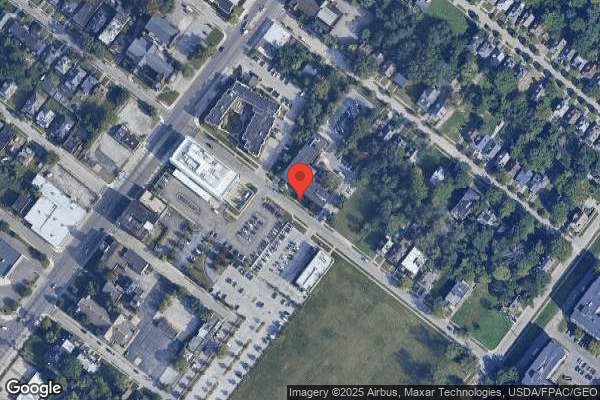
1835 BELMORE AVE, EAST CLEVELAND, OH 44112 (216) 268-3600
For profit - Corporation 130 Beds CERTUS HEALTHCARE Data: November 2025
Trust Grade
35/100
#626 of 913 in OH
Last Inspection: September 2022

Over 2 years since last inspection. Current conditions may differ from available data.

Overview

Candlewood Healthcare and Rehabilitation has received a Trust Grade of F, which indicates significant concerns and a poor overall performance. In Ohio, it ranks #626 out of 913 facilities, placing it in the bottom half, and #54 out of 92 in Cuyahoga County, meaning there are better local options available. While the facility is improving slightly, having reduced its issues from 6 to 5 over the past year, it still faces serious concerns, including $29,488 in fines, which is higher than 75% of similar facilities in the state. Staffing is a weak point, with just 1 out of 5 stars and less RN coverage than 80% of Ohio facilities, although the turnover rate is a relatively good 40%. Notable incidents included a resident being physically assaulted by another resident, resulting in a serious injury, and a case of staff abuse where a resident was pinned against a wall, causing emotional distress. Overall, while there are some strengths in terms of staffing stability, families should weigh these against the significant weaknesses in safety and care quality.

Trust Score
F
35/100
In Ohio
#626/913
Bottom 32%
Safety Record
Moderate
Needs review
Inspections
Getting Better
6 → 5 violations
Staff Stability
○ Average
40% turnover. Near Ohio's 48% average. Typical for the industry.
Penalties
✓ Good
$29,488 in fines. Lower than most Ohio facilities. Relatively clean record.
Skilled Nurses
⚠ Watch
Each resident gets only 23 minutes of Registered Nurse (RN) attention daily — below average for Ohio. Fewer RN minutes means fewer trained eyes watching for problems.
Violations
⚠ Watch
41 deficiencies on record. Higher than average. Multiple issues found across inspections.
★★☆☆☆
2.0
Overall Rating
★☆☆☆☆
1.0
Staff Levels
★★★★★
5.0
Care Quality
★☆☆☆☆
1.0
Inspection Score
Stable
2023: 6 issues
2024: 5 issues

The Good

  • 5-Star Quality Measures · Strong clinical quality outcomes
  • Full Sprinkler Coverage · Fire safety systems throughout facility
  • No fines on record
  • Staff turnover below average (40%)

    8 points below Ohio average of 48%

Facility shows strength in quality measures, fire safety.

The Bad

2-Star Overall Rating

Below Ohio average (3.2)

Below average - review inspection findings carefully

Staff Turnover: 40%

Near Ohio avg (46%)

Typical for the industry

Federal Fines: $29,488

Below median ($33,413)

Moderate penalties - review what triggered them

Chain: CERTUS HEALTHCARE

Part of a multi-facility chain

Ask about local staffing decisions and management

The Ugly 41 deficiencies on record

2 actual harm
Oct 2024 2 deficiencies 1 Harm
SERIOUS (G) 📢 Someone Reported This

A family member, employee, or ombudsman was alarmed enough to file a formal complaint

Actual Harm - a resident was hurt due to facility failures

Free from Abuse/Neglect (Tag F0600)

A resident was harmed · This affected 1 resident

**NOTE- TERMS IN BRACKETS HAVE BEEN EDITED TO PROTECT CONFIDENTIALITY** Based on observation, medical record review, Self-Reported Incident (SRI) review, witness statement review, policy review and in...

Read full inspector narrative →
**NOTE- TERMS IN BRACKETS HAVE BEEN EDITED TO PROTECT CONFIDENTIALITY** Based on observation, medical record review, Self-Reported Incident (SRI) review, witness statement review, policy review and interview, the facility failed to ensure Resident #64 and Resident #93 were free from incidents of physical abuse by Resident #50. This affected two residents (Resident #64 and #93) of six residents reviewed for abuse. Actual harm occurred on 09/24/24 when Resident #93 was physically abused/assaulted by Resident #50 resulting in an injury. At the time of the incident, Resident #50 punched, with a closed fist, Resident #93, unprovoked, resulting in Resident #93 experiencing pain rated a seven out of 10 (on a pain scale with 10 being the most severe pain), headache, distress with crying resulting in a transfer to the hospital emergency department where the resident was admitted to a trauma center for further evaluation and treatment and diagnosed with a nondisplaced right occipital bone fracture. As of 10/01/24 Resident #93 had not returned to the facility. Prior to this incident of physical abuse, Resident #50 was noted to have a history of abuse towards other residents. Findings include: 1. Review of the closed medical record for Resident #93 revealed the resident was admitted to the facility on [DATE] from the hospital and discharged to the hospital on [DATE]. The resident had diagnoses including epilepsy, major depressive disorder, symptoms and signs involving cognitive functions and awareness, suicidal ideation and personal history of transient ischemic attack. Review of a Brief Interview for Mental Status (BIMS) evaluation assessment revealed Resident #93 was cognitively intact. Review of a Social Service History and assessment dated [DATE] revealed Resident #93 used a walker or cane, and rehabilitation was needed to move on to a more normal life. Review of the admission assessment dated [DATE] revealed Resident #93 was alert to person, place, time and situation and was independent with bed mobility, transferring and eating and did not have any pain. Record review revealed Resident #93 and Resident #50 were roommates from 09/17/24 to 09/24/24. Resident #93's daughter was identified to be his Power of Attorney (POA). Review of the medical record for Resident #50 revealed an admission date of 09/23/23 with diagnoses of schizophrenia, dementia with psychotic disturbance, schizoaffective disorder, mood disorder, obsessive compulsive disorder, psychosis, alcohol dependence with alcohol-induced persisting dementia, generalized anxiety disorder and bilateral macular degeneration. Review of the Minimum Data Set (MDS) 3.0 quarterly assessment dated [DATE] revealed Resident #50 was cognitively intact, had hallucinations and delusions, had other behavioral symptoms and wandering behaviors that occurred one to three days during the assessment, and was independent with transferring and walking 150 feet. Resident #50 had legally appointed guardian. Review of a general note dated 09/24/24 timed 7:08 P.M. authored by Registered Nurse (RN) #7 revealed Resident #93 was hit by another resident (Resident #50) on the side of his head while sitting in the hallway in his wheelchair. The residents were separated from each other. Resident #93 was assessed with no apparent injuries noted. The doctor ordered Resident #93 to be sent to hospital for evaluation. Review of a facility SRI dated 09/24/24 revealed at approximately 7:20 P.M., it was reported to the Administrator that Residents #50 and #93 were involved in altercation. Resident #93 was observed sitting in his wheelchair in the hallway, and without provocation, Resident #50 smacked him on the side of his face/ear. Review of the hospital emergency department nursing note dated 09/24/24 timed 8:10 P.M. revealed Resident #93 was brought in by emergency medical services from nursing home for an altercation with his roommate. Resident #93 stated his roommate hit him in the back of his head with his fist for no reason. Resident #93 reported a seven out of 10 headache. It was noted Resident #93 took baby aspirin and was alert and oriented times four spheres (person, place, time and situation). Review of the hospital emergency department physician assistant note dated 09/24/24 timed 8:10 P.M. revealed Resident #93 presented to the emergency department after an assault. Resident #93 was punched once in the back of the head by his roommate at the nursing home around 7:00 P.M. Resident #93 did not fall to the floor. Resident #93 reported a headache now localized to the site of the punch located at the left-side of the head to neck. Resident #93 had some sensations of feeling the room was spinning which he did feel before the punch but the sensation was now consistent. Tenderness was noted over area depicted in photo [left side to middle of neck underneath the skull]. Resident #93 had full range of motion in his neck, some tenderness associated with looking to the right. Resident #93 had pain with movement and muscular tenderness was present. Review of the weight/vitals tab in the electronic medical record revealed Resident #93 had not had any pain from the time of his admission until staff documented pain on 09/24/24 at 9:35 P.M. as the resident complained of pain rated a seven out of 10. Review of the hospital emergency department physician note dated 09/25/24 timed 12:21 A.M. revealed the physician was notified by radiology of a critical finding of nondisplaced right occipital bone fracture. The note indicated neurosurgery would be consulted. Review of the CT scan of head dated 09/25/24 timed 12:32 A.M. revealed Resident #93 had a questionable nondisplaced fracture of the right occipital bone. Review of the orders-administration note dated 09/25/24 timed 7:42 A.M. revealed Resident #93 was admitted to the trauma center with a diagnosis of a hairline fracture. Review of the repeat CT scan of head dated 09/25/24 timed 8:30 A.M. revealed Resident #93 had a stable nondisplaced right occipital bone fracture. Interview on 09/30/24 at 8:30 A.M. and 10:30 A.M. with Resident #93's daughter/POA revealed on 09/24/24, the nurse called her and had informed her she had observed an incident (resident to resident altercation) and reported that Resident #93 did not provoke Resident #50 in any way. The resident's daughter/POA reported Resident #93 sustained a hairline fracture of the skull as result of the hit from Resident #50. Resident #93 had CT scans of the head prior to being admitted to the facility which did not show a fracture of the skull. When Resident #93's daughter/POA spoke to Resident #93 after the incident, Resident #93 stated, oh my god, I was attacked, my head hurts so bad, my head hurts so bad. Resident #93's daughter/POA confirmed Resident #50 was Resident #93's roommate. Resident #93's daughter/POA also revealed Resident #93 was still at the hospital but was getting ready to discharge to a different long-term acute care hospital for acute rehabilitation. Observation on 09/30/24 at 9:15 A.M. revealed Resident #50 was sitting on the edge of his bed, feeding himself breakfast. Interview, during the observation, with Resident #50 revealed when asked to describe the altercation between himself and Resident #93 last week, Resident #50 responded, that did not happen, nothing happened. Interview on 09/30/24 at 9:20 A.M. with Licensed Practical Nurse (LPN) #4 revealed he received the phone call from the hospital that reported Resident #93 had sustained a hairline fracture of the skull. Interview on 09/30/24 at 11:40 A.M. with RN #7, with the DON present, revealed RN #7 was at the nurses' medication cart, passing medications when Resident #93 self-propelled out of his room and was sitting in his wheelchair in front of the elevator when Resident #50 was walking from the opposite direction then turned around and hit Resident #93 with a closed fist on the left side of Resident #93's head. RN #7 was unable to describe the exact location of the point of contact on Resident #93. RN #7 revealed there had not been any words spoken between the residents at the time of the assault; the assault was unprovoked. Resident #93 reported his head was hurting so the physician ordered to send Resident #93 to the hospital. The RN stated staff had been monitoring Resident #50 every 15 minutes. RN #7 believed she was the only staff member to witness the altercation between Residents #50 and #93. Interview on 10/01/24 at 11:30 A.M. with Physician #14 (who specialized in internal medicine and was Residents #50 and #93's physician) revealed Physician #14 reviewed Resident #93's chart at the hospital and felt Resident #93's occipital bone fracture was still questionable as the resident had prior surgery and the imaging could be unclear. When asked if it was possible that Resident #93 sustained the right occipital bone fracture from Resident #50's hit/punch, Physician #14 stated that it could go either way. Review of a hospital CT scan of the head dated 08/24/24 revealed there was no evidence of Resident #93 having a nondisplaced right occipital bone fracture at the time of this testing. Review of a hospital CT scan of the head dated 09/01/24 revealed there was no evidence of Resident #93 having a nondisplaced right occipital bone fracture at the time of this testing. 2. Review of the closed medical record for Resident #64 revealed an admission date of 10/28/21 with diagnoses of aphasia following cerebral infarction, mild cognitive impairment and unsteadiness on feet. Review of the Minimum Data (MDS) Set 3.0 quarterly assessment dated [DATE] revealed Resident #64 had short and long-term memory problems, was unable to recall the current season and staff names and faces, was moderately impaired with daily decision making and had continuous inattention and disorganized thinking. Resident #64 did not utilize a mobility device and was independent with transferring and walking 150 feet. Resident #64 had a legally appointed guardian. Review of the medical record for Resident #50 revealed an admission date of 09/23/23 with diagnoses of schizophrenia, dementia with psychotic disturbance, schizoaffective disorder, mood disorder, obsessive compulsive disorder, psychosis, alcohol dependence with alcohol-induced persisting dementia, generalized anxiety disorder and bilateral macular degeneration. Review of the Minimum Data Set (MDS) 3.0 quarterly assessment dated [DATE] revealed Resident #50 was cognitively intact, had hallucinations and delusions, had other behavioral symptoms and wandering behaviors that occurred one to three days during the assessment, and was independent with transferring and walking 150 feet. Resident #50 had legally appointed guardian. Review of the general note dated 09/12/24 timed 6:59 P.M. revealed Resident #64 was unable to communicate if he was in pain. Acetaminophen 650 milligrams was given for pain and an ice pack was applied to the right side of his mouth which was swollen. Review of the general note dated 09/12/24 timed 7:54 P.M. revealed around 6:45 P.M., Resident #64 had just finished his dinner, got up and was walking down the hall when another resident [Resident #50] struck him on the right side of his face, knocking him to the floor. Both residents were immediately separated by staff and assessed for injuries. Resident #64 had a swollen lip. A call was placed to the Medical Director with new orders for vital signs for seven days every shift and apply ice pack to right side of face. The other resident [Resident #50] was sent out to hospital for a psychiatric evaluation and a room change would be completed on a different floor. Resident #50 would remain on one-to-one supervision until the ambulance arrived. Review of the Situation Background Assessment Recommendation or Request (SBAR) Summary for Providers assessment dated [DATE] revealed Resident #64's physician ordered a facial x-ray. Review of the general note dated 09/13/24 revealed Physician #14 was in to see Resident #64 with no new orders. Resident #64 had an x-ray of the right side of this face which was negative. Review of the general note dated 09/13/24 timed 2:10 A.M. revealed Resident #64 returned from emergency department. Review of a facility SRI dated 09/12/24 revealed on 09/12/24 at approximately 6:45 P.M., it was reported that Resident #64 and Resident #50 were involved in a physical altercation. Review of the Individual Aggression Program for Resident #50 updated 09/12/24 (within the Self-Report Incident investigation) revealed to determine the reason for aggression, attempt to identify why the resident was showing such behavior as: behaviors related to reality of declining cognitive status and fear of the future and responded impulsively to other residents/staff being in their space by hitting/kicking out without harm intent. Possible situations: separate residents who were having negative interaction, do not take resident behavior personally, offer/assist with food, use of bathroom or other activities of daily living (ADLs) and encourage/assist to change location. The possible situations chosen for Resident #50 were generalized and not individualized to Resident #50. Review of the witness statement dated 09/12/24 (within the SRI investigation) authored by Licensed Practical Nurse (LPN) #12 revealed at approximately 6:30 P.M., LPN #12 was at the nurses' station in front of the medication cart when LPN #12 witnessed Resident #50 in the hallway close to the nurses' station. Resident #64 came walking by from the dining room and as he was walking by, Resident #50 struck him in the face, and he fell on the floor. LPN #13 immediately went to the area and removed Resident #50 from the scene while other staff assisted Resident #64. Interview on 09/30/24 at 10:55 A.M. and 11:20 A.M. with the Administrator and Director of Nursing (DON) revealed after Resident #50 hit Resident #64, Resident #50 was sent to the hospital and returned with no new orders, then Resident #50 was seen by psychiatry services and a medication review was completed by psychiatry service. Resident #50 was also moved to the third floor and had increased supervision. The DON was unable to specify the expectation for increased supervision. Upon review of Resident #50's medical record as it pertained to the incidents of physical abuse involving Resident #93 and Resident #64 it was noted the resident had a physical behaviors care plan dated 09/13/24 which indicated Resident #50 had potential to demonstrate physical behaviors hitting or attacking because he had poor impulse control. The care planned interventions were generalized and were not individualized to Resident #50. Review of Resident #50's physical behaviors care plan dated 09/25/24 revealed Resident #50 had potential to demonstrate physical behaviors of hitting other residents related to dementia. History of harm to others and intrusive wandering/exit seeking. Resident #50 was demonstrating physical behaviors (hitting other residents related to dementia, history of harm to others, poor impulse control). The care planned interventions were generalized and not individualized to Resident #50. Interview on 09/30/24 at 9:00 A.M. with Registered Nurse (RN) #1 revealed Resident #50 repeated what was spoken to him and invaded personal space. RN #1 was not aware of interventions being in place to protect other residents from Resident #50's impulsive behaviors other than every 15-minute checks. Interview on 09/30/24 at 9:12 A.M. and 10:40 A.M. with State Tested Nurse Aide (STNA) #3 revealed Resident #50 had been getting more aggressive. Resident #50 had resided on the third floor, was moved to the second floor then back on the third floor which was his current location. STNA #3 was not aware of any interventions for Resident #50 other than every 15-minute checks. Observation on 09/30/24 at 9:50 A.M. revealed Resident #50 was lying in his bed, asleep. Interview on 09/30/24 at 10:50 A.M. with STNA #5 revealed Resident #50 was on every 15-minute checks. STNA #5 was not aware of any other interventions being in place to protect the safety of other residents. Observation on 09/30/24 at 10:51 A.M. and 12:45 P.M. revealed Resident #50 was lying in his bed, asleep. Observation on 09/30/24 at 12:50 P.M. revealed STNA #9 sitting at the nurses' station with several papers including one paper dated 09/30/24 with Resident's #50 name on it which indicated Resident #50 was on 15-minute checks with increments of 15-minutes from 12:00 A.M. to 11:59 P.M. with staff initials next to each 15-minute increment. There was no documentation of what Resident #50 was doing when the 15-minute checks were completed. Interview, during the observation, with STNA #9 revealed Resident #50 had a recent increase in physical behaviors that were totally unprovoked. On 09/30/24 at 12:52 P.M. the every 15 minute check log for Resident #50 was requested from the the DON. Interview on 09/30/24 at 4:00 P.M. with the Administrator and Regional Director of Clinical Operations (RDCO) #12 confirmed Resident #50 hit Resident #64 and Resident #93 within less than two-week span, unprovoked. Evidence of Resident #50's every 15-minute checks was requested again. Interview on 09/30/24 at 4:20 P.M. with LPN #12 verified she witnessed Resident #64 walking along and Resident #50 hitting Resident #64, unprovoked. LPN #12 was unable to describe if Resident #50 hit Resident #64 with an open hand or closed fist. On 10/01/24 at 9:50 A.M. evidence every 15- minute checks for Resident #50 were completed was requested from Regional Director of Operations (RDO) #13. Review of the facility's Abuse, Mistreatment, Neglect, Exploitation and Misappropriation of Resident Property dated October 2022 revealed if a resident was accused or suspected, the facility would ensure other residents were protected as determined by the circumstances, which could include but were not limited to, increased supervision of the alleged perpetrator and/or other residents, room or staffing changes, and immediate transfer or discharge, if indicated. Whether the incident/allegation was substantiated or unsubstantiated, the Administrator and/or DON or designee would: ensure involved resident's plan of care was reviewed and revised, as appropriate, consistent with the results of the investigation. At the completion of the complaint investigation on 10/01/24, the facility provided no evidence that every 15 minute checks were completed on Resident #50. This deficiency represents non-compliance investigated under Complaint Number OH00158288 and OH00158285.
CONCERN (D) 📢 Someone Reported This

A family member, employee, or ombudsman was alarmed enough to file a formal complaint

Potential for Harm - no one hurt, but risky conditions existed

Deficiency F0740 (Tag F0740)

Could have caused harm · This affected 1 resident

**NOTE- TERMS IN BRACKETS HAVE BEEN EDITED TO PROTECT CONFIDENTIALITY** Based on observation, medical record review, Self-Reported Incident (SRI) review, and interview, the facility failed to develop ...

Read full inspector narrative →
**NOTE- TERMS IN BRACKETS HAVE BEEN EDITED TO PROTECT CONFIDENTIALITY** Based on observation, medical record review, Self-Reported Incident (SRI) review, and interview, the facility failed to develop a care plan with individualized interventions to support the behavioral health care needs of Resident #50, who had diagnoses of major depressive disorder, schizophrenia, generalized anxiety disorder, schizoaffective disorder, mood disorder, obsessive compulsive disorder and psychosis. This affected one (Resident #50) of six residents reviewed for behavioral health care needs. Findings include: Review of the medical record for Resident #50 revealed an admission date of 09/23/23 with diagnoses of schizophrenia, dementia with psychotic disturbance, schizoaffective disorder, mood disorder, obsessive compulsive disorder, psychosis, alcohol dependence with alcohol-induced persisting dementia, generalized anxiety disorder and bilateral macular degeneration. Review of the Minimum Data Set (MDS) 3.0 quarterly assessment dated [DATE] revealed Resident #50 was cognitively intact, had hallucinations and delusions, had other behavioral symptoms and wandering behaviors that occurred one to three days during the assessment period, and was independent with transferring and walking 150 feet. Resident #50 had legal guardian. Review of the physician orders from September 2024 revealed Resident #50 was ordered: Aripiprazole (an antipsychotic medication) oral tablet 15 milligrams (mg) once a day by mouth at bed time, Clonazepam (medication used to treat anxiety) oral tablet 1 mg by mouth two times a day, and Fluvoxamine Maleate (used to treat obsessed compulsive disorder) oral tablet 50 mg one tablet by mouth in the morning. Review of the psychiatric nurse practitioner progress note dated 09/10/24 revealed Resident #50 appeared to be at baseline for his medication regimen. Resident #50's son was involved in his care, and staff reported no behavioral issues with the resident at this time. Review of the general note dated 09/12/24 timed 8:02 P.M. revealed around 6:45 P.M., Resident #50 was standing out in the hallway when Resident #64 was passing by. Resident #50 struck Resident #64 on the right side of the face, knocking him to the ground. Both residents were separated and assessed for injuries. This resident appeared to have no injuries however the other resident (Resident #64) had a right swollen lip. Resident #50 was immediately placed on one-to-one supervision. Call to medical director with new orders to send to emergency department for psychiatric evaluation and move Resident #50 to the third floor. Review of the general note dated 09/13/24 timed 2:10 A.M. revealed Resident #50 returned from emergency department. Review of the physical behaviors care plan dated 09/13/24 revealed Resident #50 had potential to demonstrate physical behaviors hitting or attacking because he had poor impulse control. The care planned interventions were generalized and were not individualized to Resident #50. Review of the Statement of Expert Evaluation dated 09/17/24 revealed Resident #50 had thought process, affect, memory, concentration and comprehension and judgment impairment. Resident #50 did not know the current president and was unable to count numbers. Resident #50 was recommended to have continued guardianship. Review of the general note dated 09/24/24 timed 8:32 P.M. revealed Resident #50 hit another resident on the side of his head while other resident [Resident #93] was sitting in the hallway in his wheelchair. The residents were separated from each other. The physician ordered Resident #50 to be sent to hospital for evaluation. Ambulance transported the resident to the emergency room via stretcher. Review of the physical behaviors care plan dated 09/25/24 revealed Resident #50 had potential to demonstrate physical behaviors of hitting other residents related to dementia. History of harm to others and intrusive wandering/exit seeking. The care planned interventions were generalized and were not individualized to Resident #50. Review of the physical behaviors care plan dated 09/25/24 revealed Resident #50 was demonstrating physical behaviors (hitting other residents related to dementia, history of harm to others, poor impulse control). The care planned interventions were generalized and not individualized to Resident #50. Review of the SRI dated 09/12/24 revealed on 09/12/24 at approximately 6:45 P.M., it was reported that Resident #64 and Resident #50 were involved in a physical altercation. Review of the Individual Aggression Program for Resident #50 updated 09/12/24 (within the Self-Report Incident investigation) revealed to determine the reason for aggression, attempt to identify why the resident was showing such behavior as: behaviors related to reality of declining cognitive status and fear of the future and responded impulsively to other residents/staff being in their space by hitting/kicking out without harm intent. Possible situations: separate residents who were having negative interaction, don't take resident behavior personally, offer/assist with food, use of bathroom or other activities of daily living (ADLs) and encourage/assist to change location. The possible situations for Resident #50 were generalized and were not individualized to Resident #50. Review of the SRI dated 09/24/24 revealed at approximately 7:20 P.M., it was reported to the Administrator that Residents #50 and #93 were involved in altercation. Resident #93 was observed sitting in his wheelchair in the hallway, and without provocation, Resident #50 smacked him on the side of his face/ear. Interview on 09/30/24 at 9:00 A.M. with Registered Nurse (RN) #1 revealed Resident #50 repeated what was spoken to him and invaded personal space. RN #1 was not aware of additional interventions for Resident #50 other than every 15-minute checks. Interview on 09/30/24 at 9:12 A.M. and 10:40 A.M. with State Tested Nurse Aide (STNA) #3 revealed Resident #50 had been getting more aggressive. Resident #50 had resided on the third floor, then was moved to the second floor then currently back on the third floor. STNA #3 was not aware of additional interventions for Resident #50 other than every 15-minute checks. Observation on 09/30/24 at 9:15 A.M. revealed Resident #50 was sitting on the edge of his bed, feeding himself breakfast. Interview, during the observation, with Resident #50 revealed when asked to describe the altercation between himself and Resident #93 last week, Resident #50 responded, that did not happen, nothing happened. Observation on 09/30/24 at 9:50 A.M. revealed Resident #50 was lying in his bed, asleep. Interview on 09/30/24 at 10:50 A.M. with STNA #5 revealed she was not aware of additional interventions for Resident #50 other than every 15-minute checks. Observation on 09/30/24 at 10:51 A.M. revealed Resident #50 was lying in his bed, asleep. Interview on 09/30/24 at 10:55 A.M., 11:20 A.M. with the Administrator and Director of Nursing (DON) revealed after Resident #50 hit Resident #64, Resident #50 was sent to the hospital and returned with no new orders then Resident #50 was seen by psychiatry services and a medication review was completed by psychiatry service. Resident #50 was also moved to the third floor and had increased supervision. The DON was unable to specify the expectation for increased supervision. Interview on 09/30/24 at 11:40 A.M. with RN #7, with the DON present, revealed RN #7 was at the nurses' medication cart, passing medications when Resident #93 self-propelled out of his room and was sitting in his wheelchair in front of the elevator when Resident #50 was walking from the opposite direction then turned around and hit Resident #93 with a closed fist on the left side of Resident #93's head. RN #7 revealed there hadn't been any words spoken to each other at the time of the assault and the assault was unprovoked. The staff had been monitoring Resident #50 every 15-minutes. Observation on 09/30/24 at 12:45 P.M. revealed Resident #50 was lying in his bed, asleep. Interview on 09/30/24 at 12:50 P.M. with STNA #9 revealed Resident #50 had a recent increase in physical behaviors that were totally unprovoked. Interview on 09/30/24 at 4:00 P.M. with the Administrator and Regional Director of Clinical Operations (RDCO) #12 verified Resident #50 hit Resident #64 and Resident #93 within less than two-week span, unprovoked. During an interview on 10/01/24 at 11:25 A.M. with the Administrator and RDCO #12 they refused to verify that individualized care plan interventions were not in place for Resident #50 after the altercation on 09/12/24. This deficiency represents non-compliance investigated under Complaint Number OH00158288 and OH00158285.
Jun 2024 1 deficiency
CONCERN (D) 📢 Someone Reported This

A family member, employee, or ombudsman was alarmed enough to file a formal complaint

Potential for Harm - no one hurt, but risky conditions existed

Report Alleged Abuse (Tag F0609)

Could have caused harm · This affected 1 resident

**NOTE- TERMS IN BRACKETS HAVE BEEN EDITED TO PROTECT CONFIDENTIALITY** Based on observation, medical record review, policy review and interview, the facility failed to ensure a staff-to-resident phys...

Read full inspector narrative →
**NOTE- TERMS IN BRACKETS HAVE BEEN EDITED TO PROTECT CONFIDENTIALITY** Based on observation, medical record review, policy review and interview, the facility failed to ensure a staff-to-resident physical abuse allegation involving Resident #2 was reported to the Administrator. This affected one resident (#2) of five residents reviewed for abuse. The census was 99. Findings include: Review of the medical record for Resident #2 revealed an admission date of 09/08/23 with diagnoses of cerebral infarction, hemiplegia and hemiparesis affecting left non-dominant side, vascular dementia with mood disturbance, diabetes, gastrostomy, chronic heart failure, anxiety disorder, depression, psychosis and suicidal ideations. Review of the general note dated 04/15/24 revealed Resident #2 was alert and oriented times two and pleasant. He was able to make his needs known to staff. He utilized a Hoyer (mechanical lift) for transfers and two-person maximum assistance with all other activities of daily living. He was incontinent of bowel and bladder. He was NPO (nothing by mouth) and was tolerating continuous tube feedings. Review of the Minimum Data Set (MDS) 3.0 quarterly assessment dated [DATE] revealed Resident #2 was cognitively intact, had hallucinations and delusions, was dependent on staff for oral and personal hygiene, toileting, bathing, upper and lower body dressing, and bed mobility. Observation on 06/17/24 at 9:15 A.M. revealed Resident #2 was lying in bed, in a hospital gown, on his back, asleep, with a feeding tube. Interview, during the observation, with Resident #2 revealed he had a complaint that one of the workers bent his right arm back and cut his fingernails when he told her not to do it. The incident occurred approximately four months ago, and he told a nurse or someone about it but he couldn't remember the name of the person he reported the incident to. Resident #2 stated my arm hurts as he held up and bent his right arm at the elbow. Interview on 06/17/24 at 10:00 A.M. with State-tested Nurse Aide (STNA) #4 revealed Resident #2 did make an allegation of abuse towards STNA #3 saying, she abused him by pulling his arm, and he asked STNA #3 to stop but she didn't. The incident occurred approximately a couple of weeks ago/a month ago. STNA #4 notified former Registered Nurse (RN) #7 of the allegation. Interview on 06/17/24 at 10:28 A.M. with the Administrator and the Director of Nursing (DON) revealed RN #7 hadn't worked at the facility since 02/10/24. The Administrator and the DON were unaware of Resident #2's physical abuse allegation towards STNA #3. Interview on 06/17/24 with Resident #2's Power of Attorney (POA) revealed STNA #3 was rough with Resident #2 and would hold him down and talk smack to him. Resident #2's POA reported the incident to the Scheduler and Case Manager; however, Resident #2's POA was unable to remember the staff names. Interview on 06/17/24 wat 11:25 A.M. with Regional Clinical Support Nurse (RCSN) #9 with the Administrator and DON present, revealed former Administrator/Regional Administrator #10 was also unaware of a physical abuse allegation involving Resident #2 and STNA #3. RCSN #9, the Administrator and the DON all verified it was the expectation and facility policy for the Administrator to be immediately notified a resident abuse allegation. Review of the facility's Abuse, Mistreatment, Neglect, Exploitation and Misappropriation of Resident Property policy dated October 2022 revealed staff should report all incidents/allegations immediately to the Administrator or designee. If a staff member is accused or suspected, the facility should immediately remove that staff member from the facility and the schedule pending the outcome of the investigation. All incidents and allegations of Abuse, Neglect, Exploitation, Mistreatment and Misappropriation of resident property and all injuries of Unknown Source must be reported immediately to the Administrator or designee. The Administrator/designee should be notified by informing him/her in person, calling via telephone, or sending an email or text message. This deficiency represents non-compliance investigated under Master Complaint Number OH00154585 and Complaint Number OH00154530.
Feb 2024 2 deficiencies
CONCERN (E) 📢 Someone Reported This

A family member, employee, or ombudsman was alarmed enough to file a formal complaint

Potential for Harm - no one hurt, but risky conditions existed

Deficiency F0800 (Tag F0800)

Could have caused harm · This affected multiple residents

Based on observations, interviews, review of facility food production sheets and diet type report, the facility failed to ensure Resident #18, #28, #38, #63, #85 and #94 received the pureed main entre...

Read full inspector narrative →
Based on observations, interviews, review of facility food production sheets and diet type report, the facility failed to ensure Resident #18, #28, #38, #63, #85 and #94 received the pureed main entree in the proper portion size, failed to ensure Residents #19, #44, #49, #50, #60, #76, #77, #86 and #89 received the appropriate main entree for their low sodium diets as ordered, and failed to ensure Residents #13, #17, #21, #23, #25, #26, #30, #34, #41, #87, #91, #53, #54, #67, #69, #72, #73 and #79 received fortified foods as ordered. This affected a total of 33 residents of 94 residents receiving meals from the kitchen. The facility identified four residents (#2, #32, #65 and #74) as receiving nothing by mouth. The facility census was 98. Findings include: 1. Review of the facility food production sheet for lunch on 02/06/24 revealed residents on a puree diet were to receive two number eight scoops of pureed chili. Observation of the lunch tray line on 02/06/24 from 12:07 P.M. to 12:41 P.M. revealed residents who were on a puree diet received one number eight scoop of pureed chili from Dietary [NAME] (DC) #450 who was observed serving the pureed chili on the tray line. Interview on 02/06/24 at 12:34 P.M. with DC #450 confirmed he gave one number eight scoop of pureed chili to the residents on a puree diet. Review of the 02/06/24 lunch production sheet and interview with Dietary Manager on 02/06/24 at 12:57 P.M. confirmed the production sheet had not been followed and all residents on a puree consistency should have received two number eight scoops of pureed chili instead of one number eight scoop of puree chili. Review of the facility document titled Diet Type Report identified Residents #18, #28, #38, #63, #85 and #94 as having either pureed meat or pureed diet. 2. Review of facility food production sheet for lunch on 02/06/24 revealed residents on a low sodium diet were to receive one three-ounce hamburger on a bun with lettuce and onion instead of the chili. Observation of the lunch tray line on 02/06/24 from 12:07 P.M. to 12:41 P.M. revealed residents on a low sodium diet received one eight-ounce scoop of chili from DC #450. Interview on 02/06/24 at 12:34 P.M. with DC #450 confirmed he gave one eight-ounce scoop of chili for the residents on a low sodium diet. Review of the 02/06/24 lunch production sheet and interview with Dietary Manager on 02/06/24 at 12:57 P.M. confirmed the production sheet had not been followed and residents on a low sodium diet should have received one three-ounce hamburger on a bun with lettuce and onion instead of the one eight-ounce scoop of chili. Review of the facility document titled Diet Type Report identified Residents #19, #44, #49, #50, #60, #76, #77, #86 and #89 as having a low sodium diet. 3. Observation of the lunch tray line on 02/06/24 from 12:07 P.M. to 12:41 P.M. revealed residents who were identified on their meal tickets as needing fortified mashed potatoes for lunch did not receive them. Observation of the items in the steam table revealed no fortified mashed potatoes had been prepared for the meal. Interview on 02/06/24 at 12:08 P.M. with DC #450 confirmed there were no fortified mashed potatoes made, and stated he only gave fortified mashed potatoes when mashed potatoes were on the menu. Interview on 02/06/24 at 12:45 P.M. with Dietary Manager #374 confirmed those residents who have fortified mashed potatoes identified on their meal ticket should receive them daily not when they are on the menu. Interview on 02/08/24 at 11:11 A.M. with Dietitian #451 confirmed residents who have fortified food identified on their meal ticket should be receiving the fortified food daily, not when they are on the menu. Dietitian #451 then stated the cooks down there know that. Review of the facility document titled Diet Type Report identified Residents #13, #17, #21, #23, #25, #26, #30, #34, #41, #87, #91, #53, #54, #67, #69, #72, #73 and #79 as having fortified foods diet. This deficiency resulted from incidental findings during the investigation of Complaint Number OH00150593.
CONCERN (F) 📢 Someone Reported This

A family member, employee, or ombudsman was alarmed enough to file a formal complaint

Potential for Harm - no one hurt, but risky conditions existed

Food Safety (Tag F0812)

Could have caused harm · This affected most or all residents

**NOTE- TERMS IN BRACKETS HAVE BEEN EDITED TO PROTECT CONFIDENTIALITY** Based on observation and interviews, the facility failed to ensure kitchen employees were wearing beard guards while preparing a...

Read full inspector narrative →
**NOTE- TERMS IN BRACKETS HAVE BEEN EDITED TO PROTECT CONFIDENTIALITY** Based on observation and interviews, the facility failed to ensure kitchen employees were wearing beard guards while preparing and serving food, and failed to ensure drinks on resident meal trays were covered while carrying the trays through the hallways for delivery to the residents. This had the potential to affect all 94 residents receiving meals from the kitchen. The facility identified four residents (#2, #32, #65, and #74) as receiving nothing by mouth. The facility census was 98. Findings include: 1. Observation on 02/01/24 from 12:20 P.M. to 12:25 P.M. revealed State Tested Nursing Assistant (STNA) #336 poured lemonade and fruit punch into plastic cups in an area around the nurse's station and then placed the cups of liquid back onto the meal trays in the covered food cart. STNA #336 then closed the door to the covered food cart and pushed it down the hall and placed the cart in the middle of the hall between room [ROOM NUMBER] and 111. STNA #336 then took Resident #95's meal tray out of the covered food cart and walked it down to the end of the hallway with the lemonade uncovered, and STNA #358 was observed taking Resident #89's out of the covered food cart and walked it down to the end of the hallway with the lemonade uncovered. Interview with Resident #89 on 02/01/24 at 12:26 P.M. with Resident #89 confirmed her lemonade didn't have a lid on it and stated sometimes the beverages comes with lids and sometimes they don't. Interview with Resident #95 on 02/01/24 at 12:28 P.M. confirmed his lemonade did not have a lid on it and stated, that is how it is served. Interview on 02/01/24 at 12:31 P.M. with STNAs #336 and #358 confirmed they walked down the hall with the beverages uncovered. Interview with Dietitian #45 on 02/01/24 at 3:12 P.M. confirmed the beverages should have been covered if the meal trays were being walked down the hallway. 2. Observations of the kitchen on 02/06/24 from 11:40 A.M. to 12:41 P.M. revealed from 11:40 A.M. to 11:47 A.M., Dietary [NAME] (DC) #401, who had a beard, was not wearing a beard guard while he prepared the puree chili, puree wax beans, and took the temperatures of the food items on the steam table. Observation at 12:00 P.M. revealed Regional Culinary #450 asked DC #401 to put on a beard guard. Observation of tray line from 12:07 P.M. to 12:41 P.M. revealed Dietary Aide (DA) #322, who had a beard, was not wearing a beard guard as he placed a domed lids on the plates of food then placed the food items in food carts. Observation of kitchen area on 02/06/24 from 11:40 A.M. to 12:41 P.M. revealed DA #330 who had a beard, was wearing a paper blue surgical mask under chin with parts of the beard on the side of the face sticking out between the ear loops of the surgical mask and was walking in and out of the kitchen and putting stock away. Interview on 02/06/24 at 12:41 P.M. with Regional Culinary #450 confirmed DC #450 had not been wearing a beard guard as he should have been until she asked him to put a beard guard on. Interview on 02/06/24 at 12:45 P.M. with Dietary Manager #374 confirmed DA #330 had a beard and a surgical mask under the chin was not an appropriate beard guard and DA #322 had a beard and was not wearing a beard guard. Dietary Manager #374 stated anyone working in the kitchen with a beard should wear a beard guard. This deficiency represents non-compliance investigated under Complaint Number OH00150593.
Oct 2023 1 deficiency
CONCERN (D) 📢 Someone Reported This

A family member, employee, or ombudsman was alarmed enough to file a formal complaint

Potential for Harm - no one hurt, but risky conditions existed

Free from Abuse/Neglect (Tag F0600)

Could have caused harm · This affected 1 resident

**NOTE- TERMS IN BRACKETS HAVE BEEN EDITED TO PROTECT CONFIDENTIALITY** Based on record review, review of the facility Self-Reported Incident (SRI) investigation, review of policy, observations and in...

Read full inspector narrative →
**NOTE- TERMS IN BRACKETS HAVE BEEN EDITED TO PROTECT CONFIDENTIALITY** Based on record review, review of the facility Self-Reported Incident (SRI) investigation, review of policy, observations and interviews, the facility failed to ensure Resident #7 and Resident #8 were free from physical abuse. This affected two residents (Resident #7 and #8) out of three residents reviewed for abuse. The facility census was 92. Findings include: 1. Review of the medical record for Resident #8 revealed an admission date of 01/25/19 with diagnoses including schizoaffective disorder, drug-induced subacute dyskinesia, chronic obstructive pulmonary disease, insomnia, vascular dementia without behavior disturbance, psychotic disturbance or mood disturbance, schizophrenia, major depressive disorder, muscle weakness and abnormal gait. Review of Resident #8's Minimum Data Set (MDS) 3.0 assessment, dated 09/12/23 , revealed moderate cognitive deficit with a Brief Interview for Mental Status ( BIMS) score of 10 out of 15. Resident #8 had no physical or verbal behavior exhibited toward others, was a one-person physical assistance for bed mobility, one-person physical assist for walking in the room, needed supervision for dressing, eating and toilet use. Resident #8 had no broken teeth, or mouth or facial pain noted. Resident #8 had no surgical wounds or skin tears. Review of the comprehensive care plan, start date 06/14/23, documented Resident #8 was at risk for sexually oriented behavior related to dementia with behaviors and altered mental status. The goal was for Resident #8 to comply with staff directions and behave in a safe and respectful manner through next review date. Interventions included conduct an evaluation of sexually oriented behavioral symptoms to determine what Resident #8 is communicating through behavior, use creative refocusing to alter behavior patterns, redirection, and referral for a psychiatric evaluation and utilize psychoactive medication as warranted. 2. Review of Resident #7's medical record revealed an admission date of 09/30/21 with medical diagnoses including type two diabetes mellitus, schizophrenia, anxiety disorder, insomnia, unspecified intellectual disabilities, major depressive disorder and generalized anxiety disorder, Review of Resident #7's annual MDS 3.0 assessment, dated 07/06/23, revealed cognition was intact with a BIMS score of 15 out of 15. Resident #7 did not hallucinate or had delusions and had no physical or verbal behaviors exhibited toward others. Resident #7 needed one-person physical assist for bed mobility and was independent to walk. Resident #7 needed set up for dressing, eating and toilet use. Review of comprehensive care plan , completion date 08/08/23, revealed Resident #7 was at risk for potential verbal aggression when frustrated. Goal for Resident #7 was to verbalize understanding of need to control verbally abusive behavior through the review date. Interventions included staff to remain calm and not raise voice, encourage Resident #7 to vent feelings, staff not to take resident's behavior personally, encourage resident to participate in individual or group activities, and notify physician related to medication. Review of a nursing note dated 10/10/23 written by Licensed Practical Nurse ( LPN) #424 revealed loud voices with cursing and yelling in the room of Resident #7 and Resident #8. LPN #424 observed Resident #7 in Resident #8's bed. Resident #8 was on top of Resident #7 hitting him with his fist. Resident #7 was choking Resident #8 and hitting his face. Resident #8 was bleeding from the mouth and under right eye and his neck was very red. SR #8 had a laceration under his right eye. The medical director and family were informed. Review of the facility document titled Skin Grid Non-Pressure V5, dated 10/09/23, written by LPN #424 revealed Resident #8 had red marks on his neck and a skin tear on face measuring 0.5 centimeters (cm) in length by 0.5 cm in width and 0.1 cm depth. The wound had sanguineous bloody drainage. Review of a nursing note dated 10/10/23 written by LPN #325 revealed Resident #8 returned from the hospital that morning with no new orders and vital signs within normal limits. Resident #8 was moved to another room. A message was left for the guardian to call back regarding the update on the room change. Review of Resident #8's hospital emergency visit summary on 10/09/23 revealed an admission diagnosis of assault. Imaging tests were ordered of the cervical spine, head and maxillofacial bones and a chest x ray. All results were negative and Resident #8 was discharged back to the facility on [DATE] Review of the facility SRI investigation, dated 10/10/23 , revealed at 10:30 P.M. the administrator received a call from the second-floor charge nurse to report Resident #7 and Resident #8 were in an altercation. The preliminary investigation revealed Resident #7 stated the roommate (Resident #8) was masturbating in bed, and Resident #7 wanted him to stop. Resident #8 reported Resident #7 came over to his side of the room and began making derogatory remarks about his family. Both residents were immediately separated. Resident #8 had a laceration under his eye and was bleeding from the mouth. Police were called. Resident #7 was placed on every 15-minute checks and Resident #8 was transported to the emergency room. Both of the resident's representatives and physicians were notified. The facility unsubstantiated the allegation of abuse indicating the resident's indicated they had a disagreement, hit each other but denied feeling abused. Review of the witness statement dated 10/09/23 authored by State Tested Nursing Assistant (STNA) #379 revealed she heard the nurse responding to a resident altercation and followed the nurse down the hall. Resident #8 was on top of Resident #7 pounding him in the face with his fist. The staff worked together to deescalate the situation. Review of the witness statement dated 10/09/23 authored by Licensed Practical Nurse (LPN) #424 revealed she heard cursing and yelling and went to the room of Resident #7 and Resident #8 to find Resident #8 on top of Resident #7 hitting him in the face and Resident #7 was choking Resident #8. Review of the witness statement dated 10/09/23 authored by STNA #302 revealed she heard the nurse scream for help, went to the room of Resident #8 and Resident #7 and saw Resident #8 on top of Resident #7 punching him in the face. STNA #302 and the other staff broke up the fight. Review of the witness statement dated 10/09/23 authored by STNA #311 revealed she witnessed Resident #7 and #8 fighting with each other. Interview on 10/12/23 at 9:46 A.M. with the Executive Director( ED) revealed as of 09/01/23 Resident #7 and SR #8 were roommates. The ED verified the altercation with Resident #7 and #8. The ED verified SR #8 had a laceration under the eye and blood from the mouth and needed to go to the hospital emergency room. Resident #7 did not have any injuries and refused to go the hospital. Interview on 10/12/23 at 2:45 P.M. with Resident #8 revealed he felt Resident #7 did not like him because he masturbated. Resident #8 stated Resident #7 scratched him and he was not missing any teeth. Resident #8 stated he did not feel safe because his roommate would start fights with him. Resident #8 also stated he did not feel scared now that he was away from Resident #7. Observation during this interview revealed Resident #8 had a pink laceration under the right eye and a pink laceration on the neck. Interview on 10/10/23 at 3:00 P.M. with Resident #7 revealed Resident #8 did not have his curtain closed when he was masturbating and that bothered him. Resident #7 stated he was upset because nobody should have to see that. Interview on 10/12/23 with STNA #379 who witnessed the event stated Resident #7 would get upset easily. STNA #379 said Resident #8 had blood under his eye and blood in his mouth from the fight with Resident #7. Interview on 10/12/23 at 1:29 P.M. with LPN #332 stated Resident #8 had a cut under eye and welts around his neck from being choked during the fight with Resident #8. Resident #8 was nervous because of what happened but presently not scared. The ambulance took Resident #8 to the hospital emergency room for evaluation of his injuries. Interview on 10/12/23 at 1:32 P.M. with STNA #311 revealed she was in the linen room on the night of 10/09/23 and heard screaming. Resident #8 was on top of Resident #7 fighting. STNA #311 verified Resident #8 had a cut under his eye and a scratch on the resident's neck. Interview on 10/12/23 at 1:42 P.M. with STNA #329 revealed she was called to help with the altercation. Both residents were separated and kept safe that night. Interview on 10/12/23 at 5:30 P.M. with LPN #424 revealed she was sitting behind the nurse station and heard yelling down the hall. When LPN #424 entered the room Resident #8 was on top of Resident #7 and Resident #8 had a bloody mouth and a cut eye. LPN #424 called for help immediately and the staff separated the two residents to keep them safe. LPN #424 called 911 and stayed with Resident #8 until the ambulance arrived and transported the resident to the hospital. Interview on 10/12/23 at 12:49 P.M. with Social Worker Designee (SWD) #301 revealed both Resident #7 and #8 had no history of not getting along, but Resident#7 was uncomfortable with Resident #8 masturbating in their room. SWD #310 met with both residents on 10/12/23 and Resident #8 was educated to pull the curtain for privacy during masturbation. SWD #301 stated Resident #8 had a right to privacy and freedom from abuse. Interview on 10/16/23 at 9:12 A.M. with the Director of Nursing (DON) revealed neither resident had ever shown signs of aggression. The DON stated the hospital stated no major injuries were sustained, only a laceration on Resident #8. Interview on 10/16/23 at 11:09 A.M. with the Director of Behavioral Health Psychologist #459 revealed Resident #8 was a quiet resident and never had problems with other roommates and Resident #7 was opinionated and religiously fixated, therefore, the masturbation bothered Resident #7 and provoked him against Resident #8 contributing to the fight. Review of the facility policy titled Abuse, Mistreatment, Neglect, Exploitation and Misappropriation, dated October 2022, documented the definition of abuse as the willful infliction of injury resulting in physical harm. The documented definition of willful as the means the individual must have acted deliberately, not that the individual must have intended to inflict injury or harm. This deficiency represents non-compliance investigated under Complaint Number OH00147293. .
Feb 2023 2 deficiencies 1 Harm
SERIOUS (G) 📢 Someone Reported This

A family member, employee, or ombudsman was alarmed enough to file a formal complaint

Actual Harm - a resident was hurt due to facility failures

Free from Abuse/Neglect (Tag F0600)

A resident was harmed · This affected 1 resident

**NOTE- TERMS IN BRACKETS HAVE BEEN EDITED TO PROTECT CONFIDENTIALITY** Based on record review, review of a facility self-reported incident, facility policy review and interview the facility failed en...

Read full inspector narrative →
**NOTE- TERMS IN BRACKETS HAVE BEEN EDITED TO PROTECT CONFIDENTIALITY** Based on record review, review of a facility self-reported incident, facility policy review and interview the facility failed ensure a smoking privilege was not withheld as a punishment for Resident #71 and failed to ensure the resident was free from an incident of staff to resident abuse. Actual Harm occurred on 02/17/23 when facility staff withheld smoking as a punishment for Resident #71 which then escalated to an altercation between State Tested Nurse Aide (STNA) #563 Resident #71. STNA #563 was observed to pin Resident #71 against the wall causing the resident to be fearful of the aide and upset/crying resulting in psychosocial harm. This affected one resident (#71) of three residents reviewed for abuse. The facility census was 93. Findings include: Review of the medical record for Resident #71 revealed an admission date of 10/28/22 with diagnoses including bipolar disorder, anxiety disorder, chronic obstructive pulmonary disease, and post-traumatic stress disorder. Review of the admission Minimum Data Set (MDS) 3.0 assessment dated [DATE] revealed Resident #71 had intact cognition. Resident #71 required extensive one-staff physical assistance for bed mobility; and supervision with set-up help only for transfers, dressing, eating, toileting, and hygiene. Resident #71 was always continent of urine and bowel. Review of the care plan dated 01/18/23 revealed Resident #71 had chronic obstructive pulmonary disease related to smoking. Interventions included to increase supervision while smoking and monitor for signs and symptoms of acute respiratory insufficiency. The care plan also included a focus that Resident #71 had behavior problems related to sexually provocative behaviors. Interventions included to administer medications as ordered and to approach and speak to the resident in a calm manner and divert attention as to remove her from the situation and take to an alternative location. Review of the smoking safety screen dated 01/28/23 revealed Resident #71 was safe to smoke with supervision. Review of the elopement evaluation completed 02/07/23 revealed Resident #71 was not at risk for elopement. Review of a facility SRI, tracking number 232237 initiated 02/18/23 revealed Resident #71 alleged on 02/17/2023 around 7:45 P.M. (during resident smoke time) she entered the sitting area leading to the outside area. The resident indicated she was stopped by STNA #563 and advised she needed to wait due to requiring increased supervision while smoking. While the resident attempted to proceed to go outside, STNA #563 attempted to redirect the resident and stood in front of the door with her back facing the resident. Resident #71 placed her arm around STNA #563's neck trying to pull her to the ground. Resident #71 then grabbed STNA #563's face causing her to have scratch that bled. STNA #563 turned her body around to face Resident #71, while still in a hold, and pushed the resident back breaking loose from the resident's grip. STNA #601 intervened. The receptionist, who heard the commotion came to assist and escorted Resident #71 back to her unit. At approximately 10:00 P.M., East Cleveland Police came to the facility to report Resident #71 had contacted them to make a report; however, upon attempts to interview the resident, she declined to say anything regarding the incident. On 02/18/2023 STNA #601 contacted ADON #610 to report that at the time of the incident she witnessed STNA #563 punch Resident #71 in the face after pushing the resident off her. STNA #563 was immediately suspended pending investigation but had not worked since the time of the incident. Resident #71 was assessed with no visible signs of being punched in the face. Upon further investigation, it's noted that other witnesses who were there at the time of this incident did not see STNA #563 punch Resident #71 in the face. Interview with Resident #71 revealed she denied being punch in the face. Review of the nursing progress note dated 02/22/23 revealed Resident #71 had a skin assessment performed with no skin impairments noted. Interview on 02/22/23 at 2:31 P.M. with Resident #12 revealed she witnessed the commotion of a fight with a staff member and a resident on 02/17/23 during the evening smoke break. Resident #12 reported when she heard their voices raise, she went and stood in a opposite corner on the smoking patio because she was scared and did not remember a lot of details. Interview on 02/22/23 at 3:47 P.M. with Resident #71 revealed the night of 02/17/23 at the 7:00 smoke break, she was told by an aide that she was not allowed to go outside to smoke. She reported the staff were mad at her because around 2:30 P.M. she attempted to assist a wheelchair resident outside causing the alarm to go off. She reported after the incident staff told her she could not have her evening smoke break, another aide stood in the doorway blocking her from exiting to the smoking patio. She reported that aide broke her cigarette in half and turned around facing outside blocking the doorway. Resident #71 reported she then attempted to physically get around the aide by grabbing onto her back and attempting to slip underneath her arm to get outside. The aide then turned around and pinned her up against the wall restraining her with her right hand on the right side of her chest and neck. She confirmed many staff members then came to the area and she was taken back to her room. She reported she denied seeking any medical treatment and did not file a police report because she did not want to be an enemy to anyone. Resident #71 stated she used to work in a nursing home and would never treat her residents that way and reported she just went to her room to cry. Resident #71 became tearful during the interview. Telephone interview on 2/23/23 at 11:21 A.M. with STNA #563 revealed Resident #71 was at the door around smoke break time on 02/17/23 around 7:35 P.M. Resident #71 was told by a co-worker that she could not go out and smoke because she was caught attempting to elope with a wheelchair resident earlier in the day setting the alarms off. STNA #601 informed Resident #71 that she did not follow the rules; therefore, she could not smoke. STNA #563 stated she asked Resident #71 to give her the cigarette she was holding, and Resident #71 gave it to her. She was then standing in the doorway to the smoking patio facing the outside when Resident #71 jumped on her back attempting to take her to the ground. STNA #563 reported Resident #71 got her almost on her knees when she regained her footing and stood up and turned around now face to face with Resident #71 when she pushed her with her right hand on Resident #71's chest and neck pinning her up against the wall by the vending machines to restrain her. She reported two other aides attempted to separate them when Resident #71 scratched her face drawing blood. Telephone interview on 02/23/23 at 11:27 A.M. with STNA #601 revealed when she was coming to work on 02/17/23 she saw Resident #71 pushing a wheelchair resident outside the front doors setting off the alarms. She reported because Resident #71 was attempting to elope she was denied her smoking privileges for that evening, and Resident #71 was instructed not to go to the first floor without supervision. While she was taking residents to the 7:00 P.M. smoke break she found Resident #71 on the first floor unsupervised. STNA #601 said she told Resident #71 to return to her room because she could not go out for smoke break because she was caught taking a resident outside earlier setting off the alarms and was asked to not come on the floor unsupervised. She reported STNA #563 was standing at the doorway and took Resident #71's cigarette and broke it in half and then turned to look outside while taunting Resident #71 saying you can't smoke. Resident #71 then charged behind STNA #563 and attempted to take her down. STNA #563 regained her footing turned around, so she was face to face with Resident #71 and pushed her back into the building pinning her against the wall with her right-hand holding Resident #71 against the wall by her right neck and chest area. STNAs #600 and #601 attempted to break them up when Resident #71 slipped her arms underneath STNAs #600 and #601 scratching STNA #563 in the face causing her to bleed and let go of her grip on Resident #71. STNA #601 reported after Resident #71 scratched STNA #563 in the face, STNA #563 punched Resident #71 in the head. (Resident #71 denied being punched in the head by STNA #563). Telephone interview on 02/23/23 at 11:43 A.M. with STNA #600 revealed she was in the smoking patio door area on 02/17/23 around 7:00 P.M. using the vending machines. She reported she heard STNA #601 tell Resident #71 she could not go smoke. STNA #563 then began blocking the door and informing Resident #71 she could not go smoke when Resident #71 charged her back attempting to remove her from the doorway. STNA #563 then regained her footing turned around and pushed Resident #71 back into the building pinning Resident #71 against the wall with her right hand holding her by her right neck and chest area. STNA #600 reported her, and STNA #601 attempted to separate them when Resident #71 reached underneath their hands and scratched STNA #563 in the face causing her to bleed. STNA #600 reported sometimes STNA #563 could get very heated, and she was pleading with her to let Resident #71 go when she had her pinned to the wall and the only thing that made her let Resident #71 go was when Resident #71 scratched her in the face. Interview on 02/23/23 at 1:30 P.M. with the Interim Administrator reported her staff should never tell a resident they cannot smoke as a form of punishment. Following the incident on 02/17/23, the Administrator reported Resident #71 was examined, had no physical injuries, reported no physical harm and denied filing a police report or seeking emergency medical attention. Interview on 02/23/23 at 2:00 P.M. with the Interim Administrator, the Director of Nursing (DON), and Resident #71 revealed Resident #71 confirmed STNA #563 did pin her up against the wall with her right-hand holding her by her right neck and chest area. She confirmed she had no physical markings, but reported she was afraid to say anything because she does not want enemies in the facility. Resident #71 repeated she used to work in a nursing home and would never treat her residents that way. During the interview, Resident #71 denied being punched in the head by STNA #563. Review of the facility policy Abuse, Mistreatment, Neglect, Exploitation, and Misappropriation of Resident Property, dated October 2022, revealed residents have the right to be free from abuse, neglect, exploitation, and misappropriation of resident property. This includes but is not limited to, freedom from corporal punishment, involuntary seclusion and any physical or chemical restraint that is not required to treat the resident's medical condition. Abuse is defined as the willful infliction of injury, unreasonable confinement, intimidation, or punishment with resulting physical harm, pain, or mental anguish. Abuse also includes the deprivation by an individual, including a caretaker of goods or services that are necessary to attain or maintain physical, mental, and psychosocial well-being. This deficiency represents noncompliance investigated under Master Complaint Number OH00140497. This deficiency is an example of continued noncompliance from the survey completed on 01/31/23.
CONCERN (D) 📢 Someone Reported This

A family member, employee, or ombudsman was alarmed enough to file a formal complaint

Potential for Harm - no one hurt, but risky conditions existed

Deficiency F0602 (Tag F0602)

Could have caused harm · This affected 1 resident

**NOTE- TERMS IN BRACKETS HAVE BEEN EDITED TO PROTECT CONFIDENTIALITY** Based on interview and record review the facility failed to provide clothing purchased by Resident #1 that was purchased on 11/2...

Read full inspector narrative →
**NOTE- TERMS IN BRACKETS HAVE BEEN EDITED TO PROTECT CONFIDENTIALITY** Based on interview and record review the facility failed to provide clothing purchased by Resident #1 that was purchased on 11/28/22. This affected one Resident #1 of five residents reviewed for clothing purchases. The facility census was 93. Findings include: Review of the medical record for Resident #1 revealed an admission date of 05/04/12 with diagnoses including multiple sclerosis, acquired absence of right and left leg above the knee, and paranoid schizophrenia. Review of Resident #1's contact list revealed Resident #1 was not her own responsible party. Resident #1's sister was listed as her power of attorney. Review of the witness authorization statement dated 1/03/14 revealed Resident #1 and her power of attorney gave the facility permission to manage a personal account for Resident #1 while in the facility. Review of the care plan dated 10/17/22 revealed Resident #1 had impaired cognitive function related to dementia with behaviors and cognitive communication deficit. Interventions included to identify yourself at each interaction with her and keep consistent routines and try to provide consistent care givers as much as possible. Review of the quarterly Minimum Data Set (MDS) 3.0 assessment dated [DATE] revealed Resident #1 had moderate cognitive impairment. Resident #1 required total dependence of two-staff for transfers and toileting; extensive one-staff physical assistance for eating; and extensive two-staff physical assistance for bed mobility, dressing, and personal hygiene. Resident #1 was frequently incontinent of urine and always incontinent of bowel. Review of clothing vendor invoice dated 11/28/22 revealed Resident #1 purchased 12 pants sets at 50 dollars a piece with 48 dollars tax equaling 648 dollars. No signature was noted. Review of account statement for Resident #1 from 10/01/22 to 12/31/22 revealed a charge on 12/09/22 for 648 dollars for clothing. Interview on 02/22/23 at 11:18 A.M. with Resident #1 and her power of attorney revealed Resident #1 was charged for 12 clothing outfits on 11/28/22 for 648 dollars and they do not know where the items are. Resident #1 reported she never received the clothing. Observation during the interview of Resident #1's closet revealed four clothing outfits hanging up. Interview on 02/28/23 at 11:00 A.M. with Clothing Vendor #618 revealed Resident #1 did purchase 12 clothing outfits which includes pants and a top for a total of 648 dollars on 11/28/22 when they were in the facility. Clothing Vendor #618 reported the items were delivered immediately to the staff after purchase and they provided a receipt. He reported they do not handle any financial concerns or notifying of families that the activities directors handle that. Interview on 02/28/23 at 11:27 A.M. with Activities Director #543 revealed she did notify all the families that the clothing vendor would be in the facility on 11/28/22. She reported she did not document the notification and did not inform any families of the residents' purchases. She reported Resident #1 did receive her clothing and it was labeled before it was taken to her room. Interview on 02/28/23 at 11:48 A.M. with the Interim Administrator revealed Resident #1 did receive her clothing and reported they must be in the dirty laundry, but she didn't want to have staff rummage through to find them. She confirmed there was no documentation that Resident #1's family was notified of her purchases or that there was proof of delivery of the items. Review of the facility policy titled Abuse, Mistreatment, Neglect, Exploitation, and Misappropriation of Resident Property, dated October 2022, revealed residents have the right to be free from abuse, neglect, exploitation, and misappropriation of resident property. This includes but is not limited to, freedom from corporal punishment, involuntary seclusion and any physical or chemical restraint that is not required to treat the resident's medical condition. Abuse is defined as the willful infliction of injury, unreasonable confinement, intimidation, or punishment with resulting physical harm, pain, or mental anguish. Abuse also includes the deprivation by an individual, including a caretaker of goods or services that are necessary to attain or maintain physical, mental, and psychosocial well-being. This deficiency represents non-compliance investigated under Complaint Numbers OH00140056 and OH00140068.
Jan 2023 3 deficiencies
CONCERN (D) 📢 Someone Reported This

A family member, employee, or ombudsman was alarmed enough to file a formal complaint

Potential for Harm - no one hurt, but risky conditions existed

Free from Abuse/Neglect (Tag F0600)

Could have caused harm · This affected 1 resident

**NOTE- TERMS IN BRACKETS HAVE BEEN EDITED TO PROTECT CONFIDENTIALITY** Based on record review, facility self-reported incident (SRI) review, staff interview and facility policy review, the facility f...

Read full inspector narrative →
**NOTE- TERMS IN BRACKETS HAVE BEEN EDITED TO PROTECT CONFIDENTIALITY** Based on record review, facility self-reported incident (SRI) review, staff interview and facility policy review, the facility failed to ensure Resident #51 was free from physical abuse from Resident #88. This affected two residents (#51 and #88) of three residents reviewed for physical abuse. The facility census was 96. Findings include: 1.Review of Resident #51's medical record revealed an admission date of 07/01/22 with diagnoses including schizophrenia, dementia, psychotic disturbance, mood disturbance, anxiety, and major depressive disorder, recurrent. Review of the quarterly Minimum Data Set (MDS) 3.0 assessment dated [DATE] revealed Resident #51 was alert and oriented with long-term cognition impairment. Review of the MDS assessment revealed Resident #51 required one to two-staff extensive assist to total dependence for activities of daily living (ADL). Review of the plan of care dated 09/28/22 revealed Resident #51 had a mood problem related to schizophrenia, major depressive disorder, anxiety disorder, and dementia with behavioral symptoms that included physical abuse and aggression. Interventions included redirection, intervene when inappropriate behaviors observed, provide one-on-one, administer medications as ordered, monitor, document, record, and report to physician. Review of the physician orders dated 12/20/22 revealed Resident #51 had an order for Seroquel 25 milligram tablet to be given one by mouth one time a day for schizophrenia, Namenda 10 milligram tablet to be given 10 milligrams by mouth two times a day related to dementia, Seroquel 50 milligram tablet to be given one by mouth at bedtime for agitation and aggression, Aricept 10 milligram tablet to be given one by mouth one time a day related to dementia, and clonazepam 1 milligram tablet to be given three times a day related to schizophrenia. 2. Review of Resident #88's medical record revealed an admission date of 11/12/22 with diagnoses including paraplegia, cauda equina syndrome, and spondylosis with myelopathy, cervical region. Review of the admission MDS 3.0 assessment dated [DATE] revealed Resident #88 was alert and oriented to person, place, and time. Review of the MDS assessment revealed Resident #88 required one to two-staff physical extensive assist for ADL. Review of the plan of care dated 01/18/23 revealed Resident #88 had a history of being verbally abusive related to bipolar disorder, poor impulse control, and physically aggressive towards staff. Interventions included administer medications as ordered, analyze triggers, and deescalate behaviors, document, record, and report to physician. Review of the physician orders dated 12/07/22 revealed Resident #88 had an order to monitor for spitting, cussing, crying, weeping, and yelling every shift. Review of the incident log dated 10/25/22 to 01/25/23 revealed on 11/14/22 there was a reported incident of a resident-to-resident altercation that involved Residents #51 and #88. Review of the SRI #229198 dated 11/15/22 revealed Resident #51 observed Resident #88 knocking on the door of room number #213. Review of the SRI revealed Resident #51 told Resident #88 to get away from the door and Resident #88 started to become verbally aggressive. Resident #51 jumped up, and began swinging at Resident #88 and in return, Resident #88 hit Resident #51 in the face and fell. Review of the progress note, located in Resident #51 electronic medical record (EMR), dated 11/14/22 at 11:22 P.M. revealed Resident #51 sustained an abrasion to the right side of his face. Review of the progress note dated 11/15/22 at 8:43 A.M. revealed Resident #51 had an altercation with another resident with interventions that included redirection and change in scenery. Review of the progress note revealed Resident #51 had a history of being in other residents' business and being very aggressive when being redirected by staff. Review of the progress note dated 11/15/22 at 11:42 A.M. revealed, upon assessment, Resident #51 had a new bruise noted to his right cheek area. Review of the progress note dated 11/15/22 at 11:49 A.M. revealed bruising to Resident #51 cheek was present upon assessment after altercation but now had a brownish-grey bruise present. Review of the progress note dated 11/15/22 at 12:54 P.M. revealed Resident #51 was observed to have two scratches to the left side of his neck. Review of the skin grid non-pressure assessment dated [DATE] revealed Resident #51 had an abrasion to the left side of his face with bruising that measured 2.0 centimeters by 1.5 centimeters. Interview on 01/25/23 at 3:04 P.M. with the Administrator revealed Residents #51 and #88 had an altercation that resulted in Resident #51 having an abrasion to the right side of his face. Interview revealed Resident #51 was the aggressor and Resident #88 was protecting himself. The Administrator revealed both residents were separated, rooms moved, and educated. The Administrator verified findings in SRI #229198. Review of the facility document titled Abuse, Mistreatment, Neglect, Exploitation, and Misappropriation of Resident Property dated October 2022, revealed the facility had a policy in place that residents would be free from abuse, neglect, exploitation, and misappropriation of resident property. Review of the policy, under the section titled Prevention and Identification revealed the facility would intervene in situations in which abuse was more likely to occur.
CONCERN (D) 📢 Someone Reported This

A family member, employee, or ombudsman was alarmed enough to file a formal complaint

Potential for Harm - no one hurt, but risky conditions existed

Abuse Prevention Policies (Tag F0607)

Could have caused harm · This affected 1 resident

Based on record review and staff interview the facility failed to implement a policy related to abuse. This affected one of three residents reviewed for abuse (Resident #74). The facility census was 9...

Read full inspector narrative →
Based on record review and staff interview the facility failed to implement a policy related to abuse. This affected one of three residents reviewed for abuse (Resident #74). The facility census was 96. Findings Include: Review of medical record for Resident #74 revealed an admission date of 12/15/22. Diagnoses included schizoaffective disorder, unspecified, muscle weakness (generalized), and essential (primary) hypertension. Review of the 01/02/23, quarterly, Minimum Data Set (MDS) 3.0 assessment for Resident #74 revealed the resident had a Brief Interview for Mental Status (BIMS) score of 15 that indicated she was alert and oriented to person, place, and time. Review of the MDS assessment revealed Resident #74 was independent with setup help from staff for activities of daily living (ADLs). Review of the care plan, dated 12/16/22, revealed Resident #74 had a mood problem related to admission and schizoaffective disorder. Interventions included administer medications as ordered, monitor, observe, and report to physician. Review of the physician orders dated 01/10/23 revealed an order for a room on the secured unit to promote psychosocial well-being and interaction with peers. Review of the progress note dated 01/17/23 at 8:50 P.M. revealed Resident #74 complained of other residents coming into her room and threatening her. Resident #74 revealed she did not want anyone coming into her room. Review of the progress note dated 01/20/23 at 3:36 P.M. revealed Resident #74 reported allegations of verbal assault and all appropriate parties made aware. Resident #74 was made aware of room change. Review of the incident log dated 10/25/22 to 01/25/23 revealed an allegation of abuse, neglect, and/or misappropriation with no injuries was listed on 01/20/23 at 2:47 P.M. for Resident #74. Review of the incident log revealed no other reported incidents regarding Resident #74. Review of the Ohio Department of Health's Gateway system revealed no Self-Reported Incident (SRI) related to the allegation of abuse was initiated as of 01/25/23. Interview on 01/25/23 at 9:38 A.M. with the Administrator revealed she did not initiate an SRI. The Administrator revealed she did not initiate an SRI due to Resident #74 stated a man asked her when was the last time she had sex and someone asking a question is not considered abuse. The Administrator also revealed Resident #74 reported someone came to her door with a knife, but she could not distinguish if it was a delusion or reality. Interview on 01/25/23 with the State Agency, Administrator and ADON #801 revealed there was no evidence of anything that happened and only an allegation was made. Interview revealed there was no perpetrator identified. Interview revealed due to an internal investigation, there was no need for an SRI to be initiated, and Resident #74 was moved off the secured unit, and staff and residents were interviewed with no findings. Review of the facility document titled Abuse, Mistreatment, Neglect, Exploitation, and Misappropriation of Resident Property dated October 2022, revealed the facility had a policy in place that residents would be free from abuse, neglect, exploitation, and misappropriation of resident property. Review of the policy revealed the facility would investigate all alleged violations and immediately report all such allegations to the Administrator and to the Ohio Department of Health (ODH). Review of the document revealed the facility did not implement the policy in regard to the allegation. This deficiency represents noncompliance investigated under Complaint Number OH00139611.
CONCERN (D) 📢 Someone Reported This

A family member, employee, or ombudsman was alarmed enough to file a formal complaint

Potential for Harm - no one hurt, but risky conditions existed

Report Alleged Abuse (Tag F0609)

Could have caused harm · This affected 1 resident

**NOTE- TERMS IN BRACKETS HAVE BEEN EDITED TO PROTECT CONFIDENTIALITY** Based on record review, staff interview, review of the facility self-reported incidents (SRIs) in the Ohio Department of Health'...

Read full inspector narrative →
**NOTE- TERMS IN BRACKETS HAVE BEEN EDITED TO PROTECT CONFIDENTIALITY** Based on record review, staff interview, review of the facility self-reported incidents (SRIs) in the Ohio Department of Health's Gateway system, and review of the facility policy the facility failed to ensure an allegation of abuse was reported to the state agency. This affected one resident (#74) of three residents reviewed for abuse. The facility census was 96. Findings include: Review of the medical record for Resident #74 revealed an admission date of 12/15/22. Diagnoses included schizoaffective disorder, muscle weakness (generalized), and essential (primary) hypertension. Review of the quarterly Minimum Data Set (MDS) 3.0 assessment dated [DATE] for Resident #74 revealed Resident #74 had a Brief Interview for Mental Status (BIMS) score of 15 indicating she was alert and oriented to person, place, and time. Review of the MDS assessment revealed Resident #74 was independent with set-up help from staff for activities of daily living (ADL). Review of the care plan dated 12/16/22 revealed Resident #74 had a mood problem related to admission and schizoaffective disorder. Interventions included administer medications as ordered, monitor, observe, and report to physician. Review of the physician orders dated 01/10/23 revealed an order for a room on the secured unit to promote psychosocial well-being and interaction with peers. Review of the progress note dated 01/17/23 at 8:50 P.M. revealed Resident #74 complained of other residents coming into her room and threatening her. Resident #74 revealed she did not want anyone coming into her room. Review of the progress note dated 01/20/23 at 3:36 P.M. revealed Resident #74 reported allegations of verbal assault and all appropriate parties were notified. Resident #74 was made aware of room change. Review of the incident log dated 10/25/22 to 01/25/23 revealed an allegation of abuse, neglect, and/or misappropriation with no injuries was listed on 01/20/23 at 2:47 P.M. for Resident #74. Review of the incident log revealed no other reported incidents regarding Resident #74. Review of the Ohio Department of Health's Gateway system revealed no facility SRI related to Resident #74's allegation of abuse was initiated as of 01/25/23. Interview on 01/25/23 at 9:38 A.M. with the Administrator revealed she did not initiate a SRI. The Administrator revealed she did not initiate a SRI due to Resident #74 stated a man asked her when was the last time she had sex and someone asking a question is not considered abuse. The Administrator also revealed Resident #74 reported someone came to her door with a knife, but she could not distinguish if it was a delusion or reality. Interview on 01/25/23 with the Administrator and Assistant Director of Nursing (ADON) #801 revealed there was no evidence of anything that happened and only an allegation was made. Interview revealed there was no perpetrator identified. Interview revealed due to an internal investigation, there was no need for a SRI to be initiated, and Resident #74 was moved off the secured unit, and staff and residents were interviewed with no findings. Review of the facility document titled Abuse, Mistreatment, Neglect, Exploitation, and Misappropriation of Resident Property dated October 2022, revealed the facility had a policy in place that residents would be free from abuse, neglect, exploitation, and misappropriation of resident property. Review of the policy revealed the facility would investigate all alleged violations and immediately report all such allegations to the Administrator and to the state agency. Review of the document revealed the facility did not implement the policy in regard to the allegation. This deficiency represents noncompliance investigated under Complaint Number OH00139611.
Sept 2022 9 deficiencies
CONCERN (D)

Potential for Harm - no one hurt, but risky conditions existed

Accident Prevention (Tag F0689)

Could have caused harm · This affected 1 resident

Based on observation, interview, record review, and facility policy review the facility failed to ensure medications were not left unattended at the resident's bedside. This affected one (Resident #44...

Read full inspector narrative →
Based on observation, interview, record review, and facility policy review the facility failed to ensure medications were not left unattended at the resident's bedside. This affected one (Resident #44) of 82 residents observed for environmental safety. The facility census is 82. Findings included: Review of the medical record for Resident #44 revealed an admission date of 11/25/20 with diagnoses including chronic obstructive pulmonary disease (COPD), asthma, and diabetes. Review of the physician's orders for September 2022 revealed an order for ipratropium-albuterol solution, a breathing treatment, 0.5-2.5 milligrams (mg) in 3 milliliters (ml) with instructions to inhale orally three times a day for shortness of breath related to COPD. There was no order to leave medications at the bedside. Observation on 09/21/22 at 8:35 A.M. of medication administration with Registered Nurse (RN) #143 for Resident #44 revealed she prepared the morning medications including the ipratropium-albuterol breathing treatment. RN #143 entered the room and Resident #143 was self-administering her breathing treatment. There was an empty plastic vial labeled ipratropium-albuterol. Interview with Resident #44 at the time of the observation revealed the nurse left the treatment which was left over from a day ago. Resident #44 stated she knows how to use the breathing machine. Interview on 09/21/22 at 8:45 A.M. with RN #143 verified Resident #44 did not have an order to self-administer the breathing treatment. RN #143 stated she will hold the morning breathing treatment since Resident #44 self-administered her own. Review of the facility policy titled Administration and Documentation of Medications, dated January 2020, revealed medications must be kept secure at all times. Nurses must give medication directly to each resident and may not leave them at the bedside or other locations.
CONCERN (D)

Potential for Harm - no one hurt, but risky conditions existed

Unnecessary Medications (Tag F0759)

Could have caused harm · This affected 1 resident

**NOTE- TERMS IN BRACKETS HAVE BEEN EDITED TO PROTECT CONFIDENTIALITY** Based on observation, interview, record review, and facility policy review the facility failed to ensure a medication error rate...

Read full inspector narrative →
**NOTE- TERMS IN BRACKETS HAVE BEEN EDITED TO PROTECT CONFIDENTIALITY** Based on observation, interview, record review, and facility policy review the facility failed to ensure a medication error rate of less than 5%. Two errors were observed in 33 opportunities resulting in a 6.06% medication error rate. This affected two (Resident's #58 and #81) of six (Resident's #4, #6, #44, #58, #61 and #81) observed for medication administration. The facility census was 82. Findings include: 1. Review of the medical record for Resident #81 revealed an admission date of [DATE] with diagnoses including hypertension, need for assistance with personal care, tremor, depression, and anxiety. Review of the comprehensive Minimum Data Set (MDS) 3.0 assessment dated [DATE] revealed Resident #81 had impaired cognition and required extensive assistance of one staff with bed mobility, transfers, and personal hygiene. Review of the care plan dated [DATE] revealed Resident #81 had a self-care deficit related to cognition and tremors. Intervention included to crush medication and open capsules. Review of the [DATE] physician's order revealed orders for propranolol 60 milligrams (mg), to reduce blood pressure, every eight hours. Hold medication if heart rate is less than 60 beats per minutes (bpm) and if systolic blood pressure is less than 110. Observation on [DATE] at 8:17 A.M. revealed Licensed Practical Nurse (LPN) #214 preparing Resident #81's morning medications including the propranolol. LPN #214 walked into the room and poured the whole pills into the resident's mouth and Resident #81 swallowed the pills with a protein shake. LPN #214 was asked to review the instructions on the propranolol card which included parameters to hold the medication. LPN #214 pulled out the blood pressure machine walked into the room and took the residents blood pressure. The blood pressure was within acceptable parameter of 153 systolic over 94 diastolic and hear rate of 73 bpm. Interview on [DATE] at 8:20 P.M. with LPN #214 stated she read the parameters in the order but did not take the residents blood pressure prior to administering the medication. Review of the facility policy titled Administration and Documentation of Medications, dated [DATE], revealed the individual administering medications must check the label three times to verify the right resident, right medication, right dosage, right time, and right route of administration before giving the medication. The following information must be checked for each resident prior administering medication. a. Allergies to mediations b. Vital signs, if necessary Nurses are responsible for ensuring vital signs, weights, or other required measurements are obtained prior to administering medications. 2. Review of the medical record for Resident #58 revealed an admission date of [DATE] with diagnoses including brain damage, respiratory failure, hypertension, and dysphagia (difficulty with swallowing). Review of the comprehensive MDS 3.0 assessment dated [DATE] revealed Resident #58 had impaired cognition and required total assistance of two staff with bed mobility, transfers, and personal hygiene. Review of the care plan dated [DATE] revealed Resident #58 had a self-care deficit related to coma, brain injury, and respiratory failure. Intervention included resident was a tube feed and nothing by mouth (NPO). Review of the [DATE] physician's order revealed orders for ferrous sulfate solution 300 mg/6.5 milliliter (ml), iron supplement, every morning. Give 300 mg by percutaneous endoscopic gastrostomy (PEG) a feeding tube. Observation of medication administration on [DATE] at 8:44 A.M. revealed LPN #213 preparing the resident's morning medication including the ferrous sulfate solution with an expiration date of [DATE]. LPN #213 walked into the room and stopped the feeding tube and repositioned the resident for medication administration. The surveyor stopped the medication administration and asked the LPN #213 to verify the medication and expiration date. Interview on [DATE] at 9:04 A.M. with LPN# 213 verified the ferrous sulfate had expired. LPN #213 stated she missed the expiration date when preparing the medication. Review of the facility policy titled Administration and Documentation of Medications, dated [DATE], revealed the individual administering medications must check the label three times to verify the right resident, right medication, right dosage, right time, and right route of administration before giving the medication. The expiration date on the medication label must be checked prior to administration.
CONCERN (D)

Potential for Harm - no one hurt, but risky conditions existed

Deficiency F0810 (Tag F0810)

Could have caused harm · This affected 1 resident

**NOTE- TERMS IN BRACKETS HAVE BEEN EDITED TO PROTECT CONFIDENTIALITY** Based on observation, medical record review, staff interviews, and facility policy review the facility failed to ensure resident...

Read full inspector narrative →
**NOTE- TERMS IN BRACKETS HAVE BEEN EDITED TO PROTECT CONFIDENTIALITY** Based on observation, medical record review, staff interviews, and facility policy review the facility failed to ensure residents were provided with adaptive equipment to maintain independence while eating. This affected three (Resident's #11, #39 and #81) of eight residents (Residents #4, #8, #11, #25, #39, #51, #67 and #81) who received adaptive eating equipment. The facility census was 82. Findings include: 1. Review of the medical record for Resident #11 revealed an admission date of 11/07/14 and a readmission date of 12/16/14 with diagnoses including Alzheimer's disease, paranoid schizophrenia, and dementia with behavioral disturbance. Review of the quarterly Minimum Data Set (MDS) 3.0 assessment dated [DATE] revealed Resident #11 had impaired cognition and required supervision with set-up only for eating. Review of the physician's orders for September 2022 revealed a diet order for mechanical soft texture with no nutritional restrictions with thin consistency liquids. Resident #11 was also ordered a scoop plate with meals. Review of the care plan dated 10/27/21 revealed Resident #11 was at risk for altered nutritional status related to impaired cognitive function and modified consistency diet. Interventions included but were not limited to provide scoop dish with meals. 2. Review of the medical record for Resident #39 revealed an admission date of 05/04/12 with diagnoses including multiple sclerosis, bipolar disorder, paranoid schizophrenia, and anxiety. Review of the quarterly MDS 3.0 assessment dated [DATE] revealed Resident #39 had severely impaired cognition and required extensive assistance of one staff for eating. Review of the physician's orders for May 2022 revealed a diet order for fortified diet with regular texture and thin liquid consistency. Resident #39 was also ordered a sippy cup to be use for all liquid drinks. Review of the care plan dated 10/12/21 revealed Resident #39 was at risk for altered nutritional status related to impaired cognitive function, self-feeding difficulty, and low body weight. Interventions included but were not limited to have a sippy cup to be use for all liquid drinks. 3. Review of the medical record for Resident #81 revealed an admission date of 11/07/14 and a readmission date of 04/24/19 with diagnoses including major depressive disorder, specified forms of tremors, and unspecified mood disorder. Review of the comprehensive MDS 3.0 assessment dated [DATE] revealed Resident #81 was not assessed for cognition and required supervision with set up only for eating. Review of the physician's orders for September 2022 revealed a diet order for fortified diet with regular texture and thin liquid consistency. Resident #81 was also ordered a blue scoop dish and weighted utensils with meals. Review of the care plan dated 01/14/20 revealed Resident #81 was at risk for altered nutritional status related to impaired cognitive function, self-feeding difficulty, and therapeutic diet. Interventions included but were not limited to provide scoop dish and weighted utensils with meals. Observation and interview on 09/20/22 5:00 P.M. to 6:04 P.M. revealed the following: Resident #11 did not receive a scoop dish/plate. [NAME] #122 stated that there were no more scoop dishes/plates in the kitchen. Resident #39 did not receive a sippy cup. Dietary Manager #207 stated there were no sippy cups and nursing doesn't return them to the kitchen. Resident #81 did not receive a blue scoop dish and weighted silverware. Dietary Aide #211 replaced the silverware with the weighted utensils. [NAME] #122 stated that there were no more scoop dishes in the kitchen. Interview on 09/21/22 at 11:36 A.M. with Registered Diet Technician (RDT) #215, Registered Dietitian (RD) #209 and Dietary Manager (DM) #207 revealed RDT #215 does not do a full tray line audit. RDT #215 stated she checks ten residents tray tickets to ensure they match the doctor's order. Review of the facility policy titled, Adaptive Equipment, dated 09/08/21, revealed adaptive devices shall be provided to residents who need them.
CONCERN (D)

Potential for Harm - no one hurt, but risky conditions existed

Infection Control (Tag F0880)

Could have caused harm · This affected 1 resident

**NOTE- TERMS IN BRACKETS HAVE BEEN EDITED TO PROTECT CONFIDENTIALITY** Based on observations, record review, staff interview, and facility policy review the facility failed to ensure proper infection...

Read full inspector narrative →
**NOTE- TERMS IN BRACKETS HAVE BEEN EDITED TO PROTECT CONFIDENTIALITY** Based on observations, record review, staff interview, and facility policy review the facility failed to ensure proper infection control during glucose monitoring. This affected one (Resident #6) of five (Resident's #6, #13, #22, #31 and #45) who received glucose monitoring on the second-floor east unit. The facility census was 82. Findings include: Review of the medical record for Resident #6 revealed an admission date of 09/23/221 with diagnoses including type II diabetes, paranoid schizophrenia, and dementia. Review of the comprehensive Minimum Data Set (MDS) 3.0 assessment dated [DATE] revealed Resident #6 had impaired cognition and received insulin. Review of the care plan dated 04/14/22 revealed Resident #6 had a self-care deficit related to coma, brain injury, and respiratory failure. Intervention included resident had a tube feed and was to receive nothing by mouth (NPO). Review of the September 2022 physician's order revealed order for NovoLog 100 units per millimeter (ml), an insulin, to be injected per sliding scale for a blood glucose reading: 0 units for reading less than 200 2 units for reading 201 to 250 4 units for reading 251to 300 6 units for reading 301 to 350 8 units for reading 351 to 400 Observation on 09/21/22 at 7:55 A.M. of glucose monitoring with Licensed Practical Nurse (LPN) #213 with Resident #6 revealed LPN #213 gathering supplies and washing her hands and donning gloves. LPN #213 wiped the left index finger with alcohol then pricked the finger and drew a drop and applied it to the glucose strip. The glucometer read an error. LPN #213 did not remover her gloves or wash her hands. She went back to the cart opened it up and retrieved a new glucose strip. With the same gloves, LPN #213 went back into the Resident #6's room and pricked the finger and redrew a sample of blood. LPN #213 disposed the lancets and washed her hands and left the room. Interview with LPN #213 at this time stated she did not realize she went back to the cart without washing hands or changing gloves. Review of the facility policy titled Blood Sampling, revised September 2014, revealed after obtaining the blood sample, discard the lancet in the sharps container, remove gloves, and wash hands.
CONCERN (E)

Potential for Harm - no one hurt, but risky conditions existed

Deficiency F0761 (Tag F0761)

Could have caused harm · This affected multiple residents

Based on observation, staff interview, and review of facility drug storage policy and manufacturer's instructions the facility failed to ensure tuberculin purified protein derivative (PPD) and sodium ...

Read full inspector narrative →
Based on observation, staff interview, and review of facility drug storage policy and manufacturer's instructions the facility failed to ensure tuberculin purified protein derivative (PPD) and sodium bicarbonate were stored according to manufacture guidelines. This had the potential to effect five (Resident's #8, #14, #20, #57 and #286) who were admitted in the last 30 days and three (Resident's #35, #42, and #62) who received sodium bicarbonate. The facility census was 81. Findings include: Observation on 09/21/22 at 2:30 P.M. with Licensed Practical Nurse (LPN) #213 of the second-floor medication room revealed the refrigerator had one opened multi use vial of PPD solution (used to diagnosis tuberculosis) with an expiration date of 09/26/24. There was no labeled date when the bottle was opened. There was a bottle of sodium bicarbonate (an antacid) with an expiration date of September 2020. Interview on 09/21/22 at 2:30 P.M. with LPN #213 revealed once a multi vial of tuberculin solution was opened the nurse was to document the date on the vial. Review of the manufacturer's instructions for tuberculin (PPD) solution revealed the vial should be refrigerated and protected from light. Vials in use more than 30 days should be discarded. Review of the facility policy titled Storage of Medications, dated April 2018, revealed the facility shall not use discontinued, outdated, or deteriorated drugs or biologicals. All drugs shall be returned to the dispensing pharmacy or destroyed.
CONCERN (F)

Potential for Harm - no one hurt, but risky conditions existed

Deficiency F0800 (Tag F0800)

Could have caused harm · This affected most or all residents

Based on observation, interview, and record review the facility failed to serve food at the proper portion size to meet the residents' nutritional needs. This had the potential to affect 80 residents ...

Read full inspector narrative →
Based on observation, interview, and record review the facility failed to serve food at the proper portion size to meet the residents' nutritional needs. This had the potential to affect 80 residents that received meals from the facility kitchen. Two (Resident's #56 and #58) of 82 residents received nothing by mouth. The facility census was 82. Findings include: Observation 09/20/22 at 5:10 P.M. of the dinner tray line revealed diced parsley potatoes were being served with a green #12 scoop which is equivalent to two and two thirds ounces (oz). The spreadsheet for 09/20/22's dinner meal called for four oz. Whole kernel corn was being served with a green #12 scoop which is equivalent to two and two thirds oz. The spreadsheet for 09/20/22's dinner meal called for four oz. Pureed mashed potatoes was being served with a green #12 scoop which is equivalent to two and two thirds oz. The spreadsheet for 09/20/22's dinner meal called for four oz. Cooked vegetables for mechanical soft diets were being served with a blue #16 scoop which is equivalent to two oz. The spreadsheet for 09/20/22's dinner meal called for four oz. Dietary Manager (DM) #207 verified the above findings and switched utensils for proper portion control sizes on 09/20/22 at 5:25 P.M. Interview on 09/21/22 at 11:36 A.M. with Registered Diet Technician (RDT) #215, Registered Dietitian (RD) #209 and DM #207 revealed RDT #215 does not do a full tray line audit. RDT #215 stated that she checked 10 residents' tray tickets to match the doctor's order. Review of the undated facility poster posted on the reach-in refrigerator located behind the steam table titled, Portion Control Chart, revealed colored scoop sizes with portion control sizes.
CONCERN (F)

Potential for Harm - no one hurt, but risky conditions existed

Deficiency F0801 (Tag F0801)

Could have caused harm · This affected most or all residents

**NOTE- TERMS IN BRACKETS HAVE BEEN EDITED TO PROTECT CONFIDENTIALITY** Based on record review, observation, and interview the facility failed to employ dietary staff who could demonstrate competence ...

Read full inspector narrative →
**NOTE- TERMS IN BRACKETS HAVE BEEN EDITED TO PROTECT CONFIDENTIALITY** Based on record review, observation, and interview the facility failed to employ dietary staff who could demonstrate competence in how to properly run a low temperature dish machine. This had the potential to affect all residents receiving meals from the kitchen except for two (Resident's #56 and #58) who did not receive food by mouth. The facility census was 82. Findings include: Observation and interview on 09/19/22 at 11:15 A.M. revealed Dietary Manager (DM) #207 tested the low temperature dish machine. The strips she used did not get a reading, so she checked the chemicals which revealed the sanitizer and rinse aide were emptied. Observation on 09/19/22 at 11:18 A.M. DM #207 and Dietary Aide (DA) #210 went to the storeroom to get sanitizer and returned with rinse aide and three gallons of quat sanitizer. DA #210 stated that there was no sodium hypochlorite solution sanitizer. DM #207 walked away from the dish area. Observation and interview on 09/19/22 at 11:20 A.M. revealed DA #210 was pouring quat sanitizer into the empty five-gallon sodium hypochlorite solution sanitizer bucket. DA #210 stated that DM #207 instructed him to pour quat sanitizer into the empty sodium hypochlorite solution sanitizer bucket. DA #210 stated that the dish machine does not beep or indicate when chemicals are low. DA #210 said he usually checks it at the end of the month but had not checked it today. Interview on 09/19/22 at 11:25 A.M. with DM #207 revealed she believed quat could be used in the dish machine as a ware washing sanitizer but was not sure on the concentration. Interview on 09/19/22 at 1:14 P.M. with Customer Service Representative #230 for the facility's chemical company revealed quat sanitizer was not a suitable sanitizer for a low temperature dish machine. Review of the facility's chemical company's fact sheet titled, [NAME]-Rinse Disinfectant and Sanitizer, dated 05/10/20, revealed for pre-cleaned dishes, flatware, and similar food processing equipment the pre-cleaned equipment must be immersed in a solution of one to two ounces of [NAME]-RINSE to four gallons of water (200-400 parts per million (ppm) active quat or equivalent use dilution) for one minute. Allow sanitized objects to adequately drain and then air dry BEFORE contact with food so little or no residue remains. There was no need for water rinse. Review of the facility's chemical company's fact sheet titled, Alchor; Liquid Sanitizer, dated 10/25/18, revealed the chemical's chlorine release in rinse cycles promotes free rinsing and protects food from surface contamination and bacterial growth on kitchen utensils. This product is ideal for low temperature dish machines final rinse operations.
CONCERN (F)

Potential for Harm - no one hurt, but risky conditions existed

Deficiency F0804 (Tag F0804)

Could have caused harm · This affected most or all residents

Based on record review, observation, and interviews the facility did not ensure food was served at palatable temperatures This had the potential to affect 80 residents that received meals from the fac...

Read full inspector narrative →
Based on record review, observation, and interviews the facility did not ensure food was served at palatable temperatures This had the potential to affect 80 residents that received meals from the facility kitchen. Two (Resident's #56 and #58) of 82 residents received nothing by mouth. Finding include: Interviews on 09/19/22 between 11:00 A.M. and 4:31 P.M. with Resident's #7 (second floor), #44 (third floor), and #79 (second floor) during the screening process of the annual survey revealed complaints about food taste and temperatures which lead to a test tray on 09/20/22. Observation on 09/20/22 at 4:31 P.M. with Corporate Food Service Manager (CFM) #208 revealed he calibrated the food thermometer to the best of his knowledge. Observation of the tray line on 09/20/22 at 5:00 P.M. revealed all hot food items on the steam table were over 165 degrees Fahrenheit (F). There was no heat retention system being used in the kitchen to keep the food warm besides the steam table, thermal domes to cover the plates, and enclosed meal delivery carts. The food truck left the kitchen at 6:04 P.M. and arrived on the unit at 6:07 P.M. When the last tray on the truck was delivered, Dietary Manager (DM) #207 went to take the temperature of the food and stated that the temperature for beef, corn, and mashed potatoes did not reach above 100 degrees F and should be hotter. Interview on 09/21/22 at 11:36 A.M. with Registered Diet Technician (RDT) #215, Registered Dietitian (RD) #209, and Dietary Manager (DM) #207 revealed RDT #215 does not do a full tray line audit. RDT #215 stated that she mostly checks the purees for temperature. The facility could not provide this surveyor with a policy of what food temperatures should be during service and did not provide requested food commitee minutes.
CONCERN (F)

Potential for Harm - no one hurt, but risky conditions existed

Food Safety (Tag F0812)

Could have caused harm · This affected most or all residents

**NOTE- TERMS IN BRACKETS HAVE BEEN EDITED TO PROTECT CONFIDENTIALITY** Based on observations, interview, record review, and facility policy review the facility failed to ensure proper ware washing an...

Read full inspector narrative →
**NOTE- TERMS IN BRACKETS HAVE BEEN EDITED TO PROTECT CONFIDENTIALITY** Based on observations, interview, record review, and facility policy review the facility failed to ensure proper ware washing and a clean and sanitary kitchen. This had the potential to affect 80 residents that received meals from the facility kitchen. Two (Resident's #56 and #58) of 82 residents received nothing by mouth. Findings include: 1. A tour of the kitchen on 09/19/22 from 11:00 A.M. to 11:25 A.M. revealed the following: • The walk-in freezer had garlic bread, veal patties, and chicken patties not wrapped properly, labeled, or dated. • Bins that had barley, sugar, and rice were not labeled and dated, and the sugar and rice had scoops sitting directly on the food. • The walk-in refrigerator brats were not wrapped properly, labeled, or dated. Interview on 09/19/22 at 11:07 A.M. [NAME] #102 verified the above observations. Review of the facility policy titled, Labeling and Dating, dated 09/08/21, revealed leftovers and opened items shall be clearly labeled with the date the food item was to be discarded. 2. Observation and interview on 09/19/22 at 11:15 A.M. revealed Dietary Manager (DM) #207 tested the low temperature dish machine. The strips she used did not get a reading, so she checked the chemicals which revealed the sanitizer and rinse aide were emptied. Observation on 09/19/22 at 11:18 A.M. DM #207 and Dietary Aide (DA) #210 went to the storeroom to get sanitizer and returned with rinse aide and three gallons of quat sanitizer. DA #210 stated that there was no sodium hypochlorite solution sanitizer. DM #207 walked away from the dish area. Observation and interview on 09/19/22 at 11:20 A.M. revealed DA #210 was pouring quat sanitizer into the empty five-gallon sodium hypochlorite solution sanitizer bucket. DA #210 stated that DM #207 instructed him to pour quat sanitizer into the empty sodium hypochlorite solution sanitizer bucket. DA #210 stated that the dish machine does not beep or indicate when chemicals are low. DA #210 said he usually checks it at the end of the month but had not checked it today. Interview on 09/19/22 at 11:25 A.M. with DM #207 revealed she believed quat could be used in the dish machine as a ware washing sanitizer but was not sure on the concentration. Interview on 09/19/22 at 1:14 P.M. with Customer Service Representative #230 for the facility's chemical company revealed quat sanitizer was not a suitable sanitizer for a low temperature dish machine. Review of the facility's chemical company's fact sheet titled, [NAME]-Rinse Disinfectant and Sanitizer, dated 05/10/20, revealed for pre-cleaned dishes, flatware, and similar food processing equipment the pre-cleaned equipment must be immersed in a solution of one to two ounces of [NAME]-RINSE to four gallons of water (200-400 parts per million (ppm) active quat or equivalent use dilution) for one minute. Allow sanitized objects to adequately drain and then air dry BEFORE contact with food so little or no residue remains. There was no need for water rinse. Review of the facility's chemical company's fact sheet titled, Alchor; Liquid Sanitizer, dated 10/25/18, revealed the chemical's chlorine release in rinse cycles promotes free rinsing and protects food from surface contamination and bacterial growth on kitchen utensils. This product is ideal for low temperature dish machines final rinse operations. Review of the facility policy titled, General cleaning of equipment, dated 10/01/21, revealed basic cleaning equipment will be maintained in a clean and sanitary condition after every use to ensure food safety. 3. Observation on 09/20/22 at 5:20 P.M. revealed [NAME] #122 was serving breadsticks with his gloved hand then reached for serving utensils to dish food. Dietary Manager (DM) #207 gave [NAME] #122 a pair of tongs. [NAME] #122 did wash his hands and change gloves. [NAME] #122 continued to pick up the breadsticks with his gloved hand. Interview on 09/21/22 at 11:36 A.M. with Registered Diet Technician (RDT) #215, Registered Dietitian (RD) #209 and Dietary Manager (DM) #207 revealed RD #209 does kitchen sanitation audits monthly in the kitchen.
Sept 2019 14 deficiencies
CONCERN (D)

Potential for Harm - no one hurt, but risky conditions existed

Deficiency F0567 (Tag F0567)

Could have caused harm · This affected 1 resident

**NOTE- TERMS IN BRACKETS HAVE BEEN EDITED TO PROTECT CONFIDENTIALITY** Based resident and staff interview the facility failed to obtain written authorization from the resident or responsible party pr...

Read full inspector narrative →
**NOTE- TERMS IN BRACKETS HAVE BEEN EDITED TO PROTECT CONFIDENTIALITY** Based resident and staff interview the facility failed to obtain written authorization from the resident or responsible party prior to managing a residents personal funds. This affected one (Residents #12) of eight resident accounts reviewed This had the potential to affect all residents that have accounts. The facility census was 112. Findings Include: Residents #12 was admitted to the facility on [DATE] with diagnoses that included, schizophrenia, type two diabetes and high blood pressure. Review of the most recent Minimum Data Set (MDS) 3.0 assessment dated [DATE] revealed Resident #12 cognitively intact. Review demographic information Resident #12 revealed he was his own responsible party. Review of the business office file for Resident #12 noted monthly deposits of 300$ entitled private sector ck deposited into an account managed by the facility. Further review of the business office file for Resident #12 revealed no evidence Resident #12 signed for authorization for the facility to manage his funds. Interview with Business Manager (BM) #300 at 11:30 A.M. verified the facility did not have signed consent to manage Resident #12's funds.
CONCERN (D)

Potential for Harm - no one hurt, but risky conditions existed

Deficiency F0569 (Tag F0569)

Could have caused harm · This affected 1 resident

**NOTE- TERMS IN BRACKETS HAVE BEEN EDITED TO PROTECT CONFIDENTIALITY** Based on record review and staff interview the facility failed to ensure resident funds were conveyed timely upon resident disch...

Read full inspector narrative →
**NOTE- TERMS IN BRACKETS HAVE BEEN EDITED TO PROTECT CONFIDENTIALITY** Based on record review and staff interview the facility failed to ensure resident funds were conveyed timely upon resident discharge from the facility. This affected one (Resident #164) of one residents reviewed for funds conveyance. The facility census was 112. Findings Include: Resident #164 was admitted to the facility on [DATE]. Resident #124 expired at the facility on [DATE]. Review of the business records for Resident #164 revealed two separate checks for $21.75 and $1,000 dollars were dispersed to the funeral home handling Resident #164's arrangements on [DATE]. Business Manager #300 verified that Resident #164's funds were conveyed outside of required timeframes (30 days) in an interview on [DATE] at 1:35 P.M.
CONCERN (D)

Potential for Harm - no one hurt, but risky conditions existed

Deficiency F0645 (Tag F0645)

Could have caused harm · This affected 1 resident

**NOTE- TERMS IN BRACKETS HAVE BEEN EDITED TO PROTECT CONFIDENTIALITY** Based on record review, and staff interview the facility failed to ensure a level two pre admission screen and resident review (...

Read full inspector narrative →
**NOTE- TERMS IN BRACKETS HAVE BEEN EDITED TO PROTECT CONFIDENTIALITY** Based on record review, and staff interview the facility failed to ensure a level two pre admission screen and resident review (PASRR) assessment was completed timely as required. This affected one (Resident #76) of two residents reviewed for PASRR status. The facility census was 112 Findings Include: Resident #12 was admitted to the facility on [DATE] with diagnoses that included major depressive disorder, hypertension and nicotine dependence Review of the pre admission screen determination from the local area agency on aging dated 11/95/18 revealed Resident #12 had a level two mental illness and was approved for a seven day stay at the nursing home and that continued stay at the facility required a level two evaluation from the contracted state agency (The Ohio Department of Mental Health) Review of both the electronic and hard charts revealed no other PASRR documentation in Resident #12's record indicating continued approval for stay at the nursing home or that any follow up level two assessment was conducted. Social Worker #999 verified no valid PASRR was in place for Resident #12's continued stay at the facility in an interview on 09/12/19 at 9:3 A.M. Phone interview with PASRR worker #998 at the Ohio Department of Mental Health further verified no valid PASRR was in place for Resident #12's continued stay at the nursing facility.
CONCERN (D)

Potential for Harm - no one hurt, but risky conditions existed

Quality of Care (Tag F0684)

Could have caused harm · This affected 1 resident

Based on observation, record review, and interview, the facility failed to assess resident blood glucose levels in a timely manner. This affected one (Resident #91) of 27 residents who receive blood g...

Read full inspector narrative →
Based on observation, record review, and interview, the facility failed to assess resident blood glucose levels in a timely manner. This affected one (Resident #91) of 27 residents who receive blood glucose testing (Resident #73, #102, #44, #311, #17, #81, #42, #78, #4, #92, #105, #95, #22, #106, #12, #10, #2, #60, #94, #90, #16, #24, #13, #101, #48, #32, and #91). The total census was 112. Findings include: Observation of a blood glucose assessment procedure by Licensed Practical Nurse (LPN) #301 for Resident #91 on 09/10/19 at 9:14 A.M. revealed Resident #91 had already received their breakfast tray and consumed roughly two-thirds of the food on it. Measurement of Resident #91's blood glucose level revealed it to be within normal limits (a value of 92). Interview with LPN #301 immediately following the observation confirmed the glucose check was done late, and was scheduled to be done daily at 8:00 A.M. Record review of Resident #91 revealed an order for blood sugar monitoring to be done once per day at 8:00 A.M. No evidence could be found specifying it was acceptable to wait until after breakfast to assess it. Review of the facility's blood glucose testing policy (undated) revealed clarification that ongoing glucose monitoring was necessary to detect extremes in blood glucose levels and determine effectiveness of the treatment plan.
CONCERN (D)

Potential for Harm - no one hurt, but risky conditions existed

Deficiency F0692 (Tag F0692)

Could have caused harm · This affected 1 resident

**NOTE- TERMS IN BRACKETS HAVE BEEN EDITED TO PROTECT CONFIDENTIALITY** Based on observation, interview and record review, the facility failed to ensure that the physician's diet order was followed fo...

Read full inspector narrative →
**NOTE- TERMS IN BRACKETS HAVE BEEN EDITED TO PROTECT CONFIDENTIALITY** Based on observation, interview and record review, the facility failed to ensure that the physician's diet order was followed for Resident #30. This affected one resident (Resident #30) out of four (Residents #10, #30, #52 and #77) reviewed for nutrition. The facility census was 112. Findings include: Review of resident's medical record revealed Resident #30 was admitted on [DATE] with diagnoses including but not limited to paranoid schizophrenia, conversion disorder with seizures or convulsions, alkalosis, and chronic pulmonary disease. Resident # 30's comprehensive Minimum Data Set (MDS) 3.0 assessment dated [DATE] revealed the resident was cognitively intact and required extensive assistance with one person for most Activities of Daily Living (ADLs) except eating is supervision with set up only. Further review of Resident #30's medical record revealed that nutritional assessment dated [DATE] revealed he was below his Ideal Body Weight (IBW), had a corn intolerance and resident preferred double entrees with a peanut butter and jelly sandwich in addition to lunch and dinner trays. Resident #30's Body Mass Index (BMI) was 14.1, which indicates underweight. Observation of lunch meal tray pass on 09/11/19 at 1:20 P.M. with Consulting Dietary Manager #261 revealed that Resident #30's tray was missing the soup, a sandwich and only received single portions of the entrée. His tray ticket stated that he was supposed to get double portions and a bologna sandwich. Interview on 9/11/19 at 2:27 P.M. with Registered Dietitian revealed that Resident #30 was admitted underweight and would not take supplements because it bothered him, so he agreed to get double portions and has gained three pounds. She stated that currently his BMI is 14.7. Review of the policy entitled, Philosophy of Diet and Nutrition Therapy for Skilled Nursing Communities revealed that each resident is provided with a nutritional, palatable, well-balanced diet that meets his daily nutritional and special dietary needs, taking into consideration the preferences of each resident.
CONCERN (D)

Potential for Harm - no one hurt, but risky conditions existed

Infection Control (Tag F0880)

Could have caused harm · This affected 1 resident

Based on observation, record review, and interview, the facility failed to ensure proper infection control when administering medications and blood glucose tests. This affected one (Resident #81) of t...

Read full inspector narrative →
Based on observation, record review, and interview, the facility failed to ensure proper infection control when administering medications and blood glucose tests. This affected one (Resident #81) of two (Resident #81 and #311) residents on IV (intravenous) medications, and one (Resident #91) of 27 residents who receive blood glucose testing (Resident #73, #102, #44, #311, #17, #81, #42, #78, #4, #92, #105, #95, #22, #106, #12, #10, #2, #60, #94, #90, #16, #24, #13, #101, #48, #32, and #91). The total census was 112. Findings include: 1. Observation of an IV medication administration for Resident #81 by Registered Nurse (RN) #300 on 09/10/19 at 8:33 A.M. revealed she did not wear protective gloves at any point during the procedure, including using an alcohol swab to cleanse the resident's IV access, administering a normal saline flush, and connecting the tubing for the IV medication to the resident. The surveyor confirmed the above observation in interview with RN #300 on 09/10/19 at 8:42 A.M. RN #300 said she did not have to wear gloves at that time because she did not touch any part of the IV that directly connected with the resident's IV access. Review of the facility's Administering Medications via Secondary Tubing policy dated 12/2012 revealed staff was to wash hands and don non-sterile gloves when administering IV medications. 2. Observation of a blood glucose monitoring (accucheck) procedure for Resident #91 by Licensed Practical Nurse (LPN) #301 on 09/10/19 at 9:14 A.M. revealed LPN #301 wiped the glucometer with an alcohol swab before using it to perform the blood test. She did not do any other cleaning or sanitizing of the glucometer before or after the procedure. Interview with LPN #301 immediately following the above observation revealed she was aware she should have used bleach wipes to clean the glucometer before and after the procedure. She did not because there were no bleach wipes available on her medication cart. Review of the facility's blood glucose testing policy (undated) revealed clarification that ongoing glucose monitoring was necessary to detect extremes in blood glucose levels and determine effectiveness of the treatment plan. After the glucose test, staff was to don gloves and disinfect the glucometer according to manufacturer guidelines prior to storing. Review of the Assure Platinum blood glucose monitor instruction manual furnished by the facility revealed the monitor could be disinfected with commercially available disinfectant detergent or germicide wipes, or by using a diluted bleach solution.
CONCERN (E)

Potential for Harm - no one hurt, but risky conditions existed

Deficiency F0558 (Tag F0558)

Could have caused harm · This affected multiple residents

**NOTE- TERMS IN BRACKETS HAVE BEEN EDITED TO PROTECT CONFIDENTIALITY** Based on observation and staff interview the facility failed to maintain a call light system that was readily accessible to all ...

Read full inspector narrative →
**NOTE- TERMS IN BRACKETS HAVE BEEN EDITED TO PROTECT CONFIDENTIALITY** Based on observation and staff interview the facility failed to maintain a call light system that was readily accessible to all its residents. This affected 17 (Residents #2, #11, #24, #39,#43, #46 #59, #61,#66 #67, #79 #82, #90, #94, #96, #162, #261) of 112 Residents. The facility census was 11 1. Resident #24 was admitted to the facility on [DATE] with diagnoses including schizophrenia, major depressive disorder and hypertension. Review of the quarterly Minimum Data Set (MDS) 3.0 assessment dated [DATE] revealed Resident #24 was moderately cognitively impaired and required assistance of one person for activities of daily living. Observation of Resident #24 on 09/09/19 at 10:54 A.M. revealed Resident #24 was laying in bed. Resident #24's call light was observed to be on the floor. Licensed Practical Nurse (LPN) #100 verified Resident #24's call light was not within reach and that Resident #24 is capable of using a call light in an interview on 09/09/19 at 10:55 A.M. 2. An environmental tour was conducted on 09/10/19 between 9:22 A.M. and 10:09 A.M. with Maintenance Director #901. The following was noted during the tour The call lights in the rooms belonging to Residents #2, #11, #39, #43, #46, #59, #61 #66, #67, #79 #82, #90, #94, #96, #162, #261 were affixed to the wall behind the wall behind the window bed in the room. The call light cords were observed to be only three to five inches long and were not accessible unless a resident walked over to the call light and pressed the button to alert staff of needs. Maintenance Director verified the length of call light cords and lack of accessibility in an interview on 09/10/19 at 9:44 A.M.
CONCERN (E)

Potential for Harm - no one hurt, but risky conditions existed

Deficiency F0761 (Tag F0761)

Could have caused harm · This affected multiple residents

Based on observation and staff interview the facility failed to ensure medications were stored in a secured manner. This affected the 44 residents (Residents #4, #14, #15 #17, #20, #21, #25, #26 #28, ...

Read full inspector narrative →
Based on observation and staff interview the facility failed to ensure medications were stored in a secured manner. This affected the 44 residents (Residents #4, #14, #15 #17, #20, #21, #25, #26 #28, #29, #30, #37, #38, #39 #42, #44, #47, #49, #52, #55, #60, #62, #64, #69 #70, #71, #72, #73, #75, #77, #78, #81, #83, #86, #88,#91, #92, #95, #97, #102, #104, #105, #311 and #312.) who resided on the first floor and the two south unit. This affected and two of three medication carts observed. The facility census was 112. Findings Include: 1. Observation of the first floor nurse's medication cart on 09/12/19 between 10:44 A.M. and 11:00 A.M. with Registered Nurse (RN) #944 revealed three unidentified loose pills at the bottom of multiple drawers through out the medication cart. RN # 944 verified the findings in an interview on 09/12/19 at 11:00 A.M. 2. Observation of the two unit south nurse's medication cart on 09/12/19 between 11:00 A.M. and 11:08 A.M. with Licensed Practical Nurse (LPN) #945 revealed twelve unidentified loose pills at the bottom of multiple drawers through out the medication cart. LPN #945 verified the loose pills in an interview on 09/12/19 at 11:08 A.M. Review of the policy entitled Storage of Medications dated 04/01/07 revealed Drugs shall be stored in an orderly manner in cabinets, drawers, carts, or automatic dispensing systems The facility identified 44 residents (Residents #4, #14, #15 #17, #20, #21, #25, #26 #28, #29, #30, #37, #38, #39 #42, #44, #47, #49, #52, #55, #60, #62, #64, #69 #70, #71, #72, #73, #75, #77, #78, #81, #83, #86, #88,#91, #92, #95, #97, #102, #104, #105, #311 and #312) as residing on the 1st floor and two unit south and having medications in the medication cart.
CONCERN (E)

Potential for Harm - no one hurt, but risky conditions existed

Deficiency F0804 (Tag F0804)

Could have caused harm · This affected multiple residents

Based on observation, record review and interview, the facility failed to serve food at a safe/palatable temperature. This had the potential to affect 109 out of 112 residents who ate meals in the fac...

Read full inspector narrative →
Based on observation, record review and interview, the facility failed to serve food at a safe/palatable temperature. This had the potential to affect 109 out of 112 residents who ate meals in the facility's kitchen. Three Residents (#37, #52 and #70) received nothing by mouth. The facility census was 112. Finding Include: Interviews by the survey team were made on 09/09/19 between the hours of 8:45 A.M. and 3:00 P.M., Residents #14, #42, #49, #101 and #106 revealed that the food was not served at a palatable temperature. Interviews during the annual survey's resident council on 09/11/19 at 2:30 P.M., Residents #16, #42, #88, #103 and #107 revealed that the food was not served at a palatable temperature many of the meals. On 09/11/19 at 12:05 P.M. a test tray was requested due to multiple complaints about the temperature of the food. The food truck left the kitchen at 1:02 P.M. and arrived on the unit at 1:04 P.M. Food temperatures on the steam table at 12:38 P.M. revealed that all cold food 40 degrees Fahrenheit (F) according to Consulting Dietary Manager (DM) #261. The test tray was conducted by DM #261 on 09/11/19 at 12:49 P.M. He used a digital thermometer. The egg salad sandwich measured 71 degrees F, macaroni salad 61.5 degrees F, and fruit salad measured 74 degrees F. The test tray did not have a vegetable item on it and could not measure. Interview with DM #261 verified that the temperatures should be colder. Interview on 09/11/19 at 10:13 A.M. with Registered Dietitian revealed that tray accuracy and test tray audits are done on a as needed basis. Review of undated dietary policy entitled, Food Temperatures revealed that cold foods should be cooled down to 41 degrees F and food is to be held at 41 degrees F.
CONCERN (E)

Potential for Harm - no one hurt, but risky conditions existed

Deficiency F0805 (Tag F0805)

Could have caused harm · This affected multiple residents

Based on observation, taste test and recipe review, the facility failed to serve pureed foods at a smooth consistency for safe swallowing. This affected eight out of eight residents (#7, #19, #20, #34...

Read full inspector narrative →
Based on observation, taste test and recipe review, the facility failed to serve pureed foods at a smooth consistency for safe swallowing. This affected eight out of eight residents (#7, #19, #20, #34, #44, 60, #83, and #85) who were prescribed a pureed diet of 109 residents who consumed meals from the facility's kitchen. Residents #37, #52 and #70 received nothing by mouth. The facility census was 112. Findings include: Observation on 09/11/19 at 12:05 P.M. of the lunch meal revealed that the pureed egg salad and pureed macaroni salad had pieces of pimentos on the surface and did not appear smooth. The pureed egg salad and macaroni salad were tasted. The mixture was not smooth and not of proper consistency. Consulting Dietary Manager (DM) #261 verified the consistency of the pureed egg salad and pureed macaroni salad. The Purred egg salad and macaroni salad was at proper consistency at 12:38 P.M. Review of resident diet list revealed residents (#7, #19, #20, #34, #44, 60, #83, and #85) who were prescribed a pureed diet. This was verified by the Registered Dietitian on 09/11/19 at 2:27 P.M.
CONCERN (E)

Potential for Harm - no one hurt, but risky conditions existed

Food Safety (Tag F0812)

Could have caused harm · This affected multiple residents

Based on observation, interview and record review, the facility failed to ensure the kitchen was maintained in a clean and sanitary manner. This affected 109 out 112 residents who received meals from ...

Read full inspector narrative →
Based on observation, interview and record review, the facility failed to ensure the kitchen was maintained in a clean and sanitary manner. This affected 109 out 112 residents who received meals from the dietary department. Resident #37, #52, and #72 were Nothing by Mouth (NPO) and did not receive meals prepared by dietary staff. The facility census was 112. Findings: A tour of the kitchen was conducted on 09/09/19 with the Maintenance Director (MD) #100 from 8:09 A.M. through 8:30 A.M. because the Dietary Manager (MD) was working on breakfast trays. Observation of the kitchen revealed dietary worker #101 was not wearing a hair net; the floors under the dish machine, kitchen oven steamer, and convection oven was covered with heavy dirt and grease build up. The wall by the dish machine contained a heavy black substance. Inspection of the metal transportation meal carts contained dry food particles on the racks and paper on the bottom of the cart Observation of the storage ben holding cooking flour, contain a scoop inside the storage ben. The walk-in cooler contained four large pieces of meet properly wrapped were not dated, as well as one bag of vegetables. The wall out side the open area where the dirty trays are unloaded for washing contain food splatter over a large area. Interview with MD #100 on 09/09/19 at 8:30 A.M. verified the observations above. A follow up visit was conducted on 09/10/19 at 10:20 A.M. revealed food splatter on the ceiling light covers, kitchen oven steamer, and convection oven was covered with heavy dirt and grease build up. Kitchen oven steamer, and convection oven was covered with heavy dirt and grease build up. The wood fixture by the warmer pan contained peeling paint and deteriorating wood, and the mixer contained dry food particles underneath the attachment socket for the mixing blade. Interview with the Consulting Dietary Manager (CDM) #261 on 09/10/19 at 10:30 A.M. verified the findings. Review of the Cleaning Standard and the Safe Appearance and Hygiene Policies identified expectations and procedures for kitchen appearance and cleaning /sanitation standards.
CONCERN (E)

Potential for Harm - no one hurt, but risky conditions existed

Deficiency F0925 (Tag F0925)

Could have caused harm · This affected multiple residents

**NOTE- TERMS IN BRACKETS HAVE BEEN EDITED TO PROTECT CONFIDENTIALITY** Based on observation and staff interview the facility failed to ensure its kitchen were free from pests (flies) by having an aff...

Read full inspector narrative →
**NOTE- TERMS IN BRACKETS HAVE BEEN EDITED TO PROTECT CONFIDENTIALITY** Based on observation and staff interview the facility failed to ensure its kitchen were free from pests (flies) by having an affective pest control system. This had the potential to affect 109 of 112 residents in the facility. The facility census was 112. Findings include: Observations during the initial tour of the kitchen on 09/09/19 from 8:09 A.M. through 8:30 A.M. with Maintenance Director (MD) #100 revealed there were 12-15 flies near the open section of the dish machine where dirty trays were sent through for washing and trash cans were kept. During this tour of the kitchen, the Consulting Dietary Manager (CDM) #261 could not be present because he was helping with the breakfast trays. Interview with MD #100 on 09/09/19 at 8:30 A.M. verified the observations above. A follow up visit was made on 09/10/19 at 10:20 A.M. with the CDM #261 at 10:20 A.M. revealed multiple flying pest (flies) near the open section of the dish machine where dirty trays were sent through for washing and trash cans are kept. Interview with the CDM #261 on 09/10/19 at 10:20 A.M. verified the findings and would have their pest control company come out the same day. Review of pest control contract dated 03/23/18 revealed that services will be provided. The company did come out to the facility on [DATE], This was confirmed by the CDM #261 on 09/10/19.
CONCERN (F)

Potential for Harm - no one hurt, but risky conditions existed

Deficiency F0809 (Tag F0809)

Could have caused harm · This affected most or all residents

Based on observation, record review and interview, the facility failed to ensure meals were delivered in a timely manner in accordance to the posted meal times. This affected 109 out of 112 that ate m...

Read full inspector narrative →
Based on observation, record review and interview, the facility failed to ensure meals were delivered in a timely manner in accordance to the posted meal times. This affected 109 out of 112 that ate meals in the facility. Residents #37, #52 and #70 received nothing by mouth. The facility census was 112. Finding include: Observation on 09/09/19 from 12:00 to 1:40 P.M. of the lunch meal revealed lunch was delivered to the first floor at 12:47 P.M., second floor was delivered at 1:13 P.M. and third floor was delivered at 1:36 P.M. Interview on 09/09/19 at 12:47 P.M. with Regional Nurse #117 verified the meal times at 12:45 P.M. by giving this surveyor a copy of the meal times. Meal times were as followed: first floor trays to be delivered at 12:00 P.M., second floor at 12:15 P.M. and third floor at 12:45 P.M. and the second truck to third floor at 1:00 P.M. Administrator verified that trays were delivered on first floor at 12:47 P.M., State Tested Nurse Aide (STNA) #30 and STNA #89 verified that second floor was delivered at 1:13 P.M. Trays for third floor were delivered at 1:36 P.M., interview with STNA #95on 09/09/19 at 01:56 PM revealed that today is latest that food trays arrived. Normal arrival time for trays on the third floor is usually between 12:15-12:30 PM. Interview on 09/09/19 at 12:48 P.M. with Assistant Director of Nursing #96 revealed that first the first floor gets their trays first then the second floor and finally the third floor. Nursing would have to call and find out what the delay is in the kitchen. Interview on 09/10/19 at 2:00 P.M. with Administrator #97 revealed that the former food service management company left on 08/31/19 and the department has been a mess. They took a lot of information regarding the dietary department. Review of posted meal times revealed that lunch trays should have arrived on the first floor at 12:00 noon, second floor at 12:15 P.M. and third floor at 12:45 P.M.
CONCERN (F)

Potential for Harm - no one hurt, but risky conditions existed

Safe Environment (Tag F0921)

Could have caused harm · This affected most or all residents

Based on record review and staff interview the facility failed to maintain a clean and sanitary environment. This affected all residents. This affected all 75 resident occupied rooms. The facility cen...

Read full inspector narrative →
Based on record review and staff interview the facility failed to maintain a clean and sanitary environment. This affected all residents. This affected all 75 resident occupied rooms. The facility census was 112. Findings Include: 1. Observation of Resident #95's room on 09/09/19 at 9:15 A.M. revealed dried fecal matter on the floor and toilet seat. The facilities Administrator verified the dried fecal matter at the time of discovery. 2. Observation of Resident #4 on 09/09/19 at 11:00 A.M. revealed Resident #9 was laying perpendicular in her bed and significant areas of dried blood were noted on the sheet of the bed. Licensed Practical Nurse #100 verified the blood stains at the time of discovery. 3. An environmental tour was conducted on 09/10/19 between 9:22 A.M. and 10:09 A.M. with Maintenance Director #901. The following was observed and verified at the time of discovery. Resident #41 was observed laying in bed on a pillow case that was stained brown. The rooms belonging to Residents #2, #3, #4 #5,#6, #7, #8, #9, #10, #11, #12 #13, #14, #15, #16, #18, #19, #20, #21, #22, #23, #24, #25, #26, #27, #29, #30 #31, #32 #33, #34, #35, #36, #38, #39, #40, #41, #43, #47, #48, #49, #50, #51, #52 #54, #55, #56, #58, #59, #61, #62, #63, #64, #66, #67, #68, #69 #71, #72, #73, #74, #75, #77, #78, #79 #80, #81, #82, #83, #85, #86, #87, #88, #89, #90, #91, #93, #95, #97 #98, #99, #100, #101, #102, #103, #104, #105, #106, #109, #110, #115, #120 #161, #162, #163, #311 #361 contained air conditioning units that were unkempt, unclean and in disrepair to various degrees. The room belonging to Resident #28 contained a significantly rusted trapeze (transfer device) handle. The rooms belonging to Resident #8, #17 #28, #47, #68, #73 #75 #87, #88, #110 contained missing closet doors. The room belonging to Residents #2, #14, #161 and #162 contained numerous missing vertical blinds The room belonging to Resident #71 contained a fan above the bed that was coated in dust and other substances on the blade and covering of the fan. The room belonging to Residents #25 and #104 door to the bathroom was dislodged and completely off its tracks. The rooms belonging to Residents #6, #15, #38, #41 #49, #52, #62 #64 #66, #71, #79, #86 and #102 contained various levels of dirt and discoloration in the bathroom floors. The rooms belonging to Residents #32, #36, #89 and #169 contained stained and dirty privacy curtains. The room belonging to Residents #76 and #107 contained an outlet that was dislodged from the wall. The room belonging to Residents #99 and #361 contained a cracked bathroom mirror. The room belonging to Resident #30 contained blinds that were black in color from dirt and dust build up. The rooms belong to Residents #3, #13, #16, #24, #33, #39, #56, #58 #59, #67, #80 and #306 contained water stained ceiling tiles in various places throughout the room. The room belonging to Resident #56 contained a bed side dresser that had significant food stains and discoloration. The rooms belonging to Residents #7, #12, #21, #22, #27, #35, #44, #51, #52, #56, #58, #64, #69, #83 #98, #100 and #312 contained significant scrapping and/or scuffing on the walls. The tube feed and intravenous medication poles belonging to Resident #37, #52, #60 and #70 were noted to be stained with dried tube feed, dirty and other various substances. The heater covers in the room belonging to Resident #53 was significantly bent. Part of the baseboard in the room belonging to Resident #32 and #163 was off the wall exposing crumbling dry wall. A significant portion (approximately 20%) of the bathroom tile in Resident #9 and #101's room was missing. The bed belonging to Resident #54 contained numerous rips and tears exposing its padding. Resident #72 was observed sleeping in a blanket with brown stains. Review of the facilities policy entitled housekeeping revealed the facility will be clean on a regular basis according to a specified cleaning schedule and according to Federal/state guidelines.
Aug 2018 7 deficiencies
CONCERN (D)

Potential for Harm - no one hurt, but risky conditions existed

Transfer Notice (Tag F0623)

Could have caused harm · This affected 1 resident

**NOTE- TERMS IN BRACKETS HAVE BEEN EDITED TO PROTECT CONFIDENTIALITY** Based on record review and interview the facility failed to notify the office of the Long Term Care Ombudsman of Resident #117's...

Read full inspector narrative →
**NOTE- TERMS IN BRACKETS HAVE BEEN EDITED TO PROTECT CONFIDENTIALITY** Based on record review and interview the facility failed to notify the office of the Long Term Care Ombudsman of Resident #117's discharge from the facility. This finding affected one (Resident #117) of one resident record reviewed for discharge. Findings include: Review of the facility Leave of Absence policy dated 2017 indicated a resident would be discharged from the facilty if they did not return within 24 hours of the expected return date and time. Review of Resident #117's electronic medical record revealed the resident was admitted to the facility on [DATE] and discharged on 06/15/18. Diagnoses included schizoaffective disorder and altered mental status. Review of Resident #117's Minimum Data Set (MDS) 3.0 assessment dated [DATE] indicated the resident exhibited intact cognition. The discharge date was prior to some of the progress notes in the medical record. Review of Resident #117's progress note dated 06/15/18 at 2:25 P.M. indicated the resident went on a leave of absence with a family member and the estimated time of return was approximately 8:00 P.M. that evening. Review of Resident #117's progress note dated 06/17/18 at 2:16 P.M. indicated the resident remained on a leave of absence. Review of Resident #117's progress note dated 06/18/18 at 7:59 A.M. indicated the nurse placed a call to the resident's husband and left a voicemail inquiring when the resident was to return to the facility. No return call was received and Resident #117 did not return to the facility. The facility discharged Resident #117 from the facility and entered a discharge date of 06/15/18 in the medical record. Review of Resident #117's medical record and progress notes from 04/06/18 to 06/15/18 did not reveal evidence the office of the Long Term Care Ombudsman was notified of Resident #117's facility initiated discharge. Interview on 08/09/18 at 9:47 A.M. with the Administrator verified they discharged Resident #117 as of 06/15/15, the day she left and did not follow their Leave of Absence policy. The Administrator confirmed the Ombudsman agency was not notified of Resident #117's facility initiated discharge.
CONCERN (D)

Potential for Harm - no one hurt, but risky conditions existed

Assessment Accuracy (Tag F0641)

Could have caused harm · This affected 1 resident

**NOTE- TERMS IN BRACKETS HAVE BEEN EDITED TO PROTECT CONFIDENTIALITY** 2. Resident #22 was admitted to the facility on [DATE] with diagnoses including dementia with behavioral disturbances, chronic v...

Read full inspector narrative →
**NOTE- TERMS IN BRACKETS HAVE BEEN EDITED TO PROTECT CONFIDENTIALITY** 2. Resident #22 was admitted to the facility on [DATE] with diagnoses including dementia with behavioral disturbances, chronic viral hepatitis C, human immunodeficiency virus (HIV), hypertension, visual loss in one eye, difficulty walking and a history of falling. A quarterly MDS 3.0 assessment with the a reference date of 07/26/18 indicated the resident was moderately cognitively impaired and required the extensive assistance of one person for Activities of Daily Living (ADLs) including transfers, walking in room, walking in the corridor and locomotion on the unit. The MDS indicated the resident had no falls since the previous assessment completed on 05/22/18. Review of the medical record for Resident #22 revealed nurses' notes indicating Resident h#22 ad a fall with no injury on 07/09/18. An interview with Unit Manager #109 on 08/08/18 at 1:47 P.M., confirmed Resident #22 had one fall since the last assessment date and did not sustain any injury during the fall. An interview on 08/09/18 at 3:38 P.M. with LPN #101 and Registered Nurse #111 verified Resident #22's fall without injury had not been accurately coded on the MDS dated [DATE]. Based on record review and interview, the facility failed to ensure Resident #22 and #109's comprehensive assessments were complete and accurate. This affected two of twenty-five resident records reviewed for assessments. Findings include: 1. Review of Resident #109's medical record revealed the resident was admitted to the facility on [DATE] with diagnoses including paranoid schizophrenia, altered mental status and anemia. Review of Resident #109's Minimum Data Set (MDS) 3.0 assessment dated [DATE] revealed the resident exhibited intact cognition and received seven doses of a hypnotic medication, seven doses of an anticoagulant medication, seven doses of an antibiotic medication, seven doses of a diuretic medication and seven doses of an opioid medication. Review of Resident #109's medical record, progress notes, medication administration records and treatment administration records confirmed the resident was not ordered nor administered any hypnotics, anticoagulants, antibiotics, diuretics or opioids during the seven day assessment period from 07/11/17 to 07/17/18. Interview on 08/07/18 at 1:12 P.M. with Licensed Practical Nurse (LPN) #110 confirmed Resident #109's comprehensive assessment dated [DATE] was inaccurate related to medications.
CONCERN (D)

Potential for Harm - no one hurt, but risky conditions existed

Accident Prevention (Tag F0689)

Could have caused harm · This affected 1 resident

**NOTE- TERMS IN BRACKETS HAVE BEEN EDITED TO PROTECT CONFIDENTIALITY** Based on observation, record review and interview, the facility failed to ensure Resident #101 was safely transferred using a ho...

Read full inspector narrative →
**NOTE- TERMS IN BRACKETS HAVE BEEN EDITED TO PROTECT CONFIDENTIALITY** Based on observation, record review and interview, the facility failed to ensure Resident #101 was safely transferred using a hoyer mechanical lift device and failed to ensure physician ordered fall interventions were implemented. This affected one (Resident #101) of five residents reviewed for accidents. Findings include: Review of Resident #101's medical record revealed the resident was re-admitted to the facility on [DATE] with diagnoses including dementia, Alzheimer's disease and muscle weakness. Review of Resident #101's Minimum Data Set (MDS) 3.0 assessment dated [DATE] indicated the resident exhibited severe cognitive impairment and was totally dependent on two staff persons for transfers. She was to be transferred via a Hoyer or mechanical lift. Review of Resident #101's current physician orders revealed an order dated 08/07/18 for a dycem, a non-slip material, to be placed on the resident's wheelchair to prevent the resident from sliding down and/or out of the wheelchair. Review of Resident #101's progress note dated 06/17/18 at 3:12 A.M. indicated at 1:40 A.M. the resident was observed lying on the floor on her back on a Hoyer lift pad. The nursing assistants explained that while they were lifting the resident in the Hoyer lift to transfer her to the bed, three straps tore apart and the resident fell to the floor. No injuries were noted and an order was obtained to send the resident to the hospital for evaluation. Review of the fall witness statement dated 06/17/18 confirmed while assisting Resident #101 into the bed using a Hoyer lift, three of the straps that were securely attached to the hoyer lift, snapped and/or ripped causing the resident to fall to the floor. Interview on 08/08/18 at 9:06 A.M. with the Administrator verified the facility determined the Hoyer lift pad used to transfer Resident #101 during the fall on 06/17/18 was the inappropriate size for the resident and the staff did not use the correct size. The Administrator said Resident #101 was assigned two Hoyer lift pads which had the resident's individualized resident number or initials on them. The Administrator confirmed the staff completing the transfer did not use Resident #101's Hoyer pads. Observation on 08/08/18 at 9:33 A.M. with State Tested Nursing Assistant (STNA) #101 and STNA #102 completing a Hoyer lift and transfer for Resident #101 was completed. These staff lifted the resident from the bed using the Hoyer lift and the lift leg stabilizers were observed to be closed while under the resident's bed. The staff then moved the resident away from the bed and moved her toward the wheelchair prior to opening the lift stabilizer legs to place the resident in the wheelchair. Additionally, no dycem was observed on the resident's wheelchair at the time of the transfer. An interview on 08/08/18 at 9:35 A.M. with STNA #101 revealed he/she was unaware the Hoyer lift stabilizer legs were required to be in the open position while under the resident's bed and when moving the Hoyer lift out from under the bed to distribute the resident's weight and stabilize the resident in order to prevent the Hoyer lift from tipping over. STNA #101 was also unaware Resident #101 was supposed to have dycem in the wheelchair. Review of the undated Transfer with a Mechanical Lift device confirmed staff were to put the Hoyer lift under the bed while closed and then they were to open the stabilizer bars/legs to maintain a wide base of support.
CONCERN (D)

Potential for Harm - no one hurt, but risky conditions existed

Deficiency F0692 (Tag F0692)

Could have caused harm · This affected 1 resident

**NOTE- TERMS IN BRACKETS HAVE BEEN EDITED TO PROTECT CONFIDENTIALITY** Based on observation, record review and interview the facility failed to follow Resident #85's fluid restriction as ordered by t...

Read full inspector narrative →
**NOTE- TERMS IN BRACKETS HAVE BEEN EDITED TO PROTECT CONFIDENTIALITY** Based on observation, record review and interview the facility failed to follow Resident #85's fluid restriction as ordered by the physician. This affected one resident (Resident #85) of two residents reviewed for fluid restriction. Findings include: Record review revealed Resident #85 was admitted on [DATE] and diagnoses included end stage renal (kidney) disease, dependence on renal dialysis, and essential hypertension (high blood pressure). Review of Resident #85's current physician orders revealed an order dated 03/01/18 for a fluid restriction of 1500 cubic centimeter (cc) of fluid daily. Nursing staff were permitted to give up to 660 cc's and dietary was to give up to 840 cc's per day. Interview on 08/08/18 at 10:17 A.M. with Dietician #104 confirmed Resident #85 was on a 1500 cc fluid restriction and the fluid restriction breakdown form was provided. Review of the undated Fluid Restriction/Push Guide revealed a 1500 cc fluid restriction for breakfast should contain four ounces of juice and eight ounces of milk, lunch should contain eight ounces of beverage of choice, and dinner should contain eight ounces of milk. Observation on 08/08/18 at 8:29 A.M. of Resident #85 with her breakfast tray revealed she was served eight ounces of coffee, six ounces of juice and eight ounces of milk. One ounce equals 30 cc's. Resident #85 received 22 ounces or 660 cc's on her breakfast tray. Interview on 08/08/18 at 12:40 P.M. with State Tested Nursing Assistant (STNA) #102 confirmed Resident #85 received juice, milk and coffee at breakfast and lunch. STNA #102 was unaware Resident #85 was on a fluid restriction. Interview on 08/08/18 at 12:42 P.M. with STNA #101 confirmed he/she was unaware Resident #85 was on a fluid restriction. Interview on 08/08/18 at 12:43 P.M. with STNA #108 revealed she was not aware Resident #85 was on a fluid restriction and she usually gave Resident #85 coffee, milk and juice on her breakfast tray. Interview on 08/08/18 at 1:51 P.M. with Dietary Manager #105 verified all beverages were sent on the top of the cart and the STNA's were to follow the dietary slips on the tray as to the amount of fluids Resident #85 should receive per meal. Review of Resident #85's dietary card for breakfast indicated the resident should receive eight ounces of milk and four ounces of juice. Resident #85's lunch card revealed the resident should receive eight ounces of milk and the supper card revealed the resident should receive eight ounce of fruit juice. Staff were not following the dietary cards for Resident #85. Interview on 08/09/18 at 7:59 A.M. with Resident #85 confirmed she always received juice, coffee, and milk at breakfast. Observation on 08/09/18 at 8:24 A.M. confirmed Resident #85 received eight ounces of milk and eight ounces of coffee on her breakfast tray. At that time, Dietician #104 verified Resident #85's breakfast tray contained the incorrect amount of fluids on her breakfast tray. Dietician #104 also confirmed the STNA's did not read the dietary ticket correctly as the ticket indicated Resident #85 was to receive eight ounces of milk and four ounces of juice for breakfast.
CONCERN (D)

Potential for Harm - no one hurt, but risky conditions existed

Drug Regimen Review (Tag F0756)

Could have caused harm · This affected 1 resident

**NOTE- TERMS IN BRACKETS HAVE BEEN EDITED TO PROTECT CONFIDENTIALITY** Based on record review and interview, the facility failed to timely respond to Resident #3 and #109's pharmacy recommendations. ...

Read full inspector narrative →
**NOTE- TERMS IN BRACKETS HAVE BEEN EDITED TO PROTECT CONFIDENTIALITY** Based on record review and interview, the facility failed to timely respond to Resident #3 and #109's pharmacy recommendations. This affected two of five resident records reviewed for unnecessary medications. Findings include: 1. Review of Resident #109's medical record revealed the resident was admitted to the facility on [DATE] with diagnoses including paranoid schizophrenia, anemia and altered mental status. Review of Resident #109's Minimum Data Set (MDS) 3.0 assessment dated [DATE] indicated the resident exhibited intact cognition. Review of Resident #109's physician orders revealed an order dated 04/18/18 for Ferrous tablet (iron tablet) give one tablet by mouth one time a day for a supplement. Review of Resident #109's pharmacy Consultation Report form (pharmacy recommendation) dated 05/03/18 indicated an order for an iron supplement was entered into the computer without a dose or strength and for them to please clarify the order. Review of Resident #109's physician orders revealed an order dated 06/04/18 for ferrous sulfate tablet, 325 milligrams (mg), one tablet by mouth once a day for supplementation. Review of Resident #109's medication administration records (MARS) from 05/03/18 to 06/04/18 confirmed the resident was administered the iron tablet daily. No dose was documented on the MARS. Interview on 08/08/18 at 11:47 A.M. with the Director of Nursing (DON) confirmed Resident #109 received the medication without a specific dose or strength and the pharmacy recommendation was not addressed timely. 2. Review of Resident #3's medical record revealed the resident was admitted to the facility on [DATE] with diagnoses including schizophrenia, bipolar disorder and major depressive disorder. Review of Resident #3's Minimum Data Set (MDS) assessment dated [DATE] indicated the resident exhibited moderate cognitive impairment. Review of Resident #3's pharmacy Consultation Report form (pharmacy recommendation) dated 02/09/18 indicated the resident received a lipid-lowering medication and recommended monitoring for the resident with a fasting lipid panel on the next convenient lab day and annually thereafter. Review of Resident #3's medical record, physician orders and progress notes did not reveal evidence a lipid panel had been completed. Interview on 08/08/18 at 11:47 A.M. with the DON confirmed Resident #3's pharmacy recommendation for the laboratory test had not been addressed and said the fasting lipid panel was to be completed on 08/09/18.
CONCERN (D)

Potential for Harm - no one hurt, but risky conditions existed

Medical Records (Tag F0842)

Could have caused harm · This affected 1 resident

**NOTE- TERMS IN BRACKETS HAVE BEEN EDITED TO PROTECT CONFIDENTIALITY** Based on record review and interview, the facility failed to ensure Resident #117's medical record was accurate and complete. Th...

Read full inspector narrative →
**NOTE- TERMS IN BRACKETS HAVE BEEN EDITED TO PROTECT CONFIDENTIALITY** Based on record review and interview, the facility failed to ensure Resident #117's medical record was accurate and complete. This affected one of twenty-five resident records reviewed for accuracy. Findings include: Review of Resident #117's medical record revealed the resident was admitted to the facility on [DATE] an discharged on 06/15/18 with diagnoses including schizoaffective disorder and altered mental status. Review of Resident #117's Minimum Data Set (MDS) 3.0 assessment dated [DATE] indicated the resident exhibited intact cognition. Review of Resident #117's physician order dated 04/30/18 and discontinued on 06/18/18 revealed the resident to be admitted to the secured unit as the least restrictive environment possible. Review of Resident #117's progress note dated 06/13/18 at 6:44 A.M. indicated the resident was adjusting well from the transfer from the third floor yesterday and no behavior issues were noted at this time. Review of Resident #117's progress note dated 06/15/18 at 2:25 P.M. indicated the resident went on a leave of absence with a family member and the estimated time of return was approximately 8:00 P.M. Review of Resident #117's progress note dated 06/17/18 at 2:16 P.M. indicated the resident remained on a leave of absence. Review of Resident #117's progress note dated 06/18/18 at 7:59 A.M. indicated the nurse placed a call to the resident's husband and left a voicemail inquiring when the resident was to return to the facility. No return call was received and Resident #117 did not return to the facility. Review of Resident #117's medical record and progress notes from 04/06/18 to 06/15/18 did not reveal evidence the resident was assessed for appropriate behaviors prior to moving the resident from the secured behavioral health unit to the general population and the resident's record did not contain evidence the facility attempted on multiple occasions to contact the resident after the resident left the faciity on an approved leave of absence. Interview on 08/09/18 at 9:47 A.M. with the Administrator confirmed Resident #117's medical record was not complete and accurate and did not reflect the rationale when moving the resident from the secured behavioral health unit to the general population and did not reflect multiple attempts to contact the resident to ensure the resident was safe following the leave of absence and subsequent discharge.
CONCERN (E)

Potential for Harm - no one hurt, but risky conditions existed

Deficiency F0761 (Tag F0761)

Could have caused harm · This affected multiple residents

Based on observation and interview, the facility failed to ensure the medication administration cart was secured. This finding affected three residents (Residents #93, #111 and #519) who were observed...

Read full inspector narrative →
Based on observation and interview, the facility failed to ensure the medication administration cart was secured. This finding affected three residents (Residents #93, #111 and #519) who were observed in the vicinity of the medication cart and had the potential to affect an additional fifteen residents (Residents #10, #17, #23, #25, #29, #33, #42, #47, #52, #67, #102, #106, #107, #110 and #517) residing on the secured behavioral health unit. Findings include: Observation on 08/07/18 at 8:26 A.M. revealed the medication administration cart was unlocked on the secured behavioral health unit. The nurse was observed in the nursing station behind a locked door and not in the vicinity of the medication cart. Residents #93, #111 and #519 were observed in the near vicinity of the medication administration cart. Interview on 08/07/18 at 8:27 A.M. with Licensed Practical Nurse #103 confirmed the medication administration cart was unlocked and she did not lock the cart while stepping away to the nurse's station. There were fifteen additional residents, Residents #10, #17, #23, #25, #29, #33, #42, #47, #52, #67, #102, #106, #107, #110 and #517, residing on the secured behavioral health unit.
Understanding Severity Codes (click to expand)
Life-Threatening (Immediate Jeopardy)
J - Isolated K - Pattern L - Widespread
Actual Harm
G - Isolated H - Pattern I - Widespread
Potential for Harm
D - Isolated E - Pattern F - Widespread
No Harm (Minor)
A - Isolated B - Pattern C - Widespread

Questions to Ask on Your Visit

  • "Can I speak with families of current residents?"
  • "What's your RN coverage like on weekends and overnight?"

Our Honest Assessment

Strengths
  • • 40% turnover. Below Ohio's 48% average. Good staff retention means consistent care.
Concerns
  • • 41 deficiencies on record, including 2 serious (caused harm) violations. Ask about corrective actions taken.
  • • $29,488 in fines. Higher than 94% of Ohio facilities, suggesting repeated compliance issues.
  • • Grade F (35/100). Below average facility with significant concerns.
Bottom line: Trust Score of 35/100 indicates significant concerns. Thoroughly evaluate alternatives.

About This Facility

What is Candlewood Healthcare And Rehabilitation's CMS Rating?

CMS assigns CANDLEWOOD HEALTHCARE AND REHABILITATION an overall rating of 2 out of 5 stars, which is considered below average nationally. Within Ohio, this rating places the facility higher than 0% of the state's 100 nursing homes. A rating at this level reflects concerns identified through health inspections, staffing assessments, or quality measures that families should carefully consider.

How is Candlewood Healthcare And Rehabilitation Staffed?

CMS rates CANDLEWOOD HEALTHCARE AND REHABILITATION's staffing level at 1 out of 5 stars, which is much below average compared to other nursing homes. Staff turnover is 40%, compared to the Ohio average of 46%. This relatively stable workforce can support continuity of care.

What Have Inspectors Found at Candlewood Healthcare And Rehabilitation?

State health inspectors documented 41 deficiencies at CANDLEWOOD HEALTHCARE AND REHABILITATION during 2018 to 2024. These included: 2 that caused actual resident harm and 39 with potential for harm. Deficiencies causing actual harm indicate documented cases where residents experienced negative health consequences.

Who Owns and Operates Candlewood Healthcare And Rehabilitation?

CANDLEWOOD HEALTHCARE AND REHABILITATION is owned by a for-profit company. For-profit facilities operate as businesses with obligations to shareholders or private owners. The facility is operated by CERTUS HEALTHCARE, a chain that manages multiple nursing homes. With 130 certified beds and approximately 95 residents (about 73% occupancy), it is a mid-sized facility located in EAST CLEVELAND, Ohio.
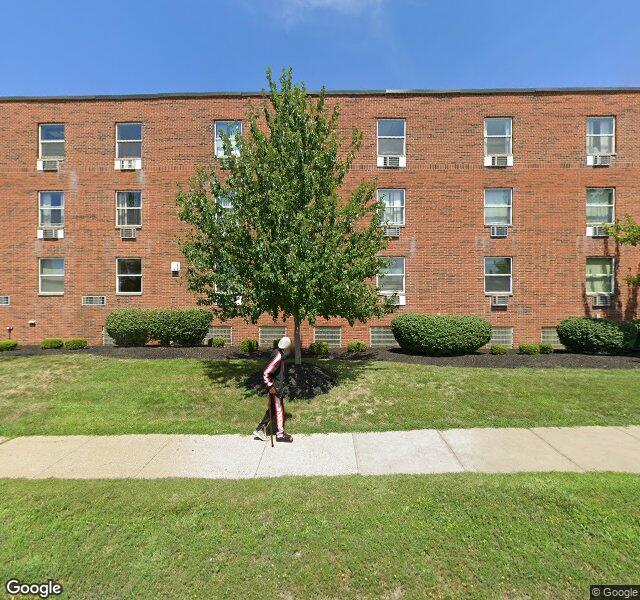
How Does Candlewood Healthcare And Rehabilitation Compare to Other Ohio Nursing Homes?

Compared to the 100 nursing homes in Ohio, CANDLEWOOD HEALTHCARE AND REHABILITATION's overall rating (2 stars) is below the state average of 3.2, staff turnover (40%) is near the state average of 46%, and health inspection rating (1 stars) is much below the national benchmark.

What Should Families Ask When Visiting Candlewood Healthcare And Rehabilitation?

Based on this facility's data, families visiting should ask: "Can you walk me through typical staffing levels on day, evening, and night shifts?" "Can I visit during a mealtime to observe dining assistance and food quality?" "How do you handle medical emergencies, and what is your hospital transfer rate?" "Can I speak with family members of current residents about their experience?" These questions are particularly relevant given the below-average staffing rating.

Is Candlewood Healthcare And Rehabilitation Safe?

Based on CMS inspection data, CANDLEWOOD HEALTHCARE AND REHABILITATION has a clean safety record: no substantiated abuse findings (meaning no confirmed cases of resident harm), no Immediate Jeopardy citations (the most serious violation level indicating risk of serious injury or death), and is not on the Special Focus Facility watch list (a federal program monitoring the lowest-performing 1% of nursing homes). The facility has a 2-star overall rating and ranks #100 of 100 nursing homes in Ohio. While no facility is perfect, families should still ask about staff-to-resident ratios and recent inspection results during their visit.

Do Nurses at Candlewood Healthcare And Rehabilitation Stick Around?

CANDLEWOOD HEALTHCARE AND REHABILITATION has a staff turnover rate of 40%, which is about average for Ohio nursing homes (state average: 46%). Moderate turnover is common in nursing homes, but families should still ask about staff tenure and how the facility maintains care continuity when employees leave.

Was Candlewood Healthcare And Rehabilitation Ever Fined?

CANDLEWOOD HEALTHCARE AND REHABILITATION has been fined $29,488 across 1 penalty action. This is below the Ohio average of $33,374. While any fine indicates a compliance issue, fines under $50,000 are relatively common and typically reflect isolated problems that were subsequently corrected. Families should ask what specific issues led to these fines and confirm they've been resolved.

Is Candlewood Healthcare And Rehabilitation on Any Federal Watch List?

CANDLEWOOD HEALTHCARE AND REHABILITATION is not on any federal watch list. The most significant is the Special Focus Facility (SFF) program, which identifies the bottom 1% of nursing homes nationally based on persistent, serious quality problems. Not being on this list means the facility has avoided the pattern of deficiencies that triggers enhanced federal oversight. This is a positive indicator, though families should still review the facility's inspection history directly.