GARDENS OF MCGREGOR AND AMASA STONE

14900 PRIVATE DR, EAST CLEVELAND, OH 44112 (216) 851-8200
Non profit - Corporation 148 Beds Independent Data: November 2025
Trust Grade
73/100
#67 of 913 in OH
Last Inspection: August 2023

Over 2 years since last inspection. Current conditions may differ from available data.

Overview

Gardens of McGregor and Amasa Stone has a Trust Grade of B, which indicates it is a good option for families considering care for their loved ones. It ranks #67 out of 913 nursing homes in Ohio, placing it in the top half of facilities in the state, and #6 out of 92 in Cuyahoga County, meaning only five local options are better. The facility is improving, having reduced issues from 4 in 2023 to just 1 in 2025. Staffing is a concern, with a rating of 3 out of 5 stars and a turnover rate of 63%, which is higher than the state average. Additionally, there have been some serious incidents, such as a resident suffering a hip dislocation due to inadequate supervision during care, and concerns regarding medication reviews for several residents. On a positive note, the facility does have strong overall quality measures and excellent health inspection ratings, indicating a commitment to resident care.

Trust Score
B
73/100
In Ohio
#67/913
Top 7%
Safety Record
Moderate
Needs review
Inspections
Getting Better
4 → 1 violations
Staff Stability
⚠ Watch
63% turnover. Above average. Higher turnover means staff may not know residents' routines.
Penalties
⚠ Watch
$15,651 in fines. Higher than 85% of Ohio facilities, suggesting repeated compliance issues.
Skilled Nurses
⚠ Watch
Each resident gets only 26 minutes of Registered Nurse (RN) attention daily — below average for Ohio. Fewer RN minutes means fewer trained eyes watching for problems.
Violations
⚠ Watch
14 deficiencies on record. Higher than average. Multiple issues found across inspections.
★★★★★
5.0
Overall Rating
★★★☆☆
3.0
Staff Levels
★★★★★
5.0
Care Quality
★★★★☆
4.0
Inspection Score
Stable
2023: 4 issues
2025: 1 issues

The Good

  • 5-Star Quality Measures · Strong clinical quality outcomes
  • Full Sprinkler Coverage · Fire safety systems throughout facility
  • No fines on record

Facility shows strength in quality measures, fire safety.

The Bad

Staff Turnover: 63%

17pts above Ohio avg (46%)

Frequent staff changes - ask about care continuity

Federal Fines: $15,651

Below median ($33,413)

Minor penalties assessed

Staff turnover is elevated (63%)

15 points above Ohio average of 48%

The Ugly 14 deficiencies on record

1 actual harm
Jan 2025 1 deficiency
CONCERN (D) 📢 Someone Reported This

A family member, employee, or ombudsman was alarmed enough to file a formal complaint

Potential for Harm - no one hurt, but risky conditions existed

Quality of Care (Tag F0684)

Could have caused harm · This affected 1 resident

Based on medical record review and staff interview, the facility failed to timely provide care and services to a resident's change in condition. This affected one (Resident #40) of three residents rev...

Read full inspector narrative →
Based on medical record review and staff interview, the facility failed to timely provide care and services to a resident's change in condition. This affected one (Resident #40) of three residents reviewed for change in condition. The facility census was 136. Findings include: Review of the medical record for Resident #40 revealed an admission date of 12/14/24. Diagnoses included pain in right hip, low back pain, and disorders of bone density. Review of the comprehensive Minimum Data Set (MDS) assessment, dated 12/20/24, revealed Resident #40 had intact cognition. Review of the care plan dated 12/16/24 revealed Resident #40 was at risk or had pain related to right hip and left shoulder pain. Interventions included observe for signs and symptoms of pain, assess pain, provide comfort measures, medicate per physician's order and consult with physician for ineffective pain relief. The nursing notes dated 12/30/24 at 5:00 P.M. revealed the nurse was notified by the Certified Nursing Assistant (CNA) that Resident #40 was on the floor in the resident's room. Upon entering her room, resident observed sitting on her buttocks with her lower extremities stretched outward in front of her. When asked what happened, a staff member stated the resident rolled out of bed while caring for her. This nurse assessed resident and vital signs were taken and within normal limits, resident denied head injury nor pain. No evident sign of injuries, full range of motion (ROM) of extremities. Review of the Social Worker #500's statement dated 01/02/25 revealed Resident #40 was going down to therapy and requested a follow up from her fall. The social worker brought the Assistant Director of Nursing (ADON) #307 into the conversation. Resident #40 explained she had pain her shoulder prior to the fall, but this pain was different. She was told by staff earlier in the day that she had bruising on her back. ADON #307 explained an x-ray would be ordered. Resident #40 appeared to be reluctant on getting the x-ray. Resident #40 was pleased with conversation and continued to go to scheduled therapy. Review of ADON #307's statement dated 01/02/25 revealed Social Worker #500 obtained ADON #307 to speak with Resident #40. Resident #40 explained stated she was having pain in her left shoulder that was not new but a little different. ADON #307 explained an x-ray would be ordered. There was nothing documented in the medical record on 01/02/25 and 01/03/25 regarding the physician being notified of Resident #40's reported pain in the left shoulder that was described by the resident as different and the request to obtain an x-ray of the shoulder. Review of physician orders dated 01/03/25 at 6:53 P.M. revealed an order to obtain an x-ray of the left shoulder and left arm. There was no diagnosis/reason for x-ray. Review of the x-ray results stated 01/04/25 at 4:10 P.M. revealed x-ray results showed evidence of a new or more conspicuous nondisplaced distal clavicle fracture is seen. The x-ray was obtained at 1:02 P.M. and the results were reported to the facility at 4:10 P.M. The nursing note dated 01/04/25 at 5:49 P.M. revealed an x-ray of the left arm and shoulder were reported to physician that x-ray results show evidence of a new or more conspicuous nondisplaced distal clavicle fracture was seen. The new order was to send Resident #40 to the hospital for evaluation. Family was made aware. The note dated 01/04/25 at 10:32 P.M. revealed Resident #40 left the facility to go to emergency room for evaluation and treatment of x-ray results. The nursing note dated 01/05/25 at 4:47 A.M. revealed Resident #40 returned from hospital with left arm in a sling with no new orders from hospital. The interview on 1/09/25 at 12:25 P.M. with Director of Nursing (DON) revealed the DON did not know that she was in pain because she did not tell anyone until 01/03/25 when she told ADON #307 that she was experiencing pain that was different than her usual pain. ADON #307 ordered an x-ray. DON stated the resident thought she fractured the left shoulder before and had an x-ray done. An interview on 01/15/25 at 12:19 P.M. with ADON #307 stated Resident #40 stopped her as she was walking in the hall on 01/02/25 and Resident #40 stated she was having a different kind of pain. ADON #307 recommended that an x-ray should be taken. ADON #307 verified there was no documentation in the medical record on 01/02/25 regarding the conversation with Resident #40 and notifying the physician on 01/02/25. ADON #307 explained she did notify the physician on 01/02/25 and the physician did not respond to her prior to her leaving the facility for the day, which was around 5:00 P.M. to 5:30 P.M. ADON #307 stated she returned to work on 01/03/25 and and asked the charge nurse, Licensed Practical Nurse (LPN) #310 to contact the physician to follow up on a order for an x-ray for Resident #40. ADON #307 confirmed there was no documentation in Resident #40's medical record for the follow up on 01/03/25. An interview on 01/15/25 at 12:38 P.M. with LPN #310 stated ADON #307 told her late morning or early afternoon on 01/03/25 to follow up with the physician to obtain an x-ray of Resident #40's left shoulder. LPN #310 stated she got a hold of the physician around 4:30 P.M. to 5:00 P.M. and the physician ordered the x-ray to be completed routinely, and the x-ray was completed on 01/04/25. This deficiency represents non-compliance investigated under Complaint Number OH00161352.
Aug 2023 4 deficiencies 1 Harm
SERIOUS (G)

Actual Harm - a resident was hurt due to facility failures

Accident Prevention (Tag F0689)

A resident was harmed · This affected 1 resident

Based on observation, record review, hospital record review and interview the facility failed to provide adequate supervision and intervention to prevent and mitigate a fall with injury for Resident #...

Read full inspector narrative →
Based on observation, record review, hospital record review and interview the facility failed to provide adequate supervision and intervention to prevent and mitigate a fall with injury for Resident #30. Actual harm occurred on 06/08/23 when Resident #30, who required the assistance of two staff for bed mobility, fell from a bed in high position when receiving incontinence care by one staff member resulting in a right hip dislocation and hospitalization. This affected one resident (#30) of two residents reviewed for accident hazards. The total census was 135. Findings include: Record review for Resident #30 revealed the resident was admitted to the facility 10/11/21 and had diagnoses including cognitive communication deficit, osteoarthritis, and anxiety disorder. Review of the care plan for falls, dated 10/11/21, identified the need to provide a safe environment, including keeping the bed in low position. The plan of care interventions were updated on 06/08/23 for the use of fall mats to be kept on both sides of the resident's bed. Review of a fall assessment, dated 04/07/23 revealed Resident #30 was at high risk for falls. Review the most current occupational therapy assessment, dated 05/09/23, revealed Resident #30 had total dependence on staff for sitting balance, toileting, hygiene, and all other self-care activities of daily living. Review of the Minimum Data Set (MDS) 3.0 assessment, dated 06/03/23 revealed she had moderate cognitive impairment and required total dependence on two or more staff to provide bed mobility, including turns. Review of Resident #30's progress notes revealed a note dated 06/08/23 at 10:38 P.M. indicating State Tested Nursing Assistant (STNA) notified the nurse the resident rolled onto the floor during patient care. The nurse entered and found the resident lying on her side by the bed. The resident said, I rolled out of bed, and denied pain. Assessment at the time showed no sign of injury, however, notes on 06/09/23 revealed the resident complained of pain. An x-ray done the same day revealed the resident had a dislocated hip and was sent to the emergency room. Review of Resident #30's hospital documentation revealed the resident was admitted to the hospital and received a right total hip arthroplasty closed reduction under anesthesia (a procedure to put the hip back in place without need of incision). She was hospitalized until 06/29/23 when she returned to the facility. Review of a facility fall investigation for Resident #30's revealed the resident rolled out of bed on 06/08/23. A skin assessment was (initially) completed with no injuries noted. Bilateral safety mats to the side of the bed were applied in response to the fall. The next day the resident had complaints of pain in the right hip, and an x-ray revealed she had an injury. A witness statement from STNA #816 dated 06/09/23 revealed she rolled Resident #30 onto her right side, then went to the sink to retrieve an extra towel and the resident fell over as soon as she turned back around. STNA #816 received discipline by the facility and education to ensure residents were in a safe position prior to walking away. Observation of Resident #30 on 08/07/23 at 11:43 A.M. revealed she was not interview able and demonstrated no verbal or nonverbal signs of pain. She did not make any motions with her hands or arms nor demonstrate any ability to move around by herself in the bed. Interview with Resident #30's power of attorney on 08/08/23 at 2:13 P.M. revealed that on 06/08/23 at roughly 11:00 P.M. the facility informed her Resident #30 had a fall. The nurse informed her the fall occurred when the aide turned their back on the resident during incontinence care. The nurse said she believed the air mattress might be responsible, which may have shifted beneath the resident and caused her to roll. The next day the facility took x-rays, found had dislocated her hip, and they sent her to the hospital. Resident #30 was admitted to the hospital for 22 days, although she was treated for other conditions besides the dislocated hip during the hospitalization. Resident #30 was not capable of independent positioning in the bed. Interview with Licensed Practical Nurse (LPN) #982 on 08/09/23 at 3:43 P.M. revealed she was Resident #30's nurse at the time of her fall on 06/08/23. The LPN revealed Resident #30 was dependent on staff for bed mobility both before and after the fall and there should have been two staff members present when giving incontinence care. At roughly 10:30 P.M. on 06/08/23, STNA #816 informed her Resident #30 fell. The nurse arrived at the bedside to find the resident laying on her right side next to the right side of the bed. The bed was in a high position due to the fall occurring during incontinence care. The resident denied pain at the time, denied hitting her head, and a skin assessment revealed no evidence of injury. Interview with STNA #816 08/09/23 at 5:18 P.M. revealed on the evening of 06/08/23, Resident #30 had a large bowel movement and STNA #816 provided incontinence care without other staff in the room. She said the resident usually only needed one staff member to provide incontinence care, although sometimes needed two staff if they were unfamiliar with the resident. She stated she ran out of towels while giving care and left the resident on her right side to go to the bathroom to get more. STNA #816 stated she heard the resident fall to the floor while she was in the bathroom and came out to find the resident laying on the floor on her right side. STNA #816 immediately retrieved the nurse. The STNA stated Resident #30 denied pain all throughout that night. The resident could grip the bed 'a little bit' during turns, but otherwise had no ability to contribute to bed mobility both before and after the fall. The surveyor confirmed the above record review findings with the Director of Nursing during an interview on 08/10/23 at 9:55 A.M.
CONCERN (E)

Potential for Harm - no one hurt, but risky conditions existed

Drug Regimen Review (Tag F0756)

Could have caused harm · This affected multiple residents

**NOTE- TERMS IN BRACKETS HAVE BEEN EDITED TO PROTECT CONFIDENTIALITY** Based on interview and record review, the facility failed to ensure monthly pharmacy reviews were completed for Resident #3, #9,...

Read full inspector narrative →
**NOTE- TERMS IN BRACKETS HAVE BEEN EDITED TO PROTECT CONFIDENTIALITY** Based on interview and record review, the facility failed to ensure monthly pharmacy reviews were completed for Resident #3, #9, #35 and #71. This affected four residents, (Resident #3, #9, #35, and #71), out of five residents reviewed for unnecessary medications. Facility census was 135. Findings include: #1. Resident #35's medical record revealed an admission date of 12/3/19 with diagnosis to include Multiple Sclerosis (MS), muscle wasting/atrophy right upper arm, hypertension, epilepsy, spondylolysis lumbosacral region, anxiety disorder and sleep apnea. Record review of the care plan dated 06/07/23 revealed antipsychotic medications used for the diagnosis of insomnia, depression, and schizoaffective disorder. Interventions included to administer psychotropic medications as ordered by physician, monitor for side effects, attempt general dose reduction (GDR) as indicated, and referral to psychiatric services. Record review of the physician orders for Resident #35 for August 2023 revealed orders for Escitalopram Oxalate 20 milligram (MG) for depression, Remeron 30 MG for depression, and Latuda 40 MG for depression. Record review of the Medication Administration Record (MAR) for August 2023 revealed Resident #35 received Escitalopram Oxalate 20 milligram (MG), Remeron 30 MG for depression, and Latuda 40 MG everyday as ordered. Review of the facility records showing the list of residents reviewed monthly by the pharmacist for October 2022, January 2023, February 2023, and March 2023 revealed no documentation of pharmacy reviews completed for Resident #35. 4. Review of the medical record for Resident #3 revealed an admission date of 01/04/21. Diagnoses included diabetes mellitus type 2, hyperglycemia, chronic obstructive pulmonary disease, ad major depressive disorder. Review of the quarterly minimum data set (MDS) assessment dated [DATE] revealed the resident had moderately impaired cognition, had no behaviors, required extensive assistance of two staff for bed mobility and transfers. The resident also received insulin, antianxiety medication, diuretic, and opioids. Review of the facility records showing the list of residents reviewed monthly by the pharmacist for October 2022, January 2023, February 2023, March 2023, June 2023 and July 2023 revealed no documentation of pharmacy reviews completed for Resident #3. Interview was conducted on 08/10/23 at approximately 11:00 A.M. with the Director of Nursing (DON) who explained her former Assistant Director of Nursing (ADON) had kept track of the monthly pharmacy review binder containing the lists of residents reviewed by the pharmacist each month, the ADON no longer worked for the facility and the DON could find no record at all of pharmacy reviewes from October 2022. The DON verified for Resident #3, #9, #35 and #71 there was no evidence those residents had received monthly pharmacy reviews for the months in question by the surveyors. 2. Record review of Resident #71 revealed she was admitted to the facility 07/23/20 and had diagnoses including unspecified dementia, anxiety disorder, auditory hallucinations, and major depressive disorder. Review of the facility records showing the list of residents reviewed monthly by the pharmacist for January 2023, February 2023, March 2023 and April 2023 revealed no documentation of pharmacy reviews completed for Resident #71. 3. Record review of Resident #9 revealed she was admitted to the facility 02/22/20 and had diagnoses including multiple sclerosis, major depressive disorder, and chronic kidney disease. Review of the facility records showing the list of residents reviewed monthly by the pharmacist for January 2023, February 2023, March 2023 and April 2023 revealed no documentation of pharmacy reviews completed for Resident #9.
CONCERN (E)

Potential for Harm - no one hurt, but risky conditions existed

Food Safety (Tag F0812)

Could have caused harm · This affected multiple residents

Based on observation and interview, the facility failed to ensure all nursing unit serveries were maintained in a clean and sanitary manner to prevent the risk of attracting pests, and contamination o...

Read full inspector narrative →
Based on observation and interview, the facility failed to ensure all nursing unit serveries were maintained in a clean and sanitary manner to prevent the risk of attracting pests, and contamination of clean cups for use by the residents. This affected 22 residents (#14, #19, #29, #30, #31, #37, #40, #58, #61, #66, #79, #80, #83, #86, #95, #101, #108, #110, #115, #120, #122, and #387) who resided on one South nursing unit, 22 residents (#2, #10, #11, #36, #46, #56, #70, #94, #97, #123, #127, #287, #288, #289, #290, #291, #292, #293, #294, #295, #296, and #297) who resided on two North nursing unit, and 25 residents (#1, #5, #9, #17, #18, #20, #24, #41, #43, #49, #51, #52, #59, #60, #62, #69, #71, #74, #77, #78, #89, #99, #112, #117, and #118) who resided on three South nursing unit. The facility census was 135. Findings include: Observations on 08/09/23 between 10:11 A.M. through 10:27 A.M. of the tour of the nursing unit serveries with Certified Dietary Manager (CDM) #931 revealed the three South, two North and one South nursing unit serveries were not maintained in a clean and sanitary manner. The three South servery had food and/or beverage spills and sugar packets on the floor, salt or sugar spilled on a tray holding clean cups, dried reddish food splatter near the steam table, and brownish drippings on white cabinet doors where the microwave was located. The reach-in freezer had spillage and food splatter on the inside bottom part of the freezer. Observations in the two North nursing unit servery revealed dried brownish spillage on the white cabinets near the microwave and on the cabinets near sink. The counter near the sink had various build up of food debris. Observed on the one South nursing unit servery inside of the reach-in freezer there was a reddish spillage and various food residue stains and ice frozen to the bottom of the inside freezer. Interview on 08/09/23 between 10:11 A.M. through 10:27 A.M., CDM #931 verified the above findings and stated she would have it all cleaned up. CDM #931 stated housekeeping was responsible for the floors and the dietary staff was responsible for wiping everything down after each meal.
MINOR (B)

Minor Issue - procedural, no safety impact

Transfer Notice (Tag F0623)

Minor procedural issue · This affected multiple residents

**NOTE- TERMS IN BRACKETS HAVE BEEN EDITED TO PROTECT CONFIDENTIALITY** #5. Review of the medial record for Resident #67 revealed an admission date of 03/27/23 with diagnoses of chronic diastolic cong...

Read full inspector narrative →
**NOTE- TERMS IN BRACKETS HAVE BEEN EDITED TO PROTECT CONFIDENTIALITY** #5. Review of the medial record for Resident #67 revealed an admission date of 03/27/23 with diagnoses of chronic diastolic congestive heart failure, cardiomyopathy, unspecified atrial fibrillation, hypertensive heart disease with heart failure, and hypertension and a discharge to the hospital on [DATE] and returned to the facility on [DATE]. The record contained no evidence that a written notification of the reason for the transfer had been given to the resident or the resident's representative. Interview was conducted on 08/09/23 at 11:32 A.M. with the Administrator who verified the facility did not provide written notice of transfer to the hospital to Resident #28, #30, #67, #135, #136 or their representatives because the facility practice was to notify all residents and resident representatives verbally if a resident needed transferred to the hospital. The Administrator explained the facility did provide bed hold notices, but only did verbal notifications to residents and resident representatives on reason for the transfer to the hospital. Review of the undated facility policy titled Transfer and Discharge Guidelines, under the area notice, before a facility transfers or discharges a resident permanently, the facility must: notify the resident and, if known, a family member or legal representative of the resident transfer or discharge and the reasons for the move in writing and in a language and manner they understand. Based on resident representative, staff interviews and record review, the facility failed to provide the resident and resident representative a written notification for the reason for transfer to the hospital for Resident #28, #30, #67, #135 and #136. This affected five residents (#28, #30, #67, #135, and #136) of five residents reviewed for hospitalizations. The facility census was 135. Findings include: 1.Review of the medical record for Resident #28 revealed an admission date of 09/18/19. Diagnoses included chronic obstructive pulmonary disease (COPD), schizoaffective disorder, dysphagia, and congestive heart failure (CHF). Resident #28 was sent to the hospital on [DATE] due to a change in condition, as documented in a nurse's note dated 05/13/23 at 1:24 P.M., following a physician order to send the resident to the emergency room. The medical record showed no evidence Resident #28 nor their power of attorney (POA) was provided a written notification for the reason for transfer to the hospital. 2.Review of the closed medical record for Resident #135 revealed an admission date of 07/01/23. Diagnoses included stroke, left eye blindness, low vision right eye, hyperlipidemia, hypertension, and seizures. Resident #135 was transferred to the emergency department via ambulance on 07/03/23 per a nurses note dated 07/03/23 at 4:43 P.M. The medical record showed no evidence Resident #135 nor their representative was provided a written notification for the reason for transfer to the hospital. 3. Record review of Resident #30 revealed she was hospitalized [DATE] following a fall and returned to the facility 06/29/23. No evidence could be found indicating the resident or family received written notification of the reason for transfer to the hospital. Interview with Resident #30's power of attorney on 08/08/23 at 2:13 P.M. revealed the facility informed her verbally of the hospitalization and gave her a paper bed hold notice, however, they did not provide a written notification for the reason for the transfer to the hospital. 4. Record review of Resident #136 revealed she was hospitalized on [DATE] and did not return to the facility. No evidence could be found indicating the resident or family received written notification of the reason for the transfer to the hospital.
Dec 2019 1 deficiency
CONCERN (D)

Potential for Harm - no one hurt, but risky conditions existed

Tube Feeding (Tag F0693)

Could have caused harm · This affected 1 resident

**NOTE- TERMS IN BRACKETS HAVE BEEN EDITED TO PROTECT CONFIDENTIALITY** 2. Record review revealed Resident #67 was admitted on [DATE] with diagnoses which included unspecified dementia without behavio...

Read full inspector narrative →
**NOTE- TERMS IN BRACKETS HAVE BEEN EDITED TO PROTECT CONFIDENTIALITY** 2. Record review revealed Resident #67 was admitted on [DATE] with diagnoses which included unspecified dementia without behavioral disturbance, dysphagia (difficulty swallowing foods or liquids, arising from the throat or esophagus, ranging from mild difficulty to complete and painful blockage), and gastrostomy status (an opening into the stomach from the abdominal wall, made surgically for the introduction of food). Review of the Minimum Data System (MDS) 3.0 assessment dated [DATE] revealed Resident #67 was cognitively intact, required limited assistance for transfers and supervision with locomotion and eating. Review of physician orders for Resident #67 included orders for a consistent carb diet, regular texture and thin liquids dated 07/24/19 and every shift 120 milliliters of water flush via Percutaneous Endoscopic Gastrostomy (PEG) tube for patency dated 05/24/19. Observation on 12/09/19 at 2:16 P.M. revealed Licensed Practical Nurse (LPN) #307 flushing Resident #67's PEG tube. LPN #307 checked the placement of the PEG tube for accuracy of placement, placed the plunger in the opening of the tube then poured 100 milliliters of water in the PEG tube. LPN #307 verified she gave 100 milliliters of water at the time of observation. LPN #307 stated, Oops I was supposed to give 120. LPN #307 then gave an additional 20 milliliters of water. Observation on 12/11/19 at 9:08 A.M. revealed LPN #308 poured 100 milliliters of water into Resident #67's PEG tube and flushed the peg tube. LPN #308 verified she gave 100 milliliters of water at the time of observation. Follow up interview 12/11/19 at 9:22 A.M. with LPN #308 verified the order for 120 milliliters of water for the PEG tube flush. LPN #308 stated, Oh no, I should have given 120. Based on observation, interview, and record review the facility failed to administer enteral nutrition (liquid nutrition given through a tube into the stomach) and water flushes per physician orders. This affected two residents, (Resident #67 and Resident #88), of nine residents the facility identified as receiving enteral nutrition. Findings include: 1. Review of the medical record revealed Resident #88 was admitted to the facility on [DATE] with diagnoses that included dementia, seizures, hypertension, aphasia (inability to communicate) following cerebral infarction (stroke), hemiplegia (paralysis) affecting the right side, gastrostomy (tube placed into the stomach for liquid nutrition), and malignant neoplasm of temporal lobe (brain cancer). Review of Resident #88's care plan dated 10/09/19 revealed he required tube feeding due to dysphagia (difficulty swallowing). Interventions included the facility was to follow orders for enteral nutrition formula, duration, rate and flush orders. Review of the Comprehensive Nutrition Assessment, dated 10/21/19, revealed resident was NPO (nothing by mouth) and the enteral feeding order was Nutren 2.0 at 60 milliliters (ml) per hour for 20 hours per day, up at 10:00 A.M. and down at 6:00 A.M. Further review of the Comprehensive Nutrition Assessment revealed the nutritional goal for Resident #88 was to have adequate intake of enteral feeding and flushes for as long as tolerated. Review of the significant change Minimum Data Set (MDS) 3.0 assessment for Resident #88, dated 10/31/19, revealed Resident #88 received 51 percent or more of his total calories by tube feeding. Observation on 12/09/19 at 3:30 P.M. revealed Resident #88 lying in bed. The feeding pump was not running, and the tubing was draped over the top of the pole, not attached to Resident #88. Observation on 12/09/19 at 4:25 P.M. revealed the tube feeding pump for Resident #88 was not running and the tubing draped over the top of the pole, not attached to Resident #88. Interview on 12/09/19 at 4:28 P.M. with Licensed Practical Nurse (LPN) #310 confirmed the tube feeding for Resident #88 was not being delivered to Resident #88 as ordered. Review of Resident #88's physician orders revealed an order, revised 12/10/19. The order revealed Resident #88 was to receive Nutren 2.0 at 60 cubic centimeters (cc) per hour, up at 10:00 A.M. and down at 6:00 A.M. for a total volume of 1200 milliliters (ml) per day. Interview on 12/12/19 at 7:35 A.M. with Registered Dietician (RD) #311 revealed residents who received tube feeding typically had a two to four-hour period each day without the tube feeding. She stated this period made it easier for the aides to provide care to the resident. However, time periods free of tube feeding were only ordered if the resident was able to still receive the daily nutritional requirements.
Nov 2018 8 deficiencies
CONCERN (D)

Potential for Harm - no one hurt, but risky conditions existed

Notification of Changes (Tag F0580)

Could have caused harm · This affected 1 resident

**NOTE- TERMS IN BRACKETS HAVE BEEN EDITED TO PROTECT CONFIDENTIALITY** Based on record review and interview, the facility failed to notify the physician and family of Resident 48's finger being red a...

Read full inspector narrative →
**NOTE- TERMS IN BRACKETS HAVE BEEN EDITED TO PROTECT CONFIDENTIALITY** Based on record review and interview, the facility failed to notify the physician and family of Resident 48's finger being red and swollen, requiring her ring to be cut off. This affected one resident (Resident 48) out of two residents reviewed for misappropriation. Findings include: Resident #48 was admitted to the facility on [DATE]. Her diagnoses included acute embolism and thrombosis (blood clots) of her left upper arm, end stage renal disease, vascular dementia and anxiety disorder. When she was admitted to this facility, she had a contracture to her right hand. The Minimum Data Set (MDS) 3.0 assessment dated [DATE] revealed Resident #48 had severe cognitive impairment. She needed extensive assistance for all activities of daily living. Review of the nursing progress notes from 08/30/18 at 3:25 P.M. revealed maintenance staff removed the the ring from the third finger of the resident's right hand. Her finger was red and swollen prior to the ring removal and subsided after the ring was removed. This note indicated a message was left with the daughter, and they were awaiting a callback. The remainder of the ring was placed in the resident's top drawer. There were no progress notes to indicated the physician was notified regarding the redness and swelling of Resident #48's finger. There were no orders from the physician for the need to remove the ring immediately. Interview with Resident #48's daughter on 11/01/18 at 9:30 A.M. revealed she was not informed of the ring being cut off until the next day, 08/31/18. She stated that they didn't let her know before they did it. Interview with the Administrator on 11/01/18 at 11:00 A.M. confirmed the physician was not notified about Resident #48's finger swelling or redness prior to cutting off her ring and the family was not aware that the ring had been cut off until 08/31/18.
CONCERN (D)

Potential for Harm - no one hurt, but risky conditions existed

Deficiency F0604 (Tag F0604)

Could have caused harm · This affected 1 resident

**NOTE- TERMS IN BRACKETS HAVE BEEN EDITED TO PROTECT CONFIDENTIALITY** Based on observation, interview and record review the facility failed to obtain an order, identify the medical symptoms and asse...

Read full inspector narrative →
**NOTE- TERMS IN BRACKETS HAVE BEEN EDITED TO PROTECT CONFIDENTIALITY** Based on observation, interview and record review the facility failed to obtain an order, identify the medical symptoms and assess the need for the use of a seat belt restraint for Resident #96. This affected one of two residents reviewed for restraints. Findings include: Review of the medical record revealed Resident #96 was admitted to the facility on [DATE] with diagnoses including Parkinson's disease, osteoarthritis, adjustment disorder with anxiety, phobic anxiety disorder and panic disorder. Review of the current physician orders lacked indication of a seat belt/restraint being used for Resident #96. Review of the quarterly minimum data set (MDS) 3.0 assessment dated [DATE] indicated Resident #96 was alert, oriented and independent in daily decision-making ability. He displayed no behavioral symptoms and required the extensive assistance of one to two staff for activities of daily living. He utilized bed rails daily and had no restraints. Review of the fall assessment dated [DATE] indicated Resident #96 was at moderate risk for falls with no history of falls in the last six months. There was no documented evidence of an assessment for a seat belt to be used while he was in the wheelchair. Review of the current plan of care lacked any indication he needed a seat belt in the wheelchair. Record review lacked any indication Resident #96 used or needed a seat belt while in the wheelchair. Interview and observation of Resident #96 on 10/29/18 at 3:09 P.M. revealed he sat in a wheelchair with a seat belt fastened around his waist. He said he had a seat belt because it was supposed to keep you safe in the seat. He said he was unable to release the seat belt independently. He said staff applied it every day. Interview with the unit manager, Registered Nurse (RN) #425, on 10/30/18 at 4:10 P.M. revealed she was unaware Resident #96 had a seat belt in his wheelchair. She said his wheelchair came from the Veterans Administration and they probably attached it to the wheelchair. She confirmed there was no order, assessment or plan of care for the use of a seat belt restraint. The facility policy and procedure related to restraints was requested multiple times and was not provided.
CONCERN (D)

Potential for Harm - no one hurt, but risky conditions existed

Assessment Accuracy (Tag F0641)

Could have caused harm · This affected 1 resident

**NOTE- TERMS IN BRACKETS HAVE BEEN EDITED TO PROTECT CONFIDENTIALITY** 2. Resident #31 was admitted to the facility on [DATE] with diagnosis including diabetes mellitus with hyperglycemia, hypotensio...

Read full inspector narrative →
**NOTE- TERMS IN BRACKETS HAVE BEEN EDITED TO PROTECT CONFIDENTIALITY** 2. Resident #31 was admitted to the facility on [DATE] with diagnosis including diabetes mellitus with hyperglycemia, hypotension, unspecified psychosis, acute kidney failure, atrial fibrillation, chronic hepatitis, altered mental status, and vascular dementia with behavioral disturbance. Review of the Medication Administration Record for August 2018 revealed Resident #31 was given the anticoagulant, Rivaroxaban, every day, in the evening at 5:00 P.M. Review of section N of the MDS 3.0 assessment dated [DATE] revealed the facility indicated Resident #31 received no anticoagulants in the seven day look back period. Interview on 11/01/18 at 4:00 P.M. with LPN #258, the MDS coordinator, verified the 08/07/18 MDS did not accurately reflect the administration of anticoagulant medication to Resident #31. Based upon observation, interview and record review the facility failed to ensure assessments accurately reflected the residents status for restraints for Resident #47 and anticoagulant medication for Resident #31. This affected two of 29 residents reviewed for assessments. Findings include: 1. Review of the medical record for Resident #47 revealed an admission date of 12/04/17 with diagnoses including congestive heart failure, diabetes, muscle weakness and unspecified convulsions. Review of the physician's orders for October 2018 revealed the resident was ordered half bedrails on each side of the bed to aide in bed mobility. Review of the initial siderail (bedrail) assessment dated [DATE] revealed Resident #47 was able to use the bedrails and follow directions for use of bedrails when repositioning in bed. Review of the quarterly minimum data set (MDS) assessment dated [DATE] revealed Resident #47 was coded as having used restraints daily and identified the bedrails as the restraint. The resident was coded to have required assistance to transfer from the bed to chair. Observation on 10/29/18 at 12:30 P.M. of Resident #47 revealed upper half rails were on the resident's bed. An interview with Resident #47 at that time revealed she was able to use the rails while in bed to reposition her upper body. An interview on 11/01/18 at 10:25 A.M. with State Tested Nursing Assistant #284 revealed Resident #47 was unable to get out of bed unassisted even if bedrails were lowered and was able to use bedrails to assist with her bed mobility. An interview on 11/01/8 at 4:08 P.M. with Licensed Practical Nurse (LPN) #258 revealed Resident #47 had an order for bedrails for bed mobility and was able to use siderails to assist in repositioning. LPN #258 verified the MDS had been coded to indicate the bedrails were used as a restraint in error. LPN #258 said the assessment nurse who coded the restraints was new to completing the MDS assessments and had not understood the coding. The assessment nurse no longer worked at the facility.
CONCERN (D)

Potential for Harm - no one hurt, but risky conditions existed

Comprehensive Care Plan (Tag F0656)

Could have caused harm · This affected 1 resident

**NOTE- TERMS IN BRACKETS HAVE BEEN EDITED TO PROTECT CONFIDENTIALITY** Review of the medical record for Resident #127 revealed an admission date of 03/15/17 and diagnoses included contractures at mul...

Read full inspector narrative →
**NOTE- TERMS IN BRACKETS HAVE BEEN EDITED TO PROTECT CONFIDENTIALITY** Review of the medical record for Resident #127 revealed an admission date of 03/15/17 and diagnoses included contractures at multiple sites, cerebellar stroke syndrome, and vascular dementia. Review of the Minimum Data Set 3.0 quarterly assessment dated [DATE] revealed Resident #127 was assessed as having range of motion impairments in both upper and both lower extremities. A subsequent quarterly assessment dated [DATE] revealed Resident #127 was again coded as having range of motion impairments of both upper and lower extremities. Review of the current care plan for Resident #127, revised on 01/30/18 with a target date of 01/02/19, revealed no care plan was developed related to the resident's limited mobility and contractures, including which joints were affected and any interventions to maintain current range of motion and prevent further declines. On 11/01/18 at 1:00 P.M., Registered Nurse #367 and Licensed Practical Nurse #258 confirmed the care plan for Resident #127 included no mention of the resident's contractures, the extent of the contractures or individualized interventions related to the resident's limitations. Based on record review and interview, the facility failed to develop a comprehensive care plan to address contractures/limited range of motion for Resident #127. This affected one of four residents reviewed for contractures/range of motion. Findings include:
CONCERN (D)

Potential for Harm - no one hurt, but risky conditions existed

ADL Care (Tag F0677)

Could have caused harm · This affected 1 resident

**NOTE- TERMS IN BRACKETS HAVE BEEN EDITED TO PROTECT CONFIDENTIALITY** Based on observation, interview, record review, the facility failed to ensure Resident #58 received staff assistance to eat meal...

Read full inspector narrative →
**NOTE- TERMS IN BRACKETS HAVE BEEN EDITED TO PROTECT CONFIDENTIALITY** Based on observation, interview, record review, the facility failed to ensure Resident #58 received staff assistance to eat meals in her room. This affected one of eight residents reviewed for nutrition. Findings include: Review of the medical record revealed Resident #58 was admitted to the facility on [DATE] with diagnoses including cerebral atherosclerosis, vascular dementia, lack of coordination, hemiplegia and hemiparesis (one sided paralysis and weakness) following cerebrovascular disease (stroke) affecting the right dominant side, drug induced tremor, epilepsy, major depressive disorder, agnosia (a rare disorder characterized by an inability to recognize and identify objects or persons), tachycardia, repeated falls, and postherpetic polyneuropathy (condition which affects nerve fibers and skin, causing burning pain that lasts long after the rash and blisters of shingles disappear). Review of the comprehensive minimum data set (MDS) assessment dated [DATE] indicated Resident #58 was alert and oriented and independent in daily decision making. She required the supervision and physical assistance of one staff person for eating. Review of the current activities of daily living care plan indicated the goal was to improve her prior level of functioning with eating with staff assistance. Review of the nutrition quarterly review dated 09/04/18 indicated Resident #58's body mass index indicated she was underweight. Her diet was regular consistency, preferably with finger foods and a two-handled lidded cup with straw. It said Resident #58 would benefit from extensive set-up assistance from staff due to her to tremors and may need staff assistance to eat. She was to have staff assistance if it was needed. The note indicated Resident #58 fed herself after extensive set-up assistance from staff and at times needed feeding assistance. She had constant tremors and finger foods were recommended to be added to her diet as available. Review of the physician's orders dated 09/04/18 indicated they were to provide finger foods as available. Review of the physician's orders dated 09/07/18 indicated Resident #58 was to have a two-handled cup with lid and straw at all meals. There was also an order to discontinue weighted utensils as Resident #58 preferred to eat finger foods. Interview with Resident #58 on 10/29/18 at 12:02 P.M. confirmed she needed assistance with eating due to her tremors but was told she would only be fed if she went to the dining room. She said she preferred to eat in her room. She said that was just the way it was. On 10/30/18 at 9:02 A.M. Resident #58 was observed in her room to eat pancakes covered with syrup using her fingers. She said she was unable to feed herself successfully with a fork. She said she had a wet washcloth that she used to wipe the syrup from her fingers. She again said she can't use a fork and had to eat with her fingers. On 10/31/18 at 9:00 A.M. she was observed in her room to eat scrambled eggs, bacon and one slice of toast with her fingers. She had a wet wash cloth to wipe her fingers on. She said she had [NAME] noodles yesterday and had to eat them with her fingers because no staff helped her eat. Interview with Diet Tech #480 on 10/31/18 at 11:40 A.M. revealed the spread sheet for this morning's breakfast indicated Resident #58 should have received an egg sandwich. Diet Tech #480 said there was no policy for finger-foods so they had menu planning for finger foods. She said Resident #58 should not have received the chicken [NAME] and should have received a ham sandwich instead. Interview with Diet Tech #230 on 10/31/18 at 12:19 P.M. revealed Resident #58 liked what she liked and would request non-finger foods. She confirmed staff assistance should be provided. She said there was no policy that required a resident who needed staff assistance to eat meals in the dining room. She said eating assistance should be provided in her room.
CONCERN (D)

Potential for Harm - no one hurt, but risky conditions existed

Unnecessary Medications (Tag F0759)

Could have caused harm · This affected 1 resident

Based upon observation, interview and record review the facility failed to administer medications with an error rate less than 5%. This affected two residents, Resident #25 and Resident #380, of six r...

Read full inspector narrative →
Based upon observation, interview and record review the facility failed to administer medications with an error rate less than 5%. This affected two residents, Resident #25 and Resident #380, of six residents observed. There were two errors identified out of 26 medications observed resulting in a medication error rate of 7%. Findings include: 1. Review of the medical record for Resident #25 revealed an admission date of 01/09/18 with severe sepsis (infection), reaction to right knee prosthesis, dementia and low back pain. Review of the physician's orders for Resident #25 revealed ertapenem, an antibiotic, 1000 mg was to be administered intravenously (IV) daily. Observation of medication administration on 10/31/18 at 1:05 P.M. for Resident #25 revealed Licensed Practical Nurse (LPN) #208 retrieved a 50 milliliter (ml) bag of normal saline for IV use with an antibiotic, ertapenem, 1000 milligrams (mg) vial already attached to the IV bag. It was labeled by the pharmacy and directed nursing staff to administer the antibiotic in 50 ml of normal saline and infuse at a rate of 100 ml/hour. Further instructions noted the solution was to be infused within one hour of mixture. LPN #208 confirmed the medication was to be administered in 50 ml of normal saline and at a rate of 100 ml per hour. LPN #208 broke the antibiotic vial and mixed the medication from the vial into the attached bag of normal saline solution, spiked the bag, primed the tubing and verified placement of the IV line. LPN #208 placed the tubing in the IV pump, set the pump settings and checked that it was running. LPN #208 indicated she had completed the task and began to walk away from the bedside. The surveyor intervened and asked LPN #208 to observe the the pump, which was set to infuse 30 ml of the antibiotic solution, instead of 50 ml, at a rate of 36 ml/hour, instead of 100 ml/hour. LPN#208 stated, I put it in and the machine just does that and turned away again. The surveyor intervened again and pointed out that the machine was set to allow infusion of only 30 ml instead of the 50 ml and the rate set at 36 ml/hour were not the prescribed directions for infusion. LPN #208 then reset the IV pump to infuse 50 ml at a rate of 100 ml/hour. Review of the facility's policy, IV Fluid and Drug policy dated August 2017 revealed the nurse was to verify the label coincided with the prescriber's orders and the prescribed rate and expiration of the solution. 2. Observation of the medication administration on 11/01/8 at 8:01 A.M. for Resident #380 revealed Registered Nurse #255 checked the resident's blood sugar and prepared and administered multiple medications including three tablets of sevelamer, 800 mg, a medication to reduce the amount of phosphorus in the blood for people receiving kidney dialysis. Review of the physician's orders for November 2018 revealed three tablets of sevelaer, 800 mg, were to be given with meals three times daily. An interview on 11/01/18 at 8:20 A.M. with RN #255 revealed Resident #380 had not yet eaten breakfast and said he/she did not see any orders for medication that had specific directions with reference to meals. Observation on 11/01/18 at 8:37 revealed Resident #380 told the nurse she didn't eat what the facility had for breakfast, wasn't planning to eat breakfast before going to dialysis and was observed placing snacks in her bag. This concern was verified with RN #255. Review of the facility's undated Medication Administration policy revealed the nurse was to review the order with the Medication Administration Record (MAR), compare the MAR with medication label for accuracy, and administer the medication in accordance with the frequency prescribed by physician, within 60 minutes before or after prescribed dosing time, and administer medication with food if applicable. The nurse was to administer medication according to any specific directions.
CONCERN (E)

Potential for Harm - no one hurt, but risky conditions existed

Deficiency F0761 (Tag F0761)

Could have caused harm · This affected multiple residents

Based upon observation, interview and record review the facility failed to store medications in the packaging with the resident's name and with the physician's order/direction for administration of th...

Read full inspector narrative →
Based upon observation, interview and record review the facility failed to store medications in the packaging with the resident's name and with the physician's order/direction for administration of the medication. This affected one of three medication carts observed which had the potential to affect the 22 Residents on the 1 North Hallway (Residents #2, #4, #11, #15,#16, #24, #26, #27, #30, #46, #48, #55, #61, #67, #74, #81, #87, #88, #95, #114, #124, and #480). The facility census was 125. Findings include: Observation on 11/01/18 at 11:38 A.M. with Licensed Practical Nurse (LPN) #463 of the 1 North medication cart revealed one oblong white pill, one large round white and two small round white pills, one round peach pill, one round blue, a broken yellow pill and several broken pieces of pills were found laying loose in the second and third drawers of the medication cart, outside of any pharmacy packaging. LPN #463 verified this observation and confirmed she could not identify the medications or to whom they belonged. Residents #2, #4, #11, #15,#16, #24, #26, #27, #30, #46, #48, #55, #61, #67, #74, #81, #87, #88, #95, #114, #124, and #480 resided on the 1 North Hallway and received medications from this cart. Review of the facility's Medication Storage policy dated April 2017 revealed medications were to be stored in the packaging, containers or dispensers in which they were received.
CONCERN (E)

Potential for Harm - no one hurt, but risky conditions existed

Food Safety (Tag F0812)

Could have caused harm · This affected multiple residents

Based on observation, interview and record review, the facility failed to ensure proper hand hygiene was performed while serving residents food in the first-floor south hall dining room. This had the ...

Read full inspector narrative →
Based on observation, interview and record review, the facility failed to ensure proper hand hygiene was performed while serving residents food in the first-floor south hall dining room. This had the potential to affect 22 (Residents #7, #8, #9, #12, #14, #31, #38, #43, #50, #52, #64, #66, #71, #78, #85, #89, #97, #100, #107, #108, #115, and #118) of 24 residents who resided on first-floor south hall who ate food served from that dining room. Resident #31 and Resident #481 received no food by mouth. The facility census was 125. Findings include: During meal service on first-floor south hall on 10/30/18 at 9:11 A.M. revealed Dietary Aide (DA) #395 left the serving area and went to the kitchen. Upon arrival back to the dining room at 9:22 A.M., DA #395 did not wash her hands prior to putting on gloves to serve food to the residents. DA #395 was interviewed at that time and verified she should have washed her hands when returning to serve food. Residents #7, #8, #9, #12, #14, #31, #38, #43, #50, #52, #64, #66, #71, #78, #85, #89, #97, #100, #107, #108, #115, and #118 resided on first-floor south hall and ate food served from that dining room. Review of policy entitled Sanitation and Infection Prevention/Control-Hand Hygiene dated 01/18 revealed that all associates with the handling of food shall wash hands with soap and water before putting on gloves.
Understanding Severity Codes (click to expand)
Life-Threatening (Immediate Jeopardy)
J - Isolated K - Pattern L - Widespread
Actual Harm
G - Isolated H - Pattern I - Widespread
Potential for Harm
D - Isolated E - Pattern F - Widespread
No Harm (Minor)
A - Isolated B - Pattern C - Widespread

Questions to Ask on Your Visit

  • "Why is there high staff turnover? How do you retain staff?"
  • "Can I speak with families of current residents?"
  • "What's your RN coverage like on weekends and overnight?"

Our Honest Assessment

Strengths
  • • Licensed and certified facility. Meets minimum state requirements.
Concerns
  • • 14 deficiencies on record, including 1 serious (caused harm) violation. Ask about corrective actions taken.
  • • $15,651 in fines. Above average for Ohio. Some compliance problems on record.
  • • 63% turnover. Above average. Higher turnover means staff may not know residents' routines.
Bottom line: Mixed indicators with Trust Score of 73/100. Visit in person and ask pointed questions.

About This Facility

What is Gardens Of Mcgregor And Amasa Stone's CMS Rating?

CMS assigns GARDENS OF MCGREGOR AND AMASA STONE an overall rating of 5 out of 5 stars, which is considered much above average nationally. Within Ohio, this rating places the facility higher than 99% of the state's 100 nursing homes. This rating reflects solid performance across the metrics CMS uses to evaluate nursing home quality.

How is Gardens Of Mcgregor And Amasa Stone Staffed?

CMS rates GARDENS OF MCGREGOR AND AMASA STONE's staffing level at 3 out of 5 stars, which is average compared to other nursing homes. Staff turnover is 63%, which is 17 percentage points above the Ohio average of 46%. High turnover can affect care consistency as new staff learn residents' individual needs.

What Have Inspectors Found at Gardens Of Mcgregor And Amasa Stone?

State health inspectors documented 14 deficiencies at GARDENS OF MCGREGOR AND AMASA STONE during 2018 to 2025. These included: 1 that caused actual resident harm, 12 with potential for harm, and 1 minor or isolated issues. Deficiencies causing actual harm indicate documented cases where residents experienced negative health consequences.
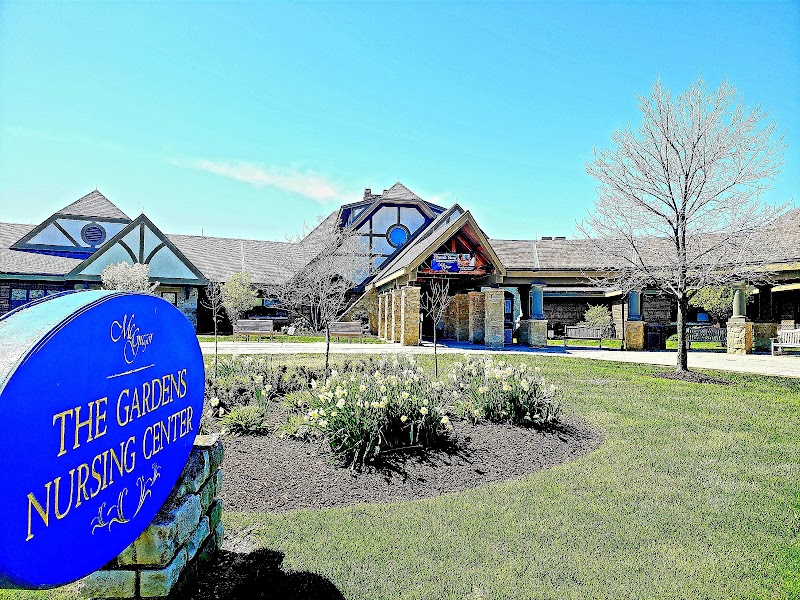
Who Owns and Operates Gardens Of Mcgregor And Amasa Stone?

GARDENS OF MCGREGOR AND AMASA STONE is owned by a non-profit organization. Non-profit facilities reinvest revenue into operations rather than distributing to shareholders. The facility operates independently rather than as part of a larger chain. With 148 certified beds and approximately 134 residents (about 91% occupancy), it is a mid-sized facility located in EAST CLEVELAND, Ohio.

How Does Gardens Of Mcgregor And Amasa Stone Compare to Other Ohio Nursing Homes?

Compared to the 100 nursing homes in Ohio, GARDENS OF MCGREGOR AND AMASA STONE's overall rating (5 stars) is above the state average of 3.2, staff turnover (63%) is significantly higher than the state average of 46%, and health inspection rating (4 stars) is above the national benchmark.

What Should Families Ask When Visiting Gardens Of Mcgregor And Amasa Stone?

Based on this facility's data, families visiting should ask: "How do you ensure continuity of care given staff turnover, and what is your staff retention strategy?" "Can I visit during a mealtime to observe dining assistance and food quality?" "How do you handle medical emergencies, and what is your hospital transfer rate?" "Can I speak with family members of current residents about their experience?" These questions are particularly relevant given the facility's high staff turnover rate.

Is Gardens Of Mcgregor And Amasa Stone Safe?

Based on CMS inspection data, GARDENS OF MCGREGOR AND AMASA STONE has a clean safety record: no substantiated abuse findings (meaning no confirmed cases of resident harm), no Immediate Jeopardy citations (the most serious violation level indicating risk of serious injury or death), and is not on the Special Focus Facility watch list (a federal program monitoring the lowest-performing 1% of nursing homes). The facility has a 5-star overall rating and ranks #1 of 100 nursing homes in Ohio. While no facility is perfect, families should still ask about staff-to-resident ratios and recent inspection results during their visit.

Do Nurses at Gardens Of Mcgregor And Amasa Stone Stick Around?

Staff turnover at GARDENS OF MCGREGOR AND AMASA STONE is high. At 63%, the facility is 17 percentage points above the Ohio average of 46%. High turnover means new staff may not know residents' individual needs, medications, or preferences. It can also be disorienting for residents, especially those with dementia who rely on familiar faces. Families should ask: What is causing the turnover? What retention programs are in place? How do you ensure care continuity during staff transitions?

Was Gardens Of Mcgregor And Amasa Stone Ever Fined?

GARDENS OF MCGREGOR AND AMASA STONE has been fined $15,651 across 1 penalty action. This is below the Ohio average of $33,235. While any fine indicates a compliance issue, fines under $50,000 are relatively common and typically reflect isolated problems that were subsequently corrected. Families should ask what specific issues led to these fines and confirm they've been resolved.

Is Gardens Of Mcgregor And Amasa Stone on Any Federal Watch List?

GARDENS OF MCGREGOR AND AMASA STONE is not on any federal watch list. The most significant is the Special Focus Facility (SFF) program, which identifies the bottom 1% of nursing homes nationally based on persistent, serious quality problems. Not being on this list means the facility has avoided the pattern of deficiencies that triggers enhanced federal oversight. This is a positive indicator, though families should still review the facility's inspection history directly.