GREENBRIAR NURSING CENTER
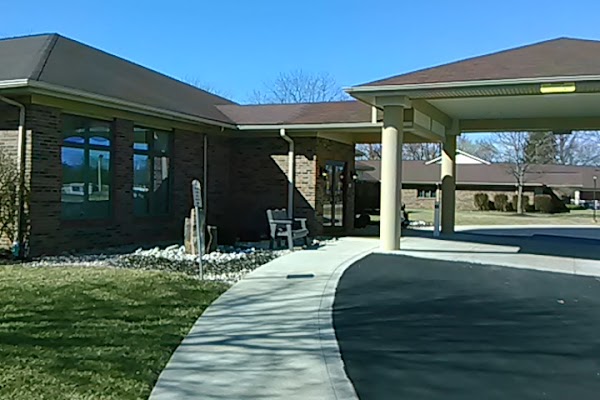
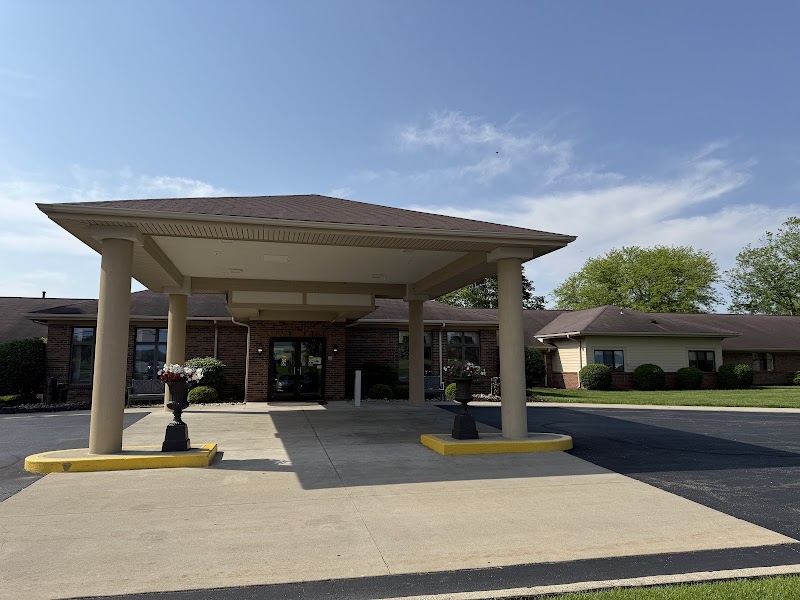
501 WEST LEXINGTON ROAD, EATON, OH 45320 (937) 456-9535
For profit - Corporation 74 Beds Independent Data: November 2025
Trust Grade
60/100
#270 of 913 in OH
Last Inspection: February 2025

Within standard 12-15 month inspection cycle. Federal law requires annual inspections.

Overview

Greenbriar Nursing Center has a Trust Grade of C+, which indicates that it is slightly above average but not particularly impressive. It ranks #270 out of 913 facilities in Ohio, placing it in the top half, and #2 out of 3 in Preble County, meaning there is only one other local option that is better. Unfortunately, the facility is showing a worsening trend, with issues increasing from 1 in 2024 to 2 in 2025. Staffing is a significant concern, as the center received a poor 1/5 star rating, and turnover is at 57%, which is higher than average for the state. The facility has faced $28,626 in fines, which is concerning and indicates potential compliance issues. Regarding RN coverage, it has less than 96% of Ohio facilities, which can affect the quality of care. Specific incidents include a lack of a qualified Activities Director, which could impact resident engagement, and inaccuracies in mental health assessments for residents, potentially compromising their care needs. While the facility has strengths such as a good overall rating and quality measures, the staffing issues and recent findings highlight areas that families should consider carefully.

Trust Score
C+
60/100
In Ohio
#270/913
Top 29%
Safety Record
Low Risk
No red flags
Inspections
Getting Worse
1 → 2 violations
Staff Stability
⚠ Watch
57% turnover. Above average. Higher turnover means staff may not know residents' routines.
Penalties
✓ Good
$28,626 in fines. Lower than most Ohio facilities. Relatively clean record.
Skilled Nurses
⚠ Watch
Each resident gets only 16 minutes of Registered Nurse (RN) attention daily — below average for Ohio. Fewer RN minutes means fewer trained eyes watching for problems.
Violations
⚠ Watch
25 deficiencies on record. Higher than average. Multiple issues found across inspections.
★★★★☆
4.0
Overall Rating
★☆☆☆☆
1.0
Staff Levels
★★★★★
5.0
Care Quality
★★★★☆
4.0
Inspection Score
Stable
2024: 1 issues
2025: 2 issues

The Good

  • 5-Star Quality Measures · Strong clinical quality outcomes
  • Full Sprinkler Coverage · Fire safety systems throughout facility
  • No fines on record

Facility shows strength in quality measures, fire safety.

The Bad

Staff Turnover: 57%

11pts above Ohio avg (46%)

Frequent staff changes - ask about care continuity

Federal Fines: $28,626

Below median ($33,413)

Moderate penalties - review what triggered them

Staff turnover is elevated (57%)

9 points above Ohio average of 48%

The Ugly 25 deficiencies on record

Feb 2025 2 deficiencies
CONCERN (D)

Potential for Harm - no one hurt, but risky conditions existed

PASARR Coordination (Tag F0644)

Could have caused harm · This affected 1 resident

3. Review of the medical record for Resident #63 revealed a admission date of 11/01/24 with diagnoses including Parkinson's disease, and bipolar disorder. Review of the MDS assessment for Resident #63...

Read full inspector narrative →
3. Review of the medical record for Resident #63 revealed a admission date of 11/01/24 with diagnoses including Parkinson's disease, and bipolar disorder. Review of the MDS assessment for Resident #63 dated 01/01/25 revealed the resident had severely impaired cognition and required maximum staff assistance with ADLs. Review of the PASARR for Resident #63 dated 01/03/25 revealed it did not include the resident's diagnosis of bipolar disorder. Interview on 02/27/25 at 1:18 P.M. with Social Worker (SW) #31 confirmed the facility did not include Resident #63's diagnosis of bipolar disorder on the PASARR dated 01/03/25. Based on medical record review and staff interview, the facility failed to ensure resident preadmission screening and resident reviews (PASARRs) were accurate and included resident mental health diagnoses and mental health services. This affected three (Residents #02, #61 and #63) of three residents reviewed for PASARRs. The facility census was 71 residents. Findings include: 1. Review of the medical record for Resident #02 revealed an admission date of 08/16/24 with diagnoses including anxiety disorder, major depressive disorder, schizoaffective disorder, type two diabetes mellitus, cerebral infarction, and epilepsy. Review of the Minimum Data Set (MDS) assessment for Resident #02 dated 01/02/25 revealed the resident was severely cognitively impaired and required assistance with activities of daily living (ADLs.) Review of the PASARR for Resident #02 dated 08/19/24 revealed the resident had mood disorders and panic or other severe anxiety disorders but did not include the resident's diagnosis of schizoaffective disorder. Interview 02/25/24 at 11:18 A.M. with the Administrator confirmed the facility had not listed Resident #02's diagnosis of schizoaffective disorder on the PASARR dated 08/19/24. 2. Review of the medical record for Resident #61 revealed an admission date of 06/06/24 with diagnoses including psychotic disorder with delusions due to known physiological condition, anxiety disorder, major depressive disorder, unspecified dementia unspecified severity without behavioral disturbance, psychotic disturbance, mood disturbance and anxiety, cerebral atherosclerosis, and type two diabetes mellitus. Review of the MDS assessment for Resident #61 dated 12/14/24 revealed the resident was severely cognitively impaired and was dependent on staff assistance with ADLs. Review of the diagnosis list for Resident #61 revealed the resident had the following psychiatric diagnoses: psychotic disorder with delusions due to known physiological condition, anxiety disorder, and major depressive disorder. Review of the psychiatric progress note for Resident #61 dated 11/18/24 revealed the resident was seen by a mental health provider for neuropsychiatric assessment and management of mood and cognition. Review of the PASARR for Resident #61 dated 01/03/25 revealed there were no mental disorders or psychiatric services listed. Interview on 02/25/24 at 11:23 A.M with the Administrator on confirmed the facility had not listed Resident #61's diagnoses of psychotic disorder with delusions due to known physiological condition, anxiety disorder, and major depressive disorder on the PASARR dated 01/03/25 nor had the facility noted Resident #61's psychiatric services.
CONCERN (D)

Potential for Harm - no one hurt, but risky conditions existed

Deficiency F0757 (Tag F0757)

Could have caused harm · This affected 1 resident

Based on medical record review, observation, resident interview, staff interview, and review of the facility policy, the facility failed to ensure staff properly monitored residents receiving anticoag...

Read full inspector narrative →
Based on medical record review, observation, resident interview, staff interview, and review of the facility policy, the facility failed to ensure staff properly monitored residents receiving anticoagulants for bruising and bleeding. This affected one (Resident #16) of five residents reviewed for unnecessary medications. The facility census was 71 residents. Findings include: Review of the medical record for Resident #16 revealed an admission date of 12/26/23 with diagnoses including end stage renal disease, chronic obstructive pulmonary disease, and hyperlipidemia. Review of the Minimum Data Set (MDS) assessment for Resident #16 dated 12/16/24 revealed the resident was cognitively intact, required staff assistance with activities of daily living (ADLs), and received anticoagulant medication. Review of the care plan for Resident #16 dated 05/01/24 revealed the resident was on an anticoagulant related to a history of stroke. Interventions included the following: administer medications as ordered, monitor for side effects, include the resident in the treatment plan, monitor vital signs and laboratory values. Review of the physician's orders for Resident #16 revealed an orders dated 12/26/23 for Eliquis 2.5 milligrams (mg) twice daily and to monitor the resident for signs and symptoms of bleeding and report to the physician due to Eliquis administration. Review of the progress note for Resident #16 dated 08/20/24 per Nurse Practitioner (NP) #500 revealed the resident had dry nostrils and had a minor nosebleed. NP #500's plan was for staff to apply petroleum jelly to the resident's nostrils as needed. Review of the progress notes for Resident #16 dated 12/27/24 to 02/24/25 revealed no documentation of bruising and/or bleeding (nosebleeds.) Review of the skin assessment for Resident #16 dated 02/10/25 revealed the resident had scattered scabs on the arms where the resident had picked the skin. Review of the skin assessment for Resident #16 dated 02/17/25 revealed the resident had no new skin areas. Observation on 02/24/25 at 11:04 A.M. revealed Resident #16 had a piece of tissue paper in his right nostril that had a red drop on it. Resident #16 also had large bruises that were approximately two inches long by two inches wide on both hands. Interview on 02/24/25 at 11:14 A.M. with Resident #16 confirmed he had frequent nose bleeds and bruises on both of his hands because he was on an anticoagulant. Interview on 02/25/25 at 4:30 P.M with the Director of Nursing (DON) confirmed Resident #16 had large bruises on both of his hands and there was no documentation of the bruising or notification to the physician of the bruising in the resident's medical record. The DON confirmed Resident #16 also had frequent nose bleeds and was on an anticoagulant. The DON confirmed the facility had not documented appropriate monitoring of Resident #16 for side effects of Eliquis. Review of the facility policy titled Anticoagulant Medications dated 03/07/23 revealed residents that received anticoagulants should be assessed for adverse reactions such as bruising, bleeding gums, rectal bleeding, bloody urine and changes in mental status. Any adverse reactions should be reported to the attended physician and documented in the medical record.
Feb 2024 1 deficiency
CONCERN (E) 📢 Someone Reported This

A family member, employee, or ombudsman was alarmed enough to file a formal complaint

Potential for Harm - no one hurt, but risky conditions existed

Deficiency F0680 (Tag F0680)

Could have caused harm · This affected multiple residents

Based on record review, review of personnel files, staff interview and review of job descriptions, the facility failed to ensure the services of a qualified Activities Director (AD). This had the pote...

Read full inspector narrative →
Based on record review, review of personnel files, staff interview and review of job descriptions, the facility failed to ensure the services of a qualified Activities Director (AD). This had the potential to affect all residents who resided in the facility with the exception of four (#15, #18, #21, and #52) residents who the facility identified as not participating in activities. The facility census was 57. Findings include: Interview on 02/21/24 at 2:16 P.M. with the AD #154 confirmed she did not have the required certification to be an AD. AD #154 stated she was informed that the facility would provide the education to meet the qualifications to become a Certified AD; however, the facility had not provided the funds to complete the education. Interview on 02/21/24 at 3:07 P.M. with the Administrator, confirmed AD #154's background, experience, and education failed to meet the qualifications of a Certified AD. Review of the personnel record for AD #154 revealed she was hired as the facility's AD on 06/05/23. AD #154 did not have a certification in AD or the appropriate training and/or education to hold the position of AD. Review of the job description titled, Activities Director, revealed the facility requires the position to be certified to complete the 90-hour course for Activities Directors within a reasonable timeframe.
Dec 2023 1 deficiency
CONCERN (D) 📢 Someone Reported This

A family member, employee, or ombudsman was alarmed enough to file a formal complaint

Potential for Harm - no one hurt, but risky conditions existed

Deficiency F0685 (Tag F0685)

Could have caused harm · This affected 1 resident

**NOTE- TERMS IN BRACKETS HAVE BEEN EDITED TO PROTECT CONFIDENTIALITY** Based on medical record review and staff, resident and eye specialist staff interviews, the facility failed to schedule an eye s...

Read full inspector narrative →
**NOTE- TERMS IN BRACKETS HAVE BEEN EDITED TO PROTECT CONFIDENTIALITY** Based on medical record review and staff, resident and eye specialist staff interviews, the facility failed to schedule an eye specialist appointment timely. This affected one (#112) out of the three residents reviewed for appointments. The facility census was 60. Findings included: Review of the medical record for Resident #112 revealed an admission date of 01/21/13 with medical diagnoses of cerebral palsy, restless leg syndrome, paraplegia, anxiety, and depression. Review of the medical record for Resident #112 revealed a quarterly Minimum Data Set (MDS), dated [DATE], which indicated Resident #112 was cognitively intact and was dependent upon staff for toileting, bathing, bed mobility and transfers. Review of the medical record for Resident #112 revealed an Optometrist note, dated 09/25/23, which stated Resident #112's assessment revealed low vision to right eye, normal vision to left eye, ocular hypertension to left eye, retinal hemorrhage right eye and pseudophakia (fake lens) to both eyes and requested a referral for ophthalmologist. Review of the medical record revealed a physician order, dated 09/28/23, to call and schedule appointment for eye specialist per in house eye doctor request. Further review of the medical record for Resident #112 revealed no documentation to support the facility scheduled an ophthalmologist appointment. Interview on 12/05/23 at 10:30 A.M. with Resident #112 stated she has asked to see an eye doctor because she can't see very well. Interview on 12/05/23 at 2:17 P.M. with Receptionist #7 from eye specialist office stated the facility called on 12/05/23 to schedule Resident #112 an appointment for 01/10/24. Receptionist #7 confirmed there was no prior attempts to schedule an appointment prior to 12/05/23 for Resident #112. Interview on 12/05/23 at 2:30 P.M. with Director of Nursing (DON) confirmed the medical record for Resident #112 did not contain documentation to support the facility scheduled an eye specialist appointment as ordered on 09/28/23. This deficiency represents non-compliance investigated under Complaint Number OH00147644.
Nov 2023 2 deficiencies
CONCERN (D) 📢 Someone Reported This

A family member, employee, or ombudsman was alarmed enough to file a formal complaint

Potential for Harm - no one hurt, but risky conditions existed

Notification of Changes (Tag F0580)

Could have caused harm · This affected 1 resident

**NOTE- TERMS IN BRACKETS HAVE BEEN EDITED TO PROTECT CONFIDENTIALITY** Based on medical record review, staff interviews, and policy reviews, the facility failed to notify the physician of a resident'...

Read full inspector narrative →
**NOTE- TERMS IN BRACKETS HAVE BEEN EDITED TO PROTECT CONFIDENTIALITY** Based on medical record review, staff interviews, and policy reviews, the facility failed to notify the physician of a resident's significant weight loss. This affected one (#100) resident out of the three residents reviewed for weight loss. The facility census was 63. Findings included: Review of the medical record for Resident #100 revealed an admission date of 05/17/23 with medical diagnoses of chronic obstructive pulmonary disease (COPD), hypertension and dementia. Review of the medical record for Resident #100 revealed a significant change Minimum Data Set (MDS), dated [DATE], which indicated Resident #100 had severe cognitive impairment and required supervision with eating and supervision with dressing, transfers, and toileting. The MDS revealed no weight was documented and no weight loss noted. Review of the medical record for Resident #100 revealed no documentation to support her weight was obtained upon admission [DATE]. Further review revealed a weight on 07/01/23 at 117.2 pounds, on 10/02/23 at 103.8 pounds, and on 11/03/23 at 92.2 pounds. Review of the medical record did not contain documentation to support Resident #100 refused to be weighed or any other weights were obtained. Review of the medical record for Resident #100 revealed a nutrition note, dated 10/16/23 at 3:19 P.M. which indicated Resident #100 weight was 103.8 pounds and had a 7.5% decline in weight in three months which triggered a significant weight loss. The note stated a supplement would be recommended to help maintain weight. The note did not contain documentation to support the physician was notified of the weight loss. Further review of the medical record revealed a nutrition note, dated 11/13/23 at 3:22 P.M. which stated Resident #100's weight was 92.2 pounds and had a 5.0% decline in one month which triggered a significant weight loss. The note recommended to reweigh the resident to confirmed weight loss and update weight. The note did not contain documentation to support the physician was notified of the significant weight loss. Interview on 11/29/23 at 1:12 P.M. with Dietician #400 stated Resident #100 was considered a nutritional risk resident and should have been weighed weekly after significant weight loss documented on 10/16/23. Dietician #400 confirmed the medical record for Resident #100 did not contain documentation to support the facility notified the physician of the significant weight loss or that the facility obtained weights as per policy to monitor Resident #100's nutritional status. Dietician #400 stated Resident #100 has had a gradual decline due to her dementia and nutritional supplements were implemented to help maintain her weight. Review of the undated policy titled, Resident Weight, stated the policy was to ensure staff were monitoring and obtained weights as indicated. The policy stated the staff were to record and monitor weights monthly or as indicated by the resident's condition. The policy stated residents at high nutritional risk would be weighed weekly. Review of the policy titled, Change of Condition, dated May 2020, stated the facility would immediately notify the resident, physician, or resident representative of a significant change in resident's physical, mental, or psychosocial status. This deficiency represents non-compliance investigated under Complaint Number OH00148182.
CONCERN (D) 📢 Someone Reported This

A family member, employee, or ombudsman was alarmed enough to file a formal complaint

Potential for Harm - no one hurt, but risky conditions existed

Deficiency F0692 (Tag F0692)

Could have caused harm · This affected 1 resident

**NOTE- TERMS IN BRACKETS HAVE BEEN EDITED TO PROTECT CONFIDENTIALITY** Based on medical record reviews, staff and resident interviews, and policy review, the facility failed to ensure resident weight...

Read full inspector narrative →
**NOTE- TERMS IN BRACKETS HAVE BEEN EDITED TO PROTECT CONFIDENTIALITY** Based on medical record reviews, staff and resident interviews, and policy review, the facility failed to ensure resident weights were obtained to monitor nutritional status. This affected two (#54 and #100) out of the three residents reviewed for weight loss. The facility census was 63. Findings included: 1. Review of the medical record for Resident #54 revealed an admission date of 06/14/22 with medical diagnoses of chronic respiratory failure, hypertension (HTN), hypothyroidism, and epilepsy. Review of the medical record for Resident #54 revealed a quarterly Minimum Data Set (MDS), dated [DATE], which indicated Resident #54 had moderate cognitive impairment and was dependent upon staff for bed mobility, dressing, toileting, and bathing, required extensive staff assistance for transfers, and set-up assistance with eating. Review of the MDS revealed no weight documented. Review of the medical record for Resident #54 revealed a nutritional risk care plan, dated 06/26/22, which indicated the facility would monitor Resident #54 for weight loss. Review of the medical record for Resident #54 revealed a weight of 189.4 pounds on 01/17/23 and 194.2 pounds on 06/01/23. Review of the medical record did not contain documentation to support the facility obtained weights or resident refused to be weighted from February 2023 to May 2023 or from July 2023 to November 2023. Review of the medical record for Resident #54 revealed a dietary progress note, dated 11/27/23 at 1:36 P.M., which stated last recorded weight was 06/01/23 and current weight was requested. Interview on 11/29/23 at 10:02 A.M. with Resident #54 stated staff do not weigh her regularly. Interview on 11/29/23 at 2:55 P.M. with Director of Nursing (DON) confirmed the medical record for Resident #54 did not contain documentation to support the facility obtained monthly weights or Resident #54 refused to be weighed. DON confirmed Resident #54 weight was obtained on 11/29/23 and was 189.7 pounds. DON confirmed Resident #54 is at risk for weight loss and weights should be monitored. 2. Review of the medical record for Resident #100 revealed an admission date of 05/17/23 with medical diagnoses of chronic obstructive pulmonary disease (COPD), HTN, and dementia. Review of the medical record for Resident #100 revealed a significant change MDS, dated [DATE], which indicated Resident #100 had severe cognitive impairment and required supervision with eating and supervision with dressing, transfers, and toileting. The MDS revealed no weight was documented and no weight loss noted. Review of the medical record for Resident #100 revealed a potential for decline in nutrition and hydration due to COPD, dysphagia, and dementia. The interventions included monitoring weights and diet as ordered. Review of the medical record for Resident #100 revealed no documentation to support her weight was obtained upon admission [DATE]. Further review revealed a weight on 07/01/23 at 117.2 pounds, on 10/02/23 at 103.8 pounds, and on 11/03/23 at 92.2 pounds. Review of the medical record did not contain documentation to support Resident #100 refused to be weighed or any other weights were obtained. Review of the medical record for Resident #100 revealed a nutrition note, dated 10/16/23 at 3:19 P.M. which indicated Resident #100 weight was 103.8 pounds and had a 7.5% decline in weight in three months which triggered a significant weight loss. The note stated a supplement would be recommended to help maintain weight. The note did not contain documentation to support the physician was notified of the weight loss. Further review of the medical record revealed a nutrition note, dated 11/13/23 at 3:22 P.M. which stated Resident #100's weight was 92.2 pounds and had a 5.0% decline in one month which triggered a significant weight loss. The note recommended to reweigh the resident to confirmed weight loss and update weight. The note did not contain documentation to support the physician was notified of the significant weight loss. Interview on 11/29/23 at 1:12 P.M. with Dietician #400 stated Resident #100 was considered a nutritional risk resident and should have been weighed weekly after significant weight loss documented on 10/16/23. Dietician #400 confirmed the medical record for Resident #100 did not contain documentation to support the facility notified the physician of the significant weight loss or that the facility obtained weights as per policy to monitor Resident #100's nutritional status. Dietician #400 stated Resident #100 has had a gradual decline due to her dementia and nutritional supplements were implemented to help maintain her weight. Review of the undated policy titled, Resident Weight, stated the policy was to ensure staff were monitoring and obtained weights as indicated. The policy stated the staff were to record and monitor weights monthly or as indicated by the resident's condition. The policy stated residents at high nutritional risk would be weighed weekly. This deficiency represents non-compliance investigated under Complaint Number OH00148182.
Apr 2022 10 deficiencies
CONCERN (D)

Potential for Harm - no one hurt, but risky conditions existed

Deficiency F0625 (Tag F0625)

Could have caused harm · This affected 1 resident

**NOTE- TERMS IN BRACKETS HAVE BEEN EDITED TO PROTECT CONFIDENTIALITY** Based on closed medical record review, staff interview, and policy review, the facility failed to ensure one resident (#44) of o...

Read full inspector narrative →
**NOTE- TERMS IN BRACKETS HAVE BEEN EDITED TO PROTECT CONFIDENTIALITY** Based on closed medical record review, staff interview, and policy review, the facility failed to ensure one resident (#44) of one reviewed for hospitalization received a bed hold notice upon transfer. The facility census was 47. Findings include: Review of the closed medical record of Resident #44 revealed an admission date of 10/13/21 and a discharge date of 01/09/22 to the hospital. Diagnoses included myocardial infarction, type II diabetes mellitus, cardiac arrhythmia's, cardiomyopathy, and congestive heart failure. Review of the progress notes revealed Resident #44 was sent to the hospital on [DATE] with complaints of abdominal pain. The note included her husband had been notified of the transfer. Review of the record revealed no evidence a bed hold notice upon transfer had been given to the resident or her family representative. Interview on 04/07/22 at 2:30 P.M., with the Administrator and the Director of Nursing provided verification the closed medical record did not contain the Bed Hold Notice Upon Transfer. Review of the facility policy titled Bed Hold Notice Upon Transfer dated 12/01/18 revealed at the time of transfer for hospitalization the facility will provide the resident or representative written notice which specifies the duration of the bed hold policy.
CONCERN (D)

Potential for Harm - no one hurt, but risky conditions existed

Safe Transfer (Tag F0626)

Could have caused harm · This affected 1 resident

**NOTE- TERMS IN BRACKETS HAVE BEEN EDITED TO PROTECT CONFIDENTIALITY** Based on closed medical record review, staff interview, and policy review, the facility failed to ensure one resident (#44) of o...

Read full inspector narrative →
**NOTE- TERMS IN BRACKETS HAVE BEEN EDITED TO PROTECT CONFIDENTIALITY** Based on closed medical record review, staff interview, and policy review, the facility failed to ensure one resident (#44) of one reviewed for hospitalization received a transfer notice upon transfer. The facility census was 47. Findings include: Review of the closed medical record of Resident #44 revealed an admission date of 10/13/21 and a discharge date of 01/09/22 to the hospital. Diagnoses included myocardial infarction, type II diabetes mellitus, cardiac arrhythmia's, cardiomyopathy, and congestive heart failure. Review of the progress notes revealed Resident #44 was sent to the hospital on [DATE] with complaints of abdominal pain. The note included her husband had been notified of the transfer. Review of the record revealed no evidence a transfer notice upon transfer had been given to the resident or her family representative. Interview on 04/07/22 at 2:30 P.M., with the Administrator and the Director of Nursing provided verification the closed medical record did not contain the Transfer Notice. Review of the facility policy titled Transfer and Discharge dated 12/01/18 revealed at the time of transfer (or as soon as practicable) for hospitalization, the facility will provide the resident or representative written notice which documents: resident status; current diagnosis, allergies and reason for transfer/discharge; contact information of the practitioner responsible for the care of resident; current medications and treatments; any special risks or precautions; and any other applicable documents necessary to ensure a safe and effective transfer.
CONCERN (D)

Potential for Harm - no one hurt, but risky conditions existed

Comprehensive Care Plan (Tag F0656)

Could have caused harm · This affected 1 resident

**NOTE- TERMS IN BRACKETS HAVE BEEN EDITED TO PROTECT CONFIDENTIALITY** Based on medical record review and staff interview the facility failed to ensure resident care plans were developed with measura...

Read full inspector narrative →
**NOTE- TERMS IN BRACKETS HAVE BEEN EDITED TO PROTECT CONFIDENTIALITY** Based on medical record review and staff interview the facility failed to ensure resident care plans were developed with measurable objectives, timelines or interventions. This affected one resident (#19) of 14 reviewed for care planning. The facility census was 47. Findings include: Review of medical record for Resident #19 revealed an admission date of 02//1/18. Diagnoses included cerebral palsy, contracture of right and left knee, depression, anxiety, hypertension and reflux. The quarterly minimum data set (MDS) dated [DATE] revealed Resident#19 had intact cognition and was an extensive two person assist for bed mobility, dressing and personal hygiene. Resident #19 was dependent for transfers, toilet use and supervision for eating. Section M of the MDS revealed a pressure ulcer /injury and an unhealed pressure ulcer marked as a stage three ulcer not present upon admission. The use of pressure reducing device for the bed and pressure ulcer care was documented during the assessment. Review of the care plan for potential for skin integrity was initiated on 12/03/21 with interventions to encourage good nutrition and hydration in order to promote healthier skin and identify/document potential causative factors and eliminate/resolve where possible. There was no care plan for the documented pressure ulcer for Resident#19. Interview on 04/07/22 at 11:42 A.M., with the MDS Registered Nurse #100 verified there was no care plan addressing the stage three pressure ulcer of Resident#19.
CONCERN (D)

Potential for Harm - no one hurt, but risky conditions existed

Deficiency F0657 (Tag F0657)

Could have caused harm · This affected 1 resident

**NOTE- TERMS IN BRACKETS HAVE BEEN EDITED TO PROTECT CONFIDENTIALITY** Based on medical record review and staff interviews the facility failed to implement new safety interventions following a fall e...

Read full inspector narrative →
**NOTE- TERMS IN BRACKETS HAVE BEEN EDITED TO PROTECT CONFIDENTIALITY** Based on medical record review and staff interviews the facility failed to implement new safety interventions following a fall experienced by two residents (#17 and #95) of five residents (#02, #07, #17, #32, and #95) reviewed for falls. The facility census was 47. Findings include: 1. Review of the medical record of Resident #17 revealed an admission date of 08/18/21. Diagnoses included congestive heart failure, history of falling, difficulty in walking, cognitive communication deficit, and dementia without behavioral disturbance. Review of the quarterly minimum data set (MDS) dated [DATE] revealed Resident #17 had severe cognition deficit and required supervision with walking in room and transfers. She was assessed as having no impairment with upper or lower extremity range of motion and used no mobility aids. The assessment revealed she had experienced one fall, without injury, since admission. Review of the care plan with a revised date of 03/31/22 revealed Resident #17 was at a risk for falls related to dementia, anxiety, weakness, depression, hypoxemia, and atrial fibrillation. No new interventions were initiated after the fall experienced on 02/23/22. Review of the progress note dated 02/23/22 at 7:00 P.M. revealed Resident #17's call light had activated. Upon entering the room she was found on the floor. Her roommate stated she had been walking over to a recliner, stumbled and fell. Resident #17 was noted to have shoes on both feet and no debris was noted on the floor. 2. Review of the medical record of Resident #95 revealed an admission date of 02/17/22. Diagnoses included paroxysmal atrial fibrillation, cognitive communication deficit, metabolic encephalopathy, type II diabetes mellitus, end stage renal disease and dependence on renal dialysis. Review of the discharge-return modification of admission minimum data set (MDS) assessment dated [DATE] revealed Resident #95 had moderate cognition deficit. Review of the progress notes revealed an entry on 03/18/22 at 10:45 P.M. revealed Resident #95 had fallen from her bed and had sustained a fracture to the left wrist and the left knee. Review of the care plan for Resident #95 revealed the last update with fall prevention interventions were added on 03/10/22. Interview on 04/07/22 at 11:00 A.M., with Registered Nurse #100 provided verification of the lack of modification to the care plan following Resident #17 and Resident #95's fall.
CONCERN (D)

Potential for Harm - no one hurt, but risky conditions existed

Pressure Ulcer Prevention (Tag F0686)

Could have caused harm · This affected 1 resident

**NOTE- TERMS IN BRACKETS HAVE BEEN EDITED TO PROTECT CONFIDENTIALITY** Based on medical record review, observation, staff interview and policy review the facility failed to ensure a pressure wound wa...

Read full inspector narrative →
**NOTE- TERMS IN BRACKETS HAVE BEEN EDITED TO PROTECT CONFIDENTIALITY** Based on medical record review, observation, staff interview and policy review the facility failed to ensure a pressure wound was assessed. This affected one resident (#19) of three residents reviewed for pressure ulcers. The facility census was 47. Findings include: Review of the medical record for Resident #19 revealed admission date of 02//1/18. Diagnoses included cerebral palsy, contracture of right and left knee, depression, anxiety, hypertension and reflux. Review of the quarterly minimum data set (MDS) dated [DATE] revealed Resident#19 had intact cognition and was an extensive two person assist for bed mobility, dressing and personal hygiene. Resident #19 was dependent for transfers, toilet use and supervision for eating. Review of the Section M of the MDS revealed a pressure ulcer /injury and an unhealed pressure ulcer marked as a stage three ulcer not present upon admission. The use of pressure reducing device for the bed and pressure ulcer care was documented during the assessment. Review of the care plan for potential for skin integrity was initiated on 12/03/21 with interventions to encourage good nutrition and hydration in order to promote healthier skin and identify/document potential causative factors and eliminate/resolve where possible. There was no care plan for the documented pressure ulcer for Resident #19. Review of the skin assessment for Resident#19 dated 02/13/22 revealed documentation of a sacral wound and the description which read reopened which measured 1.0 centimeter (cm) by 0.5 cm by 0.1 cm. Record review of the progress note for Resident #19 dated 02/13/22 revealed the sacral area had reopened. The area was cleansed, the physician was informed, and new orders were received. Review of the physician order for Resident #19 revealed on order dated 02/13/22 to cleanse the sacrum with wound wash or soap and water and pat dry. Apply calcium alginate with silver and cover with a dry dressing daily. Further review of the progress notes and the physician orders for Resident #19 revealed no orders to consult the wound nurse and no documentation the resident had been seen by the wound nurse after 02/01/22. Review of the skin assessment for Resident #19 dated 03/08/22 and 03/16/22 revealed documentation the wound nurse continued treating the sacrum area. No description or measurements of the wound were documented. Review of the skin assessment for Resident #19 dated 03/30/22 revealed no new areas noted. There was an existing area to the sacrum, treatments were in place. Observation and interview on 04/07/22 at 10:32 A.M. during the dressing change for Resident #19 by Licensed Practical Nurse (LPN) #202 revealed she was unsure of the wound measurements and believed the wound nurse was measuring the wound. The wound was small in size and there appeared to be a small slit or opening with sanguineous (the first drainage a wound produces, it is fresh red blood that comes out of the injury when it first occurs) drainage observed on the gauze when LPN #202 cleansed the wound. The wound measured 1.0 cm by 0.3 cm and no depth. LPN #202 said the wound had improved. Interview on 04/07/22 at 1:49 P.M., with the Director of Nursing verified the wound nurse had not seen Resident#19 since 02/01/22 and no wound measurements or description of the wound had been documented by the staff since 03/08/22. The treatments were completed just not the weekly measurements and assessments of the sacrum wound. Review of facility policy/protocol titled Wound Treatment Management dated 12/01/18 revealed the effectiveness of treatments would be monitored through the ongoing assessment of the wound. Treatment decisions would be based on the characteristics of the wound including but not limited to the size, presence of infection, condition of the tissue in and around the wound bed.
CONCERN (D)

Potential for Harm - no one hurt, but risky conditions existed

Incontinence Care (Tag F0690)

Could have caused harm · This affected 1 resident

**NOTE- TERMS IN BRACKETS HAVE BEEN EDITED TO PROTECT CONFIDENTIALITY** Based on medical record review and staff interview the facility failed to ensure a urine sample for the laboratory test urinalys...

Read full inspector narrative →
**NOTE- TERMS IN BRACKETS HAVE BEEN EDITED TO PROTECT CONFIDENTIALITY** Based on medical record review and staff interview the facility failed to ensure a urine sample for the laboratory test urinalysis was obtained in a timely manner. This affected one resident (#30) of one resident reviewed for urinary tract infection (UTI). The facility census was 47. Findings include: Review of the medical record for Resident #30 revealed the resident was admitted to the facility on [DATE]. Diagnoses included neuromuscular dysfunction of the bladder, intellectual disabilities, epilepsy, peripheral vascular disease, and hemiplegia. Review of an admission minimum data set (MDS) assessment dated [DATE] revealed Resident #30 had intact cognition. The assessment revealed the resident utilized an indwelling urinary catheter. Review of a progress noted dated 03/29/22 at 5:31 P.M. revealed Resident #30 was noted to be acting different. The residents urine was assessed brown in color. A new order from the nurse practitioner was received to obtain urinalysis. Review of a physician order dated 03/29/22 revealed a urinalysis (a clinical urine test conducted for the examination of urine and its microscopic appearance to aid in medical diagnosis) was ordered for Resident #30. Review of the medical record for Resident #30 revealed the medical record contained no evidence of an attempt to obtain a urine sample for urinalysis on 03/29/22 or 03/30/22. Review of a laboratory test, specimen collection date 03/31/22 revealed a urine sample was collected for Resident #30 on 03/31/22. The abnormal results were reported to the facility on [DATE]. Interview on 04/07/22 at 11:20 A.M., with the Director of Nursing (DON) revealed it was the DON's expectation that a urinalysis, ordered for a resident with an indwelling urinary catheter, would be collected the same day of the urinalysis order unless specified otherwise in the order. The DON verified Resident #30 utilized an indwelling urinary catheter. The DON verified a urinalysis was ordered for Resident #30 on 03/29/22 and the urine sample was not collected until 03/31/22.
CONCERN (D)

Potential for Harm - no one hurt, but risky conditions existed

Deficiency F0773 (Tag F0773)

Could have caused harm · This affected 1 resident

**NOTE- TERMS IN BRACKETS HAVE BEEN EDITED TO PROTECT CONFIDENTIALITY** Based on medical record review and staff interview the facility failed to notify the primary care provider (PCP) of urinalysis c...

Read full inspector narrative →
**NOTE- TERMS IN BRACKETS HAVE BEEN EDITED TO PROTECT CONFIDENTIALITY** Based on medical record review and staff interview the facility failed to notify the primary care provider (PCP) of urinalysis culture and sensitivity results. This affected one resident (#30) one resident reviewed for urinary tract infection. The census was 47. Findings include: Review of the medical record for Resident #30 revealed the resident was admitted to the facility on [DATE]. Diagnoses included neuromuscular dysfunction of the bladder, intellectual disabilities, epilepsy, peripheral vascular disease, and hemiplegia. Review of an admission minimum data set (MDS) assessment dated [DATE] revealed Resident #30 had intact cognition. The assessment revealed the resident utilized an indwelling urinary catheter. Review of a laboratory test reported 03/13/22 revealed Resident #30 had abnormal urinalysis results. A culture and sensitivity was indicated. The organisms identified were Escherichia coli growth was greater than 100,000 colony forming unit (CFU) per milliliter (ml) and enterococcus faecalis 60-70,000 CFU/ml. Review of the sensitivity report revealed the organism Escherichia coli was resistant to Bactrim (an antibiotic). There was no sensitivity listed for Bactrim related to the enterococcus faecalis. Review of a progress note dated 03/13/22 9:36 P.M. revealed a new order was received for the antibiotic Bactrim DS (double strength) 800 milligram (mg) -160 mg by mouth twice a day for 10 days due to urinary tract infection. Review of a physician order dated 03/14/22 revealed Resident #30 was ordered Bactrim DS Tablet 800-160 mg(Sulfamethoxazole-Trimethoprim), give one tablet orally two times a day for urinary tract infection (UTI). Review of a care plan dated 03/14/22, revealed Resident #30 was on antibiotic therapy (Bactrim DS) related to infection (UTI). Interventions include report pertinent laboratory results to the medical doctor (MD). Review of the medication administration record dated March 2022 revealed Bactrim was administered to Resident #30 as ordered for 10 days. Review of the medical record for Resident #30 revealed there was no evidence of the PCP being notified of the culture and sensitivity results for the urinalysis or of the PCP being notified of the Bactrim resistance. Interview on 04/07/22 at 11:20 A.M., with the Director of Nursing (DON) verified Resident #30 was ordered Bactrim to treat a urinary tract infection (UTI). The DON further verified according to the culture and sensitivity results the UTI was resistant to Bactrim. The DON did not know if the PCP was notified of the culture and sensitivity results. Interview on 04/07/22 at 11:30 A.M., with the Nurse Practitioner (NP) #600 revealed the NP was the provider who ordered the antibiotic Bactrim for Resident #30 for the treatment of a UTI. The NP #600 revealed the order for the Bactrim was given prior to the culture and sensitivity results. The NP #600 revealed the facility staff had not notified the NP of the culture and sensitivity results. If the NP #600 would have been made aware of the culture and sensitivity results then the Bactrim would have been discontinued and a different antibiotic would have been ordered.
CONCERN (D)

Potential for Harm - no one hurt, but risky conditions existed

Infection Control (Tag F0880)

Could have caused harm · This affected 1 resident

**NOTE- TERMS IN BRACKETS HAVE BEEN EDITED TO PROTECT CONFIDENTIALITY** Based on medical record review, observation, staff interview, and policy review the facility failed to ensure proper infection c...

Read full inspector narrative →
**NOTE- TERMS IN BRACKETS HAVE BEEN EDITED TO PROTECT CONFIDENTIALITY** Based on medical record review, observation, staff interview, and policy review the facility failed to ensure proper infection control protocols in regards to equipment used to provide supplemental oxygen. This affected one resident (#36) out of four residents reviewed for supplemental oxygen use. The facility census was 47. Findings include: Record review of Resident #36 revealed the resident was admitted to the facility on [DATE]. Diagnoses included hypotension, dysphagia, diarrhea, hypertension, and cognitive deficit. Review of Resident #36's Minimum Dat Set (MDS) comprehensive assessment dated [DATE] revealed Resident #36 had impaired cognition and did not require supplemental oxygen. Review of Resident #36's physician orders dated 03/12/22 revealed an order for oxygen at two to six liters per nasal cannula. Observation on 04/05/22 at 9:15 A.M., Resident #36 was sitting in her room in the recliner. Resident #36 appeared to be pleasantly confused. Resident #36's oxygen nasal cannula was observed coiled up laying on the floor next to the resident's recliner and the air concentrator was on. The nasal cannula was undated and there was no label noted on the tubing. Interview and observation on 04/05/22 at 9:20 A.M. with State Tested Nursing Assistant (STNA) #305 verified Resident #36 wore her oxygen nasal cannula continuously. STNA #305 verified there was no dated label on the oxygen tubing and the tubing was laying on the floor during the observation. STNA #305 was observed picking up the nasal cannula from the floor and reapplying it to Resident #36's face. Interview on 04/07/22 at 9:50 A.M., with the Director of Nursing (DON) verified if a nasal cannula was observed on the floor the aide should report to the nurse for a new clean cannula. Review of the facility policy titled, Oxygen Administration dated 08/01/2019 revealed oxygen is to be administered consistent with professional standards of practice, comprehensive care plans, and with the resident's goals and preferences. Per the policy re-usable and non-reusable equipment for the supplemental oxygen should be used by the staff per standards of practice.
CONCERN (D)

Potential for Harm - no one hurt, but risky conditions existed

Antibiotic Stewardship (Tag F0881)

Could have caused harm · This affected 1 resident

**NOTE- TERMS IN BRACKETS HAVE BEEN EDITED TO PROTECT CONFIDENTIALITY** Based on medical record review, staff interview, review of the infection surveillance documentation and policy review the facili...

Read full inspector narrative →
**NOTE- TERMS IN BRACKETS HAVE BEEN EDITED TO PROTECT CONFIDENTIALITY** Based on medical record review, staff interview, review of the infection surveillance documentation and policy review the facility failed to implement antibiotic stewardship protocols to ensure appropriate antibiotic use. This affected one resident (#30) of one resident review for urinary tract infection. The census was 47. Findings include: Review of the medical record for Resident #30 revealed the resident was admitted to the facility on [DATE]. Diagnoses included neuromuscular dysfunction of the bladder, intellectual disabilities, epilepsy, peripheral vascular disease, and hemiplegia. Review of an admission minimum data set (MDS) assessment dated [DATE] revealed Resident #30 had intact cognition. The assessment revealed the resident utilized an indwelling urinary catheter. Review of a laboratory test reported 03/13/22 revealed Resident #30 had abnormal urinalysis results. A culture and sensitivity was indicated. The organisms identified were Escherichia coli growth was greater than 100,000 colony forming unit (CFU) per milliliter (ml) and enterococcus faecalis 60-70,000 CFU/ml. Review of the sensitivity report revealed the organism Escherichia coli was resistant to Bactrim. There was no sensitivity listed for Bactrim related to the enterococcus faecalis. Review of a progress note dated 03/13/22 9:36 P.M. revealed a new order was received for the antibiotic Bactrim DS (double strength) 800 milligram (mg) -160 mg by mouth twice a day for 10 days due to urinary tract infection. Review of a physician order dated 03/14/22 revealed Resident #30 was ordered Bactrim DS Tablet 800-160 mg(Sulfamethoxazole-Trimethoprim) give one tablet orally two times a day for urinary tract infection (UTI). Review of a care plan dated 03/14/22, revealed Resident #30 was on antibiotic therapy (Bactrim DS) related to infection (UTI). Interventions include report pertinent lab results to the medical doctor (MD). Review of the medication administration record dated 03/22 revealed Bactrim was administered to Resident #30 as ordered for 10 days. Review of the medical record for Resident #30 revealed there was no evidence of the PCP being notified of the culture and sensitivity results for the urinalysis or of the PCP being notified of the Bactrim resistance. Review of infection surveillance documentation dated 03/13/22 revealed Resident #30 was evaluated for a UTI. The criteria with indwelling catheter was purulent discharge from around the catheter or acute pain and urinary catheter specimen culture with greater than or equal to 100,000 CFU/ml of any organism. Documentation revealed Bactrim DS 800-160 mg one tablet oral for 10 days was ordered. The urinalysis results including culture and sensitivity report date 03/13/22 was attached. The document reported UTI evaluated with criteria met. Interview on 04/07/22 at 11:20 A.M., with the Director of Nursing (DON) verified Resident #30 was ordered Bactrim to treat a urinary tract infection (UTI). The DON further verified, according to the culture and sensitivity results the UTI was resistant to Bactrim. The DON did not know if the PCP was notified of the culture and sensitivity results. Interview on 04/07/22 at 11:30 A.M., with the Nurse Practitioner (NP) #600 was the provider who ordered the antibiotic Bactrim for Resident #30 for treatment of a UTI. The NP #600 revealed the order for the Bactrim was given prior to the culture and sensitivity results. The NP #600 revealed the facility had not notified the NP of the culture and sensitivity results. If notification would have been made of the culture and sensitivity results then the Bactrim would have been discontinued and a different antibiotic would have been ordered. Review of a policy titled, Antibiotic Stewardship Program dated 12/18, revealed it is the policy of the facility to implement an antibiotic stewardship program as part of the facility's overall infection prevention and control program. The purpose of the program is to optimize the treatment of infections while reducing the adverse events associated with antibiotic use. The policy revealed, whenever possible, narrow spectrum antibiotics that are appropriate for the condition being treated shall be utilized. Random audits of antibiotic prescriptions shall be performed to verify completeness and appropriateness.
CONCERN (E)

Potential for Harm - no one hurt, but risky conditions existed

Respiratory Care (Tag F0695)

Could have caused harm · This affected multiple residents

**NOTE- TERMS IN BRACKETS HAVE BEEN EDITED TO PROTECT CONFIDENTIALITY** 4. Review of the medical record for Resident #31 revealed an admission date of 03/11/22. Diagnoses included congestive heart fai...

Read full inspector narrative →
**NOTE- TERMS IN BRACKETS HAVE BEEN EDITED TO PROTECT CONFIDENTIALITY** 4. Review of the medical record for Resident #31 revealed an admission date of 03/11/22. Diagnoses included congestive heart failure, chronic obstructive pulmonary disease, vascular dementia without behaviors. Review of the admission MDS assessment dated [DATE] revealed Resident #31 needed extensive assistance of one for bed mobility, transfer, dressing, toilet use. Section O of the MDS revealed the resident was on oxygen during the look back period. Review of physician orders revealed orders for oxygen 2 liters nasal cannula, may titrate to keep oxygen saturation above 90 percent. No orders for changing of oxygen tubing were documented. Observation on 04/05/22 at 8:31 A.M. revealed Resident #31's oxygen tubing was not dated. Review of the manufacturers recommendations for oxygen tubing/cannula use revealed the typical life span, if kept clean, a nasal cannula will last about two months. 3. Record review of Resident #36 revealed the resident was admitted to the facility on [DATE]. Diagnoses included hypotension, dysphagia, diarrhea, hypertension, and cognitive deficit. Review of Resident #36's Minimum Data Set (MDS) comprehensive assessment dated [DATE] revealed Resident #36 had impaired cognition and did not require supplemental oxygen. Review of Resident #36's physician orders dated 02/28/22 revealed an order for oxygen infusing at two liters per nasal cannula. Review of the orders dated 03/12/22 revealed the oxygen order was revised to infuse at two to six liters per nasal cannula. Review of Resident #36's Medication Administration Record (MAR) and Treatment Administration Record (TAR) dated 03/2022 and 04/2022 revealed no order was noted in the records for the use of the supplemental oxygen. Review of Resident #36's care plans dated 02/28/22 and the 03/16/22 revision revealed there was no documentation of a focus for supplemental oxygen therapy in the resident's care plans. Observation on 04/05/22 at 9:15 A.M. revealed Resident #36 was sitting in her room in the recliner. Resident #36 appeared to be pleasantly confused. Resident #36's oxygen nasal cannula was observed to be coiled up laying on the floor next to the resident's recliner and the air concentrator was on. The nasal cannula did not have a dated label noted on the tubing. Interview on 04/05/22 at 9:20 A.M. with STNA #305 verified Resident #36 wore her oxygen nasal cannula continuously. STNA #305 verified there was no dated label on the oxygen tubing and the tubing was laying on the floor during the observation. STNA #305 was observed picking up the nasal cannula off the floor and reapplying to Resident #36's face. Interview on 04/07/22 at 9:50 A.M. with the DON verified there was a physician order for supplemental oxygen dating 02/28/22 and revised on 03/12/22 for Resident #36. The DON verified there was no care plan focus for the oxygen and there was no records of the oxygen on the 03/2022 and 04/2022 MAR and TAR for the resident. Review of the facility policy titled, Oxygen Administration dated 08/01/2019 revealed oxygen is to be administered consistent with professional standards of practice, comprehensive care plans, and with the resident's goals and preferences. Per the policy the resident's care plans shall identify interventions for oxygen therapy based upon the residents' assessments and physician orders. Based on medical record review, observation, staff interview, review of the manufacturers recommendations and policy review the facility failed to ensure one resident (#95) had an order for oxygen administration. The facility failed to ensure documentation of oxygen administration for one resident (#94) and the facility failed to ensure oxygen tubing was labeled and dated for four residents (#31, #36, #94 and #95) of four residents reviewed for oxygen use. The facility census was 47. Findings include: 1. Review of the medical record for Resident #95 revealed an admission date of 02/17/22. Diagnoses included paroxysmal atrial fibrillation, cognitive communication deficit, metabolic encephalopathy, type II diabetes mellitus, end stage renal disease and dependence on renal dialysis. Review of the discharge-return modification admission minimum data set (MDS) assessment dated [DATE] revealed Resident #95 had moderate cognition deficit. The assessment indicated she was administered oxygen. Review of the physician orders revealed an order dated 02/18/22 and discontinued on 03/18/22 for oxygen two liters per minute (LPM) via nasal cannula as needed. Review of the medical record revealed Resident #95's oxygen saturation levels were monitored 61 times and indicated she was receiving oxygen via nasal cannula 46 percent of the assessments. The oxygen saturation levels were recorded as 94 to 98 percent both while resident was receiving supplemental oxygen or not (room air). Review of the skilled assessments revealed her lungs were clear to auscultation and no cough was noted. Observation of Resident #95 on 04/04/22 at 8:30 P.M., on 04/05/22 randomly throughout the day and on 04/06/22 from 1:00 P.M. to 3:30 P.M. revealed her to have oxygen on via nasal cannula at two LPM. Direct observation on 04/04/22 at 8:15 P.M. revealed no date on the oxygen tubing. Interview on 04/04/22 at 10:00 P.M. with State Tested Nursing Assistant (STNA) #301 verified the oxygen tubing was undated on both Residents #94 and #95. Interview on 04/06/22 at 2:20 P.M., with Licensed Practical Nurse #201 verified Resident #95 had oxygen on and had no current order for it. Review of the facility policy titled Oxygen Administration dated 08/01/19 revealed oxygen is administered under orders of a physician. 2. Review of the medical record of Resident #94 revealed an admission date of 03/17/22. Diagnoses included unspecified atrial fibrillation, pneumonia, alcohol abuse, anemia, and chronic obstructive pulmonary disease. Review of the admission MDS assessment dated [DATE] revealed Resident #94 was cognitively intact and was not receiving oxygen. Random observations on 04/04/22 through 04/07/22 revealed Resident #94 had oxygen being administered via nasal cannula at two LPM. Review of the physician orders dated 03/18/22 revealed oxygen via nasal cannula at two LPM to keep oxygen saturation above 90 percent. Review of the medical record revealed 28 documentation's of oxygen saturation ranging from 95 percent to 100 percent on oxygen via nasal cannula recorded 20 times and saturation levels of 95 percent to 98 percent on room air recorded eight times. Review of the skilled evaluations documented 10 times revealed her lungs were clear to auscultation bilaterally and no difficulty breathing or cough was noted. Review of the nurses' progress notes revealed only one entry with mention of the need for oxygen. The entry dated 03/22/22 at 12:03 A.M. revealed resident had complained of inability to breathe. Oxygen saturation was 97 percent. No lung assessment was documented and no indication if resident was on supplemental oxygen at the time. Review of the vital sign documentation revealed on 03/22/22 at 12:49 A.M. she was on supplemental oxygen via nasal cannula. Interview on 04/06/22 at 2:30 P.M., with LPN #201 verified Resident #94 had received oxygen throughout her shift and had no documentation of the oxygen being administered. Review of the facility policy titled Oxygen Administration dated 08/01/19 revealed oxygen is administered under orders of a physician.
Mar 2019 9 deficiencies
CONCERN (D)

Potential for Harm - no one hurt, but risky conditions existed

Deficiency F0578 (Tag F0578)

Could have caused harm · This affected 1 resident

**NOTE- TERMS IN BRACKETS HAVE BEEN EDITED TO PROTECT CONFIDENTIALITY** Based on record review, policy review and staff interview, the facility failed to timely address advance directive preferences t...

Read full inspector narrative →
**NOTE- TERMS IN BRACKETS HAVE BEEN EDITED TO PROTECT CONFIDENTIALITY** Based on record review, policy review and staff interview, the facility failed to timely address advance directive preferences to clarify the resident's preference. This affected one (#4) of 24 residents records reviewed in the first phase of the survey. The total facility census was 61. Findings include: Review of Resident #4's medical record revealed the resident was admitted to the facility on [DATE], with diagnoses including: fracture of unspecified part of neck of right femur, iron deficiency anemia, atrial fibrillation, cardiac pacemaker, transient ischemic attack, age related osteoporosis, atherosclerotic heart disease, hypertension, proteinuria, type two diabetes mellitus, hyperlipidemia, intestinal malabsorption, insomnia, spinal stenosis, and edema. Review of the medical record revealed the resident did not have code status entered on the electronic record on 03/18/19. The paper medical record was reviewed on 03/19/19 and revealed the resident had a do not resuscitate (DNR) form signed by the physician but the rest of the form was blank not indicating the resident's choice if the resident ceased to have vital signs. Additionally in the paper record and there was a full code green colored sheet of paper that was also blank, not indicating if the resident was a full code or not. Interview with Licensed Practical Nurse (LPN) #447 on 03/19/19 at 8:28 A.M., confirmed the resident had signed blank do not resuscitate form in her chart and a blank full code form in her chart. The nurse looked at the resident face sheet and confirmed the resident was admitted on [DATE] and confirmed the code status should have been addressed on admission, not 19 days later. The LPN stated if something happens the staff would not know what the resident wishes were, but would have to act as if the resident was a full code and perform cardio pulmonary resuscitation. Review of resident orders revealed the resident had an order entered on 03/19/19 that read do not resuscitate comfort care (DNR-CC). Review of the policy titled Advanced Directives Policy dated 2001 with a revision date of December 2016 revealed: Upon admission the resident will be provided with written information concerning the right to refuse or accept medical or surgical treatment and to formulate an advance directive if he or she chooses to do so. Information about whether or not the resident has executed an advanced directive shall be displayed prominently in the medical record. The resident has the right to reuse treatment, whether or not he or she has an advanced directive. A resident will not be treated against his or her own wishes. Residents who refuse treatment will not be transferred to another facility unless all other criteria for transfer are met.
CONCERN (D)

Potential for Harm - no one hurt, but risky conditions existed

Deficiency F0582 (Tag F0582)

Could have caused harm · This affected 1 resident

**NOTE- TERMS IN BRACKETS HAVE BEEN EDITED TO PROTECT CONFIDENTIALITY** Based on resident record review and staff interviews; the failed to provide a skilled nursing facility advanced beneficiary noti...

Read full inspector narrative →
**NOTE- TERMS IN BRACKETS HAVE BEEN EDITED TO PROTECT CONFIDENTIALITY** Based on resident record review and staff interviews; the failed to provide a skilled nursing facility advanced beneficiary notice (SNF ABN) (form CMS-10055) and a notice of medicare non coverage (NOMNC) (form CMS 10123) to a resident who was discharged from Medicare A services when benefit days were not exhausted and the resident remained at the facility. Additionally, the facility failed to provide a NOMNC to a resident who had skilled benefit days remaining, was discharged from Medicare A services, and discharged from the facility immediately following the last covered skilled day. This affected two (#7 and #58) of three residents reviewed for liability notice. The census was 61. Findings include: 1. Review of the medical record for Resident #58 revealed the resident was admitted to the facility on [DATE]. Diagnoses include left artificial knee joint, chronic kidney disease, osteoarthritis, and hypertension. Review of a skilled nursing facility protection notification review revealed the facility initiated a discharge from Medicare part A services when benefit days were not exhausted. Resident #58's last covered day of part A service was 02/28/19. Review of Resident #58's NOMNC revealed the resident skilled therapy services ended 02/28/19. Documentation revealed the resident was given a copy of the form and acknowledged the document on 02/27/19. Continued review of the NOMNC revealed Resident #58 remained at the facility until 03/01/19, per the residents choice. Review of the medical record for Resident #58 revealed the resident/resident representative was not provided a SNF ABN. Interview on 03/21/19 at 11:30 A.M., with the Administrator revealed Resident #58 was given notice on 02/27/19 that skilled therapy services ended 02/28/19. The Administrator verified Resident #58 was not provided the NOMNC timely. The Administrator revealed the resident remained at the facility after being cut from Medicare A skilled services until 03/01/19. The Administrator confirmed Resident #58 was not provided a SNF ABN. 2. Review of the medical record for Resident #7 revealed the resident was admitted to the facility on [DATE]. Diagnoses include atrial fibrillation, congestive heart failure, chronic kidney disease stage four, heart disease, anemia, and major depressive disorder. Review of physical therapy progress notes dated 11/08/19 revealed the resident had returned to prior level of function with the ability to return to private residence with home health services. Review of progress notes dated 11/09/18 revealed Resident #7 was discharged home. Further review of Resident #7's medical record revealed the resident/resident representative was not provided a NOMNC. Interview on 03/19/19 at 5:51 P.M. with Social Service Director (SSD) #407 revealed Resident #7 was cut from Medicare A services and discharge home immediately following the last skilled covered day. SSD #407 verified Resident #7's medical record did not have evidence of a NOMNC being given to the resident/resident representative.
CONCERN (D)

Potential for Harm - no one hurt, but risky conditions existed

Deficiency F0638 (Tag F0638)

Could have caused harm · This affected 1 resident

**NOTE- TERMS IN BRACKETS HAVE BEEN EDITED TO PROTECT CONFIDENTIALITY** Based on resident record review and staff interview; the facility failed to timely complete minimum data set (MDS) assessments. ...

Read full inspector narrative →
**NOTE- TERMS IN BRACKETS HAVE BEEN EDITED TO PROTECT CONFIDENTIALITY** Based on resident record review and staff interview; the facility failed to timely complete minimum data set (MDS) assessments. This affected three (#13, #54, and #163) of 24 resident reviewed for accuracy and timing of the MDS assessment. The census was 61. Findings include: 1. Review of the medical record for Resident #13 revealed the resident was admitted to the facility on [DATE]. Diagnoses include congestive heart failure, muscle weakness, hypertension, chronic kidney disease, diabetes mellitus type two, gout, hyperlipidemia, atrial fibrillation, anxiety, recurrent depressive disorder, constipation, retention of urine, insomnia, and peripheral vascular disease. Review of Resident #13's quarterly MDS assessment, assessment reference date (ARD) 02/24/19, revealed the assessment was completed on 03/12/19. Interview on 03/21/19 at 1:23 P.M. with MDS Nurse #422 verified Resident #13's quarterly MDS assessment ARD 02/24/19, was completed on 03/12/19. The MDS nurse confirmed the quarterly assessment ARD 02/24/19 was not completed timely. MDS Nurse #422 revealed a quarterly MDS assessments must be completed 14 days after the ARD. 2. Review of the medical record for Resident #54 revealed the resident was admitted to the facility on [DATE]. Diagnoses include dementia, orthostatic hypotension, amnesia, dysphagia, altered mental status, heart disease, major depressive disorder, and seizures. Review of the quarterly MDS assessment ARD 12/07/18, revealed the assessment was completed on 02/05/19. Interview on 03/21/19 at 1:23 P.M. with MDS nurse #422 verified Resident #54's quarterly MDS assessment ARD 12/07/18, was completed on 02/05/19. The MDS nurse confirmed the quarterly assessment was not completed timely. 3. Review of the medical record for Resident #163 revealed the resident was admitted to the facility on [DATE]. Diagnosis include epilepsy, osteoarthritis, hyperlipidemia, mental disorder, unsteadiness on feet, non psychotic mental disorder, hypertension, and mild intellectual diabetes. Review of the quarterly MDS assessment ARD 02/22/19, revealed the assessment was completed on 03/11/19. Interview on 03/21/19 at 2:09 P.M. with MDS nurse #422 verified Resident #163's quarterly MDS assessment ARD 02/22/19 was completed on 03/11/19. MDS nurse #422 confirmed the quarterly MDS assessment was not completed timely.
CONCERN (D)

Potential for Harm - no one hurt, but risky conditions existed

Comprehensive Care Plan (Tag F0656)

Could have caused harm · This affected 1 resident

**NOTE- TERMS IN BRACKETS HAVE BEEN EDITED TO PROTECT CONFIDENTIALITY** Based on record review and staff interview, the facility failed to develop a comprehensive care plan that included addressing be...

Read full inspector narrative →
**NOTE- TERMS IN BRACKETS HAVE BEEN EDITED TO PROTECT CONFIDENTIALITY** Based on record review and staff interview, the facility failed to develop a comprehensive care plan that included addressing behavior/mood problems. This affected two (#41 and #47) of five residents reviewed for unnecessary medications. The total resident census was 61. Findings include: 1. Review of Resident #41's medical record revealed an admission dated of 05/23/16, with diagnoses: Alzheimer's disease, dementia in other diseases classified, hypertension, diabetes mellitus with hyperglycemia and diabetic peripheral angiopathy without gangrene, benign prostatic hyperplasia with lower urinary tract symptoms, generalized anxiety disorder, major depressive disorder, toxic encephalopathy, Vitamin D deficiency, chronic obstructive pulmonary disease, lumbago with sciatica left side, other osteoporosis without current pathological fracture, hyperlipidemia, obsessive compulsive disorder, primary insomnia, constipation, and primary generalized osteoarthritis. Review of the most recent Minimum Data Set (MDS) assessment dated [DATE], revealed Resident #41 was identified with a brief interview for mental status (BIMS) score of 6, which indicated the resident had severe impairment of cognitive skills. The MDS reflected the resident had received antipsychotic, antianxiety, and antidepressant medications 7 times in last 7 days. The Mood section noted resident has felt down, depressed or hopeless 7-11 days out of the last 2 weeks, feels tired or having little energy 2-6 days, feels bad about himself or that he is a failure ad lets himself or family down 2-6 days. The Behavior section reflected: resident displayed other behavior symptoms not directed at others (e.g., physical symptoms such as hitting or scratching self, pacing, rummaging, public sexual acts, disrobing in public, throwing or smearing food or bodily waste, or verbal/vocal symptoms like screaming, disruptive sounds-occurred 1-3 days. Review of the medical record revealed Resident #41 had been transferred to a near by hospital psychiatric unit 01/11/19, for aggression and combativeness. The resident returned on 01/29/19 and psychoactive medications had been adjusted. The resident had hallucinations and delusions, sexually inappropriate behavior with female staff while at the hospital. Review of current physician orders for March 2019 revealed on 01/29/19, the resident had orders to receive a mood stabilizer medication (Depakote), two antidepressant medications (Myrbetriq and Cymbalta), and an antipsychotic medication (Seroquel). Review of the care plan for Resident #41 was conducted. The care plan reflected the resident had several behavior issues, but did not reflect aggression, combativeness, sexual inappropriateness, hallucinations, delusions, or other behavior identified in the MDS of 02/09/19. The care plan was also silent to the resident experiencing anxiety or depression. There were no intervention put into place to address these behavior and mood indicators. Interview with the Director of Nursing (DON) on 03/21/19 at 2:30 P.M., verified the care plan did not address the aggression, combativeness, sexual inappropriateness, hallucinations, delusions, or other behavior identified in the MDS of 02/09/19. 2. Review of Resident #47's medical record revealed the resident was admitted to the facility on [DATE], with diagnoses including: dementia with lewy bodies, hypertension, hyperlipidemia, atherosclerotic heart disease, poly neuropathy, asthma, gastro esophageal reflux disease, pain, sciatica, visual hallucinations, dermatitis, anxiety , insomnia and psychosis. Review of Resident #47's physician orders revealed orders for trazodone (antidepressant) 50 mg give 12.5 mg at bedtime for dementia with lewy bodies, Risperidone (antipsychotic) 0.5 mg give one for unspecified psychosis and Buspar (antianxiety) 10 mg two three times a day for agitation. Review of most recent quarterly MDS dated [DATE], revealed the resident has a brief interview of mental status score of 6 indicating the resident is cognitively impaired, the resident had no delusions, hallucinations or behaviors during the review period. The resident requires extensive assist for toileting, limited assist for hygiene, eating, dressing, transfers and bed mobility and only requires supervision for walking in the room, corridor, locomotion on the unit. Resident #47 is coded as frequently incontinent of bladder and always incontinent of bowel. During the review period the resident was coded as receiving seven days of antipsychotic, antidepressant, and antianxiety medications. Review of Resident #47's care plans revealed there was no care plan to address the use of psychotropic medications used in the resident care, including the goal, care and intervention the staff will use for the resident while the resident is on these medications. Interview with the Director of Nursing (DON) on 03/21/19 at 10:43 A.M., verified the care plan did not include a care plan to address the psychotropic medications that were used in the care of the resident.
CONCERN (D)

Potential for Harm - no one hurt, but risky conditions existed

Deficiency F0657 (Tag F0657)

Could have caused harm · This affected 1 resident

**NOTE- TERMS IN BRACKETS HAVE BEEN EDITED TO PROTECT CONFIDENTIALITY** Based on record review, family and staff interview, and review of facility policies, the facility failed to involve the resident...

Read full inspector narrative →
**NOTE- TERMS IN BRACKETS HAVE BEEN EDITED TO PROTECT CONFIDENTIALITY** Based on record review, family and staff interview, and review of facility policies, the facility failed to involve the resident and/or resident family or legal representative in the care planning process. This affected three (#20, #22, #60) of three residents reviewed for care plans. The total resident census was 61. Findings include: 1. Review of Resident #20's medical record revealed an admission date of 04/09/18, with diagnoses: chronic obstructive pulmonary disease, other seasonal allergic rhinitis, Vitamin D deficiency, other symbolic dysfunctions, acute kidney failure, repeated falls, Alzheimer's disease, muscle weakness, other instability of right knee, pain in right knee, hypokalemia, type II diabetes mellitus without complications, atherosclerotic heart disease, hypertensive heart disease without failure, angiodysplasia of colon without gangrene, heart failure, other osteoporosis, gastro-esophageal reflux disease, hyperlipidemia, major depressive disorder, thrombocytopenia, and dysphagia. Review of the base line care plan dated 04/09/18, contained no documentation of the resident or her husband being provided with a copy. Review of the comprehensive Minimum Data Set (MDS) assessments dated 04/16/19, 07/11/18, 10/04/18, and 01/04/19 revealed assessments were completed. There was no documentation in the medical record of a care conference ever being held. Nor was there documentation the resident and/or her husband had been ever been invited to participate in the process. Interview on 03/18/19 at 2:57 P.M., with Resident #20 and her spouse revealed neither knew what a care conference was, and after explanation, they both stated they had never been invited to participate in any such meeting. Interview on 03/19/19 at 4:45 P.M., with the Director of Nursing (DON) verified there was no documented evidence of the resident being invited to participate. Review of the undated facility policy titled Planning - Interdisciplinary Team revealed to the extent practicable, the resident, the resident's family or the resident's legal representative should participate in the development of the care plan. Every effort will be made to schedule care plan meetings at the best time of day for the resident and family. Review of the undated facility policy titled Resident/Family Participation revealed each resident and his/her family members and/or legal representative shall be permitted to participate in the development of the resident's comprehensive care plan. 2. Review of Resident #60's medical record revealed an admission date of 06/07/18, with diagnoses: dementia with Lewy Bodies, dementia in other diseases classified elsewhere without behavioral disturbance, rapid eye movement (REM) sleep behavior disorder, benign prostatic hypertrophy without lower urinary tract symptoms, other intervertebral disc degeneration lumbar region, hyperlipidemia, restless leg syndrome, and Parkinson's dementia. Review of the base line care plan dated 06/07/18, contained no documentation of the resident or family member being provided with a copy. The resident's medical record contained comprehensive MDS assessments dated 06/17/18, 09/14/18, 12/15/18, and 02/19/19. There should have been care plan meetings held at each of these dates. Interview on 03/18/19 at 10:26 A.M., with Resident #60's family member revealed she had never been invited to a care conference. Interview on 03/19/19 at 2:12 P.M., with the DON verified the base line care plan had not been provided to the family, and there was no documentation in record that the resident and/or family had ever been invited to or involved in care plan meetings. 3. Review of Resident #22's medical record revealed the resident was admitted to the facility on [DATE], with diagnoses including weakness, difficulty walking, hypertension, hyperlipidemia, chronic ischemic heart disease, hypothyroidism, history of falling, and unsteadiness on feet. Review of the Quarterly MDS dated [DATE] revealed the resident has a brief interview of mental status score of 7 indicating the resident has cognitive impairment. The resident had no delusions, hallucinations or behaviors and requires extensive assist for toileting, dressing and transfers, limited assist for bed mobility, personal hygiene, locomotion on and off the unit and supervision with. Resident #22's medical record contained no evidence of the resident having a care conference, or being included in the care planning process and Resident #22 has resided in the facility over 180 days. Review of care plans revealed the resident has a base line care plan that was initiated in her medical record however their is no evidence the care plan was discussed, shared or completed with the resident or responsible party. Interview with the Director of Nursing on 03/19/18 at 1:20 P.M., verified the baseline care plan for Resident #22 had no evidence of involvement with the family or responsible party.
CONCERN (D)

Potential for Harm - no one hurt, but risky conditions existed

ADL Care (Tag F0677)

Could have caused harm · This affected 1 resident

**NOTE- TERMS IN BRACKETS HAVE BEEN EDITED TO PROTECT CONFIDENTIALITY** Based on observation, record review, staff interview and review of facility policy for nail care, the facility failed to provide...

Read full inspector narrative →
**NOTE- TERMS IN BRACKETS HAVE BEEN EDITED TO PROTECT CONFIDENTIALITY** Based on observation, record review, staff interview and review of facility policy for nail care, the facility failed to provide timely nail care to a diabetic resident unable to care for himself. This affected one (#41) of one residents reviewed for Activities of daily living. The total resident census was 61. Findings include: Review of Resident #41's medical record revealed an admission dated of 05/23/16 with diagnoses: Alzheimer's disease, dementia in other diseases classified, hypertension, diabetes mellitus with hyperglycemia and diabetic peripheral angiopathy without gangrene, benign prostatic hyperplasia with lower urinary tract symptoms, generalized anxiety disorder, major depressive disorder, toxic encephalopathy, Vitamin D deficiency, chronic obstructive pulmonary disease, lumbago with sciatica left side, other osteoporosis without current pathological fracture, hyperlipidemia, obsessive compulsive disorder, primary insomnia, constipation, and primary generalized osteoarthritis. Review of the most recent Minimum Data Set (MDS) assessment dated [DATE] revealed Resident #41 was identified with a brief interview for mental status (BIMS) score of 6, which indicated the resident had severe impairment of cognitive skills. In the area of personal hygiene the resident was identified as requiring limited assist of one staff to complete tasks. No rejection of care was documented on the MDS. Observation on 03/18/19 at 10:03 A.M., Resident #41 was observed with long fingernails, approximately 1/4 inch past the ends of his fingers. Licensed Practical Nurse (LPN) #415 at that time stated the resident was usually compliant with care. Interview on 03/18/19 at 11:58 A.M., with State Tested Nurse Aide (STNA) #448 stated she had reported the resident's long fingernails to the nurse last Thursday on the bath sheet that his fingernails were very long and needed cut. STNA #448 stated the resident is diabetic and the nurses have to cut his fingernails. Interview on 03/18/19 at 2:58 P.M., with LPN #415 verified that nursing staff are to trim finger nails of residents who are diabetic, then STNA's may file them. Observation on 03/19/19 at 8:45 A.M. and 3:03 P.M., revealed Resident #41 was observed to still have long fingernails. Observation on 03/21/19 at 8:15 A.M., revealed the resident was observed in his room, his long fingernails remained. Interview on 03/21/19 at 8:20 A.M., with the Director of Nursing (DON) revealed licensed nurses are to cut the fingernails of diabetic residents. Nails may be filed by STNA's. Review of the facility policy titled Fingernail/Toenails, Care of with a revision date of February 2018, is directed at STNAs. This policy stated under general guidelines, Step 3: Unless otherwise permitted, do not trim the nails of diabetic residents with circulatory impairments.
CONCERN (D)

Potential for Harm - no one hurt, but risky conditions existed

Quality of Care (Tag F0684)

Could have caused harm · This affected 1 resident

**NOTE- TERMS IN BRACKETS HAVE BEEN EDITED TO PROTECT CONFIDENTIALITY** Based on record review and staff interview, the facility staff failed to follow physician daily weight orders. This affected one...

Read full inspector narrative →
**NOTE- TERMS IN BRACKETS HAVE BEEN EDITED TO PROTECT CONFIDENTIALITY** Based on record review and staff interview, the facility staff failed to follow physician daily weight orders. This affected one (#161) of one resident reviewed for dialysis services. The total facility census was 61. Findings include: Review of Resident #161's medical record revealed the resident was admitted to the facility on [DATE], with the diagnoses including: fracture of right lower leg subsequent encounter for closed fracture with routine healing, dependence on renal dialysis, hypertension, type two diabetes, long term use of insulin, hyperlipidemia, atherosclerotic heart disease, endocrine disorder, end stage renal disease, chronic kidney disease stage five, anemia, hyperkalemia, insomnia, and atypical atrial flutter. Review of physician orders revealed the resident had an order on admission for daily weights and to inform the physician if there is a greater than two pound weight gain in one day and a greater than five pound weight gain in five days. The daily weight order was updated on 03/06/19, to read daily weights for one week with no parameters. Review of current orders revealed the resident orders do not reflect the daily weight order written on 03/06/19, and the medical record still reflects daily weight, inform physician of a greater than two pound weight gain in one day and a greater than five pound weight gain in five days. Review of the vital sign report and the Treatment Administration Record (TAR) revealed the resident did not have a weight obtained and documented on 03/08/19, 03/11/19, 03/12/19. There is no documentation of the resident refusing to have his weight obtained in the medical record. Review of the nursing progress notes revealed there was no physician notification of the missing weights. Interview with the Director of Nursing on 03/20/19 at 3:30 P.M., confirmed the medical record did not reflect the current physician order for Resident #161's weights, nor did the facility complete the weights as ordered.
CONCERN (D)

Potential for Harm - no one hurt, but risky conditions existed

Deficiency F0685 (Tag F0685)

Could have caused harm · This affected 1 resident

**NOTE- TERMS IN BRACKETS HAVE BEEN EDITED TO PROTECT CONFIDENTIALITY** Based on record review, resident and facility staff interview, the facility failed ensure residents with hearing deficits receiv...

Read full inspector narrative →
**NOTE- TERMS IN BRACKETS HAVE BEEN EDITED TO PROTECT CONFIDENTIALITY** Based on record review, resident and facility staff interview, the facility failed ensure residents with hearing deficits received timely treatment. This affected two (#36 and #16) of two residents reviewed for hearing services. The facility census was 61. Findings include: 1. Review of Resident #36's medical record revealed an admission date of 04/20/16, with diagnoses including: hearing loss, hypertension, type two diabetes mellitus, deficiency of other specified B group vitamins, dementia, weakness, difficulty in walking, hyperlipidemia, peripheral vascular disease, polyneuropathy, osteoarthritis, dorsopathies occipito atlanto-axial region, cardiac murmur, history of transient ischemic attack, spinal stenosis, anemia, stress incontinence, depression, and gastro esophageal reflux disease. Review of the quarterly Minimum Data Set (MDS) assessment dated [DATE], revealed the resident was coded as having moderate difficulty with hearing and as using hearing aides and vision is coded as impaired and the resident wears corrective lenses. Resident #36 has a brief interview of mental status score of 5 indicating the resident has cognitive impairment. Resident #36 coded as not having any delusions, hallucinations or behaviors during the review period and requires extensive assist with daily cares with the exception of eating which is supervision. Review of 02/21/18, Audiology progress note revealed Resident #36 is recommended hearing Aids for right and left ear. The progress note stated hearing aides will be for directionality, next visit: fit with hearing device. There are no additionally audiology notes in the medical record. Review of facility records for doctor visits revealed the Audiologist was in the facility in 05/24/18 and was also in the facility on 06/20/18. Review of care plans revealed the resident has a communication problem related to diagnosis of un-specified [NAME] loss. The goal is resident will maintain current level of communication function, and the resident will be able to make basic needs known on a daily basis through the review date. The intervention includes resident requires staff to speak in elevated tones in order to communicate. Interview with Social Service Worker (SSW) #407 on 03/19/19 at 3:25 P.M., revealed the facility had a previous audiology provider who had seen residents in 2018 and had assessed residents and then stopped coming to the facility. SSW #407 stated Resident #36 was on the list to be seen on 03/25/19. SSW #407 stated she was informed the company was going to see Resident #36 to assess her for hearing needs and fit her for hearing devices. SSW #407 confirmed Resident #36 was last seen by audiology services on 02/21/18, and still needed to be fit for hearing devices. 2. Review of the Resident #16's medical record revealed the resident was admitted to the facility on [DATE]. Diagnoses included dementia with behavioral disturbances, diverticulosis of intestine, osteoarthritis, muscle weakness, hypertension, major depressive disorder, melena, chronic obstructive pulmonary disease, hypokalemia, disorder or the kidney and ureter, chronic kidney disease stage three, peripheral vascular disease, gout, and anxiety. Review of Resident #16's quarterly MDS assessment dated [DATE] revealed the resident had intact cognition. Review of an audiology consult dated 05/24/18, revealed Resident #16 was scheduled to be assessed by the audiologist. The resident was not able to be assessed related to the need for ear wax removal. The hearing test was to be rescheduled and a recommendation was made for ear wax removal drops 2 to 3 drops per ear each day for 7 days before the next visit. Review of the residents medical record revealed the residents next audiology consult was scheduled for 06/20/18. Review of the medication administration record (MAR) dated 06/18 revealed Resident#16 was to be administered debrox 6.5 percent solution; three drops in each ear twice daily for seven days. The debrox solution start date was 06/13/18 and stop date was 06/20/18. Continued review of the MAR dated 06/18 revealed debrox drops were not administered on 06/13/18 at 8:00 P.M., on 06/14/18 at 8:00 A.M. and 8:00 P.M. and on 06/15/18 at 8:00 P.M. Review of nurse progress notes dated 06/13/18 to 06/15/18 revealed debrox solution was not administered to Resident #16 because the debrox was not available. Review of an audiology consult dated 06/20/18 revealed Resident #16 was assessed by the audiologist. The residents right ear was partially clear and the left ear was moderately occluded. Irrigation was recommended bilaterally and debrox drops were recommenced for the left ear. Review of the audiology consult note documented results of the hearing evaluation revealed mild to moderately severe sensorineural hearing loss bilaterally. The audiologist recommended amplification/hearing instrument. The resident was to be fitted with a hearing device on the next visit and have cerumen removal if it is still present. Continued review of the medical record for Resident #16 revealed the resident was not provided bilateral ear irrigation or debrox drops for the left ear as recommended. Further review of the medical record revealed no documentation of the resident being fitted for a hearing device. Interview on 03/18/19 at 9:55 A.M., with Resident #16 revealed the resident was hard of hearing. The resident reported wax build up in the left ear which made it hard to hear anything in the left ear. The resident further reported he/she was suppose to see a doctor to have the wax removed from the left ear and to be fitted for hearing aides but it never happened. Interview on 03/19/19 at 3:20 P.M., SSW #407 revealed Resident #16 did not have hearing devices. The SSW #407 verified the contract with the audiologist had ended and the resident did not follow up with an audiologist for the recommended treatment made on 06/20/18. Interview on 03/19/19 at 5:34 P.M., with the Director of Nursing (DON) verified Resident #16 was not administered debrox solution as ordered from 06/13/18 to 06/19/18. The DON further verified the recommendation for bilateral ear irrigation and debrox drops for the left ear was not provided to Resident #16 as recommended by the audiologist on 06/20/18.
CONCERN (D)

Potential for Harm - no one hurt, but risky conditions existed

Deficiency F0757 (Tag F0757)

Could have caused harm · This affected 1 resident

**NOTE- TERMS IN BRACKETS HAVE BEEN EDITED TO PROTECT CONFIDENTIALITY** Based on record review and staff interview, the facility failed to monitor psychotropic medications for side effects. This affec...

Read full inspector narrative →
**NOTE- TERMS IN BRACKETS HAVE BEEN EDITED TO PROTECT CONFIDENTIALITY** Based on record review and staff interview, the facility failed to monitor psychotropic medications for side effects. This affected one (#47) of five reviewed for unnecessary medications. The total facility census was 61. Findings include: Review of Resident #47's medical record revealed the resident was admitted to the facility on [DATE], with diagnoses including: dementia with lewy bodies, hypertension, hyperlipidemia, atherosclerotic heart disease, poly neuropathy, asthma, gastro esophageal reflux disease, pain, sciatica, visual hallucinations, dermatitis, anxiety , insomnia and psychosis. Review of Resident #47's physician orders revealed orders for trazodone (antidepressant) 50 mg give 12.5 mg at bedtime for dementia with lewy bodies, Risperidone (antipsychotic) 0.5 mg give one for unspecified psychosis and Buspar (antianxiety) 10 mg two three times a day for agitation. Review of most recent quarterly MDS dated [DATE], revealed the resident has a brief interview of mental status score of 6 indicating the resident is cognitively impaired, the resident had no delusions, hallucinations or behaviors during the review period. The resident requires extensive assist for toileting, limited assist for hygiene, eating, dressing, transfers and bed mobility and only requires supervision for walking in the room, corridor, locomotion on the unit. Resident #47 is coded as frequently incontinent of bladder and always incontinent of bowel. During the review period the resident was coded as receiving seven days of antipsychotic, antidepressant, and antianxiety medications. Resident #47's medical record revealed no evidence of the monitoring of antipsychotic use such as an Abnormal involuntary movement scale (AIMS) test for the resident and she has been in the facility over 6 months. Interview with the Director of Nursing (DON) on 03/21/19 at 10:43 A.M., verified the resident should have some type monitoring for the use of antipsychotic medication used in her care and the DON verified there was not any monitoring in place.
Understanding Severity Codes (click to expand)
Life-Threatening (Immediate Jeopardy)
J - Isolated K - Pattern L - Widespread
Actual Harm
G - Isolated H - Pattern I - Widespread
Potential for Harm
D - Isolated E - Pattern F - Widespread
No Harm (Minor)
A - Isolated B - Pattern C - Widespread

Questions to Ask on Your Visit

  • "Why is there high staff turnover? How do you retain staff?"
  • "Can I speak with families of current residents?"
  • "What's your RN coverage like on weekends and overnight?"

Our Honest Assessment

Strengths
  • • No major safety red flags. No abuse findings, life-threatening violations, or SFF status.
Concerns
  • • 25 deficiencies on record. Higher than average. Multiple issues found across inspections.
  • • $28,626 in fines. Higher than 94% of Ohio facilities, suggesting repeated compliance issues.
  • • 57% turnover. Above average. Higher turnover means staff may not know residents' routines.
Bottom line: Mixed indicators with Trust Score of 60/100. Visit in person and ask pointed questions.

About This Facility

What is Greenbriar Nursing Center's CMS Rating?

CMS assigns GREENBRIAR NURSING CENTER an overall rating of 4 out of 5 stars, which is considered above average nationally. Within Ohio, this rating places the facility higher than 99% of the state's 100 nursing homes. This rating reflects solid performance across the metrics CMS uses to evaluate nursing home quality.
How is Greenbriar Nursing Center Staffed?

CMS rates GREENBRIAR NURSING CENTER's staffing level at 1 out of 5 stars, which is much below average compared to other nursing homes. Staff turnover is 57%, which is 11 percentage points above the Ohio average of 46%. High turnover can affect care consistency as new staff learn residents' individual needs.

What Have Inspectors Found at Greenbriar Nursing Center?

State health inspectors documented 25 deficiencies at GREENBRIAR NURSING CENTER during 2019 to 2025. These included: 25 with potential for harm.

Who Owns and Operates Greenbriar Nursing Center?

GREENBRIAR NURSING CENTER is owned by a for-profit company. For-profit facilities operate as businesses with obligations to shareholders or private owners. The facility operates independently rather than as part of a larger chain. With 74 certified beds and approximately 67 residents (about 91% occupancy), it is a smaller facility located in EATON, Ohio.
How Does Greenbriar Nursing Center Compare to Other Ohio Nursing Homes?

Compared to the 100 nursing homes in Ohio, GREENBRIAR NURSING CENTER's overall rating (4 stars) is above the state average of 3.2, staff turnover (57%) is significantly higher than the state average of 46%, and health inspection rating (4 stars) is above the national benchmark.

What Should Families Ask When Visiting Greenbriar Nursing Center?

Based on this facility's data, families visiting should ask: "How do you ensure continuity of care given staff turnover, and what is your staff retention strategy?" "Can you walk me through typical staffing levels on day, evening, and night shifts?" "Can I visit during a mealtime to observe dining assistance and food quality?" "How do you handle medical emergencies, and what is your hospital transfer rate?" These questions are particularly relevant given the facility's high staff turnover rate and the below-average staffing rating.

Is Greenbriar Nursing Center Safe?

Based on CMS inspection data, GREENBRIAR NURSING CENTER has a clean safety record: no substantiated abuse findings (meaning no confirmed cases of resident harm), no Immediate Jeopardy citations (the most serious violation level indicating risk of serious injury or death), and is not on the Special Focus Facility watch list (a federal program monitoring the lowest-performing 1% of nursing homes). The facility has a 4-star overall rating and ranks #1 of 100 nursing homes in Ohio. While no facility is perfect, families should still ask about staff-to-resident ratios and recent inspection results during their visit.

Do Nurses at Greenbriar Nursing Center Stick Around?

Staff turnover at GREENBRIAR NURSING CENTER is high. At 57%, the facility is 11 percentage points above the Ohio average of 46%. High turnover means new staff may not know residents' individual needs, medications, or preferences. It can also be disorienting for residents, especially those with dementia who rely on familiar faces. Families should ask: What is causing the turnover? What retention programs are in place? How do you ensure care continuity during staff transitions?

Was Greenbriar Nursing Center Ever Fined?

GREENBRIAR NURSING CENTER has been fined $28,626 across 1 penalty action. This is below the Ohio average of $33,365. While any fine indicates a compliance issue, fines under $50,000 are relatively common and typically reflect isolated problems that were subsequently corrected. Families should ask what specific issues led to these fines and confirm they've been resolved.

Is Greenbriar Nursing Center on Any Federal Watch List?

GREENBRIAR NURSING CENTER is not on any federal watch list. The most significant is the Special Focus Facility (SFF) program, which identifies the bottom 1% of nursing homes nationally based on persistent, serious quality problems. Not being on this list means the facility has avoided the pattern of deficiencies that triggers enhanced federal oversight. This is a positive indicator, though families should still review the facility's inspection history directly.