VANCREST HEALTH CARE CENTER OF EATON
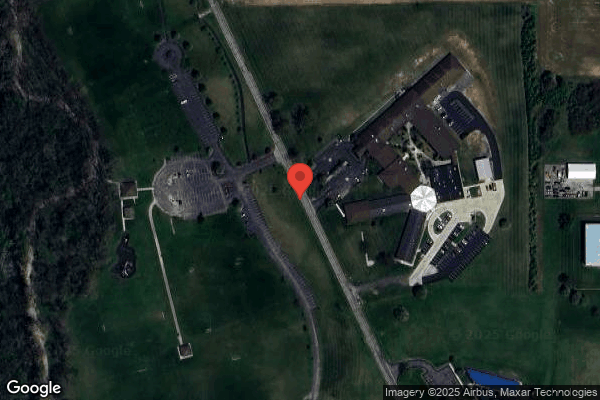

1600 PARK AVENUE, EATON, OH 45320 (937) 456-3010
For profit - Corporation 81 Beds VANCREST HEALTH CARE CENTERS Data: November 2025
Trust Grade
85/100
#183 of 913 in OH
Last Inspection: January 2023

Over 2 years since last inspection. Current conditions may differ from available data.

Overview

Vancrest Health Care Center of Eaton holds a Trust Grade of B+, indicating it is above average and recommended for families considering options. It ranks #183 out of 913 facilities in Ohio, placing it in the top half, and is the best option among three facilities in Preble County. The facility is improving, with issues decreasing from two in 2023 to one in 2025, and it has no fines on record, which is a positive sign. While staffing is rated average with a turnover of 46%, which is better than the state average, the center does have some concerns; for instance, there was a serious incident where a resident's low blood pressure was not adequately monitored, leading to harm. Additionally, there were instances of failing to provide timely pneumonia vaccinations and not following infection control procedures during incontinence care, highlighting areas that need attention despite the facility's overall strengths.

Trust Score
B+
85/100
In Ohio
#183/913
Top 20%
Safety Record
Moderate
Needs review
Inspections
Getting Better
2 → 1 violations
Staff Stability
⚠ Watch
46% turnover. Above average. Higher turnover means staff may not know residents' routines.
Penalties
✓ Good
No fines on record. Clean compliance history, better than most Ohio facilities.
Skilled Nurses
✓ Good
Each resident gets 42 minutes of Registered Nurse (RN) attention daily — more than average for Ohio. RNs are trained to catch health problems early.
Violations
○ Average
7 deficiencies on record. Average for a facility this size. Mostly minor or procedural issues.
★★★★★
5.0
Overall Rating
★★★☆☆
3.0
Staff Levels
★★★★★
5.0
Care Quality
★★★★☆
4.0
Inspection Score
Stable
2023: 2 issues
2025: 1 issues

The Good

  • 5-Star Quality Measures · Strong clinical quality outcomes
  • Full Sprinkler Coverage · Fire safety systems throughout facility
  • No fines on record

Facility shows strength in quality measures, fire safety.

The Bad

Staff Turnover: 46%

Near Ohio avg (46%)

Higher turnover may affect care consistency

Chain: VANCREST HEALTH CARE CENTERS

Part of a multi-facility chain

Ask about local staffing decisions and management

The Ugly 7 deficiencies on record

1 actual harm
Jan 2025 1 deficiency
CONCERN (D) 📢 Someone Reported This

A family member, employee, or ombudsman was alarmed enough to file a formal complaint

Potential for Harm - no one hurt, but risky conditions existed

Infection Control (Tag F0880)

Could have caused harm · This affected 1 resident

**NOTE- TERMS IN BRACKETS HAVE BEEN EDITED TO PROTECT CONFIDENTIALITY** Based on medical record review, observations, staff interview, review of facility policy and review of Centers for Disease and P...

Read full inspector narrative →
**NOTE- TERMS IN BRACKETS HAVE BEEN EDITED TO PROTECT CONFIDENTIALITY** Based on medical record review, observations, staff interview, review of facility policy and review of Centers for Disease and Prevention (CDC) guidelines, the facility failed to ensure infection control procedures were followed during incontinence care. This affected one (#11) out of three residents reviewed for incontinence care. The facility census was 71. Findings include: Review of medical record for Resident #11 revealed admission date of 07/11/24. Diagnoses include dementia without behavior and type two diabetes mellitus. Review of Resident #11's quarterly Minimum Data Set (MDS) assessment dated [DATE] revealed she had a Brief Interview Mental Status (BIMS) score of 11 indicating impaired cognition. Resident #11 required moderate assistance with toileting hygiene, was independent with eating moderate assistance for transfers, supervision for bed mobility. Resident #11 was always in urine and bowel. Observation of incontinence care for Resident #11 on 01/07/25 at 9:37 A.M. revealed Certified Nursing Assistant (CNA) #104 used gloves hands to cleanse Resident #11's peri area. CNA #104 then requested Resident #11 to turn onto her right side. CNA #104 then removed the wet incontinence product, disposed of it in the trash can beside the bed and then cleansed Resident #11's buttocks. After tucking a new incontinence product, she requested Resident #11 to roll over and onto her left side in order to position the incontinence product properly underneath her. The new product was secured by CNA #104 and Resident #11's gown was readjusted and was recovered in blankets. CNA #104 removed the trash liner from the can, tied it off and walked into the hallway. At no time did CNA #104 remove her gloves. Interview on 01/07/25 at 9:54 A.M. with CNA #104 verified she had not removed her gloves after providing incontinence care and exiting Resident #11's room. Record review of the undated facility policy, Incontinence Care documented to remove gloves and place in plastic liner, tie plastic liner, wash hands and dispose of the liner. Review of the CDC guidelines at https://www.cdc.gov/clean-hands/hcp/clinical-safety documented staff should remove gloves before exiting a resident room. This deficiency is based on incidental findings discovered during the course of this complaint investigation.
Jan 2023 2 deficiencies
CONCERN (D)

Potential for Harm - no one hurt, but risky conditions existed

Medication Errors (Tag F0758)

Could have caused harm · This affected 1 resident

**NOTE- TERMS IN BRACKETS HAVE BEEN EDITED TO PROTECT CONFIDENTIALITY** Based on medical record review, staff interview, and review of facility policy, the facility failed to ensure as needed (PRN) an...

Read full inspector narrative →
**NOTE- TERMS IN BRACKETS HAVE BEEN EDITED TO PROTECT CONFIDENTIALITY** Based on medical record review, staff interview, and review of facility policy, the facility failed to ensure as needed (PRN) antipsychotic medications prescribed were limited to 14 days. Additionally, the facility failed to re-evaluate a resident for continued use of PRN antipsychotic medication. This affected one (Resident #14) of five residents reviewed for psychotropic medications. Additionally, the facility failed to ensure pharmacy recommendations were addressed by the physician in a timely manner. This affected one (Resident #15) of five residents reviewed for pharmacy recommendation response. The facility's census was 49. Findings include: 1. Medical record review for Resident #14 revealed an admission date of 07/15/22. Resident #14 was discharged on 08/04/22 and returned on 09/06/22 with diagnoses including but not limited to respiratory failure, interstitial pulmonary disease, pulmonary fibrosis, peripheral vascular disease, paroxysmal fibrillation, chronic diastolic congestive heart failure, hypotension, polyneuropathy, anxiety, shortness of breath, right bundle block, and diaphragmatic hernia. Review of the quarterly Minimum Data Set (MDS) assessment dated [DATE] revealed Resident #14 was cognitively intact and required extensive assistance with Activities of Daily Living (ADLs). Resident #14 received antianxiety and antidepressant medications during the assessment period. Review of the plan of care dated 09/12/22 and revised on 10/03/22 revealed Resident #14 was at risk for altered mood pattern related to generalized anxiety disorder. Interventions included administer medications as ordered, explain the importance of taking medication, monitor for signs and symptoms of anxiety, one on one visits as needed, and review medications as needed for recommendations for gradual trial reduction. Review of the hospital discharge orders dated 09/06/22 revealed an order for Ativan (medication used to treat anxiety) 1 milligram (mg) every 12 hours as needed for four days. Review of the physician progress note dated 09/09/22 revealed no documentation the physician re-assessed the resident for the appropriateness Ativan administration. Review of the physician order dated 09/16/22 revealed an order for Ativan 1 mg tablet, give one tablet every twelve hours as needed (PRN) for anxiety, dispense 60 tablets. Further review of the handwritten prescription revealed no stop date was identified. Review of the physician progress note dated 09/30/22 revealed no documentation related to continued use of Ativan. Review of Resident #14's Medication Administration Record (MAR) for September 2022 revealed an order for Ativan 1 mg tablet, give one tablet by mouth as needed for congestive heart failure dated 09/06/22 and discontinued on 10/12/22. Further review of the MAR revealed Ativan was administered on 09/07/22, 09/16/22, 09/17/22, 09/18/22, 09/19/22, 09/20/22, 09/21/22, 09/22/22, 09/23/22, 09/25/22, 09/26/22, 09/27/22, 09/29/22, and 09/30/22. Review of Resident #14's MAR for October 2022 revealed an order for Ativan 1 mg, give one tablet by mouth every 12 hours as needed for congestive heart failure dated 09/06/22 and discontinued on 10/12/22. Ativan was administered on 10/01/22, 10/02/22, 10/03/22, 10/04/22, 10/09/22, and 10/10/22. Additional review revealed an order for Ativan 1 mg one tablet by mouth as needed for congestive heart failure dated 10/12/22 and discontinued 10/20/22. Ativan 1 mg by mouth was administered on 10/13/22, 10/14/22, 10/17/22. Further review revealed an order for Ativan 1 mg tablet, give one tablet by mouth every 12 hours as needed for anxiety dated 10/20/22. Ativan 1 mg by mouth was administer on 10/20/22 and 10/21/22. Review of the physician progress note dated 10/29/22 revealed no documentation the physician re-assessed the resident for the appropriateness Ativan administration or justified reasoning for continued Ativan use. Review of physician orders revealed an order for Ativan 1 mg, give one tablet by mouth two times a day for anxiety dated 12/06/22 and discontinued on 12/28/22. An order for Ativan 1 mg tablet, give one by mouth every 12 hours as needed for anxiety dated 12/28/22. Review of Resident #14's MAR for December 2022 revealed an order for Ativan 1 mg, one tablet by mouth two times a day for anxiety dated 12/06/22 and discontinued on 12/28/22. Resident #14 received Ativan two times a day from 12/06/22 through 12/28/22. Further review of the medical record revealed no documentation PRN Ativan was limited to 14 days. Additional review revealed no documentation the physician re-assessed the resident for the appropriateness of Ativan administration nor was there any documentation alleging the resident required long term use of Ativan. Interview on 01/11/23 at 10:39 A.M. with Licensed Practical Nurse (LPN) #119 verified the order for Ativan dated 09/16/22 was a PRN order and did not have a stop date limiting use to 14 days. Interview on 01/11/23 at 2:10 P.M. with Consulting Pharmacist #69 verified there were no recommendations made for the PRN Ativan in September 2022. Interview on 01/11/23 at 2:19 P.M. with the Director of Nursing (DON) verified the physician progress notes did not contain documentation related to Resident #14 being reassessed for the appropriateness of PRN or continued use for Ativan. Review of the facility policy titled, Antipsychotic Medication Use, dated 12/2016 revealed residents who are admitted from the community or transferred from a hospital and who are already receiving antipsychotic medication, will be evaluated for the appropriateness and indications for use. The facility will re-evaluate the use of antipsychotic medication at the time of the admission or within two weeks to consider whether of not the medication can be reduced, tapered or discontinued. 2. Review of the medical record revealed Resident #15 was admitted to the facility on [DATE]. Diagnoses included, but were not limited to, dementia with severe anxiety, chronic respiratory failure with hypoxia, psychosis, major depressive disorder, generalized anxiety disorder, and insomnia. Review of the quarterly MDS assessment dated [DATE] revealed Resident #15 was severely cognitively impaired and required extensive assistance or was totally dependent upon staff for ADLs. Resident #15 received an antipsychotic, antianxiety, antidepressant, a diuretic, and an opioid medication seven times in the seven day look back period. Review of the care plan revealed Resident #15 had the potential for or actual decline in condition related to receiving hospice services, adjustment disorder, depression, grief, and anxiety. Review of a pharmacy recommendation dated 02/23/22 regarding Resident #15's order for Lorazepam (medication used to treat anxiety) 1 mg via peg tube every four hours as needed (PRN) for agitation/anxiety revealed a recommendation that if the physician felt it was appropriate for the PRN order to be extended beyond 14 days, the physician should document rationale and indicate the duration of the PRN order. Further review of the medical record revealed the physician did not address the pharmacy recommendation until 05/02/22. Interview on 01/12/23 at approximately 1:30 P.M. with the Director of Nursing (DON) verified the physician did not address the pharmacy recommendation dated 02/23/22 until 05/02/22. The DON indicated the expectation was for the physician to address the pharmacy recommendation sooner.
CONCERN (D)

Potential for Harm - no one hurt, but risky conditions existed

Deficiency F0761 (Tag F0761)

Could have caused harm · This affected 1 resident

Observation on 01/11/23 at 11:21 A.M. revealed the medication cart located on the South unit was unlocked and unattended. Interview on 01/11/23 at 11:29 A.M. with Licensed Practical Nurse (LPN) #119 ...

Read full inspector narrative →
Observation on 01/11/23 at 11:21 A.M. revealed the medication cart located on the South unit was unlocked and unattended. Interview on 01/11/23 at 11:29 A.M. with Licensed Practical Nurse (LPN) #119 verified the medication cart was unlocked and unattended in the unit hallway LPN #119 verified the medication cart should be locked when unattended. Review of the facility policy titled Storage of Medication dated 04/2007 revealed compartments containing drugs and biologicals shall be locked when not in use and shall not be left unattended and otherwise potentially available to others. Based on observations, staff interview, and review of facility policy, the facility failed to ensure medication carts were secured when unattended. This had the potential to affect four (Residents #4, #12, #26, and #42) identified by the facility as confused and independently mobile residing on the South unit. The facility census was 49. Findings included: Observation on 01/09/23 at 12:20 P.M. revealed the medication cart located on the South unit was unlocked and unattended. Licensed Practical Nurse (LPN) #119 was in a resident's room. Interview on 01/09/23 at 12:30 P.M. with LPN #119 verified the medication cart was unlocked and unattended while she was in a resident's room.
Oct 2019 3 deficiencies 1 Harm
SERIOUS (G)

Actual Harm - a resident was hurt due to facility failures

Deficiency F0757 (Tag F0757)

A resident was harmed · This affected 1 resident

**NOTE- TERMS IN BRACKETS HAVE BEEN EDITED TO PROTECT CONFIDENTIALITY** Based on closed medical record review, hospital documentation review, physical therapy progress notes, staff interview, and poli...

Read full inspector narrative →
**NOTE- TERMS IN BRACKETS HAVE BEEN EDITED TO PROTECT CONFIDENTIALITY** Based on closed medical record review, hospital documentation review, physical therapy progress notes, staff interview, and policy review, the facility failed to ensure a resident on antihypertensive medication was adequately monitored for hypotension. This resulted in actual harm when Resident #66 was administered antihypertensive medications while having multiple blood pressure (BP) assessments significantly below the residents baseline BP. Additionally, the facility failed to ensure the physician was notified timely of the resident's hypotensive BP assessments. This affected one (Resident #66) of one resident reviewed for hospitalization. The census was 65. Findings include: Review of the closed medical record revealed Resident #66 was admitted to the facility on [DATE]. Diagnoses included disorder involving immune mechanism, hypertension, atrial fibrillation, congestive heart failure, peripheral vascular disease, kidney transplant status, chronic kidney disease, complete atrioventricular block, left bundle branch block, and presence of a cardiac pacemaker. The resident was discharged to the hospital on [DATE]. Review of hospital documentation dated 06/26/19, prior to Resident #66's admission to the facility revealed her BP was 104/59. Review of Resident #66's BP assessments revealed on 06/26/19 the residents BP was 110/60. Further review of the BP assessments revealed the following: on 06/27/19 at 2:37 A.M., BP was 102/56, on 06/27/19 at 11:09 A.M., BP was 126/67, on 06/28/19 at 12:50 P.M., BP was 128/76, on 06/29/19 at 6:35 A.M., BP was 109/62, on 06/29/19 at 6:35 A.M., BP was 109/62, on 07/05/19 at 3:01 P.M., BP was 92/60, on 07/06/19 at 3:01 P.M., BP was 100/62, on 07/07/19 at 3:01 P.M., BP was 82/52, on 07/08/19 no time BP was 96/52, and on 07/09/19 at 2:52 P.M., BP was 80/50. Review of the medication administration record (MAR) dated 07/2019, revealed Resident #66 was administered metoprolol succinate extended release (beta blocker) tablet 50 milligrams (mg) by mouth for hypertension at 8:00 A.M. on 07/05/19, 07/06/19, 07/07/19, 07/08/19, and 07/09/19. Further review of the MAR revealed the resident was administered enalapril maleate (ace inhibitor) tablet 20 mg by mouth two times a day for hypertension on 07/05/19, 07/06/19, 07/07/19 and 07/08/19 at 8:00 A.M. and 8:00 P.M., and on 07/09/19 at 8:00 A.M. The 8:00 P.M. dose of enalapril maleate was held. On 07/09/19 at 8:00 P.M. the 20 mg of enalapril maleate was administered to Resident #66. Further review of the MAR revealed Resident #66 was administered doxazosin mesylate (alpha blocker) tablet four mg by mouth for hypertension at 8:00 P.M. on 07/05/19, 07/06/19, 07/07/19 and 07/08/19. Review of physical therapy progress notes dated 07/04/19 revealed Resident #66 experienced episodes of his BP dropping during treatment. At the beginning of therapy his BP was 87/54. The residents first standing BP was 80/55 and the second standing BP was 84/63. Documentation revealed nursing staff were notified of the residents varying BP while in therapy. Review of a physical therapy progress note dated 07/09/19 revealed Resident #66 was very lethargic and unable to participate fully with the treatment session. Documentation revealed the resident's nurse was to assess the resident's BP. Review of the nurse progress notes dated 07/04/19 revealed no evidence of nursing assessing Resident #66 or of the physician being notified of the residents varying BP during physical therapy. Review of the nurse progress notes dated 07/05/19, 07/07/19 and 07/08/19 revealed no evidence of physician notification for the low BP readings. Review of the nurse progress notes dated 07/09/19 at 3:17 P.M. revealed the residents BP was 80/50. Resident #66 was assessed with shortness of breath, cough, and increased weakness. Documentation revealed the cardiologist was notified of the residents change of condition and faxed a medication list, vital signs and recent laboratory results. Review of the nurse progress note dated 07/10/19 at 9:59 A.M. revealed new orders for antihypertensive medication adjustments were received from the cardiologist. Review of the nurse progress notes dated 07/11/19 at 5:10 P.M. revealed the resident was noted to have multiple low BP readings and medication changes had little effects. The resident complained of feeling lethargic, decreased appetite, and the inability to participate with therapy services due to symptoms. The physician was notified and a new order was obtained to send the resident to the hospital for evaluation and treatment. Review of hospital documentation dated 07/11/19 at 5:39 P.M. revealed the resident was sent to the local emergency department. Resident #66's vital signs were BP 91/57 mmHg, temperature 98.5 degrees Fahrenheit, respirations 15, and oxygen saturation 97 percent. Clinical impression included generalized weakness, hypotension,acute kidney injury, and transaminitis. Documentation revealed the resident was to be transferred to another hospital were the resident's specialist was located. Telephone interview on 10/03/19 at 8:42 A.M. with the primary care physician for Resident #66 revealed the physician could not recall if the facility called to notify of the low BP assessments. Interview on 10/03/19 at 8:57 A.M. with physical therapy assistant (PTA) #302 revealed the PTA worked with Resident #66 frequently. PTA #302 revealed Resident #66's therapy sessions were often shortened because the resident was lethargic and did not feel well. PTA #302 revealed the resident's BP would often drop during treatment sessions. The PTA reported nursing was made aware when the resident had low BP readings. The PTA had no knowledge if the doctor was made aware of the resident having BP reading concerns during therapy sessions. Interview on 10/03/19 at 9:13 A.M. with licensed practical nurse (LPN) #304 revealed residents who were skilled had their BP assessed every eight hours for the first three days, then every 72 hours while the resident was skilled, and then weekly. BP would be monitored more often if a resident had physician ordered BP medications such as an antihypertensive medication that had parameters with medication administration. LPN #304 revealed a BP reading should be reported to the physician any time the BP dropped below the residents baseline. The LPN revealed per nursing judgment, antihypertensive medication should be held and the doctor notified for further instruction anytime a residents systolic BP falls below 100, unless the resident had physician ordered BP parameters. LPN #304 revealed Resident #66 did not have orders for monitoring the resident's BP prior to the administration of antihypertensive medications. LPN #304 verified antihypertensive medication was administered to Resident #66 on 07/05/19, 07/06/19, 07/07/19, and 07/08/19. The LPN further verified Resident #66's BP was below his baseline on 07/05/19, 07/06/19, 07/07/19, and 07/08/19. LPN #304 verified the residents physician should have been notified of the low BP assessment on 07/05/19 when the residents BP was 92/60. The LPN further verified the physician should have also been notified immediately of the low BP readings on 07/06/19, 07/07/19, and 07/08/19. The LPN confirmed the medical record for Resident #66 contained no evidence of the primary care physician or the cardiologist being notified of the residents low BP readings until 07/09/19, four days after the residents initial low BP reading was obtained. Interview on 10/03/19 at 10:09 A.M. with the cardiologist revealed the facility called the cardiology office on 07/09/19 to inform them Resident #66 was experiencing low BP readings. The cardiologist's nurse returned a call to the facility on [DATE] to have Resident #66 sent to the hospital for evaluation and treatment. The cardiologist revealed after speaking with the facility on 07/10/19 it was decided not to send the resident to the hospital but rather make medication adjustments at the facility. The cardiologist revealed it would be expected that the facility would have notified the cardiologist or the primary care physician immediately of the initial low BP of 82/52 that was assessed on 07/07/19. The cardiologist verified the facility did not notify the cardiologist of Resident #66's low BP readings until 07/09/19. Review of a policy titled, Notification of Change undated, revealed the facility will consult with the resident's physician when there is a significant change in the residents physical, mental, or psychosocial status (that is deterioration in health, mental, or psychosocial status in either life-threatening conditions or clinical complications).
CONCERN (D)

Potential for Harm - no one hurt, but risky conditions existed

Notification of Changes (Tag F0580)

Could have caused harm · This affected 1 resident

**NOTE- TERMS IN BRACKETS HAVE BEEN EDITED TO PROTECT CONFIDENTIALITY** Based on closed medical record review, hospital documentation review, physical therapy progress notes, staff interview, and poli...

Read full inspector narrative →
**NOTE- TERMS IN BRACKETS HAVE BEEN EDITED TO PROTECT CONFIDENTIALITY** Based on closed medical record review, hospital documentation review, physical therapy progress notes, staff interview, and policy review, the facility failed to ensure the physician was notified timely of the resident's hypotensive BP assessments. This affected one (Resident #66) of one resident reviewed for hospitalization. The census was 65. Findings include: Review of the closed medical record revealed Resident #66 was admitted to the facility on [DATE]. Diagnoses included disorder involving immune mechanism, hypertension, atrial fibrillation, congestive heart failure, peripheral vascular disease, kidney transplant status, chronic kidney disease, complete atrioventricular block, left bundle branch block, and presence of a cardiac pacemaker. The resident was discharged to the hospital on [DATE]. Review of hospital documentation dated 06/26/19, prior to Resident #66's admission to the facility revealed her BP was 104/59. Review of Resident #66's BP assessments revealed on 06/26/19 the residents BP was 110/60. Further review of the BP assessments revealed the following: on 06/27/19 at 2:37 A.M., BP was 102/56, on 06/27/19 at 11:09 A.M., BP was 126/67, on 06/28/19 at 12:50 P.M., BP was 128/76, on 06/29/19 at 6:35 A.M., BP was 109/62, on 06/29/19 at 6:35 A.M., BP was 109/62, on 07/05/19 at 3:01 P.M., BP was 92/60, on 07/06/19 at 3:01 P.M., BP was 100/62, on 07/07/19 at 3:01 P.M., BP was 82/52, on 07/08/19 no time BP was 96/52, and on 07/09/19 at 2:52 P.M., BP was 80/50. Review of the medication administration record (MAR) dated 07/2019, revealed Resident #66 was administered metoprolol succinate extended release (beta blocker) tablet 50 milligrams (mg) by mouth for hypertension at 8:00 A.M. on 07/05/19, 07/06/19, 07/07/19, 07/08/19, and 07/09/19. Further review of the MAR revealed the resident was administered enalapril maleate (ace inhibitor) tablet 20 mg by mouth two times a day for hypertension on 07/05/19, 07/06/19, 07/07/19 and 07/08/19 at 8:00 A.M. and 8:00 P.M., and on 07/09/19 at 8:00 A.M. The 8:00 P.M. dose of enalapril maleate was held. On 07/09/19 at 8:00 P.M. the 20 mg of enalapril maleate was administered to Resident #66. Further review of the MAR revealed Resident #66 was administered doxazosin mesylate (alpha blocker) tablet four mg by mouth for hypertension at 8:00 P.M. on 07/05/19, 07/06/19, 07/07/19 and 07/08/19. Review of physical therapy progress notes dated 07/04/19 revealed Resident #66 experienced episodes of his BP dropping during treatment. At the beginning of therapy his BP was 87/54. The residents first standing BP was 80/55 and the second standing BP was 84/63. Documentation revealed nursing staff were notified of the residents varying BP while in therapy. Review of a physical therapy progress note dated 07/09/19 revealed Resident #66 was very lethargic and unable to participate fully with the treatment session. Documentation revealed the resident's nurse was to assess the resident's BP. Review of the nurse progress notes dated 07/04/19 revealed no evidence of nursing assessing Resident #66 or of the physician being notified of the residents varying BP during physical therapy. Review of the nurse progress notes dated 07/05/19, 07/07/19 and 07/08/19 revealed no evidence of physician notification for the low BP readings. Review of the nurse progress notes dated 07/09/19 at 3:17 P.M. revealed the residents BP was 80/50. Resident #66 was assessed with shortness of breath, cough, and increased weakness. Documentation revealed the cardiologist was notified of the residents change of condition and faxed a medication list, vital signs and recent laboratory results. Review of the nurse progress note dated 07/10/19 at 9:59 A.M. revealed new orders for antihypertensive medication adjustments were received from the cardiologist. Review of the nurse progress notes dated 07/11/19 at 5:10 P.M. revealed the resident was noted to have multiple low BP readings and medication changes had little effects. The resident complained of feeling lethargic, decreased appetite, and the inability to participate with therapy services due to symptoms. The physician was notified and a new order was obtained to send the resident to the hospital for evaluation and treatment. Review of hospital documentation dated 07/11/19 at 5:39 P.M. revealed the resident was sent to the local emergency department. Resident #66's vital signs were BP 91/57 mmHg, temperature 98.5 degrees Fahrenheit, respirations 15, and oxygen saturation 97 percent. Clinical impression included generalized weakness, hypotension,acute kidney injury, and transaminitis. Documentation revealed the resident was to be transferred to another hospital were the resident's specialist was located. Telephone interview on 10/03/19 at 8:42 A.M. with the primary care physician for Resident #66 revealed the physician could not recall if the facility called to notify of the low BP assessments. Interview on 10/03/19 at 8:57 A.M. with physical therapy assistant (PTA) #302 revealed the PTA worked with Resident #66 frequently. PTA #302 revealed Resident #66's therapy sessions were often shortened because the resident was lethargic and did not feel well. PTA #302 revealed the resident's BP would often drop during treatment sessions. The PTA reported nursing was made aware when the resident had low BP readings. The PTA had no knowledge if the doctor was made aware of the resident having BP reading concerns during therapy sessions. Interview on 10/03/19 at 9:13 A.M. with licensed practical nurse (LPN) #304 revealed residents who were skilled had their BP assessed every eight hours for the first three days, then every 72 hours while the resident was skilled, and then weekly. BP would be monitored more often if a resident had physician ordered BP medications such as an antihypertensive medication that had parameters with medication administration. LPN #304 revealed a BP reading should be reported to the physician any time the BP dropped below the residents baseline. The LPN revealed per nursing judgment, antihypertensive medication should be held and the doctor notified for further instruction anytime a residents systolic BP falls below 100, unless the resident had physician ordered BP parameters. LPN #304 revealed Resident #66 did not have orders for monitoring the resident's BP prior to the administration of antihypertensive medications. LPN #304 verified antihypertensive medication was administered to Resident #66 on 07/05/19, 07/06/19, 07/07/19, and 07/08/19. The LPN further verified Resident #66's BP was below his baseline on 07/05/19, 07/06/19, 07/07/19, and 07/08/19. LPN #304 verified the residents physician should have been notified of the low BP assessment on 07/05/19 when the residents BP was 92/60. The LPN further verified the physician should have also been notified immediately of the low BP readings on 07/06/19, 07/07/19, and 07/08/19. The LPN confirmed the medical record for Resident #66 contained no evidence of the primary care physician or the cardiologist being notified of the residents low BP readings until 07/09/19, four days after the residents initial low BP reading was obtained. Interview on 10/03/19 at 10:09 A.M. with the cardiologist revealed the facility called the cardiology office on 07/09/19 to inform them Resident #66 was experiencing low BP readings. The cardiologist's nurse returned a call to the facility on [DATE] to have Resident #66 sent to the hospital for evaluation and treatment. The cardiologist revealed after speaking with the facility on 07/10/19 it was decided not to send the resident to the hospital but rather make medication adjustments at the facility. The cardiologist revealed it would be expected that the facility would have notified the cardiologist or the primary care physician immediately of the initial low BP of 82/52 that was assessed on 07/07/19. The cardiologist verified the facility did not notify the cardiologist of Resident #66's low BP readings until 07/09/19. Review of a policy titled, Notification of Change undated, revealed the facility will consult with the resident's physician when there is a significant change in the residents physical, mental, or psychosocial status (that is deterioration in health, mental, or psychosocial status in either life-threatening conditions or clinical complications).
CONCERN (E)

Potential for Harm - no one hurt, but risky conditions existed

Deficiency F0883 (Tag F0883)

Could have caused harm · This affected multiple residents

**NOTE- TERMS IN BRACKETS HAVE BEEN EDITED TO PROTECT CONFIDENTIALITY** Based on medical record review, policy review, staff interview, review of center for disease control (CDC) guidance the facility...

Read full inspector narrative →
**NOTE- TERMS IN BRACKETS HAVE BEEN EDITED TO PROTECT CONFIDENTIALITY** Based on medical record review, policy review, staff interview, review of center for disease control (CDC) guidance the facility failed to provide pneumonia vaccinations according to current CDC guidelines. This directly affected five Residents (#17, #19, #23, #26 and #117) of five reviewed for immunizations. This had the potential to affect any resident eligible to receive the pneumococcal vaccination series by the physician. The total facility census was 65. Findings include: 1. Review of the medical record revealed Resident #17 was admitted on [DATE] and received the PPSV23 on 10/22/15, prior to admission. 2. Review of the medical record revealed Resident #19 was admitted on [DATE] and had received a Pneumococcal Polysaccharide Vaccine (PPSV)23 vaccination on 08/09/17, prior to admission. 3. Review of the medical record revealed Resident #23 was admitted on [DATE] and had a historical Pneumococcal Conjugate Vaccine (PCV)13 vaccination on 02/20/18, prior to admission. 4. Review of the medical record revealed Resident #26 was admitted on [DATE] and received PPSV23 on 12/01/12, prior to admission. 5. Review of the medical record revealed Resident #117 was admitted on [DATE] and received PPSV23 on 02/22/17, prior to admission. During an interview with Registered Nurse (RN) #300 on 10/03/19 at 11:15 A.M. it was revealed the facility offered PPSV23 only and they have not offered PCV13. RN #300 indicated the facility could not get PCV13 from their pharmacy supplier. During a follow up interview with RN #300 on 10/03/19 at 11:24 A.M. it was confirmed the facility was able to obtain PCV13 from the pharmacy and could administer the vaccination to the facility residents. The RN stated she had spoken to the Director of Nursing (DON) and received clarification. The RN stated the five residents reviewed had either refused the vaccinations or came from the community already vaccinated. The five residents reviewed did not have have refusals documented and because they had one of the vaccinations. The surveyor explained to the nurse there was a sequencing of vaccinations and guidelines included administration of both vaccines to the residents. The nurse verified she had been in her position for two years and in that time the facility had not offered PCV13 to any of the residents. Review of the facility policy titled Pneumococcal Vaccine dated August 2016 revealed all residents will be offered pneumococcal vaccines to aid in preventing pneumonia/pneumococcal infections. Administration of the pneumococcal vaccines or revaccinations will be made in accordance with current CDC recommendations at the time of the vaccination. Review of the CDC guidelines revealed Pneumococcal vaccination schedule revealed: Routine vaccination: Age 65 years or older (immunocompetent): One dose PCV13 if previously did not receive PCV13, followed by one dose PPSV23 at least one year after PCV13 and at least five years after last dose PPSV23. When a person previously received PPSV23 but not PCV13 at age [AGE] years or older: give one dose PCV13 at least one year after PPSV23. When both PCV13 and PPSV23 are indicated, administer PCV13 first (PCV13 and PPSV23 should not be administered during same visit) Special situations Age 19 through 64 years with chronic medical conditions (chronic heart [excluding hypertension], lung, or liver disease; diabetes), alcoholism, or cigarette smoking: one dose PPSV23 Age 19 years or older with immunocompromising conditions (congenital or acquired immunodeficiency [including B- and T-lymphocyte deficiency, complement deficiencies, phagocytic disorders, HIV infection], chronic renal failure, nephrotic syndrome, leukemia, lymphoma, Hodgkin disease, generalized malignancy, iatrogenic immunosuppression [e.g., drug or radiation therapy], solid organ transplant, multiple myeloma) or anatomical or functional asplenia (including sickle cell disease and other hemoglobinopathies): one dose PCV13 followed by one dose PPSV23 at least eight weeks later, then another dose PPSV23 at least five years after previous PPSV23; at age [AGE] years or older, administer one dose PPSV23 at least five years after most recent PPSV23 (note: only one dose PPSV23 recommended at age [AGE] years or older) Age 19 years or older with cerebrospinal fluid leak or cochlear implant: one dose PCV13 followed by one dose PPSV23 at least eight weeks later; at age [AGE] years or older, administer another dose PPSV23 at least five years after PPSV23 (note: only one dose PPSV23 recommended at age [AGE] years or older).
Aug 2018 1 deficiency
CONCERN (D)

Potential for Harm - no one hurt, but risky conditions existed

Respiratory Care (Tag F0695)

Could have caused harm · This affected 1 resident

**NOTE- TERMS IN BRACKETS HAVE BEEN EDITED TO PROTECT CONFIDENTIALITY** Based on record review, policy review, family and staff interview, the facility failed to ensure one resident's oxygen tank was ...

Read full inspector narrative →
**NOTE- TERMS IN BRACKETS HAVE BEEN EDITED TO PROTECT CONFIDENTIALITY** Based on record review, policy review, family and staff interview, the facility failed to ensure one resident's oxygen tank was not empty while in user by the resident. This affected one of one (#22) of one resident reviewed for respiratory care. The facility identified 19 resident's who currently receive respiratory treatments. The census was 64. Findings include: Review of Resident #22's medical record indicated the resident was admitted to facility 07/16/14. Diagnoses included cerebral arthrosclerosis, vascular dementia, type two diabetes mellitus, hypertension, osteoarthritis, hemiplegia, anemia, insomnia, hypothyroidism, cerebrovascular, anxiety, retention of urine, neuromuscular dysfunction of bladder and dysphagia. Resident #22's quarterly minimum data set (MDS) assessment dated [DATE], indicated the resident had severe cognitive impairment and required total dependence on staff for activities of daily living including bed mobility, transfers, locomotion, dressing, hygiene and extensive assistance with eating. The resident was admitted to hospice care on 09/07/17 with the diagnosis of cerebral arthrosclerosis. The resident had physician orders for oxygen at two liters per minute continuously. Review of Resident # 22's plan of care dated 07/016/14 through 09/27/18 indicated the resident had altered respiratory status related to low energy, fatigue and shortness of breath. Interventions included provide oxygen as ordered. Interview on 08/20/18 at 6:38 P.M. with Resident #22's family member stated often when she visits, Resident #22's oxygen is not running. Observations on 08/21/18 at 7:25 A.M., revealed Resident #22 was sitting in the common area in front of the nurses station. The resident had a nasal cannula in her nose with the tubing attached to a oxygen tank. The gauge on the tank indicated the oxygen tank was empty. The resident did not appear to be in any respiratory distress. Interview with Licensed Practical Nurse (LPN) #47 on 08/21/18 at 7:25 A.M., verified the resident's oxygen tank was empty. LPN #47 stated the resident had been up for about five minutes and that the oxygen tank should of been changed when the tank was close to empty. Interview on 08/22/18 at 1:47 P.M., with the Director of Nursing (DON) stated, staff should be doing spot checks of the tanks to ensure they do not run out of oxygen. The DON identified 19 resident's who currently receive respiratory treatments. Review of the facility's undated policy titled Oxygen Therapy indicated the oxygen tanks should be checked every shift and as needed to ensure adequate supply in tank.
Understanding Severity Codes (click to expand)
Life-Threatening (Immediate Jeopardy)
J - Isolated K - Pattern L - Widespread
Actual Harm
G - Isolated H - Pattern I - Widespread
Potential for Harm
D - Isolated E - Pattern F - Widespread
No Harm (Minor)
A - Isolated B - Pattern C - Widespread

Questions to Ask on Your Visit

  • "Can I speak with families of current residents?"
  • "What's your RN coverage like on weekends and overnight?"

Our Honest Assessment

Strengths
  • • Grade B+ (85/100). Above average facility, better than most options in Ohio.
  • • No fines on record. Clean compliance history, better than most Ohio facilities.
Concerns
  • • 7 deficiencies on record, including 1 serious (caused harm) violation. Ask about corrective actions taken.
Bottom line: Generally positive indicators. Standard due diligence and a personal visit recommended.

About This Facility

What is Vancrest Health Of Eaton's CMS Rating?

CMS assigns VANCREST HEALTH CARE CENTER OF EATON an overall rating of 5 out of 5 stars, which is considered much above average nationally. Within Ohio, this rating places the facility higher than 99% of the state's 100 nursing homes. This rating reflects solid performance across the metrics CMS uses to evaluate nursing home quality.

How is Vancrest Health Of Eaton Staffed?

CMS rates VANCREST HEALTH CARE CENTER OF EATON's staffing level at 3 out of 5 stars, which is average compared to other nursing homes. Staff turnover is 46%, compared to the Ohio average of 46%.

What Have Inspectors Found at Vancrest Health Of Eaton?

State health inspectors documented 7 deficiencies at VANCREST HEALTH CARE CENTER OF EATON during 2018 to 2025. These included: 1 that caused actual resident harm and 6 with potential for harm. Deficiencies causing actual harm indicate documented cases where residents experienced negative health consequences.

Who Owns and Operates Vancrest Health Of Eaton?

VANCREST HEALTH CARE CENTER OF EATON is owned by a for-profit company. For-profit facilities operate as businesses with obligations to shareholders or private owners. The facility is operated by VANCREST HEALTH CARE CENTERS, a chain that manages multiple nursing homes. With 81 certified beds and approximately 70 residents (about 86% occupancy), it is a smaller facility located in EATON, Ohio.

How Does Vancrest Health Of Eaton Compare to Other Ohio Nursing Homes?

Compared to the 100 nursing homes in Ohio, VANCREST HEALTH CARE CENTER OF EATON's overall rating (5 stars) is above the state average of 3.2, staff turnover (46%) is near the state average of 46%, and health inspection rating (4 stars) is above the national benchmark.

What Should Families Ask When Visiting Vancrest Health Of Eaton?

Based on this facility's data, families visiting should ask: "Can I visit during a mealtime to observe dining assistance and food quality?" "How do you handle medical emergencies, and what is your hospital transfer rate?" "Can I speak with family members of current residents about their experience?"

Is Vancrest Health Of Eaton Safe?

Based on CMS inspection data, VANCREST HEALTH CARE CENTER OF EATON has a clean safety record: no substantiated abuse findings (meaning no confirmed cases of resident harm), no Immediate Jeopardy citations (the most serious violation level indicating risk of serious injury or death), and is not on the Special Focus Facility watch list (a federal program monitoring the lowest-performing 1% of nursing homes). The facility has a 5-star overall rating and ranks #1 of 100 nursing homes in Ohio. While no facility is perfect, families should still ask about staff-to-resident ratios and recent inspection results during their visit.

Do Nurses at Vancrest Health Of Eaton Stick Around?

VANCREST HEALTH CARE CENTER OF EATON has a staff turnover rate of 46%, which is about average for Ohio nursing homes (state average: 46%). Moderate turnover is common in nursing homes, but families should still ask about staff tenure and how the facility maintains care continuity when employees leave.

Was Vancrest Health Of Eaton Ever Fined?

VANCREST HEALTH CARE CENTER OF EATON has no federal fines on record. CMS issues fines when nursing homes fail to meet care standards or don't correct problems found during inspections. The absence of fines suggests the facility has either maintained compliance or corrected any issues before penalties were assessed. This is a positive indicator, though families should still review recent inspection reports for the full picture.

Is Vancrest Health Of Eaton on Any Federal Watch List?

VANCREST HEALTH CARE CENTER OF EATON is not on any federal watch list. The most significant is the Special Focus Facility (SFF) program, which identifies the bottom 1% of nursing homes nationally based on persistent, serious quality problems. Not being on this list means the facility has avoided the pattern of deficiencies that triggers enhanced federal oversight. This is a positive indicator, though families should still review the facility's inspection history directly.