LIFE CARE CENTER OF ELYRIA
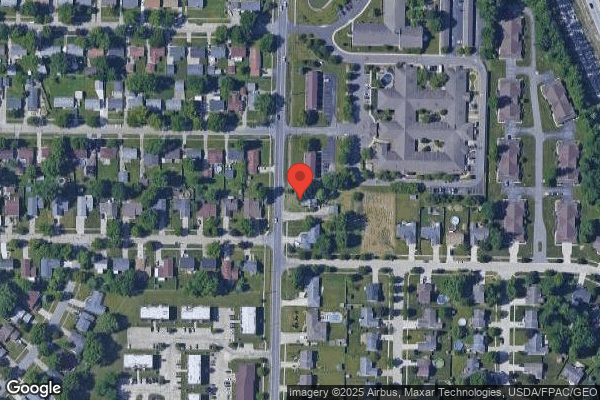
1212 SOUTH ABBE ROAD, ELYRIA, OH 44035 (440) 365-5200
For profit - Individual 99 Beds LIFE CARE CENTERS OF AMERICA Data: November 2025
Trust Grade
83/100
#103 of 913 in OH
Last Inspection: April 2023

Over 2 years since last inspection. Current conditions may differ from available data.

Overview

Life Care Center of Elyria has a Trust Grade of B+, which means they are recommended and perform above average compared to other nursing homes. They rank #103 out of 913 facilities in Ohio, placing them in the top half, and #5 out of 20 in Lorain County, indicating only four local facilities are better. The facility is improving, with reported issues decreasing from 11 in 2019 to just 5 in 2023. Staffing is a strength, with a turnover rate of 26%, significantly lower than the state average of 49%, although their RN coverage is rated as average. On the downside, there have been some concerning incidents, such as failure to properly store food in the freezer, which could impact food safety for residents, and a lack of timely assessments for residents with intellectual disabilities, potentially affecting their care needs. Overall, while there are some weaknesses, the facility shows promise in key areas.

Trust Score
B+
83/100
In Ohio
#103/913
Top 11%
Safety Record
Low Risk
No red flags
Inspections
Getting Better
11 → 5 violations
Staff Stability
✓ Good
26% annual turnover. Excellent stability, 22 points below Ohio's 48% average. Staff who stay learn residents' needs.
Penalties
✓ Good
No fines on record. Clean compliance history, better than most Ohio facilities.
Skilled Nurses
○ Average
Each resident gets 39 minutes of Registered Nurse (RN) attention daily — about average for Ohio. RNs are the most trained staff who monitor for health changes.
Violations
⚠ Watch
22 deficiencies on record. Higher than average. Multiple issues found across inspections.
★★★★★
5.0
Overall Rating
★★★☆☆
3.0
Staff Levels
★★★★★
5.0
Care Quality
★★★★☆
4.0
Inspection Score
Stable
2019: 11 issues
2023: 5 issues

The Good

  • 5-Star Quality Measures · Strong clinical quality outcomes
  • Low Staff Turnover (26%) · Staff stability means consistent care
  • Full Sprinkler Coverage · Fire safety systems throughout facility
  • No fines on record
  • Staff turnover is low (26%)

    22 points below Ohio average of 48%

Facility shows strength in quality measures, staff retention, fire safety.

The Bad

Chain: LIFE CARE CENTERS OF AMERICA

Part of a multi-facility chain

Ask about local staffing decisions and management

The Ugly 22 deficiencies on record

Apr 2023 5 deficiencies
CONCERN (D)

Potential for Harm - no one hurt, but risky conditions existed

PASARR Coordination (Tag F0644)

Could have caused harm · This affected 1 resident

Based on medical record review and staff interview, the facility failed to coordinate a level II assessment for a resident with a diagnosis of intellectual disabilities as required. This affected one ...

Read full inspector narrative →
Based on medical record review and staff interview, the facility failed to coordinate a level II assessment for a resident with a diagnosis of intellectual disabilities as required. This affected one (#316) of two residents reviewed for pre-admission screening and resident review (PASARR) status. The census was 92. Findings include: Review of Resident #316's medical record revealed an admission date of 04/07/23 with diagnoses that included unspecified intellectual disabilities, impulse disorder, major depressive disorder, and anxiety disorder. Review of the PASARR form completed prior to admission revealed the form did not address any of Resident #316's mental illnesses or intellectual disability which would have required a referral for a level II evaluation to the state agency. Further review of the medical for Resident #316 revealed no evidence of a corrected PASARR assessment or referral to the state agency as required. Interview on 04/18/23 at 4:44 P.M., with Social Worker #638 verified the facility did not address the incorrect PASARR or coordinate referral to the state agency for a level II evaluation as required.
CONCERN (D)

Potential for Harm - no one hurt, but risky conditions existed

Deficiency F0646 (Tag F0646)

Could have caused harm · This affected 1 resident

**NOTE- TERMS IN BRACKETS HAVE BEEN EDITED TO PROTECT CONFIDENTIALITY** Based on interview and record review, the facility failed to timely notify the appropriate state mental health authority when a ...

Read full inspector narrative →
**NOTE- TERMS IN BRACKETS HAVE BEEN EDITED TO PROTECT CONFIDENTIALITY** Based on interview and record review, the facility failed to timely notify the appropriate state mental health authority when a resident with a level II mental illness had a significant change in condition. This affected one (#51) of four residents reviewed for Preadmission Screening and Resident Review (PASARR). The census was 92. Findings include: Review of Resident #51's medical record revealed an admission to the facility on [DATE] with diagnoses including major depressive disorder, anxiety disorder, impulse disorder, vascular dementia with agitation and mood disturbance, Moyamoya disease, and psychosis. Review of the Medicare Significant Change Minimum Data Set (MDS) assessment dated [DATE] revealed Resident #51 had moderate cognitive impairment. The assessment indicated Resident #51 had physical and verbal behaviors directed towards others and rejected care. Review of social services progress note dated 01/15/23 revealed Resident #51 was sent to the hospital for evaluation. Review of nursing progress note dated 01/17/23 revealed Resident #51 was transferred for a geriatric psychiatric evaluation. Review of a case management progress note dated 02/10/23 revealed Resident #51 was readmitted to facility on 02/09/23 after a lengthy hospital stay including an inpatient psychiatric stay for increased agitation and behavioral disturbance. Review of the PASARR identification screen dated 02/27/23 revealed Resident #51 had a level II mental illness and a readmission from the psychiatric facility. Review of the PASARR outcome explanation dated 03/25/23 revealed the needed information for PASARR determination was not provided to complete the assessment and the case was closed. Review of the electronic medical record (EMR) for Resident #51 revealed he returned to the facility on [DATE] with no evidence the facility notified the appropriate state mental health authority of his admission to the psychiatric hospital in a timely manner as indicated. Further review of the EMR for Resident #51 revealed no level II PASARR results were provided, which indicated an evaluation was not thoroughly completed. Interview on 04/20/23 at 11:03 A.M., with Case Manager #512 confirmed Resident #51 had inpatient psychiatric hospital stay. Case Manager #512 confirmed the PASARR screening was not completed until 02/27/23. Case Manager #512 indicated when she realized the hospital had not completed the PASARR screening she completed it and submitted it to The Ohio Department of Mental Health.
CONCERN (D)

Potential for Harm - no one hurt, but risky conditions existed

Deficiency F0685 (Tag F0685)

Could have caused harm · This affected 1 resident

**NOTE- TERMS IN BRACKETS HAVE BEEN EDITED TO PROTECT CONFIDENTIALITY** Based on interview and medical record review, the facility failed to ensure residents had ophthalmologist recommendations follow...

Read full inspector narrative →
**NOTE- TERMS IN BRACKETS HAVE BEEN EDITED TO PROTECT CONFIDENTIALITY** Based on interview and medical record review, the facility failed to ensure residents had ophthalmologist recommendations followed up in a timely manner. This affected one (#54) of two reviewed for ancillary services. The census was 92. Findings include: Review of the medical record for Resident #54 revealed an admission date of 06/16/22 and diagnoses including chronic kidney disease, congestive heart failure, dementia, and polyneuropathy. Review of the Minimum Data Set (MDS) assessment dated [DATE] revealed Resident #54 had intact cognition and had adequate vision with corrective lenses. Review of progress note dated 01/17/23 revealed Resident #54 had a vision appointment. Review of an eye care provider note dated 01/17/23 revealed Resident #54 complained of blurry vision. The assessment indicated Resident #54 was provided a prescription for new glasses and would be ordered pending insurance or payer approval. Review of a progress note dated 02/27/23 revealed Resident #54's daughter requested information on the glasses. The facility's vision service was contacted about the glasses and provided with a Medicaid number. The progress note further revealed the eye care provider would send a technician to visit Resident #54 to measure for the glasses. Review of a progress note dated 03/03/23 revealed a eye care provider technician visited Resident #54 to measure Resident #54's face for new pair of glasses. Review of a progress note dated 03/16/23 revealed Resident #54's daughter again requested information on glasses. Review of a progress note dated 03/20/23 revealed Resident #54's new glasses arrived to facility and the daughter was notified. Interview on 04/18/23 at 1:12 P.M. with Resident #54 revealed she received new glasses, and indicated the ancillary services were slow at the facility. Interview on 04/19/23 at 11:15 A.M. with Social Services Director confirmed Resident #54 was seen by the facility eye care provider on 01/17/23 and had an order for new glasses. Social Services Director indicated she usually sent the Medicaid number to the eye care provider for billing. Social Services Director indicated she was unsure why there was a delay from 01/17/23 to 02/27/23 to get Resident #54's new glasses ordered, and confirmed there was a delay in ordering Resident #54's new glasses.
CONCERN (D)

Potential for Harm - no one hurt, but risky conditions existed

Deficiency F0692 (Tag F0692)

Could have caused harm · This affected 1 resident

**NOTE- TERMS IN BRACKETS HAVE BEEN EDITED TO PROTECT CONFIDENTIALITY** Based on medical record review, staff interview, and review of a facility policy, the facility failed to provide timely nutritio...

Read full inspector narrative →
**NOTE- TERMS IN BRACKETS HAVE BEEN EDITED TO PROTECT CONFIDENTIALITY** Based on medical record review, staff interview, and review of a facility policy, the facility failed to provide timely nutritional supplements as ordered. This affected one (#305) of two resident reviewed for nutrition. The census was 92. Findings include: Review of the medical record for Resident #305 revealed an admission date of 04/04/23. Diagnoses included chronic kidney disease, moderate protein calorie malnutrition, psychosis, dementia, depression, bradycardia, anxiety disorder, and hypotension. Review of the admission Minimum Data Set (MDS) assessment dated [DATE] revealed Resident #305 was cognitively intact, required supervision for eating, and had an active diagnosis of malnutrition. Review of the comprehensive care plan dated 04/10/23 revealed Resident #305 had nutritional problems of moderate malnutrition and a revision to the care plan on 04/19/23 revealed Resident #305 had weight loss. Goals identified within the care plan revealed Resident #305 would maintain adequate nutritional status as evidenced by maintaining weight within five percent of the resident's admission weight of 145.2 pounds. Interventions included medications to be administered as ordered, obtain food preferences and honor requests within limits of the diet ordered, provide and serve diet as ordered, provide and serve supplements as ordered, weekly weights for four weeks and then monthly if stable, and for the registered dietician to evaluate and make diet change recommendations as needed. Review of a nutritional assessment completed on 04/10/23 revealed Resident #305 had no known food allergies, was on a regular diet, and had a weight of 145.2 pounds which was below the ideal body weight identified as 178 pounds. Resident #305 had a diagnosis of moderate malnutrition. Interventions recommended included a house shake (supplement) twice a day. Review of a written paper physician order dated 04/10/23 revealed a diet change to mechanically altered and a house shake 120 milliliters (ml) twice a day. Review of current physician orders for Resident #305 revealed an order written on 04/04/23 for weekly weights and an order dated 04/17/23 at 4:30 P.M. for a house supplement 120 ml twice a day. Review of the medication administration record from 04/04/23 to 04/20/23 revealed the house supplement was first administered on 04/17/23 at 4:30 P.M., on 04/18/23 at 7:30 A.M. and 4:30 P.M., on 04/19/23 at 7:30 A.M. and 4:30 P.M. and on 04/20/23 at 7:30 A.M. with one hundred percent of the house supplement consumed by Resident #305 at each administration. Review of the the weekly weights for Resident #305 revealed an admission weight of 145.2 pounds on 04/04/23, a weight of 140 pounds on 04/11/23, and a weight of 135.1 pounds on 04/18/23. A weight of 139.7 pounds was obtained on 04/20/23. Interview with the Director of Nursing (DON) on 04/20/23 at 10:52 A.M. verified the order for dated 04/10/23 for Resident #305 to receive the house shake 120 ml twice a day for moderate malnutrition was not entered or implemented until 04/17/23. Review of the facility policy titled, Physician Diet Orders and Diet Changes, dated 04/27/22, revealed each resident is prescribed a diet by the physician that provides adequate nutrition and hydration consistent with the resident's nutritional needs. Residents are offered sufficient fluid intake to maintain proper hydration and health and when there is a nutritional problem, the health care provider orders the therapeutic diet and nutritional care needed and ensures nutritional care is provided in accordance with the resident's assessment and plan of care. The policy also revealed the nurse is responsible for dining service and information pertinent to the identified nutritional concerns.
CONCERN (D)

Potential for Harm - no one hurt, but risky conditions existed

Deficiency F0699 (Tag F0699)

Could have caused harm · This affected 1 resident

**NOTE- TERMS IN BRACKETS HAVE BEEN EDITED TO PROTECT CONFIDENTIALITY** Based on record review, resident and staff interview, and policy review the facility failed to ensure residents who were survivo...

Read full inspector narrative →
**NOTE- TERMS IN BRACKETS HAVE BEEN EDITED TO PROTECT CONFIDENTIALITY** Based on record review, resident and staff interview, and policy review the facility failed to ensure residents who were survivors of trauma were assessed and care planned appropriately to address such trauma to maintain the residents highest practical well being. This affected one (#4) of one resident reviewed for trauma informed care. The census was 92. Findings include: Review of Resident #4's medical record revealed and admission dare of 08/06/17 with diagnoses that included multiple sclerosis, bipolar disorder, and posttraumatic stress disorder (PTSD). Review of the most recent Minimum Data Set (MDS) assessment dated [DATE] revealed Resident #4 was cognitively intact and required extensive assistance of two staff persons for completing her activities of daily living. Review of the psychiatric progress note dated 02/08/23 revealed Resident #4 was abused sexually by her cousin, babysitter, and her step father's father. The progress note also revealed Resident #4 was hospitalized in a psychiatric setting three times for suicidal ideation and attempted suicide one time by slicing her wrists. Interview with Resident #4 on 04/18/23 at 3:45 P.M. stated she was abused constantly as a child and it messed her up for life. Observation of Resident #4 during the interview revealed she was emotional during the interview while speaking of the past abuse and trauma. Review of assessments for Resident #4 revealed she was not assessed for needs related to her trauma until 04/19/23. Review of the care plan goal related to managing and assisting Resident #4's PTSD was noted as the resident will identify ways of increasing meaningful relationships by the review date. The only interventions noted were to allow the resident time to answer questions and to verbalize feelings, perceptions, and fears, and encourage participation from the resident who depends on others to make own decisions. Interview on 04/19/23 at 4:45 P.M., with Social Worker #638 verified Resident #4's care plan had no specific goals or interventions related to Resident #4's trauma history, and Resident #4 was not assessed for her care needs related to her trauma until 04/19/23. Review of the policy titled, Trauma-Informed Care, dated 10/04/22, revealed the faciliy will use a multi-pronged approach to identifying a resident with PTSD or history of trauma. This approach would included assessing the resident for indicators of trauma upon admission/readmission and with change in condition. This assessment will include asking the resident about triggers that may be stressors or may prompt recall of of a previous traumatic events.
Sept 2019 11 deficiencies
CONCERN (D)

Potential for Harm - no one hurt, but risky conditions existed

Deficiency F0578 (Tag F0578)

Could have caused harm · This affected 1 resident

**NOTE- TERMS IN BRACKETS HAVE BEEN EDITED TO PROTECT CONFIDENTIALITY** Based on medical record review, staff interview, and review of a facility policy, the facility failed to ensure residents were g...

Read full inspector narrative →
**NOTE- TERMS IN BRACKETS HAVE BEEN EDITED TO PROTECT CONFIDENTIALITY** Based on medical record review, staff interview, and review of a facility policy, the facility failed to ensure residents were given an opportunity to formulate advanced directives on admission. The facility further failed to ensure resident's advanced directive wishes were consistent throughout the medical record. This affected two residents (#249 and #55) of 21 residents reviewed for advanced directives. The facility census was 95. Findings include: 1. Medical record review revealed Resident #249 admitted to the facility on [DATE]. Diagnoses included congestive heart failure and urine retention. Review of the resident's electronic health record (EHR) revealed the resident's advanced directive wish was to be a Do Not Resuscitate Comfort Care (DNR-CC), which meant no resuscitative actions to maintain life would be attempted. The EHR further revealed staff were directed to see the resident's living will for instructions. Further review of the resident's EHR revealed no documented evidence the resident requested to be a DNR-CC nor was a living will found for the resident. Interview on 09/18/19 at 8:53 A.M., with Registered Nurse (RN) #180 confirmed Resident #249's EHR revealed the resident's advanced directive whish was to be a DNR-CC and staff were directed to see the resident's living will for instructions. RN #180 searched the resident's EHR and paper chart, and was unable to find evidence the resident requested to be a DNR-CC nor could she find a living will for the resident. RN #180 confirmed there was no evidence the resident was given an opportunity to formulate an advanced directive. 2. Review of Resident #55's medical record revealed the resident was admitted to the facility on [DATE]. On 11/15/18 a Do Not Resuscitate (DNR) form was signed, however the admission form continued to identify Resident #55 was a full code. Interview with Registered Nurse (RN)#177 on 09/18/19 at 8:18 A.M. confirmed Resident #55's admission record incorrectly identified Resident #55 was a full code and was not updated on 11/15/18 when Resident #55's code status changed.
CONCERN (D)

Potential for Harm - no one hurt, but risky conditions existed

Notification of Changes (Tag F0580)

Could have caused harm · This affected 1 resident

**NOTE- TERMS IN BRACKETS HAVE BEEN EDITED TO PROTECT CONFIDENTIALITY** Based on medical record review, staff interview and review of a facility policy, the facility failed to notify a resident's phys...

Read full inspector narrative →
**NOTE- TERMS IN BRACKETS HAVE BEEN EDITED TO PROTECT CONFIDENTIALITY** Based on medical record review, staff interview and review of a facility policy, the facility failed to notify a resident's physician, responsible party and Hospice provider of a change in a wound status and to timely notify a resident's family of a fall. This affected two residents (#13 and #94) of 21 residents reviewed for notification. The facility census was 95. Findings include: 1. Medical record review revealed Resident #13 admitted to the facility on [DATE]. Diagnoses included Alzheimer's disease, dementia and hypertension. Review of the resident's comprehensive Minimum Data Set (MDS) assessment dated [DATE], revealed the resident's cognition was severely impaired. Review of a nursing progress note dated 09/07/19 at 3:04 P.M., revealed the resident's dressing on her right leg was completed. A large amount of greenish, brown drainage was noted on the old dressing with a foul odor. There was no evidence in the medical record the physician, responsible party or the Hospice provider were notified. Interview on 09/18/19 at 2:49 P.M., with the Director of Nursing (DON) confirmed there was no evidence Resident #13's physician, responsible party or the Hospice provider were notified of the change in the status of the resident's wound. 2. Medical record review revealed Resident #94 admitted to the facility on [DATE]. Diagnoses included chronic obstructive pulmonary disease (COPD), heart failure and Alzheimer's disease. Review of the resident's MDS assessment, dated 08/03/19, revealed the resident's cognition was impaired. The resident discharged from the facility on 08/17/19. Review of a nursing progress note, dated 08/01/19 at 11:00 P.M., revealed the resident slid out of his wheelchair onto his bottom. The resident suffered a small abrasion on his back. There was no evidence the resident's family was notified of the fall. Interview on 09/19/19 at 1:10 P.M., the DON revealed staff were supposed to notify the resident's physician and family/responsible party of any change in condition unless the resident was alert and oriented and did not wish them to do so. The DON confirmed the resident's family was not notified the resident's fall on 08/01/19. Review of facility policy titled, Family Involvement, most recent revision date 04/15/19, revealed the facility was to provide information to the family to keep them informed of the resident's status including their progress and changes. This deficiency substantiates Complaint Number OH00106695.
CONCERN (D)

Potential for Harm - no one hurt, but risky conditions existed

Deficiency F0625 (Tag F0625)

Could have caused harm · This affected 1 resident

Based on medical record review and staff interviews, the facility failed to ensure written notification of the facilities bed hold policy was provided to the resident and representative, at the time o...

Read full inspector narrative →
Based on medical record review and staff interviews, the facility failed to ensure written notification of the facilities bed hold policy was provided to the resident and representative, at the time of transfer. This affected two residents (#75 and #94) of two reviewed for hospitalizations. The facility census was 95. Findings include: 1. Review of Resident #75's medical record identified admission to the facility occurred on 04/19/19 and he was paying privately for services at the facility. The record identified on 07/21/19 and 08/05/19 Resident #75 required hospitalizations. Further review of the medical record identified a lack of written notification of the bed hold policy to Resident #75 and his representative, at the time of transfer/discharge. Interview with Business office Manager (BOM) #128 on 09/18/19 at 10:50 A.M. confirmed she had no written notification of the bed hold policy being provided to Resident #75 or his representative. 2. Review of Resident #94's medical record identified admission to the facility occurred on 07/28/19, with medical diagnosis including; Chronic obstructive pulmonary disease (COPD), oxygen dependence, high blood pressure, Alzheimer disease and depression. The record identified on 08/10/19 Resident #94 was transferred from the facility to the hospital and stayed there until 08/16/19, then returned to the facility. The record identified Resident #94 was utilizing and insurance benefit and would need to pay privately to hold his bed in the event of a transfer or discharge. The record lacked evidence the facility provided the bed hold policy and procedure to Resident #94's representative at the time of transfer on 08/10/19. Interview with the facility Administrator on 09/19/19 at 2:49 P.M. confirmed the facility did not provide a bed hold notification for Resident #94.
CONCERN (D)

Potential for Harm - no one hurt, but risky conditions existed

Pressure Ulcer Prevention (Tag F0686)

Could have caused harm · This affected 1 resident

**NOTE- TERMS IN BRACKETS HAVE BEEN EDITED TO PROTECT CONFIDENTIALITY** 2. Medical record review revealed Resident #13 admitted to the facility on [DATE] with diagnoses including Alzheimer's disease, ...

Read full inspector narrative →
**NOTE- TERMS IN BRACKETS HAVE BEEN EDITED TO PROTECT CONFIDENTIALITY** 2. Medical record review revealed Resident #13 admitted to the facility on [DATE] with diagnoses including Alzheimer's disease, dementia and hypertension. Review of the resident's physician orders revealed an order dated 08/10/19 for staff to off load the resident's heels while in bed. Staff were able to use soft boots as needed. Observations on 09/17/19 at 1:18 P.M. and on 09/18/19 at 8:44 A.M. and 2:32 P.M., revealed Resident #13 laying in bed with her heels on the mattress. No soft boots were observed. Interview on 09/18/19 at 8:45 A.M., with State Tested Nursing Assistant (STNA) #70 confirmed Resident #13 was lying in her bed with her heels on the mattress. Further interview at 2:36 P.M., Registered Nurse (RN) #180 confirmed the resident was lying in her bed with her heels on the mattress. Review of a facility policy titled, Wound Care (pressure injury), most recent revision date 04/05/19, revealed treating and/or preventing pressure injury involved relieving pressure, restoring circulation, promoting adequate nutrition and resolving and/or managing related disorders. Staff were to provide care measures such as risk factor management, use of topical treatments, wound cleaning, debridement and use of dressings to support wound healing. Based on medical record review, observations, staff interview, resident interview, and facility policy review, the facility failed to ensure two residents (#13 and #75) of three reviewed for pressure ulcers had treatments and services to promote healing and prevent new ulcers from development. The facility identified nine residents with pressure ulcers. The facility census was 95. Findings include: 1. Review of Resident #75's medical record identified admission to the facility occurred on 04/19/19 with medical diagnosis including; B cell lymphoma, feeding tube, pressure ulcer stage 4 (Full-thickness skin and tissue loss with exposed or directly palpable fascia, muscle, tendon, ligament, cartilage or bone in the ulcer) to sacrum with sepsis, anemia and multiple strokes. The readmission assessment dated [DATE] revealed Resident #75 was cognitively intact. Review of the wound clinic notes dated 09/13/19 revealed Resident #75 returned from the appointment with new physician orders to hold the wound vacuum for one week, complete skin preparation with calmoseptine/mycolog cream mix to peri-wound (skin surrounding open area), a wet to dry dressing with Dakins' solution, cover with ABD (thick dressing) and paper tape, change BID (twice a day). Review of the Treatment Administration Record (TAR) for September 2019 revealed on 09/13/19 when Resident #75's dressing was ordered to be completed twice a day, the staff inadvertently transcribed the order for once a day. The TAR identified on 9/14/19 and 09/15/19 the dressing was documented as being completed once a day. The TAR confirmed the dressing was not completed at all on 09/16/19, and was only scheduled for once a day on 09/17/19. Observation of Resident #75's wound dressing change on 09/17/19 at 11:21 A.M., with Registered Nurse (RN) #19 and State Tested Nursing Assistant (STNA) #116 revealed RN #19 removed Resident #75's old dressing which was dated 09/15/19, confirmed by RN #19 and STNA #116. Resident #75 revealed the dressing was not changed on 09/16/19, because two nurses called off and no one had time to do it. RN #19 then cleaned the wound with normal saline and applied Calmoseptine cream (over the counter-moisture barrier cream) to the peri wound. RN #19 then applied the wet to dry Dakins solution dressing, applied paper tape. Interview with RN #19 on 09/17/19 at 11:45 A.M. confirmed he did not use the cream that was ordered by the wound clinic on 09/13/19, which was a mixture of mycolog (a prescription anti-fungal cream). Interview with RN/Unit manager #77 on 09/17/19 at 2:11 P.M. confirmed prescription wound cream (calmoseptine/mycolog cream) was located in the treatment cart. RN #77 removed the cream from the box and confirmed the cream was sealed and had never been used since arriving at the facility from the pharmacy on 09/14/19. RN #77 confirmed nursing staff were documenting applying it. The RN further confirmed Resident #75's wound orders were not transcribed correctly from the wound clinic visit of 09/13/19, resulting in Resident #75's dressing only being completed once on 09/14/19, 09/15/19, and not completed at all on 09/16/19.
CONCERN (D)

Potential for Harm - no one hurt, but risky conditions existed

Accident Prevention (Tag F0689)

Could have caused harm · This affected 1 resident

**NOTE- TERMS IN BRACKETS HAVE BEEN EDITED TO PROTECT CONFIDENTIALITY** Based on medical record review, observation, staff interview, and review of a facility policy, the facility failed to ensure int...

Read full inspector narrative →
**NOTE- TERMS IN BRACKETS HAVE BEEN EDITED TO PROTECT CONFIDENTIALITY** Based on medical record review, observation, staff interview, and review of a facility policy, the facility failed to ensure interventions to prevent injury from falls were in place. The facility further failed to ensure resident's call light system was in resident's reach while in their room. This affected one resident (#13) of three reviewed for falls. The facility census was 95. Findings include: Medical record review revealed Resident #13 admitted to the facility on [DATE] with diagnoses including Alzheimer's disease, dementia and hypertension. Review of a nursing progress note dated 09/06/19 at 8:05 P.M. revealed Resident #13 fell from her wheelchair and was found sitting on the floor. Interventions included to use a matt on the floor, next to the resident's bed, due to the resident's impulsiveness and confusion. Observations on 09/16/19 at 4:25 P.M. revealed Resident #13 was in her bed. The resident's fall matt was observed to be propped up against a cupboard on the opposite side of the room. Observations on 09/17/19 at 1:18 P.M. revealed Resident #13 was lying in her bed. Her call light system was observed to be not in her reach and lying on a chair. The resident's fall matt was observed to be propped up against a cupboard on the opposite side of the room. Interview on 09/17/19 at 1:23 P.M., with State Tested Nursing Assistant (STNA) #116 verified Resident #13's call light was not within the resident's reach and her fall matt was not in place. Observation on 09/18/19 at 8:44 A.M. revealed Resident #13 was again lying in bed her bed. Her call light system was noted to be lying on the floor under her bed. Interview on 09/18/19 at 8:45 A.M., with STNA #70 confirmed Resident #13's call light was lying on the floor, under the bed, and not within the resident's reach. Review of a facility policy titled, Fall Management, most recent revision date 04/15/19, revealed staff were to promote patient safety and reduce patient falls by proactively identifying patient's fall indicators. Staff were to ensure resident's environment remained as free of accident hazards as possible and received adequate supervision and assistive devices to prevent accidents. This deficiency substantiates Complaint Number OH00106695.
CONCERN (D)

Potential for Harm - no one hurt, but risky conditions existed

Incontinence Care (Tag F0690)

Could have caused harm · This affected 1 resident

**NOTE- TERMS IN BRACKETS HAVE BEEN EDITED TO PROTECT CONFIDENTIALITY** Based on medical record review, observation, staff interview, and review of a facility policy, the facility failed to ensure an ...

Read full inspector narrative →
**NOTE- TERMS IN BRACKETS HAVE BEEN EDITED TO PROTECT CONFIDENTIALITY** Based on medical record review, observation, staff interview, and review of a facility policy, the facility failed to ensure an catheter securement device was used to prevent possible injury from the use of an indwelling urinary catheter. This affected one resident (#249) of two reviewed for urinary catheters. The facility census was 95. Findings include: Medical record review revealed Resident #249 admitted to the facility on [DATE] with diagnoses including congestive heart failure (CHF) and urine retention. Review of the resident's physician orders revealed an order dated 09/14/19 to insert an indwelling Foley urinary catheter. Observation of catheter care on 09/18/19 at 11:30 A.M. for Resident #249, with State Tested Nursing Assistant (STNA) #9, revealed there was no catheter securement device (a device designed to securely hold the catheter in place to prevent urine back-flow and urethral trauma caused due to catheter movement or dislodgement) in use for the resident's catheter. The STNA revealed staff were supposed to use a strap style anchoring device for safety to keep the catheter tubing from getting caught on resident's pants or briefs and to prevent the tubing from being pulled out. STNA #9 confirmed there was not a catheter securement device in use for Resident #249's catheter. Review of a facility policy titled, How to Care for Your Foley Catheter, dated 2019, revealed catheter care included to keep the catheter tube secure.
CONCERN (D)

Potential for Harm - no one hurt, but risky conditions existed

Deficiency F0692 (Tag F0692)

Could have caused harm · This affected 1 resident

**NOTE- TERMS IN BRACKETS HAVE BEEN EDITED TO PROTECT CONFIDENTIALITY** Based on medical record review, observation, and staff interviews, the facility failed to provide a resident with nutritional in...

Read full inspector narrative →
**NOTE- TERMS IN BRACKETS HAVE BEEN EDITED TO PROTECT CONFIDENTIALITY** Based on medical record review, observation, and staff interviews, the facility failed to provide a resident with nutritional interventions as ordered for a significant weight loss. This affected one resident (#75) of two reviewed for nutrition. The facility identified three residents with significant weight loss in the census of 95. Findings include: Review of Resident #75's medical record identified admission to the facility occurred on 04/19/19 with medical diagnosis including; B cell lymphoma, feeding tube, pressure ulcer stage 4 (Full-thickness skin and tissue loss with exposed or directly palpable fascia, muscle, tendon, ligament, cartilage or bone in the ulcer) to sacrum with sepsis, anemia and multiple strokes. The record identified Resident #75's admission weight was 161 pounds (lb) on 04/26/19. Resident #75 was hospitalized from [DATE] through 08/26/19 and was noted with a weight of 139 lb upon readmission. Resident #75's weight on 08/26/19 was 143 lb and on 09/04/19 was 142.5 lb, which evidenced a significant weight loss of 11.8%, since admission. Review of nutritional progress note dated 09/09/19 at 11:31 A.M. revealed Resident #75 had had a weight change of 15.4% loss in the past 90 days. The note revealed the dietician recommend Magic Cup (frozen high calorie supplement) at meals to prevent further loss. Review of Resident #75's physician order dated 09/09/19 revealed to include a Magic Cup with all meals. Review of a nutrition progress note dated 09/16/19 at 3:24 P.M. revealed Resident #75 had a coccyx wound, needed additional protein, and was receiving 15 grams of protein from Magic cups ordered three times a day, with meals. Observation of Resident #75 on 09/18/19 at 8:23 A.M. revealed State Tested Nursing Assistants (STNAs) #70 and #125 were passing meal trays which included Resident #75's tray. The breakfast tray was observed without the Magic Cup. STNA #75 revealed Magic Cups came from the kitchen and she did not think Resident #75 was ordered them. STNA #125 revealed Resident #75 did not get them in the morning and she only remembered him getting them at lunch.
CONCERN (D)

Potential for Harm - no one hurt, but risky conditions existed

Deficiency F0742 (Tag F0742)

Could have caused harm · This affected 1 resident

Based on medical record review, resident and staff interviews, the facility failed to ensure adequate treatment of one resident (#85) of one for psychosocial well being. The facility census was 95. F...

Read full inspector narrative →
Based on medical record review, resident and staff interviews, the facility failed to ensure adequate treatment of one resident (#85) of one for psychosocial well being. The facility census was 95. Findings include: Review of Resident #85's medical record identified admission occurred on 08/14/19 following hospitalization for amputation of his right leg. The record revealed Resident #85 had the diagnosis of bipolar disorder (mental health condition). Review of an physician visit dated 08/15/19 identified Resident #85 was admitted to the facility following identification of gangrene of the right foot with maggot infestation resulting in below the knee amputation. The physician wrote an order to consult with the facility psychiatrist due to the diagnosis of bipolar disorder. Review of progress note dated 08/29/19 at 6:25 P.M. identified Resident #85 appeared agitated when asked to perform therapy. The notes identified Resident #85 was smoking more and refusing care. The notes identified the physician felt he needed to see his psychiatrist. The progress note further revealed a call would be placed on 08/30/19 for a meeting with Resident #85's sister. Progress note dated 08/30/19 at 2:33 P.M. revealed at the meeting with Resident #85's sister she requested for him to receive a psychiatry evaluation because she believed he was escalating with care refusal and anger. Resident #85's sister revealed he was exhibiting similar behavior prior to his last inpatient psychiatric hospitalization. Progress note dated 09/02/9 at 1:28 P.M. revealed the Social Services Designee (SSD) #101 was informed by staff Resident #85's younger brother passed away on 09/01/19. Progress note dated 09/04/19 at 9:21 A.M. revealed Resident #85's psychiatrist office called the facility and scheduled an appointment for 09/10/19 at 6:00 P.M. and was placed on the cancellation list to get in early if able, Resident #85 and his sister were made aware. Further review of Resident #85's progress notes through 09/16/19 identified Resident #85 had not been to see his psychiatrist. Interview with Resident #85 on 09/16/19 at 3:55 P.M. confirmed he missed a psychiatry appointment because there was a lack of communication in the facility between staff and residents. Resident #85 revealed the facility never scheduled transportation for his appointment, therefore it was missed. Interview with Licensed Practical Nurse (LPN) #171 on 09/18/19 at 12:12 P.M. confirmed Resident #85 was not provided transportation from the facility and missed his psychiatry appointment on 09/10/19 at 6:00 P.M. Interview with the facility appointment scheduler on 09/18/19 at 2:59 P.M. revealed she did not schedule Resident #85's appointment or transportation because she was not aware of it. The scheduler revealed the facility did not provide transporting that late in the evening as the appointment was scheduled for 6:00 P.M.
CONCERN (D)

Potential for Harm - no one hurt, but risky conditions existed

Pharmacy Services (Tag F0755)

Could have caused harm · This affected 1 resident

Based on medical record review, review of hospital discharge records, and staff interview, the facility failed to ensure a resident received ordered medications. This affected one resident (#94) of si...

Read full inspector narrative →
Based on medical record review, review of hospital discharge records, and staff interview, the facility failed to ensure a resident received ordered medications. This affected one resident (#94) of six reviewed for medications. The facility census was 95. Findings include: Review of Resident #94's medical record identified admission to the facility occurred on 07/28/19, with diagnoses including; Chronic Obstructive Pulmonary Disease (COPD), and oxygen dependence. Review of Resident #94's hospital discharge instructions dated 08/16/19 identified Resident #94 returned to the facility at 10:20 P.M. The instructions included a medication order for Duoneb inhalation solution for Nebulizer four times a day. Review of Resident #94's Medication Administration Record (MAR) dated 08/17/19 revealed the Duoneb treatment was not completed for the 12:00 A.M., 6:00 A.M. and 12:00 P.M. dose. Interview with Licensed Practical Nurse (LPN) #165 on 09/19/19 at 2:00 P.M. confirmed she worked the day shift on 08/17/19 and had to obtain Resident #94's medications from the facility Pyxis system when she arrived. LPN #165 confirmed there was no evidence Resident #94 received his albuterol Nebulizer medications as ordered by the physician on 08/17/19. This deficiency substantiated complaint OH000106695.
CONCERN (D)

Potential for Harm - no one hurt, but risky conditions existed

Infection Control (Tag F0880)

Could have caused harm · This affected 1 resident

Based on medical record review, observations, staff interview, and facility policy review, the facility failed to ensure infection control was maintained during a pressure ulcer dressing change for on...

Read full inspector narrative →
Based on medical record review, observations, staff interview, and facility policy review, the facility failed to ensure infection control was maintained during a pressure ulcer dressing change for one resident (#75) of three residents reviewed for infection control. The facility census was 95. Findings include: Review of Resident #75's medical record identified admission to the facility occurred on 04/19/19 with medical diagnoses including; B cell lymphoma, feeding tube, and pressure ulcer stage 4 (Full-thickness skin and tissue loss with exposed or directly palpable fascia, muscle, tendon, ligament, cartilage or bone in the ulcer) to sacrum with sepsis. The resident was identified as being cognitively intact. Observation of Resident #75's wound dressing change on 09/17/19 at 11:21 A.M., with Registered Nurse (RN) #19 and State Tested Nursing Assistant (STNA) #116 revealed following following removal of the old dressing RN #19 changed gloves, however did not perform hand washing between the soiled gloves and placing on the new pair. Interview with RN #19 on 09/17/19 at 11:45 A.M. confirmed he did not clean his hands following the removal of the old dressing and changing gloves to place the clean dressing on. The interview further confirmed Resident #75 was currently on isolation precautions for Clostridium difficile (c-diff/infection). Review of the facility hand hygiene policy identified the facility utilized Lippincott procedures from the Internet for all facility policies. The policy identified washing with soap and water is appropriate when the hands are viably soiled or contaminated with with blood or other body fluids, when exposure to potential spore-forming pathogens, such as c-diff is strongly suspected or proven. The policy identified the hand washing should be preformed when moving from contaminated body site to clean body site during care.
CONCERN (F)

Potential for Harm - no one hurt, but risky conditions existed

Food Safety (Tag F0812)

Could have caused harm · This affected most or all residents

Based on observation, staff interview, and review of facility policy, the facility failed to ensure food was stored properly when staff failed to cover foods stored in the freezer. This had the potent...

Read full inspector narrative →
Based on observation, staff interview, and review of facility policy, the facility failed to ensure food was stored properly when staff failed to cover foods stored in the freezer. This had the potential to affect all 95 residents that resided in the facility who consumed food from the kitchen. Findings include: Observation on 09/16/19 at 10:36 A.M. revealed a metal cart sitting in the walk-in freezer. On the shelf of the cart there were five baking sheet trays with breaded fish and one baking sheet tray with hushpuppies. None of the baking sheet trays were covered to protect the food. Interview on 09/16/19 at 10:37 A.M., with the Executive Chef (EC) #172 revealed all foods stored in the walk-in freezer were to be covered to protect the food. EC #172 confirmed there were five trays of breaded fish and one tray of hushpuppies stored on a metal cart, in the walk-in freezer, uncovered. Review of a facility policy titled, Food Safety, most recent revision date 11/28/17, revealed staff were to store food in a clean, safe and sanitary manner.
Aug 2018 6 deficiencies
CONCERN (D)

Potential for Harm - no one hurt, but risky conditions existed

Deficiency F0559 (Tag F0559)

Could have caused harm · This affected 1 resident

**NOTE- TERMS IN BRACKETS HAVE BEEN EDITED TO PROTECT CONFIDENTIALITY** Based on medical record review, resident interview, staff interview, and policy review the facility failed to provide written no...

Read full inspector narrative →
**NOTE- TERMS IN BRACKETS HAVE BEEN EDITED TO PROTECT CONFIDENTIALITY** Based on medical record review, resident interview, staff interview, and policy review the facility failed to provide written notification prior to two room changes. This affected one (#48) of four residents reviewed for choices. The facility census was 97. Findings include: Medical record review for Resident #48 revealed an admission date of 06/22/18. Diagnoses included diabetes mellitus type two, chronic kidney disease, epilepsy and atrial fibrillation. Review of the Minimum Data Set (MDS) admission assessment dated [DATE] revealed Resident #48 was cognitively intact. Review of a nursing progress note dated 07/11/18 at 11:59 A.M., revealed Resident #48 agreed to move to another room later the same afternoon. Review of a nursing progress note dated 07/29/18 at 3:45 P.M., revealed Resident #48 would move temporarily to a private room for isolation. Resident #48 verbalized understanding. Interview on 07/30/18 at 12:03 P.M., with Resident #48 revealed she was not provided written notification prior to two room changes. Further interview with Resident #48 revealed the facility also did not provide her enough notice before informing her she needed to move to a different room. Interview on 07/31/18 at 4:22 P.M., with the Director of Social Services #220 verified Resident #48 was not provided written notification of two room changes. Review of the Resident Room Relocation, policy last revised 06/17/08, revealed no guidelines requiring written notification prior to room changes.
CONCERN (D)

Potential for Harm - no one hurt, but risky conditions existed

Deficiency F0578 (Tag F0578)

Could have caused harm · This affected 1 resident

**NOTE- TERMS IN BRACKETS HAVE BEEN EDITED TO PROTECT CONFIDENTIALITY** Based on medical record review and staff interview, the facility failed to ensure residents advanced directives were placed in t...

Read full inspector narrative →
**NOTE- TERMS IN BRACKETS HAVE BEEN EDITED TO PROTECT CONFIDENTIALITY** Based on medical record review and staff interview, the facility failed to ensure residents advanced directives were placed in the resident's electronic health record. This affected two (#74 and #244) of two residents reviewed for advanced directives. The facility census was 97. Findings include: 1. Medical record review revealed Resident #74 admitted to the facility on [DATE]. Diagnoses included pelvic fracture, difficulty walking, and Parkinson's disease. Review of the resident's physician's orders, dated [DATE], revealed the advanced directives for Resident #74 was to be a do not resuscitate, comfort care (DNRCC), which meant he/she wished for comfort care measures only with no cardiopulmonary resuscitation (CPR) performed. Review of the resident's electronic health record revealed no advanced directive for Resident #74. 2. Medical record review revealed Resident #244 admitted to the facility on [DATE]. Diagnoses included deep vein thrombosis (blood clot), pneumonia, heart failure, and major depressive disorder. Review of the resident's physician's orders, dated [DATE], revealed the advanced directives for Resident #244 was to be a do not resuscitate, comfort care arrest (DNR CCA), he/she wished to have all medically necessary services provided, until a point of pulmonary, or cardiac arrest. Review of the resident's electronic health record revealed no advanced directive for Resident #244. Interview on [DATE], at 3:44 P.M., the Director of Nursing (DON) revealed all resident's advanced directive whishes were to be placed in both the residents paper chart, as well as the electronic health record on admission. The DON verified Resident #244 and Resident #74 did not have an advanced directive in their electronic health record.
CONCERN (D)

Potential for Harm - no one hurt, but risky conditions existed

Transfer Notice (Tag F0623)

Could have caused harm · This affected 1 resident

**NOTE- TERMS IN BRACKETS HAVE BEEN EDITED TO PROTECT CONFIDENTIALITY** Based on medical record review, staff interview, and review of facility policy, the facility failed to provide written notificat...

Read full inspector narrative →
**NOTE- TERMS IN BRACKETS HAVE BEEN EDITED TO PROTECT CONFIDENTIALITY** Based on medical record review, staff interview, and review of facility policy, the facility failed to provide written notification of transfer/discharge to the resident and state Ombudsman. The facility also failed to provide a reason for the resident's transfer to the hospital. This affected one (#91) of one resident reviewed for hospitalization. The facility census was 97. Findings include: Medical record review revealed Resident #91 was admitted to the facility on [DATE]. Diagnoses included non-traumatic intra-cerebral hemorrhage, deep vein thrombosis, cerebral stroke, and dysphasia. Review of the nursing progress note dated 06/06/18, revealed Resident #91 was transferred to the hospital. There was no documented reason as to why the resident was transferred to the hospital. There was no evidence the facility provided written notification to the resident, or to state Ombudsman of the transfer. Interview on 07/31/18 at 9:51 A.M., with Director of Nursing (DON) confirmed the facility did not provide written notification to Resident #91, or the state Ombudsman regarding the resident's transfer/discharge to the hospital. The DON further confirmed there was no documentation of the reason the resident was sent to the hospital. Review of facility policy titled Transfer and Discharges, dated 09/01/17, revealed transfers and discharges will be handled appropriately to ensure proper notification and assistance to residents and families, in accordance with federal and state specific regulations.
CONCERN (D)

Potential for Harm - no one hurt, but risky conditions existed

Quality of Care (Tag F0684)

Could have caused harm · This affected 1 resident

**NOTE- TERMS IN BRACKETS HAVE BEEN EDITED TO PROTECT CONFIDENTIALITY** Based on medical record review and staff interview, the facility failed to follow physician orders when they failed to monitor r...

Read full inspector narrative →
**NOTE- TERMS IN BRACKETS HAVE BEEN EDITED TO PROTECT CONFIDENTIALITY** Based on medical record review and staff interview, the facility failed to follow physician orders when they failed to monitor resident's weight as ordered. This affected one (#87) of one resident reviewed for nutrition. The facility census was 97. Findings include: Medical record review revealed Resident #87 was admitted to the facility on [DATE]. Diagnoses included congestive heart failure (CHF), pleural effusion, diabetes, and end stage renal disease with dependence on hemodialysis. Review of the comprehensive Minimum Data Set (MDS) assessment, dated 07/10/18, revealed the resident was cognitively intact. Review of a physician order, dated 07/05/18, revealed the facility was to weigh Resident #87 daily. Review of Resident #87's weight documentation from 07/05/18 through 07/30/18 revealed no evidence the resident was weighed from 07/05/18 through 07/10/18, from 07/12/18 through 07/16/18, on 07/20/18, from 07/22/18 through 07/24/18, and from 07/26/18 through 07/30/18. Interview on 08/02/18, at 9:18 A.M., with the Director of Nursing (DON) verified the resident was ordered daily weights. The DON further verified there was no documentation the resident was weighed on the above mentioned dates.
CONCERN (D)

Potential for Harm - no one hurt, but risky conditions existed

Deficiency F0698 (Tag F0698)

Could have caused harm · This affected 1 resident

**NOTE- TERMS IN BRACKETS HAVE BEEN EDITED TO PROTECT CONFIDENTIALITY** Based on medical record review, review of an outpatient dialysis agreement, and staff interview, the facility failed to ensure o...

Read full inspector narrative →
**NOTE- TERMS IN BRACKETS HAVE BEEN EDITED TO PROTECT CONFIDENTIALITY** Based on medical record review, review of an outpatient dialysis agreement, and staff interview, the facility failed to ensure ongoing communications occurred between the facility and dialysis. This affected one (#87) of one resident reviewed for dialysis. The facility census was 97. Findings include: Medical record review revealed Resident #87 admitted to the facility on [DATE]. Diagnoses included congestive heart failure (CHF), pleural effusion, diabetes, and end stage renal disease, with dependence on hemodialysis. Review of the comprehensive Minimum Data Set (MDS) assessment, dated 07/10/18, revealed the resident was cognitively intact. Review of the dialysis communication form used by the facility revealed the facility was to document the resident's condition pre, and post dialysis, including vital signs, medication administered that day, and any other significant pertinent information related to the resident. The dialysis center was to document the resident's condition during dialysis including pre and post weights, medication given, and any concerns, or new orders. Resident #87 attended dialysis 13 times since admission. Review of the dialysis communication forms for Resident #87 revealed the facility communicated with dialysis, regarding the resident's condition, six times out of 13 visits. The facility was unable to provide any further documentation of the communication. Interview on 07/25/18, at 8:17 A.M., the Director of Nursing (DON) revealed the facility was to document on the dialysis communication form prior to dialysis of the resident's condition. The DON revealed the form was then sent with the resident to the dialysis center where the dialysis center was to document on the resident's condition during dialysis, and sent the form back with the resident. The facility was then to document, post dialysis, the resident's condition, and file the communication form in the resident's chart. The DON further revealed staff were to call the dialysis center and request the information, if the communication form was not returned, or not filled out by the dialysis center. The DON verified Resident #87 attended dialysis 13 times since admission. The DON further verified there were only six dialysis communication forms completed for Resident #87. Review of an outpatient dialysis service agreement, dated 03/15/2016, between the dialysis center and the facility revealed the facility was to ensure all appropriate medical and administrative information accompanied each resident at the time of transfer. This was to include, but not limited to, any treatment being provided to the resident including the resident's medications, history of the resident's illness, any laboratory or diagnostic testing results, and the resident's advanced directive. Further review revealed the dialysis center would conform to all local, state, and federal regulations as well all applicable laws. The dialysis center was to provide the nursing facility information on all aspects of the resident's care.
CONCERN (D)

Potential for Harm - no one hurt, but risky conditions existed

Medication Errors (Tag F0758)

Could have caused harm · This affected 1 resident

**NOTE- TERMS IN BRACKETS HAVE BEEN EDITED TO PROTECT CONFIDENTIALITY** Based on medical record review, staff interview, and review of facility policy, the facility failed to have an adequate indicati...

Read full inspector narrative →
**NOTE- TERMS IN BRACKETS HAVE BEEN EDITED TO PROTECT CONFIDENTIALITY** Based on medical record review, staff interview, and review of facility policy, the facility failed to have an adequate indication of use regarding the use of an anti-depressant medication. This affected one (#53) of five residents reviewed for unnecessary medications. The facility census was 97. Findings include: Review of Resident #53's medical record revealed the resident was admitted to the facility on [DATE]. Diagnoses includes type II diabetes, hypertension, peripheral vascular disease, and dementia, without behaviors disturbances. Review of Resident #53's physician orders dated 06/26/18 revealed, an order for Remeron 15 milligrams (mg), tablet, every night for dementia. Interview on 08/01/18 at 3:08 P.M., with Director of Nursing (DON), verified Resident #53 was receiving Remeron without an adequate indication of use. Review of facility policy titled Drug Utilization Program, dated 08/16/06, revealed an accurate determination of each resident's diagnosis, and problems upon admission is a critical starting point in the overall management of the nursing home resident.
Understanding Severity Codes (click to expand)
Life-Threatening (Immediate Jeopardy)
J - Isolated K - Pattern L - Widespread
Actual Harm
G - Isolated H - Pattern I - Widespread
Potential for Harm
D - Isolated E - Pattern F - Widespread
No Harm (Minor)
A - Isolated B - Pattern C - Widespread

Questions to Ask on Your Visit

  • "Can I speak with families of current residents?"
  • "What's your RN coverage like on weekends and overnight?"

Our Honest Assessment

Strengths
  • • Grade B+ (83/100). Above average facility, better than most options in Ohio.
  • • No major safety red flags. No abuse findings, life-threatening violations, or SFF status.
  • • No fines on record. Clean compliance history, better than most Ohio facilities.
  • • 26% annual turnover. Excellent stability, 22 points below Ohio's 48% average. Staff who stay learn residents' needs.
Concerns
  • • 22 deficiencies on record. Higher than average. Multiple issues found across inspections.
Bottom line: Generally positive indicators. Standard due diligence and a personal visit recommended.

About This Facility

What is Life Of Elyria's CMS Rating?

CMS assigns LIFE CARE CENTER OF ELYRIA an overall rating of 5 out of 5 stars, which is considered much above average nationally. Within Ohio, this rating places the facility higher than 99% of the state's 100 nursing homes. This rating reflects solid performance across the metrics CMS uses to evaluate nursing home quality.

How is Life Of Elyria Staffed?

CMS rates LIFE CARE CENTER OF ELYRIA's staffing level at 3 out of 5 stars, which is average compared to other nursing homes. Staff turnover is 26%, compared to the Ohio average of 46%. This relatively stable workforce can support continuity of care.

What Have Inspectors Found at Life Of Elyria?

State health inspectors documented 22 deficiencies at LIFE CARE CENTER OF ELYRIA during 2018 to 2023. These included: 22 with potential for harm.

Who Owns and Operates Life Of Elyria?

LIFE CARE CENTER OF ELYRIA is owned by a for-profit company. For-profit facilities operate as businesses with obligations to shareholders or private owners. The facility is operated by LIFE CARE CENTERS OF AMERICA, a chain that manages multiple nursing homes. With 99 certified beds and approximately 91 residents (about 92% occupancy), it is a smaller facility located in ELYRIA, Ohio.

How Does Life Of Elyria Compare to Other Ohio Nursing Homes?

Compared to the 100 nursing homes in Ohio, LIFE CARE CENTER OF ELYRIA's overall rating (5 stars) is above the state average of 3.2, staff turnover (26%) is significantly lower than the state average of 46%, and health inspection rating (4 stars) is above the national benchmark.

What Should Families Ask When Visiting Life Of Elyria?

Based on this facility's data, families visiting should ask: "Can I visit during a mealtime to observe dining assistance and food quality?" "How do you handle medical emergencies, and what is your hospital transfer rate?" "Can I speak with family members of current residents about their experience?"

Is Life Of Elyria Safe?

Based on CMS inspection data, LIFE CARE CENTER OF ELYRIA has a clean safety record: no substantiated abuse findings (meaning no confirmed cases of resident harm), no Immediate Jeopardy citations (the most serious violation level indicating risk of serious injury or death), and is not on the Special Focus Facility watch list (a federal program monitoring the lowest-performing 1% of nursing homes). The facility has a 5-star overall rating and ranks #1 of 100 nursing homes in Ohio. While no facility is perfect, families should still ask about staff-to-resident ratios and recent inspection results during their visit.

Do Nurses at Life Of Elyria Stick Around?

Staff at LIFE CARE CENTER OF ELYRIA tend to stick around. With a turnover rate of 26%, the facility is 20 percentage points below the Ohio average of 46%. Low turnover is a positive sign. It means caregivers have time to learn each resident's needs, medications, and personal preferences. Consistent staff also notice subtle changes in a resident's condition more quickly. Registered Nurse turnover is also low at 10%, meaning experienced RNs are available to handle complex medical needs.

Was Life Of Elyria Ever Fined?

LIFE CARE CENTER OF ELYRIA has no federal fines on record. CMS issues fines when nursing homes fail to meet care standards or don't correct problems found during inspections. The absence of fines suggests the facility has either maintained compliance or corrected any issues before penalties were assessed. This is a positive indicator, though families should still review recent inspection reports for the full picture.

Is Life Of Elyria on Any Federal Watch List?

LIFE CARE CENTER OF ELYRIA is not on any federal watch list. The most significant is the Special Focus Facility (SFF) program, which identifies the bottom 1% of nursing homes nationally based on persistent, serious quality problems. Not being on this list means the facility has avoided the pattern of deficiencies that triggers enhanced federal oversight. This is a positive indicator, though families should still review the facility's inspection history directly.