CYPRESS POINTE HEALTH CAMPUS
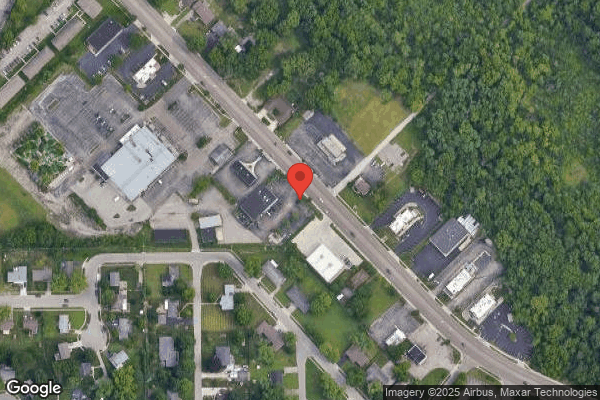
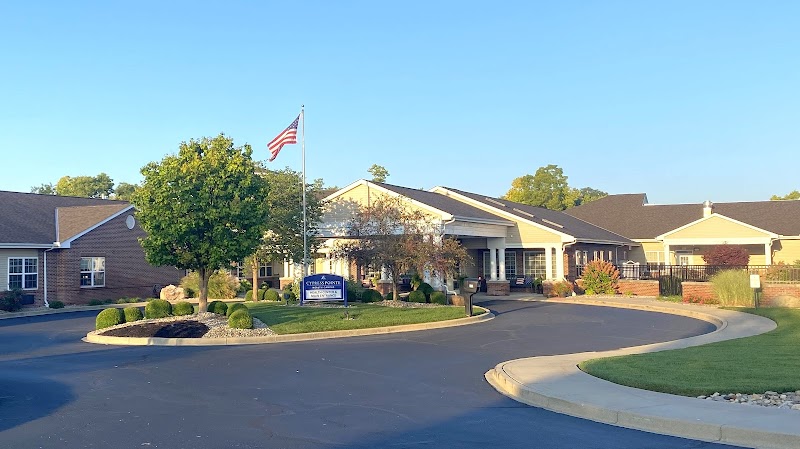
600 WEST NATIONAL ROAD, ENGLEWOOD, OH 45322 (937) 836-3149
For profit - Corporation 70 Beds TRILOGY HEALTH SERVICES Data: November 2025
Trust Grade
85/100
#55 of 913 in OH
Last Inspection: October 2022

Over 2 years since last inspection. Current conditions may differ from available data.

Overview

Cypress Pointe Health Campus has earned a Trust Grade of B+, which indicates it is above average and recommended for families considering long-term care. It ranks #55 out of 913 facilities in Ohio, placing it in the top half, and #5 out of 40 in Montgomery County, meaning there are only a few local options that are better. The facility's trend is stable, with the same number of issues reported in both 2023 and 2024. Staffing is a moderate concern with a 3/5 rating and a turnover rate of 36%, which is better than the state average of 49%. On the positive side, Cypress Pointe has not incurred any fines, indicating compliance with regulations, and has solid RN coverage, which helps catch potential issues. However, there are some weaknesses; for example, there were incidents where a resident did not receive proper assistance during care conferences, expired food items were found in the kitchen, and proper hygiene was not followed during wound care for a resident, which raises concerns about overall attention to detail.

Trust Score
B+
85/100
In Ohio
#55/913
Top 6%
Safety Record
Low Risk
No red flags
Inspections
Holding Steady
1 → 1 violations
Staff Stability
○ Average
36% turnover. Near Ohio's 48% average. Typical for the industry.
Penalties
✓ Good
No fines on record. Clean compliance history, better than most Ohio facilities.
Skilled Nurses
✓ Good
Each resident gets 43 minutes of Registered Nurse (RN) attention daily — more than average for Ohio. RNs are trained to catch health problems early.
Violations
⚠ Watch
15 deficiencies on record. Higher than average. Multiple issues found across inspections.
★★★★★
5.0
Overall Rating
★★★☆☆
3.0
Staff Levels
★★★★★
5.0
Care Quality
★★★★☆
4.0
Inspection Score
Stable
2023: 1 issues
2024: 1 issues

The Good

  • 5-Star Quality Measures · Strong clinical quality outcomes
  • Full Sprinkler Coverage · Fire safety systems throughout facility
  • No fines on record
  • Staff turnover below average (36%)

    12 points below Ohio average of 48%

Facility shows strength in quality measures, fire safety.

The Bad

Staff Turnover: 36%

Near Ohio avg (46%)

Typical for the industry

Chain: TRILOGY HEALTH SERVICES

Part of a multi-facility chain

Ask about local staffing decisions and management

The Ugly 15 deficiencies on record

Jul 2024 1 deficiency
CONCERN (D) 📢 Someone Reported This

A family member, employee, or ombudsman was alarmed enough to file a formal complaint

Potential for Harm - no one hurt, but risky conditions existed

Infection Control (Tag F0880)

Could have caused harm · This affected 1 resident

Based on medical record review, observation, staff interview, review of the facility policy, the facility failed to ensure proper hygiene was completed during wound care. This affected one (Resident #...

Read full inspector narrative →
Based on medical record review, observation, staff interview, review of the facility policy, the facility failed to ensure proper hygiene was completed during wound care. This affected one (Resident #24) of three residents reviewed for pressure sores. The facility census was 66 residents. Findings include: Review of the medical record for Resident #24 revealed an admission date of 06/14/24 with diagnoses including type two diabetes mellitus, chronic kidney disease, and congestive heart failure. Review of the physician's orders for Resident #24 revealed an order dated 07/10/24 to cleanse the wound to the right foot/ankle with wound cleanser or normal saline, apply calcium alginate, and cover with dressing every day or as needed. Observation of wound care for Resident #24 per Licensed Practical Nurse (LPN) #20 on 07/22/24 at 3:59 P.M. revealed the nurse performed hand hygiene prior to starting the wound treatment and donned gloves. During wound care, LPN #20 removed the old dressing and cleansed the wound without changing her gloves and performing hand hygiene. LPN #20 continued to complete the dressing change with the same pair of gloves throughout the entire treatment. LPN #20 removed her gloves and performed hand hygiene after completion. Interview on 07/22/24 at 4:18 P.M. with LPN #20 confirmed she did not change her gloves or perform hand hygiene during the dressing change for Resident #24. Review of the facility policy titled Guideline for Handwashing/Hand Hygiene dated 12/31/23 revealed handwashing was the single most important factor in preventing transmission of infection. All health care workers should utilize hand hygiene frequently and appropriately.
Oct 2023 1 deficiency
CONCERN (D) 📢 Someone Reported This

A family member, employee, or ombudsman was alarmed enough to file a formal complaint

Potential for Harm - no one hurt, but risky conditions existed

Pharmacy Services (Tag F0755)

Could have caused harm · This affected 1 resident

**NOTE- TERMS IN BRACKETS HAVE BEEN EDITED TO PROTECT CONFIDENTIALITY** Based on resident and staff interviews, and record review, the facility failed to ensure medications were supplied by the pharma...

Read full inspector narrative →
**NOTE- TERMS IN BRACKETS HAVE BEEN EDITED TO PROTECT CONFIDENTIALITY** Based on resident and staff interviews, and record review, the facility failed to ensure medications were supplied by the pharmacy to be administered per physician order. This affected one (Resident #1) of three residents reviewed for medications. The facility census was 67. Findings include: Record review for Resident #1 revealed the resident was admitted to the facility on [DATE]. Diagnoses for Resident #1 included intervertebral disc disorder, arthritis, asthma, and chronic pain. Review of the comprehensive Minimum Data Set (MDS) assessment dated [DATE] revealed Resident #1 had intact cognition. Review of Resident #1's care plans dated 07/2023 revealed a focus for resident exhibiting a verbal difficulty with compliance of medication administration. Interventions included assessing for unmet needs, assist the resident with comprehension of policies and regulations, determine cause for behaviors, and observe for triggers to behaviors. Review of the physician orders revealed on 06/30/23, Resident #1 was ordered to receive Humira (immunosuppressive) 40 milligrams (mg) per 0.8 milliliter (ml) subcutaneous injection once a day every two weeks on Friday. Review of the Medication Administration Records (MAR) dated 06/2023 revealed Resident #1 received the Humira shot on 06/30/23 per physician order. On 07/14/23, Resident #1 received one dose of the Humira shot. On 07/28/23, Resident #1 did not receive the Humira shot for the reason charted as 'drug item unavailable, pharmacy to send'. On the 08/11/23, Resident #1 did not receive the Humira shot for the reason documented as 'drug unavailable, pharmacy notified of need to supply-resident to supply'. On 8/25/23, the Humira shot was not administered for the reason documented 'drug unavailable'. On 09/08/23, Resident #1 received the Humira shot per physician order. On 09/22/23, Resident #1 did not receive the Humira shot scheduled for the reason documented 'drug unavailable'. On 10/06/23, Resident #1 did not receive the Humira shot scheduled for the reason documented as 'drug unavailable'. Resident #1 received Humira three times out of eight opportunities. Interview on 10/11/23 at 2:30 P.M. with Resident #1 revealed the resident admitted to having medications from her personal pharmacy brought into the facility. Resident #1 stated she was upset because every time her Humira shot was due, the nurses would tell her it was unavailable. Resident #1 stated she did have her family bring her a Humira shot to her, and she was caught by the nurse with the medication. Resident #1 stated she only was taking the medication herself because she did not believe the facility would supply her with her medication. Resident #1 verified prior to 06/2023, her medications were being supplied as ordered. Interview on 10/16/23 at 11:30 A.M. with the Director of Nursing (DON) revealed Resident #1 often refused medications and would have her family bring in medications from home for her to administer to herself. The DON stated the facility staff educated the resident frequently on how important it was to only take the medications from the facility per order. The DON stated the resident was found to be administering the Humira shot herself at times. The DON stated the resident's personal pharmacy had supplied some of the Humira medications. The DON verified there was missing scheduled doses of the Humira on the reviewed MARs for Resident #1. Interview on 10/16/23 at 3:00 P.M. with the Regional Support (RS) #400 stated he was able to get a pharmacy invoice for Resident #1's Humira medications from her personal pharmacy. The resident's pharmacy had supplied the Humira medications since 11/2022, upon the resident's admission. RS #400 stated he was unsure of how Resident #1 would have gotten the Humira shot to administer to herself unless her family was bringing in the medications and giving them to the resident. RS #400 stated there were no facility pharmacy invoices for Resident #1's Humira medication and there was no evidence the facility pharmacy had supplied any of the Humira while the resident was residing in the facility. RS #400 stated Resident #1 was non-compliant with medications and would often have her family bring in medications not on her medications lists and she would take the medications as she wanted. RS #400 stated the facility staff tried to educate the resident on the importance of not taking medications herself. RS #400 verified there was documentation on the 06/2023, 07/2023, 08/2023, 09/2023, and 10/2023 MARS that the Humira shot was administered and not available for administration. RS #400 verified the only documentation of the resident giving herself the medication was the nursing progress note dated 08/01/23. This deficiency represents non-compliance investigated under Complaint Number OH00146459.
Oct 2022 5 deficiencies
CONCERN (D)

Potential for Harm - no one hurt, but risky conditions existed

Deficiency F0567 (Tag F0567)

Could have caused harm · This affected 1 resident

**NOTE- TERMS IN BRACKETS HAVE BEEN EDITED TO PROTECT CONFIDENTIALITY** Based on record review, review of the resident fund accounts, staff interviews and policy review, the facility failed to ensure ...

Read full inspector narrative →
**NOTE- TERMS IN BRACKETS HAVE BEEN EDITED TO PROTECT CONFIDENTIALITY** Based on record review, review of the resident fund accounts, staff interviews and policy review, the facility failed to ensure a personal funds account authorization was in place before managing a residents funds. This affected one (#36) of four fund accounts reviewed. The census was 60. Findings include: Medical record review for Resident #36 revealed an admission date of 02/07/20 and diagnosis of Alzheimer's dementia. Review of the Minimum Data Set assessment dated [DATE] revealed she had severely impaired cognition. The resident's son was her responsible party. Review of the resident fund accounts revealed Resident #36 had $1,932.09 in a fund account with no evidence of an authorization for the account. There was evidence of social security deposits into the account each month and withdraws from the resident's account. Interview on 10/12/22 at 11:30 A.M. with the Business Office Manager (BOM) #1 verified there was no authorization for the fund account for Resident #36 with a current balance of $1,932.09 because the resident's son did not return the authorization form mailed to him on 12/04/20 and emailed on 02/22/22. BOM #1 stated she had not attempted to contact the resident's son by phone at any time to receive the authorization signature for the fund account. BOM #1 stated the facility was representative payee for the resident's fund account initiated on 12/04/20 and the resident's son regularly obtained funds from the fund account to make purchases. Review of the policy titled Resident Trust Fund Management dated 01/2020 revealed the resident trust fund authorization form must be completed when funds were received to open an account.
CONCERN (D)

Potential for Harm - no one hurt, but risky conditions existed

Drug Regimen Review (Tag F0756)

Could have caused harm · This affected 1 resident

**NOTE- TERMS IN BRACKETS HAVE BEEN EDITED TO PROTECT CONFIDENTIALITY** Based on medical record review, staff interview and policy review, the facility failed to ensure pharmacy recommendations were a...

Read full inspector narrative →
**NOTE- TERMS IN BRACKETS HAVE BEEN EDITED TO PROTECT CONFIDENTIALITY** Based on medical record review, staff interview and policy review, the facility failed to ensure pharmacy recommendations were addressed by the physician in a timely manner. This affected two (#24 and #49) of five residents reviewed for to unnecessary medications. The facility census was 60. Findings include: 1. Review of the Resident #24's chart revealed Resident #24 admitted to the facility on [DATE] with diagnoses including cerebral atherosclerosis, difficulty in walking, muscle weakness, cognitive communication deficit, dysphagia, type two diabetes mellitus with diabetic neuropathy, retention of urine, hyperlipidemia, major depressive disorder, unspecified cataract, heart failure, legal blindness, hallucinations, and unspecified dementia with behavioral disturbance. Review of Resident #24's significant change Minimum Data Set (MDS) assessment dated [DATE] revealed the resident to be severely cognitively impaired and Resident #24 required extensive assistance with bed mobility, transfers, dressing, eating, toileting, and personal hygiene. Resident #24 also received insulin, antipsychotic, antianxiety, antidepressant, diuretic, and opioid medications during the assessment review period. Review of Resident #24's pharmacy recommendation dated 04/30/22 revealed Resident #24 was on Ativan one milligrams (mg) twice a day, Celexa 10 mg daily, and Seroquel 25 mg twice a day. Per Centers for Medicare and Medicaid Services (CMS) guidelines, please consider a gradual dose reduction or document the need for the current dose. Further review of the pharmacy recommendation revealed Resident #24's physician was notified of the pharmacy recommendation on 08/10/22. Resident #24's physician did not respond to Resident #24's pharmacy recommendation. Interview on 10/12/22 at 2:07 P.M. with Corporate Registered Nurse (CRN) #800 verified Resident #24's physician was not notified of Resident #24's pharmacy recommendation dated 04/30/22, until 08/10/22 and Resident #24's physician did not address the pharmacy recommendation. 2. Review of the Resident #49's chart revealed Resident #49 admitted to the facility on [DATE] with diagnoses including fracture of unspecified part of neck of left femur, acute respiratory failure with hypoxia, cerebral atherosclerosis, anemia, dehydration, Alzheimer's disease, unspecified dementia, anxiety disorder, hyperlipidemia, low back pain, constipation, other amnesia, and history of falling. Review of Resident #49's quarterly MDS assessment dated [DATE] revealed the resident to be severely cognitively impaired and Resident #49 required extensive assistance with bed mobility, transfers, and dressing. Resident #39 was also totally dependent on staff for toileting, and personal hygiene. Resident #49 received antipsychotic, antianxiety, antidepressant and opioid medications during the review period. Review of Resident #49's pharmacy recommendation dated 04/18/22 revealed to consider reducing Resident #49's Lorazepam. Further review of the pharmacy recommendation revealed Resident #49's physician was notified of the pharmacy recommendation on 08/17/22. Resident 49's physician did not respond to Resident #49's pharmacy recommendation. Review of Resident #49's pharmacy recommendation dated 08/29/22 revealed the physician should consider a gradual dose reduction on Resident #49's Buspar, Depakote, Lorazepam, Seroquel, Sertraline and Trazodone. Further review of the pharmacy recommendation revealed Resident #49's physician was notified of the pharmacy recommendation on 09/16/22. Resident 49's physician did not respond to Resident #49's pharmacy recommendation. Interview on 10/13/22 at 11:30 A.M. with the Director of Nursing (DON) verified Resident #49's physician was not notified of Resident #49's pharmacy recommendation dated 04/18/22 until 08/17/22 and Resident #49's physician did not address the pharmacy recommendation dated 04/18/22. The DON also verified Resident #49's physician was not notified of Resident #49's pharmacy recommendation dated 08/29/22 until 09/16/22 and physician did not address the pharmacy recommendation dated 08/29/22. Review of the facility's medication regimen review policy dated November 2018 revealed recommendations will be acted upon and documented by the facility personnel or prescriber. The prescriber accepts and acts upon suggestions or rejects and provides an explanation for disagreeing.
CONCERN (D)

Potential for Harm - no one hurt, but risky conditions existed

Deficiency F0760 (Tag F0760)

Could have caused harm · This affected 1 resident

**NOTE- TERMS IN BRACKETS HAVE BEEN EDITED TO PROTECT CONFIDENTIALITY** Based on medical record review, observation, staff interview, review of facility policy, and review of manufacturer guidelines, ...

Read full inspector narrative →
**NOTE- TERMS IN BRACKETS HAVE BEEN EDITED TO PROTECT CONFIDENTIALITY** Based on medical record review, observation, staff interview, review of facility policy, and review of manufacturer guidelines, the facility failed to ensure staff primed an insulin pen devices before administration resulting in a significant medication error. This affected one (#24) of four residents observed for medication administration. The census was 60. Findings include: Review of Resident #24's medical record revealed an admission date of 05/21/18. Diagnoses listed included muscle weakness, dysphagia, type two diabetes mellitus, hypertension, legal blindness, and major depressive disorder. Resident #24 was assessed as being severely cognitively impaired and requiring extensive assistance in a significant change Minimum Data Set (MDS) assessment dated [DATE]. Review of physician orders revealed an order dated 09/29/22 for a Basaglar Kwikpen (insulin pen) 100 units per milliliter (units/ml), inject 15 units subcutaneously (SQ) twice a day. An order dated 08/21/21 was for Novolog Flexpen (insulin pen) 100 units/ml per sliding scale SQ before meals. Observation on 10/13/22 at 7:47 A.M. revealed Licensed Practical Nurse (LPN) #16 preparing insulin pens for Resident #24. LPN #16 prepared a Novolog Flexpen by connecting a new needle and dialing the insulin pen to four units. LPN #16 did not prime the pen needle. LPN #16 also prepared a Basaglar Kwikpen by connecting a new needle and dialing the insulin pen to 15 units. LPN #16 did not prime the pen needle. Observation on 10/13/22 at 7:52 A.M. revealed LPN #16 administered the Novolog Flexpen four units and Basaglar Kwikpen 15 units to Resident #24. Interview with LPN #16 on 10/13/22 at 7:58 A.M. confirmed she had not primed Resident #24's Novolog Flexpen needle or Basaglar Kwikpen needle before dialing up the required dose of insulin. Review of the facility's policy titled Specific Medication Administration Procedures dated revised January 2018 revealed for insulin pen devices staff should dial dose as instructed by pen manufacturer. Review of manufacturer instructions for the Novolog Flexpen before each injection small amounts of air may collect in the cartridge during normal use. To avoid injecting air and to ensure proper dosing, turn the dose selector to select 2. Hold your NovoLog FlexPen with the needle pointing up. Tap the cartridge gently with your finger a few times to make any air bubbles collect at the top of the cartridge . Keep the needle pointing upwards, press the push-button all the way in. The dose selector returns to 0. A drop of insulin should appear at the needle tip. If not, change the needle and repeat the procedure no more than six times. If you do not see a drop of insulin after six times, do not use the NovoLog FlexPen and contact the manufacturer. A small air bubble may remain at the needle tip, but it will not be injected. Review of manufacturer instructions for use for Basaglar Kwikpen revealed priming means removing the air from the needle and cartridge that may collect during normal use. It is important to prime your pen before each injection so that it will work correctly. If you do not prime before each injection, you may get too much or too little insulin. To prime your pen, turn the dose knob to select two units. Hold your pen with the needle pointing up. Tap the cartridge holder gently to collect air bubbles at the top. Continue holding your pen with needle pointing up. Push the dose knob in until it stops, and 0 is seen in the dose window. Hold the dose knob in and count to five slowly. You should see insulin at the tip of the needle. If you do not see insulin, repeat the priming steps, but not more than four times. If you still do not see insulin, change the needle and repeat the priming steps.
CONCERN (E)

Potential for Harm - no one hurt, but risky conditions existed

Deficiency F0657 (Tag F0657)

Could have caused harm · This affected multiple residents

**NOTE- TERMS IN BRACKETS HAVE BEEN EDITED TO PROTECT CONFIDENTIALITY** 2. Record review for Resident #30 revealed an admission date of 07/31/20. His diagnoses included; hypertensive chronic kidney di...

Read full inspector narrative →
**NOTE- TERMS IN BRACKETS HAVE BEEN EDITED TO PROTECT CONFIDENTIALITY** 2. Record review for Resident #30 revealed an admission date of 07/31/20. His diagnoses included; hypertensive chronic kidney disease, orthostatic hypertension, chronic osteomyelitis, seizures, hyperlipidemia, hypothyroidism, anxiety disorder, and essential primary hypertension. Review of the quarterly MDS assessment, dated 08/09/22, revealed he had intact cognition. Further review of the MDS assessment revealed he required extensive assistance from staff with bed mobility, transfers, dressing, toilet use, and personal hygiene. Resident #30 required supervision from staff with eating. Review of the care conference notes for Resident #30 reveled he had a meeting with the SSD #89 on 09/07/22, 06/24/22, 04/04/22, and 01/05/22 to discuss his plan of care. However, no other IDT members were present. Interview on 10/11/22 at 9:19 A.M. with Resident #30 revealed he has never attended a care conference meeting with members of the IDT team. Interview on 10/12/22 at 3:42 P.M. with SSD #89 confirmed the facility has not provided an IDT team meeting or care conference for Resident #30 in the past year. Based on medical record review, staff and resident interviews, and review of facility policy, the facility failed to have care conferences for residents. The facility also failed to ensure interdisciplinary team members (IDT) were present at care conferences. This affected four (#12, #18, #20, and #30) of four reviewed for care plans. The census was 60. Findings include: 1. Review of Resident #12's medical record revealed an admission date of 08/07/20. Diagnoses listed included hemiplegia and hemiparesis, chronic kidney disease, type 2 diabetes mellitus, aphasia, dysphagia, and major depressive disorder. Review of Minimum Data Set (MDS) assessments revealed an annual assessment was completed on 07/13/22. Further review of Resident #12's medical record revealed no evidence of a care conference being completed from 07/13/22 to 10/12/22. Review of care conference documentation dated 01/07/22 and 04/05/22 revealed the only staff member present during care conferences was the Social Service Director (SSD) #89. Interview with SSD #89 on 10/12/22 at 2:58 P.M. confirmed there was no care conference held for Resident #12 after the annual MDS dated [DATE]. SSD #89 confirmed care conferences should be held at least quarterly. SSD #89 also confirmed she was the only staff member present during care conferences held on 01/07/22 and 04/05/22 for Resident #12. 3. Medical record review for Resident #18 revealed an admission date of 07/08/22 with diagnoses including heart disease and Alzheimer's dementia. Review of the Minimum Data Set assessment dated [DATE] revealed the resident had moderately impaired cognition and received hospice services. Review of the care conference documentation revealed evidence of a phone care conference on 07/13/22 conducted with the resident, her responsible party and SSD #89. There was no evidence other team members were included in the phone conferences to discuss the resident's care. Interview with SSD #89 on 10/13/22 at 10:45 A.M. verified no other facility team members were part of the phone initial care conference on 07/13/22 she conducted with the resident and her responsible party. SSD #89 verified there was no staff from nursing, administration, dietary or activities participating in the care conference conducted with the resident. 4. Medical record review for Resident #20 revealed an admission date of 06/09/21 with diagnoses including dementia without behaviors, psychotic mood disturbance, anxiety, major depression. Review of the Minimum Data Set assessment dated [DATE] revealed the resident had severely impaired cognition with her daughter as the responsible party. Review of the care conference documentation revealed evidence of phone care conferences on 02/11/22, 05/06/22 and 09/01/22 conducted with the resident, her daughter and SSD #89. There was no evidence other team members were included in the phone conferences to discuss the resident's care. Interview with SSD #89 on 10/13/22 at 10:45 A.M. verified no other facility team members were part of the phone care conferences on 02/11/22, 05/06/22 and 09/01/22 she conducted with the resident and her daughter. SSD #89 verified there was no staff from nursing, administration, dietary or activities participating in the care conferences. Review of the policy titled Resident's First Meeting Guidelines revised 09/03/21 revealed care conference meetings were to facilitate communication regarding the care plan, medical condition and care needs between the resident, resident representative and staff providing care. The meetings should be attended by a nursing designee, Administrator if applicable, SSD, dietary and activity staff. Each staff reviewed their respective care plans with the resident and resident representative with encouraged participation.
CONCERN (E)

Potential for Harm - no one hurt, but risky conditions existed

Food Safety (Tag F0812)

Could have caused harm · This affected multiple residents

Based on observations, review of the facility census, review of a list of diet orders, staff interview and policy review, the facility failed to ensure the legacy kitchen was free from expired food it...

Read full inspector narrative →
Based on observations, review of the facility census, review of a list of diet orders, staff interview and policy review, the facility failed to ensure the legacy kitchen was free from expired food items and a food item was stored in a sanitary manner in the 200 unit nutritional freezer. This had the potential to affect 10 (#14, #15, #25, #33, #35, #36, #37, #38, #45, and #55) out of ten residents that resided on the Legacy unit and 13 (#1, #2, #3, #5, #6, #8, #9, #13, #16, #17, #46, #48, and #57) out of 13 residents that resided on the 200 unit. The facility census was 60. Findings include: 1. Observation of the Legacy kitchen on 10/13/22 at 7:55 A.M. revealed there were two gallons of expired whole milk that were half empty dated 10/11/22 and one full gallon of expired whole milk dated 10/12/22 in the reach in refrigerator. Interview on 10/13/22 at 7:55 A.M. with [NAME] #6 verified there were two gallons of expired whole milk that were half empty dated 10/11/22 and one full gallon of expired whole milk dated 10/12/22 in the Legacy unit kitchen refrigerator. Review of the facility census dated 10/10/22 revealed Resident #14, #15, #25, #33, #35, #36, #37, #38, #45, and #55 resided in the Legacy unit. Further review of a list of diet order for the Legacy unit dated 10/13/22 revealed no residents received no food by mouth. 2. Observation of the 200 unit nourishment and supplement freezer on 10/13/22 at 10:35 A.M. revealed there to be a milkshake cup with a lid and straw in it that was not labeled or dated. The straw was uncovered and open to air in the freezer. Interview with Licensed Practical Nurse (LPN) #32 on 10/13/22 at 10:35 A.M. verified there to be a milkshake cup with a lid and straw in it that was not labeled or dated. The straw was uncovered and open to air in the freezer. Review of the facility census revealed Resident #1, #2, #3, #5, #6, #8, #9, #13, #16, #17, #46, #48, and #57 resided on the 200 unit. Further review of a list of diet order for the 200 unit dated 10/13/22 revealed no residents received no food by mouth. Review of the facility's food labeling and dating policy dated 04/26/22 revealed all food items must be properly covered and not exposed to air prior to being labeled and dated.
Oct 2019 1 deficiency
CONCERN (D)

Potential for Harm - no one hurt, but risky conditions existed

Quality of Care (Tag F0684)

Could have caused harm · This affected 1 resident

**NOTE- TERMS IN BRACKETS HAVE BEEN EDITED TO PROTECT CONFIDENTIALITY** Based on medical record review, observations and staff interview, the facility failed to ensure that all wound interventions wer...

Read full inspector narrative →
**NOTE- TERMS IN BRACKETS HAVE BEEN EDITED TO PROTECT CONFIDENTIALITY** Based on medical record review, observations and staff interview, the facility failed to ensure that all wound interventions were available and implemented upon admission. This affected one (#218) out of three reviewed for skin breakdown. The facility census was 68. Findings include: Medical record review for Resident #218 revealed an admission date on 10/09/19 with diagnosis that include cellulitis of left lower limb, non pressure chronic ulcer of other part of left foot, diabetes mellitus, staphylococcus, sepsis, blood clot, abnormal heart beat, diabetic neuropathy, gangrene gas, obesity, high blood pressure, anticoagulant use, insulin dependent and acquired absence of left great toe. Review of Resident #218's hospital discharge orders dated 10/09/19 revealed an order for a waffle boots over dressing on left foot, elevate and off load. Further review of Resident #218's admitting physicians orders revealed the order for the waffle boot was not on the document. Review of Minimum Data Set (MDS) assessment dated [DATE] for Resident #218 revealed the assessment was not completed at this time. Medical record supported resident abilities as extensive assist with bed mobility, transfers, toileting. Resident was independent with eating. Review of plan of care for Resident #218 was not completed at this time. Observation on 10/16/19 at 11:39 A.M. revealed Resident #218 was resting in bed without a waffle boot on left lower leg. Interview with Licensed Practical Nurse #25 on 10/16/19 at 12:33 P.M. verified the boot was not on his foot at this time. Further interview verified the physician's orders did not contain an order for waffle boot to be worn at all times. Interview with Director of Health Care Services on 10/16/19 at 1:29 P.M., verified the waffle boot was ordered on 10/15/19. Facility staff was going to pick it up today 10/16/19. Director of Health Care Services further stated the nurse missed the order for the waffle boot and did not work again until 10/15/19 when it was ordered for the supplier.
Aug 2018 7 deficiencies
CONCERN (D)

Potential for Harm - no one hurt, but risky conditions existed

Transfer Notice (Tag F0623)

Could have caused harm · This affected 1 resident

**NOTE- TERMS IN BRACKETS HAVE BEEN EDITED TO PROTECT CONFIDENTIALITY** Based on medical record review and staff interview, the facility failed to issue written notice for transfer to the hospital to ...

Read full inspector narrative →
**NOTE- TERMS IN BRACKETS HAVE BEEN EDITED TO PROTECT CONFIDENTIALITY** Based on medical record review and staff interview, the facility failed to issue written notice for transfer to the hospital to the resident representative. This affected one (#47) of one resident reviewed for hospitalizations. The facility census was 71. Findings include: Review of Resident #47's medical record revealed the resident was admitted to the facility on [DATE], with diagnoses including depression with suicidal ideation, coronary artery disease (CAD), myocardial infarction (MI), hypertension, hyperlipidemia, chronic obstructive pulmonary disorder (COPD) with emphysema, anxiety, and dementia. Review of the Minimum Data Set (MDS) assessment dated [DATE], revealed the resident had a Brief Interview Mental Status (BIMS) score of 12 indicating moderate cognitive impairment. Review of the medical record for Resident #47 revealed the resident was transferred to the hospital on [DATE], 07/24/18, and 08/01/18. Further review of the medical record revealed Resident #36 returned to the facility on [DATE], 07/27/18, and 08/03/18. Review of the medical record revealed the record contained no documented evidence of the resident representative being notified in writing of the transfer/discharge on [DATE], 07/24/18 or 08/01/18. Interview with the Director of Health Services (DHS) #108 on 08/30/18 at 07:55 A.M., verified the nurses and/or social services document on completion and distribution of the written notification for transfer/discharge to the resident's representative in the progress notes. DHS #108 further verified there was no documentation of the transfer/discharge for the hospitalizations on 06/24/18, 07/24/18, or 08/01/18 in the resident's record.
CONCERN (D)

Potential for Harm - no one hurt, but risky conditions existed

Deficiency F0625 (Tag F0625)

Could have caused harm · This affected 1 resident

**NOTE- TERMS IN BRACKETS HAVE BEEN EDITED TO PROTECT CONFIDENTIALITY** Based on medical record review, staff interview and policy review, the facility failed to issue written notice of the bed hold p...

Read full inspector narrative →
**NOTE- TERMS IN BRACKETS HAVE BEEN EDITED TO PROTECT CONFIDENTIALITY** Based on medical record review, staff interview and policy review, the facility failed to issue written notice of the bed hold policy to a resident/resident's representative. This affected one (#47) of one resident reviewed for hospitalizations. The total facility census was 71. Findings include: Review of Resident #47's medical record revealed the resident was admitted to the facility on [DATE], with diagnoses including depression with suicidal ideation, coronary artery disease (CAD), myocardial infarction (MI), hypertension, hyperlipidemia, chronic obstructive pulmonary disorder (COPD) with emphysema, anxiety, and dementia. Review of the Minimum Data Set (MDS) assessment, dated 07/19/18, revealed the resident had a Brief Interview Mental Status (BIMS) score of 12 indicating moderate cognitive impairment. Review of the medical record for Resident #47 revealed the resident was transferred to the hospital on [DATE]. Further review of the medical record revealed Resident #36 returned to the facility on [DATE]. Nursing progress note dated 08/01/18 revealed no evidence of the resident or resident representative being notified of the bed hold policy or bed hold days. Interview with the Director of Health Services (DHS) #108 on 08/30/18 at 07:55 A.M., verified the nurses and social services document on completion and distribution of the bed hold policy to the resident and resident representative in the progress notes, and further verified there was no documentation of the bed hold policy being given in the progress note from 08/01/18. Review of the facility policy titled, Bed Hold Policy with a review date of 05/23/18, revealed in cases of emergency transfers, the notice of bed-hold policy should be provided to the resident or resident's representative within 24 hours of the transfer, and may be sent with other papers to the hospital.
CONCERN (D)

Potential for Harm - no one hurt, but risky conditions existed

Comprehensive Care Plan (Tag F0656)

Could have caused harm · This affected 1 resident

**NOTE- TERMS IN BRACKETS HAVE BEEN EDITED TO PROTECT CONFIDENTIALITY** Based on medical record review, observations and staff interviews, the facility failed to ensure bilateral palm and splints were...

Read full inspector narrative →
**NOTE- TERMS IN BRACKETS HAVE BEEN EDITED TO PROTECT CONFIDENTIALITY** Based on medical record review, observations and staff interviews, the facility failed to ensure bilateral palm and splints were in place at all times as indicated on the comprehensive person-centered care plan. This affected one resident (#41) of 16 reviewed for care plans. The facility census was 71. Findings include: Medical record review for Resident #41 revealed an admission date of 02/17/18, with diagnoses including anoxic brain injury, traumatic brain injury, syndrome of inappropriate secretion of antidiuretic hormone, diabetes insipidus, epilepsy, contracture of muscle (multiple sites), and aphasia. Review of the Minimum Data Set (MDS) assessment dated [DATE] revealed a Brief Interview for Mental Status (BIMS) score of 0, indicating severe cognitive impairment. The MDS also indicated Resident #41 required excessive assistance of two plus people for bed mobility. Review of the physician's orders revealed an active order with a start date of 02/28/18 for palm protectors bilaterally at all times except during activities of daily living (ADLs) of showers and skin assessments. There was also an order for a right hand splint/palm protector to be donned in the morning and left hand splint/palm protector to be donned in the afternoon per patient tolerance, the order stated to use only one hand splint to be on at a time. This order was discontinued on 08/29/18. Review of Resident #41's plan of care initiated on 03/09/18 revealed the resident was to be wearing bilateral palm protectors, except for during ADLs of showers and skin assessments. An observation on 08/27/18 at 2:30 P.M., revealed Resident #41 was not wearing palm protectors or splints. Observations on 08/28/18 at 2:07 P.M., 3:35 P.M., and 5:23 P.M. revealed Resident #41 was not wearing palm protectors or splints. Observations on 08/29/18 at 8:55 A.M., 10:55 A.M., 1:19 P.M., 3:08 P.M., 3:26 P.M., and 4:10 P.M. revealed Resident #41 was not wearing palm protectors or splints. Interview on 08/29/18 at 1:19 P.M., with Certified Registered Care Assistant (CRCA) #104 revealed Resident #41 was not currently wearing palm protectors or splints, but that the resident was going to be put in the chair and splints would be applied. She further revealed that she was not sure what palm protectors were. Interview on 08/29/18 at 3:26 P.M., with Licensed Practical Nurse (LPN) #8 revealed Resident #41 was to be wearing palm protectors or splints and verified that he was not currently wearing either. After checking in his room, she stated the palm protectors were in the laundry to be washed. Interview on 08/29/18 at 4:55 P.M., with Director of Health Services (DHS) #108 confirmed the resident was not wearing palm protectors or splints, and stated that they are the same thing. She further revealed she will be clarifying the orders for palm protectors and splints with the physician or nurse practitioner. The DON brought in one palm protector and stated that the facility will be laundering this one now because it is soiled and a second pair will be ordered to ensure the resident always has a clean pair to wear.
CONCERN (D)

Potential for Harm - no one hurt, but risky conditions existed

Accident Prevention (Tag F0689)

Could have caused harm · This affected 1 resident

**NOTE- TERMS IN BRACKETS HAVE BEEN EDITED TO PROTECT CONFIDENTIALITY** Based on observation, record review, and staff interviews, the facility failed to ensure physician ordered fall precaution inter...

Read full inspector narrative →
**NOTE- TERMS IN BRACKETS HAVE BEEN EDITED TO PROTECT CONFIDENTIALITY** Based on observation, record review, and staff interviews, the facility failed to ensure physician ordered fall precaution interventions were in place as ordered and care planned. This affected one (#29) of ten residents reviewed for accidents. The facility census was 71. Findings include: Review of Resident #29's medical record revealed an admission date of 08/12/16, with diagnoses including Alzheimer's disease, vitamin D deficiency, heart disease, atrial fibrillation, diverticulitis, psychosis, and major depressive disorder. Review of the annual Minimum Data Set (MDS) assessment dated [DATE], indicated resident required extensive assist of one to two staff for activities of daily living and had severe cognitive deficits. Review of physician orders for August 2018 revealed an order dated 08/27/18, for floor mats next to both sides of bed and hipsters on in am and off at bedtime. Review of a care plan dated 09/29/16, revealed a problem of at risk for falls with approaches of hipsters and mats to the sides of bed. Observation on 08/28/18 at 1:43 P.M., Resident #29 up in wheelchair in common area. Dressed in street clothes and gym shoes, there was no visible evidence of hipsters being on the resident. Resident #29 alert to name only. Dycem (anti-skid sheet) seen in wheelchair with pressure reduction cushion. Interview on 08/28/18 at 1:55 P.M. with Licensed Practical Nurse (LPN) #103 verified Resident #29 was not wearing hipsters stating staff was aware this morning of missing hipsters. Observation of Resident #29 on 08/29/18 at 7:56 A.M. up in wheelchair, dressed, interacting with staff. There was no visible evidence of the resident wearing hipsters. Interview with State Tested Nurse Assistant (STNA) #12 on 08/29/18 9:44 A.M., verified Resident #29 was not wearing hipsters. Interview in 08/29/18 at 9:51 A.M. with LPN #10 verified Resident #29 was not wearing hipsters and then went to laundry and retrieved a pair for resident.
CONCERN (D)

Potential for Harm - no one hurt, but risky conditions existed

Incontinence Care (Tag F0690)

Could have caused harm · This affected 1 resident

**NOTE- TERMS IN BRACKETS HAVE BEEN EDITED TO PROTECT CONFIDENTIALITY** Based on record review and staff interview, the facility failed to ensure there was appropriate indication for use of an indwell...

Read full inspector narrative →
**NOTE- TERMS IN BRACKETS HAVE BEEN EDITED TO PROTECT CONFIDENTIALITY** Based on record review and staff interview, the facility failed to ensure there was appropriate indication for use of an indwelling urinary catheter for a resident and maintain a foley catheter to prevent infection. This affected one (#36) of two residents reviewed for an indwelling urinary catheter. The facility identified six residents currently utilizing an indwelling urinary catheter in the facility. The facility census was 71. Findings include: Review of Resident #36's medical record revealed the resident was admitted to the facility on [DATE], with diagnoses including cerebral atherosclerosis, left hip fracture, dementia without behaviors, cognitive communication deficit, retention of urine, hypertension, abnormalities of gait, chronic kidney disease. Review of Resident #36's Significant Change in Status, Minimum Data Set (MDS) assessment dated [DATE], revealed the resident had moderately impaired cognition. The resident was assessed as requiring extensive one-person assistance for toileting, the resident was involved in activity and staff provided weight-bearing support. The resident was assessed as having an indwelling catheter and was always continent of bowel. The resident did not have neurogenic bladder or obstructive uropathy as a diagnosis coded in the MDS. Further review of the MDS revealed in section H0200 question A- Has a trial of a toileting program (e.g., scheduled toileting, prompted voiding, or bladder training) been attempted on admission/reentry or since urinary incontinence was noted in the facility was coded no. Review of the medical record revealed hospital discharge instructions dated 05/21/18, with instructions to continue urinary catheter, diagnosis acute urinary retention, potential removal date per Extended Care Facility (ECF) physician. Further review of the resident's medical record revealed on 05/29/18, Nurse Practioner (NP)#501 documented: Patient recently hospitalized for left hip fracture status post fall is complaining of feeling weak for last several days. Her hemoglobin was 8.2 upon readmission. She is also requesting to have her Foley (indwelling urinary catheter) discontinued. Per hospital records her Foley was placed due to urinary retention. NP #501 ordered remove Foley, replace if she does not void in eight hours. Review of nurse's notes date 05/30/18 at 2:18 P.M., Licensed Practical Nurse (LPN) #126 documented Catheter replaced no urine output this shift, with an 18 French (fr) Foley placed with 10 cubic centimeter (cc) balloon. Patient tolerated well, son updated on Foley being replaced and new orders. Further review of Resident #36's medical record revealed no additional attempts were made by the facility to remove the resident's indwelling urinary catheter. Observation and interview on 08/29/18 at 8:50 A.M., revealed Certified Resident Care Associate (CRCA) #100 assist Resident #36 to the bathroom. The observation revealed Resident #36 sitting in her wheel chair in the bathroom with the catheter tubing lying on the bathroom floor. CRCA #100 assisted the resident to transfer from the wheel chair to the toilet. Resident #36 was able to transfer to the toilet and required assist of CRCA #100 to stabilize during the transfer. During the observation CRCA #100 revealed Resident #36 can verbalize her need to toilet and will use her call light most of the time. CRCA #100 verified the catheter tubing was on the floor and stated the facility provides Velcro straps that attach to the resident's leg to hold the catheter tubing in place to prevent the tubing from touching the ground. CRCA #100 verified Resident #36 was not wearing the Velcro device. Interview on 08/29/18 at 9:10 A.M., with LPN #126 revealed she removed Resident #36's catheter on 05/30/18 as ordered by NP #501 and had to replace it eight hours later because the resident had no urine output. After reviewing Resident #36's medical notes, LPN #126 confirmed no other attempts were made to remove the resident's catheter during the past ninety days. Review of the facility's policy Guidelines for the use of Indwelling Catheter revised 11/09/17, revealed the purpose of urinary catheterization is to provide urinary drainage when medically necessary and to evaluate it continued use. A resident who enters the campus with an indwelling urinary catheter, or subsequently receives one is assessed for removal of the catheter as soon as possible unless the resident's clinical condition demonstrates that categorization is necessary. Services are provided to restore or improve normal bladder function to the extent possible, after the removal of the catheter: and a resident with or without a catheter, receives the appropriate care and services to prevent infection to the extent possible.
CONCERN (D)

Potential for Harm - no one hurt, but risky conditions existed

Deficiency F0760 (Tag F0760)

Could have caused harm · This affected 1 resident

**NOTE- TERMS IN BRACKETS HAVE BEEN EDITED TO PROTECT CONFIDENTIALITY** Based on record review, nurse practitioner and staff interview, the facility failed to ensure a resident was free from a signifi...

Read full inspector narrative →
**NOTE- TERMS IN BRACKETS HAVE BEEN EDITED TO PROTECT CONFIDENTIALITY** Based on record review, nurse practitioner and staff interview, the facility failed to ensure a resident was free from a significant medication error when receiving a blood thinning agent. This affected one (#29) of five residents reviewed for unnecessary medications. The facility census was 71. Findings include: Review of Resident #29's medical record revealed an admit date of 08/12/16 with diagnosis including but not limited to Alzheimer's disease, vitamin D deficiency, heart disease, atrial fibrillation, diverticulitis, psychosis, and major depressive disorder. An annual Minimum Data Set (MDS) assessment dated [DATE] indicated resident required extensive assist of one to two staff for activities of daily living and had severe cognitive deficits. Review of the monthly physician orders for August 2018 revealed an order for Coumadin (blood thinner) four milligrams (mg) to be given daily and a lab value of international normalized ratio (INR) (measurement of blood thinning) to be drawn every Monday. Review of Medication Administration Records (MAR) for August 2018 revealed an elevated international normalized ratio (INR) of 5.5 on 08/20/18. Review of a nurse progress note dated 08/20/18 documented a new order to hold Coumadin and recheck on Thursday. Further review of the MAR revealed Coumadin four mg was administered on 08/21/18, 08/22/18, 08/23/18, 08/24/18, 08/25/18, and 08/26/18. The MAR also revealed a INR level was completed on 08/27/18 , with a resulted of 8, the Coumadin was held, and the Nurse Practitioner was contacted. Review of the Nurse Practitioner ordered dated 08/27/18 revealed an order to hold Coumadin and INR's to be checked daily, the Coumadin was to be resumed when INR below 2.9. Further review of the resident record revealed the resident did not demonstrate any medically related problems due to receiving the extra doses of Coumadin. Interview with Director of Nursing (DON) on 08/30/18 1:25 P.M., reported she believed the Nurse Practitioner was notified of the INR 5.5 and ordered Coumadin to be held only one day and retested on regular schedule Monday. The DON reported the Coumadin was continued at 4 mg daily and denied that a continuation of administration was contraindicated with a elevated result of 5.5. DON denies any facility policy for laboratory results or INR. Interview with Nurse Practitioner (NP) #500 on 08/30/18 at 1:43 P.M., who stated awareness of elevated INR for Resident #29 and denied giving orders to continue the Coumadin. NP #500 stated she wanted the Coumadin to be held and the INR to be rechecked before restarting the Coumadin. NP #500 stated if a INR was above 3.0 her orders would be hold to Coumadin and retest INR before restarting. Interview with DON on 08/30/18 at 2:00 P.M., stated she is the person who tracked all facility INR's and was unaware of the progress note dated 08/20/18 for Resident #29 to hold Coumadin. The DON reported the order was not put into the electronic health system correctly thus Coumadin was continued and the INR was not repeated as ordered by the NP.
CONCERN (D)

Potential for Harm - no one hurt, but risky conditions existed

Infection Control (Tag F0880)

Could have caused harm · This affected 1 resident

**NOTE- TERMS IN BRACKETS HAVE BEEN EDITED TO PROTECT CONFIDENTIALITY** Based on observation, record review, policy review and staff interviews, the facility failed to ensure infection control procedu...

Read full inspector narrative →
**NOTE- TERMS IN BRACKETS HAVE BEEN EDITED TO PROTECT CONFIDENTIALITY** Based on observation, record review, policy review and staff interviews, the facility failed to ensure infection control procedures were followed. This affected one (#69) of eight residents the facility identified as receiving antibiotic for infections. The facility census was 71. Findings include: Review of Resident #69 medical record revealed an admit date of 07/19/18 with diagnoses including heart disease, hypothyroidism, anemia, chronic kidney disease, diabetes, dementia, irritable bowel syndrome, enterocolitis due to clostridium difficile, diabetes, anxiety, and hypertension. Review of the admission Minimum Data Set (MDS) assessment dated [DATE], indicated the resident required extensive assist of one to two staff for activities of daily living except supervision only for eating and moderate cognitive deficit. Observation and interview on 08/ 27/18 at 4:23 P.M., revealed Resident #69 lying in low bed with head of bed up, dressed in nightgown and call light in reach. A small plastic container in her room held isolation equipment. The door did not have any signs indicating infection or warning to see nurse. Resident #69 confirmed she was receiving antibiotics for a bowel infection. Observation on 08/29/18 at 9:41 A.M., of State Tested Nurse Assistant (STNA) #4 who entered Resident #69's room without donning gloves picked up the breakfast tray and took the tray to kitchen. Observation on 08/29/18 at 12:15 P.M., revealed Resident #69 up in wheelchair in dining room, smiling and interacting with other residents. Interview on 08/28/18 at 1:30 P.M., with Licensed Practical Nurse (LPN) #103 reported Resident #69 had orders for contact isolation due to clostridium difficile infection. LPN #103 stated gloves and gowns were needed when providing incontinence care but were not needed when transferring resident or providing any other care. Interview on 08/28/18 at 2:54 P.M., with STNA #4 who reports wearing gloves and mask for all care of Resident #69 and verified all needed equipment is in resident room and a sign was not on the door. STNA #4 also reports not needing gloves to handle food trays for Resident #69. Interview on 08/29/18 at 9:55 A.M., with STNA #4 who verified entering Resident #69's room without gloves on and picking up breakfast tray, then taking tray to kitchen, stated we don't wear gloves in the hall. Observation on 08/30/18 at 9:54 A.M., of Licensed Practical Nurse (LPN) #25 revealed she was in Resident #69's room providing care. LPN #25 was not wearing gloves while touching Resident #69's television remote and touching blanket on bed. Interview on 08/30/18 at 10:14 A.M. with LPN #25 who verified Resident #69 was in contact precautions and a sign was not present on Resident #69's room door. Review of facility's policy titled Guidelines for Contact Precautions with a revision date of 05/22/18, revealed Wear gloves before contact with resident or environmental objects. Change gloves and wash hands after having direct contact with the resident, possible infective material, or potentially contaminated environmental objects and between each resident care intervention. Post a sign at the resident's door to advise visitors to report to nurse's station before entering the room. Gloves should be worn when removing trays/dishes from resident room.
Understanding Severity Codes (click to expand)
Life-Threatening (Immediate Jeopardy)
J - Isolated K - Pattern L - Widespread
Actual Harm
G - Isolated H - Pattern I - Widespread
Potential for Harm
D - Isolated E - Pattern F - Widespread
No Harm (Minor)
A - Isolated B - Pattern C - Widespread

Questions to Ask on Your Visit

  • "Can I speak with families of current residents?"
  • "What's your RN coverage like on weekends and overnight?"

Our Honest Assessment

Strengths
  • • Grade B+ (85/100). Above average facility, better than most options in Ohio.
  • • No major safety red flags. No abuse findings, life-threatening violations, or SFF status.
  • • No fines on record. Clean compliance history, better than most Ohio facilities.
  • • 36% turnover. Below Ohio's 48% average. Good staff retention means consistent care.
Concerns
  • • 15 deficiencies on record. Higher than average. Multiple issues found across inspections.
Bottom line: Generally positive indicators. Standard due diligence and a personal visit recommended.

About This Facility

What is Cypress Pointe Health Campus's CMS Rating?

CMS assigns CYPRESS POINTE HEALTH CAMPUS an overall rating of 5 out of 5 stars, which is considered much above average nationally. Within Ohio, this rating places the facility higher than 99% of the state's 100 nursing homes. This rating reflects solid performance across the metrics CMS uses to evaluate nursing home quality.

How is Cypress Pointe Health Campus Staffed?

CMS rates CYPRESS POINTE HEALTH CAMPUS's staffing level at 3 out of 5 stars, which is average compared to other nursing homes. Staff turnover is 36%, compared to the Ohio average of 46%. This relatively stable workforce can support continuity of care.

What Have Inspectors Found at Cypress Pointe Health Campus?

State health inspectors documented 15 deficiencies at CYPRESS POINTE HEALTH CAMPUS during 2018 to 2024. These included: 15 with potential for harm.
Who Owns and Operates Cypress Pointe Health Campus?

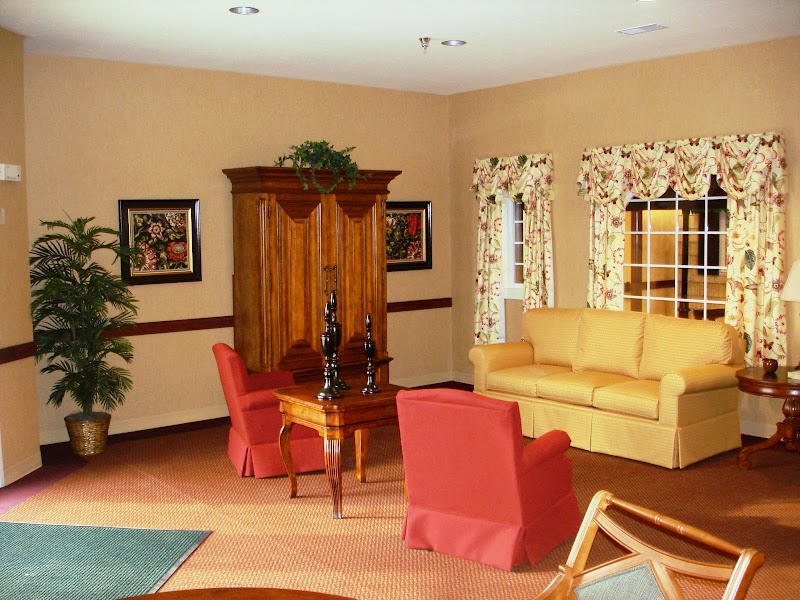
CYPRESS POINTE HEALTH CAMPUS is owned by a for-profit company. For-profit facilities operate as businesses with obligations to shareholders or private owners. The facility is operated by TRILOGY HEALTH SERVICES, a chain that manages multiple nursing homes. With 70 certified beds and approximately 67 residents (about 96% occupancy), it is a smaller facility located in ENGLEWOOD, Ohio.
How Does Cypress Pointe Health Campus Compare to Other Ohio Nursing Homes?

Compared to the 100 nursing homes in Ohio, CYPRESS POINTE HEALTH CAMPUS's overall rating (5 stars) is above the state average of 3.2, staff turnover (36%) is near the state average of 46%, and health inspection rating (4 stars) is above the national benchmark.

What Should Families Ask When Visiting Cypress Pointe Health Campus?

Based on this facility's data, families visiting should ask: "Can I visit during a mealtime to observe dining assistance and food quality?" "How do you handle medical emergencies, and what is your hospital transfer rate?" "Can I speak with family members of current residents about their experience?"

Is Cypress Pointe Health Campus Safe?

Based on CMS inspection data, CYPRESS POINTE HEALTH CAMPUS has a clean safety record: no substantiated abuse findings (meaning no confirmed cases of resident harm), no Immediate Jeopardy citations (the most serious violation level indicating risk of serious injury or death), and is not on the Special Focus Facility watch list (a federal program monitoring the lowest-performing 1% of nursing homes). The facility has a 5-star overall rating and ranks #1 of 100 nursing homes in Ohio. While no facility is perfect, families should still ask about staff-to-resident ratios and recent inspection results during their visit.

Do Nurses at Cypress Pointe Health Campus Stick Around?

CYPRESS POINTE HEALTH CAMPUS has a staff turnover rate of 36%, which is about average for Ohio nursing homes (state average: 46%). Moderate turnover is common in nursing homes, but families should still ask about staff tenure and how the facility maintains care continuity when employees leave.

Was Cypress Pointe Health Campus Ever Fined?

CYPRESS POINTE HEALTH CAMPUS has no federal fines on record. CMS issues fines when nursing homes fail to meet care standards or don't correct problems found during inspections. The absence of fines suggests the facility has either maintained compliance or corrected any issues before penalties were assessed. This is a positive indicator, though families should still review recent inspection reports for the full picture.

Is Cypress Pointe Health Campus on Any Federal Watch List?

CYPRESS POINTE HEALTH CAMPUS is not on any federal watch list. The most significant is the Special Focus Facility (SFF) program, which identifies the bottom 1% of nursing homes nationally based on persistent, serious quality problems. Not being on this list means the facility has avoided the pattern of deficiencies that triggers enhanced federal oversight. This is a positive indicator, though families should still review the facility's inspection history directly.