ENGLEWOOD HEALTH AND REHAB
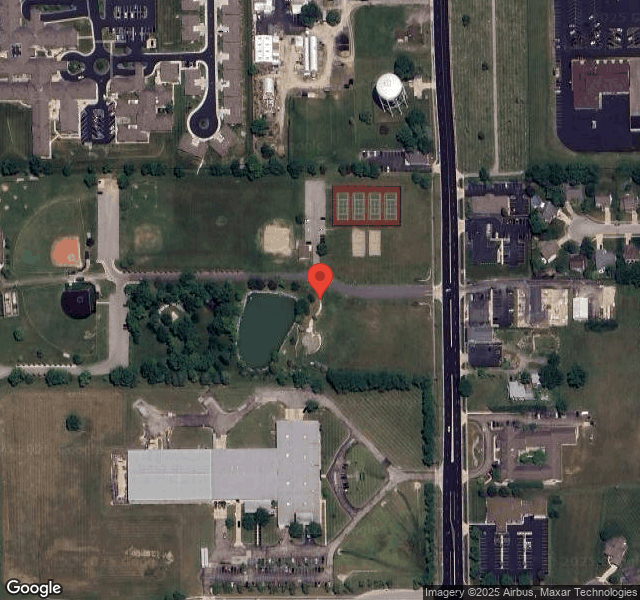
425 LAURICELLA COURT, ENGLEWOOD, OH 45322 (937) 836-5143
For profit - Limited Liability company 116 Beds SIMCHA HYMAN & NAFTALI ZANZIPER Data: November 2025 1 Immediate Jeopardy citation
Trust Grade
26/100
#675 of 913 in OH
Last Inspection: May 2024

Within standard 12-15 month inspection cycle. Federal law requires annual inspections.

Overview

Englewood Health and Rehab has received a Trust Grade of F, which indicates significant concerns about the quality of care provided, placing it in the bottom tier of nursing homes. It ranks #675 out of 913 facilities in Ohio and #28 out of 40 in Montgomery County, showing it is among the least favorable options in the area. The facility's issues are trending in a positive direction, with the number of reported problems decreasing from 17 in 2024 to 7 in 2025. However, staffing is a major weakness, with a low rating of 1 out of 5 stars and a concerning turnover rate of 71%, well above the Ohio average of 49%. Specific incidents of concern include a critical incident where a resident required two-person assistance for care but was only provided with one staff member, leading to severe injuries, and food safety issues in the kitchen that could affect the health of residents. On a positive note, the facility has achieved a 5 out of 5 star rating for quality measures and has average RN coverage, which can help catch problems that nursing assistants might miss.

Trust Score
F
26/100
In Ohio
#675/913
Bottom 27%
Safety Record
High Risk
Review needed
Inspections
Getting Better
17 → 7 violations
Staff Stability
⚠ Watch
71% turnover. Very high, 23 points above average. Constant new faces learning your loved one's needs.
Penalties
✓ Good
$15,269 in fines. Lower than most Ohio facilities. Relatively clean record.
Skilled Nurses
⚠ Watch
Each resident gets only 29 minutes of Registered Nurse (RN) attention daily — below average for Ohio. Fewer RN minutes means fewer trained eyes watching for problems.
Violations
⚠ Watch
47 deficiencies on record. Higher than average. Multiple issues found across inspections.
★★☆☆☆
2.0
Overall Rating
★☆☆☆☆
1.0
Staff Levels
★★★★★
5.0
Care Quality
★★☆☆☆
2.0
Inspection Score
Stable
2024: 17 issues
2025: 7 issues

The Good

  • 5-Star Quality Measures · Strong clinical quality outcomes
  • No fines on record

Facility shows strength in quality measures.

The Bad

2-Star Overall Rating

Below Ohio average (3.2)

Below average - review inspection findings carefully

Staff Turnover: 71%

25pts above Ohio avg (46%)

Frequent staff changes - ask about care continuity

Federal Fines: $15,269

Below median ($33,413)

Minor penalties assessed

Chain: SIMCHA HYMAN & NAFTALI ZANZIPER

Part of a multi-facility chain

Ask about local staffing decisions and management

Staff turnover is very high (71%)

23 points above Ohio average of 48%

The Ugly 47 deficiencies on record

1 life-threatening
Apr 2025 5 deficiencies
CONCERN (D) 📢 Someone Reported This

A family member, employee, or ombudsman was alarmed enough to file a formal complaint

Potential for Harm - no one hurt, but risky conditions existed

Notification of Changes (Tag F0580)

Could have caused harm · This affected 1 resident

Based on medical record review, staff interview, and policy review, the facility failed to ensure resident representatives were notified of changes in medications. This affected one (#100) out of the ...

Read full inspector narrative →
Based on medical record review, staff interview, and policy review, the facility failed to ensure resident representatives were notified of changes in medications. This affected one (#100) out of the three residents reviewed for notification of medication changes. The facility census was 95. Findings include: Review of the medical record for Resident #100 revealed an admission date of 06/05/24 with medical diagnoses of acute kidney failure, diabetes mellitus, schizophrenia, and anxiety. Review of the medical record for Resident #100 revealed a quarterly Minimum Data Set (MDS) assessment, dated 12/09/24, which indicated Resident #100 had moderate cognitive impairment and required supervision with toilet hygiene, bathing, bed mobility, and transfers. The MDS indicated Resident #100 received an antipsychotic medication, but no other psychotropic medications noted. Review of the medical record for Resident #100 revealed a physician order dated 02/14/25 for sertraline 25 milligram (mg) one tablet by mouth daily for anxiety. The medical record indicated the sertraline was discontinued on 02/21/25. Review of the medical record for Resident #100 revealed the February 2025 Medication Administration Record (MAR) which indicated Resident #100 received sertraline 25 mg tablet daily from 02/16/25 through 02/19/25. The MAR revealed Resident #100 refused the sertraline on 02/20/25 and 02/21/25. Review of the medical record for Resident #100 revealed no documentation to support the facility notified Resident #100 representative of sertraline 25 mg order on 02/14/25. Review of the medical record for Resident #100 revealed a nurse's note, dated 02/21/25 at 8:09 P.M., which stated sertraline was discontinued by psychology nurse practitioner per family request. Interview on 04/02/25 at 9:08 A.M. with Director of Nursing (DON) confirmed the medical record for Resident #100 did not have documentation to support the facility notified Resident #100's representative of the order for sertraline. DON stated the facility did not have a policy for notification of order for new medication. Review of the facility policy titled, Change in Resident's Condition or Status, revised February 2021 stated the facility would promptly notify resident, his or her attending physician, and resident representative of changes in the resident's medical/mental condition and/or status. This deficiency represents non-compliance investigated under Complaint Number OH00162952.
CONCERN (D) 📢 Someone Reported This

A family member, employee, or ombudsman was alarmed enough to file a formal complaint

Potential for Harm - no one hurt, but risky conditions existed

Comprehensive Care Plan (Tag F0656)

Could have caused harm · This affected 1 resident

Based on medical record review, staff interview, and policy review, the facility failed to develop a comprehensive person-centered care plan to address a resident's Activities of Daily Living (ADL) an...

Read full inspector narrative →
Based on medical record review, staff interview, and policy review, the facility failed to develop a comprehensive person-centered care plan to address a resident's Activities of Daily Living (ADL) and incontinence care needs. This affected one (#37) out of the three residents reviewed for care plans. The facility census was 95. Findings include: Review of the medical record for Resident #37 revealed an admission date of 07/26/24 with medical diagnoses of sepsis, convulsions, hypertension, cerebral infarction, atrial fibrillation, diabetes mellitus, and hypothyroidism. Review of the medical record for Resident #37 revealed a quarterly Minimum Data Set (MDS) assessment, dated 01/28/25, which indicated Resident #37 was cognitively intact and required substantial/maximum assistance with toilet hygiene, bathing, transfers, and bed mobility. The MDS indicated Resident #37 had a indwelling catheter and was always incontinent of bowel. Review of the medical record for Resident #37 revealed there was no documentation to support the facility had developed a comprehensive person-centered care plan to address the residents ADL's and incontinence needs. Interview on 04/02/25 at 11:50 A.M. with Administrator confirmed the medical record for Resident #37 did not have documentation to support a comprehensive person-centered ADL or incontinence care plan had been developed for Resident #37 until 04/02/25. Review of the facility policy titled, Care Plans, Comprehensive Person-Centered, revised March 2022 stated the interdisciplinary team (IDT), in conjunction with the resident and his/her family or legal representative, would develop and implement a comprehensive, person-centered care plan for each resident. The policy stated the comprehensive, person-centered care plan would include measurable objectives and timeframe's and describe the services that are to be furnished to attain or maintain the residents' highest practicable physical, mental, and psychosocial well-being and includes resident's stated goals. This deficiency is based on incidental findings discovered during the course of this complaint investigation.
CONCERN (D) 📢 Someone Reported This

A family member, employee, or ombudsman was alarmed enough to file a formal complaint

Potential for Harm - no one hurt, but risky conditions existed

ADL Care (Tag F0677)

Could have caused harm · This affected 1 resident

Based on medical record review, observations, staff and resident interviews, and policy review, the facility failed to provide timely incontinence care for a dependent resident. This affected one (#37...

Read full inspector narrative →
Based on medical record review, observations, staff and resident interviews, and policy review, the facility failed to provide timely incontinence care for a dependent resident. This affected one (#37) out of the three residents reviewed for timely incontinence care. The facility census was 95. Findings include: Review of the medical record for Resident #37 revealed an admission date of 07/26/24 with medical diagnoses of sepsis, convulsions, hypertension, cerebral infarction, atrial fibrillation, diabetes mellitus, and hypothyroidism. Review of the medical record for Resident #37 revealed a quarterly Minimum Data Set (MDS) assessment, dated 01/28/25, which indicated Resident #37 was cognitively intact and required substantial/maximum assistance with toilet hygiene, bathing, transfers, and bed mobility. The MDS indicated Resident #37 had a indwelling catheter and was always incontinent of bowel. Review of the medical record for Resident #37 revealed there was no documentation to support the facility had developed a comprehensive person-centered care plan to address the residents Activities of Daily Living (ADL's) and incontinence needs. Observation on 03/31/25 at 2:25 P.M. revealed Resident #37 turned on his call light. The observation revealed a strong odor outside of Resident #37's door. Observation also revealed Licensed Practical Nurse (LPN) #217 was sitting at the nurses station at the time Resident #37 turned his call light on no other staff was observed on the hall. Interview on 03/31/25 at 2:30 P.M. with Resident #37 confirmed he turned on his call light at 2:25 P.M. Resident #37 stated he needed staff assistance to be cleaned up after being incontinent of bowel. Observation on 03/31/25 at 3:12 P.M. revealed Certified Nursing Assistant (CNA) #219 knocked on Resident #37's door and asked if he needed assistance. CNA #219 turned off Resident #37's call light and as she exited Resident #37's room stated she would be back soon to help him get cleaned up. Interview on 03/31/25 at 3:21 P.M. with Resident #37 confirmed CNA #219 turned off his call light and informed Resident #37 she would be back soon to help get him cleaned up. Resident #37 stated he usually has to wait up to 45 minutes for his call light to be answered. Observation on 03/31/25 at 3:23 P.M. revealed CNA #219 entered Resident #37's room and closed the door. Interview on 03/31/25 at 3:35 P.M. with CNA #219 confirmed she completed incontinence cares for Resident #37 and he had been incontinence of his bowel. CNA #219 stated she was not aware of how long Resident #37's call light had been on. CNA #219 also confirmed she entered Resident #37's room and turned off his call light and then left and came back to provide the cares about 10 minutes later. Review of the facility policy titled, Activities of Daily Living (ADL's), revised March 2018 stated residents who are unable to carry out ADL's independently will receive the services necessary to maintain good nutrition, grooming, and personal and oral hygiene. The policy stated staff would provide the appropriate support and assistance with hygiene (bathing, dressing, grooming, and oral care), mobility, elimination (toileting), dining, and communication. This deficiency represents non-compliance investigated under Complaint Number OH00162075.
CONCERN (D) 📢 Someone Reported This

A family member, employee, or ombudsman was alarmed enough to file a formal complaint

Potential for Harm - no one hurt, but risky conditions existed

Quality of Care (Tag F0684)

Could have caused harm · This affected 1 resident

Based on medical record review, staff interviews, and policy reviews, the facility failed to ensure wound care was completed as ordered and failed to send a resident to the emergency department as ord...

Read full inspector narrative →
Based on medical record review, staff interviews, and policy reviews, the facility failed to ensure wound care was completed as ordered and failed to send a resident to the emergency department as ordered. This affected one (#97) out of three residents reviewed for wound care and services and changes in condition. The facility census was 95. Findings include: Review of the medical record for Resident #97 revealed an admission date of 03/11/25 with medical diagnoses of influenza, chronic kidney disease stage III, atrial fibrillation, diabetes mellitus, congestive heart failure, peripheral vascular disease. The medical record indicated Resident #97 was discharged on 03/19/25 to the hospital. Review of the medical record for Resident #97 revealed an admission Data Collection assessment, dated 03/11/25, which indicated Resident #97 was cognitively intact and required limited staff assistance with bed mobility and extensive staff assistance with transfers and toileting. Review of the medical record for Resident #97 revealed a weekly non-pressure documentation assessment, dated 03/13/25, which stated Resident #97 admitted with arterial ulcers to right heel, left medical foot, left heel and right great toe. Review of the medical record for Resident #97 revealed a physician order dated 03/14/25 for left heel to clean with wound cleaner, pat dry, apply medi-honey to wound bed, cover with dry dressing and to change daily and as needed. Review of the medical record for Resident #97 revealed the March 2025 Treatment Administration Record (TAR) which did not have documentation to support the treatment to Resident #97's left heel was completed on 03/18/25. Review of the medical record for Resident #97 revealed a nurse's note, dated 03/17/25 at 7:03 P.M., written by Registered Nurse (RN) #226, which stated nurse was notified that Resident #97 was having a seizure for approximately two minutes. The note stated vital signs were obtained and the physician on call was notified. The note stated orders were given for stat (immediate) labs and to send Resident #97 to the emergency department (ED) if he had another seizure. The note stated Resident #97's wife was at the bedside and verbalized understanding. Further review of Resident #97's nurse's note dated 03/18/25 at 6:28 P.M., stated the resident had a seizure for two minutes and his wife was present. The note did not have documentation to support Resident #97's physician was notified of second seizure or Resident #97 was sent to the ED as ordered on 03/17/25. Interview on 04/02/25 at 9:10 A.M. with Director of Nursing (DON) confirmed the medical record for Resident #97 did not have documentation to support wound care was done to left heel as ordered on 03/18/25. Interview on 04/02/25 at 9:16 A.M. with RN #226 confirmed Resident #97 had a seizure on 03/17/25 and she had been given orders for stat labs and to send Resident #97 to the ED if he had another seizure. RN #226 stated she entered the orders for the labs into the electronic health record and noted on the nurse report sheet that if Resident #97 had another seizure to send to the ED. RN #226 stated she was not aware Resident #97 had a seizure on 03/18/25 until she returned to work on 03/19/25. RN #226 stated on 03/19/25 Resident #97's daughter requested Resident #97 be sent to the hospital due to second seizure on 03/18/25 and as per physician order on 03/17/25. Review of the facility policy titled, Dressings, dry/clean, revised September 2013 stated staff are to verify physician order for the procedure, check treatment record, review resident's care plan, and current orders, assemble equipment and supplies and explain procedure to the resident. Review of the facility policy titled, Change in Resident's Condition or Status, revised February 2021 stated the facility would promptly notify resident, his or her attending physician, and resident representative of changes in the resident's medical/mental condition and/or status. This deficiency represents non-compliance investigated under Complaint Number OH00164034.
CONCERN (D) 📢 Someone Reported This

A family member, employee, or ombudsman was alarmed enough to file a formal complaint

Potential for Harm - no one hurt, but risky conditions existed

Pharmacy Services (Tag F0755)

Could have caused harm · This affected 1 resident

Based on medical record review, staff interview, and policy review, the facility failed to administer medication as ordered. This affected one (#100) out of the three reviewed for medication administr...

Read full inspector narrative →
Based on medical record review, staff interview, and policy review, the facility failed to administer medication as ordered. This affected one (#100) out of the three reviewed for medication administration. The facility census was 95. Findings include: Review of the medical record for Resident #100 revealed an admission date of 06/05/24 with medical diagnoses of acute kidney failure, diabetes mellitus, schizophrenia, and anxiety. Review of the medical record for Resident #100 revealed a quarterly Minimum Data Set (MDS) assessment, dated 12/09/24, which indicated Resident #100 had moderate cognitive impairment and required supervision with toilet hygiene, bathing, bed mobility, and transfers. The MDS indicated Resident #100 received an antipsychotic medication, but no other psychotropic medications noted. Review of the medical record for Resident #100 revealed a physician order dated 02/14/25 for sertraline 25 milligram (mg) one tablet by mouth daily for anxiety. The medical record indicated the sertraline was discontinued on 02/21/25. Review of the medical record for Resident #100 revealed the February 2025 Medication Administration Record (MAR) which indicated Resident #100 received sertraline 25 mg tablet daily from 02/16/25 through 02/19/25. The MAR revealed Resident #100 refused the sertraline on 02/20/25 and 02/21/25. Review of the medical record for Resident #100 revealed an initial psychiatry consult note, dated 01/31/25, which stated Resident #100 was seen for schizophrenia and anxiety. The note stated Resident #100 reported to feel depressed and anxious at times. The note stated to start sertraline 25 mg one tablet by mouth daily. Further review of the medical record for Resident #100 revealed a psychiatry note dated 02/12/25 which stated Resident #100 denied depression or anxiety and to continue sertraline 25 mg one tablet daily. Review of the psychiatry note dated 02/26/25 stated discussed Resident #100's medication with power of attorney and requested sertraline be discontinued. Interview on 04/02/25 at 9:08 A.M. with Director of Nursing (DON) stated some physician or nurse practitioners will give verbal orders for medications and some write orders in the electronic health record. DON confirmed Resident #100's initial psychiatry note dated 01/31/25, had an order to start sertraline 25 mg one tablet by mouth daily and the medication was not ordered until 02/14/25. DON also confirmed the medical record for Resident #100 revealed documentation Resident #100 did not receive sertraline as ordered on 02/15/25. Review of the facility policy titled, Administering Medications, revised April 2019 stated medications are to be administered in a safe and timely manner, and as prescribed. This deficiency represents non-compliance investigated under Complaint Number OH00162952.
Jan 2025 2 deficiencies
CONCERN (D) 📢 Someone Reported This

A family member, employee, or ombudsman was alarmed enough to file a formal complaint

Potential for Harm - no one hurt, but risky conditions existed

Pharmacy Services (Tag F0755)

Could have caused harm · This affected 1 resident

**NOTE- TERMS IN BRACKETS HAVE BEEN EDITED TO PROTECT CONFIDENTIALITY** Based on record review, staff interview, and review of the facility policy, the facility failed to administer medications as ord...

Read full inspector narrative →
**NOTE- TERMS IN BRACKETS HAVE BEEN EDITED TO PROTECT CONFIDENTIALITY** Based on record review, staff interview, and review of the facility policy, the facility failed to administer medications as ordered by the physician. This affected two residents (#11 and #12) of three reviewed for medication administration. The facility census was 83. Findings include: 1. Review of the medical record for Resident #11 revealed an admission date of 02/15/24. The resident was admitted with diagnoses including diabetes mellitus type two, Chronic Obstructive Pulmonary Disease (COPD), and breast cancer. The resident was admitted to hospice on 01/18/25. The quarterly Minimum Data Set (MDS) assessment dated [DATE] revealed she had a Brief Interview Mental Status (BIMS) score of eight, indicating impaired cognition. She required set up for meals and toileting and supervision for bed mobility and transfers. Review of the physician orders revealed an order for Gabapentin (Diabetic Neuropathy) 100 milligram (mg) capsule three times a day with a start date of 12/04/24. Review of the December 2024 Medication Administration Record (MAR) revealed Gabapentin was scheduled daily at 6:00 A.M., 2:00 P.M. and 10:00 P.M. On 12/06/24 the 10:00 P.M. dose was marked with a seven, 12/07/24 all three doses were marked as seven, on 12/08/24 the 6:00 A.M. dose was marked as seven, at 2:00 P.M. was marked as three, and 12/09/24 the 10:00 P.M. dose was marked seven. Review of the codes revealed both seven and three indicated to see nurses notes. Review of the progress notes regarding the Gabapentin on 12/07/24, 12/08/24, and 12/09/24 documented the medication was unavailable in the pyxis and awaiting delivery from pharmacy. Interview on 01/28/25 at 8:31 A.M. with the Director of Nursing (DON) verified Gabapentin had been unavailable for administration on 12/06/24, 12/07/24 and 12/08/24. 2. Review of the medical record for Resident #12 revealed an admission date of 09/07/22. The resident was admitted with diagnoses including stroke, diabetes mellitus type two, COPD. The resident remained at the facility. The quarterly MDS assessment dated [DATE] revealed he had a BIMS score of one, indicating significantly impaired cognition. He required set up assistance for meals, maximum assistance for toileting hygiene and transfers, and moderate assistance with bed mobility. Review of the physician orders revealed an order for Gabapentin 100 mg capsule three times a day with a start date of 12/04/24. Record review of the December MAR revealed Gabapentin was scheduled daily at 5:00 A.M., 2:00 P.M. and 10:00 P.M. There was a seven entered on 12/06/24 for all three doses. Further review revealed a seven was also entered on 12/16/24 at 10:00 P.M. and on 12/17/24 at 5:00 A.M. Review of the progress notes regarding the Gabapentin on 12/06/24, 12/16/24, and 12/17/24 documented the medication was unavailable and awaiting delivery from pharmacy. Interview on 01/28/25 at 8:31 A.M. with the Director of Nursing (DON) verified Gabapentin had been unavailable for administration on 12/06/24, 12/16/24, and 12/17/24. Review of the facility policy, Administering Medication, last revised 04/2019 revealed medications were to be administered in accordance with prescriber orders. This deficiency represents non-compliance investigated under Complaint Number OH00160802.
CONCERN (D) 📢 Someone Reported This

A family member, employee, or ombudsman was alarmed enough to file a formal complaint

Potential for Harm - no one hurt, but risky conditions existed

Deficiency F0761 (Tag F0761)

Could have caused harm · This affected 1 resident

Based on observations, staff interviews and policy review, the facility failed to ensure medications were stored in the containers from which they had been received. This had the potential to affect e...

Read full inspector narrative →
Based on observations, staff interviews and policy review, the facility failed to ensure medications were stored in the containers from which they had been received. This had the potential to affect eleven (#11, #12, #17, #18, #19, #20, #21, #22, #23, #24 and #25) residents with medications stored in the medication cart. The facility census was 83. Findings include: Observation on 01/24/25 at 10:06 A.M. with Registered Nurse (RN) #24 revealed while preparing to administer medications, RN #24 opened the top drawer of the medication cart. There was an unmarked medication cup amongst the over-the-counter medications which contained 16 white, oblong tablets. Interview at the time of the observation with RN #24 verified the medication had been present at the start of her shift and she did not know what the medication was. She proceeded to dispose of the medication. The facility confirmed there were eleven (#11, #12, #17, #18, #19, #20, #21, #22, #23, #24 and #25) residents with medications stored in the medication cart. Review of the facility policy, Medication and Storage date 2001 revealed medications and biologics are stores in the packaging, containers or other dispensing systems in which they were received. The following deficiency is based on incidental findings discovered during the course of this complaint investigation.
Oct 2024 1 deficiency
CONCERN (D) 📢 Someone Reported This

A family member, employee, or ombudsman was alarmed enough to file a formal complaint

Potential for Harm - no one hurt, but risky conditions existed

Deficiency F0761 (Tag F0761)

Could have caused harm · This affected 1 resident

**NOTE- TERMS IN BRACKETS HAVE BEEN EDITED TO PROTECT CONFIDENTIALITY** Based on review of medical records, observation, staff interview, and review of facility policy, the facility failed to ensure s...

Read full inspector narrative →
**NOTE- TERMS IN BRACKETS HAVE BEEN EDITED TO PROTECT CONFIDENTIALITY** Based on review of medical records, observation, staff interview, and review of facility policy, the facility failed to ensure staff observed a resident consume oral medications. The facility also failed to ensure medications were stored properly. This affected two (#84 and #24) of two residents observed for medication administration. The census was 89. Findings include: 1. Review of Resident #84's medical record revealed an admission date of 12/11/23. Diagnoses listed included congestive heart failure, type two diabetes mellitus, depression, anxiety disorder, and restless leg syndrome. Review of a quarterly Minimum Data Set (MDS) assessment dated [DATE] revealed Resident #84 had moderate cognitive impairment. Observation of Resident #84's medication administration on 10/09/24 at 8:11 A.M. revealed Licensed Practical Nurse (LPN) #110 pulled ten oral medications for administration. The medications were aspirin 81 milligrams (mg), Buspar 10 mg, Coreg 12.5 mg, digoxin 0.25 mg, Fenofibrate 160 mg, isosorbide dinitrate 30 mg two tablets, Lisinopril 10 mg, Metformin 500 mg two tablets, Omeprazole 20 mg, and Prosight Multivitamin. LPN #110 took the the medications in a medication cup to Resident #84's room on 10/09/24 at 8:17 A.M. LPN #110 gave the medications to Resident #84 and left the room. LPN #110 did not observe Resident #84 take any of the medications before exiting the room. Interview with LPN #110 on 10/09/24 at 8:20 A.M. confirmed she had left medications with Resident #84 and had not watched them be taken/consumed. Further review of Resident #84's medical record revealed there was no physician order, care plan, or other documentation permitting the resident to self-administer medications. Review of the facility's policy titled Administering Oral Medications dated October 2010 revealed staff should remain with the resident until all s are taken. 2. Review of Resident #24's medical record revealed an admission date of 06/16/23. Diagnoses included type two diabetes mellitus, anemia, kidney failure, depression. heart failure, seizures, morbid obesity, dysphagia, and hypothyroidism. Review of an annual MDS assessment dated [DATE] revealed Resident #24 had severe cognitive impairment. Observation of Resident #24's medication administration on 10/09/24 at 8:24 A.M. revealed Registered Nurse (RN) #200 pulled nine oral medications for administration. The medications were Prednisone 20 mg, folic acid 1 mg, levothyroxine 75 micrograms (mcg), potassium chloride 20 milliequivalent's (mEq), multivitamin, vitamin B12 500 mg, Venlafaxine 150 mg, and Depakote 125 mg eight capsules. RN #200 crushed all medications except Venlafaxine and Depakote which were capsules that were opened and potassium chloride that was left whole. All medications were mixed in pudding for administration. Observation on 10/09/24 at 8:52 A.M. revealed Resident #24 would not awaken for RN #200 to administer medications. RN #200 then took the medications mixed in pudding and placed the medication cup uncovered in the top drawer of the medication cart. RN #200 stated she did not know if this was the correct way to store Resident #24's medications, but did not want Resident #24 to miss taking them. Observation on 10/09/24 at 9:17 A.M. revealed Resident #24's medication in pudding remained in a medication cup in the top drawer of the medication cart. Interview with the Director of Nursing (DON) and RN #200 confirmed Resident #24's medications in pudding should not be stored in the medication cart. Review of the facility's policy titled Medication Labeling and Storage dated 2001 revealed medications and biological's are stored n the packaging, containers or other dispensing systems in which they are received. Only the issuing pharmacy is authorized to transfer medications between containers. The nursing staff is responsible for maintaining medication storage and preparation areas in a clean, safe, and sanitary manner. This deficiency represents an incidental finding discovered during the course of the complaint investigation.
Sept 2024 1 deficiency
CONCERN (D) 📢 Someone Reported This

A family member, employee, or ombudsman was alarmed enough to file a formal complaint

Potential for Harm - no one hurt, but risky conditions existed

Quality of Care (Tag F0684)

Could have caused harm · This affected 1 resident

**NOTE- TERMS IN BRACKETS HAVE BEEN EDITED TO PROTECT CONFIDENTIALITY** Based on record review and staff interview, the facility failed to timely provide care and treatment for a resident with an ankl...

Read full inspector narrative →
**NOTE- TERMS IN BRACKETS HAVE BEEN EDITED TO PROTECT CONFIDENTIALITY** Based on record review and staff interview, the facility failed to timely provide care and treatment for a resident with an ankle injury. This affected one (Resident #61) of one resident reviewed for radiology services. The facility census was 81. Findings include: Review of the medical record of Resident #61 revealed an admission date of 06/05/24. Diagnoses included type II diabetes mellitus with diabetic retinopathy and peripheral vascular disease. Review of the Minimum Data Set (MDS) assessment dated [DATE] revealed the resident had moderately impaired cognition. Review of the physician progress note dated 08/22/24 revealed the resident complained of left ankle pain and stated she fell the day prior. The resident stated she got herself up, however it was not known if the resident reported the fall to the facility staff. The resident presented with left ankle swelling and pain with range of motion. Recommendations were made to obtain an x-ray to rule out a fracture or dislocation. Through the physician interview, he met with the resident in the morning of 08/22/24. Review of a progress note dated 08/22/24 at 10:30 P.M. revealed the resident was walking back to her bed when Licensed Practical Nurse (LPN) #300 entered the room to give her bedtime medications. LPN #300 noticed the resident was limping when walking. The resident complained of left ankle pain and had swelling. The resident stated she fell a couple days prior in the bathroom and hurt her ankle. LPN #300 stated she would get an order for an x-ray, however the resident stated she was seen by the physician, who had ordered an x-ray already. There was no physician order written to obtain an x-ray of Resident #61's left ankle on 08/22/24. Review of the physician orders revealed an order dated 08/23/24 at 7:30 A.M. to obtain an x-ray to the left ankle. Review of the x-ray dated 08/23/24 at 10:42 A.M. revealed the x-ray was obtained and the results were reported on 08/23/24 at 11:22 A.M. The results indicated Resident #61 had acute nondisplaced medial and lateral malleolar fractures. Review of a change of condition progress note dated 08/23/24 at 12:40 P.M. revealed a stat x-ray was obtained, resulted, and reviewed by the physician. Orders were received to send the resident to the emergency room (ER) for evaluation and treatment. Interview on 09/17/24 at 12:51 P.M. with LPN #305 confirmed she was Resident #61's nurse on 08/22/24. LPN #305 stated, upon starting her shift the morning of 08/22/24, she was not made aware of anything happening with Resident #61. LPN #305 stated at approximately 2:00 or 3:00 P.M., Resident #61 woke up and was ambulating and LPN #305 noticed the resident was limping. LPN #305 stated she noticed Resident #61's left ankle was swollen. LPN #305 stated she asked the resident if her ankle was hurting and tried to assess the area, however the resident would not let her touch her ankle, and told LPN #305 the doctor had already seen her that day and ordered an x-ray. LPN #305 stated she called the doctor and asked about Resident #61's x-ray order. LPN #305 stated the doctor told her Resident #61 was getting an x-ray and it was already taken care of, and she did not look into the matter any further. Interview on 09/17/24 at 12:42 P.M. with LPN #300 stated, on 08/22/24, she received report from LPN #305 that Resident #61 was limping and her ankle was swollen. LPN #300 stated LPN #305 told her the doctor had gone to look at it and there was already an order for an x-ray. LPN #300 stated she went to see the resident and observed the resident ambulating from the bathroom back to her bed and saw she was limping. LPN #300 stated she asked the resident if she was hurting and sat her down and elevated her legs. LPN #300 stated she reviewed Resident #61's medical record and did not see an order for the x-ray, so she contacted the physician, who stated she had already given the order to do an x-ray. LPN #300 stated she then ordered a stat (immediate) x-ray. Interview on 09/17/24 at 2:22 P.M. with Physician #310 stated, on 08/22/24, she was not scheduled to see Resident #61, however the resident stopped her in the morning as she was coming down the hallway and said her ankle hurt. Physician #310 stated she examined Resident #61 and observed swelling, and told the resident she would order an x-ray. After visiting with Resident #61, Physician #310 stated she told the floor nurse to get an x-ray. Physician #310 stated she normally writes orders on order sheets, however the facility was out of order sheets, so she had to give the verbal order. Physician #310 stated the night floor nurse called her later that evening and she found the x-ray had not yet been completed. This deficiency represents non-compliance investigated under Complaint Number OH00157466.
May 2024 15 deficiencies
CONCERN (D)

Potential for Harm - no one hurt, but risky conditions existed

Deficiency F0567 (Tag F0567)

Could have caused harm · This affected 1 resident

**NOTE- TERMS IN BRACKETS HAVE BEEN EDITED TO PROTECT CONFIDENTIALITY** Based on record review, staff interview and policy review, the facility failed to ensure appropriate written authorization were ...

Read full inspector narrative →
**NOTE- TERMS IN BRACKETS HAVE BEEN EDITED TO PROTECT CONFIDENTIALITY** Based on record review, staff interview and policy review, the facility failed to ensure appropriate written authorization were obtained to manage a resident's personal funds. This affected one (#246) of five residents reviewed for personal funds. The facility census was 83. Findings include: Review of the medical record revealed Resident #246 was admitted to the facility on [DATE] with a primary diagnosis of unspecified heart failure and was discharged on 01/12/24. Review of document titled Authorization and Agreement to Handle Resident Funds revealed Resident #246 had a non-transferring resident Fund account. The form was unsigned and undated. Review of the Resident statement revealed Resident #246's account was opened on 12/14/23 with a cash deposit of $245.00. The account was paid out and closed on 01/22/24. During an interview conducted on 04/25/24 at 9:09 A.M. Business Office Manager #49 stated someone had given the resident cash and turned it over to the business office to open the account. BOM #49 stated she deposited the money on 12/14/23 but failed to get Resident #246 to sign the paperwork before she discharged from the facility. Review of policy titled Resident Personal Funds dated February 2023 revealed the facility acted as the fiduciary of a resident's funds upon written agreement from the resident.
CONCERN (D)

Potential for Harm - no one hurt, but risky conditions existed

Assessment Accuracy (Tag F0641)

Could have caused harm · This affected 1 resident

**NOTE- TERMS IN BRACKETS HAVE BEEN EDITED TO PROTECT CONFIDENTIALITY** 2. Resident #57 was admitted on [DATE] with diagnoses of cerebral infarction affecting right dominant side, aphasia, dysphagia, ...

Read full inspector narrative →
**NOTE- TERMS IN BRACKETS HAVE BEEN EDITED TO PROTECT CONFIDENTIALITY** 2. Resident #57 was admitted on [DATE] with diagnoses of cerebral infarction affecting right dominant side, aphasia, dysphagia, vascular dementia, psychotic disturbance, and chronic hepatitis. Review of the MDS quarterly assessment dated [DATE] revealed Resident #57 had severely impaired cognition, impaired range of motion on the right side, and a required a two-person mechanical lift for transfers. Resident #57 was dependent for bowel and bladder incontinence, bathing, and dressing, and moderate assistance for eating and oral hygiene. It was revealed Occupational Therapy started 03/08/24 with no documentation of a brace or splint being utilized. Review of the Occupational Therapy Evaluation for the period of 03/08/24 to 04/05/24 revealed Resident #57 had a new goal of a right wrist/hand splint with patient tolerating for eight hours a day and target date of 03/22/24. The Evaluation was signed by OT #21 on 03/08/24 and Medical Director #203 on 03/19/24. Review of Care Plan with target date of 05/03/24 for Resident #57 revealed no reference to a right wrist/hand contracture or Occupational Therapy recommendation for application of a splint to the right wrist/hand contracture. Review of Care Conference notes dated 04/17/24 for Resident #57 revealed no reference to a right wrist/hand contracture or Occupational Therapy recommendation for application of a splint to the right wrist/hand contracture. Review of emails dated 03/15/24 to 04/23/24 between the facility and a procurement company utilized by the facility's parent organization revealed knowledge Resident #57 required a splint for the contracture of the right wrist/hand. On 03/15/24 at 11:34 A.M. the facility requested a specific brace to be ordered for the Resident. At 12:54 P.M. a representative from the procurement company responded asking if an alternative brace could be utilized. At 1:33 P.M. the facility confirmed the alternative brace would be acceptable. On 04/23/24 at 12:32 P.M. the facility asked the procurement company for an update on the status of the splint ordered. Observation on 04/23/24 at 10:01 A.M. of Resident #57 revealed a contracture of the right wrist/hand and no splint in place. Subsequent observations on 04/24/24 at 8:51 A.M. and 04/25/24 at 8:35 A.M. also revealed no right wrist/hand splint in place. Interview on 04/24/24 at 8:51 A.M. with Resident #57 revealed Resident's desire for a brace to be used for the contracted right wrist/hand. Interview on 04/24/25 at 9:45 A.M. with MDS Coordinator #16 revealed no knowledge of a splint recommended by Occupational Therapy to be applied to the right wrist/hand of Resident #57. MDS Coordinator #16 confirmed this would make the MDS assessment inaccurate. Interview on 04/25/24 at 11:44 A.M. with Administrator confirmed Resident #57 does not have the right wrist/hand splint as was recommended by Occupational Therapy on 03/08/24. Review of the Resident Mobility and Range of Motion Policy and Procedure revealed Residents with limited range of motion will receive treatment and services to increase and/or prevent a further decrease in Range of Motion. And As part of the resident's comprehensive assessment, the nurse will also identify conditions that place the resident at risk for complications related to Range of Motion and mobility, including contracture's. Based on record review, observations, resident and staff interviews, review of Resident Assessment Instrument (RAI) Manual and policy review, the facility failed to ensure an Minimum Data Set (MDS) assessment was completed/coded accurately. This affected two (#59 and #57) out of 22 residents sampled during the survey for MDS assessments. The facility census was 83. Findings include 1. Medical record review for Resident #59 revealed the resident was admitted to the facility on [DATE]. Diagnoses include acute kidney failure, chronic heart failure, respiratory failure, hypertension, obesity, sleep apnea, spinal stenosis, pressure ulcer sacral region, gastroesophageal disease, peptic ulcer, irritable bowel syndrome, anxiety, polyneuropathy, restless leg syndrome diabetes mellitus, insomnia, low back pain, depression. Review of the quarterly MDS dated [DATE] revealed Resident #59 impaired cognition. Resident # 59 independent with eating. Resident #59 required supervision for bed mobility, transfers, and toileting. Resident #59 was coded as no mouth or facial pain discomfort or difficulty with chewing. Review of the Quarterly MDS dated [DATE] for Resident #59 revealed no broken or loosely fitting full or partial dentures. Resident #59 denied mouth or facial pain, discomfort or difficulty with chewing. Review of the Dental Health Services progress notes dated 10/25/21 to 10/04/23 for Resident #59 revealed nine visits to the dental clinic. Observation on 04/23/24 at 10:45 A.M. of Resident #59 oral cavity revealed extensive dental caries with teeth eroded at the gum line. Resident #59 had red and inflamed gums throughout with oral cavity and heavy accumulation of white material on teeth at gum line. Interview on 04/23/24 at 10:45 A.M. with Resident #59 confirmed she has dental problems. Observation 04/25/24 10:00 A.M. of Resident #59's oral cavity with Unit Manager Registered Nurse (RN) #47 verified multiple teeth with heavy decay and exposed dental roots. Interview on 04/25/24 at 10:07 A.M. with MDS RN #13 verified she did not visually exam Resident #59 oral cavity for problems with teeth and she should have. RN #13 verified Resident #59's MDS was coded incorrectly. Review of the RAI manual page L2 revealed that steps for assessment included an examination of the residents lips and oral cavity using a light source to visualize the oral cavity, checking for abnormal mouth tissue and inflamed or bleeding teeth.
CONCERN (D)

Potential for Harm - no one hurt, but risky conditions existed

Comprehensive Care Plan (Tag F0656)

Could have caused harm · This affected 1 resident

**NOTE- TERMS IN BRACKETS HAVE BEEN EDITED TO PROTECT CONFIDENTIALITY** Based on medical record review, observations, staff interviews, policy review and review of the Resident Assessment Instrument (...

Read full inspector narrative →
**NOTE- TERMS IN BRACKETS HAVE BEEN EDITED TO PROTECT CONFIDENTIALITY** Based on medical record review, observations, staff interviews, policy review and review of the Resident Assessment Instrument (RAI) Manual, the facility failed to ensure the comprehensive plan of care included dental care. This affected one (#7) of four residents reviewed for dental services. The facility census was 83. Findings included: Medical record review for Resident #7 revealed an admission on [DATE] with diagnoses including end stage renal disease, hypertensive chronic kidney disease, altered mental status, chronic obstructive pulmonary disease, hypertension, heart failure, gastroesophageal disease, and type 2 diabetes. Review of the annual Minimum Data Set (MDS) dated [DATE] for Resident #7 revealed cognitive impairment. Resident #7 required set up assistance for oral hygiene. Resident #7 had no broken of loosely fitting dentures or mouth pain or difficulty chewing. Review of the plan of care for Resident #7 was silent for dental services. Review of dental services for Resident #7 dated 08/10/23 revealed an oral exam with extractions. Progress notes identified heavy plague, and moderate to severe periodontal disease. Additionally the treatment record identified Resident #7 had pain related to seven teeth. Review of the dental services note for Resident #7 dated 10/04/23 revealed the resident was ill and did not receive dental services. Review of the dental services not for Resident #7 dated 02/22/24 revealed a dental cleaning was completed and the resident refused to have the one remaining tooth extracted. Observation on 04/24/24 at 11:15 A.M. with Dietary Tech #800 revealed a moist oral cavity with one remaining tooth on right upper gum. Interview on 04/24/24 at 11:20 A.M. with Resident #7 stated that the dentist had pulled all his teeth and told resident that the new dentures would be the next step. Resident #7 stated he would like to have them so he could eat preferred food. Interview on 04/24/24 at 1:45 P.M. with the Director of Nursing (DON) verified the plan of care was silent for any dental concerns and it should have been included. Request for policy regarding dental services was requested during the annual survey and was advised the facility follows the RAI Manual. Review of the RAI manual version 3.0, section 4-1 states the facility must develop a comprehensive plan of care for each resident that includes measurable objectives and timetables to meet a residents medical, nursing, mental and psychological needs that are identified in the comprehensive assessment.
CONCERN (D)

Potential for Harm - no one hurt, but risky conditions existed

ADL Care (Tag F0677)

Could have caused harm · This affected 1 resident

**NOTE- TERMS IN BRACKETS HAVE BEEN EDITED TO PROTECT CONFIDENTIALITY** Based on record review, observations, resident and staff interviews, and policy review, the facility failed to provide nail care...

Read full inspector narrative →
**NOTE- TERMS IN BRACKETS HAVE BEEN EDITED TO PROTECT CONFIDENTIALITY** Based on record review, observations, resident and staff interviews, and policy review, the facility failed to provide nail care for dependent residents. This affected one (#57) of two residents reviewed for Activities of Daily Living (ADL) care. The census was 83. Findings include: Resident #57 was admitted on [DATE] with diagnoses of cerebral infarction affecting right dominant side, aphasia, dysphagia, vascular dementia, psychotic disturbance, and chronic hepatitis. Review of the Minimum Data Set (MDS) quarterly assessment dated [DATE] revealed Resident #57 had severely impaired cognition, impaired range of motion on the right side, and a required a two-person mechanical lift for transfers. Resident #57 was dependent for bowel and bladder incontinence, bathing, personal hygiene, and dressing, and moderate assistance for eating and oral hygiene. Review of the Care Plan dated for review on 05/03/24 for Resident #57 revealed facility staff are to monitor ADL's for assistance and render care as needed. Observation on 04/22/24 at 10:57 A.M. of Resident #57's revealed the residents fingernails were extending approximately one-half to three-quarters of an inch beyond the tip of the fingers and with a brown substance under the nails. Subsequent observations on 04/22/24 at 5:00 P.M., 04/23/24 at 8:26 A.M., and 04/23/24 at 9:57 A.M. revealed no change in Resident #57's fingernails condition. Interview on 04/23/26 at 8:26 with Director of Nursing at bedside of Resident #57 confirmed the condition of the Resident #57's fingernails to be in need of ADL care. Review of the Activities of Daily Living (ADL's) Policy and Procedure revealed a resident who is unable to carry out activities of daily living will receive the necessary services to maintain good nutrition, grooming, and personal hygiene.
CONCERN (D)

Potential for Harm - no one hurt, but risky conditions existed

Quality of Care (Tag F0684)

Could have caused harm · This affected 1 resident

**NOTE- TERMS IN BRACKETS HAVE BEEN EDITED TO PROTECT CONFIDENTIALITY** Based on medical record review, observations, staff and Physician interviews and policy review, the facility failed to accuratel...

Read full inspector narrative →
**NOTE- TERMS IN BRACKETS HAVE BEEN EDITED TO PROTECT CONFIDENTIALITY** Based on medical record review, observations, staff and Physician interviews and policy review, the facility failed to accurately assess, monitor, and implement wound care interventions for a newly identified non-pressure skin condition. This affected one (#24) of four residents reviewed for wound care. The facility census was 83. Findings included: Review of Resident #24's chart revealed Resident #24 admitted to the facility on [DATE] with diagnoses including congestive heart failure, abnormal posture, localized edema, hyperlipidemia, hypertension, anxiety disorder and calculus of kidney. Review of Resident #24's quarterly Minimum Data Set (MDS) assessment dated [DATE] revealed the resident to be cognitively intact and Resident #24 required set up assistance with eating. Resident #24 required supervision with oral hygiene, and Resident #24 was dependent with toileting hygiene, showering, lower body dressing, putting on and taking off footwear, personal hygiene, chair transfers, toilet transfers, and tub transfers. Resident #24 required maximal assistance with upper body dressing, sitting to lying, and lying to sitting, and moderate assistance with rolling left and right. Resident #25 was reported to have three stage three pressure ulcers and was listed as having a pressure reducing device for the bed, a pressure reducing device for the chair, a turning and repositioning program, nutrition and hydration interventions to manage skin problems, pressure ulcer and injury care, application of non surgical dressings other than to feet and applications of ointments and medications other than to feet. Review of Resident #24's physician orders from 01/01/24 to 04/25/24 revealed no orders related to Resident #24's medial calf wound. Review of Resident #24's progress notes from 01/01/24 to 04/25/24 revealed no information related Resident #24's medial calf wound. Review of Resident #24's wound physician note dated 04/25/24 revealed Resident #24 had a stage venous wound of the left medial calf with full thickness. The wound was listed as healing and was 2.3 cm by 3 cm by 0.1 cm. Leptospermum honey apply once daily for 23 days and gauze island with border apply once daily for 23 days were listed as the treatment plan. Repositioning per facility protocol, low air loss mattress, turning side to side in the bed every one to two hours if able and elevate legs were also recommended. Observation of Wound Care Physician #227, Licensed Practical Nurse (LPN)/Unit Manager (UM) #47 and LPN UM #96 performing wound care on Resident #24 on 04/25/24 at 1:40 P.M. revealed Resident #24 had a new venous wound to her right medial calf that had an undated dressing on it and a new pressure area to the right lower back. The area to the calf measured 2.3 cm by 3 cm with a pink wound bed. Resident #24 was observed laying on a regular mattress and she did not have a low air loss mattress. Interview on 04/25/24 at 1:40 P.M. with Wound Care Physician #227, LPN UM #47 and LPN UM #96 verified Resident #96 had a new wound to her right medial calf that had a undated dressing on it. Wound Care Physician #227 confirmed the area was a new venous wound to the right calf measured 2.3 cm by 3 cm with a pink wound bed. Interview with the Director of Nursing (DON) on 04/25/24 at 5:11 P.M. verified Resident #24 had a venous wound of the left medial calf that was found by Wound Care Physician #227 on 04/25/24. The DON verified there was a dressing in place at the time the wound was found on 04/25/24 and the facility did not have any orders for a treatment or assessments of the calf wound prior to 04/25/24. Review of the facility's wound care policy dated October 2010 revealed the type of wound care given, the date and time the wound care was given, any change in the resident's condition, all assessment data obtained when inspecting the wound and any problems or complaints made by the resident related to the procedure should be recorded in the resident's medical record.
CONCERN (D)

Potential for Harm - no one hurt, but risky conditions existed

Pressure Ulcer Prevention (Tag F0686)

Could have caused harm · This affected 1 resident

**NOTE- TERMS IN BRACKETS HAVE BEEN EDITED TO PROTECT CONFIDENTIALITY** Based on medical record review, observations, staff and Physician interviews and policy review, the facility failed to timely as...

Read full inspector narrative →
**NOTE- TERMS IN BRACKETS HAVE BEEN EDITED TO PROTECT CONFIDENTIALITY** Based on medical record review, observations, staff and Physician interviews and policy review, the facility failed to timely assess, provide ongoing monitoring and timely implement treatments for a resident's pressure ulcers. Additionally, the facility failed to implement a wound physicians recommendations for a specialty mattress to promote healing of a resident's pressure ulcers. This affected one (#24) out of four residents reviewed for pressure ulcer care. The facility census was 83. Findings included: Review of Resident #24's chart revealed Resident #24 admitted to the facility on [DATE] with diagnoses including congestive heart failure, abnormal posture, localized edema, hyperlipidemia, hypertension, anxiety disorder and calculus of kidney. Review of Resident #24's pressure ulcer care plan dated 06/13/23 revealed Resident #24 had a history of pressure ulcer related to the sacrum, left posterior upper thigh, right posterior upper thigh, left distal buttock, and right distal buttock related to impaired mobility and incontinence. Interventions included monitor labs as ordered by practitioner, provide pressure reducing wheelchair cushion, provide pressure reduction and relieving mattress, treatments as ordered, turning and repositioning as tolerated and weekly wound assessments. Review of Resident #24's physician progress note dated 11/30/23 revealed Resident #24 had a small open sore at the coccyx area that was 1 centimeter (cm) by 1 cm. The progress note stated the area was most likely a stage two decubitus ulcer. Duoderm or foam dressing was recommended. Review of Resident #24's physician order dated 11/30/23 revealed Resident #24 had an order to cleanse coccyx area with soap and water, pat dry, and apply Duoderm or foam dressing every two days until healed. The order was discontinued on 04/06/24. Review of Resident #24's nurse practitioner (NP) progress note dated 12/21/23 revealed Resident #24 had a small open sore that was a stage two to the coccyx. The area was 1 cm by 1 cm. Review of Resident #24's progress note dated 02/01/24 at 6:09 A.M. revealed Resident #24 was admitted to the hospital for Respiratory Syncytial Virus Infection (RSV) and bronchitis. Review of Resident #24's progress note dated 02/15/24 at 7:54 P.M. revealed Resident #24 arrived at the facility at approximately 7:54 P.M. by stretcher assisted with two emergency medical technician personnel. Resident #24's daughter and on call was notified. Medications were reviewed and changes were adjusted. Resident #24 complained of pain upon arrival and as needed was administered and was effective. Resident #24 was resting in bed talking with roommate and the call light was in reach. Review of the admission data collection form dated 02/15/24 revealed no wounds were listed on the admission assessment and the assessment stated to see the treatment administration report. Licensed Practical Nurse (LPN) #90 signed the assessment. However, further review revealed there was no further skin assessment conducted for Resident #24 including assessment, measurement or staging of any pressure ulcers upon readmission. Review of Resident #24's weekly skin integrity assessment dated [DATE] at 1:26 A.M. revealed the skin was clear with no change of condition assessed. However, further review revealed there was no further skin assessment conducted for Resident #24 including assessment, measurement or staging of any pressure ulcers with the weekly skin integrity assessment dated [DATE]. Review of Resident #24's quarterly Minimum Data Set (MDS) assessment dated [DATE] revealed the resident to be cognitively intact and Resident #24 required set up assistance with eating. Resident #24 required supervision with oral hygiene, and Resident #24 was dependent with toileting hygiene, showering, lower body dressing, putting on and taking off footwear, personal hygiene, chair transfers, toilet transfers, and tub transfers. Resident #24 required maximal assistance with upper body dressing, sitting to lying, and lying to sitting, and moderate assistance with rolling left and right. Resident #25 was reported to have three stage three pressure ulcers and was listed as having a pressure reducing device for the bed, a pressure reducing device for the chair, a turning and repositioning program, nutrition and hydration interventions to manage skin problems, pressure ulcer and injury care, application of non-surgical dressings other than to feet and applications of ointments and medications other than to feet. Review of Resident #24's physician order dated 02/26/24 revealed Resident #24 was ordered Zinc Oxide External Cream 22 % apply to buttocks and perineum topically every shift for wound treatment. Further record review revealed between 02/15/24 through 02/29/24 there was no assessment, measurements or staging by the facility of Resident #24's pressure ulcers. Review of Resident #24's wound physician note dated 02/29/24 revealed Resident #24 had a stage two pressure wound to the sacrum with partial thickness. The wound was listed as healing and was 4.5 cm length by 2 cm width by 0.1 cm depth. Leptospermum honey apply once daily for 30 days and gauze island with border apply once daily for 30 days were listed as the treatment plan. Resident #24 also had a stage two pressure wound to the left posterior upper thigh with partial thickness. The wound was listed as healing and was 3.5 cm length by 2 cm width and 0.1 cm depth. Leptospermum honey apply once daily for 30 days and gauze island with border apply once daily for 30 days were listed as the treatment plan. Resident #24 also had a stage two pressure wound to the right posterior upper thigh with partial thickness. The wound was listed as healing and was 0.8 cm length by 1 cm width and 0.1 cm depth. Leptospermum honey apply once daily for 30 days and gauze island with border apply once daily for 30 days were listed as the treatment plan. Repositioning per facility protocol and turning side to side in the bed every one to two hours if able were also recommended. Review of Resident #24's physician order dated 02/29/24 revealed a wound treatment to the sacrum was ordered. The order stated cleanse area with saline, pat dry and apply nickel thick layer of medihoney and cover with bordered gauze once daily. Review of Resident #24's physician order dated 02/29/24 and discontinued 04/15/24 revealed Resident #24 had a wound treatment to right upper posterior hip. The order stated cleanse area with saline and pat dry. Apply nickel thick layer of medihoney and cover with bordered gauze once daily every day for wound care. Review of Resident #24's physician order dated 02/29/24 and discontinued 04/15/24 revealed Resident #24 had a wound treatment to right upper posterior hip. The order stated cleanse area with saline and pat dry. Apply nickel thick layer of medihoney and cover with bordered gauze once daily every 6 hours as needed and may replace if missing or soiled. Review of Resident #24's physician order dated 02/29/24 and discontinued 04/18/24 revealed Resident #24 had a wound treatment to the sacrum. The order stated cleanse area with saline and pat dry. Apply nickel thick layer of medihoney and cover with bordered gauze once daily every six hours as needed may replace if soiled or missing. Review of Resident #24's physician order dated 02/29/24 and discontinued 04/15/24 revealed a wound treatment to the left posterior thigh was ordered. The order stated cleanse area with saline, pat dry and apply nickel thick layer of medihoney and cover with bordered gauze once daily. Review of Resident #24's wound physician note dated 03/07/24 revealed Resident #24 had a stage two pressure wound to the sacrum with partial thickness. The wound was listed as healing and was 4.2 cm length by 1.2 cm width by 0.1 cm depth. Leptospermum honey apply once daily for 23 days and gauze island with border apply once daily for 23 days were listed as the treatment plan. Resident #24 also had a stage two pressure wound to the left posterior upper thigh with partial thickness. The wound was listed as healing and was 3.2 cm length by 1.5 cm width and 0.1 cm depth. Leptospermum honey apply once daily for 23 days and gauze island with border apply once daily for 23 days were listed as the treatment plan. Resident #24 also had a stage two pressure wound to the right posterior upper thigh with partial thickness. The wound was listed as healing and was 0.5 cm length by 1.1 cm width and 0.1 cm depth. Leptospermum honey apply once daily for 23 days and gauze island with border apply once daily for 23 days were listed as the treatment plan. Repositioning per facility protocol and turning side to side in the bed every one to two hours if able were also recommended. Review of Resident #24's wound physician note dated 03/14/24 revealed Resident #24 had a stage two pressure wound to the sacrum with partial thickness. The wound was listed as healing and was 4 cm length by 0.8 cm width by 0.1 cm depth. Leptospermum honey apply once daily for 16 days and gauze island with border apply once daily for 16 days were listed as the treatment plan. Resident #24 also had a stage two pressure wound to the left posterior upper thigh with partial thickness. The wound was listed as healing and was 3.4 cm length by 1.7 cm width and 0.1 cm depth. Leptospermum honey apply once daily for 16 days and gauze island with border apply once daily for 16 days were listed as the treatment plan. Resident #24 also had a stage two pressure wound to the right posterior upper thigh with partial thickness. The wound was listed as healing and was 6.5 cm length by 15 cm width and 0.1 cm depth. Leptospermum honey apply once daily for 16 days and gauze island with border apply once daily for 16 days were listed as the treatment plan. Repositioning per facility protocol and turning side to side in the bed every one to two hours if able were also recommended. Review of Resident #24's wound physician note dated 03/21/24 revealed Resident #24 had a stage two pressure wound to the sacrum with partial thickness. The wound was listed as healing and was 3.5 cm length by 1.5 cm width by 0.1 cm depth. Leptospermum honey apply once daily for nine days and gauze island with border apply once daily for nine days were listed as the treatment plan. Resident #24 also had a stage two pressure wound to the left posterior upper thigh with partial thickness. The wound was listed as healing and was 2.9 cm length by 10.8 cm width and 0.1 cm depth. Leptospermum honey apply once daily for nine days and gauze island with border apply once daily for nine days were listed as the treatment plan. Resident #24 also had a stage two pressure wound to the right posterior upper thigh with partial thickness. The wound was listed as healing and was 9 cm length by 14.5 cm width and 0.1 cm depth. Leptospermum honey apply once daily for nine days and gauze island with border apply once daily for nine days were listed as the treatment plan. Resident #24 also had a stage three pressure wound of the left distal buttock full thickness. The wound was listed as healing and was 3 cm by 2 cm by 0.1 cm. Leptospermum honey apply once daily for nine days and gauze island with border apply once daily for nine days were listed as the treatment plan. Resident #24 also had a stage two pressure wound of the right distal buttock partial thickness. The wound was listed as healing and was 0.3 cm by 0.3 cm by 0.1 cm. Leptospermum honey apply once daily for nine days and gauze island with border apply once daily for nine days were listed as the treatment plan. Repositioning per facility protocol, low air loss mattress and turning side to side in the bed every one to two hours if able were also recommended. Review of Resident #24's wound physician note dated 03/21/24 revealed Resident #24 was not seen due to Resident #24 being in the hospital. Review of Resident #24's wound physician note dated 03/28/24 revealed Resident #24 was not seen due to Resident #24 being in the hospital. Review of Resident #24's wound physician note dated 04/18/24 revealed Resident #24's stage two pressure wound to the sacrum with partial thickness was resolved. Resident #24 also had a stage two pressure wound to the left posterior upper thigh with partial thickness. The wound was listed as healing and was 3.5 cm length by 1.5 cm width by 0.1 cm depth. Leptospermum honey apply once daily for 30 days and gauze island with border apply once daily for 30 days were listed as the treatment plan. Resident #24 also had a stage two pressure wound to the right posterior upper thigh with partial thickness. The wound was listed as healing and was 5.5 cm length by 12.5 cm width and 0.1 cm depth. Leptospermum honey apply once daily for 30 days and gauze island with border apply once daily for 30 days were listed as the treatment plan. Resident #24 also had a stage three pressure wound of the left distal buttock full thickness. The wound was listed as healing and was 8.2 cm by 1.5 cm by 0.1 cm. Leptospermum honey apply once daily for 30 days and gauze island with border apply once daily for 30 days were listed as the treatment plan. Resident #24 also had a stage two pressure wound of the right distal buttock that was resolved. Repositioning per facility protocol, low air loss mattress and turning side to side in the bed every one to two hours if able were also recommended. Review of Resident #24's wound physician note dated 04/25/24 revealed Resident #24's stage two pressure wound to the left posterior upper thigh with partial thickness. The wound was listed as healing and was 1.4 cm length by 1.6 cm width by 0.1 cm depth. Leptospermum honey apply once daily for 23 days and gauze island with border apply once daily for 23 days were listed as the treatment plan. Resident #24 also had a stage two pressure wound to the right posterior upper thigh with partial thickness. The wound was listed as healing and was 7 cm length by 13.5 cm width and 0.1 cm depth. Leptospermum honey apply once daily for 23 days and gauze island with border apply once daily for 23 days were listed as the treatment plan. Resident #24 also had a stage three pressure wound of the left distal buttock full thickness. The wound was listed as healing and was 7.5 cm by 2 cm by 0.1 cm. Leptospermum honey apply once daily for 23 days and gauze island with border apply once daily for 23 days were listed as the treatment plan. Resident #24 a had a stage two pressure wound of the right lower back with partial thickness. The wound was listed as healing and was 1.1 cm by 1.3 cm by 0.1 cm. Leptospermum honey apply once daily for 23 days and gauze island with border apply once daily for 23 days were listed as the treatment plan. Resident #24 had a stage venous wound of the left medial calf with full thickness. The wound was listed as healing and was 2.3 cm by 3 cm by 0.1 cm. Leptospermum honey apply once daily for 23 days and gauze island with border apply once daily for 23 days were listed as the treatment plan. Repositioning per facility protocol, low air loss mattress and turning side to side in the bed every one to two hours if able were also recommended. Further medical record review for Resident #24 revealed the recommendation from the wound care physician for a low air loss mattress revealed the intervention was not implemented. Interview with Licensed Practical Nurse Unit Manager (LPN UM) #48 revealed all of Resident #24's has a history of multiple pressure ulcers. LPN UM #48 stated Resident #24 discharged to the hospital on [DATE] and returned from the hospital on [DATE] with the pressure ulcer to the thighs and coccyx. LPN UM #48 stated Resident #24 had a treatment (Duoderm) to her coccyx that was ordered 11/30/23 was continued upon her return from the hospital on [DATE] but the area was not assessed upon readmission. LPN UM #48 confirmed the Duoderm treatment to Resident #24's coccyx continued through 04/06/24 and when Wound Care Physician #227 came in on 02/29/24 he assessed/measured an area that he described as being on the sacrum and initiated another treatment. LPN UM #48 confirmed the nurse did not assess, measure or stage any of Resident #24's wounds/pressure ulcers upon readmission on [DATE]. LPN UM #48 stated Resident #24 was seen by Wound Care Physician #227 on 02/29/24 and at that time all of the residents pressure ulcers were assessed, measured and staged. LPN UM #48 verified there was no order put in place for Resident #24's wound to her right posterior thigh or left posterior thigh on 02/15/24 when Resident #24 returned from the hospital. LPN UM #48 also confirmed no order for Resident #24's right posterior thigh or left posterior thigh wounds were entered until 02/29/24 when Resident #24 was seen by the wound physician. Observation of Wound Care Physician #227, LPN UM #47 and LPN UM #96 performing wound care on Resident #24 on 04/25/24 at 1:40 P.M. revealed Resident #24 also had an area to the left posterior thigh that measured 1.4 cm by 1.6 cm; an area to the right posterior thigh that was 7 cm by 13.3 cm with a cluster that was 85 percent of the skin; and an area to the left buttocks that was 7.5 cm by 2 cm that was a clustered wound with four open areas that were clustered together. Resident #24 was observed laying on a regular mattress and she did not have a low air loss mattress. There was no pressure ulcer or open area observed on Resident #24's coccyx or sacrum. Interview on 04/25/24 at 1:40 P.M. with Wound Care Physician #227 verified Resident #96 has a history of multiple pressure ulcers. Wound Care Physician #227 confirmed a recommendation was made for Resident #96 to have a low air loss mattress but the intervention was not implemented by the facility. Interview with LPN UM #47 and LPN UM #96 on 04/25/24 at 2:28 P.M. verified Resident #24 did not have a low air loss mattress as recommended by Wound Care Physician #227 and the resident had a regular pressure reducing mattress. Review of the facility's wound care policy dated October 2010 revealed the type of wound care given, the date and time the wound care was given, any change in the resident's condition, all assessment data obtained when inspecting the wound and any problems or complaints made by the resident related to the procedure should be recorded in the resident's medical record. Review of the facility's prevention of pressure injuries policy dated April 2020 revealed the facility should conduct a comprehensive skin assessment upon admission and weekly as needed. The facility should evaluate, report and document potential changes in skin.
CONCERN (D)

Potential for Harm - no one hurt, but risky conditions existed

Deficiency F0688 (Tag F0688)

Could have caused harm · This affected 1 resident

**NOTE- TERMS IN BRACKETS HAVE BEEN EDITED TO PROTECT CONFIDENTIALITY** Based on record review, observation, staff and resident interviews and policy review, the facility failed to ensure a wrist/hand...

Read full inspector narrative →
**NOTE- TERMS IN BRACKETS HAVE BEEN EDITED TO PROTECT CONFIDENTIALITY** Based on record review, observation, staff and resident interviews and policy review, the facility failed to ensure a wrist/hand splint was applied as recommended per therapy. This affected two (#57 and #59) of two residents reviewed for position and mobility. The census was 83. Findings include: 1. Resident #57 was admitted on [DATE] with diagnoses of cerebral infarction affecting right dominant side, aphasia, dysphagia, vascular dementia, psychotic disturbance, and chronic hepatitis. Review of the quarterly Minimum Data Set (MDS) assessment dated [DATE] revealed Resident #57 had severely impaired cognition, impaired range of motion on the right side, and a required a two-person mechanical lift for transfers. Resident #57 was dependent for bowel and bladder incontinence, bathing, personal hygiene, and dressing, and moderate assistance for eating and oral hygiene. It was revealed Occupational Therapy (OT) started 03/08/24 and no documentation of a brace or splint being utilized. Review of the OT Evaluation for the period of 03/08/24 to 04/05/24 revealed Resident #57 had a new goal of a right wrist/hand splint with patient tolerating for 8 hours a day and target date of 03/22/24. The Evaluation was signed by OT #21 on 03/08/24 and Medical Director #203 on 03/19/24. Review of Care Plan with target date of 05/03/24 for Resident #57 revealed no reference to a right wrist/hand contracture or OT recommendation for application of a splint to the right wrist/hand contracture. Review of Care Conference notes dated 04/17/24 for Resident #57 revealed no reference to a right wrist/hand contracture or OT recommendation for application of a splint to the right wrist/hand contracture. Review of emails dated 03/15/24 to 04/23/24 between the facility and a procurement company utilized by the facility's parent organization revealed knowledge Resident #57 required a splint for the contracture of the right wrist/hand. On 03/15/24 at 11:34 A.M. the facility requested a specific brace to be ordered for the Resident. On 03/15/24 at 12:54 P.M. a representative from the procurement company responded asking if an alternative brace could be utilized. On 03/15/24 at 1:33 P.M. the facility confirmed the alternative brace would be acceptable. On 04/23/24 at 12:32 P.M. the facility requested an update on the status of the splint ordered. Review of the Resident Mobility and Range of Motion Policy and Procedure revealed Residents with limited range of motion will receive treatment and services to increase and/or prevent a further decrease in Range of Motion. And As part of the resident's comprehensive assessment, the nurse will also identify conditions that place the resident at risk for complications related to Range of Motion and mobility, including contracture's. Observation on 04/23/24 at 10:01 A.M. of Resident #57's revealed a contracture of the right wrist/hand and no splint in place. Subsequent observations on 04/24/24 at 8:51 A.M. and 04/25/24 at 8:35 A.M. also revealed no right wrist/hand splint in place. Interview on 04/24/24 at 8:51 A.M. with Resident #57 revealed the resident's desire for a brace to be used for the contracted right wrist/hand. Interview on 04/24/25 at 9:45 A.M. with MDS Coordinator #16 revealed no knowledge of a splint recommended by OT to be applied to the right wrist/hand of Resident #57. MDS Coordinator #16 confirmed this would make the MDS assessment inaccurate. Interview on 04/25/24 at 11:44 A.M. with Administrator confirmed Resident #57 does not have the right wrist/hand splint as was recommended by OT on 03/08/24. 2. Medical record review for Resident #59 revealed acute kidney failure, chronic heart failure, respiratory failure, hypertension, obesity, sleep apnea, spinal stenosis, pressure ulcer sacral region, peptic ulcer, irritable bowel syndrome, anxiety, polyneuropathy, restless leg syndrome diabetes mellitus, insomnia, low back pain, and depression. Review of the quarterly MDS dated [DATE] revealed Resident #59 had impaired cognition. Resident # 59 required set up for eating. Resident #59 required maximal assistance for bed mobility, and toileting and dependent for transfers. Resident # 59 has limitations on one side of her body. Resident #59 received occupational therapy during the assessment period. Review of the plan of care for Resident #59 was silent for any splint applications or monitoring. Review of the active physician orders for Resident #59 for the month of April 2024 was silent for any splint application or monitoring. Review of the discontinued physician orders for Resident #59 from 05/22/2022 to 04/24/24 was silent for any splint application or monitoring. Observation on 04/22/24 at 12:02 P.M. of Resident #59 revealed left hand contracture and blue soft foam splint on bedside table. Interview on 04/22/24 at 12:04 P.M. with Resident #59 stated therapy gave her the splint and she was to put it on every evening after her evening meal. Resident #59 stated the facility staff help her put it on because she is unable to. Interview on 04/25/24 at 10:45 A.M. with Licensed Practical Nurse (LPN) #37 verified the present of the splint in Resident #59's room and the splint was provided by therapy. LPN #37 states Resident #59 will have staff put it on her arm/hand every night after her evening meal LPN #37 verified there was not any orders for the splint or documented monitoring that she is aware of. Interview on 04/25/24 at 1:10 P.M. with the Director of Nursing (DON) verified there is not an order for splint placement at this time. Interview on 04/25/24 at 2:20 P.M. with Interim Director of Therapy #600 verified there is not any active therapy progress notes related to the blue splint identified in Resident #59's room. Interim Director of Therapy #600 stated they do not have access to the previous therapy notes that may include the documentation related to splint usage.
CONCERN (D)

Potential for Harm - no one hurt, but risky conditions existed

Incontinence Care (Tag F0690)

Could have caused harm · This affected 1 resident

**NOTE- TERMS IN BRACKETS HAVE BEEN EDITED TO PROTECT CONFIDENTIALITY** Based on medical record review, observations, staff and Nurse Practitioner interviews and policy review, the facility failed to ...

Read full inspector narrative →
**NOTE- TERMS IN BRACKETS HAVE BEEN EDITED TO PROTECT CONFIDENTIALITY** Based on medical record review, observations, staff and Nurse Practitioner interviews and policy review, the facility failed to document a physician's orders for catheter care in a resident's medical record. This affected one (#71) out of one resident reviewed for urinary catheter care. The facility census was 83. Findings include: Medical record review for Resident #71 revealed an admission [DATE] with diagnosis including but not limited to ileus, diabetes type two, cerebral infarction, paralytic syndrome, stroke, neuromuscular dysfunction of bladder, hemiplegia affecting right side, chronic kidney disease, hypertension, and methicillin resistant staphylococcus. Review of the quarterly Minimum Data Set (MDS) assessment dated [DATE] for Resident #71 revealed the resident had impaired cognition. Resident #71 was coded as having an indwelling urinary catheter during the look back period. Review of the plan of care for Resident #71 dated 01/25/23 revealed resident has an indwelling catheter due to neuromuscular bladder dysfunction. Interventions include catheter care daily and as needed, change catheter as ordered by physician, observe for pain near catheter and report to nursing, observe urine output for dark color, presence of odor, blood, signs of infection and report to nursing, position catheter below bladder, ensure tubing has no kinks, and secure for safety. Review of the Nurse Practitioner (NP) #201 for urology progress notes dated 08/18/23 revealed Resident #71 was being followed by urology for neurogenic bladder with Foley catheter. NP documents resident reports his catheter is somewhat uncomfortable. Progress note continues to state that Resident #71 has a history of urinary tract infections with the last one being in 05/2023. Assessment and plan documented on the progress note states staff to care for urinary catheter per protocol, exchange indwelling catheter every 30 days and as needed if occluded, follow up in eight weeks. Review of the physician orders for Resident #71 for the month of October 2023 was silent for orders to change Foley catheter. Review of the facility progress notes for Resident #71 dated 10/02/23 at 5:32 A.M. stated Foley replacement due to Foley not draining properly and have leakage. Resident tolerated procedure well without complaints of pain or discomfort. Foley is now patent and functioning properly. Review of the urology NP's #201 progress notes dated 10/12/23 for Resident #71 stated resident Foley catheter has not been leaking since they changed it out. Progress note state staff to care for urinary catheter per protocol. Discussed with resident suprapubic catheter verses indwelling urinary catheter, discussed the risks of a surgically inserted catheter and resident declined further evaluation. Assessment and plan documented on the progress note states staff to care for urinary catheter per protocol, catheter care every shift and as needed, exchange indwelling catheter every 30 days and as needed if occluded, follow up in eight weeks. Review of the physician's orders for Resident #71 for the month of December 2023 was silent for orders to change Foley catheter. Review of the progress note for Resident #71 dated 12/18/23 at 6:32 P.M. stated writer replaced resident catheter. Resident has a 16 French with 30 cubic centimeters (cc) balloon. Zero signs and symptoms of distress noted at the time of insertion and will continue to monitor. Review of the NP #201 urology progress notes dated 3/26/24 revealed resident reported the catheter has not been leaking since they changed it out. Resident reports that the catheter is somewhat uncomfortable and has a history of urinary tract infections. Assessment and plan states staff to care for indwelling urinary catheter per protocol, exchange indwelling catheter every 30 days and as needed if occluded, follow up in eight weeks. Observation on 04/22/24 at 9:22 A.M. of Resident #71 revealed resident laying in bed with urinary catheter drainage bag hanging on bed frame containing dark colored liquid. Interview on 04/23/24 03:22 P.M. Licensed Practical Nurse (LPN) #37 verified there was no physicians order to change Resident #71's indwelling catheter monthly and there should have been. LPN #37 stated she could not remember the exact date but was told in report that the catheter for Resident #71 had been changed in the month of April 2024. LPN #37 verified the facility policy was to change indwelling urinary catheters every 30 days and would write the order. Interview on 04/23/24 at 3:47 P.M. with Unit Manager Registered Nurse (RN) #47 verified the facility policy for urinary catheters were to be changed every thirty days. Observation on 04/23/24 at 4:05 P.M. of LPN #37 revealed nurse had handwritten the order for the catheter to be changed monthly and as needed for Resident #71. A copy was requested by surveyor. Interview on 04/23/24 at 5:15 P.M. with Director of Nursing (DON) when a copy of the physician order was provided it stated indwelling Foley catheter- 16 French 30 cc balloon, change Foley and drainage bag for any dysfunction as needed and signed by the DON on 04/23/24 at 4:35 P.M. DON stated she called NP #202 for Resident #71 and received the current order. Additionally, the DON stated the order written by LPN #37 was incorrect and they were following the current Centers of Disease Control (CDC) guidelines for the exchanges of the Foley catheter. DON was interviewed why Resident #71's Foley catheter orders were different than all the other residents with catheters orders and was unable to clarify. Interview with 04/24/24 at 7:40 A.M. with NP #202 verified that he was called by the DON on 04/23/23 at 4:23 P.M. regarding an order for Resident #71's catheter as there was not one for the resident. NP #202 stated he usually orders a catheter change every thirty, but the DON spoke of the CDC regulations related to the catheters being changed only as needed when there is a problem. NP #202 stated he gave the order as suggested by the DON. Interview on 04/24/24 at 4:15 P.M. with DON when she provided the last NP urology visit for Resident #71 dated 03/26/24. DON stated the orders stating exchange catheter every 30 days or as needed was interpreted as one or the other not both. Interview on 04/25/24 at 2:26 P.M. with Urology NP #201 verified the orders for urinary catheter exchange should have been changed every 30 days and as needed if the catheter became occluded. NP #225 stated she was unaware of any urinary tract infections resulting in hospitalizations. Request for a facility policy related to the time frames for the indwelling Foley catheter replacements was requested during the survey and not provided for review.
CONCERN (D)

Potential for Harm - no one hurt, but risky conditions existed

Deficiency F0692 (Tag F0692)

Could have caused harm · This affected 1 resident

**NOTE- TERMS IN BRACKETS HAVE BEEN EDITED TO PROTECT CONFIDENTIALITY** Based on record review, staff interviews and policy review, the facility failed to adequately monitor resident weight loss and i...

Read full inspector narrative →
**NOTE- TERMS IN BRACKETS HAVE BEEN EDITED TO PROTECT CONFIDENTIALITY** Based on record review, staff interviews and policy review, the facility failed to adequately monitor resident weight loss and implement weight loss interventions. This affected two (#28 and #84) out of three residents reviewed for nutrition. The facility census was 83. Findings include: 1. Review of Resident #28's chart revealed the resident was admitted to the facility on [DATE] with diagnoses including type two diabetes mellitus with diabetic chronic kidney disease, insomnia, chronic kidney disease stage three, other low back pain, anxiety disorder, depression, opioid dependence, weakness, other irritable bowel syndrome, mixed hyperlipidemia, foot drop, morbid obesity due to excess calories and acute kidney failure. Review of Resident #28's quarterly Minimum Data Set (MDS) assessment dated [DATE] revealed the resident to be moderately cognitively impaired and Resident #28 required supervision with toileting, upper body dressing, lower body dressing, putting on and taking off footwear, sitting to standing, chair transfers, and walking ten feet. Resident #28 was independent for eating, rolling left and right, sitting to lying, and lying to sitting and Resident #28 required set up assistance with oral hygiene, and personal hygiene. Resident #28 required moderate assistance with showering, toilet transfers, and tub transfers and Resident #28 had a loss of five percent or more in the last month or a loss of ten percent of more in the last six month. Resident #28 was not on a prescribed weight loss regimen. Review of Resident #28's malnutrition care plan revised on 02/26/24 revealed Resident #28 was at risk for malnutrition and dehydration related to chronic disease, potential weight and intake decline, disease progression, use of a therapeutic diet, use of a diuretic with potential weight fluctuations, edema with weight fluctuations, slight weight loss, and adjustment to the facility. Resident #28 had weight loss, and her body mass index remained at morbid obesity. Resident #28 had a significant weight loss and had fortified foods. Interventions included provide diet per order, honor food preferences, monitor percent of meal consumed, assist with meals as needed, encourage Resident #28 to eat and drink, obtain weight as ordered and monitor, report significant weight changes to the physician and responsible party, monitor skin status, provide fluids on meal tray and at bedside, monitor for signs of dehydration, monitor labs, assess diet tolerance, administer medication per order and monitor side effects of medications. Review of Resident #28's weights from 10/04/24 to 04/19/24 revealed Resident #28 weighed 224.6 pounds (lbs) on 10/04/23, 222 lbs on 11/01/23, 196.2 lbs on 12/06/23, 208 lbs on 01/04/24, 188 lbs on 02/12/24, 174 lbs on 03/01/24, 178.8 lbs on 03/14/24, 175.6 lbs on 04/04/24, and 175.6 lbs on 04/19/24. Review of Resident #28's nutritional note by Dietetic Technician (DT) #800 dated 12/27/23 at 1:15 P.M. revealed Resident #28 was noted with a significant change however different scales were used. DT #800 anticipated no weight change with the same scale used. A regular diet was provided with intakes noted at 50 to 100 percent consumed at meals. No recommendations were made and DT #800 will continue to monitor. Review of Resident #28's nutritional note by DT #800 dated 01/19/24 at 1:49 P.M. revealed Resident #28 was noted with weight fluctuations. Resident #28 was provided with a regular diet, regular texture, and thin liquids. Resident #28 was diagnosed with congestive heart failure with weight fluctuations. Resident #28 was provided with diuretic per physician orders. Resident #28's intake was noted at 50 to 100 percent. No recommendations that that time. Review of Resident #28's nutritional note by DT #800 dated 02/21/24 at 1:46 P.M. revealed Resident #28 was noted with significant weight loss with no reweight noted. Resident #28's body mass index remained obese, and Resident #28 was provided a regular diet, regular texture, and thin liquids. Resident #28's intakes were noted at 25 to 100 percent with refusals noted. Resident #28 received an order on 02/13/24 from the physician for zofran related to complaints of nausea. DT #800 recommended a reweight for monitoring and fortified foods at all meals. DT #800 will continue to monitor. Review of Resident #28's nutritional note by DT #800 dated 03/11/24 at 10:58 A.M. revealed Resident #28 was noted with a seven percent weight loss for one month. A reweight was recommended for monitoring. Resident #28 was provided with a regular diet, regular texture, thin liquids, and intakes were noted at 75 to 100 percent. The last labs were reviewed, and no pressure injury was noted. A reweight was recommended and DT #800 will continue to monitor. Review of Resident #28's nutritional note by DT #800 dated 04/17/24 at 2:00 P.M. revealed Resident #28 was noted with a significant change for three and six months. Resident #28's weights were being monitored by different scales which may be related to significant weight changes. Resident #28 was provided with a regular diet with regular texture and thin liquids. Resident #28's intake was 75 to 100 percent. A gastroenterology consult was pending related to recurrent nausea and lesions. No recommendations were made, and the facility recommended scale monitoring. Review of Resident #28's physician order dated 10/25/23 revealed Resident #28 was ordered a regular diet with regular texture and regular liquids. Review of Resident #28's physician order dated 12/04/23 revealed Resident #28 was ordered Ondansetron (Zofran) four milligrams (mg) give one tablet every eight hours as needed for nausea. The order was discontinued on 02/11/24. Review of Resident #28's physician order dated 02/13/24 revealed Resident #28 was ordered Ondansetron (Zofran) four mg give one tablet every six hours as needed for nausea for seven days. The order was discontinued on 02/20/24. Review of Resident #28's physician order dated 02/23/24 revealed Resident #28 was ordered Ondansetron (Zofran) four mg give one tablet every six hours as needed for nausea for seven days. The order was discontinued on 03/01/24. Review of Resident #28's physician order dated 03/04/24 revealed Resident #28 was ordered Ondansetron (Zofran) four mg give one tablet every eight hours as needed for nausea. The order was discontinued on 03/05/24. Review of Resident #28's physician order dated 03/05/24 revealed Resident #28 was ordered Ondansetron (Zofran) four mg give one tablet every eight hours as needed for nausea. Interview with DT #800 on 04/24/24 at 2:38 P.M. verified Resident #28 had a 21.62 percent weight loss in four months from 11/01/23 to 03/01/24 when she weighed 222 lbs on 11/01/23, 196.2 lbs on 12/06/23, 208 lbs on 01/04/24, 188 lbs on 02/12/24, and 174 lbs on 03/01/24. DT #800 also verified she recommended fortified foods and a reweight for Resident #28 on 02/21/24 but the reweight was never completed by the facility until the facility obtained Resident #29's March 2024 weight. DT #800 also confirmed Resident #28 continued to lose weight after the reweight recommendation was made on 02/21/24 and never completed. DT #800 stated Resident #28 weighed 188 lbs on 02/12/24, and 174 lbs on 03/01/24. DT #800 verified Resident #28 had 11.62 percent weight loss in one month from 11/01/23 to 12/06/23 but DT #800 did not assess Resident #28 until 21 days later on 12/27/23, Resident #28 had 9.62 percent weight loss in one month from 01/04/24 to 02/12/24 but DT #800 did not assess Resident #28 until for 9 days later on 02/21/24 and Resident #28 had 7.45 percent weight loss in one month from 02/12/24 to 03/01/24 but DT #800 did not assess Resident #28 until for 10 days later on 12/27/23. Telephone interview with Registered Dietitian (RD) #801 on 04/25/24 at 11:20 A.M. verified she had never seen or assessed Resident #28 at the facility. RD #801 stated she only sees high risk residents at the facility, and she was never made aware that Resident #28 had a 21.62 percent weight loss in four months from 11/01/23 to 03/01/24 when she weighted 222 lbs on 11/01/23, 196.2 lbs on 12/06/23, 208 lbs on 01/04/24, 188 lbs on 02/12/24, and 174 lbs on 03/01/24. RD #801 reported she would have considered Resident #28 a high risk resident for nutrition due to Resident #28 having a significant weight loss of 48 lbs from 11/01/23 to 03/01/24 and she most likely would have monitored with weekly weights. 2. Review of Resident #84's chart revealed the resident was admitted to the facility on [DATE] with diagnoses including non traumatic intracerebral hemorrhage in brain stem, dysarthria following cerebral infarction, type two diabetes mellitus without complications, hypertension, hemiplegia, and hemiparesis following unspecified cerebrovascular disease affecting right dominant side, cerebral infarction, and gastrointestinal hemorrhage. Review of Resident #84's quarterly MDS assessment dated [DATE] revealed the resident to be moderately cognitively impaired and Resident #84 required supervision with oral hygiene, toileting, upper body dressing, lower body dressing, putting on and taking off footwear, personal hygiene, rolling left and right, lying to sitting, chair transfers, toilet transfers, and walking ten feet. Resident #84 required moderate assistance with showering, tub transfers, and sitting to standing, and set up assistance with sitting to lying. Resident #84 was noted with a feeding tube without weight loss on the MDS. Review of Resident #84's malnutrition care plan dated 01/10/24 revealed Resident #84 was at risk for malnutrition and dehydration related to chronic disease. Resident #84 uses a feeding tube. Resident #84 had a history of decreased weight and intakes per the hospital notes and Resident #84's body mass index was in the normal range. Resident #84 complained of being hungry and Resident #84 had a significant weight loss in 30 days. Resident #84's tube feed was increased to 60 milliliters (ml) per hour for 24 hours and flush at 300 ml every six hours. Interventions included obtained weight as ordered and monitored, report significant weight changes to the physician and responsible party, monitor skin status, monitor for signs of dehydration, monitor labs, consult with the speech therapist, administer medications per order, monitor effectiveness and side effects of medications, provide tube feedings per order, monitor tube feeding tolerance, flush tube per order, monitor for reflux, check resident for tube feeding residuals as ordered, keep head of the bed raised 30 degrees at all times while in bed and assess for signs and symptoms of aspiration. Review of Resident #84's physician order dated 12/13/24 revealed Resident #84 was ordered no food by mouth. Review of Resident #84's physician order dated 01/11/24 revealed Resident #84 was ordered a Glucerna 1.2 at 65 milliliters (ml) per hour for 24 hours with a 300 ml flush every six hours. Review of Resident #84's weights from 03/01/24 to 04/24/24 revealed Resident #84 weighed 117.2 pounds (lbs) on 04/05/24 and 102 lbs on 04/11/24. Resident #84 did not have any other recorded weights after 04/11/24. Review of Resident #84's nutritional note by DT #800 dated 04/17/24 at 2:08 P.M. revealed Resident #84 had a potential weight error. A reweight was recommended due to possible error. Resident #84 was provided Glucerna 1.2 at 65 ml per hour with a 300 ml flush every 6 hours. Resident #84 was to have a modified barium swallow on that date with result pending. Further record review for Resident #84 revealed there was no documentation of a reweight following DT #800's recommendation on 04/17/24. Interview with DT #800 on 04/24/24 at 2:38 P.M. verified Resident #84 had a 12.97 percent weight loss from 04/05/24 to 04/11/24 when Resident #84 weighed 117.2 lbs on 04/05/24 and 102 lbs on 04/11/24. DT #800 also verified she recommended a reweight on 04/17/24 but the reweight had not been completed and there were no other weights in the system as of 04/24/24. DT #800 confirmed that no weight loss interventions were put in place for Resident #84 between 04/11/24 and 04/24/24 and that she did not assess Resident #84 after Resident #84's 12.97 percent weight loss until six days later on 04/17/24. Telephone interview with RD #801 on 04/25/24 at 11:20 A.M. revealed she was never made aware of Resident #84's 12.97 percent weight loss from 04/05/24 to 04/11/24 and that she did not put any weight loss interventions in place from 04/11/24 to 04/25/24 due to her not being aware of the weight loss. Review of the weight assessment and intervention policy dated March 2022 revealed resident weights are monitored for undesirable or unintended weight loss or gain.
CONCERN (D)

Potential for Harm - no one hurt, but risky conditions existed

Pharmacy Services (Tag F0755)

Could have caused harm · This affected 1 resident

**NOTE- TERMS IN BRACKETS HAVE BEEN EDITED TO PROTECT CONFIDENTIALITY** Based on record review, resident and staff interview, and review of the facility policy, the facility failed to ensure a residen...

Read full inspector narrative →
**NOTE- TERMS IN BRACKETS HAVE BEEN EDITED TO PROTECT CONFIDENTIALITY** Based on record review, resident and staff interview, and review of the facility policy, the facility failed to ensure a resident received medications as physician ordered. This affected one (#45) of one resident reviewed for medications. The facility census was 83. Findings include: Review of medical record reveals Resident #45 was admitted on [DATE] with diagnoses of encounter for surgical aftercare following surgery on the circulatory system (right above knee amputation with wound vac in place on stump), acute respiratory failure with hypoxia, chronic obstructive pulmonary disease, and moderate protein-calorie malnutrition. Review of Minimum Data Set (MDS) assessment dated [DATE] revealed Resident #45 is cognitively intact and has an enteral feeding tube (PEG) through the abdomen for nutrition. Resident #45 requires supervision for oral hygiene, maximal assistance for dressing, bed mobility, toileting, and transfers, and dependent for bathing. Review of physician orders for April 2024 revealed Resident #45 receives the following medications to be administered via PEG-Tube: Trazodone HCL oral tablet 50 milligram (mg) give one tablet via PEG-Tube at bedtime for insomnia, Spironolactone oral tablet 25 mg give one tablet via PEG-Tube a day for edema, Sertraline HCL oral tablet 50 mg give one tablet via PEG-Tube at bedtime for Post Traumatic Stress Disorder (PTSD) and Obsessive-Compulsive Disorder, Theragran-M oral tablet (Multiple Vitamins with Minerals) give one tablet via PEG-Tube one time a day for Vitamin supplement, Atorvastatin Calcium oral tablet 80 mg (Atorvastatin Calcium) give one tablet via G-Tube one time a day for cholesterol, Famotidine oral tablet 20 mg (Famotidine) give one tablet via G-Tube every morning and at bedtime to prevent ulcers, Methocarbamol oral tablet 500 mg (Methocarbamol) give one tablet via G-Tube every six hours as needed for muscle spasms, Apixaban oral tablet 5 mg (Apixaban) give one tablet via G-Tube every morning and at bedtime for Deep Vein Thrombosis (DVT) prevention. Review of progress note dated 04/17/24 revealed Resident #45 had his PEG-tube removed on 04/17/24 at 11:44 A.M. due to all nutrition being taken by mouth. Review of Medication Administration Record (MAR) dated April 2024 revealed Resident #45 was documented as receiving medications from licensed nursing staff via PEG-Tube or G-Tube for the period of 04/17/24 to 04/23/24, after PEG-Tube was removed and prior to physician ordering administration of all medications via mouth to start on 04/24/24. Interview on 04/23/24 at 5:15 P.M. with Resident #45 confirmed his PEG-Tube was removed last week and that he is taking all his medications by mouth. Interview on 04/23/24 at 5:15 P.M. with Licensed Practical Nurse (LPN) #90 confirmed Resident #45 no longer has a PEG-Tube and all medications are administered by mouth which conflicts with orders stating to administer by PEG-Tube. LPN #90 confirmed physician orders are not being followed pertaining to route of administration. Interview on 04/23/24 at 5:23 P.M. with Director of Nursing (DON) confirmed Resident #45's PEG-Tube was removed 04/17/24 and licensed nursing staff were documenting medications route of administration as via PEG-Tube. Review of the facility policy titled, Administering Medications, revised April 2019, revealed the individual administering the medication checks the label to verify the right resident, the right medication, right dosage, right time and right method (route of administration) before giving the medication.
CONCERN (D)

Potential for Harm - no one hurt, but risky conditions existed

Medication Errors (Tag F0758)

Could have caused harm · This affected 1 resident

**NOTE- TERMS IN BRACKETS HAVE BEEN EDITED TO PROTECT CONFIDENTIALITY** 2. Review of the medical record for Resident #42 revealed an admission date of 09/04/24 with diagnoses of unspecified dementia, ...

Read full inspector narrative →
**NOTE- TERMS IN BRACKETS HAVE BEEN EDITED TO PROTECT CONFIDENTIALITY** 2. Review of the medical record for Resident #42 revealed an admission date of 09/04/24 with diagnoses of unspecified dementia, vascular dementia, cerebral infarction with hemiplegia and hemiparesis affecting left side, hypoxemia, major depressive disorder, psychotic disorder, encephalopathy, and diabetes mellitus type II. Review of the MDS assessment dated [DATE] revealed Resident #42 is moderately cognitively impaired and has no functional limitation in range of motion for both upper and lower extremities. Resident requires set up assistance for eating, supervision for oral and personal hygiene, moderate assistance for toileting, dressing, and transfers, and maximal assistance for bathing. The Resident was documented to receive antipsychotic medication during the MDS assessment period. Review of physician orders revealed Resident #42 is receiving Seroquel oral tablet 50 mg. (Quetiapine Fumarate) give one tablet by mouth at bedtime for Behavioral and Psychological Symptoms of Dementia (BPSD) related to unspecified dementia, unspecified severity, with other behavioral disturbance. Review of the Black Box Warning from the pharmacy associated with this Seroquel order for Resident #42's revealed an increased mortality in elderly patients with dementia-related psychosis. Elderly patients with dementia-related psychosis treated with antipsychotic drugs are at an increased risk of death. Quetiapine (Seroquel) is not approved for the treatment of patients with dementia-related psychosis. Suicidal thoughts and behavior. Review of indications for Seroquel provided by the pharmacy revealed Seroquel is an atypical antipsychotic indicated for the treatment of schizophrenia, bi-polar disorder manic episodes, and bi-polar disorder depressive episodes. There is a specific warning for increased mortality in elderly patients with dementia-related psychosis. Review of the Highlights of Prescribing Information for Seroquel provided by the pharmacy reveals Seroquel is not approved for elderly patients with dementia-related psychosis and that elderly patients with dementia-related psychosis treated with antipsychotic drugs are at an increased risk of death. Interview on 04/25/24 at 12:01 P.M. with the DON confirmed Resident #42 is being administered Seroquel for a diagnosis of Behavioral and Psychological Symptoms of Dementia (BPSD) related to unspecified dementia, unspecified severity, with other behavioral disturbance and the DON confirmed this is not an adequate indicate of use for the Seroquel. Based on record review, staff interviews and review of medication information, the facility failed to psychotropic medication were given with adequate indications for use and a resident's as needed anti-anxiety medication order had a stop date. This affected three (#28, #42 and #55) out of five residents reviewed for unnecessary medications. The facility census was 83. Findings include: 1. Review of Resident #28's chart revealed the resident was admitted to the facility on [DATE] with diagnoses including type two diabetes mellitus with diabetic chronic kidney disease, insomnia, chronic kidney disease stage three, other low back pain, anxiety disorder, depression, opioid dependence, weakness, other irritable bowel syndrome, mixed hyperlipidemia, foot drop, morbid obesity due to excess calories and acute kidney failure. Review of Resident #28's quarterly Minimum Data Set (MDS) assessment dated [DATE] revealed the resident to be moderately cognitively impaired and Resident #28 required supervision with toileting, upper body dressing, lower body dressing, putting on and taking off footwear, sitting to standing, chair transfers, and walking ten feet. Resident #28 was independent for eating, rolling left and right, sitting to lying, and lying to sitting and Resident #28 required set up assistance with oral hygiene, and personal hygiene. Resident #28 required moderate assistance with showering, toilet transfers, and tub transfers and Resident #28 was on a anti depressant during the MDS review period. Review of Resident #28's physician order dated 02/10/24 revealed Resident #28 was ordered sertraline (zoloft) 100 milligrams (mg) give one tablet by mouth at bedtime related to insomnia. Interview with the Director of Nursing (DON) on 04/24/24 at 4:02 P.M. verified Resident #28 was ordered sertraline (zoloft) 100 mg give one tablet by mouth at bedtime related to insomnia. The DON verified insomnia was not an appropriate diagnosis for sertraline (zoloft). Review of the Zoloft Prescribing Information dated December 2016 revealed zoloft was indicated for treatment of major depressive disorder, obsessive compulsive disorder, panic disorder, post traumatic stress disorder, social anxiety disorder and premenstrual dysphoric disorder. Common adverse reactions include insomnia. 3. Medical record review for Resident #55 revealed an admission on [DATE] with diagnoses that include but not limited to dementia, attention and concentration deficit, adult failure to thrive and depression. Review of the quarterly MDS assessment dated [DATE] for Resident #55 revealed the resident had impaired cognition. Resident #55 required total assistance for eating, toileting, bed mobility and transfers. Review of the plan of care for Resident #55 dated 06/26/23 revealed alteration in respiratory status risk for shortness of breath. Interventions include administer oxygen as needed and observe for changes in level of consciousness, restlessness, confusion and, anxiety, somnolence, apprehension and lethargy. Review of the discontinued physician's orders for Residents #55 revealed an order dated 06/20/23 and a discontinued on 08/07/23 for Ativan 0.5 milligrams (mg) every six hours as needed for shortness of breath. Review of the active physician orders for the month of April 2024 for Resident #55 revealed an order dated 12/02/23 for Ativan 0.5 milligrams (mg) every six hours as needed for anxiety. Interview on 04/25/24 at 4:54 P.M. with the DON verified Resident #55's as needed Ativan order was not written with a 14 day stop date and no re-evaluation was conducted for the continued use of the antianxiety medication.
CONCERN (D)

Potential for Harm - no one hurt, but risky conditions existed

Deficiency F0761 (Tag F0761)

Could have caused harm · This affected 1 resident

**NOTE- TERMS IN BRACKETS HAVE BEEN EDITED TO PROTECT CONFIDENTIALITY** Based on record review, observations, resident and staff interviews and policy review, the facility failed to ensure medications...

Read full inspector narrative →
**NOTE- TERMS IN BRACKETS HAVE BEEN EDITED TO PROTECT CONFIDENTIALITY** Based on record review, observations, resident and staff interviews and policy review, the facility failed to ensure medications were properly stored. This affected two (#24 and #63) out of 83 residents in the facility. The facility census was 83. Findings include: 1. Review of Resident #24's chart revealed the resident was admitted to the facility on [DATE] with diagnoses including congestive heart failure, abnormal posture, localized edema, hyperlipidemia, hypertension, anxiety disorder and calculus of kidney. Review of Resident #24's quarterly Minimum Data Set (MDS) assessment dated [DATE] revealed the resident to be cognitively intact and Resident #24 required set up assistance with eating. Resident #24 required supervision with oral hygiene, and Resident #24 was dependent with toileting hygiene, showering, lower body dressing, putting on and taking off footwear, personal hygiene, chair transfers, toilet transfers, and tub transfers. Resident #24 required maximal assistance with upper body dressing, sitting to lying, and lying to sitting, and moderate assistance with rolling left and right. Review of Resident #24's physician orders dated 04/22/24 revealed no orders indicating Resident #24 could store or administer her own medications. Review of Resident #24's nursing assessments from 10/05/21 to 04/22/24 revealed no nursing assessments were completed indicating Resident #24 could store or administer her own medications. Observation of Resident #24's room on 04/22/24 at 10:27 A.M. revealed Resident #24 was lying in bed with her bedside table in front of her. Resident #24 had three pills in a medication cup in front of her on her bedside table. Interview with Registered Nurse (RN) #112 on 04/22/24 at 10:27 A.M. verified Resident #24 had two collagen vitamin c oral tablet 1000-10 milligrams (mg) and one docusate sodium oral capsule 50 milligrams (mg) pills in a medication cup at bedside. Interview with the Director of Nursing (DON) on 04/25/24 at 7:38 A.M. verified Resident #24 was not assessed to be able to store or administer her own medications and Resident #24 did not have an order to store or administer her own medications. Review of the facility's administering medications policy dated April 2019 revealed residents may self administer their own medications only if the attending physician in conjunction with the interdisciplinary care planning team has determined that they have the decision making capacity to do so safely. 2. Review of the medical record for Resident #63 revealed an admission date of 10/10/22 with diagnoses including but not limited to hypertensive urgency, urinary retention, anxiety, depression, and hypertension. Review of the quarterly MDS assessment dated [DATE] for Resident #63 revealed the resident had impaired cognition. Resident #63 required maximal assistance for bed mobility, toileting, and transfers. Resident #63 is independent for eating. Review of the active physicians' orders for Resident #63 revealed orders for Norvasc oral tablet 2.5 milligrams (mg) give 2.5 mg by mouth one time a day for hypertension take 1 tab by mouth daily. Hold for systolic blood pressure less than (<) 120 dated 10/1/2023, Apixaban oral tablet 5 mg-give 5 mg by mouth two times a day dated 11/4/2023, Lidocaine External Patch 4 % apply to right shoulder topically one time a day for pain Remove after 12 hours dated 01/12/24, Tamsulosin HCl Oral Capsule 0.4 mg-give 1 capsule by mouth one time a day dated 10/01/23, Ativan tablet 1 mg-give 1 tablet by mouth two times a day dated 12/02/23, trazodone oral tablet 50 mg-give 50 mg by mouth at bedtime for depression dated 04/26/24, Omeprazole oral tablet delayed release 20 mg-give 2 tablets by mouth one time a day for gastroesophageal disease dated 10/01/23, Remeron oral tablet give 7.5 mg by mouth at bedtime for depression dated 10/02/23, acetaminophen oral tablet 325 mg-give 2 tablet by mouth every six hours for pain dated 09/30/23, polyethylene glycol 3350 oral powder 17 grams-give 17 gram by mouth one time a day for constipation dated 10/01/23, and Senokot S oral tablet 8.6-50 mg-give 1 tablet by mouth two times a day for constipation dated 09/30/2023. Further reveal of physician's orders were silent for any medications to be left in the room with the resident. Review of the assessment tab in the electronic record for Resident #63 was silent for any assessment related to self-administration. Observation on 04/24/24 at 9:41 A.M. of medication administration with Licensed Practical Nurse (LPN) #30 revealed medications were at Resident #63's bedside which included two bottles of opened Balance of Nature dietary supplements (one fruit and one Veggies), a opened bottle of nystatin powder dated 08/17/23 and a medication administration cup with approximately 15 cubic centimeters (cc) of clear colored ointment. Interview on 04/24/24 at 9:44 A.M. with Resident #63 stated that her sister brought the bottles of veggies and fruit in for her to take, the bottle of nystatin was brought in with her from the hospital on admission and she uses it under her breasts every couple of days. Additionally, Resident #63 stated the ointment was given to her by a facility nurse a few days ago for a cold sore on the inside of her nose. Interview on 04/24/24 at 9:50 A.M. with LPN #30 verified Resident #63 did not have orders for any of the items on her bedside tablet (Balance of Nature dietary supplements, nystatin powder or triple antibiotic ointment). LPN #30 verified the items should not be at the bedside without an order and would let the unit manager now. Interview on 04/25/24 at 10:30 A.M. with Unit Manager Registered Nurse (UM RN) #47 verified the items should not have been left in the residents room. UM RN #47 further stated Resident #63 does not have orders for the medications observed at the residents bedside and the resident cannot self-administer any medication. Review of the facility policy titled Administering Medication dated 04/2019, stated only persons licensed or permitted by this stat to prepare, administer and document the administration of medication may do so.
CONCERN (D)

Potential for Harm - no one hurt, but risky conditions existed

Deficiency F0849 (Tag F0849)

Could have caused harm · This affected 1 resident

**NOTE- TERMS IN BRACKETS HAVE BEEN EDITED TO PROTECT CONFIDENTIALITY** Based on medical record review, staff and hospice staff interviews and policy review, the facility failed to collaborate with ho...

Read full inspector narrative →
**NOTE- TERMS IN BRACKETS HAVE BEEN EDITED TO PROTECT CONFIDENTIALITY** Based on medical record review, staff and hospice staff interviews and policy review, the facility failed to collaborate with hospice in the development of a comprehensive plan of care. This affected one (#55) of one reviewed for hospice services. The facility census is 83. Findings include Medical record review for Resident #55 revealed the resident was admitted to the facility on [DATE] with diagnosis that include but not limited to dementia, apraxia, attention and concentration deficit, adult failure to thrive, altered mental status, depression, dehydration, pseudobulbar, malnutrition. Review of the significant modification of Minimum Data Set (MDS) assessment dated [DATE] for Resident #59 revealed resident was admitted into the hospice program. Review of the recertification of hospice plan of care revealed the resident admitted to hospice on 6/19/23. Review of the most recent quarterly assessment dated [DATE] for resident #55 revealed an impaired cognition. Resident had no behaviors. No impairments. Resident # 55 was dependent on staff for all care eating, transfers, bed mobility, and toileting. Resident #55 was coded as receiving hospice services. Review of the hospice plan of care for Resident #55 dated 04/22/24 revealed resident will have the following provider visits beginning 04/12/24. Skilled nursing visits one to two visits every week for nine weeks, three visits as needed for changes in mental status, pain or loss of appetite, State Tested Nursing Assistant (STNA) three times a week for nine weeks, chaplain visits three visits as needed, and one to two times a month for two months. Review of the facility plan of care for Resident #55 was silent for any hospice visits, number of visits to be made and what services the hospice staff would be providing. Interview on 04/25/24 at 10:16 A.M. with Hospice Registered Nurse (RN) #601 verified she was the primary nurse for Resident #55 and did not have any meeting with the facility regarding the development of a collaborated plan of care. Interview on 05/01/24 at 10:01 A.M. with MDS RN #13 stated there was no care plan meeting or care conferences between hospice staff and facility staff to collaborate and develop the plan of care for Resident #55. RN #13 verified the services on the hospice plan of care were not on the facility plan of care and should have been. Review of the facility policy titled Hospice Program, dated 07/2017 stated under Number 12 states the facility has a designated staff member who will collaborate with hospice representatives for the care planning process.
CONCERN (D)

Potential for Harm - no one hurt, but risky conditions existed

Infection Control (Tag F0880)

Could have caused harm · This affected 1 resident

**NOTE- TERMS IN BRACKETS HAVE BEEN EDITED TO PROTECT CONFIDENTIALITY** Based on medical record review, observations and staff interviews, the facility failed to ensure resident medications were handl...

Read full inspector narrative →
**NOTE- TERMS IN BRACKETS HAVE BEEN EDITED TO PROTECT CONFIDENTIALITY** Based on medical record review, observations and staff interviews, the facility failed to ensure resident medications were handled in a sanitary manner during medication administration pass. This affected two (#70 and #63) out of six residents observed for medication administration. The facility census was 83. Findings include: 1. Review of the medical record for Resident #70 revealed an admission date of 9/16/22 with diagnoses including but not limited to type two diabetes, hypertensive urgency, heart disease and anemia. Review of the quarterly Minimum Data Set (MDS) assessment dated [DATE] for Resident #70 revealed the resident had impaired cognition. Resident #19 required maximal assistance for bed mobility, toileting, and transfers. Resident #19 is independent for eating. Review of the active physicians orders for Resident #70 revealed orders for Levothyroxine Sodium oral tablet 50 micrograms (mcg)- give 1 tablet by mouth in the morning for hypothyroidism dated 02/14/2023, Imodium A-D oral tablet 2 milligrams (mg)-give 1 tablet by mouth two times a day for loose stools hold for constipation dated 3/29/2024 and Sertraline oral tablet 50 mg give 1 tablet by mouth one time a day for anxiety/depression dated 03/21/2023. Observation on 04/24/24 at 5:35 A.M. of medication administration with Registered Nurse (RN) #91 revealed the nurse did not perform hand hygiene or clean the top of the medication cart surface before removing Resident #70's medication from the medication cart which included Levothyroxine Sodium oral tablet 50 mcg, Imodium A-D oral tablet 2 mg and Sertraline oral tablet 50 mg. RN #91 touched the medication cart keys, medication cart drawers, and touched the individual medication boxes for each medication. RN #91 pushed the Imodium out of a blister pack onto the medication cart top surface. RN #91 picked up the pill with her bare hands and placed the pill into the medication administration cup with the other opened medications. RN #91 then administered medication to Resident #70. Interview on 04/24/24 at 5:40 A.M. with RN #91 confirmed she picked up Resident #70's pill when it spilled onto the medication cart top surface using her bare hands and placed it into the medication cup with the other opened medication and carried them into the room for administration to the resident. RN #91 verified there was not a bottle of hand sanitizer on the medication cart at the time of the observation. 2. Review of the medical record for Resident #63 revealed an admission date of 10/10/22 with diagnoses including but not limited to hypertensive urgency, urinary retention, anxiety, depression and hypertension. Review of the quarterly MDS assessment dated [DATE] for Resident #63 revealed the resident had an impaired cognition. Resident #63 required maximal assistance for bed mobility, toileting, and transfers. Resident #63 is independent for eating. Review of the active physicians orders for Resident #63 revealed orders for Norvasc oral tablet 2.5 mg-give 2.5 mg by mouth one time a day for hypertension, hold for systolic blood pressure less than (<) 120, dated 10/01/23; Apixaban oral tablet 5 mg-give 5 mg by mouth two times a day dated 11/04/23; Lidocaine External Patch 4% apply to right shoulder topically one time a day for pain, remove after 12 hours dated 01/12/24; Tamsulosin HCl Oral Capsule 0.4 mg-give 1 capsule by mouth one time a day dated 10/01/23; and Ativan tablet 1 mg-give 1 tablet by mouth two times a day dated 12/2/23. Observation on 04/24/24 at 9:41 A.M. of medication administration with Licensed Practical Nurse (LPN) #30 revealed nurse did not clean the top of the medication cart prior to initiation of medication administration for Resident #63. LPN #30 cut open the package containing the lidocaine patch and placed the item on the medication cart. LPN #30 then handled the medication cart keys and placed the keys on the medication cart surface. LPN #30 pushed Norvasc tablet from the bubble pack onto the medication cart surface missing the medication administration cup. LPN #30 then used two spoons to pick up the Norvasc and place it into the medication administration cup. LPN #30 then administered the medication to Resident #63. Interview on 04/24/24 at 9:50 A.M. with LPN #30 verified she dropped the Norvasc tablet unto the uncleaned medication cart surface and then proceeded to administer the medication to Resident #63 and should have disposed the medication instead of providing it to the resident. Interview on 04/24/24 at 4:09 P.M. with Director of Nursing (DON) verified the facility staff are not to touch the medication with their bare hands or administer medication that have been dropped onto the medication cart surface.
CONCERN (F)

Potential for Harm - no one hurt, but risky conditions existed

Food Safety (Tag F0812)

Could have caused harm · This affected most or all residents

Based on observation, staff interviews and policy review, the facility failed to ensure an ice machine was maintained in a sanitary manner and food items were stored in a manner to prevent potential f...

Read full inspector narrative →
Based on observation, staff interviews and policy review, the facility failed to ensure an ice machine was maintained in a sanitary manner and food items were stored in a manner to prevent potential foodborne illness. This had the potential to affect 81 out of 83 residents residing in the facility who receive their food/meals from the kitchen, the facility identified two residents (#68 and #71) that receive no food by mouth. The facility census was 83. Findings include: Observation of the facility's kitchen on 04/22/24 at 8:15 A.M. revealed there were two expired loafs of wheat bread on the bread rack that were dated 04/17/24 and one expired loaf of bread on the bread rack dated 04/21/24. Further observation of the facility's kitchen revealed there was white colored build up in interior the crevasses and on the ledge of the ice machine that were in contact with the ice. Interview on 04/22/24 at 8:15 A.M. with Dietary Manager #61 verified there were two expired loafs of wheat bread on the bread rack that were dated 04/17/24, one expired loaf of bread on the bread rack dated 04/21/24 and white colored build up in interior the crevasses and on the ledge of the ice machine that were in contact with the ice. Interview with the Administrator on 04/25/24 at 11:40 A.M. revealed the facility did not have a policy on food storage, expired food, or maintenance of kitchen equipment. The facility confirmed 81 out of 83 residents receive food/meals from the kitchen and there are two residents (#68 and #71) that do not receive food/meals by mouth. Observation of the dogwood unit nutritional refrigerator on 04/25/24 at 7:28 A.M. revealed there were two open bottles of water that were not labeled or dated, two boxes of pizza that were not labeled or dated, a covered salad that was not dated, an expired yogurt cup with an expiration date of 04/24/24, an expired container of french dip with an expiration date of 04/03/24, a one third full coffee cup with the drinking spout exposed that was not labeled or dated, a opened and updated stick of butter with pieces of the butter exposed that contained red color dots, an expired salad dated 04/20/24 that was brown in color, a container of pineapple that was unlabeled and undated, and two bags of restaurant left overs that were unlabeled and undated. Interview with Licensed Practical Nurse (LPN) #92 on 04/25/24 at 7:28 A.M. verified there were two open bottles of water that were not labeled or dated, two boxes of pizza that were not labeled or dated, a covered salad that was not dated, an expired yogurt cup with an expiration date of 04/24/24, an expired container of french dip with an expiration date of 04/03/24, a one third full coffee cup with the drinking spout exposed that was not labeled or dated, a opened and updated stick of butter with pieces of the butter exposed that contained red color dots, an expired salad dated 04/20/24 that was brown in color, a container of pineapple that was unlabeled and undated, and two bags of restaurant left overs that were unlabeled and undated. Review of the facility's food brought in by family and visitors policy dated March 2022 revealed food brought in by family and visitors that is left with the resident to consume later will be labeled and stored in a manner that is clearly distinguishable from facility prepared food. The nursing staff will discard perishable food within three to five days.
Sept 2023 4 deficiencies
CONCERN (D) 📢 Someone Reported This

A family member, employee, or ombudsman was alarmed enough to file a formal complaint

Potential for Harm - no one hurt, but risky conditions existed

Resident Rights (Tag F0550)

Could have caused harm · This affected 1 resident

Based on medical record review, observation, and staff interview, the facility failed to ensure residents were assisted with eating in a dignified manner. This affected two (Residents #77 and #78) out...

Read full inspector narrative →
Based on medical record review, observation, and staff interview, the facility failed to ensure residents were assisted with eating in a dignified manner. This affected two (Residents #77 and #78) out of eight residents observed in public dining areas. The facility census was 87. Findings include: 1. Review of the medical record for Resident #77 revealed an admission date of 12/06/21. Diagnoses included but were not limited to unspecified Alzheimer's disease. Review of the most recent Minimum Data Set (MDS) 3.0 assessment, dated 06/20/23, revealed Resident #77 had severely impaired cognition. Resident #77 required one-staff total assistance with eating. 2. Review of the medical record for Resident #78 revealed an admission date of 01/25/19. Diagnoses included but were not limited to unspecified sequelae of cerebral infarction. Review of the most recent MDS 3.0 assessment, dated 07/08/23, revealed Resident #78 had severely impaired cognition. Resident #78 was a one-person physical assist and required supervision assistance with eating. Observation on 09/07/23 at 8:11 A.M. revealed State Tested Nurse Aides (STNA's) #13 and #74 standing while assisting with feeding Resident #77 and Resident #78 who were seated in geri-chairs in the lounge area between the Oak and [NAME] units. During concurrent interviews on 09/07/23 at 8:11 A.M. STNA #13 and STNA #74 each verified they were feeding residents while standing and stated they always fed Residents #77 and #78 in the dining area while standing.
CONCERN (D) 📢 Someone Reported This

A family member, employee, or ombudsman was alarmed enough to file a formal complaint

Potential for Harm - no one hurt, but risky conditions existed

Unnecessary Medications (Tag F0759)

Could have caused harm · This affected 1 resident

Based on interview, observation, record review, and policy review, the facility failed to ensure medications were administered as ordered. There were three medication errors out of 34 opportunities, r...

Read full inspector narrative →
Based on interview, observation, record review, and policy review, the facility failed to ensure medications were administered as ordered. There were three medication errors out of 34 opportunities, resulting in a medication error rate of 8.82%. This affected three (Residents #24, #77, and #78) of four residents observed for medication administration. The facility census was 87. Findings include: 1. Review of the medical record for Resident #24 revealed an admission date of 09/04/21. Diagnoses included but were not limited to unspecified cerebral infarction, unspecified vascular dementia, chronic obstructive pulmonary disease, and type two diabetes. Review of the medical record revealed Resident #24 had a physician order dated 01/12/23 for Vitamin B12 2000 units by mouth once daily. Observation and interview on 09/07/23 from 9:43 A.M. to 10:01 A.M. revealed Licensed Practical Nurse (LPN) #39 did not have enough Vitamin B12 500 microgram (mcg) tablets available to administer 2000 mcg as ordered and was unable to locate an additional supply of the medication after searching the facility. LPN #39 verified she was unable to administer Vitamin B12 to Resident #24 as ordered because the medication was unavailable. 2. Review of the medical record for Resident #77 revealed an admission date of 12/06/21. Resident #77's diagnoses included but were not limited to unspecified Alzheimer's disease. Review of Resident #77's medical record revealed Resident #77 had a physician order dated 12/06/21 for Cosopt 22.3-6.8 mg per milliliter (ml) instill one drop to both eyes every morning and at night for glaucoma. Observation and interview on 09/07/23 at 8:59 A.M. revealed LPN #58 was unable to administer Cosopt eye drops to Resident #77 as ordered since the medication was not available in the medication cart or the emergency drug supply. LPN #58 verified the Cosopt eye drops were unavailable, and when she checked the pharmacy records, the last bottle had been reordered on 04/22/23. 3. Review of the medical record for Resident #78 revealed an admission date of 01/25/19. Resident #78's diagnoses included but were not limited to unspecified sequelae of cerebral infarction. Review of the medical record revealed Resident #78 had a physician order for 06/20/22 for senna 8.6 mg, give two tablets by mouth once daily. Observation on 09/07/23 from 8:28 A.M. to 8:51 A.M. revealed LPN #58 prepared medications to administer to Resident #78 which included one tablet of Aspirin 81 mg, one tablet of Seroquel 100 mg, two tablets of Tylenol 325 mg, and two tablets of Senna S (senna 8.6 mg and Docusate sodium 50 mg). LPN #58 stated she was ready to give the medications to Resident #78 when the state surveyor asked LPN #58 to verify the medications prepared with the medications ordered for Resident #78. Interview on 09/07/23 at 8:51 A.M. with LPN #78 verified she had prepared and was about to administer two Senna S tablets to Resident #78 instead of two Senna tablets as ordered. The LPN stated she did not realize they were two different medications because the bottles looked so similar. Review of the policy titled Medication Administration, dated 10/01/22, revealed medications were administered to patients according to doctor's orders, professional standards, and in a manner that prevented contamination or infection. This deficiency represents non-compliance investigated under Complaint Number OH00144915.
CONCERN (D) 📢 Someone Reported This

A family member, employee, or ombudsman was alarmed enough to file a formal complaint

Potential for Harm - no one hurt, but risky conditions existed

Deficiency F0761 (Tag F0761)

Could have caused harm · This affected 1 resident

Based on observation, staff interview, and policy review, the facility failed to ensure medications were stored appropriately. This had the potential to affect one (Resident #51) out of one resident w...

Read full inspector narrative →
Based on observation, staff interview, and policy review, the facility failed to ensure medications were stored appropriately. This had the potential to affect one (Resident #51) out of one resident who received Nitroglycerin from the Magnolia medication cart. The facility census was 87. Findings include: Observation on 09/07/23 at 9:56 A.M. revealed the Magnolia medication cart had a souffle cup labeled Nitroglycerin which contained three white oblong tablets in the top drawer. Interview on 09/07/23 at 9:57 A.M. with Licensed Practical Nurse (LPN) #39 verified the Nitroglycerin tablets (vasodilator medication) were stored improperly. LPN #39 stated Nitroglycerin tablets should be stored in a dark bottle which protected the medication from light. Review of the policy titled Medication Storage, dated 09/29/22, revealed all drugs which required light protection while in storage will remain in the original package, in a closed drawer or cabinet, or in a specially wrapped manner until the time of administration, according to manufacturer's recommendations.
CONCERN (D) 📢 Someone Reported This

A family member, employee, or ombudsman was alarmed enough to file a formal complaint

Potential for Harm - no one hurt, but risky conditions existed

Deficiency F0810 (Tag F0810)

Could have caused harm · This affected 1 resident

Based on medical record review, observation, resident and staff interview, and policy review, the facility failed to ensure residents were provided assistive devices as ordered. This affected one (Res...

Read full inspector narrative →
Based on medical record review, observation, resident and staff interview, and policy review, the facility failed to ensure residents were provided assistive devices as ordered. This affected one (Resident #46) out of one resident identified as using assistive devices during meals. The facility census was 87. Findings include: Review of the medical record for Resident #46 revealed an admission date of 12/16/20. Resident #46's diagnoses included but were not limited to unspecified seizures, unspecified dementia, and frontal lobe/executive function deficit following cerebral vascular accident. Review of Resident #46's care plan, dated 06/14/23, revealed Resident #46 was at risk for malnutrition and dehydration due to use of a mechanically altered diet, advanced age, and potential for decline related to dementia. Interventions included built up spoons, a divided plate, and a handled cup. Review of the medical record revealed Resident #46 had physician orders, dated 08/31/23, for a regular diet, dysphagia/mechanical soft texture, regular liquids, and fortified foods with a divided plate, handled cups, and built-up silverware. Observation on 09/07/23 at 8:17 A.M. revealed Resident #46 was sitting in the dining room near the Magnolia nursing station feeding himself. Resident #46's breakfast tray contained a divided plate, specialty cup with handles filled with coffee, a cup with no handles filled with cranberry juice, and regular silverware. The meal ticket on Resident #46's tray indicated Resident #46 was supposed to have a black-handled bendable spoon, two handle cup, and a divided plate. Interview on 09/07/23 at 8:18 A.M. with Resident #46 revealed he usually had silverware with black handles which included a larger spoon, like a soup spoon. Interview on 09/07/23 at 8:22 A.M. with the Director of Nursing (DON) verified Resident #46 was not provided adaptive silverware on his breakfast tray. Review of the policy titled Nutritional Management, dated 09/29/22, revealed the facility provided care and services to ensure each resident maintained acceptable parameters of nutritional status. Residents' goals and preferences were reflected in the care plan including interventions used to address specific needs such as altered consistency, physical assistance, and assistive devices. This deficiency represents non-compliance investigated under Complaint Number OH00145945.
Jun 2023 4 deficiencies
CONCERN (D) 📢 Someone Reported This

A family member, employee, or ombudsman was alarmed enough to file a formal complaint

Potential for Harm - no one hurt, but risky conditions existed

Quality of Care (Tag F0684)

Could have caused harm · This affected 1 resident

**NOTE- TERMS IN BRACKETS HAVE BEEN EDITED TO PROTECT CONFIDENTIALITY** Based on medical record review and staff interview, the facility failed to ensure wounds were assessed regularly and dressing ch...

Read full inspector narrative →
**NOTE- TERMS IN BRACKETS HAVE BEEN EDITED TO PROTECT CONFIDENTIALITY** Based on medical record review and staff interview, the facility failed to ensure wounds were assessed regularly and dressing changes were completed as ordered. This affected one (Resident #38) out of three residents reviewed for skin conditions. The facility census was 92. Findings include: Review of Resident #38's clinical record revealed Resident #38 was admitted to the facility on [DATE]. His diagnoses which included but was not limited to cellulitis, acquired absence of the right leg below the knee, local infection of the skin and subcutaneous tissue, bacteremia, type two diabetes with diabetic chronic kidney disease, acquired absence of the left toe, and unstageable pressure ulcer of the sacral region. Review of Resident #38's quarterly Minimum Data Set (MDS) assessment, dated 03/31/23, revealed he had a Brief Interview for Mental Status (BIMS) score of 12 indicating he had moderate cognitive impairment. Review of the physician note, dated 12/30/23, revealed Resident #38 was seen by the Medical Director. The history of his present illness revealed he had a history of noncompliance with medical treatment. The nurse reported the resident had been refusing medication and treatments. It noted Resident #38 was quite upset because nobody ever changed his dressing for his right below the knee amputation site since he was admitted to the facility. Under the summary of plans, nursing was to put a dry dressing on the right stump and change it every day. It also noted the resident was advised to let the nurse evaluate his wound and change the dressing to prevent infection. The note indicated Resident #38's right stump site was dressed. Review of the physician orders and Treatment Administration Records for December 2022 and January 2023 revealed no evidence of an order to apply a dry dressing to Resident #38's right BKA (below the knee amputation) wound and to change it every day. Review of Resident #38's medical record revealed no evidence Resident #38's wound to the right BKA stump site was assessed daily by staff in January 2023. Additionally, there was no evidence Resident #38's dressing change to the right BKA stump site was completed as ordered by the physician. Review of the Orthopedic note, dated 01/09/23, revealed Resident #38's wound to the right BKA stump site was healing. Interview with the Regional Registered Nurse #300 on 06/14/23 at 2:07 P.M. revealed there was no documentation to show the order on 12/30/23 for a daily dressing change to Resident #38's right BKA stump was implemented or completed. Interview with the Director of Nursing on 06/15/23 at 9:27 A.M. verified there was no order written on 12/30/22 for a dry dressing to Resident #38's right stump site daily and no documentation that the dressing was applied and the area was assessed daily. Interview with the Medical Director on 06/15/23 at 10:36 A.M. revealed Resident #38 complained to her that his dressing had not been changed since admission. She revealed she saw him on 12/30/22 and he had a dressing on the right stump which did not appear to be old or dirty. She said she did not look at Resident #38's right stump, and left the dressing intact. She stated she gave an order for a dry dressing to the right stump site to be completed daily. She said the expectation was that the nurse would change the dressing daily and observe the area. She stated she saw Resident #38 on 01/05/23 and he had multiple sores with drainage. This deficiency represents non-compliance investigated under Complaint Number OH00143480.
CONCERN (D)

Potential for Harm - no one hurt, but risky conditions existed

Deficiency F0688 (Tag F0688)

Could have caused harm · This affected 1 resident

Based on medical record review, resident interview, and staff interview, the facility failed to ensure a hand splint and palm protector were applied as ordered. This affected one (Resident #53) out of...

Read full inspector narrative →
Based on medical record review, resident interview, and staff interview, the facility failed to ensure a hand splint and palm protector were applied as ordered. This affected one (Resident #53) out of two residents reviewed for position and mobility. The census was 92. Findings include: Review of Resident #53's medical record revealed an admission date of 08/16/22. Resident #53's diagnoses included muscle weakness, convulsions, hemiplegia, hypertension, major depressive disorder, and post-traumatic stress disorder. Review of Resident #53's annual Minimum Data Set (MDS) assessment, dated 04/19/23, revealed Resident #53 was moderately cognitively impaired with a Brief Interview for Mental Status (BIMS) score of 10, required extensive assistance with personal hygiene, and had an upper extremity impairment of the left side. Review of Resident #53's physician orders revealed an order, dated 05/12/23, for a left palm protector at all times except during personal hygiene. Monitor Resident #53's skin for any signs and symptoms of breakdown. Notify MD (physician) of changes. Further review of the orders revealed an order, dated 08/23/22, for 24 hour splint wearing with daily hygiene, doff and re-donn, every shift for splint and hygiene. Review of Resident #53's Treatment Administration Records revealed the splint and palm protector were signed off as being applied 06/11/23 through 06/14/23 on day shift. No refusals were documented. Observation of Resident #53 on 06/11/23 at 8:56 A.M. revealed Resident #53 had a left hand contracture. No splint or palm protector was in place. Observations on 06/14/23 at 7:54 A.M. and on 06/14/23 at 9:43 A.M. revealed no splint or palm protector were in place on Resident #53's left hand. During an interview on 06/14/23 at 9:43 A.M., Resident #53 stated staff were putting on her splint at one time, but haven't been putting it on recently. Observation of Resident #53 on 06/14/23 at 10:54 A.M. with the Director of Nursing (DON) revealed Resident #53 did not have a splint or palm protector on her left hand. The DON looked around Resident #53's room for the splint and palm protector. During an interview on 06/14/23 at 10:54 A.M., Resident #53 stated staff had not offered the splint or palm protector and Resident #53 denied refusing to wear the splint or palm protector. During an interview with the DON on 06/14/23 at 10:58 A.M., she confirmed Resident #53 was ordered to have a splint and palm protector on her left hand at all times except during personal care. The DON confirmed the splint and palm protector were not on Resident #53 and that they were signed off as having been applied on the TAR for dayshift on 06/14/23.
CONCERN (D)

Potential for Harm - no one hurt, but risky conditions existed

Tube Feeding (Tag F0693)

Could have caused harm · This affected 1 resident

**NOTE- TERMS IN BRACKETS HAVE BEEN EDITED TO PROTECT CONFIDENTIALITY** Based on medical record review, staff interview, observation, and policy review, the facility failed to properly check a gastros...

Read full inspector narrative →
**NOTE- TERMS IN BRACKETS HAVE BEEN EDITED TO PROTECT CONFIDENTIALITY** Based on medical record review, staff interview, observation, and policy review, the facility failed to properly check a gastrostomy tube placement. This affected one (Resident #57) of three residents reviewed for enteral feeding. The census was 92. Findings include: Review of the medical record for Resident #57 revealed Resident #57 admitted to the facility on [DATE] with diagnoses including hemiplegia and hemiparesis following cerebral infarction affecting right dominant side, oropharyngeal dysphagia, and unspecified dementia. Review of Resident #57's care plan, dated 01/25/2023, revealed Resident #57 was dependent on tube feeding for intake due to diagnoses of cerebrovascular accident and dysphagia. Interventions included check tube feed placement every feeding, hold feedings if residual was above 100 ml, and provide enteral feedings as ordered. Observation on 06/13/2023 at 1:50 P.M. revealed Licensed Practical Nurse (LPN) #238 used a piston syringe to check the residual stomach contents for Resident #57's gastrostomy (G) tube. LPN #238 inserted an air bolus into the tube, removed the piston syringe, listened to the resident's abdomen with a stethoscope after she had removed the syringe, then poured medication and water directly into the G-tube. Interview on 06/13/2023 at 1:58 P.M. with LPN #238 revealed the process for checking G-tube placement was to insert air bolus in the G-tube, then remove the syringe, and then use the stethoscope to listen for air bubbles in the stomach. Review of the policy titled Verifying Placement of Feeding Tubes, dated 09/22/2022, revealed nurses check placement before administering enteral feeding or medications by placing a stethoscope over the left side of the abdomen and listening for a growl or rumbling/bubbling sound as air was injected through the G-tube.
CONCERN (D)

Potential for Harm - no one hurt, but risky conditions existed

Deficiency F0761 (Tag F0761)

Could have caused harm · This affected 1 resident

**NOTE- TERMS IN BRACKETS HAVE BEEN EDITED TO PROTECT CONFIDENTIALITY** Based on observation, staff interview, and policy review, the facility failed to ensure medications were secured properly when l...

Read full inspector narrative →
**NOTE- TERMS IN BRACKETS HAVE BEEN EDITED TO PROTECT CONFIDENTIALITY** Based on observation, staff interview, and policy review, the facility failed to ensure medications were secured properly when left unattended. This had the potential to affect two (Residents #7 and #14) of 18 residents who resided on the [NAME] unit and were identified as cognitively impaired and ambulatory. The facility census was 92. Findings include: Observation on 06/13/2023 from 1:50 P.M. to 1:57 P.M. revealed the medication cart on the [NAME] unit was left unlocked and unsupervised while Licensed Practical Nurse (LPN) #238 and the Director of Nursing (DON) were administering medications to Resident #57. During an interview on 06/13/2023 at 1:57 P.M., the DON verified the medication cart on the [NAME] unit had been unlocked and was unsupervised while LPN #238 administered medications. Review of the policy titled Medication Storage, dated 09/29/2022, revealed during a medication pass, medications were under the direct observation of the person administering medications or locked in the medication cart.
Feb 2023 1 deficiency 1 IJ
CRITICAL (J) 📢 Someone Reported This

A family member, employee, or ombudsman was alarmed enough to file a formal complaint

Immediate Jeopardy (IJ) - the most serious Medicare violation

Accident Prevention (Tag F0689)

Someone could have died · This affected 1 resident

**NOTE- TERMS IN BRACKETS HAVE BEEN EDITED TO PROTECT CONFIDENTIALITY** THE FOLLOWING DEFICIENCY REPRESENTS AN INCIDENCE OF PAST NON-COMPLIANCE THAT WAS SUBSEQUENTLY CORRECTED PRIOR TO THIS SURVEY. B...

Read full inspector narrative →
**NOTE- TERMS IN BRACKETS HAVE BEEN EDITED TO PROTECT CONFIDENTIALITY** THE FOLLOWING DEFICIENCY REPRESENTS AN INCIDENCE OF PAST NON-COMPLIANCE THAT WAS SUBSEQUENTLY CORRECTED PRIOR TO THIS SURVEY. Based on medical record review, staff interviews, review of written statements, review of hospital records, and review of facility policy, the facility failed ensure a resident was provided incontinence care with two-person assistance. This resulted in Immediate Jeopardy and the potential for serious life-threatening harm and/or injuries when Resident #01, who required the assistance of two staff for bed mobility, was provided incontinence care by only one staff, State Tested Nursing Assistant (STNA) #05. Resident #01 rolled off the bed and onto the floor, suffering closed fractures to both femurs that required surgical repair. Resident #01 had surgery on 02/05/23 and the surgeon could only place external fixators to both femurs because Resident #01 went into atrial fibrillation with rapid ventricular response (RVR) and had to be mechanically ventilated. When she became stable on 02/08/23, it was discovered the pin on her left femur was causing tension on her skin and she was taken back to surgery to place a left femoral nail. This affected one (Resident #01) of three residents reviewed for falls. The census was 87. On 02/13/23 at 2:40 P.M., the Administrator, Director of Nursing (DON), Chief Operating Officer (COO) #03, and Regional Clinical Nurse (RCN) #04 were notified Immediate Jeopardy began on 02/04/23 at 4:55 P.M. when Resident #01, who required two staff assistance for bed mobility, was rolled out of the bed by one STNA (#05) during incontinence care and fell to the floor. STNA #05 asked Licensed Practical Nurse (LPN) #07 to come into the room and stated the resident fell out of bed while she was changing her. LPN #07 went into the room and found Resident #01 laying on her back with her left leg bent and underneath her bottom. The right femur was protruding from of her right leg. Resident #01 stated she was in a lot of pain and was screaming. The nurse called nine-one-one (911) and the resident was sent to the hospital for evaluation and treatment. Consequently, the resident sustained closed fractures to both femurs that required surgical repair. Resident #01 had surgery on 02/05/23 and the surgeon could only place external fixators to both femurs because Resident #01 went into atrial fibrillation with RVR and had to be mechanically ventilated. When she became stable on 02/08/23, it was discovered the pin on her left femur was causing tension on her skin and she was taken back to surgery to place a left femoral nail. Although the Immediate Jeopardy was removed on 02/05/23, the facility remained out of compliance at Severity Level 2 (no actual harm with potential for more than minimal harm that is not Immediate Jeopardy) until the deficiency was corrected on 02/08/23 when the facility implemented the following corrective actions: • On 02/04/23, the DON, LPN #40, LPN #06 and LPN #46 provided education to direct care staff regarding proper procedure for bed mobility, how to identify staff assistance needed and how to pull the information from the care plan. • On 02/05/23, the DON, LPN #40 LPN #06, and RCN #04 reviewed all bed bound residents that received two-person assistance with bed mobility to ensure care plans were accurate. • On 02/05/23, the DON reviewed the incident and accident logs to ensure no similar instances were identified. • On 02/06/23, the DON, and LPNs #40, #06, and #46 initiated audits to include direct care staff verbalizing where to find information regarding Activities of Daily Living (ADL) assistance requirement and be checked off on this process. Also, a return demonstration of pulling ADL assistance needs from plan of care especially bed mobility and demonstrate proper bed mobility and how to turn and reposition resident towards the caregiver correctly. All staff will verbalize and be checked off. • On 02/07/23, the DON, and LPNs #40, #06, and #46 will conduct audits of direct care staff every shift daily, for one week and ongoing audits to consist of five direct care staff members five days a week, for four weeks. • On 02/07/23, the DON, and LPNs #40, #06, and #46 placed a [NAME] in the resident's closet and a binder at the nursing station for bed mobility information. The staff were educated on this information. All staff will be educated on this prior to working on the unit. • On 02/07/23, the Administrator conducted a Quality Assurance and Performance Improvement (QAPI) meeting with the Interdisciplinary Team (IDT), COO #03, CRN #04, and the Medical Director (MD). • During interviews on 02/09/23 from 1:41 P.M. to 1:51 P.M., STNAs #16, #27 and #172 stated they had been educated on two-person assistance and how to find it in the medical record, in a binder at the nursing station, and in the closet of the resident. • Observation on 02/09/23 at 1:51 P.M. revealed there was a binder at the nursing stations and [NAME]'s in the closets of the residents so the staff could determine what kind of assistance a resident required for Activities of Daily Living (ADL). Findings include: Medical record review revealed Resident #01 was admitted to the facility on [DATE]. The resident had diagnoses including cerebral infarction, atrial fibrillation, coronary artery disease, and cerebrovascular attack with hemiplegia and hemiparesis to the left side. Review of Minimum Data Set (MDS) assessment, dated 11/30/22, revealed Resident #01 was cognitively intact. She required the assistance of two staff for bed mobility and personal hygiene. She was totally dependent on two staff for transfers. She had impairment on one side for upper and lower extremity. Review of the care plan dated 12/08/22 for Resident #10 revealed she had a physical functioning deficit related to requiring additional assistance due to left hemiplegia related to mobility impairment. Interventions were assistive devices, and bed mobility with two-person assistance. Review of progress notes dated 02/04/23 at 5:11 P.M. revealed STNA #05 was providing personal care to Resident #01 at 4:55 P.M. STNA #05 asked Licensed Practical Nurse (LPN) #07 to come into the room and stated the resident fell out of bed while she was changing her. LPN #07 went into the room and found Resident #01 laying on her back with her left leg bent and underneath her bottom. The right femur was protruding from of her right leg. Resident #01 stated she was in a lot of pain and was screaming. The nurse did not move the resident at all. The nurse called the on-call nurse to inform her of the situation. The nurse then called 911 for the Emergency Medical Transport (EMT) to come and transport the resident to the hospital. Review of the STNA #05 ' s written statement, dated 02/04/23, documented she was changing Resident #01 and had her rolled toward her and cleaned her back side. Resident #01 asked the aide to fix her pillow. When the aide moved to fix the pillow, the resident ' s legs slipped off the bed. When her legs slid, the aide was under her head and the top of the resident ' s body to protect her. The resident ' s left leg was under her Indian style. Review of the hospital records dated 02/04/23 revealed Resident #01 presented to the emergency room with complaints of falling from the bed approximately four feet while nursing home staff was attempting to change the resident. There was obvious deformity to the right femur. She was complaining of bilateral leg pain that was severe. She was in atrial fibrillation with rapid ventricular rate (RVR). She received multiple doses of intravenous Cardizem. She subsequently became hypotensive and required mechanical ventilation and vasopressors transiently. She was awake and agitated by the ventilator. Her final diagnoses included closed fracture of shaft of left and right femur. Review of hospital records dated 02/08/23 revealed Resident #01 had a left femur retrograde intramedullary nail insertion. Resident is with a history of bilateral distal femur fractures. Resident came in over the weekend on 02/04/2023 and on 02/05/2023 she was placed in bilateral femoral external fixators because she went into atrial fibrillation with RVR during the procedure. Over the last 2 days she was adequately resuscitated and when examining the pin sites earlier today the proximal pin was putting tension on the skin on the left femur so decided to take her back to the operating room for retrograde femoral nail for definitive fixation of the left femur. She had been adequately resuscitated in respect to her last acid level and base deficit under the care of her critical care team and trauma team. The hospital will continue to monitor her electrolytes and vital signs over the next couple of days and if the resident was amendable, the hospital will fix her right femur with a retrograde femoral nail and removal of external fixator on 02/10/23. During an interview on 02/09/23 at 10:51 A.M., LPN #07 stated STNA #05 asked her to come to Resident #01 ' s room. When she arrived in the room, Resident #01 was lying on the floor next to the heater that sits on the wall by the window. The resident ' s right leg was extended out and the left leg was underneath the resident to where she couldn ' t see her foot. She also observed the femur protruding out of her right leg. She stated she didn ' t move her at all. She knew she was fractured and knew she needed to get the resident to the hospital as soon as possible and made the calls and sent her out to the hospital. She revealed Resident #01 was a two-person assistance and STNA #05 provided the care by herself and didn ' t ask her to help. She said the hall was fully staffed on this day. During interview on 02/09/23 at 3:17 P.M., STNA #05 stated she had taken care of Resident #01 many times before at another facility and was comfortable with the resident. She said she was changing her on 02/04/23 and had the bed up to her waist. She turned the resident toward her to clean her bottom and kept the resident toward her when the resident asked to have her pillow readjusted. She reached up to straighten the pillow and when she repositioned the pillow the resident ' s legs started to slip off the bed. She tried to protect the resident ' s head and the upper half of the resident ' s body, but basically the resident fell on top of her. She stated the resident didn ' t hit the ground very hard, and the resident ' s left leg was Indian style, and the resident was screaming in pain. She stated she didn ' t know the resident was a two-person assistance and had provided the care by herself many times and never had a problem. She stated the hall was short staffed on this day. She stated she didn ' t look at the [NAME] before her shift but knew how to look at it to determine the bed mobility of a resident. Review of policy titled Fall Prevention Program, dated 09/29/22, revealed each resident would be assessed for fall risk and will receive care and services in accordance with their individualized level of risk to minimize the likelihood of falls. This deficiency represents non-compliance investigated under Complaint Numbers OH00140117 and OH000140154.
Jan 2020 14 deficiencies
CONCERN (D)

Potential for Harm - no one hurt, but risky conditions existed

Deficiency F0578 (Tag F0578)

Could have caused harm · This affected 1 resident

**NOTE- TERMS IN BRACKETS HAVE BEEN EDITED TO PROTECT CONFIDENTIALITY** Based on medical record review, staff interview, and review of facility policy, the facility failed to ensure the medical record...

Read full inspector narrative →
**NOTE- TERMS IN BRACKETS HAVE BEEN EDITED TO PROTECT CONFIDENTIALITY** Based on medical record review, staff interview, and review of facility policy, the facility failed to ensure the medical record and the nurse's report sheet matched a resident's wishes regarding Advanced Directives. This affected one Resident (#77) of two reviewed for Advance Directives. The facility census was 93. Findings include: Medical record review revealed Resident #77 was admitted to the facility on [DATE] with medical diagnoses including diabetes and pneumonia. Review of code status form in the medical record dated 02/03/07 revealed Resident #77 was a Do Not Resuscitate (DNR/no cardio-pulmonary resuscitative measures to be instituted in the event of cardiac arrest and /or respiratory arrest). The form was signed by the resident's responsible party and a representative from the facility. Interview with Licensed Practical Nurse (LPN) #82 confirmed Resident #77's code status was listed as a Full Code on the Report Sheet. She revealed she would refer to a resident's status on the report sheet to determine a resident's code status. Review of policy titled Advance Directive (undated) revealed an Advance Directive was a legal document used as a guideline for providing life sustaining medical care to a patient with an advanced disease or disability who is no longer able to indicate his or her wishes. The policy revealed to document the presence of an advanced directive and the practitioner was notified of it's presence . Include the name of the practitioner and the time of notification.
CONCERN (D)

Potential for Harm - no one hurt, but risky conditions existed

Deficiency F0624 (Tag F0624)

Could have caused harm · This affected 1 resident

Based on medical record review and staff interview, the facility failed to ensure a resident was provided a safe and orderly discharge. This affected one Resident (#338) of three residents reviewed fo...

Read full inspector narrative →
Based on medical record review and staff interview, the facility failed to ensure a resident was provided a safe and orderly discharge. This affected one Resident (#338) of three residents reviewed for discharges. The facility census was 93. Findings include: Review of the medical record for Resident #338 revealed an admission date of 05/13/19 with diagnoses including chronic obstructive pulmonary (COPD), and generalized muscle weakness. Review of the comprehensive Minimum Data Set (MDS) assessment, dated 05/20/19, revealed the resident had intact cognition. Review of Resident #338's physician order dated 06/13/19 revealed an order for the resident to discharge to home with home health care, nursing, and physical/occupational/speech therapy as needed, and seven days of medication. Review of provider note dated 06/13/19 revealed Resident #338's vital signs were obtained and they were within normal limits. There was no documentation as to how the resident was transported, if any education was given, if any medications were given, or any information regarding any follow up appointments. Review of the Social Services progress note dated 06/17/19 revealed Resident #338 discharged on 06/13/19 per her and her family's choice related to completion of therapy goals. The resident discharged home to live with her sister. Interview on 01/15/20 at 2:40 P.M., with the Assistant Director of Nursing (ADON) #45 revealed when a resident discharges, the nurse is supposed to write a discharge note including the resident's head-to-toe assessment, vital signs, condition in which they left the facility, how the resident was transported, the location to which the resident discharged , and education given to the resident regarding medications, treatments, care and appointments as applicable. The ADON confirmed the nurse did not completed a thorough discharge note and only the resident's vital signs were taken. Interview 01/15/20 at 3:15 P.M. with the Executive Director revealed Licensed Practical Nurse (LPN) #29 was the nurse who discharged Resident #338 on 06/13/19. The Executive Director further revealed LPN #29 was unable to be interviewed due to moving to out of the country and left no contact information available. This deficiency substantiates Complaint Number OH00109474.
CONCERN (D)

Potential for Harm - no one hurt, but risky conditions existed

Deficiency F0645 (Tag F0645)

Could have caused harm · This affected 1 resident

**NOTE- TERMS IN BRACKETS HAVE BEEN EDITED TO PROTECT CONFIDENTIALITY** 2. Medical record review for Resident #13 revealed an admission of 06/29/19. Medical diagnoses upon admission included schizoaff...

Read full inspector narrative →
**NOTE- TERMS IN BRACKETS HAVE BEEN EDITED TO PROTECT CONFIDENTIALITY** 2. Medical record review for Resident #13 revealed an admission of 06/29/19. Medical diagnoses upon admission included schizoaffective disorder, bipolar type. Review of PASARR effective date of 05/06/19 (prior to admission) for Resident #13 revealed there was no indications of serious mental illness nor a developmental disability. Further review of the PASARR revealed under the heading of indications of serious mental illness there was no evidence Schizophrenia was checked marked. Interview with LSW #19 on 01/15/20 at 9:18 A.M. verified the PASARR was not completed correctly on admission. He stated it was an oversight on his part. Interview with Regional Registered Nurse (RRN) #102 on 01/16/20 at 2:45 P.M. revealed there was not a PASARR policy for the facility. Based on medical record review and staff interview the facility failed to assure the accuracy of the preadmission screening and resident review (PASARR) upon admission. This affected two (#13, and #21) of four residents reviewed for PASARR screens. The facility census was 93. Findings include: 1. Medical record review for Resident #21 revealed the resident was admitted [DATE]. Diagnoses included dementia with behavioral disturbance, anxiety disorder, insomnia, and schizophrenia. Review of the PASARR completed 03/28/18 in the hospital prior to admission to the facility noted the resident had a diagnosis of dementia but did not reflect the additional mental disorders listed on the cumulative diagnoses list. The PASARR was not updated on admission to accurately reflect the residents diagnoses of serious mental disorders and the resident was not been screened by the State-designated authority to receive Level II services. In addition, on 05/09/18 the diagnosis of major depressive disease had been added and the PASARR was not updated. During interview on 01/14/20 at 3:00 P.M., Licensed Social Worker (LSW) #19 verified the PASARR was not updated to include all of the residents diagnoses.
CONCERN (D)

Potential for Harm - no one hurt, but risky conditions existed

Deficiency F0657 (Tag F0657)

Could have caused harm · This affected 1 resident

**NOTE- TERMS IN BRACKETS HAVE BEEN EDITED TO PROTECT CONFIDENTIALITY** 2. Review of medical record for Resident #26 revealed he was admitted on [DATE]. Medical diagnosis included congested heart fail...

Read full inspector narrative →
**NOTE- TERMS IN BRACKETS HAVE BEEN EDITED TO PROTECT CONFIDENTIALITY** 2. Review of medical record for Resident #26 revealed he was admitted on [DATE]. Medical diagnosis included congested heart failure. Review of the annual Minimum Data Set (MDS) dated [DATE] revealed Resident #26 was cognitively intact. Review of care conferences for Resident #26 from 01/01/19 through 01/13/20 in the electronic charting and the hard chart revealed they were silent for any care conferences being held for the resident. Interview with Resident #26 on 01/13/20 at 4:12 P.M. revealed he was not receiving care conferences. Interview with LSW #19 on 01/15/20 at 9:23 A.M. verified he didn't have any documentation on care conferences for Resident #26. He stated he didn't always document the care conferences. Interview with Regional Registered Nurse (RRN) #102 on 01/16/20 at 2:45 P.M. revealed there wasn't a care conference policy for the facility. 3. Medical record review for Resident #83 revealed an admission date of 09/27/13. Medical diagnosis included anoxic brain injury. Review of annual MDS dated [DATE] revealed the resident was rarely or never understood. Review of care conferences for Resident #83 from 01/01/19 through 01/13/20 in the electronic charting and the hard chart revealed there was only one care conference dated 04/02/19 for the resident. Interview with the family of Resident #83 on 01/13/20 at 11:41 A.M. revealed they had not received a care conference in quite some time. She stated the family used to receive them regularly. Interview with LSW #19 on 01/15/20 at 9:23 A.M. verified he could only find one care conference for the resident for the past year. He stated he didn't always document the care conferences. Interview with RRN #102 on 01/16/20 at 2:45 P.M. revealed there wasn't a care conference policy for the facility. Based on medical record review and resident and staff interview the facility failed to ensure care conferences were conducted on a quarterly basis and in addition the facility failed to update the care plan to reflect peripheral edema and use of ace wraps. This affected three (#26, #70, and #83) of three residents reviewed for care conferences and care plan revisions. The census was 93. Findings included: 1. Medical record review for Resident #70 revealed an admission date of 06/08/13 with diagnoses of chronic obstructive pulmonary disease, muscle weakness, anemia, Diabetes Mellitus Type II, hypokalemia, dysphagia, urinary incontinence, retention of urine, altered mental status, anxiety disorder, chronic allergic conjunctivitis, secondary hypertension, gastro-esophageal reflux disorder, cellulitis, and neuromuscular dysfunction of the bladder. Review of an annual comprehensive assessment dated [DATE] identified the resident with moderately impaired cognitive skills. Review of a physician order dated 11/08/18 revealed ace wraps were to be applied knee high to bilateral lower extremities for peripheral edema. The wraps were to be applied daily in the morning and removed at bedtime. Review of the resident care plan found it to be silent to the problem of peripheral edema and the treatment intervention ordered During an interview on 01/13/20 at 11:25 A.M. the resident stated she had not been invited to a care plan meeting in a long time. On 01/15/20 at 11:30 A.M. an interview with the Director of Nursing (DON) was conducted. She stated care plan meetings were held every three months and both family and residents were invited. Unit managers attend along with all other departments heads. All aspects of the resident's care and services are addressed at the meetings and updates or changes were to be noted. Interdisciplinary team (IDT) notes should be documented and available in the medical record for each meeting held. She further stated the Licensed Social Worker (LSW) was the staff person who coordinates the meetings and documents the meeting in resident progress notes. On 01/15/20 at 3:25 P.M., LSW #19 was interviewed and he stated he invited family and residents to care conference meetings and documentation of topics discussed were to be entered on a care plan meeting summary form and put into the residents record. The LSW could provide only one care plan meeting summary for Resident #70 in the past 14 months. The form was dated 10/09/19 and was blank as to topics discussed. The form was signed only by the resident, activity director and the LSW. The LSW verified the facility could not provide documentation that care conferences had been conducted quarterly for Resident #70. On 01/16/20 at 1:30 P.M. the Director of Nursing (DON) verified the residents care plan did not included the problem of peripheral edema and the treatment intervention ordered.
CONCERN (D)

Potential for Harm - no one hurt, but risky conditions existed

Deficiency F0658 (Tag F0658)

Could have caused harm · This affected 1 resident

**NOTE- TERMS IN BRACKETS HAVE BEEN EDITED TO PROTECT CONFIDENTIALITY** Based on medical record review, observation, resident and staff interview and review of the facility position summary for certif...

Read full inspector narrative →
**NOTE- TERMS IN BRACKETS HAVE BEEN EDITED TO PROTECT CONFIDENTIALITY** Based on medical record review, observation, resident and staff interview and review of the facility position summary for certified nursing assistants, the facility failed to ensure qualified staff provided treatments. This affected one (Resident #70) of 22 residents reviewed for care and services during the investigative phase of the survey. The facility census was 93. Findings include: Medical record review for Resident #70 revealed an admission date of 06/08/13 with diagnoses: chronic obstructive pulmonary disease, muscle weakness, anemia, Diabetes Mellitus Type II, hypokalemia, dysphagia, urinary incontinence, retention of urine, altered mental status, anxiety disorder, chronic allergic conjunctivitis, secondary hypertension, gastro-esophageal reflux disorder, cellulitis, and neuromuscular dysfunction of the bladder. Review of an annual comprehensive assessment dated [DATE] revealed the resident had moderately impaired cognitive skills. Review of a physician progress note dated 11/08/19 revealed the resident had requested an order for her legs to be wrapped related to swelling. The resident was noted to have peripheral edema to both lower extremities with a diagnosis of peripheral angiopathy. At that time, the physician wrote an order for ace wraps to be applied knee high to both lower legs. The wraps were to be applied in the morning and removed at bedtime. Review of the physician orders input into the electronic medial record reflected the order on 11/08/19 for ace wraps, was entered incorrectly as TED hose (thrombo-embolic-deterrent, or compression stockings) on in the A.M. and off in the P.M. Review of the treatment administration records (TAR) from 11/08/19 to 01/16/20 found the same incorrect order for TED hose, on in the AM and off in the PM. During an observation made of the resident on 01/13/20 at 11:25 A.M. revealed the resident had swollen and edematous bilateral lower legs. During the observation the resident was interviewed and stated her lower legs were supposed to be wrapped, but the wraps had not been applied for some time. Two ace wraps were observed on the residents bedside table and she identified them as the wraps for her legs. Subsequent observations of Resident #70 on 01/13/20 at 2:00 P.M. and at 4:15 P.M., on 01/14/20 at 9:00 A.M., 1:15 P.M., and 5:55 P.M., on 01/15/20 at 10:30 A.M. and 4:20 P.M. revealed the resident to be up in her wheelchair with swelling to both lower legs. There were no wraps present on the lower legs. On 01/16/20 at 11:08 A.M. Resident #70 was observed up in the wheelchair. State Tested Nurse Aides (STNAs) #77 and #101 were exiting the room. At the time the observation the resident was interviewed and stated the aides had just wrapped he legs with the ace wraps. The ace wraps were observed to be wrapped around the resident's lower legs from the ankle to just below mid-calf on each leg. On 01/16/20 at 11:15 A.M., Licensed Practical Nurse (LPN) #82 was interviewed and stated she was unsure if the resident had an order to wrap her lower legs. LPN #82 pulled up the resident's TAR and located the entry of TED hose on in A.M. and off in the P.M. When the date 01/13/20 was looked at, it was found that LPN #82 had entered her initials as having applied the TED hose. She verified at that time that she had not applied the TED hose, and should not have entered her initials. When the written physician order was compared with the entry in the electronic medical record, LPN #82 and unit manger LPN #3 verified the order for TED hose was incorrect and the initials on the TAR for the TED hose having been applied in A.M. and removed in the P.M. on days of the survey, 01/13/20 to 01/16/20 were incorrect. Both LPN #3 and #82 also verified at that time the ace wraps were to be applied by a licensed nurse, not by STNA's, and the wraps to Resident #70's lower legs on 01/16/20 had been applied incorrect On 01/16/20 at 12:00 P.M. STNA #101 was interviewed and stated she had applied the ace wraps to Resident #70 any time she cared for her. STNA #101 verified she had not received any speciality training on how to apply the ace wraps. On 01/16/20 at 1:30 P.M., interview with the Director of Nursing (DON) revealed she was unaware of the order to wrap Resident #70's lower legs with ace wraps. The DON also stated she was informed STNA #101 had applied Resident #70's ace wraps incorrectly. The DON also stated it was not in the scope of practice of a nurse aide to wrap edematous legs, that only licensed nursing personnel should be applying the ace wraps. She also verified the physician order for ace wraps and the order entered into the electronic record did not match. The DON also verified the nurses were not to initial treatments they did not perform. Review of the facility position summary titled Certified Nursing Assistant dated 06/11/18 revealed certified nursing assistant is responsible for providing routine [NAME] nursing care to assigned residents in accordance with all laws and regulations as well as facility's established nursing care policies and procedures.
CONCERN (D)

Potential for Harm - no one hurt, but risky conditions existed

Quality of Care (Tag F0684)

Could have caused harm · This affected 1 resident

**NOTE- TERMS IN BRACKETS HAVE BEEN EDITED TO PROTECT CONFIDENTIALITY** Based on medical record review, observation, resident and staff interview and review of the facility position summary for certif...

Read full inspector narrative →
**NOTE- TERMS IN BRACKETS HAVE BEEN EDITED TO PROTECT CONFIDENTIALITY** Based on medical record review, observation, resident and staff interview and review of the facility position summary for certified nursing assistants, the facility failed to ensure a physician order was implemented correctly and failed to ensure the appropriate staff provided treatments. This affected one (Resident #70) of 22 residents reviewed for care and services during the investigative phase of the survey. The facility census was 93. Findings include: Medical record review for Resident #70 revealed an admission date of 06/08/13 with diagnoses: chronic obstructive pulmonary disease, muscle weakness, anemia, Diabetes Mellitus Type II, hypokalemia, dysphagia, urinary incontinence, retention of urine, altered mental status, anxiety disorder, chronic allergic conjunctivitis, secondary hypertension, gastro-esophageal reflux disorder, cellulitis, and neuromuscular dysfunction of the bladder. Review of an annual comprehensive assessment dated [DATE] revealed the resident had moderately impaired cognitive skills. Review of a physician progress note dated 11/08/19 revealed the resident had requested an order for her legs to be wrapped related to swelling. The resident was noted to have peripheral edema to both lower extremities with a diagnosis of peripheral angiopathy. At that time, the physician wrote an order for ace wraps to be applied knee high to both lower legs. The wraps were to be applied in the morning and removed at bedtime. Review of the physician orders input into the electronic medial record reflected the order on 11/08/19 for ace wraps, was entered incorrectly as TED hose (thrombo-embolic-deterrent, or compression stockings) on in the A.M. and off in the P.M. Review of the treatment administration records (TAR) from 11/08/19 to 01/16/20 found the same incorrect order for TED hose, on in the AM and off in the PM. During an observation made of the resident on 01/13/20 at 11:25 A.M. revealed the resident had swollen and edematous bilateral lower legs. During the observation the resident was interviewed and stated her lower legs were supposed to be wrapped, but the wraps had not been applied for some time. Two ace wraps were observed on the residents bedside table and she identified them as the wraps for her legs. Subsequent observations of Resident #70 on 01/13/20 at 2:00 P.M. and at 4:15 P.M., on 01/14/20 at 9:00 A.M., 1:15 P.M., and 5:55 P.M., on 01/15/20 at 10:30 A.M. and 4:20 P.M. revealed the resident to be up in her wheelchair with swelling to both lower legs. There were no wraps present on the lower legs. On 01/16/20 at 11:08 A.M. Resident #70 was observed up in the wheelchair. State Tested Nurse Aides (STNAs) #77 and #101 were exiting the room. At the time the observation the resident was interviewed and stated the aides had just wrapped he legs with the ace wraps. The ace wraps were observed to be wrapped around the resident's lower legs from the ankle to just below mid-calf on each leg. On 01/16/20 at 11:15 A.M., Licensed Practical Nurse (LPN) #82 was interviewed and stated she was unsure if the resident had an order to wrap her lower legs. LPN #82 pulled up the resident's TAR and located the entry of TED hose on in A.M. and off in the P.M. When the date 01/13/20 was looked at, it was found that LPN #82 had entered her initials as having applied the TED hose. She verified at that time that she had not applied the TED hose, and should not have entered her initials. When the written physician order was compared with the entry in the electronic medical record, LPN #82 and unit manger LPN #3 verified the order for TED hose was incorrect and the initials on the TAR for the TED hose having been applied in A.M. and removed in the P.M. on days of the survey, 01/13/20 to 01/16/20 were incorrect. Both LPN #3 and #82 also verified at that time the ace wraps were to be applied by a licensed nurse, not by STNA's, and the wraps to Resident #70's lower legs on 01/16/20 had been applied incorrect On 01/16/20 at 12:00 P.M. STNA #101 was interviewed and stated she had applied the ace wraps to Resident #70 any time she cared for her. STNA #101 verified she had not received any speciality training on how to apply the ace wraps. On 01/16/20 at 1:30 P.M., interview with the Director of Nursing (DON) revealed she was unaware of the order to wrap Resident #70's lower legs with ace wraps. The DON also stated she was informed STNA #101 had applied Resident #70's ace wraps incorrectly. The DON also stated it was not in the scope of practice of a nurse aide to wrap edematous legs, that only licensed nursing personnel should be applying the ace wraps. She also verified the physician order for ace wraps and the order entered into the electronic record did not match. The DON also verified the nurses were not to initial treatments they did not perform. Review of the facility position summary titled Certified Nursing Assistant dated 06/11/18 revealed certified nursing assistant is responsible for providing routine [NAME] nursing care to assigned residents in accordance with all laws and regulations as well as facility's established nursing care policies and procedures.
CONCERN (D)

Potential for Harm - no one hurt, but risky conditions existed

Incontinence Care (Tag F0690)

Could have caused harm · This affected 1 resident

Based on medical record review, observations, and staff interview, the facility failed to properly care for a resident's urinary catheter. This affected one (Resident #36) of two residents reviewed fo...

Read full inspector narrative →
Based on medical record review, observations, and staff interview, the facility failed to properly care for a resident's urinary catheter. This affected one (Resident #36) of two residents reviewed for urinary tract infections (UTIs). The census was 93. Findings include: Review of Resident #36's medical record revealed an admission date of 07/27/19. Diagnoses included urinary retention, stage three kidney disease, neoplasm of prostate, neuropathic bladder, obstructive uropathy, and UTI. Review of Resident #36's careplan for alteration in elimination of bladder indwelling urinary catheter dated as revised 11/13/19 revealed urinary drainage bag should be kept off the floor and tubing should be checked for proper positioning. Further review of the medical record revealed Resident #36 was currently being treated for a UTI, and had been treated for a UTI since admission to the facility. During an observation on 01/13/20 at 11:00 A.M. Resident #36 was ambulating in the hallway in his wheelchair. Resident #36's urinary catheter tubing was dragging on the floor beneath his wheelchair. Resident #36 was observed on 01/14/20 at 8:46 A.M. sitting in a wheelchair in a common area of the facility. Resident #36's urinary catheter tubing was touching the floor beneath his wheelchair. The urinary drainage bag was covered with a dignity bag, but the bottom of the bag was also touching the floor. At the time of the observation State Tested Nursing Assistant (STNA) #17 was interviewed and confirmed Resident #36's urinary catheter tubing and drainage bag were touching the floor beneath his wheelchair.
CONCERN (D)

Potential for Harm - no one hurt, but risky conditions existed

Deficiency F0692 (Tag F0692)

Could have caused harm · This affected 1 resident

Based on medical record review and staff interview the facility failed to provide enteral nutritional supplements per the physician orders. This affected one (Resident #21) of two residents reviewed f...

Read full inspector narrative →
Based on medical record review and staff interview the facility failed to provide enteral nutritional supplements per the physician orders. This affected one (Resident #21) of two residents reviewed for nutritional status. The total facility census was 93. Findings include: Medical record review for Resident #21 revealed an admission date of 04/26/18 with diagnoses of dementia with behavioral disturbance, major depressive disorder, hypertension, dysphagia, hyperlipidemia, age-related debility, gastro-esophageal reflux disorder, anxiety disorder, insomnia, hyperglycemia, paroxysmal atrial fibrillation, hemiplegia and hemiparesis, schizophrenia, and acute respiratory failure with hypoxia. Review of weight records revealed the resident weighed 132.1 pounds on 12/07/19 and 124.4 on 01/02/20, which was a significant weight loss of 5.83 percent (%) in 30 days. Review of physicians order dated 12/31/19 indicated tube feed TwoCal HN (a nutritionally complete, high calorie formula) as needed if the resident consumes less than 50% of meal by mouth. Review of current physician orders of January 2020 revealed the resident had orders for a regular diet, puree texture with liquids thickened to honey consistency. Review of the meal consumption flow sheets for January 2020 revealed the resident consumed less that 50% of the breakfast and dinner meal on 01/04/20. Review of the medication administration record (MAR) for January 2020 revealed there was no documentation the resident received the enteral feeding as ordered at those times. During an interview on 01/15/20 at 3:15 P.M., Corporate Registered Nurse #102 verified the above findings.
CONCERN (D)

Potential for Harm - no one hurt, but risky conditions existed

Deficiency F0761 (Tag F0761)

Could have caused harm · This affected 1 resident

Based on closed medical record review, observation, staff interview, and review of medication information insert and review of facility policy, the facility failed to properly store medications. This ...

Read full inspector narrative →
Based on closed medical record review, observation, staff interview, and review of medication information insert and review of facility policy, the facility failed to properly store medications. This affected one of two medication rooms and one former Resident's (#239) whose medications were being stored in a plastic bag in an office. The census was 93. Findings include: 1. Observation of the Oak and [NAME] medication room refrigerator on 01/16/20 art 1:28 P.M. revealed an opened bottle of influenza vaccine (Afluria) dated as opened 08/28/19. Review of an informational insert included in the Afluria medication box revealed after the stopper of the vial was pierced the vial should be discarded. Licensed Practical Nurse (LPN) #15 confirmed during an interview on 01/16/20 at 1:30 P.M. that the opened Afluria bottle was outdated and should be discarded. 2. Review of Resident #239's closed medical record revealed an admission date of 12/24/19. Diagnoses included hypertension, hyperlipidemia, type II diabetes mellitus, aphasia, and cholecystitis. Resident #239 was discharged on 12/29/19. Observation of a nursing office located in the Dogwood hall on 01/16/20 at 2:17 P.M. revealed medications in a plastic bag under a desk in the office. The door to the office was propped open with a chair. Observation of the contents of the plastic bag revealed 11 medication bottles with Resident #239's name on the label. The medications included Flomax 0.4 milligram (mg), synthroid 100 micrograms (mcg), Cymbalta 30 mg, Proscar 5 mg, metoprolol 25 mg, pravastatin 40 mg, metformin 500 mg (two bottles), diclofenac 75 mg, aspirin 81 mg, and P-Col Rite 8.6 mg/50 mg. Interview with LPN #76 on 01/16/20 at 2:25 P.M. revealed the medications were from Resident #239 who was recently discharged and was supposed to come back for the medications. LPN #76 stated she keeps the door locked, but just stepped away after she ate. LPN #76 confirmed the door to the office was open and unlocked, and Resident #239's medication were under the desk in a plastic bag. Review of the facility's policy titled Medication Storage dated September 2018 revealed that medication rooms, cabinets, and medication supplies should remain locked when not in use or attended by persons with authorized access.
CONCERN (D)

Potential for Harm - no one hurt, but risky conditions existed

Medical Records (Tag F0842)

Could have caused harm · This affected 1 resident

**NOTE- TERMS IN BRACKETS HAVE BEEN EDITED TO PROTECT CONFIDENTIALITY** Based on review of medical records and staff interview, the facility failed to ensure accurate documentation of medications and ...

Read full inspector narrative →
**NOTE- TERMS IN BRACKETS HAVE BEEN EDITED TO PROTECT CONFIDENTIALITY** Based on review of medical records and staff interview, the facility failed to ensure accurate documentation of medications and treatments provided. This affected two (#64 and #70) of 22 residents reviewed during the investigative phase of the annual survey. The census was 93. Findings include: 1. Review of Resident #64's medical record revealed an admission date of 02/06/19. Diagnoses included end stage renal disease, diabetes mellitus type one, and right below the knee amputation. Review of a quarterly Minimum Data Set (MDS) assessment dated [DATE] revealed Resident #64 was cognitively intact. Review of physician orders dated 11/28/19 revealed to give Veltassa (potassium binding medication) on non-dialysis days, every day and night shift. Further review revealed an order dated 06/01/19 for dialysis chair time at 5:30 P.M. on Tuesdays, Thursdays, and Saturdays. Review of medication administration records (MAR) for December 2019 revealed Veltassa was documented as being administered in the morning and night every day. The Director of Nursing (DON) confirmed during an interview on 01/15/20 at 3:40 P.M. that Valtessa was documented as being given in the morning and night every day. The DON also confirmed the order for Valtessa was unclear. During an interview on 01/15/20 at 3:45 P.M., Resident #64 stated she was only given Veltassa on her non-dialysis days. Resident #64 stated she went to dialysis three days a week. 2. Medical record review for Resident #70 revealed an admission date of 06/08/13 with diagnoses of chronic obstructive pulmonary disease, muscle weakness, anemia, Diabetes Mellitus Type II, hypokalemia, dysphagia, urinary incontinence, retention of urine, altered mental status, anxiety disorder, chronic allergic conjunctivitis, secondary hypertension, gastro-esophageal reflux disorder, cellulitis, and neuromuscular dysfunction of the bladder. Review of an annual comprehensive assessment dated [DATE] revealed the resident had moderately impaired cognitive skills. Review of a physician progress note dated 11/08/19 revealed the resident had requested an order for her legs to be wrapped related to swelling. The resident was noted to have peripheral edema to both lower extremities with a diagnosis of peripheral angiopathy. At that time, the physician wrote an order for ace wraps to be applied knee high to both lower legs. The wraps were to be applied in the morning and removed at bedtime. Review of the physician orders input into the electronic medial record reflected the order on 11/08/19 for ace wraps, was entered incorrectly as TED hose (thrombo-embolic-deterrent, or compression stockings) on in the A.M. and off in the P.M. Review of the treatment administration record (TAR) from 11/08/19 to 01/16/20 revealed the same incorrect order for TED hose, on in the AM and off in the PM. During an observation made of the resident on 01/13/20 at 11:25 A.M. revealed the resident had swollen and edematous bilateral lower legs. During the observation the resident was interviewed and stated her lower legs were supposed to be wrapped, but the wraps had not been applied for some time. Two ace wraps were observed on the residents bedside table and she identified them as the wraps for her legs. On 01/16/20 at 11:15 A.M., Licensed Practical Nurse (LPN) #82 was interviewed and stated she was unsure if the resident had an order to wrap her lower legs. LPN #82 pulled up the resident's TAR and located the entry of TED hose on in A.M. and off in the P.M. When the date 01/13/20 was looked at, it was found that LPN #82 had entered her initials as having applied the TED hose. She verified at that time she had not applied the TED hose, and should not have entered her initials. When the written physician order was compared with the entry in the electronic medical record, LPN #82 and unit manger LPN #3 verified the order for TED hose was incorrect and the initials on the TAR for the TED hose having been applied in A.M. and removed in the P.M. on days of the survey, 01/13/20 to 01/16/20 were incorrect. On 01/16/20 at 1:30 P.M., interview with the Director of Nursing (DON) revealed she was unaware of the order to wrap Resident #70's lower legs with ace wraps. She verified the physician order for ace wraps and the order entered into the electronic record did not match. The DON also verified the nurses were not to initial treatments they did not perform.
CONCERN (D)

Potential for Harm - no one hurt, but risky conditions existed

Deficiency F0849 (Tag F0849)

Could have caused harm · This affected 1 resident

Based on medical record review, staff interview, and review of the hospice contract, the facility failed to ensure the hospice plan of care and visit notes were available in the facility. This affecte...

Read full inspector narrative →
Based on medical record review, staff interview, and review of the hospice contract, the facility failed to ensure the hospice plan of care and visit notes were available in the facility. This affected one (Resident #18) of one resident reviewed for hospice services. The facility identified four residents who received hospice services. The facility census was 93. Findings include: Medical record review for Resident #18 revealed an admission date of 08/08/17. Review of physician orders dated 05/15/19 revealed the resident was admitted to Hospice care with Hospice entity #103 with a terminal diagnosis of cerebral atherosclerosis. On 01/16/20 at 8:50 A.M., interview with Staff Licensed Practical Nurse (LPN) #82 and Unit Manager LPN #3 was conducted. They provided a notebook in which Hospice entity #103 left a check off list of when Hospice nurse aides and hospice licensed nurses were in the facility to visit and care for Resident #18. Both indicated the Hospice nurses enter their progress notes into the Hospice laptop. Both LPN's indicated the Hospice nurses did not leave progress notes in the facility. Neither LPN #3 or #82 could state where the Hospice plan of care was located. On 01/16/20 at 12:00 P.M. the Director of Nursing (DON) verified the only information in the Hospice chart for Resident #18 was the visit log for licensed nurses and nurse aides from hospice entity #103. Review of the contract between Hospice #103 and the facility signed and dated 05/24/18 was conducted. The document revealed At a minimum, Hospice shall provide the following information to facility for each Hospice Patient residing at facility: Plan of Care, Medications and Orders, and Hospice shall maintain adequate clinical records, including all physician orders and other authorized entities communicated in connection with the Plan of Care, for each Hospice Patient receiving Hospice care and services. Each clinical record shall completely, promptly and accurately document all services provided to, and events concerning, each Hospice patient, including evaluations, treatments, and progress notes, and shall be readily accessible and systematically organized to facilitate retrieval by either party.
CONCERN (D)

Potential for Harm - no one hurt, but risky conditions existed

Infection Control (Tag F0880)

Could have caused harm · This affected 1 resident

Based on review of medical records, observation, interviews and review of facility policy, the facility failed to follow infection control practices during medication administration. This affected one...

Read full inspector narrative →
Based on review of medical records, observation, interviews and review of facility policy, the facility failed to follow infection control practices during medication administration. This affected one (Resident #8) of six residents observed during medication administration. The census was 93. Findings include: Review of Resident #8's medical record revealed an admission date of 01/30/14. Diagnoses included encephalitis, bipolar disorder, schizoaffective disorder, and muscle weakness. Medications being administered to Resident #8 was observed on 01/16/20 at 8:50 A.M. by Licensed Practical Nurse (LPN) #88. LPN #88 was observed leaving another residents room and pushing the medication cart to outside Resident #8's room. LPN #88 began removing medications from the medication cart for Resident #8. LPN #88 did not wash or sanitize his hands. LPN #88 popped medications from bubble pack medication cards into his bare hands and then placed them into a medication cup. LPN #88 removed four medications. These medications were sertraline 50 milligrams (mg), sertraline 25 mg, omeprazole 10 mg, and lamotrigine 10 mg. LPN #88 administered these four medications to Resident #8 on 01/16/20 at 8:53 A.M. LPN #88 confirmed during an interview on 01/16/20 at 8:56 A.M. that he had not washed or sanitized his hands and he had touched Resident #8's medications with his bare hands before administering them. Review of the facility's policy Oral Drug Administration revealed staff should perform hand hygiene before administering mediations.
CONCERN (F)

Potential for Harm - no one hurt, but risky conditions existed

Abuse Prevention Policies (Tag F0607)

Could have caused harm · This affected most or all residents

Based on review of personnel records, staff interview, and review of facility policy the facility failed to ensure all staff were checked against the Nurse Aide Registry prior to employment to ensure ...

Read full inspector narrative →
Based on review of personnel records, staff interview, and review of facility policy the facility failed to ensure all staff were checked against the Nurse Aide Registry prior to employment to ensure the employee did not have a finding entered into the State Nurse Aide Registry concerning abuse, neglect, exploitation, mistreatment of residents or misappropriation of property. This had the potential to affect all 93 residents residing in the facility. Findings include: Review of personnel records revealed no evidence of employees being checked against the State Nurse Aide Registry prior to employment for the following employees: the Administrator hired on 02/21/19, Activities Assistant #36 hired on 05/29/19, Licensed Practical Nurse (LPN) #13 hired on 12/31/19, LPN #21 hired on 04/18/19, LPN #23 hired on 06/27/19 , LPN #37 hired on 06/14/19, LPN #47 hired on 11/20/19, LPN #76 hired on 07/15/19, LPN #82 hired on 06/04/19, LPN #87 hired on 08/01/19, LPN #89 hired on 05/31/19, LPN #93 hired on 12/19/19, LPN #100 hired on 12/10/19, Minimum Data Set (MDS) Nurse #75 hired on 10/14/19, Assistant Director of Nursing (ADON) #45 hired on 07/15/19, Director of Nursing (DON) hired on 05/16/19, Registered Nurse (RN) #48 hired on 07/24/19, RN #53 hired on 05/15/19, RN #54 hired on 01/08/20, RN #73 hired on 09/09/19, RN #86 hired on 09/23/19, RN #88 hired on 08/26/19, RN #92 hired on 05/09/19, Payroll Specialist #70 hired on 07/08/19, Maintenance Specialist #80 hired on 09/19/19 and Admissions Coordinator #90 hired on 11/21/19. Interview on 01/14/20 at 12:00 P.M. with Payroll Specialist #70 verified the above mentioned employees were not checked on the State Nurse Aide Registry. She stated she was not aware everyone in the facility was to be checked on the State Nurse Aide Registry. She stated she thought the LPNs and RNs were in good standing because of the check for the license with the nursing board. Review of the facility policy entitled Resident Abuse revised 02/01/17 revealed under screening of employees for persons applying for employment with the facility they will be screened for history of abuse, neglect, or mistreating resident's to include: abuse check with appropriate licensing board and registries, prior to hire.
CONCERN (F)

Potential for Harm - no one hurt, but risky conditions existed

Deficiency F0730 (Tag F0730)

Could have caused harm · This affected most or all residents

Based on personnel record review, staff interview, and facility policy review, the facility failed to ensure State Tested Nursing Aides (STNAs) received 12 hours of training a year. This affected thre...

Read full inspector narrative →
Based on personnel record review, staff interview, and facility policy review, the facility failed to ensure State Tested Nursing Aides (STNAs) received 12 hours of training a year. This affected three (#14, #17 and #83) of six STNA's reviewed for education. This had the potential to affect all the residents in the facility. The census was 93. Findings include: 1. Review of personnel records for STNA #14 who was hired on 07/24/14 revealed no evidence of 12-hours in-service training. 2. Review of personnel records for STNA #17 who was hired on 05/17/12 revealed no evidence of 12-hours in-service training. 3. Review of personnel records for STNA #83 who was hired on 08/23/18 revealed no evidence of 12-hours in-service training. Interview with Payroll Specialist #70 on 01/14/20 at 12:15 P.M. verified the above STNA's did not have the 12-hour inservice training. She stated she had been auditing the personnel files since she was a new employee herself and had some of the training for the employees but not all of it. Review of facility policy entitled Competencies dated 03/01/17 revealed the facility was to provide a standard of professional practice for clinical procedures and to provide professional standard for competencies. The core competencies will be completed upon hire and annually for STNA's.
Understanding Severity Codes (click to expand)
Life-Threatening (Immediate Jeopardy)
J - Isolated K - Pattern L - Widespread
Actual Harm
G - Isolated H - Pattern I - Widespread
Potential for Harm
D - Isolated E - Pattern F - Widespread
No Harm (Minor)
A - Isolated B - Pattern C - Widespread

Questions to Ask on Your Visit

  • "What changes have you made since the serious inspection findings?"
  • "Why is there high staff turnover? How do you retain staff?"
  • "Can I speak with families of current residents?"
  • "What's your RN coverage like on weekends and overnight?"

Our Honest Assessment

Strengths
  • • Licensed and certified facility. Meets minimum state requirements.
Concerns
  • • Multiple safety concerns identified: 1 life-threatening violation(s). Review inspection reports carefully.
  • • 47 deficiencies on record, including 1 critical (life-threatening) violation. These warrant careful review before choosing this facility.
  • • $15,269 in fines. Above average for Ohio. Some compliance problems on record.
  • • Grade F (26/100). Below average facility with significant concerns.
Bottom line: Trust Score of 26/100 indicates significant concerns. Thoroughly evaluate alternatives.

About This Facility

What is Englewood Health And Rehab's CMS Rating?

CMS assigns ENGLEWOOD HEALTH AND REHAB an overall rating of 2 out of 5 stars, which is considered below average nationally. Within Ohio, this rating places the facility higher than 0% of the state's 100 nursing homes. A rating at this level reflects concerns identified through health inspections, staffing assessments, or quality measures that families should carefully consider.
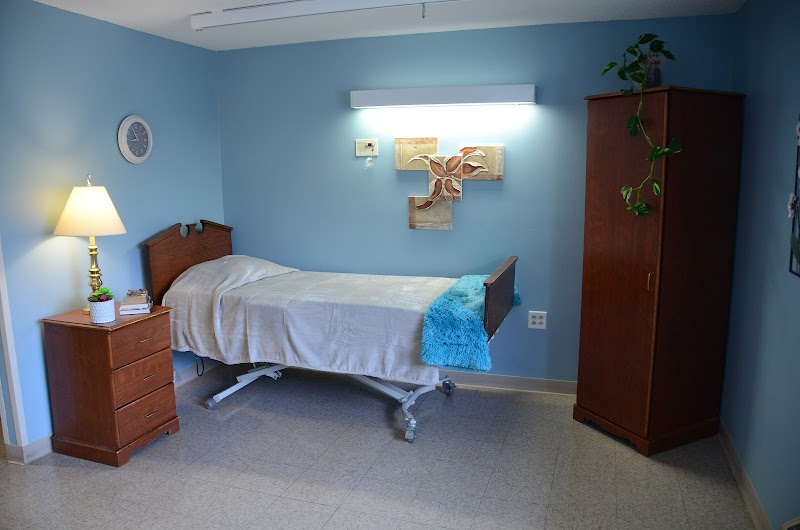
How is Englewood Health And Rehab Staffed?

CMS rates ENGLEWOOD HEALTH AND REHAB's staffing level at 1 out of 5 stars, which is much below average compared to other nursing homes. Staff turnover is 71%, which is 25 percentage points above the Ohio average of 46%. High turnover can affect care consistency as new staff learn residents' individual needs.

What Have Inspectors Found at Englewood Health And Rehab?

State health inspectors documented 47 deficiencies at ENGLEWOOD HEALTH AND REHAB during 2020 to 2025. These included: 1 Immediate Jeopardy (the most serious level, indicating potential for serious harm or death) and 46 with potential for harm. Immediate Jeopardy findings are rare and represent the most serious regulatory concerns. They require immediate corrective action.
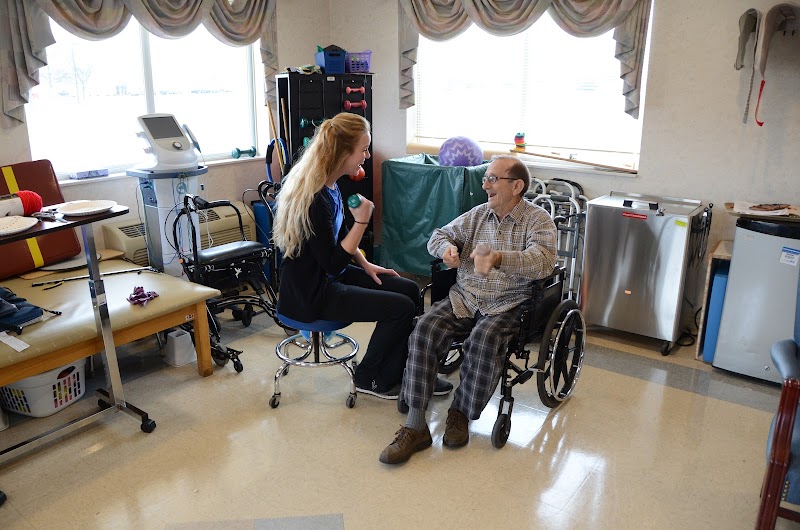
Who Owns and Operates Englewood Health And Rehab?

ENGLEWOOD HEALTH AND REHAB is owned by a for-profit company. For-profit facilities operate as businesses with obligations to shareholders or private owners. The facility is operated by SIMCHA HYMAN & NAFTALI ZANZIPER, a chain that manages multiple nursing homes. With 116 certified beds and approximately 97 residents (about 84% occupancy), it is a mid-sized facility located in ENGLEWOOD, Ohio.
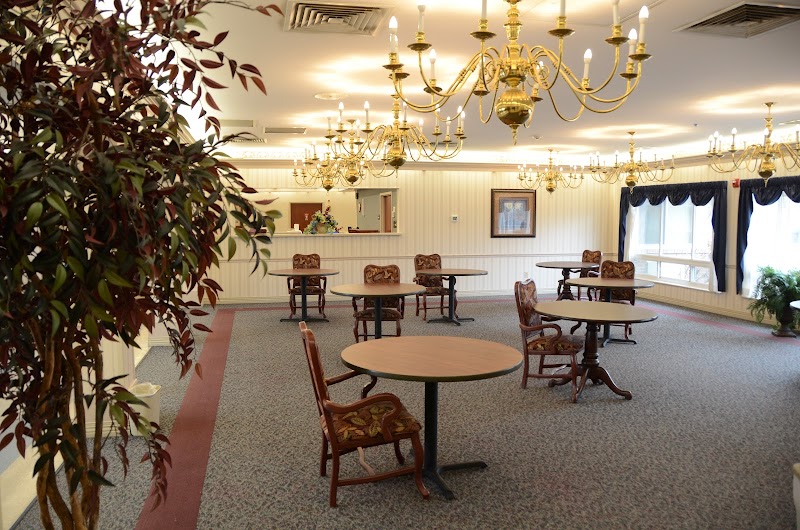
How Does Englewood Health And Rehab Compare to Other Ohio Nursing Homes?

Compared to the 100 nursing homes in Ohio, ENGLEWOOD HEALTH AND REHAB's overall rating (2 stars) is below the state average of 3.2, staff turnover (71%) is significantly higher than the state average of 46%, and health inspection rating (2 stars) is below the national benchmark.

What Should Families Ask When Visiting Englewood Health And Rehab?

Based on this facility's data, families visiting should ask: "What changes have been made since the serious inspection findings, and how are you preventing similar issues?" "How do you ensure continuity of care given staff turnover, and what is your staff retention strategy?" "Can you walk me through typical staffing levels on day, evening, and night shifts?" "Can I visit during a mealtime to observe dining assistance and food quality?" These questions are particularly relevant given the facility's Immediate Jeopardy citations, the facility's high staff turnover rate, and the below-average staffing rating.

Is Englewood Health And Rehab Safe?

Based on CMS inspection data, ENGLEWOOD HEALTH AND REHAB has documented safety concerns. Inspectors have issued 1 Immediate Jeopardy citation (the most serious violation level indicating risk of serious injury or death). The facility has a 2-star overall rating and ranks #100 of 100 nursing homes in Ohio. Families considering this facility should ask detailed questions about what corrective actions have been taken since these incidents.

Do Nurses at Englewood Health And Rehab Stick Around?

Staff turnover at ENGLEWOOD HEALTH AND REHAB is high. At 71%, the facility is 25 percentage points above the Ohio average of 46%. High turnover means new staff may not know residents' individual needs, medications, or preferences. It can also be disorienting for residents, especially those with dementia who rely on familiar faces. Families should ask: What is causing the turnover? What retention programs are in place? How do you ensure care continuity during staff transitions?

Was Englewood Health And Rehab Ever Fined?

ENGLEWOOD HEALTH AND REHAB has been fined $15,269 across 1 penalty action. This is below the Ohio average of $33,232. While any fine indicates a compliance issue, fines under $50,000 are relatively common and typically reflect isolated problems that were subsequently corrected. Families should ask what specific issues led to these fines and confirm they've been resolved.

Is Englewood Health And Rehab on Any Federal Watch List?

ENGLEWOOD HEALTH AND REHAB is not on any federal watch list. The most significant is the Special Focus Facility (SFF) program, which identifies the bottom 1% of nursing homes nationally based on persistent, serious quality problems. Not being on this list means the facility has avoided the pattern of deficiencies that triggers enhanced federal oversight. This is a positive indicator, though families should still review the facility's inspection history directly.