MOUNT SAINT JOSEPH REHAB CENTER
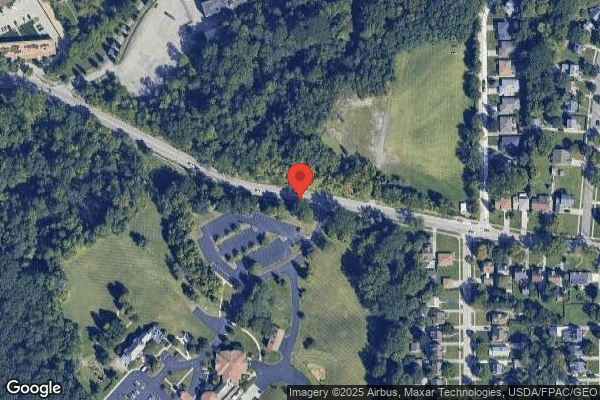
21800 CHARDON ROAD, EUCLID, OH 44117 (216) 531-7426
Non profit - Corporation 90 Beds Independent Data: November 2025
Trust Grade
65/100
#302 of 913 in OH
Last Inspection: April 2025

Within standard 12-15 month inspection cycle. Federal law requires annual inspections.

Overview

Mount Saint Joseph Rehab Center has a Trust Grade of C+, indicating it is slightly above average but not without its issues. It ranks #302 out of 913 facilities in Ohio, placing it in the top half, and #25 out of 92 in Cuyahoga County, suggesting only a few local options are better. The facility is stable in terms of quality, with the same number of issues reported in both 2023 and 2025. Staffing is rated 4 out of 5 stars, but the turnover rate is 56%, which is average for Ohio. Although there have been no fines, the RN coverage is concerning as it is lower than 96% of other facilities, which may affect the level of care. Specific incidents raised during inspections include a serious fall that resulted in a resident being hospitalized after proper safety measures were not followed, and concerns about the arbitration agreement lacking necessary details that could affect all residents. Overall, while the center has strengths in staffing and no fines, there are notable weaknesses in RN coverage and incidents of neglect that families should carefully consider.

Trust Score
C+
65/100
In Ohio
#302/913
Top 33%
Safety Record
Moderate
Needs review
Inspections
Holding Steady
3 → 3 violations
Staff Stability
⚠ Watch
56% turnover. Above average. Higher turnover means staff may not know residents' routines.
Penalties
✓ Good
No fines on record. Clean compliance history, better than most Ohio facilities.
Skilled Nurses
⚠ Watch
Each resident gets only 26 minutes of Registered Nurse (RN) attention daily — below average for Ohio. Fewer RN minutes means fewer trained eyes watching for problems.
Violations
⚠ Watch
14 deficiencies on record. Higher than average. Multiple issues found across inspections.
★★★★☆
4.0
Overall Rating
★★★★☆
4.0
Staff Levels
★★★☆☆
3.0
Care Quality
★★★★☆
4.0
Inspection Score
Stable
2023: 3 issues
2025: 3 issues

The Good

  • 4-Star Staffing Rating · Above-average nurse staffing levels
  • Full Sprinkler Coverage · Fire safety systems throughout facility
  • No fines on record

Facility shows strength in staffing levels, fire safety.

The Bad

Staff Turnover: 56%

10pts above Ohio avg (46%)

Frequent staff changes - ask about care continuity

Staff turnover is elevated (56%)

8 points above Ohio average of 48%

The Ugly 14 deficiencies on record

1 actual harm
Apr 2025 3 deficiencies
CONCERN (D)

Potential for Harm - no one hurt, but risky conditions existed

Drug Regimen Review (Tag F0756)

Could have caused harm · This affected 1 resident

**NOTE- TERMS IN BRACKETS HAVE BEEN EDITED TO PROTECT CONFIDENTIALITY** Based on record review and staff interview, the facility failed to ensure a follow-up to a pharmacy recommendation for Resident ...

Read full inspector narrative →
**NOTE- TERMS IN BRACKETS HAVE BEEN EDITED TO PROTECT CONFIDENTIALITY** Based on record review and staff interview, the facility failed to ensure a follow-up to a pharmacy recommendation for Resident #51 was completed as required. This affected one (Resident #51) of five residents reviewed for unnecessary medications. The facility census was 82. Findings include: Resident #51 was admitted to the facility on [DATE] with diagnoses that included dementia, high cholesterol and insomnia. Review of the most recent Minimum Data Set (MDS) 3.0 assessment dated [DATE] revealed Resident #51 was severely cognitively impaired and required extensive assistance of one staff person for completing her activities of daily living. Review of the pharmacy recommendation for Resident #51 dated 02/09/24 revealed the facilities contracted pharmacist recommended to a review of Resident #51's ordered anti-psychotic medication examined for appropriate diagnoses and necessity. Review of the physician's response to the recommendation revealed Resident #51's primary care physician requested a Psychiatric evaluation to confirm diagnoses and antipsychotic necessity. Review of both the electronic and hard charts revealed no evidence of a psychiatric evaluation. Interview with the Director of Nursing (DON) on 04/08/25 at 2:30 P.M. verified no psychiatric evaluation was completed as instructed by Resident #51's physician in response to the 02/09/24 pharmacist recommendation.
CONCERN (F)

Potential for Harm - no one hurt, but risky conditions existed

Deficiency F0848 (Tag F0848)

Could have caused harm · This affected most or all residents

Based on record review and staff interview, the facility failed to ensure its arbitration agreement contained all necessary information. This had the potential to affect all residents. The facility ce...

Read full inspector narrative →
Based on record review and staff interview, the facility failed to ensure its arbitration agreement contained all necessary information. This had the potential to affect all residents. The facility census was 82. Findings include: Review of the facilities arbitration agreement revealed the agreement did not address the selection of a neutral arbitrator for the arbitration proceedings. Further review of the agreement also revealed it did not address the selection of a neutral venue for arbitration proceedings. The agreement noted Any arbitration conducted pursuant to Article IV (of the admission agreement) shall be conducted at the facility Interview with the Administrator on 04/09/25 at 3:30 P.M. verified the facilities arbitration agreement did not address the selection of a neutral arbitrator or a neutral venue for arbitration proceedings.
MINOR (C)

Minor Issue - procedural, no safety impact

Deficiency F0947 (Tag F0947)

Minor procedural issue · This affected most or all residents

Based on record review and interview, the facility failed to ensure certified nurse aides (CNAs) received twelve hours of in-services on an annual basis. This affected one (CNA#546) of three CNAs revi...

Read full inspector narrative →
Based on record review and interview, the facility failed to ensure certified nurse aides (CNAs) received twelve hours of in-services on an annual basis. This affected one (CNA#546) of three CNAs reviewed for employee files. This had the potential to affect all residents. The facility census was 82. Findings include: Record review of CNA#546's employee file revealed a hire date of 12/27/16. Review of the employee file revealed CNA #546 only received eight hours of continuing education in 2024. Interview with the Administrator on 04/10/25 at 12:04 P.M. confirmed the above findings.
Oct 2023 2 deficiencies
CONCERN (D) 📢 Someone Reported This

A family member, employee, or ombudsman was alarmed enough to file a formal complaint

Potential for Harm - no one hurt, but risky conditions existed

Notification of Changes (Tag F0580)

Could have caused harm · This affected 1 resident

**NOTE- TERMS IN BRACKETS HAVE BEEN EDITED TO PROTECT CONFIDENTIALITY** Based on record review and interview the facility failed to ensure the physician was notified of an elevated lab value for Resid...

Read full inspector narrative →
**NOTE- TERMS IN BRACKETS HAVE BEEN EDITED TO PROTECT CONFIDENTIALITY** Based on record review and interview the facility failed to ensure the physician was notified of an elevated lab value for Resident #5. This affected one resident (#5) of three residents reviewed for infections. The facility census was 69. Findings include: Review of the medical record for Resident #5 revealed an admission date of 6/22/2023. Diagnoses included displaced fracture of cervical vertebra, displaced fracture of clavicle, and osteoarthritis. The resident was discharged to the hospital on [DATE]. Review of the Medicare-5 Day Minimum Data Set (MDS) assessment dated [DATE] revealed Resident #5 had severely impaired cognition. The resident required the extensive assistance of two staff for bed mobility, transfers, walking, dressing, and toilet use. Review of physician orders for August 2023 identified orders for a complete blood count (CBC) and basic metabolic panel (BMP) every Friday starting 07/07/23. A Urinalysis (UA) and Culture and Sensitivity (C&S) were ordered on 08/17/23. Review of lab results from 08/04/23 revealed Resident #5's white blood cell count was 11.0 (normal range is 4.0 to 11.0), on 08/11/23 the resident's white blood cell count was 11.3, and on 08/18/23 the resident's white blood cell count had more than tripled to 34.4, indicating the resident had an infection. Review of the nurses' notes dated 08/18/23 at 10:04 A.M. through 08/21/23 at 10:12 A.M. revealed no documented evidence the physician was notified of Resident #5's elevated white blood cell count from 08/18/23. Interview on 10/05/23 at 3:43 P.M. with the Director of Nursing (DON) verified the lack of documented evidence regarding physician notification of the elevated white blood cell count from 08/18/23. This deficiency represents non-compliance investigated under Complaint Number OH00146849.
CONCERN (D) 📢 Someone Reported This

A family member, employee, or ombudsman was alarmed enough to file a formal complaint

Potential for Harm - no one hurt, but risky conditions existed

Quality of Care (Tag F0684)

Could have caused harm · This affected 1 resident

**NOTE- TERMS IN BRACKETS HAVE BEEN EDITED TO PROTECT CONFIDENTIALITY** Based on record review and interview the facility did not ensure Resident #5 was adequately monitored after a change in conditio...

Read full inspector narrative →
**NOTE- TERMS IN BRACKETS HAVE BEEN EDITED TO PROTECT CONFIDENTIALITY** Based on record review and interview the facility did not ensure Resident #5 was adequately monitored after a change in condition. This affected one resident (#5) of three residents reviewed for change in condition. The facility census was 69. Findings include: Review of the medical record for Resident #5 revealed an admission date of 6/22/2023. Diagnoses included displaced fracture of cervical vertebra, displaced fracture of clavicle, and osteoarthritis. The resident was discharged to the hospital on [DATE]. Review of the Medicare-5 Day Minimum Data Set (MDS) assessment dated [DATE] revealed Resident #5 had severely impaired cognition. The resident required the extensive assistance of two staff for bed mobility, transfers, walking, dressing, and toilet use. Review of the Progress Note from 08/18/23 at 9:18 P.M. revealed Resident #5's vital signs were obtained at 8:00 P.M. The resident's blood pressure was 167/59, pulse was 119, respirations 16, temperature was 96.4 degrees Fahrenheit, and the pulse oximeter (pulse ox) was without a number. The physician was called at 8:05 P.M. and informed of the resident's condition. The physical ordered Resident #5 to be sent to the hospital. At 8:10 P.M. an emergency call was placed, and the Emergency Medical Squad (EMS) arrived at 8.15 P.M. and saw the resident with pulse oximetry on his right finger without a figure, at 8.30 P.M. the resident's pulse ox was 97 percent (%). EMS felt it was no longer necessary to take the resident to the hospital. The physician and daughter were notified. The resident was responsive but very lethargic. The next resident assessment was completed on 08/21/23 at 10:12 A.M. Resident #5 was alert and oriented, forgetful at times. There were no complaints of pain or discomfort. No respiratory distress was noted, pulse ox was 97% on room air. Interview 10/05/23 at 3:43 P.M. with the Director of Nursing (DON) verified there were no assessments for Resident #5 after a change of condition was identified on 08/18/23 at 9:18 P.M. until 08/21/23 at 10:12 A.M. This deficiency represents non-compliance investigated under Complaint Number OH00146849.
Apr 2023 1 deficiency
CONCERN (D) 📢 Someone Reported This

A family member, employee, or ombudsman was alarmed enough to file a formal complaint

Potential for Harm - no one hurt, but risky conditions existed

Report Alleged Abuse (Tag F0609)

Could have caused harm · This affected 1 resident

Based on a record review, staff interview, and facility policy review, the facility failed to ensure an allegation of sexual abuse was reported to the state agency as required. This affected one (#60)...

Read full inspector narrative →
Based on a record review, staff interview, and facility policy review, the facility failed to ensure an allegation of sexual abuse was reported to the state agency as required. This affected one (#60) of three residents (#5, #6, and #60) reviewed for abuse. The facility census was 64. Findings include: Review of the medical record for Resident #60 revealed an admission date of 01/10/18. Diagnoses included but not limited to viral hepatitis C, seizures, major depressive disorder, personal history of sex reassignment. Review of the quarterly Minimum Data Set (MDS) assessment, dated 01/03/23, revealed the resident had severely impaired cognition. The resident required extensive assistance of two staff for bed mobility and transfers. Further review of the MDS revealed no behaviors were noted during the look back period. Interview on 04/10/23 at 9:12 A.M. with Infection Control Preventionist (ICP) #206 revealed Resident #60 stated that someone came into her room and pleased her. Resident #60 stated that it was not good, but it was good because it has been so long, and she reported it right away. ICP #206 revisited Resident #60 and stated that a lot of people visited her, and she was okay. Interview on 04/10/23 at 8:46 A.M. with Administrator revealed Resident #60 made comments about someone touching her last week to ICP #206 who told the Assistant Director of Nursing (ADON). Administrator and Staff Member #212 investigated and found no need for a self-reported incident (SRI) because it was not true. Interview on 04/10/23 at 2:34 P.M. with Administrator and Staff Member #212 revealed that they did not make an SRI because the Resident #60 stated she made up the story and it did not happen. Review of facility policy titled Abuse, Neglect, Exploitation and Misappropriation of Resident Property, dated 12/10/16, revealed the Administrator or his/her designee will notify Ohio Department of Health (ODH) of an alleged violations involving Abuse, Neglect, Exploitation, Mistreatment of a resident. or Misappropriation of Resident Property and Injuries of Unknown Source as soon as possible, but in no event later than twenty-four (24) hours from the time the incident/allegation was made known to the staff member. This deficiency represents non-compliance investigated under Complaint Number OH00141800.
Aug 2022 2 deficiencies
CONCERN (D)

Potential for Harm - no one hurt, but risky conditions existed

Deficiency F0573 (Tag F0573)

Could have caused harm · This affected 1 resident

**NOTE- TERMS IN BRACKETS HAVE BEEN EDITED TO PROTECT CONFIDENTIALITY** Based on interview, record review, and facility procedure review the facility failed to provide copies of the medical record for...

Read full inspector narrative →
**NOTE- TERMS IN BRACKETS HAVE BEEN EDITED TO PROTECT CONFIDENTIALITY** Based on interview, record review, and facility procedure review the facility failed to provide copies of the medical record for Resident #222 after request. This affected one resident (Resident #222) of four residents (Resident's #31, #223, #224, and #225) reviewed for the facility honoring the right to have access and/ or purchase copies of medical records upon request. The facility census was 65. Findings include: Review of the closed medical record for Resident #222 revealed an admission date of [DATE]. Resident #222 passed away on [DATE]. Diagnoses included surgical aftercare following surgery on the digestive system, personal history of malignant neoplasm of the liver, severe protein- calorie malnutrition, Alzheimer's disease, and chronic obstructive pulmonary disease. Review of the medical record revealed Resident #222's daughter was her responsible party/ guardian. Review of the letter of guardianship dated [DATE] revealed the court deemed Resident #222 incompetent, and Resident #222's daughter was named her guardian of person and estate. Review of care plan dated [DATE] revealed Resident #222 had impaired cognition related to Alzheimer's disease. Interventions included Resident #222 required supervision and assistance with all decision making. Review of the quarterly Minimum Data Set (MDS) 3.0 assessment, dated [DATE], revealed Resident #222 had impaired cognition as she was rarely or never understood. Review of the nursing note dated [DATE] at 5:05 A.M. authored by Licensed Practical Nurse (LPN) #605 revealed the nurse for Resident #222 alerted LPN #605 that Resident #222 was coding, and a code blue was paged. The nursing note revealed the emergency rescue squad was called and other nurses assisted with the code by initiated cardiopulmonary resuscitation (CPR) until the emergency rescue squad arrived and took over the CPR. Review of an email dated [DATE] at 5:15 P.M. revealed Resident #222's daughter sent Admission/ Social Service Designee (SSD) #600 an email that requested all medical records including all progress notes, labs, medications given and any other information regarding Resident #222's care from [DATE] through [DATE]. Review of an email dated [DATE] at 6:29 A.M. revealed Admission/ SSD #600 emailed back to Resident #222's daughter and stated she was not in the facility but would forward her request to the facility and see if someone at the facility could assist with the request. Review of an email dated [DATE] at 9:03 A.M. revealed Admission/ SSD #600 emailed Resident #222's daughter and revealed she had just returned to work [DATE] and asked Resident #222's daughter if she received the medical records that Resident #222's daughter requested or if she needed to follow-up on the request. Review of an email dated [DATE] at 9:21 A.M. revealed Resident #222's daughter responded back to the Admission/ SSD #600 that she had not received the medical records and asked if they were sent in the mail or by email. Review of an email dated [DATE] at 9:44 A.M. revealed Admission/ SSD #600 responded that she would check and let Resident #222's daughter know. Review of the nursing note dated [DATE] at 1:44 P.M. authored by Admission/ SSD #600 revealed a copy of the email for the request for medical records for Resident #222 along with copies of the requested medical records were given to the Administrator. The nursing note revealed the Admission/ SSD #600 had not given the copy of the medical records to the guardian until it was authorized. Review of an email dated [DATE] at 11:58 A.M. revealed Resident #222's daughter emailed Admission/ SSD #600 and stated that she had not received Resident #222's medical records yet and requested the medical records to be sent to her. Resident #222's daughter provided her address that she wanted the records sent to or she requested the medical records be sent to her email. Review of an email dated [DATE] at 12:41 P.M. revealed Admission/ SSD #600 replied to Resident #222's daughter that she would notify the Administrator. Review of an email dated [DATE] at 12:41 P.M. revealed Admission/ SSD #600 forwarded the email from Resident #222's daughter to the Administrator and stated that Resident #222's daughter had not received the medical records she had requested, and that the Admission/ SSD #600 had put a copy of the email in her box. Interview on [DATE] at 9:59 A.M. with Resident #222's daughter revealed she contacted the Admissions/ SSD #600 in [DATE] and in [DATE] and requested Resident #222's medical records and that she still had not received the medical records as of today, [DATE]. Interview on [DATE] at 9:29 A.M. with Admission/ SSD #600 revealed Resident #222's daughter requested the medical records for Resident #222 on two different occasions- [DATE] and [DATE]. She revealed Resident #222's daughter emailed her the request that included all the medical records from [DATE] through [DATE] regarding Resident #222's care during this time frame. She revealed she forwarded both requests to the Administrator as she revealed the Administrator was the one who authorized if the medical records could be sent. She revealed she did not know if the medical records were sent to Resident #222's daughter per her request. Interview on [DATE] at 9:50 A.M. with the Administrator revealed she had not sent the medical records to the Resident #222's daughter. She revealed if the Admission/ SSD #600 had forwarded her the request, she had to be honest, she had failed to send the medical records and she stated that the request had fell through the cracks. She stated after reviewing the emails that she was in the loop and she was responsible to send the medical records to Resident #222's daughter but had not. Review of the undated facility procedure titled Medical Records, revealed the facility had a processing fee of 15 dollars for medical records and the copying fees included one dollar for pages one to ten, 50 cents pages 11 through 50, and 20 cents for pages 51 and more. This deficiency substantiates Complaint Number OH00132734.
CONCERN (D)

Potential for Harm - no one hurt, but risky conditions existed

Deficiency F0688 (Tag F0688)

Could have caused harm · This affected 1 resident

**NOTE- TERMS IN BRACKETS HAVE BEEN EDITED TO PROTECT CONFIDENTIALITY** Based on interview, observation, record review, and facility policy review the facility failed to ensure Resident #54's passive ...

Read full inspector narrative →
**NOTE- TERMS IN BRACKETS HAVE BEEN EDITED TO PROTECT CONFIDENTIALITY** Based on interview, observation, record review, and facility policy review the facility failed to ensure Resident #54's passive range of motion and splint for the right upper extremity was completed per the occupational therapy recommendation. This affected one resident (Resident #54) of one resident reviewed for use of splints. This had the potential to affect five residents (Resident's #1, #10, #18, #53, #54) that had occupational therapy recommendations for splints. The facility census was 65. Findings include: Review of the medical record for Resident #54 revealed an admission date of 01/10/18 and diagnoses including hemiplegia and hemiparesis following cerebral infarction affecting the right dominant side, hypertension, and cognitive communication deficit. Review of the care plan dated 04/27/20 revealed Resident #54 had multiple medical diagnoses including her right side was flaccid and right hemiparesis. Interventions included right hand splint as ordered. There were no interventions regarding passive range of motion to right hand and elbow. Review of the Occupational Discharge summary dated [DATE] and authored by Occupational Therapist (OT) #607 revealed Resident #54 received occupational therapy from 04/01/22 to 04/28/22. The discharge summary recommended a restorative program be established including a restorative range of motion program and a restorative splint and brace program. The summary revealed passive range of motion was to be completed to Resident #54's right hand and elbow and a right-hand splint was to be worn six to eight hours per day as tolerated. Review of the form labeled Therapy Follow-Up Treatment Program, dated 04/29/22, authored by OT #607 revealed Resident #54 had passive range of motion exercises to the right hand and elbow with extended stretch for three to five minutes and right finger and elbow extensions. The form revealed staff was to perform range of motion, cleanse right hand, pat dry, and apply the right-hand splint. The form revealed Resident #54 was to wear the right-hand splint daily, six to eight hours as tolerated. Review of the July 2022 physician orders revealed Resident #54 had an order dated 05/30/20 to apply a right-hand splint and right shoulder brace when out of bed as tolerated every day shift. There were no physician's orders regarding range of motion exercises to the right hand and elbow or to wear right hand splint six to eight hours per day as tolerated as per Occupational Discharge Summary or Therapy Follow-Up Treatment program. Review of the quarterly Minimum Data Set (MDS) 3.0 dated 07/15/22 revealed Resident #54 had impaired cognition and no behaviors. She required extensive assist of two staff for transfers and was unable to ambulate. She required limited assist of one staff with locomotion on the unit. The MDS revealed no restorative program was completed per the assessment period for passive range of motion and/or splint assistance. Interview and observation on 08/01/22 at 3:05 P.M. with Resident #54 revealed she was in bed, and she stated she had not worn her right-hand splint today, 08/01/22, and she stated staff had not completed passive range of motion. She revealed she was unsure when she was supposed to wear her splint. She revealed she had not worn her right-hand splint for a long time and could not remember when the last time she wore it as staff do not apply the right-hand splint. Interview on 08/02/22 at 2:44 P.M. with State Tested Assistant (STNA) #602 revealed Resident #54 refused almost every day to get out of bed. She revealed she thought Resident #54 was only to wear her right-hand splint when she was up out of bed as she had never applied her splint when she was in bed. Interview on 08/02/22 at 2:59 P.M. with Registered Nurse (RN) #603 revealed Resident #54 had an order to wear her right-hand splint only when she was out of bed. She revealed Resident #54 almost always refused to get out of bed, so she very rarely wore her splint. Interview on 08/03/22 at 1:46 P.M. with OT #607 revealed Resident #54 was to wear her right-hand splint in and/ out of bed. He revealed he discharged Resident #54 from occupational therapy on 04/29/22 and referred Resident #54 for restorative passive range of motion program and restorative splint program to her right upper extremity. He revealed he provided nursing with the Therapy Follow- Up Treatment program dated 04/29/22 with the new recommendations. He revealed Resident #54 was to wear her right-hand splint six to eight hours per day as tolerated and he had not heard Resident #54 was not wearing her right-hand splint or that passive range of motion was not being completed as he recommended per the Therapy Follow-Up Treatment Program. He revealed Resident #54's order on her July 2022 physician order for right hand splint and right shoulder brace when out of bed as tolerated every day shift was an old order and not per the last occupational therapy recommendation on 04/29/22. Interview on 08/03/22 at 1:52 P.M. with LPN #608 revealed she was the charge nurse for Resident #54 and only worked at the facility as needed and had not worked at the facility for several months. She revealed she signed off on the treatment administration record that the right-hand splint and right shoulder brace when out of bed as tolerated every day shift had been applied but she verified that this was in error as she had not seen the brace or splint on Resident #54 all day and did not know anything about her splint. Interview on 08/03/22 at 1:58 P.M. with STNA #609 revealed she was the aide for Resident #54 and was not aware when Resident #54 was to wear her right-hand splint, and she verified she had not applied her right-hand splint today, 08/03/22. Interview on 08/03/22 at 2:02 P.M. with the Director of Nursing revealed she had worked at the facility since November 2021 and since then the facility had not had any restorative programs. She revealed any referral received from therapy, nursing placed the order on the treatment administration record (TAR) including range of motion and splints for the nurse and the aide to complete on the floor for that resident. She verified the order on Resident #54's physician's order for the right-hand splint and right shoulder brace when out of bed as tolerated every day shift dated 05/20/20 was an old order and the new recommendations from the last occupational therapy discharge summary and Therapy Follow-Up Treatment Program dated 04/29/22 for passive range of motion and right-hand splint for six to eight hours per day as tolerated was not transcribed to Resident #54's orders. She verified she had no documented evidence passive range of motion was completed for Resident #54 as recommended. Review of the undated facility policy labeled Splint/ Brace Application revealed qualified nursing personnel would ensure that residents received correct application and care of splints and braces to promote proper joint alignment, healing, avoid complications of immobility while monitoring skin integrity and avoiding discomfort. The policy revealed a splint and brace was individualized to reflect resident needs and functional problems. The policy revealed the splint wearing schedule orders would be in the treatment record of the resident's chart.
Aug 2019 6 deficiencies 1 Harm
SERIOUS (G)

Actual Harm - a resident was hurt due to facility failures

Accident Prevention (Tag F0689)

A resident was harmed · This affected 1 resident

**NOTE- TERMS IN BRACKETS HAVE BEEN EDITED TO PROTECT CONFIDENTIALITY** Based on observation, record review, and interview, the facility failed to ensure appropriate interventions to prevent a fall wi...

Read full inspector narrative →
**NOTE- TERMS IN BRACKETS HAVE BEEN EDITED TO PROTECT CONFIDENTIALITY** Based on observation, record review, and interview, the facility failed to ensure appropriate interventions to prevent a fall with injury for Resident #18. Actual Harm occurred when State Tested Nurse Aide (STNA) #301 propelled Resident #18 in a wheel chair, without footrests. The resident's foot dropped to the floor and she fell, resulting in a hematoma of the forehead and transfer to the hospital. This affected one resident (Resident #18) of one resident reviewed for falls. Findings include: Resident #18 was admitted to the facility on [DATE] with diagnoses including dementia, physical debility, and osteoarthritis. The Minimum Data Set assessment dated [DATE] revealed the resident had severe cognitive impairment and required the extensive assistance of one person for all activities of daily living, including locomotion, via wheel chair. The resident was sent to the hospital on [DATE]. Observation on 08/28/19 at 8:06 A.M. revealed an STNA (unidentified) approached Registered Nurse (RN) #302 on the 500-unit hallway and informed her Resident #18 had fallen in the dining room. RN #302 went to the dining room and found Resident #18 sitting upright in her wheelchair with a hematoma across her forehead. No other nurse was noted on the scene. RN #302 promptly removed Resident #18 to her room for assessment. Interview with RN #302 on 08/28/19 at 8:17 A.M. revealed when a resident fell, unlicensed staff should wait until a nurse assessed the resident before getting them up. Interview with STNA #301 on 08/28/19 at 8:25 A.M. verified he was pushing Resident #18 in the wheelchair when her foot caught on the floor (no footrests were on the wheel chair) and she fell forward, hitting her head, resulting in a bruise across her forehead. He revealed he got the resident back into the wheelchair before a nurse arrived and confirmed he should not have moved the resident until she was assessed by the nurse Interview with the Director of Nursing (DON) on 08/28/19 at 9:36 A.M. confirmed the resident fell during transport in a wheel chair without footrests in place and fallen residents should not be moved until a nurse assessed them for injury. The DON revealed Resident #18 was sent to the hospital for evaluation following the fall. Record review of the facility's fall prevention protocol (undated) revealed staff was not to move a fallen resident until a nurse assessed them for injury.
CONCERN (D)

Potential for Harm - no one hurt, but risky conditions existed

Resident Rights (Tag F0550)

Could have caused harm · This affected 1 resident

Based on observation, record review, and interview, the facility failed to ensure Resident #7 received eating assistance promptly upon the delivery of her food, and had their clothing protector remove...

Read full inspector narrative →
Based on observation, record review, and interview, the facility failed to ensure Resident #7 received eating assistance promptly upon the delivery of her food, and had their clothing protector removed when the meal was over. This affected one of four residents reviewed for dignity concerns. The facility census was 88. Findings include: Record review for Resident #7 revealed diagnoses included bipolar disorder, dysphagia, cognitive communication deficit, and dementia. The most recent Minimum Data Set (MDS) assessment revealed the resident was severely cognitively impaired and requiring limited assistance from one staff member when eating. Observation of Resident #7 on 08/26/19 at 12:09 P.M. revealed she was sitting upright in her bed with an uncovered, uneaten lunch tray in front of her. She appeared to be awake, and made no effort to eat the food in front of her. Continuous observation revealed the situation unchanged until 12:27 P.M., when an unidentified State Tested Nurse Aide (STNA) entered the room and began to assist her with eating. A white towel was wrapped around Resident #7's neck and shoulders during this process to serve as a clothing protector. Observation of Resident #7 on 08/26/19 at 2:20 P.M. revealed she still had the clothing protector on, which had food debris on it. She was not interviewable. Interview at 2:23 P.M. on 08/26/19 with Licensed Practical Nurse (LPN) #400 confirmed the towel was still on Resident #7. LPN #400 immediately removed the towel and verified it should not have been left on after the meal and a clothing protector should have been used not a towel. On 08/28/19 at 4:40 P.M. the Director of Nursing verified the above concerns.
CONCERN (D)

Potential for Harm - no one hurt, but risky conditions existed

Deficiency F0657 (Tag F0657)

Could have caused harm · This affected 1 resident

**NOTE- TERMS IN BRACKETS HAVE BEEN EDITED TO PROTECT CONFIDENTIALITY** Based on record review, observation and interview, the facility failed to ensure Resident #41's care plan was revised and update...

Read full inspector narrative →
**NOTE- TERMS IN BRACKETS HAVE BEEN EDITED TO PROTECT CONFIDENTIALITY** Based on record review, observation and interview, the facility failed to ensure Resident #41's care plan was revised and updated to meet her individual needs. This affected one (Resident #41) out of 27 residents whose care plans were reviewed. Findings include: Resident #41 was admitted to this facility on 07/24/18. Her admitting diagnoses included vascular dementia, fracture of left femur, dementia, and blindness. Her Minimum Data Set Assessment 3.0 (MDS) dated [DATE] showed this resident had severe cognitive impairment. She needed extensive assistance for bed mobility, toilet use and personal hygiene. For all other activities of daily living she was totally dependant on staff. Her skin assessment from this MDS revealed she was at risk for pressure ulcer development and did at the time of this MDS have skin tears on her legs and arms. This resident resided on the dementia unit and received Hospice services. Review of the resident's plan of care dated 07/25/18 revealed the resident had a potential for actual skin impairment and or development of pressure ulcers related to her diagnoses of hypothyroidism, hypertension and being legally blind. Interventions included: keeping the skin clean and dry; provide a pressure relieving air mattress; provide pressure reducing cushion to char; pad corners of dressers, night stand and food board; provide a Roho cushion; and to use caution during transfers and bed mobility to prevent striking arms, legs and hands against any sharp or hard surface. Observation of Resident #41's bilateral upper and lower extremities revealed brushing on bilateral elbows and a skin tear on the lower left arm. The bilateral lower extremities showed bruising in several areas on bilateral legs and a skin tear noted to her left shin/calf area with a dressing. These bruises and skin tears were verified by Licensed Practical Nurse (LPN) #459 on 08/28/19 at 10:06 A.M. She stated the resident had a habit of forcibly moving her legs and arms over the sides of the wheelchair and while in bed. She stated that was the reason for the dermal sleeves for the arms and legs. Observation of the resident's room on 08/28/19 at 11:06 A.M. revealed there was no padding noted on the dresser or the nightstand. The food board of the bed was not padded and the food board of the wheelchair was not padded. Interview with LPN #459 on 08/28/19 at 11:15 A.M. verified that the dressers and the food boards were not padded. LPN #459 revealed those interventions did not really apply to the resident at the present time because the resident was now non ambulatory and was unable to move around. When asked about striking her arms/legs against objects and padding them for protection she stated that Hospice changed the orders. The orders were changed to a perimeter mattress with extra padding attachments to the perimeters of the bed to prevent the resident from striking her arms/legs when in bed. Resident #41 was also ordered to wear the derma sleeves to extremities for extra protection. LPN #459 verified present interventions including the perimeter mattress and the dermal sleeves were not listed on the current care plan.
CONCERN (F)

Potential for Harm - no one hurt, but risky conditions existed

Employment Screening (Tag F0606)

Could have caused harm · This affected most or all residents

Based on record review and staff interview the facility failed to check all potential new hires against the State Nurse Aide Registry (NAR) to ensure no employee had a finding entered into the NAR con...

Read full inspector narrative →
Based on record review and staff interview the facility failed to check all potential new hires against the State Nurse Aide Registry (NAR) to ensure no employee had a finding entered into the NAR concerning abuse, neglect, exploitation, mistreatment of residents or misappropriation of their property. This had the potential to affect all 88 residents currently residing in the facility. Findings include: Review of a document titled Phone List by Department, revealed the record reflected 75 State Tested Nurse Aides (STNAs) currently employed at the facility, 32 of which worked on an as needed (PRN) basis. These employees were checked against the State NAR. Review of a document titled New Hires Last 12 Months, dated 08/29/19 revealed the record reflected 14 Licensed Practical Nurses (LPN) #820, #825, #830, #835, #840, #845, #850, #855, #860, #875, #880, #885, #890, and #895. There were four Registered Nurses (RN) #800, #805, #810, and #815. Three housekeeping and laundry staff (Housekeeper) #945, #950, and #955. Seven dietary staff (Dietary) #905, #910, #915, #920, #925, #930, and #935. One activity staff #960 and one receptionist #940. All were hired in the last 12 months. Record review revealed no evidence these employees had been checked against the State NAR. On 08/29/19 at 4:01 P.M. interview with the Administrator and Human Resources (HR) #900 verified she had not been checking all potential new hires against the NAR.
MINOR (B)

Minor Issue - procedural, no safety impact

Assessment Accuracy (Tag F0641)

Minor procedural issue · This affected multiple residents

**NOTE- TERMS IN BRACKETS HAVE BEEN EDITED TO PROTECT CONFIDENTIALITY** Based on record review and interview, the facility failed to ensure comprehensive assessments were accurate. This affected three...

Read full inspector narrative →
**NOTE- TERMS IN BRACKETS HAVE BEEN EDITED TO PROTECT CONFIDENTIALITY** Based on record review and interview, the facility failed to ensure comprehensive assessments were accurate. This affected three (Residents #19, Resident #46, and Resident #64) of four residents reviewed for Pre-admission Screen - Resident Review. The facility census was 88. Findings include: 1. Review of Resident #19's medical record revealed the resident was admitted to the facility on [DATE] with diagnoses including major depressive disorder, anxiety disorder, diabetes and heart failure. Review of Resident #19's medical record revealed the Minimum Data Set (MDS) 3.0 assessment, dated 05/07/19, revealed Section A did not indicate a mental illness as identified by Ohio Mental Health and Addiction Services. 2. Review of Resident #46's medical record revealed the resident was admitted to the facility on [DATE] with diagnoses including dementia with Lewy bodies, major depressive disorder, anxiety disorder, and Parkinson's disease. Review of Resident #46's medical record revealed the MDS 3.0 assessment, dated 07/09/19, revealed Section A did not indicate a mental illness as identified by Ohio Mental Health and Addiction Services. 3. Review of Resident #64's medical record revealed the resident was admitted to the facility on [DATE] with diagnoses including delusional disorders, generalized anxiety disorder, post-traumatic stress disorder, and unspecified psychosis. Review of Resident #64's medical record revealed the MDS 3.0 assessment, dated 11/23/18, revealed Section A did not indicate a mental illness as identified by Ohio Mental Health and Addiction Services. On 08/29/19 at 11:25 A.M. an interview with MDS Nurse #895 verified the comprehensive assessments for Residents #19, #46, and #64 did not accurately reflect their mental health status.
MINOR (C)

Minor Issue - procedural, no safety impact

Deficiency F0844 (Tag F0844)

Minor procedural issue · This affected most or all residents

Based on record review and interview, the facility failed to inform the Ohio Department of Health when it hired a new Director of Nursing (DON). The total census was 88. Findings include: Interview wi...

Read full inspector narrative →
Based on record review and interview, the facility failed to inform the Ohio Department of Health when it hired a new Director of Nursing (DON). The total census was 88. Findings include: Interview with the Administrator on 08/29/19 at 4:35 P.M. revealed their Director of Nursing (DON) began work in the facility in January of 2019. They did not know if information regarding her hire had been communicated to the Ohio Department of Health (ODH). Review of the DON's employee file revealed her hire date was 01/30/19. Review of both that file and the ODH secured website for provider communications revealed no evidence the DON's hire had been communicated to ODH.
Understanding Severity Codes (click to expand)
Life-Threatening (Immediate Jeopardy)
J - Isolated K - Pattern L - Widespread
Actual Harm
G - Isolated H - Pattern I - Widespread
Potential for Harm
D - Isolated E - Pattern F - Widespread
No Harm (Minor)
A - Isolated B - Pattern C - Widespread

Questions to Ask on Your Visit

  • "Why is there high staff turnover? How do you retain staff?"
  • "Can I speak with families of current residents?"
  • "What's your RN coverage like on weekends and overnight?"

Our Honest Assessment

Strengths
  • • No fines on record. Clean compliance history, better than most Ohio facilities.
Concerns
  • • 14 deficiencies on record, including 1 serious (caused harm) violation. Ask about corrective actions taken.
  • • 56% turnover. Above average. Higher turnover means staff may not know residents' routines.
Bottom line: Mixed indicators with Trust Score of 65/100. Visit in person and ask pointed questions.

About This Facility

What is Mount Saint Joseph Rehab Center's CMS Rating?

CMS assigns MOUNT SAINT JOSEPH REHAB CENTER an overall rating of 4 out of 5 stars, which is considered above average nationally. Within Ohio, this rating places the facility higher than 99% of the state's 100 nursing homes. This rating reflects solid performance across the metrics CMS uses to evaluate nursing home quality.
How is Mount Saint Joseph Rehab Center Staffed?

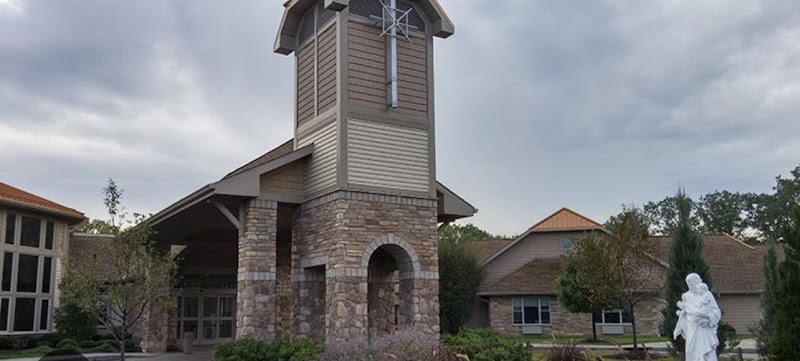
CMS rates MOUNT SAINT JOSEPH REHAB CENTER's staffing level at 4 out of 5 stars, which is above average compared to other nursing homes. Staff turnover is 56%, which is 10 percentage points above the Ohio average of 46%. High turnover can affect care consistency as new staff learn residents' individual needs.

What Have Inspectors Found at Mount Saint Joseph Rehab Center?

State health inspectors documented 14 deficiencies at MOUNT SAINT JOSEPH REHAB CENTER during 2019 to 2025. These included: 1 that caused actual resident harm, 10 with potential for harm, and 3 minor or isolated issues. Deficiencies causing actual harm indicate documented cases where residents experienced negative health consequences.
Who Owns and Operates Mount Saint Joseph Rehab Center?

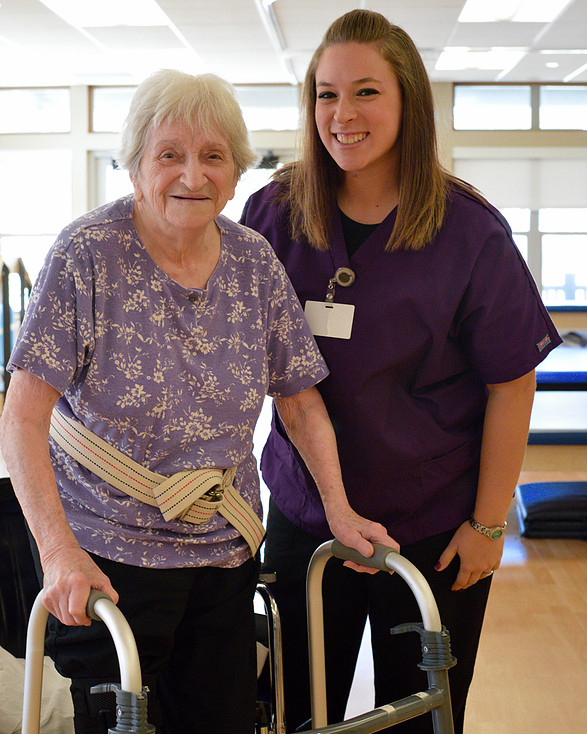
MOUNT SAINT JOSEPH REHAB CENTER is owned by a non-profit organization. Non-profit facilities reinvest revenue into operations rather than distributing to shareholders. The facility operates independently rather than as part of a larger chain. With 90 certified beds and approximately 82 residents (about 91% occupancy), it is a smaller facility located in EUCLID, Ohio.
How Does Mount Saint Joseph Rehab Center Compare to Other Ohio Nursing Homes?

Compared to the 100 nursing homes in Ohio, MOUNT SAINT JOSEPH REHAB CENTER's overall rating (4 stars) is above the state average of 3.2, staff turnover (56%) is significantly higher than the state average of 46%, and health inspection rating (4 stars) is above the national benchmark.

What Should Families Ask When Visiting Mount Saint Joseph Rehab Center?

Based on this facility's data, families visiting should ask: "How do you ensure continuity of care given staff turnover, and what is your staff retention strategy?" "Can I visit during a mealtime to observe dining assistance and food quality?" "How do you handle medical emergencies, and what is your hospital transfer rate?" "Can I speak with family members of current residents about their experience?" These questions are particularly relevant given the facility's high staff turnover rate.

Is Mount Saint Joseph Rehab Center Safe?

Based on CMS inspection data, MOUNT SAINT JOSEPH REHAB CENTER has a clean safety record: no substantiated abuse findings (meaning no confirmed cases of resident harm), no Immediate Jeopardy citations (the most serious violation level indicating risk of serious injury or death), and is not on the Special Focus Facility watch list (a federal program monitoring the lowest-performing 1% of nursing homes). The facility has a 4-star overall rating and ranks #1 of 100 nursing homes in Ohio. While no facility is perfect, families should still ask about staff-to-resident ratios and recent inspection results during their visit.

Do Nurses at Mount Saint Joseph Rehab Center Stick Around?

Staff turnover at MOUNT SAINT JOSEPH REHAB CENTER is high. At 56%, the facility is 10 percentage points above the Ohio average of 46%. High turnover means new staff may not know residents' individual needs, medications, or preferences. It can also be disorienting for residents, especially those with dementia who rely on familiar faces. Families should ask: What is causing the turnover? What retention programs are in place? How do you ensure care continuity during staff transitions?

Was Mount Saint Joseph Rehab Center Ever Fined?

MOUNT SAINT JOSEPH REHAB CENTER has no federal fines on record. CMS issues fines when nursing homes fail to meet care standards or don't correct problems found during inspections. The absence of fines suggests the facility has either maintained compliance or corrected any issues before penalties were assessed. This is a positive indicator, though families should still review recent inspection reports for the full picture.

Is Mount Saint Joseph Rehab Center on Any Federal Watch List?

MOUNT SAINT JOSEPH REHAB CENTER is not on any federal watch list. The most significant is the Special Focus Facility (SFF) program, which identifies the bottom 1% of nursing homes nationally based on persistent, serious quality problems. Not being on this list means the facility has avoided the pattern of deficiencies that triggers enhanced federal oversight. This is a positive indicator, though families should still review the facility's inspection history directly.