WILLOWS HEALTH AND REHAB CTR
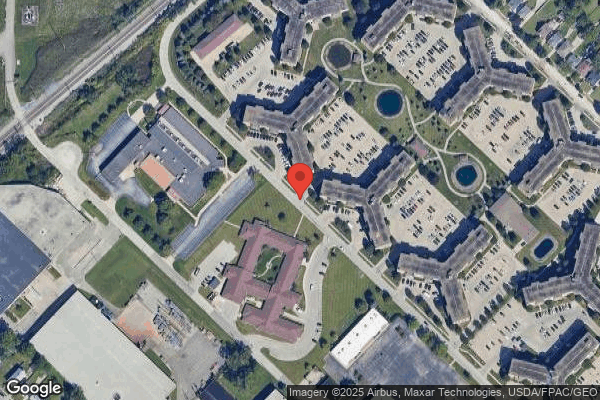
1500 E 191ST ST, EUCLID, OH 44117 (216) 486-8880
For profit - Corporation 75 Beds SABER HEALTHCARE GROUP Data: November 2025
Trust Grade
55/100
#380 of 913 in OH
Last Inspection: May 2024

Within standard 12-15 month inspection cycle. Federal law requires annual inspections.

Overview

Willows Health and Rehab Center has a Trust Grade of C, which means it is average-neither great nor terrible. It ranks #380 out of 913 nursing homes in Ohio, placing it in the top half, and #35 out of 92 in Cuyahoga County, indicating there are only a few better local options. The facility has shown improvement over time, reducing issues from 15 in 2022 to just 4 in 2024. Staffing is considered a strength with a turnover rate of 44%, which is lower than the state average of 49%, although it receives an average staffing rating of 3 out of 5 stars. However, the facility has incurred fines totaling $39,683, which is concerning as it is higher than 83% of Ohio facilities, suggesting ongoing compliance issues. Specific incidents include a serious failure to manage a resident's severe weight loss due to untreated dental pain, resulting in a significant weight drop of 24.8 pounds in just 30 days. Additionally, another resident suffered from unmanaged pain for 18 days after not receiving prescribed Fentanyl patches for their sickle cell anemia. While the facility has strengths in staffing and has made progress in addressing issues, these incidents highlight areas that need urgent attention to ensure the well-being of residents.

Trust Score
C
55/100
In Ohio
#380/913
Top 41%
Safety Record
Moderate
Needs review
Inspections
Getting Better
15 → 4 violations
Staff Stability
○ Average
44% turnover. Near Ohio's 48% average. Typical for the industry.
Penalties
✓ Good
$39,683 in fines. Lower than most Ohio facilities. Relatively clean record.
Skilled Nurses
⚠ Watch
Each resident gets only 27 minutes of Registered Nurse (RN) attention daily — below average for Ohio. Fewer RN minutes means fewer trained eyes watching for problems.
Violations
⚠ Watch
25 deficiencies on record. Higher than average. Multiple issues found across inspections.
★★★★☆
4.0
Overall Rating
★★★☆☆
3.0
Staff Levels
★★★★★
5.0
Care Quality
★★★☆☆
3.0
Inspection Score
Stable
2022: 15 issues
2024: 4 issues

The Good

  • 5-Star Quality Measures · Strong clinical quality outcomes
  • Full Sprinkler Coverage · Fire safety systems throughout facility
  • No fines on record
  • Staff turnover below average (44%)

    4 points below Ohio average of 48%

Facility shows strength in quality measures, fire safety.

The Bad

Staff Turnover: 44%

Near Ohio avg (46%)

Typical for the industry

Federal Fines: $39,683

Above median ($33,413)

Moderate penalties - review what triggered them

Chain: SABER HEALTHCARE GROUP

Part of a multi-facility chain

Ask about local staffing decisions and management

The Ugly 25 deficiencies on record

2 actual harm
May 2024 4 deficiencies 1 Harm
SERIOUS (G)

Actual Harm - a resident was hurt due to facility failures

Deficiency F0692 (Tag F0692)

A resident was harmed · This affected 1 resident

Based on closed medical record review and staff interview, the facility failed to timely identify and implement interventions to prevent significant/severe weight loss. Actual Harm occurred when Resi...

Read full inspector narrative →
Based on closed medical record review and staff interview, the facility failed to timely identify and implement interventions to prevent significant/severe weight loss. Actual Harm occurred when Resident #173 was assessed to have a severe 24.8 pound/13.3 percent (%) weight loss in 30 days without evidence of timely identification of the resident's decreased oral intake or timely intervention to address the cause of the weight loss. On 01/17/24 Resident #173 complained of tooth pain and was discovered to have a loose front tooth. The resident complained of continued pain with a decrease in oral intake. On 01/18/24 Resident #173 weighed 186.2 pounds and the next weight obtained on 02/13/24 was 161.4 pounds which reflected a 24.8 pound (severe)/13.3 % weight loss in under 30 days. This affected one resident (#173) of four residents reviewed for nutrition. The facility census was 65 residents. Findings include: Review of the closed medical record for Resident #173 revealed an admission date of 05/18/21 and a discharge date of 02/20/24 with diagnoses that included Alzheimer's disease, dementia, obesity, chronic respiratory failure, hypertension, osteoarthritis, gastrostomy tube (g-tube), and anxiety disorder. Review of the care plan for Resident #173 dated 05/18/21 revealed the resident was at nutritional and hydration risk related to malnutrition, mechanically altered diet, dysphagia, and history of gastrostomy tube. Interventions included the following: monitor dietary intake and/or hydration, monitor labs, and monitor weights, monitor need for increased nutritional intervention related to diagnosis, medications and listed problems. Review of physician's orders for Resident #173 dated 01/24/23 revealed an order for regular diet, pureed texture, thin consistency. Review of the nutrition progress note for Resident #173 dated 04/07/23 revealed the resident had progressed with her oral meal intake and her enteral nutrition was discontinued. The gastrostomy tube was flushed with water to maintain patency. Review of the dietary assessment for Resident #173 dated 11/08/23 revealed the resident received a regular diet, pureed texture, thin consistency liquids and consumed approximately 76 to 100 % of meals. The resident's most recent weight on 10/09/23 was 185.6 pounds. Review of the nurse progress note for Resident #173 dated 01/17/24 revealed the facility staff contacted Certified Nurse Practitioner (CNP) #650 because the resident had a loose front tooth which appeared to cause the resident some discomfort. Review of the weight records for the facility revealed Resident #173 weighed 186.2 pounds on 01/18/24. Review of the progress note for Resident #173 dated 01/17/24 per CNP #650 revealed the CNP examined the resident due to reports from nursing that the resident had a sore tooth and was refusing food and drinks. Further review of the note revealed the resident had a loose tooth noted to the lower front jaw and the CNP gave orders for mouth care every shift and to make an appointment with the dentist for loose tooth. Review of the nursing progress note for Resident #173 dated 01/17/24 revealed the CNP also gave an order for Orajel mouth gel to gum line before meals and snacks. Review of the Medication Administration Record (MAR) for Resident #173 from 01/17/24 to 02/17/24 revealed documentation that Orajel was administered to resident's gum line before meals and snacks for pain as ordered. Review of the weight records for the facility revealed Resident #173 weighed 186.2 pounds on 01/18/24. Review of progress note for Resident #173 per NP #850 dated 01/19/24 revealed the facility staff reported resident had a front lower teeth that was loose. NP #850 attempted to examine the resident, but the resident refused to open her mouth. Review of the progress note for Resident #173 dated 01/19/24 revealed the facility called the dentist for an appointment for the resident and was awaiting a call back. Review of the progress note for Resident #173 dated 01/21/24 at 7:37 P.M. revealed the resident ate 50% of meals served on this date. Review of the progress note for Resident #173 dated 01/22/24 timed at 7:19 P.M. revealed the resident ate 50% of her meal. Review of the progress note for Resident #173 dated 01/25/24 timed at 7:20 P.M. the resident ate 50% of meals served on this date. Review of the physician's orders for Resident #173 revealed and order dated 01/22/24 revealed an order for a dental exam and x-ray on 02/20/24 at 10:00 A.M. Review of the progress note for Resident #173 dated 01/30/24 at 6:56 P.M. revealed the resident ate 50% of the lunch meal. Review of the progress note for Resident #173 dated 01/31/24 timed at 6:52 P.M. revealed the resident ate 50% of meals served. Review of the medication administration note for Resident #173 dated 02/01/24 timed at 3:26 P.M. revealed the resident was given two Tylenol tablets for mouth pain. Review of the progress note dated 02/02/24 at timed at 7:02 P.M. revealed the resident at 25% of meals served. Review of the progress note for Resident #173 dated 02/05/24 revealed the facility set up a same-day emergency dental appointment for resident on 02/05/24. Review of the progress note for Resident #173 dated 02/05/24 revealed the dentist would call to schedule the resident for oral surgery to remove the loose front tooth. Review of the progress note for Resident #173 dated 02/06/24 timed at 5:48 P.M. revealed the resident refused the breakfast meal and ate 25% of the lunch and dinner meals. Review of the progress note for Resident #173 dated 02/07/24 timed at 8:08 P.M. revealed the resident at 50% of the meal. Review of the progress note for Resident #173 dated 02/11/24 timed at 5:57 P.M. revealed the resident ate 50% of her meals. Review of the Minimum Data Set (MDS) assessment for Resident #173 dated 02/10/24 revealed the resident was cognitively impaired and was able to feed herself with set-up assistance and was dependent on staff for all other activities of daily living (ADLs.) Review of the weight records for the facility revealed Resident #173 weighed 161.4 pounds on 02/13/24. The facility reweighed the resident and confirmed the resident's weight was 161.4 pounds. Review of the physician orders for Resident #173 revealed an order dated 02/13/24 for Boost supplement three times a day due to weight loss. Review of the progress note for Resident #173 dated 02/18/24 timed at 4:20 P.M. revealed the resident had difficulty breathing, had a low blood pressure of 75/33 and a low oxygen saturation level of 85 %. Resident #173 was sent to the hospital due to a change in condition and was admitted . The resident did not return to the facility following the hospitalization. Interview on 05/14/24 at 10:14 A.M. with Registered Dietitian (RD) #912 revealed Resident #173 was admitted to the facility in May of 2021 and received all nutrition via g-tube at that time. RD #912 confirmed the resident's diet was upgraded to oral meals in April of 2023, but the resident still had a g-tube in place and the facility maintained the patency of the tube with regular water flushes. RD #912 further confirmed Resident #173 had a significant (severe by Centers for Medicare/Medicaid (CMS) definition -weight loss of greater than five percent in one month) weight loss of 24.8 pounds, a weight loss of 13.3% from 01/18/24 to 02/13/24. RD #912 confirmed she recommended a Boost supplement for Resident #173 three times per day but not until on 02/13/24. RD #912 confirmed the facility identified Resident #173 had a loose and sore tooth on 01/17/24 and did not obtain additional weights for Resident #173 from 01/18/24 to 02/13/24 nor did the facility implement any additional nutritional interventions during this time frame. Interview on 05/15/24 at 2:47 P.M. with Regional Nurse (RN) #750, the Interim Director of Nursing (DON), and Licensed Practical Nurse (LPN) #901 confirmed Resident #173 complained of mouth pain in mid-January 2024 and on 01/17/24 staff confirmed resident had a loose tooth which caused the resident pain. RN #750 revealed the facility did schedule an emergency dental appointment and extraction for Resident #173. LPN #901 confirmed staff began to provide a Boost supplement to Resident #173 starting on 02/13/24 due to resident's weight loss. Further interview with RN #750 and the Interim DON confirmed Resident #173 had a significant weight loss of 24.8 pound, 13.3% from 01/18/24 to 02/13/24. Interview confirmed the facility did not obtain any weights during this time frame for the resident nor did the facility initiate interventions to prevent weight loss until 02/13/24.
CONCERN (D)

Potential for Harm - no one hurt, but risky conditions existed

Deficiency F0657 (Tag F0657)

Could have caused harm · This affected 1 resident

Based on medical record review, staff interview, family interview, and review of the facility policy, the facility failed to ensure resident care plans with updated with changes in code status. This a...

Read full inspector narrative →
Based on medical record review, staff interview, family interview, and review of the facility policy, the facility failed to ensure resident care plans with updated with changes in code status. This affected one (Resident #50) of 29 residents reviewed for care plans. The facility census was 65 residents. Findings include: Review of the medical record for Resident #50 revealed an admission date of 09/16/21 with diagnoses including chronic obstructive pulmonary disease (COPD), congestive heart failure, vascular dementia without behavioral disturbance, chronic kidney disease, cardiomegaly, and diabetes. Review of May 2024 physician's orders for Resident #50 revealed an order dated 02/04/24 for the resident be a full code (all resuscitative interventions would be performed in the event the resident's heart stopped). There was an order dated 02/20/24 for Resident #50 to be admitted to hospice care for a diagnosis of COPD. The resident remained a full code. Review of the care plan for Resident #50 dated 02/14/24 revealed the resident's code status was do not resuscitate comfort care arrest (DNR-CCA.) Interview on 05/16/24 at 9:52 A.M. with Resident #50's representative and medical decision-maker confirmed the resident was receiving hospice services but the resident was to remain a full code, meaning in the event that Resident #50's heart stopped he wanted everything possible to be done to maintain life. Interview on 05/16/24 at 11:05 A.M with Regional Nurse (RN) #750 confirmed Resident #50 was a full code, but the resident's care plan had not been updated with the correct code status. Review of the facility policy titled Comprehensive Care Planning dated 03/02/21 revealed the Minimum Data Set (MDS) Coordinator was responsible for reviewing and updating the plan of care as needed. The MDS Coordinator was to review the facility's 24-hour report daily for any changes in the resident's condition and update the care plan accordingly.
CONCERN (D)

Potential for Harm - no one hurt, but risky conditions existed

Deficiency F0698 (Tag F0698)

Could have caused harm · This affected 1 resident

Based on medical record review, staff interview, and review of the facility policy, the facility failed to ensure accurate pre-dialysis communication was provided to the dialysis center, failed to ens...

Read full inspector narrative →
Based on medical record review, staff interview, and review of the facility policy, the facility failed to ensure accurate pre-dialysis communication was provided to the dialysis center, failed to ensure the dialysis provider provided the facility with timely post-dialysis information, and failed to respond to concerns from the dialysis center. This affected one (Resident #36) of one resident reviewed for dialysis. The facility census was 65 residents. Findings include: Review of the medical record for Resident #36 revealed an admission date of 11/03/23 with diagnoses including end stage renal disease, dependence on dialysis, diabetes, peripheral vascular disease, bilateral below the knee amputation, schizoaffective disorder, and noncompliance with renal dialysis. Review of the physician's orders for Resident #36 revealed an order for the resident to receive hemodialysis outside the facility on Mondays, Wednesdays, and Fridays. The facility was to send a bagged meal/snack with Resident #36 to dialysis. A dialysis communication tool was to be completed and sent to dialysis with the resident. A skin check was to be completed upon return from dialysis. Resident #36 was not on a fluid restriction and was to receive a renal diet with double protein portions. Review of the pre-dialysis communication tools from February 2024 through May 2024 from the facility to the dialysis center for Resident #36 revealed the facility completed the tool and sent it to the dialysis provider for each visit, but the facility did not complete the dialysis tool accurately. Resident #36 was marked as being on a fluid restriction and that the resident was not to have bagged meal/snack sent with him on the following dates: 02/02/24, 02/12/24, 03/08/24, 03/15/24, 04/07/24, 04/19/24, 04/22/24, 04/24/24, 04/26/24, 04/29/24, 05/10/24, and 05/13/24. Review of the post-dialysis communication tool for Resident #36 from the dialysis center to the facility revealed the dialysis provider was to send back information regarding how much fluid was removed from the resident, the post-dialysis weight, how the resident tolerated the session. No information was provided to the facility upon treatment completion for Resident #36 on the following dates: 04/19/24, 04//22/24, 04/29/24, 05/10/24. Review of the progress notes for Resident #36 dated 04/19/24 to 05/21/24 revealed they did not include documentation of the facility contacting the dialysis provider for treatment information for the following dates: 04/19/24, 04//22/24, 04/29/24, or 05/10/24. Review of the dialysis communication tool returned by the dialysis provider to the facility dated 03/15/24 for Resident #36 revealed the dialysis provider noted the resident was complaining of pain to his buttocks and that the facility staff had not been treating the resident's bottom. Review of the progress notes for Resident #36 dated 03/15/24 to 05/21/24 revealed they did not include documentation that the facility was aware of the dialysis provider's concerns or that the facility followed up with the dialysis provider. Review of the dialysis communication tool returned by the dialysis provider to the facility dated 04/26/24 revealed the resident was complaining of pain in his genitals and was having discharge from it and that this was an ongoing problem, and nothing was being done. Review of the progress notes for Resident #36 dated 04/26/24 to 05/21/24 revealed they did not include documentation that the facility was aware of the dialysis provider's concerns or that the facility followed up with the dialysis provider. Interview on 05/21/24 at 3:30 P.M. with Regional Registered Nurse (RRN) #750 confirmed the pre-dialysis tool sent to the dialysis provider for Resident #36 was not consistently completed with accuracy regarding the resident's fluid status and diet interventions. RNN #750 further confirmed the facility should have followed up with the dialysis provider for the dates in which the facility did not receive post-dialysis documentation. RNN #750 confirmed the facility did not follow up with the dialysis provider regarding the concerns noted on the post-dialysis communication forms dated 03/15/24 and 04/26/24. Review of the facility policy titled Hemodialysis Care Policy last revised 08/24/23, revealed the facility was to include the following information in the dialysis communication tool shared with the dialysis provider: vital signs, pre-treatment weight unless performed at dialysis, any medication administered before treatment, time of last meal, fluid intake, any additional alerts or information. The tool was to go with the resident to treatment. The post-dialysis process was to receive report from the dialysis provider and/or review the dialysis communication tool documentation completed by the dialysis provider. Information post-dialysis will include the following: vital signs, post-treatment weight, any lab draws and/or results, any medications administered during or after treatment, any new orders, any alerts or information, monitoring the dialysis site for bleeding, monitor for dizziness, any meal/and or fluids consumed at dialysis.
CONCERN (E)

Potential for Harm - no one hurt, but risky conditions existed

Comprehensive Care Plan (Tag F0656)

Could have caused harm · This affected multiple residents

Based on record review, staff interview, and review of the facility policy the facility failed to develop comprehensive care plans for residents who were smokers. This affected four (Residents #2, #17...

Read full inspector narrative →
Based on record review, staff interview, and review of the facility policy the facility failed to develop comprehensive care plans for residents who were smokers. This affected four (Residents #2, #17, #64, #65) of twenty-one residents reviewed for care plans. The facility census was 65 residents. Findings include: Review of a document provided by the facility dated 05/01/24 revealed there were 21 residents who were smokers. Residents #2, #17, #64, #65 were listed as smokers. Review of the medical record for Resident #2 revealed an admission date of 11/12/21 with diagnoses including type two diabetes, hypertension, and atrial fibrillation. Review of the care plan for Resident #2 dated 04/04/24 revealed it did not include a care plan for smoking. Review of the medical record for Resident #17 revealed an admission date of 12/07/23 with diagnoses including type two diabetes, hypertension, and bipolar disorder. Review of the care plan for Resident #17 dated 03/14/24 revealed it did not include a care plan for smoking. Review of the medical record for Resident #64 revealed an admission date of 01/30/24 with diagnoses including schizophrenia, hypertension, and depression. Review of the care plan for Resident #64 dated 03/10/24 revealed it did not include a care plan for smoking. Review of the medical record for Resident #65 revealed an admission date of 03/09/24 with diagnoses including malignant neoplasm of larynx, squamous cell carcinoma, and chronic obstructive pulmonary disease (COPD). Review of the care plan for Resident #65 initiated 03/10/24 revealed it did not include a care plan for smoking. Interview on 05/16/24 at 11:05 A.M. with Regional Registered Nurse (RRN) #750 confirmed Residents #2, #17, #64, and #65 were smokers, but they did not have care plans for smoking. Review of the facility policy titled Comprehensive Care Planning revised 03/02/21 revealed the facility would establish a care plan for every resident that included the resident's medical, nursing, mental, and psychosocial needs.
May 2022 15 deficiencies 1 Harm
SERIOUS (G)

Actual Harm - a resident was hurt due to facility failures

Deficiency F0697 (Tag F0697)

A resident was harmed · This affected 1 resident

**NOTE- TERMS IN BRACKETS HAVE BEEN EDITED TO PROTECT CONFIDENTIALITY** Based on observation, interview and record review, the facility failed to ensure Resident #121's pain was managed effectively. R...

Read full inspector narrative →
**NOTE- TERMS IN BRACKETS HAVE BEEN EDITED TO PROTECT CONFIDENTIALITY** Based on observation, interview and record review, the facility failed to ensure Resident #121's pain was managed effectively. Resident #121 sustained actual harm as evidenced by severe pain and depression when physician ordered Fentanyl patches for pain associated with sickle cell anemia was not provided for eighteen days. This affected one of two residents (Residents #121 and #63) reviewed for pain management. The facility census was 71. Findings include: Review of the Resident #121's medical record revealed an admission date of 04/13/22. Admitting diagnoses included unspecified sequela of cerebral infarction, major depressive disorder, congestive heart failure and sickle cell anemia. Review of the admitting physician orders dated 04/14/22 revealed an order for Fentanyl patch 50 microgram (mcg)/hour one patch transdermal every 72 hours for pain. Review of Resident #121's Minimum Data Set 3.0 assessment dated [DATE] revealed Resident #121 was alert and oriented to time, person and place, and required extensive assistance of one person for bed mobility, transfers, dressing, toileting and personal hygiene. Review of the nursing progress notes dated 04/26/22 at 4:30 P.M. revealed the nurse called the pharmacy and spoke with Representative #1. The note further indicated Resident #121's Fentanyl patch was to be billed to the facility until billing to insurance was resolved. In addition, there were 24 pills remaining on the oxycodone script and the oxycodone would be drop shipped to the facility. Review of Resident #121's Medication Administration Record (MAR) from admission on [DATE] to 05/03/22 revealed a Fentanyl patch was applied to Resident #121 on 05/03/22 at 12:08 A.M. Interview with Resident #121 on 05/03/22 at 9:40 A.M. revealed she had been having bad pain since her admission to the facility. At the time of the interview Resident #121 rated her pain a 10 on a scale of 0-10 (zero means no pain, one to three means mild pain, four to seven is considered moderate pain, and eight and above is considered severe pain). Resident #121 was sitting at the side of her bed rocking back and forth. When asked if she informed the nurse, Resident #121 started crying and said telling the nurse did not do any good because they told her they were waiting on the pharmacy. Resident #121 said she finally received her Fentanyl patch that was ordered upon admission early that morning, probably about 1:30 A.M. but it took a while for the Fentanyl to work like it was supposed to since she had been without the medication for a while. Resident #121 said her depression was getting worse because of the pain. Interview with Licensed Practical Nurse (LPN) #288 on 05/03/22 at 10:00 A.M. revealed she administered Resident #121's medications and Resident #121 never mentioned anything about being in severe pain. LPN #288 said she would assess Resident #121. Interview with Resident #121 on 05/04/22 at 8:40 A.M. revealed Resident #121's current pain level was a five. When asked if Resident #121 informed the nurses of her pain when she was first admitted Resident #121 said she did and they offered her oxycodone. Resident #121 said she took the oxycodone which took the edge off of the pain but never gave her relief like the Fentanyl did. Resident #121 said she had pain ranging from seven to 10 when she was not wearing the Fentanyl patch. Interview with the Director of Nursing (DON) on 05/04/22 at 10:30 A.M. revealed the nurse who placed the order for the Fentanyl patch with the pharmacy did not pass on that Resident #121's insurance would not cover the Fentanyl patch. The DON stated the procedure for this kind of situation included notifying the DON immediately because she would call the pharmacy and approve the Fentanyl patch order to be shipped and billed to the facility until the insurance coverage problem was corrected. The DON said The Certified Nurse Practitioner (CNP) had ordered Resident #121 oxycodone as needed for pain as part of her admission orders. Interview with CNP #40 on 05/06/22 at 11:00 A.M. revealed she was aware of the problem regarding Resident #121's Fentanyl patch. CNP #40 explained Resident #121 was started on the Fentanyl at the hospital but due to Resident #121's insurance the medication had not been provided to the facility by the pharmacy. CNP #40 wrote an order for oxycodone for four days (04/14/22 to 04/18/22). When asked about the effectiveness of oxycodone verses Fentanyl for the relief of Resident #121's pain related to sickle cell anemia, CNP #40 said the oxycodone was not as effective as the Fentanyl in relieving Resident #121's pain. During a follow up interview with Resident #121 on 05/06/22 at 12:45 P.M., Resident #121 reiterated she was in a lot of pain prior to getting the Fentanyl patch on 05/03/22 and she started to cry again. When asked if she took the oxycodone as often as she could have it, she stated she was not sure because she was unaware the oxycodone was not scheduled to be given at regular intervals and in order to receive the oxycodone she had to ask for the medication. Resident #121 said when she told the nurses she was in pain some of the nurses administered the oxycodone. Interview on 05/06/22 at 1:15 P. M with State Tested Nursing Assistant (STNA) #278, regarding whether Resident #121 complained of being in a lot of pain daily, revealed of course she does, she has sickle cell anemia. STNA #278 said when any resident complained of pain he immediately reported to the nurse. Interview on 05/06/22 at 1:20 P.M. with LPN #288 revealed Resident #121 complained of pain off and on and when she did, LPN #288 gave her oxycodone. When LPN #288 asked Resident #121 if the oxycodone was effective Resident #121 stated it was for the moment. Interview on 05/06/22 at 1:40 P.M. with STNA #256 revealed STNA #256 had taken care of Resident #121 a few times. STNA #256 indicated Resident #121 did complain about being in pain once when she was first admitted and STNA #256 reported the complaint of pain to the nurse; however, STNA #256 could not remember which nurse.
CONCERN (D)

Potential for Harm - no one hurt, but risky conditions existed

Deficiency F0567 (Tag F0567)

Could have caused harm · This affected 1 resident

Based on record review and interview the facility failed to ensure the Resident Fund Management Service Authorization and Agreement to Handle Resident Funds form were witnessed for residents whose per...

Read full inspector narrative →
Based on record review and interview the facility failed to ensure the Resident Fund Management Service Authorization and Agreement to Handle Resident Funds form were witnessed for residents whose personal funds were being managed by the facility. This affected one Resident (#58) of five residents (#29, #58, #60, #61, and #65) reviewed for personal funds. The facility census was 71. Findings include: Review of the Resident Fund Management Service Authorization and Agreement to Handle Resident Funds form for Resident #58 revealed the facility failed to have a witnessed authorization form on record for personal funds to be managed by the facility. Interview on 05/06/22 at 4:40 P.M. with Corporate Clinical Nurse #292 confirmed the Resident Fund Management Service Authorization and Agreement to Handle Resident Funds form for Resident #58 was not documented as witnessed.
CONCERN (D)

Potential for Harm - no one hurt, but risky conditions existed

MDS Data Transmission (Tag F0640)

Could have caused harm · This affected 1 resident

**NOTE- TERMS IN BRACKETS HAVE BEEN EDITED TO PROTECT CONFIDENTIALITY** Based on record review and interview, the facility failed to ensure Minimum Data Set (MDS) assessments were completed following ...

Read full inspector narrative →
**NOTE- TERMS IN BRACKETS HAVE BEEN EDITED TO PROTECT CONFIDENTIALITY** Based on record review and interview, the facility failed to ensure Minimum Data Set (MDS) assessments were completed following resident discharge. This affected two of two residents reviewed for discharge (Residents #1 and #10) . Facility census was 71. Findings include: 1. Review of the closed medical record for Resident #1 revealed an admission date of 12/08/21 and discharge date of 12/29/21 to the community. Diagnoses included syphilis, delusional disorders, psychoactive substance use, and altered mental status. Review of Resident #1's MDS assessment dated [DATE] revealed the resident had impaired cognition and was expected to discharge to the community. Review of Resident #1's care plan dated 12/14/21 revealed the resident planned to return to the community. Interventions included to involve specialized home care services and provide written instructions upon discharge. Review of the MDS assessment dated [DATE] revealed the assessment was incomplete and had not been submitted. 2. Review of closed medical record for Resident #10 revealed an admission date of 05/27/21 and discharge date of 04/12/22 to the community. Diagnoses included type II diabetes, obesity, and heart disease. Review of Resident #10's quarterly MDS assessment dated [DATE] revealed the resident had intact cognition and was not expected to discharge to the community. Review of Resident #10's care plan dated 01/25/22 revealed the resident planned to return to the community. Interventions included to involve specialized home care services and to provide written instructions upon discharge. Review of the MDS discharge assessment dated [DATE] revealed it was incomplete and had not been submitted. Interview on 05/06/22 at 10:50 A.M. with Corporate Clinical Nurse #292 verified Resident #1's discharge and Resident #10's discharge MDS assessments were incomplete and had not been submitted.
CONCERN (D)

Potential for Harm - no one hurt, but risky conditions existed

Deficiency F0660 (Tag F0660)

Could have caused harm · This affected 1 resident

**NOTE- TERMS IN BRACKETS HAVE BEEN EDITED TO PROTECT CONFIDENTIALITY** Based on interview and record review the facility failed to have a discharge planning process in place which addressed each resi...

Read full inspector narrative →
**NOTE- TERMS IN BRACKETS HAVE BEEN EDITED TO PROTECT CONFIDENTIALITY** Based on interview and record review the facility failed to have a discharge planning process in place which addressed each resident's discharge goals and included identifying changes in the resident's condition which warranted revising the discharge plan. This affected three of three residents (#4, #10, and #30) reviewed for discharge planning. The facility census was 71. Findings include: Review of the medical record for Resident #4 revealed an admission date of 09/10/21. Diagnoses included hypertension and hyperlipidemia. Review of the quarterly Minimum Data Set (MDS) assessment dated [DATE] revealed the resident had mildly impaired cognition. Review of the discharge care plan for Resident #4, dated 09/17/21, revealed discharge status was undetermined because the County had temporary guardianship of Resident #4 due to inability to care for self. Interventions included: Resident will return to appropriate safe placement once stable, assess resident/families' ability to perform transfers and activities of daily living, connect with home health as appropriate, contact and connect with appropriate housing options if applicable, and coordinate discharge planning with community case manager, family, and/or responsible party. The interventions were dated 09/19/21. Review of documents in the medical record of Resident #4 revealed a Statement of Expert Evaluation dated 02/20/22 and an email dated 04/18/22 from the Assistant Prosecuting Attorney, Office of the County Prosecutor discussing the finding of competence. There were no progress notes discussing discharge plans and no evidence care conferences had been conducted. Interview on 05/02/22 at 10:34 A.M. with Resident #4 revealed the resident had been told she was supposed to be leaving the facility and the court was no longer her guardian. Review of the medical record for Resident #10 revealed an admission date of 05/27/21. Diagnoses included hemiplegia and hemiparesis, dependence on oxygen, and diabetes. Review of the quarterly MDS assessment, dated 01/25/22, revealed the resident had intact cognition. Review of Resident #10's progress notes and assessments revealed no evidence care conferences had been conducted. The resident was discharged to another Long-Term Care (LTC) facility on 04/12/22. Review of the discharge care plan for Resident #10, dated 05/27/21, revealed the resident planned to return to the community. Interventions included reevaluate periodically resident's capabilities to return to the community. Review of the last progress note on Discharge Planning/discharge date d 08/31/21 and timed 1:11 A.M. revealed Resident #10 had shown improvement but still had difficulty with moving and using her left side as stated by the resident representative. Resident #10 did not have adequate/safe housing for discharge. The home currently did not have active gas service and the home had anterior and interior steps which limited Resident 10's mobility around the home. Resident #10 was considering leasing an apartment and was to remain in LTC until an adequate home was available for discharge. Review of the medical record for Resident #30 revealed an admission date of 06/09/20. Diagnoses included adult failure to thrive, alcohol use with alcohol induced disorder, and muscle weakness. Review of the annual MDS assessment, dated 04/19/22, revealed the resident had mildly impaired cognition. Review of Resident #30's progress notes and assessments revealed the most recent quarterly care conference was on 02/15/21. Review of Resident #30's care plans revealed the only plan related to dis charge was dated 11/10/21 and stated the Resident planned to stay long term in the facility. Interventions included: resident will safely adjust to long term care, resident/ family will be actively involved in the resident plan of care, and social services will reevaluate resident's discharge goals periodically. Review of the last progress note on Discharge Planning/discharge date d 08/12/21 and timed 11:58 A.M. revealed Resident #30's family was working with the resident's Medicaid health plan provider to obtain durable medical equipment (DME) and home care services for Resident #30 to return home. They were filing a new request for a waiver assistance as the first claim was denied for failure to show proof of an available home health aide. They continued to utilize available resources to find a suitable home health aide for in home care. Interview on 05/02/22 at 11:37 A.M. with Resident #30 revealed she was ready to go. She needed a new social security card to get a state identification card. Her son wanted her to live with him but Resident #30 didn't want to be in his and his families way. She wanted a place near him. Her niece was going to come stay with her. Interview on 05/04/22 at 10:54 A.M. with Social Service Designee (SSD) #89 revealed she was from another facility and began working at this facility after the previous SSD walked off the job on 05/03/22. The previous SSD had been here approximately a month. SSD #89 revealed Resident #4 had a court appointed temporary guardian for six months. Expert evaluation had recently deemed the resident competent. Interview on 05/04/22 at 11:13 A.M. with the Administrator and Director of Nursing (DON) revealed the previous SSD was at the facility for less than a month, before her there were some gaps in having a SSD in the facility. Interview on 05/06/22 at 9:54 A.M. with the DON and Corporate Clinical Nurse #292 revealed care conferences had been held sporadically over the last six months to a year. Interview on 05/06/22 at 11:22 A.M. with the Administrator verified she was unable to obtain any information on what residents had care conferences in the last six months. Discharge planning was not in the medical record and discharge plans had not been revised as needed.
CONCERN (D)

Potential for Harm - no one hurt, but risky conditions existed

ADL Care (Tag F0677)

Could have caused harm · This affected 1 resident

**NOTE- TERMS IN BRACKETS HAVE BEEN EDITED TO PROTECT CONFIDENTIALITY** Based on observation, interview, and record review the facility failed to ensure residents received services to maintain persona...

Read full inspector narrative →
**NOTE- TERMS IN BRACKETS HAVE BEEN EDITED TO PROTECT CONFIDENTIALITY** Based on observation, interview, and record review the facility failed to ensure residents received services to maintain personal and oral hygiene. This affected four (Residents #60, #62, #24, and #44) of 11 residents reviewed for personal hygiene. Facility census was 71. Findings include: 1. Review of medical record revealed Resident #60 was admitted on [DATE]. Diagnoses included neuromuscular dysfunction of bladder, morbid obesity, hypertension, major depressive disorder, and lymphedema. Review of Resident #60's care plan revised on 01/27/22 revealed Resident #60 required extensive assist with one staff to perform personal hygiene. Review of the Minimum Data Set (MDS) assessment dated [DATE] revealed Resident #60 required extensive assist with two persons for personal hygiene. Observation on 05/02/22 at 12:59 P.M. revealed Resident #60 lying in bed with a sheet covering her and uncombed greasy hair. Interview with Resident #60 at the time of the observation revealed she received partial bed baths maybe once a week and her hair had not been washed for several months despite having requested to have her hair washed. Interview on 05/04/22 at 9:03 A.M. with Resident #60 revealed she had not had a bed bath since observation on 05/02/22. Interview on 05/04/22 at 1:28 P.M. with State Tested Nurse Aide (STNA) #279 revealed Resident #60 loved her bed baths and hair to be washed. Interview on 05/05/22 at 8:54 A.M. with Resident #60 revealed she did not receive a bed bath last night as per bath schedule. Interview on 05/05/22 at 9:01 A.M. with STNA #278 revealed when showers were given, they were recorded in the electronic medical record (EMR) and a shower sheet was filled out and given to the Assistant Director of Nursing (ADON). STNA #278 confirmed Resident #60 was scheduled for a bath last night and there were no shower sheets in the shower book from last night completed for Resident #60. Interview on 05/05/22 at 9:18 A.M. with STNA #285 revealed she received report from the previous shift. If a bath was completed a shower sheet was filled out and the shower is also documented in EMR. She stated Resident #60 had never refused care for her. Interview on 05/05/22 at 1:29 P.M. with the ADON revealed five shower sheets were found for Resident #60 for the past 30 days (03/30/33, 04/04/22, 04/13/22, 04/18/22, and 04/30/22), which was not twice weekly as care planned and any refusals should have been documented in EMR. She stated Resident #60 would receive a bed bath today. Interview on 05/06/22 at 9:19 A.M. with Resident #60 revealed she had not gotten a bath or hair washed last night. Interview on 05/06/22 at 9:26 A.M. with the ADON revealed she had forgotten to alert staff to give Resident #60 a bath and wash hair. She said she would make sure Resident #60 received a bed bath and hair washing this morning. Review of Resident #60 care [NAME] revealed bathing was to be completed twice weekly on the night shift, Wednesday and Saturday. Review of the EMR charting bathing task for Resident #60 revealed bed baths were provided three times in the past 30 days on 04/07/22, 04/10/22, and 04/24/22. Review of the facility policy Morning Care/AM Care revised 06/15/20, revealed bath/showers were to be provided as indicated. 2. Review of medical record for Resident #62 revealed Resident #62 was admitted on [DATE]. Diagnoses included cerebral infarction due to unspecified occlusion or stenosis of unspecified cerebral artery, dysphagia, hemiplegia and semi paresis, hypertension, anemia, type II Diabetes, chronic kidney disease, hyperlipidemia, glaucoma, major depressive disorder with psychotic symptoms. Review of Resident #62's care plan revised on 08/10/21 revealed he had an activities of daily living (ADL) deficit related to stroke with limited range of motion. Review of the MDS assessment dated [DATE] revealed Resident #62 needed a two person assist for personal hygiene. Review of Resident #62's bath/shower sheets revealed he received baths six times (04/13/22, 04/16/22, 04/18/22, 04/20/22, 04/25/22, and 04/30/22) over the past 30 days. Interview on 05/04/22 at 1:28 P.M. with STNA #279 revealed Resident #62 required assistance with bathing and did not usually refuse basic care. Interview on 05/05/22 at 9:01 A.M. with STNA #278 revealed when showers were given, they were recorded in the EMR and a shower sheet was filled out, placed in the shower binder, and given to the ADON. STNA #278 confirmed there were no shower sheets for Resident #62. Interview on 05/05/22 at 9:18 A.M. with STNA #285 revealed she found out who needed bathing from the list in the shower book. Once a bath was done, a shower sheet was filled out and documented in the EMR. Interview on 05/06/22 at 9:26 A.M. with the ADON revealed she had forgotten to alert staff to give Resident #62 a bath and wash hair. She said she would make sure he received a bed bath and hair washing this morning. Observation and interview on 05/06/22 at 9:27 A.M. with Resident #62 revealed his hair was greasy. Resident #62 said he had not received a shower recently. He answered yes when asked if he wanted a bath. Review of the EMR [NAME] assignments revealed Resident #62 was scheduled to have bathing on the day shift two times per week on Wednesday and Saturday. Review of EMR charting for Bath Task sheet revealed Resident #62 received one shower over the past 30 days on 05/04/22. Review of the facility policy Morning Care/AM Care revised 06/15/20, revealed bath/showers were to be provided as indicated. 3. Review of medical record revealed Resident #62 was admitted on [DATE]. Diagnoses include cerebral infarction due to unspecified occlusion or stenosis of unspecified cerebral artery, dysphagia, hemiplegia and semi paresis, hypertension, anemia, type II diabetes, chronic kidney disease, hyperlipidemia, glaucoma, and major depressive disorder with psychotic symptoms. Review of Resident #62's care plan with a revision date of 12/10/18 revealed he was at risk for oral/dental issues related to some missing teeth. Review of the admission Minimum Data Set (MDS) assessment dated [DATE], revealed Resident #62 did not have any loose or missing teeth or pain. Review of Resident #62's care [NAME] revealed oral care was to be completed twice daily. Observation on 05/02/22 at 10:52 A.M. revealed Resident #62 with reddened gums and visibly unclean teeth with food particles evident between teeth. Interview at the time of the observation with Resident #62 revealed he answered no when asked if staff helped with brushing teeth and said pain when pointing to his teeth. Interview on 05/04/22 at 8:53 A.M. with Resident #62 revealed staff had not set up a toothbrush to brush his teeth and he pointed to his mouth and stated hurts. Interview on 05/04/22 at 11:43 A.M. with State Tested Nurse Aide (STNA) #278 revealed Resident #62 could complete his oral care with set up assistance. STNA #278 said staff were to set up what was needed for Resident #62 to complete oral care each day. Interview on 05/04/22 at 1:28 P.M. with STNA #279 revealed Resident #62 would brush teeth with set up and stated Resident #62 did not usually refuse care. Interview on 05/04/22 at 3:09 P.M. with the Director of Nursing (DON) confirmed mouth care was documented as completed once daily eight times (04/05/22, 04/06/22, 04/07/22, 04/08/22, 04/25/22, 04/27/22, 04/28/22, and 04/29/22) for Resident #62's for the past 30 days. Interview on 05/05/22 at 9:16 A.M. with Resident #62 revealed he had not been offered a toothbrush to brush his teeth. He stated it hurt and pointed to his teeth. 4. Review of the medical record for Resident #24 revealed an admission date of 10/19/20. Diagnoses included hemiplegia (weakness) of the right side, and type II diabetes. Review of Resident #24's MDS assessment dated [DATE] revealed Resident #24 had intact cognition and required extensive assistance with personal hygiene. Review of the care plan dated 02/17/22 revealed Resident #24 had a self-care deficit related to right sided weakness. Intervention included to assist with activities of daily living. Review of the physician orders for May 2022 revealed Resident #24 had an order for podiatry services. Interview on 05/02/22 at 10:01 A.M. with Resident #24 stated he wanted to see the podiatrist. Observation and Interview on 05/05/22 at 10:10 A.M. with Licensed Practical Nurse (LPN) # 274 of Resident #24's left foot revealed the big toenail was long thick and covered with a white debris that appeared to be fungus. The toenail lifted off the nailbed and was growing in an up and outward position. The toenails on the right and left feet were long thick and covered with a white debris. Interview at this time, with LPN #274 verified Resident #24 required podiatry services. Interview on 05/05/22 at 4:49 P.M. with Social Service Designee (SSD) #289 revealed Resident #24 had an order for podiatry service. SSD #289 verified Resident #289 had not received podiatry services in the past six months. 5. Review of the medical record for Resident #44 revealed an admission date of 07/14/14. Diagnoses included dementia, schizoaffective disorder, and muscle weakness. Review of Resident #44's MDS assessment dated [DATE] revealed Resident #44 had impaired cognition and required extensive assistance with personal hygiene. Review of the care plan dated 02/27/22 revealed Resident #44 had self-care deficit related to weakness. Interventions included extensive assistance with bathing and dressing. Observation and interview on 05/02/22 at 4:09 P.M. of Resident's #44's fingernails on both the right and left hands revealed they extended about 0.5 centimeter (cm) from the top of the finger. Several fingernails were broken with jagged edges. Interview at this time with Resident #44, revealed his fingernails were long and need to be cut. Interview with LPN #274 on 05/05/22 at 10:18 A.M. revealed the STNAs and activity staff was responsible for cutting fingernails. LPN #274 verified Resident #44's fingernails needed to be cut. Review of the facility policy titled Morning Care revised on 06/15/20 revealed morning care would be offered each day to promote resident comfort, cleanliness, grooming and general wellbeing.
CONCERN (D)

Potential for Harm - no one hurt, but risky conditions existed

Quality of Care (Tag F0684)

Could have caused harm · This affected 1 resident

**NOTE- TERMS IN BRACKETS HAVE BEEN EDITED TO PROTECT CONFIDENTIALITY** Based on observation, interview and record review the facility failed to ensure Resident #62 was treated timely for complaints o...

Read full inspector narrative →
**NOTE- TERMS IN BRACKETS HAVE BEEN EDITED TO PROTECT CONFIDENTIALITY** Based on observation, interview and record review the facility failed to ensure Resident #62 was treated timely for complaints of abdominal pain. This affected one resident (Resident #62) of one resident reviewed for timely treatment. The facility census was 71. Findings include: Review of medical record revealed Resident #62 was admitted on [DATE]. Diagnoses include cerebral infarction due to unspecified occlusion or stenosis of unspecified cerebral artery, dysphagia, hemiplegia and semi paresis, hypertension, anemia, type II diabetes, chronic kidney disease, hyperlipidemia, glaucoma, and major depressive disorder with psychotic symptoms. Interview on 05/05/22 at 9:16 A.M. with Resident #62 revealed that his stomach hurt, he said he was in a lot of pain and he requested medication. This surveyor asked State Tested Nurse Aide (STNA) #278 to notify the nurse since the nurse was with another resident. Observation and interview on 05/05/22 at 10:30 A.M. during wound dressing change revealed Resident #62 stated to a second surveyor that he was in pain and requested Milk of Magnesia (MOM). Resident #62 stated the nurse had been previously notified and he was becoming frustrated. The Assistant Director of Nursing (ADON) was present at this time, and she assured Resident #62 his nurse would be notified. Interview on 05/05/22 at 11:42 A.M. with Resident #62 revealed he had not received medication for his stomach and he was still having pain. Licensed Practical Nurse (LPN) #288 was notified by this surveyor and LPN #288 stated she would contact the doctor regarding an order. Interview on 05/05/22 at 12:02 P.M. with LPN #288 revealed she had contacted the doctor and requested an order for medication for constipation. Review of the nursing progress notes for Resident #62 dated 05/05/22 at 12:02 P.M. revealed a call was placed to the physician for an order for MOM. Review of Resident #62's Medication Administration Record (MAR) revealed no order for MOM or documentation MOM was administered to Resident #62. Interview with the ADON on 05/06/22 at 2:46 P.M. revealed there was a telephone order for MOM and for an abdominal ultrasound. The ADON verified the MOM was not listed on the MAR nor was there documentation MOM was administered. Per the ADON the MOM was given on 05/05/22 at 2:15 P.M.
CONCERN (D)

Potential for Harm - no one hurt, but risky conditions existed

Deficiency F0688 (Tag F0688)

Could have caused harm · This affected 1 resident

**NOTE- TERMS IN BRACKETS HAVE BEEN EDITED TO PROTECT CONFIDENTIALITY** Based on observation, interview and record review the facility failed to ensure splints ordered by the physician were applied fo...

Read full inspector narrative →
**NOTE- TERMS IN BRACKETS HAVE BEEN EDITED TO PROTECT CONFIDENTIALITY** Based on observation, interview and record review the facility failed to ensure splints ordered by the physician were applied for Resident #7 and #62. This affected two residents (Resident #7 and #62) out of three residents (Resident #7, #32, and #62) reviewed for splints. The facility census was 71. Findings include: 1. Review of medical record revealed Resident #62 was admitted on [DATE]. Diagnoses include cerebral infarction due to unspecified occlusion or stenosis of unspecified cerebral artery, dysphagia, hemiplegia and semi paresis, hypertension, anemia, type II diabetes, chronic kidney disease, hyperlipidemia, glaucoma, and major depressive disorder with psychotic symptoms. Review of the physician orders for Resident #62 dated 02/27/22 revealed a physician order for a right-hand splint to be applied daily for six to eight hours as tolerated by resident. Apply with morning care and remove as ordered. Assess skin prior to and after application. Complete passive range of motion to fingers and wrist of 10 repetitions with two second holds prior to application as tolerated by resident. Review of Resident #62's plan of care last updated on 02/26/21, revealed Resident #62 had an activities of daily living (ADL) self-care performance deficit related to his stroke and limited range of motion. Interventions included: assist resident with splint during waking hours, encourage use of utensils at meals, praise all efforts of self-care; and right-hand splint to be applied daily for six to eight hours as tolerated by the resident. Observation on 05/02/22 at 10:52 A.M. revealed Resident #62 laying on his back in bed without a right-hand splint. Observation on 05/04/22 at 8:53 A.M. of Resident #62 revealed he did not have the right-hand splint on his right paralyzed arm. Interview on 05/04/22 at 9:19 A.M. with Licensed Practical Nurse (LPN) #205 revealed Resident #62 did not have any ongoing devices that he utilized. Interview on 05/04/22 at 11:43 A.M. with State Tested Nurse Aide (STNA) #278 revealed he had not observed and was not aware of a hand splint for Resident #62. Interview on 05/04/22 at 1:28 P.M. with STNA #279 revealed she was not aware of a hand splint for Resident #62 and had never seen one for Resident #62. Interview on 05/04/22 at 2:20 P.M. with LPN #205 revealed staff did not always chart if Resident #62's hand splint was worn. Interview on 05/04/22 at 3:25 P.M. with the Assistant Director of Nursing (ADON) confirmed Resident #62's splint order was still active and verified Resident #62's EMR splint task had missing dates and was not applied as ordered/care planned. Interview on 05/04/22 at 4:27 P.M. with LPN #205 revealed she found Resident #62's splint and stated Resident #62 was capable of removing the splint independently if he desired. Observation on 05/05/22 at 9:16 A.M. of Resident #62 revealed he was not wearing the right-hand splint. Interview on 05/05/22 at 9:18 A.M. with STNA #285 revealed she had never seen a splint nor offered it to Resident #62 to wear. Observation of Resident #62 on 05/05/22 at 11:42 A.M. revealed he was not wearing his right-hand splint. Observation of Resident #62 on 05/06/22 at 9:27 A.M. revealed he was not wearing his right-hand splint. Review of Resident #62's care [NAME] revealed right-hand splint to be applied daily for six to eight hours as tolerated during waking hours as resident allows. Review of Resident #62's Treatment Administration Record (TAR) revealed documentation indicating the right hand splint had been worn daily for the past month. Further review of the TAR revealed the right hand splint was signed off as applied on 05/02/22, 05/04/22, 05/05/22, and 05/06/22. There was documentation of Resident #62 refusing to wear the right-hand splint over the past 30 days. Review of Resident #62's EMR splint task revealed application of right-hand splint was to be completed daily and had been applied on six days (04/07/22, 04/08/22, 04/25/22, 04/29/22, and 05/04/22) over the past 30 days. 2. Medical record review revealed Resident #7 was admitted to the facility on [DATE]. Admitting diagnoses included hemiplegia, hemiparesis, diabetes mellitus, bipolar disorder, and cerebral infarction. Review of Resident #7's physician order dated 03/23/21 revealed Resident #7 was to wear a left resting hand splint six to eight hours per day as tolerated. The splint was to be applied with morning care and removed with hour of sleep care. Review of Resident #7's Minimum Data Set assessment dated [DATE] revealed Resident #7 was alert and oriented to time, person and place, required extensive assistance of one person for bed mobility, transfers, dressing and toilet use, and was totally dependent on staff for personal hygiene. Observation of Resident #7 on 05/03/22 at 10:30 A.M. revealed Resident #7 was not wearing a left resting hand splint while sitting at the side of his bed. When asked about the splint, Resident #7 said he had not seen the splint, he was not wearing the splint, and did not like wearing the splint. When asked if staff asked him about putting the splint on in the mornings, Resident #7 said no one asked him about putting on the splint. Observation of Resident #7 on 05/04/22 at 12:25 A.M. revealed Resident #7 sitting in a wheelchair with no splint to the left hand. Interview with Director of Therapy Services (DTS) #287 on 05/05/22 at 12:30 P.M. revealed Resident #7 was fitted for a left hand splint to be worn six to eight hours as tolerated. DTS #287 further stated therapy had worked with Resident #7 regarding the splint and tolerating the splint six to eight hours a day which he was able to tolerate. Interview with STNA #278 on 05/05/22 at 1:10 P.M. revealed Resident #7 did not wear a splint. STNA #278 further stated he had not seen a splint in Resident #7's room recently. Observation of Resident #7's room on 05/05/22 at 1:40 P.M. with STNA #256 revealed STNA #256 could not locate a splint in the room. STNA #256 said she never knew Resident #7 was supposed to wear a splint. Interview with LPN #288 on 05/05/22 at 1:55 P.M. revealed she had not seen a splint in Resident #7's room and was not aware he was supposed to wear a splint. Review of Resident #7's care [NAME] dated 05/05/22 revealed, under devices, Resident #7 was supposed to have a resting left hand splint six to eight hours a day as tolerated. The splint was to be applied with morning care and removed at bedtime care. Range of motion was to be performed prior to application of the splint.
CONCERN (D)

Potential for Harm - no one hurt, but risky conditions existed

Deficiency F0692 (Tag F0692)

Could have caused harm · This affected 1 resident

**NOTE- TERMS IN BRACKETS HAVE BEEN EDITED TO PROTECT CONFIDENTIALITY** Based on interview and record review the facility failed to adequately monitor Resident #45's nutritional status and implement a...

Read full inspector narrative →
**NOTE- TERMS IN BRACKETS HAVE BEEN EDITED TO PROTECT CONFIDENTIALITY** Based on interview and record review the facility failed to adequately monitor Resident #45's nutritional status and implement actions to prevent ongoing weight loss. This affected one of two residents reviewed (#45 and #66) for weight loss while on enteral feeding. The facility census was 71. Finding include: Review of the medical record for Resident #45 revealed an admission date of 05/18/21. Diagnoses included encounter for attention to gastrostomy, Alzheimer's disease, and acute and chronic respiratory failure. Review of the admission nursing assessment identified Resident #45 was admitted with a weight of 202 pounds. Review of the 01/20/22 Dietary Quarterly assessment dated [DATE] revealed Resident #45 had a 9.6 percent significant weight loss at one month and three months, and a 13.9 percent significant weight loss at six months. Review of weights revealed on 12/09/22 Resident #45 weighed 185.5 pounds. On 02/01/22 Resident #45 weighed 163.3 pound, a 11.97 percent loss in two months. On 03/02/22 Resident #45 weighed 166.6 pounds, a 2 percent weight gain. However, the weight loss from 12/09/22 to 03/02/22 was 10.2 percent in three months. Review of the Dietary Quarterly assessment dated [DATE] revealed Resident #45's weight on 03/02/22 was 166.6 pounds. Resident #45 had lost 18.9 pounds, 10.2 percent from 12/09/21 to 03/02/22. No recommendations were made. Review of the quarterly Minimum Data Set (MDS) assessment, dated 03/17/22, revealed Resident #45 had severely impaired cognition. Resident #45 received enteral feeding and was totally dependent on staff for receiving nutrition. The assessment indicated Resident #45 weighed 167 pounds and had experienced unplanned weight loss. No weight was obtained in 04/22. There were no nutrition notes after 03/11/22 until identified by the surveyor on 05/04/22. Interview on 05/04/22 at 4:31 P.M. with Registered Dietitian (RD) #268 revealed the RD usually monitored a resident on an enteral feed monthly, or more frequently if they were losing weight. The RD would recommend weekly weights if the resident was experiencing weight loss or other issues. RD #268 verified a weight had not been documented for Resident #45 in 04/22 and no additional monitoring or interventions had been completed. On 05/04/22 Resident #45 was weighed. The resident was at 160.0 pounds. Weights from 12/09/21 to 05/04/22 revealed a significant total weight loss of 25.5 pounds, 13.75 percent weight loss in five months. Review of facility's Weight Policy, last revised 02/01/20, revealed residents were to be weighed weekly for the first four weeks after admission and then monthly or more often if a risk was identified.
CONCERN (D)

Potential for Harm - no one hurt, but risky conditions existed

Dental Services (Tag F0791)

Could have caused harm · This affected 1 resident

**NOTE- TERMS IN BRACKETS HAVE BEEN EDITED TO PROTECT CONFIDENTIALITY** Based on observation, record review, and interview the facility failed to provide dental services for one resident (Resident #62...

Read full inspector narrative →
**NOTE- TERMS IN BRACKETS HAVE BEEN EDITED TO PROTECT CONFIDENTIALITY** Based on observation, record review, and interview the facility failed to provide dental services for one resident (Resident #62) of two residents (Residents #25 and #62) reviewed for dental concerns. The facility census was 71. Findings include: Review of medical record revealed Resident #62 was admitted on [DATE]. Diagnoses include cerebral infarction due to unspecified occlusion or stenosis of unspecified cerebral artery, dysphagia, hemiplegia and semi paresis, hypertension, anemia, type II diabetes, chronic kidney disease, hyperlipidemia, glaucoma, and major depressive disorder with psychotic symptoms. Review of Resident #62's care plan with a revision date of 12/10/18 revealed he was at risk for oral/dental issues related to some missing teeth. Review of the facility dental service report for Resident #62 revealed last dental visit was on 10/11/21. Review of a note authored by Registered Dietitian (RD) #290 dated 12/21/21 revealed Resident #62 had altered dentition and reported some mouth pain and requested to see the dentist. Review of the admission Minimum Data Set (MDS) assessment dated [DATE], revealed Resident #62 did not have any loose or missing teeth or pain. Observation on 05/02/22 at 10:52 A.M. revealed Resident #62 with reddened gums and visibly unclean teeth with food particles evident between teeth. Interview at the time of the observation with Resident #62 revealed he answered no when asked if staff helped with brushing teeth and said pain when pointing to his teeth. Interview on 05/04/22 at 8:53 A.M. with Resident #62 revealed staff had not set up a toothbrush to brush his teeth and he pointed to his mouth and stated hurts. Interview on 05/04/22 at 9:30 A.M. with Certified Occupation Therapy Assistant (COTA) #287 revealed the previous social worker worked for the facility about a month and left job yesterday. COTA #287 stated if a resident wanted an ancillary services appointment, facility staff would let the facility ancillary service know who needed an appointment and set it up. The facility provided quarterly services for podiatry, vision, ear, and dental. Visit notes were emailed to the social worker and uploaded into the electronic medical charting system, Point Click Care (PCC). Interview on 05/04/22 at 11:43 A.M. with State Tested Nurse Aide (STNA) #278 revealed Resident #62 could complete his oral care with set up assistance. STNA #278 said staff were to set up what was needed for Resident #62 to complete oral care each day. Interview on 05/04/22 at 1:28 P.M. with STNA #279 revealed Resident #62 would brush his teeth with set up and stated Resident #62 did not usually refuse care. Interview on 05/04/22 at 3:09 P.M. with the Director of Nursing (DON) confirmed mouth care was documented as completed in PCC once daily eight times (04/05/22, 04/06/22, 04/07/22, 04/08/22, 04/25/22, 04/27/22, 04/28/22, and 04/29/22) for Resident #62's for the past 30 days. The DON verified she was notified of the 12/21/21 Registered Dietitian (RD) #290 note with request for dental services. Interview on 05/05/22 at 9:16 A.M. with Resident #62 revealed he had not been offered a toothbrush to brush his teeth. He stated it hurt and pointed to his teeth. Review of the facility Dental Services Policy revised 08/11/20 revealed dental services were available to meet the resident's needs.
CONCERN (E)

Potential for Harm - no one hurt, but risky conditions existed

Deficiency F0568 (Tag F0568)

Could have caused harm · This affected multiple residents

Based on record review and interview the facility failed to verify financial records, account transactions or quarterly statements were maintained for resident funds. This affected five of five reside...

Read full inspector narrative →
Based on record review and interview the facility failed to verify financial records, account transactions or quarterly statements were maintained for resident funds. This affected five of five residents (#29, #58, #60, #61, and #65) reviewed for resident funds and had the potential to affect 33 residents (#2, #5, #8, #11, #12, #13, #15, #16, #17, #23, #24, #26, #27, #29, #31, #33, #35, #36, #42, #43, #44, #49, #50, #53, #54, #58, #60, #63, #65, #67, #70) whose funds were managed by the facility. The facility census was 71. Finding include: Review of the Resident Fund Management Service Authorization and Agreement to Handle Resident Funds forms revealed the facility managed the personal funds for Residents #29, #58, #60, #61, and #65. Interview on 05/06/22 at 2:45 P.M. with Business Office Manager (BOM) #294 revealed she had been at the facility for two weeks and did not know how to access the resident's financial records or obtain quarterly statements. The facility was unable to provide resident financial records or access resident statements. They were therefore unable to show if residents with fund accounts accrued interest, received quarterly statements, if residents had access to their funds, or if funds had been returned to a resident's estate as required. Interview on 05/06/22 at 5:29 P.M. with the Administrator verified the facility was unable to provide resident financial documents showing how the facility handled resident funds.
CONCERN (E)

Potential for Harm - no one hurt, but risky conditions existed

Deficiency F0657 (Tag F0657)

Could have caused harm · This affected multiple residents

**NOTE- TERMS IN BRACKETS HAVE BEEN EDITED TO PROTECT CONFIDENTIALITY** Based on interview and record review the facility failed to ensure participation of the resident and resident's representative i...

Read full inspector narrative →
**NOTE- TERMS IN BRACKETS HAVE BEEN EDITED TO PROTECT CONFIDENTIALITY** Based on interview and record review the facility failed to ensure participation of the resident and resident's representative in developing the residents comprehensive care plan. This affected six residents (#4, #10, #30, #45, #52, and #70) of seven residents reviewed for care plan participation. The facility census was 71. Findings include: Review of the medical record for Resident #4 revealed an admission date of 09/10/21. Diagnoses included hypertension and hyperlipidemia. Review of the quarterly Minimum Data Set (MDS) assessment dated [DATE] revealed the resident had mildly impaired cognition. Review of Resident #4's progress notes and assessments revealed no evidence care conferences had been conducted. Review of the medical record for Resident #10 revealed an admission date of 05/27/21. Diagnoses included hemiplegia and hemiparesis, dependence on oxygen, and diabetes. Review of the quarterly MDS assessment, dated 01/25/22, revealed the resident had intact cognition. Review of Resident #10's progress notes and assessments revealed no evidence care conferences had been conducted. The resident was discharged on 04/12/22. Review of the medical record for Resident #30 revealed an admission date of 06/09/20. Diagnoses included adult failure to thrive, alcohol use with alcohol induced disorder, and muscle weakness. Review of the annual MDS assessment, dated 04/19/22, revealed the resident had mildly impaired cognition. Review of Resident #30's progress notes and assessments revealed the most recent quarterly care conference was held on 02/15/21. Review of the medical record for Resident #45 revealed an admission date 05/18/21. Diagnoses included encounter for attention to gastrostomy, Alzheimer's disease, and acute and chronic respiratory failure. Review of the quarterly MDS assessment, dated 03/17/22, revealed the resident had severely impaired cognition. Review of progress notes and assessments revealed her last care plan conference was held 05/28/21. Review of the medical record for Resident #52 revealed an admission date of 08/30/21. Review of the Resident's progress notes and assessments revealed a care plan conference was scheduled for 09/16/21, but there was no record of it being completed. Review of the medical record for Resident #70 revealed an admission date of 01/01/22. Review of Resident #70's progress notes and assessments revealed no evidence a care conference had been conducted. Interview on 05/04/22 at 10:54 A.M. with Social Service Designee (SSD) #89 revealed she was from another facility and began working at this facility after the facility's previous SSD walked off the job on 05/03/22. The previous SSD had been at the facility approximately a month. An initial care conference was supposed to be scheduled three to five days from admission with the resident and/or representative. Care plan meetings were to be done quarterly. The SSD was to put the notes in the resident's e-medical record in the assessment section or the progress notes section. Interview on 05/04/22 at 11:13 A.M. with the Administrator and Director of Nursing (DON) revealed the previous SSD was at the facility for less than a month, before her there were some gaps in having a SSD in the facility. Interview on 05/06/22 at 9:54 A.M. with the DON and Corporate Clinical Nurse #292 revealed the facility was aware care conferences were to be held quarterly and they had been held sporadically over the last six months to a year. Interview on 05/06/22 at 11:22 A.M. with the Administrator verified she was unable to obtain any information on what residents or resident representatives had care conferences in the last six months.
CONCERN (E)

Potential for Harm - no one hurt, but risky conditions existed

Deficiency F0761 (Tag F0761)

Could have caused harm · This affected multiple residents

**NOTE- TERMS IN BRACKETS HAVE BEEN EDITED TO PROTECT CONFIDENTIALITY** Based on observation, staff interview, and review of facility drug storage policy and manufacturer's instructions the facility f...

Read full inspector narrative →
**NOTE- TERMS IN BRACKETS HAVE BEEN EDITED TO PROTECT CONFIDENTIALITY** Based on observation, staff interview, and review of facility drug storage policy and manufacturer's instructions the facility failed to ensure medications were stored according to manufacture guidelines. This affected four residents (Resident #29, #50, #69 and #171) of 71 residents who resided at the facility. Findings include: Observation on [DATE] at 10:00 A.M. of the 300-hallway medication cart revealed an unopened box of nasal spray containing oxymetazoline 0.005 percent, an open bottle Senna-s, a stool softener, a medication cup filled with three round blue tablets, two white oblong pills, one round green tablet, one purple and blue capsule and three and half small round white pills with a piece of paper with a name. Interview on [DATE] at 10:05 A.M. with Licensed Practical Nurse (LPN) #274 revealed she was not assigned to the cart and the nurse who was assigned was on break. LPN #274 verified the findings and stated the medication cup containing the unlabeled medications should have been administered to the resident. Observation on [DATE] at 11:49 A.M. of the 300 and 400 medication room revealed an opened bottle of enteric coated aspirin 81 milligram (mg). Observation of the refrigerator revealed an opened multi use vial of tuberculin purified protein derivative (PPD) solution, used to detect Tuberculosis disease, with an expiration date of [DATE]. The bottle did not have an open date. Interview on [DATE] at 11:55 A.M. with LPN #241 confirmed the tuberculin vial was open and was not dated as to when it had been opened. Review of the medication list provided by the facility revealed three residents (Resident #29, #50, #69) had an order for enteric coated aspirin 81 mg. Resident #171 had an order for Senna-s. Review of the manufacturer's instructions for tuberculin (PPD) solution revealed the vial should be refrigerated and protected from light. Vials in use more than 30 days should be discarded due to possible oxidation and degradation which may affect potency. Interview on [DATE] at 4:30 P.M. with the Director of Nursing (DON) verified the above findings. Review of the facility policy titled Storage and Expiration Dating of Medications and Biologicals revised [DATE] revealed the facility should ensure medications and biologicals with an expired date on the label, have been retained longer than recommended by manufactures and supplier guidelines, and have been contaminated/deteriorated, are stored separate from other medication until destroyed or returned to the pharmacy or supplier.
CONCERN (F)

Potential for Harm - no one hurt, but risky conditions existed

Food Safety (Tag F0812)

Could have caused harm · This affected most or all residents

Based on observation and interview the facility failed to store frozen foods under sanitary conditions. This had the potential to affect all 68 residents receiving food from the facility. There were t...

Read full inspector narrative →
Based on observation and interview the facility failed to store frozen foods under sanitary conditions. This had the potential to affect all 68 residents receiving food from the facility. There were three resident who were not receiving food from the facility (#45, #52, and #66). The facility census was 71. Findings include: On 05/02/22 from 9:48 A.M. to 10:06 A.M. a tour of the kitchen was conducted with Certified Dietary Manager (CDM) #284. During the tour one bag of opened, unlabeled, and undated chicken cubes was found in the freezer. The bottom shelf of one storage rack in the freezer was not six inches from the floor. There was hardened spilled liquid, food, and dirt under the rack. There were multiple food containers stored on the bottom shelf. On 05/02/22 at 10:02 A.M. these findings were verified by CDM, #284.
CONCERN (F)

Potential for Harm - no one hurt, but risky conditions existed

Deficiency F0868 (Tag F0868)

Could have caused harm · This affected most or all residents

Based on review of the Quality Assessment and Assurance (QAA) sign-in sheets and staff interview the facility failed to hold quarterly meetings. This had the potential to affect all 71 residents livin...

Read full inspector narrative →
Based on review of the Quality Assessment and Assurance (QAA) sign-in sheets and staff interview the facility failed to hold quarterly meetings. This had the potential to affect all 71 residents living in the facility. Findings include: Review of QAA sign-in sheets from 05/01/2021 to 05/01/22 revealed a QAA meeting was held on 04/01/22 for the first quarter of 2022. There was no documentation of QAA sign-in sheets for the last three quarters in 2021. Interview with the Administrator on 05/06/22 at 2:42 P.M. confirmed the missing QAA sign-in sheets for the last three quarters of 2021. The Administrator stated she was new to the facility and was unable to locate the sign-in sheets. Review of the facility policy titled Quality Assurance and Performance Improvement (QAPI) Plan undated revealed it was the mission of the facility to provide the highest quality of care possible to all those they were privileged to serve.
CONCERN (F)

Potential for Harm - no one hurt, but risky conditions existed

Infection Control (Tag F0880)

Could have caused harm · This affected most or all residents

**NOTE- TERMS IN BRACKETS HAVE BEEN EDITED TO PROTECT CONFIDENTIALITY** Based on observation, staff interview, review of the facility's Coronavirus, (COVID-19) policy, and review of the Centers for Di...

Read full inspector narrative →
**NOTE- TERMS IN BRACKETS HAVE BEEN EDITED TO PROTECT CONFIDENTIALITY** Based on observation, staff interview, review of the facility's Coronavirus, (COVID-19) policy, and review of the Centers for Disease Control and Prevention (CDC) guidelines, the facility failed to ensure staff wore appropriate Personal Protective Equipment (PPE) to prevent the possible spread of COVID-19. This had the potential to affect 21 residents (Resident #14, #21, #24, #27, #31, #32, #33, #41, #42, #43, #44, #46, #48, #54, #58, #64, #65, #171, #172, #173, #174) on the 300 hall. The facility also failed to ensure Legionella water testing laboratory results were addressed in a timely manner. This had the potential to affect 71 residents at the facility. And, the facility failed to ensure infection prevention standards were maintained during wound care. This affected one resident (Resident #62) out of three residents reviewed for pressure ulcer. The facility census was 71. Findings include: 1. Review of the medical record for Resident #174 revealed an admittance date of 05/01/22. Diagnoses included compression fracture thoracic (T) 11 and T 12 vertebra and bipolar. Review of the baseline assessment dated [DATE] revealed Resident #174 was alert and oriented and required assistance of one staff for ambulation, bed mobility and toileting. Review of the physician orders revealed an order dated 05/02/22 to maintain droplet and contact precautions. Review of Resident #174's immunization record revealed no COVID-19 vaccinations. Observation on 05/02/22 at 10:50 A.M. revealed room [ROOM NUMBER] had a Droplet precaution sign posted on the door and a cart located next to the door that contained PPE items including gowns, gloves, N95 respirators, and surgical masks. A housekeeping cart was in front of the door and Housekeeper #210 was inside cleaning. Housekeeper #210 was wearing a N95 respirator and a face shield but no gown or gloves. Interview on 05/02/22 at 10:55 A.M. with Housekeeper #210 revealed he did not see the sign on the door and did not put on a gown and gloves prior to entering room [ROOM NUMBER]. Housekeeper #210 stated he always wore a gown, gloves, mask, and eye protection when entering a droplet isolation room. Interview on 05/02/22 at 11:20 A.M. with Licensed Practical Nurse (LPN) #277 revealed Resident #174 was in droplet precaution due to being unvaccinated upon arrival to the facility. LPN #277 said the housekeeper was required to wear face shield, N95 mask, gloves and gown when entering a droplet precaution room. Interview with the Director of Nursing (DON) on 05/03/22 at 3:45 P.M. verified the above findings. Review of CDC guidelines titled Recommended infection prevention and control (IPC) practices when caring for a patient with suspected or confirmed SARs-CoV-2 infection dated 02/20/22 revealed health care professionals who enter the room of a patient with suspected or confirmed SARS-CoV-2 infection should adhere to the use of a N95 or equivalent or higher-level respirator, gown, gloves, and eye protection. Review of the CDC COVID Data Tracker dated 04/29/22 through 05/05/22 revealed the community transmission levels for the county which the facility was located was high. Review of the facility policy titled Recommended Personal Protective Equipment for COVID-19 undated revealed staff were required to wear a N95 respirator, eye protection gown and gloves if entering a resident's room on observation for COVID-19 signs and symptoms. 2. Review of the Eco Testing Analytical report dated 04/18/22 revealed samples were taken on 04/05/22 from room [ROOM NUMBER], room [ROOM NUMBER], room [ROOM NUMBER] and the ice machine in the kitchen. The water sample for the ice machine detected 7 colony-forming units in one milliliter (CFU/ml) of Legionella. Interview on 05/04/22 at 9:32 A.M. with Regional Clinical Nurse #292 revealed water samples were obtained and sent out on 04/05/22. The facility received the results on 04/21/22 and the water sample revealed Legionella was detected in the ice machine. Regional Clinical Nurse #292 stated nothing was done with the results until 05/03/22 when the facility received further direction from their corporate office. Regional Clinical Nurse #292 stated on 05/03/22 the ice machine was taken out of service and the filter was changed out. The facility was waiting for retesting supplies to arrive. Regional Clinical Nurse #192 stated that ice from the ice machine was only used to ice food and was not used for consumption. Interview on 05/04/22 at 4:28 P.M. with Corporate Account Manager #193 revealed even the lowest level of Legionella could be a concern and action needed to be taken. The facility had a seven-day protocol to flush fixtures and retest. Flushing removed harmful bacteria and then retesting could take place. Review of the facility policy titled Legionella Analytical Interpretation Guide undated, revealed for levels of 1CFU/ml to 99 CFU/ml immediately review the water treatment program, control measures and risk assessment to develop a remedial action plan. For levels less than 10 CFU's/ml immediately implement corrective action by flushing outlets for 15 minutes. Review of the CDC guidelines titled Legionella (Legionnairs' Disease and Pontiac Fever) revealed there was no safe level or type of Legionella. Performance indicator and suggested response for routine Legionella test result if greater 1 CFU/ml for potable water to implement included the following: 1. Review sample collection, handling, and testing for potential errors. 2. Confirm that system equipment is in good working order and functioning as intended. 3. Review records to confirm that the Water Management Program (WMP) was implemented as designed (verification). 4. Review assumptions about operating conditions, such as physical and chemical characteristics of incoming water. 5. Re-evaluate fundamental aspects of the WMP, including analysis of hazardous conditions, cleaning, maintenance procedures, chemical treatment, and other aspects that could affect Legionella testing. 6. Adjust the WMP as necessary to address any deficiencies identified. 7. Consider whether remedial treatment is need. 3. Review of the medical record of Resident #62 revealed he was admitted on [DATE]. Diagnoses include cerebral infarction due to unspecified occlusion or stenosis of unspecified cerebral artery, dysphagia, hemiplegia and semi paresis, hypertension, anemia, type II diabetes, chronic kidney disease, hyperlipidemia, glaucoma, and major depressive disorder with psychotic symptoms. Review of Resident #62's Minimum Data Set assessment dated [DATE] revealed the resident was alert and oriented to time, person and place, required extensive assistance of one to two people for bed mobility, transfers, toilet use and personal hygiene. Review of Resident #62's physician orders dated 04/15/22 revealed an order to cleanse the bottom of the right foot with wound cleanser, pat dry, apply Xeroform (petroleum based gauze), pad with ABD (large gauze pad), and wrap with Kerlix daily and as needed. Observation 05/05/22 at 10:30 A.M. revealed Assistant Director of Nursing (ADON) #274 completing the wound care/dressing change to Resident #62's right foot. After removal of the old dressing, inspection of the bottom of the resident's right foot revealed the entire bottom of the foot was covered with calluses in various places. In the middle of the foot near the center was one open area where according to the ADON the callus had fallen off. The area measured approximately 1 centimeter by 1 cm with no depth. After spraying the wound with wound cleanser, ADON #274 proceeded to pat the wound dry starting at the top of the foot moving down past the open area and then back up the wound using the same side of the pad. ADON #274 then proceeded to dress the wound with Xeroform, covered the area with a thick pad and wrap the entire foot with Kerlix. Interview with ADON #274 after the dressing change was completed on 05/05/22 at 11:00 A.M. verified she patted the wound dry with the same side of the gauze pad up and then down the wound recontaminating the wound. Review of cbi.[NAME].nih.gov revealed make sure you do not reintroduce dirt or ooze by ensuring that cleaning materials are not over-used. Change them regularly and never re-introduce them to a clean area once they have been contaminated.
Apr 2019 6 deficiencies
CONCERN (D)

Potential for Harm - no one hurt, but risky conditions existed

Transfer Notice (Tag F0623)

Could have caused harm · This affected 1 resident

Based upon interview and record review the facility failed to notify the ombudsman's office when Resident #22 and Resident # 88. This affected two of three residents who were reviewed for discharge fr...

Read full inspector narrative →
Based upon interview and record review the facility failed to notify the ombudsman's office when Resident #22 and Resident # 88. This affected two of three residents who were reviewed for discharge from the facility to alternate settings. The facility census was 87. Findings include: 1. Review of the medical record for Resident #22 revealed an admission date of 11/01/18. Diagnoses included congestive heart failure, cerebrovascular disease, anxiety, psychosis, hypertension, and obesity. Review of the nurses notes on 12/10/18 revealed the resident had become lethargic and was noted to have abnormal lab values. The doctor was notified and the resident was discharged to the hospital via emergency transport and was admitted with leukocytosis. Interview with the Administrator on 04/04/19 at 2:17 P.M. confirmed that the facility had not had a system in place to assure the Ombudsman's office was notified when residents were discharged to the hospital and confirmed the office had not been notified when Resident #22 was discharged to the hospital. 2. Review of the medical record for Resident #88 revealed an admission date of 09/18/17. Diagnoses included paranoid schizophrenia, human immunodeficiency virus, hepatitis, dementia, diabetes mellitus and major depression. Review of the nurses notes on 02/22/19 revealed Social Service Designee #400 was discussing an incident that happened earlier that day in the smoking area when Resident #88 resident stated he became upset with another resident who he had seen going in his room and looking at his belongings. The facility called the guardian and the police to come in and discuss the plan to send Resident #88 to the hospital. The resident became fixated on the fact that he was going to jail although it was explained that the doctor had ordered a transfer to the hospital due to his behaviors. The resident did not return to the facility. Interview with the Administrator on at 2:55 P.M. revealed the decision was made that alternate placement would be necessary. She stated the Ombudsman's office had not been notified of the discharge to the hospital for Resident #88, stating although there had been conversation with the resident's guardian regarding alternate placement the facility had not sent the required notice to the Ombudsman's office.
CONCERN (D)

Potential for Harm - no one hurt, but risky conditions existed

Deficiency F0657 (Tag F0657)

Could have caused harm · This affected 1 resident

**NOTE- TERMS IN BRACKETS HAVE BEEN EDITED TO PROTECT CONFIDENTIALITY** Based on interview and record review the facility failed to ensure care conferences were held. This affected one resident of one...

Read full inspector narrative →
**NOTE- TERMS IN BRACKETS HAVE BEEN EDITED TO PROTECT CONFIDENTIALITY** Based on interview and record review the facility failed to ensure care conferences were held. This affected one resident of one resident (Resident #17) reviewed for care conferences. The facility census was 87. Findings Include: Review of the medical record revealed Resident # 17 was admitted to the facility on [DATE] with diagnosis including hemiplegia and hemiparesis following cerebral infarction, convulsions, chronic kidney disease, major depressive disorder, schizophrenia, anxiety disorder, heart failure, diabetes, atherosclerotic heart disease, alcohol dependence and cocaine dependence. The annual minimum data set (MDS) dated [DATE] revealed Resident #17 required extensive assistance of one person for bed mobility, transfers, walking, locomotion off unit, dressing, toileting and personal hygiene. Supervision was needed for locomotion on the unit. The brief interview mental status (BIMS) score of 15 indicated the resident was cognitively intact. A review of the Resident #17's care plans revealed no indication of refusal of care plan conferences. Care plans were revised on 04/03/19 to include resident refusal of care plan conferences. A review of the progress notes and assessments from 02/12/18 through 04/01/19 revealed no record of a care conferences. Interview on 04/01/19 at 12:07 P.M. with #17 Resident revealed he didn't know about care plan conferences and had never had one at this facility. Interview on 04/03/19 at 10:59 A.M. with social services designee (SSD) #400 revealed invitations were mailed out to families and guardians, the resident would sometimes get a letter, but was usually just told about the care conference. Resident #17 didn't have family to invite, it was just the resident. SSD #400 stated she had been here since 06/18 but had not been responsible for writing the care conference notes until 02/19. SSD #400 stated resident #17 usually refused care conferences. The resident's last care conference was scheduled in 01/19. SSD #400 stated she knew the resident had refused, but it was not documented. Interview on 04/03/19 at 11:27 A.M. SSD #400 verified no care conference notes for Resident #17 were available. There was no evidence the resident was invited to or participated in the care planning process over the past year.
CONCERN (D)

Potential for Harm - no one hurt, but risky conditions existed

Garbage Disposal (Tag F0814)

Could have caused harm · This affected 1 resident

Based on observation and staff interview the facility failed to ensure its garbage disposal area was maintained in a clean and sanitary condition. This had the potential to affect all residents. The f...

Read full inspector narrative →
Based on observation and staff interview the facility failed to ensure its garbage disposal area was maintained in a clean and sanitary condition. This had the potential to affect all residents. The facility census was 78. Findings Include: Observation of the facilities garbage dumpster area with the assistant dietary manager (ADM) #401 on 04/01/19 at 9:16 A.M. revealed the area was noted to have empty cardboard boxes, disposable gloves, empty containers and other various items around the outside dumpster. ADM #401 verified the above observations at the time of discovery.
CONCERN (E)

Potential for Harm - no one hurt, but risky conditions existed

Deficiency F0804 (Tag F0804)

Could have caused harm · This affected multiple residents

Based on observation, taste test, interview and record review, the facility failed to serve room trays at palatable temperatures. This had the potential to affect the 73 residents who usually ate thei...

Read full inspector narrative →
Based on observation, taste test, interview and record review, the facility failed to serve room trays at palatable temperatures. This had the potential to affect the 73 residents who usually ate their meals in their rooms. The facility census was 78. Findings Include: Observation on 04/02/19 at 11:28 A.M. of tray line temperatures taken by assistant dietary manager #401 revealed all food temperature taken were within the safe temperature zone for serving. The hot food was held at 135 degrees or higher and the cold food was held at 41 degrees or lower. On 04/02/19 at 11:58 A.M. a test tray was completed. Food temperatures were taken by corporate registered dietitian (RD) #403 and the food tasted by the surveyor and RD #403. The green beans and carrots were 125 degrees tasted warm enough. The potatoes were 105 degrees and did not taste warm enough. The pot roast was 110 degrees and did not taste hot enough. The flavor of the food items was good. On 04/02/19 at 11:58 A.M. RD #403 verified the test tray temperatures. Review of Resident Council/Food Committee minutes revealed there had been concerns of cold food brought up at meetings held on 4/6/18, 5/23/18, 9/26/18 and 12/26/18. Residents # 76, #9, #28, and #79 usually ate in the dining room. Resident #42 was on a tube feeding.
CONCERN (E)

Potential for Harm - no one hurt, but risky conditions existed

Food Safety (Tag F0812)

Could have caused harm · This affected multiple residents

Based on observation, interview and record review the facility failed to ensure the kitchen was maintained in a clean and sanitary manner. This had the potential to affect 77 out of 78 residents who r...

Read full inspector narrative →
Based on observation, interview and record review the facility failed to ensure the kitchen was maintained in a clean and sanitary manner. This had the potential to affect 77 out of 78 residents who received meals from the facility's kitchen. One resident (Residents #42) received enteral nutrition and did not receive meals from the kitchen. The facility census was 78. Findings include: Observations during the initial tour of the kitchen 04/01/19 at 9:16 A.M. with assistant dietary manager #401 revealed the shelf above the oven/stove was covered with a layer of greasy dust, the oven handles were dirty, and the hood vent nozzles had grease and dust coating them. The dish machine and the hood above it were spattered with food and had a greasy buildup. There was no record of when the ice machine had been cleaned and sanitized. Interview with the Dietary Manager on 04/01/19 at 9:35 A.M. confirmed all observations. Record review revealed a maintenance record of ice machine cleaning, sanitize and repair completed 11/15/18. On 04/04/19 at 3:30 P.M. the administrator verified the ice machine had not been emptied cleaned and sanitized since 11/15/18.
CONCERN (E)

Potential for Harm - no one hurt, but risky conditions existed

Safe Environment (Tag F0921)

Could have caused harm · This affected multiple residents

Based on observation and interview the facility failed to ensure public bathrooms were in safe operating condition. This affected four of five of the bathrooms available to staff and visitors. The fac...

Read full inspector narrative →
Based on observation and interview the facility failed to ensure public bathrooms were in safe operating condition. This affected four of five of the bathrooms available to staff and visitors. The facility census was 78. Findings include: During the survey process from 04/01/19 through 04/04/19 three public bathrooms were noted near the 500 unit. Bathroom #A (to the left of the reception desk, and Men and Women's bathrooms to the right of the reception desk. Bathroom #A had a toilet seat that was broken at the hinges causing it to slide off the rim of the toilet bowl when used. This bathroom was deemed out of order on 04/02/19 when the tank of the toilet was found to be cracked. The Men's bathroom could not be utilized due to a lost key. The Women's bathroom had a extremely loose door handle that had to be wiggled and jostled in a attempt to lineup the locking mechanism with the key. The inside of the bathroom had a sink faucet that was missing the base of the unit, exposing the black plastic type jagged inner surface that could not be cleaned. The bathroom near the reception desk at the ambulance entrance, had a none functioning door handled that would cause the user to become locked inside. The administrator, and administrator in training were made aware of the bathroom disrepair's at the point of discovery. Staff could not explain the procedure for notifying the maintenance department of needed repairs. There was no system in place for work orders. The facility is in the process of hiring a new maintenance director.
Understanding Severity Codes (click to expand)
Life-Threatening (Immediate Jeopardy)
J - Isolated K - Pattern L - Widespread
Actual Harm
G - Isolated H - Pattern I - Widespread
Potential for Harm
D - Isolated E - Pattern F - Widespread
No Harm (Minor)
A - Isolated B - Pattern C - Widespread

Questions to Ask on Your Visit

  • "Can I speak with families of current residents?"
  • "What's your RN coverage like on weekends and overnight?"

Our Honest Assessment

Strengths
  • • 44% turnover. Below Ohio's 48% average. Good staff retention means consistent care.
Concerns
  • • 25 deficiencies on record, including 2 serious (caused harm) violations. Ask about corrective actions taken.
  • • $39,683 in fines. Higher than 94% of Ohio facilities, suggesting repeated compliance issues.
  • • Grade C (55/100). Below average facility with significant concerns.
Bottom line: Mixed indicators with Trust Score of 55/100. Visit in person and ask pointed questions.

About This Facility

What is Willows Health And Rehab Ctr's CMS Rating?

CMS assigns WILLOWS HEALTH AND REHAB CTR an overall rating of 4 out of 5 stars, which is considered above average nationally. Within Ohio, this rating places the facility higher than 99% of the state's 100 nursing homes. This rating reflects solid performance across the metrics CMS uses to evaluate nursing home quality.

How is Willows Health And Rehab Ctr Staffed?

CMS rates WILLOWS HEALTH AND REHAB CTR's staffing level at 3 out of 5 stars, which is average compared to other nursing homes. Staff turnover is 44%, compared to the Ohio average of 46%. This relatively stable workforce can support continuity of care.

What Have Inspectors Found at Willows Health And Rehab Ctr?

State health inspectors documented 25 deficiencies at WILLOWS HEALTH AND REHAB CTR during 2019 to 2024. These included: 2 that caused actual resident harm and 23 with potential for harm. Deficiencies causing actual harm indicate documented cases where residents experienced negative health consequences.

Who Owns and Operates Willows Health And Rehab Ctr?

WILLOWS HEALTH AND REHAB CTR is owned by a for-profit company. For-profit facilities operate as businesses with obligations to shareholders or private owners. The facility is operated by SABER HEALTHCARE GROUP, a chain that manages multiple nursing homes. With 75 certified beds and approximately 68 residents (about 91% occupancy), it is a smaller facility located in EUCLID, Ohio.
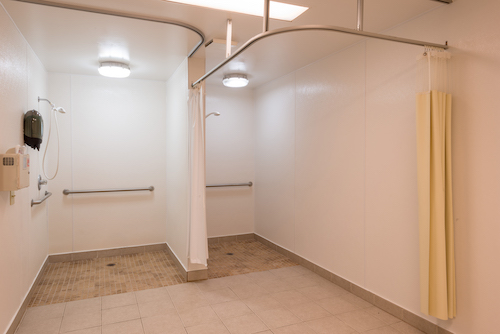
How Does Willows Health And Rehab Ctr Compare to Other Ohio Nursing Homes?

Compared to the 100 nursing homes in Ohio, WILLOWS HEALTH AND REHAB CTR's overall rating (4 stars) is above the state average of 3.2, staff turnover (44%) is near the state average of 46%, and health inspection rating (3 stars) is at the national benchmark.

What Should Families Ask When Visiting Willows Health And Rehab Ctr?

Based on this facility's data, families visiting should ask: "Can I visit during a mealtime to observe dining assistance and food quality?" "How do you handle medical emergencies, and what is your hospital transfer rate?" "Can I speak with family members of current residents about their experience?"

Is Willows Health And Rehab Ctr Safe?

Based on CMS inspection data, WILLOWS HEALTH AND REHAB CTR has a clean safety record: no substantiated abuse findings (meaning no confirmed cases of resident harm), no Immediate Jeopardy citations (the most serious violation level indicating risk of serious injury or death), and is not on the Special Focus Facility watch list (a federal program monitoring the lowest-performing 1% of nursing homes). The facility has a 4-star overall rating and ranks #1 of 100 nursing homes in Ohio. While no facility is perfect, families should still ask about staff-to-resident ratios and recent inspection results during their visit.

Do Nurses at Willows Health And Rehab Ctr Stick Around?

WILLOWS HEALTH AND REHAB CTR has a staff turnover rate of 44%, which is about average for Ohio nursing homes (state average: 46%). Moderate turnover is common in nursing homes, but families should still ask about staff tenure and how the facility maintains care continuity when employees leave.

Was Willows Health And Rehab Ctr Ever Fined?

WILLOWS HEALTH AND REHAB CTR has been fined $39,683 across 1 penalty action. The Ohio average is $33,476. While any fine indicates a compliance issue, fines under $50,000 are relatively common and typically reflect isolated problems that were subsequently corrected. Families should ask what specific issues led to these fines and confirm they've been resolved.

Is Willows Health And Rehab Ctr on Any Federal Watch List?

WILLOWS HEALTH AND REHAB CTR is not on any federal watch list. The most significant is the Special Focus Facility (SFF) program, which identifies the bottom 1% of nursing homes nationally based on persistent, serious quality problems. Not being on this list means the facility has avoided the pattern of deficiencies that triggers enhanced federal oversight. This is a positive indicator, though families should still review the facility's inspection history directly.