WRIGHT REHABILITATION AND HEALTHCARE CENTER


829 YELLOW SPRINGS - FAIRFIELD RD, FAIRBORN, OH 45324 (937) 878-7046
For profit - Corporation 99 Beds CROWN HEALTHCARE GROUP Data: November 2025
Trust Grade
60/100
#577 of 913 in OH
Last Inspection: March 2023

Over 2 years since last inspection. Current conditions may differ from available data.

Overview

Wright Rehabilitation and Healthcare Center has a Trust Grade of C+, indicating it is slightly above average, but not exceptional. It ranks #577 out of 913 nursing homes in Ohio, placing it in the bottom half of facilities statewide, and #6 out of 10 in Greene County, meaning there are only a few local options that are better. Unfortunately, the facility is worsening, with the number of reported issues increasing from 1 in 2024 to 3 in 2025. Staffing is a concern, receiving a low rating of 1 out of 5 stars, but the turnover rate is impressively low at 0%, which means staff stay long-term. There have been no fines reported, which is a positive sign, and RN coverage is average, ensuring some level of oversight in resident care. However, specific incidents have raised concerns. Staff working in the Memory Care unit lacked the necessary specialized training, potentially impacting the care of residents. Additionally, a medication cart was found unlocked and unattended, posing a safety risk to residents who could access medications. Lastly, there were delays in completing required assessments for several residents, which could affect their care planning. While there are strengths in staff retention and the absence of fines, the facility must address these significant weaknesses to ensure better resident safety and care quality.

Trust Score
C+
60/100
In Ohio
#577/913
Bottom 37%
Safety Record
Low Risk
No red flags
Inspections
Getting Worse
1 → 3 violations
Staff Stability
○ Average
Turnover data not reported for this facility.
Penalties
✓ Good
No fines on record. Clean compliance history, better than most Ohio facilities.
Skilled Nurses
⚠ Watch
Each resident gets only 26 minutes of Registered Nurse (RN) attention daily — below average for Ohio. Fewer RN minutes means fewer trained eyes watching for problems.
Violations
⚠ Watch
40 deficiencies on record. Higher than average. Multiple issues found across inspections.
★★★☆☆
3.0
Overall Rating
★☆☆☆☆
1.0
Staff Levels
★★★★★
5.0
Care Quality
★★★☆☆
3.0
Inspection Score
Stable
2024: 1 issues
2025: 3 issues

The Good

  • 5-Star Quality Measures · Strong clinical quality outcomes
  • Full Sprinkler Coverage · Fire safety systems throughout facility
  • No fines on record

Facility shows strength in quality measures, fire safety.

The Bad

3-Star Overall Rating

Near Ohio average (3.2)

Meets federal standards, typical of most facilities

Chain: CROWN HEALTHCARE GROUP

Part of a multi-facility chain

Ask about local staffing decisions and management

The Ugly 40 deficiencies on record

Feb 2025 3 deficiencies
CONCERN (D) 📢 Someone Reported This

A family member, employee, or ombudsman was alarmed enough to file a formal complaint

Potential for Harm - no one hurt, but risky conditions existed

Quality of Care (Tag F0684)

Could have caused harm · This affected 1 resident

**NOTE- TERMS IN BRACKETS HAVE BEEN EDITED TO PROTECT CONFIDENTIALITY** Based on observation, medical record review, staff interview, and policy review the facility failed to ensure a resident was sen...

Read full inspector narrative →
**NOTE- TERMS IN BRACKETS HAVE BEEN EDITED TO PROTECT CONFIDENTIALITY** Based on observation, medical record review, staff interview, and policy review the facility failed to ensure a resident was sent out to the hospital in a timely manner after a fall with a fracture. This affected one (#90) of three residents reviewed for falls. The facility also failed to ensure incontinent care was provided per standard this affected one, (#38) of three reviewed for incontinent care and had the potential to affect the 58 residents the facility identified as being incontinent. The census was 89. Findings included: Medical record review for Resident #90 revealed an admission date of 12/20/24. Admitting diagnoses were multiple fractures of ribs with routine healing, ulcerative colitis, non-Alzheimer's dementia, anxiety, and depression. Review of admission Minimum Data Set (MDS) dated [DATE] revealed Resident #90 was moderately cognitively impaired. Her functional status was set up or clean-up assistance for eating, toileting, bed mobility, and transfers were partial/moderate assistance. She was frequently incontinent with her bowel and bladder. Review of the progress notes dated 01/17/25 at 4:45 P.M. revealed Resident #90 had a fall in her room when she saw a little girl trying to get her personal belongings. The resident attempted to get the little girl to stop messing with her belongings and the resident leaned forward to get her away and fell out of the bed. The resident complained of pain in her left leg and minor swelling but said it only worsened when her leg was moved. Interventions were for a urine dip and x-ray to her left leg. Review of the physician orders dated 01/17/25 revealed a Stat X-ray of left knee, left femur, left hip, unilateral with pelvis when performed. There wasn't any evidence there was an order for a urine dip. Review of the Medication Administration Record dated 01/17/25 revealed the resident's pain level was documented as a zero out of 10 and a three out of 10. Review of the progress notes from 01/17/25 at 4:45 P.M. to 01/18/25 11:48 A.M. revealed there wasn't any evidence the X-ray company had been called about the X-ray for Resident #90. Review of the dispatch record on 01/17/25 revealed they were informed of an X-ray at 5:50 P.M. and a technician was assigned to the order, but the X-ray wasn't completed until 01/18/25 at 11:48 A.M. and at the time the technician said the femur was fractured. Review of the care plan dated 01/17/25 for Resident #90 revealed the resident was at risk for falls related to bladder and bowel incontinence, decreased strength and endurance, weakness, history of falls, history of self-transfers, and decreased safety awareness. Review of the progress note written by Registered Nurse (RN) #101 dated 01/18/25 at 1:11 P.M. revealed the family was called to inform them of the broken femur and they were dismayed with the facility on the phone and asked why the treatment wasn't given sooner. The nurse explained she wasn't the nurse taking care of Resident #90 on 01/17/25 and the facility was trying to get everything ready for the transfer of the resident. The interview with the Director of Nursing (DON) on 02/20/25 at 11:08 A.M. revealed the X-ray for Resident #80 was ordered and should have been completed within four hours of the time it was ordered. She stated the urine dip wasn't ordered or completed for the resident. She confirmed this was a delay in treatment for the resident. She said the nurse who took care of Resident #90 on 01/17/25 no longer worked at the facility. The nurse resigned to take another job, and it wasn't a result of this episode. Interview with RN #101 on 02/20/25 at 11:40 A.M. revealed she worked on 01/18/25 on day shift and stated the night shift did not tell her in report anything about the fall Resident #90 had on 01/17/25 or that the X-ray company had not been into the facility. She stated a friend came to the nursing station and wanted her to look at Resident #90's leg and she discovered it was swollen, reddened and warm to touch. She stated the resident was in pain, but she medicated her with Tylenol on that morning. She denied the resident was crying out in pain. Review of the policy entitled Falls dated 09/01/21 revealed based on previous evaluations and current data, the staff will identify interventions related to the resident's specific risks and causes to try to prevent the resident from falling and to try to minimize complications from falling. In conjunction with the Physician, staff will identify and implement relevant interventions. 2. Medical record review for Resident #38 revealed an admission date of 09/06/17. Medical diagnoses included diabetes, renal insufficiency, and seizure disorder. Review of the quarterly minimum Data Set (MDS) dated [DATE] revealed Resident #38 was severely cognitively impaired. Her functional status was substantial/maximal assistance for eating and transfers, dependent on toileting, partial/moderate assistance for bed mobility. She was coded on this assessment as being always incontinent for bowel and bladder. Review of the care plan dated 12/07/24 revealed Resident #38 was incontinent for bowel and bladder. Interventions included: assist for toileting needs, monitor for signs and symptoms of urinary tract infection, monitor peri-area for redness and irritation, and provide peri-care after each incontinence episode. During observation of incontinence care for Resident #38 on 02/19/25 at 1:19 P.M. revealed Certified Nursing Aide (CNA) #110 donned gloves and proceeded to provide the care and used a washcloth and wiped up in the labia area once. He proceeded with the care and turned the resident over and wiped the anal area which had feces present in the area. Interview with CNA #110 on 02/19/25 at 1:21 P.M. confirmed he wiped up in the labia area, but stated he was trained to wipe down on the sides of perineum and wipe up in the labia area. Review of the policy entitled (Perineal Care) dated 09/01/21 revealed the following: Steps in the Procedure 1. Place the equipment on the bedside stand. Arrange the supplies so they can be easily reached. 2. Wash and dry your hands thoroughly. 3. Fill the wash basin one-half (1/2) full of warm water. Place the wash basin on the bedside stand within easy reach. 4. Put on gloves. 5. Instruct the resident to bend his or her knees and put his or her feet flat on the mattress. Assist as necessary. 6. For a female resident: a. Wet washcloth and apply soap or skin cleansing agent. b. Wash perineal area, wiping from front to back. (l) Separate labia and wash area downward from front to back. (Note: If the resident has an indwelling catheter, gently wash the juncture of the tubing from the urethra down the catheter about 3 inches. Gently rinse and dry the area.) (2) Continue to wash the perineum moving from inside outward to and including thighs, alternating from side to side, and using downward strokes. Do not reuse the same washcloth or water to clean the urethra or labia. (3) Rinse perineum thoroughly in same direction, using fresh water and a clean washcloth. (Note: If the resident has an indwelling catheter, hold the tubing to one side and support the tubing against the leg to avoid traction or unnecessary movement of the catheter.) (4) Gently dry perineum. c. Instruct or assist the resident to turn on her side with her top leg slightly bent, if able. c. Rinse wash cloth and apply soap or skin cleansing agent. d. Wash the rectal area thoroughly, wiping from the base of the labia towards and extending over the buttocks. Do not reuse the same washcloth or water to clean the labia. e. Rinse thoroughly using the same technique as described in e above. (5) Remove gloves and discard into designated container. Wash and dry your hands thoroughly. This deficiency represents non-compliance investigated under Complaint Number OH00161840.
CONCERN (D) 📢 Someone Reported This

A family member, employee, or ombudsman was alarmed enough to file a formal complaint

Potential for Harm - no one hurt, but risky conditions existed

Laboratory Services (Tag F0770)

Could have caused harm · This affected 1 resident

**NOTE- TERMS IN BRACKETS HAVE BEEN EDITED TO PROTECT CONFIDENTIALITY** Based on medical record review, staff interview and policy review the facility failed to ensure an X-ray was ordered and impleme...

Read full inspector narrative →
**NOTE- TERMS IN BRACKETS HAVE BEEN EDITED TO PROTECT CONFIDENTIALITY** Based on medical record review, staff interview and policy review the facility failed to ensure an X-ray was ordered and implemented in a timely manner. This affected one (#90) of three residents reviewed for X-rays. The census was 89. Findings included: Medical record review for Resident #90 revealed an admission date of 12/20/24. Admitting diagnoses were multiple fractures of ribs with routine healing, ulcerative colitis, non-Alzheimer's dementia, anxiety, and depression. Review of admission Minimum Data Set (MDS) dated [DATE] revealed Resident #90 was moderately cognitively impaired. Her functional status was set up or clean-up assistance for eating, toileting, bed mobility, and transfers were partial/moderate assistance. She was frequently incontinent with her bowel and bladder. Review of the physician orders dated 01/17/25 revealed a Stat X-ray of left knee, left femur, left hip, and unilateral with pelvis when performed. Review of the progress notes from 01/17/25 at 4:45 P.M. to 01/18/25 11:48 A.M. there wasn't any evidence the X-ray company had been called about the X-ray for Resident #90. Review of the dispatch record on 01/17/25 revealed they were informed of an X-ray at 5:50 P.M. and a technician was assigned to the order, but the x-ray wasn't completed until 01/18/25 at 11:48 A.M The interview with the Director of Nursing (DON) on 02/20/25 at 11:08 A.M. revealed the X-ray for Resident #80 was ordered and should have been completed within four hours of the time it was ordered. She confirmed the Stat X-ray was not completed within the four hours and confirmed the X-ray didn't get completed until 01/18/25 at 11:48 A.M. Review of the policy entitled Request for Diagnostic Services undated revealed orders for diagnostic services will be carried out as instructed by the physician's order. This deficiency represents non-compliance investigated under Complaint Number OH 00160894.
CONCERN (D) 📢 Someone Reported This

A family member, employee, or ombudsman was alarmed enough to file a formal complaint

Potential for Harm - no one hurt, but risky conditions existed

Infection Control (Tag F0880)

Could have caused harm · This affected 1 resident

**NOTE- TERMS IN BRACKETS HAVE BEEN EDITED TO PROTECT CONFIDENTIALITY** Based on medical record review, observations, staff interview and policy review the facility failed to ensure proper infection c...

Read full inspector narrative →
**NOTE- TERMS IN BRACKETS HAVE BEEN EDITED TO PROTECT CONFIDENTIALITY** Based on medical record review, observations, staff interview and policy review the facility failed to ensure proper infection control was maintained during incontinence care. This affected one (#38) of three residents reviewed for incontinence. The facility identified there were 58 residents who were incontinent. The census was 89. Findings included: Medical record review for Resident #38 revealed an admission date of 09/06/17. Medical diagnoses included diabetes, renal insufficiency, and seizure disorder. Review of the quarterly minimum Data Set (MDS) dated [DATE] revealed Resident #38 was severely cognitively impaired. Her functional status was substantial/maximal assistance for eating and transfers, dependent on toileting, partial/moderate assistance for bed mobility. She was coded on this assessment as being always incontinent for bowel and bladder. Review of the care plan dated 12/07/24 revealed Resident #38 was incontinent for bowel and bladder. Interventions included: assist for toileting needs, monitor for signs and symptoms of urinary tract infection, monitor peri-area for redness and irritation, and provide peri-care after each incontinence episode. During observation of incontinence care for Resident #38 on 02/19/25 at 1:19 P.M. revealed Certified Nursing Aide (CNA) #110 donned gloves and proceeded to provide the care and used a washcloth and wiped up in the labia area once. He proceeded with the care and turned the resident over and wiped the anal area which had feces present in the area. He retrieved some lotion and applied the lotion to the bottom of the resident. The CNA did not change his gloves prior to applying the lotion to the resident skin. Interview with CNA #110 on 02/19/25 at 1:21 P.M. confirmed he didn't change his gloves prior to putting on the lotion to the resident's bottom and stated he was never told to change his gloves in between a dirty to clean task. Review of the policy entitled (Perineal Care) dated 09/01/21 revealed the following: Steps in the Procedure 1. Place the equipment on the bedside stand. Arrange the supplies so they can be easily reached. 2. Wash and dry your hands thoroughly. 3. Fill the wash basin one-half (1/2) full of warm water. Place the wash basin on the bedside stand within easy reach. 4. Put on gloves. 5. Instruct the resident to bend his or her knees and put his or her feet flat on the mattress. Assist as necessary. 6. For a female resident: a. Wet washcloth and apply soap or skin cleansing agent. b. Wash perineal area, wiping from front to back. (l) Separate labia and wash area downward from front to back. (Note: If the resident has an indwelling catheter, gently wash the juncture of the tubing from the urethra down the catheter about 3 inches. Gently rinse and dry the area.) (2) Continue to wash the perineum moving from inside outward to and including thighs, alternating from side to side, and using downward strokes. Do not reuse the same washcloth or water to clean the urethra or labia. (3) Rinse perineum thoroughly in same direction, using fresh water and a clean washcloth. (Note: If the resident has an indwelling catheter, hold the tubing to one side and support the tubing against the leg to avoid traction or unnecessary movement of the catheter.) (4) Gently dry perineum. c. Instruct or assist the resident to turn on her side with her top leg slightly bent, if able. c. Rinse wash cloth and apply soap or skin cleansing agent. d. Wash the rectal area thoroughly, wiping from the base of the labia towards and extending over the buttocks. Do not reuse the same washcloth or water to clean the labia. e. Rinse thoroughly using the same technique as described in e above. (5) Remove gloves and discard into designated container. Wash and dry your hands thoroughly.
Sept 2024 1 deficiency
CONCERN (D) 📢 Someone Reported This

A family member, employee, or ombudsman was alarmed enough to file a formal complaint

Potential for Harm - no one hurt, but risky conditions existed

Quality of Care (Tag F0684)

Could have caused harm · This affected 1 resident

**NOTE- TERMS IN BRACKETS HAVE BEEN EDITED TO PROTECT CONFIDENTIALITY** Based on medical record review, interview, and policy review, the facility failed to follow physician orders for wound care dres...

Read full inspector narrative →
**NOTE- TERMS IN BRACKETS HAVE BEEN EDITED TO PROTECT CONFIDENTIALITY** Based on medical record review, interview, and policy review, the facility failed to follow physician orders for wound care dressing. This affected one (Resident #85) of three residents reviewed for wound care. The facility census was 83. Findings include: Review of the medical record revealed Resident #85 was admitted to the facility on [DATE] and was discharged on 08/03/24 . Diagnoses included unspecified fracture of the left lower leg, essential hypertension, atherosclerotic heart disease of native coronary artery without angina pectoris, hypothyroidism, hyperlipidemia, other heart failure, hypokalemia, generalized anxiety disorder, type II diabetes, and insomnia. Review of the most recent Minimum Data Set (MDS) 3.0 assessment dated [DATE] revealed the resident was cognitively intact, had no behaviors, did not reject care, and did not wander. Resident #85 was at risk for skin breakdown. Review of the medical record revealed a physician's order dated 07/26/24 for ace wraps to stay on bilateral lower extremities until surgery follow up appointment on 08/08/24 at 8:15 A.M. Review of the nurse's note dated 08/01/24 revealed a late entry indicating a Sate Tested Nursing Assistant (STNA) called the Assistant Director of Nursing (ADON) into the shower room to ask her if she could help remove the xeroform that was stuck to the resident's left ankle. ADON asked STNA who said the boots and ace wraps could be removed as per the surgeon they were to stay in place at all times until follow up. STNA stated the nurse told her that they could come off for the resident's shower. ADON educated staff that boots and ace wraps are to stay on at all times until follow up with surgeon. Areas wrapped with same treatments as before they were removed, and notified the physician's office of removal and received no new orders. During an interview on 09/03/24 at 4:08 P.M. Assistant Director of Nursing (ADON) #154 verified Resident #85 had surgical wounds and the ace wraps were removed on 08/01/24 by an STNA to give the resident a shower, against physician orders. This deficiency represents non-compliance investigated under Complaint Number OH00156618.
Dec 2023 2 deficiencies
CONCERN (D) 📢 Someone Reported This

A family member, employee, or ombudsman was alarmed enough to file a formal complaint

Potential for Harm - no one hurt, but risky conditions existed

Deficiency F0602 (Tag F0602)

Could have caused harm · This affected 1 resident

**NOTE- TERMS IN BRACKETS HAVE BEEN EDITED TO PROTECT CONFIDENTIALITY** THE FOLLOWING DEFICIENCY REPRESENTS AN INCIDENT OF PAST NON-COMPLIANCE THAT WAS SUBSEQUENTLY CORRECTED PRIOR TO THIS SURVEY. Bas...

Read full inspector narrative →
**NOTE- TERMS IN BRACKETS HAVE BEEN EDITED TO PROTECT CONFIDENTIALITY** THE FOLLOWING DEFICIENCY REPRESENTS AN INCIDENT OF PAST NON-COMPLIANCE THAT WAS SUBSEQUENTLY CORRECTED PRIOR TO THIS SURVEY. Based on record review, review of Self-Reported Incidents, and staff interviews the facility failed to ensure resident medications were not misappropriated. This affected two (Residents #32, #84) of three reviewed for misappropriation. The facility census was 80. Findings include: 1. Review of the medical record for Resident #32 revealed an admission date of 06/11/22. Medical diagnoses included but were not limited to Chronic Obstructive Pulmonary Disease (COPD), type two diabetes mellitus, anxiety, and rheumatoid arthritis. Review of Resident #32's quarterly Minimum Data Set (MDS) assessment dated [DATE] revealed a Brief Interview Mental Status (BIMS) score of 15, indicating intact cognition. Resident #32 required maximum assistance with toileting, bed mobility, transfers and supervision for eating. Review of physician orders for Resident #32 revealed an order for Oxycodone (pain medication) 10 milligram (mg) tablet every six hours as needed for pain. Review of the November Medication Administration Record (MAR) for Resident #32 revealed no documentation the medication was given on 11/11/23. Review of the narcotic sign out sheet for Resident #32 revealed 10 mg of Oxycodone was documented as given eight times on 11/11/23 by Licensed Practical Nurse (LPN) #110. Review of the Self-Reported Incident (SRI) completed 11/17/23 revealed a Registered Nurse (RN) reported concerns about a narcotic count sheet for Resident #32. Interview with Resident #32 revealed she only gets pain pills in the morning and night and to the best of her knowledge, she did not receive any extra pain medications. LPN #110 was interviewed and stated, She screwed up and gave residents too much medication. On 11/10/23, LPN #110 had documented eight pills being given on the narcotic sheet, but there was no documentation on the MAR that extra pills were given. It was also discovered that another resident (Resident #84) on the same date was dispensed six pills of Oxycodone 10-325 mg. Interview with the Medical Director revealed if the amounts were given as documented, the residents would have been lethargic, which they were not. LPN #110 was terminated, and the facility substantiated the allegation of misappropriation. 2. Review of the medical record for Resident #84 revealed an admission date of 11/07/23. Medical diagnoses included but were not limited to lung cancer, chronic obstructive lung cancer, and bipolar disorder. Review of Resident #84's admission MDS assessment dated [DATE] revealed a Brief Interview Mental Status (BIMS) score of 12 indicating impaired cognition. The resident required set up for eating, bed mobility, transfers, and toileting Review of the physician orders for Resident #84 revealed an order for Oxycodone-Acetaminophen (pain medication) 10-325 mg one tablet every four hours as needed. Review of the November MAR revealed Resident #84 was given one Oxycodone-Acetaminophen on 11/11/23 at 12:09 A.M., 2:05 P.M., and 7:00 P.M. Review of the narcotic sign out sheet for Resident #84 revealed Oxycodone was documented as given six times on 11/11/23 by LPN #110. Interview on 12/14/23 at 9:41 A.M. with the Director of Nursing (DON) and the Administrator revealed they were contacted by Assistant Director Of Nursing (ADON) #105 regarding a concern for the amount of narcotics documented as given on the narcotic sheet for Resident #32. The DON shared she interviewed Licensed Practical Nurse (LPN) #110 who informed her she made medication errors by giving too much pain medication. The DON requested LPN #110 have a drug screen done, LPN #110 agreed and the test was negative, she was taken off the schedule as the investigation continued. Initially the error was believed to be a documentation error until during the investigation a second resident's (Resident #84) narcotic concern was identified. LPN #110 was terminated, the Pharmacy, Ohio Board of Nursing and the Police were notified. The facility continued to assist them in their investigations. Plans of Correction were discussed at Quality Assurance and Performance Improvement (QAPI) and implemented. Review of the SRI completed 11/20/23 revealed on 11/10/23, it appeared Resident #84 was given five extra Oxycodone 10/325 mg within a 12-hour period from review of the narcotic sheet and MAR. Interview with LPN #110 revealed, She screwed up and gave the resident too much medication. Interview with the Medical Director and Physician's Assistance revealed they did not receive a call from LPN #110 to administer extra pain medication. The facility substantiated the allegation of misappropriation. The deficient practice was corrected on 11/17/23 when the facility implemented the following corrective actions: • LPN #110 was terminated. • Staff education was provided on medication administration, following physician orders, signing as needed narcotics on the Electronic Medical Record (EMAR) as well as controlled substance log by 11/16/23. • 30 day look back of controlled substance record for all residents on affected unit by 11/14/23. • Pain assessments were completed for residents on the effected unit by 11/14/23. • Audits of three residents narcotic record and EMAR weekly for four weeks starting week 11/17/23 and ending week 12/11/23.
CONCERN (D) 📢 Someone Reported This

A family member, employee, or ombudsman was alarmed enough to file a formal complaint

Potential for Harm - no one hurt, but risky conditions existed

Pharmacy Services (Tag F0755)

Could have caused harm · This affected 1 resident

**NOTE- TERMS IN BRACKETS HAVE BEEN EDITED TO PROTECT CONFIDENTIALITY** Based on record review and staff interviews, the facility failed to ensure medications were given as ordered. This affected one ...

Read full inspector narrative →
**NOTE- TERMS IN BRACKETS HAVE BEEN EDITED TO PROTECT CONFIDENTIALITY** Based on record review and staff interviews, the facility failed to ensure medications were given as ordered. This affected one (Resident #32) of three residents reviewed for medication administration. The facility census was 80. Findings include: Review of the medical record for Resident #32 revealed an admission date of 06/11/22. Medical diagnoses included but were not limited to Chronic Obstructive Pulmonary Disease (COPD), type two diabetes mellitus, anxiety, and rheumatoid arthritis. Review of Resident #32's quarterly Minimum Data Set (MDS) assessment dated [DATE] revealed a Brief Interview Mental Status (BIMS) score of 15, indicating intact cognition. The resident required maximum assistance with toileting, bed mobility, transfers, and supervision for eating. Review of physician orders for Resident #32 revealed an order for Furosemide (diuretic) 40 milligrams (mg) daily, Levothyroxine (thyroid) 125 micrograms (mcg) daily, Omeprazole (reflux) 20 mg daily, Baclofen (pain) 10 mg every eight hours, Gabapentin (nerve pain) 300 mg every eight hours, Ipratropium-Albuterol 0.5-2.5 mg per (/) 3.0 milliliter (ml) solution, one inhalation every six hours. Review of the November Medication Administration Record (MAR) revealed Furosemide (diuretic) 40 milligrams (mg) daily, Levothyroxine (thyroid) 125 micrograms (mcg) daily, Omeprazole (reflux) 20 mg daily scheduled for 5:45 A.M. was not documented as given on 11/09/23, 11/11/23, 11/13/23, and 11/24/23. Baclofen (pain) 10 mg every eight hours, Gabapentin (nerve pain) 300 mg every eight hours, Ipratropium-Albuterol 0.5-2.5 mg per (/) 3.0 milliliter (ml) solution, one inhalation every six hours scheduled for 6:00 A.M. was not documented as given on 11/09/23, 11/11/23, 11/13/23, and 11/24/23. Interview on 12/27/23 at 4:16 P.M. with Assisted Director of Nursing (ADON) #105 verified missing documentation of medications for Resident #32. ADON #105 shared LPN #105 worked on 11/09/23 and 11/11/23 and LPN #109 worked on 11/13/23 and 11/24/23 and the facility was unable to provide documentation the medications had been given as ordered. This deficiency represents non-compliance investigated under Complaint Number OH00148467.
Mar 2023 13 deficiencies
CONCERN (D)

Potential for Harm - no one hurt, but risky conditions existed

Deficiency F0558 (Tag F0558)

Could have caused harm · This affected 1 resident

**NOTE- TERMS IN BRACKETS HAVE BEEN EDITED TO PROTECT CONFIDENTIALITY** Based on observations, medical record reviews, staff and resident interviews, and policy review, the facility failed to ensure r...

Read full inspector narrative →
**NOTE- TERMS IN BRACKETS HAVE BEEN EDITED TO PROTECT CONFIDENTIALITY** Based on observations, medical record reviews, staff and resident interviews, and policy review, the facility failed to ensure residents needs were met by answering call lights in a timely manner. This affected two (#124 and #126) of two residents reviewed for call lights. The facility census was 78. Findings included: 1. Medical record review for Resident #124 revealed an admission date of 03/0723, with diagnoses including stroke and arthritis. Review of 5-day admission Minimum Data Set (MDS) assessment dated [DATE] revealed Resident #124 was cognitively intact. Her functional status was limited assistance for bed mobility and transfers. She was a supervision for eating and extensive assistance for toilet use. She was always continent for bowel and bladder. Observation on 03/13/23 at 1:49 P.M., revealed Resident #124 was in bed and pulled her call light because she had to go to the bathroom. At 1:54 P.M., Hospitality Aide (HA) #419 came into the room and asked what Resident #124 needed and Resident #124 stated she had to go to the bathroom. HA #419 stated someone would be with her shortly and turned off the call light. At 2:22 P.M., Resident #124 again turned on the call light and at 2:29 P.M., Resident #124 was finally assisted to the bathroom. Interview on 03/13/23 at 3:05 P.M., with State Tested Nursing Aide (STNA) #464 revealed HA #419 did tell her Resident #124 had to go to the bathroom, but she was busy doing a bed bath. STNA #464 stated she told HA #419 to let another STNA #463, know to help Resident #124, but she was doing a bed bath too. STNA #464 stated the expectation for answering a call light would be less than seven minutes. STNA #464 stated she didn't ask the nurse to help her with the call lights, because they were busy and doesn't expect them to drop what they are doing to help her with a call light. 2. Medical record review for Resident #126 revealed an admission date of 03/10/23, with diagnoses including metabolic encephalopathy, and chronic obstructive pulmonary disease (COPD) Review of admission MDS assessment dated [DATE] revealed Resident #126 was cognitively intact. Her functional status was extensive assistance for bed mobility, transfers, and toilet use with two-person assistance. She was supervision for eating. Observation on 03/13/23 at 2:07 P.M., revealed Resident #126 pulled her call light because she had to go to the bathroom. STNA #465 came into the room and turned off the call light and told Resident #126, she would have to wait to go to the bathroom since STNA #463 was busy with another resident. At 2:15 P.M., Resident #126 could be heard yelling in the hall saying help and STNA #465 went into her room Resident #126 was stating she had to go to the bathroom and STNA #465 stated, you have to wait because the other aide was busy with another resident and I promise I will be back. At the time of observation, the RN #429 was seen standing at the nursing station and the aide did not ask for help. At 2:21 P.M., a housekeeper goes into the room and the resident asks her to take her to the bathroom and the housekeeper stated I can't get you up, but they will be here soon. At 2:24 P.M., both aides come to help the resident up to the bathroom. Interview on 03/13/23 at 2:45 P.M., with STNA #465 revealed she had to wait for the other aide to help her get Resident #126 up to the bathroom. STNA #465 confirmed she didn't want to ask the nurse who was standing at the nursing station because she was busy. STNA #465 stated she likes to answer the call lights in less than seven minutes. Interview on 03/13/23 at 3:00 P.M.,with Resident #126 revealed the staff are not timely in answering the call light and she had to go to the bathroom urgently. Resident #126 stated she felt angry when the staff wouldn't answer the call light in a timely manner. Resident #126 stated she didn't want to be in the facility anymore. Review of undated policy titled Call Light revealed the purpose of the call light was to respond to the resident's requests and needs. When you answer the call light make sure you do what the resident asks of you if permitted and you cannot fulfill the request, ask the nurse supervisor for help.
CONCERN (D)

Potential for Harm - no one hurt, but risky conditions existed

Deficiency F0578 (Tag F0578)

Could have caused harm · This affected 1 resident

**NOTE- TERMS IN BRACKETS HAVE BEEN EDITED TO PROTECT CONFIDENTIALITY** Based on record review, staff interviews and policy review, the facility failed to honor a resident's choice and physician order...

Read full inspector narrative →
**NOTE- TERMS IN BRACKETS HAVE BEEN EDITED TO PROTECT CONFIDENTIALITY** Based on record review, staff interviews and policy review, the facility failed to honor a resident's choice and physician order related to advance directives. This affected one (#73) of three residents reviewed for advance directives. The facility census was 78. Findings include: Record review for Resident #73 revealed she was admitted to the facility on [DATE], and died at the facility on [DATE]. Her diagnoses included diabetes mellitus 2, hypoglycemia, cardiac murmur, altered mental status, essential primary hypertension, Alzheimer's Disease, and dysphagia. Review of Resident #73's care plan for code status, dated [DATE], revealed she was a full code. An intervention was listed as, periodically review advance directives with the resident/family, initiated [DATE]. Review of physician visit dated [DATE], for Resident #73 revealed the physician reviewed advanced directives during the visit. Implication of new code status reviewed with patient/representative and understanding was verbalized. Code status has been updated to DNRCC-A (do not resuscitate comfort care-arrest). Review of the physician orders for Resident #73 revealed an order for an Advance Directive change, dated [DATE], Do Not Resuscitate Comfort Care Arrest (DNRCC-A). Review of Resident #73's Advance Directive Form titled, DNR Comfort Care, dated [DATE], revealed a physician signed the form for Resident #73 stating she was a DNRCC-Arrest. Review of the progress notes dated [DATE] at 9:55 A.M., for Resident #73, revealed Resident #73 was found with no vital signs. No signed DNR in facility or on file, 911 called and Cardiopulmonary Resuscitation (CPR) initiated at 10:00 A.M. Resident was pronounced deceased at 10:32 A.M. by Paramedic. Interview on [DATE] at 10:47 A.M., with Licensed Practical Nurse (LPN) #420 confirmed she was the nurse working on [DATE] when Resident #73 was found with no vital signs. LPN #420 stated the staff was unable to locate DNRCCA form for Resident #73. LPN #420 stated she was on the phone with the Director of Nursing (DON) and was advised to call a full code and start CPR. LPN #420 reviewed and confirmed the Advance Directive form for Resident #73 stated Resident #73's code status was marked DNRCC-A and signed by the physician on [DATE]. LPN #420 stated she was not sure where that form was located on the morning of Resident #73's death. Review of the policy titled, Advanced Directive, dated [DATE], revealed it is the resident's right to formulate an Advance Directive, and to accept or refuse medical or surgical treatment. Any decision making will be documented in the resident's medical record and communicated to the interdisciplinary team.
CONCERN (D)

Potential for Harm - no one hurt, but risky conditions existed

Investigate Abuse (Tag F0610)

Could have caused harm · This affected 1 resident

**NOTE- TERMS IN BRACKETS HAVE BEEN EDITED TO PROTECT CONFIDENTIALITY** Based on record review, resident and staff interviews, and policy review, the facility failed to complete an investigation relat...

Read full inspector narrative →
**NOTE- TERMS IN BRACKETS HAVE BEEN EDITED TO PROTECT CONFIDENTIALITY** Based on record review, resident and staff interviews, and policy review, the facility failed to complete an investigation related to potential misappropriation of a resident's personal belongings. This affected one (#46) of three residents reviewed for potential misappropriation. The facility census was 78. Findings include: Record review for Resident #46 revealed she was admitted to the facility on [DATE]. Her diagnoses included diabetes mellitus 2, cellulitis, benign neoplasm of colon, gastro-esophageal reflux disease, chronic kidney disease, pneumonia, osteomyelitis, and insomnia. Review of the admission Minimum Data Set (MDS) assessment, dated 01/24/23, revealed Resident #46 was cognitively intact. Further review of the MDS assessment revealed Resident #46 required extensive assistance from staff with transfers, dressing, toilet use, and personal hygiene. Resident #46 required limited assistance from staff with eating. Interview on 03/13/23 at 11:34 A.M., with Resident #46 revealed the resident reported missing items including several pairs of pants and tops missing from the date of her admission on [DATE]. Resident #46 stated she reported the missing personal items to Social Worker (SW) #417 and nothing has been done regarding the missing items. Resident #46 stated she was not aware of the need to write her name in her clothing until she brought in additional clothing in and believes that is why her clothing is missing. Interview on 03/15/23 at 5:09 P.M., with Social Worker (SW) #417 confirmed Resident #46 told her about the missing items in January of 2023. SW #417 stated Resident #46 told her she was missing a top and several pairs of capris pants. SW #417 stated she told laundry about Resident #46's missing clothing, however, forgot to follow up on the missing items. SW #417 stated Resident #46 did not write her name on the tags of her clothing and this is why Resident #46's clothing is missing. SW #417 stated the facility identified an issue with new admission resident's clothing not getting marked and debated on who will complete the task. SW #417 believed the facility was going to assign State Tested Nurse Aides (STNA) to mark new admission resident clothing, however, she is not sure. SW #417 confirmed the facility failed to complete an investigation regarding Resident #46's missing clothing. Review of the facility policy titled, Abuse Investigating and Reporting, dated September 2021, revealed all reports of resident abuse, neglect, exploitation, misappropriation of resident property, mistreatment and/or injuries of unknown source shall be promptly reported to locale, state, and federal agencies and thoroughly investigated by facility management.
CONCERN (D)

Potential for Harm - no one hurt, but risky conditions existed

Deficiency F0645 (Tag F0645)

Could have caused harm · This affected 1 resident

**NOTE- TERMS IN BRACKETS HAVE BEEN EDITED TO PROTECT CONFIDENTIALITY** Based on review of the medical record and staff interview, the facility failed to ensure residents were screened for Preadmissio...

Read full inspector narrative →
**NOTE- TERMS IN BRACKETS HAVE BEEN EDITED TO PROTECT CONFIDENTIALITY** Based on review of the medical record and staff interview, the facility failed to ensure residents were screened for Preadmission Screening and Resident Review (PASARR) services upon admission and after new diagnoses for serious mental illness. This affected two(#36 and #59) of two residents reviewed for PASARR. The facility census was 78. Findings include: 1. Review of the medical record revealed Resident #36 admitted to the facility on [DATE], diagnoses that included chronic obstructive pulmonary disease, acute on chronic combined congestive heart failure, morbid obesity, type II diabetes, unspecified dementia, unspecified bipolar disorder, unspecified anxiety disorder, unspecified major depressive disorder and paranoid schizophrenia ([DATE]). Review of the most recent Minimum Data Set (MDS) assessment dated [DATE] revealed Resident # 36 was cognitively intact, had no behaviors, did not wander, and did not reject care. Resident #36 was a two-person assist, required supervision with eating, and required extensive assistance with all other Activities of Daily Living (ADL's). Review of the medical record revealed Resident #36 had no evidence of a PASARR screening being completed upon admission and no significant change PASARR completed after new diagnosis of paranoid schizophrenia added on [DATE]. Interview on [DATE] at 9:38 A.M. , with Social Worker (SW) #417 verified there was no documentation in the medical record of completed PASARR for admission or after the new diagnosis was added. Interview on [DATE] at 12:02 P.M., Regional Executive Director #460 stated the facility did not have a PASARR policy. They completed PASARR upon admission and for significant change. 2. Review of the medical record revealed Resident #59 admitted to the facility on [DATE] and had diagnoses that included chronic obstructive pulmonary disease, type II diabetes, moderate vascular dementia with behavioral disturbance, acute on chronic congestive heart failure, and generalized anxiety disorder. Review of the most recent Minimum Data Set, dated [DATE] revealed Resident #59 had moderately impaired cognition, had no behaviors, did not wander, and did not reject care. Resident # 59 was a two-person assist and required extensive assistance with all ADL's. Review of the medical record revealed Resident #56 had a Hospital Exemption and Preadmission Screening Notification dated [DATE] from a previous admission and stay at the facility. There was no additional PASARR information available in the medical record dated after the resident readmitted to the facility on [DATE]. Interview on [DATE] at 9:39 A.M. , with SW #417 stated she reviewed Resident #59's record and did not find any documentation for PASARR. SW #417 stated usually residents come from hospital with PASARR and she reviewed, or completed a new PASARR after 30-day hospital exemption PASARR expired. SW #417 verified Resident #56 had admitted from the hospital on [DATE] with a hospital exemption PASARR that expired in [DATE], and stated she should have filled out a new PASARR in [DATE].
CONCERN (D)

Potential for Harm - no one hurt, but risky conditions existed

Comprehensive Care Plan (Tag F0656)

Could have caused harm · This affected 1 resident

**NOTE- TERMS IN BRACKETS HAVE BEEN EDITED TO PROTECT CONFIDENTIALITY** Based on observation, medical record review, staff and resident interview, the facility failed to develop a care plan to meet a ...

Read full inspector narrative →
**NOTE- TERMS IN BRACKETS HAVE BEEN EDITED TO PROTECT CONFIDENTIALITY** Based on observation, medical record review, staff and resident interview, the facility failed to develop a care plan to meet a resident's dental needs. This affected one (#41) of 24 residents reviewed for care plans. The facility census was 76. Findings included: Review of the medical record for Resident #41 revealed an admission date of 06/23/21, with diagnoses that included cerebral infarction due to unspecified stenosis of the right middle cerebral artery, chronic obstructive pulmonary disease, unspecified protein calorie malnutrition, unspecified chronic kidney disease, and unspecified major depressive disorder. Review of the Minimum Data Set (MDS) assessment dated [DATE] revealed Resident #41 was cognitively intact, had no behaviors, did not wander and did not reject care. Resident #41 was a one-person assist. Resident #41 required extensive assistance with bed mobility and supervision with all other Activities of Daily Living (ADL's). Review of the care plans dated 06/06/22 revealed Resident #41 had no care plan specific to care or missing/broken teeth or dental care. Review of Care 360 documentation dated 06/10/22 revealed Resident # 41 had partial dentition and recommendations for treatment included extraction/forceps removal of teeth #5, #6, #7, #8, #9, #10, #11, #18, #20, #21, #22, #27, #28, #29, and #32. Additional review revealed Care 360 physician completed a referral for oral surgery for extraction of the teeth. Review of Care 360 documentation dated 10/10/22 revealed Resident # 41 was seen by dental hygienist for preventative care and the resident stated she wanted all of her teeth removed and a full set of dentures. Observation and interview on 03/13/23 at 10:02 A.M., revealed Resident #41 had multiple missing, broken, and discolored teeth. Resident #41 stated the dentist was supposed to be at the facility on the 15 th, and she needed teeth pulled so she could get full dentures. Resident #41 stated she had requested her teeth be pulled several times (dates not specified) and nothing had been done. Interview on 03/16/23 at 10:00 A.M., with the Director of Nursing (DON) verified Resident #41 had no care plan for dental care prior to 03/15/23.
CONCERN (D)

Potential for Harm - no one hurt, but risky conditions existed

Deficiency F0657 (Tag F0657)

Could have caused harm · This affected 1 resident

**NOTE- TERMS IN BRACKETS HAVE BEEN EDITED TO PROTECT CONFIDENTIALITY** Based on medical record review, resident and staff interviews, and policy review, the facility failed to hold timely care confer...

Read full inspector narrative →
**NOTE- TERMS IN BRACKETS HAVE BEEN EDITED TO PROTECT CONFIDENTIALITY** Based on medical record review, resident and staff interviews, and policy review, the facility failed to hold timely care conferences. This affected two (#21 and #36) of 24 residents reviewed for care conferences. The facility census was 78. Findings include: 1. Review of the medical record revealed Resident # 21 admitted to the facility on [DATE], with diagnoses that included hemiplegia/hemiparesis following nontraumatic subarachnoid hemorrhage, unspecified protein calorie malnutrition, chronic obstructive pulmonary disease, unspecified vascular dementia, and unspecified anxiety disorder. Review of Minimum Data Set (MDS) assessment dated [DATE] revealed Resident #21 had moderately impaired cognition, had no behaviors, did not wander, and did not reject care. Resident #21 was a one person assist, required extensive assistance with bed mobility, transfer, dressing, toileting, and personal hygiene, and supervision assistance with eating and locomotion. Review of the medical record revealed Resident #21 had documentation for care conferences dated 10/28/21, 10/24/22, and 11/04/22. Interview on 03/13/23 at 10:58 A.M., with Resident #21 stated she did not receive regular care conferences. Interview on 03/15/23 at 9:36 A.M., with Social Worker (SW) #417 stated care conferences were supposed to be quarterly. SW #417 stated she started her position with the facility in May 2022 and did not start holding care conferences until October 2022. 2. Review of the medical record revealed Resident #36 admitted to the facility on [DATE], with diagnoses that included chronic obstructive pulmonary disease, acute on chronic combined congestive heart failure, morbid obesity, type II diabetes, unspecified dementia, unspecified bipolar disorder, unspecified anxiety disorder, unspecified major depressive disorder, and paranoid schizophrenia. Review of the most recent Minimum Data Set (MDS) assessment dated [DATE] revealed Resident #36 was cognitively intact, had no behaviors, did not wander, and did not reject care. Resident #36 was a two-person assist, required supervision with eating, and required extensive assistance with all other Activities Daily of Living (ADL's). Review of the medical record revealed Resident #36 had no record of quarterly care conferences held in 2022. Interview on 03/13/23 at 11:13 A.M., with Resident #36 stated she has never had a care conference at the facility. Interview on 03/15/23 at 9:32 A.M., SW #417 stated Resident #41 asked for a care conference and asked for her sister to be present back in November 2022. SW #417 stated she tried to reach Resident #41's sister, left her a message, and she never received a return call. SW #417 confirmed she did not have any care conferences with Resident #41 and stated she should have gone ahead and had the care conference without her sister. SW #417 stated care conferences were supposed to be held quarterly. SW #417 stated she had been in this position since May 2022 but her training was only for admissions and discharges. She did not really get started scheduling care conferences for residents until October 2022. Review of policy titled Care Conference dated 09/01/21 revealed the facility held regular interdisciplinary care conferences to provide residents and families the opportunity to participate in the Plan of Care.
CONCERN (D)

Potential for Harm - no one hurt, but risky conditions existed

Quality of Care (Tag F0684)

Could have caused harm · This affected 1 resident

**NOTE- TERMS IN BRACKETS HAVE BEEN EDITED TO PROTECT CONFIDENTIALITY** Based on observation, staff interview, medical record review, and policy review, the facility failed to ensure treatments were c...

Read full inspector narrative →
**NOTE- TERMS IN BRACKETS HAVE BEEN EDITED TO PROTECT CONFIDENTIALITY** Based on observation, staff interview, medical record review, and policy review, the facility failed to ensure treatments were completed as ordered and obtain orders for a treatment. In addition, the facility failed to clean scissors prior to use and perform hand hygiene during wound care. This affected two (#6 and #46) of six residents reviewed for wound treatments. The facility census was 78. Findings include: 1. Review of the medical record revealed Resident #6 admitted to the facility on [DATE], with diagnoses that included unspecified interstitial pulmonary disease, type II diabetes, acute on chronic combined congestive heart failure, and unspecified stage III chronic kidney disease. Review of the most recent Minimum Data Set (MDS) assessment dated [DATE] revealed Resident # 6 was cognitively intact, had no behaviors, did not wander, and did not reject care. Review of the medical record revealed Resident #6 had physician orders dated 03/05/23, to cleanse right wrist skin tear with normal saline/pat dry/cover with band aid daily until resolved. There was no physician order for a dressing to the right elbow. Observation on 03/14/23 at 11:31 A.M., revealed Resident #6 wore a hospital gown and was seated on the edge of her bed. Resident #6 had a bordered gauze dressing on her right elbow dated and labeled 03/12/23 SEP 1600 and band-aid on her right wrist dated 03/12/23. The bordered gauze to the right elbow was peeling at the edges and had a nickel-sized area of dark brownish-red drainage. Observation and interview on 03/14/23 at 11:35 A.M., with Licensed Practical Nurse (LPN) #404 looked at dressing on right elbow right wrist, verified both bandages were dated 03/12/23. LPN #404 stated both dressings were supposed to be changed daily. 2. Review of the medical record revealed Resident #46 admitted to the facility on [DATE], with diagnoses that included type II diabetes, unspecified cellulitis, unspecified myelitis, stage III chronic kidney disease, and unspecified osteomyelitis. Review of MDS assessment dated [DATE] revealed Resident #46 was cognitively intact, had no behaviors, did not wander, and did not reject care. Resident #46 was a one-person assist was totally dependent for locomotion, required supervision for eating, and required extensive assistance with all remaining Activities of Daily Living (ADL's). Review of the medical record revealed Resident #46 had physician orders dated 03/15/23 for wound care to cleanse right hip with normal saline, pat dry, apply silvasorb gel to wound bed, cover with calcium alginate, and cover with foam dressing every day shift for skin integrity. Observation on 03/16/23 at 1:36 P.M., revealed LPN #404 gathered supplies from treatment cart including normal saline, calcium alginate, Silvasorb gel, sterile gauze pads, and bordered foam dressing and carried the supplies to Resident #46's room. LPN #404 assessed Resident #46 for pain, donned gloves without washing her hands, and removed the old dressing from Resident #46's right hip. The area appeared to be a half-dollar sized round, raised, and reddened skin with a smaller dime-sized open area in the center with scant yellow exudate. LPN #404 did not remove her gloves, wash her hands, or don clean gloves before she opened sterile gauze, squirted normal saline from an ampoule onto the gauze, cleansed wound, patted wound dry with fresh gauze, removed bandage scissors from her pants pocket, and cut a dime-sized piece of calcium alginate. LPN #404 did not disinfect her scissors before she placed her scissors back in her pocket. LPN #404 did not doff gloves, wash hands, or don clean gloves before she squeezed pea sized amount of Silvasorb gel onto the finger of her soiled gloves and placed with the medication on the wound bed, placed calcium alginate over the wound gel, and covered the wound with bordered gauze. LPN #404 doffed her gloves and changed trash liner, washed her hands in bathroom sink, carried the trash to soiled utility, and sanitized her hands. Interview on 03/16/23 at 1:50 P.M., with LPN #404 verified she did not wash her hands before initiating Resident #46's wound care treatment and did not change her gloves or wash her hands between removing the soiled dressing and applying the new dressing. The LPN verified she used the bandage scissors from her pocket and did not disinfect her scissors before using them during the dressing change. Review of the policy titled Wound Care dated September 2021, revealed nurses provided wound care according to physician orders and were expected to wash and dry hands thoroughly and don gloves before initiating wound care, after removing a dressing, and after cleaning a wound and applying treatments.
CONCERN (D)

Potential for Harm - no one hurt, but risky conditions existed

Pressure Ulcer Prevention (Tag F0686)

Could have caused harm · This affected 1 resident

**NOTE- TERMS IN BRACKETS HAVE BEEN EDITED TO PROTECT CONFIDENTIALITY** 2. Medical record review for Resident #11 revealed an admission of 04/29/22, with diagnoses that included unspecified protein-ca...

Read full inspector narrative →
**NOTE- TERMS IN BRACKETS HAVE BEEN EDITED TO PROTECT CONFIDENTIALITY** 2. Medical record review for Resident #11 revealed an admission of 04/29/22, with diagnoses that included unspecified protein-calorie malnutrition, chronic respiratory failure, with hypoxemia, dysphagia, muscle weakness, unsteadiness on feet, muscle wasting and atrophy, unspecified dementia, unspecified severity with agitation, chronic kidney disease stage 4, atherosclerotic heart disease of native coronary artery,angina pectoris, atrial fibrillation, acute on chronic diastolic congestive heart failure. Review of Minimum Data Set (MDS) assessment dated [DATE] revealed Resident #11 was cognitively impaired. Her functional status was extensive assistance for bed mobility, transfers, wheelchair bound currently, and toilet use with two-person assistance, frequently incontinent of bowel and bladder. She was set up and supervision for eating, very pleasant mood with poor safety awareness and periods of extreme agitation with some aggression. Review of the skin assessment dated [DATE] for Resident #11 revealed no new skin issues at the time of assessment. No skin issues documented at the time of assessment. Review of progress notes dated 11/24/22 revealed Resident #11 was out with family and upon return to the facility, a wound on the foot was found and documented by LPN #490 as an unstageable pressure ulcer then changed to a Stage 3 pressure ulcer by LPN #490. The wound was described to have necrotic tissue. Review of progress note dated 11/30/22, revealed Resident #11 had a skin check and by the Wound Nurse Practitioner (WNP) #1 and a treatment was started. The wound described by WNP #1 on initial wound encounter was: measurements- 1 centimeter (cm) length x 1.8 cm width x 0.3 cm depth, with an area of 1.8 square centimeter (sqcm) and a volume of 0.54 Cubic cm. wound had a moderate amount of serosanguineous drainage noted with no odor, wound bed had 1-25%slough, 76% -100% bright red granulation. the periwound skin exhibited maceration, temperature of the periwound was with in normal limits (WNL). The wound did not exhibit signs or symptoms of infection. Interview on 03/16/23 at 10:02 A.M., with Resident #11's daughter concerning pressure wound on Resident #11, stated the wound was the size of silver dollar, the whole skin was separated from her foot but still attached (skin flap), very white and dangling, seemed like a callus had fallen off, no bleeding seen or noted. Interview on 03/16/23 at 10:07 A.M., with WNP #1 revealed a wound from a blister or from deep tissue injury, opened up from hitting it during family outing on 11/24/22, and assessed by WNP #1 on 11/30/22. Granulated tissue, mostly healthy wound, with some slough, very good closure. WNP #1 stated the nurse had called it a unstageable/stage 3 upon initial observation. Interview on 03/16/23 at 8:28 A.M., with the Director of Nursing (DON) confirmed there wasn't an accurate assessment and description of the wound for Resident #11 on 11/24/22 and stated the facility was documenting skin assessments and wounds on the forms. Resident #11 had a skin impairment and it was marked as pressure but an accurate description of the wound was not documented. She stated this was per corporate nurse, but they were thinking about putting the grid for descriptions on the form. Review of the undated policy titled Pressure Ulcers revealed the nursing staff will describe the pressure ulcer including the location, stage, length, width, and depth presence of exudate, or necrotic tissue, tunneling and undermining Based on medical record review, staff interview and policy review, the facility to ensure wounds were assessed and staged timely and failed ot ensure pressure relieving devices were in place to prevent skin impairments. This affected two (#34 and #11) of five reviewed for pressure ulcers. The facility identified there were five pressure ulcers in the facility. The facility census was 78. Findings included: 1. Medical record review for Resident #34 revealed an admission of 09/07/22, with diagnoses that included other neurological conditions, heart failure, renal insufficiency, urinary tract infection, diabetes, hemiplegia and hemiparesis, cerebrovascular attack (CVA), anxiety, and depression. Review of admission Minimum Data Set (MDS) assessment dated [DATE] revealed Resident #34 revealed was cognitively intact, with functional status of extensive assistance for bed mobility, transfers, and toilet use with two-person assistance. Resident #34 eating was supervision and was frequently incontinent for bowel and bladder. Review of care plan dated 02/17/23 for Resident #34 revealed to place Prevalon Boots (pressure relieving boots) as tolerated. Review of progress notes dated 03/11/23 revealed Resident #34 admitted back from the hospital and a skin assessment was completed upon admission. Review of the skin assessment dated [DATE] for Resident #34 revealed the resident had skin impairments and it was pressure with no description. Review of progress note dated 03/13/23 revealed Resident #34 had a second skin check and was admitted with a coccyx stage two pressure area with no description. Observation on 03/14/23 at 11:43 A.M., 2:17 P.M., 3:22 P.M. and on 03/15/23 at 2:00 P.M., revealed Resident #34 didn't have his boots on and they were on the top shelf of his closet. Interview on 03/15/23 at 2:15 P.M., with the Resident #34 revealed his boots had not been on him since he was admitted and denied he had refused to wear them. Interview on 03/15/23 at 2:20 P.M., with the Assistant Director of Nursing (ADON) confirmed Resident #34 didn't have his boots on and they were in the closet. Interview on 03/16/23 at 7:28 A.M., with the Director of Nursing (DON) confirmed there wasn't description of the wound for Resident #34 on 03/11/23 and stated this was the way the facility was checking skin was to check mark yes. Resident #34 had a skin impairment and check mark it was pressure but to not describe the wound. The second nurse would come behind the first nurse and describe the wound and stage it in this case two days later. She stated this was per corporate nurse, but they were thinking about putting the grid for descriptions on the form.
CONCERN (D)

Potential for Harm - no one hurt, but risky conditions existed

Accident Prevention (Tag F0689)

Could have caused harm · This affected 1 resident

Based on medical record review, observations, and staff interviews, the facility failed to implement fall prevention interventions for a resident. This affected one (#286) of one resident reviewed for...

Read full inspector narrative →
Based on medical record review, observations, and staff interviews, the facility failed to implement fall prevention interventions for a resident. This affected one (#286) of one resident reviewed for accidents. The facility census was 78. Findings include: Record review for Resident #286 revealed an admission date of 12/27/22, with diagnoses that included cerebral infarction, anxiety, vascular dementia, polyarthritis, essential primary hypertension, and dysphagia. Review of the quarterly Minimum Data Set (MDS) Assessment, dated 01/17/23 revealed Resident #286 had impaired cognition. Further review of the MDS assessment revealed Resident #286 required extensive assistance from staff with bed mobility, dressing, toilet use, and personal hygiene and required limited assistance from staff with eating. Review of the fall care plan for Resident #286 revealed, dycem to wheelchair, dated 03/15/23. Further review of the fall care plan for Resident #286 mat on floor next to floor next to bed when occupied, dated 12/28/22. Review of the fall report for Resident #286, dated 03/06/23 revealed the fall intervention added was, dycem to wheelchair. Observation on 03/15/23 at 8:25 A.M., revealed Resident #286's wheelchair was located next to Resident #286's bed and did not have dycem in it or anywhere in the room. Interview on 03/15/23 at 8:35 A.M., with with State Tested Nurse Aide (STNA) #402 confirmed Resident #286 did not have dycem in her wheelchair. STNA #402 confirmed she should have dycem in the wheelchair and Resident #286 did not have any located in her wheelchair or in her room. Interview on 03/15/23 at 08:36 A.M., with Licensed Practical Nurse (LPN) #480 confirmed the facility failed to add dycem to the wheelchair to Resident # 286's current fall care plan. Observation on 03/13/23 at 10:15 A.M., revealed Resident #286 was lying in bed and did not have a fall mat located bedside the bed. Observation on 03/14/23 at 5:28 P.M., revealed Resident #286 was lying in bed and did not have a fall mat located beside her bed. Interview on 03/14/23 at 5:28 P.M., with Registered Nurse (RN) #457 confirmed Resident #286 did not have a fall mat located next to her bed. RN #457 confirmed #286 should have a fall mat located next to her bed as a fall risk intervention.
CONCERN (D)

Potential for Harm - no one hurt, but risky conditions existed

Incontinence Care (Tag F0690)

Could have caused harm · This affected 1 resident

**NOTE- TERMS IN BRACKETS HAVE BEEN EDITED TO PROTECT CONFIDENTIALITY** Based on medical record review, observation, staff interview, and policy review, the facility failed to provide care and treatme...

Read full inspector narrative →
**NOTE- TERMS IN BRACKETS HAVE BEEN EDITED TO PROTECT CONFIDENTIALITY** Based on medical record review, observation, staff interview, and policy review, the facility failed to provide care and treatment for incontinence care and ensure hand washing was completed post care. This affected one (#34) of one resident reviewed for incontinence care. The facility identified there was 51 incontinent residents. The facility census was 78. Findings included: Medical record review for Resident #34 revealed an admission of 09/07/22, with diagnoses that included other neurological conditions, heart failure, renal insufficiency, urinary tract infection, diabetes, hemiplegia and hemiparesis, cerebrovascular attack (CVA), anxiety, and depression. Review of admission Minimum Data Set (MDS) assessment dated [DATE] revealed Resident #34 revealed was cognitively intact, with functional status of extensive assistance for bed mobility, transfers, and toilet use with two-person assistance. Resident #34 eating was supervision and was frequently incontinent for bowel and bladder. Observation on 03/15/23 at 9:54 A.M., revealed the State Tested Nursing (STNA) #485 turned the resident to provide care to the bottom and the resident had a bowel movement. She removed a bandage from a pressure ulcer. She took a washcloth that didn't have any soap on it. STNA #485 wiped the resident with it to remove the feces and turned him over and placed a brief on him. The sheet was wet with water that was spilled on it and the aide left the sheet wet and placed a new draw sheet on top of the wet sheet. The aide completed the task and removed her gloves and went out to the hall without washing her hands. Interview on 03/15/23 at 9:54 A.M., with the State Tested Nursing Aide (STNA) #485 confirmed she didn't use a soapy cloth on the resident's bottom, rinse with a clean cloth and dry with a dry cloth. She also confirmed she didn't change the sheet and didn't wash her hands and admitted she should have. Review of the undated policy titled Perineal Care revealed after cleansing the urethral area to clean the resident, wet a washcloth, apply soap or skin cleansing agent, wash and rinse the rectal area, and dry thoroughly. Discard the disposable items into designated containers and remove the gloves and wash and dry hands thoroughly.
CONCERN (D)

Potential for Harm - no one hurt, but risky conditions existed

Dental Services (Tag F0791)

Could have caused harm · This affected 1 resident

**NOTE- TERMS IN BRACKETS HAVE BEEN EDITED TO PROTECT CONFIDENTIALITY** Based on observation, medical record review and staff interview, the facility failed to ensure a resident received required dent...

Read full inspector narrative →
**NOTE- TERMS IN BRACKETS HAVE BEEN EDITED TO PROTECT CONFIDENTIALITY** Based on observation, medical record review and staff interview, the facility failed to ensure a resident received required dental services to meet the residents dental needs. This affected one (#41) of two residents reviewed for dental care. The facility census was 78. Findings include: Review of the medical record for Resident #41 revealed an admission date of 06/23/21, with diagnoses that included cerebral infarction due to unspecified stenosis of the right middle cerebral artery, chronic obstructive pulmonary disease, unspecified protein calorie malnutrition, unspecified chronic kidney disease, and unspecified major depressive disorder. Review of the Minimum Data Set (MDS) assessment dated [DATE] revealed Resident #41 was cognitively intact, had no behaviors, did not wander and did not reject care. Resident #41 was a one-person assist. Resident #41 required extensive assistance with bed mobility and supervision with all other Activities of Daily Living (ADL's). Review of the care plans dated 06/06/22 revealed Resident #41 had no care plan specific to care or missing/broken teeth or dental care. Review of Care 360 documentation dated 06/10/22 revealed Resident # 41 had partial dentition and recommendations for treatment included extraction/forceps removal of teeth #5, #6, #7, #8, #9, #10, #11, #18, #20, #21, #22, #27, #28, #29, and #32. Additional review revealed Care 360 physician completed a referral for oral surgery for extraction of the teeth. Review of Care 360 documentation dated 10/10/22 revealed Resident # 41 was seen by dental hygienist for preventative care and the resident stated she wanted all of her teeth removed and a full set of dentures. Observation and interview on 03/13/23 at 10:02 A.M., revealed Resident #41 had multiple missing, broken, and discolored teeth. Resident #41 stated the dentist was supposed to be at the facility on the 15 th, and she needed teeth pulled so she could get full dentures. Resident #41 stated she had requested her teeth be pulled several times (dates not specified) and nothing had been done. Interview on 03/15/23 at 9:18 A.M., with Social Worker (SW) #417 stated she was at the facility in June 2022 and did not remember seeing a referral for Resident #41's multiple tooth extractions. SW #417 did not know if Resident #41 ever went out to see an oral surgeon regarding the referral. Interview on 03/15/23 at 2:13 P.M., via telephone, with Licensed Practical Nurse (LPN) #459 stated she worked two days per week on scheduling appointments, and she did not recall any dental referral for Resident #41 to have teeth pulled in June 2022. LPN #459 stated typically any referrals from 360 care would go to SW #417 first and referrals for appointments, if needed, were typically left on the desk, slid under her door, or told to her by word of mouth. Interview on 03/16/23 at 9:19 A.M., with the Director of Nursing (DON) verified Resident #41 had no follow up appointment after dental referral for multiple tooth extractions dated 06/10/22.
CONCERN (D)

Potential for Harm - no one hurt, but risky conditions existed

Deficiency F0806 (Tag F0806)

Could have caused harm · This affected 1 resident

**NOTE- TERMS IN BRACKETS HAVE BEEN EDITED TO PROTECT CONFIDENTIALITY** Based on observation, record review, staff interview, the facility failed to ensure residents meals do not include food identifi...

Read full inspector narrative →
**NOTE- TERMS IN BRACKETS HAVE BEEN EDITED TO PROTECT CONFIDENTIALITY** Based on observation, record review, staff interview, the facility failed to ensure residents meals do not include food identified as an allergy. This affected two (#21 and #42) of two residents reviewed for food allergies. The facility census was 78. Findings include: 1. Review of the medical record revealed Resident #21 admitted to the facility on [DATE], with diagnoses that included hemiplegia/hemiparesis following nontraumatic subarachnoid hemorrhage, unspecified protein calorie malnutrition, chronic obstructive pulmonary disease, unspecified vascular dementia, and unspecified anxiety disorder. Review of Minimum Data Set (MDS) assessment dated [DATE] revealed Resident #21 had moderately impaired cognition, had no behaviors, did not wander, and did not reject care. Resident #21 was a one person assist, required extensive assistance with bed mobility, transfer, dressing, toileting, and personal hygiene, and supervision assistance with eating and locomotion. Review of Resident #21's nutrition care plan, initiated 11/14/22, revealed Resident #21 has an allergy to strawberries and is lactose intolerant. Observation on 03/13/23 at 12:07 P.M., revealed Resident #21 received her meal tray. The meal tray contained strawberry ice cream. Resident #21 stated, I am allergic to strawberries. Interview on 03/13/23 at 12:07 P.M., with State Tested Nurse Aide (STNA) #441 confirmed Resident #21's meal ticket stated Resident #21 has an allergy to strawberries and is lactose intolerant. STNA #441 confirmed Resident #21 received strawberry ice cream on her lunch tray. 2. Review of the medical record revealed Resident #42 admitted to the facility on [DATE], with diagnoses that included unspecified osteomyelitis, type II diabetes, morbid obesity, chronic obstructive pulmonary disease, and unspecified epilepsy. Review of Minimum Data Set (MDS) assessment dated revealed Resident # 42 was cognitively intact, had no behaviors, did not wander, and did not reject care. Resident #42 was a two-person assist, required supervision assistance for eating, and required extensive assistance for all remaining ADL's. Review of Resident #42's diet care plan, initiated 12/24/23, revealed she is allergic to strawberries. Observation on 03/15/23 at 12:04 P.M., revealed Resident #42 received her lunch tray with a strawberry shake located on her lunch tray. Interview on 03/15/23 at 12:05 A.M., with the Activity Director (AD) #461 confirmed Resident #42 received a strawberry milkshake on her lunch tray. AD #461 confirmed Resident #42's meal ticket listed strawberries as a food allergy.
CONCERN (E)

Potential for Harm - no one hurt, but risky conditions existed

Deficiency F0947 (Tag F0947)

Could have caused harm · This affected multiple residents

Based on record review and staff interview, the facility failed to provide specific and specialized training staff working on the Memory Care unit. This had to potential to affect 15 (#11, #22, #23, #...

Read full inspector narrative →
Based on record review and staff interview, the facility failed to provide specific and specialized training staff working on the Memory Care unit. This had to potential to affect 15 (#11, #22, #23, #30, #40, #44, #47, #48, #49, #52, #53, #54 ,#58, #324 #325) of 15 residents residing on the Memory Care unit. The facility census was 78. Findings include: Employee record review revealed State Tested Nurse Assistant (STNA) #433 was hired on 10/18/21. Further review of the employee file for STNA #433 revealed no evidence of receiving training specific to the Memory Care Unit upon hire to the facility or since. Employee record review revealed STNA #479 was hired on 09/13/21. Further review of the employee file for STNA #479 revealed no evidence of receiving training specific to the Memory Care Unit upon hire to the facility or since. Employee record review revealed STNA #487 was hired on 02/27/23. Further review of the employee file for STNA #487 revealed no evidence of receiving training specific to the Memory Care Unit upon hire to the facility or since. Employee record review revealed STNA #493 was hired on 02/27/23 . Further review of the employee file for STNA #493 revealed no evidence of receiving training specific to the Memory Care Unit upon hire to the facility or since. Interview on 03/15/23 at 4:15 P.M., with the Business Office Manager (BOM) #451 manager confirmed the facility has a speciality unit known as the Memory Care Unit that specializes in cognitive impaired residents with dementia. BOM #451 confirmed the facility failed to provide training for the speciality unit for new employees. BOM #451 stated the facility will schedule new employees to work on the Memory Care Unit during orientation. However, BOM #451 was unable to provide any type of verification of the orientation hours. BOM#451 confirmed the facility does not provide any other type of training for the Memory Care unit. Review of the policy titled, Dementia Care, dated September 2021, revealed the facility is committed to providing the highest quality of life through providing excellent care to our residents diagnosed with dementia and present with dementia related behaviors while preserving their dignity and self-respect. ·
Jan 2023 1 deficiency
CONCERN (D) 📢 Someone Reported This

A family member, employee, or ombudsman was alarmed enough to file a formal complaint

Potential for Harm - no one hurt, but risky conditions existed

Quality of Care (Tag F0684)

Could have caused harm · This affected 1 resident

**NOTE- TERMS IN BRACKETS HAVE BEEN EDITED TO PROTECT CONFIDENTIALITY** Based on staff interview, observation, and record review, the facility failed to ensure Resident #57 received the appropriate wo...

Read full inspector narrative →
**NOTE- TERMS IN BRACKETS HAVE BEEN EDITED TO PROTECT CONFIDENTIALITY** Based on staff interview, observation, and record review, the facility failed to ensure Resident #57 received the appropriate wound care ordered by the physician. This affected one (Resident #57) of three residents reviewed for wounds. The facility identified five current residents with wounds. The facility census was 78. Findings include: Record review for Resident #57 revealed an admission date of 09/06/17. Diagnoses included type II diabetes mellitus, intellectual disabilities, catatonic schizophrenia, fracture of neck, legal blindness, age related osteoporosis, chronic kidney disease, and obesity. Review of the quarterly Minimum Data Set (MDS) assessment dated [DATE] revealed Resident #57 was severely cognitively impaired and required extensive assistance for personal hygiene and dressing. Review of the physician's order dated 11/14/22 revealed an order to cleanse the left shoulder with normal saline, pat dry, and apply foam dressing every day shift every Monday, Wednesday, and Friday. Review of the Treatment Administration Record for 12/01/22 to 12/29/22 revealed Resident #57 should of had her dressing changed most recently on Monday 12/26/22 and Wednesday 12/28/22. Observation on Thursday 12/29/22 at 1:55 P.M. revealed Resident #57 had a dressing on her left shoulder that was dated 12/26/22 and initialed 'TM' (indicating the staff's initials who completed the treatment). Interview with the Director of Nursing (DON) on 12/29/22 at 2:05 P.M. verified Resident #57's dressing was initialed 'TM' and dated '12/26' and the dressing should of been changed on 12/28/22. This deficiency represents non-compliance investigated under Complaint Number OH00138213.
Feb 2020 8 deficiencies
CONCERN (D)

Potential for Harm - no one hurt, but risky conditions existed

Notification of Changes (Tag F0580)

Could have caused harm · This affected 1 resident

Based on medical record review and staff interview, the facility failed to ensure the physician was notified of a resident's significant weight loss in a timely manner. This affected one (#35) of four...

Read full inspector narrative →
Based on medical record review and staff interview, the facility failed to ensure the physician was notified of a resident's significant weight loss in a timely manner. This affected one (#35) of four residents reviewed for weight loss. The facility identified 10 residents with weight loss. Findings included: Medical record review for Resident #35 revealed an admission date of 09/13/19. Medical diagnoses included Alzheimer's disease. Review of Resident #35's weight history at the facility were as follows: • On 09/13/19, he weighed 167 pounds (lbs.) and this weight was striked out by Dietician #160 on 12/04/19 at 12:32 P.M. • On 10/03/19, he weighed 168 lbs. and this weight was striked out by Dietician #160 on 12/04/19 at 12:32 P.M. • On 10/05/19, he weighed 169 lbs. and this weight was striked out by Dietician #160 on 12/04/19 at 12:32 P.M. • On 11/01/19, he weighed 170 lbs. • On 11/02/19, he weighed 153 lbs. • On 12/01/19, he weighed 147 lbs. • On 12/02/19, he weighed 148 lbs. • On 01/02/20, he weighed 142 lbs. • On 01/20/20, he weighed 143 lbs. • On 02/02/20, he weighed 140 lbs. • On 02/11/20, he weighed 142 lbs. with his boots on and 139 lbs. without his boots. Review of the resident's medical record revealed there was no explanation why the weights on 09/13/19, 10/03/19 and 10/05/19 were striked out by Dietitian #160. There was no evidence the physician was notified of the resident's weight loss from 11/02/19 through 02/02/19 despite the resident showing significant weight loss on 11/02/19, 12/01/19, 01/02/20 and 01/20/20. Interview with the Director of Nursing (DON) on 02/11/20 at 11:00 A.M. revealed the weights were wrong and the dietician who striked them out was off on leave and could not be reached. The DON verified there wasn't any documentation as to why the weights were striked out. Interview with the Nurse Practitioner (NP) #161 on 02/11/20 at 5:03 P.M. revealed she was only notified on 02/04/20 of the weight loss for Resident #35. She stated her expectation would be to report weight loss of 5% to 10% in a timely manner.
CONCERN (D)

Potential for Harm - no one hurt, but risky conditions existed

Abuse Prevention Policies (Tag F0607)

Could have caused harm · This affected 1 resident

Based on medical record review, staff interviews, review of the facility's Self-Reported Incident and review of the facility's abuse policy, the facility failed to implement their abuse policy by not ...

Read full inspector narrative →
Based on medical record review, staff interviews, review of the facility's Self-Reported Incident and review of the facility's abuse policy, the facility failed to implement their abuse policy by not thoroughly investigating an allegation of abuse and reporting an allegation of abuse to the State Survey Agency. This affected one (#35) of one resident reviewed for abuse. The facility census was 75. Findings included: Medical record review for Resident #35 revealed an admission date of 09/13/19. Diagnoses included Alzheimer's disease. Review of the quarterly Minimum Data Set (MDS) assessment, dated 01/02/20, revealed he was moderately cognitively impaired. His functional status was extensive assistant for bed mobility, transfers, and toilet use and he was a supervision for eating. Review of Resident #35's progress notes, dated 12/23/19 at 6:55 A.M., written by Licensed Practical Nurse (LPN) #141, revealed at 6:50 A.M. a shower aide was about to give Resident #4 a shower when she heard the resident cursing at shower aide and Resident #35. Resident #4 called shower aide several vulgar names, including racial slurs. When LPN #141 attempted to intervene, the resident then called this nurse a 'expletive'. Resident #4 was trying to stand up, out of his wheelchair with his fists clinched. Resident was then redirected to remove himself from the shower room to avoid further conflict. On 12/24/19 at 7:06 A.M., Resident #35 came to the nurse (LPN #141) at 6:50 A.M. crying and stating that he was scared to go back into his room for fear that Resident #6 was going to hurt him. Resident #35 stated Resident #4 was becoming verbally abusive and physically threatening him. The resident stated that he does not want to be in this facility anymore due to he was scared to be here. He stated that he was going to contact his family to be removed from facility and move to another facility and he does not feel safe. The nurse moved Resident #35 to another room, temporarily until other means can be met. It was reported to the Administrator. Review of the facility's soft folder investigation, dated 12/24/19 signed by the Administrator, revealed Resident #35 had a conflict with Resident #4. The resident stated he had an issue with his roommate hollering at him, didn't know what he said but said it was loud, he wanted a new roommate and felt safe in the facility. Review of the facility's Self-Reported Incidents (SRIs) from 12/23/19 through 02/12/20 revealed there wasn't any filed for this allegation involving Resident #35. Interview with the Administrator on 02/10/20 at 1:56 P.M. verified he didn't complete an investigation involving Resident #35 and verified he didn't report the allegation of abuse involving Resident #35 to the State Survey Agency. He stated he felt like Resident #35 was moved to a different room and it solved the issue. The Administrator said he didn't recall the nurse reporting Resident #35 felt like Resident was verbally abusive and physically threatening him and he was scared to go back into his room. At 3:13 P.M., the Administrator brought in a soft file with one piece of paper, with an investigation he had done. He stated the nurse told him there were two residents not getting along and Resident #35 came up to the desk and was tearful and not getting along with his roommate. The Administrator verified he did not obtain statements from the resident, witnesses and interview any other residents that may have witnessed the event or felt abused by Resident #4. Interview with LPN #141 on 02/11/20 at 12:01 P.M. revealed Resident #4 had behaviors and cursed at times. She said she heard some yelling in the room but couldn't make out what was being said between Resident #35 and #4. She stated Resident #35 came out to the nursing station and was tearful, upset and said he didn't want to be in the facility anymore. She said she thought Resident #35 was scared and wasn't used to being cursed at. She denied Resident #4 had acted on his cursing. She stated she changed rooms so Resident #35 would feel safe and comfortable. She stated she called the Administrator to informed him of the room change. She stated she could have been over zealous in the way she wrote the note, because she felt like Resident #35 was feeling verbally abused and physically threatened. She denied she filled out a statement of events for an investigation. Review of the facility's policy titled Abuse Prevention, Intervention, Investigation and Crime Reporting, dated 10/01/19, revealed every resident had the right to be free from verbal, sexual, physical, and mental abuse; neglect, corporal punishment, and involuntary seclusion. Investigation of suspected or alleged abuse will be investigated and documented timely. Individuals with knowledge of, or potential knowledge of, the allegation situation will be interviewed, and handled confidentially. It is a requirement that reporting happen within two hours or as soon as practically possible, of notification of suspected abuse neglect, or misappropriation or resident property to the state agency.
CONCERN (D)

Potential for Harm - no one hurt, but risky conditions existed

Report Alleged Abuse (Tag F0609)

Could have caused harm · This affected 1 resident

Based on medical record review, staff interview, review of the facility's Self-Reported Incident and policy review, the facility failed to ensure an allegation of abuse was reported to the State Surve...

Read full inspector narrative →
Based on medical record review, staff interview, review of the facility's Self-Reported Incident and policy review, the facility failed to ensure an allegation of abuse was reported to the State Survey Agency. This affected one (#35) of one resident reviewed for abuse. The facility census was 75. Findings included: Medical record review for Resident #35 revealed an admission date of 09/13/19. Diagnoses included Alzheimer's disease. Review of the quarterly Minimum Data Set (MDS) assessment, dated 01/02/20, revealed he was moderately cognitively impaired. His functional status was extensive assistant for bed mobility, transfers, and toilet use and he was a supervision for eating. Review of Resident #35's progress notes, dated 12/23/19 at 6:55 A.M., written by Licensed Practical Nurse (LPN) #141, revealed at 6:50 A.M. a shower aide was about to give Resident #4 a shower when she heard the resident cursing at shower aide and Resident #35. Resident #4 called shower aide several vulgar names, including racial slurs. When LPN #141 attempted to intervene, the resident then called this nurse a 'expletive'. Resident #4 was trying to stand up, out of his wheelchair with his fists clinched. Resident was then redirected to remove himself from the shower room to avoid further conflict. On 12/24/19 at 7:06 A.M., Resident #35 came to the nurse (LPN #141) at 6:50 A.M. crying and stating that he was scared to go back into his room for fear that Resident #6 was going to hurt him. Resident #35 stated Resident #4 was becoming verbally abusive and physically threatening him. The resident stated that he does not want to be in this facility anymore due to he was scared to be here. He stated that he was going to contact his family to be removed from facility and move to another facility and he does not feel safe. The nurse moved Resident #35 to another room, temporarily until other means can be met. It was reported to the Administrator. Review of the facility's Self-Reported Incidents (SRIs) from 12/23/19 through 02/12/20 revealed there wasn't any filed for this allegation involving Resident #35. Interview with the Administrator on 02/10/20 at 1:56 P.M. verified he didn't report the allegation of abuse involving Resident #35 to the State Survey Agency. He stated he felt like Resident #35 was moved to a different room and it solved the issue. The Administrator said he didn't recall the nurse reporting Resident #35 felt like Resident was verbally abusive and physically threatening him and he was scared to go back into his room. At 3:13 P.M., the Administrator brought in a soft file with one piece of paper, with an investigation he had done. He stated the nurse told him there were two residents not getting along and Resident #35 came up to the desk and was tearful and not getting along with his roommate. Review of the facility's policy titled Abuse Prevention, Intervention, Investigation and Crime Reporting, dated 10/01/19, revealed every resident had the right to be free from verbal, sexual, physical, and mental abuse; neglect, corporal punishment, and involuntary seclusion. It is a requirement that reporting happen within two hours or as soon as practically possible, of notification of suspected abuse neglect, or misappropriation or resident property to the state agency.
CONCERN (D)

Potential for Harm - no one hurt, but risky conditions existed

Investigate Abuse (Tag F0610)

Could have caused harm · This affected 1 resident

Based on medical record review, staff interview, and policy review, the facility failed to ensure an allegation of abuse was thoroughly investigated. This affected one (#35) of one resident reviewed f...

Read full inspector narrative →
Based on medical record review, staff interview, and policy review, the facility failed to ensure an allegation of abuse was thoroughly investigated. This affected one (#35) of one resident reviewed for abuse. The facility census was 75. Findings included: Medical record review for Resident #35 revealed an admission date of 09/13/19. Diagnoses included Alzheimer's disease. Review of the quarterly Minimum Data Set (MDS) assessment, dated 01/02/20, revealed he was moderately cognitively impaired. His functional status was extensive assistant for bed mobility, transfers, and toilet use and he was a supervision for eating. Review of Resident #35's progress notes, dated 12/23/19 at 6:55 A.M., written by Licensed Practical Nurse (LPN) #141, revealed at 6:50 A.M. a shower aide was about to give Resident #4 a shower when she heard the resident cursing at shower aide and Resident #35. Resident #4 called shower aide several vulgar names, including racial slurs. When LPN #141 attempted to intervene, the resident then called this nurse a 'expletive'. Resident #4 was trying to stand up, out of his wheelchair with his fists clinched. Resident was then redirected to remove himself from the shower room to avoid further conflict. On 12/24/19 at 7:06 A.M., Resident #35 came to the nurse (LPN #141) at 6:50 A.M. crying and stating that he was scared to go back into his room for fear that Resident #6 was going to hurt him. Resident #35 stated Resident #4 was becoming verbally abusive and physically threatening him. The resident stated that he does not want to be in this facility anymore due to he was scared to be here. He stated that he was going to contact his family to be removed from facility and move to another facility and he does not feel safe. The nurse moved Resident #35 to another room, temporarily until other means can be met. It was reported to the Administrator. Review of the facility's soft folder investigation, dated 12/24/19 signed by the Administrator, revealed Resident #35 had a conflict with Resident #4. The resident stated he had an issue with his roommate hollering at him, didn't know what he said but said it was loud, he wanted a new roommate and felt safe in the facility. Interview with the Administrator on 02/10/20 at 1:56 P.M. verified he didn't complete an investigation involving Resident #35. He stated he felt like Resident #35 was moved to a different room and it solved the issue. The Administrator said he didn't recall the nurse reporting Resident #35 felt like Resident was verbally abusive and physically threatening him and he was scared to go back into his room. At 3:13 P.M., the Administrator brought in a soft file with one piece of paper, with an investigation he had done. He stated the nurse told him there were two residents not getting along and Resident #35 came up to the desk and was tearful and not getting along with his roommate. The Administrator verified he did not obtain statements from the resident, witnesses and interview any other residents that may have witnessed the event or felt abused by Resident #4. Interview with LPN #141 on 02/11/20 at 12:01 P.M. revealed Resident #4 had behaviors and cursed at times. She said she heard some yelling in the room but couldn't make out what was being said between Resident #35 and #4. She stated Resident #35 came out to the nursing station and was tearful, upset and said he didn't want to be in the facility anymore. She said she thought Resident #35 was scared and wasn't used to being cursed at. She denied Resident #4 had acted on his cursing. She stated she changed rooms so Resident #35 would feel safe and comfortable. She stated she called the Administrator to informed him of the room change. She stated she could have been over zealous in the way she wrote the note, because she felt like Resident #35 was feeling verbally abused and physically threatened. She denied she filled out a statement of events for an investigation. Review of the facility's policy titled Abuse Prevention, Intervention, Investigation and Crime Reporting, dated 10/01/19, revealed every resident had the right to be free from verbal, sexual, physical, and mental abuse; neglect, corporal punishment, and involuntary seclusion. Investigation of suspected or alleged abuse will be investigated and documented timely. Individuals with knowledge of, or potential knowledge of, the allegation situation will be interviewed, and handled confidentially.
CONCERN (D)

Potential for Harm - no one hurt, but risky conditions existed

Comprehensive Care Plan (Tag F0656)

Could have caused harm · This affected 1 resident

Based on observation, staff interview and record review, the facility failed to develop a person-centered plan of care for a resident who received oxygen. This affected one (Resident #32) of eighteen ...

Read full inspector narrative →
Based on observation, staff interview and record review, the facility failed to develop a person-centered plan of care for a resident who received oxygen. This affected one (Resident #32) of eighteen residents reviewed during the annual survey. The facility census was 75. Findings included: Review of Resident #32's medical record revealed an admission date of 03/13/16 with diagnoses including pneumothorax, generalized anxiety disorder, malignant neoplasm of the lungs, chronic obstructive pulmonary disease and dementia. Review of the physician order, dated 09/10/19, revealed orders to rinse and replace intake filter every week and to change oxygen tubing every twenty-eight days. On 11/29/19, an order to monitor oxygen saturation every shift. On 12/16/19, there were orders to have the humidification to the oxygen to be continuous and administer oxygen at two liters per minute per nasal cannula continuous. Review of the Minimum Data Set (MDS) assessment, dated 12/31/19, revealed the resident was ordered and received oxygen. Review of Resident #32's plan of care dated 12/31/19 revealed no reference or interventions related to oxygen. Observation on 02/09/20 at 10:32 A.M. with Resident #32 revealed the resident was pacing in the room with a long oxygen tubing reaching out into the hallway. Interview on 02/12/20 at 10:37 A.M. with Licensed Practical Nurse (LPN) #137 revealed she was not aware of Resident #32 having had any falls related to the oxygen tubing. LPN #137 stated the staff do have to remind him frequently about the tubing. LPN #137 stated shorter tubing was attempted, however the resident became very anxious and the longer tubing was put back in place. Interview on 02/12/20 at 11:04 A.M. with the Director of Nursing confirmed the resident did not have interventions related to oxygen included in Resident #32's plan of care. The DON stated her expectation was the oxygen should be included on the resident's plan of care.
CONCERN (D)

Potential for Harm - no one hurt, but risky conditions existed

Deficiency F0679 (Tag F0679)

Could have caused harm · This affected 1 resident

Based on record review, observation, review of the facility's policy and staff interview, the facility failed to hold activities that met the needs of the residents residing on the memory care unit. T...

Read full inspector narrative →
Based on record review, observation, review of the facility's policy and staff interview, the facility failed to hold activities that met the needs of the residents residing on the memory care unit. This affected three (Resident #10, #11, and #63) of three residents reviewed for activities. This had the potential to affect all 11 residents residing on the memory care unit. The facility census was 75. Findings include: 1. Review of the medical record for Resident #10 revealed an admission date of 08/10/16 with diagnoses including dementia with behavioral disturbance, Alzheimer's disease, and anxiety. Review of the quarterly Minimum Data S(MDS) assessment, dated 11/06/19, revealed the resident was rarely/never understood and required limited to extensive staff assist with all activities of daily living (ADL) aside from eating and walking in her room. Review of the activity care plan revealed the resident response to music activities, exercise, enjoys walking with staff, and interacting with other residents and needs one on one assistance in groups. The goal was for the resident to take part in daily activities on the unit daily. Interventions included to walk with Resident #10 to daily activities, provide direction as needed, take for walks outside on nice days and provide opportunity to interact with others. Observation of Resident #10 on 02/11/20 at 8:40 A.M., 8:58 A.M., 9:54 A.M., 2:07 P.M., and 2:34 P.M., revealed Resident #10 was seated in the common area of the memory care unit. Resident #10 was not actively engaged in any activities during any of these observations. There were no structured activities being held during these times observed in the memory care unit. Subsequent observation on 02/12/20 at 9:41 A.M. revealed the resident was seated on the couch in the common area while other residents engaged in an activity. Resident #10 was not actively engaged in the activity and no staff were observed encouraged her to engage in the activity. 2. Review of the medical record for Resident #11 revealed an admission date of 02/28/19 with diagnoses including Alzheimer's disease, cerebral infarction, anxiety, and vascular dementia without behavioral disturbance. Review of the quarterly MDS assessment, dated 11/13/19, revealed the resident was cognitively intact. Review of the activity care plan revealed Resident #11 enjoyed groups, including music programs, religious events, and individual and self-directed activities of family visits and relaxing in room. The goal was Resident #11 will engage in activities that match his skills, abilities, and/or interests every week for three months. Interventions included to provide any needed supplies and assistance for activities as well as give direction as needed and provide verbal reminders of activities of choice, assist as needed to attend, and invite to lunch outings and walk with resident to Friday afternoon music group and bluegrass band on Wednesday evening. Observation of Resident #11 on 02/11/20 at 8:43 A.M., 9:54 A.M., and 2:34 P.M. revealed he was seated in his room and not actively engaged in any activities. Subsequent observation of Resident #11 on 02/12/20 at 9:40 A.M. revealed he was seated in his room while other residents participated in an activity in the common area. Resident #11 was not observed actively engaged in any activities and no staff were observed encouraging him to engage in the activity. 3. Review of the medical record for Resident #63 revealed an admission date of 08/09/19 with diagnoses including Alzheimer's disease, bipolar disorder, and depression. Review of the quarterly MDS assessment, dated 12/31/19, revealed the resident was severely cognitively impaired. Review of the activity care plan revealed the resident impaired activity and recreation pursuits related to social, physical, and cognitive loss/dementia. The care plan goal was Resident #63 will engage in activities that match her skills, abilities, and interests every week for three months. The care plan intervention included to provide one to one in-room visits if Resident #63 was unable or chooses not to attend activities. Review of the facility's activity calendar, dated 02/10/20 through 02/12/20, revealed the coffee cart was scheduled as an activity at 9:00 A.M. on each of these days, music and movement was scheduled for 9:30 A.M. on each of these days, morning devotional was scheduled at 10:00 P.M. on each of these days, table games was scheduled at 11:00 A.M. on 02/10/20, bingo was scheduled at 2:00 P.M. on 02/10/20, room visits were scheduled at 3:30 P.M. on 02/10/20, women's group was scheduled at 11:00 A.M. on 02/11/20, bingo was scheduled at 2:30 P.M. on 02/11/20, upland community worship was scheduled at 6:30 P.M. on 02/11/20, grace Baptist church was scheduled at 10:30 A.M. on 02/12/20, pretty nails was scheduled at 11:00 A.M. on 02/12/20, movie and popcorn was scheduled at 3:30 P.M. on 02/12/20, and blue grass band was scheduled at 6:30 P.M. on 02/12/20. There was no mention of any specific activity to occur in the memory care unit. Observation of Resident #63 on 02/10/20 at 1:37 P.M. revealed Resident #63 was in her room laying in bed. Subsequent observation of Resident #63 on 02/11/20 at 8:43 A.M., 8:59 A.M., 9:01 A.M., 9:55 A.M., and 2:35 P.M., revealed Resident #63 was in her room and not actively engaged in activities on each of these observations. Observation of the memory care unit on 02/10/20 from 8:58 A.M. through 9:54 AM revealed no structured activities were held during this time period. Subsequent observations on 02/10/20 at 11:16 A.M., on 02/10/20 from 3:25 P.M. through 3:54 P.M.,on 02/11/20 at 9:20 A.M. and 10:12 A.M. and on 02/12/20 at 8:39 A.M. no structured activities were held during this timeframe. Interview with Activity Manager (AM) #125 on 02/12/20 at 8:25 A.M. revealed there was an activity aide who was responsible for completing activities on the memory care unit. The interview further revealed AM #125 started at the facility roughly six weeks ago and has been trying to build a more individualized activity program. During the interview, AM #125 stated that if the activity aide was not working then the nurse aides and nurses were responsible for completing activities on the memory care unit. Subsequent interview with AM #125 on 02/12/20 at 9:33 A.M. revealed she considers meals to be an activity on the memory care unit. On 02/12/20 at 10:36 A.M., the AM stated the activities on the memory care unit could improve. Interview with Activity Aide (AA) #126 on 02/12/20 at 10:29 A.M. revealed she has been an activity aide since August 2019. The interview further revealed AA #126 holds group activities on the memory care unit roughly two to three times a day however she does not document whether or not residents attend the activities on the memory care unit. AA #126 stated she talks to Resident #63, offers snacks, and plays music such as bluegrass music but had not played any music for Resident #63 from 02/09/20 through 02/12/20. Review of the facility's undated policy titled Activity Calendar/Schedule revealed in addition to having the activities included to a written calendar or schedule, use a variety of methods, according to residents' preferences and communication needs, to announce daily programs such as: verbal offers to residents on an individual basis, posting of announcements on in-room activity calendars, and upcoming activity invitations, flyers, or table-top announcements.
CONCERN (D)

Potential for Harm - no one hurt, but risky conditions existed

Accident Prevention (Tag F0689)

Could have caused harm · This affected 1 resident

**NOTE- TERMS IN BRACKETS HAVE BEEN EDITED TO PROTECT CONFIDENTIALITY** Based on observation, medical record review, interview with staff and resident and policy review, the facility failed to ensure ...

Read full inspector narrative →
**NOTE- TERMS IN BRACKETS HAVE BEEN EDITED TO PROTECT CONFIDENTIALITY** Based on observation, medical record review, interview with staff and resident and policy review, the facility failed to ensure adequate supervision of a resident who had a history of smoking in the facility. This affected one (#6) of two residents reviewed for smoking. The facility identified eight residents who were independent smokers. Findings include: Medical record review for Resident #6 revealed an admission dated of 07/19/19. Medical diagnoses included coronary artery disease, heart failure, and diabetes mellitus. Review of the quarterly Minimum Data Set (MDS) assessment, dated 02/04/20, revealed the resident was cognitively intact. Review of the care plan, dated 7/19/19, revealed the resident was at risk for smoking related to disease and illness and/or injury. The smoking assessment was completed and the resident was deemed a safe and independent smoker. Interventions were to observe and report unsafe smoking practices. Review of the smoking assessments, dated 07/19/19 and 09/05/19, revealed he was assessed as an independent smoker. Review of the progress note, dated 01/7/20 at 10:28 P.M. revealed the resident was observed smoking in his room. The nurse told the resident to Put it out now, you can not smoke in the building. You may take yourself outside to the smoking area to smoke but not in the room. This nurse took his pack of cigarettes and lighter that was on the table. The resident put out the cigarette but refused to give it to the nurse and the resident stated it's out. Interview and observation of Resident #6 on 02/09/20 at 3:08 P.M. revealed he was getting ready to go outside and smoke and stated he had a cigarette lighter in his pocket and pulled it out of his jacket pocket and said he doesn't turn it in after smoking because it takes too long to get it back and he had lost eight lighters due to turning them in at the nursing station. Interview with State Tested Nursing Aide (STNA) #188 on 02/10/20 at 4:39 P.M. verified he had a lighter in his pocket on this day and time. The STNA stated as far as he was concerned if the smoker was independent they could keep their lighters on themselves and that was the policy of the facility as well. He stated there had been problems with Resident #6 because he had been caught smoking in his room and the staff were supposed to ensure his lighter was returned to the nursing station after smoking. Interview with the Administrator on 02/12/20 at 1:05 P.M. revealed they talked to Resident #6 and he immediately stopped smoking in his room and never did it before that day and didn't do it after that day. He stated Resident #6 stated he wasn't going to smoke in his room anymore and wouldn't keep smoking materials in his room. He stated he has been turning in his smoking materials to the nursing station. He denied they did an assessment for the resident because he said he wasn't [NAME] to do it anymore and that was that. They feel he was safe and they kept him independent with smoking. Review of the facility's undated policy titled Best Practice Guideline Smoking revealed for the facilities who allow smoking, it is the policy to monitor and evaluate residents for safety related to smoking. Individual facilities have specific smoking rules that are provided to residents and families at the time of admission. Staff will control the distribution of smoking materials (cigarettes, cigars, tobacco, and lighters). Residents are not permitted to keep smoking materials in their rooms at any time. A secured unit will be provided for storage of all smoking materials including cigarettes, cigars, tobacco, and lighters and matches.
CONCERN (E)

Potential for Harm - no one hurt, but risky conditions existed

Deficiency F0761 (Tag F0761)

Could have caused harm · This affected multiple residents

Based on observation, review of the facility's policy and staff interview, the facility failed to ensure a medication cart was locked. This had the potential to affect twenty-three of twenty-five resi...

Read full inspector narrative →
Based on observation, review of the facility's policy and staff interview, the facility failed to ensure a medication cart was locked. This had the potential to affect twenty-three of twenty-five residents who were independently mobile residing on the west hallway. The facility census was 75. Findings included: Observation on 02/09/20 at 9:11 A.M. of an unlocked and unattended medication cart on the west hall. There were two residents observed independently ambulating in their wheelchairs in the hallway at that time. Licensed Practical Nurse (LPN) #137 was observed sitting at the nursing station at the end of the hall. The medication cart was approximately half-way down the hallway. Interview on 02/09/20 at 9:12 A.M. with the Director of Nursing (DON) confirmed the west hall medication cart was unlocked and unattended. Review of the facility's policy titled, Storage and Expiration of Medications, Biologicals, Syringes and Needles, dated 12/01/07, revealed the facility should ensure all medications are securely stored in a locked cart or locked medication room that is inaccessible by residents and visitors.
Dec 2018 12 deficiencies
CONCERN (D)

Potential for Harm - no one hurt, but risky conditions existed

Deficiency F0553 (Tag F0553)

Could have caused harm · This affected 1 resident

**NOTE- TERMS IN BRACKETS HAVE BEEN EDITED TO PROTECT CONFIDENTIALITY** Based on medical record review, resident interview, and staff interview, the facility failed to ensure care plans were developed...

Read full inspector narrative →
**NOTE- TERMS IN BRACKETS HAVE BEEN EDITED TO PROTECT CONFIDENTIALITY** Based on medical record review, resident interview, and staff interview, the facility failed to ensure care plans were developed with the input of the resident. This affected one (#24) of one resident reviewed for care planning. The facility census was 59. Findings include: Review of the medical record revealed Resident #24 was admitted [DATE]. Diagnoses included dyspnea, pneumonia, venous, thrombosis and embolism, neuromuscular dysfunction of bladder, bipolar disorder, atherosclerotic heart disease, lymphedema, low back pain, type 2 diabetes mellitus, gastroesophageal reflux disease, rheumatoid arthritis, anxiety disorders, insomnia, peripheral autonomic neuropathy, schizophrenia, major depressive disorder, schizoaffective disorder bipolar type, chronic obstructive pulmonary, and anxiety disorder. Review of the annual Minimum Data Set (MDS) assessment, dated 10/12/18, documented the resident had no impaired cognition for decisions. The resident required extensive assistance of one-person with bed mobility, transfers, and toilet use. Record review showed annually, and quarterly assessments completed on 01/19/18, 06/15/18, 07/13/18 and 10/12/18 for Resident #2. The record revealed Resident #24 has not been offered to attend a care conference meeting within the past 12 months. Interview on 12/16 at 12:30 P.M., Resident #24 reported not attending a care plan meeting in years. Interview on 12/17/18 at 3:33 P.M., Director of Social Services (DSS) #14 stated the facility does not keep the attendance sheet for care planning meetings. DSS #14 denied having any letters for care plan meetings for Resident #24. Interview on 12/17/18 at 3:44 P.M., the Director of Nursing (DON) verified a care conference was held for Resident #24 on 08/20/18 but unable to verify Resident #24's attendance. DON denied having any documentation of attendance sheet or a letter inviting Resident #24 to care plan meetings in the past year.
CONCERN (D)

Potential for Harm - no one hurt, but risky conditions existed

Transfer Notice (Tag F0623)

Could have caused harm · This affected 1 resident

**NOTE- TERMS IN BRACKETS HAVE BEEN EDITED TO PROTECT CONFIDENTIALITY** Based on record review and staff interview, the facility failed to provide written notification of a transfer to the hospital to...

Read full inspector narrative →
**NOTE- TERMS IN BRACKETS HAVE BEEN EDITED TO PROTECT CONFIDENTIALITY** Based on record review and staff interview, the facility failed to provide written notification of a transfer to the hospital to the resident, family, and Ombudsman. This affected two (#58 and #62) of three residents reviewed at for hospitalization during the annual survey. The facility census was 59. Findings include: 1. Review of the medical record revealed Resident #58 was admitted to the facility on [DATE]. Diagnoses included chronic combined systolic (congestive) and diastolic (congestive) heart failure, chronic kidney disease stage 3, acute respiratory failure with hypoxia, diabetes mellitus type II, atrial fibrillation, acute kidney failure and schizoaffective disorder. Review of Resident #58's medical record revealed he had severe cognitive impairment. Review of the progress note dated 11/08/18 revealed the nurse was contacted by the wound clinic nurse concerning Resident #58 being sent to local hospital from the wound clinic to have toe amputated. There was no evidence of written notification to Resident #58, the family, or the Ombudsman concerning the resident being transferred to the hospital. 2. Review of the medical record revealed Resident #62 was admitted to the facility on [DATE]. Diagnoses included diverticulitis of intestine, left lower quadrant pain, hypertension, atherosclerotic heart disease of native coronary artery with angina pectoris. Review of the medical record for Resident #62 revealed she had intact cognition. Review of the progress note dated 10/22/18 revealed Resident #62 was experiencing a possible change of condition. The progress note revealed the resident was having acute abdominal pain and bloody drainage from a surgical site and was transferred to the local hospital for treatment. There was no evidence of written notification to Resident #58, the family, or the Ombudsman concerning the resident being transferred to the hospital. Interview on 12/18/18 at 2:45 P.M., Director of Social Services #14 confirmed the facility had not sent out a written notification to Resident #58 and Resident #62, their families or the Ombudsman concerning the residents being transferred to the hospital.
CONCERN (D)

Potential for Harm - no one hurt, but risky conditions existed

Deficiency F0625 (Tag F0625)

Could have caused harm · This affected 1 resident

**NOTE- TERMS IN BRACKETS HAVE BEEN EDITED TO PROTECT CONFIDENTIALITY** Based on record review and staff interview, the facility failed to provide notification of bed hold and facility return policy t...

Read full inspector narrative →
**NOTE- TERMS IN BRACKETS HAVE BEEN EDITED TO PROTECT CONFIDENTIALITY** Based on record review and staff interview, the facility failed to provide notification of bed hold and facility return policy to the resident and family upon transfer to the hospital. This affected two (#58 and #62) of three residents reviewed at for hospitalization during the annual survey. The facility census was 59. Findings include: 1. Review of the medical record revealed Resident #58 was admitted to the facility on [DATE]. Diagnoses included chronic combined systolic (congestive) and diastolic (congestive) heart failure, chronic kidney disease stage 3, acute respiratory failure with hypoxia, diabetes mellitus type II, atrial fibrillation, acute kidney failure and schizoaffective disorder. Review of Resident #58's medical record revealed he had severe cognitive impairment. Review of the progress note dated 11/08/18 revealed the nurse was contacted by the wound clinic nurse concerning Resident #58 being sent to local hospital from the wound clinic to have toe amputated. There was no evidence of written notification to Resident #58, the family, or the Ombudsman concerning the resident being transferred to the hospital. There was no evidence the resident or family were notified of the facility's bed hold notice and return policy when the resident was transferred to the hospital. 2. Review of the medical record revealed Resident #62 was admitted to the facility on [DATE]. Diagnoses included diverticulitis of intestine, left lower quadrant pain, hypertension, atherosclerotic heart disease of native coronary artery with angina pectoris. Review of the medical record for Resident #62 revealed she had intact cognition. Review of the progress note dated 10/22/18 revealed Resident #62 was experiencing a possible change of condition. The progress note revealed the resident was having acute abdominal pain and bloody drainage from a surgical site and was transferred to the local hospital for treatment. There was no evidence of written notification to Resident #58, the family, or the Ombudsman concerning the resident being transferred to the hospital. There was no evidence the resident or family were notified of the facility's bed hold notice and return policy when the resident was transferred to the hospital. Interview on 12/18/18 at 2:45 P.M., Director of Social Services #14 confirmed the facility had not send out a bed hold notice and return policy to Resident #58 and Resident #62 or their families when the residents were transferred to the hospital.
CONCERN (D)

Potential for Harm - no one hurt, but risky conditions existed

Assessment Accuracy (Tag F0641)

Could have caused harm · This affected 1 resident

**NOTE- TERMS IN BRACKETS HAVE BEEN EDITED TO PROTECT CONFIDENTIALITY** Based on medical record review and staff interview, it was determined the facility failed to accurately code Minimum Data Set (M...

Read full inspector narrative →
**NOTE- TERMS IN BRACKETS HAVE BEEN EDITED TO PROTECT CONFIDENTIALITY** Based on medical record review and staff interview, it was determined the facility failed to accurately code Minimum Data Set (MDS) assessments for two (#5 and #45) out of 18 residents reviewed for MDS assessments during the annul survey. The facility census was 59. Findings include: 1. Review of medical record for Resident #5 revealed an admission dated of 05/18/18. Diagnoses included dementia with behavioral disturbances, psychosis, muscle weakness, major depression, anxiety disorder, schizoaffective, deep vein thrombosis, cerebral infarct, hypertension, and insomnia. Review of physician progress noted dated 08/03/18 documented Resident #5 psychosis was controlled and to continue her use of the antipsychotic medication, Seroquel. Review of a MDS assessment identified as an admission assessment, dated 08/05/18, did not indicate Resident #5 had a diagnosis of psychosis. Interview on 12/18/18 at 1:12 P.M., MDS Manager #1 verified Resident #5's diagnosis of psychosis was not coded accurately on the MDS assessment dated [DATE]. 2. Review of medical record for Resident #45 revealed an admission date of 08/10/15. Diagnosis included cerebral palsy, allergies, anxiety disorder, major depression, hyperlipidemia, dysphagia, hypokalemia, abnormal posture and and venous insufficiency. Review of the Preadmission Screening and Resident Review (PASARR) assessment, dated 08/10/05, documented Resident #45 had indication of intellectual disability. Review of the MDS assessment identified as an admission assessment, dated 09/05/18, lacked any assessment/documentation under section A 1550 of the resident being assessed as having indication of mental retardation or a related condition. Interview on 12/18/18 at 1:12 P.M., MDS Manager #1 verified the MDS was not code accurately to reflect the resident as having mental retardation or other condition as required. He stated her cerebral palsy diagnosis for her developmental disability should have been coded under section A 1550.
CONCERN (D)

Potential for Harm - no one hurt, but risky conditions existed

Comprehensive Care Plan (Tag F0656)

Could have caused harm · This affected 1 resident

**NOTE- TERMS IN BRACKETS HAVE BEEN EDITED TO PROTECT CONFIDENTIALITY** Based on medical record review, facility policy review, observation and staff interview the facility failed to ensure one cognit...

Read full inspector narrative →
**NOTE- TERMS IN BRACKETS HAVE BEEN EDITED TO PROTECT CONFIDENTIALITY** Based on medical record review, facility policy review, observation and staff interview the facility failed to ensure one cognitively impaired resident was assessed and care-planned for severely impaired vision. This affected one Resident #59 out of one reviewed for impaired vision. The facility census was 59. Findings include: Review of the medical record revealed Resident #59 was admitted on [DATE] with a diagnosis of cerebral infarction, anemia, hypothyroidism, mood affective disorder, muscle weakness, repeated falls, encephalopathy, abnormal coagulation, other disorders of bilirubin metabolism, nontraumatic hematoma of soft tissue, pain in unspecified ankle and joints of unspecified foot, abnormalities of gait and mobility, hypertension, constipation, melena, old myocardial infarction, personal history of other venous thrombosis, presence of coronary angioplasty implant and graft, atherosclerotic heart disease of native coronary artery without angina pectoris, hyperlipidemia, acute post hemorrhagic anemia, and gastrointestinal hemorrhage. Review of Medicare 30-day quarterly MDS dated [DATE], revealed Resident #59 had severe cognitive deficits, and required extensive assistance with one person for bed mobility, transfers and toileting; frequently incontinent of bowel and bladder. The MDS revealed Resident #59 vision is highly impaired with corrective lenses. Reviewed care plan dated 11/15/18 revealed no care plan for impaired vision. Observations on 12/16/18 at 11:16 A.M. Resident #59 was in bed, awaken in hospital gown. No television on. In bed with no glasses. Two pair of glasses lying next to him on the night stand. Observations on 12/16/18 3:45 P.M., revealed Resident #59 sitting up in wheelchair fully dressed. Resident #59 had no glasses on his face. Glasses were lying next to him on the night stand. Observations on 12/17/18 at 11:55 A.M., revealed Resident #59 sitting on bed eating lunch. Resident #59 did not have any glasses on face. Glasses lying on night stand. Observations on 12/19/18 at 9:42 A.M., revealed Resident #59 walking to therapy with walker without his eye glasses. Glasses lying on night stand. Observations on 12/19/18 at 12:21 P.M., revealed Resident #59 pressed call light to go to the bathroom. Stated Tested Nursing Assistant (STNA) #70 took resident to the bathroom without any glasses on his face Interviewed on 12/19/18 at 11:00 A.M. revealed Licensed Practical Nurse (LPN) #61 confirmed Resident #59 was taking eye drops for an eye condition. Interviewed on 12/19/18 at 11:40 A.M., revealed Certified Occupational Therapy Assistant(COTA) #69 reported of walking resident from room to therapy without his glasses on face. Resident and COTA #69 walked 140 feet to and from therapy. COTA #69 reported of being aware of Resident #59's vision impairment and reports of seeing shadows. Interview on 12/19/18 at 11:45 A.M., revealed State Tested Nursing Assistant (STNA) #70 reported Resident #59 could barely see out of right eye and is totally blind in the left eye. STNA #70 stated that the resident reported to her that he has reading glasses, but he cannot see out of them. STNA #70 denies of reporting the conversation to the nurse, DON or Administrator. Interview on 12/19/18 at 1:48 P.M. with the Director of Nursing (DON) verified Resident #59 vision is highly impaired. DON reported when Resident #59 was admitted he had a large magnifying glass about the size of a lap top but asked his Power of Attorney (POA) to take it home. DON verified Resident #59 was not care planned for impaired vision. Based on medical record review, staff interview, and review of facility policy, the facility failed to develop complete comprehensive care plans for two (#28 and #59) out 18 residents reviewed for care plans during the annual survey. The facility census was 59. Findings include: 1. Review of medical record for Resident #28 revealed an admission date of 01/17/15. Diagnoses included acute respiratory failure, sepsis, unspecified convulsions, mixed hyperlipidemia, hypertension, anxiety disorder, schizophrenia, major depression and paralytic syndrome. Review of the quarterly Minimum Data Set (MDS) assessment, dated 10/20/18, documented Resident #28 as having severe functional range of motion impairments to both sides of his upper extremities. Review of the current comprehensive care plan revealed Resident #28 did not have a care plan in place for his left hand contracture to ensure appropriate care and monitoring was in place. Observation on 12/16/18 at 11:59 A.M. revealed Resident #28's left hand was contracted with no splint in place. Interview on 12/19/18 at 12:55 P.M., MDS Manager #1 verified there was no care plan in place for Resident #28's left hand contracture. Review of the facility policy titled Care Plan, Comprehensive, dated August 2014, documented the care plan will be individualized by identifying resident problems, unique characteristics, strengths and and individual needs. 2. Review of the medical record revealed Resident #59 was admitted on [DATE]. Diagnoses included cerebral infarction, anemia, hypothyroidism, mood affective disorder, muscle weakness, repeated falls, encephalopathy, abnormalities of gait and mobility, hypertension, melena, personal history of other venous thrombosis, presence of coronary angioplasty implant and graft, and atherosclerotic heart disease of native coronary artery without angina pectoris. Review of the quarterly MDS assessment, dated 12/04/18, revealed Resident #59 had severe cognitive deficits, had highly impaired vision, and wore corrective lenses. Reviewed care plan dated 11/15/18 revealed plan in place to address Resident #59's impaired vision. Interview on 12/19/18 at 11:45 A.M., State Tested Nursing Assistant (STNA) #70 reported Resident #59 could barely see out of right eye and was totally blind in the left eye. STNA #70 stated the resident reported to her he has reading glasses, but he cannot see out of them. Interview on 12/19/18 at 1:48 P.M., the Director of Nursing (DON) verified Resident #59 had no care plan for impaired vision.
CONCERN (D)

Potential for Harm - no one hurt, but risky conditions existed

ADL Care (Tag F0677)

Could have caused harm · This affected 1 resident

**NOTE- TERMS IN BRACKETS HAVE BEEN EDITED TO PROTECT CONFIDENTIALITY** Based on record review, observation, and staff interview, the facility failed to provide assistance for the application of glass...

Read full inspector narrative →
**NOTE- TERMS IN BRACKETS HAVE BEEN EDITED TO PROTECT CONFIDENTIALITY** Based on record review, observation, and staff interview, the facility failed to provide assistance for the application of glasses for a visually impaired resident. This affected one (#59) of one resident sampled for quality of life. The facility census was 59. Findings include: Review of the medical record revealed Resident #59 was admitted on [DATE]. Diagnoses included cerebral infarction, hypothyroidism, mood affective disorder, muscle weakness, repeated falls, encephalopathy, nontraumatic hematoma of soft tissue, hypertension, melena, myocardial infarction, presence of coronary angioplasty implant and graft, atherosclerotic heart disease of native coronary artery without angina pectoris, hyperlipidemia, acute post hemorrhagic anemia, and gastrointestinal hemorrhage. Review of the quarterly Minimum Data Set (MDS) assessment, dated 12/04/18, revealed Resident #59 had severe cognitive deficits. The MDS revealed Resident #59's vision was highly impaired with corrective lenses. The resident required extensive assistance with one person for bed mobility, transfers and toileting and was frequently incontinent of bowel and bladder Observations on 12/16/18 at 11:16 A.M. Resident #59 in a hospital gown lying in bed, awake, with no glasses. Two pair of glasses were lying on the night stand next to Resident #59. Observations on 12/16/18 at 3:45 P.M., revealed Resident #59 sitting up in wheelchair fully dressed. Resident #59 had no glasses on his face. Glasses were lying next to him on the night stand. Observations on 12/17/18 at 11:55 A.M., revealed Resident #59 sitting on bed eating lunch. Resident #59 did not have any glasses on his face. There were glasses lying on night stand. Observations on 12/19/18 at 9:42 A.M., revealed Resident #59 walking to therapy using his walker without his eye glasses in use. The glasses were observed lying on his night stand. Interviewed on 12/19/18 at 11:00 A.M., Licensed Practical Nurse (LPN) #61 confirmed Resident #59 had vision impairment. Interviewed on 12/19/18 at 11:40 A.M., Certified Occupational Therapy Assistant COTA) #69 verified walking Resident #59 from his room to therapy without his glasses on. COTA #69 reported of being aware of Resident #59's vision impairment and reports of seeing shadows. COTA #69 verified she worked with Resident #59 on grooming, hygiene, fine motor control, dressing, toileting and bathing and strengthening goals without his glasses on his face. Interview on 12/19/18 at 11:45 A.M., State Tested Nursing Assistant (STNA) #70 reported Resident #59 could barely see out of right eye and was totally blind in the left eye. STNA #70 stated the resident reported he has reading glasses, but he cannot see out of them. Interview on 12/19/18 at 1:48 P.M., the Director of Nursing (DON) verified Resident #59's vision was highly impaired. DON reported she was unaware Resident #59 was not wearing his eyeglasses due vision being impaired.
CONCERN (D)

Potential for Harm - no one hurt, but risky conditions existed

Deficiency F0679 (Tag F0679)

Could have caused harm · This affected 1 resident

**NOTE- TERMS IN BRACKETS HAVE BEEN EDITED TO PROTECT CONFIDENTIALITY** Based on observation, record review, and staff interview, the facility failed to accurately assess and provide activities of int...

Read full inspector narrative →
**NOTE- TERMS IN BRACKETS HAVE BEEN EDITED TO PROTECT CONFIDENTIALITY** Based on observation, record review, and staff interview, the facility failed to accurately assess and provide activities of interest for one (#59) out two residents reviewed. The facility census was 59. Findings include: Review of the medical record revealed Resident #59 was admitted on [DATE]. Diagnoses included cerebral infarction, hypothyroidism, mood affective disorder, muscle weakness, repeated falls, encephalopathy, nontraumatic hematoma of soft tissue, hypertension, melena, myocardial infarction, presence of coronary angioplasty implant and graft, atherosclerotic heart disease of native coronary artery without angina pectoris, hyperlipidemia, acute post hemorrhagic anemia, and gastrointestinal hemorrhage. Review of the quarterly Minimum Data Set (MDS) assessment, dated 12/04/18, revealed Resident #59 had severe cognitive deficits. The MDS revealed Resident #59's vision was highly impaired with corrective lenses. Reviewed activity initial assessment dated on 11/10/18 revealed Resident #59's interests were television shows that consist of news and family. Resident #59 also enjoys reading newspapers. Observations on 12/16/18 at 11:16 A.M., revealed Resident #59 in a hospital gown lying in bed, awake. There was a television is in room but it was turned off. There was no newspaper in the room. Observations on 12/16/18 at 3:45 P.M., revealed Resident #59 was sitting up in the wheelchair. The television was turned off and no newspaper was in the room. Observations on 12/18/18 at 11:26 A.M., revealed Resident #59 lying in bed with no television and no newspaper in the room. Resident #59 was not sleeping. Observations on 12/17/18 11:55 A.M., revealed Resident #59 eating lunch sitting in bed. No glasses were on his face, no television was on, and no newspaper in room. Interview on 12/18/18 11:31 A.M., License Practical Nurse (LPN) #39 stated Resident #59 was confused and a fall risk. LPN #39 states Resident #59 preferred to stay in bed and must be closely watched. Interview on 12/19/18 at 10:44 A.M., Manager Activities (MA) #11 reported the activity assessment was completed on 11/10/18 and Resident #59 enjoyed reading newspapers and watching TV news channels. MA #11 verified no television was on and no newspaper was in the room. MA#11 was unaware that Resident #59 was not watching television and denied staff informing her any reasons why Resident #59 was unable to watch television. Interview on 12/19/18 at 11:00 A.M., LPN #61 reported Resident #59 does not like watching television due to not watching much of it at home. Observations on 12/19/18 at 11:30 A.M., revealed Resident #59 sitting in wheelchair with no television on and no newspaper in the room. Interview on 12/19/18 at 11:45 A.M., State Tested Nursing Assistant #70 reported the resident refuses activities and had impaired vision. STNA #70 reported Resident #70 does not like to watch television. STNA #70 denied seeing activities staff visiting with resident. Interview on 12/19/18 at 2:37 P.M., the Director of Nursing revealed Resident #59 had become more confused when the television was on in his room.
CONCERN (D)

Potential for Harm - no one hurt, but risky conditions existed

Quality of Care (Tag F0684)

Could have caused harm · This affected 1 resident

**NOTE- TERMS IN BRACKETS HAVE BEEN EDITED TO PROTECT CONFIDENTIALITY** Based on record review, observation, and interview, the facility failed to follow physician orders for treatment of nonpressure ...

Read full inspector narrative →
**NOTE- TERMS IN BRACKETS HAVE BEEN EDITED TO PROTECT CONFIDENTIALITY** Based on record review, observation, and interview, the facility failed to follow physician orders for treatment of nonpressure skin impairment for one (#24) of one resident reviewed for skin. The facility census was 59. Findings include: Review of the medical record revealed Resident #24 was admitted [DATE]. Diagnoses included dyspnea, pneumonia, neuromuscular dysfunction of bladder, bipolar disorder, embolism and thrombosis of unspecified vein, atherosclerotic heart disease, lymphedema, low back pain, type 2 diabetes mellitus, rheumatoid arthritis, anxiety disorders, insomnia, rash and other nonspecific skin, idiopathic peripheral autonomic neuropathy, schizophrenia major depressive disorder, schizoaffective disorder bipolar type, chronic obstructive pulmonary disease, and anxiety disorder. Review of the annual Minimum Data Set (MDS) assessment, dated 10/12/18, documented the resident had intact cognition for decisions. The resident required extensive assistance with one-person physical assist for bed mobility, transfers, and toilet use. Review of the plan of care dated 08/09/18 revealed the resident had potential for impaired skin integrity related to impaired mobility and incontinence. Interventions included administer medications as ordered and observe skin integrity during care. Review of the physician orders from 10/24/18 to 11/21/18 identified orders for weekly skin inspection every Wednesday during night shift. Orders included apply the antifungal cream ketoconazole and the psoriasis medication Calcipotriene cream to the groin and breasts every shift for rash and apply non-adherent pads under bilateral breast every shift due to a rash. Review of the Treatment Administration Record (TAR) for November 2018 and December 2018 revealed the weekly skin inspections had not been completed on 11/21/18, 11/28/18, 12/19/18, and 12/26/18. Review of the TAR for November 2018 and December 2018 revealed the ketoconazole and Calcipotriene cream was to be administered in the morning and evening. These were not completed on 11/25/18 either shift, 11/28/18 on the evening shift, 12/04/18 and 12/09/18 either shift, and 12/13/18 on the evening shift. Review of the TAR for November 2018 and December 2018 revealed the non-adherent pads under bilateral breast was not completed on 11/21/18, 11/25/18, 11/28/18, 12/04/18, 12/09/18, and 12/13/18. Interview on 12/16/18 at 12:40 P.M., Resident #24 reported the nurses were not providing the treatments as ordered from the doctor for her skin condition on her breast and groin areas. Interview on 12/18/18 at 11:39 A.M., Licensed Practical Nurse (LPN) #39 verified no refusals pertaining towards skin conditions.
CONCERN (D)

Potential for Harm - no one hurt, but risky conditions existed

Deficiency F0688 (Tag F0688)

Could have caused harm · This affected 1 resident

**NOTE- TERMS IN BRACKETS HAVE BEEN EDITED TO PROTECT CONFIDENTIALITY** Based medical record review, observation, and staff interview, the facility failed to ensure a therapy recommended splint was ob...

Read full inspector narrative →
**NOTE- TERMS IN BRACKETS HAVE BEEN EDITED TO PROTECT CONFIDENTIALITY** Based medical record review, observation, and staff interview, the facility failed to ensure a therapy recommended splint was obtained and implemented for a hand contracture for one (#28) out of one resident reviewed for limited range of motion (ROM). The facility identified four resident currently with limited ROM and contractures. The facility census was 59. Findings include: Review of medical record for Resident #28 revealed an admission date of 01/17/15. Diagnoses included acute respiratory failure, sepsis, unspecified convulsions, mixed hyperlipidemia, hypertension, anxiety disorder, schizophrenia, major depression and paralytic syndrome following a non traumatic interceder encourage affecting unspecified side. Review of occupational therapy progress note and Discharge summary dated [DATE] documented Resident #28's goal was met. The resident was able to tolerate left upper extremity resting hand splint for two hours. Further review documented the resident discharge plan and instructions included an upper extremity orthodic. Review of physician orders from 05/17/17 through 12/18/19 lacked any documentation of a upper extremity orthodic being ordered for implementation as recommended by by an occupational therapy. Review of the quarterly Minimum Data Set (MDS) assessment, dated 10/20/18, documented Resident #28 as having severe functional range of motion impairments to both sides of his upper extremities. Review of the current comprehensive care plan revealed Resident #28 did not have a care plan in place for his left hand contracture to ensure appropriate care and monitoring was in place. Observation on 12/16/18 at 11:59 A.M. revealed Resident #28's left hand was contracted with no splint in place. Interview on 12/19/18 at 08:31 A.M., Certified Occupational Therapy Assistant (COTA) #62 verified Resident #28 did have a contracture to his left hand and there was no ordered splint device in place for his left hand. Interview on 12/19/18 04:45 at P.M., the Director of Nursing (DON) stated usually therapy will recommend a splint order it and notify nursing about recommendations. She verified therapy was in charge of ordering devices for residents. The previous therapy company made the recommendation for Resident #28's splint and there were a lot of problems with the company providing devices. She verified Resident #28 did not have splint device in place for his left hand contracture. She stated she was never aware the Resident was suppose to have a device in place.
CONCERN (D)

Potential for Harm - no one hurt, but risky conditions existed

Pharmacy Services (Tag F0755)

Could have caused harm · This affected 1 resident

**NOTE- TERMS IN BRACKETS HAVE BEEN EDITED TO PROTECT CONFIDENTIALITY** Based on record review and staff interview, the facility failed to ensure the pharmacy provided antibiotics for timely administr...

Read full inspector narrative →
**NOTE- TERMS IN BRACKETS HAVE BEEN EDITED TO PROTECT CONFIDENTIALITY** Based on record review and staff interview, the facility failed to ensure the pharmacy provided antibiotics for timely administration for one (#24) of five residents reviewed for unnecessary medications. The facility census was 59. Finding include: Review of Resident # 24's medical record revealed the resident was admitted to the facility on [DATE]. Diagnoses included pneumonia, hypercholesterolemia, bipolar disorder, chronic embolism and thrombosis, metabolic encephalopathy, major depressive disorder, obesity, psoriasis, hypertension, insomnia, hyperlipidemia, schizophrenia, osteoarthritis, anxiety disorder, chronic obstructive pulmonary disease and cellulitis. Review of the quarterly Minimum Data Set assessment, dated 10/12/18, indicated the resident had mild or no cognitive impairment and required extensive assistance with bed mobility, transfers and toileting. Review of the physician orders dated 12/12/18 revealed an order for the antibiotic doxycycline 200 milligrams (mg) twice per day for cellulitis. Review of a progress note dated 12/12/18 at 2:14 P.M. documented the wound physician ordered the resident to be placed on an antibiotic for cellulitis. The note indicated Resident #24 was to start doxycycline 200 milligrams twice per day. Review of the Medication Administration Record (MAR) for December 2018 revealed the doxycycline was ordered on 12/12/18 and was to start on 12/13/18 at 5:00 P.M. The MAR revealed the antibiotic was not administered until 12/14/18 at 9:00 A.M. Interview on 12/19/18 at 11:46 A.M., Licensed Practical Nurse (LPN) #61 stated the wound doctor assessed the resident on 12/12/18 and wanted to started her on an antibiotic for cellulitis, but due to the resident's multiple drug allergies the physician wanted the primary care physician to determine if the doxycline was safe to give the resident. LPN #61 stated she contacted the physician who agreed with the doxycycline. LPN #61 stated the medication was not to be started until 12/13/18 because the facility could not get it delivered that evening and it was not in the emergency drug box. LPN #61 further stated she did not give the 12/13/18 5:00 P.M. dose because the medication had not been received yet from the facility. LPN #61 verified the resident did not get the medication until 12/14/18 because the pharmacy did not provide make it available for the facility until 12/14/18. Interview on 12/19/18 at 4:45 P.M., the Director of Nursing stated normally medications arrive from the pharmacy within three to four hours and verified Resident # 24 did not received her antibiotic timely.
CONCERN (E)

Potential for Harm - no one hurt, but risky conditions existed

Deficiency F0638 (Tag F0638)

Could have caused harm · This affected multiple residents

Based on record review and staff interview, the facility failed to ensure a quarterly Minimum Data Set (MDS) assessment was completed timely for four (#2, #4, #5, and #8) out 18 residents reviewed for...

Read full inspector narrative →
Based on record review and staff interview, the facility failed to ensure a quarterly Minimum Data Set (MDS) assessment was completed timely for four (#2, #4, #5, and #8) out 18 residents reviewed for MDS assessments during the annual survey. The facility census was 59. Findings include: 1. Review of medical record for Resident #2 revealed an admission date of 06/14/18. Diagnosis included anxiety disorder, gastrointestinal hemorrhage, major depression, insomnia, anemia, diabetes type two, hypertension, muscle weakness, shortness of breath, above the knee left leg amputee, heart failure, and dysphagia. Review of Resident #2's admission MDS assessment documented an assessment reference date (ARD) of 06/23/18 and a completion date of 06/27/18. Review of Resident #2's next quarterly MDS assessment had an ARD dated of 12/14/18 and was documented as still in progress. Interview on 12/17/18 at 3:15 A.M., MDS Manager #1 verified Resident #2 did not have a quarterly MDS assessment completed between after his admission MDS assessment. 2. Review of medical record for Resident #4 revealed an admission dated of 08/10/16. Diagnoses included dementia with behavioral disturbances, muscle weakness, hypertrophied, heart disease and mood disorder. Review of Resident #4's quarterly MDS assessment with an ARD of 11/13/18 revealed the assessment was not completed until 12/18/18. 3. Review of medical record for Resident #5 revealed an admission dated of 05/18/18. Diagnoses included dementia with behavioral disturbances, muscle weakness, hypertrophied, psychosis, major depression, anxiety disorder, schizoaffective, deep vein thrombosis, cerebral infarct, hypertension, and insomnia. Review of Resident #5's quarterly MDS assessment with an ARD of 11/14/18 revealed the assessment was not completed until 12/18/18. 4. Review of medical record for Resident #8 revealed an admission date of 04/13/17. Diagnoses included multiple contractures, facial weakness, allergy, delusional disorder, metabolic encephalopathy, muscle weakness, toxic mega colon, insomnia, hypotension, hematemesis, and major depressive disorder. Review of Resident #8's quarterly MDS assessment with an ARD of 10/30/18 revealed assessment was not completed until 12/16/18. Interview on 12/17/18 at 3:15 A.M., MDS Manager #1 verified the quarterly MDS assessments for Resident #4, #5, and #8 were not completed within 14 days of the ARD.
CONCERN (E)

Potential for Harm - no one hurt, but risky conditions existed

Safe Environment (Tag F0921)

Could have caused harm · This affected multiple residents

Based on observation, staff interview, and review of a housekeeping manual, the facility failed to ensure the environment was maintained in a clean, sanitary, and comfortable manner for three (#11, #1...

Read full inspector narrative →
Based on observation, staff interview, and review of a housekeeping manual, the facility failed to ensure the environment was maintained in a clean, sanitary, and comfortable manner for three (#11, #12, and #24) out of three residents reviewed for environment. The facility census was 59. Finding include: 1. Observation on 12/17/18 at 2:44 P.M. of Resident #11's mattress revealed multiple areas soiled with an unknown substance. Interview on 12/17/18 at 2:45 P.M., Housekeeper #9 verified Resident #11's mattress was soiled with multiple areas of an unknown substance visible. She verified she was not sure when Resident #11's mattress was cleaned. She revealed the mattresses are usually just cleaned when housekeeping staff are asked to and she was unaware of any cleaning schedule for the mattresses. 2. Observation on 12/17/18 at 2:47 P.M. revealed Resident #12's privacy curtain was heavily soiled with a black substance. The black substance was noted to be approximately two feet from the bottom all the way around the privacy curtain. Interview on 12/17/18 at 2:49 P.M., Housekeeper #9 verified Resident #12's privacy curtain was heavily soiled. She further described it as being gross. She then revealed she was not aware how often the privacy curtains are changed and stated she has never changed one herself. 3. Observation on 12/17/18 at 3:25 P.M., Resident #24's room was noted to have multiple areas of missing paint to the bathroom door. The bedroom wall paper was peeling and missing in three areas. The ceiling had three areas where the textured finish was missing and part of the ceiling was hanging down. The bathroom wall was marred in multiple areas. Interview on 12/17/18 at 3:26 P.M., Director of Environmental Services #59 verified Resident 24's room was noted to have multiple areas of missing paint to her bathroom door, the wall paper was peeling and missing in three areas, and the ceiling was missing the finish. He also verified Resident #24's bathroom wall was marred in multiple areas. He stated he knew about the disrepair but could only do so much at a time. Review of the undated Introduction to the Housekeeping Manual revealed the focus of the manual was to provide a clean, safe, and beautiful environment for the residents. This deficiency substantiates Complaint Number OH00101640.
Understanding Severity Codes (click to expand)
Life-Threatening (Immediate Jeopardy)
J - Isolated K - Pattern L - Widespread
Actual Harm
G - Isolated H - Pattern I - Widespread
Potential for Harm
D - Isolated E - Pattern F - Widespread
No Harm (Minor)
A - Isolated B - Pattern C - Widespread

Questions to Ask on Your Visit

  • "Can I speak with families of current residents?"
  • "What's your RN coverage like on weekends and overnight?"

Our Honest Assessment

Strengths
  • • No major safety red flags. No abuse findings, life-threatening violations, or SFF status.
  • • No fines on record. Clean compliance history, better than most Ohio facilities.
Concerns
  • • 40 deficiencies on record. Higher than average. Multiple issues found across inspections.
Bottom line: Mixed indicators with Trust Score of 60/100. Visit in person and ask pointed questions.

About This Facility

What is Wright Rehabilitation And Healthcare Center's CMS Rating?

CMS assigns WRIGHT REHABILITATION AND HEALTHCARE CENTER an overall rating of 3 out of 5 stars, which is considered average nationally. Within Ohio, this rating places the facility higher than 0% of the state's 100 nursing homes. This mid-range rating indicates the facility meets federal standards but may have areas for improvement.

How is Wright Rehabilitation And Healthcare Center Staffed?

CMS rates WRIGHT REHABILITATION AND HEALTHCARE CENTER's staffing level at 1 out of 5 stars, which is much below average compared to other nursing homes.

What Have Inspectors Found at Wright Rehabilitation And Healthcare Center?

State health inspectors documented 40 deficiencies at WRIGHT REHABILITATION AND HEALTHCARE CENTER during 2018 to 2025. These included: 40 with potential for harm.
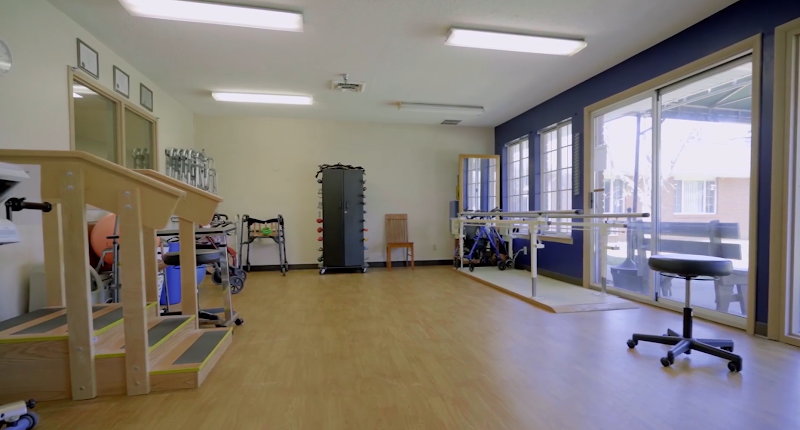
Who Owns and Operates Wright Rehabilitation And Healthcare Center?

WRIGHT REHABILITATION AND HEALTHCARE CENTER is owned by a for-profit company. For-profit facilities operate as businesses with obligations to shareholders or private owners. The facility is operated by CROWN HEALTHCARE GROUP, a chain that manages multiple nursing homes. With 99 certified beds and approximately 80 residents (about 81% occupancy), it is a smaller facility located in FAIRBORN, Ohio.

How Does Wright Rehabilitation And Healthcare Center Compare to Other Ohio Nursing Homes?

Compared to the 100 nursing homes in Ohio, WRIGHT REHABILITATION AND HEALTHCARE CENTER's overall rating (3 stars) is below the state average of 3.2 and health inspection rating (3 stars) is at the national benchmark.

What Should Families Ask When Visiting Wright Rehabilitation And Healthcare Center?

Based on this facility's data, families visiting should ask: "Can you walk me through typical staffing levels on day, evening, and night shifts?" "Can I visit during a mealtime to observe dining assistance and food quality?" "How do you handle medical emergencies, and what is your hospital transfer rate?" "Can I speak with family members of current residents about their experience?" These questions are particularly relevant given the below-average staffing rating.

Is Wright Rehabilitation And Healthcare Center Safe?

Based on CMS inspection data, WRIGHT REHABILITATION AND HEALTHCARE CENTER has a clean safety record: no substantiated abuse findings (meaning no confirmed cases of resident harm), no Immediate Jeopardy citations (the most serious violation level indicating risk of serious injury or death), and is not on the Special Focus Facility watch list (a federal program monitoring the lowest-performing 1% of nursing homes). The facility has a 3-star overall rating and ranks #100 of 100 nursing homes in Ohio. While no facility is perfect, families should still ask about staff-to-resident ratios and recent inspection results during their visit.

Do Nurses at Wright Rehabilitation And Healthcare Center Stick Around?

WRIGHT REHABILITATION AND HEALTHCARE CENTER has not reported staff turnover data to CMS. Staff turnover matters because consistent caregivers learn residents' individual needs, medications, and preferences. When staff frequently change, this institutional knowledge is lost. Families should ask the facility directly about their staff retention rates and average employee tenure.

Was Wright Rehabilitation And Healthcare Center Ever Fined?

WRIGHT REHABILITATION AND HEALTHCARE CENTER has no federal fines on record. CMS issues fines when nursing homes fail to meet care standards or don't correct problems found during inspections. The absence of fines suggests the facility has either maintained compliance or corrected any issues before penalties were assessed. This is a positive indicator, though families should still review recent inspection reports for the full picture.

Is Wright Rehabilitation And Healthcare Center on Any Federal Watch List?

WRIGHT REHABILITATION AND HEALTHCARE CENTER is not on any federal watch list. The most significant is the Special Focus Facility (SFF) program, which identifies the bottom 1% of nursing homes nationally based on persistent, serious quality problems. Not being on this list means the facility has avoided the pattern of deficiencies that triggers enhanced federal oversight. This is a positive indicator, though families should still review the facility's inspection history directly.