AYDEN HEALTHCARE OF FAIRFIELD
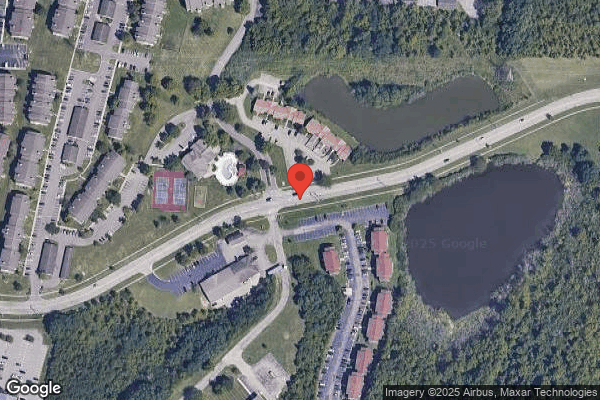
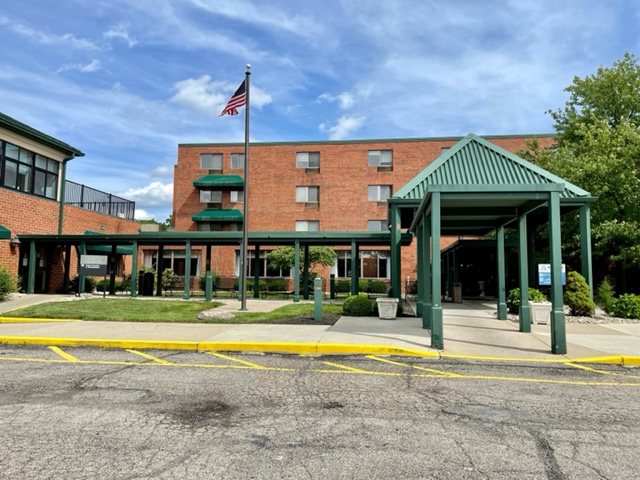
3801 WOODRIDGE BOULEVARD, FAIRFIELD, OH 45014 (513) 874-9933
For profit - Limited Liability company 90 Beds AYDEN HEALTHCARE Data: November 2025 1 Immediate Jeopardy citation
Trust Grade
18/100
#614 of 913 in OH
Last Inspection: September 2024

Within standard 12-15 month inspection cycle. Federal law requires annual inspections.

Overview

Ayden Healthcare of Fairfield has received a Trust Grade of F, indicating significant concerns about the care provided at this facility. Ranking #614 out of 913 in Ohio means they are in the bottom half of all facilities in the state, and at #21 out of 24 in Butler County suggests that only a few local options are worse. The facility is worsening, with issues increasing from 17 in 2023 to 21 in 2024. Staffing is rated at 2 out of 5 stars, with a turnover rate of 48%, which is concerning but slightly better than the state average. Notable incidents include a failure to monitor a resident's severe weight loss, which led to life-threatening risks, and insufficient assessment of a pressure ulcer that developed into a serious condition. Additionally, there have been pest control issues in the kitchen, compromising hygiene standards. While the facility excels in quality measures, these significant weaknesses suggest families should carefully consider their options.

Trust Score
F
18/100
In Ohio
#614/913
Bottom 33%
Safety Record
High Risk
Review needed
Inspections
Getting Worse
17 → 21 violations
Staff Stability
⚠ Watch
48% turnover. Above average. Higher turnover means staff may not know residents' routines.
Penalties
✓ Good
$155,573 in fines. Lower than most Ohio facilities. Relatively clean record.
Skilled Nurses
⚠ Watch
Each resident gets only 25 minutes of Registered Nurse (RN) attention daily — below average for Ohio. Fewer RN minutes means fewer trained eyes watching for problems.
Violations
⚠ Watch
58 deficiencies on record. Higher than average. Multiple issues found across inspections.
★★☆☆☆
2.0
Overall Rating
★★☆☆☆
2.0
Staff Levels
★★★★★
5.0
Care Quality
★☆☆☆☆
1.0
Inspection Score
Stable
2023: 17 issues
2024: 21 issues

The Good

  • 5-Star Quality Measures · Strong clinical quality outcomes
  • Full Sprinkler Coverage · Fire safety systems throughout facility
  • No fines on record

Facility shows strength in quality measures, fire safety.

The Bad

2-Star Overall Rating

Below Ohio average (3.2)

Below average - review inspection findings carefully

Staff Turnover: 48%

Near Ohio avg (46%)

Higher turnover may affect care consistency

Federal Fines: $155,573

Well above median ($33,413)

Significant penalties indicating serious issues

Chain: AYDEN HEALTHCARE

Part of a multi-facility chain

Ask about local staffing decisions and management

The Ugly 58 deficiencies on record

1 life-threatening 1 actual harm
Dec 2024 2 deficiencies
CONCERN (D) 📢 Someone Reported This

A family member, employee, or ombudsman was alarmed enough to file a formal complaint

Potential for Harm - no one hurt, but risky conditions existed

Accident Prevention (Tag F0689)

Could have caused harm · This affected 1 resident

Based on record review and interviews, the facility failed to ensure residents were properly transferred using a mechanical lift. This affected one (#44) out of three residents reviewed for transfers....

Read full inspector narrative →
Based on record review and interviews, the facility failed to ensure residents were properly transferred using a mechanical lift. This affected one (#44) out of three residents reviewed for transfers. The facility census was 66. Findings include: Review of the medical record for Resident #44 revealed an admission date of 02/15/24. Diagnoses included other sequelae of cerebral infarction, human immunodeficiency virus disease, hemiplegia unspecified affecting left nondominant side, cerebral infarction due to unspecified occlusion or stenosis of right middle cerebral artery, traumatic subdural hemorrhage without loss of consciousness sequela, nontraumatic subdural hemorrhage, osteomyelitis of vertebra lumbar region, epilepsy, hyperlipidemia, paroxysmal tachycardia, nonrheumatic tricuspid stenosis, major depressive disorder, anxiety disorder, opioid abuse with withdrawal, and unspecified viral hepatitis C without hepatic coma. Review of the quarterly Minimum Data Set (MDS) assessment, dated 11/01/24, revealed Resident #44 was cognitively intact. This resident was assessed to require setup assistance for eating, and oral hygiene, substantial/maximal assistance for toileting, bathing, lower body dressing, personal hygiene, and bed mobility, partial/moderate assistance for upper body dressing, and was dependent for transfers. Review of the plan of care initiated on 03/06/24 revealed Resident #44 was at risk for a decline in activities of daily living function related to need for assistance with activities of daily living, transfers, ambulation, and toileting due to depression, anxiety, epilepsy, hemiplegia, history of stroke, hypertension, hepatitis C, and pain. Interventions included allow time for rest breaks, encourage resident participation, report declines in function to physician, staff to anticipate needs and assist as needed, and therapy to evaluate and treat as needed. Review of the progress note dated 11/03/24 revealed Resident #44 had a possible fall from a Hoyer lift and both of her shoulders landed on the floor. The note indicated no injuries were noted. Review of the Post Fall Evaluation dated 11/03/24 revealed Resident #44 was being transferred with a Hoyer lift at the time of the fall. The evaluation noted a contributing factor was Certified Nursing Assistant (CNA) transferring the resident without assistance. Review of the facility investigation dated 11/03/24 revealed Resident #44 reported she had been dropped from the Hoyer lift to the floor where her shoulders touched the ground and was then lifted back up. Interview on 12/03/24 at 11:07 A.M. with the Director of Nursing (DON) revealed Resident #44 reported she was being lifted and then started falling backwards, which caused her to land on her shoulders. The DON stated the CNA indicated in her statement that Resident #44 was not dropped but was lowered down and readjusted before being transferred. The DON verified the CNA admitted she was alone during the transfer. Interview on 12/03/24 at 12:30 P.M. with Resident #44 revealed she was being transferred from her wheelchair to the bed. Resident #44 stated only one CNA was present and had not clipped the back part of the Hoyer pad to the lift, which caused her to fall backwards and hit her shoulders on the floor. Interview on 12/04/24 at 2:48 P.M. with the DON revealed two aides should be present for transfers using a mechanical lift. This deficiency represents non-compliance investigated under Complaint Number OH00158870.
CONCERN (D) 📢 Someone Reported This

A family member, employee, or ombudsman was alarmed enough to file a formal complaint

Potential for Harm - no one hurt, but risky conditions existed

Deficiency F0760 (Tag F0760)

Could have caused harm · This affected 1 resident

**NOTE- TERMS IN BRACKETS HAVE BEEN EDITED TO PROTECT CONFIDENTIALITY** Based on record review, staff interview, and policy review, the facility failed to provide medication per physician orders. This...

Read full inspector narrative →
**NOTE- TERMS IN BRACKETS HAVE BEEN EDITED TO PROTECT CONFIDENTIALITY** Based on record review, staff interview, and policy review, the facility failed to provide medication per physician orders. This affected one (#69) when the facility did not administer his prescribed Methadone (opioid) medication resulting in a significant medication error. This affected one (#69) out of three residents reviewed for medication administration. Facility census was 71. Findings include: Review of the medical record revealed Resident #69 was admitted on [DATE] with diagnoses of paraplegia, opioid abuse, auditory hallucinations, delusional disorders and congestive obstructive pulmonary disease. Review of the Minimum Data Set (MDS) discharge-return anticipated assessment dated [DATE] revealed Resident #69 had moderately impaired cognition and was always continent of bowel and occasionally incontinent of bladder. The resident required set up assistance with eating, supervision with oral hygiene and bed mobility, moderate assistance with toileting, dressing, bed mobility and transfers. Bathing was not attempted. Review of the record revealed the resident was sent to the hospital on [DATE] where he stayed until 11/22/24. On 11/22/24 he returned to the facility where he remained until 11/26/24. On 11/26/24 he was sent back to the hospital until 12/04/24 when he returned to the facility. Review of a nursing progress note dated 11/13/24 authored by Registered Nurse #242 revealed Resident #69 arrived at the facility via stretcher accompanied by two personnel. Resident #69 was escorted to his room, and self-transferred to bed. The resident had two bags, medications, and after visit summary (AVS) present with resident at time of transfer. Alert and oriented times three, oriented to room and admission assessment completed and documented. Review of physician orders revealed an order dated 11/13/24 for Resident #69 to be administered Methadone HCI (opioid)10 milligram (mg) tablet, give one tablet by mouth every 12 hours for pain. The order was discontinued on 11/22/24. Resident #69 had an order for Methadone HCL 10 mg tablet give one by mouth every 12 hours for pain, dated 11/22/24. The order was discontinued on 12/04/24 Review of the Medication Administration Record (MAR) for November 2024 revealed the facility did not administer Methadone HCI 10 mg, to Resident #69 as ordered on 11/13/24 at 9:00 P.M., 11/23/24 at 9:00 A.M. and 9:00 P.M.; 11/24/24 at 9:00 A.M. and 9:00 P.M.; and 11/25/24 at 9:00 A.M. and 9:00 P.M. Review of nursing progress notes revealed no documentation was present for Methadone HCI 10 mg., give one tablet by mouth every 12 hours for pain not being administered to Resident #69 on 11/13/24 at 9:00 P.M. Review of a nursing note dated 11/23/24 at 11:46 A.M. revealed Methadone HCI 10 mg was not available and needs a signed prescription. The prescription was sent to physician for signature. Review of a nursing note dated 11/24/24 at 10:38 A.M. revealed Methadone HCI 10 mg for pain was unavailable. The prescription his been sent to the physician and awaiting signature. Resident instructed to notify Registered Nurse (RN) of any withdrawal signs and symptoms and advised that resident could go back to hospital if needed. Review of a nursing note dated 11/24/24 at 9:56 P.M. revealed Methadone HCI 10 mg was on order. Review of a nursing note dated 11/25/24 at 9:27 A.M. revealed Methadone HCI 10 mg, give one tablet by mouth every 12 hours for pain has been ordered. Review of a nursing note dated 11/25/24 at 10:05 P.M. revealed Methadone HCI 10 mg give was on order. Telephone interview on 12/06/24 at 11:13 A.M. with the Director of Nursing verified the facility did not administer Methadone HCI 10 mg as ordered by the physician, and the resident did not receive doses on 11/13/24 at 9:00 P.M., 11/23/24 at 9:00 A.M. and 9:00 P.M.; 11/24/24 at 9:00 A.M. and 9:00 P.M.; and 11/25/24 at 9:00 A.M. and 9:00 P.M. as ordered by the physician. Email response on 12/06/24 at 2:07 P.M. from the Director of Nursing (DON) revealed, when asked what the facility procedure was when medications are not available, the DON responded staff would be expected to first check to see if the medication was available in the Pyxis machine (an automated medication dispensing system). If it is a narcotic, obviously the nurse would need to have authorization to pull the medication. If the medication is not available in the Pyxis, then the practitioner would need to be notified to see if we could get a prescription, or how the resident can get the medication. When a medication is not given or available, the practitioner should be notified to see what kind of orders they would like to give. The nurse should document these actions in the resident record. This deficiency represents non-compliance investigated under Complaint Number OH00160442.
Sept 2024 19 deficiencies
CONCERN (D)

Potential for Harm - no one hurt, but risky conditions existed

Deficiency F0578 (Tag F0578)

Could have caused harm · This affected 1 resident

**NOTE- TERMS IN BRACKETS HAVE BEEN EDITED TO PROTECT CONFIDENTIALITY** Based on medical record review, staff interviews, and policy review, the facility failed to ensure residents had accurate advanc...

Read full inspector narrative →
**NOTE- TERMS IN BRACKETS HAVE BEEN EDITED TO PROTECT CONFIDENTIALITY** Based on medical record review, staff interviews, and policy review, the facility failed to ensure residents had accurate advance directives in place. This affected two (#9 and #40) out of three residents reviewed for advance directives. The facility census was 66. Findings include: 1. Review of the medical record for Resident #40 revealed an admission date of 04/13/19. Diagnoses included chronic obstructive pulmonary disease, major depressive disorder, anxiety disorder, bipolar disorder current episode manic without psychotic features, hypothyroidism, and tremor. Review of the quarterly Minimum Data Set (MDS) assessment dated [DATE] revealed Resident #40 was cognitively intact. Resident #40 was assessed to require supervision for eating, partial to moderate assistance for oral hygiene, and upper body dressing, substantial to maximal assistance for bathing, lower body dressing, personal hygiene, and bed mobility, and was dependent for toileting and transfer. Review of the physician orders for Resident #40 in the electronic health record (EHR) revealed an order dated 08/10/23 for Do Not Resuscitate (DNR) Comfort Care Arrest. Review of the paper chart for Resident #40 revealed a sheet of paper marked full code as well as an undated DNR form checked DNR comfort care arrest. Interview on 09/16/24 at 8:24 A.M. with the Director of Nursing verified Resident #40's chart indicated both full code and DNR for advance directives and the accurate code status was unclear. 2. Record review of Resident #9 revealed the resident was admitted to the facility on [DATE] with the following medical diagnoses: osteomyelitis, cognitive communication deficit, chronic obstructive pulmonary disease, adult failure to thrive, muscle weakness, contractures, urinary tract infection, anemia, anxiety, dysphagia, edema, metabolic encephalopathy, venous insufficiency, chronic embolism and thrombosis, open wound to left thigh, and alcohol abuse. Review of the Minimum Data Set(MDS) assessment completed on 08/29/24 revealed the resident had intact cognition. Review of physician orders revealed this resident is a full code for advance directives in the electronic health record. Review of paper chart revealed no indication of screening for resident preference in regards to advance directives. All admission documents were not completed upon admission and were not filled out by staff. Interview with the Regional Director of Clinical Services #505 on 09/16/24 at 12:46 P.M. verified a proper screening of advance directives had not been completed. Review of the policy titled, Advanced Care Planning/Advance Directive Policy and Procedure, reviewed 08/2023, revealed upon admission, identify if the resident has an advance directive and if not, determine if the resident wishes to formulate an advance directive, and all advance directive documents would be maintained in the resident's medical record.
CONCERN (D)

Potential for Harm - no one hurt, but risky conditions existed

Deficiency F0657 (Tag F0657)

Could have caused harm · This affected 1 resident

**NOTE- TERMS IN BRACKETS HAVE BEEN EDITED TO PROTECT CONFIDENTIALITY** Based on medical record review, interviews, and policy review, the facility failed to hold care conferences as required. This af...

Read full inspector narrative →
**NOTE- TERMS IN BRACKETS HAVE BEEN EDITED TO PROTECT CONFIDENTIALITY** Based on medical record review, interviews, and policy review, the facility failed to hold care conferences as required. This affected one (#13) out of one resident reviewed for care conferences. The facility census was 66. Findings include: Review of the medical record for Resident #13 revealed an admission date of 02/06/17. Diagnoses included type two diabetes mellitus without complications, myasthenia gravis without acute exacerbation, cardiac murmur, psoriasis, vitamin b deficiency, syncope and collapse, anemia, vascular dementia, unspecified severity with psychotic disturbance, hyperlipidemia, major depressive disorder, and anxiety disorder. Review of the quarterly Minimum Data Set (MDS) assessment dated [DATE] revealed Resident #13 had moderately impaired cognition. Resident #13 was assessed to require setup assistance for eating, and supervision for oral hygiene, toileting, bathing, dressing, personal hygiene, bed mobility, and transfer. Further review of the medical record for Resident #13 revealed no documentation related to a care conference in over a year. Interview on 09/15/24 at 12:09 P.M. with Resident #13 revealed she had not had a care conference. Interview on 09/18/24 at 09:20 A.M. with the Director of Nursing (DON) verified the facility had no documentation of a care conference for Resident #13 in months. Review of the undated policy titled, Care Planning - Interdisciplinary Team, revealed every effort would be made to schedule care plan meetings at the best time of the day for the resident and family.
CONCERN (D)

Potential for Harm - no one hurt, but risky conditions existed

ADL Care (Tag F0677)

Could have caused harm · This affected 1 resident

**NOTE- TERMS IN BRACKETS HAVE BEEN EDITED TO PROTECT CONFIDENTIALITY** Based on observations, interviews, and record reviews, the facility failed to ensure residents received timely and required assi...

Read full inspector narrative →
**NOTE- TERMS IN BRACKETS HAVE BEEN EDITED TO PROTECT CONFIDENTIALITY** Based on observations, interviews, and record reviews, the facility failed to ensure residents received timely and required assistance with meals. This affected one resident (#51) out of the three residents reviewed for Activities of Daily Living (ADLs) during the annual survey. The facility census was 66. Findings include: Record review for Resident #51 revealed the resident was admitted to the facility on [DATE] and had diagnoses including spinal stenosis, serous retinal detachment of the right eye, and feeding difficulties. Review of the quarterly Minimum Data Set (MDS) assessment dated [DATE] revealed the resident had intact cognition. The resident was assessed to require limited assistance from one staff member for eating and to have highly impaired vision. Review of the care plan dated 09/09/21 revealed the resident was at risk for decline in ADL function. Interventions included to offer assistance with meals. Further review of the care plan dated 09/09/21 revealed the resident was at risk for impaired visual function. Interventions included to explain tray set up with meals using a clock as guideline and to specifically tell resident where items were placed. Review of the active physicians order dated 11/14/22 revealed the resident was to receive a mechanical soft/cut up foods texture diet. Observation on 09/16/24 at 9:01 A.M. revealed Resident #51 was sitting in his wheelchair with the breakfast meal set up on a tray table in front of him. The resident had a small bowl of grits, scrambled eggs, and a piece of toast on the tray. The resident was eating scrambled eggs using his fingers. Food debris was observed on the residents lap and on the floor under the resident. No staff were present in the room. Observation on 09/16/24 at 12:22 P.M. revealed State Tested Nursing Assistant (STNA) #102 entered the room of Resident #51 and set up the residents lunch meal on the tray table in front of him. Once finished setting up the lunch meal, STNA #102 exited the room. Resident #51 began utilizing a regular fork to attempt to eat the chopped up food on the tray and was dropping a large amount of the food on his lap and the floor. Resident #51 confirmed he was unable to see well enough to feed himself his meal without dropping some of it. Observation on 09/17/24 at 8:45 A.M. revealed Resident #51 was attempting to eat ground sausage from his plate using a regular fork. A large amount of the sausage was being pushed off the plate or dropped through the floor as the resident attempted to consume it. Observation and interview with STNA #4 on 09/17/24 at 8:48 A.M. confirmed Resident #51 could not see well and had difficulties feeding himself. STNA #4 confirmed a large portion of the residents meal had been dropped onto the resident and the floor beneath him.
CONCERN (D)

Potential for Harm - no one hurt, but risky conditions existed

Deficiency F0679 (Tag F0679)

Could have caused harm · This affected 1 resident

**NOTE- TERMS IN BRACKETS HAVE BEEN EDITED TO PROTECT CONFIDENTIALITY** Based on medical record review, observations, staff and resident interviews, review of the activity calendar, and policy review,...

Read full inspector narrative →
**NOTE- TERMS IN BRACKETS HAVE BEEN EDITED TO PROTECT CONFIDENTIALITY** Based on medical record review, observations, staff and resident interviews, review of the activity calendar, and policy review, the facility failed to ensure residents were invited and were able to participate in the activities outside of their room. This affected three residents (#38, #58 and #319) of three reviewed for activities. The census was 66. Findings include: 1. Medical record review for Resident #38 revealed an admission date of 08/01/24. Review of the Minimum Data Set (MDS) dated [DATE] revealed Resident #38 was cognitively intact. His functional status was dependent for transfers. Review of the activity preferences assessment dated [DATE] revealed Resident #38 said it was somewhat important to keep up with the news, music, doing things with groups of people, and favorite activities. Review of care plan for Resident #38 dated 08/21/24 revealed he was at risk for alteration in activity participation. The interventions was to familiarize resident with nursing home environment and activity programs on regular basis. Review of activity participation from 09/01/24 through 09/18/24 revealed Resident #38 had documentation for computer, news, and television. Interview with Resident #38 on 09/16/24 at 7:57 A.M. revealed he wasn't invited to activities and would like to participate if he got invited. He stated he has to have a slide board to get out of bed. 2. Medical record review for Resident #58 revealed an admission date of 07/17/24. Review of the admission MDS dated [DATE] for Resident #58 revealed she was cognitively intact. Review the activity preferences assessment dated [DATE] revealed Resident #58 said it was somewhat important to keep up with the news, music, doing things with groups of people, and favorite activities. Review of care plan for Resident #58 dated 08/09/24 revealed she was at risk for alteration in activity participation. The interventions was to familiarize resident with nursing home environment and activity programs on regular basis. Review of activity participation from 09/01/24 through 09/18/24 revealed Resident #58 had documentation for news, television, and socializing in her room. Interview with Resident #58 on 09/17/24 at 9:14 A.M. revealed the facility has activities, but she wasn't invited to go to them and would like to go. She stated she was a two-person assist for getting out of bed. 3. Medical record review for Resident #319 revealed an admission date of 09/10/24. Further review of the medical record revealed h was cognitively intact and required limited assistance for transfers. Review the activity preferences assessment dated [DATE] revealed Resident #319 was not assessed for activities. Review of activity participation from 09/10/24 through 09/18/24 revealed Resident #319 had documentation for news and socializing in his room. Review of the care plan dated 09/13/24 for Resident #319 revealed he was at risk for alteration in activity participation. The interventions was to familiarize resident with nursing home environment and activity programs on regular basis. Provide a calendar of activities to the resident. Interview with Resident #319 on 09/15/24 at 2:35 P.M. revealed he had not been invited to activities and would like to know what they have to offer. Review of the activity calendar dated 09/15/24 revealed the following activities: 9:30 A.M. morning chat 10:30 A.M. bible study 2:00 P.M. resident choice 3:00 P.M. gospel music Review of the activity calendar dated 09/16/24 revealed the following activities: 9:30 A.M. morning chat 10:30 A.M. pretty nails 2:00 P.M. blackjack 3:00 P.M. daily news Observations on 09/15/24 at 2:00 P.M. revealed no activities observed for residents on the first floor. At 3:00 PM. there was no gospel music activity taking place. Further observations during these times revealed no staff going around asking residents to attend activities. During observation of activities for the first floor on 09/16/24 from 9:30 A.M. to 9:36 A.M. revealed there was no staff inviting residents for a morning chat. At 10:24 A.M. through 10:36 A.M. there was no pretty nails being done for the residents. At 10:40 A.M. the Activity Director (AD) #11 and an Activity Aide (AA) #9 were observed in the office. AA #10 was on the second floor. Interview with AA #10 on 09/16/24 at 11:21 A.M. revealed AA #12 did the activities on both floors on 09/15/24. She stated there were only a few residents on the first floor who wanted to come to activities and the rest were not interested. AA #12 admitted she didn't have a chance to come down to the first floor to ask any of the residents to come to activities on the second floor on 09/16/24. She stated she would try to go down to the first floor and ask residents if they wanted to come to activities. Review of policy entitled, Activities, dated 01/01/20 revealed it is the policy of the facility to provide activity programming to promote the physical, mental and psychosocial well-being of each resident. Activity programs are designed to meet the interests of the residents and encourage independence and interaction in the community. Residents are encouraged, but not required to participate in activity programming.
CONCERN (D)

Potential for Harm - no one hurt, but risky conditions existed

Accident Prevention (Tag F0689)

Could have caused harm · This affected 1 resident

**NOTE- TERMS IN BRACKETS HAVE BEEN EDITED TO PROTECT CONFIDENTIALITY** 3. Medical record review for Resident #65 revealed an admission date of 06/07/24. His medical diagnoses included renal insuffici...

Read full inspector narrative →
**NOTE- TERMS IN BRACKETS HAVE BEEN EDITED TO PROTECT CONFIDENTIALITY** 3. Medical record review for Resident #65 revealed an admission date of 06/07/24. His medical diagnoses included renal insufficiency and acute post-hemorrhagic anemia. Review of Resident #65's Minimum Data Set (MDS) dated [DATE] revealed Resident #65 was cognitively intact. His functional status was setup or clean-up for eating, supervision or touching assistance for bed mobility, toileting, and transfers. Review of the care plan dated 07/12/24 for Resident #65 revealed he was at risk for injury related to smoking. An intervention was to keep smoking items at the nursing station. Review of Resident #65's smoking assessment dated [DATE] revealed he followed the facility's procedure on location and time of smoking. Observation of Resident #65 on 09/16/24 at 8:57 A.M. revealed he had a cigarette in his mouth with a pack of cigarettes lying on his bedside table. At the time of the interview the resident said he was an unsupervised smoker and permitted to keep smoking materials in his room. An observation was made on 09/16/24 at 2:45 P.M. revealed Resident #65 was coming in from smoking and walked down the hall to his room and there wasn't any signs of smoking materials. State Tested Aide (STNA) #78 asked him if he had smoking materials on him and he admitted he had cigarettes and a lighter which the aide removed from him. During an interview with STNA #78 on 09/16/24 at 2:50 P.M. confirmed Resident #65 had smoking materials on him and stated he was supposed to keep them at the nursing station in a pouch and she would get him a pouch. Review of the Smoking Policy revealed a revision date of July 2024 and the following guidelines: All smoking material, cigarettes, cigars, lighters, etc. will be kept at the nurse station or designated area. Smoking will be supervised by staff or volunteers during supervised smoking times unless determined by facility independent smoking assessment that resident is safe to smoke without supervision. The use of nicotine vape electronic smoking devices will be used outside the facility in the designated smoking area. Based on record review, observation, and interviews, the facility failed to provide adequate supervision for residents who smoke and proper storage of smoking materials for two residents (#27 and #65), and failed to provide proper supervision and services following a fall in the facility which affected one resident (Resident #44). This affected three residents (#27, #44, and #65) out of five residents reviewed for accident hazards. The facility census was 66. Findings include: 1. Record review of Resident #27 revealed the resident was admitted to the facility on [DATE] with the following medical diagnoses: cerebral infarction, human immunodeficiency virus, hemiplegia affecting left side, traumatic subdural hematoma, osteomyelitis, epilepsy, hyperlipidemia, malignant neoplasm of the ovaries, tobacco use, osteomyelitis, convulsions, atrial flutter, gastro-esophageal reflux disease, tricuspid valve stenosis, hypertension, depression, anxiety, opioid abuse with withdrawal, viral Hepatitis C. Review of the Minimum Data Set(MDS) assessment completed on 08/02/24 revealed the resident had intact cognition. Review of the Smoking assessment dated [DATE] revealed the resident was noted with limited range of motion to her upper extremities. Review of the Smoking assessment dated [DATE] revealed the resident frequently drops ashes on herself. Review of the smoking care plan for Resident #27 revealed the resident was a supervised smoker who was to be supervised by staff. This resident also required a smoking apron to be worn while smoking. Additionally, per the resident's care plan, all smoking materials were to be kept at the nurses station. Observation of Resident #27 on 09/16/24 at 09:11 A.M. revealed this resident had multiple smoking materials in her room including a lighter, cigarettes, and vape stick. Observation on the first floor smoking area on 09/16/24 at 3:27 P.M. revealed Resident #27 and Resident #53 were observed outside smoking on first floor designated smoking area, no fire extinguisher or blanket was in the area. On the second floor, the smoking area has a fire blanket in the area but no extinguisher present. Interview with the Assistant Director of Nursing #98 on 09/16/24 at 3:30 P.M. verified the second floor designated smoking area has fire blanket but no extinguisher. She additionally verified independent smokers are to smoke on the first floor and supervised smokers on the second floor. Interview with the Director of Nursing on 09/17/24 at 03:52 P.M. verified the care plan for Resident #27 states this resident is a supervised smoker. Interview with the Director of Nursing on 09/17/24 at 05:06 P.M. verified all smoking materials have been removed from the room of Resident #27. 2. Record review of Resident #44 revealed the resident was admitted to the facility on [DATE] with the following medical diagnoses: diabetes mellitis type II, muscle weakness, abnormalities of gait and movement, dementia, depression, malignant neoplasm of the prostate, debility, hyperlipidemia, repeated falls, Alzheimer's disease, hypotension, anemia, and cognitive communication deficit. Review of the Minimum Data Set(MDS) assessment completed on 07/19/24 revealed the resident had severe cognitive impairment. Review of the most recent fall assessment revealed the resident has had multiple falls and was considered a high risk for falls. Review of the nursing note on 9/16/24 at 9:20 A.M. revealed a visitor noted resident on the floor and asked for help. Upon evaluation the resident was noted to by laying on his right side facing the window. The resident began to yell out when being positioned to be moved. Physician called and ordered for the resident to be sent to the emergency room for evaluation. Skin tear to right elbow noted. Brother called and updated. Review of the nursing note on 9/16/24 at 12:54 P.M. revealed Resident #44 returned from the emergency room visit with no broken bones, no abnormalities noted. No new orders. Right elbow skin tear cleaned, dried, antibiotic ointment applied and wrapped with dry dressing and Kerlex. Observation of Resident #44 on 09/16/24 revealed Resident #44 fell to the floor in the second floor dining/activity room at approximately 8:20 A.M. Multiple staff observed and did not respond to the resident. Six staff members were observed to walk by until surveyor stopped one of them and asked if the resident was going to be helped. Resident #44 was provided with response by staff at approximately 8:28 A.M. due to surveyor intervention. Resident was in the room with two other residents in wheelchairs and no staff present. Resident had complaints of back pain during assessment by staff. Interview with the Director of Nursing on 09/16/24 at 10:25 A.M. verified Resident #44 fell to floor unattended while in the 2nd floor dining room. Verified no staff response or assessment for eight minutes, with multiple staff walking by the area.
CONCERN (D)

Potential for Harm - no one hurt, but risky conditions existed

Deficiency F0698 (Tag F0698)

Could have caused harm · This affected 1 resident

**NOTE- TERMS IN BRACKETS HAVE BEEN EDITED TO PROTECT CONFIDENTIALITY** Based on resident record reviews, staff interviews, and review of facility policy, the facility failed to ensure communication b...

Read full inspector narrative →
**NOTE- TERMS IN BRACKETS HAVE BEEN EDITED TO PROTECT CONFIDENTIALITY** Based on resident record reviews, staff interviews, and review of facility policy, the facility failed to ensure communication between the facility and dialysis center was maintained. This affected one resident (#18) reviewed for dialysis. The facility census was 66. Findings include: Record review for Resident #18 revealed the resident was admitted to the facility on [DATE] and had diagnoses including pleural effusion, dependence on renal dialysis, and moderate protein-calorie malnutrition. Review of the quarterly Minimum Data Set (MDS) assessment dated [DATE] revealed the resident was assessed to have moderately impaired cognition. The resident was assessed to have received dialysis while a resident of the facility. Review of the care plan revised 04/29/21 revealed the resident was on dialysis. Interventions included resident to attend dialysis on Tuesdays, Thursdays, and Saturdays. Review of the progress notes dated 07/01/24 through 09/17/24 revealed no documentation of the resident refusing to attend dialysis appointments. Review of the dialysis communication forms for 07/2024, 08/2024, and 09/2024 revealed dialysis communication forms had only been completed for dialysis appointments on 07/02/24, 07/16/24, 07/27/24, 09/07/24, and 09/10/24. No dialysis communication forms were available for 10 dialysis appointments attended in 07/2024, 12 dialysis appointments attended in 08/2024, or four dialysis appointments attended in 09/2024. Interview with Assistant Director of Nursing (ADON) #98 on 09/17/24 confirmed dialysis communication forms were to be completed for every dialysis appointment attended by Resident #18. ADON #98 confirmed numerous dialysis communication forms had not been completed for Resident #18. Review of the facility policy titled Dialysis Care, reviewed 08/2024, revealed it was the policy of the facility to ensure residents that receive dialysis are safe, well assessed, and that the facility collaborates care with the dialysis center. Facilities shall use a form to communicate between the dialysis center with each visit. The nurse will complete an assessment of the resident prior to leaving the facility and upon return to the facility for each dialysis visit.
CONCERN (D)

Potential for Harm - no one hurt, but risky conditions existed

Medical Records (Tag F0842)

Could have caused harm · This affected 1 resident

**NOTE- TERMS IN BRACKETS HAVE BEEN EDITED TO PROTECT CONFIDENTIALITY** Based on record reviews and staff interviews, the facility failed to ensure accurate documentation of medications administered t...

Read full inspector narrative →
**NOTE- TERMS IN BRACKETS HAVE BEEN EDITED TO PROTECT CONFIDENTIALITY** Based on record reviews and staff interviews, the facility failed to ensure accurate documentation of medications administered to residents. This affected one resident (#51) out of the five residents reviewed for unnecessary medications during the annual survey. The facility census was 66. Findings include: Record review for Resident #51 revealed the resident was admitted to the facility on [DATE] and had diagnoses including spinal stenosis, serous retinal detachment of the right eye, and feeding difficulties. Review of the quarterly Minimum Data Set (MDS) assessment dated [DATE] revealed the resident was assessed to have intact cognition. Review of the active physicians orders for Resident #51 revealed the resident had duplicate orders in place for the medications Guaifenesin, Glucagon, Loperamide, Omeprazole, Potassium, and Tamsulosin. Review of the Medication Administration Record (MAR) from 08/01/24 through 09/15/24 revealed the scheduled medications Potassium and Tamsulosin had been documented as being administered twice at the same time each day. The medication Omeprazole had been documented as being administered at both 6:00 A.M. and 7:30 A.M. each day. Interview with Licensed Practical Nurse (LPN) #60 on 09/16/24 at 2:51 P.M. confirmed Resident #51 had duplicate orders for medications to be administered. LPN #60 confirmed only one dose of the medications Potassium and Tamsulosin were administered to the resident but were documented as though two doses were administered. LPN #60 confirmed night shift administered and documented the first dose of Omeprazole at 6:00 A.M. and then day shift administered and documented the second dose of Omeprazole at 7:30 A.M. LPN #60 stated it should not hurt Resident #51 to receive two doses of Omeprazole instead of the one dose the resident should receive. Interview with the Director of Nursing (DON) on 09/16/24 at 3:30 P.M. confirmed Resident #51 had duplicate orders in place for the administration of Guaifenesin, Glucagon, Loperamide, Omeprazole, Potassium, and Tamsulosin when there should only be one order. The DON confirmed he was removing the duplicate orders for the resident at the time of the interview. .
CONCERN (E)

Potential for Harm - no one hurt, but risky conditions existed

Deficiency F0565 (Tag F0565)

Could have caused harm · This affected multiple residents

Based on Resident Council minutes review, staff and resident interviews, and policy review, the facility failed to ensure resolutions were provided to the residents after resident council meetings. Th...

Read full inspector narrative →
Based on Resident Council minutes review, staff and resident interviews, and policy review, the facility failed to ensure resolutions were provided to the residents after resident council meetings. This had the potential to affect all of the residents who attended resident council. The census was 66. Findings included: Review of the Resident Council Minutes from 08/28/23 through 08/30/24 revealed there were meetings but no resolutions to the problems discussed in the meeting. Interview with Activity Director (AD) #11 on 09/16/24 at 1:57 P.M. revealed she had been the director for three weeks. She stated she couldn't find any resolutions for the past Resident Council Meetings. During a Resident Council Meeting with Residents #1 and #13 on 09/17/24 at 10:52 A.M. revealed they have resident council meetings, but nothing is done about their complaints and they don't hear a resolution about the concerns during the next meeting. Interview with the Administrator on 09/17/23 at 3:30 P.M. confirmed she had not followed-up on all the concerns from the Resident Council Meetings and didn't write anything down about what she did. She stated the previous activity director didn't do the concern forms after the resident council meetings. She waited till the new activity director was hired to start the process of the concern forms after the resident council meetings. Review of the policy titled, Resident Council, dated 04/01/17 revealed Resident Council Response Form will be utilized to track issues and their resolution. The facility department related to any issues will be responsible for addressing the item(s) of concern.
CONCERN (E) 📢 Someone Reported This

A family member, employee, or ombudsman was alarmed enough to file a formal complaint

Potential for Harm - no one hurt, but risky conditions existed

Deficiency F0692 (Tag F0692)

Could have caused harm · This affected multiple residents

**NOTE- TERMS IN BRACKETS HAVE BEEN EDITED TO PROTECT CONFIDENTIALITY** 4. Review of the medical record for Resident #3 revealed an admission date of 06/11/18. Diagnoses included urinary tract infecti...

Read full inspector narrative →
**NOTE- TERMS IN BRACKETS HAVE BEEN EDITED TO PROTECT CONFIDENTIALITY** 4. Review of the medical record for Resident #3 revealed an admission date of 06/11/18. Diagnoses included urinary tract infection, asthma, unspecified dementia, unspecified severity, without behavioral disturbance, psychotic disturbance, mood disturbance, and anxiety, tremor, myasthenia gravis without acute exacerbation, rhabdomyolysis, syncope and collapse, anemia, anxiety disorder, edema, vitamin deficiency, and hypokalemia. Review of the quarterly MDS assessment dated [DATE] revealed Resident #3 had moderately impaired cognition. Resident #3 was assessed to require setup assistance for eating, supervision for oral hygiene, upper body dressing, and toileting, and partial to moderate assistance for bathing, lower body dressing, personal hygiene, bed mobility, and transfer. Review of the plan of care initiated on 06/12/18 revealed Resident #3 had the potential for nutritional alteration related to dysphagia, anemia, anxiety, dementia, hypertension, and hypokalemia. Interventions included administer medications as ordered, assist with meals as needed, honor food preferences, monitor labs, and review weights and notify physician and responsible party of significant weight change. Review of the nutritional assessment dated [DATE] revealed Resident #3 was at risk for malnutrition. Review of the weights for Resident #3 revealed she weighed 154 pounds on 06/23/24, 140 pounds on 07/05/24, 135 pounds on 07/17/24, 137 pounds on 08/05/24, and 137 pounds on 09/10/24. Review of the active and discontinued orders for Resident #3 from 07/15/24 to 09/16/24 revealed no orders for weekly weights for four weeks or supplements. Review of the weight change progress note for Resident #3 dated 07/15/24 revealed Resident #3 was noted to have had a significant weight loss. The recommendations were weekly weights for four weeks and a house supplement daily. Review of the nutrition assessment progress note for Resident #3 dated 08/16/24 revealed a recommendation for house shake three times a day with meals. Review of the nutrition assessment progress note for Resident #3 dated 09/16/24 stated continue to recommend house shake three times a day with meals. Further review of the medical record revealed no indication house shakes were ordered or provided to Resident #3. Interview on 09/17/24 at 9:39 A.M. with Registered Dietitian #501 revealed there had been issues with the facility not implementing recommendations, including obtaining weights. Interview on 09/17/24 at 1:53 P.M. with the Director of Nursing (DON) verified the nutritional recommendations had not been implemented. 5. Review of the medical record for Resident #34 revealed an admission date of 02/21/23. Diagnoses included displaced apophyseal fracture of left femur, cerebral infarction, type two diabetes mellitus without complications, hemiplegia and hemiparesis following cerebral infarction affecting left non-dominant side, atherosclerotic heart disease of native coronary artery without angina pectoris, congestive heart failure, hyperlipidemia, occlusion and stenosis of left carotid artery, major depressive disorder, anxiety disorder, bipolar disorder, and peripheral vascular disease. Review of the quarterly MDS assessment dated [DATE] revealed Resident #34 was cognitively intact. Resident #34 was assessed to require setup assistance for eating, supervision for oral hygiene, upper body dressing, and bed mobility, and partial to moderate assistance for toileting, bathing, lower body dressing, personal hygiene, and transfer. Review of the plan of care initiated on 02/24/23 revealed Resident #34 had the potential for alteration in nutrition related to congestive heart failure, hypertension, hyperlipidemia, peripheral vascular disease, major depressive disorder, and type two diabetes mellitus without complications. Interventions included administer medications as ordered, assist resident with meals as needed, honor food preferences, monitor labs, obtain weights as ordered, provide diet as ordered, and offer meal substitutions as needed. Review of the nutritional assessment dated [DATE] revealed Resident #34 was at risk for malnutrition. Review of the weights for Resident #34 revealed she weighed 168 pounds on 06/10/24, 160 pounds on 07/05/24, 161 pounds on 07/16/24, 151 pounds on 08/08/24, and 148 pounds on 09/10/24. Review of the active and discontinued physician orders from 08/12/24 to 09/16/24 revealed no orders for liquid protein or weekly weights for four weeks. Review of the nutrition assessment progress note dated 08/12/24 revealed Resident #34 had a recent significant weight loss. The recommendation was to weigh weekly for four weeks. Review of the nutrition progress note dated 08/20/24 revealed Resident #34 had a change in skin integrity, and a new recommendation of liquid protein daily was made. Review of the nutrition assessment progress note dated 08/28/24 revealed Resident #34 continued to be at risk for malnutrition. The note also stated continue to recommend liquid protein daily. Further review of the medical record revealed no orders or evidence liquid protein was provided to Resident #34. Interview on 09/17/24 at 9:39 A.M. with Registered Dietitian #501 revealed there had been issues with the facility not implementing recommendations, including obtaining weights. Interview on 09/17/24 at 1:50 P.M. with the DON verified the nutritional recommendations had not been implemented. Review of the policy titled, Weight Management Program and Weight Gain/Loss Policy, revised 08/2024, revealed all residents would be weighed monthly and as ordered. The policy also indicated the DON, or designee would review high-risk weight change progress notes daily and address accordingly. Review of the undated policy titled, Medical Nutrition Therapy Recommendations, revealed recommendations from the registered dietician or designee would be implemented, or the reason for non-implementation would be documented in a timely manner. This deficiency represents non-compliance investigated under Complaint Number OH00157199. Based on observations, interviews, record reviews, and review of facility policies, the facility failed to ensure care and services were provided to prevent a decline in nutritional status. This affected five residents (#3, #20, #34, #44, and #51) out of eight residents reviewed for nutrition. The facility census was 66. Findings include: 1. Record review for Resident #20 revealed the resident was admitted to the facility on [DATE] and had diagnoses including chronic respiratory failure, difficulty walking, and muscle weakness. Review of the quarterly Minimum Data Set (MDS) assessment dated [DATE] revealed the resident was assessed to have intact cognition. The resident was assessed to have significant weight loss and to have a mechanically altered diet. Review of the care plan revised 08/12/24 revealed the resident had potential for alteration in nutrition/hydration. Interventions included provide diet as ordered and obtain weights as ordered. Review of the active physicians order dated 03/14/24 revealed the resident was to receive a health shake three times a day for weight loss. Review of the Registered Dietitian progress note dated 08/10/24 revealed the resident had triggered for a significant weight loss of 29 pounds equaling 12 percent in 180 days. Oral intake would not elicit that type of weight loss. Fluid shifts may contribute to weight fluctuations. Please re-weigh and weigh weekly for four weeks. Review of the physicians orders for Resident #20 revealed no orders for weekly weights had been in place since 03/14/24. Review of the recorded weights for Resident #20 revealed a weight of 213.8 on 08/05/24 and 213.8 pounds on 09/10/24, No weights were documented to have been obtained between 08/05/24 and 09/10/24. Observation on 09/15/24 at 12:41 P.M. revealed State Tested Nursing Assistant (STNA) #8 delivered the lunch meal to Resident #20. The resident's meal ticket was present on the tray and contained instructions the resident was to have a frozen nutritional treat. Interview with STNA #8 at the time of the observation confirmed no frozen nutritional treat or other supplement was present on the resident's meal tray. STNA #8 confirmed the kitchen staff was to provide nutritional supplements on residents meal trays. Interview with Licensed Practical Nurse (LPN) #60 on 09/16/24 at 7:45 A.M. confirmed nutritional supplements were provided on meal trays by the kitchen staff. Observation on 09/16/24 at 9:04 A.M. revealed Resident #20 was sitting up in bed consuming the breakfast meal. The meal ticket on the residents tray contained instructions the resident was to have a frozen nutritional treat. No frozen nutritional treat or other supplement was present on the tray. Observation on 09/16/24 at 12:52 P.M. revealed there were no frozen nutritional treats, health shakes, or other supplements present in the facility kitchen to distribute to residents. Interview with Dietary Supervisor #26 at the time of the observation confirmed the facility had run out of dietary supplements and would receive more on 09/17/24 when the delivery truck arrived. Observation on 09/17/24 at 8:45 A.M. revealed Resident #20 was consuming the breakfast meal and did not have ordered dietary supplements on the tray. Interview with STNA #4 at the time of the observation confirmed there was not a frozen nutritional treat, health shake, or other supplement present on the residents tray. Interview with Registered Dietitian (RD) #501 on 09/17/24 at 9:30 A.M. confirmed dietary supplements should be provided as ordered to prevent weight loss and promote weight gain. RD #501 confirmed there had been concerns with facility staff not implementing dietary recommendations or obtaining weights. Interview with the Director of Nursing (DON) on 09/18/24 at 12:10 P.M. confirmed the recommendations to re-weigh Resident #20 and obtain weights weekly for four weeks made by RD #501 on 08/10/24 had not been implemented. 2. Record review for Resident #51 revealed the resident was admitted to the facility on [DATE] and had diagnoses including spinal stenosis, serous retinal detachment of the right eye, and feeding difficulties. Review of the quarterly MDS assessment dated [DATE] revealed the resident was assessed to have intact cognition. The resident was assessed to have significant weight loss and to have a mechanically altered diet. Review of the care plan dated 07/09/24 revealed the resident had a potential for alteration in nutrition/hydration. Interventions included to provide supplements as ordered and obtain weights as ordered. Review of the physicians order dated 04/08/24 revealed an order for a Magic Cup to be provided with all meals. Review of the physicians order dated 08/12/24 revealed an order for Boost to be provided with meals for weight loss. Review of the physicians order dated 08/12/24 revealed an order for the resident to be weighed weekly for four weeks. Review of the recorded weights for Resident #51 revealed the resident weighed 132.0 pounds on 08/13/24 and 133.0 pounds on 09/03/23. No weights were documented to have been obtained from 08/13/24 to 09/03/24. Observation on 09/15/24 at 12:50 P.M. revealed STNA #49 delivered the lunch meal to Resident #51. The residents meal ticket was present on the meal tray and contained instructions the resident was to have a mighty shake. Interview with STNA #49 at the time of the observation confirmed there was not a might shake, Boost, or other supplement present on the residents tray. Observation on 09/16/24 at 9:01 A.M. revealed Resident #51 was consuming the breakfast meal. The meal ticket present on the tray contained instructions for the resident to have a might shake with every meal. No mighty shake or Boost was present on the tray for the resident to consume. Observation on 09/16/24 at 12:22 P.M. revealed STNA #102 delivered the lunch meal to Resident #51. The resident meal ticket was present on the meal tray and contained instructions the resident was to have a mighty shake. Interview with STNA #102 at the time of the observation confirmed supplements were provided by the kitchen staff and the residents tray did not have any present. Observation on 09/16/24 at 12:52 P.M. revealed there were no frozen nutritional treats, health shakes, or other supplements present in the facility kitchen to distribute to residents. Interview with Dietary Supervisor #26 at the time of the observation confirmed the facility had run out of dietary supplements and would receive more on 09/17/24 when the delivery truck arrived. Interview with Licensed Practical Nurse (LPN) #60 on 09/16/24 at 2:51 P.M. confirmed dietary supplements such as mighty shakes and Boost were provided to residents on their meal trays by dietary staff and not nursing staff. Observation on 09/17/24 at 8:45 A.M. revealed Resident #51 was consuming the breakfast meal. No mighty shake, Boost, or other dietary supplement was present on the tray. Interview with STNA #4 at the time of the observation verified there were no dietary supplements present on the residents meal tray. Interview with Registered Dietitian (RD) #501 on 09/17/24 at 9:30 A.M. confirmed dietary supplements should be provided as ordered to prevent weight loss and promote weight gain. RD #501 confirmed there had been concerns with facility staff not implementing dietary recommendations or obtaining weights. Interview with the DON on 09/18/24 at 12:10 P.M. confirmed weekly weights had not been obtained for Resident #51 as ordered by the physician. 3. Record review of Resident #44 revealed this resident was admitted to the facility on [DATE] with the following medical diagnoses: diabetes mellitis type II, muscle weakness, abnormalities of gait and movement, dementia, depression, malignant neoplasm of the prostate, debility, hyperlipidemia, repeated falls, Alzheimer's disease, hypotension, anemia, and cognitive communication deficit. Review of the MDS assessment completed on 08/29/24 revealed this resident had severe cognitive impairment. Review of physician orders revealed the resident was ordered a regular diet with double portions with house supplements to be provided with meals three times a day. Review of nutritional notes from 09/11/24 revealed a weight loss of five percent or more in the last month or loss of ten percent or more in last six months. This resident has been identified as having a 7.7 pound weight loss in the last thirty days. Resident is not on a prescribed weight-loss regimen. Observation of lunch meal on 09/15/24 at 12:09 P.M. revealed this resident was served a single portion of lunch, was not served what appeared to be double portions. Resident also did not receive nutritional supplement. Observation of lunch meal on 09/16/24 at 12:13 P.M. revealed a single portion of lunch served. No nutritional supplement provided on lunch meal tray. Observation and interview on 09/17/24 at 5:10 P.M. with LPN #64 while she was feeding Resident #44, revealed the resident was served one portion and no double portions was indicated on the meal ticket. LPN #64 further verified no supplement was provided with the meal. Interview with the DON on 09/18/24 at 01:55 P.M. verified a lot of problems between dietary and nursing. Verified residents not receiving proper diet or supplements.
CONCERN (E)

Potential for Harm - no one hurt, but risky conditions existed

Drug Regimen Review (Tag F0756)

Could have caused harm · This affected multiple residents

**NOTE- TERMS IN BRACKETS HAVE BEEN EDITED TO PROTECT CONFIDENTIALITY** 5. Review of the medical record for Resident #13 revealed an admission date of 02/06/17. Diagnoses included type two diabetes me...

Read full inspector narrative →
**NOTE- TERMS IN BRACKETS HAVE BEEN EDITED TO PROTECT CONFIDENTIALITY** 5. Review of the medical record for Resident #13 revealed an admission date of 02/06/17. Diagnoses included type two diabetes mellitus without complications, myasthenia gravis without acute exacerbation, cardiac murmur, psoriasis, vitamin b deficiency, syncope and collapse, anemia, vascular dementia, unspecified severity with psychotic disturbance, hyperlipidemia, major depressive disorder, and anxiety disorder. Review of the MDS assessment dated [DATE] revealed Resident #13 had moderately impaired cognition. Resident #13 was assessed to require setup assistance for eating, and supervision for oral hygiene, toileting, bathing, dressing, personal hygiene, bed mobility, and transfer. Review of the completed medication regimen reviews revealed the facility had no documentation a review had been completed for March 2024. Interview on 09/18/24 at 12:10 P.M. with the Director of Nursing (DON) verified there was no evidence of a medication regimen review completed by the pharmacist for March 2024. Review of the policy titled Documentation and Communication of Consultant Pharmacist Recommendations, dated 08/2020, revealed the consultant pharmacist worked with the facility to establish a system whereby the consultant pharmacist's observations and recommendations regarding residents' medication therapies are communicated to those with authority and/or responsibility to implement the recommendations and are responded to in an appropriate and timely fashion. Recommendations are acted upon and documented by the facility staff and/or provider. If the prescriber does not respond to a recommendation made to him/her within 30 days, the Director of Nursing and/or consultant pharmacist may contact the Medical Director. 4. Record review for Resident #51 revealed the resident was admitted to the facility on [DATE] and had diagnoses including spinal stenosis, serous retinal detachment of the right eye, and feeding difficulties. Review of the quarterly MDS assessment dated [DATE] revealed the resident was assessed to have intact cognition. Review of the Monthly Medication Reviews by the Licensed Pharmacist for Resident #51 revealed no review had been completed for the resident for 03/2024. Review of the pharmacy Physician Recommendation Form dated 08/05/24 revealed a recommendation to discontinue one order for Mirtazepine as two active orders were in place resulting in a duplication of therapy. The physician signed the recommendation as being reviewed on 09/12/24, 38 days after the recommendation had been made. Interview with the DON on 09/18/24 at 12:10 P.M. confirmed there was no monthly review of medications completed in 03/2024 for Resident #51. The DON additionally confirmed pharmacy recommendations were to be reviewed by the physician within 30 days of being made. Based on record review and interview, the facility failed to conduct proper medication regimen reviews by a licensed pharmacist as required. Additionally, the facility failed to ensure the physician responded timely to a pharmacy recommendation for Resident #51. This affected five residents (Residents #13, #27, #44, #51, and #57) out of five residents reviewed for unnecessary medications. The facility census was 66. 1. Record review of Resident #27 revealed this resident was admitted to the facility on [DATE] with the following medical diagnoses: cerebral infarction, human immunodeficiency virus, hemiplegia affecting left side, traumatic subdural hematoma, osteomyelitis, epilepsy, hyperlipidemia, malignant neoplasm of the ovaries, tobacco use, osteomyelitis, convulsions, atrial flutter, gastro-esophageal reflux disease, tricuspid valve stenosis, hypertension, depression, anxiety, opioid abuse with withdrawal, viral Hepatitis C. Review of the Minimum Data Set (MDS) assessment completed on 08/02/24 revealed this resident had intact cognition. Review of medication regimen reviews revealed all were completed monthly with the exception of 03/24 as the facility could not provide evidence of review being completed for March 2024 for this resident. Interview on 09/18/24 at 12:10 P.M. with the Director of Nursing (DON) verified there was no evidence of a medication regimen review completed by the pharmacist for March 2024. 2. Record review of Resident #44 revealed this resident was admitted to the facility on [DATE] with the following medical diagnoses: diabetes mellitis type II, muscle weakness, abnormalities of gait and movement, dementia, depression, malignant neoplasm of the prostate, debility, hyperlipidemia, repeated falls, Alzheimer's disease, hypotension, anemia, and cognitive communication deficit. Review of the MDS assessment completed on 07/19/24 revealed this resident had intact cognition. Review of medication regimen reviews revealed all were completed monthly with the exception of 03/24 as facility could not provide evidence of review being completed for March 2024 for this resident. Interview on 09/18/24 at 12:10 P.M. with the Director of Nursing (DON) verified there was no evidence of a medication regimen review completed by the pharmacist for March 2024. 3. Record review of Resident #57 revealed this resident was admitted to the facility on [DATE] with the following medical diagnoses: transient cerebral ischemic attack, chronic respiratory failure, obstructive sleep apnea, diabetes mellitis type II, hemiplegia and hemiparesis, chronic kidney disease, hypertension, muscle weakness, congestive heart failure, myocardial infarction, polycythemia vera, atherosclerosis, hyperlipidemia, and cognitive communication deficits. Review of the MDS assessment completed on 06/30/24 revealed this resident had severe cognitive impairment. Review of medication regimen reviews revealed all were completed monthly with the exception of 03/24 as facility could not provide evidence of review being completed for March 2024 for this resident. Interview on 09/18/24 at 12:10 P.M. with the Director of Nursing (DON) verified there was no evidence of a medication regimen review completed by the pharmacist for March 2024.
CONCERN (E)

Potential for Harm - no one hurt, but risky conditions existed

Menu Adequacy (Tag F0803)

Could have caused harm · This affected multiple residents

Based on observation, and staff and resident interviews, the facility failed to ensure residents knew what they were being fed on a daily basis. This affected six (#59, #64, #4, #38, #58 and #319) of ...

Read full inspector narrative →
Based on observation, and staff and resident interviews, the facility failed to ensure residents knew what they were being fed on a daily basis. This affected six (#59, #64, #4, #38, #58 and #319) of eight reviewed for food. There was one resident identified as nothing by mouth to eat. The census was 66. Findings included: Interview with Resident #59 on 09/15/24 at 12:18 P.M. revealed he didn't receive a menu and didn't know what he was going to be served on a daily basis. Observation in the room revealed no menu. Interview with Resident #64 on 09/15/24 a 12:30 P.M. revealed she didn't receive a menu and didn't know for her three meals what she was going to receive. Observation in the room revealed no menu. Interview with Resident #4 on 09/15/24 at 2:14 P.M. revealed she didn't receive a menu and didn't know what she was going to receive for her three meals. Observation in the room revealed no menu. Interview with Resident #38 on 09/16/24 at 8:00 A.M. revealed he didn't receive a menu and didn't know what he was going to receive for his three meals. Observation in the room revealed no menu. Interview with Licensed Pratical Nurse (LPN) #57 on 09/17/24 at 8:30 A.M. revealed the dietician manager will go around to the residents and get the resident likes and dislikes and the resident will receive their three meals per the menu for the day. Interview with State Tested Nursing Aide (STNA) #94 on 09/17/24 at 8:36 A.M. revealed whatever is on the menu the residents will receive for the meals. Interview with Resident #58 on 09/17/24 at 11:59 A.M. revealed she doesn't receive a menu and hasn't received one since admission date of 07/17/24. Observation in the room revealed no menu. Interview with Resident #319 on 09/17/24 at 2:43 P.M. revealed he doesn't receive a new menu. He is a new admission and doesn't know where he can find a menu to look at. Observation in the room revealed no menu. Interview with the Dietary Manager (DM) #23 on 09/18/24 at 8:30 A.M. revealed she will meet with the residents and record their preferences and then the residents will receive what is on the menu. She stated the residents don't get to pick what they want off the menu.
CONCERN (E) 📢 Someone Reported This

A family member, employee, or ombudsman was alarmed enough to file a formal complaint

Potential for Harm - no one hurt, but risky conditions existed

Deficiency F0804 (Tag F0804)

Could have caused harm · This affected multiple residents

Based on observations, interviews, and policy review, the facility failed to ensure meals were palatable and served at appropriate temperatures. This had the potential to affect 65 out of 66 residents...

Read full inspector narrative →
Based on observations, interviews, and policy review, the facility failed to ensure meals were palatable and served at appropriate temperatures. This had the potential to affect 65 out of 66 residents as the facility identified one resident (#19) who did not consume food from the kitchen. The facility census was 66. Findings include: Interviews on 09/15/24 from 10:50 A.M. to 2:11 P.M. with Residents #1, #12, #13, #23, and #27 revealed the food was cold and not cooked properly. Observation on 09/16/24 at 11:30 A.M. of meal temperatures before the start of the meal service revealed the chicken thigh was 184 degrees Fahrenheit (F), the mashed potatoes were 183 degrees F, and the green beans were 181 degrees F. Observation on 09/16/24 at 12:33 P.M. of a test tray on the second floor after all resident meal trays had been passed revealed the chicken thigh was 100 degrees F, the mashed potatoes were 100 degrees F, and the green beans were 100 degrees F. Interview at the time of the observation with Dietary Supervisor #26 verified the temperatures and indicated the temperature should be at least 135 degrees F. Observation on 09/17/24 at 12:30 P.M. of a test tray revealed the rice was chewy and undercooked. Interview at the time of the observation with Dietary Supervisor #26 verified she had tasted the rice, and it was undercooked. Review of the policy titled Food Temperatures, dated 2021, revealed all hot food items must be cooked to appropriate internal temperatures, held, and served at a temperature of at least 135 degrees F. 2. Observation on 09/16/24 at 8:18 A.M. revealed the meal cart containing residents breakfast meal trays was sitting at the end of the hallway. One nurse was present on the hallway conducting medication administration. No additional staff were present in the hallway. Observation on 09/16/24 at 8:25 A.M. revealed the meal cart containing residents breakfast meal trays remained at the end of the hallway. No staff had began passing breakfast meal trays to residents. Observation on 09/16/24 at 8:33 A.M. revealed one State Tested Nursing Assistant (STNA) arrived and began pushing the meal cart down the hallway. Observation on 09/16/24 at 8:36 A.M. revealed an additional STNA arrived on the hallway and began passing breakfast meal trays out to residents. Observation on 09/16/24 at 8:48 A.M. revealed the two STNAs continue passing breakfast meal trays to residents on the hallway. Additional staff arrive to the hallway to assist. On 09/16/24 at 8:56 A.M. the last breakfast meal tray is removed from the meal cart. Dietary Supervisor #26 removes the lid from the tray and obtains the temperature of foods using a facility thermometer. Dietary Supervisor #26 confirmed the temperature of the scrambled eggs on the plate is 80 degrees Fahrenheit (F) and the temperature of the grits is 98 degrees F. Dietary Supervisor #26 confirmed temperatures of the foods were at a level that would not be palatable for residents. This deficiency represents non-compliance investigated under Complaint Number OH00157199.
CONCERN (E)

Potential for Harm - no one hurt, but risky conditions existed

Deficiency F0806 (Tag F0806)

Could have caused harm · This affected multiple residents

2. Observation on 09/15/24 at 12:50 P.M. revealed State Tested Nursing Assistant (STNA) #49 entered the room of Resident #51 and Resident #20 to deliver the lunch meal tray to Resident #51. Resident #...

Read full inspector narrative →
2. Observation on 09/15/24 at 12:50 P.M. revealed State Tested Nursing Assistant (STNA) #49 entered the room of Resident #51 and Resident #20 to deliver the lunch meal tray to Resident #51. Resident #51 asked STNA #49 what was being served on the tray to which STNA #49 replied ham, sweet potatoes, vegetables, pears, and cornbread. Resident #51 asked if they had any additional food items as he did not like what was served to him. STNA #49 replied there were hamburgers and hot dogs available as alternatives. Resident #51 and Resident #20 both requested a hot dog. No substitution menu was available for review in the residents room. STNA #49 took the lunch meal tray of Resident #51 and exited the room. Observation on 09/15/21 at 1:15 P.M. revealed STNA #49 returned to the room of Resident #51 and Resident #20 and delivered a plate containing only a hamburger to both residents. STNA #49 stated the kitchen did not have hot dogs available. STNA #49 confirmed she was not sure if any additional foods were available as substitutions. Interviews with Resident #51 and Resident #20 on 09/15/21 at 1:19 P.M. confirmed both residents had requested a hot dog but had received a hamburger instead. Resident #51 and Resident #20 confirmed they did not want a hamburger but ate what was delivered from the kitchen as they were unsure if there were any additional food items available. Review of the policy titled, Offering Food Replacements at Meal Times, undated revealed the director of food and nutrition services will maintain a list of meal alternates available, which will be provided to the nursing staff. The following page lists the items that will be available for food replacement at all meals. It is the responsibility of the nursing staff to know the alternates available for the meal. Based on observation, and staff and resident interviews, the facility failed to ensure residents were able to choose an alternative meal. This affected six (#59, #64, #4, #38, #58 and #319) of eight reviewed for food alternatives. The census was 66. Findings included: 1. Observation was made on 09/15/24 at 12:15 P.M. revealed there were not any postings for meal alternatives for the residents. Interview with Resident #59 on 09/15/24 at 12:18 P.M. revealed he wasn't able to choose from an alternative menu if he didn't like his meal that was served. Observation in the room revealed no alternatives for meals. Interview with Resident #64 on 09/15/24 a 12:30 P.M. revealed she wasn't able to choose from an alternative menu if she didn't like his meal that was served. Observation in the room revealed no alternatives for meals. Interview with Resident #4 on 09/15/24 at 2:14 P.M. revealed she wasn't able to choose from an alternative menu if she didn't like his meal that was served. Observation in the room revealed no alternatives for meals. Interview with Resident #38 on 09/16/24 at 8:00 A.M. revealed he wasn't able to choose from an alternative menu if he didn't like his meal that was served. Observation in the room revealed no alternatives for meals. Interview with Licensed Practical Nurse (LPN) #57 on 09/17/24 at 8:30 A.M. revealed she didn't know where the list of alternatives were for the residents and confirmed it wasn't posted anywhere for the residents to see. Interview with State Tested Nursing Aide (STNA) #94 on 09/17/24 at 8:36 A.M. revealed there was a list of alternatives given to the residents upon admission, but she went to a new admission's room, Resident #319, and looked for the alternative menu and she couldn't find it and the resident said she didn't give it to him. Interview with Resident #58 on 09/17/24 at 11:59 A.M. revealed she wasn't able to choose from an alternative menu if she didn't like her meal that was served. Observation in the room revealed no alternatives for meals. Interview with Resident #319 on 09/17/24 at 2:43 P.M. revealed he wasn't able to choose from an alternative menu if he didn't like his meal that was served. Observation in the room revealed no alternatives for meals.
CONCERN (E)

Potential for Harm - no one hurt, but risky conditions existed

Food Safety (Tag F0812)

Could have caused harm · This affected multiple residents

Based on observations, interviews, and policy review, the facility failed to maintain a clean and sanitary kitchen. This had the potential to affect 65 out of 66 residents as the facility identified o...

Read full inspector narrative →
Based on observations, interviews, and policy review, the facility failed to maintain a clean and sanitary kitchen. This had the potential to affect 65 out of 66 residents as the facility identified one resident (#19) that had not consumed food from the kitchen. The facility census was 66. Findings include: Observation on 09/18/24 at 8:50 A.M. of the kitchen revealed a large puddle of dirty water bubbling and pooling under the dishwasher that extended to the middle of the walkway between the side of the kitchen with the dishwasher and the other side that included the three-compartment sink. Interview at the time of the observations with Dietary Aide #21 verified the water puddle. Observations on 09/18/24 from 8:50 A.M. to 9:05 A.M. of the kitchen revealed a dusty vent above the steam table where food is served. There were also ceiling tiles near the steam table that were drooping and discolored. Interview at the time of the observations with Dietary Director #23 verified the dusty vent and the ceiling tiles. Dietary Director #23 stated the roof has been leaking, which caused the issues with the ceiling tiles. Review of the undated policy titled, Cleaning and Sanitation of Dining and Food Service Areas, revealed staff would maintain the cleanliness and sanitation of the dining and food service areas.
CONCERN (E)

Potential for Harm - no one hurt, but risky conditions existed

Room Equipment (Tag F0908)

Could have caused harm · This affected multiple residents

Based on observations and interview, the facility failed to ensure kitchen equipment was working properly. This had the potential to affect 65 out of 66 residents as the facility identified one reside...

Read full inspector narrative →
Based on observations and interview, the facility failed to ensure kitchen equipment was working properly. This had the potential to affect 65 out of 66 residents as the facility identified one resident (#19) that had not consumed food from the kitchen. The facility census was 66. Findings include: Observations on 09/18/24 from 8:50 A.M. to 9:05 A.M. of the kitchen revealed the garbage disposal did not function properly, the dishwasher leaked, there was a broken oven and refrigerator, and the three-compartment sink did not fill and drain properly. Interviews on 09/18/24 from 8:50 A.M. to 9:05 A.M. with Dietary Aide #21, Dietary Supervisor #26, and Dietary Director #23 verified the malfunctioning kitchen equipment. Dietary Aide #21 stated the dishwasher had leaked for months, and a wet vacuum must be used to drain the three-compartment sink. Dietary Supervisor #26 reported rags must be placed in the three-compartment sink to keep it filled. Dietary Director #23 verified the broken oven and refrigerator still in the kitchen. Dietary Director #23 also stated the garbage disposal had been out of order, and staff had to use the trash cans or the wet vacuum to clean up food waste.
CONCERN (E) 📢 Someone Reported This

A family member, employee, or ombudsman was alarmed enough to file a formal complaint

Potential for Harm - no one hurt, but risky conditions existed

Safe Environment (Tag F0921)

Could have caused harm · This affected multiple residents

3. Observation of Resident #51 and Resident #20's room on 09/16/24 at 7:55 A.M. revealed there was a large amount of food debris lying on the floor. Patches of black film and dirt were present on many...

Read full inspector narrative →
3. Observation of Resident #51 and Resident #20's room on 09/16/24 at 7:55 A.M. revealed there was a large amount of food debris lying on the floor. Patches of black film and dirt were present on many areas of the floor. The cobase behind the bed of Resident #51 had fallen off and was lying on the floor allowing the empty space behind the wall to be visible. Interview with State Tested Nursing Assistant (STNA) #102 at the time of the observation verified the floors in the room were dirty and in need of being cleaned and the cobase behind Resident #51's bed had fallen off. This deficiency represents non-compliance investigated under Complaint Number OH00157500. Based on observation, staff and resident interview, and policy review the facility failed to ensure to provide a clean and maintained environment. This affected 17 (#63, #06, #47, #21, #319, #65, #58, #64, #59, #38, #04, #66, #36, #43, #51, #20, and #26) of 17 residents reviewed for homelike environment. The census was 66. Findings included: 1. Interview and observation of Resident #63's room on 09/15/24 at 10:40 A.M. revealed the floors were sticky and the resident said they remain sticky. There was a light over the bed when she turned it on it flickered. She said it had been like that and she told the housekeeper about it. There were four scrapes on the wall behind the bed, holes in the wall behind the toilet paper, wallpaper coming off under the sink area, ceiling tiles warped in the bathroom over the shower, dust coming off the blind, frosted glass on the right side her window from improper sealing, the blind had a yellowish substance on it, cobwebs on the right side of the window, and there was water damage next to the air conditioner unit. Observation of Resident #6's room on 09/15/24 at 11:14 A.M. revealed the floors were sticky, there was rust in the shower, the caulking had come off the floor in front of the shower. Observation of Resident #47's room on 09/15/24 at 11:19 A.M. revealed the floor were sticky, cobwebs in the window sill, base boards in the room under the window had a brownish substance on them and the floors had a black substance on them. The floor in the bathroom had a black substance on them. Interview with the resident revealed the floors were usually sticky. Observation of Resident #21's room on 09/15/24 at 11:24 A.M. revealed there was rust in the shower and the floor in the bathroom is coming up from the sub floor. Interview and observation of Resident #319's room on 09/15/24 at 11:28 A.M. revealed he didn't think his room looked the greatest. The window on the right of his two-part window was frosted coated (seal failure) that won't come off, the wallpaper is peeling in the room, the floors were sticky, the shower was leaking and when it was turned on it trickled with water. Observation and interview with Resident #65 on 09/15/24 at 11:50 A.M. revealed there were cobwebs next to the HVAC system, and in the windowsill, and the floors were sticky and the resident said they stay sticky. The water pressure in the shower was trickling, The tile was coming up behind the toilet area. Interview and observation of Resident #58's room on 09/15/24 at 11:59 A.M. revealed there were splashes of red droplets on the blind, dust falling off the blind and a built up substance on them, and cobwebs in the window. She stated her room has been this way since she admitted . Observation and interview on 09/15/24 at 12:09 P.M. with Resident #64 revealed there were splashes of red droplets on the blinds and dust on them and built up dirt, cobwebs in the window, and she stated this has been like this since 06/12/24 when she moved into the facility. The floors were dirty and sticky. Observation of Resident #59 on 09/15/24 at 12:18 P.M. revealed blinds were broken with red droplets on them, windowsills had a black substance in them, floor in the bathroom tile is pulling away from the walls, black substance on the floor of the bathroom, rust in the shower, vent in the ceiling in bathroom is dirty with dust and rusted, and the floors were sticky in the room. Observation and interview with Resident #38 on 09/15/24 at 12:19 P.M. revealed he thought housekeeping was half and half. His floor was sticky, tile is coming away from the walls in the bathroom, and rust in the shower. Observation and interview with Resident #4 on 09/15/24 at 12:51 P.M. revealed she didn't think her environment was clean. Her blinds had a red substance on them, the wall across from the left side of her bed was scraped all the way down the wall, and her chair for visitors had a broken arm on it. Observation of Resident #66's room on 09/15/24 at 2:52 P.M. revealed glass on the right side of the windows had the frosted glass that doesn't come off and obstructs the view of the resident to the outside, dust is coming off the blinds in the room and has a yellowish substance on them. Observation of Resident #36's room on 09/15/24 at 2:02 P.M. revealed his floor was sticky, cobwebs were in the window and his blind had a orange substance on it. Observation of Resident #43's room on 09/15/24 at 2:25 P.M. revealed the floor was sticky, cobwebs in the window, windows dirty, plaster coming off the wall by the toilet seat, bathroom smells like urine, the raised toilet seat had a dark yellow spot between where it connects to the toilet, the silicone around the bathroom floors was brownish, and the tile was wrinkled in the bathroom. Interview with Maintenance Assistant (MA) #46 on 09/15/24 at 2:58 P.M. revealed he was only fixing pressing issues in the facility and he had looked in the rooms for repairs, but didn't have anything documented. Tour of all of the above mentioned rooms and interviews with Housekeeping Supervisor (HSKS) #31 and Maintenance Supervisor (MS) #48 on 09/16/24 from 12:30 P.M. to 1:07 P.M. confirmed all of the observations. 2. Observation of Resident #26's room on 09/15/24 at 01:17 P.M. revealed the room smelled of urine and the mattress was unmade with large cuts in the top surface of the mattress. Observation of Resident #26's room on 09/16/24 at 09:50 A.M. revealed the room remained with odor of urine. Bed was unmade with large cuts in the top surface of the mattress. Observation and interview of Resident #26's room on 09/17/24 at 3:07 P.M. revealed large cuts in the top surface of the mattress and a strong odor of urine. Interview with the Director of Nursing verified the urine odor and large cuts in the surface of the mattress.
CONCERN (F) 📢 Someone Reported This

A family member, employee, or ombudsman was alarmed enough to file a formal complaint

Potential for Harm - no one hurt, but risky conditions existed

Deficiency F0925 (Tag F0925)

Could have caused harm · This affected most or all residents

2. Observation on 09/17/24 at 11:45 A.M. in the kitchen of the tray line service revealed multiple flies were flying and landing on the steam table, which was verified by Dietary Supervisor #26 at the...

Read full inspector narrative →
2. Observation on 09/17/24 at 11:45 A.M. in the kitchen of the tray line service revealed multiple flies were flying and landing on the steam table, which was verified by Dietary Supervisor #26 at the time of the observation. 3. Observations on 09/18/24 qt 8:50 A.M. of the kitchen revealed flies and gnats around the dishwasher and three-compartment sink, which was verified by Dietary Aide #21. Review of the policy titled Pest Control Policy, dated 08/2016, revealed the important of pest control in providing a living environment of adequate health and safety for residents. This deficiency represents non-compliance investigated under Master Complaint Number OH00157500 and Complaint Number OH00157199. Based on observations, interviews, and review of facility policy, the facility failed to ensure effective pest control was maintained throughout the facility. This had the potential to affect the 66 residents residing in the facility. The facility census was 66. Findings include: 1. Observation on 09/15/24 at 8:55 A.M. revealed Resident #13 was lying in bed asleep. The residents breakfast meal tray was on the bedside table. Three flies were observed crawling on the table and breakfast meal tray. Observation on 09/15/24 at 9:00 A.M. revealed there were two flies on the door frame of Resident #3's room. Observation on 09/15/24 at 10:43 A.M. revealed there were several gnats flying around the room of Resident #45. Interview with Resident #45 at the time of the observation confirmed flies and gnats were a problem in the facility. Interview with Resident #1 on 09/15/24 at 10:50 A.M. confirmed the facility had a problem with flies and gnats. Resident #1 confirmed it was hard to eat a meal without flies landing on the food. Observation on 09/15/24 at 11:27 A.M. revealed there were several flies present in the room of Resident #14 and Resident #16. The flies were landing on the tray table and food of Resident #14. Interview with Resident #14 at the time of the observation confirmed there were always flies present in the room and they often landed on the resident's food while he was trying to eat. Observation on 09/15/24 at 12:20 P.M. revealed there were multiple flies present in the room of Resident #16 and Resident #39. The flies were landing on the residents' sheets and tray tables. Interview with STNA #8 on 09/15/24 at 12:41 P.M. confirmed the facility had a problem with flies and gnats being present in resident rooms and care areas.
MINOR (C)

Minor Issue - procedural, no safety impact

Deficiency F0730 (Tag F0730)

Minor procedural issue · This affected most or all residents

Based on personnel record review and staff interview the facility failed to ensure State Tested Nurse Aides (STNA) were given a 90-day evaluation. This affected all of the resident's who reside in the...

Read full inspector narrative →
Based on personnel record review and staff interview the facility failed to ensure State Tested Nurse Aides (STNA) were given a 90-day evaluation. This affected all of the resident's who reside in the facility. The census was 66. Findings included: Review of STNA #1's personnel file revealed they were hired on 05/22/24. There wasn't any evidence the STNA had a 90-day evaluation. Review of STNA #2's personnel file revealed they were hired on 05/22/24. There wasn't any evidence the STNA had a 90-day evaluation. Interview with the Human Resource Director (HR) #13 on 09/18/24 at 11:50 A.M. confirmed she was new to this position and the 90-day evaluations had not been completed.
MINOR (C)

Minor Issue - procedural, no safety impact

Staffing Information (Tag F0732)

Minor procedural issue · This affected most or all residents

Based on observations and interviews, the facility failed to ensure daily staffing information was posted for residents and visitors to view. This had the potential to affect all residents residing in...

Read full inspector narrative →
Based on observations and interviews, the facility failed to ensure daily staffing information was posted for residents and visitors to view. This had the potential to affect all residents residing in the facility. The facility census was 66. Findings include: Observation on 09/15/24 at 9:15 A.M. revealed no daily staffing information was posted in the facility for residents and visitors to view. Observation and interview with Registered Nurse (RN) #91 on 09/15/24 at 9:22 A.M. confirmed there was an empty plastic holder located at the nursing station on the first floor of the facility. RN #91 confirmed the daily staffing posting was normally placed in the holder but was not there. RN #91 confirmed she was not able to locate the daily staffing posting to put in the holder. Observation on 09/15/24 at 10:38 A.M. revealed the daily staffing information had still not been posted in the plastic holder at the nurses station or any other conspicuous area of the facility.
Aug 2023 1 deficiency
CONCERN (D) 📢 Someone Reported This

A family member, employee, or ombudsman was alarmed enough to file a formal complaint

Potential for Harm - no one hurt, but risky conditions existed

Deficiency F0760 (Tag F0760)

Could have caused harm · This affected 1 resident

**NOTE- TERMS IN BRACKETS HAVE BEEN EDITED TO PROTECT CONFIDENTIALITY** Based on medical record review, staff and resident interview, and policy review, the facility failed to ensure residents were fr...

Read full inspector narrative →
**NOTE- TERMS IN BRACKETS HAVE BEEN EDITED TO PROTECT CONFIDENTIALITY** Based on medical record review, staff and resident interview, and policy review, the facility failed to ensure residents were free of any significant medication errors. This affected one resident (#12) of three residents reviewed for medication administration. The facility census was 57. Findings included: Review of the medical record for Resident #12, revealed the resident was admitted on [DATE]. Medical diagnoses included cerebral infarction (stroke), cancer, neurogenic bladder, diabetes, and psychotic disorder. Review of the quarterly Minimum Data Set (MDS) assessment 3.0 dated 05/08/23 for Resident #12, revealed the resident was cognitively intact. Review of the active physician orders for Resident #12, revealed the resident was ordered to receive the following 6:00 A.M. medications: Aspirin 81 (over the counter pain relief) milligram (mg) daily in the morning, Furosemide (diuretic) 20 mg daily in the morning, Gabapentin (nerve pain) 300 mg every eight hours, and Tizanidine (muscle relaxer) 4 mg every hours Lactobacillus (probiotic) one capsule daily, Loratadine (anti-histamine)10 mg daily, Multiple Vitamin daily, Potassium Chloride (supplement) 10 milliequivalents daily in the morning, Vitamin-C 1000 mg daily, Metformin (treatment for diabetes) 1000 mg twice daily, Review of the Medication Administration Record (MAR) dated 07/14/23 at 6:00 A.M. for Resident #12, revealed LPN #117 administered Aspirin 81 mg, Furosemide 20 mg, Lactobacillus, Loratadine 10 mg, Multiple Vitamin, Potassium Chloride 10 milliequivalents, Vitamin C 1000 mg, Metformin 1000 mg, Gabapentin capsule 300 mg, and Tizanidine 4 mg. Review of the nurse's progress note entered as a late entry for 07/14/23 at 10:43 A.M. for Resident #12 authored by LPN #117, revealed the resident was given her 6:00 A.M. medications twice. Two nurses worked the shift and shared the B hall on the second floor. The first-floor nurse (LPN #58) came up and passed medications to the entire hall and LPN #117 was not aware. Note indicated the two nurses were believed to be splitting the hallway as they had previously done. All parties were notified. Resident #12's vital signs were blood pressure 98/56, pulse 70 and oxygen saturation was 92 to 94 percent. Review of the nurse's progress note dated 07/14/23 at 11:09 A.M. for Resident #12 and authored by LPN #73, revealed the resident's brother (guardian) was notified and asked for the resident to be sent to the hospital. Resident #12 refused to go to the hospital and stated she felt fine. Physician and guardian made aware, and resident would be monitored for changes. Observation of a medication administration on 08/09/23 from 8:02 A.M. to 9:03 A.M. with LPN #79, revealed medications were administered with no errors; however, during the observation LPN #79 failed to sign off on the MARs for Resident's #16, #35, #12, #20, #42, and #15. Attempted to interview LPN's (#58 and #117) on 08/09/23 from 10:59 A.M. to 1:26 P.M., and no contact was made. Voice mail messages were left, and the surveyor did not receive a return call. Interview with the Director of Nursing (DON) on 08/09/23 at 11:00 A.M., verified two LPNs (#58 and #117) was working on 07/13/23 from 7:00 P.M. to 7:00 A.M. (07/14/23) and shared the responsibilities of medication administration on the second floor. The DON verified both LPNs administered the 6:00 A.M. medications to Resident #12 on the morning of 07/14/23. The DON stated LPN #58 administered all the medications on second floor; however, did not sign the MARs and did not communicate this to LPN #117. LPN #117 also administered the 6:00 A.M. medications to Resident #12 and when she was signing off on the medications, she noticed LPN #58 had signed the narcotic sheets and discovered Resident #12 had already received her 6:00 A.M. morning medications by LPN #58. The DON indicated the physician was called and ordered for Resident #12 to be monitored and have laboratory work completed. The DON noted the resident's guardian was called and he wanted the resident sent to the hospital, but the resident refused and said she felt fine. Interview with Resident #12 on 08/09/23 at 11:38 A.M., revealed she received two doses of her morning medications in July 2023. Resident #12 stated she felt dopey all day but refused to go to the hospital despite her guardian wanting her to go. Interview with the LPN #79 on 08/09/23 at 11:47 A.M. verified she did not sign off on the MARs as she administered medications. LPN #79 confirmed she had been educated on signing off on the MAR after giving the residents their medications. She stated it was hard to keep up with the charting because she gets behind by taking care of the residents and then the surveyor was observing her too. Review of policy entitled Administering Medications dated 12/01/12 revealed medications shall be administered in a safe and timely manner, and as prescribed. The individual administering the medication must initial the resident's MAR on the appropriate line after giving each medication and before administering the next ones. This deficiency represents non-compliance investigated under Complaint Number OH00144901.
Aug 2023 3 deficiencies 1 IJ
CRITICAL (J) 📢 Someone Reported This

A family member, employee, or ombudsman was alarmed enough to file a formal complaint

Immediate Jeopardy (IJ) - the most serious Medicare violation

Deficiency F0692 (Tag F0692)

Someone could have died · This affected 1 resident

**NOTE- TERMS IN BRACKETS HAVE BEEN EDITED TO PROTECT CONFIDENTIALITY** Based on record review, observation, staff and physician interview, review of a self-reported incident (SRI), review of the Nati...

Read full inspector narrative →
**NOTE- TERMS IN BRACKETS HAVE BEEN EDITED TO PROTECT CONFIDENTIALITY** Based on record review, observation, staff and physician interview, review of a self-reported incident (SRI), review of the National Pressure Ulcer Advisory Panel (NPUAP) guidelines, and review of the facility policy, the facility failed to monitor and identify residents with weight loss and failed to ensure appropriate nutritional interventions were recommended and implemented to prevent severe weight loss and adverse outcomes. This resulted in Immediate Jeopardy and the potential for serious life-threatening harm, negative health outcomes, and/or death on 03/13/23 when Resident #61, who was at nutritional risk related to a body mass index (BMI) (A measure of body fat based on height and weight. A healthy range is 18.5 to 24.9) of 15.8 (indicating underweight), diagnosis of muscular dystrophy, and decreased ability to feed self, was not weighed from 02/14/23 through 06/30/23. There was a lack of nutritional interventions to attempt to obtain Resident #61's weight while Resident #61 had decreased meal intakes from 03/13/23 to 07/01/23. Subsequently on 07/01/23, Resident #61 was admitted to the hospital with hypoglycemia secondary to poor oral intake and weighed 65 pounds which was a severe weight loss of 36.6 percent (%). The Immediate Jeopardy continued on 04/06/23, when Resident #14 was identified with a severe unplanned weight loss of 16.87 % in a six-month period, developed an unstageable pressure ulcer on 06/30/23 to her left foot and the resident's nutritional needs and plan of care were not reassessed and/or revised as of 07/26/23. This affected two residents (#61 and #14) of three residents reviewed for change in condition. The facility identified a total of nine residents as being at nutritional risk. The facility census was 60. On 07/25/23 at 2:35 P.M., the Administrator, Director of Nursing (DON), and Regional Director of Operations (RDO) #930 were notified Immediate Jeopardy began on 03/13/23 when Resident #61 had a severe unplanned weight loss of 35.6 percent (%) over approximately five and one-half months, from 02/13/23 to 07/01/23, and the weight loss was not identified and monitored ultimately leading to the resident being admitted to the hospital with hypoglycemia secondary to poor oral intake. Additionally, they were notified the Immediate Jeopardy continued on 04/06/23 when Resident #14 experienced a significant weight loss of 5.8 % in a one-month period of time and Registered Dietitian (RD) #920 and Dietetic Technician (DT) #925 failed to reassess the nutritional needs of the resident and failed to ensure appropriate nutritional interventions were implemented to prevent severe weight loss. Furthermore, Resident #14 developed a facility-acquired unstageable pressure ulcer with eschar (dry, back hard necrotic tissue) and slough (dead, yellowish tissue) to the resident's left foot and continued to lose weight over time subsequently experiencing a severe 16.87 % weight loss over a six-month period. The Immediate Jeopardy was removed on 07/26/23 when the facility implemented the following corrective actions: • On 07/01/23, Resident #61 was transferred to the hospital and never returned. • On 07/25/23, Resident #14 was assessed by the DON. The resident did have an in-house, acquired pressure ulcer to the left foot identified on 06/30/23. Interventions for the in-house, acquired pressure ulcer were implemented on 06/30/23. No other negative outcomes were noted. Resident #14 had an expert evaluation on 07/21/23 by Medical Director (MD) #935 in an attempt for the resident to receive hospice care for the weight loss, and no other concerns were noted. • On 07/25/23, all residents were audited by the DON for any residents that had a significant weight loss according to the facility's policy. Any resident with a significant weight change, according to the policy, will be provided immediate interventions for weight loss. • On 07/25/23, skin sweeps for all residents in the facility were completed with Wound Physician (WP) #940 and Assistant Directors of Nursing (ADONs)/Licensed Practical Nurses (LPNs) #725 and #815 with no new skin areas noted. • On 07/25/23, the DON was educated by Regional Director of Clinical Operations (RDCO) #945 on the following: Weights and documentation of weights must be completed in a timely manner, monthly weights are to be completed by the fifth of each month, reweights are to be completed by the seventh of each month and weekly weights are to be completed by the date determined based on the admission date. • On 07/25/23, ADON/LPNs #725 and #815 were educated by the DON on the following: Weights and documentation of weights must be completed in a timely manner, monthly weights are to be completed by the fifth of each month, reweights are to be completed by the seventh of each month and weekly weights are to be completed by the date determined based on the admission date. • On 07/25/23, all nurses and State Tested Nursing Assistants (STNAs) in the facility were educated by the DON/Designee on the following: Weights and documentation of weights must be completed in a timely manner, monthly weights are to be completed by the fifth of each month, reweights are to be completed by the seventh of each month and weekly weights are to be completed by the date determined based on the admission date. The facility does not utilize agency staff. All as needed (PRN) staff and/or staff off work will receive education per the DON/Designee prior to working a shift. • On 07/25/23, all nursing staff were educated by the DON/Designee regarding if any resident refuses to be weighed, it will be documented in the progress notes. • On 07/25/23, all nursing staff were educated by the DON/Designee to notify MD #935 of any resident refusing to be weighed. • On 07/25/23, the DON was educated by the Administrator that all weights must be reviewed in the ongoing weekly risk meeting attended by the DON, LPNs (#725 and #815), Social Worker (SW) #950, Minimum Data Set (MDS) Nurse #850, and Therapy Manager #845. RD #920 will identify residents at increased nutritional risk or weight changes for discussion by the Interdisciplinary Team (IDT) at the weekly meeting. Results will be shared with MD #935 and with the Quality Assurance Performance Improvement (QAPI) Committee. • On 07/25/23, the Administrator and DON reviewed the policy on weight management and there were no changes made. • On 07/25/23, to monitor ongoing compliance, all residents at increased nutritional risk and/or significant weight changes will be weighed weekly for six weeks. The DON/Designee will audit the weights weekly for six weeks to ensure there is no significant weight change without interventions or notification of MD #935. The DON/Designee will audit residents who refused to be weighed weekly for six weeks. The DON/Designee will attempt to reweigh any resident and document the second attempt. Any negative findings will be immediately corrected and reviewed in the weekly risk meeting and the monthly QAPI meeting. The next QAPI meeting will be held on 08/11/23, and the QAPI committee will determine the need for ongoing monitoring. • On 07/26/23, RD #920 and DT #925 were educated by the RDCO #945 on the process for obtaining weight information and communicating with the DON and the IDT regarding residents with identified nutritional concerns and/or unplanned weight changes. • On 07/26/23, RD #920 assessed Resident #14 and reviewed and updated Resident #14's nutritional care plan and interventions. • On 07/26/23, RD #920 reviewed all residents in the facility and compiled a list of residents at increased nutritional risk and/or significant weight change. RD #920 reviewed and update the care plans of residents at increased nutritional risk and/or significant weight change. RD #920 identified eight additional residents (#01, #13, #04, #10, #37, #20, #29, and #33) at nutritional risk and reviewed and updated their care plans and implemented interventions. • On 07/26/23, between 11:58 A.M. and 12:37 P.M., Registered Nurse (RN) #105, LPN #725, and STNAs #385, #435, and #480, verified they were educated on the process for obtaining and documenting resident weights and how to respond if a resident refused to be weighed. All staff members interviewed were knowledgeable of the content of each education provided by the facility. • On 07/26/23, the surveyor completed review of the medical records for Residents #20, #33, and #37, identified as being at nutritional risk, and revealed no concerns related to monitoring for weight changes. The resident's assessments were current and accurate, and care plans were initiated and updated with appropriate interventions to prevent weight loss/change. Although the Immediate Jeopardy was removed on 07/26/23, the facility remained out of compliance at a Severity Level 2 (no actual harm with potential for more than minimal harm that is not Immediate Jeopardy) as the facility was in the process of implementing their corrective action plan and monitoring to ensure on-going compliance. Findings include: 1. Review of the medical record for Resident #61, revealed a readmission date of 01/19/23 with diagnoses including, but not limited to, muscular dystrophy, multiple sclerosis (MS), and cardiomyopathy. Review of the facility weight records for Resident #61, revealed the resident was 67 inches tall and his weight on 12/09/22 was 100.1 pounds, weight on 01/09/23 was 100.0 pounds, and weight on 02/13/23 was 101.0 pounds. There were no subsequent weights documented for the resident. Review of the nurse's progress notes from 02/14/23 to 07/01/23 for Resident #61, revealed there were no weights or refusals to be weighed documented for the resident. Review of the nutritional progress note dated 03/13/23 for Resident #61 authored by RD #920, revealed the resident had a low BMI of 15.8 indicating the resident was underweight. The most current weight available for the resident was 101 pounds obtained on 02/13/23. Resident #61 consumed 50 to 75 % at meals and was noted with meal refusals. The resident was at nutritional and hydration risk due to refusal of food, medications, care, and a low BMI. No new recommendations were made. Review of the Minimum Data Set (MDS) assessment 3.0 dated 04/07/23 for Resident #61, revealed the resident was cognitively impaired and required extensive assistance of two staff with bed mobility and transfers and extensive assistance of one staff with eating. Review of section-K (swallowing/nutrition) revealed the resident was 67 inches in height and no weight was recorded for the resident and weight loss was not assessed. Review of the nutritional progress note dated 04/16/23 for Resident #61 authored by DT #925, revealed the most current weight available for the resident was the weight of 101 pounds obtained on 02/13/23. DT #925 made no new nutritional recommendations. Review of the care plan updated on 04/23/23 for Resident #61, revealed the resident was at risk for altered nutritional status as evidenced by being underweight related to diagnosis of muscular dystrophy and was dependent on staff for feeding. Resident has a low BMI with a need to avoid weight loss. The residents by mouth (PO) intakes were variable with suboptimal intake and a need for supplementation. The goal of the care plan was the resident will maintain or gain weight as per the nutritional plan. Interventions included: honor food preferences by providing select menus, obtain laboratory (labs) as ordered and notify physician of the results, provide additional calories/protein at meals per patient preference, provide supplements as ordered, review weights and notify the physician of significant weight change, and provide total assistance with feeding. Review of the nutritional progress note dated 05/15/23 for Resident #61 authored by RD #920, revealed the most current weight available for the resident was the weight of 101 pounds obtained on 02/13/23. RD #920 made no new nutritional recommendations. Review of MD #935 physician's progress note dated 05/17/23 for Resident #61, revealed the resident's appetite varied, and the resident was getting nutritional supplements. Resident #61 had a thin build, and the staff reported no changes. No weight loss was noted, and the resident's assessment/plan included malnutrition and a plan to encourage oral diet and supplements. However, review of the physician orders and care plan for Resident #61, revealed there were no nutritional supplements ordered for Resident #61 from 03/13/23 until 05/23/23. Review of the physician orders dated 05/23/23 for Resident #61, revealed orders for the resident to receive a regular diet, mechanical soft texture with thin liquids, Protein liquid 30 milliliters by mouth daily at 9:00 A.M. for wound healing and Ensure Plus supplement (a high calorie supplement) three times daily with meals. Review of the meal intake records dated 06/17/23 to 07/01/23 for Resident #61, revealed the resident refused four meals during the time period and his intake was variable from 25 to 100 %. Review of the nutritional progress note dated 06/19/23 for Resident #61 authored by RD #920, revealed the most current weight available for the resident was the weight of 101 pounds obtained on 02/13/23. RD #920 made the recommendation to increase resident's liquid protein supplement to twice daily and made no changes to the resident's care plan. RD #920 documented the resident's weight was stable. Review of the nurse progress note for Resident #61 dated 07/01/23 at 7:42 P.M., revealed the resident called nine-one-one (911) due to complaints of nausea. Resident #61 had refused staff's offer for an as needed (PRN) Zofran (medication for nausea and vomiting) when EMS arrived. Review of the hospital's admitting history and physical dated 07/01/23 at 11:58 P.M. for Resident #61, revealed criminal neglect was suspected, and the nurse was going to contact adult protective services. Resident #61 was bedridden with severe contractures related to muscular dystrophy and was unable to feed himself. The resident complained on admission that facility had not fed him since last Thursday due to the nursing home staff refused to feed him and his admitting diagnoses were failure to thrive and hypoglycemia (low blood glucose levels). Lab results showed the resident's blood sugar upon arrival at the hospital was 48 (low). Review of the MDS assessment 3.0 dated 07/01/23 for Resident #61, revealed the resident was discharged with a return not anticipated (DRNA) and review of Section-K, revealed the resident was 67 inches in height and no weight was recorded and weight loss was not assessed. Review of the hospitalist's (hospital physician) progress note dated 07/02/23 at 4:04 P.M. for Resident #61, revealed the resident's body weight upon admission to the hospital was 65.6 pounds with a BMI of 10.24 (underweight). Resident #61 was admitted to the hospital with hypoglycemia secondary to poor oral intake and the resident's blood sugars improved after receiving intravenous (IV) dextrose (sugar). The physician did not see any major acute medical problems requiring continued hospital stay, but the hospital needed to determine alternate placement for the resident. Review of the hospital's dysphagia evaluation dated 07/02/23 for Resident #61, revealed the resident presented to the hospital with failure to thrive and hypoglycemia with blood sugars in the forties and it appeared as if resident had not been receiving good care. The resident reported he was on a regular solid diet with thin liquids at the facility. The resident required one-on-one feeding and reported the facility staff had not fed him since last Thursday. Review of the SRI created on 07/03/23, revealed the facility investigated an allegation of neglect for Resident #61 based upon reading the hospital notes and determined the facility was not able substantiate neglect. Interview on 07/21/23 at 1:14 P.M. with RD #920, verified the last recorded weight the facility had for Resident #61 was obtained on 02/13/23 for 101 pounds. RD #920 confirmed the facility had an ongoing problem obtaining and recording the resident's weights. RD #920 confirmed she visited the facility on a monthly basis and DT #925 visited the facility on a weekly basis. RD #920 indicated Resident #61 frequently refused meals and care. RD #920 confirmed she did not make any recommendations for the significant weight loss when she assessed him on 03/13/23, 05/15/23, and 06/19/23 because she had not been informed of any weight loss for the resident. Interview on 07/21/23 at 1:25 P.M. with DT #925 confirmed the last recorded weight the facility had for Resident #61 was obtained on 02/13/23. DT #925 confirmed she did not make any nutritional recommendations for Resident #61 when she assessed him on 04/16/23 because as far as she knew, his weight was stable at 101.0 pounds. DT #920 indicated Resident #61 had a low BMI and frequently refused meals and care. Interview on 07/21/23 at 2:04 P.M. with the Administrator and the DON confirmed the facility investigated an allegation of neglect for Resident #61 and reported the allegation as part of the facility submitted SRI dated 07/03/23 based on reading the hospital notes for Resident #61 dated 07/01/23 and 07/02/22. The DON confirmed Resident #61 was not a diabetic and the facility had no recent blood sugars for the resident, and hospital notes indicated resident's blood sugar was 48 upon arrival to the emergency room. The DON confirmed she was aware the resident's admitting weight at the hospital was 65 pounds which represented a 36-pound weight loss and a 35.6 % weight loss from his last recorded weight at the facility. The DON confirmed the resident did not return to the facility, and they were notified he was placed at a different facility. The DON further indicated Resident #61 had a history of refusal of care and meals at times, but confirmed the facility had no documentation of the resident's refusal of the monthly weights for March through July 2023. Interview on 07/21/23 at 2:37 P.M. with Dietary Manager (DM) #465, verified Resident #61 received a regular diet mechanical soft texture with thin liquids. DM #465 confirmed she was unaware of the resident's meal intakes or weights, but the kitchen sent trays to the nursing floor for the resident on a daily basis. Interview on 07/24/23 at 10:34 A.M. with the DON, revealed it was the STNAs responsibility to obtain the monthly weights by the fifth day of each month and the nurses should record the weights in the resident's electronic medical record (EMR) in the weight section for RD #920 and DT #925 to review during their visits to the facility. Interview on 07/24/23 at 12:50 P.M. with STNA #385, revealed Resident #61 was always very thin and very contracted and required total assistance of staff with feeding and even with providing a liquid supplement. STNA #385 indicated the resident occasionally refused meals but would usually accept a liquid supplement. STNA #385 confirmed the STNAs documented meal intakes and refusals of meals in the EMR. STNA #385 confirmed the STNAs obtained weights when requested by the nurses. STNAs would hand-write the weights on paper for the nurses to record in the EMR. If a resident refused to be weighed, the STNAs would note the refusal on paper and also report it verbally to the nurse. STNA #385 confirmed she did not recall Resident #61 refusing weights for her and she could not recall the last time she had weighed him. STNA #385 confirmed the resident had been at the facility for years and had always looked thin, but in June of 2023 he looked even thinner than usual which she had mentioned to the nurses. Interview on 07/24/23 at 1:07 P.M. with STNA #780, revealed Resident #61 could not feed himself and staff had to even hold his Ensure supplement for him. STNA #780 confirmed Resident #61 was very thin and was not a big breakfast or lunch eater but would usually accept dinner when she tried to feed him. STNA #780 confirmed STNAs were responsible to get weights when assigned by the nurses and would hand-write them on a paper to give to the nurses to record in the EMR. STNA #780 confirmed she had not been asked to obtain a weight for Resident #61 during his stay at the facility, but he looked extremely thin in June of 2023, the last time she cared for him. Interview on 07/24/23 at 2:58 P.M. with the DON, confirmed she found a handwritten list of weights in the ADONs office which was now assigned to LPN #815. Resident #61's name was on the handwritten list and under April, May and June 2023 was marked for refused under the space where his monthly weight should be. The DON confirmed the list was found on 07/24/23 and the information had not been entered into the EMR or shared with the attending physician, RD #920, or DT #925. Interview on 07/24/23 at 3:18 P.M. with ADON/LPN #815, for the second floor, indicated she had been employed by the facility since the end of June 2023. LPN #815 confirmed she and the DON were looking through papers in her office on 07/24/23 and found the handwritten list of weights for the second floor for April, May, and June 2023. LPN #815 confirmed she was aware the list of weights was in her office. LPN #815 confirmed she was new to the facility and only knew Resident #61 briefly before he was discharged from the facility. LPN #815 confirmed Resident #61 was extremely thin and had to be fed by staff and she was unaware of him refusing to be weighed. Interview on 07/25/23 at 12:29 P.M. with the DON confirmed the facility held weekly risk meetings which RD #920 and DT #925 did not attend, but they sent her a list of the residents with increased nutritional risk or weight loss concerns. The DON confirmed they had sent no information regarding concerns for Resident #61's nutritional status or weight and/or refusal of weights in May or June 2023. Interview on 07/25/23 at 2:06 P.M. with MD #935 confirmed Resident #61 was severely debilitated due to diagnosis of Muscular Dystrophy and required total assistance of staff with feeding and activities of daily living although resident frequently refused care and refused to be evaluated. MD #935 confirmed Resident #61 was not diabetic and did not have orders to have his blood sugar monitored and was unaware the resident had been admitted to the hospital on [DATE] with a diagnosis of hypoglycemia. Interview confirmed MD #935 was not notified of the resident's severe weight loss of 35.6 % from 101.0 pounds on 02/13/23 to his next recorded weight of 65 pounds on 07/01/23 upon admission to the hospital. The facility did not notify him of resident refusals of weight, nor was it documented in the resident's record. MD #935 confirmed he was the Medical Director for the facility and attended the quarterly QAPI meetings, but he never heard the facility staff discuss concerns with obtaining and monitoring resident weights. 2. Review of the medical record for Resident #14 revealed an admission date of 04/23/19 with diagnoses including chronic obstructive pulmonary disease (COPD), chronic respiratory failure, with hypoxia anxiety disorder, dysphagia, bipolar disorder, and polyosteoarthritis. Review of the weight record for Resident #14 documented in the EMR, revealed the resident weighed 247.8 pounds on 01/09/23, 246 pounds on 02/10/23 and 231.6 pounds on 03/02/23. The medical record had no documented evidence of any subsequent weights for the resident. Review of the nutrition progress note dated 03/03/23 for Resident #14 authored by DT #925, revealed the resident's March 2023 weight was 231.6 pounds which represented a significant weight loss of 14.4 pounds from the previous month's weight of 246.0 pounds. This was a 5.9 % loss and DT #925 requested a reweight be obtained to confirm the weight loss. There was no evidence a reweight was obtained and no new interventions implemented and or nutrition recommendations for the 5.9 % weight loss from 03/03/23 to 04/05/23. Review of the physician orders dated 03/20/23 for Resident #14, revealed the resident was ordered to receive a regular diet, pureed texture, and thin consistency liquids. Review of the nutritional progress note dated 04/06/23 for Resident #14 authored by DT #925 revealed the most current weight available for the resident was the weight of 231.6 pounds obtained on 03/02/23. The resident was on a regular puree diet with thin liquids and was to have one-on-one feeding assistance during meals. The resident's intakes were poor, and she was consuming 0-50 % of meals and her BMI was 34.2 (obese stage). The note revealed the resident's weight for April 2023 was not available. DT #925 made recommendations for an appetite stimulant and house shakes (supplement) three times daily due to resident's nutrition and hydration risk related to diagnosis, pureed diet texture, and poor intake. Further review of the medical record revealed the house shakes three times daily were not implemented until three months later on 07/25/23 and there was no documented evidence the recommendation for an appetite stimulant was considered and/or implemented. Review of the care plan updated 04/07/23 for Resident #14, revealed the resident was at nutritional risk related to COPD, dysphagia, anxiety, obesity (BMI greater than 30), intakes less than 50 %, and mechanically altered diet related to dysphagia. Interventions included the following: assess resident for signs and symptoms of aspiration, assist resident with meals as needed, follow dysphagia guidelines as ordered, elevate head of bed as ordered, honor food preferences as able, monitor for signs and symptoms of dehydration, obtain weights as ordered, and provide diet as ordered. Review of the physician progress note dated 04/07/23 for Resident # 14, revealed the resident had increased confusion and required increased assistance with ADLs including needing to be fed. Review of the physician progress note dated 04/28/23 for Resident #14, revealed the resident was experiencing a decline in condition physically and cognitively and had lost weight recently. The nursing staff asked if resident qualified for hospice due to weight loss and dysphagia. The assessment/plan for the resident's weight loss/malnutrition, indicated the resident did not want a feeding tube and staff should encourage oral diet and supplements. Review of the hospice assessment dated [DATE] for Resident #14, revealed the nurse assessed the resident for appropriateness of hospice services per the order/request of the resident's physician. The assessment revealed the resident was appropriate for hospice services due to diagnoses of cerebrovascular disease, dysphagia, and weight loss. The note revealed the assessment of weight loss for Resident #14 was based on the most current available weight of 231.6 pounds obtained on 03/03/23. Additional record review revealed the resident was never admitted to hospice due to MD #835 noting the resident was cognitively impaired and was not able to make decisions and when the family was consulted, they didn't want to be involved in the resident's care. The facility was in the process of obtaining a court ordered guardian. Review of the MDS assessment 3.0 dated 05/19/23 for Resident #14, revealed the resident was cognitively impaired and required extensive assistance of one to two staff with ADLs. Resident #14 required extensive assistance of one staff with eating. Review of Section K of the MDS, revealed the resident was 69 inches tall, and no weight was recorded for the resident and weight loss was not assessed. Review of the social service progress note dated 05/30/23 for Resident #14, revealed the resident was declining and unable to make decisions for herself but might be appropriate for hospice. Social services contacted the resident's emergency contact regarding hospice services without success. Review of the physician progress note dated 06/23/23 for Resident #14, revealed the resident had dysphagia and continued on a puree diet and had to be fed by staff. The resident's appetite was poor, and the resident had lost some weight recently. Staff should encourage oral diet and supplements. The assessment/plan for the resident's weight loss/malnutrition, indicated the resident refused a feeding tube and staff to encourage oral diet and supplements. Review of the nurse progress note dated 06/30/23 for Resident #14, revealed an STNA notified the nurse of an area to the resident's left plantar foot. Skin preparation was applied, and the resident was added to the wound physician rounds. Review of the wound physician progress note dated 06/30/23 for Resident #14, revealed the resident had a newly identified unstageable pressure ulcer (obscured full-thickness skin and tissue loss in which the extent of tissue damage within the ulcer cannot be confirmed because it is obscured by slough or eschar. If slough or eschar is removed, a Stage III or Stage IV pressure injury will be revealed) with onset date of 06/30/23 on the left plantar foot which measured 2.5 centimeters (cm) in length by 2.2 cm in width with the wound bed obscured by 70 % eschar and 30 % slough. Observation of wound care for Resident #14 on 07/21/23 at 12:49 P.M. per LPN #815, revealed the resident was resting on a pressure reduction mattress with padding to the footboard. Observation revealed the resident had a dime-sized pressure ulcer to her left plantar foot with minimal amount of slough observed to wound bed. Observation of the lunch meal for Resident #14 on 07/21/23 at 1:04 P.M., revealed the resident was served a puree diet in her room and fed by STNA #455 with the head of her bed elevated. Resident #14 was totally dependent on staff for feeding and was not able to participate in a meaningful interview due to cognitive impairment. The resident consumed approximately 75% of the meal. Interview on 07/21/23 at 1:25 P.M. with DT #925 confirmed the last recorded weight the facility had for Resident #14 was obtained on 03/03/23 and she requested a reweight to confirm the significant weight loss in the one-month time period. DT #925 confirmed when she assessed Resident #14 on 04/06/23, the facility had not obtained a re-weight. DT #925 confirmed she had not assessed Resident #14's nutritional status since that time and heard the resident was going to be signing up for hospice. DT #925 confirmed she made recommendations for Resident #14 to be started on an appetite stimulant medication and to receive house shakes three times daily due to the presumed weight loss. DT #925 was unsure if her recommendations had been implemented. DT #925 was unaware Resident #14 had a pressure ulcer. Interview on 07/24/23 at 2:58 P.M. with the DON confirmed she found a handwritten list of weights in the ADON's office which was now assigned to LPN #815. Resident #14 was on the handwritten list and the following weights were listed for Resident #14: April 2023 was 221.0 pounds, May 2023 weights were 215.6 pounds and 211.4 pounds, and June weight was 206.0 pounds. The DON confirmed the list was found on 07/24/23 and the information had not been entered into the EMR or shared with the attending physician, RD #920 or DT #925. The DON confirmed the facility had not[TRUNCATED]
SERIOUS (G) 📢 Someone Reported This

A family member, employee, or ombudsman was alarmed enough to file a formal complaint

Actual Harm - a resident was hurt due to facility failures

Pressure Ulcer Prevention (Tag F0686)

A resident was harmed · This affected 1 resident

**NOTE- TERMS IN BRACKETS HAVE BEEN EDITED TO PROTECT CONFIDENTIALITY** Based on record review, observation, staff interview, review of facility policy, and review of guidelines from the National Pres...

Read full inspector narrative →
**NOTE- TERMS IN BRACKETS HAVE BEEN EDITED TO PROTECT CONFIDENTIALITY** Based on record review, observation, staff interview, review of facility policy, and review of guidelines from the National Pressure Ulcer Advisory Panel (NPUAP), the facility failed to thoroughly assess the resident's skin and failed to timely identify a resident's pressure ulcer until it reached an advanced stage which resulted in actual harm to Resident #14 who was admitted to the facility without pressure ulcers and developed an unstageable pressure ulcer to the left plantar foot. This affected one (Resident #14) of three residents reviewed for pressure ulcers. The facility census was 60. Findings include: Review of the medical record for Resident #14 revealed an admission date of 04/23/19 with diagnoses including chronic obstructive pulmonary disease (COPD), chronic respiratory failure (CRF) with hypoxia, anxiety disorder, bipolar disorder, and polyosteoarthritis. Review of the care plan dated 05/02/19 for Resident #14, revealed the resident had a potential for impairment to skin integrity related to incontinence, impaired mobility, and hypertension. Interventions included the following: educate resident/family/caregivers of causative factors and measures to prevent skin injury, identify/document potential causative factors and eliminate/resolve where possible, incontinence care as needed, assist to turn/reposition at least every two hours as needed, report any reddened or open areas, obtain blood work as ordered, and pressure relieving devices to the bed. Review of the pressure ulcer risk assessment dated [DATE] for Resident #14, revealed the resident was at risk for the development of pressure ulcers. Review of the Minimum Data Set (MDS) assessment dated [DATE] for Resident #14, revealed the resident was cognitively impaired and required extensive assistance of one to two staff with activities of daily living (ADLs.) Resident #14 was assessed as not having the presence of pressure ulcers. Review of the weekly skin checks dated 06/21/23 and 06/28/23 for Resident #14, revealed there were no pressure ulcers noted. Review of the nurse's progress note dated 06/30/23 for Resident #14, revealed a State Tested Nursing Assistant (STNA) notified the nurse of an area to the resident's left plantar foot. Skin preparation was applied, and the resident was added to the wound physician rounds. Review of the wound physician's progress note dated 06/30/23 for Resident #14, revealed the resident had a newly identified unstageable pressure ulcer to the left plantar foot which measured 2.5 centimeters (cm) in length by 2.2 cm in width with the wound bed obscured by 70 percent (%) eschar (dry, back hard necrotic tissue) and 30 % slough (dead, yellowish tissue). The physician noted the wound occurred due to pressure from the footboard on the resident's bed. Review of the wound grid dated 07/02/23 for Resident #14, revealed the pressure ulcer to the resident's left plantar foot measured 3.0 cm in depth and 2.3 cm in width and the pressure ulcer was caused by the bed footboard. Observation of wound care on 07/21/23 at 12:49 P.M. for Resident #14 completed by Licensed Practical Nurse (LPN) #815, revealed the resident was resting on a pressure reduction mattress with padding to the footboard. The observation revealed the resident had a dime-sized pressure ulcer to her left plantar foot with minimal amount of slough observed to the wound bed. Interview with LPN #815 on 07/21/23 at 1:08 P.M., confirmed Resident #14 developed an unstageable pressure ulcer to her left plantar foot related to pressure from the resident's left foot against the metal prong attaching the controls for the low air loss mattress (LLAM) to the footboard of the bed. LPN #815 confirmed the facility put the padding in place to the foot board after the pressure ulcer was identified on 06/30/23. Interview with Director of Nursing (DON) on 07/21/23 at 3:56 P.M., confirmed Resident #14 had skin checks on 06/21/23 and 06/28/23 which indicated resident had no pressure ulcers. The DON confirmed the staff identified an area to resident's left plantar foot on 06/30/23 which was assessed by the wound physician on 06/30/23. The wound physician determined the resident had an unstageable pressure ulcer to her left plantar foot which was covered with slough and eschar and was caused by the footboard. The DON confirmed the facility applied padding to the resident's footboard after the area was identified. The DON confirmed the ulcer was not identified until it had reached an advanced stage. Review of the facility policy titled Skin Care dated June 2023 revealed skin care and skin assessments are provided to the residents. The facility will provide the care necessary to decrease the risk of a resident developing a pressure injury. Skin will be observed upon admission and routinely throughout the resident's stay. Preventative care plans will be developed and implemented. Review of the NPUAP guidelines dated 2014 pages 70-71 at (https://npiap.com/general/custom.asp?page=2014Guidelines) revealed facilities should educate health professionals on how to undertake a comprehensive skin assessment that includes the techniques for identifying blanching response, localized heat, edema, and induration. Further review of the guidelines revealed ongoing assessment of the skin was necessary in order to detect early signs of pressure damage. Visual assessment for erythema (redness of the skin) was the first component of every skin inspection. Skin redness and tissue edema resulting from capillary occlusion was a response to pressure, especially over bony prominences. Staff should conduct a head-to-toe assessment with particular focus on skin overlying bony prominences including the sacrum, ischial tuberosities, greater trochanters and heels and each time the patient was repositioned was an opportunity to conduct a brief skin assessment. This deficiency represents non-compliance investigated under Complaint Number OH00144214.
CONCERN (E) 📢 Someone Reported This

A family member, employee, or ombudsman was alarmed enough to file a formal complaint

Potential for Harm - no one hurt, but risky conditions existed

Deficiency F0680 (Tag F0680)

Could have caused harm · This affected multiple residents

Based on record review, review of personnel files, staff interview, and review of job descriptions, the facility failed to ensure the services of a qualified Activity Director (AD). This had the poten...

Read full inspector narrative →
Based on record review, review of personnel files, staff interview, and review of job descriptions, the facility failed to ensure the services of a qualified Activity Director (AD). This had the potential to affect all residents residing in the facility with the exception of the 38 residents identified by the facility as not participating in activities (Residents #02, #03, #06, #07, #10, #11, #12, #13, #14, #16, #17, #19, #22, #23, #25, #26, #29, #30, #32, #35, #36, #37, #38, #40, #41, #42, #43, #44, #45, #46, #47, #48, #49, #52, #53, #55, #56, #60). Facility census was 60. Findings include: Observation on 07/26/23 at 10:00 A.M. revealed Activities Assistant (AA) #300 was leading a group activity in the common area with multiple residents in attendance. Review of the personnel record for Activities Director (AD) #225 revealed the employee changed positions from that of Assistant Dietary Manager to AD on 04/30/23. The record indicated AD #225 had enrolled in a course to become a qualified AD on 04/25/23; however, there was no documented evidence AD #225 was a qualified AD. Interview on 07/26/23 at 1:50 P.M. with the Administrator, confirmed the facility had not had a qualified AD since 03/09/23. The Administrator confirmed AD #225 had worked in the dietary department until 04/30/23 and then started as the facility's AD on 05/01/23. The Administrator confirmed AD #225 was enrolled in a course to become a qualified AD but had not completed the course. Review of the undated facility job description titled Activities, revealed the primary purpose of the position was to plan, organize, develop, and implement activities on the units and on community outings with current federal, state, and local standards, guidelines, and regulations, facility established policies and procedures to assure that an on-going program of activities was maintained. The Activity Director must be an occupational therapist or therapy assistant, or therapeutic recreation specialist; or have two years of experience in a social or recreational program within the last five years preceding date of hire, one of which was full time in a patient activities program; or be eligible for certification by a recognized accrediting body as a therapeutic recreation specialist or activities professional or have completed at least 90 hours of training covering activities programs from a technical or vocational school, college, university or other educational institutions.
May 2023 5 deficiencies
CONCERN (D) 📢 Someone Reported This

A family member, employee, or ombudsman was alarmed enough to file a formal complaint

Potential for Harm - no one hurt, but risky conditions existed

Safe Environment (Tag F0584)

Could have caused harm · This affected 1 resident

**NOTE- TERMS IN BRACKETS HAVE BEEN EDITED TO PROTECT CONFIDENTIALITY** Based on medical record review, observation, staff and resident interview, and policy review, the facility failed to maintain a ...

Read full inspector narrative →
**NOTE- TERMS IN BRACKETS HAVE BEEN EDITED TO PROTECT CONFIDENTIALITY** Based on medical record review, observation, staff and resident interview, and policy review, the facility failed to maintain a clean and safe homelike environment. This affected two residents (#31 and #35) out of three residents reviewed. The facility census was 65. Findings include: 1. Review of the medical record for Resident #35 revealed an admission date of 08/20/21. Diagnoses included spinal stenosis, Coronavirus 2019 (Covid-2019), anemia, retina detachment, and diabetes. Review of the quarterly Minimum Data Set (MDS) assessment dated [DATE] revealed Resident #35 had impaired cognition. The resident required extensive assistance from staff with bed mobility, transfers, dressing, toilet use and personal hygiene. He required supervision from staff with eating. Observation and interview on 05/30/23 at 10:23 A.M. revealed Resident #35 was seated in his wheelchair beside his bed. Observed the base board behind his bed was missing with crumbles of dry wall lying behind the uncovered base. Resident #35 had dirt and debris all over the floor in his room. Interview on 05/30/23 at 10:45 A.M., with Licensed Practical Nurse (LPN) #215 confirmed the base board was off behind Resident #35's bed and dry wall was crumbling behind the base. LPN #215 looked around Resident #35's room and stated the debris and dirt in the room was because housekeeping had not cleaned Resident #35's room. Observation and interview on 05/30/23 at 10:46 A.M., Housekeeper (HK) #155 revealed she had already cleaned Resident #35's room. HK #155 walked to Resident #35's room and confirmed the room had debris all over his floor. HK #155 was unable to identify the brown substance located on Resident #35's bathroom floor around the toilet. 2. Review of the medical record for Resident #31 revealed an admission date of 06/01/21. Diagnoses included chronic obstructive pulmonary disease (COPD), diabetes mellitus, history of Covid-2019, major depressive disorder, and essential primary hypertension. Review of the annual Minimum Data Set (MDS) assessment for Resident #31 dated 04/04/23 revealed she was cognitively intact. The resident required extensive assistance from staff with bed mobility, transfers, dressing, personal hygiene, and toilet use. She required supervision with eating. Observation and interview on 05/30/23 at 12:43 P.M. with Resident #31 revealed she was seated in her room and eating lunch. Resident #31 was upset and stated she was agitated because the floor nurse just killed two roaches crawling across my floor in front of me. Resident #31 stated she was frustrated with the lack of pest control at the facility. Resident #31 said she did not think the facility had ever washed the privacy curtains hanging in the room. Resident #31 pointed at the curtains that were heavily soiled with an unknown brown smeared substance. Interview on 05/30/23 at 12:45 P.M., with LPN # 209 confirmed the privacy curtains hanging on each side of Resident #31's bed were heavily soiled with black marks, dirt, and an unknown brown smeared substance all over both curtains. LPN #209 confirmed she killed the two roaches located in Resident #31's room while she was eating her lunch. Review of the facility policy titled Resident Rights, dated December 2016 revealed the facility stated all employees will treat Residents with dignity, kindness, and respect. Further review of the policy revealed, Federal and state laws guarantee certain basic rights to all residents of this facility. These rights include the resident's right to: a dignified existence. This deficiency represents noncompliance discovered in Complaint Number OH00142990.
CONCERN (D) 📢 Someone Reported This

A family member, employee, or ombudsman was alarmed enough to file a formal complaint

Potential for Harm - no one hurt, but risky conditions existed

ADL Care (Tag F0677)

Could have caused harm · This affected 1 resident

**NOTE- TERMS IN BRACKETS HAVE BEEN EDITED TO PROTECT CONFIDENTIALITY** Based on medical record review, observation, staff and family interview, and policy review, the facility failed to ensure reside...

Read full inspector narrative →
**NOTE- TERMS IN BRACKETS HAVE BEEN EDITED TO PROTECT CONFIDENTIALITY** Based on medical record review, observation, staff and family interview, and policy review, the facility failed to ensure residents were provide timely nail care. This affected one Resident (#35) out of three residents reviewed for hygiene care and services. The facility census was 65. Findings include: Review of the medical record for Resident #35 revealed an admission date of 08/20/21. Diagnoses included spinal stenosis, Coronavirus 2019 (Covid-2019), anemia, retina detachment, and diabetes. Review of the quarterly Minimum Data Set (MDS) assessment dated [DATE] revealed Resident #35 had impaired cognition. The resident required extensive assistance from staff with bed mobility, transfers, dressing, toilet use and personal hygiene. Review of Resident # 35's plan of care revealed no behavioral or resistance to care listed. Interview on 05/30/23 at 9:22 A.M., with a family member of Resident #35 revealed the lack of personal care provided to Resident # 35, specifically mentioned nail care. Observation on 05/30/23 at 10:23 A.M. revealed Resident #35 was in his wheelchair in his room. Resident #35 had long nails with what appeared to be an unknown brown substance underneath the nails. Interview on 05/30/23 at 10:27 A.M., with stated tested nurse aide (STNA) #119 verified Resident #35 had very long fingernails containing an unknown brown substance under [NAME] them. STNA #119 stated Resident #35 needed to have his nails trimmed. Review of the facility policy titled Activities of Daily Living (ADLS), Supporting, dated March 2018 revealed appropriate care and services will be provided to residents who are unable to provide care for themselves.
CONCERN (D) 📢 Someone Reported This

A family member, employee, or ombudsman was alarmed enough to file a formal complaint

Potential for Harm - no one hurt, but risky conditions existed

Deficiency F0692 (Tag F0692)

Could have caused harm · This affected 1 resident

**NOTE- TERMS IN BRACKETS HAVE BEEN EDITED TO PROTECT CONFIDENTIALITY** Based on medical record review, staff interview, and policy review, the facility failed to ensure nutritional weight loss interv...

Read full inspector narrative →
**NOTE- TERMS IN BRACKETS HAVE BEEN EDITED TO PROTECT CONFIDENTIALITY** Based on medical record review, staff interview, and policy review, the facility failed to ensure nutritional weight loss interventions were in place to aid in the prevention of unplanned weight loss. This affected one resident (#35) out of three residents reviewed for weight loss. The facility census was 65. Findings include, Review of the medical record for Resident #35 revealed an admission date of 08/20/21. Diagnoses included spinal stenosis, Coronavirus 2019 (Covid-2019), anemia, retina detachment, and diabetes. Review of the quarterly Minimum Data Set (MDS) assessment dated [DATE] revealed Resident #35 had impaired cognition. The resident required extensive assistance from staff with bed mobility, transfers, dressing, toilet use and personal hygiene. The resident required supervision from staff with eating and weighed 145 pounds and was 59 inches tall. Review of Resident #35's weights for the past six months revealed the following weights on 12/09/23 he weighed 166.2 pounds, on 01/09/23 he weighed 162.9 pounds, on 02/10/23 he weighed 164.6 pounds, on 03/02/23 he weighed 147.5 pounds, on 04/14/23 he weighed 145 pounds, and on 05/08/23 he weighed 142.5 pounds. On 01/09/23 and 02/10/23 the resident was weighed in the wheelchair. On 03/02/23 and 04/14/23 the resident was not weighed in the wheelchair. Review of a physician visit note for Resident #35 dated 03/10/23 revealed no indication of a significant weight loss, Staff reported no other problems. Review of the physician notes revealed he was assessed on 05/03/23 and there was no information regarding concerns of weight loss. The progress notes revealed staff reported no other changes. Review of the physician orders for Resident #35 revealed he required a mechanical soft diet, with cut up food texture, regular thin consistency. There were no dietary supplements or shakes ordered. Review of the dietary progress notes for Resident #35 dated 03/03/23 revealed a weight warning and documented Resident #35's weight was 147.5 pounds with a weight loss of 17.1 pounds a 10.4 percent loss and a request was documented to confirm Resident #35's weight. A dietary note dated 05/12/23 revealed Resident #35 weighed 142.5 pounds which was 22.1 pound loss and 13.4 percent of weight loss over three months and a 25 pound weight loss and 14.9 percent of weight loss over six months. Resident #35 consumed 51-100 percent of meals. A recommendation of mighty shakes three ties a day was recommended. The resident remained at a healthy body mass index (BMI) of 21 which was considered normal. Review of the care plans for Resident #35 revealed he was care planned for poor cognition, nutrition/hydration risk, endocrine risk, and vision risk. The care plan for vision revealed he was at risk for impaired visual function related to his diagnosis of detached retina and diabetes. The intervention listed on the visual care plan included to tell the resident where you are placing their items and be consistent. Interview on 05/31/23 at 10:00 A.M., with the Diet Technician (DT) #500 revealed she couldn't believe Resident #35 had a 17.1 pound weight loss recorded on 03/02/23. The DT #500 stated she asked for a reweigh from nursing staff, however, never got one. The DT #500 confirmed she had not followed up to confirm if the facility verified the 17.1-pound weight loss in March. The DT #500 confirmed it appeared the weight loss was correct because Resident #35's weight continued to decline. The DT #500 stated she recommended a weight loss supplement for Resident #35 in April 2023; however, she was unable to provide any documentation to verify the request. The DT #500 confirmed Resident #35 has had a 22 pound weight loss 15.51 percent in three months. The DT #500 confirmed the last documented weight for Resident #35 was on 05/08/23. The DT #500 stated she recommended mighty shakes three times a day (TID) on 05/12/23, however, confirmed this was never ordered and Resident #35 was not receiving the weight loss supplement. Interview on 05/30/23 at 12:49 P.M. with Medical Director (MD) # 502 revealed he did not recall being notified of a significant weight loss for Resident #35 for the month of March 2023 when Resident #35's weight dropped from 164.6 (02/10/23) to (03/02/23) 147.5 lbs. MD #502 was not aware of the continued weight loss through 05/08/23. MD #502 was not aware the DT #500 recommended supplemental shakes to be added to the Resident #35's diet on 05/12/23. Interview on 05/31/23 at 12:29 P.M. with the Minimum Data Set (MDS) Nurse #169 confirmed she overlooked the order request for supplements for Resident #35 requested on 05/12/23. MDS #169 stated she remembered the facility questioning if Resident #35's recorded weight was accurate in March 2023, however, she was not sure what was done regarding this. Interview on 05/30/23 at 3:05 P.M. the Director of Nursing (DON) confirmed she was not aware of Resident #35's significant weight loss during the month of March 2023 and the continued weight loss through 05/08/23. The DON stated she has meetings with the Diet Technician, Medical Director, and Assistant Director of Nursing to discuss Residents with weight loss. The DON stated at this meeting they will write the Residents name upon the board to monitor it and Resident #35 was not on her board. The DON stated she was unable to provide a reason why the order requested by DT #500 on 05/12/23 for mighty shakes three times a day was never ordered. Interview on 05/31/23 at 3:23 P.M. with the Registered Dietician (RD) #502 revealed she visits the facility once per month. RD #502 stated DT #500 was responsible for assessing residents and monitoring high risk residents. RD #502 stated if a resident had weight loss, they will often ask for a reweigh. RD #502 was unable to provide information regarding the possible reasons for Resident #35's significant weight loss over the past three months or why the facility has not taken any action to try and prevent the weight loss. Review of the facility policy titled Weight Assessment and Intervention, dated March 2022 revealed weights are monitored for undesirable weight or unintended weight loss or gain. Further review of the policy revealed, Any weight change of five percent or more since the last weight assessment is retaken the next day for confirmation. The threshold for unplanned weight loss will be based on the following criteria, one month-5 percent weight loss is significant; greater than five percent is severe, three months-7.5 percent weight loss is significant; greater than 7.5 percent is severe, six months-10 percent weight loss is significant, greater than 10.5 percent is severe.
CONCERN (D) 📢 Someone Reported This

A family member, employee, or ombudsman was alarmed enough to file a formal complaint

Potential for Harm - no one hurt, but risky conditions existed

Deficiency F0925 (Tag F0925)

Could have caused harm · This affected 1 resident

Based on medical record review, observation, staff and resident interview, review of the monthly pest control visits, and policy review, the facility failed to maintain an effective pest control progr...

Read full inspector narrative →
Based on medical record review, observation, staff and resident interview, review of the monthly pest control visits, and policy review, the facility failed to maintain an effective pest control program. This affected one resident (#31) out of three residents reviewed for pest control. The facility census was 65. Findings include, 1. Review of the medical record for Resident #31 revealed an admission date of 06/01/21. Diagnoses included chronic obstructive pulmonary disease (COPD), diabetes mellitus, history of Coronavirus 2019 (Covid-2019), major depressive disorder, and essential primary hypertension. Review of the annual Minimum Data Set (MDS) assessment for Resident #31 dated 04/04/23 revealed she was cognitively intact. The resident required extensive assistance from staff with bed mobility, transfers, dressing, personal hygiene, and toilet use. She required supervision with eating. Interview on 05/30/23 at 12:43 P.M., with Resident #31 revealed she was seated in her room and eating her lunch. Resident #31 was upset and stated she was agitated because the floor nurse just killed two roaches crawling across my floor in front of me. Resident #31 stated she was frustrated with the lack of pest control at the facility. Interview on 05/30/23 at 12:45 P.M. with Licensed Practical Nurse (LPN) #209 confirmed she killed two roaches located in Resident #31's room while the resident ate her lunch. 2. Observation on 05/30/23 at 12:50 P.M. revealed a food substance on the floor outside the first floor dining room and adjacent to the nurse's station in the middle of the resident unit on the first floor with ants crawling all over the substance. Interview on 05/30/23 at 12:50 P.M., with Registered Nurse (RN) #219 confirmed the large amount of black ants crawling on the food debris on the floor outside of the first floor dining room adjacent to the nurse's station in the middle of the resident unit on the first floor. Review of the monthly pest control company visits dated from 12/16/22 through 05/22/23 revealed no treatments were completed to individual resident rooms. The facility was unable to provide a pest control binder in which the staff documented siting's per the facility policy. Review of the facility policy titled Pest Control Policy & Procedure, dated 12/01/19 revealed the purpose of the facility policy was to ensure the facility has an effective pest control and eradication policy. Further review of the policy revealed the facility will, track monthly visit by the pest control provider. The facility will have a pest control binder in which the staff can document pest siting's.
CONCERN (F) 📢 Someone Reported This

A family member, employee, or ombudsman was alarmed enough to file a formal complaint

Potential for Harm - no one hurt, but risky conditions existed

Food Safety (Tag F0812)

Could have caused harm · This affected most or all residents

Based on observation, review of the kitchen log, staff interview and policy review, the facility failed ensure food was stored safely and ensure kitchen sanitation was maintained. This had the potenti...

Read full inspector narrative →
Based on observation, review of the kitchen log, staff interview and policy review, the facility failed ensure food was stored safely and ensure kitchen sanitation was maintained. This had the potential to affect all 63 residents who received food from the facility kitchen. The facility identified two residents (#30 and #65) who did not eat from the kitchen. The facility census was 65. Findings include, Observation and interview during the initial tour of the kitchen on 05/30/23 at 10:00 A.M. with Dietary [NAME] (DC) #127 revealed the facility refrigerator contained 15 unlabeled and undated containers of what appeared to be sliced peaches. Two large metal pans on the shelf in the walk in cooler containing an orange solid substance. The DC #127 confirmed the orange substance was gelatin and he confirmed the large covered pans were unlabeled, undated and had no item name. There were also 12 uncovered, unlabeled, and unknown desserts which the [NAME] #127 verified he was unable to identify the type of dessert, when it was made, or served. Observation and interview on 05/30/23 at 10:10 A.M. with the Dietary Manager (DM) #145 confirmed the facility had washed several trays of soiled dishes and the gauges of the dishwasher had not moved. The DM #145 confirmed the dishwasher gauges were not moving. The DM #145 stated she was unable to confirm the temperature of the water for the wash or rinse cycle. The DM #145 took a litmus paper to test the potential hydrogen (PH) of the water to ensure it was working properly and placed the litmus paper on a plate and ran it through the dishwasher. The PH test strip indicated no color, the DM #145 attempted this three times. The DM #145 looked at the large bucket of sanitizing agent and it was empty. At this time the DM #145 refilled the sanitizing agent and was able to indicate a correct PH of the water, however, she was not able to confirm the correct temperatures because the gauges were not moving. The DM #145 stated the gauges were on order and this was why the facility ensured the litmus paper test was completed daily. The DM #145 removed the log from the kitchen temperature log book and the last date logged was 05/16/23. Review of the facility kitchen log titled Dishmachine Temperature Log, revealed no temperatures were recorded 05/17/23 through the date of inspection on 05/30/23. Review of the facility policy titled General Food Preparation and Handling, dated 11/20/20 revealed foods will be stored properly as soon as they are delivered. Further review of the policy stated, food will be covered for storage. Review of the facility policy titled Storage and Utilization of Trayline Leftovers, dated 11/20/20 revealed the facility leftovers will be covered, labeled, and dated.
May 2023 5 deficiencies
CONCERN (D) 📢 Someone Reported This

A family member, employee, or ombudsman was alarmed enough to file a formal complaint

Potential for Harm - no one hurt, but risky conditions existed

Report Alleged Abuse (Tag F0609)

Could have caused harm · This affected 1 resident

**NOTE- TERMS IN BRACKETS HAVE BEEN EDITED TO PROTECT CONFIDENTIALITY** Based on observation, medical record review, interviews, review of an incident report, and review of a facility policy, the faci...

Read full inspector narrative →
**NOTE- TERMS IN BRACKETS HAVE BEEN EDITED TO PROTECT CONFIDENTIALITY** Based on observation, medical record review, interviews, review of an incident report, and review of a facility policy, the facility failed to report an injury of unknown origin to the State Survey Agency. This affected one (#62) of three residents reviewed for abuse. The facility census was 65. Findings include: Record review for Resident #62 revealed the resident was admitted to the facility on [DATE] and had diagnoses including chronic obstructive pulmonary disease, muscle weakness, unsteadiness on feet, anemia, major depressive disorder, and glaucoma. Review of an annual Minimum Data Set (MDS) assessment dated [DATE] revealed Resident #62 had severely impaired cognition evidenced by a Brief Interview for Mental Status (BIMS) assessment score of 07. The resident was assessed to require extensive assistance from two staff members for bed mobility, transfers, and toileting, and to require limited assistance from one staff member for eating. Review of the progress notes dated 04/09/23 through 04/30/23 revealed no documentation Resident #62 had any falls, injuries, or other incidents which could result in bruising or swelling. Review of a nursing progress note dated 05/01/23 revealed a hospice state tested nurse aide (STNA) noted a large bruise and swelling to Resident #62's right forearm while bathing him. Resident #62 was confused and uncertain of when and how he obtained the bruise. The physician and Director of Nursing (DON) were notified and new orders were obtained to perform an x-radiation (x-ray) on the area. Review of a facility incident report dated 05/01/23 revealed a hospice STNA noted a large bruise and to Resident #62's right forearm. Resident #62 was confused and uncertain when and how he obtained the bruise. A nurse spoke with Resident #62's son and elaborated on Resident #62's behaviors and increased agitation at night. Review of a progress note dated 05/03/23 revealed Resident #62's x-ray results on the right forearm were negative for fractures. Observation and interview on 05/09/23 at 10:30 A.M. revealed Resident #62 was laying in bed. There was a large bruise and swelling visible on the resident's right outer arm extending from just below the elbow to halfway between the elbow and the wrist. When Resident #62 was interviewed he was pleasantly confused and was unable to provide information related to the area of bruising and swelling. Interview with Registered Nurse (RN) #255 at the time of the observation of Resident #62's right forearm on 05/09/23 at 10:30 A.M. verified the resident had an area of bruising and swelling to the right forearm, and also verified staff were not sure how Resident #62 obtained the bruise and swelling. Interview with the Director of Nursing (DON) on 05/09/23 at 2:15 P.M. verified a hospice staff member reported the area of bruising and swelling to Resident #62's right forearm, and staff were not sure how the bruising and swelling occurred. to that area. The DON verified a self-reported incident (SRI) had not been filed with the State Survey Agency. Review of an undated facility policy titled, Abuse, Mistreatment, Neglect, Exploitation and Misappropriation of Resident Property, revealed it was the facility's policy to investigate all alleged violations involving abuse, neglect, misappropriation of resident property, exploitation or mistreatment, including injuries of unknown source in accordance with the policy. An injury was classified as an injury of unknown source when the source of the injury was not observed by any person, the source of the injury could not be explained by the resident, and the injury was suspicious because of the extent of the injury, the location of the injury (example, the injury is located in an area not generally vulnerable to trauma), the number of injuries observed at one particular point in time, or the incidence of injuries over time. All other allegations involving injuries of unknown source will be reported to the Ohio Department of Health (ODH) immediately, but in no event later than 24 hours after staff became aware of the incident or allegation. This deficiency represents non-compliance investigated under Master Complaint Number OH00142684.
CONCERN (D) 📢 Someone Reported This

A family member, employee, or ombudsman was alarmed enough to file a formal complaint

Potential for Harm - no one hurt, but risky conditions existed

Investigate Abuse (Tag F0610)

Could have caused harm · This affected 1 resident

**NOTE- TERMS IN BRACKETS HAVE BEEN EDITED TO PROTECT CONFIDENTIALITY** Based on observation, medical record review, interviews, review of an incident report, and review of a facility policy, the faci...

Read full inspector narrative →
**NOTE- TERMS IN BRACKETS HAVE BEEN EDITED TO PROTECT CONFIDENTIALITY** Based on observation, medical record review, interviews, review of an incident report, and review of a facility policy, the facility failed to complete an investigation involving an injury of unknown source. This affected one (#62) of three residents reviewed for abuse. The facility census was 65. Findings include: Record review for Resident #62 revealed the resident was admitted to the facility on [DATE] and had diagnoses including chronic obstructive pulmonary disease, muscle weakness, unsteadiness on feet, anemia, major depressive disorder, and glaucoma. Review of an annual Minimum Data Set (MDS) assessment dated [DATE] revealed Resident #62 had severely impaired cognition evidenced by a Brief Interview for Mental Status (BIMS) assessment score of 07. The resident was assessed to require extensive assistance from two staff members for bed mobility, transfers, and toileting, and to require limited assistance from one staff member for eating. Review of the progress notes dated 04/09/23 through 04/30/23 revealed no documentation Resident #62 had any falls, injuries, or other incidents which could result in bruising or swelling. Review of a nursing progress note dated 05/01/23 revealed a hospice state tested nurse aide (STNA) noted a large bruise and swelling to Resident #62's right forearm while bathing him. Resident #62 was confused and uncertain of when and how he obtained the bruise. The physician and Director of Nursing (DON) were notified and new orders were obtained to perform an x-radiation (x-ray) on the area. Review of a facility incident report dated 05/01/23 revealed a hospice STNA noted a large bruise and to Resident #62's right forearm. Resident #62 was confused and uncertain when and how he obtained the bruise. A nurse spoke with Resident #62's son and elaborated on Resident #62's behaviors and increased agitation at night. Review of a progress note dated 05/03/23 revealed Resident #62's x-ray results on the right forearm were negative for fractures. Observation and interview on 05/09/23 at 10:30 A.M. revealed Resident #62 was laying in bed. There was a large bruise and swelling visible on the resident's right outer arm extending from just below the elbow to halfway between the elbow and the wrist. When Resident #62 was interviewed he was pleasantly confused and was unable to provide information related to the area of bruising and swelling. Interview with the Director of Nursing (DON) on 05/09/23 at 2:15 P.M. verified a hospice staff member reported the area of bruising and swelling to Resident #62's right forearm, and staff were not sure how the bruising and swelling occurred. to that area. The DON verified a formal investigation of the bruise and swelling of unknown source was conducted. Review of an undated facility policy titled, Abuse, Mistreatment, Neglect, Exploitation and Misappropriation of Resident Property, revealed it was the facility's policy to investigate all alleged violations involving abuse, neglect, misappropriation of resident property, exploitation or mistreatment, including injuries of unknown source in accordance with the policy. An injury was classified as an injury of unknown source when the source of the injury was not observed by any person, the source of the injury could not be explained by the resident, and the injury was suspicious because of the extent of the injury, the location of the injury (example, the injury is located in an area not generally vulnerable to trauma), the number of injuries observed at one particular point in time, or the incidence of injuries over time. All other allegations involving injuries of unknown source will be reported to the Ohio Department of Health (ODH) immediately, but in no event later than 24 hours after staff became aware of the incident or allegation. This deficiency represents non-compliance investigated under Master Complaint Number OH00142684.
CONCERN (D) 📢 Someone Reported This

A family member, employee, or ombudsman was alarmed enough to file a formal complaint

Potential for Harm - no one hurt, but risky conditions existed

Quality of Care (Tag F0684)

Could have caused harm · This affected 1 resident

**NOTE- TERMS IN BRACKETS HAVE BEEN EDITED TO PROTECT CONFIDENTIALITY** Based on medical record review and interviews, the facility failed to ensure transportation for a scheduled appointment was arra...

Read full inspector narrative →
**NOTE- TERMS IN BRACKETS HAVE BEEN EDITED TO PROTECT CONFIDENTIALITY** Based on medical record review and interviews, the facility failed to ensure transportation for a scheduled appointment was arranged timely resulting in a missed appointment. This affected one (#54) of three residents reviewed for medical appointments. The facility census was 65. Findings include: Record review for Resident #54 revealed the resident was admitted to the facility on [DATE] and had diagnoses including bacterial meningitis, cognitive communication deficit, muscle weakness, cerebral infarction, tracheostomy status, hydrocephalus, retention of urine, and hyperlipidemia. This resident was discharged from the facility on 03/30/23, readmitted to the facility on [DATE], and transferred out to the hospital on [DATE]. Review of the Minimum Data Set (MDS) assessment dated [DATE] revealed Resident #54 had mildly impaired cognition. The resident was assessed to require extensive assistance from two staff members for bed mobility, transfers, and toileting, and to require extensive assistance from one staff member for eating. Review of the hospital Discharge summary dated [DATE] revealed Resident #54 had an appointment for testing scheduled for 04/18/23 at 9:30 A.M., and a follow-up appointment scheduled with the surgeon on 04/21/23 at 10:00 A.M. Review of a physician order dated 04/09/23 revealed Resident #54 had an appointment for a computed tomography (CT) scan of the abdomen and pelvis scheduled for 04/18/23 at 9:30 A.M. with instructions to arrive one hour prior to the appointment, and to not eat or drink anything for four hours prior to the appointment. Further review of Resident #54's medical record revealed the appointment for the CT of the abdomen and pelvis was re-scheduled for 05/11/23. Telephone interview with Hospital Radiology Employee #599 on 05/09/23 at 1:49 P.M. stated Resident #54 was documented to have missed the appointment scheduled for 04/18/23 at 9:30 A.M. Hospital Radiology Employee #599 stated there was a note indicating a staff member from Resident #54's facility called on 04/18/23 between 12:30 P.M. and 12:45 P.M. to reschedule the resident's appointment noting there was a transportation issued. Telephone interview with Licensed Practical Nurse (LPN) #235 on 05/09/23 at 3:22 P.M. verified Resident #54 missed his scheduled appointment on 04/18/23 due to not having transportation set up. LPN #235 stated the facility transportation scheduler came to her at the end of business hours on 04/17/23 and informed her she was not able to set up transportation for Resident #54's appointment as she did not know which forms to fill out to get payment for the approved transport. LPN #235 stated on 04/18/23 she obtained the form to fill out to get Resident #54's transportation approved, sent it out, and called the hospital to reschedule the resident's appointment. This deficiency represents non-compliance investigated under Complaint Number OH00142293.
CONCERN (D) 📢 Someone Reported This

A family member, employee, or ombudsman was alarmed enough to file a formal complaint

Potential for Harm - no one hurt, but risky conditions existed

Accident Prevention (Tag F0689)

Could have caused harm · This affected 1 resident

**NOTE- TERMS IN BRACKETS HAVE BEEN EDITED TO PROTECT CONFIDENTIALITY** Based on observation, interviews, medical record review, and review of a facility policy, the facility failed to ensure fall int...

Read full inspector narrative →
**NOTE- TERMS IN BRACKETS HAVE BEEN EDITED TO PROTECT CONFIDENTIALITY** Based on observation, interviews, medical record review, and review of a facility policy, the facility failed to ensure fall interventions were in place per the plan of care. This affected one (#62) of one residents reviewed for falls. The facility census was 65. Findings include: Record review for Resident #62 revealed the resident was admitted to the facility on [DATE] and had diagnoses including chronic obstructive pulmonary disease, muscle weakness, unsteadiness on feet, anemia, major depressive disorder, and glaucoma. Review of the annual Minimum Data Set (MDS) assessment dated [DATE] revealed Resident #62 had severely impaired cognition evidenced by a Brief Interview for Mental Status (BIMS) assessment score of 07. The resident was assessed to require extensive assistance from two staff members for bed mobility, transfers, and toileting, and to require limited assistance from one staff member for eating. The resident was assessed to have one fall since the prior assessment without injury. Review of the care plan dated 07/27/20 revealed Resident #62 was at risk for falls. Interventions included for the bed to be in low position, a handheld reacher at the bedside, and re-arrange the bed in the room to be against the wall. Observation on 05/09/23 at 10:30 A.M. revealed Resident #62 was lying in bed. The head of the bed was against the wall under the call light, the two sides of the bed were not observed to be against the wall, the bed was elevated from the floor and was not in low position, and there was not a handheld reacher visible in the room. Observation and interview on 05/09/23 at 1:05 P.M. with the Director of Nursing (DON) verified Resident #62's bed was not in low position, the bed was not arranged to be against the wall, and a handheld reacher was not located at bedside for the resident to utilize. Review of the facility policy titled, Falls and Fall Risk, Managing, reviewed 08/2022, revealed based on previous evaluations and current data, staff will identify interventions related to the residents risks and causes to try to prevent the resident from falling and to try to minimize complications from falling.
CONCERN (D) 📢 Someone Reported This

A family member, employee, or ombudsman was alarmed enough to file a formal complaint

Potential for Harm - no one hurt, but risky conditions existed

Safe Environment (Tag F0921)

Could have caused harm · This affected 1 resident

**NOTE- TERMS IN BRACKETS HAVE BEEN EDITED TO PROTECT CONFIDENTIALITY** Based on observation and staff interviews, the facility failed to maintain a clean and sanitary environment. This affected two (...

Read full inspector narrative →
**NOTE- TERMS IN BRACKETS HAVE BEEN EDITED TO PROTECT CONFIDENTIALITY** Based on observation and staff interviews, the facility failed to maintain a clean and sanitary environment. This affected two (#205 and #210) of eight resident rooms in the facility. The facility census was 65. Findings include: 1. Observation of room [ROOM NUMBER] on 05/08/23 at 11:15 A.M. revealed the wall behind the bed headboard was caved in, and there were chunks of drywall debris observed on the floor below the headboard. The floor along the baseboard and under the bed had a thin layer of dirt and debris covering them. The bathroom floor had a layer of dirt and debris including dried toilet paper and toilet paper rolls on it. A wheeled walker in the bathroom was covered with dried white and black substances. Observation and interview with State Tested Nurse Aide (STNA) #199 on 05/08/23 at 3:20 P.M. verified the bathroom floor in room [ROOM NUMBER] was dirty and had dried toilet paper stuck to the floor. STNA #199 also verified the wheeled walker located in the bathroom was filthy. 2. Observation of room [ROOM NUMBER] on 05/09/23 at 10:30 A.M. revealed the floor and fall mats located by the bed were covered with dirt and food debris and were in need of being cleaned. There was a dried, brown substance located on the right wall inside the doorway to the room, on the two night stands located inside the room, and on the night stand by the right side of the bed. The privacy curtain hanging in the center of the room had a large amount of a dried, brown substance which appeared to be feces on it. Observations were verified with Registered Nurse (RN) #255 at the time of the observation. Observation and interview with the Director of Nursing (DON) on 05/09/23 at 1:05 P.M. verified there was a dried, brown substance on the floor under the bed's headboard in room [ROOM NUMBER]. The DON also verified there was a dried brown substance on the end tables and wall of the room. The DON verified the bathroom floor in room [ROOM NUMBER] was sticky and there was a strong urine odor present. The DON verified the room was in need of being adequately cleaned. This deficiency represents non-compliance investigated under Complaint Number OH00142293.
Apr 2023 2 deficiencies
CONCERN (D) 📢 Someone Reported This

A family member, employee, or ombudsman was alarmed enough to file a formal complaint

Potential for Harm - no one hurt, but risky conditions existed

Report Alleged Abuse (Tag F0609)

Could have caused harm · This affected 1 resident

**NOTE- TERMS IN BRACKETS HAVE BEEN EDITED TO PROTECT CONFIDENTIALITY** Based on medical record review, resident interviews, staff interviews, Long-Term Care Ombudsman (LTCO) interview, review of the ...

Read full inspector narrative →
**NOTE- TERMS IN BRACKETS HAVE BEEN EDITED TO PROTECT CONFIDENTIALITY** Based on medical record review, resident interviews, staff interviews, Long-Term Care Ombudsman (LTCO) interview, review of the facility's Self-Reported Incidents (SRIs), and review of the facility's abuse policy, the facility failed to timely report an allegation of staff to resident verbal/emotional abuse to the State Agency. This affected one (Resident #58) of three residents reviewed for abuse. The facility's census was 63. Findings include: Record review for Resident #58 revealed the resident was readmitted to the facility from the hospital on [DATE]. Diagnoses included congestive heart failure, bipolar disorder, essential primary hypertension, schizophrenia, hyperlipidemia, Alzheimer's disease, type II diabetes mellitus, Parkinson's disease, Dementia, and anxiety. Review of the Minimum Data Set (MDS) assessment dated [DATE], revealed Resident #58 was cognitively intact and required supervision from staff with all activities of daily living. Interview on 03/27/23 at 11:55 A.M. Resident #58 reported he was concerned about the facility, Kicking him out, if he reported how staff treated him, and stated he had to sign a, Behavior contract. Resident #58 further reported when he admitted to the facility, a nurse pulled down her pants, exposed her bottom, and said he could, Kiss her ass. Resident #58 pointed across the hall and stated, Resident #57 witnessed the alleged incident. Resident #58 confirmed he told management about the incident and the Administrator met with him. Interview on 03/27/23 at 1:03 P.M. with the Administrator confirmed he became aware of the incident between Resident #58 and Licensed Practical Nurse (LPN) #341 on 03/09/23. The Administrator verified he did not report the incident to the State Agency and complete a SRI until 03/22/23, because he did not feel this incident was abuse. The Administrator felt the LPNs behavior was inappropriate but not abuse. Interview on 03/28/23 at 4:34 P.M. with Long-Term Care Ombudsman (LTCO) #500 revealed he spoke with both Resident #58 and Resident #57. Both residents reported on 03/08/23, LPN #341 pulled down her pants, exposed her bottom, and told Resident #58, You can kiss my ass. LTCO #500 verified he reported this incident to the Administrator and advised this was a reportable incident. LTCO #500 followed up with the Administrator and questioned why he never reported the incident in which the Administrator replied, I forgot. Interview on 03/28/23 at 5:00 P.M. with Resident #57 revealed she observed a nurse pull down her pants, expose her bottom, and tell Resident #58 he could, Kiss her ass. Resident #58 stated she did not remember the nurse's name, however, confirmed it was the night Resident #58 returned to the facility. Follow up interview on 03/30/23 at 11:28 A.M. with the Administrator confirmed he spoke with LTCO #500 about the issue that occurred between LPN #341 and Resident #58. The Administrator confirmed LTCO #500 felt he should report the incident that occurred on 03/08/23, however the Administrator stated he chose not to because he felt the LPNs behavior was inappropriate and not considered a reportable incident. Review of the facility's SRIs for March 2023 revealed the incident between LPN #341 and Resident #58 occurred on 03/08/22 and was not reported to the State Agency until 03/22/23. Review of the undated facility policy titled, Abuse, Mistreatment, Neglect, Exploitation, Misappropriation of Resident Property, revealed the Administrator or his/her designee will notify the Ohio Department of Health (ODH) immediately, but no later than two hours after the allegation is made or serious bodily injury identified. All other allegations involving neglect, exploitation, mistreatment, misappropriation of resident property and injuries of unknown source will be reported to ODH immediately but no later than twenty-four hours from the time of the incident/allegation was made known to the staff member. This deficiency represents non-compliance investigated under Complaint Number OH00141105.
CONCERN (D) 📢 Someone Reported This

A family member, employee, or ombudsman was alarmed enough to file a formal complaint

Potential for Harm - no one hurt, but risky conditions existed

Investigate Abuse (Tag F0610)

Could have caused harm · This affected 1 resident

**NOTE- TERMS IN BRACKETS HAVE BEEN EDITED TO PROTECT CONFIDENTIALITY** Based on medical record review, resident interviews, staff interviews, and review of the facility's policy, the facility failed ...

Read full inspector narrative →
**NOTE- TERMS IN BRACKETS HAVE BEEN EDITED TO PROTECT CONFIDENTIALITY** Based on medical record review, resident interviews, staff interviews, and review of the facility's policy, the facility failed to remove a staff member from the facility pending an investigation of staff to resident verbal/emotional abuse. This affected one (Resident #58) of three residents reviewed for abuse. The facility's census was 63. Findings include: Record review for Resident #58 revealed the resident was readmitted to the facility from the hospital on [DATE]. Diagnoses included congestive heart failure, bipolar disorder, essential primary hypertension, schizophrenia, hyperlipidemia, Alzheimer's disease, type II diabetes mellitus, Parkinson's disease, Dementia, and anxiety. Review of the Minimum Data Set (MDS) assessment dated [DATE], revealed Resident #58 was cognitively intact and required supervision from staff with all activities of daily living. Interview on 03/27/23 at 11:55 A.M. Resident #58 reported he was concerned about the facility, Kicking him out, if he reported how staff treated him, and stated he had to sign a, Behavior contract. Resident #58 further reported when he admitted to the facility, a nurse pulled down her pants, exposed her bottom, and said he could, Kiss her ass. Resident #58 pointed across the hall and stated, Resident #57 witnessed the alleged incident. Resident #58 confirmed he told management about the incident and the Administrator met with him. Interview on 03/27/23 at 1:03 P.M. with the Administrator confirmed he became aware of the incident between Resident #58 and Licensed Practical Nurse (LPN) #341 on 03/09/23. The Administrator verified LPN #341 was not removed from the facility pending an investigation, and was allowed to continue working until 03/22/23, when he decided to complete a Self-Reported Incident (report sent to the State Agency). The Administrator reported he did not feel this incident was abuse but felt the LPNs behavior was inappropriate. The Administrator confirmed he had Resident #58 sign a behavior contract and told him he would be discharged if his behavior continued. The Administrator reported Resident #58 allegedly called LPN #341 a, N lover. Interview on 03/28/23 at 2:04 P.M. with LPN #341 revealed Resident #58 admitted to the facility on [DATE]. LPN #341 stated Resident #58 was very upset because his phone did not work. LPN #341 stated Resident #58 called her a, N, lover and F-ing, liar. LPN #341 denied pulling her pants down or telling Resident #58 to kiss anything. Interview on 03/28/23 at 4:34 P.M. with Long-Term Care Ombudsman (LTCO) #500 revealed he spoke with both Resident #58 and Resident #57. Both residents reported on 03/08/23, LPN #341 pulled down her pants, exposed her bottom, and told Resident #58, You can kiss my ass. LTCO #500 verified he reported this incident to the Administrator. Interview on 03/28/23 at 5:00 P.M. with Resident #57 revealed she observed a nurse pull down her pants, expose her bottom, and tell Resident #58 he could, Kiss her ass. Resident #58 stated she did not remember the nurse's name, however, confirmed it was the night Resident #58 returned to the facility. Review of the undated facility policy titled, Abuse, Mistreatment, Neglect, Exploitation, Misappropriation of Resident Property, revealed if a staff member is accused or suspected the facility should immediately remove that staff member from the facility and the schedule pending the outcome of the investigation. This deficiency represents non-compliance investigated under Complaint Number OH00141105.
Mar 2023 1 deficiency
MINOR (C) 📢 Someone Reported This

A family member, employee, or ombudsman was alarmed enough to file a formal complaint

Minor Issue - procedural, no safety impact

Safe Environment (Tag F0921)

Minor procedural issue · This affected most or all residents

Based on observations, staff interview, and review of the facility policy, the facility failed to ensure to maintain a clean and sanitary home like environment. This had the potential to affect all 63...

Read full inspector narrative →
Based on observations, staff interview, and review of the facility policy, the facility failed to ensure to maintain a clean and sanitary home like environment. This had the potential to affect all 63 residents residing in the facility. Findings include: Observation and interview on 03/03/23 at 9:10 A.M. with Assistant Director of Nursing (ADON) #242 revealed in front of the second floor long term care nursing station, the hallway had 10 inches by six feet in length of black dirt crusted on the floor that you could not see the tile floor. There were three unknown red spots dried on the floor by the nursing station. ADON #242 verified the hallway floors were dirty and red punch was all over the floor and dried. ADON #242 stated housekeeping mops the floor daily. Observation and interview on 03/03/23 at 9:15 A.M. with Registered Nurse (#40) revealed in the main dining area with kitchen on second floor revealed the kitchen cabinetry, and stove and refrigerator that had black dirt on top of the tile that came from cabinetry, stove, and refrigerator six inches from under. RN #40 verified it was very black dirt under the cabinetry and appliances in the dining room on the second floor. RN #40 stated the staff missed cleaning the areas. Observation and interview on 03/03/23 at 11:35 A.M. with Licensed Practical Nurse (LPN) #46 revealed the floor in Resident #58's room was dirty and the floor had trash, paper particles and food crumbled all over her room, and under her bed. Resident #58's floor had three block striped marks on the floor two to three feet long. LPN #46 verified Resident #58's floor in her room was dirty and the floor had dirt and food crumbles. Interview on 03/03/23 at 11:57 A.M. with the Administrator stated the maintenance department was re-doing the floors at the facility at night, with less trafficking of staff and resident. The Administrator stated the floor on second floor was dirty and related to build up of wax and dirt around the edges in front of the nursing station and dining area. The Administrator stated it will take time to clean up the dirt that was caked on the floor and might not be done by next week. Review of the facility policy titled Homelike Environment, dated February 2021, revealed the facility staff and management maximizes to the extent possible, the facility to provide personalized, homelike setting that included clean, sanitary and orderly environment. This deficiency represents non-compliance investigated under Complaint Number OH00140583.
Dec 2022 1 deficiency
CONCERN (F) 📢 Someone Reported This

A family member, employee, or ombudsman was alarmed enough to file a formal complaint

Potential for Harm - no one hurt, but risky conditions existed

Room Equipment (Tag F0908)

Could have caused harm · This affected most or all residents

Based on observation, staff interviews and record review, the facility failed to maintain essential equipment of a dishwasher, for an extended period of time. This had the potential to affect 64 of 64...

Read full inspector narrative →
Based on observation, staff interviews and record review, the facility failed to maintain essential equipment of a dishwasher, for an extended period of time. This had the potential to affect 64 of 64 residents who received food from the kitchen. The total facility census was 64. Findings include: Review of dish machine logs for November 2022 revealed the dish machine was in disrepair starting on 11/06/22 and continued through present (12/13/22). Interview on 12/12/22 at 2:15 P.M., with Dietary Manger #99 verified the dish machine had not worked since 11/05/22 and parts had been ordered. She verified disposable Styrofoam service and plastic utensils had been used since 11/05/22 and the diet aides were washing pans, resident meal service trays. Observation on 12/13/22 at 10:00 A. M., revealed Dishwasher Aides #36 and #40 washing plastic resident meal trays and pans in the three-compartment sink. The dish machine was not in operation. Interview on 12/13/22 at 10:45 A.M., with the Administrator provided documentation from the Maintenance Director #84, regarding the dish machine timeline. The documentation revealed the dish machine had not worked since early November 2022. Parts were ordered for the dish machine on 12/07/22. The Administrator stated the dish machine parts were estimated to be received in two weeks. The Administrator verified the facility had been using Styrofoam service ware since the dish machine was in disrepair and used a three-part sink for sanitizing trays and pans. This deficiency represents non-compliance investigated under Complaint Number OH00138158.
Oct 2021 7 deficiencies
CONCERN (D)

Potential for Harm - no one hurt, but risky conditions existed

Accident Prevention (Tag F0689)

Could have caused harm · This affected 1 resident

**NOTE- TERMS IN BRACKETS HAVE BEEN EDITED TO PROTECT CONFIDENTIALITY** Based on medical record review, observation, staff and resident interview, review of the fall incident report, and policy review...

Read full inspector narrative →
**NOTE- TERMS IN BRACKETS HAVE BEEN EDITED TO PROTECT CONFIDENTIALITY** Based on medical record review, observation, staff and resident interview, review of the fall incident report, and policy review the facility failed to ensure care planned interventions were implemented to prevent falls. This affected one resident (#51) of 24 residents reviewed for falls. The facility census was 65. Findings include: Review of medical record for Resident #51 revealed admission date 08/14/21. Diagnosis included cerebral infarction, type 2 diabetes mellitus (DM), dysphasia, hemiplegia and hemiparesis, occlusion and stenosis of right middle cerebral artery, peripheral vascular disease, acute kidney failure, metabolic encephalopathy, and chronic kidney disease. Review of the quarterly Minimum Data Set (MDS) dated [DATE] revealed Resident #51 had moderately impaired cognition. The resident required extensive assistance of two plus person physical assistance for bed mobility, transfers, dressing, toilet use and personal hygiene. The resident had one fall since admission with no injury. Review of the plan of care dated 10/08/21 revealed the resident was at risk for falls. Interventions included have commonly used articles within easy reach: water, call light, remote control, telephone, etc., and a scoop mattress. The resident was at risk for decline in Activities of Daily Living (ADLs) as evidenced by the need for assistance with ADLs, transfers, ambulation, and toilet use related to Cerebral Vascular Accident (CVA) with left hemiparesis, pain, restless leg syndrome (RLS), and muscle spasms. Interventions included breaking tasks down so the ADLs were easier to perform. Resident #51 required extensive assistance with bed mobility, toileting needs, personal care, and dressing. Resident #51 required a mechanical lift and two staff members for transfers in/out of bed/chair. Review of the Fall Incident Report dated 09/02/21 revealed the State Tested Nurse Aide (STNA) #115 reported Resident #51 fell out of the bed onto the floor. Resident #51 stated when the aide was changing her, she lost balance and her grip and fell down onto the floor. Vital signs were obtained and were within normal limits blood pressure 124/82 millimeters per mercury (mm/Hg), pulse 66 beats per minute (BPM), Temperature 97.5 degree Fahrenheit, and Respiration Rate (RR) 18 breaths per minute. The resident had complained of pain in her left knee. Notification was made to the resident family and the physician. An order for a left knee x-ray was given. Resident #51 was oriented to person, place, situation, and time. Review of the imaging report dated 09/02/21 revealed no radiographic evidence of acute fracture or dislocation. No radiographic evidence of loosening or particle disease. Interview on 10/25/21 at 3:16 P.M., Resident #51 stated she had a fall three weeks ago with no injuries. She stated they checked her and sent her to the emergency room. She stated the STNA was cleaning her up, his hands were slippery, and he could not keep his grip. She stated he did everything he could to keep her from falling. Interview on 10/28/21 at 10:15 A.M., the Director of Nursing (DON) verified STNA #115 provided care without a second staff member at the bedside when he cleaned up Resident #51. She further stated Resident #51 was only care planned for two-person assistance for transfers in and out of bed with the mechanical lift. Telephone interview on 10/28/21 at 10:47 A.M., Licensed Practical Nurse (LPN) #58 stated she was the nurse on duty at the time of the incident and was informed by the aide that the resident was on the floor, and had no injury. She stated she assessed the resident, the resident complained she had hit her left leg on the trash can. The LPN #58 verified the STNA #151 had provided the care by himself with no additional staff assistance. The LPN stated she did not believe the resident required two-person assistance. She stated extensive assistance could require two persons, depending on the type of care. Interview on 10/28/21 at 12:18 P.M., Resident #51 stated she was rolled to her left side, the STNA's hands were soapy. The resident stated she used the grab bar with her right hand and lost her grip. She stated she was not lowered to the floor, she rolled off the side of the bed to the floor. She stated the STNA had the bed lowered as low as it would go. She further stated her care was usually provided by two staff members. She stated the aide was a tall aide, a good aide. Observation on 10/28/21 at 12:11 P.M. of Resident #51 low air loss mattress with built in bolsters on upper and lower bedsides. There were no grab bar noted on either side of the bed. LPN #39 verified Resident #51 had no grab bars on her bed at this time. A follow-up interview on 10/28/21 at 2:58 P.M., the DON stated the resident had grab bars at the time of the incident. She stated the resident had a new scoop mattress as part of the interventions placed and the grab bars must not have been replaced. She stated she would contact the hospice provider to replace the grab bars. Review of the facility policy titled Falls and Fall Risk, Managing, revised date March 2018 revealed a fall is defined as unintentionally coming to a rest on the ground, floor or other lower level, but not as result of an overwhelming external force. An episode where a resident lost his/her balance and would have fallen, if not for another person or if he or she had not caught him/herself, is considered a fall. A fall without injury is still a fall.
CONCERN (D)

Potential for Harm - no one hurt, but risky conditions existed

Deficiency F0692 (Tag F0692)

Could have caused harm · This affected 1 resident

**NOTE- TERMS IN BRACKETS HAVE BEEN EDITED TO PROTECT CONFIDENTIALITY** Based on observation, record review, and staff interview, the facility failed to ensure each resident's medical record included ...

Read full inspector narrative →
**NOTE- TERMS IN BRACKETS HAVE BEEN EDITED TO PROTECT CONFIDENTIALITY** Based on observation, record review, and staff interview, the facility failed to ensure each resident's medical record included complete and accurate information regarding residents' weight status to ensure that unusual changes in a resident's weight status would results in timely investigation/re-weights and/or nutrition interventions as indicated. This involved two residents (#22, #30) of eight residents reviewed for nutrition. The facility census was 65. Findings include: 1. Review of Resident #22's medical record revealed the resident was admitted to the facility on [DATE] from an acute care hospital with diagnoses including atrial fibrillation, atherosclerotic heart disease, muscle weakness, dysphagia, congestive heart failure, Parkinson's disease, and dementia. Review of the resident's admission minimum data set assessment (MDS) dated [DATE] revealed the resident had severe cognitive impairments and required the physical assistance of one to two staff persons to complete activities of daily living, with the exception of eating for which he required set-up and supervision. The assessment documented the resident's weight as being 185 pounds (#), and his height as 67 inches. Review of the resident's physician's orders revealed the resident was originally admitted on a regular diet which was discontinued on 09/27/21, and a pureed diet with honey thick liquids was ordered/started on 09/27/21. Observation of the resident 10/25/21 at 12:09 P.M. revealed the resident was in the common area on the unit feeding himself a pureed diet with honey thick liquids and a nutritional shake. He was able to feed himself well at this time. Follow-up observations of the resident eating on 10/25/21 at 05:38 PM revealed the DON was spoon feeding Resident #22, on 10/26/21 at 8:44 A.M., 10/26/21 at 11:56 A.M., and on 10/26/21 at 5:06 P.M. revealed the resident consumed typically 51 to 100% of his meals, and required varying levels of assistance. Review of meal intake records from 09/28/21 through 10/27/21 revealed the resident typically consumed 51% to 100% of his meals, and most often was documented as consuming 75%-100% of his meals. Review of the resident's weight documented in the hospital records on 08/26/21 revealed a weight of 167 pounds, nine days before admission to the facility. Review of his weight record while at the facility revealed that on 09/04/21, the day of admission the resident weighed 185 pounds per the wheel chair scale. The next weight recorded was 165.6 pounds on 10/06/21. Review of a nutrition progress note dated 10/08/21 by Dietetic Technician, Registered (DTR) #19 revealed that she documented the resident's weight loss of 10.5% in one month, or 19.4 pounds, and requested the resident be reweighed. Further review of the resident's medical record 10/27/21 failed to reveal any further weights after 10/08/21 when DTR #19 requested the resident be reweighed. Interview on 10/27/21 at 9:38 A.M. with LPN #154 revealed she was not aware of the request by DTR #19 to re-weigh the resident on 10/08/21. She reported the re-weigh should have been completed in 24 hours. LPN #154 stated that residents' weights are given to physician's/nurse practitioners weekly for review for any changes. Interview with the consultant Registered Dietitian (RD) #18 on 10/27/21 at 2:49 P.M., revealed that she was at the facility monthly, and DTR #19 was there weekly and creates a weight report, and to the best of her knowledge the weight report with recommendations were provided to the Director of Nursing (DON). She stated that when a request to reweigh a resident was made, that the expectation was that it would be done within a week or so, so that the weight can be reviewed and recommendations for nutritional interventions could be made if indicated. Interview with the DON on 10/27/21 at 3:53 P.M. revealed she weighed/re-weighed the resident that day and he weighed 148 pounds on the wheel chair scale, and 185 pounds with the wheel chair. She reported the admission weight of 185 pounds was not accurate, that he was most likely weighed with his wheel chair, and does not know with what scale or who weighed the resident was on 10/06/21 for the 165 pound recorded weight, but was adamant the resident had not lost weight. The DON reported the resident's clothing still fit and were not loose. She stated the facility did have issues with staff weighing residents differently, and weighing residents on different scales etc. The DON verified the resident had not been weighed since the 10/08/21 request to have the resident re-weighed by DTR #19. The facility's policies/procedures regarding weight changes, re-weighing resident, and weighing residents were requested at that time. Review of an email communication of 10/28/21 at 8:24 A.M. from Nurse Practitioner (NP) #200 to Unit Manager, LPN #154, revealed NP #200 felt the resident's recorded weights were inaccurate. She documented the email that upon review of hospital paperwork, meal intakes, and weights recorded in the electronic health record, that she felt as though the resident's initial weights were erroneous or entered under human error, perhaps without taking the wheel chair weight into account. NP #200 noted that she planned to have the resident's weighed weekly to monitor more closely, but at this time she noted no concerns regarding unplanned weight loss or malnutrition. A follow-up interview on 10/28/21 at 11:15 A.M. with the DON revealed the facility did not have a policy/procedure for weighing residents, or obtaining or re-weighing resident's when requested. Interview on 10/28/21 at 11:33 A.M. with the DON and Director of Operations (DO) #182 verified that weights being recorded by staff were not accurate, and stated that the resident had not lost weight. Both reported and agreed that is was a system problem and staff needed to be trained on taking and recording weights accurately, that is was a system problem that needed addressed. 2. Review of Resident #30's medical record revealed the was admitted to the facility from an accurate care hospital on [DATE] with diagnoses included hemiplegia and hemiparesis following cerebral infarction affection right dominant side, dementia, anxiety disorder, epilepsy, hypertension, osteoarthritis, major depressive disorder and hypothyroidism. Review of the resident's admission MDS assessment revealed the resident had severe cognitive impairment and required physical assistance of one staff to complete activities of daily living with the exception of eating for which she was able to complete with set-up and supervision. The assessment identified the resident as weighing 196 pounds and standing 62 inches tall the time of the assessment. Review of the resident's physician orders revealed the orders for a regular diet, regular texture with thin liquids. Observation of the resident on 10/25/21 at 5:31 P.M. revealed the resident was able to feed herself, and had consumed about 25% of the main plate, ate the fruit, and consumed her juice. The resident stated she ate some and did not want anymore. On 10/26/21 at 8:39 A.M. the resident was in her room with her breakfast tray next to the bed and appeared to not have eaten anything. STNA #149 who was caring for the resident checked on the resident and the resident was stating she did not want to eat anything at that time. The nurse aide shared that she worked with the resident previously when she was in the attached Residential Care Facility (RCF) and the resident had a habit of staying up late and sleeping in. Review of the resident's hospital records prior to admission to the facility failed to reveal and record the resident's weight. Review of resident weights taken at the facility revealed an admission weight of 196 pounds on 09/16/21, and a weight of 170 pounds on 10/06/21. Review of a nutrition progress note dated 10/08/21 by Dietetic Technician, Registered (DTR) #19 revealed that she documented the resident's weight loss of 26 pounds or 13.3 percent in one month, and requested the resident be reweighed. Further review of the resident's medical record 10/27/21 failed to reveal any further weights after 10/08/21 when DTR #19 requested the resident be reweighed. Interview on 10/27/21 at 9:43 A.M. with Unit Manager, LPN #154 revealed she was not aware of the request by DTR #19 to have the resident reweighed, and if it actually was a significant weight loss the weight change would need to be reported to the physician/nurse practitioner. Interview on 10/27/21 at 4:02 P.M. with the DON revealed she was adamant there was no way the resident gained that kind of weight and lost it. She provided documentation during the interview of the resident's weight history from the attached RCF which indicated the resident weighed 178 pounds on 09/07/21 prior to being hospitalized . The DON stated the admission weight of 196 pounds was inaccurate. She reported she reweighed the resident today 10/27/21 and she weighed 171.5 pounds. The DON verified there were no other weights recorded after DTR #19 requested the resident be reweighed on 10/08/21. She communicated there was a problem with the weights being accurate, and how staff were weighing residents. Interview on 10/28/21 at 11:33 A.M. with the DON and Director of Operations (DO) #182 verified that weights being recorded by staff were not accurate, and stated that the resident had not lost weight. Both reported and agreed that is was a system problem and staff needed to be trained on taking and recording weights accurately, that is was a system problem that needed addressed.
CONCERN (D)

Potential for Harm - no one hurt, but risky conditions existed

Deficiency F0761 (Tag F0761)

Could have caused harm · This affected 1 resident

**NOTE- TERMS IN BRACKETS HAVE BEEN EDITED TO PROTECT CONFIDENTIALITY** Based on observation, record review, staff and resident interview, and review of facility policy, revealed the facility failed t...

Read full inspector narrative →
**NOTE- TERMS IN BRACKETS HAVE BEEN EDITED TO PROTECT CONFIDENTIALITY** Based on observation, record review, staff and resident interview, and review of facility policy, revealed the facility failed to keep all medications in locked compartments except when being administered by licensed nursing staff. This directly affected one resident (#465) of 21 residents located on the first floor Transitional Care Unit (TCU). The facility census was 65. Findings include: Resident #465 was admitted to the facility on [DATE] with diagnoses including cardiac arrest, acute osteomyelitis, diabetes mellitus type 2, ischemic cardiomyopathy, and cutaneous abscess of the left foot. Review of the resident's admission minimum data set assessment dated [DATE] revealed the resident had intact cognitive skills with good memory and recall. There was no assessment evident related to the resident being able to self-administer his medications. Interview and observation on 10/26/21 at 8:31 A.M. revealed the resident #465 was sitting up in his bed in his room eating breakfast. No one else was in the room, and there was no nursing staff nearby outside the room. The resident had a pill cup in his hand which contained four pills when first observed, and the resident was in the process of taking the pills. The resident verified the nurse had given him the morning pills in the cup and he was taking them now. When asked if he knew what pills he was taking at that time he reported that he thought one of them was for his stomach, but was not sure about the others. Interview on 10/26/21 at 8:59 A.M. with Licensed Practical Nurse (LPN) #133 revealed that she was the nurse for the TCU for the day shift of duty, and was responsible for administering medications to Resident #465 that morning. The nurse was made aware the resident still had some/all of his morning medications in a pill cup when observed at 8:31 A.M. LPN #133 explained that when she went to administer the resident's medications during the morning medication pass the resident told her that he did not want to take the medications on an empty stomach so she left the pills with the resident. She verified she had left the medications with the resident, and did not observe him taking them. LPN #133 confirmed the proper procedure was to observe the resident take the medications before leaving the room. Review of the resident's physician ordered medication, and review of the October 2021 Medication Administration Record (MAR) revealed the resident received the following medications during the scheduled morning 9:00 A.M. medication pass: clopidogrel bisulfate (blood thinner) 75 milligrams (mgs) 1 tablet by mouth one time a day at 9:00 A.M.; metoprolol (antihypertensive medication) ER 24 hours 25 mgs at 9:00 A.M.; spironolactone (a medication for fluid retention) 25 mgs 0.5 mg tablet daily at 9:00 A.M.; lisinopril (antihypertensive medication) 5 mgs daily at 9:00 A.M.; amiodarone (antiarrhythmic medication) 200 mgs two tabs daily at 9:00 A.M. Review of facility policy and procedure titled Medication Administration General Guidelines dated 09/2018 revealed that medications are to be administered at the time they are prepared. The procedure also specified the resident is always to be observed after administration to ensure that the dose was completely ingested.
CONCERN (D)

Potential for Harm - no one hurt, but risky conditions existed

Deficiency F0808 (Tag F0808)

Could have caused harm · This affected 1 resident

**NOTE- TERMS IN BRACKETS HAVE BEEN EDITED TO PROTECT CONFIDENTIALITY** Based on observation, record review, staff interview, and review of tray cards, revealed the facility failed to ensure each resi...

Read full inspector narrative →
**NOTE- TERMS IN BRACKETS HAVE BEEN EDITED TO PROTECT CONFIDENTIALITY** Based on observation, record review, staff interview, and review of tray cards, revealed the facility failed to ensure each resident was provided with a therapeutic diet as order by the physician. This involved one resident (#29) of eight residents reviewed for nutrition. The facility census was 65. Findings include: Review of Resident #29's medical record revealed the resident was admitted to the facility on [DATE] with diagnoses including encephalopathy, protein calorie malnutrition, hemiplegia and hemiparesis following cerebral infarction, diabetes type 2, chronic kidney disease, dependence on renal dialysis, congestive heart failure, and Alzheimer's disease. Review of the resident's quarterly minimum data set (MDS) assessment dated [DATE] revealed the resident had severe cognitive impairments, required extensive assistance to complete activities of daily living, except for eating which she was able to complete with set-up help and supervision. Review of the resident's current physician's orders in the electronic health record revealed an order for the resident to receive a regular diet, regular texture, with thin liquids. Further review of physician orders revealed two printed physician orders, noted as given verbally, both on 10/01/21 at 2:17 P.M. and confirmed by LPN #133. One of the orders was for a regular diet, regular texture and thin liquids, and the other was for a regular diet, regular texture, thin consistency and double portion protein. Review of a nutrition note of 10/08/21 by Dietetic Technician, Registered (DTR) #19 revealed the resident's diet was documented as being a liberalized renal diet, regular texture, with thin liquids and double portion protein. Review of the significant weight change report for October 2021 completed by DTR #19 revealed that recommendations were made for the resident to receive a double portion of protein with her meals, in addition to an appetite stimulant and a liquid nutritional supplement (mighty shake) she was already receiving. Observation of the resident's tray on 10/27/21 at 5:25 P.M. revealed the resident received a regular diet with a liquid nutritional supplement. The portion of the entree, ravioli, did not appear to be any different than the portion size of ravioli served to other residents on the unit on a regular diet. The resident's diet card on her tray did not include a diet order, or instructions, for double portions of the protein items with each meal. Observation of the resident's tray on 10/28/21 at 8:22 A.M. revealed the resident received a portion of scrambled eggs, a slice of toast, and a piece of sausage. The resident was observed to receive a standard size portion of the scrambled eggs and sausage, which appeared no different than the portion size of eggs and sausage served to other residents on the unit on a regular diet. There was no large portion, or double portion, of eggs and/or sausage noted on the resident's tray. In addition, there was no liquid nutritional supplement on the tray. The Director of Nursing (DON) who was nearby was asked to review the tray and tray card and affirmed there was no liquid nutritional supplement on the resident's tray card and the tray card included no mention the resident was to receive a double portion of protein at the meal. Interview on 10/27/21 at 2:49 P.M., and follow-up interview at 3:35 P.M., with Registered Dietitian (RD) #18 revealed that she made the recommendation to change the resident's liquid nutritional supplement from one brand to another as she was refusing what was originally ordered, and to add double portions of protein with meals on 10/01/21.
CONCERN (E)

Potential for Harm - no one hurt, but risky conditions existed

Transfer Notice (Tag F0623)

Could have caused harm · This affected multiple residents

**NOTE- TERMS IN BRACKETS HAVE BEEN EDITED TO PROTECT CONFIDENTIALITY** 3. Review of the medical record for Resident #07 revealed admission date of 2/13/21. Diagnosis included type two diabetes mellit...

Read full inspector narrative →
**NOTE- TERMS IN BRACKETS HAVE BEEN EDITED TO PROTECT CONFIDENTIALITY** 3. Review of the medical record for Resident #07 revealed admission date of 2/13/21. Diagnosis included type two diabetes mellitus (DM), respiratory failure with hypoxia, transient cerebral ischemic attack (TIA), polycystic kidney, chronic kidney disease, acute kidney failure, nonrheumatic tricuspid valve insufficiency, pulmonary hypertension, anemia, chronic combined systolic and diastolic heart failure, benign prostatic hyperplasia without lower urinary tract symptoms, and hypertension. Review of the progress notes revealed the resident had been discharged to the hospital, unplanned, on 07/14/21, 08/31/21, and 09/12/21. The medical record had no written notification of transfer/discharge to the ombudsman. Interview on 10/28/21 at 2:27 P.M., the Administrator verified the facility had not sent notifications to the ombudsman. Based on medical record review and interview the facility failed to report discharges to the Ombudsman. This affected four residents (#07, #29, #52, and #62) of five residents reviewed for discharge. The facility census was 65. Findings Include: 1. Review of the medical record for Resident #62 revealed an admission date of 06/02/21 and a discharge date of 09/29/21. Resident #62 had diagnoses including heart failure and lung disease. Review of the Minimum Date Set (MDS) dated [DATE] revealed the resident had no cognitive impairments and required supervision and assist of one with all care. Review of the nurses progress note dated 09/29/21 revealed Resident #62 had a change in condition requiring an emergency transfer to the hospital. Further review of the residents chart showed no notification of the residents transfer to the ombudsman. Interview on 10/28/21 at 2:27 P.M., the Administrator verified the facility had not sent notifications to the ombudsman. 2. Review of Resident #52 medical record showed an admission date of 01/16/21 diagnoses included renal disease and diabetes. Review of the MDS assessment dated [DATE] revealed Resident #52 had mild cognitive impairments and required extensive assist of one with all care. Review of the nurses notes dated 10/24/21 revealed the resident needed an emergency transfer to an acute care facility. Further review of the chart revealed there was no notification of Resident #52's transfer to the ombudsman. Interview on 10/28/21 at 2:27 P.M., the Administrator verified the facility had not sent notifications to the ombudsman. 4. Review of Resident #29's medical record revealed the resident was admitted to the facility on [DATE] with diagnoses including encephalopathy, protein calorie malnutrition, hemiplegia and hemiparesis following cerebral infarction, diabetes type 2, chronic kidney disease, dependence on renal dialysis, congestive heart failure, and Alzheimer's disease. Review of the resident's nursing progress notes dated 09/11/21 revealed the resident had a change in condition and was sent out to the local hospital via nine-one-one (911). Review of nursing and dietary progress notes revealed the resident was readmitted to the facility on [DATE]. Further review of the resident's medical record failed to reveal any documentation of notification of the resident and/or representative in writing regarding the reason for the discharge including all required elements, and that a copy of the discharge notice was sent to a representative of the State Long Term-Care Ombudsman. Interview on 10/28/21 at 1:01 P.M., with Social Services Designee (SSD) #38 revealed that she was not aware of any transfer/discharge notice being provided to the resident/representative or other residents being sent to the hospital except when a resident was discharged to another facility, or to home, and a discharge plan of care was developed. SSD #38 also communicated the family/representative of a resident is notified by nursing when a resident was transferred to the hospital, and was not aware of any other notices being sent. She stated the Ombudsman was not being notified by the facility regarding hospital transfers. Interview on 10/28/21 at 3:20 P.M., with the Administrator revealed the facility had not been sending transfer notices to the resident/representative in writing when the resident was transferred to the hospital. He verified there was no notice sent for the resident which included the reason for the transfer, and all other required elements of the notice.
CONCERN (E)

Potential for Harm - no one hurt, but risky conditions existed

Menu Adequacy (Tag F0803)

Could have caused harm · This affected multiple residents

Based on observation, staff interview, and review of planned menus revealed the facility failed to prepare menus for mechanically altered menus in advance, have menu changes for mechanically altered d...

Read full inspector narrative →
Based on observation, staff interview, and review of planned menus revealed the facility failed to prepare menus for mechanically altered menus in advance, have menu changes for mechanically altered diets reviewed and approved by a Registered Dietitian prior to service, and follow menus including portion sizes for residents on mechanically altered diets. This affected four residents (#22, #464, #04, #38) of four residents with orders for a pureed diet. The facility census was 65. Findings include: Review of the planned menu for the evening meal on 10/26/21 revealed that cheese enchiladas, Spanish rice, and refried bean were to be served. The pureed diets were to receive two #10 scoops (3.25 ounces each scoop) pureed cheese enchiladas, and #8 scoop (4 ounces) of pureed Spanish rice, and a #10 scoop (3.25 ounces) of refried beans, as well as a #12 scoop (2.23 ounces) and assorted beverages. Interview with Dietary Supervisor (DS) #91 on 10/26/21 at 2:50 P.M. revealed the facility was serving tacos that evening instead of enchiladas. At that time an amended diet spread sheet for the regular and special diets was requested. DS #91 then provided an amended diet spread sheet which specified that residents on pureed diets would received two #10 scoops of pureed taco, a #8 scoop (4 ounce) of pureed black beans, and a #8 scoop of pureed corn. Observation on 10/26/21, beginning at 3:51 P.M., of preparation and service of the evening meal revealed the amended planned menu for pureed diets was not followed. [NAME] #148 preparing the food stated the original spread sheet for the evening meal was not correct and the facility was substituting chicken tacos for the enchiladas, and would use the same portions sizes per the original planned menu for the menu items that were substituted during the evening meal. After [NAME] #148 took the temperatures of the hot food [NAME] #148 and other dietary staff persons began assembling trays for service to residents on the units. Observation of the scoop sizes/portions served for the pureed diets revealed that the amended diet spread sheet was not followed. [NAME] #145 was portioning the pureed food using the following portion sizes: a #12 scoop of pureed chicken; a #12 scoop of pureed rice pilaf; a #16 scoop (2 ounce) of pureed cream corn; and a #12 scoop of pureed black beans. [NAME] #145 verified the portion sizes being used to serve pureed diets at the time of tray service. Interview with DM #12 on 10/27/21 at 5:32 P.M. and review of the planned menu for the evening meal on 10/27/21 revealed that tortellini with cheese sauce, Caesar salad with dressing, a breadstick, and applesauce were to be served. However, on observation what was actually served was a canned ravioli product, zucchini, garlic toast, and strawberry cream pie. DM #12 stated the menu items had to be substituted due to items that were ordered per the planned menu are not always being delivered, and substitutions were being sent by the food supply company. When asked for the diet spread sheet for the substituted menu items with portion sizes, he reported there was not one prepared in advance for dietary staff to use. Review of the planned menu for the breakfast meal for 10/28/21 revealed the planned menu for breakfast for pureed diets included a #8 scoop of oatmeal, a #16 scoop of pureed sausage patty, a #8 scoop of purred french toast, as well as milk and other beverages. Observation of Resident #22 on 10/28/21, at 8:34 A.M., revealed the resident was in his room eating his breakfast. On his main plate were two items, what appeared to be scrambled eggs and possibly either pureed toast or sausage and a large cup of thickened juice. STNA #71 entered the room and stated she had been feeding the resident, and had left the room to get him another glass of thickened juice. She verified the only menu items on the resident's tray were the pureed scrambled eggs and what appeared to be pureed toast, and his juice. There was no hot cereal. Observation of the steam table, and interview with [NAME] #185, on 10/28/21 at 8:42 A.M. revealed that resident's on a pureed diet received a #16 scoop of pureed french toast, and a #12 scoop of pureed scrambled eggs. She stated she did not have a spread sheet this morning with the menu and portion sizes, so she used the scoop sizes for these menu items that were typically used. Interview with Dietary Manager (DM) #12 on 10/28/21 at 8:45 A.M. revealed that the menu changes were reviewed by Dietetic Technician, Registered (DTR) #19 at the end of each week to see if appropriate substitutions were made. He reported that the DTR #19, and Registered Dietitian (RD) #18, were not readily available to assist and approve substitutions or portions sizes in advance as the are contract staff and to about a dozen buildings. He stated the original menu is a five week cycle that is approved by the corporate RD, and consultant DTR #19. On 10/28/21 at 9:08 A.M. the planned menu for breakfast that morning was reviewed with DM #12. DM #12 verified that resident's on a pureed diet were to received a #8 scoop of hot cereal, a #16 scoop of pureed sausage, and a #8 scoop of french toast and verified that resident's on a pureed diet were not served, and received less food, than what was planned.
CONCERN (E)

Potential for Harm - no one hurt, but risky conditions existed

Food Safety (Tag F0812)

Could have caused harm · This affected multiple residents

Based on observation, staff interview, and review of facility policy, the facility failed to ensure that resident food brought in from the outside was properly labeled, dated, and stored to prevent th...

Read full inspector narrative →
Based on observation, staff interview, and review of facility policy, the facility failed to ensure that resident food brought in from the outside was properly labeled, dated, and stored to prevent the potential spread of food borne illness. This had the potential to affect 64 residents of the facility on an oral diet, as there was one resident (#57) who received only enteral feedings. The facility census was 65. Findings include: The refrigerators on the first and second floor of the facility, designated as refrigerators for storing resident food, were observed on 10/28/21 beginning at 9:49 A.M. with Dietary Manager (DM) #12. Observation of the refrigerator in the first floor pantry revealed a sign on the door that specified the refrigerator was for resident use only - all other food will be thrown away. In the freezer there were numerous packages of frozen convenience items including pot pies and frozen apple pies that were not labeled as to who they belonged to, or when they were placed in the freezer. In the refrigerated section the following expired food items, labeled with a specific residents' name, were found: a plastic container of potato soup with a use by date of 09/28/21; an open plastic container of potato salad dated 09/30/21; an open plastic container of coleslaw with a use by 09/03/21. There was an open container of humus with no resident's name on it with an expiration date of 09/17/21, a container of cauliflower soup with no resident's name on it dated 09/17/21, and a bag from a fast food restaurant with food in it that was not dated and did not have a resident's name on it. In addition, the refrigerator lacked a thermometer. DM #12 verified the contents and expiration dates of the food in the first floor resident freezer/refrigerator as recorded above, and that the refrigerator lacked a thermometer. Observation of the refrigerator in the second floor pantry revealed the following in the refrigerated section: a takeout container of food from a restaurant with a resident's name on it and no date as to when it was placed in the refrigerator; a Styrofoam container of food containing a stuffed pepper, red diced potatoes, and green beans which did not have a date or resident's name on it; a pint container of an unidentifiable food product which did not have a date or resident's name on it; and two bags from fast food restaurants which contained food and were not dated as to when they were placed in the refrigerator and were not labeled with a resident's name. Review of facility policy titled Food Brought In From Outside sources created 11/20/20 revealed the policy was that the facility would accept food brought into the facility by residents' family/friend, and once obtained culinary (dietary) staff would ensure the food was handled in accordance with safe food handling guidelines. The procedure specified that culinary staff would ensure that once food is brought in it would be properly labeled, dated, stored, and reheated according to safe food handling guidelines.
Jan 2019 12 deficiencies
CONCERN (D)

Potential for Harm - no one hurt, but risky conditions existed

Transfer Notice (Tag F0623)

Could have caused harm · This affected 1 resident

**NOTE- TERMS IN BRACKETS HAVE BEEN EDITED TO PROTECT CONFIDENTIALITY** Based on record review and staff interview, the facility failed to notify the Office of the State Long-Term Care Ombudsman in wr...

Read full inspector narrative →
**NOTE- TERMS IN BRACKETS HAVE BEEN EDITED TO PROTECT CONFIDENTIALITY** Based on record review and staff interview, the facility failed to notify the Office of the State Long-Term Care Ombudsman in writing upon the resident's transfer to the hospital. This affected two (Residents #49 and #439) of three residents reviewed for hospitalizations. The facility census was 91. Findings include: 1. Record review revealed Resident #49 was admitted to the facility on [DATE] with diagnoses which included encephalopathy, dementia, and chronic kidney disease. Review of the Minimum Data Set (MDS) assessment, dated 11/22/18, revealed Resident #49 was cognitively intact and was totally dependent on staff for activities of daily living. Review of MDS assessment, dated 01/08/19, revealed Resident #49 was discharged from the facility with a return not expected. Review of nurse progress notes for Resident #49 revealed resident was sent to the hospital on [DATE] per physician order due to chest x-ray result and presenting signs and symptoms. Notes on 01/09/19 revealed resident was admitted to the hospital with a diagnosis of pleural effusion. 2. Record review revealed Resident #439 was admitted to the facility on [DATE] with diagnoses which included unspecified motor vehicle accident sequelae and fracture of left ileum. Review of the MDS assessment, dated 12/25/18, revealed Resident #439 was cognitively intact and was totally dependent on staff for activities of daily living. Review of MDS assessment, dated 12/12/18, revealed Resident #439 was discharged from the facility with a return expected. Review of nurse progress notes for Resident #439 revealed the resident was sent to the hospital on [DATE] per physician order for evaluation of left shoulder pain and was admitted . Notes on 12/18/18 revealed the resident was readmitted to the facility following surgery to the left shoulder. Interview with the Administrator on 01/17/19 at 12:30 P.M. confirmed the facility had no documentation of the Office of the State Long-Term Care Ombudsman notification of hospital transfers for Resident #49 and #439. This deficiency is a recite to the complaint survey completed 12/05/18.
CONCERN (D)

Potential for Harm - no one hurt, but risky conditions existed

Deficiency F0646 (Tag F0646)

Could have caused harm · This affected 1 resident

**NOTE- TERMS IN BRACKETS HAVE BEEN EDITED TO PROTECT CONFIDENTIALITY** Based on record review and staff interview, the facility failed to update the Preadmission Screening and Resident Review (PASARR...

Read full inspector narrative →
**NOTE- TERMS IN BRACKETS HAVE BEEN EDITED TO PROTECT CONFIDENTIALITY** Based on record review and staff interview, the facility failed to update the Preadmission Screening and Resident Review (PASARR) for Resident #46. This affected one (#46) of two residents reviewed for PASARR. The facility census was 91. Findings include: Review of Resident #46's medical record, revealed the resident was admitted to the facility on [DATE]. Diagnoses included psychotic disorder, hallucinations, dementia without behavioral disturbance, other symbolic dysfunctions, other conduct disorders, and mild cognitive impairment. Review of the quarterly Minimum Data Set (MDS) assessment, dated 10/18/18, indicated Resident #46 was alert but confused at times and required extensive assistance with activities of daily living (ADLs). Review of the resident's Resident #46's two-page PASARR results dated 02/21/13, revealed Resident #46 had no indications of serious mental illness. The resident received the diagnosis of psychotic disorder on 01/09/18. The medical record contained no evidence an updated PASARR was updated once Resident #46 had the new diagnosis. Interview with Licensed Social Worker (LSW) #202 on 01/17/19 at 3:00 P.M., verified Resident #46 had a diagnosis of psychotic disorder. LSW #202 also verified the PASARR for Resident #46 was not updated to indicate the diagnosis of psychotic disorder.
CONCERN (D)

Potential for Harm - no one hurt, but risky conditions existed

Comprehensive Care Plan (Tag F0656)

Could have caused harm · This affected 1 resident

Based on record review and staff interview, the facility failed to provide a plan of care for a resident's tracheostomy. This affected one resident (Resident #21) of twenty residents reviewed for care...

Read full inspector narrative →
Based on record review and staff interview, the facility failed to provide a plan of care for a resident's tracheostomy. This affected one resident (Resident #21) of twenty residents reviewed for care plans. The facility census was 91. Findings Include: Review of Resident #21's medical record revealed an admission date of 02/21/18 with diagnosis including anoxic brain injury and acute respiratory failure with hypoxia. Review of the quarterly Minimum Data Set (MDS) assessment, dated 10/29/18, revealed Resident #21 has a tracheostomy. Review of the plan of care dated 10/29/18 did not identify or reveal any interventions related to Resident #21's tracheostomy. Interview on 01/16/19 at 9:44 A.M. with Director of Nursing (DON) confirmed Resident #21's plan of care did not identify a tracheostomy and did not provide any interventions related to the tracheostomy care. Interview on 01/16/19 at 10:38 A.M. with Regional Director of Operations #500 confirmed Resident #21's care plan did not identify or include interventions related to the resident's tracheostomy.
CONCERN (D)

Potential for Harm - no one hurt, but risky conditions existed

Deficiency F0657 (Tag F0657)

Could have caused harm · This affected 1 resident

Based on record review, resident and staff interview, the facility failed to ensure resident care plans were updated to reflect the residents' current code status and failed to ensure resident involve...

Read full inspector narrative →
Based on record review, resident and staff interview, the facility failed to ensure resident care plans were updated to reflect the residents' current code status and failed to ensure resident involvement in the care planning process. This affected two (Resident #9 and #40) of three residents reviewed for advanced directives and one (Resident #44) of four residents reviewed for care planning. The facility census was 91. Findings include: 1. Review of the record for Resident #9 revealed an admission date of 10/13/17 with diagnoses which included epilepsy and anoxic brain injury. Review of the quarterly Minimum Data Set (MDS) assessment revealed the resident was cognitively impaired. Review of record for Resident #9 revealed a state of Ohio Do Not Resuscitate/Comfort Care Arrest (DNRCCA) form undated signed by resident's attending physician. Review of physician orders and Medication Administration Record (MAR) dated January 2019 for Resident #9 revealed resident code status was DNRCCA. Review of care plan for Resident #9 dated 10/18/18 revealed the resident was to be a full code. 2. Review of the record for Resident #40 revealed an admission date of 09/07/17 with diagnoses which included diabetes mellitus and hypertension. Review of the quarterly MDS assessment, dated 11/18/18, revealed Resident #40 had mild cognitive impairment. Review of the record for Resident #40 revealed a state of Ohio Do Not Resuscitate/Comfort Care (DNRCC) form dated 06/18/18 signed by resident's attending physician. Review of physician orders and MAR for Resident #40 dated January 2019 revealed resident code status was DNRCC. Review of care plan for Resident #40 dated 10/13/17 revealed resident code status was full code. Interview with Registered Nurse (RN) #15 on 01/16/19 at 8:37 A.M. confirmed the code status for residents were listed in the front of the chart on the code status form. The RN confirmed the code status can also be found on the care plan or the MAR. Interview with the Director of Nursing (DON) on 01/16/19 at 10:00 A.M. confirmed that code status was listed in the front of the chart on a code status form. The DON confirmed the code status can also be found on the care plan, the physician orders or the MAR. Interview with RN #600 on 01/17/19 at 10:25 A.M. and with the DON on 01/17/19 at 1:00 P.M. confirmed that the care plans for Residents #9 and #40 had not been updated to reflect the resident's correct code status. 3. Review of the record for Resident #44 revealed an admission date of 11/10/18 with diagnoses which included diabetes mellitus and cellulitis. Review of the MDS assessment for Resident #44 dated 11/17/18 revealed the resident was cognitively intact and required supervision with ADLs. Review of nurse progress notes for Resident #44 from 11/10/18 thru 01/17/19 revealed no documentation that a comprehensive care conference was conducted. Interview with Resident #44 on 1/14/19 at 3:54 P.M. confirmed the resident had not been invited to participate in the care planning process and/or to attend a care conference. Interview with the DON on 01/17/19 at 10:00 A.M. confirmed Resident #44 had not been invited to participate in the care planning process and/or to attend a care conference. Interview with Social Worker #202 on 01/17/19 at 11:35 A.M. confirmed Resident #44 had not been invited to participate in the care planning process and/or to attend a care conference.
CONCERN (D)

Potential for Harm - no one hurt, but risky conditions existed

Deficiency F0678 (Tag F0678)

Could have caused harm · This affected 1 resident

**NOTE- TERMS IN BRACKETS HAVE BEEN EDITED TO PROTECT CONFIDENTIALITY** Based on record review and staff interview, the facility failed to ensure a resident's advance directives were accurate in the m...

Read full inspector narrative →
**NOTE- TERMS IN BRACKETS HAVE BEEN EDITED TO PROTECT CONFIDENTIALITY** Based on record review and staff interview, the facility failed to ensure a resident's advance directives were accurate in the medical record. This affected one (#76) of three residents reviewed for advanced directives. The census was 91. Findings include: Review of the record for Resident #76 revealed the resident was admitted to the facility on [DATE] with diagnoses including dementia without behavioral disturbance and peripheral vascular disease. Review of code status form for Resident #76 signed by the resident's physician dated 10/23/18, revealed resident was to be a do not resuscitate/comfort care (DNRCC). Review of Minimum Data Set (MDS) assessment dated [DATE] for Resident #76 revealed resident had impaired cognition. Review of care plan for Resident #76 dated 12/17/18 revealed resident was to be a DNRCC. Review of monthly physician orders for January 2019 for Resident #76 revealed Resident #76 was to be a full code. Review of Medication Administration Record (MAR) for January 2019 for Resident #76 revealed resident was to be a full code. Interview with the Director of Nursing (DON) on 01/16/19 at 10:00 A.M., confirmed the code status's of residents are listed in the front of the chart on a code status form. The DON confirmed the code status could also be found on the care plan, the physician orders, or the MAR. Interview with Registered Nurse (RN) #600 on 01/17/19 at 10:25 A.M., and with the DON on 01/17/19 at 1:00 P.M., confirmed the correct code status for Resident #76 was DNRCC, and confirmed the MAR and physician's orders for resident dated January 2019 did not reflect the resident's correct code status.
CONCERN (D)

Potential for Harm - no one hurt, but risky conditions existed

Room Equipment (Tag F0908)

Could have caused harm · This affected 1 resident

**NOTE- TERMS IN BRACKETS HAVE BEEN EDITED TO PROTECT CONFIDENTIALITY** Based on medical record review, observation and staff interviews, the facility failed to ensure a resident's wheelchair was in s...

Read full inspector narrative →
**NOTE- TERMS IN BRACKETS HAVE BEEN EDITED TO PROTECT CONFIDENTIALITY** Based on medical record review, observation and staff interviews, the facility failed to ensure a resident's wheelchair was in safe working condition. This affected one (# 19) of two residents reviewed for physical environmental concerns. The facility census was 91. Findings include: Review of Resident #19's medical record revealed the resident was admitted to the facility on [DATE]. Diagnoses included dementia without behavioral disturbance, dysphagia, heart failure, hyperlipidemia and hypothyroidism, Vitamin D and Vitamin B deficiency, and kidney failure. Review of the resident's Minimum Data Set (MDS) assessment dated [DATE] revealed the resident was cognitively impaired and required extensive assistance with activities of daily living including bed mobility, transferring, dressing, toileting and personal hygiene. Observation on 01/16/19 at 12:47 P.M., revealed Resident #19 was sitting in her wheelchair feeding herself. The arm rest on the right side of the wheelchair was missing the arm rest pad. On 01/16/19 at 4:26 P.M., Resident #19 was observed asleep in her wheelchair in her room. The resident's head was laying on the metal arm rest. The arm rest was missing the arm rest pad. This observation was verified by Licensed Practical Nurse (LPN) # 22. On 01/16/19 at 5:19 A.M., Resident #19 was observed in dining room sitting in her wheelchair with no arm pad on the arm rest. This was verified by Regional Director of Clinical Operations #500 who stated she would have the wheelchair switched out.
CONCERN (E)

Potential for Harm - no one hurt, but risky conditions existed

Safe Environment (Tag F0584)

Could have caused harm · This affected multiple residents

Based on observation and staff and resident interview, the facility failed to serve dinner in a homelike environment. This affected 16 residents residing on the second floor. The facility census was 9...

Read full inspector narrative →
Based on observation and staff and resident interview, the facility failed to serve dinner in a homelike environment. This affected 16 residents residing on the second floor. The facility census was 91. Findings include: Observation of dinner in second floor dining room on 01/15/19 at 5:37 P.M. revealed the following residents were served their dinner meal with the china plates left on the trays used to transport the meal from the kitchen to the dining room: Residents #4, #8, #19, #22, #23, #26, #30, #32, #40, #47, #53, #65, #70, #74, #82, #83. Interviews with State Tested Nursing Assistants (STNA) #164 and #185 on 01/15/19 at 5:38 P.M. confirmed they usually remove the china plates from the trays when serving meals, but that they did not do so on 01/15/19 in order to save time. Interview with Dietitian #171 on 01/15/19 at 5:40 P.M. confirmed the staff usually remove the china plates from the trays when serving meals. Dietitian confirmed she was unsure why STNAs had served the dinner meal on 01/15/19 in this manner. Interview with Resident #40 on 01/15/19 at 5:42 P.M. stated that she preferred staff to remove china plates from the trays for meals. Resident stated that sometimes staff do not remove the plates from the trays, and that she doesn't enjoy the dining experience as much when this occurs. Interview with the Administrator on 01/15/19 at 5:45 P.M. confirmed staff were trained to remove the china plates from the trays for all meals as it promotes a more homelike dining experience.
CONCERN (E)

Potential for Harm - no one hurt, but risky conditions existed

Accident Prevention (Tag F0689)

Could have caused harm · This affected multiple residents

**NOTE- TERMS IN BRACKETS HAVE BEEN EDITED TO PROTECT CONFIDENTIALITY** Based on observation, record review and staff interview, the facility failed to thoroughly investigate two falls for one residen...

Read full inspector narrative →
**NOTE- TERMS IN BRACKETS HAVE BEEN EDITED TO PROTECT CONFIDENTIALITY** Based on observation, record review and staff interview, the facility failed to thoroughly investigate two falls for one resident (#46) of three reviewed for accidents. In addition, the facility failed to properly store prescription medication for one Resident (#77) of five residents reviewed for unnecessary medications. This had the potential to affect 22 residents (#4, #8, #10, #16, #19, #23, #25, #28, #29, #30, #36, #40, #46, #54, #57, #61, #63, #69, #70, #74 #76 and #82) the facility identified as cognitively impaired mobile residents on the second floor. The facility census was 91. Findings include: 1. Review of Resident #46's medical record revealed the resident was admitted to the facility on [DATE]. Diagnoses included psychotic disorder, hallucinations, dementia without behavioral disturbance, repeated falls, other symbolic dysfunctions, other conduct disorders, mild cognitive impairment, right hip fracture, nasal bones fracture and osteoarthritis. Review of the resident's plan of care (POC) initiated on 01/10/18, revealed the resident was at risk for falls due to impaired balance, poor coordination, sensory vision deficit, history of falls, weakness and fracture of right hip. Review of the quarterly Minimum Data Set (MDS) assessment dated [DATE], indicated Resident #46 was alert, however confused at times. The resident required extensive assistance with activities of daily living (ADL's). Review of progress note dated 10/29/18 at 2:30 P.M., indicated staff was called to Resident #46's room where she was found on floor with her back against the bed and her legs were out in front of her. Progress notes indicated the resident was trying to get in bed after lunch and slid. No injury was noted and the resident was assisted to bed. Review of Resident #46's progress note dated 12/03/18 at 11:20 P.M., indicated staff heard a loud thud, and heard the resident was crying out. The resident was found in the hallway lying in front of her wheelchair and on her left side. Progress notes indicated blood was coming from residents nose. The physician was notified and and order was received to send the resident to the hospital for an evaluation of a nose and head injury. Review of Resident #46's progress note dated 12/04/18 at 12:20 A.M., revealed the facility's Medical Director and Director of Nursing (DON) were notified by telephone message regarding the fall. Review of emergency department notes dated 12/04/18, revealed Resident #46 was diagnosed with fall, closed head injury, closed fracture of nasal bone, epistaxis (nose bleed), acute cystitis without hematuria, and dementia without behavioral. Interview with the DON on 01/17/19 at 3:30 P.M., verified Resident #46 was at risks for falls. The DON verified a fall on 10/29/18 and reported the resident was not injured and an investigation was not completed for fall. The [NAME] revealed the facility did not investigate falls when the resident was not injured. The DON revealed she was not able to provide any details surrounding the fall. The DON also verified Resident #46 fell on [DATE] and was sent to the hospital for injuries she sustained from a fall, and an investigation was not completed. The DON reported she was not for sure why an investigation did not get completed. Review of the facility's policy titled, Fall response policy & procedure, dated 12/01/18, revealed the staff will complete an incident report and complete the fall investigation. Further details in the policy indicated An incident report/fall investigation will be completed/initiated immediately following each fall by the chart nurse overseeing the residents care of designee. The reports will be reviewed by the Director of Nursing or designee initially and then subsequently by the administrator and the Medical Director. 2. Review of Resident #77's medical record, revealed the resident was admitted to the facility on [DATE]. Diagnoses included but not limited to hypertension, hypothyroidism, osteoarthritis, anxiety disorder, major depressive disorder, adult failure to thrive, dementia with behavioral disturbances and psychotic disorder with delusions. Review of the MDS assessment dated [DATE], indicated Resident #77 was severely cognitively impaired. Observation of Resident #77's room on 01/14/19 at 1:15 P.M., revealed a tube of prescription Calmoseptine medication cream (a moisture barrier that prevents and helps heal skin irritations) inside the residents room. The prescription cream was found lying on top of the dresser next to the television. The warning label on the cream indicated, the cream was not for deep or puncture wounds, avoid contact with eyes, keep out of reach of children, in case of accidental ingestion contact a physician or poison control center immediately, if condition worsens or does not improve within seven days, consult a physician. Interview on 01/15/19 01:19 P.M., with Licensed Practical Nurse (LPN) #70, verified that the prescription Calmoseptine cream was in Resident #77's room and should not have been in the resident's room. LPN #70 also verified Resident #70 did not have a self -administration order for the prescription.
CONCERN (E)

Potential for Harm - no one hurt, but risky conditions existed

Deficiency F0761 (Tag F0761)

Could have caused harm · This affected multiple residents

Based upon record review, observation, staff interview, review of facility policy, and review of manufacturer's guidelines, the facility failed to ensure undated and expired injectable medications wer...

Read full inspector narrative →
Based upon record review, observation, staff interview, review of facility policy, and review of manufacturer's guidelines, the facility failed to ensure undated and expired injectable medications were discarded appropriately. This affected one (B hall/first floor) of one medication room observed. The facility further failed to ensure expired insulin was discarded. This had the potential to affect one (#5) of one resident reviewed for expired medications. The facility census was 91. Findings include: 1. Observation of the medication room on the first floor of the facility on 01/15/19 at 7:30 A.M., revealed four undated vials of opened injectable tuberculin (TB) testing solution and one opened vial of injectable TB testing solution dated 11/15/18 being stored in the medication refrigerator during the survey. Interview with Registered Nurse (RN) #194 on 01/15/19 at 7:33 A.M., confirmed the four vials of undated tuberculin testing solution and the vial dated 11/15/18 were not appropriate for resident use and should be discarded 2. Observation of the 100 B Hall medication cart on 01/15/19 at 7:45 A.M., revealed an open Lantus insulin pen for Resident #5 labeled discard by 01/06/19. Interview with Licensed Practical Nurse (LPN) #38 on 01/15/19 at 7:51 A.M., confirmed the insulin pen for Resident #5 was dated discard by 01/06/19. Review of manufacturer's recommendations for TB testing solution dated 03/16, revealed vials in use for more than 30 days should be discarded. Review of manufacturer's recommendations for Lantus insulin pen,undated, revealed insulin pens in use at room temperature must be used within 28 days. Review of facility policy titled, Medication Storage in the Facility dated 11/18, revealed when the original seal of a manufacturer's vial is initially broken the vial will be dated with the expiration date of the vial will be 30 days unless manufacturer's guidelines require different dating. Policy further revealed that no expired medication shall be administered to a resident and and all expired medications will be removed from the facility activity supply.
CONCERN (F)

Potential for Harm - no one hurt, but risky conditions existed

Infection Control (Tag F0880)

Could have caused harm · This affected most or all residents

Based on record review and staff interview, the facility failed to provide any documentation related to the facility's Legionella assessment, control plan and monitoring. This had the potential to aff...

Read full inspector narrative →
Based on record review and staff interview, the facility failed to provide any documentation related to the facility's Legionella assessment, control plan and monitoring. This had the potential to affect all of the residents at the facility. The facility census was 91. Findings include: Interview on 01/16/19 at 9:44 A.M., with the Director of Nursing (DON) confirmed the facility did not have any documentation related to Legionella. Interview on 01/16/19 at 10:38 A.M., with Regional Director of Operations #500 verified the facility did not have any documentation related to Legionella.
MINOR (C)

Minor Issue - procedural, no safety impact

Deficiency F0575 (Tag F0575)

Minor procedural issue · This affected most or all residents

Based on observation, resident and staff interview and record review, the facility failed to ensure Residents' Rights and the Ombudsman contact information were posted. This had the potential to affec...

Read full inspector narrative →
Based on observation, resident and staff interview and record review, the facility failed to ensure Residents' Rights and the Ombudsman contact information were posted. This had the potential to affect all 91 residents residing in the facility. Findings include: Review of resident council meeting minutes from 01/23/18 through 12/26/18 revealed no updates of residents' rights pertaining to information by making formal complaints to the facility, the State Long-Term Care Ombudsman program or the Ohio Department of Health (ODH). Interview on 01/15/19 at 2:19 P.M., revealed Residents #2, #7, #10, #20 and #48 complained that the facility has not been informing them about their rights and denied receiving information on how to formally complain to the state about the care they been receiving. Residents in the council meeting also complained about not having the necessary information to contact the State Long-Term Care Ombudsman. Observation on 01/15/19 at 4:30 P.M., revealed a posting of Resident Rights on a billboard in the front of the facility but no contact information pertaining to the State Long-Term Care Ombudsman program for residents to view. Interview on 01/15/19 at 3:45 P.M., revealed Activity Director (AD) #208 denied informing residents of their rights on how to formerly complain to the state or to the State Long-Term Care Ombudsman program about the care they have been receiving. AD #208 denied knowing the location of the information regarding to Residents Rights, the telephone numbers for State Long-Term Care Ombudsman program and ODH. Interview on 01/15/19 at 4:30 P.M., revealed Administrator pointed out where the information would be located and confirmed there was nothing on the billboard with Ombudsman information. Administrator took an informational sheet containing the Ombudsman number from the Assisting Living side of the facility and taped it on the billboard. The Administrator reported the facility was under new management and the previous owners took the information with them when they sold the facility. Interview on 01/16/19 at 1:23 P.M., revealed Regional Director of Clinical Operations (RDCO) #400 walked around facility and confirmed there were no telephone numbers for Ombudsman or ODH regarding to residents making a formal complaint. RSCO #400 reported staff had it in the staff's break room where residents were unable to see it.
MINOR (C)

Minor Issue - procedural, no safety impact

Grievances (Tag F0585)

Minor procedural issue · This affected most or all residents

Based on observation, staff interview and record review, the facility failed to ensure they had a grievance policy and procedure, post information on how to file grievances and designate a Grievance O...

Read full inspector narrative →
Based on observation, staff interview and record review, the facility failed to ensure they had a grievance policy and procedure, post information on how to file grievances and designate a Grievance Official. This had the potential to affect all 91 residents residing in the facility. Findings include: Record review of resident council meeting minutes from 01/23/18 through 12/26/18 revealed no information provided to residents on how to file a grievance, no information that how confidentially will remain if a grievance was filed. Interview on 01/15/19 at 2:19 P.M., revealed Resident #2, #7, #10, #20 and #48 complained they were unaware of filing a grievance. Residents attending the council meeting reported they were not sure who to go to when filing a grievance but was afraid that if they file one then it may get back to the person they filed a grievance against. Interview on 01/15/19 at 3:45 P.M., revealed Activity Director (AD) #208 stated she facilitates resident council meetings held once a month. AD #208 reported she goes over every department to see if residents have any comments or concerns. If residents have a problem with a department, they were instructed to go to that department with the issue. AD #208 denied informing residents during resident council meetings on how to file for grievances. AD #208 denied the facility having a designee at this time for residents to go to if they need to file a grievance. AD #208 reported if a resident has an issue pertaining to a grievance, she normally instructs that resident what to do individually. AD #208 reported residents trust her because she has been employed with the facility over fifteen years but was not sure who they can go to since the facility is under new management. Observation on 01/15/19 at 4:30 P.M. revealed there were no posting pertaining to how to file a grievance. Interview on 01/16/19 at 10:53 A.M., revealed Social Worker (SW) #202 has been with the facility since 12/18/18. SW #202 stated he has not participated in any resident council meetings since being employed. SW #202 reported residents can go to any staff member to file a grievance. The facility does not have a designated staff member to go to. SW #202 reported no one told him he was solely the designee for grievances. SW #202 denies receiving any grievances issues from the previous social worker. SW #202 reported the old management took all the documents therefore, he had no clue at that time. Interview on 01/16/19 at 3:00 P.M. with the Administrator revealed the new company was working on who will be responsible for grievances because she wants residents to be able to express themselves without believing that they will be subjected to retaliation. The facility was unable to provide a grievance policy due to new management.
Understanding Severity Codes (click to expand)
Life-Threatening (Immediate Jeopardy)
J - Isolated K - Pattern L - Widespread
Actual Harm
G - Isolated H - Pattern I - Widespread
Potential for Harm
D - Isolated E - Pattern F - Widespread
No Harm (Minor)
A - Isolated B - Pattern C - Widespread

Questions to Ask on Your Visit

  • "What changes have you made since the serious inspection findings?"
  • "Can I speak with families of current residents?"
  • "What's your RN coverage like on weekends and overnight?"

Our Honest Assessment

Strengths
  • • Licensed and certified facility. Meets minimum state requirements.
Concerns
  • • Multiple safety concerns identified: 1 life-threatening violation(s), 1 harm violation(s), $155,573 in fines, Payment denial on record. Review inspection reports carefully.
  • • 58 deficiencies on record, including 1 critical (life-threatening) violation. These warrant careful review before choosing this facility.
  • • $155,573 in fines. Extremely high, among the most fined facilities in Ohio. Major compliance failures.
  • • Grade F (18/100). Below average facility with significant concerns.
Bottom line: Trust Score of 18/100 indicates significant concerns. Thoroughly evaluate alternatives.

About This Facility

What is Ayden Healthcare Of Fairfield's CMS Rating?

CMS assigns AYDEN HEALTHCARE OF FAIRFIELD an overall rating of 2 out of 5 stars, which is considered below average nationally. Within Ohio, this rating places the facility higher than 0% of the state's 100 nursing homes. A rating at this level reflects concerns identified through health inspections, staffing assessments, or quality measures that families should carefully consider.
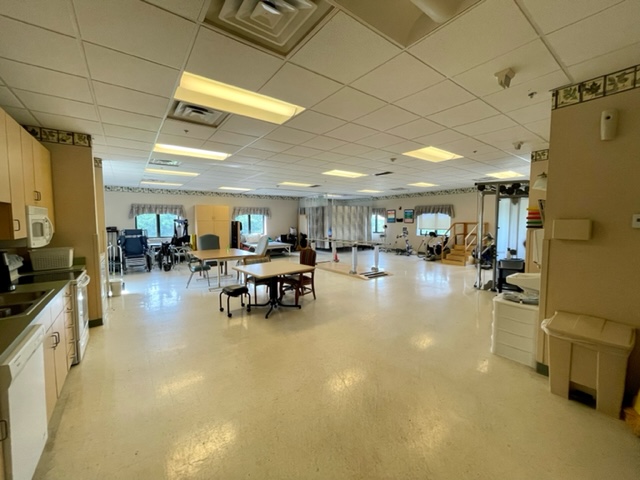
How is Ayden Healthcare Of Fairfield Staffed?

CMS rates AYDEN HEALTHCARE OF FAIRFIELD's staffing level at 2 out of 5 stars, which is below average compared to other nursing homes. Staff turnover is 48%, compared to the Ohio average of 46%.

What Have Inspectors Found at Ayden Healthcare Of Fairfield?

State health inspectors documented 58 deficiencies at AYDEN HEALTHCARE OF FAIRFIELD during 2019 to 2024. These included: 1 Immediate Jeopardy (the most serious level, indicating potential for serious harm or death), 1 that caused actual resident harm, 51 with potential for harm, and 5 minor or isolated issues. Immediate Jeopardy findings are rare and represent the most serious regulatory concerns. They require immediate corrective action.
Who Owns and Operates Ayden Healthcare Of Fairfield?

AYDEN HEALTHCARE OF FAIRFIELD is owned by a for-profit company. For-profit facilities operate as businesses with obligations to shareholders or private owners. The facility is operated by AYDEN HEALTHCARE, a chain that manages multiple nursing homes. With 90 certified beds and approximately 61 residents (about 68% occupancy), it is a smaller facility located in FAIRFIELD, Ohio.
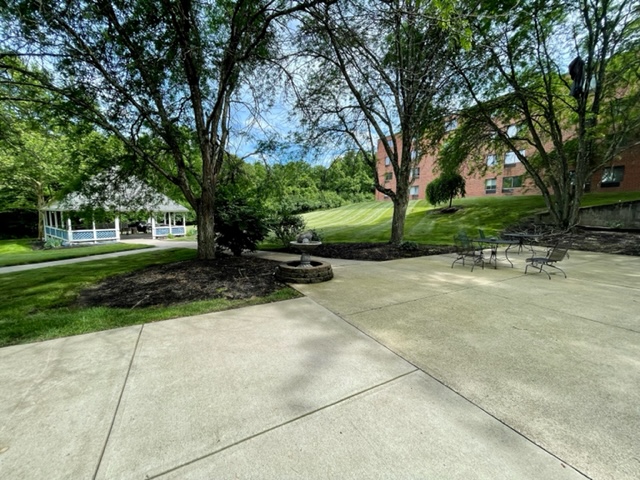
How Does Ayden Healthcare Of Fairfield Compare to Other Ohio Nursing Homes?

Compared to the 100 nursing homes in Ohio, AYDEN HEALTHCARE OF FAIRFIELD's overall rating (2 stars) is below the state average of 3.2, staff turnover (48%) is near the state average of 46%, and health inspection rating (1 stars) is much below the national benchmark.

What Should Families Ask When Visiting Ayden Healthcare Of Fairfield?

Based on this facility's data, families visiting should ask: "What changes have been made since the serious inspection findings, and how are you preventing similar issues?" "Can you walk me through typical staffing levels on day, evening, and night shifts?" "Can I visit during a mealtime to observe dining assistance and food quality?" "How do you handle medical emergencies, and what is your hospital transfer rate?" These questions are particularly relevant given the facility's Immediate Jeopardy citations and the below-average staffing rating.

Is Ayden Healthcare Of Fairfield Safe?

Based on CMS inspection data, AYDEN HEALTHCARE OF FAIRFIELD has documented safety concerns. Inspectors have issued 1 Immediate Jeopardy citation (the most serious violation level indicating risk of serious injury or death). The facility has a 2-star overall rating and ranks #100 of 100 nursing homes in Ohio. Families considering this facility should ask detailed questions about what corrective actions have been taken since these incidents.

Do Nurses at Ayden Healthcare Of Fairfield Stick Around?

AYDEN HEALTHCARE OF FAIRFIELD has a staff turnover rate of 48%, which is about average for Ohio nursing homes (state average: 46%). Moderate turnover is common in nursing homes, but families should still ask about staff tenure and how the facility maintains care continuity when employees leave.

Was Ayden Healthcare Of Fairfield Ever Fined?

AYDEN HEALTHCARE OF FAIRFIELD has been fined $155,573 across 4 penalty actions. This is 4.5x the Ohio average of $34,635. Fines at this level are uncommon and typically indicate a pattern of serious deficiencies, repeated violations, or failure to correct problems promptly. CMS reserves penalties of this magnitude for facilities that pose significant, documented risk to resident health or safety. Families should request specific documentation of what issues led to these fines and what systemic changes have been implemented.

Is Ayden Healthcare Of Fairfield on Any Federal Watch List?

AYDEN HEALTHCARE OF FAIRFIELD is not on any federal watch list. The most significant is the Special Focus Facility (SFF) program, which identifies the bottom 1% of nursing homes nationally based on persistent, serious quality problems. Not being on this list means the facility has avoided the pattern of deficiencies that triggers enhanced federal oversight. This is a positive indicator, though families should still review the facility's inspection history directly.