WILLOW KNOLL POST-ACUTE AND SENIOR LIVING
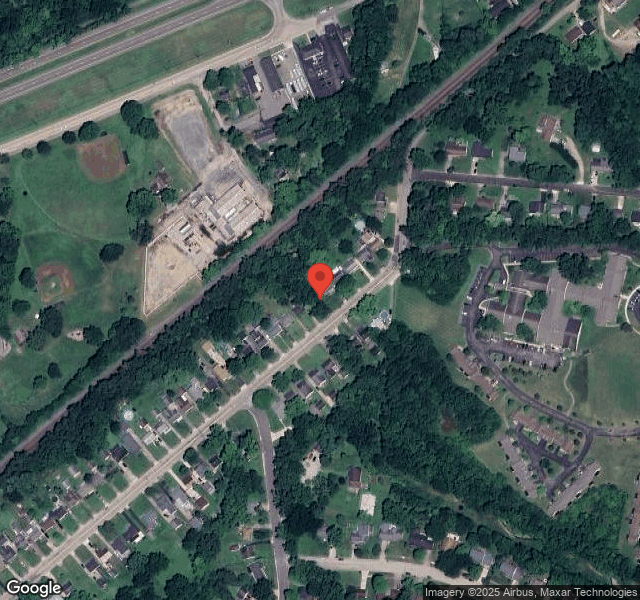
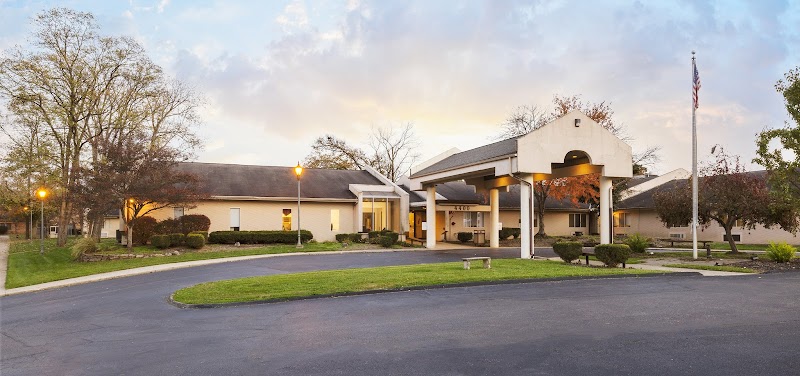
4400 VANNEST AVENUE, MIDDLETOWN, OH 45042 (513) 422-5600
For profit - Limited Liability company 58 Beds PACS GROUP Data: November 2025
Trust Grade
90/100
#197 of 913 in OH
Last Inspection: August 2024

Within standard 12-15 month inspection cycle. Federal law requires annual inspections.

Overview

Willow Knoll Post-Acute and Senior Living has received an excellent Trust Grade of A, indicating they are highly recommended and perform better than most facilities. They rank #197 out of 913 nursing homes in Ohio, placing them in the top half of all facilities, and #6 out of 24 in Butler County, suggesting only five local options are better. The facility is improving, having reduced issues from six in 2021 to none in 2024. Staffing is a mixed bag, with a 2 out of 5 star rating indicating below-average staffing levels, but a turnover rate of 38% is better than the Ohio average of 49%. While there have been no fines, which is a positive sign, the facility has less RN coverage than 92% of Ohio facilities, which could impact the quality of care. Specific incidents include concerns about visitation policies affecting all residents during the pandemic, as well as failures to hold care conferences for several residents, which are essential for discussing care plans and progress. Overall, while the facility excels in several areas, including health inspections and quality measures, families should consider the staffing challenges and past concerns related to resident engagement and care planning.

Trust Score
A
90/100
In Ohio
#197/913
Top 21%
Safety Record
Low Risk
No red flags
Inspections
Getting Better
6 → 0 violations
Staff Stability
○ Average
38% turnover. Near Ohio's 48% average. Typical for the industry.
Penalties
✓ Good
No fines on record. Clean compliance history, better than most Ohio facilities.
Skilled Nurses
⚠ Watch
Each resident gets only 21 minutes of Registered Nurse (RN) attention daily — below average for Ohio. Fewer RN minutes means fewer trained eyes watching for problems.
Violations
○ Average
7 deficiencies on record. Average for a facility this size. Mostly minor or procedural issues.
★★★★★
5.0
Overall Rating
★★☆☆☆
2.0
Staff Levels
★★★★★
5.0
Care Quality
★★★★★
5.0
Inspection Score
Stable
2021: 6 issues
2024: 0 issues

The Good

  • 5-Star Quality Measures · Strong clinical quality outcomes
  • Full Sprinkler Coverage · Fire safety systems throughout facility
  • No fines on record
  • Staff turnover below average (38%)

    10 points below Ohio average of 48%

Facility shows strength in quality measures, fire safety.

The Bad

Staff Turnover: 38%

Near Ohio avg (46%)

Typical for the industry

Chain: PACS GROUP

Part of a multi-facility chain

Ask about local staffing decisions and management

The Ugly 7 deficiencies on record

Jul 2021 6 deficiencies
CONCERN (D)

Potential for Harm - no one hurt, but risky conditions existed

Comprehensive Care Plan (Tag F0656)

Could have caused harm · This affected 1 resident

**NOTE- TERMS IN BRACKETS HAVE BEEN EDITED TO PROTECT CONFIDENTIALITY** 2. Record review revealed Resident #22 was admitted on [DATE]. Medical diagnoses included hemiplegia and hemiparesis following c...

Read full inspector narrative →
**NOTE- TERMS IN BRACKETS HAVE BEEN EDITED TO PROTECT CONFIDENTIALITY** 2. Record review revealed Resident #22 was admitted on [DATE]. Medical diagnoses included hemiplegia and hemiparesis following cerebral infarction affecting left non-dominant side, diabetes, rheumatoid arthritis, diabetes, atrial fibrillation, morbid obesity, chronic kidney disease, anxiety, depression, and unsteadiness on her feet. Review of quarterly MDS dated [DATE] revealed Resident #22 was cognitively intact. Review of physician orders for Resident #22 revealed she was prescribed Losartan 100 milligram (mg), Metoprolol 25 mg ER and Diltiazem Extended Release (ER) 180 mg and for high blood pressure, Lipitor 10 mg for high cholesterol, Fluoxetine 40 mg for depression, and Synthroid 125 micrograms (mcg) for low thyroid. Review of the revised care plans, dated 04/28/21, revealed no plan of care for high cholesterol, hypothyroidism, depression and hypertension. During interview on 07/06/21 at 2:11 P.M. , MDS Licensed Practical Nurse (LPN) #54 verified there were no care plans for the use of the above medications. Review of the facility policy titled Care Plans, dated 04/01/09, revealed care plans shall incorporate goals and objectives that lead to the residents highest obtainable level of independence. 1. Care plan goals and objectives are defined as the desired outcome for a specific resident problem. 2. When goals and objectives are not achieved, the residents clinical record will be documented as to why the results were not achieved and what new goals and objectives have been established. Care plans will be modified accordingly. 3. Care plan goals and objectives are derived from information contained in the residents comprehensive assessment and: a. Are resident oriented; b. Are behaviorally stated; c. Are measurable; and d. Contain timetables to meet the residents needs in accordance with the comprehensive assessment. 4. Goals and objectives are entered on the residents care plan so that all disciplines have access to such information and are able to report whether or not the desired outcomes are being achieved. 5. Goals and objectives are reviewed and/or revised: a. When there has been a significant change in the resident's condition; b. When the desired outcome has not been achieved; c. When the resident has been readmitted to the facility from a hospital/ rehabilitation stay; and d. At least quarterly. 6. The resident has the right to refuse to participate in establishing care plan goals and objectives. When such refusals are made, appropriate documentation will be entered into the residents clinical records in accordance with established policies. Based on record review, interview and policy review, the facility failed to initiate care plans for medication use for two (Residents #18 and #22) of five residents reviewed for unnecessary medication. The facility census was 45. Findings include: 1. Review of the medical record revealed Resident #18 was admitted to the facility on [DATE]. Her diagnoses included suicidal ideations, major depressive disorder, anxiety disorder, bipolar disorder and borderline personality disorder. The quarterly Minimum Data Set (MDS) assessment, completed on 04/17/21, assessed the resident as alert and oriented. Resident #18 was receiving Cymbalta Capsule Delayed Release Particles 20 milligrams (mg) to give two capsules by mouth one time a day for depression, Lorazepam Tablet 0.5 mg to give one half tablet by mouth every eight hours as needed for anxiety, and Seroquel, 100 mg to give 100 mg by mouth at bedtime for bipolar depression. Review of Resident #18's care plans revealed she did not have a care plan addressing psychoactive medications. During interview on 07/01/21 at 3:30 P.M., the Administrator and Director of Nursing (DON) verified the resident did not have a care plan addressing the psychoactive medications.
CONCERN (D)

Potential for Harm - no one hurt, but risky conditions existed

Drug Regimen Review (Tag F0756)

Could have caused harm · This affected 1 resident

**NOTE- TERMS IN BRACKETS HAVE BEEN EDITED TO PROTECT CONFIDENTIALITY** 3. Medical record review for Resident #22 revealed she was admitted on [DATE]. Review of consultation report from the pharmacy ...

Read full inspector narrative →
**NOTE- TERMS IN BRACKETS HAVE BEEN EDITED TO PROTECT CONFIDENTIALITY** 3. Medical record review for Resident #22 revealed she was admitted on [DATE]. Review of consultation report from the pharmacy issued on 03/02/21 and 05/05/21 revealed a request for Lantus insulin 10 units in the morning and 25 units in the evening to be combined and given in the evening. The recommendation was not reviewed, signed or dated by the physician. During interview on 07/01/21 at 3:30 P.M., the Administrator and Director of Nursing (DON) stated the Assistant Director of Nursing (ADON) had the pharmacy recommendation records offsite and they would try to get the information from the pharmacy. At the time of exit, no policy on pharmacy recommendations and none of the information from the offsite location or the pharmacy had been provided. Based on record review and interview, the facility failed to ensure the physician documented review of pharmacy recommendations. This affected three (Residents #18, #22 and #35) of five residents reviewed for unnecessary medications. The facility census was 45. Findings include: 1. Record review revealed Resident #18 was admitted to the facility on [DATE]. Pharmacy recommendations dated 04/06/21, 05/05/21, and 06/02/21 were not reviewed, signed or dated by the physician. 2. Record review revealed Resident #35 was admitted to the facility on [DATE]. A review of the pharmacy recommendations dated 04/07/21, 04/19/21, and 05/17/21 were not reviewed, signed or dated by the physician.
CONCERN (D)

Potential for Harm - no one hurt, but risky conditions existed

Deficiency F0760 (Tag F0760)

Could have caused harm · This affected 1 resident

Based on observation, staff interview and policy review the facility failed to prime insulin needles before administration for one (#26) of one reviewed for insulin injections during the medication ad...

Read full inspector narrative →
Based on observation, staff interview and policy review the facility failed to prime insulin needles before administration for one (#26) of one reviewed for insulin injections during the medication administration. The facility identified six residents who received insulin pens. The census was 45. Findings include: Medical record review for Resident #26 revealed an admission date of 05/10/21. Medical diagnoses included type two diabetes. Review of physician orders dated 06/22/21 revealed Humalog KwikPen Solution Pen Injector to inject as per sliding scale, to be given subcutaneously before meals and at bedtime for hyperglycemia. During observation on 07/01/21 at 8:16 A.M., Registered Nurse (RN) #70 drew up four units on the Humalog insulin pen. She did not dial up two units and did not expel the insulin to ensure the pen was working properly. She stated she had primed the needle on the insulin pen when it was first opened and not the beginning of each administration of the pen. She wasn't aware she was supposed to expel two units of the insulin upon every use of the pen. Review of the facility policy titled Medication Safety Alert/Insulin Pen Use, dated 01/01/14, revealed to turn the dose selector to two units and hold the insulin pen with the needle pointing up and tap the cartridge gently a few times to move air bubbles to the top. Press the push button all the way until the dose selector is back to zero. A drop of insulin should appear at the tip of the needle. This must be done before each injection.
CONCERN (D)

Potential for Harm - no one hurt, but risky conditions existed

Infection Control (Tag F0880)

Could have caused harm · This affected 1 resident

**NOTE- TERMS IN BRACKETS HAVE BEEN EDITED TO PROTECT CONFIDENTIALITY** Based on observation, record review, interview and policy review, the facility failed to ensure a staff member donned appropriat...

Read full inspector narrative →
**NOTE- TERMS IN BRACKETS HAVE BEEN EDITED TO PROTECT CONFIDENTIALITY** Based on observation, record review, interview and policy review, the facility failed to ensure a staff member donned appropriate personal protective equipment when caring for a resident on quarantine. This affected one (Resident #9) of three residents identified by the facility as being under quarantine. The facility census was 45. Findings include: Review of the clinical record revealed Resident #9 was admitted to the facility on [DATE]. She was discharged to the hospital on [DATE] and was readmitted on [DATE]. She had an order on 06/25/21 for strict single room isolation with droplet precautions related to readmission from hospital regarding COVID precautions every shift for 14 days. During observation on 06/28/21 at 12:17 P.M., State Tested Nursing Assistant (STNA) #22 set up the resident's lunch tray and sat on the side of the bed to assist the resident with eating. STNA #22 was wearing a surgical mask, but no other personal protective equipment (PPE). During interview on 06/28/21 at 12:20 P.M., Licensed Practical Nurse (LPN) #62 also observed STNA #22 sitting on the side of the resident's bed. She stated the only PPE STNA #22 was wearing was a surgical mask. LPN #62 stated Resident #9 was on quarantine because of her recent hospital admission. LPN #62 stated anyone going into the room would have to wear full PPE, as if the resident had COVID. A review of the facility's policy titled Infection Prevention and Control Program stated to implement appropriate isolation precautions when necessary and follow established general and disease-specific guidelines such as those of the Centers for Disease Control (CDC). Review of the CDC Coronavirus Disease 2019 (COVID-19) fact sheet stated the preferred PPE included a face shield or goggles, an N95 or higher respirator, an isolation gown and a pair of clean non-sterile gloves. These are to be used when caring for a patient with confirmed or suspected COVID-19.
CONCERN (E)

Potential for Harm - no one hurt, but risky conditions existed

Deficiency F0657 (Tag F0657)

Could have caused harm · This affected multiple residents

**NOTE- TERMS IN BRACKETS HAVE BEEN EDITED TO PROTECT CONFIDENTIALITY** 2. Record review for Resident #24 revealed an admission date of 06/12/07. The last quarterly MDS assessment was dated 05/03/21. ...

Read full inspector narrative →
**NOTE- TERMS IN BRACKETS HAVE BEEN EDITED TO PROTECT CONFIDENTIALITY** 2. Record review for Resident #24 revealed an admission date of 06/12/07. The last quarterly MDS assessment was dated 05/03/21. Review of care conferences for Resident #24 revealed the last one was held on 11/11/20. Interview with a family member on 06/28/21 at 3:02 P.M. revealed there hasn't been a care conference in several months. The family member stated they do have care conference, but due to their work schedule, they cannot attend. There have been no other arrangements made to attend a care conference. During interview on 07/01/21 at 1:38 P.M., Social Worker Designee (SWD) #26 confirmed the last care conference was on 11/20/20. 3. Record review for Resident #43 revealed an admission date of 01/18/21. The last quarterly MDS assessment was dated 06/13/21. Review of care conferences for Resident #43 revealed a care conference had never been held. During interview on 06/28/21 at 11:42 A.M., Resident #43 stated no care conference had been held since he admitted to the facility. During interview on 07/01/21 at 1:38 P.M., SWD #26 confirmed no care conference had ever been held for Resident #43. Review of the facility policy titled Resident Participation-Assessment/Care Plans, dated 12/01/16, revealed the resident and his or her representative are encouraged to participate in the resident's assessment and in the development and implementation of the resident's care plan. Based on record review and interview, the facility failed to ensure care conferences were held for residents. This affected three (Residents #18, #24 and #43) of three residents reviewed for care planning. The facility census was 45. Findings include: 1. A review of the medical record revealed Resident #18 was admitted to the facility on [DATE]. She had a quarterly Minimum Data Set (MDS) assessment completed on 04/17/21. There was no evidence a care conference had been held since admission. During interview on 07/01/21 at 3:30 P.M., the Administrator and the Director of Nursing (DON) stated there was no evidence that a care conference had been held for Resident #18.
CONCERN (F)

Potential for Harm - no one hurt, but risky conditions existed

Deficiency F0563 (Tag F0563)

Could have caused harm · This affected most or all residents

**NOTE- TERMS IN BRACKETS HAVE BEEN EDITED TO PROTECT CONFIDENTIALITY** Based on observation, visitation signage, interview, and review of the Centers for Medicare and Medicaid Services (CMS) guidance...

Read full inspector narrative →
**NOTE- TERMS IN BRACKETS HAVE BEEN EDITED TO PROTECT CONFIDENTIALITY** Based on observation, visitation signage, interview, and review of the Centers for Medicare and Medicaid Services (CMS) guidance, the facility failed to ensure residents were allowed visitation. This affected all of the residents who resided in the facility. The census was 45. Findings include: Review of the coronavirus website for the county positivity rate for Covid-19 revealed as of 06/22/21, the positivity rate in [NAME] county was 1.9%. Review of the list of vaccinated residents in the facility, dated 06/28/21, revealed 22 of 45 residents, or 48 percent, had been vaccinated. Observation of signs on the front door to the entrance of the facility on 06/28/21 at 9:00 A.M. revealed visitation was not allowed unless it was scheduled through the facility. Observation of the Resident Council Meeting conducted on 06/28/21 at 10:57 A.M. by Activities Director (AD) #68 revealed there were questions about visitation and the response was when the residents received more vaccinations the facility would be opening up for more visitation. Interview with Resident #22 on 06/28/21 at 3:30 P.M. revealed the facility was not conducting visitation right now. The families could stand outside the window if they wanted to visit with the residents. There was renovations in the facility and visitors are not allowed in to visit. She revealed she hadn't seen her family in over a year. Interview with AD #68 on 06/29/21 at 7:36 A.M. revealed there were supervised visits in the lobby with the receptionist and it was conducted on Tuesdays and Thursdays due to the low vaccination rate in the facility. The appointments could be made at 1:30, 2:30, or 3:30 P.M. and they lasted 30 minutes. Since the renovations have started in the facility, the visitation is limited to one day a week right now. Interview with the Receptionist #29 on 06/29/21 at 1:11 P.M. revealed the families schedule appointments and make sure one day of the week, when the construction wasn't going on, visitation was set up in the main lobby on Thursdays. She stated visitors could not go to the resident rooms due to the low vaccination rate of the residents. The families and residents are encouraged to receive their vaccinations so the facility could be opened up for visitation. She revealed during the visitation it was kind of supervised to make sure the families don't touch anybody. The visit has to be six feet apart, there could be no hugging or touching, or exchange any items during the visit. Observation of visitation on 07/01/21 at 1:31 P.M. revealed there were four tables with chairs around them placed six feet apart. Scheduler #8 was monitoring the visitation. She was in and out of the room. At 1:57 P.M. the Scheduler told the visitors they had two minutes left for the visit and they had to leave to ensure the next visitation was set up for 2:30 P.M. At 2:00 P.M. the Scheduler told the residents they couldn't touch anything in the room and to go back to their rooms. Interview with Resident #20's family member on 07/01/21 at 1:58 P.M. revealed the families were told they could only visit once a week due to renovations. They were told they couldn't hug or touch the residents or hand them anything on the visit. If the policy had changed the families hadn't been informed of the change. Interview with the Administrator on 07/01/21 at 3:15 P.M. revealed the facility only allowed visits on Tuesdays and Thursdays due to the renovations and the low vaccination rates of the residents. She revealed she was following the guidance from the Department of Aging that was out of date. She stated no one in the building had Covid-19 and no residents were on quarantine. Review of CMS QSO memo 20-39, revised on 04/27/21, stated under Indoor Visitation: Facilities should allow indoor visitation at all times and for all residents (regardless of vaccination status), except for a few circumstances when visitation should be limited due to a high risk of COVID-19 transmission (note: compassionate care visits should be permitted at all times). These scenarios include limiting indoor visitation for: · Unvaccinated residents, if the nursing home's COVID-19 county positivity rate is >10% and <70% of residents in the facility are fully vaccinated; · Residents with confirmed COVID-19 infection, whether vaccinated or unvaccinated until they have met two criteria to discontinue Transmission-Based Precautions; or · Residents in quarantine, whether vaccinated or unvaccinated, until they have met criteria for release from quarantine.
Mar 2019 1 deficiency
CONCERN (D)

Potential for Harm - no one hurt, but risky conditions existed

Medical Records (Tag F0842)

Could have caused harm · This affected 1 resident

Based on medical record review and staff interview, the facility failed to document provision of care for a urostomy tube. This affected one resident (Resident #23) of 15 resident records reviewed dur...

Read full inspector narrative →
Based on medical record review and staff interview, the facility failed to document provision of care for a urostomy tube. This affected one resident (Resident #23) of 15 resident records reviewed during the annual survey. The facility census was 51. Findings included: Review of the medical record for Resident #23 revealed an admission date of 11/09/18. Diagnoses included cerebral palsy, ileus, other obstructive defects of renal pelvis and ureter and parastomal hernia with obstruction without gangrene. Review of physician orders, dated 11/13/18, revealed to change the urostomy pouch every seven days and as needed. Review of the Treatment Administration Record (TAR) for 12/2018, 01/2019, 02/2019 and 03/2019, revealed there was no documentation for 12/07/18, 12/21/18, 01/18/19, 02/01/19, 02/15/19 and 03/02/19 as to the urostomy bag being changed. Interview on 03/13/19 at 3:55 P.M. with the Assistant Director of Nursing (ADON) revealed she verified there was no charting on 12/07/18, 12/21/18, 01/18/19, 02/01/19, 02/15/19 and 03/01/19. She stated they were changing the bag more frequently due to leakage, and does not know why those times were not charted.
Understanding Severity Codes (click to expand)
Life-Threatening (Immediate Jeopardy)
J - Isolated K - Pattern L - Widespread
Actual Harm
G - Isolated H - Pattern I - Widespread
Potential for Harm
D - Isolated E - Pattern F - Widespread
No Harm (Minor)
A - Isolated B - Pattern C - Widespread

Questions to Ask on Your Visit

  • "Can I speak with families of current residents?"
  • "What's your RN coverage like on weekends and overnight?"

Our Honest Assessment

Strengths
  • • Grade A (90/100). Above average facility, better than most options in Ohio.
  • • No major safety red flags. No abuse findings, life-threatening violations, or SFF status.
  • • No fines on record. Clean compliance history, better than most Ohio facilities.
  • • 38% turnover. Below Ohio's 48% average. Good staff retention means consistent care.
Concerns
  • • No significant concerns identified. This facility shows no red flags across CMS ratings, staff turnover, or federal penalties.
Bottom line: Generally positive indicators. Standard due diligence and a personal visit recommended.

About This Facility

What is Willow Knoll Post-Acute And Senior Living's CMS Rating?

CMS assigns WILLOW KNOLL POST-ACUTE AND SENIOR LIVING an overall rating of 5 out of 5 stars, which is considered much above average nationally. Within Ohio, this rating places the facility higher than 99% of the state's 100 nursing homes. This rating reflects solid performance across the metrics CMS uses to evaluate nursing home quality.
How is Willow Knoll Post-Acute And Senior Living Staffed?

CMS rates WILLOW KNOLL POST-ACUTE AND SENIOR LIVING's staffing level at 2 out of 5 stars, which is below average compared to other nursing homes. Staff turnover is 38%, compared to the Ohio average of 46%. This relatively stable workforce can support continuity of care.

What Have Inspectors Found at Willow Knoll Post-Acute And Senior Living?

State health inspectors documented 7 deficiencies at WILLOW KNOLL POST-ACUTE AND SENIOR LIVING during 2019 to 2021. These included: 7 with potential for harm.
Who Owns and Operates Willow Knoll Post-Acute And Senior Living?

WILLOW KNOLL POST-ACUTE AND SENIOR LIVING is owned by a for-profit company. For-profit facilities operate as businesses with obligations to shareholders or private owners. The facility is operated by PACS GROUP, a chain that manages multiple nursing homes. With 58 certified beds and approximately 50 residents (about 86% occupancy), it is a smaller facility located in MIDDLETOWN, Ohio.
How Does Willow Knoll Post-Acute And Senior Living Compare to Other Ohio Nursing Homes?

Compared to the 100 nursing homes in Ohio, WILLOW KNOLL POST-ACUTE AND SENIOR LIVING's overall rating (5 stars) is above the state average of 3.2, staff turnover (38%) is near the state average of 46%, and health inspection rating (5 stars) is much above the national benchmark.

What Should Families Ask When Visiting Willow Knoll Post-Acute And Senior Living?

Based on this facility's data, families visiting should ask: "Can you walk me through typical staffing levels on day, evening, and night shifts?" "Can I visit during a mealtime to observe dining assistance and food quality?" "How do you handle medical emergencies, and what is your hospital transfer rate?" "Can I speak with family members of current residents about their experience?" These questions are particularly relevant given the below-average staffing rating.

Is Willow Knoll Post-Acute And Senior Living Safe?

Based on CMS inspection data, WILLOW KNOLL POST-ACUTE AND SENIOR LIVING has a clean safety record: no substantiated abuse findings (meaning no confirmed cases of resident harm), no Immediate Jeopardy citations (the most serious violation level indicating risk of serious injury or death), and is not on the Special Focus Facility watch list (a federal program monitoring the lowest-performing 1% of nursing homes). The facility has a 5-star overall rating and ranks #1 of 100 nursing homes in Ohio. While no facility is perfect, families should still ask about staff-to-resident ratios and recent inspection results during their visit.

Do Nurses at Willow Knoll Post-Acute And Senior Living Stick Around?

WILLOW KNOLL POST-ACUTE AND SENIOR LIVING has a staff turnover rate of 38%, which is about average for Ohio nursing homes (state average: 46%). Moderate turnover is common in nursing homes, but families should still ask about staff tenure and how the facility maintains care continuity when employees leave.

Was Willow Knoll Post-Acute And Senior Living Ever Fined?

WILLOW KNOLL POST-ACUTE AND SENIOR LIVING has no federal fines on record. CMS issues fines when nursing homes fail to meet care standards or don't correct problems found during inspections. The absence of fines suggests the facility has either maintained compliance or corrected any issues before penalties were assessed. This is a positive indicator, though families should still review recent inspection reports for the full picture.

Is Willow Knoll Post-Acute And Senior Living on Any Federal Watch List?

WILLOW KNOLL POST-ACUTE AND SENIOR LIVING is not on any federal watch list. The most significant is the Special Focus Facility (SFF) program, which identifies the bottom 1% of nursing homes nationally based on persistent, serious quality problems. Not being on this list means the facility has avoided the pattern of deficiencies that triggers enhanced federal oversight. This is a positive indicator, though families should still review the facility's inspection history directly.