MAJESTIC CARE OF FAIRFIELD LLC
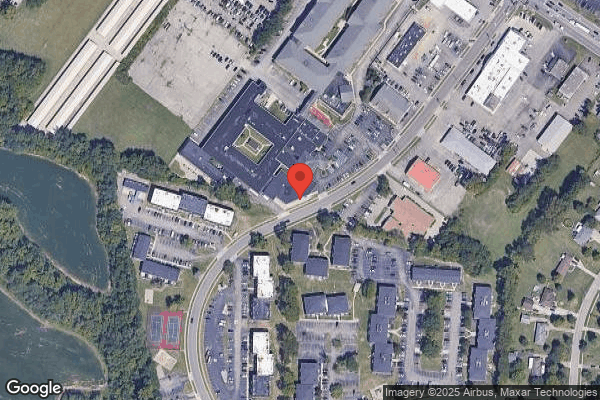
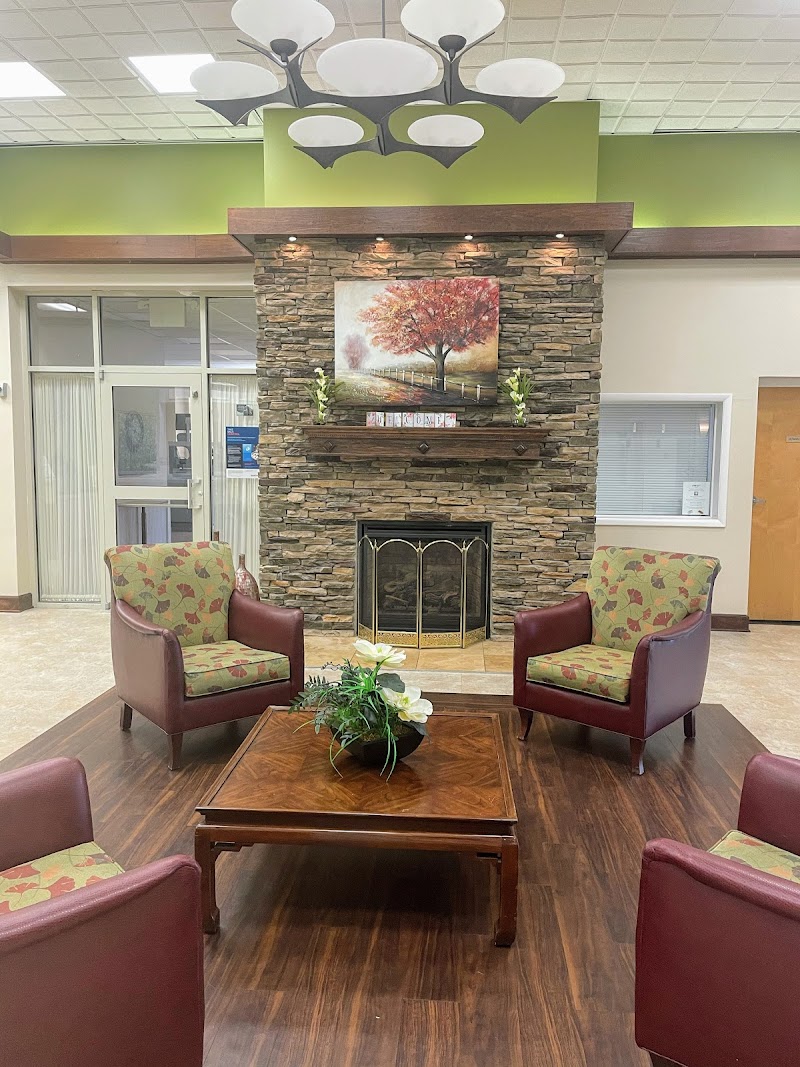
5200 CAMELOT DRIVE, FAIRFIELD, OH 45014 (513) 829-8100
For profit - Individual 200 Beds MAJESTIC CARE Data: November 2025
Trust Grade
15/100
#879 of 913 in OH
Last Inspection: September 2023

Over 2 years since last inspection. Current conditions may differ from available data.

Overview

Majestic Care of Fairfield LLC has received a Trust Grade of F, indicating significant concerns about the quality of care provided. They rank #879 out of 913 nursing facilities in Ohio, placing them in the bottom half of all facilities statewide, and they are last in Butler County at #24 out of 24. While the facility shows an improving trend, with issues decreasing from 9 in 2024 to just 1 in 2025, there are still serious concerns evident in their operations. Staffing is rated poorly with a 1/5 star rating, and turnover is at 52%, which is around the state average; however, this suggests staff may not be consistently familiar with residents' needs. The facility has been fined $65,959, which is higher than 79% of Ohio facilities, raising red flags about compliance issues. Specific incidents of concern include a resident who fell from a mechanical lift during transfer, resulting in serious fractures, and another resident whose fractured femur was not X-rayed for two days after a fall, leading to a delay in necessary surgical treatment. Additionally, there was an instance where a resident in severe pain was not treated promptly, with pain medication not administered until 12 hours after it was ordered. While there are areas of improvement, the combination of serious incidents and overall low ratings makes it crucial for families to carefully consider this facility for their loved ones.

Trust Score
F
15/100
In Ohio
#879/913
Bottom 4%
Safety Record
High Risk
Review needed
Inspections
Getting Better
9 → 1 violations
Staff Stability
⚠ Watch
52% turnover. Above average. Higher turnover means staff may not know residents' routines.
Penalties
✓ Good
$65,959 in fines. Lower than most Ohio facilities. Relatively clean record.
Skilled Nurses
⚠ Watch
Each resident gets only 28 minutes of Registered Nurse (RN) attention daily — below average for Ohio. Fewer RN minutes means fewer trained eyes watching for problems.
Violations
⚠ Watch
42 deficiencies on record. Higher than average. Multiple issues found across inspections.
★☆☆☆☆
1.0
Overall Rating
★☆☆☆☆
1.0
Staff Levels
★★★☆☆
3.0
Care Quality
★☆☆☆☆
1.0
Inspection Score
Stable
2024: 9 issues
2025: 1 issues

The Good

  • Full Sprinkler Coverage · Fire safety systems throughout facility
  • No fines on record

Facility shows strength in fire safety.

The Bad

1-Star Overall Rating

Below Ohio average (3.2)

Significant quality concerns identified by CMS

Staff Turnover: 52%

Near Ohio avg (46%)

Higher turnover may affect care consistency

Federal Fines: $65,959

Above median ($33,413)

Moderate penalties - review what triggered them

Chain: MAJESTIC CARE

Part of a multi-facility chain

Ask about local staffing decisions and management

The Ugly 42 deficiencies on record

3 actual harm
Mar 2025 1 deficiency
CONCERN (F) 📢 Someone Reported This

A family member, employee, or ombudsman was alarmed enough to file a formal complaint

Potential for Harm - no one hurt, but risky conditions existed

Social Worker (Tag F0850)

Could have caused harm · This affected most or all residents

Based on observation and staff interview, the facility failed to have a Licensed Social Worker to provide services to the residents. This had the potential to affect all of the residents in the facili...

Read full inspector narrative →
Based on observation and staff interview, the facility failed to have a Licensed Social Worker to provide services to the residents. This had the potential to affect all of the residents in the facility. The facility census was 135 residents. Findings include: Observation on 03/11/25 at 3:30 P.M. revealed Social Work Consultant (SWC) #432 was working in the facility and providing services to residents. There was a sign on the office door which read Social Services. Further observation revealed there was no information posted in the office regarding SWC #432 license to practice as a social worker. Interview on 03/11/25 at 3:35 P.M. with the Administrator confirmed the facility did not have a Licensed Social Worker (LSW) employed with the facility. The Administrator confirmed the facility had a social services designee and an outside consultant, SWC #432, who came in two to three times per week and was available full time if needed. Interview on 03/12/25 at 1:15 P.M. with SWC #432 confirmed she had a bachelor's degree but was not an LSW. Interview on 03/12/25 at 2:20 P.M. with the Administrator confirmed he mistakenly thought SWC #432 was an LSW, but he had asked for a copy of her social work license on 03/12/25 and learned she did not have one. The Administrator confirmed there was no LSW providing services to the residents in the facility. This deficiency represents noncompliance investigated under Complaint Number OH00163464 and OH00163460.
Sept 2024 3 deficiencies
CONCERN (E) 📢 Someone Reported This

A family member, employee, or ombudsman was alarmed enough to file a formal complaint

Potential for Harm - no one hurt, but risky conditions existed

Safe Environment (Tag F0921)

Could have caused harm · This affected multiple residents

**NOTE- TERMS IN BRACKETS HAVE BEEN EDITED TO PROTECT CONFIDENTIALITY** Based on observations and staff interviews, the facility failed to provide a sanitary and comfortable environment for the reside...

Read full inspector narrative →
**NOTE- TERMS IN BRACKETS HAVE BEEN EDITED TO PROTECT CONFIDENTIALITY** Based on observations and staff interviews, the facility failed to provide a sanitary and comfortable environment for the residents, staff and public. This had the potential to affect the residents residing on the memory care unit, 200 and 300 halls. Census was 149. Findings include: Observations on 09/04/24 and 09/05/24, revealed discolored ceiling tiles and dark discoloration near sprinkler and sensor located in the ceiling in the 300 hallway. Interview on 09/05/24 at 6:35 A.M., with Licensed Practical Nurse (LPN) #175 verified the discolored ceiling tiles. Observations on 09/04/24 and 09/05/24, revealed discolored ceiling observed near the light fixture and fire sensor outside room [ROOM NUMBER]. Interview on 09/05/24 at 7:02 A.M., with LPN #175 verified the discolored ceiling tiles. Observations on 09/04/24 and 09/05/24, revealed dark discoloration surrounding orange colored growth on ceiling tiles in the hallway outside of the 200 hall nurses' station and discoloration on multiple ceiling tiles and covering for ceiling light fixture outside of the 200A nurses station. Interview on 09/05/24 at 7:00 A.M., with LPN #175 verified the discolored ceiling tiles. Interview on 09/05/24 at 7:02 A.M., with LPN #172 revealed the dark stains on ceiling tiles near 200 hall nurses' station are common due to water leaks from ceiling. LPN #172 stated the facility place containers on the floor under the leaks to catch the water. Observations on 09/04/24 and 09/05/24, revealed discolored ceiling tiles near rooms [ROOM NUMBERS]. Interview on 09/05/24 at 7:05 A.M., with LPN #175 verified the discolored ceiling tiles. Observations on 09/04/24 and 9/05/24, revealed discolored ceiling tiles and a bowed-out ceiling tile with brown stain in the memory unit dining area. Wet floor sign located below the bowed ceiling tile. Interview on 09/05/24 at 7:26 A.M., with LPN #193 verified the discolored ceiling tiles. Interview on 09/05/24 at 10:40 A.M., with LPN #180 revealed there is a hole in the ceiling of memory unit nurses' station and mold on the ceiling because the ceiling leaks frequently. LPN #180 stated a bucket is placed on the floor when leaks occur. This deficiency represents noncompliance investigated under Complaint Number OH00156369.
CONCERN (F) 📢 Someone Reported This

A family member, employee, or ombudsman was alarmed enough to file a formal complaint

Potential for Harm - no one hurt, but risky conditions existed

Administration (Tag F0835)

Could have caused harm · This affected most or all residents

**NOTE- TERMS IN BRACKETS HAVE BEEN EDITED TO PROTECT CONFIDENTIALITY** Based on medical record review, review of facility posted signage, review of letter from Administrator, and staff interviews, th...

Read full inspector narrative →
**NOTE- TERMS IN BRACKETS HAVE BEEN EDITED TO PROTECT CONFIDENTIALITY** Based on medical record review, review of facility posted signage, review of letter from Administrator, and staff interviews, the facility failed to administer the facility to ensure residents, families, and appropriate authorities were timely notified regarding a Legionella infection and potential water contamination in the facility. This had the potential to affect all residents. The facility census was 149. Findings include: Review of Resident #10's medical record revealed an admission date of 07/04/24. Resident #10 was discharged to the hospital on [DATE] and returned to the facility on [DATE]. His diagnoses included: morbid obesity, essential hypertension, Legionnaires disease, cellulitis of lower limb, anemia, and pressure ulcer. Review of the Minimum Data Set (MDS) assessment dated [DATE], revealed he was cognitively intact. Further review of the MDS assessment revealed Resident #10 was dependent on staff for medication administration, toileting, personal hygiene, and he required assistance from staff with eating, and oral hygiene. Review of the Resident #10's hospital progress notes, dated 08/15/24, verified Resident #10 had a positive urine test for Legionella. Further review of the hospital progress notes confirmed the facility was notified of the illness on 08/19/24 at 8:05 A.M. Review of the posted document titled, Re: Emergency Water Plan is in effect until further notice dated 08/26/24, revealed Due to an unforeseen issue with the facilities water system, all water sources in the Skilled Nursing Facility were not to be used until further notice. Staff, residents, and visitors were instructed to use bottled water and ice provided from the nurse's stations. Review of the letter of notification mailed to the resident's family from the Administrator, dated 08/27/24, revealed the facility had worked with the Public Health Department and a third -party consultant company to take the appropriate steps to ensure the safety of the residents. The letter stated water samples had been taken and sent to a Centers for Disease Control and Prevention (CDC) laboratory for testing and sample results are pending. Further review of the family notification letter stated the facility will have the consulting team on sight and in various resident rooms and common areas to complete a water system risk assessment and provide recommendations on 08/27/24. The letter confirmed the facility will apply all appropriate safeguards and recommendations as identified. Interview on 08/29/24 at 3:30 P.M., with Infection Control Prevention Nurse #165 confirmed the facility failed to notify the Public Health Department or implement the Water Management Plan immediately following notification of Resident #10's new diagnosis of Legionella. Interview on 08/29/24 at 4:45 P.M., with the Director of Nursing (DON) confirmed the facility was aware of Resident #10's new diagnosis of Legionella on 08/19/24, when the faxed paperwork was given to them by the Admissions Director. Interview on 09/09/24 at 9:00 A.M., with the Assistant Director of Nursing (ADON) #200 verified the facility did not begin notifying residents and families about the Legionella infection or potentially contaminated water until 08/26/24. This deficiency represents noncompliance investigated under Complaint Number OH00157404.
CONCERN (F) 📢 Someone Reported This

A family member, employee, or ombudsman was alarmed enough to file a formal complaint

Potential for Harm - no one hurt, but risky conditions existed

Infection Control (Tag F0880)

Could have caused harm · This affected most or all residents

**NOTE- TERMS IN BRACKETS HAVE BEEN EDITED TO PROTECT CONFIDENTIALITY** Based on medical record review, review of letter from Administrator, review of email correspondence from the local health depart...

Read full inspector narrative →
**NOTE- TERMS IN BRACKETS HAVE BEEN EDITED TO PROTECT CONFIDENTIALITY** Based on medical record review, review of letter from Administrator, review of email correspondence from the local health department, policy reviews, review of water temperature audits, review of Environmental Assessment of Water Systems report, review of the third -party consultant action plan, review of infection control logs, review of contract with a Water Management Consultant Company and staff interviews, the facility failed to implement a water management program to prevent Legionella in the water system and report a case of Legionella to the local authorities. This affected one (#10) of three residents reviewed for Legionella and had the potential to affect all 149 residents residing at the facility. The facility census was 149. Findings include: Review of Resident #10's medical record revealed an admission date of 07/04/24. Resident #10 was discharged to the hospital on [DATE] and returned to the facility on [DATE]. His diagnoses included: morbid obesity, essential hypertension, Legionnaires disease, cellulitis of lower limb, anemia, and pressure ulcer. Review of the Minimum Data Set (MDS) assessment dated [DATE], revealed he was cognitively intact. Further review of the MDS assessment revealed Resident #10 was dependent on staff for medication administration, toileting, personal hygiene, and he required assistance from staff with eating, and oral hygiene. Review of the Resident #10's hospital progress notes, dated 08/15/24, verified Resident #10 had a positive urine test for Legionella. Further review of the hospital progress notes confirmed the facility was notified of the illness on 08/19/24 at 8:05 A.M. Review of the nursing progress notes for August 2024 for Resident #10 revealed no indication of the Legionnaires disease diagnoses including family or physician notification. Review of the electronic communication from the Public Health Department, dated 08/26/24 at 2:09 P.M., revealed the public health department emailed the facility management team including the Director of Nursing (DON), Assistant Director of Nursing (ADON), and Infection Control Prevention (ICP) Nurse #165 to notify and discuss a confirmed case of Legionella at the facility. Review of the electronic communication between the DON and the laboratory (lab) confirmed the Legionella test for Resident #10, dated 08/28/24 at 12:01 P.M., verified the lab ran a rapid test to determine the presence of Legionella on Resident #10 and the results were positive. Interview on 08/29/24 at 12:47 P.M., with the Assistant Director of Nursing (ADON) #200 revealed the facility was notified from [NAME] County Health Department via email communication dated 08/26/24 of Resident #10's diagnoses of Legionella. ADON #200 confirmed on 08/26/24 when the facility was notified, the facility immediately stopped utilizing the water and utilized bottled water for care, drinking, and bed baths. The ADON #200 stated the facility was not aware of the diagnoses until she received the email from the health department. ADON #200 stated the facility was not notified of Resident #10's diagnoses from the hospital even at discharge from the hospital to admission to the nursing facility. ADON #200 confirmed nothing was written in Resident #10's medical chart relates to the Legionella diagnoses because the facility was not notified of the diagnoses from the hospital. ADON #200 confirmed Resident #10 received treatment for the Legionella Diagnoses in the hospital, however, she stated Resident #10 has many comorbidities that the same antibiotics could have been used to treat Legionella. Interview on 08/29/24 at 1:37 P.M., with the Administrator, Director of Nursing (DON), and ADON revealed ADON #200 stated she has a separate file that has the documentation of Resident #10's diagnoses and confirmed it is not located in his medical chart. The Administrator, DON, and ADON #200 continued to confirm the diagnoses was not made available to the facility until the local health department contacted the facility via email on 08/26/24. The DON stated the facility would not have been made aware of the diagnosis because Resident #10 received treatment at the hospital for Legionella and he is alert and oriented. The DON insisted the hospital would not have provided the information related to the Legionella diagnoses because they treated it at the hospital. The DON stated there would be no reason to notify Resident #10, his family member, or the physician of the Resident at the facility because treatment was done at the hospital. Interview on 08/29/24 at 1:49 P.M., with the DON and ADON #200 on 08/29/24 at 1:49 P.M. confirmed the facility did not document the new diagnoses of Legionella in Resident #10's medical chart because Resident #10 was aware of what he was tested and treated for. ADON #200 confirmed the Legionella Diagnoses was listed on his hospital paperwork, however, it was not documented as a new diagnosis and the facility wasn't sure if it was an old or new diagnoses. Interview on 08/29/24 at 3:30 P.M., with Infection Control Prevention (ICP) Nurse #165 confirmed the facility failed to notify the Public Health Department or implement the Water Management Plan immediately following notification of Resident #10's new diagnosis of Legionella. ICP #165 stated the facility was aware of Resident #10's new diagnosis of Legionella Disease when the paperwork from the hospital was faxed to the facility on [DATE]. ICP #165 stated any time a resident return from the hospital with an antibiotic he will research the why and list it in the infection control map and binder. ICP #165 verified all of management was aware when Resident #10 returned to the facility with a new diagnosis of Legionella, however, no one was sure what steps the facility should take. ICP #165 confirmed it was not until after the Local Health Department notified the facility on 08/26/24, that the facility acted and corporate sent over the report titled, Environmental Assessment of Water Systems and the facility hired the third-party consultants for an action plan. The ICP #165 stated the facility did not act because the facility felt it did not come from the facility until they were notified by the local health department. Interview on 08/29/24 at 4:45 P.M., with the DON confirmed the facility was aware of Resident #10's new diagnosis on 08/19/24 when the faxed paperwork was given to them by the Admissions Director. Review of the facility infection control log and map of infections confirmed Resident #10 was listed on 08/22/24 with a new diagnosis of Legionella. Review of the facility contract with a Water Management Consultant Company was signed on 08/26/24, by the Administrator and consultant. However, the contract's effective date was listed as 08/28/24. Review of the letter of notification mailed to the resident's family from the Administrator, dated 08/27/24, revealed the facility had worked with the Public Health Department and a third -party consultant company to take the appropriate steps to ensure the safety of the residents. The letter stated water samples had been taken and sent to a Centers for Disease Control and Prevention (CDC) laboratory for testing and sample results are pending. Further review of the family notification letter stated the facility will have the consulting team on sight and in various resident rooms and common areas to complete a water system risk assessment and provide recommendations on 08/27/24. The letter confirmed the facility will apply all appropriate safeguards and recommendations as identified. Review of the facility report titled, Environmental Assessment of Water Systems, hand dated 08/20/24 at 11:20 A.M., completed by ICP#165 revealed the description of the facility was blank on page 3. On page 4 of the assessment, it was determined the facility does have a fountain or water decoration, however the location and description were left blank. Further review of the facility Water System assessment revealed the facility water temperatures ranged from 105 Fahrenheit (F) and 120 F; however, the dates of measurement were left blank on Page 5. Page. 6 of the facility Water System assessment was blank including documentation of the facility thermostatic mixing valve. Page 7 through 13 were left blank and no facility assessment was completed of the Water System. Review of the facility audit titled, Water Temperature Audit, dated April 2024 through present date, revealed water temperatures ranged from 109F to 142 F. No verification of water temperatures January 2024 through April 2024 was provided. Review of the third -party consultant action plan stated the following steps will take place, Step one: Notify the physician, the local health department, and the Ohio Department of Health. Step 2. Notify all residents, family members, responsible parties, and staff and document in the resident's chart. Step 3. Notify the owner of the building. Step 4. Activate the facility's emergency water policy. Step 5. Post signage on all water outlets. Step 6. Post signage at all points of entry into the facility. Step 7. Utilize bag iced and bottles of water. Step 8. Contact the lab and document the result of the discussion. Step 9. Initiate a line listing of the past six months of pneumonia, and review findings with the medical director. Step 10. Begin heightened environmental and clinical monitoring. Step 11. Review the facility Legionella Risk Assessment and correct any short comings. Step 12. Review the facility water management plan. Step 13. Begin discussion with industrial water management to complete remediation. Step 14. Review concerns with other water pathogens. Step 15. Social Services is to complete a wellness relative to the resident's psycho- social wellbeing. Step 16. Formalize revisions to the Water Management program and notify residents of the changes. Step 17. Post remediation sampling every two weeks for three months. If no Legionella is produced during the second three-month period, then the testing can be reduced to quarterly. Step 18. If the environmental sampling is produces positive Legionella results, isolates should be typed and saved. Step 19. Continue heightened physical environment and clinical monitoring. Review of the undated policy titled, Legionella Surveillance and Detection, indicated the facility included Legionella as part of the infection surveillance activities. The clinical staff will be trained on how to identify signs and symptoms and notify the physician immediately if Legionnaire's disease is suspected. Further review of the policy confirmed if Legionella is detected in one or more residents, then the Infection Preventionist will activate the surveillance for Legionnaire's Disease, notify the local health department, notify the Administrator and Director of Nursing, and an investigation into the possible source of contamination will be initiated. Review of the policy titled, Legionella Water Management Program, dated July 2017, indicated the facility has a water management program overseen by the water management team. The team consisted of the Administrator, the Infection Preventionist, the Medical Director (or designee), the Director of Maintenance, and the Director of Environmental Services. The purpose of the water management teams is to reduce the risk of Legionnaires disease. Further review of the policy revealed the facility water management program is based on the Centers for Disease Control and Prevention (CDC) and the American Society of Heating, Refrigerating, and Air Conditioning Engineers (ASHARE) recommendations. The facility water program consists of a detailed diagram and description of the water system, the identification of areas in the water system that could permit Legionella or other bacteria to grow, the identification of situations that can lead to Legionella growth, specific measures used to control the introduction or spread of the disease, and how often the water management team will meet. This deficiency represents noncompliance investigated under complaint numbers OH00157504, OH00157484, OH00157442, OH00157404, and OH00157265.
Jun 2024 3 deficiencies
CONCERN (D) 📢 Someone Reported This

A family member, employee, or ombudsman was alarmed enough to file a formal complaint

Potential for Harm - no one hurt, but risky conditions existed

Deficiency F0569 (Tag F0569)

Could have caused harm · This affected 1 resident

**NOTE- TERMS IN BRACKETS HAVE BEEN EDITED TO PROTECT CONFIDENTIALITY** Based on staff interview and review of resident fund account documents, the facility failed to ensure timely conveyance of resid...

Read full inspector narrative →
**NOTE- TERMS IN BRACKETS HAVE BEEN EDITED TO PROTECT CONFIDENTIALITY** Based on staff interview and review of resident fund account documents, the facility failed to ensure timely conveyance of resident funds following discharge. This affected one (#3) of three residents reviewed for funds post discharge. The facility census was 144. Findings include: Review of Resident #3's medical record revealed an admission date of [DATE]. Resident #3 passed away, in the facility, on [DATE]. Diagnoses included multiple sclerosis, pulmonary disease and chronic pain syndrome. Review of the comprehensive Minimum Data Set (MDS) assessment dated [DATE] revealed the resident had intact cognition and was a two-person assist for Activities of Daily (ADL). Review of resident fund documents revealed on [DATE], Resident #03 had an account balance of $150.97. On the same date, the Social Security Administration (SSA) made a deposit of $1160.00 into the resident's account, for a total account balance of $1310.97. Further review revealed on [DATE] the account was closed and the total of $1310.97 was debited from the account, with the payee noted to be Resident #3 himself. Also, on [DATE], the SSA withdrew its payment of $1160.00 back from the resident's account, leaving a negative balance of $1159.77 (minus $0.23 in interest from [DATE]). Interview on [DATE] at 11:50 A.M. with the Administrator revealed after Resident #3's death on [DATE], the SSA deposited the [DATE] payment into the resident's account. The SSA rescinded the payment and debited $1160.00 from Resident #3's account, leaving a negative balance. The Administrator verified there was no evidence on [DATE] of a check being paid to the estate of Resident #3 for the $1310.97, as was indicated on the account statement. The Administrator confirmed once the SSA rescinded the [DATE] payment of $1160.00, Resident #3's account balance should have been $150.97 and payment should have been sent to resident's estate within 30 days of his passing. The Administrator verified there was no evidence Resident #3's remaining account balance was sent to the resident's estate. This deficiency represents non-compliance investigated under Complaint Number OH00153805.
CONCERN (D) 📢 Someone Reported This

A family member, employee, or ombudsman was alarmed enough to file a formal complaint

Potential for Harm - no one hurt, but risky conditions existed

Deficiency F0602 (Tag F0602)

Could have caused harm · This affected 1 resident

**NOTE- TERMS IN BRACKETS HAVE BEEN EDITED TO PROTECT CONFIDENTIALITY** Based on medical record review, review of a facility Self-Reported Incident (SRI), review of a local police report, staff interv...

Read full inspector narrative →
**NOTE- TERMS IN BRACKETS HAVE BEEN EDITED TO PROTECT CONFIDENTIALITY** Based on medical record review, review of a facility Self-Reported Incident (SRI), review of a local police report, staff interview, review of the county on-line court docket and review of facility policy, the facility failed ensure residents were free from misappropriation. This affected one resident (#1) of five residents reviewed for misappropriation. The facility census was 144. Findings include: Review of Resident #1's medical record revealed an admission date of 06/06/23. The resident discharged on 05/24/24. Diagnoses included hemiplegia, chronic respiratory failure, muscle weakness and dystonia. Review of the comprehensive Minimum Data Set (MDS) assessment dated [DATE] revealed the resident had intact cognition and was a one-person assist for Activities of Daily (ADL). Review of the facility SRI #240101, initiated 10/12/23 and completed on 10/17/24, revealed on 10/12/23, the facility was notified by Resident #1 and her family that the resident was missing a check from her checkbook. Per the SRI, all staff and like residents were interviewed regarding the incident and the local law enforcement was conducting an investigation into the incident. The SRI did not indicated a name for the Specified Perpetrator (SP). On 10/17/23, the facility determined there was no conclusive evidence of misappropriation and the allegation was unsubstantiated. Review of the facility's investigation revealed all staff who cared for Resident #1 during the time of the incident were interviewed and all denied any knowledge of the incident. The resident's roommate was interviewed and denied any knowledge of the misappropriation. Per the investigation all staff were re-educated on the misappropriation policy. Review of the police investigation narrative report, dated 10/19/23, revealed between 10/06/23 at 6:00 P.M. and 10/12/23 at 8:00 A.M., Resident #1 stated an unknown person took one of her checks from her checkbook, filled the check out for $325.00 and cashed it. Resident #1 discovered this after she received a copy of the canceled check from her bank. On 10/17/23 at 10:00 A.M., Police Detective (PD) #520 responded to the bank and spoke with an unknown clerk. PD #520 was informed SP #500 deposited the check into her own account. PD #520 attempted to contact SP #500, via telephone and at her home, but was unsuccessful. PD #520 contacted the facility and spoke with a manager to see if the facility knew SP #500. Per the report, the unknown manager told him SP #500 worked at the facility cleaning rooms. SP #500 was not working at the time PD #520 called. PD #520 asked to be notified the next time SP #500 worked and was told by the manager this would have to be looked up. PD #520 told the manager SP #500 was only a suspect and no charges had been filed at that time. Further review of the report revealed on 10/19/23 at 5:00 P.M., PD #520 received a voicemail from an unknown supervisor at the facility to advise him SP #500 had been suspended from work until the investigation was completed. Review of the facility's addendum to SRI #240101, dated 05/31/24, revealed the local police determined a facility contracted worker, SP #500, cashed Resident #1's check and charges were filed against the former employee. Interview on 06/03/24 at 3:00 P.M. with the Director of Nursing (DON) revealed SP #500 was identified to the DON after charges had been filed, on or around 04/26/24. The DON stated SP #500 had been a contracted housekeeper at the facility and had not worked since the stolen check was cashed on 10/06/23. The DON stated the resident and her family reported the suspected misappropriation to the facility on [DATE] and stated Resident #1 did not report who the staff member was who stole the check. The DON stated all staff who worked in the facility during the time of the missing check were interviewed but confirmed SP #500 was not interviewed because the facility did not know her identify during their investigation. The DON stated to prevent any further misappropriation, all residents were provided lockboxes and all staff were educated on the misappropriation policy. Interview on 06/24/24 at 9:30 A.M. with the Administrator revealed he was unaware of PD #520 speaking with anyone at the facility and identifying SP #500 as a suspect in the misappropriation involving Resident #1 during the course of the facility's investigation from 10/12/23 through 10/17/23. As a result, the facility unsubstantiated the allegation of misappropriation. The Administrator could not recall the actual date he was notified of SP #500 being a suspect, but stated it was after the facility had closed their investigation on 10/17/23. The Administrator stated when he did speak with the police, it was reported SP #500 was wanted for questioning and had not been formally charged. The Administrator confirmed SP #500 stole a check from Resident #1 and cashed it in the amount of $325.00. The Administrator stated the bank reimbursed Resident #1 the funds that were withdrawn from her bank account. While the facility re-educated staff on the facility's abuse police and offered lockboxes to residents for their belongings, the Administrator confirmed the facility implemented no further action to ensure residents were free from misappropriation, such as conducting audits and involving the facility's Quality Assurance and Performance Improvement (QAPI) committee to ensure on-going compliance. Interview on 06/24/24 at 11:30 A.M. with Assistant Director of Nursing (ADON) #250 revealed she was interviewed during the SRI investigation and confirmed staff were re-educated on the facility's misappropriation policy. ADON #250 stated the identity of SP #500 was not known during the facility's investigation into the incident. ADON #250 stated once the police reported to the facility the identity of SP #500, which was sometime after 10/17/23, SP #500 was considered suspended and her employing agency was notified she was not to return to the facility. ADON #250 could not recall the actual date SP #500 was suspended, but stated it was after the facility was made aware of her identity. Review of the [NAME] County, Ohio on-line court docket confirmed, on 06/06/24, SP #500 pleaded guilty to petty theft, amended from a felony charge of theft from an elderly person or disabled adult. Review of the facility policy titled Abuse Prevention, revised March 2021, revealed residents had the right to be free from abuse, including misappropriation of resident's property. Further review revealed misappropriation was defined as the deliberate misplacement, exploitation, or wrongful, temporary or permanent, use of a resident's belongings or money without the resident's consent. This deficiency represents non-compliance investigated under Master Complaint Number OH00154308.
CONCERN (D) 📢 Someone Reported This

A family member, employee, or ombudsman was alarmed enough to file a formal complaint

Potential for Harm - no one hurt, but risky conditions existed

Investigate Abuse (Tag F0610)

Could have caused harm · This affected 1 resident

**NOTE- TERMS IN BRACKETS HAVE BEEN EDITED TO PROTECT CONFIDENTIALITY** Based on medical record review, review of a facility Self-Reported Incident (SRI), review of the facility investigation, review ...

Read full inspector narrative →
**NOTE- TERMS IN BRACKETS HAVE BEEN EDITED TO PROTECT CONFIDENTIALITY** Based on medical record review, review of a facility Self-Reported Incident (SRI), review of the facility investigation, review of a local police report, staff interview, review of the county on-line court docket and review of facility policy, the facility failed to ensure an accurate and thorough investigation of misappropriation was completed. Furthermore, the facility failed to implement corrective actions to monitor and/or prevent further instances of resident misappropriation. This affected one resident (#1) of five residents reviewed for misappropriation. The facility census was 144. Findings include: Review of Resident #1's medical record revealed an admission date of 06/06/23. The resident discharged on 05/24/24. Diagnoses included hemiplegia, chronic respiratory failure, muscle weakness and dystonia. Review of the comprehensive Minimum Data Set (MDS) assessment dated [DATE] revealed the resident had intact cognition and was a one-person assist for Activities of Daily (ADL). Review of the facility SRI #240101, initiated 10/12/23 and completed on 10/17/24, revealed on 10/12/23, the facility was notified by Resident #1 and her family that the resident was missing a check from her checkbook. Per the SRI, all staff and like residents were interviewed regarding the incident and the local law enforcement was conducting an investigation into the incident. The SRI did not indicated a name for the Specified Perpetrator (SP). On 10/17/23, the facility determined there was no conclusive evidence of misappropriation and the allegation was unsubstantiated. Review of the facility's investigation revealed all staff who cared for Resident #1 during the time of the incident were interviewed and all denied any knowledge of the incident. The resident's roommate was interviewed and denied any knowledge of the misappropriation. Per the investigation, all staff were re-educated on the misappropriation policy. Review of the police investigation narrative report, dated 10/19/23, revealed between 10/06/23 at 6:00 P.M. and 10/12/23 at 8:00 A.M., Resident #1 stated an unknown person took one of her checks from her checkbook, filled the check out for $325.00 and cashed it. Resident #1 discovered this after she received a copy of the canceled check from her bank. On 10/17/23 at 10:00 A.M., Police Detective (PD) #520 responded to the bank and spoke with an unknown clerk. PD #520 was informed SP #500 deposited the check into her own account. PD #520 attempted to contact SP #500, via telephone and at her home, but was unsuccessful. PD #520 contacted the facility and spoke with a manager to see if the facility knew SP #500. Per the report, the unknown manager told him SP #500 worked at the facility cleaning rooms. SP #500 was not working at the time PD #520 called. PD #520 asked to be notified the next time SP #500 worked and was told by the manager this would have to be looked up. PD #520 told the manager SP #500 was only a suspect and no charges had been filed at that time. Further review of the report revealed on 10/19/23 at 5:00 P.M., PD #520 received a voicemail from an unknown supervisor at the facility to advise him SP #500 had been suspended from work until the investigation was completed. Review of the facility's addendum to SRI #240101, dated 05/31/24, revealed the local police determined a facility contracted worker, SP #500, cashed Resident #1's check and charges were filed against the former employee. Interview on 06/03/24 at 3:00 P.M. with the Director of Nursing (DON) revealed SP #500 was identified to the DON after charges had been filed, on or around 04/26/24. The DON stated SP #500 had been a contracted housekeeper at the facility and had not worked since the stolen check was cashed on 10/06/23. The DON stated the resident and her family reported the suspected misappropriation to the facility on [DATE] and stated Resident #1 did not report who the staff member was who stole the check. The DON stated all staff who worked in the facility during the time of the missing check were interviewed but confirmed SP #500 was not interviewed because the facility did not know her identify during their investigation. The DON stated to prevent any further misappropriation, all residents were provided lockboxes and all staff were educated on the misappropriation policy. Interview on 06/24/24 at 9:30 A.M. with the Administrator revealed he was unaware of PD #520 speaking with anyone at the facility and identifying SP #500 as a suspect in the misappropriation involving Resident #1 during the course of the facility's investigation from 10/12/23 through 10/17/23. As a result, the facility unsubstantiated the allegation of misappropriation. The Administrator could not recall the actual date he was notified of SP #500 being a suspect, but stated it was after the facility had closed their investigation on 10/17/23. The Administrator stated when he did speak with the police, it was reported SP #500 was wanted for questioning and had not been formally charged. The facility investigation was not updated to reflect SP #500 had been identified as a suspect in the misappropriation of Resident #1's funds. The Administrator confirmed no further action related to the investigation was taken once additional information was received, such as reopening the SRI once SP #500's identify was known, notifying the Ohio Department of Health (ODH) of SP #500's identity or substantiating the allegation of misappropriation. Additionally, the Administrator confirmed the facility did not conduct any audits or involve the facility's Quality Assurance and Performance Improvement (QAPI) committee to ensure on-going compliance. Interview on 06/24/24 at 11:30 A.M. with Assistant Director of Nursing (ADON) #250 revealed she was interviewed during the SRI investigation and confirmed staff were re-educated on the facility's misappropriation policy. ADON #250 stated the identity of SP #500 was not known during the facility's investigation into the incident. ADON #250 stated once the police reported to the facility the identity of SP #500, which was sometime after 10/17/23, SP #500 was considered suspended and her employing agency was notified she was not to return to the facility. ADON #250 could not recall the actual date SP #500 was suspended, but stated it was after the facility was made aware of her identity. Review of the [NAME] County, Ohio on-line court docket confirmed on 06/06/24 SP #500 pleaded guilty to petty theft, amended from a felony charge of theft from an elderly person or disabled adult. Review of the facility policy titled Abuse Prevention, revised March 2021, revealed misappropriation was defined as the deliberate misplacement, exploitation, or wrongful, temporary or permanent, use of a resident's belongings or money without the resident's consent. Further review revealed the facility had procedures in place to ensure a timely and thorough investigation of allegations of abuse, the reporting and filing of accurate documents relative to incidents of abuse, an on-going review and analysis of incidents of abuse, and implementation of changes to prevent future occurrences of abuse. This deficiency represents non-compliance investigated under Master Complaint Number OH00154308.
Mar 2024 1 deficiency
CONCERN (D) 📢 Someone Reported This

A family member, employee, or ombudsman was alarmed enough to file a formal complaint

Potential for Harm - no one hurt, but risky conditions existed

Accident Prevention (Tag F0689)

Could have caused harm · This affected 1 resident

**NOTE- TERMS IN BRACKETS HAVE BEEN EDITED TO PROTECT CONFIDENTIALITY** Based on record review, staff and resident interview, review of facility's Self-Reported Incidents (SRIs) and review of facilit...

Read full inspector narrative →
**NOTE- TERMS IN BRACKETS HAVE BEEN EDITED TO PROTECT CONFIDENTIALITY** Based on record review, staff and resident interview, review of facility's Self-Reported Incidents (SRIs) and review of facility policy, the facility failed to ensure care and services were provided by staff members. This affected one (#51) resident out of three residents reviewed for accidents hazards. The facility census was 155. Findings include: Review of the medical record for Resident #51 revealed the resident was admitted to the facility on [DATE]. His diagnoses included anoxic brain damage, hyperlipidemia, dysphagia, anxiety disorder, gastro esophageal reflux disease (GERD), insomnia, mood disorder, major depressive disorder, and aphasia. Review of a nurse's progress notes dated 01/12/23 for Resident #51, revealed the staff spoke with Resident#51's father and the resident's roommate (Resident #57) about Resident #57 providing Resident #51 with fluids. Notes indicated Resident #51's father instructed Resident #57 to still give the resident fluids and stated Resident #57 could provide the fluids if he gave the permission. The nurse received an order to encourage fluids every 2 hours per staff and father was aware. The facility documented education to Resident #51's father and Resident #57 which was not effective. Review of the physician orders dated 04/13/23 for Resident #51, revealed the resident was ordered regular diet, dysphagia puree texture, with nectar thickened liquids consistency, related to anoxic brain damage. Orders also revealed for Resident #51 to be encouraged to drink 240 milliliters (mls) of nectar thickened liquid three times a day between meals. Review of a nurse's progress note dated 05/04/23 for Resident #51, revealed the facility documented they spoke to Resident #51's mother regarding Resident #57 assisting Resident #51 with his thickened liquids and the mother indicated she would get back to the facility staff about this issue. Review of the most recent Minimum Data Set (MDS) assessment dated [DATE] for Resident #51, revealed the resident had impaired cognition. Resident #51 was totally dependent on staff for activities of daily living (ADLs). Review the care plan dated 11/20/23 for Resident #51, revealed the resident had potential altered nutritional status related to dysphagia, and was at nutritional risk related to mechanically altered diet, anoxic brain damage, paraplegia, aphasia, need for thickened liquids, totally dependent on staff at meals, needed adaptive equipment at meals, and needed extra drinks to meet fluid needs. and. Interventions included document fluid/food intakes, provide an altered fluid consistency as ordered, no water pitcher at bedside and a mechanically altered diet as ordered. The care plan did not mention Resident #57 was assisting with mixing and providing Resident #51 with thickened liquids. Review of an untitled facility document dated 01/17/24 and authored by Assistant Director of Nursing (ADON) #301, revealed she educated Resident #57 on thickening liquids for Resident #51 and Resident #57 returned the demonstration which was done at the request of Resident #51's Power of Attorney. Resident #57 was able to thicken fluids as required and Resident #57 was aware that the facility did not encourage this. Resident #57 was also educated on the risk and sign symptoms of choking if thickened fluids were not thickened properly. Review of a facility's SRI (tracking number 243523) created on 01/19/24 at 7:45 P.M. revealed the staff observed Resident #57 in Resident #51's room and created the SRI for an allegation of abuse. During the interviews, Resident #57 stated he was in Resident #51's room feeding the resident a magic cup. The facility indicated this was a normal act since Resident #51's family encouraged Resident #57 to engage with their son and the SRI for abuse was unsubstantiated. Interview with State Tested Nurse Aide (STNA) #304 on 03/06/24 at 10:04 A.M., revealed Resident #57 would mix up Resident #51's thickened liquids in Resident #51's room then serve the liquids to the resident. STNA #304 stated she was told by management that Resident #57 had been approved and care planned to provide the thickened liquids to Resident #51. STNA #304 indicated she never saw the careplan for Resident #51 and only went off of what the management team told her. STNA #304 stated she did not think it was safe for Resident # 57 to mix and provide thickened liquids to Resident #51 Interview with STNA #305 on 03/06/24 at 10:06 A.M., revealed Resident #57 goes into Resident #51's room and mixes up his thickened liquids then administers it to Resident #51. STNA #305 stated she did not think it was safe for Resident #57 to mix up and provide Resident #51 with thickened liquids. Observation of Resident #51's room at the same time with STNA #305, revealed a large tub of thickener and a cup of what appeared to be a very thin liquids at the bedside. Interview with Resident #57 on 03/06/24 at 10:46 A.M., revealed he regularly provided Resident #51 with thickened liquids that he mixed. Resident #57 stated Resident #51's family and the facility were aware of this and were ok with it. Resident #57 stated the nursing staff provided him with education and training on how to mix and provide Resident #51 with the thickened liquids. Resident #57 stated he is aware that different types of liquids require a different mixture of the thickener. Resident #57 stated he was also provided with education on what steps to take if Resident #51 were to choke while Resident #57 provided Resident #51 with the fluids. Interview with the Assisted Director of Nursing (ADON) #301 on 03/06/24 at 12:07 P.M. verified Resident #57 provided thickened liquids to Resident #51. ADON #301 reported she provided education and completed a skills competency on 01/17/24 with Resident #57 so he could mix and provide thickened liquids to Resident #51 properly. ADON #301 stated Resident #51's family encouraged Resident #57 to provide Resident #51 with additional liquids between meals when the staff were not available so Resident #51 could stay hydrated. ADON #301 stated she felt Resident # 57 was going to provide Resident #51 with the thickened liquids despite the facility being against it and therefore felt Resident #57 should provide the liquids to Resident #51 in a safe manner. Interview with Registered Dietician (RD) #300 and ADON #301 on 03/06/24 at 12:07 P.M. confirmed Resident #51 was ordered to receive a puree diet with nectar thickened liquids. ADON #301 confirmed the facility did not have any documentation of the physician being aware or having an active care plan in place related to Resident #57 providing thickened liquids to Resident #51. Observation of Resident #51's room with RD #300 on 03/06/24 at 12:10 P.M. revealed a large container of thickener on the table next to Resident #51's bed. RD #300 stated the thickener must have been brought in by the family. Interview with ADON #300 on 03/06/24 at 3:27 P.M. indicated the facility had no risk agreement on file for Resident #57 providing thickened liquids to Resident #51. ADON #300 indicated she had a complaint from Resident #51's father about the resident not receiving showers when she learned of Resident #57 mixing and given Resident #51 thickened liquids. Interview with Director of Nursing (DON) on 03/06/24 at 3:35 P.M., revealed the facility was aware of Resident #57 mixing and providing thickened liquids to Resident #51. The DON stated the facility only educated Resident #57 on 01/17/24 in the event Resident #57 provided thickened liquids to Resident #51 without staff's knowledge. The DON stated this was recently discovered while investigating a complaint from the resident's father about showers not being done. When the DON was questioned about the notes of Resident #57 providing the thickened liquids dating back to January 2023, the DON indicated she was not aware of that since she was not employed then. Review of the facility policy titled, Thickened Liquids, dated October 2018, revealed liquids that require consistency medication will either be purchased pre-thickened and/or be thickened with commercial thickener by Nutrition and Dining Services Care Team Staff or community Speech Therapists. The policy stated thickened liquids will be available in nourishment pantries for offering of liquids at times of resident request as well as medication pass. This deficiency represents non-compliance investigated under Master Complaint Number OH00151172.
Feb 2024 2 deficiencies
CONCERN (E) 📢 Someone Reported This

A family member, employee, or ombudsman was alarmed enough to file a formal complaint

Potential for Harm - no one hurt, but risky conditions existed

Deficiency F0804 (Tag F0804)

Could have caused harm · This affected multiple residents

Based on observation, staff interview, resident interview, review of resident council meeting minutes, and policy review, the facility failed to ensure food was served warm and palatable. This had the...

Read full inspector narrative →
Based on observation, staff interview, resident interview, review of resident council meeting minutes, and policy review, the facility failed to ensure food was served warm and palatable. This had the potential to affect all but two (#27 and #93) residents who did not receive food from the facility's kitchen. The facility census was 150. Findings include: Observation of the kitchen on 02/01/24 at 8:20 A.M. revealed a test tray went out on the 2B unit cart. All trays were retrieved from the meal cart on 07/03/23 at 8:34 A.M. The scrambled eggs, served on a Styrofoam plate and covered with an insulated lid, were 110 degrees Fahrenheit and cold to taste. Interview on 02/01/24 at 8:35 A.M., Account Manager (AM) #315 verified the scrambled eggs were cold and not palatable. AM #315 further stated the facility's dishwasher had been out since 12/22/23 and the facility often had to serve on disposable dinner ware. Interview on 02/01/24 at 10:11 A.M. Resident #69 stated the food was usually served cold. Interview on 02/01/24 at 10:21 A.M., Resident #52 stated the food was often served cold. Interview on 02/01/24 at 10:28 A.M., Resident #75 stated the food is always served cold. Interview on 02/01/24 at 10:44 A.M., Resident #17 stated the food was only sometimes hot enough and further stated the eggs were not hot that morning. Interview on 02/01/24 at 10:45 A.M., Resident #22 stated the food was not hot enough and always luke warm. Review of the resident council meeting minutes dated 12/20/23 revealed the residents stated the food was cold on trays. Review of the resident council meeting minutes dated 01/25/24 revealed the residents stated food can be cold on trays. Review of the facility policy titled, Food: Quality and Palatability, dated 02/2023, revealed food was to be served palatable, attractive, and served at a safe and appetizing temperature. This deficiency represents non-compliance investigated under Complaint Number OH00150427.
CONCERN (F) 📢 Someone Reported This

A family member, employee, or ombudsman was alarmed enough to file a formal complaint

Potential for Harm - no one hurt, but risky conditions existed

Deficiency F0837 (Tag F0837)

Could have caused harm · This affected most or all residents

**NOTE- TERMS IN BRACKETS HAVE BEEN EDITED TO PROTECT CONFIDENTIALITY** Based on review of Board of Executives of Long-Term Services and Support (BELTSS) documentation, review of the Enhanced Informat...

Read full inspector narrative →
**NOTE- TERMS IN BRACKETS HAVE BEEN EDITED TO PROTECT CONFIDENTIALITY** Based on review of Board of Executives of Long-Term Services and Support (BELTSS) documentation, review of the Enhanced Information Dissemination and Collection (EIDC), interview with a BELTSS Representative, and staff interview, the facility governing body failed to appoint an administrator, licensed in the State of Ohio who was responsible for the management of the facility. This had the potential to affect all 150 residents residing in the facility. Findings include: On [DATE], review of the State Agency EIDC System revealed Administrator #400 was listed as the facility current and primary Administrator with an effective date of [DATE]. On [DATE], review of the BELTSS system revealed Administrator #400's license was inactive. Interview with BELTSS Representative #100 on [DATE] at 10:44 A.M. indicated their website (https://prod.beltss.age.ohio.gov/) for licensure verification was up to date and had no system issues. BELTSS #100 representative verified the Administrator was not active and the license expired on [DATE]. Interview on [DATE] at 12:54 P.M., Administrator #400 verified he was the Administrator of record for the facility. Administrator #400 stated he was unaware his license was not active.
Dec 2023 3 deficiencies
CONCERN (E) 📢 Someone Reported This

A family member, employee, or ombudsman was alarmed enough to file a formal complaint

Potential for Harm - no one hurt, but risky conditions existed

Deficiency F0694 (Tag F0694)

Could have caused harm · This affected multiple residents

**NOTE- TERMS IN BRACKETS HAVE BEEN EDITED TO PROTECT CONFIDENTIALITY** THE FOLLOWING DEFICIENCY REPRESENTS AN INCIDENT OF PAST NON-COMPLIANCE THAT WAS SUBSEQUENTLY CORRECTED PRIOR TO THIS SURVEY. Ba...

Read full inspector narrative →
**NOTE- TERMS IN BRACKETS HAVE BEEN EDITED TO PROTECT CONFIDENTIALITY** THE FOLLOWING DEFICIENCY REPRESENTS AN INCIDENT OF PAST NON-COMPLIANCE THAT WAS SUBSEQUENTLY CORRECTED PRIOR TO THIS SURVEY. Based on medical record review, review of the State of Ohio Board of Pharmacy Terminal Distributor Licensure of Prescriber Practices, review of facility policy, staff interview, and interview with contracted entity provider representative, the facility failed to ensure a contracted entity had appropriate State of Ohio required credentials for provision of services for residents. This affected four (#03, #26, #23 and #36) of the four residents reviewed for medications administered by a contracted ancillary provider. This also affected 40 additional current Residents (#01, #02, #09, #10, #11, #12, #13, #16,, #17, #18, #19, #20, #22, #28, #31, #32, #33, #34, #35, #37, #39, #40, #41, #42, #43, #44, #45, #46, #48, #49, #51, #52, #53, #55, #56, #57, #58, #60, #61, and #62) and 15 discharged Residents (#04, #05, #06, #08, #14, #15, #21, #25, #27, #29, #30, #47, #50, #54, and #59) for total of 59 residents. The facility census was 153. Findings include: 1) Review of the medical record for Resident #03 revealed the resident was admitted on [DATE], Diagnosis included anemia, coronary artery disease hypertension, hyperlipidemia, hip fracture, dementia, Parkinson's disease, anxiety, and depression. Review of the Minimum Data Set (MDS) assessment 3.0 dated 10/13/23 for Resident #03, revealed the resident had intact cognition. Review of the Care Plan for Resident #03 revealed areas of resident focus for risks related to hydration, nutrition, and skin integrity. Review of the physician's orders dated 05/08/23, 06/09/23, 07/07/23, 08/02/23 and 09/06/23 for Resident #03, revealed the resident was ordered to receive cognition infusion protocol - DRIPT IV (entity who provides hydration and vitamin nutrient therapy) intravenously (IV) one-time monthly 500 milliliters (mLs) of 0.9 percent (%) normal saline (NS) at rate of 250 mLs an hour (hr.) (total additive volume of 30.4 mLs) Additive formula: Vitamin B1 complex (Thiamine [Thia]) 200 milligrams (mgs), Vitamin B2 (Riboflavin [Ribo]) 4 mgs, Vitamin B3 (Niacin [Nia]) 100 mgs, vitamin C (ascorbic acid) 5 grams (gms), Vitamin B5 (Dexpanthenol) 250 mgs, Vitamin B6 (Pyridoxine [Pyr]) 4 mgs, Vitamin B12 (Methylcobalamin) 2 mgs, Vitamin B7 (Biotin) 20 mg, Magnesium Chloride 900 mgs, Calcium Chloride 200 mgs, Gluconate 200 mg, Zinc 10 mgs and Amino blend (Glutamine 150 mgs, Arginine 500 mgs, Ornithine 150 mgs, Lysine 250 mgs, Citrulline 250 mg Taurine 100 mgs, and Glycine 100 mg) one daily for cognition via IV for cognition and infusion of micronutrient hydration therapy. Review of Medication Administration Records (MARs) revealed Resident #03 received the physician ordered nutrition IV infusions on 05/08/23, 06/09/23, 07/07/23, 08/02/23, and 09/06/23. Interview with Resident #03 on 12/04/23 at 11:10 A.M. revealed no concerns related to the IV services received from DRIPT IV. 2) Review of the medical record for Resident #26 revealed the resident was admitted on [DATE]. Diagnoses included hypertension, gastroesophageal reflux disease (GERD), diabetes hyperlipidemia, anxiety, depression, and asthma, Review of the MDS assessment dated [DATE] for Resident #26, revealed the resident had intact cognition. Review of the care plan for Resident #26 revealed areas of focus for risk for nutrition and skin integrity. Review of the physician's orders dated 07/02/23. 08/02/23 and 09/06/23 for Resident #26 , revealed the resident was ordered to receive Derma infusion protocol for DRIPT IV nurse via IV one-time monthly 500 mLs of 0.9 % NS at rate of 250 mLs an hr. (total additive volume of 30.4 mLs) Additive formula: Vitamin B1 complex (Thiamine) 200 mgs, Vitamin B2 (Riboflavin) 4 mgs, Vitamin B3 (Niacin) 100 mgs, vitamin C (ascorbic acid) 5 gms, Vitamin B5 (Dexpanthenol) 250 mgs, Vitamin B6 (Pyridoxine) 4 mgs, Vitamin B12 (Methylcobalamin) 2 mgs, Vitamin B7 (Biotin) 20 mg, Magnesium Chloride 900 mgs, Calcium Chloride 200 mgs, Gluconate 200 mg, Zinc 10 mgs and Amino blend (Glutamine 150 mgs, Arginine 500 mgs, Ornithine 150 mgs, Lysine 250 mgs, Citrulline 250 mg Taurine 100 mgs, and Glycine 100 mg) every month for micronutrient hydration therapy. Review of the MARs for Resident #26 revealed the resident received the physician ordered infusions on 07/07/23, 08/02/23, and 09/06/23. 3) Review of medical record for Resident #36 revealed the resident was admitted on [DATE]. Diagnoses included non-traumatic brain dysfunction, anemia hypertension, peripheral vascular disease (PVD), GERD, diabetes, hyperlipidemia, Alzheimer's disease, dementia, and asthma. Review of the MDS assessment dated [DATE] for Resident #36 revealed the resident had intact cognition. Review of the Care Plan for Resident #36 revealed areas of focus for risk for nutrition and skin impairment. Review of the physician's ordered dated 06/09/23 and 09/06/23 for Resident #36 revealed the resident was ordered to receive Derma infusion protocol for DRIPT IV nurse via IV one-time monthly 500 mLs of 0.9 % NS at rate of 250 mLs an hr. (total additive volume of 30.4 mLs) Additive formula: Vitamin B1 complex (Thiamine) 200 mgs, Vitamin B2 (Riboflavin) 4 mgs, Vitamin B3 (Niacin) 100 mgs, vitamin C (ascorbic acid) 5 gms, Vitamin B5 (Dexpanthenol) 250 mgs, Vitamin B6 (Pyridoxine) 4 mgs, Vitamin B12 (Methylcobalamin) 2 mgs, Vitamin B7 (Biotin) 20 mg, Magnesium Chloride 900 mgs, Calcium Chloride 200 mgs, Gluconate 200 mg, Zinc 10 mgs and Amino blend (Glutamine 150 mgs, Arginine 500 mgs, Ornithine 150 mgs, Lysine 250 mgs, Citrulline 250 mg Taurine 100 mgs, and Glycine 100 mg) every month for micronutrient hydration therapy. Review of the MARs for Resident #36, revealed the resident received the physician ordered infusions on 06/09/23 and 09/06/23. Interview with Resident #36 on 12/04/23 at 11:22 A.M. revealed no concerns related to the IV services received from DRIPT-IV. 4) Review of medical records for Resident #23 revealed an admission date of 07/18/15. Diagnoses included coronary artery disease, hear failure, hypertension, Peripheral vascular disease, anxiety, asthma, hyperlipidemia, and Alzheimer's disease, Review of the MDS assessment dated [DATE] for Resident #23, revealed the resident had severely impaired cognition. Review of the physician's ordered dated 07/07/23, 08/02/23 and 09/06/23 for Resident #23 revealed the resident was ordered to receive Derma infusion protocol for DRIPT IV nurse via IV one-time monthly 500 mLs of 0.9 % NS at rate of 250 mLs an hr. (total additive volume of 30.4 mLs) Additive formula: Vitamin B1 complex (Thiamine) 200 mgs, Vitamin B2 (Riboflavin) 4 mgs, Vitamin B3 (Niacin) 100 mgs, vitamin C (ascorbic acid) 5 gms, Vitamin B5 (Dexpanthenol) 250 mgs, Vitamin B6 (Pyridoxine) 4 mgs, Vitamin B12 (Methylcobalamin) 2 mgs, Vitamin B7 (Biotin) 20 mg, Magnesium Chloride 900 mgs, Calcium Chloride 200 mgs, Gluconate 200 mg, Zinc 10 mgs and Amino blend (Glutamine 150 mgs, Arginine 500 mgs, Ornithine 150 mgs, Lysine 250 mgs, Citrulline 250 mg Taurine 100 mgs, and Glycine 100 mg) every month for micronutrient hydration therapy. Review of MARs revealed Resident #23 received the physician ordered infusions on 07/07/23, 08/02/23, and 09/06/23. Interview with the Administrator and the Director of Nursing (DON) on 12/04/23 revealed they were unaware that the ancillary provider (DRIPT IV) did not possess a Terminal Distributor of Dangerous Drugs (TDDD) license for the State of Ohio when they provided IV services to the facility. The DON verified that the above listed residents received IV infusions provided by the ancillary provider. Interview with Regional Clinical Director (RCD) #600 on 12/05/23 at 2:15 P.M. revealed on 11/14/23 the Administrator from their sister facility ([NAME] of Middletown) notified them that DRIPT IV was no longer servicing the Ohio market and there was no additional information provided as to the reasoning. RCD #600 reported that all of the residents were assessed and any changes in conditions were discussed on a daily basis and there were no issues noted. Registered Nurse #110 with the interdisciplinary team (IDT) was assigned to do the resident record reviews. RCD #600 reported their Corporate Chief Executive Officer (CEO) # 115 educated the Administrators, Regional Nurses, and Regional Administrators of the requirement to verify the TDDD for all vendors. RCD #600 reported medication education occurred on 11/09/23 that was related to a similar situation to the findings of another complaint survey, and the training was appropriate for both the previous complaint and the current investigation. RCD #600 stated that the clinical documentation for all residents who received DRIPT therapy was reviewed for any negative outcomes or undesirable results. Attempts to interview Medical Director (MD) #100 on 12/07/23 and 12/12/23 were unsuccessful. Interview with Representative #405 for the ancillary provider stated they did not have State of Ohio TDDD licensure. He stated they were a Medical Entity, with a Medical Director licensed in the State of Ohio. Every other state in which they provided services did not require a special TDDD license and after about three months of providing services in the Ohio area, they learned Ohio was an exception. He stated they applied for the license and were told they could continue providing services, license approval would take days. He stated an audit was conducted, and the Board of Pharmacy reported them. Simultaneously, the group had decided to stop providing services in Ohio unrelated to the licensure concerns. They rescinded their application for licensure. He stated they provided five specialized infusions that could be specialized based on resident needs. The intervention was created a couple of years ago and found to be beneficial for residents with chronic urinary tract infections (UTI), residents who did not eat or drink well, and/or weight loss concerns. He stated they presented the program to facility ownership. Interview with the facilities General Counsel #406 stated studies had shown hydration therapy improved and reduced risk of dehydration and rehospitalization. General Counsel #406 stated she learned of this licensing concern on 11/14/23 and had contacted the General Counsel for the ancillary provider who reported when they started the process in Ohio, they had been told they did not require TDDD license for Ohio. They reported they were initially told by the Board of Pharmacy they did not require an Ohio license, there were a ton of exemptions. They reported they applied for the license. General Counsel #406 stated the provider did not explain concerns with licensure when they announced they were no longer providing services. It was explained as a decrease in services related to rate freezes. General Counsel #406 stated she was not involved with the initial vetting process and could not provide specific information as to the steps involved in the approval. The corporation had started a compliance investigation on this with a compliance officer specific to this incident. General Counsel #406 revealed the contract had been signed on 12/09/22 by their Chief Financial Officer (CFO). The General Counsel at that time would have gone through a legal review with a multi-layered vetting process before it was presented to the CFO. She was in the process of investigating everything involved in the process and was still gathering information. Review of the State of Ohio Terminal Distributor Licensure of Prescriber Practices (https://www.pharmacy.ohio.gov), dated 08/24/23, revealed a TDDD license allows a business entity to purchase, possess, and/or distribute dangerous drugs at specific locations. Terminal distributors of dangerous drugs include, but are not limited to, hospitals, pharmacies, Emergency Medical Services (EMS) organizations, laboratories, nursing homes, and prescriber practices. Distribution includes the administration of drugs on-site to patients as well as providing medications to patients to take away from the facility for later use. Dangerous drugs are defined in the Ohio Revised Code as any drug that meets any of the following: 1. Requires a subscription; 2. Bears on the label a Federal Legend (Rx Only or Caution: Federal law prohibits dispensing without a prescription); 3. Is intended for injection into the human body; or 4. Any drug that is a biological product as defined in section 3715.01 of the Revised Code. Ohio Revised Code (ORC) 4729.51 states that no licensed manufacturer, outsourcing facility, third-party logistics provider, repackager, or wholesale distributor shall sell dangerous drugs to anyone other than the following: (1) a licensed terminal distributor of dangerous drugs; (2) Any person exempt from licensure as a terminal distributor of dangerous drugs under section 4729.541 of the Revised Code (3) a licensed manufacturer, outsourcing facility, third-party logistics provider, repackager, or wholesale distributor; or (4) A terminal distributor, manufacturer, outsourcing facility, third-party logistics provider, repackager, or wholesale distributor that is located in another state, is not engaged in the sale of dangerous drugs within this state, and is actively licensed to engage in the sale of dangerous drugs by the state in which the distributor conducts business. In general, the exemptions to Ohio's TDDD licensure requirements do not apply if the prescriber practice is engaged in drug compounding. Compounding is defined as the preparation, mixing, assembling, packaging, and labeling of one or more drugs. Compounding includes the combining, admixing, diluting, reconstituting, or otherwise altering of a drug or bulk drug substance. The deficiency was corrected on 11/19/23 after the facility implemented the following corrective actions: On 09/06/23 was the last utilization of services from DRIPT IV. On 09/22/23, the contract with DRIPT IV cessation was effective. On 11/14/23, the facility was notified that DRIPT IV solution vendor company who serviced the facility did not have a TDD licensure required in Ohio to dispense drugs. The Corporate attorney and Corporate Director of Procurement were notified by the RCD #600 On 11/15/23, all current residents who received DRIPT IV services were audited by RN #110 for change of condition related to receiving IVs from DRIPT IV and no issues were found. On 11/15/23, the governing body policy was revised and adopted by the Quality Assurance Performance Improvement (QAPI) committee during their meeting. On 11/15/23, the QAPI Committee was educated on the governing body policy by Corporate. On 11/15/23, the QAPI Committee will review any new contracts via the QAPI committee to ensure licensure is validated and compliant with the governing policy. The QAPI committee will meet monthly as needed. On 11/15/23, the Administrator and/or the DON will be responsible for monitoring on going compliance. On 11/19/23, all licensed nurses were educated on the medication administration and medication documentation by RN #100 Review of four Residents (#01, #09, #11, and #12) medical records revealed assessments were completed. This deficiency represents non-compliance investigated under Complaint Number OH00148166.
CONCERN (E) 📢 Someone Reported This

A family member, employee, or ombudsman was alarmed enough to file a formal complaint

Potential for Harm - no one hurt, but risky conditions existed

Pharmacy Services (Tag F0755)

Could have caused harm · This affected multiple residents

**NOTE- TERMS IN BRACKETS HAVE BEEN EDITED TO PROTECT CONFIDENTIALITY** THE FOLLOWING DEFICIENCY REPRESENTS AN INCIDENT OF PAST NON-COMPLIANCE THAT WAS SUBSEQUENTLY CORRECTED PRIOR TO THIS SURVEY. Ba...

Read full inspector narrative →
**NOTE- TERMS IN BRACKETS HAVE BEEN EDITED TO PROTECT CONFIDENTIALITY** THE FOLLOWING DEFICIENCY REPRESENTS AN INCIDENT OF PAST NON-COMPLIANCE THAT WAS SUBSEQUENTLY CORRECTED PRIOR TO THIS SURVEY. Based on medical record review, review of the State of Ohio Board of Pharmacy Terminal Distributor Licensure of Prescriber Practices, and interview the facility failed to ensure medications were obtained from a source with a Terminal Distributor of Dangerous Drugs (TDDD) license (which allows a business entity to purchase, possess, and/or distribute dangerous drugs at a specific location) specific to the State of Ohio. This affected four (#03, #26, #23 and #36) of the four residents reviewed for medications administered by a contracted ancillary provider. This also affected 40 additional current Residents (#01, #02, #09, #10, #11, #12, #13, #16,, #17, #18, #19, #20, #22, #28, #31, #32, #33, #34, #35, #37, #39, #40, #41, #42, #43, #44, #45, #46, #48, #49, #51, #52, #53, #55, #56, #57, #58, #60, #61, and #62) and 15 discharged Residents (#04, #05, #06, #08, #14, #15, #21, #25, #27, #29, #30, #47, #50, #54, and #59) for total of 59 residents. The facility census was 153. Findings include: 1) Review of the medical record for Resident #03 revealed the resident was admitted on [DATE], Diagnosis included anemia, coronary artery disease hypertension, hyperlipidemia, hip fracture, dementia, Parkinson's disease, anxiety, and depression. Review of the Minimum Data Set (MDS) assessment 3.0 dated 10/13/23 for Resident #03, revealed the resident had intact cognition. Review of the Care Plan for Resident #03 revealed areas of resident focus for risks related to hydration, nutrition, and skin integrity. Review of the physician's orders dated 05/08/23, 06/09/23, 07/07/23, 08/02/23 and 09/06/23 for Resident #03, revealed the resident was ordered to receive cognition infusion protocol - DRIPT IV (entity who provides hydration and vitamin nutrient therapy) intravenously (IV) one-time monthly 500 milliliters (mLs) of 0.9 percent (%) normal saline (NS) at rate of 250 mLs an hour (hr.) (total additive volume of 30.4 mLs) Additive formula: Vitamin B1 complex (Thiamine [Thia]) 200 milligrams (mgs), Vitamin B2 (Riboflavin [Ribo]) 4 mgs, Vitamin B3 (Niacin [Nia]) 100 mgs, vitamin C (ascorbic acid) 5 grams (gms), Vitamin B5 (Dexpanthenol) 250 mgs, Vitamin B6 (Pyridoxine [Pyr]) 4 mgs, Vitamin B12 (Methylcobalamin) 2 mgs, Vitamin B7 (Biotin) 20 mg, Magnesium Chloride 900 mgs, Calcium Chloride 200 mgs, Gluconate 200 mg, Zinc 10 mgs and Amino blend (Glutamine 150 mgs, Arginine 500 mgs, Ornithine 150 mgs, Lysine 250 mgs, Citrulline 250 mg Taurine 100 mgs, and Glycine 100 mg) one daily for cognition via IV for cognition and infusion of micronutrient hydration therapy. Review of Medication Administration Records (MARs) revealed Resident #03 received the physician ordered nutrition IV infusions on 05/08/23, 06/09/23, 07/07/23, 08/02/23, and 09/06/23. Interview with Resident #03 on 12/04/23 at 11:10 A.M. revealed no concerns related to the IV services received from DRIPT IV. 2) Review of the medical record for Resident #26 revealed the resident was admitted on [DATE]. Diagnoses included hypertension, gastroesophageal reflux disease (GERD), diabetes hyperlipidemia, anxiety, depression, and asthma, Review of the MDS assessment dated [DATE] for Resident #26, revealed the resident had intact cognition. Review of the care plan for Resident #26 revealed areas of focus for risk for nutrition and skin integrity. Review of the physician's orders dated 07/02/23. 08/02/23 and 09/06/23 for Resident #26 , revealed the resident was ordered to receive Derma infusion protocol for DRIPT IV nurse via IV one-time monthly 500 mLs of 0.9 % NS at rate of 250 mLs an hr. (total additive volume of 30.4 mLs) Additive formula: Vitamin B1 complex (Thiamine) 200 mgs, Vitamin B2 (Riboflavin) 4 mgs, Vitamin B3 (Niacin) 100 mgs, vitamin C (ascorbic acid) 5 gms, Vitamin B5 (Dexpanthenol) 250 mgs, Vitamin B6 (Pyridoxine) 4 mgs, Vitamin B12 (Methylcobalamin) 2 mgs, Vitamin B7 (Biotin) 20 mg, Magnesium Chloride 900 mgs, Calcium Chloride 200 mgs, Gluconate 200 mg, Zinc 10 mgs and Amino blend (Glutamine 150 mgs, Arginine 500 mgs, Ornithine 150 mgs, Lysine 250 mgs, Citrulline 250 mg Taurine 100 mgs, and Glycine 100 mg) every month for micronutrient hydration therapy. Review of the MARs for Resident #26 revealed the resident received the physician ordered infusions on 07/07/23, 08/02/23, and 09/06/23. 3) Review of medical record for Resident #36 revealed the resident was admitted on [DATE]. Diagnoses included non-traumatic brain dysfunction, anemia hypertension, peripheral vascular disease (PVD), GERD, diabetes, hyperlipidemia, Alzheimer's disease, dementia, and asthma. Review of the MDS assessment dated [DATE] for Resident #36 revealed the resident had intact cognition. Review of the Care Plan for Resident #36 revealed areas of focus for risk for nutrition and skin impairment. Review of the physician's ordered dated 06/09/23 and 09/06/23 for Resident #36 revealed the resident was ordered to receive Derma infusion protocol for DRIPT IV nurse via IV one-time monthly 500 mLs of 0.9 % NS at rate of 250 mLs an hr. (total additive volume of 30.4 mLs) Additive formula: Vitamin B1 complex (Thiamine) 200 mgs, Vitamin B2 (Riboflavin) 4 mgs, Vitamin B3 (Niacin) 100 mgs, vitamin C (ascorbic acid) 5 gms, Vitamin B5 (Dexpanthenol) 250 mgs, Vitamin B6 (Pyridoxine) 4 mgs, Vitamin B12 (Methylcobalamin) 2 mgs, Vitamin B7 (Biotin) 20 mg, Magnesium Chloride 900 mgs, Calcium Chloride 200 mgs, Gluconate 200 mg, Zinc 10 mgs and Amino blend (Glutamine 150 mgs, Arginine 500 mgs, Ornithine 150 mgs, Lysine 250 mgs, Citrulline 250 mg Taurine 100 mgs, and Glycine 100 mg) every month for micronutrient hydration therapy. Review of the MARs for Resident #36, revealed the resident received the physician ordered infusions on 06/09/23 and 09/06/23. Interview with Resident #36 on 12/04/23 at 11:22 A.M. revealed no concerns related to the IV services received from DRIPT-IV. 4) Review of medical records for Resident #23 revealed an admission date of 07/18/15. Diagnoses included coronary artery disease, hear failure, hypertension, Peripheral vascular disease, anxiety, asthma, hyperlipidemia, and Alzheimer's disease, Review of the MDS assessment dated [DATE] for Resident #23, revealed the resident had severely impaired cognition. Review of the physician's ordered dated 07/07/23, 08/02/23 and 09/06/23 for Resident #23 revealed the resident was ordered to receive Derma infusion protocol for DRIPT IV nurse via IV one-time monthly 500 mLs of 0.9 % NS at rate of 250 mLs an hr. (total additive volume of 30.4 mLs) Additive formula: Vitamin B1 complex (Thiamine) 200 mgs, Vitamin B2 (Riboflavin) 4 mgs, Vitamin B3 (Niacin) 100 mgs, vitamin C (ascorbic acid) 5 gms, Vitamin B5 (Dexpanthenol) 250 mgs, Vitamin B6 (Pyridoxine) 4 mgs, Vitamin B12 (Methylcobalamin) 2 mgs, Vitamin B7 (Biotin) 20 mg, Magnesium Chloride 900 mgs, Calcium Chloride 200 mgs, Gluconate 200 mg, Zinc 10 mgs and Amino blend (Glutamine 150 mgs, Arginine 500 mgs, Ornithine 150 mgs, Lysine 250 mgs, Citrulline 250 mg Taurine 100 mgs, and Glycine 100 mg) every month for micronutrient hydration therapy. Review of MARs revealed Resident #23 received the physician ordered infusions on 07/07/23, 08/02/23, and 09/06/23. Interview with the Administrator and the Director of Nursing (DON) on 12/04/23 revealed they were unaware that the ancillary provider (DRIPT IV) did not possess a Terminal Distributor of Dangerous Drugs (TDDD) license for the State of Ohio when they provided IV services to the facility. The DON verified that the above listed residents received IV infusions provided by the ancillary provider. Interview with Regional Clinical Director (RCD) #600 on 12/05/23 at 2:15 P.M. revealed on 11/14/23 the Administrator from their sister facility ([NAME] of Middletown) notified them that DRIPT IV was no longer servicing the Ohio market and there was no additional information provided as to the reasoning. RCD #600 reported that all of the residents were assessed and any changes in conditions were discussed on a daily basis and there were no issues noted. Registered Nurse #110 with the interdisciplinary team (IDT) was assigned to do the resident record reviews. RCD #600 reported their Corporate Chief Executive Officer (CEO) # 115 educated the Administrators, Regional Nurses, and Regional Administrators of the requirement to verify the TDDD for all vendors. RCD #600 reported medication education occurred on 11/09/23 that was related to a similar situation to the findings of another complaint survey, and the training was appropriate for both the previous complaint and the current investigation. RCD #600 stated that the clinical documentation for all residents who received DRIPT therapy was reviewed for any negative outcomes or undesirable results. Attempts to interview Medical Director (MD) #100 on 12/07/23 and 12/12/23 were unsuccessful. Interview with Representative #405 for the ancillary provider stated they did not have State of Ohio TDDD licensure. He stated they were a Medical Entity, with a Medical Director licensed in the State of Ohio. Every other state in which they provided services did not require a special TDDD license and after about three months of providing services in the Ohio area, they learned Ohio was an exception. He stated they applied for the license and were told they could continue providing services, license approval would take days. He stated an audit was conducted, and the Board of Pharmacy reported them. Simultaneously, the group had decided to stop providing services in Ohio unrelated to the licensure concerns. They rescinded their application for licensure. He stated they provided five specialized infusions that could be specialized based on resident needs. The intervention was created a couple of years ago and found to be beneficial for residents with chronic urinary tract infections (UTI), residents who did not eat or drink well, and/or weight loss concerns. He stated they presented the program to facility ownership. Interview with the facilities General Counsel #406 stated studies had shown hydration therapy improved and reduced risk of dehydration and rehospitalization. General Counsel #406 stated she learned of this licensing concern on 11/14/23 and had contacted the General Counsel for the ancillary provider who reported when they started the process in Ohio, they had been told they did not require TDDD license for Ohio. They reported they were initially told by the Board of Pharmacy they did not require an Ohio license, there were a ton of exemptions. They reported they applied for the license. General Counsel #406 stated the provider did not explain concerns with licensure when they announced they were no longer providing services. It was explained as a decrease in services related to rate freezes. General Counsel #406 stated she was not involved with the initial vetting process and could not provide specific information as to the steps involved in the approval. The corporation had started a compliance investigation on this with a compliance officer specific to this incident. General Counsel #406 revealed the contract had been signed on 12/09/22 by their Chief Financial Officer (CFO). The General Counsel at that time would have gone through a legal review with a multi-layered vetting process before it was presented to the CFO. She was in the process of investigating everything involved in the process and was still gathering information. Review of the State of Ohio Terminal Distributor Licensure of Prescriber Practices (https://www.pharmacy.ohio.gov), dated 08/24/23, revealed a TDDD license allows a business entity to purchase, possess, and/or distribute dangerous drugs at specific locations. Terminal distributors of dangerous drugs include, but are not limited to, hospitals, pharmacies, Emergency Medical Services (EMS) organizations, laboratories, nursing homes, and prescriber practices. Distribution includes the administration of drugs on-site to patients as well as providing medications to patients to take away from the facility for later use. Dangerous drugs are defined in the Ohio Revised Code as any drug that meets any of the following: 1. Requires a subscription; 2. Bears on the label a Federal Legend (Rx Only or Caution: Federal law prohibits dispensing without a prescription); 3. Is intended for injection into the human body; or 4. Any drug that is a biological product as defined in section 3715.01 of the Revised Code. Ohio Revised Code (ORC) 4729.51 states that no licensed manufacturer, outsourcing facility, third-party logistics provider, repackager, or wholesale distributor shall sell dangerous drugs to anyone other than the following: (1) a licensed terminal distributor of dangerous drugs; (2) Any person exempt from licensure as a terminal distributor of dangerous drugs under section 4729.541 of the Revised Code (3) a licensed manufacturer, outsourcing facility, third-party logistics provider, repackager, or wholesale distributor; or (4) A terminal distributor, manufacturer, outsourcing facility, third-party logistics provider, repackager, or wholesale distributor that is located in another state, is not engaged in the sale of dangerous drugs within this state, and is actively licensed to engage in the sale of dangerous drugs by the state in which the distributor conducts business. In general, the exemptions to Ohio's TDDD licensure requirements do not apply if the prescriber practice is engaged in drug compounding. Compounding is defined as the preparation, mixing, assembling, packaging, and labeling of one or more drugs. Compounding includes the combining, admixing, diluting, reconstituting, or otherwise altering of a drug or bulk drug substance. The deficiency was corrected on 11/19/23 after the facility implemented the following corrective actions: On 09/06/23 was the last utilization of services from DRIPT IV. On 09/22/23, the contract with DRIPT IV cessation was effective. On 11/14/23, the facility was notified that DRIPT IV solution vendor company who serviced the facility did not have a TDD licensure required in Ohio to dispense drugs. The Corporate attorney and Corporate Director of Procurement were notified by the RCD #600 On 11/15/23, all current residents who received DRIPT IV services were audited by RN #110 for change of condition related to receiving IVs from DRIPT IV and no issues were found. On 11/15/23, the governing body policy was revised and adopted by the Quality Assurance Performance Improvement (QAPI) committee during their meeting. On 11/15/23, the QAPI Committee was educated on the governing body policy by Corporate. On 11/15/23, the QAPI Committee will review any new contracts via the QAPI committee to ensure licensure is validated and compliant with the governing policy. The QAPI committee will meet monthly as needed. On 11/15/23, the Administrator and/or the DON will be responsible for monitoring on going compliance. On 11/19/23, all licensed nurses were educated on the medication administration and medication documentation by RN #100 Review of four Residents (#01, #09, #11, and #12) medical records revealed assessments were completed. This deficiency represents non-compliance investigated under Complaint Number OH00148166.
CONCERN (E) 📢 Someone Reported This

A family member, employee, or ombudsman was alarmed enough to file a formal complaint

Potential for Harm - no one hurt, but risky conditions existed

Deficiency F0837 (Tag F0837)

Could have caused harm · This affected multiple residents

**NOTE- TERMS IN BRACKETS HAVE BEEN EDITED TO PROTECT CONFIDENTIALITY** 837 THE FOLLOWING DEFICIENCY REPRESENTS AN INCIDENT OF PAST NON-COMPLIANCE THAT WAS SUBSEQUENTLY CORRECTED PRIOR TO THIS SURVEY...

Read full inspector narrative →
**NOTE- TERMS IN BRACKETS HAVE BEEN EDITED TO PROTECT CONFIDENTIALITY** 837 THE FOLLOWING DEFICIENCY REPRESENTS AN INCIDENT OF PAST NON-COMPLIANCE THAT WAS SUBSEQUENTLY CORRECTED PRIOR TO THIS SURVEY. Based on medical record review, review of the State of Ohio Board of Pharmacy Terminal Distributor Licensure of Prescriber Practices, review of facility policy, and interview the facility failed to ensure a contracted entity had appropriate State of Ohio required credentials for provision of services for residents. This deficiency affected four of four Residents (#27, #89, #85, and #30) reviewed for medications administered by a contracted ancillary provider. This affected four (#03, #26, #23 and #36) of the four residents reviewed for medications administered by a contracted ancillary provider. This also affected 40 additional current Residents (#01, #02, #09, #10, #11, #12, #13, #16,, #17, #18, #19, #20, #22, #28, #31, #32, #33, #34, #35, #37, #39, #40, #41, #42, #43, #44, #45, #46, #48, #49, #51, #52, #53, #55, #56, #57, #58, #60, #61, and #62) and 15 discharged Residents (#04, #05, #06, #08, #14, #15, #21, #25, #27, #29, #30, #47, #50, #54, and #59) for total of 59 residents. The facility census was 153. Findings include: 1) Review of the medical record for Resident #03 revealed the resident was admitted on [DATE], Diagnosis included anemia, coronary artery disease hypertension, hyperlipidemia, hip fracture, dementia, Parkinson's disease, anxiety, and depression. Review of the Minimum Data Set (MDS) assessment 3.0 dated 10/13/23 for Resident #03, revealed the resident had intact cognition. Review of the Care Plan for Resident #03 revealed areas of resident focus for risks related to hydration, nutrition, and skin integrity. Review of the physician's orders dated 05/08/23, 06/09/23, 07/07/23, 08/02/23 and 09/06/23 for Resident #03, revealed the resident was ordered to receive cognition infusion protocol - DRIPT IV (entity who provides hydration and vitamin nutrient therapy) intravenously (IV) one-time monthly 500 milliliters (mLs) of 0.9 percent (%) normal saline (NS) at rate of 250 mLs an hour (hr.) (total additive volume of 30.4 mLs) Additive formula: Vitamin B1 complex (Thiamine [Thia]) 200 milligrams (mgs), Vitamin B2 (Riboflavin [Ribo]) 4 mgs, Vitamin B3 (Niacin [Nia]) 100 mgs, vitamin C (ascorbic acid) 5 grams (gms), Vitamin B5 (Dexpanthenol) 250 mgs, Vitamin B6 (Pyridoxine [Pyr]) 4 mgs, Vitamin B12 (Methylcobalamin) 2 mgs, Vitamin B7 (Biotin) 20 mg, Magnesium Chloride 900 mgs, Calcium Chloride 200 mgs, Gluconate 200 mg, Zinc 10 mgs and Amino blend (Glutamine 150 mgs, Arginine 500 mgs, Ornithine 150 mgs, Lysine 250 mgs, Citrulline 250 mg Taurine 100 mgs, and Glycine 100 mg) one daily for cognition via IV for cognition and infusion of micronutrient hydration therapy. Review of Medication Administration Records (MARs) revealed Resident #03 received the physician ordered nutrition IV infusions on 05/08/23, 06/09/23, 07/07/23, 08/02/23, and 09/06/23. Interview with Resident #03 on 12/04/23 at 11:10 A.M. revealed no concerns related to the IV services received from DRIPT IV. 2) Review of the medical record for Resident #26 revealed the resident was admitted on [DATE]. Diagnoses included hypertension, gastroesophageal reflux disease (GERD), diabetes hyperlipidemia, anxiety, depression, and asthma, Review of the MDS assessment dated [DATE] for Resident #26, revealed the resident had intact cognition. Review of the care plan for Resident #26 revealed areas of focus for risk for nutrition and skin integrity. Review of the physician's orders dated 07/02/23. 08/02/23 and 09/06/23 for Resident #26 , revealed the resident was ordered to receive Derma infusion protocol for DRIPT IV nurse via IV one-time monthly 500 mLs of 0.9 % NS at rate of 250 mLs an hr. (total additive volume of 30.4 mLs) Additive formula: Vitamin B1 complex (Thiamine) 200 mgs, Vitamin B2 (Riboflavin) 4 mgs, Vitamin B3 (Niacin) 100 mgs, vitamin C (ascorbic acid) 5 gms, Vitamin B5 (Dexpanthenol) 250 mgs, Vitamin B6 (Pyridoxine) 4 mgs, Vitamin B12 (Methylcobalamin) 2 mgs, Vitamin B7 (Biotin) 20 mg, Magnesium Chloride 900 mgs, Calcium Chloride 200 mgs, Gluconate 200 mg, Zinc 10 mgs and Amino blend (Glutamine 150 mgs, Arginine 500 mgs, Ornithine 150 mgs, Lysine 250 mgs, Citrulline 250 mg Taurine 100 mgs, and Glycine 100 mg) every month for micronutrient hydration therapy. Review of the MARs for Resident #26 revealed the resident received the physician ordered infusions on 07/07/23, 08/02/23, and 09/06/23. 3) Review of medical record for Resident #36 revealed the resident was admitted on [DATE]. Diagnoses included non-traumatic brain dysfunction, anemia hypertension, peripheral vascular disease (PVD), GERD, diabetes, hyperlipidemia, Alzheimer's disease, dementia, and asthma. Review of the MDS assessment dated [DATE] for Resident #36 revealed the resident had intact cognition. Review of the Care Plan for Resident #36 revealed areas of focus for risk for nutrition and skin impairment. Review of the physician's ordered dated 06/09/23 and 09/06/23 for Resident #36 revealed the resident was ordered to receive Derma infusion protocol for DRIPT IV nurse via IV one-time monthly 500 mLs of 0.9 % NS at rate of 250 mLs an hr. (total additive volume of 30.4 mLs) Additive formula: Vitamin B1 complex (Thiamine) 200 mgs, Vitamin B2 (Riboflavin) 4 mgs, Vitamin B3 (Niacin) 100 mgs, vitamin C (ascorbic acid) 5 gms, Vitamin B5 (Dexpanthenol) 250 mgs, Vitamin B6 (Pyridoxine) 4 mgs, Vitamin B12 (Methylcobalamin) 2 mgs, Vitamin B7 (Biotin) 20 mg, Magnesium Chloride 900 mgs, Calcium Chloride 200 mgs, Gluconate 200 mg, Zinc 10 mgs and Amino blend (Glutamine 150 mgs, Arginine 500 mgs, Ornithine 150 mgs, Lysine 250 mgs, Citrulline 250 mg Taurine 100 mgs, and Glycine 100 mg) every month for micronutrient hydration therapy. Review of the MARs for Resident #36, revealed the resident received the physician ordered infusions on 06/09/23 and 09/06/23. Interview with Resident #36 on 12/04/23 at 11:22 A.M. revealed no concerns related to the IV services received from DRIPT-IV. 4) Review of medical records for Resident #23 revealed an admission date of 07/18/15. Diagnoses included coronary artery disease, hear failure, hypertension, Peripheral vascular disease, anxiety, asthma, hyperlipidemia, and Alzheimer's disease, Review of the MDS assessment dated [DATE] for Resident #23, revealed the resident had severely impaired cognition. Review of the physician's ordered dated 07/07/23, 08/02/23 and 09/06/23 for Resident #23 revealed the resident was ordered to receive Derma infusion protocol for DRIPT IV nurse via IV one-time monthly 500 mLs of 0.9 % NS at rate of 250 mLs an hr. (total additive volume of 30.4 mLs) Additive formula: Vitamin B1 complex (Thiamine) 200 mgs, Vitamin B2 (Riboflavin) 4 mgs, Vitamin B3 (Niacin) 100 mgs, vitamin C (ascorbic acid) 5 gms, Vitamin B5 (Dexpanthenol) 250 mgs, Vitamin B6 (Pyridoxine) 4 mgs, Vitamin B12 (Methylcobalamin) 2 mgs, Vitamin B7 (Biotin) 20 mg, Magnesium Chloride 900 mgs, Calcium Chloride 200 mgs, Gluconate 200 mg, Zinc 10 mgs and Amino blend (Glutamine 150 mgs, Arginine 500 mgs, Ornithine 150 mgs, Lysine 250 mgs, Citrulline 250 mg Taurine 100 mgs, and Glycine 100 mg) every month for micronutrient hydration therapy. Review of MARs revealed Resident #23 received the physician ordered infusions on 07/07/23, 08/02/23, and 09/06/23. Interview with the Administrator and the Director of Nursing (DON) on 12/04/23 revealed they were unaware that the ancillary provider (DRIPT IV) did not possess a Terminal Distributor of Dangerous Drugs (TDDD) license for the State of Ohio when they provided IV services to the facility. The DON verified that the above listed residents received IV infusions provided by the ancillary provider. Interview with Regional Clinical Director (RCD) #600 on 12/05/23 at 2:15 P.M. revealed on 11/14/23 the Administrator from their sister facility ([NAME] of Middletown) notified them that DRIPT IV was no longer servicing the Ohio market and there was no additional information provided as to the reasoning. RCD #600 reported that all of the residents were assessed and any changes in conditions were discussed on a daily basis and there were no issues noted. Registered Nurse #110 with the interdisciplinary team (IDT) was assigned to do the resident record reviews. RCD #600 reported their Corporate Chief Executive Officer (CEO) # 115 educated the Administrators, Regional Nurses, and Regional Administrators of the requirement to verify the TDDD for all vendors. RCD #600 reported medication education occurred on 11/09/23 that was related to a similar situation to the findings of another complaint survey, and the training was appropriate for both the previous complaint and the current investigation. RCD #600 stated that the clinical documentation for all residents who received DRIPT therapy was reviewed for any negative outcomes or undesirable results. Attempts to interview Medical Director (MD) #100 on 12/07/23 and 12/12/23 were unsuccessful. Interview with Representative #405 for the ancillary provider stated they did not have State of Ohio TDDD licensure. He stated they were a Medical Entity, with a Medical Director licensed in the State of Ohio. Every other state in which they provided services did not require a special TDDD license and after about three months of providing services in the Ohio area, they learned Ohio was an exception. He stated they applied for the license and were told they could continue providing services, license approval would take days. He stated an audit was conducted, and the Board of Pharmacy reported them. Simultaneously, the group had decided to stop providing services in Ohio unrelated to the licensure concerns. They rescinded their application for licensure. He stated they provided five specialized infusions that could be specialized based on resident needs. The intervention was created a couple of years ago and found to be beneficial for residents with chronic urinary tract infections (UTI), residents who did not eat or drink well, and/or weight loss concerns. He stated they presented the program to facility ownership. Interview with the facilities General Counsel #406 stated studies had shown hydration therapy improved and reduced risk of dehydration and rehospitalization. General Counsel #406 stated she learned of this licensing concern on 11/14/23 and had contacted the General Counsel for the ancillary provider who reported when they started the process in Ohio, they had been told they did not require TDDD license for Ohio. They reported they were initially told by the Board of Pharmacy they did not require an Ohio license, there were a ton of exemptions. They reported they applied for the license. General Counsel #406 stated the provider did not explain concerns with licensure when they announced they were no longer providing services. It was explained as a decrease in services related to rate freezes. General Counsel #406 stated she was not involved with the initial vetting process and could not provide specific information as to the steps involved in the approval. The corporation had started a compliance investigation on this with a compliance officer specific to this incident. General Counsel #406 revealed the contract had been signed on 12/09/22 by their Chief Financial Officer (CFO). The General Counsel at that time would have gone through a legal review with a multi-layered vetting process before it was presented to the CFO. She was in the process of investigating everything involved in the process and was still gathering information. Review of the State of Ohio Terminal Distributor Licensure of Prescriber Practices (https://www.pharmacy.ohio.gov), dated 08/24/23, revealed a TDDD license allows a business entity to purchase, possess, and/or distribute dangerous drugs at specific locations. Terminal distributors of dangerous drugs include, but are not limited to, hospitals, pharmacies, Emergency Medical Services (EMS) organizations, laboratories, nursing homes, and prescriber practices. Distribution includes the administration of drugs on-site to patients as well as providing medications to patients to take away from the facility for later use. Dangerous drugs are defined in the Ohio Revised Code as any drug that meets any of the following: 1. Requires a subscription; 2. Bears on the label a Federal Legend (Rx Only or Caution: Federal law prohibits dispensing without a prescription); 3. Is intended for injection into the human body; or 4. Any drug that is a biological product as defined in section 3715.01 of the Revised Code. Ohio Revised Code (ORC) 4729.51 states that no licensed manufacturer, outsourcing facility, third-party logistics provider, repackager, or wholesale distributor shall sell dangerous drugs to anyone other than the following: (1) a licensed terminal distributor of dangerous drugs; (2) Any person exempt from licensure as a terminal distributor of dangerous drugs under section 4729.541 of the Revised Code (3) a licensed manufacturer, outsourcing facility, third-party logistics provider, repackager, or wholesale distributor; or (4) A terminal distributor, manufacturer, outsourcing facility, third-party logistics provider, repackager, or wholesale distributor that is located in another state, is not engaged in the sale of dangerous drugs within this state, and is actively licensed to engage in the sale of dangerous drugs by the state in which the distributor conducts business. In general, the exemptions to Ohio's TDDD licensure requirements do not apply if the prescriber practice is engaged in drug compounding. Compounding is defined as the preparation, mixing, assembling, packaging, and labeling of one or more drugs. Compounding includes the combining, admixing, diluting, reconstituting, or otherwise altering of a drug or bulk drug substance. The deficiency was corrected on 11/19/23 after the facility implemented the following corrective actions: On 09/06/23 was the last utilization of services from DRIPT IV. On 09/22/23, the contract with DRIPT IV cessation was effective. On 11/14/23, the facility was notified that DRIPT IV solution vendor company who serviced the facility did not have a TDD licensure required in Ohio to dispense drugs. The Corporate attorney and Corporate Director of Procurement were notified by the RCD #600 On 11/15/23, all current residents who received DRIPT IV services were audited by RN #110 for change of condition related to receiving IVs from DRIPT IV and no issues were found. On 11/15/23, the governing body policy was revised and adopted by the Quality Assurance Performance Improvement (QAPI) committee during their meeting. On 11/15/23, the QAPI Committee was educated on the governing body policy by Corporate. On 11/15/23, the QAPI Committee will review any new contracts via the QAPI committee to ensure licensure is validated and compliant with the governing policy. The QAPI committee will meet monthly as needed. On 11/15/23, the Administrator and/or the DON will be responsible for monitoring on going compliance. On 11/19/23, all licensed nurses were educated on the medication administration and medication documentation by RN #100 Review of four Residents (#01, #09, #11, and #12) medical records revealed assessments were completed. This deficiency represents non-compliance investigated under Complaint Number OH00148166.
Oct 2023 3 deficiencies
CONCERN (D) 📢 Someone Reported This

A family member, employee, or ombudsman was alarmed enough to file a formal complaint

Potential for Harm - no one hurt, but risky conditions existed

Deficiency F0742 (Tag F0742)

Could have caused harm · This affected 1 resident

**NOTE- TERMS IN BRACKETS HAVE BEEN EDITED TO PROTECT CONFIDENTIALITY** Based on medical record review and staff interviews, the facility failed to provide a resident with appropriate behavioral healt...

Read full inspector narrative →
**NOTE- TERMS IN BRACKETS HAVE BEEN EDITED TO PROTECT CONFIDENTIALITY** Based on medical record review and staff interviews, the facility failed to provide a resident with appropriate behavioral health treatment and services. This affected one (#152) out of the three residents reviewed for behaviors. The facility census was 159. Findings included: Review of the medical record for Resident #152 revealed an admission date of 03/29/23 with medical diagnoses of Alzheimer's disease, chronic obstructive pulmonary disease, and anxiety. Further review revealed Resident #152 went on leave of absence (LOA) with his daughter on 10/20/23 and was discharged from the facility on 10/26/23. Review of the medical record for Resident #152 revealed a quarterly Minimum Data Set (MDS), dated [DATE], which indicated Resident #152 had moderate cognitive impairment and required supervision with bed mobility, transfers, toileting, eating, and bathing. The MDS did not indicate Resident #152 had any behaviors. Review of the medical record for Resident #152 revealed a psychiatry progress note, dated 10/13/23, which stated psychosis or behaviors observed. The stated Resident #152 made delusional comments related to someone stealing his wife's items when she resided at the facility. The psychiatry notes did not contain documentation regarding sexually inappropriate behaviors with staff or other residents. Review of the medical record for Resident #152 revealed a nurse progress note, dated 10/16/23 at 3:59 P.M., which stated the facility attempted to contact Resident #152's emergency contacts to notify them Resident #152 was assisting other residents into bed despite attempts to encourage resident not to assist. The note stated Resident #512 was on line of sight supervision. Review of a nurse progress note, dated 10/16/23 at 7:11 P.M. stated Resident #152 was walking around the facility, supervised by staff, and kept within staff eyesight. The note stated Resident #152 would attempt to propel several residents in their wheelchair and staff discouraged with minimal assistance. Review of a nurse progress note, dated 10/17/23 at 6:29 P.M., stated Resident #152 walked around the facility and wanted to help other residents by pushing them in their wheelchairs. The note stated Resident #152 was very friendly and did not attempt to go into other resident's rooms. Review of the medical record for Resident #152 revealed a Certified Nurse Practitioner (CNP) note, dated 10/17/23, which stated to start medroxyprogesterone acetate suspension intramuscular (contraceptive). The note stated staff reported Resident #152 has been spending a lot of time with female residents and was recently found in another resident's room sitting in bed with her. The note continued to state Resident #152 was very flirtatious with female residents and staff. The note stated the Director of Nursing (DON) was concerned Resident #152's behaviors were escalating and may progress to sexual assault/harassment. The CNP diagnosed Resident #152 with hypersexuality. Review of the medical record for Resident #152 revealed a physician order dated 10/17/23 for medroxyprogesterone acetate intramuscular (IM) suspension 150 milligram (mg) per milliliter (ml) to inject 150 mg IM daily for 14 days for hypersexuality. Review of the medical record for Resident #152 revealed the Medication Administration Record (MAR) for October 2023 which indicated the medroxyprogesterone acetate suspension was not given due to the medication was on hold until it arrived from the pharmacy. Interviews on 10/31/23 from 11:18 A.M. to 11:43 A.M. with State Tested Nursing Assistant (STNA) #11, #17, and #101, Registered Nurse (RN) #47, and Licensed Practical Nurse (LPN) #43 and #75 all confirmed they had taken care of Resident #152, and all denied observing Resident #152 being flirtatious or sexually inappropriate with other female residents or staff. Interview on 10/31/23 at 1:08 P.M. with DON confirmed Resident #152 had not been observed being sexually inappropriate with staff or other residents but DON stated she was concerned his behaviors were escalating and she wanted to prevent Resident #152 from sexually harassing or becoming sexually inappropriate with female residents. DON confirmed the facility staff did not contact psychiatric services for an evaluation prior to contacting the CNP for orders. DON confirmed the medical record for Resident #152 did not contain any documentation to support Resident #152 was sexually inappropriate with staff or female residents. This deficiency represents non-compliance investigated under Complaint Number OH00147723.
CONCERN (D) 📢 Someone Reported This

A family member, employee, or ombudsman was alarmed enough to file a formal complaint

Potential for Harm - no one hurt, but risky conditions existed

Deficiency F0760 (Tag F0760)

Could have caused harm · This affected 1 resident

**NOTE- TERMS IN BRACKETS HAVE BEEN EDITED TO PROTECT CONFIDENTIALITY** Based on medical record review, staff interview, ophthalmologist interview, and policy review, the facility failed to administer...

Read full inspector narrative →
**NOTE- TERMS IN BRACKETS HAVE BEEN EDITED TO PROTECT CONFIDENTIALITY** Based on medical record review, staff interview, ophthalmologist interview, and policy review, the facility failed to administer eye medications (anti-glaucoma and antibiotic) as ordered resulting in significant medication errors. This affected one (#296) resident out of the three residents reviewed for medication administration. The facility census was 159. Findings included: Review of the medical record for Resident #296 revealed an admission date of 07/10/23 with medication diagnoses of osteomyelitis of vertebra and sacral region, congestive heart failure, end stage renal disease, dialysis dependent, and diabetes mellitus. Review of the medical record revealed Resident #296 discharged on 10/08/23. Review of the medical record for Resident #296 revealed an admission Minimum Data Set (MDS), dated [DATE] which indicated Resident #296 was cognitively intact and required extensive staff assistance for bed mobility, transfers, and toileting. Review of the medical record for Resident #296 revealed a Certified Nurse Practitioner (CNP) note, dated 10/05/23, which stated the resident was seen and complained of redness and pain in her right eye. The note stated right eye appeared swollen and the resident reported her right eye was that way when she woke up that morning. Review of the note revealed the CNP diagnosed Resident #296 with bacterial conjunctivitis and gave an order to start Cipro (antibiotic) drops to the right eye. Review of the medical record for Resident #296 revealed a nurse progress note, dated 10/06/23 at 5:04 P.M., which stated Cipro eye drops had not yet been delivered from the pharmacy. The note stated the pharmacy was called and asked to have the Cipro drops delivered stat (immediately). The note also stated the start date for the Cipro drops was changed to avoid missed doses. Review of the medical record for Resident #296 revealed a progress note from an Ophthalmologist office, dated 10/06/23, which stated Resident #296 was seen urgently due to right eye pain. The note stated Resident #296 stated she woke up with her right eye vision completely black. The note stated Resident #296 was diagnosed with acute endophthalmitis of the right eye and given intraocular injections of Vancomycin and Ceftazidime. The note also stated resident was to continue home eye pressure control drops Brimonidine (anti-glaucoma) three times per day, Dorzolamide-Timolol (anti-glaucoma) two times per day, and home eye ointment erythromycin (antibiotic) three times per day in right eye only and that samples of each medication were given to the resident. Review of the medical record for Resident #296 revealed a nurse progress note, dated 10/07/23 at 12:31 P.M. which stated Resident #296 gave the nurse an envelope from her eye appointment on 10/06/23 which contained three eye drop samples and physician orders for Brimonidine to right eye three times per day, Dorzolamide-Timolol to right eye two times per day, and erythromycin ointment to right eye three times per day. Review of the medical record for Resident #296 revealed a physician order, dated 10/06/23, for Ciprofloxacin HCL solution 0/3% instill two drops in both eyes four times per day for seven days. Further review of the order revealed the order was signed by the CNP on 10/05/23 and the order was changed to start on 10/06/23. Further review of the order revealed the Ciprofloxacin order was discontinued 10/06/23 and changed to start on 10/07/23. Review of the physician orders dated 10/07/23 revealed orders for erythromycin ophthalmic ointment 5 milligram (mg) per gram (gm) instill one ribbon in right eye every eight hours for infection, Brimonidine tartrate ophthalmic solution 0.2% instill one drop in right eye for irritated eye every eight hours, and Dorzolamide-Timolol ophthalmic solution 22.3-6.8 mg/milliliter instill one drop to right eye every twelve hours for irritation. Review of the medical record for Resident #296 revealed an October 2023 Medication Administration Record (MAR) which indicated Resident #296 did not receive Cipro drops as ordered and the erythromycin ointment, Brimonidine tartrate ophthalmic solution, and Dorzolamide-Timolol ophthalmic solution were administered starting 10/07/23. Interview on 10/24/23 at 4:50 P.M. interview with Director of Nursing (DON) confirmed Resident #296 provided the facility staff with an envelope on 10/07/23 from the ophthalmologist appointment on 10/06/23, which contained new orders for treatment to Resident #296's right eye. DON confirmed the facility did not administer the erythromycin ointment, Brimonidine tartrate ophthalmic solution, and the Dorzolamide-Timolol solution to the right eye as ordered on 10/06/23. DON stated she was not aware if staff asked Resident #296 if she had any new orders or paperwork from the Ophthalmologist office visit when Resident #296 returned to the facility. DON confirmed Resident #296 did not receive the Cipro drops as ordered due to the medication not being delivered from the pharmacy and the order was changed to avoid missed doses. Interview on 10/25/23 with Ophthalmologist #111 confirmed Resident #296 was seen in the office on 10/06/23 and was given orders for erythromycin ointment, Brimonidine tartrate ophthalmic solution, and the Dorzolamide-Timolol solution to be administered to the right eye. Ophthalmologist #111 also confirmed samples of the eye medications were sent with Resident #296 so that the medications could be started on 10/06/23. Review of the policy titled, Medication Administration, dated October 2020, stated medications are administered by licensed nurses, or other staff who are legally authorized to do so in this state, as ordered by the physician. This deficiency represents non-compliance investigated under Complaint Number OH00146791.
CONCERN (D) 📢 Someone Reported This

A family member, employee, or ombudsman was alarmed enough to file a formal complaint

Potential for Harm - no one hurt, but risky conditions existed

Infection Control (Tag F0880)

Could have caused harm · This affected 1 resident

**NOTE- TERMS IN BRACKETS HAVE BEEN EDITED TO PROTECT CONFIDENTIALITY** Based on medical record reviews, observations, staff interviews, and policy reviews, the facility failed to ensure infection con...

Read full inspector narrative →
**NOTE- TERMS IN BRACKETS HAVE BEEN EDITED TO PROTECT CONFIDENTIALITY** Based on medical record reviews, observations, staff interviews, and policy reviews, the facility failed to ensure infection control policies and procedures were followed. This affected two (#218 and #268) out of the four residents reviewed for infection control procedures. The facility census was 159. Findings included: 1. Review of the medical record for Resident #218 revealed an admission date of 09/02/22 with medical diagnoses of hypothyroidism, hypertensive heart disease, and dementia. Review of the medical record for Resident #218 revealed a quarterly Minimum Data Set (MDS), dated [DATE], which indicated Resident #218 had moderate cognitive impairment and required extensive staff assistance with bed mobility, eating, toileting and was dependent upon staff for transfers and bathing. Review of the medical record for Resident #218 revealed a care plan, dated 03/16/23, which stated resident has a history of multidrug-resistant organisms (MDRO), history of Extended Spectrum [NAME] Lactamase (ESBL) and colonization of Carbapenem-resistant Acinetobacter (CRAB). Review of the medical record for Resident #218 revealed a physician order dated, 08/18/23, for Enhanced Barrier Precautions (EBP): use mask, gloves, and gown prior to high contact care activity. Face protection when performing activity with risk for spray. Change personal protective equipment (PPE) and hand hygiene prior to caring for another resident. Observation with interview on 10/24/23 at 7:15 A.M. revealed Phlebotomist #99 had completed a blood draw for Resident #218 and did not have gown on when performing the task. Upon exit from Resident #218's room, Phlebotomist #99 did not wash her hands after she removed her gloves. Observation revealed an Enhanced Barrier Precaution (EBP) sign posted on Resident #218's door and an isolation cart with PPE such as gloves, gowns, and masks, located outside of the room. Interview with Phlebotomist #99 confirmed she did not wear a gown when she completed the blood draw for Resident #218 and that she did not wash her hands after she removed her gloves and exited Resident #218's room. Phlebotomist #99 stated she was not aware Resident #218 had Enhanced Barrier Precautions in place. Interview on 10/24/23 at 9:34 A.M. with Director of Nursing (DON) confirmed Resident #218 had an order for EBP and staff were to wear PPE when providing cares and services. 2. Review of the medical record for Resident #268 revealed an admission date of 09/14/22 with medical diagnoses of intraductal cancer left breast, congestive heart failure, diabetes mellitus and dementia. Review of the medical record for Resident #268 revealed a significant change MDS, dated [DATE], which indicated Resident #268 had severe cognitive impairment and required extensive staff assistance with bed mobility, toileting, dressing and was dependent upon staff for transfers and bathing. The MDS indicated Resident #268 was always incontinent of bladder and bowel. Observation with interview on 10/25/23 at 9:58 A.M. revealed State Tested Nursing Assistant (STNA) #95 and #67 performed incontinence care for Resident #268. The observation revealed STNA #67 assisted Resident #268 with positioning in bed. STNA #95 washed her hands and donned gloves prior to the start of incontinence cares. STNA #95 cleansed Resident #268's peri area with cleansing clothes and discarded the clothes in a trash bag. STNA #95 removed her soiled gloves after she completed the incontinence care for Resident #95 and discarded them in the trash bag. Observations revealed STNA #95 did not perform hand hygiene. STNA #95 donned a new pair of gloves and started to apply a clean incontinence brief when Resident #268 started to have a bowel movement (BM) prior to the new brief being applied. STNA #95 proceeded to provide incontinence care to Resident #268 after she had finished having her bowel movement without changing gloves or performing hand hygiene. STNA #95 then applied a new brief to Resident #268 and discarded all the soiled clothes in a trash bag. STNA #95 removed her gloves and washed hands. Interview with STNA #95 confirmed she did not wash her hands or use hand sanitizer when she removed soiled gloves and donned new gloves. STNA #95 also confirmed she did not change gloves after providing Resident #268 with incontinence cares after she had a BM and before she applied the clean brief. Review of the policy, Enhanced Barrier Precautions stated the facility is to implement EBP for the prevention of transmission of multidrug-resistant organism (MDRO). EBP refers to the use of gown and gloves for use during high-contact resident care activities with resident known to be colonized or infected with MDRO as well as those at risk for increased MDRO acquisitions (residents with wounds or indwelling medical devices). Review of the policy titled. Hand Hygiene, stated staff will perform hand hygiene to prevent the spread of infection to other personnel, residents, and visitors. The policy stated the use of gloves did not replace hand hygiene and if the task required gloves, then staff are to perform hand hygiene prior to donning gloves and immediately after removing gloves. The policy continued to state that hand hygiene is to be performed before and after handling clean or soiled dressing, linens, etc. This deficiency represents non-compliance investigated under Complaint Number OH00147493. This deficiency represents ongoing noncompliance from the survey dated 09/21/23.
Sept 2023 8 deficiencies
CONCERN (D)

Potential for Harm - no one hurt, but risky conditions existed

Assessment Accuracy (Tag F0641)

Could have caused harm · This affected 1 resident

**NOTE- TERMS IN BRACKETS HAVE BEEN EDITED TO PROTECT CONFIDENTIALITY** Based on record review and staff interviews, the facility failed to accurately document on the Minimum Data Set (MDS) related to...

Read full inspector narrative →
**NOTE- TERMS IN BRACKETS HAVE BEEN EDITED TO PROTECT CONFIDENTIALITY** Based on record review and staff interviews, the facility failed to accurately document on the Minimum Data Set (MDS) related to a residents bladder function. This affected one (#34) out of 31 residents reviewed for MDS. The facility census was 158. Findings include: Review of the medical record for Resident #34 revealed an admission date of 06/12/21. Diagnoses included hypertensive heart disease with heart failure, atrial fibrillation, dementia, congestive heart failure, repeated falls, and history of urinary tract infections. Review of the Significant Change MDS assessment dated [DATE] revealed Resident #34 had severe cognitive impairment as evidenced by a Brief Interview for Mental Status (BIMS) score of five. This resident was assessed to require one-person total dependence with dressing, one-person extensive assistance with eating, two-person extensive assistance with toileting, and two-person total dependence with bathing. Review of the MDS section H for bowel and bladder dated 08/12/23 revealed Resident #34 had an indwelling catheter. Urinary and bowel continence revealed Resident #34 was always incontinent. Review of the care plan dated 08/17/23 revealed Resident #34 at risk for infection/complications related to indwelling catheter related to urinary retention, obstructive and reflux uropathy. Interventions included assess quarterly and as needed for appropriateness of continued use of catheter. Staff to perform catheter care at least every shift and as needed. Staff to keep drainage bag and tubing below level of bladder. Staff to notify physician or abnormal findings. Staff to observe for signs of pain or discomfort related to catheter. Interview on 09/14/23 at 3:53 P.M. with MDS coordinator #344 verified MDS was coded incorrectly for urinary continence. MDS coordinator #344 reported some catheters leak and could be coded accordingly, but she stated Resident #34's did not leak and should had been marked as not assessed.
CONCERN (D) 📢 Someone Reported This

A family member, employee, or ombudsman was alarmed enough to file a formal complaint

Potential for Harm - no one hurt, but risky conditions existed

ADL Care (Tag F0677)

Could have caused harm · This affected 1 resident

**NOTE- TERMS IN BRACKETS HAVE BEEN EDITED TO PROTECT CONFIDENTIALITY** Based on record review, observation, interview, and policy review, the facility failed to ensure residents were provided with ne...

Read full inspector narrative →
**NOTE- TERMS IN BRACKETS HAVE BEEN EDITED TO PROTECT CONFIDENTIALITY** Based on record review, observation, interview, and policy review, the facility failed to ensure residents were provided with necessary care to maintain good personal hygiene. This affected three (#97, #16 and #149) of three reviewed for care of dependent residents. This census was 158. Findings included: 1. Review of the medical record for Resident #97 revealed an admission date of 08/19/20. Diagnoses included dementia, major depressive disorder, type two diabetes mellitus, chronic kidney disease stage 3B, and atrial fibrillation. Review of the Quarterly Minimum Data Set (MDS) assessment dated [DATE] revealed Resident #97 had moderate cognitive impairment as evidenced by a Brief Interview for Mental Status (BIMS) score of 11. This resident was assessed to require two-person total dependence with transfers, one-person extensive assistance with dressing, bathing, and toileting, and supervision with eating. Observations on 09/11/23, 09/12/23, and 09/13/23 during the annual survey, Resident #97 had chin hairs about an inch long. Interview on 09/13/23 at 11:29 A.M. Resident #97 stated she didn't like the chin hairs and had never been asked by staff to shave them. Interview on 09/13/23 at 11:33 A.M. with State Tested Nurse's Aide (STNA) #336 verified Resident #97 had about an inch long hairs on her chin. STNA #336 reported she had not asked Resident #97 if she wanted her chin hairs shaved but would take care of it. Review of the facility policy titled, Activities of Daily Living (ADL's), dated 11/29/22 revealed a resident who was unable to carry out activities of daily living will receive the necessary services to maintain good nutrition, grooming, and personal and oral hygiene. 2. Review of medical record revealed that Resident #16 had an admission date 05/18/23. Diagnoses included chronic obstructive pulmonary disease, Alzheimer's Disease, and hypertension. Review of a MDS dated [DATE] that revealed Resident #16 had a Brief Interview for Mental Status (BIMS) of four out of 15 indicating she was severely cognitively impaired. Resident #16 required extensive two-person physical assist for bed mobility, toilet use, and bathing. Resident required extensive one-person physical assist for personal hygiene, eating, dressing, and transfers. Resident #16 was coded as always being incontinent of bowel and bladder. Review of plan of care dated 03/04/23 revealed Resident #16 was at risk for activity of daily living related to self-care performance deficit. Interventions included ace wraps to bilateral lower extremities wrap from toes to knees on in AM and off at bedtime, assist with eyeglasses, and transfers a two assist. Resident #16 was also at risk for potential injuries and falls related to impaired mobility, peripheral vascular disease, shortness of breath, anxiety, dementia, and Alzheimer's disease. Resident #16 had history of falls. Interventions included two-person assist with transfers, monitor safety and preventative devices for application, observe and report unsafe conditions, and a versa frame to toilet. Review of Continence/indwelling catheter evaluation dated 05/09/23 revealed that Resident #16 had bladder and bowel incontinence. Resident #16 was not aware she was wet. Observation on 09/12/23 at 10:54 A.M. with State Tested Nursing Assistant (STNA) #357 who came into dining room to get Resident #16 to take to hallway shower room down the hall to toilet resident. Resident #16 incontinent brief was moderate saturated with urine and had leaked through her pants. Interview on 09/12/23 at 11:10 A.M. with STNA #357 verified she changed her last before 8:30 A.M., but she did soak through her pants. 3. Review of medical record for Resident #149 revealed an admission date 05/12/23. Diagnoses included displace comminuted fracture of shaft of left humerus on 05/12/23, osteoarthritis, left hand contracture, depression, and Alzheimer's disease. Review of MDS dated [DATE] revealed that Resident #149 had a Brief Interview of Mental Status of not finished that indicated she was severely cognitively impaired. Resident required extensive two-person assist for bed mobility, transfers, toileting, personal hygiene, and bathing. Resident used a wheelchair and staff ambulated her. Resident was incontinent of bowel and bladder that was frequently incontinent. Review of plan of care dated 05/12/23 revealed that Resident #149 was at risk bladder and bowels incontinence. Interventions included check routinely for incontinence and provide incontinence care as needed, observe for signs of urinary tract infection, observe skin during care, and skin check weekly. Observation on 09/12/23 at 12:42 P.M. with Resident #149 revealed STNA #322 had placed Resident #149 who was in a wheelchair next to her bed on the right side to transfer her into bed to perform incontinence care. Resident #149's incontinence product was heavily saturated with urine. Interview on 09/12/23 at 12:55 P.M. with STNA #322 verified that Resident #149 was heavily saturated with urine, and the last time she changed her brief was not on her shift. STNA #322 stated she though Resident #149 got up at 500 A.M. to 6:00 A.M. Review of facility policy titled Incontinence dated 11/28/22 stated that for all residents who were incontinent of bowel and bladder will receive appropriate treatment to prevent infections and to restore continence to the extent possible. Review of facility policy titled Activity of Daily Living dated 11/29/22, revealed care and services will be provided for bathing, dressing, transferring, and toileting. This deficiency represents non-compliance investigated under Complaint Number OH00146202.
CONCERN (D) 📢 Someone Reported This

A family member, employee, or ombudsman was alarmed enough to file a formal complaint

Potential for Harm - no one hurt, but risky conditions existed

Pharmacy Services (Tag F0755)

Could have caused harm · This affected 1 resident

**NOTE- TERMS IN BRACKETS HAVE BEEN EDITED TO PROTECT CONFIDENTIALITY** Based on record review, staff interview, and policy review, the facility failed to provide medication per physician ordered. Thi...

Read full inspector narrative →
**NOTE- TERMS IN BRACKETS HAVE BEEN EDITED TO PROTECT CONFIDENTIALITY** Based on record review, staff interview, and policy review, the facility failed to provide medication per physician ordered. This affected one (#149) out of three residents reviewed for medication administration. Facility census was 158. Findings Included: Review of medical record for Resident #142 revealed an admission date of 12/13/22. Diagnoses included open wound of abdominal wall left lower quadrant without penetration into peritoneal cavity (non-orthopedic surgery) 06/12/23, local infections of skin and subcutaneous tissue, pressure ulcer of right heel stage four, pressure ulcer of left ankle stage four, pressure ulcer of part of back stage four, pressure ulcer of left heel stage four, pressure ulcer of unspecified site stage three, pressure ulcer right hip unstageable, and carrier of suspected carrier of methicillin resistant staphylococcus aureus on 02/24/23. Review of Minimum Data Set (MDS) dated [DATE] revealed Resident #142 had a BIMS of 07/17/23 revealed resident BIMS was 15 that indicated he was cognitively intact. Resident #142 required extensive two-person physical assist of bed mobility, toilet use, and personal hygiene. Resident #142 required extensive one-person assist of dressing. Resident #142 was total dependence with two-person for transfers. Review of plan of care dated 12/14/22 revealed Resident #142 was at risk for exhibits behavior symptoms of rejection of wound dressing changes, and rejection of toilet hygiene. Interventions included administer medication, allow resident to vent feelings and needs, approach resident in a calm and friendly manor, assess resident's needs food thirst, toileting, and positioning, behaviors per behavior management, encourage family involvement, explain before giving care, give resident as many choices as possible about care and activities, resident becomes combative or resistive, listen to resident's needs and adjust plan, maintain a safe environment for resident, notify physician and psych services for increases behaviors, provide resident personal space, and familiarize resident with own belongings and surroundings. Review of physician order dated 09/05/23 revealed Resident #142 had an order for Ceftazidime injection solution reconstituted one gram to give by intramuscularly for wound infection for 21 days. Review of physician order dated 07/12/23 revealed that Resident #149 was on contact precaution for Carbapenem Resistant Acinetobacter (CRAB) infection. Review of medication administration record dated from 09/01/23 to current for Resident #149 medication for dates 09/06/23, 09/07/23, 09/08/23, 09/09/23, 09/10/23, 09/12/23, and 09/13/23 at 9:00 A.M. Medication was held on 09/05/23 both 9:00 A.M. and 9:00 P.M., and held on 09/11/23 at 9:00 A.M. and 9:00 P.M. Review of wound culture lab result dated 09/18/23 revealed that Resident #149 revealed his wound culture should rare growth of of CRAB. Interview on 09/18/23 at 11:25 A.M. with Quality Assurance Pharmacist #516 revealed there was only two deliveries to the facility on [DATE] and 09/12/23. There was no packing slip or signed confirmation for date 09/04/23 for the first Ceftazidime one gram medication, due to the contract delivery service did not have the signed document. Interview on 09/18/23 at 11:48 A.M. with Regional Nurse Consultant (RNC) #303 revealed she did see that there was medication Ceftazidime one gram intramuscular delivered one delivery on 09/04/23 of eight vials. RNC #303 stated it does look on the Medication Administration Record for September 2023, showed that he was administered 10 doses, when pharmacy only delivered eight vials of antibiotics. RNC #303 stated the facility did not keep the medication in the emergency drug supply. RNC #303 stated that on 09/11/23, Licensed Practical Nurse (LPN) #405 did not give either morning or night dose, because the facility did not have the medication at the facility. Review of document from pharmacy quality assurance documented on Quality Assurance Pharmacists #516 dated 09/18/23 revealed that Resident #149 Ceftazidime one gram injection only delivered eight vials on 09/04/23 to the facility. Interview on 09/18/23 at 12:25 P.M. with Director of Nursing (DON) stated she was going to investigate the nurses who gave the antibiotic intramuscular to Resident #149. DON stated there's a problem when charting the administration of medication when the facility did not have the medication. Review of facility policy titled Medication Administration dated medications are administered by licensed nurses, or other staff who are legally authorized to do so in this state, as ordered by the physician and in accordance with professional standards of practice, in a manner to prevent contamination or infection. Review of facility policy titled Documentation in Medical Records dated 11/29/22 revealed that each resident medical record shall contain an accurate representation of an actual experiences of the residents. Licensed staff and interdisciplinary team members should document all assessments, observations, and services provided to the resident. This deficiency represents non-compliance investigated under Complaint Number OH00146202.
CONCERN (E)

Potential for Harm - no one hurt, but risky conditions existed

Deficiency F0657 (Tag F0657)

Could have caused harm · This affected multiple residents

**NOTE- TERMS IN BRACKETS HAVE BEEN EDITED TO PROTECT CONFIDENTIALITY** 2. Review of the medical record for Resident #97 revealed an admission date of 08/19/20. Diagnoses included dementia, major depr...

Read full inspector narrative →
**NOTE- TERMS IN BRACKETS HAVE BEEN EDITED TO PROTECT CONFIDENTIALITY** 2. Review of the medical record for Resident #97 revealed an admission date of 08/19/20. Diagnoses included dementia, major depressive disorder, type two diabetes mellitus, chronic kidney disease stage 3B, and atrial fibrillation. Review of the Quarterly MDS assessment dated [DATE] revealed Resident #97 had moderate cognitive impairment as evidenced by a Brief Interview for Mental Status (BIMS) score of 11. This resident was assessed to require two-person total dependence with transfers, one-person extensive assistance with dressing, bathing, and toileting, and supervision with eating. Review of the care conference dated 02/07/23 revealed Resident #97 only had one care conference documented for the last 12 months. Interview on 09/13/23 at 12:47 P.M. with RNC #303 verified Resident #97 only had one care conference completed in the last 12 months which was on 02/07/23. 3. Review of the medical record for Resident #108 revealed this resident was admitted to the facility on [DATE] with the following diagnoses: chronic respiratory failure, type two diabetes mellitus, end stage renal disease, stage three pressure ulcer to right and left buttock, unstageable pressure ulcer of left and right heel, and congestive heart failure. Review of the Quarterly MDS assessment dated [DATE] revealed Resident #108 was not able to complete a BIMS. This resident was assessed to require two-person total dependence with dressing and bathing, one-person total dependence with eating, two-person extensive assistance with toileting. Review of the care conference dated 04/13/23 revealed Resident #108 only had one care conference documented since admission. Interview on 09/13/23 at 12:47 P.M. with RNC #303 verified Resident #108 only had one care conference completed since admission which was dated 04/14/23. 4. Review of the medical record for Resident #145 revealed an admission date of 03/24/23. Diagnoses included chronic obstructive pulmonary disease (COPD), emphysema, dementia, depression, and chronic respiratory failure with hypoxia. Review of the Quarterly MDS assessment dated [DATE] revealed Resident #145 had moderate cognitive impairment as evidenced by a BIMS score of 10. This resident was assessed to require one-person limited assistance with transfers and eating, supervision with dressing, one-person extensive assistance with toileting, and one-person total dependence with bathing. Review of the care conference dated 03/28/23 revealed Resident #145 only had one care conference documented since admission. Interview on 09/13/23 at 12:47 P.M. with RNC #303 verified Resident #145 only had one care conference completed since admission which was dated 03/28/23. Review of the facility policy titled, Comprehensive Care Plans, dated 07/27/22, revealed the comprehensive care plan will be prepared by an interdisciplinary team (IDT) that includes the resident and the resident's representative (to the extent practicable) and reviewed and revised by the IDT after each comprehensive and quarterly MDS assessment. Based on medical record review, resident and staff interviews, and policy review, the facility failed to ensure care conferences were held with residents. This affected four (#03, #97, #108, and #145) of six residents reviewed for care conferences. The facility census was 158. Findings include: 1. Review of the medical record of Resident #03 revealed an admission date of 02/02/17. Diagnoses included chronic obstructive pulmonary disease (COPD), essential hypertension, hypothyroidism, bipolar disorder, peripheral vascular disease, major depressive disorder, and type 2 diabetes mellitus with diabetic neuropathy. Review of the comprehensive Minimum Data Set (MDS) assessment dated [DATE] revealed the resident had intact cognition. Interview on 09/11/23 at 1:00 P.M., Resident #03 stated the last time she had a care conference was approximately five years ago. Review of care conference notes revealed the resident had care conferences on 12/18/20 and 03/23/21. Interview on 09/13/23 at 12:47 P.M., Regional Nurse Consultant (RNC) #303 verified Resident #03 did not have a documented care conference since 03/21/21.
CONCERN (E)

Potential for Harm - no one hurt, but risky conditions existed

Accident Prevention (Tag F0689)

Could have caused harm · This affected multiple residents

**NOTE- TERMS IN BRACKETS HAVE BEEN EDITED TO PROTECT CONFIDENTIALITY** 2. Review of medical record for Resident #99 revealed a admission date 07/14/23. Diagnoses included Alzheimer's disease, depress...

Read full inspector narrative →
**NOTE- TERMS IN BRACKETS HAVE BEEN EDITED TO PROTECT CONFIDENTIALITY** 2. Review of medical record for Resident #99 revealed a admission date 07/14/23. Diagnoses included Alzheimer's disease, depression, and osteoporosis. Review of MDS dated [DATE] revealed that Resident #99 had a Brief Interview of Mental Status of that was not finished that indicated she was severely cognitively impaired. Resident #99 required extensive two-person assist for bed mobility, transfers, toilet use, personal hygiene, and bathing. Resident #99 required extensive one-person assist for dressing and eating. Review of plan of care dated 01/11/22 revealed Resident #99 resident was at risk for falls or fall related injury and had poor safety awareness due to Dementia. Interventions included encourage participate in activities, encourage, and assist in wearing appropriate nonskid footwear, follow facility fall protocol, keep call light in reach, keep pathways clear and well lit, and assist with toileting. Observation and interview on 09/12/23 at 11:03 A.M. with State Tested Nursing Assistant (STNA) #357 who stated that Resident #99 was a fall risk, and she did not have any socks or shoes on while propelling in her wheelchair with bare feet. 3. Review of medical record revealed that Resident #16 had an admission date 05/18/23. Diagnoses included chronic obstructive pulmonary disease, Alzheimer's Disease, and hypertension. Review of MDS dated [DATE] that revealed Resident #16 had a BIMS of four that indicated she was severely cognitively impaired. Resident #16 required extensive two-person physical assist for bed mobility, toilet use, and bathing. Resident #16 required extensive one-person physical assist for personal hygiene, eating, dressing, and transfers. Review of plan of care dated 03/04/23 revealed Resident #16 was at risk for activity of daily living related to self-care performance deficit. Interventions included ace wraps to bilateral lower extremities wrap from toes to knees on in AM and off at bedtime, assist with eyeglasses, and transfers a two assist. Resident #16 was also at risk for potential injuries and falls related to impaired mobility, peripheral vascular disease, shortness of breath, anxiety, dementia, and Alzheimer's disease. Resident #16 had history of falls. Interventions included two-person assist with transfers, monitor safety and preventative devices for application, observe and report unsafe conditions, and a versa frame to toilet. Observation on 09/12/23 at 10:54 A.M. with STNA #357 who came into dining room to get Resident #16 to take to hallway shower room down the hall to toilet resident. Resident #16 in a Broda chair dressed in one non-skid sock on left foot. Resident #16 right foot wrapped in white gauze due to wound, and a blue foot protector (foot moon boot) on right foot for protection. STNA #357 did not place a gate belt on Resident #16, just chicken winged her under her right arm to pivot her to toilet. STNA #357 repositioned Resident #16 again because she was leaning to the right, away from the wall. Resident #16 incontinent brief was moderate saturated with urine and had leaked through her pants. STNA #357 left Resident #16 on the toilet unsupervised at 10:54 A.M. to grab a clean pair of pants. STNA #357 came back to the shower room with new pair of pants at 10:55 A.M. Interview on 09/12/23 at 11:10 A.M. with STNA #357 who verified that she did transfer Resident #16 by herself, but thought she was a one-person transfer. STNA #357 also verified that it was an unsafe transfer with her having the blue protectant boot on right foot. STNA #357 stated she did leave Resident #16 on the toilet alone to go get clean pants. Interview on 09/14/23 at 2:10 P.M. with Assistant Director of Nursing (ADON) #307 who stated that she was unaware of Resident #16 had a transfer be STNA #357 in a shower room bathroom. ADON #307 stated that the transfer with the right foot blue foot protector was not a safe transfer. 4. Review of medical record for Resident #149 revealed an admission date 05/12/23. Diagnoses included displace comminuted fracture of shaft of left humerus on 05/12/23, osteoarthritis, left hand contracture, depression, and Alzheimer's disease. Review of MDS dated [DATE] revealed that Resident #149 had a Brief Interview of Mental Status of not finished that indicated she was severely cognitively impaired. Resident #149 required extensive two-person assist for bed mobility, transfers, toileting, personal hygiene, and bathing. Resident #149 used a wheelchair and staff ambulated her. Resident #149 was incontinent of bowel and bladder that was frequently incontinent. Review of plan of care dated 05/12/23 revealed that Resident #149 was at risk for falls. Resident #149 had history of falls, incontinence, unsteady gait, wheelchair mobility, and dementia with poor safety awareness. Resident interventions were assisted with transfers, keep call light in reach, and encourage and assist to wear appropriate non skid footwear. Observation on 09/12/23 at 12:42 P.M. with Resident #149 that STNA #322 had placed Resident #149 who was in a wheelchair next to her bed on the right side to transfer her into bed to perform incontinence care. Resident #149 had regular socks on. STNA #322 picked up Resident #149 under her right arm, and STNA #322 placed her right hand on Resident #149 pants to transfer her into bed. When STNA #322 picked up Resident #149 she pulled on her pants to perform the transfer. STNA #322 did not use a gate belt or had a gate belt to use. STNA #322 then laid Resident #149 down in bed, and pushed and pulled her by her clothes to position her in bed. Resident #149 was upset and trying to fight the aid off. Interview on 09/12/23 at 12:55 P.M. with STNA #322 who verified that Resident #149 did not have non-skid socks on, no gate belt, and an unsafe transfer. Review of facility policy titled Fall Management dated 06/2023, revealed that the facility would care plan would be developed for residents and interventions to address each residents' fall risks factors. Based on record review, observations, staff interview, and policy review, the facility failed to provide adequate interventions and/or supervision to ensure a resident who was assessed as being at risk for elopements did not elope from the facility and failed to ensure the an exterior gate on the secured unit was functioning appropriately. This affected one (#14) out of three residents reviewed for elopements and had the potential to affect 30 (#104, #39, #36, #48, #101, #27, #143, #14, #308, #58, #116, #149, #141, #62, #24, #70, #114, #94, #99, #60, #63, #28, #137, #151, #154, #133, #118, #153, #91, and #83) residents residing on the secured unit who were at risk for elopement. Additionally, the facility failed to ensure fall interventions were in place and to ensure safe transfers. This affected three (#99, #16, and #149) of eight residents reviewed for accidents. The facility census was 158. Findings include: 1. Review of the medical record of Resident #14 revealed an admission date of 09/20/19. Diagnoses included Alzheimer's disease, essential hypertension, hypothyroidism, major depressive disorder, generalized anxiety disorder, dementia with agitation. Review of the quarterly Minimum Data Set (MDS) assessment dated [DATE] revealed the resident had severely impaired cognition. The resident was assessed as wandering one to three days during the assessment period. The resident required limited assistance of one staff for transfers and was independent with ambulation and locomotion. Review of the Wandering/Elopement Risk Scale dated 05/09/23, revealed the resident scored a 10, indicating she was at risk for elopement due to being ambulatory, having a history of wandering, and having a medical diagnosis of dementia/cognitive impairment. The resident was noted to reside on a secured unit for safety. Review of the care plan dated 02/16/23 revealed the resident exhibited behavioral symptoms of wandering and resided on a memory care unit. Interventions included to maintain a safe environment and provide resident with diversional activities. Review of physician orders revealed an order dated 05/06/23 for the resident to be placed on a secured unit to maintain safe boundaries and/or benefit from low functioning activities related to diagnosis of dementia. Review of a Social Services Note dated 06/01/23 at 4:12 P.M. revealed social services spoke with Resident #14 and the resident expressed she felt like she may have done something she should not have done but did not know what it was. Resident #14 stated she wanted food from a local restaurant and that was all she could remember. Resident #14 expressed she got nervous when things did not look familiar around her but was more relaxed now that she was back in her room. Review of a nursing progress note dated 06/01/23 at 2:50 P.M., revealed a skin assessment was completed and no injury was noted. A pain assessment was completed without any signs or symptoms of pain. The resident did not exhibit any signs or symptoms of distress. A wanderguard was placed to the resident's right wrist. Review of an Nurse Practitioner encounter note dated 06/02/23 revealed the resident was seen per the staff's request. The resident eloped from the facility the day prior, having gotten out due to a door malfunction, and was found two hours later near a gas station. The resident had no memory of the incident. Review of the elopement investigation dated 06/01/23 at 3:10 P.M. revealed facility staff were alerted by the front desk that a police officer was in the lobby stating she had a resident in her patrol car. Upon arrival to the front lobby, the officer stated staff from a local restaurant called them stating they had a confused woman in the restaurant. The officer arrived at the local restaurant and the resident told the officer her name. The resident was returned to her room and a full assessment was completed with no negative findings. New interventions were for the door company to evaluate the door and a wanderguard was placed to the right wrist. Review of the local police department report dated 06/01/23 at 2:57 P.M. revealed the officer was dispatched to a local restaurant because the caller believed the woman had dementia due to her behavior. Upon arrival, the resident had difficulty remembering much of anything aside from her name and date of birth . The resident was also able to give the officer some names of family members. The resident was able to provide the name of her son. The resident was returned back to the facility. The officer spoke with Assistant Director of Nursing (ADON) #307, who stated she was going to open an investigation into the matter because the doors were all alarmed and nobody knew how the resident would have been able to leave undetected. The resident was released back to the care of the facility. Interview on 09/14/23 at 11:22 A.M., Licensed Practical Nurse (LPN) #353 stated, on 06/01/23, near the end of the lunch meal, she responded to an alarm sounding at the back door. LPN #353 stated the alarm sounded for approximately 30 seconds and she went to the door and found a resident (unable to recall who the resident was) standing by the door. LPN #353 stated she redirected the resident and turned the alarm off. When queried, LPN #353 stated she looked outside the door, in both directions, and did not see anything. LPN #353 stated residents are always messing around with the door key pad and the alarm usually goes off four or five times on every shift. LPN #353 stated she did not initiate a head count after the alarm sounded and stated she went on to pass medications on the unit. LPN #353 confirmed staff later determined Resident #14 had eloped from the facility. LPN #353 confirmed Resident #14 did not sustain any injuries. Observation and interview on 09/14/23 at 11:45 A.M. revealed a surveyor pressed and held on the back door on the memory care unit. The door immediately began to alarm and LPN #396 responded to the alarm within 20 seconds. After 30 seconds, the door released, opening to the outside of the building, with a metal fence directly in front of the exit. To the left, a locked courtyard was observed. To the right, a metal gate with a key pad, which opened when pushed lightly, without a code. LPN #396 was present at the time of the observation and verified the gate opened without a code nor force. LPN #396 stated the last person through the gate may not have closed it all the way. LPN #396 stated she was the nurse on duty the day Resident #14 left the facility. LPN #396 stated she did not perform any head count initially, because she did not know the alarm had gone off. LPN #396 stated when Resident #14 returned the the facility, she was visibly upset and said everyone was so mean. LPN #396 stated she conducted a head count on the unit when the resident returned to the facility and did not identify any additional missing residents. LPN #396 confirmed a wanderguard was applied to Resident #14 after the elopement in addition to residing on the secured unit. LPN #396 confirmed Resident #14 has no eloped since the incident on 06/01/23. Observation from 09/14/23 from 11:48 A.M. to 12:00 P.M. with LPN #396 revealed there was a camera positioned on the building, above the gate. Interview on 09/14/23 at 2:51 P.M., the Administrator stated the cameras only maintain recording for six weeks, so facility was unable to retrieve camera footage of Resident #14 leaving the facility on 06/01/23. Interview on 09/14/23 at 3:08 P.M., with ADON #307 stated she was the primary person who conducted the investigation into Resident #14's elopement. ADON #307 stated she did not review the cameras as part of the investigation because she found the door was faulty and did not believe further investigation was warranted. ADON #307 stated, upon identifying the door was not working correctly, she stayed at the door until the contractor came to repair the door that same evening. Observation and interview on 09/14/23 at 4:17 P.M., Maintenance Director (MD) #412 stated, if the door alarms, the gate should be checked. Observation at the same time, surveyor pushed the gate without entering a code and it opened. MD #412 verified the gate opened without a code being entered. The facility confirmed there have been no further elopements; however, the gate that wasn't properly functioning had the potential to affect 30 (#104, #39, #36, #48, #101, #27, #143, #14, #308, #58, #116, #149, #141, #62, #24, #70, #114, #94, #99, #60, #63, #28, #137, #151, #154, #133, #118, #153, #91, and #83) residents residing on the secured unit who were at risk for elopement.
CONCERN (F)

Potential for Harm - no one hurt, but risky conditions existed

Food Safety (Tag F0812)

Could have caused harm · This affected most or all residents

Based on observation, staff interview, and policy review, the facility failed to food was stored in a manner to prevent the potential spread of foodborne illness, the facility failed to ensure kitchen...

Read full inspector narrative →
Based on observation, staff interview, and policy review, the facility failed to food was stored in a manner to prevent the potential spread of foodborne illness, the facility failed to ensure kitchen equipment was maintained in a clean manner, the facility failed to ensure utensils placed on meal trays were not handled by the eating surface and the facility failed to ensure foods reached the appropriate cooking temperature prior to serving. This had the potential to affect 156 out of 156 residents in the facility who received food from the kitchen, the facility identified two residents (#06 and #108) who did not receive food from the kitchen. The facility census was 158. Findings include: 1. Observations on 09/11/23 at 9:20 A.M. during the initial tour of the kitchen revealed the following: a). In the walk-in freezer, there was a box of crab cakes, a box of vegetarian chicken nuggets, and a box of vegetarian breakfast burritos which were all left with the inside plastic bag cut open and left open to air. b). In the dry storage area, there was a large box of of rice observed with the plastic cut open, left open to air, and with the scoop stored in the rice. Account Manager (AM) #505 was present at the time of the observations and verified the foods should have been resealed or wrapped and the scoop not stored in the rice. Review of the facility policy titled, Food Storage: Cold Foods, dated 04/2018, revealed all foods should be stored wrapped or in covered containers, labeled, and dated. 2. Observation on 09/11/23 at approximately 9:30 A.M. revealed the hood, above the steamers, stove, grill and oven, measured approximately 20 feet long. Half of the hood, above the grill and stove, was clean, however the other half of the hood, above the oven and steamers was was coated in a dark fuzzy substance. Further observation revealed the hood had a sticker, indicating it had been cleaned on 08/24/23. Interview at the same time, AM #505 verified the hood was not fully clean. AM #505 stated a company had recently come out to clean the hood, however she was unsure why only half of it was cleaned. 3. Observation on 09/13/23 at 12:08 P.M. revealed dietary staff preparing meal trays for the lunch meal. Dietary Aid (DA) #513 was observed reaching into a plastic, 3-compartment tray for silverware. The silverware in the tray contained knives, forks, and spoons, which were pointed in different directions, including sideways. As she was preparing several meal trays, DA #513 was observed reaching for one of each piece of silverware, handling some by the eating surface as she grabbed them. Interview on 09/13/23 at 12:22 P.M., DA #513 verified the silverware in the tray was facing different ways and, as she was reaching in, she was touching the eating surfaces of the utensils. DA #513 stated, I think we all just grab in there without paying attention. Continuous observation on 09/13/23 from 12:22 P.M. through 12:30 P.M. revealed DA #513 continued to prepare meal trays and reach for the silverware, without regard to touching the eating surface. At times, DA #513 picked up more than one utensil at a time, felt the extra utensil and drop one, and, as a result, the utensils would continue to turn in different directions within the tray. Interview on 09/13/23 at approximately 2:00 P.M., AM #505 verified clean silverware should not be handled by the eating surface at any time. Review of the facility policy titled, Food: Preparation, dated 09/2017, revealed dining services staff was responsible for food preparation procedures that avoid contamination. 4. Observation on 09/13/23 at 11:47 A.M. revealed [NAME] #500 obtaining temperatures on all food items on the steam table prior to the start of meal service. [NAME] #500 temped the pureed chicken at 145 degrees Fahrenheit (F) and the regular chicken at 142 degrees F. [NAME] #500 stated she wanted the chicken to temp at 145 degrees F or higher and verified the pureed chicken temped at 145 degrees F and the regular chicken at 142 degrees F Continued observation revealed the pans of pureed and regular chicken remained on the steam table and were not reheated prior to starting tray line nor during tray line. Review of the weekly temperature record dated 09/11/23 through 09/17/23 revealed, on 09/13/23 at lunch, [NAME] #500 documented the temperature of the regular chicken at 145 degrees F and the pureed chicken at 142 degrees F. Interview on 09/13/23 at 1:03 P.M., AM #505 verified no temperatures were obtained when taking the food out of the oven because the [NAME] waited to do all of the temperatures with the surveyor. Follow-up interview on 09/13/23 at approximately 2:00 P.M., with AM #505 verified the regular and pureed chicken should have been reheated to an internal temperature of 165 degrees F prior to serving. The facility confirmed there were two (#06 and #108) current residents who did not receive their meals from the kitchen. Review of the facility policy titled, Food: Preparation, dated 09/2017, revealed Time/Temperature Control for Safety (TCS) hot food items will be cooked to a minimum internal temperature of 165 degrees F for 15 seconds for poultry.
CONCERN (F) 📢 Someone Reported This

A family member, employee, or ombudsman was alarmed enough to file a formal complaint

Potential for Harm - no one hurt, but risky conditions existed

Infection Control (Tag F0880)

Could have caused harm · This affected most or all residents

**NOTE- TERMS IN BRACKETS HAVE BEEN EDITED TO PROTECT CONFIDENTIALITY** Based on medical record review, observations, staff interviews, facility policy review and review of information from the Center...

Read full inspector narrative →
**NOTE- TERMS IN BRACKETS HAVE BEEN EDITED TO PROTECT CONFIDENTIALITY** Based on medical record review, observations, staff interviews, facility policy review and review of information from the Centers for Disease Control and Prevention (CDC), the facility failed to implement infection control practices to potentially prevent the spread of infectious diseases such as Coronavirus Disease 2019 (COVID-19) and/or Carbapenem-Resistant Acinetobacter Baumannii (CRAB). Additionally, the facility failed to develop and follow an infection disease program to aide in the potential spread of urinary tract infections (UTI) based on the facility identified concern from January 2023 through August 2023. This had the potential to affect all 158 residents who resided in the facility. The facility census was 158. Findings include: 1. Record review for Resident #259 revealed she was admitted to the facility on [DATE]. Her diagnoses included supraventricular tachycardia, Myasthenia Gravis, and restless leg syndrome and COVID-19. Review of the New admission Minimum Data Set (MDS) assessment for Resident #259, dated 09/01/2, revealed she was cognitively intact. Further review of the MDS assessment revealed unable to determine from MDS assessment how much assistance was required (related to an unfinished assessment). However, review of the nursing progress notes revealed Resident #259 had limited ability to ambulate. Review of Resident #259's care plans including the Activity of Daily Living care plan revealed, Resident #259 required staff assistance with bathing, dressing, eating, and toilet use. Resident #259 had a care plan in place for COVID-19 diagnoses, dated 09/18/23 revealed, COVID diagnosis date initiated: 09/18/2023. Resident #259 will verbalize feelings related to emotional state, initiated: 09/18/202. Review of the physician orders for Resident #259 dated 09/11/23, Order Summary: Follow Contact and Droplet Isolation protocols, private room with all activities, meals, et treatments to be performed in room every shift for COVID. Observation on 09/11/23 at 12:32 P.M. revealed State Tested Nurse Aide (STNA) #306 opened the lunch tray cart and removed Resident #259's lunch tray. STNA #306 carried Resident #259's lunch tray to Resident #259's room and sat the lunch tray on the seat of a seated weight scale and opened the drawer of the three-drawer cart containing personal protective equipment (PPE). STNA #306 closed the drawer and picked up Resident #259's tray and returned it to the tray cart with other resident's lunches and walk down the hall and turn around and return to the lunch tray cart located in the resident's hallway. Observations revealed STNA #306 return to the lunch tray cart and took Resident #259's cart back out of the lunch tray cart and return it to the seat of the seated weight scale. STNA #306 opened the three-drawer cart containing PPE outside of Resident #259's room and don a pair of goggles over her N95 mask. STNA #306 turned and picked up Resident #259's lunch tray from the seated of the seated weight scale and entered Resident #259's room failing to don a gown, gloves, or foot cover. Observations revealed STNA # 396 exit #259's room wearing the same goggles and N95 mask as she walked into Resident #259 with and entered the hallway. Interview on 09/11/23 at 12:35 P.M. interview with STNA #306 verified after she exited Resident #259's room she went into the hallway. STNA #306 confirmed she failed to doff her goggles and continued to wear the same soiled N95 mask into the resident's hallway. STNA #306 stated she did not don a gown and gloves because the isolation sign on the door states to wear goggles and N95 mask. STNA #306 stated the sign did not say to wear a gown and gloves. STNA #306 pointed to the sign advising staff to change their N95 mask and goggles. STNA #306 stated she has not had to deal with COVID-19 for several months and has forgotten everything about the proper precautions to take. 2. Record review for Resident #26 revealed an admission date of 01/09/12. His diagnoses included retention of urine, osteoarthritis, paraplegia, multiple sclerosis, peripheral vascular disease, diabetes mellitus 2, and COVID-19. Review of Resident #26's quarterly MDS dated [DATE] revealed he was cognitively intact. Further review of the MDS assessment revealed he required extensive assistance from staff with bed mobility, dressing, toilet use, and personal hygiene. He was totally dependent on staff for transfers. Resident # 26 required limited assistance from staff with eating. Review of the physician orders revealed Resident #26, dated 09/08/23 stated, Follow Contact and Droplet Isolation Protocols, Private room with all activities, meals, example treatments to be performed in room every shift for COVID-19. Observation on 09/11/23 at 10:46 A.M. revealed Resident #26 had an isolation cart located outside his room along with signs stating he was in isolation. Upon entering Resident #26's room observations revealed a soiled PPE gown was crumbled on the chair next to Resident #26 along with a soiled mask and gloves. Resident #26's room did not have a doffing station to remove soiled PPE upon exiting the resident's room. Interview and observation with Unit Manager (UM) #366 confirmed the soiled gown, gloves, and mask were lying crumbled in the chair next to Resident #26's room. Observations revealed UM #366 walk out of Resident #26's isolation room and into the resident hallway. UM #366 confirmed she failed to doff her soiled N95 mask upon exiting the isolation room and entering into the hallway. Observed UM#366 remove her soiled mask while in the Resident hallway with no place to dispose of the soiled N95 and no mask on UM #366's face in the Resident hallway. Review of the facility policy titled, COVID-19 Resident Policy, updated January 2023, stated if a resident test positive for COVID-19 the Resident is placed in a private room or only residents with the same respiratory pathogen may be cohorted. The COVID-19 resident will be placed on droplet precautions. Care Team Members should follow basic infection control practices between residents including hand hygiene, respiratory etiquette, using dedicated equipment disinfecting shared equipment. Care Team Members should don a gown, face mask, eye protection, and gloves. Review of online resource per the CDC at https://www.cdc.gov/coronavirus/2019-ncov/hcp/infection-control-recommendations.html titled Interim Infection Prevention and Control Recommendations for Healthcare Personnel During the COVID-19 Pandemic updated 05/08/23 revealed healthcare workers who enter the room of a patient with suspected or confirmed SARS-CoV-2 infection should adhere to standard precautions and use a NIOSH Approved particulate respirator with N95 filters or higher , gown, gloves, and eye protection (i.e., goggles or a face shield that covers the front and sides of the face). 3. Record review for Resident #47 revealed she was admitted to the facility on [DATE]. Her diagnoses included, cerebral infarction, end stage renal disease, diabetes mellitus 2, abdominal hernia, dependence on renal dialysis, contracture right hand, hyperlipidemia, essential primary hypertension, gastro-esophageal reflux disease, anemia, history of COVID-19, major depressive disorder, and edema. Review of the quarterly MDS assessment, dated 08/02/23, revealed Resident #47 had a mild cognitive impairment. Resident #47 required extensive assistance from staff with bed mobility, dressing, toilet use and personal hygiene. Resident #47 was totally dependent on staff for transfers. She required supervision from staff with eating. Review of Resident #47's physician orders revealed a revised physician's order dated, 08/14/23, Enhance Barrier Precautions. Review of the care plans for Resident #47's revealed, a care plan in place for Enhanced Barrier Precautions related to a laboratory test positive CRAB. Further review of the care plan stated Resident #47 required, enhanced barrier precaution. Observation and interview on 09/13/23 at 9:37 A.M. with Licensed Practical Nurse (LPN) #367 confirmed the facility did not have an isolation cart or supplies located outside of Resident #47's room. LPN #367 confirmed Resident #47 required enhanced precaution and stated the staff will walk into the room and DON the proper PPE while in the room and doff inside the room prior to exiting. Interview and observation on 09/12/23 at 10:05 A.M. observed Certified Occupational Therapist Assistant (COTA) #600 standing in front of Resident #47's wheelchair and COTA #600 had the right hand of Resident #47 in her hands. COTA #47 was wearing a surgical mask; however, she was not wearing the other required Personal Protective Equipment for enhanced barrier precautions. COTA #600 stated she totally forgot to wear the appropriate PPE prior to providing care to Resident #47. Review of information from the CDC at https://www.cdc.gov/hai/pdfs/cre/crab-handout-v7-508.pdf revealed CRAB is a bacteria that is an opportunistic pathogen. It can cause a variety of different types of infections. Infections caused by CRAB don ' t respond to common antibiotics and some CRAB infections are resistant to all available antibiotics. Protect your patients by wearing a gown and gloves for patient care according to the guidelines for your setting (i.e., Contact Precautions in acute care, Enhanced Barrier Precautions in long-term care). [NAME] and doff your personal protective equipment (PPE) in the right order and take care not to self-contaminate during doffing. Always change your PPE between patients or residents. 4. Review of the facility Infection Surveillance Program Revealed the following information regarding Resident's with UTI's at the facility during January 2023 through August 2023. The facility reported 22 UTI's in August 2023, 29 UTI's identified in July 2023, 17 UTI's in June 2023, 11 UTI's in May 2023, March the facility identified five UTI's. Further review of the facility surveillance of UTI's revealed in February 2023 the facility identified 14 UTI's along with the note,UTI's are still an issue this month. Peri Care and Hand hygiene will be the primary focus. In January 2023 the facility identified 24 UTI's total and a note that stated 8 UTI's the facility recognized a failure to provide proper hand hygiene and peri care. The Facility Infection Control Surveillance and Tracking confirmed the facility failed to address an ongoing issue with UTI's and reassess the issue for a different outcome. Interview on 09/18/23 at 3:11 P.M. with Regional Nurse Consultant (RNC) #303 stated the facility recognized an issue with peri care and had hygiene with the increased UTI's. RNC #303 confirmed the facility was unable to provide an effective on-going facility identified program that created a lower number of uti's in the facility. Review of the facility policy titled, Surveillance for Healthcare-Associated Infections, dated 02/2018 revealed the facility Infection Preventionist will conduct ongoing surveillance for Healthcare-Associated Infections (HAIS). The purpose of the surveillance of infections is to identify both individual cases and trends in the transmission of epidemiologically significant organism and Healthcare Associated Infections, to permit interventions and try to slow or stop the transmission of infections. This deficiency represents non-compliance investigated under Complaint Number OH00146202.
MINOR (B)

Minor Issue - procedural, no safety impact

Transfer Notice (Tag F0623)

Minor procedural issue · This affected multiple residents

**NOTE- TERMS IN BRACKETS HAVE BEEN EDITED TO PROTECT CONFIDENTIALITY** Based on record review, interviews, and policy review, the facility failed to ensure the Ombudsmen was notified for hospital tra...

Read full inspector narrative →
**NOTE- TERMS IN BRACKETS HAVE BEEN EDITED TO PROTECT CONFIDENTIALITY** Based on record review, interviews, and policy review, the facility failed to ensure the Ombudsmen was notified for hospital transfers and discharges. This affected five (#25, #78, #108, #131, and #157) out of six residents reviewed for discharges. The facility census was 158. Findings include: 1. Review of the medical record for Resident #78 revealed an admission date of 04/18/23. Diagnoses included Entercolitis due to clostridium difficile, chronic obstructive pulmonary disease (COPD), acute kidney disease, and adjustment disorder with anxiety. Review of the Significant Change Minimum Data Set (MDS) assessment dated [DATE] revealed Resident #78 had moderate cognitive impairment as evidenced by a Brief Interview for Mental Status (BIMS) score of 12. This resident was assessed to require two-person total dependence with transfers, one-person extensive assistance with dressing and toileting, one-person limited assistance eating, and one-person total dependence with bathing. Review of the medical record for Resident #78 revealed she was sent to the hospital and admitted on [DATE] with no documentation of notification to the Ombudsman. 2. Review of the medical record for Resident #108 revealed this resident was admitted to the facility on [DATE] with the following diagnoses: chronic respiratory failure, type two diabetes mellitus, end stage renal disease, stage three pressure ulcer to right and left buttock, unstageable pressure ulcer of left and right heel, and congestive heart failure. Review of the Quarterly MDS assessment dated [DATE] revealed Resident #108 was not able to complete a Brief Interview for Mental Status (BIMS). This resident was assessed to require two-person total dependence with dressing and bathing, one-person total dependence with eating, two-person extensive assistance with toileting. Review of the medical record for Resident #108 revealed she was sent to the hospital and admitted on [DATE] and 08/24/23 with no documentation of notification to the Ombudsman. 3. Review of the medical record for Resident #131 revealed an admission date of 07/19/22. Diagnoses included pulmonary embolism, pneumonia, chronic obstructive pulmonary disease (COPD), congestive heart failure (CHF), and adjustment disorder with mixed anxiety and depressed mood. Review of the Significant Change MDS assessment dated [DATE] revealed this resident had moderate cognitive impairment as evidenced by a Brief Interview for Mental Status (BIMS) score of 11. This resident was assessed to require two-person extensive assistance with transfers and toileting, one-person extensive assistance with dressing and bathing, and supervision with eating. Review of the medical record for Resident #108 revealed he was sent to the hospital and admitted on [DATE] and 07/26/23 with no documentation of notification to the Ombudsman. 4. Review of the medical record of Resident #25 revealed an admission date of 11/16/20. The resident transferred to the hospital on [DATE] and readmitted to the facility on [DATE]. Diagnoses included protein-calorie malnutrition, Alzheimer disease, right femur fracture, left femur fracture, essential hypertension, vascular dementia. Review of the comprehensive MDS assessment dated [DATE] revealed the resident had severely impaired cognition. Review of the medical record revealed no evidence of the Ombudsman being notified of Resident #25's 05/29/23 discharge to the hospital. 5. Review of the medical record of Resident #157 revealed an admission date of 04/18/23. The resident transferred to the hospital on [DATE] and did not return to the facility. Diagnoses included dissection of aortic arch, constipation, nausea with vomiting, essential hypertension, chronic diastolic heart failure, and end-stage renal disease. Review of the quarterly MDS assessment dated [DATE] revealed the resident had intact cognition. Review of the medical record revealed no evidence of the Ombudsman being notified of Resident #157's discharge to the hospital. Interview on 09/13/23 at 4:08 P.M., RNC #303 verified the Ombudsman was not notified of Resident #78, #108, #131, #25 or #157's hospitalizations. RNC #303 further stated the facility did not have a policy on Ombudsman notifications and followed the regulations.
Jun 2023 1 deficiency
CONCERN (D) 📢 Someone Reported This

A family member, employee, or ombudsman was alarmed enough to file a formal complaint

Potential for Harm - no one hurt, but risky conditions existed

Pressure Ulcer Prevention (Tag F0686)

Could have caused harm · This affected 1 resident

**NOTE- TERMS IN BRACKETS HAVE BEEN EDITED TO PROTECT CONFIDENTIALITY** Based on observations, staff and resident interviews, and record review, the facility failed to ensure wound care treatments for...

Read full inspector narrative →
**NOTE- TERMS IN BRACKETS HAVE BEEN EDITED TO PROTECT CONFIDENTIALITY** Based on observations, staff and resident interviews, and record review, the facility failed to ensure wound care treatments for pressure ulcers were completed as ordered. This affected one resident (#03) of three residents reviewed for wound care. The facility census was 159. Findings included: Review of the medical record for Resident #03 revealed an admission date of 10/05/22 with diagnoses including, but not limited to, end stage renal disease, and type two diabetes mellitus. Review of the Minimum Data Set (MDS) assessment dated [DATE], revealed Resident #03 was cognitively intact. Review of the wound care notes dated 05/23/23 for Resident #03, revealed the resident had a stage 3 pressure wound on the left ankle which was facility acquired on 05/23/23. Notes indicated the left heel wound was documented as a stage 4 pressure ulcer and present on admission. The notes indicated the both wounds were improving without complications. Review of the wound care notes dated 05/30/23 for Resident #03, revealed both left leg wounds (one on ankle and one on the calf) to be improving without complications. Review of the physician orders dated 06/01/23 for Resident #03, revealed the resident was ordered to have the left ankle and left outer calf area cleansed with normal saline, patted dry, calcium alginate applied to the wound bed and covered with rolled gauze daily and as needed. Review of the June 2023 Treatment Administration Records (TAR) for Resident #03, revealed no documented evidence the resident's left leg dressing changes were performed on 06/04/23 and 06/05/23. Interview on 06/06/23 at 10:20 A.M. with Resident #03, revealed the staff did not change the dressing to on left foot as ordered. Observation at same time revealed the dressing was marked 6/3. Resident #03 verified that the dressing had not changed since 06/03/23. Resident #03 stated he was seen by a wound care specialist; however, his dressing was ordered to be changed daily and as needed, but they did not change it every day. Resident #03 denied any other skin breakdown issues other than the dressings to his bilateral lower extremities. Observation of Resident #03's dressing to his left foot on 06/06/23 at 10:25 A.M. with Licensed Practical Nurse (LPN) #200, revealed the resident's dressing was dated 06/03/23. LPN #200 verified the date and stated the dressing should have been changed on 06/04/23 and 06/05/23 as ordered. Observation of dressing change for Resident #03 on 06/06/23 at 10:40 A.M. with LPN #200 and the Assistant Director of Nursing (ADON) revealed LPN #200 performed a dressing change for Resident #03 with no concerns. Resident #03 explained that his wounds were vascular in nature and unavoidable as he was noted to have old wound scars. Resident #03 indicated his wounds were improving. This deficiency represents non-compliance investigated under Complaint Number OH00143007.
Jan 2023 3 deficiencies 2 Harm
SERIOUS (G) 📢 Someone Reported This

A family member, employee, or ombudsman was alarmed enough to file a formal complaint

Actual Harm - a resident was hurt due to facility failures

Accident Prevention (Tag F0689)

A resident was harmed · This affected 1 resident

**NOTE- TERMS IN BRACKETS HAVE BEEN EDITED TO PROTECT CONFIDENTIALITY** Based on medical record review, staff interview, review of the facility's fall investigation, review of the hospital notes, and ...

Read full inspector narrative →
**NOTE- TERMS IN BRACKETS HAVE BEEN EDITED TO PROTECT CONFIDENTIALITY** Based on medical record review, staff interview, review of the facility's fall investigation, review of the hospital notes, and review of the facility policy, the facility failed to ensure a resident was safely transferred using a mechanical lift (Hoyer) and failed to accurately identify the root cause of the incident. This resulted in Actual Harm when Resident #163 fell from a Hoyer lift during a transfer sustaining a left communicated, nondisplaced humeral head fracture, and an acute nondisplaced C3 (neck) fracture. This affected one (Resident #163) of three residents reviewed for accidents. The facility census was 162. Findings include: Review of the medical record revealed Resident #163 was readmitted to the facility on [DATE]. Diagnoses included status post hospitalization for a left non-displaced humeral head (arm) and a C3 (spine) fracture, chronic obstructive pulmonary disease, end stage renal disease, dependent on renal dialysis, heart failure, osteoarthritis, and anxiety disorder. Review of the quarterly Minimum data set (MDS) assessment dated [DATE] revealed Resident #163 had no cognitive impairment and required extensive assistance of two persons with bed mobility and transfers. Review of the care plan dated 03/11/22 revealed Resident #163 had an activities of daily living self-care performance deficit related to activity intolerance and weakness. Interventions included to utilize a Hoyer lift (patient mechanical lift) with all transfers. Review of the nursing progress notes revealed on 12/09/22 at 1:50 P.M. Licensed Practical Nurse (LPN) #144 documented Resident #163 fell at 1:00 P.M. during a staff transfer utilizing the Hoyer lift. Resident #163 complained of left shoulder pain, mid to lower back pain, coccyx pain, and right hip pain. Resident #163 stated he hit his head. There was no visible injury noted to his cranium. There was a small skin tear with approximated edges noted to his left elbow and first aid was applied. Nurse Practitioner (NP) #145 was notified and ordered Resident #163 to be sent to the emergency room (ER) to be evaluated and treated. Review of the facility's fall investigation report dated 12/09/22 at 1:00 P.M., completed by LPN #119, revealed Resident #163 had a witnessed fall from the Hoyer lift while being transferred from his bed to the dialysis chair, by State Tested Nursing Assistant (STNA) #109 and LPN #119. The report revealed Resident #163 sustained a laceration to his left elbow and complained of left shoulder pain. A dressing was applied to Resident #163's left elbow and Resident #163 was sent to the hospital for evaluation and treatment. Review of the facility's root cause of the fall investigation dated 12/09/22 revealed staff did not use the correct Hoyer pad for the Hoyer lift used in the transfer of Resident #163. Review of the written statement provided by LPN # 119 dated 12/09/22 at 1:00 P.M., revealed STNA #109 and LPN #119 went into Resident #163's room to get him ready for dialysis. They put the Hoyer pad under Resident #163 and attached the straps to the Hoyer lift. As they lifted him up over the bed, there were no issues at this time, then STNA #109 moved the Hoyer lift to bring Resident #163 out of the bed towards the chair and one of the straps slipped. Resident #163 lunged forward causing him to fall forward out of the Hoyer pad. Resident #163 hit his shoulder on the bed then landed on the floor on the side of his bed. Resident #163 complained of pain to his left shoulder and a skin tear was noted to his left elbow. Review of the written statement provided by STNA #109 dated 12/09/22 at 1:00 P.M. revealed LPN #119 and STNA #109 were getting Resident #163 up for dialysis. They strapped Resident #163 to the Hoyer lift and when STNA #109 was lifting Resident #163 up off the bed everything was fine. Then STNA #109 was pulling the Hoyer lift back to get Resident #163 in the chair, and before she even got Resident #163 away from the bed, the strap came loose. STNA #109 witnessed Resident #163 lunge forward causing him to fall. Review of the hospital encounter report dated 12/10/22, revealed Resident #163 resided in a long-term-care facility. Resident #163 stated he was being lifted with a Hoyer lift to get him onto the dialysis stretcher to take him for dialysis when the strap broke, and he fell. Resident #163 fell onto the bed then onto the floor. Resident #163 hit his head and injured his left arm and leg. Resident #163 was brought to the ER by Emergency Medical Services (EMS). Work-up in the ER revealed a left communicated, nondisplaced humeral head fracture and an acute nondisplaced C3 fracture. Resident #163 was treated with nonsurgical interventions with a sling/immobilizer to his left arm and a cervical collar to his neck. Resident #163 was discharged back to the facility on [DATE]. Subsequent review of the fall investigation dated 12/10/22 revealed the facility completed another root cause analysis and revealed the Hoyer pad sling attachment became detached startling Resident #163 causing him to lunge forward and fall from the Hoyer sling. On 12/21/22 at 11:30 A.M., during an interview with Assistant Director of Nursing (ADON) #111, revealed she completed the fall investigation on 12/09/22 without the assistance of the Director of Nursing (DON) who had resigned prior to the incident. ADON #111 stated the Hoyer lift used to transfer Resident #163 was one of the two new Hoyer lifts in the facility (Lumex LF1090 Bariatric Patient Lift), and she assumed the Hoyer pads for the other Hoyers (Reliance) were not compatible with the New Lumex Hoyer. With the information she gathered, ADON #111 determined the root cause was the wrong Hoyer pad was used with the Hoyer lift. ADON #111 stated after Resident #163's incident on 12/09/22, all residents requiring a Hoyer lift for transfers were measured according to the Hoyer Lift manufacture guidelines to ensure the proper size Hoyer pad was used with the specified Hoyer lift and found no issues. ADON #111 stated Resident #163 was at the hospital, and she was not able to obtain his measurements to confirm if the correct Hoyer pad was used. ADON #111 discovered when Resident #163 returned from the hospital on [DATE], she measured Resident #163 and found the correct Hoyer pad was used during the transfer on 12/09/22. On 12/21/22 at 1:53 P.M., during an interview with LPN #119 revealed on 12/09/22 at approximately 1:00 P.M., she was assisting STNA #109 to transfer Resident #163 from his bed to the dialysis chair to take him to his scheduled dialysis session. LPN #119 stated Resident #163 was in the Hoyer lift elevated above the bed and she was guiding Resident #163 toward the dialysis chair when the bottom left strap of the Hoyer pad slipped off. Resident #163 lunged forward and fell from the Hoyer lift hitting his left arm on the bed and landing on his knees on the floor. LPN #119 stated the only part of the resident's body to come in contact with the floor was both of his knees. LPN #119 stated Resident #163 sustained a laceration to his left elbow. LPN #119 stated NP #145 was notified and ordered Resident #163 to be sent to the ER for evaluation. On 12/22/22 at 1:20 P.M., a follow up telephone interview was conducted with LPN #119 and revealed she did not observe the Hoyer strap detach from the lift and that she assumed it detached because after the fall all the straps were intact except the lower left strap located near the resident's left leg. LPN #119 explained the new Hoyer lift that was being used during the transfer does not have latches like the older Hoyer lifts that prevent the Hoyer pad straps from slipping off the Hoyer lift hooks. LPN #119 stated all the Hoyer straps were attached prior to transferring the resident. On 12/21/22 at 2:11 P.M., during an interview with STNA #109 revealed on 12/09/22 at approximately 1:00 P.M., she was assisting LPN #119 with transferring Resident #163 from his bed to the dialysis chair. STNA #109 stated she was standing behind Resident #163 and guided the Hoyer lift to the dialysis chair and all Hoyer straps were attached to the Hoyer lift. STNA #109 stated while Resident #163 was suspended above the bed when the Hoyer strap detached, Resident #163 lunged forward hitting his left arm on the bed and landing on the floor on both of his knees. STNA #109 stated she did not observe the Hoyer strap detach but assumed it did because after the fall she saw the left bottom strap was not attached to the Hoyer lift. On 12/22/22 at 11:40 A.M., during an interview with Regional Director of Healthcare Services (RDHS) #146 revealed after reviewing additional information obtained on 12/21/22 and 12/22/22, review of the manufacture guidelines and staff interviews, the investigation found the facility was using the correct Hoyer sling pad with the Hoyer. RDHS #146 stated the sling was not observed detaching from the lift by nurse or STNA during Resident #163's transfer on 12/09/22 but noticed it was detached after the transfer/fall. RDHS #146 stated the new Hoyer lift does not have metal latches as the older ones that prevent the strap from detaching. RDHS #146 stated when the strap slipped and became detached, it startled Resident #163 causing him to lunge forward falling out of the sling. Review of the facility's policy titled Using a Mechanical Lifting Machine, revised 07/2017, revealed the steps in the procedure included before the resident is lifted, double check the security of the sling attachment; Examine all hooks, clips, or fasteners; and check the stability of the straps. This deficiency represents non-compliance investigated under Complaint Number OH00138530 and OH00137998.
SERIOUS (G) 📢 Someone Reported This

A family member, employee, or ombudsman was alarmed enough to file a formal complaint

Actual Harm - a resident was hurt due to facility failures

Deficiency F0777 (Tag F0777)

A resident was harmed · This affected 1 resident

**NOTE- TERMS IN BRACKETS HAVE BEEN EDITED TO PROTECT CONFIDENTIALITY** Based on medical record review, staff interview, review of the facility's fall investigation, and review of the facility policy,...

Read full inspector narrative →
**NOTE- TERMS IN BRACKETS HAVE BEEN EDITED TO PROTECT CONFIDENTIALITY** Based on medical record review, staff interview, review of the facility's fall investigation, and review of the facility policy, the facility failed to ensure a resident received timely radiology services for a fractured left femur. This resulted in Actual Harm when Resident #112, who after experiencing an unwitnessed fall, had a delay of x-ray services and Resident #112 being admitted to the hospital for surgical repair of the fractured left femur. Resident #112 had a physician order for an x-ray and the x-ray was not obtained until two days after the fall. After the x-ray was obtained, the results of an acute, displaced left femoral fracture was not reported to the physician until three days after the fall. Consequently, the resident was admitted to the hospital for surgical repair of a fractured left femur. This affected one (Resident #112) of three residents reviewed for falls. Findings include: Review of the medical record for Resident #112 revealed the resident was re-admitted to the facility on [DATE]. Diagnoses included status post hospitalization for surgical repair of fractured left femur, vascular dementia, psychotic disorder with delusions due to physiological condition, osteoarthritis, and major depressive disorder. Review of the comprehensive Minimum Data Set (MDS) assessment dated [DATE], revealed Resident #112 was cognitively impaired, had behaviors of rejecting care and required limited assistance with bed mobility, ambulation, supervision with transfers, and extensive assistance with toilet use and dressing. Review of the care plan, last revised on 04/27/22, revealed Resident #112 was at risk for falls or fall related injury related to impaired mobility, dementia, diagnoses of atrial fibrillation and chronic obstructive pulmonary disease. Interventions included to follow facility fall protocol. Review of the nursing progress notes dated 12/20/22 at 2:32 A.M., revealed Licensed Practical Nurse (LPN) #35 documented Resident #112 was found at her bedside with personal items and trash around her. Resident #112 was without any injuries and stated she just plopped to the floor. Resident #112 was assisted back to bed having no additional needs voiced at this time. Review of the facility's fall investigation report dated 12/20/22 completed by LPN #35, revealed Resident #112 had an unwitnessed fall. The report revealed Resident #112 was found on the floor next to her bed with personal items around her. The physical assessment revealed no injuries. Review of the nursing progress notes dated 12/20/22 at 6:57 A.M., revealed LPN #35 documented Resident #112 complained of pain to her left side. The Nurse Practitioner (NP) was notified and received orders for pain medication and an x-ray of the left hip. Pain medications were administered as directed with Resident #112 reporting relief after pain medication. Review of the nursing progress notes dated 12/21/22 at 9:10 A.M., revealed LPN #35 documented she was reviewing Resident #112's x-ray results. LPN #35 noted x-ray Provider #400 had canceled the x-ray report with no call noted to the facility. LPN #35 ordered the hip x-ray STAT (pushed to top of the queue and performed immediately), related to a resident's fall and complaints of pain. X-ray Provider #400 called with no answer on help-desk line. Review of Resident #112's x-ray results dated 12/21/22 at 3:17 P.M., revealed the conclusion was an acute, displaced left femoral neck fracture. Review of Resident #112's nursing progress notes dated 12/22/22 at 3:43 A.M. revealed LPN #68 documented Resident #112 fell three days ago, and radiology was performed. LPN #68 found radiology report on the fax machine which stated Resident #112 had a left femoral fracture. The physician was notified and ordered to send Resident #112 out to the emergency room (ER). Emergency Medical Services (EMS) was called, and Resident #112 was sent out by stretcher at 4:30 A.M. Further review of Resident #112's medical record revealed the physician order for the x-ray was not entered into the electronic health record (EHR) and not in the treatment administration record (TAR). Review of the hospital encounter report dated 12/22/22 at 3:50 A.M. revealed Resident #112 was diagnosed with a left hip fracture which was surgically repaired on 12/22/22 and the resident was discharged back to the facility on [DATE]. On 01/10/23 at 3:14 P.M., during a telephone interview with LPN #30, revealed she worked the day shift from 7:00 A.M. to 7:00 P.M. on 12/20/22. LPN #30 stated during the morning report at shift change LPN #35 informed her, he had ordered a routine x-ray for Resident #112 who had fallen earlier that morning and was complaining of left side pain. LPN #30 stated all laboratory requisitions were left at the nurse's station for the technician and often the technician will pick up the requisitions and perform the tests without notifying the nurse. LPN #30 stated she noticed the requisition was gone and assumed the technician had taken it and completed the x-ray. LPN #30 stated when the x-ray was done, a copy of the results would be faxed to the facility. LPN #30 stated she did not receive a fax and assumed the results were not available. LPN #30 stated when she returned to work the day shift of 12/21/22, LPN #35 was checking for the results of the x-ray and realized it had not been completed and placed a STAT x-ray for Resident #112. LPN #30 stated she was very busy that day and was not aware the x-ray had been completed and was unaware if the results had been faxed to the facility during her shift, as she had not checked the fax machine. LPN #30 stated when diagnostic tests such as laboratory or x-rays were ordered for a resident, the nurse taking the order will also input the order into the EHR system and the order will display on the resident's TAR to remind the nurses a test has been ordered to follow up and the nurse will document when the test was completed. LPN #30 stated there were no orders for the x-rays for Resident #112 on the resident's TAR. On 01/11/23 at 9:28 A.M., during an interview with LPN #35, revealed he ordered the routine x-ray on the morning of 12/20/22 when he worked night shift and did not return to work until the morning of 12/21/22 and was checking for the results of the x-ray and realized x-ray Provider #400 had canceled the x-ray report without notifying the facility. LPN #35 stated he immediately resubmitted a STAT order for the x-ray. LPN #35 had not been informed by LPN #30, who was Resident #112's assigned nurse, that the x-ray results were back and assumed the results had not been received prior to the end of his shift. LPN #35 stated the nursing procedure to follow when taking orders for medications or diagnostic tests was that the orders were to be entered into the EHR to alert the oncoming nurses a test has been ordered and to follow up and document when the diagnostic test was completed. LPN #35 revealed he did not enter the orders for the x-rays ordered, for Resident #112, on the morning of 12/20/22 and the morning of 12/21/22. On 01/11/23 at 10:08 A.M., during an interview with Regional Director of Clinical Services (RDCS) #146 revealed there were instances when nurses have a change of assignment or cannot complete their shift and that was why it was important for the nurses to enter any orders for diagnostic tests in the EHR so the other nurses were aware the test has been ordered and to follow up and document when the test were completed. On 01/12/23 at 9:00 A.M., during a telephone interview with LPN #68 revealed she had not been informed during shift change report of any pending x-ray results for Resident #112, and there were no orders on the resident's TAR, in the EHR that Resident #112 had orders for an x-ray. LPN #68 stated she discovered the x-ray results on the fax machine the morning of 12/22/22 at approximately 3:43 A.M., and as soon as she saw the results, she notified the physician and called 911 to have the resident sent to the hospital as soon as possible. Review of the facility policy titled, Lab and Diagnostic Test Results, revised November 2018, revealed the test results will be reviewed by nursing staff which would include a nurse will try to determine whether the test was done and to assess a condition change or recent onset of signs and symptoms. This deficiency represents non-compliance investigated under Complaint Number OH00138836.
CONCERN (D) 📢 Someone Reported This

A family member, employee, or ombudsman was alarmed enough to file a formal complaint

Potential for Harm - no one hurt, but risky conditions existed

Pharmacy Services (Tag F0755)

Could have caused harm · This affected 1 resident

**NOTE- TERMS IN BRACKETS HAVE BEEN EDITED TO PROTECT CONFIDENTIALITY** Based on record review, resident and staff interview, and review of the facility policy, the facility failed to ensure a residen...

Read full inspector narrative →
**NOTE- TERMS IN BRACKETS HAVE BEEN EDITED TO PROTECT CONFIDENTIALITY** Based on record review, resident and staff interview, and review of the facility policy, the facility failed to ensure a resident received medications as physician ordered. This affected one (Resident #82) of three residents reviewed for medications. The facility census was 162. Findings include: Review of the medical record for Resident #82 revealed an admission date of 05/22/22. Diagnoses included functional quadriplegia, intervertebral disc degeneration, lumbosacral region, and polyneuropathy. Review of the quarterly Minimum Data Set (MDS) assessment dated [DATE] revealed Resident #82 had no cognitive impairment and required supervision with all Activities of Daily living (ADL). Review of the care plan dated 05/03/22 revealed Resident #82 had potential for comfort altercation related to nerve pain. Interventions included to administer pain medications and monitor/record medication effectiveness and side effects. Review of the December 2022 physician orders revealed Resident #82 was ordered Tramadol 50 milligrams (mg) one tablet by mouth every eight hours for pain at 6:00 A.M., 2:00 P.M. and 10:00 P.M. Review of Resident #82's December 2022 Medication Administration Record (MAR) and nursing progress notes, revealed the ordered Tramadol was not available for administration and was waiting on the pharmacy to deliver on 12/25/22 at 10:00 P.M., 12/26/22 at 6:00 A.M., 2:00 P.M., and 10:00 P.M., on 12/27/22 at 6:00 A.M., 2:00 P.M., and 10:00 P.M., and on 12/28/22 at 6:00 A.M. This indicated Resident #82 did not receive eight doses of Tramadol. On 01/04/23 at 12:53 P.M., during an interview Resident #82 revealed he did not receive his ordered Tramadol from 12/25/22 at 10:00 P.M. through 12/28/22 at 6:00 A.M. Resident #82 stated he received other medications that help control his pain but he must receive all his prescribed pain medications to achieve maximum pain relief. On 01/04/23 at 1:30 P.M., during an interview Regional Director of Healthcare Services (RDHS) #146 revealed the nurses did not access the Emergency Pharmacy Kit and confirmed Resident #82 did not receive his prescribed Tramadol on 12/25/22 at 10:00 P.M., 12/26/22 at 6:00 A.M., 2:00 P.M., and 10:00 P.M., and on 12/27/22 at 6:00 A.M., 2:00 P.M., and 10:00 P.M., and on 12/28/22 at 6:00 A.M. Review of the facility policy titled Administering Pain Medications, revised March 2020, revealed the procedure included to administer pain medications as ordered. If there were signs or symptoms of serious adverse consequences related to narcotic (opioid) analgesics, notify the practitioner prior to administering. Review of the facility policy titled Emergency Pharmacy Service & Emergency Kits, revised August 2020, revealed emergency pharmacy service is available 24 hours a day. Emergency needs for medication are met by using the facility's approved emergency medication supply or by special order from the provider pharmacy. The provider pharmacy supplies emergency medications including emergency drugs, antibiotics, controlled substances, and products for infusion in limited quantities in portable, sealed containers. The ordered medication is obtained either from the emergency box or electronic interim box, from the provider pharmacy, or from a back-up pharmacy that is determined by the provider pharmacy. This deficiency represents continued non-compliance investigated under Complaint Numbers OH00138965, OH00138962, OH00138836, OH00138530, OH00137775, and OH00137566.
Nov 2022 5 deficiencies 1 Harm
SERIOUS (G) 📢 Someone Reported This

A family member, employee, or ombudsman was alarmed enough to file a formal complaint

Actual Harm - a resident was hurt due to facility failures

Deficiency F0697 (Tag F0697)

A resident was harmed · This affected 1 resident

Based on record review, staff interview, pharmacy staff interview, and policy review, the facility failed to ensure a resident experiencing pain, with a diagnoses of chronic pain syndrome and post fix...

Read full inspector narrative →
Based on record review, staff interview, pharmacy staff interview, and policy review, the facility failed to ensure a resident experiencing pain, with a diagnoses of chronic pain syndrome and post fixation of a fracture to her left ankle, had an acute care plan in place with interventions to manage pain and treat pain when displayed. This resulted in actual harm when Resident #196 on 07/22/22 at 5:25 P.M., was assessed by the Certified Nurse Practitioner to be lying in bed, moaning with pain and reported the pain level as a 10 out of 10 (with 10 being the worst). The medical record contained no documentation of nonpharmacological or pharmacological interventions attempted to relieve pain. The medical record contained physician orders for pain medication and no medication was documented given until 07/23/22 at 5:00 A.M. This affected one (#196) of three residents reviewed for pain management. The facility census was 166. Findings included: Review of the closed medical record for Resident #196 revealed an admission date of 07/21/22 and discharged on 09/26/22. Resident #196 diagnoses included: fracture of the left lower leg (07/19/22), rheumatoid arthritis, chronic pain syndrome, and polyosteoarthritis. Review of the admission nursing notes dated 07/21/22 at 3:00 P.M., revealed Resident #196 was admitted to the facility from the hospital via stretcher. A nursing assessment was completed. A call was placed to the pharmacy requesting medications be sent stat (immediately). Resident #196 was admitted with a left ankle fracture with a cast in place, and at that time, the resident denied pain/discomfort. The resident was alert and oriented with some confusion. The medical did not contain an acute care plan to address pain management. Review of hospital discharge orders dated 07/21/22 revealed a physician order for Oxycodone 5 milligrams (mg) every eight hours as needed for pain; hydrocodone-acetaminophen tablet 5-325 milligrams (mg) to give one tablet by mouth every six hours as needed for surgical pain from 07/18/22 until 07/21/2022 at 11:59 P.M. (only for 3 days); Tylenol 8-hour tablet Extended Release (acetaminophen ER) 650 mg to give 1300 mg by mouth every six hours as needed for chronic pain, (do not exceed more than 4 gm of acetaminophen within 24 hours from all sources); ibuprofen tablet 600 mg to give one tablet by mouth every eight hours as needed for swelling/pain; Tylenol (acetaminophen) give 650 mg by mouth every 6 hours as needed for pain, (do not exceed more than 4 gm of acetaminophen within 24 hours from all sources); Tylenol (acetaminophen) give 650 mg by mouth every 6 hours as needed for mild pain, (do not exceed more than 4 gm of acetaminophen within 24 hours from all sources); and tramadol HCl tablet 50 mg, to give one tablet by mouth at bedtime for chronic pain and to give 50 mg, by mouth every eight hours as needed for Rheumatoid Arthritis. Review of nurse's progress note dated 07/21/22 at 9:59 P.M., documented pharmacy has yet to deliver medications. Resident was admitted at 3:00 P.M. today. Writer will follow up with pharmacy. Review of the medication administration record (MAR) for 07/21/22 revealed no medications were documented as being administered. The MAR did not contain an order for the Oxycodone. There were no assessments of pain levels. Review of the E-box dispense records revealed Oxycodone 5 mg was dispensed on 07/22/22 at 12:17 A.M., for Resident #196. Review of nurse's progress note dated 07/22/22 at 8:03 A.M., documented still waiting on pharmacy to deliver resident's medications. This writer followed-up with pharmacy and was told it will be on first delivery this morning (07/22/22). This writer was able to give her pain med from the E- box. Resident slept well throughout the entire night with no complaints. Review of nurse's progress note dated 07/22/22 at 10:33 A.M., documented waiting on pharmacy. Review of the progress note dated 07/22/22 at 5:25 P.M., documented by Certified Nurse Practitioner (CNP) #525, stated Resident #196 was seen lying in bed groaning. The note documented the resident had a fixation of a fractured left ankle with a splint in place. Resident #196 complained of a lot of pain to ankle and rated 10/10. The note documented the blood pressure slightly elevated (156/68) probably due to pain, which the resident rated at 10/10. The note documented the resident had had no pain medications at that time. CPN #525 documented she will start the resident on Percocet (narcotic pain medication) as needed (PRN). Resident #196's ankle fracture was dated 07/19/22, the splint was noted it would be removed by the surgeon at follow up appointment. Review of a nurse's progress note dated 07/22/22 at 5:36 P.M., documented the family was in, and wishing to better control pain, requesting for Percocet instead of current regimen. CNP will honor family wishes and sent order for Percocet 5-325 mg every 6 hours to pharmacy. Review of a physician order dated 07/22/22, for Percocet Tablet 5-325 mg (Oxycodone-acetaminophen) to give one tablet by mouth every six hours as needed for moderate pain, (do not exceed more than 4 gm of acetaminophen within 24 hours from all sources) with ended date of 08/02/22. Review of the MAR dated 07/22/22, revealed the medication tramadol HCL 50 mg was documented as being administered at bedtime as ordered. No other pain medications were documented as being given. There was no documentation of any pain assessments being completed. Review of the MAR dated 07/23/22, revealed the medication Percocet was administered at 5:00 A.M. and at 5:55 A.M. documented as effective. Interview on 11/16/22 at 4:28 P.M., with Pharmacy Technician #520 (from the pharmacy utilized by the facility), stated the pharmacy received the prescription for tramadol on 07/21/22 at 3:03 P.M. and received by the facility on 07/22/22 at 7:23 A.M. The pharmacy did not receive a prescription for the Percocet until 07/22/22 at 4:52 P.M. The medication was delivered to facility on 07/23/22 at 7:56 A.M. The medication was not delivered until that time due to being submitted too late to the pharmacy, for the cut off time for the first delivery. The first dose was documented given on 07/23/22 at 5:00 A.M. Pharmacy Technician #525 indicated while waiting on a prescription to arrive at the facility, by review of the E-box controlled medications, Oxycodone 5 mg from a hospital discharge order dated 07/20/22 was dispensed from the e-box on 07/22/22 at 12:17 A.M. Review of the MAR for July 2022 revealed the Tramadol 50 mg at bedtime dose was not documented as being given on 07/21/22, 07/23/22, 07/24/22, 07/25/22. Review of the Inventory Replenishment Report revealed pain medications were available in the emergency box (E-box). The following medications were listed: Oxycodone-acetaminophen 5-325 mg, Oxycodone IR 5 mg and tramadol 50 mg were available for administration. Interview on 11/16/22 at 2:59 P.M., with CNP #525 regarding Resident #196 revealed CNP #525 did not remember the resident. CNP #525 stated she would have expected the resident's pain would have been assessed twice each shift. She would have also expected she would have received pain medication if there were orders, or if there was no prescription, they were to call her so she could put the electronic orders in her computer. Review of email correspondence with the Director of Nursing (DON) dated 11/15/22 at 6:35 P.M., revealed the DON verified the first pain medication received by the resident was Oxycodone IR, 5 mg on 07/22/22 at 12:17 A.M. She was not administered oral pain medication again until she received Percocet 5-325 mg on 07/23/22 at 5:00 A.M.; at that time her pain was rated a six on the scale of 0-10 with 10 being the worst pain. A request had been sent for documentation of the resident's pain assessments and on a pain scale to be provided, but this was the only date it was received for. Review of the policy entitled Administering Pain Medications Level 3 updated March 2020 revealed acute pain (or significant worsening of chronic pain) should be assessed every 30 to 60 minutes after the onset and reassessed as indicated until relief is obtained. The policy indicated a pain assessment was to be conducted as indicated, evaluate, and document the effectiveness of non-pharmacological interventions, administer pain medications as ordered, and re-evaluate the resident's level of pain 30-60 minutes after administering. The results of the pain assessment as well as the medication given were to be documented in the resident's medical record. This deficiency represents the noncompliance investigated under Complaint Number OH00136510.
CONCERN (D) 📢 Someone Reported This

A family member, employee, or ombudsman was alarmed enough to file a formal complaint

Potential for Harm - no one hurt, but risky conditions existed

Free from Abuse/Neglect (Tag F0600)

Could have caused harm · This affected 1 resident

Based on medical record review, resident and staff interview, review of Self Reported Incidents (SRI) and policy review, the facility failed to ensure a resident was free from verbal abuse by a staff....

Read full inspector narrative →
Based on medical record review, resident and staff interview, review of Self Reported Incidents (SRI) and policy review, the facility failed to ensure a resident was free from verbal abuse by a staff. This affected one (#22) of three residents reviewed for abuse and neglect. The facility census was 166. Findings include: Record Resident #22's medical record revealed an admission date of 07/15/22. Her diagnoses included: chronic obstructive pulmonary disease, diabetes mellitus two, essential primary hypertension, chronic venous hypertension, major depressive disorder, anxiety disorder, chronic gout, and spinal stenosis. Review of the quarterly Minimum Data Set (MDS) assessment for Resident #22, dated 10/14/22, revealed she had intact cognition. Further review of the MDS assessment revealed she required extensive assistance with bed mobility, personal hygiene, toilet use, dressing, and transfers. Resident #22 required supervision from staff with eating. Interview on 11/09/22 at 3:15 P.M., with Resident #22 stated she was being assisted by State Tested Nurse Aide (STNA) #560 and she fell back in her chair around the date of 10/05/22. Resident #22 reported the aide came into her room a few days later on 10/07/22 and was yelling, I made you fall?, I made you fall?. Resident #22 stated the aide continued to yell. Resident #22 reported three other employees pulled STNA #560 out of the room and STNA #560 cursed. Interview on 11/15/22 at 9:28 A.M., with STNA#560 stated she walked into Resident #22's room and questioned her regarding if she told other staff members that she caused her to fall earlier in the week. STNA #560 was upset because she did not cause Resident #22 to fall. STNA #560 stated Resident #22 fell back into her chair earlier in the week when she would not allow STNA #560 to transfer Resident #22 when Resident #22 had urinated. STNA #560 stated Resident #22 never fell on the ground during the transfer earlier in the week, Resident #22 fell back into her chair. STNA #560 stated she (herself) and Resident #22 kind of argued back and forth. STNA #560 stated her shift was almost over and there were two other aides and a nurse present in the room when she had confronted Resident # 22 regarding the incident. STNA #560 denied being pulled out of the room and denied cursing at Resident #22. STNA #560 denied yelling at Resident #560 or using curse words. STNA #560 stated her employment was terminated at the facility for confronting Resident # 22 about the fall after writing her statement. Review of the Self Reportable Incident (SRI) report # 227778, dated 10/08/22, revealed the incident of emotional/verbal abuse occurred on 10/07/22. The report stated, Resident#22 alleges that aide (STNA #560) was attempting to assist resident (Resident #22) to get up by the arm. As a result, Resident#22 fell back into her chair. Resident #22 and STNA #560 began raising their voices to each other. The employee was asked to leave the room and was suspended pending outcome of investigation. As a result of the investigation, it was determined that the employee (STNA#561) gave poor customer service. The facility unsubstantiated the allegation of abuse. Interview on 11/15/22 at 11:44 A.M., with the Human Resources Manager (HR) #561 confirmed STNA #560 was terminated on 10/13/22 for the incident that occurred on 10/07/22. HR #561 stated she was terminated for, inappropriate behavior and violating code of conduct. HR #561 stated after STNA #560 was asked to write a statement regarding the fall that occurred with Resident #22, STNA #560 walked into Resident #22's room and confronted her. HR #561 stated this was against company policy. Interview on 11/15/22 at 12:03 P.M., with Licensed Practical Nurse (LPN) #348 confirmed on 10/07/22 she asked STNA # 560 about a fall Resident #22 that occurred. LPN #348 stated STNA #560 was upset and entered Resident #22's room and began yelling at her questioning why she would say she caused her to fall. LPN #348 confirmed STNA #560 was yelling at Resident #22 and used curse words. LPN #348 stated other staff were present and witness this incident. Review of the policy titled, Abuse Prevention Program, dated March 2021, stated our residents have the right to be free from abuse, neglect, misappropriation of resident property, exploitation, corporal punishment, and involuntary seclusion and any physical or chemical restraint not required to treat the resident's symptom.
CONCERN (D) 📢 Someone Reported This

A family member, employee, or ombudsman was alarmed enough to file a formal complaint

Potential for Harm - no one hurt, but risky conditions existed

Unnecessary Medications (Tag F0759)

Could have caused harm · This affected 1 resident

**NOTE- TERMS IN BRACKETS HAVE BEEN EDITED TO PROTECT CONFIDENTIALITY** Based on medical record review, observation, staff interview, and policy review, the facility failed to ensure medications were ...

Read full inspector narrative →
**NOTE- TERMS IN BRACKETS HAVE BEEN EDITED TO PROTECT CONFIDENTIALITY** Based on medical record review, observation, staff interview, and policy review, the facility failed to ensure medications were administered without exceeding a five percent error rate. There were 26 opportunities for error with two observed medication errors for a total medication error rate of 7.69 percent. This affected two residents (#04 and #102) out of four residents observed during medication administration. The census was 166. Findings included: 1. Review of the medical record revealed Resident #04 was admitted to the facility on [DATE]. Diagnoses included chronic obstructive pulmonary disease, type II diabetes, schizoaffective disorder, anxiety disorder, hypertensive heart disease, and hyperlipidemia. Review of the electronic record physician orders revealed Resident #04 had an order for Aspirin low dose tablet delayed release 81 milligrams (mg) to give one tablet by mouth daily for health maintenance. Observation on 11/08/22 at 9:34 A.M. the Licensed Practical Nurse (LPN) #284 administered Resident #04 one Aspirin 81 mg chewable tablet (not delayed release). 2. Review of the medical record revealed Resident #102 was admitted to the facility on [DATE]. Diagnoses included type II diabetes with circulatory complications, acquired absence of the right leg below the knee, obesity, hypertension, mixed hyperlipidemia, iron deficiency anemia, sleep apnea, and disorders of the veins. Review of the electronic record physician orders revealed Resident #102 had an order for Aspirin low dose tablet delayed release 81 mg to give one tablet by mouth daily. Observation on 11/08/22 at 9:50 A.M. the LPN #284 administered Resident #102 one Aspirin 81 mg chewable tablet (not delayed release). An interview with the Director of Nursing (DON) on 11/08/22 at approximately 5:15 P.M., verified Resident #04 and #102 should have received Aspirin low dose tablet delayed release 81 mg instead of the chewable Aspirin 81 mg. Review of the facility policy titled Administering Medications, revised April 2019 revealed under policy interpretation and implementation, medications should be administered as ordered.
CONCERN (E) 📢 Someone Reported This

A family member, employee, or ombudsman was alarmed enough to file a formal complaint

Potential for Harm - no one hurt, but risky conditions existed

Deficiency F0761 (Tag F0761)

Could have caused harm · This affected multiple residents

**NOTE- TERMS IN BRACKETS HAVE BEEN EDITED TO PROTECT CONFIDENTIALITY** Based on medical record review, observation, staff interview, review of the pharmacy manifest log, and policy review, the facili...

Read full inspector narrative →
**NOTE- TERMS IN BRACKETS HAVE BEEN EDITED TO PROTECT CONFIDENTIALITY** Based on medical record review, observation, staff interview, review of the pharmacy manifest log, and policy review, the facility failed to ensure prescribed medications were properly secured. This affected three residents (#114, #09, and #13) whose medication were left unsecured. This had the potential to affect 11 residents (#17, #35, #42, #58, #71, #90, #101, #103, #114, #137, and #166) whom the facility identified as being cognitively impaired and independently mobile. The facility census was 166. Findings include: 1. Review of the medical record for Resident #114 revealed she was admitted on [DATE]. Diagnoses included gastroesophageal reflux disease, heart disease, heart failure, anemia, chronic respiratory failure, chronic obstructive pulmonary disease, asthma, vascular dementia with behavior disturbance, major depressive disorder, and psychotic disorder with delusions. Review of the quarterly minimum data set (MDS) assessment dated [DATE] revealed Resident #114 had impaired cognition. Review of Resident #114's Medication Self Administration Safety Screen dated 09/02/22 revealed the resident was unable to self administer medication related to advanced dementia diagnosis. Medications would be stored with staff. Observation on 11/07/22 at 12:30 P.M. Resident #114 was laying in her bed and stated she was getting ready to take a nap. Next to Resident #114's bed was a bedside table and on the bedside table was a pill cup with five pills in it. Interview on 11/07/22 at 12:30 P.M., with the unit manager (UM) Licensed Practical Nurse (LPN) #290 verified the medicine cup was siting on the bedside table next to Resident #114 with pills in it. LPN #290 verified the pill cup contained one Coreg (a beta blocker) 6.25 milligram (mg), one Zoloft (an antidepressant medication) 50 mg., one vitamin B12 100 microgram (mcg), one Mobic (nonsteroidal anti-inflammatory medication) 7.5 mg, and a baby aspirin (a blood thinner or nonsteroidal anti-inflammatory medication) 81 mg. Interview on 11/07/22 at 11:46 A.M., with Resident #62 stated the facility nurses would deliver her medications to her in a pill cup and they do not ensure that she took the pill. Resident #62 stated they set the pill cup down and walk out. Observation on 11/09/22 at 3:05 P.M. observed Resident #114 lying in her bed. Observed two tubes of cream lying on the dresser in the room of Resident #114. The tubes of cream consisted of hydrocortisone (a steroid cream) ointment 2.5%, mometasone furoate (a steroid ointment) cream 01%, and a bottle 70% Isopropyl rubbing alcohol. Interview on 11/09/22 at 3:07 P.M. with LPN #290 verified the tubes of cream consisted of hydrocortisone ointment 2.5%, mometasone furoate cream 01%, and a bottle 70% Isopropyl rubbing alcohol. LPN #290 stated he was not sure how these items got on Resident #114's dresser. 2. Review of the medical record for Resident #09 revealed she was admitted to the facility on [DATE]. Diagnoses included atrial flutter, essential primary hypertension, epilepsy, osteoporosis, gastro-esophageal reflux disease, major depressive disorder, ataxia, and vascular dementia. Review of the quarterly MDS assessment for Resident #09 dated 08/12/22 revealed the resident was cognitively impaired. 3. Review of the medical record for Resident #13 revealed an admission to the facility on [DATE]. Diagnoses included dysphagia, multiple sclerosis, chronic obstructive pulmonary disease, chronic pain syndrome, dysphagia, and major depressive disorder. Review of the quarterly MDS assessment for Resident #13 dated 10/05/22 revealed he was cognitively intact. Observation on 11/08/22 from 5:25 A.M. until 5:27 A.M. observed a nurse's medication cart located outside of Resident #102' room. Observed three cards of medication containing a total of 14 carbamazepine (anticonvulsant medication) 100 mg for Resident #09, a total of 45 Zoloft (antidepressant medication) 50 mg for Resident #09, and a total of 60 Lamotrigine (anticonvulsant medication) 25 for Resident #13. Interview at 5:27 A.M. with LPN #327 verified she left her medication cart unattended with three cards of medication containing a total of 14 Car 100 mgbamazepine for Resident #09, at total of 45 Zoloft 50 mg for Resident #09, and a total of 60 Lamotrigine 25 mg for Resident #13. LPN#327 stated the reason she left the medication on her cart was because the pharmacy had just delivered them to her, and she had not had a chance to secure them in her locked medication cart. Review of the pharmacy Manifest: MCFF-Group2 (RMS 409-415, 417) dated 11/7/22 at 8:19:12 P.M. revealed 14- Carbamazepine 100 mg were delivered for Resident #09, 45- 50 Sertraline for Resident #09, and 60- 25 mg Lamotrigine for Resident #13. Observation on the morning of 11/08/22 from 5:15 A.M. to 6:30 A.M. revealed Resident #101 ambulating and wandering up and down the halls past the nurse's cart containing the medication stored upon the medication cart. Review of the facility policy titled Storage of Medications, dated April 2019 revealed the facility stores all drugs and biologicals in a safe, secure, and orderly manner. Access to controlled medications is limited to authorized personnel. Personnel access to controlled medications is recorded.
CONCERN (F) 📢 Someone Reported This

A family member, employee, or ombudsman was alarmed enough to file a formal complaint

Potential for Harm - no one hurt, but risky conditions existed

Infection Control (Tag F0880)

Could have caused harm · This affected most or all residents

**NOTE- TERMS IN BRACKETS HAVE BEEN EDITED TO PROTECT CONFIDENTIALITY** Based on medical record review, observation, staff interview, and policy review, the facility failed to implement infection cont...

Read full inspector narrative →
**NOTE- TERMS IN BRACKETS HAVE BEEN EDITED TO PROTECT CONFIDENTIALITY** Based on medical record review, observation, staff interview, and policy review, the facility failed to implement infection control practices to potentially prevent the spread of Coronavirus Disease 2019 (COVID-19). This had the potential to affect all 166 residents residing in the facility. The facility census was 166. Findings include: Review of the medical record for Resident #123 revealed an admission date of 11/27/2020. Diagnoses included diabetes mellitus type II, peripheral vascular disease, anemia, major depressive disorder, essential primary hypertension, and insomnia. Review of the quarterly Minimum Data Set (MDS) assessment dated [DATE] revealed Resident #123 had mildly impaired cognition. The resident required extensive assistance from staff with bed mobility, transfers, toilet use and personal hygiene. The MDS assessment indicated Resident #123 required two staff members to assist with bed mobility and toilet use. Resident #123 required supervision with eating. Review of the nursing progress notes for Resident #123 revealed he tested positive for Coronavirus 2019 (COVID-2019) on 10/29/22. On 11/07/22, nursing progress notes documented the resident remained in isolation at the time. Interview on 11/07/22 at 9:35 A.M., with the Director of Nursing (DON) verified the facility was currently considered to be in outbreak mode. The DON said the facility has been in Covid 2019 outbreak mode since 10/20/22. The DON said the facility staff was expected to always wear personal protective equipment (PPE) in the facility this includes an N-95 face mask and eye protection. The DON said the only exception to this is if the employee is in an office by themselves. If more than one person was in the office then the expectation was to wear eye protection and mask. The DON verified a resident room that was an isolation room could be identified with a sign posted on the door directing the individual to see the nurse. The isolation room will also have a cart on the outside of the room with N95 mask, eye protection, gown, gloves, and shoe covers. Interview on 11/07/22 at 12:31 P.M., with the unit manager Licensed Practical Nurse (LPN) #290 while standing outside the doorway to Resident #123's room verified there was nothing on the outside of the door to indicate the resident was in contact isolation. LPN #290 verified no sign was hung on the door directing visitors to see nurse prior to entering the room. LPN #290 verified Resident #123's room did not have a cart located outside the room with the proper PPE available for staff to don prior to entering the room. Interview on 11/08/22 at 10:43 A.M., with the Infection Control Preventionist nurse (ICP) #338 revealed the facility determines the facility was in outbreak mode if they have one positive case (unless the caregivers had not been in the facility for 48 hours). ICP nurse #338 verified once a resident tested positive the facility would test the roommate of the positive resident. The facility would then post a sign to see the nurse prior to entering the room. The facility would place isolation PPE outside the door, notify the physician, and notify the resident representative. The facility would isolate for ten days and up to 20 days depending on the resident's symptoms. Interview on 11/14/22 at 2:25 P.M., with the Assistant Director of Nursing (ADON) #500 verified Resident #123 was removed from contact isolation on 11/09/22. The ADON #500 said 11/08/22 was ten days from the positive test date. Observation on 11/07/22 at 9:53 A.M. revealed State Tested Nurse Aide (STNA) #210 was exiting a resident's room with a food tray in her hands and her eye protection was resting on top of her head and mask below her chin. The ADON #500 told STNA #210 to cover her eyes with her eye protection and pull her mask over her nose. Observation and interview on 11/08/22 at 5:50 A.M., with LPN #293 revealed she was standing in the memory care unit dining area with residents seated in the dining room with her N95 mask below her chin. LPN #293 verified she was standing in the dining room with her N95 mask below her chin. Observation and interview on 11/08/22 at 613 A.M., with STNA #213 revealed she was seated at the nurse's station in a resident care area with no eye protection on. STNA #213 stated she had a surgical mask resting below her N95 mask because prior to entering a resident's rooms she would tuck the surgical mask underneath the N95. STNA #213 verified she placed it underneath the N95 mask and not on top of the N95 mask. Review of the facility policy titled COVID-19 Resident Policy, dated October 2022 Long term care facility residents with COVID-19 should remain on standard contact and droplet precaution for 10 days after symptoms first appeared or positive test results
Jan 2020 7 deficiencies
CONCERN (D)

Potential for Harm - no one hurt, but risky conditions existed

Comprehensive Assessments (Tag F0636)

Could have caused harm · This affected 1 resident

**NOTE- TERMS IN BRACKETS HAVE BEEN EDITED TO PROTECT CONFIDENTIALITY** Based on medical record review, staff interview and review of the Resident Assessment Instrument Manual the facility failed to c...

Read full inspector narrative →
**NOTE- TERMS IN BRACKETS HAVE BEEN EDITED TO PROTECT CONFIDENTIALITY** Based on medical record review, staff interview and review of the Resident Assessment Instrument Manual the facility failed to comprehensively assess a residents cognitive in her native language. This affected one of one reviewed for cognitive function. The facility census is 196. Findings include: Review of the medical record for Resident #109 revealed an admission on [DATE], with diagnoses including to syncope and collapse, colostomy, protein malnutrition, abdominal abscess, abnormal heart rate, heart disease, kidney disease, pain in left leg, dizziness, depressive disorder, anxiety, anemia, perforation on the intestine, pacemaker, ulcer on left heel due to poor circulation and high blood pressure. Review of quarterly Minimum Data Assessment (MDS) assessment for Resident #109 dated 12/28/19 revealed the resident was coded as rarely or never understood and the Brief Interview for Mental Status (BIMS) was not completed. Review of quarterly MDS assessment for Resident #109 dated 12/09/19 revealed resident was coded as rarely or never understood and the BIMS was not completed. Review of admission assessment for Resident #109 dated 10/03/19 revealed the resident interview was attempted but not completed due to incorrect or no answers provided. Further investigation of admission assessment revealed the communication care area assessment (CAA) was not completed as it should have been. The care area assessment identify conditions, symptoms, and areas of concern, they provide the facility additional information for the development of the individualized care plan. Review of plan of care for communication dated 10/04/19 revealed Resident #109 has altered communication or impaired verbal communication related to language or cultural barrier. Resident #109 speaks only Spanish. Interventions include family and professional interpreter line used for communication, needs will be identified and met by staff despite communication deficit, communicate needs with minimal frustration, will be able to express needs with use of communication board/gestures as needed, use communication devices/aids as needed, involve family and make referrals as needed,encourage activity participation. and set up interpreter service as needed. Interview on 01/28/20 at 9:45 A.M., with Resident #109's daughter denied any knowledge of cognitive impairment for Resident #109. Further verified facility did not ask her to assist in questions to assess cognitive impairment. Interview on 01/30/20 at 10:25 A.M , with Registered Nurse (RN) #57 who completed the MDS dated [DATE] and 12/09/19 did not attempt to use the interpreter but spoke with the facility staff to complete the cognitive assessment in the MDS. Further verified that Resident #109 did not have a diagnosis that indicated a cognitive deficit. Interview on 01/30/19 at 10:57 A.M. with RN #58 verified she did not use the interpreter and can not recall if the family was present to assist with interpretation. Further questioning regarding the CAA for communication revealed it was not triggered and completed on admission and it should have been completed due to the residents inability to understand the questions that were not presented in her native language. Review of the Centers for Medicare and Medicaid Services Long-Term Care Facility Resident Assessment Instrument 3.0 User's Manual, Version 1.17.1, dated 10/2019, chapter three, page C-1, revealed the items in section C are intended to determine the resident ' s attention, orientation and ability to register and recall new information. These items are crucial factors in many care-planning decisions. Chapter three, page C-2, further revealed if the resident needs an interpreter to complete the BIMS, every effort should be made to have an interpreter present.
CONCERN (D)

Potential for Harm - no one hurt, but risky conditions existed

Deficiency F0637 (Tag F0637)

Could have caused harm · This affected 1 resident

**NOTE- TERMS IN BRACKETS HAVE BEEN EDITED TO PROTECT CONFIDENTIALITY** Based on medical record review, staff interview and review of the Minimum Data Set (MDS) the facility failed to complete a compr...

Read full inspector narrative →
**NOTE- TERMS IN BRACKETS HAVE BEEN EDITED TO PROTECT CONFIDENTIALITY** Based on medical record review, staff interview and review of the Minimum Data Set (MDS) the facility failed to complete a comprehensive significant change assessment. This affected one (#109) of one resident reviewed for significant change assessments. The facility census is 196. Findings include: Medical record review for Resident #109 reveals an admission on [DATE] with diagnosis that include but not limited to syncope and collapse, colostomy, protein malnutrition, abdominal abscess, abnormal heart rate, heart disease, kidney disease, pain in left leg, dizziness, depressive disorder, anxiety, anemia, perforation on the intestine, pacemaker, ulcer on left heel due to poor circulation and high blood pressure. Review of quarterly Minimum Data Set (MDS) assessment for Resident #109 dated 12/04/19 revealed a total severity score for mood of eleven (a score indicating potential depression symptoms between 00 and 27). Resident #109 requires extensive assist with one staff member for bed mobility, transfers and toileting. Review of quarterly MDS assessment for Resident #109 dated 12/09/19 revealed a total severity score for mood of eighteen (an increase in depressive symptoms from previous assessment). Resident #109 requires extensive assist with two staff members for bed mobility, transfers and toileting (an increase in the number of staff required for completion of activities of daily living). Interview on 01/30/19 at 10:57 A.M. with Registered Nurse (RN) #58 verified the MDS completed on 12/04/19 and 12/09/19 indicated a possible change in condition and the interdisciplinary team did not identify the increase in the total severity score or the increase in staff support required by resident. Further verified a significant change assessment was not completed. Review of the Centers for Medicare and Medicaid Services Long-Term Care Facility Resident Assessment Instrument 3.0 User's Manual, Version 1.17.1, dated 10/2019, chapter 2, page 2-22 revealed a significant change is a major decline or improvement in a resident ' s status that will not normally resolve itself without intervention by staff and/or the decline is not considered self-limiting' , the change impacts more than one area of a resident's health status, and requires interdisciplinary review and/or revision of the care plan. Chapter 2, page 2-24, revealed after staff determine the resident meets the definition for a significant change, they must complete a comprehensive Significant Change in Condition (SCSA) assessment. Page 2-24 further revealed when a SCSA is completed, the facility must review all triggered care areas and current care plan compared to the resident ' s previous status, and update as indicated.
CONCERN (D)

Potential for Harm - no one hurt, but risky conditions existed

Assessment Accuracy (Tag F0641)

Could have caused harm · This affected 1 resident

**NOTE- TERMS IN BRACKETS HAVE BEEN EDITED TO PROTECT CONFIDENTIALITY** Based on medical record review and staff interview, the facility failed to code a MDS assessment accurately. This affected one (...

Read full inspector narrative →
**NOTE- TERMS IN BRACKETS HAVE BEEN EDITED TO PROTECT CONFIDENTIALITY** Based on medical record review and staff interview, the facility failed to code a MDS assessment accurately. This affected one (#109) of four residents reviewed for accurate assessments. The facility census is 196. Findings include: Review of the medical record for Resident #109 revealed an admission on [DATE], with diagnoses including to syncope and collapse, colostomy, protein malnutrition, abdominal abscess, abnormal heart rate, heart disease, kidney disease, pain in left leg, dizziness, depressive disorder, anxiety, anemia, perforation on the intestine, pacemaker, ulcer on left heel due to poor circulation and high blood pressure. Review of quarterly Minimum Data Assessment (MDS) assessment for Resident #109 dated 11/22/19 for Resident #109 was silent for falls. Review of quarterly MDS assessment dated [DATE] for Resident #109 revealed resident was silent as having a colostomy (artificial opening into the large intestine for the evacuation of fecal matter). Review of plan of care for Resident #109 dated 09/26/19 revealed an self care deficit related to colostomy. Interventions include colostomy care every shift, may ambulate every shift, promote dignity by ensuring privacy, and re-approach as needed for refusal of care. Review of plan of care for Resident #109 dated 09/26/19 revealed resident is at risk for falls related to impaired mobility, heart failure, insomnia and language barrier speaks Spanish. Interventions include encourage non skid footwear, fall mats to both sides of the bed, elevated parameter mattress, non skid strips in front of commode, prompt sign in Spanish to remind residents to use call light for assistance, and rolling walker. Review of progress notes for Resident #109 dated 10/27/19 at 6:30 P.M. revealed resident was found on floor in her room with no injuries noted. Family and physician notified. Interview on 01/30/19 at 10:57 A.M. with Registered Nurse #58 verified the MDS completed 12/09/19 was coded incorrectly and failed to identify a colostomy was present at the time of the assessment. Further verified the MDS dated [DATE] should have been coded with a fall without injury and was not.
CONCERN (D)

Potential for Harm - no one hurt, but risky conditions existed

ADL Care (Tag F0677)

Could have caused harm · This affected 1 resident

**NOTE- TERMS IN BRACKETS HAVE BEEN EDITED TO PROTECT CONFIDENTIALITY** Based on observations, medical record review, and staff interview, the facility failed to ensure fingernails were trimmed and cl...

Read full inspector narrative →
**NOTE- TERMS IN BRACKETS HAVE BEEN EDITED TO PROTECT CONFIDENTIALITY** Based on observations, medical record review, and staff interview, the facility failed to ensure fingernails were trimmed and clean. This affected one resident (#161) of one resident reviewed for assitance with activities of daily care. The facility census was 196. Findings include: Review of the medical record for Resident #161 revealed an admission date of 01/02/20, with diagnoses including: heart attack, mild cognitive impairment, heart disease, dementia, prostate disorder, malnutrition, depression, high blood pressure, high cholesterol and Alzheimer's disease. Review of the admission Minimum Data Set (MDS) assessment dated [DATE] for Resident #161 revealed severly impaired cognition. Resident #161 required extensive assist for bed mobility, transfers, eating, toileting and personal hygiene. Review of the plan of care for activities of daily living (ADL) for Resident #161 revealed a performance deficit related to urinary tract infection, Alzheimer's disease (with behaviors), heart disease, leg swelling-right, and high blood pressure. Interventions included showers twice weekly Tuesday and Friday. Review of facility shower sheets dated 01/24/19 revealed documentation that fingernails were cleaned and trimmed on that date. Observation on 01/28/20 at 9:46 A.M. of Resident #161 revealed the fingernails on bilateral hands was long extending fingertips and jagged edges with dark unidentified material under nails. Observation on 01/29/20 at 9:50 A.M. revealed Resident #161 was up in wheelchair sitting in room. Resident had long untrimmed and jagged fingernails with unknown dark brown unidentified matter under finger nails. Interview with Director of Nursing on 01/29/20 at 6:33 P.M., verified nails on both hands were untrimmed and dirty. Further verified that shower day was Tuesday 01/28/19 and the nails were not cleaned or trimmed. Director of Nursing further stated nails would be trimmed at that time.
CONCERN (D)

Potential for Harm - no one hurt, but risky conditions existed

Deficiency F0757 (Tag F0757)

Could have caused harm · This affected 1 resident

**NOTE- TERMS IN BRACKETS HAVE BEEN EDITED TO PROTECT CONFIDENTIALITY** Based on record review and staff interview, the facility failed to ensure a resident did not receive an unnecessary medications,...

Read full inspector narrative →
**NOTE- TERMS IN BRACKETS HAVE BEEN EDITED TO PROTECT CONFIDENTIALITY** Based on record review and staff interview, the facility failed to ensure a resident did not receive an unnecessary medications, when the physician ordered parameters for administration were not followed. This affected one (#37) of one residents reviewed for dialysis medication. The facility census was 196. Finding include: Review of the medical record for Resident #37 revealed an admission date of 02/18/15 with diagnoses including end stage renal disease, hypertension and heart failure. Review of Resident #37's quarterly Minimum Data Set (MDS) assessment dated [DATE] revealed the resident had mildly impaired cognition and required extensive assist for bed mobility and transfer. The resident was independent for eating. Review of the care plan dated 11/15/19 revealed resident was a dialysis patient and had interventions in place related to his access site, dietary, and transportation. Review of Resident #37's physician orders revealed an order was written on 01/09/20 for Midodrine HCL Tablet (a medication used to raise a blood pressure) 10 milligrams (mg) by mouth to be given in the morning every Tuesday, Thursday and Saturday for hypotension and to hold if systolic blood pressure was greater than 120. The order was discontinued on 01/28/20. Review of the Medication Administration Record for Resident #37 revealed on 01/09/20 at 4:53 A.M. the blood pressure was listed as 187/96 and the Midodrine 10 mg. was given at 6:00 A.M. On 01/11/20 at 7:00 A.M., the blood pressure was listed as 148/72 and the Midodrine 10 mg. was given at 6:00 A.M. On 01/14/20 at 7:07 A.M., the blood pressure was listed as 144/88 and the Midodrine 10 mg. was given at 6:00 A.M. On 01/16/20 at 7:20 A.M., the blood pressure was listed as 140/74 and the Midodrine 10 mg. was given at 6:00 A.M. On 01/23/20 at 6:50 A.M., the blood pressure was listed as 144/84 and the Midodrine 10 mg. was given at 6:00 A.M. On 01/28/20 at 12:15 P.M., the blood pressure was listed as 144/76 and the Midodrine 10 mg. was given at 6:00 A.M. Interview on 01/30/20 at 3:30 P.M., with the Assistant Director of Nursing (ADON) revealed she would have expected the Midodrine to be held on the days listed with the systolic blood pressures reading above 120 per the physician's order.
CONCERN (D)

Potential for Harm - no one hurt, but risky conditions existed

Infection Control (Tag F0880)

Could have caused harm · This affected 1 resident

Based on observation, record review and staff interview, the facility failed to ensure infection control measures were followed during a treatment to a wound. This affected one (#49) of seven resident...

Read full inspector narrative →
Based on observation, record review and staff interview, the facility failed to ensure infection control measures were followed during a treatment to a wound. This affected one (#49) of seven residents reviewed for infection control. The facility census was 196. Findings include: Review of Resident #49's medical record revealed an admission date of 02/20/12, with diagnoses including congestive heart failure, coronary artery disease, hypertension, peripheral vascular disease, malnutrition, anxiety, rheumatoid arthritis, muscle weakness, stage 4 pressure ulcer of the sacrum. Review of the quarterly Minimum Data Set (MDS) assessment, dated 11/07/19, identified Resident #49 as being cognitively impaired. The MDS also identified a stage 4 pressure ulcer over the resident's sacrum. Review of the physician's orders revealed that Resident #49 was to have the sacral wound cleaned with Dakins (a antibiotic solution that kills or prevents the growth of bacteria or germs in a wound), pat dry, gently pack with a Calcium Alginate (topical wound dressing ). Then apply Chamosyn (a skin protectant) cream to the surrounding wound bed. Cover with a clean dry dressing and secure with paper tape every shift and as needed. Observation on 01/29/20 at 11:30 A.M., Resident #49 revealed to have an incontinence brief removed by State Tested Nurse Aide (STNA) #89, #91. There was a brown substance on the incontinence brief that STNA #91 identified as drainage from the uncovered wound. Licensed Practical Nurse (LPN) #190 was present in the room and said Resident #49 had received a shower that morning from a Hospice nurse aide and the aide had not informed her that the wound was uncovered. Observation on 01/29/20 at 11:35 P.M., LPN #190 then placed supplies on a dresser across the room from the residents bed, dressings, bottle of Dakins solution and a pair of scissors she had been holding in her hands. After applying a pair of disposable gloves, LPN # 190 opened up a packages of dry gauze, cotton tipped swab, as well as the package of Calcium Alginate on the small night stand next to the residents bed . LPN #190 then went to the dresser to pour the Dakins solution on to a clean gauze. LPN #190 then proceeded to clean the wounds on Resident #49 sacrum. After discarding the soiled gauze, LPN #190 picked up a piece of dry gauze from the night stand and patted the wound dry. LPN #190 removed her soiled disposable gloves before applying a clean pair. After retrieving the scissors from the dresser LPN #190 cut the Calcium Alginate dressing in small strips. LPN #190 then packed the wound with the Calcium Alginate dressings using a cotton tipped swap to push the dressing into the wound. LPN #190 then used her gloved hand to apply the Chamosyn cream on the surrounding wound bed. LPN#190 removed the soiled disposable gloves and donned a clean pair before applying the dry dressing over the wound , securing it with paper tape. Interview with LPN #190 immediately following the treatment verified she had not cleaned the scissors off, the work area nor had she washed her hands before during or after the treatment. Review of the facilities policy, Wound Care Policy and Procedure, dated revised on 03/07/19, revealed there needed to be a work space big enough for dressing packs to be opened. A disinfectant solution was to be used to prepare a clean dry work surface. Hands are to be washed and gloves applied. Prepare the dressing items on the table. If dressing needs to be cut to size, use a clean or sterile pare of scissors (clean the scissors with an alcohol wipe before and after using). Remove the soiled dressing and place it in the trash. Note the date on the old bandage before you remove it. Remove your gloves, wash your hands, and apply new gloves. Clean the wound with the prescribed cleanser. Use dry gauze to pat the tissue surrounding the wound dry. Remove your gloves, wash your hands and apply new gloves. Apply the prescribed treatment to the wound and cover if ordered to do so. Apply tape, discard your gloves and all used supplies in the trash. Wash your hands.
CONCERN (E)

Potential for Harm - no one hurt, but risky conditions existed

Menu Adequacy (Tag F0803)

Could have caused harm · This affected multiple residents

Based on observation, staff interviews, and review of planned menus, the facility failed to follow the planned menus which had been reviewed and approved by the Registered Dietitian (RD) in regards to...

Read full inspector narrative →
Based on observation, staff interviews, and review of planned menus, the facility failed to follow the planned menus which had been reviewed and approved by the Registered Dietitian (RD) in regards to portion sizes. This affected 28 (#50, 55, 99, 155, 4, 157, 35, 31, 67, 182, 19, 46, 71, 68, 169, 90, 102, 48, 126, 30, 91, 158, 49, 167, 143, 52, 51, 153) of 28 residents in the 5B/600 unit. The facility census was 196. Findings include: Observations on 01/29/20 of the meal service in the 5B/600 unit dining room began at 12:18 P.M. The food arrived to the unit at 12:18 P.M. and temperatures of the hot food were taken by Dietary Staff (DS) #92 at 12:22 P.M. The temperatures of the hot foods were all within acceptable parameters. DS #92 then began portioning food onto plates for residents in the 5B/600 unit dining room. Observation on 01/29/20 at 12:37 P.M. of the portion sizes of the food being served was checked and verified by DS #92 and Dietary Supervisor (DSP) #76 who was present throughout the observation. The portion sizes served were then checked against the planned menu which had bee approved by the Registered Dietitian (RD). The following menus items were observed being served using a #12 scoop (3.25 ounce): the fried rice for the regular and ground/mechanical soft diets, mixed vegetables, pureed rice, and pureed vegetables. Review of the planned menu revealed that a #8 scoop (4 ounces) was to be used to serve the mixed vegetables for regular and ground/mechanically soft diets, fried rice for the regular and ground/mechanically soft diets, the pureed rice, and the pureed vegetables. DSP #76 viewed the menu with the surveyor and verified the correct size portions were not served as specified in the planned menu, and the aforementioned menu items were undeserved. During the observation it was noted that DS #92 did not have a planned menu with portion sizes in the immediate area of the steam table from which he was serving. On 01/29/20 at 12:43 P.M., DS #92 was asked if he had a copy of the menu, with portion sizes, to use while serving to verify he had received all the planned menu items along with the appropriate utensils to portion the food. He reported he did not. DSP #76 also confirmed that no planned menu for the meal period with portion sizes was available for use by the dietary staff person to confirm he had received all the correct menu item and correct sizes of serving utensils for portioning the food. Interview on 01/29/20 at 1:15 P.M., DS #84, who had just finished serving the 500/800 unit dining room, asked if he had a copy of the planned menu, with portion sizes, to use while he had been serving lunch that day to verify he was following the planned menu. He reported that he did not.
Nov 2018 2 deficiencies
CONCERN (D)

Potential for Harm - no one hurt, but risky conditions existed

Assessment Accuracy (Tag F0641)

Could have caused harm · This affected 1 resident

**NOTE- TERMS IN BRACKETS HAVE BEEN EDITED TO PROTECT CONFIDENTIALITY** Based on record review, resident interview, and staff interview, the facility failed to accurately code the Minimum Data Set (MD...

Read full inspector narrative →
**NOTE- TERMS IN BRACKETS HAVE BEEN EDITED TO PROTECT CONFIDENTIALITY** Based on record review, resident interview, and staff interview, the facility failed to accurately code the Minimum Data Set (MDS) assessment for two (#139 and #4) of 38 records reviewed during phase two of the survey. The total facility census was 180. Findings include: 1. Record review for Resident #139 revealed the resident was admitted to the facility on [DATE]. Diagnoses included chronic kidney disease stage four, weakness, venous insufficiency, carotid artery syndrome, hypotension, bipolar disorder, morbid obesity, personality and behavioral disorder, hypothyroidism, diabetes mellitus, and depression. Review of the quarterly Minimum Data Set (MDS) assessment, dated 10/17/18, revealed Resident #139 had mild cognitive impairment. The assessment was coded indicating the resident was receiving hospice services. Review of Resident #139's orders revealed the resident had no order for hospice services. Interview on 11/26/18 at 5:40 P.M., with Resident #139 denied having hospice services. Interview with Licensed Practical Nurse (LPN) #86 on 11/28/18 at 9:44 A.M., confirmed the resident has not been on hospice services at the facility. Interview with MDS Nurse #146 on 11/28/18 at 1:36 P.M., verified the resident had not received hospice services at any time during her stay at the facility and the MDS assessment had been coded incorrectly. 2. Record review for Resident #4 revealed an admission date of 07/28/15. Diagnoses included Alzheimer's disease, difficulty walking, muscle weakness, dysphagia, lack of coordination, major depressive disorder, encephalopathy, cognitive communication deficient, hypertension, type 2 diabetes without complications and mixed hyperlipidemia. Review of the quarterly MDS assessment, dated 08/11/18, revealed the resident had impaired cognition. Section O of the MDS assessment was coded to indicate the resident was receiving dialysis. Review of the annual MDS assessment, dated 11/11/2018, revealed the resident had impaired cognition. Section O of the MDS assessment was coded to indicate the resident was receiving dialysis. Review of the medical record from 08/11/18 thru 11/29/28 revealed no evidence Resident #4 had received dialysis dialysis services. Interview with MDS Nurse #146 on 11/29/19 at 11:15 A.M., verified Resident #4 does not receive any dialysis services. Interview with MDS Nurse #146 on 11/29/19 at 12:25 P.M. stated that she had corrected the two MDS assessments which were coded inaccurately.
CONCERN (D)

Potential for Harm - no one hurt, but risky conditions existed

Deficiency F0679 (Tag F0679)

Could have caused harm · This affected 1 resident

**NOTE- TERMS IN BRACKETS HAVE BEEN EDITED TO PROTECT CONFIDENTIALITY** Based on observation, medical record review, and staff interview, the facility failed to ensure activities were provided accordi...

Read full inspector narrative →
**NOTE- TERMS IN BRACKETS HAVE BEEN EDITED TO PROTECT CONFIDENTIALITY** Based on observation, medical record review, and staff interview, the facility failed to ensure activities were provided according to resident interest for three (#42, #136, and #11) of five residents reviewed for activities. The census was 180. Findings include: 1. Medical record review for Resident #42 revealed an admission date of 02/09/09. Diagnoses included non-Alzheimer's dementia. Review of annual Minimum Data Set (MDS) assessment, dated 09/05/18, revealed Resident #42 was cognitively impaired. Review of the activity assessment dated [DATE] revealed the resident preferred to stay in her room and enjoyed one to one visits. Review of the activity participation form for Resident #42 revealed from 09/03/18 to 09/12/18, from 09/16/18 to 10/02/18, from 10/09/18 to 10/17/18, and from 10/18/18 to 11/07/18 there was no documentation of activities being offered or provided. Observations of Resident #42 on 11/26/18 at 11:00 A.M. and 11/27/18 at 10:26 A.M. revealed the resident was lying in bed. On 11/28/18 at 9:01 A.M. and 11:44 A.M. the resident was up in the wheelchair sitting in the room. Interview on 11/28/18 at 1:46 P.M. , Activity Director (AD) #155 verified Resident #42 did not receive any type of activities during the timeframes with no documented activity being offered or delivered. She stated when the activity department was short on help they would only have a group activity. Review of policy titled Activity Programs, dated 08/01/11 revealed activity programs are designed to meet the needs of each resident and are available on a daily basis. 2. Medical record review for Resident #136 revealed an admission date of 07/19/17. Diagnoses included major depressive disorder and compression fracture of unspecified lumbar vertebra. The medical record further revealed the resident spoke Chinese. Review of the quarterly MDS assessment, dated 10/13/18, revealed Resident #136 was cognitively impaired. Review of the activity assessment dated [DATE] revealed the resident preferred live music events, ice cream social and outings at times. Review of the activity participation form for Resident #136 revealed from 09/03/18 to 09/16/18, from 09/16/18 to 09/24/18, from 10/02/18 to 10/16/18, from 10/17/18 to 10/25/18, and from 11/01/18 to 11/22/18 there was no evidence of any activity being offered or provided. Observations of Resident #136 on 11/26/18 at 12:00 P.M. on 11/27/18 at 10:08 A.M., and 11/28/18 at 8:59 A.M. revealed the resident was sitting in his room. Interview on 11/28/18 at 12:15 P.M., AD #155 verified she didn't know if there was a communication board provided for Resident #136 who speaks little English. She verified there was no evidence activities were offered or provided on the above listed days. She also stated any one on one visits provided were from the nursing aides, who used hand gestures to communicate, and not with an interpreter. She stated the resident used to speak fluent English, but when he developed dementia he no longer could speak English. AD #155 verified there were no activities provided that were in Chinese. 3. Medical record review for Resident #11 revealed an admission date of 02/20/12. Diagnoses included major depressive disorder and cognitive communication deficit. Review of the quarterly MDS assessment, dated 11/13/18, revealed Resident #11 was cognitively impaired. Review of the activity assessment dated [DATE] revealed the resident preferred to attend activities three to seven times a week. She liked painting, ice cream, story time and talking about the past. Review of the activity participation form for Resident #11 revealed from 09/04/18 to 09/11/18, from 09/25/18 to 10/02/18, from 10/09/18 to 10/17/18, from 10/17/18 to 10/23/18, and from 11/08/18 to 11/12/18 there was no evidence any activities were offered or provided. Observations revealed on 11/26/18 at 12:00 P.M., on 11/27/18 at 10:34 A.M., and on 11/28/18 at 9:00 A.M. and 11:34 A.M. the resident was lying in bed. Interview on 11/28/18 at 12:15 P.M., AD #155 verified the documentation on the above days did not have any evidence of any activities being offered or provided. She indicated there were only group activities being provided.
Understanding Severity Codes (click to expand)
Life-Threatening (Immediate Jeopardy)
J - Isolated K - Pattern L - Widespread
Actual Harm
G - Isolated H - Pattern I - Widespread
Potential for Harm
D - Isolated E - Pattern F - Widespread
No Harm (Minor)
A - Isolated B - Pattern C - Widespread

Questions to Ask on Your Visit

  • "Can I speak with families of current residents?"
  • "What's your RN coverage like on weekends and overnight?"

Our Honest Assessment

Strengths
  • • Licensed and certified facility. Meets minimum state requirements.
Concerns
  • • Multiple safety concerns identified: 3 harm violation(s), $65,959 in fines, Payment denial on record. Review inspection reports carefully.
  • • 42 deficiencies on record, including 3 serious (caused harm) violations. Ask about corrective actions taken.
  • • $65,959 in fines. Extremely high, among the most fined facilities in Ohio. Major compliance failures.
  • • Grade F (15/100). Below average facility with significant concerns.
Bottom line: Trust Score of 15/100 indicates significant concerns. Thoroughly evaluate alternatives.

About This Facility

What is Majestic Care Of Fairfield Llc's CMS Rating?

CMS assigns MAJESTIC CARE OF FAIRFIELD LLC an overall rating of 1 out of 5 stars, which is considered much below average nationally. Within Ohio, this rating places the facility higher than 0% of the state's 100 nursing homes. A rating at this level reflects concerns identified through health inspections, staffing assessments, or quality measures that families should carefully consider.
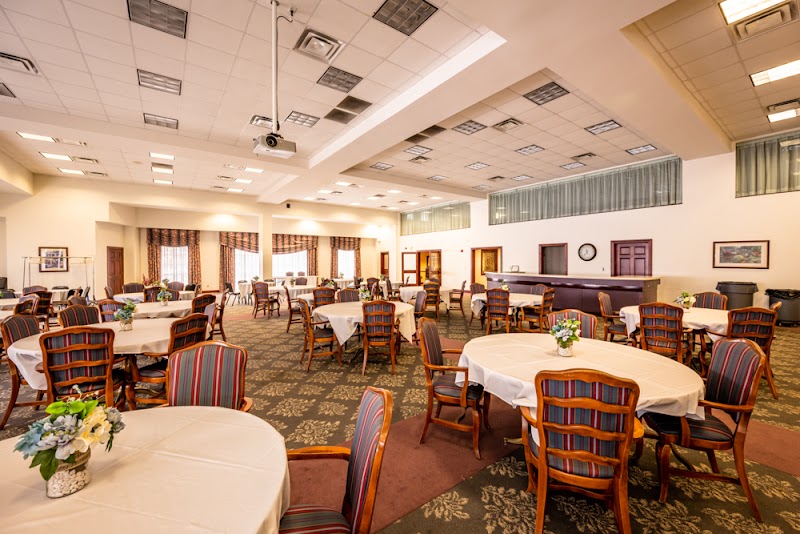
How is Majestic Care Of Fairfield Llc Staffed?

CMS rates MAJESTIC CARE OF FAIRFIELD LLC's staffing level at 1 out of 5 stars, which is much below average compared to other nursing homes. Staff turnover is 52%, compared to the Ohio average of 46%.

What Have Inspectors Found at Majestic Care Of Fairfield Llc?

State health inspectors documented 42 deficiencies at MAJESTIC CARE OF FAIRFIELD LLC during 2018 to 2025. These included: 3 that caused actual resident harm, 38 with potential for harm, and 1 minor or isolated issues. Deficiencies causing actual harm indicate documented cases where residents experienced negative health consequences.
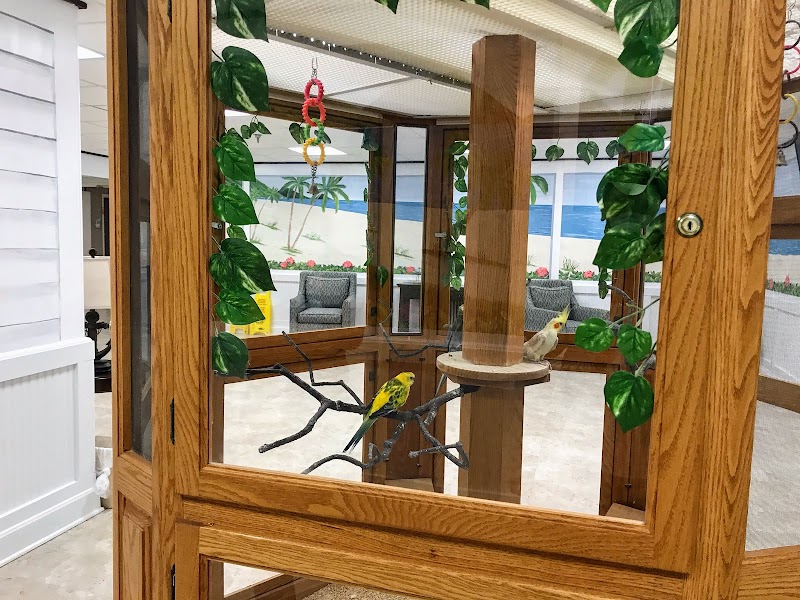
Who Owns and Operates Majestic Care Of Fairfield Llc?

MAJESTIC CARE OF FAIRFIELD LLC is owned by a for-profit company. For-profit facilities operate as businesses with obligations to shareholders or private owners. The facility is operated by MAJESTIC CARE, a chain that manages multiple nursing homes. With 200 certified beds and approximately 140 residents (about 70% occupancy), it is a large facility located in FAIRFIELD, Ohio.
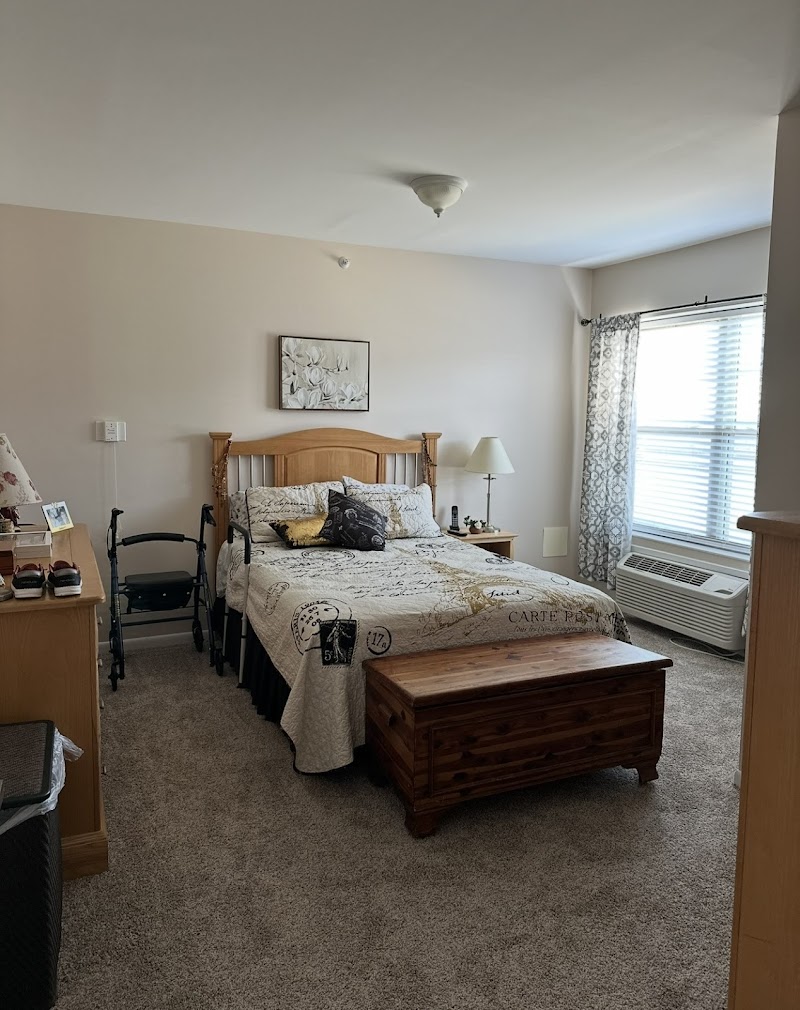
How Does Majestic Care Of Fairfield Llc Compare to Other Ohio Nursing Homes?

Compared to the 100 nursing homes in Ohio, MAJESTIC CARE OF FAIRFIELD LLC's overall rating (1 stars) is below the state average of 3.2, staff turnover (52%) is near the state average of 46%, and health inspection rating (1 stars) is much below the national benchmark.

What Should Families Ask When Visiting Majestic Care Of Fairfield Llc?

Based on this facility's data, families visiting should ask: "Can you walk me through typical staffing levels on day, evening, and night shifts?" "Can I visit during a mealtime to observe dining assistance and food quality?" "How do you handle medical emergencies, and what is your hospital transfer rate?" "Can I speak with family members of current residents about their experience?" These questions are particularly relevant given the below-average staffing rating.

Is Majestic Care Of Fairfield Llc Safe?

Based on CMS inspection data, MAJESTIC CARE OF FAIRFIELD LLC has a clean safety record: no substantiated abuse findings (meaning no confirmed cases of resident harm), no Immediate Jeopardy citations (the most serious violation level indicating risk of serious injury or death), and is not on the Special Focus Facility watch list (a federal program monitoring the lowest-performing 1% of nursing homes). The facility has a 1-star overall rating and ranks #100 of 100 nursing homes in Ohio. While no facility is perfect, families should still ask about staff-to-resident ratios and recent inspection results during their visit.

Do Nurses at Majestic Care Of Fairfield Llc Stick Around?

MAJESTIC CARE OF FAIRFIELD LLC has a staff turnover rate of 52%, which is 6 percentage points above the Ohio average of 46%. Moderate turnover is common in nursing homes, but families should still ask about staff tenure and how the facility maintains care continuity when employees leave.

Was Majestic Care Of Fairfield Llc Ever Fined?

MAJESTIC CARE OF FAIRFIELD LLC has been fined $65,959 across 1 penalty action. This is above the Ohio average of $33,738. Fines in this range indicate compliance issues significant enough for CMS to impose meaningful financial consequences. Common causes include delayed correction of deficiencies, repeat violations, or care failures affecting resident safety. Families should ask facility leadership what changes have been made since these penalties.

Is Majestic Care Of Fairfield Llc on Any Federal Watch List?

MAJESTIC CARE OF FAIRFIELD LLC is not on any federal watch list. The most significant is the Special Focus Facility (SFF) program, which identifies the bottom 1% of nursing homes nationally based on persistent, serious quality problems. Not being on this list means the facility has avoided the pattern of deficiencies that triggers enhanced federal oversight. This is a positive indicator, though families should still review the facility's inspection history directly.