PARKSIDE NURSING AND REHABILITATION CENTER
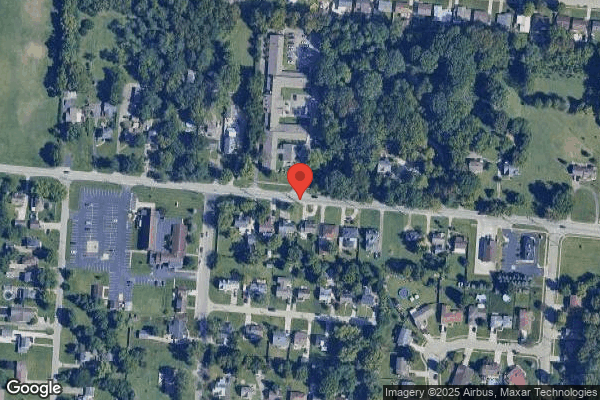
908 SYMMES ROAD, FAIRFIELD, OH 45014 (513) 868-6500
For profit - Corporation 76 Beds EMBASSY HEALTHCARE Data: November 2025
Trust Grade
43/100
#529 of 913 in OH
Last Inspection: July 2025

Inspected within the last 6 months. Data reflects current conditions.

Overview

Parkside Nursing and Rehabilitation Center has a Trust Grade of D, indicating below-average quality with several concerns. It ranks #529 out of 913 facilities in Ohio, placing it in the bottom half, and #19 out of 24 in Butler County, meaning only a few local options are worse. The facility is worsening overall, with issues increasing from 3 in 2024 to 17 in 2025. Staffing is below average with a rating of 2 out of 5 stars and a 44% turnover rate, which is slightly better than the state average. However, residents face concerning issues, including serious incidents where two residents developed severe pressure ulcers due to a lack of timely assessment and treatment, and another resident suffered a significant injury from improperly assessed bed rails. While the facility has a strong quality measures rating of 5 out of 5 stars, families should weigh these serious deficiencies against the overall care they expect for their loved ones.

Trust Score
D
43/100
In Ohio
#529/913
Bottom 43%
Safety Record
High Risk
Review needed
Inspections
Getting Worse
3 → 17 violations
Staff Stability
○ Average
44% turnover. Near Ohio's 48% average. Typical for the industry.
Penalties
✓ Good
$9,859 in fines. Lower than most Ohio facilities. Relatively clean record.
Skilled Nurses
○ Average
Each resident gets 37 minutes of Registered Nurse (RN) attention daily — about average for Ohio. RNs are the most trained staff who monitor for health changes.
Violations
⚠ Watch
37 deficiencies on record. Higher than average. Multiple issues found across inspections.
★★★☆☆
3.0
Overall Rating
★★☆☆☆
2.0
Staff Levels
★★★★★
5.0
Care Quality
★★☆☆☆
2.0
Inspection Score
Stable
2024: 3 issues
2025: 17 issues

The Good

  • 5-Star Quality Measures · Strong clinical quality outcomes
  • Full Sprinkler Coverage · Fire safety systems throughout facility
  • No fines on record
  • Staff turnover below average (44%)

    4 points below Ohio average of 48%

Facility shows strength in quality measures, fire safety.

The Bad

3-Star Overall Rating

Near Ohio average (3.2)

Meets federal standards, typical of most facilities

Staff Turnover: 44%

Near Ohio avg (46%)

Typical for the industry

Federal Fines: $9,859

Below median ($33,413)

Minor penalties assessed

Chain: EMBASSY HEALTHCARE

Part of a multi-facility chain

Ask about local staffing decisions and management

The Ugly 37 deficiencies on record

3 actual harm
Jul 2025 17 deficiencies 1 Harm
SERIOUS (G) 📢 Someone Reported This

A family member, employee, or ombudsman was alarmed enough to file a formal complaint

Actual Harm - a resident was hurt due to facility failures

Pressure Ulcer Prevention (Tag F0686)

A resident was harmed · This affected 1 resident

Based on medical record review, observation, staff interview, review of the facility policy, and review of online guidelines per the National Pressure Ulcer Advisory Panel (NPUAP), the facility failed...

Read full inspector narrative →
Based on medical record review, observation, staff interview, review of the facility policy, and review of online guidelines per the National Pressure Ulcer Advisory Panel (NPUAP), the facility failed to implement treatment once the pressure ulcers were identified. This resulted in Actual Harm for Resident #34, who was admitted to the facility without pressure ulcers and developed pressure ulcers to her right antecubital and left antecubital space (inside of the elbows), which were not identified and treated until they had developed into stage IV ulcers with exposed tendon. This affected one (Resident #34) of five residents reviewed for pressure ulcers. The facility census was 67 residents. Findings include:Review of the medical record for Resident #34 revealed an admission date of 04/25/24 with diagnoses including chronic respiratory failure, encephalopathy, and epilepsy. Review of the pressure ulcer risk assessment for Resident #34 dated 04/25/24 revealed the resident was at high risk for the development of pressure ulcers. Review of the physician’s orders for Resident #34 revealed an order dated 04/25/24 for the resident to have weekly skin checks per a licensed nurse. Review of the care plan for Resident #34, dated 04/26/24 revealed the resident had the potential for alteration in skin integrity and required protective/preventative skin care maintenance related to bladder incontinence, bowel incontinence, decreased mobility, history of previous skin breakdown, Impaired cognition. Interventions included the following: encourage the resident to float heels as tolerated, encourage to turn and reposition every two hours and as needed as tolerated, inspect for any reddened areas during daily care, pressure reducing cushion to chair to promote comfort and prevent skin breakdown, pressure reducing mattress on bed to promote comfort and prevent skin breakdown, monitor skin prior to and after placing bilateral hand splints. Review of the care plan for Resident #34, dated 04/26/24, revealed the resident needed assistance with activities of daily living (ADL) related to cognitive impairment, hemiparesis, immobility, and due to the resident being in a persistent vegetative state. Interventions included the following: inspect skin condition daily during personal care and report any impaired areas to the charge nurse, staff to anticipate needs, staff to perform ADL as the resident was totally dependent and did not participate in any aspect of the care task Review of the progress note for Resident #34 dated 03/06/25 revealed the facility met with the resident’s family to discuss the resident’s appropriateness for palliative care services, and the family was in agreement. The resident’s provider gave an order to admit the resident to palliative care services for acute respiratory failure. Review of the Minimum Data Set (MDS) assessment for Resident #34, dated 04/30/25, revealed the resident had impaired cognition and was dependent on staff for assistance with all ADL and received 100 percent of her nutrition via tube feeding. Review of the pressure ulcer risk assessment for Resident #34 dated 05/08/25 revealed the resident was at high risk for the development of pressure ulcers. Review of the weekly skin checks for Resident #34 dated 05/06/25, 05/13/25, 05/20/25, and 05/27/25, revealed the resident had no open areas. Review of the shower sheet for Resident #34 dated 05/23/25 completed by Certified Nursing Assistant (CNA) #48 and signed by Registered Nurse (RN) #89, revealed the aide noted two open areas to the inside of the resident’s right and left elbows. Review of the medical record for Resident #34 dated 05/23/25 to 05/28/25 revealed the record did not include documentation of open areas to the resident’s right and left inner elbows. Review of the skin assessment for Resident #34 dated 05/29/25, revealed there was a pressure ulcer to the resident’s right antecubital space which measured 1.0 centimeter (cm) in length by 2.0 cm in width by 0.5 cm in depth. The wound bed had full tendon exposure with 100 percent granulation tissue (new connective tissue). The resident also had a pressure ulcer to the left antecubital space which measured 1.0 cm in length by 1.0 cm in width by 0.3 cm in depth. The wound bed had full tendon exposure with 100 percent granulation tissue. Review of the physician’s order for Resident #34, dated 05/29/25, was to cleanse bilateral inner elbows with normal saline (NS), pat dry, apply calcium alginate to the wound beds, cover with an abdominal dressing (ABD), and loosely wrap with Kerlix (gauze roll), complete every night shift. Review of the care plan for Resident #34, dated 05/29/25, revealed the resident had an actual area of skin impairment of pressure related to contractures to the bilateral arms. Interventions included the following: initiate wound treatment, continue treatment as ordered by the physician, nursing to observe the wound dressing daily to ensure that the dressing remained intact and that there were no signs or symptoms of infection or increased drainage, observe and document character of wound weekly, observe for clinical changes, such as infection and/or worsening of wound, skin observation and document on bath/shower days, charge nurse to notify the wound nurse, physician and family of any new areas Review of the wound visit note for Resident #34 dated 06/04/25, per Wound Doctor (WD) #150 revealed the resident had a stage IV pressure area to the right antecubital space which measured 0.8 cm in length by 1.3 cm in width by 0.6 cm in depth. There was a moderate amount of exudate (drainage) from the wound with exposed underlying structure and 100 percent granulation tissue within the wound bed. The resident had a stage IV pressure area to the left antecubital space which measured 0.7 cm in length by 1.1 cm in width by 0.5 cm in depth. There was a moderate amount of exudate from the wound with exposed underlying structure and100 percent granulation tissue within the wound bed. The resident was at high risk for development of wounds due to encephalopathy, generalize muscle weakness, epilepsy, persistent vegetative state, and respiratory failure with tracheostomy status. During an observation of Resident #34’s skin on 07/24/25 at 11:09 A.M., Licensed Practical Nurse (LPN) #92 revealed the resident had a nickel sized open area to the right and left antecubital spaces which appeared to be approximately 0.5 cm in depth. Both areas had red wound beds, with the peri wound area intact, and no signs of infection. The wounds were healing. During an interview on 07/24/25 at 2:31 P.M., LPN #92 stated she functioned as the unit manager and the wound nurse for the facility, and she expected staff to notify her of any changes to the resident’s skin integrity and initiate treatment for new impaired skin areas immediately. LPN #92 said she did not recall how or when she was notified of the open areas for Resident #34. LPN #92 stated CNA #48 first identified open areas to Resident #34’s bilateral antecubital spaces on 05/23/25, but the facility did not initiate treatment until 05/29/25 when the areas were assessed to be stage IV pressure ulcers. During an interview on 07/24/25 at 2:35 P.M., the Director of Nursing (DON) stated Resident #34’s clinical condition was compromised due to acute respiratory failure and worsening bilateral arm contractures. Resident #34 had recently been ordered to receive palliative care services, the facility did not obtain timely treatment for the pressure ulcers. During an interview on 07/24/25 at 2:59 P.M., CNA #48 stated she observed small red open areas to the inside of Resident #34’s right and left elbows on 05/23/25 during a shower and she notified the nurse on duty immediately. Multiple attempts to reach RN #89 for a phone interview on 07/24/25 were unsuccessful. Review of the facility policy titled “Pressure Injury Prevention and Management”, dated 03/05/25, revealed that licensed nurses would conduct a full body skin assessment on all residents upon admission/readmission, weekly, and after any newly identified pressure injury. Findings will be documented in the medical record. Assessments of pressure injuries would be performed by a licensed nurse and documented in the resident’s medical record. The staging of pressure injuries would be clearly identified to ensure correct coding on the MDS. Nursing assistants would inspect the resident’s skin during bathing and would report any concerns to the resident’s nurse immediately after the task. Review of online guidelines per the NPUAP, dated 2014 pages 70-71 at https://npiap.com/general/custom.asp?page=2014Guidelines, revealed facilities should educate health professionals on how to undertake a comprehensive skin assessment that included the techniques for identifying blanching response, localized heat, edema, and induration. Further review of the guidelines revealed ongoing assessment of the skin was necessary in order to detect early signs of pressure damage. Visual assessment for erythema (redness of the skin) was the first component of every skin inspection. Skin redness and tissue edema resulting from capillary occlusion was a response to pressure, especially over bony prominences. Staff should conduct a head-to-toe assessment with particular focus on skin overlying bony prominences including the sacrum, ischial tuberosities, greater trochanters and heels and each time the patient was repositioned was an opportunity to conduct a brief skin assessment. This deficiency represents noncompliance investigated under Complaint Number OH00165854 (iQIES 1308588) and Complaint Number OH00163312 (iQIES 1308586) and Complaint Number OH163016 (iQIES 1308585.)
CONCERN (D) 📢 Someone Reported This

A family member, employee, or ombudsman was alarmed enough to file a formal complaint

Potential for Harm - no one hurt, but risky conditions existed

Resident Rights (Tag F0550)

Could have caused harm · This affected 1 resident

Based on medical record review, resident interview, staff interview, resident representative interview, review of Self-Reported Incidents (SRIs), and review of the facility policy, the facility failed...

Read full inspector narrative →
Based on medical record review, resident interview, staff interview, resident representative interview, review of Self-Reported Incidents (SRIs), and review of the facility policy, the facility failed to honor a resident's right to refuse a haircut. This affected one (Resident #71) of four residents reviewed for resident rights. The facility census was 67 residents.Findings include:Review of the medical record for Resident #71 revealed an admission date of 09/15/22 with diagnoses including traumatic subarachnoid hemorrhage, hydrocephalus, anoxic brain damage and epilepsy. Review of the shower sheet for Resident #71 dated 05/09/25 revealed the resident had a haircut. Interview on 07/21/25 at 1:19 P.M. with Resident #71 confirmed on 05/09/25 the facility staff cut her hair without her permission. Resident #71 stated the staff put her in a chair and held her down. Resident #71 stated she did not want the haircut, but they did it anyway. Interview on 07/22/2025 at 2:50 P.M. with Resident #71's power of attorney (POA) confirmed he felt the resident needed a haircut and he gave the facility permission to cut the resident's hair. Interview on 07/23/2025 at 8:20 A.M. with Certified Nursing Assistant (CNA) #24 confirmed Resident #71's brother asked the facility to cut the resident's hair because it was matted. CNA #24 confirmed the next day she brought Resident #71 to the nurses' station and began cutting the resident' hair using clippers beginning on the right side of the resident's head. Residents #71 asked the CNA to stop half-way through the haircut. CNA #24 stated she did not stop when the resident requested her to stop. CNA #24 stated Licensed Practical Nurse (LPN) #76 and Registered Nurse (RN) #90 were present and encouraged Resident #71 to allow her to continue with the haircut since half of it was already completed. Interview on 07/23/25 at 10:33 A.M. with LPN #76 confirmed she was working the day Resident #71's haircut. LPN #76 confirmed CNA #19 began the haircut and then CNA #24 took over. LPN #76 denied talking to Resident #71 regarding the haircut. Interview on 07/28/25 10:40 A.M. with RN #90 confirmed she observed CNA #24 cutting Resident #71's hair a couple months ago. RN #90 confirmed she was not present when Resident #71 asked for the aide to stop the haircut. She denied speaking to Resident #71 and encouraging CNA #24 to continue the haircut. Interview on 07/28/25 at 10:58 A.M. with CNA #19 confirmed she was assigned to Resident #71 on the day of the haircut. She reports she assisted Resident #71 to a reclining chair and brought her to the nurses' station. She then prepared for the haircut gathering a basin, shampoo, towels and clippers. Resident #71 refused to allow CNA #19 to cut her hair stating because she was white and the resident felt the aide didn't know how to cut her kind of hair. CNA#19 then went to CNA#24 and asked her to cut Resident #71's hair. Interview on 07/28/2025 at 11:55 A.M. with CNA#24 confirmed her signature on Resident #71' shower sheet dated 05/09/25 which indicated the resident had a haircut. Review of the facility SRI for Resident #71 dated 06/09/25 revealed the facility investigated an allegation of neglect/mistreatment abuse when CNA #24 cut Resident #71's hair on 05/09/25 without the resident's permission. The outside psychiatric services provider reported the incident to the facility on 6/9/25, but the hair cut occurred on 5/9/25. Approximately halfway through the haircut, the resident did tell the staff to stop. CNA #24 stopped temporarily, but then told the resident she needed to finish the other side of her head and then completed the haircut. The facility did not substantiate abuse. Record review of facility policy titled Resident Rights revealed the resident had the right to request, refuse and/or discontinue treatment and the resident had the right to make choices about aspects of her life that are significant to the resident. This deficiency represents noncompliance investigated under Complaint Number OH00164105 (iQIES 1308587) and Complaint Number OH00163312 (iQIES 1308685)Complaint Number OH00163016 (iQIES 1308585) and Complaint Number OH00162770 (iQIES 1308590.)
CONCERN (D)

Potential for Harm - no one hurt, but risky conditions existed

Notification of Changes (Tag F0580)

Could have caused harm · This affected 1 resident

Based on medical record review, staff interview, resident representative interview, and review of the facility policy, the facility failed to notify residents in writing of room moves and failed to no...

Read full inspector narrative →
Based on medical record review, staff interview, resident representative interview, and review of the facility policy, the facility failed to notify residents in writing of room moves and failed to notify resident representatives of room moves. This affected one (Resident #5) of one resident reviewed for room moves. The facility census was 67 residents. Findings include: Review of the medical record for Resident #5 revealed an admission date of 12/20/24 with diagnoses including hypoxic ischemic encephalopathy, cerebral infarction, congestive heart failure (CHF), hypertension, and schizoaffective disorder. Review of the Minimum Data Set (MDS) assessment for Resident #5 dated 04/15/25 revealed the resident had impaired cognition and was dependent on staff for assistance with medication administration, transfers, eating, and personal care. Review of the progress notes for Resident #5 dated 06/17/25 60 06/19/25 revealed the notes did not include information regarding a room change on 06/17/25 through 06/19/25. Interview on 07/22/2025 at 10:22 A.M. with Resident #5's representative confirmed the facility failed to notify her of the resident's room move. Interview on 07/22/25 at 2:41 P.M with Admissions Director (AD) #55 confirmed Resident #5 had a room move on 06/17/25 and the facility failed to notify the resident's representative of the move until after it had already occurred.Review of the facility policy titled Change of Room or Roommate dated 03/01/25 revealed the facility would notify residents and resident representatives of changes in room or roommate in writing in a language and manner the resident and resident representative would understand. The notification should include the reason (s) why the move or change was required.
CONCERN (D)

Potential for Harm - no one hurt, but risky conditions existed

Deficiency F0583 (Tag F0583)

Could have caused harm · This affected 1 resident

Based on medical record review, observation, staff interview, and review of the facility policy, the facility failed to maintain privacy of the resident electronic medical record (EMR). This affected ...

Read full inspector narrative →
Based on medical record review, observation, staff interview, and review of the facility policy, the facility failed to maintain privacy of the resident electronic medical record (EMR). This affected one (Resident #53) of three residents reviewed for privacy. The facility census was 67 residents.Findings include: Review of the medical record for Resident #53 revealed an admission date of 06/03/25 with diagnoses including chronic respiratory failure with hypoxia, cerebrovascular accident, and diabetes mellitus type two. Review of the Minimum Data Set (MDS) assessment for Resident #53 06/10/25 revealed the resident had severe cognitive impairment and was dependent on staff assistance with activities of daily living (ADLs.) Observation on 07/21/25 at 11:18 A.M. revealed the respiratory therapy treatment cart on the 400-nursing unit was unattended with an open computer monitor that displayed private health information from Resident #53's EMR. Interview on 07/21/25 at 11:18 A.M. with Assistant Director of Nursing (ADON) #56 verified the facility staff had failed to protect the privacy medical information for Resident #53. Review of the policy titled Health Insurance Portability and Accountability Act (HIPAA) Security Measures dated 01/01/25 revealed it was the facility's policy to implement reasonable and appropriate measures to protect and maintain the confidentiality, integrity, and availability of the resident's identifiable information and/or records that are in electronic format. Only appropriate employees would have access to electronic protected health information.
CONCERN (D)

Potential for Harm - no one hurt, but risky conditions existed

Deficiency F0637 (Tag F0637)

Could have caused harm · This affected 1 resident

Based on medical record review and staff interview, the facility failed to ensure comprehensive assessments were conducted within 14 days of a significant change in resident status. This affected one ...

Read full inspector narrative →
Based on medical record review and staff interview, the facility failed to ensure comprehensive assessments were conducted within 14 days of a significant change in resident status. This affected one (Resident # 41) of three residents reviewed for comprehensive assessments. The facility census was 67 residents. Findings include:Review of the medical record for Resident #41 revealed an admission date of 08/23/24 with diagnoses including acute respiratory failure with hypoxia, dependence on mechanical ventilation, tracheostomy, and cerebral infarction. Review of the quarterly Minimum Data Set (MDS) for Resident #41 dated 06/28/25 revealed the resident had intact cognition and was dependent on staff for activities of daily living (ADLs). Review of the pulmonary progress note for Resident #41 dated 07/09/25 revealed the physician gave an order to decannulate (remove the breathing tube) for the resident. Review of the progress note for Resident #41 dated 07/09/25 revealed Respiratory Therapist (RT) #108 decannulated the resident. Review of the medical record for Resident #41 revealed it did not include a comprehensive MDS assessment for the resident following the significant change of being decannulated. Interview on 07/24/25 at 3:35 PM with Regional MDS Nurse (RMN) #142 confirmed the facility had not completed a comprehensive MDS assessment within 14 days of a significant change for the resident.
CONCERN (D)

Potential for Harm - no one hurt, but risky conditions existed

Deficiency F0655 (Tag F0655)

Could have caused harm · This affected 1 resident

Based on medical record review, staff interview, and review of the facility policy, the facility failed to ensure baseline care plans were completed upon admission and a summary was provided to the re...

Read full inspector narrative →
Based on medical record review, staff interview, and review of the facility policy, the facility failed to ensure baseline care plans were completed upon admission and a summary was provided to the resident and/or resident's representative within 48 hours of admission. This affected one (Resident #83) of three residents reviewed for admission rights. The facility census was 67 residents.Findings include:Review of the medical record for Resident #83 revealed an admission date of 12/27/24 with diagnoses including anoxic brain damage, and post-traumatic seizures and a discharge date of 06/03/25.Review of the initial/admission care conference report for Resident #83 dated 12/27/24 revealed the facility did not provide a summary of the baseline care plan to the resident.Review of the Minimum Data Set (MDS) assessment for Resident #83 dated 06/03/25 revealed the resident had intact cognition and required staff assistance with activities of daily living (ADLs.)Phone interview on 07/24/25 at 9:16 A.M. with Resident #83 confirmed he could not remember a time when the facility ever met with him about his care.Interview on 07/24/25 at 4:19 P.M. with Social Services Director (SSD) #60 verified the facility had not provided a summary of the baseline care plan to Resident #83 within 48 hours of admission as required.Review of the facility policy titled Care Planning-Resident Participation dated 06/01/24 revealed the facility supported the resident's right to be informed of, and participate in, his or her care planning and treatment (implementation of care). The facility will discuss the care plan with the resident and/or representative at regularly scheduled care plan conferences, and allow them to see the care plan, initially, at routine intervals, and after significant changes. The facility would obtain a signature from the resident and/or resident representative after discussion or viewing of the care plan.
CONCERN (D)

Potential for Harm - no one hurt, but risky conditions existed

Quality of Care (Tag F0684)

Could have caused harm · This affected 1 resident

Based on medical record review, observation, and staff interview, the facility failed to identify and initiate prompt treatment for non-pressure wounds. This affected one (Resident #5) of one resident...

Read full inspector narrative →
Based on medical record review, observation, and staff interview, the facility failed to identify and initiate prompt treatment for non-pressure wounds. This affected one (Resident #5) of one resident reviewed for skin conditions. The facility census was 67 residents. Findings include:Review of the medical record for Resident #5 revealed an admission date of 12/20/24 with diagnoses including hypoxic ischemic encephalopathy, cerebral infarction, congestive heart failure (CHF), schizoaffective disorder, and hidradenitis suppurativa. Review of the Minimum Data Set (MDS) assessment for Resident #5 dated 04/15/25 revealed the resident had impaired cognition and was dependent on staff assistance with activities of daily living (ADLs.) Review of the progress note for Resident #5 dated 07/14/25 at 1:50 P.M. revealed the nurse identified blood on the resident pillow and an open wound behind the resident's right ear. The nurse applied A&D ointment to the area.Review of the progress notes for Resident #5 dated 07/23/25 at 11:39 A.M. revealed there was an open area behind the resident's right ear that measured 1.2 centimeter (cm) in width by 0.4 cm in length by 0.1 cm in depth with a scant serosanguineous drainage. There was no treatment ordered.Review of Treatment Administration Record (TAR) for Resident #5 dated July 2025 revealed there were no treatments ordered for the open area to the resident's right ear.Observation on 07/21/25 at 9:49 A.M. revealed Resident #5's pillow had an unknown reddish rust stain smeared all over the right side of the pillow.Interview on 07/21/25 at 11:50 A.M. with Housekeeper (HK) #118 confirmed there was a dried rust-colored stain all over the right side of Resident #5's pillow. HK #118 stated he believed the unknown substance was dried blood.Interview on 07/22/25 at 10:21 A.M. with Resident #5's representative confirmed the resident had an open wound on his right ear.Interview on 07/23/2025 at 9:15 A.M. with Certified Nurse Aide (CNA) #44 confirmed Resident #5 had an open area behind his right ear that was identified a couple of weeks ago. Observation on 07/23/25 at 11:05 P.M. of the area behind Resident #5's ear with Licensed Practical Nurse (LPN) #66 revealed there was an area which measured 1.0 cm in length by 2.0 cm in width with a small amount of bloody drainage to the area behind the area and to the resident's pillow. Interview on 07/23/25 at 11:10 A.M. with LPN #66 confirmed the facility identified the open area to Resident #5's right ear on 07/14/25 and the facility had not initiated a treatment.Interview on 07/23/25 at 12:50 P.M. with Nurse Practitioner (NP) #251 stated Resident #5 had a treatment order to apply ointment to resident's dry skin but there was no order specific to the area behind the residents' right ear. NP #251 stated she believed the area behind the right ear was a non-pressure wound related to the resident's diagnosis of hidradenitis suppurativa (a chronic skin condition featuring lumps under the skin that can be painful and tend to enlarge and drain pus.) Interview on 07/30/25 at 10:54 A.M. with Assistant Director of Nursing (ADON) #56 confirmed the facility failed to put a treatment in place for Resident #05's ear after the nurse identified the open area behind the right ear on 07/14/25. This deficiency represents noncompliance investigated under Complaint Number OH00163016 (iQIES 1308585.)
CONCERN (D)

Potential for Harm - no one hurt, but risky conditions existed

Deficiency F0697 (Tag F0697)

Could have caused harm · This affected 1 resident

**NOTE- TERMS IN BRACKETS HAVE BEEN EDITED TO PROTECT CONFIDENTIALITY** Based on medical record review, resident interview, staff interview, and review the facility policy, the failed to appropriately...

Read full inspector narrative →
**NOTE- TERMS IN BRACKETS HAVE BEEN EDITED TO PROTECT CONFIDENTIALITY** Based on medical record review, resident interview, staff interview, and review the facility policy, the failed to appropriately assess and treat resident pain. This affected one (Resident #62) of three residents reviewed for pain management. The facility census was 67 residents Findings include:Review of the medical record for Resident #62 revealed an admission date of on 5/29/25 with diagnoses including traumatic subdural hemorrhage, cerebral infarction, heart failure, and spinal stenosis. Resident #62 was transferred to the hospital on [DATE] and was readmitted to the facility on [DATE].Review of the Minimum Data Set (MDS) assessment for Resident #62 dated 7/09/25 revealed the resident was cognitively intact and required staff assistance with activities of daily living (ADLs.)Review of the Medication Administration Record (MAR) for Resident #62 dated July 2025 for Resident #62 revealed there was an order for oxycodone 5 milligrams (mg) every six hours with a start date of 07/02/25 and a stop date of 07/23/25.Review of the hospital order form for Resident #62 dated 07/22/25 at the time of discharge from the hospital revealed there was no order for oxycodone.Review of the facility-controlled drug receipt disposition form for Resident #62 for Oxycodone IR Tablet 5 mg confirmed he received a dose on 07/22/25 at 7:40 P.M.Review of the readmission nursing assessment for Resident #62 dated 07/22/25 revealed the resident voiced complaints of pain and rated the pain as a three on a scale of 1 to 10 with 10 being the worst pain. Review of the facility-controlled drug receipt disposition form for Resident #62 revealed the resident received a dose of oxycodone 5 mg on 07/22/25 at 7:40 P.M.Review of the physician order summary for Resident #62 revealed an order dated 07/24/25 for oxycodone 5mg one tablet every six hours as needed for pain. Interview on 07/24/25 at 11:20 A.M with Resident #62 confirmed he returned from the hospital on [DATE] in the evening and asked for his pain medication and the nurse gave him a pain pill. Resident #62 confirmed the nurse later told him he would not be able to have any more doses of pain medications because the facility did not have an order. Resident #62 stated he did not understand, and he was in pain. Resident #62 stated he had told the nurses numerous time that he had pain and nothing was done. Interview on 07/24/24 at 11:30 A.M. with Licensed Practical Nurse (LPN) #66 confirmed the evening staff gave Resident #62 an oxycodone 5 mg tablet on 07/22/25 at 7:40 P.M. LPN #66 stated Resident #62 had an order for oxycodone as needed prior to discharge to the hospital. LPN #66 stated she assumed the evening nurse thought Resident #62 had readmitted with the same oxycodone order and administered it to him. LPN #66 confirmed Resident #66 had voiced complaints of pain, but the facility did not have an order on file for the pain medication, and she was not able to administer the medication. LPN #66 confirmed Resident #62 had not been given his as needed pain medication since the one dose he received after his return from the hospital on [DATE]. Review of the facility policy titled Pain Management dated 08/22/22 revealed the facility must ensure that pain management was provided to residents consistent with professional standards of practice, the comprehensive person-centered care plan, and the residents' goal and preferences. The facility would recognize when the resident was experiencing pain and evaluate the resident for pain upon admission, during ongoing scheduled assessments, and when a significant change in condition or status occurred and should manage or prevent pain consistent with the comprehensive assessment and plan of care.
CONCERN (D)

Potential for Harm - no one hurt, but risky conditions existed

Deficiency F0761 (Tag F0761)

Could have caused harm · This affected 1 resident

Based on medical record review, observation, staff interview, review of manufacturer's guidelines, and review of the facility policy, the facility failed to ensure insulin pens were properly labeled a...

Read full inspector narrative →
Based on medical record review, observation, staff interview, review of manufacturer's guidelines, and review of the facility policy, the facility failed to ensure insulin pens were properly labeled and stored. This affected two (Residents #15 and #65) of four residents who received insulin stored in the 200-medication cart. The facility census was 67 residents. Findings include:1. Review of the medical record for Resident #15 revealed an admission date of 1/07/24 with diagnoses of diabetes mellitus type and acute and chronic respiratory failure with hypoxia. Review of the Minimum Data Set (MDS) assessment for Resident #15 dated 05/16/25 revealed the resident had severe cognitive impairment and was dependent on staff for assistance with activities of daily living (ADLs.) Review of the physician's orders for Resident #15 revealed an order dated 07/02/25 for insulin Glargine inject seven units subcutaneously at bedtime for diabetes mellitus. Observation on 07/23/25 at 9:21 A.M. of the 200-hall medication cart with Licensed Practical Nurse #66 revealed Resident #15's insulin Glargine pen was not dated. Interview on 07/23/25 at 9:22 A.M. with LPN #66 confirmed Resident #15's insulin Glargine pen was not dated when removed from refrigerated storage and placed in the 200-hall medication cart. 2. Review of the medical record for Resident #65 revealed an admission date of 05/16/24 with diagnoses of diverticulitis, atherosclerotic heart disease, diabetes mellitus type two, and chronic obstructive pulmonary disease. Review of the MDS assessment for Resident #65 dated 05/23/25 for revealed the resident had intact cognition and required set up assistance with ADLs. Review of physician's orders for Resident #65 revealed an order dated 07/14/25 for Lantus SoloStar insulin pen inject eight unit subcutaneously at bedtime. Observation on 07/23/25 at 9:23 A.M. of the 200-hall medication cart with LPN #66 revealed Resident #65's Lantus SoloStar insulin pen was not dated. Interview on 07/23/25 at 9:24 A.M. with LPN #66 confirmed Resident #65's Lantus SoloStar insulin pen was not dated when removed from refrigerated storage and placed in the 200-hall medication cart Interview on 07/23/25 at 5:15 P.M. with the Director of Nursing and Assistant Director of Nursing #56 verified insulin is to be dated when removed from refrigerated storage and placed in the medication cart. Review of the manufacturer's guidelines for insulin products undated revealed staff should label insulin with the date when taken from refrigeration or put into the cart. Review of the facility policy titled Medication Storage reviewed/revised 03/03/25 revealed it was the policy of the facility to ensure all medications housed on the premises will be stored in the pharmacy and/or medication rooms according to the manufacturer's recommendations and sufficient to ensure proper sanitation, temperature, light, ventilation, moisture control, segregation, and security.
CONCERN (D) 📢 Someone Reported This

A family member, employee, or ombudsman was alarmed enough to file a formal complaint

Potential for Harm - no one hurt, but risky conditions existed

Deficiency F0804 (Tag F0804)

Could have caused harm · This affected 1 resident

Based on medical record review, observation, resident interview, and staff interview, the facility failed to provide residents with food that was appealing and palatable. This affected Resident #26 an...

Read full inspector narrative →
Based on medical record review, observation, resident interview, and staff interview, the facility failed to provide residents with food that was appealing and palatable. This affected Resident #26 and#62 and had the potential to affect all residents at the facility. The facility identified ten (Residents #1, #5, #15, #16, #35, #38, #46, #53, #64, #84) who did not receive food from the kitchen. The facility census was 67 residents. Findings include: 1.Review of the medical record for Resident #26 revealed an admission date of 12/18/24 with diagnoses including chronic atrial fibrillation, major depressive disorder, hypothyroidism, vascular dementia, heart failure, anorexia. Review of the Minimum Data Set (MDS) assessment for Resident #26 dated 06/27/25 revealed the resident had impaired cognition and required set up assistance from staff with her meals. Review of the physician's orders for Resident #26 revealed an order dated 01/09/25 for a regular diet, mechanical soft texture.Observation on 07/23/25 at 12:30 P.M. revealed Resident #26 was propped up in her bed and her meal was in a closed container on the bedside table. Resident #26 opened the container and there was a gnat flying around the mechanical soft meal which consisted of fish, broccoli and rice.Interview 07/23/25 at 12:31 P.M. with Resident #26 confirmed she could not eat the meal because it tasted terrible and the food was always served cold and tasted terrible.Interview on 07/23/25 at 12:33 P.M. with Licensed Practical Nurse (LPN) 66 confirmed Resident #26's meal tray did not look appealing and contained a gnat flying inside the container of the resident's lunch. 2. Review of the medical record for Resident #62 revealed an admission date of 5/29/25 with diagnoses including traumatic subdural hemorrhage, cerebral infarction, essential primary hypertension, gastro esophageal reflux disease (GERD), heart failure, and spinal stenosis. Review of the MDS assessment for Resident #62 dated 07/09/25 revealed the resident was cognitively intact and required set up assistance with meals. Interview on 07/24/25 at 11:07 A.M. with Resident #62 confirmed he was not happy with the food at the facility. Resident #62 stated the food was unappealing and never served at the correct temperature. Resident #62 stated he thought this was because the food trays sat on the carts too long before the staff passed them out. 3.Observation on 07/23/25 at 11:00 A.M. with Dietary [NAME] (DC)#95 revealed DC #95 prepared mechanical soft fish by mixing water with chicken paste and pouring it in with the fish. The fish was mixed into an unappealing white ball and returned to the pan for mechanical soft diets. DC #95 walked over to the food tray line and served the lump of mechanical soft fish and told the staff on the tray line he would not eat that as he referred to the lump of white mechanical soft fish. Interview on 07/23/25 at 11:05 A.M. with DC #95 confirmed he did not utilize a recipe when he mixed the mechanical soft and pureed food. DC #95 stated he had performed his job for so long he did not need a recipe, and he could just eyeball it. Observation on 07/23/25 at 11:20 A.M. revealed DM#102 placed three servings of steamed broccoli and added four cups of hot water. DM #102 continued to add eight heaping scoops of thickener to three servings of steamed broccoli. Interview on 07/23/25 at 11:22 A.M. confirmed he had placed three services of steamed broccoli into the mixer along with the four cups of hot water. DM #102 confirmed he added the food thickener and stated he wanted the broccoli to be the texture of mashed potatoes. Observation of the test tray on 07/23/25 revealed it left the kitchen on a cart at 12:11 P.M. and all meals were served to the residents at 12:31 P.M. The test tray contained two pieces of baked fish, steamed broccoli, broccoli and cheddar casserole, and iced vanilla cake. Observation with Dietary Manager (DM) #102 on 07/23/25 at 12:11 P.M. revealed the lunch test tray was delivered to 100 hallway. The facility delivered all the resident meals on the 100 hallway, and the test tray was obtained at 12:31 P.M. The fish was cold and did not have a pleasant taste. The broccoli was cold and chewy. The rice casserole was cold, chewy and did not have pleasant taste. The cake was very hard to cut and tasted very dry. Interview with DM #102 on 07/23/25 at 12:33 P.M. confirmed the test tray appeared unappealing. DM #102 confirmed the baked breaded fish was an odd white frozen color, he confirmed the steam broccoli and broccoli cheddar casserole were chewy, and the cake was dry and hard to cut.
CONCERN (D)

Potential for Harm - no one hurt, but risky conditions existed

Deficiency F0914 (Tag F0914)

Could have caused harm · This affected 1 resident

Based on observation, staff interview, and review of the facility policy, the facility failed to provide privacy curtains in resident rooms. This affected four (Residents #26, #28, #59, #62) four resi...

Read full inspector narrative →
Based on observation, staff interview, and review of the facility policy, the facility failed to provide privacy curtains in resident rooms. This affected four (Residents #26, #28, #59, #62) four residents reviewed for privacy. The facility census was 67 residents.Findings include: Observation on 07/24/25 at 8:42 A.M. with Assistant Director of Nursing (ADON) #56 revealed there were no privacy curtains in the rooms of Residents #26, #28, #59, and #62.Interview 07/24/25 at 8:46 A.M. with ADON #56 confirmed the facility had not provided proper privacy curtains to ensure full visual privacy in the rooms of Residents #26, #28, #59, and #62.Review of the facility policy titled Resident Rights dated 06/01/24 revealed residents had the right to be treated with dignity and respect and had a right to privacy during personal care.
CONCERN (D) 📢 Someone Reported This

A family member, employee, or ombudsman was alarmed enough to file a formal complaint

Potential for Harm - no one hurt, but risky conditions existed

Deficiency F0925 (Tag F0925)

Could have caused harm · This affected 1 resident

Based on medical record review, observation, staff interview, resident interview, and review of the facility policy, the facility failed to provide an effective pest control program. This affected thr...

Read full inspector narrative →
Based on medical record review, observation, staff interview, resident interview, and review of the facility policy, the facility failed to provide an effective pest control program. This affected three (Residents #3, #26, #44) of three residents reviewed for pest control. The facility census was 67 residents.Findings include: 1.Review of the medical record for Resident #3 revealed an 04/30/24 with diagnoses including atherosclerotic heart disease, osteoarthritis, and asthma.Review of the Minimum Data Set (MDS) assessment for Resident #3 dated 6/14/25 revealed the resident had impaired cognition.Observation on 07/21/25 at 11:04 A.M. revealed there were multiple large black flying insects in Resident #3's room. Interview on 07/21/25 at 11:19 A.M. with Unit Manager (UM) #140 confirmed there were multiple large black flying insects in Resident # 3's room.2. Review of the medical record for Resident #26 revealed an admission date of 12/18/24 with diagnoses including chronic atrial fibrillation, major depressive disorder, vascular dementia, and anorexia. Review of the MDS assessment for Resident #26 dated 6/27/25 revealed the resident had impaired cognition and required set up assistance from staff with her meals.Observation on 07/23/25 at 12:30 P.M. revealed Resident #26 was propped up in her bed and her meal was in a closed container on her bedside table. Resident #26 opened the container and there was a gnat flying around inside her meal. Interview on 07/23/25 at 12:31 P.M. with Resident #26 confirmed there was a gnat flying around inside her meal. Interview on 07/23/25 at 12:33 P.M. with Licensed Practical Nurse (LPN) 66 confirmed the meal tray did not look appealing and contained a gnat flying inside the container of Resident #26's lunch.Interview on 07/24/25 at 9:20 A.M. with Maintenance Assistance (MA) #117 confirmed the staff had reported to him that Resident #26 had active gnats in her room. MA #117 reported when staff notified him of a pest issue, he was to contact the pest control company.3. Review of the medical record for Resident #44 revealed an admission date of 02/23/24 with diagnoses including anemia, congestive heart failure, hypertension, and diabetes mellitus. Observation on 07/23/25 at 8:33 A.M. of Resident #44 revealed multiple flies were observed on the resident's motorized wheelchair.Interview on 07/23/25 at 9:02 A.M. with LPN #66 verified the flies in the resident's room.Interview on 07/24/25 at 9:20 A.M. with MA #117 confirmed he was not aware of the issues related to flies in Resident #44's room.Review of the facility policy titled Pest Control dated April 2014 revealed it was the policy of the facility to ensure the facility was free of pest and rodents by maintaining an effective pest control program to eradicate and contain common household pests (example roach, mosquitoes, bees, flies, mice, rats).
CONCERN (E) 📢 Someone Reported This

A family member, employee, or ombudsman was alarmed enough to file a formal complaint

Potential for Harm - no one hurt, but risky conditions existed

Safe Environment (Tag F0584)

Could have caused harm · This affected multiple residents

Based on medical record review, observation, staff interview, and review of the facility policy, the facility failed to maintain a clean, safe, and sanitary environment. This affected two (Residents #...

Read full inspector narrative →
Based on medical record review, observation, staff interview, and review of the facility policy, the facility failed to maintain a clean, safe, and sanitary environment. This affected two (Residents #3 and #62) and had the potential to affect all of the residents in the facility with the exception of seven facility-identified residents (#6, #18, #41, #45, #51, #67, #68) who did not utilize the shower rooms. The facility census was 67 residents.Findings include:1.Review of the medical record for Resident #3 revealed an admission date of 04/30/24 with diagnoses including atherosclerotic heart disease and osteoarthritis. Review of the Minimum Data Set (MDS) assessment for Resident #3 dated 6/14/25 revealed the resident had impaired cognition and required staff assistance with activities of daily living (ADLs.) Review of the medical record for Resident #62 revealed an admission date of 5/29/25 with diagnoses including traumatic subdural hemorrhage, cerebral infarction, hypertension, heart failure, and spinal stenosis. Review of the MDS assessment for Resident #62 dated 7/09/25 revealed the resident was cognitively intact and required supervision with ADLs. Observation on 07/24/25 at 11:20 A.M. of the room shared by Resident #3 and #62 revealed the room had a strong urine odor and the floor was dirty and sticky. Interview on 07/24/25 at 11:20 A.M with Resident #62 confirmed he was unhappy with staff because his roommate would use the urinal, and the staff did not empty it. The urinal would become full and spill out on the floor and then would run under the curtain toward his side of the room. Interview on 11/24/25 at 11:30 A.M. with Licensed Practical Nurse (LPN) #66 on 11/24/25 at 11:30 A.M. confirmed the room shared by Residents #3 and #62 had a very strong urine odor especially in the area near Resident #3’s urinal. LPN #66 confirmed the floor was soiled and extremely sticky. Review of the facility policy titled Safe and Homelike Environment dated 06/01/24 revealed the facility would create and maintain to the extent possible a homelike environment. Housekeeping and maintenance services would be provided as necessary to maintain a sanitary, orderly, and comfortable environment. The facility would minimize odors by disposing of soiled linens promptly and reporting lingering odors. 2. Observation on 07/28/25 at 11:14 A.M. of the shower room on the 300 hall revealed the toilet was missing and the pipe had been covered, and there were missing pieces of tile around the pipe. Interview on 07/28 25 with Floor Tech (FT) #117 confirmed there were missing tiles from where the broken toilet had been removed. 3.Observation on 07/28/25 at 12:20 P.M. of the shower room on the 100 hall revealed there was dark discoloration between the shower tiles. The toilet bowl was elongated, but the seat was round which left a gap between the edge of the seat and the toilet bowl. The entrance to the shower room was missing pieces of tile, which exposed rough and jagged flooring under the tile. Interview on 07/28/25 at 12:25 P.M. with Registered Nurse (RN) #90 verified the findings in the shower room. This deficiency represents noncompliance investigated under Master Complaint Number OH00167100 (IQIES 1308589) and Complaint Number OH00162770 (iQIES 1308590.)
CONCERN (E) 📢 Someone Reported This

A family member, employee, or ombudsman was alarmed enough to file a formal complaint

Potential for Harm - no one hurt, but risky conditions existed

Deficiency F0657 (Tag F0657)

Could have caused harm · This affected multiple residents

Based on medical record review, resident interview, staff interview, and review of the facility policy, the facility failed to hold resident care conferences on a regular basis. This affected five (Re...

Read full inspector narrative →
Based on medical record review, resident interview, staff interview, and review of the facility policy, the facility failed to hold resident care conferences on a regular basis. This affected five (Residents #4, #83, #20, #34, and #41) of five residents reviewed for care planning. The facility census was 67 residents. Findings include:1.Review of the medical record for Resident #4 revealed an admission date of 04/21/23 with diagnoses including chronic respiratory failure with hypoxia, morbid obesity, and diabetes mellitus. Review of the Minimum Data Set (MDS) assessment for Resident #4 revealed the resident had intact cognition and was dependent on staff with activities of daily living (ADLs.) Interview on 07/21/25 at 10:18 A.M. with Resident #4 confirmed no knowledge of when he or his wife last attended a care conference. Review of the care conference summary reports for Resident #4 revealed the facility did not conduct care conferences for the resident for the third quarter of 2024, the first quarter of 2025, and the second quarter of 2025. Interview on 07/23/25 at 3:39 P.M. with Social Services Director (SSD) #60 and Regional Social Services Director (RSSD) #250 verified the facility had not held care conferences with Resident #4 for the third quarter of 2024, the first quarter of 2025, and the second quarter of 2025. 2. Review of the medical record for Resident #80 revealed an admission date of 06/21/24 with diagnoses including diabetes mellitus type one, morbid obesity, chronic right heart failure, peripheral vascular disease, and obstructive sleep apnea. The resident transferred to another nursing facility on 05/15/25. Review of the MDS assessment for Resident #80 dated 04/03/25 revealed the resident had intact cognition and required staff assistance with ADLs. Review of the care conference summary reports for Resident #80 revealed the facility did not conduct care conferences in the third quarter of 2024, the fourth quarter of 2024, and the first quarter of 2025. Interview on 07/23/25 at 3:40 P.M. with SSD #60 and RSSD #250 verified care conferences were not held with Resident #80 in the third quarter of 2024, the fourth quarter of 2024, and the first quarter of 2025. 3. Review of the medical record for Resident #20 revealed an admission date of o1/12/24 with diagnoses including chronic respiratory failure and quadriplegia. Review of the MDS assessment for Resident #20 dated 06/24/25 revealed the resident had intact cognition and was dependent on staff for ADLs. Review of the care conference summary reports for Resident #20 revealed the facility did not conduct care conferences in the first quarter of 2024, the second quarter of 2024, the fourth quarter of 2024, and the first quarter of 2025. Interview on 07/23/25 at 3:41 P.M. with SSD #60 and RSSD #250 verified the facility had not held care conferences with Resident #20 for the first quarter of 2024, the second quarter of 2024, and the first quarter of 2025. 4. Review of the medical record for Resident #34 revealed an admission date of 04/25/24 with diagnoses including chronic respiratory failure, encephalopathy, and epilepsy. Review of the MDS assessment for Resident #34 dated 04/30/25 revealed the resident had impaired cognition and was dependent on staff for ADLs. Review of the care conference summary reports for Resident #34 revealed the facility did not conduct care conferences in the third quarter of 2024, the fourth quarter of 2024, the first quarter of 2025, and the second quarter of 2025. Interview on 07/23/25 at 3:42 P.M. with SSD #60 and RSSD #250 verified the facility did not hold care conferences for Resident #34 in the third quarter of 2024, the fourth quarter of 2024, the first quarter of 2025, and the second quarter of 2025. 5. Review of the medical records for Resident #41 revealed an admission date of 08/23/24 with diagnoses including acute respiratory failure with hypoxia, dependence on mechanical ventilation, and cerebral infarction. Review of the MDS assessment for Resident #41 dated 06/28/25 revealed the resident had intact cognition and was dependent on staff for ADLs. Review of the care conference summary reports for Resident #41 revealed the facility did not conduct care conferences in the fourth quarter of 2024, the first quarter of 2025, and the second quarter of 2025. Interview on 07/23/25 at 3:43 P.M. with SSD #60 and RSSD #250 verified the facility had not held care conferences for Resident #41 in the fourth quarter of 2024, the first quarter of 2025, and the second quarter of 2025. Review of the policy titled Care Planning-Resident Participation dated 06/01/24 revealed the facility supported the resident’s right to be informed of, and participate in, his or her care planning and treatment (implementation of care). The facility would discuss the care plan with the resident and/or representative at regularly scheduled care plan conferences, and allow them to see the care plan, initially, at routine intervals, and after significant changes. The facility would obtain a signature from the resident and/or resident representative after discussion or viewing of the care plan. This deficiency represents noncompliance investigated under Complaint Number OH00164605 (iQIES 1308587)
CONCERN (F)

Potential for Harm - no one hurt, but risky conditions existed

Food Safety (Tag F0812)

Could have caused harm · This affected most or all residents

**NOTE- TERMS IN BRACKETS HAVE BEEN EDITED TO PROTECT CONFIDENTIALITY** Based on observation, staff interview, and review of the facility policy, the facility failed to store, prepare, and serve food ...

Read full inspector narrative →
**NOTE- TERMS IN BRACKETS HAVE BEEN EDITED TO PROTECT CONFIDENTIALITY** Based on observation, staff interview, and review of the facility policy, the facility failed to store, prepare, and serve food in a sanitary manner and the facility failed to properly store potentially hazardous cleaning agents away from food preparation areas. This had the potential to affect all residents who receive food from the kitchen. The facility identified ten (Residents #1, #5, #15, #16, #35, #38, #46, #53, #64, #84) who do not receive food from the kitchen. The facility census was 67 residents. Findings include: 1.Observation during the initial tour of the kitchen on 07/21/25 at 8:50 A.M. with the Dietary Manager (DM) #102 revealed the refrigerator contained the following unlabeled and undated items: a large open metal container of cooked hamburgers, a large container of what appeared to be cooked sweet potatoes, a large metal container of chicken noodle soup, a large metal container of mashed potatoes, a container of cooked omelets, thirteen individual fruit cups in a paper containers, several pieces of sliced cheese, a large plastic container that appeared to be cooked pot roast. The freezer contained the following unlabeled and undated items: an open bag of curly fries, a bag of fish patties. Interview on 07/21/25 at 8:53 A.M. with DM #102 confirmed the unlabeled and undated items in the facility refrigerator and freezer.Review of the facility policy titled Date Marking for Food Safety dated 03/01/25 revealed the facility would adhere to a date marking system ensure safety of the ready-to-eat temperature control for food safety. The policy stated food would be clearly marked to indicate the date or day by which the food shall be consumed or discarded. The marking system should consist of a color-coded label, the date of opening and the date the item should be discarded. 2. Observation on 07/21/25 at 8:54 A.M. during the initial tour of the kitchen with DM #102 revealed the facility had two gallons of bleach stored under the food preparation table with the steamer and next to the gas stove. Interview on 07/21/25 at 8:54 A.M. with DM #102 confirmed the two gallons of bleach located under the food preparation table next to the gas stove. DM #102 confirmed the two gallons of bleach should be stored in a proper storage area away from the food preparation area. Observation on 07/23/25 at 8:23 A.M. with DM #102 revealed there was a gallon of bleach stored under the food preparation table located next to the gas stove. The counter also contained a spray can of stainless-steel cleaner, and a gallon of de-[NAME]. Interview on 07/23/25 at 8:23 A.M. with DM #102 confirmed the gallon of bleach, the spray can of stainless-steel cleaner, and the gallon of delimer located on the food preparation counter next to the gas stove and confirmed these items should not be stored in food preparation areas.Review of the facility policy titled Chemical Storage dated 06/16/25 revealed chemicals used by the dietary department would be kept in a secure area or in a secure storage area. 3. Observation during the initial tour on 07/21/25 at 9:00 A.M. with DM #102 revealed there was a buildup of crumbs, dirt, and food debris all over the top of the dishwasher and on the kitchen counters. The kitchen ceiling vents in the food preparation areas had a black substance hanging from them. The steamer located next to the stove had a drip pan under it which contained three heavily soiled white towels covered with brown substance that had been shoved under the tray of the steamer. Interview on 07/21/25 at 9:05 A.M. with DM #102 confirmed the dirt and debris on top of the dishwasher and the kitchen counters, the black substance hanging from the ceiling vents, and the dirty towels which had been shoved under the steamer tray because the steamer was broken. Interview on 07/24/25 at 10:45 A.M. with Registered Dietician (RD) #103 confirmed the facility had ongoing issues related to the sanitization in the kitchen. RD #103 stated she had worked with DM #102 to ensure the kitchen was clean and sanitized. RD #103 stated she emailed the facility Administrator outlining identified issues in the kitchen. RD #103 sent an email to the Administrator on 06/05/25 regarding the need for the kitchen steamer to be repaired. RD #103 stated she sent an email to the Administrator on 06/24/25 indicating areas in the kitchen that needed deep cleaning and including the lights, the steam well, and the walls in the kitchen. RD #103 had recommended the kitchen have a routine cleaning schedule.Review of the facility policy titled Sanitary Conditions undated confirmed all food would be properly stored and all food equipment would be cleaned and maintained in a sanitary fashion. 4.Observation of the dishwasher on 07/21/25 at 9:06 A.M. revealed DM #102 ran the dishwasher through two cycles and the thermometer failed to move for the wash cycle or the rinse cycle. Interview on 07/21/25 at 9:16 A.M. with DM #102 confirmed the dishwasher was a low-temperature dishwasher and it should have reached 120 degrees Fahrenheit (F) for the wash cycle and for the rinse cycle to ensure the facility dishes were properly sanitized. DM #102 confirmed the facility dishwasher had been utilized to clean the Resident breakfast dishes on 07/21/25. DM #102 stated the facility would utilize the three compartment sink until the dishwasher was repaired. Observation on 07/22/25 at 1:45 P.M. with Dietary [NAME] (DC) #99 revealed he ran the dishwasher through two cycles. During the first wash cycle the thermometer did not read anything for the wash or rinse cycle. For the second cycle, the wash cycle failed to have a reading, and the rinse cycle read 120 (F). Interview on 07/22/25 at 1:55 P.M. with DC #99 confirmed the facility dishwasher was not reaching proper temperatures. DC #99 confirmed the facility utilized the broken dishwasher during breakfast and lunch to attempt to sanitize the resident's dishes.
CONCERN (F)

Potential for Harm - no one hurt, but risky conditions existed

Infection Control (Tag F0880)

Could have caused harm · This affected most or all residents

Based on record review, review of the facility's Legionella Water Management Plan, observation of hot water tank temperatures, staff interview, and review of the facility legionella mission statement,...

Read full inspector narrative →
Based on record review, review of the facility's Legionella Water Management Plan, observation of hot water tank temperatures, staff interview, and review of the facility legionella mission statement, the facility failed to ensure implementation and maintenance of the legionella water management plan. This had the potential to affect all residents in the facility. The facility census was 67 residents.Findings include: Review of a facility document titled Legionella Water Management Plan undated revealed water entered the facility from the local public water supply and was stored in five holding tanks that were heated by natural gas and/or electricity. There was a tank in a storage room located adjacent to the kitchen that supplied hot water only to the kitchen. There were two tanks located in the dirty utility room of the 100 and 200-nursing units. One tank was designated to supply hot water to the 100-nursing unit, and one tank was designated to supply hot water to the 200-nursing unit. There were two tanks located in the dirty utility room of the 300 and 400-nursing units dirty utility room. One tank was designated to supply hot water to the 300-nursing unit, and one tank was designated to supply hot water to the 400-nursing unit. The four water heaters that supplied hot water to the 100, 200, 300, and 400-nursing units were 120-gallon capacity tanks which were to be maintained at 140 degrees Fahrenheit (F). The facility was to contact the outside contractor for assistance if unable to maintain the tank temperatures at 140 degrees F. The facility was to check the flow and return temperatures for the water heaters located on the nursing units on a weekly basis. The temperature at the outlet of the hot water tank should not be lower than 140 degrees F and if unable to maintain the desired temperature the program team should develop secondary methods to ensure the system is performing as needed.Observation on 07/28/25 between 11:10 A.M. and 11:30 A.M. of water temperatures with Maintenance Assistant (MA) #117 revealed he used a digital thermometer to measure the temperature of the water output line. The kitchen hot water tank reached 122 degrees F and the hot water tanks for 100, 200, 300 and 400-nursing units reached 118 degrees F. Interview on 07/28/25 at 11:30 A.M. with MA #117 verified the temperature of the kitchen hot water tank was 122 degrees F at the outlet line, and the temperature of the 100, 200, 300, and 400-nursing unit hot water tanks was 118 degrees F at the outlet lines. MA #117 confirmed these temperatures did not meet the 140-degree F threshold and further confirmed the facility had not completed weekly temperature monitoring for the kitchen, 100, 200, 300 and 400-nursing unit hot water tank outlet line temperatures.Interview on 07/28/25 at 11:58 A.M. with the Senior Administrator (SA) #199 verified the kitchen, 100, 200, 300 and 400-nursing unit hot water holding tanks were to be maintained at 140 degrees F or greater.Review of the facility's Legionella Water Management Plan mission statement revealed the facility promoted proactive steps to establish healthy, infection-free environments for residents, staff and visitors. When residents contracted Legionnaires' disease, it was often the result of exposure to inadequately managed building water systems, which could be prevented.
CONCERN (F)

Potential for Harm - no one hurt, but risky conditions existed

Deficiency F0947 (Tag F0947)

Could have caused harm · This affected most or all residents

Based on review of personnel files, and staff interview, the facility failed to ensure Certified Nursing Assistants (CNAs) completed the required annual number of continuing education hours. This had ...

Read full inspector narrative →
Based on review of personnel files, and staff interview, the facility failed to ensure Certified Nursing Assistants (CNAs) completed the required annual number of continuing education hours. This had the potential to affect all residents residing in the facility. The facility census was 67 residents. Findings include: 1.Review of the personnel file for CNA #8 revealed a hire date of 12/07/22 with five hours of continuing education for calendar year 2024.Interview on 07/28/25 at 10:03 A.M. with Human Resources Manager (HRM) #109 verified CNA #8 had only five hours of continuing education completed for calendar year 2024. 2. Review of the personnel file for CNA #15 revealed a hire date of 02/13/23 with five hours of continuing education for calendar year 2024.Interview on 07/28/25 at 10:05 A.M. with HRM #109 verified CNA #15 had only five hours of continuing education completed for calendar year 2024 and the requirement was 12 hours of continuing education annually for CNAs.
Feb 2024 3 deficiencies
CONCERN (D) 📢 Someone Reported This

A family member, employee, or ombudsman was alarmed enough to file a formal complaint

Potential for Harm - no one hurt, but risky conditions existed

Resident Rights (Tag F0550)

Could have caused harm · This affected 1 resident

**NOTE- TERMS IN BRACKETS HAVE BEEN EDITED TO PROTECT CONFIDENTIALITY** Based on record review and staff interviews, the facility failed to ensure all residents were treated with respect and dignity. ...

Read full inspector narrative →
**NOTE- TERMS IN BRACKETS HAVE BEEN EDITED TO PROTECT CONFIDENTIALITY** Based on record review and staff interviews, the facility failed to ensure all residents were treated with respect and dignity. This affected one (#77) out of three residents reviewed for respect and dignity. The facility census was 69. Findings include: Review of the medical record for Resident #77 revealed he was admitted to the facility on [DATE] and discharged on 01/12/24. Diagnoses included dependence on respirator, congenital malformation of brain, acute and chronic respiratory failure with hypoxia, other seizures, fusion of spine, arthropathy, acute infarction of spinal cord, disorder of central nervous system, scoliosis, vitamin d deficiency, anxiety disorder, chronic pain syndrome, and cortical blindness. Review of the quarterly Minimum Data Set (MDS) 3.0 assessment, dated 12/11/23, revealed Resident #77 was in a persistent vegetative state and was unable to be assessed for cognitive status. Resident #77 was dependent on staff for oral hygiene, toileting, bathing, dressing, personal hygiene, bed mobility, and transfer. Resident #77 also required the use of a feeding tube. Review of the facility investigation revealed a camera in the room of Resident #77 had recorded State Tested Nursing Assistant (STNA) #800 sitting in the room on her phone with a hand in her pants. Interview on 02/07/24 at 2:02 P.M. via phone with State Tested Nursing Assistant (STNA) #800 revealed she was sent into Resident #77's room by the nurse to observe his breathing treatment. STNA #800 confirmed she was on her phone while in the room, and that she was scratching herself because she had shaved recently and had an itch. Interview on 02/07/24 at 4:35 P.M. with the Administrator and Assistant Director of Nursing (ADON) #108 revealed ADON #108 advised it was not best practice for staff to have phones out in resident rooms. The Administrator reported that he had just met with a detective from the local police department today because Resident #77's family had filed a police report regarding the situation of STNA #800 being in the residents room on a phone and having her hand in her pants. The Administrator stated he had watched the video at the police station, but it was different than what he was shown by Resident #77's family. The Administrator expressed STNA #800 was sitting in a chair with a hand in her pants area and was using her phone. Interview on 02/08/24 at 11:35 A.M. with Social Services Director #55 revealed she had observed the brief video and believed STNA #800's behavior was inappropriate and disrespectful to Resident #77. This deficiency represents non-compliance investigated under Complaint Numbers OH00150922, OH00150122 and OH00150029.
CONCERN (D) 📢 Someone Reported This

A family member, employee, or ombudsman was alarmed enough to file a formal complaint

Potential for Harm - no one hurt, but risky conditions existed

Report Alleged Abuse (Tag F0609)

Could have caused harm · This affected 1 resident

**NOTE- TERMS IN BRACKETS HAVE BEEN EDITED TO PROTECT CONFIDENTIALITY** Based on record review, review of facility self-reported incidents (SRI's), review of staff timesheets, staff interviews, and po...

Read full inspector narrative →
**NOTE- TERMS IN BRACKETS HAVE BEEN EDITED TO PROTECT CONFIDENTIALITY** Based on record review, review of facility self-reported incidents (SRI's), review of staff timesheets, staff interviews, and policy review, the facility failed to report an allegation of staff to resident abuse to the state surveying agency as required. This affected one (#77) out of three residents reviewed for abuse. The census was 69. Findings include: Review of the medical record for Resident #77 revealed he was admitted to the facility on [DATE] and discharged on 01/12/24. Diagnoses included dependence on respirator, congenital malformation of brain, acute and chronic respiratory failure with hypoxia, other seizures, fusion of spine, arthropathy, acute infarction of spinal cord, disorder of central nervous system, scoliosis, vitamin d deficiency, anxiety disorder, chronic pain syndrome, and cortical blindness. Review of the quarterly Minimum Data Set (MDS) 3.0 assessment, dated 12/11/23, revealed Resident #77 was in a persistent vegetative state and was unable to be assessed for cognitive status. Resident #77 was dependent on staff for oral hygiene, toileting, bathing, dressing, personal hygiene, bed mobility, and transfer. Resident #77 also required the use of a feeding tube. Review of the facility investigation revealed a statement by the Director of Nursing (DON) regarding an interaction with Resident #77's family that occurred on 01/12/24. The statement indicated the family of Resident #77 showed the DON, Administrator and Social Services Director #55 a video from a camera in Resident #77's room. Per the DON's statement, the video showed a State Tested Nursing Assistant (STNA), identified as STNA #800 by the facility, sitting in a chair in the room holding her cell phone in one hand with her other hand in her pants as though she was scratching her abdomen. The statement also revealed Resident #77's family alleged the STNA was pleasuring herself. Further review of the facility investigation revealed a statement from Licensed Practical Nurse (LPN) #138 that expressed on 01/12/24 around 12:30 A.M. that she had asked STNA #800 to sit in Resident #77's room to observe a breathing treatment. The statement expressed around 12:45 A.M. the nurse, identified as LPN #900, informed LPN #138 that Resident #77's guardian had called the facility and stated the STNA was in Resident #77's room and had put her hands into her pants and then sniffed them. Review of the facility investigation revealed no statement from LPN #900. Review of the timesheet for STNA #800 revealed she worked on 01/11/24 from 6:40 P.M. to 01/12/25 at 3:00 A.M. Review of the facility's SRI's from 01/12/24 through 02/07/24 revealed no SRI had been filed regarding Resident #77 and the alleged incident that occurred on 01/12/24. Interview on 02/07/24 at 12:38 P.M. via phone with LPN #900 revealed Resident #77's family member had called the facility and reported there was an STNA in the room on camera that was touching her private part. LPN #900 stated she and another staff member went to Resident #77's room and asked the STNA (#800) to leave. LPN #900 expressed she called management as she wasn't sure if the situation was considered abuse. LPN #900 reported STNA #800 stayed until the end of her shift at 3:00 A.M. because staff were unaware of what the protocol was. Interview on 02/07/24 at 4:35 P.M. with the Administrator revealed the facility did not believe the allegation warranted filing an SRI. However, the Administrator reported the facility educated staff on the abuse policy as they utilized any opportunity to provide education to staff on various topics. Interview on 02/08/24 at 12:59 P.M. with the DON revealed she had interviewed other residents about staff behavior and if they felt safe in the facility because of the accusation made by Resident #77's family on 01/12/24. Interview on 02/07/24 at 4:35 P.M. with the DON confirmed she had not obtained a statement from LPN #900 regarding the alleged incident involving STNA #800 and Resident #77. Review of the facility policy titled Abuse, Neglect and Exploitation, reviewed 10/01/22, revealed the facility would have written procedures that included reporting all alleged violations to the Administrator, state agency, and other required agencies immediately but no later than two hours after an allegation is made if the events that caused the allegation involved abuse or resulted in serious bodily injury, or no later than 24 hours if the events that caused the allegation do not involve abuse and do not result in serious bodily injury. Further review of the policy revealed the written procedures for investigations included identifying and interviewing all involved persons, and providing thorough documentation of the investigation. The policy also indicated that efforts would be made to protect residents from harm as well as additional abuse during and after the investigation, which included responding immediately to protect the alleged victim as well as the integrity of the investigation, and staffing changes if needed to protect residents from the alleged perpetrator. This deficiency represents non-compliance investigated under Complaint Number OH00150122.
CONCERN (D) 📢 Someone Reported This

A family member, employee, or ombudsman was alarmed enough to file a formal complaint

Potential for Harm - no one hurt, but risky conditions existed

Investigate Abuse (Tag F0610)

Could have caused harm · This affected 1 resident

**NOTE- TERMS IN BRACKETS HAVE BEEN EDITED TO PROTECT CONFIDENTIALITY** Based on record review, review of facility self-reported incidents (SRI's), review of staff timesheets, staff interviews, and po...

Read full inspector narrative →
**NOTE- TERMS IN BRACKETS HAVE BEEN EDITED TO PROTECT CONFIDENTIALITY** Based on record review, review of facility self-reported incidents (SRI's), review of staff timesheets, staff interviews, and policy review, the facility failed to conduct a thorough investigation following an allegation of staff to resident abuse. This affected one (#77) out of three residents reviewed for abuse. The census was 69. Findings include: Review of the medical record for Resident #77 revealed he was admitted to the facility on [DATE] and discharged on 01/12/24. Diagnoses included dependence on respirator, congenital malformation of brain, acute and chronic respiratory failure with hypoxia, other seizures, fusion of spine, arthropathy, acute infarction of spinal cord, disorder of central nervous system, scoliosis, vitamin d deficiency, anxiety disorder, chronic pain syndrome, and cortical blindness. Review of the quarterly Minimum Data Set (MDS) 3.0 assessment, dated 12/11/23, revealed Resident #77 was in a persistent vegetative state and was unable to be assessed for cognitive status. Resident #77 was dependent on staff for oral hygiene, toileting, bathing, dressing, personal hygiene, bed mobility, and transfer. Resident #77 also required the use of a feeding tube. Review of the facility investigation revealed a statement by the Director of Nursing (DON) regarding an interaction with Resident #77's family that occurred on 01/12/24. The statement indicated the family of Resident #77 showed the DON, Administrator and Social Services Director #55 a video from a camera in Resident #77's room. Per the DON's statement, the video showed a State Tested Nursing Assistant (STNA), identified as STNA #800 by the facility, sitting in a chair in the room holding her cell phone in one hand with her other hand in her pants as though she was scratching her abdomen. The statement also revealed Resident #77's family alleged the STNA was pleasuring herself. Further review of the facility investigation revealed a statement from Licensed Practical Nurse (LPN) #138 that expressed on 01/12/24 around 12:30 A.M. that she had asked STNA #800 to sit in Resident #77's room to observe a breathing treatment. The statement expressed around 12:45 A.M. the nurse, identified as LPN #900, informed LPN #138 that Resident #77's guardian had called the facility and stated the STNA was in Resident #77's room and had put her hands into her pants and then sniffed them. Review of the facility investigation revealed no statement from LPN #900. Review of the timesheet for STNA #800 revealed she worked on 01/11/24 from 6:40 P.M. to 01/12/25 at 3:00 A.M. Review of the facility's SRI's from 01/12/24 through 02/07/24 revealed no SRI had been filed regarding Resident #77 and the alleged incident that occurred on 01/12/24. Interview on 02/07/24 at 12:38 P.M. via phone with LPN #900 revealed Resident #77's family member had called the facility and reported there was an STNA in the room on camera that was touching her private part. LPN #900 stated she and another staff member went to Resident #77's room and asked the STNA (#800) to leave. LPN #900 expressed she called management as she wasn't sure if the situation was considered abuse. LPN #900 reported STNA #800 stayed until the end of her shift at 3:00 A.M. because staff were unaware of what the protocol was. Interview on 02/07/24 at 4:35 P.M. with the Administrator revealed the facility did not believe the allegation warranted filing an SRI. However, the Administrator reported the facility educated staff on the abuse policy as they utilized any opportunity to provide education to staff on various topics. Interview on 02/08/24 at 12:59 P.M. with the DON revealed she had interviewed other residents about staff behavior and if they felt safe in the facility because of the accusation made by Resident #77's family on 01/12/24. Interview on 02/07/24 at 4:35 P.M. with the DON confirmed she had not obtained a statement from LPN #900 regarding the alleged incident involving STNA #800 and Resident #77. Review of the facility policy titled Abuse, Neglect and Exploitation, reviewed 10/01/22, revealed the facility would have written procedures that included reporting all alleged violations to the Administrator, state agency, and other required agencies immediately but no later than two hours after an allegation is made if the events that caused the allegation involved abuse or resulted in serious bodily injury, or no later than 24 hours if the events that caused the allegation do not involve abuse and do not result in serious bodily injury. Further review of the policy revealed the written procedures for investigations included identifying and interviewing all involved persons, and providing thorough documentation of the investigation. The policy also indicated that efforts would be made to protect residents from harm as well as additional abuse during and after the investigation, which included responding immediately to protect the alleged victim as well as the integrity of the investigation, and staffing changes if needed to protect residents from the alleged perpetrator. This deficiency represents non-compliance investigated under Complaint Number OH00150122.
Aug 2023 2 deficiencies 1 Harm
SERIOUS (G) 📢 Someone Reported This

A family member, employee, or ombudsman was alarmed enough to file a formal complaint

Actual Harm - a resident was hurt due to facility failures

Pressure Ulcer Prevention (Tag F0686)

A resident was harmed · This affected 1 resident

**NOTE- TERMS IN BRACKETS HAVE BEEN EDITED TO PROTECT CONFIDENTIALITY** Based on record review, observation, staff interview, review of facility policy, and review of guidelines from the National Pres...

Read full inspector narrative →
**NOTE- TERMS IN BRACKETS HAVE BEEN EDITED TO PROTECT CONFIDENTIALITY** Based on record review, observation, staff interview, review of facility policy, and review of guidelines from the National Pressure Ulcer Advisory Panel (NPUAP), the facility failed to thoroughly assess the resident's skin and failed to timely identify a resident's pressure ulcer until it reached an advanced stage which resulted in actual harm to Resident #44 who developed an unstageable pressure ulcer to the left flank which required sharp debridement. The facility also failed to develop and implement a care plan to prevent skin breakdown which placed the resident (#74) at risk for more than potential harm that was not actual harm. This affected two (Residents #44 and #74) of three residents reviewed for pressure ulcers. The facility census was 73. Findings include: 1. Review of the medical record for Resident #44 revealed an admission date of 03/31/18 with diagnoses including chronic obstructive pulmonary disease (COPD), diffuse traumatic brain injury (TBI), chronic respiratory failure with hypoxia, and protein calorie malnutrition. Review of the nurse's weekly skin observation dated 06/02/23 for Resident #44, revealed there were no new areas of skin impairment noted. There was no documented evidence a weekly skin observation for Resident #44 was completed on 06/09/23 and 06/16/23. Review of the care plan dated 06/04/23 for Resident #44, revealed the resident had a potential for impairment to skin integrity related to decreased mobility, dependence on staff for all activities of daily living (ADLs), bowel and bladder incontinence, and receiving enteral nutrition. Interventions included the following: educate resident/family on skin breakdown risk factors and preventative measures, encourage, and assist to float heel as tolerated, encourage, and assist to turn and reposition often, evaluate resident's specific risk factors, provide low air loss mattress-setting per weight and comfort, once weekly skin assessment, pressure reducing cushion to chair, and provide assistance with hygiene, including peri care as needed. Review of the shower sheets dated 06/04/23, 06/07/23, 06/11/23, and 06/14/23 for Resident #44, revealed there were no new areas noted to the resident's skin. Review of the Minimum Data Set (MDS) assessment dated [DATE] for Resident #44, revealed the resident was cognitively impaired and was totally dependent on the assistance of one to two staff with activities of daily living (ADLs.) Resident #44 was assessed as not having the presence of any pressure ulcers. Review of the pressure ulcer risk assessment dated [DATE] for Resident #44, revealed the resident was at risk for the development of pressure ulcers. Review of the nurse's skin grid dated 06/17/23 for Resident #44, revealed an unstageable pressure (full thickness skin and tissue loss in which the extent of tissue damage within the ulcer cannot be confirmed because it is obscured by slough [dead, yellowish tissue] or eschar [dry, back hard necrotic tissue] and if the slough or eschar is removed, a Stage III or Stage IV will be revealed) to the resident's left flank which measured 9.0 centimeters (cm) in length by 5.0 cm in width with depth unable to be determined. The wound bed had green and yellow slough in the middle. Review of the nurse's skid grid dated 06/19/23 for Resident #44, revealed an unstageable pressure ulcer to the resident's left flank first identified on 06/17/23 which measured 3.0 cm in length by 3.7 cm in width with depth unable to be determined. The wound bed consisted of 10 percent (%) granulation tissue, 10% slough, and 80% eschar. The wound had approximated edges, a moderate amount of tan and green and yellow colored drainage. Review of the wound physician progress note dated 06/21/23 for Resident #44, revealed the resident had a newly identified unstageable pressure ulcer to the left flank first identified on 06/17/23 which measured 3.4 cm. in length by 5.2 cm. in width with depth unable to be determined. The composition of the wound bed tissue at the beginning of the visit was 50% granulation, 15% slough, and 35 % eschar. The wound physician performed a sharp debridement (surgical procedure of the wound with sharp instruments where devitalized tissue is removed) at the bedside using a curette to remove eschar and slough tissue and used benzocaine spray to control resident's pain during the procedure. Following the debridement procedure, the unstageable pressure area was recategorized as a stage III pressure ulcer (full thickness loss of skin, in which fat tissue is visible.) Observation of wound care on 08/01/23 at 9:11 A.M. for Resident #44 per Licensed Practical Nurse (LPN) #392, revealed the resident was resting on a pressure reduction mattress. Observation revealed the resident had a dime-sized healing pressure ulcer to the left flank. Interview with LPN #630 on 08/01/23 at 2:39 P.M. confirmed she participated in wound rounds with the wound physician, and she completed the skin grid for Resident #44 on 06/19/23. LPN #630 confirmed skin observations should be performed weekly by a licensed nurse, and Resident #44 had no skin observations recorded from 06/02/23 until 06/17/23 when the resident was found to have an unstageable pressure ulcer to his left flank. LPN #630 confirmed the pressure ulcer should have been identified before it had reached an advanced stage. LPN #630 confirmed she assisted the wound physician on 06/21/23 when he had to perform a sharp debridement on Resident #44 in order to remove the eschar and slough tissue from the wound. Interview with LPN #630 on 08/01/23 at 3:15 P.M. confirmed the State Tested Nursing Assistants (STNAs) had showered and completed the shower sheets for Resident #44 during the time period of 06/02/23 to 06/17/23 and the STNAs did not identify any new skin areas for the resident. LPN #630 confirmed the shower sheets did not take the place of a nurse's assessment for the resident's skin. 2. Review of the closed medical record for Resident #74 revealed an admission date of 07/07/23 with diagnoses including diabetes mellitus (DM), cerebral infarction, acute respiratory failure with hypoxia, asthma, hypertension, sleep apnea, atherosclerotic heart disease, and recent acute myocardial infarction and a discharge date of 07/14/23. Review of the admission assessment/baseline care plan dated 07/07/23 for Resident #74, revealed the resident had no areas of skin impairment and there were no documented interventions for the prevention of skin breakdown for resident. Review of the pressure ulcer risk assessment dated [DATE] for Resident #74, revealed the resident was at very high risk for the development of pressure ulcers. Review of the July 2023 Treatment Administration Record (TAR) for Resident #74, revealed it included weekly skin check for resident signed off as completed on 07/09/23; however, there were no other interventions or treatments included in the TAR for prevention of skin breakdown. Review of the nurse's weekly skin observation dated 07/09/23 for Resident #74, revealed the resident had no areas of skin impairment. Review of the MDS assessment dated [DATE] for Resident #74, revealed the resident was cognitively impaired, required extensive assistance of staff with ADLs, and was assessed as having a stage II pressure ulcer (partial thickness loss of skin with exposed dermis) which was not present upon admission. Review of the comprehensive care plan dated 07/14/23 for Resident #74, created after the resident had discharged , revealed the resident had an actual area of skin impairment related to pressure ulcer. The care plan goals and interventions had not been entered at the time of resident's discharge from the facility. Review of the nurse progress note dated 07/14/23 for Resident #74, revealed the resident was noted with a new superficial open area to his right buttock. Review of the nurse's skin grid dated 07/14/23 for Resident #74, revealed the resident had a stage II pressure ulcer to his left buttock which measured 1.4 cm in length by 1.4 cm in width by 0.1 cm in depth. The pressure ulcer was described as a superficial open, reddened area without drainage. Interview with LPN #554 on 08/01/23 at 8:40 A.M. confirmed Resident #74 was assessed upon admission as being at very high risk for the development of pressure ulcers. LPN #554 confirmed the resident's admission skin assessment indicated resident had no skin breakdown, and the resident's baseline care plan had no documented interventions implemented to prevent skin breakdown. LPN #554 indicated the care plan included an update on 07/14/23 indicating the resident had developed a Stage II pressure ulcer. LPN #554 confirmed the facility had conducted a weekly skin observation for Resident #74 on 07/09/23, but also confirmed the facility conducted weekly skin observations per licensed nurses for all residents, and resident #74 had no individualized interventions put in place related to his very high risk of pressure ulcer development. Review of the facility policy titled Pressure Injury Prevention and Management dated 08/20/22 revealed the facility was committed to the prevention of avoidable pressure injuries. The facility defined avoidable as the resident developed a pressure ulcer/injury and that the facility did not do one or more of the following: evaluate the resident's clinical condition and risk factors; define and implement interventions that are consistent with resident needs, resident goals, and professional standards of practice; monitor and evaluate the impact of the intervention and revise the interventions as appropriate. Licensed nurses would conduct full body skin assessments for all residents weekly. Evidence-based interventions for prevention would be implemented for all residents who were assessed at risk or who had a pressure injury present. Review of the NPUAP guidelines dated 2014 pages 70-71 at (https://npiap.com/general/custom.asp?page=2014Guidelines) revealed facilities should educate health professionals on how to undertake a comprehensive skin assessment that includes the techniques for identifying blanching response, localized heat, edema, and induration. Further review of the guidelines revealed ongoing assessment of the skin was necessary in order to detect early signs of pressure damage. Visual assessment for erythema (redness of the skin) was the first component of every skin inspection. Skin redness and tissue edema resulting from capillary occlusion was a response to pressure, especially over bony prominences. Staff should conduct a head-to-toe assessment with particular focus on skin overlying bony prominences including the sacrum, ischial tuberosities, greater trochanters and heels and each time the patient was repositioned was an opportunity to conduct a brief skin assessment. This deficiency represents non-compliance investigated under Complaint Numbers OH00144957 and OH00144740.
CONCERN (D) 📢 Someone Reported This

A family member, employee, or ombudsman was alarmed enough to file a formal complaint

Potential for Harm - no one hurt, but risky conditions existed

Deficiency F0757 (Tag F0757)

Could have caused harm · This affected 1 resident

**NOTE- TERMS IN BRACKETS HAVE BEEN EDITED TO PROTECT CONFIDENTIALITY** Based on record review, staff interview, review of the facility policy, and review of medication information from Medscape (onli...

Read full inspector narrative →
**NOTE- TERMS IN BRACKETS HAVE BEEN EDITED TO PROTECT CONFIDENTIALITY** Based on record review, staff interview, review of the facility policy, and review of medication information from Medscape (online resources), the facility failed to ensure a resident was free from unnecessary medications by failing to implement adequate blood sugar monitoring in conjunction with insulin administration. This affected one resident (#57) of three residents reviewed for diabetes management. The census was 73. Findings include: Review of the medical record for Resident #57 revealed an admission date of 03/03/22 with a diagnosis of diabetes mellitus (DM.) Review of the Minimum Data Set (MDS) assessment dated [DATE] for Resident #57, revealed the resident was cognitively impaired and was totally dependent on the assistance of one to two with activities of daily living (ADL's). Review of the care plan dated 03/03/22 for Resident #57, revealed the resident was at risk for hyper/hypoglycemia due to diagnosis of DM. Interventions included the following: administer medications as ordered, be alert for signs and symptoms of hypoglycemia and hyperglycemia, lab work as ordered, obtain blood sugar levels as ordered, and provide diet as ordered. Review of the laboratory (lab) work for Resident #57, revealed the most recent hemoglobin A1C (measures blood sugars over a three-month period) was drawn on 03/04/22 and was noted to be high at 8.0, which indicated a poor blood sugar control. Review of Nurse Practitioner (NP) #725 progress note dated 02/10/23 for Resident #57, revealed the resident was receiving insulin for DM with a goal of maintaining a blood sugar less than 200. Review of the physician orders for Resident #57 dated 03/06/23, revealed an order to inject 16 units of insulin glargine (long-acting insulin) subcutaneously two times daily for treatment of DM. Further review of the physician orders revealed no physician orders to check the resident's blood sugar via fingerstick. Review of the vital signs section for Resident #57, revealed the most recent blood sugar recorded for the resident was taken on 05/02/23, and the blood sugar was 119. Review of the May, June, and July 2023 Medication Administration Records (MARs) for Resident #57, revealed the resident received glargine insulin twice daily. The MAR revealed no documented evidence Resident #57 had any fingerstick blood sugars taken. Review of Physician #750's progress note dated 06/28/23 for Resident #57, revealed the resident was receiving insulin for DM with a goal of maintaining a blood sugar less than 200. Interview on 08/01/23 at 11:52 A.M. with Licensed Practical Nurse (LPN) #554 confirmed Resident #57's last documented blood sugar was on 05/02/23. LPN #554 confirmed a blood sugar level should be checked per the physician's order. LPN #554 confirmed Resident #57 received insulin twice daily, but the nurses were not checking the residents blood sugar. LPN #554 confirmed Resident #57's last Hemoglobin A1C labs related to her DM was completed on 03/04/22 and it was high at 8.0. Interview on 08/01/23 at 12:48 P.M. with NP #725, confirmed she had not examined the resident since 02/10/23, but she knew the resident was a diabetic who took insulin twice daily. NP #725 confirmed that generally residents on insulin should have their blood sugar levels checked once weekly at a minimum. Interview on 08/01/23 at 2:11 P.M. with Physician #750, confirmed Resident #57 was a diabetic who received insulin twice daily and her goal was to maintain blood sugar levels below 200. Physician #750 indicated Resident #57 should have her blood sugars checked at least once weekly. Review of the undated facility policy titled Nursing Care of the Resident with DM revealed the physician will order the frequency of glucose monitoring. Residents whose blood sugar is poorly controlled or those taking insulin may require more frequent monitoring, depending on the situation. Review of patient handout for insulin glargine per online resource Medscape at (https://reference.medscape.com/drug/lantus-toujeo-insulin-glargine-999003#9) revealed individual taking insulin glargine should monitor blood sugar on a regular basis, keep track of the results, and share them with their doctor. This deficiency represents non-compliance investigated under Complaint Numbers OH00144957 and OH00144740.
Apr 2023 1 deficiency 1 Harm
SERIOUS (G) 📢 Someone Reported This

A family member, employee, or ombudsman was alarmed enough to file a formal complaint

Actual Harm - a resident was hurt due to facility failures

Deficiency F0700 (Tag F0700)

A resident was harmed · This affected 1 resident

**NOTE- TERMS IN BRACKETS HAVE BEEN EDITED TO PROTECT CONFIDENTIALITY** Based on medical record review, observation, staff interview, review of hospital records, review of the Food and Drug Administra...

Read full inspector narrative →
**NOTE- TERMS IN BRACKETS HAVE BEEN EDITED TO PROTECT CONFIDENTIALITY** Based on medical record review, observation, staff interview, review of hospital records, review of the Food and Drug Administration's guidelines, review of manufacturer's guidelines, and review of facility policy, the facility failed to ensure residents were assessed for appropriateness of bed rail use prior to the installation of bed rails. The facility also failed to assess bed rails for possible areas of entrapment. This resulted in actual harm for one (#14) of three residents reviewed for bed rails when the facility installed grab bars to the resident's bed without conducting an assessment for their use and failed to assess the rails for entrapment risk. The resident subsequently had a fall from bed in which his head became stuck between the mattress and the grab bar. Resident #14 sustained a one-inch laceration to his neck and was transferred to the hospital where they discovered an injury to a cervical ligament which required inpatient hospital treatment. The facility identified 38 residents with half rails or grab bars. The census was 71. Findings include: Review of the medical record for Resident #14 revealed an admission date of 01/24/23 with diagnoses including malignant neoplasm of the prostate and bone, diabetes mellitus (DM), metabolic encephalopathy, affective mood disorder, and hypertension (HTN). Review of the comprehensive significant change Minimum Data Set (MDS) assessment for Resident #14 dated 01/26/23 revealed the resident was cognitively impaired and required extensive assistance of one staff with bed mobility. The resident was coded as negative for use of bed rails. Review of the care plan for Resident #14 dated 10/17/22 revealed the resident needed assistance with activities of daily living (ADLs) due to cognitive impairment, immobility, pain, status post fracture of the right hip, had a history of falls, a diagnosis of prostate cancer with metastasis to bone, was incontinent, and had multiple other co-morbidities. Interventions bilateral grab bars to increase independence, assist with bed mobility, transfers, turning and repositioning, and the resident required independence to extensive assistance for bed mobility. Review of physical therapy (PT) assessment for Resident #14 dated 03/13/23 revealed the resident was assessed by PT, and was determined to have a recent significant decline in functional mobility due to illness including COVID-19. Review of a PT treatment note for Resident #14 dated 03/16/23 revealed the resident's current level of functioning indicated maximum assistance of one staff was required with bed mobility including rolling side to side and using grab bars to assist with positioning. Review of a nurse progress note for Resident #14 dated 03/24/23 at 8:05 A.M. per Licensed Practical Nurse (LPN) #105 revealed a nurse aide notified the nurse of the resident's fall. Upon entry to room, Resident #14 was partially on floor and partially on the bed with his head positioned on the lateral portion of the bed with the bed's grab bar touching face and neck. Due to the resident's position, he was unable to speak. Staff repositioned Resident #14 on the floor for comfort and ease of breathing. The unit manager called 911. While awaiting emergency personnel arrival, the resident was alert, speaking, and answering questions appropriately. Resident #14's vital signs were taken and were within normal limits. Review of the March 2023 monthly physician's orders for Resident #14 revealed an order dated 03/24/23 at 1:23 P.M. for the resident to have bilateral grab bars to his bed. Review of the side rail assessment for Resident #14 dated 03/24/23 at 1:32 P.M. revealed resident had bilateral grab bars to his bed to assist with mobility. The side rail assessment was completed after Resident #14 had been transferred to the hospital due to his head becoming entrapped between the mattress and the grab bar. The assessment did not include an alternative to the use of grab bars was attempted nor did it address the risk of entrapment. Review of the hospital notes for Resident #14 dated 03/24/23 through 03/31/233 revealed the resident was admitted to the hospital on [DATE] with an admitting diagnosis of trauma and penetrating injury to the neck. Resident #14 presented in the emergency department from the facility after a fall in which the resident was reported to have been found between the railing of his bed after a fall. Results of magnetic resonance imaging (MRI) performed on 03/25/23 indicated Resident #14 sustained an injury to the interior longitudinal ligament at the cervical (C6-C7) disc interspace without spinal cord injury which the hospital physician believed was sustained during the fall on 03/24/23. Neurosurgery was consulted while Resident #14 was in the hospital and recommended non-operative management of the injury. Resident #14 wore a hard cervical collar which was ordered to be maintained for two weeks, and then he was to follow up with neurosurgery. While in the hospital, Resident #14 had a gastrostomy tube (a tube placed directly into the stomach) placed and was a nothing by mouth (NPO) status due to concern for esophageal injury. Review of the facility's investigation of Resident #14's fall on 03/24/23 revealed Maintenance Director (MD) #100 assessed Resident #14's bed on 03/24/23 at 9:00 A.M., and determined it was in working order with no malfunctioning of equipment noted. Further review of the investigation revealed it did not address assessment of Resident #14's beds for entrapment risk. Review of a written statement for State Tested Nursing Assistant (STNA) #125 dated 03/24/22 revealed the aide entered Resident #14's room on 03/24/23 at approximately 8:00 A.M. and noted the resident's head was stuck in the side rail and his body was on the floor. Further review of statement revealed STNA #125 saw blood on Resident #14's face and he was shaking, wet, and cold, and the nurse aide called the nurse who assisted in moving the resident. Review of a written statement for STNA #385 dated 03/24/23 revealed at approximately 8:00 A.M. Resident #14's call light was sounding, and she entered the room and found the resident with his body on the ground and his head stuck in the bed rail. STNA #385 called for STNA #125 and the nurse and the nurse aides assisted with repositioning Resident #14's body on the floor while the nurse removed the resident's head from the bed. STNA #385 confirmed Resident #14 was gurgling and she was concerned about Resident #14 choking while waiting for 911 to arrive. Review of a written statement for LPN #105 dated 03/24/23 revealed the nurse aides called her to Resident #14's room on 03/24/23 at approximately 8:00 A.M., and the resident was found with his body on the floor and his head between the bed and the grab bar. Resident #14 complained of hip pain and there was a one inch laceration noted to his neck with a small amount of blood. The nurse and nurse aides assisted the resident to the floor and 911 was called. Interview on 03/31/23 at 9:31 A.M., with LPN #105 confirmed on 03/24/23 at approximately 8:00 A.M. the nurse aide told her Resident #14 was on the floor. LPN #105 entered the resident's room and found Resident #14 with his head on the grab bar on the left side of the bed and his body was on the ground. LPN #105 confirmed she lifted Resident #14's head up and placed it on a pillow on the floor while the nurse aides repositioned Resident #14's body. Resident #14 had a small laceration to the right side of his neck that was bleeding. The unit manager, LPN #150, called 911. Resident #14 complained of hip pain and his vital signs were stable. Interview on 03/31/23 at 9:40 A.M., with LPN #150 confirmed she called 911 on 03/24/23 because she was told Resident #14 got his head stuck between his side rail and the mattress. LPN #150 confirmed when she entered Resident #14's room on 03/24/23 at approximately 8:05 A.M., another nurse and two nurse aides were with him, and he was lying on the floor on his left side with his head on a pillow. LPN #150 confirmed she was unsure when the grab bars were installed on the resident's bed. LPN #150 confirmed the physician's order for grab bars and the side rail assessment for Resident #14 were completed on 03/24/23 after Resident #14 had been taken to the hospital. Interview on 03/31/23 at 10:00 A.M., with the Director of Nursing (DON) confirmed Resident #14 had a fall on 03/24/23 in which his head was wedged between the mattress and the grab bar. DON confirmed the resident was sent to the hospital on [DATE] via 911, and Resident #14 was admitted to the hospital. DON further confirmed she was unsure of Resident #14's admitting diagnosis or if he had sustained any injuries related to the incident. DON confirmed she heard Resident #14 planned to discharge back to the facility on [DATE]. Interview on 03/31/23 at 10:05 A.M., with MD #100 confirmed he assessed Resident #14's bed on 03/24/23 at approximately 9:00 A.M. per the Administrator's request because he heard the resident got stuck between the mattress and the grab bar of his bed. MD #100 confirmed he installed the grab bars to Resident #14's bed approximately one week prior to incident on 03/24/23. MD #100 confirmed when he inspected Resident #14's bed he determined the bed was in good working order, the grab bars were compatible with the resident's bed, and were installed properly per manufacturer's instructions. MD #100 confirmed his routine maintenance and inspection of beds did not include assessing for possible entrapment risk. Interview on 03/31/23 at 10:18 A.M., with the Administrator confirmed he was not aware if Resident #14 had sustained any injuries related to his fall on 03/24/23. Administrator further confirmed the resident was taken to the hospital via 911 and admitted on [DATE] because he got his head stuck between the bed rail and the mattress. Administrator confirmed Resident #14 was still in the hospital and he heard Resident #14 was possibly going to return to the facility on [DATE]. Interview on 03/31/23 at 10:22 A.M., with STNA #125 confirmed STNA #385 called her to Resident #14's room on 03/24/23 at approximately 8:00 A.M. STNA #125 confirmed the resident was on the floor on the left side of the bed and the mattress was slid over a bit. Resident #14 was gurgling, and he had blood on his face. Resident #14's body was on the floor on the left side of the bed tangled up in a blanket and his head was facing the floor with his head stuck between the grab bar and the mattress. Resident #14 indicated his neck was hurting. The nurse aide did not move the resident but waited for LPN #105 to assess him. The nurse aides assisted with repositioning Resident #14's body on the floor while LPN #105 lifted his head up and placed it on a pillow on the floor. Observation of Resident #14's bed on 03/31/23 at 12:03 P.M., with MD #100, revealed the bed, air mattress, and grab bars were all from the same manufacturer. The air mattress was in place and functioning and was secured to the bed frame with ties provided by the manufacturer. The grab bars were in place to the bilateral upper sides of the bed. When the mattress was pushed to the right side of the bed a three-to-three-and-a-half-inch gap between the mattress and left grab bar was measured. This was confirmed with MD #100 who used a tape measure to take the measurement. Interview on 03/31/23 at 12:03 P.M., with MD #100 confirmed Resident #14's bed had not been altered since he left for the hospital on [DATE]. MD #100 stated the facility planned for Resident #14 to return to the same room with the same bed, air mattress, and grab bars when he was readmitted to the facility. Review of Food and Drug Administration (FDA) document titled, Hospital Bed System Dimensional and Assessment Guidance to Reduce Entrapment, dated 03/10/06, revealed for 20 years, the FDA had received reports in which vulnerable patients had become entrapped in hospital beds while undergoing care and treatment in health care facilities. The term entrapment described an event in which a resident is caught, trapped, or entangled in the space in or about the bed rail, mattress, or bed frame. Resident entrapments might result in deaths and serious injuries. The population most vulnerable to entrapment was elderly patients and residents, especially those who were frail, confused, restless, or who had uncontrolled body movement. Entrapments have occurred in a variety of patient care settings, including hospitals, nursing homes, and private homes, and long-term care facilities reported the majority of the entrapments. Reducing the risk of entrapment involved a multi-faceted approach that included bed design, clinical assessment and monitoring, as well as meeting the needs for vulnerable residents. Review of manufacturer's guidelines for the bed and grab bars in use for Resident #14 dated 04/01/18 revealed accurate assessment of the resident and monitoring of correct maintenance and equipment use were required to prevent entrapment. Review of the facility policy titled, Proper Use of Bed Rails, dated 10/01/22, revealed alternative approaches should be attempted prior to installing or using bed rails. If bed rails are used, the facility should ensure correct installation, use, and maintenance of the rails. The following components will be considered when determining the resident's needs, and whether or not the use of bed rails meets those needs: medical diagnosis, conditions, symptoms, and or behavioral symptoms, size and weight, sleep habits, medication(s), acute medical or surgical interventions, underlying medical conditions, existence of delirium, ability to toilet self safely, cognition, communication, mobility in and out of bed, risk of falling. The assessment must include an evaluation of the alternatives that were attempted prior to the installation or the use of a bed rail. Examples of potential hazards included entrapment. The facility should inspect and regularly check the mattress and the bed rails for areas of possible entrapment. The facility should ensure the bed frame, bed rail, and mattress do not leave a gap wide enough to entrap a resident's head or body, regardless of mattress width, length, and/or depth. This deficiency represents non-compliance investigated under Master Complaint Number OH00141602 and Complaint Number OH00141506.
Jan 2023 2 deficiencies
CONCERN (D) 📢 Someone Reported This

A family member, employee, or ombudsman was alarmed enough to file a formal complaint

Potential for Harm - no one hurt, but risky conditions existed

Quality of Care (Tag F0684)

Could have caused harm · This affected 1 resident

**NOTE- TERMS IN BRACKETS HAVE BEEN EDITED TO PROTECT CONFIDENTIALITY** Based on observation, record review, policy review, resident and staff interviews, the facility failed to ensure physician order...

Read full inspector narrative →
**NOTE- TERMS IN BRACKETS HAVE BEEN EDITED TO PROTECT CONFIDENTIALITY** Based on observation, record review, policy review, resident and staff interviews, the facility failed to ensure physician ordered treatments were completed as ordered. This affected one (#5) of three residents reviewed for wounds. The facility census was 72. Findings included: Review of the electronic medical record revealed Resident #5 was admitted to the facility on [DATE]. Resident #5's diagnoses included: a non-pressure chronic ulcer to an unspecified part of her right and left lower leg, a stage four pressure ulcer to her sacral region, and chronic venous hypertension with ulcer to her bilateral lower legs. Review of the Quarterly Minimum Data Set (MDS) assessment dated [DATE] revealed the resident was cognitively intact; assessed at being at risk for pressure injury and had an unhealed pressure ulcer. Resident #5 had one unhealed stage four pressure ulcer present on admission. She also had surgical wounds. Review of the plan of care dated 02/18/22 revealed the resident was at risk for pressure ulcers/ had a pressure ulcer to her sacrum due to spending the majority of her time in bed by choice, refusing treatments and showers, and dislodgement of dressing during incontinence care refusing a new dressing until her next turn/change, non-compliance with turning/repositioning in bed. Interventions included an air mattress as ordered and initiating wound treatment and continuing treatment as ordered by the medical doctor/nurse practitioner. Review of the physician orders revealed there was an order dated 12/19/22: to cleanse her bilateral lower extremities with normal saline or wound cleanser, pat dry, cover with Xeroform cut to fit open areas, and cover with a dry dressing every other day and as needed. Interview on 12/21/22 at 3:06 P.M., with Resident #5 indicated lately her wound dressings were not getting changed every other day. She said the wound on butt had not been treated. Observation was made on 12/21/22 at 3:34 P.M., of Resident #5's right lower leg dressing revealed it was dated 12/16/22. Interview on 12/21/22 at 3:50 P.M., with Registered Nurse (RN) #89 verified the dressing on Resident #5's leg was dated 12/16/22. Observation on 12/21/22 at 4:06 P.M., revealed the Assistant Director of Nursing (ADON) and Licensed Practical Nurse (LPN) #63 was providing wound care to the Resident #5. The dressing to Resident #5 right lower leg, was dated 12/16/22 and the dressing was removed. The physician ordered treatment was administered. The physician ordered treatment was applied to her left lower leg. After the treatment, it was verified the staff had initialed on the December 2022 Treatment Administration Record that the dressings to her bilateral lower extremities had been changed on 12/17/22 and 12/20/22. Review of the policy titled Skin Care revised November 2018 revealed the policy was developed to assure quality of care is provided to our residents. The facility will provide the care necessary to ensure the resident does not develop pressure injuries, unless clinically unavoidable. The facility provides care and services to promote the prevention of pressure injury development. This deficiency represents noncompliance for Complaint Numbers OH00137986 and OH00138367.
CONCERN (D) 📢 Someone Reported This

A family member, employee, or ombudsman was alarmed enough to file a formal complaint

Potential for Harm - no one hurt, but risky conditions existed

Medical Records (Tag F0842)

Could have caused harm · This affected 1 resident

**NOTE- TERMS IN BRACKETS HAVE BEEN EDITED TO PROTECT CONFIDENTIALITY** Based on record review, staff interview and observation, the facility failed to ensure treatments were not documented as being c...

Read full inspector narrative →
**NOTE- TERMS IN BRACKETS HAVE BEEN EDITED TO PROTECT CONFIDENTIALITY** Based on record review, staff interview and observation, the facility failed to ensure treatments were not documented as being completed unless they were completed as ordered. This affected one (#5) of three residents reviewed for accurate medical record. The facility census was 72. Findings included: Review of the electronic medical record revealed Resident #5 was admitted to the facility on [DATE]. Resident #5's diagnoses included: a non-pressure chronic ulcer to an unspecified part of her right and left lower leg, a stage four pressure ulcer to her sacral region, and chronic venous hypertension with ulcer to her bilateral lower legs. Review of the physician orders revealed there was an order dated 12/19/22: to cleanse her bilateral lower extremities with normal saline or wound cleanser, pat dry, cover with Xeroform cut to fit open areas, and cover with a dry dressing every other day and as needed. Interview on 12/21/22 at 3:06 P.M., with Resident #5 indicated lately her wound dressings were not getting changed every other day. Observation was made on 12/21/22 at 3:34 P.M., of Resident #5's right lower leg dressing revealed it was dated 12/16/22. Interview on 12/21/22 at 3:50 P.M., with Registered Nurse (RN) #89 verified the dressing on Resident #5's leg was dated 12/16/22. Observation on 12/21/22 at 4:06 P.M., revealed the Assistant Director of Nursing (ADON) verified the staff had initialed on the December 2022 Treatment Administration Record that the dressings to Resident #5's bilateral lower extremities had been changed on 12/17/22 and 12/20/22. Review of the policy titled Skin Care revised November 2018, revealed the policy was developed to assure quality of care is provided to our residents. The facility will provide the care necessary to ensure the resident does not develop pressure injuries, unless clinically unavoidable. The facility provides care and services to promote the prevention of pressure injury development.
Jun 2022 6 deficiencies
CONCERN (D)

Potential for Harm - no one hurt, but risky conditions existed

Deficiency F0582 (Tag F0582)

Could have caused harm · This affected 1 resident

Based on medical record review and staff interview the facility failed to fill out the Notice to Medicare Provider Non-coverage (NOMNC-form CMS-10123), for two residents (#70 and #373) out of three re...

Read full inspector narrative →
Based on medical record review and staff interview the facility failed to fill out the Notice to Medicare Provider Non-coverage (NOMNC-form CMS-10123), for two residents (#70 and #373) out of three residents reviewed and complete the Skilled Nursing Facility Advanced Beneficiary Notice (SNFABN) for all three residents reviewed. This affected three residents (#68, #70, and #373) out of three residents reviewed for Beneficiary Notification. The facility census was 73. Findings include: 1. Review of the medical record for Resident #68 revealed an admission date of 05/18/22 and a discharge date of 06/02/22. Diagnoses included chronic respiratory failure, pneumonia, type 2 diabetes mellitus, chronic obstructive pulmonary disease, Insomnia, chronic kidney disease, and constipation. Further review of the medical record for Resident #68 revealed a NOMNC was issued and signed by the resident with the appropriate time period. There was no SNFABN issued and presented to the resident. 2. Review of the medical record for Resident #70 revealed an admission date of 03/9/22 and a discharge date of 03/29/22. Diagnoses included dependence on respirator, cellulitis, chronic obstructive pulmonary disease, morbid obesity, type 2 diabetes mellitus, muscle weakness, and attention deficit hyperactivity disorder. Further review of the medical record for Resident #70 revealed no NOMNC or SNFABN was issued to the resident. 3. Review of the medical record for Resident #373 revealed an admission date of 01/21/22 and a discharge date of 01/28/22. Diagnoses included Pancreatitis, protein-calorie malnutrition, muscle weakness, dysphagia, and anemia. Further review of the medical record for Resident #373 revealed no NOMNC or SNFABN was issued to the resident. Interview on 06/22/22 at 1:52 P.M. with Licensed Social Worker (LSW) #102 confirmed no NOMNC's or SNFABN's were issued to Residents #70 and #373. The social worker also confirmed that no SNFABN was issued to Resident #68.
CONCERN (D)

Potential for Harm - no one hurt, but risky conditions existed

PASARR Coordination (Tag F0644)

Could have caused harm · This affected 1 resident

**NOTE- TERMS IN BRACKETS HAVE BEEN EDITED TO PROTECT CONFIDENTIALITY** Based on record review, interview, and policy review, the facility failed to complete a significant change pre-admission screen...

Read full inspector narrative →
**NOTE- TERMS IN BRACKETS HAVE BEEN EDITED TO PROTECT CONFIDENTIALITY** Based on record review, interview, and policy review, the facility failed to complete a significant change pre-admission screening and resident review (PASARR) after identifying new mental health diagnoses. This affected one (Resident #33) of three residents reviewed for PASARR program. The facility census was 73. Findings include: Review of medical record revealed Resident #33 was admitted on [DATE] with diagnoses that included hemiplegia/hemiparesis following cerebral infarction, unspecified seizures, and hypertensive heart disease without heart failure, and major depressive disorder. Additional diagnoses identified on 04/13/19 included unspecified anxiety and unspecified psychosis. Review of the most recent quarterly Minimum Data Set (MDS) assessment completed on 04/13/22 revealed Resident #33 was severely cognitively impaired, had physical and verbal behaviors, did not wander, and occasionally rejected care. Resident #33 was a two-person assist and required extensive assistance with bed mobility, total assistance with transfers, locomotion, dressing, toileting, and personal hygiene, and supervision with eating. Review of PASARR outcome letter dated 07/27/18 revealed Resident #33 had no indications of Serious Mental Illness (SMI) and did not require level II services. During an interview on 06/23/22 at 10:18 A.M., the Director of Nursing (DON) verified Resident #33 had not had an updated PASSAR since admission.
CONCERN (D)

Potential for Harm - no one hurt, but risky conditions existed

Quality of Care (Tag F0684)

Could have caused harm · This affected 1 resident

**NOTE- TERMS IN BRACKETS HAVE BEEN EDITED TO PROTECT CONFIDENTIALITY** 2. Review of the medical record for Resident #56 revealed an original admission date of 01/12/22. The resident had hospital stay...

Read full inspector narrative →
**NOTE- TERMS IN BRACKETS HAVE BEEN EDITED TO PROTECT CONFIDENTIALITY** 2. Review of the medical record for Resident #56 revealed an original admission date of 01/12/22. The resident had hospital stays from 01/13/22-01/20/22, 01/22/22-02/02/22, 02/11/22-02/15/22, and 06/07/22-06/09/22. Diagnoses included dependence on respirator, viral pneumonia, type 2 diabetes mellitus, muscle weakness, urinary tract infection, and schizoaffective disorder. Review of the quarterly minimum data set (MDS) assessment for Resident #56 dated 06/10/22 revealed the resident had an intact cognition. No hallucinations, delusions, or rejections of care were noted by the assessment. Resident #56 required total dependence from at least one staff member for hygiene, toileting, dressing, locomotion on/off unit, and transfers. The resident required extensive assistance from staff for bed mobility and supervision with eating. Review of the hospital paperwork for Resident #56 dated 06/09/22 revealed an order to continue Eliquis (Blood thinner) 5 milligram (mg) tablet twice daily via g-tube or PEG tube. Review of the follow up progress note for Resident #56 written on 06/10/22 by Medical Doctor (MD) #500 revealed the recommendation to continue Eliquis therapy due to history of pulmonary embolism. Review of the physician orders for Resident #56 in June 2022 revealed an order for Eliquis 5 mg twice daily from 06/10/22 through 06/17/22. The order was discontinued after 06/17/22. Review of the medication administration record (MAR) for Resident #56 in June 2022 confirmed the facility was giving the Eliquis 5 mg from 06/10/22 through 06/17/22. No doses of the medication were noted from 06/18/22 through 06/23/22. Interview on 06/23/22 at 10:00 A.M. with the Director of Nursing (DON) confirmed that Resident #56 had not received Eliquis 5 mg from 06/18/22 through 06/23/22. Interview on 06/23/22 at 12:50 P.M. with MD #500 revealed that he was unaware that the order for Eliquis 5 mg twice daily for Resident #56 was not being given since 06/17/22. MD #500 confirmed that he wanted the resident to be receiving the medication due to a history of pulmonary embolism. The medical doctor went on to say that any medication ordered by the hospital at discharge should be continued. MD #500 also stated that it would be hard to say how it would affect Resident #56, but there would be that potential for harm based on a history of pulmonary embolism. The medical doctor referred to the mistake as an oversight by the facility. Based on medical record review, observations, and staff interview the facility failed to obtain treatment orders for Resident #02 and failed to continue medication orders for Resident #56. This affected two residents (#02 and #56) out of three residents reviewed for continuity of care. The facility census was 73. Findings included: 1. Review of medical record for Resident #02 revealed readmission date of 5/24/22 with a no cognitive deficits. The resident was admitted with diagnoses of chronic small [NAME] obstruction status post decompressive gastrostomy continue with decompression to gravity, rectal cancer, and type two diabetic. Review of Resident #02's care plan last updated on 11/22/21 revealed no instructions of taking care of the decompressive gastrostomy. Review of Resident #02's physician orders last updated on 5/24/22 revealed no care instructions for the decompressive gastrostomy. Review of the physician progress notes for 05/04/22, 05/07/22, 05/27/22, and 05/27/22 revealed no care instructions for the decompressive gastrostomy. Review of Resident #02's medication and treatment administration records do not include care instructions for the decompressive gastrostomy. On 06/22/22 at 9:30 A.M. observation and interview with Resident #02 revealed a foul smell in his room. Observation of a canister sitting on a side table revealed a dark brown , black substance. The canister was filled to the top. Interview at 9:35 A.M. with Registered Nurse (RN) #108 revealed she did not know what the smell was and it is not unusual for Resident #02's room to smell like it does. Interview at 9:45 A.M. with the Assistant Director of Nursing (ADON) revealed the smell is from the decompressive gastrostomy. Interview on 6/23/22 at 12:55 P.M. with Medical Doctor (MD) #500 regarding Resident #02 revealed he was aware of the decompressive gastrostomy continued with decompression to gravity. He revealed the care instructions for the decompressive gastrostomy was detailed in the hospital discharge paper work. Interview on 06/23/22 at 1:15 P.M. with DON confirmed Resident #02's physician orders or care plan does not contain the care instructions for the decompressive gastrostomy. Review of the Physician - Medication and Treatment Orders Policy and Procedures (8/18) revealed treatment orders will be documented in the Physician's orders and on the Treatment Administration Record.
CONCERN (D)

Potential for Harm - no one hurt, but risky conditions existed

Deficiency F0692 (Tag F0692)

Could have caused harm · This affected 1 resident

**NOTE- TERMS IN BRACKETS HAVE BEEN EDITED TO PROTECT CONFIDENTIALITY** 2. Review of the medical record of Resident #58 revealed an original admission date of 04/20/21. The resident had hospital stays...

Read full inspector narrative →
**NOTE- TERMS IN BRACKETS HAVE BEEN EDITED TO PROTECT CONFIDENTIALITY** 2. Review of the medical record of Resident #58 revealed an original admission date of 04/20/21. The resident had hospital stays from 09/23/21-10/13/21, 03/16/22-03/20/22, and 04/29/22-05/03/22. The most recent and uninterrupted readmission for Resident #58 occurred on 05/03/22. Diagnoses included dependence on ventilator, dehydration, hypokalemia, dysphagia, anemia, hypertension, and anxiety disorder. Review of the quarterly minimum data set (MDS) assessment for Resident #58 dated 05/06/22, revealed the resident had an intact cognition. No hallucinations, delusions, or rejection of care were noted in the assessment. Resident #58 required supervision with eating. The assessment noted that the resident was not noted to be holding foods or liquids in her mouth. Resident #58 was noted to have no broken teeth or mouth pain and was on a mechanically altered diet. The assessment also noted no significant weight loss. The resident was on a weight gain regimen prescribed by the doctor. Review of the plan of care for Resident #58 dated 05/05/22 revealed the resident had a potential for alteration in nutrition related to the history of protein-calorie malnutrition. Interventions included monitoring weight every month and as needed, following doctors' orders, and offering meal substitutes for dislikes. Review of the readmission weight for Resident #58 dated 05/03/22 revealed a weight of 138.5 pounds (lbs.). No other weights were recorded from 05/03/22 through 06/22/22. Review of the facility documentation completed for Resident #58 regarding amount eaten revealed from 05/25/22 through 06/23/22 the resident at 50% or less of her meal 10% of the time. No documentation was completed by facility staff for 55% of the meals eaten by Resident #58 during that time period. Review of the physician orders for Resident #58 revealed orders for weekly weights on Mondays from 05/16/22-current. Interview on 06/23/22 at 9:20 A.M. with Registered Dietician (RD) #225 confirmed no other weights had been completed for Resident #58 since 05/03/22. RD #225 also confirmed that the resident was ordered weekly weights on 05/16/22 and the order was not carried out by facility staff. The expectations of the dietician are that facility staff would carry out doctors' orders for weights. RD #225 stated that she could monitor the resident's nutritional status in other ways such as looking at food intakes recorded by the facility for the resident. Based on record review, interviews and policy and procedure review the facility failed to obtain weights for residents as per physician orders . This had the potential to affect three residents (#07, #42 and #58) out of three residents who were reviewed for possible weight loss. The facility census was 73. Findings include: 1. Review of medical record for Resident #42 revealed admission date of 12/03/21 with mild cognitive deficits . He was admitted with a diagnoses of arteriovenous fistula, repeated falls, diabetic and chronic kidney disease. A review of Resident #42 physician orders from 05/1/22 to 06/23/22 revealed on 05/22/22 an order for weights to be done for three days and then weekly on Sunday for three weeks. A review of Resident #42 weights for 04/01/22 to 06/30/22 revealed weights were not recorded on 05/23/22, 05/24/22, 05/25/22 or on Sunday 06/03/22. On 06/23/22 at 1:00 P.M. interview with the DON confirmed weights for Resident #42 were not done on 5/23/22, 5/24/22, 5/25/22 , or on Sunday 06/03/22. 3. Review of the medical record for Resident #07 revealed admission date of 01/22/20 and a readmit date of 04/29/22. Diagnoses included, but not limited to, hemiplegia and hemiparesis following cerebral infarction affecting left non-dominant side, Type 2 Diabetes Mellitus with diabetic peripheral angiopathy without gangrene, glaucoma secondary to other eye disorders, bilateral, chronic pain syndrome, aphasia, dysphagia, corns and callosities, nail dystrophy, traumatic amputation of one right lesser toe, and cerebral infarction to unspecified occlusion or stenosis of right carotid arteries. Review of the annual MDS dated [DATE] revealed the resident had impaired cognition. The resident required extensive one-person physical assistance for personal hygiene, including combing hair, brushing teeth, shaving, applying makeup, washing/drying face and hands. The resident was independent with setup help only for eating. The resident had functional limitations in range of motion with impairment on one side of upper and lower extremities. The resident had weight loss and was not on a prescribed weight-loss regimen. The resident had a therapeutic diet. Review of the Plan of Care dated 05/03/22 revealed the resident needed assistance for Activities of Daily Living (ADLs) related to impaired cognition, impaired mobility, and generalized weakness. Interventions included the resident required supervision with set up assist for eating. The resident had the potential for a decline or alteration in his nutrition and/or hydration related to: history of Barrett's esophagus, potential for hyper/hypoglycemia related to diabetes, renal failure. Appetite is good to excellent. Monitor weight every month and as needed. Notify physician/Nurse Practitioner (NP) of significant weight changes. Record consumption of meals, including fluid intake. Review of Dietary Progress dated 06/09/22 at 2:57 P.M. revealed reweight obtained 06/06/22 154.6 pounds, Body Mass Index (BMI) 23.5, triggering for significant loss of -11.6%/20.4 pounds times 180 days. Oral intake is greater than 50% at most meals per nursing. Boost Plus daily, typically 100% intake, providing 360 kilocalories (kcal), 14 grams protein. BMI-normal range. Recommending to continue with weekly weights. Speech Language Pathologist (SLP) following related to dysphagia. He is self-feeding with setup assist. Recommendations: continue Boost Plus, weekly weights. Review of physician orders dated 05/09/22 revealed weekly weights, one time a day every Monday, start date 05/16/22. Review of weight documentation revealed weights on 05/30/33, 06/06/22, 06/20/22 and 06/22/22. Weight documentation was silent on 05/16/22, 05/23/22, and 06/13/22. This finding was verified on 06/23/22 at 9:17 A.M. with RD #225. Review of facility policy titled, Weight Policy, revised date 11/2018, revealed it is the policy of this facility to attain/maintain a resident's weight within the recommended range as appropriate in relation to their medical and physical status. Weights will be obtained in a timely manner, documented and responded to appropriately. A. Admissions and Readmissions: 1. Weights will be obtained upon admission and documented. Do not use the hospital weight. 2. The resident will be weighed every week for the following three weeks, then monthly unless ordered by physician (MD)/ Nurse Practitioner (NP) or dietician. B. Reweights: 1. If a reweight shows the same of greater weight variance as above, a nurse will verify the weight was obtained correctly, and the weight of the wheelchair, cushions, splints or other items was taken into consideration as appropriate. C. The dietician will be notified of significant changes in weights, insidious weight loss and other concerns related to diet and intake. Acute of chronic wight changes will be documented and recommendations will be provided by the dietician as appropriate. D. The dietician will work with the facility staff during the routine weight meeting to review resident weight trends and determine any additional interventions for the resident's weight change. F. The physician and responsible party will be made aware of significant changes in weight.
CONCERN (D)

Potential for Harm - no one hurt, but risky conditions existed

Deficiency F0760 (Tag F0760)

Could have caused harm · This affected 1 resident

**NOTE- TERMS IN BRACKETS HAVE BEEN EDITED TO PROTECT CONFIDENTIALITY** Based on record review and staff interview the facility failed to pass medications as ordered resulting in significant medicatio...

Read full inspector narrative →
**NOTE- TERMS IN BRACKETS HAVE BEEN EDITED TO PROTECT CONFIDENTIALITY** Based on record review and staff interview the facility failed to pass medications as ordered resulting in significant medication errors. This affected two residents (#56 and #71) out of three residents reviewed for medications. The facility census was 73. Findings included: 1. Review of the medical record for Resident #56 revealed an original admission date of 01/12/22. The resident had hospital stays from 01/13/22-01/20/22, 01/22/22-02/02/22, 02/11/22-02/15/22, and 06/07/22-06/09/22. Diagnoses included dependence on respirator, viral pneumonia, type 2 diabetes mellitus, muscle weakness, urinary tract infection, and schizoaffective disorder. Review of the quarterly minimum data set (MDS) assessment for Resident #56 dated 06/10/22 revealed the resident had an intact cognition. No hallucinations, delusions, or rejections of care were noted by the assessment. Resident #56 required total dependence from at least one staff member for hygiene, toileting, dressing, locomotion on/off unit, and transfers. The resident required extensive assistance from staff for bed mobility and supervision with eating. Review of the hospital paperwork for Resident #56 dated 06/09/22 revealed an order to continue Eliquis (Blood thinner) 5 milligram (mg) tablet twice daily via g-tube or PEG tube. Review of the follow up progress note for Resident #56 written on 06/10/22 by Medical Doctor (MD) #500 revealed the recommendation to continue Eliquis therapy due to history of pulmonary embolism. Review of the physician orders for Resident #56 in June 2022 revealed an order for Eliquis 5 mg twice daily from 06/10/22 through 06/17/22. The order was discontinued after 06/17/22. Review of the medication administration record (MAR) for Resident #56 in June 2022 confirmed the facility was giving the Eliquis 5 mg from 06/10/22 through 06/17/22. No doses of the medication were noted from 06/18/22 through 06/23/22. Interview on 06/23/22 at 10:00 A.M. with the Director of Nursing (DON) confirmed that Resident #56 had not received Eliquis 5 mg from 06/18/22 through 06/23/22. Interview on 06/23/22 at 12:50 P.M. with MD #500 revealed that he was unaware that the order for Eliquis 5 mg twice daily for Resident #56 was not being given since 06/17/22. MD #500 confirmed that he wanted the resident to be receiving the medication due to a history of pulmonary embolism. The medical doctor went on to say that any medication ordered by the hospital at discharge should be continued. 2. Review of the closed medical record revealed Resident #71 was admitted on [DATE] and discharged on 04/29/22. Diagnoses included dependence on renal dialysis, generalized abdominal pain, type one diabetes mellitus with diabetic autonomic (poly) neuropathy, diabetes mellitus due to underlying conditions with ketoacidosis without coma, type one diabetes mellitus without complications, type two diabetes mellitus with diabetic neuropathy, acute pancreatitis without necrosis or infection, disorder of the kidney or ureter, gastroparesis, depression, bipolar disorder, acquired absence of eye, hypoglycemia, acute kidney failure, mixed irritable bowel syndrome, cognitive communication deficit, muscle weakness, anxiety disorder, unsteadiness on feet, schizoaffective disorder, essential (primary) hypertension, autoimmune hepatitis, and end stage renal disease. Review of the MDS assessment, dated 04/15/22, revealed the former resident was cognitively intact. Review of physician orders, dated 04/12/22, revealed Resident #71 was scheduled for dialysis every Monday, Wednesday, and Friday for pick-up at 6:30 A.M. Review of physician orders, current April 2022, revealed Resident #71 received the following medications upon rising: amlodipine besylate tablet 10 mg, furosemide tablet 20 mg give 40 mg one time a day, metoprolol succinate extended release tablet 50 mg, clonazepam tablet 0.5 mg, Levemir flex touch solution pen-injector 100 unit/milliliter (ml) inject 15 unit subcutaneously two times a day, protonix tablet delayed release 40 mg, and Humalog kwikpen solution pen-injector 100 unit/ml inject eight unit subcutaneously with meals. Review of the Medication Administration Record (MAR), dated April 2022, revealed all medications prescribed upon rising were not provided on Wednesday 04/20/22, Saturday 04/23/22, Monday 04/25/22, Wednesday 04/27/22, and Friday 04/29/22. The reason provided was absent from home. Interview on 06/23/22 at 11:09 A.M. with Director of Nursing (DON) verified there was no documentation Resident #71 received morning medications, including insulin, on 04/20/22, 04/23/22, 04/25/22, 04/27/22, and 04/29/22. Interview on 06/23/22 at 1:38 P.M. with Licensed Practical Nurse (LPN) #49 verified providing care to Resident #71 on 04/20/22, 04/23/22, 04/25/22, 04/27/22, and 04/29/22. LPN #49 revealed first shift began at 7:00 A.M. and upon the beginning of the shift Resident #71 had left the building for dialysis. LPN #49 verified the prior shift should have provided the medication upon rising and prior to Resident #71 leaving for dialysis. This deficiency substantiates Complaint Number OH00132228, Complaint Number OH00114977, and Complaint Number OH00114226.
CONCERN (E)

Potential for Harm - no one hurt, but risky conditions existed

Deficiency F0657 (Tag F0657)

Could have caused harm · This affected multiple residents

**NOTE- TERMS IN BRACKETS HAVE BEEN EDITED TO PROTECT CONFIDENTIALITY** 4. Review of the medical record for Resident #43 revealed an admission date of 04/06/22. Diagnoses included chronic respiratory ...

Read full inspector narrative →
**NOTE- TERMS IN BRACKETS HAVE BEEN EDITED TO PROTECT CONFIDENTIALITY** 4. Review of the medical record for Resident #43 revealed an admission date of 04/06/22. Diagnoses included chronic respiratory failure, chronic obstructive pulmonary disease, history of Covid, gastroesophageal reflux disease, dysphagia, cognitive communication deficit, bipolar disorder, and anxiety disorder. Review of the 5-day Medicare MDS assessment for Resident #43 dated 04/12/22 revealed the resident was cognitively intact. The resident had no hallucinations, delusions, or rejection of care noted in the assessment. Resident #43 required total dependence from staff with toileting, eating, locomotion on/off unit. The resident required extensive assistance from staff for bed mobility, transfers, dressing, and hygiene. Review of the medical record for Resident #43 revealed no documentation of any care conferences held by the facility. During an interview on 06/23/22 at 8:58 A.M. the DON stated prior to January 2022 care conferences were documented on paper and kept on file with Social Services. The DON verified the facility had no evidence of care conferences for Resident #43. Based on interview, record review, and policy review, the facility failed to complete quarterly care conferences. This affected four residents (#07, #16, #43, and #57) out of 24 residents sampled for care conferences. The facility census was 73. Findings include: 1. Resident #57 admitted to the facility on [DATE], was readmitted [DATE], with diagnoses that included but were not limited to dependence on respirator, type II diabetes, chronic diastolic congestive heart failure, morbid obesity, unspecified anxiety disorder, major depressive disorder - single episode, and chronic respiratory failure with hypoxia. Review of the most recent annual Minimum Dat Set (MDS) assessment dated [DATE] revealed Resident #57 was cognitively intact, had no behaviors, did not wander, and frequently refused care. Resident #57 was a two-person assist and required extensive assistance with bed mobility, dressing, and personal hygiene, total assistance with transfers, toileting, and bathing, and was independent with eating and locomotion. Review of the medical record revealed Resident #57's sister was notified via letter on 04/26/22 of care conference scheduled on 05/17/22. On 05/05/22, Resident#57 refused care conference and stated he had no concerns with care. The medical record contained no further evidence regarding care conferences offered, completed, or refused. During an interview on 06/23/22 at 8:58 A.M. the Director of Nursing (DON) stated prior to January 2022 care conferences were documented on paper and kept on file with Social Services. The DON verified the facility had no evidence of quarterly care conferences conducted prior to January 2022 for Resident #57. 3. Review of medical record for Resident #16 revealed admission date of 11/9/19 with no cognitive deficits. The resident was admitted with diagnoses including chronic venous hypertension, heart disease, and type two diabetic . Review of the nurses and social services progress notes from 04/21/21 to 06/20/22 revealed no indication the resident was invited for a care conference prior to 06/21/22. During an interview on 06/23/22 at 8:58 A.M. the DON stated prior to January 2022 care conferences were documented on paper and kept on file with Social Services. The DON verified the facility had no evidence of Resident #16 being invited to a Care Conference or evidence a Care Plan conference was held for Resident #16. On 06/23/22 at 10:20 A.M. interview with Resident #16 confirmed he had not been invited to a care plan conference since he was admitted . 2. Review of the medical record for Resident #07 revealed admission date of 01/22/20 and readmitted on [DATE]. Diagnoses included, but not limited to, hemiplegia and hemiparesis following cerebral infarction affecting left non-dominant side, Type 2 Diabetes Mellitus with diabetic peripheral angiopathy without gangrene, glaucoma secondary to other eye disorders, bilateral, chronic pain syndrome, aphasia, and dysphagia. Review of the annual MDS dated [DATE] revealed the resident had impaired cognition. The resident required extensive assistance of two plus persons physical assistance for bed mobility, and total dependence for transfers and toilet use. Resident #07 required extensive one person assistance for dressing and personal hygiene, including combing hair, brushing teeth, shaving, applying makeup, washing/drying face and hands. The resident was independent with setup help only for eating. The resident had functional limitation in range of motion with impairment on one side of upper and lower extremity. The resident had no guardian or legally authorized representative. Review of Interdisciplinary Care Plan Conference Summary revealed 08/31/21 as the most recent documented Care Conference. The medical record contained no further evidence regarding care conferences offered, completed, or refused. Interview on 06/23/22 at 10:20 A.M. the DON verified she could provide no additional evidence of quarterly care conferences for Resident #07.
Nov 2019 6 deficiencies
CONCERN (D)

Potential for Harm - no one hurt, but risky conditions existed

Resident Rights (Tag F0550)

Could have caused harm · This affected 1 resident

**NOTE- TERMS IN BRACKETS HAVE BEEN EDITED TO PROTECT CONFIDENTIALITY** Based on medical record review, observation, and staff interview, the facility failed to provide feeding assistance in a manner ...

Read full inspector narrative →
**NOTE- TERMS IN BRACKETS HAVE BEEN EDITED TO PROTECT CONFIDENTIALITY** Based on medical record review, observation, and staff interview, the facility failed to provide feeding assistance in a manner that preserved a resident's dignity. This affected one (Resident #104) 24 observed during meal time. The facility census was 54. Findings include: Medical record review revealed Resident #104 was admitted to the facility on [DATE] with a diagnosis of dementia with behavioral disturbance. Review of Minimum Data Set (MDS) assessment for Resident #104 dated 10/04/19 revealed was cognitively impaired and required supervision with eating. Observation of the lunch meal on 11/12/19 at 12:00 P.M. revealed Resident #104 was up in a chair in his room with the door open. He was being assisted with his lunch by State Tested Nursing Assistant (STNA) #65. STNA #65 remained standing through the entire lunch meal as she assisted Resident #104. Interview on 11/12/19 at 12:08 P.M. with Licensed Practical Nurse (LPN) #440 confirmed STNA #65 was standing over Resident #104 during the entire lunch meal while assisting the resident with his meal. Interview on 11/12/19 at 12:35 P.M. with STNA #65 confirmed she was standing while assisting Resident #104 with his meal and should have been sitting down to provide a dignified dining experience. This deficiency substantiates Complaint #OH00108261.
CONCERN (D)

Potential for Harm - no one hurt, but risky conditions existed

Deficiency F0638 (Tag F0638)

Could have caused harm · This affected 1 resident

Based on medical record review, staff interview, and review of the Resident Assessment Instrument (RAI) Manual, the facility failed to complete quarterly assessments for residents in a timely manner. ...

Read full inspector narrative →
Based on medical record review, staff interview, and review of the Resident Assessment Instrument (RAI) Manual, the facility failed to complete quarterly assessments for residents in a timely manner. This affected two (Residents #2 and #8) of 24 residents reviewed for assessments. The facility census was 54. Findings include: 1. Review of the medical record for Resident #2 revealed an admission date of 09/19/17 with diagnosis of cerebral infarction (stroke). Review of the comprehensive Minimum Data Set (MDS) assessment revealed it was completed on 07/08/19. Review of the quarterly MDS for Resident #2 had been started with an assessment reference date of 10/08/19, however the MDS had not been completed, or submitted. 2. Review of the medical record for Resident #8 revealed an admission date of 08/02/18 with a diagnosis of hemiplegia following cerebral infarction. Review of the comprehensive MDS assessment revealed it was completed on 07/24/19. Review of the quarterly MDS assessment revealed it had been started on 10/24/19, however had not been completed or submitted. Interview on 11/13/19 at 2:38 P.M. with RN #210 confirmed Resident #2 and #8's quarterly MDS assessment had not been completed or submitted. Review of the RAI Manual updated 10/01/19 Chapter 2 page 2-17 revealed a quarterly assessment must be completed within the following timeframe: the assessment reference date of the previous assessment of any type plus 92 calendar days.
CONCERN (D)

Potential for Harm - no one hurt, but risky conditions existed

Tube Feeding (Tag F0693)

Could have caused harm · This affected 1 resident

**NOTE- TERMS IN BRACKETS HAVE BEEN EDITED TO PROTECT CONFIDENTIALITY** Based on medical record review, staff interview, and review of facility policy, the facility failed to ensure a resident with a ...

Read full inspector narrative →
**NOTE- TERMS IN BRACKETS HAVE BEEN EDITED TO PROTECT CONFIDENTIALITY** Based on medical record review, staff interview, and review of facility policy, the facility failed to ensure a resident with a gastrostomy tube (g-tube) had orders and treatments in place to potentially prevent complications related to the g-tube. This affected one (Resident #12) of one reviewed for tube feeding. The facility census was 54. Findings include: Review of the medical record revealed Resident #12 was admitted to the facility on [DATE] with a diagnosis of quadriplegia. Review of the care plan for Resident #12 dated 08/20/12 revealed the resident had a g-tube used for medication administration. Interventions included to flush the g-tube per physician's order, dressing change to the g-tube per physician's order, and to check placement of the g-tube per physician's order. Review of Minimum Data Set (MDS) assessment for Resident #12 dated 08/13/19 revealed resident was cognitively intact, was totally dependent on staff with activities of daily living, and had a g-tube. Review of November 2019 physician orders for Resident #12 revealed orders for a regular diet and for the following medications to be administered per g-tube; atorvastatin, Sinemet, Colace, ferrous sulfate, lactulose, midodrine, senna tab. There were no orders for the g-tube to be flushed, when the g-tube should be changed, or for inspecting or caring for the g-tube insertion site. Review of the November 2019 Treatment Administration Record (TAR) and Medication Administration Record (MAR) for Resident #12 revealed there were no treatments or flushes signed off related to the resident's g-tube. Interview on 11/14/19 at 2:00 P.M. with Registered Nurse (RN) #40 confirmed Resident #12 consumed a regular diet, however the g-tube was used for medication administration. RN #40 further confirmed there were no physician's orders regarding caring for the resident's g-tube. Review of facility policy dated 07/18 titled Enteral Nutrition revealed residents with feeding tubes will receive care consistent with standards of practice.
CONCERN (D)

Potential for Harm - no one hurt, but risky conditions existed

Medication Errors (Tag F0758)

Could have caused harm · This affected 1 resident

**NOTE- TERMS IN BRACKETS HAVE BEEN EDITED TO PROTECT CONFIDENTIALITY** Based on medical record review and staff interview, the facility failed to ensure an as needed anti-anxiety medication order inc...

Read full inspector narrative →
**NOTE- TERMS IN BRACKETS HAVE BEEN EDITED TO PROTECT CONFIDENTIALITY** Based on medical record review and staff interview, the facility failed to ensure an as needed anti-anxiety medication order included a duration for the medication. This affected one (Resident #2) of six residents reviewed for unnecessary medications. The facility census was 54. Findings include: Review of the medical record for Resident #2 revealed an admission date of 09/19/17 with a diagnosis of cerebral infarction (stroke). Review of Resident #2's physician order dated 06/14/19 revealed an order for Ativan (anti-anxiety) every four hours, as needed for shortness of breath and agitation. There was no stop date for the medication. Review of Minimum Data Set (MDS) assessment dated [DATE] revealed Resident #2 was cognitively impaired. Interview on 11/13/19 at 4:37 P.M. with Registered Nurse (RN) #270 confirmed the as needed Ativan ordered for Resident #2 on 06/14/19 did not have a stop date or duration for the order. Interview with Physician #55 on 11/14/19 at 2:58 P.M. confirmed when he wrote the order for Ativan every four hours for Resident #2 he did not include a stop date. Physician #55 further confirmed the pharmacy called him and asked for clarification regarding the duration of the order, however he did not communicate the intended stop date to the facility.
CONCERN (D)

Potential for Harm - no one hurt, but risky conditions existed

Dental Services (Tag F0791)

Could have caused harm · This affected 1 resident

**NOTE- TERMS IN BRACKETS HAVE BEEN EDITED TO PROTECT CONFIDENTIALITY** Based on medical record review, resident and staff interview, the facility failed to arrange for timely dental services for one ...

Read full inspector narrative →
**NOTE- TERMS IN BRACKETS HAVE BEEN EDITED TO PROTECT CONFIDENTIALITY** Based on medical record review, resident and staff interview, the facility failed to arrange for timely dental services for one resident (#22) of two reviewed for dental care. The facility census was 54. Findings include: Medical record review revealed Resident # 22 was admitted to the facility on [DATE], with diagnoses including diabetes mellitus, schizoaffective disorder, and history of respiratory failure. Review of Resident #22's nurse's note dated 08/30/19 at 3:47 P.M., revealed Resident #22 had been out to a Dental Clinic and returned with a molar removed. Resident #22 was scheduled to return to the clinic on 09/25/19 at 8:45 A.M., for a consultation. Review of Resident #22's nurse's note dated 09/25/19 revealed Resident #22 returned from the Dental Clinic with a plan to be scheduled for a surgery procedure. The Dental Clinic note revealed the clinic would call the facility no later than 10/02/19 to schedule the appointment. However, if they had not, the facilty should follow up with them to schedule the surgery. The name and number was left for the facility as to who to contact. The treatment plan from the Dental Clinic revealed Resident #22 had an extra bone in her bottom jaw, as well as extra tissue on the top jaw that needed removed, along with extractions. Review of nurse's note dated 10/03/19 at 4:00 P.M., revealed the Director of Nursing (DON) documented she had called the Dental Clinic to see if an appointment had been set up for Resident #22. The DON left a message with the answering service regarding the appointment. There was no further evidence there was any follow made to ensure the surgery was scheduled in a timely manner. Interview on 11/12/19 at 11:50 A.M., with Resident #22 revealed she had been to the Dental Clinic in September 2019 and was told she needed to have oral surgery to remove a bone in her jaw and to extract abscessed teeth. She revealed she had been asking the nursing staff when her appointment was and was told they did not know. She revealed she was having a problem with eating and it hurt for her to chew, so she was going to tell the Dietician to send her meat that was ground up. Interview on 11/12/19 at 3:47 P.M.,with the DON confirmed she had made a phone call to the Dental Clinic on 10/03/19 and left a message with the answering service concerning the need for an appointment for the oral surgery for Resident #22. The DON revealed she had not heard back from the Dental Clinic, nor had there been anymore attempts to reach the clinic in order to schedule the surgery. On 11/14/19 at 9:45 A.M., an interview with Social Worker (SW) #790 revealed she made arrangements for dental services within the facility, and the nurses were to arrange for dental services outside the facility.
CONCERN (E)

Potential for Harm - no one hurt, but risky conditions existed

Food Safety (Tag F0812)

Could have caused harm · This affected multiple residents

Based on observation, staff interview, and review of refrigerator rules, the facility failed to ensure food being held in a snack refrigerator used for residents were not past its specified expiration...

Read full inspector narrative →
Based on observation, staff interview, and review of refrigerator rules, the facility failed to ensure food being held in a snack refrigerator used for residents were not past its specified expiration date. This had the potential to affect 49 of 54 residents who consumed food from the refrigerator. The facility identified five residents (#25, #10, #21, #13, and #15) who received nothing by mouth. Findings include: Review of the posting on the resident refrigerator in the Activity Room titled, Resident Refrigerator Rules revealed the refrigerator was for resident use only, staff items should not be stored inside; any items put in the refrigerator need to be labeled and dated with the resident's name and date; any food/drink item that is not labeled (name and date) or is more than 3 days old will be thrown away immediately. On 11/13/19 at 11:10 A.M. observation the resident snack refrigerator in the Activity Room with the Dietary Manager (#45) revealed the following spoiled and/or outdated food items: a) There was a 1/2 gallon plastic carton of chocolate milk which was visibly curdled and spoiled. The chocolate milk was dated 08/25/19. b) There was a jar of pizza sauce that had been mostly used with a large chunk of greenish mold growing on the surface of the pizza sauce. The jar was not labeled as to when it had been opened. c) There was a 1/2 gallon carton of almond milk with a use by date of 08/19/19. d) There were 2 small containers of canned refrigerator biscuits with a use of date of 10/06/19. e) There was a 1/2 gallon plastic carton of orange juice with a use by date of 10/24/19. f) There was a 2 1/2 quart glass bowl with a lid containing what appeared to be a cooked ground beef and tomato mixture. The bowl was half full, and was not labeled or dated. The exterior of the bowl and lid were soiled with dried on food. g) There was another large glass bowl with a lid containing a coating of what appeared to be egg salad throughout the bowl. The bowl was not labeled or dated. h) There was a white plastic bag, which contained a Styrofoam take-out container of food. There was no resident name on the bag or on the Styrofoam container, and there was not date as to when the item was placed in the refrigerator. i) The bottom interior of the refrigerator was soiled with sticky food spills and debris. DM #45 confirmed the observations above at the time of the observation.
Understanding Severity Codes (click to expand)
Life-Threatening (Immediate Jeopardy)
J - Isolated K - Pattern L - Widespread
Actual Harm
G - Isolated H - Pattern I - Widespread
Potential for Harm
D - Isolated E - Pattern F - Widespread
No Harm (Minor)
A - Isolated B - Pattern C - Widespread

Questions to Ask on Your Visit

  • "Can I speak with families of current residents?"
  • "What's your RN coverage like on weekends and overnight?"

Our Honest Assessment

Strengths
  • • 44% turnover. Below Ohio's 48% average. Good staff retention means consistent care.
Concerns
  • • Multiple safety concerns identified: 3 harm violation(s). Review inspection reports carefully.
  • • 37 deficiencies on record, including 3 serious (caused harm) violations. Ask about corrective actions taken.
  • • Grade D (43/100). Below average facility with significant concerns.
Bottom line: Trust Score of 43/100 indicates significant concerns. Thoroughly evaluate alternatives.

About This Facility

What is Parkside Nursing And Rehabilitation Center's CMS Rating?

CMS assigns PARKSIDE NURSING AND REHABILITATION CENTER an overall rating of 3 out of 5 stars, which is considered average nationally. Within Ohio, this rating places the facility higher than 0% of the state's 100 nursing homes. This mid-range rating indicates the facility meets federal standards but may have areas for improvement.
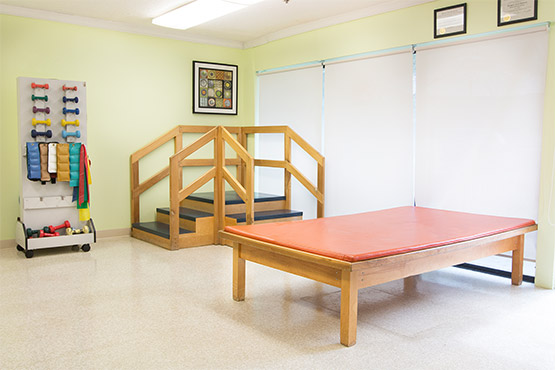
How is Parkside Nursing And Rehabilitation Center Staffed?

CMS rates PARKSIDE NURSING AND REHABILITATION CENTER's staffing level at 2 out of 5 stars, which is below average compared to other nursing homes. Staff turnover is 44%, compared to the Ohio average of 46%. This relatively stable workforce can support continuity of care.

What Have Inspectors Found at Parkside Nursing And Rehabilitation Center?

State health inspectors documented 37 deficiencies at PARKSIDE NURSING AND REHABILITATION CENTER during 2019 to 2025. These included: 3 that caused actual resident harm and 34 with potential for harm. Deficiencies causing actual harm indicate documented cases where residents experienced negative health consequences.
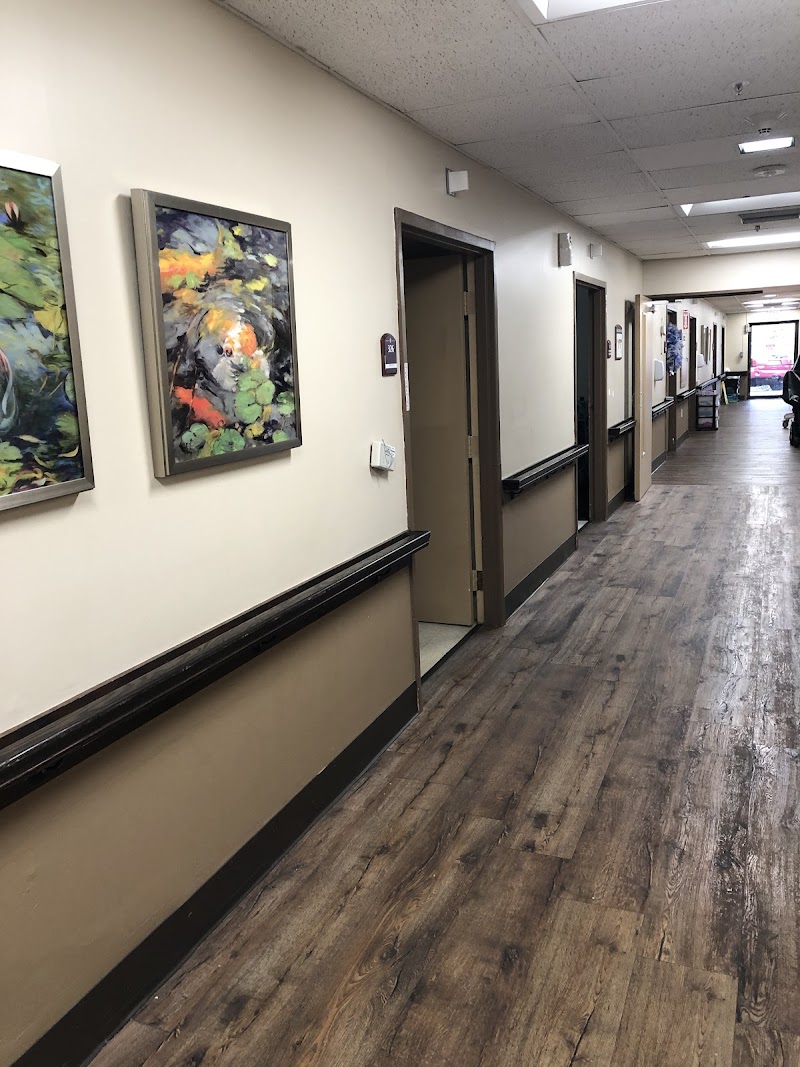
Who Owns and Operates Parkside Nursing And Rehabilitation Center?

PARKSIDE NURSING AND REHABILITATION CENTER is owned by a for-profit company. For-profit facilities operate as businesses with obligations to shareholders or private owners. The facility is operated by EMBASSY HEALTHCARE, a chain that manages multiple nursing homes. With 76 certified beds and approximately 70 residents (about 92% occupancy), it is a smaller facility located in FAIRFIELD, Ohio.
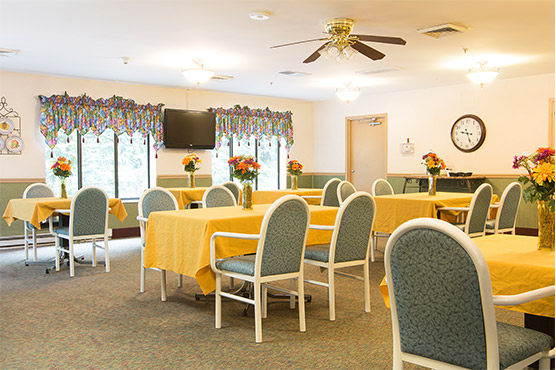
How Does Parkside Nursing And Rehabilitation Center Compare to Other Ohio Nursing Homes?

Compared to the 100 nursing homes in Ohio, PARKSIDE NURSING AND REHABILITATION CENTER's overall rating (3 stars) is below the state average of 3.2, staff turnover (44%) is near the state average of 46%, and health inspection rating (2 stars) is below the national benchmark.

What Should Families Ask When Visiting Parkside Nursing And Rehabilitation Center?

Based on this facility's data, families visiting should ask: "Can you walk me through typical staffing levels on day, evening, and night shifts?" "Can I visit during a mealtime to observe dining assistance and food quality?" "How do you handle medical emergencies, and what is your hospital transfer rate?" "Can I speak with family members of current residents about their experience?" These questions are particularly relevant given the below-average staffing rating.

Is Parkside Nursing And Rehabilitation Center Safe?

Based on CMS inspection data, PARKSIDE NURSING AND REHABILITATION CENTER has a clean safety record: no substantiated abuse findings (meaning no confirmed cases of resident harm), no Immediate Jeopardy citations (the most serious violation level indicating risk of serious injury or death), and is not on the Special Focus Facility watch list (a federal program monitoring the lowest-performing 1% of nursing homes). The facility has a 3-star overall rating and ranks #100 of 100 nursing homes in Ohio. While no facility is perfect, families should still ask about staff-to-resident ratios and recent inspection results during their visit.

Do Nurses at Parkside Nursing And Rehabilitation Center Stick Around?

PARKSIDE NURSING AND REHABILITATION CENTER has a staff turnover rate of 44%, which is about average for Ohio nursing homes (state average: 46%). Moderate turnover is common in nursing homes, but families should still ask about staff tenure and how the facility maintains care continuity when employees leave.

Was Parkside Nursing And Rehabilitation Center Ever Fined?

PARKSIDE NURSING AND REHABILITATION CENTER has been fined $9,859 across 1 penalty action. This is below the Ohio average of $33,177. While any fine indicates a compliance issue, fines under $50,000 are relatively common and typically reflect isolated problems that were subsequently corrected. Families should ask what specific issues led to these fines and confirm they've been resolved.

Is Parkside Nursing And Rehabilitation Center on Any Federal Watch List?

PARKSIDE NURSING AND REHABILITATION CENTER is not on any federal watch list. The most significant is the Special Focus Facility (SFF) program, which identifies the bottom 1% of nursing homes nationally based on persistent, serious quality problems. Not being on this list means the facility has avoided the pattern of deficiencies that triggers enhanced federal oversight. This is a positive indicator, though families should still review the facility's inspection history directly.