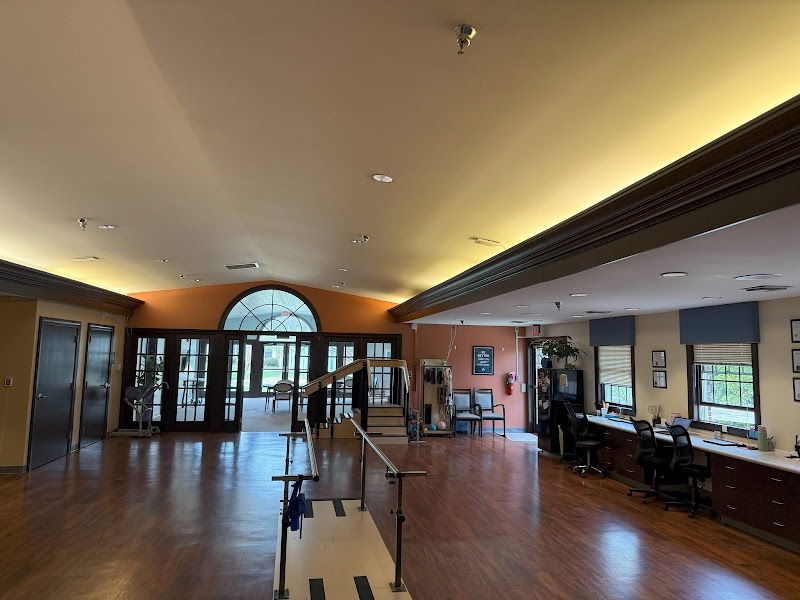
HERITAGE THE

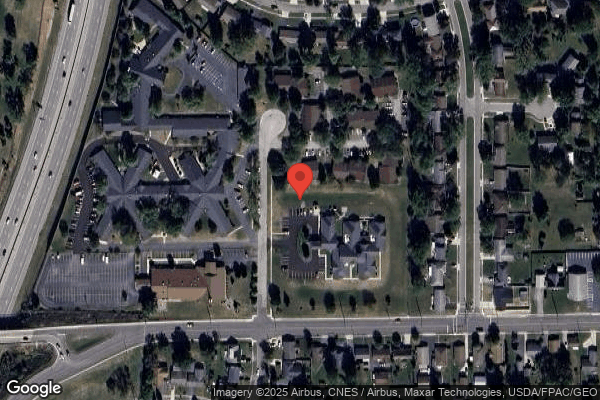
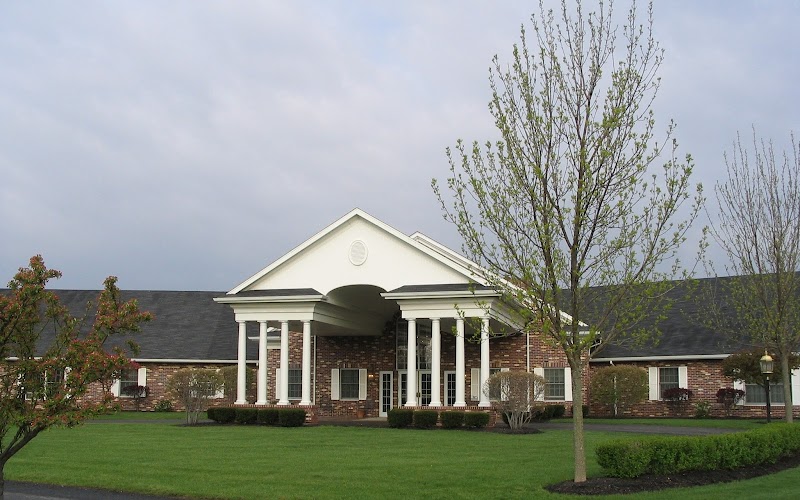
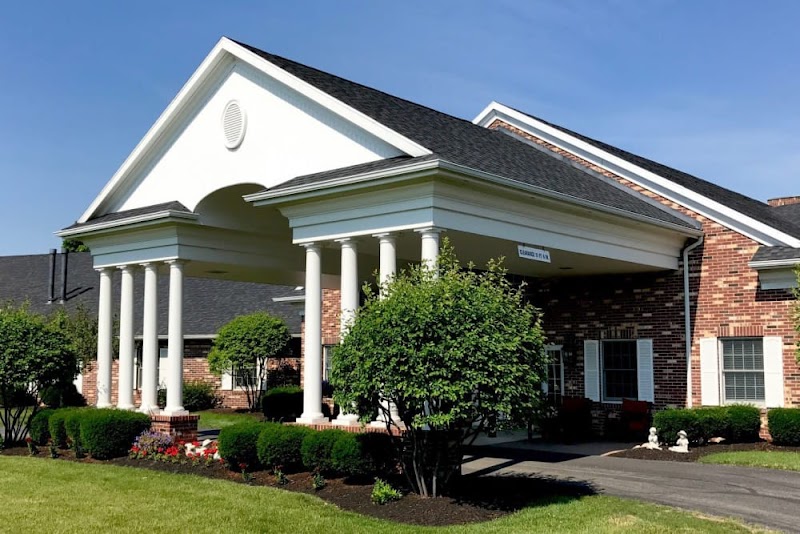
2820 GREENACRE DR, FINDLAY, OH 45840 (419) 424-1808
For profit - Limited Liability company 96 Beds TRILOGY HEALTH SERVICES Data: November 2025
Trust Grade
50/100
#701 of 913 in OH
Last Inspection: March 2025

Within standard 12-15 month inspection cycle. Federal law requires annual inspections.

Overview

Heritage The nursing home in Findlay, Ohio, has a Trust Grade of C, indicating an average performance that places it in the middle of the pack. It ranks #701 out of 913 facilities in Ohio, which means it is in the bottom half, and #6 out of 6 in Hancock County, leaving it with no better local options. The facility is currently worsening, with issues increasing from 1 in 2024 to 16 in 2025. Staffing is rated 2 out of 5 stars, suggesting that while turnover is at 51%, which is close to the state average, it may affect resident care. On a positive note, there have been no fines, indicating a lack of serious compliance issues. However, there are significant concerns. Recent inspections revealed that food was not properly labeled and stored, with moldy strawberries observed, and there were issues with infection control practices during a gastrointestinal illness outbreak affecting multiple residents. Additionally, a staff member transported soiled linens improperly, which raises hygiene concerns. Overall, while Heritage The has some strengths, prospective families should be cautious and weigh these weaknesses carefully when considering care for their loved ones.

Trust Score
C
50/100
In Ohio
#701/913
Bottom 24%
Safety Record
Low Risk
No red flags
Inspections
Getting Worse
1 → 16 violations
Staff Stability
⚠ Watch
51% turnover. Above average. Higher turnover means staff may not know residents' routines.
Penalties
✓ Good
No fines on record. Clean compliance history, better than most Ohio facilities.
Skilled Nurses
○ Average
Each resident gets 35 minutes of Registered Nurse (RN) attention daily — about average for Ohio. RNs are the most trained staff who monitor for health changes.
Violations
⚠ Watch
34 deficiencies on record. Higher than average. Multiple issues found across inspections.
★★☆☆☆
2.0
Overall Rating
★★☆☆☆
2.0
Staff Levels
★★★★☆
4.0
Care Quality
★★☆☆☆
2.0
Inspection Score
Stable
2024: 1 issues
2025: 16 issues

The Good

  • 4-Star Quality Measures · Strong clinical quality outcomes
  • Full Sprinkler Coverage · Fire safety systems throughout facility
  • No fines on record

Facility shows strength in quality measures, fire safety.

The Bad

2-Star Overall Rating

Below Ohio average (3.2)

Below average - review inspection findings carefully

Staff Turnover: 51%

Near Ohio avg (46%)

Higher turnover may affect care consistency

Chain: TRILOGY HEALTH SERVICES

Part of a multi-facility chain

Ask about local staffing decisions and management

The Ugly 34 deficiencies on record

Jul 2025 2 deficiencies
CONCERN (D) 📢 Someone Reported This

A family member, employee, or ombudsman was alarmed enough to file a formal complaint

Potential for Harm - no one hurt, but risky conditions existed

Notification of Changes (Tag F0580)

Could have caused harm · This affected 1 resident

Based on staff interview, observation, record review, and policy review, the facility failed to notify a resident representative of a new skin condition. This affected one (#15) of five residents revi...

Read full inspector narrative →
Based on staff interview, observation, record review, and policy review, the facility failed to notify a resident representative of a new skin condition. This affected one (#15) of five residents reviewed for a change in condition. The facility census was 73.Review of the medical record for Resident #15 revealed an admission date of 01/11/22 with diagnoses of dementia, anxiety, anemia, and Type II diabetes mellitus.Review of the quarterly Minimum Data Set (MDS) assessment, completed 06/06/25, revealed Resident #15 had impaired cognition and required substantial/maximal assistance for bed mobility and was dependent for transfers.Review of Resident #15's electronic medical record (EMR) from 06/01/25 through 07/17/25 at 9:30 A.M. revealed no documentation regarding a bruise or new skin concern to Resident #15's face or neck. Additional review revealed no evidence Resident #15's representative was notified of a new skin condition on Resident #15's neck.Interview on 07/17/25 at 9:14 A.M. with Certified Nursing Assistant (CNA) #103 revealed she observed a change in condition to Resident #15 wherein bruising was noted to Resident #15's left neck and right jawline. CNA #103 stated she documented it in the CNA charting and it was also charted by the CNA on the previous shift.Observation on 07/17/25 at approximately 9:30 A.M., with Registered Nurse (RN) #202, of Resident #15 revealed a red area to Resident #15's neck on the left side of the front of her neck, halfway between the shoulder and jaw. Concurrent interview with RN #202 confirmed he did not document his assessment of the area on Resident #15's neck. RN #202 stated he was alerted to the new skin area on Resident #15 by the previous shift's nurse but could not clarify when he first became aware of the area. RN #202 confirmed he did not notify Resident #15's representative about the new skin area. Interview on 07/17/25 at 11:02 A.M. with the Administrator and RN Clinical Support (RNCS) #501 revealed the facility conducted an investigation into the new area on Resident #15's skin after the surveyor identified the lack of documentation in the EMR. RNCS #501 stated Resident #15's bruise was initially identified on 07/12/25 by Licensed Practical Nurse (LPN) #206 and reported to RN #202 to follow up on. RNCS #501 confirmed an assessment of the bruise was not documented and Resident #15's representative was not notified. RNCS #501 confirmed resident representatives should be notified when a new skin condition was identified. Review of the policy, Notification of Change in Condition, dated 05/10/16, revealed the resident's representative should be notified if there was an accident resulting in injury, a significant change in the resident's condition, or if there was a need to alter treatment significantly. Further review revealed documentation of notification should be recorded in the resident's electronic health record.This deficiency represents non-compliance investigated under Complaint Number 2561896.
CONCERN (D) 📢 Someone Reported This

A family member, employee, or ombudsman was alarmed enough to file a formal complaint

Potential for Harm - no one hurt, but risky conditions existed

Quality of Care (Tag F0684)

Could have caused harm · This affected 1 resident

Based on staff interview, record review, observation, and policy review, the facility failed to ensure timely assessments of a new skin condition. This affected one (#15) of five residents reviewed fo...

Read full inspector narrative →
Based on staff interview, record review, observation, and policy review, the facility failed to ensure timely assessments of a new skin condition. This affected one (#15) of five residents reviewed for change in condition. The facility census was 73.Findings include:Review of the medical record for Resident #15 revealed an admission date of 01/11/22 with diagnoses of dementia, anxiety, anemia, and type 2 diabetes mellitus.Review of the quarterly Minimum Data Set (MDS) assessment, completed 06/06/25, revealed Resident #15 had impaired cognition and required substantial/maximal assistance for bed mobility and was dependent for transfers.Review of Resident #15's Profile in the electronic medical record (EMR) revealed she required a mechanical lift for transfers since 06/10/22.Review of Resident #15's electronic medical record (EMR) dated 06/01/25 through 07/17/25 at 9:30 A.M. revealed no documentation regarding a bruise or new skin concern to Resident #15's face or neck.Review of the late entry Incident Report, initiated 07/17/25 at 11:08 A.M., revealed Resident #15 had a bruise to her left neck suspected to be caused by a mechanical lift sling.Interview on 07/17/25 at 9:14 A.M. with Certified Nursing Assistant (CNA) #103 revealed she observed a change in condition to Resident #15 wherein bruising was noted to Resident #15's left neck and right jawline. CNA #103 stated she documented it in the CNA charting and it was also charted by the CNA on the previous shift.Observation on 07/17/25 at approximately 9:30 A.M., with RN #202, of Resident #15 revealed a red area to Resident #15's neck on the left side of the front of her neck, halfway between the shoulder and jaw. Concurrent interview with RN #202 confirmed he did not document his assessment of the area on Resident #15's neck. Further, RN #202 denied any knowledge of a mark on Resident #15's jawline. RN #202 stated he was alerted to the new skin area on Resident #15 by the previous shift's nurse but could not clarify when he became aware of the area. RN #202 stated he did not create an Event in the EMR because he assumed the nurse on the previous shift would have initiated the Event. Additionally, RN #202 stated the Event in the EMR system created a prompt for staff to assess the area on each shift to monitor the new condition. RN #202 stated he was not prompted to complete and document an assessment of the area and confirmed he did not document any assessment of Resident #15's new skin condition.Interview on 07/17/25 at 11:02 A.M. with the Administrator and RN Clinical Support (RNCS) #501 revealed the facility conducted an investigation into the new area on Resident #15's skin after the surveyor identified the lack of documentation in the EMR. RNCS #501 stated Resident #15's bruise was initially identified on 07/12/25 by LPN #206 and reported to RN #202 to follow up on. RNCS #501 confirmed an assessment of the bruise was not documented. Concurrent review of a written statement obtained by RNCS #501 from RN #202 on 07/17/25 revealed RN #202 assessed Resident #15's bruise on 07/12/25 and RN #202 did not find the bruise suspicious as Resident #15 was transferred via mechanical lift and RN #202 had seen the lift sling rub against Resident #15's neck. Further review of the statement revealed RN #202 did not document an assessment of the bruise or suspected cause of the bruise.Observation on 07/17/25 at 11:55 A.M. revealed RN #202 measuring and assessing Resident #15's bruise. Concurrent interview with RN #202 confirmed it was left of center on her neck and halfway between her shoulder and jaw. RN #202 measured the area with a ruler, determining a width of two centimeters and a height of 0.7 centimeters. The coloring was brownish with yellowing around the edges. The edges were irregular and undefined. RN #202 stated the area had the appearance of an aging bruise. Further observation of Resident #15 revealed a scab on her left jaw. RN #202 stated it appeared to be an area Resident #15 picked. An attempted interview with Resident #15 at the time of the observation was unsuccessful.Follow-up interview on 07/17/25 at approximately 12:30 P.M. with the Administrator and RNCS #501 confirmed Resident #15's medical record contained no evidence of an assessment of a new bruise between 07/12/25 and 07/17/25 until a late entry Incident Report was initiated on 07/17/25 at 11:08 A.M. RNCS #501 stated the facility policy allowed for back-dating documentation up to two weeks. Review of the facility policy titled, Bruise, Rash, Lesion, Skin Tear, Laceration Assessment Guidelines, dated 05/10/16, revealed an identified skin alteration occurring after admission should be followed by completing a Bruise incident in the EMR along with a progress note. Continued monitoring of the wound should be completed.This was an incidental finding identified during the Complaint Survey completed 07/17/25.
Mar 2025 14 deficiencies
CONCERN (D)

Potential for Harm - no one hurt, but risky conditions existed

Safe Environment (Tag F0584)

Could have caused harm · This affected 1 resident

**NOTE- TERMS IN BRACKETS HAVE BEEN EDITED TO PROTECT CONFIDENTIALITY** Based on observation and staff interview, the facility failed to ensure resident beds were maintained in a safe condition. This ...

Read full inspector narrative →
**NOTE- TERMS IN BRACKETS HAVE BEEN EDITED TO PROTECT CONFIDENTIALITY** Based on observation and staff interview, the facility failed to ensure resident beds were maintained in a safe condition. This affected one resident (#53) of nine reviewed for physical environment concerns. The facility census was 81. Findings include: Review of Resident #53's medical record revealed an admission date of 01/09/23. Diagnoses included Alzheimer's disease, stroke, type II diabetes, psychosis, altered mental status, major depressive disorder, anxiety disorder, and muscle weakness. Review of Resident #53's Minimum Data Set (MDS) assessment dated [DATE] revealed the resident was cognitively impaired and rarely or never understood. Resident #53 was dependent on staff for toilet use, bed mobility and transfer. Observation on 03/10/25 at 11:27 A.M. of Resident #53's room found the headboard of the bed leaning to the left when facing the bed. When the headboard was touched it was found to have been broken free from the bed frame on the left side and was attached only by the right side to the frame of the bed. Interview on 03/10/25 at 11:29 A.M. with Certified Nursing Assistant (CNA) #641 verified Resident #53's bed was broken. She was unsure how long it had been that way since she does not regularly work on Resident #53's hallway.
CONCERN (D)

Potential for Harm - no one hurt, but risky conditions existed

Deficiency F0604 (Tag F0604)

Could have caused harm · This affected 1 resident

Based medical record review, observation, staff interview, and policy review, the facility failed to ensure residents were free from any physical restraints. This affected two (#28 and #73) out of two...

Read full inspector narrative →
Based medical record review, observation, staff interview, and policy review, the facility failed to ensure residents were free from any physical restraints. This affected two (#28 and #73) out of two residents reviewed for restraints. The facility census was 81. Findings include: 1. Review of Resident #28's medical record revealed diagnose of Alzheimer's, dementia, right hand contractures, reduced mobility, glaucoma, and cognitive communication deficit. Review of physician orders, dated 12/18/24, revealed no physician order for a standard pillow to be placed under a fitted sheet on the left side of resident when in bed. Review of Resident #28's care plan, dated 01/17/25, revealed the right side of the bed was to be against the wall. Review of the Minimum Data Set (MDS) assessment, dated 12/27/24, revealed Resident #28 required maximal assistance with bed mobility. Observation on 03/10/25 at 03:54 PM revealed Resident #28 laying in bed on her right side facing the wall. Bilateral mobility bars were in place and pulled up. A standard size pillow was placed length wise under the fitted sheet and pressed tightly up against resident's back and buttocks area. Coinciding interview with Certified Nursing Aide (CNA) #646 at the time of the finding verified the pillow was in place to keep Resident #28 in the bed. Review of the facility policy titled Guidelines for Restraint/Enabler Use, dated 12/17/24, revealed use for safety devices to be evaluated by interdisciplinary team before use with risk and benefits of restraint use. A device can not restrict a resident from what they could previously could do this would be considered a restraint. 2. Review of Resident #73's medical record revealed an admission date of 11/19/24. Diagnoses included traumatic subdural hemorrhage without loss of consciousness, atrial fibrillation, Alzheimer's disease, dementia, restlessness, and agitation. Review of physician orders, dated 01/15/25, revealed no physician order was written for a standard pillow to be placed under a fitted sheet on the left side of resident when the resident was in bed. Review of the care plan revealed Resident #73 had reduced safety awareness due to Alzheimer's and dementia Review of the MDS assessment, dated 01/29/25, revealed the resident required moderate assistance with mobility and maximal assistance with sit and stand. Observation on 03/10/25 at 2:19 P.M. revealed Resident #73 was laying in her bed. The right side of the bed was against the wall. A standard pillow was placed length wise under the fitted sheet and pressed securely against Resident #73's back and hip. A high backed wheelchair was placed sideways beside Resident #73's bed by at her hip and legs area. Interview on 03/10/25 at 2:28 P.M. with CNA #628 verified the pillow was placed to keep Resident #73 in bed so Resident #73 could not swing her legs over the side of the bed. CNA #628 moved the wheelchair to the other side of the room.
CONCERN (D)

Potential for Harm - no one hurt, but risky conditions existed

Comprehensive Care Plan (Tag F0656)

Could have caused harm · This affected 1 resident

Based on medical record review and staff interview, the facility failed to ensure the care plan was updated timely to include the development of a pressure ulcer for one (#4) out two residents reviewe...

Read full inspector narrative →
Based on medical record review and staff interview, the facility failed to ensure the care plan was updated timely to include the development of a pressure ulcer for one (#4) out two residents reviewed for pressure ulcers. The facility census was 81. Findings include: Review of Resident #04's medical recorded revealed an admission date 12/01/21. Diagnoses included Alzheimer's disease, dementia, osteoarthritis of right hip, major depressive disorder, and scoliosis. Resident #4 enrolled in hospice care 03/04/25. Review of Resident #04's Minimum Data Set (MDS) assessment, dated 12/20/24, identified Resident #4 was at risk for pressure ulcer development but no pressure ulcer noted. Review of Resident #04 nurse's notes revealed on 02/23/25 at 10:11 P.M. an open area was found on the sacrum during care. Certified Registered Medication Aide (CRMA) #622 notified Licensed Practice Nurse (LPN) #643 at the time of the finding. Further reviewed of nurses note dated 02/27/25 at 3:27 A.M. revealed the resident's daughter was notified of the wound and a treatment was established. Review of Resident #04's comprehensive care plan revealed the pressure ulcer was not addressed on the plan of care until 03/11/25. Interview on 03/13/15 at 12:10 P.M. with Regional Director of MDS Nurse #659 confirmed Resident #04's care plan for pressure ulcer was not initiated until 03/11/25.
CONCERN (D)

Potential for Harm - no one hurt, but risky conditions existed

Quality of Care (Tag F0684)

Could have caused harm · This affected 1 resident

Based on observation, medical record review, and staff interview, the facility failed to follow physician orders to apply washcloths to the hands of one (#53) of four residents reviewed for skin condi...

Read full inspector narrative →
Based on observation, medical record review, and staff interview, the facility failed to follow physician orders to apply washcloths to the hands of one (#53) of four residents reviewed for skin conditions. The facility census was 81. Findings include: Review of Resident #53's medical record revealed an admission date of 01/09/23. Diagnoses included Alzheimer's disease, stroke, type II diabetes, psychosis, major depressive disorder, anxiety disorder, muscle weakness, abnormal posture, contusion of part of the head (12/09/24), and dementia with behavioral disturbance. Review of Resident #53's Minimum Data Set (MDS) assessment, dated 11/21/24, revealed Resident #53 was severely cognitively impaired. Resident #53 was dependent on staff for eating, toilet use, bathing, dressing and mobility. Review of Resident #53's physician orders revealed an order dated 01/21/25 for wash cloths to hands change daily and as needed. Review of Resident #53's care plan, revised 03/10/25, revealed supports and interventions for risk for skin breakdown. Interventions for risk for skin breakdown included keeping Resident #53's skin as clean and dry and possible, minimize skin exposure to moisture and apply treatments as ordered. Observation on 03/10/25 at 1:46 P.M. found Resident #53 lying in bed. Resident #53's arms were bent at the elbows and her hands were clenched in fists. No washcloths were observed in her hands protecting her palms. Interview on 03/10/25 at 1:52 P.M. with Certified Nurse Assistant (CNA) #646 verified Resident #53 was to have washcloths placed in her hands and they had not been placed as ordered.
CONCERN (D)

Potential for Harm - no one hurt, but risky conditions existed

Pressure Ulcer Prevention (Tag F0686)

Could have caused harm · This affected 1 resident

**NOTE- TERMS IN BRACKETS HAVE BEEN EDITED TO PROTECT CONFIDENTIALITY** Based on record review, observation, and staff interview, the facility failed to accurately assess a pressure ulcer, failed to c...

Read full inspector narrative →
**NOTE- TERMS IN BRACKETS HAVE BEEN EDITED TO PROTECT CONFIDENTIALITY** Based on record review, observation, and staff interview, the facility failed to accurately assess a pressure ulcer, failed to complete an assessment of a pressure ulcer when identified, and failed to obtain a treatment for a pressure ulcer. This affected two (#38 and #4) out of three residents reviewed for pressure ulcers. The current census is 81. Findings include: 1. Record review for Resident #38 revealed the resident was admitted to the facility on [DATE]. Diagnoses for Resident #38 include dementia, urinary tract infection, respiratory failure, and chronic kidney disease. Review of Resident #38's Minimum Data Set (MDS) quarterly assessment dated [DATE] revealed the resident had impaired cognition and was incontinent of bowel and bladder. Review of Resident #38's wound management revealed on 02/13/25 the resident was noted to have an open wound measuring 7 centimeters (cm) by 2 cm by 0.1 cm depth. Per the wound assessment the wound had a 'foul' odor with necrotic tissue, irregular edges with a dark purple/rusty discoloration. In the comment section of the assessment the nurse documented the Director of Health Services (DHS) observed with the nurse and identified the ulcer as a Kennedy ulcer. The wound assessment was signed by Licensed Practical Nurse (LPN) #580. No further documentation or confirmation was noted in the record from the DHS. Review of the document titled The Pressure Ulcer Letter of Unavoidability dated 02/19/25, revealed LPN #580 documented Resident #38's pressure ulcer was unavoidable due to being a [NAME] Ulcer. Per the document the resident was referred to hospice and the Certified Nurse Practioner (CNP) signed the document on 02/20/25. Review of Resident #38's wound management revealed on 02/19/25 the wound was measured at 7 cm by 3 cm with no depth, moderate serous exudate, foul odor, necrotic tissue and the skin around the wound was dark purple. Review of Resident #38's wound management revealed on 02/25/25 the wound measured 6.4 cm by 2.5 cm with no depth, moderate exudate with seropurulent drainage, odor, with slough, and well defined wound edges with pink and normal skin surrounding the wound. The wound was documented as 'stable'. Review of Resident #38's wound management revealed on 03/04/25 the wound measured 6 cm by 2.5 cm with no depth, exudate present with slough, and skin blanchable around wound. Interview on 03/12/25 at 3:30 P.M. with LPN #580 revealed she does all wound assessments, measuring, and dressing changes for wounds, however she was certified in wound care LPN #580 verified she had identified Resident #38's coccyx wound as a Kennedy ulcer and had notified the physician of this. The physician then consulted hospice on 02/20/25. LPN #580 stated to her knowledge the CNP, the current DHS, and the physician had not visibly assessed Resident #38's wound. LPN #580 verified she had documented the wound was an unavoidable pressure ulcer and assessed it to be a [NAME] wound. LPN #580 stated the previous DHS had observed Resident #38's ulcer but had not commented or documented on the stage of the ulcer in the records. Interview on 03/12/25 at 3:15 P.M. with CNP #459 stated she was told by staff Resident #38 had a Kennedy ulcer and she had signed orders for the care. CNP #459 stated she had not visibly assessed the wound herself but was told by LPN #580 what the wound was. CNP #459 stated she had not measured or provided care for the wound and relied on the nursing staff to update her on the status of the wounds. Interview and observation of wound care for Resident #38 on 03/13/25 at 7:55 A.M. with current DHS #515 and LPN #580 revealed Resident #38 had a wound on his coccyx. The wound appeared to be an unstageable wound. DHS #515 stated per her opinion the wound was a typical unstageable pressure ulcer. DHS #515 verified the wound appeared to be well defined and the skin around the wound appeared pink and blanchable. The edges had small traces of red blood noted and the wound had no odor. DHS #515 stated the bed of the wound was obstructed by what appeared to be slough and verified there were no defined shapes related to a Kennedy ulcer. DHS #515 verified it was an unstageable ulcer and did not appear to be a Kennedy ulcer. 2. Review of Resident #04's medical recorded revealed an admission date 12/01/21. Diagnoses included Alzheimer's disease, dementia, osteoarthritis of right hip, major depressive, and scoliosis. Resident #4 enrolled in hospice care 03/04/25. Review of the quarterly MDS assessment, dated 12/20/24, revealed the resident was cognitively intact, required moderate assistance with bed mobility, transfers, and toileting. Resident #04 was at risk for pressure ulcer development and did not have a pressure ulcer at the time of the assessment. Review of Resident #04's nurse's note, dated 02/23/25 at 10:11 P.M., revealed an open area was found on the sacrum during care. The note stated Certified Registered Medication Aide (CRMA) #622 notified the nurse. The nurse's note stated the area on the sacrum was observed to be bloody. The resident complained of pain to the area and severe back pain. There were no orders for treatment to the area. There was no assessment of the area. Review of a nurses' note, dated 02/26/25 at 4:25 A.M., stated the dressing to the sacral area was clean, dry, and intact. The resident had no signs and symptoms of pain. Review of the nurse's note dated 02/27/25 at 3:27 P.M., written by Licensed Practical Nurse (LPN) #560, stated Resident #04 was noted to have an open are to the coccyx and a treatment had been established. There were no orders for treatment to the area. Review of Resident #04 weekly wound management evaluation dated 02/27/25 revealed a ulcer to the coccyx. The facility identified the ulcer to be a Kennedy ulcer due to sudden onset and resident decline. The evaluation revealed the wound measurement to be 3.5 cm by 3.5 cm, with no depth noted. Review of Resident #04's physician order dated 02/27/2025 revealed a treatment to the coccyx wound to cleanse wound with wound cleanser or normal saline, apply skin prep to peri-wound, apply Medihoney, and cover with foam dressing as needed. Review of physician order dated 2/28/25 revealed a treatment for Medihoney 80% to be applied topically daily with no location for application identified. Review of physician order dated 03/03/25 revealed to cleanse the coccyx wound with wound cleanser, pat dry with gauze, apply Medihoney gel to wound bed, and to cover wound with boarder gauze. The order stated to change dressing every three days and hold one day. Review of Resident #04's February 2025 Treatment Administration Record (TAR) revealed no wound care was ordered from 02/23/25 to 02/28/25. Review of the wound management evaluation dated 03/11/25 revealed the ulcer to the coccyx had moderate serous to purulent drainage. The wound bed was noted to have 50% slough with 50% granulation. The peri area was red and blanchable. The evaluation revealed the wound measurement to be 3 cm by 1.5 cm with no depth noted. Interview on 03/12/25 at 3:17 P.M. CRMA #622 stated the wound was found on 02/23/25 during personal care and she notified Registered Nurse #563 at time of finding. CRMA #622 described the wound as bloody with no black areas noted. It was about the size of a quarter, round in shape, and was superficial. Interview on 03/13/25 at 10:05 A.M. Regional Director of Nursing (DON) #658 confirmed the medical record for Resident #4 did not contained documentation to support the facility evaluated Resident #4 coccyx wound when first observed on 02/23/25 nor was a treatment initiated at that time. Review of facility policy titled Guidelines for General Wound and skin Care, dated 12/17/24, revealed the facility will document type of wound, location, stage (if applicable), length, width, depth in centimeters, base, drainage, per wound tissue, and treatment of the wound weekly.
CONCERN (D) 📢 Someone Reported This

A family member, employee, or ombudsman was alarmed enough to file a formal complaint

Potential for Harm - no one hurt, but risky conditions existed

Accident Prevention (Tag F0689)

Could have caused harm · This affected 1 resident

**NOTE- TERMS IN BRACKETS HAVE BEEN EDITED TO PROTECT CONFIDENTIALITY** Based on observation, resident and staff interviews, record review, and review of facility policy, the facility failed to docume...

Read full inspector narrative →
**NOTE- TERMS IN BRACKETS HAVE BEEN EDITED TO PROTECT CONFIDENTIALITY** Based on observation, resident and staff interviews, record review, and review of facility policy, the facility failed to document a fall in the medical record, complete post fall assessments, and investigate a fall in a timely manner. This affected one (#54) of three residents reviewed for falls. The facility census was 81. Findings include: Review of the medical record for Resident #54 revealed she was admitted on [DATE] for physical therapy following joint surgery to her left shoulder. Admitting diagnoses included presence of left artificial shoulder joint, type two diabetes mellitus, chronic kidney disease, hyperlipidemia, hypothyroidism and gout. On 03/03/25 a diagnosis of unspecified fracture of shaft of left tibia was added. Review of the admission Minimum Data Set 3.0 (MDS) assessment, dated 02/11/25, revealed she was cognitively intact, required substantial assistance with dressing, toileting and showering, and utilized a cane, walker, or wheelchair. Review of the facility fall assessment for Resident #54 revealed she was a moderate fall risk. Review of a physical therapy treatment encounter note dated 02/17/25 for Resident #54 revealed this resident got caught in the hemi walker and was lowered to the ground by staff. Resident #54's nurse was notified and came to the therapy room to obtain vital signs. Resident #54's vital signs were noted to be stable and Resident #54 insisted on continuing therapy session. Review of the medical record for Resident #54 revealed no documentation to support Resident #54 sustained a fall on 02/17/25 in the therapy gym. Further review of the medical record for Resident #54 revealed no documentation to support the facility completed post fall assessments or implemented interventions after the fall on 02/17/25. Review of emergency room discharge instructions dated 03/03/25 revealed Resident #54 sustained a tibial plateau fracture. Review of physician note dated 03/05/25 revealed Resident #25 had severe osteopenia and this fracture would likely not have occurred in the absence of osteopenia suggesting this was a pathologic fracture. Observation on 03/10/25 at 1:50 P.M. of Resident #54 in her room revealed she had a sling applied to her left arm and a full hinged leg brace applied to her left leg. Concurrent interview with Resident #54 revealed she sustained a fall during physical therapy which caused the injury to her left leg. Review of the facility incident report log for falls, with a date range of 01/01/25 to 03/09/25, revealed there was no record of Resident #54's fall on 02/17/25. Review of facility event report dated 03/04/25 revealed Resident #54 sustained a fall on 02/17/25, but the report was not completed until 03/04/25. Review of a facility investigation summary dated 03/04/25 revealed Resident #54 sustained a fall on 02/17/25, but the investigation summary was not completed until 03/04/25. Review of a facility witness statement dated 03/04/25 revealed Resident #54 sustained a fall on 02/17/25, but the witness statement was not obtained until 03/04/25. Interview on 3/12/25 at 10:51 A.M. with Resident #54 revealed after the fall in physical therapy on 02/17/25 she experienced some swelling over the next few days, but did not experience pain with movement or during therapy until 03/03/25. Interview on 03/12/25 at 11:50 A.M. with Clinical Support Registered Nurse #657 confirmed Resident #54 sustained a fall on 02/17/25 in the therapy gym and a fall investigation should have been initiated on 02/17/25. Additionally, she confirmed there was no documentation to support post-fall assessments were completed for Resident #54. Review of facility policy titled Fall Management Program Guidelines, dated 12/17/24, indicated the facility would mitigate fall risk factors and implement preventative measures. This policy defines a fall as unintentionally coming to rest on the ground, floor, or other lower level. This policy indicates if a resident falls, the attending nurse would complete a Fall Event that included an investigation to determine cause, reassessment of fall risk, interventions to decrease risk of repeat episode, and the interdisciplinary team would evaluate thoroughness and appropriateness of the investigation and interventions. This deficiency represents non-compliance identified during the investigation for Complaint Number OH00162379.
CONCERN (D)

Potential for Harm - no one hurt, but risky conditions existed

Respiratory Care (Tag F0695)

Could have caused harm · This affected 1 resident

Based on observation, record review, resident interview, staff interview and policy review, the facility failed to ensure a physician order was present to administer oxygen. This affected one (#13) of...

Read full inspector narrative →
Based on observation, record review, resident interview, staff interview and policy review, the facility failed to ensure a physician order was present to administer oxygen. This affected one (#13) of three residents viewed for oxygen. The facility census was 81. The findings include: Review of Resident #13's medical record revealed an admission date of 11/22/17. Diagnoses included heart failure, chronic obstructive pulmonary disease with acute exacerbation, acute and chronic respiratory failure with hypercapnia, left bundle-branch block, atrial fibrillation, type two diabetes mellitus, hypoxemia and nonspecific abnormal finding of lung field. Review of the care plan, dated 02/18/25, revealed Resident #13 was oxygen dependent and to use oxygen as ordered. Review of the physician orders revealed no orders for oxygen. Observation on 03/10/25 at 02:13 P.M. revealed Resident #13 sitting in her wheelchair with oxygen concentrator on and running at three liters via nasal cannula. Coinciding interview with Resident #13 revealed she has been on oxygen since 2021. Observation on 03/12/25 at 10:38 A.M revealed Resident #13 was on 3 liters of oxygen. Coinciding interview with Register Nurse (RN) #575 verified there was no order for Resident #13 to use oxygen. Interviewed on 03/11/25 at 4:06 P.M. with Licensed Practice Nurse #589 revealed Resident #13 was on two to three liters of oxygen throughout the day and was dependent on oxygen. Review of the facility policy titled Administration of Oxygen, dated 12/13/24, revealed the staff were to verify physician's order for the procedure.
CONCERN (D)

Potential for Harm - no one hurt, but risky conditions existed

Drug Regimen Review (Tag F0756)

Could have caused harm · This affected 1 resident

**NOTE- TERMS IN BRACKETS HAVE BEEN EDITED TO PROTECT CONFIDENTIALITY** Based on record review, review of the facility policy, and staff interview, the facility failed to ensure the physician responde...

Read full inspector narrative →
**NOTE- TERMS IN BRACKETS HAVE BEEN EDITED TO PROTECT CONFIDENTIALITY** Based on record review, review of the facility policy, and staff interview, the facility failed to ensure the physician responded to pharmacy recommendations timely and included a reason for the denial of gradual dose reductions. This affected one (#48) out of five residents reviewed for unnecessary medications. The facility census was 81. Findings include: Record review for Resident #48 revealed the resident was admitted to the facility on [DATE]. Diagnoses included Parkinson's disease, dementia, depression, post-traumatic stress disorder, and obsessive compulsive disorder. Review of Resident #48's Minimum Data Set (MDS) assessment, dated 02/21/25, revealed the resident had intact cognition and was having hallucinating behaviors during the assessment period. Review of Resident #48's care plans dated 12/05/23, and revised on 02/14/25, revealed a focus for adverse consequences for psychotropic drug use. Interventions include attempt gradual dose reduction in two separate quarters and then yearly unless contraindicated. Review of the monthly pharmacy medication regimen reviews for Resident #48 revealed on 07/31/24 the pharmacist recommended a gradual dose reduction of Buspar 15 milligrams (mg) twice a day for anxiety. Further review of the recommendation documentation revealed the recommendation was marked denied on 12/29/24. No explanation or reason for denial was noted in the records. Further review of the medical records presented to the surveyor during the survey revealed a signed note dated 11/13/24 from a Nurse Practioner (CNP) for neurology documenting patient needs to follow up with psychiatry, resident with significant anxiety withdrawal and reduction contraindicated. Review of the monthly pharmacy medication regimen reviews for Resident #48 revealed on 12/29/24 revealed the pharmacist recommended a gradual dose reduction for venlafaxine 76 mg three times a day for depression. Further review of the recommendation documentation revealed the recommendation was marked denied, no signature or date of denial was noted in records. Review of signed form provided by staff to the surveyor during the survey for the 12/29/24 recommendation revealed a CNP's signature dated 01/14/25. No rationale or explanation for the denial was noted in the records. Review of the facility policy titled, 'Medication Regimen Review' dated 11/2018 revealed the facility will ensure all recommendations are provided to the physicians and designees. The providers will act upon the recommendations and provide a rationale if denied. Interview on 03/13/25 at 9:45 A.M. the Regional Clinical Support Registered Nurse (RN) #657 and the Director of Nursing (DON) verified the pharmacy recommendation for a gradual dose reduction for the venlafaxine medication dated 12/29/24 was denied by the previous CNP on 01/14/25 with no explanation or rationale for the denial. RN #657 verified the rationale provided for the denial of Buspar medication was dated 11/13/24 and was outside the timeframe for the 07/31/24 recommendation for a gradual dose reduction attempt.
CONCERN (D)

Potential for Harm - no one hurt, but risky conditions existed

Deficiency F0760 (Tag F0760)

Could have caused harm · This affected 1 resident

Based on medical record review, staff interview, and review of facility policy, the facility failed to ensure medication was administered as ordered by a physician. This affected one (#386) of five re...

Read full inspector narrative →
Based on medical record review, staff interview, and review of facility policy, the facility failed to ensure medication was administered as ordered by a physician. This affected one (#386) of five residents reviewed for unnecessary medications. The facility census was 81. Findings include: Medical record review for Resident #386 revealed an admission date of 02/26/25 for physical and occupational therapy following hospitalization for influenza A. Diagnoses included chronic respiratory failure with hypoxia, urinary tract infection (UTI), congestive heart failure, atrial fibrillation, unspecified dementia, anxiety, depression, history of cerebral infarction with left hemiparesis, and seizure disorder. Review of the hospital discharge medication orders included one tablet of ciprofloxacin 500 milligram (mg) given by mouth twice a day for four days and one tablet hydrocodone-acetaminophen 5 mg - 325 mg given by mouth every six hours as needed. Review of the medication administration record dated February 2025 and March 2025 for Resident #386 revealed ciprofloxacin and hydrocodone-acetaminophen were not administered during either month. Review of the Pharmacist Drug Regimen Review dated 03/05/25 for Resident #386 revealed the hospital records included orders for ciprofloxacin and hydrocodone-acetaminophen, but these medications were not entered in her medical record. Interview on 03/11/25 at 3:00 P.M. with Clinical Support Registered Nurse #657 confirmed Resident #386 was discharged from the hospital with orders for ciprofloxacin and hydrocodone-acetaminophen. These orders were not entered in the medical record for Resident #386, nor were these medications administered as ordered. Review of facility policy titled Guidelines for Medication Orders, dated 12/17/24, revealed the facility would maintain a current list of orders in the electronic medical record.
CONCERN (D) 📢 Someone Reported This

A family member, employee, or ombudsman was alarmed enough to file a formal complaint

Potential for Harm - no one hurt, but risky conditions existed

Safe Environment (Tag F0921)

Could have caused harm · This affected 1 resident

Based on observation, staff interview, and resident interview, the facility failed to provide a clean and comfortable environment. This affected one (#48) resident and has the potential to affect all ...

Read full inspector narrative →
Based on observation, staff interview, and resident interview, the facility failed to provide a clean and comfortable environment. This affected one (#48) resident and has the potential to affect all resident residing in the facility. The current census is 81. Findings include: Observation on 03/10/25 at 8:00 A.M. upon entry to the facility revealed a remodeling in progress. At the front entrance the desk and surrounding area cloths were covering items and there were visible markings along the posts, which appeared to be prepped for painting. No staff were observed in the area working on the front desk area. Observations along the hallway in the main dining room area revealed one room had ladders, drop cloths, and other construction tools laying in the room across from the main dining area. Dust was observed on the handrail in the main hallway across from the main dining room. Observations on 03/10/25 from 11:00 A.M. to 12:10 P.M. revealed noise levels to be elevated during the lunch meal service as contractors were observed painting, nailing, and sanding walls in the room across from the main dining room area. Interview on 03/11/25 at 8:47 A.M. Resident #48 stated he used to eat in the dining room but recently had started to request to eat in his room due to the construction. Resident #48 stated he has requested his as needed allergy medications more frequently due to all the dust and paint fumes from the construction. Resident #48 stated he has reported this to the staff but has been told it has to be done for the renovation. Resident #48 stated it is not a homelike environment and he feels the remodel has been going on far longer than reasonable. Interview on 03/12/25 at 8:50 A.M. with Registered Nurse (RN) #575 verified Resident #48 used to eat in the dining room but recently had been requesting to eat in his room due to the construction. RN #575 verified the resident had been requesting more of his as needed hydroxyzine recently due to allergies from dust and debris from the remodeling in the facility. Interview on 03/13/25 at 11:30 A.M. the Director of Operations (DOP) revealed the construction in the resident areas has been in progress since July 2024. Per DOP there have been complaints from staff and residents regarding the noise and mess of the construction. The DOP verified there was dust and noise during meal times in the main dining room causing residents to complain. Barriers walls were once in use during the construction of the room next to the dining room but where discontinued recently prior to the construction being completed. The DOP verified there was noise and dust in the resident's areas and residents were choosing to eat in their rooms due to the construction. This deficiency represents non-compliance identified during the investigation for Complaint Number OH00162379.
CONCERN (E)

Potential for Harm - no one hurt, but risky conditions existed

Deficiency F0761 (Tag F0761)

Could have caused harm · This affected multiple residents

Based on observations, staff interview, and policy review, the facility failed to ensure medications were not prepared and stored in medication cart prior administration. This affected four (#05, #19,...

Read full inspector narrative →
Based on observations, staff interview, and policy review, the facility failed to ensure medications were not prepared and stored in medication cart prior administration. This affected four (#05, #19, #42, #65) out of the fourteen residents that resided on Legacy Hall. Additionally, the facility failed to ensure an opened insulin pen was dated upon first use and was not expired. This affected one (#09) out of three resident insulin pens observed in the Legacy Hall medication cart. The facility census was 81. The findings include: Observation on 03/12/25 at 8:15 A.M. of the Legacy Hall medication cart revealed four separate clear, plastic medication cups with unidentified medications sitting in the second drawer. The observation revealed two letters were written on each plastic medication cup. The observation of the medication cart also noted Resident #09's Lantus Solostar 100 units per milliliter (ml) Insulin pen injector, opened, without an open date and with expiration date of 02/13/25. Interview with Registered Nurse (RN) #620 at 8:20 A.M. confirmed the Legacy Hall medication cart contained four medication cups with unidentified mediations. RN# 620 stated she prepared the medications for Residents #05, #19, #42, #65 and when she went to administer the medications the residents they were sleeping therefore she placed the medication cups back into the Legacy Hall cart to administer at a later time. RN #620 confirmed the two letters written on the medication cups were the initials for Residents #05, #19, #42, #65. RN #620 confirmed the Lantus Solostar insulin pen injector was opened, not dated, and expired on 02/23/25. Review of facility policy titled Specific Medication Administration Procedures, revised 11/2018, stated the policy was to administer medications in a safe and effective manner. The policy stated prior to removing medication package/container from the cart/drawer to prepare the resident for medication administration and to check for vital signs, other tests to be done during/prior to medication administration. Review of facility policy titled Medication Storage in the Facility, revised 10/2019, stated medications and biologicals are stored safely, securely, and properly, following manufacturer's recommendations or those of the supplier. The policy stated outdated, contaminated, or deteriorated medications and those in containers that are cracked, soiled, or without secures closures are immediately removed from the inventory and disposed of according to procedures for medication disposal and reordered from the pharmacy , if a current order exists. The policy stated all expired medications would be removed from the active supply and destroyed in the facility.
CONCERN (E)

Potential for Harm - no one hurt, but risky conditions existed

Deficiency F0919 (Tag F0919)

Could have caused harm · This affected multiple residents

**NOTE- TERMS IN BRACKETS HAVE BEEN EDITED TO PROTECT CONFIDENTIALITY** Based on observation, resident interview, staff interview, and review of facility policy, the facility failed to ensure call lig...

Read full inspector narrative →
**NOTE- TERMS IN BRACKETS HAVE BEEN EDITED TO PROTECT CONFIDENTIALITY** Based on observation, resident interview, staff interview, and review of facility policy, the facility failed to ensure call lights were in reach of residents. This affected four residents (#15, #14, #57 and #4) of nine residents reviewed for call lights. The facility census was 81. Findings include: 1. Observation on 03/10/25 at 4:28 P.M. of Resident #15 in her room revealed she was sitting in a chair crying and her call light cord was tied to the bed handle out of her reach. Interview on 03/10/25 at 4:28 P.M. with Resident #15 confirmed she was crying due to pain and she could not reach her call light cord to alert staff she needed assistance. Interview on 03/10/25 at 4:28 P.M. with Licensed Practical Nurse (LPN) #518 confirmed Resident #15 could not reach the call light cord to alert staff that she needed assistance. 2. Review of Resident #14's medical record revealed an admission date of 06/17/20. Diagnoses included chronic obstructive pulmonary disease, morbid obesity, anxiety disorder, aphasia and dysphagia following a stroke. Review of the Minimum Data Set (MDS), dated [DATE], revealed Resident #14 was cognitively intact. Resident #14 was dependent on staff for toilet use, parts of dressing, and transfer. Resident #14 required maximal assistance with bathing. Observation on 03/10/25 at 11:18 A.M. of Resident #14 found her up in her wheelchair and her call light was observed on the bed. Coinciding interview with Resident #14 revealed she was not able to get to the call light independently and the staff attempted to get the call light close to her. Interview on 03/10/25 at 11:30 A.M. with Certified Nursing Assistant (CNA) #641 verified Resident #14's call light was not in reach of Resident #14. CNA #641 was observed moving the call light within reach of Resident #14. 3. Review of the medical record for Resident #57's medical record revealed an admission date of 07/31/23. Diagnoses included dementia, cognitive communication deficit, symbolic dysfunctions, muscle weakness, and depressive episodes. Observation on 03/10/24 at 10:59 A.M. of Resident #57 found her lying in bed. Resident #57's call light was observed on the night stand and not in reach of Resident #57 while she was in bed. Interview on 03/10/25 at 11:30 A.M. with CNA #641 verified Resident #57's call light was not in reach. CNA #641 moved the call light and placed it next to Resident #57 in her bed. CNA #641 verified Resident #57 was able to use her call light. 4. Review of Resident #4's medical record revealed an admission date of 12/01/21. Diagnoses included dehydration, Alzheimer's disease, osteoarthritis, major depressive disorder, anxiety disorder, scoliosis, chronic pain, and altered mental status. Review of the MDS assessment, dated 12/20/24, revealed Resident #4 was cognitively intact. Resident #4 required moderate assistance with toilet use, bathing, parts of dressing, bed mobility and transfer. Observation on 03/10/25 at 11:23 A.M. of Resident #4 found Resident #4 lying in bed with a neck pillow in place around her neck. Resident #4's call light were observed out of reach on the bedside table approximately a foot from the side of the bed. Interview on 03/10/25 at 11:30 A.M. with CNA #641 verified Resident #4 utilized her call light and the call light was not in reach of Resident #4. Review of the facility policy titled Guidelines for Answering Call Lights, revised 12/17/24, revealed the facility was to ensure the call light was plugged in securely to the outlet and in reach of the resident.
CONCERN (F)

Potential for Harm - no one hurt, but risky conditions existed

Food Safety (Tag F0812)

Could have caused harm · This affected most or all residents

Based on observation, staff interview, and review of facility policies, the facility failed to ensure food was labeled and properly refrigerated, the kitchen was maintained in a sanitary manner, and f...

Read full inspector narrative →
Based on observation, staff interview, and review of facility policies, the facility failed to ensure food was labeled and properly refrigerated, the kitchen was maintained in a sanitary manner, and food was not handled with contaminated gloves. This had the potential to affect all residents who consume food from the kitchen. The facility census was 81. Findings include: 1. Observation of the walk-in cooler on 03/10/25 at 8:54 A.M. revealed four quart sized containers of strawberries not dated. Three of the four quarts had a gray fuzzy substance on the strawberries. Interview with [NAME] #596 on 03/10/25 at 8:58 A.M. confirmed the observed strawberries were moldy and not dated. Observation of the deep fryer on 03/10/25 at 8:59 A.M. revealed three overcooked and oil-saturated French fries along the edge of the deep fryer and overcooked crumbs floating in the oil. Interview with Director of Food Services (DFS) #583 on 03/10/25 at 9:02 A.M. confirmed the observations of the deep fryer. Additionally, she stated the fryer was typically cleaned every Thursday, but it had been heavily used the previous day and should have been cleaned. Observation of the walk-in freezer on 03/10/25 at 9:05 A.M. revealed one bag of chicken strips and one bag of onion rings were opened without being dated and the bags were not tied closed. Interview with DFS #583 on 03/10/25 at 9:07 A.M. confirmed the observed chicken strips and onion rings in the walk-in freezer were opened, untied, and undated. Observation of the shelving unit next to the meat reach-in refrigerator on 03/10/25 at 9:08 A.M. revealed one 2/3 full gallon sized container of syrup placed on the shelf. The syrup labeling indicated it should have been refrigerated after opening. Interview with DFS #583 on 03/10/25 at 9:09 A.M. confirmed the observed syrup was on the shelf and the label indicated it should have been refrigerated after opening. Review of facility policy titled Storage Procedures, dated January 2025, indicated food shall be properly stored to keep foods safe and preserve flavor, nutritive value, and appearance. Additionally, frozen foods would dated and wrapped in moisture proof wrapping or placed in suitable containers to prevent freezer burn. 2. Observation on 03/10/25 at 12:09 P.M. of meal service in the House Dining Room revealed [NAME] #596 plating food for residents. She touched the top shelf of the steam table and meal tickets with her gloved hand then touched a handful of chips and unwrapped sandwiches with the same contaminated gloved hand. She placed the contaminated food on a plate that was served to residents. Interview on 03/10/25 at 12:12 P.M. with [NAME] #596 confirmed she touched food that was served to residents with her contaminated gloved hand. Observation on 03/11/25 at 12:15 P.M. of meal service in the Manor Dining Room revealed Dining Services Assistant (DSA) #536 plating food for residents. He touched the top shelf of the steam table and meal tickets with his gloved hand then touched sandwich buns with the same contaminated gloved hand. He placed the contaminated food on a plate that was served to residents. Interview on 03/11/25 at 12:21 P.M. with DSA #536 confirmed he touched food that was served to residents with his contaminated gloved hand. Review of facility policy titled Guideline for Handwashing/Hand Hygiene, dated 12/17/24, indicated hand hygiene would be used frequently and appropriately.
MINOR (C)

Minor Issue - procedural, no safety impact

Deficiency F0730 (Tag F0730)

Minor procedural issue · This affected most or all residents

Based on employee file review, staff interview, and review of facility policy, the facility failed to ensure certified nursing assistants (CNAs) had evaluations completed every 12 months. This had the...

Read full inspector narrative →
Based on employee file review, staff interview, and review of facility policy, the facility failed to ensure certified nursing assistants (CNAs) had evaluations completed every 12 months. This had the potential to affect all residents residing in the facility. The facility census was 81. Findings include: Review of employee file for CNA #598 revealed she was hired on 11/12/13. No annual performance evaluation was found. Review of employee file for CNA #609 revealed she was hired on 03/05/24. No annual performance evaluation was found. Interview on 03/13/25 at approximately 9:30 A.M. with The Administrator revealed employee evaluations were in the employee files. If the evaluations were not in the file they were not done. Interview on 03/13/25 at 9:51 A.M. with Employee Experience Manager #581 confirmed CNA #598 and CNA #609 did not have performance evaluations in their files within the past 12 months. Review of the facility policy titled Trilogy Performance Procedures & Evaluation, dated March 2014, indicated CNA performance evaluations would be completed after six months of service, after 12 months of service, and annually thereafter.
Jan 2024 1 deficiency
CONCERN (F) 📢 Someone Reported This

A family member, employee, or ombudsman was alarmed enough to file a formal complaint

Potential for Harm - no one hurt, but risky conditions existed

Infection Control (Tag F0880)

Could have caused harm · This affected most or all residents

Based on review of facility infection control records, staff interviews, review of staff schedules, review of time punch records, review of electronic mail (e-mail) correspondence, review of facility ...

Read full inspector narrative →
Based on review of facility infection control records, staff interviews, review of staff schedules, review of time punch records, review of electronic mail (e-mail) correspondence, review of facility policies and procedures, review of the Center for Disease Control and Prevention CDC) guidance, and review of Ohio Department of Health's (ODH) guidance for reporting infectious diseases, the facility failed to develop and implement effective infection control practices including written policies and procedures which included when and to who potentially communicable diseases should be reported, and failed to ensure the local health department was notified in a timely manner of a facility gastrointestinal illness outbreak. This affected 29 residents (#5, #6, #10, #17, #22, #23, #28, #36, #38, #39, #42, #48, #57, #58, #59, #60, #61, #63, #66, #69, #71, #74, #75, #77, #79, #82, #90, #91, and #92), two of which (Resident #58 and #60) Norovirus was detected, who experienced symptoms of gastrointestinal illness. This had the potential to affect all residents residing in the facility. The facility census was 86. Findings include: Review of the facility infection control records for the 2024 gastrointestinal outbreak revealed the onset was 12/30/23 and the reporting date was 01/05/24. The facility had 29 residents who experienced gastrointestinal illness including symptoms of vomiting and/or diarrhea (loose stools) from 12/29/23 through 01/13/24. On 12/29/23, Resident #75 experienced both symptoms. On 12/30/23, Resident #48, #74, #79, and #90 experienced both symptoms. On 01/01/24, Resident #71 experienced both symptoms. On 01/02/24, Resident #10 experienced both symptoms, and Resident #36 experienced loose stools. On 01/03/24, Resident #17 experienced both symptoms. On 01/04/24, Resident #22 experienced vomiting, and Resident #42 and #63 experienced loose stools. On 01/05/24, Resident #23 and #28 experienced loose stools, and Resident #77 experienced vomiting. On 01/06/24, Resident #39, #58, and #66 experienced both symptoms, and Resident #6, #69, #82, and #91 experienced vomiting. On 01/07/24, Resident #60 experienced both symptoms, Resident #38 experienced vomiting, and Resident #59 experienced loose stools. On 01/08/24, Resident #5 experienced both symptoms, and Resident #61 experienced vomiting. On 01/12/24, Resident #57 experienced vomiting. On 01/13/24, Resident #92 experienced vomiting. Further review of the infection control records revealed the facility had 29 staff members (Dietary [NAME] #501, Dietary [NAME] #502, Environmental Services Assistant #503, Resident Care Associate (RCA #504, RCA #505, Licensed Practical Nurse (LPN) #506, LPN #507, LPN #508, RCA #509, LPN #510, LPN #511, LPN #512, RCA #513, Guest Relations Staff Member #514, Registered Nurse (RN) #515, Environmental Services Assistant #516, Environmental Services Assistant #517, RCA #518, Business Office Manager #519, Dining Services Assistant #520, RCA #521, Activities Associate #522, LPN #523, Therapy Staff Member #524, RCA #525, RN #526, Therapy Staff Member #527, Therapy Staff Member #528, and the Assistant Director of Health Services) who experienced gastrointestinal illness including symptoms of vomiting and/or diarrhea (loose stools) from 12/29/23 through 01/11/24. Continued review of the facility infection control records for the 2024 gastrointestinal outbreak revealed Dietary [NAME] #501 had an onset date of 01/02/24 and had symptoms of both vomiting and loose stools. The symptom end date for Dietary [NAME] #501 was listed as 01/03/24. Review of the staff schedule and time punch record for Dietary [NAME] #501 revealed the staff member worked on 01/02/24 from approximately 5:30 A.M. to 1:00 P.M., was off on 01/03/24, and returned to work on 01/04/24 from approximately 5:30 A.M. to 6:00 P.M. Interview on 01/22/24 at 10:50 A.M. with Dietary [NAME] #501 revealed the staff member worked all day on 01/02/24 and did not feel ill or have any signs or symptoms of illness. On the early morning of 01/03/24, Dietary [NAME] #501 woke up with symptoms and was not able to go to work. Dietary [NAME] #501 verified he returned to work the next day since symptoms had resolved, although he still did not have an appetite. Dietary [NAME] #501 verified he did not have to wait 48 hours before returning to work. During an interview on 01/22/24 at approximately 3:43 P.M., the Administrator confirmed the local health department was not notified of the gastrointestinal outbreak until 01/05/24, which was approximately seven days after the outbreak began. The Administrator also verified there was no policy which specified when and to who communicable diseases should be reported. Review of the e-mail correspondence from the local health department, dated 01/09/24, revealed after reviewing the line list, the gastrointestinal illness seemed to be Norovirus, so those were the recommendations the health department was following until receiving results from the Ohio Department of Health (ODH) laboratory. The health department inquired about any other interventions implemented such as food handlers being kept from work for at least 48 hours past resolution of symptoms. Review of the facility policy titled Infection Prevention and Control Program (IPCP), revised 11/15/21, revealed the IPCP designee should report communicable diseases that are reportable to local/state public health authorities. The policy did not contain specific information regarding when and to whom potentially communicable diseases would be reported. Review of the CDC guidance titled Guideline for the Prevention and Control of Norovirus Gastroenteritis Outbreaks in Healthcare Settings (2011), revealed as with all outbreaks, notify appropriate local and state health departments, as required by state and local public health regulations, if an outbreak of Norovirus gastroenteritis is suspected. The guidance further stated Personnel who work with, prepare or distribute food must be excluded from duty if they develop symptoms of acute gastroenteritis. Personnel should not return to these activities until a minimum of 48 hours after the resolution of symptoms or longer as required by local health regulations. Review of ODH guidance titled, Know Your ABCs: A Quick Guide to Reportable Infectious Diseases in Ohio, effective 08/01/19 revealed under the section Class C, facilities should report an outbreak, unusual incident or epidemic of other diseases by the end of the next business day. This deficiency represents non-compliance investigated under Complaint Number OH00150095.
Jul 2022 9 deficiencies
CONCERN (D)

Potential for Harm - no one hurt, but risky conditions existed

Deficiency F0558 (Tag F0558)

Could have caused harm · This affected 1 resident

**NOTE- TERMS IN BRACKETS HAVE BEEN EDITED TO PROTECT CONFIDENTIALITY** Based on medical record review , observation, resident and staff interviews and facility policy review the facility failed to pr...

Read full inspector narrative →
**NOTE- TERMS IN BRACKETS HAVE BEEN EDITED TO PROTECT CONFIDENTIALITY** Based on medical record review , observation, resident and staff interviews and facility policy review the facility failed to provide one resident (#36) of one resident reviewed with an adaptive call light. The facility census was 78. Findings include: Review of the medical record revealed Resident #36 was admitted to the facility on [DATE] with diagnoses including Parkinson's disease, anemia, cervical spine stenosis, hypertension, and contracture of his left wrist. Review of the significant change Minimum Data Set (MDS) assessment dated [DATE] revealed the resident scored a 15 out of 15 on the Brief Interview for Mental Status (BIMS) indicating no cognitive deficits. He requires extensive assistance with all activities of daily living . He was currently receiving hospice care in the facility. Review of the plan of care dated 07/18/22 stated the resident may need adaptations to participate in activities. The only adaptive intervention was for a bingo board . There was no mention of call light use and no mention of checking the resident requiring frequent checks. Observation on 07/18/22 at 10:40 A.M. revealed Resident #36 was in a specialized tilt in space wheelchair sitting in the center of his room. He asked the Surveyor to get a nursing assistant to help him. The call light was hooked to the top of his bed. Resident #36 states he can't use his hands so he can't use his call light even it it was within his reach. The call light is a string attached to a switch and he stated he can't pull it down. Observation on 07/19/22 at 3:20 P.M. revealed Resident #36 was in his room in tilt in space wheelchair. The call light string was attached to the top back of his wheelchair out of the resident's reach. He verified he could not reach his call light . He stated even if he could reach the string he could not pull it as his hands did no work well enough to pull down on the string to activate it. He stated he has end stage Parkinson disease and has really been going down hill physically. He stated staff is to check on him every half hour to see if he needs anything. Interview on 07/19/22 at 3:25 P.M. with Assistant Director of Nursing (ADON) #74 verified Resident #36's call light was out of reach . ADON #74 stated the facility's call light system is not compatible with a soft touch call light. She stated the facility has bells for residents who can't pull down on the call light. Review of the policy Guidelines for Answering Call Lights ,dated 05/11/16 stated adaptive call lights are available if needed.
CONCERN (D)

Potential for Harm - no one hurt, but risky conditions existed

Deficiency F0561 (Tag F0561)

Could have caused harm · This affected 1 resident

**NOTE- TERMS IN BRACKETS HAVE BEEN EDITED TO PROTECT CONFIDENTIALITY** Based on medical record review, resident and facility staff interviews, the facility failed to honor choices of two of 12 sample...

Read full inspector narrative →
**NOTE- TERMS IN BRACKETS HAVE BEEN EDITED TO PROTECT CONFIDENTIALITY** Based on medical record review, resident and facility staff interviews, the facility failed to honor choices of two of 12 sampled residents (Resident #32 and Resident #75), regarding showers. The facility census was 78. Findings include: 1. Interview with Resident #32 occurred on 07/18/22 at 12:52 P.M., Resident #32 identified she is getting a shower about once a month. Resident #32 confirmed she is receiving bed baths, but actually wants showered. Resident #32 appeared clean and odor free at the time of the interview and observation. Interview with Resident #32 occurred again on 07/19/22 at 9:58 A.M. Resident #32 confirmed there is an issue with residents not getting showers and getting bed baths. Resident #32 identified she is the resident council president and wants to speak for other residents whom can not speak for themselves. Review of Resident #32's medical record identified admission to the facility occurred on 08/04/16 with medical diagnoses including; COPD (Chronic obstructive pulmonary disease), diabetes mellitus with diabetic neuropathy, chronic kidney disease, ;major depressive disorder, anemia, hypothyroidism, gout, anxiety disorder, hypertension, gastro-esophageal reflux disease without esophagitis, nausea with vomiting; constipation, presence of urogenital implants; tachycardia and personal history of COVID-19. Review of Resident #32 most recent annual Minimum Date Assessment (MDS) assessment, dated 04/26/22 identified Resident #32 is cognitively intact. The assessment identified Resident #32 is dependent on one staff member for personal care. Review of the facilities grievance logs identified Resident #32 had voiced concerns on 04/27/22, 05/05/22, 05/16/22, 06/17/22 and 07/07/22 for lack of getting showers. The notes identified when the resident complains then she is noted to have received on that date; however then has to voice another concern to get a shower. Interview with the facility Administrator on 07/19/22 at 1:21 P.M. confirmed Resident #32 had filed grievance on 04/27/22, 05/05/22, 05/16/22, 017/22 and 07/07/22 for lack of getting showers. The notes identified when Resident #32 voices her concerns a shower is given at that time, but the same thing is continuing to occur. Review of Resident #32 point of care history (where staff document showers/bed bathing) was completed from 06/20/22 through 07/19/22. The forms identified Resident #32 is schedule for showers on twice a week on Mondays and Fridays. The information confirmed Resident #32's most recent shower occurred on 07/03/22 and bed baths occurred on 07/19, 07/18, 07/15, 07/13, 07/12, 07/10, 07/07 and 07/05/22. 2. Interview with Resident #75 occurred on 07/18/22 at 1:08 P.M. Resident #75 identified he has not been getting showers three times a week as scheduled. Resident #75 identified most of the time he is getting a bed bath instead and prefers a shower. Resident #75 identified he is scheduled on Monday, Wednesday and Friday's which are the days he attends Dialysis. Resident #75 was observed during the interview to be clean and odor free and was shaven. Review of Resident #75's medical record identified admission to the facility occurred on 06/17/13, with medical diagnoses including; fracture of the right fibula/tibia, end stage renal disease, diabetes, morbid obesity, anxiety, major depression, anemia and poor circulation. Review of the most recent MDS assessment dated [DATE] identified he is cognitively intact. Resident #75 is legally blind, dependent on staff for bathing, and required dialysis treatment three time a week. Review of the facility Point of Care history from 06/20/22 through 07/19/22 was completed. The history identified Resident #75 received bed bathing on 07/19, 07/13, 07/06, 07/01, 06/27, 06/25, 06/21 and 06/20/22. Interview with Registered Nurse (RN) #74 was completed on 07/20/22 at 10:44 A.M. and confirmed Resident #75 is not getting showers, as he desires three times a week and instead has been receiving bed baths.
CONCERN (D)

Potential for Harm - no one hurt, but risky conditions existed

Deficiency F0676 (Tag F0676)

Could have caused harm · This affected 1 resident

**NOTE- TERMS IN BRACKETS HAVE BEEN EDITED TO PROTECT CONFIDENTIALITY** Based on observations, medical record reviews, therapy, family and staff interviews, the facility failed to maintain ambulation ...

Read full inspector narrative →
**NOTE- TERMS IN BRACKETS HAVE BEEN EDITED TO PROTECT CONFIDENTIALITY** Based on observations, medical record reviews, therapy, family and staff interviews, the facility failed to maintain ambulation for one (Resident #55) of one residents reviewed for activities of daily living (ADL) decline, in a total sample of 18 residents. The facility census was 78. Findings include: Review of Resident #55's medical record identified she was admitted to the facility on [DATE]. Resident #55 has medical diagnoses that include: dementia, atrial-fibrillation, anxiety and chronic pain. Review of Resident #55's admission assessment dated [DATE] identified severe impairment with cognition and under section G- requires extensive assistant of one, for ambulation, in the room and corridor. The quarterly assessment dated [DATE] identified continued severe cognitive impairment and ambulation in room with supervision only. The assessment identified Resident #55 was not walking in the corridor. Interview with Resident #55's husband occurred on 07/19/22 09:29 A.M. The interview identified two weeks prior to Resident #55's admission she was walking without any assistance. The interview confirmed she received therapy at the facility and since that has stopped they are not walking her very much. Observations of Resident #55 occurred on 07/18/22 at 10:12 A.M.; 11:25 A.M.; and on 07/19/22 at 12:07 P.M. Resident #55 was observed to be an in wheelchair at each observation. Observations on 07/20/22 at 8:30 A.M. and 11:06 A.M. of Resident #55's room and the secured unit identified no evidence Resident #55 had a walker for the staff to ambulate the resident. Interview with Licensed Practical Nurse (LPN) #340 was completed on 07/19/22 at 12:17 P.M. LPN #340 confirmed Resident #55 could ambulate with contact guard assistance when she was discharged from therapy and is almost non-ambulatory at this time. The interview confirmed there is not a walker in Resident #55's room for her to use with the staff. Review of the physical therapy Discharge summary dated [DATE]; identified Resident #55 was discharged because she has reached highest practical level achievement. The discharge notes identified Resident #55 can ambulate 120 feet with a front wheeled walker (FWW) with contact guard minimal assistance. The summary identified Resident #55 transfers with contact guard minimal assistance. The discharged therapy recommendation was for Resident #55 patient complete functional transfers and ambulation with FWW. Observation and interview with STNA (State Tested Nursing Assistant) #109 on 07/20/22 at 8:53 A.M. identified the resident leans forward and does not have a walker on the unit. STNA #109 confirmed she has not been instructed Resident #55 should walk and or has a walker. Review of the point of care forms (utilized by STNA for ambulation times) identified the following days; 05/28/22, 05/31/22, 06/02/22, 06/09/22, 06/11/22, 06/20/22, 07/15/22, and on 07/17/22, Resident #55 was ambulated since 05/24/22, when she was discharged from therapy. The documentation identified staff walked Resident #55 in her room with extensive assistance of one person. Interview with Occupational Therapist (OT) #320 occurred on 07/21/22 at 9:46 A.M. The interview confirmed the therapy department can not recommend restorative programs when residents are discharged from therapy as this facility does not have a program. The interview confirmed there was no written program to ambulate Resident #55 upon discharge from therapy. The interview confirmed there is no plan of care to ambulate Resident #55. OT #320 confirmed she had worked with Resident #55 when she was in services through them. The interview confirmed Resident #55 was able to ambulate with contact guard assistance only. Observation on 07/21/22 at 10:10 A.M. with OT #320 working with Resident #55 was completed. The observation identified OT #320 was able to ambulate with a walker approximately 120 feet. The interview confirmed she was contacted yesterday to look at Resident #55 for a decline in ambulation.
CONCERN (D)

Potential for Harm - no one hurt, but risky conditions existed

Quality of Care (Tag F0684)

Could have caused harm · This affected 1 resident

**NOTE- TERMS IN BRACKETS HAVE BEEN EDITED TO PROTECT CONFIDENTIALITY** Based on observations, medical record review and staff interviews, the facility failed to prevent a delay in treatment of surgic...

Read full inspector narrative →
**NOTE- TERMS IN BRACKETS HAVE BEEN EDITED TO PROTECT CONFIDENTIALITY** Based on observations, medical record review and staff interviews, the facility failed to prevent a delay in treatment of surgical wound and suture (stitches) removal for one (Resident #75) of two residents reviewed for hospitalization. The facility census was 78. Findings include: Observation and Interview with Resident #75 occurred on 07/18/22 01:19 P.M. Resident #75 was observed with an ace wrap and bandage on the right calf, stopping below the knee. Resident #75 was observed with sutures (stitches) located on the top of the knee and just below the knee. Resident #75 was asked about the stitches and confirmed they should have been out weeks ago; however he missed his appointment on 06/30/22 and it has never been rescheduled. Review of Resident #75's medical record identified admission to the facility occurred on 06/17/13, with medical diagnoses including; fracture of the right fibula/tibia, end stage renal disease, diabetes, morbid obesity, anxiety, major depression, anemia and poor circulation. The most recent Minimum Data Set (MDS) assessment dated [DATE] identified he is cognitively intact. Resident #75 is legally blind and required dialysis treatment three time a week. Review of Resident #75's progress notes identified on 06/05/22 revealed Resident #75 had a fall and suffered a fractured right leg, which required surgical repair on 06/07/22. Review of Resident #75's hospital discharge records dated 06/09/22 identified Resident #75 should return to the orthopedic physician office in 3 weeks for a check up and suture removal. Review of the facilities records identified an appointment was for 06/30/22, but Resident #75 did not make the appointment for transportation issues. Review of the progress notes dated 06/30/22 identified no entries were made regarding the missed appointment, rescheduling or suture removal. Interview with Licensed Practical Nurse (LPN) #181 occurred on 07/19/22 at 12:35 P.M., confirmed Resident #75 should have had an appointment with the orthopedic surgeon on 06/30/22 and missed the appointment, for lack of facility transport. The interview confirmed Resident #75's stitches were still in place and she is going to call the Orthopedic surgeon or Medical Director and ask them about what to do. The interview confirmed Resident #75 has had the sutures in for the past 6 weeks; and should have had them removed after 3 weeks, on 06/30/22. Observation of LPN #181 on 07/19/22 at 3:16 P.M. identified she had a physician order from the facility Medical Director to remove Resident #75's stitches. LPN #181 entered Resident #75's room and started the removal of the stitches. Resident #75's right leg was observed with two sutures above the knee, three sutures just below the knee, had skin growing over the sutures and were difficult to remove. LPN #181 confirmed Resident #75 sutures were difficult to remove due to the extended time they were in place. LPN #181 continued the suture removal with approximately seven sutures removed from Resident #75's right ankle, some of which were observed with crusty skin growing over the sutures. Resident #75 expressed slight discomfort at the time of removal but no pain.
CONCERN (D)

Potential for Harm - no one hurt, but risky conditions existed

Deficiency F0685 (Tag F0685)

Could have caused harm · This affected 1 resident

Based on record review, staff and resident interview, and observations the facility failed to ensure one resident ( #43) of 18 sampled residents received her hearing aids on a consistent basis. The fa...

Read full inspector narrative →
Based on record review, staff and resident interview, and observations the facility failed to ensure one resident ( #43) of 18 sampled residents received her hearing aids on a consistent basis. The facility census is 78. Findings Include: Review of the medical record for Resident #43 revealed an admission date of 12/01/21. Diagnoses included, unspecified dementia without behavioral disturbance, anxiety disorder, hypokalemia, essential hypertension, and insomnia. Review of the quarterly Minimum Data Set (MDS) assessment, dated 05/13/22, revealed she was moderate cognitive impairment. The assessment, section B (Hearing) revealed moderate difficulty - speaker has to increase volume and speak distinctly, and indicated hearing appliance used. There were no behaviors indicated. Review of the Plan of Care dated 05/21/22 revealed interventions included putting hearing aids in medication cart each night. Review of the progress notes dated 05/18/22 revealed Resident #43 had hearing aid on. Review of notes dated 06/08/22 revealed daughter, came in today and brought in left hearing aid, and placed in Resident #43's ear. Review of the progress notes dated 06/08/22 through 07/17/22 revealed no further mention of hearing aid. Interview on 07/19/22 at 1:45 P.M. with Licensed Practical Nurse (LPN) #157, indicated Resident #43 states she doesn't want the hearing aids and throws them when she does have them. Interview on 07/20/22 at 9:43 A.M. with Registered Nurse (RN) #300 stated there is no record used for nurses to sign off that hearing aids are put in place, we only record hearing aids placed in med cart each night. Interview on 07/21/22 at 10:31 A.M. with Resident #43 stated, Yes, I would like to have my hearing aides in everyday. Interview on 07/21/22 at 11:22 A.M. with Executive Director (ED) stated a staff education was given about two months ago because Resident # 43's daughter asked to have hearing aids placed every day. Observation on 07/18/22 at 11:29 A.M. and 1:02 P.M. revealed Resident #43 in room awake no hearing aids in place. Observation on 07/19/22 at 12:27 P.M. revealed Resident #43 sitting up in recliner, in her room eating lunch. Resident #43 stated she doesn't know where her hearing aids are. Resident #43 pointed to her ears and shook her head. Observation on 7/19/22 at 1:50 P.M. revealed LPN #57 removed the hearing aids from her medication cart and placed then in Resident #43's ears. Resident #43 did not object to having the hearing aids in place.
CONCERN (D)

Potential for Harm - no one hurt, but risky conditions existed

Drug Regimen Review (Tag F0756)

Could have caused harm · This affected 1 resident

**NOTE- TERMS IN BRACKETS HAVE BEEN EDITED TO PROTECT CONFIDENTIALITY** Based on medical record review, review of pharmacy recommendations and interview the facility failed to timely respond to pharma...

Read full inspector narrative →
**NOTE- TERMS IN BRACKETS HAVE BEEN EDITED TO PROTECT CONFIDENTIALITY** Based on medical record review, review of pharmacy recommendations and interview the facility failed to timely respond to pharmacy recommendations. This affected one resident (#05) of five residents reviewed for unnecessary medications. The facility census was 78. Findings include: Review of the medical record for Resident #05 revealed an admission date of 03/25/22. Diagnoses included Parkinson's Disease, Alzheimer's Disease, dementia, unspecified psychosis not due to a substance or known physiological condition, major depressive disorder, single episode, and anxiety. Review of the pharmacy recommendations dated 03/29/22 revealed resident has an order for Celexa 40 milligrams (mg) daily. Food and Drug Administration (FDA) says citalopram doses should not exceed 20 mg/day for most patients over age [AGE]. Higher doses of citalopram (Celexa, etc.) increases risk of QT prolongation (a heart rhythm that can potentially cause fast, chaotic heartbeats) and torsades (a specific type of ventricular tachycardia, or fast heart rhythm that begins in your heart ventricles). Please review to determine if patient would benefit from a decrease to Celexa 20 mg daily, or alternative therapy. If no change is to be made, please comment. There was no documentation to indicate the physician had addressed the recommendation. Review of the pharmacy recommendation dated 04/25/22 revealed a repeat recommendation related to Celexa 40 mg daily. Review of physician response dated 05/03/22 revealed discontinue Celexa 40 mg, start Celexa 20 mg daily. Interview on 07/21/22 at 9:05 A.M. with Registered Nurse (RN) #300 verified the physician did not document a response to the recommendation dated 03/29/22. Review of facility policy titled, Medication Regimen Review, revised date 11/2018, revealed recommendations are acted upon and documented by the facility personnel and/or the prescriber. Prescriber accepts and acts upon suggestion or rejects and provides an explanation for disagreeing.
CONCERN (D)

Potential for Harm - no one hurt, but risky conditions existed

Safe Environment (Tag F0921)

Could have caused harm · This affected 1 resident

**NOTE- TERMS IN BRACKETS HAVE BEEN EDITED TO PROTECT CONFIDENTIALITY** Based on medical record review,observations, family and staff interviews the facility failed to ensure a clean sanitary environm...

Read full inspector narrative →
**NOTE- TERMS IN BRACKETS HAVE BEEN EDITED TO PROTECT CONFIDENTIALITY** Based on medical record review,observations, family and staff interviews the facility failed to ensure a clean sanitary environment was maintained for one resident (#07) in a total sample of 18 residents. The facility census was 78. Findings include: Review of the medical record revealed Resident #07 was admitted to the facility on [DATE] with diagnoses including Alzheimer's dementia and generalized anxiety. Review of the quarterly Minimum Data Set (MDS) assessment dated [DATE] revealed the resident had short and long term memory deficits and was unable to complete the Brief Interview for Mental Status. She requires extensive assistance of one staff member for all activities of daily living including toileting. She was assessed as always incontinent of bowel and bladder. Review of the plan of care dated 05/25/22 revealed the resident is incontinent of bowel and bladder. Interventions included providing incontinent care following incontinence. Observation on 07/18/22 at 10:30 A.M. revealed the trash in Resident 's #07 bathroom was overflowing with two wet incontinent briefs. There was a strong smell of urine in the bathroom. Observation on 07/19/22 at 8:30 A.M. revealed one wet incontinent brief in Resident #07 bathroom trash. Interview with Resident #07's family member on 07/19/22 at 9:20 A.M. revealed she stated she usually visits Resident #07 on Saturday evenings and does not leave until she is in bed for the night. She stated generally there is an wet incontinent brief in the waste basket when she visits which she feels if left from the last time the resident was changed. Observation on 07/19/22 at 5:30 P.M. revealed a wet incontinent brief was in the resident's bathroom trash . Assistant Director of Nursing (ADON) #74 verified there was a wet incontinent brief in the trash can in Resident #07's bathroom. She stated it is the expectation for staff is to take the soiled briefs in a sealed trash liner to the dirty utility room and dispose of them immediately. She verified soiled incontinent briefs are never to be left in a trash can in resident's rooms or bathrooms. .
CONCERN (E)

Potential for Harm - no one hurt, but risky conditions existed

Resident Rights (Tag F0550)

Could have caused harm · This affected multiple residents

Based on dining observations and staff interview the facility failed to treat 13 residents (#03, #06, #07,#36, #37, #42, #45, #51,#56, #59, #61, #333, and #434) eating in the restorative dining room w...

Read full inspector narrative →
Based on dining observations and staff interview the facility failed to treat 13 residents (#03, #06, #07,#36, #37, #42, #45, #51,#56, #59, #61, #333, and #434) eating in the restorative dining room with dignity during the meal. The facility census was 78. Findings include: Observation on 07/18/22 at 11:20 A.M. revealed State Tested Nursing Assistant (STNA) #123 was in the restorative dinning room standing to the right side behind Resident #37 wheelchair attempting to feed her a spoonful of food. Resident #37 would not open her mouth. Further observation on 07/18/22 at 11:40 A.M. of dining revealed a small room behind the large main dining room. There were 12 residents ( #03, #06, #07,#36, #37, #42, #45, #56, #59, #61, #333, and #434) in the room in wheelchairs sitting at three small square tables. One Resident (#51) was sitting off to the left side of the room with an over bed table in front of her. STNA #123 stood and fed three different residents ( #03, #06, and #37) each one bite at the middle table then left the small dining room. She returned to the dining room and fed Resident #06 one bite of his puree diet. She went to another table and began feeding Resident #03 while standing. Resident #51 was sitting at an over bed table to the left of the tables. She was served a regular diet on the over bed table at 11:50 A.M. There were nine residents ( #03, #06, #36,#37, #45, #59, #61, #333, and #434) requiring staff to feed them and four residents ( #07, #42, #51,and #56 ) requiring cues to feed themselves. Three staff members (STNA #65, #110, #123) were in the dining room feeding nine residents. All three staff members were moving from table to table standing and feeding the residents. Interview with Assistant Director of Nursing (ADON) #74 on 07/18/22 at 12:20 P.M. revealed the small dining room was the restorative dining room. She verified all of the residents currently in the dining room either required staff to feed them or extensive cueing to ensure the residents would feed themselves. She verified it was her expectation the staff sit in a chair at eye level with the resident and feed the resident engaging the residents in the dining process. She stated the restorative dining room was very crowded and there was little room for the staff to sit. She verified staff should not be moving from table to table to feed multiple residents at one time. She verified that Resident #51 was seated at the over bed table due to limited space .
CONCERN (E)

Potential for Harm - no one hurt, but risky conditions existed

Deficiency F0920 (Tag F0920)

Could have caused harm · This affected multiple residents

Based on dining observations and staff interview the facility failed to ensure there was adequate space in the restorative dining room for 13 residents (#03, #06, #07,#36, #37, #42, #45, #51, #56, #59...

Read full inspector narrative →
Based on dining observations and staff interview the facility failed to ensure there was adequate space in the restorative dining room for 13 residents (#03, #06, #07,#36, #37, #42, #45, #51, #56, #59, #61,#333, and #434) requiring extensive assistance with eating. The facility census was 78. Findings include: Observation on 07/18/22 at 11:20 A.M. revealed State Tested Nursing Assistant (STNA) #123 was in the restorative dinning room standing to the right side behind Resident #37 wheelchair attempting to feed her a spoonful of food. Resident #37 would not open her mouth. Further observation on 07/18/22 at 11:40 A.M. revealed a small room behind the large main dining room. There were 12 residents ( #03, #06, #07,#36, #37, #42, #45, #56, #59, #61,#333, and #434) in the room in wheelchairs sitting at three small square tables. One resident (#51) was sitting off to the left side of the room with an over bed table in front of her. STNA #123 stood and fed three different residents ( #03, #06, #37) each one bite at the middle table then left the small dining room. In order to leave the middle table STNA # 123 had to move two resident's ( #03 and #59) wheelchairs away from two different tables to exit the dining room. She returned to the dining room and fed Resident #06 one bite of his puree diet. She went to another table moving Resident #59 wheelchair out of the way and began feeding Resident #03 while standing. There were nine residents ( #03, #06, #36,#37, #45, #59, #61, #333, and #434) requiring staff to feed them and four residents ( #07, #42, #51,and #56 ) requiring cues to feed themselves. Three staff members (STNA #65, #110, #123) were in the dining room feeding nine residents. All three staff members were moving from table to table standing and feeding the residents. As staff moved throughout the restorative dining room they would move resident's wheelchairs so they could to get to a different table. Interview with Assistant Director of Nursing (ADON) #74 on 07/18/22 at 12:20 P.M. verified the small dining room was the restorative dining room. She verified all of the residents currently in the dining room were in wheelchairs and either required staff to feed them or extensive cueing to ensure the residents would feed themselves. She verified all of the residents currently in the restorative dining room were dependent on staff for mobility in a wheelchair. She stated the restorative dining room was very crowded and there was little room for the staff to sit. She verified Resident # 51 was seated off to the left side of the tables and was eating off an over bed table due to limited space in the restorative dining room.
Aug 2019 8 deficiencies
CONCERN (D)

Potential for Harm - no one hurt, but risky conditions existed

Deficiency F0578 (Tag F0578)

Could have caused harm · This affected 1 resident

**NOTE- TERMS IN BRACKETS HAVE BEEN EDITED TO PROTECT CONFIDENTIALITY** Based on record review, family interview, staff interview and policy review, the facility failed to clarify the physician's orde...

Read full inspector narrative →
**NOTE- TERMS IN BRACKETS HAVE BEEN EDITED TO PROTECT CONFIDENTIALITY** Based on record review, family interview, staff interview and policy review, the facility failed to clarify the physician's order on a DNR identification form. This affected one (#85) of two resident reviewed for advanced directives. The facility identified 25 residents as full code status. The facility census was 90. Findings include: Review of the medical record revealed Resident #85 was admitted to the facility on [DATE]. Diagnoses included dementia with behavioral disturbance, major depressive disorder, hypertensive heart disease without heart failure, type I diabetes mellitus with hyperglycemia, dysphagia, and anxiety disorder. Review of the electronic health record face sheet revealed Resident #85 had a full code status. Review of the DNR identification form, dated 06/03/19, revealed Resident #85 had a Do No Resuscitate- Comfort Care (DNR-CC) code status. Interview on 08/06/19 at 5:02 P.M. with Resident #85's spouse verified Resident #85 was a full code status. Interview on 08/06/19 at 3:15 P.M. with Corporate Nurse RN #300 verified the Resident #85's medical record included conflicting information regarding the code status. Review of the policy Guidelines for Advanced Directives, dated 05/22/18, revealed the facility shall obtain and follow the resident's advance directives for end of life care.
CONCERN (D)

Potential for Harm - no one hurt, but risky conditions existed

Deficiency F0625 (Tag F0625)

Could have caused harm · This affected 1 resident

**NOTE- TERMS IN BRACKETS HAVE BEEN EDITED TO PROTECT CONFIDENTIALITY** Based on record review, staff interview and facility policy review, the facility failed to provide the bed hold policy to Reside...

Read full inspector narrative →
**NOTE- TERMS IN BRACKETS HAVE BEEN EDITED TO PROTECT CONFIDENTIALITY** Based on record review, staff interview and facility policy review, the facility failed to provide the bed hold policy to Resident #64 and Resident #79. This affected two (#64 and #79) of two residents reviewed for hospital discharges. The facility census was 90. Findings include: 1. Review of the medical record for Resident #64 revealed an admission dated of 11/29/17. Review of the progress notes revealed on 06/15/19 at 4:30 P.M. Resident #64 was sent to the emergency room (ER) for evaluation and treatment of shortness of breath. On 06/16/19 at 2:28 A.M., Resident #64 was admitted to the hospital. Further review of the medical record revealed it was silent for the bed-hold policy being provided to the resident or her representative. 2. Review of the medical record revealed Resident #79 was admitted to the facility on [DATE]. Diagnosis included Alzheimer's disease, major depressive disorder, dementia without behavioral disturbance, essential hypertension, muscle weakness, insomnia, and anxiety disorder. On 05/12/19, Resident #79 was sent to ER for evaluation for seizures and was hospitalized for two days. She returned to the facility on [DATE]. Further review of the medical record revealed it was silent for the bed-hold policy being provided to the resident or her representative. Interview with Business Office Manager (BOM) #210 on 08/07/19 at 12:13 P.M. verified there was no bed-hold policy given to Resident #64 or Resident #79. BOM #210 verified it should have been provided. Review of the facility policy titled Bed Hold Notification, revised 09/19/18, revealed residents and their responsible party have a right to be notified verbally and in writing on the reserve bed payment policy per the state plan when someone goes out to the hospital or on a therapeutic leave. Before a nursing facility transfers a resident to a hospital or the resident goes on a therapeutic leave, the facility must provide written information to the resident or resident representative that specifies the duration of the state bed hold policy during which the resident is permitted to return and resume residence in the facility; the reserve bed payment policy; the policy regarding bed hold periods permitting a resident to return. The facility must provide the the resident and the resident's representative written notice which specifies the duration of the bed hold policy in writing.
CONCERN (D)

Potential for Harm - no one hurt, but risky conditions existed

ADL Care (Tag F0677)

Could have caused harm · This affected 1 resident

**NOTE- TERMS IN BRACKETS HAVE BEEN EDITED TO PROTECT CONFIDENTIALITY** Based on record review, staff interviews and policy review, the facility failed to ensure a resident received assistance with sh...

Read full inspector narrative →
**NOTE- TERMS IN BRACKETS HAVE BEEN EDITED TO PROTECT CONFIDENTIALITY** Based on record review, staff interviews and policy review, the facility failed to ensure a resident received assistance with showers as scheduled. This affected one (#42) of one residents reviewed for showers. The facility census was 90. Findings include Medical record review revealed Resident #42 admitted to the facility on [DATE]. Diagnoses included dementia with behavioral disturbances, anxiety, cerebral infarction, aphasia, difficulty walking and urinary incontinence. Review of the quarterly Minimum Data Set (MDS) assessment, dated 06/17/19, revealed Resident #42 had severe cognitive impairment. Resident #42 was dependent on staff for bathing and personal hygiene. Review of the shower list revealed Resident #42 was scheduled for showers on Mondays and Thursdays on second shift. Review of the Resident Bathing Chart from 07/09/19 through 08/07/19 revealed Resident #42 had received no showers. Review of the nurse's notes from 07/09/19 through 08/07/19 revealed no documentation Resident #42 had refused his showers. Interview on 08/08/19 at 8:54 A.M., the Administrator verified there was no documentation Resident #42 had received a shower from 07/09/19 through 08/07/19. The Administrator further revealed the resident was combative during care. Interview on 08/08/19 at 12:13 P.M. with Registered Nurse (RN) #300 revealed the nurses were responsible to ensure showers were completed. RN #300 revealed nurses should also document when a resident refused a shower. Review of the Guidelines for Bathing Preferences, last revised 05/11/16, revealed bathing would occur at least twice a week unless resident preference stated otherwise.
CONCERN (D)

Potential for Harm - no one hurt, but risky conditions existed

Quality of Care (Tag F0684)

Could have caused harm · This affected 1 resident

**NOTE- TERMS IN BRACKETS HAVE BEEN EDITED TO PROTECT CONFIDENTIALITY** 2. Review of the medical record revealed Resident #85 was admitted to the facility on [DATE]. Diagnoses included dementia with b...

Read full inspector narrative →
**NOTE- TERMS IN BRACKETS HAVE BEEN EDITED TO PROTECT CONFIDENTIALITY** 2. Review of the medical record revealed Resident #85 was admitted to the facility on [DATE]. Diagnoses included dementia with behavioral disturbance, major depressive disorder, hypertensive heart disease without heart failure, type I diabetes mellitus with hyperglycemia and anxiety disorder. Review of the State Tested Nursing Assistant (STNA) tracking of bowel movements for the last 30 days revealed Resident #85 went from 07/13/19 to 07/20/19 (eight days) without a bowel movement. Review of Resident #85's bowel and bladder detailed entry report revealed the resident did not have a bowel movement from 07/13/19 to 07/20/19. Review of Resident #85's July 2019 Medications Administration Report (MAR) revealed no evidence that a bowel protocol was initiated. Interview on 08/08/19 at 2:13 P.M. with LPN #250 verified Resident #85's bowel movement tracking sheet demonstrated Resident #85 did not have a bowel movement from 07/13/19 to 07/20/19. LPN #250 verified the facility bowel protocol should have been initiated. Interview on 08/08/19 at 2:21 P.M. with RN #320 verified bowel protocol was not initiated for Resident #85 until 07/20/19. Review of the policy, Bowel Protocol Guidelines, dated 11/09/17, revealed the ineffective bowel pattern event should be initiated for any resident not having a bowel movement within 72 hours. Based on record review, observation, resident interview, and staff interview the facility failed to monitor an open wound on the resident's right shin. This affected one (Resident #90) of six residents reviewed for skin conditions. The facility failed to ensure a bowel management program was initiated a resident. This affected one (Resident #85) of one resident reviewed for bowel management. The facility census was 90. Findings include: 1. Record review for Resident #90 revealed the resident was admitted to the facility on [DATE]. Diagnoses included aftercare post surgery, severe sepsis, cellulitis of lower limbs, end stage renal disease, diabetes type two, neuropathy and heart failure. Review of the comprehensive Minimum Data Set (MDS) assessment, dated 07/05/19, revealed the resident has intact cognition and was being treated for unhealed wounds. Review of the physician orders, dated 07/11/19, revealed Resident #90 was to have tubigrips socks applied to bilateral lower leg, monitor shins and report if not improving. Review of the progress notes, from 07/11/19 to 08/08/19, revealed on 07/11/19 the nurse documented there were open areas on the resident's bilateral shins. Per the note, the nurse applied a dressing and notified the physician. Review of Resident #90's care plans, dated 07/14/19, revealed a focus for skin integrity. Interventions for the focus included skin assessments weekly, treatments as ordered and minimize skin moisture. Further review of the care plan revealed no documentation regarding the resident's wounds on the right shin. Further review of Resident #90's record revealed no documentation of the monitoring of the resident's bilateral shins. No documentation of improvement or physician notification of the status of the skin condition was noted in the resident's chart. Observation and interview on 08/06/19 at 8:02 A.M. with Resident #90 revealed the resident had 'issues' with his lower legs and the nurses were treating his wounds daily. Per Resident #90, he had an open area on his right shin and the nurses were changing the dressing daily. Resident #90 stated he had scratched the area open himself and asked for it to be covered. Resident #90 denied any pain with the right shin wound. Interview on 08/08/19 at 9:52 A.M. with Registered Nurse (RN) #333 revealed the resident did have a dressing on his right shin. Per RN #333, she did not change the dressing so she was unsure of what type of skin condition the dressing was covering. Per RN #333, the resident did have a history of scratching his skin causing open areas on his legs. Observation and interview on 08/08/19 at 11:50 A.M. with Corporate RN #300 and the Director of Nursing (DON) revealed the resident's right shin there was one small band-aid, and a five centimeter (cm.) by five cm. foam dressing dated 08/07/19 on the skin above the resident's ankle. The Corporate RN #300 removed the band-aid to reveal dry skin but no open areas on the right shin. When the nurse removed foam dressing, there was a open area on the shin with minimal red drainage. The Corporate RN #300 measured the wound to be two cm. by 2.2 cm. with no depth. The wound edges were approximated and there was minimal drainage noted on the old dressing. The Corporate RN #300 cleaned the wound and applied another foam dressing to the wound. The DON and Corporate RN #300 verified there was no documentation or measuring of the open wound on the resident's right shin or any physician orders for the foam dressing to be changed.
CONCERN (D)

Potential for Harm - no one hurt, but risky conditions existed

Deficiency F0712 (Tag F0712)

Could have caused harm · This affected 1 resident

**NOTE- TERMS IN BRACKETS HAVE BEEN EDITED TO PROTECT CONFIDENTIALITY** Based on record review and staff interview, the facility failed to ensure the resident was seen by the physician for the initial...

Read full inspector narrative →
**NOTE- TERMS IN BRACKETS HAVE BEEN EDITED TO PROTECT CONFIDENTIALITY** Based on record review and staff interview, the facility failed to ensure the resident was seen by the physician for the initial visit in the facility. This affected one (Resident #50) of three resident reviewed for physician visits. The facility census was 90. Findings include: Record review of Resident #50's medical record revealed the resident was admitted to the facility on [DATE]. Diagnoses for Resident #50 include urinary tract infections, chronic kidney disease, depression, fracture of the left radius, and dementia with Lewy bodies. Review of the comprehensive Minimum Data Set (MDS) assessment, dated 06/29/19, revealed the resident had impaired cognition. Further review of Resident #50's medical record from 06/22/19 through 08/06/19 revealed there was no physician assessment or progress notes in the resident's record for the initial or subsequent visits. Interview on 08/07/19 at 5:15 P.M. with MDS Registered Nurse (RN) #320 revealed the only documentation for the initial visit from the physician was a faxed assessment completed and dated 07/05/19 by the physician's Certified Nurse Practioner (CNP). Review of the faxed document revealed the CNP signed the note and the physician signed next to the CNP's signature on the document. No date was noted on the physician's signature. MDS RN #320 revealed the resident will continue to be seen by her private physician and stated there was no way to determine if the physician or the CNP did the assessment. MDS RN #320 nurse verified the CNP had completed the note and the physician had signed the note. MDS RN #320 stated there was no physician progress note except that of the CNP note's for the resident's initial assessment after admission.
CONCERN (E)

Potential for Harm - no one hurt, but risky conditions existed

Pharmacy Services (Tag F0755)

Could have caused harm · This affected multiple residents

Based on observation, staff interview and policy review, the facility failed to ensure proper disposal of medications. This had the potential to affect six (#12, #19, #50, #62, #83 and #84) of seven r...

Read full inspector narrative →
Based on observation, staff interview and policy review, the facility failed to ensure proper disposal of medications. This had the potential to affect six (#12, #19, #50, #62, #83 and #84) of seven residents near the medication cart who were independently mobile with impaired cognition. The facility census was 90. Findings include: Observation on 08/06/19 at 8:13 A.M. during medication administration revealed Licensed Practical Nurse (LPN) #220 cut a tablet of Depakote (anticonvulsant medication) in half. LPN #220 placed half of the Depakote tablet in an uncovered waste container attached to the medication cart. The medication cart was located next to the dining room in the memory care unit. There were seven residents sitting in the dining room. Observation on 08/06/19 at 8:23 A.M. revealed LPN #220 continued to prepare medications for Resident #76 including one tablet of atenolol 100 milligrams (mg.) (blood pressure medication), one tablet of carbamazepine 200 mg. (anticonvulsant), one half tablet of Depakote 125 mg., one tablet of Hydrochlorothiazide 25 mg. (diuretic), one tablet of Losartan 100 mg. (an antihypertensive), one tablet of memantine 10 mg., one tablet of potassium 20 milliequivalents (MEQ), and one tablet of Amlodipine 10 mg. (blood pressure medication). Further observation revealed Resident #76 refused the medications. LPN #220 then threw the additional eight medications in the same uncovered trash container. Interview on 08/06/19 at 8:25 A.M. with LPN #220 revealed she normally disposed of unused medications in the trash container unless the medication was a narcotic. LPN #220 verified the medications in the trash container could potentially be accessed by the residents. LPN #220 was unaware of the facility policy for medication disposal. LPN #220 then stated she should have placed the pills in the sharps container or flushed them down the toilet. Review of the facility's list of residents who were sitting in the dining room and were independently mobile and had impaired cognition revealed Resident #12, #19, #50, #62, #83 and #84 were in the dining room on 08/06/19 at 8:23 A.M. Review of the policy Guidelines for Disposal of Non-Controlled Drugs, last revised 08/01/16, revealed non-controlled medications requiring disposal should be placed in the sharps container or mixed in kitty litter, coffee grounds or approved medication disposal kits to ensure they are not obtainable to other residents.
CONCERN (E)

Potential for Harm - no one hurt, but risky conditions existed

Deficiency F0761 (Tag F0761)

Could have caused harm · This affected multiple residents

Based on observation, staff interview and policy review, the facility failed to ensure a medication cart was locked. This had the potential to affect seven (#29, #41, #49, #67, #71, #81 and #89) of 31...

Read full inspector narrative →
Based on observation, staff interview and policy review, the facility failed to ensure a medication cart was locked. This had the potential to affect seven (#29, #41, #49, #67, #71, #81 and #89) of 31 residents the facility identified as independently mobile with impaired cognition residing in the three hallways near the medication cart. The facility census was 90. Findings include Observation on 08/08/19 beginning at 7:48 A.M. of the hallway revealed a medication cart was left unlocked and unattended. Interview on 08/08/19 at 7:55 A.M. with the Administrator was notified and provided verification the medication cart was left unlocked and unattended in the hallway. Interview on 08/08/19 at 2:57 P.M. the Administrator revealed there were seven residents (#29, #41, #49, #67, #71, #81 and #89) who were independently mobile with cognitive impairment residing in the three hallways near the unlocked medication cart. Review of the facility policy Medication Storage In The Facility, last revised 01/2017, revealed medication carts should be locked when not attended by persons with authorized access.
CONCERN (F)

Potential for Harm - no one hurt, but risky conditions existed

Infection Control (Tag F0880)

Could have caused harm · This affected most or all residents

2. Observation on 08/08/19 at 8:35 A.M. revealed State Tested Nursing Assistant (STNA) #180 pushed a shower chair down the hallway containing visibly soiled sheets to a room labeled dirty linen. The s...

Read full inspector narrative →
2. Observation on 08/08/19 at 8:35 A.M. revealed State Tested Nursing Assistant (STNA) #180 pushed a shower chair down the hallway containing visibly soiled sheets to a room labeled dirty linen. The soiled sheets were not in a bag. Interview on 08/08/19 at 8:36 A.M. with STNA #180 verified the soiled linens should have been bagged before transport to the dirty linen room. Review of the facility policy titled Guidelines for Handling Linen, revised 05/11/16, revealed the purpose was to provide clean, fresh linen to each resident and to prevent contamination of clean linen. All dirty linen should be handled as if it was contaminated by following Standard Precautions. Place soiled linens in a plastic bag if it is wet or soiled with feces. Discard soiled linen is soiled linen containers. Maintain distance between soiled linens and clean linens. Review of the facility policy titled Standard Precautions Guidelines, revised 05/11/16, revealed the purpose of the policy was to prevent the transmission of infectious organisms. Standard precautions include a group of infection prevention practices that apply to all patients, regardless of suspected or confirmed infection status, in any setting in which healthcare is delivered. Standard precautions include hand hygiene, the proper use of gloves, gowns and masks (or other personal protective equipment [PPE]) resident placement and the care of the environment, textiles and laundry. Equipment or items in the resident's environment likely to have been contaminated with infectious fluids or other potentially infectious matter must be handled in a manner so as to prevent transmission of infectious agents. It is important for staff to use appropriate PPE as a barrier to exposure to any body fluids. As appropriate, gloves and other PPE such as gowns and masks are to be used as necessary to control the spread of infections. Standard precautions are also intended to protect residents by ensuring the staff do not carry infectious agents to residents. Based on observation, staff interview and facility policy review, the facility failed to maintain infection control in the laundry room. This affected 90 of 90 residents residing in the facility who used the facility laundry. Findings include: 1. Observation on 08/08/19 at 7:06 A.M. conducted in the facility laundry room revealed Environmental Services Assistant (ES) #200 was sorting laundry from a large laundry bin. The bin contained resident's soiled personal items. Laundry Aide (LA) #200 was wearing gloves but no gown or other personal protective equipment. Her brown polo shirt was continually draping across the dirty laundry bin and in contact with it as she leaned over the bin to remove soiled clothes for sorting. Interview at the time of the observation with LA #200 stated she was sorting the residents' soiled personal items to be washed. LA #200 verified she was not wearing a gown and stated she does not usually wear a gown. LA #200 pointed out that there was a plastic apron hanging on the wall near the entry door and stated she would wear it if things were really dirty. LA #200 verified the shirt was contacting the dirty laundry bin and that the bin was not clean because it contained dirty laundry.
Understanding Severity Codes (click to expand)
Life-Threatening (Immediate Jeopardy)
J - Isolated K - Pattern L - Widespread
Actual Harm
G - Isolated H - Pattern I - Widespread
Potential for Harm
D - Isolated E - Pattern F - Widespread
No Harm (Minor)
A - Isolated B - Pattern C - Widespread

Questions to Ask on Your Visit

  • "Can I speak with families of current residents?"
  • "What's your RN coverage like on weekends and overnight?"

Our Honest Assessment

Strengths
  • • No major safety red flags. No abuse findings, life-threatening violations, or SFF status.
  • • No fines on record. Clean compliance history, better than most Ohio facilities.
Concerns
  • • 34 deficiencies on record. Higher than average. Multiple issues found across inspections.
  • • Grade C (50/100). Below average facility with significant concerns.
Bottom line: Mixed indicators with Trust Score of 50/100. Visit in person and ask pointed questions.

About This Facility

What is Heritage The's CMS Rating?

CMS assigns HERITAGE THE an overall rating of 2 out of 5 stars, which is considered below average nationally. Within Ohio, this rating places the facility higher than 0% of the state's 100 nursing homes. A rating at this level reflects concerns identified through health inspections, staffing assessments, or quality measures that families should carefully consider.

How is Heritage The Staffed?

CMS rates HERITAGE THE's staffing level at 2 out of 5 stars, which is below average compared to other nursing homes. Staff turnover is 51%, compared to the Ohio average of 46%.

What Have Inspectors Found at Heritage The?

State health inspectors documented 34 deficiencies at HERITAGE THE during 2019 to 2025. These included: 33 with potential for harm and 1 minor or isolated issues.

Who Owns and Operates Heritage The?

HERITAGE THE is owned by a for-profit company. For-profit facilities operate as businesses with obligations to shareholders or private owners. The facility is operated by TRILOGY HEALTH SERVICES, a chain that manages multiple nursing homes. With 96 certified beds and approximately 78 residents (about 81% occupancy), it is a smaller facility located in FINDLAY, Ohio.

How Does Heritage The Compare to Other Ohio Nursing Homes?

Compared to the 100 nursing homes in Ohio, HERITAGE THE's overall rating (2 stars) is below the state average of 3.2, staff turnover (51%) is near the state average of 46%, and health inspection rating (2 stars) is below the national benchmark.

What Should Families Ask When Visiting Heritage The?

Based on this facility's data, families visiting should ask: "Can you walk me through typical staffing levels on day, evening, and night shifts?" "Can I visit during a mealtime to observe dining assistance and food quality?" "How do you handle medical emergencies, and what is your hospital transfer rate?" "Can I speak with family members of current residents about their experience?" These questions are particularly relevant given the below-average staffing rating.

Is Heritage The Safe?

Based on CMS inspection data, HERITAGE THE has a clean safety record: no substantiated abuse findings (meaning no confirmed cases of resident harm), no Immediate Jeopardy citations (the most serious violation level indicating risk of serious injury or death), and is not on the Special Focus Facility watch list (a federal program monitoring the lowest-performing 1% of nursing homes). The facility has a 2-star overall rating and ranks #100 of 100 nursing homes in Ohio. While no facility is perfect, families should still ask about staff-to-resident ratios and recent inspection results during their visit.

Do Nurses at Heritage The Stick Around?

HERITAGE THE has a staff turnover rate of 51%, which is about average for Ohio nursing homes (state average: 46%). Moderate turnover is common in nursing homes, but families should still ask about staff tenure and how the facility maintains care continuity when employees leave.

Was Heritage The Ever Fined?

HERITAGE THE has no federal fines on record. CMS issues fines when nursing homes fail to meet care standards or don't correct problems found during inspections. The absence of fines suggests the facility has either maintained compliance or corrected any issues before penalties were assessed. This is a positive indicator, though families should still review recent inspection reports for the full picture.

Is Heritage The on Any Federal Watch List?

HERITAGE THE is not on any federal watch list. The most significant is the Special Focus Facility (SFF) program, which identifies the bottom 1% of nursing homes nationally based on persistent, serious quality problems. Not being on this list means the facility has avoided the pattern of deficiencies that triggers enhanced federal oversight. This is a positive indicator, though families should still review the facility's inspection history directly.