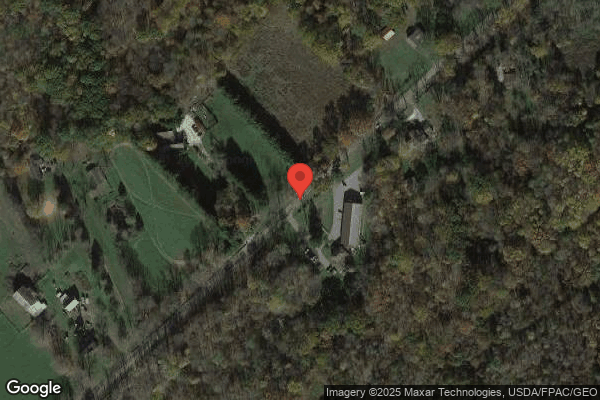
MEADOWBROOK MANOR

3090 FIVE POINTS HARTFORD, FOWLER, OH 44418 (330) 772-5253
For profit - Corporation 54 Beds AOM HEALTHCARE Data: November 2025 1 Immediate Jeopardy citation
Trust Grade
53/100
#294 of 913 in OH
Last Inspection: May 2025

Inspected within the last 6 months. Data reflects current conditions.

Overview

Meadowbrook Manor in Fowler, Ohio, has a Trust Grade of C, indicating that it is average-right in the middle of the pack. It ranks #294 of 913 facilities in Ohio, placing it in the top half, and #4 out of 17 in Trumbull County, meaning there are only three local options that are better. Unfortunately, the facility is worsening, with issues increasing from 2 in 2024 to 7 in 2025. Staffing is a concern, with a rating of 2 out of 5 stars and a turnover rate of 71%, significantly higher than the state average of 49%. On a positive note, there have been no fines, which is good news, and the facility has average RN coverage, which is important for catching potential problems. However, there have been critical incidents, including a resident being discharged to a homeless shelter without proper planning or follow-up care, which put them at risk. Additionally, the facility failed to provide adequate evening snacks for residents and did not ensure that call lights were accessible to several residents, posing potential safety issues. Overall, while there are some strengths, families should be aware of the concerning trends and specific incidents that could affect care.

Trust Score
C
53/100
In Ohio
#294/913
Top 32%
Safety Record
High Risk
Review needed
Inspections
Getting Worse
2 → 7 violations
Staff Stability
⚠ Watch
71% turnover. Very high, 23 points above average. Constant new faces learning your loved one's needs.
Penalties
✓ Good
No fines on record. Clean compliance history, better than most Ohio facilities.
Skilled Nurses
⚠ Watch
Each resident gets only 25 minutes of Registered Nurse (RN) attention daily — below average for Ohio. Fewer RN minutes means fewer trained eyes watching for problems.
Violations
⚠ Watch
16 deficiencies on record. Higher than average. Multiple issues found across inspections.
★★★★☆
4.0
Overall Rating
★★☆☆☆
2.0
Staff Levels
★★★★★
5.0
Care Quality
★★★☆☆
3.0
Inspection Score
Stable
2024: 2 issues
2025: 7 issues

The Good

  • 5-Star Quality Measures · Strong clinical quality outcomes
  • Full Sprinkler Coverage · Fire safety systems throughout facility
  • No fines on record

Facility shows strength in quality measures, fire safety.

The Bad

Staff Turnover: 71%

25pts above Ohio avg (46%)

Frequent staff changes - ask about care continuity

Chain: AOM HEALTHCARE

Part of a multi-facility chain

Ask about local staffing decisions and management

Staff turnover is very high (71%)

23 points above Ohio average of 48%

The Ugly 16 deficiencies on record

1 life-threatening
Aug 2025 2 deficiencies
CONCERN (D) 📢 Someone Reported This

A family member, employee, or ombudsman was alarmed enough to file a formal complaint

Potential for Harm - no one hurt, but risky conditions existed

Investigate Abuse (Tag F0610)

Could have caused harm · This affected 1 resident

**NOTE- TERMS IN BRACKETS HAVE BEEN EDITED TO PROTECT CONFIDENTIALITY** Based on record review, interview, facility self-reported incident (SRI) and investigation review, the facility failed to ensure...

Read full inspector narrative →
**NOTE- TERMS IN BRACKETS HAVE BEEN EDITED TO PROTECT CONFIDENTIALITY** Based on record review, interview, facility self-reported incident (SRI) and investigation review, the facility failed to ensure a SRI was thoroughly investigated related to an allegation of resident-to-resident sexual abuse. This affected two residents (#16 and #49) of five residents reviewed for abuse. The facility census was 47. Findings include: 1. Review of the medical record for Resident #16 revealed an admission date of 05/06/24. Diagnoses included dementia, diabetes, chronic obstructive pulmonary disease (COPD), kidney disease, restlessness and agitation, and anxiety. Review of the care plan dated 05/01/25 revealed Resident #16 wandered up and down hallways and into other resident's rooms. Interventions included engaging the resident in activities, moving him into a less stimulating area and redirecting him as needed. Resident #16 also made sexually inappropriate advances towards staff members and mistook a female resident as his wife, becoming verbally and physically aggressive when redirected. Interventions included analyzing key times, places, circumstances, and triggers and documenting, assessing, and anticipating the residents' needs, administering medication as ordered and psychiatric consultations as needed. Review of the nursing dated 06/21/25 at 6:15 P.M. revealed Resident #16 was noted to be completely naked sitting on the side of his bed. The behavior was identified as new for the resident, and he was placed on 15-minute checks while he was in his room. Review of the quarterly Minimum Data Set (MDS) assessment dated [DATE] revealed Resident #16 was severely cognitively impaired. He required setup help for eating, oral hygiene, toileting, supervision for showering and substantial or maximum assistance for personal hygiene. He displayed behaviors including but not limited to hitting or scratching himself, pacing, public sexual acts, and disrobing in public. Review of the Psychiatric Nurse Practitioner (NP) #202's note dated 07/02/25 revealed she was asked to see Resident #16 due to an episode of sexually inappropriate behavior. According to facility staff, Resident #16 was found nude and exposed himself to another resident. The Director of Nursing (DON) revealed Resident #16 had been on medication in the past for sexually inappropriate behaviors. She placed Resident #16 on Tagamet for sexually inappropriate behavior. Review of the physicians' orders for August 2025 revealed an order for Tagamet 200 milligrams (mg) at bedtime for unspecified mood disorder. The order began on 07/04/25. 2. Review of the medical record for Resident #49 revealed an admission date of 08/18/21 and a discharge date of 08/18/25. Diagnoses included dementia, anxiety, insomnia, depression and a need for assistance with personal care. Review of the care plan dated 06/10/25 revealed Resident #49 had a communication problem and was able to respond with general, yes or no responses. Interventions included anticipating the resident's needs, encouraging the resident to state her thoughts even if having difficulty, asking yes or no questions, and monitoring for physical or nonverbal indicators of distress. Review of the comprehensive MDS assessment dated [DATE] revealed Resident #49 was severely cognitively impaired. She was dependent on staff for all activities of daily living and displayed no behaviors. Review of the nursing note dated 08/13/25 at 9:00 P.M. revealed Resident #16 was observed in Resident #49's room sitting on her bed. Resident #49's incontinence brief was opened and down. Resident #16 was observed rubbing Resident #49's private area inappropriately. Resident #16 was asked to leave the room and placed on one-to-one supervision. Both Resident #16 and Resident #49's physicians and responsible parties were notified. Review of SRI tracking number 264021 dated 08/13/25 revealed on 08/13/25 at approximately 9:00 P.M., Licensed Practical Nurse (LPN) #200 observed Resident #16 in Resident #49's room sitting on her bed. Resident #16 was observed rubbing Resident #49's private area inappropriately. LPN #200 asked Resident #16 to leave the room, and he was placed on one-to-one supervision. The Administrator and DON were notified. LPN #200 and the DON performed a full body assessment on Resident #49, and no injuries were noted. Resident #49's physician was notified, and she was placed on 15-minute checks. Witness statements obtained in the investigation revealed no evidence when Resident #16 was last seen or checked on by staff prior to the incident to determine how long the Resident #16 was in Resident #49's room. Interview on 08/26/25 at 10:14 A.M. with the DON revealed he received a call from LPN #200 on 08/13/25 informing him Resident #16 was sitting on Resident #49's bed. Resident #49 was described as sitting on the edge of her bed with her incontinence brief down. Resident #16 was touching her private area. LPN #200 immediately separated the residents and assessed Resident #49; no negative findings were discovered. Resident #16 was placed on one-to-one supervision, and Resident #49 was placed on 15-minute checks. Both residents' physicians and families were notified. A referral was made to a psychiatric inpatient facility for Resident #16; Resident #16 remained on one-to-one supervision until the transfer to the inpatient psychiatric facility took place. Resident #49 was seen by her psychiatric care team the following day and was assessed with no changes in psychiatric or mental status noted. The DON denied having any knowledge Resident #16 had any history of sexually inappropriate behaviors. Interview on 08/27/25 at 7:25 A.M. with Social Service Designee (SSD) #208 revealed she was aware Resident #16 had a history of wandering but was generally redirectable. She could not verify when the resident had last been checked on prior to the incident and confirmed the resident was not on any type of increased supervision or checks at the time of the incident. She verified the investigation could have been more thorough and included more specific information regarding when Resident #16 had last been seen to determine how long Resident #16 was in Resident #49's room. Interview on 08/28/25 at 3:57 P.M. with LPN #200 revealed she entered Resident #49's room to give her medications and saw Resident #16 sitting on her bed. Resident #49's incontinence brief was open, and his fingers were in her vagina. She could not recall if she asked him what he was doing or what Resident #49's reaction was to the situation. She could not verify what time she had seen either resident prior to the incident. The facility did not have a policy related to investigation of SRI's. This deficiency represents noncompliance investigated under Complaint Number 2959789.
CONCERN (D) 📢 Someone Reported This

A family member, employee, or ombudsman was alarmed enough to file a formal complaint

Potential for Harm - no one hurt, but risky conditions existed

Accident Prevention (Tag F0689)

Could have caused harm · This affected 1 resident

**NOTE- TERMS IN BRACKETS HAVE BEEN EDITED TO PROTECT CONFIDENTIALITY** Based on record review, interview and facility policy review, the facility failed to ensure Resident #16, who was cognitively im...

Read full inspector narrative →
**NOTE- TERMS IN BRACKETS HAVE BEEN EDITED TO PROTECT CONFIDENTIALITY** Based on record review, interview and facility policy review, the facility failed to ensure Resident #16, who was cognitively impaired and had a history of wandering and sexually inappropriate behaviors, received appropriate supervision to ensure the safety of Resident #49. This affected two residents (#16 and #49) of five reviewed for abuse and behavior monitoring. The facility census was 47. Findings include: 1. Review of the medical record for Resident #16 revealed an admission date of 05/06/24. Diagnoses included dementia, diabetes, chronic obstructive pulmonary disease (COPD), kidney disease, restlessness and agitation, and anxiety. Review of the care plan dated 05/01/25 revealed Resident #16 wandered up and down hallways and into other resident's rooms. Interventions included engaging the resident in activities, moving him into a less stimulating area and redirecting him as needed. Resident #16 also made sexually inappropriate advances towards staff members and mistook a female resident as his wife, becoming verbally and physically aggressive when redirected. Interventions included analyzing key times, places, circumstances, and triggers and documenting, assessing, and anticipating the residents' needs, administering medication as ordered and psychiatric consultations as needed. Review of the nursing dated 06/21/25 at 6:15 P.M. revealed Resident #16 was noted to be completely naked sitting on the side of his bed. The behavior was identified as new for the resident, and he was placed on 15-minute checks while he was in his room. Review of the quarterly Minimum Data Set (MDS) assessment dated [DATE] revealed Resident #16 was severely cognitively impaired. He required setup help for eating, oral hygiene, toileting, supervision for showering and substantial or maximum assistance for personal hygiene. He displayed behaviors including but not limited to hitting or scratching himself, pacing, public sexual acts, and disrobing in public. Review of the psychiatric Nurse Practitioner (NP) #202's note dated 07/02/25 revealed she was asked to see Resident #16 due to an episode of sexually inappropriate behavior. According to facility staff, Resident #16 was found nude and exposed himself to another resident. The Director of Nursing (DON) revealed Resident #16 had been on medication in the past for sexually inappropriate behaviors. She placed Resident #16 on Tagamet for sexually inappropriate behavior. Review of the physicians' orders for August 2025 revealed an order for Tagamet 200 milligrams (mg) at bedtime for unspecified mood disorder. The order began on 07/04/25. 2. Review of the medical record for Resident #49 revealed an admission date of 08/18/21 and a discharge date of 08/18/25. Diagnoses included dementia, anxiety, insomnia, depression and a need for assistance with personal care. Review of the care plan dated 06/10/25 revealed Resident #49 had a communication problem and was able to respond with general, yes or no responses. Interventions included anticipating the resident's needs, encouraging the resident to state her thoughts even if having difficulty, asking yes or no questions, and monitoring for physical or nonverbal indicators of distress. Review of the comprehensive MDS assessment dated [DATE] revealed Resident #49 was severely cognitively impaired. She was dependent on staff for all activities of daily living and displayed no behaviors. Review of the nursing note dated 08/13/25 at 9:00 P.M. revealed Resident #16 was observed in Resident #49's room sitting on her bed. Resident #49's incontinence brief was opened and down. Resident #16 was observed rubbing Resident #49's private area inappropriately. Resident #16 was asked to leave the room and placed on one-to-one supervision. Both Resident #16 and Resident #49's physicians and responsible parties were notified. Interview on 08/26/25 at 10:14 A.M. with the DON revealed he received a call from Licensed Practical Nurse (LPN) #200 on 08/13/25 informing him Resident #16 was sitting on Resident #49's bed. Resident #49 was described as sitting on the edge of her bed with her incontinence brief down. Resident #16 was touching her private area. LPN #200 immediately separated the residents and assessed Resident #49; no negative findings were discovered. Resident #16 was placed on one-to-one supervision, and Resident #49 was placed on 15-minute checks. Both residents' physicians and families were notified. A referral was made to a psychiatric inpatient facility for Resident #16; Resident #16 remained on one-to-one supervision until the transfer to the inpatient psychiatric facility took place. Resident #49 was seen by her psychiatric care team the following day and was assessed with no changes in psychiatric or mental status noted. The DON denied having any knowledge Resident #16 had any history of sexually inappropriate behaviors. Interview on 08/26/25 at 1:19 P.M. with LPN #203 revealed Resident #16 did have a history of wandering, he typically wandered into other people's bedrooms and bathrooms. She said the facility did the best they could in redirecting and monitoring him, but she had no knowledge of the resident being on any type of increased supervision prior to the incident with Resident #49. Interview on 08/26/25 at 1:25 P.M. with Certified Nurse Aide (CNA) #204 revealed she had no knowledge of Resident #16 ever being sexually inappropriate with any other resident; however, she was aware that he wandered and while it was difficult at times, the facility attempted to redirect him as much as possible. She confirmed there was no increased level of supervision immediately prior to the incident occurring with Resident #49, and no tracking in place to verify when Resident #16 had last been checked on. Interview on 08/26/25 at 2:07 P.M. with Resident #49's sister revealed she was aware Resident #16 had a history of wandering, and during her visits to the facility, she felt he had been wandering more frequently prior to the incident, in and out of people's rooms and sitting on their beds. She visited Resident #49 the morning after the incident was reported to her and revealed Resident #49 gave no indication of the incident the night prior and did not seem in any distress. She spoke with the former Administrator who confirmed Resident #16 was being transferred for psychiatric care but may return to the facility upon discharge. Resident #49's sister spoke with her family and felt it was in Resident #49's best interest to have her moved to a different facility. Interview on 08/27/25 at 7:25 A.M. with Social Service Designee (SSD) #208 revealed she was aware Resident #16 had a history of wandering but was generally redirectable. She could not verify when the resident had last been checked on prior to the incident on 08/13/25, and confirmed there was no discussion of the need for Resident #16 to be on any kind of increased supervision or checks after his visit from psychiatric NP #202 on 07/02/25. Interview on 08/27/25 at 12:48 P.M. with Corporate Risk Manager #207 revealed the psychiatric NP #202 note dated 07/02/25 regarding Resident #16 being sexually inappropriate was in reference to the resident being found sitting naked on his bed on 06/21/25. At that time the facility implemented 15-minute checks while the resident was in his room and discontinued those checks on 07/02/25 when psychiatric NP #202 saw him and started him on medications. Interview on 08/28/25 at 3:57 P.M. with LPN #200 revealed she entered Resident #49's room to give her medications and saw Resident #16 sitting on her bed. Resident #49's incontinence brief was open, and his fingers were in her vagina. She could not recall if she asked him what he was doing or what Resident #49's reaction was to the situation. She could not verify what time she had last seen either resident. She confirmed neither resident was on 15-minute checks, one to one supervision or any other type of additional supervision or monitoring immediately prior to this incident. Review of the facility policy titled Behavioral Assessment, Intervention and Monitoring, dated March 2019, revealed The interdisciplinary team (IDT) put evaluate behavioral symptoms to determine the degree of severity, distress and potential safety risk to the resident. Safety strategies would be implemented to protect the resident and others from harm. Interventions would be adjusted based on the impact of the behavior. This deficiency represents noncompliance investigated under Incident Number 2600512 and Complaint Number 2595789.
Jul 2025 1 deficiency 1 IJ
CRITICAL (J) 📢 Someone Reported This

A family member, employee, or ombudsman was alarmed enough to file a formal complaint

Immediate Jeopardy (IJ) - the most serious Medicare violation

Deficiency F0627 (Tag F0627)

Someone could have died · This affected 1 resident

**NOTE- TERMS IN BRACKETS HAVE BEEN EDITED TO PROTECT CONFIDENTIALITY** Based on closed medical record review, review of the facility Resident Transfer and Discharge Policy and interviews, the facilit...

Read full inspector narrative →
**NOTE- TERMS IN BRACKETS HAVE BEEN EDITED TO PROTECT CONFIDENTIALITY** Based on closed medical record review, review of the facility Resident Transfer and Discharge Policy and interviews, the facility failed to provide a safe discharge to an appropriate location for Resident #49. On 05/20/25 Resident #49 was discharged to a homeless shelter with no referral for follow up care, no access to transportation and no evidence the resident's representative/emergency contact was involved in the discharge planning process or aware of the resident's discharge to the homeless shelter. In addition, there was no evidence Resident #49 was safe to discharge to this location. Upon arrival to the shelter, staff at the shelter identified Resident #49 was not appropriate to remain there and the resident voiced she wanted to return to the facility; however, the facility failed to allow the resident to return. This resulted in Immediate Jeopardy and the potential for actual harm, injury or death beginning on 07/01/25 when Resident #49's, who had diagnoses including diabetes, chronic obstructive pulmonary disease (COPD), hypertension, depression, anxiety, and cocaine dependence whereabouts could not be determined. This affected one (Resident #49) of three residents reviewed for discharge. The facility census was 47. On 07/02/25 at 4:52 P.M., the Administrator was notified Immediate Jeopardy began on 07/01/25 when the location of Resident #49 could not be determined after the facility discharged the resident (on 05/20/25) to a homeless shelter. Information obtained during the investigation revealed concerns identified by the local ombudsman as well as homeless shelter staff related to the homeless shelter not being an adequate or appropriate and safe discharge location for Resident #49. The Immediately Jeopardy was removed on 07/03/25 when the facility implemented the following corrective actions: • On 07/02/25 an Ad Hoc Quality Assurance Performance Improvement (QAPI) meeting was held with the interdisciplinary team (IDT) to discuss an incident report completed by the Administrator and Director of Nursing (DON) regarding the discharge process for Resident #49 who discharged from the facility on 05/20/25. Root cause analysis and preventative measures were discussed. The discharge policy was reviewed, and no changes were made to the policy. Those attending included the Administrator, Director of Nursing (DON), Assistant Director of Nursing (ADON), Social Worker, Minimum Data Set (MDS) nurse, Medical Director, Regional Director of Clinical (RDC), Regional Director of Operations, and Admissions Employee. • On 07/02/25 six of six LPNs, four of four RNs, and one Social Service Designee (SSD)/case manager, admissions director, respiratory therapist received education on safe discharge criteria and federal regulation F627 by the Administrator and/or DON who would validate that the staff read and understood the content by verbal return demonstration. All agency nurses who had worked at the facility from 07/02/25 to 07/08/25 received the education and this would continue for agency nurses for at least two weeks. • On 07/03/25 the Administrator phoned the Youngstown Police Department and contacted the Rescue Mission to see if Resident #49 had been reported as a missing person. The facility plan included if the facility could locate Resident #49 and Resident #49 wanted to return due to being in an unsafe situation, the facility would attempt to get Resident #49 assessed for emergency PAS-RR and level of care as an immediate intervention, including transportation and re-admission if necessary and appropriate. • On 07/03/25 the [NAME] President of Operations expanded staff education related to safe discharge criteria and the regulation at F627 to all staff via the electronic education dissemination and would validate that the staff read and understood the content via return verbal demonstration. • On 07/03/25 the Administrator audited all in-house residents' medical records and care plans for any upcoming plans for discharge, to determine how many residents had plans for discharge and to ensure safe discharge would be completed. The facility identified there were no residents with upcoming discharge, as all current residents were identified as long-term care residents. • On 07/03/25 the Administrator contacted the Ombudsman and Home Choice Program to discuss present and future collaboration regarding discharge planning, in order to prevent reoccurrence. • The facility implemented a plan for the Administrator and/or DON to do monthly audits of 100% of discharges for the next three months prior to discharge to ensure they meet the requirements of F627. • The facility implemented a plan for the Administrator and/or DON to complete an audit on all new admissions to the facility to ensure all new admissions had discharge planning in their care plan per the resident's preference. Audits would be conducted five to seven times a week for four weeks, then as needed, as determined by QAPI meetings. • After three months, the facility would reduce audit frequency as determined by the QAPI committee. Although the Immediate Jeopardy was removed on 07/03/25, the deficiency remains at Severity Level 2 (no actual harm with the potential for more than minimal harm that is not Immediate Jeopardy) as the facility was in the process of implementing their corrective action plan and monitoring to ensure on-going compliance. Findings include: Review of the closed medical record for Resident #49 revealed an admission date of 02/21/25 and a discharge date of 05/20/25. Resident #49 had diagnoses including diabetes, chronic obstructive pulmonary disease (COPD), hypertension, depression, anxiety, and cocaine dependence. Resident #49's sister was listed as her emergency contact. The resident's primary payer type on admission was noted to be Medicaid. Review of Resident #49's referral admission paperwork dated 02/03/25 revealed Resident #49 required assistance for safe medication administration, supervision and direction for activities of daily living (ADL) and medical and mental health management related to diabetes, anxiety, depression and COPD. Record review revealed Resident #49 admitted to the facility from a drug and alcohol rehabilitation center where she had been admitted on [DATE] after a hospitalization for depression. It was noted that the resident had reported being homeless in the Columbus area prior to her hospitalization. The discharge plan from the drug and alcohol rehabilitation center included the resident had come from a drug and alcohol rehab in Cleveland. The resident reported to be homeless in Columbus prior to that stay as well. The discharge plan from the drug rehab including Discharge Planning: Social work to follow patient to establish with primary care provider (PCP). Patient will need to establish with psychiatry for chronic mental health needs. Care team will need to determine the current level of support and recommend a significant comprehensive relapse prevention plan in place at time of discharge. Recommend sober living to provide safe, supportive drug and alcohol-free living environments, to provide peer accountability and support alongside regular drug testing and house meetings and Intensive Outpatient Program (IOP). Sober Living/Medication Assisted Treatment (MAT) provider. Review of the physician's orders for May 2025 revealed the resident had orders for the following medications: Topamax 50 milligrams (mg) every morning and at bedtime for mood disorder, Humalog 100 milliliters (ml) given on a sliding scale before meals and at bedtime for diabetes, Omeprazole 40 mg every morning and at bedtime for indigestion, Quetiapine 25 mg at bedtime for depression, Atorvastatin 40 mg at bedtime for cholesterol, Seroquel 100 mg at bedtime for depression, Amlodipine 10 mg by mouth once per day for hypertension, Duloxetine 60 mg one time per day for depression, Januvia 50 mg one time per day for diabetes, Alogplitin 12.5 mg one time per day for diabetes, Methocarbamol 500 mg three times per day for muscle spasms. In addition, the resident had a physician order for monitoring blood glucose levels every 24 hours for diabetes. Review of the baseline care plan dated 02/21/25 revealed Resident #49's initial discharge plan was to remain in the facility. Review of a facility document titled Care Plan Conference Summary, dated 02/24/25 and authored by Social Service Designee (SSD) #214 revealed Resident #49 had moderate cognitive impairment with a Brief Interview for Mental Status (BIMS) score of 12 out of 15. Resident #49's discharge potential was marked homeless. There were no special requests for discharge. Under the summary of discussion section, it was noted D/C (discharge) plan: wants to D/C to Columbus, Ohio, homeless. Sister lives in Columbus, won't let R stay with her. However, no comprehensive care plan was developed or implemented related to the information contained on the care plan conference summary to ensure adequate and proper discharge planning was in place for the resident. Review of the comprehensive Minimum Data Set (MDS) assessment, dated 02/28/25, revealed Resident #49 had intact cognition. The assessment included Resident #49 was independent for toileting, required (staff) supervision for dressing and personal hygiene and staff set-up help for eating and oral hygiene. The MDS noted the resident's goal was to discharge to the community. Review of a Case Note Report dated 03/17/25 completed by Long Term Care Consultation (LTCC) Employee #210 revealed an in-person visit was completed at the facility to review generation of participating provider level of care (PAR LOC) with Resident #49 and LTCC Employee #210. The facility social worker was in morning meeting during the LTCC. Documentation on the report revealed Resident #49 appeared alert and oriented to person, place, and time and able to actively participate in the consultation process. Resident #49 reported diabetes, blood clot in lung, mental health diagnosis, and minor weakness. A falls risk tool completed revealed some fall risks were identified at this time, such as weakness, diabetes, and many medications taken. Discussion of in-home services available to reduce fall risks, emergency response system (ERS), as well as encouragement of continued use of durable medical equipment (DME), consultation of physician, and removal of throw rugs and other fall hazards. The assessment revealed Resident #49 required hands-on assistance with instrumental activities of daily living (IADL). (IADL included managing finances, shopping for groceries, preparing meals, housekeeping, transportation, etc.). The documentation included it was not clear if Resident #49 was realistic about all her needs. Resident #49 said she could self-medicate but currently received set-up and prompting. Currently, family and friends could not offer regular support throughout the week. She reported she had a sister in Columbus. No informal support received. She stated she was on a list for apartments from the work of a social worker but does not recall details. All criteria discussed for Medicaid, low-income housing (LIH), home energy assistance program (HEAP), Assisted Living Waiver Program (ALWP), Family Caregiver Support Program (FCSP), and community resources, including Title III and Sr. [NAME]. Information for Veterans Service Commission and services available through Veteran's Affairs (VA) were discussed and offered. Information on community resources was discussed and provided to Resident #49. A Community Service Plan was developed with Resident #49's input for community discharge assistance (Home Choice), Assisted Living (AL) Waiver/PASPORT (Direction Home, and Title III services ([NAME] County). Numbers were provided for utilization. Resident #49 was provided with contact information for all providers mentioned in the Community Plan. Information on the appeal rights process was discussed and how to request a hearing. The note indicated Resident #49 would continue to work with the social worker and call on her own, as requested. Resident #49 was aware she could request another consultation if her needs changed. Contact information, information/pamphlets discussed, and Community Service Plan was completed and provided. Record review revealed no facility comprehensive care plan was developed or implemented related to the information contained on the case note report following the review completed on 03/17/25 to address the resident's discharge planning needs and/or to ensure an adequate and proper discharge planning was in place for the resident Record review revealed a 30-day discharge notice was issued to Resident #49 dated 05/09/25. The document revealed a 30-day discharge notice was issued on this date for non-payment and due to Resident #49 significantly improving enough that she no longer needed services provided by the facility. The proposed discharge location on the 30-day notice was to a homeless shelter- the Rescue Mission of the Mahoning Valley. Review of an Administrator note dated 05/14/25 at 10:57 A.M. revealed Resident #49 received a call from the Ombudsman (#209) concerning the 30-day discharge. The Ombudsman requested the facility assist the resident with an application for Home Choice (the Home Choice program is a Medicaid initiative designed to help adults age [AGE] and over leave long-term institutional settings, like nursing homes, hospitals, or intermediate care facilities, and return to living in their own homes or community-based settings). The note included an application was sent for the Home Choice Program (reference number 202505141C6R). Further review of the medical record revealed no evidence the facility administration had followed up on Resident #49's discharge plan to go to Columbus or to help her apply to Home Choice until the Ombudsman called the facility on 05/14/25. Review of Resident #49's plan of care revealed no care plan was developed related to the resident's desire to discharge to the community or following the referral made to Home Choice. Review of the physician's orders revealed a verbal order dated 05/20/25 from Medical Director #205 to discharge Resident #49. Review of the progress note dated 05/20/25 authored by Admissions #208 revealed Resident #49 was discharged to a local homeless shelter on 05/20/25 via a private vehicle, after Admissions #208 spoke with Director of Women and Families (DWF) #203 (from the homeless shelter) and completed an intake assessment. Resident #49 was discharged with her personal belongings and remaining medications. The note included Resident #49 chose to relocate to the shelter. She did not require home health or medical equipment. Review of the Discharge summary dated [DATE] revealed Resident #49 was discharged to a local homeless shelter with her medications. There was no documented evidence that this information was shared with the Rescue Mission. There were no prescriptions sent, and no follow-up appointments scheduled. Review of the resident's medical record revealed no additional social service notes/discharge planning notes during this time period or after the Care Plan Conference Summary Note (dated 02/24/25). Interview on 07/01/25 at 9:14 AM with Resident #49's sister revealed she was not contacted by the facility to discuss the resident's discharge plan. She stated if they would have asked her if she was able to care for her sister, she would have said no because she did not have room, but they did not contact her. The resident's sister was not able to provide any additional information as to the resident's current location. Interview on 07/01/25 at 9:51 A.M. with the Administrator revealed Resident #49 along with Admissions #208 spoke to the homeless shelter and completed a phone assessment prior to discharge on [DATE]. The Administrator stated Resident #49 was told the homeless shelter could help take care of all her appointments and medications. The resident did not have a debit card and to obtain one, she would need a driver's license, which the Administrator reported the homeless shelter told her they could assist her with. Per the Administrator, at that point, Resident #49 decided she did not want to stay (in the facility) until 06/09/25, which would be 30 days after the discharge notice was issued, and she chose to leave on 5/20/25. The Administrator confirmed the facility did not attempt to place the resident at any other location because the Administrator stated the resident was anxious to leave. The Administrator also indicated Resident #49's family was contacted, and no one would allow the resident to stay with them. However, there was no documentation contained in the resident's medical record to support this. Interview on 07/01/25 at 9:57 A.M. with DWF #203 revealed Resident #49 called into the homeless shelter with a representative from the facility to complete a pre-intake assessment on 05/20/25. However, when she arrived (on 05/20/25), her abilities did not match what she and the representative told them she was able to do. The resident needed to be able to ambulate throughout the building independently as well as climb stairs to sleep in a top [NAME]. DWF #203 said Resident #49 had difficulty walking on the sidewalk on the way toward the building and needed help carrying her belongings. She also could not climb the first step on the ladder to reach the top [NAME]. The homeless shelter determined the resident was not an appropriate fit to stay, and the resident wanted to return to the facility. However, when they contacted the facility, an unidentified person (believed to be a nurse) said they could not take the resident back because they did not accept discharged residents, and Resident #49 was not allowed to return due to lack of payment. The resident was permitted to stay overnight at the shelter but then left the next day. DWF #203 revealed the current location of the resident was unknown. During the interview, DWF #203 also confirmed staff at the shelter did not make appointments for residents, did not have physicians on staff, did not provide any type of transportation and had no social services available. They were a first come, first serve emergency shelter only. Interview on 07/01/25 at 10:12 A.M. with Licensed Practical Nurse (LPN) #204 revealed she was the nurse on duty who discharged Resident #49 on 05/20/25. She said the resident appeared content at the time of discharge and was hoping to eventually get herself back to the Columbus area, where she was originally from. The LPN stated the resident was discharged with approximately two weeks' worth of medications. Interview on 07/01/25 at 11:30 A.M, with Medical Director (MD) #205 revealed she was told by the facility that Resident #49 wanted to discharge to the homeless shelter. While MD #205 stated she felt this was an odd discharge plan because nursing home residents were not typically discharged to a homeless shelter, she did not oppose the resident's plan since the resident was cognitively intact. She denied having any documentation of her knowledge of the discharge or an order to discharge Resident #49. Interview 07/01/25 at 12:58 P.M. with Admissions #208 and the Administrator revealed the homeless shelter did not require any information to be sent to them regarding the resident's care needs. The Administrator revealed she was told the homeless shelter's physician would see Resident #49 and ensure she could continue getting her medications. Interview on 07/01/25 at 3:11 P.M. with Ombudsman #209 revealed she had spoken with Resident #49 along with the Administrator after the facility issued the resident the 30-day discharge notice (exact date not recalled). She stated she had asked Resident #49 what she would like to do, and the resident stated she would like to get her own place. Resident #49 stated she did not want to go to a homeless shelter. She stated the Administrator agreed to apply for the Home Choice program at that point. At the time of the interview, Ombudsman #209 had no information on Resident #49's current whereabouts or status. Interview on 07/02/25 at 8:43 A.M. with the Administrator revealed Admissions #208 contacted homeless shelters in [NAME] County (where Resident #49 previously resided) and was told they could not assist with placement until Resident #49 resided in [NAME] County. The Administrator revealed Resident #49 received a phone call from Ombudsman #209 on 05/14/25 regarding the 30-day notice. Ombudsman #209 requested the facility assist the resident with the Home Choice application, which was completed. The Administrator revealed Resident #49 did not want to reside in [NAME] County and would not have qualified for the Home Choice program because she had no income. (However, Resident #49 has SSI in the amount of $974 per month). At the time of the interview, the Administrator thought Resident #49 was still at the homeless shelter but denied knowledge of the resident's actual whereabouts as of this date. Interview on 07/02/25 at 1:18 P.M. with Ombudsman #209 revealed Resident #49 told her she received SSI in the amount of $974 per month. She also confirmed Resident #49 told her and the Administrator, she did not want to go to a homeless shelter, she wanted a place of her own. Ombudsman #209 stated that she talked to the facility about the Home Choice program first before having to take the case to an appeal. On 07/07/25 at 8:16 A.M. interview with the Administrator revealed she was the person who drove Resident #49 to the Rescue Mission on 05/20/25. The Administrator revealed the resident was taken in a personal vehicle to the shelter. Interview on 07/07/25 at 9:23 AM with Assistant Director of Ombudsman #211 revealed the Administrator called on 07/06/26 and asked very general questions related to what was expected when they discharged a resident. The Administrator did not discuss or ask anything specific about Resident #49. Review of the email communication dated 07/08/25 of the case notes from Transition Coordinator (TC) #215 revealed the Home Choice assessment review took place 06/02/25. The assessment included Resident #49 needed some physical assistance with dressing and bathing such as set up and cues. The resident required total assistance with set up and reminders for Humalog injections. A call was made on 06/03/25 by TC #215 to the facility since the resident did not have a telephone. TC #215 was told by the facility Resident #49 was no longer at the facility and was sent to the Rescue Mission of the Mahoning Valley on 05/20/25. The case was closed on 06/04/25 due to the resident being discharged after the assessment without home choice assistance. Interview on 07/08/25 at 1:51 PM with Assistant Director of Ombudsman #211 revealed she believed Resident #49 was assessed for the Home Choice program on 05/19/25 and approved the same date. Review of facility undated policy titled Resident Transfer and Discharge Policy and Procedure revealed the facility would discharge residents in a safe manner to include the specific services the receiving facility would provide to meet the needs of the resident, documentation of the discharge by the physician, contact information for the practitioner responsible for providing care for the resident, resident representative information including contact information and all necessary information relevant to the residence discharge to ensure continuity of care. This deficiency represents noncompliance investigated under Complaint Number OH00167024.
May 2025 4 deficiencies
CONCERN (D)

Potential for Harm - no one hurt, but risky conditions existed

Deficiency F0569 (Tag F0569)

Could have caused harm · This affected 1 resident

Based on record review, interview and policy review, the facility failed to refund resident funds within 30 days of discharge. This affected two residents (#253 and #254) of six residents (#2, #5, #15...

Read full inspector narrative →
Based on record review, interview and policy review, the facility failed to refund resident funds within 30 days of discharge. This affected two residents (#253 and #254) of six residents (#2, #5, #15, #24, #253 and #254) reviewed for resident funds. The facility census was 47. Findings include: 1. Review of resident records for Resident #253 revealed an initial admission date of 09/12/14 and a discharge date of 11/15/24. Diagnosis included schizoaffective disorder bipolar type. A review of the face sheet for Resident #253 revealed they had a court appointed guardian. Review of the discharge Minimum Data Set (MDS) assessment revealed Resident #253 had severe cognitive impairment. Review of the facility document titled Resident Fund Authorization revealed resident #253 authorized the facility to hold, safeguard and account for personal funds. The document was signed by Resident #253 on 09/08/15. On 05/28/25 at 11:00 A.M. a review of the resident fund account for Resident #253 revealed on 01/07/25 the facility distributed check #1901 in the amount of $5,588.60 to the guardian of Resident #253 to close the resident fund account. However, deposits and withdrawls from the account continued as followed: • 02/03/25 a deposit from Social Security (SS) in the amount of $917.30. • 02/28/25 an interest deposit of $1.69. • 03/03/25 a SS deposit of $917.30 • 03/12/25 check #1917 in the amount of $1836.29 was issued to the guardian of Resident #253. • 04/01/25 a deposit labeled pension in the amount of $917.30. • 04/03/25 a SS deposit in the amount of $2556.00. • 04/30/25 an interest deposit of $5.17. • 05/01/25 a deposit labeled pension in the amount of $917.30. • 05/02/25 check #1925 in the amount of $2561.17 was issued as a return to SS and check #1924 for $1834.60 issued as a return to Railroad Retirement Fund. • 05/15/25 check #1927 for $852.00 issued to SS and SS was notified in writing that Resident #253 was discharged from the facility on 11/15/24. On 05/28/25 at 12:30 P.M. an interview with the Administrator verified the aforementioned accounting for Resident #253, and stated Social Security kept making deposits. The Administrator also verified the notification to Social Security regarding the discharge of Resident #253 did not occur until 05/15/25. The Administrator also verified the closure of the resident fund account occurred past 30 days post discharge for Resident #253. 2. Review of resident records for Resident #254 revealed an admission date of 11/07/24 and a discharge date of 11/09/24. Significant diagnoses included schizoaffective disorder, bipolar type, anxiety, and major depression. A review of the face sheet for Resident #254 revealed they were their own responsible party. The face sheet also listed a daughter as power of attorney for financial matters. A clinical admission note dated 11/07/24 revealed Resident #254 to be alert and oriented to person, place and time. A review of the facility document titled Resident Fund Authorization revealed resident #254 authorized the facility to hold, safeguard and account for personal funds. The document was signed by Resident #254 on 09/30/20. On 05/28/25 at 11:15 A.M. a review of resident fund accounts revealed on 01/03/25 the facility issued check #1898 in the amount of $1975.07 to the nursing facility where Resident #254 transferred to on 11/09/24. On 05/28/25 at 12:30 P.M. an interview with the Administrator revealed the date of 09/30/20 on the fund authorization for Resident #254 was correct as Resident #254 had transferred from a sister facility that closed. The Administrator verified the closure of the account for Resident #254 occurred 01/03/25 and past 30 days post discharge. A review of the document titled Resident admission Agreement revealed on page 20 funds to be disbursed within 30 days of discharge or death. A review of the document titled Resident Fund Authorization revealed upon discharge account will be closed and funds returned.
CONCERN (D)

Potential for Harm - no one hurt, but risky conditions existed

Deficiency F0604 (Tag F0604)

Could have caused harm · This affected 1 resident

**NOTE- TERMS IN BRACKETS HAVE BEEN EDITED TO PROTECT CONFIDENTIALITY** Based on observation, record review, interview and policy review the facility failed to ensure a bed alarm assessment was comple...

Read full inspector narrative →
**NOTE- TERMS IN BRACKETS HAVE BEEN EDITED TO PROTECT CONFIDENTIALITY** Based on observation, record review, interview and policy review the facility failed to ensure a bed alarm assessment was completed prior to implementing a bed alarm for Resident #46. This affected one resident (Resident #46) of two residents reviewed for bed alarms. The facility identified two residents (#46 and #33) ordered bed alarms. The facility census was 47. Findings include: A review of medical records for Resident #46 revealed an admission date of 02/20/25 with pertinent diagnoses including Alzheimer's disease, major depressive disorder, repeated falls, vascular dementia and anxiety. Significant Review of physician orders included Buckeye Hospice admission dated 05/27/25 and bed alarm to remind resident not to get up unassisted dated 05/23/25. Review of an admission Minimum Data Set (MDS) 3.0 assessment dated [DATE] revealed Resident #46 had severe cognitive impairment. The MDS also revealed a history of falls in the last month prior to admission. There was no alarm usage noted within the MDS. Review of the care plan dated 05/30/25 revealed Resident #46 had actual falls. Interventions included perimeter defined mattress dated 05/18/25 and bed alarm to remind resident not to get up unassisted dated 05/23/25. Review of a device decision assessment dated [DATE] for Resident #46 revealed no bed alarm in use and no need for further restraint assessment. Further review of the medical record for Resident #46 revealed a device decision assessment had not been completed for the bed alarm intervention dated 05/23/25. On 05/28/25 at 2:15 P.M. an observation of Resident #46 revealed them in bed with the bed alarm in use. On 05/29/25 at 8:15 A.M. an observation of Resident #46 revealed them in bed with the bed alarm in use. An interview conducted on 05/29/25 at 8:15 A.M. with Licensed Practical Nurse (LPN) #227 verified Resident #46 was in bed with a bed alarm in use at the time of the observation. On 05/29/25 at 12:30 P.M. an interview with the Administrator verified the lack of an assessment for bed alarm use for Resident #46. The Administrator stated it was missed. A review of the policy titled Physical Restraint Application dated 10/2010 revealed the purpose of the procedure was to provide safety or postural support of a resident to prevent injury to the resident or others when the resident has medical symptoms that warrant the use of restraints. The policy also revealed physical restraints are defined as any manual method or physical or mechanical device, material or equipment attached or adjacent to the resident's body that the individual cannot remove easily which restricts freedom of movement. The definition of restraints was based on the functional status of the resident and not on the device, therefore any device that has the effect on the resident of restricting freedom of movement or normal access to one's body could be considered a restraint.
CONCERN (D)

Potential for Harm - no one hurt, but risky conditions existed

Deficiency F0847 (Tag F0847)

Could have caused harm · This affected 1 resident

Based on record review, interviews and observation, the facility did not ensure Resident #1, Resident #20 and Resident #37 were explicitly informed of their right to not sign a binding arbitration agr...

Read full inspector narrative →
Based on record review, interviews and observation, the facility did not ensure Resident #1, Resident #20 and Resident #37 were explicitly informed of their right to not sign a binding arbitration agreement and were given the option to not sign the binding arbitration agreement. This affected three residents (#1, #20 and #37) out of five residents reviewed for arbitration agreements. The facility identified 35 residents (#1, #2, #3, #5, #6, #8, #10, #11, #13, #17, #18, #19, #20, #21, #22, #23, #25, #27, #30, #32, #33, #34, #37, #38, #39, #41, #42, #43, #45, #46, #47, #49, #50, #103, and #104) with a binding arbitration agreement. The facility census was 47. Findings include: 1. Review of the medical record for Resident #37 revealed an admission date of 01/02/25. Diagnoses included transverse myelitis in demyelinating disease of the central nervous system, type two diabetes, functional quadriplegia, acute on chronic combined systolic (congestive) and diastolic (congestive) heart failure, anxiety disorder, and persistent mood disorders. Review of Resident #37's Minimum Data Set (MDS) 3.0 assessment, dated 04/05/25, revealed the resident was cognitively intact. Review of Resident #37 admission paperwork revealed on page 30 of the admission packet was a document titled Optional Arbitration Agreement which indicated the facility and Resident #37 agreed that any and all disputes of any kind between the resident and family would be submitted to binding arbitration and by signing the arbitration agreement the resident and the facility were waiving the right to a jury trial for any dispute disagreement, controversy, demand, or claim and agree that the arbitrator's decision would bind both parties and was final. The resident or representative could rescind the agreement within 30 days from the date of when the agreement was signed. After 30 days, the agreement would remain in effect for all care and services at the facility. On page 32 of the admission packet, Resident #37 electronically signed his name on 01/06/25 indicating he had accepted the arbitration agreement. There was no area on the agreement that gave an option to decline it. Interview on 05/28/25 at 3:52 P.M. with Resident #37 revealed he knew what an arbitration agreement was, and the resident hadn't recalled signing an arbitration agreement. He stated he was told nothing about an arbitration agreement and went on to state he would have liked to have known he was signing an arbitration agreement because he wouldn't have signed it. 2. Review of the medical record for Resident #20 revealed an admission date of 01/28/25. Pertinent diagnoses included dementia, injury of head, major depressive disorder, major depressive disorder, and repeated falls. Review of quarterly MDS 3.0 assessment, dated 05/07/25, revealed Resident #20 was severely impaired cognitively. The resident's son was listed as the responsible party. Review of Resident #20's admission paperwork revealed on page 30 of the admission packet was a document titled Optional Arbitration Agreement which indicated the facility and Resident #20 agreed that any and all disputes of any kind between the resident and family would be submitted to binding arbitration and by signing the arbitration agreement the resident and the facility were waiving the right to a jury trial for any dispute disagreement, controversy, demand, or claim and agree that the arbitrator's decision would bind both parties and was final. The resident or representative could rescind the agreement within 30 days from the date of when the agreement was signed. After 30 days, the agreement would remain in effect for all care and services at the facility. On page 32 of the admission packet Resident #20's responsible party electronically signed his name on 02/04/25 indicating he had accepted the arbitration agreement. There was no area on the agreement that gave an option to decline it. 3. Review of the medical record for Resident #1 revealed an admission date of 04/04/25. Pertinent diagnoses included cerebral infarction (stroke), schizophrenia, and attention and concentration deficit. Review of admission MDS 3.0 assessment, dated 04/11/25, revealed the resident was cognitively intact and exhibited behavioral symptoms not directed toward others four to six days and rejected care one to three days during the assessment reference period. Further review of the medical record revealed a guardian had been appointed for Resident #1. Review of Resident #1's admission paperwork revealed on page 30 of the admission packet was a document titled Optional Arbitration Agreement which indicated the facility and Resident #1 agreed that any and all disputes of any kind between the resident and family would be submitted to binding arbitration and by signing the arbitration agreement the resident and the facility were waiving the right to a jury trial for any dispute disagreement, controversy, demand, or claim and agree that the arbitrator's decision would bind both parties and was final. The resident or representative could rescind the agreement within 30 days from the date of when the agreement was signed. After 30 days, the agreement would remain in effect for all care and services at the facility. On page 32 of the admission packet Resident #1's guardian had electronically signed her name on 04/25/25 indicating she had accepted the arbitration agreement. There was no area on the agreement that gave an option to decline it. Interview and observation of the facility electronic admission packet with admission Director (AD) #205 revealed the program being used for the electronic admission packet would have the resident/resident representative adopt an electronic signature in the beginning and the program would then prompt the resident/ resident representative where to sign throughout the admission paperwork. She stated the optional arbitration agreement was included in the admission packet. When reviewing an example of an electronic admission packet on the admission Director's computer, when it came to the arbitration agreement, the program prompted the resident/resident representative to sign the arbitration agreement. There was no option to decline the agreement. AD #205 confirmed there was no option to decline the arbitration agreement and stated it had been that way since she started in August 2024. She stated in order for the admission paperwork to be completed, the resident/resident representative would have to sign to agree to an arbitration agreement. She confirmed Resident #1, Resident #20 and Resident #37 or their responsible party would have had to sign the arbitration agreement in order for the admission paperwork to be completed therefore they had no choice but to agree to it. Interview on 05/29/25 at 10:41 A.M. with the Administrator revealed she had been made aware that there was no option to decline the arbitration agreement when it was signed electronically and in order for the admission paperwork to be completed the person had to sign to agree to the arbitration agreement.
CONCERN (E)

Potential for Harm - no one hurt, but risky conditions existed

Deficiency F0558 (Tag F0558)

Could have caused harm · This affected multiple residents

Based on observation, staff interview, record review, and review of facility policy, the facility failed to ensure call lights were within reach of Resident #3, #27, #34 and #43. This affected four re...

Read full inspector narrative →
Based on observation, staff interview, record review, and review of facility policy, the facility failed to ensure call lights were within reach of Resident #3, #27, #34 and #43. This affected four residents of 19 residents reviewed for accommodation of need. The facility census was 47. Findings include: 1. Review of the medical record for Resident #3 revealed an admission date of 11/07/24 with diagnoses including hemiplegia and hemiparesis following cerebral infarction (stroke), hemiplegia affecting right dominant side, major depressive disorder, and insomnia. Review of the quarterly Minimum Data Set (MDS) 3.0 assessment, dated 05/13/25, revealed Resident #3 was moderately impaired cognitively, had upper and lower extremity impairment on one side, was dependent on staff for all activities of daily living except required substantial/maximum assistance from staff for eating, required substantial/maximum assistance to roll left and right, was independent for maneuvering his motorized wheelchair, was always incontinent of bowel and bladder and had two or more falls without major injury since the previous assessment. Review of the care plan, date initiated 11/07/24, revealed Resident #3 was at risk for falls. Interventions included to ensure call light was available to resident. An observation on 05/27/25 at 9:37 A.M. revealed Resident #3 was awake and lying in his bed with the call light out of his reach. The call button was clipped half way down the privacy curtain located to the right of the resident and out of arms reach from the bed. An observation was conducted on 05/27/25 at 9:46 A.M. of Resident #3 in his room with Certified Nursing Assistant (CNA) #214 present during the observation. The call light remained out of reach and an interview with CNA #214 at the time of the observation verified Resident #3 was not able to reach the call light because it was clipped to the privacy curtain. 2. Review of the medical record for Resident #27 revealed an admission date of 11/27/20 with diagnoses including senile degeneration of brain, vascular dementia, anxiety disorder, delirium due to known physiological condition, major depressive disorder, and insomnia. Review of the quarterly MDS 3.0 assessment, dated 05/08/25, revealed Resident #27 was severely impaired cognitively, was independent for mobility except required supervision or touch assistance from staff for tub/shower transfer, had an indwelling catheter, was always incontinent of bowel, and had one fall since prior assessment. Review of the care plan for Resident #27, date initiated 12/10/20, revealed Resident #27 was at risk for falls due to altered mental status, cognition, and psychotropic medication use. Interventions included to be sure call light was within reach and encourage him to use it for assistance as needed. An observation on 05/27/25 at 9:32 A.M. revealed Resident #27 was awake and was lying on his bed. Resident #27's call light was clipped to the call light cord coming out of the wall and not within reach of Resident #27. An interview on 05/27/25 at 9:32 A.M. with Housekeeping Supervisor (HS) #225 at the time of the observation revealed HS #225 verified Resident #27 could not reach his call light to call for help if he needed it. 3. Review of the medical record for Resident #43 revealed an admission date of 11/06/24 with diagnoses including dementia, gastro-esophageal reflux disease (GERD), and liver disease. Review of the quarterly MDS 3.0 assessment, dated 04/15/25, revealed Resident #43 was moderately impaired cognitively and was independent for all activities of daily living except required setup or cleanup assistance from staff for shower/bathe self and personal hygiene. The resident was independent for mobility which included walking independently up to 150 feet. Review of the care plan, date initiated 11/12/24, revealed Resident #43 was at risk for falls due to a dementia diagnosis. Interventions included be sure call light was within reach and encourage him to use it for assistance as needed. An observation on 05/27/25 at 9:29 A.M. revealed Resident #43 was awake and was lying on his bed. The call light button was clipped to the call light cord coming out of the wall behind the headboard of Resident #43's bed where it could not be reached by the resident. An observation on 05/27/25 at 9:46 A.M. with HS #225 present in Resident #43's room revealed the call light remained out of reach. An interview with HS #225 at the time of the observation verified Resident #43 was not able to reach his call light. 4. Review of the medical record for Resident #34 revealed an admission date of 05/06/24 with diagnoses including metabolic encephalopathy (brain dysfunction), lack of coordination, cognitive communication deficit, reduced mobility, dementia, need for assistance with personal care, insomnia, and anxiety disorder. Review of the MDS 3.0 assessment, dated 05/01/25, revealed Resident #34 was severely impaired cognitively, was independent for mobility except required supervision or touch assistance for tub/shower transfer and was continent of bowel and bladder. Review of the care plan, date initiated 05/14/24, revealed Resident #34 was at risk for falls. Interventions included to be sure call light was within reach and encourage him to use it for assistance as needed. An observation on 05/27/25 at 9:35 A.M. revealed Resident #34 was sleeping in his bed. The call light button was clipped to the cord coming out of the wall and was not within reach of Resident #34. An observation on 05/27/25 at 9:47 A.M. with HS #225 present in Resident #34's room revealed the call light remained out of reach. An interview with HS #225 at the time of the observation verified Resident #34 was not able to reach his call light. Review of the facility policy titled Call System, Residents, undated, revealed each resident would be provided with a means to call staff directly for assistance from his/her bed, from toileting/bathing facilities and from the floor.
Oct 2024 2 deficiencies
CONCERN (D) 📢 Someone Reported This

A family member, employee, or ombudsman was alarmed enough to file a formal complaint

Potential for Harm - no one hurt, but risky conditions existed

Deficiency F0661 (Tag F0661)

Could have caused harm · This affected 1 resident

**NOTE- TERMS IN BRACKETS HAVE BEEN EDITED TO PROTECT CONFIDENTIALITY** Based on record review and interview the facility did not ensure a complete summary of discharge was provided to Resident #27 fo...

Read full inspector narrative →
**NOTE- TERMS IN BRACKETS HAVE BEEN EDITED TO PROTECT CONFIDENTIALITY** Based on record review and interview the facility did not ensure a complete summary of discharge was provided to Resident #27 for continuation of necessary care and services at home. This effected one resident (Resident #27) of three residents reviewed for discharge. The facility census was 26. Findings include: Review of the medical record revealed Resident #27 was admitted to the facility on [DATE] and discharged home on [DATE]. Medical diagnoses included pressure induced deep tissue damage of the back, buttocks and hip, paraplegia, immobile, bacteremia, pressure ulcer right heel stage four, chronic pain, neuromuscular dysfunction of bladder, anemia, sacral ulcer stage four, hip dislocation, anxiety, protein calorie malnutrition, sepsis, colostomy, and need for assistance for personal care. Review of the Minimum Data Set (MDS) 3.0 admission assessment dated [DATE] revealed Resident #27 entered the facility on 07/19/24 from a hospital. Resident #27 had good cognition. Lower extremity range of motion was impaired on both sides and the resident required set up assistance for eating, moderate assistance for oral hygiene and toilet hygiene, dependent for bathing, moderate assistance for upper body dressing and maximal assistance for lower body dressing, moderate assistance to roll left and right in bed, sit on the side of bed and lie back in bed. Resident #27 did not sit to stand, was dependent to transfer to chair and toilet transfer. Resident #27 did not walk ten feet. Resident participated in goal setting. There was no legal guardian or representative. Overall goal was discharge to the community. Review of the care plan dated 08/01/24 revealed Resident #27 intended to return home after completing skilled stay. Interventions included make arrangements with required community resources to support independence post discharge such as home care, physical therapy, occupational therapy, doctors, wound nurse and to make necessary referrals as needed. Review of the physician treatment order dated 08/14/24 revealed Resident #27 was ordered barrier cream to the sacrum and scrotum every shift and as needed. Review of the Physical Therapy Discharge summary dated [DATE] written by Physical Therapist (PT) #337 revealed discharge recommendations included a home exercise program, in-home aid twenty-four care and an air mattress. Review of the physician treatment order dated 08/22/24 revealed Resident #27 had orders to cleanse coccyx with Vashe, pat dry, apply small amount of zinc to peri wound. Pack wound bed with collagen and silver and calcium alginate and cover with dry dressing. Review of the physician treatment orders dated 08/28/24 revealed Resident #27 had an order to cleanse right hip with twenty-five percent Dakins, apply skin preparation to outer edges of wound. Pack with silver alginate and cover with dry dressing. Review of the progress note dated 08/28/24 revealed the resident was sent home via personal vehicle with a seven day supply of medication and palliative care. Review of physician orders dated 08/29/24 revealed an order for Resident #27 to be discharged home. Review of the facility document titled IDT Discharge Summary V-2 dated 08/27/24 and provided by the Administrator revealed under section B1 Treatments it was indicated the resident had a pressure ulcer to his sacrum and for a right hip wound the type was listed as other. There were no measurements listed and treatments said to see orders. Under section C Appointments there were no names, phone numbers or date/time of follow up appointments listed for continuation of care after discharge. Under the Physical Therapy section it was indicated N/A for physical therapy and stated resident has specialty equipment at home, but no specific equipment was listed such as the air mattress that was recommended in the Physical Therapy Discharge Summary. At the bottom of the last page (page eight) was written 08/12 met with resident concerning discharge. Resident did not want any services. Stated I already have help in place. This was signed by the Administrator. There was no signature from the resident on this document, and this document was in the electronic medical record. Review of a second facility document provided to the surveyor and titled IDT-Discharge Summary V-2 dated 08/27/24 (this was provided after the first IDT Discharge Summary V-2 from the electronic medical record) and revealed under section B1 Treatments it was indicated the resident had a pressure ulcer to his sacrum and the right hip area wound type listed as other. There were no measurements listed and treatments said to see orders. Under section C Appointments there were no names, phone numbers or date/time of follow up appointments listed for continuation of care after discharge. Under the Physical Therapy section it was indicated N/A for physical therapy and stated resident has specialty equipment at home, but no specific equipment was listed such as the air mattress that was recommended in the Physical Therapy Discharge Summary. On the last page (page eight) there was a signature from the resident dated 08/28/24 instead of the written statement from the Administrator as noted prior. This discharge summary was located from the paper hard chart and did not have an attached list of treatment orders for his wound care. Interview on 10/08/24 at 2:30 P.M. with the Director of Nursing (DON) revealed the facility was to verify if the resident was safe for discharge. Resident #27 threatened to leave against medical advice so the facility had to provide a quick discharge. Interview on 10/08/24 at 3:31 P.M. with Social Service Designee (SSD) #309 revealed no referrals were made by the facility for wound care or other home-based services on the Discharge Summary because Resident #27 left before discharge plans were put in place. SSD #309 stated the Administrator was the interim social worker before SSD #309 started at the facility two months ago. SSD #309 said the Administrator met with Resident #27 on 08/12/24 to discuss discharge but did not document in the progress notes. SSD #309 stated Resident #27 had stated to the facility he had planned for wound care and nurse assistance at home so the facility did not follow up with wound care needs and nurse care needs for discharge home. Interview on 10/08/24 at 3:36 P.M. with the DON revealed Resident #27 did not give the name of his preferred wound care provider or nurse provider, therefore the facility did not follow up or make arrangements for wound care needs at discharge. Interview on 10/09/24 at 8:23 A.M. with Resident #27's mother, who was his primary contact, revealed Resident #27 did not have wound care or nurse care set up at home after discharge so he was going to have to do his own wound care. Interview on 10/09/24 at 11:00 A.M. with Occupational Therapist #338, who worked with Resident #27, revealed Resident #27 wound not be able to care for his wounds on his own at home. Interview on 10/09/24 at 11:34 A.M. revealed the Administrator verified she did not document discharge planning in the electronic medical record progress notes while acting as the interim social service designee but did document in her personal notebook which was not part of the legal medical record. The Administrator also verified the paper copy of the Discharge Summary document with the resident's signature did not have physician treatment orders attached to it, and verified the electronic copy of the Discharge Summary did not have the resident's signature on it. Interview on 10/09/24 at 12:09 P.M. with PT #337, who worked with Resident #27, revealed Resident #27 would need a home health care agency nurse for wound care to ensure the correct procedure was done. This deficiency represents non-compliance investigated under Complaint Number OH00158232.
MINOR (C) 📢 Someone Reported This

A family member, employee, or ombudsman was alarmed enough to file a formal complaint

Minor Issue - procedural, no safety impact

Safe Environment (Tag F0921)

Minor procedural issue · This affected most or all residents

Based on observation, staff interview and document review, the facility failed to maintain a sanitary environment. This had the potential to effect all 26 residents residing in the facility. Findings ...

Read full inspector narrative →
Based on observation, staff interview and document review, the facility failed to maintain a sanitary environment. This had the potential to effect all 26 residents residing in the facility. Findings include: Review of the document titled State of Ohio Food Inspection Report, dated 09/20/24, revealed there was several spots on the wall in the back storage room, near the mop closet and near the stairway that had dark colored growth on the walls. It was noted the inspector was concerned the water that leaked from the ceiling or walls caused the dark colored growth in the kitchen area. An observation on 10/08/24 at 11:24 A.M. with the Maintenance Director (MD) #330 revealed a black-like substance resembling mold growth on the lower northwest wall leading into the kitchen. Additionally, the facility stored resident service wear on plastic shelves and a freezer was positioned in front of this wall. An Interview conducted on 10/08/24 at 11:26 A.M. with MD #330 confirmed the presence of a black-like substance on the wall leading to the kitchen, as well as behind the plastic shelving and a freezer. An interview with the Director of Nursing and the Administrator on 10/08/24 revealed they were aware of the results of the local county health inspection since 09/20/24 regarding the dark colored growth on the wall leading into the kitchen. This deficiency represents non-compliance investigated under Complaint Number OH00158268.
Nov 2022 1 deficiency
CONCERN (F)

Potential for Harm - no one hurt, but risky conditions existed

Deficiency F0809 (Tag F0809)

Could have caused harm · This affected most or all residents

Based on meal schedule review, menu review, staff interview, and observation, the facility failed to provide a substantial evening snack when greater than 14 hours elapsed between the evening meal and...

Read full inspector narrative →
Based on meal schedule review, menu review, staff interview, and observation, the facility failed to provide a substantial evening snack when greater than 14 hours elapsed between the evening meal and breakfast. This had the potential to affect 33 out of 33 residents that received meals from the kitchen. The facility census was 33. Findings include: Review of scheduled mealtimes revealed dinner was at 4:45 P.M. for the second floor and at 5:05 P.M. for the first floor, and breakfast was at 7:30 A.M. for the second floor and 7:50 A.M. for the first floor. Review of the 11/20/22 to 11/26/22 facility menus revealed evening snacks were not listed on the menu. Interview on 11/22/22 at 9:00 A.M. with Dietary Supervisor #407 revealed the facility filled two rectangular plastic containers with lids with peanut crackers, cheese curls, short bread cookies, and occasional left-over muffins. The plastic containers were placed behind the nurse's stations on each of the two floors of the facility. A dietary employee checked the containers at 10:00 A.M. and 3:00 P.M. to see if they needed replenished and would refill both of the containers for the evening. Other snacks were available upon resident request. Dietary Supervisor #407 confirmed there was greater than a 14-hour difference between the evening meal and breakfast, and the facility was not offering substantial snacks to all residents. Observation on 11/22/22 between 9:07 A.M. and 9:15 A.M. with Dietary Supervisor #407 revealed there were plastic containers with lids with crackers, cheese crackers, and short bread cookies containers behind each of the two nurse's stations. Interview with Registered Nurse #411 on 11/22/22 at 11:37 A.M. confirmed there was a container of snacks in the nurse's station, and snacks were often incorporated into an activity but usually offered upon request. Interview on 11/22/22 at 1:14 P.M. with Dietitian #434 confirmed mealtimes between the evening meal and breakfast was longer than 14 hours, and a substantial snack was not offered to everyone.
Jan 2020 6 deficiencies
CONCERN (D)

Potential for Harm - no one hurt, but risky conditions existed

Notification of Changes (Tag F0580)

Could have caused harm · This affected 1 resident

**NOTE- TERMS IN BRACKETS HAVE BEEN EDITED TO PROTECT CONFIDENTIALITY** Based on record review, interview and review of facility policy and procedure the facility failed to notify the physician when R...

Read full inspector narrative →
**NOTE- TERMS IN BRACKETS HAVE BEEN EDITED TO PROTECT CONFIDENTIALITY** Based on record review, interview and review of facility policy and procedure the facility failed to notify the physician when Resident #19's blood sugar was above 350 per physician order. This affected one resident (Resident #19) out of two residents reviewed for unnecessary medication that received glucometer checks. This had the potential to affect seven residents (Resident #10, #19, #20, #21, #27, #131, and #181) that received blood sugar checks per glucometer. The facility census was 28. Findings include: Review of the medical record for Resident #19 revealed an admission date of 06/21/19 and diagnoses that included diabetes, chronic kidney disease, and spinal stenosis. Review of the care plan dated 09/03/19 revealed Resident #19 had diabetes. Interventions included diabetes medications as ordered by the physician, monitor, document, and report to the physician as needed signs and symptoms of hypoglycemia and hyperglycemia (low/high blood sugar). Review of the quarterly minimum data set (MDS) assessment dated [DATE] revealed Resident #19 had impaired cognition and required supervision with bed mobility and limited assistance of one person with transfers. She was unable to ambulate. Review of physician orders for December 2019 revealed Resident #19 had an order for Humalog (insulin) solution 100 units per milliliter and inject subcutaneously at bedtime per sliding scale (according to results of blood sugar checks) for diabetes. She was to receive zero units for a accu-chek (blood sugar check) from 70 to 249, she was to receive one unit of insulin with an accu-chek from 250 to 299, she was to receive two units of insulin with an accu-chek from 300 to 349, and if the accu-chek was above 350 she was to receive two units of insulin and the nurse was to notify her physician. Review of the Medication Administration Record (MAR) for December 2019 revealed on 12/09/19 Resident #19's accu-chek at 9:00 P.M. was 385, and on 12/26/19 her accu-chek at 9:00 P.M. was 386. She received two units of Humalog solution subcutaneously. Review of nursing notes for Resident #19 from 12/01/19 through 12/31/19 revealed on 12/09/19 and on 12/26/19 there was no documentation the physician was contacted regarding Resident #19's accu-chek above 350 per her physician order. Interview with the Director of Nursing (DON) on 01/02/19 at 2:05 P.M. verified Resident #19 had an order to contact the physician if her blood sugar was above 350. She verified on 12/09/19 her accu- chek was 385 and on 12/26/19 her accu-chek was 386. She verified in the nursing notes there was no evidence of any documentation the physician was notified per the physician's order of the accu-cheks being above 350 on 12/09/19 and on 12/26/19. Review of facility policy titled, Change in a Resident's Condition or Status dated May 2017 revealed the facility would promptly notify the physician of changes in the resident's medical condition. The nurse was to notify the resident's attending physician when there was a specific instruction to notify the physician.
CONCERN (D)

Potential for Harm - no one hurt, but risky conditions existed

Safe Environment (Tag F0584)

Could have caused harm · This affected 1 resident

**NOTE- TERMS IN BRACKETS HAVE BEEN EDITED TO PROTECT CONFIDENTIALITY** Based on record review, interview and observation the facility failed to ensure Resident #20's wheelchair was maintained in safe...

Read full inspector narrative →
**NOTE- TERMS IN BRACKETS HAVE BEEN EDITED TO PROTECT CONFIDENTIALITY** Based on record review, interview and observation the facility failed to ensure Resident #20's wheelchair was maintained in safe condition. This affected one of 28 residents observed for environment. The facility census was 28. Findings include: Resident #20 was admitted to the facility on [DATE] with diagnoses including heart failure, morbid obesity and diabetes mellitus type two. Review of the Plan of Care with an initial date of 08/08/19 revealed he was at risk for skin breakdown due to his morbid obesity and diabetes mellitus type two. The Minimum Data Set assessment (MDS) dated [DATE] revealed he had cognitive impairment, needed limited assistance of one person for bed mobility and transfers and extensive assistance of one person for toileting, dressing and hygiene. He was able to move on an off the unit using his wheelchair. Observation was conducted on 12/30/19 at 9:26 A.M. of Resident #20 sitting in the hallway. The right arm of his wheelchair was missing the padded covering exposing the bare metal. There were two metal pins approximately 1/3 inch in diameter and half an inch long protruding out of the arm rest and leaving multiple indents in the skin of his right arm. Activity Director (AD) #900 was passing by at 9:46 A.M. and verified the right arm rest was missing the padding. AD #900 said she was unaware it was broken. Resident #20 interjected it had been like that for one month. Observation and interview was conducted on 12/31/19 at 8:57 A.M. to 9:10 A.M. with Resident #20. The right arm rest padding was still missing. The metal pins were digging into his arm leaving multiple circular indents in the shape of the pin head. This was verified with the Administrator at 8:58 A.M. The Administrator added Resident #20 was supposed to be getting a new chair from Hospice due to his tendency to slide forward in his current chair. At 9:10 A.M. the Administrator found a replacement handle from a spare wheelchair in storage at the facility and fixed the wheelchair arm rest for the resident.
CONCERN (D)

Potential for Harm - no one hurt, but risky conditions existed

Deficiency F0655 (Tag F0655)

Could have caused harm · This affected 1 resident

**NOTE- TERMS IN BRACKETS HAVE BEEN EDITED TO PROTECT CONFIDENTIALITY** Based on record review, interview, and review of policy the facility failed to develop a baseline care plan with the minimum nec...

Read full inspector narrative →
**NOTE- TERMS IN BRACKETS HAVE BEEN EDITED TO PROTECT CONFIDENTIALITY** Based on record review, interview, and review of policy the facility failed to develop a baseline care plan with the minimum necessary mental health information for Resident #181. This affected one (Resident #181) of one resident reviewed for baseline care plan. Findings include: Resident #181 was admitted to the facility on [DATE]. His diagnoses included paranoid schizophrenia, chronic post-traumatic stress disorder, recurrent major depressive disorder, generalized anxiety disorder, and mild cognitive impairment. Review of physician orders dated 12/20/19 revealed the resident was to receive trazodone (antidepressant) 25 milligrams (mg) daily for insomnia and Clozaril (antipsychotic) 100 mg twice a day for schizophrenia. Review of physician orders dated 12/21/19 revealed citalopram (antidepressant) 10 mg daily for depression was added. Review of the Ohio Department of Mental Health Pre-admission Screen and Resident Review (PASRR) Determination for Resident #181 revealed a list of information important for the facility to know about the resident's needs which included diagnoses of schizophrenia, paranoid type, anxiety, post-traumatic stress disorder, major depressive disorder, cognitive disorder, a labile (irregular) mood with irritability, limited insight and judgment, poor memory, and early signs of increased symptoms including increased paranoia. Listed information of services the facility would need to provide for Resident #181 included occupational therapy evaluation, physical therapy evaluation, education regarding medication compliance and/or side effects, mental health counseling, and an ongoing evaluation of the effectiveness of current psychotropic medications and target symptoms. Review of the baseline care plan dated 12/19/19 revealed Resident #181 was to remain in the facility, had normal vision with glasses, was a diabetic, received insulin with blood sugars, ate in the dining room, was independent with bed mobility, transfers, walking, toileting, locomotion, eating, grooming, hygiene and bathing, and was continent of bowel and bladder. There was no information found in the baseline care plan related to Resident #181's mental illness or PASRR Determination. Interview on 01/02/20 at 12:59 P.M. with Licensed Practical Nurse (LPN) #361 indicated pertinent diagnoses, doctors orders, and PASRR information should be included in baseline care plans, and verified Resident #181's baseline care plan did not include information related to his mental illness or the results of his PASRR Determination. Interview on 01/02/20 at 4:14 P.M. with Social Worker #360 revealed Resident #181 was scheduled to begin mental health counseling services on 01/03/20. Social Worker #360 verified mental health information and PASRR Determination information was not included in Resident #181's baseline care plan. Review of facility policy entitled, Care Plans - Baseline, revised December 2016, revealed the Interdisciplinary Team will review the healthcare practitioner's orders (e.g. dietary needs, medications, routine treatments, etc.) and implement a baseline care plan to meet the resident's immediate care needs including but not limited to initial goals based on admission order; physician orders; dietary orders; therapy services; social services; and PASARR recommendation, if applicable.
CONCERN (D)

Potential for Harm - no one hurt, but risky conditions existed

Quality of Care (Tag F0684)

Could have caused harm · This affected 1 resident

**NOTE- TERMS IN BRACKETS HAVE BEEN EDITED TO PROTECT CONFIDENTIALITY** Based on interview, and record review the facility failed to ensure they monitored frequency of bowel movements, and developed a...

Read full inspector narrative →
**NOTE- TERMS IN BRACKETS HAVE BEEN EDITED TO PROTECT CONFIDENTIALITY** Based on interview, and record review the facility failed to ensure they monitored frequency of bowel movements, and developed and implemented a bowel management protocol to prevent constipation for Resident #21. This affected one (Resident #21) of one resident reviewed for constipation and had the potential to affect all 29 residents currently residing in the facility. Findings include: Review of medical record for Resident #21 revealed an admission date of 10/22/19 and diagnoses included morbid obesity, diabetes, pressure ulcer of the sacral region, muscle weakness, and constipation. Review of an admission five-day minimum data set (MDS) dated [DATE] revealed Resident #21 had intact cognition. She was totally dependent on one person for bed mobility and transfers occurred only once or twice with two person assist. She was unable to ambulate. She was totally dependent on two persons with toileting and was always continent of the bowel. Review of care plan dated 10/31/19 revealed Resident #21 had the potential for constipation related to decreased mobility, and medication side effects. Interventions included to follow the bowel protocol for bowel management, monitor, document, and report signs and symptoms related to constipation to the physician, and record bowel movement pattern each day describing the amount, and consistency. Review of a nursing note dated 11/19/19 at 5:52 P.M. revealed Resident #21 stated she had not had a bowel movement in a few days. Her abdomen was mildly distended and bowel sounds were present. She denied pain. She received Colace one 100 milligram (mg) capsule per an as needed order. The physician was contacted and ordered a Dulcolax suppository (rectal) 10 mg every 24 hours as needed for constipation. Review of current physician orders for December 2019 revealed Resident #21 had an order for a Dulcolax suppository 10 mg, insert one every 24 hours as needed for constipation, docusate sodium (Colace) capsule 100 mg by mouth every 12 hours as needed for stool softener and monitor defecation (bowel movements) every day and evening shift. Review of the Medication Administration Record (MAR) for December 2019 revealed bowel movement monitoring for Resident #21 as follows: On 12/13/19 she had two bowel movements and no size was recorded, on 12/19/19 she had one small bowel movement, and on 12/27/19 she had a large and a medium bowel movement. There was no evidence of documentation per the MAR from 12/14/19 to 12/18/19 (four days) and none from 12/20/19 to 12/26/19 (six days) that indicated Resident #21 had a bowel movement. Review of the MAR for December 2019 revealed Resident #21 did not receive any docusate sodium 100 mg capsules every 12 hours as needed for a stool softener or any Dulcolax suppository 10 mg every 24 hours as needed for constipation for the month of December 2019. Interview on 12/31/19 at 10:41 A.M. with the Director of Nursing (DON) revealed the nurses were expected to document Resident #21's bowel movements in the MAR. She verified per documentation Resident #21 did not have a bowel movement from 12/14/19 to 12/18/19 (four days) and from 12/20/19 to 12/26/19 (six days). She verified Resident #21 was not administered any as needed medications to prevent constipation for the month of December 2019. She revealed the facility did not have a specific bowel protocol or policy in place instead it was up to each nurse to check the bowel patterns per the MAR and administer as needed medication as ordered. She verified the nurses should have assessed and provided interventions to prevent constipation from 12/14/19 to 12/18/19 and from 12/20/19 to 12/26/19. Interview on 12/31/19 at 10:47 A.M. with Resident #21 revealed she had issues with constipation as it was hard to have a bowel movement at times and she went several days without having a bowel movement which caused discomfort.
CONCERN (D)

Potential for Harm - no one hurt, but risky conditions existed

Laboratory Services (Tag F0770)

Could have caused harm · This affected 1 resident

Based on interview, observation, record review and review of policy the facility failed to ensure lab work was completed per physician orders. This affected two residents (Resident #3 and Resident #16...

Read full inspector narrative →
Based on interview, observation, record review and review of policy the facility failed to ensure lab work was completed per physician orders. This affected two residents (Resident #3 and Resident #16) out of six residents reviewed for hydration (fluid overload) and unnecessary medications. The facility census was 28. Findings included: 1. Review of the medical record for Resident #3 revealed his admission date was 09/12/14 and diagnoses included hypertension, schizoaffective disorder, acute kidney failure, atrial fibrillation, hyperlipidemia, chronic obstructive pulmonary disease, and fluid overload. Review of the care plan dated 09/12/19 revealed Resident #3 had hypertension related to fluid overload and history of alcohol dependence. Interventions included to obtain blood pressure readings and weight per facility policy. Review of the care plan dated 09/12/19 revealed Resident #3 had acute renal failure with fluid overload. Interventions included fluids as ordered, monitor lab reports of electrolytes, report results to physician, and notify physician of a potassium level above 5.5. Review of a quarterly Minimum Data Set (MDS) 3.0 dated 12/08/19 revealed Resident #3's cognitive status was unable to be assessed as he refused to participate. He required supervision with bed mobility, transfers, walking, and eating. Review of physician orders for December 2019 revealed Resident #3 had lab orders with an order date of 12/03/18 for a basic metabolic panel (BMP/electrolytes) a hemoglobin A1C (a level to monitor the average blood sugar levels over the past three months) a lipid panel (testing of cholesterol and other lipids to help monitor risk of heart disease) and a lithium level (drug level of lithium for treatment of bipolar disorder) every three months (March, June, September, and December). Resident #3 had an order dated 12/03/18 for a blood urea nitrogen level (BUN) (a level that tests how much urea was in the blood and if the kidneys are removing the urea and the status of kidney function) and a creatinine level (reflects the amount of creatinine in the blood and the status of kidney function) every three months (March, June, September, and December). Review of the medical record from 01/01/19 to 01/02/20 revealed Resident #3 had the following lab result records: on 01/11/19 a comprehensive metabolic panel (CMP) was completed that was within normal limits. He did not have any record of any further basic metabolic panels, hemoglobin A1C, lipid panels, lithium levels, or blood urea nitrogen levels except on 01/11/19 as part of the CMP (the result was 13) which was within normal limits and a creatinine level on 01/11/19 as part of the CMP which was also within normal limits. He received complete blood count (CBC) levels monthly or as ordered per the record. Observation of Resident #3 on 12/30/19 at 5:02 P.M. revealed after he consumed a glass of milk, juice and coffee at dinner, he went to his room and consumed two large Styrofoam cups full of water. Interview with the Director of Nursing (DON) on 12/31/19 at 2:50 P.M. verified Resident #3 had physician orders for lab work that included a BMP, hemoglobin A1C, lipid panel, lithium level, BUN, and creatinine level every three months since 12/03/18. She verified within the last year the only lab that was completed regarding those orders was a CMP completed on 01/11/19. She verified Resident #3 received lithium 300 milligrams capsule by mouth two times a day for schizoaffective disorder and this medication should be monitored with a routine medication level that had also been ordered. She verified Resident #3 had diagnoses of hypertension, kidney failure, and hyperlipidemia that should be monitored with lab levels that had been ordered. She verified he also had a diagnoses of fluid overload as he consumed increased quantities of fluids and his lab levels should be monitored per orders as indicated in the care plan. She stated it was apparent they had a system failure and she was not sure why the labs were not getting done as ordered. 2. Review of medical record for Resident #16 revealed an admission date of 05/01/13 and diagnoses of dementia with behavioral disturbances, schizoaffective disorder, hyperlipidemia, long term drug therapy, and hypotension. Review of physician orders for December 2019 for Resident #16 revealed she had the following lab orders that included: a liver panel every three months (January, April, July, and October) that was ordered on 12/03/18, a Vitamin D level, a Depakote level, a lipid panel, and a hemoglobin A1C level every three months (February, May, August, and November) that were ordered on 12/03/18. Review of physician orders for December 2019 revealed Resident #16 received Depakote extended release 250 mg, give one tablet by mouth two times a day for seizure control, Depakote tablet delayed release 500 mg at bedtime for seizure activity, and Vitamin D2 tablet give 50,000 units by mouth one time a day every Wednesday as a supplement. Review of the medical record from 01/01/19 to 01/02/20 revealed Resident #16 had the following lab results in her chart: A liver panel dated 07/22/19 was completed. There were no other liver panel results found in the record and the it was ordered to be done every three months. A Depakote level dated 03/04/19 was 83.5, and on 09/02/19 a level was completed and was 77 within normal limits. There was no Depakote level found in the record for January 2019 or June 2019. There was no record found to evidence Vitamin D, hemoglobin A1C, and lipid panel levels were obtained during this time period and these were ordered to be done every three months. Interview with the DON on 12/31/19 at 2:50 P.M. verified Resident #16 had physician orders to receive lab work that included a liver panel, vitamin D, Depakote level, lipid panel, and hemoglobin A1C every three months. She verified Resident #16's lab work was not completed per orders. She verified Resident #16 received Depakote and Vitamin D and a drug levels of these should be monitored to ascertain their effectiveness. She stated it was apparent they had a system failure and she was not sure why the labs were not getting done as ordered. Review of facility policy titled, Lab and Diagnostic Test Results- Clinical Protocol dated November 2018 revealed the physician would identify and order diagnostic lab testing and monitor the residents needs. The facility staff was to process the test requisitions and arrange for the tests.
CONCERN (D)

Potential for Harm - no one hurt, but risky conditions existed

Infection Control (Tag F0880)

Could have caused harm · This affected 1 resident

**NOTE- TERMS IN BRACKETS HAVE BEEN EDITED TO PROTECT CONFIDENTIALITY** Based on interview, observation, record review and review of policy the facility failed to ensure proper hand hygiene was comple...

Read full inspector narrative →
**NOTE- TERMS IN BRACKETS HAVE BEEN EDITED TO PROTECT CONFIDENTIALITY** Based on interview, observation, record review and review of policy the facility failed to ensure proper hand hygiene was completed while changing Resident #19's wound dressings. This affected one resident (Resident #19) out of two residents observed for dressing changes. Findings include: Review of the medical record for Resident #19 revealed an admission date of 06/21/19 and diagnoses that included diabetes, chronic kidney disease, spinal stenosis, and Methicillin Resistant Staph Aureus infection (MRSA) of the left posterior leg wound. Review of a care plan dated 09/03/19 revealed Resident #19 had a potential for and actual pressure injury, surgical wound, rashes, cellulitis, skin tear, and vascular wounds related to difficulty walking, reduced mobility and diabetes. Resident #19 had an abrasion to her left lower lateral leg, a blister to the left lower proximal leg, and an open area to her toe. Interventions included administer treatments as ordered and monitor effectiveness, and to be seen by a wound consultant as needed. Review of a quarterly minimum data set (MDS) dated [DATE] revealed Resident #19 had impaired cognition and required supervision with bed mobility and limited assistance of one person with transfers. She was unable to ambulate. She was at risk for pressure ulcers but had no pressure ulcers on admission. Review of physician orders per the wound clinic dated 12/17/19 revealed Resident #19 had non-healing ulcers and an infection of her left leg and toes. The wound clinic ordered lab work including a culture and sensitivity of her left posterior leg wound. Review of a laboratory report dated 12/17/19 for Resident #19 revealed her left leg wound culture identified a Methicillin Resistant Staph Aureus (MRSA) infection. Review of physician orders for December 2019 revealed Resident #19 had an order for Bactrim double strength (antibiotic) tablet 800-160 milligram (mg) one tablet by mouth two times a day for MRSA of the wound to be given for seven days. This was ordered from 12/24/19 at 8:00 P.M. to 12/31/19 at 8:00 A.M. Review of physician orders for December 2019 revealed Resident #19 had the following treatment orders: Cleanse her left third toe with normal saline and apply silver sulfadiazine cream one percent to skin tear, cover with dry gauze and secure with tape, cleanse the left great toe with normal saline, and apply silver sulfadiazine cream one percent to the left great toe callous area, cover with dry gauze and secure with tape, cleanse the left lateral lower leg with normal saline, apply silver sulfadiazine cream one percent to wound bed, cover with dry gauze, secure with rolled gauze and apply ace wrap from knee to toes to prevent edema, and cleanse lateral proximal left lower leg with normal saline, apply silver sulfadiazine cream one percent, cover with gauze, secure with rolled gauze and apply ace wrap from knee to toes for edema control. Observation of Registered Nurse (RN) #600 on 12/31/19 at 9:37 A.M. completing Resident #19's dressing changes revealed RN #600 washed her hands and applied gloves. She removed the dressings to Resident #19's left lower leg and a dressing to her left great toe. There was not a dressing on her left third toe. RN #600 removed her gloves and washed her hands. She applied a new pair of gloves. She then cleansed Resident #19's left lateral lower leg, left proximal lower leg, left great toe and left third toe. RN #600 did not remove her gloves or wash her hands in between cleansing of each wound area. After cleansing each wound, she removed her gloves and washed her hands and applied a new pair of gloves. She then applied silver sulfadiazine cream one percent to Resident #19's left lateral lower leg, left proximal lower leg, left great toe and left third toe. She used the same pair of gloved hands to apply the silver sulfadiazine cream to all the areas and did not wash her hands and apply new gloves between each wound. She then applied a four by four dressing to the left lower leg wounds and wrapped the area with gauze. She then applied a four by four dressing to her left great toe and taped the area. She wrapped Resident #19's left leg with an ace wrap per order. RN #600 then removed her gloves and washed her hands. Interview with RN #600 on 12/31/19 at 9:49 A.M. verified she cleansed all Resident #19's wounds at the same time not washing her hands or applying new gloves in between each wound. She verified she applied the silver sulfadiazine cream to each wound using the same pair of gloves and did not wash her hands between each wound. She verified Resident #600's left lower proximal leg wound was being treated with antibiotics for a MRSA infection per the culture report. She verified not washing her hands between each wound caused increased potential for cross contamination. Interview with the Director of Nursing on 12/31/19 at 10:40 A.M. verified RN #600 should not have cleansed all of Resident #19's wounds without washing her hands in between each wound. She also verified RN #600 should not have applied silver sulfadiazine cream to each of the wounds using the same pair of gloves and not washing her hands between each wound. She verified Resident #19 had MRSA in her left lower proximal leg wound and was receiving antibiotic therapy per the wound clinic recommendations. She verified not washing her hands and changing gloves between each wound caused increased risk of cross contamination. Review of facility policy, Dressing, Dry/ Clean that was revised August 2011 revealed the purpose was to provide guidelines for the application of a dry, clean dressing. The policy did not specify to not cleanse two or more wounds at the same time without performing hand hygiene between each wound or did not specify in the policy not to apply the same cream or treatment to two or more wounds without performing hand hygiene between application of the treatment. The policy did not specify to complete wound care separately for each area when performing dressing changes.
Understanding Severity Codes (click to expand)
Life-Threatening (Immediate Jeopardy)
J - Isolated K - Pattern L - Widespread
Actual Harm
G - Isolated H - Pattern I - Widespread
Potential for Harm
D - Isolated E - Pattern F - Widespread
No Harm (Minor)
A - Isolated B - Pattern C - Widespread

Questions to Ask on Your Visit

  • "What changes have you made since the serious inspection findings?"
  • "Why is there high staff turnover? How do you retain staff?"
  • "Can I speak with families of current residents?"
  • "What's your RN coverage like on weekends and overnight?"

Our Honest Assessment

Strengths
  • • No fines on record. Clean compliance history, better than most Ohio facilities.
Concerns
  • • Multiple safety concerns identified: 1 life-threatening violation(s). Review inspection reports carefully.
  • • 16 deficiencies on record, including 1 critical (life-threatening) violation. These warrant careful review before choosing this facility.
  • • Grade C (53/100). Below average facility with significant concerns.
  • • 71% turnover. Very high, 23 points above average. Constant new faces learning your loved one's needs.
Bottom line: Mixed indicators with Trust Score of 53/100. Visit in person and ask pointed questions.

About This Facility

What is Meadowbrook Manor's CMS Rating?

CMS assigns MEADOWBROOK MANOR an overall rating of 4 out of 5 stars, which is considered above average nationally. Within Ohio, this rating places the facility higher than 99% of the state's 100 nursing homes. This rating reflects solid performance across the metrics CMS uses to evaluate nursing home quality.

How is Meadowbrook Manor Staffed?

CMS rates MEADOWBROOK MANOR's staffing level at 2 out of 5 stars, which is below average compared to other nursing homes. Staff turnover is 71%, which is 25 percentage points above the Ohio average of 46%. High turnover can affect care consistency as new staff learn residents' individual needs. RN turnover specifically is 80%, which is notably high. RNs provide skilled clinical oversight, so turnover in this role can affect medical care quality.

What Have Inspectors Found at Meadowbrook Manor?

State health inspectors documented 16 deficiencies at MEADOWBROOK MANOR during 2020 to 2025. These included: 1 Immediate Jeopardy (the most serious level, indicating potential for serious harm or death), 14 with potential for harm, and 1 minor or isolated issues. Immediate Jeopardy findings are rare and represent the most serious regulatory concerns. They require immediate corrective action.

Who Owns and Operates Meadowbrook Manor?

MEADOWBROOK MANOR is owned by a for-profit company. For-profit facilities operate as businesses with obligations to shareholders or private owners. The facility is operated by AOM HEALTHCARE, a chain that manages multiple nursing homes. With 54 certified beds and approximately 47 residents (about 87% occupancy), it is a smaller facility located in FOWLER, Ohio.

How Does Meadowbrook Manor Compare to Other Ohio Nursing Homes?

Compared to the 100 nursing homes in Ohio, MEADOWBROOK MANOR's overall rating (4 stars) is above the state average of 3.2, staff turnover (71%) is significantly higher than the state average of 46%, and health inspection rating (3 stars) is at the national benchmark.

What Should Families Ask When Visiting Meadowbrook Manor?

Based on this facility's data, families visiting should ask: "What changes have been made since the serious inspection findings, and how are you preventing similar issues?" "How do you ensure continuity of care given staff turnover, and what is your staff retention strategy?" "Can you walk me through typical staffing levels on day, evening, and night shifts?" "Can I visit during a mealtime to observe dining assistance and food quality?" These questions are particularly relevant given the facility's Immediate Jeopardy citations, the facility's high staff turnover rate, and the below-average staffing rating.

Is Meadowbrook Manor Safe?

Based on CMS inspection data, MEADOWBROOK MANOR has documented safety concerns. Inspectors have issued 1 Immediate Jeopardy citation (the most serious violation level indicating risk of serious injury or death). The facility has a 4-star overall rating and ranks #1 of 100 nursing homes in Ohio. Families considering this facility should ask detailed questions about what corrective actions have been taken since these incidents.

Do Nurses at Meadowbrook Manor Stick Around?

Staff turnover at MEADOWBROOK MANOR is high. At 71%, the facility is 25 percentage points above the Ohio average of 46%. Registered Nurse turnover is particularly concerning at 80%. RNs handle complex medical decisions and coordinate care — frequent RN changes can directly impact care quality. High turnover means new staff may not know residents' individual needs, medications, or preferences. It can also be disorienting for residents, especially those with dementia who rely on familiar faces. Families should ask: What is causing the turnover? What retention programs are in place? How do you ensure care continuity during staff transitions?

Was Meadowbrook Manor Ever Fined?

MEADOWBROOK MANOR has no federal fines on record. CMS issues fines when nursing homes fail to meet care standards or don't correct problems found during inspections. The absence of fines suggests the facility has either maintained compliance or corrected any issues before penalties were assessed. This is a positive indicator, though families should still review recent inspection reports for the full picture.

Is Meadowbrook Manor on Any Federal Watch List?

MEADOWBROOK MANOR is not on any federal watch list. The most significant is the Special Focus Facility (SFF) program, which identifies the bottom 1% of nursing homes nationally based on persistent, serious quality problems. Not being on this list means the facility has avoided the pattern of deficiencies that triggers enhanced federal oversight. This is a positive indicator, though families should still review the facility's inspection history directly.