VALLEY VIEW HEALTH CAMPUS

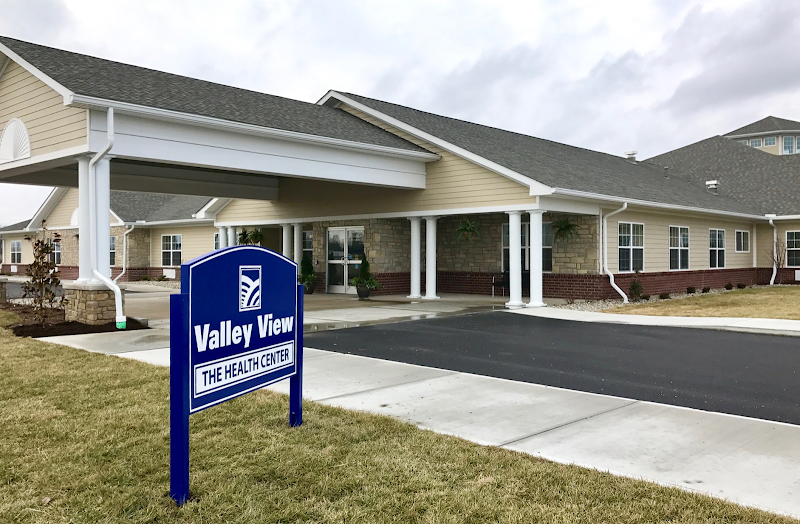
1247 NORTH RIVER RD, FREMONT, OH 43420 (419) 332-0357
For profit - Limited Liability company 60 Beds TRILOGY HEALTH SERVICES Data: November 2025
Trust Grade
63/100
#358 of 913 in OH
Last Inspection: April 2025

Within standard 12-15 month inspection cycle. Federal law requires annual inspections.

Overview

Valley View Health Campus has a Trust Grade of C+, indicating it is slightly above average but not exceptional. With a state rank of #358 out of 913, they fall in the top half of Ohio facilities, and they are #3 out of 9 in Sandusky County, meaning only two local options are better. Unfortunately, the facility is currently worsening, with issues increasing from 2 in 2024 to 8 in 2025. Staffing is rated at 3 out of 5, which is average, with a turnover rate of 43% that is slightly better than the Ohio average of 49%. However, the facility has concerning fines of $16,801, higher than 77% of Ohio facilities, suggesting compliance problems. There is good RN coverage, exceeding 98% of state facilities, which is important for catching potential issues. Specific incidents include a resident suffering bilateral femur fractures due to improper use of a stand-up lift during transfers, and another resident who fell and fractured their forearm when only one staff member assisted with a mechanical lift. Additionally, there was a concern regarding improperly dated multi-use medication vials, which could affect many residents. Overall, while there are some strengths, such as RN coverage, there are significant weaknesses that families should consider when evaluating this facility.

Trust Score
C+
63/100
In Ohio
#358/913
Top 39%
Safety Record
Moderate
Needs review
Inspections
Getting Worse
2 → 8 violations
Staff Stability
○ Average
43% turnover. Near Ohio's 48% average. Typical for the industry.
Penalties
✓ Good
$16,801 in fines. Lower than most Ohio facilities. Relatively clean record.
Skilled Nurses
✓ Good
Each resident gets 65 minutes of Registered Nurse (RN) attention daily — more than 97% of Ohio nursing homes. RNs are the most trained staff who catch health problems before they become serious.
Violations
⚠ Watch
19 deficiencies on record. Higher than average. Multiple issues found across inspections.
★★★★☆
4.0
Overall Rating
★★★☆☆
3.0
Staff Levels
★★★★★
5.0
Care Quality
★★★☆☆
3.0
Inspection Score
Stable
2024: 2 issues
2025: 8 issues

The Good

  • 5-Star Quality Measures · Strong clinical quality outcomes
  • Full Sprinkler Coverage · Fire safety systems throughout facility
  • No fines on record
  • Staff turnover below average (43%)

    5 points below Ohio average of 48%

Facility shows strength in quality measures, fire safety.

The Bad

Staff Turnover: 43%

Near Ohio avg (46%)

Typical for the industry

Federal Fines: $16,801

Below median ($33,413)

Minor penalties assessed

Chain: TRILOGY HEALTH SERVICES

Part of a multi-facility chain

Ask about local staffing decisions and management

The Ugly 19 deficiencies on record

2 actual harm
Aug 2025 3 deficiencies
CONCERN (D) 📢 Someone Reported This

A family member, employee, or ombudsman was alarmed enough to file a formal complaint

Potential for Harm - no one hurt, but risky conditions existed

Notification of Changes (Tag F0580)

Could have caused harm · This affected 1 resident

**NOTE- TERMS IN BRACKETS HAVE BEEN EDITED TO PROTECT CONFIDENTIALITY** Based on record review, staff interview, and facility policy review, the facility failed to timely notify the physician and resp...

Read full inspector narrative →
**NOTE- TERMS IN BRACKETS HAVE BEEN EDITED TO PROTECT CONFIDENTIALITY** Based on record review, staff interview, and facility policy review, the facility failed to timely notify the physician and responsible part regarding a new wound. This affected one resident (#1) of three residents reviewed for notification of change. The facility census was 58.Findings include:Review of Resident #1's medical record revealed an admission date of 06/02/25. Medical diagnoses included aphasia, anemia, weakness, constipation, a pressure ulcer of the sacral region that was unstageable, and a vitamin D deficiency.Review of Resident #1's admission Minimum Data Set (MDS) assessment dated [DATE] revealed Resident #1 had a memory problem with severe impairment. Resident #1 was always incontinent of bowel and bladder, was dependent for toileting, and needed substantial assistance for showers and personal hygiene. Review of Resident #1's admission skin assessment completed on 06/03/25 revealed no identified skin impairments to the buttocks or coccyx upon admission. Review of Resident #1's care plan revealed on 06/12/25 Resident #1 was at risk for skin breakdown related to a need for assistance with mobility, communication and cognitive deficits, and incontinence. Further review of Resident #1's care plan revealed on 07/15/25 Resident #1 had a pressure ulcer on her coccyx. Review of Certified Resident Care Associate (CRCA) #524's documentation in Point of Care (POC) regarding skin problems on 07/08/25 at 2:51 A.M. revealed Resident #1 had an open area on her buttock. Review of Resident #1's progress notes signed by Registered Nurse (RN) #232 dated 07/09/25 at 4:36 A.M. revealed Resident #1 had two new wounds on her buttocks. The left wound measured four centimeters (cm) by three cm. The inner right wound measured two cm by one cm. RN #232 documented she placed Xeroform on the left wound and Durafiber on the right wound. RN #232 documented the nursing staff were to monitor and wound care clinician would assess. There was no documentation the physician or family were notified. Review of Resident #1's physician orders revealed no order for the Xeroform or Durafiber dressing RN #232 placed on Resident #1. Review of Resident #1's physician orders revealed a new order was created on 07/11/25 at 9:21 P.M The order stated to cleanse the wound with wound cleanser or normal saline, pat dry, apply triad to the wound bed, and cover with dry dressing. This was to be changed daily. Interview with LPN #233 on 08/19/25 at 11:03 A.M. revealed the nurse had not provided notifications of the wound to the physician or family and had not contacted the physician for wound care orders. Furthermore, LPN #233 verified an order for a dressing was not in place until 07/11/25. Review of the facility policy titled Notification of Change in Condition with a last reviewed date of 12/17/24 revealed the physician should be notified when there is a need to alter the residents treatment such as a deterioration of health.
CONCERN (D) 📢 Someone Reported This

A family member, employee, or ombudsman was alarmed enough to file a formal complaint

Potential for Harm - no one hurt, but risky conditions existed

Pressure Ulcer Prevention (Tag F0686)

Could have caused harm · This affected 1 resident

**NOTE- TERMS IN BRACKETS HAVE BEEN EDITED TO PROTECT CONFIDENTIALITY** Based on observation, staff interview, record review and facility policy review, the facility failed to accurately and timely id...

Read full inspector narrative →
**NOTE- TERMS IN BRACKETS HAVE BEEN EDITED TO PROTECT CONFIDENTIALITY** Based on observation, staff interview, record review and facility policy review, the facility failed to accurately and timely identify and provide treatment for pressure ulcers. This affected two residents (#1 and #60) of three residents reviewed for wound care. The facility identified three residents with pressure ulcers. The facility census was 58. Findings include: 1.Review of Resident #1’s medical record revealed an admission date of 06/02/25. Medical diagnoses included aphasia, anemia, weakness, constipation, a pressure ulcer of the sacral region that was unstageable, and a vitamin D deficiency. Review of Resident #1’s admission Minimum Data Set (MDS) assessment dated [DATE] revealed Resident #1 had a memory problem with severe impairment. Resident #1 was always incontinent of bowel and bladder, was dependent for toileting, and needed substantial assistance for showers and personal hygiene. The resident was identified with no pressure ulcers and was at risk for skin breakdown. Review of Resident #1’s admission skin assessment completed on 06/03/25 revealed no identified skin impairments to the buttocks or coccyx upon admission. Review of Resident #1’s care plan revealed on 06/12/25 Resident #1 was at risk for skin breakdown related to a need for assistance with mobility, communication and cognitive deficits, and incontinence. Interventions included keeping linens clean and dry, use moisture barrier product to perineal area as needed, low air loss mattress to bed, and encourage fluids. Further review of Resident #1’s care plan revealed on 07/15/25 Resident #1 had a pressure ulcer on her coccyx. Review of Certified Resident Care Associate (CRCA) #524’s documentation in Point of Care (POC) regarding skin problems on 07/08/25 at 2:51 A.M. revealed Resident #1 had an open area on her buttock. Review of Resident #1’s progress notes signed by Registered Nurse (RN) #232 dated 07/09/25 at 4:36 A.M. revealed Resident #1 had two new wounds on her buttocks. The left wound measured four centimeters (cm) by three cm. The inner right wound measured two cm by one cm. RN #232 documented she placed Xeroform on the left wound and Durafiber on the right wound. RN #232 documented the nursing staff were to monitor and wound care clinician would assess. There was no assessment of the type of the wound, the depth of the wound, the wound bed, type of drainage, wound odor and condition of the surrounding skin. Review of Resident #1’s physician orders revealed no order for the Xeroform or Durafiber dressing RN #232 placed on Resident #1. Review of the Wound Management Detail Report (WMDR) created by Licensed Practical Nurse (LPN) #233 on 07/14/25 at 9:12 P.M. the left pressure ulcer was observed on 07/09/25 at 4:36 A.M. and was documented as follows: length of the left wound was four cm and the width of the left wound was three cm. There was light exudate from the wound that was serosanguinous. The tissue type was epithelial tissue. There was no assessment of the wound bed and condition of the surrounding skin. The wound stage was not identified. Review of the WMDR created by LPN #233 on 07/14/25 at 9:08 P.M. her coccyx pressure ulcer was observed on 07/09/25 at 4:36 A.M. and was documented as follows: length of the coccyx wound was two cm and the width of the wound was one cm. There was light exudate from the wound that was serosanguinous. The tissue type was slough tissue. The wound stage was not identified. Review of the Resident #1’s physician orders dated 07/11/25 at 9:21 P.M. revealed an order to cleanse the wound with wound cleanser or normal saline, pat dry, apply triad to wound bed, and cover with a dry dressing. The order states to change the dressing daily. Observation on 08/18/25 at 3:30 P.M. of the dressing change for Resident #1 revealed a wound that was five cm by seven cm and was 3.2 cm in depth. Concurrent interview with LPN #233 revealed the wound was a [NAME] wound. Interview with LPN #233 on 08/19/25 at 11:03 A.M. revealed the nurse should have called the physician regarding the wound to obtain an order for a dressing. Furthermore, LPN #233 verified an order for a dressing was not in place until 07/11/25. Interview with CRCA #524 on 08/19/25 at 11:40 A.M. revealed she reported the open area on Resident #1’s buttocks to RN #232 on 07/08/25. Review of the facility policy titled “Notification of Change in Condition” with a last reviewed date of 12/17/24 revealed the physician should be notified when there is a need to alter the residents treatment such as a deterioration of health. Review of the facility policy titled “Pressure/stasis/arterial/diabetic wound guidelines” with a last reviewed date of 12/17/24 revealed that an appropriate wound incident should be completed in the electronic health record, the interdisciplinary team will review the incident, documentation should include a full wound assessment which includes length, width, depth, exudates, color, odor, wound margins, surrounding tissue, and tunneling and or undermining if applicable and wounds should be reviewed weekly. 2. Review of the medical record for Resident #60 revealed an admission date of 07/04/25 and a discharge date of 07/29/25. Diagnoses included pneumonia, chronic obstructive pulmonary disease, chronic kidney disease, heart failure, and atrial fibrillation and a history of stage two pressure ulcers (loss of partial thickness of the skin appearing as an abrasion, blister or shallow crater). Review of the admission Minimum Data Set (MDS) assessment dated [DATE] revealed the resident had intact cognition and no pressure ulcers. Resident #60 was occasionally incontinent of bladder and continent of bowel. The resident had skin tears and moisture associated skin damage (MASD). The resident required partial/moderate assistance with bed mobility, substantial/maximal assistance for toileting and transfers. Review of hospital documentation dated 07/03/25 revealed the resident’s buttocks were red with small open areas. Review of hospital documentation dated 07/04/25 revealed the resident had an open area on buttock, foam dressing and triad applied and change routinely as needed. The resident was at risk for skin breakdown. Review of a nurses admission skin assessment completed on 07/04/25 at 3:45 P.M. and documented on 07/05/25 at 7:47 P.M. revealed the resident had a laceration/abrasion to the left of the coccyx 0.5 cm in length, 0.4 cm in width, and 0.1 cm in depth. The resident had a laceration/abrasion to the right of the coccyx measuring 0.5 cm in length, 0.4 cm in width, and 0.1 cm in depth. There was no description of the wound bed or surrounding skin. Interventions included applying moisturizer to keep skin supple, monitoring for edema, pressure reducing cushion, ensure appropriate treatment implemented, pressure reducing mattress, and utilize draw sheet with repositioning. There was no documentation of MASD. Review of the skin risk assessment dated [DATE] revealed the resident was at risk for skin breakdown. Review of a physician order dated 07/04/25 revealed the resident had an order for a pressure reducing cushion and a low functioning air mattress. Review of a physician order dated 07/05/25 revealed to apply barrier cream to buttocks with incontinence care and monitor abrasions for signs of infection three times per day. Also to encourage resident to turn and reposition while in bed. Review of Physician #600’s History and Physical exam for Resident #60 dated 07/07/25 revealed a stage two pressure ulcer was noted in the diagnoses summary. Physician #600 noted skin impairments including an open area to the left lower extremity, a scab on the left upper cheek, and noted buttocks and provide treatments as ordered with no further description of the impairment to the buttocks. Review of wound care notes dated 07/08/25 at 8:42 A.M. revealed the left buttock dermatitis wound was four cm in length by 2.5 cm in width. The right buttock measured five cm in length by seven cm in width. The resident was noted with bilateral buttock dermatitis, bright red but blanching, active bleeding, and excoriated skin. Resident reported being continent of urine and stool since admission but was not while at the hospital. There was no description of the wound bed and no documentation if the depth of the wound was assessed. Review of a physician order dated 07/08/25 revealed to apply Triad wound dressing to bilateral buttocks twice daily, Review of a nurses note dated 07/09/25 at 12:43 A.M. revealed the nursing assistants reported the resident had a pressure wound to his bottom. Upon assessment, there were two wounds dry, red, and peeling of skin with no measurements and no thorough wound assessment completed. Wound was cleansed and hydrogel island dressing applied. Nursing would continue to monitor and the wound care clinician to assess. There was no physician order for the wound dressing applied. Review of an event report dated 07/09/25 at 12:51 A.M. revealed the resident had wounds to buttock. No event details were completed. The event report was invalidated on 07/29/25 at 9:34 A.M. noting the wounds were identified on admission and were not new. Review of wound care notes dated 07/15/25 at 8:39 P.M. revealed dermatitis to the left buttock measured four cm in length by 2.5 cm in width. The right buttock dermatitis wound measured five cm in length by seven cm in width. The area was bleeding. Treat with zinc oxide twice a day. There was no description of the wound bed and no documentation if the depth of the wound was assessed. Review of a physician order dated 07/19/25 revealed to cleanse wounds to bilateral buttocks with normal saline, pat dry, apply xerofoam, cover with nonadherent bandage and change each shift and as needed. Also, an order to check and change and reposition the resident every two hours. Review of a physician order dated 07/21/25 revealed to cleanse bilateral buttock wounds with soap and water, rinse well, apply zinc oxide twice daily. Review of wound care notes dated 07/22/25 revealed the left buttock dermatitis wound was five cm in length by two cm in width. The right buttock dermatitis wound measured four cm in length by two cm in width. Light bleeding was noted with peri wound pink and blanchable. Continue zinc oxide. There was no description on the wound bed and no documentation if the depth of the wound was assessed. Review of a physician order dated 07/27/25 revealed to cleanse right buttocks with wound cleanser, pat dry, apply hydrophilic wound dressing, cover with Alleyvn or hydrocolloid dressing daily every shift. Review of a Physician #600 progress note dated 07/28/25 at 7:30 A.M. revealed the resident had a low air loss mattress with seat cushions on his wheelchair and recliner. The physician noted the resident had skin impairment with treatment orders changed on 07/27/25. There was no further description of the skin impairment. The physician noted continuing with low air loss mattress, seat cushions on the wheelchair and recliner, and therapy for off loading with frequent position changes. The wound nurse would reassess this morning and document new findings with changes. Continue nutrition encouragement. The physician noted the previous 07/19/25 orders for repositioning every two hours and document reviewed with staff in compliance. Review of a wound care note dated 07/28/25 at 11:17 A.M. revealed the resident was noted with dermatitis with the right buttock wound measuring 4.5 cm in length, two cm in width and 0.1 cm in depth. The wound to the left buttock measured 5.8 cm in length, 3 cm in width by 0.1 cm in depth. The peri wound was red and blanchable with possible fungal infection. The nurse practitioner was notified with new orders to add antifungal cream to peri wound, continue Triad to wound bed and cover with hydrocolloid dressing. Wounds discussed with the residents Power of Attorney (POA). Review of a nurses progress note dated 07/29/25 at 10:05 A.M., LPN #233 noted a wound assessment was completed. The peri wound was a ruddy color showing improvement with antifungal cream. Wound bed beefy red with light bleeding noted. Hydrocolloid dressings not sticking to wound due to antifungal cream, lidocaine cream, and triad. New orders received from nurse practitioner to change the dressing type from hydrocolloid to large Allevyn. Resident representative aware of changes. Review of an Interdisciplinary Team (IDT) progress note dated 07/29/25 at 3:00 P.M. and recorded as a late entry on 07/30/25 at 12:57 P.M. revealed the Administrator, Director of Nursing, Social Worker, and Wound Care Nurse met with the resident and resident representative. Wound care dressing orders were reviewed. Recommendations at time of admission for fluid restriction and no added salt (NAS) diet refused by the resident and resident representative were reviewed and refused again. The POA adamantly requested resident transfer to a hospital at this time with transfer arrangements made and resident discharged per their request. Review of the Treatment Administration Records dated 07/04/25 through 07/29/25 revealed treatments were completed per physician orders. Review of emergency department (ED) physician note dated 07/29/25 at 4:52 P.M. revealed Resident #60 had stage two decubitus ulcers of the right and left buttocks. Further review of the physician note revealed the resident was brought by emergency medical services (EMS) at the request of the family for evaluation of gluteal wounds his family stated had developed several days ago and appeared to be worse. The ED wound evaluation noted at the apex of both gluteal areas there were two open wounds noted as stage two pressure sores with the epidermal layer gone and not into the subcutaneous fat. There was some granulation around the area, without any undermining or fluid buildup or deeper structure. There was some surrounding redness at the region without signs of infection. Each wound measuring three centimeters in length by two centimeters in width. The wounds were cleansed with orders to apply barrier ointment and specialized padded dressing and to follow up with a wound clinic or wound specialist. The resident was discharged on 07/29/25 at 6:49 P.M. to another nursing home facility. Interview on 08/18/25 at 1:32 P.M., Licensed Practical Nurse (LPN) #233 revealed she was the facility wound nurse and was on vacation when Resident #60 admitted to the facility. LPN #233 revealed Resident #60 admitted to the facility with moisture associated skin damage (MASD) to the bilateral buttocks. LPN #233 verified the resident had been incorrectly identified with a laceration/abrasion to the buttocks during his admission skin assessment. LPN #233 revealed the staff nurses may not have the knowledge on how to assess and identify different types of wounds. LPN #233 revealed a wound nurse from another facility assessed the resident’s wounds on 07/08/25 and had identified the wounds as MASD. LPN #233 revealed she assessed the wounds on 07/15/25 and the wounds blanched and were not pressure ulcers. LPN #233 revealed the wounds had looked the same at discharge as when she first assessed the wounds. LPN #233 revealed the POA for the resident wanted a different wound treatment using Allevyn and hydrocolloid dressings which were used for pressure ulcers. LPN #233 revealed she had educated the POA this dressing would hold in moisture and cause further skin breakdown. LPN #233 revealed the resident had an air mattress in place along with pressure reducing cushions to the wheelchair and recliner. LPN #233 revealed the facility had not photographed the wounds, but the resident’s POA had photographed the wounds. Interview on 08/19/25 at 7:52 P.M., the Director of Nursing (DON) revealed she had assessed Resident #60’s wounds as MASD and described the wounds as raw and red. The DON stated the wounds were not pressure ulcers. Interview on 08/19/25 at 8:03 A.M., Physician #600 revealed he had assessed Resident #60’s wounds on 07/28/25. Physician #600 revealed the resident had bilateral wounds to the buttocks in the area where you would sit. Physician #600 revealed there were two open areas which were raw where the skin had sloughed off and was bleeding. Physician #600 revealed there was no blanching of the two wounds. Physician #600 revealed the skin was just missing about two centimeters by three centimeters. Physician #600 was not sure of the wound depth. Physician #600 described the wound beds as raw, irritated, and beefy red. Physician #600 was unable to state the stage of the pressure ulcers. Physician #600 stated the area was unusual and not a traditional pressure ulcer. Observation on 08/19/25 at 2:25 P.M. with LPN #233 and Regional Clinical Registered Nurse (RCRN) #700 of four photographs of Resident #60’s wounds taken by the POA on 07/29/25. Further observation revealed three photographs were of a person lying down in bed wearing an orange shirt. Another photograph shows a resident with the same wounds wearing a blue shirt with the room window blinds visible. One photograph showed the resident’s bedside table, and two of the photographs showed a dressing on the left buttock dated 07/29/25. In all four of the photographs, the person had large areas of MASD covering almost the entire bilateral buttocks. There were two open wounds near the midline of the bilateral middle buttocks with defined edges and a dark red wound bed. Wound measurements could not be determined from the photographs. The wounds appeared to be bilateral stage two pressure ulcers of the buttocks. Interview on 08/19/25 at 2:25 P.M., RCRN #700 revealed she could not verify the wounds were stage two pressure ulcers from the photographs. Interview on 08/19/25 at 3:04 P.M., LPN #233 after viewing photographs of the resident’s wounds stated she was confident the resident in the photograph was Resident #60. LPN #233 verified Resident #60’s orange shirt, bedside table and window blinds in the photograph. LPN #233 verified the wound dressing in one of the photographs had been dated 07/29/25 and recognized the staff nurse initials on the dressing. LPN #233 verified the wounds in the photographs were how the resident’s wounds had looked since her first assessment of the wounds on 07/15/25. LPN #233 stated for the wounds to be classified as a stage two pressure ulcer the wounds would have to be further down through the dermis. LPN #233 reiterated the two wounds blanched and were not pressure ulcers. Review of the facility policy “Guidelines for General Wound and Skin Care,” dated 05/10/17 revealed staff would know the indications and contradictions for the wound products used. Staff would document type of wound, location, stage (if applicable), length, width, depth in centimeters, base, drainage, peri wound tissue, and treatment of the wound weekly using the wound/skin treatment flow sheet. Staff would notify the wound nurse/nurse supervisor for all new stage two to four pressure ulcers or with any questions. Review of the facility policy “Pressure Injury Staging Guide,” dated 2016, revealed a stage two pressure injury was partial-thickness loss of skin with exposed dermis. The wound bed is viable, pink, or red, and moist. Adipose tissue would not be visible, and deeper tissues were not visible. Granulation tissue, slough, and eschar would not be present. This stage should not be used to describe MASD including incontinence associated dermatitis.
CONCERN (D) 📢 Someone Reported This

A family member, employee, or ombudsman was alarmed enough to file a formal complaint

Potential for Harm - no one hurt, but risky conditions existed

Infection Control (Tag F0880)

Could have caused harm · This affected 1 resident

**NOTE- TERMS IN BRACKETS HAVE BEEN EDITED TO PROTECT CONFIDENTIALITY** Based on record review, observation, staff interview, and facility policy review, the facility failed to ensure proper infection...

Read full inspector narrative →
**NOTE- TERMS IN BRACKETS HAVE BEEN EDITED TO PROTECT CONFIDENTIALITY** Based on record review, observation, staff interview, and facility policy review, the facility failed to ensure proper infection control standards during incontinence care and a wound dressing change. This affected one resident (#1) of three residents reviewed for incontinence care and wound care. The facility census was 58. Findings include:Review of Resident #1's medical record revealed an admission date of 06/02/25. Medical diagnoses included aphasia, anemia, weakness, constipation, a pressure ulcer of the sacral region that was unstageable, and a vitamin D deficiency.Review of Resident #1's admission Minimum Data Set (MDS) assessment dated [DATE] revealed Resident #1 had a memory problem with severe impairment. Resident #1 was always incontinent of bowel and bladder, was dependent for toileting, and needed substantial assistance for showers and personal hygiene. Review of Resident #1's admission skin assessment completed on 06/03/25 revealed no identified skin impairments to the buttocks or coccyx upon admission. Review of Resident #1's care plan revealed on 06/12/25 Resident #1 was at risk for skin breakdown related to a need for assistance with mobility, communication and cognitive deficits, and incontinence. Further review of Resident #1's care plan revealed on 07/15/25 Resident #1 had a pressure ulcer on her coccyx. Observation on 08/18/25 at 3:30 P.M. of incontinence care and wound care for Resident #1 revealed LPN #233 rolled the patient to get the incontinence brief out from under the resident. When LPN #233 rolled the resident, LPN #233's gown was hanging loosely do to being untied around the back at the waist and her shirt was touching the resident. After removing the soiled brief, LPN #233 properly provided incontinence care and placed the soiled brief on Resident #1's bed. LPN #233 changed her gloves and completed hand hygiene between gloves. With the clean gloves, LPN #233 saturated gauze with Vashe wound cleansing solution and applied the gauze to Resident #1's wound per the physician orders. LPN #233 removed her gloves and discarded them. While waiting for the five minutes for the gauze to sit on the wound, Resident #1 appeared cold. LPN #233 moved the dirty brief with an ungloved hand from Resident #1's blanket and covered Resident #1 with the blanket. LPN #233 discarded the brief in a trash can. LPN #233 completed hand hygiene and applied clean gloves to complete the rest of the dressing change.Interview with LPN #233 on 08/18/25 at 3:51 P.M. verified she grabbed the soiled brief with an ungloved hand. Furthermore, LPN #233 verified she had not tied her gown and her shirt along with the untied gown touched Resident #1's body. Further interview with LPN #233 revealed she then placed the soiled wound dressing and soiled brief directly on the bedding. Review of the undated policy from the Centers for Disease Control (CDC) titled Sequence for Putting on Personal Protective Equipment revealed the gown should fully cover the torso from neck to knees, arms to the end of the wrist, and wrap around the back. The gown should be fastened in the back of the neck and the waist. Review of the facility policy with a reviewed date of 12/16/24 titled perineal care for incontinence revealed to pay particular attention to infection prevention and control techniques when performing pericare. Review of the facility policy Standard Precaution Guidelines, reviewed 12/17/24 revealed it is important for staff to use appropriate protective equipment as a barrier to exposure to any body fluids. Furthermore, the disposal of waste is also handled as though all body fluids are infectious. Potentially contaminated articles are stored and disposed of in appropriate containers.
Apr 2025 5 deficiencies
CONCERN (D)

Potential for Harm - no one hurt, but risky conditions existed

Deficiency F0645 (Tag F0645)

Could have caused harm · This affected 1 resident

Based on medical record review, review of the Preadmission Screening and Resident Review (PASRR - assessment to evaluate residents for serious mental illness and/or intellectual disability to prevent ...

Read full inspector narrative →
Based on medical record review, review of the Preadmission Screening and Resident Review (PASRR - assessment to evaluate residents for serious mental illness and/or intellectual disability to prevent unnecessary nursing home admissions and ensure needed services) and staff interview, the facility failed to ensure PASRRs were accurately completed. This affected one (#16) of one resident reviewed for PASRR. The facility census was 56. Findings include: Review of medical record for Resident #16 revealed an admission date of 11/07/24. Diagnoses included, but not limited to, unspecified dementia, generalized anxiety disorder, depression, and bipolar disorder. Review of current physician orders revealed Resident #16 had orders for sertraline 150 milligrams (mg) daily (anti-depressant) and trazodone 100 mg at bedtime (anti-depressant). Review of PASRR, completed on 03/27/25, revealed the assessment did not identify Resident #16 had diagnoses of dementia, generalized anxiety disorder, depression, or bipolar disorder. The assessment also did not identify Resident #16 was ordered psychotropic medications (sertraline and trazodone). Interview on 04/16/25 at 11:39 A.M. with Director of Sales (DOS) #207 revealed Resident #16 admitted to the facility from home. DOS #207 verified the PASRR did not accurately reflect the resident's diagnoses or use of psychotropic medications. DOS #207 stated she could use more education on completing PASRRs correctly.
CONCERN (D)

Potential for Harm - no one hurt, but risky conditions existed

Quality of Care (Tag F0684)

Could have caused harm · This affected 1 resident

Based on observation, resident interview, medical record review, staff interview and review of the facility policy, the facility failed to ensure physician treatment orders were transcribed into the e...

Read full inspector narrative →
Based on observation, resident interview, medical record review, staff interview and review of the facility policy, the facility failed to ensure physician treatment orders were transcribed into the electronic medical record (EMR). This affected one (#20) of three residents reviewed for non-pressure ulcer skin conditions. The facility census was 60. Findings include: Review of the medical record for Resident #20 revealed an admission date of 11/03/22. Diagnoses included major depressive disorder, chronic obstructive pulmonary disease (COPD), and anemia. Review of the quarterly Minimum Data Set (MDS) assessment, dated 02/12/25, revealed Resident #20 was cognitively intact. Review of a Nurse Practitioner (NP) progress note, dated 04/04/25, revealed NP #910 completed a monthly visit assessment. Further review revealed Resident #20 had an all over body rash/contact dermatitis with orders for triamcinolone acetonide 0.1 percent (%) cream and Benadryl as needed (PRN). Review of the current physician orders revealed no order was in place for the triamcinolone acetonide 0.1% cream. Observation on 04/14/25 at 9:37 A.M. of Resident #20 revealed a scattered, red rash on her bilateral upper extremities, back, and bilateral lower extremities. Concurrent interview with Resident #20 revealed the rash was uncomfortable and the resident stated, I itch all over. Resident #20 stated she told staff the rash itched and they applied lotion to her legs daily, but not her back or bilateral upper extremities. Observation on 04/16/25 at 12:39 P.M. revealed Resident #20 in bed eating lunch. Concurrent interview with Resident #20 revealed she Itched all over and staff had not applied any treatment to the rash. Interview on 04/16/24 at 2:36 P.M. with Licensed Practical Nurse (LPN) #760 verified the order for triamcinolone acetonide 0.1 % cream, ordered on 04/04/25, was not transcribed into to the physician orders. LPN #760 further confirmed no treatments were being administered for the rash on Resident #20's bilateral arms, back, and bilateral legs. Interview on 04/16/25 at 2:41 P.M. with the Director of Nursing (DON) confirmed the order for triamcinolone acetonide 0.1 % had not been transcribed into Resident #20's physician orders following the NP visit on 04/04/25 and further verified no treatments had been documented for the resident's rash. Review of the facility policy titled, Guidelines for Physician Services, dated 05/11/16, revealed the physician orders and progress notes shall be maintained in accordance with current regulations and campus policy.
CONCERN (D)

Potential for Harm - no one hurt, but risky conditions existed

Incontinence Care (Tag F0690)

Could have caused harm · This affected 1 resident

Based on observation, resident interview, staff interview, review of the medical record and review of facility policy, the facility failed to ensure urinary catheters were maintained in a manner to pr...

Read full inspector narrative →
Based on observation, resident interview, staff interview, review of the medical record and review of facility policy, the facility failed to ensure urinary catheters were maintained in a manner to prevent the impediment of urinary flow. This affected one (#36) of one resident reviewed for catheter care. The facility identified six additional residents (#34, #39, #40, #49, #206, and #207) with indwelling urinary catheters. Additionally, the facility failed to ensure follow-up appointments were scheduled with urology for the prevention and treatment of urinary tract infections (UTIs). This affected one (#5) of two residents reviewed for UTIs. The facility census was 60. Findings include: 1. Review of the medical record for Resident #36 revealed an admission date of 11/28/22. Diagnoses included, but not limited to, hemiplegia and hemiparesis, cerebrovascular disease, neuromuscular dysfunction of bladder, other specified disorders of the male genital organs, benign prostatic hyperplasia (BPH), and urinary retention. Review of the quarterly Minimum Data Set (MDS) assessment, dated 01/22/25, revealed Resident #36 had a Brief Interview of Mental Status (BIMS) score of 12, indicating the resident was moderately cognitively impaired. Additionally, Resident #36 had an indwelling urinary catheter and was dependent for toileting. Observation on 04/14/25 at 11:24 A.M. of Resident #36 revealed the indwelling urinary catheter collection bag was folded over, below the drainage tube, impeding the flow of urine from the resident's bladder through the drainage tube, and into the urinary catheter collection bag. Interview on 04/14/25 at 11:29 A.M. with Certified Nursing Assistant (CNA) #730 verified Resident #36's indwelling urinary catheter collection bag was folded over, below the drainage tube, and the flow of urine was impeded. 2. Review of the medical record for Resident #5 revealed an admission date of 07/29/24. Diagnoses included acute cystitis (inflammation of the urinary bladder, most often caused by bacterial infection) without hematuria (blood), hypersensitive chronic kidney disease, and UTI. Review of the quarterly Minimum Data Set (MDS) assessment, dated 01/22/25, revealed Resident #5 was cognitively intact. Review of urology notes revealed Resident #5 had an appointment on 12/18/24. The note documented Resident #5 was an established patient with a history of recurrent UTIs. The physician ordered a retroperitoneal ultrasound (imaging of the space behind the lining of the abdominal cavity, commonly evaluates the kidneys and other organs in the region). Further review of documentation revealed the ultrasound was completed on 01/02/25. Additional review of Resident #5's medical record revealed no evidence the resident was seen by urology after the 12/18/24 appointment. Interview on 04/14/25 at 2:09 P.M. with Resident #5 revealed she had frequent UTIs and took medications to prevent them, adding as soon as medications were stopped, the infections returned. Resident #5 could not recall the last time she was seen by urology but stated it was usually every few months. Interview on 04/15/25 at 1:09 P.M. with the Director of Nursing (DON) revealed she was unsure if a follow-up to Resident #5's urology appointment on 12/18/24, and subsequent ultrasound, had been made. A follow-up interview on 04/15/25 at 1:47 P.M. with the DON confirmed the facility had no evidence any follow-up appointments had been scheduled for Resident #5 with urology. Review of the facility policy titled, Guidelines for the Use of Indwelling Catheters, reviewed 12/16/24, revealed the purpose of urinary catheterization was to provide urinary drainage when medically necessary. Additionally, a resident, with or without a catheter, received the appropriate care and services to prevent infections to the extent possible.
CONCERN (E)

Potential for Harm - no one hurt, but risky conditions existed

Antibiotic Stewardship (Tag F0881)

Could have caused harm · This affected multiple residents

Based on review of the facility Infection Tracking - ATB (antibiotic) Log, staff interview and review of facility policy, the facility failed to ensure residents met criteria prior to the initiation o...

Read full inspector narrative →
Based on review of the facility Infection Tracking - ATB (antibiotic) Log, staff interview and review of facility policy, the facility failed to ensure residents met criteria prior to the initiation of antibiotics. This affected 13 (#5, #7, #14, #17, #26, #34, #38, #48, #50, #942, #943, #944, and #952) of 17 residents reviewed for antibiotic stewardship. The facility census was 56. Findings include: Review of the facility Infection Tracking- ATB Surveillance Log from 01/01/25 to 04/16/25 revealed the facility utilized McGeer's (set of clinical and laboratory findings used to help identify true infections requiring antibiotic treatment) criteria to determine appropriate antibiotic usage. Further review revealed the following residents were ordered antibiotics without meeting McGeer's criteria for antibiotic use: • Resident #5, with an admission date of 07/29/24, was ordered Ertapenem for a urinary tract infection (UTI) on 03/27/25 and did not meet McGeer's criteria for antibiotic use. • Resident #7, with an admission date of 07/29/24, was ordered Bactrim DS for a UTI on 01/19/25 and did not meet McGeer's criteria for antibiotic use. • Resident #14, with an admission date of 01/29/25, was ordered Ertapenem for a UTI on 02/19/25 and did not meet McGeer's criteria for antibiotic use. • Resident #17, with an admission date of 01/29/25, was ordered Ertapenem for a UTI on 01/14/25 and did not meet McGeer's criteria for antibiotic use. • Resident #26, with an admission date of 10/08/24, was ordered Ertapenem for a UTI on 01/22/25 and did not meet McGeer's criteria for antibiotic use. On 02/16/25, Resident #26 was ordered Amoxicillin for a UTI and did not meet McGeer's criteria for antibiotic use. • Resident #34, with an admission date of 06/03/22, was ordered Cefadroxil for a UTI on 01/16/25 and did not meet McGeer's criteria for antibiotic use. • Resident #38, with an admission date of 05/05/23, was ordered Ertapenem for a UTI on 02/03/25 and did not meet McGeer's criteria for antibiotic use. • Resident #48, with an admission date of 03/16/25, was ordered Levofloxocin for a UTI on 03/28/25 and did not meet McGeer's criteria for antibiotic use. • Resident #50, with an admission date of 12/05/22, was ordered Levofloxacin for a UTI on 12/29/24 and did not meet McGeer's criteria for antibiotic use. • Resident #942, with an admission date of 02/20/25, was ordered Ertapenem for a UTI on 02/27/25 and did not meet McGeer's criteria for antibiotic use. • Resident #943, with an admission date of 02/15/25, was ordered Cephalexin for a UTI on 03/11/25 and did not meet McGeer's criteria for antibiotic use. • Resident #944, with an admission date of 02/21/25, was ordered Levofloxacin for a UTI on 03/06/25 and did not meet McGeer's criteria for antibiotic use. • Resident #952, with an admission date of 12/11/24, was ordered Ciprofloxacin for a UTI on 01/29/25 and did not meet McGeer's criteria for antibiotic use. Interview on 04/16/25 at 1:56 P.M. with Registered Nurse (RN) #907, identified as the facility's infection preventionist, confirmed the facility utilized McGeer's criteria as part of their antibiotic surveillance program and further verified the above residents were ordered antibiotics without meeting McGeer's infection criteria for antibiotic usage. Review of the facility policy titled, Antibiotic Stewardship, dated 12/16/24, revealed the purpose was to optimize the treatment of infections by ensuring that residents who required an antibiotic were prescribed the appropriate antibiotic and to reduce the risk of adverse events, including the development of antibiotic resistant organisms, from unnecessary or inappropriate antibiotic use.
CONCERN (F)

Potential for Harm - no one hurt, but risky conditions existed

Deficiency F0761 (Tag F0761)

Could have caused harm · This affected most or all residents

Based on observation, staff interview, review of pharmacy medication expiration dates and review of facility policy, the facility failed to ensure multi-use medications vials were properly dated. This...

Read full inspector narrative →
Based on observation, staff interview, review of pharmacy medication expiration dates and review of facility policy, the facility failed to ensure multi-use medications vials were properly dated. This had the potential to affect 56 residents residing in the facility. The facility census was 56. Findings include: Observation on 04/15/25 at 6:36 A.M. of the 300-hall medication storage room, with the Director of Nursing (DON), revealed one, open and undated, multi-use vial of Tuberculin, Purified Protein Derivative diluted/Aplisol, one ml (milliliter) (used for tuberculin testing), approximately three-quarters full. Further observation revealed the vial was dispensed from the pharmacy on 03/25/25 and had an imprinted expiration date of 01/17/26. Concurrent interview with the DON verified the multi-use Tuberculin vial was open and undated and should have been dated with the date it was opened. Review of a pharmacy document titled, Expiration Dates, dated January 2021, revealed the discard date for Tuberculin, Purified Protein Derivative diluted/Aplisol was 30 days after it was opened. Review of the facility policy titled, Labeling of Medications and Biologicals, revised 12/16/24, revealed facility staff should date the label of any multi-use vial when the vial is first accessed.
Mar 2024 1 deficiency 1 Harm
SERIOUS (G) 📢 Someone Reported This

A family member, employee, or ombudsman was alarmed enough to file a formal complaint

Actual Harm - a resident was hurt due to facility failures

Accident Prevention (Tag F0689)

A resident was harmed · This affected 1 resident

**NOTE- TERMS IN BRACKETS HAVE BEEN EDITED TO PROTECT CONFIDENTIALITY** THE FOLLOWING DEFICIENCY REPRESENTS AN INCIDENT OF PAST NON-COMPLIANCE THAT WAS SUBSEQUENTLY CORRECTED PRIOR TO THIS SURVEY Base...

Read full inspector narrative →
**NOTE- TERMS IN BRACKETS HAVE BEEN EDITED TO PROTECT CONFIDENTIALITY** THE FOLLOWING DEFICIENCY REPRESENTS AN INCIDENT OF PAST NON-COMPLIANCE THAT WAS SUBSEQUENTLY CORRECTED PRIOR TO THIS SURVEY Based on medical record review, staff interview, review of witness statements, review of hospital documents, review of the facility policy for falls, and review of facility corrective action, the facility failed to ensure residents who required a stand-up lift for transfers were properly and safely transferred per physician order and the plan of care. This resulted in actual harm when Resident #11 was transferred by two state tested nurse aides without the use of a stand-up lift and subsequently fell resulting in bilateral femur fractures. Resident #11 required hospitalization, surgical intervention, and numerous sutures and staples to repair the fractures. This deficient practice affected one (#11) of three residents reviewed for falls. The facility census was 60. Findings include: Review of Resident #11's medical record revealed an admission date of 10/18/19. Diagnoses included Alzheimer's disease, dementia, cognitive communication deficit, anxiety, dysphagia, hypertension, muscle weakness, unsteadiness on feet, other abnormalities of gait and mobility, history of falling, repeated falls, abnormal posture, and other lack of coordination. Review of a fall risk assessment dated [DATE] revealed Resident #11 was assessed at high risk for falls. Review of the Minimum Data Set (MDS) assessment, dated 12/29/23, revealed Resident #11 was assessed with severe cognitive impairment. Resident #11 required substantial to maximal assistance (meaning those assisting complete more than half of the effort) for a majority of activities of daily living, including for transfers. Review of a care plan dated 10/29/19, and active as of 03/05/24, revealed Resident #11 was at risk for falling related to cognitive deficits, in need of extensive assistance with activities of daily living, and taking medications that may cause dizziness. Goals included to remain free from falls with major injury. Interventions included a stand-up lift used for all transfers and staff to assist the resident with transfers as needed. Review of Resident #11's physician orders identified an order dated 01/10/24 through 03/09/24 for transfers with a stand-up lift. Review of Resident #11's nursing progress notes for 01/01/24 through 03/04/24 revealed no mention of the resident experiencing, expressing, or exhibiting signs or symptoms of pain, aside from that the resident was prescribed Tylenol for pain. Review of a nursing progress note dated 03/05/24 and timed 5:58 P.M. revealed Resident #11 had a fall while being transferred to a shower chair. Resident #11's left leg was in a compromised position, the resident appeared to be in pain, and emergency medical services were called. Review of an interdisciplinary team progress note dated 03/07/23 and timed 9:02 A.M. revealed Resident #11 sustained a fall while transferring from the bed to a shower chair. The resident was sent to the hospital and a lift evaluation was to be completed upon the resident's return. Review of the hospital records dated 03/05/24 through 03/09/24 revealed Resident #11 sustained a fall and was having severe bilateral knee pain. The resident was taken from her nursing home to the local hospital to be evaluated and was found to have bilateral distal femur fractures. The resident was transferred to another hospital where she received orthopedic surgery for a left distal femur fracture and a right supracondylar distal femur fracture. Review of the staff witness statement, dated 03/05/24, revealed State Tested Nurse Aide (STNA) #304 was going to assist Resident #11 with a shower and needed assistance transferring the resident from the bed to a shower chair. STNA #304 asked STNA #307 to help. STNA #304 and STNA #307 were assisting Resident #11 when Resident #11's legs gave out and the resident started to drop to her knees and was lowered to the floor. Resident #11 sat on her buttocks with her legs out to the side and was leaning against STNA #304's legs while STNA #307 went to get the nurse. Review of the staff witness statement, dated 03/05/24, revealed STNA #304 came to get STNA #307 and said she needed assistance transferring a resident (#11). STNA #304 and STNA #307 attempted to transfer Resident #11 as a two-person assist from the bed to a shower chair. The resident's legs buckled, and the resident went down on her knees. The resident stated, Get me up. The bed was lowered and both STNA #304 and STNA #307 attempted to get the resident up as a two-person assist without success. The resident was lowered to her buttocks with her legs to the side. The resident leaned against STNA #304's legs while STNA #307 went to get the nurse. Review of the nursing progress note dated 03/09/24 and timed 5:50 P.M. revealed Resident #11 returned from the hospital. Review of the nursing progress notes dated 03/10/24 and timed 12:49 A.M. revealed Resident #11's skin assessment was completed. The resident had a total of seven incisions. The right lateral thigh had two incisions, the upper incision with 35 staples, and the lower incision with 32 staples. The left lateral thigh had three incisions, the upper incision with 20 staples, the middle incision with 12 staples, and the lower incision with 25 staples. Resident #11's left knee also had three staples and her left inner thigh had 37 staples. Interview on 03/21/24 at 10:18 A.M. with STNA #321 revealed Resident #11 sustained a fall while being transferred. STNA #321 reported Resident #11 fell because two nurse aides were attempting to assist the resident as a two-person assist (under her arms) instead of using a stand-up lift as required. STNA #321 reported the resident ended up having to go out to the hospital and had two broken femurs. Interview on 03/21/24 at 3:32 P.M. with STNA #307 verified she was present when Resident #11 sustained a fall on 03/05/24. STNA #307 verified she and STNA #304 attempted to transfer the resident via two-person assist (under her arms) and without a standing lift. STNA #307 reported when picking the resident up, the resident's knees buckled, and Resident #11 went on the ground. STNA #307 verified the staff should have been using a stand-up lift to transfer Resident #11 and reported she was not aware Resident #11 required the use of a stand-up lift at the time of the fall. Review of the facility policy titled, Fall Management Program, revised 05/31/17, revealed the facility strived to maintain a hazard free environment, mitigate fall risk factors and implement preventative measures. The policy stated any orders received by the physician should be noted and carried out. As a result of the incident, the facility implemented the following corrective actions to correct the deficient practice by 03/06/24: • On 03/05/24, Resident #11 was immediately assessed after sustaining a fall and was sent to the hospital. • On 03/05/24, all nursing staff members were educated by the Administrator on verifying transfer statuses per resident profiles. Review of the education provided to nursing staff on 03/05/24 revealed staff must always follow the transfer listed on the resident profile. All staff education was confirmed as completed by 03/06/24. • On 03/05/24, an ad hoc Quality Assessment and Assurance (QAA) Committee meeting was held with the Administrator, the Director of Nursing (DON), Medical Director #195, and Regional Support Nurse #431. • On 03/05/24, all resident profiles were verified by Regional Support Nurse #431 to ensure transfer statuses were in place for all residents. • On 03/05/24, red dots were placed on resident name plates by Licensed Practical Nurse (LPN) #502 to indicate which residents required a mechanical lift for transfer. • On 03/05/24, all staff members were educated by the DON regarding red dots that were placed on the name plates and that they indicated mechanical lift. Resident profiles would need to be checked to verify which lift type. All staff education was completed by 03/06/24. • On 03/05/24, LPN #502 initiated audits to check for red dots on resident name plates. There were no concerns identified. The audits continued three times per week for eight weeks, followed by two times per week for four weeks, and then as determined by the QAA Committee. • On 03/05/24, LPN #502 initiated audits to check for employee knowledge of lift identifiers on name plates and care profiles. There were no concerns identified. The audits continued three times per week for four weeks, followed by once per week for eight weeks, and then as determined by the QAA Committee. • On 03/05/24, LPN #502 initiated audits to observe transfers were being completed per the resident care profiles. There were no concerns identified. The audits continued three times per week for eight weeks, followed by two times per week for four weeks, and then as determined by the QAA Committee. • Interview on 03/21/24 between 10:00 A.M. and 3:30 P.M. with STNA #312, STNA #321, Registered Nurse (RN) #199, and STNA #307 verified they were provided education regarding verifying resident transfer status prior to transfers and what red dots meant on resident name plates. All staff interviewed possessed appropriate knowledge of the education provided by the facility. This deficiency represents non-compliance investigated under Complaint Number OH00151761.
Feb 2024 1 deficiency 1 Harm
SERIOUS (G) 📢 Someone Reported This

A family member, employee, or ombudsman was alarmed enough to file a formal complaint

Actual Harm - a resident was hurt due to facility failures

Accident Prevention (Tag F0689)

A resident was harmed · This affected 1 resident

**NOTE- TERMS IN BRACKETS HAVE BEEN EDITED TO PROTECT CONFIDENTIALITY** THE FOLLOWING DEFICIENCY REPRESENTS AN INCIDENT OF PAST NON-COMPLIANCE THAT WAS SUBSEQUENTLY CORRECTED PRIOR TO THIS SURVEY. Bas...

Read full inspector narrative →
**NOTE- TERMS IN BRACKETS HAVE BEEN EDITED TO PROTECT CONFIDENTIALITY** THE FOLLOWING DEFICIENCY REPRESENTS AN INCIDENT OF PAST NON-COMPLIANCE THAT WAS SUBSEQUENTLY CORRECTED PRIOR TO THIS SURVEY. Based on observation, medical record review, hospital documentation review, staff interview, review of a personnel file, review of disciplinary action documentation, review of an investigation, policy review, and review of facility initiated corrective action, the facility failed to ensure appropriate care and assistance was provided to prevent a resident fall. This resulted in actual harm when Resident #64 was transferred by a mechanical (Hoyer) lift using only one staff member to assist, and subsequently fell, causing a closed right forearm fracture and a facial contusion. This affected one (#64) of three residents reviewed for falls. The facility census was 64. Findings include: Review of Resident #64's medical record revealed the resident was admitted to the facility on [DATE] and expired on [DATE]. Resident #64 was admitted to Hospice services on [DATE]. Diagnoses included but not limited to atherosclerosis of coronary artery bypass grafts, syncope and collapse, metabolic encephalopathy, chronic kidney disease, hypertensive heart disease, rotator cuff tear or rupture of right shoulder, anxiety, depression, and unspecified convulsions. Review of the Minimum Data Set (MDS) assessment dated [DATE] revealed Resident #64 had moderately impaired cognition and was dependent to extensive assist for activities of daily living. Review of the plan of care revealed Resident #64 had a potential for falls related to disease processes and interventions included two assist for Hoyer transfers. Review of the progress note dated [DATE] at 1:00 P.M. revealed at around 5:25 A.M. writer was alerted by the Certified Residential Care Associate (CRCA) that assistance was needed as quickly as possible to Resident #64's room. Upon entering the room, Resident #64 was laying on her back with head close to the door. The writer observed resident to be alert with CRCA on resident's left side and nurse to the right. The nurse appeared to be tending to a wound on the right side of the resident's forehead. Resident #64 was whimpering in pain as right wrist appears to be in abnormal alignment. The writer asked other staff members what happened and it was stated the resident leaned forward, causing her to slip out of the Hoyer lift and fall to the floor. The writer continued to help with first aid and then went to the nurses' station to call for the rescue squad. The squad arrived at approximately 5:45 A.M. and the resident was assisted onto a gurney. The resident was transported to the emergency room (ER) at approximately 5:50 A.M. Review of the Interdisciplinary Team (IDT) note dated [DATE] at 2:30 P.M. revealed Resident #64 was being assisted to wheelchair from the bed. CRCA #611 reported the Hoyer lift snagged on a blanket and the resident fell out of the sling. Resident #64 was assessed by the nurse and transferred to the ER for evaluation. Interventions included to ensure the resident's floor was free of hazard, ensure care plan is followed, and ensure appropriate sling is used. Review of the lift evaluation dated [DATE] at 2:34 P.M. revealed Resident #64 is to use a Hoyer sling that crosses between the legs. Review of the written statement from CRCA #611 dated [DATE] revealed at approximately 5:30 A.M. CRCA #611 went to get Resident #64 from the bed to the wheelchair. CRCA #611 stated she raised the resident high enough to move her over to the chair. CRCA #611 stated the Hoyer lift snagged on a blanket and the resident fell forward out of the sling. CRCA #611 stated the resident landed on her right side and CRCA #611 had to move the resident because she was partially laying on the lift leg. CRCA #611 stated the resident was approximately at chair height when she fell. CRCA #611 stated she called for help. CRCA #611 stated all four sling parts were still intact after the resident fell. Review of the hospital documentation dated [DATE] revealed Resident #64 was seen for closed right forearm fracture, pneumonia, sinusitis, fall, and contusion of face. No surgical intervention was needed at that time. Resident #64 was sent back to facility on [DATE] with a sling to the right arm and a follow up appointment for orthopedics to be scheduled in four days. Interview on [DATE] at 1:02 P.M. with Director of Health Services (DOHS) #800 verified CRCA #611 transferred Resident #64 with the Hoyer lift by herself. DOHS #800 verified the sling was the appropriate size. DOHS #800 verified CRCA #611 was disciplined. DOHS #800 verified Resident #64's plan of care prior to the fall reflected the resident was two assist for Hoyer transfers. Interview on [DATE] at 2:37 P.M. with CRCA #611 verified she transferred Resident #64 by herself with the Hoyer lift. CRCA #611 verified she used the sling that was in the resident's wheelchair that was previously used. CRCA #611 stated the resident was trying to get out of bed and had fallen out of bed a few days earlier so she figured she should get her up before it happened again. CRCA #611 stated she had folded the blankets down at the foot of the bed and when she went to transfer the resident, the Hoyer sling got caught on the blankets and it tipped the resident out of the sling. CRCA #611 stated the Hoyer was lifted about wheelchair level when the resident slid out and fell onto her right side. CRCA #611 stated the resident hit her head during the fall, but her right arm took most of the impact. CRCA #611 verified she was educated on proper use of Hoyer lift and in-serviced on slings, how many assist is required, and preformed return demonstrations. CRCA #611 verified she received a written warning and was suspended until the investigation was completed. Review of CRCA #611's personnel file revealed on [DATE] CRCA #611 was provided education regarding two person lifts and total lifts. Review of disciplinary action document dated [DATE] for CRCA #611 revealed CRCA #611 received a written warning for failing to follow plan of care profile guidelines which resulted in injury to a resident and CRCA repositioned the resident prior to nurses' assessment. CRCA #611 was also suspended on [DATE] until the investigation was completed. Review of the facility policy titled, Guidelines for Resident Utilizing a Lift, dated [DATE] revealed all devices are safe to be used by one staff member per manufactures guidelines. Staff should seek the assistance of a second person for those residents' care planned for assistance of two with the lifting device or as needed for safe handling. The deficient practice was corrected on [DATE] when the facility implemented the following corrective action: • On [DATE] at approximately 5:25 A.M., Resident #64 slid out of a Hoyer sling and fell to the floor when CRCA #611 transferred the resident by herself. • On [DATE] at approximately 5:45 A.M., the rescue squad arrived at the facility. • On [DATE] at approximately 5:50 A.M., the rescue squad took Resident #64 to the ER to be checked out due to an abrasion to her head and possible right wrist fracture. • On [DATE] through [DATE], DOHS #800 completed education regarding care plans and Hoyer policy to all CRCAs. • On [DATE], DOHS started demonstrations with nursing staff regarding Hoyer lifts. • On [DATE], the Administrator and DOHS #800 initiated audits to observe proper Hoyer lift transfers. • On [DATE], the Administrator initiated Quality Assurance and Performance Improvement (QAPI) and ad hoc. • On [DATE], DOHS #800 reviewed weights for all residents using a Hoyer lift and verified correct slings were in residents' rooms. • On [DATE], DOHS #800 and the Administrator placed education on color guidance charts for sling sizes to the inside of each hall storage closets. • On [DATE] through [DATE], Scheduling Coordinator/CRCA #692 sent messages through staff app for mandatory meeting regarding Hoyer protocol to all nursing staff. • On [DATE], the Administrator verified Environmental was following manufacturer guidelines for sling washing and handling. • On [DATE] at 12:12 P.M., the Administrator verified with Plant Operations #801 that mechanical lift inspections were completed for the last 12 months. • On [DATE], DOHS #800 updated care plans on Hoyer transfers, proper sling use and care profiles. • On [DATE], DOHS #800 verified all Hoyer lift residents were made two assist for transfers with a Hoyer. • On [DATE] through [DATE], DOHS #800 completed a re-cap of education via staff app. • On [DATE], DOHS #800 and the Administrator initiated an audit tool for CRCA knowledge of resident profiles and how to access. • On [DATE], DOHS #800 reviewed and updated the nurse aide registry. • On [DATE], DOHS #800 and Administrator verified the new hire competency checklist for Hoyer transfers. • Review of audits revealed the facility observed two resident's Hoyer transfers, three times a week for four weeks, then weekly for eight weeks as needed/QAPI. This deficiency represents non-compliance investigated under Complaint Number OH00150629.
Mar 2023 7 deficiencies
CONCERN (D)

Potential for Harm - no one hurt, but risky conditions existed

Resident Rights (Tag F0550)

Could have caused harm · This affected 1 resident

**NOTE- TERMS IN BRACKETS HAVE BEEN EDITED TO PROTECT CONFIDENTIALITY** Based on observations, staff interview, medical record review, and review of facility policy, the facility failed to promote dig...

Read full inspector narrative →
**NOTE- TERMS IN BRACKETS HAVE BEEN EDITED TO PROTECT CONFIDENTIALITY** Based on observations, staff interview, medical record review, and review of facility policy, the facility failed to promote dignity regarding the concealment of an indwelling urinary catheter drainage system. This affected one (Resident #48) of four residents identified with indwelling urinary catheters. The facility census was 54. Findings include: Review of Resident #48's medical record revealed the resident was admitted to the facility on [DATE]. Diagnoses included acute cystitis with hematuria, chronic kidney disease, malignant neoplasm of bladder, and obstructive and reflux uropathy. Review of the Minimum Data Set (MDS) assessment dated [DATE] revealed Resident #48 had mild cognitive impairment, required extensive assistance of one staff with dressing, and hygiene. Resident #48 had an indwelling urinary catheter. Review of the physician orders dated 02/08/23 revealed Resident #48 was to have an indwelling urinary (Foley) catheter size 16 french (fr) with 10 cubic centimeter (cc) balloon. Review of the nursing plan of care dated 02/02/23 and last revised on 02/28/23 revealed Resident #48 indwelling urinary catheter. Interventions included the following: a leg strap in place to prevent residents catheter from being pulling out. Observe tubing and avoid any obstructions. Provide assist with catheter care and change Foley catheter per physician orders. Maintain a closed system with urinary bag below the residents bladder and cover. Observations from the common corridor outside Resident #48's room were as follows: on 03/06/23 at 8:20 A.M. and 9:55 A.M., 03/07/23 at 9:46 A.M. and 11:07 A.M., 03/08/23 at 6:21 A.M. and 6:59 A.M. noted Resident #48 in bed with an indwelling urinary catheter bag and tubing hanging from the bed frame. The urinary contents appeared yellow with a large amount of sedimentation inside the tubing and drainage bag. There was no cover for the drainage bag. Interview on 03/08/23 at 6:35 A.M. with the Director of Health Services (DSS) and Assistant Director of Health Services Registered Nurse (RN) #334 confirmed Resident #48's indwelling catheter bag with tubing was exposed and not covered with contents visible to the common corridor. DHS indicated all indwelling urinary catheter bags and tubing were to be covered at all times to promote resident dignity. Review of the facility's Standard Operating Procedure for Preserving Dignity with Indwelling Catheter, reviewed 12/31/22, revealed general guidelines to include keeping the drainage bag covered with an appropriate device.
CONCERN (D)

Potential for Harm - no one hurt, but risky conditions existed

Quality of Care (Tag F0684)

Could have caused harm · This affected 1 resident

**NOTE- TERMS IN BRACKETS HAVE BEEN EDITED TO PROTECT CONFIDENTIALITY** Based on observations, medical record review, and resident and staff interview, the facility failed to ensure physician orders a...

Read full inspector narrative →
**NOTE- TERMS IN BRACKETS HAVE BEEN EDITED TO PROTECT CONFIDENTIALITY** Based on observations, medical record review, and resident and staff interview, the facility failed to ensure physician orders and interventions were implemented to address a resident's lower extremity edema. This affected one (Resident #43) of one resident identified with bilateral lower extremity edema. The facility census was 54. Findings include: Review of Resident #43's medical record revealed the resident was admitted to the facility on [DATE]. Diagnoses included cirrhosis, type II diabetes mellitus, edema, thrombophilia, and history of venous thrombosis and embolism. Review of the Minimum Data Set (MDS) assessment dated [DATE] assessed Resident #43 had moderately impaired cognition and required the extensive assistance of one staff for the completion of dressing. Resident #43 had a history of edema. Review of the care plan last revised on 11/27/22 revealed Resident #43 was receiving a diuretic medication. Interventions included to observe cardiovascular system and fluid status to determine effectiveness of diuretic therapy (e.g., edema, jugular vein distention, mental confusion, shortness of breath, abnormal breath sounds, abnormal heart sounds) and administer medications per physician orders. Review of Resident #43's physician orders dated 02/14/23 revealed an order for the the placement of Thrombo-Embolic Deterrent (TED) or anti-embolism hose on in the morning and remove at bedtime. Review of the vascular physician consultation dated 03/06/23 revealed Resident #43 was evaluated as a new patient for swelling of lower extremities. The physician indicated the swelling had been ongoing for at least a few months. Resident #43 spends most of his day sitting in a wheelchair with his feet dependent and minimally ambulatory. Recommend a venous insufficiency scan to see if there was some component of valvular insufficiency. The physician suspected at least part of the swelling was lack of mobility and spending long periods of time with his feet dependent. The plan included compression, elevation, and exercise. Observations on 03/06/23 at 8:11 A.M. revealed Resident #43 was seated in a wheelchair at the bedside with bilateral feet placed to the floor with a leg wrap to the left lower leg. No TED hose was in place to the right lower extremity and no elevation of the extremities was in place. On 03/07/23 at 9:49 A.M., Resident #43 was observed propelling himself in a wheelchair. Resident #43 was holding up the left leg with his right foot. Interview with Resident #43 at the time states he would like foot rests due to this process being tiring. There was no TED hose to the right lower extremity. At 12:10 P.M., Resident #43 was observed in the common area near the dining room propelling himself in the wheelchair holding up the left leg with his right foot. At 1:56 P.M., Resident #43 stated staff apply the TED hose sometimes and staff have not applied today (03/07/23). Resident #43's feet were placed on the floor and were not elevated. Observation and interview on 03/07/23 at 3:27 P.M. with Registered Nurse (RN) #392 confirmed Resident #43 did not have a TED hose applied to the right lower extremity and no encouragement was provided to elevate the lower extremities. RN #392 assessed the resident's lower extremities with two-plus edema noted. Observation on 03/08/23 at 10:20 A.M. revealed Resident #43 was in the common area propelling himself in a wheelchair using arms and attempting to lift feet. No foot rests or elevation of the lower extremities was provided. At 12:00 P.M., Resident #43 was observed in his room seated in a wheelchair with his feet to the floor. No lower extremity elevation was provided. Interview on 03/08/23 at 9:05 A.M. with RN #336 confirmed a plan of care was not established to address Resident #43's lower extremity edema with intervention including TED hose application, elevation of lower extremities or monitoring of edema. Interview on 03/09/23 at 7:45 A.M. with the Director of Health Services confirmed no specific interventions had been implemented to address Resident #43's lower extremity edema regarding elevation and consistent monitoring.
CONCERN (D)

Potential for Harm - no one hurt, but risky conditions existed

Pressure Ulcer Prevention (Tag F0686)

Could have caused harm · This affected 1 resident

**NOTE- TERMS IN BRACKETS HAVE BEEN EDITED TO PROTECT CONFIDENTIALITY** Based on observations, medical record review, resident and staff interview, and review of manufacturer instructions for use, the...

Read full inspector narrative →
**NOTE- TERMS IN BRACKETS HAVE BEEN EDITED TO PROTECT CONFIDENTIALITY** Based on observations, medical record review, resident and staff interview, and review of manufacturer instructions for use, the facility failed to ensure pressure relieving intervention were implemented and operated as designed. This affected one (Resident #48) of three residents reviewed for skin breakdown prevention. The facility identified eight residents who received preventative skin care. The facility census was 54. Findings include: Review of Resident #48's medical record revealed the resident was admitted to the facility on [DATE]. Diagnoses included chronic kidney disease, acute embolism and thrombosis left femoral vein, coronary artery disease, left leg above the knee amputation, and peripheral vascular disease. Review of the Minimum Data Set (MDS) assessment dated [DATE] revealed Resident #48 had mild cognitive impairment, required extensive assistance of one staff with activities of daily living including bed mobility, transfer, dressing, and hygiene. Resident #48 was at risk for pressure ulcer development with no skin breakdown. Review of the physician orders dated 06/17/22 revealed an order to encourage Resident #48 to float his heels while in bed and a pressure reducing mattress. Review of the nursing plan of care last revised on 02/28/23 revealed Resident #48 had a potential for alterations in skin integrity related to the need for assistance with mobility, incontinence, and diabetes mellitus. The goal included maintain intact skin. Interventions included the following: float heels as needed, pressure reducing mattress, and provide with pressure redistribution products for bed and chair as indicated. Observations were as follows: on 03/06/23 at 8:20 A.M., 03/07/23 at 6:40 A.M., 9:46 A.M., and 11:07 A.M. revealed Resident #48 was observed in bed positioned on his back and his heels were resting on the mattress without elevation. An overlay air mattress was in place appeared flat, deflated with a low pressure alarm light illuminated on the mattress air compressor. Observation and interview on 03/07/23 at 11:15 A.M. with State Tested Nurse Aide (STNA) #347 verified Resident #48's heels were not elevated and the air mattress was not inflating due to tubing (supply/return) broken. Resident #48 was additionally observed with slight redness to the coccyx and intact skin to the heel. Interview on 03/07/23 at 11:18 A.M. with Registered Nurse (RN) #397 verified she was unaware Resident #48's air mattress was not operating and confirmed there was no documentation in the medical record for nursing to ensure the air mattress was operational. Interview with Resident #48 on 03/07/23 at 12:15 P.M. revealed he was unable to indicate how long the mattress had not been inflating. He stated with the air mattress deflated, the bed surface was hard and uncomfortable. Review of the Air Mattress Manufacturer User and Service Manual dated 2013 revealed the low pressure alarm light illuminates if there is not enough pressure in the inner air cells. If this occurs, check the hose connection to the mattress to ensure the hoses are tightly connected without air leakage.
CONCERN (D)

Potential for Harm - no one hurt, but risky conditions existed

Deficiency F0761 (Tag F0761)

Could have caused harm · This affected 1 resident

Based on medical record review, observation, staff interview and policy review, the facility failed to ensure topical medications were stored in their original container until used. This affected two ...

Read full inspector narrative →
Based on medical record review, observation, staff interview and policy review, the facility failed to ensure topical medications were stored in their original container until used. This affected two of two residents (#6 and #7) reviewed for medication storage. The facility census was 54. Findings include: Medical record review for Resident #6 revealed an admission date of 12/06/22. Resident #6 had a physician order dated 12/22/22 for biofreeze gel four percent topical to right shoulder for pain three times a day. Medical record review for Resident #7 revealed an admission date of 08/10/18. Resident #7 had a physician order dated 05/14/22 to apply medihoney gel 80% thin layer topical to opened area on left shin, cover with durafiber and wrap with kerlix daily Observation on 03/08/23 at 8:18 A.M. revealed there were two medications cups containing an unidentified gel like substances in the top drawer of the medication cart. Interview on 03/08/23 at 8:18 A.M. with Registered Nurse (RN) #396 revealed one medication cup contained biofreeze for Resident #6 and the other medication contained medihoney for Resident #7. RN #396 verified the medications were not stored in their original container until used. Review of the policy Medication Storage in the Facility, revised 10/2019, revealed all medication dispensed by the pharmacy are stored in the container with the pharmacy label.
CONCERN (D)

Potential for Harm - no one hurt, but risky conditions existed

Safe Environment (Tag F0921)

Could have caused harm · This affected 1 resident

**NOTE- TERMS IN BRACKETS HAVE BEEN EDITED TO PROTECT CONFIDENTIALITY** Based on medical record review, observation, resident and staff interview, and policy review, the facility failed to ensure a re...

Read full inspector narrative →
**NOTE- TERMS IN BRACKETS HAVE BEEN EDITED TO PROTECT CONFIDENTIALITY** Based on medical record review, observation, resident and staff interview, and policy review, the facility failed to ensure a resident's room was free of odors. This affected one (Resident #28) of one resident reviewed for environment. The facility census was 54. Findings include Medical record review revealed Resident #28 had an admission date of 07/16/20. Diagnoses included dementia, urethral stricture, obstructive and reflux uropathy, and history of malignant neoplasm of prostate. Review of the quarterly Minimum Data Set (MDS) assessment dated [DATE] revealed Resident #28 had mild cognitive impairment and had an indwelling catheter. Observation and interview of Resident #28's room on 03/06/23 at 10:28 A.M. revealed there was a strong urine odor in the resident's room. Resident #28 stated a few weeks ago, a staff member had not closed his urinary catheter bag correctly and it leaked all over. Subsequent observations on 03/07/23 at 10:18 A.M. and 2:47 P.M. and on 03/08/23 at 8:56 A.M. revealed the urine odor continued to remain present in the resident's room. Interview on 03/08/23 at 8:56 A.M. with Housekeeping Staff (HS) #328 verified there was a strong urine odor in Resident #28's room. HS #328 revealed the resident's carpet was cleaned about a month ago because his catheter bag had leaked. Review of the policy titled Room Cleaning-Health Center Rooms, revised 06/15/22, revealed resident rooms were cleaned daily and deep cleaned monthly. There were no guidelines for addressing room odors.
CONCERN (E)

Potential for Harm - no one hurt, but risky conditions existed

Infection Control (Tag F0880)

Could have caused harm · This affected multiple residents

**NOTE- TERMS IN BRACKETS HAVE BEEN EDITED TO PROTECT CONFIDENTIALITY** Based on record review, observation, staff interview, and policy review, the facility failed to ensure a shared glucometer was c...

Read full inspector narrative →
**NOTE- TERMS IN BRACKETS HAVE BEEN EDITED TO PROTECT CONFIDENTIALITY** Based on record review, observation, staff interview, and policy review, the facility failed to ensure a shared glucometer was cleaned and disinfected after each use. This affected Resident #32 and had the potential to affect three other residents (#6, #310, and #311) on the 100 hall who utilized the same glucometer as Resident #32. The facility census was 54. Findings include Medical record review revealed Resident #32 had an admission date of 01/13/23. Diagnoses included diabetes mellitus type two with diabetic nephropathy. Review of the five-day Minimum Data Set (MDS) assessment dated [DATE] revealed Resident #32 had mild cognitive impairment. Review of the physician orders dated 02/15/23 revealed Resident #32 received blood sugar monitoring before meals. Observation on 03/08/23 at 8:12 A.M. revealed Registered Nurse (RN) #396 carried the glucometer to Resident #32's room and placed it directly on the resident's bedside table without a barrier under the glucometer. RN #396 obtained Resident #32's blood sugar and administered medications. RN #396 carried the glucometer back to the medication cart and placed the glucometer directly on top of the medication cart. RN #396 then placed the glucometer in the top drawer of the medication cart and shut the drawer. At no time had RN #396 cleaned and disinfected the glucometer. Interview on 03/08/23 at 8:18 A.M. with RN #396 verified she had put away the glucometer without cleaning and disinfecting it. Review of the facility's list of residents who utilized the same glucometer revealed Resident #6, #310, and #311 utilized the same glucometer as Resident #32. Review of the facility policy titled Glucometer Cleaning and Control Test Guidelines, revised 12/01/21, revealed if glucometers were used from one resident to another, they should be cleaned and disinfected after each use.
CONCERN (F)

Potential for Harm - no one hurt, but risky conditions existed

Food Safety (Tag F0812)

Could have caused harm · This affected most or all residents

Based on observation, staff interview, and review of the facility policy, the facility failed to ensure foods in the walk-in freezer were properly sealed, labeled, and dated. This had the potential to...

Read full inspector narrative →
Based on observation, staff interview, and review of the facility policy, the facility failed to ensure foods in the walk-in freezer were properly sealed, labeled, and dated. This had the potential to affect all 54 residents identified by the facility as receiving food from the kitchen. The facility census was 54. Findings include: Interview and observations of the walk in freezer with Area Director of Food Service (ADFS) #306 on 03/06/23 at 7:17 A.M. in the walk in freezer revealed an open, unsealed, unlabeled bag of chicken breast; an open unsealed, unlabeled, and undated bag of chicken tenders; an open, unsealed, unlabeled, and undated bag of hot dogs covered in frost; an open, unsealed, unlabeled, and undated bag of hamburger patties; an open, unsealed, unlabeled, and undated pizza cookies; and an open, undated package of vegetable blend. ADFS #306 at the time of the observations verified the findings of multiple food items stored in the freezer which were unsealed, unlabeled, and/or undated. Review of the facility policy titled Food Labeling and Dating Policy, dated 01/2023, revealed any food products removed from its original container, has a broken seal, has been processed in any way must have a label that contains the following: item name, date and time the food was labeled, use by date, initials of the person labeling the item and securely cover the food item.
Jan 2020 2 deficiencies
CONCERN (D)

Potential for Harm - no one hurt, but risky conditions existed

Deficiency F0625 (Tag F0625)

Could have caused harm · This affected 1 resident

**NOTE- TERMS IN BRACKETS HAVE BEEN EDITED TO PROTECT CONFIDENTIALITY** Based on record review, review of facility policy and staff interview, the facility failed to notify the resident's and/or resid...

Read full inspector narrative →
**NOTE- TERMS IN BRACKETS HAVE BEEN EDITED TO PROTECT CONFIDENTIALITY** Based on record review, review of facility policy and staff interview, the facility failed to notify the resident's and/or resident representatives of the facilities bed hold policy when the resident discharged to the hospital. This affected two (#11 and #24) of two residents reviewed for hospitalization. The facility census was 58. Findings include: 1. Review of Resident #24's medical record revealed the resident was admitted to the facility on [DATE]. Diagnoses included chorionic atrial fibrillation, heart failure and unspecified dementia. Review of the Minimum Data Set (MDS) 3.0 assessment, dated 08/01/19 revealed the resident had impaired cognition. The resident was noted to discharge to the hospital on [DATE] and returned from the hospital on [DATE]. There was no evidence in the resident's medical record the resident and/or resident's representative was provided the facility's bed hold policy at the time her discharge to the hospital on [DATE]. Interview on 01/03/20 at 12:27 P.M. with the Business Office Manager (BOM) #550 revealed the bed hold policy was not given to the Resident #24 or the resident's representative when she discharged to the hospital on [DATE]. 2. Review of Resident #11's medical record revealed an admission date to the facility occurred on 04/18/18. Diagnoses which included dementia with psychosis and stroke. The record identified Resident #11 payer source was Medicaid. The record identified Resident #11 required hospitalization on 08/02/19 for a total of 12 days. The record lacked any evidence of bed hold notification at that time. Additionally, Resident #11 required hospitalization on 12/27/19. The record identified Resident #11's family was provided the bed hold notification, however the notification did not include the number of her remaining bed hold days for the year. Interview with Business Office Manager (BOM) #550 on 01/03/20 at 12:26 P.M. confirmed the bed hold notification dated 12/27/19 was not completed accurately and did not identify the number of remaining bed hold days and was not completed on 08/02/19. Review of the facility's policy titled Bed Hold Policy, last revised on 11/18/16, revealed the campus would properly inform the residents in advance of their option to make a bed-hold payment and the amount of the facilities bed hold charge. The policy further revealed the purpose of the policy was to follow all state and federal guidelines related to therapeutic bed hold.
CONCERN (D)

Potential for Harm - no one hurt, but risky conditions existed

Antibiotic Stewardship (Tag F0881)

Could have caused harm · This affected 1 resident

Based on medical record review, laboratory testing results and staff interview, the facility failed to ensure antibiotics were not being utilized for a resident with a negative test result. This affec...

Read full inspector narrative →
Based on medical record review, laboratory testing results and staff interview, the facility failed to ensure antibiotics were not being utilized for a resident with a negative test result. This affected one (#23) of five residents reviewed for antibiotics. The facility census was 58. Findings include: Review of Resident #23's medical record revealed an admission to the facility occurred on 10/19/19. Diagnoses included fractured femur, chronic kidney disease and chronic pain. The record identified on 12/26/19 a urine specimen was submitted to the laboratory for testing to determine if an infection was present. The record identified an antibiotic (Cipro 250 milligrams) was ordered at that time for five days. Review of the completed laboratory culture results, dated 12/29/19, identified Resident #23 was negative for an infection. The record lacked any evidence the physician was notified of the negative testing results and subsequently Resident #23 continued on the unnecessary Cipro. Interview with the facility's Infection Control Registered Nurse (RN) #500 on 01/03/19 at 1:00 P.M. confirmed there was no evidence Resident #23's physician was notified of the negative urine culture results on 12/29/19. The interview confirmed Resident #23 remained on an unnecessary antibiotic treatment.
Understanding Severity Codes (click to expand)
Life-Threatening (Immediate Jeopardy)
J - Isolated K - Pattern L - Widespread
Actual Harm
G - Isolated H - Pattern I - Widespread
Potential for Harm
D - Isolated E - Pattern F - Widespread
No Harm (Minor)
A - Isolated B - Pattern C - Widespread

Questions to Ask on Your Visit

  • "Can I speak with families of current residents?"
  • "What's your RN coverage like on weekends and overnight?"

Our Honest Assessment

Strengths
  • • 43% turnover. Below Ohio's 48% average. Good staff retention means consistent care.
Concerns
  • • 19 deficiencies on record, including 2 serious (caused harm) violations. Ask about corrective actions taken.
  • • $16,801 in fines. Above average for Ohio. Some compliance problems on record.
Bottom line: Mixed indicators with Trust Score of 63/100. Visit in person and ask pointed questions.

About This Facility

What is Valley View Health Campus's CMS Rating?

CMS assigns VALLEY VIEW HEALTH CAMPUS an overall rating of 4 out of 5 stars, which is considered above average nationally. Within Ohio, this rating places the facility higher than 99% of the state's 100 nursing homes. This rating reflects solid performance across the metrics CMS uses to evaluate nursing home quality.
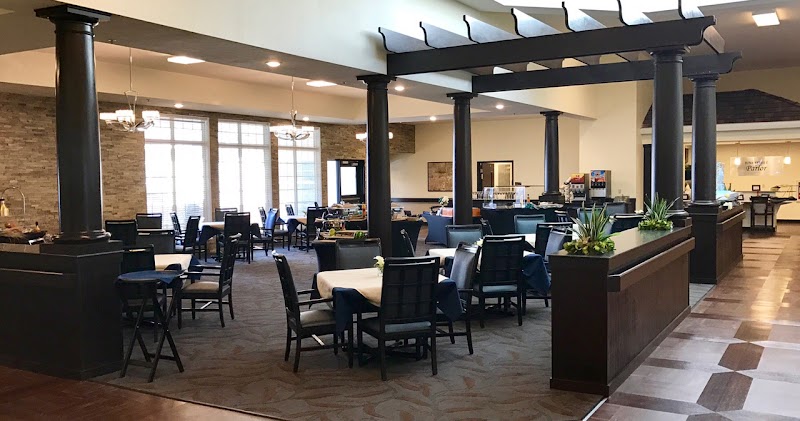
How is Valley View Health Campus Staffed?

CMS rates VALLEY VIEW HEALTH CAMPUS's staffing level at 3 out of 5 stars, which is average compared to other nursing homes. Staff turnover is 43%, compared to the Ohio average of 46%. This relatively stable workforce can support continuity of care.

What Have Inspectors Found at Valley View Health Campus?

State health inspectors documented 19 deficiencies at VALLEY VIEW HEALTH CAMPUS during 2020 to 2025. These included: 2 that caused actual resident harm and 17 with potential for harm. Deficiencies causing actual harm indicate documented cases where residents experienced negative health consequences.
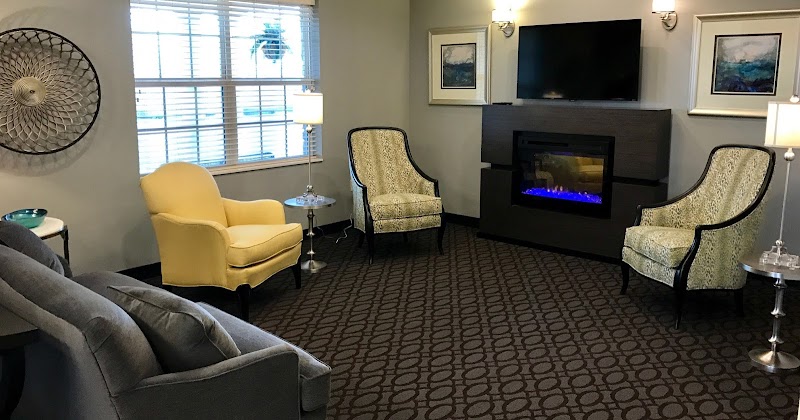
Who Owns and Operates Valley View Health Campus?

VALLEY VIEW HEALTH CAMPUS is owned by a for-profit company. For-profit facilities operate as businesses with obligations to shareholders or private owners. The facility is operated by TRILOGY HEALTH SERVICES, a chain that manages multiple nursing homes. With 60 certified beds and approximately 57 residents (about 95% occupancy), it is a smaller facility located in FREMONT, Ohio.

How Does Valley View Health Campus Compare to Other Ohio Nursing Homes?

Compared to the 100 nursing homes in Ohio, VALLEY VIEW HEALTH CAMPUS's overall rating (4 stars) is above the state average of 3.2, staff turnover (43%) is near the state average of 46%, and health inspection rating (3 stars) is at the national benchmark.

What Should Families Ask When Visiting Valley View Health Campus?

Based on this facility's data, families visiting should ask: "Can I visit during a mealtime to observe dining assistance and food quality?" "How do you handle medical emergencies, and what is your hospital transfer rate?" "Can I speak with family members of current residents about their experience?"

Is Valley View Health Campus Safe?

Based on CMS inspection data, VALLEY VIEW HEALTH CAMPUS has a clean safety record: no substantiated abuse findings (meaning no confirmed cases of resident harm), no Immediate Jeopardy citations (the most serious violation level indicating risk of serious injury or death), and is not on the Special Focus Facility watch list (a federal program monitoring the lowest-performing 1% of nursing homes). The facility has a 4-star overall rating and ranks #1 of 100 nursing homes in Ohio. While no facility is perfect, families should still ask about staff-to-resident ratios and recent inspection results during their visit.

Do Nurses at Valley View Health Campus Stick Around?

VALLEY VIEW HEALTH CAMPUS has a staff turnover rate of 43%, which is about average for Ohio nursing homes (state average: 46%). Moderate turnover is common in nursing homes, but families should still ask about staff tenure and how the facility maintains care continuity when employees leave.

Was Valley View Health Campus Ever Fined?

VALLEY VIEW HEALTH CAMPUS has been fined $16,801 across 1 penalty action. This is below the Ohio average of $33,247. While any fine indicates a compliance issue, fines under $50,000 are relatively common and typically reflect isolated problems that were subsequently corrected. Families should ask what specific issues led to these fines and confirm they've been resolved.

Is Valley View Health Campus on Any Federal Watch List?

VALLEY VIEW HEALTH CAMPUS is not on any federal watch list. The most significant is the Special Focus Facility (SFF) program, which identifies the bottom 1% of nursing homes nationally based on persistent, serious quality problems. Not being on this list means the facility has avoided the pattern of deficiencies that triggers enhanced federal oversight. This is a positive indicator, though families should still review the facility's inspection history directly.