CONTINUING HEALTHCARE OF GAHANNA
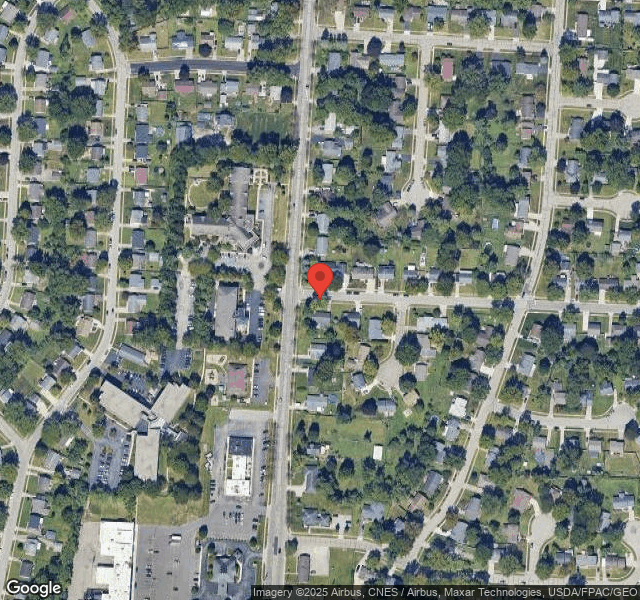
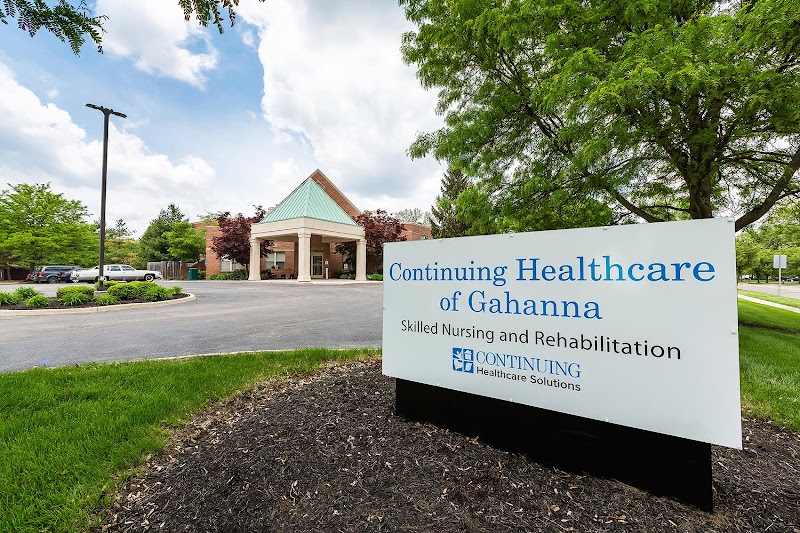
167 NORTH STYGLER ROAD, GAHANNA, OH 43230 (614) 475-8778
For profit - Corporation 94 Beds PARADIGM HEALTHCARE Data: November 2025 3 Immediate Jeopardy citations
Trust Grade
0/100
#853 of 913 in OH
Last Inspection: March 2025

Within standard 12-15 month inspection cycle. Federal law requires annual inspections.

Overview

Continuing Healthcare of Gahanna has received a Trust Grade of F, indicating significant concerns about the quality of care provided at this facility. With a state rank of #853 out of 913 in Ohio, they are in the bottom half of nursing homes, and their county rank of #47 out of 56 means there are only a few local options that perform better. Unfortunately, the facility's situation is worsening, as the number of identified issues increased sharply from 14 in 2024 to 45 in 2025. Staffing is a major concern, with a low rating of 1 out of 5 stars and a high turnover rate of 70%, which is well above the state average. Additionally, the facility has faced significant fines totaling $258,400, which is higher than 98% of Ohio facilities, suggesting ongoing compliance issues. Although RN coverage is average, the findings from recent inspections are alarming. For instance, there were critical failures in infection control that led to a COVID-19 outbreak affecting multiple residents, and a lack of proper care coordination resulted in a resident suffering serious injuries after returning from the hospital. These incidents highlight a concerning track record, emphasizing the need for families to carefully consider their options.

Trust Score
F
0/100
In Ohio
#853/913
Bottom 7%
Safety Record
High Risk
Review needed
Inspections
Getting Worse
14 → 45 violations
Staff Stability
⚠ Watch
70% turnover. Very high, 22 points above average. Constant new faces learning your loved one's needs.
Penalties
○ Average
$258,400 in fines. Higher than 65% of Ohio facilities. Some compliance issues.
Skilled Nurses
⚠ Watch
Each resident gets only 26 minutes of Registered Nurse (RN) attention daily — below average for Ohio. Fewer RN minutes means fewer trained eyes watching for problems.
Violations
⚠ Watch
113 deficiencies on record. Higher than average. Multiple issues found across inspections.
★☆☆☆☆
1.0
Overall Rating
★☆☆☆☆
1.0
Staff Levels
★★★★☆
4.0
Care Quality
★☆☆☆☆
1.0
Inspection Score
Stable
2024: 14 issues
2025: 45 issues

The Good

  • 4-Star Quality Measures · Strong clinical quality outcomes
  • Full Sprinkler Coverage · Fire safety systems throughout facility
  • No fines on record

Facility shows strength in quality measures, fire safety.

The Bad

1-Star Overall Rating

Below Ohio average (3.2)

Significant quality concerns identified by CMS

Staff Turnover: 70%

24pts above Ohio avg (46%)

Frequent staff changes - ask about care continuity

Federal Fines: $258,400

Well above median ($33,413)

Significant penalties indicating serious issues

Chain: PARADIGM HEALTHCARE

Part of a multi-facility chain

Ask about local staffing decisions and management

Staff turnover is very high (70%)

22 points above Ohio average of 48%

The Ugly 113 deficiencies on record

3 life-threatening 5 actual harm
Aug 2025 9 deficiencies
CONCERN (D) 📢 Someone Reported This

A family member, employee, or ombudsman was alarmed enough to file a formal complaint

Potential for Harm - no one hurt, but risky conditions existed

Resident Rights (Tag F0550)

Could have caused harm · This affected 1 resident

**NOTE- TERMS IN BRACKETS HAVE BEEN EDITED TO PROTECT CONFIDENTIALITY** Based on observation, medical record review, interviews and facility policy review, the facility failed to honor one resident's ...

Read full inspector narrative →
**NOTE- TERMS IN BRACKETS HAVE BEEN EDITED TO PROTECT CONFIDENTIALITY** Based on observation, medical record review, interviews and facility policy review, the facility failed to honor one resident's preference of no male caregivers. This affected one resident (#17) of three residents reviewed for resident rights. The facility census was 83. Findings Include:Review of the medical record for Resident #17 revealed an initial admission date of 10/08/24 with the diagnoses including but not limited to other specific arthropathies right shoulder, hypertension, hyperlipidemia, diabetes mellitus, pain in right shoulder and gastro-esophageal reflux disease. Review of the resident's medical record revealed no plan of care addressing the resident's preference of no male caregivers. Review of the resident's psychiatric note dated 01/28/25 revealed the resident was physically abused by her ex-husband and had trust issues. Review of the resident's quarterly Minimum Data Set (MDS) assessment dated [DATE] revealed the resident had no cognitive impairment. On 08/19/25 at 10:48 A.M., an observation of the resident's room during morning medication administration revealed a sign behind the resident's bed indicating she preferred to have no male caregivers. On 08/20/25 at 9:00 A.M. interview with Resident #17 revealed she preferred no male caregivers due to past physical and sexual abuse. The resident revealed the facility was aware of the preference however continued to assign the male Licensed Practical Nurse (LPN) #116 to the resident's room assignment. On 08/20/25 at 12:34 P.M., interview with LPN #116 revealed usual assignment consisted of Resident #17's care. The LPN revealed he was aware the resident preferred no male caregivers. On 08/20/25 at 10:52 A.M., interview with the Director of Nursing (DON) verified she was aware of the resident's preference of no male caregivers. The DON revealed she was unaware the sign specified aides and nurses. Review of the facility policy titled, Resident Rights, dated 04/24 revealed the facility protects and promotes the rights of each resident. The facility staff will uphold the resident's dignity and individuality providing care that fosters their quality of life in a respectful environment. This deficiency is a recite to the complaint and annual survey completed on 03/12/25.This deficiency represents non-compliance investigated under Complaint Number 2597120 and Complaint Number 2595339.
CONCERN (D) 📢 Someone Reported This

A family member, employee, or ombudsman was alarmed enough to file a formal complaint

Potential for Harm - no one hurt, but risky conditions existed

Deficiency F0558 (Tag F0558)

Could have caused harm · This affected 1 resident

**NOTE- TERMS IN BRACKETS HAVE BEEN EDITED TO PROTECT CONFIDENTIALITY** Based on observation, medical record review, interview and facility policy review, the facility failed to ensure one resident's ...

Read full inspector narrative →
**NOTE- TERMS IN BRACKETS HAVE BEEN EDITED TO PROTECT CONFIDENTIALITY** Based on observation, medical record review, interview and facility policy review, the facility failed to ensure one resident's bed was bariatric in size. This affected one resident (#17) of three residents reviewed for resident rights. The facility census was 83. Findings Include:Review of the medical record for Resident #17 revealed an initial admission date of 10/08/24 with the diagnoses including but not limited to other specific arthropathies right shoulder, hypertension, hyperlipidemia, diabetes mellitus, pain in right shoulder and gastro-esophageal reflux disease. Review of the resident's quarterly Minimum Data Set (MDS) assessment dated [DATE] revealed the resident had no cognitive impairment. On 08/19/25 at 9:00 A.M., observation of Resident #17 revealed the resident was obese and was too large for the standard bed she occupied. Interview with the resident at the time of the observation revealed she had asked for a larger bed, however the room was not large enough. On 08/20/25 at 1:05 P.M., an interview with Director of Nursing (DON) revealed every bed is capable to be a bariatric bed however the resident doesn't want her room moved around so they cannot accommodate the larger bed. Review of the facility policy titled, Resident Rights, dated 04/24 revealed the facility protects and promotes the rights of each resident. The facility will provide a clean, safe, comfortable and home like environment. This deficiency represents non-compliance investigated under Complaint Number 2597120 and Complaint Number 2595339.
CONCERN (D) 📢 Someone Reported This

A family member, employee, or ombudsman was alarmed enough to file a formal complaint

Potential for Harm - no one hurt, but risky conditions existed

Notification of Changes (Tag F0580)

Could have caused harm · This affected 1 resident

**NOTE- TERMS IN BRACKETS HAVE BEEN EDITED TO PROTECT CONFIDENTIALITY** Based on medical record review, interview and facility policy review, the facility failed to notify the power of attorney (POA) ...

Read full inspector narrative →
**NOTE- TERMS IN BRACKETS HAVE BEEN EDITED TO PROTECT CONFIDENTIALITY** Based on medical record review, interview and facility policy review, the facility failed to notify the power of attorney (POA) of a change in condition. This affected one resident (#43) of three residents reviewed for notification. The facility census was 83. Findings Include:Review of the medical record for Resident #43 revealed an initial admission date of 07/21/23 with the latest readmission of 03/21/24 with diagnoses including human immunodeficiency virus (HIV), psoriasis, protein calorie malnutrition, dysphagia, seizures, gastro-esophageal reflux disease, asthma, major depressive disorder and anxiety disorder. Review of the plan of care dated 02/15/24 revealed the resident had a seizure disorder. Interventions included give medications as ordered, monitor/document for effectiveness and side effects, give seizure medication as ordered by doctor, monitor/document side effects and effectiveness, obtain and monitor lab/diagnostic work as ordered, report results to physician and follow up as indicated, post seizure treatment, turn on side with head back, hyper-extended to prevent aspiration, keep airway open, after seizure take vital signs and neuro check, seizure documentation, location of seizure activity, type of seizure activity (jerks, convulsive movements, trembling), duration, level of consciousness, any incontinence, sleeping or dazed post-ictal state, after seizure activity, seizure precautions, do not leave resident alone during a seizure, protect from injury, if resident is out of bed, help to the floor to prevent injury, remove or loosen tight clothing, don't attempt to restrain resident during a seizure as this could make the convulsions more severe, protect from onlookers, draw curtain. Review of the resident's quarterly Minimum Data Set (MDS) assessment dated [DATE] revealed the resident had a moderate cognitive deficit. Review of the mood and behavior revealed the resident rejected care. The assessment indicated seizure disorder was a current diagnosis and received anticonvulsant medications. Review of the resident's monthly physician orders for August 2025 identified orders dated 08/13/25 Levetiracetam oral solution 100 milligrams (mg)/milliliter (ml) with the special instructions to give 10 ml via peg-tube three times a day for seizures. Review of the resident's progress note dated 07/21/25 at 7:09 P.M. revealed the resident had 35 second seizure at 8:42 A.M. Further review revealed no documented evidence the resident's representative was notified of the seizure activity. Review of the progress note dated 07/30/25 at 11:24 A.M. revealed the resident was noted with seizure activity that lasted for two minutes. The resident's physician was notified and no new orders were received. Review of the medical record revealed no documented evidence the resident's representative was made aware of the seizure activity. Review of the progress note dated 08/13/25 at 3:44 P.M. revealed the resident had seizure like activity in the form of hands shaking and stiffness that lasted for one minute and 30 seconds. A new order was obtained for Keppra 100 mg/ml three times a day through hospice nurse that was present. The resident was self-responsible and made aware as well as unit manager. Review of the change of condition progress note revealed the resident was having seizure like activity. The resident was noted to have some shaking and stiffness. The resident's physician was made aware as well as the resident being her own responsible party. Review of the resident's power of attorney (POA), dated 07/07/23 revealed the resident the resident's parents were the resident's POA. On 08/25/25 at 1:34 P.M., an interview with the Director of Nursing (DON) verified the resident's representative was not notified of the seizure activity. Review of the facility policy titled, Change in Condition Communication, last revised 06/19 revealed the purpose of the policy was to improve communication between physicians and nursing staff to promote optimal resident care, provide nursing staff with guidelines for making decisions regarding appropriate and timely notification of medical staff regarding changes in a resident's condition and provide guidance for the notification of the residents and their responsible party regarding changes in condition. The resident and the resident's family member/legal representative will be notified of any changes in medical condition or treatment plan. This deficiency represents non-compliance investigated under Complaint Number 2597120 and Complaint Number 2595339.
CONCERN (D) 📢 Someone Reported This

A family member, employee, or ombudsman was alarmed enough to file a formal complaint

Potential for Harm - no one hurt, but risky conditions existed

Report Alleged Abuse (Tag F0609)

Could have caused harm · This affected 1 resident

**NOTE- TERMS IN BRACKETS HAVE BEEN EDITED TO PROTECT CONFIDENTIALITY** Based on medical record review, interviews, review of the facility's self-reported incidents (SRI) and facility policy review, t...

Read full inspector narrative →
**NOTE- TERMS IN BRACKETS HAVE BEEN EDITED TO PROTECT CONFIDENTIALITY** Based on medical record review, interviews, review of the facility's self-reported incidents (SRI) and facility policy review, the facility failed to report an allegation of abuse to the required state agency. This affected one resident (#17) of three residents reviewed for abuse. The facility census was 83. Findings Include:Review of the medical record for Resident #17 revealed an initial admission date of 10/08/24 with the diagnoses including but not limited to other specific arthropathies right shoulder, hypertension, hyperlipidemia, diabetes mellitus, pain in right shoulder and gastro-esophageal reflux disease. Review of the resident's quarterly Minimum Data Set (MDS) assessment dated [DATE] revealed the resident had no cognitive impairment. On 08/20/25 at 9:00 A.M., an interview with Resident #17 revealed Licensed Practical Nurse (LPN) #116 had abused her. She revealed the LPN entered her room to apply cream to her legs and she told him she did not like men touching her and preferred female caregivers. The resident revealed the LPN grabbed her leg and jerked her leg out and applied the cream against her will. The resident revealed the incident was reported but nothing was done and LPN #116 continues to provide care to her. On 08/20/25 at 11:18 A.M., an interview with Resident #17's Case Manager revealed the resident had reported the incident to him while at the facility. The Case Manager revealed the Former Social Worker (FSW) was notified of the incident immediately and was told she would take care of it. The Case Manager revealed he was at the facility at the minimum of weekly and the accused LPN continues to provide care to the resident despite the allegation of abuse and the preference of only female caregivers. Review of the facility's SRI's revealed no reported incident of the allegation of abuse. On 08/20/25 at 1:05 P.M., an interview with the Director of Nursing (DON) revealed the incident was not reported to her and verified LPN #116 continued to provide care to the resident. The DON verified the allegation of abuse was not reported to the required state agency. Review of the facility policy titled, Abuse, Mistreatment, Neglect, Exploitation and Misappropriation of Resident Property, not dated revealed residents have the right to be free from abuse, neglect, exploitation and misappropriation of resident property. All incidents and allegations of abuse, neglect, exploitation, misappropriation of resident property and injuries of unknown origin must be reported to immediately to the Administrator or designee. If any form of abuse is alleged or serious bodily injury is identified related to any other reportable injury, the Administrator or his/her designee will notify the Ohio Department of Health (ODH) immediately but not later than two hours after the allegation is made or the serious bodily injury identified. This deficiency represents non-compliance investigated under Complaint Number 2597120 and Complaint Number 2595339.This deficiency is a recite to the complaint survey completed 07/23/25.
CONCERN (D) 📢 Someone Reported This

A family member, employee, or ombudsman was alarmed enough to file a formal complaint

Potential for Harm - no one hurt, but risky conditions existed

Investigate Abuse (Tag F0610)

Could have caused harm · This affected 1 resident

**NOTE- TERMS IN BRACKETS HAVE BEEN EDITED TO PROTECT CONFIDENTIALITY** Based on medical record review, interviews, review of the facility's self-reported incidents (SRI) and facility policy review, t...

Read full inspector narrative →
**NOTE- TERMS IN BRACKETS HAVE BEEN EDITED TO PROTECT CONFIDENTIALITY** Based on medical record review, interviews, review of the facility's self-reported incidents (SRI) and facility policy review, the facility failed to investigate an allegation of abuse. This affected one resident (#17) of three residents reviewed for abuse. The facility census was 83.Findings include:Review of the medical record for Resident #17 revealed an initial admission date of 10/08/24 with the diagnoses including but not limited to other specific arthropathies right shoulder, hypertension, hyperlipidemia, diabetes mellitus, pain in right shoulder and gastro-esophageal reflux disease.Review of the resident's quarterly Minimum Data Set (MDS) assessment dated [DATE] revealed the resident had no cognitive impairment.On 08/20/25 at 9:00 A.M., an interview with Resident #17 revealed Licensed Practical Nurse (LPN) #116 had abused her. She revealed the LPN entered her room to apply cream to her legs and she told him she did not like men touching her and preferred female caregivers. The resident revealed the LPN grabbed her leg and jerked her leg out and applied the cream against her will. The resident revealed the incident was reported but nothing was done and LPN #116 continues to provide care to her. On 08/20/25 at 11:18 A.M., an interview with Resident #17's Case Manager revealed the resident had reported the incident to him while at the facility. The Case Manager revealed the Former Social Worker (FSW) was notified of the incident immediately and was told she would take care of it. The Case Manager revealed he was at the facility at the minimum of weekly and the accused LPN continues to provide care to the resident despite the allegation of abuse and the preference of only female caregivers. Review of the facility's SRI's revealed no reported incident of the allegation of abuse. On 08/20/25 at 1:05 P.M., an interview with the Director of Nursing (DON) revealed the incident was not reported to her and verified LPN #116 continued to provide care to the resident. The DON revealed the allegation of abuse was not investigated as required. Review of the facility policy titled, Abuse, Mistreatment, Neglect, Exploitation and Misappropriation of Resident Property, not dated revealed residents have the right to be free from abuse, neglect, exploitation and misappropriation of resident property. Once the Administrator and the Ohio Department of Health (ODH) are notified, an investigation of the allegation violation will be conducted. This deficiency represents non-compliance investigated under Complaint Number 2597120 and Complaint Number 2595339.This deficiency is a recite to the complaint survey completed 07/23/25.
CONCERN (D) 📢 Someone Reported This

A family member, employee, or ombudsman was alarmed enough to file a formal complaint

Potential for Harm - no one hurt, but risky conditions existed

Deficiency F0699 (Tag F0699)

Could have caused harm · This affected 1 resident

**NOTE- TERMS IN BRACKETS HAVE BEEN EDITED TO PROTECT CONFIDENTIALITY** Based on observation, medical record review and interviews, the facility failed to identify, assess and implement care and servi...

Read full inspector narrative →
**NOTE- TERMS IN BRACKETS HAVE BEEN EDITED TO PROTECT CONFIDENTIALITY** Based on observation, medical record review and interviews, the facility failed to identify, assess and implement care and services to prevent triggers of past trauma. This affected one resident (#17) of three residents reviewed for preferences. The facility census was 83. Findings Include:Review of the medical record for Resident #17 revealed an initial admission date of 10/08/24 with the diagnoses including but not limited to other specific arthropathies right shoulder, hypertension, hyperlipidemia, diabetes mellitus, pain in right shoulder and gastro-esophageal reflux disease. Review of the resident's initial social service assessment dated [DATE] revealed the resident had no Trauma Informed Care Triggers. Review of the resident's psychiatric note dated 01/28/25 revealed the resident was physically abused by her ex-husband and had trust issues. The resident also reported having medical conditions that had caused trauma her life like a brain aneurysm. The assessment indicated the resident reported the development of emotional and behavioral symptoms in response to an identifiable stressor occurring within three months of the onset of the stressor. The resident reported that being in the facility was hard on her. The plan was to continue the resident's current psychotropic medications as prescribed, engage in therapeutic behavioral services (TBS) to address symptoms related to adjustment disorder. The resident was given the diagnoses adjustment disorder with mixed anxiety and depressed mood. Review of the resident's quarterly social service assessment dated [DATE] revealed the resident had trauma informed care triggers. Review of the resident's quarterly Minimum Data Set (MDS) assessment dated [DATE] revealed the resident had no cognitive impairment. Review of the mood and behavior revealed the resident had no indicators of depression and displayed no behaviors. The assessment indicated depression, anxiety or post-traumatic stress disorder (PTSD) was not a current diagnosis. On 08/20/25 at 9:00 A.M., an interview with the resident revealed she had past trauma of sexual abuse and identified the reason for preferring no male caregivers. Observation during the time of the interview revealed a sign hanging on the wall behind the bed indicating the resident preferred no male caregivers. On 08/20/25 at 10:04 A.M., interview with the Licensed Social Worker (LSW) #240 verified the resident had no trauma assessment reflecting the past trauma, identification of triggers or plan of care for the trauma. On 08/20/25 at 11:18 A.M., an interview with the resident's Case Manager #245 revealed he was aware of the sexual abuse she endured as a child. He revealed she spoke to the Former Social Worker (FSW) #241 regarding the preference of no male caregivers and the reasoning behind the request. This deficiency is a recite to the complaint and annual survey completed 03/12/25.This deficiency represents non-compliance investigated under Complaint Number 2597120 and Complaint Number 2595339.
CONCERN (D) 📢 Someone Reported This

A family member, employee, or ombudsman was alarmed enough to file a formal complaint

Potential for Harm - no one hurt, but risky conditions existed

Deficiency F0740 (Tag F0740)

Could have caused harm · This affected 1 resident

**NOTE- TERMS IN BRACKETS HAVE BEEN EDITED TO PROTECT CONFIDENTIALITY** Based on medical record review and interview, the facility failed to provide the necessary behavioral health care and services t...

Read full inspector narrative →
**NOTE- TERMS IN BRACKETS HAVE BEEN EDITED TO PROTECT CONFIDENTIALITY** Based on medical record review and interview, the facility failed to provide the necessary behavioral health care and services to attain or maintain the highest practicable physical, mental, and psychosocial well-being. This affected one resident (#17) of three residents reviewed for preferences. The facility census was 83. Findings Include:Review of the medical record for Resident #17 revealed an initial admission date of 10/08/24 with the diagnoses including but not limited to other specific arthropathies right shoulder, hypertension, hyperlipidemia, diabetes mellitus, pain in right shoulder and gastro-esophageal reflux disease. Review of the resident's psychiatric note dated 01/28/25 revealed the resident was physically abused by her ex-husband and had trust issues. The resident also reported having medical conditions that had caused trauma her life like a brain aneurysm. The assessment indicated the resident reported the development of emotional and behavioral symptoms in response to an identifiable stressor occurring within three months of the onset of the stressor. The resident reported that being in the facility was hard on her. The plan was to continue the resident's current psychotropic medications as prescribed, engage in therapeutic behavioral services (TBS) to address symptoms related to adjustment disorder. The resident was given the diagnoses adjustment disorder with mixed anxiety and depressed mood. Review of the resident's quarterly Minimum Data Set (MDS) assessment dated [DATE] revealed the resident had no cognitive impairment. Review of the medical record revealed no documented evidence TBS was arranged and provided for the resident. On 08/20/25 at 1:05 P.M., interview with the Director of Nursing (DON) verified the resident had not received the TBS services as recommended by the Psychiatric Nurse Practitioner. This deficiency represents non-compliance investigated under Complaint Number 2597120 and Complaint Number 2595339.
CONCERN (D) 📢 Someone Reported This

A family member, employee, or ombudsman was alarmed enough to file a formal complaint

Potential for Harm - no one hurt, but risky conditions existed

Pharmacy Services (Tag F0755)

Could have caused harm · This affected 1 resident

**NOTE- TERMS IN BRACKETS HAVE BEEN EDITED TO PROTECT CONFIDENTIALITY** Based on observation, medical record review, interview and facility policy review, the facility failed to ensure medications wer...

Read full inspector narrative →
**NOTE- TERMS IN BRACKETS HAVE BEEN EDITED TO PROTECT CONFIDENTIALITY** Based on observation, medical record review, interview and facility policy review, the facility failed to ensure medications were administered as physician ordered. This affected one resident (#17) of three residents observed for medication administration. The facility census was 83.Findings Include:Review of the medical record for Resident #17 revealed an initial admission date of 10/08/24 with the diagnoses including but not limited to other specific arthropathies right shoulder, hypertension, hyperlipidemia, diabetes mellitus, pain in right shoulder and gastro-esophageal reflux disease. Review of the plan of care dated 10/24/24 revealed the resident had hypertension. Interventions included to administer hypertensive medications as ordered, monitor for side effects and effectiveness, obtain blood pressure readings every shift and as needed and take the blood pressure under the same condition each time. Review of the resident's quarterly Minimum Data Set (MDS) assessment dated [DATE] revealed the resident had no cognitive impairment. Review of the resident's monthly physician orders for August 2025 identified an order dated 07/02/25 Losartan Potassium 50 milligrams (mg) with the special instructions to administer two tablets by mouth daily for hypertension. On 08/19/25 at 10:48 A.M., observation of Licensed Practical Nurse (LPN) #202 administer Resident #17's morning medications revealed the LPN removed a clear plastic cup from the top drawer of the cart with Resident #17's name written on the side. The plastic cup had one small round yellow pill (Aspirin 81 milligrams (mg)), a round white pill (Vitamin D3 1.000 units), and one orange round bill (Multivitamin). The LPN then added to the cup Metformin 500 mg, Norvasc 10 mg, Coreg 25 mg, Ferrous Sulfate 325 mg and Losartan Potassium 50 mg one tablet. The LPN walked into the resident's room, obtained the resident's blood pressure and set her medications down and exited the room without ensuring the resident ingested the medications. On 08/19/25 at 10:51 A.M., an interview with LPN #202 verified only one Losartan Potassium 50 mg tablet was administered to Resident #17 instead of the physician ordered two tablets. Review of the facility policy titled, Administration Procedures for All Medications, dated 09/18 revealed medications will be administered in a safe and effective manner. At a minimum review the five rights at each of the following steps of medication administration. Prior to removing the medication from the container check the label against the order on the medication administration record (MAR). This deficiency is a recite to the complaint and annual survey completed on 03/12/25. This deficiency represents non-compliance investigated under Complaint Number 2594301 and Complaint Number 2564232.
CONCERN (D) 📢 Someone Reported This

A family member, employee, or ombudsman was alarmed enough to file a formal complaint

Potential for Harm - no one hurt, but risky conditions existed

Deficiency F0761 (Tag F0761)

Could have caused harm · This affected 1 resident

**NOTE- TERMS IN BRACKETS HAVE BEEN EDITED TO PROTECT CONFIDENTIALITY** Based on observation, medical record review, interview and facility policy review, the facility failed to ensure medications wer...

Read full inspector narrative →
**NOTE- TERMS IN BRACKETS HAVE BEEN EDITED TO PROTECT CONFIDENTIALITY** Based on observation, medical record review, interview and facility policy review, the facility failed to ensure medications were not left at bedside during medication administration. This affected one resident (#17) of three residents observed for medication administration. The facility census was 83.Findings Include:Review of the medical record for Resident #17 revealed an initial admission date of 10/08/24 with the diagnoses including but not limited to other specific arthropathies right shoulder, hypertension, hyperlipidemia, diabetes mellitus, pain in right shoulder and gastro-esophageal reflux disease.Review of the resident's quarterly Minimum Data Set (MDS) assessment dated [DATE] revealed the resident had no cognitive impairment. On 08/19/25 at 10:48 A.M., observation of Licensed Practical Nurse (LPN) #202 administer Resident #17's morning medications revealed the LPN removed a clear plastic cup from the top drawer of the cart with Resident #17's name written on the side. The plastic cup had one small round yellow pill (Aspirin 81 milligrams (mg)), a round white pill (Vitamin D3 1.000 units), and one orange round bill (Multivitamin). The LPN then added to the cup Metformin 500 mg, Norvasc 10 mg, Coreg 25 mg, Ferrous Sulfate 325 mg and Losartan Potassium 50 mg one tablet. The LPN walked into the resident's room, obtained the resident's blood pressure and set her medications down and exited the room without ensuring the resident ingested the medications.On 08/20/25 at 8:54 A.M., observation of LPN #200 administer the resident's morning medications revealed the LPN prepared the following medications Aspirin 81 mg, Ferrous Sulfate 325 mg, Vitamin D3 1,000 units, Multivitamin one tablet, Metformin 500 mg, Norvasc 10 mg, Losartan 50 mg two tablets and Coreg 25 mg. The LPN then entered the resident's room and set the medications down in two individual cups on the resident's bedside table. The LPN obtained the resident's blood pressure and exited the resident's room without ensuring the ingested the medications.On 08/20/25 at 9:05 A.M., LPN #200 entered the room and stated, checking to make sure you took your medications. The LPN verified she had not observed the resident ingest the medications.Review of the facility policy titled, Administration Procedures for All Medications, dated 09/18 revealed medications will be administered in a safe and effective manner. After administration, return to cart, replace medication container and document administration in the medication administration record (MAR) or treatment administration record (TAR) and the controlled substance sign out record, if necessary.
Jul 2025 6 deficiencies 2 IJ
CRITICAL (J) 📢 Someone Reported This

A family member, employee, or ombudsman was alarmed enough to file a formal complaint

Immediate Jeopardy (IJ) - the most serious Medicare violation

Quality of Care (Tag F0684)

Someone could have died · This affected 1 resident

**NOTE- TERMS IN BRACKETS HAVE BEEN EDITED TO PROTECT CONFIDENTIALITY** Based on closed medical record review, review of hospital records, staff interviews, and review of the facility policy, the faci...

Read full inspector narrative →
**NOTE- TERMS IN BRACKETS HAVE BEEN EDITED TO PROTECT CONFIDENTIALITY** Based on closed medical record review, review of hospital records, staff interviews, and review of the facility policy, the facility failed to ensure Resident #99's continuity of care information from the hospital to the facility was reviewed and implemented. This resulted in Immediate Jeopardy and the potential for serious life-threatening injuries, negative health outcomes and/or death on [DATE] when Resident #99 returned from the hospital with injuries sustained from a fall including two new fractures of the spine, a closed head injury, a hematoma of the left thigh, and anemia which required ongoing evaluation and treatment which was not identified or implemented by facility staff. Consequently, the resident sustained an additional fall on [DATE] and was admitted to the hospital where he was found to have acute blood loss anemia requiring a transfusion with packed red blood cells. This affected one (Resident #99) of six residents reviewed for continuity of care upon return from the hospital. The facility census was 87. On [DATE] at 12:10 P.M., the Administrator, Director of Nursing (DON), Regional Director of Clinical Operations (RDCO) #900 were notified Immediate Jeopardy began on [DATE] when Resident #99 returned to the facility from the hospital with injuries sustained from a fall and instructions for ongoing evaluation and treatment which were not identified or implemented by the facility. Licensed Practical Nurse (LPN) #501 re-admitted Resident #99 and failed to assess and provide continuity of care to Resident #99. Resident #99 had a closed head injury, two spinal fractures, laceration to right eye requiring glue to close it, a large hematoma to left proximal hamstring measuring 8.5 centimeters (cm) in length by 4 cm wide. The hospital recommended following up with the primary care physician within a day due to anemia and his hemoglobin needed to be closely monitored. There was no evidence the physician was updated on Resident #99's return to the facility and the physician never assessed the resident between [DATE] and [DATE]. LPN #501 wrote the only injury was laceration to the right eye and stated there were no other injuries. Upon interview with LPN #501, Administrator, and DON, they stated they were unaware of the hospitals' After Visit Summary (AVS) and were unaware LPN #501 stated she didn't have time to read the AVS which listed all the resident's injuries. The facility failed to identify multiple bruises on Resident #99's entire body from [DATE] to [DATE]. On [DATE], Resident #99 fell at the facility and was sent to the hospital due to injuries sustained. The emergency room notes identified Resident #99 had bruising over the entire body. Resident #99's anemia worsened and required a blood transfusion. The hospital note indicated that the anemia was probably caused by the large hematoma to the left proximal hamstring. The Immediate Jeopardy was removed on [DATE] when the facility implemented the following corrective actions: On [DATE], Resident #99 was sent to the hospital and did not return to the facility. On [DATE], the Administrator held a Quality Assurance and Performance Improvement (QAPI) meeting with the DON, and Medical Director #910 to discuss the Immediate Jeopardy template and plan of removal. On [DATE], RDCO #900 provided in-service training to the DON and Administrator on the facility's admission readmission process. The training included the importance of conducting accurate and thorough skin assessments upon admission or readmission, reviewing the hospital AVS to ensure that all new orders and recommendations are appropriately followed within 72 hours of admission, and promptly notifying the attending physician up on the resident's return to the facility. On [DATE], the Administrator reviewed the facility's Admission/readmission Checklist. No changes were made. Admission/readmission trends will be brought to the QAPI and reviewed monthly with Medical Director #910.I Beginning on [DATE], all residents who were admitted /readmitted to the facility will be reviewed during the next clinical meeting which was held Monday through Friday. The interdisciplinary team (IDT) will evaluate the admission admission/readmission, review documentation in the medical record to ensure skin impairments, including but not limited to bruising, lacerations, and discoloration are documented appropriately, and the AVS. The IDT members include the Administrator, DON, Social Worker, and Director of Rehabilitation. The DON/Designee will ensure all appropriate orders are in place within 72 hours of admission/readmission to the facility. The IDT will validate the skin assessment is documented correctly by rechecking the resident's skin the day after admission/readmission to the facility. Beginning on [DATE], the DON/designee will conduct random audits of five residents' records per week for four weeks to ensure ongoing compliance with skin assessments and documentation practice. Any discrepancies will be addressed immediately with re-education and corrective action as needed. Results of the audit will be reviewed weekly with the IDT. After the initial four-week period, the facility will evaluate compliance trends. If sustained compliance is demonstrated, monitoring will continue at a reduced frequency for an additional three months. On [DATE], the DON/Designee completed in-service training to all 22 licensed nurses on the completion of accurate skin assessments upon admission/readmission of the residents to the facility and reviewing AVS for any new orders or recommendations following any admission/readmission to the facility to ensure continuity of care and proper notification is provided to the physicians. New hires will receive training during orientation. The medical records for Resident #20, Resident #71, Resident #88, Resident #91 and Resident #101 were reviewed for readmission to the facility and continuity of care with no identified concerns. Although the Immediate Jeopardy was removed on [DATE], the facility remained out of compliance at Severity Level 2 (no actual harm with potential for more than minimal harm that is not Immediate Jeopardy) as the facility is in the process of implementing their corrective actions and monitoring to ensure on-going compliance. Findings include: Closed record review for Resident #99 revealed the resident was admitted to the facility on [DATE] and had diagnoses which included metabolic encephalopathy, Parkinson's disease, muscle wasting and atrophy, muscle weakness, difficulty walking, history of falling, altered mental status, and glaucoma. Review of the admission Minimum Data Set (MDS) assessment, dated [DATE], revealed Resident #99 had mildly impaired cognition. Review of the care plan dated [DATE] revealed Resident #99 was receiving anticoagulant therapy and was at risk for increased bleeding and bruising. The goal was for Resident #99 to be free of complications of increased bleeding, bruising, etc. over the next 90 days. Interventions included to monitor for increased bruising, bleeding, etc. and report to physician and monitor laboratory testing as ordered. Review of the physician's order, dated [DATE], revealed the resident was to be administered Eliquis (a blood thinning medication), five milligrams (mg) twice a day. Review of the Situation, Background, Assessment, and Recommendation (SBAR) follow up note, dated [DATE], revealed Resident #99 was sent to the hospital by emergency squad for a fall with a laceration to right eyelid and an injury to right knee following a fall in his room. Review of the hospital's AVS, dated [DATE], revealed multiple injuries were found today ([DATE]). Regarding the laceration near the eye, it was repaired with glue. There were two new back fractures. These will not need any intervention as they are not in a concerning area of the spine, but it will cause pain. There was a large collection of blood called hematoma in the muscle of the left hamstring. This was likely causing pain as well as difficulty walking. The resident should follow up with an orthopedic surgeon. If this starts to worsen or if the medical team feels that the bleeding is continuing, the resident needs to return to medical care for reevaluation. Likely related to this, the resident was anemic in the emergency room (ER). The resident should be seen by the primary care physician (PCP) to check the resident's hemoglobin over the next several days to ensure the resident does not have further bleeding. It is imperative that Resident #99 have no additional falls at this point as Resident #99 was on a blood thinner (Eliquis). If the resident has any worsening symptoms return to medical care immediately. There were instructions to see the PCP as soon as possible for a visit in one day (the note specified around [DATE]). The AVS [DATE] included details on how to provide care to the spine factures. Instructions included placing a cold pack on the painful area for 10 to 20 minutes at a time and try to do this every one to two hours for the next three days while awake. Make sure your paths in your home are clear so that you do not fall. The AVS also included details on how to care for the bruise. Instructions included to put ice or a cold pack on the sore area for 10 to 20 minutes at a time to stop swelling. If able, prop up the area on pillows as much as possible for the next few days. Try to keep the sore area above the level of the heart. Review of the physicians' orders dated [DATE] and [DATE] revealed no new orders for laboratory testing or follow-up care and monitoring were implemented following Resident #99's return from the hospital on [DATE]. Review of the nursing progress note, dated [DATE] and written by LPN #501, revealed Resident #99 came back from the hospital yesterday. No further concerns as the laceration around his eyes was glued up. There was no mention of Resident #99's injuries to the back and the large hematoma to the left hamstring. There was no evidence the physician was notified of Resident #99's return to the facility on [DATE] and there was no evidence Resident #99 was seen by the resident's physician on [DATE] and [DATE]. There was no evidence the aftercare instructions for the spine fractures and bruise were implemented. There were two weekly skin observation forms dated [DATE] that were completed. The one form timed at 6:08 A.M. revealed Resident #99 fell yesterday ([DATE]) and had a cut around his eyes as reported by the day shift nurse. He came back from the hospital and continues to be monitored. The second form timed at 7:09 A.M revealed the skin check was not refused by Resident #99. Resident #99 did not have skin intact and did have a new area that was not a pressure ulcer. The weekly skin observation form identified one laceration to the resident's right eye and stated it needed continuous monitoring. There were no additional comments made on the forms. No bruising was identified on the two skin observation forms. Review of the progress note, dated [DATE], revealed the resident had a fall and his wife insisted on him being taken to the hospital. The resident's right hand was swollen, there was a skin tear on the back of his head, and bruises on his right eye and right thigh. Resident #99 was transported to the hospital. Review of the hospital progress notes, dated [DATE] through [DATE], revealed Resident #99 was admitted to the hospital on [DATE] following frequent falls with subsequent bruising. Resident #99 had acute blood loss anemia with a hemoglobin (Hgb) level of 7.9 grams per deciliter (down from 9.6 grams per deciliter on [DATE]) which subsequently dropped and required a transfusion of packed red blood cells. The anemia appeared to be related to a left leg hematoma from a fall. The physician assessment dated [DATE] stated Resident #99 had bruising all over the body. During an interview on [DATE] at 10:15 A.M., the Administrator and Director of Nursing (DON) denied knowledge of any falls with major injuries occurring in the facility in the past three months. The Administrator stated she had just begun working at the facility a couple weeks prior and had asked specifically about falls with major injuries and was told there had not been any. Subsequent interviews with the Administrator and DON on [DATE] at 2:10 P.M. confirmed they were not aware of any injuries sustained by Resident #99 other than a laceration by the eye following his fall in the facility on [DATE]. They confirmed there was hospital paperwork uploaded into the resident's medical record which detailed injuries including two spinal fractures, a closed head injury, a hematoma to the left thigh, and anemia which required follow-up care and assessment by the facility. They confirmed no care or monitoring of the injuries had been provided as they were unaware of the injuries being present and did not know how they had missed the paperwork. During a telephone interview on [DATE] at 2:35 P.M., LPN #501 confirmed Resident #99 had returned to the facility from the hospital on [DATE] following a fall. LPN #501 denied knowledge of any injuries present other than a laceration by the resident's eye which was glued while the resident was at the hospital. LPN #501 confirmed she was unaware of any paperwork sent back from the hospital as she did not have time to look for it due to being busy caring for residents. Review of the facility policy titled Change in Condition Communication, revised 06/2019, revealed the physician was to be notified of a change in medical condition. The nurse will document all assessments and changes in the patient's/resident's condition in the medical record. This deficiency is an incidental finding identified during the complaint investigation. This deficiency is an example of continued non-compliance from the survey dated [DATE].
CRITICAL (J) 📢 Someone Reported This

A family member, employee, or ombudsman was alarmed enough to file a formal complaint

Immediate Jeopardy (IJ) - the most serious Medicare violation

Accident Prevention (Tag F0689)

Someone could have died · This affected 1 resident

**NOTE- TERMS IN BRACKETS HAVE BEEN EDITED TO PROTECT CONFIDENTIALITY** Based on medical record review, review of hospital records, review of fall investigations, staff interviews, and review of facil...

Read full inspector narrative →
**NOTE- TERMS IN BRACKETS HAVE BEEN EDITED TO PROTECT CONFIDENTIALITY** Based on medical record review, review of hospital records, review of fall investigations, staff interviews, and review of facility policy for falls, the facility failed to timely assess and develop comprehensive plans of care for residents with a history of falls prior to admission, failed to complete thorough fall investigations and implement timely and appropriate interventions for the residents with falls in the facility resulting in injuries. This resulted in Immediate Jeopardy when Resident #99 had four falls in eight days resulting in the resident being sent to the hospital on two occasions and suffering injuries including a closed head injury on 06/24/25, two fractures of the lumbar spine on 06/24/25, a large hematoma to the left thigh on 06/24/25, and acute blood loss anemia resulting from falls which required a blood transfusion on 06/26/25; and when Resident #88 had two falls in seven days resulting in the resident being admitted to the hospital on two separate occasions and suffering injuries including a closed head injury on 06/11/25, abrasions to the chin, shoulder and left face on 06/11/25, a shoulder with acute pain on 06/11/25. multiple rib fractures on 6/19/25, a fracture to the right humerus on 06/19/25, and an injury to the right axillary artery on 06/19/25. This affected three (Residents #88, #91, and #99) of six residents reviewed for falls. The facility census was 87. On 07/16/25 at 12:10 P.M., the Administrator, Director of Nursing (DON), and Regional Director of Clinical Operations (RDCO) #900 were notified Immediate Jeopardy began on 06/04/25 when Resident #99 was admitted to the facility with a history of falls and injuries and was not timely assessed and a comprehensive plan or care was not timely developed. Resident #99 fell four times at the facility on 06/18/25, 06/22/25, 06/24/25, and 06/26/25 without the facility completing thorough fall investigation, implementing timely and appropriate interventions, updating the care plan, and increasing the supervision of the resident.On 06/24/25, Resident #99 fell suffering a closed head injury, two fractures of the lumbar spine, and a large hematoma to the left thigh and on 06/26/25, acute blood loss anemia resulting from falls which required a blood transfusion. Resident #88 had multiple falls at the facility including on 06/11/25 and 06/19/25 without the facility completing thorough fall investigations to evaluate the root cause of the falls, implementing appropriate interventions, updating the care plan, and increasing the supervision of the resident. On 06/11/25, Resident #88 fell, sustaining a large hematoma on left side of forehead and cheek, abrasion of shoulder, unable to bear weight and required hospitalization from 06/11/25 to 06/17/25 to treat closed head injury, abrasions to chin, shoulder, left face, and shoulder with acute pain. On 06/19/25, Resident #88 fell again, sustaining a right humerus fracture, multiple rib fractures, and concern for right axillary artery injury and required hospitalization. The Immediate Jeopardy was removed on 07/18/25 when the facility implemented the following corrective actions: On 06/19/25, Resident #88 was sent to the hospital and did not return to the facility. On 06/26/25, Resident #99 was sent to the hospital and did not return to the facility. On 07/16/25, the Administrator held a Quality Assurance and Performance Improvement (QAPI) meeting with the DON and Medical Director #910 to discuss the Immediate Jeopardy template and plan of removal. On 07/16/25, Regional Minimum Data Set (MDS) Coordinator #920 educated MDS Coordinator #100 regarding the facility’s fall management program which included an individualized fall prevention for each resident identified at risk and updating the care plan with each fall event to ensure new interventions are implemented appropriately and the physician is notified of each fall event. On 07/16/25, MDS Coordinator #100 reviewed the care plans of 13 residents who were currently active in the facility and had experienced a fall in the last 30 days to ensure adequate interventions are in place and care plans are up to date with interventions. On 07/16/25, RDCO #900 educated the Administrator and DON on completing thorough fall investigations to include completing risk management, conducting witness interviews if applicable, updating care plans with appropriate fall interventions, identifying root cause analysis, and post fall interdisciplinary notes (IDT) for all fall events. On 07/16/25, the clinical interdisciplinary team (IDT) will review all residents who experience a fall event during the next scheduled clinical IDT meeting which is held Monday through Friday. This meeting includes the Administrator, DON, Social Worker, and Director of Rehabilitation. The clinical IDT will complete a thorough post-fall investigation, including a root cause analysis (RCA) to determine contributing factors and intervention opportunities. The clinical IDT will ensure the individualized intervention opportunity is updated to reflect in the fall care plan with the goal of reducing the recurrence. The DON with champion the meeting and ensure compliance with documentation, investigation/RCA determination, care plan updates, and intervention implementation. Any identified concerns will result in immediate staff training and, if appropriate, progressive disciplinary action. On 07/16/25, the Administrator reviewed the facility’s Fall Management and Care Plan Revision policies. No changes were made. Fall trends will be brought to QAPI and reviewed monthly with Medical Director #910. On 07/17/25, the DON/Designee completed in-service training for all 22 licensed nursing staff focused on fall management. This included completing a fall Situation, Background, Assessment, and Recommendation (SBAR), incident report within the medical record and fall related details. Nurses are responsible for the direct care of the resident at the time of the fall. The medical records for Resident #20, Resident #71, Resident #101 were reviewed for falls, appropriate fall follow up, appropriate fall interventions, and appropriate supervision with no identified concerns. Random interviews on 07/18/25 with Registered Nurse (RN) #150, Licensed Practical Nurse (LPN) #350, LPN #930, and MDS Coordinator #100 verified they had been in serviced on the fall management program and policy. Although the Immediate Jeopardy was removed, the facility remained out of compliance at Severity Level 2 (no actual harm with potential for more than minimal harm that is not Immediate Jeopardy) as the facility is still in the process of implementing their corrective action plan and monitoring to ensure on-going compliance. Findings include: 1 Record review for Resident #99 revealed the resident was admitted to the facility on [DATE] and had diagnoses which included metabolic encephalopathy, Parkinson’s disease, muscle wasting and atrophy, muscle weakness, difficulty walking, history of falling, altered mental status, and glaucoma. Review of the hospital progress note, dated 05/26/25, revealed Resident #99 presented to the hospital for confusion, hallucinations, and recurrent falls at home from standing height including one that morning while in the shower. No injuries were noted on extensive imaging. Review of the baseline care plan, dated 06/04/25, revealed Resident #99 was at risk for falls. Interventions were to anticipate needs-provide prompt assistance, ensure lighting was adequate, care areas were free of clutter, and ensure call light was within reach and answered promptly. Review of the facility’s Clinical Risk Assessment tool, dated 06/05/25, revealed Resident #99 was assessed at high risk for falls. The resident had not fallen in the three months prior to the assessment despite being documented to have fallen on the morning of 05/26/25. Review of the comprehensive care plan, dated 06/06/25, revealed Resident #99 was at risk for falls and injuries as evidenced by history of, may not always recognize own needs or limitations, metabolic encephalopathy, Parkinson’s disease, cognitive deficits, and history of amnesia. The goal was for Resident #99 to be free from falls/injuries over the next 90 days. The interventions did not change from the baseline care plan. Interventions dated 06/06/25 included to anticipate needs – provide prompt assistance, ensure lighting was adequate and areas were free of clutter, and ensure call light was within reach and answer promptly. No new goals or interventions were added to Resident #99’s care plan from 06/07/25 to 06/26/25. Review of the admission MDS assessment dated [DATE] revealed Resident #99 had mildly impaired cognition. Resident #99 did not have any falls since admission or in the month prior to admission to the facility. Review of the progress note, dated 06/18/25, revealed Resident #99 fell in the main lobby trying to sit down in a chair without assistance. The resident scraped his right elbow, and it was cleaned and left uncovered. The Power of Attorney (POA) was contacted, and a voice message was left, and the Nurse Practitioner (NP) #940 was notified. Resident #99 was in bed with the bed in its lowest position and the call light within reach. The facility completed two fall risk assessments on 06/18/25 for Resident #99. LPN #310 assessed Resident #99 at a high risk for falls and LPN #350 assessed Resident #99 at a risk for falls. Review of the facility’s Resident Fall Quality Assurance (QA) Checkoff Tool, completed on 06/19/25, revealed Resident #99 suffered a fall on 06/18/25 at 6:31 P.M. The root cause of the fall was the resident forgot to lock the wheeled walker and tried to sit down. The new intervention was for a visual reminder to lock the wheeled walker before sitting. The care plan was to be updated timely with new interventions added based on the cause of the fall. The fall was to be included in the monthly QA committee tracking with trends reviewed for repeated falls, location patterns, and staffing. No witness statements were provided with the fall investigation, and the care plan was not updated with new interventions following the fall. No QA committee minutes were available for review. Review of the progress note, dated 06/22/25, revealed staff notified the nurse Resident #99 was observed sitting on the floor in the room in front of the bed. The resident denied being in pain at the time. Resident #99 unable to explain what happened. Resident #99 had an abrasion to the left side of his nose. The abrasion was cleansed with normal saline, area dried, and triple antibiotic ointment was applied and then left open to air. Vital signs were within normal limits for Resident #99. Resident #99 was able to move all extremities. Physician and POA made aware. The intervention was to always keep in view of staff at nurse’s station. Review of the facility’s Resident Fall QA Checkoff Tool, not dated, revealed Resident #99 suffered a fall on 06/22/25 at 2:00 P.M. The root cause was Resident #99 was attempting to self-transfer. The new intervention was to keep Resident #99 within sight of staff while awake. The care plan was to be updated timely with new interventions added based on the cause of the fall. The fall was to be included in the monthly QA committee tracking with trends reviewed for repeated falls, location patterns, and staffing. The environment was not checked for hazards. No information regarding the location of the resident’s call light was included. No witness statements were provided with the fall investigation, and the care plan was not updated with new interventions following the fall. No QA committee minutes were available for review. Review of the SBAR (Change of Condition) Fall Event note, dated 06/24/25, revealed Resident #99 fell on [DATE] at 2:55 P.M. The location of the fall was in the room next to the bed and was unwitnessed. The resident had an “accident” and was trying to get wet clothes off when he fell off the bed and into the wall. Review of the hospital After Visit Summary notes, dated 06/24/25, revealed multiple injuries were found. The laceration near the eye was repaired with glue. There were two new back fractures, and they will not need any intervention as they were not in a concerning area of the spine but will cause pain. There was a large collection of blood called a hematoma in the muscle of the left hamstring which was likely causing pain as well as potential difficulty walking. Follow-up with an orthopedic surgeon. It was imperative no additional falls occurred as the resident was on blood thinning medication. Diagnoses included closed head injury, spine fracture, lacerations, anemia, and contusion. Review of the progress note, dated 06/25/25 at 6:30 A.M., revealed Resident #99 came back from the hospital the day prior. No further concerns as the laceration around his eye was glued up. Continue monitoring. Review of the facility’s Resident Fall QA Checkoff Tool, not dated, revealed Resident #99 suffered a fall on 06/24/25 at 2:55 P.M. The root cause was unsteady gait, urinary tract infection (UTI) being treated with antibiotic medication. Staff were not nearby or providing care at the time of the fall because they were at the nurse’s station. The new intervention was close observation and neuro-checks initiated after returning from the hospital. Keep within sight while awake. The care plan was to be updated with interventions based on the cause of the fall. The fall was to be included in the monthly QA committee tracking with trends reviewed for repeated falls, location patterns, and staffing. The environment was not checked for hazards. No information regarding the location of the resident’s call light was included. No witness statements were provided with the fall investigation, and the care plan was not updated with new interventions following the fall. No QA committee minutes were available for review. The fall was documented as not being related to toileting despite the resident falling while trying to remove wet clothing from an “accident”. The progress notes nor the QA Checkoff Tool explained what type of “accident” Resident #99 had. Review of the late entry SBAR (Change of Condition) note, dated 06/26/25, revealed Resident #99 had an unwitnessed fall in his room while attempting to ambulate without assistance. Review of the late entry progress note, dated 06/26/25, revealed Resident #99 had a fall with bruising and swelling to the right arm. Resident complaining of pain with a score of eight out of 10 (on a pain scale ranging from zero indicating no pain and ten being the most severe pain). Staff nurse administered as needed pain medication, and this nurse ordered STAT (urgent) X-ray to rule out fractures. Review of the progress note, dated 06/26/25, revealed Resident #99 fell and his wife insisted for him to be taken to the hospital. Resident #99’s right hand was swollen, and he had a skin tear on the back of his head, bruises on his right eye, and bruises on right thigh. Resident #99 was transported to hospital. Review of the hospital progress notes, dated 06/26/25 through 07/12/25, revealed Resident #99 was admitted to the hospital on [DATE] following frequent falls with subsequent bruising. Resident #99 had acute blood loss anemia with his Hemoglobin (Hgb) (a protein in red blood cells that carries oxygen throughout the body) level of 7.9 grams per deciliter (g/dl) dropping from the last hospitalization, which the Hgb went 9.6 on 06/24/25. Subsequently the Hgb dropped even further in the hospital on [DATE] and required a transfusion of packed red blood cells. The anemia appeared to be related to a left leg hematoma from a fall. Review of the facility Resident Fall QA Checkoff Tool, completed on 06/27/25, revealed Resident #99 suffered a fall on 06/26/25 at 6:30 P.M. The root cause was Resident #99 transferred himself without assistance after being placed in bed in a low position. The resident was transported to the hospital by request of his wife. The care plan was to be updated timely with new interventions added based on the cause of the fall. The fall was to be included in the monthly QA committee tracking with trends reviewed for repeated falls, location patterns, and staffing. The environment was not checked for hazards. No information regarding the location of the resident’s call light was included. No witness statements were provided with the fall investigation, and the care plan was not updated with new interventions following the fall. No QA committee minutes were available for review. During an interview on 07/14/25 at 10:15 A.M., the Administrator and DON denied knowledge of any falls with major injuries occurring in the facility in the past three months. The Administrator stated she had just begun working at the facility a couple weeks prior and had asked specifically about falls with major injuries and was told there had not been any. During an interview on 07/14/25 at 2:10 P.M., the Administrator and DON confirmed all falls were to be investigated with new interventions implemented based on the determined cause of the fall and interventions were to be added to the care plan. They confirmed there had not been any new interventions added to the care plans following Resident #99’s falls on 06/18/25, 06/22/25, or 06/24/25 before the resident was sent to the hospital on [DATE] following an additional fall. They confirmed Resident #99 had fallen on 06/24/25 and sustained injuries which included a closed head injury, two new back fractures, anemia, and a large hematoma in the left thigh muscle which they were not aware of. An incident report had not been completed for the fall Resident #99 sustained on 06/24/25 which resulted in the fall not being documented on the fall incident log and the fall care plan implemented for Resident #99 did not contain individualized interventions based on the resident was assessed to be at a fall risk. During an interview on 07/15/25 at 11:40 A.M., the Administrator and DON stated they could not locate QA meeting minutes for review. During an interview on 07/15/25 at 4:05 P.M., the DON confirmed she had taken over as the Director of Nursing for the facility around the beginning of June 2025. The DON stated the previous DON had handled resident fall incidents and she was still learning the process of what to do when residents fell. The DON confirmed the new intervention implemented following Resident #99’s fall on 06/24/25 did not address the resident having an “accident,” and it did not explain what type of accident that caused Resident #99 to be wet. 2 Review of the closed medical record for Resident #88 revealed an admission date of 12/31/24 and a discharge date of 06/19/25. Diagnoses included chronic respiratory failure, unspecified psychosis, mood disorder, chronic pancreatitis, and repeated falls. Review of the quarterly MDS assessment, dated 06/19/25, revealed Resident #88 had minimal cognitive impairment.Resident #88 had one fall with major injury and was assessed to require supervision or touching assistance with toileting, bathing and the use of a wheeled walker for ambulation. Review of Resident #88’s falls from 04/22/25 to 06/10/25 revealed Resident #88 fell on [DATE], 05/02/25, and 05/24/25 and sustained no major injuries. The facility did not have any fall investigations and did not implement timely and appropriate fall interventions for the falls on 05/02/25 and 05/24/25. Review of the fall risk observation tool dated 05/24/25 revealed Resident #88 was at high risk for falls following multiple fall events in the past. Review of the care plan dated 05/24/25 identified Resident #88 was at risk for falls due to decreased mobility and history of actual falls with a left shoulder fracture. The goal was for Resident #88 to not sustain major injury due to a fall. Interventions included to anticipate and meet the resident’s needs (01/01/25), call light within reach (01/01/25), encourage the resident to use call light for toileting needs (01/09/25), encourage the resident to lock wheelchair brakes during transfers (03/26/25), encourage to use wheelchair when feeling tired (03/14/25), ensure the resident was wearing appropriate footwear (01/01/25), follow facility fall protocol (01/01/25), new wheelchair provided (04/21/25), and visual reminder to use wheeled walker (03/05/25). Resident #88 also had a care plan in place for a fall with actual injuries. There were no additional interventions from 04/22/25 to 06/18/25. Review of the progress note dated 06/11/25 at 5:30 A.M. revealed Resident #88 was found lying on the floor in his bathroom, and the resident was unable to state what had happened.Resident #88 was assessed and had a large hematoma on the left side of his forehead, bruised and swollen cheek, and abrasion on the left shoulder. It also stated the resident was unable to bear weight when assisted off the floor. Review of the progress note dated 06/11/25 at 11:09 A.M. revealed the writer spoke with the emergency room (ER) nurse and Resident #88 was admitted to the hospital for observation. It stated he had a large hematoma on the left side of his face and a few lacerations. Resident #88 did not return to the facility from this hospital stay until 06/17/25. The facility was unable to provide a fall investigation for Resident #88’s fall on 06/11/25. It is unknown if the fall interventions were in place at the time of the fall and there were no witness statements and information on the last time he was checked on by staff to determine how long he laid in the bathroom, what type of footwear he was wearing at the time of the fall, if he used wheelchair or walker, and if his call light was activated for assistance. Review of the hospital records dated 06/17/25 revealed Resident #88 was admitted to the hospital due to fall and hyperglycemia (elevated blood sugar). Resident #88 hit his head and there was swelling to the left side of his face. His Glasgow Coma Scale (GCS) was 14 (indicating a mild acute traumatic brain injury) and was slow to respond to questions so they admitted Resident #88 to the hospital. CT imaging of head, thoracic, lumbar, chest and maxillofacial and x-rays of pelvic revealed no acute fractures. There was a hematoma in the left frontal skull, and a periorbital edema on the left side. There was 15 millimeters (mm) rounded area of increased attenuation within the face in the face on the left lateral to the maxilla, which could represent hematoma. There was minor blunt trauma to the chest, abdomen and pelvis. Resident #88 returned to the facility on [DATE]. There were no new interventions implemented for Resident #88 upon return from the hospital. The progress note dated 06/17/25 stated Resident #88 was walking with a wheeled walker. The progress note dated 06/18/25 at 7:52 P.M. revealed the facility nurse was called to the hallway leading to the dining room where Resident #88 was found on the floor bent over his walker leaning on the right side. Upon assessment, the resident’s range of motion to his upper and lower extremities were limited with an abrasion to his right elbow. Resident #88 was not wearing appropriate footwear at the time of the fall. There was a late entry progress note dated 06/24/25 at 9:02 A.M. which was written for 06/20/25 at 9:02 A.M. stated Resident #88 had been sent to the hospital for evaluation related to a shoulder fracture. The facility was unable to provide a fall investigation for Resident #88’s fall on 06/18/25. It is unknown if the fall interventions were in place at the time of the fall. Review of the hospital records dated 06/19/25 revealed Resident #88 was admitted to the hospital for management of a non-ST elevated myocardial infarction, closed fracture of multiple ribs on the right side, closed fracture of the right humeral neck, and injury to the right axillary artery. During an interview on 07/15/25 at 11:20 A.M., the Administrator and Director of Nursing (DON) verified fall investigations were not completed for Resident #88’s falls on 05/02/25, 05/24/25, 06/11/25 and 06/18/25. The DON stated she start working as the DON beginning of June of 2025. The DON confirmed the previous DON had handled resident fall incidents and she was still learning the process of what to do when residents fell. The DON stated she was not aware she needed to complete fall investigations. The Administrator and DON verified there were no witness statements obtained for the falls and no additional information could be provided related to Resident #88’s falls on 05/02/25, 05/24/25, 06/11/25, and 06/18/25. 3 Review of the closed medical record for Resident #91 revealed an admission date of 05/27/25. Resident discharged to home on [DATE]. Diagnoses included vascular dementia (moderate, with mood disturbance), chronic obstructive pulmonary disease (COPD), colostomy status, and protein-calorie malnutrition. Review of the therapy evaluation dated 05/28/25 identified Resident #91 had a history of five falls in the past year, including one with a head strike prior to entering the facility. Review of the fall prevention care plan initiated on 05/28/25 revealed Resident #91 was at risk for falling and injuries. Interventions included ensuring adequate lighting and a clutter-free environment, encouraging Resident #91 to ask for assistance, and ensuring the call light was within reach. The care plan was not updated after Resident #91 fell on [DATE]. Review of the progress dated 05/29/25 revealed Resident #91 sustained a fall at approximately 5:00 P.M. in her room after walking back from the bathroom. The fall was unwitnessed. A nurse’s progress note documented a change in condition, notification of the physician and responsible party, and recorded post-fall vital signs. Review of the fall risk assessment dated [DATE] at 6:35 P.M. revealed no fall had occurred and provided a risk score of five, indicating the resident was at risk for falls. This fall risk assessment was completed after the nursing progress note written stating Resident #91 fell in his bathroom. The facility was unable to provide a fall investigation for Resident #91’s fall on 05/29/25. Review of the admission MDS assessment dated [DATE] revealed Resident #91 had impaired cognition. Resident #91was totally dependent on staff for sit-to-lying, lying-to-sitting, chair-to-chair transfers, and toileting hygiene. Resident #91 had no history of falls in the last month prior to admission and did not have any falls since admission. The MDS assessment did not capture Resident #91’s fall on 05/29/25. Review of the care conference note dated 06/03/25 revealed it did not reference Resident #91’s fall and stated Resident #91 was ambulating safely and independently with a walker. During an interview on 07/16/25 at 9:07 A.M., the DON confirmed there was no fall investigation completed for Resident #91’s fall on 05/29/25., no new interventions were implemented, and the fall risk assessment was inaccurate as it should have been Resident #91 did have a fall. Review of the facility policy titled “Fall Management” revised 07/2024 revealed the facility will provide a safe environment for all residents by implementing a fall management program. This program includes fall risk assessments, individualized care plans, staff education, and post-fall evaluations. The facility will conduct fall risk assessments upon admission, quarterly, with fall events, and with significant changes. The resident’s care plan will be updated based on reassessment findings. Develop and individualized fall prevention plan for each resident identified at risk. Update the care plan with each fall event to ensure that any new risks or necessary interventions are addressed. Document the fall incident in the resident’s medical record, including the circumstances of the fall, injuries, and any interventions implemented. Complete an incident report as per facility policy. The IDT will review fall incidents to determine contributing factors, implement appropriate interventions, and adjust the resident’s care plan accordingly. IDT will review the fall incidents during Quality Assurance and Performance Improvement (QAPI) meetings. This deficiency represents non-compliance identified during the investigation of Complaint Number OH00167114 and OH00166188. This deficiency is an example of continued non-compliance from the survey dated 03/12/25.
CONCERN (D) 📢 Someone Reported This

A family member, employee, or ombudsman was alarmed enough to file a formal complaint

Potential for Harm - no one hurt, but risky conditions existed

Report Alleged Abuse (Tag F0609)

Could have caused harm · This affected 1 resident

Based on record review, staff interview, review of the facilities Self-Reported Incidents (SRI) and review of the facility abuse policy, the facility failed to timely report an allegation of staff-to-...

Read full inspector narrative →
Based on record review, staff interview, review of the facilities Self-Reported Incidents (SRI) and review of the facility abuse policy, the facility failed to timely report an allegation of staff-to-resident physical abuse to the State Survey Agency, Ohio Department of Health. This affected one (Resident #88) out of three residents reviewed for abuse. The facility census was 87.Review of the closed medical record for Resident #88 revealed an admission date of 12/31/24 and a discharge date of 06/19/25. Diagnoses included chronic respiratory failure, psychosis, mood disorder, chronic pancreatitis, and repeated falls. Review of the quarterly Minimum Data Set (MDS) assessment, dated 06/19/25, revealed Resident #88 had minimal cognitive impairment. Review of the hospital documentation dated 06/19/25 revealed Resident #88 was sent out from the facility regarding a fall with injuries. While at the hospital, Resident #88 reported he was forced out of his chair by facility staff and this was the reason he fell. Resident #88 was documented as having two rib fractures, a right humerus fracture, and right axillary artery damage. This information was uploaded to the Resident #88's electronic medical record on 06/24/25. Review of the facility's SRIs from 06/19/25 to 07/14/25 revealed there was no SRI involving Resident #88's allegation of physical abuse. Interview with the Administrator and Director of Nursing (DON) on 07/15/25 at 4:10 P.M. verified no knowledge of abuse made by Resident #88. They stated a facility-associated staff member uploads the hospital records into the resident's medical record. The Administrator and DON verified the physical abuse allegation of staff-to-resident was not reported to the State Survey Agency. Review of the undated facility policy titled Abuse, Mistreatment, Neglect, Exploitation, and Misappropriation of Resident Property revealed all allegations of suspected abuse will be reported to the State Agency immediately, or no later than two hours after the allegation was made. This was an incidental finding during the course of the complaint investigation.
CONCERN (D) 📢 Someone Reported This

A family member, employee, or ombudsman was alarmed enough to file a formal complaint

Potential for Harm - no one hurt, but risky conditions existed

Investigate Abuse (Tag F0610)

Could have caused harm · This affected 1 resident

**NOTE- TERMS IN BRACKETS HAVE BEEN EDITED TO PROTECT CONFIDENTIALITY** Based on record review, staff interview, and review of the facilities abuse policy, the facility failed to investigate an allega...

Read full inspector narrative →
**NOTE- TERMS IN BRACKETS HAVE BEEN EDITED TO PROTECT CONFIDENTIALITY** Based on record review, staff interview, and review of the facilities abuse policy, the facility failed to investigate an allegation of staff-to-resident physical abuse. This affected one (Resident #88) of three residents reviewed for abuse. The facility census was 87.Review of the closed medical record for Resident #88 revealed an admission date of 12/31/24 and a discharge date of 06/19/25. Diagnoses included chronic respiratory failure, psychosis, mood disorder, chronic pancreatitis, and repeated falls. Review of the quarterly Minimum Data Set (MDS) assessment dated [DATE] revealed Resident #88 had minimal cognitive impairment. The resident was assessed as having one fall with major injury, and required supervision or touching assistance from staff with toileting, bathing and the used of a wheeled walker for ambulation. Review of the hospital documentation from 06/19/25 revealed Resident #88 was sent out from the facility regarding a fall with injuries. While at the hospital, Resident #88 reported he had been forced out of his chair by facility staff resulting him to fall. Resident #88 had two rib fractures, a right humerus fracture, and right axillary artery damage. This hospital information was uploaded to Resident #88's electronic medical record on 06/24/25. The facility was unable to provide an investigation regarding Resident #88's allegation of staff-to-resident physical abuse. Interview with the Administrator and Director of Nursing (DON) on 07/15/25 at 4:10 P.M. verified they did not investigate Resident #88's allegation of staff-to-resident physical abuse. The Administrator and DON denied knowledge of abuse allegation made by Resident #88 and stated the hospital records are uploaded by a facility-associated staff member who worked offsite from the facility. Review of the undated facility policy titled Abuse, Mistreatment, Neglect, Exploitation, and Misappropriation of Resident Property revealed all allegations of suspected abuse will be investigated. This was an incidental finding discovered during the complaint investigation.
CONCERN (D) 📢 Someone Reported This

A family member, employee, or ombudsman was alarmed enough to file a formal complaint

Potential for Harm - no one hurt, but risky conditions existed

Assessment Accuracy (Tag F0641)

Could have caused harm · This affected 1 resident

**NOTE- TERMS IN BRACKETS HAVE BEEN EDITED TO PROTECT CONFIDENTIALITY** Based on record reviews and staff interviews, the facility failed to ensure Minimum Data Set (MDS) assessments accurately reflec...

Read full inspector narrative →
**NOTE- TERMS IN BRACKETS HAVE BEEN EDITED TO PROTECT CONFIDENTIALITY** Based on record reviews and staff interviews, the facility failed to ensure Minimum Data Set (MDS) assessments accurately reflected the resident's falls in the facility. This affected two (#91 and #99) out of the six residents reviewed for falls. The facility census was 87.1. Closed record review for Resident #99 revealed the resident was admitted to the facility on [DATE] and had diagnoses which included muscle wasting and history of falling. Record review for Resident #99 revealed the resident had a fall on 06/18/25 in which he scraped his elbow, had a fall on 06/22/25 in which he sustained an abrasion to the left side of his nose, and had a fall on 06/24/25 which resulted in two fractures of the lumbar spine, a closed head injury, a hematoma to the left thigh, and a laceration to the right side of his eye. Additionally, the resident had a fall on 06/26/25 and was admitted to the hospital with acute blood loss anemia. Review of the discharge Minimum Data Set (MDS) assessment, dated 06/26/25, revealed Resident #99 was assessed to have had one fall with no injury, no falls with injuries including minor or major injury since admission of the prior MDS assessment whichever was more recent. Interview with the Administrator and Director of Nursing (DON) on 07/14/25 at 2:10 P.M. confirmed Resident #99 had experienced four falls from 06/18/25 through 06/26/25 and had suffered minor and major injuries resulting from the falls and confirmed these falls should have been captured on the discharge MDS assessment dated [DATE]. 2. Review of the medical record for Resident #91 revealed an admission date of 05/27/25 and a discharge date of 06/21/25. Diagnoses included vascular dementia. Record review revealed Resident #91 sustained an unwitnessed fall on 05/29/25 at approximately 5:00 P.M. in her room while walking back from the bathroom. Review of the admission Minimum Data Set (MDS) assessment dated [DATE] and the Discharge MDS assessment dated [DATE] revealed Resident #91 was coded as having no falls since admission. Interview on 07/17/25 at 8:43 A.M. with the Director of Nursing confirmed Resident #91 fell on [DATE] and the MDS assessment was inaccurate as it did not indicate Resident #91 fell in the facility. This was an incidental finding discovered during the course of the complaint investigation. This deficiency is an example of continued non-compliance from the survey dated 03/12/25.
CONCERN (D) 📢 Someone Reported This

A family member, employee, or ombudsman was alarmed enough to file a formal complaint

Potential for Harm - no one hurt, but risky conditions existed

Deficiency F0657 (Tag F0657)

Could have caused harm · This affected 1 resident

**NOTE- TERMS IN BRACKETS HAVE BEEN EDITED TO PROTECT CONFIDENTIALITY** Based on record reviews and staff interviews, the facility failed to ensure new interventions to prevent falls were added to the...

Read full inspector narrative →
**NOTE- TERMS IN BRACKETS HAVE BEEN EDITED TO PROTECT CONFIDENTIALITY** Based on record reviews and staff interviews, the facility failed to ensure new interventions to prevent falls were added to the care plan timely. This affected one (#99) of six residents whose care plans were reviewed for falls. The facility census was 87.Closed record review for Resident #99 revealed the resident was admitted to the facility on [DATE] and had diagnoses which included difficulty walking and history of falling. The resident was discharged from the facility on 06/26/25. Review of the comprehensive care plan, dated 06/06/25, revealed Resident #99 was at risk for falls and injuries as evidenced by history of, may not always recognize own needs or limitations, metabolic encephalopathy, Parkinson’s disease, cognitive deficits, and history of amnesia. The goal was for Resident #99 to be free from falls/injuries over the next 90 days. The interventions did not change from the baseline care plan. Interventions dated 06/06/25 included to anticipate needs – provide prompt assistance, ensure lighting was adequate and areas were free of clutter, and ensure call light was within reach and answer promptly. No new goals or interventions were added to Resident #99’s care plan from 06/07/25 to 06/26/25. Review of the facility’s Resident Fall Quality Assurance (QA) Checkoff Tool, completed on 06/19/25, revealed Resident #99 suffered a fall on 06/18/25 at 6:31 P.M. The root cause of the fall was the resident forgot to lock the wheeled walker and tried to sit down. The new intervention was for a visual reminder to lock the wheeled walker before sitting. Resident #99's care plan was not updated with new intervention following the fall. Review of the facility’s Resident Fall QA Checkoff Tool, not dated, revealed Resident #99 suffered a fall on 06/24/25 at 2:55 P.M. The root cause was unsteady gait, urinary tract infection (UTI) being treated with antibiotic medication. Staff were not nearby or providing care at the time of the fall because they were at the nurse’s station. The new intervention was close observation and neuro-checks initiated after returning from the hospital. Keep within sight while awake. Resident #99's care plan was not updated with new intervention following the fall. Interview with the Administrator and Director of Nursing (DON) on 07/14/25 at 2:10 P.M. confirmed Resident #99's care plan was not updated to reflect the new fall interventions on 06/19/25, 06/22/25, and 06/24/25. The Administrator and DON stated someone from their corporate office updated Resident #99's fall care plan on 07/14/25 and confirmed this was 18 days after Resident #99 was discharged from the facility. Review of the facility policy titled “Fall Management” dated July 2024 revealed the facility is required to update the care plan with individualized interventions following a fall. This was an incidental finding during the course of the complaint investigation. This deficiency is an example of continued non-compliance from the survey dated 03/12/25.
Mar 2025 29 deficiencies
CONCERN (D)

Potential for Harm - no one hurt, but risky conditions existed

Resident Rights (Tag F0550)

Could have caused harm · This affected 1 resident

Based on observation, interview, and review of resident medical records, the facility failed to ensure Resident #192's dignity was maintained when his catheter bag was uncovered. This affected one Res...

Read full inspector narrative →
Based on observation, interview, and review of resident medical records, the facility failed to ensure Resident #192's dignity was maintained when his catheter bag was uncovered. This affected one Resident #192 of one resident reviewed for catheters. The facility census was 81. Findings include: Observation on 03/05/25 at 12:30 P.M. and 12:48 P.M. revealed Resident #192 sitting in the common area with other residents. His catheter bag was observed uncovered and with urine observed in the bag. Interview on 03/05/25 at 12:48 P.M. with the Director of Nursing (DON) verified the catheter bag was uncovered. Interview on 03/10/25 at 12:25 P.M. with the Administrator revealed an uncovered catheter bag was a dignity issue. Review of Resident #192's medical record revealed an admission date of 02/16/25 with diagnoses including metabolic encephalopathy, type two diabetes mellitus, severe protein-calorie malnutrition, cognitive communication deficit, dysphagia, aphasia, contracture of right knee, psychosis, and heart failure. Review of Resident #192's comprehensive Minimum Data Set (MDS) 3.0 dated 02/20/25 revealed he had an indwelling catheter.
CONCERN (D)

Potential for Harm - no one hurt, but risky conditions existed

Deficiency F0605 (Tag F0605)

Could have caused harm · This affected 1 resident

Based on record review, staff interview, and facility policy the facility failed to ensure that Resident #84 and #8 had appropriate diagnoses for the psychotropic medications they were prescribed. Thi...

Read full inspector narrative →
Based on record review, staff interview, and facility policy the facility failed to ensure that Resident #84 and #8 had appropriate diagnoses for the psychotropic medications they were prescribed. This affected two (Resident's #84 and #8 ) out of three residents reviewed for psychotropic medications. The facility census was 83. Findings include: 1.Review of the medical record for Resident #84 revealed an admission date of 08/04/25 with diagnoses including Malignant neoplasm of unspecified part of unspecified bronchus or lung, unspecified dementia with psychotic disturbance, type 2 diabetes mellitus without complications, transient cerebral ischemic attack unspecified, essential primary hypertension, hyperlipidemia unspecified, other nonspecific abnormal finding of lung field, anemia unspecified, fecal impaction, type 2 diabetes mellitus with hyperglycemia, and acute kidney failure unspecified. Review of the Minimum Data Set (MDS) 3.0 assessment for Resident #84 revealed a brief interview for mental status (BIMS) score of 06 out of 15 indicating severe cognitive impairment. Review of the physician orders for Resident #84 revealed an order for Seroquel oral tablet 25 milligram (MG) to be given one time a day at bedtime related to unspecified dementia, unspecified severity, with psychotic disturbance. Interview on 08/25/25 at 3:51 P.M. with Director of Nursing (DON) confirmed Resident #84's diagnosis for Seroquel was not appropriate. She stated that they went off of his health and physical upon admission and just followed what the orders stated on there. 2. Review of the medical record for Resident #8 revealed an admission date of 01/14/25 with diagnoses including Chronic respiratory failure with hypoxia, cardiac arrest cause unspecified, unspecified protein-calorie malnutrition, restlessness and agitation, and paroxysmal atrial fibrillation.Review of the MDS assessment for Resident #8 revealed a brief interview for mental status (BIMS) score of 03 out of 15 indicating severe cognitive impairment. Review of the physician orders for Resident #8 revealed an order for Seroquel oral table 25 milligram (MG) to be given two tablets by mouth three times a day related to restlessness and agitation.Interview on 08/25/25 at 3:51 P.M. with DON confirmed Resident #8's diagnosis for Seroquel was not appropriate. She confirmed this was a previously cited resident but the medical director or other in house staff did not review Resident #8's case to determine if the medication and diagnosis was appropriate for continued use. Review of the facility policy titled, Psychotropic Drug Usage dated January 2025 revealed all psychotropic medications must be supported by a clearly documented diagnosis. The diagnosis associated with each prescribed psychotropic medication will be obtained directly from the attending physician or consulting physician and documented in the resident's medical record.This deficiency is a new cite found during the revisit survey for the complaint and annual survey dated 03/12/25.
CONCERN (D)

Potential for Harm - no one hurt, but risky conditions existed

Transfer Requirements (Tag F0622)

Could have caused harm · This affected 1 resident

Based on interview and record review the facility failed to ensure Resident #85's discharge from the facility was appropriately documented. This affected one Resident #85 of five residents reviewed fo...

Read full inspector narrative →
Based on interview and record review the facility failed to ensure Resident #85's discharge from the facility was appropriately documented. This affected one Resident #85 of five residents reviewed for hospitalization. The facility census was 81. Findings include: Review of Resident #85's medical record revealed an admission date of 01/27/25 and a discharge date of 01/28/25 diagnoses included metabolic encephalopathy, heart failure, severe protein-calorie malnutrition, type two diabetes mellitus, and chronic kidney disease. Review of Resident #85's progress note dated 01/27/25 revealed the resident admitted to the facility around 5:30 P.M. Review of Resident #85's progress note dated 01/28/25 at 11:14 A.M. revealed the resident was not administered medication because she was in the hospital. Review of Resident #85's medical record revealed no further documentation related to her discharge. Interview on 03/05/25 at 12:40 P.M. and on 03/06/25 at 11:10 A.M. with the Director of Nursing (DON) verified there was no documentation related to the resident's transfer to the hospital. She reported the resident had low oxygen saturation and the doctor ordered her to be sent to the emergency room.
CONCERN (D)

Potential for Harm - no one hurt, but risky conditions existed

Deficiency F0637 (Tag F0637)

Could have caused harm · This affected 1 resident

**NOTE- TERMS IN BRACKETS HAVE BEEN EDITED TO PROTECT CONFIDENTIALITY** Based on review of the medical record and interview with the staff the facility failed to ensure a Significant Change assessment...

Read full inspector narrative →
**NOTE- TERMS IN BRACKETS HAVE BEEN EDITED TO PROTECT CONFIDENTIALITY** Based on review of the medical record and interview with the staff the facility failed to ensure a Significant Change assessment was completed for Resident #42 after initiating hospice services. This affected one resident (Resident #42) of 24 residents reviewed for comprehensive assessments. Facility census was 81. Findings include: Review of the medical record revealed Resident #42 was admitted on [DATE], readmitted on [DATE] and expired on [DATE]. Resident #42 had diagnoses that included lumbar degeneration, chronic obstructive pulmonary disease, alcoholic cirrhosis of liver, anxiety, chronic viral hepatitis C, seizures, and psychosis. Review of physician order dated [DATE] revealed Resident #42 was admitted to hospice. Further review of the medical record revealed there was no evidence of a Significant Change Minimum Data Set (MDS) assessment completed within 14-days of receiving hospice services for Resident #42. The annual MDS dated [DATE] revealed Resident #42 had cognitive impairment. Section J1400 of the MDS indicated Resident #42 did not have a condition or chronic disease that may result in a life expectancy of less than six months. Review of the Long Term Care Facility Resident Assessment Instrument 3.0 User Manual Version 1.19.1 dated [DATE] revealed coding Instructions for J 1400: • Code 0, no: if the medical record does not contain physician documentation that the resident is terminally ill and the resident is not receiving hospice services. • Code 1, yes: if the medical record includes physician documentation: 1) that the resident is terminally ill; or 2) the resident is receiving hospice services. Interview on [DATE] at 9:15 A.M. Director of Nursing (DON) verified a Significant Change MDS was not completed after Resident #42 was admitted to hospice services on [DATE]. DON verified Resident #42 received hospice services from [DATE] through [DATE].
CONCERN (D)

Potential for Harm - no one hurt, but risky conditions existed

Assessment Accuracy (Tag F0641)

Could have caused harm · This affected 1 resident

**NOTE- TERMS IN BRACKETS HAVE BEEN EDITED TO PROTECT CONFIDENTIALITY** Based on interview and medical record review the facility failed to ensure Resident #69 and Resident #192 had accurate Minimum D...

Read full inspector narrative →
**NOTE- TERMS IN BRACKETS HAVE BEEN EDITED TO PROTECT CONFIDENTIALITY** Based on interview and medical record review the facility failed to ensure Resident #69 and Resident #192 had accurate Minimum Data Set (MDS) 3.0 assessments. This affected two Residents #69 and #192 of 24 medical records reviewed. The facility census was 81. Findings include: 1. Review of Resident #192's medical record revealed an admission date of 02/16/25 with diagnoses including metabolic encephalopathy, type two diabetes mellitus, severe protein-calorie malnutrition, cognitive communication deficit, dysphagia, aphasia, contracture of right knee, psychosis, and heart failure. Review of Resident #192's social service assessment dated [DATE] revealed the resident had a severe cognitive impairment but had been able to answer some questions for the brief interview of mental status (BIMS). Review of Resident #192's comprehensive MDS 3.0 dated 02/20/25 revealed he was in a persistent vegetative state (PVS) or had no discernible consciousness. Review of the Long Term Care Facility Resident Assessment Instrument 3.0 User Manual Version 1.19.1 Dated October 2024 revealed PVS was defined as an enduring situation in which an individual has failed to demonstrate meaningful cortical function but can sustain basic body functions supported by noncortical brain activity. Interview on 03/05/25 at 4:21 P.M. with the Director of Nursing (DON) verified that if Resident #192 was able to answer questions for the BIMS assessment, he was not in a PVS. 2. Review of Resident #69's medical record revealed an admission date of 06/07/24 with diagnoses including anoxic brain damage, respiratory failure, protein-calorie malnutrition, persistent vegetative state (PVS), gastro-esophageal reflux disease, gastrostomy, tracheostomy, aphasia, and contractures to right and left knee. Review of Resident #69's quarterly Minimum Data Set (MDS) 3.0 assessment dated [DATE] revealed he was not in a PVS. Interview on 3/6/25 at 11:00 A.M. with the DON verified Resident #69 was in a PVS and his MDS should have reflected this.
CONCERN (D)

Potential for Harm - no one hurt, but risky conditions existed

PASARR Coordination (Tag F0644)

Could have caused harm · This affected 1 resident

Based on staff interview and record review the facility failed to incorporate the recommendations of the pre-admission screening and resident review (PASRR) level II determination into the assessment,...

Read full inspector narrative →
Based on staff interview and record review the facility failed to incorporate the recommendations of the pre-admission screening and resident review (PASRR) level II determination into the assessment, care planning, and transitions of care. This affected one, Resident #74, of two Residents reviewed for PASRR. The facility census was 81. Findings include: Record review of Resident #74 revealed an admission date of 10/11/24 with pertinent diagnoses of: traumatic brain injury, dysarthria following cerebral infarction, type two diabetes mellitus, seizures, post-traumatic stress disorder, history of falling, presence of cerebrospinal fluid drainage device, gastro-esophageal reflux disease, dementia without behaviors, noninfective gastroenteritis, anxiety disorder, and major depressive disorder. Review of the 01/16/25 quarterly Minimum Data Set (MDS) assessment revealed the Resident was severely cognitively impaired and used a wheelchair to aid in mobility. The Resident had a coded diagnosis of post-traumatic stress disorder. Review of the 12/17/24 Notice of Level II PASRR outcome revealed Resident #74 is approved for six months in the Nursing facility and is required services to include: A behavior management safety plan to decrease inappropriate behaviors and ensure safety. Ongoing evaluation of the effectiveness of current psychotropic medications on target symptoms. Ongoing medication review by a psychiatrist or similarly credentialed professional. Mental health counseling. Behaviorally based treatment plan. Case management services to explore supported community living and assist with transition. Review of the medical record on 03/04/25 revealed there was no evidence the facility was following the level II recommendations, or the six-month discharge time frame, and the facility did not have a care plan addressing the PASSR or Level II services. Interview with Social Work Director (SWD) #211 on 03/05/25 at 4:24 P.M. verified there was no PASRR care plan for level II services, evidence the facility was following the level II recommendations, or the six-month discharge time frame.
CONCERN (D)

Potential for Harm - no one hurt, but risky conditions existed

Deficiency F0645 (Tag F0645)

Could have caused harm · This affected 1 resident

Based on staff interview and record review the facility failed to ensure resident Pre-admission Screening and Resident Review (PASRR) documents were accurate regarding resident current conditions and ...

Read full inspector narrative →
Based on staff interview and record review the facility failed to ensure resident Pre-admission Screening and Resident Review (PASRR) documents were accurate regarding resident current conditions and diagnoses. This affected one, Resident #11, of two residents reviewed for PASRR documents. The census was 81. Findings Include: Record review of Resident #11 revealed an admission date with 04/13/22 with pertinent diagnoses of: cerebral palsy, hemiplegia, hydronephrosis, protein calorie malnutrition, neuromuscular dysfunction of the bladder, hypertension, convulsions, mood disorder, depression, benign paroxysmal vertigo, schizoaffective disorder, anxiety disorder, and calculus of kidney. Review of the 01/19/25 annual Minimum Data Set (MDS) assessment revealed Resident #11 was cognitively intact and used a walker and wheelchair to aid in mobility. The Resident required supervision or touching assistance for personal hygiene. Review of the 05/11/22 Preadmission Screening and Resident Review identification screen (PASRR) revealed the Resident had documented diagnosis of only mood disorder on the form. Review of the medical record on 03/04/25 revealed diagnosis of mood disorder on 04/13/22, schizoaffective disorder on 07/01/24, and anxiety disorder on 07/01/24. Interview with the Director of Nursing (DON) on 03/05/25 at 12:05 P.M. verified Resident #11 diagnoses of schizoaffective disorder, and anxiety disorder were not coded correctly on the 05/11/22 PASRR.
CONCERN (D)

Potential for Harm - no one hurt, but risky conditions existed

Deficiency F0655 (Tag F0655)

Could have caused harm · This affected 1 resident

**NOTE- TERMS IN BRACKETS HAVE BEEN EDITED TO PROTECT CONFIDENTIALITY** Based on record review and interview the facility failed to ensure an accurate baseline care plan was developed and implemented ...

Read full inspector narrative →
**NOTE- TERMS IN BRACKETS HAVE BEEN EDITED TO PROTECT CONFIDENTIALITY** Based on record review and interview the facility failed to ensure an accurate baseline care plan was developed and implemented within 48 hours of admission. This affected one, Resident #88, out of six residents reviewed for baseline care plans. Facility census was 81. Findings include: Review of the medical record revealed Resident #88 was admitted on [DATE] and discharged on 01/31/25 with diagnoses that included encounter for surgical aftercare, type II diabetes, Crohn's disease, severe protein-calorie malnutrition, major depressive disorder, chronic kidney disease, colostomy, malignant neoplasm of colon, and psychosis. Review of the admission assessment dated [DATE] revealed Resident #88 was alert and oriented, had a colostomy incision and bag and a percutaneous endoscopic gastrostomy (PEG) tube. Review of the baseline care plan dated 01/28/25 revealed Resident #88 was incontinent of bowel and bladder and required supervision/touch assistance for toileting hygiene. The PEG tube was the only thing marked for clinical acuity review on the baseline care plan. Interview on 03/10/25 at 12:56 P.M. Unit Manager (UM) #153 verified Resident #88 did not have an accurate baseline care plan in place that identified Resident #88 had a colostomy.
CONCERN (D)

Potential for Harm - no one hurt, but risky conditions existed

Deficiency F0657 (Tag F0657)

Could have caused harm · This affected 1 resident

**NOTE- TERMS IN BRACKETS HAVE BEEN EDITED TO PROTECT CONFIDENTIALITY** 2. Review of Resident #68's medical record revealed an admission date of 02/25/24 and diagnoses including cerebral infarction, a...

Read full inspector narrative →
**NOTE- TERMS IN BRACKETS HAVE BEEN EDITED TO PROTECT CONFIDENTIALITY** 2. Review of Resident #68's medical record revealed an admission date of 02/25/24 and diagnoses including cerebral infarction, apraxia, seizures, heart failure, anxiety disorder, hypertension, end stage renal disease with dependence on renal dialysis, coagulation defect, aphasia, muscle wasting and atrophy, altered mental status, and other lack of coordination. Review of Resident #68's quarterly Minimum Data Set (MDS) 3.0 assessment dated [DATE] revealed she had severely impaired cognition. Review of Resident #68's medical record revealed she had two care conferences on 02/26/24 and 09/10/24. Interview on 03/03/25 at 4:42 P.M. with Resident #68's responsible party revealed care conferences were far in between. Interview on 03/03/25 at 9:13 A.M. and 9:43 A.M. with Social Work Director #211 verified Resident #68 had only had two care conferences since admission, and they were supposed to occur quarterly. Review of the policy 'care plan meeting' dated June 2024 revealed care plans were to be scheduled on admission, quarterly, annual, with significant changes, and as needed. 3. Review of the medical record revealed Resident #36 was admitted on [DATE] with diagnoses that included cerebral infarction, flaccid hemiplegia affecting left non-dominant side, type 2 diabetes, anxiety, and major depressive disorder. The quarterly MDS dated [DATE] revealed Resident #36 was cognitively intact. Review of care plan dated 06/14/24 revealed Resident #36 was at risk for injury related to Resident #36 refused to wear a smoking apron despite being educated on smoking safety and having several burn holes in clothing. Interventions included Resident #36 to be supervised at all times while smoking and smoking apron to be worn while smoking. Review of the smoking assessments dated 09/05/24 and 12/05/24 revealed Resident #36 could smoke without supervision and did not require a smoking apron. Interview on 03/03/25 at 9:20 A.M. Resident #36 revealed he was independent with smoking. Observation on 03/05/25 at 10:13 A.M. revealed Resident #36 was smoking without supervision or a smoking apron being in place. On 03/05/25 at 3:00 P.M. Director of Nursing (DON) provided an updated care plan. The care plan dated 03/05/25 revealed Resident #36 was a smoker. Interventions included observe Resident #36's skin and clothing for burns, instruct Resident #36 on the facilities policy for smoking, instruct Resident #36 on the risks and hazards of smoking and offer smoking cessation aids that were available. The care plan revealed Resident #36 could smoke unsupervised. Interview on 03/06/25 at 9:16 A.M. DON verified the care plan had been revised on 03/05/25 to accurately reflect Resident #36's smoking assessments. DON stated the MDS nurse was off site and did not update Resident #36's smoking care plan. The Safe Smoking policy and procedure revised 3/2024 revealed residents that desired to smoke would be assessed upon admission, quarterly, and with any condition or behavioral changes that may impact the residents ability to smoke safely. The residents care plan should indicate if the resident smokes or uses an e-cigarette/vape pen, safe/unsafe status, degree of supervision if required, and adaptive equipment. Based on staff interview, resident interview, and record review the facility failed to ensure comprehensive resident care plans were reviewed and revised at least quarterly and prepared and developed with an interdisciplinary team including the resident. This affected two (Resident #47 and Resident #68) of three residents reviewed for care planning conferences. The facility also failed to update or revise a care plan for Resident #36. This affected one (Resident #36) of 22 residents reviewed for care plans. The facility census was 81. Findings include: Record review of Resident #47 revealed an admission date of 10/21/19 with pertinent diagnoses of: cerebral infarction, hyperlipidemia, major depressive disorder, nontraumatic intracerebral hemorrhage, dysphagia following cerebral infarction, acute embolism and thrombosis of deep vein of lower extremity, pseudobulbar affect, anxiety disorder, hemiplegia and hemiparesis affecting right dominant side, and major depressive disorder. Review of the 02/14/25 quarterly Minimum Data Set (MDS) revealed the Resident was moderately cognitively impaired and used a wheelchair to aid in mobility and was dependent for bathing/showering. Interview with Resident #47 on 03/03/25 at 10:13 A.M. revealed she does not have care conferences every three months. Review of the electronic MDS forms on 03/04/25 revealed Resident #47 had quarterly assessments completed on 2/18/24, 05/17/24, 08/16/24, and 02/14/25. Resident #47 had an annual assessment completed on 11/15/24. Review of the medical record revealed care conferences were completed on 08/21/24 and 02/10/25 and there were no other documented care conferences in the last year. Interview with Social Work Director (SWD) on 03/05/25 at 9:48 A.M. verified Resident #47 only had two care conferences in the last year and they should be done quarterly along with the MDS.
CONCERN (D)

Potential for Harm - no one hurt, but risky conditions existed

Quality of Care (Tag F0684)

Could have caused harm · This affected 1 resident

**NOTE- TERMS IN BRACKETS HAVE BEEN EDITED TO PROTECT CONFIDENTIALITY** Based on record review, policy review, hospital record review, and interview, the facility failed to develop and implement a com...

Read full inspector narrative →
**NOTE- TERMS IN BRACKETS HAVE BEEN EDITED TO PROTECT CONFIDENTIALITY** Based on record review, policy review, hospital record review, and interview, the facility failed to develop and implement a comprehensive, resident centered wound management program for Resident #45 who sustained an injury/area of non-pressure related skin impairment to the right lower leg. This affected one (#45) of two reviewed for skin impairments. The total facility census was 81. Findings include: 1. Review of the medical record revealed Resident #45 was admitted on [DATE] and readmitted [DATE] with diagnoses that included prepatellar bursitis of the left knee, cellulitis of the right lower limb, cerebral infarction, dependence on renal dialysis, end stage renal disease, and type II diabetes. The quarterly Minimum Data Set (MDS) Assessment, dated 01/05/25, revealed Resident #45 was cognitively intact and used a wheelchair. The resident did not receive scheduled pain medication but did receive as needed pain medication for occasional pain rated a four out of ten pain rating (on a 0-10 pain scale with zero being no pain and 10 being the worst pain ever experienced by the resident). A Situation, Background, Assessment, and Recommendation (SBAR) dated 01/21/25 at 12:30 A.M. revealed Resident #45 reported hitting a bookshelf and hurt the right leg (on 01/20/25). Resident #45's right leg appeared swollen and was discolored. Resident #45 was administered Oxycodone (opioid for severe pain) five milligram (mg) on 01/20/25 at 9:01 P.M. for (a pain level rating of) four out of ten (on a 0-10 pain rating scale) pain. The pain medication was not effective. The nurse tried to get an order for an x-ray, but Resident #45 insisted on going to the hospital. A progress note dated 01/21/25 at 12:46 A.M. revealed Resident #45 was screaming in pain and insisted on going to the hospital. A nursing note dated 01/22/25 at 8:30 P.M. revealed Resident #45 returned from the hospital. Review of the hospital discharge instructions dated 01/22/25 revealed Resident #45 had a hematoma to the right lower leg. Resident #45 was ordered Oxycodone 10 mg every four hours as needed for severe pain for three days. A computed tomography angiography (x-rays with contrast dye) to the right lower extremity was completed. The assessment of the arterial vasculature was suboptimal. There was a large mixed attenuation multiloculated hematoma in the superficial soft tissues along the medial aspect of the right mid leg measuring approximately 3.8 centimeters (cm) by 10 cm by 20 cm. There were areas of active contrast extravasation suggestive of active bleeding from small arterial vessels within the hematoma. There were some foci of gas within the hematoma that was most likely posttraumatic. An infected hematoma could not entirely be excluded. Resident #45's lower right extremity was to be wrapped tightly with an elastic bandage for the next three to five days. Review of the treatment administration record (TAR) for January 2025 revealed no documentation of the elastic bandage being in place or right lower leg being monitored from 01/22/25 through 01/31/25. On 01/23/25 a new order was received for Resident #45 for Oxycodone 10 mg every six hours as needed for severe pain. Review of the Medication Administration Record (MAR) Resident #45 was administered Oxycodone 10 mg eleven times from 01/23/25 to 01/28/25. A skin observation form dated 01/28/25 at 11:21 A.M. revealed Resident #45's skin was not intact and Resident #45 had new areas identified. The form included Resident #45 had pressure injuries and did not have non-pressure injuries. The areas identified were to Resident #45's bilateral legs. (The skin observation form did not include measurements of the wound(s) or description of the wound(s). In addition, the areas were not noted to the bilateral legs and were not pressure ulcers, but were wounds obtained on 01/20/25). A nursing note dated 01/28/25 at 6:11 P.M. revealed Resident #45 requested to be sent to the hospital for the right leg to be checked. (There was no additional information provided in the progress note). The hospital after visit summary form dated 01/28/25 revealed Resident #45 had right leg pain. Resident #45 was ordered Oxycodone 10 mg every six hours for three days. Vascular ultrasound for the right leg pain revealed no evidence of deep vein or superficial thrombosis. A progress note dated 01/29/25 at 8:09 A.M. revealed Resident #45 returned from the hospital late on 01/28/25. Resident #45 had a new order for Oxycodone. Resident #45 kept complaining about everything. A skin observation form dated 01/30/25 at 4:55 P.M. revealed Resident #45's skin was not intact. The form noted Resident #45 had no new areas and did not have any pressure or non-pressure injuries. The areas identified were to Resident #45's bilateral legs. (The resident's wound from 01/20/25 remained. There was no assessment of the wounds provided or that the wound was present to the right lower leg). A nursing note dated 01/31/25 at 6:59 P.M. revealed Resident #45 was started on Keflex (antibiotic) 500 mg twice a day for wound infection. (This was an order provided by the wound nurse practitioner during her visit). Review of the January and February 2025 MAR revealed the Keflex was administered per order. A nursing note dated 02/04/25 at 12:57 P.M. revealed Resident #45 left for an appointment at the wound clinic. The wound clinic called the facility and stated Resident #45 was transferred to the hospital for a surgical procedure. Review of the hospital history and physical dated 02/04/25 revealed Resident #45 had an open wound to (the right) lower leg. Resident #45 arrived at the facility from the wound clinic after wound debridement and packing. Resident #45 was admitted to the hospital for intravenous antibiotic treatment (due to cellulitis). Review of the hospital after visit summary dated 02/20/25 reveled Resident #45 had an open wound to (the right) lower leg. The lower right extremity was to be cleansed, and the open wound was to be gently irrigated with normal saline. Saline moistened Prisma AG (sterile, biodegradable wound dressing that contains collagen, oxidized regenerated cellulose, and silver) was to be applied to the wound bed and covered with a nonstick pad and dry dressing, then secured with Kerlix (absorbent and breathable gauze) every day. Resident #45 was to follow up with the wound clinic in one week. Resident #45 was to also follow up with an infectious disease doctor. (There was no diagnosis provided for the infectious disease doctor follow-up) An admission note dated 02/20/25 at 8:32 P.M. revealed Resident #45 arrived from the hospital. A physician order dated 02/20/25 at 7:20 P.M. revealed Resident #45's right lower leg to be cleansed and gently irrigated with normal saline, and saline moistened Prisma AG was to be applied to the wound bed and covered with a nonstick pad and dry dressing then secured with Kerlix every day. Review of the TAR for February 2025 revealed no treatments were completed to Resident #45's right lower leg from 02/20/25 until 02/25/25 as ordered. A skin observation form dated 02/20/25 at 8:23 P.M. revealed Resident #45 skin was not intact. The form included Resident #45 had new areas identified and did not have any pressure or non-pressure injuries. Resident #45 had a hard wound to the a bandage and hard bruises to the left forearm. (However, there were no assessments for the bruises or the wound to the right lower leg). A wound care note dated 02/25/25 at 10:32 A.M. Resident #45 had a concerning area to right leg after hospitalization for cellulitis development after a hematoma opened and intravenous antibiotics were initiated. The area consisted of clustered wounds that measured 16.2 cm long and 7.1 wide with undetermined depth. The wound had 40 percent granulation with 60 percent scabbed and crusted. The wound had a moderate amount of serosanguinous (blood and serous fluid) drainage. Review of treatment orders revealed the area was to be cleansed with normal saline, calcium alginate (wound care product to absorb and manage wound exudate) was to be applied and covered with abdominal (ABD) pad and wrapped with Kerlix every day. A physician order dated 02/25/25 at 2:52 P.M. revealed Resident #45's right anterior lower leg was to be cleansed with normal saline and patted dry. Calcium alginate was to be applied and covered with ABD gauze pad and wrapped with Kerlix every day and as needed. Review of the TAR revealed the treatment was completed to Resident #45's right lower leg as ordered every day from 02/25/25 through 02/28/25. A skin observation dated 02/27/25 at 1:50 P.M. revealed Resident #45's skin was not intact. Resident #45 had non-pressure areas with treatment in place. (There was no assessment of the wound). A weekly wound observation dated 03/04/25 at 10:27 A.M. revealed Resident #45 had a trauma wound to right anterior lower leg that was worsening. There was a moderate amount of serosanguinous drainage. The clustered wound measured 15.9 cm long and 6.2 cm wide and infection was suspected. A new order was received to cleanse the wound with normal saline, apply silver alginate (dressing with antibacterial silver for management of moderate to heavily exudating wounds), then cover with ABD pad and wrap with Kerlix every day. An order dated 03/04/25 at 8:09 P.M. revealed Resident #45's right anterior lower leg was to be cleansed with normal saline, patted dry, calcium alginate applied and covered with ABD pad and wrapped with Kerlix daily. Review of the March 2025 TAR revealed Resident #45's right lower leg was cleansed with normal saline, patted dry, had calcium alginate applied, covered with ABD pad, and wrapped with Kerlix daily from 03/01/25 through 03/04/25. Interview on 03/06/25 at 10:27 A.M. with Certified Nurse Practitioner (CNP) revealed the CNP saw the wound to Resident #45's right lower leg and ordered Keflex on 01/31/25. The CNP revealed there were skin tears with bruising, and yellow drainage to Resident #45's right lower leg. An interview on 03/06/25 at 1:44 P.M. with Resident #45 revealed she was in her motorized wheelchair when her leg got pinned between a bookcase and the chair. Resident #45 stated she requested to go to the hospital twice due to the pain, and the facility sent her to the hospital and she returned to the facility without being admitted to the hospital. Resident #45 stated she went to the wound doctor and was sent to the hospital for intravenous antibiotics. Resident #45 stated the area to her leg opened at the hospital and it had to be packed with stuff. Resident #45 verified no treatments were completed to the right lower leg until Resident #45 saw the wound nurse on 02/25/25. Interview on 03/10/25 at 12:54 A.M. Unit Manager #153 verified on 03/04/25 the wound nurse ordered silver alginate (used for infected wounds due to antimicrobial properties) to be applied to Resident #45's wound and an order was written for calcium alginate (does not contain antimicrobial properties and generally used for non-infected wounds) and the treatments were completed with calcium alginate instead of silver alginate. Interview on 03/10/25 at 11:29 A.M. Director of Nursing (DON) verified the skin assessments completed by the facility nurses for Resident #45 were incomplete. The assessments did not provide the location of the wound, the size of the wound, or a description of the wound. The DON verified on 01/22/25 the hospital ordered Resident #45's lower right extremity to be wrapped tightly with elastic bandage for the next three to five days and the order was not transcribed or followed. The DON verified on 02/20/25 Resident #45 returned from the hospital with orders for the right lower extremity to be cleansed and the open wound to be gently irrigated with normal saline. Saline moistened Prisma AG was to be applied to the wound bed and covered with a nonstick pad and dry dressing then secured with Kerlix every day. The DON verified a treatment was not completed from 02/20/25 to 02/25/25, no explanation provided why the facility failed to complete the treatment as ordered. A treatment was started on 02/25/25 after Resident #45 saw the wound nurse. The Licensed Nurse Skin Checks policy and procedures revised 06/2019 revealed abnormal findings to be documented in the nurse's notes or weekly skin observations.
CONCERN (D)

Potential for Harm - no one hurt, but risky conditions existed

Deficiency F0688 (Tag F0688)

Could have caused harm · This affected 1 resident

**NOTE- TERMS IN BRACKETS HAVE BEEN EDITED TO PROTECT CONFIDENTIALITY** Based on observation, interview, and medical record review, the facility failed to ensure Residents #68 and #69 who had splints ...

Read full inspector narrative →
**NOTE- TERMS IN BRACKETS HAVE BEEN EDITED TO PROTECT CONFIDENTIALITY** Based on observation, interview, and medical record review, the facility failed to ensure Residents #68 and #69 who had splints or braces had orders for the device and orders for monitoring for their use. This affected two residents (#68 and #69) of three residents reviewed for positioning and mobility. The facility census was 81. Findings include: 1. Review of Resident #69's medical record revealed an admission date of 10/05/23 with diagnoses including anoxic brain damage, respiratory failure, protein-calorie malnutrition, persistent vegetative state, gastro-esophageal reflux disease, gastrostomy, tracheostomy, aphasia, and contractures to right and left knee. Review of Resident #69's quarterly Minimum Data Set (MDS) 3.0 assessment dated [DATE] revealed he had an upper extremity impairment on both sides. Review of Resident #69's occupational therapies Discharge summary dated [DATE] revealed a discharge recommendations of splinting as tolerated to both elbows and hands. Review of Resident #69's plan of care revealed it did not address the residents contractures or interventions. Review of Resident #69's physician orders on 03/05/25 revealed there were no orders for splints or braces. Observation on 03/04/25 at 7:56 A.M. and 03/06/25 at 11:34 A.M. revealed Resident #69's right hand was in a tight fist. Interview on 03/06/25 at 11:34 A.M. with Certified Nursing Assistant (CNA) #215 revealed the resident had bilateral hand splints, and devices that went under his arms. She reported he was supposed to be wearing them at all times. She verified he was not wearing them and reported they must have been removed for bathing. Interview on 03/06/25 at 2:31 P.M. with the Director of Nursing (DON) revealed Resident #69 was supposed to wear splints for up to eight hours a day and she verified this had not been addressed in his medical records. 2. Review of Resident #68's medical record revealed an admission date of 02/25/24 and diagnoses including cerebral infarction, apraxia, seizures, heart failure, anxiety disorder, hypertension, end stage renal disease with dependence on renal dialysis, coagulation defect, aphasia, muscle wasting and atrophy, altered mental status, and other lack of coordination. Review of Resident #68's quarterly Minimum Data Set (MDS) 3.0 assessment dated [DATE] reveled she had severely impaired cognition. She had a range of motion impairment to the upper and lower extremities on one side. Review of Resident #68's occupational therapy Discharge summary dated [DATE] revealed a skilled intervention noted the use of a palm protector to the right hand for contracture management. Review of Resident #68's physician orders on 03/03/25 revealed no orders for a splint or palm protector. Review of Resident #68's plan of care revealed it did not address her contractures or interventions. Observation on 03/03/25 at 10:05 A.M. revealed Resident #68's right hand appeared contracted, there were no interventions. Observation on 03/05/25 at 8:20 A.M. revealed Resident #68 had a soft palm protector on her right hand. Interview on 03/10/25 at 1:46 P.M. with the Director of Nursing (DON) and Occupational Therapy Aide #202 verified the Discharge summary dated [DATE] indicated the use of a palm protector. The DON verified the use of this was not addressed in the medical record.
CONCERN (D)

Potential for Harm - no one hurt, but risky conditions existed

Incontinence Care (Tag F0690)

Could have caused harm · This affected 1 resident

Based on observation, interview, and medical record review, the facility failed to ensure Resident #192 had orders for an indwelling catheter. This affected one resident (#192) of three residents with...

Read full inspector narrative →
Based on observation, interview, and medical record review, the facility failed to ensure Resident #192 had orders for an indwelling catheter. This affected one resident (#192) of three residents with an indwelling catheter. The facility census was 81. Findings include: Review of Resident #192's medical record revealed an admission date of 02/16/25 with diagnoses including metabolic encephalopathy, type two diabetes mellitus, severe protein-calorie malnutrition, cognitive communication deficit, dysphagia, aphasia, contracture of right knee, psychosis, and heart failure. Review of Resident #192's comprehensive Minimum Data Set (MDS) 3.0 dated 02/20/25 revealed he had an indwelling catheter. Review of Resident #192's physician orders revealed he had no orders for an indwelling catheter or for catheter care. Observation on 03/03/25 at 10:15 A.M. revealed Resident #192 had a catheter bag hanging from his bed. Interview on 03/05/25 at 2:50 P.M. with the Director of Nursing (DON) verified Resident #192 had a catheter in place but had no orders or documentation for care.
CONCERN (D)

Potential for Harm - no one hurt, but risky conditions existed

Deficiency F0692 (Tag F0692)

Could have caused harm · This affected 1 resident

**NOTE- TERMS IN BRACKETS HAVE BEEN EDITED TO PROTECT CONFIDENTIALITY** Based on observation, interview, and medical record review the facility failed to ensure Resident #68's fluid restriction was fo...

Read full inspector narrative →
**NOTE- TERMS IN BRACKETS HAVE BEEN EDITED TO PROTECT CONFIDENTIALITY** Based on observation, interview, and medical record review the facility failed to ensure Resident #68's fluid restriction was followed, and her noncompliance was documented in the medical record. This affected one resident (#68) of two residents on dialysis. The facility census was 81. Findings include: Review of Resident #68's medical record revealed an admission date of 02/25/24 and diagnoses including cerebral infarction, apraxia, seizures, heart failure, anxiety disorder, hypertension, end stage renal disease with dependence on renal dialysis, coagulation defect, aphasia, muscle wasting and atrophy, altered mental status, and other lack of coordination. Review of Resident #68's quarterly Minimum Data Set (MDS) 3.0 assessment dated [DATE] revealed she had severely impaired cognition. Review of Resident #68's active physician order started 09/08/24 revealed an order for Nepro (a renal liquid supplement) 240 milliliters (ml) three times a day. Review of Resident #68's active physician order dated 10/15/24 revealed an order for Ensure clear 240 ml once a day. Review of Resident #68's dietary progress note dated 01/13/25 revealed the dialysis dietitian wanted a 1500 ml fluid restriction ordered. There were no changes to her supplements. Review of Resident #68's physician order dated 01/13/25 revealed the resident was to be on a 1500 ml fluid restriction. Nursing was to give 220 ml for each shift (day, evening, and night). Dietary was to provide 840 ml. Review of Resident #68's dietary progress note dated 02/10/25 revealed the resident was on a fluid restriction. There was no further documentation. Review of Resident #68's plan of care on 03/03/25 revealed it did not address the residents fluid restriction. Review of Resident #68's medical record from 01/13/25 to 03/03/25 revealed no documentation related to the resident being noncompliant with the fluid restriction. Observation on 03/03/25 at 11:37 A.M. revealed Resident #68 had a large (about 24 ounces) water bottle filled with water. Observation on 03/05/25 at 8:20 A.M. revealed Resident #68 had the same large water bottle filled with water. Interview on 03/05/25 at 8:25 A.M. with Licensed Practical Nurse (LPN) #102 verified Resident #68 had a large bottle of water, she indicated the resident filled it up daily. She reported she was aware the resident was on a fluid restriction, but she was noncompliant with the restriction. LPN #102 reported nursing gave her supplements as ordered plus little cups of water with medications. Interview on 03/10/25 at 10:09 A.M. with Dietary Manager #115 revealed the kitchen had been unaware Resident #68 was on a fluid restriction. Interview on 03/11/25 at 9:11 A.M. with Dietitian #251 revealed she was aware Resident #68 was noncompliant with her fluid restriction. However, she verified this was not documented in her medical record. She reported she was aware the supplements exceeded the fluid restriction and had recently spoken to dialysis and they did not want the fluid restriction discontinued, so she planned on adjusting the supplements.
CONCERN (D)

Potential for Harm - no one hurt, but risky conditions existed

Tube Feeding (Tag F0693)

Could have caused harm · This affected 1 resident

**NOTE- TERMS IN BRACKETS HAVE BEEN EDITED TO PROTECT CONFIDENTIALITY** Based on observation, interview, and medical record review the facility failed to ensure Resident #69's tube feeding was running...

Read full inspector narrative →
**NOTE- TERMS IN BRACKETS HAVE BEEN EDITED TO PROTECT CONFIDENTIALITY** Based on observation, interview, and medical record review the facility failed to ensure Resident #69's tube feeding was running at the ordered rate. This affected one resident (#69) of one resident reviewed for tube feeding. The facility census was 81. Findings include: Review of Resident #69's medical record revealed an admission date of 10/05/23 with diagnoses including anoxic brain damage, respiratory failure, protein-calorie malnutrition, persistent vegetative state, gastro-esophageal reflux disease, gastrostomy, tracheostomy, aphasia, and contractures to right and left knee. Review of Resident #69's quarterly Minimum Data Set (MDS) 3.0 assessment dated [DATE] revealed he was receiving tube feeding that provided 51% or more of calories and 501 milliliters (ml) per day. Review of Resident #69's plan of care dated 10/10/23 revealed the resident required tube feeding via a gastrostomy tube related to dysphagia. Interventions included listening to lungs, elevating the head of bed 45 degrees, monitoring as needed for adverse signs, obtaining and monitoring lab work as ordered, providing local care to gastrostomy tube, and dependence with tube feed and water flushes. Review of Resident #69's physician order dated 03/03/25 revealed an order for Osmolite 1.2 running at 85 ml per hour continuously. Observation on 03/04/25 at 7:56 A.M. and 10:23 A.M. revealed Resident #69's tube feeding was running at 81 ml per hour. Observation on 03/05/25 at 10:03 A.M. and 4:05 P.M. revealed Resident #69's tube feeding was running at 70 ml per hour. Interview on 03/05/25 at 4:06 P.M. with Register Nurse (RN) #127, Resident #69's nurse, verified the tube feeding was running at 70 ml per hour. He was unaware of Resident #69's current order, but upon review, verified it was supposed to be at 85 ml per hour.
CONCERN (D)

Potential for Harm - no one hurt, but risky conditions existed

Respiratory Care (Tag F0695)

Could have caused harm · This affected 1 resident

**NOTE- TERMS IN BRACKETS HAVE BEEN EDITED TO PROTECT CONFIDENTIALITY** Based on record review and interview, the facility failed to administer oxygen to Resident #30 as ordered. This affected one (Re...

Read full inspector narrative →
**NOTE- TERMS IN BRACKETS HAVE BEEN EDITED TO PROTECT CONFIDENTIALITY** Based on record review and interview, the facility failed to administer oxygen to Resident #30 as ordered. This affected one (Resident #30) out of one resident reviewed of oxygen use. Facility census was 81. Findings include: Review of the medical record revealed Resident #30 was admitted on [DATE] with diagnoses that included heart failure, chronic respiratory failure, type II diabetes, anxiety disorder, major depressive disorder, bipolar disorder, and mood disorder. Review of physician order dated 11/01/24 revealed Resident #30 was ordered oxygen at two liters continuously. The quarterly Minimum Data Set (MDS) dated [DATE] revealed Resident #30 was cognitively intact. Review of the March medication administration record revealed Resident #30 was administered oxygen at two liters continuously. Observations on 03/03/25 at 8:39 A.M., 03/04/25 at 11:13 A.M., and 03/06/25 at 9:53 A.M. revealed Resident #30 had a nasal cannula in place and oxygen was being administered at four liters. Interview on 03/06/25 at 11:05 A.M. Director of Nursing (DON) verified oxygen was being administered to Resident #30 at four liters and Resident #30 was ordered oxygen at two liters.
CONCERN (D)

Potential for Harm - no one hurt, but risky conditions existed

Deficiency F0699 (Tag F0699)

Could have caused harm · This affected 1 resident

Based on record reviews and interviews, the facility failed to ensure a resident with Post Traumatic Stress Disorder (PTSD) was appropriately assessed to identify the cause of the residents PTSD and m...

Read full inspector narrative →
Based on record reviews and interviews, the facility failed to ensure a resident with Post Traumatic Stress Disorder (PTSD) was appropriately assessed to identify the cause of the residents PTSD and minimize triggers and/or re-traumatization. This affected one (Resident #74) of three Residents reviewed for behavior emotional. The facility census was 81. Findings include: Record review of Resident #74 revealed an admission date of 10/11/24 with pertinent diagnosis of: traumatic brain injury, dysarthria following cerebral infarction, type two diabetes mellitus, seizures, post traumatic stress disorder, history of falling, presence of cerebrospinal fluid drainage device, gastro-esophageal reflux disease, dementia without behaviors, noninfective gastroenteritis, anxiety disorder, and major depressive disorder. Review of the 01/16/25 quarterly Minimum Data Set (MDS) assessment revealed the Resident was severely cognitively impaired and used a wheelchair to aid in mobility. The Resident had a coded diagnosis of post traumatic stress disorder. Interview with Resident #74's family on 03/04/25 at 9:24 A.M. revealed the Resident was diagnosed with PTSD from a resident assault at a previous nursing home. Review of Resident #74 medical record on 03/05/25 at 2:30 P.M. revealed no identification of triggers for post traumatic stress disorder (PTSD) or a care plan identifying PTSD triggers. Interview with the Director of Nursing (DON) on 03/05/25 at 2:54 P.M. verified Resident #74 did not have a PTSD assessment or care plan including what triggers the resident's trauma.
CONCERN (D)

Potential for Harm - no one hurt, but risky conditions existed

Deficiency F0744 (Tag F0744)

Could have caused harm · This affected 1 resident

Based on staff interview and record review the facility failed to ensure a resident with dementia received appropriate treatment and services to maintain his of highest practical physical, mental, and...

Read full inspector narrative →
Based on staff interview and record review the facility failed to ensure a resident with dementia received appropriate treatment and services to maintain his of highest practical physical, mental, and psychosocial well being when they failed to have a plan of care to address the resident's dementia needs and services. This affected one (Resident #74) of one reviewed for dementia care. The facility census was 81. Findings include: Record review of Resident #74 revealed an admission date of 10/11/24 with pertinent diagnoses of: traumatic brain injury, dysarthria following cerebral infarction, type two diabetes mellitus, seizures, post traumatic stress disorder, history of falling, presence of cerebrospinal fluid drainage device, gastro-esophageal reflux disease, dementia without behaviors, noninfective gastroenteritis, anxiety disorder, and major depressive disorder. Review of the 01/16/25 quarterly Minimum Data Set (MDS) assessment revealed the Resident was severely cognitively impaired and used a wheelchair to aid in mobility. The Resident had a coded diagnosis of dementia. Observations on 03/05/25 and 03/06/25 revealed the Resident was in the common area watching television as an activity. Review of Resident #74's medical record on 03/05/25 at 2:30 P.M. revealed there was not a dementia care plan that addressed the care to be provided for the Resident's dementia. Interview with the Director of Nursing (DON) on 03/05/25 at 2:54 P.M. verified Resident #74 did not have a person centered dementia care plan that included and supported the Resident's dementia care needs.
CONCERN (D)

Potential for Harm - no one hurt, but risky conditions existed

Pharmacy Services (Tag F0755)

Could have caused harm · This affected 1 resident

**NOTE- TERMS IN BRACKETS HAVE BEEN EDITED TO PROTECT CONFIDENTIALITY** Based on record review, resident and facility staff interview and policy review the facility failed to ensure failed to ensure R...

Read full inspector narrative →
**NOTE- TERMS IN BRACKETS HAVE BEEN EDITED TO PROTECT CONFIDENTIALITY** Based on record review, resident and facility staff interview and policy review the facility failed to ensure failed to ensure Resident #16 and #82 received medications as ordered. This affected two resident (Resident #16 and #82) of five reviewed for un necessary medications. The total facility census was 81. Findings Include: 1. Review of the medical record revealed Resident #16 was admitted on [DATE] and was readmitted on [DATE] with diagnoses that included chronic obstructive pulmonary disease, bipolar disorder, altered mental status, peripheral vascular disease, hypertension, major depressive disorder, history of transient ischemic attack, and anxiety disorder. The annual MDS dated [DATE] revealed Resident #16 was cognitively intact. Resident #16 had impairment to both lower extremities (amputation) and used a wheelchair. Resident #16 required supervision/touch assistance for rolling and transfers. Resident #16 was always incontinent of bowel and bladder. Review of current physician orders revealed Resident #16 was ordered Amlodipine (to treat hypertension) 10 milligram (mg) in the morning, Aspirin ( non-steroidal anti-inflammatory used to prevent heart attack and stroke) 81 mg in the morning, Atorvastatin (hypolipidemic) 40 mg at bedtime, Plavix (anticoagulant) 75 mg in the morning, Duloxetine (antidepressant) 60 mg in the morning, Tiotropium Bromide (bronchodilator) inhalation in the morning, Zyrtec (antihistamine) 10 mg in the morning, Colace (stool softener) 100 mg twice a day, Glycolax (osmotic laxative)17 grams twice a day, Tagamet (antihistamine used for inappropriate sexual behaviors) 200 mg twice a day, Depakote (anticonvulsant used for mood stabilization) 125 mg three times a day, and Hydroxyzine (antihistamine used for anxiety) 25 mg three times a day. Resident #16 was to be evaluated twice a day for new onset or increased edema every shift due to hypertension and history of deep vein thrombosis. Review of progress notes revealed Resident #16 frequently left the facility to stay with friends and family. Review of medication administration records (MAR) revealed Resident #16 was away from the facility without medications the evening of 02/14/25 through day shift on 02/17/25, the evening of 02/21/25 through day shift of 02/25/25, and the evening of 02/28/25 through 03/04/25. Interview with Resident #16 during the survey revealed she was aware she did not have her medications when she left the facility to stay with friends and family and she stated she did not care that she did not have her medications. Resident #16 stated she took someone else's blood thinner when she was away from the facility. A social service note dated 03/04/25 at 11:01 A.M. revealed Resident #16 called the facility and stated she would return on 03/09/25 or 03/10/25. Interview on 03/06/25 at 10:26 A.M. Certified Nurse Practitioner verified she was aware Resident #16 left the facility and did not always have medications to take which was concerning because of the anticoagulant and mood stabilization medications the resident was on. Interview on 03/06/25 at 11:03 A.M. with the DON verified Resident #16 left the facility for several days and did not have medication to take as ordered. DON verified Resident #16 missed seven doses of Amlodipine, Aspirin, Plavix, Duloxetine, and Zyrtec. Resident #16 missed 11 doses of Tiotropium Bromide, 13 doses of Atorvastin, 16 doses of Colace and Glycolax, 18 doses of Tagamet, 25 doses of Depakote, and 27 doses of Hydroxyzine during the months of February and March. There was no evidence that the facility attempted to correct the issue with the resident not taking medications with her when she went on LOA. Review of policy titled Day Outings/Therapeutic Leaves of Absence revised 06/2019 revealed: The facility staff will complete the Medication Release/Receipt if appropriate for the resident/legal representative signature. 3. Review of Resident #82's medical record revealed an admission date of 01/14/25 with diagnoses including metabolic encephalopathy, chronic respiratory failure, protein-calorie malnutrition, cognitive communication deficit, dysphagia, anxiety disorder, heart failure, and other psychoactive substance dependence. Review of Resident #82's Comprehensive Minimum Data Set (MDS) 3.0 assessment dated [DATE] revealed he had severely impaired cognition. Review of Resident #82's plan of care revealed he used antianxiety medications related to anxiety disorder. Interventions included administering the medications as ordered, educating about risks, monitoring for adverse reactions, and monitoring for safety. Review of Resident #82's physician order dated 01/15/25 to 01/27/25 revealed an order for Buspirone Hcl (antianxiety medication)15 milligrams (mg) one tablet three times a day for anxiety. Review of Resident #82's Medication Administration Record from 01/15/25 to 01/27/25 revealed the resident was receiving his Buspirone as ordered.) Review of Resident #82's physician order dated 01/27/25 revealed an order for Buspirone 10 mg one tablet three times a day for anxiety. It was noted this medication was to be unsupervised self administration. Review of Resident #82's Medication Administration Record from 01/27/25 to 03/03/25 revealed Buspirone was marked U-SA (unsupervised self-administration). Interview on 03/04/25 at 11:47 A.M. with Unit Manager #153 and Licensed Practical Nurse (LPN) #189 revealed Resident #82 does not self-administer any of his medications, however, they verified that the order indicated he did. They additionally verified the MARS indicated it was self administered) LPN #189 reported the order automatically highlighted as complete for the nurses in the electronic MAR so there was no indication for the nurse to give it to him. LPN #189 verified Resident #82 had not been receiving Buspirone from 01/27/25 through 03/03/25. Interview on 03/06/25 at 11:11 A.M. with the Director of Nursing (DON) verified Resident #82 should have been receiving Buspirone and had not been.
CONCERN (D)

Potential for Harm - no one hurt, but risky conditions existed

Deficiency F0757 (Tag F0757)

Could have caused harm · This affected 1 resident

**NOTE- TERMS IN BRACKETS HAVE BEEN EDITED TO PROTECT CONFIDENTIALITY** Based on record review and interview, the facility failed to ensure Resident #45 and #66 had parameters in place for as needed p...

Read full inspector narrative →
**NOTE- TERMS IN BRACKETS HAVE BEEN EDITED TO PROTECT CONFIDENTIALITY** Based on record review and interview, the facility failed to ensure Resident #45 and #66 had parameters in place for as needed pain medication. The facility also failed to document the location of the pain and the non-pharmacological interventions that were attempted. This affected two (Resident #45 and #66) out of five residents reviewed for unnecessary medications. Facility census was 81. Findings include: 1. Review of the medical record revealed Resident #45 was admitted [DATE] and readmitted [DATE] with diagnoses that included prepatellar bursitis left knee, cellulitis of right lower limb, cerebral infarction, dependence on renal dialysis, end stage renal disease, and type II diabetes. Review of physician orders revealed on 01/02/25 Resident #45 was ordered Oxycodone (opioid for moderate to severe pain) five milligrams (mg) every eight hours as needed for pain. No pain scale parameters were included in the order. Review of the medication administration record (MAR) revealed Resident #45 was administered Oxycodone five mg for a pain rating of zero on 01/03/25, twice on 01/04/25, 01/06/25, 01/07/25, 01/19/25, and 01/20/25. On 01/23/25, Resident #45 was ordered Oxycodone 10 mg every four hours as needed for severe pain. No pain scale parameters were included in the order. Review of the MAR revealed Resident #45 was administered Oxycodone 10 mg for a pain rating of zero on 01/24/25, 01/25/25, 01/27/25, and 01/28/25. On 01/29/25, Resident #45 was ordered Oxycodone 10 mg every six hours as needed for severe pain. No pain scale parameters were included in the order. Review of the MAR revealed Resident #45 was administered Oxycodone 10 mg for a pain rating of zero on 01/29/25. Review of the MAR and progress notes revealed no non-pharmalogical pain interventions were attempted before the administration of Oxycodone. Interview on 03/10/25 at 11:28 A.M. the Director of Nursing (DON) verified Resident #45 should not have been administered Oxycodone for zero pain. DON verified pain medication should have parameters for administration, the location of pain should be documented, and non-pharmalogical interventions should be attempted before administering pain medication. 2. Review of Resident #66's medical record revealed an admission date of 07/21/23 with a readmission of 09/25/24 and diagnoses including human immunodeficiency virus, psoriasis, protein-calorie malnutrition, aphasia, major depressive disorder, and dysphagia. Review of Resident #66's comprehensive Minimum Data Set (MDS) 3.0 assessment dated [DATE] revealed she had intact cognition. Review of Resident #66's plan of care dated 03/24/24 revealed the resident had acute and chronic pain related to recurrent dislocation of the left shoulder. Interventions included administering analgesia as ordered, anticipating need for pain relief, attempting nonpharmacological interventions prior to giving as needed pain medications, evaluating effectiveness of pain interventions, monitoring and reporting complaints of pain, and notifying the physician if interventions are unsuccessful. Review of Resident #66's physician order dated 04/01/24 revealed an order for Acetaminophen (analgesic) tablet 325 milligrams (mg) two tablets by mouth every six hours as needed for general discomfort. There were no parameters for administration. Review of Resident #66's physician order dated 12/12/24 revealed an order for Oxycodone Hcl oral concentrate 10 mg per 0.5 milliliters (ml), 0.5 ml every six hours as needed for pain. There were no parameters for administration. Review of Resident #66's physician order dated 01/21/25 revealed an order for Morphine Sulfate (opioid) 20 mg per ml, 0.25 ml by mouth every four hours as needed for pain or shortness of breath. There were no parameters for administration. Review of Resident #66's Medication Administration Record (MAR) for February 2025 revealed the resident received Oxycodone on 02/01/25 for a pain of four, on 02/03/25 for a pain of seven, on 02/06/25 for a pain of five, on 02/07/25 for a pain of eight, twice on 02/12/25 for a pain of seven and six, on 02/13/25 for a pain of six, on 02/14/25 for a pain of eight, on 02/15/25 for a pain of four, on 02/16/25 for a pain of four, on 02/17/25 for a pain of four, twice on 02/17/25 for pains of five, on 02/21/25 for a pain of seven, on 02/22/25 for a pain of two, on 02/23/25 for a pain for a pain of three, on 02/25/25 for a pain of five, twice on 02/26/25 for pains of six, and on 02/27/25 for a pain of five. She received morphine on 02/04/25 for a pain of seven. Review of Resident #66's MAR for March 2025 revealed the resident received Oxycodone on 03/01/25 for a pain of two, on 03/02/25 for a pain of four, twice on 03/03/25 for a pain of eight and seven, on 03/04/25 for a pain of eight, and on 03/06/25 for a pain of five. She received acetaminophen on 03/04/25 for a pain of eight. Review of Resident #66's progress notes revealed there was no evidence nonpharmacological interventions were attempted or documentation of description or location of pain for medication administration on 02/01/25, 02/03/25, 02/04/25, 02/12/25, 02/15/25, 02/16/25, 02/17/25, 02/18/25, 02/22/25, 02/23/25, 02/26/25, 03/01/25, 03/02/25, 03/03/25, and 03/04/25. Interview on 03/10/25 at 11:24 A.M. with the Director of Nursing (DON) verified nursing had not been documenting descriptions of pain or nonpharmacological interventions as they should. She additionally verified the medications had no parameters for administration, so nurses were choosing which one to provide.
CONCERN (D)

Potential for Harm - no one hurt, but risky conditions existed

Medication Errors (Tag F0758)

Could have caused harm · This affected 1 resident

**NOTE- TERMS IN BRACKETS HAVE BEEN EDITED TO PROTECT CONFIDENTIALITY** Based on interview and record review the facility failed to ensure Resident #82 had appropriate diagnoses for the psychotropic m...

Read full inspector narrative →
**NOTE- TERMS IN BRACKETS HAVE BEEN EDITED TO PROTECT CONFIDENTIALITY** Based on interview and record review the facility failed to ensure Resident #82 had appropriate diagnoses for the psychotropic medications he was prescribed. This affected one resident (#82) of five residents reviewed for unnecessary medications. The facility census was 81. Findings include: Review of Resident #82's medical record revealed an admission date of 01/14/25 with diagnoses including metabolic encephalopathy, chronic respiratory failure, protein-calorie malnutrition, cognitive communication deficit, dysphagia, anxiety disorder, heart failure, and other psychoactive substance dependence. Review of Resident #82's Comprehensive Minimum Data Set (MDS) 3.0 assessment dated [DATE] revealed he had severely impaired cognition. Review of Resident #82's physician order dated 03/02/25 revealed an order for Valproic acid (anticonvulsant that can also be used for bipolar disorder) solution 250 milligrams (mg) twice a day for anxiety. Review of Resident #82's physician order dated 03/02/25 revealed an order for Seroquel (an antipsychotic) 25 mg two tablets by mouth three times a day for agitation and delirium. Review of Resident #82's physician order dated 01/27/25 revealed an order for Trazodone (an antidepressant)75 mg by mouth at bedtime for depression. Interview on 03/05/25 at 4:21 P.M. and on 03/06/25 at 8:15 A.M. with the Director of Nursing (DON) verified Resident #82 did not have a diagnosis of depression, despite him receiving medications for it. Additionally, she verified Resident #82's diagnoses were inappropriate for Seroquel and Valproic acid.
CONCERN (D)

Potential for Harm - no one hurt, but risky conditions existed

Deficiency F0773 (Tag F0773)

Could have caused harm · This affected 1 resident

**NOTE- TERMS IN BRACKETS HAVE BEEN EDITED TO PROTECT CONFIDENTIALITY** Based on staff interview and record review the facility failed to ensure resident laboratory tests (lab/labs) were completed as ...

Read full inspector narrative →
**NOTE- TERMS IN BRACKETS HAVE BEEN EDITED TO PROTECT CONFIDENTIALITY** Based on staff interview and record review the facility failed to ensure resident laboratory tests (lab/labs) were completed as ordered. This affected two (Resident #63 and #82) of six resident reviewed for lab values. The facility census was 81. Findings include: 1. Record review of Resident #63 revealed an admission date of 06/29/23 with pertinent diagnoses of: hemiplegia and hemiparesis following cerebral infarction affecting left nondominant side, epilepsy, human immunodeficiency virus (HIV), unspecified asthma, muscle wasting and atrophy, abnormalities of gait and mobility, anemia, autoimmune hepatitis, low back pain, congestive heart failure, and personal history of sudden cardiac arrest. Review of the 01/03/25 quarterly Minimum Data Set (MDS) assessment revealed the Resident was cognitively intact and used a wheelchair to aid in mobility. Review of a physician order dated 02/04/25 revealed to draw a complete blood count, complete metabolic panel, human immunodeficiency virus (HIV) viral load, and a lipid panel lab. Review of the 02/07/25 lab results report revealed the Resident had a positive HIV Ag/Ab lab result. Review of the medical record on 03/06/25 at 2:51 P.M. revealed the Resident was admitted as having HIV and the physician lab order was for a HIV1 RNA, Quantitative, real time-PCR test (HIV Viral Load test that measures HIV-1 RNA to monitor affects of antiretroviral therapy) for Resident #63. The lab completed was for a HIV antigen and antibody Ag/Ab test (test to determine if Resident has a HIV infection) instead of the physician ordered test. Interview with the Director of Nursing (DON) on 03/06/25 at 2:33 P.M. verified the physician order was for HIV viral load test and the lab sheet was written to draw a HIV antigen antibody test instead. 2. Review of Resident #82's medical record revealed an admission date of 01/14/25 with diagnoses including metabolic encephalopathy, chronic respiratory failure, protein-calorie malnutrition, cognitive communication deficit, dysphagia, anxiety disorder, heart failure, and other psychoactive substance dependence. Review of Resident #82's Comprehensive Minimum Data Set (MDS) 3.0 assessment dated [DATE] revealed he had severely impaired cognition. Review of Resident #82's physician assistant note dated 01/27/25 revealed the resident had been experiencing hypersomnolence. The physician recommended adjusting medications and checking urine analysis with culture and sensitivity. Review of Resident #82's physician order dated 01/27/25 revealed an order to obtain a urine analysis with culture and sensitivity related to altered mental status. Review of Resident #82's medical record revealed no evidence the urine analysis was completed. Interview on 03/06/25 at 8:15 A.M. with the Director of Nursing (DON) revealed the urine analysis had not been completed as ordered. She believes the physician put the order in incorrectly. Review of the policy 'Diagnostic Services' dated February 2024, revealed physicians will order diagnostic tests based on resident assessments and clinical needs. Orders should be carried out as they're identified.
CONCERN (D)

Potential for Harm - no one hurt, but risky conditions existed

Menu Adequacy (Tag F0803)

Could have caused harm · This affected 1 resident

Based on observation, interview, and review of the menu, the facility failed to ensure Resident #194 and Resident #196 received food according to the planned menu. This affected two residents (#194 an...

Read full inspector narrative →
Based on observation, interview, and review of the menu, the facility failed to ensure Resident #194 and Resident #196 received food according to the planned menu. This affected two residents (#194 and #196) of 79 residents who consumed food from the kitchen. The facility identified two residents (#69 and #80) who consumed nothing from the kitchen. The facility census was 81. Findings include: Review of Resident #196's medical record revealed an admission date of 02/05/25 with diagnoses including metabolic encephalopathy, protein-calorie malnutrition, chronic respiratory failure, dysphagia, hypertension, chronic kidney disease stage four, and heart failure. Review of Resident #196's physician order dated 03/09/25 revealed an order for mechanical soft diet. Review of Resident #194's medical record revealed an admission date of 02/27/25 with diagnoses including type two diabetes mellitus, dysphagia, dementia, chronic kidney disease, and protein calorie malnutrition. Review of Resident #194's physician order dated 03/07/25 revealed she was on a mechanical soft and no added salt diet. Review of the menu for 03/05/25 revealed residents on a mechanical soft diet were to receive ground barbeque chicken, mashed sweet potato, baked beans, cornbread, and peanut butter cookies. Observation on 03/05/25 of the lunch meal beginning at 11:00 A.M. revealed they had run out of baked beans prior to the end of meal service. Dietary Manager #115 told the [NAME] #196 that he had mixed vegetables as a substitute for baked beans. [NAME] #196 served the last two regular trays with mashed potatoes instead of baked beans or mixed vegetables. Resident #194 and Resident #196 received barbeque chicken, corn bread, sweet potatoes, and mashed potatoes. Interview with [NAME] #196 at the end of meal service verified she did not use the mixed vegetables that were available Interview on 03/05/25 at 12:40 P.M. with Dietary Manager #115 verified [NAME] #196 should not have substituted baked beans for mashed potatoes.
CONCERN (E)

Potential for Harm - no one hurt, but risky conditions existed

Deficiency F0625 (Tag F0625)

Could have caused harm · This affected multiple residents

**NOTE- TERMS IN BRACKETS HAVE BEEN EDITED TO PROTECT CONFIDENTIALITY** 4. Record review of Resident #11 revealed an admission date with 04/13/22 with pertinent diagnoses of: cerebral palsy, hemiplegi...

Read full inspector narrative →
**NOTE- TERMS IN BRACKETS HAVE BEEN EDITED TO PROTECT CONFIDENTIALITY** 4. Record review of Resident #11 revealed an admission date with 04/13/22 with pertinent diagnoses of: cerebral palsy, hemiplegia, protein calorie malnutrition, neuromuscular dysfunction of the bladder, hypertension, convulsions, mood disorder, depression, benign paroxysmal vertigo, schizoaffective disorder, anxiety disorder, and calculus of kidney. Review of the 01/19/25 annual Minimum Data Set (MDS) assessment revealed the Resident was cognitively intact and used a walker and wheelchair to aid in mobility. The Resident required supervision or touching assistance for personal hygiene. Review of the medical record revealed Resident #11 was discharged to the hospital on [DATE] and returned to the facility on [DATE]. Review of the medical records revealed on 12/09/24 Resident #11 discharged to the hospital for a nephrostomy tube removal and returned 12/12/24. Review of the Bed Hold Notice dated 12/10/24 revealed Resident #11's bed was to be held at no cost to them for up to 30 days if they went to the hospital per year. The form did not disclose how many bed hold days Resident had remaining. Interview with Social Work Director (SWD) #211 on 03/06/25 at 9:59 A.M. verified Resident 11's bed hold notice did not display the number of bed hold days remaining for the 12/09/24 hospital admission. Based on record review and interview, the facility failed to provide bed-hold notifications in a timely manner and failed to provide the number of bed-hold days available to Resident #11, # 16, #18, and #45. This affected four (Resident #11, # 16, #18, and #45) out of six residents reviewed for bed-hold notices. Facility census was 81. Findings include: 1. Review of the medical record revealed Resident #16 was admitted on [DATE] and readmitted on [DATE] with diagnoses that included chronic obstructive pulmonary disease, bipolar, altered mental status, major depressive disorder, history of transient ischemic attack, and anxiety disorder. The annual Minimum Data Set (MDS) dated [DATE] revealed Resident #16 was cognitively intact. Review of the medical record revealed Resident #16 left the faciity on [DATE], 02/08/25, 02/14/25, 02/20/25, and 02/28/25 on leave of absence (LOA) and was gone for several days. Resident #16 was provided a bed-hold notice on 02/04/25 and 02/28/25. Review of the bed-hold notices revealed Resident #16 was not provided the number of remaining bed-hold days. A social service note dated 03/04/25 at 11:01 A.M. revealed Resident #16 called the facility and stated they would not return to the facility until 03/09/25 or 03/10/25. Resident #16 was informed they only had 30 days available to be out of the facility. Interview on 03/06/25 at 9:59 A.M. Social Worker Director (SWD) #211 revealed Resident #16 had 17 bed-hold days left. SWD #211 verified Resident #16 had not been informed how many bed-hold days were left prior to 03/06/25. 2. Review of the medical record revealed Resident #18 was admitted on [DATE] with diagnoses that included hemiplegia/hemiparesis, asthma, respiratory failure, emphysema, dementia, anxiety, major depressive disorder, and dependence of supplemental oxygen. The quarterly MDS dated [DATE] revealed Resident #18 was cognitively intact. Review of the medical record revealed on 02/20/25 Resident #18 was sent to the hospital for shortness of breath and low oxygen saturation. Resident #18 returned to the facility on [DATE]. Review of the Bed Hold Notice undated revealed Resident #18's bed was to be held at no cost to them for up to 30 days if they went to the hospital per year. The form did not disclose how many bed hold days Resident had remaining. The form was signed by staff on the day the resident returned to the facility 02/25/25. Interview on 03/03/25 at 9:26 A.M. SWD #211 verified the bed-hold notice did not reveal how many days Resident #18 had left. SWD #211 also verified the bed-hold notice was not sent to the responsible party or provided to Resident #18 until Resident #18 returned to the facility on [DATE]. 3. Review of the medical record revealed Resident #45 was admitted on [DATE] and readmitted on [DATE] with diagnoses that included prepatellar bursitis left knee, cellulitis of right lower limb, cerebral infarction, dependence on renal dialysis, end stage renal disease, and type II diabetes. The quarterly MDS dated [DATE] revealed Resident #45 was cognitively intact. Review of the Bed Hold Notice undated revealed Resident #45's bed was to be held at no cost to them for up to 30 days if they went to the hospital per year. The form did not disclose how many bed hold days Resident had remaining. The Resident had two forms one was signed by facility staff dated 01/21/25 and the other was signed by facility staff on 02/04/25. Resident #45 did not sign the bed-hold notice and there was no evidence of bed-hold notice being provided to Resident #45. Interview on 03/06/25 at 9:59 A.M. SWD #211 verified there was no evidence Resident #45 received the bed-hold notice and Resident #45 was not notified how many bed-hold days were left. SWD #211 verified Resident #45 had 20 bed-hold days left
CONCERN (E)

Potential for Harm - no one hurt, but risky conditions existed

Comprehensive Care Plan (Tag F0656)

Could have caused harm · This affected multiple residents

**NOTE- TERMS IN BRACKETS HAVE BEEN EDITED TO PROTECT CONFIDENTIALITY** 5. Record review of Resident #74 revealed an admission date of 10/11/24 with pertinent diagnosis of: traumatic brain injury, dys...

Read full inspector narrative →
**NOTE- TERMS IN BRACKETS HAVE BEEN EDITED TO PROTECT CONFIDENTIALITY** 5. Record review of Resident #74 revealed an admission date of 10/11/24 with pertinent diagnosis of: traumatic brain injury, dysarthria following cerebral infarction, type two diabetes mellitus, seizures, post traumatic stress disorder, history of falling, presence of cerebrospinal fluid drainage device, gastro-esophageal reflux disease, dementia without behaviors, noninfective gastroenteritis, anxiety disorder, and major depressive disorder. Review of the 01/16/25 quarterly Minimum Data Set (MDS) assessment revealed the Resident was severely cognitively impaired and used a wheelchair to aid in mobility. The Resident had a coded diagnosis of post traumatic stress disorder. Review of the 12/17/24 Notice of Level II PASSR outcome revealed Resident #74 is approved for six months in the Nursing facility and is required services to include: A behavior management safety plan to decrease inappropriate behaviors and ensure safety. Ongoing evaluation of the effectiveness of current psychotropic medications on target symptoms. Ongoing medication review by a psychiatrist or similarly-credentialed professional. Mental health counseling. Behaviorally based treatment plan. Case management services to explore supported community living and assist with transition. Review of Resident #74 medical record on 03/05/25 2:30 P.M. revealed no identification of triggers for post traumatic stress disorder (PTSD) or a care plan identifying PTSD triggers, a care plan for level two Pre admission Screening Resident Review (PASRR) services, or a dementia care plan. Interview with the Director of Nursing (DON) on 03/05/25 at 2:54 P.M. verified Resident #74's care plan did not include post traumatic stress disorder and the triggers the resident had for the post traumatic stress disorder. The DON also verified the resident did not have a dementia care plan. all the needs Resident #74 had. Interview with Social Work Director (SWD) #211 on 03/05/25 at 4:24 P.M. verified there was no PASSR care plan for level II services. 6. Review of the medical record revealed Resident #30 was admitted on [DATE] with diagnoses that included heart failure, chronic respiratory failure, type 2 diabetes, anxiety disorder, major depressive disorder, bipolar disorder, and mood disorder. A physician order dated 11/01/24 revealed Resident #30 was ordered oxygen at two liters. The quarterly MDS dated [DATE] revealed Resident #30 was cognitive intact. The MDS did not reveal Resident #30 had shortness of breath, respiratory failure, or oxygen use. Review of the medical record revealed Resident #30 did not have a care plan in place for oxygen use. Observations on 03/03/25, 03/04/25, 03/05/25, and 03/06/25 revealed Resident #30 had oxygen in place via nasal cannula. On 03/06/25 at 3:09 P.M. Director of Nursing (DON) verified Resident #30 used oxygen and had a diagnosis of chronic respiratory failure. DON verified there was not a care plan in place for Resident #30's oxygen use related to chronic respiratory failure. DON provided a care plan dated 03/06/25 that revealed Resident #30 had oxygen therapy related to respiratory failure with interventions to change Resident #30's position every two hours to facilitate lung secretion movement and drainage, encourage or assist with ambulation as indicated, give medications as ordered, monitor for signs or symptoms of respiratory distress and report to physician, and oxygen at two liters via nasal cannula continuously. 7. Review of the medical record revealed Resident #36 was admitted on [DATE] with diagnoses that included cerebral infarction, flaccid hemiplegia affecting left non-dominant side, type II diabetes, anxiety, and major depressive disorder. The quarterly MDS dated [DATE] revealed Resident #36 was cognitive intact. The MDS also revealed Resident #36 required corrective lenses. Review of the medical record revealed Resident #36 did not have a care plan in place for visual impairment. Interview on 03/05/25 at 3:00 P.M. DON verified Resident #36 did not have a care plan in place for visual impairment. DON provided a care plan dated 03/05/25 that revealed Resident #36 had visual impairment and wore glasses daily. Resident #36 was at risk for a decrease in activities of daily living and injuries. Interventions included to encourage Resident #36 to wear glasses and provide vision screening as ordered. Based on observation, interview, and medical record review the facility failed to ensure care plans were accurate and comprehensive. This affected seven residents (#30, #36, #68, #69, #74, #82, and #192) of 24 medical records reviewed. The facility census was 81. Findings include: 1. Review of Resident #68's medical record revealed an admission date of 02/25/24 and diagnoses including cerebral infarction, apraxia, seizures, heart failure, anxiety disorder, hypertension, end stage renal disease with dependence on renal dialysis, coagulation defect, aphasia, muscle wasting and atrophy, altered mental status, and other lack of coordination. Review of Resident #68's quarterly Minimum Data Set (MDS) 3.0 assessment dated [DATE] revealed she had severely impaired cognition. Review of Resident #68's occupational therapy Discharge summary dated [DATE] revealed a skilled intervention noted the use of a palm protector to the right hand for contracture management. Review of Resident #68's plan of care on 03/05/25 revealed it did not address the resident's smoking status, her contractures, or palm protectors. Observation on 03/05/25 at 8:20 A.M. revealed Resident #68 had a soft palm protector on her right hand. Interview on 03/05/25 at 4:21 P.M. with the DON verified the resident was a smoker and her care plan did not address it. Interview on 03/10/25 at 1:46 P.M. with the Director of Nursing (DON) verified the use of a palm protector was not in the plan of care. 2. Review of Resident #69's medical record revealed an admission date of 10/05/23 with diagnoses including anoxic brain damage, respiratory failure, protein-calorie malnutrition, persistent vegetative state, gastro-esophageal reflux disease, gastrostomy, tracheostomy, aphasia, and contractures to right and left knee. Review of Resident #69's quarterly Minimum Data Set (MDS) 3.0 assessment dated [DATE] revealed he had an upper extremity impairment on both sides. Review of Resident #69's occupational therapies Discharge summary dated [DATE] revealed a discharge recommendation of splinting as tolerated to both elbows and hands. Interview on 03/06/25 at 11:34 A.M. with Certified Nursing Assistant (CNA) #215 revealed the resident had bilateral hand splints and devices that went under his arms. She reported he was supposed to be wearing them at all times. Interview on 03/06/25 at 2:31 P.M. with the Director of Nursing (DON) verified Resident #69 had contractures and splints he was supposed to wear that were not addressed in the care plan. 3. Review of Resident #82's medical record revealed an admission date of 01/14/25 with diagnoses including metabolic encephalopathy, chronic respiratory failure, protein-calorie malnutrition, cognitive communication deficit, dysphagia, anxiety disorder, heart failure, and other psychoactive substance dependence. Review of Resident #82's Comprehensive Minimum Data Set (MDS) 3.0 assessment dated [DATE] revealed he had severely impaired cognition. Review of Resident #82's plan of care dated 01/22/25 revealed the resident used antidepressant medications related to depression. Interventions included administering medications as ordered, educating about risks and benefits, and monitoring for adverse reactions. Review of Resident #82's plan of care dated 01/22/24 revealed he received psychotropic medications related to a psychotic disorder. Interventions included administering psychotropic medications, consulting with pharmacy, discussing with physician and family for ongoing need, educating family, and monitoring for adverse reactions. Interview on 03/05/25 at 4:21 P.M. and 03/06/25 at 8:15 A.M. with the Director of Nursing (DON) verified Resident #82 did not have psychotic disorder or depression. 4. Review of Resident #192's medical record revealed an admission date of 02/16/25 with diagnoses including metabolic encephalopathy, type two diabetes mellitus, severe protein-calorie malnutrition, cognitive communication deficit, dysphagia, aphasia, contracture of right knee, psychosis, and heart failure. Review of Resident #192's social service assessment dated [DATE] revealed the resident had severe cognitive impairment. Review of Resident # 192's plan of care dated 02/27/25 revealed the resident was independent for meeting emotional, intellectual, physical, and social needs. Interventions included staff to converse during care, introducing to residents, inviting to scheduled activities, modifying daily schedule as requested, providing program of activities, provide materials for independent activities, provide activities calendar. Interview on 03/10/25 at 11:05 A.M. with Activities Director #150 revealed she had not created Resident #192's plan of care. Activities Director #150 reported Resident #192 was not independent with his activity needs due to his cognition. Review of the policy 'Care Planning' dated June 2019 revealed a comprehensive care plan was to be developed within seven days of the completion of the comprehensive assessment.
CONCERN (E) 📢 Someone Reported This

A family member, employee, or ombudsman was alarmed enough to file a formal complaint

Potential for Harm - no one hurt, but risky conditions existed

Accident Prevention (Tag F0689)

Could have caused harm · This affected multiple residents

**NOTE- TERMS IN BRACKETS HAVE BEEN EDITED TO PROTECT CONFIDENTIALITY** 4. Record review of Resident #63 revealed an admission date of 06/29/23 with pertinent diagnoses of: hemiplegia and hemiparesis ...

Read full inspector narrative →
**NOTE- TERMS IN BRACKETS HAVE BEEN EDITED TO PROTECT CONFIDENTIALITY** 4. Record review of Resident #63 revealed an admission date of 06/29/23 with pertinent diagnoses of: hemiplegia and hemiparesis following cerebral infarction affecting left nondominant side, epilepsy, human immunodeficiency virus, unspecified asthma, muscle wasting and atrophy, abnormalities of gait and mobility, anemia, autoimmune hepatitis, low back pain, congestive heart failure, and personal history of sudden cardiac arrest. Review of the 01/03/25 quarterly Minimum Data Set (MDS) assessment revealed the Resident is cognitively intact and uses a wheelchair to aid in mobility. Review of the 01/31/25 smoking assessment revealed that staff will store Resident #63 smoking materials. Observation on 03/03/25 at 1:33 P.M. revealed Resident #63 had a lighter in her room. Interview with the Director of Nursing (DON) on 03/06/25 at 2:33 P.M. revealed she did the smoking assessment and the resident should not have cigarettes or smoking supplies in her room. That way she does not smoke in her room. Observation on 03/06/25 at 2:40 P.M. revealed the DON went down to Resident #63 room and the resident had a lighter verified with DON. The DON took the lighter to be stored by staff. This deficiency represents non-compliance investigated under Complaint Number OH00163003. Based on observation, interview, medical record review, and policy review the facility failed to accurately assess two, Resident #83 and #68, and failed to ensure a safe environment was maintained for two, Resident #66 and #63. This affected four (#83, #68, #66 and #63) of six residents reviewed for accidents. The facility census was 81. Findings include: 1. Review of the medical record for Resident #83 revealed an admission date of 01/17/25 with diagnoses including metabolic encephalopathy, type two diabetes mellitus, human immunodeficiency virus, dysphagia, cognitive communication deficit, chronic viral hepatitis B, and dementia. Review of Resident #83's comprehensive Minimum Data Set (MDS) 3.0 assessment dated [DATE] revealed the resident had moderately impaired cognition. Review of Resident #83's progress note dated 02/04/25 revealed the need for a probable guardian for the resident was discussed. Review of Resident #83's progress note dated 02/19/25 at 5:49 P.M. revealed the resident left the facility without informing anybody. The neighbors called the police, and the resident was brought back to the facility. He was resting in his bed. Review of Resident #83's progress note dated 02/19/25 by the Director of Nursing (DON) revealed the resident was alert and oriented times three and had left the facility and went next door (an assisted living facility). Facility staff observed the resident leave the facility and walk next door and were actively walking with the resident in sight to get the resident back to the facility. The police arrived next door. Staff asked the resident why he went next door, and he said it was because he wanted to and he was grown. Staff stated to resident that he needed to sign out when leaving the facility. Staff and police brought the resident back to the facility, he had no injuries. Review of Resident #83's elopement risk assessment dated [DATE] at 6:00 PM revealed the resident was low risk for elopement. The resident was not confined to a bed or chair, the resident did not have a cognitive deficit with the intent to elope. The only predisposing factor was multiple medications. Other predisposing factors listed but not indicated included dementia and intermittent confusion. It was indicated he had no history of elopement. This gave him a score of three, indicating he was low risk. Review of the facilities elopement risks revealed Resident #83 was not listed. Interview on 02/27/25 at 9:10 A.M. with Registered Nurse (RN) #127 (the nurse assigned to Resident #83's hallway) revealed he was unaware of any elopement risks on his hallway and had not heard of any recent elopements. Interview on 02/27/25 at 9:52 A.M. with the DON revealed the facility did not feel that Resident #83 leaving the facility on 02/19/25 was an elopement. She reported he was alert and oriented and stated he wanted to go home. She verified he had left the faciity on his own and had told staff he did not wish to return. Interview on 02/27/25 at 10:40 A.M. with Unit Manager #153 revealed Resident #83 had intermittent confusion. Interview on 02/27/25 at 12:00 P.M. with Licensed Practical Nurse (LPN) #203 revealed on 02/19/25 Resident #83 had snuck out the door but was quickly spotted outside the door and two nurse aides went to bring him inside. He did not want to return to the building but another nurse was able to convince him. LPN #203 reported the resident was alert but confused, which seemed to be baseline for the resident. Interview on 02/27/25 at 12:12 P.M. with LPN #134 revealed he had been upstairs when an aide came to get him because Resident #83 was outside and refused to come in. Apparently, they saw him as he walked out the door and the resident had been combative and aggressive with other staff when asked to come inside. When LPN #134 arrived the police were already present, Resident #83 was stating he wanted to go see his kids. He reported the resident was willing to go back inside with him. Interview on 02/27/25 at 3:48 P.M. with Resident #83's responsible party revealed the resident should not have been allowed to leave the building on 02/19/25. His dementia was getting worse and worse and she was concerned about his safety. Interview on 02/27/25 at 3:30 P.M. with the DON verified Resident #83 had dementia which was not indicated on his 02/19/25 elopement risk assessment. They had not indicated he had eloped on the assessment because they did not feel it was an elopement. Review of the policy titled 'Elopement policy' dated May 2024, revealed once the resident returned to the facility a head-to-toe assessment was to be completed, and the social worker was to assess the resident for emotional distress. The resident's elopement risk assessment was to be updated. The care plan was to be updated with a brief investigation summary and interventions to prevent reoccurrence. 2. Review of Resident #68's medical record revealed an admission date of 02/25/24 and diagnoses including cerebral infarction, apraxia, seizures, heart failure, anxiety disorder, hypertension, end stage renal disease with dependence on renal dialysis, coagulation defect, aphasia, muscle wasting and atrophy, altered mental status, and other lack of coordination. Review of Resident #68's quarterly Minimum Data Set (MDS) 3.0 assessment dated [DATE] revealed she had severely impaired cognition. She had a range of motion impairment to the upper and lower extremities on one side. Review of Resident #68's medical record revealed a smoking assessment was not completed and a smoking care plan was not in place. Observation on 03/04/25 at 8:29 A.M. revealed Resident #68 in the smoking area, smoking by herself. Interview on 03/04/25 at 3:00 P.M. with LPN #102 verified Resident #68 smoked independently Interview on 03/05/25 at 4:21 P.M. with the DON verified Resident #68 was a smoker and a smoking assessment had not been completed. Review of the policy 'Safe Smoking' dated March 2024, revealed residents who desired to smoke were to be assessed using the smoking-safety screen in the assessments. The smoking care plan was to include if the resident smoked, if they were safe or unsafe, if they required supervision, any adaptive equipment, and any education provided regarding cessation. 3. Review of Resident #66's medical record revealed an admission date of 07/21/23 with a readmission of 09/25/24 and diagnoses including human immunodeficiency virus, psoriasis, protein-calorie malnutrition, aphasia, major depressive disorder, and dysphagia. Review of Resident #66's comprehensive Minimum Data Set (MDS) 3.0 assessment dated [DATE] revealed she had intact cognition. Review of Resident #66's physician order dated 09/22/23 revealed an order for a mat to the floor when in bed. Review of Resident #66's plan of care dated 04/18/24 revealed she was at risk for falls related to decreased mobility, incontinence, human immunodeficiency virus, and malnutrition. Interventions included encouraging to use adaptive devices, ensuring nonskid footwear, bed in lowest position, mat to floor when in bed, and referring to therapy. Observation on 03/03/25 at 2:10 P.M., and on 03/04/25 at 11:02 A.M. and 2:49 P.M. revealed Resident #66 was in bed and there was no fall mat in place. Interview on 03/05/25 at 10:02 A.M. with Registered Nurse (RN) #127 verified a fall mat was not in place. He verified there was an order for a fall mat.
CONCERN (E)

Potential for Harm - no one hurt, but risky conditions existed

Drug Regimen Review (Tag F0756)

Could have caused harm · This affected multiple residents

**NOTE- TERMS IN BRACKETS HAVE BEEN EDITED TO PROTECT CONFIDENTIALITY** 4. Review of the medical record revealed Resident #30 was admitted on [DATE] with diagnoses that included heart failure, chronic...

Read full inspector narrative →
**NOTE- TERMS IN BRACKETS HAVE BEEN EDITED TO PROTECT CONFIDENTIALITY** 4. Review of the medical record revealed Resident #30 was admitted on [DATE] with diagnoses that included heart failure, chronic respiratory failure, type II diabetes, anxiety disorder, major depressive disorder, bipolar disorder, and mood disorder. The quarterly MDS dated [DATE] revealed Resident #30 was cognitively intact. The MDS also revealed Resident #30 had a mood score of 10 which typically indicated a moderate level of depression. Resident #30 had no delusions during the assessment time period. Review of the pharmacy monthly reviews from June 2024 through February 2025 revealed no documentation if Resident #30 had any recommendations. A recommendation dated 06/12/24 was provided that revealed Resident #30 was ordered Invega Sustenna (antipsychotic) one milliliter intramuscularly every 28 days for bipolar. The recommendation revealed a supportive diagnosis including target behaviors that were continuously occurring needed to be in the order. On 06/12/24 the physician added the diagnosis of bipolar disorder with delusions. Review of the behavior documentation for May and June 2024 revealed Resident #30 had behaviors on 05/26/24 and 05/27/24. The documentation did not reveal what type of behavior and the progress notes for May 2024 revealed no documentation of behaviors or delusions. A progress note dated 06/08/24 at 7:37 A.M. revealed Resident #30 used inappropriate language and was very non-compliant with the nurse and aide while care was being provided. Further review of the progress notes for June revealed no other behaviors and no delusions. A progress note dated 06/19/24 at 11:56 A.M. revealed the physician changed the diagnosis for Invega to bipolar with delusions. Review of the medical record revealed Resident #30 did not receive psychiatric services until July of 2024. A pharmacy recommendation was provided for August 2024. The recommendation revealed Resident #30 had an order for Benzoate (antitussive) 100 milligram (mg) every eight hours as needed for cough and Guaifenesin (expectorant) extended release 600 mg every 12 hours as needed for congestion. The pharmacy recommended discontinuation of Benzonate and Guaifenesin if it had not been administered to Resident #30 in the last 30 days. The physician signed the recommendation on 08/13/24 to discontinue the Benzonate and Guaifenesin. A pharmacy recommendation was provided for September 2024. The recommendation revealed Resident #30 had an order for Zofran (anti nausea) four mg every eight hours as needed. The pharmacy recommended discontinuation of Zofran if it had not been administered to Resident #30 in the last 30 days. The physician signed the recommendation on 09/17/24 to discontinue Zofran. Review of the orders revealed Zofran was not discontinued. A pharmacy recommendation was provided for February 2025. The recommendation revealed Resident #30 had an order for Zofran four mg every eight hours as needed. Pharmacy recommended discontinuation of Zofran if it had not been administered to Resident #30 in the last 30 days. The physician signed the recommendation on 02/18/25 and Zofran was discontinued on 02/19/25. On 03/06/25 at 9:19 A.M. DON verified the monthly pharmacy recommendations from June through February did not reveal which residents had pharmacy recommendations. The DON also verified there was no documentation Resident #30 had delusions when the diagnosis was added for the use of Invega. DON verified Resident #30 currently had the orders in place for Benzonate and Guaifenesin which the doctor had discontinued in August 2024. DON verified Resident #30's Zofran should have been discontinued in September and the Zofran was not discontinued until the pharmacy made the recommendation again in February 2025. Based on staff interview, and record review the facility failed to ensure resident's pharmacy recommendations were addressed. This affected four (Resident #11, #30, #66, and #74) of five residents reviewed for pharmacy services. The facility census was 81. Findings include: 1. Record review of Resident #11 revealed an admission date of 04/13/22 with pertinent diagnoses of: cerebral palsy, hemiplegia, hydronephrosis, protein calorie malnutrition, neuromuscular dysfunction of the bladder, gastro esophageal-reflux disorder, hypertension, convulsions, mood disorder, depression, benign paroxysmal vertigo, schizoaffective disorder, anxiety disorder, and calculus of kidney. Review of the minimum data set (MDS) 3.0 annual assessment dated [DATE] reveaeld Resident #11 was cognitively intact and used a walker and wheelchair to aid in mobility. The Resident required supervision or touching assistance for personal hygiene. Review of the medical record revealed an order dated 04/18/24 for Ondansetron HCl (anti nausea medication) oral tablet four milligrams (mgs). Give one tablet by mouth every eight hours as needed for nausea/vomiting. The order was discontinued on 12/12/24. Review of the 08/08/24 pharmacy review revealed a recommendation to discontinue Ondansetron (anti nausea medication) as needed if not used in 30 days. The doctor agreed. Review of the medical record revealed Ondansetron was not used from 06/01/24 to 09/30/24. Review of the medical record revealed the Ondansetron was not stopped when the doctor agreed to the pharmacy recommendation. Interview with the Director of Nursing (DON) on 03/05/25 at 2:54 P.M. verified Resident #11's pharmacy recommendation for Ondansetron was not discontinued when ordered by the physician. 2. Record review of Resident #74 revealed an admission date of 10/11/24 with pertinent diagnoses of: traumatic brain injury, dysarthria following cerebral infarction, type two diabetes mellitus, seizures, post traumatic stress disorder, history of falling, presence of cerebrospinal fluid drainage device, gastro-esophageal reflux disease, dementia without behaviors, noninfective gastroenteritis, anxiety disorder, and major depressive disorder. Review of the 01/16/25 quarterly Minimum Data Set (MDS) assessment revealed the Resident was severely cognitively impaired and used a wheelchair to aid in mobility. The Resident had a coded diagnosis of post traumatic stress disorder. Review of an active 10/11/24 physician order revealed Lorazepam (anti anxiety medication) oral tablet one milligram. Give one tablet by mouth every eight hours as needed for anxiety. Review of the 11/26/24 pharmacy review revealed a recommendation to discontinue as needed Lorazepam (antianxiety medication) or write the order for only 14 days and review it after 14 days. The Doctor agreed to discontinue the order. Interview with the Director of Nursing (DON) on 03/06/25 at 9:14 A.M. verified pharmacy recommendation was not addressed for as needed Lorazepam for greater than 14 days and the order for the medication was still an active order. 3. Review of Resident #66's medical record revealed an admission date of 07/21/23 with a readmission of 09/25/24 and diagnoses including human immunodeficiency virus, psoriasis, protein-calorie malnutrition, aphasia, major depressive disorder, and dysphagia. Review of Resident #66's comprehensive Minimum Data Set (MDS) 3.0 assessment dated [DATE] revealed she had intact cognition. Review of Resident #66's medication regimen reviews revealed there was no indication if the pharmacist had recommendations for the resident for April 2024 and May 2024. Review of the pharmacy recommendation dated 11/26/24 revealed the pharmacist recommended considering a gradual dose reduction for Zoloft ( anti depressant medication) 50 mg or a detailed physician note indicating why it was contraindicated. The physician indicated they disagreed, however, there was no reasoning included and the physician declining was not dated. Interview on 03/04/5 at 4:07 P.M. with the Director of Nursing (DON) verified there was no date and no reasoning for declining the recommendation. Interview on 03/06/25 at 9:19 A.M. the DON verified there was no evidence of if the pharmacist had recommendations for April 2024 or May 2024.
CONCERN (E)

Potential for Harm - no one hurt, but risky conditions existed

Food Safety (Tag F0812)

Could have caused harm · This affected multiple residents

Based on observation, interview, and review of facility policy the facility failed to ensure foods that did not meet hot holding temperature were reheated. This had the potential to affect 79 of 79 re...

Read full inspector narrative →
Based on observation, interview, and review of facility policy the facility failed to ensure foods that did not meet hot holding temperature were reheated. This had the potential to affect 79 of 79 residents who consumed food from the kitchen. The facility identified two residents (#69 and #80) who consumed nothing from the kitchen. The facility census was 81. Findings include: Observation on 03/05/25 beginning at 11:00 A.M. of the lunch meal revealed [NAME] #196 taking the temperature of food on the hot holding unit. The ground chicken for residents on a mechanical soft diet was 122 degrees Fahrenheit (F) and the gravy was 102 degrees F. [NAME] #196 noted that these items needed heated back up, but began tray line anyway. [NAME] #196 noted the gravy was for residents who did not like sweet potatoes and received mashed potatoes instead. At the end of meal service [NAME] #196 verified she had not reheated the food items. Interview on 03/05/25 at 12:40 P.M. with Dietary Manager #115 revealed he expected foods on the steamtable to be 160 degrees F, and if they did not reach that temperature they needed reheated. Review of the policy 'Safe Food Temperatures' undated, revealed hot foods were to be held at 140 degrees F or higher during meal service. Food temperatures were to be checked before each meal, if the food temperature was not within appropriate parameters the food was to be reheated to 165 degrees F.
CONCERN (E)

Potential for Harm - no one hurt, but risky conditions existed

Deficiency F0847 (Tag F0847)

Could have caused harm · This affected multiple residents

Based on interview and review of documents the facility failed to ensure the arbitration agreement allowed the resident/responsible party to communicate with federal, state, or local officials . This ...

Read full inspector narrative →
Based on interview and review of documents the facility failed to ensure the arbitration agreement allowed the resident/responsible party to communicate with federal, state, or local officials . This had the potential to affect 23 residents (#2, #6, #8, #17, #26, #40, #45, #49, #72, #76, #78, #80, #82, #83, #84, #188, #189, #190, #191, #192, #193, #194, #196) who had admitted since 08/01/24. The total facility census was 81. Findings include: Review of the 'Voluntary Arbitration Agreement' undated, revealed it did not address the resident/responsible party's right to communicate with federal, state, or local officials. Interview on 03/10/25 at 10:04 A.M. and 12:42 P.M. with the Administrator revealed he was unable to find evidence the arbitration agreement allowed for communication with officials. Interview on 03/10/25 at 12:42 P.M. with the Administrator revealed the current company took over in August 2024, and all residents admitted since then had signed the arbitration agreement.
CONCERN (E)

Potential for Harm - no one hurt, but risky conditions existed

Deficiency F0848 (Tag F0848)

Could have caused harm · This affected multiple residents

Based on interview and review of documents the facility failed to ensure the arbitration agreement allowed for a convenient venue and neutral arbitrator. This had the potential to affect 23 residents ...

Read full inspector narrative →
Based on interview and review of documents the facility failed to ensure the arbitration agreement allowed for a convenient venue and neutral arbitrator. This had the potential to affect 23 residents (#2, #6, #8, #17, #26, #40, #45, #49, #72, #76, #78, #80, #82, #83, #84, #188, #189, #190, #191, #192, #193, #194, #196) who had admitted since 08/01/24. The total facility census was 81. Findings include: Review of the 'Voluntary Arbitration Agreement' undated, revealed it did not address the venue for arbitration. It additionally did not allow for a neutral arbitrator. It indicated the arbitration would be administered by the American Arbitrators Associations (AAA). If the AAA does not enforce pre-dispute arbitration agreements than any other reasonably comparable arbitration association would be chosen by the facility. Interview on 03/10/25 at 10:04 A.M. and 12:42 P.M. with the Administrator revealed he was unable to find evidence the arbitration agreement allowed for a convenient venue or neutral arbitrator. Interview on 03/10/25 at 12:42 P.M. with the Administrator revealed the current company took over in August 2024, and all residents admitted since then had signed the arbitration agreement.
Jan 2025 1 deficiency
CONCERN (D) 📢 Someone Reported This

A family member, employee, or ombudsman was alarmed enough to file a formal complaint

Potential for Harm - no one hurt, but risky conditions existed

Deficiency F0660 (Tag F0660)

Could have caused harm · This affected 1 resident

**NOTE- TERMS IN BRACKETS HAVE BEEN EDITED TO PROTECT CONFIDENTIALITY** Based on record review, interview, and policy review, the facility failed to ensure resident discharge needs were met. This affe...

Read full inspector narrative →
**NOTE- TERMS IN BRACKETS HAVE BEEN EDITED TO PROTECT CONFIDENTIALITY** Based on record review, interview, and policy review, the facility failed to ensure resident discharge needs were met. This affected two residents (#22 and #33) of four residents reviewed for discharge planning. The facility census was 83. Findings include: 1. Record review revealed Resident #22 was admitted to the facility on [DATE] with diagnoses including hemiplegia and hemiparesis following cerebral infarction, hypertension, and unspecified injury of head. Resident #22 was discharged from the facility on 12/19/24 to home. Review of a care plan dated 11/04/24 revealed no evidence of discharge goals for Resident #22. Review of a minimum data set (MDS) dated [DATE] revealed Resident #22's cognition remained intact. Review of an order dated 12/18/24 revealed Resident #22 was to discharge home with his family on 12/19/24 with physical therapy, occupational therapy, and skilled services. Review of a Discharge Summary and Instructions assessment dated [DATE] revealed Resident #22 would receive home health services for a nurse, physical therapy, and occupational therapy, and was ordered a wheelchair. Review of a progress note entered on 01/02/25 by Social Services Designee (SSD) #101 revealed Resident #22's mother called and informed SSD #101 the resident had not yet received in home services for therapy. SSD #101's note stated she wished she was made aware so she could have followed up and the facility sent the resident home with a wheelchair and home therapies. Review of a note entered on 01/17/25 and backdated for 01/02/25 by SSD #101 revealed she attempted to reach out to Resident #22 to correct any concerns and left a voicemail. Review of a note entered on 01/17/25 and backdated for 01/03/25 revealed Resident #22 returned to the facility to return the wheelchair he borrowed upon discharge and collected the new wheelchair which had been ordered for him. SSD #101 asked if he had any concerns and Resident #22 reported no concerns. Interview on 01/17/25 at 12:19 P.M. with Durable Medical Equipment Provider #205 revealed the order for the wheelchair for Resident #22 was received on 12/23/24 and the wheelchair was delivered to the facility on [DATE]. Interview on 01/17/25 at 12:22 P.M. with Resident #22 revealed he felt he needed a brace for his leg which was not ordered upon discharge, he had just recently received the wheelchair he was supposed to have at discharge, and he still did not receive therapy services or nursing services at home. Resident #22 stated he was having falls at home and now he has to schedule outpatient therapy but the therapy won't start until 02/12/25. Interview on 01/17/25 at 12:59 P.M. with Director of Rehabilitation (DOR) #104 and Physical Therapy Assistant (PTA) #107 revealed Resident #22 was only recommended to have a wheelchair and in home therapy services upon discharge. PTA #107 stated at this time, the leg brace would not have been beneficial to Resident #22 but was something he could look into in the future once he had progressed more in therapy services. Interview on 01/17/25 at 1:16 P.M. with SSD #101 revealed as soon as she receives a discharge date from therapy, insurance, or the resident, she should begin ordering recommended items for residents who are discharging. SSD #101 stated she does fax or email home health referrals and she tries to follow up to check the status of the referral. When ordering durable medical equipment (DME) for discharges, the company she uses fluctuates in dependency by either delivering within two days or up to two weeks. SSD #101 stated for Resident #22, he was sent home with a facility wheelchair until the chair ordered for him arrived to the facility. Resident #22 was set up for home health, but SSD #101 did not find out until after Resident #22's discharge he was not accepted due to insurance. She stated she sent two more referrals, one which was declined due to an issue with primary care doctor, and the other was unable to reach the resident to initiate services. SSD #101 provided information on who the initial home health referral was sent to. Interview on 01/17/25 at 2:35 P.M. with the Director of Nursing (DON) and Administrator confirmed two notes were entered at the time of the survey and backdated to an earlier date and there was no evidence of care planning for discharge planning. A copy of a soft file was presented and had an email from a company which triages the ordering of DME then send to a DME company best suited for the request showing the wheelchair for Resident #22 was requested on 12/18/24. When informed the DME company which delivered the wheelchair did not receive the order until 12/23/24 and the SSD was aware of concerns, Administrator stated if he had been made aware, they would already be in the process of finding a new provider. The DON confirmed the lack of follow up with home health companies to ensure referrals are accepted prior to a resident discharge. Interview on 01/17/25 at 2:50 P.M. with Home Health Representative (HHR) #201 revealed they were not able to accept the referral for Resident #22 due to an insurance issue. HHR #201 stated the referral for Resident #22 was not received until 12/31/24 and he let the facility know the same day the referral was declined. 2. Record review revealed Resident #33 was admitted to the facility on [DATE] with diagnoses including history of falling, type II diabetes, and chronic obstructive pulmonary disease. Resident #33 discharged from the facility on 11/24/24 to home. Review of a care plan dated 10/23/24 revealed no evidence of discharge planning for Resident #33. Review of an order dated 11/26/24 revealed Resident #33 was to discharge home with physical therapy, occupational therapy, a nursing aide, and nursing services. Review of an MDS completed on 11/25/24 revealed Resident #33's cognition remained intact. Review of a nursing note dated 11/24/24 by Registered Nurse (RN) #220 revealed Resident #33 discharged home. There were no additional progress notes detailing information regarding Resident #33's discharge to home. Review of an incomplete Discharge Summary and Instructions assessment dated [DATE] revealed nursing did not review their section or the medication list and sign the assessment. The incomplete assessment was signed by Resident #33 prior to discharge. Interview on 01/17/25 at 2:35 P.M. with the DON confirmed there were no notes or care plans pertaining to discharge of Resident #33, and the discharge assessment was incomplete. Review of an undated policy titled Discharge/Transfer revealed discharge planning will commence upon admission and be updated throughout the resident's stay, a comprehensive discharge plan will be developed collaboratively with the resident, their family or legal representative, the attending physician, and other relevant healthcare providers, addressing post-discharge care needs including medical care, medications, equipment, and community resources. For planned discharges, the facility will obtain orders from the physician and the Social Services Designee will coordinate the resident's discharge, ensuring the physician orders are following, including arranging home health services, setting up DME, and providing instructions for follow-up appointments, and the discharge summary/instructions will be documented in the electronic health record. This deficiency represents non-compliance investigated under Complaint Number OH00161395.
Dec 2024 1 deficiency
CONCERN (D) 📢 Someone Reported This

A family member, employee, or ombudsman was alarmed enough to file a formal complaint

Potential for Harm - no one hurt, but risky conditions existed

Quality of Care (Tag F0684)

Could have caused harm · This affected 1 resident

**NOTE- TERMS IN BRACKETS HAVE BEEN EDITED TO PROTECT CONFIDENTIALITY** Based on medical record review, hospital record review, staff interview, and facility policy review, this facility failed to ens...

Read full inspector narrative →
**NOTE- TERMS IN BRACKETS HAVE BEEN EDITED TO PROTECT CONFIDENTIALITY** Based on medical record review, hospital record review, staff interview, and facility policy review, this facility failed to ensure appropriate care and monitoring was in place for a resident who was receiving medication for high blood pressure including the administration of blood pressure medication, personalized care plan for management of hypertension, and monitoring residents blood pressure to ensure the effectiveness of medication. This affected one (Resident #85) of the four residents reviewed for medication administration. The facility census was 79. Findings include: Review of the medical record for Resident #85 revealed an admission date of 11/01/2023. Diagnoses included alcohol abuse, dysphasia, hypertension, hemorrhagic stroke (an emergency condition in which a ruptured blood vessel causes bleeding inside the brain usually caused by high blood pressure and trauma), and lack of coordination. Review of the Social Services Initial assessment dated [DATE] revealed a Brief Interview for Mental Status (BIMS) score of 15 out of 15 indicating an intact cognition for daily decision-making abilities. Review of the physician orders for November 2024 for Resident #85 revealed an order for Nifedipine (calcium channel blocker) extended release 60 milligram (mg) tablet, give one tablet every evening for hypertension. Review of the medication administration records for November 2024 revealed the medication Nifedipine ER 60 mg should have started on the evening of 11/01/2024 but was not administered until the evening of 11/02/2024. Review of progress notes revealed no evidence to support the physician was contacted and made aware that the ordered medication Nifedipine ER 60 mg was not available to be administered on the evening of 11/01/2024. Review of Resident #85's hospital discharge documents revealed and order for this resident to continue the medication Nifedipine 60 mg tablet, take one table at nighttime. Last administration time was on 10/31/2024 at 9:19 A.M. Vital signs were to be monitored per facility protocol. Continued review revealed a personalized stroke treatment plan where this resident was noted to have experienced a hemorrhagic stroke (bleeding in the brain). Risk factors for this included high blood pressure. Review of the facility's emergency medication box which was a supply of medication that the facility have on hand in case a resident runs out of a specific medication or is newly admitted and the ordered medication had not been received from the pharmacy yet, revealed the medication Nifedipine ER 60 mg was not available to be administered and was not a medication that was kept in this emergency medication box. Review of Resident #85's care plan revealed there was no personalized care plan related to the diagnosis of hypertension or related to the use of hypertension medications. Review of Resident #85's documented vital signs revealed his blood pressure had only been documented as checked on 11/02/2024 resulting 133/65 mmHg, on 11/18/24 resulting 130/67 mmHg, and on 11/30/2024 resulting 115/74 mmHg. Interview on 12/10/2024 at 12:45 P.M. with Director of Nursing (DON) verified Resident #85 did not receive his Nifedipine 60 mg on the evening of 11/01/2024 after being admitted to the facility. The DON also verified that there was no documentation in this resident's medical record to indicate that the physician was notified that this medication was not available to be administered. The DON claimed that it is normally an understanding with the Medical Director that when a resident admits to the facility, that if the medication is not available that it will be administered the next scheduled day. The DON verified that when a resident is receiving hypertension medication for a diagnosis of hypertension, there should be a care plan in place for this. Per DON, the facility does not have a standing policy or protocol related to when to monitor vital signs. Review of the facility policy titled Care Planning, revised 06/2019 revealed that a comprehensive care plan is developed within seven (7) days of completion of the comprehensive assessment. This deficiency represents non-compliance investigated under Complaint Number OH00160008.
Sept 2024 1 deficiency
CONCERN (D) 📢 Someone Reported This

A family member, employee, or ombudsman was alarmed enough to file a formal complaint

Potential for Harm - no one hurt, but risky conditions existed

Quality of Care (Tag F0684)

Could have caused harm · This affected 1 resident

**NOTE- TERMS IN BRACKETS HAVE BEEN EDITED TO PROTECT CONFIDENTIALITY** Based on medical record review and staff interview the facility failed to ensure physicians orders were followed in regard to la...

Read full inspector narrative →
**NOTE- TERMS IN BRACKETS HAVE BEEN EDITED TO PROTECT CONFIDENTIALITY** Based on medical record review and staff interview the facility failed to ensure physicians orders were followed in regard to laboratory (Lab) test. This affected two (Resident #57 and Resident #73) of four resident records reviewed. The census was 72. Findings included: 1. Review of Resident #73's medical record revealed he was admitted tot he facility on 08/02/24 and discharged [DATE]. Diagnoses included Acute pancreatic, myelodysplastic syndrome, diabetes, , high blood pressure kidney failure, paroxysmal atrial fibrillation, herpesviral infection and protein calorie malnutrition. Review of the discharge minimum data set (MDS) assessment dated [DATE] revealed his cognition was intact. He required partial to moderate assistance with sitting to stand, chair to bed to chair, toilet transfer and shower and tub transfer. Review of the physicians orders dated 08/02/24 revealed basic metabolic profile (BMP) and liver function test (LFT) every day shift every Monday for Chronic Anemia and complete metabolic profile (CMP) with differential every day shift every Monday and Wednesday for Chronic Anemia. Further review revealed no ordered laboratory tests were obtained while at the facility. Interview on 09/12/24 at 1:50 P.M. with the Director of Nursing verified the orders for the lab tests for Resident #73 were not completed as ordered. 2. Review of Resident #57's medical record revealed she was admitted to the facility on [DATE]. Diagnoses included diabetes mellitus, chronic obstructive pulmonary disease (COPD), major depression, and vascular dementia. Review of the quarterly MDS dated [DATE] revealed her cognition was not intact, she was dependent on staff for care and incontinent of her bowel and bladder. Review of the physicians orders dated 03/17/22 revealed orders for BMP, thyroid stimulating profile (TSH), lipid panel, and hepatic panel every six months in March/September. Further review revealed theses labs were completed on 03/17/23 and then again on 06/14/24. Interview with the Director of Nursing on 09/12/24 at 3:34 P.M. verified the lab test were not obtained as ordered. This deficiency represents non-compliance investigated under Complaint Number OH00157040.
Aug 2024 2 deficiencies
CONCERN (D) 📢 Someone Reported This

A family member, employee, or ombudsman was alarmed enough to file a formal complaint

Potential for Harm - no one hurt, but risky conditions existed

ADL Care (Tag F0677)

Could have caused harm · This affected 1 resident

**NOTE- TERMS IN BRACKETS HAVE BEEN EDITED TO PROTECT CONFIDENTIALITY** Based on observations, record review, policy review, and staff and resident interviews, the facility failed to provide timely as...

Read full inspector narrative →
**NOTE- TERMS IN BRACKETS HAVE BEEN EDITED TO PROTECT CONFIDENTIALITY** Based on observations, record review, policy review, and staff and resident interviews, the facility failed to provide timely assistance with eating for residents who required assistance from staff with activities of daily living. This affected two (Residents #3 and #17) of three residents reviewed for eating assistance. The facility census was 78. Findings include: 1. Review of the medical record for Resident #17 revealed an admission date of 01/18/18. Diagnoses included blindness in right eye and dementia. Review of the Minimum Data Set (MDS) assessment dated [DATE] revealed Resident #17 had severe cognitive impairment and required maximum assistance from staff with eating. Review of the care plan dated 05/27/24 revealed Resident #17 was at risk for malnutrition related to vitamin D deficiency and visual impairment. An intervention included assistance with meals. Review of the facility's list of residents who required assistance with eating revealed Residents #17 was on the list. Observation on 08/05/24 at 5:30 P.M. revealed Resident #17 was sitting at a table alone in the television room across from the nurses' station with a meal tray on the table in front them. Observation and interview on 08/05/24 at 5:45 P.M. revealed Resident #17 was sitting at a table alone in the television room across from the nurses' station with a meal tray on the table in front them. Licensed Practical Nurse (LPN) #155 confirmed Resident #17 needs assistance with meals. LPN #155 confirmed Resident #17 had not eaten their meal and was not receiving assistance with eating. LPN #155 asked Resident #17 if they wanted to eat and Resident #17 said yes. LPN #155 said they had an appointment and had to go but the state tested nursing aides (STNAs) would be coming to assist Resident #17. Observation on 08/05/24 at 6:00 P.M. revealed Resident #17 was sitting at a table alone in the television room across from the nurses' station with a meal tray on the table in front them. No staff had yet come to assist Resident #17 with eating her meal. At 6:06 P.M., LPN #194 came to assist Resident #17 with eating dinner. Interview on 08/06/24 at 2:34 P.M. with Resident #17 stated the food was often cold when they get to eat. Review of the facility meal times for Resident #17 revealed dinner was at 4:40 P.M. on their hallway. 2. Review of the medical record for Resident #3 revealed an admission date of 01/25/24. Diagnoses include diabetes mellitus type two, dysphagia, dementia, anemia, and gastroesophageal reflux disease (GERD) Review of the Minimum Data Set (MDS) assessment dated [DATE] revealed Resident #3 was cognitively intact. Review of the facility's list of residents who required assistance with eating revealed Residents #3 was on the list. Observation on 08/05/24 at 5:34 P.M. of Resident #3 revealed the resident was in bed sleeping. A food tray was sitting on the bedside table and no staff were present in room. Observation of the tray revealed a pancake, hashbrown, bacon, and strawberries on the tray and two cups of juice, no items appeared to have been eaten. Observation of the roommate's tray revealed they had already finished eating and their tray had been removed from their room. Interview on 08/05/24 at 5:35 P.M. with the roommate of Resident #3, Resident #62, confirmed pancakes, fruit and bacon were the dinner meal and that staff had not been in to assist Resident #3 with their meal. Resident #62 stated staff help Resident #3 with meals, but they clear the tables downstairs first and then come upstairs to help with eating. Interview on 08/05/24 at 5:45 P.M. with Licensed Practical Nurse (LPN) #155 confirmed Resident #3 needs assistance with meals. Interview on 08/06/24 at 7:55 A.M. with Registered Nurse (RN) #184 stated the state tested nursing assistants (STNAs) assist residents with meals if they require assistance. RN #184 stated the food trays should stay in the warmer until after the trays have been passed and the STNAs were able to assist the residents with eating. Interview on 08/06/24 at 8:50 A.M. with STNA #111 confirmed staff should take the last tray out of the warmer and proceed to the resident to assist with meals. STNA#111 confirmed trays should not be placed onto the table until ready to assist the resident with eating. Interview on 08/06/24 at 2:12 P.M. with Resident #3 confirmed the food was usually cold when they eat it, and it sometimes takes staff a long time to assist with eating. Review of the facility meal times for Resident #3 revealed dinner was at 4:40 P.M. on their hallway. Review of the Nursing Policies and Procedures: Activities of Daily Living policy revised 03/2019 revealed the facility is responsible to provide necessary care to all residents who are unable to carry out activities of daily living on their own to ensure they maintain proper nutrition, grooming, and hygiene. This deficiency represents non-compliance investigated under Complaint Number OH00156390.
CONCERN (F) 📢 Someone Reported This

A family member, employee, or ombudsman was alarmed enough to file a formal complaint

Potential for Harm - no one hurt, but risky conditions existed

Food Safety (Tag F0812)

Could have caused harm · This affected most or all residents

Based on observations, policy review, and staff interview, the facility failed to properly store food items in a safe and sanitary manner. This had the potential to affect 76 of 76 residents who eat f...

Read full inspector narrative →
Based on observations, policy review, and staff interview, the facility failed to properly store food items in a safe and sanitary manner. This had the potential to affect 76 of 76 residents who eat food from the kitchen. The facility census was 78. Findings include: Observation of the refrigerator in the kitchen and interview with Dietary Manager #192 on 08/05/24 at 9:30 A.M. revealed multiple items not labeled or dated and expired items. Items identified as undated and/or unlabeled included a container of sweet and sour sauce that was three-fourths full, a container of salad dressing confirmed by Dietary Manager #192 to be poppy seed dressing, a half full milk gallon, and a three-fourths full milk gallon. The following items were expired in the refrigerator: a container of ranch dressing with a use by date of 07/18/24, a container of peanut butter and jelly with a use by date of 08/03/24, and a container of sour cream with a use by date of 07/29/24. Further observation of the kitchen revealed an ice scoop sitting in the ice in the ice machine and three individual ice cream cups in the freezer with tops not intact and ice cream coming out past the lid. Dietary Manager #192 confirmed all the above findings during the walk through of the kitchen. Review of the facility policy titled Food Receiving and Storage, revised October 2017, revealed food services staff will maintain clean food storage areas at all times, all foods stored in refrigerator or freezer will be covered, labeled, and dated and wrappers of frozen foods must stay intact until thawing. This deficiency represents non-compliance investigated under Complaint Number OH00156237.
Feb 2024 10 deficiencies
CONCERN (D) 📢 Someone Reported This

A family member, employee, or ombudsman was alarmed enough to file a formal complaint

Potential for Harm - no one hurt, but risky conditions existed

Assessment Accuracy (Tag F0641)

Could have caused harm · This affected 1 resident

**NOTE- TERMS IN BRACKETS HAVE BEEN EDITED TO PROTECT CONFIDENTIALITY** Based on observation, record review and interview, the facility failed to ensure Minimum Data Assessments (MDS) were coded accur...

Read full inspector narrative →
**NOTE- TERMS IN BRACKETS HAVE BEEN EDITED TO PROTECT CONFIDENTIALITY** Based on observation, record review and interview, the facility failed to ensure Minimum Data Assessments (MDS) were coded accurately in the area of skin for two residents (#79 and #80). This affected two (Resident #79 and #80) of four sampled residents. The facility census was 83. Findings Include: 1. Review of the medical record for Resident #80 revealed an initial admission date of 01/11/24 with diagnoses including chronic obstructive pulmonary disease (COPD), epilepsy, arteriovenous malformation of cerebral vessels, cerebral infarct, adult failure to thrive, dysphagia, hypertension, abdominal aortic aneurysm, hyperlipidemia, peripheral vascular disease and disorder of thyroid. The resident discharged home on [DATE] with hospice services. Review of the resident's nursing admit/readmit care plan dated 01/11/24 revealed the resident was admitted from the local acute care hospital with pneumonia. The assessment indicated the resident was admitted to the facility with pressure to the sacrum, coccyx, right buttocks, left buttocks, left heel and right heel. The assessment contained no staging, no measurements and no description of the wounds. Review of the interim care plan dated 01/11/23 revealed the resident had no skin integrity issues on admission. Review of the resident's comprehensive Minimum Data Set (MDS) assessment dated [DATE] revealed the resident had no cognitive impairment. The resident required set-up help with eating, partial/moderate assistance with oral care, personal hygiene, dependent on staff for toileting, bathing, dressing. The assessment indicated the resident was always incontinent of bowel and bladder. The assessment indicated the resident was at risk for skin breakdown and had six unhealed stage I (An observable, pressure related alteration of intact skin whose indicators, as compared to an adjacent or opposite area on the body, may include changes in one or more of the following parameters: skin temperature (warmth or coolness); tissue consistency (firm or boggy); sensation (pain, itching); and/or a defined area of persistent redness in lightly pigmented skin, whereas in darker skin tones, the injury may appear with persistent red, blue, or purple hues.) pressure ulcers. The facility implemented pressure reducing device to bed/chair, turning/repositioning program, pressure ulcer/injury care and application of ointments/medications other than to feet. Review of the medical record revealed no documented evidence the resident had six stage I pressure ulcers. Observation on 02/12/24 at 1:06 P.M. of State Tested Nursing Assistant (STNA) #170 provide incontinence care for Resident #80 revealed the resident entered the room and gained permission to provide care. The STNA set-up the required supplies, washed her hands and donned gloves. The STNA cleansed the resident from font to back using a different section of a soapy washcloth. The STNA rinsed in the same manner and pat dry. The STNA turned the resident onto her right side and cleansed the resident's anal area and buttocks in the same manner. The resident had scattered light pink areas to the resident's labia and buttocks. STNA #170 revealed the resident had a topical yeast infection and the scattered pink areas was residual. The STNA revealed the resident had not had any pressure ulcers since being admitted to the facility. On 02/12/24 at 3:46 P.M., interview with the Director of Nursing (DON) revealed she completed the second skin sweep on the Resident #80 and she had no pressure. 2. Review of the medical record for Resident #79 revealed an initial admission date of 10/05/23 with the diagnoses including anoxic brain damage, respiratory failure, disorder of the autoimmune nervous system, nondisplaced posterior arch fracture of first cervical vertebra, fracture of shaft of right fibula, fracture of shaft of left tibia, gastrostomy and tracheostomy. Review of the resident's weekly wound observation dated 10/10/23 revealed the wound documented was blank for wound number one. Review of the resident's progress notes from 10/10/23 to 10/12/23 revealed no documented evidence of what type of wound the resident developed, location or assessment of the wound. Review of the resident's comprehensive MDS assessment dated [DATE] revealed the resident was rarely/never understood and had a severe cognitive deficit. The resident was dependent on staff for activities of daily living. The assessment indicated the resident was frequently incontinent of bladder and always incontinent of bowel. The resident was assessed as being at high risk for skin breakdown and had no unhealed pressure ulcers/injury. The facility implemented the interventions pressure reducing device for chair/bed, turning/repositioning program, nutrition or hydration intervention to manage skin problems, application of nonsurgical dressing and application of ointments/medications other than to feet. Review of the plan of care dated 10/12/23 revealed the resident had a pressure ulcer related to immobility. Interventions included administer medications as ordered, administer treatments as ordered, assess/record/monitor wound healing, measure length, width and depth where possible, assess and document the status of wound perimeter, wound bed and healing progress, report improvements and declines to the physician, monitor dressing to ensure it is intact and adhering, report lose dressing to treatment nurse, monitor nutritional status, served diet as ordered, monitor intake and record. Review of the nutrition progress note dated 10/12/23 at 4:14 P.M. revealed the Registered Dietician (RD) was updated on skin review during Interdisciplinary Team (IDT) meeting on this date. The resident enteral nutrition remains sufficient to meet wound healing needs as was calculated into enteral nutritional needs on admission. No changes were recommended at that time. Review of the weekly wound observations revealed no weekly skin assessment for the wound for 10/17/24 for wound number one. Review of the weekly wound observation dated 10/24/23 revealed the assessment was blank for wound number one. Review of the resident's discontinued physician orders identified an order dated 10/06/23 to cleanse the stage II pressure ulcer (Partial thickness loss of dermis presenting as a shallow open ulcer with a red-pink wound bed, without slough or bruising. May also present as an intact or open/ ruptured blister.) to the posterior left upper thigh with normal saline (NS) and leave open to air daily and 10/12/23 cleanse the stage II pressure ulcer to the posterior left upper thigh with NS, pack with saline moisten gauze and cover with a dry clean dressing daily at bedtime for pressure injury. On 02/13/23 at 3:31 P.M., interview with the Unit Manager (UM) #160 verified the resident was admitted to the facility with a stage II pressure ulcer to the left posterior upper thigh. UM #160 revealed she opened the weekly wound observation dated 10/10/23. The UM verified the resident had no documented assessment of the stage II pressure ulcer to the posterior left upper thigh. The UM revealed the stage II pressure ulcer to the left posterior upper thigh was healed on 10/24/23. This was an incidental finding discovered during investigation for Complaint Number OH00150351 and OH00150080.
CONCERN (D) 📢 Someone Reported This

A family member, employee, or ombudsman was alarmed enough to file a formal complaint

Potential for Harm - no one hurt, but risky conditions existed

Comprehensive Care Plan (Tag F0656)

Could have caused harm · This affected 1 resident

**NOTE- TERMS IN BRACKETS HAVE BEEN EDITED TO PROTECT CONFIDENTIALITY** Based on observation, record review, interview and facility policy review, the facility failed to develop a comprehensive plan o...

Read full inspector narrative →
**NOTE- TERMS IN BRACKETS HAVE BEEN EDITED TO PROTECT CONFIDENTIALITY** Based on observation, record review, interview and facility policy review, the facility failed to develop a comprehensive plan of care for residents in the area of skin and eating. This affected two (Resident #33 and #73) of four sampled residents. The facility census was 83. Findings Include: 1. Review of the medical record for Resident #33 revealed an initial admission date of 09/21/23 with the latest readmission of 12/21/23 with the diagnoses including alcohol abuse, falls, cerebrovascular accident with left sided hemiplegia, generalized muscle weakness, difficulty in walking, gastro-esophageal reflux disease, hypertension, unsteadiness on feet, muscle wasting and atrophy, hyperlipidemia, cognitive communication deficit, dysphagia and benign prostatic hyperplasia (BPH). Review of the nursing admit/readmit care plan dated 09/21/23 revealed the resident was admitted to the facility with no skin issues. Review of the resident's quarterly Minimum Data Set (MDS) assessment dated [DATE] revealed the resident had no cognitive deficit. The assessment indicated the resident had one venous stasis ulcer. Review of the medical record revealed no plan of care addressing the resident's venous stasis ulcer to his legs. Review of the medical record revealed no documented evidence the resident had any venous stasis ulcer to his legs. Review of the photographs dated 12/17/23 at 5:30 P.M., revealed the resident's leg was noted to have five various sized open pink wounds to his lower shin. The resident also had two blackish yellow scabbed areas to the left lower shin. One scab was located above the open pink wounds and one was located to the inner side of the leg. The resident also had thee various sized open pink wound to the back of the leg. The resident's lower leg was dry and flaky. Review of the progress note dated 12/17/23 at 7:12 P.M., authored by Licensed Practical Nurse (LPN) #180 revealed at 5:30 P.M. the family notified the nurse about the wounds and swelling to the resident's left lower leg and the family requested the resident be sent to the local emergency room (ER). The physician was notified and order to send him per family request. Review of the progress note dated 12/17/23 at 7:44 P.M., authored by Registered Nurse (RN) #102 revealed the granddaughter came to the facility and notified the nurse regarding the resident's open blister. The resident developed a fluid filled blister and it opened up. The nurse spoke with granddaughter regarding wound care coming into facility weekly, however daughter and granddaughter wanted the resident sent to the local ER. The physician was notified and the resident was transported to the local hospital at 7:00 P.M. On 02/13/24 at 2:00 P.M., interview with the Director of Nursing (DON) verified the resident had no plan of care addressing the resident's venous stasis ulcer. 2. Review of the medical record for Resident #73 revealed an initial admission date of 07/21/23 with the latest readmission of 09/22/23 with the diagnoses including encephalopathy, human immunodeficiency virus (HIV), decreased white blood cell count, generalized muscle weakness, cognitive communication deficit, dysphagia, asthma and muscle wasting and atrophy. Review of the resident's quarterly MDS assessment dated [DATE] revealed the resident had a severe cognitive deficit. Review of the monthly physician orders for February 2024 identified orders dated 12/28/23 regular pureed diet with special instructions for one on one supervision/assistance from caregivers/staff. Review of the resident's plan of care revealed no care plan addressing the resident's eating assistance and special instructions for supervision. Review of the progess note dated 01/20/24 at 1:38 P.M. revealed the family was informed State Tested Nursing Assistant (STNA) #170 fed the resident a gummie candy despite the fact the resident's physician ordered diet was regular pureed. On 02/07/24 at 9:03 A.M., interview with the DON verified the resident had no plan of care addressing the resident's special instructions for eating. Review of the facility policy titled, Comprehensive Person Centered Care Plan, dated 12/16 revealed the Interdisciplinary Team (IDT), in conjunction with the resident and his/her family or legal representative, develops and implements a comprehensive, person-centered care plan for each resident. The care plan interventions are derived from a thorough analysis of the information gathered as part of the comprehensive assessment. This deficiency represents non compliance investigated under Complaint Number OH00150589 and OH00150080.
CONCERN (D) 📢 Someone Reported This

A family member, employee, or ombudsman was alarmed enough to file a formal complaint

Potential for Harm - no one hurt, but risky conditions existed

Quality of Care (Tag F0684)

Could have caused harm · This affected 1 resident

**NOTE- TERMS IN BRACKETS HAVE BEEN EDITED TO PROTECT CONFIDENTIALITY** Based on observation, record review and interviews, the facility failed to identify, assess, monitor and implement interventions...

Read full inspector narrative →
**NOTE- TERMS IN BRACKETS HAVE BEEN EDITED TO PROTECT CONFIDENTIALITY** Based on observation, record review and interviews, the facility failed to identify, assess, monitor and implement interventions for Resident #33 who had multiple stasis ulcers. This affected one (Resident #33) of three residents reviewed for wounds. The facility census was 83. Findings Include: Review of the medical record for Resident #33 revealed an initial admission date of 09/21/23 with the latest readmission of 12/21/23 with the diagnoses including alcohol abuse, falls, cerebrovascular accident with left sided hemiplegia, generalized muscle weakness, difficulty in walking, gastro-esophageal reflux disease, hypertension, unsteadiness on feet, muscle wasting and atrophy, hyperlipidemia, cognitive communication deficit, dysphagia and benign prostatic hyperplasia (BPH). Review of the nursing admit/readmit no care plan dated 09/21/23 revealed the resident was admitted to the facility with no skin issues. Review of the resident's quarterly Minimum Data Set (MDS) assessment dated [DATE] revealed the resident had no cognitive deficit. The assessment indicated the resident had one venous stasis ulcer. Review of the medical record revealed no plan of care addressing the resident's venous stasis ulcer to his legs. Review of the medical record revealed no documented evidence the resident had any venous stasis ulcer to his legs. Review of the photographs dated 12/17/23 at 5:30 P.M., the resident's leg was noted to have five various sized open pink wounds to his lower shin. The resident also had two blackish yellow scabbed areas to the left lower shin. One scab was located above the open pink wounds and one was located to the inner side of the leg. The resident also had thee various sized open pink wound to the back of the leg. The resident's lower leg was dry and flaky. Review of the progress note dated 12/17/23 at 7:12 P.M., authored by Licensed Practical Nurse (LPN) #180 revealed at 5:30 P.M. the family notified the nurse about the wounds and swelling to the resident's left lower leg and the family requested the resident be sent to the local emergency room (ER). The physician was notified and order to send him per family request. Review of the progress note dated 12/17/23 at 7:44 P.M., authored by Registered Nurse (RN) #102 revealed the granddaughter came to the facility and notified the nurse regarding the resident's open blister. The resident developed a fluid filled blister and it opened up. The nurse spoke with granddaughter regarding wound care coming into facility weekly, however daughter and granddaughter wanted the resident sent to the local ER. The physician was notified and the resident was transported to the local hospital at 7:00 P.M. On 02/13/24 at 2:00 P.M., interview with the Director of Nursing (DON) verified the resident's wounds were not identified, assessed, monitored or interventions implemented to treat the wounds to the resident's lower legs. This deficiency represents non-compliance investigated under Complaint Number OH00150351 and Complaint Number OH00150080.
CONCERN (D) 📢 Someone Reported This

A family member, employee, or ombudsman was alarmed enough to file a formal complaint

Potential for Harm - no one hurt, but risky conditions existed

Pressure Ulcer Prevention (Tag F0686)

Could have caused harm · This affected 1 resident

**NOTE- TERMS IN BRACKETS HAVE BEEN EDITED TO PROTECT CONFIDENTIALITY** Based on observation, record review, interviews and facility policy review, the facility failed to ensure an initial comprehensi...

Read full inspector narrative →
**NOTE- TERMS IN BRACKETS HAVE BEEN EDITED TO PROTECT CONFIDENTIALITY** Based on observation, record review, interviews and facility policy review, the facility failed to ensure an initial comprehensive wound assessment and subsequent wound assessments were conducted as required for one resident (#79) with a stage II (Partial thickness loss of dermis presenting as a shallow open ulcer with a red-pink wound bed, without slough or bruising. May also present as an intact or open/ ruptured blister.). This affected one ( Resident #79) of three residents reviewed for wounds. The facility census was 83. Findings Include: Review of the medical record for Resident #79 revealed an initial admission date of 10/05/23 with the diagnoses including anoxic brain damage, respiratory failure, disorder of the autoimmune nervous system, nondisplaced posterior arch fracture of first cervical vertebra, fracture of shaft of right fibula, fracture of shaft of left tibia, gastrostomy and tracheostomy. Review of the resident's Braden scale dated 10/05/23 revealed a score of eight indicating the resident was at high risk for skin breakdown. Review of the resident's admission nursing admit/readmit care plan assessment dated [DATE] revealed the resident was admitted to the facility with no skin issues. Review of the resident's weekly wound observation dated 10/10/23 revealed the wound documented was blank for wound number one. Review of the resident's progress notes from 10/10/23 to 10/12/23 revealed no documented evidence of what type of wound the resident developed, location or assessment of the wound. Review of the resident's comprehensive minimum data set (MDS) assessment dated [DATE] revealed the resident was rarely/never understood and had a severe cognitive deficit. The resident was dependent on staff for activities of daily living. The assessment indicated the resident was frequently incontinent of bladder and always incontinent of bowel. The resident was assessed as being at high risk for skin breakdown and had no unhealed pressure ulcers/injury. The facility implemented the interventions pressure reducing device for chair/bed, turning/repositioning program, nutrition or hydration intervention to manage skin problems, application of nonsurgical dressing and application of ointments/medications other than to feet. Review of the plan of care dated 10/12/23 revealed the resident had a pressure ulcer related to immobility. Interventions included administer medications as ordered, administer treatments as ordered, assess/record/monitor wound healing, measure length, width and depth where possible, assess and document the status of wound perimeter, wound bed and healing progress, report improvements and declines to the physician, monitor dressing to ensure it is intact and adhering, report lose dressing to treatment nurse, monitor nutritional status, served diet as ordered, monitor intake and record. Review of the nutrition progress note dated 10/12/23 at 4:14 P.M. revealed the Registered Dietician (RD) was updated on skin review during Interdisciplinary Team (IDT) meeting on this date. The resident enteral nutrition remains sufficient to meet wound healing needs as was calculated into enteral nutritional needs on admission. No changes were recommended at that time. Review of the weekly wound observations revealed no weekly skin assessment for the wound for 10/17/23 for wound number one. Review of the weekly wound observation dated 10/24/23 revealed the assessment was blank for wound number one. Review of the resident's discontinued physician orders identified an order dated 10/06/23 to cleanse the stage II pressure ulcer to the posterior left upper thigh with normal saline (NS) and leave open to air daily and 10/12/23 cleanse the stage II pressure ulcer to the posterior left upper thigh with NS, pack with saline moisten gauze and cover with a dry clean dressing daily at bedtime for pressure injury. On 02/13/23 at 3:31 P.M., interview with the Unit Manager (UM) #160 verified the resident was admitted to the facility with a stage II pressure ulcer to the left posterior upper thigh. UM #160 revealed she opened the weekly wound observation dated 10/10/23. The UM verified the resident had no documented assessment of the stage II pressure ulcer to the posterior left upper thigh. The UM revealed the stage II pressure ulcer to the left posterior upper thigh was healed on 10/24/23. Review of the facility policy titled, Prevention of Pressure Ulcer/Injuries, dated 07/17 revealed assess the resident on admission for existing pressure ulcer/injury risk factors. Conduct a comprehensive skin assessment upon admission. This deficiency represents non-compliance investigated under Complaint Number OH00150351 and Complaint Number OH00150080.
CONCERN (D) 📢 Someone Reported This

A family member, employee, or ombudsman was alarmed enough to file a formal complaint

Potential for Harm - no one hurt, but risky conditions existed

Deficiency F0687 (Tag F0687)

Could have caused harm · This affected 1 resident

**NOTE- TERMS IN BRACKETS HAVE BEEN EDITED TO PROTECT CONFIDENTIALITY** Based on observation, record review and interview, the facility failed to ensure one resident (#33) received routine podiatry ca...

Read full inspector narrative →
**NOTE- TERMS IN BRACKETS HAVE BEEN EDITED TO PROTECT CONFIDENTIALITY** Based on observation, record review and interview, the facility failed to ensure one resident (#33) received routine podiatry care. This affected one (Resident #33) of three reviewed for podiatry care. The facility census was 83. Findings Include: Review of the medical record for Resident #33 revealed an initial admission date of 09/21/23 with the latest readmission of 12/21/23 with the diagnoses including alcohol abuse, falls, cerebrovascular accident with left sided hemiplegia, generalized muscle weakness, difficulty in walking, gastro-esophageal reflux disease, hypertension, unsteadiness on feet, muscle wasting and atrophy, hyperlipidemia, cognitive communication deficit, dysphagia and benign prostatic hyperplasia (BPH). Review of the resident's quarterly Minimum Data Set (MDS) assessment dated [DATE] revealed the resident had no cognitive deficit. The assessment indicated the resident had one venous ulcer. Review of the medical record revealed no documented evidence the resident had received podiatry care since being admitted to the facility. On 02/07/24 at 11:50 A.M., observation of Resident #33 revealed the resident's toenails on the right and left first toe were long, thick and green in color. Interview with the resident at the time of the observation revealed his family complained about his toenails and someone came in and cut all of them but his big toes. The resident revealed the facility said he would have to wait for the podiatrist to come to the facility to cut his big toes. On 02/07/24 at 3:02 P.M., interview with the Director of Nursing (DON) verified the facility had not provided routine podiatry care for Resident #33. This deficiency represents non-compliance investigated under Complaint Number OH00150080.
CONCERN (D) 📢 Someone Reported This

A family member, employee, or ombudsman was alarmed enough to file a formal complaint

Potential for Harm - no one hurt, but risky conditions existed

Deficiency F0692 (Tag F0692)

Could have caused harm · This affected 1 resident

**NOTE- TERMS IN BRACKETS HAVE BEEN EDITED TO PROTECT CONFIDENTIALITY** Based on record review, interviews and facility policy review, the facility failed to ensure one resident (#73) was not provided...

Read full inspector narrative →
**NOTE- TERMS IN BRACKETS HAVE BEEN EDITED TO PROTECT CONFIDENTIALITY** Based on record review, interviews and facility policy review, the facility failed to ensure one resident (#73) was not provided food inconsistent with the physician ordered diet. This affected one of thee sampled residents reviewed for special diets. The facility census was 83. Findings Include: Review of the medical record for Resident #73 revealed an initial admission date of 07/21/23 with the latest readmission of 09/22/23 with the diagnoses including encephalopathy, human immunodeficiency virus (HIV), decreased white blood cell count, generalized muscle weakness, cognitive communication deficit, dysphagia, asthma and muscle wasting and atrophy. Review of the resident's quarterly minimum data set (MDS) assessment dated [DATE] revealed the resident had a severe cognitive deficit. Review of the monthly physician orders for February 2024 identified orders dated 12/28/23 regular pureed diet with special instructions for one on one supervision/assistance from caregivers/staff. Review of the resident's plan of care revealed no care plan addressing the resident's eating assistance and special instructions for supervision. Review of the progress note dated 01/20/24 at 1:38 P.M. revealed the family was informed State Tested Nursing Assistant (STNA) #170 fed the resident a gummie candy despite the fact the resident's physician ordered diet was regular pureed. On 02/07/24 at 9:03 A.M., interview with the Director of Nursing (DON) verified the resident was given a gummie candy that was not consistent with the physician ordered diet of regular pureed diet. This deficiency represents non-compliance investigated under Complaint Number OH00150589.
CONCERN (D) 📢 Someone Reported This

A family member, employee, or ombudsman was alarmed enough to file a formal complaint

Potential for Harm - no one hurt, but risky conditions existed

Infection Control (Tag F0880)

Could have caused harm · This affected 1 resident

**NOTE- TERMS IN BRACKETS HAVE BEEN EDITED TO PROTECT CONFIDENTIALITY** Based on observation, record review and staff interview, the facility failed to maintain infection control practices to prevent ...

Read full inspector narrative →
**NOTE- TERMS IN BRACKETS HAVE BEEN EDITED TO PROTECT CONFIDENTIALITY** Based on observation, record review and staff interview, the facility failed to maintain infection control practices to prevent the potential spread of infection during wound dressing change for one resident (#33). This affected one ( Resident #33) of three residents reviewed for wounds. The facility census was 83. Findings Include: Review of the medical record for Resident #33 revealed an initial admission date of 09/21/23 with the latest readmission of 12/21/23 with the diagnoses including alcohol abuse, falls, cerebrovascular accident with left sided hemiplegia, generalized muscle weakness, difficulty in walking, gastro-esophageal reflux disease, hypertension, unsteadiness on feet, muscle wasting and atrophy, hyperlipidemia, cognitive communication deficit, dysphagia and benign prostatic hyperplasia (BPH). Review of the resident's admit/readmit plan of care dated 12/21/23 revealed the resident was readmitted to the facility with a vascular wound to the left lower rear leg and left lower front leg. The assessment contained no measurements or description of the wounds. Review of the resident's plan of care revealed no care plan addressing the resident's wounds to his legs. Review of the weekly wound assessment dated [DATE] revealed the stasis ulcer identified on 12/26/24 to the left anterior lower leg had worsened and measured 10.0 cm by 23.0 cm by 0.1 cm. The wound was describes as being 100% pink with a small amount of serosanguinous drainage. The wound treatment was changed to cleanse the left lower leg with soap and water, apply xeroform and ABD pad, wrap with Kerlix and ace wrap daily and as needed. The WNP will continue to follow weekly. Review of the weekly wound assessment dated [DATE] revealed the stasis ulcer identified on 12/26/23 to the resident's right anterior lower leg measured 1.0 cm by 1.0 cm by 0.2 cm and was 100% granulation tissue with a small amount of serosanguinous drainage. The facility implemented the treatment cleanse right anterior lower leg with soap and water, apply xeroform, cover with ABD pad, wrap with Kerlix and ace wrap daily and as needed. Review of the resident's monthly physician orders for February 2024 identified orders 12/28/23 cleanse left lower leg with soap and water, pat dry apply ammonium lactate every shift for wound care, 02/12/24 cleanse right great toe with normal saline (NS), apply betadine, ABD pad and wrap with Kerlix daily and as needed for wound care, cleanse the left lower leg with soap and water, apply Xeroform, cover with ABD pad and wrap with Kerlix and acre wrap daily and as needed and cleanse the right anterior lower leg with soap and water, apply Xeroform, cover with ABD pad and wrap with Kerlix and acre wrap daily and as needed. On 02/12/24 at 11:08 A.M., observation of Licensed Practical Nurse (LPN) #180 and Registered Nurse (RN) #102 revealed the staff entered the resident's room and used a clear plastic trash bag as a barrier on the resident's bedside table. LPN #180 placed the required supplies on the barrier. The nurses washed their hands and donned gloves. LPN #180 obtained to pink basins of water and placed the basins on the floor in front of the resident's chair. The LPN then removed the soiled dressing from the resident's right leg. The LPN then removed the soiled dressing to the left leg. The resident was noted to have multiple wounds to both legs. The LPN then washed her hands and donned gloves. The LPN then cleansed the left leg with soap and water using a washcloth and one of the basins of water. The LPN then moved to the right leg and cleansed the right leg with soap and water using the same gloves. LPN #180 then cleansed a newly noted wound between the first and second toe using the same washcloth used to clean the wounds on the right leg. The LPN then washed her hands and donned gloves and set-up the required supplies. The LPN then sanitized her hands and donned gloves. The LPN then covered the wound to the left leg with Xerofoam and then covered the right leg with Xerofoam using the same gloves. The LPN then covered the left leg with an ABD pad and wrapped with Kerlix and an ace wrap. The LPN then moved to the right leg using the same gloves covered the wounds with ABD pad and wrapped with Kerlix and an ace wrap. On 02/12/24 at 11:34 A.M., interview with LPN #180 and RN #102 verified the treatment to the right and left leg was completed together instead of separate creating the potential to spread infection from one wound to the other wound. This deficiency represents non compliance investigated under Complaint Number OH00150080.
CONCERN (D) 📢 Someone Reported This

A family member, employee, or ombudsman was alarmed enough to file a formal complaint

Potential for Harm - no one hurt, but risky conditions existed

Deficiency F0919 (Tag F0919)

Could have caused harm · This affected 1 resident

**NOTE- TERMS IN BRACKETS HAVE BEEN EDITED TO PROTECT CONFIDENTIALITY** Based on observation, record review, interviews and facility policy review, the facility failed to ensure one resident's (#73) c...

Read full inspector narrative →
**NOTE- TERMS IN BRACKETS HAVE BEEN EDITED TO PROTECT CONFIDENTIALITY** Based on observation, record review, interviews and facility policy review, the facility failed to ensure one resident's (#73) call light was in working order. This affected one ( Resident #73) of three residents reviewed for call lights. The facility census was 83. Findings Include: Review of the medical record for Resident #73 revealed an initial admission date of 07/21/23 with the latest readmission of 09/22/23 with the diagnoses including encephalopathy, human immunodeficiency virus (HIV), decreased white blood cell count, generalized muscle weakness, cognitive communication deficit, dysphagia, asthma and muscle wasting and atrophy. Review of the resident's quarterly minimum data set (MDS) assessment dated [DATE] revealed the resident had a severe cognitive deficit. On 02/07/24 at 4:12 P.M., observation of Resident #73's call light system revealed the emergency light was activated in the bathroom and the call light was not activated outside of the room. Further observation revealed the resident utilized a pad call light system. The resident activated the call light and the light was not activated. The call light had bright yellow tape wrapped around the cable connecting to the pad. Additionally the call light was activated on the wall and the call light system was not activated outside of the room. On 02/07/24 at 4:15 P.M., interview with Social Service Director #126 verified the call light was not working. Review of the facility policy titled, Answering the Call Light, dated 10/10 revealed ensure the call light is plugged in at all times and report all defective call lights to the nurse supervisor promptly. This deficiency represents non compliance investigated under Complaint Number OH00150351.
CONCERN (D) 📢 Someone Reported This

A family member, employee, or ombudsman was alarmed enough to file a formal complaint

Potential for Harm - no one hurt, but risky conditions existed

Safe Environment (Tag F0921)

Could have caused harm · This affected 1 resident

**NOTE- TERMS IN BRACKETS HAVE BEEN EDITED TO PROTECT CONFIDENTIALITY** Based on observation, record review, staff interview and facility policy review, the facility failed to ensure the sit to stand ...

Read full inspector narrative →
**NOTE- TERMS IN BRACKETS HAVE BEEN EDITED TO PROTECT CONFIDENTIALITY** Based on observation, record review, staff interview and facility policy review, the facility failed to ensure the sit to stand lift was maintained in a sanitary manner for one resident (#33). This affected one ( Resident #33) of one resident who utilized the facility's sit to stand lift on the first floor. The facility census was 83. Findings Include: Review of the medical record for Resident #33 revealed an initial admission date of 09/21/23 with the latest readmission of 12/21/23 with the diagnoses including alcohol abuse, falls, cerebrovascular accident with left sided hemiplegia, generalized muscle weakness, difficulty in walking, gastro-esophageal reflux disease, hypertension, unsteadiness on feet, muscle wasting and atrophy, hyperlipidemia, cognitive communication deficit, dysphagia and benign prostatic hyperplasia (BPH). Review of the resident's plan of care dated 09/27/23 revealed the resident had a self-care deficit related to impaired balance. Interventions included the resident prefers dressing/grooming routine in am, avoid scrubbing and pat dry sensitive skin, check nail length and trim and clean on bath day and as needed, provide sponge bath when a full bath or shower cannot be tolerated, the resident requires supervision to limited assistance by on staff with bathing/showering as necessary, the resident requires supervision to limited assistance by one staff to turn and reposition in bed as necessary, the resident requires supervision to limited assistance by one staff to dress, the resident requires supervision to limited assistance by one staff with personal hygiene and oral care, the resident requires supervision to limited assistance by one staff for toileting, the resident requires supervision to limited assistance by one staff to move between surface as necessary, encourage resident to participate to the fullest extent possible with each interaction, praise all efforts at self care, therapy evaluation and treatment as per physician orders. Review of the resident's quarterly Minimum Data Set (MDS) assessment dated [DATE] revealed the resident had no cognitive deficit. Review of the photo of the facility's sit to stand lift with Resident #33 standing in the lift revealed the floor of the lift had excessive debris appearing to be food and dirt where the resident was standing. On 02/13/24 at 11:03 A.M., observation of the sit to stand lift revealed the lift had a dried shiny substance and an excess amount of dirt to the pads and the floor of the lift where the resident stands. Licensed Practical Nurse (LPN) #143 verified the sit to stand lift was not maintained in a sanitary manner. Review of the facility policy titled, Safe Lifting and Movements of Residents, dated 07/17 revealed the safety and well-being of staff and residents, and to promote quality care, this facility uses appropriate techniques and devices to lift and move residents. Maintenance staff shall perform routine checks and maintenance of equipment used for lifting to ensure that it remains in good working order. This deficiency represents non-compliance investigated under Complaint Number OH00150080.
CONCERN (F) 📢 Someone Reported This

A family member, employee, or ombudsman was alarmed enough to file a formal complaint

Potential for Harm - no one hurt, but risky conditions existed

Deficiency F0729 (Tag F0729)

Could have caused harm · This affected most or all residents

Based on nurse aide registry review, time punch detail review and staff interview, the facility failed to ensure one State Tested Nursing Assistant (STNA) nurse aide registry was in good standing. Thi...

Read full inspector narrative →
Based on nurse aide registry review, time punch detail review and staff interview, the facility failed to ensure one State Tested Nursing Assistant (STNA) nurse aide registry was in good standing. This affected one out of three personnel files reviewed and had the potential to affect all 83 residents residing in the facility. Findings Include: Review of the nurse aide registry for STNA #130 dated 02/07/24 revealed the STNA was not in good standing and was not eligible to work. Further review revealed STNA #130 had not changed her name on the nurse aide registry following a name change. Review of STNA #130's time punch card from 01/21/24 to 02/05/24 revealed the STNA was hired on 02/02/23. Further review revealed STNA #130 worked full time and last worked on 02/05/24 with the registry not in good standing and not eligible to work. On 02/07/24 at 2:32 P.M., interview with the Human Resource Director (HRD) verified STNA #130's nurse aide registry was not in good standing and she was not eligible to work. The HRD verified STNA #130 was employed full time and had been working when not eligible. This deficiency represents non-compliance investigated under Complaint Number OH00150479.
Dec 2023 2 deficiencies
CONCERN (D) 📢 Someone Reported This

A family member, employee, or ombudsman was alarmed enough to file a formal complaint

Potential for Harm - no one hurt, but risky conditions existed

Accident Prevention (Tag F0689)

Could have caused harm · This affected 1 resident

**NOTE- TERMS IN BRACKETS HAVE BEEN EDITED TO PROTECT CONFIDENTIALITY** Based on medical record review, staff interview, and review of facility policy, the facility failed to ensure residents received...

Read full inspector narrative →
**NOTE- TERMS IN BRACKETS HAVE BEEN EDITED TO PROTECT CONFIDENTIALITY** Based on medical record review, staff interview, and review of facility policy, the facility failed to ensure residents received adequate assistance with transfers to prevent falls. This affected one resident (#6) out of three residents reviewed for falls. The facility census was 84. Findings include: Review of the medical record for Resident #6 revealed an admission date of 05/16/20 with diagnoses including cerebral palsy, spastic hemiplegia, dysphagia, cognitive communication deficit, depression, and schizophrenia. Review of the quarterly Minimum Data Set (MDS) 3.0 assessment, dated 08/22/23, revealed Resident #6 had severely impaired cognition. Resident #6 had two or more falls without injury in the lookback period and required extensive assistance of two staff for transfers. Review of the plan of care, dated 02/13/23, revealed Resident #6 was at risk for falls and potential injury related to generalized weakness, decreased strength and endurance, impaired cognition, impaired mobility, poor safety awareness, attention seeking behavior, impaired cognition, and diagnoses. Interventions included offering the resident a snack when agitated, encouraging to remain in common areas while awake, laying the resident down after dinner, reacher next to bed, bed against the wall, bed in lowest position, bed stabilizers, and as of 08/18/23, to change her activity of daily living (ADL) level to two-person assist. Review of the progress note, dated 11/21/23, revealed Resident #6 slipped from her bed to the floor when the aide was transferring Resident #6 to her chair. Resident #6 did not receive any injuries. Review of the fall investigation, dated 11/21/23, revealed Resident #6 lost strength or appeared to get weak while being assisted by staff with transferring. Resident #6 was listed as being assisted by one aide (Certified Nurse Aide #134) with morning ADL's. The new intervention was for two-person assistance with all transfers. Interview on 12/04/23 at 3:13 P.M. with Unit Manager #121 verified one person (Certified Nurse Aide #134) was assisting Resident #6 with transferring when she fell on [DATE]. She verified that according to the care plan, Resident #6 should have received two-person assistance with transferring. Review of the policy titled Managing Falls and Fall Risk, dated December 2007, revealed staff were to monitor and document each resident's response to interventions intended to reduce falling or risks of falling. If interventions were successful in preventing falls, they were to continue the interventions or reconsider if these measures are still needed. This deficiency represents non-compliance investigated under Complaint Number OH00148540.
CONCERN (F) 📢 Someone Reported This

A family member, employee, or ombudsman was alarmed enough to file a formal complaint

Potential for Harm - no one hurt, but risky conditions existed

Infection Control (Tag F0880)

Could have caused harm · This affected most or all residents

Based on observation, staff interviews, medical record review, and facility policy review, the facility failed to ensure staff wore personal protective equipment appropriately, doffed PPE appropriatel...

Read full inspector narrative →
Based on observation, staff interviews, medical record review, and facility policy review, the facility failed to ensure staff wore personal protective equipment appropriately, doffed PPE appropriately, and cleaned/disinfected high touch surfaces that were potentially contaminated with COVID-19. This had the potential to affect all 84 residents in the facility. The facility also failed to ensure a glucometer was appropriately cleaned/disinfected between use with residents. This affected two (#28 and #46) out of seven residents who received glucose monitoring using the glucometer from the second floor medication cart. The census was 84. Findings include: 1. Observation of State Tested Nursing Aide (STNA) #93 on 12/03/23 at 9:03 A.M. revealed she was in Resident #15's room, who was under isolation precautions for COVID-19, and delivered a breakfast tray to Resident #15. When STNA #93 came out of the room and into the hallway, she still had her isolation gown, gloves, N95 respirator, and face shield on and another facility staff told her she needed to doff the Personal Protective Equipment (PPE) in Resident #15's room. STNA #93 went back into Resident #15's room and doffed the isolation gown and gloves, and came back out of the room and walked down the hallway. Interview with STNA #93 on 12/03/23 at 9:07 A.M. revealed she was a new STNA at the facility and was not familiar with the procedures for donning and doffing PPE at the facility and indicated she had walked down the hall so she could ask another staff what she was supposed to do. 2. Observation of STNA #113 on 12/03/23 at 9:08 A.M. revealed she was wearing a black cloth mask which had earloops that went behind her ears. STNA #113 donned an N95 respirator over the black cloth mask as well as donned an isolation gown, gloves, and face shield and then went into a resident room under isolation precautions for COVID-19. STNA #113 doffed all of her PPE when she came out of the room as well as sanitized her face shield. Interview with the STNA #113 on 12/03/23 at 9:10 A.M. revealed she was wearing a black cloth mask that she brought from home. STNA #113 stated the black mask was not the mask the facility required staff to wear. 3. Observation of Housekeeper #100 on 12/03/23 at 10:00 A.M. revealed she was wearing an N95 respirator with one strap on it which was down under her hair on her neck. Observation on 12/04/23 at 10:25 A.M. revealed Housekeeper #100 was wearing an N95 respirator with one strap on it which was down around her neck under her hair. Interview with Housekeeper #100 on 12/04/23 at 10:27 A.M. confirmed her N95 respirator had one strap on it which was around her neck under her hair. She indicated she cut the other strap off and didn't know why she needed a N95 respirator with two straps. She confirmed she had been going into Covid-19 rooms with an N95 respirator with only one strap. 4. Observation on 12/04/23 at 12:32 P.M. revealed STNA #168 went into Resident #35 and Resident #39's room, which was under isolation precautions for COVID-19, to deliver a lunch tray. When STNA #168 came out of the room, she had on her N95 respirator and face shield and was alerted by Registered Nurse (RN) #110, that the state surveyor was watching the meal service. STNA #168 then walked up the hall and out of sight. Interview with STNA #168 on 12/04/23 at 12:39 P.M. confirmed she did not change her N95 respirator and clean/disinfect her face shield upon exiting Resident #35 and Resident #39's room. 5. Observation of the lunch meal service on 12/04/23 at 12:39 P.M. revealed Licensed Practical Nurse (LPN) #107 went into Resident #54 and Resident #61's room, who were under isolation precautions for COVID-19, with two lunch trays and stepped inside the room with the proper PPE and handed the trays off. LPN #107 then doffed his PPE and brought two dirty trays of dishes out of the room and touched the door knob with his right hand as well as put the dirty trays on the isolation cart. LPN #107 then proceeded to dump one of the meal trays onto the floor and another nurse helped him put it in a plastic bag. The other nurse got another plastic bag, and LPN #107 placed the tray into the bag. LPN #107 sanitized his hands but didn't sanitize the door knob and didn't sanitize the isolation cart. Interview with LPN #107 on 12/04/23 at 12:45 P.M. confirmed he didn't santize the door knob or the top of the isolation cart after touching them with contaminated tray of dishes and/or his hands which had touched the contaminated trays of dishes. LPN #107 stated he should have kept his gloves on when handling the potentially infectious lunch trays. Review of policy titled Coronavirus (Covid-19) Policy and Procedure, dated 05/15/23, revealed it is the policy of the facility to follow state and federal guidelines to minimize the spread of COVID-19 in the facility, should an outbreak occur, the goal is to minimize spread of the virus. The facility will be considered in outbreak mode if a single new case of Covid-19 is confined in any health care facility or resident. Universal source control will be implemented when the facility is considered in outbreak (N95, eyewear). Sanitation efforts are ongoing. During a potential outbreak, it is important that greater detail is given to high touch surface areas, such as doorknobs, light switches, handrails, desks, counters, touch pads, elevator controls, etc. It is important that these areas are wiped frequently each day to try minimizing or avoid spread of the virus. N-95 must be changed when exiting a resident's room that is Covid positive and a new one donned. Face Shields or Goggles: should be worn until unusable. These can be cleaned with approved disinfectant or peroxide spray between wearing and when visibly soiled. Face shields must be worn with any Covid or presumptive Covid positive (including quarantined) residents. Staff should wear full PPE: N9S mask, gown, gloves, and face shields for care of residents who are known COVID positive for all resident contact. Gloves will be worn for contact with potentially infectious material. 6. Review of the medical records for Resident #28 and Resident #46 revealed neither resident had diagnosis of a bloodborne infection. Observation on 12/03/23 at 8:24 A.M. during medication administration with RN #110 revealed she took the glucometer out of the medication drawer. RN #110 then proceeded into Resident #28's room and obtained her blood sugar level with the glucometer. The nurse went back out to the medication cart and placed the glucometer back in the cart. At 8:35 A.M., RN #110 took the same glucometer out of the cart and took it into Resident #46's room and obtained Resident #46's blood sugar. RN #110 took the glucometer back to the medication cart and placed it back into the cart and did not sanitize the glucometer. RN #110 did not clean/sanitize the glucometer after obtaining Resident #28's blood sugar level and prior to obtaining Resident #46's blood sugar level. Interview with RN #110 on 12/03/23 at 8:24 A.M. confirmed she did not sanitize the glucometer after taking Resident #28's blood sugar level and prior to obtaining Resident #46's blood sugar level. Review of policy titled Cleaning and Disinfecting the Assure Prism multi-Blood Glucose Monitoring System, dated 08/01/15, revealed to minimize the risk of transmitting blood-borne pathogens, the cleaning and disinfection procedure should be performed as recommended in the instructions. The meter should be cleaned and disinfected after use on each patient. This deficiency represents non-compliance investigated under Master Complaint Number OH00148731 and Complaint Number OH00148572.
Nov 2023 3 deficiencies
CONCERN (D) 📢 Someone Reported This

A family member, employee, or ombudsman was alarmed enough to file a formal complaint

Potential for Harm - no one hurt, but risky conditions existed

Abuse Prevention Policies (Tag F0607)

Could have caused harm · This affected 1 resident

**NOTE- TERMS IN BRACKETS HAVE BEEN EDITED TO PROTECT CONFIDENTIALITY** Based on record review, interview, and policy review the facility failed to notify a responsible representative of the misapprop...

Read full inspector narrative →
**NOTE- TERMS IN BRACKETS HAVE BEEN EDITED TO PROTECT CONFIDENTIALITY** Based on record review, interview, and policy review the facility failed to notify a responsible representative of the misappropriation of narcotic medications per facility policy. This affected one resident (Resident #80) out of the four residents reviewed for misappropriation. The facility census was 84. Findings include: Review of the medical record for Resident #80, revealed an admission date of 08/03/23. Diagnoses included: unspecified nondisplaced fracture of seventh cervical vertebra, subsequent encounter for fracture with routine healing and acute embolism and thrombosis of unspecified deep veins of lower extremity, bilateral. Review of the most recent Minimum Data Set (MDS) 3.0 assessment dated [DATE] revealed a Brief Interview for Mental Status (BIMS) of 06 out of 15, indicating cognitive impairment. Review of the progress notes and assessments for Resident #80 completed on 11/01/23 to 11/03/23 revealed no documentation of notification of a responsible representative of the misappropriation and no notification to the resident. In an email on 11/20/23 at 10:28 A.M. with the Administrator revealed I spoke with my Unit Manager Licensed Practical Nurse (LPN) #69, who stated Resident #80 was notified of the narcotics on 11/01/23 when the nurse performed a head to toe and pain assessment on him. In a telephone call on 11/20/23 at 10:31 A.M. , the Administrator verified the facility misappropriation policy for their facility stated, the resident representative . if appropriate, should be notified of the incident. Documentation in the nurses' notes should include . notification of the Resident Representative. and no documentation of Resident #80 being notified and no documentation of his responsible representative being notified due to cognitive impairment. Review of the facility policy titled Abuse, Neglect, Exploitation & Misappropriation of Resident Property revised 11/01/19 stated the resident representative . if appropriate, should be notified of the incident. Documentation in the nurses' notes should include . notification of the Resident Representative. The incidental finding was discovered during the investigation of Complaint Number OH00148218 and is an example of continued noncompliance from the survey dated 10/20/23.
CONCERN (E) 📢 Someone Reported This

A family member, employee, or ombudsman was alarmed enough to file a formal complaint

Potential for Harm - no one hurt, but risky conditions existed

Deficiency F0602 (Tag F0602)

Could have caused harm · This affected multiple residents

**NOTE- TERMS IN BRACKETS HAVE BEEN EDITED TO PROTECT CONFIDENTIALITY** Based on record review, interview, self-reported incident review (SRI) , and review of facilities Inservice record, the facility...

Read full inspector narrative →
**NOTE- TERMS IN BRACKETS HAVE BEEN EDITED TO PROTECT CONFIDENTIALITY** Based on record review, interview, self-reported incident review (SRI) , and review of facilities Inservice record, the facility failed to prevent the misappropriation of narcotic medication for Resident #50, #60, #70 and #80. This affected four residents (#50, #60, #70, and #80) of four residents reviewed for misappropriation of narcotic medication. The facility census was 84. Findings include: Review of facilities Misappropriation SRI (240769) revealed an investigation summary dated 11/01/23 to 11/08/23 that indicated Licensed Practical Nurse (LPN) #23 appeared to not log/sign in narcotic medication cards received from the pharmacy delivery on several dates from 10/06/23 to 10/29/23 on both first-floor medication carts on Sage and Lavender Halls. During the audit and investigation, it was found only Residents #50, #60, #70 and #80 had missing medication cards from when controlled substances were delivered on the Pharmacy Slip Proof of Delivery to them not being signed in on the Shift Change Substance Inventory Count Sheet for Lavender and Sage Hall medication carts. It was also revealed the nursing staff were not properly filling out the Shift Change Substance Inventory Count Sheet for Lavender and Sage Hall medication carts and were educated on 10/31/23 and 11/01/23 titled Receiving Narcotics and Removing Narcotics In-Service. 1. Review of the medical record for Resident #50, revealed an admission date of 08/14/23. Diagnoses included: hereditary and idiopathic neuropathy, spondylosis without myelopathy or radiculopathy, lumbar region and muscle wasting and atrophy. Review of the most recent Minimum Data Set (MDS) 3.0 assessment dated [DATE] revealed a Brief Interview for Mental Status (BIMS) of 15 out of 15,indicating intact cognition. Review of Resident # 50's physician's orders revealed an order dated 10/03/23 for Percocet (Oxycodone with Acetaminophen) oral tablet 7.5-325 milligrams(mg) give one tablet by mouth every six hours as needed for pain. Review of the Pharmacy Packing Slip Proof of Delivery dated 10/19/23 for Lavender Hall revealed Resident # 50 received two 30 tablets of Percocet 7.5-325 mg narcotic cards. Review of the Shift Change Substance Inventory Count Sheet provided from the investigation that was not dated, not verified by two nurses with beginning and end counts at the top, not verifying which hall, but dated 10/18/23 to 10/20/23 on the side revealed only one narcotic medication card for Resident #50 being signed in. 2. Review of the medical record for Resident #60, revealed an admission date of 09/26/23. Diagnoses included: encounter for surgical aftercare following surgery on the nervous system, chronic pain and spinal stenosis, lumbar region with neurogenic claudication. Review of the most recent MDS 3.0 assessment dated [DATE] revealed a BIMS of 15 out of 15, indicating intact cognition. Review of Resident #60's physician's orders revealed an order dated 10/09/23 for Oxycodone HCL (narcotic) oral tablet 10 mg give one tablet by mouth four times a day for pain. Review of the Pharmacy Packing Slip Proof of Delivery for 10/19/23 for Lavender Hall revealed Resident #60 received one 30 tablets of Oxycodone 10 mg narcotic card. Review of the Shift Change Substance Inventory Count Sheet provided from the investigation that was not dated, not verified by two nurses with beginning and end counts at the top, not verifying which hall, but dated 10/18/23 to 10/20/23 on the side revealed no narcotic medication card for Resident #60 being signed in. 3. Review of the medical record for Resident #70, revealed an admission date of 09/22/23. Diagnoses included: encounter for other orthopedic aftercare and displaced intertrochanteric fracture of left femur, subsequent encounter for closed fracture with routine healing. Review of the most recent MDS 3.0 assessment dated [DATE] revealed a BIMS of 15 out of 15, indicating intact cognition. Review of Resident # 70's physician's orders revealed a discontinued order dated 10/10/23 for Hydrocodone-Acetaminophen (narcotic) oral tablet 5-325 mg give one tablet by mouth every four hours as needed for pain. Review of the Pharmacy Packing Slips Proof of Delivery for 10/06/23, 10/15/23, and 10/29/23 for Sage Hall revealed Resident #70 received for each date two 30 tablets of Hydrocodone-Acetaminophen 5-325 mg narcotic cards for a total of 6 cards. Review of the Shift Change Substance Inventory Count Sheets for Sage hall provided from the investigation that was not dated, not verified by two nurses with beginning and end counts at the top, dated 10/05/23 to 10/08/23, 10/15/23 to 10/18/23, and 10/24/23 to 10/28/23 on the side revealed no narcotic medication cards for Resident #70 being signed in. 4. Review of the medical record for Resident #80, revealed an admission date of 08/03/23. Diagnoses included: unspecified nondisplaced fracture of seventh cervical vertebra, subsequent encounter for fracture with routine healing and acute embolism and thrombosis of unspecified deep veins of lower extremity, bilateral. Review of the most recent MDS 3.0 assessment dated [DATE] revealed a BIMS of 06 out of 15, indicating cognitive impairment. Review of Resident #80's physician's orders revealed a discontinued order dated 10/10/23 for Oxycodone HCL (narcotic) oral tablet 10 mg give one tablet by mouth in the morning for pain and an order dated 10/10/23 for Oxycodone HCL (narcotic) 10 mg tablet give half a tablet by mouth every 12 hours as needed for pain. Review of the Pharmacy Packing Slip Proof of Delivery for Lavender Hall dated 10/10/23 revealed Resident #80 received two 15 whole tablets for Oxycodone HCL narcotic cards. Review of the Shift Change Substance Inventory Count Sheets for Lavender Hall was not provided due to being misplaced so the individual controlled drug receipt/record/disposition form were provided for each resident that received controlled medications from the delivery with Resident #80 missing one of the two Oxycodone HCL forms. Interview on 11/13/23 at 2:32 P.M. with the Regional Nurse verified Resident's #50, #60, #70 and #80 were the only residents with medications stolen from 10/06/23 to 10/29/23 on both Lavender and Sage Hall on the first floor which are the only two halls on the first floor with one medication cart each. The entire facility was audited with no other missing medications. At the time of the discovery on 10/31/23, Residents #60 and #70 were already discharged from the facility, but Resident #50 and #80 were here during the incident and are still at the facility. It was revealed through the investigation that the nursing staff were not always counting and verifying controlled medications on the Shift Change Substance Inventory Count Sheet on the Sage and Lavender Halls medication carts. A house wide education was completed to fill the sheets out correctly immediately starting on 10/31/23 and ending 11/01/23. LPN #23 was interviewed and admitted to the misappropriation and a police report was filed with charges pressed. Observation and Interview on 11/14/23 at 3:50 P.M. with the Director of Nursing (DON) revealed the Lavender Hall cart Shift Change Substance Inventory Count Sheets were not filled out per education completed on 11/01/23 after the misappropriation and verified with the DON. Observation and Interview on 11/14/23 at 3:56 P.M. with DON revealed the Sage Hall cart Shift Change Substance Inventory Count Sheets were not filled out per education completed on 11/01/23 after the misappropriation and verified with the DON. Review of the Misappropriation Education titled Receiving Narcotics and Removing Narcotics In-Service no date with sign in sheets for nursing staff dated 10/31/23 and 11/01/23 stated when logging in narcotics to the med carts two nurses must verify/initial the amount and number of cards and sheets on the narcotic log. This deficiency represents non-compliance investigated under Complaint Number OH00148218.
CONCERN (E) 📢 Someone Reported This

A family member, employee, or ombudsman was alarmed enough to file a formal complaint

Potential for Harm - no one hurt, but risky conditions existed

Pharmacy Services (Tag F0755)

Could have caused harm · This affected multiple residents

**NOTE- TERMS IN BRACKETS HAVE BEEN EDITED TO PROTECT CONFIDENTIALITY** Based on record reviews, interviews, self-reported incident review (SRI) , and review of facilities Inservice record, the facili...

Read full inspector narrative →
**NOTE- TERMS IN BRACKETS HAVE BEEN EDITED TO PROTECT CONFIDENTIALITY** Based on record reviews, interviews, self-reported incident review (SRI) , and review of facilities Inservice record, the facility failed to maintain an accurate reconciliation of all controlled medications for their first floor Sage and Lavender Hall medication carts which resulted in misappropriation of narcotic medications. This affected four Residents (#50, #60, #70, and #80) out of four residents reviewed for misappropriation. The facility census was 84. Findings include: Review of facilities Misappropriation SRI (240769) revealed an investigation summary dated 11/01/23 to 11/08/23 that indicated Licensed Practical Nurse (LPN) #23 appeared to not log/sign in narcotic medication cards received from the pharmacy delivery on several dates from 10/06/23 to 10/29/23 on both first-floor medication carts on Sage and Lavender Halls. During the audit and investigation, it was found only Residents #50, #60, #70 and #80 had missing medication cards from when controlled substances were delivered on the Pharmacy Slip Proof of Delivery to them not being signed in on the Shift Change Substance Inventory Count Sheet for Lavender and Sage Hall medication carts. It was also revealed the nursing staff were not properly filling out the Shift Change Substance Inventory Count Sheet for Lavender and Sage Hall medication carts and were educated on 10/31/23 and 11/01/23 titled Receiving Narcotics and Removing Narcotics In-Service. 1. Review of the medical record for Resident #50, revealed an admission date of 08/14/23. Diagnoses included: hereditary and idiopathic neuropathy, spondylosis without myelopathy or radiculopathy, lumbar region and muscle wasting and atrophy. Review of the most recent Minimum Data Set (MDS) 3.0 assessment dated [DATE] revealed a Brief Interview for Mental Status (BIMS) of 15 out of 15,indicating intact cognition. Review of Resident # 50's physician's orders revealed an order dated 10/03/23 for Percocet (Oxycodone with Acetaminophen) oral tablet 7.5-325 milligrams(mg) give one tablet by mouth every six hours as needed for pain. Review of the Pharmacy Packing Slip Proof of Delivery dated 10/19/23 for Lavender Hall revealed Resident # 50 received two 30 tablets of Percocet 7.5-325 mg narcotic cards. Review of the Shift Change Substance Inventory Count Sheet provided from the investigation that was not dated, not verified by two nurses with beginning and end counts at the top, not verifying which hall, but dated 10/18/23 to 10/20/23 on the side revealed only one narcotic medication card for Resident #50 being signed in. 2. Review of the medical record for Resident #60, revealed an admission date of 09/26/23. Diagnoses included: encounter for surgical aftercare following surgery on the nervous system, chronic pain and spinal stenosis, lumbar region with neurogenic claudication. Review of the most recent MDS 3.0 assessment dated [DATE] revealed a BIMS of 15 out of 15, indicating intact cognition. Review of Resident #60's physician's orders revealed an order dated 10/09/23 for Oxycodone HCL (narcotic) oral tablet 10 mg give one tablet by mouth four times a day for pain. Review of the Pharmacy Packing Slip Proof of Delivery for 10/19/23 for Lavender Hall revealed Resident #60 received one 30 tablets of Oxycodone 10 mg narcotic card. Review of the Shift Change Substance Inventory Count Sheet provided from the investigation that was not dated, not verified by two nurses with beginning and end counts at the top, not verifying which hall, but dated 10/18/23 to 10/20/23 on the side revealed no narcotic medication card for Resident #60 being signed in. 3. Review of the medical record for Resident #70, revealed an admission date of 09/22/23. Diagnoses included: encounter for other orthopedic aftercare and displaced intertrochanteric fracture of left femur, subsequent encounter for closed fracture with routine healing. Review of the most recent MDS 3.0 assessment dated [DATE] revealed a BIMS of 15 out of 15, indicating intact cognition. Review of Resident # 70's physician's orders revealed a discontinued order dated 10/10/23 for Hydrocodone-Acetaminophen (narcotic) oral tablet 5-325 mg give one tablet by mouth every four hours as needed for pain. Review of the Pharmacy Packing Slips Proof of Delivery for 10/06/23, 10/15/23, and 10/29/23 for Sage Hall revealed Resident #70 received for each date two 30 tablets of Hydrocodone-Acetaminophen 5-325 mg narcotic cards for a total of 6 cards. Review of the Shift Change Substance Inventory Count Sheets for Sage hall provided from the investigation that was not dated, not verified by two nurses with beginning and end counts at the top, dated 10/05/23 to 10/08/23, 10/15/23 to 10/18/23, and 10/24/23 to 10/28/23 on the side revealed no narcotic medication cards for Resident #70 being signed in. 4. Review of the medical record for Resident #80, revealed an admission date of 08/03/23. Diagnoses included: unspecified nondisplaced fracture of seventh cervical vertebra, subsequent encounter for fracture with routine healing and acute embolism and thrombosis of unspecified deep veins of lower extremity, bilateral. Review of the most recent MDS 3.0 assessment dated [DATE] revealed a BIMS of 06 out of 15, indicating cognitive impairment. Review of Resident #80's physician's orders revealed a discontinued order dated 10/10/23 for Oxycodone HCL (narcotic) oral tablet 10 mg give one tablet by mouth in the morning for pain and an order dated 10/10/23 for Oxycodone HCL (narcotic) 10 mg tablet give half a tablet by mouth every 12 hours as needed for pain. Review of the Pharmacy Packing Slip Proof of Delivery for Lavender Hall dated 10/10/23 revealed Resident #80 received two 15 whole tablets for Oxycodone HCL narcotic cards. Review of the Shift Change Substance Inventory Count Sheets for Lavender Hall was not provided due to being misplaced so the individual controlled drug receipt/record/disposition form were provided for each resident that received controlled medications from the delivery with Resident #80 missing one of the two Oxycodone HCL forms. Interview on 11/13/23 at 2:32 P.M. with the Regional Nurse verified Resident's #50, #60, #70 and #80 were the only residents with medications stolen from 10/06/23 to 10/29/23 on both Lavender and Sage Hall on the first floor which are the only two halls on the first floor with one medication cart each. The entire facility was audited with no other missing medications. At the time of the discovery on 10/31/23, Residents #60 and #70 were already discharged from the facility, but Resident #50 and #80 were here during the incident and are still at the facility. It was revealed through the investigation that the nursing staff were not always counting and verifying controlled medications on the Shift Change Substance Inventory Count Sheet on the Sage and Lavender Halls medication carts. A house wide education was completed to fill the sheets out correctly immediately starting on 10/31/23 and ending 11/01/23. LPN #23 was interviewed and admitted to the misappropriation and a police report was filed with charges pressed. Observation and Interview on 11/14/23 at 3:50 P.M. with the Director of Nursing (DON) revealed the Lavender Hall cart Shift Change Substance Inventory Count Sheets were not filled out per education completed on 11/01/23 after the misappropriation and verified with the DON. Observation and Interview on 11/14/23 at 3:56 P.M. with DON revealed the Sage Hall cart Shift Change Substance Inventory Count Sheets were not filled out per education completed on 11/01/23 after the misappropriation and verified with the DON. Review of the Misappropriation Education titled Receiving Narcotics and Removing Narcotics In-Service no date with sign in sheets for nursing staff dated 10/31/23 and 11/01/23 stated when logging in narcotics to the med carts two nurses must verify/initial the amount and number of cards and sheets on the narcotic log. This deficiency represents non-compliance investigated under Complaint Number OH00148218.
Oct 2023 4 deficiencies
CONCERN (D) 📢 Someone Reported This

A family member, employee, or ombudsman was alarmed enough to file a formal complaint

Potential for Harm - no one hurt, but risky conditions existed

Abuse Prevention Policies (Tag F0607)

Could have caused harm · This affected 1 resident

**NOTE- TERMS IN BRACKETS HAVE BEEN EDITED TO PROTECT CONFIDENTIALITY** Based on record review, review of Self Reported Incidents (SRI), interview, and policy review, the facility failed to implement ...

Read full inspector narrative →
**NOTE- TERMS IN BRACKETS HAVE BEEN EDITED TO PROTECT CONFIDENTIALITY** Based on record review, review of Self Reported Incidents (SRI), interview, and policy review, the facility failed to implement their policy related to reporting allegations of abuse, protecting residents after an allegation of abuse was made, and completing a thorough investigation. This affected two residents (#57 and #84). The facility census was 80. Findings include: 1. Review of SRI (239532) submitted 09/24/23 at 12:33 P.M. revealed the Administrator was notified by State Tested Nurse Aide (STNA) #176 that Resident #84 alleged Licensed Practical Nurse (LPN) #166 pushed her in the chest while the resident was trying to come in the courtyard door from the smoking area around 8:30 P.M. on 9/23/23. Review of Resident #84's medical record revealed a 06/21/21 admission and she had a planned discharge 10/03/23. The quarterly Minimum Data Set (MDS) assessment dated [DATE] revealed the resident was independent for daily decision making, required supervision for activities of daily living and had early Alzheimer's disease and sleep apnea. Review of Resident #84's medical record revealed the resident alleged that she was waiting to go smoke in the lounge area on the first floor. She states that a visitor came into the building from the designated smoking area and she and two other residents exited the building through the door to the smoking area. She stated that she wanted to feed the cats since she had not been able to feed them in a few days. At the time of exit, the door alarm proceeded to go off. Resident #84 stated LPN #166 came to the door and started to ask if they had let themselves out of the door. She also stated that the residents should not know the code for the door leading to the smoking area. Resident #84 alleged the nurse began to speak to her in a raised tone. Resident #84 stated that she stood up and got into the nurse's face and began to speak in a raised voice. The resident then stated the nurse put her hand out in front of her and made contact with the resident's chest. Resident #84 stated that she went into the building and exited the front door. She stated she spoke with one of the resident's that was outside with her, and he advised her to call the police. The police responded to a call from Resident #84 reporting an assault. The police report notes stated the resident and other residents were waiting in the lounge area to go smoke and that an employee had come into the building during that time. So she and other residents let themselves out to smoke. She states that the nurse on duty came out and began yelling at them because she thought they let themselves out. Resident #84 states she had enough of the yelling and stated I got in her face cause I was upset. Then the nurse placed her hands out in front of her to keep her back. The resident states she didn't fall or obtain any injuries but stated she was tired of being treated like a child. Review of the record revealed management was not notified of the police being in the facility on an allegation of assault. The specified perpetrator was not removed from the facility and worked her 12 hour shift until the following morning. Interview on 10/20/23 at 1:15 P.M. with the Administrator verified the facility policy was not followed when she was not called when the police came to the facility to investigate an allegation of assault. The Administrator verified policy was not followed when the specified perpetrator was not removed from the building. Review of the facility Abuse, Neglect, Exploitation and Misappropriation of Resident Property policy (last revised 10/27/17) included, it is the facility policy to investigate all alleged violations involving abuse, neglect, exploitation mistreatment of a resident or misappropriation of resident property, including injuries of unknown source, in accordance with this policy. Facility staff should immediately report all such allegations to the Administrator or designee and to the Ohio Department of Health. In accordance with the procedures in this policy, if a staff member is accused or suspected of abuse, neglect, exploitation, mistreatment of a resident, or misappropriation of a resident the facility should immediately remove that staff member from the facility and the schedule pending the outcome of the investigation. All incidents and allegations of abuse, neglect, exploitation, mistreatment of a resident or misappropriation of resident property and all injuries of unknown source must be reported immediately to the Administrator or designee. 2. Review of a SRI (239290) dated 09/18/23 revealed Resident #57, who was independent for daily decision making, accused STNA #188 of sex abuse due to the way she cleansed his anus during incontinence care. It feels inappropriate and uncomfortable. In his police report he mentioned this was the fourth time he felt this way during the care of the night shift aide. Resident #57 reported to the police that he reported to staff he felt uncomfortable with the care from the aide starting 06/12/23 after the first encounter and never heard anything about it. He advised the police the same situation occurred with the same staff member on at least three other occasions. There was no evidence the facility checked the other dates to see if the specified perpetrator was working and to interview staff to determine if they were told of the allegation previously and failed to report. On 9/18/23 the Administrator was notified by Unit Manager #183 that Resident #57 had a possible allegation of sexual abuse. A head to toe assessment was completed for Resident #57 with no pertinent findings. The resident is his own person and shares a room with his wife who was present when her husband made the allegation. Record review revealed Resident #57 was admitted to facility on 01/12/22 with a diagnosis of cognitive communication deficit and Epilepsy. The resident has behaviors of being resistive to care, refusing to be turned and repositioned, showers, and he is care planned for making false allegations. The resident stated he had been sexually assaulted by a black female State Tested Nurse Aide (STNA) #188 on 9/18/23 at 1:00 A.M. STNA #188 used a rag to clean him up and wipes in a circular motion about 15 times in his anal area and that it feels like a homosexual thing. He told Unit Manager #183 the aide took a washcloth and repeatedly stuck it in and out of his anal opening. When asked if the STNA was performing routine care, the resident stated no. The resident stated he had urinated. He gave a description of an African American female about 5'5''-5'7'' about 175 pounds, dark complexion and always wears a scarf and a pink sweater. Resident #57 was sent to the hospital for further evaluation. Review of the police report included the resident said this had happened three times prior, including on 09/11/23 around the same time. The resident stated he tried to report it 06/12/23 to the staff but never heard anything about it. He said he told her he wanted to see her supervisor and nothing came of it. Review of the facilty's typed interview dated 09/21/23 with the Resident #57's wife revealed the room was dark and she couldn't see very well and was not sure if her husband needed incontinence care or not when the STNA came into the room at 1:00 A.M. to change him. The STNA started performing incontinence care on her husband and he started yelling at the STNA because she turned him towards the wall, and he doesn't like that because its hard on him to turn side to side. He asked the STNA what her name was, and she mumbled but his wife couldn't hear. Interview on 10/20/23 at 1:15 P.M. with the Administrator verified the facility policy was not followed when there was no evidence to show the facility investigated the dates of prior encounters with the specified perpetrator. The Administrator verified the facility did not question staff on the shift or the following shift to determine if the resident reported anything to staff, as he stated, that was not relayed to management. The deficiency is cited as an incidental finding to Master Complaint Number OH00146794.
CONCERN (D) 📢 Someone Reported This

A family member, employee, or ombudsman was alarmed enough to file a formal complaint

Potential for Harm - no one hurt, but risky conditions existed

Report Alleged Abuse (Tag F0609)

Could have caused harm · This affected 1 resident

**NOTE- TERMS IN BRACKETS HAVE BEEN EDITED TO PROTECT CONFIDENTIALITY** Based on Self-reported Incident (SRI) review, medical record review, interview and facility policy review, the facility failed t...

Read full inspector narrative →
**NOTE- TERMS IN BRACKETS HAVE BEEN EDITED TO PROTECT CONFIDENTIALITY** Based on Self-reported Incident (SRI) review, medical record review, interview and facility policy review, the facility failed to timely report an allegation of abuse. This affected one resident (#84). The facility census was 80. Findings include: Review of SRI (239532) submitted 09/24/23 at 12:33 P.M. revealed the Administrator was notified by State Tested Nurse Aide (STNA) #176 that Resident #84 alleged Licensed Practical Nurse (LPN) #166 pushed her in the chest while the resident was trying to come in the courtyard door from the smoking area around 8:30 P.M. on 9/23/23. Review of the SRI revealed management was not notified of the police being in the facility on an allegation of abuse. There was no evidence of the night shift staff on duty calling the manager on duty to report the alleged abuse. There was no evidence of night shift staff reporting to day shift staff the events of the previous evening/night involving a police response to the facility for an allegation of resident abuse. Review of the SRI revealed the Administrator was first made aware of the allegation on 09/24/23 after 12:00 P.M. Review of Resident #84's medical record revealed a 06/21/21 admission and she had a planned discharge 10/03/23. The quarterly Minimum Data Set (MDS) assessment dated [DATE] revealed the resident was independent for daily decision making, required supervision for activities of daily living and had early Alzheimer's disease and sleep apnea. Review of Resident #84's medical record revealed the resident alleged that she was waiting to go smoke in the lounge area on the first floor. She states that a visitor came into the building from the designated smoking area and she and two other residents exited the building through the door to the smoking area. She stated that she wanted to feed the cats since she had not been able to feed them in a few days. At the time of exit, the door alarm proceeded to go off. Resident #84 stated LPN #166 came to the door and started to ask if they had let themselves out of the door. She also stated that the residents should not know the code for the door leading to the smoking area. Resident #84 alleged the nurse began to speak to her in a raised tone. Resident #84 stated that she stood up and got into the nurse's face and began to speak in a raised voice. The resident then stated the nurse put her hand out in front of her and made contact with the resident's chest. Resident #84 stated that she went into the building and exited the front door. She stated she spoke with one of the resident's that was outside with her, and he advised her to call the police. The police responded to a call from Resident #84 reporting an assault. The police report notes stated the resident and other residents were waiting in the lounge area to go smoke and that an employee had come into the building during that time. So she and other residents let themselves out to smoke. She states that the nurse on duty came out and began yelling at them because she thought they let themselves out. Resident #84 states she had enough of the yelling and stated I got in her face cause I was upset. Then the nurse placed her hands out in front of her to keep her back. The resident states she didn't fall or obtain any injuries but stated she was tired of being treated like a child. Review of the record revealed management was not notified of the police being in the facility on an allegation of abuse. The specified perpetrator was not removed from the facility and worked her 12 hour shift until the following morning. Interview on 10/20/23 at 1:11 P.M. with Licensed Practical Nurse (LPN) #183 revealed she verbally told them management should be called when police are in the building. Interview on 10/20/23 at 1:15 P.M. with the Administrator verified she was not immediately notified regarding the allegation of abuse and when the police came to the facility to investigate the allegation of abuse. The Administrator verified the specified perpetrator was not removed from the building immediately with the allegation of resident abuse. Review of the facility Abuse, Neglect, Exploitation and Misappropriation of Resident Property policy (last revised 10/27/17) included, it is the facility policy to investigate all alleged violations involving abuse, neglect, exploitation mistreatment of a resident or misappropriation of resident property, including injuries of unknown source, in accordance with this policy. Facility staff should immediately report all such allegations to the Administrator or designee and to the Ohio Department of Health. In accordance with the procedures in this policy, if a staff member is accused or suspected of abuse, neglect, exploitation, mistreatment of a resident, or misappropriation of a resident the facility should immediately remove that staff member from the facility and the schedule pending the outcome of the investigation. All incidents and allegations of abuse, neglect, exploitation, mistreatment of a resident or misappropriation of resident property and all injuries of unknown source must be reported immediately to the Administrator or designee. The deficiency is cited as an incidental finding to Master Complaint Number OH00146794.
CONCERN (D) 📢 Someone Reported This

A family member, employee, or ombudsman was alarmed enough to file a formal complaint

Potential for Harm - no one hurt, but risky conditions existed

Investigate Abuse (Tag F0610)

Could have caused harm · This affected 1 resident

**NOTE- TERMS IN BRACKETS HAVE BEEN EDITED TO PROTECT CONFIDENTIALITY** Based on medical record review, review of Self Reported Incidents (SRI), interview and policy review, the facility failed to tho...

Read full inspector narrative →
**NOTE- TERMS IN BRACKETS HAVE BEEN EDITED TO PROTECT CONFIDENTIALITY** Based on medical record review, review of Self Reported Incidents (SRI), interview and policy review, the facility failed to thoroughly investigate an allegation of sexual abuse, and failed to prevent further potential abuse when a specified perpetrator was not removed from the facility timely. This affected two residents (#57 and #84). The facility census was 80. Findings include: 1. Review of SRI (239532) submitted 09/24/23 at 12:33 P.M. revealed the Administrator was notified by State Tested Nurse Aide (STNA) #176 that Resident #84 alleged Licensed Practical Nurse (LPN) #166 pushed her in the chest while the resident was trying to come in the courtyard door from the smoking area around 8:30 P.M. on 9/23/23. Review of the SRI revealed management was not notified of the police being in the facility on an allegation of abuse. There was no evidence of the night shift staff on duty calling the manager on duty to report the alleged abuse. There was no evidence of night shift staff reporting to day shift staff the events of the previous evening/night involving a police response to the facility for an allegation of resident abuse. Review of the SRI revealed the Administrator was first made aware of the allegation on 09/24/23 after 12:00 P.M. Review of Resident #84's medical record revealed a 06/21/21 admission and she had a planned discharge 10/03/23. The quarterly Minimum Data Set (MDS) assessment dated [DATE] revealed the resident was independent for daily decision making, required supervision for activities of daily living and had early Alzheimer's disease and sleep apnea. Review of Resident #84's medical record revealed the resident alleged that she was waiting to go smoke in the lounge area on the first floor. She states that a visitor came into the building from the designated smoking area and she and two other residents exited the building through the door to the smoking area. She stated that she wanted to feed the cats since she had not been able to feed them in a few days. At the time of exit, the door alarm proceeded to go off. Resident #84 stated LPN #166 came to the door and started to ask if they had let themselves out of the door. She also stated that the residents should not know the code for the door leading to the smoking area. Resident #84 alleged the nurse began to speak to her in a raised tone. Resident #84 stated that she stood up and got into the nurse's face and began to speak in a raised voice. The resident then stated the nurse put her hand out in front of her and made contact with the resident's chest. Resident #84 stated that she went into the building and exited the front door. She stated she spoke with one of the resident's that was outside with her, and he advised her to call the police. The police responded to a call from Resident #84 reporting an assault. The police report notes stated the resident and other residents were waiting in the lounge area to go smoke and that an employee had come into the building during that time. So she and other residents let themselves out to smoke. She states that the nurse on duty came out and began yelling at them because she thought they let themselves out. Resident #84 states she had enough of the yelling and stated I got in her face cause I was upset. Then the nurse placed her hands out in front of her to keep her back. The resident states she didn't fall or obtain any injuries but stated she was tired of being treated like a child. Review of the record revealed management was not notified of the police being in the facility on an allegation of abuse. The specified perpetrator was not removed from the facility and worked her 12 hour shift until the following morning. Interview on 10/20/23 at 1:11 P.M. with Licensed Practical Nurse (LPN) #183 revealed she verbally told them management should be called when police are in the building. Interview on 10/20/23 at 1:15 P.M. with the Administrator verified she was not immediately notified regarding the allegation of abuse and when the police came to the facility to investigate the allegation of abuse. The Administrator verified the specified perpetrator was not removed from the building immediately with the allegation of resident abuse. Review of the facility Abuse, Neglect, Exploitation and Misappropriation of Resident Property policy (last revised 10/27/17) included, it is the facility policy to investigate all alleged violations involving abuse, neglect, exploitation mistreatment of a resident or misappropriation of resident property, including injuries of unknown source, in accordance with this policy. Facility staff should immediately report all such allegations to the Administrator or designee and to the Ohio Department of Health. In accordance with the procedures in this policy, if a staff member is accused or suspected of abuse, neglect, exploitation, mistreatment of a resident, or misappropriation of a resident the facility should immediately remove that staff member from the facility and the schedule pending the outcome of the investigation. All incidents and allegations of abuse, neglect, exploitation, mistreatment of a resident or misappropriation of resident property and all injuries of unknown source must be reported immediately to the Administrator or designee. 2. Review of a SRI (239290) dated 09/18/23 revealed Resident #57, who was independent for daily decision making, accused STNA #188 of sex abuse due to the way she cleansed his anus during incontinence care. It feels inappropriate and uncomfortable. In his police report he mentioned this was the fourth time he felt this way during the care of the night shift aide. Resident #57 reported to the police that he reported to staff he felt uncomfortable with the care from the aide starting 06/12/23 after the first encounter and never heard anything about it. He advised the police the same situation occurred with the same staff member on at least three other occasions. There was no evidence the facility checked the other dates to see if the specified perpetrator was working and to interview staff to determine if they were told of the allegation previously and failed to report. On 9/18/23 the Administrator was notified by Unit Manager #183 that Resident #57 had a possible allegation of sexual abuse. A head to toe assessment was completed for Resident #57 with no pertinent findings. The resident is his own person and shares a room with his wife who was present when her husband made the allegation. Record review revealed Resident #57 was admitted to facility on 01/12/22 with a diagnosis of cognitive communication deficit and Epilepsy. The resident has behaviors of being resistive to care, refusing to be turned and repositioned, showers, and he is care planned for making false allegations. The resident stated he had been sexually assaulted by a black female State Tested Nurse Aide (STNA) #188 on 9/18/23 at 1:00 A.M. STNA #188 used a rag to clean him up and wipes in a circular motion about 15 times in his anal area and that it feels like a homosexual thing. He told Unit Manager #183 the aide took a washcloth and repeatedly stuck it in and out of his anal opening. When asked if the STNA was performing routine care, the resident stated no. The resident stated he had urinated. He gave a description of an African American female about 5'5''-5'7'' about 175 pounds, dark complexion and always wears a scarf and a pink sweater. Resident #57 was sent to the hospital for further evaluation. Review of the police report included the resident said this had happened three times prior, including on 09/11/23 around the same time. The resident stated he tried to report it 06/12/23 to the staff but never heard anything about it. He said he told her he wanted to see her supervisor and nothing came of it. Review of the facility's typed interview on 09/21/23 with the Resident #57's wife revealed the room was dark and she couldn't see very well and was not sure if her husband needed incontinence care or not when the STNA came into the room at 1:00 A.M. to change him. The STNA started performing incontinence care on her husband and he started yelling at the STNA because she turned him towards the wall, and he doesn't like that because its hard on him to turn side to side. He asked the STNA what her name was, and she mumbled but his wife couldn't hear. Interview on 10/20/23 at 1:15 P.M. with the Administrator verified there was no evidence to show the facility investigated the dates of prior encounters with the specified perpetrator. The Administrator verified the facility did not interview staff on the shift or the following shift to determine if the resident reported anything to staff, as he stated, that was not relayed to management. The deficiency is cited as an incidental finding to Master Complaint Number OH00146794.
CONCERN (D) 📢 Someone Reported This

A family member, employee, or ombudsman was alarmed enough to file a formal complaint

Potential for Harm - no one hurt, but risky conditions existed

ADL Care (Tag F0677)

Could have caused harm · This affected 1 resident

**NOTE- TERMS IN BRACKETS HAVE BEEN EDITED TO PROTECT CONFIDENTIALITY** Based on observation, interview, policy review, and record review, the facility failed to ensure a resident who required staff a...

Read full inspector narrative →
**NOTE- TERMS IN BRACKETS HAVE BEEN EDITED TO PROTECT CONFIDENTIALITY** Based on observation, interview, policy review, and record review, the facility failed to ensure a resident who required staff assistance with personal hygiene was provided nail care and showers. This affected one resident (#36) of three residents reviewed for bathing. The census was 80. Findings include: Review of Resident #36's medical record revealed a 05/27/21 admission with diagnoses including cerebral infarction, flaccid hemiplegia affecting left non dominant side, anemia, type 2 diabetes, hypertension, osteoarthritis, and muscle wasting. Review of the quarterly Minimum Data Set (MDS) assessment dated [DATE] revealed the resident was independent for daily decision making, and had verbal behaviors and other behaviors one to three days in the look back period. The resident required extensive assist of two for bed mobility, transfer, toilet use, and extensive assist of one for personal hygiene. The resident needed physical help in part of bathing and one person physical assist. He had upper extremity functional impairment on one side. He was frequently incontinent of urine and always incontinent of bowel. He had one unstageable pressure ulcer. Observation of Resident #36 on 10/19/23 at 1:36 P.M. revealed he was in his electric wheelchair in his room. All five fingernails on his right hand were long with dark thick debris under his nail beds. His left hand was flaccid and contracted with his fingernails rolled into his palm. He moved his fingers to show his left index fingernail was long with thick debris under it. The other three fingers and thumb nails were short. Interview with Resident #36 on 10/19/23 at 1:38 P.M. revealed he is unable to cut his fingernails himself. The resident said his left palm will itch and he will scratch it with his right hand. The resident stated the aides always have excuses as to why they can not shower him. He stated he had not had a shower for about six months and rarely gets a bed bath. Review of the shower sheets revealed Resident #36 was scheduled for a shower on Monday ad Thursday each week Review of the nurse aide electronic TASK documentation revealed in the last 30 days Resident #36 had received one bed bath documented for 10/14/23 and one shower documented for 10/15/23. There was no other documentation related to bathing. Interview with Licensed Practical Nurse (LPN) #183 on 10/20/23 at 1:15 P.M. revealed the facility had no shower sheets for Resident #36 to prove he had any other bathing in the last 30 days. LPN #183 verified Resident #36's fingernails were long with soiled nail beds. Review of the facility policy Assisting the Nurse in Examining and Assessing the Resident (revised September 2010) revealed as you provide the resident with personal care needs, you should note the type of bath the resident likes, assistance needed with bathing, hair and nail care, dressing and undressing, mouth care and any changes in the resident's grooming or dressing habits. The deficiency is cited as an incidental finding to Master Complaint Number OH00146794.
May 2023 3 deficiencies
CONCERN (D) 📢 Someone Reported This

A family member, employee, or ombudsman was alarmed enough to file a formal complaint

Potential for Harm - no one hurt, but risky conditions existed

Notification of Changes (Tag F0580)

Could have caused harm · This affected 1 resident

Based on medical record review, staff interview, and resident representative interview, the facility failed to notify a resident representative of missed and rescheduled appointments. This affected on...

Read full inspector narrative →
Based on medical record review, staff interview, and resident representative interview, the facility failed to notify a resident representative of missed and rescheduled appointments. This affected one (Resident #67) of four residents reviewed for appointments. The facility census was 85. Findings include: Review of the medical record for Resident #67 revealed an admission date of 12/09/21 with diagnoses including but not limited to malignant neoplasm of the lung, chronic pancreatitis, paralysis of vocal cords (unilateral), schizoaffective disorder, and mood disorder. Further review of the medical record revealed Guardian #510 was Resident #67's guardian. Review of the quarterly Minimum Data Set (MDS) assessment, dated 03/31/23, revealed Resident #67 was cognitively intact. Review of Resident #67's After Visit Summary, dated 02/14/23, revealed Resident #67 had a computerized tomography (CT) scan of the chest thorax with contrast on 03/01/23 at 3:20 P.M. Review of the appointment communication sheet for Resident #67's chemotherapy appointment on 03/14/23 revealed Resident #67 refused to go to the appointment and the appointment was rescheduled. Review of Resident #67's medical record revealed no evidence the CT scan scheduled for 03/01/23 at 3:20 P.M. was completed on 03/01/23. Review of the medical record for Resident #67 revealed no evidence Guardian #510 was notified Resident #67 did not go to the CT scan scheduled on 03/01/23. There was also no evidence Guardian #510 was notified Resident #67 did not go to the chemotherapy treatment on 03/14/23. Interview with Hospital Social Worker #514 on 05/01/23 at 12:55 P.M. revealed Resident #67 was a no show for the CT scan on 03/01/23. Interview on 05/03/23 at 8:30 A.M. with Guardian #510 confirmed Guardian #510 was not notified that Resident #67 did not go to the CT scan on 03/01/23. Additionally, the interview revealed Guardian #510 was not notified Resident #67 refused to go to the chemotherapy treatment on 03/14/23 and the appointment was rescheduled.
CONCERN (D) 📢 Someone Reported This

A family member, employee, or ombudsman was alarmed enough to file a formal complaint

Potential for Harm - no one hurt, but risky conditions existed

Comprehensive Care Plan (Tag F0656)

Could have caused harm · This affected 1 resident

Based on medical record review and staff interview, the facility failed to develop a care plan that addressed Resident #67's chemotherapy treatment plan. This affected one (Resident #67) out of four r...

Read full inspector narrative →
Based on medical record review and staff interview, the facility failed to develop a care plan that addressed Resident #67's chemotherapy treatment plan. This affected one (Resident #67) out of four residents reviewed for care plans. The facility census was 85. Findings include: Review of the medical record for Resident #67 revealed an admission date of 12/09/21 with diagnoses including but not limited to malignant neoplasm of the lung, chronic pancreatitis, unspecified convulsions, paralysis of vocal cords (unilateral), schizoaffective disorder, and mood disorder. Review of the quarterly Minimum Data Set (MDS) assessment, dated 03/31/23, revealed Resident #67 was cognitively intact. Review of Resident #67's Care Plan, dated 02/16/23, revealed Resident #67's chemotherapy treatments were not addressed in the care plan. Review of the After Visit Summary (AVS), dated 04/21/23, revealed Resident #67 was on a chemotherapy treatment of Pembrolizumab (chemotherapy medication) for 24 cycles with a scheduled treatment date range of 09/14/21 to 05/02/23. The AVS further revealed Resident #67 was on cycle 20 out of 23. Resident #67's next chemotherapy treatment was scheduled for 04/28/23 at 1:30 P.M. Interview on 05/02/23 at 10:50 A.M. with the Director of Nursing (DON) confirmed there was no care plan developed to address Resident #67's chemotherapy treatments.
CONCERN (D) 📢 Someone Reported This

A family member, employee, or ombudsman was alarmed enough to file a formal complaint

Potential for Harm - no one hurt, but risky conditions existed

Deficiency F0776 (Tag F0776)

Could have caused harm · This affected 1 resident

Based on medical record review and staff interview, the facility failed to ensure a computerized tomography scan was completed timely. This affected one (Resident #67) out of four residents reviewed f...

Read full inspector narrative →
Based on medical record review and staff interview, the facility failed to ensure a computerized tomography scan was completed timely. This affected one (Resident #67) out of four residents reviewed for appointments. The facility census was 85. Findings include: Review of the medical record for Resident #67 revealed an admission date of 12/09/21 with diagnoses including but not limited to malignant neoplasm of the lung, chronic pancreatitis, unspecified convulsions, paralysis of vocal cords (unilateral), schizoaffective disorder, and mood disorder. Review of the quarterly Minimum Data Set (MDS) assessment, dated 03/31/23, revealed Resident #67 was cognitively intact. Review of Resident #67's After Visit Summary, dated 02/14/23, revealed Resident #67 had a computerized tomography (CT) scan of the chest thorax with contrast on 03/01/23 at 3:20 P.M. There was no evidence the CT scan was included on Resident #67's March 2023 eMAR or eTAR. Review of Resident #67's medical record revealed no evidence the CT scan scheduled for 03/01/23 at 3:20 P.M. was completed on 03/01/23. Interview on 04/27/23 at 8:40 A.M. with Licensed Practical Nurse (LPN) #415 revealed staff were made aware of resident appointments outside the facility through the electronic medication administration record (eMAR) or electronic task administration record (eTAR). Once the resident had an appointment, an order for the appointment and transportation was placed in the electronic medical chart (Point Click Care). The order would then cross over to the eMAR or eTAR with the date and time of the appointment and date/time of transportation pick up. The information was passed in the morning report meeting and the nurse made sure the State Tested Nursing Assistant (STNA) was aware of the appointment on the day of the appointment and ensured the resident was dressed and ready to be picked up on time. Interview on 04/27/23 at 2:50 P.M. with the Director of Nursing (DON) revealed the process for scheduling transportation included checking Point Click Care (PCC) orders for appointments, then the nurses were to fill out a paper form titled Gahanna Nursing and Rehab Appointment Communication Sheet and that sheet was given to the transportation coordinator and the transportation was arranged. The form was placed on the paper chart and the paper after visit summary (AVS) was placed in the medical record upon return. After the appointment, the Communication Sheets were kept in a notebook. The DON explained the orders were pulled daily to create a list in order to let the nursing staff know who needed to go out for an appointment. The appointments may cross over to the Medication Administration Record/Treatment Administration Record, but the list would be the most accurate. Resident #67 was on the list to have his transportation arranged and Resident #67 was making all of his appointments. Interview on 05/01/23 at 9:45 A.M. with Hospital Social Worker #514 revealed Resident #67 was scheduled for a CT scan on 03/01/23 and was a no show for that appointment. Resident #67 did not complete the CT scan until 04/28/23. Interview on 05/02/23 at 10:50 A.M. with the Director of Nursing confirmed Resident #67's CT scan scheduled on 03/01/23 was not completed until 04/29/23. This deficiency represents non-compliance investigated under Complaint Number OH00142322.
Apr 2023 1 deficiency
CONCERN (D) 📢 Someone Reported This

A family member, employee, or ombudsman was alarmed enough to file a formal complaint

Potential for Harm - no one hurt, but risky conditions existed

Deficiency F0742 (Tag F0742)

Could have caused harm · This affected 1 resident

**NOTE- TERMS IN BRACKETS HAVE BEEN EDITED TO PROTECT CONFIDENTIALITY** Based on closed medical record review, review of hospital records, and interviews the facility failed to ensure a resident, diag...

Read full inspector narrative →
**NOTE- TERMS IN BRACKETS HAVE BEEN EDITED TO PROTECT CONFIDENTIALITY** Based on closed medical record review, review of hospital records, and interviews the facility failed to ensure a resident, diagnosed with a mental disorder, at risk for suicidal ideation and receiving psychotropic medication, received appropriate treatment, was adequately assessed, and monitored to prevent the resident from self-harming himself. This affected one resident (#4) of three residents reviewed. Findings included: Review of Resident #4's closed record revealed the resident was admitted to the facility on [DATE] and discharged to the hospital on [DATE] due to reporting wanting to commit suicide by self-harm to himself. Review of Resident #4's medical diagnoses list upon admission included Multiple Sclerosis (MS), obesity, hearing loss, atherosclerotic heart disease, benign prostatic hyperplasia, transient ischemic attack, depression, diverticulitis, hypertension, and hyperlipidemia. Review of Resident #4's baseline plan of care dated 01/20/23 and locked on 01/24/23 revealed the resident's safety risk were impaired skin on admission. The resident's functional assessment included the resident was not cognitively impaired, had no hearing (diagnoses indicated hearing loss) or vision impairment, required assistance with activities of daily living, was continent of bowel and bladder (admission assessment indicated he was incontinent of bladder), and required assistive device with ambulation. The next section was medication/treatment which indicated the resident was checked marked as receiving anticoagulants and anti-psychotic/psychotropic's. The last section of the care plan was medical conditions and therapy was checked. The baseline care plan was not individualized to the resident's needs or had intervention. The plan of care was a generic form with boxes to check for each section. There was no evidence the resident had a safety plan of care or care plan for depression, mood, use of antipsychotic, etc. Review of Resident #4's comprehensive plan of care revealed the plans of care were not initiated until 01/23/23, which was after the resident was discharged , for depression, use of antipsychotic medication, and little or no activity involvement related to disinterest. Review of Resident #4's discharge Minimum Data Set (MDS) dated [DATE] revealed the resident had no behaviors or rejection of care, even though he was noted to refuse medications per the Medication Administration Records (MAR). The resident required extensive assistance with all activities of daily living (ADL) except eating (he required) limited assistance. The section for support with ADL's was blacked out and not completed. The resident was noted to be occasionally incontinent of urine and bowel. Review of Resident #4's hospital records (prior to his admission to the facility on [DATE]) dated 12/22/22 to 01/20/23 revealed the resident was admitted to an acute hospital for chest pain. The resident was transferred to the psychiatric unit for evaluation. The resident had tried to commit suicide in 1987 when he was going through a divorce by overdosing on Tylenol. The resident currently uses alcohol. Further review of Resident #4's hospital records revealed Resident #4 was evaluated by occupational therapy due to the resident having psychosocial factors, excessive worrying, depression, mental health decompensation, and suicidal ideation. Therapy had scored the resident as a moderate risk suicide precaution. The resident had poor self-esteem due to MS and his primary care giver (wife) just had a stroke. He had not showered for two weeks and was excessively sleeping. He owned a small graphic design business and was behind on work. He was not able to find help over the holidays. He liked watching TV, YouTube videos, his tablet, praying, talking, music, and meditation. The resident was started on Zoloft and had positive effects. He was happy and had no behaviors upon discharge. The resident's current risk of suicide was low as evidenced by recent progress and current mental status examination. The safety plan will be completed prior to discharge. The resident was transferred to the in-patient hospital skilled rehab for occupational (OT) and physical therapy (PT). The hospital records revealed the resident low risk safety plan indicated he needed outpatient psychiatry follows ups (01/06/23) and additional treatment planning steps to reduce suicide risk including outpatient treatment. Suicide precautions did not appear to be necessary at present, but would remain mindful of the limitation of cross-sectional risk assessment. Continue to assess the resident for changes in suicidal thoughts, plans, behaviors, and intent during daily rounding or with significant changes in circumstances. Please notify the psychiatry consult team if further safety concerns arise. Review of Resident #4's hospital physician note dated 01/18/23 revealed the resident was admitted to skilled from the psychiatric unit after he was cleared for non-cardiac chest pain which has since resolved. The resident was stable and appropriate for skilled nursing facility (SNF) placement without the need for inpatient psych admission at this time. The resident was evaluated by PT and OT and found to be a candidate for patient rehab. Due to insurance denial of pre-certification for in-patient hospital therapy, he was referred to a skilled nursing facility to complete recovery instead. The resident had voiced concerns he did not think a nursing home would be able to prepare him adequately to be able to return home. Review of Resident #4's nursing admission assessment (for the long term care facility) dated 01/20/23 revealed the resident was ambulatory and was admitted from home. His admitting diagnoses were anxiety, panic attacks, muscle spasms, obesity, fatigue, osteoarthritis, and depression. He used alcohol and never smoked. The resident was not receiving any medication. He had no skin issues. The resident was marked as requiring extensive assistance with activities of daily living (ADL) and total dependent for bathing. He was alert to person, place, time, and situation. The bladder and bowel section indicated the resident was incontinent between a month and a week. He was wet (small amount) one to time daily during the daytime only. He was not continent of stool. He required extensive assistance with mobility. The sleep section was left blank. There was no evidence the resident's mental status was assessed/evaluated. Review of Resident #4's assessments dated 01/20/23 to 01/21/23 revealed no evidence the resident had any mental health assessment. The only assessments completed, besides the admission assessment, were a fall, pain, elopement, and pressure ulcer assessment. There was no evidence the resident had any type of assessment completed on 01/21/23, including a daily skilled head to toe assessment. Review of Resident #4's progress notes dated 01/20/23 to 01/23/23 revealed on 01/20/23 at 4:16 P.M., the Assistant Director of Nursing (ADON) #41 authored a note that indicated the resident was transferred into the facility bed. The resident was decent and able to make need decision. Skin was assessed and resident was weighed. The resident was oriented to staff, call light, bed, and television controls. Resident was made comfortable with bed in lowest position and call light in reach. Medication verified per MD. The next note dated 01/20/23 at 4:16 P.M. authored by Licensed Practical Nurse (LPN) #30 indicated the resident was admitted from the hospital with admitting diagnoses of anxiety, angina, and panic attacks. Code status and orders verified with physician. At 4:26 P.M. the nurse (LPN #30) reviewed and provided a copy of all orders including medication and treatment orders to the resident. The resident reviewed and was agreeable with and received a copy of the baseline and discharge plan of care. There were no further progress notes until 01/21/23 at 10:31 P.M., when ADON #41 authored a note indicating the resident wanted to commit suicide and self-harm to himself. Staff remained with the resident one on one. Staff removed call light, anything with strings, trash liner, strings to windows and all bed lines. The physician and family were notified. At 12:02 A.M. on 01/22/23 LPN #40 authored a note indicating orders were received to send the resident out to the emergency department (ED) for further psychiatric evaluation. Resident made aware and agreed with going. Family notified and in agreement as well. Resident #4 was sent to ED via emergency medical squad (EMS) with critical care transport. He left his personal belongings. State Tested Nurse's Aide (STNA) on duty remained with resident until his departure. Review of Resident #4's transfer form dated 01/22/23 at 12:07 A.M. and authored by LPN #40 revealed the resident stated he was going to harm himself and he had a plan in place. Resident #4 was placed on one on one, and all cords, linens, and sharp objects removed from room. The provider notified the resident was sent out. Further review of Resident #4's medical records revealed no evidence of assessment of the resident's targeted behaviors or behavioral monitoring. Review of Resident #4's Medication Administration Record (MAR) and Treatment Administration Record (TAR) dated January 2023 revealed on 01/20/23 and 01/21/23 the resident refused his Modafinil 200 milligrams for depression on 01/21/23, Zoloft 200 mg for depression on 01/21/23, Irbesartan 74 mg for hypertension on 01/21/23, Tamsulosin 0.4 mg for neurogenic bladder on 01/21/23, Toprol XL 25 mg for hypertension on 01/21/23, Glycopyrrolate 1 mg for secretion 3 P.M. on 01/21/23, and Meclizine 12.5 mg for nausea and vomiting twice (A.M. and noon) on 01/21/23. Resident #4's Ambien 5 mg was not administered on 01/21/23 due to pending delivery, Aminopyridine powder 8 mg for muscle weakness and Alpha-Lipoic acid 600 mg supplement was on hold pending delivery for the 8:00 P.M. dose on 01/20/23 and 01/21/23. Review of Resident #4's hospital notes dated 01/22/23 revealed the resident was seen for assault by manual strangulation, suicidal ideation, and injury of right vertebral artery. The resident reported he was significantly dissatisfied with the facility due to it being barely livable with poor staffing, exposed wires, and no physician had talked to him in the two days he was there regarding his care or plan of care. The resident reported it made him feel overwhelmed and he took the iPad cord and ran it over his right shoulder and placed the cord around his neck until he almost passed out. He stated to himself this is stupid and then stopped. There was irregularity noted near his vertebral artery which was reviewed by the stroke team, and they deemed it was artifactual (demoting or relating to an object made by human being). The resident was not comfortable returning to the rehab facility where he was due to the concerns about care he received there. Interview on 04/05/23 at 10:33 A.M., 2:09 P.M., and 3:07 P.M., with ADON #41 revealed she was working as the supervisor the night the resident had reported he was going to harm himself. ADON #41 reported she just happened to go into his room to introduce herself to him since he was a new admission, (even though the progress notes on 01/20/23 indicated she had oriented the resident to his room), and he had reported to her that he wanted to harm himself. He told her he did not have a plan, (even though the transfer form indicated he had a plan). ADON #41 placed the resident on one on one and removed all items from the room and called her supervisor. The physician ordered the resident be sent out for evaluation by critical care instead of 911 since the resident voiced to her, he did not have a plan. The ADON #41 confirmed critical care was a transport company and 911 comes immediately. If the resident had a plan to hurt himself the facility would have called 911. The ADON #41 reported the transport company arrived about two hours after the facility called. ADON #41 did not perform an assessment on the resident; however, she did not notice anything wrong with his neck. ADON #41 did not know how or when he could have done anything due to, she had everything removed from his room. The ADON #41 reported she could try to find a shower sheet to see if he had any skin alteration earlier that day due to, he did have a shower. The ADON #41 also verified she could not find an assessment or documentation on 01/21/23 that staff had assessed the resident at all that day. Interview on 04/05/23 at 3:25 P.M., with LPN #13, LPN #11, and Unit Manger #42 revealed a new resident should have a head-to-toe assessment completed at least once a day. Interview on 04/06/23 at 11:58 A.M. and 1:23 P.M., via email with Registered Nurse (RN) #43 confirmed the baseline care plan was completed on 01/20/23, however the comprehensive plan of care was not initiated until 01/23/23 due to the resident was anticipated to return. The RN confirmed there was no documented evidence why the resident had refused his medications. This deficiency represents non-compliance investigated under Complaint Number OH00141407.
Dec 2022 1 deficiency 1 IJ (1 facility-wide)
CRITICAL (L) 📢 Someone Reported This

A family member, employee, or ombudsman was alarmed enough to file a formal complaint

Immediate Jeopardy (IJ) - the most serious Medicare violation

Infection Control (Tag F0880)

Someone could have died · This affected most or all residents

⚠️ Facility-wide issue

**NOTE- TERMS IN BRACKETS HAVE BEEN EDITED TO PROTECT CONFIDENTIALITY** Based on the unprecedented global pandemic that resulted in the Presidential declaration of a State of National Emergency dated ...

Read full inspector narrative →
**NOTE- TERMS IN BRACKETS HAVE BEEN EDITED TO PROTECT CONFIDENTIALITY** Based on the unprecedented global pandemic that resulted in the Presidential declaration of a State of National Emergency dated 03/13/20, review of Nursing Home Guidance from the Centers for Disease Control (CDC), observations of staff and residents, medical record reviews, review of the facility Coronavirus (COVID-19) policies and staff and resident interviews, the facility failed to implement effective and recommended infection control practices, including the implementation of appropriate isolation and quarantine procedures to prevent the spread of COVID-19 within the facility. This resulted in Immediate Jeopardy on 11/21/22 when 11 residents (Residents #2, #3, #12, #26, #36, #43, #44, #54, #65, #66, and #78) on the second floor tested positive for COVID-19. Residents #43 and #78 were roommates and each tested positive on 11/21/22. On 11/25/22, 17 additional residents (Residents #5, #15, #30, #39, #40, #41, #49, #50, #53, #57, #58, #67, #71, #72, #74, #77, and #87) tested positive for COVID-19. On 11/26/22, Resident #47 tested positive for COVID-19. On 11/26/22, Resident #45, who was Resident #47's roommate, was moved to another room and placed with Resident #37 who had not been exposed and had tested negative for COVID-19. The facility failed to place Resident #45 under quarantine due to exposure despite the facility's current COVID-19 outbreak. On 11/27/22, Resident #13 tested positive for COVID-19. Resident #55, who was Resident #13's roommate remained in a room with Resident #55 from 11/27/22 to 11/30/22. On 11/30/22, Resident #55 who was not vaccinated for COVID-19 and was Resident #13's roommate, was moved to another room with Resident #32, who was unvaccinated, had not been exposed to COVID-19, and had tested negative for COVID-19. The facility failed to place Resident #55 under quarantine due to exposure despite the facility's current COVID-19 outbreak. On 11/28/22, Resident #87, who tested positive for COVID-19 on 11/25/22, was transported to the hospital, where Resident #87 remained until 12/06/22. Furthermore, the facility failed to monitor a COVID-19 positive resident (Resident #43) during a smoke break to ensure he did not smoke with Resident #46 who was negative for COVID-19, failed to ensure staff properly utilized personal protective equipment (PPE), failed to dispose of PPE properly, and failed to ensure staff properly sanitized equipment. The lack of current effective infection control practices and prevalence of continued positive cases in the facility placed all 77 residents currently residing in the facility at potential risk for serious life-threatening harm, negative health outcomes/complications, and/or death related to the facility's failure to control the COVID-19 outbreak. On 12/01/22 at 5:47 P.M., Director of Operations (DOO) #195, the Director of Nursing (DON), Assistant Director of Nursing (ADON) #172, and Regional Nurse/Infection Preventionist (RN/IP) #189 were notified Immediate Jeopardy began on 11/21/22 when 11 residents (Residents #2, #3, #12, #26, #36, #43, #44, #54, #65, #66, and #78) on the second floor tested positive for COVID-19. On 11/25/22, seventeen additional residents (Residents #5, #15, #30, #39, #40, #41, #49, #50, #53, #57, #58, #67, #71, #72, #74, #77, and #87), who resided on both the first and second floor, tested positive for COVID-19. Following the identification of the COVID-19 positive residents the facility failed to ensure effective infection control practices were implemented to prevent the cohorting of positive and negative residents, to ensure proper transmission-based precautions were implemented timely and failed to ensure staff utilized proper personal protective equipment when caring for residents. The Immediate Jeopardy was removed on 12/02/22 when the facility implemented the following corrective actions: • On 12/01/22 by 6:31 P.M., DOO #195 educated all department heads on proper infection control practices, cohorting COVID-19 positive residents, proper practices for residents who are exposed to COVID-19, removal of Transmission Based Precautions (TBP), and proper isolation practices. • On 12/01/22 at 6:40 P.M., Resident #46 was assessed for signs and symptoms of COVID-19 and the need for additional precautions due to Resident #46 being exposed to COVID-19 during smoking. Resident #46 remained in a private room. • On 12/01/22 by 7:09 P.M., an ad hoc Quality Assurance Performance Improvement meeting was conducted to review proper infection control practices including TBP, personal protective equipment, COVID-19 cohorting, and smoking of COVID-19 positive residents. • On 12/01/22 at 7:30 P.M., all COVID-19 positive residents who smoke were educated on the designated smoke times. • On 12/01/22 by 8:45 P.M., a Root Cause Analysis was conducted for the identified issues regarding TBP, COVID-19 cohorting, COVID-19 exposures, and smoking of COVID-19 positive residents. • On 12/01/22 by 9:55 P.M., RN/IP #189 reviewed all COVID-19 positive residents and COVID-19 exposed residents to ensure appropriate infection control practices were in place for COVID-19 positive residents and COVID-19 exposed residents. • On 12/01/22 by 10:00 P.M., RN/IP #189 or designee educated all staff on proper infection control practices, donning and doffing of personal protective equipment, proper placement of masks and respirator straps, appropriate personal protective equipment (PPE) for COVID-19 positive residents, proper disposal of used PPE in resident rooms, and proper sanitization of equipment. All remaining staff including any agency staff will be educated prior to the start of their next shift. Any newly hired staff will be educated upon orientation, annually, and as needed. • On 12/01/22 by 10:00 P.M., all staff were educated by the DON/designee on the smoking designation times for COVID-19 positive residents being different then the smoking designation times for COVID-19 negative residents. • On 12/01/22 at 11:59 P.M., Resident #55 was moved to a private room due to being exposed to a COVID-19 positive resident. • On 12/02/22, the DON, RN/IP #189, and/or Administrator began conducting audits to ensure all infection control practices regarding proper personal protective equipment, cohorting of residents, TBP, and smoking of COVID-19 positive residents were in place. The audits were conducted five to seven days for one week, then three times a week for three weeks. • Observations conducted on 12/05/22 and 12/07/22 revealed the facility was implementing proper infection control procedures. • Interview on 12/06/22 at 11:00 A.M. with Unit Manager #131, on 12/06/22 at 3:00 P.M. with Activities Director #90, and on 12/07/22 at 6:00 P.M. with Licensed Practical Nurse #140, revealed all the staff were knowledgeable regarding proper infection control protocols as well as the facilities infection control policies and procedures. Although the Immediate Jeopardy was removed on 12/02/22, the facility remained out of compliance at Severity Level 2 (no actual harm with potential for more than minimal harm that is not Immediate Jeopardy) as the facility was still in the process of implementing their corrective actions and monitoring to ensure ongoing compliance. Findings include: During the entrance conference on 11/30/22 at 10:43 A.M., the Director of Nursing (DON) and Assistant Director of Nursing (ADON) #97 revealed the facility currently had 32 residents who had tested positive for COVID-19. The first 11 residents (Residents #2, #3, #12, #26, #36, #43, #44, #54, #65, #66, and #78) tested positive on 11/21/22. An additional 17 residents (Residents #5, #15, #30, #39, #40, #41, #49, #50, #53, #57, #58, #67, #71, #72, #74, #77, and #87) tested positive for COVID-19 on 11/25/22. Resident #47 tested positive for COVID-19 on 11/26/22. Residents #13 and #70 tested positive for COVID-19 on 11/27/22. On 11/28/22, Resident #87, who tested positive for COVID-19, on 11/25/22, was sent to the hospital for treatment and remained in the hospital. Resident #60 tested positive for COVID-19 on 11/29/22. 1. Review of Resident #47's medical record revealed an admission date of 09/16/20. Medical diagnoses included COVID-19 (11/26/22), atherosclerotic heart disease of native coronary artery without angina pectoris, and type two diabetes mellitus. Review of the quarterly Minimum Data Set Assessment (MDS) assessment, dated 10/18/22, revealed Resident #47 had moderately impaired cognition. Resident #47 required extensive assistance from one staff to complete ADLs. Review of Resident #47's census revealed Resident #47 was in a semi-private room (with Resident #45 from 11/25/22 until 11/26/22 when Resident #45 changed rooms). Review of the Resident #47's progress notes revealed on 11/26/22 at 2:06 P.M., Resident #47 tested positive for COVID-19. Resident #47's son was notified. Review of Resident #45's medical record revealed an admission date of 09/13/19. Resident #45's medical diagnoses included hemiplegia and hemiparesis following cerebral infarction affecting left non-dominant side, psychomotor deficit following cerebral infarction, major depressive disorder, essential hypertension, personal history of COVID-19 (06/13/22), and hyperlipidemia. Review of the annual MDS assessment, dated 09/11/22, revealed Resident #45 had intact cognition. Resident #45 required extensive assistance from one to two staff to complete ADLs. Review of Resident #45's census revealed on 11/25/22, Resident #45 was placed in a semi-private room with Resident #47 until 11/26/22 when Resident #45 was moved to another semi-private room (with Resident #37). Review of the progress notes revealed on 11/25/22 at 4:14 P.M., Resident #45 was tested for COVID-19 due to testing surveillance and the results were negative. On 11/26/22 at 2:49 P.M., Resident #45 was transferred to a different room due to Resident #45's roommate testing positive for COVID-19. There was no indication Resident #45 was placed under quarantine after being exposed to Resident #47 who tested positive for COVID-19 on 11/26/22. Review of Resident #37's medical record revealed an admission date on 11/07/22. Resident #37's medical diagnoses included pneumonitis due to inhalation of food and vomit, metabolic encephalopathy, chronic venous hypertension with ulcer and inflammation of left lower extremity, hypoglycemia, chronic respiratory failure, chronic obstructive pulmonary disease (COPD), essential hypertension, heart failure, and Type two diabetes mellitus. Review of the admission MDS assessment, dated 11/15/22, revealed Resident #37 had moderately impaired cognition. Resident #37 required limited assistance from one staff to complete ADLs. Review of Resident #37's census revealed from 11/26/22 through 12/01/22, Resident #37 resided in the same semi-private room as Resident #47. Review of Resident #37's progress notes revealed Resident #37 tested negative for COVID-19 on 11/21/22. Observations of Resident #37 and Resident #45's room, on 11/30/22 at 1:45 P.M and 3:35 P.M., and on 12/01/22 at 10:05 A.M., revealed Resident #37 and Resident #45 were not placed under quarantine/isolation despite Resident #45 having been exposed to COVID-19 by Resident #47, who had tested positive for COVID-19. Interview on 11/30/22 at 6:21 P.M. with the Director of Nursing (DON) and Regional Nurse/Infection Preventionist (RN/IP) #189 confirmed Resident #45 was not placed under quarantine following a known exposure to Resident #47 and was placed with Resident #37 who had not been exposed and tested negative for COVID-19. RN/IP #189 stated the current guidance from the Center for Disease Control (CDC) indicated exposed residents were not required to be placed under quarantine. Review of the facility undated policy titled Coronavirus (COVID-19) Policy and Procedure, revealed the policy indicated, asymptomatic patients do not require empiric use of Transmission-Based Precautions (TBP) while being evaluated for SARS-CoV-2 following close contact with someone with SARS-CoV-2 infection. Examples of when empiric TBP following close contact may be considered include: patient is moderately to severely immunocompromised, patient is residing on a unit with others who are moderately to severely immunocompromised, or patient is residing on a unit experiencing ongoing SARS-CoV-2 transmission that is not controlled with initial interventions. The policy also stated, droplet precautions will be implemented for identified residents who are not up to date with COVID-19 vaccination with suspected Coronavirus until after day 10 following the exposure (day 0) if they do not develop symptoms. Review of CDC guidance titled Interim Infection Prevention and Control Recommendations for Healthcare Personnel During the Coronavirus Disease 2019 (COVID-19) Pandemic, last updated 09/23/22, revealed examples of when empiric Transmission-Based Precautions following close contact may be considered include: Patient is unable to be tested or wear source control as recommended for the 10 days following their exposure. Patient is moderately to severely immunocompromised. Patient is residing on a unit with others who are moderately to severely immunocompromised. Patient is residing on a unit experiencing ongoing SARS-CoV-2 transmission that is not controlled with initial interventions. 2. Review of Resident #13's medical record revealed an admission date of 11/12/19. Resident #13's medical diagnoses included COVID-19 (11/27/22), encephalopathy, major depressive disorder, aphasia, schizoaffective disorder, essential hypertension, and hemiplegia and hemiparesis following cerebral infarction affecting right dominant side. Review of Resident #13's census record revealed Resident #13 resided in the same room as Resident #55 from 11/27/22 through 11/30/22 when Resident #55 changed rooms. Review of Resident #13's progress notes revealed on 11/27/22 at 4:18 P.M., Resident #13 remained in a private room related to a positive COVID-19 test on 11/27/22. All services and meals were to be provided in the room. Review of the Medicare 5-Day MDS assessment, dated 12/01/22, revealed Resident #13 had moderately impaired cognition. Resident #13 required extensive assistance to total dependence from one to two staff to complete ADLs. Resident #13 was under isolation/quarantine. Review of Resident #55's medical record revealed an admission date of 11/08/22. Resident #55's medical diagnoses included acute respiratory failure with hypoxia, other pulmonary embolism without acute coronary pulmonale, and unspecified asthma. Review of the admission MDS assessment, dated 11/18/22, revealed Resident #55 had intact cognition. Resident #55 required supervision to limited assistance from one staff to complete ADLs. Review of Resident #55's census revealed the resident was admitted to a semi-private room, with Resident #13, on 11/08/22. Resident #55 remained in the room with Resident #13 from 11/27/22 through 11/30/22. On 11/30/22, Resident #55 was moved to another semi-private room with Resident #32, who was negative for COVID-19 and unvaccinated. Review of Resident #55's immunizations revealed the resident was unvaccinated for COVID-19. Review of Resident #55's progress notes, dated from 11/01/22 to 12/01/22, revealed there were not any notes related to the resident's room move or any indication Resident #55 had been placed under quarantine following exposure to Resident #13. Review of Resident #32's medical record revealed an admission date of 10/25/22. Resident #32's medical diagnoses included encephalopathy, acute respiratory failure with hypoxia, major depressive disorder, hyperlipidemia, essential hypertension, and cognitive communication deficit. Review of the admission MDS assessment, dated 10/31/22, revealed Resident #32 had severely impaired cognition. Resident #32 required extensive assistance from one staff to complete ADLs. Review of Resident #32's census revealed the resident was in a semi-private room with Resident #55 on 11/30/22 and 12/01/22. Review of Resident #32's immunizations revealed the resident was unvaccinated for COVID-19. Review of Resident #32's progress notes, revealed on 11/25/22 at 11:45 A.M. Resident #32 was noted to test negative for COVID-19. Observations on 11/30/22 at 1:45 P.M and 3:35 P.M., and on 12/01/22 at 10:05 A.M., confirmed Resident #32 and Resident #55 were roommates. There were no indications the room was under quarantine or any TBP were implemented. Interview on 11/30/22 at 1:55 P.M. with ADON #172 confirmed Resident #32 and Resident #55 were roommates. ADON #172 stated Resident #55 was moved to another room with Resident #32 when Resident #55's roommate, Resident #13, tested positive for COVID-19. ADON #172 confirmed Resident #32 and Resident #55's room was not under quarantine or any TBP. Interview on 11/30/22 at 6:21 P.M. with the Director of Nursing (DON) and Regional Nurse/Infection Preventionist (RN/IP) #189 confirmed Resident #55 was not placed under quarantine following a known exposure to Resident #13 and was moved into a room with Resident #32 who had not been exposed, was unvaccinated, and tested negative for COVID-19. RN/IP #189 stated the current guidance from the Center for Disease Control (CDC) indicated exposed residents were not required to be placed under quarantine. Information obtained via email on 12/01/22 at 12:23 P.M. from Regional Nurse/Infection Preventionist (RN/IP) #189 confirmed Resident #55 was unvaccinated for COVID-19. Review of the facility undated policy titled Coronavirus (COVID-19) Policy and Procedure, revealed the policy indicated asymptomatic patients do not require empiric use of Transmission-Based Precautions (TBP) while being evaluated for SARS-CoV-2 following close contact with someone with SARS-CoV-2 infection. Examples of when empiric TBP following close contact may be considered include: patient is moderately to severely immunocompromised, patient is residing on a unit with others who are moderately to severely immunocompromised, or patient is residing on a unit experiencing ongoing SARS-CoV-2 transmission that is not controlled with initial interventions. The policy also stated, droplet precautions will be implemented for identified residents who are not up to date with COVID-19 vaccination with suspected Coronavirus until after day 10 following the exposure (day 0) if they do not develop symptoms. 3. On 11/30/22 at 1:45 P.M., STNA #182 was observed to enter Resident #47's room. The door of the room had a red sign posted on which indicated Droplet Precautions. There was a cart filled with personal protective equipment (PPE) placed outside of the Resident #47's door. STNA #182 did not don an isolation gown or gloves prior to entering the room. At 1:47 P.M., STNA #182 exited Resident #47's room with a meal tray and placed it on the meal cart. STNA #182 then used the hand sanitizer which was located on the wall in the hallway. Interview on 11/30/22 at 1:50 P.M., with STNA #182 revealed STNA #182 was an agency aide but had worked at the facility four or five previous times. STNA #182 confirmed she entered Resident #47's room without donning an isolation gown or gloves. STNA #182 confirmed the room door had a sign which indicated Droplet Precautions. STNA #182 stated she was told in report, Resident #47's roommate had tested positive for COVID-19 and had been moved to another room. STNA #182 stated she was not aware Resident #47 who resided in the room was positive for COVID-19. Review of the facility undated policy titled Coronavirus (COVID-19) Policy and Procedure, revealed the policy indicated Personal Protective Equipment included face mask (procedure or N95), face shield or goggles, gown, and gloves. For COVID-19 positive residents, staff should wear full PPE: N95 mask, gown, gloves, and face shields for care of residents who are known COVID positive for all resident contact. 4. Review of Resident #70's medical record revealed an admission date of 05/22/21. Resident #70's medical diagnoses included COVID-19 (11/27/22), neutropenia (an abnormally low count of a type of white blood cell), other nonspecific abnormal finding of lung field, solitary pulmonary nodule, and osteoarthritis. Review of the Medicare 5-day MDS 3.0 assessment, dated 11/28/22, revealed Resident #70 had mildly impaired cognition. Resident #70 required extensive assistance from one to two staff to complete ADLs. Resident #70 was in isolation/quarantine. Review of Resident #70's progress notes revealed on 11/27/22, Resident #70 tested positive for COVID-19. Resident #70's guardian was made aware. On 11/30/22 at 4:43 P.M. STNA #127 was observed to remove her N95 respirator and eye protection and placed them face down, with the front of the respirator and eye protection touching the top of the PPE cart. STNA #127 donned a new N95 respirator, gloves, isolation gown, and eye protection, and entered Resident #70's room, (a room of a resident in droplet precautions). At 4:45 P.M., STNA #127 exited room [ROOM NUMBER]. STNA #127 used hand sanitizer located on the wall in the hallway. STNA #127 then donned the N95 respirator and eye protection that had been laying on top of the PPE cart. STNA #127 did not sanitize the top of the PPE cart before placing the PPE on top of it or after re-donning the PPE. On 11/30/22 at 4:45 P.M., STNA #151 was observed to don gloves from the PPE cart, removed her N95 respirator and eye protection, and placed them along the hand railing outside of Resident #13's room, (the resident was in droplet precautions). With the same gloves on, STNA #151 then donned a new N95 respirator, isolation gown, and eye protection. STNA #151 then entered Resident #13's room. At 4:57 P.M., STNA #151 exited Resident #13's room without any PPE on. STNA #151 then donned a new N95 respirator and donned the eye protection that was laying against the hand railing. STNA #151 took the N95 respirator that had been laying against the railing in her hand and carried it to the nurse's station to throw it into a trash can and then washed her hands at the sink behind the nurse's station desk. STNA #151 did not sanitize the hand railing before placing the PPE against it or after removing the PPE. On 11/30/22 at 5:00 P.M., STNA #127 was observed to respond to a call light for Resident #70's room. STNA #127 removed her N95 respirator and eye protection and placed them face down, with the front of the respirator and eye protection touching the top of the PPE cart. STNA #127 donned a new N95 respirator, gloves, isolation gown, and eye protection. STNA #127 did not don the PPE in the proper sequence and did not sanitize the top of the PPE cart before placing PPE on top of the cart or after removing the PPE from the top of the cart. At 5:04 P.M., STNA #127 answered a call light for Resident #51's room, a resident who was not in any type of transmission-based precautions (TBP). Interview on 11/30/22 at 5:05 P.M. with STNA #127 and STNA #151 confirmed each STNA had donned PPE in the wrong sequence by donning gloves before donning all other PPE. Both STNAs confirmed the proper PPE sequence was posted on the isolation room door sign. STNA #127 and STNA #151 each confirmed they had not sanitized the top of the PPE cart or the hand railing before placing PPE on/against it and had not sanitized the same items after removing the PPE. Review of the facility undated policy titled Coronavirus (COVID-19) Policy and Procedure, revealed the policy indicated, standard cleaning and disinfection procedures (e.g., using cleaners in water to preclean surfaces prior to applying disinfectants to frequently touched surfaces or objects or indicated contact times) will be used for Coronavirus environmental control in all settings within the facility including those resident care areas in which aerosol generating procedures are performed. Review of undated CDC guidance titled Sequence for Putting On Personal Protective Equipment (PPE), revealed the type of PPE used will vary based on the level of precautions required, such as standard and contact, droplet or airborne infection isolation precautions. The procedure for putting on and removing PPE should be tailored to the specific type of PPE. The guidance listed the gown as number one and stated fully cover torso from neck to knees, arms to end of wrists, and wrap around back. Fasten in back of neck and waist. The guidance listed the mask or respirator as number two and stated secure ties or elastic bands at middle of head and neck. Fit flexible band to nose bridge. Fit snug to face and below chin. Fit-check respirator. The guidance listed goggles or a face shield as number three and noted place over face and eyes and adjust to fit. The guidance listed gloves as number four and noted extend to cover wrist of isolation gown. 5. On 11/30/22 at 6:30 P.M. two small trash cans were observed in Resident #70's room. One of the trash cans was located just inside Resident #70's door and the other was located across the room, underneath the window, closer to Resident #70's bed. Both trash cans had clear trash bags in them and were open. Both trash cans had used PPE in them which included isolation gowns, masks, and gloves. A large red biohazard bag was also observed to be open and laying on the floor inside Resident #70's door next to the unused bed in the room. There was used PPE in the large red biohazard bag including isolation gowns, masks, and gloves. There were no containers with lids present in Resident #70's room. None of the bags were tied closed at the time of the observation and PPE including masks and gloves were observed to have overflowed onto the floor. Interview with Resident #70 at the time of the observation confirmed the trash cans and contents of the cans and red bag were present in the room. Interview and observation on 11/30/22 at 6:55 P.M. with agency Licensed Practical Nurse (LPN) #197 confirmed there was used PPE in the open trashcans and the open red biohazard bag which was sitting on the floor. Interview and observation on 12/06/22 at 1:20 P.M. with Resident #70 revealed there was a large open red biohazard bag filled with used PPE which was sitting on top of the unused mattress on the spare bed in Resident #70's room. Interview and observation on 12/06/22 at 1:30 P.M. with STNA #127 confirmed there was used PPE in the large, open, red biohazard bag sitting on Resident #70's spare bed mattress. STNA #127 stated, it is not supposed to be like that. We are supposed to use yellow bags for linens/sheets/towels/washcloths and red bags for trash and used PPE. The bags are supposed to be in containers with either the bags tied shut or the containers should have lids. Review of the facility undated policy titled Coronavirus (COVID-19) Policy and Procedure, revealed the policy indicated management of laundry, food service utensils, and medical waste will also be performed in accordance with standard procedures. 6. On 12/01/22 at 9:40 A.M. Receptionist #147 was observed sitting at the front desk with her goggles sitting on the top of her head. The receptionist was talking with a visitor. The visitor left the desk area, and the surveyor approached the desk to sign-in. Receptionist #147 greeted the surveyor and talked for a couple of minutes while her goggles remained on the top of her head. Interview on 12/01/22 at 9:42 P.M. with Receptionist #147 confirmed she was not wearing her eye protection properly. The receptionist pulled the goggles down over her eyes after surveyor intervention. On 12/01/22 at 9:46 A.M. Housekeeper (HKP) #142 and Registered Nurse (RN) #154 were observed to have a surgical mask under their N95 respirator mask with both straps of their N95 respirators worn down around their necks. Interview on 12/01/22 at 9:48 A.M. with HKP #142 and RN #154 confirmed they had a surgical mask under their N95 respirator and both straps of the N95 respirators were worn down around their necks. On 12/01/22 at 9:50 A.M. HKP #145 was observed with a surgical mask under her N95 respirator with both straps of her N95 respirator mask worn down around her neck. Interview on 12/01/22 at 9:52 A.M. with HKP #145 confirmed she had a surgical mask under her N95 respirator and both straps of her N95 respirator were worn down around her neck. Review of the facility undated policy titled Coronavirus (COVID-19) Policy and Procedure, revealed the policy indicated, during the care of any resident, all staff shall adhere to standard precautions, which are the foundations for preventing transmission of infectious agents in all healthcare settings. Procedure mask or N95 (if potential for splash or contamination a procedure mask can be used to cover N95). Face shield or goggles to protect eyes and face as needed. For COVID-19 positive residents, staff should wear full PPE: N95 mask, gown, gloves, and face shields for care of residents who are known COVID positive for all resident contact. Review of CDC guidance titled How to Use Your N95 Respirator, last updated 03/16/22, revealed under section three titled Put on the N95, the guidance noted hold the N95 in your hand with the nose piece bar (or foam) at your fingertips. If yours does not have a nose piece, use the text written on it to be sure the top end is at your fingertips. Place the N95 under your chin with the nose piece bar at the top. Pull the top strap over your head, placing it near the crown. Then, pull the bottom strap over and place it at the back of your neck, below your ears. Do not crisscross the straps. Make sure the straps lay flat and are not twisted. Place your fingertips from both hands at the top of the nose piece. Press down on both sides of the nose piece to mold it to the shape of your nose. 7. Review of Resident #43's medical record revealed an admission date of 11/17/22. Resident #43's medical diagnoses included COVID-19 (11/21/22), retention of urine, benign prostatic hyperplasia with lower urinary tract symptoms, and hypotension. Review of the Medicare 5-Day MDS assessment, dated 11/24/22, revealed Resident #43 had mildly impaired cognition and Resident #43 was under isolation. On 12/01/22 at 10:35 A.M. observation during a smoke break revealed Resident #43, who tested positive for COVID-19 on 11/21/22 and who was in droplet precautions on this date, was outside on the smoking patio sitting on a bench. Another resident, (later identified as Resident #46), who was negative for COVID-19, was observed sitting in her wheelchair next to Resident #43. Resident #46 and Resident #43 were observed to be within three feet of each other. There was one staff person observed standing in front of Resident #43 and Resident #46 with a N95 respirator and eye protection in place. The staff was observed talking with the residents. There were no observed attempts to separate the residents. Resident #43 and Resident #46 were not wearing any PPE at the time of the observation. Interview on 12/01/22 at 10:40 A.M. with STNA #127 confirmed Resident #43 and Resident #46 were within three feet of each other. STNA #127 stated the two residents were not supposed to be smoking together but Resident #46 was no[TRUNCATED]
Oct 2022 33 deficiencies 5 Harm
SERIOUS (G)

Actual Harm - a resident was hurt due to facility failures

Quality of Care (Tag F0684)

A resident was harmed · This affected 1 resident

**NOTE- TERMS IN BRACKETS HAVE BEEN EDITED TO PROTECT CONFIDENTIALITY** 3. Review of the medical record for Resident #233 revealed an admission date of 09/25/22. Diagnoses included status post motor-v...

Read full inspector narrative →
**NOTE- TERMS IN BRACKETS HAVE BEEN EDITED TO PROTECT CONFIDENTIALITY** 3. Review of the medical record for Resident #233 revealed an admission date of 09/25/22. Diagnoses included status post motor-vehicle accident-causing injury, asthma, epileptic seizures, fracture of the left forearm, displaced [NAME] fracture of the left and right tibia, and fractures of the left and right ribs. Review of the comprehensive MDS assessment, dated 10/03/22, revealed the assessment was in progress and did not have any categories completed outside of K (swallowing and nutritional status). Review of the plan of care dated 09/25/22 revealed the resident did not have any care plans related to pain or wound care. Interview and observation on 09/26/22 at 12:58 P.M. with Resident #233 revealed she was admitted on [DATE] and she had not had pin care or a dressing change to her right leg. There was no visible date on the dressing on her right leg. Review of physician orders for October 2022 identified an order dated 09/28/22 at 11:32 P.M. (three days after the resident's admission) for the dressing to her right leg to be changed nightly, stiches to the inside of her right ankle to be cleansed nightly with normal saline and an oil emulsion wrap placed over area, screw placed by her knee was to be cleaned with normal saline then dried, and cover the entire leg with acrylic wrap, every night shift for a dressing change. Review of the September 2022 Electronic Treatment Administration Record (E TAR) revealed the dressing was not signed off as completed until 09/29/22 (four days after the resident's admission) when the order started. Interview and observation on 10/04/22 at 11:45 A.M. with Resident #233 revealed her right leg dressing was dated 10/03/22. The resident stated she changed her own dressing since the nurses were not doing it. Supplies were observed at bedside. The resident stated the staff had only changed her dressing three times since she had been at the facility. She stated no sutures had been removed from her left leg per orders by the surgeon who also provided the order to leave her left leg wrapped until her follow up appointment which she missed on 10/03/22 due to the facility not setting up transportation. She also stated the social worker told her that she was unsure how the facility missed scheduling transportation for her follow up appointment since it was in her hospital discharge instructions. Interview on 10/04/22 at 12:07 P.M. with Human Resources (HR) #124 revealed she was scheduling appointments now that the Business Office Manager (BOM) was no longer at the facility. She confirmed the resident had a follow up appointment with her orthopedic surgeon scheduled on 10/03/22 in her discharge instructions from the hospital but she stated she had no knowledge of Resident #233 needing transportation arranged for the appointment. Interview was attempted on 10/04/22 at 12:04 P.M. and 10/06/22 at 1:05 P.M. with Registered Nurse (RN) #115 (regarding Resident #233 dressing when she worked on 10/03/22 night shift) when a voicemail was left requesting a return call at the provided number. No return contact was received. Interview on 10/04/22 at 12:10 P.M. with Office Staff #111 revealed she did not receive a form indicating the need to schedule an appointment for Resident #233. She confirmed residents often missed appointments due to lack of communication and inability to schedule transportation. She also confirmed Resident #233 had a follow up appointment with her orthopedic surgeon scheduled on 10/03/22 in her discharge instructions from the hospital that could have been scheduled well before her appointment since transportation only needed 48 hours' notice of the transportation need. Review of the email dated 10/11/22 at 2:22 P.M. from the Administrator to the Surveyor revealed Resident #233 did not have a dressing order in place for her right leg from 09/25/22 until 09/29/22 (four days) until the resident requested a dressing change since her continuity from the hospital instructed the facility to keep the dressing in placed until her follow up appointment. Review of Resident #233's After Visit Summary (from the hospital) printed on 09/25/22 at 5:21 P.M. revealed the resident had a follow up appointment scheduled on 10/03/22 where her left leg sutures would be removed. Her discharge summary revealed her left leg dressing was to remain intact until seen at her follow up appointment on 10/03/22. Further review of the summary revealed the resident's right leg had wound care instructions to change the dressing twice daily if recommended, apply bacitracin ointment over the incision twice daily, gently cleanse the wound one to two times per day with cool water, and use mild soap to clean around the wound. The facility provided no further information when the hospital continuity with the ordered right leg dressing order was highlighted and sent to the Administrator, Regional Director of Clinical Services #165, and Unit Manager LPN #120 on 10/11/22 at 3:25 P.M. Review of the facility policy titled, Transportation revised 10/2020 revealed inquiries concerning transportation was to be referred to the transportation designee who then was to assist the resident in obtaining transportation. Review of the facility policy titled, Wound Care revised 10/2010 revealed wound care was to be completed per orders and completed to promote wound healing. 4. Review of the medical record for Resident #246 revealed an admission date of 09/24/22. Diagnoses included multiple fracture of the pelvis, cannabis use, fracture of the lumbar vertebra, fracture of a right rib, right kidney injury, schizophrenia, cerebral infarction, ventral hernia without obstruction, acute respiratory failure without hypoxia, and pedestrian on foot collision with automobile. Review of the comprehensive MDS assessment, dated 10/01/22, revealed the resident had intact cognition with a Brief Interview of Mental Status (BIMS) score of 15 out of 15 (no impairment). The resident required up to extensive assistance of one to two or more staff for all Activities of daily Living (ADL's) except eating which he required set up and supervision. Further review of the MDS confirmed the resident had a known surgical wound that he received surgical wound care for and application of non-surgical dressings. Review of the After Visit Summary for 08/24/22 through 09/24/22 revealed the resident's wound vacuum (vac) to his abdomen was removed for transport to the facility but was to be replaced. Review of the plan of care dated 09/24/22 revealed the resident had an alteration in health maintenance with no listed reasoning. Interventions included treatments per order. Review of the physician orders revealed an order for a wound vac that was placed on 09/24/22 and an order for a wet to dry dressing was initiated on 09/25/22, until the wound vac arrived. Review of the Electronic Treatment Administration Record (ETAR) for September and October 2022 revealed the order for the wound vac was signed off 09/26/22 (facility had not received the wound vac per proof of delivery), 09/28/22, and 09/30/22. Interview and observation on 09/26/22 at 3:07 P.M. with Resident #246 revealed his call light was turned on by himself to request his abdominal dressing to be changed. Observation of his abdominal dressing revealed it was undated and falling off. On 09/26/22 at 3:46 P.M. interview and observation with Registered Nurse (RN) #125 confirmed the resident did not have a date/time on the dressing, the dressing was falling off, and there was no order for a treatment to his abdomen prior to 09/25/22 because the staff was awaiting the delivery of the wound vac. Review of the Proof of Delivery revealed the resident's wound vac was delivered on 09/27/22 at 9:32 A.M. but review of the progress note dated 09/28/22 at 5:15 P.M. by Licensed Practical Nurse (LPN) #136 revealed the resident's wound vac was placed, over 24 hours after receiving the wound vac, by the RN on duty. Interview on 10/04/22 at 2:17 P.M. with Unit Manager LPN #120 confirmed Resident #246's wound vac was delivered on 09/27/22 at 9:32 A.M. (three days after his admission) but not placed until 09/28/22 (four days after his admission and 32 hours after receiving the wound vac) per the progress note. Review of the facility policy titled, Wound Care revised 10/2010 revealed the dressing was to be marked with initials, time, and date and was to be completed per physician orders. 2. Review of the medical record for Resident #13 revealed an admission date of 02/18/22 with diagnoses including chronic obstructive pulmonary disease, type two diabetes mellitus, persistent mood disorder, chronic pain syndrome, depression, and cognitive communication deficit. Review of the quarterly Minimum Data Set (MDS) 3.0 assessment dated [DATE] revealed Resident #13 had intact cognition. The resident required the extensive assistance of one person for bed mobility, was totally dependent on staff for transfers and bathing, and required the extensive assistance of two persons for personal hygiene. Review of the plan of care dated 09/19/22 revealed Resident #13 had an impaired skin integrity related to a Stage 3 pressure injury on his right medial thigh and a laceration on his chin. Interventions included administering medications per physician orders, air mattress to bed, monitoring laceration and removing stitches as ordered, notifying physician of deterioration of wound, observing for signs of infection, and providing wound care per physician's orders. Review of Resident #13's September and October 2022 physician's orders revealed no orders for skin treatment. Review of the progress note dated 09/17/22 at 7:37 A.M. revealed Resident #13 returned from the hospital after he received four stitches to his lower chin. Review of Resident #13's evaluations for September 2022 revealed no evidence of weekly skin assessments. Review of the skin grid non-pressure dated 09/19/22 revealed the assessment was considered in progress. Resident #13 had a skin tear on his chin obtained on 09/17/22. The area was described as being a skin tear that was sutured closed. Review of the hospital paperwork dated 09/17/22 revealed Resident #13's discharge instructions indicated his stitches would need taken out in four to five days. Interview on 09/26/22 at 12:45 P.M. with Resident #13 revealed he had skin concerns along his thighs and on his abdomen. Resident #13 called these areas boils, he stated he had them since he was admitted and revealed no treatment was in place for them. Observation on 10/04/22 at 12:10 P.M. of Resident #13 with State Tested Nursing Aide (STNA) #132 revealed the area to the left and right groin, lower left and right buttocks, and right side of the abdomen were observed to have multiple areas of excoriation in which the skin was not intact. Resident #13 reported the areas were painful and had been present for a while. STNA #132 verified the observation and reported the areas had been present when Resident #13 had been moved to her hallway approximately three weeks prior. Interview on 09/27/22 at 11:49 A.M. and on 09/29/22 at 10:13 A.M. with Resident #13 revealed he had stitches to his chin, he reported they were still in place, and he did not think they were supposed to be. He was concerned about the potential of his skin healing around the stitches. Resident #13 reported due to his stitches he could not shave, and he like to be clean shaven. Observation on 09/29/22 at 10:13 A.M. of Resident #13 revealed he had a facial hair providing a thick covering of the lower half of his face. Observation of his chin revealed two to three stitches in place. Interview on 09/29/22 at 10:30 A.M. with Licensed Practical Nurse (LPN) #119 verified Resident #13's stitches were still in place and the hospital paperwork (dated 09/17/22) stated they should be removed in four to five days. Interview on 10/04/22 at 2:18 P.M. with Unit Manager LPN #120 revealed she was unaware of the area on Resident #13's abdomen. She reported he did have Moisture-Associated Skin Damage on and off, but it was hard to treat as he was often absent from the facility. Review of the policy Prevention of Pressure Ulcers and Injuries revised July 2017, revealed monitoring included evaluating, reporting, and documenting potential changes in the skin. The interventions and strategies should be reviewed for effectiveness on an ongoing basis. Based on observations, interviews, record reviews, and review of facility policies, the facility failed to ensure skin assessments were completed, failed to monitor and remove sutures timely and as ordered, failed to initiate wound care and failed to arrange transportation for a follow up appointment. This affected seven residents (Residents #13, #52, #233, and #246) of 29 residents reviewed during the annual survey. The facility census was 84. Actual harm occurred to Resident #52 when the facility failed to assess the resident's skin and Resident #52 developed two new vascular wounds to his feet resulting in the resident experiencing pain and additional medical treatment. Findings include: 1. Record review for Resident #52 revealed this resident was admitted to the facility on [DATE] and had diagnoses including schizoaffective disorder, unspecified dementia with behavioral disturbance, polyneuropathy, adult failure to thrive, insomnia, and depression. Review of the quarterly Minimum Data Set (MDS) 3.0 assessment, dated 08/17/22, revealed this resident had mildly impaired cognition evidenced by a Brief Interview for Mental Status (BIMS) assessment score of 08. This resident was assessed to require extensive assistance from one staff member for bed mobility, to be dependent upon two staff members for transfers, and to be dependent upon one staff member for eating, toileting, and bathing. Review of the care plan, most recently revised on 08/11/21, revealed this resident was at risk for impaired skin integrity. Interventions included skin assessments as ordered. Review of the care plan, most recently revised on 06/09/22, revealed this resident had actual impairment to skin integrity related to gangrenous ulcer to left great toe. Interventions included provide wound treatment as ordered, skin assessments per facility policy, and complete skin documentation per facility policy. Review of the physicians order, dated 06/27/22, revealed apply Triad cream to end of the left great toe to protect/continue to debride site of eschar/slough, apply every three days. Review of the physicians order, dated 09/12/22, revealed skin assessment to be completed every Wednesday. Please fill out weekly skin assessment in evaluation tab. Review of facility Skin Assessment Weekly evaluations, located in the evaluation tab of the resident's electronic health record, revealed there had not been a Skin Assessment evaluation completed since 08/10/22. Review of the active physician's order, dated 10/03/22, revealed to apply skin prep to bilateral toes every shift for vascular wound. Review of the active physician's order, dated 10/03/22, revealed to cleanse area to left lateral foot with normal saline, apply calcium alginate to wound bed, and apply clean foam dressing every three days for vascular wound. Review of the facility Skin Grid Non-Pressure evaluation, dated 10/03/22, revealed there was a new wound to the posterior right great toe which measured 3.0 centimeters (cm) wide by 1.5 cm long by 0 cm deep and was documented to be reddish dark maroon in color. Review of the facility Skin Grid Non-Pressure evaluation, dated 10/03/22, revealed there was a new vascular wound to the lateral side of the residents left foot which measured 1.5 cm long by 2.5 cm wide by 0.3 cm deep which had a moderate amount of drainage, exposed bone, and macerated edges. Review of the progress notes, dated 08/10/22 through 10/02/22, revealed there was no documentation of new wounds to the resident's feet. Observation on 10/03/22 at 11:00 A.M. of Resident #52 revealed the resident had a dark area of skin located on the bottom of the right great toe. The resident had a bandage to the left great toe which was observed to be dry and intact and there was a wound to the lateral side of the resident's left foot which was covered with brown drainage. There was a moderate amount of brown drainage observed to be on the pillow located under the left foot of Resident #52 and on the prevalon boot which had been applied to the resident's left foot. The resident was observed to grimace and moan when State Tested Nursing Assistant (STNA) #201 maneuvered the resident's feet. Interview with STNA #201 on 10/03/22 at 11:00 A.M. verified Resident #52 was observed to exhibit signs of pain when the resident's feet were moved or handled. Interview with Licensed Practical Nurse (LPN) #100 on 10/03/22 at 11:05 A.M. revealed the employee denied knowledge of any wounds present on Resident #52's feet. LPN #100 stated there was not always time to complete weekly skin assessments for all residents. Observation and interview with Regional Director of Clinical Services #165 on 10/03/22 at 11:20 A.M. verified there were wounds present to the lateral side of the left foot and bottom of the right great toe of Resident #52. Interview with Regional Director of Clinical Services #165 on 10/03/22 at 11:35 A.M. verified there was no evidence weekly skin assessments were completed and documented in the resident's electronic medical record as ordered since 08/10/22.
SERIOUS (G)

Actual Harm - a resident was hurt due to facility failures

Pressure Ulcer Prevention (Tag F0686)

A resident was harmed · This affected 1 resident

**NOTE- TERMS IN BRACKETS HAVE BEEN EDITED TO PROTECT CONFIDENTIALITY** Based on interview, record review and policy review, the facility failed to provide pressure ulcer wound care as ordered by the ...

Read full inspector narrative →
**NOTE- TERMS IN BRACKETS HAVE BEEN EDITED TO PROTECT CONFIDENTIALITY** Based on interview, record review and policy review, the facility failed to provide pressure ulcer wound care as ordered by the physician. This affected one resident (Resident #240) of one resident reviewed for pressure ulcers. The facility census was 84 residents. Findings include: Review of Resident #240's medical record revealed an admission date of 09/06/22 and diagnoses including quadriplegia, type two diabetes, morbid obesity, colostomy and anemia. Review of Resident #240's admission minimum data set (MDS) assessment dated [DATE] revealed Resident #240 was cognitively intact, did not display behaviors and had an indwelling catheter and ostomy. Resident #240 was at risk for developing pressure ulcers and had had two Stage 3 pressure ulcers (defined as full-thickness loss of skin, in which subcutaneous fat may be visible in the ulcer and granulation tissue and rolled wound edges are often present. Slough and/or eschar may be visible but does not obscure the depth of tissue loss) that were present upon admission/entry or reentry. Treatments coded included pressure reducing device for chair, pressure reducing device for bed, pressure ulcer care and applications of ointments/medications other than to feet. Review of Resident #240's physician's orders revealed an order dated 09/07/22 for cleanse wound on right thigh with normal saline, pat dry and apply a mepilex dressing daily every day shift for Stage 3 [pressure ulcer]. Review of Resident #240's September 2022 Treatment Administration Record (TAR) revealed Resident #240's right thigh dressing was blank and not completed as ordered on 09/07/22, 09/08/22, 09/09/22 and 09/16/22. Review of the most recent wound evaluation dated 09/22/22 revealed Resident #240 had a Stage 3 pressure ulcer to the right buttock measuring 0.2 centimeters (cm) long by 0.2 cm wide by 0.2 cm depth. The pressure ulcer was present on admission. The evaluation indicated the pressure ulcer was improving. Review of Resident #240's nurses' notes for September 2022 revealed no refusals of pressure ulcer dressing care. Phone interview on 09/28/22 at 12:08 P.M. with Regional Director of Clinical Services (RDCS)/Registered Nurse (RN) #165 verified Resident #240's dressing should have been completed daily as ordered and indicated wound care was not documented anywhere else in the medical record so if it was not marked off on the TAR it was not done. Review of the facility policy, Wound Care, dated October 2010 revealed the type of wound care provided along with the date and time the wound care was given was to be recorded in the resident's record. Any refusals should also be documented.
SERIOUS (G)

Actual Harm - a resident was hurt due to facility failures

Accident Prevention (Tag F0689)

A resident was harmed · This affected 1 resident

**NOTE- TERMS IN BRACKETS HAVE BEEN EDITED TO PROTECT CONFIDENTIALITY** 3. Review of the medical record for Resident #66 revealed an initial admission date of 06/24/22 and a re-entry date of 07/08/22....

Read full inspector narrative →
**NOTE- TERMS IN BRACKETS HAVE BEEN EDITED TO PROTECT CONFIDENTIALITY** 3. Review of the medical record for Resident #66 revealed an initial admission date of 06/24/22 and a re-entry date of 07/08/22. Diagnoses included Alzheimer's Disease, lumbar vertebra fracture, low back pain, muscle weakness, difficulty walking, dysphagia, unsteadiness on her feet, encephalopathy, and severe protein-calorie malnutrition. Review of the comprehensive MDS assessment, dated 07/15/22, revealed the resident had moderately impaired cognition with no Brief Interview of Mental Status (BIMS) score due to the resident being rarely or never understood. There were no documented behaviors. The resident required extensive to total assistance of one staff for all Activities of daily Living (ADL's) except eating which she required set up and supervision. Review of the plan of care dated 06/24/22 revealed the resident was at risk for falls and potential injury with no listed reasoning. Interventions included DPM mattress to her bed, low bed, maintain clear pathway, mat on floor next to bed, non-slip material in her chair, resident education, room close to nurses' station, and turn and reposition. Review of the admission packet dated 06/24/22 revealed the resident was at risk for falls and potential injury related to being a new admission within 14 days, having impaired decision making, being visually impaired, needing assistance with ADL care, having an unsteady gait, suffering a fall within 31 to 180 days of the assessment, being on a narcotic and stool softener/laxative and having Alzheimer's Disease. The interventions included a low bed, clear pathway, non-slip material in chair, resident education, a room close to the nurses' station, and turn and reposition. The assessment did not acknowledge her hearing impairment. Review of the fall risk assessment dated [DATE] revealed the resident scored eight and the fall risk dated 07/13/22 revealed the resident scored seven indicating the resident was a possible fall risk. Review of the progress note dated 07/14/22 at 10:41 A.M. by Unit Manager #740 revealed the interdisciplinary team (IDT) discussion related to the resident's previous falls revealed the resident was alert and oriented to person, place, and time with periods of confusion, she was able to make her needs known to staff, was educated on the need to ask for assistance when needed and orientated to her call light. A floor mat was also placed next to the resident's bed. Observation on 09/26/22 at 2:46 P.M. and 10/03/22 at 11:46 A.M. revealed the resident was resting in bed without a mat next to her bed and her wheelchair did not have non-slip material on the cushion. Observation on 10/04/22 at 8:03 A.M. revealed the resident remained in bed without a mat next to the bed. The observation was immediately confirmed by STNA #108. Interview and observation on 10/04/22 at 8:04 A.M. and 8:35 A.M. with RN #125 confirmed there was no physicians order for a mat next to the resident's bed but confirmed the mat was in the resident's care plan, the resident was a fall risk, and the resident fell on 9/27/22 and 10/03/22 from her wheelchair but was unsure if non-slip cushion was in wheelchair at the time of her fall stating the resident's family kept switching her wheelchairs. Observation and interview on 10/04/22 at 8:44 A.M. with STNA #108 confirmed there was no non-slip material in the resident's chair, the resident was then propelled to the common area. Interview on 10/04/22 at 8:55 A.M. with RN #125 confirmed Resident #66 was in the same chair on 10/03/22 that she was in on 10/04/22 that did not include non-slip material on the cushion. Review of the email dated 10/05/22 at 4:56 P.M. from Regional Nurse #165 to the Surveyor revealed fall interventions in place for Resident #66 prior to her fall on 6/27/22, should have been a room closer to nurses station, non-slip material to chair, and maintenance of a clear pathway. Prior to Resident #66's fall on 09/27/22 the fall interventions which should have been in place included a DPM mattress, mat at bedside when in bed, a room closer to nurses station, non-slip material to chair, and maintenance of a clear pathway. Prior to Resident #66's fall on 10/03/22, the fall interventions which should have been in place included encourage snacks when resident becomes restless, a room closer to nurses station, non-slip material to chair, maintenance of a clear pathway, DPM mattress, and mat at bedside when in bed. Review of the facility policy titled, Falls and Fall Risk, Managing revised 12/2007 revealed in conjunction with the Attending Physician, staff will identify and implement relevant interventions (e.g., hip padding or treatment of osteoporosis, as applicable) to try to minimize serious consequences of falling and if falling recurs despite initial interventions, staff will implement additional or different interventions, or indicate why the current approach remains relevant. Based on observation, interview, and record review the facility failed to ensure an environment free of accident hazards when bed rails were not assessed as being appropriate for a resident, failed to implement fall interventions, and failed to ensure a wanderguard was applied for a resident after elopement. This affected three residents (Residents #13, #59, and #66). The facility census was 84. Actual harm occurred to Resident #13 when the resident's bedrails were not appropriately assessed resulting in the resident falling and sustaining a chin laceration that required sutures for closure. Findings include: 1. Review of the medical record for Resident #13 revealed an admission date of 02/18/22 with diagnoses including chronic obstructive pulmonary disease, Type two diabetes mellitus, persistent mood disorder, chronic pain syndrome, depression, dysphagia, hyperlipidemia, and cognitive communication deficit. Review of the quarterly Minimum Data Set (MDS) 3.0 assessment dated [DATE] revealed Resident #13 had intact cognition. The resident required the extensive assistance of one person for bed mobility and was totally dependent on staff for transfers. Review of the plan of care dated 05/02/22 revealed Resident #13 was at risk for falls and potential injury related to morbid obesity, chronic obstructive pulmonary disease, muscle weakness, unsteadiness on feet, and difficulty walking. Interventions included dycem to wheelchair, encouraging the resident to sleep in the center of the bed, evaluating the appropriateness of the side rails, low bed, maintain clear pathway, and mat on floor next to bed. Review of the progress note dated 09/17/22 at 1:33 A.M. revealed the nurse found Resident #13 on the floor alert and awake with a bleeding laceration to the chin area. The resident complained of mild pain to the chin area upon assessment. The resident was unsure if he hit his head when he fell off the bed. The broken bed side rail was identified as the cause of the fall. The nurse called emergency services and Resident #13 was transferred to the hospital. Review of the progress note dated 09/17/22 at 7:37 A.M. revealed Resident #13 returned from the hospital with four stitches to the lower chin. Review of the progress note dated 09/18/22 revealed the resident fell once again. Review of the 09/17/22 fall investigation revealed Resident #13 fell at 12:27 A.M. A factor observed at the time of the fall was an equipment malfunction due to the right side rail coming off of the bed. He was found on the floor and had been rolling or sliding out of the bed. The resident stated he had been asleep when he fell, previous fall interventions were in place and the intervention was to reevaluate the effectiveness of the side rail. Review of the 09/18/22 fall investigation revealed Resident #13 fell at 5:30 A.M. He was found on the floor in his room and had rolled or slid out of the bed. The intervention was a fall mat. Review of the skin grid non-pressure dated 09/19/22 revealed the assessment was considered 'in progress.' Resident #13 had a skin tear on his chin obtained on 09/17/22. It was described as being a skin tear that was sutured closed. Interview on 09/27/22 at 11:49 A.M. and 2:54 P.M. and on 09/29/22 at 10:13 A.M. with Resident #13 revealed prior to his fall he had received a new bed frame; he did not think the bedside rail was original to the bed. Resident #13 stated it had been bolted on but was loose and could easily be moved back and forth. The resident stated on 09/17/22 he had been moving in the bed when his arm bumped the rail and fell off and due the momentum his body kept rolling. He was unsure where he hit his chin but he was sent to the hospital for it. Resident #13 stated someone told him it had been the wrong rail for the bed. Interview on 09/29/22 at 3:01 P.M. with Maintenance Director #148 and Housekeeping Supervisor #160 revealed Resident #13's bed side railing had been appropriate for his bed. The side rail had square teeth, it looked like the tooth broke on the rail itself. Both staff members said they were unsure what caused the railing to break. Observation on 09/26/22 at 12:45 P.M., 09/27/22 at 2:54 P.M., and 09/28/22 at 10:50 A.M. and 10:56 A.M. revealed no mat was observed next to Resident #13's bed or in his room. Interview on 09/28/22 at 10:50 A.M. with Resident #13 revealed he had never had a mat next to his bed. Interview on 09/28/22 at 10:56 A.M. with Licensed Practical Nurse (LPN) #119 confirmed there was no fall mat next to Resident #13's bed although it was in the care plan. Observation and interview on 10/03/22 at 10:40 A.M. revealed Resident #13 still did not have a fall mat next to his bed. Interview at that time Agency Aide #205 confirmed the observation. Interview on 10/03/22 at 4:57 P.M. and on 10/04/22 at 8:42 A.M. with Unit Manager LPN #120 revealed when Resident #13 fell he had been asleep, when he rolled, the bed rail broke. She stated she thought he had a bedrail due to his previous mattress. She reported for his 09/18/22 fall the staff had used a mattress to the bedside immediately because agency staff could not find a fall mat. A side rail evaluation for Resident #13 was requested on 10/04/22 at 8:42 A.M. and 4:20 P.M., no evaluation was provided. Review of the policy titled Falls and Fall risk, Managing dated December 2007, revealed the staff was to identify appropriate interventions to reduce the risk of falls. 2. Record review for Resident #59 revealed this resident was admitted to the facility on [DATE] and had diagnoses including Parkinson's disease, mild cognitive impairment, muscle weakness, violent behavior, unspecified dementia with behavioral disturbance, and depression. Review of the admission MDS assessment, dated 08/15/22, revealed this resident was assessed to have moderately impaired cognition evidenced by a BIMS assessment score of 04. This resident was assessed to require extensive assistance from one staff member for bed mobility and transfers and to be dependent on one staff member for toileting. Review of the care plan, dated 08/09/22, revealed this resident was at risk for elopement. Interventions included to follow facility elopement procedures. Review of the progress note, dated 09/15/22, revealed this resident was found outside in the front stating he was leaving and no one could stop him. Social Service Director, the Assistant Director of Nursing (ADON), and the Administrator assisted in getting the resident back into the building and the ADON stated the resident would need a wander guard placed. Observation on 10/03/22 at 12:15 P.M. revealed Resident #59 did not have a wander guard in place. The observation was verified with State Tested Nursing Assistant (STNA) #201 at the time of the observation. Observation and interview with Maintenance Director #148 on 10/03/22 at 12:26 P.M. revealed the elevator located next to the conference room did not contain any sort of mechanism to prevent a resident without a wander guard from getting on it and going to the first floor of the facility, where the front door was unlocked during business hours. Interview with the Regional Director of Clinical Services #165 on 10/04/22 at 4:20 P.M. verified there were no orders for a wander guard in place for Resident #59.
SERIOUS (G)

Actual Harm - a resident was hurt due to facility failures

Deficiency F0692 (Tag F0692)

A resident was harmed · This affected 1 resident

**NOTE- TERMS IN BRACKETS HAVE BEEN EDITED TO PROTECT CONFIDENTIALITY** 9a . Review of the medical record for Resident #51 revealed an admission date of 08/10/22. Diagnoses included cerebral infarctio...

Read full inspector narrative →
**NOTE- TERMS IN BRACKETS HAVE BEEN EDITED TO PROTECT CONFIDENTIALITY** 9a . Review of the medical record for Resident #51 revealed an admission date of 08/10/22. Diagnoses included cerebral infarction, non-dominant, left side (L)hemiplegia and hemiparesis following a cerebral infarction (CVA), hypertension (HTN), heart disease, and dysphagia. Review of the comprehensive MDS assessment, dated 08/17/22, revealed the resident had intact cognition with a Brief Interview of Mental Status (BIMS) score of 15 out of 15 (no impairment) and no documented behaviors. The resident required limited to extensive assistance of one to two or more staff for all Activities of daily Living (ADL's). Review of the resident's weights revealed he was weighed per facility policy on admission which measured 168 pounds (lbs.), but no weight was obtained the next day per policy. Further review of the resident's weights revealed the resident was not weighted again after admission until 12 days later, 08/22/22 when he weighed 168.8 lbs. despite the facility policy stating the resident was to be weighed weekly for two weeks following admission. His third weight was 170.2 lbs. and was not obtained for 22 days after admission and 10 days from the second weight. Further review of the resident's weights revealed he was weighed again on 09/02/22 when his weight remained the same (170.2 lbs.) and again on 09/03/22 when he lost 9.6 lbs. and weighed 160.6 lbs. There was no re-weight documented per facility policy. The next and final documented weight was dated 10/01/22 when the resident lost an additional 5.6 lbs. and weighed 155 lbs. There was no re-weight per facility policy the following day. Review of the email dated 10/06/22 at 11:45 A.M. from Regional RN #165 to the Surveyor confirmed Resident #51 was missing required weights per the facility's policy. 9b. Review of the nutritional evaluation dated 08/15/22 revealed Resident #51 required a regular with mechanic soft textured diet. His weight as of 08/10/22 was 168 pounds (lbs.) and he had no known weight loss or gain. The resident had loss of liquids/solids from his mouth when eating, held food in his mouth/cheeks or residual food in his mouth after meals, and complained of difficulty or pain when swallowing. Further review of the assessment revealed the resident required assistance with eating. Review of physician orders for October 2022 identified orders dated 08/10/22 for monthly weight every shift starting on the 1st and ending on the 3rd every month, 08/17/22 for a regular diet, pureed texture, regular (thin liquids) consistency per the resident request for diet downgrade, the order was discontinued on 08/18/22 when a new order for regular diet, mechanical soft texture, regular (thin liquids) consistency was placed. Review of the progress note dated 09/06/22 at 5:46 P.M. by Dietician #999 revealed the resident had a significant weight loss of five percent over 30 days. Further review of the note revealed adding a house supplement three times per day was recommended to prevent further weight loss and compensate for intake. Review of the physician's order dated 09/08/22 revealed 240 milliliters (ml) of house supplement was ordered two times per day, to promote weight gain. Review of the physician's order dated 09/28/22 (22 days after Dietician #999's recommendation for house supplement three times per day and 20 days after the house supplement was ordered two times per day) for house supplement at bedtime for weight gain. Review of the plan of care dated 08/15/22 and revised 10/04/22 revealed the resident had the potential for alteration in nutrition and hydration related to a recent CVA with L side weakness, heart disease, HTN, need for an altered diet, and on 10/4/22 had a significant weight loss over 30 days. Interventions included assistance with meals as needed, weights/diet/supplements per orders, and offer food alternatives/preferences. Observation and interview on 09/26/22 at 12:45 P.M. with Resident #51 revealed he needed to be handed his built-up spoon so he could eat, and his plate guard was not on his plate but was laying on his tray. Resident #51 confirmed he needed assistance with eating but was not assisted routinely, was not sure how long his food had been next to him and confirmed he like to use the plate guard. Interview on 10/04/22 at 3:05 P.M. with Resident #51's mother revealed the resident needed assistance with meals but was often left to eat independently and open his food items without help. She confirmed he had visibly lost weight. Review of the task titled, Amount Eaten for 30 days prior to 10/05/22 revealed there was only documented intake for 09/12/22 which revealed the resident ate between 26-50 percent (%) for dinner and 51-75% for breakfast and lunch. Review of the facility provided intakes for the resident revealed one additional day (09/02/22) of intake documentation for the resident. The resident ate 51-75% for breakfast, 75-100% for lunch, and 26-50% for dinner. Review of the task titled, Eating for 30 days prior to 10/05/22 revealed there was only documented meal assistance for 09/12/22 which revealed the resident required set up assistance only. Interview on 10/06/22 at 12:43 PM with STNA #139 stated the resident was able to feed himself with a plate guard and built-up silverware. She stated she could not recall if the resident had his adaptive devices on 09/26/22 during the Surveyors observation but confirmed the kitchen frequently does not send the residents adaptive equipment and she was frequently told the equipment was unavailable for the residents use. Review of the email dated 10/06/22 at 4:51 P.M. from the Administrator to the Surveyor confirmed the Resident #51 did not have a house supplement ordered at bedtime until 09/28/22. Review of the email dated 10/11/22 at 2:22 P.M. from the Administrator to the Surveyor did not dispute the MDS for Resident #51 stating he needed limited assistance of one for eating but interviews stating he ate independently with assistive devices. 10. Review of the medical record for Resident #243 revealed an admission date of 09/22/22. Diagnoses included post-procedural partial intestinal obstruction, severe protein-calorie malnutrition, post-gastric surgery syndromes, myxedema coma, hypothyroidism, autoimmune thyroiditis, multiple myeloma in remission, anemia, sleep apnea, glaucoma, and vitamin deficiency. Review of the comprehensive Minimum Data Set (MDS) assessment, dated 10/01/22, revealed the assessment was in progress. Further review of the assessment revealed the resident had impaired cognition with a Brief Interview of Mental Status (BIMS) score of 12 out of 15 (moderate impairment). The resident's functional status had not been assessed. Further review of the MDS confirmed the resident complained of difficulty swallowing and she had a feeding tube. Review of the plan of care dated 09/27/22 revealed the resident was at risk for malnutrition/dehydration related to severe protein calorie malnutrition, hypothyroidism, anemia, multiple myeloma, vitamin D deficiency, status post gastric bypass in 2021, anastomotic stricture, dumping syndrome, anastomotic ulcers, electrolyte abnormalities, chronic diarrhea, hypokalemia, [NAME] feeding tube (DHT) placement on 9/12/22, poor by mouth (PO) intake/weight loss, therapeutic tube feed (TF) formula, absorption issues, and weight fluctuations. Interventions included medications as ordered, weights as ordered, and dysphagia guidelines as ordered. Review of the resident's weights revealed only one recorded weight on 09/22/22 which measured 138 pounds. Review of the email dated 10/11/22 at 2:22 P.M. from the Administrator to the Surveyor confirmed only admission weight for Resident #243 and no weight orders despite the resident's history. Review of the facility policy titled, Weight Assessment and Intervention revised 09/2008 revealed the nursing staff was to measure the resident's weight on admission, the next day, and weekly for two weeks thereafter. If no weight concerns were noted at that point, weights would be measured monthly thereafter. Weights were to be recorded in the individual's medical record. Any weight change of 5% or more since the last weight assessment was to be retaken the next day for confirmation. 5. Review of the medical record for Resident #28 revealed an admission date of 01/18/18 with diagnoses including hyperlipidemia, hypertension, blindness in right eye and low vision in left eye, and major depressive disorder. Review of the quarterly MDS 3.0 assessment dated [DATE] revealed Resident #28 had a severe cognitive impairment. She required supervision with one-person physical assistance for eating. Review of the plan of care dated 07/04/22 revealed Resident #28 was at risk for malnutrition or dehydration related to diagnoses, obesity, vision impairments, diuretic usage, and antidepressant usage. Weight fluctuations had been noted the last one was on 06/22/22 was a significant weight gain over 30 days and increased nutrient intakes were identified. Interventions included assisting with meals as needed, encouraging the resident to dine in the dining room, medications as ordered, obtaining food preferences, occupational therapist as needed, and weights as needed. Review of the physician's orders for Resident #28 revealed an order dated 02/19/21 for a regular diet with regular texture the instructions revealed a food first program, an order dated 01/19/22 for house pudding supplement 120 ml three times a day, and an order dated 01/19/22 for house supplement plus 120 ml three times a day. Review of Resident #28's weights revealed on 02/08/22 she was 170.8 pounds, on 02/18/22 she was 170.8 pounds, on 02/24/22, she was 171.2 pounds, on 04/12/22 she was 162.5 pounds, on 05/09/22 she was 173.6 pounds, on 06/01/22 she was 174.5 pounds, on 06/13/22 she was 184.6 pounds, and on 08/08/22 she was 167 pounds. Her last weight of 167 pounds was a 9.5 % weight loss over 30 days. Review of Resident #28's intake records for September 2022 revealed intake was documented on two days for the entire month. On 09/01/22 Resident #28 consumed 51-75% of all three meals, on 09/08/22 Resident #28 consumed 76-100% of all three meals. Review of the progress note dated 06/23/22 revealed Resident #28's weight of 184.6 was a 5.8% increase in 30 days. The resident was on a regular diet with a food first program with all meals, average meal intakes of 50-75%, with supplements in place. No increased edema was reported at that time. Weight gain was suspected to be related to a combination of fluid shifts and increased intakes, no new recommendations were made. Review of the progress note dated 07/11/22 revealed a care conference took place, the family was concerned that Resident #28 was not eating due to not having teeth and that she had been trying to feed herself. Review of the progress note dated 08/08/22 revealed Resident #28's body weight of 167 pounds was a 9.5% weight loss from her previous weight. The note indicated the resident had a history of weight fluctuations and diuretic treatment may contribute to weight fluctuations. A supplement regimen was in place to compensate for variable intake, no recommendations were made. Review of the occupational therapy Discharge summary dated [DATE] revealed Resident #28 was to be up in a wheelchair for all meals. She was to use adaptive equipment to increase with self-feeding. She was to receive stand by staff assistance after set up with meals. Observation on 09/27/22 from 9:40 A.M. to 10:00 A.M. revealed Resident #28 was in the resident lounge with her breakfast tray in front of her. She was asleep and no staff were present. Observation on 09/27/22 at 12:50 P.M. revealed STNA #131 set up Resident #28's tray, put silverware in her hands, and explained what was on the tray. STNA #131 then left the dining room. Interview on 09/27/22 at 12:50 P.M. with STNA #131 revealed Resident #28 did not require assistance with eating, she needed oriented to her tray, and silverware placed in her hand. Observation on 09/27/22 at 12:57 P.M. revealed Resident #28 was observed using her hands to eat and licking mashed potatoes off of her fingers. Observation on 09/28/22 starting at 12:30 P.M. revealed Licensed Practical Nurse (LPN) #119 brought Resident #28 her lunch tray in bed, he provided set up assistance and left the room. At 12:42 P.M. Resident #28 was observed using her hands to feel the different foods in the divided plate and eating mashed potatoes. At 12:45 P.M. 50% of the meal on her tray (meat, vegetables, and mashed potatoes) was observed to be absent there was a bowl of pudding on the left side of the tray that had been untouched. At 12:47 P.M. State Tested Nursing Aide (STNA) #108 asked the resident if she was done eating and the resident indicated she was. STNA #108 asked the resident if she was sure she did not want her pudding, Resident #28 revealed she was unaware the pudding had been there. Interview on 09/28/22 at 12:47 P.M. with STNA #108 confirmed Resident #28 had been eating food with her hands and had a divided plate. STNA #108 revealed she was not working her usual hallway and was unfamiliar with the resident's needs at meals. Interview on 09/28/22 at 2:13 P.M. with LPN #119 confirmed he had provided Resident #119 with set up assistance at lunch. He reported Resident #28 required set up assistance and oriented to what was on the plate. He confirmed he had seen Resident #28 eat with her hands before. Observation on 09/29/22 from 8:50 A.M. to 9:23 A.M. of the breakfast meal revealed Resident #28 sleeping with her food in front of her. Resident #28's food was in bowls, she had consumed her oatmeal, but had not touched the eggs, coffee, or orange juice. Resident #28 did not receive assistance or queuing during the observation. Further observation at 9:28 A.M. revealed Agency Aide #203 removing Resident #28's tray without asking her if she was done. Agency Aide #203 returned the tray to the dietary cart and confirmed the resident had only consumed the oatmeal. She then grabbed the orange juice and returned it to Resident #28. Observation on 09/29/22 from 9:28 A.M. to 10:00 A.M. revealed Resident #28 drank the entire glass of orange juice. Interview on 09/28/22 at 3:12 P.M. with Occupational Therapist (OT) #181 confirmed the information in the 08/13/22 discharge summary. OT #181 stated Resident #28 was to sit in a chair at meals because the positioning was better for her, she required adaptive equipment at meals which was to mean food in bowls, and the staff should be with her at meals after set up to que her due to her poor eye sight and memory. She reported she works in the evenings, so she lets the nurses know her recommendations and they are to obtain and enter orders. Interview on 10/03/22 at 3:04 P.M. with Registered Dietitian (RD) #175 revealed she provided nursing management with lists of weekly weights and missing weights every week when she visits, however, it could a struggle to obtain the weights. RD #175 stated she would ideally like more intake documentation, she revealed if there was half a month of intake documentation, she could get an idea of their intake patterns. She reported with cognitively impaired residents if less than half of the intakes were documented it was difficult to determine their intakes, as she was only sometimes able to get information from staff on how the resident was doing. RD #175 confirmed Resident #28's weights were inconsistent and missing. She additionally revealed the food first program the resident was in meant they were to receive fortified foods. Interview on 10/03/22 at 3:45 P.M. with Dietary Manager #161 revealed he did not know what the food first program was and had no residents receiving fortified foods. Review of the policy titled Weight Assessment and Intervention dated September 2008, revealed after admission weights, weights were to be obtained monthly thereafter. Weights were to be recorded in the individuals medical record. 6. Review of the medical record for Resident #30 revealed an admission date of 04/07/22 with diagnoses including encephalopathy, anemia, type two diabetes mellitus, rheumatoid arthritis, cognitive communication deficit, anxiety disorder, depression, and chronic kidney disease. Review of the quarterly MDS 3.0 assessment dated [DATE] revealed Resident #30 had intact cognition and was on dialysis. She weighed 191 pounds and had no significant weight changes; Resident #30 was on a therapeutic diet. Review of the plan of care dated 06/23/22 revealed Resident #30 was at risk for malnutrition and dehydration related to medical diagnoses, a body mass index (BMI) above 25, therapeutic and mechanically altered diet, diuretic use and edema with anticipated weight fluctuations, and increased metabolic requirements with hemodialysis. As of 06/22/22 she had significant weight loss that was suspected to be related to fluid shifts and dialysis. Interventions included assessing and reporting signs of edema to physician, assisting with meals as needed, providing medications as ordered, providing diet as ordered, and weights as ordered. Review of the physician order for Resident #30 dated 06/01/22 revealed an order for a consistent carbohydrate diet with no added salt. Review of Resident #30's weights revealed she was last weighed on 06/21/22 and was 191 pounds. Review of meal intake records from 09/01/22 to 09/27/22 revealed intake was documented for three meals on 09/01/22, two meals on 09/03/22, three meals on 09/08/22, one meal on 09/09/22, and two meals on 09/17/22. Review of the progress note dated 06/23/22 revealed Resident #30's weight of 191.1 pounds. Review of the nutrition evaluation dated 07/24/22 revealed Resident #30's weight was 191.1 pounds on 06/21/22. A weight variance was identified and addressed previously. No thirty-day change was available with weight history. The resident remained at increased risk for malnutrition due to diagnoses, BMI, and therapeutic diet. The resident remained on hemodialysis three times a week. Her current diet remained appropriate with supplementation due to increased needs, the dietitian's plan was to monitor and follow up as needed. Interview on 10/03/22 at 3:04 P.M. with Registered Dietitian (RD) #175 revealed she provided nursing management with lists of weekly weights and missing weights every week when she visits, however, it could a struggle to obtain the weights. RD #175 stated she would ideally like more intake documentation, she revealed if there was half a month of intake documentation, she could get an idea of their intake patterns. Review of the policy titled Weight Assessment and Intervention dated September 2008, revealed after admission weights, weights were to be obtained monthly thereafter. Weights were to be recorded in the individuals medical record. 7. Review of the medical record revealed Resident #14 admitted on [DATE] with diagnoses including type two diabetes mellitus, hypertension, end stage renal disease with dependence on renal dialysis, cerebral infarction, cognitive communication deficit, gastro-esophageal reflux disease, hypothyroidism, pain in left knee, and insomnia. Review of the quarterly Minimum Data Set (MDS) 3.0 assessment dated [DATE] revealed Resident #14 had intact cognition and received dialysis. Resident #14 weighed 229 pounds, had no significant weight changes, and were on a mechanically altered and therapeutic diet. Review of the plan of care dated 07/06/22 revealed Resident #14 was at risk for malnutrition and dehydration related to medical diagnoses including end stage renal disease on dialysis, a body mass index (BMI) above 25, psychoactive medications that may alter weight or appetite, diuretics that may cause weight fluctuation, and being edentulous with a mechanically altered diet. Interventions included assessing and reporting signs of edema to the physician, assisting with meals as needed, consulting with the dialysis dietitian as needed, educating the resident on diet and risk factors, medications as ordered, and providing diet, supplements, and weights as ordered. Review of Resident #14's weights on 09/26/22 revealed her last weight obtained was 224.3 pounds on 08/12/22. Interview on 10/03/22 at 3:04 P.M. with Registered Dietitian (RD) #175 revealed she provided nursing management with lists of weekly weights and missing weights every week when she visits, however, it could a struggle to obtain the weights. RD #175 stated she would ideally like more intake documentation, she revealed if there was half a month of intake documentation, she could get an idea of their intake patterns. Review of the policy titled Weight Assessment and Intervention dated September 2008, revealed after admission weights, weights were to be obtained monthly thereafter. Weights were to be recorded in the individuals medical record. 8. Review of the medical record for Resident #55 revealed an admission date of 05/13/22 revealed an admission date of chronic diastolic heart failure, type two diabetes mellitus, chronic kidney disease stage two, depression, unspecified dementia, and cognitive communication deficit. Review of the Minimum Data Set (MDS) 3.0 assessment dated [DATE] revealed Resident #55 had severely impaired cognition. Review of the plan of care dated 09/18/22 revealed Resident #55 was at risk for malnutrition and dehydration related to diagnoses, a body mass index (BMI) above 25, diuretic use, psychoactive medication use, edema on admission, a therapeutic and mechanically altered diet and as of 09/18/22 she had lost a significant amount of weight over 30 and 90 days. Review of the physician order dated 06/15/22 revealed an order for a mechanical soft diet and a 2000 milliliter (ml) fluid restriction and an order for daily weight every night shift related to chronic heart failure starting 06/08/22. Review of the Medication Administration Record (MAR) daily weight for September 2022 revealed Resident #55 weighed 150.3 pounds for 09/01/22 through 09/09/22, 09/13/22, 09/14/22, and 09/15/22. Resident #55 weighed 148.7 pounds for 09/16/22, and 09/19/22 through 09/22/22. Resident #55 weighed 148.3 pounds for 09/23/22, 09/24/22 and 09/27/22 through 09/29/22. Daily weight was not obtained on 09/11/22, 09/12/22, 09/17/22, 09/18/22, 09/25/22, 09/26/22, and 09/30/22. Review of Resident #55's monthly weights revealed she weighed 236 pounds on 05/24/22, 202.2 pounds on 06/24/22, 171.2 pounds on 07/24/22, 144.9 pounds on 08/25/22, and 148.3 pounds on 09/24/22 which was a 26.6% loss over 90 days. Review of the dietary progress note dated 09/18/22 revealed Resident #55 weighed 148.7 pounds which was a significant weight loss over 30 and 90 days. Weight loss was attributed to diuretic treatment, variable oral intakes at times, edema and diagnoses. The dietitian recommended adding frozen nutritional supplements twice a day. Review of Resident #55's oral intakes for September 2022 revealed no intake was documented. Interview on 10/03/22 at 3:04 P.M. with Registered Dietitian (RD) #175 revealed she provided nursing management with lists of weekly weights and missing weights every week when she visits, however, it could a struggle to obtain the weights. RD #175 stated she would ideally like more intake documentation, she revealed if there was half a month of intake documentation, she could get an idea of their intake patterns. RD #175 revealed Resident #55 had significant fluid shifts. Review of the policy titled Weight Assessment and Intervention dated September 2008, revealed after admission weights, weights were to be obtained monthly thereafter. Weights were to be recorded in the individuals medical record. Based on observations, interviews, record reviews, and review of facility policies, the facility failed to ensure adequate assistance was provided with meal intake, failed to ensure weights were obtained and monitored, and failed to ensure meal intake was documented. This affected 10 residents (Residents #14, #28, #30, #32, #36, #51, #52, #55, #68, and #243) of the 10 residents reviewed for nutrition during the annual survey. The facility census was 84. Actual harm occurred to Resident #36 when assistance with meals was not adequately provided to the resident and the resident had a significant weight loss of 45.8 pounds (24.5 percent) from 04/22/22 to 10/05/22 (166 days). Findings include: 1. Record review for Resident #36 revealed this resident was admitted to the facility on [DATE] and had diagnoses including muscle weakness, difficulty walking, mild cognitive impairment, dysphagia, cognitive communication deficit, hearing loss, vision loss, and hypertension. Review of the quarterly Minimum Data Set (MDS) 3.0 assessment, dated 07/29/22, revealed this resident had mildly impaired cognition evidenced by a Brief Interview for Mental Status (BIMS) assessment score of 10. This resident was assessed to require extensive assistance from one staff member for bed mobility, extensive assistance from two staff members for transfers, and to be dependent upon one staff member for toileting and eating. This resident was assessed to have significant weight loss while not on prescribed weight-loss regimen. Review of the care plan, revised 09/18/22, revealed this resident was at risk for malnutrition. Interventions included adaptive equipment as ordered, assess for signs and symptoms of aspiration, assist with meals as needed, dysphagia guidelines as ordered, monitor consistency of diet served, monitor intake and output as ordered, monitor labs as ordered, obtain food preferences, and offer meal alternate if resident refuses, Review of the care plan, dated 08/23/22, revealed this resident had an Activities of Daily Living (ADL) self-care performance deficit. Interventions included resident dependent on one staff member for eating. Review of the documentation for amount of meal eaten for 09/2022 revealed there was no documentation present for breakfast, lunch, or dinner on 09/02/22, 09/03/22, 09/05/22, 09/06/22, 09/08/22, 09/10/22, 09/11/22, 09/12/22, 09/14/22, 09/15/22, 09/18/22, 09/19/22, 09/20/22, 09/22/22 through 09/26/22, or on 09/29/22. There was no documentation of the amount of the lunch meal consumed on 09/27/22. Review of the documentation for the amount of assistance provided with eating revealed there was no documentation present for 09/08/22, 09/10/22 through 09/12/22, 09/14/22, 09/15/22, or 09/18/22 through 09/29/22. Review of documented weights for this resident revealed on 04/22/22 the resident weighed 187.0 pounds, on 06/06/22 the resident weighed 165.0 pounds, on 07/13/22 the resident weighed 159.8 pounds, on 08/11/22 the resident weighed 150.4 pounds, on 09/14/22 the resident weighed 151.0 pounds, and on 10/05/22 the resident weighed 141.2 pounds. Observation on 09/27/22 at 12:15 P.M. revealed the lunch meal trays were delivered to the floor. Resident #52 was observed to be laying in bed sleeping. Two State Tested Nursing Assistants (STNA's) were observed delivering lunch meal trays to other residents. The meal tray for Resident #52 was never removed from the cart during lunch meal service. Interview with STNA #212 on 09/27/22 at 12:38 P.M. revealed the employee stated Resident #36 had declined his lunch meal tray. Observation on 09/28/22 at 9:00 A.M. revealed Resident #36 was sitting up in his wheelchair in his room with his breakfast meal tray in front of him on a tray table. There were no staff members present in the room. The resident was observed having difficulty locating the food items on his meal tray. Observation on 09/29/22 at 8:45 A.M. revealed Resident #36 was lying in bed sleeping. The resident's breakfast meal tray was laying on the tray table located a foot away from the resident's bed. Interview with Resident #36 on 09/29/22 at 8:47 A.M. revealed the resident stated he was hungry but he had not been given his breakfast yet. Interview with STNA #215 on 09/29/22 at 9:00 A.M. revealed the employee did not take the breakfast meal tray into the room of Resident #36 as the employee had been passing meal trays at the end of the hallway. STNA #215 stated Resident #36 would normally eat most of his meal if a staff member sat down and assisted him consuming it. STNA #215 was then observed to enter the room of Resident #36, set him up to eat, and assist him to consume his breakfast meal. Interview with Registered Nurse (RN) #145 on 09/29/22 at 1:15 P.M. revealed Resident #36 had to have physical assistance from staff with consuming his meals due to being blind and cognitively impaired. RN #145 stated Resident #36 was able to put food in his mouth if it was handed to him, but had could not see adequately to get the food himself. 2. Record review for Resident #68 revealed this resident was admitted to the facility on [DATE] and had diagnoses including acute respiratory failure with hypoxia, ileus, hypertension, type two diabetes mellitus, dysphagia, schizophrenia, muscle weakness, difficulty walking, and cognitive communication deficit. Review of the quarterly MDS assessment, dated 08/27/22, revealed this resident had moderately impaired cognition evidenced by a BIMS assessment score of 04. This resident was assessed to require extensive assistance from one staff member for bed mobility and toileting, extensive assistance from two staff members for transfers, and supervision with setup help only for eating. This resident was assessed to have significant weight loss while not on a prescribed weight-loss regimen. Review of the care plan, revised on 08/29/22, revealed this resident was at risk for malnutrition. Interventions included assist with meals as needed, elevate head of bed as ordered, honor food preferences as able, monitor intake/output as ordered, obtain food preferences, and weights as ordered. Review of documented weights for this resident revealed on 04/05/22 the resident weighed 245.0 pounds and on 10/02/22 the resident weighed 199.2 pounds (a weight loss of 45.8 pounds or 18.69 percent in 180 days). Review of the documentation for amount of meal eaten for 09/2022 revealed there was only documentation of the amount eaten for 14 meals during the month. Review of the Registered Dietitian progress note, dated 10/04/22, revealed the resident had a significant weight loss of 45.8 pounds in 180 days and typically consumed 75 to 100 percent of meals. Observation on 09/29/22 at 9:20 A.M. revealed Resident #68 was in bed with the breakfast meal tray in front of her on the tray table. The eggs and oatmeal on the residents tray had not been touched. Interview with Resident #68 on 09/29/22 at 9:06 A.M. revealed the resident did not care for eggs or oatmeal which was why the resident did not eat them. Resident #68 stated she was still hungry. Observation on 09/29/22 at 9:18 A.M. revealed STNA #215 entered the room of Resident #68 to pick up her breakfast meal tray. STNA #215 asked Resident #68 if she was finished and left the room without offering Resident #68 an alternate food selection, despite the eggs and oatmeal continuing to be left on the tray untouched. Observation and interview with STNA #215 on 09/29/22 at 9:20 A.M. verified the resident's meal ticket did not include any listed dislikes or food preferences on the ticket. Telephone interview with Registered Dietitian (RD) #175 on 10/03/22 at 3:04 P.M. revealed if there was at least a half a month of meal intake documentation present she could get an idea of residents intake patterns but would ideally like more. RD #175 reported it was difficult to determine average intakes for cognitively impaired residents if less than half the months meal intakes were documented. 3. Record review for Resident #52 revealed this resident was admitted to the facility on [DATE] and had diagnoses including schizoaffective disorder, anemia, unspecified demen[TRUNCATED]
SERIOUS (G)

Actual Harm - a resident was hurt due to facility failures

Deficiency F0697 (Tag F0697)

A resident was harmed · This affected 1 resident

**NOTE- TERMS IN BRACKETS HAVE BEEN EDITED TO PROTECT CONFIDENTIALITY** 3. Review of the medical record for Resident #246 revealed an admission date of 09/24/22. Diagnoses included multiple fracture o...

Read full inspector narrative →
**NOTE- TERMS IN BRACKETS HAVE BEEN EDITED TO PROTECT CONFIDENTIALITY** 3. Review of the medical record for Resident #246 revealed an admission date of 09/24/22. Diagnoses included multiple fracture of the pelvis, cannabis use, fracture of the lumbar vertebra, fracture of a right rib, right kidney injury, schizophrenia, cerebral infarction, ventral hernia without obstruction, acute respiratory failure without hypoxia, and pedestrian on foot collision with automobile. Review of the comprehensive MDS assessment, dated 10/01/22, revealed the resident had intact cognition with a Brief Interview of Mental Status (BIMS) score of 15 out of 15 (no impairment). The resident required up to extensive assistance of one to two or more staff for all Activities of daily Living (ADL's) except eating which he required set up and supervision. Further review of the MDS confirmed the resident had a known surgical wound that he received surgical wound care for and application of non-surgical dressings. Further review of the MDS confirmed the resident received Opioid medication three of the previous seven days prior to the completion of the MDS. Review of the After Visit Summary for 08/24/22 through 09/24/22 revealed the resident's wound vacuum (vac) to his abdomen was removed for transport to the facility but was to be replaced. Review of the plan of care dated 09/24/22 revealed the resident was at risk for an alteration in comfort with no listed reasoning. Interventions included medications to manage pain per orders. Review of the physician orders dated 09/24/22 revealed orders to give 0.5 tablet of Morphine Sulfate 15 mg by mouth every six hours as needed for moderate to severe pain. There was a second order placed on the same date for one tablet of Morphine Sulfate 15 mg by mouth every six hours as needed for moderate to severe pain. Review of the September Electronic Medication Administration Record (EMAR) revealed the resident received one tablet of morphine on 09/26/22 for a pain rating of 7. He received 0.5 tablet on 09/26/22 for a rating of 5 and 09/27/22 for a rating of 7. Review of the October EMAR revealed the resident received one tablet of morphine on 10/01/22 for a pain rating of 8 and on 10/02/22 for a pain rating of 7. He received 0.5 tablet on 10/04/22 for a rating of 8, 10/05/22 for a rating of 5 and again for a rating of zero, and 10/07/22 for a pain rating of 3. Interview and observation on 10/03/22 at 1:25 P.M. revealed Resident #246 sitting up in his wheelchair asking for morphine due to complaints of abdominal pain. Licensed Practical Nurse (LPN) #777 confirmed at 1:26 P.M. she was awaiting delivery of the morphine from the pharmacy and had none to administer to Resident #246 until then. Review of the progress note dated 10/03/22 at 6:11 P.M. by Licensed Practical Nurse (LPN) #777 revealed she contacted the nurse practitioner (NP) and informed the NP that LPN #777 had contacted the pharmacy to check on the delivery status of the resident's morphine when she was informed by the pharmacy that the prescription was for six tablets which had been filled and a new prescription was needed. Further review of the progress note confirmed the resident was complaining of abdominal pain at his wound site. LPN #777 then informed the NP of the two orders listed in the resident's chart for morphine to which the NP informed LPN #777 that the resident could not have been getting the two morphine orders and she would have to figure out which morphine order the resident was to receive. Review of the October 2022 EMAR revealed the resident received one tablet of morphine for a pain scale rating of seven out of 10 on 10/02/22 at 6:56 A.M. Resident #246 did not receive any pain medication on 10/03/22, and did not receive any more morphine until a half tablet was administered on 10/04/22 at 4:29 P.M. Interview on 10/04/22 at 9:36 A.M. with the Pharmacist confirmed Resident #246 needed a new prescription for morphine to be filled and delivered and one had not been received yet. Review of the email dated 10/04/22 at 1:25 P.M. from Regional Clinical Director #165 to the Surveyor confirmed the resident's morphine prescription was not sent to the pharmacy until 10/04/22 in the afternoon (specific time not identified). Review of the facility policy titled, Controlled Substances revised 12/2012 revealed the Director of Nursing Services shall investigate any discrepancies in narcotics reconciliation to determine the cause and identify any responsibility parties, and shall give the Administrator a written report of such findings. Furthermore, controlled substances must be counted upon delivery and every shift. Based on observation, interview, and record review, the facility failed to ensure pain medication was available for administration for Resident #11, Resident #14, and Resident #246. This affected three residents (Residents #11, #14, and #246) of four residents reviewed for pain management. The facility census was 84. Actual harm occurred to Resident #14 who voiced and presented with reports of increased pain without adequate pain management. Findings include: 1. Interview on 09/26/22 at 1:01 P.M. and 1:40 P.M. with Resident #14 revealed the facility had been out of her pain medications for two days. She reported increased abdominal pain. Observation on 09/26/22 at 1:01 P.M. and 1:40 P.M. revealed Resident #14 inhaling sharply and grabbing her abdomen multiple times during her interview. Interview on 09/29/22 at 11:36 A.M. with Resident #14 revealed over the weekend when she was out of pain medications, she had experienced up to a pain of 10 (pain scale of 1-10) and could not sleep. She stated they had been out of her pain medications several times. Review of the medical record revealed Resident #14 admitted on [DATE] with diagnoses including type two diabetes mellitus, hypertension, end stage renal disease with dependence on renal dialysis, cerebral infarction, cognitive communication deficit, gastro-esophageal reflux disease, hypothyroidism, pain in left knee, and insomnia. Review of the quarterly Minimum Data Set (MDS) 3.0 assessment dated [DATE] revealed Resident #14 had intact cognition. Review of the plan of care dated 04/06/22 revealed Resident #14 was at risk for alteration in comfort, however, the care plan did not identify the cause. The interventions included calming music or television, medications as ordered, monitoring for adverse effects of pain medications, monitoring for effectiveness of interventions, monitoring for levels of increased pain and notifying the physician, and using a pain scale as reported by the resident. Review of Resident #14's physician's orders dated 05/05/22 revealed orders for Oxycodone five milligrams two tablets by mouth every four hours as needed for severe pain rated eight to ten and one tablet by mouth every four hours as needed for moderate pain rated four to seven. Review of the controlled drug receipt record dated 08/09/22 revealed the facility received 60 tablets of Oxycodone five milligrams for Resident #14 on 08/09/22 and the last one was used on 09/05/22 at 8:00 P.M. Review of the controlled drug receipt record dated 09/08/22 revealed the facility received 30 tablets of Oxycodone five milligrams for Resident #14 on 09/08/22 the first dose was administered on 09/09/22 at 8:00 P.M. and the last dose was administered on 09/23/22 at 8:00 P.M. Review of the controlled drug receipt record dated 09/26/22 revealed the facility received 30 tablets of Oxycodone five milligrams for Resident #14 on 09/26/22 the first dose was administered on 09/27/22 at 5:30 A.M. Review of Resident #14's Medication Administration Record (MAR) for September 2022 revealed no Oxycodone was administered on 09/06/22, 09/07/22, 09/08/22, 09/24/22, 09/25/22, and 09/26/22. Oxycodone was administered on 09/27/22 at 5:30 A.M. for a pain of nine. Review of the pain level summary for September 2022 revealed Resident #14's pain was not assessed on 09/04/22, 09/06/22, 09/07/22, 09/08/22, 09/10/22, 09/11/22, 09/14/22, 09/17/22, 09/18/22, 09/20/22, 09/23/22, 09/24/22, 09/25/22, and 09/26/22. Interview on 09/29/22 at 1:43 P.M. with Unit Manager Licensed Practical Nurse (LPN) #120 revealed they had not been aware Resident #14 had been out of pain medication, on either occasion. She stated 'as needed' medications should be called or faxed to the pharmacy when they are three to four days away from running out. She reported the facility did have emergency medication kits, however, there was no evidence medication was pulled for Resident #14. Interview on 09/29/22 at 2:08 P.M. with Regional Director of Clinical Services #165 revealed Resident #14's pain should be monitored every shift. Review of the policy Pain Clinical Protocol revised June 2013, revealed the staff were to reassess the individual's pain and related consequences at regular intervals. At least each shift for acute pain or significant changes in chronic pain. 2. Record review for Resident #11 revealed this resident was admitted to the facility on [DATE] and had diagnoses including fibromyalgia, chronic obstructive pulmonary disease, low back pain, osteoarthritis, pain in right leg, pain in left leg, and depression. Review of the quarterly MDS assessment, dated 06/25/22, revealed this resident had intact cognition evidenced by a BIMS assessment score of 13. This resident was assessed to require supervision from one staff for bed mobility and toileting and to be independent with setup help only for transfers and eating. This resident was assessed to have had pain in the past five days which limited day to day activities. Review of care plan, revised 03/17/20, revealed this resident had the potential for an alteration in comfort. Interventions included to administer medications as ordered to manage pain. Review of the active physicians order, dated 06/16/22, revealed an order to administer one Norco 5-325 milligram tablet three times a day for chronic bilateral leg pain. Review of the Medication Administration Record (MAR) revealed doses of Norco were not administered as ordered from 09/21/22 through 09/28/22. Review of the narcotic count sheets for Norco 5 - 325 milligram tablets revealed the last dose was pulled from the narcotic card on 09/21/22 at 9:00 A.M. for administration and the next dose was pulled from a new narcotic card on 09/28/22 at 4:00 P.M. for administration. Interview with Resident #11 on 09/26/22 at 12:37 P.M. revealed the resident had not been administered Norco for several days due to the facility not having it and had experienced increased pain levels and vomiting due to the absence of the ordered pain medication. Interview with Licensed Practical Nurse (LPN) #120 on 09/28/22 at 2:15 P.M. verified the Norco ordered for Resident #11 had been unavailable for administration from 09/21/22 through 09/28/22. Review of the facility policy titled Pain - Clinical Protocol, revised 06/2013, revealed the physician would order appropriate non-pharmacological and medication interventions to address the individual's pain.
CONCERN (D)

Potential for Harm - no one hurt, but risky conditions existed

Resident Rights (Tag F0550)

Could have caused harm · This affected 1 resident

**NOTE- TERMS IN BRACKETS HAVE BEEN EDITED TO PROTECT CONFIDENTIALITY** Based on staff interview, resident interview, observations, medical record review, and facility policy review, the facility fail...

Read full inspector narrative →
**NOTE- TERMS IN BRACKETS HAVE BEEN EDITED TO PROTECT CONFIDENTIALITY** Based on staff interview, resident interview, observations, medical record review, and facility policy review, the facility failed to ensure Resident #30 had a way to orient to time and date and failed to ensure Resident #237 was permitted to leave the facility as he wished. This affected two (#30 and #237) of five residents reviewed for dignity. The facility census was 84. Findings include: 1.Review of the medical record for Resident #237 revealed an admission date of 09/09/22. Diagnoses included acute embolism and thrombosis of unspecified deep veins of the right lower extremity, atherosclerotic heart disease, syncope and collapse, idiopathic gout, hypertension (HTN), arthritis, sickle-cell trait, peripheral vascular disease (PVD), chronic kidney disease (CKD), alcohol dependence, tobacco use, hyperlipidemia, obstructive sleep apnea (OSA), hematemesis, and nausea. Review of the comprehensive Minimum Data Set (MDS) assessment, dated 09/22/22, revealed the resident had intact cognition with a Brief Interview of Mental Status (BIMS) score of 15 out of 15 (no impairment). The resident required supervision and set up for all Activities of daily Living (ADL's). Review of physician orders for September 2022 identified an order dated 09/09/22 revealed the resident was permitted to leave the facility with family or friends with his medications. Interview and observation on 09/26/22 at 1:43 P.M. with Resident #237 revealed he was visibly upset, speaking loudly, shaking his head from side to side, and he stated he was told by Social Services #156, he could not leave the facility because his insurance did not cover him getting into cars and leaving. Interview on 10/03/22 at 4:10 P.M. with Social Services #156 confirmed Resident #237 was told he was not allowed to go out of the facility, for about a week until she received clarification from Corporate Office that confirmed residents who were cognitively intact could leave the facility as they wished during the day but could not stay out overnight. Review of the facility policy titled, Resident Rights revised 12/2016 revealed resident rights included the right to visit others outside the facility. 2. Observation on 09/27/22 at 9:48 A.M. revealed Resident #30's call light was on, she reported she needed staff to get her up for dialysis. When Resident #30 was informed it was Tuesday, she stated she was embarrassed, and she did not know what day it was and never did. Resident #30 stated she did not have a calendar or clock and she relied on staff to tell her the time and the day. Observation at that time revealed no clock or calendar in Resident #30's room. Observation and interview on 09/28/22 at 12:25 P.M. of Resident #30's room revealed no clock or calendar present. Interview with Activities Director #128 confirmed there was no clock or calendar in Resident #30's room. She stated usually, residents received an activity calendar, however, the printer had been down at the beginning of the month, she had been on vacation, and then she had gotten sick so, Resident #30 did not receive a calendar. She additionally stated if the resident did not have a pinboard, like Resident #30, the calendar often got swept away. Interview on 09/28/22 at 9:29 A.M. with Housekeeping Supervisor #160 and Maintenance Director #148 revealed every resident should have a pinboard and clock. They reported during 2020 they had turned a lot of double rooms into single rooms, so the cork boards had not been in the correct spot. Interview on 10/03/22 at 10:50 A.M. with Resident #30 revealed the facility had gotten her a clock but it was broken. Observation and interview on 10/03/22 at 2:27 P.M. revealed the clock in Resident #30's room indicated the time was 6:30. This was confirmed by RN #165 at that time and the clock was changed to the correct time. Review of the medical record for Resident #30 revealed an admission date of 04/07/22 with diagnoses including encephalopathy, anemia, type two diabetes mellitus, rheumatoid arthritis, cognitive communication deficit, anxiety disorder, depression, and chronic kidney disease. Review of the quarterly MDS 3.0 assessment dated [DATE] revealed Resident #30 had intact cognition.
CONCERN (D)

Potential for Harm - no one hurt, but risky conditions existed

Deficiency F0558 (Tag F0558)

Could have caused harm · This affected 1 resident

Based on staff interview, resident interview, observations, medical record review, and facility policy review, the facility failed to ensure Resident #66's call light was within reach. This affected o...

Read full inspector narrative →
Based on staff interview, resident interview, observations, medical record review, and facility policy review, the facility failed to ensure Resident #66's call light was within reach. This affected one (Resident #66) of three residents reviewed for call light access. The facility census was 84. Findings include: Review of the medical record for Resident #66 revealed an initial admission date of 06/24/22 and a re-entry date of 07/08/22. Diagnoses included Alzheimer's Disease, lumbar vertebra fracture, low back pain, muscle weakness, difficulty walking, dysphagia, unsteadiness on her feet, encephalopathy. Review of the comprehensive Minimum Data Set (MDS) assessment, dated 07/15/22, revealed the resident had moderately impaired cognition with no Brief Interview of Mental Status (BIMS) score due to the resident being rarely or never understood. There were no documented behaviors. The resident required extensive to total assistance of one staff for all Activities of daily Living (ADL's) except eating which she required set up help and supervision. Review of the change in condition Minimum Data Set (MDS) assessment, dated 08/27/22, revealed the resident had severely impaired cognition with a Brief Interview of Mental Status (BIMS) score of zero out of 15. There were no documented behaviors. The resident required extensive to total assistance of one staff for all Activities of daily Living (ADL's) except eating which she required set up and supervision. Review of Resident #66's plan of care dated 06/24/22 revealed no care plan for having her call light within reach. Interview and observation on 09/26/22 at 2:46 P.M. revealed Resident #66's call light was on floor and not within the residents reach. The resident confirmed she was unsure where he call-light was located and was able to push the button when the call light was within reach. Observation on 10/03/22 at 11:46 A.M. revealed Resident #66's call light on the floor between the bed and wall. The observation was confirmed immediately with State Tested Nurse Aide (STNA) #132 who confirmed call lights were to be placed within resident's reach. Review of the facility policy titled, Answering the Call Light revised 10/2010 revealed when the resident was in bed or confined to a chair the resident's call light was to be within easy reach of the resident.
CONCERN (D)

Potential for Harm - no one hurt, but risky conditions existed

Deficiency F0561 (Tag F0561)

Could have caused harm · This affected 1 resident

**NOTE- TERMS IN BRACKETS HAVE BEEN EDITED TO PROTECT CONFIDENTIALITY** Based on observations, medical record review, resident interview, and staff interview, the facility failed to ensure residents h...

Read full inspector narrative →
**NOTE- TERMS IN BRACKETS HAVE BEEN EDITED TO PROTECT CONFIDENTIALITY** Based on observations, medical record review, resident interview, and staff interview, the facility failed to ensure residents had the right to make choices about aspects of their life that are significant and to choose bathing schedules. This affected two of 25 sampled residents (#14 and #29). The facility census was 88. Findings include: 1. Review of the medical record for Resident #14 revealed an admission date of 02/24/22 and diagnoses including diabetes and end stage renal disease. The resident went out of the facility for hemodialysis three times weekly (Monday, Wednesday, Friday, per physician's order). An annual Minimum Data Set assessment completed on 01/14/23 stated the resident had a brief interview for mental status score of 15, indicating intact cognition. The resident required extensive assistance from one staff for bathing. Interview with Resident #14 on 02/01/23 at 2:10 P.M. revealed she often missed showers because they were scheduled on her dialysis days. She stated she leaves around 6:00 A.M. and returns around 1:30-1:45 P.M. She stated she was just too tired after dialysis to get a shower. The resident took off her shoes and socks and a strong odor was noted about her feet. Review of shower records revealed Resident #14 had refused showers on 01/13/23, 01/20/23, and 02/03/23, (all Fridays). Review of dialysis communication records revealed Resident #14 had received dialysis on 01/13/23, 01/20/23, and 02/03/23. Interview with Nursing Assistant #165 on 02/06/23 at 1:05 P.M. revealed Resident #14 was scheduled for showers on Tuesday and Friday. She further confirmed that Resident #14 was too tired to get a shower on Fridays after dialysis. She confirmed the shower schedule had not been adjusted to avoid showers on dialysis days. 2. Review of the medical record for Resident #29 revealed an admission date of 08/23/22. A Minimum Data Set assessment completed 12/15/22 stated a brief interview for mental status score of 14, indicating intact cognition. The resident required extensive assistance from one staff for bathing. Observations on 02/02/23 at 10:10 A.M. revealed Resident #29's call light to be on. The resident told the surveyor, at that time, he had his call light on because he wanted a shower. Registered Nurse #119 was observed to enter Resident #29's room at 10:15 A.M. She turned off the call light and exited the room. She stated to the surveyor that she knew the resident wanted a shower. On 02/02/23 at 12:40 P.M. Resident #29 stated he had not yet received a shower as requested. Interview with Resident #29 on 02/06/23 at 8:35 A.M. revealed his sister came to the facility on [DATE] and assisted him with his shower. Interview with the Administrator on 02/06/23 at 11:30 A.M. revealed Resident #29's sister had given him a shower on 02/02/23 around 4:00 P.M. He stated the resident's sister had came to his office and told him that the resident might want extra showers, in addition to his two scheduled showers. The Administrator confirmed staff had not assisted the resident with his shower. He stated he felt the facility had until the end of the shift (7:00 P.M.) to honor the resident's request for a shower, even though the resident had requested the shower at 10:10 A.M.
CONCERN (D)

Potential for Harm - no one hurt, but risky conditions existed

Deficiency F0563 (Tag F0563)

Could have caused harm · This affected 1 resident

Based on staff interview, observations, medical record review, and facility policy review, the facility failed to allow Resident #247 visitors. This affected one of five residents reviewed for dignity...

Read full inspector narrative →
Based on staff interview, observations, medical record review, and facility policy review, the facility failed to allow Resident #247 visitors. This affected one of five residents reviewed for dignity (Resident #247). The facility census was 84. Findings include: Review of the medical record for Resident #247 revealed an admission date of 09/23/22. Diagnoses included enterocolitis due to clostridium difficile (C-diff) (bacterial infection of the intestines). Review of the comprehensive Minimum Data Set (MDS) assessment, dated 09/30/22, revealed the assessment was incomplete and the resident's cognition had not been assessed. Further review of the MDS revealed the resident was not on isolation/quarantine. The resident required extensive assistance of one to two staff for all Activities of Daily Living (ADL's) except eating which he required set up and supervision. Review of the plan of care dated 09/27/22 revealed the no care plan related to isolation or infectious disease. Review of physician orders for September 2022 identified an order for strict contact precautions. Further review of the orders revealed the resident was on a tapered dose of vancomycin for c-diff until 11/04/22. Review of the Electronic Treatment Administration Record (ETAR) for September 2022 revealed the residents order for strict contact precautions was signed off as completed every day since ordered. Observation on 10/03/22 at 2:17 P.M. while speaking to Registered Nurse (RN) #125, the Office Staff #111 interrupted to ask if Resident #247, could have visitors since he was on isolation. RN #125 confirmed the resident could not have visitors since he was on isolation. Interview on 10/03/22 at 2:33 P.M. with RN #125 confirmed residents with isolation precautions were allowed to have visitors as long as the visitors wore the required Personal Protective Equipment (PPE). Interview on 10/03/22 2:40 P.M. with Office Staff #111 revealed residents on isolation were not allowed to have visitors. She stated she confirmed if residents on isolation precautions could have visitors with RN #125 while the surveyor was present. She revealed one of Resident #247's relatives called and asked if the resident could have visitors since he was on isolation and the receptionist informed the relative that Resident #247 could not have visitors after verifying with RN #125. Review of the facility policy titled, Resident Rights revised 12/2016 revealed resident rights included the right to visit and be visited by others from outside the facility.
CONCERN (D)

Potential for Harm - no one hurt, but risky conditions existed

Notification of Changes (Tag F0580)

Could have caused harm · This affected 1 resident

**NOTE- TERMS IN BRACKETS HAVE BEEN EDITED TO PROTECT CONFIDENTIALITY** Based on record reviews and staff interviews, the facility failed to ensure the physician was notified when a resident was out o...

Read full inspector narrative →
**NOTE- TERMS IN BRACKETS HAVE BEEN EDITED TO PROTECT CONFIDENTIALITY** Based on record reviews and staff interviews, the facility failed to ensure the physician was notified when a resident was out of ordered enteral feeding solution. This affected one resident (Resident #52) reviewed for tube feeding during the annual survey. The facility census was 84. Findings include: Record review for Resident #52 revealed this resident was admitted to the facility on [DATE] and had diagnoses including schizoaffective disorder, unspecified dementia with behavioral disturbance, hypotension, adult failure to thrive, hypovolemia, insomnia, and depression. Review of the quarterly MDS assessment, dated 08/17/22, revealed this resident had mildly impaired cognition evidenced by a Brief Interview for Mental Status (BIMS) assessment score of 08. This resident was assessed to require extensive assistance from one staff member for bed mobility, to be dependent upon two staff members for transfers, and to be dependent upon one staff member for eating, toileting, and bathing. This resident was assessed to have a feeding tube. Review of the care plan, revised 09/20/22, revealed this resident was at risk of malnutrition/dehydration. Interventions included tube feeding as ordered. Review of the physicians order, dated 08/16/22, revealed an order to administer Two Cal HN at 95 milliliters and hour for 12 hours from 7:00 P.M. to 7:00 A.M. Review of the Medication Administration Record (MAR) revealed documentation Two Cal HN was not administered as ordered on 09/27/22, 09/29/22, 09/30/22, 10/01/22, or 10/02/22. Review of the progress note, dated 09/28/22 and timed 7:03 A.M. revealed Two Cal HN not available, waiting on dietitian to review order. There was no documentation of the notification of the physician. Review of the progress note, dated 09/29/22 and timed 11:12 P.M., revealed Two Cal HN not available, waiting on dietitian to clarify order. There was no documentation of the notification of the physician. Review of the progress note, dated 10/01/22 and timed 5:00 A.M., revealed Two Cal HN not available, waiting on dietitian to clarify order. There was no documentation of the notification of the physician. Review of the progress note, dated 10/02/22 and timed 5:54 A.M., revealed Two Cal HN not available, waiting on dietitian to clarify order. There was no documentation of the notification of the physician. Review of the progress note, dated 10/02/22 and timed 11:33 P.M., revealed Two Cal HN not available, still waiting on dietitian to clarify order. There was no documentation of the notification of the physician. Observation and interview with Licensed Practical Nurse (LPN) #120 on 10/03/22 at 10:45 A.M. verified there was not any documentation or other evidence the physician was notified Resident #52 was out of tube feeding solution from 09/27/22 through 10/02/22.
CONCERN (D)

Potential for Harm - no one hurt, but risky conditions existed

Transfer Notice (Tag F0623)

Could have caused harm · This affected 1 resident

**NOTE- TERMS IN BRACKETS HAVE BEEN EDITED TO PROTECT CONFIDENTIALITY** Based on record review and interview, the facility failed to notify the Long-Term Care Ombudsman (LTCO) of resident transfers/di...

Read full inspector narrative →
**NOTE- TERMS IN BRACKETS HAVE BEEN EDITED TO PROTECT CONFIDENTIALITY** Based on record review and interview, the facility failed to notify the Long-Term Care Ombudsman (LTCO) of resident transfers/discharges as required. This affected one resident (Resident #18) of three residents reviewed for admission, discharge and transfer rights. The facility census was 84 residents. Findings include: Review of Resident #18's medical record revealed an admission date of 07/07/22 and diagnoses including acute and chronic respiratory failure, chronic obstructive pulmonary disease, type two diabetes, dysphagia, tracheostomy status and anemia. Review of Resident #18's census data revealed a discharge date of 07/28/22. Review of nurses' notes revealed on 07/28/22 at 9:27 A.M. Resident #18 continued to have emesis through his tracheostomy. Orders given to send Resident #18 to the emergency room for further monitoring. Family notified of new order. No evidence was provided regarding LTCO notification of Resident #18's discharge on [DATE]. Phone interview on 09/28/22 at 10:41 A.M. with Social Service Designee (SSD) #156 revealed she did not provide transfer/discharge notifications to the LTCO as required. Phone interview on 09/28/22 at 4:31 P.M. with LTCO intake staff #166 indicated they had not received any information regarding resident transfers or discharges from the facility since February 2022.
CONCERN (D)

Potential for Harm - no one hurt, but risky conditions existed

Deficiency F0624 (Tag F0624)

Could have caused harm · This affected 1 resident

**NOTE- TERMS IN BRACKETS HAVE BEEN EDITED TO PROTECT CONFIDENTIALITY** Based on interview, record review and policy review, the facility failed to ensure all of Resident #240's medications were avail...

Read full inspector narrative →
**NOTE- TERMS IN BRACKETS HAVE BEEN EDITED TO PROTECT CONFIDENTIALITY** Based on interview, record review and policy review, the facility failed to ensure all of Resident #240's medications were available upon his discharge home. This affected one resident (Resident #240) of three residents reviewed for admission, discharge and transfer rights. The facility census was 84 residents. Findings include: Review of Resident #240's medical record revealed an admission date of 09/06/22 and diagnoses including quadriplegia, type two diabetes, morbid obesity, colostomy and anemia. Review of Resident #240's admission minimum data set (MDS) assessment dated [DATE] revealed Resident #240 was cognitively intact, did not display behaviors and had an indwelling catheter and ostomy. Resident #240 did received antibiotics during the review period. Review of census data revealed Resident #240 was discharged from the facility on 09/26/22. Review of Resident #240's physician's orders revealed an order dated 09/09/22, for ertapenem sodium solution reconstituted one gram, use one gram intravenously (IV) in the afternoon for extended spectrum beta-lactamases (ESBL) proteus until 10/02/22, give one gram in 50 milliliters. Review of Resident #240's September 2022 Medication Administration Record (MAR) revealed the ertapenem was not administered on 09/26/22 and a 3 was marked in the MAR on that date. The legend on the MAR indicated absent from home/leave of absence. Review of Resident #240's nurses' notes did not state Resident #240 had been discharged . Review of an electronic-MAR (e-MAR) note dated 09/26/22 at 8:00 P.M. had the word discharged . Review of Resident #240's discharge review dated 09/26/22 revealed a section on medications indicating medications being sent home or scripts for and then a list of medications: Critic-aid ointment, magnesium hydroxide suspension, Tylenol tablet, zinc sulfate capsule, selenium capsule, ascorbic acid tablet, polyethylene glycol, tetrahydrozoline hydrochloride solution, januvia tablet, refresh P.M. ointment, Systane complete solution, fluorometholone suspension, acetic acid solution, cyanocobalamin solution and nystatin powder. In the section, list other medications, there was a notation of see attached med list and a box was checked that the above medications were sent home with instructions. Resident #240 was discharging home with [County] home health who was to visit him on 09/27/22. The review did not further discuss Resident #240's intravenous antibiotic medication. Phone interview on 09/28/22 at 10:00 A.M. with Resident #240 revealed he was discharged from the facility on 09/26/22. Resident #240 stated he was supposed to have the IV antibiotics upon discharge and at the time of the interview, he had missed two days of the IV antibiotics. Resident #240 stated the [County] home health could not start their services due to the hold up with the IV antibiotics. Resident #240 verified he was given his other medication, but not the IV antibiotics at the time of discharge. Phone interview on 09/28/22 at 10:30 A.M. with Social Service Designee (SSD) #156 revealed Resident #240 was discharged on 09/26/22 and was given his by mouth/oral medication at that time. SSD #156 stated the IV antibiotics would come from an outside pharmacy and Resident #240 was to receive home health care in [County name] county. SSD #156 indicated the IV antibiotic information was sent to the provider on 9/26/22 (evening) and re-sent on 09/27/22. SSD #156 denied any confirmation being received from the facsimiles she had sent. When asked if she called the providers to ensure the information was received, SSD #156 verified she did not call and stated the provider would call if they did not receive the information. Review of facsimile information regarding Resident #240's discharge and IV antibiotics revealed documentation was sent to [County] home health care on 09/26/22 and the outside pharmacy on 09/26/22 and 09/27/22; no time stamps were available to indicate when the facsimile was sent. Physician's orders but no prescriptions were included in the facsimile documentation. Phone interview on 09/28/22 at 11:26 A.M. with Home Health Nurse Practitioner (HHNP) #163 revealed as of the time of the interview, Resident #240 had not been admitted to home health services. HHNP #163 stated her office had been calling the facility without success as they still did not have the documentation needed to process the referral for home health services. HHNP #163 stated it was good practice to get a phone call about a referral and to verify receipt of the facsimile documents sent over. HHNP #163 stated her clinical staff had reached out to the facility on [DATE] and 09/27/22, but still did not have a prescription for the IV antibiotics just the order. HHNP #163 stated until this resolved they could not start home health services for Resident #240. Phone interview on 09/28/22 at 11:47 A.M. with Outside Pharmacy Patient Registration Coordinator (OPPRC) #164 revealed the outside pharmacy had been contacting the facility and still had not received a prescription for Resident #240's IV antibiotics. OPPRC #164 confirmed the facility did not contact them on 09/26/22 when Resident #240 discharged and sent demographic information over to them on 09/27/22 around 5:00 P.M. also after Resident #240 had discharged from the facility. Review of the facility's policy, Discharge Review Plan, dated December 2016 revealed the discharge review shall include a description of the residents' special treatments or procedures (treatments and procedures that are not part of basis services provided) and medication therapy (all prescription and over-the-counter medications taken by the resident including dosage, frequency of administration and recognition of significant side effects that would be most likely to occur in the resident). Every resident will be evaluated for his or her discharge needs and will have an individualized post-discharge plan.
CONCERN (D)

Potential for Harm - no one hurt, but risky conditions existed

Comprehensive Assessments (Tag F0636)

Could have caused harm · This affected 1 resident

Based on medical record review and staff interview, the facility failed to complete comprehensive assessments within 14 calendar days after admission. This affected two of three residents (#9 and #73)...

Read full inspector narrative →
Based on medical record review and staff interview, the facility failed to complete comprehensive assessments within 14 calendar days after admission. This affected two of three residents (#9 and #73) reviewed for assessment completion. The facility census was 88. Findings include: 1. Review of the medical record for Resident #9 revealed an admission date of 01/19/23. Review of the admission Minimum Data Set (MDS) assessment revealed it was still in progress on 02/07/23. (14 days after admission would be 02/02/23). Interview with the Director of Nursing on 02/08/23 at 8:30 A.M. confirmed the comprehensive assessment for Resident #9 was not completed within 14 days after admission. 2. Review of the medical record for Resident #73 revealed an admission date of 01/18/23. Review of the admission MDS assessment revealed it was completed on 02/06/23. (14 days after admission would be 02/01/23). Interview with the Director of Nursing on 02/08/23 at 8:30 A.M. confirmed the comprehensive assessment for Resident #73 was not completed within 14 days after admission.
CONCERN (D)

Potential for Harm - no one hurt, but risky conditions existed

Deficiency F0638 (Tag F0638)

Could have caused harm · This affected 1 resident

Based on medical record review and staff interview, the facility failed to ensure quarterly assessments were completed timely. This affected one of three residents (#67) reviewed for assessments. The ...

Read full inspector narrative →
Based on medical record review and staff interview, the facility failed to ensure quarterly assessments were completed timely. This affected one of three residents (#67) reviewed for assessments. The facility census was 88. Findings include: Review of the medical record for Resident #67 revealed an admission date of 10/05/22. An admission Minimum Data Set assessment was completed on 10/24/22. A quarterly assessment indicated it was in progress on 02/07/23 (was due to be completed 01/24/23). Interview with the Director of Nursing on 02/08/23 at 8:30 A.M. confirmed the quarterly assessment was not completed timely for Resident #67.
CONCERN (D)

Potential for Harm - no one hurt, but risky conditions existed

PASARR Coordination (Tag F0644)

Could have caused harm · This affected 1 resident

**NOTE- TERMS IN BRACKETS HAVE BEEN EDITED TO PROTECT CONFIDENTIALITY** Based on interview and record review the facility failed to ensure Resident #17's Pre-admission Screening and Resident Review (P...

Read full inspector narrative →
**NOTE- TERMS IN BRACKETS HAVE BEEN EDITED TO PROTECT CONFIDENTIALITY** Based on interview and record review the facility failed to ensure Resident #17's Pre-admission Screening and Resident Review (PASARR) was completed accurately. This affected one resident (#17) of two residents reviewed for PASARR's. Findings include: Review of the medical record for Resident #17 revealed they were admitted on [DATE] with diagnoses including acute respiratory failure with hypoxia, lymphedema, hyperlipidemia, cognitive communication deficit, and bipolar disorder. Review of the quarterly Minimum Data Set (MDS) 3.0 assessment dated [DATE] revealed Resident #17 had intact cognition and required the extensive assistance of one person for personal hygiene. Review of the PASARR dated 02/18/22 revealed Resident #17 had a mood disorder, delusional disorder, panic or severe anxiety disorder, post-traumatic stress disorder (PTSD), and paranoid disorder. Review of the psychiatric note dated 07/08/22 revealed Resident #17 had a history of bipolar disorder and anxiety, there was no documentation related to delusional disorder, PTSD, or paranoid disorder. Review of the 01/01/22 hospital record revealed no past medical history for Resident #17 related to delusional disorder, PTSD, or paranoid disorder. Interview on 09/28/22 at 11:07 A.M. and 1:50 P.M. with Social Services #156 confirmed the PASARR indicated Resident #17 had delusional disorder, PTSD, and paranoid disorder but there was nothing in the medical record to indicate Resident #17 had these diagnoses.
CONCERN (D)

Potential for Harm - no one hurt, but risky conditions existed

Deficiency F0685 (Tag F0685)

Could have caused harm · This affected 1 resident

Based on staff interview, resident interview, observations, and medical record review, the facility failed to ensure Resident #66 was provided the appliances needed for hearing adequately. This affect...

Read full inspector narrative →
Based on staff interview, resident interview, observations, and medical record review, the facility failed to ensure Resident #66 was provided the appliances needed for hearing adequately. This affected one (Resident #66) of one resident reviewed for communication sensory. The facility census was 84. Findings include: Review of the medical record for Resident #66 revealed an initial admission date of 06/24/22 and a re-entry date of 07/08/22. Diagnoses included Alzheimer's Disease, lumbar vertebra fracture, low back pain, muscle weakness, difficulty walking, dysphagia, unsteadiness on her feet, encephalopathy, and severe protein-calorie malnutrition. Review of the comprehensive Minimum Data Set (MDS) assessment, dated 07/15/22, revealed the resident had moderately impaired cognition with no Brief Interview of Mental Status (BIMS) score due to the resident being rarely or never understood. There were no documented behaviors. The resident required extensive to total assistance of one staff for all Activities of Daily Living (ADL's) except eating which she required set up and supervision. Further review of the MDS revealed she had moderate difficulty hearing and had hearing aids. Review of the plan of care dated 06/24/22 revealed there was no care plans regarding her hearing impairment. Interview and observation on 09/26/22 at 2:46 P.M. revealed Resident #66 was resting in bed without her hearing aids in place. The resident was unable to hear the Surveyor and asked the Surveyor to write down what was being said but there were no writing utensils nor paper visible in the resident's room. The Surveyor used the laptop to type and communicate with the resident. The resident confirmed her hearing aids were not in her ears and pointed over to the nightstand where her hearing aids were stored. Interview and observation on 10/03/22 at 11:46 A.M. with Resident #66 revealed she was lying in bed without her hearing aid. She had printed signs on wall which stated hearing aid must be in left ear for patient to hear you. Hearing aid is on stand by the window (with an arrow pointing to the stand). The observations of Resident #66 without her hearing aid and the instructions on the wall were confirmed immediately with State Tested Nursing Assistant (STNA) #132. Request to review the facility policy regarding hearing aids resulted in an email dated 10/12/22 at 5:17 P.M. from the Regional Director of Clinical Services #165 to the Surveyor that identified the facility did not have a policy regarding audiology/hearing aids.
CONCERN (D)

Potential for Harm - no one hurt, but risky conditions existed

Deficiency F0687 (Tag F0687)

Could have caused harm · This affected 1 resident

**NOTE- TERMS IN BRACKETS HAVE BEEN EDITED TO PROTECT CONFIDENTIALITY** Based on observation, interview, and record review, the facility failed to provide Resident #17 and Resident #49 with foot care ...

Read full inspector narrative →
**NOTE- TERMS IN BRACKETS HAVE BEEN EDITED TO PROTECT CONFIDENTIALITY** Based on observation, interview, and record review, the facility failed to provide Resident #17 and Resident #49 with foot care and refer them to podiatry. This affected two residents (Residents #17 and #49) of nine residents reviewed for activities of daily living. The facility census was 84. Findings include: 1. Interview on 09/26/22 at 4:00 P.M. with Resident #49 revealed he had asked to see the podiatrist since he admitted to the facility and had yet to see them. Observation on 10/03/22 at 1:20 P.M. of Resident #49's feet with Licensed Practical Nurse (LPN) #100 revealed both feet had skin that was observed flaking off. The skin of his feet was dry and cracked, which worsened closer to his toes. His toenails were observed to be thick and yellow, with some black areas around the edges. Multiple toenails were long and extended past the end of his toe by up to about a half an inch. Interview with Resident #49 at that time revealed his feet were sensitive and the dry skin was uncomfortable at times. Resident #49 revealed he had requested podiatry but had not been seen since before admission to the facility. Interview on 10/03/22 at 1:51 P.M. with Social Service Designee #156 confirmed Resident #49 had not seen the podiatrist since admission to the facility. Review of the medical record for Resident #49 revealed an admission date of 01/12/22 with diagnoses including chronic embolism and thrombosis, muscle weakness, cognitive communication deficit, epilepsy, and chronic pulmonary embolism. Review of the quarterly Minimum Data Set (MDS) 3.0 assessment dated [DATE] revealed Resident #49 had intact cognition. He required the extensive assistance of one person with personal hygiene. Review of the plan of care dated 07/28/22 revealed Resident #49 was at risk for alteration in comfort related to generalized pain and foot sensitivity and pain. Interventions included using a pain scale as reported by the resident, podiatry consults as ordered or needed, and family conference as needed to discuss pain management. Review of the physician's orders revealed an order dated 05/23/22 for Resident #49 and an order dated 08/19/22 for vision, dental, audiology, and podiatry to evaluate and treat. Review of the progress note dated 06/24/22 revealed Resident #49 was updated on the podiatrist's schedule. Review of the physician note dated 04/13/22 revealed Resident #49 requested to see the podiatrist to help with his toenails. Review of the progress note dated 08/09/22 revealed a meeting was held with Resident #49 and he was made aware of the date for the next podiatry visit. Review of the care conference dated 08/19/22 revealed Resident #49 requested to see the podiatrist; he was advised he would be put on the podiatry list to be seen when they came in that month. Review of the medical record for 01/21/22 to 09/26/22 revealed it was absent for podiatry notes. 2. Interview on 09/26/22 at 3:50 P.M. with Resident #17 revealed she had not seen podiatry since admitting to the facility despite requesting to. She stated her toenails were long and sharp. Observation on 10/03/22 at 1:15 P.M. with LPN #100 revealed Resident #17 had some dry skin by her toes, she had long toenails, with her left big toenail extending more than half an inch past the end of her toe. Interview on 10/03/22 at 1:51 P.M. with Social Service Designee #156 confirmed Resident #17 had not seen the podiatrist since admission to the facility. Review of the medical record for Resident #17 revealed they admitted on [DATE] with diagnoses including acute respiratory failure with hypoxia, lymphedema, hyperlipidemia, cognitive communication deficit, and bipolar disorder. Review of the quarterly Minimum Data Set (MDS) 3.0 assessment dated [DATE] revealed Resident #17 had intact cognition and required the extensive assistance of one person for personal hygiene. Review of Resident #17's physician order dated 06/21/22 revealed an order for podiatry to evaluate and treat. Review of the progress note dated 06/24/22 revealed Resident #17 was updated on the podiatrist's schedule. Review of the medical record for 01/11/22 to 09/26/22 revealed it was absent for podiatry notes.
CONCERN (D)

Potential for Harm - no one hurt, but risky conditions existed

Incontinence Care (Tag F0690)

Could have caused harm · This affected 1 resident

**NOTE- TERMS IN BRACKETS HAVE BEEN EDITED TO PROTECT CONFIDENTIALITY** Based on interview, record review and policy review, the facility failed to provide appropriate catheter care and monitoring. Th...

Read full inspector narrative →
**NOTE- TERMS IN BRACKETS HAVE BEEN EDITED TO PROTECT CONFIDENTIALITY** Based on interview, record review and policy review, the facility failed to provide appropriate catheter care and monitoring. This affected one resident (Resident #240) of two residents reviewed for catheter care. The facility census was 84 residents. Findings include: Review of Resident #240's medical record revealed an admission date of 09/06/22 and diagnoses including quadriplegia, type two diabetes, morbid obesity, colostomy and anemia. Review of Resident #240's admission minimum data set (MDS) assessment dated [DATE] revealed Resident #240 was cognitively intact, did not display behaviors and had an indwelling catheter and ostomy. Review of Resident #240's physician's orders revealed no orders pertaining to changing his suprapubic catheter or providing catheter care. Review of Resident #240's September 2022 Treatment Administration Record (TAR) revealed no evidence of suprapubic catheter care or catheter changes having been completed. Review of Resident #240's nurses' notes for September 2022 revealed no evidence catheter care had been completed. Phone interview on 09/28/22 at 10:00 A.M. with Resident #240 revealed he had his suprapubic catheter for over three years. Resident #240 stated he got the catheter changed out monthly and it had been last done on 08/09/22 prior to his admission to the facility. When asked what kind of care was completed on the catheter or around the catheter site, Resident #240 stated staff provided catheter care every other day or so while he was at the facility. Resident #240 explained he had discharged home from the facility on 09/26/22. Phone interview on 09/28/22 at 12:08 P.M. with Regional Director of Clinical Services (RDCS)/Registered Nurse (RN) #165 verified Resident #240's missing orders for catheter care and as needed catheter replacement and indicated there was no evidence available to show catheter care had been completed for Resident #240. Review of the facility policy, Suprapubic Catheter Care, dated October 2010, revealed the following information should be recorded in the resident's medical record including the date and time the procedure was performed and all assessment data obtained during the procedure.
CONCERN (D)

Potential for Harm - no one hurt, but risky conditions existed

Tube Feeding (Tag F0693)

Could have caused harm · This affected 1 resident

**NOTE- TERMS IN BRACKETS HAVE BEEN EDITED TO PROTECT CONFIDENTIALITY** Based on staff interview, resident interview, observations, medical record review, facility policy review, the facility failed t...

Read full inspector narrative →
**NOTE- TERMS IN BRACKETS HAVE BEEN EDITED TO PROTECT CONFIDENTIALITY** Based on staff interview, resident interview, observations, medical record review, facility policy review, the facility failed to ensure enteral feeding was provided as ordered for Residents #52, #232, and #243. This affected three residents (Residents #52, #232, and #243) of four residents who had a feeding tube. The facility census was 84. Findings include: 1. Review of the medical record for Resident #232 revealed an admission date of 09/22/22 and a discharge date of 10/03/22. Diagnoses included displaced intertrochanteric fracture of the right femur, atrial fibrillation (a-fib), Diabetes Mellitus II (T2DM), emphysema, dysphagia, and severe protein-calorie malnutrition. Review of the comprehensive Minimum Data Set (MDS) assessment, dated 09/22/22, revealed the assessment remained in progress (23 days since the resident's re-entry to the facility). Further review of the MDS revealed the resident had impaired cognition with a Brief Interview of Mental Status (BIMS) score of five out of 15 (severe impairment). The resident required extensive to total assistance of one to two or more staff for all Activities of daily Living (ADL's) and had an eternal feeding tube. Review of the plan of care dated 09/20/22 revealed the resident was at risk for malnutrition/dehydration related to a right femur fracture, a-fib, T2DM, emphysema, dysphagia, severe protein calorie malnutrition, nothing by mouth (NPO), dependence on tube feed (TF), increased metabolic requirements with wounds, and body mass index greater than 25 (BMI >25). Interventions included assess for TF tolerance, compliance with diet guidelines, TF as ordered, weights as ordered, and monitor intake and output. Review of physician orders for September 2022 identified an order dated 09/14/22 to infuse TF, Jevity 1.5 at 50 milliliters per hour (ml/hr) continuously every shift for dysphagia. Further review of the orders revealed an order dated 09/26/22 to flush the resident's feeding tube before and after medication administration with 30 ml of water. A third order dated 09/27/22 revealed to flush the resident's enteral feeding tube every four hours with 150 ml water for hydration. Observation on 09/26/22 at 12:51 P.M. of Resident #232 revealed his tube feeding (TF) bottle was hung and infusing but was unlabeled and undated. The resident also had a piston syringe hanging on the tube feeding pole that was also unlabeled/undated. Observation and interview on 10/03/22 at 12:17 P.M. of Resident #232 revealed his TF bottle not labeled/dated, his flush bag was dated 10/01/22, and the piston syringe bag was dated 09/29/22. The resident confirmed he received medication in the morning on 10/03/22. Interview and observation on 10/03/22 at 12:25 P.M. with Licensed Practical Nurse (LPN) #777 confirmed TF, water flushes, and piston syringes were only good for 24 hours and she gave Resident #232 medication on 10/03/22 using the supplies in the room. LPN #777 also confirmed the undated TF was infusing and confirmed the dates on the syringe and flush bag was over 24 hours. Review of the facility policy titled Enteral Feedings- Safety Precautions revised 05/2014 revealed Closed-system enteral formulas have a hang time of 24-48 hours, per manufacturer's instructions and the administration sets for a closed-system enteral feeding was to be changed according to manufacturer's instructions. Review of the Jevity 1.5 Cal manufacturer instructions dated 2022 revealed the directions for use provided by manufacturer of feeding sets was to be followed and unless a shorter hang time was specified by the set manufacturer, the product was to be hung for up to 48 hours after initial connection when clean technique, and only one new set was used; Otherwise, the product should not be hung for more than 24 hours. Review of the facility policy titled Enteral Nutrition revised 01/2014 revealed TF and supplements were to be administered per Physician orders and based on the recommendations of the Dietitian. Review of the facility provided manufacturer instructions titled, Kangaroo Epump ENPlus Spike with Flush Bag dated 02/25/28 revealed the tubing was not to be used for greater than 24 hours. 2. Review of the medical record for Resident #243 revealed an admission date of 09/22/22. Diagnoses included post-procedural partial intestinal obstruction, severe protein-calorie malnutrition, post-gastric surgery syndromes, myxedema coma, hypothyroidism, autoimmune thyroiditis, multiple myeloma in remission, anemia, sleep apnea, glaucoma, and vitamin deficiency. Review of the comprehensive Minimum Data Set (MDS) assessment, dated 10/01/22, revealed the assessment was in progress. Further review of the assessment revealed the resident had impaired cognition with a Brief Interview of Mental Status (BIMS) score of 12 out of 15 (moderate impairment). The resident's functional status had not been assessed. Further review of the MDS confirmed the resident complained of difficulty swallowing and she had a feeding tube. Review of the plan of care dated 09/27/22 revealed the resident was at risk for malnutrition/dehydration related to severe protein calorie malnutrition, hypothyroidism, anemia, multiple myeloma, vitamin D deficiency, status post gastric bypass in 2021, anastomotic stricture, dumping syndrome, anastomotic ulcers, electrolyte abnormalities, chronic diarrhea, hypokalemia, [NAME] Tube/Nasal Gastric (DHT/NG) placement on 9/12/22, poor by mouth (PO) intake/weight loss, therapeutic tube feed (TF) formula, absorption issues, and weight fluctuations. Interventions included medications as ordered, weights as ordered, and dysphagia guidelines as ordered. Review of the progress note dated 9/23/22 at 1:50 P.M. by Registered Nurse (RN) #115 revealed the Resident had an order for Vital 1.2 via NG tube continuously but there was no Vital 1.2 in the building. Further review of the progress note revealed she notified the provider on call who informed her to wait for the Dietitian to decide a good substitution for the ordered TF. Further review of the progress notes revealed the resident was not seen by the Dietitian until four days later on 9/27/2022 at 9:54 A.M. when Dietician #888 acknowledged the resident extensive history regarding her digestive system, weight loss (close to 200 lbs.), need for total parental nutrition (TPN) during hospital stay, need for an NG tube, need for several vitamins and supplements, history of poor oral intake, and the residents need for Vital AF 1.2 at 90 ml/hr at night from 7:00 P.M. to 7:00 A.M.) or until 1080 ml was infused. The Dietitian did not change the Resident #243's TF order. Review of the physician order dated 09/24/22 revealed the resident was to have Vital AF 1.2 cal liquid (tube feed) running through her NG tube at 90 ml/hr every night. Further review of the orders revealed no orders for weights. Review of the Electronic Medication Administration Record (EMAR) for September 2022 revealed the order for nocturnal tube feeds was not signed off on 09/23/22. Review of the EMAR dated 10/02/22 through 10/04/22 revealed Resident #243's ordered tube feed was marked 9 rather than administered, indicating to see the notes. Review of the progress note dated 10/3/2022 at 9:22 A.M. by Registered Nurse (RN) #125 revealed she informed supply staff about being out of the resident's ordered TF and being informed that the TF had been ordered. Review of the progress note dated 10/03/22 at 11:30 P.M. (day two of no TF) by RN #115 revealed she called and informed the on-call provider of the facility being out of the resident's ordered TF when she was informed that the provider was not trained in the field of TF and recommended the RN to call the pharmacy. The RN called the pharmacy and informed her that the pharmacy was not sure of the equivalence of the resident's ordered tube feeding since the pharmacy was not trained in tube feeding. RN #115 then called and informed the on-call provider who informed RN #115 she and the resident would have to await the delivery of the ordered tube feeding. Review of the progress note dated 10/04/22 and signed on 10/04/22 at 6:36 P.M. by the Certified Nurse Practitioner revealed the resident was to continue nocturnal feedings (12 hours) and had suspected chronic hypotension due to poor oral intake. Review of the progress note dated 10/05/22 at 6:43 A.M. (day four of no TF) by RN #115 revealed the resident's ordered TF was still unavailable and the night shift supervisor was informed. Interview on 09/26/22 at 2:26 P.M. with Resident #243 revealed she had some issues with her TF since admission but stated it was finally figured out, she guessed. She was unsure of specific details. Review of the facility policy titled Enteral Nutrition revised 01/2014 revealed TF was to be administered per Physician orders and based on the recommendations of the Dietitian. 3. Record review for Resident #52 revealed this resident was admitted to the facility on [DATE] and had diagnoses including schizoaffective disorder, unspecified dementia with behavioral disturbance, hypotension, adult failure to thrive, hypovolemia, insomnia, and depression. Review of the quarterly MDS assessment, dated 08/17/22, revealed this resident had mildly impaired cognition evidenced by a Brief Interview for Mental Status (BIMS) assessment score of 08. This resident was assessed to require extensive assistance from one staff member for bed mobility, to be dependent upon two staff members for transfers, and to be dependent upon one staff member for eating, toileting, and bathing. This resident was assessed to have a feeding tube. Review of the care plan, revised 09/20/22, revealed this resident was at risk of malnutrition/dehydration. Interventions included tube feeding as ordered. Review of the physicians order, dated 08/16/22, revealed an order to administer Two Cal HN at 95 milliliters and hour for 12 hours from 7:00 P.M. to 7:00 A.M. Review of the Medication Administration Record (MAR) revealed documentation Two Cal HN was not administered as ordered on 09/27/22, 09/29/22, 09/30/22, 10/01/22, or 10/02/22. Review of the progress note, dated 09/28/22 and timed 7:03 A.M. revealed Two Cal HN not available, waiting on dietitian to review order. Review of the progress note, dated 09/29/22 and timed 11:12 P.M., revealed Two Cal HN not available, waiting on dietitian to clarify order. Review of the progress note, dated 10/01/22 and timed 5:00 A.M., revealed Two Cal HN not available, waiting on dietitian to clarify order. Review of the progress note, dated 10/02/22 and timed 5:54 A.M., revealed Two Cal HN not available, waiting on dietitian to clarify order. Review of the progress note, dated 10/02/22 and timed 11:33 P.M., revealed Two Cal HN not available, still waiting on dietitian to clarify order. Observation and interview with Licensed Practical Nurse (LPN) #120 on 10/03/22 at 10:45 A.M. verified there was not any Two Cal HN available in the facility to administer to Resident #52. LPN #120 verified there was not an order for another tube feeding solution to be administered on the nights Two Cal HN was not available but would obtain an order for Jevity 1.5 to be administered.
CONCERN (D)

Potential for Harm - no one hurt, but risky conditions existed

Deficiency F0698 (Tag F0698)

Could have caused harm · This affected 1 resident

**NOTE- TERMS IN BRACKETS HAVE BEEN EDITED TO PROTECT CONFIDENTIALITY** Based on interview and record review the facility failed to complete pre-dialysis and post-dialysis assessments for Resident #14...

Read full inspector narrative →
**NOTE- TERMS IN BRACKETS HAVE BEEN EDITED TO PROTECT CONFIDENTIALITY** Based on interview and record review the facility failed to complete pre-dialysis and post-dialysis assessments for Resident #14 and Resident #30. This affected two residents (#14 and #30) of two residents reviewed for dialysis. The facility census was 84. Findings include: 1. Review of the medical record revealed Resident #14 admitted on [DATE] with diagnoses including type two diabetes mellitus, hypertension, end stage renal disease with dependence on renal dialysis, cerebral infarction, cognitive communication deficit, gastro-esophageal reflux disease, hypothyroidism, pain in left knee, and insomnia. Review of the quarterly Minimum Data Set (MDS) 3.0 assessment dated [DATE] revealed Resident #14 had intact cognition and received dialysis. Review of the plan of care dated 03/21/22 revealed Resident #14 received dialysis on Monday, Wednesday, and Friday related to End Stage Renal Disease (ESRD). Interventions included assisting with transfers when going to dialysis and fluid restrictions as ordered. Review of the physician's order for Resident #14 dated 06/13/22 revealed an order for hemodialysis with Fresnius medical care every Monday, Wednesday, and Friday. No chair time was listed. Review of the electronic medical record for Resident #14 from 06/13/22 to 09/28/22 revealed no completed pre-dialysis or post-dialysis assessments. Interview on 09/28/22 at 3:13 P.M. and 3:35 P.M. with Unit Manager Licensed Practical Nurse (LPN) #120 revealed the facility did not complete pre-dialysis and post-dialysis assessments as it had not been the previous management companies' policy to do so. 2. Review of the medical record for Resident #30 revealed an admission date of 04/07/22 with diagnoses including encephalopathy, anemia, type two diabetes mellitus, rheumatoid arthritis, cognitive communication deficit, anxiety disorder, depression, and chronic kidney disease. Review of the quarterly MDS 3.0 assessment dated [DATE] revealed Resident #30 had intact cognition and was on dialysis. Review of the plan of care dated 05/26/22 revealed Resident #30 received dialysis on Monday, Wednesday, and Friday at Fresnius Kidney Care. Interventions included dialysis as ordered, assisting with transfer needs when going to dialysis, and monitoring dressing to vascular catheter and shunt. Review of Resident #30's physician order dated 06/10/22 revealed they had hemodialysis on Monday, Wednesday, and Friday with a chair time at 11:30 A.M. Review of the electronic medical record for Resident #30 from 06/10/22 to 09/28/22 revealed no completed pre-dialysis or post-dialysis assessments. Interview on 09/28/22 at 3:13 P.M. and 3:35 P.M. with Unit Manager LPN #120 revealed the facility did not complete pre-dialysis and post-dialysis assessments as it had not been the previous management companies' policy to do so.
CONCERN (D)

Potential for Harm - no one hurt, but risky conditions existed

Deficiency F0700 (Tag F0700)

Could have caused harm · This affected 1 resident

**NOTE- TERMS IN BRACKETS HAVE BEEN EDITED TO PROTECT CONFIDENTIALITY** 2. Review of the medical record for Resident #13 revealed an admission date of 02/18/22 with diagnoses including chronic obstruc...

Read full inspector narrative →
**NOTE- TERMS IN BRACKETS HAVE BEEN EDITED TO PROTECT CONFIDENTIALITY** 2. Review of the medical record for Resident #13 revealed an admission date of 02/18/22 with diagnoses including chronic obstructive pulmonary disease, Type two diabetes mellitus, persistent mood disorder, chronic pain syndrome, depression, dysphagia, hyperlipidemia, and cognitive communication deficit. Review of the quarterly Minimum Data Set (MDS) 3.0 assessment dated [DATE] revealed Resident #13 had intact cognition. The resident required the extensive assistance of one person for bed mobility and was totally dependent on staff for transfers. Review of the plan of care dated 06/23/22 revealed Resident 13 had an activity of daily living self-care performance deficit related to debility and limited mobility. Interventions included preventative skin care as needed, turning and repositioning as needed, and allowing time for rest breaks. Review of the medical record for Resident #13 revealed no documentation the facility assessed for safety concerns of side rail use. Interview and observation on 09/27/22 at 2:54 P.M. with Resident #13 revealed he had recently received a new bed rail after his previous one had broken in a fall. Observation at that time revealed a side rail in place. Interview on 10/03/22 at 4:57 P.M. and on 10/04/22 at 8:42 A.M. with Unit Manager Licensed Practical Nurse (LPN) #120 stated she thought Resident #13 had a side rail due to his previous mattress. A side rail evaluation for Resident #13 was requested on 10/04/22 at 8:42 A.M. and 4:20 P.M., no evaluation was provided. Based on observations, interviews, record reviews, and review of facility policies, the facility failed to ensure appropriate spacing between bed rails and mattresses was maintained and failed to ensure assessments for the use of bed rails were completed. This affected two residents (Residents #13 and #64) out of the two residents reviewed for use of bed rails during the annual survey. The facility census was 84. Findings include: 1. Record review for Resident #64 revealed this resident was admitted to the facility on [DATE] and had diagnoses including hemiplegia and hemiparalysis affecting the left non-dominant side, depression, and hypertension. Review of the admission Minimum Data Set (MDS) assessment, dated 08/26/22, revealed this resident had intact cognition evidenced by a Brief Interview for Mental Status (BIMS) assessment score of 15. This resident was assessed to require extensive assistance from one staff member for bed mobility and toileting and to be dependent upon two staff members for transfers. Review of the active care plans for this resident revealed there was not a care plan or intervention to address the use of bed rails. Review of facility evaluations for this resident revealed there was not an evaluation completed for the use of bed rails. Observation on 09/26/22 at 11:42 A.M. revealed Resident #64 was lying in bed asleep. There was a large gap observed between the edge of the residents mattress and bed rail. Observation and interview with Maintenance Director #148 on 09/26/22 at 4:40 P.M. verified the bed frame for the residents mattress was too large and created a gap which measured five and a half inches between the residents mattress and side rail. Maintenance Director #148 was able to adjust the side rail creating a gap which was observed to be less than one inch from the edge of the mattress to the side rail. Interview with Clinical Director of Regional Services #165 on 09/26/22 at 4:45 P.M. verified there had been no assessment or evaluation completed for the use of bed rails for Resident #64. Regional Director of Clinical Services #165 verified Resident #64 had not incurred any accidents or injuries due to the use of side rails.
CONCERN (D)

Potential for Harm - no one hurt, but risky conditions existed

Deficiency F0757 (Tag F0757)

Could have caused harm · This affected 1 resident

**NOTE- TERMS IN BRACKETS HAVE BEEN EDITED TO PROTECT CONFIDENTIALITY** 3. Review of the medical record for Resident #51 revealed an admission date of 08/10/22. Diagnoses included cerebral infarction,...

Read full inspector narrative →
**NOTE- TERMS IN BRACKETS HAVE BEEN EDITED TO PROTECT CONFIDENTIALITY** 3. Review of the medical record for Resident #51 revealed an admission date of 08/10/22. Diagnoses included cerebral infarction, non-dominant, left side (L)hemiplegia and hemiparesis following a cerebral infarction (CVA), hypertension (HTN), heart disease, and dysphagia. Review of the comprehensive Minimum Data Set (MDS) assessment, dated 08/17/22, revealed the resident had intact cognition with a Brief Interview of Mental Status (BIMS) score of 15 out of 15 (no impairment) and no documented behaviors. The resident required limited to extensive assistance of one to two or more staff for all Activities of daily Living (ADL's). Review of the plan of care dated 08/15/22 revealed no care plan regarding behaviors. Review of the skilled nursing note dated 09/12/22 at 9:40 A.M., 09/13/22 at 10:42 A.M. and 11:10 P.M., 09/14/22 at 3:48 P.M. and 11:05 P.M., 09/16/22 at 11:21 P.M., 09/17/22 at 10:02 A.M. and 11:25 P.M., 09/19/22 at 10:36 A.M., 09/20/22 at 10:45 A.M. and 11:19 P.M., 09/21/22 at 10:49 A.M. and 11:57 P.M., and 09/22/22 at 11:13 P.M. revealed Resident #51's mood/affect was described as cooperative and/or pleasant and there were no documented behaviors. Observations on 09/26/22 at 12:45 P.M., 10/03/22 at 12:28 P.M., 10/04/22 at 3:05 P.M. and 10/04/22 at 3:15 P.M. of the resident, revealed no behaviors. Review of the task titled, Nursing Behavior Record (12) for 30 days prior to 10/05/22 revealed there was only documentation for three days out of the past 30 and all days the resident had no behaviors. Review of physician orders for October 2022 identified an order dated 08/17/22 for cimetidine 400 mg two times daily for hypersexuality. Review of the Electronic Medication Administration Record (EMAR) for August, September, and October 2022 revealed the resident was administered cimetidine twice a day for hypersexuality per orders with documented refusals at bedtime on 08/17/22 (first offered dose), 09/01/22, and 10/03/22. Review of the progress notes dated 08/16/22 by Certified Nurse Practitioner (CNP) signed 08/19/22 at 6:56 P.M. 08/23/22 signed on 08/26/22 at 11:25 A.M., 08/30/22 signed on 09/02/22 at 1:47 P.M., 09/06/22 signed on 09/09/22 at 11:56 P.M., 09/13/22 signed on 09/16/22 at 1:22 P.M. revealed the resident had no new mood changes or behavioral concerns noted. Review of the progress note for 08/17/22 by Medical Director (MD) signed on 08/20/22 at 11:20 P.M. and revealed nursing staff had concerns for inappropriate, sexual, behavior with staff. Review of the progress note for 09/14/22 signed by the MD on 09/17/22 8:10 P.M. revealed no new mood changes or behavioral concerns noted. Interview on 10/04/22 at 2:17 P.M. with Unit Manager Licensed Practical Nurse (LPN) #120 confirmed the only documented behavior for the resident was on 08/17/22 when the nursing staff revealed concerns for inappropriate, sexual, behavior with staff. She confirmed she believed the inappropriate behavior occurred more than once but stated there was no further documented evidence outside of the provider note dated 08/17/22. Interview on 10/04/22 at 3:00 P.M. by Registered Nurse (RN) #145 revealed she had not seen any hypersexual behaviors from the resident but had heard from other employees that he had inappropriate behaviors. Review of the facility policy titled, Medication Utilization and Prescribing-Clinical Protocol revised 07/2016 revealed symptoms were to be characterized in sufficient detail (onset, duration, frequency, intensity, location, etc.) to help identify whether a problem exists or whether a symptom is just a variation of normal. Furthermore, a symptom (confusion, pain, etc.) may have diverse causes, so it is usually relevant to try to identify likely causes and pertinent non-pharmacological interventions. Based on observation, record review, policy review, and staff interviews, the facility failed to ensure pharmacy recommendations were accurately reviewed by the physician, failed to ensure physician approved pharmacy recommendations were implemented, and failed to ensure medications were necessary. This affected three residents (#32, #51, and #59) out of the five residents reviewed for unnecessary medications during the annual survey. The facility census was 84. Findings include: 1. Record review for Resident #32 revealed this resident was admitted to the facility on [DATE] and had diagnoses including anxiety disorder, hyperlipidemia, hypertension, and major depressive disorder. Review of the quarterly Minimum Data Set (MDS) assessment, dated 07/06/22, revealed this resident had moderately impaired cognition evidenced by a Brief Interview for Mental Status (BIMS) assessment score of 04. This resident was assessed to require extensive assistance from one staff member for bed mobility and toileting and to be independent with setup help only for eating. Review of the active physicians order, dated 09/27/21, revealed an order to administer six milligrams of melatonin at bedtime for insomnia. Review of the pharmacy recommendation, dated 02/02/22, revealed the pharmacy recommended a dose reduction for the residents melatonin. The physician reviewed and signed the recommendation on 03/02/22 and ordered the melatonin to be changed from scheduled to as needed. Review of the pharmacy recommendation, dated 04/05/22, revealed the pharmacy recommended a dose reduction for the resident melatonin. The physician reviewed and signed the recommendation on 05/13/22 and ordered the melatonin dosage to be decreased from six milligrams to three milligrams. Interview with Regional Director of Clinical Services #165 on 10/04/22 at 4:20 P.M. verified the physicians orders, based upon pharmacy recommendations, had not been implemented by the facility. 2. Record review for Resident #59 revealed this resident was admitted to the facility on [DATE] and had diagnoses including Parkinson's disease, cognitive communication deficit, hyperlipidemia, unspecified dementia with behavioral disturbances, and depression. Review of the admission MDS assessment, dated 08/15/22, revealed this resident had moderately impaired cognition evidenced by a BIMS assessment score of 04. This resident was assessed to require extensive assistance from one staff member for bed mobility and transfers and to be dependent upon one staff member for toileting. Review of the active physicians order for this resident, dated 08/08/22, revealed an order to administer one 100 milligram capsule of Nitrofurantoin Macrocrystal (Macrodantin) one daily. The order did not specify an indication for usage. Review of the pharmacy recommendation, dated 09/02/22, revealed the Certified Nurse Practitioner (CNP) had reviewed and signed the recommendation on 09/08/22 and had marked to disagree with the recommendation due to the medication not currently being ordered. Interview with Regional Director of Clinical Services #165 on 10/05/22 at 4:20 P.M. verified Resident #59 was ordered Macrodantin at the time the pharmacy recommendation was made and reviewed by the CNP and the documentation of not currently ordered was inaccurate.
CONCERN (D)

Potential for Harm - no one hurt, but risky conditions existed

Medication Errors (Tag F0758)

Could have caused harm · This affected 1 resident

**NOTE- TERMS IN BRACKETS HAVE BEEN EDITED TO PROTECT CONFIDENTIALITY** Based on interview and record review the facility failed to ensure Resident #55's 'as needed' psychotropic medication did not ex...

Read full inspector narrative →
**NOTE- TERMS IN BRACKETS HAVE BEEN EDITED TO PROTECT CONFIDENTIALITY** Based on interview and record review the facility failed to ensure Resident #55's 'as needed' psychotropic medication did not exceed 14 days and was used with appropriate monitoring. This affected one resident (#55) of five residents reviewed for unnecessary medication. The facility census was 84. Findings include: Review of the medical record for Resident #55 revealed an admission date of 05/13/22 revealed an admission date of chronic diastolic heart failure, type two diabetes mellitus, chronic kidney disease stage two, depression, unspecified dementia, dysphagia, and cognitive communication deficit. Review of the Minimum Data Set (MDS) 3.0 assessment dated [DATE] revealed Resident #55 had severely impaired cognition. Review of the plan of care dated 05/13/22 revealed Resident #55 received a psychoactive medication. Interventions included giving medications as ordered, monitoring for effectiveness, observing and reporting any changes in mental status, and a resident specific behavior intervention. Review of the physician order dated 06/20/22 to 09/26/22 revealed Resident #55 had an order for Ativan tablet 0.5 milligrams (mg) one tablet by mouth every eight hours as needed for agitation. Review of the Medication Administration Record (MAR) for June, July, August, September 2022 revealed Resident #55 received 'as needed' Ativan on 06/20/22, 06/21/22, 06/30/22, 07/01/22, 07/03/22, 07/04/22, 07/05/22, twice on 07/07/22, 07/08/22, 07/11/22, twice on 07/13/22, 07/19/22, 07/20/22, 07/22/22, 07/23/22, twice on 07/27/22, 07/30/22, 08/03/22, 08/04/22, 08/13/22, 08/15/22, 08/16/22, 08/17/22, 08/19/22, 08/21/22, 08/23/22, 08/24/22, 08/25/22, twice on 08/28/22, 08/29/22, 08/30/22, 09/01/22, 09/02/22, 09/05/22, 09/06/22, 09/07/22, 09/09/22, 09/11/22, 09/12/22, 09/14/22, 09/15/22, 09/16/22, 09/17/22, twice on 09/18/22, 09/21/22, and 09/25/22. Review of the electronic MAR progress notes and nursing progress notes from 06/20/22 to 09/24/22 revealed behavior was only documented on 18 occasions, and non-pharmacological interventions were only documented on seven occasions. Interview on 10/04/22 at 11:36 A.M. with Unit Manager Licensed Practical Nurse (LPN) #120 confirmed non-pharmacological interventions and behaviors should be documented with medication administration. She also confirmed Resident #55's Ativan order exceeded 14 days.
CONCERN (D)

Potential for Harm - no one hurt, but risky conditions existed

Deficiency F0760 (Tag F0760)

Could have caused harm · This affected 1 resident

Based on medical record review and staff interview, the facility failed to ensure a resident was free from significant medication errors when medications ordered for treatment of cerebral infarction, ...

Read full inspector narrative →
Based on medical record review and staff interview, the facility failed to ensure a resident was free from significant medication errors when medications ordered for treatment of cerebral infarction, anemia, kidney disease, hypertension were not given as ordered on days the resident went out for dialysis. This affected one of three residents (#14) reviewed for dialysis. The facility census was 88. Findings include: Review of the medical record for Resident #14 revealed an admission date of 02/24/22 and a diagnosis of end stage renal disease. The resident had a physician's order for hemodialysis three times a week at an outside dialysis center. Review of physician's orders and medication administration records for January 2023 and February 2023 revealed orders for Aspirin daily at noon due to cerebral infarction, iron 325 milligrams daily at noon due to anemia, Lasix 80 milligrams daily at noon due to end stage kidney disease, miralax in the AM on Monday, Wednesday, Friday, and Sunday, and hydralazine, an antihypertensive medication at noon. Review of the medication administration records revealed the resident routinely did not receive these medications on dialysis days. The Aspirin not given on 01/13/23, 01/16/23, 01/18/23, 01/20/23, 01/23/23, 01/25/23, or 01/28/23. The Iron was not given on 01/13/23, 01/16/23, 01/18/23, 01/20/23, 01/23/23, 01/25/23, or 02/01/23. The Lasix was not given on 01/13/23, 01/16/23, 01/18/23, 01/20/23, 01/23/23, 01/25/23, or 02/01/23. The Miralax was not given on 01/13/23, 01/16/23, 01/18/23, 01/20/23, 01/23/23, 01/25/23, 02/01/23 or 02/03/23. The Hydralazine was not given on 01/13/23, 01/16/23, 01/18/23, 01/20/23, 01/23/23, 01/25/23, 01/28/23, or 02/01/23. Interview with the Director of Nursing on 02/06/23 at 2:00 P.M. confirmed the medications were not given and stated they should not be scheduled during times the resident was at dialysis when the medications could not be given.
CONCERN (D)

Potential for Harm - no one hurt, but risky conditions existed

Deficiency F0761 (Tag F0761)

Could have caused harm · This affected 1 resident

**NOTE- TERMS IN BRACKETS HAVE BEEN EDITED TO PROTECT CONFIDENTIALITY** Based on staff interview, resident interview, observations, medical record review, and facility policy review, the facility fail...

Read full inspector narrative →
**NOTE- TERMS IN BRACKETS HAVE BEEN EDITED TO PROTECT CONFIDENTIALITY** Based on staff interview, resident interview, observations, medical record review, and facility policy review, the facility failed to keep medications in locked containers and the facility failed to ensure prescription creams and ointments were not expired. This affected two residents (Resident #235 and #243). The facility census was 84. Findings include: 1. Review of the medical record for Resident #235 revealed an initial admission date of [DATE] and a re-entry date of [DATE]. Diagnoses included type 2 Diabetes without complications, asthma, gastro-esophageal reflux disease (GERD), atherosclerotic heart disease of native coronary artery without angina pectoris, old myocardial infarction, hypothyroidism, primary pulmonary hypertension, personal history of immunosuppression therapy, rheumatoid arthritis, thoracic aortic aneurysm, unsteadiness on feet, difficulty walking, muscle weakness, cognitive communication deficit, dysphagia, cerebral infarction, and COVID-19. Review of the comprehensive Minimum Data Set (MDS) assessment, dated [DATE], revealed the resident had intact cognition with a Brief Interview of Mental Status (BIMS) score of 13 out of 15 (no impairment). The resident required up to extensive assistance of one staff for all Activities of daily Living (ADL's) except eating which she required set up and supervision. Review of physician orders for [DATE] identified an order dated [DATE] for two sprays of fluticasone Propionate Suspension 50 mcg/act in both nostrils every morning for nasal congestion. Observation and interview on [DATE] at 1:20 P.M. with Resident #235 revealed two bottles of medication on her chest and on her over the bed table. State Tested Nurse Aide (STNA) #139 confirmed the resident had two bottles of medication on her bedside table but stated she was only an aide and did not know what the medications were. The resident stated the medications were her Flonase and the STNA did not dispute the resident. A request was made on [DATE] at 11:21 A.M. to Regional Registered Nurse (RN) #165, Unit Manager LPN #120, and the Administrator via email with no success in obtaining the residents self-medication administration assessment. 2. Review of the medical record for Resident #243 revealed an admission date of [DATE]. Diagnoses included post-procedural partial intestinal obstruction, severe protein-calorie malnutrition, post-gastric surgery syndromes, myxedema coma, hypothyroidism, autoimmune thyroiditis, multiple myeloma in remission, anemia, sleep apnea, glaucoma, and vitamin deficiency. Review of the comprehensive Minimum Data Set (MDS) assessment, dated [DATE], revealed the assessment was in progress. Further review of the assessment revealed the resident had impaired cognition with a Brief Interview of Mental Status (BIMS) score of 12 out of 15 (moderate impairment). The resident's functional status had not been assessed. Further review of the MDS confirmed the resident complained of difficulty swallowing and she had a feeding tube. Review of the plan of care dated [DATE] revealed the resident was at risk for malnutrition/dehydration related to severe protein calorie malnutrition, hypothyroidism, anemia, multiple myeloma, vitamin D deficiency, status post gastric bypass in 2021, anastomotic stricture, dumping syndrome, anastomotic ulcers, electrolyte abnormalities, chronic diarrhea, hypokalemia, [NAME] Tube/Nasal Gastric (DHT/NG) placement on [DATE], poor by mouth (PO) intake/weight loss, therapeutic tube feed (TF) formula, absorption issues, and weight fluctuations. Interventions included medications as ordered, weights as ordered, and dysphagia guidelines as ordered. Review of physician orders for [DATE] identified an order dated [DATE] for Vitamin A Capsule three milligram (MG) (10000 Units (UT)) one capsule via nasal-gastric (NG) tube in the afternoon for supplement. Interview and observation on [DATE] at 2:26 P.M. with Resident #243 revealed a clear, yellow, medication capsule, in a medication cup on the bedside table of the resident. There were no staff present. The resident confirmed her Vitamin A was left in the cup for her to take by mouth (PO) when she was ready. Interview and observation on [DATE] at 3:42 P.M. with Registered Nurse (RN) #125 confirmed the vitamin A at the resident's bedside. The RN confirmed the medication was left on the resident's bedside per the resident's request to take it PO instead of per her nasal gastric (NG) tube. The RN confirmed medications were not to be left at bedside and were to be stored in a locked container when not being monitored. Review of the facility policy titled, Storage of Medications revised 04/2007 revealed the nursing staff was responsible for maintaining medication storage and compartments (including, but not limited to, drawers, cabinets, rooms, refrigerators, carts, and boxes.) containing drugs and biologicals shall be locked when not in use, and trays or carts used to transport such items shall not be left unattended if open or otherwise potentially available to others. 3. Observation on [DATE] at 11:45 A.M. revealed the treatment cart located outside of room [ROOM NUMBER] was observed to be unlocked and had a bottle of povidone iodine solution sitting on top of it. There were no staff members observed in the hallway the treatment cart was located on. Inside the unlocked treatment cart was an bottle of Nystatin 100,000 unit per gram powder which had been opened and did not have a label containing a residents name, expiration date, or date opened. There was also a container of Dermaphor Ointment which had been opened and labeled with a dispensed date of [DATE] and a discard by date of [DATE]. Observation and interview with the Assistant Director of Nursing on [DATE] at 11:55 A.M. verified the observations. The Assistant Director of Nursing then placed the bottle of povidone iodine solution inside the treatment cart and locked. Review of the facility policy titled Storage of Medications, revised 04/2007, revealed the facility should not use discontinued, outdated, or deteriorated drugs or biological's and all such drugs should be returned to the pharmacy or destroyed. Compartments (including, but not limited to, drawers, cabinets, rooms, refrigerators, carts, and boxes) containing drugs and biological's shall be locked when not in use, and trays or carts used to transport such items shall not be left unattended if open or otherwise potentially available to others
CONCERN (D)

Potential for Harm - no one hurt, but risky conditions existed

Medical Records (Tag F0842)

Could have caused harm · This affected 1 resident

**NOTE- TERMS IN BRACKETS HAVE BEEN EDITED TO PROTECT CONFIDENTIALITY** Based on staff interview, resident interview, medical record review, and facility policy review, the facility failed to failed t...

Read full inspector narrative →
**NOTE- TERMS IN BRACKETS HAVE BEEN EDITED TO PROTECT CONFIDENTIALITY** Based on staff interview, resident interview, medical record review, and facility policy review, the facility failed to failed to ensure resident medical records contained complete and accurate information. This affected four of 29 residents reviewed (Residents #14, #32, #237, and #246). The facility census was 84. Findings include: 1. Review of the medical record for Resident #237 revealed an admission date of 09/09/22. Diagnoses included acute embolism and thrombosis of unspecified deep veins of the right lower extremity, atherosclerotic heart disease, syncope and collapse, idiopathic gout, hypertension (HTN), arthritis, sickle-cell trait, peripheral vascular disease (PVD), chronic kidney disease (CKD), alcohol dependence, tobacco use, hyperlipidemia, obstructive sleep apnea (OSA), hematemesis, and nausea. Review of the comprehensive Minimum Data Set (MDS) assessment, dated 09/22/22, revealed the resident had intact cognition with a Brief Interview of Mental Status (BIMS) score of 15 out of 15 (no impairment). The resident required supervision and set up for all Activities of daily Living (ADL's). Further review of his MDS revealed he received opioid medication. Review of the care plan dated 10/05/22 revealed the resident was at risk for an alteration in comfort related to PVD, gout, and arthritis. The interventions included medications as ordered to manage pain. Review of physician orders for October 2022 identified an order dated 09/20/22 for two oxycodone five milligram (mg) tablets one time only for pain rated six through 10. The order was discontinued after the dose was provided on 09/20/22. A new order was placed on 09/21/22 for two oxycodone give five mg tablets for pain rated five through six every four hours as needed. The order was discontinued on 09/21/22 and a new order was placed on 09/21/22 for oxycodone 10 mg every four hours as needed for pain rated six through 10. Review of the Electronic Medication Administration Record (EMAR) for September 2022 revealed the resident was provided no doses of oxycodone on 09/10/22. However, according to the Controlled Drug Receipt/Record/Disposition Form dated 09/10/22 revealed a dose of the resident's oxycodone was signed out on 09/10/22 at 11:00 P.M. The EMAR revealed the resident received his pain medication three times on 09/11/22 but the Controlled Drug Receipt/Record/Disposition Form revealed five doses of the resident's oxycodone was signed out. Further review of the EMAR revealed the resident received two doses of oxycodone on 09/16/22 but the Controlled Drug Receipt/Record/Disposition Form revealed four doses were signed out on 09/16/22. The EMAR revealed the resident received one dose of his oxycodone on 09/18/22 but the Controlled Drug Receipt/Record/Disposition Form revealed there were three doses of oxycodone signed out on 09/18/22. On 09/19/22 the EMAR revealed the resident received four doses of his oxycodone while the Controlled Drug Receipt/Record/Disposition Form revealed only three doses were signed out on 09/19/22. The EMAR on 09/20/22 revealed the resident received one dose of oxycodone while the Controlled Drug Receipt/Record/Disposition Form did not have any oxycodone signed out on 09/20/22. The EMAR revealed three doses oxycodone was administered to the resident on 09/21/22 but the Controlled Drug Receipt/Record/Disposition Form revealed four doses of the oxycodone was signed out on 09/21/22. There were two documented oxycodone administrations to the resident on 09/24/22 on the EMAR while the Controlled Drug Receipt/Record/Disposition Form revealed three were signed out on 09/24/22. There were no documented oxycodone administrations to the resident on 09/25/22 on the EMAR while the Controlled Drug Receipt/Record/Disposition Form revealed three doses were signed out on 09/25/22. There were two documented oxycodone administrations to the resident on 09/27/22 on the EMAR while the Controlled Drug Receipt/Record/Disposition Form revealed four doses were signed out on 09/27/22. There were two documented oxycodone administrations to the resident on 09/28/22 on the EMAR while the Controlled Drug Receipt/Record/Disposition Form revealed three doses were signed out on 09/28/22. There were no documented oxycodone administrations to the resident on 09/29/22 on the EMAR while the Controlled Drug Receipt/Record/Disposition Form revealed three doses were signed out on 09/27/22. There were two documented oxycodone administrations to the resident on 09/30/22 on the EMAR while the Controlled Drug Receipt/Record/Disposition Form revealed three doses were signed out on 09/30/22. Review of the Electronic Medication Administration Record (EMAR) for October 2022 revealed the resident was administered his ordered oxycodone one time on 10/02/22 but the Controlled Drug Receipt/Record/Disposition Form revealed the resident was administered two times on 10/02/22. Further review of the Controlled Drug Receipt/Record/Disposition Form dated 09/20/22 revealed prior to the first dose of oxycodone being administered on 10/02/22 there were two tablets remaining. Nursing staff signed out one of the two tablets on 10/02/22 on the Controlled Drug Receipt/Record/Disposition Form but wrote zero for remaining doses and no further medication was signed out on the Controlled Drug Receipt/Record/Disposition Form dated 09/20/22. The second dose of oxycodone was signed out on a new Controlled Drug Receipt/Record/Disposition Form dated 10/02/22 at 9:30 P.M. Review of the progress note dated 10/02/22 at 12:28 A.M. by Licensed Practical Nurse (LPN) #1111 revealed the resident requested pain medication but none was available for the resident. LPN #1111 reviewed the Controlled Drug form to discover the oxycodone count was incorrect. The form revealed the resident had two pills available and one should have been given to have a remaining one pill but there were zero remaining doses/tablets. The supervisor was informed of the situation, pharmacy was called but the facility revealed it was too early for a refill of the medication. Interview on 10/03/22 at 1:28 P.M. with Resident #237 revealed on 10/01/22 his last remaining oxycodone tablet went missing from the medication cart. He stated he informed the Supervising nurse on 10/01/22 but he could not recall her name and was informed that an investigation would be conducted. Review of the Controlled Drug forms and packing slips dated 09/10/22, 09/14/22, 09/20/22, and 10/02/22 for Resident #237's oxycodone revealed he received a quantity of 30 each time and on 9/30/22 had 2 left, one administered on 10/2/22 but remainder was zero so one was missing. Interview on 10/03/22 at 5:06 P.M. with Unit Manager LPN #120 confirmed a missing dose of oxycodone from 09/30/22 to 10/02/22 when one tablet was documented as administered and the remaining doses went from two to zero. She stated she was looking into it since it was brought to her attention by the Surveyor. Review of the progress note date 10/03/22 at 6:11 P.M. by Unit Manager LPN #120 revealed Resident #237's narcotic sheet was reviewed with the nurse who worked 10/01/22 on Lavender hall. The nurse confirmed she administered two doses of 10 milligrams (mg) of oxycodone instead of his prescribed order of one tablet. Furthermore, the nurse stated the resident had an order for one to two tablets of five mg oxycodone. The Certified Nurse Practitioner (CNP) and Resident #237 was notified of the discrepancy. No new orders were received, and no residual effects noted from the medication error. Interview on 10/04/22 at 9:18 A.M. with Regional Clinical Director #165 and Unit Manager LPN #120 revealed they spoke with the Nurse #222 who signed out the last dose of the resident's Oxycodone and she admitted to giving the resident two tablets instead of the ordered one tablet, so it was a medication error, and a medication error investigation was completed. Interview on 10/04/22 at 9:48 A.M. with Nurse #222 (the assigned nurse who documented one tablet of oxycodone provided and the count went from two to one) revealed she administered two tablets of Oxycodone ten mg to the resident on 10/02/22 per the resident's request despite the order being for one tablet. She stated she must have documented one tablet was administered on the sign out sheet by mistake. 2. Review of the medical record for Resident #246 revealed an admission date of 09/24/22. Diagnoses included multiple fracture of the pelvis, cannabis use, fracture of the lumbar vertebra, fracture of a right rib, right kidney injury, schizophrenia, cerebral infarction, ventral hernia without obstruction, acute respiratory failure without hypoxia, and pedestrian on foot collision with automobile. Review of the comprehensive Minimum Data Set (MDS) assessment, dated 10/01/22, revealed the resident had intact cognition with a Brief Interview of Mental Status (BIMS) score of 15 out of 15 (no impairment). The resident required up to extensive assistance of one to two or more staff for all Activities of daily Living (ADL's) except eating which he required set up and supervision. Further review of the MDS confirmed the resident had a known surgical wound that he received surgical wound care for and application of non-surgical dressings. Further review of the MDS confirmed the resident received Opioid medication three of the previous seven days prior to the completion of the MDS. Review of the After Visit Summary for 08/24/22 through 09/24/22 revealed the resident's wound vacuum (vac) to his abdomen was removed for transport to the facility but was to be replaced. Review of the plan of care dated 09/24/22 revealed the resident was at risk for an alteration in comfort with no listed reasoning. Interventions included medications to manage pain per orders. Review of the physician orders dated 09/24/22 revealed orders to give 0.5 tablet of Morphine Sulfate 15 mg by mouth every six hours as needed for moderate to severe pain. There was a second order placed on the same date for one tablet of Morphine Sulfate 15 mg by mouth every six hours as needed for moderate to severe pain. Review of the narcotic sheet and pharmacy packing slip dated 09/24/22 revealed no signature for last dose of morphine on 10/02/22 for Resident #246, quantity was 6 but crossed out to say 5. Review of the Proof of Delivery revealed the resident's wound vac was delivered on 09/27/22 at 9:32 A.M. but review of the progress note dated 09/28/22 at 5:15 P.M. by LPN #136 revealed the resident wound vac was placed, over 24 hours after receiving the wound vac, by the RN on duty. Interview on 10/04/22 at 2:17 P.M. with Unit Manager LPN #120 confirmed the resident's wound vac was delivered on 09/27/22 at 9:32 A.M. and she was not sure how nursing staff was documenting the application of the wound vac prior to it being delivered or how multiple different dressings were being documented as completed at the same time. Review of the physician orders revealed an order for a wound vac dressing was placed 09/24/22, and an order for a wet to dry dressing was initiated 09/25/22 until the wound vac arrived. Review of the ETAR for September and October 2022 revealed the wet to dry treatment order was signed off per orders beginning on 09/25/22. Further review of the September 2022 ETAR revealed the order for the wound vac was signed off 09/26/22 (before the wound vac delivery). Review of the progress note dated 09/28/22 at 5:15 P.M. by LPN #136 revealed the resident's wound vac dressing was done by the RN on duty. Review of the progress note dated 09/28/22 at 9:29 P.M. revealed the resident requested the wound vac to be turned off due to discomfort and despite education. The provider was notified. Review of the progress note dated 9/28/22 at 11:30 P.M. revealed the resident continued to complain about the wound vac so it was removed, and a dressing was applied until the resident could be evaluated by the CNP. Review of the wound progress note by the Certified Nurse Practitioner (CNP) dated 09/29/22 at 6:02 P.M. revealed the resident declined the wound vac in the facility and the wounds were superficial and were to be cleaned, patted dry, and a clean and dry dressing was to be applied daily and as needed. Review of the September 2022 ETAR revealed the order for the wound vac was signed off as completed on 09/30/22 in addition to the wet to dry dressing. Interview on 10/04/22 at 9:18 A.M. with Regional Clinical Director #165 and Unit Manager LPN #120 confirmed inaccurate documentation regarding Resident #246's Oxycodone and wound vac/wound dressings. Review of the facility policy titled, Charting and Documentation revised 07/2017 revealed documentation in the medical record was to be objective (not opinionated or speculative), complete, and accurate. 4. Review of the medical record revealed Resident #14 admitted on [DATE] with diagnoses including type two diabetes mellitus, hypertension, end stage renal disease with dependence on renal dialysis, cerebral infarction, cognitive communication deficit, gastro-esophageal reflux disease, hypothyroidism, pain in left knee, and insomnia. Review of the quarterly Minimum Data Set (MDS) 3.0 assessment dated [DATE] revealed Resident #14 had intact cognition and received dialysis. Review of Resident #14's physician's orders dated 05/05/22 revealed orders for Oxycodone five milligrams two tablets by mouth every four hours as needed for severe pain rated eight to ten and one tablet by mouth every four hours as needed for moderate pain rated four to seven. Review of the controlled drug receipt record and disposition forms from 09/01/22 to 09/28/22 revealed oxycodone five milligrams was pulled for Resident #14 on 09/01/22 at 8:00 P.M., 09/02/22 at 8:00 P.M., 09/03/22 at 9:00 A.M. at 8:00 P.M., 09/04/22 at 11:00 A.M. and 8:00 P.M., 09/05/22 at 8:00 P.M., 09/09/22 at 8:00 P.M., 09/10/22 at 6:00 A.M., and 10:00 P.M., 09/11/22 at 10:00 P.M., 09/12/22 at 9:30 P.M., 09/13/22 at 8:00 P.M., 09/14/22 at 9:00 P.M., 09/15/22, at 9:00 P.M., 09/16/22 at 8:00 P.M., 09/17/22 at 9:00 P.M., 09/18/22 at 10:00 P.M., 09/19/22 at 10:00 P.M., 09/20/22 at 9:00 P.M., 09/21/22 at 8:00 P.M., 09/22/22 at 8:00 P.M., 09/23/22 at 8:50 P.M., 09/27/22 at 5:30 A.M., 12:30 P.M., and 10:00 P.M., and on 09/28/22 at 3:00 P.M., and 10:00 P.M. Review of the Medication Administration Record (MAR) for September 2022 revealed Resident #14 was documented has having been administered oxycodone five milligrams on 09/01/22, 09/02/22, twice on 09/03/22, 09/05/22, 09/09/22, 09/12/22, 09/13/22, 09/15/22, 09/16/22, 09/19/22, 09/21/22, and three times on 09/27/22. Resident #14 was not documented has having been administered oxycodone five milligrams on 09/04/22, 09/10/22, 09/11/22, 09/14/22, 09/17/22, 09/18/22, 09/20/22, 09/22/22, 09/23/22, and 09/28/22. Interview on 09/29/22 at 2:08 P.M. with Registered Nurse (RN) #165 revealed the facility had identified documentation concerns. RN #165 reported the narcotics were administered when it was documented they were pulled, however, the nursing staff did not accurately reflect this in the MAR. 3. Record review for Resident #32 revealed this resident was admitted to the facility on [DATE] and had diagnoses including unspecified protein-calorie malnutrition, anxiety disorder, edema, urinary incontinence, hypertension, overactive bladder, and major depressive disorder. Review of the quarterly MDS assessment, dated 07/06/22, revealed this resident had moderately impaired cognition evidenced by a BIMS assessment score of 04. This resident was assessed to require extensive assistance from one staff member for bed mobility and toileting and to be independent with setup help only for eating. This resident was assessed to not have received hospice services during the review period. Review of the active physicians order, dated 09/30/21, revealed this resident was admitted to Hospice Service #1. Review of the active physicians order, dated 07/19/22, revealed an order to consult Hospice Service #2 for evaluation and start of care. Review of the progress note, dated 07/19/22, revealed the residents representative came to the facility and requested the resident be discontinued from receiving services from Hospice Service #1. Facility staff spoke with a representative from Hospice Service #1 and the resident services were discontinued as of the same day. A referral was to be sent to Hospice Service #2. Interview with Licensed Practical Nurse (LPN) #120 on 10/04/22 at 4:20 P.M. verified Resident #32 was discontinued from Hospice Service #1 on 07/19/22 and the order for the hospice service should have been discontinued.
CONCERN (D)

Potential for Harm - no one hurt, but risky conditions existed

Deficiency F0919 (Tag F0919)

Could have caused harm · This affected 1 resident

**NOTE- TERMS IN BRACKETS HAVE BEEN EDITED TO PROTECT CONFIDENTIALITY** Based on observations, staff and resident interviews, and record reviews, the facility failed to ensure resident call lights wer...

Read full inspector narrative →
**NOTE- TERMS IN BRACKETS HAVE BEEN EDITED TO PROTECT CONFIDENTIALITY** Based on observations, staff and resident interviews, and record reviews, the facility failed to ensure resident call lights were in good working order. This affected one resident (#68) out of the four residents reviewed for call lights during the annual survey. The facility census was 84. Findings include: Record review for Resident #68 revealed this resident was admitted to the facility on [DATE] and had diagnoses including acute respiratory failure with hypoxia, ileus, hypertension, type two diabetes mellitus, dysphagia, schizophrenia, muscle weakness, difficulty walking, and cognitive communication deficit. Review of the quarterly Minimum Data Set (MDS) assessment, dated 08/27/22, revealed this resident had moderately impaired cognition evidenced by a Brief Interview for Mental Status (BIMS) assessment score of 04. This resident was assessed to require extensive assistance from one staff member for bed mobility and toileting, extensive assistance from two staff members for transfers, and supervision with setup help only for eating. Observation on 09/26/22 at 12:47 P.M. revealed the call light attached to Resident #68's hospital gown was missing the red button used to activate the call light to request staff assistance. Interview with Resident #68 at the time of the observation revealed the call light button had been missing for approximately one week. Observation and interview with Maintenance Director #148 on 09/26/22 at 2:40 P.M. verified the call light for Resident #68 was missing the red button used to activity the call light and was not in good, functional order.
CONCERN (E)

Potential for Harm - no one hurt, but risky conditions existed

MDS Data Transmission (Tag F0640)

Could have caused harm · This affected multiple residents

**NOTE- TERMS IN BRACKETS HAVE BEEN EDITED TO PROTECT CONFIDENTIALITY** 4. Review of the medical record for Resident #243 revealed an admission date of 09/22/22. Diagnoses included post-procedural par...

Read full inspector narrative →
**NOTE- TERMS IN BRACKETS HAVE BEEN EDITED TO PROTECT CONFIDENTIALITY** 4. Review of the medical record for Resident #243 revealed an admission date of 09/22/22. Diagnoses included post-procedural partial intestinal obstruction, severe protein-calorie malnutrition, post-gastric surgery syndromes, myxedema coma, hypothyroidism, autoimmune thyroiditis, multiple myeloma in remission, anemia, sleep apnea, glaucoma, and vitamin deficiency. Review of the comprehensive MDS assessment, dated 10/01/22, revealed the assessment was in progress (19 days after the resident's admission). Further review of the assessment revealed the resident had impaired cognition with a Brief Interview of Mental Status (BIMS) score of 12 out of 15 (moderate impairment). The resident's functional status had not been assessed. Review of the email dated 10/12/22 at 10:10 A.M. from the Regional RN #20 to the Surveyor confirmed Resident #243 did not have a timely completed MDS. 5. Review of the medical record for Resident #232 revealed an admission date of 09/22/22 and a discharge date of 10/03/22. Diagnoses included displaced intertrochanteric fracture of the right femur, atrial fibrillation (a-fib), Diabetes Mellitus II (DM2), emphysema, dysphagia, and severe protein-calorie malnutrition. Review of the comprehensive Minimum Data Set (MDS) assessment, dated 09/22/22, revealed the assessment remained in progress (23 days since the resident's re-entry to the facility). Review of the email dated 10/12/22 at 10:10 A.M. from the Regional RN #20 to the Surveyor confirmed Resident #232 did not have a timely completed MDS. 6. Review of the medical record for Resident #233 revealed an admission date of 09/25/22. Diagnoses included status post motor-vehicle accident-causing injury, asthma, epileptic seizures, fracture of the left forearm, displaced [NAME] fracture of the left and right tibia, and fractures of the left and right ribs. Review of the comprehensive Minimum Data Set (MDS) assessment, dated 10/03/22, revealed the assessment was in progress and did not have any categories completed outside of K (swallowing and nutritional status). Review of the Electronic Message (email) dated 10/11/22 at 5:07 P.M. from the Unit Manager Licensed Practical Nurse (LPN) #120 confirmed the Resident #233's MDS assessment had not been completed. Review of the email dated 10/12/22 at 10:10 A.M. from the Regional RN #20 to the Surveyor confirmed Resident #233 did not have a timely completed MDS. Review of the facility's policy titled, MDS Completion and Submission Timeframes revised 07/2017 revealed the facility was responsible for ensuring that resident assessments were submitted to CMS' QIES Assessment Submission and Processing (ASAP) system in accordance with current federal and state guidelines. Based on record review, interview, and policy review, the facility failed to ensure Minimum Data Set (MDS) assessments were completed in a timely manner as required. This affected six residents (Resident #2, Resident #3, Resident #18, Resident #232, Resident #233, and Resident #243) of six residents reviewed for resident assessment. The facility census was 84 residents. Findings include: 1. Review of Resident #2's medical record revealed an admission date of 03/06/22 with diagnoses including anemia, unspecified protein-calorie malnutrition, muscle weakness and malignant neoplasm of prostate. Review of census data revealed Resident #2 discharged from the facility on 05/05/22. Review of a late entry nurses' note dated 05/05/22 at 5:51 P.M. revealed Resident #2 was admitted to the hospital following doctor's appointment. Review of Resident #2's MDS assessments revealed a discharge return not anticipated assessment dated [DATE] that was marked as in progress and was not completed. A red box was at the top that indicated the MDS was to have been completed by 05/19/22. Interview on 09/29/22 at 1:45 P.M. with MDS/Licensed Practical Nurse (LPN) #120 verified Resident #2's discharge MDS was still in progress and should have been completed. 2. Review of Resident #3's medical record revealed an admission date of 04/23/22 with diagnoses including rhabdomyolysis, dysphagia, anxiety disorder, chronic obstructive pulmonary disease, depression and chronic kidney disease stage three. Review of census data revealed Resident #3 discharged from the facility on 05/13/22. Review of MDS assessments revealed a discharge return not anticipated MDS assessment dated [DATE]. The assessment was marked as in progress and was not completed. A red box at the top of the opened assessment indicated the MDS was to have been completed by 05/27/22. Interview on 09/29/22 at 1:45 P.M. with MDS/LPN #120 verified Resident #3's discharge MDS was still in progress and should have been completed. 3. Review of Resident #18's medical record revealed an admission date of 07/07/22 and diagnoses including acute and chronic respiratory failure, chronic obstructive pulmonary disease, type two diabetes, dysphagia, tracheostomy status and anemia. Review of Resident #18's census data revealed a discharge date of 07/28/22. Review of nurses' notes revealed on 07/28/22 at 9:27 A.M. Resident #18 continued to have emesis through his tracheostomy. Orders were given to send Resident #18 to the emergency room for further monitoring. Review of Resident #18's MDS data revealed an admission and a 5-day assessment were completed on 07/14/22. No discharge MDS was available for review. Interview on 09/29/22 at 1:45 P.M. with MDS/LPN #120 verified Resident #18 did not have a discharge MDS assessment. Review of the facility policy, MDS Completion and Submission Timeframes, revised September 2010 revealed discharge MDS assessments were to be completed after the discharge date plus 14 calendar days.
CONCERN (E)

Potential for Harm - no one hurt, but risky conditions existed

Comprehensive Care Plan (Tag F0656)

Could have caused harm · This affected multiple residents

**NOTE- TERMS IN BRACKETS HAVE BEEN EDITED TO PROTECT CONFIDENTIALITY** Based on staff interview, resident interview, observations, medical record review, facility policy review, the facility failed t...

Read full inspector narrative →
**NOTE- TERMS IN BRACKETS HAVE BEEN EDITED TO PROTECT CONFIDENTIALITY** Based on staff interview, resident interview, observations, medical record review, facility policy review, the facility failed to ensure care plans were comprehensive. This affected six Residents (Residents #14, #51, #55, #66, #68, and #233) of 29 residents reviewed for care plans. The facility census was 84. Findings include: 1. Review of the medical record for Resident #51 revealed an admission date of 08/10/22. Diagnoses included cerebral infarction, non-dominant, left side (L)hemiplegia and hemiparesis following a cerebral infarction (CVA), hypertension (HTN), heart disease, and dysphagia. Review of the comprehensive Minimum Data Set (MDS) assessment, dated 08/17/22, revealed the resident had intact cognition with a Brief Interview of Mental Status (BIMS) score of 15 out of 15 (no impairment) and no documented behaviors. The resident required limited to extensive assistance of one to two or more staff for all Activities of daily Living (ADL's). Review of physician orders for October 2022 revealed an order dated 08/17/22 for cimetidine 400 mg two times daily for hypersexuality. Review of the plan of care dated 08/15/22 and revised 10/04/22 revealed the resident had no care plan related to behaviors. Review of the email dated 10/05/22 at 5:14 P.M. from the Regional Nurse #165 to the Surveyor verified Resident #51 had no prior careplan that addressed behaviors and had a care plan added on 10/05/22 revealing the resident had a behavior problem related to inappropriate sexual behavior. The interventions included administration of medication per physician orders, intervention and redirection as needed, monitoring and assessments of the behaviors, documentation, and notification of the physician of increased behaviors as needed. 2. Review of the medical record for Resident #66 revealed an initial admission date of 06/24/22 and a re-entry date of 07/08/22. Diagnoses included Alzheimer's Disease, lumbar vertebra fracture, low back pain, muscle weakness, difficulty walking, dysphagia, unsteadiness on her feet, encephalopathy, and severe protein-calorie malnutrition. Review of the comprehensive Minimum Data Set (MDS) assessment, dated 07/15/22, revealed the resident had moderately impaired cognition with no Brief Interview of Mental Status (BIMS) score due to the resident being rarely or never understood. There were no documented behaviors. The resident required extensive to total assistance of one staff for all Activities of Daily Living (ADL's) except eating which she required set up and supervision. Review of the plan of care dated 06/24/22 revealed there was no care plans regarding hospice, hearing impairment, or code status. Review of the electronic message (email) dated 10/06/22 at 6:18 P.M. from the Administrator to the Surveyor confirmed Resident #66 had no care plans regarding hospice, hearing impairment, or codes status. 3. Review of the medical record for Resident #233 revealed an admission date of 09/25/22. Diagnoses included status post motor-vehicle accident-causing injury, asthma, epileptic seizures, fracture of the left forearm, displaced [NAME] fracture of the left and right tibia, and fractures of the left and right ribs. Review of the comprehensive Minimum Data Set (MDS) assessment, dated 10/03/22, revealed the assessment was in progress and did not have any categories completed outside of K (swallowing and nutritional status). Review of the plan of care dated 09/25/22 revealed the resident did not have any care plans related to pain or wound care. Review of the email dated 10/11/22 at 2:22 P.M. from the Administrator to the Surveyor confirmed Resident #233 did not have a pain or wound care plan. Review of the facility policy titled, Assisting the Nurse in Examining and Assessing the Resident undated, revealed the primary purpose of assessing the resident is to gather detailed information that will help to develop a plan of care that is appropriate for the resident. Review of the facility policy titled, Care Plans, Comprehensive Person-Centered revised 12/2016 revealed the comprehensive, person-centered care plan was to be developed within seven (7) days of the completion of the required comprehensive assessment (MDS) and were to include identified problem areas. 5. Review of the medical record revealed Resident #14 admitted on [DATE] with diagnoses including type two diabetes mellitus, hypertension, end stage renal disease with dependence on renal dialysis, cerebral infarction, cognitive communication deficit, gastro-esophageal reflux disease, hypothyroidism, pain in left knee, and insomnia. Review of the quarterly Minimum Data Set (MDS) 3.0 assessment dated [DATE] revealed Resident #14 had intact cognition and received dialysis. Review of the physician's order for Resident #14 dated 04/25/22 revealed an order for buspirone tablet five milligrams, one tablet by mouth three times a day for anxiety. Review of the plan of care dated 04/06/22 revealed Resident #14 was at risk for side effects; however, no potential cause was listed. The goal of this focus was to have no drug related side effects, and the plan of care was absent for interventions. Review of Resident #14's physician's orders dated 05/05/22 revealed orders for Oxycodone five milligrams two tablets by mouth every four hours as needed for severe pain rated eight to ten and one tablet by mouth every four hours as needed for moderate pain rated four to seven. Review of the plan of care dated 04/06/22 revealed Resident #14 was at risk for alteration in comfort, however, the care plan did not identify the cause. The interventions included calming music or television, medications as ordered, monitoring for adverse effects of pain medications, monitoring for effectiveness of interventions, monitoring for levels of increased pain and notifying the physician, and using a pain scale as reported by the resident. Review of the physician's order for Resident #14 dated 06/13/22 revealed an order for hemodialysis with Fresnius medical care every Monday, Wednesday, and Friday. Review of the plan of care dated 03/21/22 revealed Resident #14 received dialysis on Monday, Wednesday, and Friday related to End Stage Renal Disease (ESRD). Interventions included assisting with transfers when going to dialysis and fluid restrictions as ordered. Interview on 10/03/22 at 12:21 P.M. with Unit Manager Licensed Practical Nurse (LPN) #120 confirmed Resident #14's care plan for dialysis, pain, and anxiety medications were not complete and comprehensive. 6. Review of the medical record for Resident #55 revealed an admission date of 05/13/22 revealed an admission date of chronic diastolic heart failure, type two diabetes mellitus, chronic kidney disease stage two, depression, unspecified dementia, and cognitive communication deficit. Review of the Minimum Data Set (MDS) 3.0 assessment dated [DATE] revealed Resident #55 had severely impaired cognition. Review of the physician order dated 05/13/22 revealed an order for Tylenol tablet 325 milligrams (mg) one tablet by mouth every 6 hours as needed for mild pain of one to five. Review of the physician order dated 06/08/22 revealed an order for Tramadol tablet 50 mg every eight hours as needed for severe pain of six to ten. Review of the Medication Administration Record (MAR) for September 2022 revealed Tylenol and Tramadol was administered for pain. Review of the plan of care dated 05/13/22 revealed Resident #55 was at risk for an alteration in comfort, however, there was nothing listed as a cause. The only intervention was to reposition the resident for comfort. Review of the plan of care dated 05/13/22 revealed Resident #55 received a psychoactive medication. Interventions included giving medications as ordered, monitoring for effectiveness, observing and reporting any changes in mental status, and a resident specific behavior intervention. Review of the physician order dated 06/20/22 to 09/26/22 revealed Resident #55 had an order for Ativan tablet 0.5 milligrams (mg) one tablet by mouth every eight hours as needed for agitation. Interview on 10/03/22 at 12:21 P.M. with Unit Manager LPN #120 confirmed Resident #55's care plan for pain and anxiety was not complete and comprehensive. 4. Record review for Resident #68 revealed this resident was admitted to the facility on [DATE] and had diagnoses including acute respiratory failure with hypoxia, ileus, hypertension, type two diabetes mellitus, dysphagia, schizophrenia, muscle weakness, difficulty walking, and cognitive communication deficit. Review of the quarterly Minimum Data Set (MDS) assessment, dated 08/27/22, revealed this resident had moderately impaired cognition evidenced by a Brief Interview for Mental Status (BIMS) assessment score of 04. This resident was assessed to require extensive assistance from one staff member for bed mobility and toileting, extensive assistance from two staff members for transfers, and supervision with setup help only for eating. Review of the active care plans for this resident revealed there was not a care plan detailing the resident's activity preferences or needs. Interview with Licensed Practical Nurse (LPN) #120 on 10/04/22 at 4:30 P.M. verified there was not a care plan in place addressing the activity needs or preferences of Resident #68.
CONCERN (E)

Potential for Harm - no one hurt, but risky conditions existed

ADL Care (Tag F0677)

Could have caused harm · This affected multiple residents

**NOTE- TERMS IN BRACKETS HAVE BEEN EDITED TO PROTECT CONFIDENTIALITY** 6. Review of the medical record for Resident #235 revealed an initial admission date of 04/20/22 and a re-entry date of 09/13/22...

Read full inspector narrative →
**NOTE- TERMS IN BRACKETS HAVE BEEN EDITED TO PROTECT CONFIDENTIALITY** 6. Review of the medical record for Resident #235 revealed an initial admission date of 04/20/22 and a re-entry date of 09/13/22. Diagnoses included type 2 Diabetes without complications, asthma, gastro-esophageal reflux disease (GERD), atherosclerotic heart disease of native coronary artery without angina pectoris, old myocardial infarction, hypothyroidism, primary pulmonary hypertension, personal history of immunosuppression therapy, rheumatoid arthritis, thoracic aortic aneurysm, unsteadiness on feet, difficulty walking, muscle weakness, cognitive communication deficit, dysphagia, cerebral infarction, and COVID-19. Review of the comprehensive Minimum Data Set (MDS) assessment, dated 04/27/22, revealed the resident had intact cognition with a Brief Interview of Mental Status (BIMS) score of 13 out of 15 (no impairment). The resident required up to extensive assistance of one staff for all Activities of Daily Living (ADL's) except eating which she required set up help and supervision. She was able to physically help in part of bathing and required one staff's physical assistance with bathing. Review of the facility provided shower schedule dated 04/26/22 revealed Resident #235 was to be showered on Tuesday and Fridays during dayshift. Interview and observation on 09/26/22 at 1:20 P.M. with Resident #235 revealed the resident had greasy hair and her skin appeared shiny. She was observed in bed with yellow fluid on her gown and soiled tissues on her chest where she had attempted to clean the yellow fluid off of herself. The resident confirmed the yellow fluid was emesis. She also revealed staff did not care for her but would not provide specifics. Interviews on 10/04/22 at 10:56 A.M. Registered Nurse (RN) #145, 10/04/22 at 11:01 A.M. with RN #125, and 10/04/22 at 11:08 A.M. with State Tested Nursing Assistant (STNA) #108 confirmed showers were often left uncompleted as a result of short staffing. Review of Resident #235's care plan dated 10/05/22 revealed no care plan regarding bathing. Review of the task titled, Bathing for a look back period of 30 days from 10/06/22 revealed only two documented bathes on 09/16/22 and 09/23/22. Review of the requested shower documentation, from the resident admission date to her discharge date , provided by the Administrator on 10/11/22 at 2:22 P.M. confirmed documentation for only two showers during the resident's admission on [DATE] and 09/23/22. 4. Review of the medical record for Resident #13 revealed an admission date of 02/18/22 with diagnoses including chronic obstructive pulmonary disease, Type two diabetes mellitus, persistent mood disorder, chronic pain syndrome, depression, dysphagia, hyperlipidemia, and cognitive communication deficit. Review of the quarterly Minimum Data Set (MDS) 3.0 assessment dated [DATE] revealed Resident #13 had intact cognition. The resident was totally dependent on one person for physical assistance for bathing. Review of the plan of care dated 06/23/22 revealed Resident #13 had an activity of daily living self-care performance deficit related to debility and limited mobility. Interventions included preventative skin care as needed, weekly skin inspection, allowing time for rest breaks, and staff assistance as needed. Review of the facility provided shower schedule, not dated, revealed Resident #13 was to receive a shower or bath every Monday and Thursday on night shift. Review of the facility Skin Monitoring: Comprehensive Shower review sheets for August 2022 and September 2022 provided by the facility revealed there were no sheets for Resident #13. Review of the electronic medical record bathing documentation for August 2022 and September 2022 revealed Resident #13 had received a bath on 08/22/22, bathing was listed as not applicable on night shift on 08/21/22, 08/22/22, 08/27/22, and on 09/16/22. Interview on 09/26/22 at 12:45 P.M. with Resident #13 revealed he could not recall the last time he received a bed bath. Interview with STNA #201 on 10/03/22 at 2:40 P.M. revealed showers had not been completed for any residents during day shift due to there not being enough staff present to complete them. Interview with Registered Nurse (RN) #145 on 10/04/22 at 10:56 A.M. revealed staffing shortages resulted in resident care going undone. Interview with RN #125 on 10/04/22 at 11:01 A.M. revealed staffing shortages caused care such as showers to go undone. Interview on 10/04/22 at 4:22 P.M. with Registered Nurse (RN) #165 confirmed all available shower documentation for August 2022 and September 2022 was provided. Review of the facility policy titled Shower/Tub Bath, revised 10/2010, revealed the date and time the shower/tub bath was performed, the name and title of the person completing the bath, and any refusal of the resident to take a bath should be recorded in the resident's medical record. 5. Review of the medical record for Resident #28 revealed an admission date of 01/18/18 with diagnoses including hyperlipidemia, hypertension, blindness in right eye and low vision in left eye, and major depressive disorder. Review of the quarterly Minimum Data Set (MDS) 3.0 assessment dated [DATE] revealed Resident #28 had a severe cognitive impairment. She required supervision with one-person physical assistance for eating. Review of the plan of care dated 05/23/22 revealed Resident #28 had an alteration in activity of daily living (ADL) performance related to generalized weakness, decreased strength, endurance, and activity tolerance, unsteady gait, and poor safety awareness. Resident #28 required physical staff assistance with bed mobility, transfers, toileting, hygiene, and bathing. Interventions included encouraging resident participation, supervision with meals, encouraging resident to attend activities, staff to anticipate and assist as needed, and reporting declines in resident activities of daily living to physician. Review of the facility provided shower schedule, not dated, revealed Resident #28 was to receive a shower or bath every Wednesday and Sunday on night shift. Review of the Skin Monitoring: Comprehensive Shower review sheets for August 2022 and September 2022 provided by the facility revealed one shower sheet for Resident #28 dated 09/22/22 it stated 'she wants to take it later'. Review of the electronic medical record bathing documentation for August 2022 and September 2022 revealed it was documented on 08/26/22 that bathing was not applicable and on 09/22/22 a shower was completed. Observation on 09/26/22 at 12:43 P.M. of Resident #28 revealed her fingernails were observed to be long, curled at the end, and dirty. Observation 09/28/22 at 12:47 P.M. with State Tested Nursing Aide (STNA) #108 revealed Resident #28's nails remained long and dirty, she was eating food with her hands. The observation was confirmed by STNA #108 at that time. Interview with STNA #201 on 10/03/22 at 2:40 P.M. revealed showers had not been completed for any residents during day shift due to there not being enough staff present to complete them. Interview with Registered Nurse (RN) #145 on 10/04/22 at 10:56 A.M. revealed staffing shortages resulted in resident care going undone. Interview with RN #125 on 10/04/22 at 11:01 A.M. revealed staffing shortages caused care such as showers to go undone. Interview on 10/04/22 at 4:22 P.M. with Registered Nurse (RN) #165 confirmed all available shower documentation for August 2022 and September 2022 was provided. Review of the facility policy titled Shower/Tub Bath, revised 10/2010, revealed the date and time the shower/tub bath was performed, the name and title of the person completing the bath, and any refusal of the resident to take a bath should be recorded in the resident's medical record. Based on observations, interviews, record reviews, and review of facility policies, the facility failed to ensure showers and nail care were completed for residents who were dependent upon staff for assistance. This affected six residents (Residents #13, #28, #52, #59, #68, and #235) out of the nine residents who were reviewed for Activities of Daily Living (ADL's) during the annual survey. The facility census was 84. Findings include: 1. Record review for Resident #68 revealed this resident was admitted to the facility on [DATE] and had diagnoses including acute respiratory failure with hypoxia, ileus, hypertension, type two diabetes mellitus, dysphagia, schizophrenia, muscle weakness, difficulty walking, and cognitive communication deficit. Review of the quarterly Minimum Data Set (MDS) assessment, dated 08/27/22, revealed this resident had moderately impaired cognition evidenced by a Brief Interview for Mental Status (BIMS) assessment score of 04. This resident was assessed to be dependent upon one staff member for bathing. Review of the care plan, dated 07/18/22, revealed this resident had an ADL self care performance deficit. Interventions included to provide extensive assistance to total assistance with showering two to three times a week and as necessary. Review of the facility provided shower schedule, not dated, revealed this resident was scheduled to receive a shower or bath every Wednesday and Sunday on night shift. Review of the facility Skin Monitoring: Comprehensive Shower Review sheets for 08/2022 and 09/2022, provided by the facility, revealed there were only sheets completed for Resident #68 on 09/07/22 and 09/21/22. Review of the State Tested Nursing Assistant (STNA) documentation of bathing provided in the residents medical record for 08/2022 and 09/2022 revealed documentation bathing was completed for the resident on 08/03/22, 08/22/22, 09/09/22, 09/16/22, and 09/17/22. Review of the progress notes, dated 08/01/22 through 09/30/22, revealed no documentation of refusals of care or services including bathing. Observation of Resident #68 on 09/26/22 at 12:47 P.M. revealed the resident was observed lying in bed in a hospital gown. The residents hair was observed to appear greasy and uncombed. Interview with Resident #68 on 09/26/22 at 12:47 P.M. revealed the resident could not remember the last bath or shower received and stated she would like to have one because she felt dirty. Observation of Resident #68 on 09/27/22 at 12:32 P.M. revealed the resident was lying in bed in a hospital gown. The residents hair continued to appear greasy and uncombed. Observation of Resident #68 on 09/28/22 at 9:45 A.M. revealed the resident was lying in bed in a hospital gown. The residents hair continued to appear greasy and uncombed. Interview with STNA #201 on 10/03/22 at 2:40 P.M. revealed showers had not been completed for any residents during day shift due to there not being enough staff present to complete them. Interview with Registered Nurse (RN) #145 on 10/04/22 at 10:56 A.M. revealed staffing shortages resulted in resident care going undone. Interview with RN #125 on 10/04/22 at 11:01 A.M. revealed staffing shortages caused care such as showers to go undone. Interview on 10/04/22 at 4:22 P.M. with RN #165 confirmed all available shower documentation for August 2022 and September 2022 was provided. Review of the facility policy titled Shower/Tub Bath, revised 10/2010, revealed the date and time the shower/tub bath was performed, the name and title of the person completing the bath, and any refusal of the resident to take a bath should be recorded in the residents medical record. 2. Record review for Resident #59 revealed this resident was admitted to the facility on [DATE] and had diagnoses including Parkinson's disease, mitral valve prolapse, mild cognitive impairment, muscle weakness, unspecified dementia with behavioral disturbance, and hypertension. Review of the admission MDS assessment, dated 08/15/22, revealed this resident had moderately impaired cognition evidenced by a BIMS assessment score of 04. This resident was to be dependent upon one staff member for bathing. Review of the care plan, revised 09/27/22, revealed this resident had an ADL self-care deficit. Interventions included to provide extensive assistance by one staff member with bathing. Review of the facility provided shower schedule, not dated, revealed this resident was scheduled to receive a shower or bath every Wednesday and Sunday on day shift. Review of the facility Skin Monitoring: Comprehensive Shower Review sheets for 08/2022 and 09/2022, provided by the facility, revealed the only sheet completed for Resident #59 on 09/20/22. Review of the State Tested Nursing Assistant (STNA) documentation of bathing provided in the residents medical record for 08/2022 and 09/2022 revealed there was no documented showers or baths completed for this resident. Review of the progress notes, dated 08/08/22 through 09/30/22, revealed no documentation of refusals of care or services including bathing. Observation on 09/26/22 at 3:45 P.M. revealed Resident #59 was sitting in the hallway in his wheelchair and was observed to have on a gray shirt and jacket. The resident had dried food debris on his face and was not clean shaven. The residents hair appeared greasy and was uncombed. Observation on 09/27/22 at 9:21 A.M. revealed Resident #59 was sitting in his wheelchair in the lobby sleeping. The resident still had the same gray shirt and jacket on from the day before, had dried food debris on his face, and was not clean shaven. The residents hair continued to appear greasy and be uncombed. Interview with STNA #201 on 10/03/22 at 2:40 P.M. revealed showers had not been completed for any residents during day shift due to there not being enough staff present to complete them. Interview with RN #145 on 10/04/22 at 10:56 A.M. revealed staffing shortages resulted in resident care going undone. Interview with RN #125 on 10/04/22 at 11:01 A.M. revealed staffing shortages caused care such as showers to go undone. Interview on 10/04/22 at 4:22 P.M. with RN #165 confirmed all available shower documentation for August 2022 and September 2022 was provided. Review of the facility policy titled Shower/Tub Bath, revised 10/2010, revealed the date and time the shower/tub bath was performed, the name and title of the person completing the bath, and any refusal of the resident to take a bath should be recorded in the residents medical record. 3. Record review for Resident #52 revealed this resident was admitted to the facility on [DATE] and had diagnoses including schizoaffective disorder, unspecified dementia with behavioral disturbance, adult failure to thrive, and depression. Review of the quarterly MDS assessment, dated 08/17/22, revealed this resident had mildly impaired cognition evidenced by a BIMS assessment score of 08. This resident was assessed to be dependent upon one staff member for bathing. Review of the care plan, revised 08/19/21, revealed this resident had an alteration in ADL performance. Interventions included to encourage resident participation while performing ADL's. Review of the facility provided shower schedule, not dated, revealed this resident was scheduled to receive a shower or bath every Monday and Thursday on day shift. Review of the facility Skin Monitoring: Comprehensive Shower Review sheets for 08/2022 and 09/2022, provided by the facility, revealed there had not been any sheets completed for this resident. Review of the State Tested Nursing Assistant (STNA) documentation of bathing provided in the residents medical record for 08/2022 and 09/2022 revealed there was no documented showers or baths completed for this resident. Review of the progress notes, dated 08/08/22 through 09/30/22, revealed no documentation of refusals of care or services including bathing. Observation of Resident #52 on 09/26/22 at 12:15 P.M. revealed the resident was lying in bed in a hospital gown and to not be clean shaven. The residents hair appeared to be greasy and was uncombed. Observation on 09/27/22 at 9:16 A.M. revealed Resident #52 continued to lie in bed in a hospital gown and was not clean shaven. The residents hair continued to appear greasy and was uncombed. Observation on 10/03/22 at 11:00 A.M. revealed Resident #52 continued to lie in bed in a hospital gown and was not clean shaven. The residents hair continued to appear greasy and was uncombed. Interview with STNA #201 on 10/03/22 at 2:40 P.M. revealed showers had not been completed for any residents during day shift due to there not being enough staff present to complete them. Interview with RN #145 on 10/04/22 at 10:56 A.M. revealed staffing shortages resulted in resident care going undone. Interview with RN #125 on 10/04/22 at 11:01 A.M. revealed staffing shortages caused care such as showers to go undone. Interview on 10/04/22 at 4:22 P.M. with RN #165 confirmed all available shower documentation for August 2022 and September 2022 was provided. Review of the facility policy titled Shower/Tub Bath, revised 10/2010, revealed the date and time the shower/tub bath was performed, the name and title of the person completing the bath, and any refusal of the resident to take a bath should be recorded in the residents medical record.
CONCERN (E)

Potential for Harm - no one hurt, but risky conditions existed

Deficiency F0679 (Tag F0679)

Could have caused harm · This affected multiple residents

**NOTE- TERMS IN BRACKETS HAVE BEEN EDITED TO PROTECT CONFIDENTIALITY** 4. Review of the medical record for Resident #28 revealed an admission date of 01/18/18 with diagnoses including hyperlipidemia,...

Read full inspector narrative →
**NOTE- TERMS IN BRACKETS HAVE BEEN EDITED TO PROTECT CONFIDENTIALITY** 4. Review of the medical record for Resident #28 revealed an admission date of 01/18/18 with diagnoses including hyperlipidemia, hypertension, blindness in right eye and low vision in left eye, and major depressive disorder. Review of the quarterly Minimum Data Set (MDS) 3.0 assessment dated [DATE] revealed Resident #28 had a severe cognitive impairment. She required extensive assistance of one person for bed mobility and locomotion and extensive assistance of two persons for transfers. Review of the plan of care dated 07/26/21 revealed Resident #28 had an alteration in activity participation related to impaired cognition. Resident #28 enjoyed watching television and listening to music. Interventions included giving the resident the opportunity to express opinion of activities attended and posting the personal activity schedule in the resident's room. Review of the facility Activity Calendar for July 2022, August 2022, and September 2022 revealed every Saturday and Sunday the only activities scheduled were weekend activity packets, social time with neighbor, and sitcom television. Review of the facility Activity Participation Record for Resident #28 for July 2022, August 2022, and September 2022 revealed the resident was not documented to have participated in activities every Saturday or Sunday. Interview on 10/03/22 at 10:35 A.M. with Activity Director #128 revealed Resident #28 did not participate on activities on weekends. Activity Director #128 stated this was because she did not work on the weekends and there was nobody to facilitate activities on those occasions. Based on interviews and record reviews, the facility failed to ensure activities were provided on weekends for cognitively impaired residents. This affected four residents (Residents #28, #36, #52, and #68) out of the four residents reviewed for activities during the annual survey. The facility census was 84. Findings include: 1. Record review for Resident #68 revealed this resident was admitted to the facility on [DATE] and had diagnoses including acute respiratory failure with hypoxia, ileus, hypertension, type two diabetes mellitus, dysphagia, schizophrenia, muscle weakness, difficulty walking, and cognitive communication deficit. Review of the quarterly Minimum Data Set (MDS) assessment, dated 08/27/22, revealed this resident had moderately impaired cognition evidenced by a Brief Interview for Mental Status (BIMS) assessment score of 04. This resident was assessed to require extensive assistance from one staff member for bed mobility and toileting, extensive assistance from two staff members for transfers, and supervision with setup help only for eating. Review of the facility Activity Calendar for 07/2022, 08/2022, and 09/2022 revealed every Saturday and Sunday the only activities scheduled were weekend activity packets, social time with neighbor, and sitcom television. Review of the facility Activity Participation Record for Resident #68 for 07/2022, 08/2022, and 09/2022 revealed the resident was not documented to have participated in or refused activities every Saturday or Sunday. Interview with Activity Director #128 on 09/28/22 at 10:42 A.M. revealed the she was the only activity staff member and worked Monday through Friday at the facility and did not work on Saturdays or Sundays. Activity Director #128 verified there were no employees to conduct activities with residents on the weekend and residents who were cognitively impaired were unable to complete the activities scheduled on the weekends without staff assistance. 2. Record review for Resident #52 revealed the resident was admitted to the facility on [DATE] and had diagnoses including schizoaffective disorder, unspecified dementia with behavioral disturbance, adult failure to thrive, and depression. Review of the quarterly MDS assessment, dated 08/17/22, revealed this resident had mildly impaired cognition evidenced by a BIMS assessment score of 08. This resident was assessed to require extensive assistance from one staff member for bed mobility, to be dependent upon two staff members for transfers, and to be dependent upon one staff member for eating, toileting, and bathing. Review of the care plan, dated 09/15/20, revealed this resident had an alteration in activity participation. Interventions included to post personal activity schedule in residents room and encourage resident to observe or designate activity. Review of the facility Activity Calendar for 07/2022, 08/2022, and 09/2022 revealed every Saturday and Sunday the only activities scheduled were weekend activity packets, social time with neighbor, and sitcom television. Review of the facility Activity Participation Record for Resident #52 for 07/2022, 08/2022, and 09/2022 revealed the resident was not documented to have participated in or refused activities every Saturday or Sunday. Interview with Activity Director #128 on 09/28/22 at 10:42 A.M. revealed the she was the only activity staff member and worked Monday through Friday at the facility and did not work on Saturdays or Sundays. Activity Director #128 verified there were no employees to conduct activities with residents on the weekend and residents who were cognitively impaired were unable to complete the activities scheduled on the weekends without staff assistance. 3. Record review for Resident #36 revealed this resident was admitted to the facility on [DATE] and had diagnoses including muscle weakness, difficulty walking, mild cognitive impairment, dysphagia, cognitive communication deficit, hearing loss, vision loss, and hypertension. Review of the quarterly MDS assessment, dated 07/29/22, revealed this resident had mildly impaired cognition evidenced by a BIMS assessment score of 10. This resident was assessed to require extensive assistance from one staff member for bed mobility, extensive assistance from two staff members for transfers, and to be dependent upon one staff member for toileting and eating. Review of the care plan, dated 08/24/22, revealed this resident had an alteration in activity participation. Interventions included activities would provide resident with one on one visits and programs as needed, activities would encourage resident to participate in group activities, and resident preferred religious activities, holiday activities, and current events. Review of the facility Activity Calendar for 07/2022, 08/2022, and 09/2022 revealed every Saturday and Sunday the only activities scheduled were weekend activity packets, social time with neighbor, and sitcom television. Review of the facility Activity Participation Record for Resident #36 for 07/2022, 08/2022, and 09/2022 revealed the resident was not documented to have participated in or refused activities every Saturday or Sunday. Interview with Activity Director #128 on 09/28/22 at 10:42 A.M. revealed the she was the only activity staff member and worked Monday through Friday at the facility and did not work on Saturdays or Sundays. Activity Director #128 verified there were no employees to conduct activities with residents on the weekend and residents who were cognitively impaired were unable to complete the activities scheduled on the weekends without staff assistance.
CONCERN (F)

Potential for Harm - no one hurt, but risky conditions existed

Deficiency F0725 (Tag F0725)

Could have caused harm · This affected most or all residents

**NOTE- TERMS IN BRACKETS HAVE BEEN EDITED TO PROTECT CONFIDENTIALITY** Based on staff interview, resident interview, observations, record review, and facility policy review, the facility failed to pr...

Read full inspector narrative →
**NOTE- TERMS IN BRACKETS HAVE BEEN EDITED TO PROTECT CONFIDENTIALITY** Based on staff interview, resident interview, observations, record review, and facility policy review, the facility failed to provide sufficient staff to meet resident needs. This had the potential to affect all 84 residents residing in the facility. Findings include: Review of the facility CMS-672 (census and condition information) form revealed the facility census as 84 residents. In the area of bathing, 61 residents required assistance of 1-2 staff members and 20 residents were completely dependent on staff for this task. 1. Review of the medical record for Resident #246 revealed an admission date of 09/24/22. Diagnoses included multiple fracture of the pelvis, cannabis use, fracture of the lumbar vertebra, fracture of a right rib, right kidney injury, schizophrenia, cerebral infarction, ventral hernia without obstruction, acute respiratory failure without hypoxia, and pedestrian on foot collision with automobile. Review of the comprehensive Minimum Data Set (MDS) assessment, dated 10/01/22, revealed the resident had intact cognition with a Brief Interview of Mental Status (BIMS) score of 15 out of 15 (no impairment). The resident required up to extensive assistance of one to two or more staff for all Activities of Daily Living (ADL's) except eating which he required set up and supervision. Review of the care plan dated 09/24/22 revealed the resident had an alteration in health maintenance related to unlisted reasons. Interventions included encouraging the resident to remain as independent as possible. Observation and interview on 09/26/22 at 3:07 P.M. revealed Resident #246' s call light was going off upon entry to the resident's room. The resident stated his call light had been on for about 10 minutes prior to the Surveyor's entrance. Resident #246 stated he wanted his abdominal wound dressing changed and he often had to wait long times for his call light to be answered. Observation on 09/26/22 at 3:21 P.M. revealed the resident's call light remained on. Observation on 09/26/22 at 3:40 P.M. revealed the resident's call light remained on. The call light was cleared after surveyor intervention by State Tested Nurse Aide (STNA) #444 on 09/26/22 at 3:41 P.M. (34 minutes after the surveyor began watching the light). Interview on 09/26/22 at 3:46 P.M. with Registered Nurse (RN) #125 revealed she had just returned from lunch and was not sure how long his call light had been going off. Interviews on 10/04/22 at 10:56 A.M. with RN #145, 10/04/22 at 11:01 A.M. with RN #125, and STNA #108 confirmed residents often have to wait long amounts of time to have their call lights answered and care provided because of the facility being understaffed. Interviews on 10/04/22 at 1:29 P.M. with Resident #11 and Resident #234 confirmed residents often have to wait long times for their call lights to be answered and assisted with care. Review of the facility policy titled, Staffing revised 04/2007 revealed the facility maintained adequate staffing on each shift to ensure resident's needs and services were met. 2. Record review for Resident #68 revealed this resident was admitted to the facility on [DATE] and had diagnoses including acute respiratory failure with hypoxia, ileus, hypertension, type two diabetes mellitus, dysphagia, schizophrenia, muscle weakness, difficulty walking, and cognitive communication deficit. Review of the quarterly Minimum Data Set (MDS) assessment, dated 08/27/22, revealed this resident had moderately impaired cognition evidenced by a Brief Interview for Mental Status (BIMS) assessment score of 04. This resident was assessed to be dependent upon one staff member for bathing. Review of the care plan, dated 07/18/22, revealed this resident had an ADL self care performance deficit. Interventions included to provide extensive assistance to total assistance with showering two to three times a week and as necessary. Review of the facility provided shower schedule, not dated, revealed this resident was scheduled to receive a shower or bath every Wednesday and Sunday on night shift. Review of the facility Skin Monitoring: Comprehensive Shower Review sheets for 08/2022 and 09/2022, provided by the facility, revealed there were only sheets completed for Resident #68 on 09/07/22 and 09/21/22. Review of the State Tested Nursing Assistant (STNA) documentation of bathing provided in the residents medical record for 08/2022 and 09/2022 revealed documentation bathing was completed for the resident on 08/03/22, 08/22/22, 09/09/22, 09/16/22, and 09/17/22. Review of the progress notes, dated 08/01/22 through 09/30/22, revealed no documentation of refusals of care or services including bathing. Observation of Resident #68 on 09/26/22 at 12:47 P.M. revealed the resident was observed lying in bed in a hospital gown. The residents hair was observed to appear greasy and uncombed. Interview with Resident #68 on 09/26/22 at 12:47 P.M. revealed the resident could not remember the last bath or shower received and stated she would like to have one because she felt dirty. Observation of Resident #68 on 09/27/22 at 12:32 P.M. revealed the resident was lying in bed in a hospital gown. The residents hair continued to appear greasy and uncombed. Observation of Resident #68 on 09/28/22 at 9:45 A.M. revealed the resident was lying in bed in a hospital gown. The residents hair continued to appear greasy and uncombed. Interview with STNA #201 on 10/03/22 at 2:40 P.M. revealed showers had not been completed for any residents during day shift due to there not being enough staff present to complete them. Interview with Registered Nurse (RN) #145 on 10/04/22 at 10:56 A.M. revealed staffing shortages resulted in resident care going undone. Interview with RN #125 on 10/04/22 at 11:01 A.M. revealed staffing shortages caused care such as showers to go undone. Interview on 10/04/22 at 4:22 P.M. with RN #165 confirmed all available shower documentation for August 2022 and September 2022 was provided. Review of the facility policy titled Shower/Tub Bath, revised 10/2010, revealed the date and time the shower/tub bath was performed, the name and title of the person completing the bath, and any refusal of the resident to take a bath should be recorded in the residents medical record. 3. Record review for Resident #59 revealed this resident was admitted to the facility on [DATE] and had diagnoses including Parkinson's disease, mitral valve prolapse, mild cognitive impairment, muscle weakness, unspecified dementia with behavioral disturbance, and hypertension. Review of the admission MDS assessment, dated 08/15/22, revealed this resident had moderately impaired cognition evidenced by a BIMS assessment score of 04. This resident was to be dependent upon one staff member for bathing. Review of the care plan, revised 09/27/22, revealed this resident had an ADL self-care deficit. Interventions included to provide extensive assistance by one staff member with bathing. Review of the facility provided shower schedule, not dated, revealed this resident was scheduled to receive a shower or bath every Wednesday and Sunday on day shift. Review of the facility Skin Monitoring: Comprehensive Shower Review sheets for 08/2022 and 09/2022, provided by the facility, revealed the only sheet completed for Resident #59 on 09/20/22. Review of the State Tested Nursing Assistant (STNA) documentation of bathing provided in the residents medical record for 08/2022 and 09/2022 revealed there was no documented showers or baths completed for this resident. Review of the progress notes, dated 08/08/22 through 09/30/22, revealed no documentation of refusals of care or services including bathing. Observation on 09/26/22 at 3:45 P.M. revealed Resident #59 was sitting in the hallway in his wheelchair and was observed to have on a gray shirt and jacket. The resident had dried food debris on his face and was not clean shaven. The residents hair appeared greasy and was uncombed. Observation on 09/27/22 at 9:21 A.M. revealed Resident #59 was sitting in his wheelchair in the lobby sleeping. The resident still had the same gray shirt and jacket on from the day before, had dried food debris on his face, and was not clean shaven. The residents hair continued to appear greasy and be uncombed. Interview with STNA #201 on 10/03/22 at 2:40 P.M. revealed showers had not been completed for any residents during day shift due to there not being enough staff present to complete them. Interview with RN #145 on 10/04/22 at 10:56 A.M. revealed staffing shortages resulted in resident care going undone. Interview with RN #125 on 10/04/22 at 11:01 A.M. revealed staffing shortages caused care such as showers to go undone. Interview on 10/04/22 at 4:22 P.M. with RN #165 confirmed all available shower documentation for August 2022 and September 2022 was provided. Review of the facility policy titled Shower/Tub Bath, revised 10/2010, revealed the date and time the shower/tub bath was performed, the name and title of the person completing the bath, and any refusal of the resident to take a bath should be recorded in the residents medical record. 4. Record review for Resident #52 revealed this resident was admitted to the facility on [DATE] and had diagnoses including schizoaffective disorder, unspecified dementia with behavioral disturbance, adult failure to thrive, and depression. Review of the quarterly MDS assessment, dated 08/17/22, revealed this resident had mildly impaired cognition evidenced by a BIMS assessment score of 08. This resident was assessed to be dependent upon one staff member for bathing. Review of the care plan, revised 08/19/21, revealed this resident had an alteration in ADL performance. Interventions included to encourage resident participation while performing ADL's. Review of the facility provided shower schedule, not dated, revealed this resident was scheduled to receive a shower or bath every Monday and Thursday on day shift. Review of the facility Skin Monitoring: Comprehensive Shower Review sheets for 08/2022 and 09/2022, provided by the facility, revealed there had not been any sheets completed for this resident. Review of the State Tested Nursing Assistant (STNA) documentation of bathing provided in the residents medical record for 08/2022 and 09/2022 revealed there was no documented showers or baths completed for this resident. Review of the progress notes, dated 08/08/22 through 09/30/22, revealed no documentation of refusals of care or services including bathing. Observation of Resident #52 on 09/26/22 at 12:15 P.M. revealed the resident was lying in bed in a hospital gown and to not be clean shaven. The residents hair appeared to be greasy and was uncombed. Observation on 09/27/22 at 9:16 A.M. revealed Resident #52 continued to lie in bed in a hospital gown and was not clean shaven. The residents hair continued to appear greasy and was uncombed. Observation on 10/03/22 at 11:00 A.M. revealed Resident #52 continued to lie in bed in a hospital gown and was not clean shaven. The residents hair continued to appear greasy and was uncombed. Interview with STNA #201 on 10/03/22 at 2:40 P.M. revealed showers had not been completed for any residents during day shift due to there not being enough staff present to complete them. Interview with RN #145 on 10/04/22 at 10:56 A.M. revealed staffing shortages resulted in resident care going undone. Interview with RN #125 on 10/04/22 at 11:01 A.M. revealed staffing shortages caused care such as showers to go undone. Interview on 10/04/22 at 4:22 P.M. with RN #165 confirmed all available shower documentation for August 2022 and September 2022 was provided. Review of the facility policy titled Shower/Tub Bath, revised 10/2010, revealed the date and time the shower/tub bath was performed, the name and title of the person completing the bath, and any refusal of the resident to take a bath should be recorded in the residents medical record. 5. Review of the medical record for Resident #13 revealed an admission date of 02/18/22 with diagnoses including chronic obstructive pulmonary disease, Type two diabetes mellitus, persistent mood disorder, chronic pain syndrome, depression, dysphagia, hyperlipidemia, and cognitive communication deficit. Review of the quarterly Minimum Data Set (MDS) 3.0 assessment dated [DATE] revealed Resident #13 had intact cognition. The resident was totally dependent on one person for physical assistance for bathing. Review of the plan of care dated 06/23/22 revealed Resident #13 had an activity of daily living self-care performance deficit related to debility and limited mobility. Interventions included preventative skin care as needed, weekly skin inspection, allowing time for rest breaks, and staff assistance as needed. Review of the facility provided shower schedule, not dated, revealed Resident #13 was to receive a shower or bath every Monday and Thursday on night shift. Review of the facility Skin Monitoring: Comprehensive Shower review sheets for August 2022 and September 2022 provided by the facility revealed there were no sheets for Resident #13. Review of the electronic medical record bathing documentation for August 2022 and September 2022 revealed Resident #13 had received a bath on 08/22/22, bathing was listed as not applicable on night shift on 08/21/22, 08/22/22, 08/27/22, and on 09/16/22. Interview on 09/26/22 at 12:45 P.M. with Resident #13 revealed he could not recall the last time he received a bed bath. Interview with STNA #201 on 10/03/22 at 2:40 P.M. revealed showers had not been completed for any residents during day shift due to there not being enough staff present to complete them. Interview with Registered Nurse (RN) #145 on 10/04/22 at 10:56 A.M. revealed staffing shortages resulted in resident care going undone. Interview with RN #125 on 10/04/22 at 11:01 A.M. revealed staffing shortages caused care such as showers to go undone. Interview on 10/04/22 at 4:22 P.M. with Registered Nurse (RN) #165 confirmed all available shower documentation for August 2022 and September 2022 was provided. Review of the facility policy titled Shower/Tub Bath, revised 10/2010, revealed the date and time the shower/tub bath was performed, the name and title of the person completing the bath, and any refusal of the resident to take a bath should be recorded in the resident's medical record. 6. Review of the medical record for Resident #28 revealed an admission date of 01/18/18 with diagnoses including hyperlipidemia, hypertension, blindness in right eye and low vision in left eye, and major depressive disorder. Review of the quarterly Minimum Data Set (MDS) 3.0 assessment dated [DATE] revealed Resident #28 had a severe cognitive impairment. She required supervision with one-person physical assistance for eating. Review of the plan of care dated 05/23/22 revealed Resident #28 had an alteration in activity of daily living (ADL) performance related to generalized weakness, decreased strength, endurance, and activity tolerance, unsteady gait, and poor safety awareness. Resident #28 required physical staff assistance with bed mobility, transfers, toileting, hygiene, and bathing. Interventions included encouraging resident participation, supervision with meals, encouraging resident to attend activities, staff to anticipate and assist as needed, and reporting declines in resident activities of daily living to physician. Review of the facility provided shower schedule, not dated, revealed Resident #28 was to receive a shower or bath every Wednesday and Sunday on night shift. Review of the Skin Monitoring: Comprehensive Shower review sheets for August 2022 and September 2022 provided by the facility revealed one shower sheet for Resident #28 dated 09/22/22 it stated 'she wants to take it later'. Review of the electronic medical record bathing documentation for August 2022 and September 2022 revealed it was documented on 08/26/22 that bathing was not applicable and on 09/22/22 a shower was completed. Observation on 09/26/22 at 12:43 P.M. of Resident #28 revealed her fingernails were observed to be long, curled at the end, and dirty. Observation 09/28/22 at 12:47 P.M. with State Tested Nursing Aide (STNA) #108 revealed Resident #28's nails remained long and dirty, she was eating food with her hands. The observation was confirmed by STNA #108 at that time. Interview with STNA #201 on 10/03/22 at 2:40 P.M. revealed showers had not been completed for any residents during day shift due to there not being enough staff present to complete them. Interview with Registered Nurse (RN) #145 on 10/04/22 at 10:56 A.M. revealed staffing shortages resulted in resident care going undone. Interview with RN #125 on 10/04/22 at 11:01 A.M. revealed staffing shortages caused care such as showers to go undone. Interview on 10/04/22 at 4:22 P.M. with Registered Nurse (RN) #165 confirmed all available shower documentation for August 2022 and September 2022 was provided. Review of the facility policy titled Shower/Tub Bath, revised 10/2010, revealed the date and time the shower/tub bath was performed, the name and title of the person completing the bath, and any refusal of the resident to take a bath should be recorded in the resident's medical record. 7. Review of the medical record for Resident #235 revealed an initial admission date of 04/20/22 and a re-entry date of 09/13/22. Diagnoses included type 2 Diabetes without complications, asthma, gastro-esophageal reflux disease (GERD), atherosclerotic heart disease of native coronary artery without angina pectoris, old myocardial infarction, hypothyroidism, primary pulmonary hypertension, personal history of immunosuppression therapy, rheumatoid arthritis, thoracic aortic aneurysm, unsteadiness on feet, difficulty walking, muscle weakness, cognitive communication deficit, dysphagia, cerebral infarction, and COVID-19. Review of the comprehensive Minimum Data Set (MDS) assessment, dated 04/27/22, revealed the resident had intact cognition with a Brief Interview of Mental Status (BIMS) score of 13 out of 15 (no impairment). The resident required up to extensive assistance of one staff for all Activities of Daily Living (ADL's) except eating which she required set up help and supervision. She was able to physically help in part of bathing and required one staff's physical assistance with bathing. Review of the facility provided shower schedule dated 04/26/22 revealed Resident #235 was to be showered on Tuesday and Fridays during dayshift. Interview and observation on 09/26/22 at 1:20 P.M. with Resident #235 revealed the resident had greasy hair and her skin appeared shiny. She was observed in bed with yellow fluid on her gown and soiled tissues on her chest where she had attempted to clean the yellow fluid off of herself. The resident confirmed the yellow fluid was emesis. She also revealed staff did not care for her but would not provide specifics. Interviews on 10/04/22 at 10:56 A.M. Registered Nurse (RN) #145, 10/04/22 at 11:01 A.M. with RN #125, and 10/04/22 at 11:08 A.M. with State Tested Nursing Assistant (STNA) #108 confirmed showers were often left uncompleted as a result of short staffing. Review of Resident #235's care plan dated 10/05/22 revealed no care plan regarding bathing. Review of the task titled, Bathing for a look back period of 30 days from 10/06/22 revealed only two documented bathes on 09/16/22 and 09/23/22. Review of the requested shower documentation, from the resident admission date to her discharge date , provided by the Administrator on 10/11/22 at 2:22 P.M. confirmed documentation for only two showers during the resident's admission on [DATE] and 09/23/22.
CONCERN (F)

Potential for Harm - no one hurt, but risky conditions existed

Drug Regimen Review (Tag F0756)

Could have caused harm · This affected most or all residents

Based on staff interview and review of facility policies, the facility failed to ensure the time frames for addressing pharmacy recommendations contained time frames for completion. This had the poten...

Read full inspector narrative →
Based on staff interview and review of facility policies, the facility failed to ensure the time frames for addressing pharmacy recommendations contained time frames for completion. This had the potential to affect all 84 residents residing in the facility who received medications from the facility. The facility census was 84. Findings include: Review of the facility policy titled Medication Regimen Reviews, not dated, revealed time frames for the physician to review pharmacy recommendations and time frames for the facility to implement the physicians changes were not included in the policy. Interview with Regional Director of Clinical Services #165 on 10/04/22 at 4:20 P.M. verified the facility policy for medication regimen reviews did not include time frames for the physician to review pharmacy recommendations or time frames for the facility to implement physician changes.
Jan 2020 7 deficiencies
CONCERN (D)

Potential for Harm - no one hurt, but risky conditions existed

Quality of Care (Tag F0684)

Could have caused harm · This affected 1 resident

Based on resident record review and interview, this facility failed to ensure a resident attended a pre scheduled cardiologist follow up appointment. This affected one (Resident #127) of one resident ...

Read full inspector narrative →
Based on resident record review and interview, this facility failed to ensure a resident attended a pre scheduled cardiologist follow up appointment. This affected one (Resident #127) of one resident sampled for care provided including medical appointments. The facility census was 79. Findings include: Review of the medical record for Resident #127 revealed an admission date of 12/26/19 with the diagnoses of heart failure, arteriosclerotic heart disease, and non st-elevation myocardial infarction. Review of Resident #127's admission Minimum Data Set (MDS) 3.0 dated for 01/04/20 revealed resident with an intact cognition. Resident required extensive assistance from two staff members for bed mobility, transfers, and locomotion on and off the unit. Review of the plan of care for Resident #127 dated for 01/04/20 revealed resident has an alteration in health maintenance related to anemia, cardiovascular disease, and hypertension and the intervention is for resident to see all speciality physicians as ordered. Review of Resident #127's hospital Discharge summary dated for 12/26/19 revealed a pre-scheduled follow up cardiology appointment for 01/03/20 at 1:35 P.M. Review of Resident #127's current and completed or discontinued orders for 01/2020 revealed no noted orders for any physician appointments. Interview on 01/07/20 at 1:57 P.M. with Licensed Practical Nurse (LPN) #56 revealed when a resident was a new admission to the facility, the admitting nurse was responsible for entering all of the residents orders into the electronic charting system. LPN #56 confirmed Resident #127 did not have an order in his chart for any appointments, past or current. Interview on 01/07/20 at 2:04 P.M. with the Director of Nursing (DON) confirmed when a resident was newly admitted the floor nurse is responsible for entering any and all new orders for that resident into their electronic record. When a resident has an doctor appointment for a specific day, the order will pop up under the resident's Treatment Administration Record (TAR) section to remind the floor nurse of the appointment. The DON confirmed Resident #127's cardiologist appoint was missed due to the admitting nurse not putting the order into his electronic record nor was transportation set up for this follow up appointment.
CONCERN (D)

Potential for Harm - no one hurt, but risky conditions existed

Accident Prevention (Tag F0689)

Could have caused harm · This affected 1 resident

**NOTE- TERMS IN BRACKETS HAVE BEEN EDITED TO PROTECT CONFIDENTIALITY** Based on observation, staff and resident interviews, record review, and policy review the facility failed to provide appropriate...

Read full inspector narrative →
**NOTE- TERMS IN BRACKETS HAVE BEEN EDITED TO PROTECT CONFIDENTIALITY** Based on observation, staff and resident interviews, record review, and policy review the facility failed to provide appropriate supervision for two residents (Resident #61 and #228) during a smoke break. The deficient practice affected two (Resident #61 and #228) of five residents identified as smokers. The facility census was 79. Findings include: Review of Resident #61's medical record revealed the resident was admitted on [DATE] with the following medical diagnoses: fracture of left lower leg, Bipolar Disorder, Chronic Obstructive Pulmonary Disease (COPD), hypothyroidism, hyperlipidemia, Type 2 Diabetes Mellitus without complications, insomnia due to other mental disorder, shortness of breath, osteoporosis without current pathological fracture, chronic pain syndrome, and unsteadiness on feet. Review of the Medicare 5 day Minimum Data Set (MDS) assessment dated [DATE] showed the resident had mild cognitive impairment and required extensive assistance from one to two staff person(s) for Activities of Daily Living (ADLs). The resident was totally dependent on staff assistance for bathing. Review of the Smoking assessment dated [DATE] showed Resident #61 had cognitive loss and smoked two to five times per day. The resident was able to light her own cigarette but needed supervision. The resident needed the facility to store her lighter and cigarettes. Review of Resident #61's care plan dated 11/30/19 showed the resident was at risk for injury related to her smoking habit and refused to wear a nicotine patch. The interventions included to provide supervision at all times for smoking and smoking items were to be kept at the nurse's station. Observation of Resident #61 on 01/08/20 at 2:08 P.M. revealed the resident outside on the smoking patio with another resident, Resident #228, smoking a cigarette. No staff were observed providing supervision while the residents were smoking. Interview with the Regional Director on 01/08/20 at 2:10 P.M. confirmed two residents, (Resident #61 and Resident #228) were outside smoking without supervision from staff. The Regional Director immediately sent a staff member outside to supervise the residents for the remainder of the smoke break. The Regional Director confirmed the resident's cigarettes and lighter were kept at the nurse's station. The Regional Director confirmed there were no independent smokers in the facility and all residents who smoked should be supervised at all times during smoke breaks. Interview with Resident #61 on 01/09/20 at 9:41 A.M. confirmed she was outside smoking yesterday afternoon with Resident #228. The resident confirmed no staff stayed on the patio with them during the smoke break. The resident stated the facility kept her cigarettes and lighter under lock and key. The resident stated a staff member went outside and lit her cigarette for her and then returned inside the facility. The resident could not recall who the staff person was that lit her cigarette for her. The resident stated she never took her oxygen with her to smoke. Interview with the Director of Nursing (DON) on 01/09/20 at 11:00 A.M. confirmed at this time, the facility had not identified any independent smokers; however, she had spoken with the Administrator to have the residents reassessed as she felt a couple of the residents, who were smokers, could smoke independently. Those residents had not yet been assessed for independent smoking. Review of the facility smoking policy, Resident Tobacco, last revised on 10/2019, showed the policy stated smoking sessions will be supervised by a staff member of the facility. 2. Review of Resident #228's medical record revealed an admission date of 12/20/19 with the following medical diagnoses including Chronic Obstructive Pulmonary Disorder (COPD), Fibromyalgia, Major Depressive Disorder-recurrent, hypothyroidism, hyperlipidemia, spinal stenosis-cervical region, hypokalemia, low back pain, metabolic disorder, doralgia, Post-Traumatic Stress Disorder (PTSD), myelopathy in diseases classified elsewhere, unspecified osteoarthritis, insomnia, cardiac murmur, cervicalgia, nicotine dependence, and hypertension (high blood pressure). Review of the Medicare 5 day Minimum Data Set (MDS) assessment dated [DATE] showed the resident had intact cognition and required supervision only from staff for most Activities of Daily Living (ADLs), except for toileting the resident required physical assistance from one staff person. The resident used a walker and wheelchair for mobility. Review of the Smoking assessment dated [DATE] for Resident #228 showed the resident had cognitive loss and a dexterity problem. The resident smoked two to five times per day. The resident was able to light her own cigarette but needed supervision. The facility needed to store the resident's lighter and cigarettes. Review of Resident #228's Care Plan dated 12/20/19 showed the resident was at risk for injury due to her smoking habit. The facility's interventions included to provide supervision at all times for smoking and smoking items were to be kept at the nurse's station. Observation of Resident #228 on 01/08/20 at 2:08 P.M. revealed the resident was outside on the smoking patio with another resident, Resident #61, smoking a cigarette. No staff were observed providing supervision while the residents were smoking. Interview with the Regional Director on 01/08/20 at 2:10 P.M. confirmed two residents, (Resident #61 and Resident #228) were outside smoking without supervision from staff. The Regional Director immediately sent a staff member outside to supervise the residents for the remainder of the smoke break. The Regional Director confirmed the resident's cigarettes and lighter were kept at the nurse's station. The Regional Director confirmed there were no independent smokers in the facility and all residents who smoked should be supervised at all times during smoke breaks. Review of the facility smoking policy, Resident Tobacco, last revised on 10/2019, showed the policy stated smoking sessions will be supervised by a staff member of the facility.
CONCERN (D)

Potential for Harm - no one hurt, but risky conditions existed

Incontinence Care (Tag F0690)

Could have caused harm · This affected 1 resident

Based on observations and staff interview, the facility failed to keep a resident's catheter bag off the floor. The affected one (Resident #54) out of two residents identified as having an indwelling ...

Read full inspector narrative →
Based on observations and staff interview, the facility failed to keep a resident's catheter bag off the floor. The affected one (Resident #54) out of two residents identified as having an indwelling catheter in place. The facility census was 79. Findings include: Review of Resident #54's medical record revealed an admission date on 10/30/19 with the following medical diagnoses including chronic kidney disease, low back pain, inguinal hernia (hernia in the groin), neuromuscular dysfunction of bladder, unspecified multiple myeloma not having achieved remission, chronic pain syndrome, hypertension (high blood pressure), and resistance to other specified Beta Lactam antibiotics (antibiotics used for bacterial infections with the penicillin binding protein). Review of Resident #54's physician orders showed the resident had an order for a 16 French Foley catheter with a 10 cc balloon to straight drain on 11/19/19. Review of Resident #54's Care Plan dated 11/18/19 showed the resident required staff assistance with completing Activities of Daily Living (ADLs) and had an alteration in elimination related to the Foley catheter. Interventions included to have the Foley catheter bag to gravity and to keep the catheter bag below the level of the resident's bladder. Observation of the resident on 01/06/20 at 9:00 A.M. revealed the resident's catheter bag was in a cover laying on the floor beside the resident's bed while the resident was laying on his right side facing the door. Interview with Resident #54 on 01/06/20 at 9:02 A.M. revealed they had recurrent urinary tract infections and had been sent to the hospital recently for treatment. The resident stated he saw a urologist for additional monitoring and treatment. Observation of Resident #54 on 01/07/19 at 9:12 A.M. showed the resident's catheter bag was covered and laying on the floor beside the resident's bed. The resident was laying on his right side facing the door. Observation of Resident #54 on 01/07/20 at 1:45 P.M. showed the resident's catheter bag was on the floor and uncovered. The catheter drain tube had urine in it. Interview with Resident #54 on 01/07/20 at 1:46 P.M. revealed the resident was having pain in his penis from the catheter. The resident stated the catheter was changed the day before and pain medication had been administered to the resident approximately 30 minutes prior to the interview. Interview with State Tested Nurse Aide (STNA) #92 on 01/07/20 at 1:50 P.M. confirmed Resident #54's catheter bag was on the floor and uncovered. The STNA stated, it shouldn't be on the floor.
CONCERN (D)

Potential for Harm - no one hurt, but risky conditions existed

Deficiency F0692 (Tag F0692)

Could have caused harm · This affected 1 resident

**NOTE- TERMS IN BRACKETS HAVE BEEN EDITED TO PROTECT CONFIDENTIALITY** 2. Review of Resident #42's medical record revealed an admission date of 01/19/18 with a re-entry date of 12/19/19 with a diagno...

Read full inspector narrative →
**NOTE- TERMS IN BRACKETS HAVE BEEN EDITED TO PROTECT CONFIDENTIALITY** 2. Review of Resident #42's medical record revealed an admission date of 01/19/18 with a re-entry date of 12/19/19 with a diagnoses of dementia without behavioral disturbances, severe protein-calorie malnutrition, and contracture of unspecified joints. Review of Resident #42's Medicare Minimum Data Set (MDS) 3.0 dated for 12/21/19 revealed resident with a moderately intact cognition. Resident #42 required total dependence on one staff member for eating due to impaired bilateral upper and lower extremities. Review of physician orders for Resident #42 revealed and order dated for 11/28/19 for resident to use a sippy cup with all fluids. Review of Resident #42's plan of care revealed resident has the potential for alteration in nutrition and hydration related to dementia, and contractures with the need of adaptive equipment for assistance with meals. Staff are to provide Resident #42 with a sippy cup for fluids and to encourage fluid intake to prevent dehydration. Review of Resident #42's completed task revealed between 12/27/19 and 01/09/20 revealed resident consumed about 26%-50% of the meals provided with her fluid intake at 480 milliliters (ml) to 960 ml's total for the day. Review of Resident #42's dietary assessment completed on 12/24/19 revealed estimated fluid needs to be 1170 ml/day. Observation made between 01/06/20 and 01/07/20 from 10:00 A.M. to 2:30 P.M. revealed Resident #42 did not have a water pitcher or sippy cup in her room for water. An interview was conducted on 01/07/20 at 2:59 P.M. Resident #42 was observed during the interview to lick her lips repeatedly. Resident #42 indicated she wanted something to drink. Interview on 01/07/20 at 2:50 P.M. with State Tested Nursing Assistant (STNA) #163 revealed they work 12 hours shifts and will provide resident with fresh ice water twice per shift. STNA #163 revealed Resident #42 required the use of a sippy cup because if they give her a regular water pitcher, she will spill it on herself. STNA #163 was not sure why Resident #42 did not have access to fresh water and confirmed there was no water pitcher or sippy cup in residents room. Review of the facility's policy, Hydration (Water Pass), revealed fluids will be offered every shift, in addition to mealtimes, and as needed as necessary to all residents unless medically contraindicated. Based on observation, medical record review, resident interview, staff interview, and facility policy review, the facility failed to implement a nutritional supplement order in a timely manner to a resident that had significant weight changes. This affected one (Resident #46) of six residents reviewed for nutrition. The facility also failed to provide fluids and failed to provide fluids in a required adaptive cup. This affected one (Resident #42) of one resident reviewed for hydration. The census was 79. Findings Include: 1. Resident #46 was admitted to the facility on [DATE]. Her diagnoses were hemiplegia and hemiparesis, dysphagia, hyperlipidemia, encephalopathy, hypokalemia, major depressive disorder, aphasia, tachycardia, neuralgia and neuritis, and hypertension. Her Brief Interview for Mental Status (BIMS) score was nine, which indicated she was mildly cognitively impaired. The assessment was completed on 11/19/19. Review of Resident #46 medical records revealed the resident had significant change in her weights over the last two months. After the dietitian reviewed her weights and nutritional status on 01/06/19, she ordered for Resident #46 to increase her nutritional supplement (House Supplement Plus 237 milliliters (mL) from once per day to twice daily. As of 01/09/20, the order for the nutritional supplement to be given twice daily had not been entered and/or implemented. Interview with Dietitian #27 on 01/08/20 at 2:15 P.M. confirmed that the dietitian who gave the order for the nutritional supplement to be given twice daily, still wanted the order to be carried out; it had not been canceled. Interview with Director of Nursing (DON) on 01/09/20 at 12:55 P.M. confirmed the nutritional supplement had not been completely put into the medical record as of that day. She also confirmed that Resident #46 had not received her nutritional supplement twice daily from 01/06/20 to 01/09/20, and she would not be receiving it twice daily until 01/10/20 at the earliest. She confirmed that orders from a physician or dietitian should be implemented immediately or as soon as possible.
CONCERN (D)

Potential for Harm - no one hurt, but risky conditions existed

Deficiency F0757 (Tag F0757)

Could have caused harm · This affected 1 resident

Based on resident record review and interview, this facility failed to ensure proper indication for the use of an antianxiety. The affected one (Resident #34) of seven residents, Residents #40, #53, #...

Read full inspector narrative →
Based on resident record review and interview, this facility failed to ensure proper indication for the use of an antianxiety. The affected one (Resident #34) of seven residents, Residents #40, #53, #24, #41, #51, and #21, sampled for unnecessary medication. The facility census was 79. Findings include: Review of Resident #34's medical record revealed an admission date of 05/26/19 with the diagnoses of altered mental status, Alzheimer's disease, and anxiety. Review of Resident #34's physician orders revealed an order dated for 09/26/19 for Ativan (an sedative to help relieve anxiety) 0.5 milligrams taken by mouth twice a day for anxiety. Review of Resident #34's quarterly Minimum Data Set (MDS) 3.0 dated for 01/01/20 revealed resident with a moderately intact cognition. Resident #34 required total dependence from two staff members for transfers dressing and toilet use. Review of the plan of care for Resident #34 dated for 01/06/20 revealed behavior management related to disruptive behavior and the history of becoming agitated. Also noted is the resident is at risk for adverse reactions related to the use of antianxiety medication. Review of progress noted between 08/2019 and 11/2019 revealed no noted behaviors or episodes of anxiety noted by Resident #34. Review of behavior monitoring between 08/2019 and 11/2019 revealed no noted of behaviors or anxiety. Interview on 01/09/20 at 12:14 P.M. with the Administrator confirmed Resident #34 was started on the medication Ativan on 09/26/19 with out an indication or sign or symptoms of anxiety documented around that time for the start of the medication. The Administrator confirmed Resident #34's medical record lacked behavior charting and she would like to see more documentation.
CONCERN (D)

Potential for Harm - no one hurt, but risky conditions existed

Medication Errors (Tag F0758)

Could have caused harm · This affected 1 resident

Based on resident record review and interview, this facility failed to ensure proper indication for the use of an antianxiety. The affected one (Resident #34) of seven residents, Residents #40, #53, #...

Read full inspector narrative →
Based on resident record review and interview, this facility failed to ensure proper indication for the use of an antianxiety. The affected one (Resident #34) of seven residents, Residents #40, #53, #24, #41, #51, and #21, sampled for unnecessary medication. The facility census was 79. Findings include: Review of Resident #34's medical record revealed an admission date of 05/26/19 with the diagnoses of altered mental status, Alzheimer's disease, and anxiety. Review of Resident #34's physician orders revealed an order dated for 09/26/19 for Ativan (an sedative to help relieve anxiety) 0.5 milligrams taken by mouth twice a day for anxiety. Review of Resident #34's quarterly Minimum Data Set (MDS) 3.0 dated for 01/01/20 revealed resident with a moderately intact cognition. Resident #34 required total dependence from two staff members for transfers dressing and toilet use. Review of the plan of care for Resident #34 dated for 01/06/20 revealed behavior management related to disruptive behavior and the history of becoming agitated. Also noted is the resident is at risk for adverse reactions related to the use of antianxiety medication. Review of progress noted between 08/2019 and 11/2019 revealed no noted behaviors or episodes of anxiety noted by Resident #34. Review of behavior monitoring between 08/2019 and 11/2019 revealed no noted of behaviors or anxiety. Interview on 01/09/20 at 12:14 P.M. with the Administrator confirmed Resident #34 was started on the medication Ativan on 09/26/19 with out an indication or sign or symptoms of anxiety documented around that time for the start of the medication. The Administrator confirmed Resident #34's medical record lacked behavior charting and she would like to see more documentation.
CONCERN (D)

Potential for Harm - no one hurt, but risky conditions existed

Deficiency F0806 (Tag F0806)

Could have caused harm · This affected 1 resident

**NOTE- TERMS IN BRACKETS HAVE BEEN EDITED TO PROTECT CONFIDENTIALITY** Based on family interview, observation, medical record review, and staff interview, the facility failed to provide food preferen...

Read full inspector narrative →
**NOTE- TERMS IN BRACKETS HAVE BEEN EDITED TO PROTECT CONFIDENTIALITY** Based on family interview, observation, medical record review, and staff interview, the facility failed to provide food preferences to all residents. This affected one (Resident #62) of six residents reviewed for nutrition. The census was 79. Findings Include: Interview with Resident #62 family on 01/07/20 at 9:14 A.M. revealed that Resident #62 has lost weight due to not wanting to eat the food in the facility. She stated it is not seasoned well enough, so Resident #62 chooses not to eat it. When they bring food in for her, she will eat it all. She is not sure how often they ask Resident #62 preferences, but she would be able to tell them. Observation on 01/08/20 from 8:12 A.M. to 8:30 A.M. revealed she did not eat any breakfast. During the observation period, Resident #62 was sleeping/lying in bed; she did not attempt to eat. Resident #62 was admitted to the facility on [DATE]. Her diagnoses were unspecified dementia, respiratory failure, chronic obstructive pulmonary disease, peripheral vascular disease, atherosclerosis, senile degeneration, congestive heart failure, hyperlipidemia, anxiety disorder, pressure ulcer to right heel (stage III), chronic kidney disease, dysphagia, iron deficiency, hypertension, and hearing loss. Her Brief Interview for Mental Status (BIMS) score was five, which indicated she was severely cognitively impaired. The assessment was completed on 11/16/19. Review of Resident #62 medical records revealed her dietary assessment (dated 08/08/19), it revealed she typically eats two meals per day in her room (breakfast and dinner). Her breakfast beverage choices were lactose free milk and juice for breakfast, orange juice and water for lunch, and water for dinner. The assessment confirmed that she consumes proteins, fruits/juices, vegetables, but no dairy products. It is noted she does not like green beans, but likes toast and applesauce in the morning. There was nothing mentioned about seasoning of foods or more foods that she likes/dislikes than what was documented. In review of her weights, she has lost 10.76% weight in approximately two months. In review of her meal in takes from 11/12/19 to 01/07/20, there were a total of 86 meals that were not documented. According to a dietary progress note (dated 12/24/19), she had an unplanned 12% weight loss in one month. They completed a re-weight and it was still a significant decrease. In review of Resident #62 meal ticket, it revealed that she does not like any meat (ham, pork, and bacon), or green beans/oatmeal for all three meals. Then, on 01/08/20, after speaking with Resident #62 and her family, the facility updated her meal ticket and preferences to include colors on the food to make it more appealing and to add a mechanical soft sandwich to her lunch every day. Interview with Dietitian #27 on 01/08/20 at 2:15 P.M. revealed they spoke with Resident #62 and her family and determined that colors on the food will make it more appealing. They also added a sandwich to her lunch portion every day. Interview with Dietitian #14 on 01/09/20 at 9:53 A.M. confirmed there were many days in her meal in-take logs that were not documented and should have been; especially someone who had lost a significant amount of weight. Interview with Dietary Manager #16 on 01/09/20 at 10:02 A.M. revealed she will get food preferences from residents, staff and families all the time, but also confirmed that she doesn't always document them in the medical record. She stated if there are changes that need to be made, she will update the meal ticket and at times to the electronic medical record for the nursing staff to see as well. She stated Resident #62 or her family had not discussed any substantial changes to her food preferences, but she will meet her needs when she asks for anything else. She confirmed Resident #62 ate 75% of her breakfast this morning (01/09/20) and also stated the color on the food helped.
Understanding Severity Codes (click to expand)
Life-Threatening (Immediate Jeopardy)
J - Isolated K - Pattern L - Widespread
Actual Harm
G - Isolated H - Pattern I - Widespread
Potential for Harm
D - Isolated E - Pattern F - Widespread
No Harm (Minor)
A - Isolated B - Pattern C - Widespread

Questions to Ask on Your Visit

  • "What changes have you made since the serious inspection findings?"
  • "Why is there high staff turnover? How do you retain staff?"
  • "Can I speak with families of current residents?"
  • "What's your RN coverage like on weekends and overnight?"

Our Honest Assessment

Strengths
  • • Licensed and certified facility. Meets minimum state requirements.
Concerns
  • • Multiple safety concerns identified: 3 life-threatening violation(s), Special Focus Facility, 5 harm violation(s), $258,400 in fines, Payment denial on record. Review inspection reports carefully.
  • • 113 deficiencies on record, including 3 critical (life-threatening) violations. These warrant careful review before choosing this facility.
  • • $258,400 in fines. Extremely high, among the most fined facilities in Ohio. Major compliance failures.
  • • Grade F (0/100). Below average facility with significant concerns.
Bottom line: This facility is on CMS's Special Focus list for poor performance. Consider alternatives strongly.

About This Facility

What is Continuing Healthcare Of Gahanna's CMS Rating?

CMS assigns CONTINUING HEALTHCARE OF GAHANNA an overall rating of 1 out of 5 stars, which is considered much below average nationally. Within Ohio, this rating places the facility higher than 0% of the state's 100 nursing homes. A rating at this level reflects concerns identified through health inspections, staffing assessments, or quality measures that families should carefully consider.

How is Continuing Healthcare Of Gahanna Staffed?

CMS rates CONTINUING HEALTHCARE OF GAHANNA's staffing level at 1 out of 5 stars, which is much below average compared to other nursing homes. Staff turnover is 70%, which is 24 percentage points above the Ohio average of 46%. High turnover can affect care consistency as new staff learn residents' individual needs. RN turnover specifically is 64%, which is notably high. RNs provide skilled clinical oversight, so turnover in this role can affect medical care quality.

What Have Inspectors Found at Continuing Healthcare Of Gahanna?

State health inspectors documented 113 deficiencies at CONTINUING HEALTHCARE OF GAHANNA during 2020 to 2025. These included: 3 Immediate Jeopardy (the most serious level, indicating potential for serious harm or death), 5 that caused actual resident harm, and 105 with potential for harm. Immediate Jeopardy findings are rare and represent the most serious regulatory concerns. They require immediate corrective action.

Who Owns and Operates Continuing Healthcare Of Gahanna?

CONTINUING HEALTHCARE OF GAHANNA is owned by a for-profit company. For-profit facilities operate as businesses with obligations to shareholders or private owners. The facility is operated by PARADIGM HEALTHCARE, a chain that manages multiple nursing homes. With 94 certified beds and approximately 88 residents (about 94% occupancy), it is a smaller facility located in GAHANNA, Ohio.

How Does Continuing Healthcare Of Gahanna Compare to Other Ohio Nursing Homes?

Compared to the 100 nursing homes in Ohio, CONTINUING HEALTHCARE OF GAHANNA's overall rating (1 stars) is below the state average of 3.2, staff turnover (70%) is significantly higher than the state average of 46%, and health inspection rating (1 stars) is much below the national benchmark.

What Should Families Ask When Visiting Continuing Healthcare Of Gahanna?

Based on this facility's data, families visiting should ask: "What changes have been made since the serious inspection findings, and how are you preventing similar issues?" "How do you ensure continuity of care given staff turnover, and what is your staff retention strategy?" "Can you walk me through typical staffing levels on day, evening, and night shifts?" "Can I visit during a mealtime to observe dining assistance and food quality?" These questions are particularly relevant given the facility's Immediate Jeopardy citations, the facility's high staff turnover rate, and the below-average staffing rating.

Is Continuing Healthcare Of Gahanna Safe?

Based on CMS inspection data, CONTINUING HEALTHCARE OF GAHANNA has documented safety concerns. Inspectors have issued 3 Immediate Jeopardy citations (the most serious violation level indicating risk of serious injury or death). The facility is currently on the Special Focus Facility watch list (a federal program monitoring the lowest-performing 1% of nursing homes nationwide). The facility has a 1-star overall rating and ranks #100 of 100 nursing homes in Ohio. Families considering this facility should ask detailed questions about what corrective actions have been taken since these incidents.

Do Nurses at Continuing Healthcare Of Gahanna Stick Around?

Staff turnover at CONTINUING HEALTHCARE OF GAHANNA is high. At 70%, the facility is 24 percentage points above the Ohio average of 46%. Registered Nurse turnover is particularly concerning at 64%. RNs handle complex medical decisions and coordinate care — frequent RN changes can directly impact care quality. High turnover means new staff may not know residents' individual needs, medications, or preferences. It can also be disorienting for residents, especially those with dementia who rely on familiar faces. Families should ask: What is causing the turnover? What retention programs are in place? How do you ensure care continuity during staff transitions?

Was Continuing Healthcare Of Gahanna Ever Fined?

CONTINUING HEALTHCARE OF GAHANNA has been fined $258,400 across 1 penalty action. This is 7.2x the Ohio average of $35,663. Fines at this level are uncommon and typically indicate a pattern of serious deficiencies, repeated violations, or failure to correct problems promptly. CMS reserves penalties of this magnitude for facilities that pose significant, documented risk to resident health or safety. Families should request specific documentation of what issues led to these fines and what systemic changes have been implemented.

Is Continuing Healthcare Of Gahanna on Any Federal Watch List?

CONTINUING HEALTHCARE OF GAHANNA is currently an SFF Candidate, meaning CMS has identified it as potentially qualifying for the Special Focus Facility watch list. SFF Candidates have a history of serious deficiencies but haven't yet reached the threshold for full SFF designation. The facility is being monitored more closely — if problems continue, it may be added to the official watch list. Families should ask what the facility is doing to address the issues that led to this status.