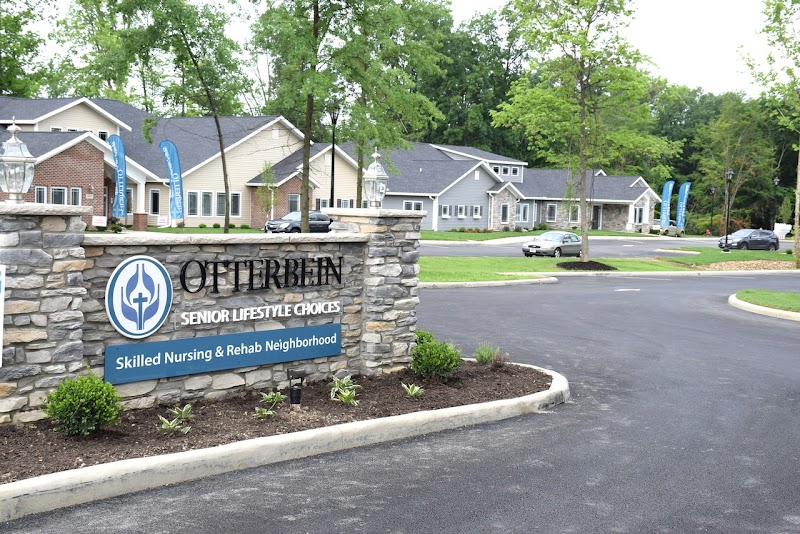



OTTERBEIN GAHANNA

402 LIBERTY WAY, GAHANNA, OH 43230 (614) 981-6854
Non profit - Corporation 60 Beds OTTERBEIN SENIORLIFE Data: November 2025
Trust Grade
35/100
#891 of 913 in OH
Last Inspection: September 2024

Within standard 12-15 month inspection cycle. Federal law requires annual inspections.

Overview

Otterbein Gahanna has received a Trust Grade of F, indicating significant concerns about the facility's quality and care. With a state rank of #891 out of 913 in Ohio and a county rank of #53 out of 56 in Franklin County, it is in the bottom half of options available. The facility is improving, having reduced its issues from 32 in 2024 to 7 in 2025, but it still reported 80 total issues, mostly related to potential harm. Staffing is average with a 3/5 rating, but an alarming 61% turnover rate suggests instability among staff members. While there have been no fines reported, the inspector findings revealed serious concerns, including improper food storage that could affect all residents and failure to ensure proper food safety practices across multiple kitchens. Families considering this home should weigh these strengths and weaknesses carefully.

Trust Score
F
35/100
In Ohio
#891/913
Bottom 3%
Safety Record
Low Risk
No red flags
Inspections
Getting Better
32 → 7 violations
Staff Stability
⚠ Watch
61% turnover. Above average. Higher turnover means staff may not know residents' routines.
Penalties
✓ Good
No fines on record. Clean compliance history, better than most Ohio facilities.
Skilled Nurses
○ Average
Each resident gets 39 minutes of Registered Nurse (RN) attention daily — about average for Ohio. RNs are the most trained staff who monitor for health changes.
Violations
⚠ Watch
80 deficiencies on record. Higher than average. Multiple issues found across inspections.
★☆☆☆☆
1.0
Overall Rating
★★★☆☆
3.0
Staff Levels
★★★☆☆
3.0
Care Quality
★☆☆☆☆
1.0
Inspection Score
Stable
2024: 32 issues
2025: 7 issues

The Good

  • Full Sprinkler Coverage · Fire safety systems throughout facility
  • No fines on record

Facility shows strength in fire safety.

The Bad

1-Star Overall Rating

Below Ohio average (3.2)

Significant quality concerns identified by CMS

Staff Turnover: 61%

15pts above Ohio avg (46%)

Frequent staff changes - ask about care continuity

Chain: OTTERBEIN SENIORLIFE

Part of a multi-facility chain

Ask about local staffing decisions and management

Staff turnover is elevated (61%)

13 points above Ohio average of 48%

The Ugly 80 deficiencies on record

Jun 2025 5 deficiencies
CONCERN (D) 📢 Someone Reported This

A family member, employee, or ombudsman was alarmed enough to file a formal complaint

Potential for Harm - no one hurt, but risky conditions existed

Notification of Changes (Tag F0580)

Could have caused harm · This affected 1 resident

**NOTE- TERMS IN BRACKETS HAVE BEEN EDITED TO PROTECT CONFIDENTIALITY** Based on record review, interviews, and policy review, the facility failed to notify the physician and/or registered dietician w...

Read full inspector narrative →
**NOTE- TERMS IN BRACKETS HAVE BEEN EDITED TO PROTECT CONFIDENTIALITY** Based on record review, interviews, and policy review, the facility failed to notify the physician and/or registered dietician when Resident #44 did not have physician ordered enteral nutrition available and failed to report Resident #48's weight loss. This affected two (Resident #44 and Resident #48) of three residents reviewed for change in condition. The facility census was 54. Findings include: 1. Review of the medical record revealed Resident #44 was admitted on [DATE] and readmitted on [DATE] with diagnoses that included nontraumatic intracerebral hemorrhage, type II diabetes, and dysphagia. On 03/18/25 Resident #44 weighed 228 pounds. A nutrition/dietary note dated 03/20/25 at 11:33 A.M. revealed Resident #44 was ordered nothing by mouth and received enteral support as the sole source of nutrition. Resident #44 received Osmolite (therapeutic nutrition that provided complete and balanced nutrition for tube feeding (enteral nutrition) residents) 1.5 cal (caloric density of 1.5 calories per milliliter) at 80 milliliter per hour (ml/hr) for 20-hours a day with 300 ml water flushes every four hours. Resident #44's weight had been more stable since mid-December after Resident #44 was ordered nothing by mouth. On 04/15/25 Resident #44 weighted 228 pounds. Review of the medication administration record (MAR) revealed on 04/21/25 at 8:00 AM the Osmolite 1.5 was marked with 9 which indicated to see other/progress notes. The administration note dated 04/21/25 at 3:52 P.M. revealed Osmolite 1.5 was not available. Further review of the MAR and progress notes revealed no evidence of the Osmolite being administered at a later time on 04/21/25 or the physician or registered dietician being notified Osmolite was not available for Resident #44. Review of the quarterly Minimum Data Set (MDS) dated [DATE] revealed Resident #44 had cognitive impairment and required a feeding tube. An interview on 06/12/25 at 9:19 A.M. with Licensed Nursing Home Administrator (LNHA) verified the MAR was marked as the Osmolite was not administered. An interview on 06/12/25 at 2:24 P.M. with Registered Dietician (RD) #502 verified he was not notified Resident #44 did not receive Osmolite on 04/21/25. On 06/13/25 at 10:56 A.M. the DON verified the documentation revealed Osmolite was not administered and there was no documentation of the physician or registered dietician being notified. Review of notification of change of condition policy revised 11/22/21 revealed the facility will immediately inform the resident, consult with the resident's physician, nurse practitioner or clinical nurse specialist, and resident representative when there is a need to alter treatment significantly such as the need to discontinue an existing form of treatment due to adverse consequences, or to commence a new form of treatment. Review of enteral tube feeding, continuous, gastrostomy and jejunostomy policy revised 11/18/24 revealed documentation associated with gastrostomy and jejunostomy continuous enteral tube feeding problems or complications include the name of the practitioner notified, date and time of the notification, prescribed interventions, and the response to those interventions. 2. Review of the medical record revealed Resident #48 was admitted on [DATE] with diagnoses that included senile degeneration of brain and vascular dementia. On 04/07/25 Resident #48 weighed 189 pounds Review of a plan of care dated 04/08/25 revealed Resident #48 was at risk for malnutrition. Interventions included to offer a substitute if Resident #48 did not like what was being served. If food intake decreased, family and friends would be encouraged to bring in food and fluids that Resident #48 liked. Review of the admission MDS dated [DATE] revealed Resident #48 had significant cognitive impairment and had no weight loss. A nutrition/dietary note dated 04/15/25 at 4:40 P.M. revealed Resident #48 received a no added salt diet. Resident #48's meal intakes varied from 50 to 75-percent, and Resident #48 weighed 189 pounds. No new recommendations were made at this time. Review of the resident's weights revealed: On 04/22/25 Resident #48 weighed 188 pounds. On 04/23/25 Resident #48 weighed 178 pounds. On 04/29/25 Resident #48 weighed 176 pounds On 05/01/25 Resident #48 weighed 176 pounds On 06/09/25 Resident #48 weighed 180 pounds. An interview on 06/12/25 at 9:12 A.M. with the DON and the LNHA revealed an agency nurse worked on 04/07/25 and 04/22/25. The agency nurse was contacted after the surveyor inquired about the weight loss and the nurse stated they remembered that they typed in the wrong weight on 04/07/25 and 04/22/25. The LNHA verified there was nothing in the medical record indicating the weights had been entered incorrectly on 04/07/25 and 04/22/25. The DON verified the EMR revealed Resident #48 had a 10 pound weight loss in one day and 12 pound weight loss in seven days without anyone being made aware of the weight loss. The DON stated the registered dietician would usually be notified of weight changes and would review the weight changes at least weekly. The DON verified the last nutrition/dietary note was dated 04/15/25. Review of notification of change of condition policy revised 11/22/21 revealed the facility will immediately inform the resident, consult with the resident's physician, nurse practitioner or clinical nurse specialist, and resident representative when there was a significant change in the resident's physical, mental, or psychosocial status. Review of the weight policy dated 12/02/21 revealed the food coordinator, DON/Health Care Coordinator (HCC), and/or Dietician/Tech will request reweighs for those persons with significant weight changes (5% in 30 days or 10% in 180 days) and/or fluctuation for three to five pounds. The reweighs will be completed by the 10th of the month. If a significant weight change was noted, the dietitian and/or diet technician will then proceed with the following as appropriate: observe person regarding weight change, speak with person at mealtime, make recommendations for interventions, and document in the medical record. This deficiency represents non-compliance investigated under Complaint Number OH00164452.
CONCERN (D) 📢 Someone Reported This

A family member, employee, or ombudsman was alarmed enough to file a formal complaint

Potential for Harm - no one hurt, but risky conditions existed

Pressure Ulcer Prevention (Tag F0686)

Could have caused harm · This affected 1 resident

**NOTE- TERMS IN BRACKETS HAVE BEEN EDITED TO PROTECT CONFIDENTIALITY** Based on observation, record review, interviews, and policy review, the facility failed to provide a comprehensive and individua...

Read full inspector narrative →
**NOTE- TERMS IN BRACKETS HAVE BEEN EDITED TO PROTECT CONFIDENTIALITY** Based on observation, record review, interviews, and policy review, the facility failed to provide a comprehensive and individualized pressure ulcer plan to aid in the prevention and/or treatment of pressure ulcers. This affected two (Resident #4 and #50) of three residents reviewed for pressure ulcers. Findings include: 1. Review of the medical record revealed Resident #4 was admitted on [DATE] with diagnosis that included multiple fractures of pelvis, osteoporosis, and psoriasis. An admission summary dated [DATE] at 6:35 P.M. revealed Resident #4 was admitted to the facility with a pelvic fracture and open reduction and internal fixation of the left hip. Resident #4 had a pressure ulcer to the coccyx. A new skin observation form dated 04/30/25 at 11:47 P.M. revealed Resident #4 was admitted with a skin tear to the coccyx that measured two centimeters (cm) long and one cm wide and surgical incision to the left thigh. An admission screen and baseline care plan dated 05/01/25 at 1:42 A.M. revealed Resident #4 had an area to the coccyx. No description or measurement of the area was documented. A plan of care dated 05/01/25 revealed Resident #4 had the potential for skin breakdown and was admitted with a surgical wound to the left hip. Interventions included treatments as ordered and turn and reposition frequently and as needed, moisture barrier to perineal and buttocks after incontinence, and weekly skin screening. The admission Minimum Data Set (MDS) dated [DATE] revealed Resident #4 had cognitive impairment and a Stage III (full thickness skin loss) pressure ulcer that was present upon admission. The initial wound evaluation dated 05/06/25 revealed Resident #4 had a Stage III pressure ulcer to the sacrum that measured 5.5 cm long, 2.8 cm wide, and 0.1 cm deep. There was a moderate amount of serous (thin, watery, and clear or slightly yellow fluid) exudate. A treatment was put in place for the wound to be cleansed, patted dry, calcium alginate (highly absorbent to maintain a moist wound environment) applied and covered with a gauze island bordered dressing. Recommendations included a low air loss mattress to be put in place. Review of physician orders revealed treatment orders were entered on 05/06/25 but an order for a low air loss mattress was not provided. A plan of care plan updated on 05/09/25 revealed Resident #4 had the potential for skin breakdown. Resident #4 was admitted with a Stage III pressure injury to the sacrum and a surgical wound to the left hip. Interventions included treatments as ordered, turn and reposition frequently and as needed, moisture barrier to perineal and buttocks after incontinence, and weekly skin screening. A wound evaluation dated 05/15/25 revealed Resident #4 had a Stage III pressure ulcer to the sacrum that measured 4.5 cm long, two cm wide, and 0.1 cm deep. An observation on 06/04/25 at 12:25 P.M. of the treatment to Resident #4's sacrum revealed no concerns. An air mattress was not observed to Resident #4's bed. An observation on 06/11/25 at 12:28 P.M. revealed an air mattress was not in place to Resident #4's bed. An interview on 06/11/25 at 12:33 P.M. with Certified Nursing Assistant (CNA) #106 revealed she frequently provided care for Resident #4. CNA #106 verified Resident #4 did not have a low air loss mattress and CNA #106 could not recall there ever being one to Resident #4's bed. An interview on 06/12/25 at 9:26 A.M. with the Director of Nursing (DON) verified Resident #4 was admitted on [DATE] and a skin tear was documented to Resident #4's coccyx. The DON verified there was no documentation of a treatment to Resident #4's coccyx. The DON also verified a treatment was not put in place until 05/06/25 when Resident #4 was evaluated by the wound doctor on 05/06/25. The area was identified as a Stage III pressure ulcer to Resident #4's sacrum. The DON verified there was not an order put in place for the low air loss mattress as recommended by the wound doctor on 05/06/25. 2. Review of the medical record revealed Resident #50 was admitted on [DATE] with diagnoses that included atrial fibrillation, mild protein-calorie malnutrition, disorders of bone density, and dysphagia. A physician order dated 09/25/24 revealed Resident #50 was to have a low air loss mattress in place. A plan of care dated 10/03/24 revealed Resident #50 had actual impairment to skin integrity of the sacrum. Interventions included keep skin clean and dry, monitor location, size, and treatment of skin injury, a low air loss mattress, and treatment documentation was to include the measurement of each area of skin breakdown included the width, length, depth, type of tissue and exudate and any other notable changes or observations. Weekly skin screenings were to be completed. Further review of the medical record revealed a wound management summary dated 01/28/25 that indicated the Stage III pressure ulcer to Resident #50's sacrum was resolved. The quarterly Minimum Data Set (MDS) dated [DATE] revealed Resident #50 had severe cognitive impairment. The MDS also revealed Resident #50 was at risk for the development of pressure ulcers. Resident #50 had no current pressure ulcers. Review of the Body audit forms dated 05/04/25, 05/07/25, 05/11/25, and 05/14/25 revealed no skin concerns. A shower sheet dated 05/19/25 revealed no skin concerns. A weekly skin assessment dated [DATE] revealed Resident #50 had an on going open area to the coccyx. There was no additional information regarding the pressure ulcer. A nursing note dated 05/31/25 at 4:10 P.M. revealed Resident #50 had a red rash on their back. A skin assessment was completed and two small open areas were also found to Resident #50's coccyx. The one open area measured 0.5 cm long, 0.3 cm wide, and the other measured one cm long and 0.8 cm wide. The wound doctor was notified and the areas were cleansed with normal saline, calcium alginate was applied, and the area was covered with a gauze island bordered dressing A wound evaluation and management summary dated 06/01/25 revealed at the request of the referring provider, a thorough wound care assessment and evaluation was performed. Resident #50 had a Stage III pressure ulcer to the sacrum that measured 2.7 cm long, 2.3 cm wide, and 0.2 cm deep. There was moderate serous exudate. The area was to be cleansed with normal saline, calcium alginate applied, and covered with a bordered gauze. A low air loss mattress was to be in place. The summary revealed Resident #50 weighed 116 pounds. An observation on 06/04/25 at 8:54 A.M. revealed Resident #50's air mattress was beeping and flashing and had an error code. An observation and interview on 06/04/25 at 10:23 A.M. with Licensed Practical Nurse (LPN) #155 verified the low air loss mattress to Resident #50's bed was making a beeping sound and showed an error code. Interview on 06/04/25 at 2:06 P.M. with Licensed Nursing Home Administrator (LNHA) verified the bed had been fixed that morning after surveyor intervention. An observation and interview on 06/04/25 at 2:19 P.M. the DON verified the air mattress setting for Resident #50 was set for a person that weighed 210 to 220 pounds. The DON verified Resident #50 weighed probably between 110 and 120 pounds. An additional interview on 06/11/25 at 8:35 A.M. with the DON verified a skin assessment on 05/26/25 revealed Resident #50 had an open area to the coccyx and the medical record revealed no further documentation of the open areas or a treatment being put in place until 05/31/25. The DON stated the wound physician evaluated Resident #50 on 06/01/25 and identified the two areas as one area and put a treatment in place at that time. Review of the skin assessment policy dated 11/17/22 revealed a thorough head to toe skin assessment was to be completed upon admission, weekly, upon any identified significant change and as needed. Review of the skin management procedure revised 12/09/22 revealed staff should remain alert to potential changes in the skin condition and should evaluate and document the identified changes: an evaluation of the site, the status of the area around the ulcer, and presence of possible complications. The physician will be notified of all skin areas of concern and consulted for treatment orders. The use of the wound clinic or specialist may occur for those areas in which the physician makes a referral. This deficiency represents non-compliance investigated under Complaint Number OH00164452.
CONCERN (D) 📢 Someone Reported This

A family member, employee, or ombudsman was alarmed enough to file a formal complaint

Potential for Harm - no one hurt, but risky conditions existed

Deficiency F0692 (Tag F0692)

Could have caused harm · This affected 1 resident

**NOTE- TERMS IN BRACKETS HAVE BEEN EDITED TO PROTECT CONFIDENTIALITY** Based on record review, interview, and policy review, the facility failed to ensure a comprehensive, resident centered treatment...

Read full inspector narrative →
**NOTE- TERMS IN BRACKETS HAVE BEEN EDITED TO PROTECT CONFIDENTIALITY** Based on record review, interview, and policy review, the facility failed to ensure a comprehensive, resident centered treatment plan was implemented to support identified needs related to enteral nutrition and failed to maintain appropriate parameters to accurately assess nutritional status. This affected two (Resident #44 and Resident #60) of three residents reviewed for nutrition. The facility census was 54. Findings include: 1. Review of the medical record revealed Resident #44 was admitted on [DATE] and readmitted on [DATE] with diagnoses that included nontraumatic intracerebral hemorrhage, type II diabetes, and dysphagia. On 03/18/25 Resident #44 weighed 228 pounds. A nutrition/dietary note dated 03/20/25 at 11:33 A.M. revealed Resident #44 was ordered nothing by mouth and received enteral support as the sole source of nutrition. Resident #44 received Osmolite (therapeutic nutrition that provided complete and balanced nutrition for tube feeding (enteral nutrition) residents) 1.5 cal (caloric density of 1.5 calories per milliliter) at 80 milliliter per hour (ml/hr) for 20-hours a day with 300 ml water flushes every four hours. Resident #44's weight had been more stable since mid-December after Resident #44 was ordered nothing by mouth. On 04/15/25 Resident #44 weighted 228 pounds. Review of the medication administration record (MAR) revealed on 04/21/25 at 8:00 AM the Osmolite 1.5 was marked with the number 9 which indicated to see other/progress notes. The administration note dated 04/21/25 at 3:52 P.M. revealed Osmolite 1.5 was not available. Further review of the MAR and progress notes revealed no evidence of the Osmolite being administered at a later time on 04/21/25 or the physician or registered dietician being notified Osmolite was not available for Resident #44. Review of the quarterly Minimum Data Set (MDS) dated [DATE] revealed Resident #44 had cognitive impairment and required a feeding tube. An interview on 06/12/25 at 9:19 A.M. with Licensed Nursing Home Administrator (LNHA) verified the MAR was marked as the Osmolite was not administered. The LNHA stated she thought a case of Osmolite had been obtained from another facility around that time. The LNHA provided invoices for Osmolite. Review of invoice number (#)77582734 revealed Osmolite was ordered on 04/24/25 and delivered on 04/28/25. The LNHA stated an agency nurse had been working on 04/21/25 and multiple attempts had been made to contact the nurse to verify Osmolite had not been administered but the attempts were unsuccessful. Please note, the facility did not identify the agency nurse they had attempted to contact. An interview on 06/12/25 at 2:24 P.M. with Registered Dietician (RD) #502 verified he was not notified Resident #44 did not receive Osmolite on 04/21/25. On 06/12/25 at 3:27 P.M., the Director of Nursing (DON) contacted the surveyor and stated Licensed Practical Nurse (LPN) #155 had worked on 04/22/25 and reported that a new nurse (unidentified) worked 04/21/25 and was unable to find the Osmolite, but the Osmolite was available in the store room. An interview on 06/12/25 at 5:01 P.M. with LPN #155 revealed she had worked day shift on 04/22/25 and a new nurse (unidentified) had worked on 04/21/25. LPN #155 stated the new nurse could not find the Osmolite that was in the storage room but the Osmolite was available. LPN #155 stated she worked 04/22/25, 04/23/25, and 04/24/25 and noticed the Osmolite was almost gone on 04/24/25 so pharmacy drop shipped the Osmolite. On 06/13/25 at 10:56 A.M. the DON notified the surveyor that it was not an agency nurse but according to the schedule facility nurse LPN #131 worked on 04/21/25. LPN #131 used an agency badge to log into the computer because she did not have a facility badge. The DON verified the documentation revealed Osmolite was not administered and there was no documentation of the physician or registered dietician being notified. An interview on 06/13/25 at 11:07 A.M. with LPN #131 stated she was a facility nurse but used an agency nurse badge to log in to document in the electronic medical record on 04/21/25. LPN #131 stated she documented incorrectly and the Osmolite was administered to Resident #44. LPN #131 verified she had documented the Osmolite was not available and was not administered but was unable to say why there was no documentation in the medical record to support that the Osmolite was administered on 04/21/25. Review of enteral tube feeding, continuous, gastrostomy and jejunostomy policy revised 11/18/24 revealed documentation associated with gastrostomy and jejunostomy continuous enteral tube feeding problems or complications include the name of the practitioner notified, date and time of the notification, prescribed interventions, and the response to those interventions. 2. Review of the medical record revealed Resident #60 was admitted on [DATE] and discharged to the hospital on [DATE] with diagnoses that included osteoarthritis of right knee, hypertension, type 2 diabetes, shortness of breath, seizures, major depressive disorder, neurocognitive disorder with Lewy Bodies, dementia, chronic obstructive pulmonary disease, and retention of urine. Plan of care dated 03/21/25 revealed Resident #60 was at risk for malnutrition. Interventions included diet as ordered, monitor oral intake and document any negative findings, and monitor weight weekly for one month and then monthly. An order dated 03/21/25 revealed Resident #60 was to be weighed weekly for four weeks on Mondays. On 03/21/25 Resident #60 weighed 239 pounds. The Medicare 5-day Minimum Data Set (MDS) dated [DATE] revealed Resident #60 was cognitively intact. The medical record revealed no evidence of Resident #60 being weighed after 03/21/25. An interview on 06/12/25 at 1:36 P.M. the DON verified Resident #60 was not weighed weekly as ordered. The weight policy dated 12/02/21 revealed people will be weighed weekly for the first four weeks to establish a baseline weight. If weekly weights are requested, they will be done on a daily basis or weekly based on the day the initial weight was obtained. The weight will be recorded in the electronic medical record. This deficiency represents non-compliance investigated under Complaint Number OH00164452.
CONCERN (D) 📢 Someone Reported This

A family member, employee, or ombudsman was alarmed enough to file a formal complaint

Potential for Harm - no one hurt, but risky conditions existed

Deficiency F0757 (Tag F0757)

Could have caused harm · This affected 1 resident

**NOTE- TERMS IN BRACKETS HAVE BEEN EDITED TO PROTECT CONFIDENTIALITY** Based on record review, hospital record review, interview, and policy review, the facility failed to ensure medications were nec...

Read full inspector narrative →
**NOTE- TERMS IN BRACKETS HAVE BEEN EDITED TO PROTECT CONFIDENTIALITY** Based on record review, hospital record review, interview, and policy review, the facility failed to ensure medications were necessary prior to administration and were administered per orders, non-pharmalogical interventions were attempted prior to administration of as needed pain medication and residents did not experience adverse effects from prescribed medications that resulted in hospitalization. This affected one (Resident #60) of three residents reviewed for narcotic medication use. The facility census was 54. Findings include: Review of the hospital prescription (from the resident's hospitalization prior to admission to the facility) dated 03/19/25 revealed Resident #60 was ordered Dilaudid two milligram (mg) every four to six hours as needed for pain. Review of the medical record revealed Resident #60 was admitted on [DATE] and discharged to the hospital on [DATE] with diagnoses that included osteoarthritis of right knee, hypertension, type 2 diabetes, shortness of breath, seizures, major depressive disorder, neurocognitive disorder with Lewy Bodies, dementia, chronic obstructive pulmonary disease, and retention of urine. Review of physician orders revealed Resident #60 was ordered Flexeril (muscle relaxer), hydroxyzine (antihistamine) 25 mg at bedtime for itching, Buspar (antianxiety) five mg three times a day, Cymbalta (antidepressant) 20 mg twice a day, Dilaudid two mg give one mg every four hours as needed for pain from 03/21/25 through 03/25/25, pain monitoring included observe for pain. If pain was present, treat trying non-pharmacological interventions prior to medicating if appropriate, such as an ice pack, warm compress, repositioning, massage, distraction activity, and other. Document interventions in the progress note and document the number of interventions tried every shift. Resident #60 was also ordered Celebrex (nonsteroidal anti-inflammatory) 200 mg every 24 hours as needed for pain, Abilify (antipsychotic for major depressive disorder) two mg daily, Effexor (antidepressant) 225 mg at bedtime, and Trazodone (antidepressant) 250 mg at bedtime. Review of the medication monitoring/control record revealed Resident #60 was ordered Dilaudid two mg by mouth every four to six hours as needed for pain. The medication monitoring/control record revealed Resident #60 was administered Dilaudid two mg on: 03/22/25 at 2:00 P.M. 03/23/25 at 9:41 P.M. 03/24/25 at 10:00 A.M. 03/24/25 at (illegible time) 03/25/25 at 2:00 P.M. Review of the medication administration record (MAR) revealed Resident #60 was ordered Dilaudid one mg every four hours as needed for pain from 03/21/25 to 03/25/25. The only documentation on the MAR for Dilaudid one mg being administered was on 03/23/25 at 9:41 P.M. for a seven out of ten (on a 0-10 pain scale with 0 indicating no pain and 10 indicating the worst pain the resident has felt) pain rating. The MAR revealed no documentation of Celebrex being administered from 03/22/25 to 04/01/25. The Medicare 5-day Minimum Data Set (MDS) dated [DATE] revealed Resident #60 was cognitively intact. The MDS also revealed Resident #60 received antipsychotic, antianxiety, antidepressant, and opioid medications. On 03/26/25 a new order was received to discontinue Resident #60's Dilaudid one mg every four hours as needed and to start Dilaudid two mg twice a day for pain. The medication monitoring/control record revealed Resident #60 was administered Dilaudid two mg on 03/26/25 at 2:00 P.M. Resident #60 was administered Dilaudid two mg twice a day on 03/27/25 through 03/30/25. The MAR revealed Resident #60 was administered Dilaudid two mg twice a day from 03/26/25 at 2:00 P.M. to 03/31/25 at 9:00 A.M. for zero out of ten pain. A DON/Health Care Coordinator Note dated 03/31/25 at 4:40 P.M. revealed the DON and physician had an in-depth conversation with Resident #60's son-in-law. Resident #60's medications were reviewed and several medications were reduced in milligrams and some were discontinued. Resident #60 had increased lethargy and altered mental status. The physician explained that the amount of medication Resident #60 was on was not recommended. The physician wanted to decrease and discontinue medications. Review of physician orders revealed Resident #60's Flexeril and Hydroxyzine were discontinued and Dilaudid 2 mg twice a day was decreased to Dilaudid one mg in the morning on 03/31/25. On 04/01/25 Resident #60's Dilaudid two mg twice a day was discontinued and a new order was received for Dilaudid one mg every four hours as needed for pain. A plan of care dated 04/01/25 revealed Resident #60 was at risk for acute/chronic pain. Interventions included to administer analgesia as ordered and a half an hour before treatments or care, monitor for side effects of pain medication, and monitor and report loss of appetite and weight loss. A nursing note dated 04/01/25 at 9:00 P.M. revealed Resident #60's wife called and requested Resident #60 be sent to the emergency department because Resident #60 had not been feeling well all day. Resident #60 was alert to self and trying to get out of bed. Resident #60 had no facial expression of pain. A nursing note dated 04/01/25 at 9:45 P.M. revealed Resident #60's wife arrived at the facility to take Resident #60 to the hospital. Resident #60's wife stated Resident #60 looked dehydrated and his condition was getting worse. Resident #60's wife called 911 and had Resident #60 transported to the hospital at 10:43 P.M. Review of the hospital records dated 04/02/25 revealed Resident #60 had a positive opioid screening. Resident #60 appeared delirious and had an altered mental status. Resident #60 had acute metabolic encephalopathy likely due to narcotic pain medication use. The plan was to hold Dilaudid and monitor resident. Buspar, Trazodone and Meclizine were to also be held. The initial testing was unrevealing, it was suspected that Dilaudid was causing worsening of mentation status. A hospital psychiatry consult note dated 04/08/25 revealed Resident #60 presented to the hospital with altered mental status. Over the past few days, Resident #60's mental status had improved. Resident #60 denied hallucinations today but stated he had visual hallucinations a few days ago. Resident #60 was oriented to person, place, month and only off two days of the exact date. The hospital Discharge summary dated [DATE] revealed Resident #60 had altered mental status that was probably related to polypharmacy. Trazodone, Buspar, Abilify, and Dilaudid were discontinued. Resident #60's pain was controlled with Tylenol (for mild pain) in the hospital. The discharge therapy notes revealed Resident #60 was able to complete range of motion and could tolerate the right knee range of motion to usually 90 degrees of flexion. An interview on 06/04/25 at 1:55 P.M. with Physician #500 stated the Dilaudid Resident #60 received was just a drop in the bucket compared to the other medications Resident #60 took. Physician #500 stated the psychiatric medications had been ordered by a veterans administration doctor, so Physician #500 did not want to discontinue them. Resident #60 had pain with movement and Dilaudid was scheduled because Resident #60 did not ask for the pain medication. An interview on 06/04/25 at 2:06 P.M. with the DON verified the order from the hospital was Dilaudid two mg as needed. The order was incorrectly entered by the nurse on 03/21/25 for Dilaudid two mg to give one milligram every four hours for pain. The DON stated the order should have continued to be Dilaudid two mg (however, the discrepancies with the order, the MAR and the controlled record were never clarified). The DON verified the only administration of the as needed Dilaudid from 03/22/25 to 03/25/25 documented on the MAR was on 03/23/25 at 9:41 P.M. The DON verified the medication monitoring/control record revealed Dilaudid two mg had been administered five times from 03/22/25 to 03/25/25 without documentation to support the resident was having pain. The DON also verified the pain monitoring documentation revealed Resident #60 had zero pain except on 03/23/25. The DON also verified there was no documentation of non-pharmalogical interventions being attempted before the administration of Dilaudid. The Medication Administration policy revised 11/09/21 revealed prior to administration, the medication and dosage schedule on the MAR is compared with the medication label. If the label and the MAR are different and the container is not flagged indicating a change in directions or if there is any other reason to question the dosage or directions, the physician's orders are checked for correct dosage schedule. This deficiency represents non-compliance investigated under Complaint Number OH00164452.
CONCERN (D) 📢 Someone Reported This

A family member, employee, or ombudsman was alarmed enough to file a formal complaint

Potential for Harm - no one hurt, but risky conditions existed

Deficiency F0773 (Tag F0773)

Could have caused harm · This affected 1 resident

**NOTE- TERMS IN BRACKETS HAVE BEEN EDITED TO PROTECT CONFIDENTIALITY** Based on record review and interviews, the facility failed to notify the physician of laboratory results for Resident #60. This ...

Read full inspector narrative →
**NOTE- TERMS IN BRACKETS HAVE BEEN EDITED TO PROTECT CONFIDENTIALITY** Based on record review and interviews, the facility failed to notify the physician of laboratory results for Resident #60. This affected one (Resident #60) of three residents reviewed for laboratory results. The facility census was 54. Findings include: Review of the medical record revealed Resident #60 was admitted on [DATE] and discharged to the hospital on [DATE] with diagnoses that included osteoarthritis of right knee, hypertension, type 2 diabetes, shortness of breath, seizures, major depressive disorder, neurocognitive disorder with Lewy Bodies, dementia, chronic obstructive pulmonary disease, and retention of urine. The Medicare 5-day Minimum Data Set (MDS) dated [DATE] revealed Resident #60 was cognitively intact. Review of laboratory results dated [DATE] revealed Resident #60's Blood Urea Nitrogen (BUN) was 33 milligram/deciliter (mg/dl), the normal range was 7-25 mg/dl. An elevated BUN could indicate kidneys not functioning properly or dehydration. Resident #60's carbon dioxide was 34 milliequivalent per liter (mEq/l), the normal range was 21-33 mEq/l. An elevated carbon dioxide level could indicate lung disease, sedative overdose, or certain infections. Resident #60's red blood count was 2.86 millions per cubic millimeter (m/cmm), the normal range was 4-6.6 m/cmm, hemoglobin was 8.6 grams per deciliter (g/dl), the normal range was 14-18 g/dl, and hematocrit was 26 percent, the normal range was 42-54 percent. Resident #60's sodium was 143 mEq/l which was within the normal range of 136-145 mEq/l. A progress note dated 04/01/25 at 8:16 A.M. by Certified Nurse Practitioner (CNP) #505 revealed the nurse was advised to ensure all follow up was done and the specialist and CNP were notified of laboratory results. Resident #60 was ordered a complete blood count (CBC) and a basic metabolic panel (BMP) to establish a baseline and find any other cause that could contribute to Resident #60's weakness such as anemia or electrolyte imbalance. Laboratory results would be addressed and corrections made as needed. An interview on 06/03/25 at 3:30 P.M. Director of Nursing verified the physician and/or CNP were not notified of Resident #60's laboratory results dated [DATE]. An interview on 06/04/25 at 1:55 P.M. Physician #500 verified he was not notified of Resident #60 laboratory results dated [DATE].
Jan 2025 2 deficiencies
CONCERN (D) 📢 Someone Reported This

A family member, employee, or ombudsman was alarmed enough to file a formal complaint

Potential for Harm - no one hurt, but risky conditions existed

Deficiency F0760 (Tag F0760)

Could have caused harm · This affected 1 resident

**NOTE- TERMS IN BRACKETS HAVE BEEN EDITED TO PROTECT CONFIDENTIALITY** Based on observation, staff interview, medical record review, manufacture's guidelines, and policy review the facility failed to...

Read full inspector narrative →
**NOTE- TERMS IN BRACKETS HAVE BEEN EDITED TO PROTECT CONFIDENTIALITY** Based on observation, staff interview, medical record review, manufacture's guidelines, and policy review the facility failed to ensure insulin pens were primed before administering insulin to the residents. This affected one resident (#47) of one resident reviewing for insulin pen priming. The facility identified two residents (#47 and #55) in House #1 who received insulin. The facility census was 55. Findings include: Review of the medical record for Resident #47 revealed an admission date of 08/05/21 with diagnoses of transient cerebral ischemic attack, type two diabetes mellitus without complications, anemia, adult failure to thrive, hypertension and dementia. Review of quarterly Minimum Data Set (MDS) 3.0 assessment dated [DATE] revealed Resident #47 had moderate cognitive impairment. Review of physician orders dated 01/29/24 for Resident #47 revealed the resident was prescribed Insulin Glargine Solution 100 units, with instructions to inject 8 units subcutaneously each morning before breakfast to manage Diabetes Mellitus. Observation of medication administration on 12/18/24 at 8:41 A.M. for Resident #47 indicated the resident was scheduled to receive 8 units of insulin Glargine solution 100 units/ml. Registered Nurse (RN) #113 prepared the medication at the medication cart, first cleansing the tip of the insulin pen, attaching a needle, and placing the pen on a clean tissue. The nurse then grabbed an alcohol wipe, locked the medication, and entered the resident's room. Upon entering, the nurse performed hand hygiene, donned clean gloves, and approached the resident. The nurse wiped the right side of the resident's arm with the alcohol wipe, twisted the insulin pen to prepare 8 units, but failed to prime the insulin pen prior to administration. The nurse quickly showed the pen to the surveyor with 8 units dosed and then administered the medication. Interview on 12/18/24 at 8:46 A.M. with RN #113 confirmed she did not prime the insulin pen before administering the medication. RN #113 was unaware of the required procedure or the proper amount of insulin to use for priming the insulin pen. Review of policy entitled Insulin Pen Quick Reference Guide dated 2021 revealed Lantus insulin pens require two units to be used for priming the needle before an injection is administered, ensuring accurate dosing. Review of the manufacturer's guidelines entitled Drop Safe Safety Pen Needle not dated revealed a priming test is recommended by the pen device manufacturer. A drop of liquid should appear on the needle tip, visible through the viewing window. If priming is unsuccessful, a new safety pen needle should be used. Review of How to use your Lantus SoloStar pen dated 2022 revealed the nurse should dial a test dose of two units, hold the pen with the needle pointing up, and tap the insulin reservoir lightly to move any air bubbles to the top. The nurse should then press the injection button fully to ensure insulin is dispensed from the needle. If no insulin is released, the test should be repeated twice more. If the problem persists, a new needle should be used and the priming test repeated. This deficiency represents non-compliance as an incidental finding during investigation of Complaint Number OH00160045.
CONCERN (E) 📢 Someone Reported This

A family member, employee, or ombudsman was alarmed enough to file a formal complaint

Potential for Harm - no one hurt, but risky conditions existed

Food Safety (Tag F0812)

Could have caused harm · This affected multiple residents

Based on observation and interview the facility failed to maintain a clean kitchen environment. This had the potential to affect all residents except Resident #1 who does not receive food from the kit...

Read full inspector narrative →
Based on observation and interview the facility failed to maintain a clean kitchen environment. This had the potential to affect all residents except Resident #1 who does not receive food from the kitchen. The facility census was 55. Findings include: Observation on 12/17/24 at 9:54 A.M. of house number four revealed kitchen cabinets were dirty with a splattered white substance on the island and the cabinet next to the stove. Observation on 12/17/24 at 10:01 A.M. of house number five revealed a broken cabinet hinge facing outward toward the resident care area. The cabinets were observed with yellow, dripping dried substance along the fronts. Observation on 12/18/24 at 8:02 A.M. of house number three revealed the front of the kitchen cabinets were dirty with splatter, and the stainless steel area around the stove looked dirty. Observation on 12/18/24 at 9:17 A.M. of house number four revealed kitchen cabinets were dirty with a splattered white substance on the island and the cabinet next to the stove. Observation on 12/19/24 at 11:15 A.M. of house five revealed the kitchen island with a red plug had food splatters on it, and the cabinet was still off the hinge. The fridge, which was stainless steel, had fingerprints and grime along the door, the cabinet by the hairnet drawer had grime along the front door. The island had a yellow substance dripping along the front of the cabinet. Observation on 12/19/24 at 11:42 A.M. of house three revealed the fridge had fingerprints all over it, and the door had a dried substance along the edge when opening the fridge. The cabinet front specifically had splattered or dripping dried food along the cabinets. When opening the trash can, food and wrappers were present at the bottom around the trash can. Observation on 12/19/24 at 4:30 P.M. of house three revealed the fridge had fingerprints and dried substance along the door, the cabinet fronts were dirty, and the area underneath the pull-out trash cans had not been cleaned. Interview on 12/19/24 at 4:42 P.M. with Certified Nursing Assistant (CNA) #82 stated that she would not want her own home to look like this. However, the aides do not have enough time to clean. She mentioned that the kitchen really needs a deep clean but that there is no housekeeper to do it. The aides prioritize the residents' needs-such as bathing, feeding, restroom assistance, and dressing-over environmental concerns. Observation on 12/19/24 at 4:48 P.M. of house five revealed the cabinet fronts were dirty, the island had splatters along the front, and the area under the trash can had food and wrappers. The fridge had adhesive and fingerprint marks along the front. The hinge to the kitchen island had been hanging off for the past three days. Interview on 12/19/24 at 4:52 P.M. with Diet Technician #103 confirmed the kitchen was not in satisfactory condition and that all areas of concern were present. Observation on 12/19/24 at 4:59 P.M. of house four revealed the area under the trash can was filthy, filled with food and wrappers. The cabinet fronts were dirty, along with all the cabinet fronts on the island and around the stove. Interview on 12/19/24 at 5:01 P.M. with CNA #99 confirmed that the trash can had food and wrappers at the base of the cabinet. All cabinet fronts were dirty, and the area around the stove was greasy. Interview and observation on 12/19/24 at 5:11 P.M. with the Director of Nursing confirmed the kitchen in house #1 and house #2 were not in clean and sanitary conditions. This deficiency represents non-compliance investigated under Master Complaint Number OH00160461.
Nov 2024 2 deficiencies
CONCERN (D) 📢 Someone Reported This

A family member, employee, or ombudsman was alarmed enough to file a formal complaint

Potential for Harm - no one hurt, but risky conditions existed

Deficiency F0760 (Tag F0760)

Could have caused harm · This affected 1 resident

**NOTE- TERMS IN BRACKETS HAVE BEEN EDITED TO PROTECT CONFIDENTIALITY** Based on observation, staff interview, medical record review, and policy review the facility failed to ensure insulin pens were ...

Read full inspector narrative →
**NOTE- TERMS IN BRACKETS HAVE BEEN EDITED TO PROTECT CONFIDENTIALITY** Based on observation, staff interview, medical record review, and policy review the facility failed to ensure insulin pens were primed before administering insulin to the residents. This affected one resident (#23) of one resident reviewed for insulin pen priming. The facility identified five residents (#14, #15, #18, #19 and #23) in House #2 who received insulin. The facility census was 54. Findings included: Medical record review for Resident #23 revealed an admission date of 01/20/23. Medical diagnoses included chronic obstructive pulmonary disease and diabetes. Review of physician orders dated 11/02/23 revealed Lantus to inject 35 units subcutaneously in the morning. Further review of physician orders dated 01/31/24 for Resident #23 revealed Novolog flex pen subcutaneous solution to inject per sliding scale in the morning and at bedtime. Review of the quarterly Minimum Data Set (MDS) 3.0 assessment dated [DATE] revealed Resident #23 was cognitively intact. During a medication administration observation on 11/04/24 at 8:21 A.M. for Resident #23 revealed after her blood sugar was taken she required two units of Novolog and she was scheduled for Lantus 35 units. The Registered Nurse (RN) #171 didn't prime either one of the pens before administration. Interview with RN #171 on 11/04/24 at 8:38 A.M. revealed he didn't know anything about an insulin pen needed primed before giving the medication. He confirmed he didn't prime the needles for Novolog or Lantus. Review of policy entitled Insulin Pen Quick Reference Guide dated 2021 revealed Novolog and Lantus require two units to prime the needle before injecting the insulin. Review of the manufacturer's guidelines entitled Drop Safe Safety Pen Needle not dated revealed to perform a priming test recommended by the pen inject device manufacturer. A drop of liquid should appear on the needle tip visible through the viewing window. Use a new safety pen needle if the priming was unsuccessful. This deficiency represents non-compliance as an incidental finding during investigation of Complaint Number OH00159371.
CONCERN (D) 📢 Someone Reported This

A family member, employee, or ombudsman was alarmed enough to file a formal complaint

Potential for Harm - no one hurt, but risky conditions existed

Infection Control (Tag F0880)

Could have caused harm · This affected 1 resident

**NOTE- TERMS IN BRACKETS HAVE BEEN EDITED TO PROTECT CONFIDENTIALITY** Based on medical record review, observations, staff interview and policy review the facility failed to ensure glucometers were s...

Read full inspector narrative →
**NOTE- TERMS IN BRACKETS HAVE BEEN EDITED TO PROTECT CONFIDENTIALITY** Based on medical record review, observations, staff interview and policy review the facility failed to ensure glucometers were sanitized between residents. This affected three (#14, #15, #23) of three residents reviewed for medication administration. The facility identified this had the potential to affect five residents (#14, #15, #18, #19 and #23) who received accuchecks in House #2. The facility census was 54. Findings included: 1. Review of the medical record review for Resident #14 revealed an admission date of 11/18/22. Medical diagnoses included Alzheimer's Disease and diabetes. Review of physician orders dated 11/18/23 revealed to take blood sugars in the morning. Review of the annual Minimum Data Set (MDS) 3.0 assessment dated [DATE] revealed Resident #14 was rarely or ever understood. During a medication administration observation on 11/04/24 at 7:38 A.M. for Resident #14 revealed after taking the blood sugar of the resident the Registered Nurse (RN) #171 revealed he didn't wipe the glucometer off with any sanitizing wipes. 2. Medical record review for Resident #15 revealed an admission date of 08/12/20. Medical diagnoses included cerebrovascular attack (CVA) and diabetes. Review of physician orders dated 09/13/23 revealed to take blood sugar three times a day before meals and at bed time. Review of the quarterly MDS 3.0 assessment dated [DATE] revealed Resident #15 was moderately cognitively impaired. During a medication administration observation on 11/04/24 at 7:56 A.M. for Resident #15 revealed after taking the blood sugar of the resident the RN #171 revealed he didn't wipe the glucometer off with any sanitizing wipes. 3. Medical record review for Resident #23 revealed an admission date of 01/20/23. Medical diagnoses included chronic obstructive pulmonary disease and diabetes. Review of physician orders dated 11/02/23 revealed Lantus to inject 35 units subcutaneously in the morning. Further review of physician orders dated 01/31/24 for Resident #23 revealed Novolog flex pen subcutaneous solution to inject per sliding scale in the morning and at bedtime. Review of the quarterly MDS 3.0 assessment dated [DATE] revealed Resident #23 was cognitively intact. During a medication administration observation on 11/04/24 at 8:21 A.M. for Resident #23 revealed after taking the blood sugar of the resident the RN #171 revealed he didn't wipe the glucometer off with any sanitizing wipes. Interview with RN #171 on 11/04/24 at 8:38 A.M. revealed the facility was using the alcohol swabs to clean off the glucometer's. He confirmed he didn't sanitize the glucometer's in between residents for Resident's #14, #15, and #23. Review of policy entitled Cleaning/Disinfecting Elder Equipment and Medical Devices dated 11/05/21 revealed resident care devices - such as electric thermometers, glucose monitoring devices and coagulation monitoring devices may transmit pathogens if devices contaminated with blood and body fluids are shared without cleaning and disinfecting between uses for different residents. Single use disposable devices and individually assigned equipment should be used whenever possible. If equipment is required to be shared, it will be cleaned or disinfected between elders. This deficiency represents non-compliance as an incidental finding during investigation of Complaint Number OH00159371.
Sept 2024 29 deficiencies
CONCERN (D) 📢 Someone Reported This

A family member, employee, or ombudsman was alarmed enough to file a formal complaint

Potential for Harm - no one hurt, but risky conditions existed

Deficiency F0561 (Tag F0561)

Could have caused harm · This affected 1 resident

**NOTE- TERMS IN BRACKETS HAVE BEEN EDITED TO PROTECT CONFIDENTIALITY** Based on record review and staff and family interviews, the facility failed to ensure one resident (#25) was provided bathing pe...

Read full inspector narrative →
**NOTE- TERMS IN BRACKETS HAVE BEEN EDITED TO PROTECT CONFIDENTIALITY** Based on record review and staff and family interviews, the facility failed to ensure one resident (#25) was provided bathing per her preference. This affected one ( Resident #25) of six residents reviewed for activities of daily living (ADL). The facility census was 50. Findings Include: Review of the medical record for Resident #25 revealed an initial admission date of 01/17/24 with the diagnoses including but not limited to congestive heart failure, hyperlipidemia, hypothyroidism, chronic kidney disease, atrial fibrillation, hypertension, gastro-esophageal reflux disease, macular degeneration and protein calorie malnutrition. Review of the plan of care dated 03/22/24 revealed the resident had a self-care deficit and/or physical mobility performance deficit related to activity intolerance, fatigue, impaired balance and weakness. Interventions included the resident requires moderate assistance of one staff for dressing, showering and personal hygiene. Review of the resident's quarterly Minimum Data Set (MDS) assessment dated [DATE] revealed the resident had a moderate cognitive deficit. Review of the mood and behavior revealed the resident had not rejected any care. Review of the resident's task list revealed no assigned day for scheduled showers. Review of the resident's shower documentation from 08/16/24 to 09/09/24 revealed the resident had received two showers on 08/16/24 and 09/02/24. On 09/09/24 at 2:12 P.M., interview with Resident #25's family member revealed the resident only received one shower a week and she would like more. On 09/16/24 at 9:50 A.M., interview with the Interim Director of Nursing (IDON) verified the resident had only two shower in the past 30 days as preferred and bed baths on 08/23/24, 08/30/24 and 09/06/24. This deficiency represents non-compliance investigated under Complaint Number OH00156906 and Complaint Number OH00156905.
CONCERN (D) 📢 Someone Reported This

A family member, employee, or ombudsman was alarmed enough to file a formal complaint

Potential for Harm - no one hurt, but risky conditions existed

Notification of Changes (Tag F0580)

Could have caused harm · This affected 1 resident

**NOTE- TERMS IN BRACKETS HAVE BEEN EDITED TO PROTECT CONFIDENTIALITY** Based on record review, staff interview and facility policy review, the facility failed to ensure one resident's (#31) physician...

Read full inspector narrative →
**NOTE- TERMS IN BRACKETS HAVE BEEN EDITED TO PROTECT CONFIDENTIALITY** Based on record review, staff interview and facility policy review, the facility failed to ensure one resident's (#31) physician was notified of vital signs outside of the physician ordered parameters. This affected one ( Resident #31) of 24 sampled residents reviewed. The facility census was 50. Findings Include: Review of the medical record for Resident #31 revealed an initial admission date of 02/26/22 with the latest readmission of 09/05/24 with the diagnoses including but not limited to cellulitis of left upper limb, cardiomyopathy, hypertension, ulcerative colitis, cerebrovascular accident with left sided hemiplegia, anemia, severe protein calorie malnutrition, hyperlipidemia, congestive heart failure, presence of cardiac pacemaker, anxiety disorder and major depressive disorder. Review of the plan of care dated 03/18/22 revealed the resident had an altered cardiovascular status related to CHF, hypertension, hyperlipidemia, CVA and presence of pacemaker. Interventions included administer medications as ordered, daily weight with special instructions to notify heart failure clinic if weight gain of two pounds in a 24 hour period or five pounds in one week. Review of the resident's quarterly Minimum Data Set (MDS) assessment dated [DATE] revealed the resident had no cognitive deficit. Review of the resident's monthly physician orders for September 2024 identified orders dated 10/17/22 blood pressure twice daily with the special instructions to contact heart failure clinic if systolic blood pressure is less than 100 or greater than 135 and 11/22/22 check oxygen saturation rate and heart rate twice daily with the special instructions to contact the heart failure clinic if heart rate is less than 60 or greater than 85. Review of the resident's Medication Administration Record (MAR) for August 2024 revealed the resident's pulse was greater than 85 on 08/05/24, 08/06/24, 08/07/24, 08/08/24, 08/09/24, 08/10/24 and 08/31/24. Further review of the MAR revealed the resident's systolic blood pressure was greater than 135 on 08/03/24, 08/17/24 and 08/18/24. Review of the medical record revealed no documented evidence the physician at the heart failure clinic was notified of the vital signs outside the specified parameters as physician ordered. On 09/10/24 at 1:00 P.M., interview with Interim Director of Nursing (IDON) verified the physician at the heart failure clinic was not notified of the vital signs outside the specified parameters as physician ordered. Review of the facility policy titled, Notification of Change in Condition, last revised on 11/22/21 revealed the facility will immediately inform the resident, consult with the resident's physician, Nurse Practitioner (NP) or clinical nurse specialist and if known notify the resident's representative when there is a significant change in the resident's physical, mental or psychosocial status.
CONCERN (D)

Potential for Harm - no one hurt, but risky conditions existed

Transfer Requirements (Tag F0622)

Could have caused harm · This affected 1 resident

**NOTE- TERMS IN BRACKETS HAVE BEEN EDITED TO PROTECT CONFIDENTIALITY** Based on record review and staff interview, the facility failed to ensure one resident's (#31) required resident information for...

Read full inspector narrative →
**NOTE- TERMS IN BRACKETS HAVE BEEN EDITED TO PROTECT CONFIDENTIALITY** Based on record review and staff interview, the facility failed to ensure one resident's (#31) required resident information for emergency transfer was documented in the resident's medical record and provided for the receiving facility. This affected one (Resident #31) of three residents reviewed for hospitalization. The facility census was 50. Findings Include: Review of the medical record for Resident #31 revealed an initial admission date of 02/26/22 with the latest readmission of 09/05/24 with the diagnoses including but not limited to cellulitis of left upper limb, cardiomyopathy, hypertension, ulcerative colitis, cerebrovascular accident with left sided hemiplegia, anemia, severe protein calorie malnutrition, hyperlipidemia, congestive heart failure, presence of cardiac pacemaker, anxiety disorder and major depressive disorder. Review of the resident's quarterly Minimum Data Set (MDS) assessment dated [DATE] revealed the resident had no cognitive deficit. Review of the progress note dated 09/01/24 revealed the resident's left arm was extremely swollen. The Nurse Practitioner (NP) was notified and ordered the resident to be transported to a local emergency department (ED). Review of the change in condition evaluation dated 09/01/24 revealed the evaluation was blank. Review of the progress note dated 09/01/24 at 4:00 P.M. revealed the resident was admitted to the local acute care hospital. On 09/10/24 at 1:00 P.M., interview with Interim Director of Nursing (IDON) verified the resident's change in condition evaluation was not completed and the facility had no documented evidence the acute care hospital was provided written documentation detailing the resident's change in condition.
CONCERN (D)

Potential for Harm - no one hurt, but risky conditions existed

PASARR Coordination (Tag F0644)

Could have caused harm · This affected 1 resident

**NOTE- TERMS IN BRACKETS HAVE BEEN EDITED TO PROTECT CONFIDENTIALITY** Based on medical record review and staff interview, the facility failed to ensure all resident Pre-admission Screening and Resid...

Read full inspector narrative →
**NOTE- TERMS IN BRACKETS HAVE BEEN EDITED TO PROTECT CONFIDENTIALITY** Based on medical record review and staff interview, the facility failed to ensure all resident Pre-admission Screening and Resident Review (PASARR) documents were accurate to resident current conditions and diagnoses. This affected one (Resident #7) three residents reviewed for PASARR documents. The census was 50. Findings include: Review of the medical record revealed Resident #7 was admitted on [DATE] with diagnoses that included chronic respiratory failure, major depressive disorder, anxiety disorder, and hypertension. On 06/14/23 additional diagnoses of psychotic disorder with delusions and other hallucinations were added. Review of the PASARR provided on 09/10/24 revealed it was completed on 03/20/23 by the facility. The PASARR indicated there was no mental diagnoses. There have been no other PASARR forms completed since additional mental health diagnoses of psychotic disorder with delusions and other hallucinations were added on 06/14/23. Interview on 09/16/24 at 11:45 A.M. with social worker #139 confirmed Resident #7's admission PASARR did not contain any mental health diagnoses and a new PASARR was not completed after additional mental health diagnoses were added on 06/14/23.
CONCERN (D)

Potential for Harm - no one hurt, but risky conditions existed

Deficiency F0645 (Tag F0645)

Could have caused harm · This affected 1 resident

**NOTE- TERMS IN BRACKETS HAVE BEEN EDITED TO PROTECT CONFIDENTIALITY** Based on record review and staff interviews the Preadmission Screening And Resident Review (PASARR) did not reflect all mental h...

Read full inspector narrative →
**NOTE- TERMS IN BRACKETS HAVE BEEN EDITED TO PROTECT CONFIDENTIALITY** Based on record review and staff interviews the Preadmission Screening And Resident Review (PASARR) did not reflect all mental health diagnoses for two residents (Resident #7 and #28) out of three residents reviewed for PASARR accuracy. The facility census was 50. Findings include: 1. Review of the medical record revealed Resident #7 was admitted on [DATE] with diagnoses that included chronic respiratory failure, major depressive disorder, anxiety disorder, and hypertension. Review of the PASARR provided on 09/10/24 revealed it was completed on 03/20/23 by the facility. The PASARR indicated there was no mental health diagnoses. There have been no additional PASARR forms completed. Interview on 09/16/24 at 11:45 A.M. with social worker #139 confirmed Resident #7's admission PASARR did not contain any mental health diagnoses. 2. Review of the medical record revealed Resident #28 was admitted on [DATE] with diagnoses that included senile degeneration of the brain, dementia, atherosclerotic heart disease and bipolar disorder (all dated 07/05/22) Review of the PASARR provided on 09/10/24 revealed it was completed on 07/05/22 by another facility. The PASARR indicated there were no mental health diagnoses. There have been no additional PASARR forms completed. Interview on 09/16/24 at 11:45 A.M. with social worker #139 confirmed Resident #28's admission PASARR did not contain any mental health diagnoses.
CONCERN (D)

Potential for Harm - no one hurt, but risky conditions existed

Deficiency F0646 (Tag F0646)

Could have caused harm · This affected 1 resident

**NOTE- TERMS IN BRACKETS HAVE BEEN EDITED TO PROTECT CONFIDENTIALITY** Based on medical record review and staff interview, the facility failed to ensure all significant mental health changes were com...

Read full inspector narrative →
**NOTE- TERMS IN BRACKETS HAVE BEEN EDITED TO PROTECT CONFIDENTIALITY** Based on medical record review and staff interview, the facility failed to ensure all significant mental health changes were communicated to the state mental health agency. This affected one (Resident #7) of three residents reviewed for PASRR documents. The census was 50. Findings Include: Review of the medical record revealed Resident #7 was admitted on [DATE] with diagnoses that included chronic respiratory failure, major depressive disorder, anxiety disorder, and hypertension. On 06/14/23 additional diagnoses of psychotic disorder with delusions and other hallucinations were added. Review of the PASARR provided on 09/10/24 revealed it was completed on 03/20/23 by the facility. The PASARR indicated there was no mental diagnoses. There have been no other PASARR forms completed since additional mental health diagnoses of psychotic disorder with delusions and other hallucinations were added on 06/14/23. Interview on 09/16/24 at 11:45 A.M. with social worker #139 confirmed Resident #7's admission PASARR did not contain any mental health diagnoses and a new PASARR was not completed after additional mental health diagnoses were added on 06/14/23.
CONCERN (D) 📢 Someone Reported This

A family member, employee, or ombudsman was alarmed enough to file a formal complaint

Potential for Harm - no one hurt, but risky conditions existed

Comprehensive Care Plan (Tag F0656)

Could have caused harm · This affected 1 resident

**NOTE- TERMS IN BRACKETS HAVE BEEN EDITED TO PROTECT CONFIDENTIALITY** 3. Review of Resident #52's medical record revealed an admission date of 07/22/24 with diagnoses including type two diabetes mel...

Read full inspector narrative →
**NOTE- TERMS IN BRACKETS HAVE BEEN EDITED TO PROTECT CONFIDENTIALITY** 3. Review of Resident #52's medical record revealed an admission date of 07/22/24 with diagnoses including type two diabetes mellitus, hypertension, nontraumatic intracerebral hemorrhage, anxiety, chronic kidney disease, and gastro-esophageal reflux disease without esophagitis. Review of Resident #52's Minimum Data Set (MDS) 3.0 dated 07/26/24 revealed the resident was rarely or never understood. Review of Resident #52's plan of care dated 07/31/24 revealed the resident had a self-care deficit related to an impaired ability to perform or complete activities of daily living (ADL) for herself such as feeding, dressing, bathing, and toileting related to cerebrovascular disease. There were no interventions indicated and the plan of care did not further address ADL needs. Review of Resident #52's physician order dated 07/23/24 revealed an order for Sertraline (an antidepressant) 50 milligrams (mg). Review of Resident #52's plan of care on 09/10/24 revealed it did not address Resident #52's antidepressant use. Interview on 09/10/24 at 1:01 P.M. with interim Director of Nursing (IDON) verified there was no care plan for antidepressants. She additionally verified the plan of care did not address what level of assistance Resident #52 needed with her ADL's. Review of the facility policy titled, Comprehensive Care Planning Policy, dated 11/13/17, revealed the interdisciplinary team would develop, implement and evaluate the comprehensive person centered plan of care which includes measurable objectives and timeframes to meet a resident's medical, nursing and mental/psychosocial needs that are identified in the comprehensive assessment. This deficiency represents noncompliance investigated under Complaint Number OH00156905. Based on observation, medical record review, staff interview and facility policy review, the facility failed to develop a comprehensive plan of care to address resident needs and conditions as required. This affected three (#31, #32, and #52) of 24 sampled residents reviewed for careplans. The facility census was 50. Findings Include: 1. Review of the medical record for Resident #31 revealed an initial admission date of 02/26/22 with the latest readmission of 09/05/24 with the diagnoses including but not limited to cellulitis of left upper limb, cardiomyopathy, hypertension, ulcerative colitis, cerebrovascular accident with left sided hemiplegia, anemia, severe protein calorie malnutrition, hyperlipidemia, congestive heart failure (CHF), presence of cardiac pacemaker, anxiety disorder and major depressive disorder. Review of the plan of care dated 03/18/22 revealed the resident has an altered respiratory status/difficulty breathing related to CHF and seasonal allergies. Interventions included administer medications as ordered, elevate head of bed when difficulty breathing while lying flat. Further review revealed no intervention addressing the resident's oxygen use. Review of the resident's quarterly Minimum Data Set (MDS) assessment dated [DATE] revealed the resident had no cognitive deficit. Review of the mood and behavior revealed the resident displayed no behaviors including rejection of care. The assessment indicated the resident had not received oxygen therapy. Review of the resident's monthly physician orders for September 2024 identified orders dated 11/22/22 check oxygen saturation rate and heart rate twice daily with the special instructions to contact the heart failure clinic if heart rate is less than 60 or greater than 85, 02/23/23 change oxygen tubing weekly and 07/26/24 oxygen every shift to keep oxygen saturation above 95%. On 09/10/24 at 1:00 P.M., interview with the Interim Director of Nursing (IDON) verified the facility had not developed a comprehensive plan of care addressing the resident's oxygen use. 2. Review of the medical record for Resident #32 revealed an initial admission date of 01/21/23 with the latest readmission of 07/06/24 with the diagnoses including but not limited to sepsis, urinary tract infection, atrial flutter, hypothyroidism, hyperlipidemia, anxiety disorder, functional dyspepsia, osteoarthritis, vitamin D deficiency, benign prostatic hyperplasia with lower urinary tract symptoms, chronic pain syndrome, retention of urine, diverticulosis of intestine, obstructive and reflux uropathy, bipolar disorder, major depressive disorder, dementia with behavioral disturbances, intellectual disabilities and hypertension. Review of the resident's significant change Minimum Data Set (MDS) assessment dated [DATE] revealed the resident had a moderate cognitive deficit. The assessment indicated the resident was always incontinent of both bowel and bladder. Review of the resident's monthly physician orders for September 2024 identified no orders related to the resident's indwelling urinary catheter placement. Review of the resident's medical record revealed no documented evidence a comprehensive plan of care was completed addressing the resident's indwelling urinary catheter usage. On 09/11/24 at 12:15 P.M. observation of State Tested Nursing Assistant (STNA) #119 and #183 provide catheter care for the resident #32 revealed the resident was yelling out he was backed up. The resident was taken to his room and ambulated with two maximal assists and a front wheeled walker to the bathroom. The resident was assisted onto the toilet where he was continent of a large formed stool. STNA #119 cleansed the resident's rectal area with disposable wipes from the front to back. The resident was ambulated to his bed and assisted into bed. STNA #119 pulled the resident's pants down, obtained the required supplies, washed her hands, obtained a soapy washcloth and cleansed the resident's groins and shaft of penis using a different section of the cloth. The STNA then obtained a clean soapy wash cloth and cleansed the tip of the resident's penis in a circular motion. She then used a different section of the cloth and cleansed the catheter tubing in a circular motion outward. The STNA then rinsed and dried in the same manner. The STNA then applied the resident's incontinence brief and positioned the resident to comfort. On 09/12/24 at 2:38 P.M., interview with the Interim Director of Nursing (IDON) verified the lack of physician orders and comprehensive care plan addressing the resident's indwelling catheter usage.
CONCERN (D) 📢 Someone Reported This

A family member, employee, or ombudsman was alarmed enough to file a formal complaint

Potential for Harm - no one hurt, but risky conditions existed

Deficiency F0657 (Tag F0657)

Could have caused harm · This affected 1 resident

**NOTE- TERMS IN BRACKETS HAVE BEEN EDITED TO PROTECT CONFIDENTIALITY** Based on record review and staff interview, the facility failed to ensure quarterly care conferences were conducted and the requ...

Read full inspector narrative →
**NOTE- TERMS IN BRACKETS HAVE BEEN EDITED TO PROTECT CONFIDENTIALITY** Based on record review and staff interview, the facility failed to ensure quarterly care conferences were conducted and the required interdisciplinary team (IDT) members were present at care conferences. This affected two residents (#25 and #34) of 24 sampled residents. The facility census was 50. Findings Include: 1. Review of the medical record for Resident #34 revealed an initial admission date of 06/27/18 with the latest readmission of 02/09/24 with the diagnoses including but not limited to cerebrovascular accident with left sided hemiplegia, benign prostatic hyperplasia, chronic kidney disease, diabetes mellitus, chronic obstructive pulmonary disease (COPD), sickle cell trait, epilepsy, adjustment disorder with depressed mood, contracture of right and left knee, gastro-esophageal reflux disease, gout, allergic rhinitis, insomnia, dysphagia, vascular dementia, hypertension, hearing loss, unilateral inguinal hernia and major depressive disorder. Review of the resident's quarterly Minimum Data Set (MDS) assessment dated [DATE] revealed the resident had a moderate cognitive deficit. Review of the medical record revealed the last care conference held was on 05/21/24 at 3:13 P.M. The entry was documented by the Administrator as being the only staff member in attendance. On 09/16/24 at 10:35 A.M., interview with Licensed Social Worker (LSW) #139 verified the facility had not conducted the required care conference since 05/21/24. The LSW verified not all required IDT members were present for the care conference, including nursing. 2. Review of the medical record for Resident #25 revealed an initial admission date of 01/17/24 with the diagnoses including but not limited to congestive heart failure, hyperlipidemia, hypothyroidism, chronic kidney disease, atrial fibrillation, hypertension, gastro-esophageal reflux disease, macular degeneration and protein calorie malnutrition. Review of the resident's quarterly Minimum Data Set (MDS) assessment dated [DATE] revealed the resident had a moderate cognitive deficit. Review of the medical record revealed the last care conference held was on 05/28/24. On 09/16/24 at 10:35 A.M., interview with LSW #139 verified the required members of the IDT team had not attended the care conference held on 05/28/24, including nursing. This deficiency represents non-compliance investigated under Complaint Number OH00156905.
CONCERN (D)

Potential for Harm - no one hurt, but risky conditions existed

Deficiency F0661 (Tag F0661)

Could have caused harm · This affected 1 resident

**NOTE- TERMS IN BRACKETS HAVE BEEN EDITED TO PROTECT CONFIDENTIALITY** Based on record review and staff interview, the facility failed to complete a discharge summary that included a recapitulation o...

Read full inspector narrative →
**NOTE- TERMS IN BRACKETS HAVE BEEN EDITED TO PROTECT CONFIDENTIALITY** Based on record review and staff interview, the facility failed to complete a discharge summary that included a recapitulation of the resident's stay. This affected one resident (#54) of one resident revived for discharge. The facility census was 50. Findings Included: Review of the closed medical record for Resident #54 revealed an initial admission date of [DATE] with the diagnoses including compression fracture of T11-T12, metabolic encephalopathy, hypertension, hyperlipidemia, hypothyroidism, anxiety disorder, major depressive disorder and pressure ulcer Stage II buttocks. The resident was discharged to an assisted living facility on [DATE]. Review of the resident's admission screen and baseline care plan dated [DATE] revealed the resident was alert and oriented to person only on admission. The assessment indicated the resident was confused. Review of the resident's quarterly MDS assessment dated [DATE] revealed the resident had no cognitive deficit. Review of the plan of care dated [DATE] revealed the resident was to discharge to prior level of care. Review of the resident's progress notes revealed no documentation of the resident's discharge or facility the resident was discharged to. Review of the resident's discharge physician orders failed to identify an order to discharge the resident to an assisted living facility. Review of the resident's discharge instructions dated [DATE] revealed the instructions were partially filled out and not signed by the resident/family or nurse. On [DATE] at 1:52 P.M. interview with the Licensed Nursing Home Administrator (LNHA) revealed the facility had faxed all information to the assisted living facility the resident was discharging to. The facility provided no evidence the receiving facility had received a completed discharge summary or a recapitulation of the resident's stay.
CONCERN (D)

Potential for Harm - no one hurt, but risky conditions existed

Incontinence Care (Tag F0690)

Could have caused harm · This affected 1 resident

**NOTE- TERMS IN BRACKETS HAVE BEEN EDITED TO PROTECT CONFIDENTIALITY** 2. Review of Resident #22's medical record revealed an admission date of 06/09/23, diagnoses included dementia, type two diabete...

Read full inspector narrative →
**NOTE- TERMS IN BRACKETS HAVE BEEN EDITED TO PROTECT CONFIDENTIALITY** 2. Review of Resident #22's medical record revealed an admission date of 06/09/23, diagnoses included dementia, type two diabetes mellitus, bipolar disorder, chronic kidney disease stage four, dysphagia, major depressive disorder, and muscle weakness. Review of Resident #22's quarterly Minimum Data Set (MDS) 3.0 assessment dated [DATE] revealed impaired cognition. Review of Resident #22's Certified Nurse Practitioner (CNP) note dated 07/09/24 revealed therapy reported the resident had been more lethargic this morning and they thought he might have a urinary tract infection (UTI). Resident #22 denied any increased fatigue, suprapubic or flank pain, dysuria, urgency, frequency, or fever. No orders were placed. Review of Resident #22's progress note dated 07/10/24 revealed therapy reported increased fatigue and confusion to the provider. The provider assessed the resident and ordered a urinary analysis (UA) and blood work. The order was placed, and laboratory samples would be in the next day for pick up and draw. Review of Resident #22's physician order dated 07/10/24 to 07/11/24 revealed an order for urinary analysis and blood work for UTI symptoms. Review of Resident #22's laboratory collected and reported 7/11/24 revealed a urine specimen had not been collected. Review of Resident #22's progress note dated 07/13/24 revealed the resident complained of nausea and stomach pain at a four out of 10. The physician was notified and ordered stat laboratory test, urinary analysis culture and sensitivity. The order was entered and the urine specimen was collected. Review of Resident #22's physician order dated 07/13/24 revealed an order for urinary analysis and culture and sensitivity stat for infection. Review of Resident #22's progress note dated 07/14/24 revealed the nurse followed up with the laboratory regarding the specimen collected. The laboratory reported they had nobody to pick it up yesterday and would send someone out by midnight to complete the stat laboratory pick up. Review of Resident #22's progress note dated 07/15/24 revealed the laboratory was called and confirmed the results were pending. Review of Resident #22's laboratory tests collected on 07/15/24 and reported 7/18/24 revealed abnormal urine in the following areas protein, white blood cell, epithelial cell, bacteria, hyaline casts, amorphous, and mucous. A urinary culture was indicated and completed. Escherichia coli (E. coli) was noted in the urine. Review of Resident #22's progress note dated 07/16/24 revealed partial UA results were back and the blood work. A culture was indicated and pending at that time. The nurse practitioner was notified of the initial results and recommended waiting for the culture results prior to any new orders. Review of Resident #22's progress note dated 07/17/24 revealed the residents urinary culture remained pending at that time. The laboratory called and stated the final culture would be complete the next day. The resident complained of abdominal pain and was assessed by the provider. A new order was placed for Macrobid (antibiotic)100 milligrams (mg) twice a day for five days for urinary tract infection. Review of Resident #22's physician order dated 07/17/24 to 07/22/24 revealed an order for Macrobid 100 mg one capsule twice a day for five days for UTI. Interview on 09/16/24 at 9:51 A.M. with Interim Director of Nursing (DON) verified the timeline for Resident #22's UTI and treatment. She reported they were having problems with the laboratory being willing to complete stat orders. She verified if that was the case stat labs should not be ordered or the resident should be sent to the hospital. Interim DON was unaware why the initial UA was incomplete. Based on observation, record review and staff interview, the facility failed to ensure the timely assessment and treatment of a urinary tract infection (UTI) for one resident (#22). This affected one of one reviewed for UTI. Additionally, the facility failed to ensure one resident (#32) had physicians orders for the use of an indwelling urinary catheter. This affected one (#32) of two residents reviewed for catheter use. The facility census was 50. Findings Include: 1. Review of the medical record for Resident #32 revealed an initial admission date of 01/21/23 with the latest readmission of 07/06/24 diagnoses included sepsis, urinary tract infection, benign prostatic hyperplasia with lower urinary tract symptoms, retention of urine, obstructive and reflux uropathy, dementia with behavioral disturbances, intellectual disabilities and hypertension. Review of the resident's significant change Minimum Data Set (MDS) assessment dated [DATE] revealed the resident had a moderate cognitive deficit. The assessment indicated the resident was always incontinent of both bowel and bladder. Review of the resident's monthly physician orders for September 2024 identified no orders related to the resident's indwelling urinary catheter placement. Review of the resident's medical record revealed no documented evidence a comprehensive plan of care was completed addressing the resident's indwelling urinary catheter use. On 09/12/24 at 2:38 P.M., interview with the Interim Director of Nursing (IDON) verified the lack of physician orders addressing the resident's indwelling catheter use.
CONCERN (D)

Potential for Harm - no one hurt, but risky conditions existed

Tube Feeding (Tag F0693)

Could have caused harm · This affected 1 resident

Based on observation, interview, and medical record review the facility failed to ensure Resident #52's tube feeding formula was appropriately labeled and dated after opening. This affected one reside...

Read full inspector narrative →
Based on observation, interview, and medical record review the facility failed to ensure Resident #52's tube feeding formula was appropriately labeled and dated after opening. This affected one resident of one resident reviewed for tube feeding. The facility census was 50. Findings include: Review of Resident #52's medical record revealed an admission date of 07/22/24, diagnoses included type two diabetes mellitus, hypertension, nontraumatic intracerebral hemorrhage, anxiety, chronic kidney disease, and gastro-esophageal reflux disease without esophagitis. Review of Resident #52's Minimum Data Set (MDS) 3.0 dated 07/26/24 revealed the resident was rarely or never understood. She had no significant weight changes. Resident #52 received 51% or more of her calories from her feeding tube. Review of Resident #52's physician order dated 07/22/24 revealed she had enteral feeding. With each new bottle the formula container, syringe, and administration set were to be labeled with resident's name, date, time, and nurse's inititals. Observation on 09/10/24 at 8:40 A.M. revealed on Resident #52's bedside table was a bottle of Glucerna that had been opened and use. There was no open date or indication of who opened the bottle. Interview on 09/10/24 at 8:45 A.M. with interim Director of Nursing (DON) verified the bottle was opened and undated. Interview on 09/10/24 at 8:51 A.M. with Licensed Practical Nurse # 177 revealed Resident #52 was temporarily receiving bolus tube feeds and they were pulling the boluses out of the bottle. The facility had no policies related to tube feeding.
CONCERN (D)

Potential for Harm - no one hurt, but risky conditions existed

Drug Regimen Review (Tag F0756)

Could have caused harm · This affected 1 resident

**NOTE- TERMS IN BRACKETS HAVE BEEN EDITED TO PROTECT CONFIDENTIALITY** Based on record review and staff interview the facility failed to ensure pharmacy recommendations were addressed by the physicia...

Read full inspector narrative →
**NOTE- TERMS IN BRACKETS HAVE BEEN EDITED TO PROTECT CONFIDENTIALITY** Based on record review and staff interview the facility failed to ensure pharmacy recommendations were addressed by the physician and followed through by facility staff for one, (Resident #35) and failed to have evidence of the pharmacist's recommendations for one, (Resident #22). This affected two residents (#22 and #35) of five residents reviewed for un-necessary medications. The facility census was 50. Findings include: 1. Review of Resident #35's medical record revealed an admission date of 09/26/22 with diagnoses including Alzheimer's disease, osteoporosis, hypertension, anxiety disorder, and major depressive disorder. Review of Resident #35's quarterly Minimum Data Set (MDS) 3.0 assessment dated [DATE] revealed severely impaired cognition. Review of Resident #35's pharmacist recommendation dated 02/20/24 revealed the resident was on Cholecalciferol (vitamin) daily and an annual Vitamin D laboratory test result could not be located. The pharmacist recommended obtaining a Vitamin D level on the next convenient lab day. The physician addressed this and recommended an order for Vitamin D level laboratory test to be completed on 03/05/24. Review of Resident #35's medical record revealed the laboratory test were not completed on 03/05/24. Review of Resident #35's pharmacist recommendation dated 05/15/24 revealed the resident had an order for Hydroxyzine (medication used for itching, nausea and anxiety) 25 milligrams (mg) every eight hours as needed for anxiety. The pharmacist recommended reviewing the order and indicating the length of the therapy for the order. The physician addressed this on 05/30/24 and indicated he disagreed but would add a note to justify the need. Review of Resident #35's medical record revealed the physician did not add a note addressing continued need for the medication. Review of Resident #35's pharmacist recommendation dated 08/05/24 revealed Resident #35 was on Seroquel (antipsychotic medication) 25 mg twice a day for anxiety disorder or depression. The pharmacist recommended correcting the diagnosis in the system so the effectiveness of the medication and side effects could be appropriately monitored. The pharmacist recommended Seroquel 25 mg twice a day with severe depression with hallucinations. The physician addressed it on 08/13/24 writing 'stable on this dose'. Review of Resident #35's pharmacist recommendation dated 08/05/24 revealed Resident #35 had an order for Hydroxyzine 25 mg one capsule by mouth every eight hours as needed for anxiety, it had no stop date. The pharmacist recommended considering either discontinuation, adding a stop date, or updating to scheduled dosing. On 08/13/24 the physician indicated they disagreed but did not provide a reason. Interview on 09/11/24 at 11:28 A.M. and on 09/12/24 at 7:59 A.M. with interim Director of Nursing (DON) verified Resident #35's vitamin D level was not completed as recommended until July 2024. She additionally verified the physician did not follow up with a note addressing his 05/30/24 recommendation. Interim DON additionally verified the physician did not provide a reason to decline the recommendations made for the Hydroxyzine 25 mg on 08/05/24 and did not appropriately address the recommendation o 08/05/24 for the Seroquel and provide a diagnosis that would allow the medications side effects to be monitored in the system. 2. Review of Resident #22's medical record revealed an admission date of 06/09/23 with diagnoses including dementia, type two diabetes mellitus, bipolar disorder, chronic kidney disease stage four, dysphagia, major depressive disorder, and muscle weakness. Review of Resident #22's quarterly Minimum Data Set (MDS) 3.0 assessment dated [DATE] revealed impaired cognition. Review of Resident #22's pharmacy reviews for 10/05/23, 11/03/23, and 12/08/23, revealed the pharmacist report needed to be viewed for recommendations from the prescriber for Resident #22. Review of Resident #22's medical record revealed no evidence of the pharmacists recommendations for 10/05/23, 11/03/23, and 12/08/23. Interview on 09/16/24 at 9:51 A.M. with the Interim DON verified she was unable to locate the recommendations the pharmacist provided on the listed dates.
CONCERN (D)

Potential for Harm - no one hurt, but risky conditions existed

Deficiency F0757 (Tag F0757)

Could have caused harm · This affected 1 resident

**NOTE- TERMS IN BRACKETS HAVE BEEN EDITED TO PROTECT CONFIDENTIALITY** Based on medical record review and staff interview, the facility failed to ensure residents were appropriately monitored as orde...

Read full inspector narrative →
**NOTE- TERMS IN BRACKETS HAVE BEEN EDITED TO PROTECT CONFIDENTIALITY** Based on medical record review and staff interview, the facility failed to ensure residents were appropriately monitored as ordered when administered medications. This affected one (Resident #38) of four residents reviewed for respiratory care. The facility census was 50. Findings Include: Review of the medical record for Resident #38 revealed an initial admission date of 07/19/23 with the latest readmission of 12/16/23 with diagnoses including but not limited to chronic respiratory therapy, congestive heart failure (CHF), hypertension, atrial fibrillation and chronic pain. Review of the plan of care dated 07/31/23 revealed the resident had an altered cardiovascular status related to arrhythmia, CHF, hypertension and atrial fibrillation. Interventions included administer medications as ordered. Review of the resident's quarterly Minimum Data Set (MDS) assessment dated [DATE] indicated the resident had no cognitive impairment. Review of the resident's monthly physician orders for September 2024 identified orders dated 07/19/23 Metoprolol (medication used to improve blood flow and decrease blood pressure by relaxing blood vessels and slowing the heart rate) 25 milligrams (mg) by mouth twice daily for hypertension with the special instructions to hold for systolic blood pressure of less than 100 and/or heart rate less than 60. Review of the resident's July 2024 Medication Administration Record (MAR) revealed no documented evidence the resident's blood pressure or pulse was obtained prior to administering the medication Metoprolol 25 mg by mouth twice daily for hypertension with the special instructions to hold for systolic blood pressure of less than 100 and/or heart rate less than 60. Review of the resident's August 2024 Medication Administration Record (MAR) revealed no documented evidence the resident's blood pressure or pulse was obtained prior to administering the medication Metoprolol 25 mg by mouth twice daily for hypertension with the special instructions to hold for systolic blood pressure of less than 100 and/or heart rate less than 60. Review of the resident's September 2024 Medication Administration Record (MAR) revealed no documented evidence the resident's blood pressure or pulse was obtained prior to administering the medication Metoprolol 25 mg by mouth twice daily for hypertension with the special instructions to hold for systolic blood pressure of less than 100 and/or heart rate less than 60 on 09/01/24, 09/02/24, 09/03/24, 09/04/24, 09/05/24, 09/06/24, 09/07/24, 09/08/24 and 09/09/24 morning dose. On 09/09/24 at 3:50 P.M., interview with Interim Director of Nursing (DON) verified the resident's blood pressure and pulse was not obtained prior to the administration of the medication Metoprolol 25 mg by mouth twice daily.
CONCERN (D)

Potential for Harm - no one hurt, but risky conditions existed

Deficiency F0761 (Tag F0761)

Could have caused harm · This affected 1 resident

**NOTE- TERMS IN BRACKETS HAVE BEEN EDITED TO PROTECT CONFIDENTIALITY** Based on observation, medical record review and staff interview, the facility failed to secure and store medications appropriate...

Read full inspector narrative →
**NOTE- TERMS IN BRACKETS HAVE BEEN EDITED TO PROTECT CONFIDENTIALITY** Based on observation, medical record review and staff interview, the facility failed to secure and store medications appropriately. This affected one (#38) of two residents observed during medication administration. The facility census was 50. Findings Include: Review of the medical record for Resident #38 revealed an initial admission date of 07/19/23 with the latest readmission of 12/16/23, diagnoses included chronic obstructive pulmonary disease (COPD), chronic respiratory therapy, congestive heart failure, hypertension, atrial fibrillation and chronic pain. Review of the plan of care dated 09/14/23 revealed the resident had a physician's order for unsupervised, self-administration of the nebulizer treatments. Interventions included assess ability to safely self administer medications on admission/readmission, quarterly, with change in medication orders and with significant changes in condition, discuss medications with each supervised administration, demonstrate correct administration as required, review each medication as necessary and review medication self-administration with resident to reassess abilities. Review of the resident's quarterly Minimum Data Set (MDS) assessment dated [DATE] indicated the resident had no cognitive impairment. The assessment indicated the resident received oxygen therapy. Review of the resident's monthly physician orders for September 2024 identified orders dated 09/14/23 change aerosol tubing/mask weekly, elevate head of bed unless contraindicated, change oxygen tubing weekly, Ipratropium (medication used to dilate airways)-Albuterol (medication used to relax airways) 0.5-2.5 milligrams (mg)/3 milliliters (ml) with the special instructions one pre-mixed vial via nebulizer three times daily for COPD, nurse may give medication to resident for resident to self administer. Review of the medical record revealed no self-administration of medication assessment to determine if the resident was capable of self-administration of medication Ipratropium-Albuterol 0.5-2.5 mg/3 ml. On 09/09/24 at 10:39 A.M., observation of the resident's nebulizer machine sitting on a tray on the resident's refrigerator revealed three individual use vials of Ipratropium-Albuterol 0.5-2.5 mg/3 ml. Further review revealed no original packaging or directions for the use of the medications. On 09/09/24 at 10:44 A.M., interview with Registered Nurse (RN) #173 verified the Ipratropium-Albuterol 0.5-2.5 mg/3 ml. was stored unsecured in the resident's room without a physician's ordered to keep at bedside. On 09/09/24 at 3:50 P.M., interview with the Interim Director of Nursing (DON) verified the resident had no self-administration medication assessment to determine the resident's ability to self-administer the Ipratropium-Albuterol 0.5-2.5 mg/3 ml. The DON also verified the resident had no physician's order to leave the Ipratropium-Albuterol 0.5-2.5 mg/3 ml at bedside.
CONCERN (D)

Potential for Harm - no one hurt, but risky conditions existed

Deficiency F0804 (Tag F0804)

Could have caused harm · This affected 1 resident

Based on observation and staff interview, the facility failed to ensure puree food items were cooked and brought back up to temperature following the completion of puree method. This affected two of t...

Read full inspector narrative →
Based on observation and staff interview, the facility failed to ensure puree food items were cooked and brought back up to temperature following the completion of puree method. This affected two of two residents residing in the 400 house. The census was 50. Findings included: Review of the facility's menu for house 400 revealed the scheduled meal on 09/10/24 for the lunch meal was potato soup, deli sandwich with lettuce, tomato and onion, orange sections and milk. On 09/10/24 at 11:10 A.M., State Tested Nursing Assistant (STNA) #119 was observed to prepare the lunch menu for house 400. STNA #119 opened a can of carrots and placed contents into a blender and pureed the carrots to the appropriate consistency. Interview at the time of the observation revealed the house had two residents (#8 and #34) who received a pureed diet. The STNA then placed the pureed carrots into two bowls and served them to resident #8 and #34. On 09/20/24 at 11:14 A.M., interview with STNA #119 verified the carrots were not heated, seasoned or brought back to temperature after being pureed.
CONCERN (D)

Potential for Harm - no one hurt, but risky conditions existed

Deficiency F0805 (Tag F0805)

Could have caused harm · This affected 1 resident

Based on observations, interview, medical record review, and review of diet guides the facility failed to ensure Resident #40 was served food appropriate for a soft and bite sized texture diet and Res...

Read full inspector narrative →
Based on observations, interview, medical record review, and review of diet guides the facility failed to ensure Resident #40 was served food appropriate for a soft and bite sized texture diet and Resident #52 was served food appropriate for a pureed texture diet. This affected two residents (#40 and #52) of five residents on a puree diet and three residents on a soft and bite sized diet. The facility census was 50. Findings include: 1. Review of Resident #40's medical record revealed an admission date of 12/17/21, diagnoses included diastolic heart failure, dysphagia, and nutritional anemia. Review of Resident #40's physician order dated 06/18/24 revealed an order for a soft and bite sized diet with no added salt and a half portion of dessert. Observation of on 09/10/24 at 12:40 P.M. of the lunch meal revealed Resident #40 was served a whole sandwich with lunch meat and tomato, soup, and orange segments. She was observed taking several bites of the sandwich. Interview on 09/10/24 at 12:47 P.M. with Dietitian #150 verified Resident #40 was on a soft and bite sized diet and should have received puree bread with ground meats, pureed carrots, soup, and applesauce. Review of the menu for 09/10/24 lunch meal revealed residents were to receive deli sandwiches with lettuce, tomato, and onion, potato soup, and orange segments. There was no soft and bite sized diet menu. Interview on 09/16/24 at 1:08 P.M. with Dietitian #150 and Diet Tech #123 verified there was no soft and bite sized diet menu. They were to follow the regular menu and substitute items that were not appropriate for the texture. Review of the International Dysphagia Diet Standardization Initiative (IDDSI) diet guide for soft and bite sized diet revealed the texture was soft, tender, and moist. The ability to 'bite off' a piece of food is not required, the bite sized pieces should not be bigger than 1.5 centimeters (cm) by 1.5 cm, and foods could be mashed or broken down with pressure from fork. Meat should be cooked tender and chopped, if it could not be served soft and tender it should be served as minced and moist. Vegetables were to be steamed and boiled with final size no bigger than 1.5 cm by 1.5 cm. 2. Review of Resident #52's medical record revealed an admission date of 07/22/24, diagnoses included type two diabetes mellitus, hypertension, and gastro-esophageal reflux disease without esophagitis. Review of Resident #52's physician order dated 07/23/24 revealed an order for a pureed texture diet. Observation on 09/10/24 at 8:45 A.M. revealed Resident #52 eating breakfast. The food in front of her appeared to have chunks of egg and meat. Interview on 09/10/24 at 8:45 A.M. with the Interim Director of Nursing (DON) verified Resident #52's meal appeared to have chunks of food. Interview on 09/10/24 at 8:51 A.M. with Agency Aide #155 verified the food did not appear appropriately pureed as she noted pieces of egg and meat. Review of the menu for 09/10/24 breakfast revealed residents were to receive a biscuit, country gravy, scrambled eggs, and applesauce. There was no puree menu. Review of the IDDSI diet guide for pureed food revealed the texture did not require chewing, should be smooth with no lumps, and be able to hold its shape on a spoon.
CONCERN (D)

Potential for Harm - no one hurt, but risky conditions existed

Deficiency F0810 (Tag F0810)

Could have caused harm · This affected 1 resident

**NOTE- TERMS IN BRACKETS HAVE BEEN EDITED TO PROTECT CONFIDENTIALITY** Based on observation, record review and staff interview, the facility failed to ensure one resident (#32) was provided the physi...

Read full inspector narrative →
**NOTE- TERMS IN BRACKETS HAVE BEEN EDITED TO PROTECT CONFIDENTIALITY** Based on observation, record review and staff interview, the facility failed to ensure one resident (#32) was provided the physician ordered adaptive equipment for meals. This affected one of nine residents reviewed for nutrition. The facility census was 50. Findings Include: Review of the medical record for Resident #32 revealed an initial admission date of 01/21/23 with the latest readmission of 07/06/24, diagnoses included osteoarthritis, vitamin D deficiency, chronic pain syndrome, major depressive disorder, dementia with behavioral disturbances, intellectual disabilities and hypertension. Review of the plan of care dated 01/21/23 revealed the resident was at possible nutrition/dehydration risk due to health status, low total protein levels, use of therapeutic diet, elevated body mass index (BMI), oral nutritional supplement usage, currently edentulous without appliance status and history of significant weight changes. Interventions included diet as ordered, encourage to drink fluids and eat snacks between meals and during activities as appropriate, encourage to eat and drink by offering foods and fluids the resident likes, encourage calorically dense foods, encourage to eat in the main dining room, encourage to eat plenty of protein, assist resident at meals and snacks by cueing or assisting as needed, offer substitute if the resident does not like what is served, if resident consumed less than 50% of meal offer a substitute, medication as ordered, monitor intake and document negative findings and observe for signs/symptoms of dehydration. Review of the resident's significant change Minimum Data Set (MDS) assessment dated [DATE] revealed the resident had a moderate cognitive deficit. Review of the resident's monthly physician orders for September 2024 identified orders dated 07/29/24 Kennedy cup (a spill proof handled cup with a lid and straw) for all meals. Review of the State Tested Nursing Assistant (STNA) task list revealed the resident had an order for a Kennedy cup at all meals. On 09/10/24 at 11:20 A.M., observation of the resident revealed he was served the scheduled meal and was given a cup of juice with a straw in a regular drinking glass. The resident also had a bottle of chocolate ensure with a straw. Further observation revealed no Kennedy cup provided to the resident for the drinks served with the meal. On 09/11/24 at 11:30 A.M., observation of the resident revealed the resident was given the schedule meal along with a large glass of juice in a regular drinking glass. Further observation revealed no Kennedy cup provided to the resident for the drink served with the meal. On 09/11/24 at 11:57 A.M., interview with STNA #183 revealed the only lidded cup the house had was for another resident the family provided. STNA #183 verified the resident was not provided the physician ordered adaptive equipment used for drinking at all meals.
CONCERN (D)

Potential for Harm - no one hurt, but risky conditions existed

Medical Records (Tag F0842)

Could have caused harm · This affected 1 resident

**NOTE- TERMS IN BRACKETS HAVE BEEN EDITED TO PROTECT CONFIDENTIALITY** Based on medical record review and staff interview, the facility failed to maintain a complete and accurate medical record. This...

Read full inspector narrative →
**NOTE- TERMS IN BRACKETS HAVE BEEN EDITED TO PROTECT CONFIDENTIALITY** Based on medical record review and staff interview, the facility failed to maintain a complete and accurate medical record. This affected two (#11 and #31) of 24 sampled residents. The facility census was 50. Findings Include: 1. Review of the medical record for Resident #11 revealed an initial admission date of 04/07/23 with the latest readmission of 01/12/24, diagnoses included hypertensive heart disease with heart failure, asthma, pain, chronic obstructive pulmonary disease (COPD), chronic respiratory failure, severe morbid obesity, vitamin D deficiency, pancytopenia, obstructive sleep apnea and gastro-esophageal reflux disease. Review of the plan of care dated 01/12/24 revealed the resident had an alteration in respiratory status related to COPD, asthma and chronic respiratory failure. Interventions included elevate head of bed due to difficulty breathing when lying flat, monitor for shortness of breath, chest pain or change in condition, monitor oxygen saturation rate, monitor respiratory status, oxygen as ordered and provide emotional support as needed. Review of the resident's quarterly Minimum Data Set (MDS) assessment dated [DATE] revealed the resident had no cognitive impairment. The assessment indicated the resident had not received oxygen therapy. Review of the resident's monthly physician orders for September 2024 identified orders dated 04/12/24 oxygen two to four liters as needed for COPD and keep oxygen saturation rate greater than 90%. Review of the resident's September 2024 Medication Administration Record (MAR) reflected the resident had not utilized the as needed oxygen. On 09/09/24 at 10:22 A.M., observation of Resident #11 revealed the resident was sitting in her recliner with her legs elevated with oxygen via nasal cannula on. On 09/09/24 at 2:44 P.M., observation of Resident #11 revealed the resident's oxygen remained on via nasal cannula. On 09/10/24 at 2:50 P.M observation of Resident #11 revealed the resident was sitting in her recliner with her legs elevated with oxygen via nasal cannula on. On 09/11/24 at 2:35 P.M., interview with the Interim Director of Nursing (IDON) verified the resident's medical record failed to reflect the resident's use of the as needed oxygen the resident was utilizing on a daily basis. 2. Review of the medical record for Resident #31 revealed an initial admission date of 02/26/22 with the latest readmission of 09/05/24 diagnoses included cellulitis of left upper limb, cardiomyopathy, hypertension, ulcerative colitis, cerebrovascular accident with left sided hemiplegia, anemia, severe protein calorie malnutrition, hyperlipidemia, congestive heart failure, presence of cardiac pacemaker, anxiety disorder and major depressive disorder. Review of the resident's quarterly Minimum Data Set (MDS) assessment dated [DATE] revealed the resident had no cognitive deficit. The assessment indicated the resident had skin tears. Review of the Nurse Practitioner's (NP) progress note dated 08/27/24 at 12:29 P.M. revealed the resident was being seen for fatigue and left upper extremity swelling. The progress note also documented the resident had no new skin issues. Review of the weekly skin observation dated 08/29/24 revealed the resident had a skin tear to the left buttocks and a rash to the right buttocks and coccyx. Review of the change in condition evaluation dated 09/01/24 revealed the evaluation was blank. Review of the progress note dated 09/01/24 revealed the resident's left arm was extremely swollen. The NP was notified and ordered the resident to be transported to a local emergency department (ED). Review of the progress note dated 09/01/24 at 4:00 P.M. revealed the resident was being admitted to the local acute care hospital. Review of the hospital history and physical (H&P) dated 09/01/24 revealed the resident was admitted to the acute care hospital with left axilla redness and left upper extremity cellulitis. The resident present to the ED with pain, redness, weeping in left axilla/breast fold that was not responding to topical therapy. The resident was started on the antibiotic Vancomycin in the ED. Topical Miconazole (anti-fungal)and Fluconazole (anti-Fungal) 150 mg weekly for four weeks was also added. Wound and blood cultures were also obtained. The history and physical (H&P) documented erythema, weeping and tenderness to the left axilla/upper arm/breast and knee folds. Review of the Infectious Disease Physician's progress noted dated 09/03/24 revealed the reason for the consult was cellulitis to the left axilla and back. The progress note documented the resident had a large erythema to the left back, left axilla and part of the chest. The physician ordered CT scan to rule out abscess, continue current treatment with Vancomycin, Miconazole and Fluconazole. The physician also ordered to keep area clean/dry and offloading. Review of the medical record revealed no documented evidence the resident's large erythema to the left back, left axilla and part of the chest and cellulitis was identified, monitored and treatment implemented prior to the transfer to the ED. On 09/09/24 at 11:56 A.M., interview with Resident #31 revealed she was recently hospitalized due to cellulitis to her back and left underarm. Resident #31 revealed she had reported the rash getting worse however, the nurse did not address the worsening of the rash. On 09/10/24 at 1:00 P.M., interview with the Interim Director of Nursing (DON) verified the lack of documentation of the resident's cellulitis and large erythema to the left back, left axilla and part of the chest. The DON also verified the resident's change in condition assessment was blank.
CONCERN (D)

Potential for Harm - no one hurt, but risky conditions existed

Safe Environment (Tag F0921)

Could have caused harm · This affected 1 resident

Based on observation and interview the facility failed to ensure Resident #45's room was maintained in a clean and homelike manner and failed to ensure appropriate water temperature and water drainage...

Read full inspector narrative →
Based on observation and interview the facility failed to ensure Resident #45's room was maintained in a clean and homelike manner and failed to ensure appropriate water temperature and water drainage for Resident #33. The facility census was 50. Findings include: 1. Observation on 09/09/24 at 11:53 A.M. and 2:44 P.M. and on 09/16/24 at 10:35 A.M. revealed Resident #45's bed was against the wall and a couple inches below the window. The window ledge was observed to have unidentifiable splatters and was chipped in several spots. Interview on 09/16/24 at 10:35 A.M. with Agency Aide #155 verified the observation. 2. Interview on 09/09/24 at 11:00 A.M. with Resident #33 revealed her sink was not draining appropriately. She additionally reported the water did not get hot and made it difficult to wash her face. Observation on 09/09/24 at 11:00 A.M. revealed Resident #33's bathroom sink filled up quickly without draining and the water was lukewarm after running it for several minutes. Observation on 09/16/24 at 11:15 A.M. with Maintenance #157 revealed Resident #33's bathroom sink filled up quickly without draining. After running the water for over three minutes the temperature had only reached 91.1 degrees Fahrenheit. Interview on 09/16/24 at 11:15 A.M. with Maintenance #157 verified Resident #33's water temperature was not hot enough and the sink was not draining appropriately.
CONCERN (E) 📢 Someone Reported This

A family member, employee, or ombudsman was alarmed enough to file a formal complaint

Potential for Harm - no one hurt, but risky conditions existed

Resident Rights (Tag F0550)

Could have caused harm · This affected multiple residents

Based on observation, interview, and medical record review the facility failed to ensure a full set of utensils and napkins was provided for all residents in houses 400 (#8, #11, #14, #18, #20, #21, #...

Read full inspector narrative →
Based on observation, interview, and medical record review the facility failed to ensure a full set of utensils and napkins was provided for all residents in houses 400 (#8, #11, #14, #18, #20, #21, #32, #34, #38) and 404 (#6, #9, #19, #22, #24, #28, #33, #35, #40, #45), additionally the facility failed to ensure a dignified dining experience for Resident #19. This affected 19 residents (#6, #8, #9, #11, #14, #18, #19, #20, #21, #22, #24, #28, #32, #33, #34, #35, #38, #40, #45) observed for dining. The facility census was 50. Findings include: 1. Interview on 09/09/24 at 11:31 A.M. with Resident #33 revealed the facility did not provide appropriate silverware for meals. She reported she in the past had been given a fork to eat applesauce with. Observation on 09/10/24 at 12:40 P.M. of the lunch meal in building 404 revealed residents were served a sandwich, a bowl of soup, and orange segments. All residents (#6, #9, #19, #22, #24, #28, #33, #35, #40, and #450 were only provided a spoon for utensils. One resident (#40) was observed using her spoon to cut up her sandwich. Interview on 09/10/24 after the 12:40 P.M. observation with Dietitian #150 verified the observation. He indicated the residents could ask for additional utensils but should not have to. 2. Observation on 09/09/24 at 12:08 P.M. revealed Resident #19 sitting at the dining room table, multiple residents around her were eating their meals, she had no food in front of her. At 12:21 P.M., Resident #19 was provided food after all the other residents had finished their meals at the table. Observation on 09/12/24 at 8:10 A.M. revealed Resident #19 at the dining room table without food in front of her. Another resident was seated next to her eating breakfast. At 8:31 A.M. the other resident had finished her meal and left; Resident #19 was still sitting at the table without food. Observation at 8:49 A.M. revealed another resident was seated next to Resident #19 at the table eating, a third resident at the table was served breakfast at that time. Observation at 8:57 A.M. revealed Resident #19 was still sitting at the dining room table without food. Interview on 09/12/24 at 8:57 A.M. with the Administrator verified Resident #19 remained at the table. She had been unaware that Resident #19 had not had breakfast yet. However, she verified with Diet Tech #123 that they were working on preparing Resident #19's meal. 3. On 09/09/24 from 11:00 A.M. to 11:25 A.M. of the lunch meal revealed State Tested Nursing Assistant (STNA) #119 prepared the resident's lunch of potato soup, turkey sandwich with lettuce and tomato and mandarin oranges. Further observation revealed all nine residents (#8, #11, #14, #18, #20, #21, #32, #34, and #38) residing in the house received only a spoon to consume their lunch with and was not offered a full set (knife, spoon and fork) of utensils. Further observation revealed all nine resident had not been offered or received a napkin or condiments for their meal. On 09/09/24 at 11:25 A.M., interview with STNA #119 verified the residents only received a spoon for the lunch meal and no napkin and condiments. STNA #119 revealed the house did not have a full set of utensils for each resident residing in the house. This deficiency represents noncompliance investigated under Complaint Number OH00156905.
CONCERN (E) 📢 Someone Reported This

A family member, employee, or ombudsman was alarmed enough to file a formal complaint

Potential for Harm - no one hurt, but risky conditions existed

ADL Care (Tag F0677)

Could have caused harm · This affected multiple residents

**NOTE- TERMS IN BRACKETS HAVE BEEN EDITED TO PROTECT CONFIDENTIALITY** Based on observation, interview, and medical record review the facility failed to ensure Resident #52 received assistance at mea...

Read full inspector narrative →
**NOTE- TERMS IN BRACKETS HAVE BEEN EDITED TO PROTECT CONFIDENTIALITY** Based on observation, interview, and medical record review the facility failed to ensure Resident #52 received assistance at meals as needed, and failed to ensure routine shaving, nail care, and/or showers were provided for Resident #25, #32, #35, and #45. This affected five residents (#25, #32, #35, #45, and #52) of six residents reviewed for activities of daily living. The facility census was 50. Findings include: 1. Review of Resident #45 revealed an admission date of 08/05/21 with diagnoses including type two diabetes mellitus, paroxysmal atrial fibrillation, adult failure to thrive, major depressive disorder, unspecified dementia, chronic kidney disease stage four, and hypertension. Review of Resident #45's Minimum Data Set (MDS) 3.0 assessment dated [DATE] revealed severely impaired cognition. Resident #45 required substantial or maximal assistance for bathing and set up or clean up assistance for personal hygiene. Review of Resident #45's plan of care dated 06/19/23 revealed she had an activity of daily living self-care or physical mobility performance deficit related to diagnoses. Interventions included one to two staff assistance with transfers, therapy as ordered, and supervision or limited assistance with personal care. Review of Resident #45's bathing information from 08/12/24 to 09/10/24 revealed she received a bath or shower on 08/17/24, 08/20/24, 08/31/24, 09/02/24, and 09/03/24. Observation on 09/09/24 at 11:53 A.M. and 1:52 P.M. revealed Resident #45 (who was a female) had significant facial hair on her chin and under her nose. Additionally, her hair was noted to be greasy and matted in the back and on the top. Observation on 09/16/24 at 10:35 A.M. revealed Resident #45's facial hair remained, and her hair continued to be greasy and matted. Interview on 09/16/24 at 10:35 A.M. with Resident #45 revealed her facial hair was bothering her and she wanted a shower. Interview on 09/16/24 at 10:40 A.M. with Agency Aide #155 verified Resident #45 needed shaved and her hair was greasy. 2. Review of Resident #35's medical record revealed an admission date of 09/26/22 with diagnoses including Alzheimer's disease, osteoporosis, hypertension, anxiety disorder, and major depressive disorder. Review of Resident #35's quarterly Minimum Data Set (MDS) 3.0 assessment dated [DATE] revealed severely impaired cognition. Review of Resident #35's plan of care dated 10/06/22 revealed she had an activity of daily living self-care or physical mobility performance deficit related to weakness. Interventions included wearing glasses, assistance with bathing or showering, and supervision or limited assistance by one staff with personal hygiene. Review of Resident #35's tasks revealed she was to receive a shower on Monday's and Thursday's. Review of Resident #35's bathing documentation from 08/12/24 to 09/10/24 revealed she received a bath or shower on 08/15/24, 08/19/24, 09/02/24, and 09/09/24. Interview on 09/16/24 at 3:06 P.M. with Interim Director of Nursing (IDON) verified Resident #35 did not receive showers as scheduled. 3. Review of Resident #52's medical record revealed an admission date of 07/22/24 with diagnoses including type two diabetes mellitus, hypertension, nontraumatic intracerebral hemorrhage, anxiety, chronic kidney disease, and gastro-esophageal reflux disease without esophagitis. Review of Resident #52's Minimum Data Set (MDS) 3.0 dated 07/26/24 revealed the resident was rarely or never understood. She required substantial or maximal assistance with eating. Review of Resident #52's occupational therapy Discharge summary dated [DATE] revealed she required partial or moderate assistance with meals. Review of Resident #52's occupational therapy evaluation dated 09/10/24 revealed she required substantial to maximal assistance with meals. Observation on 09/10/24 at 8:45 A.M. with Interim Director of Nursing (IDON) revealed Resident #52 feeding herself, she had piled pureed biscuits, eggs, and gravy into a cup of applesauce. Interview on 09/11/24 at 9:07 A.M. with IDON verified that Resident #52 was supposed to receive assistance with meals and had not received this at breakfast on 09/10/24. 4. Review of the medical record for Resident #25 revealed an initial admission date of 01/17/24 with the diagnoses including but not limited to congestive heart failure, hyperlipidemia, hypothyroidism, chronic kidney disease, atrial fibrillation, hypertension, gastro-esophageal reflux disease, macular degeneration and protein calorie malnutrition. Review of the plan of care dated 03/22/24 revealed the resident had a self-care deficit and/or physical mobility performance deficit related to activity intolerance, fatigue, impaired balance and weakness. Interventions included the resident requires moderate assistance of one staff for dressing, showering and personal hygiene. Review of the resident's quarterly Minimum Data Set (MDS) assessment dated [DATE] revealed the resident had a moderate cognitive deficit. The assessment indicated the resident's vision was highly impaired and did not wear corrective lenses. Review of the mood and behavior revealed the resident had not rejected any care. Review of the September 2024 activity calendar revealed manicures in all five houses were scheduled on 09/04/24 at 10:30 A.M. On 09/09/24 at 12:30 P.M., observation of Resident #25 revealed her nails were long, jagged and had chipped nail polish. On 09/12/24 at 11:44 A.M., interview with Interim Director of Nursing (IDON) verified the lack of nail care leaving the resident's long and jagged with chipped nail polish. Resident #25 stated it had been approximately one month since staff had last provided nail care leaving some nails with no nail polish at all. 5. Review of the medical record for Resident #32 revealed an initial admission date of 01/21/23 with the latest readmission of 07/06/24 with the diagnoses including but not limited to sepsis, urinary tract infection, atrial flutter, hypothyroidism, hyperlipidemia, anxiety disorder, functional dyspepsia, osteoarthritis, vitamin D deficiency, benign prostatic hyperplasia with lower urinary tract symptoms, chronic pain syndrome, retention of urine, diverticulosis of intestine, obstructive and reflux uropathy, bipolar disorder, major depressive disorder, dementia with behavioral disturbances, intellectual disabilities and hypertension. Review of the plan of care dated 01/30/24 revealed the resident had a self-care deficit related to physical mobility, dementia, intellectual disabilities and level of assistance varies daily. Interventions included check nail length, trim and clean on bath days and as necessary and the resident requires one extensive assist with personal hygiene. Review of the resident's significant change Minimum Data Set (MDS) assessment dated [DATE] revealed the resident had a moderate cognitive deficit. Review of the task list revealed the staff was to offer assistance with shaving and resident had his own personal electric razor. Review of the resident's shower documentation from 08/11/24 to 09/11/24 revealed the resident was scheduled every Wednesday and Saturday for showers. Further review revealed the resident was not provided the scheduled shower on 08/14/24, 08/24/24, 08/31/24, 09/01/24, 09/07/24 and 09/11/24. On 09/09/24 at 10:59 A.M., observation of Resident #32 revealed the resident had long jagged nails and several days of long facial hair. On 09/10/24 at 8:43 A.M., observation of Resident #32 revealed the resident's nails remained long and jagged. Resident #32's facial hair remained long and unshaven. On 09/12/24 at 10:31 A.M interview with State Tested Nursing Assistant (STNA) #112 verified the resident had not received his showers, his nails were long and jagged and had not received routine shaving. This deficiency represents non-compliance investigated under Complaint Number OH00156906 and Complaint Number OH00156905.
CONCERN (E)

Potential for Harm - no one hurt, but risky conditions existed

Deficiency F0679 (Tag F0679)

Could have caused harm · This affected multiple residents

**NOTE- TERMS IN BRACKETS HAVE BEEN EDITED TO PROTECT CONFIDENTIALITY** Based on medical record review, resident and staff interview, and observation, the facility failed to assess, implement, and del...

Read full inspector narrative →
**NOTE- TERMS IN BRACKETS HAVE BEEN EDITED TO PROTECT CONFIDENTIALITY** Based on medical record review, resident and staff interview, and observation, the facility failed to assess, implement, and deliver an individualized activity program for six residents (Resident #19. #22, #32, #34, #35, and #51) of six residents reviewed for activities. The facility census was 50. Findings include: 1. Review of the medical record revealed Resident #51 was admitted on [DATE] with diagnoses that included displaced intertrochanteric fracture of right femur, chronic obstructive pulmonary disease, major depressive disorder, and dementia. Review of Resident #51's admission Minimum Data Set (MDS) revealed she is moderately cognitively intact with a brief interview for mental status (BIMS) score of 10/15. Resident #51 has no impairment of range of motion in her upper or lower extremities and uses a wheelchair for mobility. Review of the plan of care for Resident #51 initiated on 07/29/24 revealed the plan included the need to identify the resident's preferences for individual and group activities but the individualization was not addressed. Observation on 09/09/24 at 11:19 A.M., 1:58 P.M., and 2:49 P.M., revealed Resident #51 in a chair in the common area. There was no music, television, or other forms of entertainment. Observation on 09/10/24 at 8:41 A.M., 12:37 P.M., and 2:45 P.M., reveled Resident #51 in a chair in the common area. There was no music, television or other form of entertainment. Staff were near by but not interacting with her. Observation on 09/11/24 at 8:55 A.M., 11:15 A.M., and 3:45 P.M., reveled Resident #51 sitting in chair in common room. There were no activities, no music, and no TV in the area. Observation on 09/12/24 at 9:27 A.M. revealed Resident #51 sitting in her wheelchair interacting with speech therapist for initial evaluation. Interview on 09/12/24 at 9:27 A.M. with State Tested Nursing Assistant (STNA) #134 confirmed Resident #51 has a coloring book and it is kept in her room. Resident #51 is in the common room most of the day and there is TV on sometimes. STNA #134 confirmed Resident #51 could not see the TV from where she sits. The planned activities are only in one house and if the residents are interested in the activity, we have to take them if they are able. There is only one activities person so the aids in the house do activities, cook and serve meals, and take care of the residents in the house. Interview on 09/11/24 at 2:30 P.M. with the Director of Nursing (DON) the only activities documented in Resident #51's chart in the last 14 days were watching TV or listening to music with the exception of one craft or coloring on Sunday 09/08/24. The activity log has one documented 1:1 activity on 07/31/24. 4. Review of Resident #19's medical record revealed an admission date of 08/04/23 with diagnoses including metabolic encephalopathy, dementia, mixed hyperlipidemia, type two diabetes mellitus, absence epileptic syndrome, insomnia, dysphagia, hypertension. and muscle weakness. Review of Resident #19's comprehensive Minimum Data Set (MDS) assessment dated [DATE] revealed she was rarely or never understood. A staff assessment was done for her activity preferences, Resident #19 preferred listening to music, being around pets, doing things with groups of people, and participating in favorite activities. Review of Resident #19's activities assessments revealed the last one was completed on 08/11/23. It was somewhat important for the resident to listen music, be around groups of people, complete favorite activities, go outside when the weather was good, and participating in religious services. Review of Resident #19's plan of care on 09/10/24 revealed activities preferences were not addressed. Review of the activity log from 08/01/24 to 09/09/24 revealed Resident #19 attended music on 08/12/24 and church services on 09/04/24 Review of Resident #19's activities from 08/12/24 to 09/9/24 revealed she watched television on 08/16/24, 08/17/24, 08/18/24, 08/19/24, 08/20/24, 08/25/24, 08/29/24, 08/31/24, 09/01/24, 09/02/24, 09/03/24, 09/04/24, 09/06/24, and 09/07/24. Resident #19 listened to music on 08/12/24, 08/13/24, 08/14/24, 08/15/24, 08/19/24, 08/21/24, 08/22/24, 08/23/24, 08/26/24, 08/27/24, 08/28/24, 08/30/24, 09/01/24, 09/03/24, 09/04/24, 09/05/24, 09/08/24, and 09/09/24. Additionally, on 09/09/24 Resident #19 watched or observed people. Review of the activities calendar for August 2024 revealed no activities were scheduled after 1:30 P.M. On the weekends it was indicated that the aides were to complete one on one visits. The Olympics was listed on 08/03/24 and 08/10/24. Additional weekend activities included hanging out on the patio on 08/17/24, 08/24/24, and 08/31/24, and coffee, snacks and conversations on Sundays. Review of the activities calendar from 09/01/24 to 09/15/24 revealed only one activity (a football game) was scheduled after 2:30 P.M. Weekend activities for 09/01/24, 09/08/24, and 09/15/24 included aide one on one visits and coffee and chit chat. Weekend activities for 09/07/24 included one on one visits, hanging out on the patio, and a football game, and on 09/14/24 the activities were one on one visits and hanging out on the patio. Observation on 09/09/24, 09/10/24, and 09/11/24 revealed no group or formal activities occurring in the house Resident #19 resided in. Observation on 09/09/24 at 10:50 A.M., 11:11 A.M., 12:08 P.M., 1:51 P.M., 2:45 P.M., and 3:46 P.M. revealed Resident #19 sitting at the dining room table with a fidget blanket in front of her. There were no other forms of entertainment. Observation on 09/10/24 at 10:50 A.M. revealed Resident #19 sitting at the dining room table with a fidget blanket. Observation at 2:40 P.M. revealed Resident #19 sitting at the dining room table with no entertainment. Observation on 09/11/24 at 10:30 A.M. revealed Resident #19 sitting at the dining room table with a fidget blanket. Observation at 11:00 A.M., 11:51 A.M., and 12:17 P.M. revealed Resident #19 in the dining room with no entertainment. Observation at 2:42 P.M. revealed Resident #19 at the kitchen counter with a fidget blanket. Interview on 09/11/24 at 2:42 P.M. with State Tested Nursing Aide (STNA) #171 verified there had been no activities in the building this week during her shift. She reported she did not know what was being done for activities for residents. She reported residents had complained that there was not enough to do or enough variety. She verified Resident #19 had spent most of her time in the dining room with only a fidget blanket to entertain her. She reported there had been an Amazon echo in the building to play music with but that disappeared. Interview on 09/16/24 at 3:59 P.M. with Activities Coordinator #138 and the Administrator revealed Activities Coordinator #138 was the only activities personnel although the Chaplin generally helped with activities as well. One on one activities were supposed to occur with residents who did not leave their rooms or did not participate in group activities. The Chaplin additionally helped complete one on one visits. Activities Coordinator #138 reported the aides were supposed to be completing activities on the weekend and throughout the day and documenting them in the electronic medical record. She verified they were not documenting activity participation. Activities Coordinator #138 verified Resident #19 did not have an activities plan of care or an assessment within the last year. 5. Review of Resident #22's medical record revealed an admission date of 06/09/23 with diagnoses including dementia, type two diabetes mellitus, bipolar disorder, chronic kidney disease stage four, dysphagia, major depressive disorder, and muscle weakness. Review of Resident #22's quarterly Minimum Data Set (MDS) 3.0 assessment dated [DATE] revealed impaired cognition. Review of Resident #22's plan of care revised 06/29/23 revealed his preferences had been identified and listed under approaches. Approaches included watching television, visits with family, drawing and sketching, church and bible study. Review of Resident #22's activities assessments revealed the last one was on 06/16/23 and it was unfinished. The assessment indicated that it was somewhat important for Resident #22 to listen to music he liked, keep up with news, do things with groups of people, do favorite activities, go outside, and participate in religious activities. Review of the activities log from 08/01/24 to 09/09/24 revealed on 08/07/24 Resident #22 participated in worship and bible study and one on one visits, on 08/08/24 he participated in yoga, on 08/12/24 he participated in music, on 08/14/24 he had a one on one visit, on 08/26/24 he did coloring and had a one on one visit, on 09/03/24 he did bingo, and on 09/04/24 he participated in church services. Resident #22 did not have any weekend activities. Review of Resident #22's activity documentation from 08/13/24 to 09/09/24 revealed he watched tv on 08/13/24, 08/14/24, 08/16/24, 08/17/24, 08/18/24, 08/19/24, 08/20/24, 08/22/24, 08/23/24, 08/25/24, 08/26/24, 08/27/24, 08/28/24, 08/29/24, 08/30/24, 09/01/24, 09/02/24, 09/03/24, 09/04/24, 09/05/24, 09/07/24, 09/08/24, and 09/09/24. Resident #22 listened to music on 08/15/24, 08/18/24, 08/19/24, 08/21/24, 09/04/24, and 09/09/24. Resident #22 watched and observed people on 09/03/24 and 09/06/24. Resident #22 completed puzzles on 09/03/24. Resident #22's additional activities included chatter bag on 08/21/24 and 08/25/24, music and memory on 08/25/24 and 09/01/24, music theory on 08/15/24, and reminiscing on 08/17/24, 09/05/24, and 09/06/24. Other than watching television or listening to music, Resident #22 only had weekend activities on 8/17/24, 8/25/24, and 09/01/24. Review of the activities calendar for August 2024 revealed no activities were scheduled after 1:30 P.M. On the weekends it was indicated that the aides were to complete one on one visits. The Olympics was listed on 08/03/24 and 08/10/24. Additional weekend activities included hanging out on the patio on 08/17/24, 08/24/24, and 08/31/24, and coffee, snacks and conversations on Sundays. Review of the activities calendar from 09/01/24 to 09/15/24 revealed only one activity (a football game) was scheduled after 2:30 P.M. Weekend activities for 09/01/24, 09/08/24, and 09/15/24 included aide one on one visits and coffee and chit chat. Weekend activities for 09/07/24 included one on one visits, hanging out on the patio, and a football game, and on 09/14/24 the activities were one on one visits and hanging out on the patio. Observation on 09/09/24, 09/10/24, and 09/11/24 revealed no group or formal activities occurring in the house Resident #22 resided in. Observation on 09/09/24 at 10:56 A.M. 12:12 P.M., 1:51 P.M. and 2:45 P.M. revealed Resident #22 in front of the television. Observation on 09/10/24 at 10:50 A.M. and on 09/11/24 at 11:00 A.M. 11:51 A.M. and 12:17 P.M. revealed Resident #22 at the dining room table without entertainment. Interview on 09/16/24 at 3:59 P.M. with Activities Coordinator #138 reported she believed they were doing activities with Resident #22 but not documenting it. It was verified that Resident #22's activities assessment was over a year old. 6. Review of Resident #35's medical record revealed an admission date of 09/26/22 with diagnoses including Alzheimer's disease, osteoporosis, hypertension, anxiety disorder, and major depressive disorder. Review of Resident #35's quarterly Minimum Data Set (MDS) 3.0 assessment dated [DATE] revealed severely impaired cognition. Review of Resident #35's plan of care dated 11/28/22 revealed her preferences were identified and listed under approaches. Her approaches included personalizing her own room, napping during the day, and her preference for social groups, listening to music, watching TV and one on one visits with family and staff. Review of Resident #35's activity assessments revealed the last one was completed on 09/27/22 it indicated that the resident found it very important to read, do group activities, and do favorite activities. It was somewhat important to keep up with the news and go outside. Review of the activities log from 08/01/24 to 09/09/24 revealed Resident #35 was not offered any activities. Review of Resident #35's activities from 08/14/24 to 09/09/24 revealed she watched television on 08/15/24, 08/17/24, 08/18/24, 08/20/24, 08/22/24, 08/23/24, 08/25/24, 08/26/24, 08/31/24, 09/01/24, 09/03/24, 09/04/24, 09/05/24, 09/06/24, 09/07/24, 09/08/24 and 09/09/24. Resident #35 Listened to music on 08/17/24, 08/18/24, 08/19/24, 08/20/24, 08/21/24, and 08/28/24. Resident #35 Read on 08/14/24, 08/15/24, 08/16/24, 08/19/24, 08/21/24, 08/24/24, 08/27/24, 08/29/24, 08/30/24, 09/02/24, and 09/03/24. Resident #35 had a one on one or family visit on 08/31/24 and 09/05/24. Review of the activities calendar for August 2024 revealed no activities were scheduled after 1:30 P.M. On the weekends it was indicated that the aides were to complete one on one visits. The Olympics was listed on 08/03/24 and 08/10/24. Additional weekend activities included hanging out on the patio on 08/17/24, 08/24/24, and 08/31/24, and coffee, snacks and conversations on Sundays. Review of the activities calendar from 09/01/24 to 09/15/24 revealed only one activity (a football game) was scheduled after 2:30 P.M. Weekend activities for 09/01/24, 09/08/24, and 09/15/24 included aide one on one visits and coffee and chit chat. Weekend activities for 09/07/24 included one on one visits, hanging out on the patio, and a football game, and on 09/14/24 the activities were one on one visits and hanging out on the patio. Observation on 09/09/24, 09/10/24, and 09/11/24 revealed no group or formal activities occurring in the house Resident #35 resided in. Interview on 09/16/24 at 3:59 P.M. with Activities Coordinator #138 and the Administrator revealed reported Resident #35's daughter visited often and resident #35 did not sit down to attend activities often. They verified there was no evidence that the resident was refusing or had been asked to attend activities. 2. Review of the medical record for Resident #32 revealed an initial admission date of 01/21/23 with the latest readmission of 07/06/24 with the diagnoses including but not limited to sepsis, urinary tract infection, atrial flutter, hypothyroidism, hyperlipidemia, anxiety disorder, functional dyspepsia, osteoarthritis, vitamin D deficiency, benign prostatic hyperplasia with lower urinary tract symptoms, chronic pain syndrome, retention of urine, diverticulosis of intestine, obstructive and reflux uropathy, bipolar disorder, major depressive disorder, dementia with behavioral disturbances, intellectual disabilities and hypertension. Review of the plan of care dated 01/21/23 revealed the resident's preferences are identified and listed under approaches. Interventions included resident/family were aware they can personalize the resident's room, resident prefers to assist in choosing own clothing, resident prefers to nap during the day, resident generally prefers the following activities: watching television, listening to music, looking at book/pictures of farm equipment and tractors, visits from family/guardian, one on one visits with staff. Review of the resident's significant change Minimum Data Set (MDS) assessment dated [DATE] revealed the resident had a moderate cognitive deficit. The assessment indicated it was somewhat important to the resident to listen to music, be around pets and participate in his favorite activities. Review of the resident's medical record revealed no documented evidence a activity assessment was completed. Review of the activity participation record for July 2024 revealed no documented evidence the resident was provided any activities. Review of the activity participation record for August 2024 revealed the resident was provided activities on 08/12/24 and 08/13/24. Review of the August 2024 activity calendar revealed activities did not occur in each of the five houses daily. Activities were scheduled in the 400 house (house the resident resides in) were on 08/01/24, 08/05/24, 08/06/24, 08/12/24, 08/13/24, 08/21/24, 08/23/24 and 08/27/24. Further review of the activities calendar for August 2024 revealed no activities were scheduled after 1:30 P.M. On the weekends it was indicated that the aides were to complete one on one visits. The Olympics was listed on 08/03/24 and 08/10/24. Additional weekend activities included hanging out on the patio on 08/17/24, 08/24/24, and 08/31/24, and coffee, snacks and conversations on Sundays. Review of the activity participation record for September 2024 revealed the resident was not provided any activities from 09/01/24 to 09/16/24. Review of the September 2024 activity calendar revealed activities did not occur in each of the five hoses daily. Activities scheduled in the 400 house were on 09/04/24, 09/06/24, 09/10/24, 09/13/24 and 09/16/24. Further review of the activities calendar from 09/01/24 to 09/15/24 revealed only one activity (a football game) was scheduled after 2:30 P.M. Weekend activities for 09/01/24, 09/08/24, and 09/15/24 included aide one on one visits and coffee and chit chat. Weekend activities for 09/07/24 included one on one visits, hanging out on the patio, and a football game, and on 09/14/24 the activities were one on one visits and hanging out on the patio. On 09/10/24 at 9:55 A.M., observation of the resident revealed he was sitting in his Broda chair in the dining room with no activities in progress. On 09/09/24 at 11:00 A.M., observation of Resident #32 revealed he was sitting in his Broda chair in dining room. No activities were observed in progress and the resident was staring out the window. On 09/10/24 at 3:00 P.M., observation of the resident revealed he was sitting in his Broda chair staring out the window. No activities were observed in progress. On 09/11/24 at 9:18 A.M., observation of the resident revealed he was sitting in his Broda chair at the dining room table with his eyes closed. No activities were observed in progress. On 09/11/24 at 10:38 A.M., observation of the resident the staff moved the resident to the lounge opposite of the television and reclined the resident back in his Broda chair. On 09/11/24 at 12:15 P.M., observation the resident's room during catheter care revealed the resident has a large vinyl record collection and movies. The resident had a television he could play the movies on. Interview with the resident during the observation revealed he liked to listen to music. On 09/16/24 at 3:59 P.M., interview with the Licensed Nursing Home Administrator (LNHA) and the Activity Coordinator (AC) #138 revealed she was the only activity staff for all five houses. AC #138 verified a comprehensive activity assessment was not completed for the resident and the resident was not provided individual or one on one activities. 3. Review of the medical record for Resident #34 revealed an initial admission date of 06/27/18 with the latest readmission of 02/09/24 with the diagnoses including but not limited to cerebrovascular accident with left sided hemiplegia, benign prostatic hyperplasia, chronic kidney disease, diabetes mellitus, chronic obstructive pulmonary disease (COPD), sickle cell trait, epilepsy, adjustment disorder with depressed mood, contracture of right and left knee, gastro-esophageal reflux disease, gout, allergic rhinitis, insomnia, dysphagia, vascular dementia, hypertension, hearing loss, unilateral inguinal hernia and major depressive disorder. Review of the plan of care dated 03/27/19 revealed the resident had little or no activity involvement related to resident wishes not to participate. Interventions included establish prior level of activity involvement and interests by talking with the resident/caregivers and/or family on admission and as needed, explain the importance of social interaction, leisure activity time and encourage to participate, the resident needs a variety of activity types and locations to maintain interests, resident needs assistance/escort to activity functions, the resident prefers the following television channels, news channel, game shower channels, sports channels and movies, especially on [NAME] Classic Movie channel, history channel and buckeye football, invite/encourage the resident's family members to attend activities with resident in order to support participation, modify daily schedule for Resident #34 as needed to accommodate activity participation, modify daily scheduled, treatment plan as needed to accommodate activity participation as requested by the resident, monitor/document for impact of medical problems on activity level, remind the resident that he may leave activities any time and is not required to stay for the entire activity and the resident's preferred activities are watching television, listening to music and having visitors. Review of the medical record revealed the last care conference held was on 05/21/24 at 3:13 P.M. Social service summary included a discussion of the Milestone program and Music and Memory. The entry documented the resident's daughter was excited for the program to begin. Review of the resident's quarterly Minimum Data Set (MDS) assessment dated [DATE] revealed the resident had a moderate cognitive deficit. Review of the medical record revealed the last activity assessment completed was on 01/10/24. Review of the activity participation record for August 2024 revealed the resident was provided activities any activities from 08/01/24 to 08/31/24. Review of the August 2024 activity calendar revealed activities did not occur in each of the five houses daily. Activities were scheduled in the 400 house (house the resident resides in) were on 08/01/24, 08/05/24, 08/06/24, 08/12/24, 08/13/24, 08/21/24, 08/23/24 and 08/27/24. Further review of the activities calendar for August 2024 revealed no activities were scheduled after 1:30 P.M. On the weekends it was indicated that the aides were to complete one on one visits. The Olympics was listed on 08/03/24 and 08/10/24. Additional weekend activities included hanging out on the patio on 08/17/24, 08/24/24, and 08/31/24, and coffee, snacks and conversations on Sundays. Review of the activity participation record for September 2024 revealed the resident was not provided any activities from 09/01/24 to 09/16/24. Review of the September 2024 activity calendar revealed activities did not occur in each of the five hoses daily. Activities scheduled in the 400 house were on 09/04/24, 09/06/24, 09/10/24, 09/13/24 and 09/16/24. Further review of the activities calendar from 09/01/24 to 09/15/24 revealed only one activity (a football game) was scheduled after 2:30 P.M. Weekend activities for 09/01/24, 09/08/24, and 09/15/24 included aide one on one visits and coffee and chit chat. Weekend activities for 09/07/24 included one on one visits, hanging out on the patio, and a football game, and on 09/14/24 the activities were one on one visits and hanging out on the patio. On 09/09/24 11:03 A.M., observation of the resident revealed he was quiet at bedrest with his television on. On 09/09/24 at 2:47 P.M., interview with Resident #34's family member revealed the facility does not do in room activities for those residents who cannot go to another house. The family member indicated one on one visits were not being provided. On 09/09/24 at 2:20 P.M., observation of Resident #34 revealed he was quiet at bedrest with his television on. No activities were provided in the resident's room. On 09/10/24 at 3:20 P.M., observation of Resident #34 revealed he was remained in his room with the television on. No activities were provided in the resident's room. On 09/16/24 at 3:59 P.M., interview with the Licensed Nursing Home Administrator (LNHA) and the Activity Coordinator (AC) #138 revealed she was the only activity staff for all five houses. AC #138 verified a comprehensive activity assessment was not completed for the resident and the resident was not provided individual or one on one activities.
CONCERN (E) 📢 Someone Reported This

A family member, employee, or ombudsman was alarmed enough to file a formal complaint

Potential for Harm - no one hurt, but risky conditions existed

Quality of Care (Tag F0684)

Could have caused harm · This affected multiple residents

**NOTE- TERMS IN BRACKETS HAVE BEEN EDITED TO PROTECT CONFIDENTIALITY** 3. Review of the medical record for Resident #48 revealed an admission date of [DATE] with a discharge date of [DATE] her diagno...

Read full inspector narrative →
**NOTE- TERMS IN BRACKETS HAVE BEEN EDITED TO PROTECT CONFIDENTIALITY** 3. Review of the medical record for Resident #48 revealed an admission date of [DATE] with a discharge date of [DATE] her diagnoses included cellulitis of right toe, contracture of left ankle, spastic diplegic cerebral palsy, difficult traumatic brain injury with loss of consciousness, and presence of cerebrospinal fluid drainage. Review of Resident #48's quarterly MDS 3.0 assessment dated [DATE] revealed she had moderately impaired cognition. Review of Resident #48's physician order dated [DATE] to [DATE] revealed an order for under her right big toe to clean the wound with normal saline, pat dry, pack with four-by-four gauze and secure daily. Review of Resident #48's [DATE] Medication Administration Record (MAR) revealed wound care was not completed on [DATE], [DATE], [DATE], [DATE], and [DATE]. Interview on [DATE] at 12:07 P.M. with Interim Director of Nursing (DON) verified there was no evidence would care was completed on five days in August. 4. Review of Resident #19's medical record revealed an admission date of [DATE] with diagnoses including metabolic encephalopathy, dementia, mixed hyperlipidemia, type two diabetes mellitus, absence epileptic syndrome, insomnia, dysphagia, hypertension. and muscle weakness. Review of Resident #19's comprehensive Minimum Data Set assessment dated [DATE] revealed she was rarely or never understood. Review of Resident #19's progress note dated [DATE] revealed the nurse was sitting by the table when she heard Resident #19 hit her head on the floor. Staff was standing by her and the resident was assisted to the sitting position. She was assessed and sent to the emergency room. Resident #19 returned from the hospital later that day. Review of Resident #19's after visit summary dated [DATE] from the hospital revealed a small bruise was noted to the right forearm and a hematoma without laceration to the right scalp. Review of Resident #19's progress note dated [DATE] revealed she had returned from the hospital and her vitals were assessed. There was no indication of skin concerns. Review of Resident #19's forms and assessments revealed from [DATE] to [DATE] revealed no indication of a readmission assessment. Review of Resident #19's weekly skin evaluation dated [DATE] revealed no skin concerns. Review of Resident #19's progress note dated [DATE] revealed Resident #19 had a bruise on her right lower arm four to five centimeters that could be from her fall the previous week. Interview on [DATE] at 11:28 A.M. and 2:35 P.M. with the Interim Director of Nursing (DON) verified skin assessments were not completed following Resident #19's return to the hospital. She additionally verified that Resident #19's bruise to her right arm was noted in the hospital notes and not indicated by the facility until [DATE]. She additionally verified the hematoma she sustained during the fall was not monitored. This deficiency represents noncompliance investigated under OH00156905. Based on observation, record review, staff interview and facility policy review, the facility failed to identify, assess and monitor skin conditions for two residents (#19 and #31) and failed to ensure one resident's (#48) wound treatments were completed as physician ordered. This affected three of three residents reviewed for skin conditions. Additionally, the facility failed to ensure one resident's (#11) Thromboembolism-Deterrent (TED) hose were applied as physician ordered. This affected one of one residents revived for edema. The facility census was 50. Findings Included: 1. Review of the medical record for Resident #11 revealed an initial admission date of [DATE] with the latest readmission of [DATE] with diagnoses including but not limited to hypertensive heart disease with heart failure, asthma, pain, chronic obstructive pulmonary disease (COPD), chronic respiratory failure, severe morbid obesity, vitamin D deficiency, pancytopenia, obstructive sleep apnea and gastro-esophageal reflux disease. Review of the plan of care dated [DATE] revealed the resident had CHF, with hypertensive hear disease. Interventions included don knee high TED hose to bilateral legs as ordered, give cardiac medications as ordered, monitor/document/report as needed any signs/symptoms of CHF, monitor vital signs as directed, notify the physician of significant abnormalities, oxygen via nasal prong at two to four liters continuous and weight monitoring as directed. Review of the resident's quarterly Minimum Data Set (MDS) assessment dated [DATE] revealed the resident had no cognitive impairment. Review of the resident's monthly physician orders for [DATE] identified orders dated [DATE] knee high TED hose on in the morning for edema and off at bedtime. Review of the [DATE] Treatment Administration Record (TAR) revealed the facility nurse documented the TED hose were in place on [DATE] and [DATE]. On [DATE] at 2:44 P.M., observation of Resident #11 revealed the resident had no TED hose on. On [DATE] at 2:50 P.M., observation of Resident #11 revealed she had no TED hose in place. Interview with the resident at the time of the observation revealed the nurse measured her legs for the TED hose but never did come back with them. The resident stated the nurse measured her legs two or three weeks ago. On [DATE] at 2:55 P.M., interview with Licensed Practical Nurse (LPN) #180 verified the resident's TED hose were not in place as physician ordered. 2. Review of the medical record for Resident #31 revealed an initial admission date of [DATE] with the latest readmission of [DATE] with the diagnoses including but not limited to cellulitis of left upper limb, cardiomyopathy, hypertension, ulcerative colitis, cerebrovascular accident with left sided hemiplegia, anemia, severe protein calorie malnutrition, hyperlipidemia, congestive heart failure, presence of cardiac pacemaker, anxiety disorder and major depressive disorder. Review of the resident's quarterly Minimum Data Set (MDS) assessment dated [DATE] revealed the resident had no cognitive deficit. The assessment indicated the resident had skin tears. Review of the Nurse Practitioner (NP) progress note dated [DATE] at 12:29 P.M. revealed the resident was being seen for fatigue and left upper extremity swelling. The progress note also documented the resident had no new skin issues. Review of the weekly skin observation dated [DATE] revealed the resident had a skin tear to the left buttocks and a rash to the right buttocks and coccyx. Review of the change in condition evaluation dated [DATE] revealed the evaluation was blank. Review of the progress note dated [DATE] revealed the resident's left are was extremely swollen. The NP was notified and ordered the resident to be transported to a local emergency department (ED). Review of the progress note dated [DATE] at 4:00 P.M. revealed the resident was being admitted to the local acute care hospital. Review of the hospital history and physical (H&P) dated [DATE] revealed the resident was admitted to the acute care hospital with left axilla redness and left upper extremity cellulitis. The resident present to the ED with pain, redness, weeping in left axilla/breast fold that was not responding to topical therapy. The resident was started on the antibiotic Vancomycin in the ED. Topical Miconazole and Fluconazole 150 mg weekly for four weeks was also added. Wound and blood cultures were also obtained. The H&P documented erythema, weeping and tenderness to the left axilla/upper arm/breast and knee folds. Review of the Infectious Disease Physician's progress noted dated [DATE] revealed the reason for the consult was cellulitis to the left axilla and back. The progress note documented the resident had a large erythema to the left back, left axilla and part of the chest. The physician ordered CT scan to rule out abscess, continue current treatment with Vancomycin, Miconazole and Fluconazole. The physician also ordered to keep area clean/dry and offloading. Review of the medical record revealed no documented evidence the resident's large erythema to the left back, left axilla and part of the chest and cellulitis was identified, monitored and treatment implemented prior to the transfer to the ED. Review of the resident's monthly physician orders for [DATE] identified orders dated [DATE] blood pressure twice daily with the special instructions to contact heart failure clinic if systolic blood pressure is less than 100 or greater than 135 and [DATE] check oxygen saturation rate and heart rate twice daily with the special instructions to contact the heart failure clinic if heart rate is less than 60 or greater than 85. Review of the resident's Medication Administration Record (MAR) for [DATE] revealed the resident's pulse was greater than 85 on [DATE], [DATE], [DATE], [DATE], [DATE], [DATE] and [DATE]. Further review of the MAR revealed the resident's systolic blood pressure was greater than 135 on [DATE], [DATE] and [DATE]. Review of the medical record revealed no documented evidence the physician at the heart failure clinic was notified of the vital signs outside the specified parameters as physician ordered. On [DATE] at 11:56 A.M., interview with Resident #31 revealed she was recently hospitalized due to cellulitis to her back and left underarm. Resident #31 revealed she had reported the rash getting worse however, the nurse did not address the worsening of the rash. On [DATE] at 1:00 P.M., interview with the Interim Director of Nursing (IDON) verified the lack of documentation of the resident's cellulitis and large erythema to the left back, left axilla and part of the chest. The IDON also verified the physician at the heart failure clinic was not notified of the vital signs outside the specified parameters as physician ordered.
CONCERN (E) 📢 Someone Reported This

A family member, employee, or ombudsman was alarmed enough to file a formal complaint

Potential for Harm - no one hurt, but risky conditions existed

Accident Prevention (Tag F0689)

Could have caused harm · This affected multiple residents

**NOTE- TERMS IN BRACKETS HAVE BEEN EDITED TO PROTECT CONFIDENTIALITY** 7. Review of records revealed Resident #28 was admitted on [DATE] with diagnoses that included senile degeneration of the brain,...

Read full inspector narrative →
**NOTE- TERMS IN BRACKETS HAVE BEEN EDITED TO PROTECT CONFIDENTIALITY** 7. Review of records revealed Resident #28 was admitted on [DATE] with diagnoses that included senile degeneration of the brain, dementia, atherosclerotic heart disease, dysphagia, osteoarthritis, and bipolar disorder. Review of the quarterly minimum data set (MDS) dated [DATE] revealed Resident #28 is significantly cognitively impaired with a brief interview for mental status (BIMS) score of 04/15. Resident #28 has no impairment of range of motion in the upper or lower extremities and uses a wheelchair for mobility. Physician orders include falls mat beside bed. Care planned falls risk interventions include falls mat beside bed, scoop low-air mattress to bed, call pendent in reach, bed in lowest position, and purposeful rounding every 2 hours. Observation on 09/09/24 at 11:10 A.M., 1:54 P.M., and 2:46 P.M., and on 09/10/24 at 12:03 P.M. revealed Resident #28 in her bed, her bed was not in the lowest position and a fall mat was not in place. Observation on 09/10/24 at 12:53 PM revealed Resident #28 was sitting up in bed with a scoop low air mattress. Wearing pendent to call for help if needed. Falls mat was in place but the bed was not in the lowest position. Observation on 09/12/24 at 9:25 A.M. revealed resident lying on right side with a scoop low air mattress in place. Falls mat in room but not beside bed. Bed not in lowest position. Interview on 09/12/24 at 9:30 A.M. with LPN #158 confirmed bed was not in lowest position and falls mat was not next to bed. This deficiency represents non compliance investigated under Complaint Number OH00156905 and OH00156906. Based on observation, interview, and medical record review the facility failed to ensure fall interventions were in place for Resident #8, #19, #25, #28, and #52 and failed to ensure sufficient fall documentation and neurological checks were completed for Resident #19 and #110. Additionally, the facility failed to ensure Resident #48 was not left unsupervised. This affected seven residents (#8, #19, #25, #28, #48, #52, and #110) of nine residents reviewed for accidents. The facility census was 50. Findings include: 1. Review of Resident #52's medical record revealed an admission date of 07/22/24 with diagnoses including type two diabetes mellitus, hypertension, nontraumatic intracerebral hemorrhage, anxiety, chronic kidney disease, and gastro-esophageal reflux disease without esophagitis. Review of Resident #52's Minimum Data Set (MDS) 3.0 dated 07/26/24 revealed the resident was rarely or never understood. Review of Resident #52's plan of care dated 07/31/24 revealed she was at risk for falls related to cerebrovascular accident and weakness. Interventions included anticipating and meeting needs, ensuring call light in reach, bed in low position, education on safety reminders, encouraging to participate in activities, and staff to offer toileting and peri care upon rising. Review of Resident #52's progress note dated 08/05/24 revealed the resident was found on the floor with no injuries. The intervention was frequent rounding and a floor mat on the floor. Review of Resident #52's fall investigation form dated 08/05/24 revealed the resident had an unwitnessed fall in her room. She rolled out of bed and was found on her stomach. The bed was locked, and the resident had been noted resting in bed within the last hour. Written under the additional comments section was mat to floor Observation on 09/09/24 at 1:59 P.M. revealed Resident #52 was in her bed. The bed was not in the lowest position and there was no mat next to her bed. Observation revealed no mat in her room. Observation on 09/10/24 at 8:45 A.M. and 2:45 P.M. revealed Resident #52 was in her bed, and there was no fall mat in place. No mat was observed in her room. Interview on 09/10/24 at 2:47 P.M. with Agency Aide #161 verified there was no fall mat in place or in the residents room. She was unaware the resident required one. 2. Review of Resident #110's medical record revealed an admission date of 09/05/24 revealed diagnoses including but not limited to hemothorax, multiple fractures of ribs to the right side, encephalopathy, type two diabetes mellitus, chronic kidney disease stage three, benign prostatic hyperplasia without lower urinary tract symptoms, aphasia, and peripheral vascular disease. Review of Resident #110's progress note dated 09/07/24 revealed the aide alerted the nurse that Resident #110 was found on the floor on a mat. He was assessed with no injuries noted. Review of Resident #110's neurological checks from 09/07/24 to 09/08/24 revealed only one was completed. Review of Resident #110's change of condition note dated 09/08/24 revealed he was sent to the hospital and returned after less than 24 hours. Review of Resident #110's Minimum Data Set (MDS) 3.0 assessment dated [DATE] revealed it was in progress. Resident #119 was rarely or never understood. Interview on 09/11/24 at 11:28 A.M. with Interim Director of Nursing (DON) revealed the timeline for neurological checks was not lining up and she was reaching out to the nurse who worked on 09/08/24 to determine what happened. Review of Resident #110's progress note created 09/12/24 but effective 09/08/24 revealed the nurse went to the room to check on the resident and found him on the floor on his mat. A large bruise was noted on the elders left hip. An order was given to send the resident to the hospital. Interview on 09/16/24 at 9:51 A.M. with the Interim DON verified she had spoken to the nurse from 09/08/24 and it was revealed he had an additional fall on that day that had not been documented. She verified neurological checks were not completed as they should have been for either fall. 3. Review of Resident #19's medical record revealed an admission date of 08/04/23 with diagnoses including metabolic encephalopathy, dementia, mixed hyperlipidemia, type two diabetes mellitus, absence epileptic syndrome, insomnia, dysphagia, hypertension. and muscle weakness. Review of Resident #19's comprehensive Minimum Data Set assessment dated [DATE] revealed she was rarely or never understood. Review of Resident #19's plan of care dated 08/07/23 revealed the resident was at risk for falls related to impaired cognition and history of falls. Interventions included five P's (pain, position, potty, pathway, and possessions) every 2 hours added 08/01/24, mat to floor beside bed when in bed, bed in lowest position while in bed, anticipating and meeting needs, being sure the call light is within reach, educating resident about safety reminders and what to do if a fall occurs, ensure footwear when ambulating or mobilizing in wheelchair, providing a safe environment, keeping area clutter free, doing activities that minimize the potential for falls while providing diversion and distraction, and staff to offer toileting and peri care upon rising, before and after meals, at bedtime, and as needed. Review of Resident #19's progress notes dated 04/23/24 revealed no indication of a fall. Review of Resident #19's fall review form for her 04/23/24 revealed it was not indicated when it was completed or who completed it. It was noted that the resident was found on the floor in the common area beside the recliner. There was not indication if previous interventions were in place. Purposeful rounding was written on the form with no explanation. Review of Resident #19's neurological check list's from 4/23/24 to 04/27/24 revealed only five of 17 neurological checks were completed Review of Resident #19's progress note dated 04/24/24 revealed the fall report and current interventions had been reviewed. Increased rounding when the resident was in the recliner was thought to be an appropriate intervention. Review of Resident #19's progress note dated 04/30/24 revealed the nurse was sitting by the table when she heard Resident #19 hit her head on the floor. Staff was standing by her and the resident was assisted to the sitting position. She was assessed and sent to the emergency room. Resident #19 returned from the hospital later that day. Review of Resident #19's after visit summary dated 04/30/24 from the hospital revealed a CT scan was completed, and no concerns were noted she was diagnosed with a closed head injury. Review of Resident #19's fall audit for her 04/30/24 fall revealed the audit itself was undated. It was not indicated if the interventions were in place and functioning properly. It was not indicated that an evaluation of the interventions occurred. The care plan was updated with new interventions that included purposeful rounding. Review of Resident #19's progress note dated 05/01/24 revealed the fall report and current interventions were reviewed. The nurses immediate intervention was to send the resident to the hospital for further evaluation due to hitting her head. This was appropriate for the current situation. Upon return from the hospital the resident was placed on additional intervention to increase rounding while in the chair. Review of Resident #19's progress note dated 05/30/24 revealed at 8:00 A.M. the nurse was notified that the elder was sitting on the floor. Upon arrival, she was noted sitting up with legs stretched in front of her, bed in low position, and floor mat in place. Interventions included educating the aides to complete purposeful rounding on the resident. Review of Resident #19's fall audit for her 05/30/24 fall revealed the audit itself was undated. It was indicated that neurological checks were completed when needed and the care plan was updated with new interventions including 'purposeful rounding.' Review of Resident #19's progress note dated 05/31/24 revealed the fall report and current interventions were reviewed, purposeful rounding was deemed to be an appropriate intervention. Review of Resident #19's progress note dated 08/01/24 revealed the resident was noted sitting on the floor with legs stretched out in front of her, arms on her side, wheelchair by her and unlocked. The aide reported 'it all happened so fast, I was cleaning the floor when all of a sudden noted elder up and sat on the floor immediately'. The resident was assessed with no injury noted. The aide was educated to toilet the resident after each meal. Review of Resident #19's progress note dated 08/02/24 revealed a fall investigation summary was completed. On 08/01/24 the resident sat on the floor while the aide was picking something up off the floor. The wheelchair was unlocked and the resident did not hit her head. She stood up and sat next to the wheelchair. The new intervention was 5 P's rounding every two hours. Review of Resident #19's fall investigation form for her 08/01/24 fall revealed she was transferring unassisted in the common area. She was noted to be sitting on the floor She had previously been sitting in her chair. She was toileted after her fall and the last time she had been seen was as she was falling. The investigation was unsigned. Written on the bottom was to toilet the resident after meals. Review of Resident #19's tasks on 09/11/24 revealed there was no indication of 5 P's or purposeful rounding. Interview on 09/11/24 at 11:28 A.M. with the Interim Director of Nursing (DON) verified neurological checks were not completed according to policy. She additionally verified there was no signature or date for the 04/23/24 fall investigation. Additionally, she verified there had been no progress note for the 04/23/24 fall and no indication if previous interventions had been in place. The details of the 04/23/24 fall were not indicated including when the last time the resident was seen. Interim DON reported that on 04/30/24 the resident was sent to the hospital because she hit her head and was on a blood thinner. She verified that the fall audit was indicated and that it was not indicated if interventions were in place at the time of the fall. The Interim DON verified purposeful rounding was the intervention even though the facility staff was already supposed to be doing purposeful rounding. She verified the intervention for the 05/30/24 fall was educating the aides to complete purposeful rounding which would indicate they were not doing so at the time of her fall. Additionally, the 05/30/24 fall audit was undated, and the intervention was once again purposeful rounding. The Interim DON verified the 08/01/24 fall investigation was undated, and the aide was educated to toilet the resident after each meal, which means a previous intervention had not been in place prior to her fall. She additionally verified purposeful rounding and the 5P's were the same thing and should have been in the tasks so the aides were aware of it. Review of the policy 'Neurological Assessment' revised 03/19/21, revealed a neurological assessment was to be initiated for any obvious head trauma, unwitnessed fall in which a head injury may occur, a seizure, or acute changes in mental status. The first assessment was to be completed as soon as possible and then every 15 minutes four times, every 30 minutes two times, every hour two times, every four hours five times, and every eight hours for 24 hours. Neurological assessments were to be completed for a minimum of 48 hours from the time of initiation. 4. Review of the medical record for Resident #48 revealed an admission date of 10/04/23 with a discharge date of 09/06/24 her diagnoses included cellulitis of right toe, contracture of left ankle, spastic diplegic cerebral palsy, difficult traumatic brain injury with loss of consciousness, and presence of cerebrospinal fluid drainage. Review of Resident #48's quarterly MDS 3.0 assessment dated [DATE] revealed she had moderately impaired cognition. Review of Resident #48's physician order revised 07/11/24 revealed the resident had an appointment on 08/2/24 at 11:00 A.M. with orthopedic one in Columbus. Review of Resident #48's progress notes revealed no notes on 07/14/24. Interview on 09/16/24 at 12:29 P.M. with the Interim Director of Nursing (DON) revealed Resident #48's family had been texting appointments to facility staff the day before the appointment. Resident #48 had a lot of appointments, so they did this very often. She reported an appointment for 08/22/24 was accidently put in as 07/22/24 and she was sent out to an appointment that she did not have. She reported it was transportations fault the resident was left alone. She reported that she would expect transportation to wait for someone to be checked in prior to leaving a resident alone. Interview on 09/16/24 at 12:35 P.M. and 12:51 P.M. with [NAME] Transportation Employee #154 revealed Resident #48 was picked up at the facility at 10:30 A.M. and arrived to the appointment at 11:08 A.M. He reported they returned at 11:55 A.M. to pick the resident up and he had no documentation to indicate problems. He reported if a resident was confused facility staff or family would come on transportation or they would be told that family would meet them at the appointment. He reported if a resident was unaccompanied, it would be assumed they were appropriate to be alone. Interview on 09/18/24 at 9:17 A.M. with Resident #48's family verified Resident #48 had been left alone in orthopedic one's building on 07/22/24. She reported Resident #48 texted her to let her know she was alone and the family immediately checked the resident's cell phone reception to verify this. She reported the resident had been left on the first floor when the physical therapy office she usually saw was on the second floor. Resident #48's family member called the physical therapy office and asked someone to go get the resident and then called the facility and transportation to come get the resident. Resident #48's family member reported family attended most of Resident #48's appointments to ensure she did not go alone. 5. Review of the medical record for Resident #8 revealed an initial admission date of 01/20/24 with the diagnoses including but not limited to cerebral atherosclerosis, aphasia, diffuse traumatic brain injury, dementia, spastic hemiplegia with left sided, seizures, polyneuropathy, chronic respiratory failure, dysphagia, hypertension and basal cell carcinoma of skin. Review of the plan of care dated 01/24/24 revealed the resident was at risk for falls related to hemiplegia/decreased mobility and weakness. Interventions included anticipate and meet needs, keep needed items in reach, mat on the floor on the right side of the bed. Review of the resident's monthly physician orders for September 2024 identified no orders related to fall interventions. On 09/09/24 at 10:55 A.M., observation of Resident #8 revealed she was quiet at bedrest and the resident's fall mat was leaned against the wall behind the head of her bed. State Tested Nursing Assistant (STNA) #103 verified the fall mat was not in place. On 09/10/24 at 8:44 A.M., observation of the resident's fall interventions revealed no fall mat in the resident's room. On 09/10/24 at 1:00 P.M., interview with the Interim Director of Nursing (IDON) verified the fall mat was present in the resident's room and implemented per plan of care. 6. Review of the medical record for Resident #25 revealed an initial admission date of 01/17/24 with the diagnoses including but not limited to congestive heart failure, hyperlipidemia, hypothyroidism, chronic kidney disease, atrial fibrillation, hypertension, gastro-esophageal reflux disease, macular degeneration and protein calorie malnutrition. Review of the plan of care dated 01/17/24 revealed the resident was at risk for falls related to decreased mobility. Interventions included anticipate and meet needs, ensure call light/pendent is within reach and encourage resident to use it for assistance needs, educate the resident/family/caregivers about safety reminders and what to do if a fall occurred, ensure resident is wearing shoes when ambulating or mobilizing in wheelchair, keep area clutter free, therapy evaluation and treatment as needed, purposeful rounding and staff to offer toileting and peri-care upon rising, before and after meals, bedtime and as needed. Review of the resident's quarterly Minimum Data Set (MDS) assessment dated [DATE] revealed the resident had a moderate cognitive deficit. The assessment indicated the resident's vision was highly impaired and did not wear corrective lenses. Review of the progress note dated 07/03/24 at 6:37 P.M. revealed the resident was found on the floor on her left side with her feet towards the nightstand. The resident was observed not having shoes/footwear in place. Review of the medical record revealed no documented evidence the facility implemented to ensure the resident had footwear in place. Review of the progress note dated 07/07/24 at 9:30 A.M. revealed the STNA alerted the nurse the resident lost balance during transfer and was guided to the floor. The facility implemented ensure resident had proper shoes in place. Review of the resident's Quality Assurance (QA) Fall Review Form dated 07/07/24 revealed the resident was lowered to the floor during transfer and lost balance. The form indicated the resident had no shoes/footwear in place during transfer. The form indicated the resident had a fall on 07/03/24 with no shoes on. The immediate intervention was education on proper footwear in place. On 09/16/24 at 11:37 A.M., interview with the Interim Director of Nursing (IDON) verified Resident #25's fall investigation on 07/03/24 did not contain an intervention implemented to address the lack of non-skid footwear in place. Review of the Falls Investigation Form dated 07/03/24 at 10:20 A.M. revealed the resident was in her room and tried to self transfer resulting in a fall. The resident was found lay on the floor on her left side. The form documented the resident was not wearing footwear during self-transfer attempt. The facility implemented education to the resident to use call pendent for assistance and every two hour purposeful rounds.
CONCERN (E) 📢 Someone Reported This

A family member, employee, or ombudsman was alarmed enough to file a formal complaint

Potential for Harm - no one hurt, but risky conditions existed

Deficiency F0692 (Tag F0692)

Could have caused harm · This affected multiple residents

**NOTE- TERMS IN BRACKETS HAVE BEEN EDITED TO PROTECT CONFIDENTIALITY** Based on observation, interview, and record review, the facility failed to ensure Resident #19, #22, and #32 had reasonable acce...

Read full inspector narrative →
**NOTE- TERMS IN BRACKETS HAVE BEEN EDITED TO PROTECT CONFIDENTIALITY** Based on observation, interview, and record review, the facility failed to ensure Resident #19, #22, and #32 had reasonable access to fluids, failed to offer Resident #34 food purchased and brought in by family, and failed to offer Resident #25 ice cream following dinner as care planned. This affected four residents (#19, #22, #32, and #34) of ten residents reviewed for nutrition and hydration. The facility census was 50. Findings include: 1. Review of Resident #19's medical record revealed an admission date of 08/04/23, diagnoses included metabolic encephalopathy, dementia, mixed hyperlipidemia, type two diabetes mellitus, absence epileptic syndrome, insomnia, dysphagia, hypertension. and muscle weakness. Review of Resident #19's comprehensive Minimum Data Set assessment dated [DATE] revealed she was rarely or never understood. The resident required partial or moderate assistance with eating. Review of Resident #19's plan of care dated 08/02/24 revealed she was at risk for changes to nutrition and hydration due to health status, diagnosis of dysphagia, use of mechanically altered diet, use of thickened liquids, use of oral nutrition supplement, and history of significant weight changes. Interventions included encouraging the resident to drink fluids when given medications, encouraging to drink fluids and eat snacks between meals, offering food and fluids she likes, helping at meals and snacks by cueing or assisting as needed, monitoring oral intake, monitoring skin and wound reports, offering the diet that my doctor has ordered, offer supplement as ordered. Review of Resident #19's nutritional screen dated 08/02/24 revealed she needed 1055 to 1266 milliliters (ml) of fluid a day. Review of Resident #19's fluid intake from 08/13/24 to 09/09/24 revealed on 08/13/24 and 08/14/24 she had 620 ml, on 08/15/24 she had 1300 ml, on 08/16/24 she had 240 ml, on 08/17/24 she had 720 ml, on 08/18/24 she had 1030 ml, on 08/19/24 and 08/20/24 she had 600 ml, on 08/21/24 she had 740 ml, on 08/22/24 she had 990 ml, on 08/23/24 she had 680 ml, on 08/25/24 she had 740 ml, on 08/26/24 she had 480 ml, on 08/27/24 she had 120 ml, on 08/28/24 she had 360 ml, on 08/29/24 she had 480 ml, on 08/30/24 she had 240 ml, on 08/31/24 she had 1050 ml, on 09/01/24 she had 800 ml, on 09/02/24 she had 960 ml, on 09/03/24 she had 620 ml, on 09/05/24 she had 1030 ml, on 09/06/24 she had 740 ml, on 09/07/24 she had 750 ml, on 09/08/24 she had 730 ml, and on 09/09/24 she had 860 ml. Observation on 09/09/24 at 10:50 A.M., 11:11 A.M., 12:08 P.M., 1:51 P.M., 2:45 P.M., and 3:46 P.M. revealed Resident #19 sitting at the dining room table without fluids. Observation on 09/10/24 at 10:50 A.M., 11:51 A.M., and 2:40 P.M., revealed Resident #19 in the dining room or television room without fluids. Observation on 09/11/24 at 10:30 A.M., 11:00 A.M., 11:51 A.M., and 12:17 P.M. revealed Resident #19 at the dining room table without fluids. Observation at 2:42 P.M. revealed the resident at the counter in the dining room without fluids. Interview on 09/11/24 at 2:42 P.M. with State Tested Nursing Aide (STNA) #171 verified Resident #19 did not have access to fluids. She verified the resident could give herself fluids but was likely to knock them over. She reported she gave the resident fluids at times but there was no set parameters. 2. Review of Resident #22's medical record revealed an admission date of 06/09/23, diagnoses included dementia, type two diabetes mellitus, bipolar disorder, chronic kidney disease stage four, dysphagia, major depressive disorder, and muscle weakness. Review of Resident #22's quarterly Minimum Data Set (MDS) 3.0 assessment dated [DATE] revealed impaired cognition. The resident required set up or clean up assistance with meals. Review of Resident #22's plan of care dated 07/12/24 revealed the resident was at malnutrition or dehydration risk due to health status, areas of skin impairment, use of therapeutic diet, and regular meal refusals. Interventions included encouraging the resident to eat and drink by offering foods and fluids, encourage the resident to eat calorically dense foods, helping at meals and snack time, monitor oral intake, monitor skin and wound reports, observing for signs of dehydration, offer the diet that my doctor has ordered, and offering medications that doctor as ordered. Review of Resident #22's nutritional screen dated 04/30/24 revealed his estimated fluid needs were 2,300 to 2,500 ml a day. Review of Resident #22's fluid intake from 08/17/24 to 09/09/24 revealed on 08/18/24 he had 920 ml, on 08/19/24 he had 840 ml, on 08/20/24 he had 720 ml, on 08/21/24 he had 740 ml, on 08/22/24 he had 940 ml, on 08/23/24 he had 1030 ml, on 08/25/24 he had 790 ml, on 08/26/24 he had 480 ml, on 08/27/24 he had 240 ml, on 08/28/24 he had 480 ml, on 08/29/24 he had 480 ml, on 08/30/24 he had 240 ml, on 08/31/24 he had 500 ml, on 09/01/24 he had 1050 ml, on 09/02/24 he had 960 ml, on 09/03/24 he had 740 ml, on 09/04/24 he had 1100 ml, on 09/05/24 he had 1,140 ml, on 09/06/24 he had 740 ml, on 09/07/24 he had 750 ml, on 09/08/24 he had 740 ml, and on 09/09/24 he had 920 ml. Observation on 09/09/24 at 10:56 A.M., 12:12 P.M., 1:51 P.M. and 2:45 P.M. revealed Resident #22 in the common area with no fluids in reach. Observation on 09/10/24 at 10:50 A.M. revealed Resident #22 in the dining room without fluids and at 11:51 A.M. he was in the common area without fluids. Observation on 09/11/24 at 11:00 A.M., 11:51 A.M., and 12:17 P.M., revealed Resident #22 in the dining room without fluids, at 2:42 P.M. he was observed in the common area without fluids. Interview on 09/11/24 at 2:42 P.M. with STNA #171 verified Resident #22 did not have fluids available to him. She reported sometimes he asked for fluids and they would be provided. 3. Review of the medical record for Resident #32 revealed an initial admission date of 01/21/23 with the latest readmission of 07/06/24, diagnoses included sepsis, urinary tract infection, atrial flutter, hypothyroidism, hyperlipidemia, anxiety disorder, functional dyspepsia, osteoarthritis, vitamin D deficiency, benign prostatic hyperplasia with lower urinary tract symptoms, chronic pain syndrome, retention of urine, diverticulosis of intestine, obstructive and reflux uropathy, bipolar disorder, major depressive disorder, dementia with behavioral disturbances, intellectual disabilities and hypertension. Review of the plan of care dated 01/21/23 revealed the resident was at possible nutrition/dehydration risk due to health status, low total protein levels, use of therapeutic diet, elevated body mass index (BMI), currently edentulous without appliance status and history of significant weight changes. Interventions included diet as ordered, encourage to drink fluids and eat snacks between meals and during activities as appropriate, encourage to eat and drink by offering foods and fluids the resident likes, encourage calorically dense foods, encourage to eat in the main dining room, encourage to eat plenty of protein, assist resident at meals and snacks by cueing or assisting as needed, offer substitute if the resident does not like what is served, if resident consumed less than 50% of meal offer a substitute, medication as ordered, monitor intake and document negative findings and observe for signs/symptoms of dehydration. Review of the resident's significant change Minimum Data Set (MDS) assessment dated [DATE] revealed the resident had a moderate cognitive deficit. Review of the resident's monthly physician orders for September 2024 identified orders dated 05/11/23 regular diet no added salt and Ensure two times daily for nutritional supplement, 06/17/24 encourage fluids every shift. Review of the resident's nutritional progress note dated 06/20/24 at 4:04 P.M. revealed the resident's estimated caloric intake was 2365 to 2649, estimated protein 95 to 114 grams and estimated fluids 2365 to 2649 ml/24 hours. Review of the resident's fluid intakes from 08/14/24 to 09/11/24 revealed the resident normally consumed 640 milliliters (ml) to 1080 ml in 24 hours period. On 09/09/24 at 11:00 A.M., observation of Resident #32 revealed the resident was sitting in his Broda chair in the dining room. Further observation revealed no fluids were available to the resident. On 09/09/24 at 3:39 P.M., observation of Resident #32 revealed the resident remained at the dining room table with no fluids available. On 09/10/24 at 9:55 A.M., observation of Resident #32 revealed he was sitting in his Broda chair in the dining room with no fluids present for the resident. On 09/10/24 at 3:00 P.M., observation of Resident #32 revealed the resident remained at the dining room table with no fluids available. On 09/11/24 at 9:18 A.M., observation of Resident #32 revealed he was sitting in his Broda chair with his eyes closed. Further observation revealed no fluids were available for the resident. 09/12/24 at 10:15 A.M., observation of the resident revealed he was sitting at the dining room table with no fluids available. On 09/12/24 at 10:31 A.M., interview with State Tested Nursing Assistant (STNA) #112 verified the resident was only offered fluids at meals and had no fluids readily available between meals. 4. Review of the medical record for Resident #34 revealed an initial admission date of 06/27/18 with the latest readmission of 02/09/24, diagnoses included cerebrovascular accident with left sided hemiplegia, benign prostatic hyperplasia, chronic kidney disease, diabetes mellitus, chronic obstructive pulmonary disease (COPD), sickle cell trait, epilepsy, adjustment disorder with depressed mood, contracture of right and left knee, gastro-esophageal reflux disease, gout, allergic rhinitis, insomnia, dysphagia, vascular dementia, hypertension, hearing loss, unilateral inguinal hernia and major depressive disorder. Review of the plan of care dated 07/10/18 revealed the resident was at risk for changes to nutrition/hydration related to health status, use of therapeutic diet, use of mechanically altered diet, history of skin impairment, hemiplegia, history of weight changes, high body mass index (BMI), use of oral nutritional supplement, variable dependence needed with feeding, approved by family and resident to mix pureed food together as preference at meals, refuses to drink water, often only wants to eat sweet potatoes, family stocks food in kitchen and resident's personal mini refrigerator with foods outside of the resident's diet texture despite education. Interventions included encourage to drink all fluids during medications, encourage to eat and drink by offering food and fluids the resident likes, encourage to eat calorically dense foods, encourage to eat in the main dining room, encourage to eat plenty of protein, assist at meals and snack time by cuing and assisting as needed, if the resident does not like what is being served at meal or snack, offer a substitute, if the resident eats less than 50% of meal offer a substitute, if intakes decrease encourage family and friends to being in food and fluids they like, may puree food altogether, observe for signs/symptoms of dehydration, off the diet as ordered, medications as ordered, therapy evaluation and treatment as ordered and review weights, skin, labs and intakes routinely and as available and report changes as needed. 09/09/24 at 11:20 A.M., observation of State Tested Nursing Assistant (STNA) #119 revealed the STNA offer the resident his lunch meal and the resident refused the meal. Further observation revealed the STNA failed to offer the resident sweet potatoes as care planned or food from his refrigerator in his room.
CONCERN (E)

Potential for Harm - no one hurt, but risky conditions existed

Respiratory Care (Tag F0695)

Could have caused harm · This affected multiple residents

**NOTE- TERMS IN BRACKETS HAVE BEEN EDITED TO PROTECT CONFIDENTIALITY** Based on observation, record review, staff interview and facility policy review, the facility failed to change and date oxygen t...

Read full inspector narrative →
**NOTE- TERMS IN BRACKETS HAVE BEEN EDITED TO PROTECT CONFIDENTIALITY** Based on observation, record review, staff interview and facility policy review, the facility failed to change and date oxygen tubing and supplies as ordered and failed to store respiratory equipment in a safe and sanitary manner. This affected four residents (#11, #21, #31, #38) of four residents reviewed for respiratory care. The census was 50. Findings Include: 1. Review of the medical record for Resident #11 revealed an initial admission date of 04/07/23 with the latest readmission of 01/12/24, diagnoses included hypertensive heart disease with heart failure, asthma, chronic obstructive pulmonary disease (COPD), chronic respiratory failure, and obstructive sleep apnea. Review of the plan of care dated 01/12/24 revealed the resident had an alteration in respiratory status related to COPD, asthma and chronic respiratory failure. Interventions included elevate head of bed due to difficulty breathing when lying flat, monitor for shortness of breath, chest pain or change in condition, monitor oxygen saturation rate, monitor respiratory status, oxygen as ordered and provide emotional support as needed. Review of the resident's quarterly Minimum Data Set (MDS) assessment dated [DATE] revealed the resident had no cognitive impairment. The assessment indicated the resident had not received oxygen therapy. Review of the resident's monthly physician orders for September 2024 identified orders dated 04/12/24 oxygen two to four liters as needed for COPD, keep oxygen saturation rate greater than 90%. On 09/09/24 10:22 A.M., observation of the resident revealed she had oxygen at two liters per nasal cannula in place. Further observation revealed the oxygen nasal cannula tubing was dated with white paper tape 08/15/24 at 6:00 A.M. On 09/09/24 at 10:40 A.M., interview with Registered Nurse (RN) #173 verified the resident's oxygen nasal cannula had not been changed weekly as per facility policy. 2. Review of the medical record for Resident #21 revealed an initial admission date of 10/04/22 with the latest readmission of 04/03/24, diagnoses included Alzheimer's disease, major depressive disorder, osteoporosis, chronic pain syndrome, hypertension, anemia and delusional disorder. Review of the plan of care dated 09/19/23 revealed the resident had an altered respiratory status/difficulty breathing related to decline in activities of daily living (ADL) status following fall with hip fracture. Interventions included elevate the head of bed when having difficulty breathing while lying flat, monitor for signs/symptoms of respiratory distress, oxygen at one to two liters per nasal prongs, humidified oxygen, change aerosol and oxygen tubing as ordered and oxygen saturation rate every shift. Review of the resident's quarterly Minimum Data Set (MDS) assessment dated [DATE] revealed the resident had a severe cognitive deficit. The assessment indicated the resident received oxygen therapy. Review of the resident's physician orders for September 2024 identified orders dated 09/14/23 change aerosol tubing/mask weekly, change oxygen tubing weekly when in use, elevate head of bed unless contraindicated, 12/16/23 oxygen saturation rate every shift and 09/10/24 humidified oxygen at one to two liters per minute as needed to maintain oxygen saturation rate above 90% as needed. Review of the resident's September 2024 Treatment Administration Record (TAR) revealed the staff nurse documented the resident's oxygen tubing was changed on night shift on 09/08/24. On 09/09/24 at 9:40 A.M., observation of the resident revealed no date on the nasal cannula tubing or humidification to the oxygen concentrator. On 09/09/24 at 10:50 A.M., interview with Registered Nurse (RN) #173 verified the resident's oxygen nasal cannula had not been changed weekly as physician ordered and the resident's oxygen was not humidified as physician ordered. 3. Review of the medical record for Resident #31 revealed an initial admission date of 02/26/22 with the latest readmission of 09/05/24, diagnoses included congestive heart failure (CHF), presence of cardiac pacemaker, anxiety disorder and major depressive disorder. Review of the plan of care dated 03/18/22 revealed the resident has an altered respiratory status/difficulty breathing related to CHF and seasonal allergies. Interventions included administer medications as ordered, elevate head of bed when difficulty breathing while lying flat. Further review revealed no intervention addressing the resident's oxygen use. Review of the resident's quarterly Minimum Data Set (MDS) assessment dated [DATE] revealed the resident had no cognitive deficit. The assessment indicated the resident had no received oxygen therapy. Review of the resident's monthly physician orders for September 2024 identified orders dated 02/23/23 change oxygen tubing weekly, 05/17/24 head of bed elevated to alleviate/prevent shortness of breath when lying flat and 07/26/24 oxygen every shift to keep oxygen saturation above 95%. On 09/09/24 at 11:41 A.M., observation of the resident's oxygen nasal cannula tubing revealed no date. On 09/09/24 at 3:48 P.M., interview with the Interim Director of Nursing (IDON) verified the resident's nasal cannula tubing was not dated. 4. Review of the medical record for Resident #38 revealed an initial admission date of 07/19/23 with the latest readmission of 12/16/23, diagnoses included chronic respiratory therapy, congestive heart failure (CHF), obesity, hypertension, chronic obstructive pulmonary disease (COPD), atrial fibrillation and chronic pain. Review of the plan of care dated 07/31/23 revealed the resident had altered respiratory status/difficulty breathing related to COPD, respiratory failure, CHF, atrial fibrillation and seasonal allergies. Interventions included administer medications as ordered, elevate head of bed when having difficulty breathing while lying flat, monitor for signs/symptoms of respiratory distress and oxygen at three liters per nasal cannula. Review of the resident's quarterly Minimum Data Set (MDS) assessment dated [DATE] indicated the resident had no cognitive impairment. The assessment indicated the resident received oxygen therapy. Review of the resident's monthly physician orders for September 2024 identified orders dated 09/14/23 change aerosol tubing/mask weekly, elevate head of bed unless contraindicated, change oxygen tubing weekly, Ipratropium (medication used to open up airways)-Albuterol (medication used to relax the airways) 0.5-2.5 milligrams (mg)/3 milliliters (ml) with the special instructions one pre-mixed vial via nebulizer three times daily for COPD, nurse may give medication to resident for resident to self administer, 11/12/23 oxygen air delivery at three liters every shift and humidified oxygen at two to four liters continuous to maintain oxygen saturation rate above 92%, oxygen saturation rate every shift. Review of the resident's September 2024 Treatment Administration Record (TAR) revealed the facility nurse initialed the resident's aerosol tubing/mask was changed on night shift on 09/08/24. On 09/09/24 at 10:39 A.M. observation of the resident revealed the resident's oxygen tubing had no date, the resident's nebulizer mask was laying on top of the refrigerator and the mask was noted to be dusty and dirty with no date. On 09/09/24 at 10:40 A.M., interview with Registered Nurse (RN) #173 verified the resident's oxygen nasal cannula and nebulizer aerosol mask had not been changed weekly as physician ordered. Review of the facility policy titled, Equipment Change Schedule & Disinfection Process, dated 01/04/24 revealed an equipment change schedule and disinfection process provides a schedule for changing disposable equipment at regular intervals as determined by manufacturers recommendations and local community standards. The nasal cannula was to be changed every seven days or as needed if soiled, date and initial tubing and provide a set up bag with room number, date and initials. Bubble humidification will be replaced every seven days or as needed. The nebulizer will be changed every seven days or as needed if soiled, date and initial the tubing and provide a set up bag with room number, date and initials.
CONCERN (E)

Potential for Harm - no one hurt, but risky conditions existed

Menu Adequacy (Tag F0803)

Could have caused harm · This affected multiple residents

**NOTE- TERMS IN BRACKETS HAVE BEEN EDITED TO PROTECT CONFIDENTIALITY** Based on observation, interview, medical record review, and review of facility menus the facility failed to ensure the menu was ...

Read full inspector narrative →
**NOTE- TERMS IN BRACKETS HAVE BEEN EDITED TO PROTECT CONFIDENTIALITY** Based on observation, interview, medical record review, and review of facility menus the facility failed to ensure the menu was followed for Resident #19 and the facility failed to ensure a planned menu was in place for residents on a puree and mechanically altered diet. This had the potential to affect all 11 residents on a puree and mechanically altered diet (#8, #9, #17, #19, #24, #29, #34, #40, #50, #52, and #100). The facility census was 50. Findings include: 1. Review of Resident #19's medical record revealed an admission date of 08/04/23, diagnoses included dementia, dysphagia, and muscle weakness. Review of Resident #19's comprehensive Minimum Data Set assessment dated [DATE] revealed she was rarely or never understood. Review of Resident #19's physician orders dated 08/05/23 revealed an order for pureed texture diet with slightly thick liquids. Review of the menu for the lunch meal on 09/09/24 revealed residents were to receive three ounces of beans and [NAME], cornbread, tossed salad with dressing, and diced peaches. Observation on 09/09/24 at 12:21 P.M. of the lunch meal revealed Resident #19 was served mashed potatoes and a beverage. Interview on 09/09/24 at 12:31 P.M. with State Tested Nursing Assistant (STNA) #156 verified Resident #19 received only mashed potatoes for her lunch meal. She reported that Resident #19 was on a puree diet and could not eat the food items that were on the menu for the day. 2. Review of facility menus for September 2024 revealed there was one menu for a regular diet. Review of the International Dysphagia Diet Standardization Initiative (IDDSI) diet guides for soft and bite sized diet, moist and minced diet, and pureed diet, revealed the guides explained the texture requirements and indicated the foods that should be avoided on the diets. There was no indication of what the avoidable foods should be replaced with. Interview on 09/16/24 at 1:08 P.M. with Dietitian #150 and Diet Tech #123 verified there were 11 residents on a puree and mechanically altered diet (#8, #9, #17, #19, #24, #29, #34, #40, #50, #52, and #100) and there was no menu for residents on soft and bite sized diet, minced and moist diet, or puree diet. They reported those diets were to receive the same food items as the regular menu. However, they verified that was not accurate as some items (corn, crackers, etc.) could not be made appropriate for textured diets. In those cases, the aides would need to substitute the item based on the IDDSI posting. Both the Dietitian #150 and Diet Tech #123 verified the posting only stated the foods they should avoid without explaining what an equivalent replacement would be.
CONCERN (F) 📢 Someone Reported This

A family member, employee, or ombudsman was alarmed enough to file a formal complaint

Potential for Harm - no one hurt, but risky conditions existed

Food Safety (Tag F0812)

Could have caused harm · This affected most or all residents

Based on observation, interview, and review of facility policy the facility failed to ensure foods were stored in a sanitary manner and failed to ensure foods were labeled, dated, stored appropriately...

Read full inspector narrative →
Based on observation, interview, and review of facility policy the facility failed to ensure foods were stored in a sanitary manner and failed to ensure foods were labeled, dated, stored appropriately, and not kept past the expiration dates. This had the potential to affect 50 of 50 residents in the facility. Findings include: Observation on 09/09/24 from 8:28 A.M. to 9:00 A.M. revealed the following concerns: In house 403 there were hot dog buns dated 09/02/24 and 09/08/24 and a rotisserie chicken for the resident in 511 dated 08/27/24. 511 also had two unidentifiable food items that were not dated. In the refrigerator there was a bag of frozen peas that was open to air and undated. The freezer in the kitchen and the refrigerator in the pantry were full of food debris and stains. In House 401 there were two packages of cheddar slices poorly wrapped in foil and exposed to air. There was half an onion and half a tomato cut open and unwrapped, both items were in a drawer that was filled with food debris. Both refrigerators and freezers in the kitchen and pantry were unclean. In House 400 there was a box of instant potatoes open to air with no open date and a bottle of ketchup with a broken lid, exposing the ketchup to air. In House 402 the oven vents had a thick black build up. Additionally, there were two packages of bread dated 09/03/24 and one package of hot dog buns dated 09/04/24. Both refrigerators were noted to be unclean, and the refrigerator in the pantry had a large food stain in the bottom. In House 404 the oven vents had a thick black build up. Additionally, there was a mashed potato container labeled for Resident #9 dated 08/29/24, an open bowl of pears undated, two boxes of instant potatoes that were open to air and undated, and four packages of bread dated 08/25/24, 08/26/24, 09/06/24, and 09/07/24. Interview on 09/09/24 from 8:28 A.M. to 9:00 A.M. with Diet Tech #123 verified the observations. She reported the housekeepers or aides were supposed to clean the refrigerators regularly. Diet Tech #123 reported she believed the oven vents were supposed to be cleaned by maintenance. Review of the policy 'Food Storage Policy and Procedure' revised May 2013, revealed when frozen foods are removed to thaw, they are labeled with the date and the word 'thaw' is put on the label. Review of the policy 'Resource for families' revealed if food is brought into the community for residents they should be labeled and dated to monitor for food safety. Food in unmarked or unlabeled containers should be marked with the current date the food item was stored. This deficiency represents non-compliance investigated under Complaint Number OH00157282.
CONCERN (F)

Potential for Harm - no one hurt, but risky conditions existed

Infection Control (Tag F0880)

Could have caused harm · This affected most or all residents

**NOTE- TERMS IN BRACKETS HAVE BEEN EDITED TO PROTECT CONFIDENTIALITY** 5. Record review for Resident #1 revealed the resident was admitted on [DATE], diagnoses included neuromuscular dysfunction of t...

Read full inspector narrative →
**NOTE- TERMS IN BRACKETS HAVE BEEN EDITED TO PROTECT CONFIDENTIALITY** 5. Record review for Resident #1 revealed the resident was admitted on [DATE], diagnoses included neuromuscular dysfunction of the bladder, and urinary retention. Review of the quarterly Minimum Data Set (MDS) assessment dated [DATE] revealed Resident #1 was cognitively intact and had no signs of psychosis or behaviors noted. Resident #1 had an indwelling catheter. Review of physician orders for Resident #1 revealed orders for a foley catheter to continuous straight drain to be changed every month, the catheter bag to be changed every seven days, and catheter patency checked, and catheter care done every shift. There was also an order for enhanced barrier precautions, gown and gloves with treatment and/or care dated 11/16/2023. Review of the September 2024 treatment administration record revealed the urinary catheter care and treatment was documented as completed as ordered. Observation on 09/09/24 at 10:30 A.M. revealed Resident #1 was resting quietly in bed with foley catheter drainage bag covered and hanging from the bed frame at the foot of the bed. Resident #1 had no signage or personal protective equipment at the entrance to her room indicating she was in enhanced barrier precautions. Interview on 09/09/24 at 12:30 P.M. with State Tested Nursing Assistant (STNA) #185 confirmed lack of EBP in use for Resident #1. STNA #185 stated she had no idea what enhanced barrier precautions were and when the surveyor explained EBP, STNA #185 stated there are no residents on EBP in this building currently. Interview on 09/16/24 at 11:00 A.M. with the Director of Nursing (DON) who was the facilities infection preventionist confirmed the staff were educated on EBP and stated they would be re-educated because residents were not in EBP at the start of the survey on 09/09/24. Review of procedure Isolation Precautions Process Dated 08/01/2022 revealed enhanced barrier precautions (EBP) are used for resident with infection or colonization with a multidrug resistant organism when contact precautions do not apply, wounds, and/or indwelling medical devices. Gowns and gloves should be worn during high-contact resident care including dressing, bathing, changing linens, transferring, providing hygiene, toileting, device care, and wound care. Signage will be place at the entry to the resident's room indicating to see the nurse prior to entry and the nurse will provide appropriate personal protective equipment instruction. 6. Record review revealed Resident #10 was admitted [DATE]. On 09/09/24 Resident #10 tested positive for SARS-CoV -2 (COVID-19). Resident #10 was immediately put in droplet precautions on 09/09/24. Review of annual Minimum Data Set (MDS) dated [DATE] revealed Resident #10 was cognitively intact had no range of motion impairment in upper or lower extremities, required assistance for mobility, activities of daily living and used a wheelchair. Interview on 09/10/24 at 8:40 A.M. with Resident #10 revealed she had not been feeling well since 09/09/24 when she tested positive for COVID-19. She expressed concern and confusion to being so sick since she had received all of her vaccinations. Observation on 09/10/24 at 8:46 A.M. revealed upon exiting Resident #10's room there was only a regular trash can at the door (no isolation trash or red bags) and there was no isolation linen hamper in her room. Interview on 09/10/24 at 09:45 A.M. with STNA#127 confirmed the regular trash is what is used for the isolation personal protective equipment, STNA #127 stated I don't think we have any other trash cans. Interview on 09/10/24 09:50 A.M. with STNA #152 confirmed there were no isolation bins for used personal protective equipment or soiled linen from Resident #10's room. Review of procedure Isolation Precautions Process Dated 08/01/2022 revealed guidelines for signage and use of personal protective equipment when the resident is suspected or confirmed to be colonized with an infectious agent. It does not address disposal of personal protective equipment or handling of potentially infectious linen. 7. Review of the following Infection control policies and procedures revealed there was no evidence the policies and procedures were reviewed annually. Documents reviewed included: Policy Stewardship Plan last revision date 12/04/19 listed UTI protocol, C-Diff Protocol, Handwashing, Indwelling Catheter use, and Immunization Vaccination Policies as items that are reviewed annually and as needed to promote antibiotic stewardship and prevention protocol awareness. Policy Infection Prevention and Control Program last revision dated 11/05/21 outlined the purpose of the program and referred to other policies and procedures that support the programs intent. Procedure Isolation Precautions Process last revision date 08/01/22 revealed the definitions for transmission-based precautions, standard precautions, and enhanced barrier precautions with indications for use of each. Policy COVID - 19 Resident Vaccination Policies and Procedures last review date 09/30/22 outlined obtaining and administering vaccine for residents. Procedure Influenza and Pneumococcal Immunization last revision date 06/19/19 outline the process for administering and documenting administration of the vaccines to residents. Interview on 09/16/24 at 11:00 A.M. with the Director of Nursing (DON) who is also the infection preventionist confirmed the above were the current policies and procedures in place at the facility, the facility had no local infection control committee and all policies and procedures are reviewed and revised at the corporate level. 2. Review of Resident #52's medical record revealed an admission date of 07/22/24, diagnoses included type two diabetes mellitus, chronic kidney disease, and gastro-esophageal reflux disease without esophagitis. Review of Resident #52's Minimum Data Set (MDS) 3.0 dated 07/26/24 revealed the resident was rarely or never understood. Review of Resident #52's physician order dated 07/22/24 revealed the resident required enhanced barrier precautions (EBP). Meaning staff needed gloves and gowns with care and treatment. Review of Resident #52's physician order dated 09/06/24 revealed the resident required enteral feed every shift related to transient cerebral ischemic attack. Observation on 09/09/24 at 12:35 P.M. and 1:59 P.M. revealed Resident #52 who had a tube feed did not have EBP in place. There was no personal protective equipment (PPE) or signs noted by or in Resident #52's room. Interview on 09/09/24 at 12:35 P.M. with State Tested Nursing Aide (STNA) #127 verified Resident #52 was not on EBP. Interview on 09/10/24 at 8:45 A.M. with the interim Director of Nursing (DON) verified Enhanced Barrier precautions had not been in place on 09/09/24. 3. Review of Resident #110's medical record revealed an admission date of 09/05/24, diagnoses included benign prostatic hyperplasia without lower urinary tract symptoms, aphasia, and peripheral vascular disease. Review of Resident #110's Minimum Data Set (MDS) 3.0 assessment dated [DATE] revealed the assessment was not complete but in progress. Resident #110 was coded as rarely or never understood. Review of Resident #110's plan of care initiated 09/06/24 and revised on 09/09/24 revealed he had an indwelling catheter related to urinary retention and was at risk for complications. Interventions dated 09/06/24 included checking tubing for kinks, monitoring and documenting intake and output according to facility policy, monitoring for pain due to catheter, and monitoring for discomfort on urination and frequency. Interventions dated 09/09/24 included EBP and monitoring for signs of urinary tract infection. Review of Resident #110's physician order dated 09/06/24 revealed an order for urinary catheter 18 french gauge for urinary retention. Observation on 09/09/24 at 12:35 P.M. and 1:59 P.M. revealed Resident #110 who had a urinary catheter did not have EBP in place. There was no PPE or signs noted by or in Resident #110's room. Interview on 09/09/24 at 12:35 P.M. with State Tested Nursing Aide (STNA) #127 verified Resident #110 was not on EBP. 4. Review of Resident #45 revealed an admission date of 08/05/21, diagnoses included type two diabetes mellitus, paroxysmal atrial fibrillation, adult failure to thrive, major depressive disorder, unspecified dementia, chronic kidney disease stage four, and hypertension. Review of Resident #45's Minimum Data Set (MDS) 3.0 assessment dated [DATE] revealed severely impaired cognition. Resident #45 had a diabetic foot ulcer. Review of the plan of care revised 06/03/24 revealed Resident #45 had a diabetic ulcer of the left foot related to diabetes. Interventions included carefully drying between toes but not applying lotion, monitoring the wound on an ongoing basis, monitoring for signs of infection, and treatment documentation to include measurement of each area of skin breakdown. EBP was added as an intervention on 01/03/24. Observation on 09/09/24 at 11:53 A.M. of Resident #45 revealed EBP were not in place. There was no PPE or signs noted by or in Resident #45's room. Interview on 09/09/24 at 12:31 P.M. with STNA #156 verified Resident #45 did not have EBP in place. Based on observation, record review, staff interview and policy review the facility failed to ensure enhanced barrier precautions (EBP) were in place for five residents (Resident #32, #52, #45, #110, #45 and #1) of seven residents reviewed for enhanced barrier precautions. The facility failed to ensure an isolation room contained appropriate bins for staff to place soiled laundry and to dispose of soiled personal protective equipment (PPE) for one resident,( Resident #10) of one reviewed for transmission-based precautions. The facility failed to provide evidence the infection control policies and procedures are reviewed annually. This had the potential to affect all 50 residents in the facility as each home of the facility had residents who were not in enhanced barrier precautions who had physician orders to have enhanced barrier precautions implemented in their care. The facility census was 50. Findings Include: 1. Review of the medical record for Resident #32 revealed an initial admission date of 01/21/23 with the latest readmission of 07/06/24, diagnoses included sepsis, urinary tract infection, benign prostatic hyperplasia with lower urinary tract symptoms, retention of urine, obstructive and reflux uropathy. Review of the resident's significant change Minimum Data Set (MDS) assessment dated [DATE] revealed the resident had a moderate cognitive deficit. The assessment indicated the resident was always incontinent of both bowel and bladder. Review of Resident #32's monthly physician orders for September 2024 identified no orders related to the resident's indwelling urinary catheter placement. Review of the resident's medical record revealed no documented evidence a comprehensive plan of care was completed addressing the resident's indwelling urinary catheter usage. On 09/11/24 at 12:15 P.M. observation of catheter care provided by State Tested Nursing Assistant (STNA) #119 and #183 for Resident #32 revealed the resident was yelling out he was backed up. The resident was taken to his room and ambulated with two maximal assists and a front wheeled walker to the bathroom. The resident was assisted onto the toilet where he was continent of a large formed stool. STNA #119 cleansed the resident's rectal area with disposable wipes from the front to back. The resident was ambulated to his bed and assisted into bed. STNA #119 pulled the resident's pants down, obtained the required supplies, washed her hands, obtained a soapy washcloth and cleansed the resident's groins and shaft of penis using a different section of the cloth. The STNA then obtained a clean soapy wash cloth and cleansed the tip of the resident's penis in a circular motion. She then used a different section of the cloth and cleansed the catheter tubing in a circular motion outward. The STNA then rinsed and dried in the same manner. The STNA then applied the resident's incontinence brief and positioned the resident to comfort. The STNA's failed to don a gown during the catheter care. The STNA's verbalized the gown is only worn while emptying the catheter collection bag. The STNA's verified the lack of implementing the personal protective equipment for Enhanced Barrier Precautions (EBP).
Feb 2024 1 deficiency
CONCERN (D) 📢 Someone Reported This

A family member, employee, or ombudsman was alarmed enough to file a formal complaint

Potential for Harm - no one hurt, but risky conditions existed

Deficiency F0552 (Tag F0552)

Could have caused harm · This affected 1 resident

**NOTE- TERMS IN BRACKETS HAVE BEEN EDITED TO PROTECT CONFIDENTIALITY** Based on medical record review and staff interview, the facility failed to ensure resident representatives were informed of all ...

Read full inspector narrative →
**NOTE- TERMS IN BRACKETS HAVE BEEN EDITED TO PROTECT CONFIDENTIALITY** Based on medical record review and staff interview, the facility failed to ensure resident representatives were informed of all medical appointments. This affected one (Resident #32) of three residents reviewed for medical appointments. The census was 56. Findings include: Review of the medical record for Resident #32 revealed Resident #32 was admitted to the facility on [DATE]. Resident #32's medical diagnoses included but were not limited to hemiparesis and hemiplegia, chronic kidney disease (stage III), type two diabetes, chronic obstructive pulmonary disease, sickle cell trait, epilepsy, cognitive communication deficit, dysphagia, vascular dementia, and hypertension. Review of Resident #32's medical record revealed Resident #32's daughter was his power of attorney. Review of Resident #32's Minimum Data Set assessment, dated 11/27/23, revealed he had a mild cognitive impairment. Review of Resident #32's physician orders revealed a heart and vascular appointment was scheduled for 01/09/24. The order also confirmed that transportation was scheduled for this appointment. Review of Resident #32's progress notes, dated 12/12/23 and 12/21/23, revealed the facility started and completed the process of scheduling a heart and vascular appointment for Resident #32. Review of Resident #32's progress notes, dated 12/12/23 to 01/09/24, revealed no evidence the facility notified Resident #32's representative about the specific date/time of the appointment, and the facility did not document whether a chaperone had been acquired for the day of the appointment. Interview with Resident #32 on two occasions on 02/01/24 between 10:00 A.M. and 2:00 P.M. revealed Resident #32 was not alert and oriented. Interview with the Director of Nursing (DON) on 02/01/24 at 2:15 P.M. confirmed Resident #32's representative was not aware of Resident #32's heart and vascular appointment and was not notified of the specific date/time of his heart and vascular appointment on 01/09/24. She revealed that even if a medical entity states they will contact the resident's representative about the date/time of an appointment, which is what happened in this situation, the facility should still contact the representative to ensure they are aware of the date/time of the appointment. This deficiency represents non-compliance investigated under Complaint Number OH00150380.
May 2023 26 deficiencies
CONCERN (D)

Potential for Harm - no one hurt, but risky conditions existed

Deficiency F0578 (Tag F0578)

Could have caused harm · This affected 1 resident

**NOTE- TERMS IN BRACKETS HAVE BEEN EDITED TO PROTECT CONFIDENTIALITY** Based on interview and record review the facility failed to ensure Resident #19's advanced directives were in the electronic med...

Read full inspector narrative →
**NOTE- TERMS IN BRACKETS HAVE BEEN EDITED TO PROTECT CONFIDENTIALITY** Based on interview and record review the facility failed to ensure Resident #19's advanced directives were in the electronic medical record and failed to ensure Resident #12 and #29's advanced directives matched the signed documents. This affected three residents (#12, #19, and #29) of seven reviewed for advanced directives. The facility census was 56. Findings include: 1. Review of the medical record for Resident #19 revealed an admission date of 11/07/22 with diagnoses including chronic obstructive pulmonary disease, anxiety disorder, depression, hypertension, fibromyalgia, and mild cognitive impairment. Review of the quarterly Minimum Data Set (MDS) 3.0 assessment dated [DATE] revealed cognition was not assessed but staff interview revealed Resident #19 had no memory concerns and no delirium. She was independent for cognitive skills for daily decision making. Review of the physician's orders and care plan on 05/15/23 revealed no mention of Resident #19's code status. Review of Resident #19's physician's order dated 05/16/23 revealed an order for full code. Interview on 05/17/23 at 9:00 A.M. with the Director of Nursing (DON) verified Resident #19's code status had not been in the physician's orders and care plan, until an audit had been completed the previous day. 2. Review of the medical record for Resident #12 revealed an admission date of 04/07/22 with diagnoses including chronic respiratory failure, acute on chronic diastolic heart failure, chronic kidney disease stage three, adult failure to thrive, acquired absence of left leg above knee, unspecified psychosis not due to a substance or known physiological condition, and unspecified dementia. Review of the quarterly MDS 3.0 assessment dated [DATE] revealed Resident #12 had severely impaired cognition. Review of the Do Not Resuscitate (DNR) identification form dated 04/08/22 revealed Resident #12's code status was a DNR comfort care (CC) -Arrest, meaning the DNRCC protocol was to be implemented in the event of a cardiac arrest or respiratory arrest. Review of the physician order dated 05/31/22 revealed an order for DNRCC. Review of the plan of care dated 04/07/22 revealed Resident #12 had a code status of DNRCC. Interventions included educating the family on code status, offering to provide and review educational materials, and reviewing overall goals for care and the importance of quality of life. Interview on 05/16/23 at 2:14 P.M. with Registered Nurse (RN) #208 verified the signed form in the medical record did not match what was in the electronic medical record. She was unsure which was correct. 3. Review of the medical record revealed Resident #29 had an admission date of 12/22/21 with diagnoses including Parkinson's disease, paranoid personality disorder, essential tremor, anxiety disorder, dementia, depression, dysphagia, and delusional disorder. Review of the quarterly MDS assessment dated [DATE] revealed Resident #29 had impaired cognition. Review of the Do Not Resuscitate (DNR) identification form dated 11/23/22 revealed Resident #12's code status was DNRCC. Review of Resident #29's physician order dated 02/10/23 revealed an order for DNRCC-Arrest. Review of Resident #29's plan of care dated 03/23/23 revealed an order for DNRCCA. Interventions included educating family and resident on code status, offer to provide and review educational materials, and reviewing overall goals for care and the importance of quality of life. Interview on 05/16/23 at 2:53 P.M. with Assistant [NAME] President (VP) of Clinical #273 verified the physician's order and care plan did not match the signed form.
CONCERN (D)

Potential for Harm - no one hurt, but risky conditions existed

Deficiency F0657 (Tag F0657)

Could have caused harm · This affected 1 resident

**NOTE- TERMS IN BRACKETS HAVE BEEN EDITED TO PROTECT CONFIDENTIALITY** Based on record review, staff interview, and facility policy review, the facility failed to revise comprehensive care plans for ...

Read full inspector narrative →
**NOTE- TERMS IN BRACKETS HAVE BEEN EDITED TO PROTECT CONFIDENTIALITY** Based on record review, staff interview, and facility policy review, the facility failed to revise comprehensive care plans for two residents (Resident #3 and #13) to address changes in status, including the need for supervision with all meals and discontinuation of a wound vac. The deficient practice affected two residents (Resident #3 and #12) of 23 residents reviewed in the final sample for care plans. The facility census was 56. Findings Include: 1. Review of the medical record for Resident #3 revealed an admission date on 03/30/23. Medical diagnoses included acute and chronic respiratory failure with hypoxia, dysphagia oropharyngeal phase, chronic obstructive pulmonary disease with acute exacerbation, and multiple fractures of ribs on right side. Review of the admission Minimum Data Set (MDS) 3.0 assessment dated [DATE] revealed Resident #3 had impaired cognition and scored an 11 out of 15 on the Brief Interview for Mental Status (BIMS) assessment. Resident #3 requires extensive assistance from one to two staff to complete Activities of Daily Living (ADLs), except eating. The resident required limited assistance from one staff for eating. Review of the physician orders dated May 2023 revealed Resident #3 had the following order in place: No Added Salt diet, pureed texture, thin consistency; supervised with each meal, patient is not to eat alone in room dated 04/08/23. Review of the care plan dated 04/03/23 revealed Resident #3 was at risk for changes to her nutrition and hydration. Interventions did not address the resident's physician order to be supervised with all meals. Interview on 05/23/23 at 9:51 A.M. with Assistant [NAME] President Clinical (AVPC) #273 confirmed Resident #3's care plan did not include supervision with all meals. 2. Review of the medical record for Resident #13 revealed an initial admission date of 12/21/15 with the latest readmission of 12/27/18 with the diagnoses including multiple sclerosis (MS), major depressive disorder, thiamine deficiency, hyperlipidemia, hypertension, nonpsychotic mental disorder, irritable bowel syndrome, dysphagia, contracture to left hand, contracture to right hand, constipation, dry eye syndrome and stage IV pressure ulcer to sacral region. Review of the plan of care dated 01/04/23 revealed the resident had an open pressure wound of such depth a wound vac is indicated. Interventions included enhanced barrier precautions, change wound vac dressing per scheduled order, position resident at all times to avoid prolonged pressure at wound site, monitor character and volume of drainage, monitor wound vac pressure, assure it is set/maintained per order, check dressing integrity for air leaks, notify physician/family immediately of signs/symptoms of infection, assess appropriateness of wound vac dressing and measure wound progress. Review of the comprehensive MDS assessment dated [DATE] revealed the resident had no cognitive impairment. The resident required extensive assistance of two staff for bed mobility, transfers and dependent on two staff for toilet use. The assessment indicated the resident was always incontinent of both bowel and bladder. The assessment indicated the resident was at risk for skin breakdown and had one Stage IV pressure ulcer not present on admission. The facility implemented the interventions pressure reducing device to bed/chair, nutrition or hydration intervention to manage skin problems, pressure ulcer/injury care and application of ointments/medications other than to feet. Review of the monthly physician orders for May 2023 identified orders dated 05/04/23 cleanse wound to sacrum with normal saline (NS), pat dry, apply collagen, then alginate and cover with bordered island gauze daily. On 05/23/23 at 09:47 A.M., interview with [NAME] President of Clinical Services (VPCS) #273 verified the lack of revision to care plan for the discontinuation of the wound vac to the Stage IV pressure ulcer to the coccyx. Review of the facility policy, Comprehensive Care Planning Procedure, dated 11/13/17, revealed the facility policy stated, an interdisciplinary team is responsible for developing, implementing and evaluating the comprehensive, person-centered plan of care. The resident comprehensive care plan will include measurable objectives and timetables to meet a resident's medical, nursing, and mental/psychosocial needs that are identified in the comprehensive assessment. This will include services to attain or maintain the resident's highest practicable physical, mental and psychosocial well-being.
CONCERN (D)

Potential for Harm - no one hurt, but risky conditions existed

Quality of Care (Tag F0684)

Could have caused harm · This affected 1 resident

**NOTE- TERMS IN BRACKETS HAVE BEEN EDITED TO PROTECT CONFIDENTIALITY** Based on observation, interview, and record review, the facility failed to assess and document on new skin concerns for Resident...

Read full inspector narrative →
**NOTE- TERMS IN BRACKETS HAVE BEEN EDITED TO PROTECT CONFIDENTIALITY** Based on observation, interview, and record review, the facility failed to assess and document on new skin concerns for Resident #10 and Resident #12, and failed to ensure hospice documentation in facility for Resident #210. The facility census was 56. Findings include: 1. Review of the medical record for Resident #10 revealed an admission date of 06/11/16 with diagnoses including cerebral infarction, multiple sclerosis, paraplegia, anxiety disorder, contracture's of left and right hand, unspecified dementia, peripheral vascular disease, and as of 03/24/23 fracture of tibia or fibula following insertion of orthopedic implant, joint prosthesis, or bone plate. Review of the comprehensive Minimum Data Set (MDS) 3.0 assessment dated [DATE] revealed intact cognition. Review of the plan of care dated 05/16/23 revealed Resident #10 had a skin tear to the left ankle and interventions included identifying potential causative factors and eliminating and resolving when possible, treat according to facility protocol and notify physician, monitoring location, size and treatment of skin tear and report abnormalities, failure to health and signs of infection, to be seen weekly by wound doctor until healed, and using caution during transfers and bed mobility. Review of the progress note dated 05/13/23 revealed Resident #10 had drainage from a left ankle wound. The wound was cleaned, dressed, and wrapped with an ace bandage. Review of Resident #10's weekly skin observation tools revealed there was none completed on 05/13/23. Review of Resident #10's weekly skin observation tool dated 05/15/23 revealed the wound measured 2.5 centimeters (cm) by 2.0 cm with no depth. Observation on 05/16/23 at 10:27 A.M. revealed Resident #10 had a skin tear to her left anterior ankle. Interview on 05/22/23 at 10:58 A.M. with the Director of Nursing (DON) verified Resident #10's wound was not measured or described upon discovery on 05/13/23, she confirmed this should have been done at that time. 2. Review of the medical record for Resident #12 revealed an admission date of 04/07/22 with diagnoses including chronic respiratory failure, acute on chronic diastolic heart failure, chronic kidney disease stage three, adult failure to thrive, acquired absence of left leg above knee, unspecified psychosis not due to a substance or known physiological condition, and unspecified dementia. Review of Resident #12's quarterly Minimum Data Set (MDS) 3.0 assessment dated [DATE] revealed severely impaired cognition. Review of Resident #12's physician order dated 05/16/23 revealed an order for panniculus skin tears between thigh folds to cleanse with soap water, pat dry, and apply antifungal powder every night shift for a skin tear. Review of Resident #12's weekly skin observation tool dated 05/20/23 revealed no skin impairments were documented. Review of the progress notes 05/16/23 to 05/22/23 revealed no documentation related to skin tears. On 05/23/23 at 11:10 A.M., observation of Resident #12's perineal area revealed the resident's groins and labia were red with scattered red rash. The resident's inner labia was red and excoriated. Interview on 05/23/23 at 12:45 P.M. with Assistant [NAME] President (VP) of Clinical #273 verified there was no assessment, measurements, or description of the Resident #12's skin area. Review of the policy 'Skin Care Management Procedure' dated 12/09/22 revealed staff should be alert to potential changes in the skin condition and evaluate and document identified changes. 3. Review of the medical record for Resident #210 revealed an admission date of 04/30/23 with diagnoses including end stage renal disease, unspecified systolic heart failure, malignant neoplasm of prostate, retention of urine, type two diabetes mellitus, and chronic pulmonary edema. Review of the comprehensive MDS 3.0 assessment dated [DATE] revealed Resident #210 was rarely or never understood. Review of the physician order dated 04/30/23 revealed Resident #210 was admitted to hospice. Review of an electronic message on 05/17/23 at 5:16 P.M. sent to the Administrator revealed hospice documentation for Resident #210 was requested to be available on 05/18/23. Interview on 05/18/23 at 4:37 P.M. with the Director of Nursing (DON) revealed she had called and requested documents from hospice but had not received any. The DON verified they had no documents in the facility at that time.
CONCERN (D)

Potential for Harm - no one hurt, but risky conditions existed

Pressure Ulcer Prevention (Tag F0686)

Could have caused harm · This affected 1 resident

**NOTE- TERMS IN BRACKETS HAVE BEEN EDITED TO PROTECT CONFIDENTIALITY** Based on observation, record review, facility policy and procedure review and interview the facility failed to develop and imple...

Read full inspector narrative →
**NOTE- TERMS IN BRACKETS HAVE BEEN EDITED TO PROTECT CONFIDENTIALITY** Based on observation, record review, facility policy and procedure review and interview the facility failed to develop and implement a comprehensive and individualized pressure ulcer prevention and treatment program to provide timely and necessary treatment and services to residents with pressure ulcers to prevent, promote healing and decrease the risk of decline of pressure ulcers. This affected three residents (#13, #52, and #159) of four residents reviewed for pressure ulcers. The facility census was 56. Findings Include : 1. Review of the medical record for Resident #159 revealed an admission date on 05/01/23. Medical diagnoses included nondisplaced fracture of right femur, displaced fracture of olecranon process of right ulna (forearm), congestive heart failure (CHF), hypotension (low blood pressure), anemia (low iron level), and hypertension (high blood pressure). Although there was no indication Resident #159 had a sacral wound on the diagnosis list at the time of admission, review of the hospital records from Resident #159's hospital admission from 04/19/23 to 05/01/23 revealed Resident #159 had a sacral wound that was present upon admission to the hospital. The records noted the wound was treated with a Mepilex bordered foam dressing (a multilayer foam dressing designed for use on the sacrum in addition to standard care protocols for pressure ulcer prevention). Review of the admission Screen and Baseline Care Plan dated 05/02/23 documented Resident #159 had an unstageable pressure area to her coccyx. The area measured two centimeters (cm) long by two cm wide. There was no additional description of the area or wound bed included in the assessment completed on this date. Review of the physician's orders, dated 05/02/23 revealed Resident #159 had orders for peri guard barrier cream (may be kept in resident's room), applied by State Tested Nursing Assistants (STNA) every shift for prevention and as needed for prevention, turn and reposition supporting hip/leg to prevent adduction (movement toward the midline of the body) every shift and an order to float heels when in bed every shift. On 05/03/23 at 5:27 A.M., Rehabilitation Physician (RP) #402 noted Resident #159 initially complained of having buttock area pain. RP #402 indicated it was likely due to the way she was lying in her recliner and the resident was adjusted. Review of the admission Minimum Data Set (MDS) 3.0 assessment dated [DATE] revealed Resident #159 had intact cognition and scored a 13 out of 15 on the Brief Interview for Mental Status (BIMS) assessment. The assessment revealed Resident #159 required extensive assistance from two staff to complete bed mobility, dressing, toileting, and personal hygiene and required limited assistance from two staff to complete transfers. The MDS noted Resident #159 had one unstageable deep tissue injury (DTI) present upon admission. A pressure reducing device for the bed and application of ointments/medications were noted. A turning program, nutrition or hydration intervention, and pressure ulcer care were not indicated as being at place for the resident at the time of the assessment. Review of the medication administration record (MAR) and treatment administration record (TAR) dated May 2023 reflected orders to float heels when in bed every shift, turn and reposition, and Peri Guard Barrier Cream every shift for prevention. However, there was no evidence these interventions were provided as ordered on 05/03/23, 05/06/23, 05/09/23, or 05/12/23. Review of Nurse Practitioner (NP) #400's note dated 05/09/23 at 8:00 A.M. revealed Resident #159 had an open area to the coccyx. NP #400 discussed starting a foam dressing to coccyx until she was seen by the in-house wound physician in another week. The area was noted as an unstageable pressure injury with the treatment plan to start foam dressing, changes every three days and as needed and to follow up with the wound physician. There were not any measurements included in the note. On 05/09/23 at 10:41 A.M., Wound Physician (WP) #401 and staff nurse attempted to assess patient's sacral wound but were unable to due to Resident #159 being out for an appointment. The note indicated WP #401 would assess on the next visit. On 05/09/23 at 12:48 P.M. a progress note indicated a possible DTI to sacrum was noted. Peri area of wound reddened with areas of non-intact skin. Nurse Practitioner (NP) #400 was notified. A new order for Optifoam foam heart-shaped dressing to sacrum change every three days and as needed if soiled. Resident #159 was made aware of the new orders. WP #401 was notified, awaiting new orders. Resident #159 was to be turned every two hours and as needed using the pressure reduction cushion. Foam dressing in place. Staff in house were educated on turn schedule and to utilize the cushion. There were not any measurements included in the note. Review of Weekly Skin Observation Tool dated 05/09/23 at 12:58 P.M. revealed Resident #159 had a suspected deep tissue injury pressure wound to her sacrum. The area was blackened/reddened and notes as a possible DTI to the sacrum. There were not any measurements included in the assessment. There was no indication the wound was open on the assessment. Review of the physician orders, dated 05/09/23 (eight days following admission) revealed the following orders were given: Cleanse sacrum with normal saline, pat dry, apply silver alginate then an island dressing daily until healed every day shift for DTI with a start date on 05/10/23 and turn and reposition every two hours and as needed using the pressure reducing cushion every shift. On 05/09/23 at 1:22 P.M., per WP #401 an order was noted to cleanse sacrum with normal saline, pat dry, apply silver alginate then an island dressing daily until healed. Resident #159 was aware of the new order. On 05/11/23 at 11:09 A.M., a late entry progress note was entered for 05/09/23, son was notified of new skin area and new orders. Review of the physician's orders dated 05/12/23 (11 days following admission and three days after Resident #159's wound opened) revealed an air mattress was ordered due to compromised skin. Review of WP #401's note dated 05/16/23 revealed Resident #159 had a pressure wound on the sacrum. The wound was described as unstageable due to necrosis. The wound measured 3.1 cm long by 4.3 cm wide by 0.1 cm deep. There was moderate serous drainage. The wound had 70% thick adherent devitalized necrotic tissue. The wound was debrided to remove the necrotic tissue and establish the margins of viable tissue. The treatment plan included Mesalt (helps manage heavily discharging and discharging wounds in the inflammatory phase) then cover with an island bordered dressing daily until healed everyday shift for unstageable necrosis. Review of the Weekly Skin Observation Tool assessment dated [DATE] at 5:44 A.M. revealed Resident #159 had a Stage III pressure wound to her sacrum. The area measured 3.5 cm long by 3.0 cm wide. Adipose (body fat) tissue was visible surrounded by non-blanchable (discoloration of skin that does not turn white when pressed) redness. Resident #159 was observed to experience pain when the area was touched. Review of the plan of care for Resident #159 revealed Resident #159 had actual or potential for skin breakdown. Interventions included administer treatment as ordered, apply moisture barrier to perineal area and buttocks after incontinence episodes, float heels while in bed or recliner, low air mattress for my bed (initiated 05/02/23), monitor effectiveness of treatment, notify the physician as needed if area worsens or does not respond, weekly skin screening, and turn and reposition frequently and as needed (initiated 05/02/23). On 05/16/23 at 2:32 P.M. Resident #159 was observed in her room with her son at the bedside. Interview with the resident at the time of the observation revealed she denied pain. The resident's son confirmed Resident #159's sacral wound was assessed by a wound specialist and treatment was changed. Resident #159's son stated the wound was present during her hospitalization but it was not an open area. Interview on 05/23/23 at 12:33 P.M. with Assistant [NAME] President Clinical (AVPC) #273 revealed the nurse who completed the initial admission Screen assessment on 05/02/23 did not stage the area correctly. AVPC #273 stated the area should have been noted as a DTI, not an unstageable pressure area because it was not an open area at that time. Interview on 05/23/23 at 12:41 P.M. with AVPC #273 confirmed there was not a comprehensive assessment including measurements and a full description of the wound completed from 05/02/23 until 05/16/23 (14 days). AVCP #273 confirmed there was no documentation WP #401 had been notified of the sacral wound area until 05/09/23 (eight days following admission), even though an area was noted on the admission Screen assessment. AVPC #273 confirmed Resident #159's sacral wound was not assessed by a wound specialist until 05/16/23 (15 days following admission). AVPC #273 stated Resident #159 was discharged from the hospital without an ordered treatment for the sacral wound area so the nurse ordered a zinc barrier cream and that was the treatment until 05/09/23 when the treatment was changed. AVPC #273 confirmed the low air mattress was not ordered or delivered until 05/12/23. AVPC #273 confirmed an order to turn and reposition Resident #159 every two hours and as needed was not written until 05/09/23 (eight days following admission). Interview on 05/25/23 at 12:56 P.M. with WP #401 revealed for most wounds that were not displaying signs of infection, standard wound prevention interventions would be acceptable to include a dry dressing, skin prep, and frequent turning and repositioning, until the resident was able to be assessed by a wound specialist. WP #401 confirmed he was first contacted via text message from the Director of Nursing (DON) regarding Resident #159 on 05/09/23. WP #401 stated the picture of Resident #159's sacral wound area on 05/09/23 showed a large DTI area and a little open area. WP #401 stated it was standard for a resident who required extensive assistance from two staff, was incontinent, and had an impaired skin area to be turned and repositioned every two hours and placed on an air mattress as prevention interventions and would have recommended those be put into place upon admission had he been notified of Resident #159's skin area. WP #401 confirmed it was standard to measure wounds weekly. 2. Review of the medical record for Resident #52 revealed an initial admission date of 12/09/22 with the latest readmission of 01/02/23 with diagnoses including quadriplegia, neuromuscular dysfunction of bladder, orthostatic hypotension, attention deficit hyperactivity disorder, insomnia, vitamin D deficiency, stage IV pressure ulcer of sacral region, traumatic brain injury and paraplegia. Review of the acute care hospital Discharge summary dated [DATE] revealed the resident had a Stage IV pressure ulcer to the sacrum measuring 5.5 centimeters (cm) by 4.0 cm by 3.9 cm with 75 to 100% granulation tissue. The assessment noted the ulcer had undermining (the destruction of tissue or ulceration extending under the skin edges (margins) so that the pressure ulcer is larger at its base than at the skin surface) of 1.6 cm at 5 o'clock to 6 o'clock. Hospital discharge information noted a treatment to cleanse the wound with normal saline (NS), apply Clorpaotin moistened gauze, apply skin prep around wound and cover with abdominal (ABD) pad daily and as needed. Further review of the hospital record revealed the resident had an unstageable pressure ulcer to the left heel measuring 2.5 cm by 2.5 cm with 100% eschar covered. The hospital treatment indicated to cleanse with NS, pat dry, apply Cavilon advanced skin protectant then boot daily. Review of the admission screen and baseline care plan dated 12/09/22 revealed the resident was admitted to the facility with a pressure ulcer to the sacrum that measured 7.0 cm. The assessment had no staging, additional/accurate measurements, or description of the wound. Review of the medical record revealed no documented evidence that the resident's wounds were comprehensively assessed on admission to the facility by facility staff. Review of the plan of care dated 12/12/22 revealed the resident had actual skin breakdown related to Stage IV pressure ulcer to coccyx with osteomyelitis to coccyx with osteomyelitis and left heel, refuses treatments and wound doctor visits, putting resident at risk for a decline in wound. Interventions included administer treatment as ordered, enhanced barrier precautions, monitor effectiveness of treatment and notify physician as needed if area worsens or does not respond, monitor for pain, pressure reduction cushion to chair, pressure reduction mattress to bed, turn and reposition frequently and as needed, weekly skin screening. Review of the plan of care dated 12/12/22 revealed the resident had a Stage IV pressure ulcer to coccyx and left heel. Interventions included avoid scrubbing and pat dry sensitive skin, encourage good nutrition and hydration in order to promote healthier skin, follow facility protocols for treatment of injury, identify potential causative factors and eliminate/resolve when possible, keep skin clean and dry, use lotion on dry skin, monitor for side effects of medications, monitor location, size and treatment of skin injury, report abnormalities, failure to heel, signs/symptoms of infection, obtain blood work as ordered, pressure reducing devices as ordered, staff to encourage/assist with frequent turning and repositioning for pressure relief, treatment documentation to include measurement of each area of skin, breakdown's width, length, depth, type of tissue and exudate and any other notable changes or observations and use caution during transfers and bed mobility. Review of the resident's physician's orders revealed the first treatment order for the resident's Stage IV pressure ulcer to the left heel was initiated on 12/13/22 cleanse with NS, pat dry, apply Mesalt and cover with gauze island bordered dressing daily on evening shift. Further review revealed the first physician's ordered treatment to the Stage IV pressure ulcer to the resident's sacrum was dated 12/11/22 to cleanse wound to coccyx with NA, apply Clorpactin moistened gauze to wound bed apply skin prep to peri wound, cover with ABD twice daily for pressure ulcer. Review of the resident's December 2022 Medication Administration Record (MAR) revealed the first documented treatment to the resident's coccyx was on 12/11/22 and the first documented treatment to the resident's left heel was on 12/14/23. Review of the wound physician progress note dated 12/13/22 revealed Stage IV pressure ulcer to the sacrum measured 6.3 cm by 2.8 cm by 1.5 cm with moderate exudate. The wound was described as 20% devitalized necrotic tissue, 10% slough, 30% granulation and 40% other tissue. The physician ordered to cleanse the wound, apply collagen powder, calcium alginate with silver and cover with gauze island dressing daily. The assessment of the Stage IV pressure wound to the left heel revealed the wound measured 4.2 cm by 2.0 cm by 0.3 cm with moderate serous exudate. The wound was described as 4.2 cm by 2.0 cm by 0.3 cm with moderate serous exudate. The wound was described as 20% devitalized necrotic tissue, 60% other tissue and 20% skin. Review of the resident's quarterly Minimum Data Set (MDS) assessment dated [DATE] revealed the resident had no cognitive impairment. Review of the mood and behavior revealed the resident displayed verbal behaviors directed towards others. The resident requires extensive assistance of two staff for bed mobility, transfers, toilet use and personal hygiene. The assessment indicated the resident had function limitation in range of motion to both lower extremities. The assessment indicated the resident had an indwelling urinary tract infection and was frequently incontinent of bowel. The assessment indicated the was at risk for skin breakdown and had two stage IV pressure ulcer present on admission. The facility implemented the interventions pressure reducing device to bed/chair, nutrition or hydration intervention to manage skin problems and pressure ulcer/injury care. Review of the wound physician progress note dated 05/19/23 revealed the Stage IV pressure ulcer to the sacrum measured 0.3 cm by 0.2 cm by 0.2 cm with the wound bed being pink. The wound was determined to be non-healing. The Stage IV pressure ulcer to the left heel measured 3.0 cm by 1.0 cm by 0.2 cm with dark edges, maceration and red tissue. The wound was determined to be non-healing. Surgical debridement was completed. Review of the physician orders for May 2023 identified orders dated 01/24/23 cleanse left heel with NS, pat dry, apply calcium alginate with silver and cover with gauze island border dressing every two days and as needed, 03/29/23 weekly skin assessment to be completed by a licensed nurse, 05/11/23 low air mattress, offloading boots to both heel when in bed every shift for prevention, sit on roho cushion at all times when out of bed and cleanse sacral wound with NS, gently pack the wound with PRISMA then apply Calcium Alginate with silver, make sure to pack all undermined areas, cover with gauze island border dressing daily. On 05/23/23 at 1:54 P.M., an interview with [NAME] President of Clinical Services (VPCS) #278 verified the resident's sacral wound had no treatment until 12/11/22 (two days after admission) and the left foot wound had no treatment until 12/13/22 (four days after admission) after the wound physician assessed the wound. She also verified the sacral wound, and the left foot wound were not comprehensively assessed until 12/13/22 when the wound physician assessed the wound. 3. Review of the medical record for Resident #13 revealed an initial admission date of 12/21/15 with the latest readmission of 12/27/18 with the diagnoses including multiple sclerosis (MS), major depressive disorder, thiamine deficiency, hyperlipidemia, hypertension, nonpsychotic mental disorder, irritable bowel syndrome, dysphagia, contracture to left hand, contracture to right hand, constipation, dry eye syndrome and pressure ulcer to sacral region. Review of the plan of care dated 03/29/20 (last revised on 02/20/23) revealed the resident had potential for pressure ulcer development related to decreased mobility related to MS, incontinence related to irritable bowel syndrome and a pressure ulcer to sacrum. Interventions included administer medications as ordered, administer treatments as ordered, enhanced barrier precautions, inform the resident/family/caregivers of any new area of skin breakdown, monitor nutritional status, monitor/report as needed any changes in skin, turn and reposition with max assist of one to two staff at least every two hours, more often as needed or requested, treat pain per orders prior to treatment/turning, treatment documentation to include measurement of each area of skin breakdown, width, length, depth, type of tissue and exudate and weekly skin assessment. Review of the Braden scale dated 09/09/22 revealed the resident was a moderate risk for skin breakdown. Review of the progress note dated 10/29/22 revealed the resident refused to be straight cathed and wanted to urinate on her own. The resident was placed on a bedpan, fluids encouraged, and the oncoming shift was made aware. Review of the progress note dated 10/30/22 revealed the resident had redness around her buttocks that was found during wound treatment. Barrier cream was applied. The family and Nurse Practitioner (NP) was notified and a request to put on the wound physician list was made. An order was entered for the resident to be turned every two hours. Review of the resident's discontinued physician orders identified an order dated 10/31/22 to reposition every two hours due to skin breakdown. The order was discontinued on 11/01/22. Review of the wound physician progress note dated 11/01/22 revealed the resident had a Stage II (partial thickness loss of dermis presenting as a shallow open ulcer with a red-pink wound bed, without slough or bruising. May also present as an intact or open/ ruptured blister.) pressure ulcer to the left buttocks measuring 23 centimeters (cm) by 22 cm. The assessment had no description of the wound. Review of the wound physician progress note dated 11/08/22 revealed the resident had a Stage II pressure ulcer to the left buttocks measuring 17.5 centimeters (cm) by 22 cm and described as 80% skin. The facility implemented the treatment zinc ointment daily, off-load wound and reposition per facility protocol. Review of the wound physician progress note dated 11/15/22 revealed the wound was resolved. Review of the resident's physician orders identified an order dated 11/16/22 apply protective ointment to buttocks/perineal area every shift and as needed. On 05/22/23 at 3:20 P.M., interview with the Director of Nursing (DON) #259 revealed she was not employed with the facility at the time of the resident's skin breakdown but her understanding of the cause was the resident was left on the bedpan to long. The DON revealed the staff are no longer permitted to place the resident on the bedpan. On 05/22/23 at 3:41 P.M., interview with the VPCS #273 revealed the resident had two wounds. She revealed the first wound was noted on 10/31/22 and was seen by the wound doctor on 11/01/22. She revealed the wound was a superficial Stage II that was healed in two weeks. She revealed the Stage II pressure ulcer was the only wound attributed to the bedpan. She revealed an interview with Resident #13, the resident felt the bedpan caused the wound. On 5/25/23 at 12:56 P.M., interview with Wound Physician (WP) #401 revealed the Stage II pressure ulcer was in the shape of the bed pan and that was his understanding was that it was from a bedpan. Review of the facility policy, Skin Care Management Procedure, revised 12/09/22, revealed the policy stated, at least weekly at a minimum, documentation should include the date observed, location and staging, size (length, width, and depth), exudates, pain, wound bed color and type of tissue/character including evidence of healing or necrosis and % of tissue, and description of wound edges and surrounding tissue as appropriate. Furthermore, the physician will be notified of all skin areas of concern and consulted for treatment orders. Review of the facility policy titled, Skin Care Management, last revised on 11/17/22 revealed it was the policy of the facility to identify individuals at risk for development of pressure ulcers and initiate management programs which stabilize or minimize underlying risk factors or changes in condition. Implement, monitor and modify if needed appropriate strategies to attain or maintain intact skin, prevent complications, promptly identify and manage complications and involve resident and caregiver in skin care management, promote healing of pressure ulcers that are present, evaluate and manage potential risks for development of additional pressure ulcers including changes in condition, identify and manage potential for infection and promote comfort by managing pain associated with pressure ulcers.
CONCERN (D)

Potential for Harm - no one hurt, but risky conditions existed

Deficiency F0688 (Tag F0688)

Could have caused harm · This affected 1 resident

**NOTE- TERMS IN BRACKETS HAVE BEEN EDITED TO PROTECT CONFIDENTIALITY** Based on observations, record review, and staff interviews, the facility failed to obtain a physician's order for the use of an ...

Read full inspector narrative →
**NOTE- TERMS IN BRACKETS HAVE BEEN EDITED TO PROTECT CONFIDENTIALITY** Based on observations, record review, and staff interviews, the facility failed to obtain a physician's order for the use of an orthopedic back brace for one resident (Resident #3). This affected one resident (Resident #3) out of five residents reviewed for positioning and range of motion. The facility census was 56. Findings Include: Review of the medical record for Resident #3 revealed an admission date on 03/30/23. Medical diagnoses included acute and chronic respiratory failure with hypoxia, dysphagia oropharyngeal phase, chronic obstructive pulmonary disease with acute exacerbation, and multiple fractures of ribs on right side. Review of the admission Minimum Data Set (MDS) 3.0 assessment dated [DATE] revealed Resident #3 had impaired cognition and scored an 11 out of 15 on the Brief Interview for Mental Status (BIMS) assessment. Resident #3 requires extensive assistance from one to two staff to complete Activities of Daily Living (ADLs), except eating. The resident required limited assistance from one staff for eating. Review of the physician orders dated May 2023 revealed there was not an order for Resident #3 to wear a back brace. Observation on 05/15/23 at 3:31 P.M. of Resident #3 in her room revealed the resident was wearing a back brace while sitting in her recliner. Observation on 05/16/23 at 2:54 P.M. of Resident #3 in her room revealed the resident was sitting her recliner without the back brace on. The brace was observed laying on the end of the resident's hospital bed. Interview on 05/16/23 at 3:06 P.M. with Nurse Trainer (NT) #277 confirmed Resident #3 wore a back brace. NT #277 stated she thought Resident #3 was admitted to the facility with the brace. NT #277 confirmed there was not an order in place related to the back brace and when Resident #3 should have the brace on and off. NT #277 confirmed there should be an order in place. NT #277 stated she believed the brace should be put on the resident when she was up out of bed. Observation on 05/16/23 at 3:26 P.M. of Resident #3 in her room revealed the resident was out of bed and sitting in her recliner without the back brace on. The back brace was observed sitting on the end of the hospital bed. Interview on 05/17/23 at 9:59 A.M. with the Director of Nursing (DON) confirmed there was not a physician order in place for Resident #3's back brace to verify when the resident should have the brace on and when Resident #3 should have the brace taken off. The DON stated she thought Resident #3 went to an outside orthopedic appointment and returned with the back brace but there were not any orders provided. The DON stated the facility attempted to obtain an order but did not have an order in place until this morning, 05/17/23. A facility policy related to physician orders was requested during the survey period but the facility did not provide a policy.
CONCERN (D)

Potential for Harm - no one hurt, but risky conditions existed

Respiratory Care (Tag F0695)

Could have caused harm · This affected 1 resident

**NOTE- TERMS IN BRACKETS HAVE BEEN EDITED TO PROTECT CONFIDENTIALITY** 2. Review of the medical record for Resident #3 revealed an admission date on 03/30/23. Medical diagnoses included acute and chr...

Read full inspector narrative →
**NOTE- TERMS IN BRACKETS HAVE BEEN EDITED TO PROTECT CONFIDENTIALITY** 2. Review of the medical record for Resident #3 revealed an admission date on 03/30/23. Medical diagnoses included acute and chronic respiratory failure with hypoxia, dysphagia oropharyngeal phase, chronic obstructive pulmonary disease with acute exacerbation, and multiple fractures of ribs on right side. Review of the admission MDS 3.0 assessment dated [DATE] revealed Resident #3 had impaired cognition and scored an 11 out of 15 on the Brief Interview for Mental Status (BIMS) assessment. Resident #3 requires extensive assistance from one to two staff to complete Activities of Daily Living (ADLs), except eating. The resident required limited assistance from one staff for eating. Resident #3 used oxygen. Review of the physician orders dated May 2023 revealed Resident #3 had the following order: change oxygen tubing weekly. The order was dated 04/06/23. Observations on 05/15/23 at 2:31 P.M. and 05/18/23 at 5:44 P.M. revealed Resident #3's oxygen tubing was dated 04/29. The date did not have a year. Interview and observation on 05/18/23 at 5:47 P.M. with Interim Coach (IC) #271 confirmed Resident #3's oxygen tubing was dated 04/29 and did not have a year. IC #271 confirmed Resident #3 had an order to have the tubing changed weekly. Based on observation and interview, the facility failed to ensure oxygen nasal cannula tubing was changed weekly as physician ordered for two residents (#3, #40). Also, the facility failed to ensure respiratory equipment was stored properly to prevent infection for Resident #40. This affected two of two residents reviewed for oxygen therapy. The facility identified seven residents receiving respiratory treatments. The facility census was 56. Findings Include: 1. Review of the medical record for Resident #40 revealed an initial admission date of 08/12/20 with the latest readmission of 05/02/23 with the diagnoses including cerebrovascular accident with right sided hemiplegia, diabetes mellitus, atrial fibrillation, hypertension, gastro-esophageal reflux disease, hyperlipidemia, cardiomyopathy, anemia, chronic kidney disease and dysphagia. Review of the plan of care dated 03/28/23 revealed the resident had an altered respiratory status/difficult breathing related to cardiac difficulties. Interventions included oxygen as needed per physician orders. Review of the quarterly Minimum Data Set (MDS) assessment dated [DATE] revealed the resident had a moderate cognitive deficit. The assessment indicated the resident received oxygen. Review of the monthly physician orders for May 2023 identified orders dated 05/15/23 may titrate oxygen one to two liters to keep oxygen saturation above 92%, change aerosol tubing/mask weekly and change oxygen tubing weekly. On 05/15/23 at 11:06 A.M., observation of the resident's oxygen tubing revealed a date of 11/28. Further observation revealed the nebulizer machine sitting on the floor and nebulizer delivery system was tucked under the handle of the concentrator without a plastic bag. The resident also had a mask nebulizer delivery system laying on the floor unbagged. On 05/15/23 at 11:10 A.M., interview with Registered Nurse (RN) #284 verified the oxygen nasal cannula was not changed weekly as physician ordered and verified the nebulizer and the disposable nebulizer kit were not stored properly to prevent infection.
CONCERN (D)

Potential for Harm - no one hurt, but risky conditions existed

Drug Regimen Review (Tag F0756)

Could have caused harm · This affected 1 resident

**NOTE- TERMS IN BRACKETS HAVE BEEN EDITED TO PROTECT CONFIDENTIALITY** Based on interview and record review the physician failed to date when he addressed pharmacy recommendations and failed to provi...

Read full inspector narrative →
**NOTE- TERMS IN BRACKETS HAVE BEEN EDITED TO PROTECT CONFIDENTIALITY** Based on interview and record review the physician failed to date when he addressed pharmacy recommendations and failed to provide reasoning for declining a gradual dose reduction (GDR) recommendation from the pharmacist for Resident #29. This affected one resident (#29) of five residents reviewed for unnecessary medications. The facility census was 56. Findings include: Review of the medical record revealed an admission date of 12/22/21 with diagnoses including Parkinson's disease, paranoid personality disorder, essential tremor, anxiety disorder, unspecified hearing loss, dementia, depression, dysphagia, and delusional disorder. Review of the quarterly MDS assessment dated [DATE] revealed Resident #29 had impaired cognition. During the lookback period she received antipsychotic's, antianxiety medications, and antidepressants. Review of the medication regimen review (MRR) summary dated 06/03/22 revealed the pharmacist made a recommendation related to Resident #29 to add a stop date for Enoxaparin. The physician indicated he agreed with the recommendation but did not date the day they addressed the recommendation. Review of the MRR summary dated 07/04/22 revealed the pharmacist made a recommendation to consider a GDR. Resident #29 had been using Lexapro for six months without an attempted GDR or contraindication. The physician indicated he disagreed but did not provide a reason or date when they addressed the concern. Interview on 05/18/23 at 4:31 P.M. with the Director of Nursing (DON) verified the physician had not dated the recommendations or addressed the reasons for declining the GDR.
CONCERN (D)

Potential for Harm - no one hurt, but risky conditions existed

Deficiency F0757 (Tag F0757)

Could have caused harm · This affected 1 resident

**NOTE- TERMS IN BRACKETS HAVE BEEN EDITED TO PROTECT CONFIDENTIALITY** Based on interview and record review the facility failed to ensure medication parameters were monitored as ordered for Resident ...

Read full inspector narrative →
**NOTE- TERMS IN BRACKETS HAVE BEEN EDITED TO PROTECT CONFIDENTIALITY** Based on interview and record review the facility failed to ensure medication parameters were monitored as ordered for Resident #12. This affected one resident (#12) of five reviewed for unnecessary medications. The facility census was 56. Findings include: Review of the medical record for Resident #12 revealed an admission date of 04/07/22 with diagnoses including chronic respiratory failure, acute on chronic diastolic heart failure, chronic kidney disease stage three, adult failure to thrive, acquired absence of left leg above knee, unspecified psychosis not due to a substance or known physiological condition, and unspecified dementia. Review of the quarterly Minimum Data Set (MDS) 3.0 assessment dated [DATE] revealed severely impaired cognition. Review of the physician order dated 04/17/23 revealed Resident #12 was to receive Metoprolol Succinate extended release 100 milligrams (mg) one and a half tablets at bedtime. The medication had parameters to hold for systolic blood pressure less than 100 mm/hg and for heart rate less than 55 beats per minute (bpm). Review of the physician order dated 04/17/23 revealed Resident #12 was to receive Digoxin Tablet 125 microgram (mcg) by mouth one time a day. The medication had parameters to hold for systolic blood pressure less than 100 mm/hg and for heart rate less than 55 beats per minute (bpm). Review of Resident #12's Medication Administration Record (MAR) for May 2023 revealed the residents blood pressure and heart rate were not assessed daily. Review of Resident #12's vitals from 05/01/23 to 05/16/23 revealed their heart rate and blood pressure were only assessed on 05/02/23, 05/03/23, 05/04/23, 05/05/23, 05/09/23, 05/13/23, 05/14/23, and 05/16/23. Interview on 05/18/23 at 3:12 P.M. with the Director of Nursing (DON) verified Resident #12's blood pressure and heart rate were not being monitored as ordered prior to medication administration.
CONCERN (D)

Potential for Harm - no one hurt, but risky conditions existed

Medication Errors (Tag F0758)

Could have caused harm · This affected 1 resident

**NOTE- TERMS IN BRACKETS HAVE BEEN EDITED TO PROTECT CONFIDENTIALITY** Based on record review and staff interview, the facility failed to ensure antipsychotics were used with a proper diagnosis for t...

Read full inspector narrative →
**NOTE- TERMS IN BRACKETS HAVE BEEN EDITED TO PROTECT CONFIDENTIALITY** Based on record review and staff interview, the facility failed to ensure antipsychotics were used with a proper diagnosis for two resident (Residents #3 and #46). The deficient practice affected two (Residents #3 and #46) of five residents reviewed for unnecessary medications. The facility census was 56. Findings Include: 1. Review of the medical record for Resident #3 revealed an admission date on 03/30/23. Medical diagnoses included acute and chronic respiratory failure with hypoxia, dysphagia oropharyngeal phase, chronic obstructive pulmonary disease with acute exacerbation, and multiple fractures of ribs on right side, cognitive communication deficit, and major depressive episode-recurrent. There were no other mental health diagnoses listed. Review of the admission Minimum Data Set (MDS) 3.0 assessment dated [DATE] revealed Resident #3 had impaired cognition and scored an 11 out of 15 on the Brief Interview for Mental Status (BIMS) assessment. Resident #3 requires extensive assistance from one to two staff to complete Activities of Daily Living (ADLs), except eating, limited assistance from one staff was required. Resident #3 was administered antipsychotic medication on a routine basis. Review of the physician orders dated May 2023 revealed Resident #3 had the following order: Risperdal (an antipsychotic medication) two milligrams (mg) twice daily for antipsychotic. Review of the care plan dated 04/03/23 revealed Resident #3 had potential for drug related complications related to antipsychotic medication. Interventions included administer antipsychotic medications as ordered by physician, monitor for side effects and effectiveness, consult with pharmacy and physician to consider dosage reduction when clinically appropriate at least quarterly, discuss with physician and family regarding ongoing need for use of medication, review behaviors/interventions and alternate therapies attempted and their effectiveness as per facility policy, monitor/document/report as needed any adverse reactions of antipsychotic medications, offer music and memory, refer to social services/psychological counseling/psychiatric counseling as appropriate, and while resident is receiving psychotropic medication therapy: provide one on one, reassurance, allow to verbalize feeling and concerns and validate, redirect as appropriate, teach and encourage relaxation techniques, etc. Interview on 05/23/23 at 12:14 P.M. with Assistant [NAME] President Clinical (AVPC) #273 confirmed there was not a valid diagnosis listed for the use of an antipsychotic medication for Resident #3. 2. Review of the closed medical record for former Resident #46 revealed an admission date on 11/01/22 and a discharge date on 05/22/23. Medical diagnoses included vascular dementia with other behavioral disturbance, anxiety disorder, and major depressive disorder-recurrent. There were not any other mental health diagnoses listed. Review of the quarterly MDS 3.0 assessment dated [DATE] revealed Resident #46 had impaired cognition and scored a four out of 15 on the Brief Interview for Mental Status (BIMS) assessment. Behaviors displayed included hallucinations, delusions, other behavioral symptoms not directed towards others one to three days out of the review period, and wandering one to three days out of the review period. Resident #46 required limited to extensive assistance form one staff to complete Activities of Daily Living (ADLs). Resident #46 was administered antipsychotic medication daily. No gradual dose reductions had been attempted or contraindicated. Review of the physician orders dated May 2023 revealed Resident #46 had the following order: Quetiapine Fumarate (Seroquel) (an antipsychotic medication) 25 milligrams (mg) with instructions to give 12.5 mg daily at bedtime for insomnia and give 25 mg in the morning for agitation. The order was dated 05/08/23. Review of the progress noted dated from 11/01/22 through 05/22/23 revealed Resident #46 was noted to have dementia with Sundowner's Syndrome (occurs when a resident has increased confusion during the evening and night time). Resident #46 displayed some confusion and exit-seeking behaviors that were noted. Review of the care plan dated 11/01/22 revealed Resident #46 had potential to be physically aggressive (pinching/scratching/spitting) related to dementia. Interventions included to administer medications as ordered and monitor/document for side effects and effectiveness of medications. Resident #46 had potential for drug related complications related to antipsychotic medication for diagnosis of behavior management. Interventions included administer antipsychotic medications as ordered by physician, monitor for side effects and effectiveness, consult with pharmacy and physician to consider dosage reduction when clinically appropriate at least quarterly, discuss with physician and family regarding ongoing need for use of medication, review behaviors/interventions and alternate therapies attempted and their effectiveness as per facility policy, monitor/document/report as needed any adverse reactions of antipsychotic medications, offer music and memory, refer to social services/psychological counseling/psychiatric counseling as appropriate, and while resident is receiving psychotropic medication therapy: provide one on one, reassurance, allow to verbalize feeling and concerns and validate, redirect as appropriate, teach and encourage relaxation techniques, etc. Interview on 05/23/23 at 12:14 P.M. with AVPC #273 confirmed there was not a valid diagnosis listed for the use of an antipsychotic medication for Resident #46. A facility policy was requested during the survey period however, per the Administrator, the facility did not have a policy related to unnecessary medications.
CONCERN (D)

Potential for Harm - no one hurt, but risky conditions existed

Deficiency F0761 (Tag F0761)

Could have caused harm · This affected 1 resident

**NOTE- TERMS IN BRACKETS HAVE BEEN EDITED TO PROTECT CONFIDENTIALITY** Based observation, interview, and medical record review, the facility failed to ensure Resident #19's prescribed medications wer...

Read full inspector narrative →
**NOTE- TERMS IN BRACKETS HAVE BEEN EDITED TO PROTECT CONFIDENTIALITY** Based observation, interview, and medical record review, the facility failed to ensure Resident #19's prescribed medications were stored securely. This affected two residents (#10 and #19) of two residents reviewed for medication storage. The facility census was 56. Findings include: 1. Observation on 05/15/23 at 2:40 P.M. of Resident #19's room revealed she had seven unknown pills in a medicine cup in her room. Resident #19 reported she was unsure when it was from and did not know if she should take it. Interview on 05/15/23 at 2:45 P.M. with Agency Registered Nurse #304 verified the observation. She reported she had just done change over with the previous nurse. She did not know what the pills were or when they were supposed to be administered. Review of the medical record for Resident #19 revealed an admission date of 11/07/22 with diagnoses including chronic obstructive pulmonary disease, anxiety disorder, depression, hypertension, fibromyalgia, and mild cognitive impairment. Review of the quarterly Minimum Data Set (MDS) 3.0 assessment dated [DATE] revealed cognition was not assessed but staff interview revealed no memory concerns and no delirium. She was independent for cognitive skills for daily decision making. Review of the physician order dated 03/01/23 revealed an order for niacinamide oral tablet 500 mg one tablet my mouth three times a day. Review of the physician order dated 04/18/23 revealed an order for Cholecalciferol Tablet 1000 units, two tablets by mouth one time a day for supplement. Review of the physician order dated 04/18/23 revealed an order for Cranberry Tablet 450 mg one tablet by mouth at bedtime. Review of the physician order dated 04/18/23 revealed an order for Cyanocobalamin Tablet 500 micrograms(mcg) one time a day. Review of the physician order dated 04/18/23 revealed an order for Ducosate Sodium Capsule by mouth two times a day for constipation. Review of the physician order dated 04/18/23 revealed an order for Donepezil Hcl Tablet 10 mg one tablet by mouth at bedtime. Review of the physician order dated 04/18/23 revealed an order for Fluoxetine Hcl Capsule 20 mg one capsule by mouth one time a day. Review of the physician order dated 04/18/23 revealed an order for Furosemide tablet 40 mg one tablet by mouth onetime a day. Review of the physician order dated 04/18/23 revealed Gabapentin Capsule 300 mg one capsule by mouth two times a day for diabetic. Review of the physician order dated 04/18/23 revealed an order for for Potassium Chloride extended release one capsule by mouth one time a day for diuretic use. Review of the physician order dated 04/18/23 revealed an order for Trazdone Hcl Tablet 50 mg one tablet by mouth in the evening related to insomnia. Review of the physician order dated 04/18/23 revealed an order for Melatonin Tablet 5 mg one tablet by mouth at bedtime. 2. Interview on 05/16/23 at 10:00 A.M. with Resident #10's daughter revealed she had found eye drops in her mother's room and did not understand why as her mother could not administer them herself. She reported she then realized they were not even her mother's eye drops. Observation on 05/16/23 at 10:00 A.M. revealed a bottle of eye drops for Resident #19 was on Resident #10's bedside table. Interview on 05/26/23 at 10:15 A.M. with the Director of Nursing (DON) verified the observation and confirmed the eye drops should not be in Resident #10's room. Review of the medical record for Resident #10 revealed an admission date of 06/11/16 with diagnoses including cerebral infarction, multiple sclerosis, paraplegia, hyperlipidemia, anxiety disorder, contractures of left and right hand, unspecified dementia, peripheral vascular disease, and as of 03/24/23 fracture of tibia or fibula following insertion of orthopedic implant, joint prosthesis, or bone plate. Review of Resident #10's comprehensive Minimum Data Set (MDS) 3.0 assessment dated [DATE] revealed intact cognition. Review of Resident #10's physician order dated 04/18/23 revealed an order for PredForte Suspension one drop in left eye one time a day for post op inflammation. The order did not allow for self-Administration. Review of Resident #10's physician order dated 04/18/23 revealed an order for Ketotifen Fumarate 0.025% one drop in both eyes every morning and at bedtime.
CONCERN (D)

Potential for Harm - no one hurt, but risky conditions existed

Deficiency F0804 (Tag F0804)

Could have caused harm · This affected 1 resident

**NOTE- TERMS IN BRACKETS HAVE BEEN EDITED TO PROTECT CONFIDENTIALITY** Based on record review, observation, and interview the facility failed to serve pureed foods in an appropriate and palatable man...

Read full inspector narrative →
**NOTE- TERMS IN BRACKETS HAVE BEEN EDITED TO PROTECT CONFIDENTIALITY** Based on record review, observation, and interview the facility failed to serve pureed foods in an appropriate and palatable manner. This affected one resident (#25) of two receiving a pureed diet. The facility census was 56. Findings include: Review of the medical record revealed Resident #25 admitted on [DATE] with diagnoses including dementia, major depressive disorder, chronic obstructive pulmonary disease, cognitive communication deficit, bell's palsy, and anxiety disorder. Review of the quarterly Minimum Data Set (MDS) 3.0 assessment dated [DATE] revealed Resident #25 was rarely or never understood. She was on a mechanically altered diet. Review of the diet order dated 04/08/23 revealed she was to be getting a regular diet with pureed texture. Observation on 05/22/23 at 8:52 A.M. revealed State Tested Nursing Aide (STNA) #225 feeding Resident #25 unidentifiable food out of one bowl. Interview with STNA #225 at that time revealed she was unsure what Resident #225 was eating, and thought it was eggs. Interview on 05/22/23 at 8:55 A.M. with STNA #264 revealed they had prepared the pureed food that was served to Resident #31 and Resident #25. She reported she had blended all the breakfast foods together, STNA #264 reported she knew it was supposed to be prepared separately. STNA #264 stated she prepared it that way because it was what Resident #31 preferred, however, she verified it was what Resident #25 received as well. Review of the breakfast menu on 05/22/23 revealed residents should have received French toast sticks, eggs of choice, bacon strips, cantaloupe, orange juice, and milk.
CONCERN (D)

Potential for Harm - no one hurt, but risky conditions existed

Deficiency F0806 (Tag F0806)

Could have caused harm · This affected 1 resident

Based on observation, interview, review of the facility menu and facility policy review, the facility failed to ensure one resident (#41) received the requested food as scheduled on the facility menu....

Read full inspector narrative →
Based on observation, interview, review of the facility menu and facility policy review, the facility failed to ensure one resident (#41) received the requested food as scheduled on the facility menu. This affected one of 12 residents residing in house 402. The facility census was 56. Findings included: Review of the facility menu for 05/15/23 revealed the breakfast meal consisted of two waffles, one cup of cold cereal or hot cereal, one egg of choice, two slices of toast, half a cup of fruit and eight ounces of milk. On 05/15/23 at 10:15 A.M., observation of Resident #41 revealed he was served a small bowl of oatmeal (one package of instant oatmeal), and an eight ounce of orange juice. On 05/15/23 at 11:23 A.M., observation of the resident revealed the resident consumed the oatmeal and the orange juice. State Tested Nursing Assistant (STNA) #301 picked up the empty bowl and the resident stated, don't take that. The STNA asked the resident if he wanted more food, the resident stated, yes. STNA #301 stated, I will get you an ensure. The resident was provided a container of Ensure (a nutritional supplement) instead of more food as requested. On 05/15/23 at 11:25 A.M., interview with STNA #301 revealed the only breakfast item saved for the resident was the oatmeal. STNA #301 verified the resident had not received the breakfast as scheduled or given more oatmeal as requested. Review of the facility policy titled, Meal Times, last revised 04/26/21 revealed breakfast was available whenever the resident requests.
CONCERN (D)

Potential for Harm - no one hurt, but risky conditions existed

Deficiency F0809 (Tag F0809)

Could have caused harm · This affected 1 resident

**NOTE- TERMS IN BRACKETS HAVE BEEN EDITED TO PROTECT CONFIDENTIALITY** Based on observation, interview, and policy review, the facility failed to ensure Resident #31 and #210 received timely meal ass...

Read full inspector narrative →
**NOTE- TERMS IN BRACKETS HAVE BEEN EDITED TO PROTECT CONFIDENTIALITY** Based on observation, interview, and policy review, the facility failed to ensure Resident #31 and #210 received timely meal assistance and that Resident #15 was served lunch without intervention. This affected three out of three people observed for timely meals. The facility census was 56. Findings include: 1. Review of the medical record for Resident #210 revealed an admission date of 04/30/23 with diagnoses including end stage renal disease, unspecified systolic heart failure, malignant neoplasm of prostate, retention of urine, type two diabetes mellitus, and chronic pulmonary edema. Review of the comprehensive Minimum Data Set (MDS) 3.0 assessment dated [DATE] revealed Resident #210 was rarely or never understood. He required the extensive assistance of one person for eating. 2. Review of the medical record for Resident #31 revealed an admission date of 06/27/18 with diagnoses including hemiplegia and hemiparesis following cerebral infarction affecting left non-dominant side, chronic kidney disease stage three, type two diabetes mellitus, epilepsy, adjustment disorder with depressed mood, left and right knee contractures, cognitive communication deficit, dysphagia, and vascular dementia. Review of the quarterly Minimum Data Set (MDS) 3.0 assessment dated [DATE] revealed impaired cognition. He required the extensive assistance of one person for eating. Observation on 05/15/23 at 9:52 A.M. revealed Agency Aide #294 finishing feeding breakfast to Resident #25 and leaving her room. She reported she was the only staff member in the building at the time. Agency Aide #294 reported there was a lot for her to do in the mornings and she was behind. Agency Aide #294 reported she had not assisted Resident #31 and Resident #210 with breakfast yet as she had not had time. Observation on 05/15/23 at 10:04 A.M. revealed Agency Aide #294 entering Resident #210's room with food. Observation on 05/15/23 at 10:18 A.M. revealed Agency Aide #294 entering Resident #31's room with food. 3. Interview on 05/17/23 at 11:26 A.M. with State Tested Nurse Aide (STNA) #293 in House 403 revealed she was starting to prepare lunch meal. Stated she would be serving a hot turkey sandwich, coleslaw, banana, milk, and an unspecified dessert for lunch. Observation on 05/17/23 from 11:30 A.M. to 12:30 P.M. revealed the staff had completed serving residents lunch meal as STNA #293 was observed putting food items away again. This surveyor did not observe Resident #15 get served a lunch meal. Interview on 05/17/23 at 12:38 P.M. with Resident #15 confirmed she had not been served lunch yet. Resident #15 asked what was being served and this surveyor reviewed the menu. Resident #15 confirmed she did want the lunch that was served. Continued observation on 05/17/23 from 12:38 P.M. to 12:50 P.M. revealed a lunch meal was not served to Resident #15. Interview on 05/17/23 at 12:51 P.M. with STNA #293 confirmed Resident #15 had not been served a lunch meal. STNA #293 stated when she completed incontinence care with the resident prior to starting meal preparation, Resident #15 stated she did not want lunch. STNA #293 confirmed she had not checked with Resident #15 again to see if the resident wanted lunch. STNA #293 confirmed she had not planned to serve lunch to Resident #15. Interview and observation on 05/17/23 at 12:52 P.M. with Resident #15 and STNA #293. STNA #293 asked Resident #15 if she wanted lunch and Resident #15 stated, sure. Interview on 05/17/23 at 1:19 P.M. with Registered Dietitian (RD) #269 confirmed the appropriate procedure if a resident initially refuses a meal would be to offer the meal again at a later time as well as offer alternative options to the resident. Review of the facility policy, Meal Times, revised 04/26/21, revealed the policy stated, the purpose of the policy was to ensure that meals were served at scheduled times. The policy did not address the proper procedure for when a resident refuses a meal.
CONCERN (D)

Potential for Harm - no one hurt, but risky conditions existed

Medical Records (Tag F0842)

Could have caused harm · This affected 1 resident

**NOTE- TERMS IN BRACKETS HAVE BEEN EDITED TO PROTECT CONFIDENTIALITY** Based on observations, record review, and resident and staff interviews, the facility failed to accurately document the administ...

Read full inspector narrative →
**NOTE- TERMS IN BRACKETS HAVE BEEN EDITED TO PROTECT CONFIDENTIALITY** Based on observations, record review, and resident and staff interviews, the facility failed to accurately document the administration of nutritional supplements for two residents (Resident #1 and #45). The deficient practice affected two residents (Resident #1 and #45) of 12 residents reviewed for food and nutrition. The facility census was 56. Findings Include: 1. Review of the medical record for Resident #45 revealed an admission date of 12/12/22 with diagnoses including Alzheimer's disease, hyperlipidemia, anxiety disorder, delusional disorder, and major depressive disorder. Review of the quarterly Minimum Data Set (MDS) 3.0 assessment dated [DATE] revealed impaired cognition. She weighed 115 pounds and had no significant weight changes. Review of the physician order dated 03/01/23 to 05/17/23 revealed an order for health shake three times a day. Review of the supplement documentation revealed State Tested Nursing Aide (STNA) #251 indicated Resident #45 consumed 100% of a supplement twice on 05/17/23. Observation of the lunch meal on 05/17/23 revealed Resident #45 was not given an Ensure. Interview on 05/17/23 at 2:25 P.M. with STNA #251 indicated Resident #45 had not received any supplements on that day due to eating her meals well. Further interview at 2:34 P.M. verified she had documented Resident #45 consumed 100% but she had not received any supplements. 2. Review of the medical record for Resident #1 revealed an initial admission date of 03/19/21 with the latest readmission of 11/11/22 with the diagnoses including cerebrovascular infarct with left sided hemiplegia, diabetes mellitus, dysphagia, major depressive disorder, neuromuscular dysfunction, hyperlipidemia, right above the knee amputation, hypertension, gastro-esophageal reflux disease, constipation and retention of urine. Review of the plan of care dated 07/02/21 revealed the resident was at nutritional risk due to health status, history of significant weight change, dysphagia, diabetes mellitus, hyperlipidemia, chronic obstruction pulmonary disease, hypertension, constipation, use of therapeutic diet and hemiplegia. Interventions included educate the resident on importance of adequate calorie and protein intake as appropriate, offer substitutes if resident does not like what is being served, monitor skin and wound reports, address any negative findings, offer the supplement the physician ordered and review weights, skin , labs and intakes routinely and as available and report changes as needed. Review of the resident's quarterly MDS assessment dated [DATE] revealed had no cognitive deficit. Review of the monthly physician's orders for May 2023 identified an order dated 05/15/23 Glucerna Thera Shake three times a day. Review of the resident's May 2023 Medication Administration Record (MAR), revealed Licensed Practical Nurse (LPN) #216 initialed the 12:00 P.M. Glucerna supplement was provided. On 05/16/23 at 3:45 P.M., interview with Resident #1 revealed she does not receive a supplement. On 05/16/23 at 3:50 P.M., interview with Coach #265 verified House 402 had no Glucerna in stock to provide the physician ordered supplement to Resident #1. On 05/17/23 09:06 AM with the Director of Nursing (DON) revealed the facility ordered a bulk amount in the March and currently using Glucerna tube feeding formula stored in house 400. On 05/17/23 at 11:27 A.M., observation of the pantry in house 400 revealed four unopened boxes of Glucerna 1.2 tube feeding in the pantry. Further observation revealed the sticker documented four of four boxes. On 05/17/23 at 1:45 P.M., observation and interview with Resident #1 revealed she had not received the physician ordered Glucerna supplement with her lunch meal as ordered. On 05/17/23 at 2:39 P.M., interview with Licensed Practical Nurse (LPN) #216 revealed she initialed the Glucerna supplement as being given but had no visualized the resident receiving the supplement. LPN #216 verified the resident had not received the physician ordered 12:00 P.M. supplement Glucerna.
CONCERN (D)

Potential for Harm - no one hurt, but risky conditions existed

Infection Control (Tag F0880)

Could have caused harm · This affected 1 resident

**NOTE- TERMS IN BRACKETS HAVE BEEN EDITED TO PROTECT CONFIDENTIALITY** 3. Review of the medical record for Resident #53 revealed an initial admission date on 03/30/23 and a readmission date on 04/26/...

Read full inspector narrative →
**NOTE- TERMS IN BRACKETS HAVE BEEN EDITED TO PROTECT CONFIDENTIALITY** 3. Review of the medical record for Resident #53 revealed an initial admission date on 03/30/23 and a readmission date on 04/26/23. Medical diagnoses included hemiplegia and hemiparesis following cerebral infarction affecting right dominant side, aphasia following stroke, Type II Diabetes Mellitus, diabetic chronic kidney disease Stage III, and major depressive disorder-recurrent. Review of the admission MDS 3.0 assessment dated [DATE] revealed Resident #53 had impaired cognition and scored three out of 15 on the Brief Interview for Mental Status (BIMS) assessment. Resident #53 required extensive assistance from two staff to complete Activities of Daily Living (ADLs). Review of the physician orders dated May 2023 revealed Resident #53 had the following orders in place: check urinary catheter patency each shift and document negative findings, may irrigate catheter as needed, change urinary catheter bag, tubing, and graduate weekly on Sundays, and catheter care every shift. All orders were dated 04/26/23. Review of the care plan dated 03/30/23 revealed Resident #53 had an indwelling catheter related to urine retention. Interventions included position catheter bag and tubing below the level of the bladder and away from entrance room door. The care plan did not address storage of the catheter bag off the floor. Observations on 05/16/23 at 2:46 P.M. and 05/18/23 at 1:57 P.M. of Resident #53 in his room, laying in his hospital bed, revealed the resident's catheter bag was laying on floor underneath the bed. Interview and observation on 05/18/23 at 1:59 P.M. with STNA #287 confirmed Resident #53's catheter bag was laying on the floor underneath the bed. STNA #287 stated, oh, it shouldn't be like that. A facility policy was requested related to the proper storage of a catheter bag however, per the Administrator, the facility did not have a policy that addressed this. Review of the facility policy titled, Hand Hygiene Procedure, revised on 11/05/21 revealed hand hygiene means cleansing hands by using either handwashing (washing hands with soap and water), antiseptic hand wash, antiseptic hand rub sanitizer including foam or gel or surgical hand antisepsis. Hand hygiene should occur at the beginning of the shift, returning from break, after using the restroom and during routine patient care as indicated, if hands will be moving from a contaminated body site to a clean-body site during patient care. Review of the facility policy titled, Glucometer Cleaning, revealed each medication cart would have two glucometer machines available for use. Upon completion of the glucometer blood sugar check the glucometer machine will be cleansed with either dispatch hospital cleaner disinfectant towels with bleach, medline micro-kill disinfecting cleaning with alcohol or clorox healthcare bleach germicidal and disinfectant wipes or medline micro-kill bleach germicidal bleach wipes and set it aside to dry. The second glucometer will then be used for the next elder's blood sugar test. The nurse will continue to alternate the use of the glucometer's when testing. Both glucometer machines are to be cleaned prior to storing. Based on observation, record review, interview and facility policy review, the facility failed to maintain infection control practices to prevent the potential spread of infection in the area of wound care, incontinence care, glucometer (machine used to check blood sugar), and proper storage of catheter bags. The deficient practices had the potential to affect one (Resident #53) of four residents reviewed for catheters, one (Resident #13) of four residents reviewed for pressure ulcers, one (Resident #13) of one residents reviewed for incontinence care, and one (Resident #17) of one residents reviewed for glucometer testing. The facility census was 56. Findings Include: 1. Review of the medical record for Resident #13 revealed an initial admission date of 12/21/15 with the latest readmission of 12/27/18 with the diagnoses including multiple sclerosis (MS), major depressive disorder, thiamine deficiency, hyperlipidemia, hypertension, nonpsychotic mental disorder, irritable bowel syndrome, dysphagia, contracture to left hand, contracture to right hand, constipation, dry eye syndrome and stage IV pressure ulcer to sacral region. Review of the plan of care dated 03/29/20 and last revised on 02/20/23 revealed the resident had potential for pressure ulcer development related to decreased mobility related to MS, incontinence related to irritable bowel syndrome and stage IV pressure ulcer to sacrum. Interventions included administer medications as ordered, administer treatments as ordered, enhanced barrier precautions, inform the resident/family/caregivers of any new area of skin breakdown, monitor nutritional status, monitor/report as needed any changes in skin, turn and reposition with max assist of one to two staff at least every two hours, more often as needed or requested, treat pain per orders prior to treatment/turning, treatment documentation to include measurement of each area of skin breakdown, width, length, depth, type of tissue and exudate and weekly skin assessment. Review of the comprehensive Minimum Data Set (MDS) assessment dated [DATE] revealed the resident had no cognitive impairment. Review of the mood and behavior revealed the resident displayed no behaviors, including rejection of care. The resident required extensive assistance of two staff for bed mobility, transfers and dependent on two staff for toilet use. The assessment indicated the resident was always incontinent of both bowel and bladder. The assessment indicated the resident was at risk for skin breakdown and had one Stage IV pressure ulcer not present on admission. The facility implemented the interventions pressure reducing device to bed/chair, nutrition or hydration intervention to manage skin problems, pressure ulcer/injury care and application of ointments/medications other than to feet. Review of the monthly physician orders for May 2023 identified orders dated 11/16/20 skin prep topically to bilateral heels every shift, low air loss mattress to bed, pressure reducing cushion to custom wheelchair, apply protective ointment to buttocks/perineal area every shift and as needed, 03/14/23 reposition every shift, 03/29/23 weekly skin assessment to be completed by licensed nurse, 05/04/23 cleanse wound to sacrum with normal saline (NS), pat dry, apply collagen, then alginate and cover with bordered island gauze daily. On 05/16/23 at 2:50 P.M., observation of Licensed Practical Nurse (LPN) #216, Registered Nurse (RN) #203 and State Tested Nursing Assistant (STNA) #238 provide incontinence care and the physician ordered treatment to the stage IV pressure ulcer to the sacral region revealed the staff washed their hands and donned gloves. LPN #216 positioned the bed, pulled the resident's incontinence brief down and instructed STNA #238 to provide incontinence care. STNA #238 obtained a disposable wipe and wiped from front to back using the same section of the disposable wipe multiple times and disposed of the cloth. LPN #216 and STNA #238 positioned the resident's on left side. The LPN sanitized her hands and donned gloves. The LPN then cleansed the wound with wound cleanser and 4 X 4. RN #203 then cut a piece of calcium alginate and handed an opened package of collagen powder and calcium alginate to the LPN. The LPN then placed the cut piece of calcium alginate, with the same gloves used to cleanse the wound with, into the package of powder and pressed the calcium alginate into the collagen powder. The LPN then turned the calcium alginate over and pressed into the collagen powder. The LPN then placed the calcium alginate into the wound and covered with a bordered gauze dressing. The LPN and the STNA positioned the resident on her back. On 05/16/21 at 3:05 P.M., interview with LPN #216 and RN #203 verified the breaks in infection control for the potential spread of infection. 2. On 05/22/23 at 11:55 A.M., observation of RN #229 obtain the physician ordered blood glucose for Resident #17 revealed the RN entered the room and set a plastic orange caddy on the resident's bedside table without a barrier. She sanitized her hands and donned a pair of gloves. She placed the reading strip into the glucometer machine and sat on the resident's bedside table without a barrier. She cleansed the resident's left middle finger with a single use alcohol swab and obtained a drop of blood with a single use lancet. The resident's blood sugar was 111, requiring no coverage. The RN cleansed the glucometer machine with a disposable alcohol swab. The RN revealed the glucometer machine was used for house 400, 402 and 404 due to one being lost and one being broken. She revealed if she had more than one resident she cleans the machine with bleach wipes, but because Resident #17 was the only resident in house 400 requiring blood glucose monitoring she uses an alcohol swab.
CONCERN (E)

Potential for Harm - no one hurt, but risky conditions existed

Notification of Changes (Tag F0580)

Could have caused harm · This affected multiple residents

**NOTE- TERMS IN BRACKETS HAVE BEEN EDITED TO PROTECT CONFIDENTIALITY** 3. Review of the medical record for Resident #12 revealed an admission date of 04/07/22 with diagnoses including chronic respira...

Read full inspector narrative →
**NOTE- TERMS IN BRACKETS HAVE BEEN EDITED TO PROTECT CONFIDENTIALITY** 3. Review of the medical record for Resident #12 revealed an admission date of 04/07/22 with diagnoses including chronic respiratory failure, acute on chronic diastolic heart failure, chronic kidney disease stage three, adult failure to thrive, acquired absence of left leg above knee, unspecified psychosis not due to a substance or known physiological condition, and unspecified dementia. Review of the quarterly MDS 3.0 assessment dated [DATE] revealed severely impaired cognition. Review of Resident #12's weights revealed on 09/06/22 she weighed 233.5 pounds, on 10/12/22 she weighed 221.0 pounds (a 5.4% weight loss over 36 days), on 10/22/22 pounds she weighed 190.5 pounds (18.4 % over 46 days and 13.8% over 10 days), on 11/01/22 she was 190.5 pounds, on 12/01/22 she was 190.5 pounds, on 01/09/23 she weighed 184.2 pounds, on 02/09/23 she weighed 175 pounds, on 03/03/23 she weighed 175.4 pounds, on 04/05/23 she weighed 173.6, and on 05/01/23 she weighed 152 pounds (12.4% over 30 days and 20.2% over 180 days). Review of the progress notes dated 10/25/22, 10/26/22, 01/18/23, 03/03/23, 03/10/23, and 04/29/23, revealed Diet Technician #440 addressed Resident #12's significant weight loss. There was no evidence he informed the family or the physician of Resident #12's significant weight changes. Interview on 05/18/23 at 10:59 A.M. with Dietitian #269 verified there was no evidence of notification of weight change in the medical record. On 05/23/23 at 11:10 A.M., observation of Resident #12's perineal area revealed the resident's groins and labia were red with scattered red rash. The resident's inner labia was red and excoriated. Review of Resident #12's physician order dated 05/16/23 revealed an order for panniculus skin tears between thigh folds to cleanse with soap water, pat dry, and apply antifungal powder every night shift for a skin tear. Review of the progress notes 05/16/23 to 05/22/23 revealed no documentation related to skin tears. Interview on 05/23/23 at 12:45 P.M. with Assistant [NAME] President (VP) of Clinical #273 verified there was no evidence the family or physician was noted of the new skin concern. 4. Review of the medical record for Resident #45 revealed an admission date of 12/12/22 with diagnoses including Alzheimer's disease, hyperlipidemia, anxiety disorder, delusional disorder, and major depressive disorder. Review of the quarterly MDS 3.0 assessment dated [DATE] revealed impaired cognition. She weighed 115 pounds and had no significant weight changes. Review of the progress notes dated 01/18/23, 02/01/23, 02/07/23, 02/24/23, and 04/05/23, revealed Diet Technician #440 noted Resident #45 as having significant weight loss. There was no evidence the physician or family was notified of the weight change. Interview on 05/18/23 at 10:59 A.M. with Dietitian #269 verified there was no evidence of notification of weight change in the medical record. Review of the policy Notification of Change of Condition last revised 11/22/21 revealed the facility should immediately inform the resident, consult with the physician or nurse practitioner, and notify the resident's representative when there was a significant change in the resident's physical, mental, or psychosocial status. Additionally they were to notify when there was a need to alter treatment significantly. Based on record review, staff interviews, and facility policy review, the facility failed to notify the physician and resident representatives of a significant weight change for three residents (Residents #1, #12, and #45), a new skin condition for one resident (Resident #12), and one cognitively impaired resident's (Resident #53) continued refusals for intravenous hydration and hospitalization with a critically high potassium level. The deficient practice affected four residents (Residents #1, #12, #45, and #53) of four residents reviewed for notification of change. The facility census was 56. Findings Include: 1. Review of the medical record for Resident #53 revealed an initial admission date on 03/30/23 and a readmission date on 04/26/23. Medical diagnoses included hemiplegia and hemiparesis following cerebral infarction affecting the right dominant side, diabetic chronic kidney disease Stage III, and aphasia following stroke. Review of the admission Minimum Data Set (MDS) 3.0 assessment dated [DATE] revealed Resident #53 had impaired cognition and scored three out of 15 on the Brief Interview for Mental Status (BIMS) assessment. The resident displayed physical behaviors towards others one to three days during the review period. No other behaviors were noted, including rejection of care. Resident #53 required extensive assistance from two staff to complete Activities of Daily Living (ADLs). Review of the laboratory test results reported on 04/18/23 at 6:13 P.M. revealed Resident #53 had a critically high potassium level of 6.1. The normal range was 3.5 to 5.3. Review of progress notes dated from 03/30/23 to 05/18/23 revealed on 04/17/23 at 7:30 A.M., Rehabilitation Physician (RP) #402 noted Resident #53 had a fall a few days ago with no injuries and this morning, Resident #53 was sitting on the toilet and he had an episode of syncope. Resident #53 aroused again but has been more confused, weaker than usual, had some tinting of the skin of his upper extremity and seemed a little bit dry. RP #402 stated Resident #53 was likely dehydrated and noted would give intravenous (IV) fluids now. On 04/17/23 at 9:43 A.M., a nurse noted Resident #53's spouse, nurse practitioner, and the Director of Nursing (DON) were notified of Resident #53 passing out. A late entry was entered for 04/17/23 at 10:00 A.M., revealed Resident #53 refused IV and to be sent out to the hospital for treatment. There was no indication the family or the physician were notified of Resident #53's refusals of treatment. A late entry was entered for 04/17/23 at 11:06 A.M., revealed Resident #53 refused IV fluids three times. The physician and family were notified. There were no additional notes entered related to Resident #53's status from 04/17/23 at 11:06 A.M. until 04/19/23 at 4:00 A.M. when Resident #53's lab results showed a potassium level of 6.1. and the Nurse Practitioner and family were notified. Resident #53 was sent out to the hospital on [DATE] at 12:28 P.M. and remained in the hospital until 04/26/23. Interview on 05/22/23 at 3:25 P.M. with the Director of Nursing (DON) confirmed there was not any documentation related to Resident #53's status from 04/17/23 at 11:06 A.M. until 04/19/23 at 4:00 A.M. The DON stated the facility staff continued to offer IV fluids and Resident #53 continued to refuse treatment and to go to the hospital on [DATE] and 04/18/23. The DON stated Resident #53 did drink some fluids by mouth during that timeframe. The DON confirmed there was not any documentation of Resident #53's physician or family notifications of the continued refusals on 04/17/23 and 04/18/23. 2. Review of the medical record for Resident #1 revealed an initial admission date of 03/19/21 with the latest readmission of 11/11/22 with the diagnoses including cerebrovascular infarct with left sided hemiplegia, diabetes mellitus, dysphagia, major depressive disorder, neuromuscular dysfunction, hyperlipidemia, right above the knee amputation, hypertension, gastro-esophageal reflux disease, constipation and retention of urine. Review of the plan of care dated 03/19/21 revealed the resident was at possible nutritional risk due to diabetes mellitus. Interventions included diet as ordered, medications as ordered and monthly weight. Review of the plan of care dated 07/02/21 revealed the resident was at nutritional risk due to health status, history of significant weight change, dysphagia, diabetes mellitus, hyperlipidemia, chronic obstruction pulmonary disease, hypertension, constipation, use of therapeutic diet and hemiplegia. Interventions included educate the resident on importance of adequate calorie and protein intake as appropriate, offer substitutes if resident does not like what is being served, monitor skin and wound reports, address any negative findings, offer the supplement the physician ordered and review weights, skin , labs and intakes routinely and as available and report changes as needed. Review of the resident's quarterly MDS assessment dated [DATE] revealed had no cognitive deficit. The resident required extensive assistance of two for bed mobility, transfers and was dependent on two staff for toilet use. The assessment indicated the resident had a significant weight loss, not on a prescribed weight loss regimen and receives a therapeutic diet. Review of the monthly physician's orders for May 2023 identified orders dated 03/19/21 weights monthly, 04/30/21 regular one-half portion dessert diet, regular texture, thin liquids and 05/15/23 Glucerna Thera shake three times a day. Review of the resident's weights revealed on 02/01/23 the resident weighted 160.4 pounds, on 03/04/23 the resident weighed 149.5 pounds, on 04/05/23 the resident weighed 159.5 pounds and on 05/05/23 the resident weighed 142.5 pounds indicating the resident had an 11.16% weight loss in 90 days and a 10.66% weight loss in 30 days. Review of the medical record revealed no evidence the resident's family and physician were notified of the significant weight loss. On 05/17/23 at 10:50 A.M., interview with Registered Dietician (RD) verified the resident's physician or family had not been notified of the significant weight loss.
CONCERN (E)

Potential for Harm - no one hurt, but risky conditions existed

Comprehensive Care Plan (Tag F0656)

Could have caused harm · This affected multiple residents

**NOTE- TERMS IN BRACKETS HAVE BEEN EDITED TO PROTECT CONFIDENTIALITY** Based on interview and record review the facility failed to develop comprehensive care plans that included activities, bladder a...

Read full inspector narrative →
**NOTE- TERMS IN BRACKETS HAVE BEEN EDITED TO PROTECT CONFIDENTIALITY** Based on interview and record review the facility failed to develop comprehensive care plans that included activities, bladder and bowel, nutrition, hydration, respiratory care, position, mobility, and behaviors. This affected six residents (#3, #12, #33, #39, #45, and #53) of 27 records reviewed. The facility census was 56. Findings include: 1. Review of the medical record for Resident #12 revealed an admission date of 04/07/22 with diagnoses including chronic respiratory failure, acute on chronic diastolic heart failure, chronic kidney disease stage three, adult failure to thrive, acquired absence of left leg above knee, unspecified psychosis not due to a substance or known physiological condition, and unspecified dementia. Review of the quarterly Minimum Data Set (MDS) 3.0 assessment dated [DATE] revealed severely impaired cognition. Review of the plan of care dated 03/10/23 revealed the resident was at risk for dehydration due to low fluid balance. Interventions included encouraging fluids. Review of the plan of care dated 04/07/23 revealed Resident #12 was at possible nutrition risk due to health status, use of therapeutic diet, and diagnoses. Interventions included providing diet as ordered, medications as ordered, monitoring oral intake, and monitoring skin and wound reports. Review of Resident #12's weights revealed a history of significant weight change since October 2022. Interview on 05/18/23 at 11:17 A.M. with Dietitian #269 verified Resident #12's care plans were not comprehensive. Care plans should address specific resident concerns and interventions including therapeutic diets, significant weight changes, thickened liquids, supplements, feeding ability, and anything that would affect eating and hydration. 2. Review of the medical record for Resident #45 revealed an admission date of 12/12/22 with diagnoses including Alzheimer's disease, hyperlipidemia, anxiety disorder, delusional disorder, and major depressive disorder. Review of the quarterly MDS 3.0 assessment dated [DATE] revealed impaired cognition. She weighed 115 pounds and had no significant weight changes. Review of the plan of care dated 01/18/23 revealed Resident #45 was at nutritional risk related to her health status. Interventions included encouraging to eat calorically dense foods and encouraging to participate in menu planning. Review of Resident #45's weights revealed a history of weight fluctuations and weight loss. Interview on 05/18/23 at 11:17 A.M. with Dietitian #269 verified Resident #45's care plan was not comprehensive. Care plans should address specific resident concerns and interventions including therapeutic diets, significant weight changes, thickened liquids, supplements, feeding ability, and anything that would affect eating and hydration. 3. Review of the medical record for Resident #3 revealed an admission date on 03/30/23. Medical diagnoses included acute and chronic respiratory failure with hypoxia, dysphagia oropharyngeal phase, chronic obstructive pulmonary disease with acute exacerbation, and multiple fractures of ribs on right side. Review of the admission MDS 3.0 assessment dated [DATE] revealed Resident #3 had impaired cognition and scored an 11 out of 15 on the Brief Interview for Mental Status (BIMS) assessment. Resident #3 requires extensive assistance from one to two staff to complete Activities of Daily Living (ADLs), except eating. The resident required limited assistance from one staff for eating. Resident #3 was on oxygen. Review of the physician orders dated for May 2023 revealed Resident #3 had the following order: change oxygen tubing weekly every night shift every Sunday dated 04/09/23. Observations on 05/15/23 at 2:31 P.M. and 05/18/23 at 5:47 P.M. revealed Resident #3 utilized oxygen via nasal cannula. Review of care plan dated 04/03/23 revealed Resident #3 had an altered respiratory status. Interventions did not address oxygen use. Resident #3 had a self-care and/or physical mobility performance deficit. Interventions included, oxygen as ordered for me. Interview on 05/23/23 at 9:51 A.M. with Assistant [NAME] President of Clinical (AVPC) #273 confirmed Resident #3's comprehensive care plan did not adequately address oxygen use. 4. Review of the medical record for Resident #53 revealed an initial admission date on 03/30/23 and a readmission date on 04/26/23. Medical diagnoses included hemiplegia and hemiparesis following cerebral infarction affecting right dominant side, aphasia following stroke, Type II Diabetes Mellitus, diabetic chronic kidney disease Stage III, and major depressive disorder-recurrent. Review of physician orders revealed Resident #53 had the following orders: Sodium Chloride 0.9% use 60 milliliters (mL) per hour intravenously (IV) for hydration for one day dated 04/18/23, send to the emergency room (ER) due to abnormal labs and dehydration dated 04/19/23. Review of the admission MDS 3.0 assessment dated [DATE] revealed Resident #53 had impaired cognition and scored three out of 15 on the Brief Interview for Mental Status (BIMS) assessment. Resident #53 required extensive assistance from two staff to complete Activities of Daily Living (ADLs). Review of progress notes dated 04/17/23 through 04/19/23 revealed Resident #53 had a syncope episode on 04/17/23. Rehabilitation Physician (RP) #402 noted Resident #53's episode was likely due to dehydration and would administer IV fluids. Resident #53 refused IV fluids on 04/17/23 and 04/18/23. The lab results for Resident #53 on 04/19/23 showed a critically high potassium level. RP #402 noted concern for acute kidney injury and dehydration and ordered for Resident #53 to be sent to the hospital for treatment. Review of the care plan dated 03/30/23 revealed Resident #53's risk for dehydration was not addressed in the comprehensive care plan. Interview on 05/23/23 at 9:51 A.M. with the AVPC #273 confirmed Resident #53's care plan did not address the resident's risk for dehydration. 5. Review of the medical record for Resident #33 revealed an initial admission date of 09/26/22 with diagnoses including Alzheimer's disease, osteoporosis, hypothyroidism, hypertension, anxiety and major depressive disorder. Review of the bowel and bladder screen dated 01/13/23 revealed the resident was now occasionally incontinent of both bowel and bladder. Review of the quarterly MDS assessment dated [DATE] revealed the resident had a severe cognitive deficit. Review of the mood and behavior revealed the resident displayed no behaviors including rejection of care. The assessment indicated the resident required supervision with transfers, ambulation and toilet use. The assessment indicated the resident was occasionally incontinent of both bowel and bladder and was not on a toileting program. Review of the bowel and bladder assessment dated [DATE] revealed the resident was occasionally incontinent of both bowel and bladder. Review of the monthly physician orders identified orders dated 09/27/22 peri-guard barrier cream may be kept in resident's room and applied by State Tested Nursing Assistant (STNA), no orders for toileting program or incontinence care. On 05/23/23 at 9:45 A.M., interview with Assistant [NAME] President of Clinical Services (AVPCS) verified Resident #33 lacked a care plan addressing incontinence of bowel and bladder. 6. Review of the medical record for Resident #39 revealed an initial admission date of 12/27/21 with the admitting diagnoses of end stage renal disease, hypertension, diabetes mellitus, congestive heart failure, anemia, aortic valve insufficiency, cardiomegaly, dysphagia, gastro-esophageal reflux disease, dependence on renal dialysis, constipation, hyperlipidemia, chronic respiratory failure and alcohol abuse in remission. Review of the resident's quarterly MDS assessment dated [DATE] revealed the resident had no cognitive impairment. Review of the medical record identified no activity assessment for the resident's preferences for activities. Review of the resident's plan of care revealed no care plan addressing the resident's activity preferences. On 05/22/23 at 1:34 P.M., interview with Activity Coordinator (AC) #220 verified the resident had no plan of care addressing the resident's activity preferences. Review of the facility policy, Comprehensive Care Planning Procedure, dated 11/13/17, revealed the facility policy stated, an interdisciplinary team is responsible for developing, implementing and evaluating the comprehensive, person-centered plan of care. The resident comprehensive care plan will include measurable objectives and timetables to meet a resident's medical, nursing, and mental/psychosocial needs that are identified in the comprehensive assessment. This will include services to attain or maintain the resident's highest practicable physical, mental and psychosocial well-being. A comprehensive person centered plan of care is developed for each resident within 21 days of admission by qualified persons. And updated quarterly and with any significant changes. Each care plan focus was to list individualized specific interventions and approaches to be utilized for the focus listed.
CONCERN (E)

Potential for Harm - no one hurt, but risky conditions existed

ADL Care (Tag F0677)

Could have caused harm · This affected multiple residents

**NOTE- TERMS IN BRACKETS HAVE BEEN EDITED TO PROTECT CONFIDENTIALITY** 6. Review of the medical record for Resident #31 revealed an admission date of 06/27/18 with diagnoses including hemiplegia and ...

Read full inspector narrative →
**NOTE- TERMS IN BRACKETS HAVE BEEN EDITED TO PROTECT CONFIDENTIALITY** 6. Review of the medical record for Resident #31 revealed an admission date of 06/27/18 with diagnoses including hemiplegia and hemiparesis following cerebral infarction affecting left non-dominant side, chronic kidney disease stage three, type two diabetes mellitus, epilepsy, adjustment disorder with depressed mood, left and right knee contractures, cognitive communication deficit, dysphagia, and vascular dementia. Review of the quarterly MDS 3.0 assessment dated [DATE] revealed impaired cognition. He was totally dependent for bed mobility, transfers, and personal hygiene. Review of the plan of care dated 09/21/20 revealed an activity of daily living self-care deficit and physical mobility performance deficit related to diagnoses. Interventions included encouraging him to sit in his chair for a few hours a day, medications as ordered, monitoring for signs of immobility, checking nail length, trimming, and cleaning them on bath day and as necessary, assisting with oral hygiene, and monitoring for any changes. Observation on 05/15/23 at 5:14 P.M. revealed Resident #31 had long fingernails with visible dirt underneath. Observation on 05/22/23 at 8:55 A.M. revealed Resident #31's fingernails remained long with visible dirt underneath. Interview on 05/22/23 at 8:55 A.M. with STNA #264 verified the observation. She reported because the resident was diabetic, the nurse needed to clip his nails. Interview on 05/22/23 at 8:57 A.M. with Registered Nurse (RN) #229 revealed she did not know who would clip fingernails for a resident with diabetes. Interview on 05/22/23 at 11:11 A.M. with the Director of Nursing (DON) verified nurses should be clipping fingernails for residents with diabetes, however, the aides should be notifying them when it needs done. 7. Review of the medical record for Resident #8 revealed an admission date of 03/02/23 with diagnoses including Parkinson's disease, chronic respiratory failure, rheumatoid arthritis, depression, and anxiety. Review of the quarterly Minimum Data Set (MDS) 3.0 assessment dated [DATE] revealed Resident #8 had intact cognition. Resident #8 required the extensive assistance of one person for personal hygiene and bathing did not occur ding the lookback period. Review of the plan of care dated 03/03/23 revealed Resident #8 had an activity of daily living self-care and physical mobility performance deficit related to Parkinson's disease. Interventions included requiring extensive assistance of one person for walking, pressure reducing devices to wheelchair, and assistance of one person for bathing and showering. Review of the electronic medical record revealed no documented bath or showers in the previous 30 days. Review of the body audit forms for April and May 2023 revealed six body audit forms that did not indicate if a bath or shower was completed, these forms were dated 04/12/23, 04/23/23, 04/30/23, 05/04/23, 05/17/23, and one that was for April 2023. Interview on 05/15/23 at 2:40 P.M. with Resident #8 revealed she had not gotten a shower in over four weeks. Interview on 05/22/23 at 1:38 P.M. with the DON verified the documentation was unclear if a bath or shower was completed. 8. Review of the medical record for Resident #21 revealed an admission date on 04/06/23. Medical diagnoses included congestive heart failure (CHF), chronic obstructive pulmonary disease (COPD), and end stage renal disease with dependence on renal dialysis. Review of the Medicare 5-Day MDS 3.0 assessment dated [DATE] revealed Resident #21 had intact cognition and scored 14 out of 15 on the Brief Interview for Mental Status (BIMS) assessment. Resident #21 required limited to extensive assistance from one to two staff to complete Activities of Daily Living (ADLs). Bathing activity did not occur during the review period. Resident #21's functional goals for shower or bathing indicated substantial to maximal assistance was required upon admission. Review of the Social Services Screen dated 04/07/23 revealed Resident #21 preferred showers for bathing. Review of the bathing task for the last 30 days revealed there was no documented showers or bathing completed. Review of the shower schedule for Resident #21 revealed the resident was scheduled to receive showers on Sundays and Thursdays during first shift. Review of the care plan dated 04/06/23 revealed Resident #21 had an impaired ability to perform or complete activities of daily living such as feeding, dressing, bathing, and toileting. Interventions included assist as needed to complete ADLs and encourage independence. Interview on 05/15/23 at 2:48 P.M. with Resident #21 revealed she had been receiving bed baths but would prefer a shower. The resident stated her physician indicated she could start receiving showers effective 05/04/23 but still had not received one or had her hair washed. Resident #21 stated she would require two person assist for shower due to fear of falling and there was usually only one aide scheduled to care for the residents in the house. Resident #21 stated she was supposed to receive showers on non-dialysis days so she was not so tired. Review of shower sheets dated from 04/06/23 to 05/23/23 revealed none of the shower sheets indicated what kind of care was provided during the shower bath (shaved, nail care, hair washed, etc.). The shower sheets dated 05/03/23 and 05/07/23 did not indicate whether Resident #21 received a shower or a bed bath and the sheet dated 05/07/23 was not signed by the aide or the nurse. There were no shower sheets provided from 05/08/23 through 05/23/23 (15 days). Interview on 05/22/23 at 4:42 P.M. with the Director of Nursing (DON) confirmed there was not any shower documentation for Resident #21 from 05/08/23 through 05/22/23. Review of the facility policy titled, Shaving, last revised 05/22/23 revealed shaving may be part of a resident's usual daily routine. Shaving promotes resident comfort by removing facial hair that can itch and irritate the skin and produce an unkempt appearance. Review of the policy, Tub baths and showers, revised 05/20/23, revealed the policy stated, tub baths and showers provide personal hygiene, stimulate circulation, and reduce tension for a patient. They also allow observation of the condition of the patient's skin and assessment of joint mobility and muscle strength. The policy did not address the frequency of showers or providing showers as scheduled. Based on observation, record review, interviews and facility policy review, the facility failed to ensure personal hygiene was completed for six residents (#7,#13, #24, #31, #33, #41), who were dependent on staff. Additionally the facility failed to ensure two residents (#8, #21) received scheduled showers. This affected eight of ten residents reviewed for activities of daily living (ADLs). The facility census was 56. Findings Included: 1. Review of the medical record for Resident #7 revealed an initial admission date of 05/03/21 with the latest readmission of 11/30/22 with diagnoses including dementia, chronic obstructive pulmonary disease (COPD), heart failure, atrial fibrillation, chronic peripheral venous insufficiency, diabetes mellitus, hypertension, hyperlipidemia, right knee contracture, left knee contracture, gout, gastro-esophageal reflux disease and pain. Review of the plan of care dated 05/06/21 revealed the resident had a self-care deficit and/or physical mobility performance deficit related to COPD, cardiac conditions, pain, dementia and bilateral knee contractures. Interventions included encourage to use call pendent for assistance, apply heel/ankle protector to bilateral heels every shift for protection as tolerated, bed against the wall to allow more space in room, monitor/document/report as needed any symptoms of immobility, pressure reducing devices as ordered, therapy as ordered, vital signs as directed and the resident required one extensive staff assistance with personal hygiene and oral care. Review of the resident's comprehensive Minimum Data Set (MDS) assessment dated [DATE] revealed the resident had a severe cognitive deficit. The resident required extensive assistance of two staff for personal hygiene. On 05/15/23 at 11:43 A.M., observation of Resident #7 revealed she had long, curly chin hair. On 05/18/23 at 11:05 A.M., observation of Resident #7 revealed the long, curly chin hair remained. On 05/18/23 at 11:08 A.M., interview with Licensed Practical Nurse (LPN) #227 verified the resident had long curly chin hair. The LPN revealed she was unsure who removed female facial hair. On 05/22/23 at 12:10 P.M., observation of Resident #7 revealed the long, curly chin hair remained. 2. Review of the medical record for Resident #13 revealed an initial admission date of 12/21/15 with the latest readmission of 12/27/18 with the diagnoses including multiple sclerosis (MS), major depressive disorder, thiamine deficiency, hyperlipidemia, hypertension, nonpsychotic mental disorder, irritable bowel syndrome, dysphagia, contracture to left hand, contracture to right hand, constipation, dry eye syndrome and stage IV pressure ulcer to sacral region. Review of the plan of care dated 03/01/18 revealed the resident had a self-care deficit related to bilateral hand contractures, bowel/bladder incontinence, dysphagia, feeding difficulties, hearing loss, hypertension, hyperlipidemia, impaired gait/balance, impaired vision, insomnia, multiple sclerosis, muscle weakness and nonpsychotic mental disorder. Interventions included bilateral enabler bar for mobility, encourage to use call pendant for assistance, assist with meals, head of bed up during meals, bilateral palm protectors on in the morning and remove at night, resident will ask for the palm protectors to be removed at times, therapy as ordered, vital signs as ordered, the resident requires one extensive assist for bed mobility and personal hygiene. Review of the comprehensive MDS assessment dated [DATE] revealed the resident had no cognitive impairment. Review of the mood and behavior revealed the resident displayed no behaviors, including rejection of care. The resident required extensive assistance of two staff for personal hygiene. Review of the monthly physician orders for May 2023 identified no orders related to nail care. On 05/15/23 at 10:40 A.M., observation of Resident #13 revealed the resident had bilateral hand contractures. Further observation revealed the resident's nails were long, jagged and dug into the resident palms causing indents and red marks. On 05/15/23 at 10:50 A.M., interview with State Tested Nursing Assistant (STNA) #300 verified the resident's nails were long, jagged and making red indentions in the resident's palm of her hand. 3. Review of the medical record for Resident #24 revealed an initial admission date of 07/05/22 with the diagnoses including senile degeneration of brain, dementia, severe protein calorie malnutrition, dysphagia, hyperlipidemia, osteoarthritis, hypertension, bipolar disorder, diverticulosis of intestine, retention of urine and disorders of bladder. Review of the plan of care dated 07/18/22 revealed the resident had an ADL self-care and/or physical mobility performance deficit related to dementia, bipolar disorder, anxiety and osteoarthritis. Interventions included the resident required extensive assist of one for personal care. Review of the resident's quarterly MDS assessment dated [DATE] revealed the resident had a severe cognitive deficit. The resident required extensive assistance of one staff for personal hygiene. On 05/15/23 at 11:53 A.M., observation of Resident #24 revealed the resident had long white chin hairs. On 05/16/23 at 9:30 A.M., observation of Resident #24 revealed the resident had long white chin hairs. On 05/18/23 at 11:02 A.M., observation of Resident #24 revealed the resident had long white chin hairs. On 05/18/23 at 11:07 A.M., interview with LPN #227 verified the resident had long curly chin hair. The LPN revealed she was unsure who removed female facial hair. 4. Review of the medical record for Resident #33 revealed an initial admission date of 09/26/22 with diagnoses including Alzheimer's disease, osteoporosis, hypothyroidism, hypertension, anxiety and major depressive disorder. Review of the plan of care dated 10/06/22 revealed the resident had a self-care deficit and/or physical mobility performance deficit related to weakness. Interventions included requires supervision to limited assistance of one staff with walking, uses walker with walking, encourage to use call pendant for assistance, requires one extensive assist with dressing, requires supervision to limited assistance of one staff with toileting and monitor/document/report as needed any changes. Review of the quarterly MDS assessment dated [DATE] revealed the resident had a severe cognitive deficit. Review of the mood and behavior revealed the had delusions and wandered. The resident required extensive assistance with personal hygiene. On 05/15/23 at 12:01 P.M., observation of Resident #33 revealed the resident had several days of white chin hairs. On 05/18/23 at 11:04 A.M., observation of Resident #33 revealed the resident had several days of white chin hairs. The resident stated, that would be nice, when asked if she would like the chin hair removed. On 05/18/23 at 11:07 A.M., interview with LPN #227 verified the resident had long curly chin hair. The LPN revealed she was unsure who removed female facial hair. 5. Review of the medical record for Resident #41 revealed an initial admission date of 03/08/22 with the diagnoses including Alzheimer's disease, heart failure, anxiety disorder, chronic obstructive pulmonary disease (COPD), dementia, major depressive disorder, hyperlipidemia, hypertension, history of COVID-19, atrial fibrillation, osteoporosis, seasonal allergic rhinitis, and sexual dysfunction. Review of the plan of care dated 03/08/23 revealed the resident had an impaired self-care deficit. Interventions included assist as needed to complete activities of daily living (ADL) and encourage independence, encourage to perform self care with ADL at the level indicated by physician and therapy, encourage to use call pendent for assistance, monitor/document/report as needed any changes, potential for improvement, praise all efforts at self care, therapies as ordered. Review of the plan of care dated 03/30/22 revealed the resident had an ADL self-care and/or physical mobility performance deficit related to Alzheimer's, confusion and dementia. Interventions included encourage to use call pendent for assistance and resident requires supervision to limited assistance of one staff for personal hygiene and oral care. Review of the resident's quarterly MDS assessment dated [DATE] revealed the resident had a severe cognitive deficit. Review of the mood and behavior revealed the resident displayed verbal behaviors directed towards others, behaviors not directed towards others and wandering. The assessment indicated the resident required extensive assistance of one for personal hygiene. On 05/15/23 at 10:39 A.M., observation of Resident #41 revealed the resident's facial hair was long and scruffy. On 05/16/23 at 2:35 P.M., observation of Resident #41 revealed the resident's facial hair was long and scruffy. On 05/17/23 at 11:15 A.M., observation of Resident #41 revealed the resident's facial hair was long and scruffy. On 05/17/23 at 11:38 A.M. interview with STNA #267 verified the resident had long scruffy facial hair.
CONCERN (E)

Potential for Harm - no one hurt, but risky conditions existed

Deficiency F0679 (Tag F0679)

Could have caused harm · This affected multiple residents

**NOTE- TERMS IN BRACKETS HAVE BEEN EDITED TO PROTECT CONFIDENTIALITY** Based on observation, interview, record review, and review of the activities calendar, the facility failed to provide activities...

Read full inspector narrative →
**NOTE- TERMS IN BRACKETS HAVE BEEN EDITED TO PROTECT CONFIDENTIALITY** Based on observation, interview, record review, and review of the activities calendar, the facility failed to provide activities in the evening and on the weekends, which had the potential to affect cognitively impaired residents, additionally, the facility failed to develop an individualized activity plan for Resident's #7, #39, and #210, and provide independent activities for Resident #12 and #210. This affected four residents (#7, #12, #39, and #210) of four reviewed for activities and had the potential to affect all cognitively impaired residents in the facility. The facility census was 56. Findings include: 1. Review of the medical record for Resident #210 revealed an admission date of 04/30/23 with diagnoses including end stage renal disease, unspecified systolic heart failure, malignant neoplasm of prostate, retention of urine, type two diabetes mellitus, and chronic pulmonary edema. Review of the comprehensive Minimum Data Set (MDS) 3.0 assessment dated [DATE] revealed Resident #210 was rarely or never understood. Review of Resident #210's plan of care revealed it was absent for activities. Review of Resident #210's short stay activities screen dated 05/08/23 revealed it was incomplete. It did not include staff interviews for daily and activity preferences, past activity interests, spiritual activities, current activity participation, and limitations or special needs. Review of Resident #210's task activity documentation for 04/30/23 to 05/15/23 revealed the only non-independent activity documented was one on one or family visits on 05/05/23, 05/08/23, 05/09/23, and 05/10/23. Review of Resident #210's progress notes 04/30/23 to 05/15/23 revealed no activity documentation. Observation on 05/15/23, 05/16/23, 05/17/23, 05/18/23, and 05/22/23, revealed Resident #12 could be heard yelling almost continuously, Resident #12's room was close to Resident #210. Observation on 05/15/23 at 9:40 A.M., 10:40 A.M., 11:04 A.M., 2:15 P.M., and 3:50 P.M. revealed Resident #210 in his room, with the lights off and with no source of entertainment. There was no television or music. Observation on 05/16/23 at 1:22 P.M. and 3:41 P.M. revealed Resident #210 in his room with the lights off and with no source of entertainment. Interview on 05/16/23 at 3:54 P.M. with State Tested Nursing Aide (STNA) #241 verified the above observation. They reported Resident #210's sister told them he did not like the television. STNA #241 verified another resident could be heard yelling throughout the building on most occasions. Interview on 05/16/23 at 4:39 P.M. with Resident #210's responsible party revealed Resident #210 liked jazz music and was deeply religious and may benefit from hearing the Quran since he could no longer read it. She reported he was always in a quiet room when she visited. She reported she had been aware prior to him moving in that Resident #12 yelled out continuously, however, she thought he would have some sort of entertainment to drown out the noise. Observation on 05/17/23 at 10:05 A.M., 11:14 A.M. and 11:48 A.M., on 05/18/23 at 2:38 P.M., and on 05/22/23 at 9:45 A.M. and 4:43 P.M. revealed Resident #210 in his room, awake and with no source of entertainment. Interview on 05/18/23 at 2:39 P.M. with Activities Coordinator #220 revealed the aides should be turning on things like television and music for residents daily depending on preference. Activities Coordinator #220 verified Resident #210's assessment had not been completed. She was not aware of his favorite activities but reported jazz music and listening to the Quran was something they could arrange for him. 2. Review of the medical record for Resident #12 revealed an admission date of 04/07/22 with diagnoses including chronic respiratory failure, acute on chronic diastolic heart failure, chronic kidney disease stage three, adult failure to thrive, acquired absence of left leg above knee, unspecified psychosis not due to a substance or known physiological condition, and unspecified dementia. Review of Resident #12's quarterly MDS 3.0 assessment dated [DATE] revealed severely impaired cognition. Review of the plan of care dated 04/14/23 revealed Resident #12 had little or no activity involvement related to cognitive decline. Interventions included assistance to activity functions and residents preferred activities included watching television, listening to music, and one on one visits with family and staff. Review of Resident #12's Activity screening dated 04/26/23 revealed it was somewhat important to watch or listen to television and listen to music. Her favorite hobbies were listening to music and one on one visits with family and staff. Review of Resident #12's task activity documentation for the 30 days leading up to 05/18/23 reveled no activity documentation Review of the activities log for April 2023 and May 2023 revealed activity participation on 04/03/23, 04/05/23, 04/24/23, 04/25/23, 04/26/23, 04/27/23, 05/03/23, 05/04/23, 05/08/23, 05/10/23, and 05/11/23. Observation on 05/15/23 at 9:42 A.M., 11:04 A.M., 2:30 P.M., 3:52 P.M., and 4:12 P.M., and on 05/16/23 at 1:22 P.M., 2:55 P.M., and 3:41 P.M. revealed Resident #12 was in her room with no entertainment, television or music, and with her remote positioned in front of her television. Interview on 05/16/23 at 3:54 P.M. with State Tested Nursing Aide (STNA) #241 verified Resident #12 had been in the room without music or television. STNA #241 reported Resident #12 would throw the remote, however, she verified it had been in front of the television. STNA #241 went to turn the television on and Resident #12 revealed she wanted to watch a movie. Interview on 05/18/23 at 2:39 P.M. with Activities Coordinator #220 verified Resident #12 had been sitting in a silent room on 05/15/23 and 05/16/23. She reported Resident #12's preferred activities included television and music. Activities Coordinator #220 was asked to provide evidence of activities between 04/05/23 and 04/24/23, and no additional activities were provided. 3. Review of the medical record for Resident #7 revealed an initial admission date of 05/03/21 with the latest readmission of 11/30/22 with diagnoses including dementia, chronic obstructive pulmonary disease, heart failure, atrial fibrillation, chronic peripheral venous insufficiency, diabetes mellitus, hypertension, hyperlipidemia, right knee contracture, left knee contracture, gout, gastro-esophageal reflux disease and pain. Review of the plan of care dated 02/09/22 revealed the resident had little to no activity involvement related to dementia and inability to communicate interests. Interventions included establish prior level of activity involvement and interests by talking with the resident/caregivers and/or family on admission and as necessary, provide a variety of activity types and locations to maintain interests, monitor/document for impact of medical problems on the residents activity level, remind the resident she is able to the activity at anytime and is not required to stay for the entire activity. Review of the resident's comprehensive MDS assessment dated [DATE] revealed the resident had a severe cognitive deficit. The resident required extensive assistance of two staff for bed mobility, transfers and locomotion on/off the unit. The assessment indicated the enjoyed listening to music, religious activities or practices and family involvement in care discussions. Review of the medical record revealed no activity assessment for the resident. Review of the medical record revealed the following documented activities occurring on 05/25/21, 05/26/21 and 03/30/23. Further review of the medical record revealed no other documented activities were provided to the resident. On 05/16/23 at 1:45 P.M., observation of Resident #7 revealed the resident was sitting at the dining room table playing with her hair. No activities were observed in the house. Review of the activity calender for May 2023 revealed bingo was scheduled for 1:30 P.M. in house 402, where the resident resides. On 05/17/23 at 1:30 P.M., observation of Resident #7 revealed the resident was sitting in Broda chair at the dining room table picking her clothing. No activities were observed in the house. Review of the activity calender for May 2023 revealed Bible study was scheduled for 1:30 P.M. in house 401. On 05/18/23 at 2:00 P.M., observation of Resident #7 revealed the resident was sitting in Broda chair with feet elevated at the dining room table. No activities were observed in the house. Review of the activity calendar for for May 2023 revealed bible study was scheduled at 1:30 P.M. in house 404, trivia in house 401 and popsicles on the porch and patio. On 05/18/23 at 1:50 P.M., observation of Resident #7 revealed the resident was sitting in Broda chair at the dining room table. No activities were observed in the house. 4. Review of the medical record for Resident #39 revealed an initial admission date of 12/27/21 with the admitting diagnoses of end stage renal disease, hypertension, diabetes mellitus, congestive heart failure, anemia, aortic valve insufficiency, cardiomegaly, dysphagia, gastro-esophageal reflux disease, dependence on renal dialysis, constipation, hyperlipidemia, chronic respiratory failure and alcohol abuse in remission. Review of the resident's plan of care revealed no care plan addressing the resident's activity preferences. Review of the medical record identified no activity assessment for the resident's preferences for activities. Review of the medical record revealed the only documented activities by the facility chaplain 03/22/22, 05/26/22, 11/03/22 and 05/16/23. On 05/16/23 at 8:21 A.M., interview with Resident #39 revealed the facility provides no activities and she would like to have daily scheduled activities. On 05/22/23 at 1:34 P.M., interview with Activity Coordinator (AC) #220 revealed activities are scheduled in one house of the five houses each day. AC #220 revealed residents from the other four houses can attend the scheduled activities in the house activities are scheduled in. AC #220 revealed she was the only activity staff employed by the facility. Review of the activities calendar for May 2023 revealed during the weekdays no activities were scheduled after 2:30 P.M. Review of the weekends revealed on 05/13/23 there was a Mother's Day event scheduled, however, for every other Saturday the schedule included movie matinee and every Sunday for the month included coffee and chat. Interview on 05/22/23 at 3:52 P.M. with Activities Coordinator #220 verified she was the only employee and coordinated activities on the weekdays when she was present. She reported during the evenings and weekends the nurse aides should be doing activities with the residents. Activities indicated she did not know if the nurse aides were completing activities or if they were documenting them like they should. Interview on 05/22/23 at 4:40 P.M. with Scheduler #266 revealed if the aides completed activities, they would be documented in the task section of the medical record. A policy was requested but none was provided.
CONCERN (E)

Potential for Harm - no one hurt, but risky conditions existed

Incontinence Care (Tag F0690)

Could have caused harm · This affected multiple residents

**NOTE- TERMS IN BRACKETS HAVE BEEN EDITED TO PROTECT CONFIDENTIALITY** 5. Review of the medical record for Resident #210 revealed an admission date of 04/30/23 with diagnoses including end stage rena...

Read full inspector narrative →
**NOTE- TERMS IN BRACKETS HAVE BEEN EDITED TO PROTECT CONFIDENTIALITY** 5. Review of the medical record for Resident #210 revealed an admission date of 04/30/23 with diagnoses including end stage renal disease, unspecified systolic heart failure, malignant neoplasm of prostate, retention of urine, type two diabetes mellitus, and chronic pulmonary edema. Review of the comprehensive Minimum Data Set (MDS) 3.0 assessment dated [DATE] revealed Resident #210 was rarely or never understood. He had an indwelling catheter. Review of the plan of care dated 05/16/23 revealed Resident #210 had an indwelling catheter. Interventions included positioning catheter bag and tubing below the level of the bladder, changing catheter, catheter bag, and tubing as ordered, monitoring for pain and discomfort, and monitoring for signs of urinary tract infection. Observation on 05/15/23 at 9:40 A.M. revealed Resident #210's catheter bag was uncovered and visible from the doorway, the catheter bag was observed to be almost full. Further observation at 10:40 A.M. and 11:40 A.M. revealed Resident #210's catheter bag remained uncovered and visible from the doorway and was entirely full at both observations. Interview on 05/15/23 at 11:40 A.M. with Agency Aide #294 verified the observation, she reported she had emptied the bag at the beginning of her shift. Review of the staffing schedule revealed nurse aide shifts went from 7:00 A.M. to 3:00 P.M. A policy was requested regarding covering catheter bags for privacy during the survey period. The facility did not have a policy. 4. Review of the medical record for Resident #53 revealed an initial admission date on 03/30/23 and a readmission date on 04/26/23. Medical diagnoses included hemiplegia and hemiparesis following cerebral infarction affecting right dominant side, aphasia following stroke, Type II Diabetes Mellitus, diabetic chronic kidney disease Stage III, and major depressive disorder-recurrent. Review of the admission MDS 3.0 assessment dated [DATE] revealed Resident #53 had impaired cognition and scored three out of 15 on the Brief Interview for Mental Status (BIMS) assessment. Resident #53 required extensive assistance from two staff to complete Activities of Daily Living (ADLs). Review of the physician orders dated May 2023 revealed Resident #53 had the following orders in place: check urinary catheter patency each shift and document negative findings, may irrigate catheter as needed, change urinary catheter bag, tubing, and graduate weekly on Sundays, and catheter care every shift. All orders were dated 04/26/23. There was not an order for the catheter bag to be covered for privacy. Observation on 05/15/23 at 3:48 P.M. revealed Resident #53 was laying in bed with the catheter bag handing from the side rail of the hospital bed uncovered. The catheter bag was full of urine at the time of the observation. Observation on 05/15/23 at 5:31 P.M. revealed Resident #53 was sitting in his wheelchair. The catheter bag was hanging from the right side of the wheelchair uncovered. The catheter bag had amber colored urine in it and it was approximately a quarter of the way full at the time of the observation. Observation on 05/18/23 at 1:57 P.M. revealed Resident #53 was laying in bed. The resident's wife was visiting the resident at the time of the observation. Resident #53's catheter bag was laying on the floor underneath the resident's hospital uncovered. Resident #53 and the resident's wife both indicated they would prefer the resident's catheter bag to be covered. Interview and observation on 05/18/23 at 1:59 P.M. with State Tested Nurse Aide (STNA) #287 confirmed Resident #53's catheter bag was uncovered. Based on medical record review and staff interview, the facility failed to ensure one resident (#24) received appropriate and timely treatment for a urinary tract infection (UTI). This affected one of four residents reviewed for catheter/UTI. Also, the facility failed to ensure indwelling urinary catheter collection bag was covered with a privacy bag for four residents (#1, #24,#52, #53) reviewed for indwelling urinary catheter and one resident (#210) reviewed for bowel and bladder. The facility census was 56. Findings Include: 1. Review of the medical record for Resident #24 revealed an initial admission date of 07/05/22 with the diagnoses including senile degeneration of brain, dementia, severe protein calorie malnutrition, dysphagia, hyperlipidemia, osteoarthritis, hypertension, bipolar disorder, diverticulosis of intestine, retention of urine and disorders of bladder. Review of the admission screen and baseline care plan dated 07/05/22 revealed the resident was admitted was admitted to the facility with an indwelling urinary catheter. Review of the plan of care dated 07/18/22 revealed the resident was at risk for urinary tract infection (UTI) due to history of frequent UTI, bladder disorders, urinary retention, catheter use and history of malignant neoplasm of bladder. Interventions included educate on proper peri-care, encourage fluid intake, monitor urine for signs/symptoms of UTI, lab work as ordered, medications as ordered, notify physician of any concerns and UTI stat as ordered. Review of the plan of care dated 10/28/22 revealed the resident had an indwelling urinary catheter related to urinary retention and bladder disorders. Interventions included maintain 20 FR/30 milliliter (ml) Foley catheter, position catheter bag and tubing below the level of the bladder and away from entrance room door, change Foley catheter monthly, check tubing for kinks frequently each shift, encourage the resident to allow the Foley catheter to be changed as ordered, monitor and document intake and output as per facility policy, monitor for pain/discomfort due to catheter and monitor for signs/symptoms on urination and frequency. Review of the progress note dated 05/01/23 at 3:08 P.M. revealed new orders were obtained for a complete blood count (CBC), basic metabolic panel (BMP) urinalysis/culture & sensitivity (UA/C&S) and vitamin D level. Review of the progress note dated 05/02/23 at 6:13 A.M. revealed the lab had not arrived at the facility to draw labs. The nurse was asked to follow up and the urine was collected and in the refrigerator. Review of the UA/C&S results dated 05/05/23 revealed the resident had greater that 100,000 proteus mirabilis and was sensitive to the antibiotic Augmentin. Review of the progress note dated 05/08/23 at 12:42 P.M. revealed a new order for Augmentin 500 milligrams (mg) by mouth twice a day for five days for urinary tract infection (UTI). Review of the monthly physician orders for May 2023 identified orders dated 07/07/22 provide urinary catheter care every shift, 07/21/22 urinary catheter size 20 FR with 30 milliliter (ml) balloon continuously, 09/07/22 changed catheter collection bag weekly and as needed, change indwelling urinary catheter monthly and as needed for diagnoses of urinary retention, 10/07/22 check patency of catheter every shift, may irrigate catheter as needed and urinary catheter output every shift. On 05/15/23 at 11:54 A.M., observation of the resident revealed the indwelling urinary catheter collection bag was not covered for privacy. On 05/15/23 at 12:00 P.M., interview with State Tested Nursing Assistant (STNA) #244 verified the catheter collection bag was not covered with a privacy cover. On 05/22/23 at 11:01 A.M., interview with Director of Nursing (DON) #259 verified the physician was not notified of the culture results delaying the resident's treatment for UTI. 2. Review of the medical record for Resident #1 revealed an initial admission date of 03/19/21 with the latest readmission of 11/11/22 with the diagnoses including cerebrovascular infarct with left sided hemiplegia, diabetes mellitus, dysphagia, major depressive disorder, neuromuscular dysfunction, hyperlipidemia, right above the knee amputation, hypertension, gastro-esophageal reflux disease, constipation and retention of urine. Review of the plan of care dated 03/19/21 revealed the resident had a Foley catheter related to a neurogenic bladder. Interventions included the resident had a 16 FR Foley catheter with 30 ml balloon, position catheter bag and tubing below the level of the bladder and away from entrance of room door, change catheter as ordered and/or as needed, change collection bag weekly, catheter care every shift, irrigate catheter as ordered, check tubing for kinks frequently each shift, enhanced barrier precautions, monitor for pain/discomfort due to catheter, monitor for signs/symptoms of discomfort on urination and frequency and monitor for signs/symptoms of UTI. Review of the resident's quarterly MDS assessment dated [DATE] revealed had no cognitive deficit. The resident required extensive assistance of two for bed mobility, transfers and was dependent on two staff for toilet use. The assessment indicated the resident had an indwelling urinary catheter and frequently incontinent of bowel. The assessment indicated the resident had a significant weight loss, not on a prescribed weight loss regimen and receives a therapeutic diet. Review of the monthly physician's orders for May 2023 identified orders dated 03/27/21 Foley catheter care every shift and as needed with soap and water, secure straps if applicable, document output every shift, 04/08/21 change urinary catheter as needed for patency, 07/27/21 Foley catheter 16 FR with 30 ml balloon to continuous drain every shift for neurogenic bladder, 03/09/22 change urinary catheter bag weekly, 03/30/22 irrigate Foley catheter with 60 ml normal saline as needed for prophylaxes related to retention of urine, 10/07/22 urine output every shift, 11/18/22 check urinary catheter patency each shift and 02/09/23 change urinary catheter each month. On 05/15/23 at 10:56 A.M., observation of Resident #1 revealed the resident's indwelling urinary catheter had no privacy cover. On 05/16/23 at 8:35 A.M., observation of Resident #1 revealed the resident's indwelling urinary catheter had no privacy cover. On 05/16/23 at 8:37 A.M., interview with Licensed Practical Nurse (LPN) #216 verified the indwelling catheter collection bag was not covered with privacy cover. 3. Review of the medical record for Resident #52 revealed an initial admission date of 12/09/22 with the latest readmission of 01/02/23 with diagnoses including quadriplegia, neuromuscular dysfunction of bladder, orthostatic hypotension, attention deficit hyperactivity disorder, insomnia, vitamin D deficiency, stage IV pressure ulcer of sacral region, traumatic brain injury and paraplegia. Review of the admission screen and baseline care plan dated 12/09/22 revealed the resident had an indwelling urinary catheter upon admission. Review of the plan of care dated 12/12/22 revealed the resident had an indwelling urinary catheter related to neurogenic bladder. Interventions included change catheter monthly, check tubing for kinks frequently each shift, monitor and document intake and output as per facility policy, monitor for pain/discomfort due to catheter, monitor/report to physician for signs/symptoms of UTI, position catheter bag and tubing below the level of the bladder and away from entrance room door and apply a dignity bag to catheter bag. Review of the resident's quarterly MDS assessment dated [DATE] revealed the resident had no cognitive impairment. Review of the mood and behavior revealed the resident displayed verbal behaviors directed towards others. The resident requires extensive assistance of two staff for bed mobility, transfers, toilet use and personal hygiene. The assessment indicated the resident had function limitation in range of motion to both lower extremities. The assessment indicated the resident had an indwelling urinary tract infection and was frequently incontinent of bowel. On 05/15/23 at 11:14 A.M., observation of the the resident revealed the resident's urinary catheter collection bag was not cover with a dignity bag. On 05/15/23 at 11:30 A.M., interview with STNA #300 verified the urinary collection bag was not covered with a dignity bag.
CONCERN (E)

Potential for Harm - no one hurt, but risky conditions existed

Deficiency F0692 (Tag F0692)

Could have caused harm · This affected multiple residents

**NOTE- TERMS IN BRACKETS HAVE BEEN EDITED TO PROTECT CONFIDENTIALITY** 2. Review of the medical record for Resident #210 revealed an admission date of 04/30/23 with diagnoses including end stage rena...

Read full inspector narrative →
**NOTE- TERMS IN BRACKETS HAVE BEEN EDITED TO PROTECT CONFIDENTIALITY** 2. Review of the medical record for Resident #210 revealed an admission date of 04/30/23 with diagnoses including end stage renal disease, unspecified systolic heart failure, malignant neoplasm of prostate, retention of urine, type two diabetes mellitus, and chronic pulmonary edema. Review of the comprehensive MDS 3.0 assessment dated [DATE] revealed Resident #210 was rarely or never understood. Review of the plan of care dated 04/30/23 revealed Resident #210 was at possible nutrition risk due to current health status. Interventions included diet as ordered, medications as ordered, monitoring oral intake, and monitoring weight. Review of the physician order dated 05/07/23 revealed an order for Nepro after meals at 12:00 P.M. and 5:00 P.M. Review of the task supplement documentation for the 30 days leading up to 05/17/23 revealed Nepro was not documented as having been given to Resident #210. Additionally, the task documentation did not indicate whether one supplement or two should be given and when it should be given. Observation on 05/17/23 of the lunch meal revealed Resident #210 was not provided with a Nepro Supplement. Interview on 05/17/23 at 9:06 A.M. with the Director of Nursing (DON) and on 05/17/23 at 10:50 A.M. with Dietitian #269 revealed the nurse aides were responsible for giving residents their supplements and documenting it in the 'task' area of the electronic medical record. Interview on 05/17/23 at 12:50 P.M. with STNA #250 revealed in Resident #210's building there were no residents on supplements other than Ensure. Interview on 05/17/23 at 2:25 P.M. with STNA #251 revealed Resident #210 did not get a supplement on that day. STNA #251 reported they only gave supplements to residents when they eat poorly. Interview on 05/17/23 at 3:52 P.M. and 05/18/23 at 11:17 A.M. with Dietitian #269 verified Resident #210 should have been given supplement Nepro and the documentation did not indicate that he had received it or that the aides knew how much to give and when to give it. He reported the aides administered the oral supplements and used the task documentation to inform them of the amount and time to give them. 3. Review of the medical record for Resident #45 revealed an admission date of 12/12/22 with diagnoses including Alzheimer's disease, hyperlipidemia, anxiety disorder, delusional disorder, and major depressive disorder. Review of the quarterly MDS 3.0 assessment dated [DATE] revealed impaired cognition. She weighed 115 pounds and had no significant weight changes. Review of the plan of care dated 01/18/23 revealed Resident #45 was at nutritional risk related to her health status. Interventions included encouraging to eat calorically dense foods and encouraging to participate in menu planning. Review of the physician order dated 03/01/23 to 05/17/23 revealed an order for health shake three times a day. Interview on 05/17/23 at 9:06 A.M. with the DON and on 05/17/23 at 10:50 A.M. with Dietitian #269 revealed the nurse aides were responsible for giving residents their supplements and documenting it in the 'task' area of the electronic medical record. Interview on 05/17/23 at 10:51 A.M. and 5:26 P.M. with Dietitian #269 revealed the health shake was being fazed out, in the meantime staff were supposed to replace it with ensure. Supplements were to be given as ordered regardless of intake. Observation of the lunch meal on 05/17/23 revealed Resident #45 was not given an Ensure. Interview on 05/17/23 at 2:25 P.M. and 2:34 P.M. with STNA #251 revealed Resident #45 did not receive a supplement at breakfast or lunch because she ate well. 4. Review of the medical record for Resident #12 revealed an admission date of 04/07/22 with diagnoses including chronic respiratory failure, acute on chronic diastolic heart failure, chronic kidney disease stage three, adult failure to thrive, acquired absence of left leg above knee, unspecified psychosis not due to a substance or known physiological condition, and unspecified dementia. Review of the quarterly MDS 3.0 assessment dated [DATE] revealed severely impaired cognition. Review of the plan of care dated 04/07/23 revealed Resident #12 was at possible nutrition risk due to health status, use of therapeutic diet, and diagnoses. Interventions included providing diet as ordered, medications as ordered, monitoring oral intake, and monitoring skin and wound reports. Review of Resident #12's weights revealed on 09/06/22 she weighed 233.5 pounds, on 10/12/22 she weighed 221.0 pounds (a 5.4% weight loss over 36 days), on 10/22/22 pounds she weighed 190.5 pounds (18.4 % over 46 days and 13.8% over 10 days), on 11/01/22 she was 190.5 pounds, on 12/01/22 she was 190.5 pounds, on 01/09/23 she weighed 184.2 pounds, on 02/09/23 she weighed 175 pounds, on 03/03/23 she weighed 175.4 pounds, on 04/05/23 she weighed 173.6, and on 05/01/23 she weighed 152 pounds (12.4% over 30 days and 20.2% over 180 days). Review of the physician order dated 11/24/22 to 03/03/23 revealed an order for Ensure two times a day. Review of the physician order dated 03/03/23 to 04/29/23 revealed an order for a health shake two times a day. Review of the physician order dated 04/30/23 to 05/15/23 revealed an order for health shake three times a day. Review of the progress note dated 10/25/22 revealed Diet Technician #440 acknowledge that Resident #12 weighed 221 pounds, which was a significant weight loss. He reported he suspected the elder was following food recommendations. Review of the progress note dated 10/26/22 revealed Diet Technician #440 acknowledged that Resident #12 weighed 190.5 pounds which was a significant weight change. He reported mild to moderate weigh changes related to constipation and fluid balance. Review of the progress notes for October 2022 revealed nothing to indicate Resident #12 had fluid changes or constipation. Review of the progress note dated 12/09/22 revealed a nutrition assessment was completed, Diet Technician #440 noted no weight changes, reported supplements in place. Review of the progress note dated 01/18/23 revealed Resident #12 weighed 184.2 pounds which was a significant weight loss suspected to be related to varied intake, altered mental status, and decreased fluid imbalance. Review of the progress note dated 02/01/23 revealed Resident #12 received ensure twice a day. Review of the progress note dated 03/03/23 revealed Diet Technician #440 noted Resident #12 had a significant weight loss of 8.1% over three months. He updated the supplement regimen to health shakes three times a day. Review of the progress note dated 03/10/23 revealed Diet Technician #440 completed a nutrition assessment. The resident had a significant weight change over three months related to sedentary lifestyle and increase caloric of high fat foods. Supplements twice a day and fluids were to be encouraged. Review of the progress note dated 04/29/23 indicated Resident #12 had a significant weight loss suspected to be related to altered mental status and limited food acceptance. Health shake regimen was increased to three times a day. Observation on 05/15/23 at 9:52 A.M. and 11:04 A.M. revealed Resident #12 had a glass of water, on a bedside tablet. The bedside table out of reach it was on the other side of a fall mat. Further observation at 2:30 P.M., 3:52 P.M., and 4:12 P.M. revealed Resident #12 had a glass of water that was on a bedside table at the foot of her bed. Interview on 05/15/23 at 1:22 P.M. with Resident #12's family revealed she had ongoing discussions with the facility about keeping water in reach for Resident #12. Interview on 05/15/23 at 4:12 P.M. with STNA #241 verified Resident #12's water was out of reach. She reported Resident #12 had poor vision; her bedside table was kept out of reach because she would knock her water off. Interview on 05/18/23 at 10:59 A.M. with Dietitian #269 verified there was no evidence that Resident #12 had constipation or significant fluid changes as referenced in Diet Technician #440's 10/26/23 note. He verified the supplement was not in place until 11/24/22 to address the weight loss. Dietitian #269 verified that Diet Technician #440's 03/03/23 progress note indicates he wanted to increase the supplements however, they were not increased until 04/30/23. Dietitian #269 indicated he was unsure why in his 04/29/23 note Diet Technician #440 indicated Resident #12 was losing weight due to sedentary lifestyle and increased calorie intake as that would indicate a weight gain. Based on observations, record review, resident and staff interviews, the facility failed to ensure nutritional supplements were administered as ordered to three residents (Residents #1, #45, and #210), failed to timely address significant weight changes for two residents (Residents #1 and #12), and failed to ensure fluids were kept within reach of two residents (Residents #12 and #53). This deficient practice affected five residents (Residents #1, #12, #45, #53, and #210) out of 12 residents reviewed for nutrition and hydration. The facility census was 56. Findings Include: 1. Review of the medical record for Resident #53 revealed an initial admission date on 03/30/23 and a readmission date on 04/26/23. Medical diagnoses included hemiplegia and hemiparesis following cerebral infarction affecting right dominant side, aphasia following stroke, Type II Diabetes Mellitus, diabetic chronic kidney disease Stage III, and major depressive disorder-recurrent. Review of the admission Minimum Data Set (MDS) 3.0 assessment dated [DATE] revealed Resident #53 had impaired cognition and scored three out of 15 on the Brief Interview for Mental Status (BIMS) assessment. Resident #53 required extensive assistance from two staff to complete Activities of Daily Living (ADLs), including bed mobility. Observations on 05/15/23 at 3:42 P.M., 05/16/23 at 2:46 P.M., and 05/18/23 at 1:57 P.M. of Resident #53 in his room revealed there were not any fluids within reach of the resident. Interview on 05/18/23 at 1:57 P.M. with Resident #53 and the resident's wife, who was visiting at the time of the observation, revealed fluids were not kept within reach for the resident, especially when the resident was in bed because a fall mat was placed next to the bed and the bed side table was pulled out away from the bed. Resident #53 was not able to reach the small bedside table that was next to the bed but was placed slightly behind the head of the bed. There was a bottle of 7 UP sitting on the small table. Resident #53 attempted to reach the bottle but was unsuccessful. Interview on 05/18/23 at 1:59 P.M. with State Tested Nurse Aide (STNA) #287 confirmed there were not any fluids within Resident #53's reach. 5. Review of the medical record for Resident #1 revealed an initial admission date of 03/19/21 with the latest readmission of 11/11/22 with the diagnoses including cerebrovascular infarct with left sided hemiplegia, diabetes mellitus, dysphagia, major depressive disorder, neuromuscular dysfunction, hyperlipidemia, right above the knee amputation, hypertension, gastro-esophageal reflux disease, constipation and retention of urine. Review of the plan of care dated 03/19/21 revealed the resident was at possible nutrition risk due to diabetes mellitus. Interventions included diet as ordered, medications as ordered and monthly weight. Review of the plan of care dated 07/02/21 revealed the resident was at nutritional risk due to health status, history of significant weight change, dysphagia, diabetes mellitus, hyperlipidemia, chronic obstruction pulmonary disease, hypertension, constipation, use of therapeutic diet and hemiplegia. Interventions included educate the resident on importance of adequate calorie and protein intake as appropriate, offer substitutes if resident does not like what is being served, monitor skin and wound reports, address any negative findings, offer the supplement the physician ordered and review weights, skin , labs and intakes routinely and as available and report changes as needed. Review of the resident's quarterly Minimum Data Set (MDS) assessment dated [DATE] revealed had no cognitive deficit. The resident required extensive assistance of two for bed mobility, transfers and was dependent on two staff for toilet use. The assessment indicated the resident had an indwelling urinary catheter and frequently incontinent of bowel. The assessment indicated the resident had a significant weight loss, not on a prescribed weight loss regimen and receives a therapeutic diet. Review of the monthly physician's orders for May 2023 identified orders dated 03/19/21 weights monthly, 04/30/21 regular one-half portion dessert diet, regular texture, thin liquids and 05/15/23 Glucerna Thera Shake three times a day. Review of the resident's weights revealed on 02/01/23 the resident weighted 160.4 pounds, on 03/04/23 the resident weighed 149.5 pounds, on 04/05/23 the resident weighed 159.5 pounds and on 05/05/23 the resident weighed 142.5 pounds indicating the resident had an 11.16% weight loss in 90 days and a 10.66% weight loss in 30 days. Further review of the resident's weights revealed all weights documented for 12/22 were stuck out with no reason. Review of the medical record revealed no evidence the resident's significant weight loss was addressed or the resident's family and physician were notified of the weight loss. Review of the resident's meal percentage intakes for the past 30 days revealed the resident's nutritional intake was not monitored on 04/18/23 all three meals, 04/19/23 for two meals, 04/21/23 for two meals, 04/22/23 all three meals, 04/24/23 one meal, 04/26/23 for one meal, 04/28/23 for all three meals, 04/29/23 for one meal, 04/30/23 for one meal, 05/01/23 for one meal, 05/03/23 and 05/04/23 all three meals, 05/05/23 for two meals, 05/06/23 through 05/11/23 for all three meals, 05/12/23 for two meals, 05/13/23 for two meals, 05/15/23 and 05/16/23 for all three meals. On 05/16/23 at 3:45 P.M., interview with Resident #1 revealed she does not receive a supplement. On 05/16/23 at 3:50 P.M., interview with Coach #265 verified House 402 had no Glucerna in stock to provide the physician ordered supplement to Resident #1. On 05/17/23 09:06 AM with the DON revealed the STNA's are responsible for ensuring the residents receive the supplements. She said it does flow over on the Medication Administration Record (MAR) for the nurses to initial the supplement was provided to the resident. The DON revealed the facility ordered a bulk amount in the March and currently using Glucerna tube feeding formula stored in house 400. The DON verified the resident was not receiving the supplement Glucerna. The DON revealed meals are free style and if the resident doesn't want what is on the menu, the resident is provided the food requested. The DON revealed meals were offered as an ala cart and they pick and choose what they want. The DON verified the Register Dietician (RD) had no way of tracking how many calories the residents were taking in. The DON verified the the resident's physician and family were never notified of the significant weight loss. On 05/17/23 at 10:50 A.M., interview with RD #269 verified he had not addressed the weight loss prior to the note on 05/15/23. The RD revealed the STNA should offer what is on the menu and if the resident refuses the food from the always available menu should be offered. He revealed if the resident continues to refuse the STNA should provide the requested items. He revealed in the event the supplement was not available the physician should be contacted for a substitute until the ordered supplement was restocked. He revealed verified the resident was never reweighed following the weight loss. On 05/17/23 at 11:25 A.M., interview with Resident #1 revealed the resident had never received a supplement. She stated, I told you once I never got them. On 05/17/23 at 11:38 A.M., interview with STNA #267 revealed she is the lead STNA for house 402 on first shift. She revealed rooms 203, 204, 207 and 209 receive a supplement daily at lunch and 206 receives a supplement at 1:00 P.M. She revealed Resident #1 receives the supplement Ensure. She said they offer each resident what is on the menu and if they don't want that the always available menu is offered. She said if the resident doesn't want those food items then they will fix what the resident wants to eat. She said they chart the percentage of what is served to the resident, not what is scheduled on the menu. On 05/17/23 at 11:27 A.M., observation of the pantry in house 400 revealed four unopened boxes of Glucerna 1.2 in the pantry. Further observation revealed the sticker documented four of four boxes. Review of the facility menu for 05/17/23 revealed the scheduled lunch meal consisted of four ounces of hot turkey sandwich, one half cup of coleslaw, one banana, eight ounces of milk and one desert of choice. On 05/17/23 at 1:05 P.M., the resident was served her lunch meal consisting of breaded chicken patty sandwich on a bun with a slice of cheese, an unmeasured amount of fries, banana and lemonade. The resident had no supplement delivered with her lunch meal. 05/17/23 at 1:45 P.M., observation and interview with Resident #1 revealed she consumed 100% of her meal. Resident #1 revealed she did not receive the physician ordered Glucerna supplement with her lunch meal as ordered. On 05/17/23 at 2:39 P.M., interview with Licensed Practical Nurse (LPN) #216 revealed she initialed the Glucerna supplement as being given but had no visualized the resident receiving the supplement. LPN #216 verified the resident had not received the physician ordered 12:00 P.M. supplement Glucerna. Review of the policy dated 12/02/21 revealed if a significant weight change was noted the dietitian or diet tech would proceed as appropriate including reviewing diet order, requesting weekly weights, observing the resident, speaking with the resident at mealtime, evaluating data, making recommendations, documenting in the medical record and updating the plan of care. Review of the policy dated 03/10/23 revealed the resident was at risk for dehydration due to low fluid balance. Interventions included encouraging fluids.
CONCERN (E)

Potential for Harm - no one hurt, but risky conditions existed

Deficiency F0801 (Tag F0801)

Could have caused harm · This affected multiple residents

**NOTE- TERMS IN BRACKETS HAVE BEEN EDITED TO PROTECT CONFIDENTIALITY** Based on observation and interview the facility failed to ensure staff were competent to serve meals according to the menu and d...

Read full inspector narrative →
**NOTE- TERMS IN BRACKETS HAVE BEEN EDITED TO PROTECT CONFIDENTIALITY** Based on observation and interview the facility failed to ensure staff were competent to serve meals according to the menu and diet order, to obtain temperatures prior to serving food, and use appropriate serving sizes. This affected all 44 residents residing in buildings #400, #401, #402, and #403. The facility census was 56. Findings include: 1. Review of the menu for the lunch meal on 05/17/23 revealed residents were to receive four ounces of a hot turkey sandwich, 0.5 cups of coleslaw, one banana, eight ounces of milk, and dessert of choice. Observation of the lunch meal in the 400 building on 05/17/23 from 11:49 A.M. to 1:41 P.M. revealed the following concerns: a. State Tested Nursing Aide (STNA) #250 prepared lunch which included hot turkey sandwiches she put turkey, cheese, tomato, spinach, and ranch dressing on bread and put it in the oven. She reported they did not have to follow a recipe for all meals, including this one. She reported there was a recipe book, however, it took her and STNA #251 several minutes to find it. The recipe book contained around 10 recipes printed from the internet, which did not include hot turkey sandwiches, this was verified by STNA #250. b. All but two residents (#31 and #210) were served hot turkey sandwiches, coleslaw, mandarin oranges, bananas, and milk. STNA #250 reported the menu called for 'dessert of choice', however, they had mandarin oranges so that was the dessert residents were going to get. c. Observation of meal service revealed STNA #250 used a regular spoon to serve an unmeasured amount coleslaw to residents and a varying amount of meat for the turkey sandwiches. d. Observation of the meal service revealed STNA #250 did obtain the temperature of any food prior to serving it. e. Observation of the lunch meal revealed Resident #25, who had an order for a puree diet, received a regular diet. Interview with STNA #250 verified she did not measure the amount coleslaw and used two to three slices of turkey for the sandwiches. STNA #250 verified they had serving spoons available, but revealed she only used them when serving soup. STNA #250 verified she did not obtain the temperature of the foods. She reported she only did temperatures for puree foods and soups to ensure they were not too hot. STNA #250 additionally verified Resident #25's order called for a puree diet, however, she had been told she could do a regular diet with supervision. Review of the medical record revealed Resident #25 admitted on [DATE] with diagnoses including dementia, major depressive disorder, chronic obstructive pulmonary disease, cognitive communication deficit, bell's palsy, and anxiety disorder. Review of the quarterly Minimum Data Set (MDS) 3.0 assessment dated [DATE] revealed Resident #25 was rarely or never understood. She was on a mechanically altered diet. Review of the diet order dated 04/08/23 revealed she was to be getting a regular diet with pureed texture. 2. Observation of meals in house 402 revealed the following concerns: a. Review of the facility menu for 05/15/23 revealed the breakfast meal consisted of two waffles, one cup of cold cereal or hot cereal, one egg of choice, two slices of toast, half a cup of fruit and eight ounces of milk. Observation of the breakfast meal on 05/15/23 in house 402 revealed the following: On 05/15/23 at 10:15 A.M., observation of Resident #41 revealed he was served a small bowl of oatmeal (one package of instant oatmeal), and an eight ounce of orange juice. On 05/15/23 at 11:23 A.M., observation of the resident revealed the resident consumed the oatmeal and the orange juice. STNA #301 picked up the empty bowl and the resident stated, don't take that. The STNA asked the resident if he wanted more food, the resident stated, yes. STNA #301 stated, I will get you an ensure. The resident was provided a container of Ensure (a nutritional supplement) instead of more food as requested. b. Review of the menu for the lunch meal on 05/17/23 revealed residents were to receive four ounces of a hot turkey sandwich, 0.5 cups of coleslaw, one banana, eight ounces of milk, and dessert of choice. On 05/17/23 at 12:52 P.M., observation of the lunch meal for house 402 revealed STNA #285 prepared breaded chicken patties, French fries and a fruit cup consisting of strawberries and grapes for the lunch meal. She revealed she gives the resident three choices of meals and the one that received the most votes she fixes. Further observations revealed the residents were served a chicken patty on a bun, an unmeasured amount of French fries. Five residents received the fruit cup and the other seven residents received a banana. The residents were served eight ounces of lemonade. On 05/17/23 at 1:42 P.M., interview with STNA #285 verified the planned meal was not served and the residents were not offered milk. 3. Observation of the lunch meal on 05/17/23 in building 403 revealed the following: a. Coleslaw was not measured or portioned and was put on a plate using a large spoon. b. The meat for the sandwiches was not measured to ensure it matched the menu. c. The temperature of foods was not obtained prior to serving. Interview on 05/17/23 at 1:04 P.M. with STNA #215 verified they did not have any measuring utensils to ensure the proper portions. Interview on 05/17/23 at 1:05 P.M. with Agency STNA #293 revealed she had prepared the lunch. She verified she had not obtained the temperature of foods prior to serving. Agency STNA #293 reported this had been her first day in the facility and the first time being expected to cook for residents. 4. Review of the menu for the lunch meal on 05/22/23 revealed residents were to receive a deli sandwich with three ounces of meat, 10 curly fries, four ounces of yogurt, and four ounces of milk. On 05/22/23 at 11:53 A.M. the menu was verified by Household Aide #240 who was preparing the meal. Observation of the lunch meal in the 401 building on 05/22/23 from revealed the following concerns: a. Residents were offered lemonade, apple juice, pop, other juices, and water. At no point during the meal was milk offered. This was verified by Household Aide #248. b. Observation of the lunch meal revealed each deli sandwich was made with two to three slices of meat, mayonnaise, tomato, and lettuce. Eleven sandwiches were made using a nine-ounce container of meat. Interview with Household Aide #240 verified the observation, she reported she thought three slices of meat was three ounces. c. Observation revealed residents received waffle fries instead of curly fries, each resident received four to five waffle fries. Interview with Household Aide #248 verified this she reported they portioned the waffle fries based on how much they know each resident will eat. Review of the policy Neighborhood Diets Policy dated 01/01/09, revealed puree diet was a regular diet with texture altered to accommodate those with difficulty swallowing or chewing. Texture varied from thin like applesauce to thick like mashed potatoes.
CONCERN (E)

Potential for Harm - no one hurt, but risky conditions existed

Menu Adequacy (Tag F0803)

Could have caused harm · This affected multiple residents

Based on observation, interview, and review of the menu, the facility failed to ensure the menu, recipes, and portion sizes were followed in all buildings. This affected all 44 residents residing in b...

Read full inspector narrative →
Based on observation, interview, and review of the menu, the facility failed to ensure the menu, recipes, and portion sizes were followed in all buildings. This affected all 44 residents residing in buildings #400, #401, #402, and #403. The facility census was 56. Findings include: 1. Review of the facility menu for 05/15/23 revealed the breakfast meal consisted of two waffles, one cup of cold cereal or hot cereal, one egg of choice, two slices of toast, half a cup of fruit and eight ounces of milk. Observation of the breakfast meal on 05/15/23 in house 402 revealed the following: On 05/15/23 at 10:15 A.M., observation of Resident #41 revealed he was served a small bowl of oatmeal (one package of instant oatmeal), and an eight ounce of orange juice. On 05/15/23 at 11:23 A.M., observation of the resident revealed the resident consumed the oatmeal and the orange juice. State Tested Nursing Assistant (STNA) #301 picked up the empty bowl and the resident stated, don't take that. The STNA asked the resident if he wanted more food, the resident stated, yes. STNA #301 stated, I will get you an Ensure. The resident was provided a container of Ensure (a nutritional supplement) instead of more food as requested. 2. Review of the menu for the lunch meal on 05/17/23 revealed residents were to receive four ounces of a hot turkey sandwich, 0.5 cups of coleslaw, one banana, eight ounces of milk, and dessert of choice. Observation of the lunch meal in the 400 building on 05/17/23 from 11:49 A.M. to 1:41 P.M. revealed the following concerns: a. STNA #250 prepared lunch which included hot turkey sandwiches. She put turkey, cheese, tomato, spinach, and ranch dressing on bread and put it in the oven. She reported they did not have to follow a recipe for all meals, including this one. She reported there was a recipe book, however, it took her and STNA #251 several minutes to find it. The recipe book contained around 10 recipes printed from the internet, which did not include hot turkey sandwiches, this was verified by STNA #250. b. All but two residents (#31 and #210) were served hot turkey sandwiches, coleslaw, mandarin oranges, bananas, and milk. STNA #250 reported the menu called for 'dessert of choice', however, they had mandarin oranges so that was the dessert residents were going to get. c. Observation of meal service revealed STNA #250 used a regular spoon to serve an unmeasured amount coleslaw to residents and a varying amount of meat for the turkey sandwiches. Interview with STNA #240 verified she did not measure the amount coleslaw and used two to three slices of turkey for the sandwiches. STNA #240 verified they had serving spoons available, but revealed she only used them when serving soup. 3. On 05/17/23 at 12:52 P.M., observation of the lunch meal for house 402 revealed STNA #285 prepared breaded chicken patties, French fries and a fruit cup consisting of strawberries and grapes for the lunch meal. She revealed she gives the resident three choices of meals and the one that received the most votes she fixes. Further observations revealed the residents were served a chicken patty on a bun, an unmeasured amount of French fries. Five residents received the fruit cup and the other seven residents received a banana. The residents were served eight ounces of lemonade. On 05/17/23 at 1:42 P.M., interview with STNA #285 verified the planned meal was not served and the residents were not offered milk. 4. Observation of the lunch meal on 05/17/23 in building 403 revealed the following: a. The coleslaw was not measured or portioned and was put on a plate using a large spoon. b. The meat for the sandwiches was not measured to ensure it matched the menu. Interview on 05/17/23 at 1:04 P.M. with STNA #215 verified they did not have any measuring utensils to ensure the proper portions. 5. Review of the menu for the lunch meal on 05/22/23 revealed residents were to receive a deli sandwich with three ounces of meat, 10 curly fries, four ounces of yogurt, and four ounces of milk. On 05/22/23 at 11:53 A.M. the menu was verified by Household Aide #240 who was preparing the meal. Observation of the lunch meal in the 401 building on 05/22/23 from revealed the following concerns: a. Residents were offered lemonade, apple juice, pop, other juices, and water. At no point during the meal was milk offered. This was verified by Household Aide #248. b. Observation of the lunch meal revealed each deli sandwich was made with two to three slices of meat, mayonnaise, tomato, and lettuce. Eleven sandwiches were made using a nine-ounce container of meat. Interview with Household Aide #240 verified the observation, she reported she thought three slices of meat was three ounces. c. Observation revealed residents received waffle fries instead of curly fries, each resident received four to five waffle fries. Interview with Household Aide #248 verified this she reported they portioned the waffle fries based on how much they know each resident will eat. Interview on 05/16/23 at 10:00 A.M. with Resident #10 revealed the facility did not provide the residents with the drinks on the menu. 6. Review of the menu for the week of 05/12/23 revealed it lacked variety. The residents were served sandwiches five times throughout the week. They were served green beans three times on 05/12/23, 05/17/23, and 05/18/23. On 05/15/23 for dinner they received meatloaf and for dinner on 05/16/23 they received swiss steak Interview on 05/17/23 at 12:58 P.M. with Resident #21 revealed the resident was served an alternative option including a bowl of chicken noodle soup, a piece of chocolate cake, and a cup of coffee. Resident #21 confirmed she received the foods she had requested. Resident #21 stated, I've had enough ham and cheese here. Resident #21 also stated she did not really like chicken noodle soup and preferred vegetable soup but the kitchen never had vegetable soup. Interview on 05/17/23 at 12:38 P.M. with Resident #15 revealed she had not been served lunch yet. Resident #15 asked what was being served. This surveyor reviewed the menu and Resident #15 stated, oh, the same as yesterday. Interview with two residents (#9 and #37) during resident council 05/22/23 at 11:37 A.M. revealed food was one of the problems in the facility. They reported they offered the same things too often and they did not provide the menu as it was posted.
CONCERN (E)

Potential for Harm - no one hurt, but risky conditions existed

Deficiency F0805 (Tag F0805)

Could have caused harm · This affected multiple residents

**NOTE- TERMS IN BRACKETS HAVE BEEN EDITED TO PROTECT CONFIDENTIALITY** 2. Review of the medical record revealed Resident #25 admitted on [DATE] with diagnoses including dementia, major depressive dis...

Read full inspector narrative →
**NOTE- TERMS IN BRACKETS HAVE BEEN EDITED TO PROTECT CONFIDENTIALITY** 2. Review of the medical record revealed Resident #25 admitted on [DATE] with diagnoses including dementia, major depressive disorder, chronic obstructive pulmonary disease, cognitive communication deficit, bell's palsy, and anxiety disorder. Review of the quarterly MDS 3.0 assessment dated [DATE] revealed Resident #25 was rarely or never understood. She was on a mechanically altered diet. Review of the diet order dated 04/08/23 revealed she was to be getting a regular diet with pureed texture. Observation on 05/17/23 of the lunch meal revealed Resident #25 was given a regular diet. She was given a turkey sandwich cut into pieces, coleslaw, banana, and mandarin oranges. Interview on 05/17/23 at 1:41 P.M. with STNA #250 verified Resident #25 received a regular diet. She reported she was aware the physician order called for a puree diet, however, she had been told Resident #25 could do a regular diet when she got assistance at meals. Interview on 05/17/23 at 3:52 P.M. with Dietitian #269 verified Resident #25 should have received a puree diet. Based on observations, staff interviews, record review, and facility policy review, the facility failed to ensure four residents (Residents #3, #25, #41, and #44) were served the appropriate textured diet as ordered. The deficient practice affected four residents (Residents #3, #25, #41, and #44) of 12 residents reviewed for food and nutrition. The facility census was 56. Findings Include: 1. Review of the medical record for Resident #3 revealed an admission date on 03/30/23. Medical diagnoses included acute and chronic respiratory failure with hypoxia, dysphagia oropharyngeal phase, chronic obstructive pulmonary disease with acute exacerbation, and multiple fractures of ribs on right side, cognitive communication deficit, and major depressive episode-recurrent. There were no other mental health diagnoses listed. Review of the admission Minimum Data Set (MDS) 3.0 assessment dated [DATE] revealed Resident #3 had impaired cognition and scored an 11 out of 15 on the Brief Interview for Mental Status (BIMS) assessment. Resident #3 requires extensive assistance from one to two staff to complete Activities of Daily Living (ADLs), except eating, limited assistance from one staff was required. Review of the physician orders dated May 2023 revealed Resident #3 had the following order in place: No Added Salt diet, pureed texture, thin consistency; supervised with each meal, patient is not to eat alone in room dated 04/08/23. Observation and interview on 05/16/23 at 2:54 P.M. with Resident #3 in her room during lunch meal. Resident #3 was eating a regular sandwich with turkey on it. The resident stated, It has a lot of lunchmeat on it. Surveyor intervened to notify staff of Resident #3's order for a pureed diet due to safety concerns as the resident was not being supervised during the meal either. Observation on 05/17/23 at 12:21 P.M. of the lunch meal revealed Resident #3 was in her room eating. Resident #3 had been served a regular diet and not a pureed diet as ordered. Resident #3 took a couple of bites of a regular lunchmeat sandwich. No staff were present to supervise the resident while eating. Surveyor intervened to notify staff due to safety concerns. Interview and observation on 05/17/23 at 12:24 P.M. with Registered Dietitian (RD) #269 confirmed Resident #3 was served a regular diet and had an order for a pureed diet. RD #269 removed the plate of food from Resident #3 and agreed to provide a pureed diet to the resident instead as ordered. Observation on 05/22/23 at 12:34 P.M. of the lunch meal revealed Resident #3 was served a regular diet again. Resident #3 was observed eating curly fries. There was not any staff supervising the resident while eating either. Again, this surveyor intervened to notify the staff due to safety concerns. Interview on 05/22/23 at 12:34 P.M. with Household Aide (HA) #248 confirmed Resident #3 was served a regular diet and was unsupervised while eating in her room. HA #248 stated Resident #3 was not served a pureed diet last Friday either. HA #248 confirmed Resident #3 had an order for a pureed diet when this surveyor showed the aide the resident's physician orders. Interview on 05/22/23 at 12:40 P.M. with HA #248 revealed she was not aware of any residents who needed a pureed diet. HA #248 stated Resident #3 was on a pureed diet but had been told by the speech therapist that the resident no longer required a pureed diet anymore approximately one month ago. Interview on 05/23/23 at 9:18 A.M. with Speech Language Pathologist (SLP) #425 confirmed Resident #3 should be supervised for all meals by staff due to the resident's history of choking on food, impaired cognition at times, and history of pocketing foods. SLP #425 stated Resident #3 had difficulty with putting too much food in her mouth at one time and adequately chewing it up before swallowing. SLP #425 stated she had upgraded Resident #3's diet from pureed in April 2023 but Diet Technician #440 downgraded Resident #3's diet back to pureed for unknown reasons. Resident #3 had received new dentures which affected her ability to chew safely until she adjusted to the new dentures so that may have been the reason for the downgrade. SLP #425 stated she would agree to upgrade Resident #3's diet to a minced, moist diet at this time but confirmed according to the orders, Resident #3 should have been receiving a pureed diet and should continue to be supervised by staff for all meals for safety. 3. On 05/17/23 at 12:52 P.M., observation of the lunch meal for house 402 revealed STNA #305 prepared chicken patty and French fries for the lunch meal. The STNA prepared a fruit cup consisting of strawberries and grapes. Observation of the STNA prepare the lunch meal revealed the resident's were served a chicken patty on bun, an unmeasured amount of fries with ketchup, an unmeasured bowl of fruit and offered lettuce and tomatoes for the sandwich. On 05/17/23 at 1:20 P.M., observation of STNA #305 serve Resident #44 the lunch meal revealed the STNA cut up a chicken patty and placed on the plate. The STNA placed an unmeasured amount of french fries on the plate and an unmeasured amount of fruit in a bowl. The STNA then served Resident #41 a cut up chicken patty and an unmeasured amount of french fries and fruit. Resident #41 and #44 were given an eight ounce glass of lemonade. The residents were not offered utensils to eat with. Resident #41 and #44 began eating their food with their fingers. Interview with STNA #305 at the time of the observation revealed Resident #41 and #44 were on regular textured diets and was able to eat a sandwich. Review of the facility policy, Neighborhood Diets Policy, revised 05/2013, revealed the policy stated, a pureed diet was a regular diet with texture altered to accommodate those with difficulty swallowing and/or chewing. Texture varies from thin (applesauce) to thick (mashed potatoes). Bread or bread substitutes is incorporated into recipes to meet nutritional guidelines. The policy did not address providing the appropriate textured diet as ordered by a physician.
CONCERN (E)

Potential for Harm - no one hurt, but risky conditions existed

Safe Environment (Tag F0921)

Could have caused harm · This affected multiple residents

Based on observation and interview, the facility failed to ensure the environment was maintained in a clean, odor free, and homelike manner for Resident #1, #2, #10, #17, #12, and #39. This affected s...

Read full inspector narrative →
Based on observation and interview, the facility failed to ensure the environment was maintained in a clean, odor free, and homelike manner for Resident #1, #2, #10, #17, #12, and #39. This affected six residents (#1, #2, #10, #12, #17, and #39) of nine residents reviewed for environment. The facility census was 56. Findings include: Observation on 05/15/23 and 05/16/23 revealed the following environmental concerns: a. Observation on 05/15/23 at 9:42 A.M. revealed Resident #12 had a variety of unidentifiable stains on her carpet. b. Observation on 05/15/23 at 10:30 A.M. revealed Resident #2's carpet had multiple black stains throughout the room. His bathroom floor was observed to have multiple black marks. Interview on 05/15/23 at 10:30 A.M. with Resident #2's wife revealed she cleaned every time she visited because the staff did not clean. c. Observation on 05/15/23 at 10:56 A.M. revealed Resident #1's room had a strong odor of urine. d. Observation on 05/16/23 at 8:23 A.M. revealed Resident #39's carpet had black stains in multiple locations. e. Observation on 05/16/23 at 8:24 A.M. revealed Resident #17 had a personal refrigerator in her room. The freezer was covered in unidentifiable black and brown substances. f. Observation on 05/16/23 at 10:00 A.M. revealed Resident #10's carpet had black stains on her carpet throughout her room. Interview on 05/16/23 at 10:00 A.M. with Resident #10 revealed she was unhappy with the look of the carpet. During a tour on 05/23/23 from 9:54 A.M. to 10:15 A.M. with Interim Coach #271 Resident #1, #2, #10, #17, and #39's rooms were visited and remained in the same conditions. Interim Coach #271 verified the above observations.
CONCERN (F)

Potential for Harm - no one hurt, but risky conditions existed

Food Safety (Tag F0812)

Could have caused harm · This affected most or all residents

Based on observation, interview, and review of facility policy, the facility failed to ensure food was dated, not kept past its use by date, thermometers were in place to monitor refrigerator and free...

Read full inspector narrative →
Based on observation, interview, and review of facility policy, the facility failed to ensure food was dated, not kept past its use by date, thermometers were in place to monitor refrigerator and freezer temperatures, eggs were pasteurized, and that food temperatures were obtained prior to serving meals to residents. This was observed in all five kitchens. This had the potential to affect 56 of 56 residents who consumed food from the kitchen. Findings include: 1. Observation of the kitchen in building 401 on 05/15/23 at 9:30 A.M. revealed an undated and unlabeled container of an unidentified food, that Household Aide #240 reported was soup, an opened container of coleslaw dated 05/04/23, a whole rotisserie chicken dated 04/27/23, a container of vanilla yogurt dated February 2023, and two containers of Kentucky Fried Chicken's (KFC) coleslaw. Interview on 05/15/23 at 9:30 A.M. with Household Aide #240 verified the observations. She reported the dietary manager was supposed to go through the refrigerators. She reported leftovers should be kept for seven days. Observation of the kitchen in building 400 on 05/15/23 at 9:55 A.M. revealed three individual containers of chicken salad dated March 2023, a container of cottage cheese dated 03/06/23, and a large container of yogurt dated 03/16/23. This observation was verified by Agency Aide #294, she was unsure who was responsible for clearing out the refrigerator. 2. On 05/15/23 at 9:20 A.M., initial observation of home 402's kitchen revealed the reach in refrigerator in the kitchen revealed a bottle of barbecue sauce with no lid and not dated, a plate of hard boiled eggs covered with clear plastic wrap with no date, the refrigerator had a partial case of 60 eggs that were not pasteurized, an opened bottle of red power aide not dated. Observation of the household refrigerator in the pantry revealed a container of fresh strawberries not dated, a brown paper bag of Chinese food not dated. Neither of the two side by side household refrigerators had a thermometer inside to monitor the internal temperature. The wall behind the stove had dried grease. The wall beside the stove had a dried splattered red substance. A bowl of oatmeal was noted sitting in the microwave which was observed being given to Resident #41 at 10:15 A.M. for his breakfast meal. Observation were verified by State Tested Nursing Assistant (STNA) #310 at the time of the observations. 3. On 05/15/23 at 10:35 A.M., observation of home 404's kitchen revealed the reach in refrigerator had an opened undated bottle of barbecue sauce, a container of chicken and macaroni salad not dated, a can of opened evaporated milk and non-pasteurized eggs. The two household side by side refrigerators had no thermometer in side the refrigerator or the freezer to monitor the internal temperature. Observations were verified by STNA #244 at the time of the observations. 4. Observation of the lunch meal in building 400 on 05/17/23 revealed residents on a regular diet were served a hot turkey sandwich, coleslaw, mandarin oranges, and bananas. STNA #250 prepared the meal and served the meal without obtaining the temperature of any of the foods. Interview on 05/17/23 at 1:41 P.M. with STNA #250 verified she did not obtain the temperature of the foods for the regular diet. She reported she only got the temperature of puree foods and soups because she did not want them too hot. She verified the only foods that temperatures were obtained for were Resident #31 and #210. 5. Observations on 05/15/23 at 11:18 A.M. of the kitchen in House 403 revealed the following items stored in the refrigerator: A package of uncooked bacon, opened and wrapped in saran wrap, was dated 05/10/23. A bag of shredded mild cheddar cheese was opened and dated 05/04/23. A bag of shredded mozzarella cheese was opened and dated 05/04/23. Interview with STNA #209 confirmed the above findings. STNA #209 stated the food was dated to indicate when the food should be used or thrown out. Review of the policy titled Food Storage Policy and Procedure dated 10/01/09, revealed prepared food should be covered, dated, and labeled with the month and day on which it was prepared. Food should also have a use by date which is four to seven days after the food was prepared. Prepackaged foods or baking goods are marked with month and day and placed in a covered and sealed container. The policy stated, the purpose of the policy was to assure that all food is stored, labeled and dated properly to assure stock rotation and prevent food illnesses. Furthermore, Shelf stable items may need to be refrigerated once they are open. Do not store in their original containers once opened.
Mar 2023 4 deficiencies
CONCERN (D) 📢 Someone Reported This

A family member, employee, or ombudsman was alarmed enough to file a formal complaint

Potential for Harm - no one hurt, but risky conditions existed

Deficiency F0839 (Tag F0839)

Could have caused harm · This affected 1 resident

Based on observation, staff interview, and review of Household Assistant job description, this facility failed to ensure Household Assistant #250 did not assist in providing direct resident care. This...

Read full inspector narrative →
Based on observation, staff interview, and review of Household Assistant job description, this facility failed to ensure Household Assistant #250 did not assist in providing direct resident care. This affected one resident (#56) of six residents reviewed for care provided by qualified staff. The facility census was 58. Findings include: On 03/13/23 at 2:00 P.M. Household Assistant (HA) #250 was observed to enter Resident #56's room to assist with personal care after being summoned for assistance by a Hospice nurse. On 03/13/23 at 2:23 P.M. interview with Household Assistant (HA) #250 revealed she was the only employee working in House 400 because Elder Assistant (ED) #200 had walked out and HA #250 had no idea where the ED went or when/if she was coming back. During the interview, HA #250 confirmed she had assisted the Hospice nurse with turning Resident #56 so wound treatments could be completed. HA #250 denied being licensed or certified in any capacity to provide resident personal care. Interview on 03/20/23 at 2:30 P.M. with the Director of Nursing and Administrator confirmed HA #250 was not a licensed/certified personnel and was not qualified/able to provide direct personal care for residents. The administrative staff verified HA #250 assisted the Hospice nurse with Resident #56's personal care. Review of the facility policy titled Household Assistant: Full-time or Part-Time, revised 03/2020 revealed the HA job summary included to promote quality of life and liberate elders, and those who serve them, from the mindsets of institutional care. Under the supervision of the Coach, as part of a self-empowered work team, the Household Assistant was responsible for supporting dignity, freedom of choice and individuality of the elder. The Household Assistant was responsible for caring for the Elders' environment which included cooking, laundry, and housekeeping. This deficiency represents non-compliance investigated under Complaint Number OH00138974.
CONCERN (D) 📢 Someone Reported This

A family member, employee, or ombudsman was alarmed enough to file a formal complaint

Potential for Harm - no one hurt, but risky conditions existed

Medical Records (Tag F0842)

Could have caused harm · This affected 1 resident

Based on medical record review and staff interview, this facility failed to ensure Resident #10's medical record correctly reflected psychological services being discontinued. This affected one reside...

Read full inspector narrative →
Based on medical record review and staff interview, this facility failed to ensure Resident #10's medical record correctly reflected psychological services being discontinued. This affected one resident (#10) of six sampled residents. The facility census was 58. Finding included: Review of the medical record for Resident #10 revealed an admission date of 04/03/20 with diagnoses including Alzheimer's disease, chronic kidney disease, anxiety, peripheral vascular disease, cognitive communication deficit, muscle weakness, and major depressive disorder. Review of Resident #10's medical record revealed a signed consent form for the resident to receive Psych 360 services. This consent form was noted to have been a telephone consent dated 11/30/21 at 4:04 P.M. with verbal consent being provided by resident power of attorney and noted to have a witness. Review of physician's orders for March 2023 revealed an order (dated 11/03/21) for Psych 360 services to be provided and to evaluate and treat resident as indicated. The order did not include a stop date. Review of a progress note, dated 03/02/23 at 2:09 P.M. created by Licensed Practical Nurse (LPN) #300 revealed, resident's daughter informed nurse the primary care physician decided a new order change from Psych 360 would not be initiated. Director of Nursing (DON) was sent via text the request form. Review of a progress note, dated 03/02/23 at 2:21 P.M. created by the DON revealed, email sent to Psych 360 requesting that they no longer see resident per family request. Confirmation email received. Interview on 03/20/23 at 2:00 P.M. with the DON revealed Resident #10's power of attorney (POA) gave verbal consent for Psych 360 services to be provided and this consent was provided so long ago maybe the POA did not recall this. During review of Resident #10's orders, it was noted that there was still an active order for Psych 360 to evaluate and treat as indicated. Confirmation with the DON regarding this active order was made and the DON claimed the order should have been discontinued on 03/02/23. Review of facility policies and procedures revealed the facility did not have a policy regarding the accuracy of medical record documentation/information. This deficiency is an incidental finding to Master Complaint Number OH00140887.
CONCERN (E) 📢 Someone Reported This

A family member, employee, or ombudsman was alarmed enough to file a formal complaint

Potential for Harm - no one hurt, but risky conditions existed

Deficiency F0725 (Tag F0725)

Could have caused harm · This affected multiple residents

Based on observation, job description review and interview this facility failed to have sufficient nursing staff with the appropriate competencies and skills sets to provide nursing and related servic...

Read full inspector narrative →
Based on observation, job description review and interview this facility failed to have sufficient nursing staff with the appropriate competencies and skills sets to provide nursing and related services to assure resident safety and attain or maintain the highest practicable physical, mental, and psychosocial well-being of each resident in House 400. This has the potential to affect all 12 residents (#56, #8, #10, #12, #16, #18, #19, #20, #14, #22, #24, and #26) who resided in House 400. The facility census was 58. Findings include: On 03/13/23 at 2:00 P.M. Household Assistant (HA) #250 was observed to enter Resident #56's room to assist with personal care after being summoned for assistance by a Hospice nurse. On 03/13/23 at 2:20 P.M. observation revealed there was one Elder Assistant (EA) #200 and one Household Assistant (HA) #250 for House 400. At the time of the observation, yelling between EA #200 and HA #250 was heard. EA #200 then grabbed her jacket and left the home, leaving HA #250 alone in the house with 12 residents, Resident #56, #8, #10, #12, #16, #18, #19, #20, #14, #22, #24, and #26. On 03/13/23 at 2:23 P.M. interview with Household Assistant (HA) #250 revealed she was the only employee working in House 400 because Elder Assistant (ED) #200 had walked out and HA #250 had no idea where the ED went or when/if she was coming back. During the interview, HA #250 confirmed she had assisted the Hospice nurse with turning Resident #56 so wound treatments could be completed. HA #250 denied being licensed or certified in any capacity to provide resident personal care. HA #250 indicated she was a HA which meant she was responsible for making sure the home was clean and looking good. HA #250 indicated she would prepare the meals and snacks and EA #200 was responsible to provide care for the residents which she was not supposed to do or allowed to do but felt she would have to do it because EA #200 wasn't there. HA #250 revealed she was supposed to make sandwiches with some type of macaroni salad, fruit, milk or juice but she didn't have time, so she spent her own money and bought door dash from a local restaurant for the residents. At the time of the interview, interview with HA #250 verified that at that moment she was the only staff member in the house for the residents and was not supposed to provide care for the residents since she was not licensed/certified as a care provider. On 03/13/23 at 2:40 P.M. interview with the Director of Nursing and the Administrator revealed there was supposed to be one EA and a HA on duty to provide care and services for the residents in House 400 on this date. Interview on 03/20/23 at 2:30 P.M. with the Director of Nursing and Administrator confirmed HA #250 was not a licensed/certified personnel and was not qualified/able to provide direct personal care for residents. The administrative staff verified HA #250 assisted the Hospice nurse with Resident #56's personal care. On 03/20/23 at 4:39 P.M. interview with the Administrator revealed when one of the homes had only one EA and an HA working and the nurse was in another home, breaks would be handled by ensuring another EA was in that home so the current EA could take a break or lunch. The Administrator also indicated on 03/13/23 the two scheduled staff members, assigned to House 400 were not getting along, so EA #200 left the home to go next door to see if that EA would trade with her before the incident escalated more. The Administrator confirmed the EA could have called over to the other home to address this concern or called the Director of Nursing or herself to address the concern instead of just leaving the home. Review of the facility policy titled Household Assistant: Full-time or Part-Time, revised 03/2020 revealed the employee description was to promote quality of life and liberate elders, and those who serve them, from the mindsets of institutional care. Under the supervision of the Coach, as part of a self-empowered work team, the Household Assistant was responsible for supporting dignity, freedom of choice and individuality of the elder. The Household Assistant was responsible for caring for the Elders' environment which includes cooking, laundry, and housekeeping. This deficiency represents non-compliance investigated under Complaint Number OH00140504 and OH00138974.
CONCERN (F) 📢 Someone Reported This

A family member, employee, or ombudsman was alarmed enough to file a formal complaint

Potential for Harm - no one hurt, but risky conditions existed

Food Safety (Tag F0812)

Could have caused harm · This affected most or all residents

Based on observation, facility policy review and interview the facility failed to store, label and date food to prevent cross contamination and prevent food illnesses. The facility is a combination of...

Read full inspector narrative →
Based on observation, facility policy review and interview the facility failed to store, label and date food to prevent cross contamination and prevent food illnesses. The facility is a combination of five different houses. Each house has its own kitchen. This had the potential to affect all 58 residents residing in the facility. Findings Include: A tour of each kitchen was completed and revealed the following concerns: a. Observation of the House 400 kitchen and dry storage area on 03/14/23 from 2:00 P.M. to 2:17 P.M. revealed inside the oven, baking racks were covered in black dried up substance. The bottom/floor of oven revealed black powdered like substance and black dried substance splashed on the oven walls and door. Inside of oven revealed a pile of rice like substance (approximately two cups) and two egg rolls cooked sitting on a baking sheet uncovered. A bag of brown sugar opened not dated or in a sealed container or bag. Ten pieces of American cheese in the refrigerator opened to the air with no date or in a sealed bag or container. One bag of tortilla chips open, not dated or in a sealed container or bag, open to air. Four cereal boxes sitting on shelf open, not dated and bags inside not sealed . The areas of concern were verified by State Tested Nurses Assistant #107 on 03/14/23 at 2:17 P.M. b. Observation of the kitchen and dry storage area in House 401 on 03/14/23 from 3:00 P.M. to 3:30 P.M. revealed the vent area above stove appeared to be greasy and accumulation of dust in vents. The microwave was unusable, sitting on a shelf, and could not be opened due to piece of wood blocking the door. Black bananas sitting in a wire rack. A bag of all-purpose flour open no date or in a sealed container. A small pan on stove with water like grease substance sitting on the stove uncovered. The areas of concern were verified by State Tested Nurses Assistant #122 on 03/14/23 at 3:30 P.M. c. Observation of the kitchen and dry storage area in House 402 on 03/14/23 from 2:00 P.M. to 3:00 P.M. revealed the oven was dirty outside with a black powder like substance on bottom of stove under racks and walls of oven. Food left on stove top, uncovered not sealed. The lunch meal ended at 1:00 P.M. A crock pot sitting on counter appeared to be very greasy on the outside and the lid appeared to have finger marks all over the top. Inside the microwave on all sides and floor of microwave revealed splashes of food like substance. Pork chops (raw) were sitting in a bowl on the island exposed to the air, no cover. Inside the refrigerator, open jar of pickles not dated. Juice in a cup uncovered and not dated. A cheese block wrapped not dated. A container of powdered creamer open, not dated. A container of coffee opened, not dated. Chocolate cookies in cupboard open , not sealed or dated. Brown sugar opened not sealed or dated. Box of Raisin Bran cereal (2) opened to air, not closed, or sealed with no date. 11 additional boxes of cereals appeared to be open in original box not dated or in a sealed container. Open bottle of Mountain due no name or dated. Jar of pickles opened not dated. Small cheesecake open , one piece missing no date. The areas of concern were verified by State Tested Nurses Assistant #109 on 03/14/23 at 3:00 P.M. d. Observation of the kitchen and dry storage area in House 403 on 03/14/23 from 3:30 P.M. to 3:50 P.M. revealed on the counter was a pile of cooked pancakes sitting in aluminum foil partially exposed to air, not fully covered, or dated. A bag of tortilla chips opened, not in a sealed container or dated. Valentine's Day cookies open and not dated. Inside the refrigerator was frozen cubed steak sitting on the second shelf beside the milk, condiments, and exposed fruit. Beside the cube steak was a package of chicken breast thawing sitting on the shelf. On the bottom of the refrigerator in front of the vegetable tray revealed a red like substance about a fifty-cent piece size resembling blood from thawed meat. The areas of concern were verified on 03/14/23 at 3:50 P.M. by Administrator in Training #113. e. Upon arrival to House 403 the surveyor observed the dry storage and kitchen area were being cleaned by staff. Several boxes of food and other items were being thrown away. Review of the Food Storage Policy and Procedure, dated 05/2013 revealed all food was to be stored, labeled and dated properly to assure stock rotation and prevent food illnesses. The policy also included: Bulk foods such as sugar, flour could be stored in their original container in clean covered containers and dated with month and day. Prepared food was covered, dated, and labeled with the month and day on which it was prepared. The label also indicated the use by date which was 4-7 days after the food was prepared. When frozen foods were removed to thaw, they were to be labeled with the date and the word thaw was put on the label. Shelf stable items may need to be refrigerated once they were open. Do not store in their original containers once opened. Prepackaged foods or baking goods were marked with month and day and placed in a covered container, completely sealed, and placed in dry storage. This deficiency represents non-compliance investigated under Complaint Number OH00140504.
Dec 2022 3 deficiencies
CONCERN (D) 📢 Someone Reported This

A family member, employee, or ombudsman was alarmed enough to file a formal complaint

Potential for Harm - no one hurt, but risky conditions existed

Deficiency F0569 (Tag F0569)

Could have caused harm · This affected 1 resident

**NOTE- TERMS IN BRACKETS HAVE BEEN EDITED TO PROTECT CONFIDENTIALITY** Based on record review, review of personal funds balance form, review of the withdrawal record form, review of the concern log, ...

Read full inspector narrative →
**NOTE- TERMS IN BRACKETS HAVE BEEN EDITED TO PROTECT CONFIDENTIALITY** Based on record review, review of personal funds balance form, review of the withdrawal record form, review of the concern log, interviews, and policy review the facility failed to timely return resident's personal funds to the resident's family/funeral home after death. This affected two (Resident #55 and #56) of three residents reviewed for closed resident personal funds. Findings included: 1. Record review revealed Resident #55 was admitted to the facility on [DATE] and expired on [DATE] with diagnoses including end stage renal disease and heart disease. Review of the personal funds balance forms dated [DATE], [DATE], and [DATE] revealed on [DATE] the resident's account balance was $827.39 and on [DATE] and [DATE] the resident's account balance was $27.40. Review of Resident #55's withdrawal record form dated [DATE] revealed $800.00 was to be paid to the funeral home, however the authorized signature and date was blank. Review of the concern log dated [DATE] to [DATE] revealed on [DATE] Resident #55's family had called and reported the funeral home had not received a check from the facility. The funeral home was contacted and the Business Office Coordinator (BOC) reported she had mailed the check. Further review revealed on [DATE] Resident #55's family called again to report the funeral home still had not received the check from the facility. The note indicated the check hadn't been cut and the director would call the funeral home about the check. Interview on [DATE] at 1:18 P.M. and 2:25 P.M., with the Administrator revealed she had spoken to the Business Office Coordinator (BOC) and there was no evidence the withdrawal record form was signed or mailed to the funeral home. The funeral home had called in November, 2022 and reported they had not received the funds; however, the facility still had not released the funds to the funeral home as of today [DATE]. The Administrator confirmed there was still a balance of $27.40 in the residents' personal funds account that had not been returned to the family/funeral home as well. 2. Record review revealed Resident #56 was admitted to the facility on [DATE] and expired on [DATE] with diagnoses including Parkinson Disease and heart disease. Review of the personal funds balance forms dated [DATE], [DATE], and [DATE] revealed Resident #56 had a balance of $464.45. There was no evidence the resident's daughter (financial power of attorney) was returned the personal funds within thirty days after the resident's death. Interview on [DATE] at 1:18 P.M. and 2:25 P.M., with the Administrator revealed the facility had not returned Resident #56's personal funds in the amount of $464.45 to the family within the 30 days after she had expired. The resident still had an account balance of $464.45 as of today [DATE] and she had expired on [DATE]. Review of the facilities policy and procedures titled Resident Trust Policy and Procedures dated [DATE] revealed resident funds were be closed or refunded per the regulatory guidelines. This deficiency represents non-compliance investigated under Complaint Number OH00137625.
CONCERN (D) 📢 Someone Reported This

A family member, employee, or ombudsman was alarmed enough to file a formal complaint

Potential for Harm - no one hurt, but risky conditions existed

Safe Environment (Tag F0584)

Could have caused harm · This affected 1 resident

**NOTE- TERMS IN BRACKETS HAVE BEEN EDITED TO PROTECT CONFIDENTIALITY** Based on record review and interview the facility failed to ensure a resident's personal property was protected from loss or the...

Read full inspector narrative →
**NOTE- TERMS IN BRACKETS HAVE BEEN EDITED TO PROTECT CONFIDENTIALITY** Based on record review and interview the facility failed to ensure a resident's personal property was protected from loss or theft. This affected one (Resident #55) of three residents reviewed for death. Findings included: Record review revealed Resident #55 was admitted to the facility on [DATE] and expired on [DATE] with diagnoses including end stage renal disease and heart disease. Further review of Resident #55's medical record revealed no evidence the resident's personal property was released. Interview on [DATE] at 1:18 P.M. and 2:25 P.M., with the Administrator revealed there was no documented evidence of what or to whom Resident #55's personal property was released to. The Administrator reported she thought the family took most of the resident's items, however it had been reported to her there was clothes and a pink wheelchair still missing. The facility was able to find the four sweat suits, but they cannot find the pink wheelchair. The Administrator reported there had been a lot of leadership changes recently and there was a storage unit that was under contract under the previous Administrators name and the facility was in the process of obtaining access to that storage unit. The Administrator indicated the facility did not know what was stored in the storage unit at this time or where the pink wheelchair was. The clothing was still at the facility and they contacted the family today and had not been returned to the family at this time. This deficiency represents non-compliance investigated under Complaint Number OH00137625.
MINOR (C) 📢 Someone Reported This

A family member, employee, or ombudsman was alarmed enough to file a formal complaint

Minor Issue - procedural, no safety impact

Staffing Information (Tag F0732)

Minor procedural issue · This affected most or all residents

Based on observation and interview the facility failed to post the daily nursing staff data in each of the five houses on the campus. This had the potential to affect all 52 residents residing at the ...

Read full inspector narrative →
Based on observation and interview the facility failed to post the daily nursing staff data in each of the five houses on the campus. This had the potential to affect all 52 residents residing at the facility. Findings included: Interview on 12/06/22 at 8:40 A.M., with Assistant Administrator (AA) #160 revealed the campus consisted of five separate houses that was licensed for twelve residents in each house. Observation on 12/06/22 from 8:40 A.M. to 9:00 A.M. of each of the five houses with AA #160 revealed no evidence the daily staffing post was posted in any of the five houses. The AA confirmed the daily posting were not being posted in the houses. Interview on 12/06/22 at 10:58 A.M., with the interim Director of Nursing (DON) confirmed the facility had not been posting the daily staffing. The DON provided the surveyor a copy of the form the facility was going to use for the daily posting, however it did not include the number of staff. Interview on 12/06/22 at 2:25 P.M., with the Administrator confirmed the daily postings were not posted in the five houses. This deficiency is cited as an incidental finding to Complaint Number OH00137625.
May 2021 8 deficiencies
CONCERN (D)

Potential for Harm - no one hurt, but risky conditions existed

Deficiency F0557 (Tag F0557)

Could have caused harm · This affected 1 resident

**NOTE- TERMS IN BRACKETS HAVE BEEN EDITED TO PROTECT CONFIDENTIALITY** Based on resident and staff interview, and review of the facility missing item log, the facility failed to follow up with Reside...

Read full inspector narrative →
**NOTE- TERMS IN BRACKETS HAVE BEEN EDITED TO PROTECT CONFIDENTIALITY** Based on resident and staff interview, and review of the facility missing item log, the facility failed to follow up with Resident #41 who verbalized a personal item was missing. This affected one (Resident #41) of the two residents reviewed for missing personal property. Findings include: Review of the medical record for Resident #41 revealed an admission date of 07/24/20. Diagnoses included chronic kidney disease stage 5, acute and chronic respiratory failure, and hypertensive chronic kidney disease. Review of Resident #41's quarterly Minimum Data Set (MDS) 3.0 assessment dated [DATE] revealed the resident with a Brief Interview for Mental Status score of 15 indicating an intact cognition for daily decision making. Resident #41 required extensive assistance from two staff members for bed mobility and personal hygiene, and one staff member for dressing, and toilet use. Review of Resident #41's Plan of Care dated 08/28/20, revealed the resident is at risk for a decline in cognition due to encephalopathy. Interventions included to allow the resident to make choices in own activities and daily routine. Interview on 04/27/21 at 10:59 A.M. with Resident #41 revealed she had a [NAME] that a family member who lived far away had made for her and it was missing. The resident stated this missing item was reported but she had not received any updates about how the facility was going to take care of the missing item since it can not be replaced. Interview on 05/03/21 at 2:30 P.M. with the Administrator confirmed he had been notified of Resident #41's personal item and still needed to follow up with that resident about how she would like to have it replaced. Review of the facility's missing item log revealed Resident #41's [NAME] was reported missing on 04/09/21 and had not been found or replaced as of this time.
CONCERN (D)

Potential for Harm - no one hurt, but risky conditions existed

Deficiency F0558 (Tag F0558)

Could have caused harm · This affected 1 resident

**NOTE- TERMS IN BRACKETS HAVE BEEN EDITED TO PROTECT CONFIDENTIALITY** Based on observation, interview, medical record review, resident council minutes review, and call light audit review, the facili...

Read full inspector narrative →
**NOTE- TERMS IN BRACKETS HAVE BEEN EDITED TO PROTECT CONFIDENTIALITY** Based on observation, interview, medical record review, resident council minutes review, and call light audit review, the facility failed to ensure Resident #8's call light was functioning properly and answered timely. This affected one (Resident #8) of the one resident reviewed for accommodation of needs. Findings include: Review of the medical record for Resident #8 revealed an admission date of 08/19/20. Diagnosed included Rheumatoid Arthritis, weakness, and Osteomyelitis of vertebra, sacral region. Review of Resident #8's Medicare 5 day Minimum Data Set (MDS) 3.0 assessment dated [DATE], revealed a Brief Interview for Mental Status (BIMS) score of 15 indicating the resident had an intact cognition for daily decision making. Resident #8 required extensive assistance from one staff member for bed mobility, dressing, eating, and toilet use. Review of the facility Resident Council minutes for 04/09/21, revealed Resident #8 had a concern that call lights never get answered. Interview and observation on 04/26/21 at 11:00 A.M. with Resident #8 revealed when she turns on her call light no one comes to help her most of the time so she no longer uses her call light but instead calls the front desk to let them know she needs something and they will contact the staff member assigned to her to let them know she needs something. Resident #8 revealed this has been an ongoing issue. Upon receiving this information, Resident #8 was asked to activate her call light which upon doing so, a red light was noted to appear on the call light pendent. While completing this interview, Resident #8 received a phone call from the facility and Resident #8 was heard telling the person on the phone that she needed someone to come to her room for help. After hanging up the phone, Resident #8 revealed she had called the front office prior to the interview and had to leave a voice message and that was them calling her back. Interview and survey questions continued with Resident #8 from 11:00 A.M. till 11:48 A.M. During this time, Resident #8's call light had not been answered nor had a staff member entered the residents room to offer assistance after Resident #8 spoke with the front office and notified them of needing assistance. Interview on 04/26/21 at 11:52 A.M. with Elder Assistant #139 revealed she was not aware of Resident #8 needing assistance but would check on her right away. Review of a call light maintenance log dated 04/26/21, revealed Resident #8's call light was not properly functioning. Upon inspection, it was noted that Resident #8's call light pendent needed new batteries and after the batteries were changed it was properly working and alarming. Facility policy in regards to Call Lights, was requested and was not provided.
CONCERN (D)

Potential for Harm - no one hurt, but risky conditions existed

Deficiency F0583 (Tag F0583)

Could have caused harm · This affected 1 resident

**NOTE- TERMS IN BRACKETS HAVE BEEN EDITED TO PROTECT CONFIDENTIALITY** Based on observation, interview, and policy review, the facility failed to ensure Resident #24 and Resident #32 were provided pr...

Read full inspector narrative →
**NOTE- TERMS IN BRACKETS HAVE BEEN EDITED TO PROTECT CONFIDENTIALITY** Based on observation, interview, and policy review, the facility failed to ensure Resident #24 and Resident #32 were provided privacy during personal care. This affected two, (Resident #24, and #32) of the two residents observed for personal care. Findings include: 1. Review of the medical record for Resident #24 revealed an admission date of 05/30/18 with diagnoses including dementia without behavioral disturbances, need for assistance with personal care, and muscle weakness. Review of Resident #24's plan of care dated 07/22/20 revealed the resident had impaired ability to perform or complete activities of daily living such as feeding, dressing, bathing, and toileting related to dementia unsteadiness on feet and need for assistance with personal care. Interventions included to encourage the resident to perform self care with activities of daily living. Review the the plan of care dated 07/22/20 revealed Resident #24 experienced bladder incontinence related to dementia, muscle weakness, and a history of urinary tract infections. Interventions included to clean peri-area with each incontinence episode, and check as required for incontinence episodes. Review of Resident #24's quarterly Minimum Data Set (MDS) 3.0 assessment dated [DATE], revealed the resident experienced long and short term memory problems and had a severely impaired cognition for daily decision making ability. Resident #24 required extensive assistance from two staff members for bed mobility, transfers, dressing, and toilet use. Resident #24 was noted to be frequently incontinent of bowel and bladder. Observation on 05/03/21 at 2:42 P.M. revealed Elder Assistant #108 and Elder Assistant #139 entered Resident #24's room to complete incontinence care for Resident #24. Resident #24's bedroom door was closed but the resident window blind remained open. Elder Assistant #108 and Elder Assistant #139 proceeded to uncover Resident #24 and remove the incontinence brief to complete incontinence care. Resident #24's private area was observed to be completely exposed. Interview on 05/03/21 at 2:48 P.M. with Elder Assistant #139 confirmed Resident #24's window blind remained open while personal incontinence care was being completed. Elder Assistant #139 also confirmed Resident #24's room was located on the ground floor and her window was located next to an area of the building where new construction was going on and construction staff members were noted to walk past Resident #24's bedroom window throughout the day. Elder Assistant #108 and Elder Assistant #139 verified the window blind needed to be closed to provided Resident #24 with privacy. Review of the facility policy titled, Incontinence Care, (undated), revealed under Procedure 2., the facility staff should Drape elder for privacy. 2. Review of the medical record for Resident #32 revealed an admission date of 03/02/21, with diagnoses including bipolar disorder, current episode depressed with severe psychotic feature, catatonic disorder, and protein calorie malnutrition. Review of Resident #32's admission MDS 3.0 assessment dated [DATE], revealed resident experienced long and short term memory problems and had severely impaired cognitive skills for daily decision making ability. Resident #32 required extensive assistance from two staff members for bed mobility, transfer, dressing, and toilet use. Review of Resident #32's plan of care dated 03/15/21 revealed resident required a G-tube and interventions included checking the tube for placement, and applying a dry dressing daily and as needed. Review of Resident #32's physician orders for May, 2021 revealed and order for, triple antibiotic ointment, apply to Gastronomy tube (G-tube) site topically, two times a day for prevention. Cleanse the G-tube site with normal saline, apply the triple antibiotic ointment and cover with a split gauze. Observation on 05/03/21 at 1:28 P.M. revealed Licensed Practical Nurse (LPN) #105 entered Resident #32's room to complete a scheduled G-tube dressing change. After entering the residents room, hand hygiene and supplies were gathered. The procedure was explained to the resident and completed with no concerns. Resident #32's bedroom door and window blind was noted to remain open during this dressing change to Resident #32's abdomen. Interview on 05/03/21 at 1:32 P.M. with LPN #105 confirmed Resident #32's bedroom door and window blind remained open during the G-tube dressing change and they should have been closed to ensure resident privacy. Facility policy in regards to dressing changes or privacy was not provided when requested.
CONCERN (D)

Potential for Harm - no one hurt, but risky conditions existed

Transfer Notice (Tag F0623)

Could have caused harm · This affected 1 resident

**NOTE- TERMS IN BRACKETS HAVE BEEN EDITED TO PROTECT CONFIDENTIALITY** Based on medical record review, staff interview, and facility policy review, the facility failed to provide written notification...

Read full inspector narrative →
**NOTE- TERMS IN BRACKETS HAVE BEEN EDITED TO PROTECT CONFIDENTIALITY** Based on medical record review, staff interview, and facility policy review, the facility failed to provide written notification to resident/resident representative and state ombudsman when Resident #16, Resident #43, and Resident #44 were discharged from the facility. This affected three (Residents #16, #43, and #44) of four residents reviewed for discharge. Findings Include: 1. Resident #16 was admitted to the facility on [DATE]. His diagnoses were chronic ischemic heart disease, atherosclerotic heart disease, pure hypercholesterolemia, blindness right eye category 3, anemia, acquire absence of right leg below knee, anxiety disorder, type II diabetes, hypertension, and schizophrenia. Resident #16's Minimum Data (MDS) assessment dated [DATE] revealed his Brief Interview for Mental Status (BIMS) score was 13, which indicated he was cognitively intact for decision making. Review of Resident #16 medical records revealed he was discharged to the hospital on [DATE] and 02/12/21 for medical issues that the facility could not manage. There was no documentation to support that the facility gave Resident #16 and the state ombudsman written notification of his discharge. Interview with Administrator on 05/03/21 at 12:26 P.M. confirmed the facility had no evidence to support that the facility notified the resident or the state ombudsman's office when he was discharged to the hospital. 2. Resident #43 was admitted to the facility on [DATE]. Her diagnoses were sepsis, major depressive disorder, hypertension, acute kidney failure, pneumonia, urinary tract infection, anxiety disorder, type II diabetes, osteoporosis, hyperlipidemia, and insomnia. Resident #43's MDS assessment dated [DATE] revealed her BIMS score was seven, which indicated she had a mild cognitive impairment. Review of Resident #43 medical records revealed he was discharged to the hospital on [DATE] for medical issues that the facility could not manage. There was no documentation to support that the facility gave Resident #43 representative and the state ombudsman written notification of her discharge. Interview with Administrator on 05/03/21 at 12:26 P.M. confirmed the facility had no evidence to support that the facility notified the resident's representative or the state ombudsman's office when he was discharged to the hospital. 3. Resident #44 was admitted to the facility on [DATE]. Her diagnoses were altered mental status, disorientation, Alzheimer's disease, and dementia. Resident #44's MDS assessment dated dated 02/13/21 revealed her BIMS score was three, which indicated she had a severe cognitive impairment. Review of Resident #44 medical records revealed he was discharged to her home on [DATE]. There was no documentation to support that the facility gave Resident #44 representative and the state ombudsman written notification of her discharge. Interview with Administrator on 05/03/21 at 12:26 P.M. confirmed the facility had no evidence to support that the facility notified the resident's representative or the state ombudsman's office when he was discharged . Review of facility Transfer/Discharge Policy and Procedure (dated 08/19/19), revealed the facility must notify the resident and resident representative of the transfer or discharge and the reasons for the move in writing and in a language and manner they understood. They also must send a copy of the discharge notice in writing to the state ombudsman office and to the state department of health.
CONCERN (D)

Potential for Harm - no one hurt, but risky conditions existed

Deficiency F0625 (Tag F0625)

Could have caused harm · This affected 1 resident

**NOTE- TERMS IN BRACKETS HAVE BEEN EDITED TO PROTECT CONFIDENTIALITY** Based on medical record review, staff interview, and facility policy review, the facility failed to provide bed hold notificatio...

Read full inspector narrative →
**NOTE- TERMS IN BRACKETS HAVE BEEN EDITED TO PROTECT CONFIDENTIALITY** Based on medical record review, staff interview, and facility policy review, the facility failed to provide bed hold notification to Resident #16 and Resident #43 when discharged to the hospital. This affected two (Resident #16 and Resident #43) of two residents reviewed for hospital admissions. Findings Include: 1. Resident #16 was admitted to the facility on [DATE]. His diagnoses were chronic ischemic heart disease, atherosclerotic heart disease, pure hypercholesterolemia, blindness right eye category 3, anemia, acquire absence of right leg below knee, anxiety disorder, type II diabetes, hypertension, and schizophrenia. Resident #16's Minimum Data Set (MDS) assessment dated [DATE] revealed her Brief Interview for Mental Status (BIMS) score was 13, which indicated he was cognitively intact. Review of Resident #16 medical records revealed he was discharged to the hospital on [DATE] and 02/12/21 for medical issues that the facility could not manage. There was no documentation to support the facility provided a bed hold notification to him either time he was sent to the hospital. Interview with Administrator on 05/03/21 at 12:26 P.M. confirmed the facility had no evidence to support that the facility provided the bed hold notification to Resident #16 during the time that he was discharged to the hospital. 2. Resident #43 was admitted to the facility on [DATE]. Her diagnoses were sepsis, major depressive disorder, hypertension, acute kidney failure, pneumonia, urinary tract infection, anxiety disorder, type II diabetes, osteoporosis, hyperlipidemia, and insomnia. Resident #43's MDS assessment dated [DATE] revealed her BIMS score was seven, which indicated she had a mild cognitive impairment. Review of Resident #43 medical records revealed he was discharged to the hospital on [DATE] for medical issues that the facility could not manage. There was no documentation to support that the facility gave Resident #43 representative a bed hold notification form. Interview with Administrator on 05/03/21 at 12:26 P.M. confirmed the facility had no evidence to support that the facility provided the bed hold notification to Resident #43 representative during the time that she was discharged to the hospital. Review of facility Bed Hold Policy (dated 11/14/17), revealed all residents/elders and representatives are notified of the bed hold policy at the time of admission, prior to any transfer, therapeutic leave, and at the time of transfer. If the transfer is emergent, the resident/elder and representative must be notified within 24 hours. This bed hold policy applies to all residents/elders regardless of payer source.
CONCERN (D)

Potential for Harm - no one hurt, but risky conditions existed

Deficiency F0645 (Tag F0645)

Could have caused harm · This affected 1 resident

**NOTE- TERMS IN BRACKETS HAVE BEEN EDITED TO PROTECT CONFIDENTIALITY** Based on medical record review and staff interview, the facility failed to provide/maintain an accurate Pre-admission Screening ...

Read full inspector narrative →
**NOTE- TERMS IN BRACKETS HAVE BEEN EDITED TO PROTECT CONFIDENTIALITY** Based on medical record review and staff interview, the facility failed to provide/maintain an accurate Pre-admission Screening and Resident Review (PASRR) for Resident #16. This affected one (Resident #16) of two resident reviewed for PASRR. Findings Include: Resident #16 was admitted to the facility on [DATE]. His diagnoses were chronic ischemic heart disease, atherosclerotic heart disease, pure hypercholesterolemia, blindness right eye category 3, anemia, acquire absence of right leg below knee, anxiety disorder, type II diabetes, hypertension, and schizophrenia. Resident #16's Minimum Data Set (MDS) assessment dated [DATE] revealed his Brief Interview for Mental Status (BIMS) score was 13, which indicated he was cognitively intact. Review of Resident #16 medical records revealed he was admitted with the diagnoses of schizophrenia and anxiety disorder. When reviewing his PASRR application, under Section D (Indications of Serious Mental Illness), the question, Does the individual have a diagnosis of any of the mental disorders listed below was marked as, no. Options listed as mental illness diagnoses included schizophrenia and panic or other severe anxiety disorder. Resident #16 was treated with the following medications related to his schizophrenia and anxiety diagnoses: Divalproex Sodium 250 milligrams (mg) three times daily for anxiety, Trazodone 25 mg three times daily for anxiety, Risperdal 0.5 mg twice daily for schizophrenia, and Lorazepam 0.5 mg every eight hours as needed for anxiety. Interview with Business Office Coordinator (BOC) #137 and Quality of Life Coordinator (QOLC) #153 on 05/03/21 at 2:05 P.M. confirmed that if a resident has a mental health diagnosis that is identified on the PASRR application, they are to add it and send it to the state mental health authority. They also confirmed that if a resident has a PASRR application completed at the time of admission, they are to review the existing PASRR to determine it's accuracy. They confirmed Resident #16 had diagnoses of schizophrenia and anxiety (as well as medical treatments for them) and they were not listed on his current PASRR application.
CONCERN (D)

Potential for Harm - no one hurt, but risky conditions existed

Deficiency F0679 (Tag F0679)

Could have caused harm · This affected 1 resident

**NOTE- TERMS IN BRACKETS HAVE BEEN EDITED TO PROTECT CONFIDENTIALITY** Based on observation, medical record review, and staff and resident interview, the facility failed to properly assess, care plan...

Read full inspector narrative →
**NOTE- TERMS IN BRACKETS HAVE BEEN EDITED TO PROTECT CONFIDENTIALITY** Based on observation, medical record review, and staff and resident interview, the facility failed to properly assess, care plan, and provide activities of preference for Resident #16, Resident #28, and Resident #142. This affected three (Resident #16, #28, and #142) of the three residents reviewed for activities. Findings include: 1. Review of medical record review for Resident #28 revealed an initial admission date of 01/30/20 and a re-admit date of 03/25/21. Diagnoses included malignant neoplasm of skin of breast, major depressive disorder recurrent, and anemia. Review of Resident #28's admission Minimum Data Set (MDS) 3.0 assessment dated [DATE], revealed a Brief Interview for Mental Status (BIMS) score of 15 indicating the resident had an intact cognition for decision making. One of the activities noted to be important to Resident #28 was to do things with groups of people. Review of Resident #28's activity note dated 01/31/21 revealed the resident was here for a short term stay and an activity screening assessment was completed directly. Review of Resident #28's plan of care dated 04/06/21, revealed there was no care plan related to activities or preferences. Review of Resident #28's activity participation log for April, 2021, revealed one on one activities were completed every day. Interview on 04/27/21 at 11:30 A.M. with Resident #28 revealed the facility had not been offering actives the last few months. Resident #28 stated she enjoyed going to group activities and playing games like Bingo but has not been able to do this. Resident #28 denied being offered activities to complete independently or having a staff member complete one on one activities with her. Observation between 04/26/21 through 04/29/21 of the facility revealed no active group activities being completed nor was an activity cart observed being taking to residents for choice of independent activity. Review of the facility activity calendar for February 2021, March 2021, and April 2021, revealed one activity listed for each day. The activity for 04/26/21 was Pretzel Day', 04/27/21 was Nail Care, 04/28/21 was Bingo, and 04/29/21 was one on one activities. None of theses scheduled activities were observed to be completed. Interview with Administrator on 05/04/21 at 8:35 A.M. confirmed that if there were no activity assessments, care plans, or logs/documentation in the electronic records, then it probably did not exist. 2. Review of the medical record for Resident #142 revealed an admission date of 04/10/21. Diagnosis included benign neoplasm of cerebral meninges, major depressive disorder recurrent, and suicidal ideations. Review of the comprehensive Minimum Data Set (MDS) 3.0 assessment dated [DATE], revealed the resident had a Brief Interview for Mental Status (BIMS) score of 12 indicating an moderately impaired cognition for daily decision making ability. Resident #142 required extensive assistance from two staff members for bed mobility, transfers, dressing, and toilet use. Review of Resident #142's plan of care revealed no care plan related to activity and preferences. Review of Resident #142's activity participation log for April, 2021, revealed one on one activities completed every day. Interview on 04/27/21 at 11:45 A.M. with Resident #142 revealed she has been at this facility for about 3 weeks now and has not observed any activities taking place nor had she been offered to participate in any activities. Resident #142 states she would like to do something other that watch the television in her room all day. Observation between 04/26/21 through 04/29/21 of the facility revealed no active group activities being completed nor was an activity cart observed being taking to residents for choice of independent activity. Review of the facility activity calendar for February 2021, March 2021, and April 2021, revealed one activity listed for each day. The activity for 04/26/21 was Pretzel Day', 04/27/21 was Nail Care, 04/28/21 was Bingo, and 04/29/21 was one on one activities. None of theses scheduled activities were observed to be completed. Interview with Administrator on 05/04/21 at 8:35 A.M. confirmed that if there were no activity assessments, care plans, or logs/documentation in the electronic records, then it probably did not exist. 3. Resident #16 was admitted to the facility on [DATE]. His diagnoses were chronic ischemic heart disease, atherosclerotic heart disease, pure hypercholesterolemia, blindness right eye category 3, anemia, acquire absence of right leg below knee, anxiety disorder, type II diabetes, hypertension, and schizophrenia. Resident #16's MDS assessment dated [DATE] revealed his Brief Interview for Mental Status (BIMS) score was 13, which indicated he was cognitively intact. Review of Resident #16 medical records revealed he did not have an activities assessment to determine what activities he preferred and did not prefer. Also, he did not have an activities care plan to give interventions/direction to staff on what to offer him as an activity. Observations on 04/27/21, 04/29/21, and 05/03/21 revealed no group activities were offered in the facility. Also, there were no board games or individual activities found within his room. Also, he was found to be sleeping quite often, with no one visiting his room. The excessive sleeping was not determined to be any type of medical issue. Review of the facility activity calendar for February 2021, March 2021, and April 2021, revealed one activity listed for each day. The activity for 04/26/21 was Pretzel Day', 04/27/21 was Nail Care, 04/28/21 was Bingo, and 04/29/21 was one on one activities. None of theses scheduled activities were observed to be completed. An interview was attempted with Resident #16 on 04/29/21 at approximately 10:35 A.M., but he did not want to be interviewed. Interview with Administrator on 05/04/21 at 8:35 A.M. confirmed that if there were no activity assessments, care plans, or logs/documentation in the electronic records, then it probably did not exist.
CONCERN (F)

Potential for Harm - no one hurt, but risky conditions existed

Deficiency F0868 (Tag F0868)

Could have caused harm · This affected most or all residents

Based on facility record review and staff interview, the facility failed to provide evidence that the facility conducted a quarterly quality assessment and assurance (QAA) meeting at least once per qu...

Read full inspector narrative →
Based on facility record review and staff interview, the facility failed to provide evidence that the facility conducted a quarterly quality assessment and assurance (QAA) meeting at least once per quarter. This had the potential to affect 43 of 43 residents in the facility. Findings Include: Review of facility Quality Assurance meeting signature sheets (for meeting attendance) revealed the facility only had evidence that meetings were held on 03/24/21 and 12/30/20 in the last 12 months. There was no evidence that a meeting was held in 2nd and 3rd quarter of 2020. Interview with Administrator on 05/04/21 at 8:32 A.M. confirmed they could not find evidence that the meetings were held.
Understanding Severity Codes (click to expand)
Life-Threatening (Immediate Jeopardy)
J - Isolated K - Pattern L - Widespread
Actual Harm
G - Isolated H - Pattern I - Widespread
Potential for Harm
D - Isolated E - Pattern F - Widespread
No Harm (Minor)
A - Isolated B - Pattern C - Widespread

Questions to Ask on Your Visit

  • "Why is there high staff turnover? How do you retain staff?"
  • "Can I speak with families of current residents?"
  • "What's your RN coverage like on weekends and overnight?"

Our Honest Assessment

Strengths
  • • No major safety red flags. No abuse findings, life-threatening violations, or SFF status.
  • • No fines on record. Clean compliance history, better than most Ohio facilities.
Concerns
  • • 80 deficiencies on record. Higher than average. Multiple issues found across inspections.
  • • Grade F (35/100). Below average facility with significant concerns.
  • • 61% turnover. Above average. Higher turnover means staff may not know residents' routines.
Bottom line: Trust Score of 35/100 indicates significant concerns. Thoroughly evaluate alternatives.

About This Facility

What is Otterbein Gahanna's CMS Rating?

CMS assigns OTTERBEIN GAHANNA an overall rating of 1 out of 5 stars, which is considered much below average nationally. Within Ohio, this rating places the facility higher than 0% of the state's 100 nursing homes. A rating at this level reflects concerns identified through health inspections, staffing assessments, or quality measures that families should carefully consider.

How is Otterbein Gahanna Staffed?

CMS rates OTTERBEIN GAHANNA's staffing level at 3 out of 5 stars, which is average compared to other nursing homes. Staff turnover is 61%, which is 15 percentage points above the Ohio average of 46%. High turnover can affect care consistency as new staff learn residents' individual needs. RN turnover specifically is 80%, which is notably high. RNs provide skilled clinical oversight, so turnover in this role can affect medical care quality.

What Have Inspectors Found at Otterbein Gahanna?

State health inspectors documented 80 deficiencies at OTTERBEIN GAHANNA during 2021 to 2025. These included: 79 with potential for harm and 1 minor or isolated issues. While no single deficiency reached the most serious levels, the total volume warrants attention from prospective families.

Who Owns and Operates Otterbein Gahanna?

OTTERBEIN GAHANNA is owned by a non-profit organization. Non-profit facilities reinvest revenue into operations rather than distributing to shareholders. The facility is operated by OTTERBEIN SENIORLIFE, a chain that manages multiple nursing homes. With 60 certified beds and approximately 57 residents (about 95% occupancy), it is a smaller facility located in GAHANNA, Ohio.

How Does Otterbein Gahanna Compare to Other Ohio Nursing Homes?

Compared to the 100 nursing homes in Ohio, OTTERBEIN GAHANNA's overall rating (1 stars) is below the state average of 3.2, staff turnover (61%) is significantly higher than the state average of 46%, and health inspection rating (1 stars) is much below the national benchmark.

What Should Families Ask When Visiting Otterbein Gahanna?

Based on this facility's data, families visiting should ask: "How do you ensure continuity of care given staff turnover, and what is your staff retention strategy?" "Can I visit during a mealtime to observe dining assistance and food quality?" "How do you handle medical emergencies, and what is your hospital transfer rate?" "Can I speak with family members of current residents about their experience?" These questions are particularly relevant given the facility's high staff turnover rate.

Is Otterbein Gahanna Safe?

Based on CMS inspection data, OTTERBEIN GAHANNA has a clean safety record: no substantiated abuse findings (meaning no confirmed cases of resident harm), no Immediate Jeopardy citations (the most serious violation level indicating risk of serious injury or death), and is not on the Special Focus Facility watch list (a federal program monitoring the lowest-performing 1% of nursing homes). The facility has a 1-star overall rating and ranks #100 of 100 nursing homes in Ohio. While no facility is perfect, families should still ask about staff-to-resident ratios and recent inspection results during their visit.

Do Nurses at Otterbein Gahanna Stick Around?

Staff turnover at OTTERBEIN GAHANNA is high. At 61%, the facility is 15 percentage points above the Ohio average of 46%. Registered Nurse turnover is particularly concerning at 80%. RNs handle complex medical decisions and coordinate care — frequent RN changes can directly impact care quality. High turnover means new staff may not know residents' individual needs, medications, or preferences. It can also be disorienting for residents, especially those with dementia who rely on familiar faces. Families should ask: What is causing the turnover? What retention programs are in place? How do you ensure care continuity during staff transitions?

Was Otterbein Gahanna Ever Fined?

OTTERBEIN GAHANNA has no federal fines on record. CMS issues fines when nursing homes fail to meet care standards or don't correct problems found during inspections. The absence of fines suggests the facility has either maintained compliance or corrected any issues before penalties were assessed. This is a positive indicator, though families should still review recent inspection reports for the full picture.

Is Otterbein Gahanna on Any Federal Watch List?

OTTERBEIN GAHANNA is not on any federal watch list. The most significant is the Special Focus Facility (SFF) program, which identifies the bottom 1% of nursing homes nationally based on persistent, serious quality problems. Not being on this list means the facility has avoided the pattern of deficiencies that triggers enhanced federal oversight. This is a positive indicator, though families should still review the facility's inspection history directly.