TAYLOR SPRINGS HEALTH CAMPUS
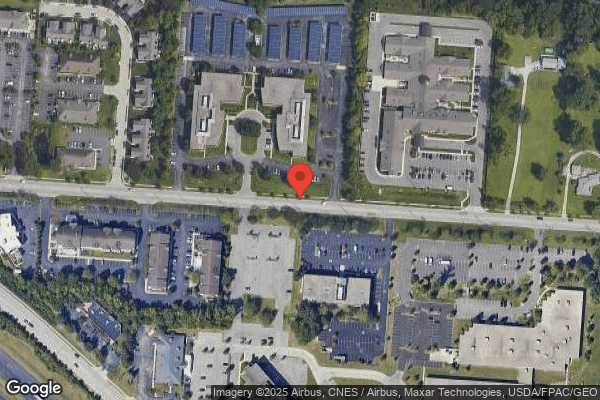
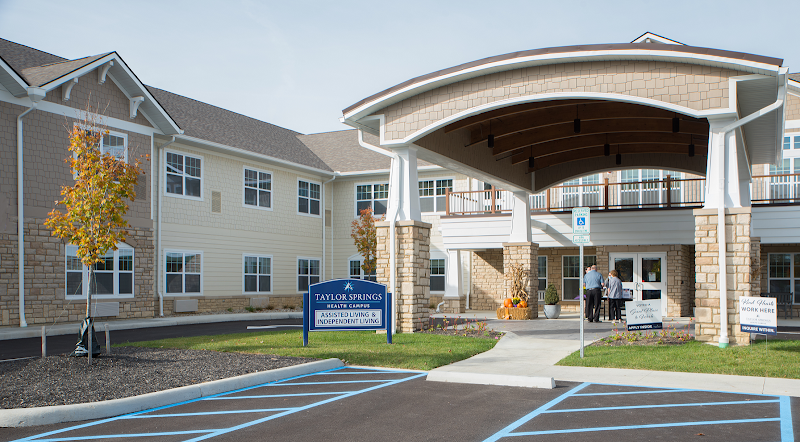
748 TAYLOR ROAD, GAHANNA, OH 43230 (614) 863-6384
For profit - Limited Liability company 58 Beds TRILOGY HEALTH SERVICES Data: November 2025
Trust Grade
40/100
#555 of 913 in OH
Last Inspection: April 2025

Within standard 12-15 month inspection cycle. Federal law requires annual inspections.

Overview

Taylor Springs Health Campus received a Trust Grade of D, which indicates below-average performance with some concerns about care quality. It ranks #555 out of 913 facilities in Ohio, placing it in the bottom half of nursing homes statewide, and #20 out of 56 in Franklin County, meaning only 19 local options are better. The facility's situation is worsening, with the number of identified issues increasing from 7 in 2024 to 14 in 2025. While staffing is rated average with a turnover rate of 58%, they do provide good RN coverage, surpassing 95% of Ohio facilities, which helps catch issues that lower-level staff might miss. However, they have accumulated $26,500 in fines, higher than 82% of Ohio facilities, indicating ongoing compliance problems, and there have been serious incidents, such as failing to manage pain effectively for a resident after a fall and not implementing necessary care plans for residents with mobility limitations. Overall, while there are strengths in nursing coverage, the facility has significant weaknesses in compliance and care quality that families should consider.

Trust Score
D
40/100
In Ohio
#555/913
Bottom 40%
Safety Record
Moderate
Needs review
Inspections
Getting Worse
7 → 14 violations
Staff Stability
⚠ Watch
58% turnover. Above average. Higher turnover means staff may not know residents' routines.
Penalties
⚠ Watch
$26,500 in fines. Higher than 98% of Ohio facilities. Major compliance failures.
Skilled Nurses
✓ Good
Each resident gets 64 minutes of Registered Nurse (RN) attention daily — more than 97% of Ohio nursing homes. RNs are the most trained staff who catch health problems before they become serious.
Violations
⚠ Watch
35 deficiencies on record. Higher than average. Multiple issues found across inspections.
★★★☆☆
3.0
Overall Rating
★★★☆☆
3.0
Staff Levels
★★★★★
5.0
Care Quality
★★☆☆☆
2.0
Inspection Score
Stable
2024: 7 issues
2025: 14 issues

The Good

  • 5-Star Quality Measures · Strong clinical quality outcomes
  • Full Sprinkler Coverage · Fire safety systems throughout facility
  • No fines on record

Facility shows strength in quality measures, fire safety.

The Bad

3-Star Overall Rating

Near Ohio average (3.2)

Meets federal standards, typical of most facilities

Staff Turnover: 58%

12pts above Ohio avg (46%)

Frequent staff changes - ask about care continuity

Federal Fines: $26,500

Below median ($33,413)

Moderate penalties - review what triggered them

Chain: TRILOGY HEALTH SERVICES

Part of a multi-facility chain

Ask about local staffing decisions and management

Staff turnover is elevated (58%)

10 points above Ohio average of 48%

The Ugly 35 deficiencies on record

2 actual harm
Apr 2025 13 deficiencies 1 Harm
SERIOUS (G)

Actual Harm - a resident was hurt due to facility failures

Deficiency F0688 (Tag F0688)

A resident was harmed · This affected 1 resident

**NOTE- TERMS IN BRACKETS HAVE BEEN EDITED TO PROTECT CONFIDENTIALITY** Based on observation, medical record review, and interview, the facility failed to timely develop and implement comprehensive an...

Read full inspector narrative →
**NOTE- TERMS IN BRACKETS HAVE BEEN EDITED TO PROTECT CONFIDENTIALITY** Based on observation, medical record review, and interview, the facility failed to timely develop and implement comprehensive and individualized interventions to address limitation in range of motion and/or prevent the onset of joint contractures (chronic loss of joint mobility) for Resident #27 and #32. Actual harm occurred beginning on 08/29/24 when the facility failed to implement services to address limitations in functional ability for Resident #32, who was cognitively impaired and dependent on staff for activity of daily living care to prevent additional deterioration and/or to prevent pain (as evidenced during observation on 04/24/25) following the resident's discharge from therapy services. The resident's plan of care failed to address range of motion limitations identified by occupational therapy (OT), risk for development/deterioration of contractures and/or an individualized range of motion program for the resident's limitations in range of motion. This affected two residents (#27 and #32) of two residents reviewed for range of motion (ROM). The facility census was 44. Findings Include: 1. Review of the medical record for Resident #32 revealed an initial admission date of 06/06/24 with the latest readmission of 12/06/24 with diagnoses including history of cerebrovascular accident (CVA) with residual deficits including dysphagia and hemiplegia, metabolic encephalopathy, urinary tract infection, acute respiratory failure with hypoxia, bibasilar pneumonia, sepsis, myalgia, constipation, dysphagia, adult failure to thrive, duodenitis, diabetes mellitus, Alzheimer's disease, dementia, hypertension, depression, severe protein calorie malnutrition, anemia and hyperlipidemia. Review of the resident's admission assessment dated [DATE] documented the resident had no contractures upon admission to the facility. Review of the resident's Occupational Therapy (OT) evaluation dated 06/10/24 revealed Resident #32's range of motion to his left wrist had 20-degree flexion and 40-degree extension on admission to the facility. The assessment indicated the resident had no functional limitations due to contractures as of this time. Review of the plan of care for Resident #32 revealed the plan of care did not include the resident's range of motion limitations identified by OT, risk for development of contractures and/or an individualized range of motion program for the resident's limitations in range of motion. Review of the resident's comprehensive Minimum Data Set (MDS) assessment dated [DATE] revealed the resident was dependent on staff for activities of daily living and had moderate cognitive deficit. The MDS assessment identified no functional limitations in range of motion. Review of the OT Discharge summary dated [DATE] revealed OT services were discontinued due to the resident being discharged to the hospital. Review of the OT evaluation and Plan of Treatment dated 07/07/24 revealed the resident's left wrist had functional limitations at 20-degree flexion and 40- degree extension on re-admission to the facility. However, the assessment indicated the resident had no functional limitations due to contractures. Review of the OT Discharge summary dated [DATE] revealed OT services were discontinued due to the resident being discharged to the hospital. Review of the OT evaluation and Plan of Treatment dated 07/24/24 revealed the resident's left upper extremity had impaired range of motion to the elbow, wrist, thumb, index finger, middle finger, ring finger and little finger. The resident's range of motion had declined to the resident's left wrist to 40 degrees flexion and zero degrees extension. Review of the resident's five-day MDS assessment dated [DATE] revealed the resident had impaired functional limitations to both upper extremities. Review of the plan of care for Resident #32 revealed the plan of care did not include the resident's range of motion limitations identified by OT, risk for development of contractures and/or an individualized range of motion program for the resident's limitations in range of motion. Review of the venous doppler scan results dated 08/26/24 revealed no evidence of occlusive deep vein thrombosis in the left upper extremity based on available images. Review of Resident #32's OT Discharge summary dated [DATE] revealed the resident had a noted decline and the resident's left arm was found to be swollen and warm to touch with mild pain. The physician was contacted and a new order for a venous doppler had been obtained. The OT summary indicated discharge recommendations to encourage to be up daily for quality of life, monitor skin due to dependent positioning in bed and positioning for left upper extremity pain. However, a restorative program or maintenance program was not recommended upon discharge. Review of the medical record from 08/29/24 to 04/28/25 revealed no documented evidence the facility implemented comprehensive or individualized interventions, including range of motion to address Resident #32's identified functional limitations with range of motion and/or to prevent further limitations to the resident's left elbow, wrist and fingers. Review of the resident's monthly physician orders for April 2025 revealed an order for a Lidocaine adhesive patch 4% with the special instructions to apply one patch topically in the morning and remove in the evening, however the physician's order did not specify where to apply the patch. On 04/21/25 at 12:07 P.M., an observation of Resident #32 revealed he was in bed with his elbow resting on a large heart shaped pillow at his side. The resident's forearm was observed to be extending up towards the ceiling in a fixed position with the wrist bent at a fixed 90-degree angle without support of a device. The resident's wrist was fixed palm up towards the ceiling with his middle finger, ring finger and little finger curled inward towards the palm of his hand without support of a device. A white Lidocaine patch was observed to his wrist and back of the hand. On 04/21/25 at 12:07 P.M., an interview with the resident's spouse revealed the resident's arm was fixed in the position with his forearm extending up towards the ceiling in a fixed position with the wrist bent at a fixed 90-degree angle without support of a device. The resident's wrist was fixed palm up towards the ceiling with his middle finger, ring finger and little finger curled inward towards the palm of his hand without support of a device. The resident's spouse revealed she spends eight to 10 hours daily with the resident and does not see the staff provide any range of motion to the resident's left upper extremity, including the shoulder, elbow, wrist and fingers. On 04/24/25 at 10:47 A.M., an interview with Occupational Therapist (OT) #333 revealed she first saw Resident #32 on 06/10/24 and at that time the resident had impairment to both wrists, shoulders and elbows. She said the last time she saw the resident was on 08/29/24. OT #333 revealed she would have to review her notes to see if the resident's level of impairment had changed or to see if he was impaired to the degree displayed currently. On 04/24/25 at 10:58 A.M., observation of the resident's left wrist with OT #333 revealed the resident's wrist was stiff. OT #333 revealed the impairment definitely was not like that in August 2024 when he was released from therapy. OT #333 attempted to try to complete range of motion to the left wrist. The resident was observed moaning out (in pain) when the OT attempted to complete range of motion to the left wrist. On 04/24/25 at 1:29 P.M., an interview with Therapy Director #336 confirmed the resident had not been screened by OT since he was discharged from therapy on 08/27/24 and the director stated the resident would not be screened unless a change had been reported. Therapy Director #333 revealed the functional limitations to the resident's left elbow, left wrist and left fingers had not been reported by the nursing staff. However, based on the onsite investigation and information provided as part of the survey, Resident #32's condition at the time of admission, dependence on staff for care and cognitive limitation placed him at increased risk for a decline in functional mobility, risk for impaired skin integrity and/or increased pain due to contractures warranting a comprehensive and individualized plan of care utilizing an interdisciplinary approach to ensure the resident maintained his highest level of well-being. A physician note, dated 04/27/25 sent as an email revealed Resident #32 was admitted to the facility with multiple comorbid conditions including Alzheimer's Dementia, adult failure to thrive, history of CVA with residual deficits including dysphagia and hemiplegia, chronic debility and ambulatory dysfunction. The note included the resident's functional status on admission was extremely low, requiring total/full care and the resident received enteral (tube) feedings due to chronic dysphagia. The physician included the resident's chronic dementia and significant physical limitations precluded him from being able to participate in or make any functional improvement and he was unable to conceptualize the clinical issues facing him due to his cognitive impairments. Review of this physician note validated the need for timely identification as well as comprehensive, individualized and effective interventions to address the resident's functional limitations. On 04/28/25 at 2:35 P.M. an interview with the Administrator revealed the facility did not have a policy regarding ROM or therapy services. 2. Medical record review revealed Resident #27 was admitted on [DATE] with diagnoses including anxiety disorder, depression, psychotic disorder with delusions, contractures and cerebellar stroke. Review of the Occupational Therapy (OT) Evaluation and Plan of Treatment dated 02/03/23 revealed the resident was referred to OT due to a decline in the upper extremity range of motion (ROM) and need for contracture prevention. The resident's bilateral upper extremity ROM was impaired with functional limitations present due to contracture and declining in independence with hygiene ADL's. OT to address contracture impairment and further assess and order/fabricate an orthotic device. The focus of plan of treatment was restoration, compensation and adaptation. Review of the OT Discharge summary dated [DATE] revealed the resident was discharged to the hospital. Review of the medical record revealed no evidence the resident was screened or evaluated by therapy services, received ROM services or other services/devices to prevent a potential decline in contractures between 02/15/23 (after being discharged from therapy due to a hospitalization) and 04/21/25. Review of the quarterly Minimum Data Set 3.0 assessment dated [DATE] revealed Resident #27 was cognitively intact for daily decision making, was dependent on staff for functional abilities including showering/bathing, had one side functional limitations of the upper and lower extremities and was not receiving any specialized therapies or restorative nursing programs. Review of the OT Evaluation and Plan of Treatment dated 04/21/25 revealed the resident was referred to OT due to the resident having received a new power wheelchair that he wanted to use within the facility which prompted the evaluation. The last time the resident was receiving therapy was in February 2023. Review of the medical record revealed no interventions, range of motion programs or care plan to address Resident #27's upper extremity contractures or functional limitations. On 04/23/25 at 2:25 P.M., an interview with Licensed Practical Nurse (LPN) #250 revealed she was Resident #27's nurse and verified the resident had contractures of his hands and right elbow. LPN #250 stated the resident does not wear any splints and nursing does not provide any interventions that she was aware of for his upper extremities. LPN #250 stated she would have to ask therapy if he was receiving therapy services. LPN #250 stated the resident does wear specialty boots on both his feet for foot drop but that was all she was aware of. On 04/23/25 at 3:41 P.M., an interview with Resident #27 revealed he was dependent on staff for all care due to his hands/fingers and right elbow being unable to bend and being stiff. Resident #27 was observed to be unable to bend his fingers or [NAME] a fist with either hand, was unable to extend his right arm much farther than 90 degrees and was unable to raise his right arm above his shoulder. On 04/24/25 at 4:00 P.M., an interview with OT #333 revealed the resident would have to have the joystick moved to the other side of the power wheelchair due to his hand contracture. OT #333 stated the resident had not complained or requested therapy services until now, if he had reported changes in ROM, they would have screened/evaluated him to see if therapy services were needed. Review of the OT Treatment Encounter Note dated 04/28/25 revealed the resident stated he did not think there was anything they could do for his upper extremity limitation, he tried on own but could only go so far. The note indicated Resident #27 did not identify new limitations, problems or worsening limitations that OT should know about. The resident stated he did not think his elbow had gotten worse, but he could not straighten it and hadn't been able to for two to three years. Resident #27 was missing 65 degrees from full extension and had no digit flexion. The resident's left elbow was lacking 32 degrees extension but was functional. Barriers included limited movements of upper/lower extremities and pain. At the end of the session the resident asked if there was anything that could be done for his fingers as he could bend the right fingers at all and could only do partial grip/digit flexion with left hand. On 04/28/25 at 8:47 A.M., an interview with Physical Therapy Assistant (PTA) #336 verified there had been no screens or evaluations in the last year for Resident #27 except for this most recent evaluation for wheelchair mobility. On 04/28/25 at 9:07 A.M., an interview with PTA #336 provided the last therapy evaluation and verified it was from 2023. On 04/28/25 at 12:01 P.M., an interview with Regional MDS Coordinator #331 verified there was no comprehensive care plan to address the residents' upper extremity functional limitations. On 04/28/25 at 12:41 P.M., an interview with Resident #27 revealed he does not get range of motion from the aides or nurses and had not been on therapy for a while. He stated they did give him a squeeze ball, but he could not close his hand or squeeze it. Resident #27 could not fully extend his right arm, and he could not extend it much farther than 90 degrees. He stated now he could not even brush his hair because of his hands, and he stated he could not raise his hands over his shoulders. The resident was unable to state the timeframe of when or how long it took for his joints to deteriorate to be like this. On 04/28/25 at 2:35 P.M. an interview with the Administrator revealed the facility did not have a policy regarding ROM or therapy services.
CONCERN (D)

Potential for Harm - no one hurt, but risky conditions existed

Safe Environment (Tag F0584)

Could have caused harm · This affected 1 resident

**NOTE- TERMS IN BRACKETS HAVE BEEN EDITED TO PROTECT CONFIDENTIALITY** Based on observation, medical record review and interview, the facility failed to ensure resident rooms and equipment were clean...

Read full inspector narrative →
**NOTE- TERMS IN BRACKETS HAVE BEEN EDITED TO PROTECT CONFIDENTIALITY** Based on observation, medical record review and interview, the facility failed to ensure resident rooms and equipment were clean and sanitary. This affected one resident (#27) of 19 residents sampled. The census was 44. Findings include: Medical record review revealed Resident #27 was admitted on [DATE] with diagnoses including anxiety disorder, depression, malnutrition, and adult failure to thrive. Review of the electronic Physician Orders dated April 2025 revealed Resident #27 received enteral feedings (a method of delivering nutrition directly into the gastrointestinal tract via a tube) daily for 20 hours. The resident also had his gastrostomy tube flushed with water before and after administration of medications and tube feeding residual was also checked twice a day. On 04/24/25 at 3:12 P.M., observation of Resident #27's room revealed a splattered dried yellow substance that was splattered across the walls, the ceiling including his ceiling light and on his personal items sitting on the stand where his television was. The dried yellow substance was also observed splattered across his television screen. Observation of the tube feeding pump pole revealed a dried yellow substance on the pole and the four leg base was also observed with the dried yellow substance. At the time of the observation, interview with Licensed Practical Nurse (LPN) #178 verified the above observation and stated the dried yellow substance was from the resident's tube feeding formula. LPN #178 verified the splattered areas extended across a three to four feet portion of the walls and ceiling but did not know what had caused it. LPN #178 stated she would notify housekeeping and maintenance of the observation. On 04/24/25 at 3:16 P.M., interview with Resident #27 stated when the nurses try to flush or 'unclog' his gastrostomy tube, the formula shoots out of the port and sprays everywhere. On 04/28/25 at 4:58 P.M., observation of Resident #27's room revealed the tube feeding pump pole, walls, ceiling and television screen was still splattered with dried tube feeding formula. At the time of the observation, interview with Regional Therapy Director #334 verified the observation and stated she would notify management.
CONCERN (D)

Potential for Harm - no one hurt, but risky conditions existed

Assessment Accuracy (Tag F0641)

Could have caused harm · This affected 1 resident

**NOTE- TERMS IN BRACKETS HAVE BEEN EDITED TO PROTECT CONFIDENTIALITY** Based on observation, record review and interview, the facility failed to ensure one resident's (#12) Minimum Data Set (MDS) ass...

Read full inspector narrative →
**NOTE- TERMS IN BRACKETS HAVE BEEN EDITED TO PROTECT CONFIDENTIALITY** Based on observation, record review and interview, the facility failed to ensure one resident's (#12) Minimum Data Set (MDS) assessments was coded accurately in the area of oxygen. This affected one resident (#12) of 16 sampled residents. The facility census was 44. Findings Include: 1. Review of the medical record for Resident #12 revealed an initial admission date of 12/18/24 with the last readmission of 02/07/25 with the diagnoses including but not limited to metabolic encephalopathy, pneumonitis due to inhalation of food and vomit, cerebrovascular accident with right sided hemiplegia, epilepsy, diabetes mellitus, dysphagia, anemia, age related physical debility, obesity, hypoxemia, sepsis, severe protein calorie malnutrition, hypertension, hyperlipidemia, altered mental status and acute respiratory failure with hypoxia. Review of the resident's plan of care revealed no care plan addressing the resident's oxygen use. Review of the resident's monthly physician orders for April 2025 identified ordered dated 02/12/25 oxygen two liters per nasal cannula continuously, and 04/21/25 change oxygen tubing monthly on the first of the month. Review of the resident's quarterly Minimum Data Set (MDS) assessment dated [DATE] revealed the resident had a severe cognitive deficit. The assessment indicated the resident was not utilizing oxygen. Review of the resident's April 2025 Treatment Administration Record (TAR) revealed the resident utilized oxygen at two liters per nasal cannula. On 04/22/25 at 9:57 A.M., observation of the resident revealed she had oxygen in place at two liters per nasal cannula. On 04/24/25 at 10:22 A.M., an interview with Registered Nurse (RN) #255 confirmed the MDS was not coded accurately to reflect the resident's use of oxygen.
CONCERN (D)

Potential for Harm - no one hurt, but risky conditions existed

Deficiency F0645 (Tag F0645)

Could have caused harm · This affected 1 resident

**NOTE- TERMS IN BRACKETS HAVE BEEN EDITED TO PROTECT CONFIDENTIALITY** Based on record review and staff interview, the facility failed to ensure an admission PASRR screen was completed accurately to ...

Read full inspector narrative →
**NOTE- TERMS IN BRACKETS HAVE BEEN EDITED TO PROTECT CONFIDENTIALITY** Based on record review and staff interview, the facility failed to ensure an admission PASRR screen was completed accurately to reflect all known mental illness diagnoses. This affected one (Resident #26) of one residents reviewed for PASRR. The facility census was 44. Findings include: Review of Resident #26's medical record revealed the resident was admitted to the facility on [DATE]. His diagnoses included an unspecified (affective) mood disorder and anxiety disorder. Review of Resident #26's PASRR identification screen dated 08/24/24 revealed the resident was being screened for a preadmission screening (PAS) for an admission from the community. Section (E.) of the PAS was to include all known diagnoses of any of the mental disorders listed in that section. Mental disorders in that section included mood disorder and panic or other severe anxiety disorder among the seven that were listed. The PAS did not have mood disorder or a severe anxiety disorder marked despite the resident admitting to the facility with those diagnoses. Review of Resident #26's PASRR result notice dated 08/24/24 revealed, as a result of the PAS that had been completed on 08/24/24, the resident did not have any indications of a serious mental illness and did not require a referral for a Level II evaluation to determine if he needed any specialized services to address any mental illness diagnoses. On 04/24/25 at 9:16 A.M., an interview with Social Service Director (SSD) #148 revealed she was not the facility's social service director at the time Resident #26's PASRR was completed upon his admission to the facility on [DATE]. She reported she did not take over that position until January 2025. She acknowledged Resident #26's PASRR completed on 08/24/24 was not accurate as it did not reflect his known mental illness diagnoses of an affective mood disorder or anxiety.
CONCERN (D)

Potential for Harm - no one hurt, but risky conditions existed

Deficiency F0657 (Tag F0657)

Could have caused harm · This affected 1 resident

**NOTE- TERMS IN BRACKETS HAVE BEEN EDITED TO PROTECT CONFIDENTIALITY** Based on observation, medical record review and interview, the facility failed to ensure comprehensive care plans were revised a...

Read full inspector narrative →
**NOTE- TERMS IN BRACKETS HAVE BEEN EDITED TO PROTECT CONFIDENTIALITY** Based on observation, medical record review and interview, the facility failed to ensure comprehensive care plans were revised and accurately reflected the residents' status. This affected two residents (#27 and #34) of 19 sampled reviewed for care plans. The census was 44. Findings include: 1. Medical record review revealed Resident #27 was admitted on [DATE] with diagnoses including constipation, history of fecal impaction, anemia, contractures and cerebellar stroke. Review of the electronic Medication Administration Record dated April 2025 revealed Resident #27 received the following medications for pain: Tylenol 500 milligrams (mg) twice a day, biofreeze 4 % twice a day, gabapentin 100 (mg) at bedtime and tramadol 50 (mg) three times a day for moderate to severe pain. Review of the medical record revealed as of 04/28/25 revealed no evidence the resident had a pressure injury. Review of the care plan: At Risk for Pain dated 01/17/22 revealed problem areas included a pressure injury, gastroesophageal reflux disease and impaired mobility with interventions including to administer medications as ordered and attempt non-pharmacological interventions, notify the physician of increased pain and observe/record verbal/nonverbal symptoms of pain. Further revealed revealed no individualized non-pharmacological interventions for pain. On 04/28/25 at 12:02 P.M., interview with Regional MDS Coordinator #331 verified the resident's care plan did not have individualized, non-pharmacological interventions to relieve pain, and there was no evidence the resident had a pressure injury. 2. Medical record review revealed Resident #34 was admitted on [DATE] with diagnoses including dysphagia, diabetes mellitus and metabolic encephalopathy. Review of the admission Minimum Data Set 3.0 (MDS) assessment revealed Resident #34 was cognitively intact and was edentulous. Review of Resident #34's Dental Consult dated 12/12/24 revealed the resident was edentulous, wears full upper denture well and had lost full lower denture and would like to get a new one made. Review of the quarterly MDS assessment dated [DATE] revealed Resident #34 had no broken or loosely fitting full or partial denture no pain. Review of the Dental Consult dated 04/08/25 revealed Resident #34 presented for try-in of lower complete denture. Patient accepts both speech and aesthetics. Next visit plan to deliver completed lower denture. Review of the care plans dated 10/11/24 revealed Resident #34 had the potential for mouth pain related to being edentulous with the use of top dentures. Further review of the record revealed no evidence the resident had been in the process of getting new lower dentures. On 04/21/25 at 1:08 P.M., interview and observation of Resident #34 revealed she had been waiting on a new pair of lower dentures after her granddaughter had accidentally thrown them away. Resident #34 stated it had been about six months waiting on the lower dentures. On 04/23/25 at 5:16 P.M., interview with Regional Nurse #332 verified there was no evidence of a dental care plan except potential for pain and it had not been revised to reflect her lower dentures had been lost and was in the process of replacement.
CONCERN (D)

Potential for Harm - no one hurt, but risky conditions existed

ADL Care (Tag F0677)

Could have caused harm · This affected 1 resident

**NOTE- TERMS IN BRACKETS HAVE BEEN EDITED TO PROTECT CONFIDENTIALITY** Based on observation, medical record review, interview and facility policy review, the facility failed to ensure routine nail ca...

Read full inspector narrative →
**NOTE- TERMS IN BRACKETS HAVE BEEN EDITED TO PROTECT CONFIDENTIALITY** Based on observation, medical record review, interview and facility policy review, the facility failed to ensure routine nail care, and/or showers were provided for Resident #27, #29 and #32. This affected three residents (#27, #29 and #32) of six residents reviewed for activities of daily living (ADL). The facility census was 44. Findings Include: 1. Review of the medical record for Resident #29 revealed an initial admission date of 03/22/22 with the diagnoses including but not limited to dysphagia, aphasia, dysarthria, atrial septal defect, asthma, atrial fibrillation, hypertensive urgency, hypertensive heart disease with heart failure, obesity, heart failure and hyperlipidemia. Review of the plan of care dated 04/05/22 revealed the resident requires staff assistance to complete ADL tasks completely and safely. Interventions included bed against the wall per resident request to increase space in room for mobility and ADL functions and safety, left side grab/enabler bars for increased mobility, allow resident sufficient time to complete all or parts of task, do not rush resident, encourage resident to do as much as safely possible for self, observe for deterioration in ADL abilities and report if occurs, provide adequate resident periods between activities, therapy evaluation and treat as needed and ordered. Review of the resident's quarterly Minimum Data Set (MDS) assessment dated [DATE] revealed the resident had no cognitive deficit. Review of the facility's shower schedule revealed the resident was scheduled showers every Monday and Thursday. Review of the resident's February 2025 shower documentation revealed the resident had eight opportunities to receive a scheduled shower for the month of February 2025. Further review of the shower documentation revealed the resident was not provided a shower on 02/03/25, 02/06/25, 02/17/25, 02/24/25 and 02/27/25. Review of the resident's March 2025 shower documentation revealed the resident had nine opportunities to receive a scheduled shower for the month of March 2025. Further review of the shower documentation revealed the resident was not provided a shower on 03/20/25 and 03/31/25. Review of the resident's April 2025 shower documentation revealed the resident had seven opportunities to receive a scheduled shower for the month of April 2025. Further review of the shower documentation revealed the resident was not provided a shower on 04/14/25, 04/17/25 and 04/24/25. On 04/24/25 at 11:22 A.M., an interview with the Regional MDS Coordinator #331 confirmed showers were not provided as scheduled. 2. Review of the medical record for Resident #32 revealed an initial admission date of 06/06/24 with the latest readmission of 12/06/24 with the diagnoses including but not limited to metabolic encephalopathy, urinary tract infection, acute respiratory failure with hypoxia, bibasilar pneumonia, sepsis, myalgia, constipation, dysphagia, adult failure to thrive, duodenitis, diabetes mellitus, Alzheimer's disease, dementia, hypertension, depression, severe protein calorie malnutrition, anemia and hyperlipidemia. Review of the plan of care dated 06/26/24 revealed the resident required staff assistance to complete self-care and mobility functional tasks completely and safely. Interventions included resident requires Hoyer lift and two staff to transfer, allow resident sufficient time to complete all or parts of task, do not rush resident, encourage resident to do as much as safely possible for himself, observe for deterioration in functional abilities and report if occurs, offer facial shaving on shower days and as needed or as requested, provide adequate resident periods between activities, provide nail care on shower days and as needed and therapy evaluation and treat as needed and ordered. Review of the state optional MDS assessment dated [DATE] revealed the resident had a severe cognitive deficit. The assessment indicated the resident required extensive assistance for bed mobility, was dependent of two staff for transfers and toileting. On 04/23/25 at 2:40 P.M., observation of the resident's nails during the administration of the physician ordered treatment to the resident's pressure ulcer revealed his nails were with a brown substance under them. Licensed Practical Nurse (LPN) #178 verified the resident in need of nail care at the time of the observation. On 04/24/25 at 10:20 A.M., observation of the resident revealed his nails remained long and dirty with a brown substance under the nail. On 04/24/25 at 10:22 A.M., an interview with Registered Nurse (RN) #255 confirmed the resident's nails remained long and dirty with a brown substance under the nail. 3. Medical record review revealed Resident #27 was admitted on [DATE] with diagnoses including anxiety disorder, depression, psychotic disorder with delusions, contractures and cerebellar stroke. Review of the quarterly Minimum Data Set 3.0 assessment dated [DATE] revealed Resident #27 was cognitively intact for daily-decision making, was dependent on staff for functional abilities including showering/bathing and had functional limitations of upper and lower extremities. Review of the care plan: ADL revised 03/13/25 revealed the resident required staff assistance completing all ADL tasks completely and safely. Review of the electronic Point of Care History dated January 2025 revealed Resident #27 received one bath, on 01/28/25, during the month of January 2025. Review of the paper Shower Sheet documentation between January 2025 through March 2025 revealed no additional showers were provided for the month of January 2025. Review of the Physician Orders dated April 2025 and the unit Shower Schedule revealed Resident #27 was scheduled to receive showers on Monday and Thursday nights. On 04/24/25 at 1:11 P.M., interview with the Director of Nursing verified all bath sheets had been provided since January 2025 and there was no additional bath or refusal documentation to provide for Resident #27. Review of the facility policy titled, Guidelines for Bathing Preference, last revised 05/11/15 revealed the resident will be advised of the facility's guidelines for residents to self-determine their plan of care and schedule during their stay in the campus. The resident shall determine their preference for bathing upon admission the day of week, time of day and type of bathing. If the resident is unable to communicate their preferences this information shall be obtained from the resident representative based on known history. Bathing shall occur at least twice a week unless resident preference states otherwise.
CONCERN (D)

Potential for Harm - no one hurt, but risky conditions existed

Deficiency F0679 (Tag F0679)

Could have caused harm · This affected 1 resident

**NOTE- TERMS IN BRACKETS HAVE BEEN EDITED TO PROTECT CONFIDENTIALITY** 2. Record review revealed Resident #42 was admitted to the facility on [DATE]. Pertinent diagnoses included: other toxic encepha...

Read full inspector narrative →
**NOTE- TERMS IN BRACKETS HAVE BEEN EDITED TO PROTECT CONFIDENTIALITY** 2. Record review revealed Resident #42 was admitted to the facility on [DATE]. Pertinent diagnoses included: other toxic encephalopathy, unspecified atrial fibrillation, dehydration, strange and inexplicable behavior, generalized anxiety, repeated falls. Review of Resident #42's Minimum Data Set (MDS) assessment, dated 04/03/25, revealed a brief interview for mental status (BIMS) score of 5 out of 15 which signified severe cognitive impairment. Record review of care plan for Resident #42 dated 03/31/25 revealed resident was at risk for limited activity engagement due to physical impairments and that interests included sports, pets and inspirations. Record review revealed progress note dated 04/11/25 noting resident #42 had increased restlessness and anxiety. Physician order on 04/15/25 requested staff document number of times resident yelled out. Observation on 04/21/25 at 12:44 pm of Resident #42 laying in bed with head elevated, yelling out three times a request to go to the dining room. Interview on 04/22/25 at 9:51 A.M. with Resident #42 in her bedroom in which she lamented that she wished she could see more people and do anything to do with sports, especially football and basketball. She said she used to watch sports with her family but they weren't there at the facility with her. Interview on 04/22/25 at 3:25 P.M. with facility Social Worker #148 revealed Resident #42 will want to go to activities but then will quickly want to return to her room. Social worker #148 also revealed family was out of town this week. Observation on 04/23/25 3:08 P.M. of Resident #42 sitting in wheelchair in common area with staff looking at word search with her. Observation on 04/24/25 at 9:09 A.M. resident #42 was sitting in dining room in wheelchair, stating loudly that she needed to go to bedroom right now. The administrator wheeled her to her room. Observation on 04/24/25 at 09:31 A.M. of resident #42 back in dining room. Observation on 04/24/25 at 9:56 A.M. of resident #42 in dining room requesting to return to her room. Observation on 04/24/25 at 9:57 A.M. of resident yelling out from her room that she needed to go to the toilet now repeated eight times and for staff to hurry up. (Staff was donning personal protective equipment in hallway). Interview on 04/24/25 at 10:05 A.M. with Life Enrichment Director #204 revealed an awareness that resident liked sports and that she had a future plan for outing with local basketball team in two months. Record review of Resident #42 Activity department 1:1 need assessment dated [DATE] and log of activities attended by Resident #42 for the month of April revealed resident was assessed to not need one to one attention because she was noted to have attended four activities in the week prior. However, review of activity log for Resident #42 for first ten days of April 2025 noted the resident's only group activity was on 04/02/25 and the other activities for the first ten days were that a newsletter was delivered to resident's room and the resident watched television in their room. Interview on 04/24/25 at 1:25 P.M. with Life Enrichment Director #204 verified Resident #42 did not have four group activities in the week prior to the need assessment as stated on the assessment form. She noted resident did often require 1:1 attention which was not reflected in the assessment as it was scored. She said resident does not need to participate in activities if family is present with resident though noted family had not been present with resident the previous week. Based on medical record review and interview, the facility failed to provide activities as needed for two residents (#27 and #42) of two residents reviewed for Activities. The census was 44. Findings include: 1. Medical record review revealed Resident #27 was admitted on [DATE] with diagnoses including major depressive disorder, anxiety disorder, contractures and cerebellar stroke. Review of the care plan: Activities dated 11/16/22 revealed it was important to engage in independent activities and meaningful 1:1 opportunities as board games, cards, country and bluegrass music, outdoors and animal related activity. Review of the activity 1:1 assessment dated [DATE] revealed this assessment was to be initiated when the need for 1:1 was identified due to lack of resident engagement. Resident #27's assessment indicated a score of eight which indicated the need of 1:1 activities once a week for 15 minutes. Reviewed of Resident #27's Activity documentation dated 01/01/25 to 04/23/25 revealed the resident was not provided a weekly 1:1 activity between 02/02/25 and 02/25/25. On 04/24/25 at 12:30 P.M., interview with Area Life Enrichment Director (ALED) #204 revealed Resident #27's activities were all electronically documented. ALED #204 stated Resident #27 was assessed to have a 1:1 visit involving meaningful activities at least once a week. ALED #204 verified there was no evidence the resident had received a weekly 1:1 activity between 02/02/25 and 02/25/25.
CONCERN (D)

Potential for Harm - no one hurt, but risky conditions existed

Pressure Ulcer Prevention (Tag F0686)

Could have caused harm · This affected 1 resident

**NOTE- TERMS IN BRACKETS HAVE BEEN EDITED TO PROTECT CONFIDENTIALITY** 3. Record review revealed Resident #42 was admitted to the facility on [DATE]. Pertinent diagnoses included: other toxic encepha...

Read full inspector narrative →
**NOTE- TERMS IN BRACKETS HAVE BEEN EDITED TO PROTECT CONFIDENTIALITY** 3. Record review revealed Resident #42 was admitted to the facility on [DATE]. Pertinent diagnoses included: other toxic encephalopathy, unspecified atrial fibrillation, dehydration, strange and inexplicable behavior, generalized anxiety, repeated falls. Review of wound care consult for Resident #42 dated 03/22/25 (prior to resident's admission to facility) which had pressure reducing recommendations for frequent turning and minimizing elevation of head of bed. Review of care plan for Resident #42 revealed a 03/28/25 goal of skin integrity and suggestion that resident be turned and repositioned for comfort. Review of physician orders revealed order dated 03/31/25 for pressure reducing cushion for wheelchair with frequency of three times a day. Review of Resident #42's Minimum Data Set (MDS) assessment, dated 04/03/25, revealed severe cognitive impairment and required substantial/maximum assistance for toileting hygiene, showering, lower body dressing, putting on footwear and personal hygiene. Resident #42 was assessed to need supervision or touching to roll left/right, sit to lying, lying to sitting. Further review, revealed resident was at risk for developing pressure ulcers and that resident did not have any pressure ulcers at that time. Record review revealed new physician order dated 04/24/25 for staff to offer resident to be turned and repositioned every 2 hours beginning 04/24/25 at 2:00 P.M. Record review revealed a Pressure Ulcer Documentation Report dated 04/09/25 indicated a new pressure ulcer identified on coccyx for Resident #42. Noncompliance was not noted to be an issue. There were no new interventions recommended in the document. The pressure ulcer was added to care plan on 04/21/25. Record review of pressure ulcer skin logs for Resident #42 dated 04/08/25, 04/15/25 and 04/22/25 revealed no documentation of staging of the wound and no pain assessment. Review of physician order dated 04/21/25 for resident to have low air loss mattress with air pressure to be checked once a day. Observation on 04/21/25 at 4:27 P.M. of Resident #42 laying in bed on her back with head of bed elevated approximately 60 degrees yelling out, I'm not comfortable. Observation on 04/22/25 at 4:11 P.M. of Resident #42 yelling out for somebody to help her and that she was not comfortable in bed. The head of the bed was elevated approximately 60 degrees. She yelled out that she needed to relieve the pressure. Interview on 4/23/25 at 5:17 P.M. with Licensed Practical Nurse (LPN) #178 who said she would need to review chart regarding Resident #42 before she could speak on why resident developed pressure ulcer after arriving at the facility. Observation on 04/24/25 at 07:50 A.M. of Resident #42 sleeping in bed with head elevated approximately 45 degrees. Observation on 04/24/25 at 09:57 A.M. of Resident #42 yelling out from room that she needed to go to toilet. Interview on 04/24/25 at 10:57 A.M. with regional clinical support RN #332 who revealed the nurse who initially had documented the wound was new and was uncomfortable with staging. She acknowledged the wound should be staged and documented and the new nurse could have called the physician with a description of the wound to have the wound staged. Observation on 04/28/25 at 8:17 A.M. of Resident #42 sleeping in bed on her back with her head elevated approximately 70 degrees. Observation and interview on 04/28/25 at 10:33 A.M. with Resident #42 who was laying in bed with head elevated approximately 70 degrees working a word search puzzle with television on. Resident denied pain or concerns. When asked what she would do if she needed help she said she would scream bloody murder. Observation on 04/28/25 at 11:28 A.M. of Resident #42 sleeping in bed on back with head elevated approximately 70 degrees. Observation on 04/28/25 at 11:40 A.M. of RN #310 entering room of Resident #42 and resident yelling out that she didn't need to go to restroom. She said that she was alright several times. Interview on 04/28/25 at 11:42 A.M. with RN #310 who stated that resident refuses to be repositioned when she is comfortable. RN #310 said she would document refusal at end of her shift. Interview on 04/28/25 with ADON #124 at 12:24 P.M. revealed the pressure ulcer could have originally developed from resident not being turned. Review of the facility policy titled, Pressure, Stasis, Arterial, Diabetic Wound Guidelines, dated 05/17/17 revealed the purpose of the policy was to provide weekly documentation guidelines of wound measurements and condition. If skin alteration is noted upon admission, the admitting nurse should compete progress note assessment. The IDT should review this timely and wound nurse or designee compete an assessment in wound management or wound zoom. Document description of wound using length, width, depth, exudates, color, odor, wound margins, surrounding tissue and tunneling and/or undermining if applicable. Re-assessment/measurement weekly or with significant change in wound noting the current treatment, medical interventions provided and comments as needed in progress notes and wound management or with a follow up encounter weekly in wound zoom. Based on medical record review, interviews and facility policy review, the facility failed to ensure two resident's (#12 and #147) pressure ulcers were comprehensively assessed on admission and weekly thereafter. Additionally, the facility failed to implement interventions to prevent the development of a pressure ulcer for one resident (#42). This affected three residents (#12, #42 and #147) of six residents reviewed for pressure ulcers. The facility census was 44. Findings Include: 1. Review of the medical record for Resident #147 revealed an initial admission date of 04/11/25 with spinal stenosis lumbosacral region, encounter for orthopedic aftercare, cerebral infarction, diabetes mellitus with diabetic neuropathy, hypertension, retention of urine, anemia and vitamin D deficiency. Review of the wound care initial consult from the hospital summary dated 04/02/25 revealed the resident was found to have a pressure injury to the sacrum. The resident had discolored deeper darker purplish periwound on each side of sacrum and scattered areas of purple noted upper buttock area especially on the left side more than right that not blanch. The wound to the left side of the sacrococcygeal area measured 5.0 centimeters (cm) by 5.0 cm by 0.1 cm and the right side to the sacrococcygeal area measured 4.0 cm by 3.0 cm by 0.1 cm. The wound was described as mostly pink superficial with a deeper discolored red on the inner areas of left buttock. These are combination of pressure (stage 2), moisture associated skin damage (MASD), and shear force mixed etiology. The wound summary assessment was stage II (Partial thickness loss of dermis presenting as a shallow open ulcer with a red-pink wound bed, without slough or bruising. May also present as an intact or open/ ruptured blister) pressure injury to bilateral sacrococcygeal area with shear force involved. The treatment implemented was to apply Venelex to sacrum areas that are open red and purple do not use foam since area's are scattered and will need full coverage of ointment twice daily and as needed, keep offloading as much as possible and have staff help move her side to side. Review of the resident's hospital discharge orders dated 04/11/25 revealed wound care instructions as follows apply Venelex thin amount to sacrum areas that are open red/pink and cover with a foam dressing daily, turn and reposition every two hours, elevate heels around the clock and Venelex to heels twice daily. Review of the resident's admission assessment dated [DATE] revealed the resident had a skin impairment. Review of the Braden scale contained within the assessment revealed a score of nine indicating the resident was at very high risk for skin breakdown. Review of the occurrence progress note dated 04/11/25 at 6:23 P.M. revealed the resident was admitted with a pressure ulcer measuring 2.3 cm by 2.2 cm by 1.0 and was present on admission. The location of the pressure ulcer was documented on the buttocks, however the entry did not specify which buttocks the pressure ulcer was located on. Additionally, the pressure ulcer was not staged. Review of the progress note dated 04/11/25 at 7:33 P.M. revealed the resident had two open areas on her buttocks. The entry documented the wound was covered with a foam dressing. Review of the plan of care dated 04/14/25 revealed the resident was at risk for skin breakdown related to reduced mobility and recent surgery. Interventions included avoid shearing skin during positioning, turning, and transferring, conduct weekly skin assessment, pay particular attention to bony prominence's, encourage and assist to turn and reposition for comfort and as needed, float heels as needed and tolerated, keep linens clean and dry, keep resident as clean and dry as possible, minimize skin exposure to moisture, observe feet during care for redness, swelling, or changes in condition, notify physician as needed, pressure reducing cushion to chair, pressure reducing mattress to bed, treatments/preventative treatments as or when ordered, use lifting device as needed for bed mobility and use moisture barrier product to perineal area as needed. Review of the wound observation history dated created on 04/16/25 at 10:46 A.M. for 04/11/25 at 10:45 A.M. revealed the resident was admitted to the facility with a pressure ulcer to the left buttocks measuring 2.3 cm by 2.2 cm by 1.0 cm. The progress note contained no staging, description of the wound or presence of exudate. Further review of the wound observation revealed on 04/23/25 at 12:15 P.M. the wound measurements for the 04/11/25 admission wound observation was changed to 5.0 cm by 4.5 cm by 0.1 cm with the explanation was updated admission measurements. Review of the wound observation history created on 04/16/25 at 10:46 A.M. for 04/11/25 at 10:51 A.M. revealed the resident was admitted to the facility with a pressure ulcer to the right buttocks measuring 4.0 centimeters (cm) by 3.0 cm by 0.1 cm. The progress note contained no staging, description of the wound or presence of exudate. Further review of the wound observation revealed on 04/23/25 at 12:25 P.M. the wound measurements for the 04/11/25 admission wound observation was changed to 4.0 cm by 3.0 cm by 0.1 cm with the explanation was updated admission measurements. Review of the wound observation dated 04/16/25 at 11:29 A.M. revealed the pressure ulcer to the left buttocks measured 4.4 cm by 3.2 cm by 0.1 cm with the wound bed being described as granulation tissue. The wound had a light amount of serosanguineous exudate. The facility failed to determine of the wound had improved, deteriorated or remained unchanged or staging of the pressure ulcer. Review of the wound observation dated 04/16/25 at 11:27 A.M. revealed the pressure ulcer to the right buttocks measured 4.0 cm by 3.0 cm by 0.1 cm with the wound being described as granulation tissue. The wound had a light amount of serosanguineous exudate. The facility failed to determine of the wound had improved, deteriorated or remained unchanged or staging of the pressure ulcer. Review of the resident's comprehensive Minimum Data Set (MDS) dated [DATE] revealed the resident had a moderate cognitive deficit. Review of the mood and behavior revealed the resident displayed no behaviors including rejection of care. The assessment indicated the resident was dependent on staff for toileting, transfers and substantial/moderate assistance with bed mobility. The assessment indicated the resident had an indwelling urinary catheter and was always incontinent of bowel. The assessment indicated the resident was at risk for skin breakdown and had two stage III ( Full thickness tissue loss. Subcutaneous fat may be visible but bone, tendon or muscle is not exposed. Slough may be present but does not obscure the depth of tissue loss. May include undermining or tunneling).The facility implemented the interventions pressure reducing device to bed/chair, pressure ulcer/injury care, surgical wound care and applications of ointments/medications other than to feet. Review of the plan of care dated 04/21/25 revealed the resident had pressure ulcers to her right and left buttocks, surgical incisions to neck, mid upper back, mid lower back, right lower back and left lower back. Interventions included administer analgesics per MD order, encourage fluids unless contraindicated, low air loss mattress, observe and report the condition of skin surrounding the pressure ulcer, observe and report signs of infection (e.g., localized pain, redness, swelling, tenderness, drainage, odor, and fever), observe for and report signs of pain related to pressure ulcer, obtain dietary consult, pressure reducing cushion to chair, provide diet, supplements, vitamins and minerals as ordered, treatment per MD order. Notify MD if treatment is not effective and weekly skin assessment, measurement, and observation of the pressure ulcer and record. Review of the wound observation dated 04/22/25 at 8:23 P.M. revealed the pressure ulcer to the left buttocks measured 4.4 cm by 3.2 cm with a description of closed/resurfaced. Additionally the pressure ulcer remained without staging. The facility failed to determine of the wound had improved, deteriorated or remained unchanged. Review of the wound observation dated 04/23/25 at 8:22 P.M. revealed the pressure ulcer measured 3.0 cm by 3.0 cm by 0.1 cm with the wound being described as granulation tissue. The wound had a light amount of serosanguineous exudate. Additionally the pressure ulcer remained without staging. The facility failed to determine of the wound had improved, deteriorated or remained unchanged. Review of the wound observation dated 04/24/25 at 5:58 P.M. revealed the wound was a stage III pressure ulcer measuring 4.1 cm by 3.0 cm by 0.1 cm with the wound being described as granulation tissue. The wound edges were described as being macerated/soft. Further review revealed on 04/25/25 at 12:58 P.M. the assessment was edited to the wound bed being slough. The assessment did not indicated how much of the wound bed tissue was slough. Review of the resident's April 2025 monthly physician orders identified orders dated 04/13/25 Venelex ointment with the special instructions to apply thin/small amount to sacrum areas that are open, red or pink and cover with foam dressing daily, Venelex ointment with the special instructions to apply a thin/small amount to bilateral heels twice daily, 04/16/25 low air loss mattress and 04/23/25 cleanse bilateral buttocks with normal saline (NS), apply thin layer of Venelex ointment to open areas, apply skin prep to peri-wound and cover with foam border dressing daily. Review of the resident's April 2025 Medication Administration Record (MAR) revealed the treatment of Venelex ointment with the special instructions to apply thin/small amount to sacrum areas that are open, red or pink and cover with foam dressing daily was not implemented until 04/13/25. On 04/23/25 and 04/24/25 an attempt was made to observe the physician ordered dressing change to the stage III pressure ulcer with the resident refusing the treatment. On 04/23/25 at 10:43 A.M., interview with Regional Nurse #332 confirmed she was aware the resident's wounds were not staged. She said the wound nurse had only been in the position for the past three months and she didn't feel comfortable for the nurse doing the staging. She said with granulation tissue it would be a stage III pressure ulcer. The Regional nurse revealed the hospital documentation had the wound at a stage III. The Regional Nurse reviewed the 04/02/25 wound consult report with the surveyor. On 04/28/25 at 10:53 A.M., interview with the Assistant Director of Health Services (ADHS) revealed she documented the measurements from a shower sheet she completed when the resident admitted to the facility on [DATE] for the 04/11/25 assessment. She verified there was no documentation of the right and left wounds until she placed the assessment in on 04/16/25. The ADHS confirmed only one wound was assessed and documented on admission. On 04/28/25 at 11:34 A.M., interview with ADHS confirmed cleansing the wound with NS and applying a foam dressing to the wound was not an appropriate treatment for a Stage III pressure ulcer. 2. Review of the medical record for Resident #12 revealed an initial admission date of 12/18/24 with the last readmission of 02/07/25 with the diagnoses including but not limited to metabolic encephalopathy, pneumonitis due to inhalation of food and vomit, cerebrovascular accident with right sided hemiplegia, epilepsy, diabetes mellitus, dysphagia, anemia, age related physical debility, obesity, hypoxemia, sepsis, severe protein calorie malnutrition, hypertension, hyperlipidemia, altered mental status and acute respiratory failure with hypoxia. Review of the resident's admission assessment dated [DATE] revealed the resident was admitted to the facility with skin impairment. Review of the Braden scale contained in the admission assessment revealed a score of 13 indicating the resident was at moderate risk for skin breakdown. Review of the progress note dated 12/18/24 at 8:34 P.M. revealed the resident was admitted with some redness around the groin area, abrasion to right buttocks and bruises to left upper extremity. Review of the medical record revealed no assessment of the abrasion to the right buttocks. Review of the resident's readmission assessment dated [DATE] revealed the resident had no skin impairment on readmission. Review of the Braden scale contained in the admission assessment revealed a score of 13 indicating the resident was at moderate risk for skin breakdown. Review of the occurrence progress note dated 01/07/25 at 4:27 P.M. revealed the resident was readmitted to the facility with moisture associated skin damage (MASD) to buttocks. Further review revealed no documentation to which buttocks the MASD was on, measurements or description of the wound. Review of the resident's weekly wound observation dated 01/09/25 revealed the resident was readmitted to the facility with MASD to the right and left buttocks measuring 14.0 centimeters (cm) by 7.0 cm by 0.1 cm. The wound observation had no description of the wound. Review of the progress note dated 01/07/25 at 7:35 P.M. revealed the resident was readmitted to the facility with a medium size MASD measuring 14.0 centimeters (cm) by 7.0 cm on buttocks. Review of the weekly wound observation dated 01/15/25 revealed the MASD to the right and left buttocks measured 6.2 cm by 13.3 cm by 0.1 cm. The wound observation had no description of the wound. Review of the readmission assessment dated [DATE] revealed the resident was readmitted to the facility with skin impairment. Review of the Braden scale contained in the assessment revealed a score of 12 indicating the resident was at high risk for skin breakdown. Review of the progress note dated 02/01/25 at 4:20 P.M. revealed the resident was readmitted to the facility from an acute care hospital. The entry documented the wound on the residents buttocks remain. Further review of the progress note revealed no location or comprehensive assessment of the wound. Review of the weekly wound observation dated 02/05/25 and effective for 02/01/25 at 12:44 P.M. revealed the resident was readmitted to facility with a pressure ulcer. Further review revealed the wound measured 7.5 cm by 11.5 cm by 0.1 cm with the wound being described as slough with a moderate amount of serous exudate. Further review of the form revealed the pressure ulcer was not staged. Review of the plan of care dated 02/05/25 revealed the resident was at risk for skin breakdown and pressure ulcer development related to reduced intake, weakness, decreased mobility, requiring assist with her bed mobility, having episodes of bowel and bladder incontinence, and having a pressure ulcer to her sacrum. Interventions included air mattress to bed, avoid shearing skin during positioning, transferring, and turning, conduct a weekly skin inspection as needed, pay particular attention to the bony prominence's, encourage and assist to turn and reposition as needed to relieve pressure, encourage fluids unless contraindicated, if incontinence occurs, provide incontinence care after each incontinent episode. Avoid hot water, and use a mild cleansing agent that minimizes irritation and dryness of the skin; avoid friction to skin, keep clean and dry as possible. Minimize skin exposure to moisture, keep linens clean and dry, observe feet during care for redness, swelling, or changes in condition; notify MD as needed, report any signs of skin breakdown, treatments/Preventative treatments as/when ordered, use lifting device as needed for bed mobility and use moisture barrier product to perineal area as needed. Review of the readmission assessment dated [DATE] revealed the resident was readmitted to the facility with skin impairment. Review of the Braden scale contained in the assessment revealed a score of 14 indicating the resident was at moderate risk for skin breakdown. Review of the progress noted dated 02/07/25 at 5:06 P.M. revealed the resident was readmitted to the facility and a wound was found to the resident's buttocks area. Review of the occurrence progress note dated 02/07/25 at 5:47 P.M. revealed the resident was readmitted to the facility with an open area. The progress note contained no location, measurements, type of open area or assessment of the wound. Review of the wound assessment dated [DATE] at 12:21 P.M. and effective for 02/01/25 at 12:46 P.M. revealed the wound measured 7.5 cm by 11.5 cm by 0.2 cm with the comments unable to to measure depth in its entirety due to presence of slough covering the wound bed. Review of the wound assessment dated [DATE] at 9:24 A.M. revealed the sacral wound measured 10.4 cm by 9.5 cm by 0.1 cm with the wound being described as being granulation tissue with a 3 cm by 1 cm area of slough. The wound had a moderate amount of serosanguineous exudate. The facility failed to determine if the wound had improved, deteriorated or remained unchanged. Review of the wound assessment dated [DATE] at 9:23 A.M. revealed the sacral wound measured 9.5 cm by 9.0 cm by 0.1 cm with the wound being described as being 10% slough with a moderate amount of exudate. Further review revealed the assessment did not describe the other 90% of the wound bed or exudate. The facility determined the treatment was found to be ineffective and a new treatment order was implemented. Review of the wound assessment dated [DATE] at 5:08 P.M. revealed the sacral wound measured 8.6 cm by 7.1 cm by 0.1 cm with the wound being described as being granulation tissue with a moderate amount of serous exudate. The facility failed to determine if the wound had improved, deteriorated or remained unchanged. Review of the plan of care dated 02/26/25 revealed the resident had a pressure ulcer to her sacrum. Interventions included administer analgesics per MD order, encourage fluids unless contraindicated, observe and record the condition of the skin surrounding the pressure ulcer, observe and report signs of infection, obtain a dietary consult, pressure reducing mattress, provide diet, supplements, vitamins and minerals as ordered, treatment per physician order, notify physician if treatment is not effective and weekly skin assessment, measurement, and observation of the pressure ulcer and record. Review of the wound assessment dated [DATE] at 8:57 A.M. revealed the sacral wound measured 8.6 cm by 6.5 cm by 0.1 cm with the wound being described as being granulation tissue with a moderate amount of serosanguineous exudate. The facility failed to determine if the wound had improved, deteriorated or remained unchanged. Review of the wound assessment dated [DATE] at 4:11 P.M. revealed the sacral wound measured 8.0 cm by 5.5 cm by 0.1 cm with the wound being described as being granulation tissue with a moderate amount of serosanguineous exudate. The facility failed to determine if the wound had improved, deteriorated or remained unchanged. Review of the wound assessment dated [DATE] at 4:11 P.M. revealed the sacral wound measured 8.5 cm by 5.0 cm by 0.1 cm with the wound being described as being granulation tissue with a moderate amount of serous exudate. The facility failed to determine if the wound had improved, deteriorated or remained unchanged. Review of the wound assessment dated [DATE] at 9:44 A.M. revealed the sacral wound measured 7.3 cm by 5.0 cm by 0.1 cm with the wound being described as being granulation tissue with a moderate amount of serosanguineous exudate. The facility failed to determine if the wound had improved, deteriorated or remained unchanged. Review of the wound assessment dated [DATE] at 3:25 P.M. revealed the sacral wound measured 7.3 cm by 5.0 cm by 0.1 cm with the wound being described as being granulation tissue with a moderate amount exudate. The assessment did not contain the type of exudate. The facility failed to determine if the wound had improved, deteriorated or remained unchanged. Review of the wound assessment dated [DATE] at 9:41 A.M. revealed the sacral wound measured 4.5 cm by 6.0 cm by 0.1 cm with the wound being described as being granulation tissue with a moderate amount of serosanguineous exudate. The facility failed to determine if the wound had improved, deteriorated or remained unchanged. Review of the wound assessment dated [DATE] at 11:20 A.M. revealed the sacral wound measured 4.4 cm by 6.0 cm by 0.1 cm with the wound being described as being granulation tissue with a moderate amount of serosanguineous exudate. The facility failed to determine if the wound had improved, deteriorated or remained unchanged. Review of the resident's quarterly Minimum Data Set (MDS) assessment dated [DATE] revealed the resident had a severe cognitive deficit. Review of the mood and behavior revealed the resident displayed no behavior, including rejection of care. The assessment indicated the resident's vision was adequate and she wore glasses. The assessment indicated the resident was at risk for skin breakdown and had one stage II pressure ulcer that was present on admission. The facility implemented pressure reducing device for bed, pressure ulcer/injury care, application of nonsurgical dressing and applications of ointments/medications. Review of the wound assessment dated [DATE] at 7:32 P.M. revealed the sacral wound measured 4.0 cm by 4.0 cm by 0.1 cm with the wound being described as being granulation tissue with a moderate amount of serosanguineous exudate. The facility failed to determine if the wound had improved, deteriorated or remained unchanged. Review of the wound assessment dated [DATE] at 3:42 P.M. and effective for 04/25/25 at 12:55 P.M. revealed the sacral wound was now classified as a stage III pressure ulcer measuring 1.4 cm by 0.8 cm by 0.1 cm with the wound being described as granulation tissue with a moderate amount of exudate. The assessment did not contain what type of exudate. The facility failed to determine if the wound had improved, deteriorated or remain unchanged. Review of the resident's monthly physician orders for April 2025 identified ordered dated 01/07/25 apply barrier cream to buttocks area every shift, weekly skin assessment, new treatments and notifications for any new areas noted, encourage resident to float heels while in bed as tolerated, encourage to turn and reposition while in bed, pressure reducing cushion to wheelchair, pressure reducing mattress, 02/01/25 may see as needed audiologist, dentist, podiatrist, psychologies and optometrist, turn patient every two hours, offload heels, use a maximum of two layers of linen between resident and low air loss mattress, no depends, traps moisture and cause further breakdown, 02/10/25 low air loss mattress in place, 02/26/25 cleanse wound to sacrum with normal saline or wound cleanser, pat dry, apply calcium alginate to wound bed, cover with ABD pad, use minimal tape if needed, change daily and as needed and observe sacrum dressing to wound every shift for drainage on dressing and dislodgement every shift. On 04/23/25 and 04/24/25 an attempt was made to observe the physician ordered dressing change to the stage III pressure ulcer with the resident refusing the treatment. On 04/23/25 at 10:43 A.M., interview with Regional Nurse #332 confirmed she was aware the resident's wounds were not staged. She said the wound nurse had only been in the position for the past three months and she didn't feel comfortable for the nurse doing the staging. She said with granulation tissue it would be a stage III pressure ulcer. On 04/28/25 at 11:34 A.M., interview with ADHS confirmed the resident's pressure ulcers were not comprehensively assessed as required.
CONCERN (D)

Potential for Harm - no one hurt, but risky conditions existed

Respiratory Care (Tag F0695)

Could have caused harm · This affected 1 resident

**NOTE- TERMS IN BRACKETS HAVE BEEN EDITED TO PROTECT CONFIDENTIALITY** Based on observation, medical record review, and interviews, the facility failed to obtain a physician order and monitor a non-i...

Read full inspector narrative →
**NOTE- TERMS IN BRACKETS HAVE BEEN EDITED TO PROTECT CONFIDENTIALITY** Based on observation, medical record review, and interviews, the facility failed to obtain a physician order and monitor a non-invasive ventilation device (Bi-pap) for Resident #37. This affected one resident (#37) of four residents reviewed for respiratory care. The facility census was 44. Findings Include: Review of the medical record for Resident #37 revealed an initial admission date of 02/08/25 with the diagnoses including but not limited to metabolic encephalopathy, acute respiratory failure with hypoxia, cerebral infarct, atherosclerotic heart disease, obesity, obstructive and reflux uropathy, retention of urine, diabetes mellitus, obstructive sleep apnea, hypertension, low back pain, benign prostatic hyperplasia, pulmonary embolism, contusion of spleen and encounter for surgical aftercare. Review of the resident's plan of care revealed no care plan addressing the resident's use of oxygen or Bi-pap. Review of the resident's comprehensive Minimum Data Set (MDS) assessment dated [DATE] revealed the resident had a moderate cognitive deficit. The assessment indicated the resident had not received oxygen therapy or utilized a non-invasive ventilation device. Review of the resident's monthly physician orders for April 2025 identified orders dated 02/09/25 change oxygen tubing monthly on the first day of the month, clean external concentrator filter every two week, oxygen at six liters per nasal cannula continuously every shift and monitor oxygen saturation rates every shift. Review of the resident's discontinued orders revealed the resident had an order dated 02/08/25 and discontinued on 02/19/25 Bi-pap with settings of IPAP 12, EPAP 6 with three liters of oxygen to wear during night and as needed daily. Review of the interdisciplinary team (IDT) progress note dated 04/01/25 at 4:24 P.M. revealed the resident was non-compliant with his Bi-pap, but will wear nasal cannula with oxygen. On 04/21/25 at 2:26 P.M., observation of the resident revealed he was quiet at bedrest with eyes closed with his Bi-pap machine in place with oxygen on. On 04/22/25 at 2:28 P.M., observation of the resident revealed he was asleep in bed with his Bi-pap machine in place. On 04/22/25 at 3:22 P.M., interview with Regional Nurse #332 confirmed the resident had no physician order for the Bi-pap machine setting, application and monitoring.
CONCERN (D)

Potential for Harm - no one hurt, but risky conditions existed

Deficiency F0757 (Tag F0757)

Could have caused harm · This affected 1 resident

**NOTE- TERMS IN BRACKETS HAVE BEEN EDITED TO PROTECT CONFIDENTIALITY** Based on record review and interview, the facility failed to ensure one resident's (#29) antihypertensive medication (medication...

Read full inspector narrative →
**NOTE- TERMS IN BRACKETS HAVE BEEN EDITED TO PROTECT CONFIDENTIALITY** Based on record review and interview, the facility failed to ensure one resident's (#29) antihypertensive medication (medication used to lower the blood pressure) per the physician ordered parameters. This affected one resident (#29) of five residents reviewed for unnecessary medications. The facility census was 44. Findings Include: Review of the medical record for Resident #29 revealed an initial admission date of 03/22/22 with the diagnoses including but not limited to dysphagia, aphasia, dysarthria, atrial septal defect, asthma, atrial fibrillation, hypertensive urgency, hypertensive heart disease with heart failure, obesity, heart failure and hyperlipidemia. Review of the resident's quarterly Minimum Data Set (MDS) assessment dated [DATE] revealed the resident had no cognitive deficit. Review of the monthly physician orders for April 2025 identified an order dated 12/26/23 Metoprolol 25 milligrams (mg) by mouth twice daily with the special instructions to hold if systolic blood pressure (SBP) was less than 110 or heart rate (HR) was less than 60. Review of the resident's January 2025 Medication Administration Record (MAR) revealed the medication Metoprolol was administered on 01/05/25 when the resident's pulse was 58 and on 01/22/25 when the resident's pulse was 57. Review of the resident's February 2025 MAR revealed the medication Metoprolol was administered on 02/04/25 when the resident's pulse was 52 and on 02/05/25 when the resident's pulse was 55. Review of the resident's March 2025 MAR revealed the medication Metoprolol was administered on 03/26/25 when the resident's pulse was 59. On 04/23/25 at 2:35 P.M., interview with the Regional Nurse #332 confirmed the resident was administered the antihypertensive medication outside the physician ordered parameters.
CONCERN (D)

Potential for Harm - no one hurt, but risky conditions existed

Dental Services (Tag F0791)

Could have caused harm · This affected 1 resident

**NOTE- TERMS IN BRACKETS HAVE BEEN EDITED TO PROTECT CONFIDENTIALITY** Based on observation, medical record review, interviews, and facility policy review, the facility failed to ensure one resident ...

Read full inspector narrative →
**NOTE- TERMS IN BRACKETS HAVE BEEN EDITED TO PROTECT CONFIDENTIALITY** Based on observation, medical record review, interviews, and facility policy review, the facility failed to ensure one resident (#29) received emergent and/or routine dental care. This affected one resident (#29) of two residents reviewed for dental services. The facility census was 44. Findings Include: Review of the medical record for Resident #29 revealed an initial admission date of 03/22/22 with the diagnoses including but not limited to dysphagia, aphasia, dysarthria, atrial septal defect, asthma, atrial fibrillation, hypertensive urgency, hypertensive heart disease with heart failure, obesity, heart failure and hyperlipidemia. Review of the plan of care dated 03/23/22 revealed the resident had potential for oral/dental health problems related to two broken teeth and resident reports difficulty chewing. Interventions included administer medications as ordered, monitor/document for side effects and effectiveness, coordinate arrangements for dental care, transportation as needed/as ordered, diet as ordered, consult with dietitian and change if chewing/swallowing problems are noted, encourage fluids to keep oral cavity moist, provide lip balm/ointment as needed and monitor/document/report as needed any signs and/or symptoms of oral/dental problems needing attention. Review of the resident's comprehensive Minimum Data Set (MDS) dated [DATE] revealed the resident had no cognitive deficit. The assessment indicated the resident had no obvious or likely cavity or broken natural teeth. Review of the monthly physician orders for April 2025 identified an order dated 03/25/22 may see as needed audiologist, dentist, podiatrist, psychologies and optometrist. Review of the progress note dated 11/04/24 at 6:51 P.M. revealed the nurse asked the resident about his pain. The resident stated that he still had tooth pain especially when he eats. The nurse documented she checked his mouth and noticed that the resident had missing and broken teeth. The nurse offered the resident pain medication but the resident stated not at this time. Review of the progress noted 11/05/24 at 7:52 A.M. revealed the resident state his tooth was aching when asked. The resident denied as needed Tylenol when offered. Review of the progress note dated 11/05/24 at 2:19 P.M. revealed the emergency dentist form was sent to the dentist for appointment. The dental office was to notify the facility of the date and time of the dental appointment. The resident continued to report painful chewing but declined modified diet texture. Review of the medical record revealed no documented evidence the resident was seen or the facility followed up to obtain the resident a dental consult appointment. Review of the resident's summary of dental care from 01/01/23 to 04/23/25 revealed the last dental exam provided was on 01/25/24. On 04/21/25 at 12:20 P.M., interview with the resident revealed the resident stated, I have bad teeth. The resident revealed his teeth hurt when he ate and had asked to see a dentist multiple times. Observation of the resident's mouth revealed he had multiple missing teeth and also the remaining teeth were broken and with obvious carries. On 04/23/25 at 3:37 P.M., interview with Regional Nurse #332 verified the resident had not seen a dentist since 01/25/24. Review of the facility policy titled, Dental Services Including Repair, Replacement, dated 11/08/17 revealed it is the practice of the facility to assist residents in obtaining routine and emergency dental care per the resident request. The facility will assist by making appointments and/or by arranging for transportation to and from the dental services location. Clinical staff will assess teeth and gums upon admission, with each comprehensive assessment and as needed to identify pain, lost or broken teeth, visible signs of tooth decay and other chewing and swallowing problems. The facility will ensure the delivery of emergency dental services to meet the resident needs. Emergency dental services will include services needed to treat and episode of acute pain to teeth, gums or palate, broken or otherwise damaged teeth or any other problem of the oral cavity that requires immediate attention by a dentist.
CONCERN (D)

Potential for Harm - no one hurt, but risky conditions existed

Antibiotic Stewardship (Tag F0881)

Could have caused harm · This affected 1 resident

**NOTE- TERMS IN BRACKETS HAVE BEEN EDITED TO PROTECT CONFIDENTIALITY** Based on medical record review, infection control log review, policy review and interview, the facility failed to administer ant...

Read full inspector narrative →
**NOTE- TERMS IN BRACKETS HAVE BEEN EDITED TO PROTECT CONFIDENTIALITY** Based on medical record review, infection control log review, policy review and interview, the facility failed to administer antibiotics as ordered. This affected one resident (#27) of five residents sampled for unnecessary medications. The census was 44. Findings include: Medical record review revealed Resident #27 was admitted on [DATE] with diagnoses including anxiety disorder, depression, psychotic disorder with delusions, contractures and cerebellar stroke. Review of the quarterly Minimum Data Set (MDS) 3.0 assessment dated [DATE] revealed Resident #27 was cognitively intact for daily-decision making. Review of the Nurse Practitioner Progress Note Details dated 03/04/25 revealed Resident #27 was seen for evaluation of some right lower extremity (RLE) edema and mild pain. The assessment and plan revealed very mild cellulitis of the right lower extremity but the resident was insistent on the fact that his RLE was more painful and swollen, as well as, some mild erythema. Will start Resident #27 on a short course of cephalexin, continue supportive care and notify with any other issues or concerns. Review of the electronic Physician Orders dated 03/04/25 revealed to administer Cephalexin (antibiotic) 500 milligrams (mg) three times a day. Review of the electronic Medication Administration Record dated March 2025 revealed cephalexin 500 (mg) was administered between 03/05/25 and 03/10/25 for a total 18 doses instead of 15 doses. Review of the Infection Control Criteria evaluation dated 03/05/25 to 03/10/25 revealed Resident #27 met the infection criteria to be treated with cephalexin. There was no evidence the facility identified during the review of the antibiotic use that Resident #27 had received three additional doses of cephalexin. On 04/24/25 at 11:25 A.M., interview with Regional Nurse #332 verified Resident #27 received three additional doses of cephalexin than what was ordered to treat cellulitis. Review of the policy: Antibiotic Stewardship revised 12/16/24 revealed the purpose was to optimize the treatment of infections by ensuring that residents who require an antibiotic were prescribed the appropriate antibiotic and reduce the risk of adverse events, including the development of antibiotic-resistant organisms, from unnecessary or inappropriate antibiotic use. Encompass a facility-wide system to monitor the use of antibiotics.
CONCERN (E)

Potential for Harm - no one hurt, but risky conditions existed

Comprehensive Care Plan (Tag F0656)

Could have caused harm · This affected multiple residents

**NOTE- TERMS IN BRACKETS HAVE BEEN EDITED TO PROTECT CONFIDENTIALITY** Based on observation, medical record review, interview and facility policy review, the facility failed to develop a comprehensiv...

Read full inspector narrative →
**NOTE- TERMS IN BRACKETS HAVE BEEN EDITED TO PROTECT CONFIDENTIALITY** Based on observation, medical record review, interview and facility policy review, the facility failed to develop a comprehensive plan of care to address resident needs and conditions as required. This affected four (#1,#12, #27, #37) of 16 residents. The facility census was 44. Findings Include: 1. Review of the medical record for Resident #12 revealed an initial admission date of 12/18/24 with the last readmission of 02/07/25 with the diagnoses including but not limited to metabolic encephalopathy, pneumonitis due to inhalation of food and vomit, cerebrovascular accident with right sided hemiplegia, epilepsy, diabetes mellitus, dysphagia, anemia, age related physical debility, obesity, hypoxemia, sepsis, severe protein calorie malnutrition, hypertension, hyperlipidemia, altered mental status and acute respiratory failure with hypoxia. Review of the resident's plan of care revealed no care plan addressing the resident's oxygen use. Review of the resident's monthly physician orders for April 2025 identified ordered dated 02/12/25 oxygen two liters per nasal cannula continuously, and 04/21/25 change oxygen tubing monthly on the first of the month. Review of the resident's quarterly Minimum Data Set (MDS) assessment dated [DATE] revealed the resident had a severe cognitive deficit. The assessment indicated the resident was not utilizing oxygen. Review of the resident's April 2025 Treatment Administration Record (TAR) revealed the resident utilized oxygen at two liters per nasal cannula. On 04/22/25 at 9:57 A.M., observation of the resident revealed she had oxygen in place at two liters per nasal cannula. On 04/24/25 at 10:22 A.M., an interview with Registered Nurse (RN) #255 confirmed the resident had no care plan addressing the resident's use of oxygen. 2. Review of the medical record for Resident #37 revealed an initial admission date of 02/08/25 with the diagnoses including but not limited to metabolic encephalopathy, acute respiratory failure with hypoxia, cerebral infarct, atherosclerotic heart disease, obesity, obstructive and reflux uropathy, retention of urine, diabetes mellitus, obstructive sleep apnea, hypertension, low back pain, benign prostatic hyperplasia, pulmonary embolism, contusion of spleen and encounter for surgical aftercare. Review of the resident's monthly physician orders for April 2025 identified orders dated 02/09/25 change oxygen tubing monthly on the first day of the month, clean external concentrator filter every two weeks, oxygen at six liters per nasal cannula continuously every shift and monitor oxygen saturation rates every shift. Review of the resident's comprehensive Minimum Data Set (MDS) assessment dated [DATE] revealed the resident had a moderate cognitive deficit. The assessment indicated the resident had not received oxygen therapy. Review of the resident's February 2025 Treatment Administration Record (TAR) revealed the resident utilized oxygen at six liters per nasal cannula. On 04/21/25 at 2:26 P.M., observation of the resident revealed he was quiet at bedrest with eyes closed with a non-invasive ventilation device (Bi-pap) with oxygen in place. On 04/24/25 at 10:22 A.M., an interview with RN #255 confirmed the resident had no care plan addressing the resident's use of oxygen. 4. Review of Resident #1's medical record revealed she was admitted to the facility on [DATE]. Her diagnoses included unspecified dementia, schizo-affective disorder, obsessive-compulsive disorder, generalized anxiety disorder, major depressive disorder, and obstructive sleep apnea. Review of Resident #1's physician's orders revealed she had an order to receive Melatonin 2 milligrams (mg) by mouth every night at bedtime related to insomnia. The order had been in place since 01/31/22. Review of Resident #1's active care plans revealed the resident did not have a care plan in place to address insomnia or the use of Melatonin as a sleep aid. Findings were verified by RN #255. On 04/28/25 at 11:40 A.M., an interview with RN #255 revealed she was the staff member that was responsible for completing the resident's comprehensive care plans. She acknowledged Resident #1 did not have a care plan in place to address her diagnosis of insomnia, or the use of Melatonin on a nightly basis as a sleep aid, since 01/31/22. Review of the facility policy titled, Comprehensive Care Plan Guideline, dated 05/22/18 revealed the 48 hour baseline care plan will be completed within 48 hours of admission and will be the temporary working care plan until the comprehensive care plan is completed. A comprehensive care plan will be developed with in seven days of completion of the admission comprehensive assessment. 3. Medical record review revealed Resident #27 was admitted on [DATE] with diagnoses including constipation, history of fecal impaction, anemia, contractures and cerebellar stroke. Review of the electronic Physician Order Sheet dated April 2025 revealed the resident was ordered medications for constipation and anemia included the following: senna-S (laxative) 8.6-50 milligrams (mg) twice a day, miralax (laxative) 17 grams daily as needed and ferrous sulfate 300 (mg) twice a day. Review of the Medication Administration Record dated April 2025 revealed Resident #27 received senna-S and ferrous sulfate as ordered. Review of the record revealed no evidence of a care plan for constipation or anemia for Resident #27. Review of the quarterly Minimum Data Set (MDS) 3.0 assessment dated [DATE] revealed Resident #27 had functional limitations of upper and lower extremities on one side. Review of the Occupational Therapy Evaluation & Plan of Treatment dated 04/21/25 through 05/20/25 revealed diagnoses included contractures of muscle, right and left hand since 12/14/21. On 04/23/25 at 3:41 P.M., interview with Resident #27 revealed he was dependent on staff for all care due to his hands/fingers and right elbow were unable to bend and were stiff. Resident #27 was observed to be unable to bend his fingers or [NAME] a fist with either hand, was unable to extend his right arm much farther than 90 degrees and was unable to raise his right arm above his shoulder. Review of the medical record revealed no care plan to address Resident #27's functional limitations of the upper extremities or identified elbow/hand contractures. On 04/28/25 at 12:01 P.M., interview with Regional MDS Coordinator #331 verified there were no care plans developed to address anemia, constipation, upper functional limits or contractures for Resident #27.
Feb 2025 1 deficiency
CONCERN (D) 📢 Someone Reported This

A family member, employee, or ombudsman was alarmed enough to file a formal complaint

Potential for Harm - no one hurt, but risky conditions existed

ADL Care (Tag F0677)

Could have caused harm · This affected 1 resident

**NOTE- TERMS IN BRACKETS HAVE BEEN EDITED TO PROTECT CONFIDENTIALITY** Based on observation, interview, and medical record review, the facility failed to ensure a resident who was dependent on staff ...

Read full inspector narrative →
**NOTE- TERMS IN BRACKETS HAVE BEEN EDITED TO PROTECT CONFIDENTIALITY** Based on observation, interview, and medical record review, the facility failed to ensure a resident who was dependent on staff for eating received timely meal assistance. This affected one resident (#44) of 10 residents who required assistance at meals. The facility census was 48. Findings include: Review of the medical record for Resident #44 revealed an admission date of 09/23/24 with diagnoses including dementia, osteoporosis, contracture of left hand, and muscle weakness. Review of Resident #44's comprehensive Minimum Data Set (MDS) 3.0 assessment dated [DATE] revealed she had severely impaired cognition. She was dependent on staff for eating Review of Resident #44's diet order dated 12/18/24 revealed an order for a puree diet. Review of Resident #44's profile care guide last updated 01/31/25 revealed she required physical assistance with eating. Observation on 02/26/25 at 8:01 A.M. revealed Resident #44 sitting in the dining room with a plate in front of her, she was not eating. At that time, only one staff member was present in the dining room. Certified Nursing Assistant (CNA) #185 was assisting three residents at another table who needed fed. Observation on 02/26/25 at 8:13 A.M. revealed another resident was added to the table of three residents who needed fed, there was still only one staff member. Between 8:15 A.M. and 8:27 A.M. additional staff entered the dining room to assist residents. No staff assisted Resident #44 with her meal that was sitting in front of her during this observation from 8:15 A.M. to 8:27 A.M. Observation and interview on 02/26/25 at 8:27 A.M. revealed Resident #44 was still sitting in the dining room with a plate in front of her, and it was untouched. At that time, CNA #185 approached the resident. CNA #185 stated they had a lot of residents who needed assistance at meals. She verified Resident #44 was dependent on staff for eating, and that her plate had been sitting in front of her for almost thirty minutes. This deficiency represents non-compliance investigated under Complaint Number OH00162840 and Complaint Number OH00161491.
Jun 2024 1 deficiency
CONCERN (D) 📢 Someone Reported This

A family member, employee, or ombudsman was alarmed enough to file a formal complaint

Potential for Harm - no one hurt, but risky conditions existed

Report Alleged Abuse (Tag F0609)

Could have caused harm · This affected 1 resident

**NOTE- TERMS IN BRACKETS HAVE BEEN EDITED TO PROTECT CONFIDENTIALITY** Based on interview, record review, facility self-reported incident (SRI) review, and facility policy review the facility failed ...

Read full inspector narrative →
**NOTE- TERMS IN BRACKETS HAVE BEEN EDITED TO PROTECT CONFIDENTIALITY** Based on interview, record review, facility self-reported incident (SRI) review, and facility policy review the facility failed to timely report an allegation of abuse by Resident #3 to the executive director and state agency in a timely manner. This affected one resident (#3) of three residents reviewed for abuse. The facility census was 45. Findings include: Review of the medical record for the Resident #3 revealed an admission date of 04/26/24 with diagnoses including gastro-esophageal reflux disease, hypertension, osteoporosis, and diverticulosis of intestine. Review of the comprehensive Minimum Data Set (MDS) 3.0 assessment dated [DATE] revealed the Resident #3 had a severe cognitive impairment. Review of the progress note dated 06/08/24 at 3:06 A.M. revealed Resident #3 called the police and reported that a man had come into her hotel room and had his way with her. The police verified that the complaint was unsubstantiated; therefore, they left. The resident was confused and called people to pick her up from the hotel. Review of the facility SRI tracking number 248492 dated 06/10/24 and timed 12:12 P.M. revealed Resident #3 reported to staff that a man came into her hotel room and had his way with her. The resident had a Brief Interview for Mental Status (BIMS) score of four of 15 indicating severe cognitive impairment. She was unable to provide any details and her family had no suspects. Interview on 06/13/24 at 11:08 A.M. with Registered Nurse (RN) #111 revealed Resident #3 had been increasingly confused on the night on 06/08/24. Due to the resident's agitation, RN #111 contacted the resident's daughter, who spoke with the resident. The resident told her daughter that a man had come in her room. The daughter assured her mother there was no man, and she needed to go back to sleep. Shortly after this, Resident #3 called the police. The police arrived, and Resident #3 told them a man had had his way with her. He stated he did not notify anyone but documented it in the medical record due to the nature of the allegations. Interview on 06/13/24 at 11:28 A.M. with Certified Resident Care Assistant (CRCA) #101 revealed she was present the night of 06/08/24 and was aware of Resident #3's allegations. She was unaware if any managers were notified. Interview on 06/13/24 at 12:17 P.M. with Assistant Director of Health Services (ADHS) #120 revealed Resident 3's allegation came to management's attention on 06/10/24. Interview on 06/13/24 at 1:12 P.M. with the Executive Director verified she was not notified of Resident #3's allegation of sexual abuse until 06/10/24 at which point she initiated an SRI. Review of the facility policy titled Abuse and Neglect procedural guidelines, dated December 2023, revealed any person with knowledge of or suspicion of suspected violations should report immediately without fear of reprisal. The shift supervisor was responsible for initiating or continuing the reporting process. The executive director was to be notified immediately. Alleged violations involving abuse were to be reported immediately but no later than two hours after the allegation is made, if the events that cause the allegation involve abuse or result in serious bodily injury, or not later than 24 hours if the events that cause the allegation do not involve abuse and do not result in serious bodily injury, to the administrator of the facility and to other officials (including the state survey agency). This deficiency represents noncompliance investigated under Complaint Number OH00154739.
Apr 2024 4 deficiencies 1 Harm
SERIOUS (G) 📢 Someone Reported This

A family member, employee, or ombudsman was alarmed enough to file a formal complaint

Actual Harm - a resident was hurt due to facility failures

Deficiency F0697 (Tag F0697)

A resident was harmed · This affected 1 resident

**NOTE- TERMS IN BRACKETS HAVE BEEN EDITED TO PROTECT CONFIDENTIALITY** Based on closed medical record review, emergency room record review, facility policy review and interview, the facility failed t...

Read full inspector narrative →
**NOTE- TERMS IN BRACKETS HAVE BEEN EDITED TO PROTECT CONFIDENTIALITY** Based on closed medical record review, emergency room record review, facility policy review and interview, the facility failed to develop and implement an individualized, effective and comprehensive pain management program for Resident #10 who experienced pain following a fall. Actual harm occurred on 02/25/24 at 7:30 A.M. when Resident #10 sustained a fall with swelling and complaints of pain (rated an eight on a scale of one to 10) to her left wrist. The resident was provided one dose of pain medication (at 8:16 A.M) which was noted to be ineffective following the incident but was not provided any other pain medication, pain management or transferred to the emergency room until 02/25/24 at approximately 2:00 P.M. (over six hours later). The resident was assessed to have a closed fracture of distal ends of left radius and ulna (wrist). This affected one resident (#10) of three residents reviewed for accidents. The facility census was 45. Findings Include: Review of the closed medical record for Resident #10, revealed an admission date of 02/16/24 and a discharge date of 3/11/24. Resident #10 had diagnoses including displaced bicondylar fracture of right tibia, subsequent encounter for closed fracture with routine healing, age related osteoporosis without current pathological fracture, and unspecified dementia, unspecified severity, with other behavioral disturbances. Review of physician's orders for Resident #10 dated 02/16/24 revealed an order for Ibuprofen 600 milligram (mg) 1 tablet three times a day for right displaced bicondylar fracture of right tibia that was present on admission. Further review revealed an order for Hydrocodone-Acetaminophen 5-325 mg one tablet every four hours as needed was ordered for moderate to severe pain for seven days that was ordered on 02/16/24 for right leg pain and was discontinued on 02/23/24. Review of the most recent Minimum Data Set (MDS) 3.0 assessment dated [DATE] revealed a Brief Interview for Mental Status (BIMS) of 5 out of 15 which revealed severe cognitive impairment. Resident #10 was assessed to require substantial/maximal assistance with toilet hygiene, shower/bathe, lying to sitting on the side of the bed, toilet transfer and chair/bed to chair transfer with partial/moderate assistance with sit to lying, sit to stand, and supervision for roll left to right in bed. Resident #10 was also assessed to have one fall with no injury since admission and received an antipsychotic, antianxiety and an opioid medication during the last 7 days of assessment. Review of the progress note dated 02/25/24 at 7:30 A.M. authored by Licensed Practical Nurse (LPN) #888 revealed the resident observed sitting on the floor in room in front of wheelchair (w/c). Resident #10 stated she was attempting to go to the bathroom. LPN #888 attempted to re-educate the resident about the importance of asking for assistance. Resident #10 complained of pain in left wrist; wrist swollen. LPN #888 contacted Certified Nurse Practitioner (CNP) #4000. An order for an X-ray was obtained. The order was to be STAT (immediately), and resident's family was notified. Review of the physician's order for Resident #10 dated 02/25/24 at 7:45 A.M. revealed an x-ray ordered as routine of the left wrist for pain and edema. In addition, Hydrocodone-Acetaminophen 5-325 mg one tablet every four hours as needed was ordered for moderate to severe pain for seven days. Review of the Medication Administration Record (MAR) for Resident #10 revealed on 02/25/24 at 8:16 A.M. the administration of the Hydrocodone-Acetaminophen 5-325mg tablet for left wrist pain rated an eight out of 10 (with 10 being the worst pain) by LPN #888. Prior interventions were documented as none, and follow-up result was not effective. Review of Resident #10's progress notes after the fall on 02/25/24 at 7:30 A.M. revealed no documentation of non-pharmacological pain interventions, follow up for pain medication not being effective, assessment of the left wrist, and no communication with Certified Nurse Practitioner (CNP) #4000 regarding the pain medication not being effective. Review of the MAR for Resident #10 revealed no documentation of the Hydrocodone-Acetaminophen 5-325 mg one tablet every four hours after the 02/25/24 8:16 A.M. dose. Review of the physical therapy note for Resident #10 for 02/25/24 with an unknown encounter time, revealed the resident had a fall this morning resulting in swelling and bruising to the left upper wrist and the nurse reported putting in an x-ray order this morning. Review of progress note for Resident #10 dated 02/25/24 at 2:30 P.M. by LPN #888 revealed the x-ray technician was there to obtain the left wrist x-ray, family in the room and observed the procedure. The family informed this nurse that the left wrist was believed to be broken and wanted to take the resident to the emergency room for evaluation. CNP #8000 was notified, and the resident was transported to the local hospital emergency department. Review of the Fall Investigation Summary for Resident #10 dated 02/25/24 revealed the resident had pain, but no pain scale was documented, and the resident was sent to the emergency room at 2:35 P.M. Review of skilled nurses note for Resident #10 dated 02/25/24 at 2:40 P.M. authored by LPN #888 revealed the resident had pain in her right leg which was alleviated by medication. No assessment of the left wrist was noted. Review of the hospital emergency room documentation dated 02/25/24 at 2:49 P.M. revealed Resident #10 presented on arrival with left wrist pain, swelling, ecchymosis, and complaining of pain at the area of the distal radius and ulna (wrist). Review of the progress notes for Resident #10 dated 02/25/24 at 6:00 P.M. authored by LPN #888 revealed Resident #10 returned to the facility via family from the emergency room with a diagnosis of a closed fracture distal ends of left radius and ulna (wrist). An on call CNP was sent the information and requested pain medication for the resident and a new order for Tylenol 650 mg every six hours as needed was obtained. Review of Resident #10's care plan dated 03/04/24 revealed Resident #10 had impaired cognition with associated short term memory impairment and risk for confusion, disorientation, altered mood, and impaired or reduced safety awareness. No care plan was noted for pain management. Interview on 04/02/24 at 12:40 P.M. with CNP #4000 revealed she vaguely remembered the resident but did recall ordering a stat x-ray due to her left wrist being swollen as she would do with any fall in that condition. She denied being informed that the Hydrocodone-Acetaminophen 5-325 mg ordered every four hours was ineffective after the 02/25/24 8:16 A.M. dose and it was ordered every four hours as her previous prescription and should have been administered if needed as well as non-pharmacological interventions and of those fail or the resident is having uncontrolled pain, she sends the residents to the emergency room. Interview on 04/02/24 at 2:25 P.M. via telephone with LPN #888 about Resident #10's day of events for 02/25/24 revealed she was the nurse caring for the resident. She was informed by an aide the resident was on the floor, she assessed the resident and observed swelling to the left wrist and the resident was complaining of left wrist pain with grimacing, but no pain scale was used. The resident was assisted back to her wheelchair and taken to the recreation room that was a closed area with windows by the dining room to be observed due to being a high fall risk and she did not want to leave her in the room alone. The LPN revealed facility staff do not sit in there with the residents and the nurse's station was not in view of the room, but staff took turns checking on them. After the fall, she elevated the resident's arm on the wheelchair and applied ice to the site, called CNP #4000 and administered the Hydrocodone-Acetaminophen 5-325 mg (one tablet) after 8:00 A.M. and followed up with it not being effective due to the resident grimacing and not allowing her to touch the left wrist by guarding it. The LPN verified throughout the day, the resident would grimace when assessed and her left wrist then started bruising and was more swollen. No nonpharmacological pain interventions were completed such as icing or elevating due to the resident not allowing staff to touch it and would grimace and moan. She stated the resident was checked on several times throughout the day and was not able to assess the left wrist any of those times due to the guarding and grimacing. LPN #888 was unsure of what Certified Nurse Aides (CNAs) checked on the resident as she was in the recreation room, and they all take turns. The LPN verified she was aware the resident was severely cognitively impaired with moments of confusion and the grimacing and not allowing the staff to touch her left wrist was an indication of pain. The LPN also verified she did not contact CNP #4000 again until 2:30 P.M. to inform her of the family's request to send the resident out to the emergency room. The LPN indicated the skilled nurse note dated 02/25/24 at 2:40 P.M. was the incorrect time and it was done sometime after 2:00 P.M. Interview on 04/02/24 at 3:10 P.M. with the Director of Nursing (DON) revealed the facility nurses were educated on pain management and she was doing reeducation on pain management follow up as well as assessing pain appropriately for residents who were severely cognitively impaired. The DON stated she was aware Resident #10 also had activities in the recreation room and attended therapy for her right leg fracture but was not aware of the continued grimacing and guarding of the left wrist after the 02/25/24 fall. The DON also verified when residents were in the recreation room, all staff check on them. Interview on 04/05/24 at 2:08 P.M. via telephone with Physical Therapist (PT) #222 regarding Resident #10's session on 02/25/24 revealed the therapist did not remember Resident #10 as she was a traveling therapist between facilities. She stated she would only complete lower body exercises and would have completed those on the resident, so her upper body was not used during the session. PT #222 was able to verify the session was after 11:00 A.M. since it was signed for 4:26 P.M. but could not verify an actual time. Review of the facility policy titled Guidelines for Pain Observation and Management revised 05/23/17 revealed the observation should include self-report of pain or for those cognitively impaired and unable to self-report level of pain the observer shall observe the resident for pathological conditions that may cause pain and behavior (facial expressions, body movements, crying. Additionally, evaluate the effectiveness of pain management interventions and modify as indicated. This deficiency represents non-compliance discovered under Complaint Number OH00152040.
CONCERN (D) 📢 Someone Reported This

A family member, employee, or ombudsman was alarmed enough to file a formal complaint

Potential for Harm - no one hurt, but risky conditions existed

Quality of Care (Tag F0684)

Could have caused harm · This affected 1 resident

**NOTE- TERMS IN BRACKETS HAVE BEEN EDITED TO PROTECT CONFIDENTIALITY** Based on closed record review, staff interview, and emergency room discharge instructions, the facility failed to provide care f...

Read full inspector narrative →
**NOTE- TERMS IN BRACKETS HAVE BEEN EDITED TO PROTECT CONFIDENTIALITY** Based on closed record review, staff interview, and emergency room discharge instructions, the facility failed to provide care for a broken left wrist for one (Resident #10) of three residents reviewed for accidents. The facility census was 45. Findings include: Review of the closed medical record for Resident #10, revealed an admission date of 02/16/24 and a discharge date of 3/11/24. Diagnoses included displaced bicondylar fracture of right tibia, subsequent encounter for closed fracture with routine healing, age related osteoporosis without current pathological fracture, and unspecified dementia, unspecified severity, with other behavioral disturbances. Review of the most recent Minimum Data Set (MDS) 3.0 assessment dated [DATE] revealed a Brief Interview for Mental Status (BIMS) of 5 out of 15 which revealed severe cognitive impairment. Resident #10 was assessed to require substantial/maximal assistance with toilet hygiene, shower/bathe, lying to sitting on the side of the bed, toilet transfer and chair/bed to chair transfer with partial/moderate assistance with sit to lying, sit to stand, and supervision for roll left to right in bed. Resident #10 was also assessed to have one fall with no injury since admission and took an antipsychotic, antianxiety and an opioid medication during the last 7 days of assessment. Review of the progress note for Resident #10 dated 02/25/24 by Licensed Practical Nurse (LPN) #888 revealed the resident had an unwitnessed fall at 7:00 A.M. with pain and swelling to the left wrist with an order for an X-ray to be obtained. Review of the progress note for Resident #10 dated 02/25/24 at 2:30 P.M. by LPN #888 revealed the family wanted the resident sent to the emergency department for evaluation. Review of the after summary visit from [NAME] Health emergency room dated 02/25/24 revealed Resident #10 had a closed fracture of distal ends of left radius and ulna verified by an X-ray. Discharge instructions for the after care revealed to put an ice or cold pack on the left wrist for 10 to 20 minutes at a time. To do this every 1 to 2 hours for the next 3 days (while awake). Also, prop the wrist on pillows when sitting or lying down for the first few days to help reduce swelling. The resident also had a splint upon discharge with instructions to check the skin under the splint every day and do not take off the splint unless your doctor tells you to. Review of the progress notes dated 02/25/24 to 03/11/24 for Resident #10 revealed no documentation of the left wrist being iced, elevated, and the skin under the splint being checked. Review of the orders dated 02/25/24 to 03/11/24 for Resident #10 revealed no orders for the left wrist to be iced, elevated, and the skin under the splint being checked. Interview on 04/02/24 at 11:36 A.M. with the Director of Nursing verified no orders were placed for Resident #10 as instructed from the emergency room after summary visit and no documentation in the residents chart from dates 02/25/24 to 03/11/24 documenting those instructions were provided to the resident. This deficiency represents non-compliance investigated under Complaint Number OH00152040.
CONCERN (D) 📢 Someone Reported This

A family member, employee, or ombudsman was alarmed enough to file a formal complaint

Potential for Harm - no one hurt, but risky conditions existed

Pharmacy Services (Tag F0755)

Could have caused harm · This affected 1 resident

**NOTE- TERMS IN BRACKETS HAVE BEEN EDITED TO PROTECT CONFIDENTIALITY** Based on closed medical record review and staff interviews, the facility failed to administer medication as ordered by the physi...

Read full inspector narrative →
**NOTE- TERMS IN BRACKETS HAVE BEEN EDITED TO PROTECT CONFIDENTIALITY** Based on closed medical record review and staff interviews, the facility failed to administer medication as ordered by the physician for one ( Resident #10) out of three residents reviewed for medication. The facility census was 45. Findings include: Review of the medical record for Resident #10, revealed an admission date of 02/16/24 and a discharge date of 3/11/24. Diagnoses included displaced bicondylar fracture of right tibia, subsequent encounter for closed fracture with routine healing, age related osteoporosis without current pathological fracture, and unspecified dementia, unspecified severity, with other behavioral disturbances. Review of the most recent Minimum Data Set (MDS) 3.0 assessment dated [DATE] revealed a Brief Interview for Mental Status (BIMS) of 5 out of 15 which revealed severe cognitive impairment. Resident #10 was assessed to require substantial/maximal assistance with toilet hygiene, shower/bathe, lying to sitting on the side of the bed, toilet transfer and chair/bed to chair transfer with partial/moderate assistance with sit to lying, sit to stand, and supervision for roll left to right in bed. Resident #10 was also assessed to have one fall with no injury since admission and took an antipsychotic, antianxiety and an opioid medication during the last 7 days of assessment. Review of the physicians order dated 02/20/24 for Resident #10 revealed a diazepam administer one tablet three times a day for anxiety with the times of administration being: 6:00 A.M. - 10:00 A.M., 1:00 P.M. - 3:00 P.M. and 6:00 P.M. to 10:00 P.M. Review of the Medication Administration Record (MAR) for Resident #10 revealed the diazepam 2 milligram (mg) tablets were unavailable for administration for 02/21/24 for all three doses and doses for 02/22/24 to 02/29/24 were signed off by nurses signatures. Review of the controlled drug use record for Resident #10 of the diazepam 2 mg tablets that were received from the pharmacy on 02/22/24 with 45 tablets revealed missing doses not being signed out to be administered to the resident for the following dates and time frames: 02/23/24 for 1:00 P.M. to 3:00 P.M., 02/24/24 for 6:00 A.M. - 10:00 A.M., 1:00 P.M. - 3:00 P.M. and 6:00 P.M. to 10:00 P.M., 02/25/24 6:00 A.M. - 10:00 A.M., 02/25/24 6:00 P.M. to 6:00 P.M. to 10:00 P.M., 02/26/24 6:00 A.M. to 10:00 A.M., 02/28/24 6:00 P.M. to 10:00 P.M., and 02/29/24 1:00 P.M. to 3:00 P.M. Review of the MAR for Resident #10 revealed all doses of the diazepam 2 mg tablet were administered to the resident, with nurse signatures, for all three times of administration for the dates of 03/01/24 to 03/08/24 with the medication unavailable 03/08/24 starting with the 6:00 P.M. to 10:00 P.M. dose, missing the 03/09/24 6:00 A.M. to 10:00 A.M., 1:00 P.M. to 3:00 P.M. and 6:00 P.M. to 10:00 P.M It was not administered again to the resident until 03/10/24 for the 6:00 A.M. to 10:00 A.M. Review of the controlled drug use record for Resident #10 of the diazepam 2 mg tablets that were received from the pharmacy on 02/22/24 with 45 tablets revealed missing doses not being signed out to be administered to the resident for the following the date and time frame of 03/04/24 for 6:00 A.M. to 10:00 A.M Further review revealed the last dose was given 03/06/24 for 1:00 P.M. to 3:00 P.M. No controlled drug use record for Resident #10 for the diazepam 2 mg tablets to verify doses given to the MAR for the dates of 03/10/24 until discharge on [DATE] as indicated on the MAR. Interview on 04/02/24 at 10:08 A.M. with the Director of Nursing (DON) verified the diazepam 2 mg tablets were not given where it was documented unavailable and education is being completed on the process of receiving medications and prescriptions before residents are out. Interview on 04/02/24 at 12:02 P.M. with the Director of Nursing verified the doses of diazepam 2 mg tablets were not signed out on the controlled drug record form, but were signed as given on the MARs and therefore were not administered. This deficiency represents non-complaince investigated under Complaint Number OH00152040.
CONCERN (D) 📢 Someone Reported This

A family member, employee, or ombudsman was alarmed enough to file a formal complaint

Potential for Harm - no one hurt, but risky conditions existed

Medical Records (Tag F0842)

Could have caused harm · This affected 1 resident

**NOTE- TERMS IN BRACKETS HAVE BEEN EDITED TO PROTECT CONFIDENTIALITY** Based on closed medical record review and interviews, the facility failed to maintain an accurate medical record for a controlle...

Read full inspector narrative →
**NOTE- TERMS IN BRACKETS HAVE BEEN EDITED TO PROTECT CONFIDENTIALITY** Based on closed medical record review and interviews, the facility failed to maintain an accurate medical record for a controlled drug for one ( Resident #10) out of three residents reviewed for medication. The facility census was 45. Findings include: Review of the closed medical record for Resident #10, revealed an admission date of 02/16/24 and a discharge date of 3/11/24. Diagnoses included displaced bicondylar fracture of right tibia, subsequent encounter for closed fracture with routine healing, age related osteoporosis without current pathological fracture, and unspecified dementia, unspecified severity, with other behavioral disturbances. Review of the most recent Minimum Data Set (MDS) 3.0 assessment dated [DATE] revealed a Brief Interview for Mental Status (BIMS) of 5 out of 15 which revealed severe cognitive impairment. The resident was assessed to require substantial/maximal assistance with toilet hygiene, shower/bathe, lying to sitting on the side of the bed, toilet transfer and chair/bed to chair transfer with partial/moderate assistance with sit to lying, sit to stand, and supervision for roll left to right in bed. The resident was assessed also to have one fall with no injury since admission and took an antipsychotic, antianxiety and an opioid medication during the last 7 days of assessment. Review of the physicians order dated 02/20/24 for Resident #10 revealed a diazepam administer one tablet three times a day for anxiety with the times of administration being: 6:00 A.M. - 10:00 A.M., 1:00 P.M. - 3:00 P.M. and 6:00 P.M. to 10:00 P.M. Review of the Medication Administration Record (MAR) for Resident #10 revealed all doses of the diazepam 2 mg tablet were administered to the resident, with nurse signatures, for all three times of administration for the dates of 02/22/24 to 02/29/24. Review of the controlled drug use record for Resident #10 of the diazepam 2 mg tablets that were received from the pharmacy on 02/22/24 with 45 tablets revealed missing doses not being signed out to be administered to the resident for the following dates and time frames: 02/23/24 for 1:00 P.M. to 3:00 P.M., 02/24/24 for 6:00 A.M. - 10:00 A.M., 1:00 P.M. - 3:00 P.M. and 6:00 P.M. to 10:00 P.M., 02/25/24 6:00 A.M. - 10:00 A.M., 02/25/24 6:00 P.M. to 6:00 P.M. to 10:00 P.M., 02/26/24 6:00 A.M. to 10:00 A.M., 02/28/24 6:00 P.M. to 10:00 P.M., and 02/29/24 1:00 P.M. to 3:00 P.M. Review of the MAR for Resident #10 revealed all doses of the diazepam 2 mg tablet were administered to the resident, with nurse signatures, for all three times of administration for the dates of 03/01/24 to 03/08/24 with the medication unavailable 03/08/24 starting with the 6:00 P.M. to 10:00 P.M. being administered again to the resident starting 03/10/24 for the 6:00 A.M. to 10:00 A.M. time frame and the last dose being 03/11/24 6:00 A.M. to 10:00 A.M. time frame. Review of the controlled drug use record for Resident #10 of the diazepam 2 mg tablets that were received from the pharmacy on 02/22/24 with 45 tablets revealed missing doses not being signed out to be administered to the resident for the following the date and time frame of 03/04/24 for 6:00 A.M. to 10:00 A.M Further review revealed the last dose was given 03/06/24 for 1:00 P.M. to 3:00 P.M. timeframe. No controlled drug use record for Resident #10 for the diazepam 2 mg tablets to verify doses given to the MAR for the dates of 03/10/24 until discharge on [DATE] as indicated on the MAR. Interview on 04/02/24 at 12:02 P.M. with the Director of Nursing verified the doses of diazepam 2 mg tablets were not signed out on the controlled drug record form, but were signed as given on the MARs and therefore were not given and are not an accurate medical record. This deficiency is an incidental finding investigated under Complaint Number OH00152040.
Feb 2024 2 deficiencies
CONCERN (D) 📢 Someone Reported This

A family member, employee, or ombudsman was alarmed enough to file a formal complaint

Potential for Harm - no one hurt, but risky conditions existed

ADL Care (Tag F0677)

Could have caused harm · This affected 1 resident

**NOTE- TERMS IN BRACKETS HAVE BEEN EDITED TO PROTECT CONFIDENTIALITY** Based on medical record review, review of shower schedule, review of shower sheets, review of concern log, review of resident co...

Read full inspector narrative →
**NOTE- TERMS IN BRACKETS HAVE BEEN EDITED TO PROTECT CONFIDENTIALITY** Based on medical record review, review of shower schedule, review of shower sheets, review of concern log, review of resident council minutes, interviews, and policy review the facility failed to ensure dependent residents received showers per preference. This affected two residents (#20, #52) of three reviewed for showers. Findings included: 1. Closed record review revealed Resident #52 was admitted to the facility on [DATE] and discharged back to the Assisting Living on 02/23/24 per the wife's request. The resident's diagnoses included dementia, need for assistance with personal care, difficulty walking, muscle weakness encephalitis, and other abnormalities of gait and mobility. Review of Resident #52's activity of daily living (ADL) plan of care dated 02/14/24 revealed the resident requires staff assistance to complete self-care and mobility functional tasks completely and safely. Offer nail care and facial shaving on shower days and as needed or requested. Notify nursing of refusals. Review of Resident #52's progress notes dated 01/26/24 to 02/23/24 revealed no evidence of refusal of care. Review of Resident #52's bathing documentation dated 01/26/24 to 02/23/24 revealed the resident was dependent on staff for bathing. On 02/03/24 and 02/10/24 family/non-facility staff provided care and 02/08/24 the resident helped with a part in bathing. The resident received a partial bed bath on 02/01/24, 02/04/24, 02/05/24, 02/08/24, 02/14/24, 02/19/24, 02/20/24, and 02/22/24. There was no evidence the resident had received a shower. Interview on 02/26/24 at 8:47 A.M., with Resident #52's Family Member revealed the resident was dependent on staff for all activity of daily living care (ADL's). The resident had resided in the Assisting Living, however, was hospitalized with COVID and dehydration and had to be transferred to the hospital. Upon return to the facility, he was placed on the skilled nursing side of the facility for rehabilitation services. During his short stay on the skilled side, he was only provided one shower by facility staff. The family had to bathe the resident themselves. They had voiced concerns to the facility administrator. 2. Medical record review revealed Resident #20 was admitted to the facility on [DATE] with diagnoses including spinal stenosis, difficulty walking, unsteadiness on feet, needs assistance for personal care, history of falls, and bilateral arm pain. Review of Resident #20's ADL plan of care dated 12/12/23 revealed the resident required staff assistance to complete self-care and mobility functional task completely and safely. Offer nail care and facial shaving on shower days and as needed or requested. Notify nursing of refusals. Review of Resident #20's non-compliance plan of care dated 11/28/23 and reviewed/revised on 01/08/24 revealed the resident sometimes refused plan of care as evidenced by she sometimes refuses meals, therapy, weights, to get out of bed, and sometimes refuses showers. The interventions included educating residents regarding the benefits, encouraging them to actively participate in care and make decisions by offering choices, and monitor resident's ability to give informed consent. Review of Resident #20's progress notes dated 11/21/23 to 02/26/24 revealed the resident had refused a shower one time on 01/02/24. Review of Resident #20's bathing documentation dated 11/21/24 (admission date) to 02/26/24 revealed the resident was dependent on staff for bathing. The resident had one shower on 12/13/23, 19 partial bed baths, 15 complete bed baths, and one other during her stay thus far. The resident had refused one bath on 01/02/24. Interview on 02/26/24 at 8:09 A.M. and 12:08 P.M., with Resident #20 revealed she had concerns about not receiving showers per preference. The resident reported she was admitted around Thanksgiving and can count on one hand how many showers she has received. She was supposed to get showers twice a week on Tuesday and Friday. The resident reported she depended on staff for all her ADL's. Last week she had requested a shower because she could smell herself. She did have to refuse a shower once last week after she had requested one to be done due to the aide came when she was with therapy and when she came back the second time, she was doing something and could not recall at this time what it was, however the aide worked Saturday and performed a shower then. The resident reported the facility was short of staff and what staff they have are overworked. Interviews on 02/26/24 from 8:05 A.M. to 3:14 P.M., with Anonymous Staff Members #145 and #179 revealed there has been a shortage of staff recently due to call offs and showers were not being completed per the shower schedule/resident preference. Interview on 02/26/24 at 3:12 P.M., with the Administrator and Corporate Nurse confirmed there was no documented evidence Resident #52 had received a shower during his stay from 01/26/24 to 02/23/24. The Corporate Nurse reported Resident #20 was care planned for sometimes refusing showers, however there was only one day there was documented evidence the resident had refused. The Administrator reported the facility used to have a shower aide, but she had resigned, and showers were now part of the aide's daily task to complete. The Director of Nursing has been off for the last week and a half per the Administrator, and she can't find documented evidence that all the concerns were investigated and addressed. Review of the shower schedule (undated) revealed Resident #20 shower days were Tuesday and Friday on dayshift and Resident #52's was Monday and Thursday on second shift. Review of the resident council minutes dated 01/26/24 revealed residents voiced concerns that they needed more help with showers. The resolution was an all-staff meeting was held the day prior on 01/25/24 and education was provided on personal care expectations and 02/05/24 further education provided to all staff. Further review of the Nurses Agenda Meeting notes dated 01/24/24 and 01/25/24 revealed no evidence of education on personal care expectation and there was no evidence of education on 02/05/24. Review of the facility concern log dated 11/01/23 to 02/26/24 revealed Resident #20 had voiced concerns on 11/23/23 dissatisfaction with all aspects of the community's level of care and Resident #52's family voiced concerns they could never find a caregiver. There were five other concerns regarding grooming (showers/shaving). Further review of the concern log revealed no evidence the concerns were investigated and followed up. Review of the facility policies and procedure titled Guidelines for Bathing Preference dated 12/31/23 revealed the resident shall determine their preference for bathing upon admission (day, time of day and type of bathing). Bathing shall occur at least twice a week unless resident preferences state otherwise. This deficiency represents an incidental finding of non-compliance investigated under Complaint Number OH00151373.
CONCERN (F) 📢 Someone Reported This

A family member, employee, or ombudsman was alarmed enough to file a formal complaint

Potential for Harm - no one hurt, but risky conditions existed

Deficiency F0725 (Tag F0725)

Could have caused harm · This affected most or all residents

Based on review of call lights response reports, review of concern logs, interviews, and observation the facility failed to ensure sufficient staffing to provide care and services to residents. This a...

Read full inspector narrative →
Based on review of call lights response reports, review of concern logs, interviews, and observation the facility failed to ensure sufficient staffing to provide care and services to residents. This affected three residents (#11, #20, and #52) of four residents interviewed with the potential to affect all 50 residents. Finding included: Observation on 02/26/24 at 8:00 A.M. during the initial tour revealed there were several resident call lights activated on the 100 and 300 halls. Four nurses were observed administering medication and there were four State Tested Nurse Aides providing care. 1. Review of Resident #11's call light response report dated 02/26/24 revealed on 02/26/24 at 4:30 A.M. the call light went off for 22 minutes and two seconds and at 7:01 A.M. it went off 33 minutes and 28 seconds. Interview on 02/26/24 at 8:15 A.M. and 11:10 A.M., with Resident #11 revealed she was just admitted on Thursday, but the call light response time was not always prompt. The resident reported she had to wait half an hour to 45 minutes for someone to answer her call light. Once she waited so long, she forgot what she pushed the call light for. 2. Review of Resident #20's call light response report dated 02/01/24 to 02/26/24 revealed there was 18 times the call light activation ranges were from 10 minutes to 30 minutes. On 02/06/24 at 11:20 A.M. the call light rang 48 minutes and 29 seconds, on 02/10/24 at 9:38 A.M., the call light rang 50 minutes and 51 seconds, on 02/14/24 at 8:31 A.M.,. the call light rang 41 minutes and 29 seconds, at 10:04 A.M. the same day it rang 2 hours, two minutes, and 56 seconds, on 02/16/24 at 7:37 A.M., it rang one hour 30 minutes and 10 seconds, on 02/19/24 at 4:41 A.M. it rang 56 minutes and nine seconds, at 9:32 A.M., the same day it rang 2 hours 33 minutes and 47 seconds, and 02/25/24 at 8:54 A.M. the call light rang 53 minutes and 56 seconds. Interview on 02/26/24 at 8:09 A.M. and 12:08 P.M., with Resident #20 revealed she had voiced concerns regarding call light response time; however, the concern continues and has never been resolved. Staff told her they couldn't see her call light going off outside of her room because the light was dim, but then she found out the call lights went to a pager and lit up at the nurse's station as well. The resident reported on 02/16/24 she had put her call light on at 7:20 A.M. to have staff assist her with getting ready for an appointment that she had to be ready for by 9:30 A.M. Finally, at 8:50 A.M., she had called her sister because staff had not answered her call light. Her sister called the facility to voice concern and the facility staff finally came and helped her. The resident reported she had sat in her own bowel movement for four hours waiting on staff to help her before. The facility was short-staffed and the workers they have were overworked. The nurse will help the aides sometimes, but they have attitude when they have to help. 3. Review of Resident #52's call light response report dated 01/26/24 (admission date) to 02/23/24 (discharge date ) revealed there was four times the residents call light activation ranged from 10 minutes to 30 minutes. On 01/28/24 the call light rang for 32 minutes and three seconds and on 02/07/24 the call light rang 32 minutes and 14 seconds. Interview on 02/26/24 at 9:03 A.M., with Resident #52's family member revealed there were concerns with call lights not being answered timely. The family member observed other call lights going off for extended period and had heard residents calling out for help. The family had reported concerns to the facility but was told they were meeting the staffing requirements. Interviews on 02/26/24 from 8:05 A.M. to 3:14 P.M. with Anonymous staff members #145 and #179 confirmed call lights were not always being answered timely due to staffing issues. Staff were calling off frequently and not being replaced. Interview on 02/26/24 from 12:21 P.M. to 3:14 P.M., the Administrator revealed there had been a few concerns reported regarding delays in call light response times. Staff have been educated and provided one-on-one teachable moments. There have also been changes in staffing including new nurse managers and they had to let a staff member go last week. The Administrator reports that the Director of Nursing had been off a week and half and has the information regarding the follow ups with the concern logs, however she cannot locate the information at this time. The Administrator reported the call light policy doesn't have a time frame for answering call lights, but her expectation would be no more than 30 minutes. The Administrator reviewed the call light response reports with the surveyor for Resident #11, #20, and #52 and confirmed there were several times the call lights went off greater than 30 minutes. The Administrator reported she didn't think the root cause was staffing shortage, but she would have to do more investigating to determine what the root cause of the delay of call response times. The facility was currently full at 50 residents, and they were meeting above the 2.5 requirement for the state level. Review of the concern log dated 11/01/23 to 02/26/24 revealed on 11/23/23 Resident #20 had voiced concerns regarding call light wait time. The Director of Nursing (DON) will meet with residents and call light education will be sent out and addressed. The resident voiced understanding. On 11/29/23 Resident #20 voiced another concern regarding poor call light response time since admission. There was no evidence the concern was addressed. On 02/08/24 Resident #52's family had voiced concerns they can never find caregivers and call light/waiting times. The resolution was education was provided on 01/25/24 and working on call light audits. There was no evidence call lights were discussed on the agenda on 01/25/24 and no evidence of call light audits. There were three other concerns related to call light response times were too long. There was no evidence provided the concerns were investigated or followed up. Review of the facility guidelines for answering call light (dated 12/31/23) revealed to answer resident's call lights as quickly as possible. This deficiency represents an incidental finding of non-compliance investigated under Complaint Number OH00151373.
Jul 2023 2 deficiencies
CONCERN (D) 📢 Someone Reported This

A family member, employee, or ombudsman was alarmed enough to file a formal complaint

Potential for Harm - no one hurt, but risky conditions existed

Pharmacy Services (Tag F0755)

Could have caused harm · This affected 1 resident

**NOTE- TERMS IN BRACKETS HAVE BEEN EDITED TO PROTECT CONFIDENTIALITY** Based on clinical record review, interviews and facility policy review, the facility failed to ensure one resident's (#24) sched...

Read full inspector narrative →
**NOTE- TERMS IN BRACKETS HAVE BEEN EDITED TO PROTECT CONFIDENTIALITY** Based on clinical record review, interviews and facility policy review, the facility failed to ensure one resident's (#24) scheduled narcotic analgesic medication (Oxycodone) was available for administration. This affected one ( Resident #24) of three residents reviewed for scheduled narcotic analgesic medication. The facility identified five residents receiving scheduled narcotic analgesic medication. The facility census was 43. Findings Included: Review of the medical record for Resident #24 revealed an initial admission date of 03/15/22 with the admitting diagnoses including anorexia, severe protein-calorie malnutrition, hypothyroidism, hyperlipidemia, depression, psychosis, anemia, hypertension, adult failure to thrive, chronic pain, essential tremor, spinal stenosis lumbar region, unilateral post-traumatic osteoarthritis left him and generalized muscle weakness. Review of the plan of care dated 03/28/23 revealed the resident had a diagnoses of arthritis and was at risk for pain. Interventions included administer medications as ordered, evaluate/record effectiveness, evaluate/report adverse side effects, notify physician as needed, observe for and record any non-verbal signs of pain, observe and record verbal and non-verbal signs and symptoms of pain, offer rest periods as needed, position for comfort with physical support as necessary and provide assistance with activities of daily living (ADL) as needed. Review for the resident's quarterly Minimum Data Set (MDS) assessment dated [DATE] revealed the resident had no cognitive deficit. The assessment indicated the resident did not receive scheduled, as needed or non-medication interventions for pain. The assessment indicated the resident has almost constant pain that interfered with sleep and day to day activities. The assessment indicated the resident rated her pain at an eight with zero being no pain and 10 being the worst pain. Review of the monthly physician orders for July 2023 identified orders dated 05/20/22 for Meloxin 15 milligrams (mg) by mouth daily, 07/06/22 Oxycodone 5 mg by mouth every six hours at 12:00 A.M., 6:00 A.M., 12:00 P.M. and 6:00 P.M. Review of the resident's progress notes revealed on 05/25/23 at 7:32 P.M. a call was placed to the on call Nurse Practitioner (NP) for a new script for the medication Oxycodone and requested to be sent to the pharmacy. Review of the progress note dated 05/27/23 at 7:39 A.M. revealed the nurse has explained to the resident she would not be able to receive the scheduled 12:00 A.M. dose of the medication Oxycodone. The nurse explained to the resident the pharmacy was drop shipping the medication and would not authorize her to pull from the medication from emergency box. The resident insisted she could not miss the does and would like to speak to the Director of Nursing (DON). The nurse explained she was unable to do anything about the situation and the medication would arrive early in the morning. She received the scheduled 6:00 A.M. dose of Oxycodone 5 mg at 5:05 A.M. more than 11 hours following the last dose of Oxycodone 5 mg by mouth. Review of the May 2023 Medication Administration Record (MAR) revealed on 05/27/23 at 12:00 A.M. the medication Oxycodone 5 mg was charted as being unavailable. On 07/14/23 at 12:28 P.M., interview with the Director of Nursing (DON) confirmed Resident #24 missed the 12:00 A.M. dose of Oxycodone 5 mg on 05/27/23 due to unavailability. Review of the facility policy titled, Specific Medication Administration Procedures, dated 11/18 revealed administer medications in a safe and effective manner. This deficiency represents non-compliance investigated under C#OH00143434.
CONCERN (D) 📢 Someone Reported This

A family member, employee, or ombudsman was alarmed enough to file a formal complaint

Potential for Harm - no one hurt, but risky conditions existed

Infection Control (Tag F0880)

Could have caused harm · This affected 1 resident

Based on observation, interview and facility policy review, the facility failed to maintain infection control practices to prevent the potential spread of infection when a staff nurse prepared two res...

Read full inspector narrative →
Based on observation, interview and facility policy review, the facility failed to maintain infection control practices to prevent the potential spread of infection when a staff nurse prepared two residents (#3 and #5) morning medications using bare hands and administered the medications to the residents. This affected two ( Resident #3 and #5) of four residents observed for medication administration. The facility census was 43. Findings Included: On 07/14/23 at 8:51 P.M., observation of Licensed Practical Nurse (LPN) #199 prepare Resident #3's morning medication revealed the LPN popped the medications Atrovastatin 40 milligrams (mg), Cefdinir 300 mg, Clindamycin 300 mg, Lisinopril/HCTZ 20-12.5 mg and Metoprolol 25 mg from the blister packet into her hand and placed them into a clear plastic medication cup. The LPN then administered the medications to Resident #3. On 07/14/23 at 9:12 A.M., observation of LPN #199 prepare Resident #5's morning medication revealed the LPN popped the medications Alphalipoic 300 mg, Lipitor 40 mg, Cephalexin 500 mg, Coenzyme 200 mg, Eliquis 5 mg po, Entresta 24-26 mg, Farxiga 10 mg, Lopressor 100 mg, Pamelor 10 mg, Zoloft 25 mg and Lyrica 150 mg from the blister packet into her hand and placed them into a clear plastic medication cup. The LPN them administered the medication to Resident #5. On 07/14/23 at 9:20 A.M., interview with LPN #199 confirmed the medications were touched with bare hands and administered to Resident #3 and #5. Review of the facility policy titled, Specific Medication Administration Procedures, dated 11/18 revealed administer medications in a safe and effective manner.
Apr 2023 12 deficiencies
CONCERN (D)

Potential for Harm - no one hurt, but risky conditions existed

Deficiency F0558 (Tag F0558)

Could have caused harm · This affected 1 resident

**NOTE- TERMS IN BRACKETS HAVE BEEN EDITED TO PROTECT CONFIDENTIALITY** Based on observations, resident and staff interview, medical record review, and facility policy review, the facility failed to p...

Read full inspector narrative →
**NOTE- TERMS IN BRACKETS HAVE BEEN EDITED TO PROTECT CONFIDENTIALITY** Based on observations, resident and staff interview, medical record review, and facility policy review, the facility failed to provide adequate accommodations for a resident to elevate his legs when he was out of bed as ordered. This affected one resident (#42) of two reviewed for environment. The facility census was 50. Findings include: Review of the medical record for Resident #42 revealed an admission date on 03/03/23. Medical diagnoses included acute and chronic respiratory failure with hypoxia, chronic obstructive pulmonary disorder (COPD), hypertensive chronic kidney disease Stage 3, lymphedema, morbid obesity, and Type II Diabetes Mellitus. Review of the admission Minimum Data Set (MDS) 3.0 assessment dated [DATE] revealed Resident #42 had mildly impaired cognition and scored 12 out of 15 on the Brief Interview for Mental Status (BIMS) assessment. Resident #42 required extensive assistance from one to two staff to complete Activities of Daily Living (ADLs). Review of the physician orders dated March 2023 revealed Resident #42 had the following order: Alternate from bed to chair at intervals, bilateral extremities MUST be elevated when resident out of bed per Nurse Practitioner (NP) twice daily. The order was dated 03/16/23. Review of the care plan dated 03/18/23 revealed the care plan did not address Resident #42's diagnosis of lymphedema. Observations on 04/03/23 at 3:50 P.M., 04/04/23 at 11:25 A.M., 04/05/23 at 12:39 P.M., and 04/06/23 at 10:31 A.M. of Resident #42 revealed the resident was out of bed, sitting in a recliner chair in his room. The residents legs were hanging down to the floor. Both legs appeared to be nearly twice the normal size and were wrapped in ace bandages. Interview on 04/03/23 at 3:50 P.M. with Resident #42 revealed he was not able to elevate his legs when he was sitting up in his recliner because the leg rest would not stay up when he placed his legs on it. Resident #42 stated he was aware he should elevate his legs as much as possible but did not have any way to do that when he was not laying in bed. Interview and observation on 04/05/23 at 12:39 P.M. with Certified Resident Medication Assistant (CRMA) #111 confirmed Resident #42 was sitting in his recliner chair with his legs hanging down. Resident #42 agreed to allow CRMA #111 attempt to raise the leg rest in order for the resident to elevate his legs. Resident #42 reclined back in his chair and the leg rest raised up under the resident's legs. Resident #42 proceeded to place the full weight of his legs down on to the leg rest and the rest immediately collapsed back down. CRMA #111 confirmed the leg rest did not support the weight of Resident #42's legs in order to keep them elevated. Resident #42 stated he informed therapy of the issue but no additional recommendations or follow up was provided to the resident. Interview on 04/05/23 at 2:30 P.M. with Physical Therapist (PT) #250 and Occupational Therapy Assistant (OTA) #251 revealed they would recommend Resident #42 elevate his legs while sitting in the recliner chair. PT #250 and OTA #251 confirmed they were aware Resident #42 was not elevating his legs but denied being aware the resident's recliner would not support the weight of his legs. PT #250 and OTA #251 stated according to the resident's Prior Level of Functioning, the resident was not elevating his legs prior to being admitted to the facility. Interview on 04/06/23 at 10:31 A.M. with Resident #42 revealed he would like to keep his legs elevated when he was out of bed and stated, it would be good for them. Resident #42 stated the facility contacted his wife yesterday and requested she bring in his lift chair from home so he can keep his legs elevated. Review of the facility policy, Resident Rights Guidelines, revised 05/11/17, revealed the policy stated, the purpose of the policy was to ensure resident rights are respected and protected and provide an environment in which they can be exercised.
CONCERN (D)

Potential for Harm - no one hurt, but risky conditions existed

Transfer Notice (Tag F0623)

Could have caused harm · This affected 1 resident

**NOTE- TERMS IN BRACKETS HAVE BEEN EDITED TO PROTECT CONFIDENTIALITY** Based on medical record review, staff interview, and facility policy review, the facility failed to provide a written notice of ...

Read full inspector narrative →
**NOTE- TERMS IN BRACKETS HAVE BEEN EDITED TO PROTECT CONFIDENTIALITY** Based on medical record review, staff interview, and facility policy review, the facility failed to provide a written notice of transfer to a resident upon being transferred to the hospital. This affected one (#44) of one resident reviewed for hospitalization. The facility census was 50. Findings Include: Review of the closed medical record for former Resident #44 revealed an admission date on [DATE]. The resident expired on [DATE]. Medical diagnoses included unspecified dementia, congestive heart failure (CHF), pleural effusion, morbid obesity, schizophrenia, depression, muscle weakness, dysphagia, and encephalopathy (a brain disease). Review of the quarterly Minimum Data Set (MDS) 3.0 assessment dated [DATE] revealed Resident #44's cognition was not assessed. However, per staff assessment, Resident #44 had moderately impaired cognition. Resident #44 required extensive assistance from one to two staff to complete Activities of Daily Living (ADLs). Review of the progress notes revealed on [DATE] at 10:17 A.M., Resident #44 was having shortness of breath and was not maintaining oxygen sat above 90% on three liters of oxygen. The resident was not responding to verbal commands and was not able to eat breakfast or take medications. Resident #44's vital signs were temperature 98.1 degrees, blood pressure 102/62, pulse 98, and respirations 16. The on call Certified Nurse Practitioner (CNP) was notified and she ordered to send Resident #44 to the hospital. Emergency Medical Services (EMS) took resident out around 9:25 A.M. There was no evidence of a transfer notice in Resident #44's medical record. Interview on [DATE] at 4:35 P.M. with the Administrator confirmed there was no evidence that a transfer notice was completed or provided to Resident #44 or the representative when the resident was transferred to the hospital on [DATE]. Review of the facility policy, Guidelines for Transfer and Discharge (including AMA), revised [DATE], revealed the facility policy stated, Emergency transfer procedures should include the following: nursing should print and send the resident's Continuum of Care Document (CCD) which includes current diagnoses, most recent vital signs, allergies, attending physician, current medications, treatments, and Advance Directives.
CONCERN (D)

Potential for Harm - no one hurt, but risky conditions existed

Deficiency F0625 (Tag F0625)

Could have caused harm · This affected 1 resident

**NOTE- TERMS IN BRACKETS HAVE BEEN EDITED TO PROTECT CONFIDENTIALITY** Based on medical record review, staff interview, and facility policy review, the facility failed to provide a written bed hold n...

Read full inspector narrative →
**NOTE- TERMS IN BRACKETS HAVE BEEN EDITED TO PROTECT CONFIDENTIALITY** Based on medical record review, staff interview, and facility policy review, the facility failed to provide a written bed hold notice to a resident upon being transferred to the hospital. This affected one (#44) of one resident reviewed for hospitalization. The facility census was 50. Findings Include: Review of the closed medical record for former Resident #44 revealed an admission date on [DATE]. The resident expired on [DATE]. Medical diagnoses included unspecified dementia, congestive heart failure (CHF), pleural effusion, morbid obesity, schizophrenia, depression, muscle weakness, dysphagia, and encephalopathy (a brain disease). Review of Resident #44's payer source revealed the resident had Medicaid. Review of the quarterly Minimum Data Set (MDS) 3.0 assessment dated [DATE] revealed Resident #44's cognition was not assessed. However, per staff assessment, Resident #44 had moderately impaired cognition. Resident #44 required extensive assistance from one to two staff to complete Activities of Daily Living (ADLs). Review of the progress notes revealed on [DATE] at 10:17 A.M., Resident #44 was having shortness of breath and was not maintaining oxygen sat above 90% on three liters of oxygen. The resident was not responding to verbal commands and was not able to eat breakfast or take medications. Resident #44's vital signs were temperature 98.1 degrees, blood pressure 102/62, pulse 98, and respirations 16. The on call Certified Nurse Practitioner (CNP) was notified and she ordered to send Resident #44 to the hospital. Emergency Medical Services (EMS) took resident out around 9:25 A.M. There was no evidence of written bed hold notice being provided to Resident #44 or the resident's representative in the medical record. Interview on [DATE] at 4:35 P.M. with the Administrator confirmed there was no evidence that a bed hold notice was completed or provided to Resident #44 or the representative when the resident was transferred to the hospital on [DATE]. Review of the facility policy, Guidelines for Transfer and Discharge (including AMA), dated [DATE], revealed the policy stated, Before the facility transfers a resident to a hospital or allows a resident to go on therapeutic leave, the discharging nurse or other designated staff member should provide written information to the resident and a family member or legal representative of the bed-hold and admission policies. In cases of emergency transfers, the notice of the bed-hold policy under the State plan and the facility's bed-hold policy should be provided to the resident or resident's representative within 24 hours of the transfer. This may be sent with other papers accompanying the resident to the hospital.
CONCERN (D)

Potential for Harm - no one hurt, but risky conditions existed

PASARR Coordination (Tag F0644)

Could have caused harm · This affected 1 resident

**NOTE- TERMS IN BRACKETS HAVE BEEN EDITED TO PROTECT CONFIDENTIALITY** 2. Review of the medical record for Resident #8 revealed an admission date on 03/20/21. Medical diagnoses included vascular deme...

Read full inspector narrative →
**NOTE- TERMS IN BRACKETS HAVE BEEN EDITED TO PROTECT CONFIDENTIALITY** 2. Review of the medical record for Resident #8 revealed an admission date on 03/20/21. Medical diagnoses included vascular dementia (12/19/22), major depressive disorder (09/15/21), and psychotic disorder with delusions (09/29/21). Review of the physician orders dated March 2023 revealed Resident #8 had an order with a start date of 01/18/23 for: Zoloft 75 milligrams (mg) (an anti-depressant medication). Review of the quarterly Minimum Data Set (MDS) 3.0 assessment dated [DATE] revealed Resident #8 had impaired cognition and scored 8 out of 15 on the Brief Interview for Mental Status (BIMS) assessment. Resident #8 required extensive assistance from one to two staff to complete Activities of Daily Living (ADLs). Review of the Preadmission Screening and Resident Review Identification Screen (PASARR) dated 03/22/21 revealed no mental health diagnoses or psychotropic medications were included on the screening. Interview on 04/04/23 at 3:36 P.M. with the Director of Social Services (DOSS) #169 confirmed Resident #8's PASARR screening should have been updated to include all mental health diagnoses and medications used to treat the resident's mental health. DOSS #169 stated she was currently working on completing a whole house audit for PASARR screenings. Review of the facility policy, PASARR Quick Sheet, undated, revealed the policy stated, If any of the following triggers a positive response on current residents without a Level II PASARR; contact the PASARR office: progress note with treatment, prescription initiated and/or adjustments by a psych physician that may require a PASARR review to determine if a response to referral or new Level II is needed. Based on staff interview, document review, and policy review the facility failed to coordinate assessments with the pre-admission screening and resident review (PASARR) for Resident #1 when she had a new diagnosis of schizophrenia and Resident #8 when they did not have a correct mental health diagnosis. This affected two residents (#1 and #8) of two residents reviewed for PASARR. The facility census was 50. Findings include: 1. Record review of Resident #1 revealed an admission date of 01/28/22 with pertinent diagnoses of: schizoaffective disorder depressive type 9/27/22, chronic obstructive pulmonary disease, asthma, hypertensive heart disease with heart failure, heart failure, obsessive-compulsive disorder, unspecified dementia, generalized anxiety disorder, hypertension, other sleep disorders, and functional urinary incontinence. Review of the 03/02/23 quarterly Minimum Data Set (MDS) assessment revealed Resident #1 was cognitively intact and required physical help in bathing, supervision for personal hygiene and was independent in all other activities of daily living. The resident used a walker to aid in mobility and was frequently incontinent of bowel and bladder. Review of Resident #1 medical record diagnosis list revealed a diagnosis of schizoaffective disorder, depressive type on 09/27/22. Review of Resident #1's medical record revealed there was not an updated PASARR with the diagnosis of schizophrenia. Review of the 01/24/22 pre-admission screening and resident review (PASARR) revealed the only mental health diagnosis listed was delusional disorder. Interview with Director of Social Services #169 on 04/04/23 at 3:36 P.M. confirmed the PASARR needed to be updated for Resident #1 due to a schizophrenia diagnosis.
CONCERN (D)

Potential for Harm - no one hurt, but risky conditions existed

Deficiency F0646 (Tag F0646)

Could have caused harm · This affected 1 resident

**NOTE- TERMS IN BRACKETS HAVE BEEN EDITED TO PROTECT CONFIDENTIALITY** 2. 2. Review of the medical record for Resident #8 revealed an admission date on 03/20/21. Medical diagnoses included vascular d...

Read full inspector narrative →
**NOTE- TERMS IN BRACKETS HAVE BEEN EDITED TO PROTECT CONFIDENTIALITY** 2. 2. Review of the medical record for Resident #8 revealed an admission date on 03/20/21. Medical diagnoses included vascular dementia (12/19/22), major depressive disorder (09/15/21), and psychotic disorder with delusions (09/29/21). Review of the physician orders dated March 2023 revealed Resident #8 had an order with a start date of 01/18/23 for Zoloft 75 milligrams (mg) (an anti-depressant medication). Review of the quarterly Minimum Data Set (MDS) 3.0 assessment dated [DATE] revealed Resident #8 had impaired cognition and scored 8 out of 15 on the Brief Interview for Mental Status (BIMS) assessment. Resident #8 required extensive assistance from one to two staff to complete Activities of Daily Living (ADLs). Review of the Preadmission Screening and Resident Review Identification Screen (PASARR) dated 03/22/21 revealed no mental health diagnoses or psychotropic medications were included on the screening. Interview on 04/04/23 at 3:36 P.M. with the Director of Social Services (DOSS) #169 confirmed Resident #8's PASARR screening should have been updated to include all mental health diagnoses and medications used to treat the resident's mental health and the state mental health board should have been contacted about the changes. DOSS #169 states she was currently working on completing a whole house audit for PASARR screenings. Review of the facility policy, PASARR Quick Sheet, undated, revealed the policy stated, If any of the following triggers a positive response on current residents without a Level II PASARR; contact the PASARR office: progress note with treatment, prescription initiated and/or adjustments by a psych physician that may require a PASARR review to determine if a response to referral or new Level II is needed. Based on staff interview, document review, and policy review the facility failed to notify the state mental health authority for Resident #1 when she had a new diagnosis of schizophrenia and Resident #8 when had a new mental health diagnoses of vascular dementia, major depressive disorder, and psychotic disorder with delusions. This affected two residents (#1 and #8) of two residents reviewed for mental health screening. The facility census was 50. Findings include: 1. Record review of Resident #1 revealed an admission date of 01/28/22 with pertinent diagnosis of: schizoaffective disorder depressive type 9/27/22, chronic obstructive pulmonary disease, asthma, hypertensive heart disease with heart failure, heart failure, obsessive-compulsive disorder, unspecified dementia, generalized anxiety disorder, hypertension, other sleep disorders, and functional urinary incontinence. Review of the 03/02/23 quarterly Minimum Data Set (MDS) assessment revealed Resident #1 was cognitively intact and required physical help in bathing, supervision for personal hygiene and was independent in all other activities of daily living. The Resident used a walker to aid in mobility and was frequently incontinent of bowel and bladder. Review of Resident #1 medical record diagnosis list revealed a diagnosis of schizoaffective disorder, depressive type on 09/27/2022. Review of the medical record revealed there was not an updated PASARR with the diagnosis of schizophrenia. Review of the 01/24/22 pre-admission screening and resident review (PASARR) revealed the only mental health diagnosis listed was delusional disorder. Interview with Director of Social Services #169 on 04/04/23 at 03:36 P.M. confirmed the PASARR needs to be updated for Resident #1 due to a schizophrenia diagnosis and that she did not notify the state mental health authority of the new diagnosis.
CONCERN (D)

Potential for Harm - no one hurt, but risky conditions existed

Comprehensive Care Plan (Tag F0656)

Could have caused harm · This affected 1 resident

**NOTE- TERMS IN BRACKETS HAVE BEEN EDITED TO PROTECT CONFIDENTIALITY** Based on observation, interview and record review, the facility failed to develop and implement a comprehensive person centered ...

Read full inspector narrative →
**NOTE- TERMS IN BRACKETS HAVE BEEN EDITED TO PROTECT CONFIDENTIALITY** Based on observation, interview and record review, the facility failed to develop and implement a comprehensive person centered dental care plan. This affected one resident (#6) of two residents reviewed for dental care. The facility census was 50. Findings include: Resident observation on 04/03/23 at 10:45 A.M. revealed Resident #6 had natural teeth with several broken or missing, teeth were discolored. Gums were moist and pink in color with no bleeding observed. Tongue was pink in color. No food particles were observed. Record review revealed Resident #6 was admitted to the facility on [DATE] with diagnoses of Parkinson's disease, vascular dementia, weakness and depression disorder. The resident had a diet order for regular textured foods with special instructions for mechanical soft foods on request by resident. Record review revealed Resident #6's Minimum Data Set (MDS) assessment dated [DATE] revealed Resident #6 indicated oral pain and difficulty with chewing. The MDS revealed Resident #6 had obvious or likely cavity or broken natural teeth. Review of Resident #6's comprehensive care plan revealed no dental care plan was implemented since admission to facility. Interview on 04/04/23 at 2:30 P.M. with Minimum Data Set (MDS) Registered Nurse (RN) #151 verified the MDS-RN was responsible for the creating and implementation of resident comprehensive person centered care plan. Interview on 04/05/23 at 12:33 P.M. with Minimum Data Set (MDS) Registered Nurse (RN) #151 confirmed Resident #6's dental care plan wasn't developed until 04/04/23.
CONCERN (D)

Potential for Harm - no one hurt, but risky conditions existed

Pressure Ulcer Prevention (Tag F0686)

Could have caused harm · This affected 1 resident

**NOTE- TERMS IN BRACKETS HAVE BEEN EDITED TO PROTECT CONFIDENTIALITY** Based on medical record review, staff interview, and facility policy review, the facility failed to appropriately assess and mon...

Read full inspector narrative →
**NOTE- TERMS IN BRACKETS HAVE BEEN EDITED TO PROTECT CONFIDENTIALITY** Based on medical record review, staff interview, and facility policy review, the facility failed to appropriately assess and monitor pressures ulcers. This affected one resident (#152) of four residents reviewed for pressure ulcers. The census was 50. Findings Include: Record review revealed Resident #152 was admitted to the facility on [DATE]. Her diagnoses were encounter for surgical aftercare following surgery of the skin and subcutaneous tissue, fibromyalgia, cervical disc degeneration, rheumatoid arthritis, urinary tract infection, morbid obesity, lymphedema, pressure ulcer of sacral region, depression, anxiety disorder, type II diabetes, hypothyroidism, overactive bladder, hyperlipidemia, bacteremia, rectal abscess, age related physical debility, weakness, and sepsis. Review of her Minimum Data Set (MDS) assessment, dated 02/16/23, revealed she was cognitively intact. Review of Resident #152's pressure ulcer skin logs and assessments, dated 02/16/23 and 02/17/23, revealed she had three pressure ulcers documented (right buttock, left buttock, and coccyx). All three were measured and documented as being unstageable (defined as full-thickness skin and tissue loss in which the extent of tissue damage within the ulcer cannot be confirmed because the wound bed is obscured by slough or eschar). Review of Resident #152's pressure ulcer skin logs, dated 02/23/23 to 03/07/23, revealed each wound was measured weekly, but there was no assessment to the staging of each wound. Review of Resident #152's progress notes, dated 03/11/23, revealed she was discharged home with her sister due to her skilled nursing services coming to an end. Review of Resident #152's progress notes, dated 03/28/23, revealed she returned/re-admitted to the facility from the hospital. Review of Resident #152's pressure ulcer skin logs and assessments, dated 03/31/23 to 04/04/23, revealed she had two pressure ulcers (left buttock and coccyx). The assessments determined that depth could be measured for each of these wounds, but the wounds were not staged. Interview with the Director of Health Services (DHS) on 04/06/23 at 8:07 A.M. confirmed there was no staging of Resident #152's wounds after 02/17/23 and when she returned back to the facility on [DATE]. The DHS stated they will stage the wound during the first assessment and then don't stage it unless there is a change. However, the DHS also confirmed there should have been a staging of the wound when she returned to the facility on [DATE]. Review of facility General Guidelines for Wound and Skin Care, dated 12/31/22, revealed the facility was to document the type of wound, location, stage (if applicable), length, width, depth in centimeters, base, drainage, peri-tissue, and treatment of the wound weekly using the wound/skin treatment flow sheet.
CONCERN (D)

Potential for Harm - no one hurt, but risky conditions existed

Deficiency F0761 (Tag F0761)

Could have caused harm · This affected 1 resident

Based on resident and staff interview, observation, and record review the facility failed to store drugs in locked compartments when staff left an inhaler and nasal spray in a resident's room. This af...

Read full inspector narrative →
Based on resident and staff interview, observation, and record review the facility failed to store drugs in locked compartments when staff left an inhaler and nasal spray in a resident's room. This affected one resident (#1) of five residents reviewed for medications. The facility census was 50. Findings Include: Record review of Resident #1 revealed an admission date of 01/28/22 with pertinent diagnoses of: schizoaffective disorder depressive type 9/27/22, chronic obstructive pulmonary disease, asthma, hypertensive heart disease with heart failure, heart failure, obsessive-compulsive disorder, unspecified dementia, generalized anxiety disorder, hypertension, other sleep disorders, and functional urinary incontinence. Review of the 03/02/23 quarterly Minimum Data Set (MDS) assessment revealed Resident #1 was cognitively intact and required physical help in bathing, supervision for personal hygiene and was independent in all other activities of daily living. The resident used a walker to aid in mobility and was frequently incontinent of bowel and bladder. Observation of Resident #1's room on 04/03/23 at 10:14 A.M. revealed she had an albuterol sulfate inhaler (asthma medication) and a fluticasone propionate (allergy medication) nasal spray on her bedside table in her room. Interview with Resident #1 on 04/03/23 at 10:15 A.M. revealed the inhaler and nasal spray had been in her room for a few days and the nurse usually gives it to her and then takes it back to the med cart. Interview and observation with Licensed Practical Nurse (LPN) #183 on 04/03/23 ay 11:30 A.M. verified Resident #1 had an albuterol sulfate inhaler and a fluticasone propionate nasal spray on her bedside table and she was not assessed to be able to self administer medications safely. Review of Resident #1's medical record revealed no order for her to self administer medication. The resident had an order dated 01/29/22 for fluticasone propionate nasal spray 50 micrograms (mcg) one spray both nostrils twice a day at 6:00 A.M. and 6:00 P.M. Resident #1 had an order dated 01/29/22 for albuterol sulfate inhaler 90 mcg one to two puffs for wheezing every six hours as needed.
CONCERN (D)

Potential for Harm - no one hurt, but risky conditions existed

Dental Services (Tag F0791)

Could have caused harm · This affected 1 resident

**NOTE- TERMS IN BRACKETS HAVE BEEN EDITED TO PROTECT CONFIDENTIALITY** Based on observation, interview, policy review, and record review the facility failed to provide emergency dental care. This aff...

Read full inspector narrative →
**NOTE- TERMS IN BRACKETS HAVE BEEN EDITED TO PROTECT CONFIDENTIALITY** Based on observation, interview, policy review, and record review the facility failed to provide emergency dental care. This affected one resident (#6) of two residents reviewed for dental services. The facility census was 50. Findings include: Resident interview on 04/03/23 at 10:39 A.M. revealed Resident #6 complained of oral discomfort when chewing meat. Resident #6 stated he had requested to see a dentist several times to staff. Resident observation on 04/03/23 at 10:45 A.M. revealed Resident #6 had natural teeth with several broken or missing, teeth were discolored. Gums were moist and pink in color with no bleeding observed. Tongue was pink in color. No food particles were observed. Resident observation on 04/05/23 at 8:35 A.M. revealed resident requested to see a dentist to Registered Nurse (RN) #195 because of oral discomfort. Record review revealed Resident #6 was admitted to the facility on [DATE] with diagnoses of Parkinson's disease, vascular dementia, weakness and depression disorder. The resident had a diet order for regular textured foods with special instructions for mechanical soft foods on request by resident. Record review revealed Resident #6's Minimum Data Set (MDS) assessment dated [DATE] revealed Resident #6 indicated oral pain and difficulty with chewing. The MDS revealed Resident #6 had obvious or likely cavity or broken natural teeth. Review of Resident #6's ancillary dental service progress note dated 01/12/23 revealed several teeth fractured off or missing. The dental service progress note recommended to tell social services if pain developed and dentist will come and remove offending teeth. Review of Resident #6's monthly weights revealed the previous four months (January 2023 to April 2023) Resident #6's weights were stable, ranging from 175.9 to 177.6 pounds. Review of Resident #6's oral intakes revealed the previous four months (January 2023 to April 2023) Resident #6's meal intake percentages ranged from 25% to 100% of consumed meal. Review of Resident #6's dietary supplement intake revealed for the previous 14 days (03/22/23 to 04/05/23) 25% to 100% consumption of supplement. Review of Resident #6's progress notes dated 04/03/23 to 04/06/23 revealed no complaint of oral pain or difficulty chewing. Interview on 04/05/23 at 12:33 P.M. with Minimum Data Set (MDS) Registered Nurse (RN) #151 revealed clinical staff do not complete oral assessments for dental complaints. Interview on 04/05/23 on 3:05 P.M. with Social Services #169 revealed process for requesting dentist visit begins with staff reporting a resident experiencing oral pain or difficulty chewing. Social services will contact ancillary dental services for an emergency visit to be scheduled. Interview on 04/05/23 at 4:10 P.M. with Social Services #169 confirmed no staff had reported Resident #6 had complaint of oral discomfort or request to see a dentist. Review of facility policy entitled, Dental Services Including Repair, Replacement (revised date 12/31/22), revealed clinical staff will assess resident teeth and gums as needed to identify pain or broken teeth. Facility staff will ensure delivery of emergency dental services to meet the resident needs.
CONCERN (D)

Potential for Harm - no one hurt, but risky conditions existed

Deficiency F0849 (Tag F0849)

Could have caused harm · This affected 1 resident

Based on medical record review, staff interview, review of the hospice binder, and review of the hospice contract, the facility failed to ensure continuity of care for a resident receiving hospice ser...

Read full inspector narrative →
Based on medical record review, staff interview, review of the hospice binder, and review of the hospice contract, the facility failed to ensure continuity of care for a resident receiving hospice services when hospice progress notes were not readily available to facility staff caring for a resident. This affected one resident (#35) of one resident reviewed for hospice services. The facility census was 50. Findings Include: Review of the medical record for Resident #35 revealed an admission date on 02/01/22. Medical diagnoses included encephalopathy (a brain disease), unspecified dementia, unspecified psychosis, developmental disorder of scholastic skills, and other forms of scute ischemic heart disease. Review of the physician orders dated March 2023 revealed Resident #35 had the following order dated 02/11/23: admitted under hospice services related to other symptoms and signs involving cognitive functions following cerebral infarction. Review of the significant change Minimum Data Set (MDS) 3.0 assessment revealed Resident #35's cognition was not assessed. However, pre staff assessment, revealed Resident #35 had severely impaired cognition. Resident #35 required total dependence from one to two staff to complete Activities of Daily Living (ADLs). Review of the care plan dated 02/13/23 revealed Resident #35 required hospice care related to a terminal diagnosis of other symptoms and signs involving cognitive functions following a cerebral infarction (stroke). Interventions included: communicate with hospice when any changes are indicated to the plan of care, coordinate care with hospice provider, and coordinate plan of care with hospice agency reflecting the hospice philosophy. Review of the hospice binder for Resident #35 revealed there were only the following notes in the binder: Comprehensive assessment and plan of care update report dated 02/11/23, Routine Home Care note dated 03/15/23 through 03/29/23, and a Facility Visit Checklist -Nurse dated 03/28/23. There were no additional notes in the binder related to care provided by the hospice provider for Resident #35. Interview on 04/05/23 at 12:20 P.M. with the Administrator confirmed Resident #35's hospice notes were not kept on-site anywhere in the facility and they were not uploaded to the resident's electronic medical record. The Administrator stated she had requested the notes from the provider but they were slow as snails in responding to the request. Interview on 04/05/23 at 12:49 P.M. with Registered Nurse (RN) #156 revealed she was aware Resident #35 received hospice services. RN #156 stated if she was working when hospice visited Resident #35, she received a verbal report from the hospice staff member regarding the resident. However, if she was not working on the same day, it would be nice if they had the notes kept in a binder or something that we could look at. RN #156 confirmed to her knowledge, there were not any hospice notes kept on site for any new staff or agency staff or staff who were unfamiliar with Resident #35 that could be reviewed. Review of the hospice contract dated 11/20/20 revealed the contract stated, hospice and facility shall communicate with each other regarding the hospice patient's condition through telephone, in-person verbal communication, and if appropriate written communication in the hospice patient's medical record to ensure that the hospice patient's needs are met 24 hours a day.
CONCERN (D)

Potential for Harm - no one hurt, but risky conditions existed

Antibiotic Stewardship (Tag F0881)

Could have caused harm · This affected 1 resident

**NOTE- TERMS IN BRACKETS HAVE BEEN EDITED TO PROTECT CONFIDENTIALITY** Based on medical record review, staff interview, and facility policy review, the facility failed to adequately follow antibiotic...

Read full inspector narrative →
**NOTE- TERMS IN BRACKETS HAVE BEEN EDITED TO PROTECT CONFIDENTIALITY** Based on medical record review, staff interview, and facility policy review, the facility failed to adequately follow antibiotic stewardship procedures prior to the ordering and administering of antibiotics. This affected one resident (#33) of two residents reviewed for antibiotic use. The census was 50. Findings Include: Record review revealed Resident #33 was admitted to the facility on [DATE]. Her diagnoses were encephalopathy, sepsis, enterocolitis due to CDiff, acute respiratory failure, shock, pneumonia, dementia, acute posthemorrhagic anemia, hyperlipidemia, hyperosmolality and hypernatremia, acute kidney failure, major depressive disorder, insomnia, melena, hematemesis, hypertension, altered mental status, and elevated white blood cell count. Review of Minimum Data Set (MDS) assessment, dated 02/12/23, revealed she had a significant cognitive impairment. Review of Resident #33's progress note, dated 03/30/23, revealed Resident #33's family member was at the facility and requested a urinalysis to be completed due to she thought that Resident #33 was more confused than normal. The nurse documented that she did not notice any confusion out of Resident #33, but reported the request to the nurse practitioner. The progress note revealed the nurse practitioner wanted to monitor Resident #33 overnight, and if her condition did not change, they would order the urinalysis. Review of Resident #33's progress note and physician orders, dated 04/01/23, revealed a new order to have a urinalysis completed. Review of Resident #33's progress note, dated 04/04/23, revealed a discussion with Resident #33 power of attorney (POA)/family member regarding her condition. The laboratory results had not returned yet to confirm/deny a UTI. Resident #33's family stated if the facility/physician does not start Resident #33 on an antibiotic when the physician arrived at the facility later that day, she wanted Resident #33 sent to the hospital. Review of Resident #33's progress note, dated 04/04/23, revealed Resident #33 was seen by the physician. The physician spoke with Resident #33's family and listened to the family's request about starting an antibiotic, even prior to the urinalysis results returning. The physician decided to order Cipro 250 milligrams (mg) twice daily for five days. Review of Resident #33's progress notes, assessment forms, and medical documentation, dated 03/30/23 to 04/05/23, revealed the resident had no signs or symptoms documented to support she was confused or having signs of a urinary tract infection. Review of facility infection control log and infection control assessments revealed Resident #33's order for Cipro 250 mg was placed on the infection control log, but it also confirmed the facility did not perform any infection/antibiotic assessment, including a McGeer's assessment. Interview with Director of Health Services (DHS) on 04/06/23 at 8:36 A.M. and 12:43 P.M. confirmed Resident #33's order for Cipro 250 mg was ordered and administered prior to the facility completing a McGeer's assessment or the results of the urinalysis had returned. She confirmed that is typically not the facility's procedure when an antibiotic is started/administered. Review of facility Antibiotic Stewardship policy, dated 12/31/22, revealed the purpose of the policy was to optimize the treatment of infections by ensuring that residents who require an antibiotic, are prescribed the appropriate antibiotic. Reduce the risk of adverse events, including the development of antibiotic-resistant organisms, from unnecessary or inappropriate antibiotic use. Encompass a facility-wide system to monitor the use of antibiotics. New orders for antibiotic usage will be reviewed during the campus Clinical Care Manager on regular business days including antibiotics on new admissions from the community. Obtain and review laboratory reports for campus trends of resistance. Include a separate report for the number of residents on antibiotics that did not meet criteria (McGeer Criteria) for active infection. Pharmacy provider will assist in review of all antibiotic usage for appropriateness.
CONCERN (F)

Potential for Harm - no one hurt, but risky conditions existed

Food Safety (Tag F0812)

Could have caused harm · This affected most or all residents

Based on observations, staff interviews, and facility policy review the facility failed to properly store and date opened food items and failed to have dietary staff secure loose hair in a hair restra...

Read full inspector narrative →
Based on observations, staff interviews, and facility policy review the facility failed to properly store and date opened food items and failed to have dietary staff secure loose hair in a hair restraint during food preparation. This had the potential to affect all 50 residents in the facility. The facility census was 50. Findings include: During the initial tour of the kitchen on 04/03/23 from 8:20 A.M. to 9:15 A.M. the following was observed in Freezer #1: - A bag of frozen plant based meatballs was placed inside an opened cardboard box. The plant based meatballs was exposed to the air. The meatballs were not dated. This was confirmed with Dietary Supervisor (DS) #167 at 8:35 A.M. - A bag of frozen plant based patties was placed inside an opened cardboard box. The plant based patties were exposed to the air. The patties were not dated. This was confirmed with DS #167 at 8:35 A.M. - A bag of frozen hamburger patties was placed inside an opened cardboard box. The hamburger patties were exposed to the air. The patties were not dated. This was confirmed with DS #167 at 8:35 A.M. - A bag of frozen breaded chicken patties was placed inside an opened cardboard box. The breaded chicken patties were exposed to the air. The chicken patties were not dated. This was confirmed with DS #167 at 8:35 A.M. - A bag of frozen chicken breasts was placed inside an opened cardboard box. The chicken breasts were exposed to the air. The chicken breasts were not dated. This was confirmed with DS #167 at 8:35 A.M. The following observations were made in Cooler #1 during the initial tour: - An opened bottle of Red Hot hot sauce was not dated. This was confirmed with Dietary Supervisor (DS) #167 at 8:40 A.M. - An opened bottle of prepared yellow Mustard with an expiration date of 03/15/23. This was confirmed and was removed from Cooler #1 by Dietary Supervisor (DS) #167 at 8:40 A.M. The following observations were made during lunch meal food preparations on 04/05/23 at 10:26 A.M. - During preparation of pureed textured food, Dietary [NAME] #114 and Dietary Supervisor (DS) #167 were observed wearing a hat with a long ponytail hanging out of the back, unrestrained. - During lunch meal food tray preparations, Dietary Assistant #124 was observed rolling utensils in cloth napkins with an unrestrained long ponytail hanging out the back of a hat. Interview on 04/03/23 at 8:45 A.M. with Dietary Supervisor (DS) #167 confirmed kitchen policy states food is to be properly covered (not exposed to air) and a Date Code Genie is to be used to label food products which includes: item name, date and time the food was labeled, use by date and initials of staff member. Review of kitchen policy, entitled Food Labeling and Dating Policy (dated 04/26/22), revealed food is to be properly covered (not exposed to air) and a Date Code Genie is to be used to label food products which includes: item name, date and time the food was labeled, use by date and initials of staff member. Interview on 04/05/23 at 11:17 A.M. with the facility Administrator, confirmed kitchen policy states hair restrained in a hat must be either in a bun style or tucked into the hat. Review of facility kitchen policy entitled Hair Restraint (dated 11/30/21), revealed kitchen staff will wear a hat that effectively keeps hair from contacting exposed food by securing hair that extrudes out of the hat by wrapping in a bun style or tucked into the hat.
Understanding Severity Codes (click to expand)
Life-Threatening (Immediate Jeopardy)
J - Isolated K - Pattern L - Widespread
Actual Harm
G - Isolated H - Pattern I - Widespread
Potential for Harm
D - Isolated E - Pattern F - Widespread
No Harm (Minor)
A - Isolated B - Pattern C - Widespread

Questions to Ask on Your Visit

  • "Why is there high staff turnover? How do you retain staff?"
  • "Can I speak with families of current residents?"
  • "What's your RN coverage like on weekends and overnight?"

Our Honest Assessment

Strengths
  • • Licensed and certified facility. Meets minimum state requirements.
Concerns
  • • 35 deficiencies on record, including 2 serious (caused harm) violations. Ask about corrective actions taken.
  • • $26,500 in fines. Higher than 94% of Ohio facilities, suggesting repeated compliance issues.
  • • Grade D (40/100). Below average facility with significant concerns.
  • • 58% turnover. Above average. Higher turnover means staff may not know residents' routines.
Bottom line: Trust Score of 40/100 indicates significant concerns. Thoroughly evaluate alternatives.

About This Facility

What is Taylor Springs Health Campus's CMS Rating?

CMS assigns TAYLOR SPRINGS HEALTH CAMPUS an overall rating of 3 out of 5 stars, which is considered average nationally. Within Ohio, this rating places the facility higher than 0% of the state's 100 nursing homes. This mid-range rating indicates the facility meets federal standards but may have areas for improvement.
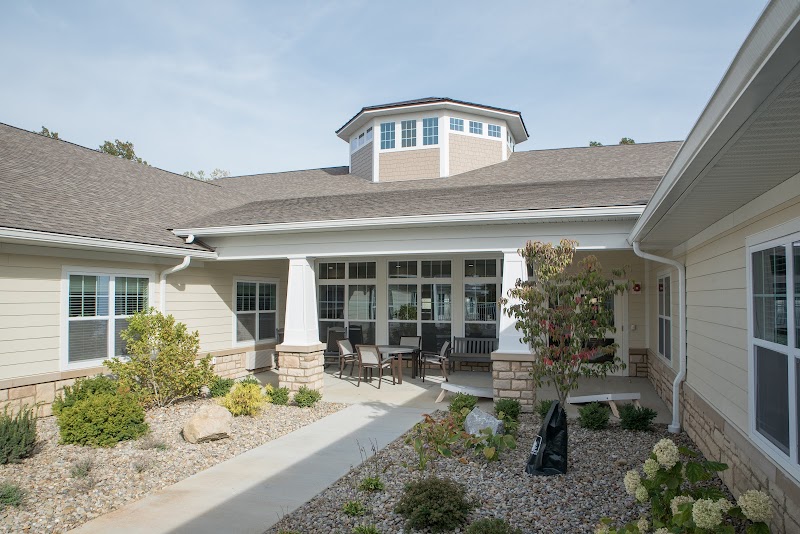
How is Taylor Springs Health Campus Staffed?

CMS rates TAYLOR SPRINGS HEALTH CAMPUS's staffing level at 3 out of 5 stars, which is average compared to other nursing homes. Staff turnover is 58%, which is 12 percentage points above the Ohio average of 46%. High turnover can affect care consistency as new staff learn residents' individual needs. RN turnover specifically is 86%, which is notably high. RNs provide skilled clinical oversight, so turnover in this role can affect medical care quality.

What Have Inspectors Found at Taylor Springs Health Campus?

State health inspectors documented 35 deficiencies at TAYLOR SPRINGS HEALTH CAMPUS during 2023 to 2025. These included: 2 that caused actual resident harm and 33 with potential for harm. Deficiencies causing actual harm indicate documented cases where residents experienced negative health consequences.

Who Owns and Operates Taylor Springs Health Campus?

TAYLOR SPRINGS HEALTH CAMPUS is owned by a for-profit company. For-profit facilities operate as businesses with obligations to shareholders or private owners. The facility is operated by TRILOGY HEALTH SERVICES, a chain that manages multiple nursing homes. With 58 certified beds and approximately 47 residents (about 81% occupancy), it is a smaller facility located in GAHANNA, Ohio.

How Does Taylor Springs Health Campus Compare to Other Ohio Nursing Homes?

Compared to the 100 nursing homes in Ohio, TAYLOR SPRINGS HEALTH CAMPUS's overall rating (3 stars) is below the state average of 3.2, staff turnover (58%) is significantly higher than the state average of 46%, and health inspection rating (2 stars) is below the national benchmark.

What Should Families Ask When Visiting Taylor Springs Health Campus?

Based on this facility's data, families visiting should ask: "How do you ensure continuity of care given staff turnover, and what is your staff retention strategy?" "Can I visit during a mealtime to observe dining assistance and food quality?" "How do you handle medical emergencies, and what is your hospital transfer rate?" "Can I speak with family members of current residents about their experience?" These questions are particularly relevant given the facility's high staff turnover rate.

Is Taylor Springs Health Campus Safe?

Based on CMS inspection data, TAYLOR SPRINGS HEALTH CAMPUS has a clean safety record: no substantiated abuse findings (meaning no confirmed cases of resident harm), no Immediate Jeopardy citations (the most serious violation level indicating risk of serious injury or death), and is not on the Special Focus Facility watch list (a federal program monitoring the lowest-performing 1% of nursing homes). The facility has a 3-star overall rating and ranks #100 of 100 nursing homes in Ohio. While no facility is perfect, families should still ask about staff-to-resident ratios and recent inspection results during their visit.

Do Nurses at Taylor Springs Health Campus Stick Around?

Staff turnover at TAYLOR SPRINGS HEALTH CAMPUS is high. At 58%, the facility is 12 percentage points above the Ohio average of 46%. Registered Nurse turnover is particularly concerning at 86%. RNs handle complex medical decisions and coordinate care — frequent RN changes can directly impact care quality. High turnover means new staff may not know residents' individual needs, medications, or preferences. It can also be disorienting for residents, especially those with dementia who rely on familiar faces. Families should ask: What is causing the turnover? What retention programs are in place? How do you ensure care continuity during staff transitions?

Was Taylor Springs Health Campus Ever Fined?

TAYLOR SPRINGS HEALTH CAMPUS has been fined $26,500 across 1 penalty action. This is below the Ohio average of $33,344. While any fine indicates a compliance issue, fines under $50,000 are relatively common and typically reflect isolated problems that were subsequently corrected. Families should ask what specific issues led to these fines and confirm they've been resolved.

Is Taylor Springs Health Campus on Any Federal Watch List?

TAYLOR SPRINGS HEALTH CAMPUS is not on any federal watch list. The most significant is the Special Focus Facility (SFF) program, which identifies the bottom 1% of nursing homes nationally based on persistent, serious quality problems. Not being on this list means the facility has avoided the pattern of deficiencies that triggers enhanced federal oversight. This is a positive indicator, though families should still review the facility's inspection history directly.