MILL CREEK NURSING & REHABILITATION
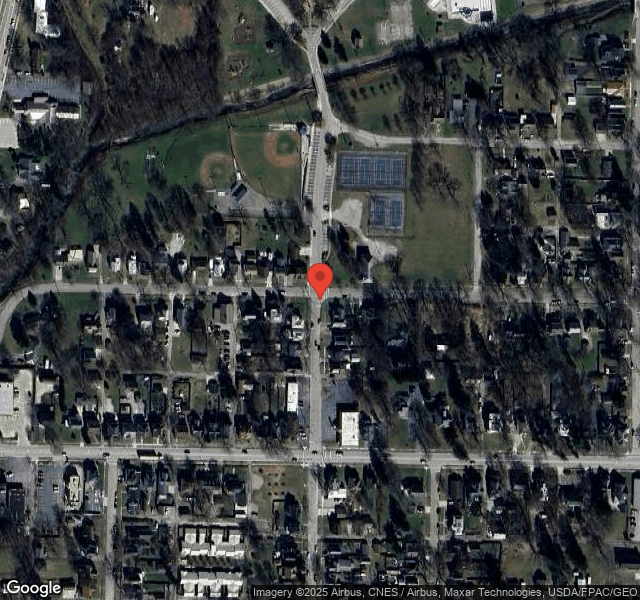
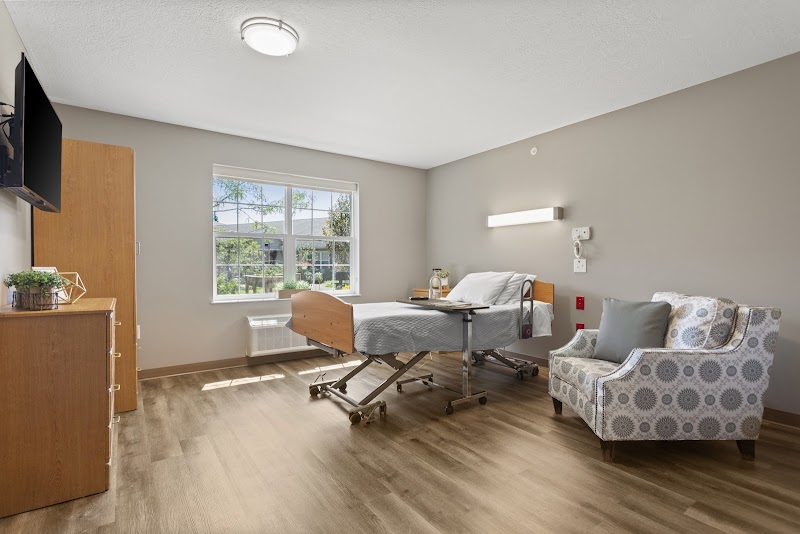
900 WEDGEWOOD CIRCLE, GALION, OH 44833 (419) 462-0173
For profit - Corporation 79 Beds FOUNDATIONS HEALTH SOLUTIONS Data: November 2025
Trust Grade
80/100
#298 of 913 in OH
Last Inspection: February 2025

Within standard 12-15 month inspection cycle. Federal law requires annual inspections.

Overview

Mill Creek Nursing & Rehabilitation has a Trust Grade of B+, indicating it is above average and recommended for families seeking care. It ranks #298 out of 913 facilities in Ohio, placing it in the top half, and #3 out of 6 in Crawford County, meaning only two local options are better. The facility is improving, having decreased its issues from five in 2019 to four in 2025. Staffing is average with a 3/5 rating and a turnover rate of 31%, which is lower than the Ohio average of 49%, suggesting a stable workforce. Notably, there have been no fines, indicating compliance with regulations. However, there are some concerns. Recent inspections found that thickener and flour were not properly stored, which could affect residents on pureed diets. Additionally, call lights were not within reach for some residents, risking their ability to request help. Lastly, oxygen was not consistently administered according to physician orders for certain residents, which is a serious oversight. Overall, while there are strengths in staffing and compliance, these incidents highlight areas that need attention to ensure resident safety.

Trust Score
B+
80/100
In Ohio
#298/913
Top 32%
Safety Record
Low Risk
No red flags
Inspections
Getting Better
5 → 4 violations
Staff Stability
○ Average
31% turnover. Near Ohio's 48% average. Typical for the industry.
Penalties
✓ Good
No fines on record. Clean compliance history, better than most Ohio facilities.
Skilled Nurses
○ Average
Each resident gets 36 minutes of Registered Nurse (RN) attention daily — about average for Ohio. RNs are the most trained staff who monitor for health changes.
Violations
○ Average
9 deficiencies on record. Average for a facility this size. Mostly minor or procedural issues.
★★★★☆
4.0
Overall Rating
★★★☆☆
3.0
Staff Levels
★★★★☆
4.0
Care Quality
★★★★☆
4.0
Inspection Score
Stable
2019: 5 issues
2025: 4 issues

The Good

  • 4-Star Quality Measures · Strong clinical quality outcomes
  • Full Sprinkler Coverage · Fire safety systems throughout facility
  • No fines on record
  • Staff turnover below average (31%)

    17 points below Ohio average of 48%

Facility shows strength in quality measures, fire safety.

The Bad

Staff Turnover: 31%

15pts below Ohio avg (46%)

Typical for the industry

Chain: FOUNDATIONS HEALTH SOLUTIONS

Part of a multi-facility chain

Ask about local staffing decisions and management

The Ugly 9 deficiencies on record

Feb 2025 4 deficiencies
CONCERN (D)

Potential for Harm - no one hurt, but risky conditions existed

Deficiency F0558 (Tag F0558)

Could have caused harm · This affected 1 resident

**NOTE- TERMS IN BRACKETS HAVE BEEN EDITED TO PROTECT CONFIDENTIALITY** Based on observation, record review and interview the facility failed to ensure call lights were within reach and accessible. Th...

Read full inspector narrative →
**NOTE- TERMS IN BRACKETS HAVE BEEN EDITED TO PROTECT CONFIDENTIALITY** Based on observation, record review and interview the facility failed to ensure call lights were within reach and accessible. This affected two residents (Resident #17 and #66) of two residents reviewed for call light accessibility. The census was 71. Findings Include: 1. Record review revealed Resident #17 was admitted on [DATE] to the facility with diagnoses that included but not limited to hypertensive heart disease, polyarthritis, and general anxiety disorder. Review of the most recent Minimum Data Set (MDS) 3.0 assessment dated [DATE] revealed Resident #20 had moderately impaired cognition and required supervision of activities of daily living. Review of care plans dated 08/25/22 revealed Resident #17 had a potential risk for falls related to decreased mobility and incontinent of bowel and bladder. Interventions included but not limited to encourage and remind to ask for assistance and have commonly used articles within easy reach. Observation of Resident #17 on 02/09/25 at 10:16 A.M. revealed Resident #17 was in her wheelchair. There were two call lights in Resident #17's private room. The one call light was coming off the wall and the button to that call light was on the floor. The other call light was a soft touch pad and was hanging on the wall. Observation revealed both call lights were not within reach. This was verified by Medical Records #205. 2. Record review revealed Resident #66 was admitted on [DATE] and a readmit date [DATE] to the facility with diagnoses that included but not limited to atherosclerosis, Alzheimer's disease, and general anxiety disorder. Review of the most recent Minimum Data Set (MDS) 3.0 assessment dated [DATE] revealed Resident #66 had severely impaired cognition and required moderate assistance for activities of daily living. Review of care plans dated 08/12/24 revealed Resident #66 had a potential risk for falls related to decreased mobility and history of falls. Interventions included but not limited to encourage soft touch call light with glow tape and have commonly used articles within easy reach. Observation on 02/09/25 at 9:50 A.M. revealed that Resident #66 was lying in her bed, her soft touch pad was sitting on the nightstand, and her telephone was off the hook on the floor and under the bed. This was verified by the Assistant Director of Nursing #208 on 02/09/25 at 9:52 A.M.
CONCERN (D)

Potential for Harm - no one hurt, but risky conditions existed

Respiratory Care (Tag F0695)

Could have caused harm · This affected 1 resident

Based on observation, medical record review, staff interview and review of the facility policy, the facility failed to ensure oxygen was administered per physician orders and failed to ensure oxygen t...

Read full inspector narrative →
Based on observation, medical record review, staff interview and review of the facility policy, the facility failed to ensure oxygen was administered per physician orders and failed to ensure oxygen tubing was dated when initiated/changed. This affected two (#23 and #31) of eight residents reviewed for oxygen administration. The facility identified eight residents who received oxygen therapy. The facility census was 71. Findings include: 1. Review of the medical records for resident #23 revealed an admission date of 11/26/2024 with the following but not limited to diagnoses of: respiratory failure, Parkinson's disease, dysphagia, and pneumonia. Resident #23 had impaired cognition with a Brief Interview of Mental Status (BIMS) score of five out of 15 noted on 01/10/24. Resident #23 required assistance with activities of daily living (ADLs) tasks including medication administration and the use of a wheelchair for mobility. Review of Resident #23's physician orders dated 02/09/25 revealed an order for oxygen continuous at two to four liters per minute via per nasal cannula to maintain saturation above 90% (normal above 90%). There were no orders for nasal cannula (oxygen tubing) maintenance/care Further review of the medical record revealed on 02/09/25 at 5:10 P.M. the resident was receiving oxygen via nasal cannula at 2 LPM and his oxygen saturation was 99%. On 02/10/25 it was documented under vital signs that Resident #23 was receiving oxygen via nasal cannula at 2 LPM via NC. An observation on 02/09/25 at 10:59 A.M. revealed Resident #23 was seated in his wheelchair in his room with oxygen via nasal cannula being administered at a rate of 1 LPM. No date was noted on the oxygen tubing. Resident #23 was resting with his eyes closed and no respiratory distress was noted. An observation on 02/10/25 at 9:10 A.M. revealed Resident #23 was in bed, resting with eyes closed, with oxygen via nasal cannula at a rate of 1 LPM. An interview on 02/10/25 at 9:13 A.M. with Registered Nurse (RN) #76 confirmed Resident #23's oxygen was running at a rate of 1 LPM when the order read to administer the oxygen at 2-4 LPM. Also confirmed with RN #76 that there was no order in the electronic medical record (EMR) to change the oxygen tubing/nasal cannula. 2. Review of the medical record of Resident #31 revealed an admission date of 09/19/23, with diagnosis including but not limited to chronic respiratory failure with hypoxia, unspecified asthma, and chronic atrial fibrillation. Resident #31 had a Brief Interview of Mental Status (BIMS) score of 14 out of 15 indicating intact cognition. Further review of the medical record revealed on 11/22/24 under progress notes it was noted that Resident #31 was placed on 2 liters of oxygen after her oxygen level was 87% on room air. There were no orders written for oxygen, or notification to the physician documented. On 12/8/24 at 9:22 P.M. it was documented in the EMR under vitals Resident #31 was on oxygen via nasal cannula with an oxygen saturation of 94%,. On 12/09/24 at 11:10 P.M. it was documented under the vitals that Resident #31 was on oxygen via nasal cannula with an oxygen concentration of 93%, with no flow rate or progress note was noted in the EMR. Further review of the medical record revealed no evidence the physician was notified of Resident #31's shortness of breath and/or low oxygen saturation levels. Observation on 02/09/25 at 2:06 P.M. in the room of Resident #31 revealed an oxygen concentrator with tubing connected to the oxygen concentrator and a humidifier containing water also connected, next to the residents recliner chair plugged into the wall. The oxygen tubing was not dated. When asked by this writer if Resident #31 used oxygen the resident stated Yes I do when I am feeling short of breath. Interview with the Director of Nursing (DON) at 8:50 A.M. on 02/12/25 revealed the facility's policy is after someone is placed on oxygen, they are to update the doctor and place an order in the electronic medical record. The. DON also verified the above findings in regard to Resident #31 not having orders for oxygen including when to change the tubing. Review of the facility policy titled, Oxygen Administration, dated 07/30/24, revealed , Oxygen tubing and mask/cannula may be changed weekly and as needed if it becomes contaminated or soiled. Oxygen is administered under the orders of a physician.
CONCERN (D)

Potential for Harm - no one hurt, but risky conditions existed

Deficiency F0806 (Tag F0806)

Could have caused harm · This affected 1 resident

**NOTE- TERMS IN BRACKETS HAVE BEEN EDITED TO PROTECT CONFIDENTIALITY** Based on observation, record review, and interview, the facility failed to honor Resident #185's food preferences. This affected...

Read full inspector narrative →
**NOTE- TERMS IN BRACKETS HAVE BEEN EDITED TO PROTECT CONFIDENTIALITY** Based on observation, record review, and interview, the facility failed to honor Resident #185's food preferences. This affected one (Resident #185) of four residents reviewed for food and nutrition. Facility census was 71. Findings include: Review of the medical record revealed Resident #185 was admitted on [DATE] with diagnoses that included urinary tract infection, asthma, and type 2 diabetes. The Medicare five-day Minimum Data Set (MDS) dated [DATE] revealed Resident #185 was cognitively intact. The MDS also revealed Resident #185 received a regular diet. The care plan dated 01/28/25 revealed Resident #185 had the potential for alteration in nutrition and hydration. Interventions included to honor food/beverage preferences as able and provide the diet as ordered. A physician order dated 02/03/25 revealed Resident #185 was ordered a low concentrated sweets diet and regular texture. Observation on 02/11/25 at 11:20 A.M. revealed Resident #185's meal ticket had spinach and greens listed as dislikes. Dietary Personnel #231 placed a bowl of collard greens on Resident #185's meal tray. When questioned about Resident #185's dislikes, Dietary Personnel #231 stated Resident #185 did not have to eat the collard greens and could ask for something else when Resident #185's tray was delivered. Resident #185's meal tray, with the collard greens still on the meal tray, was loaded onto the cart to be delivered. On 02/11/25 at 11:22 A.M. Dietary Manager #210 verified food preferences were to be honored. Dietary Manager #210 instructed the dietary staff to replace the collard greens with a salad on Resident #185's meal tray. Interview on 02/11/25 at 1:18 P.M. Resident #185 verified they did not like spinach, greens, or collard greens.
CONCERN (E)

Potential for Harm - no one hurt, but risky conditions existed

Food Safety (Tag F0812)

Could have caused harm · This affected multiple residents

Based on observation and interview, the facility failed to ensure thickener and flour were properly stored. This had the potential to affect three residents (#23, #33, and #73) that received pureed di...

Read full inspector narrative →
Based on observation and interview, the facility failed to ensure thickener and flour were properly stored. This had the potential to affect three residents (#23, #33, and #73) that received pureed diets and 14 residents on mechanical diets. Facility census was 71. Findings include: A tour of the kitchen on 02/09/25 at 8:21 A.M. revealed two large square containers with the lids off. The containers were located on the bottom shelf of a table that held the immersion blender. One container was labeled flour and one was labeled thickener. No food was being blended or prepared at the time. On 02/09/25 at 8:55 A.M. Dietary Manager #210 verified the containers with flour and thickener were not properly covered.
Dec 2019 5 deficiencies
CONCERN (D)

Potential for Harm - no one hurt, but risky conditions existed

Abuse Prevention Policies (Tag F0607)

Could have caused harm · This affected 1 resident

Based on review of a Self-Reported Incident (SRI) of neglect, staff interview, and review of the facility policy, the facility failed to follow their policy to protect the residents following an alleg...

Read full inspector narrative →
Based on review of a Self-Reported Incident (SRI) of neglect, staff interview, and review of the facility policy, the facility failed to follow their policy to protect the residents following an allegation of neglect involving two (#42 and #54) residents. The facility census was 62. Findings include: Review of the SRI dated 12/23/19 revealed the facility reported a allegation of neglect to the Ohio Department of Health. A written statement from State Tested Nursing Assistant (STNA) #250 documented on 12/22/19 during dinner, STNA # 265 was asked to answer call lights on the 100 Hall. STNA #250 was overheard by STNA#265 telling Resident # 42 and Resident #54 I can't help you. I have my own residents to care for. The written statement noted STNA # 250 reported the incident to the nurse on duty and nothing was done. STNA #250 documented she felt STNA #265 was neglecting the residents and not providing adequate care. The SRI noted the written statement was placed under the the Director of Nursing (DON)'s door on 12/22/19. STNA #265 worked the remainder of the 2:00 P.M. to 10:00 P.M. shift and was not suspended until 12/23/19. The SRI file contained interviews with Resident #42 and #54 revealing no concerns. There were no interviews with the other residents or staff. Interview with the Administrator on 12/28/19 at 5:00 P.M. he verified he was aware of the neglect allegation on 12/22/19 however, he did not feel it was an allegation of neglect. He stated STNA #250 and #265 were friends and were having some kind of a disagreement. He verified the facility received a call on 12/23/19 of an allegation of neglect involving Resident #42 and #54, which was the same information contained in STNA #250 written document. The Administrator verified STNA #265 was not suspended until 12/23/19. Review of the facility policy titledAbuse, Neglect, Exploitation, and Misappropriation of Resident Property, dated 11/21/16, indicated under Section D-1 b indicated if the staff member was accused or suspected of abuse, neglect, exploitation, and misappropriation of resident property, the facility should remove the staff member from the facility pending the outcome of the investigation. This deficiency substantiates Complaint Number OH00109009.
CONCERN (D)

Potential for Harm - no one hurt, but risky conditions existed

Investigate Abuse (Tag F0610)

Could have caused harm · This affected 1 resident

Based on review of a Self-Reported Incident (SRI) of neglect, staff interview, and review of the facility policy, the facility failed to protect the residents following an allegation of neglect involv...

Read full inspector narrative →
Based on review of a Self-Reported Incident (SRI) of neglect, staff interview, and review of the facility policy, the facility failed to protect the residents following an allegation of neglect involving two (#42 and #54) residents. The facility census was 62. Findings include: Review of the SRI dated 12/23/19 revealed the facility reported a allegation of neglect to the Ohio Department of Health. A written statement from State Tested Nursing Assistant (STNA) #250 documented on 12/22/19 during dinner, STNA # 265 was asked to answer call lights on the 100 Hall. STNA #250 was overheard by STNA#265 telling Resident # 42 and Resident #54 I can't help you. I have my own residents to care for. The written statement noted STNA # 250 reported the incident to the nurse on duty and nothing was done. STNA #250 documented she felt STNA #265 was neglecting the residents and not providing adequate care. The SRI noted the written statement was placed under the the Director of Nursing (DON)'s door on 12/22/19. STNA #265 worked the remainder of the 2:00 P.M. to 10:00 P.M. shift and was not suspended until 12/23/19. The SRI file contained interviews with Resident #42 and #54 revealing no concerns. There were no interviews with the other residents or staff. Interview with the Administrator on 12/28/19 at 5:00 P.M. he verified he was aware of the neglect allegation on 12/22/19 however, he did not feel it was an allegation of neglect. He stated STNA #250 and #265 were friends and were having some kind of a disagreement. He verified the facility received a call on 12/23/19 of an allegation of neglect involving Resident #42 and #54, which was the same information contained in STNA #250 written document. The Administrator verified STNA #265 was not suspended until 12/23/19. Review of the facility policy titledAbuse, Neglect, Exploitation, and Misappropriation of Resident Property, dated 11/21/16, indicated under Section D-1 b indicated if the staff member was accused or suspected of abuse, neglect, exploitation, and misappropriation of resident property, the facility should remove the staff member from the facility pending the outcome of the investigation. This deficiency substantiates Complaint Number OH00109009.
CONCERN (D)

Potential for Harm - no one hurt, but risky conditions existed

Comprehensive Care Plan (Tag F0656)

Could have caused harm · This affected 1 resident

**NOTE- TERMS IN BRACKETS HAVE BEEN EDITED TO PROTECT CONFIDENTIALITY** Based on review of resident medical records, staff interview, and review of the facility policy, the facility failed to revise c...

Read full inspector narrative →
**NOTE- TERMS IN BRACKETS HAVE BEEN EDITED TO PROTECT CONFIDENTIALITY** Based on review of resident medical records, staff interview, and review of the facility policy, the facility failed to revise care plans with new diagnoses and treatments for two (#59 and #32) of 16 residents reviewed for care plans. The census was 62. Findings include: 1. Review of Resident #59's medical record revealed she admitted to the facility 06/15/18. Diagnoses included encephalopathy, cerebral infarction, and congestive heart failure. Review of the Minimum Data Set (MDS) assessment, dated 11/08/19, revealed Resident #59 had a severe cognitive impairment and required extensive assistance from staff for activities of daily living. Review of a nursing progress note dated 11/25/19 revealed Resident #59 was difficult to arouse, would not verbally respond to sternal rub and had frequent twitching of her arms noted. Her physician was notified of her change of condition and she was sent to the emergency room for evaluation and treatment. Review of a nursing note dated 11/27/19 revealed Resident #59 re-admitted to the facility with a primary diagnoses of seizures. Review of hospital documentation titled Continuity of Care, dated 11/27/19, revealed Resident #59 had a new onset of seizures on 11/25/19. Review of Resident #59's current care plan revealed no care plan had been developed for the resident's onset of seizures upon return from the hospital on [DATE]. Interview on 12/28/19 at 12:09 P.M., with MDS Registered Nurse (MDS RN) #28 confirmed Resident #59 returned to the facility 11/27/19 with a new diagnosis of seizures. MDS RN #28 confirmed a care plan had not been developed for Resident #59's new condition of seizures. Review of a facility policy titled Documentation: Care Plan, last revised July 2006, revealed the interdisciplinary team (IDT) would develop, maintain, and modify the nursing component of the plan of care. The policy revealed the care plan was reviewed and revised at least quarterly with the MDS, and on an as needed basis as changes occurred in the resident's regimen. 2. Resident #32 was admitted to the facility on [DATE]. Diagnoses included age related osteoporosis, major depressive disorder, restless leg disorder, hypothyroidism, gastrointestinal reflux disease, and hypertension. Review of the admission MDS assessment, dated 07/31/19, revealed Resident # 32 had no cognitive deficits. She required extensive assistance of two staff for mobility activities of daily living (ADL) and toileting. The assessment indicated she was occasionally incontinent of bladder and always continent of bowel with no toileting plan. Review of a Certified Nurse Practitioner (CNP) progress note, dated 10/26/19, documented the resident had urinary retention. Review of the quarterly MDS assessment, dated 10/31/19, revealed the resident was frequently incontinent of bladder and occasionally incontinent of bowel with no toileting plan. Review of the December 2019 monthly physician orders revealed an order to straight catheterize the resident for urinary retention if she did not void for eight hours and alert the physician. The order was initiated on 09/17/19. Review of the plan of care, updated 10/31/19, revealed the resident had an alteration in elimination related to occasional bladder incontinence. The care plan did not identify the resident was to be straight catheterized if unable to void for eight hours. Interview on 12/28/19 at 1:00 P.M., RN #120 and Cooperate RN #113 verified the plan of care did not address urinary retention with the need for intermittent catheterization.
CONCERN (D)

Potential for Harm - no one hurt, but risky conditions existed

Quality of Care (Tag F0684)

Could have caused harm · This affected 1 resident

**NOTE- TERMS IN BRACKETS HAVE BEEN EDITED TO PROTECT CONFIDENTIALITY** Based on medical record review, resident interview, and staff interview, the facility failed to follow the physician order for t...

Read full inspector narrative →
**NOTE- TERMS IN BRACKETS HAVE BEEN EDITED TO PROTECT CONFIDENTIALITY** Based on medical record review, resident interview, and staff interview, the facility failed to follow the physician order for the administration of an anti-diarrheal medication and failed to follow up with the physician when loose stools continued for one (#36) out of 16 residents reviewed during the survey. The census was 62. Finding include: Review of Resident #36's medical record revealed she admitted to the facility [DATE]. Diagnoses included moderate protein-calorie malnutrition, dysphagia, and anxiety. Review of the Minimum Data Set (MDS) assessment, dated [DATE], revealed Resident #36 had a moderate cognitive impairment and required limited assistance with toilet use. Review of a physician's progress note dated [DATE] revealed Resident #36 stated she was having more frequent stools but not frank diarrhea. Review of Resident #36's bowel documentation revealed loose stools occurred twice on [DATE], on [DATE], [DATE], [DATE], [DATE], [DATE], [DATE], [DATE], [DATE], [DATE] twice, [DATE], and [DATE]. Review of Resident #36's Medication Administration Record (MAR) for [DATE] revealed an order dated [DATE] for loperamide 2 milligrams, one or two tablets every six hours as needed for diarrhea for a total of seven days. The MAR revealed the medication was only administered once on [DATE]. Review of the medical record revealed the physician had not been notified of the continued loose stools of Resident #36. Interview on [DATE] at 11:20 A.M., Resident #36 stated she had loose bowels since she admitted . She revealed the had briefly given her something for the diarrhea but that she was no longer receiving anything to help. She stated she used a commode to remain continent with her loose bowels. She stated she was still having loose bowels. Interview on [DATE] at 1:39 P.M., State Tested Nurse Aide (STNA) #65 stated Resident #36 had loose bowels. She stated if she noticed loose stools she would document it in the medical record and inform the nurse. Interview on [DATE] at 1:41 P.M., Registered Nurse (RN) #51 confirmed Resident #36 had been prescribed a seven day order on [DATE] for loperamide for diarrhea as needed for seven days, ending on [DATE]. RN #51 confirmed Resident #36 only received her as needed anti-diarrheal once, on [DATE], but had documented loose stools [DATE], [DATE], and [DATE] without the medication being administered. She confirmed Resident #36 continued having documented loose stools once her anti-diarrheal order had expired and there was no evidence the physician had been notified for further intervention for Resident #36's loose stools.
CONCERN (D)

Potential for Harm - no one hurt, but risky conditions existed

Incontinence Care (Tag F0690)

Could have caused harm · This affected 1 resident

**NOTE- TERMS IN BRACKETS HAVE BEEN EDITED TO PROTECT CONFIDENTIALITY** Based on medical record review and staff interview the facility failed to follow physician's orders to intermittent catheterize...

Read full inspector narrative →
**NOTE- TERMS IN BRACKETS HAVE BEEN EDITED TO PROTECT CONFIDENTIALITY** Based on medical record review and staff interview the facility failed to follow physician's orders to intermittent catheterize a resident if there was no urine output for an eight hour period for one (#32) of one resident reviewed for urinary catheterization. The facility identified one resident as requiring intermittent catheterization. The facility census was 62. Findings include: Resident #32 was admitted to the facility on [DATE]. Diagnoses included age related osteoporosis, major depressive disorder, restless leg disorder, hypothyroidism, gastrointestinal reflux disease, and hypertension. Review of the admission Minimum Data Set (MDS) assessment, dated 07/31/19, revealed the resident had no cognitive deficits. She required extensive assistance of two staff for mobility activities of daily living (ADL) and toileting. The assessment indicated she was occasionally incontinent of bladder and always continent of bowel with no toileting plan. Review of a Certified Nurse Practitioner progress note dated 10/26/19 documented the resident had urinary retention. Review of the quarterly MDS assessment darted 10/31/19 revealed the resident was frequently incontinent of bladder and occasionally incontinent of bowel with no toileting plan. Review of the December 2019 monthly physician orders revealed an order to straight catheterize the resident for urinary retention if she did not void for eight hours and alert the physician. The order was initiated on 09/17/19. Review of State Tested Nursing (STNA) documentation for bowel and bladder elimination revealed on 12/16/19 Resident #32 was continent of urine at 1:19 P.M. and 11:23 P.M. with no other evidence of urinary output documented. On 12/17/19 the resident was continent of urine at 10:29 A.M. and 10:09 P.M. with no other evidence of urinary output documented. On 12/18/19 the resident was continent of urine at 1:26 P.M. and 10:00 P.M. with no other evidence of urinary output documented. On 12/19/19 the resident was continent of urine at 12.56 A.M. and incontinent of urine 11:43 AM and 11:29 P.M. with no other evidence of urinary output documented. On 12/20/19 the resident was continent of urine at 12:55 A.M. and incontinent of urine at 11:23 P.M. with no other evidence of urinary output documented. On 12/21/19 the resident was continent of urine at 12:04 AM, at 1:25 P.M. the resident did not void, and at 11:12 P.M. was continent of urine with no other evidence of urinary output documented. On 12/22/19 the resident was continent of urine at 1:22 PM and 11:12 P.M. with no other evidence of urinary output documented. On 12/23/19 the resident was incontinent of urine at 9:11 A.M. and continent of urine at 11:59 P.M. with no other evidence of urinary output documented. On 12/24/19 the resident was continent of urine at 1:29 P.M. and 7:43 P.M. with no other evidence of urinary output documented. On 12/25/19 the resident was incontinent of urine at 1:46 P.M. and at 7:09 P.M. was continent of urine with no other evidence of urinary output documented. On 12/26/19 the resident was continent of urine 2:40 A.M., 11:27 A.M. and 11:41 P.M. with no other evidence of urinary output documented. There was no evidence Resident #36 was catheterized when she went greater than eight hours without voiding. Interview on 12/28/19 at 1:30 P.M., Registered Nurse (RN) #120 verified Resident #32 had a physician order was to catheterize the resident if she did not void every eight hours. She stated the information found in the STNA Tasks section of the electronic record possibly did not track all the resident's episodes of urinating. The nurses relied on the the STNAs to verbally tell them at the end of their shift if the resident did not void.
Understanding Severity Codes (click to expand)
Life-Threatening (Immediate Jeopardy)
J - Isolated K - Pattern L - Widespread
Actual Harm
G - Isolated H - Pattern I - Widespread
Potential for Harm
D - Isolated E - Pattern F - Widespread
No Harm (Minor)
A - Isolated B - Pattern C - Widespread

Questions to Ask on Your Visit

  • "Can I speak with families of current residents?"
  • "What's your RN coverage like on weekends and overnight?"

Our Honest Assessment

Strengths
  • • Grade B+ (80/100). Above average facility, better than most options in Ohio.
  • • No major safety red flags. No abuse findings, life-threatening violations, or SFF status.
  • • No fines on record. Clean compliance history, better than most Ohio facilities.
  • • 31% turnover. Below Ohio's 48% average. Good staff retention means consistent care.
Concerns
  • • No significant concerns identified. This facility shows no red flags across CMS ratings, staff turnover, or federal penalties.
Bottom line: Generally positive indicators. Standard due diligence and a personal visit recommended.

About This Facility

What is Mill Creek Nursing & Rehabilitation's CMS Rating?

CMS assigns MILL CREEK NURSING & REHABILITATION an overall rating of 4 out of 5 stars, which is considered above average nationally. Within Ohio, this rating places the facility higher than 99% of the state's 100 nursing homes. This rating reflects solid performance across the metrics CMS uses to evaluate nursing home quality.
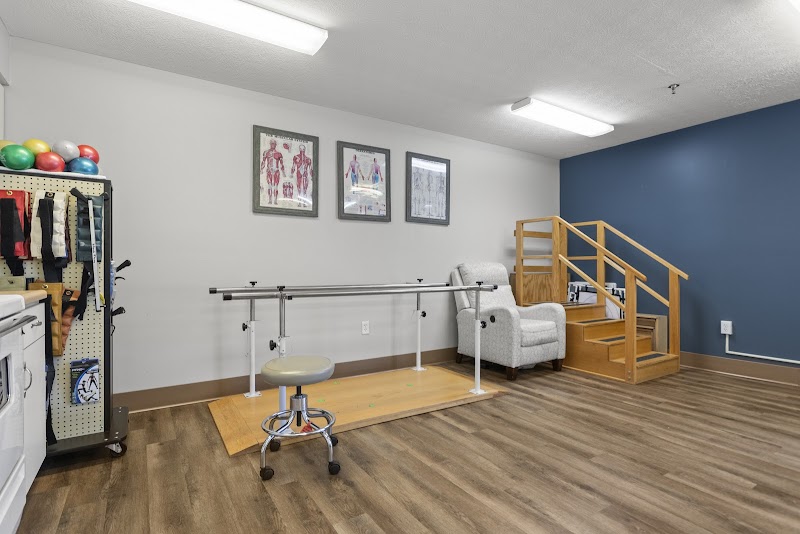
How is Mill Creek Nursing & Rehabilitation Staffed?

CMS rates MILL CREEK NURSING & REHABILITATION's staffing level at 3 out of 5 stars, which is average compared to other nursing homes. Staff turnover is 31%, compared to the Ohio average of 46%. This relatively stable workforce can support continuity of care.

What Have Inspectors Found at Mill Creek Nursing & Rehabilitation?

State health inspectors documented 9 deficiencies at MILL CREEK NURSING & REHABILITATION during 2019 to 2025. These included: 9 with potential for harm.
Who Owns and Operates Mill Creek Nursing & Rehabilitation?

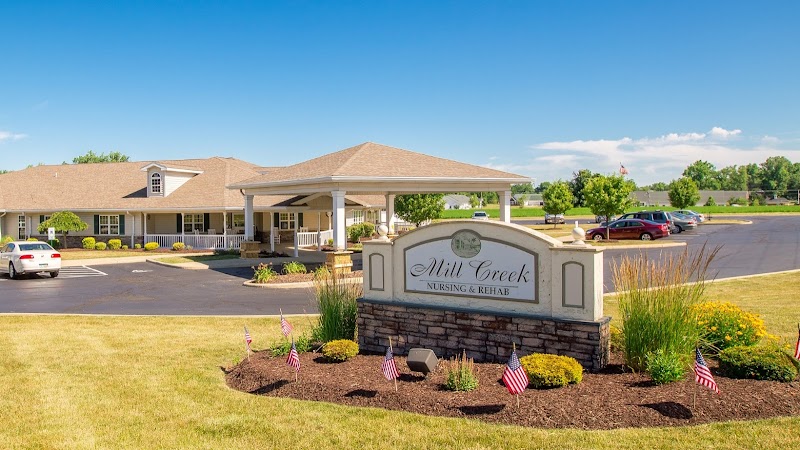
MILL CREEK NURSING & REHABILITATION is owned by a for-profit company. For-profit facilities operate as businesses with obligations to shareholders or private owners. The facility is operated by FOUNDATIONS HEALTH SOLUTIONS, a chain that manages multiple nursing homes. With 79 certified beds and approximately 74 residents (about 94% occupancy), it is a smaller facility located in GALION, Ohio.
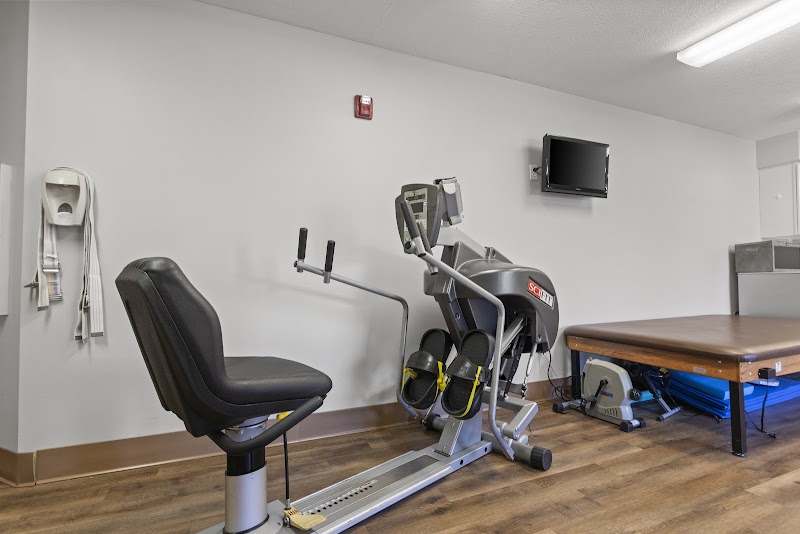
How Does Mill Creek Nursing & Rehabilitation Compare to Other Ohio Nursing Homes?

Compared to the 100 nursing homes in Ohio, MILL CREEK NURSING & REHABILITATION's overall rating (4 stars) is above the state average of 3.2, staff turnover (31%) is significantly lower than the state average of 46%, and health inspection rating (4 stars) is above the national benchmark.

What Should Families Ask When Visiting Mill Creek Nursing & Rehabilitation?

Based on this facility's data, families visiting should ask: "Can I visit during a mealtime to observe dining assistance and food quality?" "How do you handle medical emergencies, and what is your hospital transfer rate?" "Can I speak with family members of current residents about their experience?"

Is Mill Creek Nursing & Rehabilitation Safe?

Based on CMS inspection data, MILL CREEK NURSING & REHABILITATION has a clean safety record: no substantiated abuse findings (meaning no confirmed cases of resident harm), no Immediate Jeopardy citations (the most serious violation level indicating risk of serious injury or death), and is not on the Special Focus Facility watch list (a federal program monitoring the lowest-performing 1% of nursing homes). The facility has a 4-star overall rating and ranks #1 of 100 nursing homes in Ohio. While no facility is perfect, families should still ask about staff-to-resident ratios and recent inspection results during their visit.

Do Nurses at Mill Creek Nursing & Rehabilitation Stick Around?

MILL CREEK NURSING & REHABILITATION has a staff turnover rate of 31%, which is about average for Ohio nursing homes (state average: 46%). Moderate turnover is common in nursing homes, but families should still ask about staff tenure and how the facility maintains care continuity when employees leave.

Was Mill Creek Nursing & Rehabilitation Ever Fined?

MILL CREEK NURSING & REHABILITATION has no federal fines on record. CMS issues fines when nursing homes fail to meet care standards or don't correct problems found during inspections. The absence of fines suggests the facility has either maintained compliance or corrected any issues before penalties were assessed. This is a positive indicator, though families should still review recent inspection reports for the full picture.

Is Mill Creek Nursing & Rehabilitation on Any Federal Watch List?

MILL CREEK NURSING & REHABILITATION is not on any federal watch list. The most significant is the Special Focus Facility (SFF) program, which identifies the bottom 1% of nursing homes nationally based on persistent, serious quality problems. Not being on this list means the facility has avoided the pattern of deficiencies that triggers enhanced federal oversight. This is a positive indicator, though families should still review the facility's inspection history directly.