SIGNATURE HEALTHCARE OF GALION
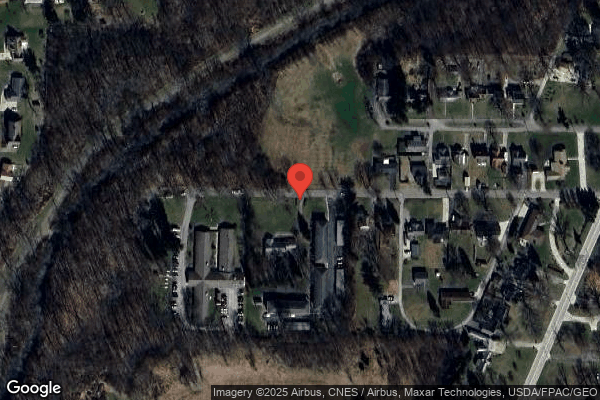
935 ROSEWOOD DR, GALION, OH 44833 (419) 468-7544
For profit - Limited Liability company 62 Beds SIGNATURE HEALTHCARE Data: November 2025
Trust Grade
35/100
#780 of 913 in OH
Last Inspection: March 2024

Within standard 12-15 month inspection cycle. Federal law requires annual inspections.

Overview

Signature Healthcare of Galion has received a Trust Grade of F, indicating significant concerns about the quality of care provided, which is the lowest grade possible. In Ohio, it ranks #780 out of 913 facilities, placing it in the bottom half, and #5 out of 6 in Crawford County, suggesting only one local option is better. The facility appears to be improving, as it has reduced issues from 25 in 2024 to 6 in 2025, but it still has a concerning staffing turnover rate of 83%, significantly higher than the Ohio average of 49%, which may affect continuity of care. While they have not incurred any fines, which is positive, there are serious concerns regarding staff performance, such as a resident suffering a dislocated shoulder due to improper transfer techniques, and failures in infection control and dish sanitation practices that could potentially harm residents. Overall, while there are some improvements and strengths in certain areas, the facility still faces significant challenges that families should consider.

Trust Score
F
35/100
In Ohio
#780/913
Bottom 15%
Safety Record
Moderate
Needs review
Inspections
Getting Better
25 → 6 violations
Staff Stability
⚠ Watch
83% turnover. Very high, 35 points above average. Constant new faces learning your loved one's needs.
Penalties
✓ Good
No fines on record. Clean compliance history, better than most Ohio facilities.
Skilled Nurses
○ Average
Each resident gets 34 minutes of Registered Nurse (RN) attention daily — about average for Ohio. RNs are the most trained staff who monitor for health changes.
Violations
⚠ Watch
45 deficiencies on record. Higher than average. Multiple issues found across inspections.
★★☆☆☆
2.0
Overall Rating
★☆☆☆☆
1.0
Staff Levels
★★★★★
5.0
Care Quality
★☆☆☆☆
1.0
Inspection Score
Stable
2024: 25 issues
2025: 6 issues

The Good

  • 5-Star Quality Measures · Strong clinical quality outcomes
  • Full Sprinkler Coverage · Fire safety systems throughout facility
  • No fines on record

Facility shows strength in quality measures, fire safety.

The Bad

2-Star Overall Rating

Below Ohio average (3.2)

Below average - review inspection findings carefully

Staff Turnover: 83%

36pts above Ohio avg (46%)

Frequent staff changes - ask about care continuity

Chain: SIGNATURE HEALTHCARE

Part of a multi-facility chain

Ask about local staffing decisions and management

Staff turnover is very high (83%)

35 points above Ohio average of 48%

The Ugly 45 deficiencies on record

1 actual harm
Sept 2025 6 deficiencies
CONCERN (D) 📢 Someone Reported This

A family member, employee, or ombudsman was alarmed enough to file a formal complaint

Potential for Harm - no one hurt, but risky conditions existed

Deficiency F0552 (Tag F0552)

Could have caused harm · This affected 1 resident

**NOTE- TERMS IN BRACKETS HAVE BEEN EDITED TO PROTECT CONFIDENTIALITY** Based on record review and staff interview, the facility failed to ensure Resident #44's guardian was informed about the potenti...

Read full inspector narrative →
**NOTE- TERMS IN BRACKETS HAVE BEEN EDITED TO PROTECT CONFIDENTIALITY** Based on record review and staff interview, the facility failed to ensure Resident #44's guardian was informed about the potential charges for therapy and the beginning of services. This affected one (#44) of three residents reviewed for therapy. The facility census was 51.Findings include: Review of the Resident #44's medical record revealed an admission date of 03/09/17 with diagnoses including Parkinson's disease, dysphagia, dementia, moderate protein calorie malnutrition, anxiety, depression, heart failure, adult antisocial behavior, adult failure to thrive, and liver disease.Review of Resident #44's guardianship paper dated 10/06/22 revealed his daughter was the court appointed guardian.Review of Resident #44's comprehensive Minimum Data Set (MDS) assessment dated [DATE] revealed he was rarely or never understood. Review of Resident #44's physician order from 01/17/25 to 02/18/25 revealed an order for occupational therapy evaluation and order to treat five times a week for four weeks.Review of Resident #44's occupational discharge summary revealed he was seen from 01/16/25 to 02/18/25.Review of Resident #44's physician orders from 02/04/25 to 03/18/25 and from 03/18/25 to 04/01/25 revealed an order for speech therapy evaluation and order to treat three times a week. Review of Resident #44's speech therapy discharge summary revealed he was seen from 02/04/25 to 04/01/25.Review of Resident #44's order from 02/20/25 to 03/20/25 revealed an order for physical therapy to treat five times a week for two weeks. Review of Resident #44's physical therapy discharge summary revealed he was seen from 02/20/25 to 03/20/25.Review of Resident #44's billing statement dated 03/01/25 revealed he was charged $250.50 for occupational therapy and related charges.Review of Resident #44's billing statement dated 04/01/25 revealed he was charged $316.02 for occupation and speech therapy and related charges.Review of Resident #44's billing statement dated 05/01/25 revealed he was charged $355.09 for speech and physical therapy and related charges.Review of Resident #44's medical record from 01/01/25 to 05/01/25 revealed no evidence his guardian was notified of the ordered therapy evaluations and treatments or the charges they would accrue.Interview on 09/10/25 at 3:35 P.M., with the Administrator revealed prior to the start of therapy they call families who are privately paying and discuss therapy and the charges that they will receive.Interview on 09/15/25 at 10:13 A.M., with the Administrator revealed she had not found evidence Resident #44's guardian had been notified of therapy orders or charges.This deficiency represents noncompliance investigated under Complaint Number 1314302.
CONCERN (D) 📢 Someone Reported This

A family member, employee, or ombudsman was alarmed enough to file a formal complaint

Potential for Harm - no one hurt, but risky conditions existed

Quality of Care (Tag F0684)

Could have caused harm · This affected 1 resident

**NOTE- TERMS IN BRACKETS HAVE BEEN EDITED TO PROTECT CONFIDENTIALITY** Based on record review, family interview, and staff interview, the facility failed to complete physician ordered laboratory work...

Read full inspector narrative →
**NOTE- TERMS IN BRACKETS HAVE BEEN EDITED TO PROTECT CONFIDENTIALITY** Based on record review, family interview, and staff interview, the facility failed to complete physician ordered laboratory work required prior to an appointment for Resident #17, resulting in the appointment needing to be rescheduled. The facility failed to complete neurological assessments for Resident #1, after a fall with a head injury. This affected two (#1 and #17) of three residents reviewed for quality of care and treatment. The facility census was 51.Findings include: 1. Review of Resident #17's medical record revealed an admission date of [DATE] with diagnoses including Alzheimer's disease, dementia, chronic obstructive pulmonary disease, and chronic heart failure.Review of Resident #17's quarterly Minimum Data Set (MDS) 3.0 assessment dated [DATE] revealed the resident had severely impaired cognition.Review of Resident #17's progress note dated [DATE] revealed she returned from a nephrology appointment with a follow up appointment to take place on [DATE]. The physician requested laboratory test be drawn on [DATE] prior to the appointment.Review of Resident #17's physician order dated [DATE] revealed on [DATE] laboratory test were to be completed. This included a urinary analysis and eight other blood draws.Review of Resident #17's medical record from [DATE] to [DATE] revealed no evidence her ordered laboratory test were completed.Review of Resident #17's progress note dated [DATE] revealed the nephrologists office called and reported her appointment would need to be rescheduled as the ordered laboratory test had not been completed. The appointment was rescheduled for [DATE].Interview on [DATE] at 1:20 P.M. and [DATE] at 11:44 A.M. with Resident #17's family revealed the facility had not completed ordered laboratory test prior to appointments resulting in rescheduled or missing appointments.Interview on [DATE] at 11:39 A.M. with the Director of Nursing (DON) verified Resident #17's laboratory test were not completed as ordered prior to her appointment and the appointment had to be rescheduled. 2. Review of the medical record revealed Resident #1 was admitted on [DATE] and expired on [DATE]. Resident #1 had diagnoses that included but not limited to Alzheimer's disease, neuromuscular dysfunction, dysphagia, type 2 diabetes. schizoaffective disorder/bipolar type, and depressive disorder. Review of physician orders dated [DATE] revealed Resident #1 was ordered Eliquis (anticoagulant). Review of the care plan dated [DATE] revealed Resident #1 was at risk for falls with interventions to assist to recliners with nonskid strips in front of the recliner, bolsters to bed, and encourage to go to central living room.Review of an incident note dated [DATE] at 11:30 A.M. revealed Resident #1 was found lying flat on her back in the dining area. Resident #1 was holding the back of her head. A small bump was noted to the mid occipital region, and no bruising was noted. Vital signs were obtained, and neurological checks were initiated. Review of the neurological assessments form revealed an assessment was to be completed every 15 minutes for four checks, every 30 minutes for four checks, every hour for four checks, every four hours for four checks, and every eight hours until 72 hours after the fall. Review of the neurological assessment for Resident #1 revealed four 15-minute checks were completed from [DATE] at 11:40 A.M. through 12:25 P.M. A 30-minute check was completed at 12:55 P.M. The 30-minute checks for 1:25 P.M. and 1:55 P.M. were not completed. A handwritten note revealed the nurse was off the floor passing medication on another hall. On [DATE] at 2:25 P.M. Resident #1's vital signs were completed but pupils, consciousness, speech, and responsiveness were not assessed. A note revealed an attempt was made to arouse Resident #1, but Resident #1 was sleeping soundly. Review of an incident note dated [DATE] at 7:12 P.M. revealed Resident #1 had a bump to the back of her head that now had some discoloration and bruising. The incident note revealed Resident #1's daughter-in-law was notified Resident #1 had a fall that resulted in a bump to the back of Resident #1's head and there was some discoloration/bruising. Review of a nursing note dated [DATE] at 7:12 P.M. revealed the Medical Assistant (MA) was notified Resident #1 had a fall with a bump and bruising to the back of the head, and neurological checks were at baseline for Resident #1. Review of the modification of the quarterly Minimum Data Set (MDS) dated [DATE] revealed Resident #1 had severe cognitive impairment, no behaviors, no impairment to upper or lower, used a wheelchair, and was dependent on staff for care. The MDS also revealed Resident #1 received anticoagulant medication. Interview on [DATE] at 12:22 A.M., with the Director of Nursing (DON) verified the neurological checks were not completed as indicated on the neurological form for Resident #1. DON verified Resident #1 was on Eliquis and it was concerning that vital signs were completed on [DATE] at 2:25 P.M. but Resident #1 was not able to be aroused to complete the neurological assessment. DON verified the documentation revealed Resident #'1's family and MA were not notified until later in the day that Resident #1 had a fall with injury. DON verified the MA no longer worked for the facility and was not available to be questioned about the time of the notification and if they were aware Resident #1 was ordered Eliquis. DON provided scheduling and clock in and out times to verify there were two nurses working during the time the neurological assessment was not completed for Resident #1. Interview on [DATE] at 3:55 P.M., with Licensed Practical Nurse (LPN) #261 verified she was working on [DATE]. LPN #261 verified she did not complete the neurological assessments on [DATE] at 1:25 P.M. and 1:55 P.M. LPN #261 verified she also did not assess Resident #1's pupils, consciousness, speech, and responsiveness at 2:25 P.M. LPN #261 verified she wrote on the neurological assessment that she was passing medications on another hall when the assessments needed completed. This deficiency represents non-compliance investigated under Complaint Number 1314302 and 1314300.
CONCERN (D) 📢 Someone Reported This

A family member, employee, or ombudsman was alarmed enough to file a formal complaint

Potential for Harm - no one hurt, but risky conditions existed

Deficiency F0757 (Tag F0757)

Could have caused harm · This affected 1 resident

**NOTE- TERMS IN BRACKETS HAVE BEEN EDITED TO PROTECT CONFIDENTIALITY** Based on record review and staff interview, the facility failed to ensure parameters for Resident #1's midodrine (to treat low b...

Read full inspector narrative →
**NOTE- TERMS IN BRACKETS HAVE BEEN EDITED TO PROTECT CONFIDENTIALITY** Based on record review and staff interview, the facility failed to ensure parameters for Resident #1's midodrine (to treat low blood pressure) were entered correctly into the medical record and midodrine was administered according to the parameters ordered. This affected one (#1) of three residents reviewed for medications being administered correctly. The facility census was 51.Findings include: Review of the medical record revealed Resident #1 was admitted on [DATE] and expired on [DATE]. Resident #1 had diagnoses that included but not limited to Alzheimer's disease, neuromuscular dysfunction, dysphagia, type 2 diabetes. schizoaffective disorder/bipolar type, and depressive disorder. Review of the modification of the quarterly Minimum Data Set (MDS) dated [DATE] revealed Resident #1 had severe cognitive impairment. Review of physician orders revealed on [DATE] Resident #1 was ordered midodrine five milligram (mg) three times a day for hypotension. Midodrine was to be held for systolic blood pressure (SBP) greater than 120 millimeters of mercury (mmHg). Review of medication administration records (MAR) from [DATE] through [DATE] revealed Resident #1 received 47 doses of midodrine with SBP greater than 120 mmHg. The highest blood pressure recorded when midodrine was administered was 169/103 mmHg on [DATE] at 11:00 A.M. Interview on [DATE] at 1:31 P.M., with the Director of Nursing (DON) verified the instructions to hold midodrine for SBP greater than 120 mmHg was on the order but did not show up on the MAR. DON verified Resident #1 received midodrine multiple times with the SBP was greater than 120 mmHg.
CONCERN (D) 📢 Someone Reported This

A family member, employee, or ombudsman was alarmed enough to file a formal complaint

Potential for Harm - no one hurt, but risky conditions existed

Deficiency F0772 (Tag F0772)

Could have caused harm · This affected 1 resident

**NOTE- TERMS IN BRACKETS HAVE BEEN EDITED TO PROTECT CONFIDENTIALITY** Based on medical record review, family interview, and staff interview, the faciltiy failed to obtain physician ordered laborator...

Read full inspector narrative →
**NOTE- TERMS IN BRACKETS HAVE BEEN EDITED TO PROTECT CONFIDENTIALITY** Based on medical record review, family interview, and staff interview, the faciltiy failed to obtain physician ordered laboratory tests for one resident. This affected one (#17) of three residents reviewed for physician orders. the faciltiy census was 51. Findings include:Review of Resident #17's medical record revealed an admission date of 01/15/25 with diagnoses including Alzheimer's disease, dementia, chronic obstructive pulmonary disease, and chronic heart failure. Review of Resident #17's quarterly Minimum Data Set (MDS) assessment dated [DATE] revealed the resident had severely impaired cognition. Review of Resident #17's progress note dated 01/20/25 revealed she returned from a nephrology appointment with a follow up appointment to take place on 07/20/25. The physician requested laboratory tests be drawn on 07/14/25 prior to the appointment. Review of Resident #17's physician order dated 01/20/25 revealed on 07/14/25 laboratory test were to be completed. The laboratory test included a complete blood count (CBC), hepatic function panel, magnesium, microalbumin/create ratio, renal function panel, sodium, protein/creatinine ration, and an urinary analysis. Review of Resident #17's medical record from 07/14/25 to 07/21/25 revealed no evidence the laboratory test were completed. Interview on 09/11/25 at 1:20 P.M. and 09/16/25 at 11:44 A.M. with Resident #17's family revealed the facility had not completed ordered test prior to appointments resulting in rescheduled or missing appointments. Interview on 09/15/25 at 11:39 A.M. with the Director of Nursing (DON) verified Resident #17's laboratory test were not completed as ordered.
CONCERN (D) 📢 Someone Reported This

A family member, employee, or ombudsman was alarmed enough to file a formal complaint

Potential for Harm - no one hurt, but risky conditions existed

Dental Services (Tag F0791)

Could have caused harm · This affected 1 resident

**NOTE- TERMS IN BRACKETS HAVE BEEN EDITED TO PROTECT CONFIDENTIALITY** Based on interview and record review the facility failed to ensure informed consent was obtained prior to initiating dental serv...

Read full inspector narrative →
**NOTE- TERMS IN BRACKETS HAVE BEEN EDITED TO PROTECT CONFIDENTIALITY** Based on interview and record review the facility failed to ensure informed consent was obtained prior to initiating dental services for Resident #44. This affected one resident (#44) of three residents reviewed for ancillary services. The facility census was 51.Findings include:Review of the Resident #44's medical record revealed an admission date of 03/09/17 with diagnoses including Parkinson's disease, dysphagia, dementia, moderate protein calorie malnutrition, anxiety, depression, heart failure, adult antisocial behavior, adult failure to thrive, and liver disease. Review of Resident #44's comprehensive Minimum Data Set (MDS) assessment dated [DATE] revealed he was rarely or never understood. Review of Resident #44's ancillary consent form dated 03/16/17 revealed the residents wife consented to vision, podiatry, and audiology for residents with Medicaid. Review of Resident #44's guardianship paper dated 10/06/22 revealed his daughter was the court appointed guardian. Review of Resident #44's census revealed he switched from Medicaid to private pay on 12/01/24. Review of Resident #44's medical record from 12/01/24 to 03/17/25 revealed no evidence consent was obtained for dental services as a non-medicaid resident and no evidence the guardian was notified of a dental visit. Review of Resident #44's dental form dated 03/17/25 revealed the dentist examined the resident. Interview on 09/16/25 at 12:40 P.M., with the Administrator verified an updated informed consent form had not been obtained after Resident #44 switched to private pay. She reported billing occurred through the ancillary services themselves and not the facility. This deficiency represents non-compliance investigated under Complaint Number 1314302.
CONCERN (D) 📢 Someone Reported This

A family member, employee, or ombudsman was alarmed enough to file a formal complaint

Potential for Harm - no one hurt, but risky conditions existed

Infection Control (Tag F0880)

Could have caused harm · This affected 1 resident

**NOTE- TERMS IN BRACKETS HAVE BEEN EDITED TO PROTECT CONFIDENTIALITY** Based on observation, staff interview, record review, and review of wound care policy, the facility failed to follow the appropr...

Read full inspector narrative →
**NOTE- TERMS IN BRACKETS HAVE BEEN EDITED TO PROTECT CONFIDENTIALITY** Based on observation, staff interview, record review, and review of wound care policy, the facility failed to follow the appropriate infection control guidelines when changing dressing for Resident #28's wound. This affected one (#28) of two residents observed for infection control practices. The facility census was 51.Findings include: Review of the medical record revealed Resident #28 was admitted on [DATE] with diagnoses that included Alzheimer's disease, type 2 diabetes, major depressive disorder, and chronic kidney disease. Review of the significant change Minimum Data Set, dated [DATE] revealed Resident #28 had severe cognitive impairment. Review of a wound evaluation note dated 09/08/25 at 2:01 P.M. revealed Resident #28 had a skin tear to the right lower leg. The skin tear measured 2.5 centimeters (cm) long and 0.8 cm wide and was 0.1 cm deep. Review of the new order, received on 09/11/25 ,to cleanse the skin tear to Resident #28's right lower leg with normal saline or wound cleanser, apply Vitamin A and D ointment and cover with Dermaview II (a moisture-vapor permeable transparent dressing that aids in the prevention of bacterial contamination) island dressing every three days and as needed. Observation on 09/15/25 at 11:07 A.M., revealed the Assistant Director of Nursing (ADON) #260 applied gloves and removed the dressing to Resident #28's right lower leg. ADON #260 placed the soiled dressing on a paper towel on an over the bed table. ADON #260 then cleansed the wound, placed the A and D ointment on the tip of her index finger and applied the ointment to the wound, and then covered the wound with Dermaview II. Interview, at the time of the observation, ADON #260 verified she did not remove her gloves after removing the soiled dressing, perform any hand hygiene, and used her finger, covered with the possibly contaminated glove, to apply the ointment. Review of the policy titled Wound Care dated September 2021, revealed the purpose of the procedure was to provide guidelines for the care of wounds to promote healing. Steps in the procedure included to wash and dry hands thoroughly and put on exam gloves. The tape to the dressing should be loosen and the dressing removed. Pull the glove over the dressing and discard into appropriate receptacle. Wash and dry hands thoroughly and put on gloves. The wound should be cleaned and treatments applied as ordered by the physician.
Dec 2024 1 deficiency
CONCERN (F) 📢 Someone Reported This

A family member, employee, or ombudsman was alarmed enough to file a formal complaint

Potential for Harm - no one hurt, but risky conditions existed

Food Safety (Tag F0812)

Could have caused harm · This affected most or all residents

Based on observation, staff interview, record review, and review of manufacturer guidelines, the facility failed to ensure the dishwasher reach the minimum temperature to sanitize dishware properly. T...

Read full inspector narrative →
Based on observation, staff interview, record review, and review of manufacturer guidelines, the facility failed to ensure the dishwasher reach the minimum temperature to sanitize dishware properly. This had the potential to affect all residents who receive food from the kitchen. The facility identified only one resident who did not receive food from the kitchen. The facility census was 46. Findings include: Observation on 12/02/24 at 9:30 A.M. of dishwasher revealed the dishwasher as model ES 2400. Wash temperature was observed to be 110 degrees Fahrenheit (F) and rinse cycle of 130 degrees F. Interview with Dietary Aide #200 verified the wash cycle was only 110 degrees F. Dietary Aide #200 stated she believed it should be at 120 degrees F. Review of the facility's Dish Machine log for November 2024 revealed there were no temperatures documented from 11/13/24 through 11/17/24 for breakfast and lunch. No documentation for 11/19/24 and 11/22/24 for any meal. All other documentation revealed temperatures of 120 degrees F. Review of the dishwasher guidelines revealed the minimum wash temperature was 120 degrees F. This was an incidental finding discovered during the complaint investigation.
Sept 2024 1 deficiency
CONCERN (D) 📢 Someone Reported This

A family member, employee, or ombudsman was alarmed enough to file a formal complaint

Potential for Harm - no one hurt, but risky conditions existed

ADL Care (Tag F0677)

Could have caused harm · This affected 1 resident

**NOTE- TERMS IN BRACKETS HAVE BEEN EDITED TO PROTECT CONFIDENTIALITY** Based on record review, resident interview, staff interview, and policy review, the facility failed to provide activities of dai...

Read full inspector narrative →
**NOTE- TERMS IN BRACKETS HAVE BEEN EDITED TO PROTECT CONFIDENTIALITY** Based on record review, resident interview, staff interview, and policy review, the facility failed to provide activities of daily living care (ADL) for dependent residents who required assistance from staff with bathing/showers. This affected three of three residents (#38, #41, and #52) reviewed for showers. The facility identified all residents required assistance with showers and bathes. The facility census was 42. Findings include: 1. Review of Resident #38's medical record revealed an admission date of 07/24/24. Diagnoses included Parkinson's disease, morbid obesity, femur fracture, and acute respiratory failure. Review of Resident #38's quarterly Minimum Data Set (MDS) assessment dated [DATE] revealed she was cognitively intact and required substantial/maximum assistance from staff for showers and bathing. Review of Resident #38's care plan revealed she was dependent on staff for bathing and would be clean, dry, and odor free, and appropriately groomed through next review period. Interventions included to assist with showers as scheduled and assist with personal grooming daily and as needed. Review of the facility's shower schedule revealed Resident #38 was to be bathed every Tuesday and Friday on the day shift. Review of Resident #38's ADL record from 08/01/24 to 09/22/24 revealed she was bathed four times during this time on the following dates: a complete bed bath on 08/20/24, a partial bath on 08/28/24, complete bed bath on 09/11/24, and a partial bed bath on 09/18/24. There were 11 missed opportunities for Resident #38 to receive a bed bath/shower. Resident #38's medical record revealed no documentation regarding the reason the bathes/showers were failed to be completed. Interview with Resident #38 on 09/23/24 at 11:22 A.M. revealed she was unable to take showers due to being unable to get out of bed which was her choice. She stated she normally received a bed bath weekly. Interview with the Director of Nursing (DON) on 09/25/24 at 3:05 P.M. verified showers and baths failed to be given timely to Resident #38. 2. Review of Resident #52's medical record revealed an admission date of 11/03/23. Diagnoses included schizophrenia, chronic kidney disease, and diabetes mellitus. Review of Resident #52's MDS assessment revealed the resident was cognitively intact. He required substantial/maximum assistance from staff for showers/bathes. Review of Resident #52's most recent care plan revealed he required assistance with all ADL and mobility related to impaired mobility, presence of a feeding tube, presence of a colostomy, presence of a nephrostomy, impaired mood, weakness and impaired cardiovascular status. Review of the facility's shower schedule revealed Resident #52 was to have showers on Tuesdays and Fridays. Review of Resident #52's ADL record from 08/01/24 to 09/22/24 revealed he was bathed four times during this time on the following dates: a shower on 08/13/24, a shower on 08/20/24, a partial bed bath on 08/28/24, and a shower was on 09/03/24. There were 11 missed opportunities for Resident #52 to receive a bath/shower. Resident #52's medical record revealed no documentation regarding the reason the bathes/showers were failed to be completed. Interview with Resident #52 on 09/25/24 at 2:45 P.M. revealed he wished to received showers timely. Interview with the Director of Nursing (DON) on 09/25/24 at 3:05 P.M. verified showers and baths failed to be given timely to Resident #52. 3. Review of Resident #41's medical record revealed an admission date of 08/18/23. Diagnoses included multiple sclerosis, quadriplegia, depression, chronic pain, right foot drop, and right ankle contracture. Review of Resident #41's quarterly MDS dated [DATE] revealed the resident was cognitively intact. The resident was dependent on staff for showers. Review of Resident #41's care plan revealed the resident required assistance for ADLs. Interventions included to assist with showers as scheduled and assist with personal grooming daily as needed. Review of the facility shower schedule revealed Resident #41 was to receive showers on day shift every Monday and Friday. Review of Resident #41's ADL sheet and shower sheets from 08/28/24 to 09/25/24 revealed he was bathed two times during this time on the following dates: a shower on 09/02/24 and a shower on 09/16/24. There were six missed opportunities for Resident #41 to receive a bed bath/shower. Resident #41's medical record revealed no documentation regarding the reason the bathes/showers were failed to be completed. Interview with Resident #41 on 09/23/24 at 2:31 P.M. revealed the resident asked to speak to surveyor. He stated he was told that he would not receive his shower that day (Monday) because they were short staffed. He had recently changed his shower schedule from third shift to first so they would accommodate him, but the new schedule was still not working. He stated he had not received a shower since 09/16/24. Interview with State Tested Nursing Aides (STNA) #400 and #410 on 09/25/24 at 2:50 P.M., STNA #425 on 09/25/24 at 10:17 A.M., and STNA #435 on 09/25/24 at 8:58 A.M. revealed even though they were technically fully staffed per Administration, they were unable to complete ADL care timely. Due to the dementia unit closing and those residents being moved to the main unit, it took more time to care for them and ensure their safety which took time away from the long term care residents. Interview with the Director of Nursing (DON) on 09/25/24 at 3:05 P.M. verified showers and baths failed to be given timely to Resident #41. Review of the facility policy titled Activities of Daily Living (ADLs) dated 09/15/23 revealed for those residents who are unable to perform their own ADL, the facility will provide the needed assistance for completion of cares. This deficiency represents non-compliance investigated under Complaint Number OH00157903.
Sept 2024 1 deficiency
CONCERN (F) 📢 Someone Reported This

A family member, employee, or ombudsman was alarmed enough to file a formal complaint

Potential for Harm - no one hurt, but risky conditions existed

Infection Control (Tag F0880)

Could have caused harm · This affected most or all residents

Based on observation, staff interviews, record review, and policy review, the facility failed to implement their infection control policies ensuring staff wore the proper personal protective equipment...

Read full inspector narrative →
Based on observation, staff interviews, record review, and policy review, the facility failed to implement their infection control policies ensuring staff wore the proper personal protective equipment (PPE) and have PPE readily available outside the residents' rooms. This affected one (#22) of two residents reviewed for contact precautions, This had the potential to affect all 52 residents residing in the facility. The facility census was 52. Findings include: Review of the medical record for Resident #22 revealed and admission date of 08/15/24, with diagnoses including hypoxic ischemic encephalopathy, hemiplegia, and COVID-19 acute respiratory disease. Review of the medical record for Resident #22 revealed Resident #22 tested positive for COVID on 08/24/24. A progress note dated 08/25/24 revealed Resident #22 is droplet precautions/isolation due to testing positive for COVID. Review of the Care plan for Resident #22 revealed maintain droplet/contact isolation precautions and personal protective equipment as indicated on 08/24/24. Review of Resident #22's Minimum Data Set (MDS) admission assessment, dated 08/27/24, revealed the resident was cognitively intact. The resident required setup or clean-up assistance for eating, oral hygiene, and personal hygiene. The resident required substantial/maximal assistance for toileting hygiene, shower/bathe self, upper body dressing, and lower body dressing. Observation on 08/28/24 at 10:43 A.M., revealed Physical Therapist #4 and Rehab Services Manager #9 donning PPE to enter Resident #22's room. Physical Therapist #4 and Rehab Services Manager #9 donned a gown, a surgical mask and gloves prior to entering Resident #22's room. Observation on 08/28/24 at 10:43 A.M., of Resident #22's door revealed a pink sign that stated, Special Droplet/Contact Precautions. The sign further reads Everyone Must: including visitors, doctors, and staff, clean hands when entering and leaving room, wear face mask, wear eye protection (face shield or goggles), gown and glove at door, when doing aerosolizing procedures fit tested N-95 with eye protection or higher required, keep door closed, use patient dedicated or disposable equipment, and clean and disinfect share equipment. Interview on 08/28/24 at 10:43 A.M., with Physical Therapist #4 and Rehab Services Manager #9 confirmed they both do not have eye protection and did not wear N-95 face masks. Observation on 08/28/24 at 10:43 A.M., revealed Physical Therapist #4 and Rehab Services Manager #9 entered Resident #22's room without eye protection or an N-95 face mask. Observation on 08/28/24 at 11:04 A.M., revealed State Tested Nurse Assistant (STNA) #222 entered Resident #22's room without eye protection. Interview on 08/28/24 at 11:09 A.M., with STNA #222 when she came out of Resident #22's room confirmed she did not have on eye protection. STNA #222 stated No, not in there. I wish. Interview on 08/28/24 at 11:09 A.M., with the Director of Nursing confirmed eye protection PPE is not available for Resident #22 and for Resident #66 who is in contact isolation across the hall. Interview on 08/28/24 at 3:04 P.M., with STNA #222 revealed she is responsible for Room numbers 32, 35, 38, 40, 41, and 42. Interview on 08/28/24 at 4:25 P.M., with Certified Nursing Assistant (CNA) #29 revealed she was working with Resident #22 this past weekend after he got COVID. CNA #29 confirmed she only had surgical masks and did not have access to eye protection. Lastly, CNA #29 revealed she worked both sides of the hall because we hall try to help each other out. Review of the list of residents seen by Physical Therapist #4 and Rehab Services Manager #9 on 08/28/24 revealed ten residents (#5, #11, #22, #30, #33, #44, #66, #77, #105, #120) from all hallways in the facility. Review of the undated policy titled Personal Protective Equipment-PPE revealed the sequence for putting on PPE which starts with the gown, mask or respirator, goggles or face shield, and gloves. Review of the policy titled, Transmission-Based Precautions dated 06/12/24 stated ensure that protective equipment (i.e., gloves, gowns, masks, etc.) is maintained outside the resident's room so that anyone entering the room can apply the appropriate equipment. This deficiency represents non-compliance investigated under Complaint Number OH00157121.
Jun 2024 1 deficiency
CONCERN (F) 📢 Someone Reported This

A family member, employee, or ombudsman was alarmed enough to file a formal complaint

Potential for Harm - no one hurt, but risky conditions existed

Deficiency F0727 (Tag F0727)

Could have caused harm · This affected most or all residents

Based on record review and staff interview, the facility failed to use the services of a registered nurse (RN) for at least eight consecutive hours a day, seven days a week as required. This had the p...

Read full inspector narrative →
Based on record review and staff interview, the facility failed to use the services of a registered nurse (RN) for at least eight consecutive hours a day, seven days a week as required. This had the potential to affect all 50 residents residing in the facility. Facility census was 50. Findings include: Review of the posted nursing staff information and staff schedule revealed on 06/15/24 and 06/16/24 there was no RN present or working in the facility. Review of pay schedules/time sheets for 06/15/24 and 06/16/24 revealed there was no RN that clocked in for work on 06/15/24 and 06/16/24. Interview with the Administrator on 06/18/24 at 11:07 A.M. confirmed there was no RN who worked on 06/15/24 or 06/16/24. Interview with the Director of Nursing (DON) on 06/18/24 at 12:49 PM confirmed there was no RN scheduled to work on 06/15/24 and 06/16/24. This deficiency represents non-compliance investigated under Complaint Number OH00154558.
Mar 2024 19 deficiencies
CONCERN (D)

Potential for Harm - no one hurt, but risky conditions existed

Resident Rights (Tag F0550)

Could have caused harm · This affected 1 resident

Based on observation, staff interview, and policy review, the facility failed to ensure medications were administered in a manner that a reasonable person would consider dignified. This affected two r...

Read full inspector narrative →
Based on observation, staff interview, and policy review, the facility failed to ensure medications were administered in a manner that a reasonable person would consider dignified. This affected two residents (#07 and #32) of five residents reviewed for medication administration and 19 residents reviewed for dignity. The facility census was 54. Findings include: 1. Review of the medical record for Resident #07 revealed an admission date of 03/09/17. Medical diagnoses included Parkinson's disease, cerebrovascular accident (stroke), dementia, adult failure to thrive, and malnutrition. The record identified Resident #07 was to have no food or medications by mouth and was dependent on his percutaneous endoscopic gastrostomy (PEG) tube for all nutritional intake and medication administration. Resident #07 was a resident on the secured memory care unit. Review of the Minimum Data Set (MDS) 3.0 quarterly assessment, dated 02/28/24, revealed the resident was rarely/never understood. He was dependent on activities of daily living and mobility, and received greater than 51% of his daily nutritional intake and more than 501 milliliters (ml) of fluid administered by enteral (tube feed) route on a daily basis. Review of Resident #07's care plan, initiated on 06/23/21 and last revised on 12/30/23, revealed the resident to be at nutritional and hydration risk related to dependence on the PEG tube for all hydration and nutritional support. Observation on 03/10/24 at 10:29 A.M., revealed Agency Licensed Practical Nurse (LPN) #300 administered tube feeding medications to Resident #07 in the dining room. Agency LPN #300 lifted up Resident #300's shirt, retrieved his tube, drew up crushed medications mixed with water using an irrigation syringe and administered them to Resident #07. There was seven other residents in the dining room during the medication administration, and multiple family members present visiting other residents in the memory care unit during the administration. Interview on 03/10/23 at 10:33 A.M., with Agency LPN #300 following Resident #07's medication administration verified she administered all of the resident's medications via his PEG tube in the dining room in front of other residents and made no attempt to provide privacy during the medication administration. Agency LPN #300 stated she didn't think the resident minded, but did not not attempt to ask him as he was cognitively impaired. 2. Review of the medical record for Resident #32 revealed an admission date of 01/06/24. Medical diagnoses included type II diabetes mellitus with hyperglycemia, cerebral infarction, muscle weakness, morbid obesity, and depression. Review of Resident #32's physician's orders revealed an order dated 01/12/24 for lantus (long-acting insulin) 70 units subcutaneous daily in the morning and an order dated 01/06/24 for insulin aspart (short-acting insulin) 20 units subcutaneously daily in the morning. Observation on 03/11/24 at 10:43 A.M., revealed Resident #32 seated in his manual wheelchair approximately two feet outside of the entrance to his doorway facing the hallway. He was seated directly next to Registered Nurse (RN) #257's medication cart. RN #257 was present at the medication cart and was preparing Resident #32's ordered insulin. RN #257 obtained a syringe and withdrew 70 units of lantus (a long-acting insulin). RN #257 then obtained a second syringe and withdrew 20 units of insulin aspart (a short-acting insulin). RN #257 performed his checks against the Medication Administration Record and applied gloves. RN #257 then approached Resident #32, informed him that he had his ordered insulin to administer and lifted up Resident #32's shirt, cleansed two separate areas to Resident #32's abdomen, and administered Resident #32's two injections. RN #257 did not ask the resident's permission to administer the subcutaneous injections in the hallway, nor did he make any attempt to return the resident back into his room to provide privacy during the administration. Interview with RN #257 on 03/11/24 at 10:53 A.M., verified he administered Resident #32's insulin in a common area and did not ask permission, nor attempt to provide privacy, during the administration of his insulin. Review of the policy titled, Medication Administration General Guidelines, revised September 2018, revealed the facility should provide for privacy as appropriate. Review of the policy titled, Resident Rights, revised 09/15/23, revealed all residents have the right to be treated with respect and dignity. These rights will be promoted and protected by the facility. When providing care and services, the stakeholders (staff) will respect the resident's individuality and value their input by providing them a dignified existence, through self-determination. The policy additionally indicated residents have the right to privacy and confidentiality.
CONCERN (D)

Potential for Harm - no one hurt, but risky conditions existed

Deficiency F0561 (Tag F0561)

Could have caused harm · This affected 1 resident

**NOTE- TERMS IN BRACKETS HAVE BEEN EDITED TO PROTECT CONFIDENTIALITY** Based on medical record review, resident interview, and staff interview, the facility failed to ensure a resident's choice for s...

Read full inspector narrative →
**NOTE- TERMS IN BRACKETS HAVE BEEN EDITED TO PROTECT CONFIDENTIALITY** Based on medical record review, resident interview, and staff interview, the facility failed to ensure a resident's choice for showers was honored. This affected one (#22) of two residents reviewed for choices. The facility census was 54. Findings include: Review of the medical record revealed Resident #22 had an admission date of 02/14/24. Diagnoses included osteomyelitis, type two diabetes mellitus, and peripheral vascular disease. Review of the admission Minimum Data Set (MDS) assessment dated [DATE] revealed the resident had intact cognition. The resident required partial/moderate assistance with bathing and showers. Review of the shower schedule revealed Resident #22 was scheduled for showers on second shift on Wednesdays and Sundays. Review of the care plan for activities of daily living revealed the resident requested showers on Wednesdays and Sundays. Review of shower documentation revealed the resident had not received a shower on 03/10/24 (Sunday) or 03/13/24 (Wednesday). Interview on 03/11/24 at 8:30 A.M., with Resident #22 revealed he had not received a shower as requested on 03/09/24 (Saturday) or 03/10/24 (Sunday). Resident #22 was visibly upset and yelling. Interview on 03/18/24 at 11:39 A.M., with the Assistant Director of Nursing (ADON) #280 verified there was no documentation the resident had received a shower of 03/10/24 and 03/13/24. ADON #280 revealed the resident had received a partial bed bath on 03/12/24 and a shower on 03/15/24. Interview on 03/18/24 at 3:58 P.M., with Registered Nurse (RN) #221 revealed the facility had no policy regarding resident choices or resident showers.
CONCERN (D)

Potential for Harm - no one hurt, but risky conditions existed

Notification of Changes (Tag F0580)

Could have caused harm · This affected 1 resident

Based on observation, staff interview, family interview, record review, and review of facility incident reports, the facility failed to ensure a resident's responsible party was notified of a fall and...

Read full inspector narrative →
Based on observation, staff interview, family interview, record review, and review of facility incident reports, the facility failed to ensure a resident's responsible party was notified of a fall and subsequent transfer to the emergency department. This affected one (#46) of two residents reviewed for notification of change in condition. The facility census was 54. Findings include: Review of the medical record for Resident #46 revealed an admission date of 12/14/23. Medical diagnoses included Alzheimer's Disease, muscle weakness, cognitive communication deficit, dementia, and depression. Review of Resident #46's Minimum Data Set (MDS) 5-day assessment, dated 02/26/24, revealed the resident had a Brief Interview for Mental Status score of 08, indicating moderately impaired cognition. The resident had no recorded hallucinations or delusions, and was noted to have wandered during one to three days during the 7-day look-back period. The resident required substantial/maximum assistance with activities of daily living (ADLs) and required partial/moderate assistance with transfers and mobility. Review of Resident #46's fall risk assessment, dated 02/26/24, revealed a score of 26 which indicated the resident was at high risk for falls. Review of Resident #46's interdisciplinary progress notes revealed a note dated 03/09/24 at 8:40 A.M., which stated the resident returned from the local emergency room. The note explained a bandage was intact to Resident #46's left forehead, and he had skin tears present to his right knee and left forearm. The note immediately prior to this progress note was dated 03/07/24. There was no mention of what incident or event led to Resident #46's emergency department visit on 03/09/24, or any recorded nursing action taken, in Resident #46's medical record. There was no notation that Resident #46 had sustained a fall. Review of an incident report dated 03/09/24, completed by Agency Licensed Practical Nurse (LPN) #308 revealed Resident #46 experienced a fall in the hallway of the memory care unit on 03/09/24 at 3:58 A.M. The report indicated Resident #46 hit his head on the wall, had his first neurological assessment and then was sent out of the facility to the emergency room. The report listed a name for family member whom was notified but the name did not match any listed contacts in Resident #46's medical record. Observation on 03/10/24 at 8:10 A.M., revealed Resident #46 seated in a recliner in the dining room common area. He had a bandage in place to his left forehead and purple and blue bruising around his left eye. The resident was alert only to self and unable to recall what had happened. Interview on 03/10/24 at 2:46 P.M., with a family member of Resident #46 revealed they were the first listed contact in Resident #46's record, and received no notification of Resident #46's recent fall or subsequent emergency department visit, nor were there any missed calls or voicemail messages. Interview on 03/12/24 at 8:10 A.M., with LPN #210 revealed she worked day shift, 7 A.M. to 7 P.M. on 03/09/24 and she was the nurse when Resident #46 returned from the emergency department. LPN #210 verified Resident #46's family member visits daily, and had not been notified of Resident #46's fall or emergency department transfer earlier in the day. LPN #210 stated the family member's first indication that the resident had fallen was arriving to the unit and seeing the hospital wrist band on Resident #46, and then the bandage to Resident #46's left forehead. LPN #210 verified she had been told by the family member they had not gotten a call, and neither had the other listed contact in Resident #46's medical record. LPN #210 stated Resident #46 had been at the facility for approximately 3 months and had phoned the resident's family member before, and knew there were accurate contact information for the listed emergency contacts. Interview on 03/13/24 at 4:33 P.M., with Assistant Director of Nursing (ADON) #280 verified there was no progress note or documentation in Resident #46's electronic medical record related to the 03/09/24 fall. ADON #280 stated she was not aware the resident's listed contacts were not notified. ADON #280 stated she had no idea there was notification or that the event was not recorded in the medical record. Review of the policy titled Notification of Change in Condition, dated 09/15/23, revealed the facility must notify the resident representative(s) when there is an accident involving the resident which results in an injury and has the potential for requiring physician intervention, a significant change in the resident's physical, mental or psychosocial status, a need to alter treatment significantly, and/or a decision to transfer or discharge a resident from the facility. Documentation of notification or notification attempts should be recorded in the resident's electronic medical record.
CONCERN (D)

Potential for Harm - no one hurt, but risky conditions existed

Deficiency F0645 (Tag F0645)

Could have caused harm · This affected 1 resident

**NOTE- TERMS IN BRACKETS HAVE BEEN EDITED TO PROTECT CONFIDENTIALITY** Based on review of the medical record, staff interview, and policy review, the facility failed to ensure a Pre-admission Screeni...

Read full inspector narrative →
**NOTE- TERMS IN BRACKETS HAVE BEEN EDITED TO PROTECT CONFIDENTIALITY** Based on review of the medical record, staff interview, and policy review, the facility failed to ensure a Pre-admission Screening and Resident Review (PASRR) was accurately completed. This affected one (#8) of one resident reviewed for PASRR. The facility census was 54. Findings include: Review of the medical record revealed Resident #8 had an admission date of 08/03/24. Diagnoses included Parkinson's disease, morbid obesity, cellulitis, hypertension, chronic pain syndrome, unspecified psychosis, and major depressive disorder. Review of the quarterly Minimum Data Set (MDS) assessment dated [DATE] revealed the resident had intact cognition. Review of a PASRR results dated 08/02/24 revealed the resident required a referral for a level two evaluation. Further review of the medical record revealed the facility never updated the resident's PASRR with accurate psychiatric diagnoses. Interview on 03/13/24 at 2:24 P.M., Social Worker (SW) #348 verified the resident had a diagnosis of mental health disorders when she transferred to the facility and this was not marked on the PASRR and Section E indication of serious mental illness was not correct and a new PASRR should have been completed upon admission. Review of the policy Pre-admission Screening and Resident Review (PASRR), last revised 09/15/23, revealed prior to or on admission, Social Services was required to verify that PASRR had been completed by the applicable qualifying individual as required per state guidelines.
CONCERN (D)

Potential for Harm - no one hurt, but risky conditions existed

Deficiency F0657 (Tag F0657)

Could have caused harm · This affected 1 resident

**NOTE- TERMS IN BRACKETS HAVE BEEN EDITED TO PROTECT CONFIDENTIALITY** Based on review of the medical record, staff interview, and policy review, the facility failed to ensure a resident was included...

Read full inspector narrative →
**NOTE- TERMS IN BRACKETS HAVE BEEN EDITED TO PROTECT CONFIDENTIALITY** Based on review of the medical record, staff interview, and policy review, the facility failed to ensure a resident was included in quarterly care planning and invited to a quarterly care plan conference. This affected one (#41) of one resident reviewed for care planning. The facility census was 54. Findings include: Review of the medical record revealed Resident #41 had an admission date of 10/10/23. Diagnoses included chronic systolic heart failure, type two diabetes mellitus, hypertension, and chronic kidney disease. Review of the quarterly Minimum Data Set (MDS) assessment dated [DATE] revealed the resident had intact cognition. Review of the progress notes revealed the resident's last care plan conference was on 10/25/23. Interview on 03/10/24 at 11:16 A.M., with Resident #41 revealed he had not been invited to care conference meeting recently. Interview on 03/12/24 at 11:10 A.M., with the Business Office Manager (BOM) #200 revealed the resident's last care conference was on 10/25/23. Interview on 03/12/24 at 1:15 P.M., with Social Worker (SW) #348 verified the resident's last quarterly care conference was 10/25/23 and the resident was overdue for a care conference. Review of the policy titled., Full Life Conference, last revised 08/22/23, revealed no guidelines for the timing of quarterly care conferences.
CONCERN (D)

Potential for Harm - no one hurt, but risky conditions existed

Quality of Care (Tag F0684)

Could have caused harm · This affected 1 resident

Based on observation, staff interview, family interview, record review, and policy review, the facility failed to ensure treatment was provided to address a resident's bilateral lower extremity edema....

Read full inspector narrative →
Based on observation, staff interview, family interview, record review, and policy review, the facility failed to ensure treatment was provided to address a resident's bilateral lower extremity edema. This affected one (#15) of 19 residents reviewed for quality of care. The facility census was 54. Findings include: Review of the medical record for Resident #15 revealed an admission date of 01/15/24. Medical diagnoses included dementia without behaviors, muscle weakness, hypertension and atrial fibrillation. Review of Resident #15's Minimum Data Set (MDS) 3.0 admission assessment, dated 01/25/24 revealed a Brief Interview for Mental Status (BIMS) score of 05 indicating severely impaired cognition. The resident was not recorded to have any hallucinations or delusions, behaviors, or rejection of care. Review of Resident #15's care plan, initiated 02/07/24, revealed the resident was on diuretic therapy and had a risk for fluid volume imbalances. The care plan reflected a goal that the resident will be free from symptoms of fluid volume imbalances, with listed approaches including to monitor weight as ordered, monitor for signs and symptoms of fluid volume imbalances such as edema, and administer diuretic medication as ordered. Review of Resident #15's physician's orders revealed an order dated 01/22/24 for the diuretic medication furosemide 40 milligram (mg) one tablet daily as needed for edema (swelling) or for a 3 pound (lb) weight gain in one day. Review of Resident #15's daily weights revealed on 01/21/24 the resident weighed 219.8 lbs. On 01/22/24, the resident weighed 227 lbs, reflecting a 7.2 lb weight gain in one day. On 02/25/24, Resident #15 weighed 216.6 lbs. On 02/26/24 the resident weighed 221 lbs, reflecting a 4.4 lb weight gain in one day. On 02/29/24, the resident weighed 221.4 lbs. On 03/01/24 the resident weighed 224.4 lbs reflecting a 3 lb weight gain in one day. Review of Resident #15's progress notes from 01/22/24 to 03/13/24 revealed references to lower extremity edema on 01/23/24, 01/27/24, 01/30/24, and 02/03/24. Review of the Medication Administration Record (MAR) for January 2024, February 2024, and March 2024 to date revealed no as needed doses of furosemide were administered to Resident #15. Observation on 03/10/24 at 11:10 A.M., revealed a family member of Resident #15 returning a pair of scissors to Licensed Practical Nurse (LPN) #300. The family member thanked the nurse for allowing them to borrow the scissors to cut Resident #15's pant legs and socks due to her lower extremity edema. Interview conducted on 03/10/24 at 2:09 P.M., with family members of Resident #15 revealed Resident #15 has had longstanding edema to her bilateral lower extremities. The family members gestured to Resident #15, whom was lying in bed, and stated they just cut slits in the bottom cuffs of her pant legs and gripper socks so they weren't so tight on her swollen legs and feet. They did not believe Resident #15 was on any diuretic therapy, nor did she routinely wear any compression stockings. Observation on 03/11/24 at 7:30 A.M., of Resident #15 revealed her ambulating out of her room into the dining area. There resident was dressed in a matching green top and pants with slits observed to the end of the pant legs. The resident was wearing gripper socks and her feet and legs appeared swollen. Observation on 03/12/24 at 11:22 A.M., of Resident #15 seated in her recliner chair in her room. Her legs were not elevated in the recliner and remained swollen bilaterally. Her maroon pants and green gripper socks were observed with slits in them. Observation on 03/13/24 at 9:19 A.M., of Resident #15 with Licensed Practical Nurse (LPN) #203 who verified Resident #15 has bilateral lower extremity edema. LPN #203 stated Resident #15 is a daily weight, and has parameters for as-needed diuretic medication if there is a weight gain of a certain amount of pounds. LPN #203 did not believe edema alone was a qualifier for the as-needed medication. Upon observation, LPN #203 stated she was not aware the edema was that bad to Resident #15's bilateral lower extremities to the point the family had to cut her clothing articles to accommodate the edema. Observation and interview on 03/13/24 at 10:23 A.M., with the Assistant Director of Nursing (ADON) #280 revealed a focused assessment of Resident #15's edema was completed. ADON #280 verified Resident #15 to have pitting edema to her bilateral lower legs and feet. ADON #203 verified even with the slits in her socks and pants, the clothing articles are still leaving indentations in the resident's lower extremities. ADON #203 verified the as-needed medication should be given. The ADON exited the resident's room and approached Resident #15's nurse on duty, LPN #203, and instructed her to contact the provider to request the diuretic medication be changed from as-needed to scheduled. Review of the policy titled, Medication Administration General Guidelines, dated September 2018, revealed medications are administered in accordance with written orders of the prescriber.
CONCERN (D)

Potential for Harm - no one hurt, but risky conditions existed

Incontinence Care (Tag F0690)

Could have caused harm · This affected 1 resident

**NOTE- TERMS IN BRACKETS HAVE BEEN EDITED TO PROTECT CONFIDENTIALITY** Based on review of the medical record, observation, resident interview, staff interview, and policy review, the facility failed ...

Read full inspector narrative →
**NOTE- TERMS IN BRACKETS HAVE BEEN EDITED TO PROTECT CONFIDENTIALITY** Based on review of the medical record, observation, resident interview, staff interview, and policy review, the facility failed to ensure incontinence care was completed timely. This affected one (#8) of one resident reviewed for incontinence care. The facility census was 54. Findings include: Review of the medical record revealed Resident #8 had an admission date of 08/03/24. Diagnoses included Parkinson's disease, morbid obesity, cellulitis, hypertension, chronic pain syndrome, unspecified psychosis, and major depressive disorder. Review of the quarterly Minimum Data Set (MDS) assessment dated [DATE] revealed the resident had intact cognition. The resident was always incontinent of bowel and bladder. Review of an incontinence assessment dated [DATE] revealed the resident was always incontinent of bowel and bladder. The resident was not on a toileting program. Review of the care plan initiated 08/20/23 revealed the resident had episodes of incontinence and required assistance with toileting needs related to diuretic use, impaired mobility, impaired mood/behavioral episodes and impaired vision without glasses. Interventions included to check resident for incontinent episodes and provide peri-care after each incontinent episode, and report changes in bladder status. Observation on 03/11/24 at 9:13 A.M., of incontinence care with State Tested Nursing Assistant (STNA) #215 revealed the resident's brief was saturated and the bath blanket underneath the resident was also soaked with urine. Interview on 03/11/24 at 9:20 A.M., with STNA #215 verified the resident had not been provided incontinence care since her shift began at 6:00 A.M. Interview on 03/11/24 at 11:45 A.M., Resident #8 stated she had not been checked for incontinence since around 9:15 A.M. this morning. Resident #8 stated prior to 9:15 A.M., her incontinence brief had not been changed since 4:30 A.M. Resident #8 stated she was not always aware when she was incontinent. Interview on 03/11/24 at 12:11 P.M., with STNA #215 verified she had not checked the resident for incontinence since 9:15 A.M. this morning. STNA #215 stated she usually completed one round of incontinence care before lunch and one round of incontinence care after lunch. Observation on 03/11/24 at 1:19 P.M.,with the Assistant Director of Nursing (ADON) and STNA #215 provided incontinence care for Resident #8. Resident #8's incontinence brief was saturated with urine. STNA #215 verified this was the first time the resident had been checked for incontinence since 9:15 A.M. this morning. Interview on 03/11/24 at 1:34 P.M.,with ADON #280 revealed incontinence care should be provided every two hours. ADON #280 stated the resident should let us know when she needs incontinence care. Review of the undated policy titled, Activities of Daily Living (ADLs), revealed ADL assistance would be provided on a level appropriate to the resident's level of functioning and learning. For those residents who are unable to perform their own activities of daily living, the facility would provide the needed assistance for completion of cares.
CONCERN (D)

Potential for Harm - no one hurt, but risky conditions existed

Deficiency F0697 (Tag F0697)

Could have caused harm · This affected 1 resident

**NOTE- TERMS IN BRACKETS HAVE BEEN EDITED TO PROTECT CONFIDENTIALITY** Based on medical record review, observation, resident interview, staff interview, and policy review, the facility failed to ensu...

Read full inspector narrative →
**NOTE- TERMS IN BRACKETS HAVE BEEN EDITED TO PROTECT CONFIDENTIALITY** Based on medical record review, observation, resident interview, staff interview, and policy review, the facility failed to ensure a resident's pain was timely treated and physician ordered pain medications were available. This affected one (#24) of three residents reviewed for pain management. The facility census was 54. Findings include: Review of the medical record revealed Resident #24 revealed an admission date of 12/19/18. Diagnoses included type two diabetes mellitus, atrial fibrillation, heart failure, chronic obstructive pulmonary disease, pain in right shoulder, gluteal tendinitis right and left hip, trochanteric bursitis right and left hip, radiculopathy cervical region, and spinal stenosis. Review of the quarterly Minimum Data Set (MDS) assessment dated [DATE] revealed the resident had intact cognition. The resident received as needed pain medications and had frequent pain. Review of the care plan last revised 02/07/24 revealed the resident had chronic pain, muscle spasms in his shoulder, back, neck and hip and was seeing a specialist. The resident had greater trochanteric bursitis of both hips, bilateral gluteal tendinitis and osteoarthritis of the right hip. The resident had occipital neuralgia, spinal stenosis, pseudarthrosis. He had a cervical epidural steroid injection upcoming, he would be seeing the orthopedic surgeon for right hip osteoarthritis and he sees the pain clinic. Interventions included to administer medications as ordered, evaluate effectiveness of pain management interventions, adjust if ineffective or adverse side effects emerge, monitor and record any complaints of pain and notify physician if the resident does not demonstrate or state relief or reductions of pain. Review of a physician order dated 02/28/24 revealed the resident had an order for acetaminophen 325 milligram (mg) tablet, take 650 mg by mouth as needed for pain every four hours. Further review of the physician orders revealed an order for Percocet (oxycodone/acetaminophen) 5/325 mg, one table by mouth three times a day as needed for pain. Review of the medication administration record (MAR) revealed the resident had last received Percocet on 03/05/24. Interview on 03/10/24 at 3:17 P.M., with Resident #24 revealed he had not received his Percocet because the medication ran out and the pharmacy had not refilled the medication. The resident stated his pain level was a seven to eight on a one to ten scale in the last three days and just living with it. The resident stated Tylenol was not effective for the pain in his shoulder and lower back. Interview on 03/11/24 at 9:11 A.M., with Resident #24 revealed pain is a four currently and did get Tylenol last night. Observation on 03/11/24 at 9:57 A.M., with Licensed Practical Nurse (LPN) #278 revealed the resident had no Percocet available in the medication cart. Interview on 03/11/24 at 9:57 A.M., LPN #278 revealed the resident last received Percocet on 03/05/24. LPN #278 revealed the pain clinic managed the resident's Percocet. LPN #278 was not sure if the medication had been reordered and stated she would contact the pain clinic. LPN #278 verified there i sno documentation any staff has notified the pain clinic of the need for the medication. Review of a nurse's note dated 03/11/24 at 2:33 P.M., revealed the pain clinic was called at this time regarding refill on resident's Percocet. Interview on 03/19/24 at 8:35 A.M., with LPN #301 revealed the resident's Percocet was finally received on 03/14/24 around 1:00 A.M. Review of the policy titled, Pain Management, last revised 02/08/24, revealed the facility must ensure that pain management was provided to residents who required such services, consistent with professional standards, the comprehensive person-centered care plan, and the resident's goals and preferences.
CONCERN (D)

Potential for Harm - no one hurt, but risky conditions existed

Deficiency F0742 (Tag F0742)

Could have caused harm · This affected 1 resident

**NOTE- TERMS IN BRACKETS HAVE BEEN EDITED TO PROTECT CONFIDENTIALITY** Based on medical record review, staff interview, and policy review, the facility failed to provide an appropriate and timely res...

Read full inspector narrative →
**NOTE- TERMS IN BRACKETS HAVE BEEN EDITED TO PROTECT CONFIDENTIALITY** Based on medical record review, staff interview, and policy review, the facility failed to provide an appropriate and timely response to a resident with suicidal ideation. This affected one (#8) of two residents reviewed for behavioral/emotional care. The facility census was 54. Findings include: Review of the medical record revealed Resident #8 had an admission date of 08/03/24. Diagnoses included Parkinson's disease, morbid obesity, cellulitis, hypertension, chronic pain syndrome, unspecified psychosis, and major depressive disorder. Review of the quarterly Minimum Data Set (MDS) assessment dated [DATE] revealed the resident had intact cognition. Review of a nurse's note dated 12/29/23 at 1:21 P.M., revealed the nurse and nursing assistant provided a bed bath for the resident. During the bed bath the resident verbalized suicidal ideation to the staff. The nurse went to remove the call light that was near the resident's neck and the resident stated, just leave it there so I can go see Jesus faster and asked the nursing assistant to let her fall off the bed so she can go see Jesus sooner. Review of a physician order dated 12/29/23 at 2:20 P.M., revealed an order for 15 minute checks for 24 hours due to suicide protocol. Review of a safety check log dated 12/29/24 revealed 15 minutes checks were initiated on the resident on 12/29/24 at 2:30 P.M. and continued through 12/30/23 until 6:45 A.M. Further review of the medical record revealed there was no follow-up with psychiatric services or the social worker. Additional review revealed the resident was seen by the physician following the incident on 01/03/24. A care plan for suicidal ideation was initiated on 12/30/23. The resident expressed thoughts of suicidal ideation with no intent to harm. Interventions included to provide resident a bell to call for assistance and remove corded call light from reach, report changes in behavioral status to the physician, and resident verbally contracted for safety after expressing thoughts of self-harm via just wrapping this call light around my neck. Resident then stated no intent of self-harm just joking. Review of a physician progress note dated 01/03/24 revealed recently nursing noted the resident had complained of suicidal thoughts, and therefore was put on a regular watch which was discontinued when she had no further verbal or physical activities that would lead to consideration of continued suicidal thoughts. When questioned the resident stated she was upset but not suicidal and denied any suicidal thoughts or processes. Interview on 03/18/24 at 11:01 A.M., with Assistant Director of Nursing (ADON) #280 revealed this was the first and only incident of suicidal ideation for the resident. ADON #280 verified the resident was not seen by psychiatric services following the incident. ADON #280 revealed the resident had refused psychiatric services but had no documentation the resident had refused psychiatric services. ADON #280 revealed the physician gave an order to complete 15-minute checks on the resident and that is why they had not provided one on one monitoring per their policy. ADON #280 verified the safety checks on the resident were not initiated until 2:30 P.M. on 12/29/23. Interview on 03/18/24 at 1:20 P.M., with Licensed Practical Nurse (LPN) #278 revealed on 12/29/23 during care she noticed the resident's call light near her neck but not wrapped around her neck. The resident told LPN #278 to leave the call light so she could see Jesus quicker. LPN #278 revealed she notified the Director of Nursing (DON) right away. LPN #278 stated she was not sure what the protocol was for suicidal ideation. LPN #278 verified one-on-one monitoring was not initiated because she had not known at the time that was the protocol. LPN #278 revealed 15-minute checks were not immediately initiated because she had to wait to hear from the DON because she had not known what to do. LPN #278 stated she notified the physician after the 15 minute checks were initiated and told the physician they were completing 15-minute checks on the resident. LPN #278 revealed the physician told her to continue monitoring the resident and follow protocol. LPN #278 verified she had not documented the notification to the physician in the medical record. Interview on 03/18/24 at 1:32 P.M., with Registered Nurse (RN) #221 revealed the protocol for suicidal ideation's was to notify the physician and family, start one on one monitoring and usually do a psychiatric referral and the social worker would follow up with the resident. RN #221 verified there was no documentation the social worker followed up with the resident after the incident. RN #221 also verified there was no documentation of monitoring the resident every 15 minutes for the full 24 hours after the incident. Review of the policy titled, Suicide Threats,, last reviewed 05/30/18, revealed resident suicide threats would be taken seriously and addressed appropriately. Staff would immediately report threats of suicide to the DON, the resident would be evaluated by a nurse, and staff would remain with the resident, one to one, until the resident had been cleared by their physician or by a psychiatrist. The Physician and responsible party would be notified and other staff caring for the resident would be notified of the suicide threat and instructed to report changes in the resident's behavior. If the resident remained in the facility, staff would monitor the resident's mood and behavior and update care plans until a physician had determined the risk of suicide does not appear to be present. Details of the situation would be documented in the resident's medical record.
CONCERN (D)

Potential for Harm - no one hurt, but risky conditions existed

Medication Errors (Tag F0758)

Could have caused harm · This affected 1 resident

**NOTE- TERMS IN BRACKETS HAVE BEEN EDITED TO PROTECT CONFIDENTIALITY** Based on medical record review, staff interview, consultant pharmacist interview, and policy review, the facility failed to ensu...

Read full inspector narrative →
**NOTE- TERMS IN BRACKETS HAVE BEEN EDITED TO PROTECT CONFIDENTIALITY** Based on medical record review, staff interview, consultant pharmacist interview, and policy review, the facility failed to ensure a resident was free from unnecessary psychotropic medication and failed to ensure behavior monitoring was implemented. This affected one (#46) of five residents reviewed for unnecessary medications. The facility census was 54. Findings include: Review of the medical record for Resident #46 revealed an admission date of 12/14/23. Medical diagnoses included Alzheimer's Disease, muscle weakness, cognitive communication deficit, dementia, and depression. Review of Resident #46's Minimum Data Set (MDS) 5-day assessment, dated 02/26/24, revealed the resident had a Brief Interview for Mental Status score of 08, indicating moderately impaired cognition. The resident had no recorded hallucinations or delusions, and was noted to have wandered during one to three days during the 7-day look-back period. The resident required substantial/maximum assistance with activities of daily living (ADLs) and required partial/moderate assistance with transfers and mobility. The assessment indicated the resident received antipsychotic, antidepressant, and antiplatelet medications. Review of Resident #46's physician's orders revealed the resident had an order for Seroquel (an anti-psychotic medication) 25 mg once daily from 12/15/23 to 02/19/24. On 02/19/24 the Seroquel dose was decreased to 12.5 mg at the direction of Psychiatric Nurse Practitioner (NP) #750. The dose of Seroquel was returned to 25 mg on 03/04/24. Resident #46 had an order dated 02/16/24 for lorazepam (an anti-anxiety medication) 0.5 mg twice daily as needed for restlessness, for a duration of three months with a listed stop date of 0516/25. The resident was also prescribed Trazodone (a serotonin receptor antagonist and reuptake inhibitor antidepressant) 50 mg once daily and Zoloft (a selective serotonin reuptake inhibitor antidepressant) 100 mg daily since admission to the facility on [DATE]. Review of the consultant pharmacist review of Resident #46's medication regimen, dated 12/15/23 indicated the new admission review was completed by Consultant Pharmacist #720. The report indicated there were no clinically significant irregularities noted. The report indicated requests to the facility nursing department to implement behavior monitoring and ensure all medication orders contained a diagnosis. A subsequent medication regimen review, dated 02/14/24 completed by Consultant Pharmacist #720 discussed the potential side effects of antipsychotic medication as development of tardive dyskinesia and recommended a movement test, such as an Abnormal Involuntary Movement Scale (AIMS) be performed initially and at least every six months while Resident #46 was on antipsychotic therapy. Review of the medical record for Resident #46 revealed no target behaviors, behavioral approaches, or routine behavioral monitoring had been implemented for the resident. There was no evidence that an AIMS test had been completed since Resident #46 admitted to the facility on [DATE]. Review of a nursing progress note dated 02/16/24 at 8:11 P.M., revealed Resident #46 was experiencing restless and agitation, with worsening agitation once a family member was ready to leave for the evening. The progress note referenced increasing agitation and a call was placed to Medical Director (MD) #600 with a request to reinstate the as-needed ativan. The physician provided an order to reinstate Ativan 0.5 mg one tablet twice daily as needed, for a duration of three months. Review of the medical record for Resident #46 revealed he was seen by MD #600 on 12/15/23. Resident #46 was then seen by NP #625 on 03/07/24. There were no other documented physician visits for Resident #46. Neither progress note referenced a clinical rationale for why Resident #46's as-needed anti-anxiety medication lorazepam was extended longer than the 14-day time frame. Interview on 03/11/24 at 12:40 P.M. ,with Licensed Practical Nurse (LPN) #203 revealed Resident #46 liked to tinker with things, and would occasionally attempt to climb over or under items of furniture. LPN #203 stated the resident previously drove a truck and performed the truck's maintenance in his work life. LPN #203 stated behaviors were charted by exception but nothing prompted staff members to document on Resident #46's behaviors. Interview on 03/13/24 at 2:21 P.M., via phone, with Consultant Pharmacist #720 revealed she has been the consultant pharmacist at the facility for over a year. She reviews the medication regimen reviews monthly and makes recommendations as appropriate. Consultant Pharmacist #720 verified she had made a few recommendations since Resident #46's admissions including requesting a stop date for an as-needed anti-anxiety medication, asked nursing to be sure every order contained an appropriate diagnosis and to implement behavior monitoring. Consultant pharmacist #720 stated she had no record of behavior monitoring by the facility staff for Resident #46 following the recommendation she made on 12/15/23. Consultant pharmacist #720 stated the facility had the diagnosis for Resident #46's routine Seroquel listed as Alzheimer's/dementia and verified those are not diagnoses that are listed by the manufacturer as appropriate indications for use of antipsychotic medications. Consultant Pharmacist #720 stated with Resident #46 on both routine Zoloft and Trazodone it does appear Resident #46 was on duplicate antidepressant therapy and verified both of the antidepressant medications can increase the serotonin level in the body. She indicated she was planning to request a Gradual Dose Reduction (GDR) in May 2024, and stated she typically waits until five months following admission to attempt a GDR. Consultant Pharmacist #720 verified the Director of Nursing, Assistant Director of Nursing (ADON), and the Administrator receive her monthly recommendations via email. A follow up interview on 03/19/24 at 4:14 P.M., with the ADON revealed there was no documentation in Resident #46's medical record or provided by the physician for the clinical rationale for a three month long duration on Resident #46's as needed anti-anxiety medication. Review of the policy titled, Psychotropic Medications, revised on 10/19/22, revealed psychotropic medications will be used appropriately for residents with mental illness and/or related disorders. Psychotropic medications include antipsychotics, antidepressants, antianxiety and hypnotic medications. The policy indicated Residents who use psychotropic drugs will receive behavioral interventions in an effort to discontinue these drugs. Residents do not receive psychotropic drugs unless that medication is necessary to treat a diagnosed specific condition that is documented in the clinical record. As needed orders for psychotropic drugs are limited to 14 days. If the provider believes that it is appropriate for the as needed order to be extended beyond 14 days, he or she should document their rationale in the resident's medical record and indicate the duration for the as needed medication order.
CONCERN (D)

Potential for Harm - no one hurt, but risky conditions existed

Medical Records (Tag F0842)

Could have caused harm · This affected 1 resident

Based on observation, staff interview, hospice staff interviews, physician interview, family interview, record review, and policy review, the facility failed to ensure the medical records were complet...

Read full inspector narrative →
Based on observation, staff interview, hospice staff interviews, physician interview, family interview, record review, and policy review, the facility failed to ensure the medical records were complete and accurate. This affected three (#46, #34, and #19) of 20 residents reviewed for accurate medical records. The facility census was 54. Findings include: 1. Review of the medical record for Resident #46 revealed an admission date of 12/14/23. Medical diagnoses included Alzheimer's Disease, muscle weakness, cognitive communication deficit, dementia, and depression. Review of Resident #46's interdisciplinary progress notes revealed a note dated 03/09/24 at 8:40 A.M., which stated the resident returned from the local emergency room. The note explained a bandage was intact to Resident #46's left forehead, and he had skin tears present to his right knee and left forearm. The note immediately prior to this progress note was dated 03/07/24. There was no mention of what incident or event led to Resident #46's emergency department visit on 03/09/24, or any recorded nursing action taken, in Resident #46's medical record. There was no notation that Resident #46 had sustained a fall. Review of an incident report dated 03/09/24, completed by Agency Licensed Practical Nurse (LPN) #308 revealed Resident #46 experienced a fall in the hallway of the memory care unit on 03/09/24 at 3:58 A.M. The report indicated Resident #46 hit his head on the wall, had his first neurological assessment and then was sent out of the facility to the emergency room. The report listed a name for family member whom was notified but the name did not match any listed contacts in Resident #46's medical record. Observation on 03/10/24 at 8:10 A.M., revealed Resident #46 seated in a recliner in the dining room common area. He had a bandage in place to his left forehead and purple and blue bruising around his left eye. The resident was alert only to self and unable to recall what had happened. Interview on 03/10/24 at 2:46 P.M., with a family member of Resident #46 revealed they were the first listed contact in Resident #46's record, and received no notification of Resident #46's recent fall or subsequent emergency department visit, nor were there any missed calls or voicemail messages. Interview on 03/12/24 at 8:10 A.M., with LPN #210 revealed she worked day shift, 7 A.M. to 7 P.M. on 03/09/24 and she was the nurse when Resident #46 returned from the emergency department. LPN #210 verified Resident #46's family member visits daily, and had not been notified of Resident #46's fall or emergency department transfer earlier in the day. LPN #210 stated the family member's first indication that the resident had fallen was arriving to the unit and seeing the hospital wrist band on Resident #46, and then the bandage to Resident #46's left forehead. LPN #210 verified she had been told by the family member they had not gotten a call, and neither had the other listed contact in Resident #46's medical record. LPN #210 stated Resident #46 had been at the facility for approximately 3 months and had phoned the resident's family member before, and knew there were accurate contact information for the listed emergency contacts. Interview on 03/13/24 at 4:33 P.M., with Assistant Director of Nursing (ADON) #280 verified there was no progress note or documentation in Resident #46's electronic medical record related to the 03/09/24 fall. 2. Review of the medical record for Resident #34 revealed an admission date of 04/05/21. Medical diagnoses included Alzheimer's disease, psychotic disorder with delusions, depression, and anxiety. The medical record indicated that Resident #34 signed on with a local hospice provider on 05/25/23 with a terminal diagnosis of end stage dementia. Resident #34 had a code status of Do Not Resuscitate Comfort Care (DNRCC) assigned to her profile in the electronic health record. Review of the hospice section of Resident #34's medical record revealed only the hospice election form, dated 05/25/23, was contained in the resident's medical record. The record contained no evidence of Resident #34's hospice plan of care, any physician certification or recertification, name and contact information for the hospice personnel assigned to the resident, instructions on how to access the hospice provider's 24-hour on-call system, or who the attending hospice provider was. Review of the advance directive form, dated 11/26/22, revealed a signed Do Not Resuscitate Comfort Care Arrest (DNRCC-A) form was uploaded to Resident #34's electronic documents on 12/01/22. A signed DNRCC form, dated 05/25/23, revealed the form was uploaded into Resident #34's record on 03/11/24. Review of Resident #34's care plan developed by the facility, initiated on 05/26/23 and last revised on 03/13/24, indicated Resident #34 was currently receiving hospice services by a local hospice provider. The care plan provided the name of the hospice company, a phone number, and a name of a contact overseeing Resident #34's care. Interview on 03/11/24 at 9:14 A.M., with Assistant Director of Nursing (ADON) #280 verified Resident #34 is a hospice resident, and her code status should be DNRCC. ADON #280 recalled Resident #34's code status changed when she elected for hospice care, but was unsure why the signed form was not contained in Resident #34's medical record. A follow up interview on 03/11/24 at 3:54 P.M., with ADON #280 revealed she was able to locate the signed DNRCC form, and it had been uploaded to Resident #34's electronic medical record. ADON #34 verified prior to now, the medical record did not accurately record the signed, official advance directive document. Interview on 03/13/24 at 8:01 A.M., with Licensed Practical Nurse (LPN) #203 revealed she sees hospice staff visit Resident #34 regularly, but was unsure the specific days that Resident #34 receives hospice care, or who her usual hospice staff providers were. LPN #203 stated if she needed something from the hospice provider, she just calls the main number. LPN #203 believed all hospice records were contained in the hospice tab of Resident 34's electronic medical record but she had never gone looking for the records. Interview on 03/13/24 at 10:13 A.M., with ADON #280 revealed the facility does not have any hospice books or papers kept on Resident #34's nursing unit. The facility does not utilize physical charts, all documents are scanned into and stored in the electronic medical record. ADON #280 stated she thought hospice provided papers once or twice a month but was not exactly sure of the process or who coordinated the collaboration with the outside hospice providers. Interview on 03/13/24 at 10:49 A.M., with Medical Record Staff #274 revealed she was up to date on all scanning and filing of documents into the electronic health record. Medical Record Staff #274 stated she does not receive routine documentation from the hospice provider for Resident #34 and does not know who in the facility is responsible for obtaining hospice records. Interview on 03/13/24 at 11:27 A.M., with a receptionist at the hospice provider's office revealed the listed contact on the hospice care plan was the hospice external marketer. The receptionist provided a name of Resident #34's hospice case manager, Case Manager (CM) #500. Interview on 03/13/24 at 11:33 A.M., with Hospice CM #500 revealed she had been Resident #34's hospice case manager for the last three months. Prior to that there was no consistent case manager assigned to Resident #34. Hospice CM #500 stated she visits twice weekly and as needed, and an aide visits twice weekly and as needed to perform personal care, such as showers. Hospice CM #500 stated she does not provide or bring copies of hospice records, and believed those were provided by the hospice office staff. Hospice CM #500 indicated she had no designated point of contact at the facility, but after visiting would update the nurse on duty. Interview on 03/13/24 at 12:25 P.M., with ADON #280 revealed she just received a summary of Resident #34's hospice care over the fax machine, and provided a copy dated as received via fax on 03/13/24 at 11:30 A.M. The hospice summary, effective 01/20/24 to 03/19/24, provided an overview of Resident #34's hospice orders, plan of care, and durable medical equipment provided, and a certification that Resident #34's prognosis is six months or less. ADON #280 verified this was the only hospice record for Resident #34 and was just received a few moments prior. Review of the policy titled Hospice Program, revised 09/15/23, revealed hospice providers who contract with the facility are held responsible for meeting the same professional standards and timeliness of service as any contracted individual or agency associated with the facility. The Interdisciplinary Team (IDT) will coordinated care by the facility staff and the hospice provider and will be responsible for collaboration with hospice representative, and ensuring information is obtained from the hospice provider. Information that should be received from the hospice provider include the most recent hospice plan of care, the physician certification and recertification of terminal illness, names and contact information for hospice personnel involved in the care of the resident, instructions for accessing the hospice's 24-hour on-call system, hospice medication information, and information on the hospice physician and applicable attending physician order for the resident. 3. Review of the medical record for Resident #19 revealed an admission date of 01/17/19. Medical diagnoses included stage four pressure ulcer of the right hip, type II diabetes mellitus, muscle weakness, need for assistance with personal care and unspecified intellectual disabilities. Review of Resident #19's Minimum Data Set (MDS) 3.0 annual assessment, dated 12/21/23, revealed the resident had a BIMS score of 15, which indicated intact cognition. The resident was recorded to require partial/moderate assistance with mobility and upper body dressing, and required substantial/maximum assistance with toileting, lower body dressing, and bathing. Resident #19 was identified to have a colostomy and bilateral nephrostomy tubes (to drain urine from the kidney into a drainage bag). He was additionally identified to have one unhealed stage four pressure ulcer (indicating a full-thickness wound with exposed muscle, tendon, or bone) that was not present upon admission. Review of Resident #19's care plan, dated 12/19/19, revealed Resident #19 was admitted to the facility with a stage four pressure ulcer that had since healed and re-opened. Interventions included encouraging and assisting Resident #19 to turn and reposition frequently, keep the resident clean and dry, assess the pressure ulcer on a weekly basis, and to provide treatment as ordered. The care plan indicated the wound doctor would follow ulcer care. Review of Resident #19's recent wound physician progress note, dated 03/07/24, revealed the resident had a full-thickness wound to his right ischium. The wound was documented as post-surgical in etiology, that Resident #19 has had for greater than 169 days. The wound note listed no other areas of skin impairment or pressure ulcers. Observation on 03/18/24 at 9:14 A.M., with Consulting Wound Doctor #310 and Assistant Director of Nursing (ADON) #280 revealed the resident had an open wound with visible depth to his right ischium (hip) area. The area was free from signs and symptoms of infection, had minimal drainage and no odor. Both CWD #310 and ADON #280 verified the wound was free from signs of infection and had improved in size and appearance from the prior week. Interview on 03/18/24 at 9:23 A.M., with CWD #310 verified the wound's etiology as pressure in nature and stated the wound should be classified as a pressure ulcer. CWD #310 stated the provider who saw Resident #19 for his wounds prior to her had it coded as post-surgical, and she never investigated further or researched the etiology. CWD #310 verified the would should be documented as pressure and she would be documenting the wound as such this week going forward. CWD #310 verified her prior notes were inadequate dating back to June 2023 when she began seeing Resident #19 for his wounds. Interview on 03/18/24 at 9:41 A.M., with Minimum Data Set Coordinator (MDS Coordinator) #221 verified the resident admitted to the facility years ago with the stage four wound to the right ischium. Resident #19's wound had in the past healed briefly a few times, but had opened back up on multiple occasions, which is why the wound was not coded as present upon admission. MDS Coordinator #221 stated Resident #19's wound to his right ischium has always been pressure in etiology. Review of the policy titled, Skin Integrity, revised 09/15/23, revealed the facility will ensure a resident with impaired skin integrity receives necessary treatment and services, consistent with professional standards of practice, to promote healing and infection. All areas of skin integrity impairment, including pressure ulcers, should be documented on an ongoing basis.
CONCERN (D)

Potential for Harm - no one hurt, but risky conditions existed

Deficiency F0849 (Tag F0849)

Could have caused harm · This affected 1 resident

Based on medical record review, hospice staff interview and staff interview, and policy review, the facility failed to designate a member of the facility's interdisciplinary team to coordinate and com...

Read full inspector narrative →
Based on medical record review, hospice staff interview and staff interview, and policy review, the facility failed to designate a member of the facility's interdisciplinary team to coordinate and communicate with the outside hospice provider and failed to ensure necessary hospice records were obtained by the facility and recorded in the resident's medical record. This affected one (#34) of one resident reviewed for hospice services. The facility identified 5 residents in the facility who received hospice services. The facility census was 54. Findings include: Review of the medical record for Resident #34 revealed an admission date of 04/05/21. Medical diagnoses included Alzheimer's disease, psychotic disorder with delusions, depression, and anxiety. The medical record indicated that Resident #34 signed on with a local hospice provider on 05/25/23 with a terminal diagnosis of end stage dementia. Resident #34 had a code status of Do Not Resuscitate Comfort Care (DNRCC) assigned to her profile in the electronic health record. Review of the hospice section of Resident #34's medical record revealed only the hospice election form, dated 05/25/23, was contained in the resident's medical record. The record contained no evidence of Resident #34's hospice plan of care, any physician certification or recertification, name and contact information for the hospice personnel assigned to the resident, instructions on how to access the hospice provider's 24-hour on-call system, or who the attending hospice provider was. Review of the advance directive form, dated 11/26/22, revealed a signed Do Not Resuscitate Comfort Care Arrest (DNRCC-A) form was uploaded to Resident #34's electronic documents on 12/01/22. A signed DNRCC form, dated 05/25/23, revealed the form was uploaded into Resident #34's record on 03/11/24. Review of Resident #34's care plan developed by the facility, initiated on 05/26/23 and last revised on 03/13/24, indicated Resident #34 was currently receiving hospice services by a local hospice provider. The care plan provided the name of the hospice company, a phone number, and a name of a contact overseeing Resident #34's care. Interview on 03/11/24 at 9:14 A.M., with Assistant Director of Nursing (ADON) #280 verified Resident #34 is a hospice resident, and her code status should be DNRCC. ADON #280 recalled Resident #34's code status changed when she elected for hospice care, but was unsure why the signed form was not contained in Resident #34's medical record. A follow up interview on 03/11/24 at 3:54 P.M. ,with ADON #280 revealed she was able to locate the signed DNRCC form, and it had been uploaded to Resident #34's electronic medical record. ADON #34 verified prior to now, the medical record did not accurately record the signed, official advance directive document. Interview on 03/13/24 at 8:01 A.M., with Licensed Practical Nurse (LPN) #203 revealed she sees hospice staff visit Resident #34 regularly, but was unsure the specific days that Resident #34 receives hospice care, or who her usual hospice staff providers were. LPN #203 stated if she needed something from the hospice provider, she just calls the main number. LPN #203 believed all hospice records were contained in the hospice tab of Resident 34's electronic medical record but she had never gone looking for the records. Interview on 03/13/24 at 10:13 A.M., with ADON #280 revealed the facility does not have any hospice books or papers kept on Resident #34's nursing unit. The facility does not utilize physical charts, all documents are scanned into and stored in the electronic medical record. ADON #280 stated she thought hospice provided papers once or twice a month but was not exactly sure of the process or who coordinated the collaboration with the outside hospice providers. Interview on 03/13/24 at 10:49 A.M., with Medical Record Staff #274 revealed she was up to date on all scanning and filing of documents into the electronic health record. Medical Record Staff #274 stated she does not receive routine documentation from the hospice provider for Resident #34 and does not know who in the facility is responsible for obtaining hospice records. Interview on 03/13/24 at 11:27 A.M., with a receptionist at the hospice provider's office revealed the listed contact on the hospice care plan was the hospice external marketer. The receptionist provided a name of Resident #34's hospice case manager, Case Manager (CM) #500. Interview on 03/13/24 at 11:33 A.M., with Hospice CM #500 revealed she had been Resident #34's hospice case manager for the last three months. Prior to that there was no consistent case manager assigned to Resident #34. Hospice CM #500 stated she visits twice weekly and as needed, and an aide visits twice weekly and as needed to perform personal care, such as showers. Hospice CM #500 stated she does not provide or bring copies of hospice records, and believed those were provided by the hospice office staff. Hospice CM #500 indicated she had no designated point of contact at the facility, but after visiting would update the nurse on duty. Interview on 03/13/24 at 12:25 P.M., with ADON #280 revealed she just received a summary of Resident #34's hospice care over the fax machine, and provided a copy dated as received via fax on 03/13/24 at 11:30 A.M. The hospice summary, effective 01/20/24 to 03/19/24, provided an overview of Resident #34's hospice orders, plan of care, and durable medical equipment provided, and a certification that Resident #34's prognosis is six months or less. ADON #280 verified this was the only hospice record for Resident #34 and was just received a few moments prior. Review of the policy titled, Hospice Program, revised 09/15/23, revealed hospice providers who contract with the facility are held responsible for meeting the same professional standards and timeliness of service as any contracted individual or agency associated with the facility. The Interdisciplinary Team (IDT) will coordinated care by the facility staff and the hospice provider and will be responsible for collaboration with hospice representative, and ensuring information is obtained from the hospice provider. Information that should be received from the hospice provider include the most recent hospice plan of care, the physician certification and recertification of terminal illness, names and contact information for hospice personnel involved in the care of the resident, instructions for accessing the hospice's 24-hour on-call system, hospice medication information, and information on the hospice physician and applicable attending physician order for the resident.
CONCERN (D)

Potential for Harm - no one hurt, but risky conditions existed

Infection Control (Tag F0880)

Could have caused harm · This affected 1 resident

Based on observation, medical record review, staff interview, and policy review, the facility failed to ensure appropriate infection control practices were maintained during medication administration....

Read full inspector narrative →
Based on observation, medical record review, staff interview, and policy review, the facility failed to ensure appropriate infection control practices were maintained during medication administration. This affected one (#32) of five residents reviewed for medication administration. The facility census was 54. Findings include: Review of the medical record for Resident #32 revealed an admission date of 01/06/24. Medical diagnoses included type II diabetes mellitus with hyperglycemia, cerebral infarction, muscle weakness, morbid obesity, and depression. Observation on 03/12/24 from 10:36 A.M. to 10:42 A.M., revealed Registered Nurse (RN) #257 prepared 13 tablets or capsules for oral morning medications for Resident #32. While preparing the medications, RN #257 was observed to obtain the ordered medication card or medication bottle, and place each medication into his bare, ungloved hand prior to placing the medication into Resident #32's medication cup. During the medication preparation process, RN #257 was observed to be approached by the Administrator twice at 10:38 A.M. and 10:41 A.M., who verbally informed RN #257 of a call on hold. RN #257 informed the Administrator on both occasions that he was in the middle of preparing medications and would not be able to take the phone call at that time. The prepared medications above were provided to Resident #32 who accepted and took the medications without difficulty. A follow up interview with RN #257 on 03/12/24 at 10:53 A.M., verified he touched all of Resident #32's medications with his ungloved hand and should not have, as that was not an appropriate infection control practice. RN #257 stated he was distracted during Resident #32's medication preparation by the frequent interruptions by the Administrator. Review of the policy titled, Medication Administration policy, dated September 2018, revealed medications are administered as prescribed in accordance with manufacturers' specifications, good nursing principles and practices. The policy discussed if medications were to be handled, hands are washed with soap and water and gloves applied prior to handling.
CONCERN (E)

Potential for Harm - no one hurt, but risky conditions existed

Deficiency F0712 (Tag F0712)

Could have caused harm · This affected multiple residents

Based on medical record review, staff interview, and policy review, the facility failed to ensure physician visits were completed as required. This affected 10 (#01, #08, #15, #16, #19, #24, #34, #39,...

Read full inspector narrative →
Based on medical record review, staff interview, and policy review, the facility failed to ensure physician visits were completed as required. This affected 10 (#01, #08, #15, #16, #19, #24, #34, #39, #41, and #46) of 10 residents reviewed for physician visits. The facility census was 54. Findings include: 1. Review of the medical record for Resident #01 revealed an admission date of 07/24/10. Medical diagnoses included traumatic brain injury, depression, cognitive communication deficit, and chronic pain. Review of the medical record for Resident #01 revealed he was seen by Medical Director (MD) #600 on 06/19/23. Resident #01 was seen by Nurse Practitioner (NP) #625 on 02/20/24. There were no other documented physician visits for Resident #01. 2. Review of the medical record for Resident #08 revealed an admission date of 08/03/23. Medical diagnoses included Parkinson's disease, anemia, and unspecified psychosis. Review of the medical record revealed Resident #08 was seen by MD #600 on 08/04/23 and again on 01/03/24. Resident #08 was seen by NP #625 on 02/29/24. There were no other documented physician visits for Resident #08. 3. Review of the medical record for Resident #15 revealed an admission date of 01/15/24. Medical diagnoses included dementia without behaviors, muscle weakness, hypertension and atrial fibrillation. Review of the medical record for Resident #15 revealed no evidence she had been seen by MD #600 since admission to the facility. Resident #15 was seen by NP #625 on 02/27/24. There were no other documented physician visits for Resident #15. 4. Review of the medical record for Resident #16 revealed an admission date of 05/11/22. Medical diagnoses included Alzheimer's disease, anemia, chronic kidney disease and hyperlipidemia. Review of the medical record for Resident #16 revealed she was seen by MD #600 on 06/30/23. Resident #16 was seen by NP #625 on 02/22/24. There were no other documented physician visits for Resident #16. 5. Review of the medical record for Resident #19 revealed an admission date of 01/17/19. Medical diagnoses included stage four pressure ulcer of the right hip, type II diabetes mellitus, muscle weakness, need for assistance with personal care and unspecified intellectual disabilities. Review of the medical record for Resident #19 revealed he was seen by Medical Director (MD) #600 on 05/11/23. The resident was not seen again by MD #600 until 11/06/23, which was his most recent visit by the physician. There were no other documented physician visits for Resident #19. 6. Review of the medical record for Resident #24 revealed an admission date 12/19/18. Medical diagnoses included type II diabetes mellitus, iron deficiency anemia, and systolic (congestive) heart failure. Review of the medical record for Resident #24 revealed he was seen by MD #600 on 09/18/23. Resident #24 was seen by NP #625 on 02/27/24. There were no other documented physician visits for Resident #24. 7. Review of the medical record for Resident #34 revealed an admission date of . Medical diagnoses included Alzheimer's disease, psychotic disorder with delusions, depression, and anxiety. The medical record indicated that Resident #34 signed on with a local hospice provider on 05/25/23 with a terminal diagnosis of end stage dementia. Review of the medical record for Resident #34 revealed she was seen by MD #600 on 08/31/23. She was then seen by the facility Nurse Practitioner (NP) #625 on 03/05/24. There were no other documented physician visits for Resident #34. 8. Review of the medical record for Resident #39 revealed an admission date of 01/13/23. Medical diagnoses included dementia, type II diabetes mellitus, muscle weakness, and cognitive communication deficit. Review of the medical record revealed Resident #39 was seen by MD #600 on 08/31/23. Resident #39 was seen by NP #625 on 03/07/24. There were no other documented physician visits for Resident #39. 9. Review of the medical record for Resident #41 revealed an admission date of 10/10/23. Medical diagnoses included chronic systolic heart failure, anemia, cognitive communication deficit, and type II diabetes mellitus. Review of the medical record for Resident #41 revealed he was seen by MD #600 on 10/11/23. Resident #41 was seen by NP #625 on 03/05/24. There were no other documented physician visits for Resident #41. 10. Review of the medical record for Resident #46 revealed an admission date of 12/14/23. Medical diagnoses included Alzheimer's Disease, muscle weakness, cognitive communication deficit, dementia, and depression. Review of the medical record for Resident #46 revealed he was seen by MD #600 on 12/15/23. Resident #46 was then seen by NP #625 on 03/07/24. There were no other documented physician visits for Resident #46. Interview on 03/19/24 at 10:44 A.M., with Registered Nurse (RN) #349 verified the physician visits were not completed timely for all ten of the above residents. Review of the policy titled, Physician Visits - Frequency, dated 01/16/24, revealed each resident of the facility will receive the required regulatory visits. The policy states that each resident must be seen by a physician at least once every 30 days for the first 90 days after admission. The policy indicated after the initial 30-day series of visits, residents must be seen by a physician once every 60 days. The first required regulatory visit after admission must be performed by a physician.
CONCERN (E)

Potential for Harm - no one hurt, but risky conditions existed

Deficiency F0847 (Tag F0847)

Could have caused harm · This affected multiple residents

Based on record review, staff interview, and resident interview, the facility failed to ensure residents were provided clear communication on what an arbitration agreement proposes and how to accept o...

Read full inspector narrative →
Based on record review, staff interview, and resident interview, the facility failed to ensure residents were provided clear communication on what an arbitration agreement proposes and how to accept or decline the arbitration agreement. This affected four (#46, #203, #201, and #302) of four residents reviewed for binding arbitration. The facility census was 54. Findings include: 1. Review of the medical record for Resident #46 revealed an admission date of 12/14/23. The resident was admitted with diagnoses including Alzheimer's disease, spondylosis, acute kidney failure, dysphagia, depression, and dementia. Review of the arbitration agreement for Resident #46 revealed that it was unsigned and the column next to Signer refused to sign the arbitration Agreement says no. 2. Review of the medical record for Resident #201 revealed an admission date of 07/21/23. The resident was admitted with diagnoses including hydrocephalus, urinary tract infection, hypokalemia, anxiety disorder, depression, insomnia, and mild intellectual disabilities. Review of the arbitration agreement for Resident #201 revealed that it was signed. 3. Review of the medical record for Resident #203 revealed an admission date of 03/07/24. The resident was admitted with diagnoses including osteomyelitis of left ankle and foot, type 2 diabetes mellitus, atherosclerosis, non-pressure chronic ulcer of other part of right foot limited to breakdown of skin, and non-pressure chronic ulcer of other part of left foot with unspecified severity. Review of the arbitration agreement for Resident #203 revealed that it was unsigned and the column next to Signer refused to sign the Arbitration Agreement says no. 4. Review of the medical record for Resident #302 revealed an admission date of 03/06/24. The resident was admitted with diagnoses including chronic obstructive pulmonary disease, cerebral infarction, type 2 diabetes mellitus with hyperglycemia, bipolar disorder, major depressive disorder, anxiety disorder, brief psychotic disorder, and emphysema. Review of the arbitration agreement for Resident #302 revealed that it was unsigned and the column next to Signer refused to sign the Arbitration Agreement says no. Review of the arbitration agreement revealed that a resident is not able to accept or deny the arbitration agreement. Interview on 03/12/24 at 3:37 P.M., with the Admissions Coordinator #273 revealed that she was unable to explain the arbitration agreement and what it is about. Admissions Coordinator #273 revealed that she is the person who is to go through the arbitration agreement with new residents. Interview on 03/19/24 at 9:44 A.M., with the Administrator revealed the facility does not have an arbitration policy. The Administrator further revealed that residents who are missing signatures in their Arbitration Agreement are a clerical error and they verbally agreed to the Arbitration Agreement during the admission paperwork. Interview on 03/19/24 at 10:07 A.M., with the Administrator revealed that he was unaware there was a mandatory signature line in the Arbitration paperwork. He further stated the electronic system did not indicate a signature was needed to close it out. Interview on 03/19/24 at 12:02 P.M., with Resident #203 revealed no one explained an arbitration agreement to her during admission and that she said she did not sign anything. Interview on 03/19/24 at 2:14 P.M., with Resident #302 revealed that he didn't sign or agree to an arbitration agreement.
CONCERN (F)

Potential for Harm - no one hurt, but risky conditions existed

Deficiency F0679 (Tag F0679)

Could have caused harm · This affected most or all residents

Based on observations, review of activities calendars, review of resident council minutes, review of activities director job description, review of policy, family member interview, and staff interview...

Read full inspector narrative →
Based on observations, review of activities calendars, review of resident council minutes, review of activities director job description, review of policy, family member interview, and staff interviews, the facility failed to ensure a variety of ongoing resident centered activities were offered over various times throughout the day and staff were available to implement the scheduled activities. The deficient practice had the potential to affect all 54 residents in the facility. The facility census was 54. Findings include: Review of the February 2024 Activity Calendar revealed four to five events were scheduled for each weekday of the month other than two Valentines day parties on 02/14/24. Review of the February Activity Staffing schedule revealed two activity time slots for each weekday. Activity staff were missing for the 2:00 P.M., afternoon activity on 02/14/24, 02/20/24, 02/21/24, 02/28/24, and 02/29/24. The days of 02/19/24, 02/26/24, and 02/27/24 did not show staff coverage for any activity on each day. Review of the Elder Council Meeting Minutes dated 02/23/24 revealed the facility is in the process of hiring a new Activity Director and Activity Assistant since the prior staff have or are leaving. Review of the March 2024 activity calendar revealed activities were not offered after 3:00 P.M., for the entire month. Review of the March 2024 activity calendar posted in the memory care unit bulletin board indicated scheduled activities from 10:30 A.M. to 3:00 P.M., near daily. The activity calendar in the memory care unit matched the general activity calendar for non-memory care residents. Interview on 03/10/24 at 11:25 A.M., with Resident#16's family member revealed they did not believe Resident #16 was involved in any activities and the resident cannot tell him if she was. Observation on 03/11/24 at 2:23 P.M., revealed eight residents in dining room on the memory care unit. Activity Director #201 was observed seated at the table on laptop. The television had a black and white movie on, and the volume was very low. Residents were observed asleep in wheelchairs, a few miscellaneous coloring sheets with one- or two-colored pencils were on the table, not in use. Live music was heard outside the unit, no activity ongoing in the unit. Interview on 03/12/24 at 9:03 A.M., with Activity Director #201 and Activity Director #218 revealed Activity Director #201 has been working in her position for two weeks and Activity Director #218 is training her. Activity Director #218 is the Activity Director from another facility. Activity Director #218 revealed she made the March Activity calendar, and she didn't put on any evening activities because the previous activities person left. Activity Director #201 also revealed the facility does not offer evening or weekend activities as of now and her goal is to start offering them in May. Observation on 03/12/24 at 9:38 A.M. revealed Resident #46 was seated in a wheelchair in the dining area in the memory care unit. No ongoing activities were present. An old black and white movie was on the television with the sound very low. The nurse was observed in the dining room administering medications. Ten residents were observed in the dining room. No additional engagement was observed from staff to residents related to activities. Interview on 03/12/24 at 9:38 A.M., with Activity Director #218 revealed she recommends doing late activities at least once a week. She said she was training Activity Director #201 on adding more evening activity ideas. Interview on 03/12/24 at 10:28 A.M., with Activity Director #218 revealed the facility calendar needs worked on. She said once they get themselves in a good place, they need to do more. She said the parent company's expectations are two activity outings a month and one evening activity a week. When asked where these expectations are written down, Activity Director #218 stated I know them in my head. Interview on 03/13/24 at 1:28 P.M., with State Tested Nurse Assistant (STNA) #275 revealed an activity staff member was back here approximately 15 minutes ago and did flashcards with a few of the ladies. Interview on 03/13/24 at 1:32 P.M., with Licensed Practical Nurse (LPN) #203 verified the activity calendar posted on the memory care unit bulletin board indicated scheduled activities from 10:30 A.M. to 3:00 P.M., near daily. The activity calendar in the memory care unit matched the general activity calendar for non-memory care residents. LPN #203 stated an activity staff member came back here a bit ago and did flashcards with one of the residents. Interview on 03/13/24 at 3:27 P.M., with the Administrator revealed Activity Director #355 left on 02/04/24 and Activity Director #201 started on 02/27/24. The Administrator revealed Activity Director #218 came in and did activities multiple times a week. When Activity Director #218 wasn't here, the staff did the activities. Interview on 03/13/24 at 3:35 P.M., with the Administrator revealed Activity Director #201 quit yesterday on (03/12/24). Interview on 03/13/24 at 4:04 P.M., with the Administrator verified there were no organized structured activities offered in the facility daily after 3 P.M. and there is a lack of individualized activities in the memory care unit. Interview on 03/18/24 at 11:41 A.M., with Minimum Data Set (MDS) Nurse #221 revealed there are no residents currently in the facility that have been care planned for the refusal of activities. Interview on 03/19/24 at 9:52 A.M., with the Administrator, revealed February activities had two different time slots at 11:00 A.M. and 2 P.M., where the Administrator said two activities were done each day with an hour scheduled for each activity. The Administrator also revealed Memory Care activities were performed by aides. However, the activities and who attended were not documented. The Administrator verified the previous activities assistant left on 02/10/24. Review of the policy titled, Activity Program, dated 08/22/23 revealed an on-going activities program is designed to support residents in their choice of activities and to meet the interests of and support the physical, mental, and psychosocial well-being of each resident encouraging both independence and interaction in the community. Review of the Activities Director Job description, dated December 2018, stated the job included creating an ongoing calendar of activities, which creatively meets multiple needs and is accessible and appealing to both men and women of all ages and abilities.
CONCERN (F)

Potential for Harm - no one hurt, but risky conditions existed

Food Safety (Tag F0812)

Could have caused harm · This affected most or all residents

Based on observation, staff interviews, review of cleaning procedure log and review of cleaning schedule, the facility failed to ensure that the kitchen ice machine is kept clean. The deficient practi...

Read full inspector narrative →
Based on observation, staff interviews, review of cleaning procedure log and review of cleaning schedule, the facility failed to ensure that the kitchen ice machine is kept clean. The deficient practice had the potential to affect 53 residents who receive ice from the machine, excluding Resident #7 (who receives nothing by mouth). The facility census was 54. Findings include: Observation on 03/10/24 at 8:40 A.M., revealed a large amount of a wet black substance inside the ice machine on the top panel. This wet black substance was directly above the ice in the machine. Interview on 03/10/24 at 8:42 A.M., with Dietary Director #336 confirmed the presence of the black substance inside the ice machine. Dietary Director #336 revealed that maintenance cleans the ice machine every one and a half to two months and that the ice is taken out of the machine prior to being cleaned. Interview on 03/10/24 at 11:38 A.M., with Plant Director #259 revealed he just cleaned the ice machine. Plant Director #259 revealed the ice machine is cleaned quarterly and he did not take the ice out when he cleaned the machine. Interview on 03/11/24 at 10:22 A.M., with District Manager #345 revealed the ice machine should be cleaned whenever dirty or at least once a month. District Manager #345 also revealed the managers should be looking at it every day during walk through. Interview on 03/11/24 at 1:12 P.M., with District Manager #345 revealed the kitchen does not have a cleaning policy. They just have a daily cleaning list. Review of the undated cleaning schedule tilted, Healthcare Services Group, Inc. Sunday through Saturday Cleaning Assignments, revealed the scheduled assignments do not indicate the ice machine being cleaned. Review of the undated Log book for ice machine cleaning procedure revealed the staff should sanitize the interior of ice machine per manufacturer's instructions. Clean out and sanitize the ice bin.
MINOR (C)

Minor Issue - procedural, no safety impact

Deficiency F0730 (Tag F0730)

Minor procedural issue · This affected most or all residents

Based on record review, staff interview, and policy review, the facility failed to perform annual performance review for State Tested Nurse Aides (STNA). This affected three STNAs (#258, #207, and #20...

Read full inspector narrative →
Based on record review, staff interview, and policy review, the facility failed to perform annual performance review for State Tested Nurse Aides (STNA). This affected three STNAs (#258, #207, and #204) reviewed for personnel records. This had the potential to affect all 54 residents. The facility census was 54. Findings include: 1. Review of STNA #258's personnel record revealed a hire date of 07/06/21. The personnel record contained no evidence of 90-day or annual performance reviews. 2. Review of STNA #207's personnel record revealed a hire date of 11/08/22. The personnel record contained no evidence of 90-day or annual performance reviews. 3. Review of STNA #204's personnel record revealed a hire date of 03/15/18. The personnel record contained no evidence of annual performance reviews. Interview on 03/19/24 at 12:51 P.M., with STNA #258 revealed she had never had a performance review since being employed at the facility. Interview on 03/19/24 at 1:33 P.M., with the Administrator revealed annual reviews were not documented. The Administrator stated he completed performance reviews but did not record them. Review of the policy titled, Performance Reviews, revised on 01/01/24, revealed it is the policy of the company that stakeholders (employees) be reviewed regularly to ensure expectations are being met and ongoing opportunities for growth are provided. The policy indicated the method of evaluation would be an electronic performance assessment within the company's established performance assessment review tool. The policy indicated that performance reviews may be completed electronically or via paper and must be signed by the stakeholder and the supervisor. The review will be uploaded or digitally saved to the stakeholder's record in the company human resources system.
MINOR (C)

Minor Issue - procedural, no safety impact

Deficiency F0947 (Tag F0947)

Minor procedural issue · This affected most or all residents

Based on record review, and staff interview, the facility failed to ensure State Tested Nurse Aides (STNAs) completed the minimum required 12 hours of in-servicing a year. This affected one (STNA #258...

Read full inspector narrative →
Based on record review, and staff interview, the facility failed to ensure State Tested Nurse Aides (STNAs) completed the minimum required 12 hours of in-servicing a year. This affected one (STNA #258) of three STNAs reviewed for required in-services. This had the potential to affect all residents in the facility. The facility census was 54. Findings include: Review of STNA #258's personnel record revealed a hire date of 07/06/21. The record revealed STNA #258 only completed 5.10 hours of in-service training between 01/01/23 and 03/19/24. Interview on 03/19/24 at 1:35 P.M., with Registered Nurse (RN) #349 verified STNA #258 did not complete the required in-service training hours for the last year. Interview on 03/19/23 at 3:03 P.M., with the [NAME] President of Clinical Operations (VPCO) #700 verified the facility did not have a policy for staff education but that the staff members must meet the minimum requirements. For STNA staff, they must complete 12 hours of in-servicing annually.
Feb 2024 2 deficiencies
CONCERN (D) 📢 Someone Reported This

A family member, employee, or ombudsman was alarmed enough to file a formal complaint

Potential for Harm - no one hurt, but risky conditions existed

Free from Abuse/Neglect (Tag F0600)

Could have caused harm · This affected 1 resident

**NOTE- TERMS IN BRACKETS HAVE BEEN EDITED TO PROTECT CONFIDENTIALITY** THE FOLLOWING DEFICIENCY REPRESENTS AN INCIDENT OF PAST NON-COMPLIANCE THAT WAS SUBSEQUENTLY CORRECTED PRIOR TO THIS SURVEY. Bas...

Read full inspector narrative →
**NOTE- TERMS IN BRACKETS HAVE BEEN EDITED TO PROTECT CONFIDENTIALITY** THE FOLLOWING DEFICIENCY REPRESENTS AN INCIDENT OF PAST NON-COMPLIANCE THAT WAS SUBSEQUENTLY CORRECTED PRIOR TO THIS SURVEY. Based on medical record review, facility self-reported incident (SRI) and investigation review, staff interview, facility policy review, and review of facility corrective action, the facility failed to ensure residents were free from physical and verbal abuse from staff. This affected one (#61) of three residents reviewed for abuse. The census was 50. Findings include: Review of Resident #61's medical record identified admission to the facility on [DATE] with medical diagnoses including respiratory failure, urine retention, diabetes, congestive heart failure, anxiety, and depression. The resident was transferred to another facility on 02/20/24. Review of the facility admission assessment dated [DATE] revealed Resident #61 was assessed as cognitively intact. Review of an SRI dated 01/24/24 revealed State Tested Nurse Aide (STNA) #40 and STNA #50 witnessed Registered Nurse (RN) #20 screaming into Resident #61's face saying, Hit me again and see what happens., and RN #20 was observed holding both of Resident #61's arms against Resident #61's chest. Review of Resident #61's progress notes dated 01/25/24, following and incident with RN #20 revealed Resident #61 had a skin tear to the left forearm measuring 4.5 centimeters (cm) long by 2.5 cm wide by 0.1 cm deep and a skin tear to the back of the right hand measuring 2.0 cm long by 1.5 cm wide by 0.1 cm deep. The skin tears were noted to not require any intervention and were superficial. Interview with STNA #50 on 02/22/23 at 5:16 A.M. stated on 01/24/24 around 9:00 P.M. she was asked to assist STNA #40 in moving Resident #61 in the bed. STNA #50 stated she and STNA #40 were heading to Resident #61's room when they heard someone yelling. STNA #50 revealed when she rounded the corner to Resident #61's room she witnessed RN #20 holding both of Resident #61's arms at the wrist to her chest, and was leaning toward the resident and yelling in her face. STNA #50 stated she and STNA #40 made sure Resident #61 was safe and reported what she saw to Licensed Practical Nurse (LPN) #70. STNA #50 verified she saw skin tears to Resident #61's wrist area. Interview with LPN #70 on 02/22/24 at 5:36 A.M. confirmed she was working on 01/24/24 in the facility. LPN #70 stated STNA #40 came to her and stated she saw RN #20 holding Resident #61's wrist down on her chest and yelling in her face. STNA #40 revealed to LPN #70 that Resident #61 had skin tears to both wrists from the incident. LPN #70 confirmed she immediately called the Director of Nursing (DON) who told her to send RN #20 home immediately. Interview with STNA #40 on 02/22/24 at 5:56 A.M. confirmed Resident #61 was observed with her head at the foot of the bed and she went to get STNA #50 to assist her to move the resident. STNA #40 stated she and STNA #50 entered Resident #61's room, and witnessed RN #20 holding Resident #61 down on the bed with her arms and hands pressed into her chest by RN #20. STNA #40 stated RN #20 was leaning into Resident #61's face and yelling. STNA #40 confirmed Resident #61 spoke with her about the incident, but the resident felt safe now that RN #20 was fired. Interview with Resident #61's daughter on 02/22/24 at 10:02 A.M. confirmed she was contacted and told there was an incident that occurred between her mother and a nurse. Resident #61's daughter stated she did not learn until she came to talk to her mom that a nurse held her down by the wrist and yelled at her. The interview confirmed Resident #61 was currently at another nursing facility. Review of the facility abuse policy and procedure, dated 09/15/23, revealed abuse was identified as the willful infliction of injury, unreasonable confinement, intimidation, or punishment with resulting physical harm, pain, or mental anguish. Instances of abuse of all residents, irrespective of any mental or physical condition, cause physical harm, pain or mental anguish. It included verbal abuse, sexual abuse, physical abuse, and mental abuse including abuse facilitated or enabled through the use of technology. As a results of the incident, the facility implemented the following corrective actions to correct the deficient practice by 01/26/24: • The facility removed RN #20 from the facility immediately following the incident on 01/24/24 and terminated his employment on 01/25/24. • The facility contacted the facility medical director and Resident #61's family to inform them of the incident on 01/24/24. • The facility initiated an investigation into the incident on 01/24/24 including obtaining witness statements and interviews from the RN #20, STNA #40, STNA #50, LPN #70, and Resident #61. • The facility contacted local police regarding the incident on 01/24/24. • The facility reported RN #20 to the Ohio Board of Nursing on 01/25/24. • The facility assessed all residents in the facility on 01/25/24 for skin impairments with no concerns noted. • All staff were educated on the facility abuse policy on 01/26/24. • All staff were educated on recognizing workplace burnout beginning on 01/26/24. • The facility completed abuse questionnaires for all residents able to be interviewed with no concerns noted. This was completed by 01/26/24. • The facility completed abuse questionnaires for all staff members with no concerns identified. This was completed by 01/26/24. This deficiency represents non-compliance investigated under Master Complaint OH00150643, Complaint Number OH00150607, and Complaint Number OH00150504.
CONCERN (E) 📢 Someone Reported This

A family member, employee, or ombudsman was alarmed enough to file a formal complaint

Potential for Harm - no one hurt, but risky conditions existed

Deficiency F0761 (Tag F0761)

Could have caused harm · This affected multiple residents

Based on observation, staff interview, and review of a facility policy, the facility failed to ensure medications were properly stored until the time of administration. This had the potential to affec...

Read full inspector narrative →
Based on observation, staff interview, and review of a facility policy, the facility failed to ensure medications were properly stored until the time of administration. This had the potential to affected 19 (#16, #18, #19, #20, #21, #22, #23, #24, #25, #26, #27, #28, #29, #30, #31, #32, #33, #34, and #35) of 19 residents who received medications from the North medication cart which was observed with pre-pulled medications in the cart. The facility census was 50. Findings include: Observation on 02/22/24 at 5:07 A.M. revealed Registered Nurse (RN) #30 was observed standing in front of the North hallway medication cart with a large stack of medication cups with multiple pills in each cup. The observation identified the cups had resident initials written on the cups. The observation identified there was at least five unidentified cups with resident's pills stacked on top of one another. RN #30 was observed in the process of popping resident pills into another cup. Interview with RN #30 at 5:10 A.M. confirmed she should not be pre-pulling resident medications into cups, and should instead be administering the medications to one resident at a time. Review of the facility policy titled, Medication Administration, dated 09/18, revealed medications are to be administered at the time they are prepared. This deficiency represents an incidental finding identified during investigation of Master Complaint OH00150643.
Dec 2023 2 deficiencies
CONCERN (D) 📢 Someone Reported This

A family member, employee, or ombudsman was alarmed enough to file a formal complaint

Potential for Harm - no one hurt, but risky conditions existed

Report Alleged Abuse (Tag F0609)

Could have caused harm · This affected 1 resident

**NOTE- TERMS IN BRACKETS HAVE BEEN EDITED TO PROTECT CONFIDENTIALITY** Based on medical record review, resident, family member, and staff interview, review of facility self-reported incidents, and re...

Read full inspector narrative →
**NOTE- TERMS IN BRACKETS HAVE BEEN EDITED TO PROTECT CONFIDENTIALITY** Based on medical record review, resident, family member, and staff interview, review of facility self-reported incidents, and review of a facility policy, the facility failed to ensure an allegation of physical abuse was reported to the State Survey Agency as required. This affected one (#43) of three residents reviewed for abuse. The facility census was 52. Findings include: Review of the medical record for Resident #43 revealed an admission date of 08/03/23. Medical diagnoses included osteoarthritis, morbid obesity, muscle weakness, and a need for assistance with personal care. Review of the Minimum Data Set (MDS) assessment dated [DATE] revealed Resident #43 was assessed with intact cognition, and no evidence of hallucinations or delusions. Review of a progress note dated 11/06/23, written by Registered Nurse (RN) #150, revealed RN #150 entered Resident #43's room with a unnamed state tested nurse aide (STNA) as a witness and brought ordered bedtime medications to Resident #43. When RN #150 entered Resident #43's room, Resident #43 immediately asked RN #150 if the nurse was going to hit Resident #43 again. RN #150 replied there would not be a conversation in regards to something that did not happen. RN #150 asked Resident #43 if she was recording the conversation as the patient had been previously doing. Resident #43 did not respond to RN #150's question and would not interact with RN #150 after RN #150 would not entertain Resident #43's delusion. Review of Resident #43's care plan, revised 12/05/23, revealed the resident was noted to have behaviors that make providing care difficult by refusing care from certain staff members, occasionally refused care, and displayed exaggerations with situations. Approaches to behaviors included using two staff members for care, offer choices, encourage Resident #43 to allow available staff to provide care, and to praise positive behavior. Interview on 12/05/23 at 10:06 A.M. with Resident #43 revealed she had reported to various staff members on various days that RN #150 had been physically rough with her. Resident #43 recalled an unnamed night where RN #150 entered the room responding to a call light. Resident #43 stated her roommate turned on the light at the request of Resident #43 as her call light was out of reach. Resident #43 stated the string attached to the call light was placed behind the head of the bed. Resident #43 stated she could not see the string nor reach it due to limited range of motion to her shoulder. Resident #43 stated RN #150 was frustrated, told her she could do it herself, and grabbed her left arm and pulled it above her head to grasp the light cord. Resident #43 stated she yelled out in pain. Resident #43 stated that she told many different staff members on different days, and also told family and friends via telephone about rough care provided by RN #150. Additionally, Resident #43 stated her significant other had voiced concerns about RN #150 to the interdisciplinary team at a recent care conference in November 2023. Review of the facility submitted self-reported incidents (SRIs) as of 12/06/23 at 2:10 P.M. revealed no SRI had been filed by the facility related to Resident #43's allegation of physical abuse by RN #150. Interview on 12/05/23 at 5:11 P.M. with Licensed Practical Nurse (LPN) #194 stated she heard in nursing shift report that Resident #43 reported abuse against RN #150. LPN #194 was unable to recall who told her about the incident. Interview on 12/06/23 at 6:45 A.M. with the Administrator stated Resident #43 was manipulative and accusatory of staff. The Administrator stated two staff members were to always care for Resident #43 due to a history of being manipulative and making false allegations. The Administrator stated no formal abuse allegation had been made by Resident #43, and therefore no investigation into the care by RN #150 was investigated. Interview on 12/06/23 at 7:19 A.M. with RN #150, via telephone, stated Resident #43 was resistant to care and was selective of what staff were allowed to care for her. RN #150 denied ever physically, mentally, or emotionally abusing or mistreating Resident #43. RN #150 denied ever forcefully grabbing or moving Resident #43's arm, denied forcefully moving her arm above her head, and was unsure why Resident #43 stated she was mistreated or abused. Interview on 12/06/23 at 7:55 A.M. with the Administrator and Director of Nursing (DON) verified there was no formal investigation of abuse involving RN #150 against Resident #43 as there had been no formal allegation. Interview on 12/06/23 at 8:28 A.M. with State Tested Nurse Aide (STNA) #182 and the Administrator stated Resident #43 was difficult to provide care for. STNA #182 stated there was an incident a few weeks prior where Resident #43 reported the night nurse beat her and was rough with care. STNA #182 stated Resident #43 indicated that RN #150 was the aggressor. STNA #182 reported the allegation to RN #176 who was on duty that day. Interview on 12/06/23 at 8:40 A.M. with RN #176 revealed a few weeks back he received shift change report from RN #150. During the shift change report, RN #150 stated Resident #43 reported that RN #150 had beat Resident #43. RN #176 stated when he went to administer Resident #43 her medications that morning, Resident #43 attempted to tell him about the alleged incident. RN #176 stated to Resident #43 that he did not wish to get involved. RN #176 stated he did not report the allegation of abuse to the Administrator as it was secondhand information and hearsay, and he had set a boundary to not involve himself. RN #176 stated he believed RN #150 had already informed the Administrator and DON of the allegation. RN #176 stated he did not report the incident as he did not wish to be involved. Interview on 12/06/23 at 9:50 A.M. with Resident #43, in Resident #43's room with the Administrator present, revealed Resident #43 shared a concern regarding RN #150 when asked if anyone had ever harmed or mistreated her. Resident #43 stated RN #150 forcefully moved her left arm over her head and stated it hurt. Resident #43 stated she believed RN #150's action was intentional, and stated RN #150 was angry and frustrated that she needed help to turn on a call light. The Administrator asked Resident #43 if she was ever hit, punched, or slapped, to which the resident denied these actions. The Administrator referenced a progress note dated 11/06/23 written by RN #150 which quoted Resident #43 as asking if RN #150 was going to hit her again. Resident #43 responded she never stated she was hit, and clarified she asked RN #150 awhile back if he was going to hurt her again shortly after the incident occurred. Resident #43 was unable to recall a specific date of the event, but stated it was approximately three to four weeks prior to 12/06/23. Interview on 12/06/23 at 10:17 A.M. with Housekeeper #199 stated Resident #43 made a request to have her trash can placed directly next to the left side of her bed, near the level of the mobility rail, as she had a hurt arm after a physical altercation with a night shift nurse a few weeks prior. Housekeeper #199 stated she did not report Resident #43's statement to any other staff member as she previously reported a concern regarding a skin condition for Resident #43 to a nurse on duty who was rude and disregarded the concern. Interview on 12/06/23 at 12:35 P.M. via telephone with Family Member #200 stated he attended Resident #43's recent care conference in November 2023. Family Member #200 stated Resident #43 called him immediately following the incident regarding Resident #43's arm, and reported that instead of handing the resident the call light cord, RN #150 pulled her left arm backwards above her head. Family Member #200 stated there were other concerns involving RN #150, but that was the worst one. Family Member #200 stated he voiced concerns at the care conference in November 2023, and was upset the facility accused Resident #43 of being a master manipulator, a compulsive liar, and someone who physically and mentally abused the staff. Family Member #200 stated he brought up concerns regarding the care RN #150 provided to Resident #43 and was told by the DON that RN #150 would no longer care for Resident #43. Interview on 12/06/23 at 1:46 P.M. with the Administrator and the DON verified the DON was present at Resident #43's care conference on 11/20/23, but the Administrator was not. The DON verified Family Member #200 did bring up concerns regarding RN #150 being rough with care, but Resident #43 did not say anything herself. The DON stated Family Member #200 did all the talking. The DON and Administrator verified there had not been an SRI submitted to the State Survey Agency involving Resident #43 and RN #150, and verified there was no evidence that an investigation had taken place. The DON further stated that following the care conference, she had changed RN #150's assignment to no longer care for Resident #43. Review of the policy titled, Abuse, Neglect and Misappropriation of Property, last revised 09/15/23, revealed it is the organization's intention to prevent the occurrence of abuse, neglect, exploitation, injuries of unknown origin, and misappropriation of resident property, and to assure that all alleged violations of federal or state laws which involve abuse, neglect, exploitation, injuries of unknown origin and misappropriation of resident property are investigated, and reported immediately to the Facility Administrator, the State Survey Agency, and other appropriate State and local agencies. The organization's policy is that the Facility Administrator or designee will conduct a reasonable investigation of each such alleged violation and is responsible for reporting all investigation results to applicable State agencies. This deficiency represents non-compliance investigated under Complaint Number OH00148314.
CONCERN (D) 📢 Someone Reported This

A family member, employee, or ombudsman was alarmed enough to file a formal complaint

Potential for Harm - no one hurt, but risky conditions existed

Investigate Abuse (Tag F0610)

Could have caused harm · This affected 1 resident

**NOTE- TERMS IN BRACKETS HAVE BEEN EDITED TO PROTECT CONFIDENTIALITY** Based on medical record review, resident, family member, and staff interview, review of facility self-reported incidents, and re...

Read full inspector narrative →
**NOTE- TERMS IN BRACKETS HAVE BEEN EDITED TO PROTECT CONFIDENTIALITY** Based on medical record review, resident, family member, and staff interview, review of facility self-reported incidents, and review of a facility policy, the facility failed to investigate allegations of physical abuse in a timely manner. This affected one (#43) of three residents reviewed for abuse. The facility census was 52. Findings include: Review of the medical record for Resident #43 revealed an admission date of 08/03/23. Medical diagnoses included osteoarthritis, morbid obesity, muscle weakness, and a need for assistance with personal care. Review of the Minimum Data Set (MDS) assessment dated [DATE] revealed Resident #43 was assessed with intact cognition, and no evidence of hallucinations or delusions. Review of a progress note dated 11/06/23, written by Registered Nurse (RN) #150, revealed RN #150 entered Resident #43's room with a unnamed state tested nurse aide (STNA) as a witness and brought ordered bedtime medications to Resident #43. When RN #150 entered Resident #43's room, Resident #43 immediately asked RN #150 if the nurse was going to hit Resident #43 again. RN #150 replied there would not be a conversation in regards to something that did not happen. RN #150 asked Resident #43 if she was recording the conversation as the patient had been previously doing. Resident #43 did not respond to RN #150's question and would not interact with RN #150 after RN #150 would not entertain Resident #43's delusion. Review of Resident #43's care plan, revised 12/05/23, revealed the resident was noted to have behaviors that make providing care difficult by refusing care from certain staff members, occasionally refused care, and displayed exaggerations with situations. Approaches to behaviors included using two staff members for care, offer choices, encourage Resident #43 to allow available staff to provide care, and to praise positive behavior. Interview on 12/05/23 at 10:06 A.M. with Resident #43 revealed she had reported to various staff members on various days that RN #150 had been physically rough with her. Resident #43 recalled an unnamed night where RN #150 entered the room responding to a call light. Resident #43 stated her roommate turned on the light at the request of Resident #43 as her call light was out of reach. Resident #43 stated the string attached to the call light was placed behind the head of the bed. Resident #43 stated she could not see the string nor reach it due to limited range of motion to her shoulder. Resident #43 stated RN #150 was frustrated, told her she could do it herself, and grabbed her left arm and pulled it above her head to grasp the light cord. Resident #43 stated she yelled out in pain. Resident #43 stated that she told many different staff members on different days, and also told family and friends via telephone about rough care provided by RN #150. Additionally, Resident #43 stated her significant other had voiced concerns about RN #150 to the interdisciplinary team at a recent care conference in November 2023. Review of the facility submitted self-reported incidents (SRIs) as of 12/06/23 at 2:10 P.M. revealed no SRI had been filed by the facility related to Resident #43's allegation of physical abuse by RN #150. Additionally, there was no evidence of an investigation completed by the facility related to Resident #43's allegation of physical abuse by RN #150. Interview on 12/05/23 at 5:11 P.M. with Licensed Practical Nurse (LPN) #194 stated she heard in nursing shift report that Resident #43 reported abuse against RN #150. LPN #194 was unable to recall who told her about the incident. Interview on 12/06/23 at 6:45 A.M. with the Administrator stated Resident #43 was manipulative and accusatory of staff. The Administrator stated two staff members were to always care for Resident #43 due to a history of being manipulative and making false allegations. The Administrator stated no formal abuse allegation had been made by Resident #43, and therefore no investigation into the care by RN #150 was investigated. Interview on 12/06/23 at 7:19 A.M. with RN #150, via telephone, stated Resident #43 was resistant to care and was selective of what staff were allowed to care for her. RN #150 denied ever physically, mentally, or emotionally abusing or mistreating Resident #43. RN #150 denied ever forcefully grabbing or moving Resident #43's arm, denied forcefully moving her arm above her head, and was unsure why Resident #43 stated she was mistreated or abused. Interview on 12/06/23 at 7:55 A.M. with the Administrator and Director of Nursing (DON) verified there was no formal investigation of abuse involving RN #150 against Resident #43 as there had been no formal allegation. Interview on 12/06/23 at 8:28 A.M. with State Tested Nurse Aide (STNA) #182 and the Administrator stated Resident #43 was difficult to provide care for. STNA #182 stated there was an incident a few weeks prior where Resident #43 reported the night nurse beat her and was rough with care. STNA #182 stated Resident #43 indicated that RN #150 was the aggressor. STNA #182 reported the allegation to RN #176 who was on duty that day. Interview on 12/06/23 at 8:40 A.M. with RN #176 revealed a few weeks back he received shift change report from RN #150. During the shift change report, RN #150 stated Resident #43 reported that RN #150 had beat Resident #43. RN #176 stated when he went to administer Resident #43 her medications that morning, Resident #43 attempted to tell him about the alleged incident. RN #176 stated to Resident #43 that he did not wish to get involved. RN #176 stated he did not report the allegation of abuse to the Administrator as it was secondhand information and hearsay, and he had set a boundary to not involve himself. RN #176 stated he believed RN #150 had already informed the Administrator and DON of the allegation. RN #176 stated he did not report the incident as he did not wish to be involved. Interview on 12/06/23 at 9:50 A.M. with Resident #43, in Resident #43's room with the Administrator present, revealed Resident #43 shared a concern regarding RN #150 when asked if anyone had ever harmed or mistreated her. Resident #43 stated RN #150 forcefully moved her left arm over her head and stated it hurt. Resident #43 stated she believed RN #150's action was intentional, and stated RN #150 was angry and frustrated that she needed help to turn on a call light. The Administrator asked Resident #43 if she was ever hit, punched, or slapped, to which the resident denied these actions. The Administrator referenced a progress note dated 11/06/23 written by RN #150 which quoted Resident #43 as asking if RN #150 was going to hit her again. Resident #43 responded she never stated she was hit, and clarified she asked RN #150 awhile back if he was going to hurt her again shortly after the incident occurred. Resident #43 was unable to recall a specific date of the event, but stated it was approximately three to four weeks prior to 12/06/23. Interview on 12/06/23 at 10:17 A.M. with Housekeeper #199 stated Resident #43 made a request to have her trash can placed directly next to the left side of her bed, near the level of the mobility rail, as she had a hurt arm after a physical altercation with a night shift nurse a few weeks prior. Housekeeper #199 stated she did not report Resident #43's statement to any other staff member as she previously reported a concern regarding a skin condition for Resident #43 to a nurse on duty who was rude and disregarded the concern. Interview on 12/06/23 at 12:35 P.M. via telephone with Family Member #200 stated he attended Resident #43's recent care conference in November 2023. Family Member #200 stated Resident #43 called him immediately following the incident regarding Resident #43's arm, and reported that instead of handing the resident the call light cord, RN #150 pulled her left arm backwards above her head. Family Member #200 stated there were other concerns involving RN #150, but that was the worst one. Family Member #200 stated he voiced concerns at the care conference in November 2023, and was upset the facility accused Resident #43 of being a master manipulator, a compulsive liar, and someone who physically and mentally abused the staff. Family Member #200 stated he brought up concerns regarding the care RN #150 provided to Resident #43 and was told by the DON that RN #150 would no longer care for Resident #43. Interview on 12/06/23 at 1:46 P.M. with the Administrator and the DON verified the DON was present at Resident #43's care conference on 11/20/23, but the Administrator was not. The DON verified Family Member #200 did bring up concerns regarding RN #150 being rough with care, but Resident #43 did not say anything herself. The DON stated Family Member #200 did all the talking. The DON and Administrator verified there had not been an SRI submitted to the State Survey Agency involving Resident #43 and RN #150, and verified there was no evidence that an investigation had taken place. The DON further stated that following the care conference, she had changed RN #150's assignment to no longer care for Resident #43. Review of the policy titled, Abuse, Neglect and Misappropriation of Property, last revised 09/15/23, revealed it is the organization's intention to prevent the occurrence of abuse, neglect, exploitation, injuries of unknown origin, and misappropriation of resident property, and to assure that all alleged violations of federal or state laws which involve abuse, neglect, exploitation, injuries of unknown origin and misappropriation of resident property are investigated, and reported immediately to the Facility Administrator, the State Survey Agency, and other appropriate State and local agencies. The organization's policy is that the Facility Administrator or designee will conduct a reasonable investigation of each such alleged violation and is responsible for reporting all investigation results to applicable State agencies. The policy defines abuse as the willful infliction of injury, unreasonable confinement, intimidation, or punishment with resulting physician harm, pain, or mental anguish. The policy specifically defined physical abuse as including, but not limited to, hitting, slapping, pinching, kicking, controlling behavior through corporal punishment, or any similar touching of a resident that does not have an appropriate therapeutic purpose. This deficiency represents non-compliance investigated under Complaint Number OH00148314.
Aug 2022 8 deficiencies 1 Harm
SERIOUS (G)

Actual Harm - a resident was hurt due to facility failures

Accident Prevention (Tag F0689)

A resident was harmed · This affected 1 resident

**NOTE- TERMS IN BRACKETS HAVE BEEN EDITED TO PROTECT CONFIDENTIALITY** Based on medical record review, staff interview, review of the facility's Self-Reported Incident, and review of the facility's p...

Read full inspector narrative →
**NOTE- TERMS IN BRACKETS HAVE BEEN EDITED TO PROTECT CONFIDENTIALITY** Based on medical record review, staff interview, review of the facility's Self-Reported Incident, and review of the facility's policy, the facility failed to safely transfer a resident. This resulted in Actual Harm to Resident #55 when State Tested Nursing Aide (STNA) #985 improperly transferred Resident #55 utilizing a 'bear hug' technique and the resident subsequently dislocated her right shoulder and had to be sent to the emergency room for evaluation and treatment. This affected one (Resident #55) of four residents reviewed for accidents. The facility census was 59. Findings Include: Review of Resident #55's medical record revealed the resident was admitted to the facility on [DATE]. Diagnoses included spinal stenosis, difficulty in walking, abnormalities of gait and mobility, dementia, and osteoarthritis. Review of the significant change Minimum Data Set (MDS) 3.0 assessment dated [DATE] revealed Resident #55 had mild cognitive impairment, had no behaviors, and required extensive assist of two persons for transfers. Review of the quarterly MDS assessment dated [DATE] revealed Resident #55 was cognitively intact with no behaviors and was dependent on two staff for transfers. Review of the progress note dated 05/12/22 at 2:26 P.M. revealed Resident #55 was transferred with two-person assist using the non-mechanical sit-to-stand lift. The progress note dated 05/13/22 at 8:50 P.M. revealed Resident #55 had a 21.5 centimeter (cm) by 13 cm bruise to the right flank area (side of a person's body between the ribs and the hip). The bruise was found by a staff member assisting Resident #55 to get ready for bed. The staff member reported the bruise to the nurse who documented Resident #55 denied the area being painful. Resident #55 did reveal to the nurse that staff had used the mechanical sit-to-stand twice on this day. Resident #55 denied feeling any pinching sensation during the transfers. Resident #55 stated she bruises easily. The note revealed two staff transferred Resident #55 to bed on this night and Resident #55 tolerated the transfer well. Subsequent review of the progress note dated 05/15/22 at 10:33 A.M. revealed Resident #55 complained of right upper arm pain rating a seven out of ten-pain scale (zero was no pain and a ten was the most severe pain). The nurse practitioner was notified, and a STAT (immediately, without delay) x-ray was ordered of the right upper arm area. Review of the right shoulder x-ray results dated 05/15/22 revealed Resident #55 had a dislocated total right shoulder arthroplasty. The humeral component was displaced medially. Subsequent review of the progress note dated 05/15/22 at 12:29 P.M. revealed the resident's x-ray results were called to the physician who gave orders to send to the emergency room for evaluation and treatment. The progress note dated 05/15/22 at 5:28 P.M. revealed Resident #55 returned to the facility and the family wished for Resident #55 to be a Hoyer lift for transfers. Resident #55 was documented to not use her right arm for pulling or to use it to pull to stand herself up. The progress note dated 05/17/22 at 12:29 P.M. revealed the interdisciplinary team (IDT) team had met and reviewed the resident's bruise to the right flank and the right shoulder dislocation. The note documented the IDT team had performed an investigation on the two injuries Resident #55 sustained. The facility determined Resident #55's injury to her right flank was caused by being transferred with the mechanical sit-to-stand lift and not the Sara Steady Sit-to-Stand lift (a single caregiver transfer lift). The pressure from the belt on the mechanical sit-to-stand lift caused the bruising on the resident's right flank. The facility determined STNA #985 caused the dislocated right shoulder to Resident #55. During an interview with STNA #985, he stated he had improperly transferred Resident #55 on the overnight shift on 05/14/22. STNA #985 admitted to transferring Resident #55 by himself by using a bear hug technique to transfer Resident #55 and not the Sara Steady lift. The IDT team determined the pressure of the resident's weight pulling her down and the strength of the STNA holding the resident up could cause Resident #55's shoulder to dislocate. The physician who consulted on the resident's case when Resident #55 was in the emergency room felt Resident #55 was not in discomfort and recommended to leave the injury to heal on its own. The physician did not recommend surgery. Review of the facility's Self-Reported Incident control number 221604 revealed there was an allegation of injury of unknown source involving Resident #55 on 05/15/22. Resident #55 was found by staff with bruising in the right rib area and shoulder injury. An x-ray revealed a right shoulder dislocation. The facility's investigation concluded the allegation was substantiated as STNA #985 transferred Resident #55 incorrectly utilizing a bear hug technique. STNA #985 was educated he improperly transferred Resident #55 and was no longer permitted to return to work at the facility. Interview with the Director of Nursing on 08/11/22 at 1:00 P.M. confirmed STNA #985 transferred Resident #55 by using a bear hug transfer, worked the night shift, and provided care for Resident #55 on 05/14/22 into 05/15/22. The DON confirmed the facility determined the bear hug transfer was what caused the right shoulder total dislocation. Review of the facility's policy titled Safe Lifting and Movement of Resident, last revised on 05/31/18, revealed in order to protect the safety and well-being of staff and residents, and to promote quality care, this facility uses appropriate techniques and devices to lift and move residents. The guidelines included the resident's safety, dignity, comfort, and medical condition will be incorporated into goals and decisions regarding the safe lifting and moving of residents and manual lifting of residents shall be eliminated when feasible.
CONCERN (D)

Potential for Harm - no one hurt, but risky conditions existed

Deficiency F0578 (Tag F0578)

Could have caused harm · This affected 1 resident

**NOTE- TERMS IN BRACKETS HAVE BEEN EDITED TO PROTECT CONFIDENTIALITY** Based on medical record review, and resident and staff interviews, the facility failed to allow a resident to decline laboratory...

Read full inspector narrative →
**NOTE- TERMS IN BRACKETS HAVE BEEN EDITED TO PROTECT CONFIDENTIALITY** Based on medical record review, and resident and staff interviews, the facility failed to allow a resident to decline laboratory testing. This affected one (Resident #55) of six residents reviewed for choices. The facility census was 59. Findings include: Review of Resident #55's medical record revealed an admission to the facility occurred on 07/09/21. Diagnoses included COVID-19, depression, anxiety, and high blood pressure. Review of the comprehensive Minimum Data Set (MDS) assessment dated [DATE] revealed Resident #55 was cognitively intact. Review of a care conference form dated 05/06/22 revealed Resident #55's daughter had requested at that time that no further laboratory testing was completed. The record does not appear to have a physician's order until 07/20/22, for Resident #55's request. Review of Resident #55's physician orders dated 07/24/22 revealed no laboratory testing should be completed. Interview with Resident #55 on 08/11/22 at 8:43 A.M. confirmed she was currently COVID-19 positive. Resident #55 confirmed a few days ago someone came in and drew blood without her consent. Resident #55 stated she had no idea what it was for and she had told the facility previously that she did not want any laboratory testing completed. Resident #55 stated they just came in and drew it. Interview with the Director of Nursing (DON) on 08/11/22 at 9:03 A.M. confirmed the facility's physician ordered laboratory testing for Resident #55, because she was COVID-19 positive and did not have any evidence of a change in Resident #55's request for no further laboratory testing. The DON confirmed there should have been a discussion to verify if Resident #55 wanted any testing or not related to the new COVID-19 diagnosis.
CONCERN (D)

Potential for Harm - no one hurt, but risky conditions existed

Deficiency F0692 (Tag F0692)

Could have caused harm · This affected 1 resident

**NOTE- TERMS IN BRACKETS HAVE BEEN EDITED TO PROTECT CONFIDENTIALITY** Based on observations, medical record review, review of kitchen meal tickets, and staff interviews, the facility failed to provi...

Read full inspector narrative →
**NOTE- TERMS IN BRACKETS HAVE BEEN EDITED TO PROTECT CONFIDENTIALITY** Based on observations, medical record review, review of kitchen meal tickets, and staff interviews, the facility failed to provide nutritional supplements to a resident with a history of significant weight loss. This affected one (Resident #56) of three residents reviewed for nutrition. The facility identified three residents with significant weight loss. The facility census was 59. Findings include: Review of Resident #56's medical record revealed a re-admission to the facility occurred on 06/24/22. Diagnoses included fractured right collar bone, acute respiratory failure with hypoxia, pneumonitis, sepsis, hyponatremia, dementia and diabetes mellitus. Review of Resident #56's quarterly Minimum Data Set (MDS) assessment dated [DATE] revealed Resident #56 required supervision for meals and had severe cognition issues. Review of a care conference meeting notes dated 06/29/22 revealed Resident #56's family had concerns Resident #56 not eating well. The meeting identified Resident #56 liked chocolate nutritional supplements. The notes identified the facility would add the chocolate supplements for Resident #56. Review of Resident #56's physician order, dated 06/30/22, revealed a houseshake (a high calorie and protein nutritional supplement) twice a day with lunch and dinner was ordered. There was no specific flavor of houseshake noted on the physician order. Review of the weight history revealed Resident #56 weighed the following: 178.2 pounds (lbs.) on 06/27/22; 165.6 lbs on 08/01/22; and 162.2 lbs. on 08/09/22. This was a 16 lbs weight loss and a 8.9 percent (%) weight loss in less than two months. Review of Resident #56's dietary progress note dated 07/06/22 revealed Resident #56 has significant weight loss and an order for houseshakes was added on 06/30/22 to attempt provide an increase in calories. The notes identified on 06/27/22 Resident #56's weight was 178.2 lbs. and on 07/04/22 weight was 169.4 lbs. with a Body Mass Index (BMI) of 22.9. The note identified an 8.8 pound weight loss or 3.3% in a week. The written plan of care revealed interventions to include to provide supplements as ordered. Observation of the lunch meal services on 08/08/22 from 11:54 A.M. to 12:27 P.M. revealed Resident #56 did not receive the houseshake as ordered. Observation and interview of the lunch meal on 08/09/22 at 11:43 A.M. for Resident #56 revealed Resident #56 did not receive a houseshake during the meal. Review of the meal ticket (provided with the meal tray and identifies to staff what should be served) revealed the meal ticket did not include any orders for a houseshake. At 12:15 P.M., an interview with the Director of Nursing confirmed Resident #56 did not receive a houseshake with his lunch meal. Observations on the lunch service on 08/10/22 at 11:58 A.M. revealed a staff member was asked about Resident #56's houseshake missing off her meal tray. The staff member returned with a strawberry flavored houseshake supplement. Interview with Dietary Manager (DM) #980 on 08/10/22 at 9:47 A.M. confirmed Resident #56's houseshake supplements were not listed on his meal ticket and should have been. DM #980 confirmed the person who received the order did not put this in the computer properly and therefore it was missed on Resident #56's meal ticket. DM #980 confirmed the kitchen and nursing staff use the meal ticket to identify diet orders including houseshakes. Interview with State Tested Nursing Assistants (STNA) #922 and #970 on 08/11/22 at 7:57 A.M. stated the resident's meal ticket would identify a resident's househake if the resident was supposed to receive one. The STNAs confirmed Resident #56's meal ticket did not include a houseshake or that Resident #56 preferred the chocolate flavor of the houseshake.
CONCERN (D)

Potential for Harm - no one hurt, but risky conditions existed

Deficiency F0760 (Tag F0760)

Could have caused harm · This affected 1 resident

**NOTE- TERMS IN BRACKETS HAVE BEEN EDITED TO PROTECT CONFIDENTIALITY** Based on medical record review and staff interviews, the facility failed to ensure Resident #41 did not have a significant medic...

Read full inspector narrative →
**NOTE- TERMS IN BRACKETS HAVE BEEN EDITED TO PROTECT CONFIDENTIALITY** Based on medical record review and staff interviews, the facility failed to ensure Resident #41 did not have a significant medication error related to insulin administration when the facility held Resident #41's insulin without a physician order or physician notification. This affected one (Resident #41) of six residents reviewed for medication administration. Resident The facility census was 59. Findings include: Review of Resident #41's medical record revealed an admission to the facility occurred on 11/19/21. Diagnoses included diabetes mellitus. Review of Resident #41's quarterly Minimum Data Set (MDS) assessment dated [DATE] revealed Resident #41 had severe cognitive issues. Review of the physician's orders dated August 2022 revealed Resident #41 had physician orders for Novolog insulin 10 units twice a day with lunch and supper. The order instruction revealed to notify the physician if Resident #41's blood sugar was over 400. The physician orders did not include any parameters to hold the insulin dose for any blood sugar levels. Review of Resident #41's Medication Administration Record (MARs) dated August 2022 revealed on 08/05/22 at lunch time, Licensed Practical Nurse (LPN) #930 did not administer Resident #41's insulin. The notes on the MAR for 08/05/22 revealed the reason the insulin was held was for a blood sugar level of 134. There was no indication the physician was notified the insulin was held on 08/05/22. Further review of the MAR revealed on 08/01/22, 08/08/22, and 08/09/22, Resident #41 received the scheduled dose of insulin with blood sugars ranging from 122 to 132. Resident #41's insulin was held without a physician order or physician notification eight times on 08/01/22, 08/02/22, 08/03/22, 08/04/22, 08/05/22, 08/06/22, 08/07/22, and 08/08/22. Interview with LPN #930 on 08/10/22 at 1:56 P.M. confirmed the physician's order does not have any parameters to hold Resident #41's insulin. LPN #930 confirmed she did not call the physician when she held Resident #41's insulin on 08/05/22. Interview with the Director of Nursing (DON) on 08/10/22 at 2:16 P.M. confirmed staff should not be holding insulin, without calling the physician, unless there were physician orders that provided parameters of when to hold insulin. The DON confirmed Resident #41's insulin was held on on 08/01/22, 08/02/22, 08/03/22, 08/04/22, 08/05/22, 08/06/22, 08/07/22, and 08/08/22 with no physician order or notification to the physician.
CONCERN (D)

Potential for Harm - no one hurt, but risky conditions existed

Deficiency F0806 (Tag F0806)

Could have caused harm · This affected 1 resident

**NOTE- TERMS IN BRACKETS HAVE BEEN EDITED TO PROTECT CONFIDENTIALITY** Based on observations, medical record review, review of kitchen meal tickets and staff interviews, the facility failed to ensure...

Read full inspector narrative →
**NOTE- TERMS IN BRACKETS HAVE BEEN EDITED TO PROTECT CONFIDENTIALITY** Based on observations, medical record review, review of kitchen meal tickets and staff interviews, the facility failed to ensure a resident with food allergies was implemented on the resident's meal ticket. This affected one (Resident #56) of three residents reviewed with food allergies. The facility census was 59. Findings include: Review of Resident #56's medical record revealed a re-admission to the facility occurred on 06/24/22. Diagnoses including hyponatremia, dementia and diabetes mellitus. The medical record revealed Resident #56 had food allergies to fish and shellfish, among many medication allergies. Review of Resident #56's quarterly Minimum Data Set (MDS) assessment dated [DATE] revealed Resident #56 required supervision for meals and has severe cognitive issues. Review of Resident #56's dietary progress note dated 07/06/22 revealed the note did not state if Resident #56 had a food allergy. Observations of the lunch meal services on 08/08/22 from 11:54 A.M. to 12:27 P.M., on 08/09/22 at 11:43 A.M., and on 08/10/22 at 11:58 A.M. revealed Resident #56's meal ticket (provided with the meal tray and identifies to staff what should be served) did not address Resident #56's food allergies. Interview with Dietary Manager (DM) #980 on 08/10/22 at 9:47 A.M. confirmed Resident #56's food allergies were not listed on his meal ticket and should have been. DM #980 confirmed the person who received the order did not put this in the computer properly and therefore it was missed on his meal ticket. DM #980 confirmed the kitchen and nursing staff use the meal ticket to identify diet orders and any food allergies. DM #980 confirmed the facility menus for August 2022 do contain fish and shellfish. Interview with State Tested Nursing Assistants (STNA) #922 and #970 on 08/11/22 at 7:57 A.M. stated the resident's meal ticket would identify a resident's food allergy if the resident had a food allergy. STNAs #922 and #970 confirmed Resident #56 does have food allergies to fish and shellfish and Resident #56's meal ticket did not include a food allergy.
CONCERN (E)

Potential for Harm - no one hurt, but risky conditions existed

Deficiency F0679 (Tag F0679)

Could have caused harm · This affected multiple residents

**NOTE- TERMS IN BRACKETS HAVE BEEN EDITED TO PROTECT CONFIDENTIALITY** Based on record review, observation, family and resident interview, staff interview and policy review, the facility failed to ha...

Read full inspector narrative →
**NOTE- TERMS IN BRACKETS HAVE BEEN EDITED TO PROTECT CONFIDENTIALITY** Based on record review, observation, family and resident interview, staff interview and policy review, the facility failed to have an effective activities program for the residents. This affected six (#7, #31, #36, #41, #44 and #56) of 24 residents reviewed for activities. The facility census was 24. Findings include: 1. Review of Resident #7's medical record revealed the resident was admitted on [DATE]. Diagnoses included chronic kidney disease, depression, and dependence on renal dialysis. Review of the quarterly Minimum Data Set 3.0 (MDS) assessment dated [DATE] revealed Resident #7 was cognitively intact and had no behaviors. Resident #7 required limited assist from staff with bed mobility and extensive assist from staff with transfers. Review of the care plan conference summary documentation dated 07/08/22 revealed the activities Resident #7 participated in include crafts, music, and movies. Review of Resident #7's care plan dated 07/25/22 revealed the resident has the potential for isolation and needs reminded about activities and participating in the activities. Review of Resident #7's activity log revealed the medical record contained logs from March 2021 and November 2021. No other activity tracking was present. Review of the latest activity note dated 03/18/22 revealed Resident #7 had been actively participating in activities of her choice. The resident was continuing to do art projects in her room for an upcoming art project. Interview with Resident #7 on 08/08/22 at 10:48 A.M. stated she would go to the activities as listed on the activity calendar provided and posted in her room, however, the facility does not follow the activity calendar. 2. Review of Resident #31's medical record revealed the resident was admitted to the facility on [DATE]. Diagnoses included weakness, chronic obstructive pulmonary disease, eating disorder, panic disorder, type two diabetes, depression, and dementia with behavioral disturbances. Review of the quarterly MDS assessment dated [DATE] revealed Resident #31 was cognitively intact, had no behaviors, required supervision with bed mobility and transfers. Resident #31 was coded as feeling down and depressed. Review of Resident #31's activity care plan revealed the resident enjoys BINGO, likes to color, will occasionally participate in craft activities, and enjoys conversations with staff and other residents. Observation 08/09/22 at 3:28 P.M. revealed Resident #31 was participating in BINGO. Interview with Resident #31 on 08/08/22 at 11:38 A.M. stated some activities on the calendar do not happen. Resident #31 stated the facility only has one activity staff person and she was pulled to do other things then the resident activities do not occur as posted. 3. Review of Resident #44's medical record revealed the resident was admitted to the facility on [DATE]. Diagnoses included multiple sclerosis, type two diabetes, anxiety, and depression. Review of the annual MDS 3.0 assessment dated [DATE] revealed Resident #44 was cognitively intact and had no behaviors. Resident #44 was dependent on staff for transfers and was extensive assist for bed mobility. Review of Resident #44's care plan revealed the resident was at risk or decline in previous recreational interest due to mobility issues, and the resident enjoys games on the phone, BINGO and listening to music. Review of Resident #44's activity log revealed the resident had logs for 03/2021, 10/2021 and 11/2021. No other participation log available. Interview with Resident #44 on 08/08/22 at 3:21 P.M. stated there was no activity person there on the weekend so there were no activities, and the facility does not follow the activity calendar. Review of the facility's activity calendar for 08/08/22 revealed the following activities were to occur at 10:30 A.M., Walking group; at 1:00 P.M., Personal shopping list and Creative coloring; at 2:00 P.M., Live Music; and at 3:00 P.M., [NAME] thumb group Review of the facility's activity calendar for 08/09/22 revealed the following activities were to occur at 10:30 A.M., Music Listening; at 1:00 P.M., BINGO; at 2:00 P.M., Table time; and at 3:00 P.M., Ice cream bar. Observations of the facility on 08/08/22 at activity times revealed the only activity observed was live music at 2:00 P.M. No other activities were observed on this day. Observations of the facility on 08/09/22 at the posted activity times revealed the only activity observed occurring was BINGO but the activity occurred at 3:00 P.M. and not the posted 1:00 P.M. time for the activity. No other activities were observed on this day. Interview with State Tested Nursing Assistant #906 on 08/09/22 at 9:45 A.M. confirmed the activities person was currently out of the facility doing transportation. Observation of on 08/09/22 of BINGO at 3:35 P.M. revealed the game was in the front lobby and Activity Director (AD) #942 was leading the game for seven residents and Residents #7 and #31 were participating in the game. At 3:35 P.M., Activity Director (AD) #942 was observed to open the front door for visitors, and then she was accepted an item from a family at the door and took it to the nurse's station and gave it to the nurse. The residents' game was interrupted during this time. At 3:39 P.M., AD #942 was observed to open the front door for family to allow them to exit the facility, again disrupting the residents' game. Interview with the AD #942 on 08/09/22 at 3:57 P.M. confirmed the activities were not occurring as listed on the activity calendar. AD #942 stated she was currently the only activity staff and there were no activity volunteers. AD #942 stated the activity calendar was not being followed as there were not enough staff and volunteers to perform the activities. AD #942 stated she had a form titled The Daily Scoop that was at the nurse's station that was put out daily and informed the residents what activities will occur on the day. AD #942 stated The Daily Scoop for that day (08/09/22) was not accurate. AD #942 confirmed the only activity that occurred on 08/08/22 was live music, and 08/09/22 the only activity was BINGO. AD #942 verified she does assist with the resident's transportation and other facility task as needed. AD #942 stated the the transports were usually in the morning and should not interfere with the activity calendar. AD #942 verified she works every other weekend and was the only person who does activities in the facility. 4. Review of Resident #36's medical record revealed the resident was admitted to the facility on [DATE]. Diagnoses included Alzheimer's disease and restless and agitation. Observations of Resident #36 occurred on 08/09/22 at 6:38 A.M.; at 11:24 A.M.; at 2:45 P.M. and on 08/10/22 at 7:38 A.M. and 11:15 A.M. The observations revealed there were no activities program calendar for the dementia unit. The observations identified no activities items were located on the unit for staff to provide to residents. Resident #36 was observed to be sitting in a chair most all the time without any activities or items that she would enjoy. Telephone interview with Resident #36's daughter on 08/09/22 at 2:45 P.M. stated there was a lack of activities and the residents seem bored. Interview with Activities Director (AD) #942 on 08/10/22 at 11:15 A.M. confirmed there was currently no activities calendar and or scheduled activities for the dementia unit. AD #942 confirmed some residents do come off the unit to attend activities on the other unit. AD #942 confirmed there was currently no type of activities cart for items for the residents on the dementia unit to utilize. AD #942 stated there were two additional activities staff that should be starting soon, and she has plans to ensure activities will occur on the dementia (Bridge) unit. 5. Review of Resident #41's medical record revealed the resident had diagnoses including dementia, major depression, anorexia, and pain. Review of the quarterly MDS assessment dated [DATE] revealed Resident #41 had impaired cognition. Review of Resident #41's plan of care for behaviors dated 06/30/22 revealed Resident #41 had issues with restlessness. Interventions included involving Resident #41 in activities. Telephone interview with Resident #41's family member on 08/08/22 at 2:57 P.M. stated there was a lack of activities on the dementia unit. Observations of Resident #41 occurred throughout 08/08/22 and 08/09/22. Resident #41 spent the majority of her time in a soft chair located in the dining room. Resident #41 was observed with no activities on 08/08/22 and 08/09/22. Interview with Activities Director (AD) #942 on 08/10/22 at 11:15 A.M. confirmed there was currently no activities calendar and or scheduled activities for the dementia unit. AD #942 confirmed some residents do come off the unit to attend activities on the other unit. AD #942 confirmed there was currently no type of activities cart for items for the residents on the dementia unit to utilize. AD #942 stated there were two additional activities staff that should be starting soon and she has plans to ensure activities will occur on the dementia (Bridge) unit. 6. Review of Resident #56's medical record revealed the resident was admitted to the facility on [DATE]. Diagnoses included fractured right collar bone and dementia with behaviors. On 06/28/22, Resident #56 was moved to the secured dementia unit. Resident #56 was ambulatory in the dementia unit. Observations of Resident #56 throughout 08/08/22 and 08/09/22 on the secured bridge unit revealed Resident #56 was observed to ambulate on the unit. Resident #56 was not observed to be involved in any activities. Resident #56 did not have a activities plan of care that would identify things he would enjoy to participate in. Telephone interview with Resident #56's family member on 08/09/22 at 9:50 A.M. stated there was a lack of activities for Resident #56. Interview with State Tested Nursing Assistant (STNA) #906 on 08/09/22 at 11:36 A.M. confirmed there was no calendar for any planned activities for the dementia unit and no activities items for the staff to provide to the residents. Interview with Activities Director (AD) #942 on 08/10/22 at 11:15 A.M. confirmed there was currently no activities calendar and or scheduled activities for the dementia unit. AD #942 confirmed some residents do come off the unit to attend activities on the other unit. AD #942 confirmed there was currently no type of activities cart for items for the residents on the dementia unit to utilize. AD #942 stated there were two additional activities staff that should be starting soon and she has plans to ensure activities will occur on the dementia (Bridge) unit. Review of the facility's policy titled Changes in Scheduled Activities, last revision date of 02/15/18, revealed it is the intent of this policy that the facility's scheduled activities are not canceled unless there is a valid reason such as: entertainer cancellation, weather related cancellation, illness in the facility or emergency meeting is called. It is the intent of this policy that all changes in scheduled activities be reported to the Quality-of-Life Director and or Assistant and cancellations reported to the Administrator. It is the intent of this policy that canceled activities are re-scheduled or replaced with a similar activity. The guidelines of the policy included: Should a particular service or activity be canceled or changed, it must be reported to the Activity Department to ensure that proper notification of other personnel and the residents can be made, and a substitute activity planned. If possible, a two-hour notice is requested so the residents may be notified of the change and substitute activity is scheduled. A variety of replacement activities will be on hand in the event of a cancellation that can be readily substituted to not disrupt the resident's schedule. A notification should be made on the monthly working calendar of the change in the schedule. All cancellations are reported to the Administrator.
CONCERN (E)

Potential for Harm - no one hurt, but risky conditions existed

Infection Control (Tag F0880)

Could have caused harm · This affected multiple residents

2. Review of the medical record for Resident #49 with an admission date of 03/09/18. Diagnoses included dementia with behaviors. Review of the quarterly Minimum Data Set (MDS) assessment, dated 07/25...

Read full inspector narrative →
2. Review of the medical record for Resident #49 with an admission date of 03/09/18. Diagnoses included dementia with behaviors. Review of the quarterly Minimum Data Set (MDS) assessment, dated 07/25/22, revealed Resident #49 had impaired cognition. Resident #49 required extensive assistance of two staff for toileting. The resident was identified to be incontinent of bowel and bladder. Observation on 8/10/22 2:02 P.M. of peri care for Resident #49 provided by State Tested Nursing Aide (STNA) #981 and STNA #924 revealed STNA #924 washed front of Resident #49's peri area with a soapy washcloth and threw it on the floor. She proceeded to wash and dry Resident #49, while throwing the dirty washcloths and towels on the floor beside the bed. STNA #924 proceeded to place all wet bed linens on the floor. Interview on 8/10/22 2:07 P.M. with STNA #924 stated she always puts the dirty linens on the floor when providing incontinence care and will pick them up and put them in a bag after care was completed. STNA #924 verified she had completed incontinence care for Resident #49. STNA #924 verified she did put the dirty soiled laundry on the floor and not place them in a bag. Interview on 08/10/22 at 2:45 P.M. with the Director of Nursing (DON) verified the dirty soiled linens should be put in a bag and not on the floor. Based on record review, observation, staff interview, policy review, and review of the Center of Disease Control (CDC) guidance, the facility failed to provide care and services to reasonably prevent the spread of SARS-CoV-2 virus (COVID-19), when staff did not appropriately use Personal Protective Equipment (PPE). This had the potential to affect 11 residents (#1, #7, #15, #31, #35, #43, #44, #45, #47, #52, and #53) who resided on the north hall and were not in isolation or quarantine for COVID-19. The facility also failed to appropriately handle soiled linen and clothing for one (Resident #49) of one resident reviewed for urinary tract infection. The facility census was 59. Findings include: 1. Observation of Licensed Practical Nurse (LPN) #944 on 08/09/22 at 5:19 P.M. revealed LPN #944 had provided medication and cared for Resident #51, who was in quarantine due to close exposure to a COVID-19 positive resident and Resident #159 was in isolation due to positive for COVID-19. LPN #944 was observed to remove her gown and gloves, wash her hands and exit the room at 5:30 P.M. LPN #944 did not remove the N-95 mask she wore in the isolation room nor did she remove and cleanse her eye protection once she exited the isolation room. LPN #944 was observed to push her medication cart to the beginning of the hallway and place it next to the wall by the front lobby. LPN #944 was then observed to walk down the North hallway and retrieve ice packs and take the ice packs to the dining room where residents were present eating their evening meal, and place the ice packs in the freezer designated for ice packs in the dining room and remove two ice packs from the freezer. Interview with LPN #944 on 08/09/22 at 5:35 P.M., as she was exiting the dining room, confirmed she was wearing the same N-95 face mask that she had worn in the resident rooms where Resident #51 and #159 resided in. LPN #944 confirmed Resident #51 was in quarantine due to COVID-19 exposure and Resident #159 was in isolation due to being positive for COVID-19. LPN #944 confirmed she wore the N-95 mask for the entire shift and would discard it at the end of the shift and get a new mask the next day she worked. LPN #944 confirmed she had not cleansed her eye protection after she exited the COVID -19 isolation room. Review of the facility's census and isolation and quarantine resident list revealed Resident #1, #7, #15, #31, #35, #43, #44, #45, #47, #52, and #53 resided on the North unit and were not in isolation or quarantine. Review of the facility's policy titled Isolation-Categories of Transmission -Based Precautions, last revised in October 2018 revealed transmission-based precautions are initiated when an resident develops signs and symptoms of a transmissible infection; arrives for admission with symptoms of an infection; or has a laboratory confirmed infection; and is at risk of transmitting the infection to other residents. Review of the Centers of Disease Control (CDC)'s guidance titled 'Personal Protective Equipment (PPE)' dated 02/02/22, revealed when caring for patients with confirmed or suspected COVID-19 revealed: PPE must be donned correctly before entering the patient area (e.g., isolation room, unit if cohorting); PPE must remain in place and be worn correctly for the duration of work in potentially contaminated areas; PPE should not be adjusted (e.g., retying gown, adjusting respirator/facemask) during patient care; and PPE must be removed slowly and deliberately in a sequence that prevents self-contamination. A step-by-step process should be developed and used during training and patient care. Doffing (taking off the gear): More than one doffing method may be acceptable. Training and practice using your healthcare facility's procedure is critical. Below is one example of doffing. 1. Remove gloves. Ensure glove removal does not cause additional contamination of hands. Gloves can be removed using more than one technique (e.g., glove-in-glove or bird beak). 2. Remove gown. Untie all ties (or unsnap all buttons). Some gown ties can be broken rather than untied. Do so in gentle manner, avoiding a forceful movement. Reach up to the shoulders and carefully pull gown down and away from the body. Rolling the gown down is an acceptable approach. Dispose in trash receptacle. 3. Health Care Professional (HCP) may now exit patient room. 4. Perform hand hygiene. 5. Remove face shield or goggles. Carefully remove face shield or goggles by grabbing the strap and pulling upwards and away from head. Do not touch the front of face shield or goggles. 6. Remove and discard respirator (or facemask if used instead of respirator). Do not touch the front of the respirator or facemask. Respirator: Remove the bottom strap by touching only the strap and bring it carefully over the head. Grasp the top strap and bring it carefully over the head, and then pull the respirator away from the face without touching the front of the respirator. Facemask: Carefully untie (or unhook from the ears) and pull away from face without touching the front. 7. Perform hand hygiene after removing the respirator/facemask and before putting it on again if your workplace is practicing reuse.
MINOR (B)

Minor Issue - procedural, no safety impact

Deficiency F0582 (Tag F0582)

Minor procedural issue · This affected multiple residents

**NOTE- TERMS IN BRACKETS HAVE BEEN EDITED TO PROTECT CONFIDENTIALITY** Based on record review and staff interview, the facility failed to inform residents who remained in the facility, of the cost of...

Read full inspector narrative →
**NOTE- TERMS IN BRACKETS HAVE BEEN EDITED TO PROTECT CONFIDENTIALITY** Based on record review and staff interview, the facility failed to inform residents who remained in the facility, of the cost of skilled services This affected two (Residents #14 and #600) of three residents reviewed for beneficiary notification. The facility census was 59. Findings include: 1. Review of Resident #14's medical record revealed the resident was admitted to the facility on [DATE] with diagnoses including Alzheimer's disease and depression. Review of the resident's Notice of Medicare Non-Coverage revealed Resident #14's skilled services ended on 05/18/22. Review of the Skilled Nursing Facility Advance Beneficiary Notice of Non-Coverage (SNFABN) revealed Resident #14 was notified starting on 05/19/22 the inpatient stay at the facility costs for a semi-private room per day, or for a private room per day. No cost pricing was included for the skilled services the resident had been receiving. Interview with Business Office Manager #900 on 08/10/22 at 4:12 P.M. confirmed the SNFABN did not include the cost for Resident #14 to continue skilled services at the facility, the SNFABN just included the cost of the room and board at the facility. 2. Review of Resident #600's medical record revealed the resident was admitted to the facility on [DATE] with diagnoses including debility and Alzheimer's disease. Review of the resident's Notice of Medicare Non-Coverage revealed Resident #600's skilled services ended on 06/06/22. Review of the Skilled Nursing Facility Advance Beneficiary Notice of Non-Coverage (SNFABN) revealed Resident #600 was notified starting on 06/07/22 the inpatient stay at the facility costs for a semi-private room per day or for a private room per day. No cost pricing was included for the skilled services the resident had been receiving. Interview with Business Office Manager #900 on 08/10/22 at 4:12 P.M. confirmed the SNFABN did not include the cost for the resident to continue skilled services at the facility, the SNFABN just included the cost of the room and board at the facility.
Aug 2019 4 deficiencies
CONCERN (D)

Potential for Harm - no one hurt, but risky conditions existed

Deficiency F0578 (Tag F0578)

Could have caused harm · This affected 1 resident

Based on medical record review, staff interview and policy review, the facility failed to ensure resident code status were accurate in the electronic medical record. This affected one (#16) of 24 resi...

Read full inspector narrative →
Based on medical record review, staff interview and policy review, the facility failed to ensure resident code status were accurate in the electronic medical record. This affected one (#16) of 24 residents reviewed for advanced directives. The census was 60. Findings include: Review of the medical record for Resident #16 revealed an admission date of 06/03/16. Diagnoses including Parkinson's, dementia, and schizoaffective disorder. Review of medical record further revealed a signed Do Not Resuscitate (DNR) identification form dated 05/16/19 indicating the residents code status was DNR Comfort Care (DNRCC). Further review of the medical record revealed a signed DNR identification form dated 03/30/17 indicating the residents code status was DNR Comfort Care Arrest (DNRCCA). Review of the electronic medical record revealed the resident was indicated as being DNRCCA. Review of Resident #16's care plan as of 08/12/19 revealed the residents code status was DNRCCA. Interview with Director of Nursing on 08/13/19 at 1:53 P.M. verified Resident #16's code status was DNRCC and the electronic medical record had indicated that the residents code status was DNRCCA. Interview with Licensed Practical Nurse #600 on 08/13/19 at 2:51 P.M. revealed he/she would check either the electronic medical record or the residents hard chart to determine their code status. Review of the facility policy titled Advanced Directive Procedure last revised 02/06/19 revealed if the resident or resident representative states that the resident has completed an advanced directive, it shall be documented in the medical record. The resident/resident representative shall be asked to provide a copy of his/her advanced directive as soon as possible, and a copy of the advanced directive shall be placed in the medical record.
CONCERN (D)

Potential for Harm - no one hurt, but risky conditions existed

Quality of Care (Tag F0684)

Could have caused harm · This affected 1 resident

**NOTE- TERMS IN BRACKETS HAVE BEEN EDITED TO PROTECT CONFIDENTIALITY** Based on medical record review, observation, and staff interviews, the facility failed to ensure adaptive equipment device was i...

Read full inspector narrative →
**NOTE- TERMS IN BRACKETS HAVE BEEN EDITED TO PROTECT CONFIDENTIALITY** Based on medical record review, observation, and staff interviews, the facility failed to ensure adaptive equipment device was in place on wheelchair. This affected one (#2) of 14 residents who utilize adaptive equipment devices in wheelchairs. The facility census was 60. Findings include: Review of Resident #2's medical record revealed an admission date of 12/08/17. Diagnoses include hemiplegia, unspecified affecting right dominant side, aphasia following unspecified cardiovascular disease, contracture of muscle, right lower leg, dysphasia following other cardiovascular disease, and muscle wasting and atrophy. Review of Resident #2's Minimum Data Set (MDS) assessment dated [DATE] revealed the resident had severe cognitive impairment. The resident was listed as having impairment on one side and used a wheelchair. Review of Resident #2's care plan dated 03/19/19 revealed the resident had right sided weakness. Intervention included to provide/observe use of adaptive devices. Review of Resident #2's physician order dated 05/03/19 revealed an order for right side break extender with red ball at all times on wheelchair to allow for ease of break management on affected side. Review of the State Tested Nursing Assistants (STNA's) tasks for Resident #2 revealed, the resident is to have right side break extender with red ball at all times on wheelchair. Observation on 08/14/19 at 10:07 A.M. of Resident #2 revealed the resident sitting up in her wheelchair with no brake extender with red ball in place. Interview on 08/14/19 at 11:12 A.M. with Director of Nursing (DON) verified Resident #2 did not have a brake extender with red ball in place on her wheelchair.
CONCERN (D)

Potential for Harm - no one hurt, but risky conditions existed

Deficiency F0688 (Tag F0688)

Could have caused harm · This affected 1 resident

**NOTE- TERMS IN BRACKETS HAVE BEEN EDITED TO PROTECT CONFIDENTIALITY** Based on medical record review, observation, and resident staff interviews, the facility failed to provide services to prevent w...

Read full inspector narrative →
**NOTE- TERMS IN BRACKETS HAVE BEEN EDITED TO PROTECT CONFIDENTIALITY** Based on medical record review, observation, and resident staff interviews, the facility failed to provide services to prevent worsening of a hand contracture. This affected one resident (#2) of 11 residents who have contractures. The facility census was 60. Findings include: Review of Resident #2's medical record revealed an admission date of 12/08/17. Diagnoses included hemiplegia, unspecified affecting right dominant side, aphasia following unspecified cardiovascular disease, contracture of muscle, right lower leg, dysphasia following other cardiovascular disease, and muscle wasting and atrophy. Review of Resident #2's Minimum Data Set (MDS) assessment dated [DATE] revealed the resident had severe cognitive impairment. The resident was listed as having impairment on one side of the body and used a wheelchair. Review of Resident #2's care plan dated 03/19/19 revealed the resident had right sided weakness. Intervention included to provide/observe use of adaptive devices. Review of Occupational Therapy (OT) Discharge summary dated [DATE] revealed the resident was able to tolerate passive range of motion (PROM) to decrease risk of contracture of right upper extremity. Further review of therapy notes revealed there no range of motion (ROM) services had been set up for the resident upon discharge from therapy services. Observation on 08/13/19 at 9:11 A.M. of Resident #2 revealed the resident had a contracture of her right hand and had no intervention in place. When speaking with the resident she communicated she would like a device for her hand contracture. Interview on 08/13/19 at 2:38 P.M. with OT #300 stated Resident #2 had been on therapy services from 04/15/19 through 05/06/19. OT #300 stated she did not feel the need for the resident to have a hand splint since the resident does not have any function on that hand. Interview on 08/15/19 at 9:18 A.M. with Resident #2 and Registered Nurse (RN) #200 present. The resident voiced to RN #200 that she would like an intervention for her right hand.
CONCERN (D)

Potential for Harm - no one hurt, but risky conditions existed

Accident Prevention (Tag F0689)

Could have caused harm · This affected 1 resident

Based observation, medical record review, staff interview, and facility policy review, the facility failed to ensure safe smoke practices were implemented for a resident who smokes. This affected one ...

Read full inspector narrative →
Based observation, medical record review, staff interview, and facility policy review, the facility failed to ensure safe smoke practices were implemented for a resident who smokes. This affected one (#30) of five resident identified as smoking in the designated smoking area. The facility census was 60. Findings include: Review of Resident #30's medical record revealed the resident was admitted to the facility 01/14/19 with diagnoses including seizures, cerebral edema, depressive disorder, and metastatic cancer of the lung. The resident was admitted to hospice care on 08/09/19. Review of the Safe Smoking Evaluation, dated 8/12/19, stated the resident does not smoke safely. The intervention was to have a staff member with the resident at all times. Observation on 08/13/19 at 9:19 A.M. revealed Resident #30 was smoking in the designated area with staff member present, Facility Chaplin #325. During the observation the resident dropped his lit cigarette on his jeans three times and had to be reminded by staff to pick it up. Interview with State Tested Nursing Assistant (STNA) #525 on 08/14/19 at 2:00 P.M. she stated Resident #30 had to be supervised at all times because he has been dropping his cigarettes lately while smoking. She verified she does not use an apron on the resident when he is smoking. Interview with STNA #550 on 08/14/19 at 2:10 P.M. she stated Resident #30 had to be supervised at all times because he has been dropping his cigarettes lately while smoking. She verified she does not use an apron on the resident when he is smoking On 08/14/19 at 3:00 P.M. the Director of Nursing (DON) verified she was unaware of any occasions where Resident #30 dropped his cigarette while smoking. Observation on 08/14/19 at 3:45 P.M. revealed there were no smoking aprons in the smoking area. Interview with Social Service Designee #555 on 08/14/19 at 5:30 P.M. she verified she had completed a smoking evaluation on 08/12/19 and felt the resident was unsafe to smoke independently. Her recommendation was to have a staff member present at all times when resident was smoking. Observation of the smoking area on 08/15/19 at 9:30 A.M. revealed no smoking aprons in the smoking area. On 08/15/19 at 10:30 A.M. DON and Corporate Registered Nurse #200 verified the facility did not have any smoking aprons available for Resident #30 to utilize. Review of facility policy, Facility (Premises) Smoking /Non-Smoking, revised 07/03/19, revealed guidelines states the supervising staff member is to notify the charge nurse when a resident's ability to smoke safely is in question. The policy further states the smoking area will be equipped with extra smoking aprons.
Understanding Severity Codes (click to expand)
Life-Threatening (Immediate Jeopardy)
J - Isolated K - Pattern L - Widespread
Actual Harm
G - Isolated H - Pattern I - Widespread
Potential for Harm
D - Isolated E - Pattern F - Widespread
No Harm (Minor)
A - Isolated B - Pattern C - Widespread

Questions to Ask on Your Visit

  • "Why is there high staff turnover? How do you retain staff?"
  • "Can I speak with families of current residents?"
  • "What's your RN coverage like on weekends and overnight?"

Our Honest Assessment

Strengths
  • • No fines on record. Clean compliance history, better than most Ohio facilities.
Concerns
  • • 45 deficiencies on record, including 1 serious (caused harm) violation. Ask about corrective actions taken.
  • • Grade F (35/100). Below average facility with significant concerns.
  • • 83% turnover. Very high, 35 points above average. Constant new faces learning your loved one's needs.
Bottom line: Trust Score of 35/100 indicates significant concerns. Thoroughly evaluate alternatives.

About This Facility

What is Signature Healthcare Of Galion's CMS Rating?

CMS assigns SIGNATURE HEALTHCARE OF GALION an overall rating of 2 out of 5 stars, which is considered below average nationally. Within Ohio, this rating places the facility higher than 0% of the state's 100 nursing homes. A rating at this level reflects concerns identified through health inspections, staffing assessments, or quality measures that families should carefully consider.

How is Signature Healthcare Of Galion Staffed?

CMS rates SIGNATURE HEALTHCARE OF GALION's staffing level at 1 out of 5 stars, which is much below average compared to other nursing homes. Staff turnover is 83%, which is 36 percentage points above the Ohio average of 46%. High turnover can affect care consistency as new staff learn residents' individual needs. RN turnover specifically is 67%, which is notably high. RNs provide skilled clinical oversight, so turnover in this role can affect medical care quality.

What Have Inspectors Found at Signature Healthcare Of Galion?

State health inspectors documented 45 deficiencies at SIGNATURE HEALTHCARE OF GALION during 2019 to 2025. These included: 1 that caused actual resident harm, 41 with potential for harm, and 3 minor or isolated issues. Deficiencies causing actual harm indicate documented cases where residents experienced negative health consequences.
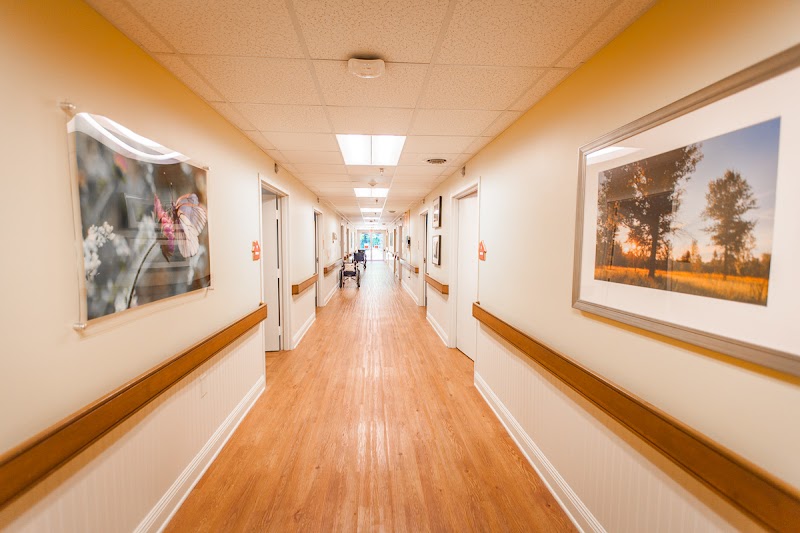
Who Owns and Operates Signature Healthcare Of Galion?

SIGNATURE HEALTHCARE OF GALION is owned by a for-profit company. For-profit facilities operate as businesses with obligations to shareholders or private owners. The facility is operated by SIGNATURE HEALTHCARE, a chain that manages multiple nursing homes. With 62 certified beds and approximately 50 residents (about 81% occupancy), it is a smaller facility located in GALION, Ohio.
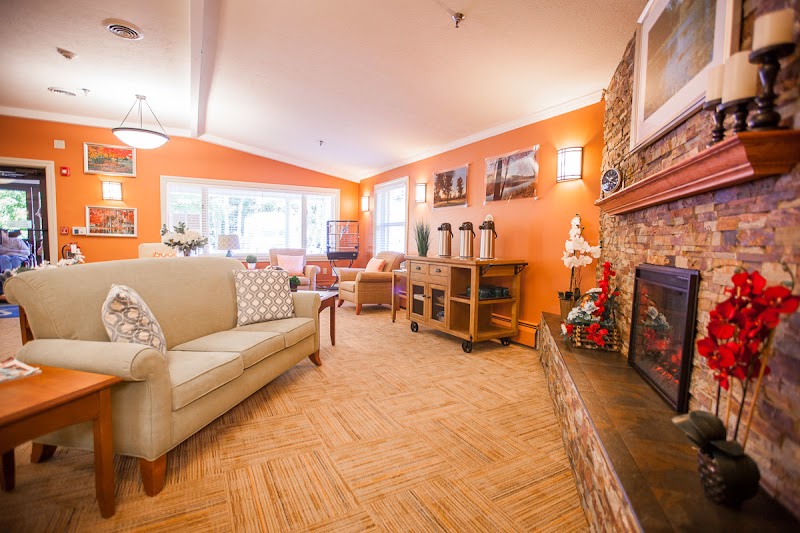
How Does Signature Healthcare Of Galion Compare to Other Ohio Nursing Homes?

Compared to the 100 nursing homes in Ohio, SIGNATURE HEALTHCARE OF GALION's overall rating (2 stars) is below the state average of 3.2, staff turnover (83%) is significantly higher than the state average of 46%, and health inspection rating (1 stars) is much below the national benchmark.

What Should Families Ask When Visiting Signature Healthcare Of Galion?

Based on this facility's data, families visiting should ask: "How do you ensure continuity of care given staff turnover, and what is your staff retention strategy?" "Can you walk me through typical staffing levels on day, evening, and night shifts?" "Can I visit during a mealtime to observe dining assistance and food quality?" "How do you handle medical emergencies, and what is your hospital transfer rate?" These questions are particularly relevant given the facility's high staff turnover rate and the below-average staffing rating.

Is Signature Healthcare Of Galion Safe?

Based on CMS inspection data, SIGNATURE HEALTHCARE OF GALION has a clean safety record: no substantiated abuse findings (meaning no confirmed cases of resident harm), no Immediate Jeopardy citations (the most serious violation level indicating risk of serious injury or death), and is not on the Special Focus Facility watch list (a federal program monitoring the lowest-performing 1% of nursing homes). The facility has a 2-star overall rating and ranks #100 of 100 nursing homes in Ohio. While no facility is perfect, families should still ask about staff-to-resident ratios and recent inspection results during their visit.

Do Nurses at Signature Healthcare Of Galion Stick Around?

Staff turnover at SIGNATURE HEALTHCARE OF GALION is high. At 83%, the facility is 36 percentage points above the Ohio average of 46%. Registered Nurse turnover is particularly concerning at 67%. RNs handle complex medical decisions and coordinate care — frequent RN changes can directly impact care quality. High turnover means new staff may not know residents' individual needs, medications, or preferences. It can also be disorienting for residents, especially those with dementia who rely on familiar faces. Families should ask: What is causing the turnover? What retention programs are in place? How do you ensure care continuity during staff transitions?

Was Signature Healthcare Of Galion Ever Fined?

SIGNATURE HEALTHCARE OF GALION has no federal fines on record. CMS issues fines when nursing homes fail to meet care standards or don't correct problems found during inspections. The absence of fines suggests the facility has either maintained compliance or corrected any issues before penalties were assessed. This is a positive indicator, though families should still review recent inspection reports for the full picture.

Is Signature Healthcare Of Galion on Any Federal Watch List?

SIGNATURE HEALTHCARE OF GALION is not on any federal watch list. The most significant is the Special Focus Facility (SFF) program, which identifies the bottom 1% of nursing homes nationally based on persistent, serious quality problems. Not being on this list means the facility has avoided the pattern of deficiencies that triggers enhanced federal oversight. This is a positive indicator, though families should still review the facility's inspection history directly.